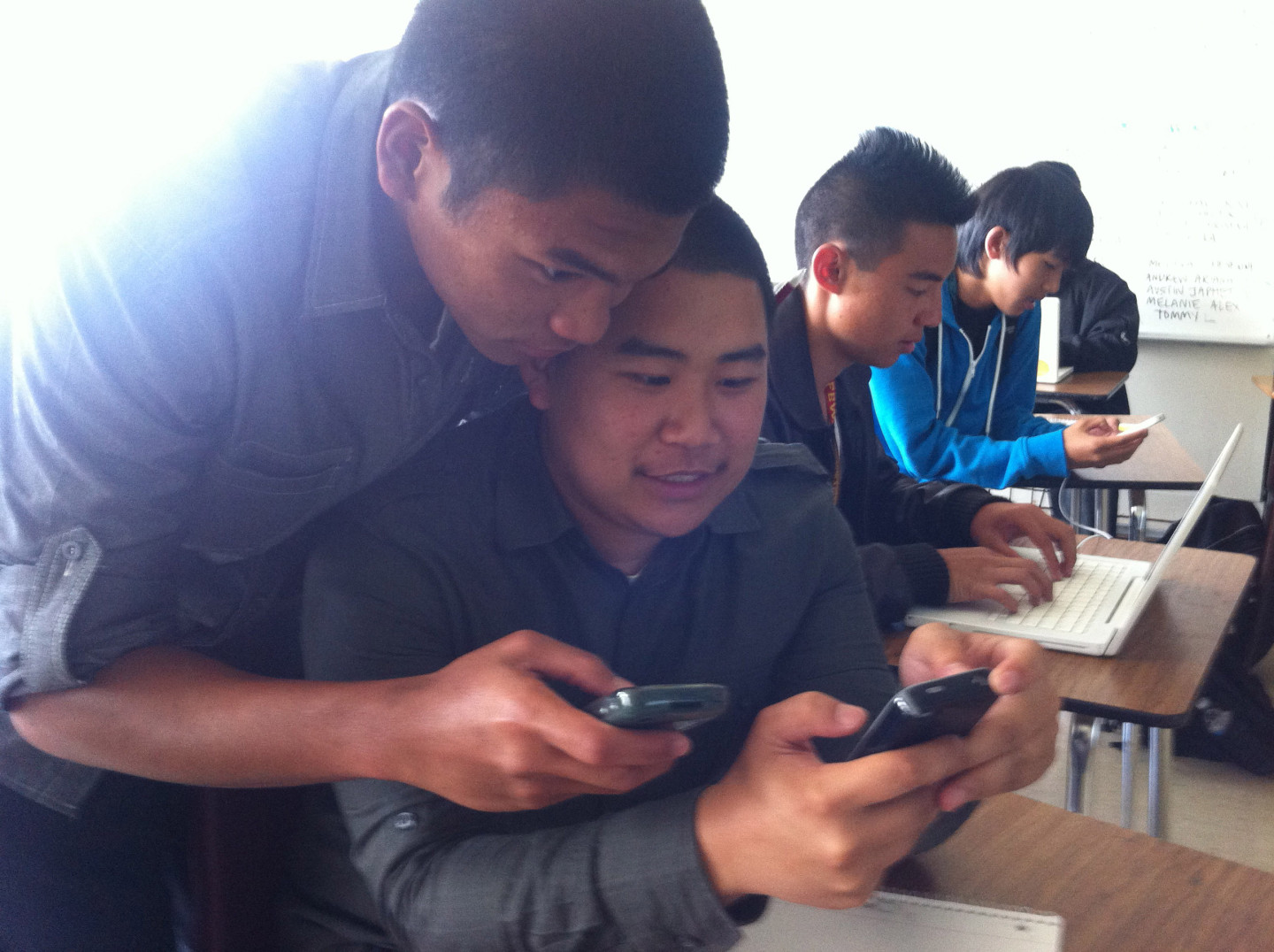
window.__IS_SSR__=true
window.__INITIAL_STATE__={
"attachmentsReducer": {
"audio_0": {
"type": "attachments",
"id": "audio_0",
"imgSizes": {
"kqedFullSize": {
"file": "https://ww2.kqed.org/news/wp-content/themes/KQED-unified/img/audio_bgs/background0.jpg"
}
}
},
"audio_1": {
"type": "attachments",
"id": "audio_1",
"imgSizes": {
"kqedFullSize": {
"file": "https://ww2.kqed.org/news/wp-content/themes/KQED-unified/img/audio_bgs/background1.jpg"
}
}
},
"audio_2": {
"type": "attachments",
"id": "audio_2",
"imgSizes": {
"kqedFullSize": {
"file": "https://ww2.kqed.org/news/wp-content/themes/KQED-unified/img/audio_bgs/background2.jpg"
}
}
},
"audio_3": {
"type": "attachments",
"id": "audio_3",
"imgSizes": {
"kqedFullSize": {
"file": "https://ww2.kqed.org/news/wp-content/themes/KQED-unified/img/audio_bgs/background3.jpg"
}
}
},
"audio_4": {
"type": "attachments",
"id": "audio_4",
"imgSizes": {
"kqedFullSize": {
"file": "https://ww2.kqed.org/news/wp-content/themes/KQED-unified/img/audio_bgs/background4.jpg"
}
}
},
"placeholder": {
"type": "attachments",
"id": "placeholder",
"imgSizes": {
"thumbnail": {
"file": "https://cdn.kqed.org/wp-content/uploads/2024/12/KQED-Default-Image-816638274-2000x1333-1-160x107.jpg",
"width": 160,
"height": 107,
"mimeType": "image/jpeg"
},
"medium": {
"file": "https://cdn.kqed.org/wp-content/uploads/2024/12/KQED-Default-Image-816638274-2000x1333-1-800x533.jpg",
"width": 800,
"height": 533,
"mimeType": "image/jpeg"
},
"medium_large": {
"file": "https://cdn.kqed.org/wp-content/uploads/2024/12/KQED-Default-Image-816638274-2000x1333-1-768x512.jpg",
"width": 768,
"height": 512,
"mimeType": "image/jpeg"
},
"large": {
"file": "https://cdn.kqed.org/wp-content/uploads/2024/12/KQED-Default-Image-816638274-2000x1333-1-1020x680.jpg",
"width": 1020,
"height": 680,
"mimeType": "image/jpeg"
},
"1536x1536": {
"file": "https://cdn.kqed.org/wp-content/uploads/2024/12/KQED-Default-Image-816638274-2000x1333-1-1536x1024.jpg",
"width": 1536,
"height": 1024,
"mimeType": "image/jpeg"
},
"fd-lrg": {
"file": "https://cdn.kqed.org/wp-content/uploads/2024/12/KQED-Default-Image-816638274-2000x1333-1-1536x1024.jpg",
"width": 1536,
"height": 1024,
"mimeType": "image/jpeg"
},
"fd-med": {
"file": "https://cdn.kqed.org/wp-content/uploads/2024/12/KQED-Default-Image-816638274-2000x1333-1-1020x680.jpg",
"width": 1020,
"height": 680,
"mimeType": "image/jpeg"
},
"fd-sm": {
"file": "https://cdn.kqed.org/wp-content/uploads/2024/12/KQED-Default-Image-816638274-2000x1333-1-800x533.jpg",
"width": 800,
"height": 533,
"mimeType": "image/jpeg"
},
"post-thumbnail": {
"file": "https://cdn.kqed.org/wp-content/uploads/2024/12/KQED-Default-Image-816638274-2000x1333-1-672x372.jpg",
"width": 672,
"height": 372,
"mimeType": "image/jpeg"
},
"twentyfourteen-full-width": {
"file": "https://cdn.kqed.org/wp-content/uploads/2024/12/KQED-Default-Image-816638274-2000x1333-1-1038x576.jpg",
"width": 1038,
"height": 576,
"mimeType": "image/jpeg"
},
"xxsmall": {
"file": "https://cdn.kqed.org/wp-content/uploads/2024/12/KQED-Default-Image-816638274-2000x1333-1-160x107.jpg",
"width": 160,
"height": 107,
"mimeType": "image/jpeg"
},
"xsmall": {
"file": "https://cdn.kqed.org/wp-content/uploads/2024/12/KQED-Default-Image-816638274-2000x1333-1-672x372.jpg",
"width": 672,
"height": 372,
"mimeType": "image/jpeg"
},
"small": {
"file": "https://cdn.kqed.org/wp-content/uploads/2024/12/KQED-Default-Image-816638274-2000x1333-1-672x372.jpg",
"width": 672,
"height": 372,
"mimeType": "image/jpeg"
},
"xlarge": {
"file": "https://cdn.kqed.org/wp-content/uploads/2024/12/KQED-Default-Image-816638274-2000x1333-1-1020x680.jpg",
"width": 1020,
"height": 680,
"mimeType": "image/jpeg"
},
"full-width": {
"file": "https://cdn.kqed.org/wp-content/uploads/2024/12/KQED-Default-Image-816638274-2000x1333-1-1920x1280.jpg",
"width": 1920,
"height": 1280,
"mimeType": "image/jpeg"
},
"guest-author-32": {
"file": "https://cdn.kqed.org/wp-content/uploads/2025/01/KQED-Default-Image-816638274-1333x1333-1-160x160.jpg",
"width": 32,
"height": 32,
"mimeType": "image/jpeg"
},
"guest-author-50": {
"file": "https://cdn.kqed.org/wp-content/uploads/2025/01/KQED-Default-Image-816638274-1333x1333-1-160x160.jpg",
"width": 50,
"height": 50,
"mimeType": "image/jpeg"
},
"guest-author-64": {
"file": "https://cdn.kqed.org/wp-content/uploads/2025/01/KQED-Default-Image-816638274-1333x1333-1-160x160.jpg",
"width": 64,
"height": 64,
"mimeType": "image/jpeg"
},
"guest-author-96": {
"file": "https://cdn.kqed.org/wp-content/uploads/2025/01/KQED-Default-Image-816638274-1333x1333-1-160x160.jpg",
"width": 96,
"height": 96,
"mimeType": "image/jpeg"
},
"guest-author-128": {
"file": "https://cdn.kqed.org/wp-content/uploads/2025/01/KQED-Default-Image-816638274-1333x1333-1-160x160.jpg",
"width": 128,
"height": 128,
"mimeType": "image/jpeg"
},
"detail": {
"file": "https://cdn.kqed.org/wp-content/uploads/2025/01/KQED-Default-Image-816638274-1333x1333-1-160x160.jpg",
"width": 160,
"height": 160,
"mimeType": "image/jpeg"
},
"kqedFullSize": {
"file": "https://cdn.kqed.org/wp-content/uploads/2024/12/KQED-Default-Image-816638274-2000x1333-1.jpg",
"width": 2000,
"height": 1333
}
}
},
"mindshift_16202": {
"type": "attachments",
"id": "mindshift_16202",
"meta": {
"index": "attachments_1716263798",
"site": "mindshift",
"id": "16202",
"found": true
},
"parent": 16201,
"imgSizes": {
"kqedFullSize": {
"file": "https://ww2.kqed.org/app/uploads/sites/23/2011/10/cardboard_rocket.jpg",
"width": 300,
"height": 199
},
"guest-author-96": {
"file": "https://ww2.kqed.org/app/uploads/sites/23/2011/10/cardboard_rocket-96x96.jpg",
"width": 96,
"mimeType": "image/jpeg",
"height": 96
},
"guest-author-64": {
"file": "https://ww2.kqed.org/app/uploads/sites/23/2011/10/cardboard_rocket-64x64.jpg",
"width": 64,
"mimeType": "image/jpeg",
"height": 64
},
"detail": {
"file": "https://ww2.kqed.org/app/uploads/sites/23/2011/10/cardboard_rocket-75x75.jpg",
"width": 75,
"mimeType": "image/jpeg",
"height": 75
},
"guest-author-32": {
"file": "https://ww2.kqed.org/app/uploads/sites/23/2011/10/cardboard_rocket-32x32.jpg",
"width": 32,
"mimeType": "image/jpeg",
"height": 32
},
"guest-author-128": {
"file": "https://ww2.kqed.org/app/uploads/sites/23/2011/10/cardboard_rocket-128x128.jpg",
"width": 128,
"mimeType": "image/jpeg",
"height": 128
}
},
"publishDate": 1319038226,
"modified": 1319038226,
"caption": null,
"description": null,
"title": "cardboard_rocket",
"credit": null,
"status": "inherit",
"isLoading": false,
"fetchFailed": false
},
"mindshift_16186": {
"type": "attachments",
"id": "mindshift_16186",
"meta": {
"index": "attachments_1716263798",
"site": "mindshift",
"id": "16186",
"found": true
},
"parent": 16145,
"imgSizes": {
"twentyfourteen-full-width": {
"file": "https://ww2.kqed.org/app/uploads/sites/23/2011/10/IMG_1477-1038x576.jpg",
"width": 1038,
"mimeType": "image/jpeg",
"height": 576
},
"thumbnail": {
"file": "https://ww2.kqed.org/app/uploads/sites/23/2011/10/IMG_1477-400x299.jpg",
"width": 400,
"mimeType": "image/jpeg",
"height": 299
},
"fd-sm": {
"file": "https://ww2.kqed.org/app/uploads/sites/23/2011/10/IMG_1477-320x239.jpg",
"width": 320,
"mimeType": "image/jpeg",
"height": 239
},
"post-thumbnail": {
"file": "https://ww2.kqed.org/app/uploads/sites/23/2011/10/IMG_1477-672x372.jpg",
"width": 672,
"mimeType": "image/jpeg",
"height": 372
},
"kqedFullSize": {
"file": "https://ww2.kqed.org/app/uploads/sites/23/2011/10/IMG_1477.jpg",
"width": 2592,
"height": 1936
},
"large": {
"file": "https://ww2.kqed.org/app/uploads/sites/23/2011/10/IMG_1477-1440x1076.jpg",
"width": 1440,
"mimeType": "image/jpeg",
"height": 1076
},
"guest-author-96": {
"file": "https://ww2.kqed.org/app/uploads/sites/23/2011/10/IMG_1477-96x96.jpg",
"width": 96,
"mimeType": "image/jpeg",
"height": 96
},
"medium": {
"file": "https://ww2.kqed.org/app/uploads/sites/23/2011/10/IMG_1477-800x598.jpg",
"width": 800,
"mimeType": "image/jpeg",
"height": 598
},
"guest-author-64": {
"file": "https://ww2.kqed.org/app/uploads/sites/23/2011/10/IMG_1477-64x64.jpg",
"width": 64,
"mimeType": "image/jpeg",
"height": 64
},
"guest-author-32": {
"file": "https://ww2.kqed.org/app/uploads/sites/23/2011/10/IMG_1477-32x32.jpg",
"width": 32,
"mimeType": "image/jpeg",
"height": 32
},
"fd-lrg": {
"file": "https://ww2.kqed.org/app/uploads/sites/23/2011/10/IMG_1477-1180x881.jpg",
"width": 1180,
"mimeType": "image/jpeg",
"height": 881
},
"fd-med": {
"file": "https://ww2.kqed.org/app/uploads/sites/23/2011/10/IMG_1477-768x574.jpg",
"width": 768,
"mimeType": "image/jpeg",
"height": 574
},
"detail": {
"file": "https://ww2.kqed.org/app/uploads/sites/23/2011/10/IMG_1477-75x75.jpg",
"width": 75,
"mimeType": "image/jpeg",
"height": 75
},
"guest-author-128": {
"file": "https://ww2.kqed.org/app/uploads/sites/23/2011/10/IMG_1477-128x128.jpg",
"width": 128,
"mimeType": "image/jpeg",
"height": 128
}
},
"publishDate": 1318976873,
"modified": 1318976873,
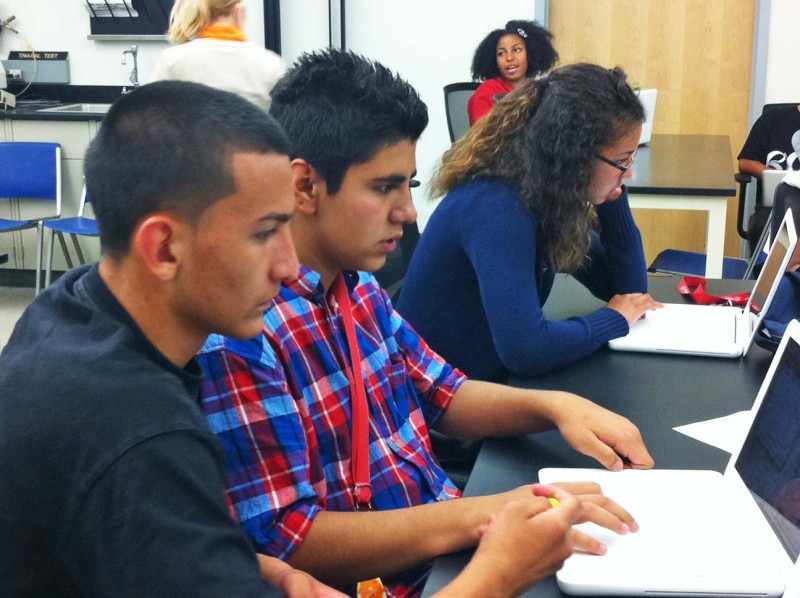
"caption": "Students at Burton High experiment with tweeting in class.",
"description": null,
"title": "IMG_1477",
"credit": null,
"status": "inherit",
"isLoading": false,
"fetchFailed": false
},
"mindshift_14817": {
"type": "attachments",
"id": "mindshift_14817",
"meta": {
"index": "attachments_1716263798",
"site": "mindshift",
"id": "14817",
"found": true
},
"parent": 14760,
"imgSizes": {
"thumbnail": {
"file": "https://ww2.kqed.org/app/uploads/sites/23/2011/08/87549956-400x258.jpg",
"width": 400,
"mimeType": "image/jpeg",
"height": 258
},
"fd-sm": {
"file": "https://ww2.kqed.org/app/uploads/sites/23/2011/08/87549956-320x207.jpg",
"width": 320,
"mimeType": "image/jpeg",
"height": 207
},
"kqedFullSize": {
"file": "https://ww2.kqed.org/app/uploads/sites/23/2011/08/87549956.jpg",
"width": 514,
"height": 332
},
"guest-author-96": {
"file": "https://ww2.kqed.org/app/uploads/sites/23/2011/08/87549956-96x96.jpg",
"width": 96,
"mimeType": "image/jpeg",
"height": 96
},
"guest-author-64": {
"file": "https://ww2.kqed.org/app/uploads/sites/23/2011/08/87549956-64x64.jpg",
"width": 64,
"mimeType": "image/jpeg",
"height": 64
},
"detail": {
"file": "https://ww2.kqed.org/app/uploads/sites/23/2011/08/87549956-75x75.jpg",
"width": 75,
"mimeType": "image/jpeg",
"height": 75
},
"guest-author-32": {
"file": "https://ww2.kqed.org/app/uploads/sites/23/2011/08/87549956-32x32.jpg",
"width": 32,
"mimeType": "image/jpeg",
"height": 32
},
"guest-author-128": {
"file": "https://ww2.kqed.org/app/uploads/sites/23/2011/08/87549956-128x128.jpg",
"width": 128,
"mimeType": "image/jpeg",
"height": 128
}
},
"publishDate": 1314292064,
"modified": 1314292064,
"caption": null,
"description": "Students text messaging in classroom",
"title": "87549956",
"credit": null,
"status": "inherit",
"isLoading": false,
"fetchFailed": false
},
"mindshift_16130": {
"type": "attachments",
"id": "mindshift_16130",
"meta": {
"index": "attachments_1716263798",
"site": "mindshift",
"id": "16130",
"found": true
},
"parent": 16126,
"imgSizes": {
"twentyfourteen-full-width": {
"file": "https://ww2.kqed.org/app/uploads/sites/23/2011/10/ipad-1038x576.jpg",
"width": 1038,
"mimeType": "image/jpeg",
"height": 576
},
"thumbnail": {
"file": "https://ww2.kqed.org/app/uploads/sites/23/2011/10/ipad-400x299.jpg",
"width": 400,
"mimeType": "image/jpeg",
"height": 299
},
"fd-sm": {
"file": "https://ww2.kqed.org/app/uploads/sites/23/2011/10/ipad-320x239.jpg",
"width": 320,
"mimeType": "image/jpeg",
"height": 239
},
"post-thumbnail": {
"file": "https://ww2.kqed.org/app/uploads/sites/23/2011/10/ipad-672x372.jpg",
"width": 672,
"mimeType": "image/jpeg",
"height": 372
},
"kqedFullSize": {
"file": "https://ww2.kqed.org/app/uploads/sites/23/2011/10/ipad.jpg",
"width": 1296,
"height": 968
},
"guest-author-96": {
"file": "https://ww2.kqed.org/app/uploads/sites/23/2011/10/ipad-96x96.jpg",
"width": 96,
"mimeType": "image/jpeg",
"height": 96
},
"medium": {
"file": "https://ww2.kqed.org/app/uploads/sites/23/2011/10/ipad-800x598.jpg",
"width": 800,
"mimeType": "image/jpeg",
"height": 598
},
"guest-author-64": {
"file": "https://ww2.kqed.org/app/uploads/sites/23/2011/10/ipad-64x64.jpg",
"width": 64,
"mimeType": "image/jpeg",
"height": 64
},
"guest-author-32": {
"file": "https://ww2.kqed.org/app/uploads/sites/23/2011/10/ipad-32x32.jpg",
"width": 32,
"mimeType": "image/jpeg",
"height": 32
},
"fd-lrg": {
"file": "https://ww2.kqed.org/app/uploads/sites/23/2011/10/ipad-1180x881.jpg",
"width": 1180,
"mimeType": "image/jpeg",
"height": 881
},
"fd-med": {
"file": "https://ww2.kqed.org/app/uploads/sites/23/2011/10/ipad-768x574.jpg",
"width": 768,
"mimeType": "image/jpeg",
"height": 574
},
"detail": {
"file": "https://ww2.kqed.org/app/uploads/sites/23/2011/10/ipad-75x75.jpg",
"width": 75,
"mimeType": "image/jpeg",
"height": 75
},
"guest-author-128": {
"file": "https://ww2.kqed.org/app/uploads/sites/23/2011/10/ipad-128x128.jpg",
"width": 128,
"mimeType": "image/jpeg",
"height": 128
}
},
"publishDate": 1318870284,
"modified": 1318870284,
"caption": null,
"description": null,
"title": "ipad",
"credit": null,
"status": "inherit",
"isLoading": false,
"fetchFailed": false
},
"mindshift_16110": {
"type": "attachments",
"id": "mindshift_16110",
"meta": {
"index": "attachments_1716263798",
"site": "mindshift",
"id": "16110",
"found": true
},
"parent": 16098,
"imgSizes": {
"twentyfourteen-full-width": {
"file": "https://ww2.kqed.org/app/uploads/sites/23/2011/10/isis_start-2-1000x576.jpg",
"width": 1000,
"mimeType": "image/jpeg",
"height": 576
},
"thumbnail": {
"file": "https://ww2.kqed.org/app/uploads/sites/23/2011/10/isis_start-2-400x266.jpg",
"width": 400,
"mimeType": "image/jpeg",
"height": 266
},
"fd-sm": {
"file": "https://ww2.kqed.org/app/uploads/sites/23/2011/10/isis_start-2-320x213.jpg",
"width": 320,
"mimeType": "image/jpeg",
"height": 213
},
"post-thumbnail": {
"file": "https://ww2.kqed.org/app/uploads/sites/23/2011/10/isis_start-2-672x372.jpg",
"width": 672,
"mimeType": "image/jpeg",
"height": 372
},
"kqedFullSize": {
"file": "https://ww2.kqed.org/app/uploads/sites/23/2011/10/isis_start-2.jpg",
"width": 1000,
"height": 666
},
"fd-med": {
"file": "https://ww2.kqed.org/app/uploads/sites/23/2011/10/isis_start-2-768x511.jpg",
"width": 768,
"mimeType": "image/jpeg",
"height": 511
},
"guest-author-96": {
"file": "https://ww2.kqed.org/app/uploads/sites/23/2011/10/isis_start-2-96x96.jpg",
"width": 96,
"mimeType": "image/jpeg",
"height": 96
},
"medium": {
"file": "https://ww2.kqed.org/app/uploads/sites/23/2011/10/isis_start-2-800x533.jpg",
"width": 800,
"mimeType": "image/jpeg",
"height": 533
},
"guest-author-64": {
"file": "https://ww2.kqed.org/app/uploads/sites/23/2011/10/isis_start-2-64x64.jpg",
"width": 64,
"mimeType": "image/jpeg",
"height": 64
},
"detail": {
"file": "https://ww2.kqed.org/app/uploads/sites/23/2011/10/isis_start-2-75x75.jpg",
"width": 75,
"mimeType": "image/jpeg",
"height": 75
},
"guest-author-32": {
"file": "https://ww2.kqed.org/app/uploads/sites/23/2011/10/isis_start-2-32x32.jpg",
"width": 32,
"mimeType": "image/jpeg",
"height": 32
},
"guest-author-128": {
"file": "https://ww2.kqed.org/app/uploads/sites/23/2011/10/isis_start-2-128x128.jpg",
"width": 128,
"mimeType": "image/jpeg",
"height": 128
}
},
"publishDate": 1318622122,
"modified": 1318622122,
"caption": "Students at Question to Learn school in New York use game techniques to learn about every subject.",
"description": null,
"title": "isis_start-2",
"credit": null,
"status": "inherit",
"isLoading": false,
"fetchFailed": false
},
"mindshift_16057": {
"type": "attachments",
"id": "mindshift_16057",
"meta": {
"index": "attachments_1716263798",
"site": "mindshift",
"id": "16057",
"found": true
},
"parent": 16046,
"imgSizes": {
"twentyfourteen-full-width": {
"file": "https://ww2.kqed.org/app/uploads/sites/23/2011/10/Screen-shot-2011-10-12-at-5.37.23-PM-715x576.png",
"width": 715,
"mimeType": "image/png",
"height": 576
},
"thumbnail": {
"file": "https://ww2.kqed.org/app/uploads/sites/23/2011/10/Screen-shot-2011-10-12-at-5.37.23-PM-400x374.png",
"width": 400,
"mimeType": "image/png",
"height": 374
},
"fd-sm": {
"file": "https://ww2.kqed.org/app/uploads/sites/23/2011/10/Screen-shot-2011-10-12-at-5.37.23-PM-320x299.png",
"width": 320,
"mimeType": "image/png",
"height": 299
},
"post-thumbnail": {
"file": "https://ww2.kqed.org/app/uploads/sites/23/2011/10/Screen-shot-2011-10-12-at-5.37.23-PM-672x372.png",
"width": 672,
"mimeType": "image/png",
"height": 372
},
"kqedFullSize": {
"file": "https://ww2.kqed.org/app/uploads/sites/23/2011/10/Screen-shot-2011-10-12-at-5.37.23-PM.png",
"width": 715,
"height": 668
},
"guest-author-96": {
"file": "https://ww2.kqed.org/app/uploads/sites/23/2011/10/Screen-shot-2011-10-12-at-5.37.23-PM-96x96.png",
"width": 96,
"mimeType": "image/png",
"height": 96
},
"guest-author-64": {
"file": "https://ww2.kqed.org/app/uploads/sites/23/2011/10/Screen-shot-2011-10-12-at-5.37.23-PM-64x64.png",
"width": 64,
"mimeType": "image/png",
"height": 64
},
"detail": {
"file": "https://ww2.kqed.org/app/uploads/sites/23/2011/10/Screen-shot-2011-10-12-at-5.37.23-PM-75x75.png",
"width": 75,
"mimeType": "image/png",
"height": 75
},
"guest-author-32": {
"file": "https://ww2.kqed.org/app/uploads/sites/23/2011/10/Screen-shot-2011-10-12-at-5.37.23-PM-32x32.png",
"width": 32,
"mimeType": "image/png",
"height": 32
},
"guest-author-128": {
"file": "https://ww2.kqed.org/app/uploads/sites/23/2011/10/Screen-shot-2011-10-12-at-5.37.23-PM-128x128.png",
"width": 128,
"mimeType": "image/png",
"height": 128
}
},
"publishDate": 1318466276,
"modified": 1318466276,
"caption": null,
"description": null,
"title": "Screen shot 2011-10-12 at 5.37.23 PM",
"credit": null,
"status": "inherit",
"isLoading": false,
"fetchFailed": false
},
"mindshift_15750": {
"type": "attachments",
"id": "mindshift_15750",
"meta": {
"index": "attachments_1716263798",
"site": "mindshift",
"id": "15750",
"found": true
},
"parent": 15746,
"imgSizes": {
"thumbnail": {
"file": "https://ww2.kqed.org/app/uploads/sites/23/2011/10/Kids-computers-400x266.jpg",
"width": 400,
"mimeType": "image/jpeg",
"height": 266
},
"fd-sm": {
"file": "https://ww2.kqed.org/app/uploads/sites/23/2011/10/Kids-computers-320x213.jpg",
"width": 320,
"mimeType": "image/jpeg",
"height": 213
},
"post-thumbnail": {
"file": "https://ww2.kqed.org/app/uploads/sites/23/2011/10/Kids-computers-672x372.jpg",
"width": 672,
"mimeType": "image/jpeg",
"height": 372
},
"kqedFullSize": {
"file": "https://ww2.kqed.org/app/uploads/sites/23/2011/10/Kids-computers.jpg",
"width": 842,
"height": 560
},
"fd-med": {
"file": "https://ww2.kqed.org/app/uploads/sites/23/2011/10/Kids-computers-768x511.jpg",
"width": 768,
"mimeType": "image/jpeg",
"height": 511
},
"guest-author-96": {
"file": "https://ww2.kqed.org/app/uploads/sites/23/2011/10/Kids-computers-96x96.jpg",
"width": 96,
"mimeType": "image/jpeg",
"height": 96
},
"medium": {
"file": "https://ww2.kqed.org/app/uploads/sites/23/2011/10/Kids-computers-800x532.jpg",
"width": 800,
"mimeType": "image/jpeg",
"height": 532
},
"guest-author-64": {
"file": "https://ww2.kqed.org/app/uploads/sites/23/2011/10/Kids-computers-64x64.jpg",
"width": 64,
"mimeType": "image/jpeg",
"height": 64
},
"detail": {
"file": "https://ww2.kqed.org/app/uploads/sites/23/2011/10/Kids-computers-75x75.jpg",
"width": 75,
"mimeType": "image/jpeg",
"height": 75
},
"guest-author-32": {
"file": "https://ww2.kqed.org/app/uploads/sites/23/2011/10/Kids-computers-32x32.jpg",
"width": 32,
"mimeType": "image/jpeg",
"height": 32
},
"guest-author-128": {
"file": "https://ww2.kqed.org/app/uploads/sites/23/2011/10/Kids-computers-128x128.jpg",
"width": 128,
"mimeType": "image/jpeg",
"height": 128
}
},
"publishDate": 1317749099,
"modified": 1317749099,
"caption": null,
"description": null,
"title": "Kids computers",
"credit": null,
"status": "inherit",
"isLoading": false,
"fetchFailed": false
},
"mindshift_16024": {
"type": "attachments",
"id": "mindshift_16024",
"meta": {
"index": "attachments_1716263798",
"site": "mindshift",
"id": "16024",
"found": true
},
"parent": 16002,
"imgSizes": {
"kqedFullSize": {
"file": "https://ww2.kqed.org/app/uploads/sites/23/2011/10/Sintia-300x300.jpg",
"width": 300,
"height": 300
},
"guest-author-96": {
"file": "https://ww2.kqed.org/app/uploads/sites/23/2011/10/Sintia-300x300-96x96.jpg",
"width": 96,
"mimeType": "image/jpeg",
"height": 96
},
"guest-author-64": {
"file": "https://ww2.kqed.org/app/uploads/sites/23/2011/10/Sintia-300x300-64x64.jpg",
"width": 64,
"mimeType": "image/jpeg",
"height": 64
},
"detail": {
"file": "https://ww2.kqed.org/app/uploads/sites/23/2011/10/Sintia-300x300-75x75.jpg",
"width": 75,
"mimeType": "image/jpeg",
"height": 75
},
"guest-author-32": {
"file": "https://ww2.kqed.org/app/uploads/sites/23/2011/10/Sintia-300x300-32x32.jpg",
"width": 32,
"mimeType": "image/jpeg",
"height": 32
},
"guest-author-128": {
"file": "https://ww2.kqed.org/app/uploads/sites/23/2011/10/Sintia-300x300-128x128.jpg",
"width": 128,
"mimeType": "image/jpeg",
"height": 128
}
},
"publishDate": 1318447788,
"modified": 1318447788,
"caption": "A Rocketship student works at the Learning Lab using adaptive software.",
"description": null,
"title": "Sintia-300x300",
"credit": null,
"status": "inherit",
"isLoading": false,
"fetchFailed": false
},
"mindshift_15949": {
"type": "attachments",
"id": "mindshift_15949",
"meta": {
"index": "attachments_1716263798",
"site": "mindshift",
"id": "15949",
"found": true
},
"parent": 15948,
"imgSizes": {
"kqedFullSize": {
"file": "https://ww2.kqed.org/app/uploads/sites/23/2011/10/Indian_tablet_Akash.jpg",
"width": 300,
"height": 186
},
"guest-author-96": {
"file": "https://ww2.kqed.org/app/uploads/sites/23/2011/10/Indian_tablet_Akash-96x96.jpg",
"width": 96,
"mimeType": "image/jpeg",
"height": 96
},
"guest-author-64": {
"file": "https://ww2.kqed.org/app/uploads/sites/23/2011/10/Indian_tablet_Akash-64x64.jpg",
"width": 64,
"mimeType": "image/jpeg",
"height": 64
},
"detail": {
"file": "https://ww2.kqed.org/app/uploads/sites/23/2011/10/Indian_tablet_Akash-75x75.jpg",
"width": 75,
"mimeType": "image/jpeg",
"height": 75
},
"guest-author-32": {
"file": "https://ww2.kqed.org/app/uploads/sites/23/2011/10/Indian_tablet_Akash-32x32.jpg",
"width": 32,
"mimeType": "image/jpeg",
"height": 32
},
"guest-author-128": {
"file": "https://ww2.kqed.org/app/uploads/sites/23/2011/10/Indian_tablet_Akash-128x128.jpg",
"width": 128,
"mimeType": "image/jpeg",
"height": 128
}
},
"publishDate": 1318263413,
"modified": 1318263413,
"caption": null,
"description": null,
"title": "Indian_tablet_Akash",
"credit": null,
"status": "inherit",
"isLoading": false,
"fetchFailed": false
},
"mindshift_15920": {
"type": "attachments",
"id": "mindshift_15920",
"meta": {
"index": "attachments_1716263798",
"site": "mindshift",
"id": "15920",
"found": true
},
"parent": 15902,
"imgSizes": {
"thumbnail": {
"file": "https://ww2.kqed.org/app/uploads/sites/23/2011/10/6197755378_c4b9fa845e_z-400x283.jpg",
"width": 400,
"mimeType": "image/jpeg",
"height": 283
},
"fd-sm": {
"file": "https://ww2.kqed.org/app/uploads/sites/23/2011/10/6197755378_c4b9fa845e_z-320x227.jpg",
"width": 320,
"mimeType": "image/jpeg",
"height": 227
},
"post-thumbnail": {
"file": "https://ww2.kqed.org/app/uploads/sites/23/2011/10/6197755378_c4b9fa845e_z-640x372.jpg",
"width": 640,
"mimeType": "image/jpeg",
"height": 372
},
"kqedFullSize": {
"file": "https://ww2.kqed.org/app/uploads/sites/23/2011/10/6197755378_c4b9fa845e_z.jpg",
"width": 640,
"height": 453
},
"guest-author-96": {
"file": "https://ww2.kqed.org/app/uploads/sites/23/2011/10/6197755378_c4b9fa845e_z-96x96.jpg",
"width": 96,
"mimeType": "image/jpeg",
"height": 96
},
"guest-author-64": {
"file": "https://ww2.kqed.org/app/uploads/sites/23/2011/10/6197755378_c4b9fa845e_z-64x64.jpg",
"width": 64,
"mimeType": "image/jpeg",
"height": 64
},
"detail": {
"file": "https://ww2.kqed.org/app/uploads/sites/23/2011/10/6197755378_c4b9fa845e_z-75x75.jpg",
"width": 75,
"mimeType": "image/jpeg",
"height": 75
},
"guest-author-32": {
"file": "https://ww2.kqed.org/app/uploads/sites/23/2011/10/6197755378_c4b9fa845e_z-32x32.jpg",
"width": 32,
"mimeType": "image/jpeg",
"height": 32
},
"guest-author-128": {
"file": "https://ww2.kqed.org/app/uploads/sites/23/2011/10/6197755378_c4b9fa845e_z-128x128.jpg",
"width": 128,
"mimeType": "image/jpeg",
"height": 128
}
},
"publishDate": 1318027025,
"modified": 1318027025,
"caption": null,
"description": null,
"title": "6197755378_c4b9fa845e_z",
"credit": null,
"status": "inherit",
"isLoading": false,
"fetchFailed": false
},
"mindshift_15779": {
"type": "attachments",
"id": "mindshift_15779",
"meta": {
"index": "attachments_1716263798",
"site": "mindshift",
"id": "15779",
"found": true
},
"parent": 15777,
"imgSizes": {
"fd-sm": {
"file": "https://ww2.kqed.org/app/uploads/sites/23/2011/10/tutorcloud-classroom-320x228.png",
"width": 320,
"mimeType": "image/png",
"height": 228
},
"kqedFullSize": {
"file": "https://ww2.kqed.org/app/uploads/sites/23/2011/10/tutorcloud-classroom.png",
"width": 350,
"height": 249
},
"guest-author-96": {
"file": "https://ww2.kqed.org/app/uploads/sites/23/2011/10/tutorcloud-classroom-96x96.png",
"width": 96,
"mimeType": "image/png",
"height": 96
},
"guest-author-64": {
"file": "https://ww2.kqed.org/app/uploads/sites/23/2011/10/tutorcloud-classroom-64x64.png",
"width": 64,
"mimeType": "image/png",
"height": 64
},
"detail": {
"file": "https://ww2.kqed.org/app/uploads/sites/23/2011/10/tutorcloud-classroom-75x75.png",
"width": 75,
"mimeType": "image/png",
"height": 75
},
"guest-author-32": {
"file": "https://ww2.kqed.org/app/uploads/sites/23/2011/10/tutorcloud-classroom-32x32.png",
"width": 32,
"mimeType": "image/png",
"height": 32
},
"guest-author-128": {
"file": "https://ww2.kqed.org/app/uploads/sites/23/2011/10/tutorcloud-classroom-128x128.png",
"width": 128,
"mimeType": "image/png",
"height": 128
}
},
"publishDate": 1317831175,
"modified": 1317831175,
"caption": null,
"description": null,
"title": "tutorcloud-classroom",
"credit": null,
"status": "inherit",
"isLoading": false,
"fetchFailed": false
},
"mindshift_15808": {
"type": "attachments",
"id": "mindshift_15808",
"meta": {
"index": "attachments_1716263798",
"site": "mindshift",
"id": "15808",
"found": true
},
"parent": 15771,
"imgSizes": {
"twentyfourteen-full-width": {
"file": "https://ww2.kqed.org/app/uploads/sites/23/2011/10/JuanSTEM-1038x576.jpg",
"width": 1038,
"mimeType": "image/jpeg",
"height": 576
},
"thumbnail": {
"file": "https://ww2.kqed.org/app/uploads/sites/23/2011/10/JuanSTEM-400x299.jpg",
"width": 400,
"mimeType": "image/jpeg",
"height": 299
},
"fd-sm": {
"file": "https://ww2.kqed.org/app/uploads/sites/23/2011/10/JuanSTEM-320x239.jpg",
"width": 320,
"mimeType": "image/jpeg",
"height": 239
},
"post-thumbnail": {
"file": "https://ww2.kqed.org/app/uploads/sites/23/2011/10/JuanSTEM-672x372.jpg",
"width": 672,
"mimeType": "image/jpeg",
"height": 372
},
"kqedFullSize": {
"file": "https://ww2.kqed.org/app/uploads/sites/23/2011/10/JuanSTEM.jpg",
"width": 1296,
"height": 968
},
"guest-author-96": {
"file": "https://ww2.kqed.org/app/uploads/sites/23/2011/10/JuanSTEM-96x96.jpg",
"width": 96,
"mimeType": "image/jpeg",
"height": 96
},
"medium": {
"file": "https://ww2.kqed.org/app/uploads/sites/23/2011/10/JuanSTEM-800x598.jpg",
"width": 800,
"mimeType": "image/jpeg",
"height": 598
},
"guest-author-64": {
"file": "https://ww2.kqed.org/app/uploads/sites/23/2011/10/JuanSTEM-64x64.jpg",
"width": 64,
"mimeType": "image/jpeg",
"height": 64
},
"guest-author-32": {
"file": "https://ww2.kqed.org/app/uploads/sites/23/2011/10/JuanSTEM-32x32.jpg",
"width": 32,
"mimeType": "image/jpeg",
"height": 32
},
"fd-lrg": {
"file": "https://ww2.kqed.org/app/uploads/sites/23/2011/10/JuanSTEM-1180x881.jpg",
"width": 1180,
"mimeType": "image/jpeg",
"height": 881
},
"fd-med": {
"file": "https://ww2.kqed.org/app/uploads/sites/23/2011/10/JuanSTEM-768x574.jpg",
"width": 768,
"mimeType": "image/jpeg",
"height": 574
},
"detail": {
"file": "https://ww2.kqed.org/app/uploads/sites/23/2011/10/JuanSTEM-75x75.jpg",
"width": 75,
"mimeType": "image/jpeg",
"height": 75
},
"guest-author-128": {
"file": "https://ww2.kqed.org/app/uploads/sites/23/2011/10/JuanSTEM-128x128.jpg",
"width": 128,
"mimeType": "image/jpeg",
"height": 128
}
},
"publishDate": 1317841675,
"modified": 1317841675,
"caption": "Juan works in groups in the SMASH program.",
"description": null,
"title": "JuanSTEM",
"credit": null,
"status": "inherit",
"isLoading": false,
"fetchFailed": false
}
},
"audioPlayerReducer": {
"postId": "stream_live",
"isPaused": true,
"isPlaying": false,
"pfsActive": false,
"pledgeModalIsOpen": true,
"playerDrawerIsOpen": false,
"liveAudioPlayStartedAt": 0,
"liveAudioPlayContext": ""
},
"authorsReducer": {
"tbarseghian": {
"type": "authors",
"id": "180",
"meta": {
"index": "authors_1716337520",
"id": "180",
"found": true
},
"name": "Tina Barseghian",
"firstName": "Tina",
"lastName": "Barseghian",
"slug": "tbarseghian",
"email": "tbarseghian@kqed.org",
"display_author_email": false,
"staff_mastheads": [],
"title": null,
"bio": null,
"avatar": "https://secure.gravatar.com/avatar/de7e6ced1239b7018fe4d2b61f723c90?s=600&d=blank&r=g",
"twitter": null,
"facebook": null,
"instagram": null,
"linkedin": null,
"sites": [
{
"site": "styleguide",
"roles": [
"contributor"
]
},
{
"site": "news",
"roles": [
"subscriber"
]
},
{
"site": "mindshift",
"roles": [
"subscriber"
]
},
{
"site": "bayareabites",
"roles": [
"subscriber"
]
}
],
"headData": {
"title": "Tina Barseghian | KQED",
"description": null,
"ogImgSrc": "https://secure.gravatar.com/avatar/de7e6ced1239b7018fe4d2b61f723c90?s=600&d=blank&r=g",
"twImgSrc": "https://secure.gravatar.com/avatar/de7e6ced1239b7018fe4d2b61f723c90?s=600&d=blank&r=g"
},
"isLoading": false,
"link": "/author/tbarseghian"
},
"awatters": {
"type": "authors",
"id": "4352",
"meta": {
"index": "authors_1716337520",
"id": "4352",
"found": true
},
"name": "Audrey Watters",
"firstName": "Audrey",
"lastName": "Watters",
"slug": "awatters",
"email": "awatters@kqed.org",
"display_author_email": false,
"staff_mastheads": [],
"title": null,
"bio": null,
"avatar": "https://secure.gravatar.com/avatar/fb6ac91bb93632725bfa683c1de71bee?s=600&d=blank&r=g",
"twitter": null,
"facebook": null,
"instagram": null,
"linkedin": null,
"sites": [
{
"site": "mindshift",
"roles": [
"subscriber"
]
}
],
"headData": {
"title": "Audrey Watters | KQED",
"description": null,
"ogImgSrc": "https://secure.gravatar.com/avatar/fb6ac91bb93632725bfa683c1de71bee?s=600&d=blank&r=g",
"twImgSrc": "https://secure.gravatar.com/avatar/fb6ac91bb93632725bfa683c1de71bee?s=600&d=blank&r=g"
},
"isLoading": false,
"link": "/author/awatters"
}
},
"pagesReducer": {
"mindshift_category_digital-tools": {
"type": "terms",
"id": "mindshift_195",
"meta": {
"index": "terms_1716263798",
"site": "mindshift",
"id": "195",
"score": 14.406237
},
"featImg": null,
"name": "Digital Tools",
"description": "How devices, software, and the Internet are changing the classroom dynamic.",
"taxonomy": "category",
"headData": {
"twImgId": null,
"twTitle": null,
"ogTitle": null,
"ogImgId": null,
"twDescription": null,
"description": "How devices, software, and the Internet are changing the classroom dynamic.",
"title": "Digital Tools Archives | KQED Mindshift",
"ogDescription": null
},
"ttid": 195,
"slug": "digital-tools",
"isLoading": false,
"title": "Digital Tools",
"pageMeta": {
"site": "mindshift",
"WpPageTemplate": "page-topic-editorial",
"currentPage": 46
},
"blocks": [
{
"blockName": "kqed/company-paragraph",
"content": "How devices, software, and the Internet are changing the classroom dynamic."
},
{
"blockName": "kqed/post-list",
"attrs": {
"layout": "cardArticle2",
"query": "posts/mindshift?category=digital-tools",
"seeMore": false,
"paginated": true,
"page": 46
}
},
{
"blockName": "kqed/ad"
}
]
}
},
"pfsSessionReducer": {},
"postsReducer": {
"stream_live": {
"type": "live",
"id": "stream_live",
"audioUrl": "https://streams.kqed.org/kqedradio",
"title": "Live Stream",
"excerpt": "Live Stream information currently unavailable.",
"link": "/radio",
"featImg": "",
"label": {
"name": "KQED Live",
"link": "/"
}
},
"stream_kqedNewscast": {
"type": "posts",
"id": "stream_kqedNewscast",
"audioUrl": "https://www.kqed.org/.stream/anon/radio/RDnews/newscast.mp3?_=1",
"title": "KQED Newscast",
"featImg": "",
"label": {
"name": "88.5 FM",
"link": "/"
}
},
"mindshift_16201": {
"type": "posts",
"id": "mindshift_16201",
"meta": {
"index": "posts_1716263798",
"site": "mindshift",
"id": "16201",
"score": null,
"sort": [
1319045774000
]
},
"parent": 0,
"labelTerm": {
"site": "mindshift"
},
"blocks": [],
"publishDate": 1319045774,
"format": "aside",
"disqusTitle": "Should a New Tech-Innovation Agency Be Created?",
"title": "Should a New Tech-Innovation Agency Be Created?",
"headTitle": "MindShift | KQED News",
"content": "\u003cdiv class=\"module image alignleft mceTemp\" style=\"width: 300px\">\u003ca href=\"http://www.flickr.com/photos/mbiddulph/5310895988/\">\u003cimg class=\"size-full wp-image-16202\" src=\"http://ww2.kqed.org/mindshift/wp-content/uploads/sites/23/2011/10/cardboard_rocket.jpg\" alt=\"\" width=\"300\" height=\"199\">\u003c/a>\n\u003cp class=\"wp-media-credit\">Matt Biddulph\u003c/p>\n\u003c/div>\n\u003cp>Today, most of the education world is focusing on how \u003ca href=\"http://en.wikipedia.org/wiki/No_Child_Left_Behind_Act\">No Child Left Behind\u003c/a> might change with the reauthorization of ESEA -- the \u003ca href=\"http://en.wikipedia.org/wiki/Elementary_and_Secondary_Education_Act\">Elementary and Secondary Education Act\u003c/a>.\u003c/p>\n\u003cp>But as the Senate Education committee prepares to mark up ESEA, another under-the-radar amendment is also being considered -- one that has historical ties to the Department of Defense.\u003c/p>\n\u003cp>It's called ARPA-Ed, and it stands for the Advanced Research Projects Agency – Education, a program President Obama \u003ca href=\"http://www.whitehouse.gov/the-press-office/2011/03/08/president-obama-highlights-shared-responsibility-education-reform\">proposed\u003c/a> at the beginning of the year. If the name sounds a lot like \u003ca href=\"http://www.darpa.mil/\">DARPA\u003c/a>, the Defense Advanced Research Projects Agency, that's intentional. DARPA was established in the 1950s as a response to the Soviets' launch of the Sputnik spacecraft and was meant to protect the United States' technological supremacy. Although it's a Defense Department agency, DARPA research isn't tied to specific military missions. But it has been responsible for a number of technological innovations with sweeping implications, including, \u003ca href=\"http://en.wikipedia.org/wiki/ARPANET\">ARPANET\u003c/a>, the predecessor to the Internet.\u003c/p>\n\u003caside class=\"pullquote alignleft\">Can the successes of the military's R&D program be duplicated in ed-tech?\u003c/aside>\n\u003cp>The creation of ARPA-Ed aims to tap into this history and to signal that the country urgently needs to invest in technological research to maintain its educational edge, or be at risk of falling behind.\u003c/p>\n\u003cp>The legacy of Sputnik and DARPA have been invoked by President Obama many times this year as he's talked about the importance of technology and education. He talked about Sputnik \u003c!--more-->specifically in his \u003ca href=\"http://www.whitehouse.gov/the-press-office/2011/01/25/remarks-president-state-union-address\">State of the Union\u003c/a> address at the beginning of the year:\u003c/p>\n\u003cblockquote>\u003cp>\"Half a century ago, when the Soviets beat us into space with the launch of a satellite called Sputnik, we had no idea how we would beat them to the moon. The science wasn’t even there yet. NASA didn’t exist. But after investing in better research and education, we didn’t just surpass the Soviets; we unleashed a wave of innovation that created new industries and millions of new jobs. This is our generation’s Sputnik moment. Two years ago, I said that we needed to reach a level of research and development we haven’t seen since the height of the Space Race. And in a few weeks, I will be sending a budget to Congress that helps us meet that goal.\"\u003c/p>\u003c/blockquote>\n\u003cp>As part of Obama's 2012 budget, $90 million was earmarked for the creation of ARPA-Ed. But until the proposal of the EASA amendment by Colorado Senator Michael Bennet today, there hasn't been any movement toward making this agency a reality.\u003c/p>\n\u003cp>[ad fullwidth]\u003c/p>\n\u003cp>The Department of Education says that ARPA-Ed would fund both private and public research by industry, universities, and other organizations that feed such projects as personalized digital tutors, adaptive learning platforms, and game-based learning (\u003ca href=\"http://www.ed.gov/sites/default/files/arpa-ed-background.pdf\">PDF\u003c/a>). The administration contends that an agency like ARPA-Ed would help correct the under-investment in education technology and would in turn spur innovation in the sector, which it contends has lagged far behind others in terms of its productivity and its performance.\u003c/p>\n\u003cp>ARPA-Ed isn't the only push that the Obama Administration has made into supporting education technology. It recently announced the \u003ca href=\"http://www.digitalpromise.org/\">Digital Promise\u003c/a>, a new non-profit designed \"to spur breakthrough technologies that can help transform the way teachers teach and students learn.\"\u003c/p>\n\u003cp>What makes ARPA-Ed different then? Is this just another redundant federal agency? That's what many opponents to the proposal are arguing, saying that it's a duplication of funding and of effort, and Bennet's proposed amendment is likely to face some fierce opposition as funding and philosophical battles heat up over the reauthorization of EASA.\u003c/p>\n\u003cp>But proponents of ARPA-Ed claim that it is different from other current efforts, in part, because its focus isn't on teaching \u003cem>and\u003c/em> learning with technology. ARPA-Ed is focused on how technology impacts learning, not teaching. (In other words, this isn't about teaching teachers or supporting teachers to use technology more effectively in their classrooms.)\u003c/p>\n\u003cp>\u003c/p>\n\u003cp>One thing is certain about ARPA-Ed: It's part of the Obama Administration's continuing invocation of Sputnik-era rhetoric to make the case for better educational programs. \"Space Race\" -- \"Race to the Top.\" \"DARPA\" -- \"ARPA-Ed.\" Are these metaphors from the 1950s and 1960s the right ones? Can the successes of the military's R&D program be duplicated in ed-tech? And is that a model we even want to emulate?\u003c/p>\n\n",
"disqusIdentifier": "16201 http://blogs.kqed.org/mindshift/?p=16201",
"disqusUrl": "https://ww2.kqed.org/mindshift/2011/10/19/should-a-new-tech-innovation-agency-be-created/",
"stats": {
"hasVideo": false,
"hasChartOrMap": false,
"hasAudio": false,
"hasPolis": false,
"wordCount": 753,
"hasGoogleForm": false,
"hasGallery": false,
"hasHearkenModule": false,
"iframeSrcs": [],
"paragraphCount": 14
},
"modified": 1319049850,
"excerpt": null,
"headData": {
"twImgId": "",
"twTitle": "",
"ogTitle": "",
"ogImgId": "",
"twDescription": "",
"description": "Matt Biddulph Today, most of the education world is focusing on how No Child Left Behind might change with the reauthorization of ESEA -- the Elementary and Secondary Education Act. But as the Senate Education committee prepares to mark up ESEA, another under-the-radar amendment is also being considered -- one that has historical ties to",
"title": "Should a New Tech-Innovation Agency Be Created? | KQED",
"ogDescription": "",
"schema": {
"@context": "https://schema.org",
"@type": "Article",
"headline": "Should a New Tech-Innovation Agency Be Created?",
"datePublished": "2011-10-19T10:36:14-07:00",
"dateModified": "2011-10-19T11:44:10-07:00",
"image": "https://cdn.kqed.org/wp-content/uploads/2020/02/KQED-OG-Image@1x.png"
}
},
"guestAuthors": [],
"slug": "should-a-new-tech-innovation-agency-be-created",
"status": "publish",
"path": "/mindshift/16201/should-a-new-tech-innovation-agency-be-created",
"audioTrackLength": null,
"parsedContent": [
{
"type": "contentString",
"content": "\u003cdiv class=\"post-body\">\u003cp>\u003cdiv class=\"module image alignleft mceTemp\" style=\"width: 300px\">\u003ca href=\"http://www.flickr.com/photos/mbiddulph/5310895988/\">\u003cimg class=\"size-full wp-image-16202\" src=\"http://ww2.kqed.org/mindshift/wp-content/uploads/sites/23/2011/10/cardboard_rocket.jpg\" alt=\"\" width=\"300\" height=\"199\">\u003c/a>\n\u003cp class=\"wp-media-credit\">Matt Biddulph\u003c/p>\n\u003c/div>\n\u003cp>Today, most of the education world is focusing on how \u003ca href=\"http://en.wikipedia.org/wiki/No_Child_Left_Behind_Act\">No Child Left Behind\u003c/a> might change with the reauthorization of ESEA -- the \u003ca href=\"http://en.wikipedia.org/wiki/Elementary_and_Secondary_Education_Act\">Elementary and Secondary Education Act\u003c/a>.\u003c/p>\n\u003cp>But as the Senate Education committee prepares to mark up ESEA, another under-the-radar amendment is also being considered -- one that has historical ties to the Department of Defense.\u003c/p>\n\u003cp>It's called ARPA-Ed, and it stands for the Advanced Research Projects Agency – Education, a program President Obama \u003ca href=\"http://www.whitehouse.gov/the-press-office/2011/03/08/president-obama-highlights-shared-responsibility-education-reform\">proposed\u003c/a> at the beginning of the year. If the name sounds a lot like \u003ca href=\"http://www.darpa.mil/\">DARPA\u003c/a>, the Defense Advanced Research Projects Agency, that's intentional. DARPA was established in the 1950s as a response to the Soviets' launch of the Sputnik spacecraft and was meant to protect the United States' technological supremacy. Although it's a Defense Department agency, DARPA research isn't tied to specific military missions. But it has been responsible for a number of technological innovations with sweeping implications, including, \u003ca href=\"http://en.wikipedia.org/wiki/ARPANET\">ARPANET\u003c/a>, the predecessor to the Internet.\u003c/p>\n\u003caside class=\"pullquote alignleft\">Can the successes of the military's R&D program be duplicated in ed-tech?\u003c/aside>\n\u003cp>The creation of ARPA-Ed aims to tap into this history and to signal that the country urgently needs to invest in technological research to maintain its educational edge, or be at risk of falling behind.\u003c/p>\n\u003cp>The legacy of Sputnik and DARPA have been invoked by President Obama many times this year as he's talked about the importance of technology and education. He talked about Sputnik \u003c!--more-->specifically in his \u003ca href=\"http://www.whitehouse.gov/the-press-office/2011/01/25/remarks-president-state-union-address\">State of the Union\u003c/a> address at the beginning of the year:\u003c/p>\n\u003cblockquote>\u003cp>\"Half a century ago, when the Soviets beat us into space with the launch of a satellite called Sputnik, we had no idea how we would beat them to the moon. The science wasn’t even there yet. NASA didn’t exist. But after investing in better research and education, we didn’t just surpass the Soviets; we unleashed a wave of innovation that created new industries and millions of new jobs. This is our generation’s Sputnik moment. Two years ago, I said that we needed to reach a level of research and development we haven’t seen since the height of the Space Race. And in a few weeks, I will be sending a budget to Congress that helps us meet that goal.\"\u003c/p>\u003c/blockquote>\n\u003cp>As part of Obama's 2012 budget, $90 million was earmarked for the creation of ARPA-Ed. But until the proposal of the EASA amendment by Colorado Senator Michael Bennet today, there hasn't been any movement toward making this agency a reality.\u003c/p>\n\u003cp>\u003c/p>\u003c/div>",
"attributes": {
"named": {},
"numeric": []
}
},
{
"type": "component",
"content": "",
"name": "ad",
"attributes": {
"named": {
"label": "fullwidth"
},
"numeric": [
"fullwidth"
]
}
},
{
"type": "contentString",
"content": "\u003cdiv class=\"post-body\">\u003cp>\u003c/p>\n\u003cp>The Department of Education says that ARPA-Ed would fund both private and public research by industry, universities, and other organizations that feed such projects as personalized digital tutors, adaptive learning platforms, and game-based learning (\u003ca href=\"http://www.ed.gov/sites/default/files/arpa-ed-background.pdf\">PDF\u003c/a>). The administration contends that an agency like ARPA-Ed would help correct the under-investment in education technology and would in turn spur innovation in the sector, which it contends has lagged far behind others in terms of its productivity and its performance.\u003c/p>\n\u003cp>ARPA-Ed isn't the only push that the Obama Administration has made into supporting education technology. It recently announced the \u003ca href=\"http://www.digitalpromise.org/\">Digital Promise\u003c/a>, a new non-profit designed \"to spur breakthrough technologies that can help transform the way teachers teach and students learn.\"\u003c/p>\n\u003cp>What makes ARPA-Ed different then? Is this just another redundant federal agency? That's what many opponents to the proposal are arguing, saying that it's a duplication of funding and of effort, and Bennet's proposed amendment is likely to face some fierce opposition as funding and philosophical battles heat up over the reauthorization of EASA.\u003c/p>\n\u003cp>But proponents of ARPA-Ed claim that it is different from other current efforts, in part, because its focus isn't on teaching \u003cem>and\u003c/em> learning with technology. ARPA-Ed is focused on how technology impacts learning, not teaching. (In other words, this isn't about teaching teachers or supporting teachers to use technology more effectively in their classrooms.)\u003c/p>\n\u003cp>\u003c/p>\n\u003cp>One thing is certain about ARPA-Ed: It's part of the Obama Administration's continuing invocation of Sputnik-era rhetoric to make the case for better educational programs. \"Space Race\" -- \"Race to the Top.\" \"DARPA\" -- \"ARPA-Ed.\" Are these metaphors from the 1950s and 1960s the right ones? Can the successes of the military's R&D program be duplicated in ed-tech? And is that a model we even want to emulate?\u003c/p>\n\n\u003c/div>\u003c/p>",
"attributes": {
"named": {},
"numeric": []
}
}
],
"link": "/mindshift/16201/should-a-new-tech-innovation-agency-be-created",
"authors": [
"4352"
],
"categories": [
"mindshift_195"
],
"tags": [
"mindshift_745",
"mindshift_29",
"mindshift_35"
],
"featImg": "mindshift_16202",
"label": "mindshift"
},
"mindshift_16145": {
"type": "posts",
"id": "mindshift_16145",
"meta": {
"index": "posts_1716263798",
"site": "mindshift",
"id": "16145",
"score": null,
"sort": [
1318973489000
]
},
"parent": 0,
"labelTerm": {
"site": "mindshift"
},
"blocks": [],
"publishDate": 1318973489,
"format": "aside",
"disqusTitle": "Finding a Voice Through Twitter",
"title": "Finding a Voice Through Twitter",
"headTitle": "MindShift | KQED News",
"content": "\u003cfigure id=\"attachment_16186\" class=\"wp-caption left\" style=\"max-width: 300px\">\u003cimg class=\"size-medium wp-image-16186\" src=\"http://ww2.kqed.org/mindshift/wp-content/uploads/sites/23/2011/10/IMG_1477-300x224.jpg\" alt=\"\" width=\"300\" height=\"224\">\u003cfigcaption class=\"wp-caption-text\">Students at Burton High experiment with tweeting in class.\u003c/figcaption>\u003c/figure>\n\u003ch5>By Matthew Williams\u003c/h5>\n\u003cp>Last month, 50 eleventh- and twelfth-graders at San Francisco's \u003ca href=\"http://burtonhighschool.net/\">Burton High Schoo\u003c/a>l started tweeting in class for the first time.\u003c/p>\n\u003cp>Many were familiar with Twitter and some use it on a daily basis, but never for school. As in most instances, there's a major disconnect between the role of social media in their lives outside school -- where they use Twitter and Facebook to chat with friends, and update their status -- and what happens at Burton. This class also demonstrates what \u003ca href=\"http://www.pewinternet.org/Reports/2010/Mobile-Access-2010.aspx\">recent studies have shown\u003c/a>: that a large majority of kids have cell phones, even if they come from low-income families. In these two classes, 90% of students had cell phones, and 63% qualify for free or reduced lunch.\u003c/p>\n\u003cp>But the fact that they were tweeting in class was enough to get them excited in the project. On this particular day, they were asked to \u003ca href=\"http://education.kqed.org/edspace/donow/do-now-1-remembering-911/\">tweet about what they remembered \u003c/a>about 9/11.\u003c/p>\n\u003caside class=\"pullquote alignleft\">“I think that using Twitter to do an assignment is maybe the coolest assignment in school.\" \u003c/aside>\n\u003cp>\"I remember my mom screaming for my auntie to look at the tv. Also me and my sister not going to school that day,\" wrote one student.\u003c/p>\n\u003cp>\"i didn't know what was going on but i was scared.\"\u003c/p>\n\u003cp>[ad fullwidth]\u003c/p>\n\u003cp>One student tied it to the war that followed: \"the gov prolly didn't stop 911 cuz they prolly had more benefits from the aftermath. Ie. Patriot act,war,etc.\"\u003c/p>\n\u003cp>Most of the kids immediately took to the idea for a number of different reasons.\u003c!--more-->\u003c/p>\n\u003cp>“I think that using Twitter to do an assignment is maybe the coolest assignment in school,\" said Jason Wong. \"I like how we are able to do this through the phone and people can see our thoughts.\"\u003c/p>\n\u003cp>Nikko Maraya piped in: \"We should do it in every class.”\u003c/p>\n\u003cp>Beyond the novelty of tweeting, the students said they felt their voices were being heard and they created a connection to the topic. Their friends cared what they wrote and the conversation opened up to a larger community than just the class. They knew it was on the KQED site and enjoyed watching the Twitter feed update on the website.\u003c/p>\n\u003cp>“I learned about 9/11 that many of my peers were too young to understand about the situations and they were really clueless about it,\" said Japhet Sabucdalao. \"I think it really helped my experience because it made be see different ways of things, like different perspectives of people during 9/11.”\u003c/p>\n\u003cp>For Sherry Wu, the gravity of the attacks on 9/11 sunk in during this assignment. “What I learned is that everybody has different ways of reacting about this situation and it's really sad that all these beloved ones lost their lives during 9/11,\" she said. \"This helped me understand more about what I don't know and also, I want to learn more about it for references in the future.”\u003c/p>\n\u003cp>But there were a few who were concerned about how their tweets would be interpreted alongside their personal tweets, that, perhaps their audience would think it was disingenuous.\u003c/p>\n\u003cp>Eric Johnson who didn't want to mix his two very different sets of followers created a separate Twitter account for school. Just recently, he'd opened up his Facebook account to family members and teachers, and it was important for him to have a platform where he could truly be himself and not have to censor himself.\u003c/p>\n\u003cp>\u003cstrong>WHO CARES ABOUT TWITTER?\u003c/strong>\u003cbr>\nThe class assignment focused on how technology has changed how we communicate, particularly with mobile devices and social media. They talked about the value of these tools in their everyday lives and how students could use these tools in school and as citizens of the digital world.\u003c/p>\n\u003cp>Ironically cell phones are currently not allowed at Burton. Facebook is blocked. But the teacher, Wendy Berkelman, recognizes the importance of using media to connect students to important local and global issues and gives them a voice in the conversation. The 9/11 exercise with Twitter was the first step towards that. She’s hoping that, if this experiment works, the cell phone policy may change at Burton where more teachers can use phones for learning.\u003c/p>\n\u003cp>\u003c/p>\n\u003cp>\u003cem>Matthew Williams is the media expert at \u003ca href=\"http://www.kqed.org/education\">KQED Education\u003c/a>. He spearheaded \"\u003ca href=\"www.kqed.org/donow\">Do Now\u003c/a>,\" which encourages middle and high school students to participate in weekly topical discussions through social media tools.\u003c/em>\u003c/p>\n\n",
"disqusIdentifier": "16145 http://blogs.kqed.org/mindshift/?p=16145",
"disqusUrl": "https://ww2.kqed.org/mindshift/2011/10/18/finding-a-voice-through-twitter/",
"stats": {
"hasVideo": false,
"hasChartOrMap": false,
"hasAudio": false,
"hasPolis": false,
"wordCount": 755,
"hasGoogleForm": false,
"hasGallery": false,
"hasHearkenModule": false,
"iframeSrcs": [],
"paragraphCount": 19
},
"modified": 1319049461,
"excerpt": null,
"headData": {
"twImgId": "",
"twTitle": "",
"ogTitle": "",
"ogImgId": "",
"twDescription": "",
"description": "By Matthew Williams Last month, 50 eleventh- and twelfth-graders at San Francisco's Burton High School started tweeting in class for the first time. Many were familiar with Twitter and some use it on a daily basis, but never for school. As in most instances, there's a major disconnect between the role of social media in",
"title": "Finding a Voice Through Twitter | KQED",
"ogDescription": "",
"schema": {
"@context": "https://schema.org",
"@type": "Article",
"headline": "Finding a Voice Through Twitter",
"datePublished": "2011-10-18T14:31:29-07:00",
"dateModified": "2011-10-19T11:37:41-07:00",
"image": "https://cdn.kqed.org/wp-content/uploads/2020/02/KQED-OG-Image@1x.png"
}
},
"guestAuthors": [],
"slug": "finding-a-voice-through-twitter",
"status": "publish",
"path": "/mindshift/16145/finding-a-voice-through-twitter",
"audioTrackLength": null,
"parsedContent": [
{
"type": "contentString",
"content": "\u003cdiv class=\"post-body\">\u003cp>\u003cfigure id=\"attachment_16186\" class=\"wp-caption left\" style=\"max-width: 300px\">\u003cimg class=\"size-medium wp-image-16186\" src=\"http://ww2.kqed.org/mindshift/wp-content/uploads/sites/23/2011/10/IMG_1477-300x224.jpg\" alt=\"\" width=\"300\" height=\"224\">\u003cfigcaption class=\"wp-caption-text\">Students at Burton High experiment with tweeting in class.\u003c/figcaption>\u003c/figure>\n\u003ch5>By Matthew Williams\u003c/h5>\n\u003cp>Last month, 50 eleventh- and twelfth-graders at San Francisco's \u003ca href=\"http://burtonhighschool.net/\">Burton High Schoo\u003c/a>l started tweeting in class for the first time.\u003c/p>\n\u003cp>Many were familiar with Twitter and some use it on a daily basis, but never for school. As in most instances, there's a major disconnect between the role of social media in their lives outside school -- where they use Twitter and Facebook to chat with friends, and update their status -- and what happens at Burton. This class also demonstrates what \u003ca href=\"http://www.pewinternet.org/Reports/2010/Mobile-Access-2010.aspx\">recent studies have shown\u003c/a>: that a large majority of kids have cell phones, even if they come from low-income families. In these two classes, 90% of students had cell phones, and 63% qualify for free or reduced lunch.\u003c/p>\n\u003cp>But the fact that they were tweeting in class was enough to get them excited in the project. On this particular day, they were asked to \u003ca href=\"http://education.kqed.org/edspace/donow/do-now-1-remembering-911/\">tweet about what they remembered \u003c/a>about 9/11.\u003c/p>\n\u003caside class=\"pullquote alignleft\">“I think that using Twitter to do an assignment is maybe the coolest assignment in school.\" \u003c/aside>\n\u003cp>\"I remember my mom screaming for my auntie to look at the tv. Also me and my sister not going to school that day,\" wrote one student.\u003c/p>\n\u003cp>\"i didn't know what was going on but i was scared.\"\u003c/p>\n\u003cp>\u003c/p>\u003c/div>",
"attributes": {
"named": {},
"numeric": []
}
},
{
"type": "component",
"content": "",
"name": "ad",
"attributes": {
"named": {
"label": "fullwidth"
},
"numeric": [
"fullwidth"
]
}
},
{
"type": "contentString",
"content": "\u003cdiv class=\"post-body\">\u003cp>\u003c/p>\n\u003cp>One student tied it to the war that followed: \"the gov prolly didn't stop 911 cuz they prolly had more benefits from the aftermath. Ie. Patriot act,war,etc.\"\u003c/p>\n\u003cp>Most of the kids immediately took to the idea for a number of different reasons.\u003c!--more-->\u003c/p>\n\u003cp>“I think that using Twitter to do an assignment is maybe the coolest assignment in school,\" said Jason Wong. \"I like how we are able to do this through the phone and people can see our thoughts.\"\u003c/p>\n\u003cp>Nikko Maraya piped in: \"We should do it in every class.”\u003c/p>\n\u003cp>Beyond the novelty of tweeting, the students said they felt their voices were being heard and they created a connection to the topic. Their friends cared what they wrote and the conversation opened up to a larger community than just the class. They knew it was on the KQED site and enjoyed watching the Twitter feed update on the website.\u003c/p>\n\u003cp>“I learned about 9/11 that many of my peers were too young to understand about the situations and they were really clueless about it,\" said Japhet Sabucdalao. \"I think it really helped my experience because it made be see different ways of things, like different perspectives of people during 9/11.”\u003c/p>\n\u003cp>For Sherry Wu, the gravity of the attacks on 9/11 sunk in during this assignment. “What I learned is that everybody has different ways of reacting about this situation and it's really sad that all these beloved ones lost their lives during 9/11,\" she said. \"This helped me understand more about what I don't know and also, I want to learn more about it for references in the future.”\u003c/p>\n\u003cp>But there were a few who were concerned about how their tweets would be interpreted alongside their personal tweets, that, perhaps their audience would think it was disingenuous.\u003c/p>\n\u003cp>Eric Johnson who didn't want to mix his two very different sets of followers created a separate Twitter account for school. Just recently, he'd opened up his Facebook account to family members and teachers, and it was important for him to have a platform where he could truly be himself and not have to censor himself.\u003c/p>\n\u003cp>\u003cstrong>WHO CARES ABOUT TWITTER?\u003c/strong>\u003cbr>\nThe class assignment focused on how technology has changed how we communicate, particularly with mobile devices and social media. They talked about the value of these tools in their everyday lives and how students could use these tools in school and as citizens of the digital world.\u003c/p>\n\u003cp>Ironically cell phones are currently not allowed at Burton. Facebook is blocked. But the teacher, Wendy Berkelman, recognizes the importance of using media to connect students to important local and global issues and gives them a voice in the conversation. The 9/11 exercise with Twitter was the first step towards that. She’s hoping that, if this experiment works, the cell phone policy may change at Burton where more teachers can use phones for learning.\u003c/p>\n\u003cp>\u003c/p>\n\u003cp>\u003cem>Matthew Williams is the media expert at \u003ca href=\"http://www.kqed.org/education\">KQED Education\u003c/a>. He spearheaded \"\u003ca href=\"www.kqed.org/donow\">Do Now\u003c/a>,\" which encourages middle and high school students to participate in weekly topical discussions through social media tools.\u003c/em>\u003c/p>\n\n\u003c/div>\u003c/p>",
"attributes": {
"named": {},
"numeric": []
}
}
],
"link": "/mindshift/16145/finding-a-voice-through-twitter",
"authors": [
"180"
],
"categories": [
"mindshift_195"
],
"tags": [
"mindshift_744",
"mindshift_32"
],
"featImg": "mindshift_16186",
"label": "mindshift"
},
"mindshift_16154": {
"type": "posts",
"id": "mindshift_16154",
"meta": {
"index": "posts_1716263798",
"site": "mindshift",
"id": "16154",
"score": null,
"sort": [
1318962787000
]
},
"parent": 0,
"labelTerm": {
"site": "mindshift"
},
"blocks": [],
"publishDate": 1318962787,
"format": "aside",
"disqusTitle": "The Rise (and Fall?) of Text Messaging in Schools",
"title": "The Rise (and Fall?) of Text Messaging in Schools",
"headTitle": "MindShift | KQED News",
"content": "\u003cdiv class=\"module image alignleft mceTemp\" style=\"width: 300px\">\u003ca href=\"http://ww2.kqed.org/mindshift/2011/08/class-turn-on-your-cell-phones-its-time-to-text/87549956-3/\" rel=\"attachment wp-att-14817\">\u003cimg class=\"size-medium wp-image-14817\" src=\"http://ww2.kqed.org/mindshift/wp-content/uploads/sites/23/2011/08/87549956-300x193.jpg\" alt=\"\" width=\"300\" height=\"193\">\u003c/a>\n\u003cp class=\"wp-media-credit\">Getty\u003c/p>\n\u003c/div>\n\u003cp>Over the last few months, there has been \u003ca href=\"http://ww2.kqed.org/mindshift/2011/08/class-turn-on-your-cell-phones-its-time-to-text/\">increased interest\u003c/a> in using text-messaging at school. Although many schools do still have \u003ca href=\"http://ww2.kqed.org/mindshift/2011/08/to-ban-or-not-to-ban-schools-must-decide-cell-phone-policies/\">strict policies\u003c/a> that forbid using cell phones in class, more are exploring ways to use text-messaging as a communication tool to bridge home and school.\u003c/p>\n\u003cp>There's also been an explosion in new tech start-ups that offer services for just this purpose. They're taking advantage of students' and families' access to cell phones, but more importantly perhaps, they're tapping into the \u003ca href=\"http://pewresearch.org/pubs/1572/teens-cell-phones-text-messages\">popularity of text-messaging\u003c/a> among teens. They're also working to make sure that the SMS communication is safe, that both student and teacher privacy is protected, and that records are kept so that any inappropriate behavior can be identified. Some of these startups include \u003ca href=\"http://remind101.com\">Remind 101\u003c/a>, \u003ca href=\"http://cel.ly/\">Cel.ly\u003c/a>, and \u003ca href=\"http://snappschool.com/\">Snapp School\u003c/a>. (You can read more about \u003ca href=\"http://ww2.kqed.org/mindshift/2011/08/class-turn-on-your-cell-phones-its-time-to-text/\">Cel.ly here\u003c/a>.)\u003c/p>\n\u003caside class=\"pullquote alignleft\">Just as text messaging may be on the cusp of widespread adoption in schools, there are rumblings in other sectors that it's dead.\u003c/aside>\n\u003cp>Interesting, at some of the most recent \u003ca href=\"http://startupweekend.org\">Startup Weekend\u003c/a> EDUs -- an event that brings together educators, engineers, and entrepreneurs to \u003ca href=\"http://ww2.kqed.org/mindshift/2011/06/you-have-54-hours-quick-build-an-ed-tech-startup/\">launch education startups\u003c/a> over the course of a weekend -- winning teams have built text-messaging apps: \u003ca href=\"http://classparrot.com\">ClassParrot\u003c/a> was the winner of the recent \u003ca href=\"http://mega.startupweekend.org/\">Mega Startup Weekend\u003c/a> in Mountain View, and \u003ca href=\"http://www.text2teach.org/\">Text2Teach\u003c/a> won first prize at \u003ca href=\"http://seattleedu.startupweekend.org/\">Seattle's Startup Weekend\u003c/a>.\u003c/p>\n\u003cp>It's an indication that text-messaging is becoming recognized as a powerful tool that schools should find a way to use. It's one that can keep students engaged in class (though that idea \u003c!--more-->remains fairly controversial, as cell phones are still viewed by many as a \u003ca href=\"http://www.pbs.org/mediashift/2011/09/cell-phones-in-classrooms-no-students-need-to-pay-attention264.html\">distraction\u003c/a>). And it's one that can help bridge the communication gulf between home and school.\u003c/p>\n\u003cp>But just as text-messaging may be on the cusp of widespread adoption in schools, there are rumblings in other sectors that text-messaging is dead. Or more accurately, perhaps, that text-messaging should simply die.\u003c/p>\n\u003cp>[ad fullwidth]\u003c/p>\n\u003cp>Part of the call for the end of text-messaging is that it is an incredibly expensive service, one that the phone carriers profit greatly from. Although text-messaging involves sending data, the charges for SMS are separated from a cell phone user's regular data plan. Earlier this year, the technology blog \u003ca href=\"http://gizmodo.com/5832245/atts-new-text-plan-overcharges-you-by-10000000\">Gizmodo\u003c/a> did the math on how much users pay for a text versus how much they pay for the same amount of data -- assuming, that is, that the typical text is roughly 160 bytes. According to its calculations, you pay $.20 per text for a \"text.\" But when you send that same amount of data as, well, \"data,\" you pay $.000002. Ouch.\u003c/p>\n\u003cp>The cost of a text-message might seem inconsequential, but when you consider the number of text-messages that the average teen sends per day, it adds up quickly. And if you consider the number of text messages that a school might send to hundreds of students, or a teacher might send to multiple classes of 30 or so students -- during a typical week or over the course of the school year -- the cost of text-messaging starts to look like it might outweigh any argument about the benefits of better communication.\u003c/p>\n\u003cp>While there could be solutions here on the carriers' end -- discounted messaging for schools, for example -- some people are placing their bets on apps versus SMS. Take last week's release of Apple's latest mobile operating system, iOS 5, that included iMessage. This is a new messaging service that allows anyone using iOS 5 -- whether on an iPad, iPhone, or iPod Touch, to send -- to communicate with others who use the devices. You can send text messages, photos, videos. It also includes a group-messaging feature. These messages are all free (or rather, they're included as part of users' data plans, which as indicated above, comes at a cheaper per byte rate than SMS).\u003c/p>\n\u003cp>The problem here, of course, is that this only works on Apple mobile devices. It's a good solution for those with the high-end smart-phones, but a lousy solution in terms of equity -- or for those who prefer to use non-Apple devices.\u003c/p>\n\u003cp>Of course, free messaging comes with other smartphone apps too. \u003ca href=\"https://www.google.com/voice/\">Google Voice\u003c/a>, for example, allows you to send text-messages without paying texting fees, and there are a number of generic \"messaging apps.\"\u003c/p>\n\u003cp>\u003c/p>\n\u003cp>But the beauty of SMS is that it works on any phone, whether it's an Android or an iPhone or a very basic flip phone. Text messaging is also the tool that many students already use. They're more apt to read and respond to texts -- they're comfortable communicating that way. That makes texting an important tool for reaching them and reaching families. But as schools begin to embrace SMS, it's still worth pointing out that it's an expensive way to communicate -- and one the tech world is hedging will go away.\u003c/p>\n\n",
"disqusIdentifier": "16154 http://blogs.kqed.org/mindshift/?p=16154",
"disqusUrl": "https://ww2.kqed.org/mindshift/2011/10/18/the-rise-and-fall-of-text-messaging-in-schools/",
"stats": {
"hasVideo": false,
"hasChartOrMap": false,
"hasAudio": false,
"hasPolis": false,
"wordCount": 830,
"hasGoogleForm": false,
"hasGallery": false,
"hasHearkenModule": false,
"iframeSrcs": [],
"paragraphCount": 13
},
"modified": 1318962789,
"excerpt": null,
"headData": {
"twImgId": "",
"twTitle": "",
"ogTitle": "",
"ogImgId": "",
"twDescription": "",
"description": "Getty Over the last few months, there has been increased interest in using text-messaging at school. Although many schools do still have strict policies that forbid using cell phones in class, more are exploring ways to use text-messaging as a communication tool to bridge home and school. There's also been an explosion in new tech",
"title": "The Rise (and Fall?) of Text Messaging in Schools | KQED",
"ogDescription": "",
"schema": {
"@context": "https://schema.org",
"@type": "Article",
"headline": "The Rise (and Fall?) of Text Messaging in Schools",
"datePublished": "2011-10-18T11:33:07-07:00",
"dateModified": "2011-10-18T11:33:09-07:00",
"image": "https://cdn.kqed.org/wp-content/uploads/2020/02/KQED-OG-Image@1x.png"
}
},
"guestAuthors": [],
"slug": "the-rise-and-fall-of-text-messaging-in-schools",
"status": "publish",
"path": "/mindshift/16154/the-rise-and-fall-of-text-messaging-in-schools",
"audioTrackLength": null,
"parsedContent": [
{
"type": "contentString",
"content": "\u003cdiv class=\"post-body\">\u003cp>\u003cdiv class=\"module image alignleft mceTemp\" style=\"width: 300px\">\u003ca href=\"http://ww2.kqed.org/mindshift/2011/08/class-turn-on-your-cell-phones-its-time-to-text/87549956-3/\" rel=\"attachment wp-att-14817\">\u003cimg class=\"size-medium wp-image-14817\" src=\"http://ww2.kqed.org/mindshift/wp-content/uploads/sites/23/2011/08/87549956-300x193.jpg\" alt=\"\" width=\"300\" height=\"193\">\u003c/a>\n\u003cp class=\"wp-media-credit\">Getty\u003c/p>\n\u003c/div>\n\u003cp>Over the last few months, there has been \u003ca href=\"http://ww2.kqed.org/mindshift/2011/08/class-turn-on-your-cell-phones-its-time-to-text/\">increased interest\u003c/a> in using text-messaging at school. Although many schools do still have \u003ca href=\"http://ww2.kqed.org/mindshift/2011/08/to-ban-or-not-to-ban-schools-must-decide-cell-phone-policies/\">strict policies\u003c/a> that forbid using cell phones in class, more are exploring ways to use text-messaging as a communication tool to bridge home and school.\u003c/p>\n\u003cp>There's also been an explosion in new tech start-ups that offer services for just this purpose. They're taking advantage of students' and families' access to cell phones, but more importantly perhaps, they're tapping into the \u003ca href=\"http://pewresearch.org/pubs/1572/teens-cell-phones-text-messages\">popularity of text-messaging\u003c/a> among teens. They're also working to make sure that the SMS communication is safe, that both student and teacher privacy is protected, and that records are kept so that any inappropriate behavior can be identified. Some of these startups include \u003ca href=\"http://remind101.com\">Remind 101\u003c/a>, \u003ca href=\"http://cel.ly/\">Cel.ly\u003c/a>, and \u003ca href=\"http://snappschool.com/\">Snapp School\u003c/a>. (You can read more about \u003ca href=\"http://ww2.kqed.org/mindshift/2011/08/class-turn-on-your-cell-phones-its-time-to-text/\">Cel.ly here\u003c/a>.)\u003c/p>\n\u003caside class=\"pullquote alignleft\">Just as text messaging may be on the cusp of widespread adoption in schools, there are rumblings in other sectors that it's dead.\u003c/aside>\n\u003cp>Interesting, at some of the most recent \u003ca href=\"http://startupweekend.org\">Startup Weekend\u003c/a> EDUs -- an event that brings together educators, engineers, and entrepreneurs to \u003ca href=\"http://ww2.kqed.org/mindshift/2011/06/you-have-54-hours-quick-build-an-ed-tech-startup/\">launch education startups\u003c/a> over the course of a weekend -- winning teams have built text-messaging apps: \u003ca href=\"http://classparrot.com\">ClassParrot\u003c/a> was the winner of the recent \u003ca href=\"http://mega.startupweekend.org/\">Mega Startup Weekend\u003c/a> in Mountain View, and \u003ca href=\"http://www.text2teach.org/\">Text2Teach\u003c/a> won first prize at \u003ca href=\"http://seattleedu.startupweekend.org/\">Seattle's Startup Weekend\u003c/a>.\u003c/p>\n\u003cp>It's an indication that text-messaging is becoming recognized as a powerful tool that schools should find a way to use. It's one that can keep students engaged in class (though that idea \u003c!--more-->remains fairly controversial, as cell phones are still viewed by many as a \u003ca href=\"http://www.pbs.org/mediashift/2011/09/cell-phones-in-classrooms-no-students-need-to-pay-attention264.html\">distraction\u003c/a>). And it's one that can help bridge the communication gulf between home and school.\u003c/p>\n\u003cp>But just as text-messaging may be on the cusp of widespread adoption in schools, there are rumblings in other sectors that text-messaging is dead. Or more accurately, perhaps, that text-messaging should simply die.\u003c/p>\n\u003cp>\u003c/p>\u003c/div>",
"attributes": {
"named": {},
"numeric": []
}
},
{
"type": "component",
"content": "",
"name": "ad",
"attributes": {
"named": {
"label": "fullwidth"
},
"numeric": [
"fullwidth"
]
}
},
{
"type": "contentString",
"content": "\u003cdiv class=\"post-body\">\u003cp>\u003c/p>\n\u003cp>Part of the call for the end of text-messaging is that it is an incredibly expensive service, one that the phone carriers profit greatly from. Although text-messaging involves sending data, the charges for SMS are separated from a cell phone user's regular data plan. Earlier this year, the technology blog \u003ca href=\"http://gizmodo.com/5832245/atts-new-text-plan-overcharges-you-by-10000000\">Gizmodo\u003c/a> did the math on how much users pay for a text versus how much they pay for the same amount of data -- assuming, that is, that the typical text is roughly 160 bytes. According to its calculations, you pay $.20 per text for a \"text.\" But when you send that same amount of data as, well, \"data,\" you pay $.000002. Ouch.\u003c/p>\n\u003cp>The cost of a text-message might seem inconsequential, but when you consider the number of text-messages that the average teen sends per day, it adds up quickly. And if you consider the number of text messages that a school might send to hundreds of students, or a teacher might send to multiple classes of 30 or so students -- during a typical week or over the course of the school year -- the cost of text-messaging starts to look like it might outweigh any argument about the benefits of better communication.\u003c/p>\n\u003cp>While there could be solutions here on the carriers' end -- discounted messaging for schools, for example -- some people are placing their bets on apps versus SMS. Take last week's release of Apple's latest mobile operating system, iOS 5, that included iMessage. This is a new messaging service that allows anyone using iOS 5 -- whether on an iPad, iPhone, or iPod Touch, to send -- to communicate with others who use the devices. You can send text messages, photos, videos. It also includes a group-messaging feature. These messages are all free (or rather, they're included as part of users' data plans, which as indicated above, comes at a cheaper per byte rate than SMS).\u003c/p>\n\u003cp>The problem here, of course, is that this only works on Apple mobile devices. It's a good solution for those with the high-end smart-phones, but a lousy solution in terms of equity -- or for those who prefer to use non-Apple devices.\u003c/p>\n\u003cp>Of course, free messaging comes with other smartphone apps too. \u003ca href=\"https://www.google.com/voice/\">Google Voice\u003c/a>, for example, allows you to send text-messages without paying texting fees, and there are a number of generic \"messaging apps.\"\u003c/p>\n\u003cp>\u003c/p>\n\u003cp>But the beauty of SMS is that it works on any phone, whether it's an Android or an iPhone or a very basic flip phone. Text messaging is also the tool that many students already use. They're more apt to read and respond to texts -- they're comfortable communicating that way. That makes texting an important tool for reaching them and reaching families. But as schools begin to embrace SMS, it's still worth pointing out that it's an expensive way to communicate -- and one the tech world is hedging will go away.\u003c/p>\n\n\u003c/div>\u003c/p>",
"attributes": {
"named": {},
"numeric": []
}
}
],
"link": "/mindshift/16154/the-rise-and-fall-of-text-messaging-in-schools",
"authors": [
"4352"
],
"categories": [
"mindshift_194",
"mindshift_195"
],
"tags": [
"mindshift_686",
"mindshift_531",
"mindshift_490"
],
"featImg": "mindshift_14817",
"label": "mindshift"
},
"mindshift_16126": {
"type": "posts",
"id": "mindshift_16126",
"meta": {
"index": "posts_1716263798",
"site": "mindshift",
"id": "16126",
"score": null,
"sort": [
1318876247000
]
},
"parent": 0,
"labelTerm": {
"site": "mindshift"
},
"blocks": [],
"publishDate": 1318876247,
"format": "aside",
"disqusTitle": "Is Gaming the New Essential Literacy? ",
"title": "Is Gaming the New Essential Literacy? ",
"headTitle": "MindShift | KQED News",
"content": "\u003cdiv class=\"module image alignleft mceTemp\" style=\"width: 300px\">\u003cimg class=\"size-medium wp-image-16130\" src=\"http://ww2.kqed.org/mindshift/wp-content/uploads/sites/23/2011/10/ipad-300x224.jpg\" alt=\"\" width=\"300\" height=\"224\">\n\u003cp class=\"wp-media-credit\">TB\u003c/p>\n\u003c/div>\n\u003ch5>By Aran Levassur\u003c/h5>\n\u003cp>\"When people learn to play video games,\" said James Paul Gee, \"they are learning a new \u003cem>literacy\u003c/em>.\"\u003c/p>\n\u003cp>This is one of the reason kids love playing them: They are learning a new interactive language that grants them access to virtual worlds that are filled with intrigue, engagement and meaningful challenges. And one that feels more congruent with the nature and trajectory of today's world.\u003c/p>\n\u003cp>As our commerce and culture migrates further into this emerging digital ecosystem it becomes more critical that we develop digital literacy, of which video games inhabit a large portion.\u003c/p>\n\u003cp>Gee, a linguist and professor of literacy studies at Arizona State University, thinks we should expand the traditional definition of literacy beyond reading and writing because language isn't the only communication system available in today's world. And there is no better example of a new form of media that communicates distinctive types of meaning than video games.\u003c/p>\n\u003cp>\u003cstrong>THE LITERACY OF PROBLEM-SOLVING\u003cbr>\n\u003c/strong>\u003c/p>\n\u003cp>[ad fullwidth]\u003c/p>\n\u003cp>Although games can be immensely entertaining, it would be a mistake to consider them as only a form of entertainment. Games are fun, but their real value lies in leveraging play and exploration as a mode of learning the literacy of problem-solving, which lowers the emotional stakes of failing.\u003c/p>\n\u003caside class=\"pullquote alignleft\">A critical part of being literate in the digital age means being able to solve problems through simulations and collaboration.\u003c/aside>\n\u003cp>In Sir Ken Robinson's TED talk, \u003ca href=\"http://www.ted.com/talks/ken_robinson_says_schools_kill_creativity.html\">Do Schools Kill Creativity?\u003c/a>, he reminds us that our educational system has stigmatized mistakes. As a result, kids are frightened of being wrong. Yet if we are not prepared to be wrong than we won't be able to come up with anything creative or solve complex problems. Videogames, on the other hand, embed trial and error into the foundation of gameplay.\u003c/p>\n\u003cp>Kids aren't naturally great at gaming the first time. They develop mastery through disciplined practice -- a path marked by dead-ends, wrong turns and blunders. Yet gamers aren't angst-ridden \u003c!--more-->about making wrong decisions because games encourage a growth mindset. Mistakes are how one figures out what doesn't work and provides the impetus to zero in on what might.\u003c/p>\n\u003cp>Conversely, the game of modern education revolves around right and wrong answers. Now this kind of learning may be appropriate in some instances, say, when you want a student to remember the capitals of countries. That method is important, but it can only take you so far. It certainly can't penetrate more sophisticated, and I would argue, more important questions, such as: How does geography shape culture?\u003c/p>\n\u003cp>Games on the other hand, cultivate problem-solving, that, with that right kind of scaffolding, could begin to gain traction with these more exploratory questions and knowledge.\u003c/p>\n\u003cp>\u003cstrong>FOCUSING ON THE PROCESS, NOT THE CONTENT\u003c/strong>\u003c/p>\n\u003cp>Much of the critique leveled at videogames is oriented around their content. In \u003ca href=\"http://www.amazon.com/Everything-Bad-Good-You-Actually/dp/1573223077\">Everything Bad Is Good For You\u003c/a>, Steven Johnson writes of a hypothetical high school English teacher admonishing videogames' lack of content: \"There's no psychological depth here, no moral quandaries, no poetry. And he'd be right! But comparing these games to 'The Iliad' or 'The Great Gatsby' or 'Hamlet' relies on a false premise: that the intelligence of these games lies in their content, in the themes and characters they represent.\"\u003c/p>\n\u003cp>Games are based on problems to solve, not content. This doesn't mean that game-based problem-solving should eclipse learning content, but I think we are increasingly seeing that a critical part of being literate in the digital age means being able to solve problems through simulations and collaboration.\u003c/p>\n\u003cp>Videogames, and the type of learning and thinking they generate, may serve as a cornerstone for education and economies of the future.\u003c/p>\n\u003cp>In their book, \u003ca href=\"http://www.amazon.com/Rethinking-Education-Technology-Education-Connections-Education-Connections/dp/0807750026\">Rethinking Education in the Age of Technology\u003c/a>, Allan Collins and Richard Halverson state that \"policymakers interested in preparing students for success in the 21st-century economy would do well ... to appreciate how skills developed through navigating virtual environments might pay off in the workplace ... [and how] the new skills and dispositions of the gamer generation will transform the workplace. The gamer generation will push for work environments to incorporate more virtual aspects in fields, such as market analysis, and social and economic modeling. Gamers, for example, have abundant experience making big decisions, coordinating resources, and experimenting with complex strategies in game-based simulations.\"\u003c/p>\n\u003cp>\u003cstrong>MAKING THE MOST OF GAMING FOR YOUR KIDS\u003c/strong>\u003c/p>\n\u003cp>Although video games have great potential to be powerful vehicles for learning, there is no guarantee this will happen. Just as there is no guarantee that someone will understand the themes and symbols of \u003cem>The Lord of the Flies\u003c/em> by simply reading it. As a result, kids need parents, teachers and their peers to engage their gaming in thoughtful ways. While there could be a long list of recommended practice, for simplicity sake I've reduced the list to three preliminary suggestions.\u003c/p>\n\u003col start=\"1\">\n\u003cli>Play games. Otherwise how can you have meaningful conversations about them? Not learning how to play games would be akin to talking about \"The Lord of the Flies\" without having learned to read.\u003c/li>\n\u003cli>Connect games to books, movies, TV and the world around them. By thinking about games beyond their boundaries we can cultivate pattern recognition across media platforms and parlay the problem-solving of gaming into the real world.\u003c/li>\n\u003cli>Have your students or kids collaborate with other peers to analyze and interpret games, as well share strategies. There has been a raft of research in recent years that extols the wisdom of the crowd and the logic of the swarm. Through collaboration and networking kids can learn to enhance their own perspectives, ideas and, perhaps, contribute to a whole that is greater than the sum of its parts.\u003c/li>\n\u003c/ol>\n\u003cp>\u003cem>\u003ca href=\"http://ww2.kqed.org/mindshift/2011/10/can-playing-games-teach-literacy/pbs-mediashift-logo-final-6/\" rel=\"attachment wp-att-16140\">\u003cimg class=\"alignleft size-full wp-image-16140\" src=\"http://ww2.kqed.org/mindshift/wp-content/uploads/sites/23/2011/10/pbs-mediashift-logo-final.jpg\" alt=\"\" width=\"54\" height=\"54\" srcset=\"https://ww2.kqed.org/app/uploads/sites/23/2011/10/pbs-mediashift-logo-final.jpg 300w, https://ww2.kqed.org/app/uploads/sites/23/2011/10/pbs-mediashift-logo-final-32x32.jpg 32w, https://ww2.kqed.org/app/uploads/sites/23/2011/10/pbs-mediashift-logo-final-64x64.jpg 64w, https://ww2.kqed.org/app/uploads/sites/23/2011/10/pbs-mediashift-logo-final-96x96.jpg 96w, https://ww2.kqed.org/app/uploads/sites/23/2011/10/pbs-mediashift-logo-final-128x128.jpg 128w, https://ww2.kqed.org/app/uploads/sites/23/2011/10/pbs-mediashift-logo-final-75x75.jpg 75w\" sizes=\"(max-width: 54px) 100vw, 54px\">\u003c/a>This story was originally published by\u003ca href=\"http://www.pbs.org/mediashift/2011/05/childrens-magazines-cater-to-true-early-adopters-with-mobile-apps137.html\"> PBS MediaShift\u003c/a>, covering the intersection of \u003c/em>\u003cem> \u003c/em>\u003cem>media and technology. Follow \u003ca href=\"http://twitter.com/#%21/pbsmediashift\">@PBSMediaShift\u003c/a> for Twitter updates, or join us on \u003ca href=\"https://www.facebook.com/mediashift\">Facebook\u003c/a>.\u003c/em>\u003cem> Read more in the \u003ca href=\"http://www.pbs.org/mediashift/2011/08/special-series-kids-media214.html\">Kids & Media series\u003c/a> on MediaShift.\u003c/em>\u003c/p>\n\u003cp>\u003cem>Aran Levasseur has an eclectic background that ranges from outdoor education to life coaching, and from habitat restoration to video production. For the last five years he's taught middle school history and science. From the beginning he's been integrating technology into his classes to enhance his teaching and student learning. He recently gave \u003ca href=\"http://vimeo.com/22398353\">a talk at TEDxSFED on videogames and learning\u003c/a>. Currently he's the Academic Technology Coordinator at San Francisco University High School.\u003c/em>\u003c/p>\n\u003cp> \u003c/p>\n\u003cp> \u003c/p>\n\u003cp> \u003c/p>\n\u003cp>[ad floatright]\u003c/p>\n\u003cp> \u003c/p>\n\n",
"disqusIdentifier": "16126 http://blogs.kqed.org/mindshift/?p=16126",
"disqusUrl": "https://ww2.kqed.org/mindshift/2011/10/17/can-playing-games-teach-literacy/",
"stats": {
"hasVideo": false,
"hasChartOrMap": false,
"hasAudio": false,
"hasPolis": false,
"wordCount": 1076,
"hasGoogleForm": false,
"hasGallery": false,
"hasHearkenModule": false,
"iframeSrcs": [],
"paragraphCount": 21
},
"modified": 1318878139,
"excerpt": null,
"headData": {
"twImgId": "",
"twTitle": "",
"ogTitle": "",
"ogImgId": "",
"twDescription": "",
"description": "TB By Aran Levassur "When people learn to play video games," said James Paul Gee, "they are learning a new literacy." This is one of the reason kids love playing them: They are learning a new interactive language that grants them access to virtual worlds that are filled with intrigue, engagement and meaningful challenges. And",
"title": "Is Gaming the New Essential Literacy? | KQED",
"ogDescription": "",
"schema": {
"@context": "https://schema.org",
"@type": "Article",
"headline": "Is Gaming the New Essential Literacy? ",
"datePublished": "2011-10-17T11:30:47-07:00",
"dateModified": "2011-10-17T12:02:19-07:00",
"image": "https://cdn.kqed.org/wp-content/uploads/2020/02/KQED-OG-Image@1x.png"
}
},
"guestAuthors": [],
"slug": "can-playing-games-teach-literacy",
"status": "publish",
"path": "/mindshift/16126/can-playing-games-teach-literacy",
"audioTrackLength": null,
"parsedContent": [
{
"type": "contentString",
"content": "\u003cdiv class=\"post-body\">\u003cp>\u003cdiv class=\"module image alignleft mceTemp\" style=\"width: 300px\">\u003cimg class=\"size-medium wp-image-16130\" src=\"http://ww2.kqed.org/mindshift/wp-content/uploads/sites/23/2011/10/ipad-300x224.jpg\" alt=\"\" width=\"300\" height=\"224\">\n\u003cp class=\"wp-media-credit\">TB\u003c/p>\n\u003c/div>\n\u003ch5>By Aran Levassur\u003c/h5>\n\u003cp>\"When people learn to play video games,\" said James Paul Gee, \"they are learning a new \u003cem>literacy\u003c/em>.\"\u003c/p>\n\u003cp>This is one of the reason kids love playing them: They are learning a new interactive language that grants them access to virtual worlds that are filled with intrigue, engagement and meaningful challenges. And one that feels more congruent with the nature and trajectory of today's world.\u003c/p>\n\u003cp>As our commerce and culture migrates further into this emerging digital ecosystem it becomes more critical that we develop digital literacy, of which video games inhabit a large portion.\u003c/p>\n\u003cp>Gee, a linguist and professor of literacy studies at Arizona State University, thinks we should expand the traditional definition of literacy beyond reading and writing because language isn't the only communication system available in today's world. And there is no better example of a new form of media that communicates distinctive types of meaning than video games.\u003c/p>\n\u003cp>\u003cstrong>THE LITERACY OF PROBLEM-SOLVING\u003cbr>\n\u003c/strong>\u003c/p>\n\u003cp>\u003c/p>\u003c/div>",
"attributes": {
"named": {},
"numeric": []
}
},
{
"type": "component",
"content": "",
"name": "ad",
"attributes": {
"named": {
"label": "fullwidth"
},
"numeric": [
"fullwidth"
]
}
},
{
"type": "contentString",
"content": "\u003cdiv class=\"post-body\">\u003cp>\u003c/p>\n\u003cp>Although games can be immensely entertaining, it would be a mistake to consider them as only a form of entertainment. Games are fun, but their real value lies in leveraging play and exploration as a mode of learning the literacy of problem-solving, which lowers the emotional stakes of failing.\u003c/p>\n\u003caside class=\"pullquote alignleft\">A critical part of being literate in the digital age means being able to solve problems through simulations and collaboration.\u003c/aside>\n\u003cp>In Sir Ken Robinson's TED talk, \u003ca href=\"http://www.ted.com/talks/ken_robinson_says_schools_kill_creativity.html\">Do Schools Kill Creativity?\u003c/a>, he reminds us that our educational system has stigmatized mistakes. As a result, kids are frightened of being wrong. Yet if we are not prepared to be wrong than we won't be able to come up with anything creative or solve complex problems. Videogames, on the other hand, embed trial and error into the foundation of gameplay.\u003c/p>\n\u003cp>Kids aren't naturally great at gaming the first time. They develop mastery through disciplined practice -- a path marked by dead-ends, wrong turns and blunders. Yet gamers aren't angst-ridden \u003c!--more-->about making wrong decisions because games encourage a growth mindset. Mistakes are how one figures out what doesn't work and provides the impetus to zero in on what might.\u003c/p>\n\u003cp>Conversely, the game of modern education revolves around right and wrong answers. Now this kind of learning may be appropriate in some instances, say, when you want a student to remember the capitals of countries. That method is important, but it can only take you so far. It certainly can't penetrate more sophisticated, and I would argue, more important questions, such as: How does geography shape culture?\u003c/p>\n\u003cp>Games on the other hand, cultivate problem-solving, that, with that right kind of scaffolding, could begin to gain traction with these more exploratory questions and knowledge.\u003c/p>\n\u003cp>\u003cstrong>FOCUSING ON THE PROCESS, NOT THE CONTENT\u003c/strong>\u003c/p>\n\u003cp>Much of the critique leveled at videogames is oriented around their content. In \u003ca href=\"http://www.amazon.com/Everything-Bad-Good-You-Actually/dp/1573223077\">Everything Bad Is Good For You\u003c/a>, Steven Johnson writes of a hypothetical high school English teacher admonishing videogames' lack of content: \"There's no psychological depth here, no moral quandaries, no poetry. And he'd be right! But comparing these games to 'The Iliad' or 'The Great Gatsby' or 'Hamlet' relies on a false premise: that the intelligence of these games lies in their content, in the themes and characters they represent.\"\u003c/p>\n\u003cp>Games are based on problems to solve, not content. This doesn't mean that game-based problem-solving should eclipse learning content, but I think we are increasingly seeing that a critical part of being literate in the digital age means being able to solve problems through simulations and collaboration.\u003c/p>\n\u003cp>Videogames, and the type of learning and thinking they generate, may serve as a cornerstone for education and economies of the future.\u003c/p>\n\u003cp>In their book, \u003ca href=\"http://www.amazon.com/Rethinking-Education-Technology-Education-Connections-Education-Connections/dp/0807750026\">Rethinking Education in the Age of Technology\u003c/a>, Allan Collins and Richard Halverson state that \"policymakers interested in preparing students for success in the 21st-century economy would do well ... to appreciate how skills developed through navigating virtual environments might pay off in the workplace ... [and how] the new skills and dispositions of the gamer generation will transform the workplace. The gamer generation will push for work environments to incorporate more virtual aspects in fields, such as market analysis, and social and economic modeling. Gamers, for example, have abundant experience making big decisions, coordinating resources, and experimenting with complex strategies in game-based simulations.\"\u003c/p>\n\u003cp>\u003cstrong>MAKING THE MOST OF GAMING FOR YOUR KIDS\u003c/strong>\u003c/p>\n\u003cp>Although video games have great potential to be powerful vehicles for learning, there is no guarantee this will happen. Just as there is no guarantee that someone will understand the themes and symbols of \u003cem>The Lord of the Flies\u003c/em> by simply reading it. As a result, kids need parents, teachers and their peers to engage their gaming in thoughtful ways. While there could be a long list of recommended practice, for simplicity sake I've reduced the list to three preliminary suggestions.\u003c/p>\n\u003col start=\"1\">\n\u003cli>Play games. Otherwise how can you have meaningful conversations about them? Not learning how to play games would be akin to talking about \"The Lord of the Flies\" without having learned to read.\u003c/li>\n\u003cli>Connect games to books, movies, TV and the world around them. By thinking about games beyond their boundaries we can cultivate pattern recognition across media platforms and parlay the problem-solving of gaming into the real world.\u003c/li>\n\u003cli>Have your students or kids collaborate with other peers to analyze and interpret games, as well share strategies. There has been a raft of research in recent years that extols the wisdom of the crowd and the logic of the swarm. Through collaboration and networking kids can learn to enhance their own perspectives, ideas and, perhaps, contribute to a whole that is greater than the sum of its parts.\u003c/li>\n\u003c/ol>\n\u003cp>\u003cem>\u003ca href=\"http://ww2.kqed.org/mindshift/2011/10/can-playing-games-teach-literacy/pbs-mediashift-logo-final-6/\" rel=\"attachment wp-att-16140\">\u003cimg class=\"alignleft size-full wp-image-16140\" src=\"http://ww2.kqed.org/mindshift/wp-content/uploads/sites/23/2011/10/pbs-mediashift-logo-final.jpg\" alt=\"\" width=\"54\" height=\"54\" srcset=\"https://ww2.kqed.org/app/uploads/sites/23/2011/10/pbs-mediashift-logo-final.jpg 300w, https://ww2.kqed.org/app/uploads/sites/23/2011/10/pbs-mediashift-logo-final-32x32.jpg 32w, https://ww2.kqed.org/app/uploads/sites/23/2011/10/pbs-mediashift-logo-final-64x64.jpg 64w, https://ww2.kqed.org/app/uploads/sites/23/2011/10/pbs-mediashift-logo-final-96x96.jpg 96w, https://ww2.kqed.org/app/uploads/sites/23/2011/10/pbs-mediashift-logo-final-128x128.jpg 128w, https://ww2.kqed.org/app/uploads/sites/23/2011/10/pbs-mediashift-logo-final-75x75.jpg 75w\" sizes=\"(max-width: 54px) 100vw, 54px\">\u003c/a>This story was originally published by\u003ca href=\"http://www.pbs.org/mediashift/2011/05/childrens-magazines-cater-to-true-early-adopters-with-mobile-apps137.html\"> PBS MediaShift\u003c/a>, covering the intersection of \u003c/em>\u003cem> \u003c/em>\u003cem>media and technology. Follow \u003ca href=\"http://twitter.com/#%21/pbsmediashift\">@PBSMediaShift\u003c/a> for Twitter updates, or join us on \u003ca href=\"https://www.facebook.com/mediashift\">Facebook\u003c/a>.\u003c/em>\u003cem> Read more in the \u003ca href=\"http://www.pbs.org/mediashift/2011/08/special-series-kids-media214.html\">Kids & Media series\u003c/a> on MediaShift.\u003c/em>\u003c/p>\n\u003cp>\u003cem>Aran Levasseur has an eclectic background that ranges from outdoor education to life coaching, and from habitat restoration to video production. For the last five years he's taught middle school history and science. From the beginning he's been integrating technology into his classes to enhance his teaching and student learning. He recently gave \u003ca href=\"http://vimeo.com/22398353\">a talk at TEDxSFED on videogames and learning\u003c/a>. Currently he's the Academic Technology Coordinator at San Francisco University High School.\u003c/em>\u003c/p>\n\u003cp> \u003c/p>\n\u003cp> \u003c/p>\n\u003cp> \u003c/p>\n\u003cp>\u003c/p>\u003c/div>",
"attributes": {
"named": {},
"numeric": []
}
},
{
"type": "component",
"content": "",
"name": "ad",
"attributes": {
"named": {
"label": "floatright"
},
"numeric": [
"floatright"
]
}
},
{
"type": "contentString",
"content": "\u003cdiv class=\"post-body\">\u003cp>\u003c/p>\n\u003cp> \u003c/p>\n\n\u003c/div>\u003c/p>",
"attributes": {
"named": {},
"numeric": []
}
}
],
"link": "/mindshift/16126/can-playing-games-teach-literacy",
"authors": [
"180"
],
"categories": [
"mindshift_195",
"mindshift_193"
],
"tags": [
"mindshift_548",
"mindshift_20902",
"mindshift_331",
"mindshift_114"
],
"featImg": "mindshift_16130",
"label": "mindshift"
},
"mindshift_16098": {
"type": "posts",
"id": "mindshift_16098",
"meta": {
"index": "posts_1716263798",
"site": "mindshift",
"id": "16098",
"score": null,
"sort": [
1318622275000
]
},
"parent": 0,
"labelTerm": {
"site": "mindshift"
},
"blocks": [],
"publishDate": 1318622275,
"format": "aside",
"disqusTitle": "How Games Can Influence Learning",
"title": "How Games Can Influence Learning",
"headTitle": "MindShift | KQED News",
"content": "\u003cfigure id=\"attachment_16110\" class=\"wp-caption center\" style=\"max-width: 620px\">\u003ca href=\"http://ww2.kqed.org/mindshift/wp-content/uploads/sites/23/2011/10/isis_start-2.jpg\">\u003cimg class=\"size-large wp-image-16110\" title=\"isis_start-2\" src=\"http://ww2.kqed.org/mindshift/wp-content/uploads/sites/23/2011/10/isis_start-2-620x412.jpg\" alt=\"\" width=\"620\" height=\"412\">\u003c/a>\u003cfigcaption class=\"wp-caption-text\">Students at Question to Learn school in New York use game techniques to learn about every subject.\u003c/figcaption>\u003c/figure>\n\u003ch5>\u003cstrong>By Nathan Maton\u003cbr>\n\u003c/strong>\u003cstrong>\u003c/strong>\u003c/h5>\n\u003cp>What do games have anything to do with learning? We spoke to nationally recognized researchers, teachers, game-based schools and companies that develop educational games and asked how they see games fitting into the education landscape.\u003c/p>\n\u003cp>\u003cstrong>IT'S ABOUT INTERACTION, NOT ISOLATION\u003c/strong>. “At the end of the day, a game is successful only if each individual gamer has an interaction with it that makes him or her want to come back for more,” says Nt Etuk, CEO of Dimension U, an educational games company. “Even the massively multi-player games [such as World of Warcaft] are successful only because they have tapped into a million individual need to interact, or to compete, or to form groups.”\u003c/p>\n\u003cp>\u003cstrong>GAMES CAN HELP STRUGGLING STUDENTS. \u003c/strong>“[Games] don't cause behavior problems but eliminate them,” Ananth Pai says. Pai teaches students from second to fifth grade in Parkview/Center Point Elementary school in Maplewood, Minnesota. Pai took the time to develop a game-based curricula, and says he's seen the rewards of his efforts.\u003c/p>\n\u003cp>In his gamified classroom, students who performed below proficiency contributed the most to the double-digit growth in achievement. \"These are the students that make up the whole education reform debate. Gamification helps them from falling through the ever widening achievement gap as they move forward from third grade,” he said.\u003c/p>\n\u003cp>\u003cstrong>IT'S HIGHLY PERSONALIZED. \u003c/strong>With the best games, the player is challenged at exactly the right level and in the right way to keep the player playing. “Maybe the question we need to ask is what about games causes youth to engage that our traditional approach to education lacks,” says Brian Alspach, Executive Vice President of E-Line Media, an educational games publisher well known for their game \u003ca href=\"http://gamestarmechanic.com/\">Gamestar Mechanic\u003c/a>. “Perhaps applying games to classes is hard because they work on \u003c!--more-->a different educational philosophy than our current education system. Classes are designed to get the lowest common denominator engaged, while games are an interactive, 'lean-forward' medium in which players can progress at their own pace while trying and failing in a safe environment. A well-designed game offers an intricate balance of challenges and rewards that continually pushes players to, and then beyond, the limits of their knowledge and skill.”\u003c/p>\n\u003cp>[ad fullwidth]\u003c/p>\n\u003cp>\u003cstrong>GAMES ARE NOT ALWAYS THE MAIN POINT\u003c/strong>. \u003ca href=\"http://q2l.org/\">Quest To Learn\u003c/a>, a school led by renowned game designer Katie Salen that integrates games across all classes and subjects, is one of the leading examples of how games fit into schools. Yet even there, according to Rebecca Rufo-Tepper, Director of Integrated Learning, none of their teachers teach exclusively through games. Even when they do use games, they’re frequently not what you’d imagine.\u003c/p>\n\u003cp>\"Games are very flexible and can be used in different ways,” Rufo-Tepper says. \"It's not like they're in the classroom playing a video game or playing cards everyday but there is this larger contextual experience that is game like. We use the word 'game-like' a lot instead of 'game.'\"\u003c/p>\n\u003cp>She gives an example of how the school's seventh-grade literacy class, in which they read a book called \u003cem>Chains\u003c/em> by Laurie Halse Anderson, about New York City during the American Revolution. Students are asked to write about the different types of power represented in the book, to give literary examples, and to write a literary essay with multiple drafts. Sounds like a typical English class, except the small twist here is that Oprah Winfrey has \"visited\" them in a video created by game designers and the teacher, and asked them to join her book club. \"There's a fictionalized game-like experience and the kids know that it isn't really Oprah but it is all couched in this game like experience,\" she said.\u003c/p>\n\u003cp>\u003cstrong>GOOD EDUCATIONAL GAMES ARE DIFFICULT TO DEVELOP. \u003c/strong>\"The fact is, many of the games out there suck,\" said Ralph Vacca, a doctoral student at New York University’s Educational Communications and Technology Program. \"They don’t tackle genuine learning needs as teachers see them, they don’t address practical limitations, as teachers see them, and they don’t live up to the hype around them, as teachers see them.\" Those who design games need to recognize the \"logistical, organizational, and cultural obstacles teachers have to deal with that underlie lots of perceived 'resistance' to innovations in the classroom.\" For busy teachers, spending days or weeks prepping to use a game in just one or two classes is not the best use of time, he said.\u003c/p>\n\u003cp>Even Quest To Learn, which hopes to be a leading example in implementing games in schools in game design, admits to the challenge of developing useful games. They’ve pulled together the best and brightest of both the teaching and game-design worlds and carefully thought through their plan. Even so, some of their games, particularly in their first year, were frequently over-designed and over-complicated.\u003c/p>\n\u003cp>“We'll have designed a board game where we realize that it has taken 45 minutes of class for the kids just to understand how to play it,” Rebecca says. “And we'll have said we'll take 15 minutes to explain it and then they'll play around and then we're in a classroom. Forty-five minutes have gone by and the kids are still trying to figure out how to play it.\" Add to that the fact that it was a Friday, by the time student return on Monday, \"they've forgotten everything that you've talked about.”\u003c/p>\n\u003cp>\u003cem>Read more about games in education:\u003c/em>\u003c/p>\n\u003cul>\n\u003cli>\u003ca href=\"http://ww2.kqed.org/mindshift/2011/04/can-gamification-boost-independent-learning/\">Can Gamification Boost Independent Learning?\u003c/a>\u003c/li>\n\u003cli>\u003ca href=\"http://ww2.kqed.org/mindshift/2011/02/ten-surprising-truths-about-video-games-and-learning/\">Ten Surprising Truths About Video Games\u003c/a>\u003c/li>\n\u003cli>\u003ca href=\"http://ww2.kqed.org/mindshift/2011/06/five-reasons-why-video-games-power-up-learning/\">Why Video Games Power Up Learning\u003c/a>\u003c/li>\n\u003cli>\u003ca href=\"http://ww2.kqed.org/mindshift/tag/video-games/\">MindShift series on Games\u003c/a>\u003c/li>\n\u003c/ul>\n\u003cp>\u003c/p>\n\u003cp>\u003cem>Nathan Maton is an educational games designer and the community manager on Jane McGonigal's website \u003ca href=\"http://www.gameful.org\">Gameful.org\u003c/a>. \u003c/em>\u003c/p>\n\n",
"disqusIdentifier": "16098 http://blogs.kqed.org/mindshift/?p=16098",
"disqusUrl": "https://ww2.kqed.org/mindshift/2011/10/14/how-games-can-influence-learning/",
"stats": {
"hasVideo": false,
"hasChartOrMap": false,
"hasAudio": false,
"hasPolis": false,
"wordCount": 1013,
"hasGoogleForm": false,
"hasGallery": false,
"hasHearkenModule": false,
"iframeSrcs": [],
"paragraphCount": 15
},
"modified": 1336508624,
"excerpt": null,
"headData": {
"twImgId": "",
"twTitle": "",
"ogTitle": "",
"ogImgId": "",
"twDescription": "",
"description": "By Nathan Maton What do games have anything to do with learning? We spoke to nationally recognized researchers, teachers, game-based schools and companies that develop educational games and asked how they see games fitting into the education landscape. IT'S ABOUT INTERACTION, NOT ISOLATION. “At the end of the day, a game is successful only if",
"title": "How Games Can Influence Learning | KQED",
"ogDescription": "",
"schema": {
"@context": "https://schema.org",
"@type": "Article",
"headline": "How Games Can Influence Learning",
"datePublished": "2011-10-14T12:57:55-07:00",
"dateModified": "2012-05-08T13:23:44-07:00",
"image": "https://cdn.kqed.org/wp-content/uploads/2020/02/KQED-OG-Image@1x.png"
}
},
"guestAuthors": [],
"slug": "how-games-can-influence-learning",
"status": "publish",
"path": "/mindshift/16098/how-games-can-influence-learning",
"audioTrackLength": null,
"parsedContent": [
{
"type": "contentString",
"content": "\u003cdiv class=\"post-body\">\u003cp>\u003cfigure id=\"attachment_16110\" class=\"wp-caption center\" style=\"max-width: 620px\">\u003ca href=\"http://ww2.kqed.org/mindshift/wp-content/uploads/sites/23/2011/10/isis_start-2.jpg\">\u003cimg class=\"size-large wp-image-16110\" title=\"isis_start-2\" src=\"http://ww2.kqed.org/mindshift/wp-content/uploads/sites/23/2011/10/isis_start-2-620x412.jpg\" alt=\"\" width=\"620\" height=\"412\">\u003c/a>\u003cfigcaption class=\"wp-caption-text\">Students at Question to Learn school in New York use game techniques to learn about every subject.\u003c/figcaption>\u003c/figure>\n\u003ch5>\u003cstrong>By Nathan Maton\u003cbr>\n\u003c/strong>\u003cstrong>\u003c/strong>\u003c/h5>\n\u003cp>What do games have anything to do with learning? We spoke to nationally recognized researchers, teachers, game-based schools and companies that develop educational games and asked how they see games fitting into the education landscape.\u003c/p>\n\u003cp>\u003cstrong>IT'S ABOUT INTERACTION, NOT ISOLATION\u003c/strong>. “At the end of the day, a game is successful only if each individual gamer has an interaction with it that makes him or her want to come back for more,” says Nt Etuk, CEO of Dimension U, an educational games company. “Even the massively multi-player games [such as World of Warcaft] are successful only because they have tapped into a million individual need to interact, or to compete, or to form groups.”\u003c/p>\n\u003cp>\u003cstrong>GAMES CAN HELP STRUGGLING STUDENTS. \u003c/strong>“[Games] don't cause behavior problems but eliminate them,” Ananth Pai says. Pai teaches students from second to fifth grade in Parkview/Center Point Elementary school in Maplewood, Minnesota. Pai took the time to develop a game-based curricula, and says he's seen the rewards of his efforts.\u003c/p>\n\u003cp>In his gamified classroom, students who performed below proficiency contributed the most to the double-digit growth in achievement. \"These are the students that make up the whole education reform debate. Gamification helps them from falling through the ever widening achievement gap as they move forward from third grade,” he said.\u003c/p>\n\u003cp>\u003cstrong>IT'S HIGHLY PERSONALIZED. \u003c/strong>With the best games, the player is challenged at exactly the right level and in the right way to keep the player playing. “Maybe the question we need to ask is what about games causes youth to engage that our traditional approach to education lacks,” says Brian Alspach, Executive Vice President of E-Line Media, an educational games publisher well known for their game \u003ca href=\"http://gamestarmechanic.com/\">Gamestar Mechanic\u003c/a>. “Perhaps applying games to classes is hard because they work on \u003c!--more-->a different educational philosophy than our current education system. Classes are designed to get the lowest common denominator engaged, while games are an interactive, 'lean-forward' medium in which players can progress at their own pace while trying and failing in a safe environment. A well-designed game offers an intricate balance of challenges and rewards that continually pushes players to, and then beyond, the limits of their knowledge and skill.”\u003c/p>\n\u003cp>\u003c/p>\u003c/div>",
"attributes": {
"named": {},
"numeric": []
}
},
{
"type": "component",
"content": "",
"name": "ad",
"attributes": {
"named": {
"label": "fullwidth"
},
"numeric": [
"fullwidth"
]
}
},
{
"type": "contentString",
"content": "\u003cdiv class=\"post-body\">\u003cp>\u003c/p>\n\u003cp>\u003cstrong>GAMES ARE NOT ALWAYS THE MAIN POINT\u003c/strong>. \u003ca href=\"http://q2l.org/\">Quest To Learn\u003c/a>, a school led by renowned game designer Katie Salen that integrates games across all classes and subjects, is one of the leading examples of how games fit into schools. Yet even there, according to Rebecca Rufo-Tepper, Director of Integrated Learning, none of their teachers teach exclusively through games. Even when they do use games, they’re frequently not what you’d imagine.\u003c/p>\n\u003cp>\"Games are very flexible and can be used in different ways,” Rufo-Tepper says. \"It's not like they're in the classroom playing a video game or playing cards everyday but there is this larger contextual experience that is game like. We use the word 'game-like' a lot instead of 'game.'\"\u003c/p>\n\u003cp>She gives an example of how the school's seventh-grade literacy class, in which they read a book called \u003cem>Chains\u003c/em> by Laurie Halse Anderson, about New York City during the American Revolution. Students are asked to write about the different types of power represented in the book, to give literary examples, and to write a literary essay with multiple drafts. Sounds like a typical English class, except the small twist here is that Oprah Winfrey has \"visited\" them in a video created by game designers and the teacher, and asked them to join her book club. \"There's a fictionalized game-like experience and the kids know that it isn't really Oprah but it is all couched in this game like experience,\" she said.\u003c/p>\n\u003cp>\u003cstrong>GOOD EDUCATIONAL GAMES ARE DIFFICULT TO DEVELOP. \u003c/strong>\"The fact is, many of the games out there suck,\" said Ralph Vacca, a doctoral student at New York University’s Educational Communications and Technology Program. \"They don’t tackle genuine learning needs as teachers see them, they don’t address practical limitations, as teachers see them, and they don’t live up to the hype around them, as teachers see them.\" Those who design games need to recognize the \"logistical, organizational, and cultural obstacles teachers have to deal with that underlie lots of perceived 'resistance' to innovations in the classroom.\" For busy teachers, spending days or weeks prepping to use a game in just one or two classes is not the best use of time, he said.\u003c/p>\n\u003cp>Even Quest To Learn, which hopes to be a leading example in implementing games in schools in game design, admits to the challenge of developing useful games. They’ve pulled together the best and brightest of both the teaching and game-design worlds and carefully thought through their plan. Even so, some of their games, particularly in their first year, were frequently over-designed and over-complicated.\u003c/p>\n\u003cp>“We'll have designed a board game where we realize that it has taken 45 minutes of class for the kids just to understand how to play it,” Rebecca says. “And we'll have said we'll take 15 minutes to explain it and then they'll play around and then we're in a classroom. Forty-five minutes have gone by and the kids are still trying to figure out how to play it.\" Add to that the fact that it was a Friday, by the time student return on Monday, \"they've forgotten everything that you've talked about.”\u003c/p>\n\u003cp>\u003cem>Read more about games in education:\u003c/em>\u003c/p>\n\u003cul>\n\u003cli>\u003ca href=\"http://ww2.kqed.org/mindshift/2011/04/can-gamification-boost-independent-learning/\">Can Gamification Boost Independent Learning?\u003c/a>\u003c/li>\n\u003cli>\u003ca href=\"http://ww2.kqed.org/mindshift/2011/02/ten-surprising-truths-about-video-games-and-learning/\">Ten Surprising Truths About Video Games\u003c/a>\u003c/li>\n\u003cli>\u003ca href=\"http://ww2.kqed.org/mindshift/2011/06/five-reasons-why-video-games-power-up-learning/\">Why Video Games Power Up Learning\u003c/a>\u003c/li>\n\u003cli>\u003ca href=\"http://ww2.kqed.org/mindshift/tag/video-games/\">MindShift series on Games\u003c/a>\u003c/li>\n\u003c/ul>\n\u003cp>\u003c/p>\n\u003cp>\u003cem>Nathan Maton is an educational games designer and the community manager on Jane McGonigal's website \u003ca href=\"http://www.gameful.org\">Gameful.org\u003c/a>. \u003c/em>\u003c/p>\n\n\u003c/div>\u003c/p>",
"attributes": {
"named": {},
"numeric": []
}
}
],
"link": "/mindshift/16098/how-games-can-influence-learning",
"authors": [
"180"
],
"categories": [
"mindshift_195",
"mindshift_193"
],
"tags": [
"mindshift_20902",
"mindshift_114"
],
"featImg": "mindshift_16110",
"label": "mindshift"
},
"mindshift_16046": {
"type": "posts",
"id": "mindshift_16046",
"meta": {
"index": "posts_1716263798",
"site": "mindshift",
"id": "16046",
"score": null,
"sort": [
1318521653000
]
},
"parent": 0,
"labelTerm": {
"site": "mindshift"
},
"blocks": [],
"publishDate": 1318521653,
"format": "aside",
"disqusTitle": "PBS Launches New Apps and Games for Home and School",
"title": "PBS Launches New Apps and Games for Home and School",
"headTitle": "MindShift | KQED News",
"content": "\u003cdiv class=\"module image alignleft mceTemp\" style=\"width: 300px\">\u003cimg class=\"size-medium wp-image-16057\" src=\"http://ww2.kqed.org/mindshift/wp-content/uploads/sites/23/2011/10/Screen-shot-2011-10-12-at-5.37.23-PM-300x280.png\" alt=\"\" width=\"300\" height=\"280\">\n\u003cp class=\"wp-media-credit\">PBS Kids\u003c/p>\n\u003c/div>\n\u003cp>PBS KIDS is launching a slew of new apps for kids age two to eight with hopes of building math skills.\u003c/p>\n\u003cp>The games revolve around well-known characters and stories, including Curious George, The Cat in the Hat, and the Electric Company, and each \"suite\" of games can be played both at home and at school -- on the \u003ca href=\"http://pbskids.org/lab\">PBS Kids Lab Web site\u003c/a>, on mobile devices and via Interactive whiteboards.\u003c/p>\n\u003cp>The games -- which will add up to more than 40 when they're all launched -- can be sorted by property (such as Curious George) or by age, skill, and device. For parents, the \u003ca href=\"http://pbskids.org/lab/home/\">Home Activities\u003c/a> link offers suggestions for learning about shapes, counting or spatial sense, for instance, and the \u003ca href=\"http://pbskids.org/lab/activity/buildhouse/\">Classroom Activities\u003c/a> link suggests related games, books, and projects.\u003c/p>\n\u003caside class=\"pullquote alignleft\">\"We want to take what children are excited about, like Curious George and add on a layer of education.”\u003c/aside>\n\u003cp>The four suites launched today include The Cat in the Hat Knows a Lot About That!, Curious George, Sid the Science Kid, and Fizzy's Lunch Lab. In the coming weeks and months, more games, including literacy games related to Super Why and math-related games like Dinosaur Train and Fetch! with Ruff Ruffman will be rolled out.\u003c/p>\n\u003cp>PBS officials say the interactive games have been tested in classrooms and are meant to teach math and literacy concepts in different ways.\u003c/p>\n\u003cp>[ad fullwidth]\u003c/p>\n\u003cp>“Every child absorbs information a different way, so these games target different learning styles,” said Sara Dewitt, vice president of PBS KIDS Interactive. “We want to give kids multiple\u003c!--more--> entryways into interactions with their favorite characters in a way that’s consistent. Take what children are excited about, like Curious George and add on a layer of education.”\u003c/p>\n\u003cp>She added that understanding a concept is strengthened when a child interacts with two or more media, whether it’s playing an online game, watching a video clip, playing a mobile game, or seeing it on an interactive whiteboard.\u003c/p>\n\u003cp>For learning concepts at younger ages, the introduction of the touch screen has been tremendous, Dewitt said. “It’s a revolution,” she says. “Kids motor skills aren’t refined enough to play with a clunky remote and mouse, so with this, they have immediate power to jump right in. The technology is transparent.\"\u003c/p>\n\u003cp>PBS is also interested in experimenting with augmented reality games. “We want to know if we take this very new, cutting edge piece of technology and apply it to games, does manipulating three-dimensional objects and using real space, will that help?”\u003c/p>\n\u003cp>PBS is not just working on games. According to PBS's David Lowenstein, the next phase of this initiative next year will be to create a progress tracker that will allow parents to see what skills in which games their kids have mastered. \"The hope is that the back-end system can also be prescriptive,\" he said. \"If it’s clear to us that a kid is struggling, then we can suggest a next game or other kinds of skills.\"\u003c/p>\n\u003cp>\"This is a game changer for the field,\" he said. \"Kids are playing with all this stuff everywhere but at school, so if we can use these tools in innovative ways, every new technology is an opportunity for learning.\"\u003c/p>\n\u003cp>They're also aiming to create \"open-ended play\" that's more creating than consuming. \"What kinds of things can we give kids to create a story or a version of a game that could be a skill we build on when they get older, and more cognitively advanced, in order to do some media creation on their own,\" he said.\u003c/p>\n\u003cp>But PBS is not abandoning its legendary television programming. “Just staying on top of kids media diet right now is difficult. We recognize that we can’t abandon TV, that’s still a really critical way of delivering educational content,” she said. “We know kids are still watching a lot of videos, but also picking up on the new technology so quickly, so we want to see what we can do with all of them.”\u003c/p>\n\u003cp>The PBS Kids site gets 12 million unique visitors per months, Dewitt said, and the mobile page traffic is getting “huge numbers,” too.\u003c/p>\n\u003cp>\u003c/p>\n\u003cp> \u003c/p>\n\n",
"disqusIdentifier": "16046 http://blogs.kqed.org/mindshift/?p=16046",
"disqusUrl": "https://ww2.kqed.org/mindshift/2011/10/13/pbs-launches-new-apps-and-games-for-home-and-school/",
"stats": {
"hasVideo": false,
"hasChartOrMap": false,
"hasAudio": false,
"hasPolis": false,
"wordCount": 727,
"hasGoogleForm": false,
"hasGallery": false,
"hasHearkenModule": false,
"iframeSrcs": [],
"paragraphCount": 16
},
"modified": 1318622569,
"excerpt": null,
"headData": {
"twImgId": "",
"twTitle": "",
"ogTitle": "",
"ogImgId": "",
"twDescription": "",
"description": "PBS Kids PBS KIDS is launching a slew of new apps for kids age two to eight with hopes of building math skills. The games revolve around well-known characters and stories, including Curious George, The Cat in the Hat, and the Electric Company, and each "suite" of games can be played both at home and",
"title": "PBS Launches New Apps and Games for Home and School | KQED",
"ogDescription": "",
"schema": {
"@context": "https://schema.org",
"@type": "Article",
"headline": "PBS Launches New Apps and Games for Home and School",
"datePublished": "2011-10-13T09:00:53-07:00",
"dateModified": "2011-10-14T13:02:49-07:00",
"image": "https://cdn.kqed.org/wp-content/uploads/2020/02/KQED-OG-Image@1x.png"
}
},
"guestAuthors": [],
"slug": "pbs-launches-new-apps-and-games-for-home-and-school",
"status": "publish",
"path": "/mindshift/16046/pbs-launches-new-apps-and-games-for-home-and-school",
"audioTrackLength": null,
"parsedContent": [
{
"type": "contentString",
"content": "\u003cdiv class=\"post-body\">\u003cp>\u003cdiv class=\"module image alignleft mceTemp\" style=\"width: 300px\">\u003cimg class=\"size-medium wp-image-16057\" src=\"http://ww2.kqed.org/mindshift/wp-content/uploads/sites/23/2011/10/Screen-shot-2011-10-12-at-5.37.23-PM-300x280.png\" alt=\"\" width=\"300\" height=\"280\">\n\u003cp class=\"wp-media-credit\">PBS Kids\u003c/p>\n\u003c/div>\n\u003cp>PBS KIDS is launching a slew of new apps for kids age two to eight with hopes of building math skills.\u003c/p>\n\u003cp>The games revolve around well-known characters and stories, including Curious George, The Cat in the Hat, and the Electric Company, and each \"suite\" of games can be played both at home and at school -- on the \u003ca href=\"http://pbskids.org/lab\">PBS Kids Lab Web site\u003c/a>, on mobile devices and via Interactive whiteboards.\u003c/p>\n\u003cp>The games -- which will add up to more than 40 when they're all launched -- can be sorted by property (such as Curious George) or by age, skill, and device. For parents, the \u003ca href=\"http://pbskids.org/lab/home/\">Home Activities\u003c/a> link offers suggestions for learning about shapes, counting or spatial sense, for instance, and the \u003ca href=\"http://pbskids.org/lab/activity/buildhouse/\">Classroom Activities\u003c/a> link suggests related games, books, and projects.\u003c/p>\n\u003caside class=\"pullquote alignleft\">\"We want to take what children are excited about, like Curious George and add on a layer of education.”\u003c/aside>\n\u003cp>The four suites launched today include The Cat in the Hat Knows a Lot About That!, Curious George, Sid the Science Kid, and Fizzy's Lunch Lab. In the coming weeks and months, more games, including literacy games related to Super Why and math-related games like Dinosaur Train and Fetch! with Ruff Ruffman will be rolled out.\u003c/p>\n\u003cp>PBS officials say the interactive games have been tested in classrooms and are meant to teach math and literacy concepts in different ways.\u003c/p>\n\u003cp>\u003c/p>\u003c/div>",
"attributes": {
"named": {},
"numeric": []
}
},
{
"type": "component",
"content": "",
"name": "ad",
"attributes": {
"named": {
"label": "fullwidth"
},
"numeric": [
"fullwidth"
]
}
},
{
"type": "contentString",
"content": "\u003cdiv class=\"post-body\">\u003cp>\u003c/p>\n\u003cp>“Every child absorbs information a different way, so these games target different learning styles,” said Sara Dewitt, vice president of PBS KIDS Interactive. “We want to give kids multiple\u003c!--more--> entryways into interactions with their favorite characters in a way that’s consistent. Take what children are excited about, like Curious George and add on a layer of education.”\u003c/p>\n\u003cp>She added that understanding a concept is strengthened when a child interacts with two or more media, whether it’s playing an online game, watching a video clip, playing a mobile game, or seeing it on an interactive whiteboard.\u003c/p>\n\u003cp>For learning concepts at younger ages, the introduction of the touch screen has been tremendous, Dewitt said. “It’s a revolution,” she says. “Kids motor skills aren’t refined enough to play with a clunky remote and mouse, so with this, they have immediate power to jump right in. The technology is transparent.\"\u003c/p>\n\u003cp>PBS is also interested in experimenting with augmented reality games. “We want to know if we take this very new, cutting edge piece of technology and apply it to games, does manipulating three-dimensional objects and using real space, will that help?”\u003c/p>\n\u003cp>PBS is not just working on games. According to PBS's David Lowenstein, the next phase of this initiative next year will be to create a progress tracker that will allow parents to see what skills in which games their kids have mastered. \"The hope is that the back-end system can also be prescriptive,\" he said. \"If it’s clear to us that a kid is struggling, then we can suggest a next game or other kinds of skills.\"\u003c/p>\n\u003cp>\"This is a game changer for the field,\" he said. \"Kids are playing with all this stuff everywhere but at school, so if we can use these tools in innovative ways, every new technology is an opportunity for learning.\"\u003c/p>\n\u003cp>They're also aiming to create \"open-ended play\" that's more creating than consuming. \"What kinds of things can we give kids to create a story or a version of a game that could be a skill we build on when they get older, and more cognitively advanced, in order to do some media creation on their own,\" he said.\u003c/p>\n\u003cp>But PBS is not abandoning its legendary television programming. “Just staying on top of kids media diet right now is difficult. We recognize that we can’t abandon TV, that’s still a really critical way of delivering educational content,” she said. “We know kids are still watching a lot of videos, but also picking up on the new technology so quickly, so we want to see what we can do with all of them.”\u003c/p>\n\u003cp>The PBS Kids site gets 12 million unique visitors per months, Dewitt said, and the mobile page traffic is getting “huge numbers,” too.\u003c/p>\n\u003cp>\u003c/p>\n\u003cp> \u003c/p>\n\n\u003c/div>\u003c/p>",
"attributes": {
"named": {},
"numeric": []
}
}
],
"link": "/mindshift/16046/pbs-launches-new-apps-and-games-for-home-and-school",
"authors": [
"180"
],
"categories": [
"mindshift_195",
"mindshift_193"
],
"tags": [
"mindshift_740",
"mindshift_741"
],
"featImg": "mindshift_16057",
"label": "mindshift"
},
"mindshift_16031": {
"type": "posts",
"id": "mindshift_16031",
"meta": {
"index": "posts_1716263798",
"site": "mindshift",
"id": "16031",
"score": null,
"sort": [
1318458508000
]
},
"parent": 0,
"labelTerm": {
"site": "mindshift"
},
"blocks": [],
"publishDate": 1318458508,
"format": "aside",
"disqusTitle": "Deconstructing \"What Works\" in Education Technology",
"title": "Deconstructing \"What Works\" in Education Technology",
"headTitle": "MindShift | KQED News",
"content": "\u003cdiv class=\"module image alignleft mceTemp\" style=\"width: 300px\">\u003ca href=\"http://ww2.kqed.org/mindshift/2011/10/applying-the-7-golden-rules-one-teachers-take-of-technology/kids-computers/\" rel=\"attachment wp-att-15750\">\u003cimg class=\"size-medium wp-image-15750\" src=\"http://ww2.kqed.org/mindshift/wp-content/uploads/sites/23/2011/10/Kids-computers-300x199.jpg\" alt=\"\" width=\"300\" height=\"199\">\u003c/a>\n\u003cp class=\"wp-media-credit\">TB\u003c/p>\n\u003c/div>\n\u003cp>Over the weekend, \u003cem>The New York Times\u003c/em> published the \u003ca href=\"http://www.nytimes.com/2011/10/09/technology/a-classroom-software-boom-but-mixed-results-despite-the-hype.html\">second story\u003c/a> in its series on \"Grading the Digital School.\" The \u003ca href=\"http://www.nytimes.com/2011/09/04/technology/technology-in-schools-faces-questions-on-value.html?ref=technology\">first story\u003c/a> in the series questioned the massive expenditures schools make on education technology, pointing to stagnant test scores as an indication that these investments might not be worth it. Last weekend's story extends that skeptical eye to the outcomes from educational software, again questioning whether using these tools in the classroom makes much of a difference in terms of student achievement.\u003c/p>\n\u003cp>The story focuses on the claims made by \u003ca href=\"http://www.carnegielearning.com/\">Carnegie Learning\u003c/a> that its math software provides \"revolutionary results.\" But Carnegie Learning is hardly alone in the claims it makes about the effectiveness of its products. Adjectives like \"revolutionary,\" \"innovative,\" \"feature-rich,\" \"content-rich,\" \"engaging,\" \"standards-based\" pepper the landscape. And much like the well-known advertising claim that \"4 out of 5 dentists surveyed recommend Trident gum to their patients who chew sugarless gum,\" educational software frequently touts claims about the satisfaction and success of the teachers, students or administrators that use the products.\u003c/p>\n\u003caside class=\"pullquote alignleft\">How can educators and parents identify educational software that's worth using?\u003c/aside>\n\u003cp>The\u003cem> New York Times\u003c/em> article interrogates these claims, noting that \"amid a classroom-based software boom estimated at $2.2 billion a year, debate continues to rage over the effectiveness of technology on learning and how best to measure it.\"\u003c/p>\n\u003cp>The article points to the Department of Education's \u003ca href=\"http://ies.ed.gov/ncee/wwc/\">What Works Clearinghouse\u003c/a> (WWC) as a resource for school districts to use to help make better procurement decisions. As the name \u003c!--more-->suggests, the What Works Clearinghouse is meant to be a \"central and trusted source of scientific evidence about 'what works' in education.\"\u003c/p>\n\u003cp>The WWC covers a range of educational topics -- math, literacy, science, special education, drop-out prevention, for example -- as well as for multiple age groups and different populations, such as English-language learners. The Web site contains an interface that lets schools search for the \"interventions\" it wants (that is, for the educational programs, practices, or policies) -- with options to search for specific topic areas, age groups, populations, delivery method and program types. It also lets users return search results by the \"effectiveness\" of the programs -- in other words, positive effects, potentially positive effects, mixed results, negative effects or potentially negative effects.\u003c/p>\n\u003cp>[ad fullwidth]\u003c/p>\n\u003cp>The WWC does not conduct research itself but rather reviews the research of others. That's a key piece here, as the WWC wants to ensure that what \"counts\" as effective educational software is really supported by rigorous research. According to its procedures and standards (\u003ca href=\"http://ies.ed.gov/ncee/wwc/pdf/reference_resources/wwc_procedures_v2_1_standards_handbook.pdf\">PDF\u003c/a>), \"the WWC only reports impacts for studies for which it has high or moderate confidence that the effect can be attributed solely to the intervention rather than to the many other factors that are at play in schools and in the lives of students.\" In other words, the WWC is supposed to offer a \"Good Housekeeping Seal of Approval,\" of sorts, for educational research as well as for the educational software and practices it examines.\u003c/p>\n\u003cp>But there are problems with this approach.\u003c/p>\n\u003cp>Even the \u003cem>Times\u003c/em> piece points out that many schools do not know about and thus do not use the research there. According to a study last year by the \u003ca href=\"http://www.gao.gov/products/GAO-10-644\">General Accounting Office\u003c/a> study, just 42% of school districts even know about the Web site; and of those that do, they say they only use it for a \"small or moderate extent\" in decision-making. That may be in part because the Web site doesn't say anything about the costs of these programs, so schools might not feel they have all the information they need in order to make a purchasing decision (the software with \"the best results\" might not be within everyone's budgets). And the research on the site often isn't quite up-to-date (the \"relevant time frame\" for research covered by the WWC includes anything from \u003cem>the past 20 years\u003c/em>).\u003c/p>\n\u003cp>Furthermore, the research actually only covers a limited number of software products. In part, of course, that's because of the site's stringent policies on \"what counts\" as research. But it's also a reflection of the types of products that get scientific research done about them -- that's often the software created by the major companies. With that limited scope, the site doesn't really help schools that want to use products from smaller companies or from app developers.\u003c/p>\n\u003cp>An article by University of California, Berkeley professor Alan Schoenfeld, a former \"senior content adviser\" for the WWC points out some of the other problems with the organization (\u003ca href=\"http://gse.berkeley.edu/faculty/ahschoenfeld/Schoenfeld_WhatDoesntWork1.pdf\">PDF\u003c/a>). Schoenfeld notes some of the very real complexities and challenges of conducting educational research and evaluating curricula. He also suggests that, despite its claims of scientific rigor, the WWC is often mired in the politics of education policy and ideology.\u003c/p>\n\u003cp>That brings us full circle, in some ways, to the \u003cem>Times\u003c/em> series on \"Grading the Digital School.\" In both stories, it's standardized test scores that are used as the measurement for what's working and what's not working in education technology. That is, after all, what the Department of Education counts as well.\u003c/p>\n\u003cp>But is that really the only or the best measure for the success of any educational effort, whether it's digital or not? And if it's not, how then can educators and parents identify educational software that's worth using? How will we measure \"what works\" in ed-tech?\u003c/p>\n\u003cp>\u003c/p>\n\u003cp>\u003cem>- To learn more, read:\u003c/em>\u003c/p>\n\u003cul>\n\u003cli>\u003cem>\u003ca href=\"http://ww2.kqed.org/mindshift/2011/10/why-should-schools-invest-in-software/\">Why Should Schools Invest in Software?\u003c/a>\u003c/em>\u003c/li>\n\u003cli>\u003ca href=\"http://ww2.kqed.org/mindshift/2011/10/investing-in-technology-the-public-relations-problem/\">Investing in Technology: The Public Relations Problem\u003c/a>\u003c/li>\n\u003cli>\u003ca href=\"http://ww2.kqed.org/mindshift/2011/09/school-will-change-with-or-without-following-rules/\">Schools Will Change, With or Without Following Rules\u003c/a>\u003c/li>\n\u003c/ul>\n\n",
"disqusIdentifier": "16031 http://blogs.kqed.org/mindshift/?p=16031",
"disqusUrl": "https://ww2.kqed.org/mindshift/2011/10/12/deconstructing-what-works-in-education-technology/",
"stats": {
"hasVideo": false,
"hasChartOrMap": false,
"hasAudio": false,
"hasPolis": false,
"wordCount": 938,
"hasGoogleForm": false,
"hasGallery": false,
"hasHearkenModule": false,
"iframeSrcs": [],
"paragraphCount": 15
},
"modified": 1318458511,
"excerpt": null,
"headData": {
"twImgId": "",
"twTitle": "",
"ogTitle": "",
"ogImgId": "",
"twDescription": "",
"description": "TB Over the weekend, The New York Times published the second story in its series on "Grading the Digital School." The first story in the series questioned the massive expenditures schools make on education technology, pointing to stagnant test scores as an indication that these investments might not be worth it. Last weekend's story extends",
"title": "Deconstructing \"What Works\" in Education Technology | KQED",
"ogDescription": "",
"schema": {
"@context": "https://schema.org",
"@type": "Article",
"headline": "Deconstructing \"What Works\" in Education Technology",
"datePublished": "2011-10-12T15:28:28-07:00",
"dateModified": "2011-10-12T15:28:31-07:00",
"image": "https://cdn.kqed.org/wp-content/uploads/2020/02/KQED-OG-Image@1x.png"
}
},
"guestAuthors": [],
"slug": "deconstructing-what-works-in-education-technology",
"status": "publish",
"path": "/mindshift/16031/deconstructing-what-works-in-education-technology",
"audioTrackLength": null,
"parsedContent": [
{
"type": "contentString",
"content": "\u003cdiv class=\"post-body\">\u003cp>\u003cdiv class=\"module image alignleft mceTemp\" style=\"width: 300px\">\u003ca href=\"http://ww2.kqed.org/mindshift/2011/10/applying-the-7-golden-rules-one-teachers-take-of-technology/kids-computers/\" rel=\"attachment wp-att-15750\">\u003cimg class=\"size-medium wp-image-15750\" src=\"http://ww2.kqed.org/mindshift/wp-content/uploads/sites/23/2011/10/Kids-computers-300x199.jpg\" alt=\"\" width=\"300\" height=\"199\">\u003c/a>\n\u003cp class=\"wp-media-credit\">TB\u003c/p>\n\u003c/div>\n\u003cp>Over the weekend, \u003cem>The New York Times\u003c/em> published the \u003ca href=\"http://www.nytimes.com/2011/10/09/technology/a-classroom-software-boom-but-mixed-results-despite-the-hype.html\">second story\u003c/a> in its series on \"Grading the Digital School.\" The \u003ca href=\"http://www.nytimes.com/2011/09/04/technology/technology-in-schools-faces-questions-on-value.html?ref=technology\">first story\u003c/a> in the series questioned the massive expenditures schools make on education technology, pointing to stagnant test scores as an indication that these investments might not be worth it. Last weekend's story extends that skeptical eye to the outcomes from educational software, again questioning whether using these tools in the classroom makes much of a difference in terms of student achievement.\u003c/p>\n\u003cp>The story focuses on the claims made by \u003ca href=\"http://www.carnegielearning.com/\">Carnegie Learning\u003c/a> that its math software provides \"revolutionary results.\" But Carnegie Learning is hardly alone in the claims it makes about the effectiveness of its products. Adjectives like \"revolutionary,\" \"innovative,\" \"feature-rich,\" \"content-rich,\" \"engaging,\" \"standards-based\" pepper the landscape. And much like the well-known advertising claim that \"4 out of 5 dentists surveyed recommend Trident gum to their patients who chew sugarless gum,\" educational software frequently touts claims about the satisfaction and success of the teachers, students or administrators that use the products.\u003c/p>\n\u003caside class=\"pullquote alignleft\">How can educators and parents identify educational software that's worth using?\u003c/aside>\n\u003cp>The\u003cem> New York Times\u003c/em> article interrogates these claims, noting that \"amid a classroom-based software boom estimated at $2.2 billion a year, debate continues to rage over the effectiveness of technology on learning and how best to measure it.\"\u003c/p>\n\u003cp>The article points to the Department of Education's \u003ca href=\"http://ies.ed.gov/ncee/wwc/\">What Works Clearinghouse\u003c/a> (WWC) as a resource for school districts to use to help make better procurement decisions. As the name \u003c!--more-->suggests, the What Works Clearinghouse is meant to be a \"central and trusted source of scientific evidence about 'what works' in education.\"\u003c/p>\n\u003cp>The WWC covers a range of educational topics -- math, literacy, science, special education, drop-out prevention, for example -- as well as for multiple age groups and different populations, such as English-language learners. The Web site contains an interface that lets schools search for the \"interventions\" it wants (that is, for the educational programs, practices, or policies) -- with options to search for specific topic areas, age groups, populations, delivery method and program types. It also lets users return search results by the \"effectiveness\" of the programs -- in other words, positive effects, potentially positive effects, mixed results, negative effects or potentially negative effects.\u003c/p>\n\u003cp>\u003c/p>\u003c/div>",
"attributes": {
"named": {},
"numeric": []
}
},
{
"type": "component",
"content": "",
"name": "ad",
"attributes": {
"named": {
"label": "fullwidth"
},
"numeric": [
"fullwidth"
]
}
},
{
"type": "contentString",
"content": "\u003cdiv class=\"post-body\">\u003cp>\u003c/p>\n\u003cp>The WWC does not conduct research itself but rather reviews the research of others. That's a key piece here, as the WWC wants to ensure that what \"counts\" as effective educational software is really supported by rigorous research. According to its procedures and standards (\u003ca href=\"http://ies.ed.gov/ncee/wwc/pdf/reference_resources/wwc_procedures_v2_1_standards_handbook.pdf\">PDF\u003c/a>), \"the WWC only reports impacts for studies for which it has high or moderate confidence that the effect can be attributed solely to the intervention rather than to the many other factors that are at play in schools and in the lives of students.\" In other words, the WWC is supposed to offer a \"Good Housekeeping Seal of Approval,\" of sorts, for educational research as well as for the educational software and practices it examines.\u003c/p>\n\u003cp>But there are problems with this approach.\u003c/p>\n\u003cp>Even the \u003cem>Times\u003c/em> piece points out that many schools do not know about and thus do not use the research there. According to a study last year by the \u003ca href=\"http://www.gao.gov/products/GAO-10-644\">General Accounting Office\u003c/a> study, just 42% of school districts even know about the Web site; and of those that do, they say they only use it for a \"small or moderate extent\" in decision-making. That may be in part because the Web site doesn't say anything about the costs of these programs, so schools might not feel they have all the information they need in order to make a purchasing decision (the software with \"the best results\" might not be within everyone's budgets). And the research on the site often isn't quite up-to-date (the \"relevant time frame\" for research covered by the WWC includes anything from \u003cem>the past 20 years\u003c/em>).\u003c/p>\n\u003cp>Furthermore, the research actually only covers a limited number of software products. In part, of course, that's because of the site's stringent policies on \"what counts\" as research. But it's also a reflection of the types of products that get scientific research done about them -- that's often the software created by the major companies. With that limited scope, the site doesn't really help schools that want to use products from smaller companies or from app developers.\u003c/p>\n\u003cp>An article by University of California, Berkeley professor Alan Schoenfeld, a former \"senior content adviser\" for the WWC points out some of the other problems with the organization (\u003ca href=\"http://gse.berkeley.edu/faculty/ahschoenfeld/Schoenfeld_WhatDoesntWork1.pdf\">PDF\u003c/a>). Schoenfeld notes some of the very real complexities and challenges of conducting educational research and evaluating curricula. He also suggests that, despite its claims of scientific rigor, the WWC is often mired in the politics of education policy and ideology.\u003c/p>\n\u003cp>That brings us full circle, in some ways, to the \u003cem>Times\u003c/em> series on \"Grading the Digital School.\" In both stories, it's standardized test scores that are used as the measurement for what's working and what's not working in education technology. That is, after all, what the Department of Education counts as well.\u003c/p>\n\u003cp>But is that really the only or the best measure for the success of any educational effort, whether it's digital or not? And if it's not, how then can educators and parents identify educational software that's worth using? How will we measure \"what works\" in ed-tech?\u003c/p>\n\u003cp>\u003c/p>\n\u003cp>\u003cem>- To learn more, read:\u003c/em>\u003c/p>\n\u003cul>\n\u003cli>\u003cem>\u003ca href=\"http://ww2.kqed.org/mindshift/2011/10/why-should-schools-invest-in-software/\">Why Should Schools Invest in Software?\u003c/a>\u003c/em>\u003c/li>\n\u003cli>\u003ca href=\"http://ww2.kqed.org/mindshift/2011/10/investing-in-technology-the-public-relations-problem/\">Investing in Technology: The Public Relations Problem\u003c/a>\u003c/li>\n\u003cli>\u003ca href=\"http://ww2.kqed.org/mindshift/2011/09/school-will-change-with-or-without-following-rules/\">Schools Will Change, With or Without Following Rules\u003c/a>\u003c/li>\n\u003c/ul>\n\n\u003c/div>\u003c/p>",
"attributes": {
"named": {},
"numeric": []
}
}
],
"link": "/mindshift/16031/deconstructing-what-works-in-education-technology",
"authors": [
"4352"
],
"categories": [
"mindshift_195",
"mindshift_193"
],
"tags": [
"mindshift_108",
"mindshift_65"
],
"featImg": "mindshift_15750",
"label": "mindshift"
},
"mindshift_16002": {
"type": "posts",
"id": "mindshift_16002",
"meta": {
"index": "posts_1716263798",
"site": "mindshift",
"id": "16002",
"score": null,
"sort": [
1318447863000
]
},
"parent": 0,
"labelTerm": {
"site": "mindshift"
},
"blocks": [],
"publishDate": 1318447863,
"format": "aside",
"disqusTitle": "Why Should Schools Invest in Software?",
"title": "Why Should Schools Invest in Software?",
"headTitle": "MindShift | KQED News",
"content": "\u003cfigure id=\"attachment_16024\" class=\"wp-caption alignright\" style=\"max-width: 300px\">\u003cimg class=\"size-full wp-image-16024\" src=\"http://ww2.kqed.org/mindshift/wp-content/uploads/sites/23/2011/10/Sintia-300x300.jpg\" alt=\"\" width=\"300\" height=\"300\" srcset=\"https://ww2.kqed.org/app/uploads/sites/23/2011/10/Sintia-300x300.jpg 300w, https://ww2.kqed.org/app/uploads/sites/23/2011/10/Sintia-300x300-32x32.jpg 32w, https://ww2.kqed.org/app/uploads/sites/23/2011/10/Sintia-300x300-64x64.jpg 64w, https://ww2.kqed.org/app/uploads/sites/23/2011/10/Sintia-300x300-96x96.jpg 96w, https://ww2.kqed.org/app/uploads/sites/23/2011/10/Sintia-300x300-128x128.jpg 128w, https://ww2.kqed.org/app/uploads/sites/23/2011/10/Sintia-300x300-75x75.jpg 75w\" sizes=\"(max-width: 300px) 100vw, 300px\">\u003cfigcaption class=\"wp-caption-text\">A Rocketship student works at the Learning Lab using adaptive software.\u003c/figcaption>\u003c/figure>\n\u003cp>The question keeps coming up: What technology should schools invest their money, time, and effort in? During this fraught time in our economy, the decision to invest in tools like \u003ca href=\"http://ww2.kqed.org/mindshift/2011/06/has-the-holy-grail-of-adaptive-tech-been-discovered/\">adaptive software \u003c/a>and other tech devices is sometimes portrayed \u003ca href=\"http://ww2.kqed.org/mindshift/2011/10/investing-in-technology-the-public-relations-problem/\">as excessive or wasteful.\u003c/a>\u003c/p>\n\u003cp>In Sunday's \u003cem>New York Times\u003c/em>, Matt Richtel and Trip Gabriel wrote about software program companies \u003ca href=\"http://www.nytimes.com/2011/10/09/technology/a-classroom-software-boom-but-mixed-results-despite-the-hype.html?_r=1\">inflating their effectiveness in schools,\u003c/a> and how they \"ignore well-regarded independent studies that test their products’ effectiveness.\" In the next couple of days, we'll deconstruct the writers' sources of information -- namely the main source for their claim that the technologies are ineffective, the What Works Clearinghouse.\u003c/p>\n\u003caside class=\"pullquote alignleft\">\"It shouldn't be a call to stop for investment, but a call to invest more, because we need to get it right.\"\u003c/aside>\n\u003cp>In the meantime, I spoke to Aylon Samouha, Chief Schools Officer at \u003ca href=\"http://www.rsed.org/\">Rocketship Education\u003c/a>, a network of charter schools in the Bay Area that uses software to reinforce basic skills mastery. (You can read more about their hybrid learning program and their competitive scores \u003ca href=\"http://ww2.kqed.org/mindshift/2011/05/hybrid-learning-comes-to-life-at-rocketship/\">in this MindShift series\u003c/a>). Samouha is in charge of the design and strategy of Rocketship's hybrid learning model, as well as its teacher and principal training program, among many other things.\u003c/p>\n\u003cp>Samouha, who lives and breathes educational software and is consumed with finding the best way to integrate technology into the school day, has a very different perspective than what Richtel and Gabriel portray.\u003c/p>\n\u003cp>First, the facts. In an\u003ca href=\"http://www.ednetinsight.com/news-alerts/technology-headlines/dreambox-intelligent-adaptive-learning--platform-significantly-improves-students--math-scores.html\"> independent study \u003c/a>released in August by SRI International, which \u003c!--more-->conducted a randomized controlled trial using \u003ca href=\"http://www.dreambox.com/\">DreamBox Learning\u003c/a>, those who used the program for 16 weeks scored 2.3 points higher on the \u003ca href=\"http://www.nwea.org/\">Northwest Evaluation Association\u003c/a> math test than those who didn't -- the equivalent to progressing 5.5 points in percentile ranking (for example, from 50 percent to 55.5 percent).\u003c/p>\n\u003cp>[ad fullwidth]\u003c/p>\n\u003cp>It's important to note here that not all assessments are created equal, but Samouha believes that the NWEA is an adaptive diagnostic test and a dependable measure because \"millions of kids taken it,\" he said.\u003c/p>\n\u003cp>Those students' gains are not only statistically significant, he said, but the fact that they were achieved in such a short time -- 16 weeks -- indicates that using the program for an entire school year would show even greater gains.\u003c/p>\n\u003cp>But Samouha is not a tech evangelist just for the sake of using tech. \"It’s true that there’s a lot of time wasted on computers right now. There \u003cem>are\u003c/em> wrong ways of doing this. But it’s so clear that we have to figure out how to educate students in the 21\u003csup>st\u003c/sup> century in ways that go beyond the traditional classroom model, which was created in the 17\u003csup>th\u003c/sup> century in Prussia. The fact that it needs to change is not a question in my mind.\"\u003c/p>\n\u003cp>So how to make this happen? \"The more we integrate software with what’s happening in the classroom, the better results we’ll see. That \u003cem>will\u003c/em> take work and investment. Schools will have to invest time, content providers will need to invest time and energy into make it more plug-and-play and make it more integrated into the school day.\"\u003c/p>\n\u003cp>But Samouha says the \u003cem>Times\u003c/em> article proves the opposite of what the writers end up conveying. \"It shouldn't be a call to stop for investment, but a call to invest more, because we need to get it right,\" he said.\u003c/p>\n\u003cp>What \"right\" looks like can be debatable, but Samouha believes he has it nailed down -- at least in the case of elementary schools. His criteria for successful software are:\u003c/p>\n\u003cul>\n\u003cli>Aligned to common standards, \"so we're all speaking the same language.\"\u003c/li>\n\u003cli>Data needs to be seamlessly integrated and programs need to be able to talk teach other so teachers can easily make sense of the data.\u003c/li>\n\u003cli>Rather than be standalone in their environment, they need to be part of the open Web, so they can be linked to each other. \"Right now there are a lot of walls between programs, just like before Steve Jobs agreed to use Microsoft, so people using Macs couldn't open Microsoft programs,\" he said. \"Those walls exist now, if you’re trying to quilt together a number of interventions to put the right thing in front of a child at the right time, it makes it much harder when those walls exist.\u003c/li>\n\u003c/ul>\n\u003cp>That’s what Samouha is working towards. But it won't magically happen. It takes investment from schools, from vendors, from educators. \"But we can't just abandon ship and go back to the traditional school model.\"\u003c/p>\n\u003cp>At the heart of this discussion for the general public and most major media is the question \"why.\" Why should we bother to invest in all this when we (adults) all turned out just fine with the way we were schooled? Why can't just teachers keep teaching the way they have been?\u003c/p>\n\u003cp>Samouha believes that's a false dichotomy. He's not arguing that teachers should be replaced by software, but that students will benefit from an array of different learning methods. Software will help them practice drills and basic skills, but teachers will be always be the most important part of the equation.\u003c/p>\n\u003cp>\"People are arguing that it's either human beings teaching kids or computers,\" he said. \"But that’s not our answer for anything else. When I want to communicate with my wife, I talk to her in person, I use my cell phone, I e-mail and text, that’s the way of the world. But for some reason, education is exceptionally not like that.\"\u003c/p>\n\u003cp>I also spoke with Samouha about the difference in quality between math and literacy software, and I'll report back on that in the coming days.\u003c/p>\n\u003cp> \u003c/p>\n\u003cp>\u003c/p>\n\u003cp> \u003c/p>\n\n",
"disqusIdentifier": "16002 http://blogs.kqed.org/mindshift/?p=16002",
"disqusUrl": "https://ww2.kqed.org/mindshift/2011/10/12/why-should-schools-invest-in-software/",
"stats": {
"hasVideo": false,
"hasChartOrMap": false,
"hasAudio": false,
"hasPolis": false,
"wordCount": 985,
"hasGoogleForm": false,
"hasGallery": false,
"hasHearkenModule": false,
"iframeSrcs": [],
"paragraphCount": 18
},
"modified": 1318525065,
"excerpt": null,
"headData": {
"twImgId": "",
"twTitle": "",
"ogTitle": "",
"ogImgId": "",
"twDescription": "",
"description": "The question keeps coming up: What technology should schools invest their money, time, and effort in? During this fraught time in our economy, the decision to invest in tools like adaptive software and other tech devices is sometimes portrayed as excessive or wasteful. In Sunday's New York Times, Matt Richtel and Trip Gabriel wrote about",
"title": "Why Should Schools Invest in Software? | KQED",
"ogDescription": "",
"schema": {
"@context": "https://schema.org",
"@type": "Article",
"headline": "Why Should Schools Invest in Software?",
"datePublished": "2011-10-12T12:31:03-07:00",
"dateModified": "2011-10-13T09:57:45-07:00",
"image": "https://cdn.kqed.org/wp-content/uploads/2020/02/KQED-OG-Image@1x.png"
}
},
"guestAuthors": [],
"slug": "why-should-schools-invest-in-software",
"status": "publish",
"path": "/mindshift/16002/why-should-schools-invest-in-software",
"audioTrackLength": null,
"parsedContent": [
{
"type": "contentString",
"content": "\u003cdiv class=\"post-body\">\u003cp>\u003cfigure id=\"attachment_16024\" class=\"wp-caption alignright\" style=\"max-width: 300px\">\u003cimg class=\"size-full wp-image-16024\" src=\"http://ww2.kqed.org/mindshift/wp-content/uploads/sites/23/2011/10/Sintia-300x300.jpg\" alt=\"\" width=\"300\" height=\"300\" srcset=\"https://ww2.kqed.org/app/uploads/sites/23/2011/10/Sintia-300x300.jpg 300w, https://ww2.kqed.org/app/uploads/sites/23/2011/10/Sintia-300x300-32x32.jpg 32w, https://ww2.kqed.org/app/uploads/sites/23/2011/10/Sintia-300x300-64x64.jpg 64w, https://ww2.kqed.org/app/uploads/sites/23/2011/10/Sintia-300x300-96x96.jpg 96w, https://ww2.kqed.org/app/uploads/sites/23/2011/10/Sintia-300x300-128x128.jpg 128w, https://ww2.kqed.org/app/uploads/sites/23/2011/10/Sintia-300x300-75x75.jpg 75w\" sizes=\"(max-width: 300px) 100vw, 300px\">\u003cfigcaption class=\"wp-caption-text\">A Rocketship student works at the Learning Lab using adaptive software.\u003c/figcaption>\u003c/figure>\n\u003cp>The question keeps coming up: What technology should schools invest their money, time, and effort in? During this fraught time in our economy, the decision to invest in tools like \u003ca href=\"http://ww2.kqed.org/mindshift/2011/06/has-the-holy-grail-of-adaptive-tech-been-discovered/\">adaptive software \u003c/a>and other tech devices is sometimes portrayed \u003ca href=\"http://ww2.kqed.org/mindshift/2011/10/investing-in-technology-the-public-relations-problem/\">as excessive or wasteful.\u003c/a>\u003c/p>\n\u003cp>In Sunday's \u003cem>New York Times\u003c/em>, Matt Richtel and Trip Gabriel wrote about software program companies \u003ca href=\"http://www.nytimes.com/2011/10/09/technology/a-classroom-software-boom-but-mixed-results-despite-the-hype.html?_r=1\">inflating their effectiveness in schools,\u003c/a> and how they \"ignore well-regarded independent studies that test their products’ effectiveness.\" In the next couple of days, we'll deconstruct the writers' sources of information -- namely the main source for their claim that the technologies are ineffective, the What Works Clearinghouse.\u003c/p>\n\u003caside class=\"pullquote alignleft\">\"It shouldn't be a call to stop for investment, but a call to invest more, because we need to get it right.\"\u003c/aside>\n\u003cp>In the meantime, I spoke to Aylon Samouha, Chief Schools Officer at \u003ca href=\"http://www.rsed.org/\">Rocketship Education\u003c/a>, a network of charter schools in the Bay Area that uses software to reinforce basic skills mastery. (You can read more about their hybrid learning program and their competitive scores \u003ca href=\"http://ww2.kqed.org/mindshift/2011/05/hybrid-learning-comes-to-life-at-rocketship/\">in this MindShift series\u003c/a>). Samouha is in charge of the design and strategy of Rocketship's hybrid learning model, as well as its teacher and principal training program, among many other things.\u003c/p>\n\u003cp>Samouha, who lives and breathes educational software and is consumed with finding the best way to integrate technology into the school day, has a very different perspective than what Richtel and Gabriel portray.\u003c/p>\n\u003cp>First, the facts. In an\u003ca href=\"http://www.ednetinsight.com/news-alerts/technology-headlines/dreambox-intelligent-adaptive-learning--platform-significantly-improves-students--math-scores.html\"> independent study \u003c/a>released in August by SRI International, which \u003c!--more-->conducted a randomized controlled trial using \u003ca href=\"http://www.dreambox.com/\">DreamBox Learning\u003c/a>, those who used the program for 16 weeks scored 2.3 points higher on the \u003ca href=\"http://www.nwea.org/\">Northwest Evaluation Association\u003c/a> math test than those who didn't -- the equivalent to progressing 5.5 points in percentile ranking (for example, from 50 percent to 55.5 percent).\u003c/p>\n\u003cp>\u003c/p>\u003c/div>",
"attributes": {
"named": {},
"numeric": []
}
},
{
"type": "component",
"content": "",
"name": "ad",
"attributes": {
"named": {
"label": "fullwidth"
},
"numeric": [
"fullwidth"
]
}
},
{
"type": "contentString",
"content": "\u003cdiv class=\"post-body\">\u003cp>\u003c/p>\n\u003cp>It's important to note here that not all assessments are created equal, but Samouha believes that the NWEA is an adaptive diagnostic test and a dependable measure because \"millions of kids taken it,\" he said.\u003c/p>\n\u003cp>Those students' gains are not only statistically significant, he said, but the fact that they were achieved in such a short time -- 16 weeks -- indicates that using the program for an entire school year would show even greater gains.\u003c/p>\n\u003cp>But Samouha is not a tech evangelist just for the sake of using tech. \"It’s true that there’s a lot of time wasted on computers right now. There \u003cem>are\u003c/em> wrong ways of doing this. But it’s so clear that we have to figure out how to educate students in the 21\u003csup>st\u003c/sup> century in ways that go beyond the traditional classroom model, which was created in the 17\u003csup>th\u003c/sup> century in Prussia. The fact that it needs to change is not a question in my mind.\"\u003c/p>\n\u003cp>So how to make this happen? \"The more we integrate software with what’s happening in the classroom, the better results we’ll see. That \u003cem>will\u003c/em> take work and investment. Schools will have to invest time, content providers will need to invest time and energy into make it more plug-and-play and make it more integrated into the school day.\"\u003c/p>\n\u003cp>But Samouha says the \u003cem>Times\u003c/em> article proves the opposite of what the writers end up conveying. \"It shouldn't be a call to stop for investment, but a call to invest more, because we need to get it right,\" he said.\u003c/p>\n\u003cp>What \"right\" looks like can be debatable, but Samouha believes he has it nailed down -- at least in the case of elementary schools. His criteria for successful software are:\u003c/p>\n\u003cul>\n\u003cli>Aligned to common standards, \"so we're all speaking the same language.\"\u003c/li>\n\u003cli>Data needs to be seamlessly integrated and programs need to be able to talk teach other so teachers can easily make sense of the data.\u003c/li>\n\u003cli>Rather than be standalone in their environment, they need to be part of the open Web, so they can be linked to each other. \"Right now there are a lot of walls between programs, just like before Steve Jobs agreed to use Microsoft, so people using Macs couldn't open Microsoft programs,\" he said. \"Those walls exist now, if you’re trying to quilt together a number of interventions to put the right thing in front of a child at the right time, it makes it much harder when those walls exist.\u003c/li>\n\u003c/ul>\n\u003cp>That’s what Samouha is working towards. But it won't magically happen. It takes investment from schools, from vendors, from educators. \"But we can't just abandon ship and go back to the traditional school model.\"\u003c/p>\n\u003cp>At the heart of this discussion for the general public and most major media is the question \"why.\" Why should we bother to invest in all this when we (adults) all turned out just fine with the way we were schooled? Why can't just teachers keep teaching the way they have been?\u003c/p>\n\u003cp>Samouha believes that's a false dichotomy. He's not arguing that teachers should be replaced by software, but that students will benefit from an array of different learning methods. Software will help them practice drills and basic skills, but teachers will be always be the most important part of the equation.\u003c/p>\n\u003cp>\"People are arguing that it's either human beings teaching kids or computers,\" he said. \"But that’s not our answer for anything else. When I want to communicate with my wife, I talk to her in person, I use my cell phone, I e-mail and text, that’s the way of the world. But for some reason, education is exceptionally not like that.\"\u003c/p>\n\u003cp>I also spoke with Samouha about the difference in quality between math and literacy software, and I'll report back on that in the coming days.\u003c/p>\n\u003cp> \u003c/p>\n\u003cp>\u003c/p>\n\u003cp> \u003c/p>\n\n\u003c/div>\u003c/p>",
"attributes": {
"named": {},
"numeric": []
}
}
],
"link": "/mindshift/16002/why-should-schools-invest-in-software",
"authors": [
"180"
],
"categories": [
"mindshift_195"
],
"tags": [
"mindshift_561",
"mindshift_726",
"mindshift_742",
"mindshift_481"
],
"featImg": "mindshift_16024",
"label": "mindshift"
},
"mindshift_15948": {
"type": "posts",
"id": "mindshift_15948",
"meta": {
"index": "posts_1716263798",
"site": "mindshift",
"id": "15948",
"score": null,
"sort": [
1318354592000
]
},
"parent": 0,
"labelTerm": {
"site": "mindshift"
},
"blocks": [],
"publishDate": 1318354592,
"format": "aside",
"disqusTitle": "Can a $35 Tablet Be as Effective a Learning Tool as an iPad?",
"title": "Can a $35 Tablet Be as Effective a Learning Tool as an iPad?",
"headTitle": "MindShift | KQED News",
"content": "\u003cp> \u003c/p>\n\u003cdiv class=\"module image alignleft mceTemp\" style=\"width: 300px\">\u003ca href=\"http://ww2.kqed.org/mindshift/2011/10/can-a-35-tablet-be-as-effective-a-learning-tool-as-an-ipad/indian_tablet_akash/\" rel=\"attachment wp-att-15949\">\u003cimg class=\"size-full wp-image-15949\" src=\"http://ww2.kqed.org/mindshift/wp-content/uploads/sites/23/2011/10/Indian_tablet_Akash.jpg\" alt=\"\" width=\"300\" height=\"186\">\u003c/a>\n\u003cp class=\"wp-media-credit\">Ubislate\u003c/p>\n\u003c/div>\n\u003cp>When Amazon unveiled its new Android tablet, the Kindle Fire last month, analysts said that its price could well make it a viable competitor to the wildly successful iPad. Indeed, while the iPad has ignited great interest in tablet computing, particularly in schools, that interest has really just been interest in iPads. The Kindle Fire's price ($199) is a lot cheaper than the iPad (which starts $499). But the price tag of the Amazon tablet still makes it a luxury item (albeit a less expensive one) and still puts it out of reach for many students.\u003c/p>\n\u003cp>Two new tablet alternatives were announced last week that make those prices seem absolutely exorbitant.\u003c/p>\n\u003caside class=\"pullquote alignleft\">\"The intent is to start a price war. Let it start.\" \u003c/aside>\n\u003cp>The I-slate will be an electronic version of the hand-held blackboard slates used by many school children around the world. The device will be solar-powered for use in classrooms without electricity. While still in production, it's being developed by researchers at the Institute for Sustainable and Applied Infodynamics (ISAID) -- a joint program of Rice University and the \u003c!--more-->Nanyang Technological University in Singapore. Once mass-produced, researchers say the price should be less than $50.\u003c/p>\n\u003cp>Promises of these sorts of low-costs devices -- under development or in production -- have been ongoing for a while now. But last week marked the official launch -- and the actual distribution -- of the \u003ca href=\"http://blogs.wsj.com/indiarealtime/2011/10/05/specs-of-indias-35-tablet/\">Aakash tablet\u003c/a>, better known as the \"$35 tablet.\"\u003c/p>\n\u003cp>[ad fullwidth]\u003c/p>\n\u003cp>The Aakash tablet was developed and manufactured by a British company called \u003ca href=\"http://datawind.com/index.asp\">DataWind\u003c/a> in partnership with the Indian government. The tablet will be available commercially for around 3000 rupees. The Indian Ministry of Education is buying some 100,000 tablets, subsidizing the costs so that they are available to students for about 1500 rupees, roughly $35.\u003c/p>\n\u003cp>Despite that low price-tag, the device is actually fairly powerful. It will run Android 2.2, although it does not have access to the official Android App Store (users will be able to access \u003ca href=\"http://getjar.com\">GetJar\u003c/a>'s app store instead). It has a 7-inch screen (it's resistive and doesn't have multitouch). It has a 366 MhZ processor and 256 MB RAM. There's 2 GB of flash memory (expandable up to 32 GB) and 2 USB ports. There are options to add a 3G card, but all the devices are all WiFi capable. The battery life, however, is its downfall: just three hours.\u003c/p>\n\u003cp>Clearly this is no iPad. But at $35, the stakes have changed. The price, along with the support from the Indian government, means that the Aakash tablet will be in the hands of thousands of Indian students. This gives them access to a mobile and Internet-ready device, which means users can browse the Web, use software applications, and access e-textbooks they never would have otherwise been able to afford.\u003c/p>\n\u003cp>With access to the Internet, e-books, and learning apps, it will be interesting to watch how devices like the Fire and the iPad will fare in the price wars against these kinds of low-cost tablets. Sure, they're probably faster and fancier, but in the long run, do they enable the same kind of easily accessible learning? And isn't that the point?\u003c/p>\n\u003cp>The manufacturer Datawind says it can produce about 100,000 units a month currently; that will barely scratch the surface of the demand -- even in India, where the government says it hopes to get all 220 million children online. It's part of a larger effort to boost literacy and graduation (both high school and college) rates in the country as well. \u003ca href=\"http://www.guardian.co.uk/technology/2011/oct/06/cheap-tablet-computer-india-schoolchildren\">The Guardian\u003c/a> reports that the country has raised literacy rates to about 78% and has a goal of 30% enrollment in higher education by 2020. At this point, only about 7% of Indians graduate from high school.\u003c/p>\n\u003cp>As \u003ca href=\"http://www.thinkdigit.com/Mobiles-PDAs/Indian-tablets-compared-Aakash-vsBeetel-Magiq-vs_7707.html\">ThinkDigit\u003c/a> observes, the Indian tablet market is actually seeing quite a bit of competition for these low-cost devices. Even though the iPad remains the dominant tablet worldwide, it's clear that there's a groundswell of interest and innovation around developing these tools to be far more affordable and accessible around the world. And it's possible, particularly now that people see the $35 tablet has been achieved, that others will be able to bring the price-tag even lower. As Datawind's CEO Suneet Singh Tuli noted, his company welcomes the competition to improve the product and drive prices down further.\u003c/p>\n\u003cp>\u003c/p>\n\u003cp>\"The intent is to start a price war. Let it start,\" Tuli told The Guardian, challenging others to build a better, cheaper device.\u003c/p>\n\n",
"disqusIdentifier": "15948 http://blogs.kqed.org/mindshift/?p=15948",
"disqusUrl": "https://ww2.kqed.org/mindshift/2011/10/11/can-a-35-tablet-be-as-effective-a-learning-tool-as-an-ipad/",
"stats": {
"hasVideo": false,
"hasChartOrMap": false,
"hasAudio": false,
"hasPolis": false,
"wordCount": 770,
"hasGoogleForm": false,
"hasGallery": false,
"hasHearkenModule": false,
"iframeSrcs": [],
"paragraphCount": 13
},
"modified": 1318354593,
"excerpt": null,
"headData": {
"twImgId": "",
"twTitle": "",
"ogTitle": "",
"ogImgId": "",
"twDescription": "",
"description": " Ubislate When Amazon unveiled its new Android tablet, the Kindle Fire last month, analysts said that its price could well make it a viable competitor to the wildly successful iPad. Indeed, while the iPad has ignited great interest in tablet computing, particularly in schools, that interest has really just been interest in iPads. The",
"title": "Can a $35 Tablet Be as Effective a Learning Tool as an iPad? | KQED",
"ogDescription": "",
"schema": {
"@context": "https://schema.org",
"@type": "Article",
"headline": "Can a $35 Tablet Be as Effective a Learning Tool as an iPad?",
"datePublished": "2011-10-11T10:36:32-07:00",
"dateModified": "2011-10-11T10:36:33-07:00",
"image": "https://cdn.kqed.org/wp-content/uploads/2020/02/KQED-OG-Image@1x.png"
}
},
"guestAuthors": [],
"slug": "can-a-35-tablet-be-as-effective-a-learning-tool-as-an-ipad",
"status": "publish",
"path": "/mindshift/15948/can-a-35-tablet-be-as-effective-a-learning-tool-as-an-ipad",
"audioTrackLength": null,
"parsedContent": [
{
"type": "contentString",
"content": "\u003cdiv class=\"post-body\">\u003cp>\u003cp> \u003c/p>\n\u003cdiv class=\"module image alignleft mceTemp\" style=\"width: 300px\">\u003ca href=\"http://ww2.kqed.org/mindshift/2011/10/can-a-35-tablet-be-as-effective-a-learning-tool-as-an-ipad/indian_tablet_akash/\" rel=\"attachment wp-att-15949\">\u003cimg class=\"size-full wp-image-15949\" src=\"http://ww2.kqed.org/mindshift/wp-content/uploads/sites/23/2011/10/Indian_tablet_Akash.jpg\" alt=\"\" width=\"300\" height=\"186\">\u003c/a>\n\u003cp class=\"wp-media-credit\">Ubislate\u003c/p>\n\u003c/div>\n\u003cp>When Amazon unveiled its new Android tablet, the Kindle Fire last month, analysts said that its price could well make it a viable competitor to the wildly successful iPad. Indeed, while the iPad has ignited great interest in tablet computing, particularly in schools, that interest has really just been interest in iPads. The Kindle Fire's price ($199) is a lot cheaper than the iPad (which starts $499). But the price tag of the Amazon tablet still makes it a luxury item (albeit a less expensive one) and still puts it out of reach for many students.\u003c/p>\n\u003cp>Two new tablet alternatives were announced last week that make those prices seem absolutely exorbitant.\u003c/p>\n\u003caside class=\"pullquote alignleft\">\"The intent is to start a price war. Let it start.\" \u003c/aside>\n\u003cp>The I-slate will be an electronic version of the hand-held blackboard slates used by many school children around the world. The device will be solar-powered for use in classrooms without electricity. While still in production, it's being developed by researchers at the Institute for Sustainable and Applied Infodynamics (ISAID) -- a joint program of Rice University and the \u003c!--more-->Nanyang Technological University in Singapore. Once mass-produced, researchers say the price should be less than $50.\u003c/p>\n\u003cp>Promises of these sorts of low-costs devices -- under development or in production -- have been ongoing for a while now. But last week marked the official launch -- and the actual distribution -- of the \u003ca href=\"http://blogs.wsj.com/indiarealtime/2011/10/05/specs-of-indias-35-tablet/\">Aakash tablet\u003c/a>, better known as the \"$35 tablet.\"\u003c/p>\n\u003cp>\u003c/p>\u003c/div>",
"attributes": {
"named": {},
"numeric": []
}
},
{
"type": "component",
"content": "",
"name": "ad",
"attributes": {
"named": {
"label": "fullwidth"
},
"numeric": [
"fullwidth"
]
}
},
{
"type": "contentString",
"content": "\u003cdiv class=\"post-body\">\u003cp>\u003c/p>\n\u003cp>The Aakash tablet was developed and manufactured by a British company called \u003ca href=\"http://datawind.com/index.asp\">DataWind\u003c/a> in partnership with the Indian government. The tablet will be available commercially for around 3000 rupees. The Indian Ministry of Education is buying some 100,000 tablets, subsidizing the costs so that they are available to students for about 1500 rupees, roughly $35.\u003c/p>\n\u003cp>Despite that low price-tag, the device is actually fairly powerful. It will run Android 2.2, although it does not have access to the official Android App Store (users will be able to access \u003ca href=\"http://getjar.com\">GetJar\u003c/a>'s app store instead). It has a 7-inch screen (it's resistive and doesn't have multitouch). It has a 366 MhZ processor and 256 MB RAM. There's 2 GB of flash memory (expandable up to 32 GB) and 2 USB ports. There are options to add a 3G card, but all the devices are all WiFi capable. The battery life, however, is its downfall: just three hours.\u003c/p>\n\u003cp>Clearly this is no iPad. But at $35, the stakes have changed. The price, along with the support from the Indian government, means that the Aakash tablet will be in the hands of thousands of Indian students. This gives them access to a mobile and Internet-ready device, which means users can browse the Web, use software applications, and access e-textbooks they never would have otherwise been able to afford.\u003c/p>\n\u003cp>With access to the Internet, e-books, and learning apps, it will be interesting to watch how devices like the Fire and the iPad will fare in the price wars against these kinds of low-cost tablets. Sure, they're probably faster and fancier, but in the long run, do they enable the same kind of easily accessible learning? And isn't that the point?\u003c/p>\n\u003cp>The manufacturer Datawind says it can produce about 100,000 units a month currently; that will barely scratch the surface of the demand -- even in India, where the government says it hopes to get all 220 million children online. It's part of a larger effort to boost literacy and graduation (both high school and college) rates in the country as well. \u003ca href=\"http://www.guardian.co.uk/technology/2011/oct/06/cheap-tablet-computer-india-schoolchildren\">The Guardian\u003c/a> reports that the country has raised literacy rates to about 78% and has a goal of 30% enrollment in higher education by 2020. At this point, only about 7% of Indians graduate from high school.\u003c/p>\n\u003cp>As \u003ca href=\"http://www.thinkdigit.com/Mobiles-PDAs/Indian-tablets-compared-Aakash-vsBeetel-Magiq-vs_7707.html\">ThinkDigit\u003c/a> observes, the Indian tablet market is actually seeing quite a bit of competition for these low-cost devices. Even though the iPad remains the dominant tablet worldwide, it's clear that there's a groundswell of interest and innovation around developing these tools to be far more affordable and accessible around the world. And it's possible, particularly now that people see the $35 tablet has been achieved, that others will be able to bring the price-tag even lower. As Datawind's CEO Suneet Singh Tuli noted, his company welcomes the competition to improve the product and drive prices down further.\u003c/p>\n\u003cp>\u003c/p>\n\u003cp>\"The intent is to start a price war. Let it start,\" Tuli told The Guardian, challenging others to build a better, cheaper device.\u003c/p>\n\n\u003c/div>\u003c/p>",
"attributes": {
"named": {},
"numeric": []
}
}
],
"link": "/mindshift/15948/can-a-35-tablet-be-as-effective-a-learning-tool-as-an-ipad",
"authors": [
"4352"
],
"categories": [
"mindshift_195"
],
"tags": [
"mindshift_738",
"mindshift_737"
],
"featImg": "mindshift_15949",
"label": "mindshift"
},
"mindshift_15902": {
"type": "posts",
"id": "mindshift_15902",
"meta": {
"index": "posts_1716263798",
"site": "mindshift",
"id": "15902",
"score": null,
"sort": [
1318265999000
]
},
"parent": 0,
"labelTerm": {
"site": "mindshift"
},
"blocks": [],
"publishDate": 1318265999,
"format": "aside",
"disqusTitle": "YouTube Lets Schools Opt for Educational Videos",
"title": "YouTube Lets Schools Opt for Educational Videos",
"headTitle": "MindShift | KQED News",
"content": "\u003cdiv class=\"module image alignright mceTemp\" style=\"width: 300px\">\u003ca href=\"http://www.flickr.com/photos/www_ukberri_net/6197755378/sizes/z/in/photostream/\">\u003cimg class=\"size-medium wp-image-15920\" src=\"http://ww2.kqed.org/mindshift/wp-content/uploads/sites/23/2011/10/6197755378_c4b9fa845e_z-300x212.jpg\" alt=\"\" width=\"300\" height=\"212\">\u003c/a>\n\u003cp class=\"wp-media-credit\">Flickr:www_ukberri_net\u003c/p>\n\u003c/div>\n\u003cp>Teachers who have been frustrated over blocked access to YouTube educational videos in school can take heart. YouTube is rolling out a pilot a program with schools that will redirect all YouTube links to educational content on \u003ca href=\"http://www.youtube.com/education\">YouTube.com/education\u003c/a>. In addition, comments will be disabled and related videos will only be educational, both of which are a source of anxiety around exposing kids to inappropriate content.\u003c/p>\n\u003cp>Each school and district has a different kind of filtering system, but this workaround allows schools that block YouTube at the domain level to access it through YouTube.com/education, according to Angela Lin, head of YouTube Edu. Schools interested in participating in the pilot program can sign up at \u003ca href=\"http://www.youtube.com/t/education\">YouTube.com/t/education\u003c/a>.\u003c/p>\n\u003caside class=\"pullquote alignleft\">\"We need to give educators and administrators the tools and resources they need and have them decide what’s best for their students.\"\u003c/aside>\n\u003cp>YouTube plans to add hundreds of thousands of more educational videos onto the /edu site (which was launched two years ago), including videos from the \u003ca href=\"http://www.youtube.com/MoMAvideos\">Museum of Modern Art\u003c/a>, \u003ca href=\"http://www.youtube.com/BBCEarth\">BBC Earth\u003c/a>, \u003ca>the Smithsonian\u003c/a>, \u003ca href=\"http://www.youtube.com/bigthink\">Big Think,\u003c/a> and many more. Until now, most of the content on /edu has revolved around higher education, with \u003ca href=\"http://www.youtube.com/education?category=University/Science\">lectures from MIT,\u003c/a> UCLA, U.C. Berkeley and other universities (with the very notable exception of the \u003ca href=\"http://ww2.kqed.org/mindshift/2011/05/meet-sal-khan-the-jerry-seinfeld-of-the-education-revolution/\">Khan Academy videos, \u003c/a>which are aimed at K-12). Newly added content will be focused more on K-12 curriculum, as well as post-college content -- what's referred to as \"lifelong learning.\"\u003c/p>\n\u003cp>\"We recognize there is demand for educational video, and we’re trying to provide access to it, as well as catalyze content creation,\" Lin said.\"Ultimately we need to give educators and \u003c!--more-->administrators the tools and resources they need and have them decide what’s best for their students.\"\u003c/p>\n\u003cp>Solving the access issue, adding more educational content, and launching the \u003ca href=\"http://ww2.kqed.org/mindshift/2011/09/youtube-launches-site-specifically-for-teachers/\">YouTube Teachers\u003c/a> site a few weeks ago are all part of the world's largest video site's foray into the education space.\u003c/p>\n\u003cp>[ad fullwidth]\u003c/p>\n\u003cp>A \"handful of school\" across the country have signed up for the pilot program, Lin said. \"As with anything at Google, this is iterative. We want to get the product right, the experience right. Any change can be onerous at schools that are already tight for time and resources,\" she said. \"We’re trying to enable more content creators and users to think about us as an educational platform.\"\u003c/p>\n\u003cp>\u003c/p>\n\u003cp>\u003cem>Read more about \u003ca href=\"http://ww2.kqed.org/mindshift/2011/04/straight-from-the-doe-facts-about-blocking-sites-in-schools/\">blocked Web sites\u003c/a> and \u003ca href=\"http://ww2.kqed.org/mindshift/2011/04/eight-surprising-webites-schools-cant-access/\">facts about what filtering policies\u003c/a>.\u003c/em>\u003c/p>\n\n",
"disqusIdentifier": "15902 http://blogs.kqed.org/mindshift/?p=15902",
"disqusUrl": "https://ww2.kqed.org/mindshift/2011/10/10/youtube-launches-new-education-site-with-school-access/",
"stats": {
"hasVideo": false,
"hasChartOrMap": false,
"hasAudio": false,
"hasPolis": false,
"wordCount": 418,
"hasGoogleForm": false,
"hasGallery": false,
"hasHearkenModule": false,
"iframeSrcs": [],
"paragraphCount": 9
},
"modified": 1318267499,
"excerpt": null,
"headData": {
"twImgId": "",
"twTitle": "",
"ogTitle": "",
"ogImgId": "",
"twDescription": "",
"description": "Flickr:www_ukberri_net Teachers who have been frustrated over blocked access to YouTube educational videos in school can take heart. YouTube is rolling out a pilot a program with schools that will redirect all YouTube links to educational content on YouTube.com/education. In addition, comments will be disabled and related videos will only be educational, both of which",
"title": "YouTube Lets Schools Opt for Educational Videos | KQED",
"ogDescription": "",
"schema": {
"@context": "https://schema.org",
"@type": "Article",
"headline": "YouTube Lets Schools Opt for Educational Videos",
"datePublished": "2011-10-10T09:59:59-07:00",
"dateModified": "2011-10-10T10:24:59-07:00",
"image": "https://cdn.kqed.org/wp-content/uploads/2020/02/KQED-OG-Image@1x.png"
}
},
"guestAuthors": [],
"slug": "youtube-launches-new-education-site-with-school-access",
"status": "publish",
"path": "/mindshift/15902/youtube-launches-new-education-site-with-school-access",
"audioTrackLength": null,
"parsedContent": [
{
"type": "contentString",
"content": "\u003cdiv class=\"post-body\">\u003cp>\u003cdiv class=\"module image alignright mceTemp\" style=\"width: 300px\">\u003ca href=\"http://www.flickr.com/photos/www_ukberri_net/6197755378/sizes/z/in/photostream/\">\u003cimg class=\"size-medium wp-image-15920\" src=\"http://ww2.kqed.org/mindshift/wp-content/uploads/sites/23/2011/10/6197755378_c4b9fa845e_z-300x212.jpg\" alt=\"\" width=\"300\" height=\"212\">\u003c/a>\n\u003cp class=\"wp-media-credit\">Flickr:www_ukberri_net\u003c/p>\n\u003c/div>\n\u003cp>Teachers who have been frustrated over blocked access to YouTube educational videos in school can take heart. YouTube is rolling out a pilot a program with schools that will redirect all YouTube links to educational content on \u003ca href=\"http://www.youtube.com/education\">YouTube.com/education\u003c/a>. In addition, comments will be disabled and related videos will only be educational, both of which are a source of anxiety around exposing kids to inappropriate content.\u003c/p>\n\u003cp>Each school and district has a different kind of filtering system, but this workaround allows schools that block YouTube at the domain level to access it through YouTube.com/education, according to Angela Lin, head of YouTube Edu. Schools interested in participating in the pilot program can sign up at \u003ca href=\"http://www.youtube.com/t/education\">YouTube.com/t/education\u003c/a>.\u003c/p>\n\u003caside class=\"pullquote alignleft\">\"We need to give educators and administrators the tools and resources they need and have them decide what’s best for their students.\"\u003c/aside>\n\u003cp>YouTube plans to add hundreds of thousands of more educational videos onto the /edu site (which was launched two years ago), including videos from the \u003ca href=\"http://www.youtube.com/MoMAvideos\">Museum of Modern Art\u003c/a>, \u003ca href=\"http://www.youtube.com/BBCEarth\">BBC Earth\u003c/a>, \u003ca>the Smithsonian\u003c/a>, \u003ca href=\"http://www.youtube.com/bigthink\">Big Think,\u003c/a> and many more. Until now, most of the content on /edu has revolved around higher education, with \u003ca href=\"http://www.youtube.com/education?category=University/Science\">lectures from MIT,\u003c/a> UCLA, U.C. Berkeley and other universities (with the very notable exception of the \u003ca href=\"http://ww2.kqed.org/mindshift/2011/05/meet-sal-khan-the-jerry-seinfeld-of-the-education-revolution/\">Khan Academy videos, \u003c/a>which are aimed at K-12). Newly added content will be focused more on K-12 curriculum, as well as post-college content -- what's referred to as \"lifelong learning.\"\u003c/p>\n\u003cp>\"We recognize there is demand for educational video, and we’re trying to provide access to it, as well as catalyze content creation,\" Lin said.\"Ultimately we need to give educators and \u003c!--more-->administrators the tools and resources they need and have them decide what’s best for their students.\"\u003c/p>\n\u003cp>Solving the access issue, adding more educational content, and launching the \u003ca href=\"http://ww2.kqed.org/mindshift/2011/09/youtube-launches-site-specifically-for-teachers/\">YouTube Teachers\u003c/a> site a few weeks ago are all part of the world's largest video site's foray into the education space.\u003c/p>\n\u003cp>\u003c/p>\u003c/div>",
"attributes": {
"named": {},
"numeric": []
}
},
{
"type": "component",
"content": "",
"name": "ad",
"attributes": {
"named": {
"label": "fullwidth"
},
"numeric": [
"fullwidth"
]
}
},
{
"type": "contentString",
"content": "\u003cdiv class=\"post-body\">\u003cp>\u003c/p>\n\u003cp>A \"handful of school\" across the country have signed up for the pilot program, Lin said. \"As with anything at Google, this is iterative. We want to get the product right, the experience right. Any change can be onerous at schools that are already tight for time and resources,\" she said. \"We’re trying to enable more content creators and users to think about us as an educational platform.\"\u003c/p>\n\u003cp>\u003c/p>\n\u003cp>\u003cem>Read more about \u003ca href=\"http://ww2.kqed.org/mindshift/2011/04/straight-from-the-doe-facts-about-blocking-sites-in-schools/\">blocked Web sites\u003c/a> and \u003ca href=\"http://ww2.kqed.org/mindshift/2011/04/eight-surprising-webites-schools-cant-access/\">facts about what filtering policies\u003c/a>.\u003c/em>\u003c/p>\n\n\u003c/div>\u003c/p>",
"attributes": {
"named": {},
"numeric": []
}
}
],
"link": "/mindshift/15902/youtube-launches-new-education-site-with-school-access",
"authors": [
"180"
],
"categories": [
"mindshift_195",
"mindshift_193"
],
"tags": [
"mindshift_734",
"mindshift_227",
"mindshift_56"
],
"featImg": "mindshift_15920",
"label": "mindshift"
},
"mindshift_15777": {
"type": "posts",
"id": "mindshift_15777",
"meta": {
"index": "posts_1716263798",
"site": "mindshift",
"id": "15777",
"score": null,
"sort": [
1317924485000
]
},
"parent": 0,
"labelTerm": {
"site": "mindshift"
},
"blocks": [],
"publishDate": 1317924485,
"format": "aside",
"disqusTitle": "Can Online Tutoring Work as Well as Face-to-Face?",
"title": "Can Online Tutoring Work as Well as Face-to-Face?",
"headTitle": "MindShift | KQED News",
"content": "\u003cp>\u003ca href=\"http://ww2.kqed.org/mindshift/2011/10/can-online-tutoring-work-as-well-as-face-to-face/tutorcloud-classroom/\" rel=\"attachment wp-att-15779\">\u003cimg class=\"alignleft size-medium wp-image-15779\" src=\"http://ww2.kqed.org/mindshift/wp-content/uploads/sites/23/2011/10/tutorcloud-classroom-300x213.png\" alt=\"\" width=\"300\" height=\"213\">\u003c/a>There are some 40,000 tutoring companies in the U.S. While most of these are face-to-face operations, many offer online tutoring. The problem is that most of the online services don't have a particularly good reputation -- not among students, not among parents, and most damningly perhaps, not with the \u003ca href=\"http://www.bbb.org/us/article/better-business-bureau-offers-advice-on-finding-a-tutor-to-match-your-childs-needs-25687\">Better Business Bureau\u003c/a>.\u003c/p>\n\u003cp>The $8 billion-a-year industry presents a big opportunity for a smart company. Plenty of online tutoring companies are trying to find the secret sauce that creates a quality experience. First, it must provide an easy experience technologically. In other words, it can't be difficult or cumbersome to locate or request a tutor or to engage in a tutoring session, nor can the tools tutors need be antiquated. Second, and most importantly, it must offer quality tutors -- those with knowledge in the subject matter and experience teaching and tutoring.\u003c/p>\n\u003caside class=\"pullquote alignleft\">Tutoring should be akin to mentoring, and as such, it's a relationship that benefits from more than just subject matter expertise.\u003c/aside>\n\u003cp>One young startup, \u003ca href=\"http://tutorcloud.com\">TutorCloud\u003c/a>, which just graduated from the \u003ca href=\"http://imaginek12.com\">Imagine K12\u003c/a> education start-up incubator this summer, is trying to do just that.\u003c/p>\n\u003cp>First, the technical piece: TutorCloud offers an online classroom with both video chat and a whiteboard. While some people may balk at the idea of online tutoring sessions, co-founder Blair Silverberg argues that many students are already using video chat to talk to their peers as they \u003c!--more-->study. Facetime, Skype, Google + Hangouts, and Facebook video chat are already becoming the go-to tools when students are looking for help.\u003c/p>\n\u003cp>TutorCloud also offers an intuitive interface to search for the appropriate tutors. The tutors all have profiles and reviews for parents to get further insight into who will be working with their child. The tutor's availability is also listed so that it's easy to see if it'll be possible to schedule tutoring sessions. Once a parent requests a tutor, TutorCloud sends a text message to the tutor, notifying them of the request, and TutorCloud sets up a conference call so that the tutor and the parent can talk. All this is designed to happen within 15 minutes because, as Silverberg points out, when a student needs help, she or he often needs help \u003cem>now\u003c/em>.\u003c/p>\n\u003cp>[ad fullwidth]\u003c/p>\n\u003cp>While TutorCloud does offer a technical solution to the problem of online tutoring, the second piece -- and the bigger challenge perhaps -- is maintaining a selection of high-quality tutors. According to TutorCloud, 90% of the tutors listed on the service are students in Ivy League schools, and they have experience tutoring offline.\u003c/p>\n\u003cp>But it isn't simply a matter of finding the smartest Stanford college student to tutor your kid in calculus. As Silverberg argues, tutoring should be akin to mentoring, and as such, it's a relationship that benefits from more than just subject matter expertise. He says students are far more determined to learn when they share an interest with their teacher or tutor, so the profile information about the tutors isn't just about their college majors but also their background and their hobbies. TutorCloud also works directly with some schools, matching alumni tutors to current students. Not only do they then have this commonality, but it's possible for a struggling student to see that someone else from that high school is successfully tackling college.\u003c/p>\n\u003cp>That points to what may be the bigger mission of TutorCloud. Because tutoring can be done online and at a rate far cheaper than some of the offline options, it may open up opportunities for kids and parents to seek help who otherwise wouldn't. There's no visiting learning centers that identify you as a struggling student. Parents can feel comfortable monitoring the tutoring sessions. And the college students who tutor can set their own rates and hours.\u003c/p>\n\u003cp>\u003c/p>\n\u003cp>The challenges ahead for TutorCloud are to help these college students become excellent tutors and teachers, and to help convince the public that an online tutoring experience may actually be better than one that's face-to-face.\u003c/p>\n\n",
"disqusIdentifier": "15777 http://blogs.kqed.org/mindshift/?p=15777",
"disqusUrl": "https://ww2.kqed.org/mindshift/2011/10/06/can-online-tutoring-work-as-well-as-face-to-face/",
"stats": {
"hasVideo": false,
"hasChartOrMap": false,
"hasAudio": false,
"hasPolis": false,
"wordCount": 677,
"hasGoogleForm": false,
"hasGallery": false,
"hasHearkenModule": false,
"iframeSrcs": [],
"paragraphCount": 11
},
"modified": 1317924490,
"excerpt": null,
"headData": {
"twImgId": "",
"twTitle": "",
"ogTitle": "",
"ogImgId": "",
"twDescription": "",
"description": "There are some 40,000 tutoring companies in the U.S. While most of these are face-to-face operations, many offer online tutoring. The problem is that most of the online services don't have a particularly good reputation -- not among students, not among parents, and most damningly perhaps, not with the Better Business Bureau. The $8 billion-a-year",
"title": "Can Online Tutoring Work as Well as Face-to-Face? | KQED",
"ogDescription": "",
"schema": {
"@context": "https://schema.org",
"@type": "Article",
"headline": "Can Online Tutoring Work as Well as Face-to-Face?",
"datePublished": "2011-10-06T11:08:05-07:00",
"dateModified": "2011-10-06T11:08:10-07:00",
"image": "https://cdn.kqed.org/wp-content/uploads/2020/02/KQED-OG-Image@1x.png"
}
},
"guestAuthors": [],
"slug": "can-online-tutoring-work-as-well-as-face-to-face",
"status": "publish",
"path": "/mindshift/15777/can-online-tutoring-work-as-well-as-face-to-face",
"audioTrackLength": null,
"parsedContent": [
{
"type": "contentString",
"content": "\u003cdiv class=\"post-body\">\u003cp>\u003cp>\u003ca href=\"http://ww2.kqed.org/mindshift/2011/10/can-online-tutoring-work-as-well-as-face-to-face/tutorcloud-classroom/\" rel=\"attachment wp-att-15779\">\u003cimg class=\"alignleft size-medium wp-image-15779\" src=\"http://ww2.kqed.org/mindshift/wp-content/uploads/sites/23/2011/10/tutorcloud-classroom-300x213.png\" alt=\"\" width=\"300\" height=\"213\">\u003c/a>There are some 40,000 tutoring companies in the U.S. While most of these are face-to-face operations, many offer online tutoring. The problem is that most of the online services don't have a particularly good reputation -- not among students, not among parents, and most damningly perhaps, not with the \u003ca href=\"http://www.bbb.org/us/article/better-business-bureau-offers-advice-on-finding-a-tutor-to-match-your-childs-needs-25687\">Better Business Bureau\u003c/a>.\u003c/p>\n\u003cp>The $8 billion-a-year industry presents a big opportunity for a smart company. Plenty of online tutoring companies are trying to find the secret sauce that creates a quality experience. First, it must provide an easy experience technologically. In other words, it can't be difficult or cumbersome to locate or request a tutor or to engage in a tutoring session, nor can the tools tutors need be antiquated. Second, and most importantly, it must offer quality tutors -- those with knowledge in the subject matter and experience teaching and tutoring.\u003c/p>\n\u003caside class=\"pullquote alignleft\">Tutoring should be akin to mentoring, and as such, it's a relationship that benefits from more than just subject matter expertise.\u003c/aside>\n\u003cp>One young startup, \u003ca href=\"http://tutorcloud.com\">TutorCloud\u003c/a>, which just graduated from the \u003ca href=\"http://imaginek12.com\">Imagine K12\u003c/a> education start-up incubator this summer, is trying to do just that.\u003c/p>\n\u003cp>First, the technical piece: TutorCloud offers an online classroom with both video chat and a whiteboard. While some people may balk at the idea of online tutoring sessions, co-founder Blair Silverberg argues that many students are already using video chat to talk to their peers as they \u003c!--more-->study. Facetime, Skype, Google + Hangouts, and Facebook video chat are already becoming the go-to tools when students are looking for help.\u003c/p>\n\u003cp>TutorCloud also offers an intuitive interface to search for the appropriate tutors. The tutors all have profiles and reviews for parents to get further insight into who will be working with their child. The tutor's availability is also listed so that it's easy to see if it'll be possible to schedule tutoring sessions. Once a parent requests a tutor, TutorCloud sends a text message to the tutor, notifying them of the request, and TutorCloud sets up a conference call so that the tutor and the parent can talk. All this is designed to happen within 15 minutes because, as Silverberg points out, when a student needs help, she or he often needs help \u003cem>now\u003c/em>.\u003c/p>\n\u003cp>\u003c/p>\u003c/div>",
"attributes": {
"named": {},
"numeric": []
}
},
{
"type": "component",
"content": "",
"name": "ad",
"attributes": {
"named": {
"label": "fullwidth"
},
"numeric": [
"fullwidth"
]
}
},
{
"type": "contentString",
"content": "\u003cdiv class=\"post-body\">\u003cp>\u003c/p>\n\u003cp>While TutorCloud does offer a technical solution to the problem of online tutoring, the second piece -- and the bigger challenge perhaps -- is maintaining a selection of high-quality tutors. According to TutorCloud, 90% of the tutors listed on the service are students in Ivy League schools, and they have experience tutoring offline.\u003c/p>\n\u003cp>But it isn't simply a matter of finding the smartest Stanford college student to tutor your kid in calculus. As Silverberg argues, tutoring should be akin to mentoring, and as such, it's a relationship that benefits from more than just subject matter expertise. He says students are far more determined to learn when they share an interest with their teacher or tutor, so the profile information about the tutors isn't just about their college majors but also their background and their hobbies. TutorCloud also works directly with some schools, matching alumni tutors to current students. Not only do they then have this commonality, but it's possible for a struggling student to see that someone else from that high school is successfully tackling college.\u003c/p>\n\u003cp>That points to what may be the bigger mission of TutorCloud. Because tutoring can be done online and at a rate far cheaper than some of the offline options, it may open up opportunities for kids and parents to seek help who otherwise wouldn't. There's no visiting learning centers that identify you as a struggling student. Parents can feel comfortable monitoring the tutoring sessions. And the college students who tutor can set their own rates and hours.\u003c/p>\n\u003cp>\u003c/p>\n\u003cp>The challenges ahead for TutorCloud are to help these college students become excellent tutors and teachers, and to help convince the public that an online tutoring experience may actually be better than one that's face-to-face.\u003c/p>\n\n\u003c/div>\u003c/p>",
"attributes": {
"named": {},
"numeric": []
}
}
],
"link": "/mindshift/15777/can-online-tutoring-work-as-well-as-face-to-face",
"authors": [
"4352"
],
"categories": [
"mindshift_195",
"mindshift_193"
],
"tags": [
"mindshift_122",
"mindshift_731",
"mindshift_730"
],
"featImg": "mindshift_15779",
"label": "mindshift"
},
"mindshift_15771": {
"type": "posts",
"id": "mindshift_15771",
"meta": {
"index": "posts_1716263798",
"site": "mindshift",
"id": "15771",
"score": null,
"sort": [
1317842421000
]
},
"parent": 0,
"labelTerm": {
"site": "mindshift"
},
"blocks": [],
"publishDate": 1317842421,
"format": "aside",
"disqusTitle": "Getting Students of Color Hooked on Math and Science",
"title": "Getting Students of Color Hooked on Math and Science",
"headTitle": "MindShift | KQED News",
"content": "\u003cp>http://youtu.be/3tH2fi7rzUs\u003c/p>\n\u003ch5>[Video co-produced with Matthew Williams.]\u003c/h5>\n\u003cp>Juan Hernandez has had a life-changing summer. The 14-year-old math and science whiz got to geek out with like-minded kids for five weeks on the lush Stanford campus, learning about everything from computer programming to the infection rate of HIV.\u003c/p>\n\u003cp>Juan was among the 80 low-income, high-achieving students of color who are psyched about STEM and were chosen to participate in the \u003ca href=\"http://www.lpfi.org/smash\">SMASH program.\u003c/a> SMASH stands for Summer Math and Science Honors Academy, and it's part of the \u003ca href=\"http://www.lpfi.org\">Level Playing Field Institute\u003c/a>, a San Francisco-based nonprofit founded 10 years ago by Freada Kapor Klein. The enrichment program is held on the campuses of U.C. Berkeley and Stanford, where SMASH scholars, as they’re called, come back every summer during their high school years for an immersive college experience. And during the school year, they get SAT prep support, college counseling and financial aid workshops to make sure they stay on course.\u003c/p>\n\u003cfigure id=\"attachment_15807\" class=\"wp-caption alignright\" style=\"max-width: 300px\">\u003cimg class=\"size-medium wp-image-15807\" src=\"http://ww2.kqed.org/mindshift/wp-content/uploads/sites/23/2011/10/Juan1-300x291.jpg\" alt=\"\" width=\"300\" height=\"291\">\u003cfigcaption class=\"wp-caption-text\">Juan Hernandez is hopeful he'll get into Stanford.\u003c/figcaption>\u003c/figure>\n\u003cp>If Juan and his peers are already high-achieving, ambitious students, one might wonder why they need an extra boost with this kind of program. They're not exactly at-risk kids. Juan has a 4.0 GPA, takes A.P. classes, and has set lofty goals for himself. He wants to be a surgeon or a physicist.\u003c/p>\n\u003cp>But as driven as Juan is, his future is far from guaranteed. He must be admitted to a good college (his top choices are Stanford and Berkeley). He must secure financial aid or scholarships. And those are just the initial steps. Once he's in, the level of rigor in math and science classes at top-tier universities can destabilize even the most determined superstar.\u003c/p>\n\u003cp>[ad fullwidth]\u003c/p>\n\u003cp>At \u003ca href=\"http://www.leadps.org/our-schools/richmond/\">LPS\u003c/a>, the college prep charter high school he attends in Richmond, California, Juan does take A.P. classes in whatever classes are offered -- but math and science are not. So the lack of exposure to college-level academics could be an obstacle. Add to that the fact that for students of color, only 10% of those interested pursue a STEM career after their first two years of college. And for low-income, first-generation students of color, that number is significantly lower, according to Jarvis Sulcer, director of education programs \u003c!--more-->at the Level Playing Institute. (\u003ca href=\"http://www.lpfi.org/sites/default/files/dissecting_the_data_-_stem_ed_opportunity_gap_lpfi_report.pdf\">Read more\u003c/a> about the numbers behind the lack of students of color in STEM fields.)\u003c/p>\n\u003cfigure id=\"attachment_15808\" class=\"wp-caption left\" style=\"max-width: 300px\">\u003ca href=\"http://ww2.kqed.org/mindshift/2011/10/a-future-in-math-and-science-for-students-of-color/juanstem/\" rel=\"attachment wp-att-15808\">\u003cimg class=\"size-medium wp-image-15808\" src=\"http://ww2.kqed.org/mindshift/wp-content/uploads/sites/23/2011/10/JuanSTEM-300x224.jpg\" alt=\"\" width=\"300\" height=\"224\">\u003c/a>\u003cfigcaption class=\"wp-caption-text\">Juan works in groups in the SMASH program.\u003c/figcaption>\u003c/figure>\n\u003cp>And that’s the point of programs like SMASH – to make sure that bright kids like Juan are exposed to the realities of the challenges that come up when they go from big fish to little fish. Things like living away from home, being able to find like-minded people who come from the same kind of background and who are as ambitious and motivated as they are. And that’s exactly what this experience has done for Juan.\u003c/p>\n\u003cp>Juan’s future seems bright. He’s naturally smart, he’s ambitious, and he’s got the support of a formidable program with big funders backing him up. Eight years from now, we’d like to follow up and find Juan happily toiling away in a science lab or at a hospital. Stay tuned.\u003c/p>\n\u003cp>\u003cstrong>\u003cem>\u003ca href=\"http://ww2.kqed.org/mindshift/2011/10/a-future-in-math-and-science-for-students-of-color/myed_square-3/\" rel=\"attachment wp-att-15816\">\u003cimg class=\"alignleft size-full wp-image-15816\" src=\"http://ww2.kqed.org/mindshift/wp-content/uploads/sites/23/2011/10/myEd_square.png\" alt=\"\" width=\"99\" height=\"99\" srcset=\"https://ww2.kqed.org/app/uploads/sites/23/2011/10/myEd_square.png 140w, https://ww2.kqed.org/app/uploads/sites/23/2011/10/myEd_square-32x32.png 32w, https://ww2.kqed.org/app/uploads/sites/23/2011/10/myEd_square-64x64.png 64w, https://ww2.kqed.org/app/uploads/sites/23/2011/10/myEd_square-96x96.png 96w, https://ww2.kqed.org/app/uploads/sites/23/2011/10/myEd_square-128x128.png 128w, https://ww2.kqed.org/app/uploads/sites/23/2011/10/myEd_square-75x75.png 75w\" sizes=\"(max-width: 99px) 100vw, 99px\">\u003c/a>Read more in the \u003ca href=\"http://ww2.kqed.org/mindshift/feature/my-education/\">My Education\u003c/a> series, focusing on how intervention programs influence the lives of low-income students\u003c/em>.\u003c/strong>\u003c/p>\n\u003cul>\n\u003cli>\u003ca href=\"http://ww2.kqed.org/mindshift/2011/07/can-learning-how-to-blog-change-makeals-life/\">Can Learning How to Blog Change Makael's Life?\u003c/a>\u003c/li>\n\u003cli>\u003ca href=\"http://ww2.kqed.org/mindshift/2011/04/how-can-an-advanced-student-move-ahead-in-public-school/\">How Blended Learning Helps Students Move Ahead in Public School\u003c/a>\u003c/li>\n\u003c/ul>\n\u003cp>\u003c/p>\n\u003cp> \u003c/p>\n\n",
"disqusIdentifier": "15771 http://blogs.kqed.org/mindshift/?p=15771",
"disqusUrl": "https://ww2.kqed.org/mindshift/2011/10/05/a-future-in-math-and-science-for-students-of-color/",
"stats": {
"hasVideo": false,
"hasChartOrMap": false,
"hasAudio": false,
"hasPolis": false,
"wordCount": 603,
"hasGoogleForm": false,
"hasGallery": false,
"hasHearkenModule": false,
"iframeSrcs": [],
"paragraphCount": 10
},
"modified": 1318527395,
"excerpt": "What will it take to keep students of color interested in becoming physicists and engineers? ",
"headData": {
"twImgId": "",
"twTitle": "",
"ogTitle": "",
"ogImgId": "",
"twDescription": "",
"description": "What will it take to keep students of color interested in becoming physicists and engineers? ",
"title": "Getting Students of Color Hooked on Math and Science | KQED",
"ogDescription": "",
"schema": {
"@context": "https://schema.org",
"@type": "Article",
"headline": "Getting Students of Color Hooked on Math and Science",
"datePublished": "2011-10-05T12:20:21-07:00",
"dateModified": "2011-10-13T10:36:35-07:00",
"image": "https://cdn.kqed.org/wp-content/uploads/2020/02/KQED-OG-Image@1x.png"
}
},
"guestAuthors": [],
"slug": "a-future-in-math-and-science-for-students-of-color",
"status": "publish",
"path": "/mindshift/15771/a-future-in-math-and-science-for-students-of-color",
"audioTrackLength": null,
"parsedContent": [
{
"type": "contentString",
"content": "\u003cdiv class=\"post-body\">\u003cp>\u003c/p>\u003cp>\u003cspan class='utils-parseShortcode-shortcodes-__youtubeShortcode__embedYoutube'>\n \u003cspan class='utils-parseShortcode-shortcodes-__youtubeShortcode__embedYoutubeInside'>\n \u003ciframe\n loading='lazy'\n class='utils-parseShortcode-shortcodes-__youtubeShortcode__youtubePlayer'\n type='text/html'\n src='//www.youtube.com/embed/3tH2fi7rzUs'\n title='//www.youtube.com/embed/3tH2fi7rzUs'\n allowfullscreen='true'\n style='border:0;'>\u003c/iframe>\n \u003c/span>\n \u003c/span>\u003c/p>\u003cp>\u003ch5>[Video co-produced with Matthew Williams.]\u003c/h5>\n\u003cp>Juan Hernandez has had a life-changing summer. The 14-year-old math and science whiz got to geek out with like-minded kids for five weeks on the lush Stanford campus, learning about everything from computer programming to the infection rate of HIV.\u003c/p>\n\u003cp>Juan was among the 80 low-income, high-achieving students of color who are psyched about STEM and were chosen to participate in the \u003ca href=\"http://www.lpfi.org/smash\">SMASH program.\u003c/a> SMASH stands for Summer Math and Science Honors Academy, and it's part of the \u003ca href=\"http://www.lpfi.org\">Level Playing Field Institute\u003c/a>, a San Francisco-based nonprofit founded 10 years ago by Freada Kapor Klein. The enrichment program is held on the campuses of U.C. Berkeley and Stanford, where SMASH scholars, as they’re called, come back every summer during their high school years for an immersive college experience. And during the school year, they get SAT prep support, college counseling and financial aid workshops to make sure they stay on course.\u003c/p>\n\u003cfigure id=\"attachment_15807\" class=\"wp-caption alignright\" style=\"max-width: 300px\">\u003cimg class=\"size-medium wp-image-15807\" src=\"http://ww2.kqed.org/mindshift/wp-content/uploads/sites/23/2011/10/Juan1-300x291.jpg\" alt=\"\" width=\"300\" height=\"291\">\u003cfigcaption class=\"wp-caption-text\">Juan Hernandez is hopeful he'll get into Stanford.\u003c/figcaption>\u003c/figure>\n\u003cp>If Juan and his peers are already high-achieving, ambitious students, one might wonder why they need an extra boost with this kind of program. They're not exactly at-risk kids. Juan has a 4.0 GPA, takes A.P. classes, and has set lofty goals for himself. He wants to be a surgeon or a physicist.\u003c/p>\n\u003cp>But as driven as Juan is, his future is far from guaranteed. He must be admitted to a good college (his top choices are Stanford and Berkeley). He must secure financial aid or scholarships. And those are just the initial steps. Once he's in, the level of rigor in math and science classes at top-tier universities can destabilize even the most determined superstar.\u003c/p>\n\u003cp>\u003c/p>\u003c/div>",
"attributes": {
"named": {},
"numeric": []
}
},
{
"type": "component",
"content": "",
"name": "ad",
"attributes": {
"named": {
"label": "fullwidth"
},
"numeric": [
"fullwidth"
]
}
},
{
"type": "contentString",
"content": "\u003cdiv class=\"post-body\">\u003cp>\u003c/p>\n\u003cp>At \u003ca href=\"http://www.leadps.org/our-schools/richmond/\">LPS\u003c/a>, the college prep charter high school he attends in Richmond, California, Juan does take A.P. classes in whatever classes are offered -- but math and science are not. So the lack of exposure to college-level academics could be an obstacle. Add to that the fact that for students of color, only 10% of those interested pursue a STEM career after their first two years of college. And for low-income, first-generation students of color, that number is significantly lower, according to Jarvis Sulcer, director of education programs \u003c!--more-->at the Level Playing Institute. (\u003ca href=\"http://www.lpfi.org/sites/default/files/dissecting_the_data_-_stem_ed_opportunity_gap_lpfi_report.pdf\">Read more\u003c/a> about the numbers behind the lack of students of color in STEM fields.)\u003c/p>\n\u003cfigure id=\"attachment_15808\" class=\"wp-caption left\" style=\"max-width: 300px\">\u003ca href=\"http://ww2.kqed.org/mindshift/2011/10/a-future-in-math-and-science-for-students-of-color/juanstem/\" rel=\"attachment wp-att-15808\">\u003cimg class=\"size-medium wp-image-15808\" src=\"http://ww2.kqed.org/mindshift/wp-content/uploads/sites/23/2011/10/JuanSTEM-300x224.jpg\" alt=\"\" width=\"300\" height=\"224\">\u003c/a>\u003cfigcaption class=\"wp-caption-text\">Juan works in groups in the SMASH program.\u003c/figcaption>\u003c/figure>\n\u003cp>And that’s the point of programs like SMASH – to make sure that bright kids like Juan are exposed to the realities of the challenges that come up when they go from big fish to little fish. Things like living away from home, being able to find like-minded people who come from the same kind of background and who are as ambitious and motivated as they are. And that’s exactly what this experience has done for Juan.\u003c/p>\n\u003cp>Juan’s future seems bright. He’s naturally smart, he’s ambitious, and he’s got the support of a formidable program with big funders backing him up. Eight years from now, we’d like to follow up and find Juan happily toiling away in a science lab or at a hospital. Stay tuned.\u003c/p>\n\u003cp>\u003cstrong>\u003cem>\u003ca href=\"http://ww2.kqed.org/mindshift/2011/10/a-future-in-math-and-science-for-students-of-color/myed_square-3/\" rel=\"attachment wp-att-15816\">\u003cimg class=\"alignleft size-full wp-image-15816\" src=\"http://ww2.kqed.org/mindshift/wp-content/uploads/sites/23/2011/10/myEd_square.png\" alt=\"\" width=\"99\" height=\"99\" srcset=\"https://ww2.kqed.org/app/uploads/sites/23/2011/10/myEd_square.png 140w, https://ww2.kqed.org/app/uploads/sites/23/2011/10/myEd_square-32x32.png 32w, https://ww2.kqed.org/app/uploads/sites/23/2011/10/myEd_square-64x64.png 64w, https://ww2.kqed.org/app/uploads/sites/23/2011/10/myEd_square-96x96.png 96w, https://ww2.kqed.org/app/uploads/sites/23/2011/10/myEd_square-128x128.png 128w, https://ww2.kqed.org/app/uploads/sites/23/2011/10/myEd_square-75x75.png 75w\" sizes=\"(max-width: 99px) 100vw, 99px\">\u003c/a>Read more in the \u003ca href=\"http://ww2.kqed.org/mindshift/feature/my-education/\">My Education\u003c/a> series, focusing on how intervention programs influence the lives of low-income students\u003c/em>.\u003c/strong>\u003c/p>\n\u003cul>\n\u003cli>\u003ca href=\"http://ww2.kqed.org/mindshift/2011/07/can-learning-how-to-blog-change-makeals-life/\">Can Learning How to Blog Change Makael's Life?\u003c/a>\u003c/li>\n\u003cli>\u003ca href=\"http://ww2.kqed.org/mindshift/2011/04/how-can-an-advanced-student-move-ahead-in-public-school/\">How Blended Learning Helps Students Move Ahead in Public School\u003c/a>\u003c/li>\n\u003c/ul>\n\u003cp>\u003c/p>\n\u003cp> \u003c/p>\n\n\u003c/div>\u003c/p>",
"attributes": {
"named": {},
"numeric": []
}
}
],
"link": "/mindshift/15771/a-future-in-math-and-science-for-students-of-color",
"authors": [
"180"
],
"categories": [
"mindshift_194",
"mindshift_195"
],
"tags": [
"mindshift_729",
"mindshift_727",
"mindshift_79",
"mindshift_47",
"mindshift_728"
],
"featImg": "mindshift_15808",
"label": "mindshift"
}
},
"podcastsReducer": {
"isFetching": false,
"fetchFailed": false,
"hasFetched": false,
"podcasts": {}
},
"radioProgramsReducer": {
"isFetching": false,
"fetchFailed": false,
"hasFetched": false,
"radioPrograms": {}
},
"radioSearchSegmentsReducer": {},
"programsReducer": {
"all-things-considered": {
"id": "all-things-considered",
"title": "All Things Considered",
"info": "Every weekday, \u003cem>All Things Considered\u003c/em> hosts Robert Siegel, Audie Cornish, Ari Shapiro, and Kelly McEvers present the program's trademark mix of news, interviews, commentaries, reviews, and offbeat features. Michel Martin hosts on the weekends.",
"airtime": "MON-FRI 1pm-2pm, 4:30pm-6:30pm\u003cbr />SAT-SUN 5pm-6pm",
"imageSrc": "https://cdn.kqed.org/wp-content/uploads/2024/04/All-Things-Considered-Podcast-Tile-360x360-1.jpg",
"officialWebsiteLink": "https://www.npr.org/programs/all-things-considered/",
"meta": {
"site": "news",
"source": "npr"
},
"link": "/radio/program/all-things-considered"
},
"american-suburb-podcast": {
"id": "american-suburb-podcast",
"title": "American Suburb: The Podcast",
"tagline": "The flip side of gentrification, told through one town",
"info": "Gentrification is changing cities across America, forcing people from neighborhoods they have long called home. Call them the displaced. Now those priced out of the Bay Area are looking for a better life in an unlikely place. American Suburb follows this migration to one California town along the Delta, 45 miles from San Francisco. But is this once sleepy suburb ready for them?",
"imageSrc": "https://cdn.kqed.org/wp-content/uploads/2024/04/American-Suburb-Podcast-Tile-703x703-1.jpg",
"officialWebsiteLink": "/news/series/american-suburb-podcast",
"meta": {
"site": "news",
"source": "kqed",
"order": 19
},
"link": "/news/series/american-suburb-podcast/",
"subscribe": {
"npr": "https://rpb3r.app.goo.gl/RBrW",
"apple": "https://itunes.apple.com/WebObjects/MZStore.woa/wa/viewPodcast?mt=2&id=1287748328",
"tuneIn": "https://tunein.com/radio/American-Suburb-p1086805/",
"rss": "https://ww2.kqed.org/news/series/american-suburb-podcast/feed/podcast",
"google": "https://podcasts.google.com/feed/aHR0cHM6Ly9mZWVkcy5tZWdhcGhvbmUuZm0vS1FJTkMzMDExODgxNjA5"
}
},
"baycurious": {
"id": "baycurious",
"title": "Bay Curious",
"tagline": "Exploring the Bay Area, one question at a time",
"info": "KQED’s new podcast, Bay Curious, gets to the bottom of the mysteries — both profound and peculiar — that give the Bay Area its unique identity. And we’ll do it with your help! You ask the questions. You decide what Bay Curious investigates. And you join us on the journey to find the answers.",
"imageSrc": "https://cdn.kqed.org/wp-content/uploads/2024/04/Bay-Curious-Podcast-Tile-703x703-1.jpg",
"imageAlt": "KQED Bay Curious",
"officialWebsiteLink": "/news/series/baycurious",
"meta": {
"site": "news",
"source": "kqed",
"order": 3
},
"link": "/podcasts/baycurious",
"subscribe": {
"apple": "https://podcasts.apple.com/us/podcast/bay-curious/id1172473406",
"npr": "https://www.npr.org/podcasts/500557090/bay-curious",
"rss": "https://ww2.kqed.org/news/category/bay-curious-podcast/feed/podcast",
"amazon": "https://music.amazon.com/podcasts/9a90d476-aa04-455d-9a4c-0871ed6216d4/bay-curious",
"stitcher": "https://www.stitcher.com/podcast/kqed/bay-curious",
"spotify": "https://open.spotify.com/show/6O76IdmhixfijmhTZLIJ8k"
}
},
"bbc-world-service": {
"id": "bbc-world-service",
"title": "BBC World Service",
"info": "The day's top stories from BBC News compiled twice daily in the week, once at weekends.",
"airtime": "MON-FRI 9pm-10pm, TUE-FRI 1am-2am",
"imageSrc": "https://cdn.kqed.org/wp-content/uploads/2024/04/BBC-World-Service-Podcast-Tile-360x360-1.jpg",
"officialWebsiteLink": "https://www.bbc.co.uk/sounds/play/live:bbc_world_service",
"meta": {
"site": "news",
"source": "BBC World Service"
},
"link": "/radio/program/bbc-world-service",
"subscribe": {
"apple": "https://itunes.apple.com/us/podcast/global-news-podcast/id135067274?mt=2",
"tuneIn": "https://tunein.com/radio/BBC-World-Service-p455581/",
"rss": "https://podcasts.files.bbci.co.uk/p02nq0gn.rss"
}
},
"californiareport": {
"id": "californiareport",
"title": "The California Report",
"tagline": "California, day by day",
"info": "KQED’s statewide radio news program providing daily coverage of issues, trends and public policy decisions.",
"imageSrc": "https://cdn.kqed.org/wp-content/uploads/2024/04/The-California-Report-Podcast-Tile-703x703-1.jpg",
"imageAlt": "KQED The California Report",
"officialWebsiteLink": "/californiareport",
"meta": {
"site": "news",
"source": "kqed",
"order": 8
},
"link": "/californiareport",
"subscribe": {
"apple": "https://podcasts.apple.com/us/podcast/kqeds-the-california-report/id79681292",
"amazon": "https://music.amazon.com/podcasts/26099305-72af-4542-9dde-ac1807fe36d5/kqed-s-the-california-report",
"npr": "https://www.npr.org/podcasts/432285393/the-california-report",
"stitcher": "https://www.stitcher.com/podcast/kqedfm-kqeds-the-california-report-podcast-8838",
"rss": "https://ww2.kqed.org/news/tag/tcram/feed/podcast"
}
},
"californiareportmagazine": {
"id": "californiareportmagazine",
"title": "The California Report Magazine",
"tagline": "Your state, your stories",
"info": "Every week, The California Report Magazine takes you on a road trip for the ears: to visit the places and meet the people who make California unique. The in-depth storytelling podcast from the California Report.",
"airtime": "FRI 4:30pm-5pm, 6:30pm-7pm, 11pm-11:30pm",
"imageSrc": "https://cdn.kqed.org/wp-content/uploads/2024/04/The-California-Report-Magazine-Podcast-Tile-703x703-1.jpg",
"imageAlt": "KQED The California Report Magazine",
"officialWebsiteLink": "/californiareportmagazine",
"meta": {
"site": "news",
"source": "kqed",
"order": 10
},
"link": "/californiareportmagazine",
"subscribe": {
"apple": "https://podcasts.apple.com/us/podcast/the-california-report-magazine/id1314750545",
"google": "https://podcasts.google.com/feed/aHR0cHM6Ly9mZWVkcy5tZWdhcGhvbmUuZm0vS1FJTkM3NjkwNjk1OTAz",
"npr": "https://www.npr.org/podcasts/564733126/the-california-report-magazine",
"stitcher": "https://www.stitcher.com/podcast/kqed/the-california-report-magazine",
"rss": "https://ww2.kqed.org/news/tag/tcrmag/feed/podcast"
}
},
"city-arts": {
"id": "city-arts",
"title": "City Arts & Lectures",
"info": "A one-hour radio program to hear celebrated writers, artists and thinkers address contemporary ideas and values, often discussing the creative process. Please note: tapes or transcripts are not available",
"imageSrc": "https://ww2.kqed.org/radio/wp-content/uploads/sites/50/2018/05/cityartsandlecture-300x300.jpg",
"officialWebsiteLink": "https://www.cityarts.net/",
"airtime": "SUN 1pm-2pm, TUE 10pm, WED 1am",
"meta": {
"site": "news",
"source": "City Arts & Lectures"
},
"link": "https://www.cityarts.net",
"subscribe": {
"tuneIn": "https://tunein.com/radio/City-Arts-and-Lectures-p692/",
"rss": "https://www.cityarts.net/feed/"
}
},
"closealltabs": {
"id": "closealltabs",
"title": "Close All Tabs",
"tagline": "Your irreverent guide to the trends redefining our world",
"info": "Close All Tabs breaks down how digital culture shapes our world through thoughtful insights and irreverent humor.",
"imageSrc": "https://cdn.kqed.org/wp-content/uploads/2025/02/CAT_2_Tile-scaled.jpg",
"imageAlt": "KQED Close All Tabs",
"officialWebsiteLink": "/podcasts/closealltabs",
"meta": {
"site": "news",
"source": "kqed",
"order": 1
},
"link": "/podcasts/closealltabs",
"subscribe": {
"apple": "https://podcasts.apple.com/us/podcast/close-all-tabs/id214663465",
"rss": "https://feeds.megaphone.fm/KQINC6993880386",
"amazon": "https://music.amazon.com/podcasts/92d9d4ac-67a3-4eed-b10a-fb45d45b1ef2/close-all-tabs",
"spotify": "https://open.spotify.com/show/6LAJFHnGK1pYXYzv6SIol6?si=deb0cae19813417c"
}
},
"code-switch-life-kit": {
"id": "code-switch-life-kit",
"title": "Code Switch / Life Kit",
"info": "\u003cem>Code Switch\u003c/em>, which listeners will hear in the first part of the hour, has fearless and much-needed conversations about race. Hosted by journalists of color, the show tackles the subject of race head-on, exploring how it impacts every part of society — from politics and pop culture to history, sports and more.\u003cbr />\u003cbr />\u003cem>Life Kit\u003c/em>, which will be in the second part of the hour, guides you through spaces and feelings no one prepares you for — from finances to mental health, from workplace microaggressions to imposter syndrome, from relationships to parenting. The show features experts with real world experience and shares their knowledge. Because everyone needs a little help being human.\u003cbr />\u003cbr />\u003ca href=\"https://www.npr.org/podcasts/510312/codeswitch\">\u003cem>Code Switch\u003c/em> offical site and podcast\u003c/a>\u003cbr />\u003ca href=\"https://www.npr.org/lifekit\">\u003cem>Life Kit\u003c/em> offical site and podcast\u003c/a>\u003cbr />",
"airtime": "SUN 9pm-10pm",
"imageSrc": "https://cdn.kqed.org/wp-content/uploads/2024/04/Code-Switch-Life-Kit-Podcast-Tile-360x360-1.jpg",
"meta": {
"site": "radio",
"source": "npr"
},
"link": "/radio/program/code-switch-life-kit",
"subscribe": {
"apple": "https://podcasts.apple.com/podcast/1112190608?mt=2&at=11l79Y&ct=nprdirectory",
"google": "https://podcasts.google.com/feed/aHR0cHM6Ly93d3cubnByLm9yZy9yc3MvcG9kY2FzdC5waHA_aWQ9NTEwMzEy",
"spotify": "https://open.spotify.com/show/3bExJ9JQpkwNhoHvaIIuyV",
"rss": "https://feeds.npr.org/510312/podcast.xml"
}
},
"commonwealth-club": {
"id": "commonwealth-club",
"title": "Commonwealth Club of California Podcast",
"info": "The Commonwealth Club of California is the nation's oldest and largest public affairs forum. As a non-partisan forum, The Club brings to the public airwaves diverse viewpoints on important topics. The Club's weekly radio broadcast - the oldest in the U.S., dating back to 1924 - is carried across the nation on public radio stations and is now podcasting. Our website archive features audio of our recent programs, as well as selected speeches from our long and distinguished history. This podcast feed is usually updated twice a week and is always un-edited.",
"airtime": "THU 10pm, FRI 1am",
"imageSrc": "https://cdn.kqed.org/wp-content/uploads/2024/04/Commonwealth-Club-Podcast-Tile-360x360-1.jpg",
"officialWebsiteLink": "https://www.commonwealthclub.org/podcasts",
"meta": {
"site": "news",
"source": "Commonwealth Club of California"
},
"link": "/radio/program/commonwealth-club",
"subscribe": {
"apple": "https://itunes.apple.com/us/podcast/commonwealth-club-of-california-podcast/id976334034?mt=2",
"google": "https://podcasts.google.com/feed/aHR0cDovL3d3dy5jb21tb253ZWFsdGhjbHViLm9yZy9hdWRpby9wb2RjYXN0L3dlZWtseS54bWw",
"tuneIn": "https://tunein.com/radio/Commonwealth-Club-of-California-p1060/"
}
},
"forum": {
"id": "forum",
"title": "Forum",
"tagline": "The conversation starts here",
"info": "KQED’s live call-in program discussing local, state, national and international issues, as well as in-depth interviews.",
"airtime": "MON-FRI 9am-11am, 10pm-11pm",
"imageSrc": "https://cdn.kqed.org/wp-content/uploads/2024/04/Forum-Podcast-Tile-703x703-1.jpg",
"imageAlt": "KQED Forum with Mina Kim and Alexis Madrigal",
"officialWebsiteLink": "/forum",
"meta": {
"site": "news",
"source": "kqed",
"order": 9
},
"link": "/forum",
"subscribe": {
"apple": "https://podcasts.apple.com/us/podcast/kqeds-forum/id73329719",
"google": "https://podcasts.google.com/feed/aHR0cHM6Ly9mZWVkcy5tZWdhcGhvbmUuZm0vS1FJTkM5NTU3MzgxNjMz",
"npr": "https://www.npr.org/podcasts/432307980/forum",
"stitcher": "https://www.stitcher.com/podcast/kqedfm-kqeds-forum-podcast",
"rss": "https://feeds.megaphone.fm/KQINC9557381633"
}
},
"freakonomics-radio": {
"id": "freakonomics-radio",
"title": "Freakonomics Radio",
"info": "Freakonomics Radio is a one-hour award-winning podcast and public-radio project hosted by Stephen Dubner, with co-author Steve Levitt as a regular guest. It is produced in partnership with WNYC.",
"imageSrc": "https://ww2.kqed.org/news/wp-content/uploads/sites/10/2018/05/freakonomicsRadio.png",
"officialWebsiteLink": "http://freakonomics.com/",
"airtime": "SUN 1am-2am, SAT 3pm-4pm",
"meta": {
"site": "radio",
"source": "WNYC"
},
"link": "/radio/program/freakonomics-radio",
"subscribe": {
"npr": "https://rpb3r.app.goo.gl/4s8b",
"apple": "https://itunes.apple.com/us/podcast/freakonomics-radio/id354668519",
"tuneIn": "https://tunein.com/podcasts/WNYC-Podcasts/Freakonomics-Radio-p272293/",
"rss": "https://feeds.feedburner.com/freakonomicsradio"
}
},
"fresh-air": {
"id": "fresh-air",
"title": "Fresh Air",
"info": "Hosted by Terry Gross, \u003cem>Fresh Air from WHYY\u003c/em> is the Peabody Award-winning weekday magazine of contemporary arts and issues. One of public radio's most popular programs, Fresh Air features intimate conversations with today's biggest luminaries.",
"airtime": "MON-FRI 7pm-8pm",
"imageSrc": "https://cdn.kqed.org/wp-content/uploads/2024/04/Fresh-Air-Podcast-Tile-360x360-1.jpg",
"officialWebsiteLink": "https://www.npr.org/programs/fresh-air/",
"meta": {
"site": "radio",
"source": "npr"
},
"link": "/radio/program/fresh-air",
"subscribe": {
"npr": "https://rpb3r.app.goo.gl/4s8b",
"apple": "https://itunes.apple.com/WebObjects/MZStore.woa/wa/viewPodcast?s=143441&mt=2&id=214089682&at=11l79Y&ct=nprdirectory",
"tuneIn": "https://tunein.com/radio/Fresh-Air-p17/",
"rss": "https://feeds.npr.org/381444908/podcast.xml"
}
},
"here-and-now": {
"id": "here-and-now",
"title": "Here & Now",
"info": "A live production of NPR and WBUR Boston, in collaboration with stations across the country, Here & Now reflects the fluid world of news as it's happening in the middle of the day, with timely, in-depth news, interviews and conversation. Hosted by Robin Young, Jeremy Hobson and Tonya Mosley.",
"airtime": "MON-THU 11am-12pm",
"imageSrc": "https://cdn.kqed.org/wp-content/uploads/2024/04/Here-And-Now-Podcast-Tile-360x360-1.jpg",
"officialWebsiteLink": "http://www.wbur.org/hereandnow",
"meta": {
"site": "news",
"source": "npr"
},
"link": "/radio/program/here-and-now",
"subsdcribe": {
"apple": "https://itunes.apple.com/WebObjects/MZStore.woa/wa/viewPodcast?mt=2&id=426698661",
"tuneIn": "https://tunein.com/radio/Here--Now-p211/",
"rss": "https://feeds.npr.org/510051/podcast.xml"
}
},
"hidden-brain": {
"id": "hidden-brain",
"title": "Hidden Brain",
"info": "Shankar Vedantam uses science and storytelling to reveal the unconscious patterns that drive human behavior, shape our choices and direct our relationships.",
"imageSrc": "https://ww2.kqed.org/radio/wp-content/uploads/sites/50/2018/05/hiddenbrain.jpg",
"officialWebsiteLink": "https://www.npr.org/series/423302056/hidden-brain",
"airtime": "SUN 7pm-8pm",
"meta": {
"site": "news",
"source": "NPR"
},
"link": "/radio/program/hidden-brain",
"subscribe": {
"apple": "https://itunes.apple.com/us/podcast/hidden-brain/id1028908750?mt=2",
"tuneIn": "https://tunein.com/podcasts/Science-Podcasts/Hidden-Brain-p787503/",
"rss": "https://feeds.npr.org/510308/podcast.xml"
}
},
"how-i-built-this": {
"id": "how-i-built-this",
"title": "How I Built This with Guy Raz",
"info": "Guy Raz dives into the stories behind some of the world's best known companies. How I Built This weaves a narrative journey about innovators, entrepreneurs and idealists—and the movements they built.",
"imageSrc": "https://ww2.kqed.org/news/wp-content/uploads/sites/10/2018/05/howIBuiltThis.png",
"officialWebsiteLink": "https://www.npr.org/podcasts/510313/how-i-built-this",
"airtime": "SUN 7:30pm-8pm",
"meta": {
"site": "news",
"source": "npr"
},
"link": "/radio/program/how-i-built-this",
"subscribe": {
"npr": "https://rpb3r.app.goo.gl/3zxy",
"apple": "https://itunes.apple.com/us/podcast/how-i-built-this-with-guy-raz/id1150510297?mt=2",
"tuneIn": "https://tunein.com/podcasts/Arts--Culture-Podcasts/How-I-Built-This-p910896/",
"rss": "https://feeds.npr.org/510313/podcast.xml"
}
},
"hyphenacion": {
"id": "hyphenacion",
"title": "Hyphenación",
"tagline": "Where conversation and cultura meet",
"info": "What kind of no sabo word is Hyphenación? For us, it’s about living within a hyphenation. Like being a third-gen Mexican-American from the Texas border now living that Bay Area Chicano life. Like Xorje! Each week we bring together a couple of hyphenated Latinos to talk all about personal life choices: family, careers, relationships, belonging … everything is on the table. ",
"imageSrc": "https://cdn.kqed.org/wp-content/uploads/2025/03/Hyphenacion_FinalAssets_PodcastTile.png",
"imageAlt": "KQED Hyphenación",
"officialWebsiteLink": "/podcasts/hyphenacion",
"meta": {
"site": "news",
"source": "kqed",
"order": 15
},
"link": "/podcasts/hyphenacion",
"subscribe": {
"apple": "https://podcasts.apple.com/us/podcast/hyphenaci%C3%B3n/id1191591838",
"spotify": "https://open.spotify.com/show/2p3Fifq96nw9BPcmFdIq0o?si=39209f7b25774f38",
"youtube": "https://www.youtube.com/c/kqedarts",
"amazon": "https://music.amazon.com/podcasts/6c3dd23c-93fb-4aab-97ba-1725fa6315f1/hyphenaci%C3%B3n",
"rss": "https://feeds.megaphone.fm/KQINC2275451163"
}
},
"jerrybrown": {
"id": "jerrybrown",
"title": "The Political Mind of Jerry Brown",
"tagline": "Lessons from a lifetime in politics",
"info": "The Political Mind of Jerry Brown brings listeners the wisdom of the former Governor, Mayor, and presidential candidate. Scott Shafer interviewed Brown for more than 40 hours, covering the former governor's life and half-century in the political game – and Brown has some lessons he'd like to share. ",
"imageSrc": "https://cdn.kqed.org/wp-content/uploads/2024/04/The-Political-Mind-of-Jerry-Brown-Podcast-Tile-703x703-1.jpg",
"imageAlt": "KQED The Political Mind of Jerry Brown",
"officialWebsiteLink": "/podcasts/jerrybrown",
"meta": {
"site": "news",
"source": "kqed",
"order": 18
},
"link": "/podcasts/jerrybrown",
"subscribe": {
"npr": "https://www.npr.org/podcasts/790253322/the-political-mind-of-jerry-brown",
"apple": "https://itunes.apple.com/us/podcast/id1492194549",
"rss": "https://ww2.kqed.org/news/series/jerrybrown/feed/podcast/",
"tuneIn": "http://tun.in/pjGcK",
"stitcher": "https://www.stitcher.com/podcast/kqed/the-political-mind-of-jerry-brown",
"spotify": "https://open.spotify.com/show/54C1dmuyFyKMFttY6X2j6r?si=K8SgRCoISNK6ZbjpXrX5-w",
"amazon": "https://music.amazon.com/podcasts/44420f75-3b0e-4301-ab3b-16da6b09e543/the-political-mind-of-jerry-brown"
}
},
"latino-usa": {
"id": "latino-usa",
"title": "Latino USA",
"airtime": "MON 1am-2am, SUN 6pm-7pm",
"info": "Latino USA, the radio journal of news and culture, is the only national, English-language radio program produced from a Latino perspective.",
"imageSrc": "https://ww2.kqed.org/radio/wp-content/uploads/sites/50/2018/04/latinoUsa.jpg",
"officialWebsiteLink": "http://latinousa.org/",
"meta": {
"site": "news",
"source": "npr"
},
"link": "/radio/program/latino-usa",
"subscribe": {
"npr": "https://rpb3r.app.goo.gl/xtTd",
"apple": "https://itunes.apple.com/WebObjects/MZStore.woa/wa/viewPodcast?s=143441&mt=2&id=79681317&at=11l79Y&ct=nprdirectory",
"tuneIn": "https://tunein.com/radio/Latino-USA-p621/",
"rss": "https://feeds.npr.org/510016/podcast.xml"
}
},
"marketplace": {
"id": "marketplace",
"title": "Marketplace",
"info": "Our flagship program, helmed by Kai Ryssdal, examines what the day in money delivered, through stories, conversations, newsworthy numbers and more. Updated Monday through Friday at about 3:30 p.m. PT.",
"airtime": "MON-FRI 4pm-4:30pm, MON-WED 6:30pm-7pm",
"imageSrc": "https://cdn.kqed.org/wp-content/uploads/2024/04/Marketplace-Podcast-Tile-360x360-1.jpg",
"officialWebsiteLink": "https://www.marketplace.org/",
"meta": {
"site": "news",
"source": "American Public Media"
},
"link": "/radio/program/marketplace",
"subscribe": {
"apple": "https://itunes.apple.com/WebObjects/MZStore.woa/wa/viewPodcast?s=143441&mt=2&id=201853034&at=11l79Y&ct=nprdirectory",
"tuneIn": "https://tunein.com/radio/APM-Marketplace-p88/",
"rss": "https://feeds.publicradio.org/public_feeds/marketplace-pm/rss/rss"
}
},
"masters-of-scale": {
"id": "masters-of-scale",
"title": "Masters of Scale",
"info": "Masters of Scale is an original podcast in which LinkedIn co-founder and Greylock Partner Reid Hoffman sets out to describe and prove theories that explain how great entrepreneurs take their companies from zero to a gazillion in ingenious fashion.",
"airtime": "Every other Wednesday June 12 through October 16 at 8pm (repeats Thursdays at 2am)",
"imageSrc": "https://cdn.kqed.org/wp-content/uploads/2024/04/Masters-of-Scale-Podcast-Tile-360x360-1.jpg",
"officialWebsiteLink": "https://mastersofscale.com/",
"meta": {
"site": "radio",
"source": "WaitWhat"
},
"link": "/radio/program/masters-of-scale",
"subscribe": {
"apple": "http://mastersofscale.app.link/",
"rss": "https://rss.art19.com/masters-of-scale"
}
},
"mindshift": {
"id": "mindshift",
"title": "MindShift",
"tagline": "A podcast about the future of learning and how we raise our kids",
"info": "The MindShift podcast explores the innovations in education that are shaping how kids learn. Hosts Ki Sung and Katrina Schwartz introduce listeners to educators, researchers, parents and students who are developing effective ways to improve how kids learn. We cover topics like how fed-up administrators are developing surprising tactics to deal with classroom disruptions; how listening to podcasts are helping kids develop reading skills; the consequences of overparenting; and why interdisciplinary learning can engage students on all ends of the traditional achievement spectrum. This podcast is part of the MindShift education site, a division of KQED News. KQED is an NPR/PBS member station based in San Francisco. You can also visit the MindShift website for episodes and supplemental blog posts or tweet us \u003ca href=\"https://twitter.com/MindShiftKQED\">@MindShiftKQED\u003c/a> or visit us at \u003ca href=\"/mindshift\">MindShift.KQED.org\u003c/a>",
"imageSrc": "https://cdn.kqed.org/wp-content/uploads/2024/04/Mindshift-Podcast-Tile-703x703-1.jpg",
"imageAlt": "KQED MindShift: How We Will Learn",
"officialWebsiteLink": "/mindshift/",
"meta": {
"site": "news",
"source": "kqed",
"order": 12
},
"link": "/podcasts/mindshift",
"subscribe": {
"apple": "https://podcasts.apple.com/us/podcast/mindshift-podcast/id1078765985",
"google": "https://podcasts.google.com/feed/aHR0cHM6Ly9mZWVkcy5tZWdhcGhvbmUuZm0vS1FJTkM1NzY0NjAwNDI5",
"npr": "https://www.npr.org/podcasts/464615685/mind-shift-podcast",
"stitcher": "https://www.stitcher.com/podcast/kqed/stories-teachers-share",
"spotify": "https://open.spotify.com/show/0MxSpNYZKNprFLCl7eEtyx"
}
},
"morning-edition": {
"id": "morning-edition",
"title": "Morning Edition",
"info": "\u003cem>Morning Edition\u003c/em> takes listeners around the country and the world with multi-faceted stories and commentaries every weekday. Hosts Steve Inskeep, David Greene and Rachel Martin bring you the latest breaking news and features to prepare you for the day.",
"airtime": "MON-FRI 3am-9am",
"imageSrc": "https://cdn.kqed.org/wp-content/uploads/2024/04/Morning-Edition-Podcast-Tile-360x360-1.jpg",
"officialWebsiteLink": "https://www.npr.org/programs/morning-edition/",
"meta": {
"site": "news",
"source": "npr"
},
"link": "/radio/program/morning-edition"
},
"onourwatch": {
"id": "onourwatch",
"title": "On Our Watch",
"tagline": "Deeply-reported investigative journalism",
"info": "For decades, the process for how police police themselves has been inconsistent – if not opaque. In some states, like California, these proceedings were completely hidden. After a new police transparency law unsealed scores of internal affairs files, our reporters set out to examine these cases and the shadow world of police discipline. On Our Watch brings listeners into the rooms where officers are questioned and witnesses are interrogated to find out who this system is really protecting. Is it the officers, or the public they've sworn to serve?",
"imageSrc": "https://cdn.kqed.org/wp-content/uploads/2024/04/On-Our-Watch-Podcast-Tile-703x703-1.jpg",
"imageAlt": "On Our Watch from NPR and KQED",
"officialWebsiteLink": "/podcasts/onourwatch",
"meta": {
"site": "news",
"source": "kqed",
"order": 11
},
"link": "/podcasts/onourwatch",
"subscribe": {
"apple": "https://podcasts.apple.com/podcast/id1567098962",
"google": "https://podcasts.google.com/feed/aHR0cHM6Ly9mZWVkcy5ucHIub3JnLzUxMDM2MC9wb2RjYXN0LnhtbD9zYz1nb29nbGVwb2RjYXN0cw",
"npr": "https://rpb3r.app.goo.gl/onourwatch",
"spotify": "https://open.spotify.com/show/0OLWoyizopu6tY1XiuX70x",
"tuneIn": "https://tunein.com/radio/On-Our-Watch-p1436229/",
"stitcher": "https://www.stitcher.com/show/on-our-watch",
"rss": "https://feeds.npr.org/510360/podcast.xml"
}
},
"on-the-media": {
"id": "on-the-media",
"title": "On The Media",
"info": "Our weekly podcast explores how the media 'sausage' is made, casts an incisive eye on fluctuations in the marketplace of ideas, and examines threats to the freedom of information and expression in America and abroad. For one hour a week, the show tries to lift the veil from the process of \"making media,\" especially news media, because it's through that lens that we see the world and the world sees us",
"airtime": "SUN 2pm-3pm, MON 12am-1am",
"imageSrc": "https://ww2.kqed.org/radio/wp-content/uploads/sites/50/2018/04/onTheMedia.png",
"officialWebsiteLink": "https://www.wnycstudios.org/shows/otm",
"meta": {
"site": "news",
"source": "wnyc"
},
"link": "/radio/program/on-the-media",
"subscribe": {
"apple": "https://itunes.apple.com/us/podcast/on-the-media/id73330715?mt=2",
"tuneIn": "https://tunein.com/radio/On-the-Media-p69/",
"rss": "http://feeds.wnyc.org/onthemedia"
}
},
"pbs-newshour": {
"id": "pbs-newshour",
"title": "PBS NewsHour",
"info": "Analysis, background reports and updates from the PBS NewsHour putting today's news in context.",
"airtime": "MON-FRI 3pm-4pm",
"imageSrc": "https://cdn.kqed.org/wp-content/uploads/2024/04/PBS-News-Hour-Podcast-Tile-360x360-1.jpg",
"officialWebsiteLink": "https://www.pbs.org/newshour/",
"meta": {
"site": "news",
"source": "pbs"
},
"link": "/radio/program/pbs-newshour",
"subscribe": {
"apple": "https://itunes.apple.com/us/podcast/pbs-newshour-full-show/id394432287?mt=2",
"tuneIn": "https://tunein.com/radio/PBS-NewsHour---Full-Show-p425698/",
"rss": "https://www.pbs.org/newshour/feeds/rss/podcasts/show"
}
},
"perspectives": {
"id": "perspectives",
"title": "Perspectives",
"tagline": "KQED's series of daily listener commentaries since 1991",
"info": "KQED's series of daily listener commentaries since 1991.",
"imageSrc": "https://cdn.kqed.org/wp-content/uploads/2025/01/Perspectives_Tile_Final.jpg",
"imageAlt": "KQED Perspectives",
"officialWebsiteLink": "/perspectives/",
"meta": {
"site": "radio",
"source": "kqed",
"order": 14
},
"link": "/perspectives",
"subscribe": {
"apple": "https://podcasts.apple.com/us/podcast/id73801135",
"npr": "https://www.npr.org/podcasts/432309616/perspectives",
"rss": "https://ww2.kqed.org/perspectives/category/perspectives/feed/",
"google": "https://podcasts.google.com/feed/aHR0cHM6Ly93dzIua3FlZC5vcmcvcGVyc3BlY3RpdmVzL2NhdGVnb3J5L3BlcnNwZWN0aXZlcy9mZWVkLw"
}
},
"planet-money": {
"id": "planet-money",
"title": "Planet Money",
"info": "The economy explained. Imagine you could call up a friend and say, Meet me at the bar and tell me what's going on with the economy. Now imagine that's actually a fun evening.",
"airtime": "SUN 3pm-4pm",
"imageSrc": "https://ww2.kqed.org/radio/wp-content/uploads/sites/50/2018/04/planetmoney.jpg",
"officialWebsiteLink": "https://www.npr.org/sections/money/",
"meta": {
"site": "news",
"source": "npr"
},
"link": "/radio/program/planet-money",
"subscribe": {
"npr": "https://rpb3r.app.goo.gl/M4f5",
"apple": "https://itunes.apple.com/us/podcast/planet-money/id290783428?mt=2",
"tuneIn": "https://tunein.com/podcasts/Business--Economics-Podcasts/Planet-Money-p164680/",
"rss": "https://feeds.npr.org/510289/podcast.xml"
}
},
"politicalbreakdown": {
"id": "politicalbreakdown",
"title": "Political Breakdown",
"tagline": "Politics from a personal perspective",
"info": "Political Breakdown is a new series that explores the political intersection of California and the nation. Each week hosts Scott Shafer and Marisa Lagos are joined with a new special guest to unpack politics -- with personality — and offer an insider’s glimpse at how politics happens.",
"airtime": "THU 6:30pm-7pm",
"imageSrc": "https://cdn.kqed.org/wp-content/uploads/2024/04/Political-Breakdown-2024-Podcast-Tile-703x703-1.jpg",
"imageAlt": "KQED Political Breakdown",
"officialWebsiteLink": "/podcasts/politicalbreakdown",
"meta": {
"site": "radio",
"source": "kqed",
"order": 5
},
"link": "/podcasts/politicalbreakdown",
"subscribe": {
"apple": "https://podcasts.apple.com/us/podcast/political-breakdown/id1327641087",
"amazon": "https://music.amazon.com/podcasts/e0c2d153-ad36-4c8d-901d-f1da6a724824/political-breakdown",
"npr": "https://www.npr.org/podcasts/572155894/political-breakdown",
"stitcher": "https://www.stitcher.com/podcast/kqed/political-breakdown",
"spotify": "https://open.spotify.com/show/07RVyIjIdk2WDuVehvBMoN",
"rss": "https://ww2.kqed.org/news/tag/political-breakdown/feed/podcast"
}
},
"possible": {
"id": "possible",
"title": "Possible",
"info": "Possible is hosted by entrepreneur Reid Hoffman and writer Aria Finger. Together in Possible, Hoffman and Finger lead enlightening discussions about building a brighter collective future. The show features interviews with visionary guests like Trevor Noah, Sam Altman and Janette Sadik-Khan. Possible paints an optimistic portrait of the world we can create through science, policy, business, art and our shared humanity. It asks: What if everything goes right for once? How can we get there? Each episode also includes a short fiction story generated by advanced AI GPT-4, serving as a thought-provoking springboard to speculate how humanity could leverage technology for good.",
"airtime": "SUN 2pm",
"imageSrc": "https://cdn.kqed.org/wp-content/uploads/2024/04/Possible-Podcast-Tile-360x360-1.jpg",
"officialWebsiteLink": "https://www.possible.fm/",
"meta": {
"site": "news",
"source": "Possible"
},
"link": "/radio/program/possible",
"subscribe": {
"apple": "https://podcasts.apple.com/us/podcast/possible/id1677184070",
"spotify": "https://open.spotify.com/show/730YpdUSNlMyPQwNnyjp4k"
}
},
"pri-the-world": {
"id": "pri-the-world",
"title": "PRI's The World: Latest Edition",
"info": "Each weekday, host Marco Werman and his team of producers bring you the world's most interesting stories in an hour of radio that reminds us just how small our planet really is.",
"airtime": "MON-FRI 2pm-3pm",
"imageSrc": "https://cdn.kqed.org/wp-content/uploads/2024/04/The-World-Podcast-Tile-360x360-1.jpg",
"officialWebsiteLink": "https://www.pri.org/programs/the-world",
"meta": {
"site": "news",
"source": "PRI"
},
"link": "/radio/program/pri-the-world",
"subscribe": {
"apple": "https://itunes.apple.com/us/podcast/pris-the-world-latest-edition/id278196007?mt=2",
"tuneIn": "https://tunein.com/podcasts/News--Politics-Podcasts/PRIs-The-World-p24/",
"rss": "http://feeds.feedburner.com/pri/theworld"
}
},
"radiolab": {
"id": "radiolab",
"title": "Radiolab",
"info": "A two-time Peabody Award-winner, Radiolab is an investigation told through sounds and stories, and centered around one big idea. In the Radiolab world, information sounds like music and science and culture collide. Hosted by Jad Abumrad and Robert Krulwich, the show is designed for listeners who demand skepticism, but appreciate wonder. WNYC Studios is the producer of other leading podcasts including Freakonomics Radio, Death, Sex & Money, On the Media and many more.",
"airtime": "SUN 12am-1am, SAT 2pm-3pm",
"imageSrc": "https://ww2.kqed.org/radio/wp-content/uploads/sites/50/2018/04/radiolab1400.png",
"officialWebsiteLink": "https://www.wnycstudios.org/shows/radiolab/",
"meta": {
"site": "science",
"source": "WNYC"
},
"link": "/radio/program/radiolab",
"subscribe": {
"apple": "https://itunes.apple.com/us/podcast/radiolab/id152249110?mt=2",
"tuneIn": "https://tunein.com/radio/RadioLab-p68032/",
"rss": "https://feeds.wnyc.org/radiolab"
}
},
"reveal": {
"id": "reveal",
"title": "Reveal",
"info": "Created by The Center for Investigative Reporting and PRX, Reveal is public radios first one-hour weekly radio show and podcast dedicated to investigative reporting. Credible, fact based and without a partisan agenda, Reveal combines the power and artistry of driveway moment storytelling with data-rich reporting on critically important issues. The result is stories that inform and inspire, arming our listeners with information to right injustices, hold the powerful accountable and improve lives.Reveal is hosted by Al Letson and showcases the award-winning work of CIR and newsrooms large and small across the nation. In a radio and podcast market crowded with choices, Reveal focuses on important and often surprising stories that illuminate the world for our listeners.",
"airtime": "SAT 4pm-5pm",
"imageSrc": "https://ww2.kqed.org/radio/wp-content/uploads/sites/50/2018/04/reveal300px.png",
"officialWebsiteLink": "https://www.revealnews.org/episodes/",
"meta": {
"site": "news",
"source": "npr"
},
"link": "/radio/program/reveal",
"subscribe": {
"apple": "https://itunes.apple.com/us/podcast/reveal/id886009669",
"tuneIn": "https://tunein.com/radio/Reveal-p679597/",
"rss": "http://feeds.revealradio.org/revealpodcast"
}
},
"rightnowish": {
"id": "rightnowish",
"title": "Rightnowish",
"tagline": "Art is where you find it",
"info": "Rightnowish digs into life in the Bay Area right now… ish. Journalist Pendarvis Harshaw takes us to galleries painted on the sides of liquor stores in West Oakland. We'll dance in warehouses in the Bayview, make smoothies with kids in South Berkeley, and listen to classical music in a 1984 Cutlass Supreme in Richmond. Every week, Pen talks to movers and shakers about how the Bay Area shapes what they create, and how they shape the place we call home.",
"imageSrc": "https://cdn.kqed.org/wp-content/uploads/2024/04/Rightnowish-Podcast-Tile-500x500-1.jpg",
"imageAlt": "KQED Rightnowish with Pendarvis Harshaw",
"officialWebsiteLink": "/podcasts/rightnowish",
"meta": {
"site": "arts",
"source": "kqed",
"order": 16
},
"link": "/podcasts/rightnowish",
"subscribe": {
"npr": "https://www.npr.org/podcasts/721590300/rightnowish",
"rss": "https://ww2.kqed.org/arts/programs/rightnowish/feed/podcast",
"apple": "https://podcasts.apple.com/us/podcast/rightnowish/id1482187648",
"stitcher": "https://www.stitcher.com/podcast/kqed/rightnowish",
"google": "https://podcasts.google.com/feed/aHR0cHM6Ly9mZWVkcy5tZWdhcGhvbmUuZm0vS1FJTkMxMjU5MTY3NDc4",
"spotify": "https://open.spotify.com/show/7kEJuafTzTVan7B78ttz1I"
}
},
"science-friday": {
"id": "science-friday",
"title": "Science Friday",
"info": "Science Friday is a weekly science talk show, broadcast live over public radio stations nationwide. Each week, the show focuses on science topics that are in the news and tries to bring an educated, balanced discussion to bear on the scientific issues at hand. Panels of expert guests join host Ira Flatow, a veteran science journalist, to discuss science and to take questions from listeners during the call-in portion of the program.",
"airtime": "FRI 11am-1pm",
"imageSrc": "https://cdn.kqed.org/wp-content/uploads/2024/04/Science-Friday-Podcast-Tile-360x360-1.jpg",
"officialWebsiteLink": "https://www.wnycstudios.org/shows/science-friday",
"meta": {
"site": "news",
"source": "npr"
},
"link": "/radio/program/science-friday",
"subscribe": {
"apple": "https://itunes.apple.com/WebObjects/MZStore.woa/wa/viewPodcast?s=143441&mt=2&id=73329284&at=11l79Y&ct=nprdirectory",
"tuneIn": "https://tunein.com/radio/Science-Friday-p394/",
"rss": "http://feeds.wnyc.org/science-friday"
}
},
"snap-judgment": {
"id": "snap-judgment",
"title": "Snap Judgment",
"tagline": "Real stories with killer beats",
"info": "The Snap Judgment radio show and podcast mixes real stories with killer beats to produce cinematic, dramatic radio. Snap's musical brand of storytelling dares listeners to see the world through the eyes of another. This is storytelling... with a BEAT!! Snap first aired on public radio stations nationwide in July 2010. Today, Snap Judgment airs on over 450 public radio stations and is brought to the airwaves by KQED & PRX.",
"airtime": "SAT 1pm-2pm, 9pm-10pm",
"imageSrc": "https://cdn.kqed.org/wp-content/uploads/2024/05/Snap-Judgment-Podcast-Tile-703x703-1.jpg",
"imageAlt": "KQED Snap Judgment",
"officialWebsiteLink": "https://snapjudgment.org",
"meta": {
"site": "arts",
"source": "kqed",
"order": 4
},
"link": "https://snapjudgment.org",
"subscribe": {
"apple": "https://podcasts.apple.com/us/podcast/snap-judgment/id283657561",
"npr": "https://www.npr.org/podcasts/449018144/snap-judgment",
"stitcher": "https://www.pandora.com/podcast/snap-judgment/PC:241?source=stitcher-sunset",
"spotify": "https://open.spotify.com/show/3Cct7ZWmxHNAtLgBTqjC5v",
"rss": "https://snap.feed.snapjudgment.org/"
}
},
"soldout": {
"id": "soldout",
"title": "SOLD OUT: Rethinking Housing in America",
"tagline": "A new future for housing",
"info": "Sold Out: Rethinking Housing in America",
"imageSrc": "https://cdn.kqed.org/wp-content/uploads/2024/04/Sold-Out-Podcast-Tile-703x703-1.jpg",
"imageAlt": "KQED Sold Out: Rethinking Housing in America",
"officialWebsiteLink": "/podcasts/soldout",
"meta": {
"site": "news",
"source": "kqed",
"order": 13
},
"link": "/podcasts/soldout",
"subscribe": {
"npr": "https://www.npr.org/podcasts/911586047/s-o-l-d-o-u-t-a-new-future-for-housing",
"apple": "https://podcasts.apple.com/us/podcast/introducing-sold-out-rethinking-housing-in-america/id1531354937",
"rss": "https://feeds.megaphone.fm/soldout",
"spotify": "https://open.spotify.com/show/38dTBSk2ISFoPiyYNoKn1X",
"stitcher": "https://www.stitcher.com/podcast/kqed/sold-out-rethinking-housing-in-america",
"tunein": "https://tunein.com/radio/SOLD-OUT-Rethinking-Housing-in-America-p1365871/"
}
},
"spooked": {
"id": "spooked",
"title": "Spooked",
"tagline": "True-life supernatural stories",
"info": "",
"imageSrc": "https://cdn.kqed.org/wp-content/uploads/2024/10/Spooked-Podcast-Tile-703x703-1.jpg",
"imageAlt": "KQED Spooked",
"officialWebsiteLink": "https://spookedpodcast.org/",
"meta": {
"site": "news",
"source": "kqed",
"order": 7
},
"link": "https://spookedpodcast.org/",
"subscribe": {
"apple": "https://podcasts.apple.com/us/podcast/spooked/id1279361017",
"npr": "https://www.npr.org/podcasts/549547848/snap-judgment-presents-spooked",
"spotify": "https://open.spotify.com/show/76571Rfl3m7PLJQZKQIGCT",
"rss": "https://feeds.simplecast.com/TBotaapn"
}
},
"tech-nation": {
"id": "tech-nation",
"title": "Tech Nation Radio Podcast",
"info": "Tech Nation is a weekly public radio program, hosted by Dr. Moira Gunn. Founded in 1993, it has grown from a simple interview show to a multi-faceted production, featuring conversations with noted technology and science leaders, and a weekly science and technology-related commentary.",
"airtime": "FRI 10pm",
"imageSrc": "https://cdn.kqed.org/wp-content/uploads/2024/04/Tech-Nation-Radio-Podcast-Tile-360x360-1.jpg",
"officialWebsiteLink": "http://technation.podomatic.com/",
"meta": {
"site": "science",
"source": "Tech Nation Media"
},
"link": "/radio/program/tech-nation",
"subscribe": {
"rss": "https://technation.podomatic.com/rss2.xml"
}
},
"ted-radio-hour": {
"id": "ted-radio-hour",
"title": "TED Radio Hour",
"info": "The TED Radio Hour is a journey through fascinating ideas, astonishing inventions, fresh approaches to old problems, and new ways to think and create.",
"airtime": "SUN 3pm-4pm, SAT 10pm-11pm",
"imageSrc": "https://ww2.kqed.org/radio/wp-content/uploads/sites/50/2018/04/tedRadioHour.jpg",
"officialWebsiteLink": "https://www.npr.org/programs/ted-radio-hour/?showDate=2018-06-22",
"meta": {
"site": "news",
"source": "npr"
},
"link": "/radio/program/ted-radio-hour",
"subscribe": {
"npr": "https://rpb3r.app.goo.gl/8vsS",
"apple": "https://itunes.apple.com/WebObjects/MZStore.woa/wa/viewPodcast?s=143441&mt=2&id=523121474&at=11l79Y&ct=nprdirectory",
"tuneIn": "https://tunein.com/radio/TED-Radio-Hour-p418021/",
"rss": "https://feeds.npr.org/510298/podcast.xml"
}
},
"thebay": {
"id": "thebay",
"title": "The Bay",
"tagline": "Local news to keep you rooted",
"info": "Host Devin Katayama walks you through the biggest story of the day with reporters and newsmakers.",
"imageSrc": "https://cdn.kqed.org/wp-content/uploads/2024/04/The-Bay-Podcast-Tile-703x703-1.jpg",
"imageAlt": "KQED The Bay",
"officialWebsiteLink": "/podcasts/thebay",
"meta": {
"site": "radio",
"source": "kqed",
"order": 2
},
"link": "/podcasts/thebay",
"subscribe": {
"apple": "https://podcasts.apple.com/us/podcast/the-bay/id1350043452",
"amazon": "https://music.amazon.com/podcasts/d800ea4c-7a2c-42f2-b861-edaf78a5db0b/the-bay",
"npr": "https://www.npr.org/podcasts/586725995/the-bay",
"stitcher": "https://www.stitcher.com/podcast/kqed/the-bay",
"spotify": "https://open.spotify.com/show/4BIKBKIujizLHlIlBNaAqQ",
"rss": "https://feeds.megaphone.fm/KQINC8259786327"
}
},
"thelatest": {
"id": "thelatest",
"title": "The Latest",
"tagline": "Trusted local news in real time",
"info": "",
"imageSrc": "https://cdn.kqed.org/wp-content/uploads/2025/05/The-Latest-2025-Podcast-Tile-703x703-1.jpg",
"imageAlt": "KQED The Latest",
"officialWebsiteLink": "/thelatest",
"meta": {
"site": "news",
"source": "kqed",
"order": 6
},
"link": "/thelatest",
"subscribe": {
"apple": "https://podcasts.apple.com/us/podcast/the-latest-from-kqed/id1197721799",
"npr": "https://www.npr.org/podcasts/1257949365/the-latest-from-k-q-e-d",
"spotify": "https://open.spotify.com/show/5KIIXMgM9GTi5AepwOYvIZ?si=bd3053fec7244dba",
"rss": "https://feeds.megaphone.fm/KQINC9137121918"
}
},
"theleap": {
"id": "theleap",
"title": "The Leap",
"tagline": "What if you closed your eyes, and jumped?",
"info": "Stories about people making dramatic, risky changes, told by award-winning public radio reporter Judy Campbell.",
"imageSrc": "https://cdn.kqed.org/wp-content/uploads/2024/04/The-Leap-Podcast-Tile-703x703-1.jpg",
"imageAlt": "KQED The Leap",
"officialWebsiteLink": "/podcasts/theleap",
"meta": {
"site": "news",
"source": "kqed",
"order": 17
},
"link": "/podcasts/theleap",
"subscribe": {
"apple": "https://podcasts.apple.com/us/podcast/the-leap/id1046668171",
"npr": "https://www.npr.org/podcasts/447248267/the-leap",
"stitcher": "https://www.stitcher.com/podcast/kqed/the-leap",
"spotify": "https://open.spotify.com/show/3sSlVHHzU0ytLwuGs1SD1U",
"rss": "https://ww2.kqed.org/news/programs/the-leap/feed/podcast"
}
},
"the-moth-radio-hour": {
"id": "the-moth-radio-hour",
"title": "The Moth Radio Hour",
"info": "Since its launch in 1997, The Moth has presented thousands of true stories, told live and without notes, to standing-room-only crowds worldwide. Moth storytellers stand alone, under a spotlight, with only a microphone and a roomful of strangers. The storyteller and the audience embark on a high-wire act of shared experience which is both terrifying and exhilarating. Since 2008, The Moth podcast has featured many of our favorite stories told live on Moth stages around the country. For information on all of our programs and live events, visit themoth.org.",
"airtime": "SAT 8pm-9pm and SUN 11am-12pm",
"imageSrc": "https://ww2.kqed.org/radio/wp-content/uploads/sites/50/2018/04/theMoth.jpg",
"officialWebsiteLink": "https://themoth.org/",
"meta": {
"site": "arts",
"source": "prx"
},
"link": "/radio/program/the-moth-radio-hour",
"subscribe": {
"apple": "https://itunes.apple.com/us/podcast/the-moth-podcast/id275699983?mt=2",
"tuneIn": "https://tunein.com/radio/The-Moth-p273888/",
"rss": "http://feeds.themoth.org/themothpodcast"
}
},
"the-new-yorker-radio-hour": {
"id": "the-new-yorker-radio-hour",
"title": "The New Yorker Radio Hour",
"info": "The New Yorker Radio Hour is a weekly program presented by the magazine's editor, David Remnick, and produced by WNYC Studios and The New Yorker. Each episode features a diverse mix of interviews, profiles, storytelling, and an occasional burst of humor inspired by the magazine, and shaped by its writers, artists, and editors. This isn't a radio version of a magazine, but something all its own, reflecting the rich possibilities of audio storytelling and conversation. Theme music for the show was composed and performed by Merrill Garbus of tUnE-YArDs.",
"airtime": "SAT 10am-11am",
"imageSrc": "https://cdn.kqed.org/wp-content/uploads/2024/04/The-New-Yorker-Podcast-Tile-360x360-1.jpg",
"officialWebsiteLink": "https://www.wnycstudios.org/shows/tnyradiohour",
"meta": {
"site": "arts",
"source": "WNYC"
},
"link": "/radio/program/the-new-yorker-radio-hour",
"subscribe": {
"apple": "https://itunes.apple.com/us/podcast/id1050430296",
"tuneIn": "https://tunein.com/podcasts/WNYC-Podcasts/New-Yorker-Radio-Hour-p803804/",
"rss": "https://feeds.feedburner.com/newyorkerradiohour"
}
},
"the-sam-sanders-show": {
"id": "the-sam-sanders-show",
"title": "The Sam Sanders Show",
"info": "One of public radio's most dynamic voices, Sam Sanders helped launch The NPR Politics Podcast and hosted NPR's hit show It's Been A Minute. Now, the award-winning host returns with something brand new, The Sam Sanders Show. Every week, Sam Sanders and friends dig into the culture that shapes our lives: what's driving the biggest trends, how artists really think, and even the memes you can't stop scrolling past. Sam is beloved for his way of unpacking the world and bringing you up close to fresh currents and engaging conversations. The Sam Sanders Show is smart, funny and always a good time.",
"airtime": "FRI 12-1pm AND SAT 11am-12pm",
"imageSrc": "https://cdn.kqed.org/wp-content/uploads/2025/11/The-Sam-Sanders-Show-Podcast-Tile-400x400-1.jpg",
"officialWebsiteLink": "https://www.kcrw.com/shows/the-sam-sanders-show/latest",
"meta": {
"site": "arts",
"source": "KCRW"
},
"link": "https://www.kcrw.com/shows/the-sam-sanders-show/latest",
"subscribe": {
"rss": "https://feed.cdnstream1.com/zjb/feed/download/ac/28/59/ac28594c-e1d0-4231-8728-61865cdc80e8.xml"
}
},
"the-splendid-table": {
"id": "the-splendid-table",
"title": "The Splendid Table",
"info": "\u003cem>The Splendid Table\u003c/em> hosts our nation's conversations about cooking, sustainability and food culture.",
"imageSrc": "https://cdn.kqed.org/wp-content/uploads/2024/04/The-Splendid-Table-Podcast-Tile-360x360-1.jpg",
"officialWebsiteLink": "https://www.splendidtable.org/",
"airtime": "SUN 10-11 pm",
"meta": {
"site": "radio",
"source": "npr"
},
"link": "/radio/program/the-splendid-table"
},
"this-american-life": {
"id": "this-american-life",
"title": "This American Life",
"info": "This American Life is a weekly public radio show, heard by 2.2 million people on more than 500 stations. Another 2.5 million people download the weekly podcast. It is hosted by Ira Glass, produced in collaboration with Chicago Public Media, delivered to stations by PRX The Public Radio Exchange, and has won all of the major broadcasting awards.",
"airtime": "SAT 12pm-1pm, 7pm-8pm",
"imageSrc": "https://ww2.kqed.org/radio/wp-content/uploads/sites/50/2018/04/thisAmericanLife.png",
"officialWebsiteLink": "https://www.thisamericanlife.org/",
"meta": {
"site": "news",
"source": "wbez"
},
"link": "/radio/program/this-american-life",
"subscribe": {
"apple": "https://itunes.apple.com/WebObjects/MZStore.woa/wa/viewPodcast?s=143441&mt=2&id=201671138&at=11l79Y&ct=nprdirectory",
"rss": "https://www.thisamericanlife.org/podcast/rss.xml"
}
},
"tinydeskradio": {
"id": "tinydeskradio",
"title": "Tiny Desk Radio",
"info": "We're bringing the best of Tiny Desk to the airwaves, only on public radio.",
"airtime": "SUN 8pm and SAT 9pm",
"imageSrc": "https://cdn.kqed.org/wp-content/uploads/2025/04/300x300-For-Member-Station-Logo-Tiny-Desk-Radio-@2x.png",
"officialWebsiteLink": "https://www.npr.org/series/g-s1-52030/tiny-desk-radio",
"meta": {
"site": "news",
"source": "npr"
},
"link": "/radio/program/tinydeskradio",
"subscribe": {
"rss": "https://feeds.npr.org/g-s1-52030/rss.xml"
}
},
"wait-wait-dont-tell-me": {
"id": "wait-wait-dont-tell-me",
"title": "Wait Wait... Don't Tell Me!",
"info": "Peter Sagal and Bill Kurtis host the weekly NPR News quiz show alongside some of the best and brightest news and entertainment personalities.",
"airtime": "SUN 10am-11am, SAT 11am-12pm, SAT 6pm-7pm",
"imageSrc": "https://cdn.kqed.org/wp-content/uploads/2024/04/Wait-Wait-Podcast-Tile-300x300-1.jpg",
"officialWebsiteLink": "https://www.npr.org/programs/wait-wait-dont-tell-me/",
"meta": {
"site": "news",
"source": "npr"
},
"link": "/radio/program/wait-wait-dont-tell-me",
"subscribe": {
"npr": "https://rpb3r.app.goo.gl/Xogv",
"apple": "https://itunes.apple.com/WebObjects/MZStore.woa/wa/viewPodcast?s=143441&mt=2&id=121493804&at=11l79Y&ct=nprdirectory",
"tuneIn": "https://tunein.com/radio/Wait-Wait-Dont-Tell-Me-p46/",
"rss": "https://feeds.npr.org/344098539/podcast.xml"
}
},
"weekend-edition-saturday": {
"id": "weekend-edition-saturday",
"title": "Weekend Edition Saturday",
"info": "Weekend Edition Saturday wraps up the week's news and offers a mix of analysis and features on a wide range of topics, including arts, sports, entertainment, and human interest stories. The two-hour program is hosted by NPR's Peabody Award-winning Scott Simon.",
"airtime": "SAT 5am-10am",
"imageSrc": "https://cdn.kqed.org/wp-content/uploads/2024/04/Weekend-Edition-Podcast-Tile-360x360-1.jpg",
"officialWebsiteLink": "https://www.npr.org/programs/weekend-edition-saturday/",
"meta": {
"site": "news",
"source": "npr"
},
"link": "/radio/program/weekend-edition-saturday"
},
"weekend-edition-sunday": {
"id": "weekend-edition-sunday",
"title": "Weekend Edition Sunday",
"info": "Weekend Edition Sunday features interviews with newsmakers, artists, scientists, politicians, musicians, writers, theologians and historians. The program has covered news events from Nelson Mandela's 1990 release from a South African prison to the capture of Saddam Hussein.",
"airtime": "SUN 5am-10am",
"imageSrc": "https://cdn.kqed.org/wp-content/uploads/2024/04/Weekend-Edition-Podcast-Tile-360x360-1.jpg",
"officialWebsiteLink": "https://www.npr.org/programs/weekend-edition-sunday/",
"meta": {
"site": "news",
"source": "npr"
},
"link": "/radio/program/weekend-edition-sunday"
}
},
"racesReducer": {},
"racesGenElectionReducer": {},
"racesGenElection2026Reducer": {},
"racesGenElection2026PresidentialReducer": {},
"radioSchedulesReducer": {},
"listsReducer": {
"posts/mindshift?category=digital-tools": {
"isFetching": false,
"latestQuery": {
"from": 540,
"size": 12
},
"vitalsOnly": false,
"totalRequested": 12,
"isLoading": false,
"isLoadingMore": true,
"total": {
"value": 747,
"relation": "eq"
},
"items": [
"mindshift_16201",
"mindshift_16145",
"mindshift_16154",
"mindshift_16126",
"mindshift_16098",
"mindshift_16046",
"mindshift_16031",
"mindshift_16002",
"mindshift_15948",
"mindshift_15902",
"mindshift_15777",
"mindshift_15771"
],
"complete": true
}
},
"recallGuideReducer": {
"intros": {},
"policy": {},
"candidates": {}
},
"savedArticleReducer": {
"articles": [],
"status": {}
},
"newslettersReducer": {
"isFetching": false,
"fetchFailed": false,
"hasFetched": false,
"newsletters": {},
"isSubscribing": false,
"isUnsubscribing": false,
"subscribedNewsletters": {}
},
"termsReducer": {
"about": {
"name": "About",
"type": "terms",
"id": "about",
"slug": "about",
"link": "/about",
"taxonomy": "site"
},
"arts": {
"name": "Arts & Culture",
"grouping": [
"arts",
"pop",
"trulyca"
],
"description": "KQED Arts provides daily in-depth coverage of the Bay Area's music, art, film, performing arts, literature and arts news, as well as cultural commentary and criticism.",
"type": "terms",
"id": "arts",
"slug": "arts",
"link": "/arts",
"taxonomy": "site"
},
"artschool": {
"name": "Art School",
"parent": "arts",
"type": "terms",
"id": "artschool",
"slug": "artschool",
"link": "/artschool",
"taxonomy": "site"
},
"bayareabites": {
"name": "KQED food",
"grouping": [
"food",
"bayareabites",
"checkplease"
],
"parent": "food",
"type": "terms",
"id": "bayareabites",
"slug": "bayareabites",
"link": "/food",
"taxonomy": "site"
},
"bayareahiphop": {
"name": "Bay Area Hiphop",
"type": "terms",
"id": "bayareahiphop",
"slug": "bayareahiphop",
"link": "/bayareahiphop",
"taxonomy": "site"
},
"campaign21": {
"name": "Campaign 21",
"type": "terms",
"id": "campaign21",
"slug": "campaign21",
"link": "/campaign21",
"taxonomy": "site"
},
"careers": {
"name": "Careers",
"type": "terms",
"id": "careers",
"slug": "careers",
"link": "/careers",
"taxonomy": "site"
},
"checkplease": {
"name": "KQED food",
"grouping": [
"food",
"bayareabites",
"checkplease"
],
"parent": "food",
"type": "terms",
"id": "checkplease",
"slug": "checkplease",
"link": "/food",
"taxonomy": "site"
},
"education": {
"name": "Education",
"grouping": [
"education"
],
"type": "terms",
"id": "education",
"slug": "education",
"link": "/education",
"taxonomy": "site"
},
"elections": {
"name": "Elections",
"type": "terms",
"id": "elections",
"slug": "elections",
"link": "/elections",
"taxonomy": "site"
},
"events": {
"name": "Events",
"type": "terms",
"id": "events",
"slug": "events",
"link": "/events",
"taxonomy": "site"
},
"event": {
"name": "Event",
"alias": "events",
"type": "terms",
"id": "event",
"slug": "event",
"link": "/event",
"taxonomy": "site"
},
"filmschoolshorts": {
"name": "Film School Shorts",
"type": "terms",
"id": "filmschoolshorts",
"slug": "filmschoolshorts",
"link": "/filmschoolshorts",
"taxonomy": "site"
},
"food": {
"name": "KQED food",
"grouping": [
"food",
"bayareabites",
"checkplease"
],
"type": "terms",
"id": "food",
"slug": "food",
"link": "/food",
"taxonomy": "site"
},
"forum": {
"name": "Forum",
"relatedContentQuery": "posts/forum?",
"parent": "news",
"type": "terms",
"id": "forum",
"slug": "forum",
"link": "/forum",
"taxonomy": "site"
},
"futureofyou": {
"name": "Future of You",
"grouping": [
"science",
"futureofyou"
],
"parent": "science",
"type": "terms",
"id": "futureofyou",
"slug": "futureofyou",
"link": "/futureofyou",
"taxonomy": "site"
},
"jpepinheart": {
"name": "KQED food",
"relatedContentQuery": "posts/food,bayareabites,checkplease",
"parent": "food",
"type": "terms",
"id": "jpepinheart",
"slug": "jpepinheart",
"link": "/food",
"taxonomy": "site"
},
"liveblog": {
"name": "Live Blog",
"type": "terms",
"id": "liveblog",
"slug": "liveblog",
"link": "/liveblog",
"taxonomy": "site"
},
"livetv": {
"name": "Live TV",
"parent": "tv",
"type": "terms",
"id": "livetv",
"slug": "livetv",
"link": "/livetv",
"taxonomy": "site"
},
"lowdown": {
"name": "The Lowdown",
"relatedContentQuery": "posts/lowdown?",
"parent": "news",
"type": "terms",
"id": "lowdown",
"slug": "lowdown",
"link": "/lowdown",
"taxonomy": "site"
},
"mindshift": {
"name": "Mindshift",
"parent": "news",
"description": "MindShift explores the future of education by highlighting the innovative – and sometimes counterintuitive – ways educators and parents are helping all children succeed.",
"type": "terms",
"id": "mindshift",
"slug": "mindshift",
"link": "/mindshift",
"taxonomy": "site"
},
"news": {
"name": "News",
"grouping": [
"news",
"forum"
],
"type": "terms",
"id": "news",
"slug": "news",
"link": "/news",
"taxonomy": "site"
},
"newsletters": {
"name": "newsletters",
"type": "terms",
"id": "newsletters",
"slug": "newsletters",
"link": "/newsletters",
"taxonomy": "site"
},
"perspectives": {
"name": "Perspectives",
"parent": "radio",
"type": "terms",
"id": "perspectives",
"slug": "perspectives",
"link": "/perspectives",
"taxonomy": "site"
},
"podcasts": {
"name": "Podcasts",
"type": "terms",
"id": "podcasts",
"slug": "podcasts",
"link": "/podcasts",
"taxonomy": "site"
},
"pop": {
"name": "Pop",
"parent": "arts",
"type": "terms",
"id": "pop",
"slug": "pop",
"link": "/pop",
"taxonomy": "site"
},
"pressroom": {
"name": "Pressroom",
"type": "terms",
"id": "pressroom",
"slug": "pressroom",
"link": "/pressroom",
"taxonomy": "site"
},
"quest": {
"name": "Quest",
"parent": "science",
"type": "terms",
"id": "quest",
"slug": "quest",
"link": "/quest",
"taxonomy": "site"
},
"radio": {
"name": "Radio",
"grouping": [
"forum",
"perspectives"
],
"description": "Listen to KQED Public Radio – home of Forum and The California Report – on 88.5 FM in San Francisco, 89.3 FM in Sacramento, 88.3 FM in Santa Rosa and 88.1 FM in Martinez.",
"type": "terms",
"id": "radio",
"slug": "radio",
"link": "/radio",
"taxonomy": "site"
},
"root": {
"name": "KQED",
"image": "https://ww2.kqed.org/app/uploads/2020/02/KQED-OG-Image@1x.png",
"imageWidth": 1200,
"imageHeight": 630,
"headData": {
"title": "KQED | News, Radio, Podcasts, TV | Public Media for Northern California",
"description": "KQED provides public radio, television, and independent reporting on issues that matter to the Bay Area. We’re the NPR and PBS member station for Northern California."
},
"type": "terms",
"id": "root",
"slug": "root",
"link": "/root",
"taxonomy": "site"
},
"science": {
"name": "Science",
"grouping": [
"science",
"futureofyou"
],
"description": "KQED Science brings you award-winning science and environment coverage from the Bay Area and beyond.",
"type": "terms",
"id": "science",
"slug": "science",
"link": "/science",
"taxonomy": "site"
},
"stateofhealth": {
"name": "State of Health",
"parent": "science",
"type": "terms",
"id": "stateofhealth",
"slug": "stateofhealth",
"link": "/stateofhealth",
"taxonomy": "site"
},
"support": {
"name": "Support",
"type": "terms",
"id": "support",
"slug": "support",
"link": "/support",
"taxonomy": "site"
},
"thedolist": {
"name": "The Do List",
"parent": "arts",
"type": "terms",
"id": "thedolist",
"slug": "thedolist",
"link": "/thedolist",
"taxonomy": "site"
},
"trulyca": {
"name": "Truly CA",
"grouping": [
"arts",
"pop",
"trulyca"
],
"parent": "arts",
"type": "terms",
"id": "trulyca",
"slug": "trulyca",
"link": "/trulyca",
"taxonomy": "site"
},
"tv": {
"name": "TV",
"type": "terms",
"id": "tv",
"slug": "tv",
"link": "/tv",
"taxonomy": "site"
},
"voterguide": {
"name": "Voter Guide",
"parent": "elections",
"alias": "elections",
"type": "terms",
"id": "voterguide",
"slug": "voterguide",
"link": "/voterguide",
"taxonomy": "site"
},
"guiaelectoral": {
"name": "Guia Electoral",
"parent": "elections",
"alias": "elections",
"type": "terms",
"id": "guiaelectoral",
"slug": "guiaelectoral",
"link": "/guiaelectoral",
"taxonomy": "site"
},
"mindshift_category_digital-tools": {
"isLoading": true
},
"mindshift_195": {
"type": "terms",
"id": "mindshift_195",
"meta": {
"index": "terms_1716263798",
"site": "mindshift",
"id": "195",
"found": true
},
"relationships": {},
"featImg": null,
"name": "Digital Tools",
"description": "How devices, software, and the Internet are changing the classroom dynamic.",
"taxonomy": "category",
"headData": {
"twImgId": null,
"twTitle": null,
"ogTitle": null,
"ogImgId": null,
"twDescription": null,
"description": "How devices, software, and the Internet are changing the classroom dynamic.",
"title": "Digital Tools Archives | KQED Mindshift",
"ogDescription": null
},
"ttid": 195,
"slug": "digital-tools",
"isLoading": false,
"link": "/mindshift/category/digital-tools"
},
"mindshift_745": {
"type": "terms",
"id": "mindshift_745",
"meta": {
"index": "terms_1716263798",
"site": "mindshift",
"id": "745",
"found": true
},
"relationships": {},
"featImg": null,
"name": "ARPA-ED",
"description": null,
"taxonomy": "tag",
"headData": {
"twImgId": null,
"twTitle": null,
"ogTitle": null,
"ogImgId": null,
"twDescription": null,
"description": null,
"title": "ARPA-ED Archives | KQED Mindshift",
"ogDescription": null
},
"ttid": 748,
"slug": "arpa-ed",
"isLoading": false,
"link": "/mindshift/tag/arpa-ed"
},
"mindshift_29": {
"type": "terms",
"id": "mindshift_29",
"meta": {
"index": "terms_1716263798",
"site": "mindshift",
"id": "29",
"found": true
},
"relationships": {},
"featImg": null,
"name": "Department of Education",
"description": null,
"taxonomy": "tag",
"headData": {
"twImgId": null,
"twTitle": null,
"ogTitle": null,
"ogImgId": null,
"twDescription": null,
"description": null,
"title": "Department of Education Archives | KQED Mindshift",
"ogDescription": null
},
"ttid": 29,
"slug": "department-of-education",
"isLoading": false,
"link": "/mindshift/tag/department-of-education"
},
"mindshift_35": {
"type": "terms",
"id": "mindshift_35",
"meta": {
"index": "terms_1716263798",
"site": "mindshift",
"id": "35",
"found": true
},
"relationships": {},
"featImg": null,
"name": "Policy",
"description": null,
"taxonomy": "tag",
"headData": {
"twImgId": null,
"twTitle": null,
"ogTitle": null,
"ogImgId": null,
"twDescription": null,
"description": null,
"title": "Policy Archives | KQED Mindshift",
"ogDescription": null
},
"ttid": 35,
"slug": "policy",
"isLoading": false,
"link": "/mindshift/tag/policy"
},
"mindshift_744": {
"type": "terms",
"id": "mindshift_744",
"meta": {
"index": "terms_1716263798",
"site": "mindshift",
"id": "744",
"found": true
},
"relationships": {},
"featImg": null,
"name": "tweeting in class",
"description": null,
"taxonomy": "tag",
"headData": {
"twImgId": null,
"twTitle": null,
"ogTitle": null,
"ogImgId": null,
"twDescription": null,
"description": null,
"title": "tweeting in class Archives | KQED Mindshift",
"ogDescription": null
},
"ttid": 747,
"slug": "tweeting-in-class",
"isLoading": false,
"link": "/mindshift/tag/tweeting-in-class"
},
"mindshift_32": {
"type": "terms",
"id": "mindshift_32",
"meta": {
"index": "terms_1716263798",
"site": "mindshift",
"id": "32",
"found": true
},
"relationships": {},
"featImg": null,
"name": "Twitter",
"description": null,
"taxonomy": "tag",
"headData": {
"twImgId": null,
"twTitle": null,
"ogTitle": null,
"ogImgId": null,
"twDescription": null,
"description": null,
"title": "Twitter Archives | KQED Mindshift",
"ogDescription": null
},
"ttid": 32,
"slug": "twitter",
"isLoading": false,
"link": "/mindshift/tag/twitter"
},
"mindshift_194": {
"type": "terms",
"id": "mindshift_194",
"meta": {
"index": "terms_1716263798",
"site": "mindshift",
"id": "194",
"found": true
},
"relationships": {},
"featImg": null,
"name": "Culture",
"description": "How trends in technology – social networks, Internet privacy, cyberbullying – influence education.",
"taxonomy": "category",
"headData": {
"twImgId": null,
"twTitle": null,
"ogTitle": null,
"ogImgId": null,
"twDescription": null,
"description": "How trends in technology – social networks, Internet privacy, cyberbullying – influence education.",
"title": "Culture Archives | KQED Mindshift",
"ogDescription": null
},
"ttid": 194,
"slug": "culture",
"isLoading": false,
"link": "/mindshift/category/culture"
},
"mindshift_686": {
"type": "terms",
"id": "mindshift_686",
"meta": {
"index": "terms_1716263798",
"site": "mindshift",
"id": "686",
"found": true
},
"relationships": {},
"featImg": null,
"name": "celly",
"description": null,
"taxonomy": "tag",
"headData": {
"twImgId": null,
"twTitle": null,
"ogTitle": null,
"ogImgId": null,
"twDescription": null,
"description": null,
"title": "celly Archives | KQED Mindshift",
"ogDescription": null
},
"ttid": 689,
"slug": "celly",
"isLoading": false,
"link": "/mindshift/tag/celly"
},
"mindshift_531": {
"type": "terms",
"id": "mindshift_531",
"meta": {
"index": "terms_1716263798",
"site": "mindshift",
"id": "531",
"found": true
},
"relationships": {},
"featImg": null,
"name": "Startup Weekend",
"description": null,
"taxonomy": "tag",
"headData": {
"twImgId": null,
"twTitle": null,
"ogTitle": null,
"ogImgId": null,
"twDescription": null,
"description": null,
"title": "Startup Weekend Archives | KQED Mindshift",
"ogDescription": null
},
"ttid": 534,
"slug": "startup-weekend",
"isLoading": false,
"link": "/mindshift/tag/startup-weekend"
},
"mindshift_490": {
"type": "terms",
"id": "mindshift_490",
"meta": {
"index": "terms_1716263798",
"site": "mindshift",
"id": "490",
"found": true
},
"relationships": {},
"featImg": null,
"name": "texting in class",
"description": null,
"taxonomy": "tag",
"headData": {
"twImgId": null,
"twTitle": null,
"ogTitle": null,
"ogImgId": null,
"twDescription": null,
"description": null,
"title": "texting in class Archives | KQED Mindshift",
"ogDescription": null
},
"ttid": 493,
"slug": "texting-in-class",
"isLoading": false,
"link": "/mindshift/tag/texting-in-class"
},
"mindshift_193": {
"type": "terms",
"id": "mindshift_193",
"meta": {
"index": "terms_1716263798",
"site": "mindshift",
"id": "193",
"found": true
},
"relationships": {},
"featImg": null,
"name": "Teaching Strategies",
"description": "Innovative ideas - projects, processes, curricula, and more - that are transforming how we teach and learn.",
"taxonomy": "category",
"headData": {
"twImgId": null,
"twTitle": null,
"ogTitle": null,
"ogImgId": null,
"twDescription": null,
"description": "Innovative ideas - projects, processes, curricula, and more - that are transforming how we teach and learn.",
"title": "Teaching Strategies Archives | KQED Mindshift",
"ogDescription": null
},
"ttid": 193,
"slug": "teaching-strategies",
"isLoading": false,
"link": "/mindshift/category/teaching-strategies"
},
"mindshift_548": {
"type": "terms",
"id": "mindshift_548",
"meta": {
"index": "terms_1716263798",
"site": "mindshift",
"id": "548",
"found": true
},
"relationships": {},
"featImg": null,
"name": "game-based learning",
"description": null,
"taxonomy": "tag",
"headData": {
"twImgId": null,
"twTitle": null,
"ogTitle": null,
"ogImgId": null,
"twDescription": null,
"description": null,
"title": "game-based learning Archives | KQED Mindshift",
"ogDescription": null
},
"ttid": 551,
"slug": "game-based-learning",
"isLoading": false,
"link": "/mindshift/tag/game-based-learning"
},
"mindshift_20902": {
"type": "terms",
"id": "mindshift_20902",
"meta": {
"index": "terms_1716263798",
"site": "mindshift",
"id": "20902",
"found": true
},
"relationships": {},
"featImg": null,
"name": "Games",
"description": null,
"taxonomy": "tag",
"headData": {
"twImgId": null,
"twTitle": null,
"ogTitle": null,
"ogImgId": null,
"twDescription": null,
"description": null,
"title": "Games Archives - KQED Mindshift",
"ogDescription": null
},
"ttid": 67,
"slug": "games",
"isLoading": false,
"link": "/mindshift/tag/games"
},
"mindshift_331": {
"type": "terms",
"id": "mindshift_331",
"meta": {
"index": "terms_1716263798",
"site": "mindshift",
"id": "331",
"found": true
},
"relationships": {},
"featImg": null,
"name": "James Gee",
"description": null,
"taxonomy": "tag",
"headData": {
"twImgId": null,
"twTitle": null,
"ogTitle": null,
"ogImgId": null,
"twDescription": null,
"description": null,
"title": "James Gee Archives | KQED Mindshift",
"ogDescription": null
},
"ttid": 332,
"slug": "james-gee",
"isLoading": false,
"link": "/mindshift/tag/james-gee"
},
"mindshift_114": {
"type": "terms",
"id": "mindshift_114",
"meta": {
"index": "terms_1716263798",
"site": "mindshift",
"id": "114",
"found": true
},
"relationships": {},
"featImg": null,
"name": "video games",
"description": null,
"taxonomy": "tag",
"headData": {
"twImgId": null,
"twTitle": null,
"ogTitle": null,
"ogImgId": null,
"twDescription": null,
"description": null,
"title": "video games Archives | KQED Mindshift",
"ogDescription": null
},
"ttid": 114,
"slug": "video-games",
"isLoading": false,
"link": "/mindshift/tag/video-games"
},
"mindshift_740": {
"type": "terms",
"id": "mindshift_740",
"meta": {
"index": "terms_1716263798",
"site": "mindshift",
"id": "740",
"found": true
},
"relationships": {},
"featImg": null,
"name": "PBS Kids",
"description": null,
"taxonomy": "tag",
"headData": {
"twImgId": null,
"twTitle": null,
"ogTitle": null,
"ogImgId": null,
"twDescription": null,
"description": null,
"title": "PBS Kids Archives | KQED Mindshift",
"ogDescription": null
},
"ttid": 743,
"slug": "pbs-kids",
"isLoading": false,
"link": "/mindshift/tag/pbs-kids"
},
"mindshift_741": {
"type": "terms",
"id": "mindshift_741",
"meta": {
"index": "terms_1716263798",
"site": "mindshift",
"id": "741",
"found": true
},
"relationships": {},
"featImg": null,
"name": "Ready to Learn",
"description": null,
"taxonomy": "tag",
"headData": {
"twImgId": null,
"twTitle": null,
"ogTitle": null,
"ogImgId": null,
"twDescription": null,
"description": null,
"title": "Ready to Learn Archives | KQED Mindshift",
"ogDescription": null
},
"ttid": 744,
"slug": "ready-to-learn",
"isLoading": false,
"link": "/mindshift/tag/ready-to-learn"
},
"mindshift_108": {
"type": "terms",
"id": "mindshift_108",
"meta": {
"index": "terms_1716263798",
"site": "mindshift",
"id": "108",
"found": true
},
"relationships": {},
"featImg": null,
"name": "assessment",
"description": null,
"taxonomy": "tag",
"headData": {
"twImgId": null,
"twTitle": null,
"ogTitle": null,
"ogImgId": null,
"twDescription": null,
"description": null,
"title": "assessment Archives | KQED Mindshift",
"ogDescription": null
},
"ttid": 108,
"slug": "assessments",
"isLoading": false,
"link": "/mindshift/tag/assessments"
},
"mindshift_65": {
"type": "terms",
"id": "mindshift_65",
"meta": {
"index": "terms_1716263798",
"site": "mindshift",
"id": "65",
"found": true
},
"relationships": {},
"featImg": null,
"name": "Technology in Schools",
"description": null,
"taxonomy": "tag",
"headData": {
"twImgId": null,
"twTitle": null,
"ogTitle": null,
"ogImgId": null,
"twDescription": null,
"description": null,
"title": "Technology in Schools Archives - KQED Mindshift",
"ogDescription": null
},
"ttid": 65,
"slug": "technology-in-schools",
"isLoading": false,
"link": "/mindshift/tag/technology-in-schools"
},
"mindshift_561": {
"type": "terms",
"id": "mindshift_561",
"meta": {
"index": "terms_1716263798",
"site": "mindshift",
"id": "561",
"found": true
},
"relationships": {},
"featImg": null,
"name": "adaptive technology",
"description": null,
"taxonomy": "tag",
"headData": {
"twImgId": null,
"twTitle": null,
"ogTitle": null,
"ogImgId": null,
"twDescription": null,
"description": null,
"title": "adaptive technology Archives | KQED Mindshift",
"ogDescription": null
},
"ttid": 564,
"slug": "adaptive-technology",
"isLoading": false,
"link": "/mindshift/tag/adaptive-technology"
},
"mindshift_726": {
"type": "terms",
"id": "mindshift_726",
"meta": {
"index": "terms_1716263798",
"site": "mindshift",
"id": "726",
"found": true
},
"relationships": {},
"featImg": null,
"name": "Dreambox",
"description": null,
"taxonomy": "tag",
"headData": {
"twImgId": null,
"twTitle": null,
"ogTitle": null,
"ogImgId": null,
"twDescription": null,
"description": null,
"title": "Dreambox Archives | KQED Mindshift",
"ogDescription": null
},
"ttid": 729,
"slug": "dreambox",
"isLoading": false,
"link": "/mindshift/tag/dreambox"
},
"mindshift_742": {
"type": "terms",
"id": "mindshift_742",
"meta": {
"index": "terms_1716263798",
"site": "mindshift",
"id": "742",
"found": true
},
"relationships": {},
"featImg": null,
"name": "financing",
"description": null,
"taxonomy": "tag",
"headData": {
"twImgId": null,
"twTitle": null,
"ogTitle": null,
"ogImgId": null,
"twDescription": null,
"description": null,
"title": "financing Archives | KQED Mindshift",
"ogDescription": null
},
"ttid": 745,
"slug": "financing",
"isLoading": false,
"link": "/mindshift/tag/financing"
},
"mindshift_481": {
"type": "terms",
"id": "mindshift_481",
"meta": {
"index": "terms_1716263798",
"site": "mindshift",
"id": "481",
"found": true
},
"relationships": {},
"featImg": null,
"name": "Rocketship",
"description": null,
"taxonomy": "tag",
"headData": {
"twImgId": null,
"twTitle": null,
"ogTitle": null,
"ogImgId": null,
"twDescription": null,
"description": null,
"title": "Rocketship Archives | KQED Mindshift",
"ogDescription": null
},
"ttid": 483,
"slug": "rocketship",
"isLoading": false,
"link": "/mindshift/tag/rocketship"
},
"mindshift_738": {
"type": "terms",
"id": "mindshift_738",
"meta": {
"index": "terms_1716263798",
"site": "mindshift",
"id": "738",
"found": true
},
"relationships": {},
"featImg": null,
"name": "Aakash",
"description": null,
"taxonomy": "tag",
"headData": {
"twImgId": null,
"twTitle": null,
"ogTitle": null,
"ogImgId": null,
"twDescription": null,
"description": null,
"title": "Aakash Archives | KQED Mindshift",
"ogDescription": null
},
"ttid": 741,
"slug": "aakash",
"isLoading": false,
"link": "/mindshift/tag/aakash"
},
"mindshift_737": {
"type": "terms",
"id": "mindshift_737",
"meta": {
"index": "terms_1716263798",
"site": "mindshift",
"id": "737",
"found": true
},
"relationships": {},
"featImg": null,
"name": "I-Slate",
"description": null,
"taxonomy": "tag",
"headData": {
"twImgId": null,
"twTitle": null,
"ogTitle": null,
"ogImgId": null,
"twDescription": null,
"description": null,
"title": "I-Slate Archives | KQED Mindshift",
"ogDescription": null
},
"ttid": 740,
"slug": "i-slate",
"isLoading": false,
"link": "/mindshift/tag/i-slate"
},
"mindshift_734": {
"type": "terms",
"id": "mindshift_734",
"meta": {
"index": "terms_1716263798",
"site": "mindshift",
"id": "734",
"found": true
},
"relationships": {},
"featImg": null,
"name": "blocked sites",
"description": null,
"taxonomy": "tag",
"headData": {
"twImgId": null,
"twTitle": null,
"ogTitle": null,
"ogImgId": null,
"twDescription": null,
"description": null,
"title": "blocked sites Archives | KQED Mindshift",
"ogDescription": null
},
"ttid": 737,
"slug": "blocked-sites",
"isLoading": false,
"link": "/mindshift/tag/blocked-sites"
},
"mindshift_227": {
"type": "terms",
"id": "mindshift_227",
"meta": {
"index": "terms_1716263798",
"site": "mindshift",
"id": "227",
"found": true
},
"relationships": {},
"featImg": null,
"name": "Internet filtering",
"description": null,
"taxonomy": "tag",
"headData": {
"twImgId": null,
"twTitle": null,
"ogTitle": null,
"ogImgId": null,
"twDescription": null,
"description": null,
"title": "Internet filtering Archives | KQED Mindshift",
"ogDescription": null
},
"ttid": 227,
"slug": "internet-filtering",
"isLoading": false,
"link": "/mindshift/tag/internet-filtering"
},
"mindshift_56": {
"type": "terms",
"id": "mindshift_56",
"meta": {
"index": "terms_1716263798",
"site": "mindshift",
"id": "56",
"found": true
},
"relationships": {},
"featImg": null,
"name": "YouTube",
"description": null,
"taxonomy": "tag",
"headData": {
"twImgId": null,
"twTitle": null,
"ogTitle": null,
"ogImgId": null,
"twDescription": null,
"description": null,
"title": "YouTube Archives | KQED Mindshift",
"ogDescription": null
},
"ttid": 56,
"slug": "youtube",
"isLoading": false,
"link": "/mindshift/tag/youtube"
},
"mindshift_122": {
"type": "terms",
"id": "mindshift_122",
"meta": {
"index": "terms_1716263798",
"site": "mindshift",
"id": "122",
"found": true
},
"relationships": {},
"featImg": null,
"name": "online learning",
"description": null,
"taxonomy": "tag",
"headData": {
"twImgId": null,
"twTitle": null,
"ogTitle": null,
"ogImgId": null,
"twDescription": null,
"description": null,
"title": "online learning Archives | KQED Mindshift",
"ogDescription": null
},
"ttid": 122,
"slug": "online-learning",
"isLoading": false,
"link": "/mindshift/tag/online-learning"
},
"mindshift_731": {
"type": "terms",
"id": "mindshift_731",
"meta": {
"index": "terms_1716263798",
"site": "mindshift",
"id": "731",
"found": true
},
"relationships": {},
"featImg": null,
"name": "online tutoring",
"description": null,
"taxonomy": "tag",
"headData": {
"twImgId": null,
"twTitle": null,
"ogTitle": null,
"ogImgId": null,
"twDescription": null,
"description": null,
"title": "online tutoring Archives | KQED Mindshift",
"ogDescription": null
},
"ttid": 734,
"slug": "online-tutoring",
"isLoading": false,
"link": "/mindshift/tag/online-tutoring"
},
"mindshift_730": {
"type": "terms",
"id": "mindshift_730",
"meta": {
"index": "terms_1716263798",
"site": "mindshift",
"id": "730",
"found": true
},
"relationships": {},
"featImg": null,
"name": "TutorCloud",
"description": null,
"taxonomy": "tag",
"headData": {
"twImgId": null,
"twTitle": null,
"ogTitle": null,
"ogImgId": null,
"twDescription": null,
"description": null,
"title": "TutorCloud Archives | KQED Mindshift",
"ogDescription": null
},
"ttid": 733,
"slug": "tutorcloud",
"isLoading": false,
"link": "/mindshift/tag/tutorcloud"
},
"mindshift_729": {
"type": "terms",
"id": "mindshift_729",
"meta": {
"index": "terms_1716263798",
"site": "mindshift",
"id": "729",
"found": true
},
"relationships": {},
"featImg": null,
"name": "Level Playing Institute",
"description": null,
"taxonomy": "tag",
"headData": {
"twImgId": null,
"twTitle": null,
"ogTitle": null,
"ogImgId": null,
"twDescription": null,
"description": null,
"title": "Level Playing Institute Archives | KQED Mindshift",
"ogDescription": null
},
"ttid": 732,
"slug": "level-playing-institute",
"isLoading": false,
"link": "/mindshift/tag/level-playing-institute"
},
"mindshift_727": {
"type": "terms",
"id": "mindshift_727",
"meta": {
"index": "terms_1716263798",
"site": "mindshift",
"id": "727",
"found": true
},
"relationships": {},
"featImg": null,
"name": "SMASH",
"description": null,
"taxonomy": "tag",
"headData": {
"twImgId": null,
"twTitle": null,
"ogTitle": null,
"ogImgId": null,
"twDescription": null,
"description": null,
"title": "SMASH Archives | KQED Mindshift",
"ogDescription": null
},
"ttid": 730,
"slug": "smash",
"isLoading": false,
"link": "/mindshift/tag/smash"
},
"mindshift_79": {
"type": "terms",
"id": "mindshift_79",
"meta": {
"index": "terms_1716263798",
"site": "mindshift",
"id": "79",
"found": true
},
"relationships": {},
"featImg": null,
"name": "Stanford",
"description": null,
"taxonomy": "tag",
"headData": {
"twImgId": null,
"twTitle": null,
"ogTitle": null,
"ogImgId": null,
"twDescription": null,
"description": null,
"title": "Stanford Archives | KQED Mindshift",
"ogDescription": null
},
"ttid": 79,
"slug": "stanford",
"isLoading": false,
"link": "/mindshift/tag/stanford"
},
"mindshift_47": {
"type": "terms",
"id": "mindshift_47",
"meta": {
"index": "terms_1716263798",
"site": "mindshift",
"id": "47",
"found": true
},
"relationships": {},
"featImg": null,
"name": "STEM",
"description": null,
"taxonomy": "tag",
"headData": {
"twImgId": null,
"twTitle": null,
"ogTitle": null,
"ogImgId": null,
"twDescription": null,
"description": null,
"title": "STEM Archives - KQED Mindshift",
"ogDescription": null
},
"ttid": 47,
"slug": "stem",
"isLoading": false,
"link": "/mindshift/tag/stem"
},
"mindshift_728": {
"type": "terms",
"id": "mindshift_728",
"meta": {
"index": "terms_1716263798",
"site": "mindshift",
"id": "728",
"found": true
},
"relationships": {},
"featImg": null,
"name": "U.C. Berkeley",
"description": null,
"taxonomy": "tag",
"headData": {
"twImgId": null,
"twTitle": null,
"ogTitle": null,
"ogImgId": null,
"twDescription": null,
"description": null,
"title": "U.C. Berkeley Archives | KQED Mindshift",
"ogDescription": null
},
"ttid": 731,
"slug": "u-c-berkeley",
"isLoading": false,
"link": "/mindshift/tag/u-c-berkeley"
}
},
"userPermissionsReducer": {
"wpLoggedIn": false
},
"eventsReducer": {},
"fssReducer": {},
"tvDailyScheduleReducer": {},
"tvWeeklyScheduleReducer": {},
"tvPrimetimeScheduleReducer": {},
"tvMonthlyScheduleReducer": {},
"userAccountReducer": {
"user": {
"email": null,
"emailStatus": "EMAIL_UNVALIDATED",
"loggedStatus": "LOGGED_OUT",
"loggingChecked": false,
"articles": [],
"firstName": null,
"lastName": null,
"phoneNumber": null,
"fetchingMembership": false,
"membershipError": false,
"memberships": [
{
"id": null,
"startDate": null,
"firstName": null,
"lastName": null,
"familyNumber": null,
"memberNumber": null,
"memberSince": null,
"expirationDate": null,
"pfsEligible": false,
"isSustaining": false,
"membershipLevel": "Prospect",
"membershipStatus": "Non Member",
"lastGiftDate": null,
"renewalDate": null,
"lastDonationAmount": null
}
]
},
"authModal": {
"isOpen": false,
"view": "LANDING_VIEW"
},
"error": null
},
"youthMediaReducer": {},
"checkPleaseReducer": {
"filterData": {
"region": {
"key": "Restaurant Region",
"filters": [
"Any Region"
]
},
"cuisine": {
"key": "Restaurant Cuisine",
"filters": [
"Any Cuisine"
]
}
},
"restaurantDataById": {},
"restaurantIdsSorted": [],
"error": null
},
"userAgentReducer": {
"userAgent": "Mozilla/5.0 AppleWebKit/537.36 (KHTML, like Gecko; compatible; ClaudeBot/1.0; +claudebot@anthropic.com)",
"isBot": true
},
"requestOutcomesReducer": {
"notFound": []
}
}