window.__IS_SSR__=true
window.__INITIAL_STATE__={
"attachmentsReducer": {
"audio_0": {
"type": "attachments",
"id": "audio_0",
"imgSizes": {
"kqedFullSize": {
"file": "https://ww2.kqed.org/news/wp-content/themes/KQED-unified/img/audio_bgs/background0.jpg"
}
}
},
"audio_1": {
"type": "attachments",
"id": "audio_1",
"imgSizes": {
"kqedFullSize": {
"file": "https://ww2.kqed.org/news/wp-content/themes/KQED-unified/img/audio_bgs/background1.jpg"
}
}
},
"audio_2": {
"type": "attachments",
"id": "audio_2",
"imgSizes": {
"kqedFullSize": {
"file": "https://ww2.kqed.org/news/wp-content/themes/KQED-unified/img/audio_bgs/background2.jpg"
}
}
},
"audio_3": {
"type": "attachments",
"id": "audio_3",
"imgSizes": {
"kqedFullSize": {
"file": "https://ww2.kqed.org/news/wp-content/themes/KQED-unified/img/audio_bgs/background3.jpg"
}
}
},
"audio_4": {
"type": "attachments",
"id": "audio_4",
"imgSizes": {
"kqedFullSize": {
"file": "https://ww2.kqed.org/news/wp-content/themes/KQED-unified/img/audio_bgs/background4.jpg"
}
}
},
"placeholder": {
"type": "attachments",
"id": "placeholder",
"imgSizes": {
"thumbnail": {
"file": "https://cdn.kqed.org/wp-content/uploads/2024/12/KQED-Default-Image-816638274-2000x1333-1-160x107.jpg",
"width": 160,
"height": 107,
"mimeType": "image/jpeg"
},
"medium": {
"file": "https://cdn.kqed.org/wp-content/uploads/2024/12/KQED-Default-Image-816638274-2000x1333-1-800x533.jpg",
"width": 800,
"height": 533,
"mimeType": "image/jpeg"
},
"medium_large": {
"file": "https://cdn.kqed.org/wp-content/uploads/2024/12/KQED-Default-Image-816638274-2000x1333-1-768x512.jpg",
"width": 768,
"height": 512,
"mimeType": "image/jpeg"
},
"large": {
"file": "https://cdn.kqed.org/wp-content/uploads/2024/12/KQED-Default-Image-816638274-2000x1333-1-1020x680.jpg",
"width": 1020,
"height": 680,
"mimeType": "image/jpeg"
},
"1536x1536": {
"file": "https://cdn.kqed.org/wp-content/uploads/2024/12/KQED-Default-Image-816638274-2000x1333-1-1536x1024.jpg",
"width": 1536,
"height": 1024,
"mimeType": "image/jpeg"
},
"fd-lrg": {
"file": "https://cdn.kqed.org/wp-content/uploads/2024/12/KQED-Default-Image-816638274-2000x1333-1-1536x1024.jpg",
"width": 1536,
"height": 1024,
"mimeType": "image/jpeg"
},
"fd-med": {
"file": "https://cdn.kqed.org/wp-content/uploads/2024/12/KQED-Default-Image-816638274-2000x1333-1-1020x680.jpg",
"width": 1020,
"height": 680,
"mimeType": "image/jpeg"
},
"fd-sm": {
"file": "https://cdn.kqed.org/wp-content/uploads/2024/12/KQED-Default-Image-816638274-2000x1333-1-800x533.jpg",
"width": 800,
"height": 533,
"mimeType": "image/jpeg"
},
"post-thumbnail": {
"file": "https://cdn.kqed.org/wp-content/uploads/2024/12/KQED-Default-Image-816638274-2000x1333-1-672x372.jpg",
"width": 672,
"height": 372,
"mimeType": "image/jpeg"
},
"twentyfourteen-full-width": {
"file": "https://cdn.kqed.org/wp-content/uploads/2024/12/KQED-Default-Image-816638274-2000x1333-1-1038x576.jpg",
"width": 1038,
"height": 576,
"mimeType": "image/jpeg"
},
"xxsmall": {
"file": "https://cdn.kqed.org/wp-content/uploads/2024/12/KQED-Default-Image-816638274-2000x1333-1-160x107.jpg",
"width": 160,
"height": 107,
"mimeType": "image/jpeg"
},
"xsmall": {
"file": "https://cdn.kqed.org/wp-content/uploads/2024/12/KQED-Default-Image-816638274-2000x1333-1-672x372.jpg",
"width": 672,
"height": 372,
"mimeType": "image/jpeg"
},
"small": {
"file": "https://cdn.kqed.org/wp-content/uploads/2024/12/KQED-Default-Image-816638274-2000x1333-1-672x372.jpg",
"width": 672,
"height": 372,
"mimeType": "image/jpeg"
},
"xlarge": {
"file": "https://cdn.kqed.org/wp-content/uploads/2024/12/KQED-Default-Image-816638274-2000x1333-1-1020x680.jpg",
"width": 1020,
"height": 680,
"mimeType": "image/jpeg"
},
"full-width": {
"file": "https://cdn.kqed.org/wp-content/uploads/2024/12/KQED-Default-Image-816638274-2000x1333-1-1920x1280.jpg",
"width": 1920,
"height": 1280,
"mimeType": "image/jpeg"
},
"guest-author-32": {
"file": "https://cdn.kqed.org/wp-content/uploads/2025/01/KQED-Default-Image-816638274-1333x1333-1-160x160.jpg",
"width": 32,
"height": 32,
"mimeType": "image/jpeg"
},
"guest-author-50": {
"file": "https://cdn.kqed.org/wp-content/uploads/2025/01/KQED-Default-Image-816638274-1333x1333-1-160x160.jpg",
"width": 50,
"height": 50,
"mimeType": "image/jpeg"
},
"guest-author-64": {
"file": "https://cdn.kqed.org/wp-content/uploads/2025/01/KQED-Default-Image-816638274-1333x1333-1-160x160.jpg",
"width": 64,
"height": 64,
"mimeType": "image/jpeg"
},
"guest-author-96": {
"file": "https://cdn.kqed.org/wp-content/uploads/2025/01/KQED-Default-Image-816638274-1333x1333-1-160x160.jpg",
"width": 96,
"height": 96,
"mimeType": "image/jpeg"
},
"guest-author-128": {
"file": "https://cdn.kqed.org/wp-content/uploads/2025/01/KQED-Default-Image-816638274-1333x1333-1-160x160.jpg",
"width": 128,
"height": 128,
"mimeType": "image/jpeg"
},
"detail": {
"file": "https://cdn.kqed.org/wp-content/uploads/2025/01/KQED-Default-Image-816638274-1333x1333-1-160x160.jpg",
"width": 160,
"height": 160,
"mimeType": "image/jpeg"
},
"kqedFullSize": {
"file": "https://cdn.kqed.org/wp-content/uploads/2024/12/KQED-Default-Image-816638274-2000x1333-1.jpg",
"width": 2000,
"height": 1333
}
}
},
"mindshift_20894": {
"type": "attachments",
"id": "mindshift_20894",
"meta": {
"index": "attachments_1716263798",
"site": "mindshift",
"id": "20894",
"found": true
},
"parent": 20886,
"imgSizes": {
"thumbnail": {
"file": "https://ww2.kqed.org/app/uploads/sites/23/2012/04/5227334827_80de8a689f_z-400x267.jpg",
"width": 400,
"mimeType": "image/jpeg",
"height": 267
},
"fd-sm": {
"file": "https://ww2.kqed.org/app/uploads/sites/23/2012/04/5227334827_80de8a689f_z-320x214.jpg",
"width": 320,
"mimeType": "image/jpeg",
"height": 214
},
"post-thumbnail": {
"file": "https://ww2.kqed.org/app/uploads/sites/23/2012/04/5227334827_80de8a689f_z-640x372.jpg",
"width": 640,
"mimeType": "image/jpeg",
"height": 372
},
"kqedFullSize": {
"file": "https://ww2.kqed.org/app/uploads/sites/23/2012/04/5227334827_80de8a689f_z.jpg",
"width": 640,
"height": 427
},
"guest-author-96": {
"file": "https://ww2.kqed.org/app/uploads/sites/23/2012/04/5227334827_80de8a689f_z-96x96.jpg",
"width": 96,
"mimeType": "image/jpeg",
"height": 96
},
"guest-author-64": {
"file": "https://ww2.kqed.org/app/uploads/sites/23/2012/04/5227334827_80de8a689f_z-64x64.jpg",
"width": 64,
"mimeType": "image/jpeg",
"height": 64
},
"detail": {
"file": "https://ww2.kqed.org/app/uploads/sites/23/2012/04/5227334827_80de8a689f_z-75x75.jpg",
"width": 75,
"mimeType": "image/jpeg",
"height": 75
},
"guest-author-32": {
"file": "https://ww2.kqed.org/app/uploads/sites/23/2012/04/5227334827_80de8a689f_z-32x32.jpg",
"width": 32,
"mimeType": "image/jpeg",
"height": 32
},
"guest-author-128": {
"file": "https://ww2.kqed.org/app/uploads/sites/23/2012/04/5227334827_80de8a689f_z-128x128.jpg",
"width": 128,
"mimeType": "image/jpeg",
"height": 128
}
},
"publishDate": 1335297222,
"modified": 1335297222,
"caption": "Flickr: Incase",
"description": null,
"title": "5227334827_80de8a689f_z",
"credit": null,
"status": "inherit",
"isLoading": false,
"fetchFailed": false
},
"mindshift_20839": {
"type": "attachments",
"id": "mindshift_20839",
"meta": {
"index": "attachments_1716263798",
"site": "mindshift",
"id": "20839",
"found": true
},
"parent": 20836,
"imgSizes": {
"thumbnail": {
"file": "https://ww2.kqed.org/app/uploads/sites/23/2012/04/Screen-shot-2012-04-23-at-9.48.07-AM-400x356.png",
"width": 400,
"mimeType": "image/png",
"height": 356
},
"fd-sm": {
"file": "https://ww2.kqed.org/app/uploads/sites/23/2012/04/Screen-shot-2012-04-23-at-9.48.07-AM-320x285.png",
"width": 320,
"mimeType": "image/png",
"height": 285
},
"kqedFullSize": {
"file": "https://ww2.kqed.org/app/uploads/sites/23/2012/04/Screen-shot-2012-04-23-at-9.48.07-AM.png",
"width": 416,
"height": 370
},
"guest-author-96": {
"file": "https://ww2.kqed.org/app/uploads/sites/23/2012/04/Screen-shot-2012-04-23-at-9.48.07-AM-96x96.png",
"width": 96,
"mimeType": "image/png",
"height": 96
},
"guest-author-64": {
"file": "https://ww2.kqed.org/app/uploads/sites/23/2012/04/Screen-shot-2012-04-23-at-9.48.07-AM-64x64.png",
"width": 64,
"mimeType": "image/png",
"height": 64
},
"detail": {
"file": "https://ww2.kqed.org/app/uploads/sites/23/2012/04/Screen-shot-2012-04-23-at-9.48.07-AM-75x75.png",
"width": 75,
"mimeType": "image/png",
"height": 75
},
"guest-author-32": {
"file": "https://ww2.kqed.org/app/uploads/sites/23/2012/04/Screen-shot-2012-04-23-at-9.48.07-AM-32x32.png",
"width": 32,
"mimeType": "image/png",
"height": 32
},
"guest-author-128": {
"file": "https://ww2.kqed.org/app/uploads/sites/23/2012/04/Screen-shot-2012-04-23-at-9.48.07-AM-128x128.png",
"width": 128,
"mimeType": "image/png",
"height": 128
}
},
"publishDate": 1335199715,
"modified": 1335199715,
"caption": null,
"description": null,
"title": "Screen-shot-2012-04-23-at-9.48.07-AM",
"credit": null,
"status": "inherit",
"isLoading": false,
"fetchFailed": false
},
"mindshift_20829": {
"type": "attachments",
"id": "mindshift_20829",
"meta": {
"index": "attachments_1716263798",
"site": "mindshift",
"id": "20829",
"found": true
},
"parent": 20824,
"imgSizes": {
"thumbnail": {
"file": "https://ww2.kqed.org/app/uploads/sites/23/2012/04/Screen-shot-2012-04-20-at-10.05.08-AM-400x218.png",
"width": 400,
"mimeType": "image/png",
"height": 218
},
"fd-sm": {
"file": "https://ww2.kqed.org/app/uploads/sites/23/2012/04/Screen-shot-2012-04-20-at-10.05.08-AM-320x175.png",
"width": 320,
"mimeType": "image/png",
"height": 175
},
"kqedFullSize": {
"file": "https://ww2.kqed.org/app/uploads/sites/23/2012/04/Screen-shot-2012-04-20-at-10.05.08-AM.png",
"width": 403,
"height": 220
},
"guest-author-96": {
"file": "https://ww2.kqed.org/app/uploads/sites/23/2012/04/Screen-shot-2012-04-20-at-10.05.08-AM-96x96.png",
"width": 96,
"mimeType": "image/png",
"height": 96
},
"guest-author-64": {
"file": "https://ww2.kqed.org/app/uploads/sites/23/2012/04/Screen-shot-2012-04-20-at-10.05.08-AM-64x64.png",
"width": 64,
"mimeType": "image/png",
"height": 64
},
"detail": {
"file": "https://ww2.kqed.org/app/uploads/sites/23/2012/04/Screen-shot-2012-04-20-at-10.05.08-AM-75x75.png",
"width": 75,
"mimeType": "image/png",
"height": 75
},
"guest-author-32": {
"file": "https://ww2.kqed.org/app/uploads/sites/23/2012/04/Screen-shot-2012-04-20-at-10.05.08-AM-32x32.png",
"width": 32,
"mimeType": "image/png",
"height": 32
},
"guest-author-128": {
"file": "https://ww2.kqed.org/app/uploads/sites/23/2012/04/Screen-shot-2012-04-20-at-10.05.08-AM-128x128.png",
"width": 128,
"mimeType": "image/png",
"height": 128
}
},
"publishDate": 1334956971,
"modified": 1334956971,
"caption": null,
"description": null,
"title": "Screen shot 2012-04-20 at 10.05.08 AM",
"credit": null,
"status": "inherit",
"isLoading": false,
"fetchFailed": false
},
"mindshift_20810": {
"type": "attachments",
"id": "mindshift_20810",
"meta": {
"index": "attachments_1716263798",
"site": "mindshift",
"id": "20810",
"found": true
},
"parent": 20802,
"imgSizes": {
"thumbnail": {
"file": "https://ww2.kqed.org/app/uploads/sites/23/2012/04/Screen-shot-2012-04-20-at-10.36.52-AM-400x253.png",
"width": 400,
"mimeType": "image/png",
"height": 253
},
"fd-sm": {
"file": "https://ww2.kqed.org/app/uploads/sites/23/2012/04/Screen-shot-2012-04-20-at-10.36.52-AM-320x202.png",
"width": 320,
"mimeType": "image/png",
"height": 202
},
"post-thumbnail": {
"file": "https://ww2.kqed.org/app/uploads/sites/23/2012/04/Screen-shot-2012-04-20-at-10.36.52-AM-672x372.png",
"width": 672,
"mimeType": "image/png",
"height": 372
},
"kqedFullSize": {
"file": "https://ww2.kqed.org/app/uploads/sites/23/2012/04/Screen-shot-2012-04-20-at-10.36.52-AM.png",
"width": 689,
"height": 436
},
"guest-author-96": {
"file": "https://ww2.kqed.org/app/uploads/sites/23/2012/04/Screen-shot-2012-04-20-at-10.36.52-AM-96x96.png",
"width": 96,
"mimeType": "image/png",
"height": 96
},
"guest-author-64": {
"file": "https://ww2.kqed.org/app/uploads/sites/23/2012/04/Screen-shot-2012-04-20-at-10.36.52-AM-64x64.png",
"width": 64,
"mimeType": "image/png",
"height": 64
},
"detail": {
"file": "https://ww2.kqed.org/app/uploads/sites/23/2012/04/Screen-shot-2012-04-20-at-10.36.52-AM-75x75.png",
"width": 75,
"mimeType": "image/png",
"height": 75
},
"guest-author-32": {
"file": "https://ww2.kqed.org/app/uploads/sites/23/2012/04/Screen-shot-2012-04-20-at-10.36.52-AM-32x32.png",
"width": 32,
"mimeType": "image/png",
"height": 32
},
"guest-author-128": {
"file": "https://ww2.kqed.org/app/uploads/sites/23/2012/04/Screen-shot-2012-04-20-at-10.36.52-AM-128x128.png",
"width": 128,
"mimeType": "image/png",
"height": 128
}
},
"publishDate": 1334943442,
"modified": 1334943442,
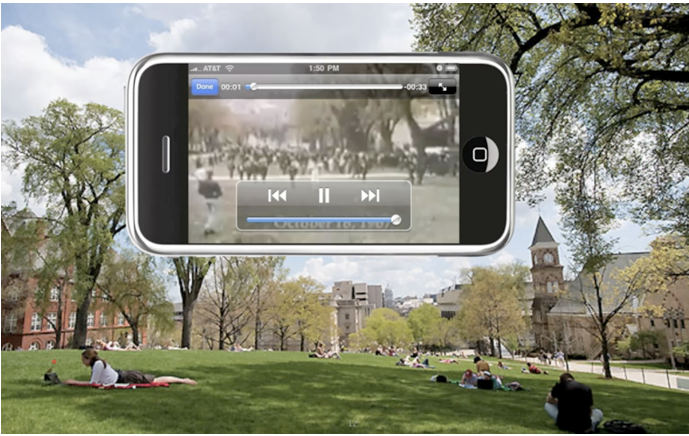
"caption": "In “Dow Day,” an augmented reality game, middle school students walk the University of Wisconsin-Madison campus using mobile phones to view footage of Vietnam war protests that occurred in the same campus locations.",
"description": null,
"title": "Screen shot 2012-04-20 at 10.36.52 AM",
"credit": null,
"status": "inherit",
"isLoading": false,
"fetchFailed": false
},
"mindshift_20770": {
"type": "attachments",
"id": "mindshift_20770",
"meta": {
"index": "attachments_1716263798",
"site": "mindshift",
"id": "20770",
"found": true
},
"parent": 20766,
"imgSizes": {
"thumbnail": {
"file": "https://ww2.kqed.org/app/uploads/sites/23/2012/04/5600215736_b6d0ac73a9-400x256.jpg",
"width": 400,
"mimeType": "image/jpeg",
"height": 256
},
"fd-sm": {
"file": "https://ww2.kqed.org/app/uploads/sites/23/2012/04/5600215736_b6d0ac73a9-320x205.jpg",
"width": 320,
"mimeType": "image/jpeg",
"height": 205
},
"kqedFullSize": {
"file": "https://ww2.kqed.org/app/uploads/sites/23/2012/04/5600215736_b6d0ac73a9.jpg",
"width": 500,
"height": 320
},
"guest-author-96": {
"file": "https://ww2.kqed.org/app/uploads/sites/23/2012/04/5600215736_b6d0ac73a9-96x96.jpg",
"width": 96,
"mimeType": "image/jpeg",
"height": 96
},
"guest-author-64": {
"file": "https://ww2.kqed.org/app/uploads/sites/23/2012/04/5600215736_b6d0ac73a9-64x64.jpg",
"width": 64,
"mimeType": "image/jpeg",
"height": 64
},
"detail": {
"file": "https://ww2.kqed.org/app/uploads/sites/23/2012/04/5600215736_b6d0ac73a9-75x75.jpg",
"width": 75,
"mimeType": "image/jpeg",
"height": 75
},
"guest-author-32": {
"file": "https://ww2.kqed.org/app/uploads/sites/23/2012/04/5600215736_b6d0ac73a9-32x32.jpg",
"width": 32,
"mimeType": "image/jpeg",
"height": 32
},
"guest-author-128": {
"file": "https://ww2.kqed.org/app/uploads/sites/23/2012/04/5600215736_b6d0ac73a9-128x128.jpg",
"width": 128,
"mimeType": "image/jpeg",
"height": 128
}
},
"publishDate": 1334770915,
"modified": 1334770915,
"caption": null,
"description": null,
"title": "5600215736_b6d0ac73a9",
"credit": null,
"status": "inherit",
"isLoading": false,
"fetchFailed": false
},
"mindshift_20746": {
"type": "attachments",
"id": "mindshift_20746",
"meta": {
"index": "attachments_1716263798",
"site": "mindshift",
"id": "20746",
"found": true
},
"parent": 20740,
"imgSizes": {
"thumbnail": {
"file": "https://ww2.kqed.org/app/uploads/sites/23/2012/04/2366471876_0733316fc9-400x266.jpg",
"width": 400,
"mimeType": "image/jpeg",
"height": 266
},
"fd-sm": {
"file": "https://ww2.kqed.org/app/uploads/sites/23/2012/04/2366471876_0733316fc9-320x213.jpg",
"width": 320,
"mimeType": "image/jpeg",
"height": 213
},
"kqedFullSize": {
"file": "https://ww2.kqed.org/app/uploads/sites/23/2012/04/2366471876_0733316fc9.jpg",
"width": 500,
"height": 333
},
"guest-author-96": {
"file": "https://ww2.kqed.org/app/uploads/sites/23/2012/04/2366471876_0733316fc9-96x96.jpg",
"width": 96,
"mimeType": "image/jpeg",
"height": 96
},
"guest-author-64": {
"file": "https://ww2.kqed.org/app/uploads/sites/23/2012/04/2366471876_0733316fc9-64x64.jpg",
"width": 64,
"mimeType": "image/jpeg",
"height": 64
},
"detail": {
"file": "https://ww2.kqed.org/app/uploads/sites/23/2012/04/2366471876_0733316fc9-75x75.jpg",
"width": 75,
"mimeType": "image/jpeg",
"height": 75
},
"guest-author-32": {
"file": "https://ww2.kqed.org/app/uploads/sites/23/2012/04/2366471876_0733316fc9-32x32.jpg",
"width": 32,
"mimeType": "image/jpeg",
"height": 32
},
"guest-author-128": {
"file": "https://ww2.kqed.org/app/uploads/sites/23/2012/04/2366471876_0733316fc9-128x128.jpg",
"width": 128,
"mimeType": "image/jpeg",
"height": 128
}
},
"publishDate": 1334681848,
"modified": 1334681848,
"caption": null,
"description": null,
"title": "2366471876_0733316fc9",
"credit": null,
"status": "inherit",
"isLoading": false,
"fetchFailed": false
},
"mindshift_20672": {
"type": "attachments",
"id": "mindshift_20672",
"meta": {
"index": "attachments_1716263798",
"site": "mindshift",
"id": "20672",
"found": true
},
"parent": 20669,
"imgSizes": {
"twentyfourteen-full-width": {
"file": "https://ww2.kqed.org/app/uploads/sites/23/2012/04/photo-1038x576.jpg",
"width": 1038,
"mimeType": "image/jpeg",
"height": 576
},
"thumbnail": {
"file": "https://ww2.kqed.org/app/uploads/sites/23/2012/04/photo-400x300.jpg",
"width": 400,
"mimeType": "image/jpeg",
"height": 300
},
"fd-sm": {
"file": "https://ww2.kqed.org/app/uploads/sites/23/2012/04/photo-320x240.jpg",
"width": 320,
"mimeType": "image/jpeg",
"height": 240
},
"post-thumbnail": {
"file": "https://ww2.kqed.org/app/uploads/sites/23/2012/04/photo-672x372.jpg",
"width": 672,
"mimeType": "image/jpeg",
"height": 372
},
"kqedFullSize": {
"file": "https://ww2.kqed.org/app/uploads/sites/23/2012/04/photo.jpg",
"width": 1632,
"height": 1224
},
"large": {
"file": "https://ww2.kqed.org/app/uploads/sites/23/2012/04/photo-1440x1080.jpg",
"width": 1440,
"mimeType": "image/jpeg",
"height": 1080
},
"guest-author-96": {
"file": "https://ww2.kqed.org/app/uploads/sites/23/2012/04/photo-96x96.jpg",
"width": 96,
"mimeType": "image/jpeg",
"height": 96
},
"medium": {
"file": "https://ww2.kqed.org/app/uploads/sites/23/2012/04/photo-800x600.jpg",
"width": 800,
"mimeType": "image/jpeg",
"height": 600
},
"guest-author-64": {
"file": "https://ww2.kqed.org/app/uploads/sites/23/2012/04/photo-64x64.jpg",
"width": 64,
"mimeType": "image/jpeg",
"height": 64
},
"guest-author-32": {
"file": "https://ww2.kqed.org/app/uploads/sites/23/2012/04/photo-32x32.jpg",
"width": 32,
"mimeType": "image/jpeg",
"height": 32
},
"fd-lrg": {
"file": "https://ww2.kqed.org/app/uploads/sites/23/2012/04/photo-1180x885.jpg",
"width": 1180,
"mimeType": "image/jpeg",
"height": 885
},
"fd-med": {
"file": "https://ww2.kqed.org/app/uploads/sites/23/2012/04/photo-768x576.jpg",
"width": 768,
"mimeType": "image/jpeg",
"height": 576
},
"detail": {
"file": "https://ww2.kqed.org/app/uploads/sites/23/2012/04/photo-75x75.jpg",
"width": 75,
"mimeType": "image/jpeg",
"height": 75
},
"guest-author-128": {
"file": "https://ww2.kqed.org/app/uploads/sites/23/2012/04/photo-128x128.jpg",
"width": 128,
"mimeType": "image/jpeg",
"height": 128
}
},
"publishDate": 1334259868,
"modified": 1334259868,
"caption": null,
"description": null,
"title": "photo",
"credit": null,
"status": "inherit",
"isLoading": false,
"fetchFailed": false
},
"mindshift_20628": {
"type": "attachments",
"id": "mindshift_20628",
"meta": {
"index": "attachments_1716263798",
"site": "mindshift",
"id": "20628",
"found": true
},
"parent": 20625,
"imgSizes": {
"thumbnail": {
"file": "https://ww2.kqed.org/app/uploads/sites/23/2012/04/GOOD-ONE-2011-05-14-23475600000-400x225.png",
"width": 400,
"mimeType": "image/png",
"height": 225
},
"fd-sm": {
"file": "https://ww2.kqed.org/app/uploads/sites/23/2012/04/GOOD-ONE-2011-05-14-23475600000-320x180.png",
"width": 320,
"mimeType": "image/png",
"height": 180
},
"kqedFullSize": {
"file": "https://ww2.kqed.org/app/uploads/sites/23/2012/04/GOOD-ONE-2011-05-14-23475600000.png",
"width": 640,
"height": 360
},
"guest-author-96": {
"file": "https://ww2.kqed.org/app/uploads/sites/23/2012/04/GOOD-ONE-2011-05-14-23475600000-96x96.png",
"width": 96,
"mimeType": "image/png",
"height": 96
},
"guest-author-64": {
"file": "https://ww2.kqed.org/app/uploads/sites/23/2012/04/GOOD-ONE-2011-05-14-23475600000-64x64.png",
"width": 64,
"mimeType": "image/png",
"height": 64
},
"detail": {
"file": "https://ww2.kqed.org/app/uploads/sites/23/2012/04/GOOD-ONE-2011-05-14-23475600000-75x75.png",
"width": 75,
"mimeType": "image/png",
"height": 75
},
"guest-author-32": {
"file": "https://ww2.kqed.org/app/uploads/sites/23/2012/04/GOOD-ONE-2011-05-14-23475600000-32x32.png",
"width": 32,
"mimeType": "image/png",
"height": 32
},
"guest-author-128": {
"file": "https://ww2.kqed.org/app/uploads/sites/23/2012/04/GOOD-ONE-2011-05-14-23475600000-128x128.png",
"width": 128,
"mimeType": "image/png",
"height": 128
}
},
"publishDate": 1333753885,
"modified": 1333753885,
"caption": "Student-designed school bus shelter",
"description": null,
"title": "GOOD-ONE-2011-05-14-23475600000",
"credit": null,
"status": "inherit",
"isLoading": false,
"fetchFailed": false
},
"mindshift_20550": {
"type": "attachments",
"id": "mindshift_20550",
"meta": {
"index": "attachments_1716263798",
"site": "mindshift",
"id": "20550",
"found": true
},
"parent": 20548,
"imgSizes": {
"thumbnail": {
"file": "https://ww2.kqed.org/app/uploads/sites/23/2012/04/MN_blue_688-400x226.jpg",
"width": 400,
"mimeType": "image/jpeg",
"height": 226
},
"fd-sm": {
"file": "https://ww2.kqed.org/app/uploads/sites/23/2012/04/MN_blue_688-320x180.jpg",
"width": 320,
"mimeType": "image/jpeg",
"height": 180
},
"post-thumbnail": {
"file": "https://ww2.kqed.org/app/uploads/sites/23/2012/04/MN_blue_688-672x372.jpg",
"width": 672,
"mimeType": "image/jpeg",
"height": 372
},
"kqedFullSize": {
"file": "https://ww2.kqed.org/app/uploads/sites/23/2012/04/MN_blue_688.jpg",
"width": 688,
"height": 388
},
"guest-author-96": {
"file": "https://ww2.kqed.org/app/uploads/sites/23/2012/04/MN_blue_688-96x96.jpg",
"width": 96,
"mimeType": "image/jpeg",
"height": 96
},
"guest-author-64": {
"file": "https://ww2.kqed.org/app/uploads/sites/23/2012/04/MN_blue_688-64x64.jpg",
"width": 64,
"mimeType": "image/jpeg",
"height": 64
},
"detail": {
"file": "https://ww2.kqed.org/app/uploads/sites/23/2012/04/MN_blue_688-75x75.jpg",
"width": 75,
"mimeType": "image/jpeg",
"height": 75
},
"guest-author-32": {
"file": "https://ww2.kqed.org/app/uploads/sites/23/2012/04/MN_blue_688-32x32.jpg",
"width": 32,
"mimeType": "image/jpeg",
"height": 32
},
"guest-author-128": {
"file": "https://ww2.kqed.org/app/uploads/sites/23/2012/04/MN_blue_688-128x128.jpg",
"width": 128,
"mimeType": "image/jpeg",
"height": 128
}
},
"publishDate": 1333731097,
"modified": 1333731097,
"caption": null,
"description": null,
"title": "ISD",
"credit": null,
"status": "inherit",
"isLoading": false,
"fetchFailed": false
},
"mindshift_20506": {
"type": "attachments",
"id": "mindshift_20506",
"meta": {
"index": "attachments_1716263798",
"site": "mindshift",
"id": "20506",
"found": true
},
"parent": 20498,
"imgSizes": {
"thumbnail": {
"file": "https://ww2.kqed.org/app/uploads/sites/23/2012/04/L19Charlie1-400x221.png",
"width": 400,
"mimeType": "image/png",
"height": 221
},
"fd-sm": {
"file": "https://ww2.kqed.org/app/uploads/sites/23/2012/04/L19Charlie1-320x177.png",
"width": 320,
"mimeType": "image/png",
"height": 177
},
"post-thumbnail": {
"file": "https://ww2.kqed.org/app/uploads/sites/23/2012/04/L19Charlie1-672x372.png",
"width": 672,
"mimeType": "image/png",
"height": 372
},
"kqedFullSize": {
"file": "https://ww2.kqed.org/app/uploads/sites/23/2012/04/L19Charlie1.png",
"width": 833,
"height": 461
},
"fd-med": {
"file": "https://ww2.kqed.org/app/uploads/sites/23/2012/04/L19Charlie1-768x425.png",
"width": 768,
"mimeType": "image/png",
"height": 425
},
"guest-author-96": {
"file": "https://ww2.kqed.org/app/uploads/sites/23/2012/04/L19Charlie1-96x96.png",
"width": 96,
"mimeType": "image/png",
"height": 96
},
"medium": {
"file": "https://ww2.kqed.org/app/uploads/sites/23/2012/04/L19Charlie1-800x443.png",
"width": 800,
"mimeType": "image/png",
"height": 443
},
"guest-author-64": {
"file": "https://ww2.kqed.org/app/uploads/sites/23/2012/04/L19Charlie1-64x64.png",
"width": 64,
"mimeType": "image/png",
"height": 64
},
"detail": {
"file": "https://ww2.kqed.org/app/uploads/sites/23/2012/04/L19Charlie1-75x75.png",
"width": 75,
"mimeType": "image/png",
"height": 75
},
"guest-author-32": {
"file": "https://ww2.kqed.org/app/uploads/sites/23/2012/04/L19Charlie1-32x32.png",
"width": 32,
"mimeType": "image/png",
"height": 32
},
"guest-author-128": {
"file": "https://ww2.kqed.org/app/uploads/sites/23/2012/04/L19Charlie1-128x128.png",
"width": 128,
"mimeType": "image/png",
"height": 128
}
},
"publishDate": 1333562658,
"modified": 1333562658,
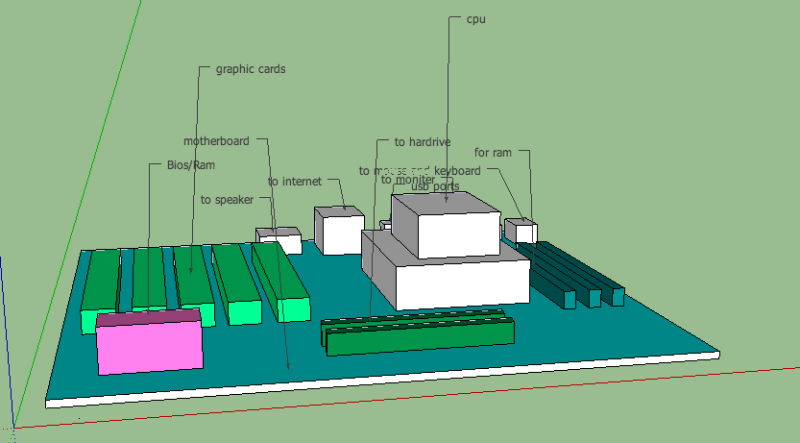
"caption": "A 6th-grade student's rendering of what's inside the computer.",
"description": null,
"title": "L19Charlie",
"credit": null,
"status": "inherit",
"isLoading": false,
"fetchFailed": false
},
"mindshift_20478": {
"type": "attachments",
"id": "mindshift_20478",
"meta": {
"index": "attachments_1716263798",
"site": "mindshift",
"id": "20478",
"found": true
},
"parent": 20467,
"imgSizes": {
"thumbnail": {
"file": "https://ww2.kqed.org/app/uploads/sites/23/2012/04/Screen-shot-2012-04-03-at-11.42.32-AM-400x228.png",
"width": 400,
"mimeType": "image/png",
"height": 228
},
"fd-sm": {
"file": "https://ww2.kqed.org/app/uploads/sites/23/2012/04/Screen-shot-2012-04-03-at-11.42.32-AM-320x182.png",
"width": 320,
"mimeType": "image/png",
"height": 182
},
"kqedFullSize": {
"file": "https://ww2.kqed.org/app/uploads/sites/23/2012/04/Screen-shot-2012-04-03-at-11.42.32-AM.png",
"width": 416,
"height": 237
},
"guest-author-96": {
"file": "https://ww2.kqed.org/app/uploads/sites/23/2012/04/Screen-shot-2012-04-03-at-11.42.32-AM-96x96.png",
"width": 96,
"mimeType": "image/png",
"height": 96
},
"guest-author-64": {
"file": "https://ww2.kqed.org/app/uploads/sites/23/2012/04/Screen-shot-2012-04-03-at-11.42.32-AM-64x64.png",
"width": 64,
"mimeType": "image/png",
"height": 64
},
"detail": {
"file": "https://ww2.kqed.org/app/uploads/sites/23/2012/04/Screen-shot-2012-04-03-at-11.42.32-AM-75x75.png",
"width": 75,
"mimeType": "image/png",
"height": 75
},
"guest-author-32": {
"file": "https://ww2.kqed.org/app/uploads/sites/23/2012/04/Screen-shot-2012-04-03-at-11.42.32-AM-32x32.png",
"width": 32,
"mimeType": "image/png",
"height": 32
},
"guest-author-128": {
"file": "https://ww2.kqed.org/app/uploads/sites/23/2012/04/Screen-shot-2012-04-03-at-11.42.32-AM-128x128.png",
"width": 128,
"mimeType": "image/png",
"height": 128
}
},
"publishDate": 1333478662,
"modified": 1333478662,
"caption": null,
"description": null,
"title": "Screen-shot-2012-04-03-at-11.42.32-AM",
"credit": null,
"status": "inherit",
"isLoading": false,
"fetchFailed": false
}
},
"audioPlayerReducer": {
"postId": "stream_live",
"isPaused": true,
"isPlaying": false,
"pfsActive": false,
"pledgeModalIsOpen": true,
"playerDrawerIsOpen": false,
"liveAudioPlayStartedAt": 0,
"liveAudioPlayContext": ""
},
"authorsReducer": {},
"pagesReducer": {
"mindshift_category_digital-tools": {
"type": "terms",
"id": "mindshift_195",
"meta": {
"index": "terms_1716263798",
"site": "mindshift",
"id": "195",
"score": 14.406195
},
"featImg": null,
"name": "Digital Tools",
"description": "How devices, software, and the Internet are changing the classroom dynamic.",
"taxonomy": "category",
"headData": {
"twImgId": null,
"twTitle": null,
"ogTitle": null,
"ogImgId": null,
"twDescription": null,
"description": "How devices, software, and the Internet are changing the classroom dynamic.",
"title": "Digital Tools Archives | KQED Mindshift",
"ogDescription": null
},
"ttid": 195,
"slug": "digital-tools",
"isLoading": false,
"title": "Digital Tools",
"pageMeta": {
"site": "mindshift",
"WpPageTemplate": "page-topic-editorial",
"currentPage": 39
},
"blocks": [
{
"blockName": "kqed/company-paragraph",
"content": "How devices, software, and the Internet are changing the classroom dynamic."
},
{
"blockName": "kqed/post-list",
"attrs": {
"layout": "cardArticle2",
"query": "posts/mindshift?category=digital-tools",
"seeMore": false,
"paginated": true,
"page": 39
}
},
{
"blockName": "kqed/ad"
}
]
}
},
"pfsSessionReducer": {},
"postsReducer": {
"stream_live": {
"type": "live",
"id": "stream_live",
"audioUrl": "https://streams.kqed.org/kqedradio",
"title": "Live Stream",
"excerpt": "Live Stream information currently unavailable.",
"link": "/radio",
"featImg": "",
"label": {
"name": "KQED Live",
"link": "/"
}
},
"stream_kqedNewscast": {
"type": "posts",
"id": "stream_kqedNewscast",
"audioUrl": "https://www.kqed.org/.stream/anon/radio/RDnews/newscast.mp3?_=1",
"title": "KQED Newscast",
"featImg": "",
"label": {
"name": "88.5 FM",
"link": "/"
}
},
"mindshift_20886": {
"type": "posts",
"id": "mindshift_20886",
"meta": {
"index": "posts_1716263798",
"site": "mindshift",
"id": "20886",
"score": null,
"sort": [
1335297701000
]
},
"parent": 0,
"labelTerm": {
"site": "mindshift"
},
"blocks": [],
"publishDate": 1335297701,
"format": "aside",
"disqusTitle": "Is Peer Input as Important as Content for Online Learning?",
"title": "Is Peer Input as Important as Content for Online Learning?",
"headTitle": "MindShift | KQED News",
"content": "\u003cfigure id=\"attachment_20894\" class=\"wp-caption center\" style=\"max-width: 620px\">\u003ca href=\"http://www.flickr.com/photos/goincase/5227334827/sizes/z/in/photostream/\">\u003cimg class=\"size-large wp-image-20894\" title=\"5227334827_80de8a689f_z\" src=\"http://ww2.kqed.org/mindshift/wp-content/uploads/sites/23/2012/04/5227334827_80de8a689f_z-620x413.jpg\" alt=\"\" width=\"620\" height=\"413\">\u003c/a>\u003cfigcaption class=\"wp-caption-text\">Flickr: Incase\u003c/figcaption>\u003c/figure>\n\u003ch5>By Nathan Maton\u003c/h5>\n\u003cp class=\"dropcap-serif\">Back in 2001, MIT launched \u003ca href=\"http://www.ocw.mit.edu/\">OpenCourseWare\u003c/a>, a bold idea to put world-class MIT professors’ lectures, syllabi and resources online \u003ca href=\"http://ww2.kqed.org/mindshift/2011/04/10-ways-open-courseware-has-freed-education/\">to the world for free\u003c/a>. Today, \u003ca href=\"http://ww2.kqed.org/mindshift/tag/open-education-resources/\">Open Education Resources\u003c/a> (OER) industry leaders \u003ca href=\"http://www.kqed.org/a/forum/R201204091000\">are arguing that the free content \u003c/a>is only the starting point.\u003c/p>\n\u003cp>The next stage of the open education movement has evolved into Massive Online Open Courses (MOOCs) -- the key word being \"massive,\" as in drawing tens or hundreds of thousands of students. Last fall, Sebastian Thrun's Artificial Intelligence course \u003ca href=\"http://ww2.kqed.org/mindshift/2011/08/stanford-for-everyone-more-than-120000-enroll-in-free-classes/\">enrolled 160,000 students\u003c/a> and Thrun recently gave up tenure at Stanford to start \u003ca href=\"mailto:http://www.udacity.com/\">Udacity\u003c/a>, a company that will offer more MOOCs.\u003c/p>\n\u003cp>But at such a huge scale, what are the digital methods of teaching that work best? Philipp Schmidt, founder of the free online university \u003ca href=\"mailto:http://p2pu.org/en/\">P2PU,\u003c/a> preaches three building blocks: community, recognition and content.\u003c/p>\n\u003cp>\"It was totally clear to me [several years ago] that content is only the starting point,” Schmidt said at recently at a SXSW session. “The really exciting stuff is going to be the learning, the assessments and the stuff that you need the content for. In a way, we started P2PU because institutions weren't doing it. How do we build community around it and recognition for this open content is my question.\"\u003c/p>\n\u003cp>The Stanford professors \u003ca href=\"http://www.youtube.com/watch?v=LtmdiPUGGe8\">readily admit \u003c/a>that some of the students who participated in their online courses provided their peers with deeper, more comprehensive answers than they were able to.\u003c/p>\n\u003caside class=\"pullquote alignleft\">\n\u003cp>\"It was totally clear to me that content is only the starting point.\"\u003c/p>\n\u003c/aside>\n\u003cp>You’d expect MIT to tout its content as the solution. But that’s not how Steve Carson, director of external affairs for OpenCourseWare, describes the benefits of their project.\u003c/p>\n\u003cp>[ad fullwidth]\u003c/p>\n\u003cp>“The most exciting thing is that the last six months of open education have been spectacularly disruptive,” Carson says. “It was kind of a sleepy enterprise for the last 10 years where MIT was doing its thing and there were other projects doing their thing. It was all good and there were positive global benefits, but in the past 10 years I've heard people say campus-based education \u003c!--more-->better look out, that this will be threatening to their business model, and I've never really felt that until the last six months. The pace of change in open education is qualitatively different than it was even a few months ago.\"\u003c/p>\n\u003cp>Carson argues that MIT’s work is merely a necessary transitory experiment. It only puts classes and course material online, but you still have to watch, frequently from the back of the room, as the professor lectures students. He compares it to Wikipedia. MIT’s videos and materials provide deep references on a subject -- but not the actual courses themselves.\u003c/p>\n\u003cp>Carson is a big fan of Schmidt’s work. At P2PU, they run online courses that can be taught by a peer (you can create your own course), and they heavily promote the social part of learning. They have a peer mentor program to help students get through their courses and have the most users teaching web development courses, although Schmidt says they'll be doing less of that. Schmidt believes that even with all the OER in the world, the way people learn is by being excited about it, by making things (even if it is just a blog post) and working together.\u003c/p>\n\u003cp>\"The things I care most about is collaborative skills, are you a good communicator, can you get stuff done?” Schmidt says. “I think that's the number one thing that isn't being assessed anywhere that is super important. That's what you ask when someone wants a job from you: do they get stuff done.\"\u003c/p>\n\u003cp>Carson likes Schmidt’s focus on community, recognition and content because he argues it is more important to discover successful learning techniques rather than merely sign up 100,000 students online. He sees promoting big-sized classes as a way to bring attention to the issue.\u003c/p>\n\u003cp>\"I think one of the higher level struggles these MOOCs are injecting themselves into is to change the way higher education as it is practiced on campus,\" Carson said. \"It is an opportunity to show faculty members different ways the Internet can support learning.\"\u003c/p>\n\u003cp>And what exactly is the problem all these groups are trying to solve? It's the sudden acceleration of global higher education demand.\u003c/p>\n\u003caside class=\"pullquote alignleft\">\n\u003cp>\"[MOOCs] are changing the way higher education as it is practiced on campus.\"\u003c/p>\n\u003c/aside>\n\u003cp>\"If you look at the scope and scale of the educational need in the world we're going to need all of our educational systems firing on all cylinders to come close to even meeting the educational demand emerging in the world,” Carson said. “You could offer a thousand courses enrolling a 100,000 students each and you would not even be scratching the surface of the need in India and China and other developing regions. So we need these educational techniques to solve this problem.”\u003c/p>\n\u003cp>It took 11 years to get from the launch of OpenCourseWare to the point where a Stanford professor would walk away from a tenure position to launch another online learning venture. So how long will it take to build this next phase? For computer science, experiments like Thrun’s suggest that it may not take that long. Other types of courses Schmidt describes as important don't yet exist. And P2PU is still a relatively small community of around 30,000 members. Other countries have small experiments building \u003ca href=\"mailto:http://www.nytimes.com/2012/03/19/world/europe/19iht-educlede19.html%3Fpagewanted=2\">OER and digital courses using high tech solutions like 3-D simulations\u003c/a>, but no strong business model to scale their open efforts.\u003c/p>\n\u003cp>\"We probably haven't fully made the transition to digitally native pedagogies and learning approaches,\" Carson said. \"The first generation of distance learning is basically an attempt to move the classroom online, and I think that part of the scalable learning of these massive courses is the breakdown of that model.”\u003c/p>\n\u003cp>\u003c/p>\n\u003cp> \u003c/p>\n\n",
"disqusIdentifier": "20886 http://blogs.kqed.org/mindshift/?p=20886",
"disqusUrl": "https://ww2.kqed.org/mindshift/2012/04/24/is-community-as-important-as-content-for-online-learning/",
"stats": {
"hasVideo": false,
"hasChartOrMap": false,
"hasAudio": false,
"hasPolis": false,
"wordCount": 1015,
"hasGoogleForm": false,
"hasGallery": false,
"hasHearkenModule": false,
"iframeSrcs": [],
"paragraphCount": 19
},
"modified": 1346965726,
"excerpt": "Today, Open Education Resources (OER) industry leaders are arguing that the free content is only the starting point.",
"headData": {
"twImgId": "",
"twTitle": "",
"ogTitle": "",
"ogImgId": "",
"twDescription": "",
"description": "Today, Open Education Resources (OER) industry leaders are arguing that the free content is only the starting point.",
"title": "Is Peer Input as Important as Content for Online Learning? | KQED",
"ogDescription": "",
"schema": {
"@context": "https://schema.org",
"@type": "Article",
"headline": "Is Peer Input as Important as Content for Online Learning?",
"datePublished": "2012-04-24T13:01:41-07:00",
"dateModified": "2012-09-06T14:08:46-07:00",
"image": "https://cdn.kqed.org/wp-content/uploads/2020/02/KQED-OG-Image@1x.png"
}
},
"guestAuthors": [],
"slug": "is-community-as-important-as-content-for-online-learning",
"status": "publish",
"path": "/mindshift/20886/is-community-as-important-as-content-for-online-learning",
"audioTrackLength": null,
"parsedContent": [
{
"type": "contentString",
"content": "\u003cdiv class=\"post-body\">\u003cp>\u003cfigure id=\"attachment_20894\" class=\"wp-caption center\" style=\"max-width: 620px\">\u003ca href=\"http://www.flickr.com/photos/goincase/5227334827/sizes/z/in/photostream/\">\u003cimg class=\"size-large wp-image-20894\" title=\"5227334827_80de8a689f_z\" src=\"http://ww2.kqed.org/mindshift/wp-content/uploads/sites/23/2012/04/5227334827_80de8a689f_z-620x413.jpg\" alt=\"\" width=\"620\" height=\"413\">\u003c/a>\u003cfigcaption class=\"wp-caption-text\">Flickr: Incase\u003c/figcaption>\u003c/figure>\n\u003ch5>By Nathan Maton\u003c/h5>\n\u003cp class=\"dropcap-serif\">Back in 2001, MIT launched \u003ca href=\"http://www.ocw.mit.edu/\">OpenCourseWare\u003c/a>, a bold idea to put world-class MIT professors’ lectures, syllabi and resources online \u003ca href=\"http://ww2.kqed.org/mindshift/2011/04/10-ways-open-courseware-has-freed-education/\">to the world for free\u003c/a>. Today, \u003ca href=\"http://ww2.kqed.org/mindshift/tag/open-education-resources/\">Open Education Resources\u003c/a> (OER) industry leaders \u003ca href=\"http://www.kqed.org/a/forum/R201204091000\">are arguing that the free content \u003c/a>is only the starting point.\u003c/p>\n\u003cp>The next stage of the open education movement has evolved into Massive Online Open Courses (MOOCs) -- the key word being \"massive,\" as in drawing tens or hundreds of thousands of students. Last fall, Sebastian Thrun's Artificial Intelligence course \u003ca href=\"http://ww2.kqed.org/mindshift/2011/08/stanford-for-everyone-more-than-120000-enroll-in-free-classes/\">enrolled 160,000 students\u003c/a> and Thrun recently gave up tenure at Stanford to start \u003ca href=\"mailto:http://www.udacity.com/\">Udacity\u003c/a>, a company that will offer more MOOCs.\u003c/p>\n\u003cp>But at such a huge scale, what are the digital methods of teaching that work best? Philipp Schmidt, founder of the free online university \u003ca href=\"mailto:http://p2pu.org/en/\">P2PU,\u003c/a> preaches three building blocks: community, recognition and content.\u003c/p>\n\u003cp>\"It was totally clear to me [several years ago] that content is only the starting point,” Schmidt said at recently at a SXSW session. “The really exciting stuff is going to be the learning, the assessments and the stuff that you need the content for. In a way, we started P2PU because institutions weren't doing it. How do we build community around it and recognition for this open content is my question.\"\u003c/p>\n\u003cp>The Stanford professors \u003ca href=\"http://www.youtube.com/watch?v=LtmdiPUGGe8\">readily admit \u003c/a>that some of the students who participated in their online courses provided their peers with deeper, more comprehensive answers than they were able to.\u003c/p>\n\u003caside class=\"pullquote alignleft\">\n\u003cp>\"It was totally clear to me that content is only the starting point.\"\u003c/p>\n\u003c/aside>\n\u003cp>You’d expect MIT to tout its content as the solution. But that’s not how Steve Carson, director of external affairs for OpenCourseWare, describes the benefits of their project.\u003c/p>\n\u003cp>\u003c/p>\u003c/div>",
"attributes": {
"named": {},
"numeric": []
}
},
{
"type": "component",
"content": "",
"name": "ad",
"attributes": {
"named": {
"label": "fullwidth"
},
"numeric": [
"fullwidth"
]
}
},
{
"type": "contentString",
"content": "\u003cdiv class=\"post-body\">\u003cp>\u003c/p>\n\u003cp>“The most exciting thing is that the last six months of open education have been spectacularly disruptive,” Carson says. “It was kind of a sleepy enterprise for the last 10 years where MIT was doing its thing and there were other projects doing their thing. It was all good and there were positive global benefits, but in the past 10 years I've heard people say campus-based education \u003c!--more-->better look out, that this will be threatening to their business model, and I've never really felt that until the last six months. The pace of change in open education is qualitatively different than it was even a few months ago.\"\u003c/p>\n\u003cp>Carson argues that MIT’s work is merely a necessary transitory experiment. It only puts classes and course material online, but you still have to watch, frequently from the back of the room, as the professor lectures students. He compares it to Wikipedia. MIT’s videos and materials provide deep references on a subject -- but not the actual courses themselves.\u003c/p>\n\u003cp>Carson is a big fan of Schmidt’s work. At P2PU, they run online courses that can be taught by a peer (you can create your own course), and they heavily promote the social part of learning. They have a peer mentor program to help students get through their courses and have the most users teaching web development courses, although Schmidt says they'll be doing less of that. Schmidt believes that even with all the OER in the world, the way people learn is by being excited about it, by making things (even if it is just a blog post) and working together.\u003c/p>\n\u003cp>\"The things I care most about is collaborative skills, are you a good communicator, can you get stuff done?” Schmidt says. “I think that's the number one thing that isn't being assessed anywhere that is super important. That's what you ask when someone wants a job from you: do they get stuff done.\"\u003c/p>\n\u003cp>Carson likes Schmidt’s focus on community, recognition and content because he argues it is more important to discover successful learning techniques rather than merely sign up 100,000 students online. He sees promoting big-sized classes as a way to bring attention to the issue.\u003c/p>\n\u003cp>\"I think one of the higher level struggles these MOOCs are injecting themselves into is to change the way higher education as it is practiced on campus,\" Carson said. \"It is an opportunity to show faculty members different ways the Internet can support learning.\"\u003c/p>\n\u003cp>And what exactly is the problem all these groups are trying to solve? It's the sudden acceleration of global higher education demand.\u003c/p>\n\u003caside class=\"pullquote alignleft\">\n\u003cp>\"[MOOCs] are changing the way higher education as it is practiced on campus.\"\u003c/p>\n\u003c/aside>\n\u003cp>\"If you look at the scope and scale of the educational need in the world we're going to need all of our educational systems firing on all cylinders to come close to even meeting the educational demand emerging in the world,” Carson said. “You could offer a thousand courses enrolling a 100,000 students each and you would not even be scratching the surface of the need in India and China and other developing regions. So we need these educational techniques to solve this problem.”\u003c/p>\n\u003cp>It took 11 years to get from the launch of OpenCourseWare to the point where a Stanford professor would walk away from a tenure position to launch another online learning venture. So how long will it take to build this next phase? For computer science, experiments like Thrun’s suggest that it may not take that long. Other types of courses Schmidt describes as important don't yet exist. And P2PU is still a relatively small community of around 30,000 members. Other countries have small experiments building \u003ca href=\"mailto:http://www.nytimes.com/2012/03/19/world/europe/19iht-educlede19.html%3Fpagewanted=2\">OER and digital courses using high tech solutions like 3-D simulations\u003c/a>, but no strong business model to scale their open efforts.\u003c/p>\n\u003cp>\"We probably haven't fully made the transition to digitally native pedagogies and learning approaches,\" Carson said. \"The first generation of distance learning is basically an attempt to move the classroom online, and I think that part of the scalable learning of these massive courses is the breakdown of that model.”\u003c/p>\n\u003cp>\u003c/p>\n\u003cp> \u003c/p>\n\n\u003c/div>\u003c/p>",
"attributes": {
"named": {},
"numeric": []
}
}
],
"link": "/mindshift/20886/is-community-as-important-as-content-for-online-learning",
"authors": [
"4354"
],
"categories": [
"mindshift_194",
"mindshift_195",
"mindshift_193"
],
"tags": [
"mindshift_556",
"mindshift_346",
"mindshift_654",
"mindshift_159",
"mindshift_76",
"mindshift_79"
],
"featImg": "mindshift_20894",
"label": "mindshift"
},
"mindshift_20836": {
"type": "posts",
"id": "mindshift_20836",
"meta": {
"index": "posts_1716263798",
"site": "mindshift",
"id": "20836",
"score": null,
"sort": [
1335200003000
]
},
"parent": 0,
"labelTerm": {
"site": "mindshift"
},
"blocks": [],
"publishDate": 1335200003,
"format": "aside",
"disqusTitle": "Budding Writers Benefit from Sharing Their Work Online",
"title": "Budding Writers Benefit from Sharing Their Work Online",
"headTitle": "MindShift | KQED News",
"content": "\u003cdiv id=\"attachment_20839\" class=\"module image alignleft mceTemp\" style=\"width: 416px\">\n\u003cp>\u003ca href=\"http://ww2.kqed.org/mindshift/wp-content/uploads/sites/23/2012/04/Screen-shot-2012-04-23-at-9.48.07-AM.png\">\u003cimg class=\"size-full wp-image-20839\" title=\"\" src=\"http://ww2.kqed.org/mindshift/wp-content/uploads/sites/23/2012/04/Screen-shot-2012-04-23-at-9.48.07-AM.png\" alt=\"\" width=\"416\" height=\"370\" srcset=\"https://ww2.kqed.org/app/uploads/sites/23/2012/04/Screen-shot-2012-04-23-at-9.48.07-AM.png 416w, https://ww2.kqed.org/app/uploads/sites/23/2012/04/Screen-shot-2012-04-23-at-9.48.07-AM-400x356.png 400w, https://ww2.kqed.org/app/uploads/sites/23/2012/04/Screen-shot-2012-04-23-at-9.48.07-AM-320x285.png 320w\" sizes=\"(max-width: 416px) 100vw, 416px\">\u003c/a>\u003c/p>\n\u003cp class=\"wp-media-credit\">Figment\u003c/p>\n\u003c/div>\n\u003ch5>By Kyle Palmer\u003c/h5>\n\u003cp class=\"dropcap-serif\">When Jacob Lewis was growing up, he liked to write “really terrible Stephen King-like fiction stories.” Looking back on those early works, the former managing editor of \u003cem>The New Yorker\u003c/em> said he’s glad they never saw the light of day. But for thousands of teenage writers across the country, Lewis has helped do the exact opposite.\u003c/p>\n\u003cp>The Web site \u003ca href=\"http://figment.com/\">Figment\u003c/a>—founded by Lewis and \u003cem>New Yorker \u003c/em>staff writer Dana Goodyear in 2010—gives young writers a forum to freely publish their work. The site now boasts more than 220,000 registered users and has stocked a library of more than 350,000 individual pieces, ranging from reflective poetry to multi-chapter novellas.\u003c/p>\n\u003cp>“We really thought at first that it would be more of a social network site,” Lewis said. “But it has been all about project creation. The amount of new content our users produce is amazing.”\u003c/p>\n\u003cp>Lewis said Figment users post more than 1,000 new original pieces every week, many of them only a few hundred words representing a large range of genres, from heart-tugging romance to dystopian fantasy.\u003c/p>\n\u003cp>“It takes a lot of guts to put yourself out there like they have,” Lewis said. “We knew there was a need for this, but we've been surprised at the passion and the ownership our users have shown.”\u003c/p>\n\u003caside class=\"pullquote alignright\">\n\u003cp>\"We just want these young writers to see how empowering it is to be able to share your ideas.”\u003c/p>\n\u003c/aside>\n\u003cp>Similar to Facebook, Figment users—most of whom are between 13 and 24 years old—create a profile and upload their work, giving it a title and picking from a large selection of stock images to use as cover art. Other users can read the pieces online and leave comments and provide feedback.\u003c/p>\n\u003cp>[ad fullwidth]\u003c/p>\n\u003cp>Not all pieces are read widely, but some works, like \u003ca href=\"http://figment.com/books/84898-Diamonds-in-the-Rough\">\u003cem>Diamonds in the Rough\u003c/em>\u003c/a> by a user from Wisconsin who goes by the screen name Fish Fingers, have received 130 comments and more than 200 “Hearts” (Figments’ version of Facebook’s Like button).\u003c/p>\n\u003cp>“Wow! This [story] is beautifully sad!” one user commented about Fish Finger’s work.\u003c/p>\n\u003cp>“Your similes are impeccably accurate,” wrote another.\u003c/p>\n\u003cp>“The one negative thing I'd say is that I think it would've been better if you had let people figure out the moral for themselves then say what it is at the end of the story,” posted another user.\u003c!--more-->\u003c/p>\n\u003cp>Dana Goodyear, who has written for \u003cem>The New Yorker\u003c/em> and teaches literary nonfiction at USC, said this kind of genuine feedback is common on Figment.\u003c/p>\n\u003cp>“What’s most exciting is the intensity of the usage,” she said. “These writers are getting a really deep experience receiving this feedback. Having an audience is so crucial to support young writers.\"\u003c/p>\n\u003cp>Goodyear said Figment is beginning to explore more uses for educators, too. The site already has a “Groups” function, which can allow teachers to set up online workshops for their classes.\u003c/p>\n\u003cp>Meenoo Rami, a National Board certified English teacher in Philadelphia who hosts the teacher blog #engchat, said Figment is the “perfect platform” for her students.\u003c/p>\n\u003cp>“It's important for students to know that their work is viewed by more than just their teacher. For my students, the idea that a larger audience is being exposed to their work is important to them,” Rami said. “This gives them an authentic reason to write.”\u003c/p>\n\u003cp>Goodyear said she and the other Figment staffers hope to continue evolving the site. She said they want to work on adding “in-text editing” features so that users can change their work in real time online.\u003c/p>\n\u003cp>She also said Figment will continue to bring in professional writers and published authors for online Q&A sessions, live chats, and blog posts, to connect them to Figment’s aspiring teenage writers.\u003c/p>\n\u003cp>One Figment user, Blake Nelson, has already received an offer for a book deal for the poetry he posted to the site. Figment also hosts regular contests in different genres in order to feature fresh young talent.\u003c/p>\n\u003cp>Yet, Lewis said Figment should remain at its heart a place for teens to express themselves.\u003c/p>\n\u003cp>“Our mission is to not take amateur writers and make them pros,” he said. “We don’t want to set up a hierarchy. We just want these young writers to see how empowering it is to be able to share your ideas.”\u003c/p>\n\u003cp>\u003c/p>\n\u003cp> \u003c/p>\n\n",
"disqusIdentifier": "20836 http://blogs.kqed.org/mindshift/?p=20836",
"disqusUrl": "https://ww2.kqed.org/mindshift/2012/04/23/budding-writers-benefit-from-sharing-their-work-online/",
"stats": {
"hasVideo": false,
"hasChartOrMap": false,
"hasAudio": false,
"hasPolis": false,
"wordCount": 781,
"hasGoogleForm": false,
"hasGallery": false,
"hasHearkenModule": false,
"iframeSrcs": [],
"paragraphCount": 23
},
"modified": 1335200304,
"excerpt": "\"We just want these young writers to see how empowering it is to be able to share your ideas.”",
"headData": {
"twImgId": "",
"twTitle": "",
"ogTitle": "",
"ogImgId": "",
"twDescription": "",
"description": ""We just want these young writers to see how empowering it is to be able to share your ideas.”",
"title": "Budding Writers Benefit from Sharing Their Work Online | KQED",
"ogDescription": "",
"schema": {
"@context": "https://schema.org",
"@type": "Article",
"headline": "Budding Writers Benefit from Sharing Their Work Online",
"datePublished": "2012-04-23T09:53:23-07:00",
"dateModified": "2012-04-23T09:58:24-07:00",
"image": "https://cdn.kqed.org/wp-content/uploads/2020/02/KQED-OG-Image@1x.png"
}
},
"guestAuthors": [],
"slug": "budding-writers-benefit-from-sharing-their-work-online",
"status": "publish",
"path": "/mindshift/20836/budding-writers-benefit-from-sharing-their-work-online",
"audioTrackLength": null,
"parsedContent": [
{
"type": "contentString",
"content": "\u003cdiv class=\"post-body\">\u003cp>\u003cdiv id=\"attachment_20839\" class=\"module image alignleft mceTemp\" style=\"width: 416px\">\n\u003cp>\u003ca href=\"http://ww2.kqed.org/mindshift/wp-content/uploads/sites/23/2012/04/Screen-shot-2012-04-23-at-9.48.07-AM.png\">\u003cimg class=\"size-full wp-image-20839\" title=\"\" src=\"http://ww2.kqed.org/mindshift/wp-content/uploads/sites/23/2012/04/Screen-shot-2012-04-23-at-9.48.07-AM.png\" alt=\"\" width=\"416\" height=\"370\" srcset=\"https://ww2.kqed.org/app/uploads/sites/23/2012/04/Screen-shot-2012-04-23-at-9.48.07-AM.png 416w, https://ww2.kqed.org/app/uploads/sites/23/2012/04/Screen-shot-2012-04-23-at-9.48.07-AM-400x356.png 400w, https://ww2.kqed.org/app/uploads/sites/23/2012/04/Screen-shot-2012-04-23-at-9.48.07-AM-320x285.png 320w\" sizes=\"(max-width: 416px) 100vw, 416px\">\u003c/a>\u003c/p>\n\u003cp class=\"wp-media-credit\">Figment\u003c/p>\n\u003c/div>\n\u003ch5>By Kyle Palmer\u003c/h5>\n\u003cp class=\"dropcap-serif\">When Jacob Lewis was growing up, he liked to write “really terrible Stephen King-like fiction stories.” Looking back on those early works, the former managing editor of \u003cem>The New Yorker\u003c/em> said he’s glad they never saw the light of day. But for thousands of teenage writers across the country, Lewis has helped do the exact opposite.\u003c/p>\n\u003cp>The Web site \u003ca href=\"http://figment.com/\">Figment\u003c/a>—founded by Lewis and \u003cem>New Yorker \u003c/em>staff writer Dana Goodyear in 2010—gives young writers a forum to freely publish their work. The site now boasts more than 220,000 registered users and has stocked a library of more than 350,000 individual pieces, ranging from reflective poetry to multi-chapter novellas.\u003c/p>\n\u003cp>“We really thought at first that it would be more of a social network site,” Lewis said. “But it has been all about project creation. The amount of new content our users produce is amazing.”\u003c/p>\n\u003cp>Lewis said Figment users post more than 1,000 new original pieces every week, many of them only a few hundred words representing a large range of genres, from heart-tugging romance to dystopian fantasy.\u003c/p>\n\u003cp>“It takes a lot of guts to put yourself out there like they have,” Lewis said. “We knew there was a need for this, but we've been surprised at the passion and the ownership our users have shown.”\u003c/p>\n\u003caside class=\"pullquote alignright\">\n\u003cp>\"We just want these young writers to see how empowering it is to be able to share your ideas.”\u003c/p>\n\u003c/aside>\n\u003cp>Similar to Facebook, Figment users—most of whom are between 13 and 24 years old—create a profile and upload their work, giving it a title and picking from a large selection of stock images to use as cover art. Other users can read the pieces online and leave comments and provide feedback.\u003c/p>\n\u003cp>\u003c/p>\u003c/div>",
"attributes": {
"named": {},
"numeric": []
}
},
{
"type": "component",
"content": "",
"name": "ad",
"attributes": {
"named": {
"label": "fullwidth"
},
"numeric": [
"fullwidth"
]
}
},
{
"type": "contentString",
"content": "\u003cdiv class=\"post-body\">\u003cp>\u003c/p>\n\u003cp>Not all pieces are read widely, but some works, like \u003ca href=\"http://figment.com/books/84898-Diamonds-in-the-Rough\">\u003cem>Diamonds in the Rough\u003c/em>\u003c/a> by a user from Wisconsin who goes by the screen name Fish Fingers, have received 130 comments and more than 200 “Hearts” (Figments’ version of Facebook’s Like button).\u003c/p>\n\u003cp>“Wow! This [story] is beautifully sad!” one user commented about Fish Finger’s work.\u003c/p>\n\u003cp>“Your similes are impeccably accurate,” wrote another.\u003c/p>\n\u003cp>“The one negative thing I'd say is that I think it would've been better if you had let people figure out the moral for themselves then say what it is at the end of the story,” posted another user.\u003c!--more-->\u003c/p>\n\u003cp>Dana Goodyear, who has written for \u003cem>The New Yorker\u003c/em> and teaches literary nonfiction at USC, said this kind of genuine feedback is common on Figment.\u003c/p>\n\u003cp>“What’s most exciting is the intensity of the usage,” she said. “These writers are getting a really deep experience receiving this feedback. Having an audience is so crucial to support young writers.\"\u003c/p>\n\u003cp>Goodyear said Figment is beginning to explore more uses for educators, too. The site already has a “Groups” function, which can allow teachers to set up online workshops for their classes.\u003c/p>\n\u003cp>Meenoo Rami, a National Board certified English teacher in Philadelphia who hosts the teacher blog #engchat, said Figment is the “perfect platform” for her students.\u003c/p>\n\u003cp>“It's important for students to know that their work is viewed by more than just their teacher. For my students, the idea that a larger audience is being exposed to their work is important to them,” Rami said. “This gives them an authentic reason to write.”\u003c/p>\n\u003cp>Goodyear said she and the other Figment staffers hope to continue evolving the site. She said they want to work on adding “in-text editing” features so that users can change their work in real time online.\u003c/p>\n\u003cp>She also said Figment will continue to bring in professional writers and published authors for online Q&A sessions, live chats, and blog posts, to connect them to Figment’s aspiring teenage writers.\u003c/p>\n\u003cp>One Figment user, Blake Nelson, has already received an offer for a book deal for the poetry he posted to the site. Figment also hosts regular contests in different genres in order to feature fresh young talent.\u003c/p>\n\u003cp>Yet, Lewis said Figment should remain at its heart a place for teens to express themselves.\u003c/p>\n\u003cp>“Our mission is to not take amateur writers and make them pros,” he said. “We don’t want to set up a hierarchy. We just want these young writers to see how empowering it is to be able to share your ideas.”\u003c/p>\n\u003cp>\u003c/p>\n\u003cp> \u003c/p>\n\n\u003c/div>\u003c/p>",
"attributes": {
"named": {},
"numeric": []
}
}
],
"link": "/mindshift/20836/budding-writers-benefit-from-sharing-their-work-online",
"authors": [
"4354"
],
"categories": [
"mindshift_195",
"mindshift_193"
],
"tags": [
"mindshift_850",
"mindshift_30",
"mindshift_851"
],
"featImg": "mindshift_20839",
"label": "mindshift"
},
"mindshift_20824": {
"type": "posts",
"id": "mindshift_20824",
"meta": {
"index": "posts_1716263798",
"site": "mindshift",
"id": "20824",
"score": null,
"sort": [
1334957074000
]
},
"parent": 0,
"labelTerm": {
"site": "mindshift"
},
"blocks": [],
"publishDate": 1334957074,
"format": "aside",
"disqusTitle": "Can Anyone Design a Mobile Game?",
"title": "Can Anyone Design a Mobile Game?",
"headTitle": "MindShift | KQED News",
"content": "\u003cdiv id=\"attachment_20829\" class=\"module image alignleft mceTemp\" style=\"width: 403px\">\u003cimg class=\"size-full wp-image-20829\" title=\"Screen shot 2012-04-20 at 10.05.08 AM\" src=\"http://ww2.kqed.org/mindshift/wp-content/uploads/sites/23/2012/04/Screen-shot-2012-04-20-at-10.05.08-AM.png\" alt=\"\" width=\"403\" height=\"220\" srcset=\"https://ww2.kqed.org/app/uploads/sites/23/2012/04/Screen-shot-2012-04-20-at-10.05.08-AM.png 403w, https://ww2.kqed.org/app/uploads/sites/23/2012/04/Screen-shot-2012-04-20-at-10.05.08-AM-400x218.png 400w, https://ww2.kqed.org/app/uploads/sites/23/2012/04/Screen-shot-2012-04-20-at-10.05.08-AM-320x175.png 320w\" sizes=\"(max-width: 403px) 100vw, 403px\">\n\u003cp class=\"wp-media-credit\">ARIS\u003c/p>\n\u003c/div>\n\u003cp>If you’re interested in creating your own mobile games, but are intimidated about taking the first step, teacher Jim Mathews offers a few ways in\u003cem>.\u003cbr>\n\u003c/em>\u003c/p>\n\u003cp>\u003cstrong>Start small.\u003c/strong> Create something simple before embarking on a more complex effort to design a game or interactive story with lots of moving parts. Experimenting with many simple (and smaller) ideas helps build your fluency with the tools, clues you into what does and doesn’t work, and often sparks ideas for more complex designs.\u003c/p>\n\u003cp>\u003cstrong>Start designing.\u003c/strong> Don’t wait for the “perfect project” to start designing. Some teachers start by designing something for their personal use (e.g., as part of a birthday party or family outing) in order to learn the tools and experiment with different design ideas.\u003c/p>\n\u003cp>\u003cstrong>Start local.\u003c/strong> Build something that revolves around your school, schoolyard, or immediate neighborhood. This allows you to experiment with the technologies and teaching strategies without having to organize more complex field experiences.\u003c/p>\n\u003cp>\u003cstrong>Pilot.\u003c/strong> Implement a small design project with a subset of students. In some contexts, this might mean running an after-school workshop or organizing a field trip for a group of highly interested students. These experiences can be used to test learning activities and build your and your students’ capacity for doing mobile design work. Also consider organizing a design competition or inviting your students to design a mobile-based story or game to meet another class requirement.\u003c/p>\n\u003caside class=\"pullquote alignleft\">\n\u003cp>\u003cem>\u003cstrong>Read more about mobile games\u003c/strong>\u003c/em>: \u003cem>\u003ca href=\"http://ww2.kqed.org/mindshift/2012/04/augmented-reality-coming-soon-to-a-school-near-you/\">AUGMENTED REALITY: \u003c/a>\u003ca href=\"http://ww2.kqed.org/mindshift/2012/04/augmented-reality-coming-soon-to-a-school-near-you/\">COMING SOON TO A SCHOOL NEAR YOU\u003c/a>\u003c/em>\u003c/p>\n\u003c/aside>\n\u003cp>\u003cstrong>Collaborate with students.\u003c/strong> Engage students as co-designers when you develop pilot projects, by actively seeking their advice for how to improve the project and embedded activities. These same students can serve as experts or classroom assistants when the project is implemented more broadly.\u003c/p>\n\u003cp>[ad fullwidth]\u003c/p>\n\u003cp>\u003cstrong>Experiment with design.\u003c/strong> Build students’ interest and expertise with the tools through game jams, where they build games that are not related to any specific content. This allows students to explore the tools and design processes, without the added constraint of specific content or concepts. Later, students can use their understanding of the tools to design media that aligns with specific curriculum areas.\u003c/p>\n\u003cp>\u003c/p>\n\u003cp>\u003cem>This article is excerpted from a chapter from “Up River: Place, Ethnography, and Design in the St. Louis River Estuary,” to be published in the forthcoming book “Mobile Media Learning: Amazing Uses of Mobile Devices for Teaching and Learning” later this year from ETC Press.\u003c/em>\u003c/p>\n\n",
"disqusIdentifier": "20824 http://blogs.kqed.org/mindshift/?p=20824",
"disqusUrl": "https://ww2.kqed.org/mindshift/2012/04/20/can-anyone-design-a-mobile-game/",
"stats": {
"hasVideo": false,
"hasChartOrMap": false,
"hasAudio": false,
"hasPolis": false,
"wordCount": 416,
"hasGoogleForm": false,
"hasGallery": false,
"hasHearkenModule": false,
"iframeSrcs": [],
"paragraphCount": 11
},
"modified": 1334957074,
"excerpt": null,
"headData": {
"twImgId": "",
"twTitle": "",
"ogTitle": "",
"ogImgId": "",
"twDescription": "",
"description": "ARIS If you’re interested in creating your own mobile games, but are intimidated about taking the first step, teacher Jim Mathews offers a few ways in. Start small. Create something simple before embarking on a more complex effort to design a game or interactive story with lots of moving parts. Experimenting with many simple (and",
"title": "Can Anyone Design a Mobile Game? | KQED",
"ogDescription": "",
"schema": {
"@context": "https://schema.org",
"@type": "Article",
"headline": "Can Anyone Design a Mobile Game?",
"datePublished": "2012-04-20T14:24:34-07:00",
"dateModified": "2012-04-20T14:24:34-07:00",
"image": "https://cdn.kqed.org/wp-content/uploads/2020/02/KQED-OG-Image@1x.png"
}
},
"guestAuthors": [],
"slug": "can-anyone-design-a-mobile-game",
"status": "publish",
"path": "/mindshift/20824/can-anyone-design-a-mobile-game",
"audioTrackLength": null,
"parsedContent": [
{
"type": "contentString",
"content": "\u003cdiv class=\"post-body\">\u003cp>\u003cdiv id=\"attachment_20829\" class=\"module image alignleft mceTemp\" style=\"width: 403px\">\u003cimg class=\"size-full wp-image-20829\" title=\"Screen shot 2012-04-20 at 10.05.08 AM\" src=\"http://ww2.kqed.org/mindshift/wp-content/uploads/sites/23/2012/04/Screen-shot-2012-04-20-at-10.05.08-AM.png\" alt=\"\" width=\"403\" height=\"220\" srcset=\"https://ww2.kqed.org/app/uploads/sites/23/2012/04/Screen-shot-2012-04-20-at-10.05.08-AM.png 403w, https://ww2.kqed.org/app/uploads/sites/23/2012/04/Screen-shot-2012-04-20-at-10.05.08-AM-400x218.png 400w, https://ww2.kqed.org/app/uploads/sites/23/2012/04/Screen-shot-2012-04-20-at-10.05.08-AM-320x175.png 320w\" sizes=\"(max-width: 403px) 100vw, 403px\">\n\u003cp class=\"wp-media-credit\">ARIS\u003c/p>\n\u003c/div>\n\u003cp>If you’re interested in creating your own mobile games, but are intimidated about taking the first step, teacher Jim Mathews offers a few ways in\u003cem>.\u003cbr>\n\u003c/em>\u003c/p>\n\u003cp>\u003cstrong>Start small.\u003c/strong> Create something simple before embarking on a more complex effort to design a game or interactive story with lots of moving parts. Experimenting with many simple (and smaller) ideas helps build your fluency with the tools, clues you into what does and doesn’t work, and often sparks ideas for more complex designs.\u003c/p>\n\u003cp>\u003cstrong>Start designing.\u003c/strong> Don’t wait for the “perfect project” to start designing. Some teachers start by designing something for their personal use (e.g., as part of a birthday party or family outing) in order to learn the tools and experiment with different design ideas.\u003c/p>\n\u003cp>\u003cstrong>Start local.\u003c/strong> Build something that revolves around your school, schoolyard, or immediate neighborhood. This allows you to experiment with the technologies and teaching strategies without having to organize more complex field experiences.\u003c/p>\n\u003cp>\u003cstrong>Pilot.\u003c/strong> Implement a small design project with a subset of students. In some contexts, this might mean running an after-school workshop or organizing a field trip for a group of highly interested students. These experiences can be used to test learning activities and build your and your students’ capacity for doing mobile design work. Also consider organizing a design competition or inviting your students to design a mobile-based story or game to meet another class requirement.\u003c/p>\n\u003caside class=\"pullquote alignleft\">\n\u003cp>\u003cem>\u003cstrong>Read more about mobile games\u003c/strong>\u003c/em>: \u003cem>\u003ca href=\"http://ww2.kqed.org/mindshift/2012/04/augmented-reality-coming-soon-to-a-school-near-you/\">AUGMENTED REALITY: \u003c/a>\u003ca href=\"http://ww2.kqed.org/mindshift/2012/04/augmented-reality-coming-soon-to-a-school-near-you/\">COMING SOON TO A SCHOOL NEAR YOU\u003c/a>\u003c/em>\u003c/p>\n\u003c/aside>\n\u003cp>\u003cstrong>Collaborate with students.\u003c/strong> Engage students as co-designers when you develop pilot projects, by actively seeking their advice for how to improve the project and embedded activities. These same students can serve as experts or classroom assistants when the project is implemented more broadly.\u003c/p>\n\u003cp>\u003c/p>\u003c/div>",
"attributes": {
"named": {},
"numeric": []
}
},
{
"type": "component",
"content": "",
"name": "ad",
"attributes": {
"named": {
"label": "fullwidth"
},
"numeric": [
"fullwidth"
]
}
},
{
"type": "contentString",
"content": "\u003cdiv class=\"post-body\">\u003cp>\u003c/p>\n\u003cp>\u003cstrong>Experiment with design.\u003c/strong> Build students’ interest and expertise with the tools through game jams, where they build games that are not related to any specific content. This allows students to explore the tools and design processes, without the added constraint of specific content or concepts. Later, students can use their understanding of the tools to design media that aligns with specific curriculum areas.\u003c/p>\n\u003cp>\u003c/p>\n\u003cp>\u003cem>This article is excerpted from a chapter from “Up River: Place, Ethnography, and Design in the St. Louis River Estuary,” to be published in the forthcoming book “Mobile Media Learning: Amazing Uses of Mobile Devices for Teaching and Learning” later this year from ETC Press.\u003c/em>\u003c/p>\n\n\u003c/div>\u003c/p>",
"attributes": {
"named": {},
"numeric": []
}
}
],
"link": "/mindshift/20824/can-anyone-design-a-mobile-game",
"authors": [
"4354"
],
"categories": [
"mindshift_195"
],
"tags": [
"mindshift_187"
],
"featImg": "mindshift_20829",
"label": "mindshift"
},
"mindshift_20802": {
"type": "posts",
"id": "mindshift_20802",
"meta": {
"index": "posts_1716263798",
"site": "mindshift",
"id": "20802",
"score": null,
"sort": [
1334943978000
]
},
"parent": 0,
"labelTerm": {
"site": "mindshift"
},
"blocks": [],
"publishDate": 1334943978,
"format": "aside",
"disqusTitle": "Augmented Reality: Coming Soon to a School Near You?",
"title": "Augmented Reality: Coming Soon to a School Near You?",
"headTitle": "MindShift | KQED News",
"content": "\u003cfigure id=\"attachment_20810\" class=\"wp-caption center\" style=\"max-width: 620px\">\u003cimg class=\"size-large wp-image-20810\" title=\"Screen shot 2012-04-20 at 10.36.52 AM\" src=\"http://ww2.kqed.org/mindshift/wp-content/uploads/sites/23/2012/04/Screen-shot-2012-04-20-at-10.36.52-AM-620x392.png\" alt=\"\" width=\"620\" height=\"392\">\u003cfigcaption class=\"wp-caption-text\">In “Dow Day,” an augmented reality game, middle school students walk the University of Wisconsin-Madison campus using mobile phones to view footage of Vietnam war protests that occurred in the same campus locations.\u003c/figcaption>\u003c/figure>\n\u003ch5>By Sarah Jackson\u003c/h5>\n\u003cp class=\"dropcap-serif\">David Gagnon is talking to a group of educators about how to use mobile devices for learning. In his work as an instructional designer with the University of Wisconsin’s \u003ca title=\"ENGAGE\" href=\"http://engage.wisc.edu/\">ENGAGE\u003c/a> program, Gagnon has given this workshop many times. But these days, he says, things are starting to change.\u003c/p>\n\u003cp>“How many of you are currently using an iPhone, iPad, or iPod touch?” Gagnon asks the teachers, who are participating in a webinar through ISTE, the International Society for Technology in Education.\u003c/p>\n\u003caside class=\"pullquote alignleft\">\n\u003cp>\u003cstrong>GUIDE \u003c/strong>\u003ca href=\"http://ww2.kqed.org/mindshift/wp-content/uploads/sites/23/2012/04/Mobile-Mind-Shift-Icon1.png\">\u003cimg class=\"alignleft size-thumbnail wp-image-20803\" title=\"Mobile Mind Shift Icon\" src=\"http://ww2.kqed.org/mindshift/wp-content/uploads/sites/23/2012/04/Mobile-Mind-Shift-Icon1-140x140.png\" alt=\"\" width=\"86\" height=\"86\">\u003c/a>\u003cstrong>TO MOBILE LEARNING: \u003c/strong>This is part three of a series exploring mobile learning co-produced by \u003ca title=\"MindShift\" href=\"../\">MindShift\u003c/a> and \u003ca title=\"Spotlight on Digital Media & Learning\" href=\"http://spotlight.macfound.org/\">Spotlight on Digital Media & Learning\u003c/a>.\u003c/p>\n\u003cp>Other posts in this series include: \u003ca title=\"Amidst a Mobile Revolution in Schools, Will Old Teaching Tactics Work?\" href=\"http://ww2.kqed.org/mindshift/2012/03/amidst-a-mobile-revolution-in-schools-will-old-teaching-tactics-prevail/\">Amidst a Mobile Revolution in Schools, Will Old Teaching Tactics Work?\u003c/a> and \u003ca href=\"http://ww2.kqed.org/mindshift/2012/04/in-the-digital-age-welcoming-cell-phones-in-the-class/\">In the Digital Age, Welcoming Cell Phones in the Class\u003c/a>\u003ca title=\"Welcoming Mobile: More Districts Are Rewriting Acceptable Use Policies, Embracing Smartphones and Social Media in Schools\" href=\"http://spotlight.macfound.org/featured-stories/entry/welcoming-mobile-rewriting-acceptable-use-smartphones-and-social-media/\">.\u003c/a>\u003c/p>\n\u003c/aside>\n\u003cp>What happens next demonstrates how the availability of communications technology has grown exponentially in recent years: 89 percent of this group owns a mobile device, and they want to know how to use it in their classrooms.\u003c/p>\n\u003cp>“Two years ago, when we would do a workshop with 20 people, we would have to bring 10 devices. Now,” Gagnon says, “the 10 devices sit in the front of the room, and everyone pulls out their own. It’s just amazing.”\u003c/p>\n\u003cp>As schools’ acceptance of mobile tools such as smartphones and tablets becomes more widespread, educators are \u003ca title=\"struggling with how to incorporate them into current teaching models\" href=\"http://spotlight.macfound.org/featured-stories/entry/amidst-a-mobile-revolution-in-schools-will-old-teaching-tactics-work/\">struggling with how to incorporate them into current teaching models\u003c/a>. Experts say schools need to get beyond the technology cart—treating these tools as accessories that get wheeled in and wheeled out an hour later—and educators need guidance on how to change their teaching practices to take advantage of what mobile learning has to offer. Yet examples of what these new pedagogical models might look like are hard to come by.\u003c/p>\n\u003cp>[ad fullwidth]\u003c/p>\n\u003cp>Gagnon and his team may be able to help. As the minds behind \u003ca title=\"Augmented Reality and Interactive Storytelling\" href=\"http://arisgames.org/\">Augmented Reality and Interactive Storytelling\u003c/a> (ARIS), they’ve developed an open-source mobile learning platform educators can download onto an iPhone, iPad or iPod Touch to create place-based and narrative gaming activities that can be incorporated into classroom curriculum.\u003c/p>\n\u003cp>For example, Chris Holden, an assistant professor in the University Honors Program at the University of New Mexico, and Julie Sykes, an assistant professor of Hispanic linguistics, used ARIS to create the game “\u003ca title=\"Mentira\" href=\"http://www.mentira.org/\">Mentira\u003c/a>.” Designed to help Spanish-language students learn in a real-world context, players talk with real people and virtual characters while visiting the Los \u003c!--more-->Griegos neighborhood in Albuquerque, where they must solve a fictional murder mystery based on current and historical events.\u003c/p>\n\u003cfigure id=\"attachment_20812\" class=\"wp-caption alignright\" style=\"max-width: 300px\">\u003ca href=\"http://ww2.kqed.org/mindshift/wp-content/uploads/sites/23/2012/04/dow_day_300.jpg\">\u003cimg class=\"size-full wp-image-20812\" title=\"dow_day_300\" src=\"http://ww2.kqed.org/mindshift/wp-content/uploads/sites/23/2012/04/dow_day_300.jpg\" alt=\"\" width=\"300\" height=\"450\">\u003c/a>\u003cfigcaption class=\"wp-caption-text\">Playing \"Dow Day.\"\u003c/figcaption>\u003c/figure>\n\u003cp>In Oregon, Wisc., Heidi Pankratz and her students from the Oregon Middle School designed the “Henry Vilas Virus.” Using their phones, students go on a quest through the local zoo to help identify a mysterious virus that is plaguing the animals, while learning about local ecology and biology.\u003c/p>\n\u003cp>How is this possible? Thanks to technologies like GPS and QR codes, these games combine real-world experiences with virtual information. The games can capture geo-tagged audio recordings, for example, or photos and videos that student players can view when they reach a particular place or meet a particular character. Characters can talk with students, provide information, exchange items or respond to tasks. Authors can also create virtual items that players can retrieve and exchange.\u003c/p>\n\u003cp>The key is the ARIS platform, which enables teachers, designers, artists, and students to create place-based narratives. Game designers say the open-source platform is easy to use; educators don’t need a programming background to get started because the work is done with an online authoring tool.\u003c/p>\n\u003cp>When we first reported on ARIS in 2009, the developer community was small. Gagnon estimates that the number of users around the world has grown to more than 5,700 players and 2,000 authors. And he expects this number to double in the next six months.\u003c/p>\n\u003cp>The games that educators are developing, Gagnon says, have the potential to tell us a lot about the possibilities of mobile learning, and what works and what doesn’t when educators partner with technology. As he puts it, “We’re looking at this as a big distributed research question: ‘What in mobile learning might be amazing for education?’”\u003c/p>\n\u003ch4>The Power of Place\u003c/h4>\n\u003cp>Jim Mathews is a teacher at Middleton Alternative Senior High School in Middleton, Wisc., and a UW graduate student. As an ARIS designer, Mathews says he believes in the power of narrative and place to bring learning to life.\u003c/p>\n\u003cp>In 2009, Mathews created “\u003ca title=\"Dow Day\" href=\"http://arisgames.org/featured/dow-day/\">Dow Day\u003c/a>,” one of the first ARIS games. Players can walk the University of Wisconsin-Madison campus using iPhones to view footage of Vietnam War protests that occurred in the same campus locations. The students also learn how the press covered the war and how that colored the protests.\u003c/p>\n\u003caside class=\"pullquote alignleft\">\n\u003cp>\"The value is to understand what are the stories out there in the community, around ecological issues, contested issues, political issues.”\u003c/p>\n\u003c/aside>\n\u003cp>These location-based games, explains Matthews, allow kids to engage with their community in new and powerful ways.\u003c/p>\n\u003cp>Along with his high school colleagues, Mathews designed a game to teach students about the city of Middleton and urban planning principles. His students explored downtown Middleton using smartphones and tablets. They looked at photos of the downtown neighborhood from the past and “met” virtual characters from the city’s history. As part of the lesson, students were encouraged to gather images, videos and interviews to investigate elements of urban design, and learn how the city has changed over time in terms of density and housing. This also led them to examine the city’s transportation, architecture, and land use patterns.\u003c/p>\n\u003cp>Mathews said that placing students in a real-world community context helps them develop a broader understanding of the curriculum content—and create their own meaning.\u003c/p>\n\u003cp>Place-based learning, he said, leads game developers to ask: “How does this tool help us investigate place and help us tell stories about place? The value is not only in me telling my own personal story, but to understand what are the stories out there in the community, around ecological issues, contested issues, political issues.”\u003c/p>\n\u003cp>Mathews says he has seen how participation in the augmented reality game has changed how students view history and shifted their perspectives about their own community.\u003c/p>\n\u003cp>Of course, history teachers have known for a long time that real world experience can bring content to life. But what is it about the mobile tool makes this experience different? How does it change how teachers can teach?\u003c/p>\n\u003cp>Game designers say that as a narrative tool, ARIS is especially primed for helping educators create structures that allow students to go out into new environments, collect information, and then to aggregate, find patterns, and make meaning of that information.\u003c/p>\n\u003cp>Designed experiences, says Matthews, provide an “entry point” into neighborhoods. The games invite users to visit places they may not otherwise go, such as shopping at a local bodega without advanced Spanish language skills, or examining a neighborhood’s vacant lot for historical context, or interviewing residents they’ve never met.\u003c/p>\n\u003cp>“Mobile is, in that way, scaffolding,” he says. “The narrative helps students understand why they should care about collecting these data points. And hopefully that encourages them to do other stuff, to get a microscope and collect more data on their own.”\u003c/p>\n\u003cfigure id=\"attachment_20813\" class=\"wp-caption left\" style=\"max-width: 300px\">\u003cimg class=\"size-full wp-image-20813\" title=\"ARIS\" src=\"http://ww2.kqed.org/mindshift/wp-content/uploads/sites/23/2012/04/ARIS_editor.jpg\" alt=\"\" width=\"300\" height=\"450\">\u003cfigcaption class=\"wp-caption-text\">A middle school student in Wisconsin tests his new game.\u003c/figcaption>\u003c/figure>\n\u003ch4>Students As Designers\u003c/h4>\n\u003cp>But there’s another, perhaps even more important way that this mobile design platform can facilitate complex learning. And that’s when students step into the role of designer.\u003c/p>\n\u003cp>Alice Leung, a teacher at Merrylands High School in Sydney, Australia, recently used ARIS with a group of students to design a tour of the school’s main landmarks for student orientation day. Leung divided students into teams—programmers, narrative writers, and media collectors—to take on different roles in the game’s development process. The students designed several quests, each containing items that players had to collect by scanning QR codes. The players exchanged the found items with a series of “guardians” in order to collect badges and win the game.\u003c/p>\n\u003cp>“For me, this experience is much more than making a game and playing a game on iPhones,” Leung wrote in a \u003ca title=\"post on her blog\" href=\"http://missaliceleung.wordpress.com/2011/12/05/its-more-than-just-a-game/\">post on her blog\u003c/a>. “Watching the students create the game has shown me how much young people can thrive when given a challenging task in a stimulating environment. Something that traditional classroom experiences can’t offer.”\u003c/p>\n\u003cp>The students, she adds, “had to constantly communicate with each other (face-to-face and on Edmodo) and complete their tasks according to a timeline, which was created by the students.”\u003c/p>\n\u003cp>Students developed literacy and teamwork skills, she writes, along with learning project management and problem solving.\u003c/p>\n\u003ch4>Design Thinking, A 21st Century Skill\u003c/h4>\n\u003cp>ARIS designers in Madison have held several “game design jams.” Game makers from around the world gather in-person and online for three-day game-making sessions to try out ARIS and to create their own games. At the 2011 ARIS Global Game Jam, middle and high school students joined in along with their teachers. More than 100 participants, from four countries and 11 states, created 127 games. The team held a smaller event this past October, and more events are planned for later this year.\u003c/p>\n\u003cp>Matthews notes that students gain a lot from taking part in the process. “The rich area for kids is really designing,” he says. “Being part of community, play testing, learning about content, science, civics, social studies. It’s a really rich space where people move from players to designers and back. People are rallying around them and commenting on each other’s work.”\u003c/p>\n\u003cp>Games and learning scholar James Paul Gee has pointed to the collaborative skills students gain when they play and design their own online games. These skills are considered by many to be crucial for success in 21st-century work spaces.\u003c/p>\n\u003cp>“In the world of high-tech work, this is called a ‘cross-functional’ team,” \u003ca title=\"Gee said recently\" href=\"http://spotlight.macfound.org/blog/entry/jim-gee-on-the-use-of-video-games-for-learning-about-learning/\">Gee said recently\u003c/a>. “If you go look at the new capitalism and the high-tech workplaces, they are almost all organized in cross-functional teams, which means every member of the team has to be an absolute expert but able to understand everybody else’s role, so they can integrate with it and even replace them if they’re gone.”\u003c/p>\n\u003cp>Similarly, in order to build a successful game using ARIS, Leong, the teacher from Sydney, and other educators say students must understand the testing phase, during which they solve problems and tackle debugging—isolating the issue causing the problem and figuring out how to solve it. This kind of systems-based thinking is hard to teach and yet crucial for today’s students to understand.\u003c/p>\n\u003cp>“There is so much learning that takes place in design,” Gagnon says, citing media editing, HTML coding, archival research, interviewing, and learning how to work with Arduino (an open-source tool that makes using electronics easier). Then there are the softer but no less important skills, like project management, teamwork, and learning how to ask for and receive feedback from peers and mentors.\u003c/p>\n\u003cp>“Games design does not allow you to do one-draft wonders,” says Gagnon.\u003c/p>\n\u003cp>[ad floatright]\u003c/p>\n\u003cp>\u003cem>Feeling intimidated about using an augmented reality tool like ARIS? Don’t be! The ARIS team has a dynamic and active \u003ca title=\"Google group\" href=\"https://groups.google.com/forum/?fromgroups#%21forum/arisgames\">Google group\u003c/a>, and designers make themselves available to answer questions. ARIS developers recommend starting small and not being afraid to jump right in and experiment. For more information, read this helpful intro by Jim Matthews: “\u003ca title=\"How to Get Started Designing Mobile Games For Your Classroom\" href=\"http://spotlight.macfound.org/blog/entry/how-to-get-started-designing-mobile-games-for-your-classroom\">How to Get Started Designing Mobile Games For Your Classroom\u003c/a>.”\u003c/em>\u003c/p>\n\n",
"disqusIdentifier": "20802 http://blogs.kqed.org/mindshift/?p=20802",
"disqusUrl": "https://ww2.kqed.org/mindshift/2012/04/20/augmented-reality-coming-soon-to-a-school-near-you/",
"stats": {
"hasVideo": false,
"hasChartOrMap": false,
"hasAudio": false,
"hasPolis": false,
"wordCount": 2067,
"hasGoogleForm": false,
"hasGallery": false,
"hasHearkenModule": false,
"iframeSrcs": [],
"paragraphCount": 40
},
"modified": 1339190308,
"excerpt": "A new augmented reality platform is connecting students to their community and putting them in the driver’s seat of their learning experience.",
"headData": {
"twImgId": "",
"twTitle": "",
"ogTitle": "",
"ogImgId": "",
"twDescription": "",
"description": "A new augmented reality platform is connecting students to their community and putting them in the driver’s seat of their learning experience.",
"title": "Augmented Reality: Coming Soon to a School Near You? | KQED",
"ogDescription": "",
"schema": {
"@context": "https://schema.org",
"@type": "Article",
"headline": "Augmented Reality: Coming Soon to a School Near You?",
"datePublished": "2012-04-20T10:46:18-07:00",
"dateModified": "2012-06-08T14:18:28-07:00",
"image": "https://cdn.kqed.org/wp-content/uploads/2020/02/KQED-OG-Image@1x.png"
}
},
"guestAuthors": [],
"slug": "augmented-reality-coming-soon-to-a-school-near-you",
"status": "publish",
"path": "/mindshift/20802/augmented-reality-coming-soon-to-a-school-near-you",
"audioTrackLength": null,
"parsedContent": [
{
"type": "contentString",
"content": "\u003cdiv class=\"post-body\">\u003cp>\u003cfigure id=\"attachment_20810\" class=\"wp-caption center\" style=\"max-width: 620px\">\u003cimg class=\"size-large wp-image-20810\" title=\"Screen shot 2012-04-20 at 10.36.52 AM\" src=\"http://ww2.kqed.org/mindshift/wp-content/uploads/sites/23/2012/04/Screen-shot-2012-04-20-at-10.36.52-AM-620x392.png\" alt=\"\" width=\"620\" height=\"392\">\u003cfigcaption class=\"wp-caption-text\">In “Dow Day,” an augmented reality game, middle school students walk the University of Wisconsin-Madison campus using mobile phones to view footage of Vietnam war protests that occurred in the same campus locations.\u003c/figcaption>\u003c/figure>\n\u003ch5>By Sarah Jackson\u003c/h5>\n\u003cp class=\"dropcap-serif\">David Gagnon is talking to a group of educators about how to use mobile devices for learning. In his work as an instructional designer with the University of Wisconsin’s \u003ca title=\"ENGAGE\" href=\"http://engage.wisc.edu/\">ENGAGE\u003c/a> program, Gagnon has given this workshop many times. But these days, he says, things are starting to change.\u003c/p>\n\u003cp>“How many of you are currently using an iPhone, iPad, or iPod touch?” Gagnon asks the teachers, who are participating in a webinar through ISTE, the International Society for Technology in Education.\u003c/p>\n\u003caside class=\"pullquote alignleft\">\n\u003cp>\u003cstrong>GUIDE \u003c/strong>\u003ca href=\"http://ww2.kqed.org/mindshift/wp-content/uploads/sites/23/2012/04/Mobile-Mind-Shift-Icon1.png\">\u003cimg class=\"alignleft size-thumbnail wp-image-20803\" title=\"Mobile Mind Shift Icon\" src=\"http://ww2.kqed.org/mindshift/wp-content/uploads/sites/23/2012/04/Mobile-Mind-Shift-Icon1-140x140.png\" alt=\"\" width=\"86\" height=\"86\">\u003c/a>\u003cstrong>TO MOBILE LEARNING: \u003c/strong>This is part three of a series exploring mobile learning co-produced by \u003ca title=\"MindShift\" href=\"../\">MindShift\u003c/a> and \u003ca title=\"Spotlight on Digital Media & Learning\" href=\"http://spotlight.macfound.org/\">Spotlight on Digital Media & Learning\u003c/a>.\u003c/p>\n\u003cp>Other posts in this series include: \u003ca title=\"Amidst a Mobile Revolution in Schools, Will Old Teaching Tactics Work?\" href=\"http://ww2.kqed.org/mindshift/2012/03/amidst-a-mobile-revolution-in-schools-will-old-teaching-tactics-prevail/\">Amidst a Mobile Revolution in Schools, Will Old Teaching Tactics Work?\u003c/a> and \u003ca href=\"http://ww2.kqed.org/mindshift/2012/04/in-the-digital-age-welcoming-cell-phones-in-the-class/\">In the Digital Age, Welcoming Cell Phones in the Class\u003c/a>\u003ca title=\"Welcoming Mobile: More Districts Are Rewriting Acceptable Use Policies, Embracing Smartphones and Social Media in Schools\" href=\"http://spotlight.macfound.org/featured-stories/entry/welcoming-mobile-rewriting-acceptable-use-smartphones-and-social-media/\">.\u003c/a>\u003c/p>\n\u003c/aside>\n\u003cp>What happens next demonstrates how the availability of communications technology has grown exponentially in recent years: 89 percent of this group owns a mobile device, and they want to know how to use it in their classrooms.\u003c/p>\n\u003cp>“Two years ago, when we would do a workshop with 20 people, we would have to bring 10 devices. Now,” Gagnon says, “the 10 devices sit in the front of the room, and everyone pulls out their own. It’s just amazing.”\u003c/p>\n\u003cp>As schools’ acceptance of mobile tools such as smartphones and tablets becomes more widespread, educators are \u003ca title=\"struggling with how to incorporate them into current teaching models\" href=\"http://spotlight.macfound.org/featured-stories/entry/amidst-a-mobile-revolution-in-schools-will-old-teaching-tactics-work/\">struggling with how to incorporate them into current teaching models\u003c/a>. Experts say schools need to get beyond the technology cart—treating these tools as accessories that get wheeled in and wheeled out an hour later—and educators need guidance on how to change their teaching practices to take advantage of what mobile learning has to offer. Yet examples of what these new pedagogical models might look like are hard to come by.\u003c/p>\n\u003cp>\u003c/p>\u003c/div>",
"attributes": {
"named": {},
"numeric": []
}
},
{
"type": "component",
"content": "",
"name": "ad",
"attributes": {
"named": {
"label": "fullwidth"
},
"numeric": [
"fullwidth"
]
}
},
{
"type": "contentString",
"content": "\u003cdiv class=\"post-body\">\u003cp>\u003c/p>\n\u003cp>Gagnon and his team may be able to help. As the minds behind \u003ca title=\"Augmented Reality and Interactive Storytelling\" href=\"http://arisgames.org/\">Augmented Reality and Interactive Storytelling\u003c/a> (ARIS), they’ve developed an open-source mobile learning platform educators can download onto an iPhone, iPad or iPod Touch to create place-based and narrative gaming activities that can be incorporated into classroom curriculum.\u003c/p>\n\u003cp>For example, Chris Holden, an assistant professor in the University Honors Program at the University of New Mexico, and Julie Sykes, an assistant professor of Hispanic linguistics, used ARIS to create the game “\u003ca title=\"Mentira\" href=\"http://www.mentira.org/\">Mentira\u003c/a>.” Designed to help Spanish-language students learn in a real-world context, players talk with real people and virtual characters while visiting the Los \u003c!--more-->Griegos neighborhood in Albuquerque, where they must solve a fictional murder mystery based on current and historical events.\u003c/p>\n\u003cfigure id=\"attachment_20812\" class=\"wp-caption alignright\" style=\"max-width: 300px\">\u003ca href=\"http://ww2.kqed.org/mindshift/wp-content/uploads/sites/23/2012/04/dow_day_300.jpg\">\u003cimg class=\"size-full wp-image-20812\" title=\"dow_day_300\" src=\"http://ww2.kqed.org/mindshift/wp-content/uploads/sites/23/2012/04/dow_day_300.jpg\" alt=\"\" width=\"300\" height=\"450\">\u003c/a>\u003cfigcaption class=\"wp-caption-text\">Playing \"Dow Day.\"\u003c/figcaption>\u003c/figure>\n\u003cp>In Oregon, Wisc., Heidi Pankratz and her students from the Oregon Middle School designed the “Henry Vilas Virus.” Using their phones, students go on a quest through the local zoo to help identify a mysterious virus that is plaguing the animals, while learning about local ecology and biology.\u003c/p>\n\u003cp>How is this possible? Thanks to technologies like GPS and QR codes, these games combine real-world experiences with virtual information. The games can capture geo-tagged audio recordings, for example, or photos and videos that student players can view when they reach a particular place or meet a particular character. Characters can talk with students, provide information, exchange items or respond to tasks. Authors can also create virtual items that players can retrieve and exchange.\u003c/p>\n\u003cp>The key is the ARIS platform, which enables teachers, designers, artists, and students to create place-based narratives. Game designers say the open-source platform is easy to use; educators don’t need a programming background to get started because the work is done with an online authoring tool.\u003c/p>\n\u003cp>When we first reported on ARIS in 2009, the developer community was small. Gagnon estimates that the number of users around the world has grown to more than 5,700 players and 2,000 authors. And he expects this number to double in the next six months.\u003c/p>\n\u003cp>The games that educators are developing, Gagnon says, have the potential to tell us a lot about the possibilities of mobile learning, and what works and what doesn’t when educators partner with technology. As he puts it, “We’re looking at this as a big distributed research question: ‘What in mobile learning might be amazing for education?’”\u003c/p>\n\u003ch4>The Power of Place\u003c/h4>\n\u003cp>Jim Mathews is a teacher at Middleton Alternative Senior High School in Middleton, Wisc., and a UW graduate student. As an ARIS designer, Mathews says he believes in the power of narrative and place to bring learning to life.\u003c/p>\n\u003cp>In 2009, Mathews created “\u003ca title=\"Dow Day\" href=\"http://arisgames.org/featured/dow-day/\">Dow Day\u003c/a>,” one of the first ARIS games. Players can walk the University of Wisconsin-Madison campus using iPhones to view footage of Vietnam War protests that occurred in the same campus locations. The students also learn how the press covered the war and how that colored the protests.\u003c/p>\n\u003caside class=\"pullquote alignleft\">\n\u003cp>\"The value is to understand what are the stories out there in the community, around ecological issues, contested issues, political issues.”\u003c/p>\n\u003c/aside>\n\u003cp>These location-based games, explains Matthews, allow kids to engage with their community in new and powerful ways.\u003c/p>\n\u003cp>Along with his high school colleagues, Mathews designed a game to teach students about the city of Middleton and urban planning principles. His students explored downtown Middleton using smartphones and tablets. They looked at photos of the downtown neighborhood from the past and “met” virtual characters from the city’s history. As part of the lesson, students were encouraged to gather images, videos and interviews to investigate elements of urban design, and learn how the city has changed over time in terms of density and housing. This also led them to examine the city’s transportation, architecture, and land use patterns.\u003c/p>\n\u003cp>Mathews said that placing students in a real-world community context helps them develop a broader understanding of the curriculum content—and create their own meaning.\u003c/p>\n\u003cp>Place-based learning, he said, leads game developers to ask: “How does this tool help us investigate place and help us tell stories about place? The value is not only in me telling my own personal story, but to understand what are the stories out there in the community, around ecological issues, contested issues, political issues.”\u003c/p>\n\u003cp>Mathews says he has seen how participation in the augmented reality game has changed how students view history and shifted their perspectives about their own community.\u003c/p>\n\u003cp>Of course, history teachers have known for a long time that real world experience can bring content to life. But what is it about the mobile tool makes this experience different? How does it change how teachers can teach?\u003c/p>\n\u003cp>Game designers say that as a narrative tool, ARIS is especially primed for helping educators create structures that allow students to go out into new environments, collect information, and then to aggregate, find patterns, and make meaning of that information.\u003c/p>\n\u003cp>Designed experiences, says Matthews, provide an “entry point” into neighborhoods. The games invite users to visit places they may not otherwise go, such as shopping at a local bodega without advanced Spanish language skills, or examining a neighborhood’s vacant lot for historical context, or interviewing residents they’ve never met.\u003c/p>\n\u003cp>“Mobile is, in that way, scaffolding,” he says. “The narrative helps students understand why they should care about collecting these data points. And hopefully that encourages them to do other stuff, to get a microscope and collect more data on their own.”\u003c/p>\n\u003cfigure id=\"attachment_20813\" class=\"wp-caption left\" style=\"max-width: 300px\">\u003cimg class=\"size-full wp-image-20813\" title=\"ARIS\" src=\"http://ww2.kqed.org/mindshift/wp-content/uploads/sites/23/2012/04/ARIS_editor.jpg\" alt=\"\" width=\"300\" height=\"450\">\u003cfigcaption class=\"wp-caption-text\">A middle school student in Wisconsin tests his new game.\u003c/figcaption>\u003c/figure>\n\u003ch4>Students As Designers\u003c/h4>\n\u003cp>But there’s another, perhaps even more important way that this mobile design platform can facilitate complex learning. And that’s when students step into the role of designer.\u003c/p>\n\u003cp>Alice Leung, a teacher at Merrylands High School in Sydney, Australia, recently used ARIS with a group of students to design a tour of the school’s main landmarks for student orientation day. Leung divided students into teams—programmers, narrative writers, and media collectors—to take on different roles in the game’s development process. The students designed several quests, each containing items that players had to collect by scanning QR codes. The players exchanged the found items with a series of “guardians” in order to collect badges and win the game.\u003c/p>\n\u003cp>“For me, this experience is much more than making a game and playing a game on iPhones,” Leung wrote in a \u003ca title=\"post on her blog\" href=\"http://missaliceleung.wordpress.com/2011/12/05/its-more-than-just-a-game/\">post on her blog\u003c/a>. “Watching the students create the game has shown me how much young people can thrive when given a challenging task in a stimulating environment. Something that traditional classroom experiences can’t offer.”\u003c/p>\n\u003cp>The students, she adds, “had to constantly communicate with each other (face-to-face and on Edmodo) and complete their tasks according to a timeline, which was created by the students.”\u003c/p>\n\u003cp>Students developed literacy and teamwork skills, she writes, along with learning project management and problem solving.\u003c/p>\n\u003ch4>Design Thinking, A 21st Century Skill\u003c/h4>\n\u003cp>ARIS designers in Madison have held several “game design jams.” Game makers from around the world gather in-person and online for three-day game-making sessions to try out ARIS and to create their own games. At the 2011 ARIS Global Game Jam, middle and high school students joined in along with their teachers. More than 100 participants, from four countries and 11 states, created 127 games. The team held a smaller event this past October, and more events are planned for later this year.\u003c/p>\n\u003cp>Matthews notes that students gain a lot from taking part in the process. “The rich area for kids is really designing,” he says. “Being part of community, play testing, learning about content, science, civics, social studies. It’s a really rich space where people move from players to designers and back. People are rallying around them and commenting on each other’s work.”\u003c/p>\n\u003cp>Games and learning scholar James Paul Gee has pointed to the collaborative skills students gain when they play and design their own online games. These skills are considered by many to be crucial for success in 21st-century work spaces.\u003c/p>\n\u003cp>“In the world of high-tech work, this is called a ‘cross-functional’ team,” \u003ca title=\"Gee said recently\" href=\"http://spotlight.macfound.org/blog/entry/jim-gee-on-the-use-of-video-games-for-learning-about-learning/\">Gee said recently\u003c/a>. “If you go look at the new capitalism and the high-tech workplaces, they are almost all organized in cross-functional teams, which means every member of the team has to be an absolute expert but able to understand everybody else’s role, so they can integrate with it and even replace them if they’re gone.”\u003c/p>\n\u003cp>Similarly, in order to build a successful game using ARIS, Leong, the teacher from Sydney, and other educators say students must understand the testing phase, during which they solve problems and tackle debugging—isolating the issue causing the problem and figuring out how to solve it. This kind of systems-based thinking is hard to teach and yet crucial for today’s students to understand.\u003c/p>\n\u003cp>“There is so much learning that takes place in design,” Gagnon says, citing media editing, HTML coding, archival research, interviewing, and learning how to work with Arduino (an open-source tool that makes using electronics easier). Then there are the softer but no less important skills, like project management, teamwork, and learning how to ask for and receive feedback from peers and mentors.\u003c/p>\n\u003cp>“Games design does not allow you to do one-draft wonders,” says Gagnon.\u003c/p>\n\u003cp>\u003c/p>\u003c/div>",
"attributes": {
"named": {},
"numeric": []
}
},
{
"type": "component",
"content": "",
"name": "ad",
"attributes": {
"named": {
"label": "floatright"
},
"numeric": [
"floatright"
]
}
},
{
"type": "contentString",
"content": "\u003cdiv class=\"post-body\">\u003cp>\u003c/p>\n\u003cp>\u003cem>Feeling intimidated about using an augmented reality tool like ARIS? Don’t be! The ARIS team has a dynamic and active \u003ca title=\"Google group\" href=\"https://groups.google.com/forum/?fromgroups#%21forum/arisgames\">Google group\u003c/a>, and designers make themselves available to answer questions. ARIS developers recommend starting small and not being afraid to jump right in and experiment. For more information, read this helpful intro by Jim Matthews: “\u003ca title=\"How to Get Started Designing Mobile Games For Your Classroom\" href=\"http://spotlight.macfound.org/blog/entry/how-to-get-started-designing-mobile-games-for-your-classroom\">How to Get Started Designing Mobile Games For Your Classroom\u003c/a>.”\u003c/em>\u003c/p>\n\n\u003c/div>\u003c/p>",
"attributes": {
"named": {},
"numeric": []
}
}
],
"link": "/mindshift/20802/augmented-reality-coming-soon-to-a-school-near-you",
"authors": [
"4354"
],
"categories": [
"mindshift_195",
"mindshift_193"
],
"tags": [
"mindshift_849",
"mindshift_335",
"mindshift_187"
],
"featImg": "mindshift_20810",
"label": "mindshift"
},
"mindshift_20766": {
"type": "posts",
"id": "mindshift_20766",
"meta": {
"index": "posts_1716263798",
"site": "mindshift",
"id": "20766",
"score": null,
"sort": [
1334772065000
]
},
"parent": 0,
"labelTerm": {
"site": "mindshift"
},
"blocks": [],
"publishDate": 1334772065,
"format": "aside",
"disqusTitle": "Facebook Groups for Schools Raises Concerns",
"title": "Facebook Groups for Schools Raises Concerns",
"headTitle": "MindShift | KQED News",
"content": "\u003cdiv id=\"attachment_20770\" class=\"module image alignleft mceTemp\" style=\"width: 300px\">\u003ca href=\"http://www.flickr.com/photos/birgerking/5600215736/sizes/m/in/photostream/\">\u003cimg class=\"size-medium wp-image-20770\" title=\"5600215736_b6d0ac73a9\" src=\"http://ww2.kqed.org/mindshift/wp-content/uploads/sites/23/2012/04/5600215736_b6d0ac73a9-300x192.jpg\" alt=\"\" width=\"300\" height=\"192\">\u003c/a>\n\u003cp class=\"wp-media-credit\">Filckr:Birgerking\u003c/p>\n\u003c/div>\n\u003ch5>By Katrina Schwartz\u003c/h5>\n\u003cp>The explosive growth of online social media sites specifically targeted at schools has compelled Facebook to edge its way back into the fertile ground of college campuses. Last week, the company \u003ca href=\"http://newsroom.fb.com/Announcements/Introducing-Groups-for-Schools-144.aspx\">announced a new feature\u003c/a> available only to students and faculty with an active .edu email address, Groups for Schools. It's billed to be exclusive -- even alumni and perspective students aren’t allowed in, limiting the scope of the groups and creating something that approximates the intimacy that was Facebook’s strong suit when it first launched.\u003c/p>\n\u003cp>Groups for Schools is meant to network students in the same university community for social or extracurricular events, but also includes elements that make it useful as a study tool, like the popular platform \u003ca href=\"http://www.edmodo.com\">Edmodo\u003c/a> and a number of other similar sites that have cropped up. It allows students and teachers who are members of a group designated to a particular class, for example, to share comments on a class discussion and reading, as well as to share class materials like notes, assignments and calendars, up to 25 MB.\u003c/p>\n\u003cp>But just a week into its launch, red flags are already being raised. \u003ca href=\"http://chronicle.com/blogs/wiredcampus/u-of-north-carolina-stops-file-sharing-before-it-starts/33153\">One of the main concerns\u003c/a> that has not been addressed by Facebook is the potential liability that students, faculty, and universities might face for file-sharing through Facebook. Many universities are already cracking down on file-sharing through school-owned Internet networks, and Facebook’s new tool adds yet another \u003c!--more-->facet to the complicated question. Additionally, schools must consider \u003ca href=\"http://www.zdnet.com/blog/igeneration/students-file-sharing-work-on-facebook-is-it-legal/15067?tag=content;siu-container\">intellectual property right issues\u003c/a>. Facebook’s terms and conditions specify that is has a transferable license to use any content associated with Facebook. Would that be the case for student-produced work? Facebook has not updated its terms and conditions to reflect the new product, so that remains to be seen.\u003c/p>\n\u003cp>Another complaint is that by creating Groups for Schools, Facebook is undermining apps already built by partner developers, like \u003ca href=\"http://www.inigral.com/about/\">Inigral\u003c/a>, which markets itself as a way for universities to increase enrollment and retention through social networks that meet student needs. Now Groups for Friends will offer almost the same service. \u003ca href=\"http://chronicle.com/blogs/wiredcampus/facebook-returns-to-campus-roots-with-groups-for-schools/36045\">Inigral founder Michael Staton says\u003c/a> the company isn’t too concerned about Facebook’s new product because the more students communicate with one another, the better it will be for their business. But there is a sense that Facebook is an unwieldy landlord, who doesn’t pay much attention to the innovations of others that use its platform.\u003c/p>\n\u003cp>Another \u003ca href=\"http://www.ecampusnews.com/higher-ed/skepticism-of-facebook-student-groups-grows-on-college-campuses/\">criticisms\u003c/a> of Groups for Schools is that it doesn’t inspire the kind of online discussion other education-related social media sites do. When Facebook tested the product at \u003ca href=\"http://new.oberlin.edu/\">Oberlin College\u003c/a>, a small liberal arts school in Ohio, for example, the students simply weren’t active in groups that formed -- in some groups, the creator was the sole member, according to an \u003ca href=\"http://www.ecampusnews.com/higher-ed/skepticism-of-facebook-student-groups-grows-on-college-campuses/\">e-campusnews article\u003c/a>. One theory behind the flop at Oberlin is that Facebook is an escape for many students and they’d prefer to keep it unconnected to their academic pursuits.\u003c/p>\n\u003cp>[ad fullwidth]\u003c/p>\n\u003cp>One very noteworthy aspect of the new Groups for Friends is that \u003ca href=\"http://www.digitaltrends.com/social-media/facebook-refocuses-on-student-organization-with-groups-for-schools/\">it loosens the privacy settings\u003c/a> so that any Facebook user with an .edu email address that corresponds to the individual university can be messaged. On the rest of Facebook’s network, two users must be “friends” to exchange messages. While the new looseness in privacy settings might work out fine at a small school like Oberlin where people might even know each other in person, it could be more disconcerting at a larger school like University of Washington or Texas A&M, where much of the student body is just as much a stranger as any other random Facebook user.\u003c/p>\n\u003cp>\u003c/p>\n\u003cp>Groups for Students is still rolling out and will eventually be available at higher education institutions across the globe.\u003c/p>\n\n",
"disqusIdentifier": "20766 http://blogs.kqed.org/mindshift/?p=20766",
"disqusUrl": "https://ww2.kqed.org/mindshift/2012/04/18/facebook-groups-for-schools-raises-concerns/",
"stats": {
"hasVideo": false,
"hasChartOrMap": false,
"hasAudio": false,
"hasPolis": false,
"wordCount": 654,
"hasGoogleForm": false,
"hasGallery": false,
"hasHearkenModule": false,
"iframeSrcs": [],
"paragraphCount": 9
},
"modified": 1334772065,
"excerpt": null,
"headData": {
"twImgId": "",
"twTitle": "",
"ogTitle": "",
"ogImgId": "",
"twDescription": "",
"description": "Filckr:Birgerking By Katrina Schwartz The explosive growth of online social media sites specifically targeted at schools has compelled Facebook to edge its way back into the fertile ground of college campuses. Last week, the company announced a new feature available only to students and faculty with an active .edu email address, Groups for Schools. It's",
"title": "Facebook Groups for Schools Raises Concerns | KQED",
"ogDescription": "",
"schema": {
"@context": "https://schema.org",
"@type": "Article",
"headline": "Facebook Groups for Schools Raises Concerns",
"datePublished": "2012-04-18T11:01:05-07:00",
"dateModified": "2012-04-18T11:01:05-07:00",
"image": "https://cdn.kqed.org/wp-content/uploads/2020/02/KQED-OG-Image@1x.png"
}
},
"guestAuthors": [],
"slug": "facebook-groups-for-schools-raises-concerns",
"status": "publish",
"path": "/mindshift/20766/facebook-groups-for-schools-raises-concerns",
"audioTrackLength": null,
"parsedContent": [
{
"type": "contentString",
"content": "\u003cdiv class=\"post-body\">\u003cp>\u003cdiv id=\"attachment_20770\" class=\"module image alignleft mceTemp\" style=\"width: 300px\">\u003ca href=\"http://www.flickr.com/photos/birgerking/5600215736/sizes/m/in/photostream/\">\u003cimg class=\"size-medium wp-image-20770\" title=\"5600215736_b6d0ac73a9\" src=\"http://ww2.kqed.org/mindshift/wp-content/uploads/sites/23/2012/04/5600215736_b6d0ac73a9-300x192.jpg\" alt=\"\" width=\"300\" height=\"192\">\u003c/a>\n\u003cp class=\"wp-media-credit\">Filckr:Birgerking\u003c/p>\n\u003c/div>\n\u003ch5>By Katrina Schwartz\u003c/h5>\n\u003cp>The explosive growth of online social media sites specifically targeted at schools has compelled Facebook to edge its way back into the fertile ground of college campuses. Last week, the company \u003ca href=\"http://newsroom.fb.com/Announcements/Introducing-Groups-for-Schools-144.aspx\">announced a new feature\u003c/a> available only to students and faculty with an active .edu email address, Groups for Schools. It's billed to be exclusive -- even alumni and perspective students aren’t allowed in, limiting the scope of the groups and creating something that approximates the intimacy that was Facebook’s strong suit when it first launched.\u003c/p>\n\u003cp>Groups for Schools is meant to network students in the same university community for social or extracurricular events, but also includes elements that make it useful as a study tool, like the popular platform \u003ca href=\"http://www.edmodo.com\">Edmodo\u003c/a> and a number of other similar sites that have cropped up. It allows students and teachers who are members of a group designated to a particular class, for example, to share comments on a class discussion and reading, as well as to share class materials like notes, assignments and calendars, up to 25 MB.\u003c/p>\n\u003cp>But just a week into its launch, red flags are already being raised. \u003ca href=\"http://chronicle.com/blogs/wiredcampus/u-of-north-carolina-stops-file-sharing-before-it-starts/33153\">One of the main concerns\u003c/a> that has not been addressed by Facebook is the potential liability that students, faculty, and universities might face for file-sharing through Facebook. Many universities are already cracking down on file-sharing through school-owned Internet networks, and Facebook’s new tool adds yet another \u003c!--more-->facet to the complicated question. Additionally, schools must consider \u003ca href=\"http://www.zdnet.com/blog/igeneration/students-file-sharing-work-on-facebook-is-it-legal/15067?tag=content;siu-container\">intellectual property right issues\u003c/a>. Facebook’s terms and conditions specify that is has a transferable license to use any content associated with Facebook. Would that be the case for student-produced work? Facebook has not updated its terms and conditions to reflect the new product, so that remains to be seen.\u003c/p>\n\u003cp>Another complaint is that by creating Groups for Schools, Facebook is undermining apps already built by partner developers, like \u003ca href=\"http://www.inigral.com/about/\">Inigral\u003c/a>, which markets itself as a way for universities to increase enrollment and retention through social networks that meet student needs. Now Groups for Friends will offer almost the same service. \u003ca href=\"http://chronicle.com/blogs/wiredcampus/facebook-returns-to-campus-roots-with-groups-for-schools/36045\">Inigral founder Michael Staton says\u003c/a> the company isn’t too concerned about Facebook’s new product because the more students communicate with one another, the better it will be for their business. But there is a sense that Facebook is an unwieldy landlord, who doesn’t pay much attention to the innovations of others that use its platform.\u003c/p>\n\u003cp>Another \u003ca href=\"http://www.ecampusnews.com/higher-ed/skepticism-of-facebook-student-groups-grows-on-college-campuses/\">criticisms\u003c/a> of Groups for Schools is that it doesn’t inspire the kind of online discussion other education-related social media sites do. When Facebook tested the product at \u003ca href=\"http://new.oberlin.edu/\">Oberlin College\u003c/a>, a small liberal arts school in Ohio, for example, the students simply weren’t active in groups that formed -- in some groups, the creator was the sole member, according to an \u003ca href=\"http://www.ecampusnews.com/higher-ed/skepticism-of-facebook-student-groups-grows-on-college-campuses/\">e-campusnews article\u003c/a>. One theory behind the flop at Oberlin is that Facebook is an escape for many students and they’d prefer to keep it unconnected to their academic pursuits.\u003c/p>\n\u003cp>\u003c/p>\u003c/div>",
"attributes": {
"named": {},
"numeric": []
}
},
{
"type": "component",
"content": "",
"name": "ad",
"attributes": {
"named": {
"label": "fullwidth"
},
"numeric": [
"fullwidth"
]
}
},
{
"type": "contentString",
"content": "\u003cdiv class=\"post-body\">\u003cp>\u003c/p>\n\u003cp>One very noteworthy aspect of the new Groups for Friends is that \u003ca href=\"http://www.digitaltrends.com/social-media/facebook-refocuses-on-student-organization-with-groups-for-schools/\">it loosens the privacy settings\u003c/a> so that any Facebook user with an .edu email address that corresponds to the individual university can be messaged. On the rest of Facebook’s network, two users must be “friends” to exchange messages. While the new looseness in privacy settings might work out fine at a small school like Oberlin where people might even know each other in person, it could be more disconcerting at a larger school like University of Washington or Texas A&M, where much of the student body is just as much a stranger as any other random Facebook user.\u003c/p>\n\u003cp>\u003c/p>\n\u003cp>Groups for Students is still rolling out and will eventually be available at higher education institutions across the globe.\u003c/p>\n\n\u003c/div>\u003c/p>",
"attributes": {
"named": {},
"numeric": []
}
}
],
"link": "/mindshift/20766/facebook-groups-for-schools-raises-concerns",
"authors": [
"4354"
],
"categories": [
"mindshift_195"
],
"tags": [
"mindshift_31",
"mindshift_848",
"mindshift_30"
],
"featImg": "mindshift_20770",
"label": "mindshift"
},
"mindshift_20755": {
"type": "posts",
"id": "mindshift_20755",
"meta": {
"index": "posts_1716263798",
"site": "mindshift",
"id": "20755",
"score": null,
"sort": [
1334699796000
]
},
"parent": 0,
"labelTerm": {
"site": "mindshift"
},
"blocks": [],
"publishDate": 1334699796,
"format": "aside",
"disqusTitle": "Pictures, Polls and Videos: How to Use Mobile Phones for Learning",
"title": "Pictures, Polls and Videos: How to Use Mobile Phones for Learning",
"headTitle": "MindShift | KQED News",
"content": "\u003cp>\u003cobject width=\"640\" height=\"360\" classid=\"d27cdb6e-ae6d-11cf-96b8-444553540000\" codebase=\"http://download.macromedia.com/pub/shockwave/cabs/flash/swflash.cab#version=6,0,40,0\">\u003cparam name=\"allowFullScreen\" value=\"true\">\u003cparam name=\"allowScriptAccess\" value=\"always\">\u003cparam name=\"src\" value=\"http://www.youtube.com/v/hzRjyi1ZYBk&hl=en_US&feature=player_embedded&version=3\">\u003cparam name=\"allowfullscreen\" value=\"true\">\u003cparam name=\"allowscriptaccess\" value=\"always\">\u003cembed width=\"640\" height=\"360\" type=\"application/x-shockwave-flash\" src=\"http://www.youtube.com/v/hzRjyi1ZYBk&hl=en_US&feature=player_embedded&version=3\" allowfullscreen=\"true\" allowscriptaccess=\"always\">\u003c/embed>\u003c/object>\u003c/p>\n\u003cp>Kids are using Instagram and Twitter in their daily lives outside of school, so why not let them use it for class studies too? This is just one example of many featured in this second episode of\u003ca href=\"http://www.infinitethinking.org/\"> Infinite Thinking Machine\u003c/a>, a Web TV show for teachers produced by Computer Using Educators (CUE), which shows how to use students' mobile devices in school. Examples like quick class polling to gauge student understanding using Poll Everywhere, Text the Mob and Wiffitti; creating instructional videos on sites like \u003ca href=\"http://www.educreations.com\">Educreations\u003c/a>.\u003c/p>\n\u003cp>For this episode, CUE asked yours truly to do a segment on how educators use Google Chats and video conferencing, and you'll see some of those examples, as well. Check it out!\u003c/p>\n\u003cp>\u003cem>[Executive producers are Mike Lawrence (\u003ca href=\"http://www.twitter.com/techmaverick\" target=\"_blank\">@techmaverick\u003c/a>) and Chris Fitzgerald Walsh (\u003ca href=\"http://www.twitter.com/fitzwalsh\" target=\"_blank\">@fitzwlsh\u003c/a>) and Ramsey Musallam (\u003ca href=\"http://www.twitter.com/rmusallam\" target=\"_blank\">@rmusallam\u003c/a>) is your host.]\u003c/em>\u003c/p>\n\u003cp>[ad fullwidth]\u003c/p>\u003cp>\u003c/p>\n",
"disqusIdentifier": "20755 http://blogs.kqed.org/mindshift/?p=20755",
"disqusUrl": "https://ww2.kqed.org/mindshift/2012/04/17/pictures-polls-and-videos-how-to-use-mobile-phones-for-learning/",
"stats": {
"hasVideo": false,
"hasChartOrMap": false,
"hasAudio": false,
"hasPolis": false,
"wordCount": 140,
"hasGoogleForm": false,
"hasGallery": false,
"hasHearkenModule": false,
"iframeSrcs": [],
"paragraphCount": 6
},
"modified": 1334699796,
"excerpt": null,
"headData": {
"twImgId": "",
"twTitle": "",
"ogTitle": "",
"ogImgId": "",
"twDescription": "",
"description": "Kids are using Instagram and Twitter in their daily lives outside of school, so why not let them use it for class studies too? This is just one example of many featured in this second episode of Infinite Thinking Machine, a Web TV show for teachers produced by Computer Using Educators (CUE), which shows how",
"title": "Pictures, Polls and Videos: How to Use Mobile Phones for Learning | KQED",
"ogDescription": "",
"schema": {
"@context": "https://schema.org",
"@type": "Article",
"headline": "Pictures, Polls and Videos: How to Use Mobile Phones for Learning",
"datePublished": "2012-04-17T14:56:36-07:00",
"dateModified": "2012-04-17T14:56:36-07:00",
"image": "https://cdn.kqed.org/wp-content/uploads/2020/02/KQED-OG-Image@1x.png"
}
},
"guestAuthors": [],
"slug": "pictures-polls-and-videos-how-to-use-mobile-phones-for-learning",
"status": "publish",
"path": "/mindshift/20755/pictures-polls-and-videos-how-to-use-mobile-phones-for-learning",
"audioTrackLength": null,
"parsedContent": [
{
"type": "contentString",
"content": "\u003cdiv class=\"post-body\">\u003cp>\u003cp>\u003cobject width=\"640\" height=\"360\" classid=\"d27cdb6e-ae6d-11cf-96b8-444553540000\" codebase=\"http://download.macromedia.com/pub/shockwave/cabs/flash/swflash.cab#version=6,0,40,0\">\u003cparam name=\"allowFullScreen\" value=\"true\">\u003cparam name=\"allowScriptAccess\" value=\"always\">\u003cparam name=\"src\" value=\"http://www.youtube.com/v/hzRjyi1ZYBk&hl=en_US&feature=player_embedded&version=3\">\u003cparam name=\"allowfullscreen\" value=\"true\">\u003cparam name=\"allowscriptaccess\" value=\"always\">\u003cembed width=\"640\" height=\"360\" type=\"application/x-shockwave-flash\" src=\"http://www.youtube.com/v/hzRjyi1ZYBk&hl=en_US&feature=player_embedded&version=3\" allowfullscreen=\"true\" allowscriptaccess=\"always\">\u003c/embed>\u003c/object>\u003c/p>\n\u003cp>Kids are using Instagram and Twitter in their daily lives outside of school, so why not let them use it for class studies too? This is just one example of many featured in this second episode of\u003ca href=\"http://www.infinitethinking.org/\"> Infinite Thinking Machine\u003c/a>, a Web TV show for teachers produced by Computer Using Educators (CUE), which shows how to use students' mobile devices in school. Examples like quick class polling to gauge student understanding using Poll Everywhere, Text the Mob and Wiffitti; creating instructional videos on sites like \u003ca href=\"http://www.educreations.com\">Educreations\u003c/a>.\u003c/p>\n\u003cp>For this episode, CUE asked yours truly to do a segment on how educators use Google Chats and video conferencing, and you'll see some of those examples, as well. Check it out!\u003c/p>\n\u003cp>\u003cem>[Executive producers are Mike Lawrence (\u003ca href=\"http://www.twitter.com/techmaverick\" target=\"_blank\">@techmaverick\u003c/a>) and Chris Fitzgerald Walsh (\u003ca href=\"http://www.twitter.com/fitzwalsh\" target=\"_blank\">@fitzwlsh\u003c/a>) and Ramsey Musallam (\u003ca href=\"http://www.twitter.com/rmusallam\" target=\"_blank\">@rmusallam\u003c/a>) is your host.]\u003c/em>\u003c/p>\n\u003cp>\u003c/p>\u003c/div>",
"attributes": {
"named": {},
"numeric": []
}
},
{
"type": "component",
"content": "",
"name": "ad",
"attributes": {
"named": {
"label": "fullwidth"
},
"numeric": [
"fullwidth"
]
}
},
{
"type": "contentString",
"content": "\u003cdiv class=\"post-body\">\u003cp>\u003c/p>\u003cp>\u003c/p>\n\u003c/div>\u003c/p>",
"attributes": {
"named": {},
"numeric": []
}
}
],
"link": "/mindshift/20755/pictures-polls-and-videos-how-to-use-mobile-phones-for-learning",
"authors": [
"4354"
],
"categories": [
"mindshift_195",
"mindshift_193"
],
"tags": [
"mindshift_187",
"mindshift_847",
"mindshift_32"
],
"label": "mindshift"
},
"mindshift_20740": {
"type": "posts",
"id": "mindshift_20740",
"meta": {
"index": "posts_1716263798",
"site": "mindshift",
"id": "20740",
"score": null,
"sort": [
1334682021000
]
},
"parent": 0,
"labelTerm": {
"site": "mindshift"
},
"blocks": [],
"publishDate": 1334682021,
"format": "aside",
"disqusTitle": "When Technologies Collide: Consumer, K-12 and Higher Ed",
"title": "When Technologies Collide: Consumer, K-12 and Higher Ed",
"headTitle": "MindShift | KQED News",
"content": "\u003cfigure id=\"attachment_20746\" class=\"wp-caption center\" style=\"max-width: 500px\">\u003ca href=\"http://www.flickr.com/photos/75561095@N00/2366471876/sizes/m/in/photostream/\">\u003cimg class=\"size-full wp-image-20746\" title=\"\" src=\"http://ww2.kqed.org/mindshift/wp-content/uploads/sites/23/2012/04/2366471876_0733316fc9.jpg\" alt=\"\" width=\"500\" height=\"333\" srcset=\"https://ww2.kqed.org/app/uploads/sites/23/2012/04/2366471876_0733316fc9.jpg 500w, https://ww2.kqed.org/app/uploads/sites/23/2012/04/2366471876_0733316fc9-400x266.jpg 400w, https://ww2.kqed.org/app/uploads/sites/23/2012/04/2366471876_0733316fc9-320x213.jpg 320w\" sizes=\"(max-width: 500px) 100vw, 500px\">\u003c/a>\u003cfigcaption class=\"wp-caption-text\"> \u003c/figcaption>\u003c/figure>\n\u003ch5>By Frank Catalano\u003c/h5>\n\u003cp class=\"dropcap-serif\">Schools have been adopting iPads with lightning speed -- \u003ca href=\"http://ww2.kqed.org/mindshift/2012/03/amidst-a-mobile-revolution-in-schools-will-old-teaching-tactics-prevail/\">more than 1.5 million\u003c/a> have already been distributed to students, a mere\u003ca href=\"http://en.wikipedia.org/wiki/IPad\"> two years\u003c/a> after the original iPad launch. But beyond Apple's influence in education, the high-profile tablet appears to be the poster child for a different trend.\u003c/p>\n\u003cp>Call it the consumerization of education technology.\u003c/p>\n\u003cp>What the iPad’s rapid incursion into the classroom masks is that the walls that used to slow new instructional technology’s adoption in education are falling. And when walls fall, what’s inside can spill out in any one of several directions.\u003c/p>\n\u003caside class=\"pullquote alignleft\">\n\u003cp>A lot of teachers, administrators and even education policy makers carry the same tech expectations as their students.\u003c/p>\n\u003c/aside>\n\u003cp>A decade ago, the standard education technology adoption cycle was pretty straightforward. Cool tech was traditionally seeded in the consumer market. If the technology could be useful enough for teaching, it might be adopted in higher education where older students and their parents were the consumers. Then, after being thoroughly vetted and validated, it might eventually work its way down into K-12 classrooms where schools and districts bought the technology.\u003c/p>\n\u003cp>It was a long process, one that itself might take a decade -- and for good reasons.\u003c/p>\n\u003cp>[ad fullwidth]\u003c/p>\n\u003cp>First, relative to today, technology was expensive – in 2002, a laptop with 512MB RAM, a 30GB hard drive and 15” screen running Windows XP or Mac OS X, sporting a not-so-fast 802.11b Wi-Fi connection and modem, cost \u003ca href=\"http://www.upenn.edu/computing/arch/standards/supportingdocs/01-02/laptop-01-02.html\">about $3,000\u003c/a>. For the most part, with the exception of these heavy laptops and some not-so-smart phones, mobile technologies were relatively unfamiliar in education.\u003c/p>\n\u003cp>Internet infrastructure was also a challenge. If any Web connections were prevalent in schools, they were rarely wireless. It really hasn’t been so long since NetDay, a grassroots volunteer effort, physically wired 75,000 classrooms for Internet access in 40 states between \u003ca href=\"http://www.netday.org/about_history.htm\">1996 and 2001\u003c/a>.\u003c/p>\n\u003cp>Yet the old evaluation cycle would work, haltingly. Online classes and distance learning began in higher education, as did digital textbooks, before filtering though the adoption strata into K-12 \u003c!--more-->education.\u003c/p>\n\u003cp>Other times a technology might stall or dead-end. While consumers were buying multimedia CD-ROMs for home educational use in the 1990s, for instance, schools were still investing in libraries of LaserDiscs.\u003c/p>\n\u003cp>But in the past handful of years, this traditional adoption cycle has been compressed – if not completely overturned.\u003c/p>\n\u003cp>\u003cstrong>SHRINKING TIME LAG\u003c/strong>\u003c/p>\n\u003cp>The iPad is just one example, as it moves from the consumer market to both higher education and K-12, not trickling through the former to reach the latter. A \u003ca href=\"http://www.pearsonfoundation.org/pr/20120314-new-survey-finds-dramatic-increase-in-tablet-ownership-among-college-students-and-high-school-seniors.html\">survey\u003c/a> released in March by Harris Interactive and the Pearson Foundation found that 25% of college students own tablets (63% of those are iPads), tripling from 7% in a single year. At the same time, 17% of high school seniors own tablets, quadrupling from 4%.\u003c/p>\n\u003cp>Another instance: Online learning is bubbling back into consumer from higher ed. \u003ca href=\"http://mitx.mit.edu/\">MITx\u003c/a>, an online-only initiative of MIT open to learners outside of the physical campus, \u003ca href=\"http://www.insidehighered.com/news/2012/04/06/how-could-mitx-change-mit\">attracted 120,000\u003c/a> students to its first course this spring – and could lead to an optional, official certification of completion for many. Even K-12 participates in this blurring: interactive whiteboards, a staple of many school classrooms, have made inroads into colleges and universities with 38% of college students recently telling a \u003ca href=\"http://www.prweb.com/releases/2012/2/prweb9212511.htm\">Book Industry Study Group survey\u003c/a> that they use them “to a large extent.”\u003c/p>\n\u003cp>On one hand, this decade-long lag allowed for thoughtful analysis, planning and observations of technologies that worked and were not just passing fads. On the other hand, it let educational institutions get horribly out of sync with the rest of students’ lives. But that time lapse has apparently become an adoption lag of two-to-three years. Or less.\u003c/p>\n\u003cp>A good chunk of the reason for the change is rational. Technology, now, is increasingly cheap. That $3,000 laptop is now about $500-700 – plus it’s far more powerful, and could be a netbook or a tablet with an optional keyboard. Upfront purchase instructional software is now supplemented or replaced entirely by individual apps, digital subscriptions or “free” Open Educational Resources.\u003c/p>\n\u003cp>And the required infrastructure has moved from wired and plugged to wireless, cloud-based and battery-operated, leapfrogging the earlier NetDay efforts.\u003c/p>\n\u003cp>But an equally large part of the reason for the acceleration may be both biological and psychological: Technology’s presence is familiar, almost expected, to accomplish a task. It’s not just students who are “digital natives” these days. No one under the age of 30 knew adolescence without a Web browser, let alone a personal computer (introduced, respectively, in 1993 and 1977). That means a lot of teachers, administrators and even education policy makers carry the same tech expectations as their students.\u003c/p>\n\u003cdiv id=\"attachment_20752\" class=\"module image alignright mceTemp\" style=\"width: 300px\">\u003ca href=\"http://www.flickr.com/photos/75561095@N00/2366473192/sizes/m/in/photostream/\">\u003cimg class=\"size-medium wp-image-20752\" title=\"2366473192_d3bf1feffd\" src=\"http://ww2.kqed.org/mindshift/wp-content/uploads/sites/23/2012/04/2366473192_d3bf1feffd-300x199.jpg\" alt=\"\" width=\"300\" height=\"199\">\u003c/a>\n\u003cp class=\"wp-media-credit\">Flickr: OrangeFred\u003c/p>\n\u003c/div>\n\u003cp>Finally, layer on three outside forces that are caffeinating the bees in this consumer/K-12/higher ed cross-pollination. Venture capitalists see K-12’s Common Core State Standards leveling the playing field by potentially lessening the cost for entrants to be “standards aligned,” and able to sell into one nearly 50-state market rather than up to 50 individual state-standard specific markets. Foundations consider tech a lever for education reform.\u003c/p>\n\u003cp>And don't forget there are the non-edu technologists, who see an unmet need and are being propelled into ed-tech through competitions such as \u003ca href=\"http://edu.startupweekend.org/\">Startup Weekend EDU\u003c/a>, SXSWedu’s \u003ca href=\"http://sxswedu.com/launchedu\">LAUNCHedu\u003c/a>, and at three years old, the comparative granddaddy of such events, the Software and Information Industry Association’s \u003ca href=\"http://siia.net/etis/2012/incubator.asp\">Innovation Incubator\u003c/a>.\u003c/p>\n\u003cp>What all these external efforts have in common is that they don’t necessarily respect the traditional separations between types of education markets. So what results is often a Dr. Doolittle pushmi-pullyu-esque mashup of ideas that could play in one or more of K-12, higher education, continuing/professional education, lifelong education and direct-to-parent. All of which will cause the walls to crumble even more.\u003c/p>\n\u003cp>Project Tomorrow, in last year’s \u003ca href=\"http://www.tomorrow.org/speakup/speakup_reports.html\">Speak Up National Research Project\u003c/a> report, summed up a key facet of the change: “Today’s students are functioning as a Digital Advance Team for the rest of us, scouting out these new technologies, adopting them for use in their personal lives and then effectively adapting them for education purpose….”\u003c/p>\n\u003cp>Except now, those digital scouts could be anyone who brings an outside device or app into a school or college.\u003c/p>\n\u003cp>The result? Something different, fluid, with less domain separation and more immediate influence. Altogether, it likely represents an unprecedented convergence of K-12, higher education and consumer technology – or a collision, one in which no tech, person or preconceived notion is just an innocent bystander.\u003c/p>\n\u003cp>[ad floatright]\u003c/p>\n\u003cp>\u003cstrong>\u003cem>Frank Catalano\u003c/em>\u003c/strong>\u003cem> is a consultant, author and veteran analyst of digital education and consumer technologies. He tweets \u003ca href=\"http://twitter.com/frankcatalano\">@FrankCatalano\u003c/a>, consults as \u003ca href=\"http://intrinsicstrategy.com/\">Intrinsic Strategy\u003c/a>\u003c/em>\u003cem>, and writes the regular Practical Nerd column for \u003ca href=\"http://practicalnerd.com/\">GeekWire\u003c/a>. \u003c/em>\u003c/p>\n\n",
"disqusIdentifier": "20740 http://blogs.kqed.org/mindshift/?p=20740",
"disqusUrl": "https://ww2.kqed.org/mindshift/2012/04/17/when-technologies-collide-consumer-k-12-and-higher-ed/",
"stats": {
"hasVideo": false,
"hasChartOrMap": false,
"hasAudio": false,
"hasPolis": false,
"wordCount": 1188,
"hasGoogleForm": false,
"hasGallery": false,
"hasHearkenModule": false,
"iframeSrcs": [],
"paragraphCount": 26
},
"modified": 1334683530,
"excerpt": null,
"headData": {
"twImgId": "",
"twTitle": "",
"ogTitle": "",
"ogImgId": "",
"twDescription": "",
"description": "By Frank Catalano Schools have been adopting iPads with lightning speed -- more than 1.5 million have already been distributed to students, a mere two years after the original iPad launch. But beyond Apple's influence in education, the high-profile tablet appears to be the poster child for a different trend. Call it the consumerization of",
"title": "When Technologies Collide: Consumer, K-12 and Higher Ed | KQED",
"ogDescription": "",
"schema": {
"@context": "https://schema.org",
"@type": "Article",
"headline": "When Technologies Collide: Consumer, K-12 and Higher Ed",
"datePublished": "2012-04-17T10:00:21-07:00",
"dateModified": "2012-04-17T10:25:30-07:00",
"image": "https://cdn.kqed.org/wp-content/uploads/2020/02/KQED-OG-Image@1x.png"
}
},
"guestAuthors": [],
"slug": "when-technologies-collide-consumer-k-12-and-higher-ed",
"status": "publish",
"path": "/mindshift/20740/when-technologies-collide-consumer-k-12-and-higher-ed",
"audioTrackLength": null,
"parsedContent": [
{
"type": "contentString",
"content": "\u003cdiv class=\"post-body\">\u003cp>\u003cfigure id=\"attachment_20746\" class=\"wp-caption center\" style=\"max-width: 500px\">\u003ca href=\"http://www.flickr.com/photos/75561095@N00/2366471876/sizes/m/in/photostream/\">\u003cimg class=\"size-full wp-image-20746\" title=\"\" src=\"http://ww2.kqed.org/mindshift/wp-content/uploads/sites/23/2012/04/2366471876_0733316fc9.jpg\" alt=\"\" width=\"500\" height=\"333\" srcset=\"https://ww2.kqed.org/app/uploads/sites/23/2012/04/2366471876_0733316fc9.jpg 500w, https://ww2.kqed.org/app/uploads/sites/23/2012/04/2366471876_0733316fc9-400x266.jpg 400w, https://ww2.kqed.org/app/uploads/sites/23/2012/04/2366471876_0733316fc9-320x213.jpg 320w\" sizes=\"(max-width: 500px) 100vw, 500px\">\u003c/a>\u003cfigcaption class=\"wp-caption-text\"> \u003c/figcaption>\u003c/figure>\n\u003ch5>By Frank Catalano\u003c/h5>\n\u003cp class=\"dropcap-serif\">Schools have been adopting iPads with lightning speed -- \u003ca href=\"http://ww2.kqed.org/mindshift/2012/03/amidst-a-mobile-revolution-in-schools-will-old-teaching-tactics-prevail/\">more than 1.5 million\u003c/a> have already been distributed to students, a mere\u003ca href=\"http://en.wikipedia.org/wiki/IPad\"> two years\u003c/a> after the original iPad launch. But beyond Apple's influence in education, the high-profile tablet appears to be the poster child for a different trend.\u003c/p>\n\u003cp>Call it the consumerization of education technology.\u003c/p>\n\u003cp>What the iPad’s rapid incursion into the classroom masks is that the walls that used to slow new instructional technology’s adoption in education are falling. And when walls fall, what’s inside can spill out in any one of several directions.\u003c/p>\n\u003caside class=\"pullquote alignleft\">\n\u003cp>A lot of teachers, administrators and even education policy makers carry the same tech expectations as their students.\u003c/p>\n\u003c/aside>\n\u003cp>A decade ago, the standard education technology adoption cycle was pretty straightforward. Cool tech was traditionally seeded in the consumer market. If the technology could be useful enough for teaching, it might be adopted in higher education where older students and their parents were the consumers. Then, after being thoroughly vetted and validated, it might eventually work its way down into K-12 classrooms where schools and districts bought the technology.\u003c/p>\n\u003cp>It was a long process, one that itself might take a decade -- and for good reasons.\u003c/p>\n\u003cp>\u003c/p>\u003c/div>",
"attributes": {
"named": {},
"numeric": []
}
},
{
"type": "component",
"content": "",
"name": "ad",
"attributes": {
"named": {
"label": "fullwidth"
},
"numeric": [
"fullwidth"
]
}
},
{
"type": "contentString",
"content": "\u003cdiv class=\"post-body\">\u003cp>\u003c/p>\n\u003cp>First, relative to today, technology was expensive – in 2002, a laptop with 512MB RAM, a 30GB hard drive and 15” screen running Windows XP or Mac OS X, sporting a not-so-fast 802.11b Wi-Fi connection and modem, cost \u003ca href=\"http://www.upenn.edu/computing/arch/standards/supportingdocs/01-02/laptop-01-02.html\">about $3,000\u003c/a>. For the most part, with the exception of these heavy laptops and some not-so-smart phones, mobile technologies were relatively unfamiliar in education.\u003c/p>\n\u003cp>Internet infrastructure was also a challenge. If any Web connections were prevalent in schools, they were rarely wireless. It really hasn’t been so long since NetDay, a grassroots volunteer effort, physically wired 75,000 classrooms for Internet access in 40 states between \u003ca href=\"http://www.netday.org/about_history.htm\">1996 and 2001\u003c/a>.\u003c/p>\n\u003cp>Yet the old evaluation cycle would work, haltingly. Online classes and distance learning began in higher education, as did digital textbooks, before filtering though the adoption strata into K-12 \u003c!--more-->education.\u003c/p>\n\u003cp>Other times a technology might stall or dead-end. While consumers were buying multimedia CD-ROMs for home educational use in the 1990s, for instance, schools were still investing in libraries of LaserDiscs.\u003c/p>\n\u003cp>But in the past handful of years, this traditional adoption cycle has been compressed – if not completely overturned.\u003c/p>\n\u003cp>\u003cstrong>SHRINKING TIME LAG\u003c/strong>\u003c/p>\n\u003cp>The iPad is just one example, as it moves from the consumer market to both higher education and K-12, not trickling through the former to reach the latter. A \u003ca href=\"http://www.pearsonfoundation.org/pr/20120314-new-survey-finds-dramatic-increase-in-tablet-ownership-among-college-students-and-high-school-seniors.html\">survey\u003c/a> released in March by Harris Interactive and the Pearson Foundation found that 25% of college students own tablets (63% of those are iPads), tripling from 7% in a single year. At the same time, 17% of high school seniors own tablets, quadrupling from 4%.\u003c/p>\n\u003cp>Another instance: Online learning is bubbling back into consumer from higher ed. \u003ca href=\"http://mitx.mit.edu/\">MITx\u003c/a>, an online-only initiative of MIT open to learners outside of the physical campus, \u003ca href=\"http://www.insidehighered.com/news/2012/04/06/how-could-mitx-change-mit\">attracted 120,000\u003c/a> students to its first course this spring – and could lead to an optional, official certification of completion for many. Even K-12 participates in this blurring: interactive whiteboards, a staple of many school classrooms, have made inroads into colleges and universities with 38% of college students recently telling a \u003ca href=\"http://www.prweb.com/releases/2012/2/prweb9212511.htm\">Book Industry Study Group survey\u003c/a> that they use them “to a large extent.”\u003c/p>\n\u003cp>On one hand, this decade-long lag allowed for thoughtful analysis, planning and observations of technologies that worked and were not just passing fads. On the other hand, it let educational institutions get horribly out of sync with the rest of students’ lives. But that time lapse has apparently become an adoption lag of two-to-three years. Or less.\u003c/p>\n\u003cp>A good chunk of the reason for the change is rational. Technology, now, is increasingly cheap. That $3,000 laptop is now about $500-700 – plus it’s far more powerful, and could be a netbook or a tablet with an optional keyboard. Upfront purchase instructional software is now supplemented or replaced entirely by individual apps, digital subscriptions or “free” Open Educational Resources.\u003c/p>\n\u003cp>And the required infrastructure has moved from wired and plugged to wireless, cloud-based and battery-operated, leapfrogging the earlier NetDay efforts.\u003c/p>\n\u003cp>But an equally large part of the reason for the acceleration may be both biological and psychological: Technology’s presence is familiar, almost expected, to accomplish a task. It’s not just students who are “digital natives” these days. No one under the age of 30 knew adolescence without a Web browser, let alone a personal computer (introduced, respectively, in 1993 and 1977). That means a lot of teachers, administrators and even education policy makers carry the same tech expectations as their students.\u003c/p>\n\u003cdiv id=\"attachment_20752\" class=\"module image alignright mceTemp\" style=\"width: 300px\">\u003ca href=\"http://www.flickr.com/photos/75561095@N00/2366473192/sizes/m/in/photostream/\">\u003cimg class=\"size-medium wp-image-20752\" title=\"2366473192_d3bf1feffd\" src=\"http://ww2.kqed.org/mindshift/wp-content/uploads/sites/23/2012/04/2366473192_d3bf1feffd-300x199.jpg\" alt=\"\" width=\"300\" height=\"199\">\u003c/a>\n\u003cp class=\"wp-media-credit\">Flickr: OrangeFred\u003c/p>\n\u003c/div>\n\u003cp>Finally, layer on three outside forces that are caffeinating the bees in this consumer/K-12/higher ed cross-pollination. Venture capitalists see K-12’s Common Core State Standards leveling the playing field by potentially lessening the cost for entrants to be “standards aligned,” and able to sell into one nearly 50-state market rather than up to 50 individual state-standard specific markets. Foundations consider tech a lever for education reform.\u003c/p>\n\u003cp>And don't forget there are the non-edu technologists, who see an unmet need and are being propelled into ed-tech through competitions such as \u003ca href=\"http://edu.startupweekend.org/\">Startup Weekend EDU\u003c/a>, SXSWedu’s \u003ca href=\"http://sxswedu.com/launchedu\">LAUNCHedu\u003c/a>, and at three years old, the comparative granddaddy of such events, the Software and Information Industry Association’s \u003ca href=\"http://siia.net/etis/2012/incubator.asp\">Innovation Incubator\u003c/a>.\u003c/p>\n\u003cp>What all these external efforts have in common is that they don’t necessarily respect the traditional separations between types of education markets. So what results is often a Dr. Doolittle pushmi-pullyu-esque mashup of ideas that could play in one or more of K-12, higher education, continuing/professional education, lifelong education and direct-to-parent. All of which will cause the walls to crumble even more.\u003c/p>\n\u003cp>Project Tomorrow, in last year’s \u003ca href=\"http://www.tomorrow.org/speakup/speakup_reports.html\">Speak Up National Research Project\u003c/a> report, summed up a key facet of the change: “Today’s students are functioning as a Digital Advance Team for the rest of us, scouting out these new technologies, adopting them for use in their personal lives and then effectively adapting them for education purpose….”\u003c/p>\n\u003cp>Except now, those digital scouts could be anyone who brings an outside device or app into a school or college.\u003c/p>\n\u003cp>The result? Something different, fluid, with less domain separation and more immediate influence. Altogether, it likely represents an unprecedented convergence of K-12, higher education and consumer technology – or a collision, one in which no tech, person or preconceived notion is just an innocent bystander.\u003c/p>\n\u003cp>\u003c/p>\u003c/div>",
"attributes": {
"named": {},
"numeric": []
}
},
{
"type": "component",
"content": "",
"name": "ad",
"attributes": {
"named": {
"label": "floatright"
},
"numeric": [
"floatright"
]
}
},
{
"type": "contentString",
"content": "\u003cdiv class=\"post-body\">\u003cp>\u003c/p>\n\u003cp>\u003cstrong>\u003cem>Frank Catalano\u003c/em>\u003c/strong>\u003cem> is a consultant, author and veteran analyst of digital education and consumer technologies. He tweets \u003ca href=\"http://twitter.com/frankcatalano\">@FrankCatalano\u003c/a>, consults as \u003ca href=\"http://intrinsicstrategy.com/\">Intrinsic Strategy\u003c/a>\u003c/em>\u003cem>, and writes the regular Practical Nerd column for \u003ca href=\"http://practicalnerd.com/\">GeekWire\u003c/a>. \u003c/em>\u003c/p>\n\n\u003c/div>\u003c/p>",
"attributes": {
"named": {},
"numeric": []
}
}
],
"link": "/mindshift/20740/when-technologies-collide-consumer-k-12-and-higher-ed",
"authors": [
"4354"
],
"categories": [
"mindshift_192",
"mindshift_194",
"mindshift_195",
"mindshift_193"
],
"tags": [
"mindshift_81",
"mindshift_187",
"mindshift_65"
],
"featImg": "mindshift_20746",
"label": "mindshift"
},
"mindshift_20669": {
"type": "posts",
"id": "mindshift_20669",
"meta": {
"index": "posts_1716263798",
"site": "mindshift",
"id": "20669",
"score": null,
"sort": [
1334588432000
]
},
"parent": 0,
"labelTerm": {
"site": "mindshift"
},
"blocks": [],
"publishDate": 1334588432,
"format": "aside",
"disqusTitle": "Apps Aimed at Kids Raise Privacy Concerns",
"title": "Apps Aimed at Kids Raise Privacy Concerns",
"headTitle": "MindShift | KQED News",
"content": "\u003cdiv id=\"attachment_20672\" class=\"module image alignright mceTemp\" style=\"width: 300px\">\u003ca href=\"http://ww2.kqed.org/mindshift/2012/04/apps-aimed-at-kids-raise-privacy-concerns/photo-17/\" rel=\"attachment wp-att-20672\">\u003cimg class=\"size-medium wp-image-20672\" title=\"photo\" src=\"http://ww2.kqed.org/mindshift/wp-content/uploads/sites/23/2012/04/photo-300x225.jpg\" alt=\"\" width=\"300\" height=\"225\">\u003c/a>\n\u003cp class=\"wp-media-credit\">TB\u003c/p>\n\u003c/div>\n\u003ch5>By \u003ca title=\"View user profile.\" href=\"http://californiawatch.org/user/eleanor-yang-su\">Eleanor Yang Su\u003c/a>\u003c/h5>\n\u003cp>The number of mobile apps marketed to kids is growing at a rapid pace, yet a recent report by the Federal Trade Commission raises new concerns about child privacy and the lack of disclosure about the personal data being collected.\u003c/p>\n\u003cp>The FTC reviewed the promotional pages for 400 apps aimed at kids and found that fewer than 2 percent disclosed what personal information is collected or how it is used. The commission noted that smartphone apps can collect personal data from the device automatically, including the user’s location, phone number, list of contacts and call logs, and share that with others.\u003c/p>\n\u003cp>The \u003ca href=\"http://ftc.gov/os/2012/02/120216mobile_apps_kids.pdf\" target=\"_blank\">review [PDF]\u003c/a> did not delve into what information apps actually are collecting from children, but the FTC is looking into that and plans to release its findings within the next four months.\u003c/p>\n\u003cp>“Parents should be able to learn before they download apps what information will be used and how it’s shared,” said Patricia Poss, one of the FTC report authors.\u003c/p>\n\u003cp>As part of its review, the FTC \u003ca href=\"http://ftc.gov/opa/2011/08/w3mobileapps.shtm\" target=\"_blank\">fined a California company\u003c/a> on accusations of violating the Children’s Online Privacy Protection Act, which outlaws the collection of data from children younger than 13 without parental approval. By law, companies must explain what information is being collected and how it is used. The California company, W3 Innovations LLC, was fined $50,000 for collecting e-mail addresses and other information from tens of thousands of children without parental consent. It was the FTC’s first mobile app case.\u003c/p>\n\u003caside class=\"pullquote alignleft\">\n\u003cp>“What makes a lot of parents uncomfortable is when they are not informed about the collection and use of data.”\u003c/p>\n\u003c/aside>\n\u003cp>Privacy concerns have been growing since news surfaced in February that apps for Facebook, Twitter and others accessed – and sometimes copied – entire address books without permission.\u003c/p>\n\u003cp>[ad fullwidth]\u003c/p>\n\u003cp>Some privacy experts say the problem stems from the unprecedented growth of the mobile app market, not from malicious intent.\u003c/p>\n\u003cp>“The majority of the issues raised by the FTC and other interested parties are mostly attributable to the speed of the growth of this market,” said Ed Lewis, CEO of Media Chaperone, which develops software for Disney and other companies to help manage content permissions and privacy settings.\u003c/p>\n\u003cp>Jules Polonetsky of the Future of Privacy Forum think tank says the majority of apps collect limited \u003c!--more-->personal information. Many don’t ask for a user’s name or e-mail, he said, but track usage in a way that helps target advertising and keeps the app free.\u003c/p>\n\u003cp>“We don’t yet have rogue apps doing evil things to kids,” Polonetsky said. “But the issue is we have a law, and the law says you can’t collect information from a kid without their parents providing express permission.”\u003c/p>\n\u003cp>Jake Ward, spokesman for the Application Developers Alliance trade association, says part of the challenge is the diverse and fragmented nature of the industry.\u003c/p>\n\u003cp>“It’s problematic to assume that app developers can be coders and privacy lawyers and CEOs all at the same time,” Ward said.\u003c/p>\n\u003cp>Ward added that the industry has been “incredibly quick to respond and fix mistakes when the question of privacy has arisen.”\u003c/p>\n\u003cp>Apps aimed at children feature everything from alphabet games and nursery rhymes to storybooks and animal puzzles. The danger usually lies in the eyes of the beholder. Some parents don’t want to expose their children to advertisements embedded in apps, because research has shown children are less savvy at discerning the difference between content and advertising. Other parents might not be concerned about targeted ads, but draw the line at apps that track a child’s location.\u003c/p>\n\u003cp>Some apps collect and use children’s data for a positive purpose, said Alan Simpson, vice president of policy at Common Sense Media, a San Francisco public interest group. Simpson points to an app that teaches algebra, tracking responses to earlier problems to best tailor instruction in a challenging way.\u003c/p>\n\u003cp>“What makes a lot of parents uncomfortable,” he said, “is when they are not informed about the collection and use of data.”\u003c/p>\n\u003cp>To help address the concerns, the FTC recommended that app makers create parental permissions and privacy settings for apps accessed by children and that app stores create a system to display permissions and privacy settings clearly.\u003c/p>\n\u003cp>In California, the process is already in the works. A \u003ca href=\"http://articles.latimes.com/2012/feb/22/business/la-fi-tn-calif-ag-kamala-harris-agreement-with-apple-amazon-google-hp-microsoft-rim-on-app-privacy-policies-20120222\" target=\"_blank\">recent agreement\u003c/a> between Attorney General Kamala Harris and major app stores requires them to create a system for apps to share privacy practices with users in simple ways.\u003c/p>\n\u003cp>That is a step in the right direction, says Jim Brock, founder of PrivacyChoice, a tool that helps developers write privacy policies.\u003c/p>\n\u003cp>“Most developers are scared of privacy policies. They’re scared it’s going to take time and cost money,” Brock said. “We’re going to need more proactive attention from the app marketplace if there is any hope of bringing up privacy standards among the developer community.”\u003c/p>\n\u003cp>Various groups already are working toward reaching the goals. The Application Developers Alliance and Future of Privacy Forum, for example, will be hosting a \u003ca href=\"http://www.futureofprivacy.org/2012/02/16/west-coast-app-developer-privacy-summit/\" target=\"_blank\">privacy summit\u003c/a> at Stanford University on April 25 to examine privacy challenges the app ecosystem faces.\u003c/p>\n\u003cp>\u003c/p>\n\u003cp>\u003cem>This post originally appeared on \u003ca href=\"http://californiawatch.org/dailyreport/ftc-apps-aimed-kids-raise-privacy-concerns-15739\">The California Watch\u003c/a>.\u003c/em>\u003c/p>\n\n",
"disqusIdentifier": "20669 http://blogs.kqed.org/mindshift/?p=20669",
"disqusUrl": "https://ww2.kqed.org/mindshift/2012/04/16/apps-aimed-at-kids-raise-privacy-concerns/",
"stats": {
"hasVideo": false,
"hasChartOrMap": false,
"hasAudio": false,
"hasPolis": false,
"wordCount": 908,
"hasGoogleForm": false,
"hasGallery": false,
"hasHearkenModule": false,
"iframeSrcs": [],
"paragraphCount": 25
},
"modified": 1334594750,
"excerpt": null,
"headData": {
"twImgId": "",
"twTitle": "",
"ogTitle": "",
"ogImgId": "",
"twDescription": "",
"description": "TB By Eleanor Yang Su The number of mobile apps marketed to kids is growing at a rapid pace, yet a recent report by the Federal Trade Commission raises new concerns about child privacy and the lack of disclosure about the personal data being collected. The FTC reviewed the promotional pages for 400 apps aimed",
"title": "Apps Aimed at Kids Raise Privacy Concerns | KQED",
"ogDescription": "",
"schema": {
"@context": "https://schema.org",
"@type": "Article",
"headline": "Apps Aimed at Kids Raise Privacy Concerns",
"datePublished": "2012-04-16T08:00:32-07:00",
"dateModified": "2012-04-16T09:45:50-07:00",
"image": "https://cdn.kqed.org/wp-content/uploads/2020/02/KQED-OG-Image@1x.png"
}
},
"guestAuthors": [],
"slug": "apps-aimed-at-kids-raise-privacy-concerns",
"status": "publish",
"path": "/mindshift/20669/apps-aimed-at-kids-raise-privacy-concerns",
"audioTrackLength": null,
"parsedContent": [
{
"type": "contentString",
"content": "\u003cdiv class=\"post-body\">\u003cp>\u003cdiv id=\"attachment_20672\" class=\"module image alignright mceTemp\" style=\"width: 300px\">\u003ca href=\"http://ww2.kqed.org/mindshift/2012/04/apps-aimed-at-kids-raise-privacy-concerns/photo-17/\" rel=\"attachment wp-att-20672\">\u003cimg class=\"size-medium wp-image-20672\" title=\"photo\" src=\"http://ww2.kqed.org/mindshift/wp-content/uploads/sites/23/2012/04/photo-300x225.jpg\" alt=\"\" width=\"300\" height=\"225\">\u003c/a>\n\u003cp class=\"wp-media-credit\">TB\u003c/p>\n\u003c/div>\n\u003ch5>By \u003ca title=\"View user profile.\" href=\"http://californiawatch.org/user/eleanor-yang-su\">Eleanor Yang Su\u003c/a>\u003c/h5>\n\u003cp>The number of mobile apps marketed to kids is growing at a rapid pace, yet a recent report by the Federal Trade Commission raises new concerns about child privacy and the lack of disclosure about the personal data being collected.\u003c/p>\n\u003cp>The FTC reviewed the promotional pages for 400 apps aimed at kids and found that fewer than 2 percent disclosed what personal information is collected or how it is used. The commission noted that smartphone apps can collect personal data from the device automatically, including the user’s location, phone number, list of contacts and call logs, and share that with others.\u003c/p>\n\u003cp>The \u003ca href=\"http://ftc.gov/os/2012/02/120216mobile_apps_kids.pdf\" target=\"_blank\">review [PDF]\u003c/a> did not delve into what information apps actually are collecting from children, but the FTC is looking into that and plans to release its findings within the next four months.\u003c/p>\n\u003cp>“Parents should be able to learn before they download apps what information will be used and how it’s shared,” said Patricia Poss, one of the FTC report authors.\u003c/p>\n\u003cp>As part of its review, the FTC \u003ca href=\"http://ftc.gov/opa/2011/08/w3mobileapps.shtm\" target=\"_blank\">fined a California company\u003c/a> on accusations of violating the Children’s Online Privacy Protection Act, which outlaws the collection of data from children younger than 13 without parental approval. By law, companies must explain what information is being collected and how it is used. The California company, W3 Innovations LLC, was fined $50,000 for collecting e-mail addresses and other information from tens of thousands of children without parental consent. It was the FTC’s first mobile app case.\u003c/p>\n\u003caside class=\"pullquote alignleft\">\n\u003cp>“What makes a lot of parents uncomfortable is when they are not informed about the collection and use of data.”\u003c/p>\n\u003c/aside>\n\u003cp>Privacy concerns have been growing since news surfaced in February that apps for Facebook, Twitter and others accessed – and sometimes copied – entire address books without permission.\u003c/p>\n\u003cp>\u003c/p>\u003c/div>",
"attributes": {
"named": {},
"numeric": []
}
},
{
"type": "component",
"content": "",
"name": "ad",
"attributes": {
"named": {
"label": "fullwidth"
},
"numeric": [
"fullwidth"
]
}
},
{
"type": "contentString",
"content": "\u003cdiv class=\"post-body\">\u003cp>\u003c/p>\n\u003cp>Some privacy experts say the problem stems from the unprecedented growth of the mobile app market, not from malicious intent.\u003c/p>\n\u003cp>“The majority of the issues raised by the FTC and other interested parties are mostly attributable to the speed of the growth of this market,” said Ed Lewis, CEO of Media Chaperone, which develops software for Disney and other companies to help manage content permissions and privacy settings.\u003c/p>\n\u003cp>Jules Polonetsky of the Future of Privacy Forum think tank says the majority of apps collect limited \u003c!--more-->personal information. Many don’t ask for a user’s name or e-mail, he said, but track usage in a way that helps target advertising and keeps the app free.\u003c/p>\n\u003cp>“We don’t yet have rogue apps doing evil things to kids,” Polonetsky said. “But the issue is we have a law, and the law says you can’t collect information from a kid without their parents providing express permission.”\u003c/p>\n\u003cp>Jake Ward, spokesman for the Application Developers Alliance trade association, says part of the challenge is the diverse and fragmented nature of the industry.\u003c/p>\n\u003cp>“It’s problematic to assume that app developers can be coders and privacy lawyers and CEOs all at the same time,” Ward said.\u003c/p>\n\u003cp>Ward added that the industry has been “incredibly quick to respond and fix mistakes when the question of privacy has arisen.”\u003c/p>\n\u003cp>Apps aimed at children feature everything from alphabet games and nursery rhymes to storybooks and animal puzzles. The danger usually lies in the eyes of the beholder. Some parents don’t want to expose their children to advertisements embedded in apps, because research has shown children are less savvy at discerning the difference between content and advertising. Other parents might not be concerned about targeted ads, but draw the line at apps that track a child’s location.\u003c/p>\n\u003cp>Some apps collect and use children’s data for a positive purpose, said Alan Simpson, vice president of policy at Common Sense Media, a San Francisco public interest group. Simpson points to an app that teaches algebra, tracking responses to earlier problems to best tailor instruction in a challenging way.\u003c/p>\n\u003cp>“What makes a lot of parents uncomfortable,” he said, “is when they are not informed about the collection and use of data.”\u003c/p>\n\u003cp>To help address the concerns, the FTC recommended that app makers create parental permissions and privacy settings for apps accessed by children and that app stores create a system to display permissions and privacy settings clearly.\u003c/p>\n\u003cp>In California, the process is already in the works. A \u003ca href=\"http://articles.latimes.com/2012/feb/22/business/la-fi-tn-calif-ag-kamala-harris-agreement-with-apple-amazon-google-hp-microsoft-rim-on-app-privacy-policies-20120222\" target=\"_blank\">recent agreement\u003c/a> between Attorney General Kamala Harris and major app stores requires them to create a system for apps to share privacy practices with users in simple ways.\u003c/p>\n\u003cp>That is a step in the right direction, says Jim Brock, founder of PrivacyChoice, a tool that helps developers write privacy policies.\u003c/p>\n\u003cp>“Most developers are scared of privacy policies. They’re scared it’s going to take time and cost money,” Brock said. “We’re going to need more proactive attention from the app marketplace if there is any hope of bringing up privacy standards among the developer community.”\u003c/p>\n\u003cp>Various groups already are working toward reaching the goals. The Application Developers Alliance and Future of Privacy Forum, for example, will be hosting a \u003ca href=\"http://www.futureofprivacy.org/2012/02/16/west-coast-app-developer-privacy-summit/\" target=\"_blank\">privacy summit\u003c/a> at Stanford University on April 25 to examine privacy challenges the app ecosystem faces.\u003c/p>\n\u003cp>\u003c/p>\n\u003cp>\u003cem>This post originally appeared on \u003ca href=\"http://californiawatch.org/dailyreport/ftc-apps-aimed-kids-raise-privacy-concerns-15739\">The California Watch\u003c/a>.\u003c/em>\u003c/p>\n\n\u003c/div>\u003c/p>",
"attributes": {
"named": {},
"numeric": []
}
}
],
"link": "/mindshift/20669/apps-aimed-at-kids-raise-privacy-concerns",
"authors": [
"4354"
],
"categories": [
"mindshift_195"
],
"tags": [
"mindshift_134",
"mindshift_226"
],
"featImg": "mindshift_20672",
"label": "mindshift"
},
"mindshift_20625": {
"type": "posts",
"id": "mindshift_20625",
"meta": {
"index": "posts_1716263798",
"site": "mindshift",
"id": "20625",
"score": null,
"sort": [
1334152801000
]
},
"parent": 0,
"labelTerm": {
"site": "mindshift"
},
"blocks": [],
"publishDate": 1334152801,
"format": "aside",
"disqusTitle": "Students Redesign Their Own Schools",
"title": "Students Redesign Their Own Schools",
"headTitle": "MindShift | KQED News",
"content": "\u003cfigure id=\"attachment_20628\" class=\"wp-caption center\" style=\"max-width: 620px\">\u003ca href=\"http://www.discoverdesign.org/design/gallery/767\">\u003cimg class=\"size-large wp-image-20628\" title=\"\" src=\"http://ww2.kqed.org/mindshift/wp-content/uploads/sites/23/2012/04/GOOD-ONE-2011-05-14-23475600000-620x348.png\" alt=\"\" width=\"620\" height=\"348\">\u003c/a>\u003cfigcaption class=\"wp-caption-text\">Student-designed school bus shelter.\u003c/figcaption>\u003c/figure>\n\u003ch5>By Chris Thompson\u003c/h5>\n\u003cp class=\"dropcap-serif\">Up until a couple of years ago, the \u003ca href=\"http://www.caf.architecture.org/\">Chicago Architecture Foundation\u003c/a>’s strategies were pretty ordinary: tours of interesting buildings around Chicago, or publishing a high school architecture textbook.\u003c/p>\n\u003cp>But the foundation staff wanted to do try more interesting, a project that would compel students to really be immersed in the world of architecture and to solve a problem. They came up with \u003ca href=\"http://www.discoverdesign.org\">DiscoverDesign\u003c/a>, challenging students to redesign their schools, one piece at a time. Start with their lockers.\u003c/p>\n\u003cp>“A teenager doesn’t have much experience in a skyscraper,” says Jen Masengarb, the Foundation’s senior manager for educational research. “What really gets students worked up is my cafeteria is too dark, or I can’t fit all my stuff in my locker. For a teenager, the more riled up they get, the more they begin to imagine possibilities.”\u003c/p>\n\u003cp>Working under a teacher, students around the country have begun conceptualizing, redesigning, and ultimately submitting drafts for a variety of school functions: lockers, cafeterias, bike stands – even an entire technology wing. As the student thinks about what these functions have to do in order to be effective, they post each stage of their work online, to illustrate not just the final product, but the work process itself. “It’s much more than, ‘Tada! My work is done.’” Masengarb says.\u003c/p>\n\u003cp>The projects stimulate three essential areas of learning. Sketching and drawing out blueprints exercises art and drawing skills. Thinking about how people behave and want in, say, a technology wing provides an education in social science and government. Finally, writing up how a new tech wing would force students to organize their thoughts and present a coherent argument.\u003c/p>\n\u003cp>[ad fullwidth]\u003c/p>\n\u003cp>As students post every stage of their work online, working architects log on and offer suggestions, criticism, and feedback. Other students from around the country also post comments, often \u003c!--more-->learning unexpected lessons. For example, students from Alaska might not be aware that a Florida school wouldn’t need hallways, freeing up space for new possibilities. And a Florida students would never imagine that an Alaska cafeteria would have to be designed into order to allow as much natural sunlight as possible.\u003c/p>\n\u003cp>And as students comment online, they get a chance to participate in the larger conversation without dealing with the awkward social dynamics that they encounter walking the halls of their actual schools. The site enables students to overcome their own social limitations.\u003c/p>\n\u003cp>So far, roughly 600 students have logged onto the site, and 150 projects have been posted. The Foundation is conducting a national contest to design the perfect cafeteria.\u003c/p>\n\u003cp>When the school year is up, the Chicago Architecture Foundation will relaunch the site yet again, this time offering badging as part of the comment functions. And next year, students will tackle the hardest project of all: the school bathroom.\u003c/p>\n\u003cp>\u003c/p>\n\u003cp>“Kids would love to redesign their bathrooms,” Masengarb says. “There’s a lot of bullying in bathrooms, sometimes there are illegal activities – it’s not a very friendly space.”\u003c/p>\n\n",
"disqusIdentifier": "20625 http://blogs.kqed.org/mindshift/?p=20625",
"disqusUrl": "https://ww2.kqed.org/mindshift/2012/04/11/students-redesign-their-own-schools/",
"stats": {
"hasVideo": false,
"hasChartOrMap": false,
"hasAudio": false,
"hasPolis": false,
"wordCount": 528,
"hasGoogleForm": false,
"hasGallery": false,
"hasHearkenModule": false,
"iframeSrcs": [],
"paragraphCount": 11
},
"modified": 1333754263,
"excerpt": null,
"headData": {
"twImgId": "",
"twTitle": "",
"ogTitle": "",
"ogImgId": "",
"twDescription": "",
"description": "By Chris Thompson Up until a couple of years ago, the Chicago Architecture Foundation’s strategies were pretty ordinary: tours of interesting buildings around Chicago, or publishing a high school architecture textbook. But the foundation staff wanted to do try more interesting, a project that would compel students to really be immersed in the world of",
"title": "Students Redesign Their Own Schools | KQED",
"ogDescription": "",
"schema": {
"@context": "https://schema.org",
"@type": "Article",
"headline": "Students Redesign Their Own Schools",
"datePublished": "2012-04-11T07:00:01-07:00",
"dateModified": "2012-04-06T16:17:43-07:00",
"image": "https://cdn.kqed.org/wp-content/uploads/2020/02/KQED-OG-Image@1x.png"
}
},
"guestAuthors": [],
"slug": "students-redesign-their-own-schools",
"status": "publish",
"path": "/mindshift/20625/students-redesign-their-own-schools",
"audioTrackLength": null,
"parsedContent": [
{
"type": "contentString",
"content": "\u003cdiv class=\"post-body\">\u003cp>\u003cfigure id=\"attachment_20628\" class=\"wp-caption center\" style=\"max-width: 620px\">\u003ca href=\"http://www.discoverdesign.org/design/gallery/767\">\u003cimg class=\"size-large wp-image-20628\" title=\"\" src=\"http://ww2.kqed.org/mindshift/wp-content/uploads/sites/23/2012/04/GOOD-ONE-2011-05-14-23475600000-620x348.png\" alt=\"\" width=\"620\" height=\"348\">\u003c/a>\u003cfigcaption class=\"wp-caption-text\">Student-designed school bus shelter.\u003c/figcaption>\u003c/figure>\n\u003ch5>By Chris Thompson\u003c/h5>\n\u003cp class=\"dropcap-serif\">Up until a couple of years ago, the \u003ca href=\"http://www.caf.architecture.org/\">Chicago Architecture Foundation\u003c/a>’s strategies were pretty ordinary: tours of interesting buildings around Chicago, or publishing a high school architecture textbook.\u003c/p>\n\u003cp>But the foundation staff wanted to do try more interesting, a project that would compel students to really be immersed in the world of architecture and to solve a problem. They came up with \u003ca href=\"http://www.discoverdesign.org\">DiscoverDesign\u003c/a>, challenging students to redesign their schools, one piece at a time. Start with their lockers.\u003c/p>\n\u003cp>“A teenager doesn’t have much experience in a skyscraper,” says Jen Masengarb, the Foundation’s senior manager for educational research. “What really gets students worked up is my cafeteria is too dark, or I can’t fit all my stuff in my locker. For a teenager, the more riled up they get, the more they begin to imagine possibilities.”\u003c/p>\n\u003cp>Working under a teacher, students around the country have begun conceptualizing, redesigning, and ultimately submitting drafts for a variety of school functions: lockers, cafeterias, bike stands – even an entire technology wing. As the student thinks about what these functions have to do in order to be effective, they post each stage of their work online, to illustrate not just the final product, but the work process itself. “It’s much more than, ‘Tada! My work is done.’” Masengarb says.\u003c/p>\n\u003cp>The projects stimulate three essential areas of learning. Sketching and drawing out blueprints exercises art and drawing skills. Thinking about how people behave and want in, say, a technology wing provides an education in social science and government. Finally, writing up how a new tech wing would force students to organize their thoughts and present a coherent argument.\u003c/p>\n\u003cp>\u003c/p>\u003c/div>",
"attributes": {
"named": {},
"numeric": []
}
},
{
"type": "component",
"content": "",
"name": "ad",
"attributes": {
"named": {
"label": "fullwidth"
},
"numeric": [
"fullwidth"
]
}
},
{
"type": "contentString",
"content": "\u003cdiv class=\"post-body\">\u003cp>\u003c/p>\n\u003cp>As students post every stage of their work online, working architects log on and offer suggestions, criticism, and feedback. Other students from around the country also post comments, often \u003c!--more-->learning unexpected lessons. For example, students from Alaska might not be aware that a Florida school wouldn’t need hallways, freeing up space for new possibilities. And a Florida students would never imagine that an Alaska cafeteria would have to be designed into order to allow as much natural sunlight as possible.\u003c/p>\n\u003cp>And as students comment online, they get a chance to participate in the larger conversation without dealing with the awkward social dynamics that they encounter walking the halls of their actual schools. The site enables students to overcome their own social limitations.\u003c/p>\n\u003cp>So far, roughly 600 students have logged onto the site, and 150 projects have been posted. The Foundation is conducting a national contest to design the perfect cafeteria.\u003c/p>\n\u003cp>When the school year is up, the Chicago Architecture Foundation will relaunch the site yet again, this time offering badging as part of the comment functions. And next year, students will tackle the hardest project of all: the school bathroom.\u003c/p>\n\u003cp>\u003c/p>\n\u003cp>“Kids would love to redesign their bathrooms,” Masengarb says. “There’s a lot of bullying in bathrooms, sometimes there are illegal activities – it’s not a very friendly space.”\u003c/p>\n\n\u003c/div>\u003c/p>",
"attributes": {
"named": {},
"numeric": []
}
}
],
"link": "/mindshift/20625/students-redesign-their-own-schools",
"authors": [
"4354"
],
"categories": [
"mindshift_195"
],
"tags": [
"mindshift_844",
"mindshift_845"
],
"featImg": "mindshift_20628",
"label": "mindshift"
},
"mindshift_20548": {
"type": "posts",
"id": "mindshift_20548",
"meta": {
"index": "posts_1716263798",
"site": "mindshift",
"id": "20548",
"score": null,
"sort": [
1333732270000
]
},
"parent": 0,
"labelTerm": {
"site": "mindshift"
},
"blocks": [],
"publishDate": 1333732270,
"format": "aside",
"disqusTitle": "More School Districts Welcome Cell Phones in the Class",
"title": "More School Districts Welcome Cell Phones in the Class",
"headTitle": "MindShift | KQED News",
"content": "\u003cdiv id=\"attachment_20550\" class=\"module image aligncenter mceTemp mceIEcenter\" style=\"width: 620px\">\n\u003cp>\u003ca href=\"http://www.youtube.com/watch?v=_CastlWoH2c&feature=player_embedded\">\u003cimg class=\"size-large wp-image-20550\" title=\"ISD\" src=\"http://ww2.kqed.org/mindshift/wp-content/uploads/sites/23/2012/04/MN_blue_688-620x349.jpg\" alt=\"\" width=\"620\" height=\"349\">\u003c/a>\u003c/p>\n\u003cp class=\"wp-media-credit\">Innovation in ISD\u003c/p>\n\u003c/div>\n\u003ch5>\u003cem>No longer afraid of giving kids access to the Internet, a growing number of school districts are developing digital media policies that emphasize responsibility over fear.\u003c/em>\u003c/h5>\n\u003ch5>By Heather Chaplin\u003c/h5>\n\u003cp class=\"dropcap-serif\">Since early 2001, every school accepting federal funding for discounted Internet access through the government’s E-rate program had to do two things – block “harmful” sites and create an Acceptable Use Policy.\u003c/p>\n\u003cp>The mantra of schools back then was pretty simple: Keep it out. The standard approach to this government mandate, the Children’s Internet Protection Act (CIPA), was to build the equivalent of walls, fences, and moats to keep kids from the web.\u003c/p>\n\u003cp>“It’s a historical hiccup in the history of learning,” said \u003ca title=\"Rich Halverson\" href=\"http://elpa.education.wisc.edu/elpa/people/faculty-and-staff-directory/richard-halverson\">Rich Halverson\u003c/a>, a learning scientist at the University of Wisconsin-Madison, and the lead researcher on \u003ca title=\"KidGrid\" href=\"http://www.gameslearningsociety.org/research/kidgrid\">KidGrid\u003c/a>, a mobile app that helps teachers study and analyze student data. “Here we had the most sophisticated advances in the history of learning banned from schools out of fear.”\u003c/p>\n\u003caside class=\"pullquote alignleft\">\n\u003cp>\u003cstrong>\u003ca href=\"http://ww2.kqed.org/mindshift/2012/04/in-the-digital-age-welcoming-cell-phones-in-the-class/mobile-mind-shift-icon/\" rel=\"attachment wp-att-20566\">\u003cimg class=\"alignleft size-thumbnail wp-image-20566\" title=\"Mobile Mind Shift Icon\" src=\"http://ww2.kqed.org/mindshift/wp-content/uploads/sites/23/2012/04/Mobile-Mind-Shift-Icon-140x140.png\" alt=\"\" width=\"67\" height=\"67\">\u003c/a>GUIDE TO MOBILE LEARNING:\u003c/strong> Part two of a series exploring mobile learning co-produced by \u003cstrong>MindShift\u003c/strong> and \u003ca href=\"http://spotlight.macfound.org/\">Spotlight on Digital Media & Learning\u003c/a>. The first post in this series: \u003ca href=\"http://ww2.kqed.org/mindshift/2012/03/amidst-a-mobile-revolution-in-schools-will-old-teaching-tactics-prevail/\">Amidst a Mobile Revolution in Schools, Will Old Teaching Tactics Work?\u003c/a>\u003c/p>\n\u003c/aside>\n\u003cp>Fear was definitely the word you heard when talking to school administrators – no doubt partly because in the age of the Internet, 2001 was a long time ago, and the Web was still unknown territory for plenty of people back then. Also, all it takes is one student downloading pornography and sending it around the school, or one case of sexting that makes it in the news, for a school to find itself in serious hot water.\u003c/p>\n\u003cp>But recently – in the last two or three years - something has changed. Schools seem to be getting over their fears and want to bring the Web and social media and all the attendant digital tools into \u003c!--more-->the classroom. You can see this change reflected in a slew of new Acceptable Use Policies (AUPs) across the country that emphasize responsibility over mere acceptance and the implementation of school-wide blogs and even the distribution of smartphones for classroom use.\u003c/p>\n\u003cp>[ad fullwidth]\u003c/p>\n\u003cp>“This isn’t happening in the majority of schools,” said \u003ca title=\"Jim Bosco\" href=\"http://homepages.wmich.edu/%7Ebosco/bio.html\">Jim Bosco\u003c/a>, principal investigator at the Consortium of School Networking’s \u003ca title=\"Participatory Learning in Schools\" href=\"http://www.cosn.org/Initiatives/ParticipatoryLearning/Home/tabid/7112/Default.aspx\">Participatory Learning in Schools\u003c/a> initiative. “But it’s not the rarity anymore, either.”\u003c/p>\n\u003cp>Bosco said that while he had no empirical data to track these changes in schools, he estimated that between 40 and 50 percent of school districts were developing more forward-thinking policies. The Consortium of School Networking (CoSN) is working with school leaders from 13 districts to \u003ca title=\"collaborate on creating models for district-level digital media use policies\" href=\"http://spotlight.macfound.org/blog/entry/school-leaders-collaborate-on-best-practices-for-district-level-digital-med/\">collaborate on creating models for district-level digital media use policies\u003c/a> in K-12 education.\u003c/p>\n\u003cp>COSN released a paper this month called “\u003ca title=\"Making Progress: Rethinking State and School District Policies Concerning Mobile Technologies and Social Media\" href=\"http://www.cosn.org/Initiatives/ParticipatoryLearning/MakingProgress/tabid/12543/Default.aspx\">Making Progress: Rethinking State and School District Policies Concerning Mobile Technologies and Social Media\u003c/a>.”\u003c/p>\n\u003cp>“The advantages of digital media now greatly outweigh the disadvantages and require that schools update their thinking and policies to provide guidance on the use of these tools to improve student learning and achievement,” the paper says.\u003c/p>\n\u003cp>It simply makes no sense, the paper argues, to try and keep students out of a world – a digital world – that is going to be paramount to how they live and work as adults. In fact, says Bosco, it’s not even possible to keep them out.\u003c/p>\n\u003cp>“You can build as big a moat as you want,” he said. “But it’s not going to work if for no other reason than they go home at night. A lot of people say, well, what they do when they get home is not my problem. But I think that seems borderline unethical.”\u003c/p>\n\u003caside class=\"pullquote alignright\">\n\u003cp>“You can build as big a moat as you want, but it’s not going to work if for no other reason than they go home at night.\"\u003c/p>\n\u003c/aside>\n\u003cp>According to Bosco, administrators at schools ought to be providing safe environments for students to learn how to be responsible digital citizens – not just protecting themselves from lawsuits by keeping the Internet out of the classroom and leaving kids to flail about when they go home.\u003c/p>\n\u003cp>“One of the most powerful reasons to permit the use of social media and mobile devices in the classroom is to provide an opportunity for students to learn about their use in a supervised environment that emphasizes the development of attitudes and skills that will help keep them safe outside of school,” the CoSN paper reads.\u003c/p>\n\u003cp>The Children’s Internet Protection Act requires Internet filters, but the changing thinking over the last two or three years is that maybe those “filters” aren’t best enforced by draconian AUPs.\u003c/p>\n\u003cp>“When I talk to colleagues in Finland, they say, how do you filter?” said \u003ca title=\"Jim Klein\" href=\"http://www.classroom20.com/profile/jimklein\">Jim Klein\u003c/a>, director of Information Services and Technology at the \u003ca title=\"Saugus Union School District\" href=\"http://www.saugususd.org/\">Saugus Union School District\u003c/a> in Southern California. “They say, our kids’ filters are in their heads. You do this by giving them a safe environment to educate themselves instead of sticking your head in the sand and pretending these technologies don’t exist.”\u003c/p>\n\u003cp>This doesn’t mean that students in Klein’s district have unfettered access to anything online. But Klein has a different approach to blocking. Instead of buying a commercial filter that blocks URLs, Klein, who uses only open source software, has created filters based on content. This means YouTube, for example, is available as a site, but a particular page – pornographic or hate-based – won’t be.\u003c/p>\n\u003caside class=\"pullquote alignright\">\n\u003cp>\u003cstrong>RELATED READING:\u003c/strong>\u003c/p>\n\u003cul>\n\u003cli>\u003cem>\u003ca href=\"http://ww2.kqed.org/mindshift/2011/09/dispelling-myths-about-blocked-websites-in-schools/\">DISPELLING MYTHS ABOUT BLOCKED WEBSITES\u003cstrong>\u003c/strong>\u003c/a>\u003c/em>\u003c/li>\n\u003cli>\u003cem>\u003ca href=\"http://ww2.kqed.org/mindshift/2012/03/students-demand-the-right-to-use-technology-in-schools/\">STUDENTS DEMAND THE RIGHT TO USE TECHNOLOGY IN SCHOOLS\u003c/a>\u003c/em>\u003c/li>\n\u003cli>\u003cem>\u003ca href=\"http://ww2.kqed.org/mindshift/2011/10/when-school-web-filtering-comes-home/\">WHEN SCHOOL WEB FILTERING COMES HOME\u003c/a>\u003c/em>\u003c/li>\n\u003c/ul>\n\u003c/aside>\n\u003cp>Klein also said that when he’s building filters, he doesn’t work with the mindset of keeping out every kid who desperately wants to get around them – those kids are going to get access anyway, he said, whether by breaking through the filter or waiting until they go home. Rather, he sets out to prevent students from accidentally stumbling on something harmful or upsetting.\u003c/p>\n\u003cp>“You have to understand the purpose of filters,” he said, “and change your assumptions about what you’re doing.”\u003c/p>\n\u003cp>When Klein was loosening the filter system, he spent a lot of time talking to teachers about what he was doing and why. Teachers have to be responsible for what happens in their classroom, Klein said. And the expectation has to be that students are responsible for their own behavior. His message of responsibility is echoed by the new CoSN paper and by other forward-thinking tech administrators at districts around the country.\u003c/p>\n\u003cp>\u003cstrong>DISTRICTS FIGURING IT OUT\u003c/strong>\u003c/p>\n\u003cp>The \u003ca title=\"Katy Independent School District\" href=\"http://www.katyisd.org/Pages/default.aspx\">Katy Independent School District\u003c/a> in Texas recently changed its AUP to focus on “responsible use,” said Darlene Rankin, director of instructional technology. “Digital responsibility is big.” Rankin said. “We’re teaching students how to operate in this new world. We wanted to change the wording in our guidelines because we don’t want students to accept them; we want students to be responsible for them.”\u003c/p>\n\u003cp>Do things ever go wrong? Of course. In the Katy ISD, one fifth grader did a search for and found videos of lap dancers. The parents, Rankin said, were irate.\u003c/p>\n\u003cp>“Things are going to happen,” Rankin said. “We talked to the parents – ultimately it was a great teaching moment.”\u003c/p>\n\u003caside class=\"pullquote alignleft\">\n\u003cp>\"The depth of thought and level of discourse gets much deeper when you add an online environment.\"\u003c/p>\n\u003c/aside>\n\u003cp>Halverson, of the University of Wisconsin-Madison, said one of the problems schools are now facing over responsible internet use is a legacy of the last 20-plus years of what he called an “accountability squeeze” in the school system. There’s been so much focus on “holding schools accountable” that school administrators have been living in a culture of fear – fear of innovating, fear of trying something that might be messy.\u003c/p>\n\u003cp>“Research-driven intervention like changing the curriculum or bringing in new textbooks leaves no room for error,” he said, “which is never going to be the case with digital technology. Of course there’s uncertainty and variation in what they’ve been doing – just look at the state of algebra in inner-city schools. But you can certify a textbook. Everyone wants a magic bullet that will solve all problems, but it doesn’t exist. We need to lay off schools and let them innovate.”\u003c/p>\n\u003cp>Katy ISD has been innovating by distributing Android phones to students. Three years ago, the district gave 150 phones to fifth graders at one elementary school. The next year, it gave out 1,500 phones at 11 schools; and this year, 3,200 students at 18 schools now have Androids.\u003c/p>\n\u003cdiv id=\"attachment_20565\" class=\"module image alignright mceTemp\" style=\"width: 300px\">\n\u003cp>\u003ca href=\"http://www.flickr.com/photos/56155476@N08/6659976191/sizes/m/in/set-72157628777364255/\">\u003cimg class=\"size-medium wp-image-20565\" title=\"6659976191_5a16b0a624\" src=\"http://ww2.kqed.org/mindshift/wp-content/uploads/sites/23/2012/04/6659976191_5a16b0a624-300x400.jpg\" alt=\"\" width=\"300\" height=\"400\">\u003c/a>\u003c/p>\n\u003cp class=\"wp-media-credit\">Flickr: Flickinger\u003c/p>\n\u003c/div>\n\u003cp>In the classroom, students log in and receive assignments, take quizzes and do research on their phones. The school has made certain apps available, including an online catalog for the library and reference books. Teachers also plan specific lessons taking advantage of the phones; for example, when students are studying 3-D objects, they watch a video and then take pictures with their phones. Afterwards, they open a drawing program, where they do work based on the image, and then send the work to their teacher.\u003c/p>\n\u003cp>Katy ISD, like many other districts that embrace mobile technologies and other digital media, uses the social networking platform \u003ca title=\"Edmodo\" href=\"http://www.edmodo.com/\">Edmodo\u003c/a> to facilitate online work. Parents can log on to the site to view student grades.\u003c/p>\n\u003cp>The \u003ca title=\"Inner Grove Heights Community Schools\" href=\"http://www.invergrove.k12.mn.us/\">Inner Grove Heights Community Schools\u003c/a> in Minnesota use Edmodo. Two years ago, the district didn’t even have wireless Internet access. But six months later, administrators made the decision to add wireless to all schools, elementary as well as high school.\u003c/p>\n\u003cp>“Teachers were using digital tools, and we were getting more and more requests to open online sites and make it possible for teachers to, for example, use video from the web in the classroom,” said Lynn Tenney, director of technology for the district.\u003c/p>\n\u003cp>Now, Inner Grove offers hybrid classes. Students meet three times a week in the classroom, and twice a week they work independently online. One year after implementing the program in standardized 12th grade English, the failure rate dropped from 63 percent to 13 percent, said Deirdre Wells, superintendent of the school district.\u003c/p>\n\u003cp>Factors other than technology, including a different set of students, could have contributed to the decline. Wells couldn’t put her finger on one specific reason for the extraordinary drop, but she pointed to factors like increased flexibility and freedom, which students loved. Also, she said, struggling students could stay in class those two days a week and get more one-on-one help from the teacher, while the more confident students were off doing their online projects.\u003c/p>\n\u003cp>“The depth of thought and level of discourse gets much deeper when you add an online environment,” Wells said. The teacher can present information in class, and then the students are free to explore it online – they can look at other students’ work, or check out videos on YouTube. Time constraints are no longer a factor, the process becomes more individualized, and school becomes more relevant, Wells said.\u003c/p>\n\u003cp>\u003cstrong>UNDERSTANDING THE SOCIAL ELEMENT\u003c/strong>\u003c/p>\n\u003cp>The social aspect is certainly a big factor in these new learning environments. A fourth grader in the Saugus Union School District in Southern California, for example, posted a plea for help on a Saturday, saying he was struggling with his math homework. His math teacher saw the post and, using his own Macbook web cam, made a video of himself explaining the subject in more depth. He put the video online, and by the end of the weekend his post was filled with comments from students chiming in about the work.\u003c/p>\n\u003cp>For Jim Bosco of CoSN, these advances are absolutely key to providing real educations, not only to the “haves” but to the “have-nots” as well. Bosco grew up in Pittsburg, the child of Italian immigrants. His father had a fourth-grade education, and the Catholic school Bosco attended was less than ideal, he said. But Bosco happened to live within walking distance of a Carnegie public library branch, where he spent much of his free time. He still remembers being struck by the fact that his cousins, who lived 60 miles away in Newcastle, didn’t have access to all that he did by the simple accident of where they lived.\u003c/p>\n\u003cp>“By being walking distance to that library, I had access to all kinds of information and really to all that human culture had produced,” Bosco said.\u003c/p>\n\u003cp>The library of his childhood is like the internet today – a repository of “human culture and knowledge.”\u003c/p>\n\u003cp>[ad floatright]\u003c/p>\n\u003cp>“What you have access to has traditionally been determined by money and location,” Bosco said. “But the internet has the potential to change that.”\u003c/p>\n\n",
"disqusIdentifier": "20548 http://blogs.kqed.org/mindshift/?p=20548",
"disqusUrl": "https://ww2.kqed.org/mindshift/2012/04/06/in-the-digital-age-welcoming-cell-phones-in-the-class/",
"stats": {
"hasVideo": false,
"hasChartOrMap": false,
"hasAudio": false,
"hasPolis": false,
"wordCount": 2225,
"hasGoogleForm": false,
"hasGallery": false,
"hasHearkenModule": false,
"iframeSrcs": [],
"paragraphCount": 46
},
"modified": 1339190391,
"excerpt": "No longer afraid of giving kids access to the Internet, a growing number of school districts are developing digital media policies that emphasize responsibility over fear.",
"headData": {
"twImgId": "",
"twTitle": "",
"ogTitle": "",
"ogImgId": "",
"twDescription": "",
"description": "No longer afraid of giving kids access to the Internet, a growing number of school districts are developing digital media policies that emphasize responsibility over fear.",
"title": "More School Districts Welcome Cell Phones in the Class | KQED",
"ogDescription": "",
"schema": {
"@context": "https://schema.org",
"@type": "Article",
"headline": "More School Districts Welcome Cell Phones in the Class",
"datePublished": "2012-04-06T10:11:10-07:00",
"dateModified": "2012-06-08T14:19:51-07:00",
"image": "https://cdn.kqed.org/wp-content/uploads/2020/02/KQED-OG-Image@1x.png"
}
},
"guestAuthors": [],
"slug": "in-the-digital-age-welcoming-cell-phones-in-the-class",
"status": "publish",
"path": "/mindshift/20548/in-the-digital-age-welcoming-cell-phones-in-the-class",
"audioTrackLength": null,
"parsedContent": [
{
"type": "contentString",
"content": "\u003cdiv class=\"post-body\">\u003cp>\u003cdiv id=\"attachment_20550\" class=\"module image aligncenter mceTemp mceIEcenter\" style=\"width: 620px\">\n\u003cp>\u003ca href=\"http://www.youtube.com/watch?v=_CastlWoH2c&feature=player_embedded\">\u003cimg class=\"size-large wp-image-20550\" title=\"ISD\" src=\"http://ww2.kqed.org/mindshift/wp-content/uploads/sites/23/2012/04/MN_blue_688-620x349.jpg\" alt=\"\" width=\"620\" height=\"349\">\u003c/a>\u003c/p>\n\u003cp class=\"wp-media-credit\">Innovation in ISD\u003c/p>\n\u003c/div>\n\u003ch5>\u003cem>No longer afraid of giving kids access to the Internet, a growing number of school districts are developing digital media policies that emphasize responsibility over fear.\u003c/em>\u003c/h5>\n\u003ch5>By Heather Chaplin\u003c/h5>\n\u003cp class=\"dropcap-serif\">Since early 2001, every school accepting federal funding for discounted Internet access through the government’s E-rate program had to do two things – block “harmful” sites and create an Acceptable Use Policy.\u003c/p>\n\u003cp>The mantra of schools back then was pretty simple: Keep it out. The standard approach to this government mandate, the Children’s Internet Protection Act (CIPA), was to build the equivalent of walls, fences, and moats to keep kids from the web.\u003c/p>\n\u003cp>“It’s a historical hiccup in the history of learning,” said \u003ca title=\"Rich Halverson\" href=\"http://elpa.education.wisc.edu/elpa/people/faculty-and-staff-directory/richard-halverson\">Rich Halverson\u003c/a>, a learning scientist at the University of Wisconsin-Madison, and the lead researcher on \u003ca title=\"KidGrid\" href=\"http://www.gameslearningsociety.org/research/kidgrid\">KidGrid\u003c/a>, a mobile app that helps teachers study and analyze student data. “Here we had the most sophisticated advances in the history of learning banned from schools out of fear.”\u003c/p>\n\u003caside class=\"pullquote alignleft\">\n\u003cp>\u003cstrong>\u003ca href=\"http://ww2.kqed.org/mindshift/2012/04/in-the-digital-age-welcoming-cell-phones-in-the-class/mobile-mind-shift-icon/\" rel=\"attachment wp-att-20566\">\u003cimg class=\"alignleft size-thumbnail wp-image-20566\" title=\"Mobile Mind Shift Icon\" src=\"http://ww2.kqed.org/mindshift/wp-content/uploads/sites/23/2012/04/Mobile-Mind-Shift-Icon-140x140.png\" alt=\"\" width=\"67\" height=\"67\">\u003c/a>GUIDE TO MOBILE LEARNING:\u003c/strong> Part two of a series exploring mobile learning co-produced by \u003cstrong>MindShift\u003c/strong> and \u003ca href=\"http://spotlight.macfound.org/\">Spotlight on Digital Media & Learning\u003c/a>. The first post in this series: \u003ca href=\"http://ww2.kqed.org/mindshift/2012/03/amidst-a-mobile-revolution-in-schools-will-old-teaching-tactics-prevail/\">Amidst a Mobile Revolution in Schools, Will Old Teaching Tactics Work?\u003c/a>\u003c/p>\n\u003c/aside>\n\u003cp>Fear was definitely the word you heard when talking to school administrators – no doubt partly because in the age of the Internet, 2001 was a long time ago, and the Web was still unknown territory for plenty of people back then. Also, all it takes is one student downloading pornography and sending it around the school, or one case of sexting that makes it in the news, for a school to find itself in serious hot water.\u003c/p>\n\u003cp>But recently – in the last two or three years - something has changed. Schools seem to be getting over their fears and want to bring the Web and social media and all the attendant digital tools into \u003c!--more-->the classroom. You can see this change reflected in a slew of new Acceptable Use Policies (AUPs) across the country that emphasize responsibility over mere acceptance and the implementation of school-wide blogs and even the distribution of smartphones for classroom use.\u003c/p>\n\u003cp>\u003c/p>\u003c/div>",
"attributes": {
"named": {},
"numeric": []
}
},
{
"type": "component",
"content": "",
"name": "ad",
"attributes": {
"named": {
"label": "fullwidth"
},
"numeric": [
"fullwidth"
]
}
},
{
"type": "contentString",
"content": "\u003cdiv class=\"post-body\">\u003cp>\u003c/p>\n\u003cp>“This isn’t happening in the majority of schools,” said \u003ca title=\"Jim Bosco\" href=\"http://homepages.wmich.edu/%7Ebosco/bio.html\">Jim Bosco\u003c/a>, principal investigator at the Consortium of School Networking’s \u003ca title=\"Participatory Learning in Schools\" href=\"http://www.cosn.org/Initiatives/ParticipatoryLearning/Home/tabid/7112/Default.aspx\">Participatory Learning in Schools\u003c/a> initiative. “But it’s not the rarity anymore, either.”\u003c/p>\n\u003cp>Bosco said that while he had no empirical data to track these changes in schools, he estimated that between 40 and 50 percent of school districts were developing more forward-thinking policies. The Consortium of School Networking (CoSN) is working with school leaders from 13 districts to \u003ca title=\"collaborate on creating models for district-level digital media use policies\" href=\"http://spotlight.macfound.org/blog/entry/school-leaders-collaborate-on-best-practices-for-district-level-digital-med/\">collaborate on creating models for district-level digital media use policies\u003c/a> in K-12 education.\u003c/p>\n\u003cp>COSN released a paper this month called “\u003ca title=\"Making Progress: Rethinking State and School District Policies Concerning Mobile Technologies and Social Media\" href=\"http://www.cosn.org/Initiatives/ParticipatoryLearning/MakingProgress/tabid/12543/Default.aspx\">Making Progress: Rethinking State and School District Policies Concerning Mobile Technologies and Social Media\u003c/a>.”\u003c/p>\n\u003cp>“The advantages of digital media now greatly outweigh the disadvantages and require that schools update their thinking and policies to provide guidance on the use of these tools to improve student learning and achievement,” the paper says.\u003c/p>\n\u003cp>It simply makes no sense, the paper argues, to try and keep students out of a world – a digital world – that is going to be paramount to how they live and work as adults. In fact, says Bosco, it’s not even possible to keep them out.\u003c/p>\n\u003cp>“You can build as big a moat as you want,” he said. “But it’s not going to work if for no other reason than they go home at night. A lot of people say, well, what they do when they get home is not my problem. But I think that seems borderline unethical.”\u003c/p>\n\u003caside class=\"pullquote alignright\">\n\u003cp>“You can build as big a moat as you want, but it’s not going to work if for no other reason than they go home at night.\"\u003c/p>\n\u003c/aside>\n\u003cp>According to Bosco, administrators at schools ought to be providing safe environments for students to learn how to be responsible digital citizens – not just protecting themselves from lawsuits by keeping the Internet out of the classroom and leaving kids to flail about when they go home.\u003c/p>\n\u003cp>“One of the most powerful reasons to permit the use of social media and mobile devices in the classroom is to provide an opportunity for students to learn about their use in a supervised environment that emphasizes the development of attitudes and skills that will help keep them safe outside of school,” the CoSN paper reads.\u003c/p>\n\u003cp>The Children’s Internet Protection Act requires Internet filters, but the changing thinking over the last two or three years is that maybe those “filters” aren’t best enforced by draconian AUPs.\u003c/p>\n\u003cp>“When I talk to colleagues in Finland, they say, how do you filter?” said \u003ca title=\"Jim Klein\" href=\"http://www.classroom20.com/profile/jimklein\">Jim Klein\u003c/a>, director of Information Services and Technology at the \u003ca title=\"Saugus Union School District\" href=\"http://www.saugususd.org/\">Saugus Union School District\u003c/a> in Southern California. “They say, our kids’ filters are in their heads. You do this by giving them a safe environment to educate themselves instead of sticking your head in the sand and pretending these technologies don’t exist.”\u003c/p>\n\u003cp>This doesn’t mean that students in Klein’s district have unfettered access to anything online. But Klein has a different approach to blocking. Instead of buying a commercial filter that blocks URLs, Klein, who uses only open source software, has created filters based on content. This means YouTube, for example, is available as a site, but a particular page – pornographic or hate-based – won’t be.\u003c/p>\n\u003caside class=\"pullquote alignright\">\n\u003cp>\u003cstrong>RELATED READING:\u003c/strong>\u003c/p>\n\u003cul>\n\u003cli>\u003cem>\u003ca href=\"http://ww2.kqed.org/mindshift/2011/09/dispelling-myths-about-blocked-websites-in-schools/\">DISPELLING MYTHS ABOUT BLOCKED WEBSITES\u003cstrong>\u003c/strong>\u003c/a>\u003c/em>\u003c/li>\n\u003cli>\u003cem>\u003ca href=\"http://ww2.kqed.org/mindshift/2012/03/students-demand-the-right-to-use-technology-in-schools/\">STUDENTS DEMAND THE RIGHT TO USE TECHNOLOGY IN SCHOOLS\u003c/a>\u003c/em>\u003c/li>\n\u003cli>\u003cem>\u003ca href=\"http://ww2.kqed.org/mindshift/2011/10/when-school-web-filtering-comes-home/\">WHEN SCHOOL WEB FILTERING COMES HOME\u003c/a>\u003c/em>\u003c/li>\n\u003c/ul>\n\u003c/aside>\n\u003cp>Klein also said that when he’s building filters, he doesn’t work with the mindset of keeping out every kid who desperately wants to get around them – those kids are going to get access anyway, he said, whether by breaking through the filter or waiting until they go home. Rather, he sets out to prevent students from accidentally stumbling on something harmful or upsetting.\u003c/p>\n\u003cp>“You have to understand the purpose of filters,” he said, “and change your assumptions about what you’re doing.”\u003c/p>\n\u003cp>When Klein was loosening the filter system, he spent a lot of time talking to teachers about what he was doing and why. Teachers have to be responsible for what happens in their classroom, Klein said. And the expectation has to be that students are responsible for their own behavior. His message of responsibility is echoed by the new CoSN paper and by other forward-thinking tech administrators at districts around the country.\u003c/p>\n\u003cp>\u003cstrong>DISTRICTS FIGURING IT OUT\u003c/strong>\u003c/p>\n\u003cp>The \u003ca title=\"Katy Independent School District\" href=\"http://www.katyisd.org/Pages/default.aspx\">Katy Independent School District\u003c/a> in Texas recently changed its AUP to focus on “responsible use,” said Darlene Rankin, director of instructional technology. “Digital responsibility is big.” Rankin said. “We’re teaching students how to operate in this new world. We wanted to change the wording in our guidelines because we don’t want students to accept them; we want students to be responsible for them.”\u003c/p>\n\u003cp>Do things ever go wrong? Of course. In the Katy ISD, one fifth grader did a search for and found videos of lap dancers. The parents, Rankin said, were irate.\u003c/p>\n\u003cp>“Things are going to happen,” Rankin said. “We talked to the parents – ultimately it was a great teaching moment.”\u003c/p>\n\u003caside class=\"pullquote alignleft\">\n\u003cp>\"The depth of thought and level of discourse gets much deeper when you add an online environment.\"\u003c/p>\n\u003c/aside>\n\u003cp>Halverson, of the University of Wisconsin-Madison, said one of the problems schools are now facing over responsible internet use is a legacy of the last 20-plus years of what he called an “accountability squeeze” in the school system. There’s been so much focus on “holding schools accountable” that school administrators have been living in a culture of fear – fear of innovating, fear of trying something that might be messy.\u003c/p>\n\u003cp>“Research-driven intervention like changing the curriculum or bringing in new textbooks leaves no room for error,” he said, “which is never going to be the case with digital technology. Of course there’s uncertainty and variation in what they’ve been doing – just look at the state of algebra in inner-city schools. But you can certify a textbook. Everyone wants a magic bullet that will solve all problems, but it doesn’t exist. We need to lay off schools and let them innovate.”\u003c/p>\n\u003cp>Katy ISD has been innovating by distributing Android phones to students. Three years ago, the district gave 150 phones to fifth graders at one elementary school. The next year, it gave out 1,500 phones at 11 schools; and this year, 3,200 students at 18 schools now have Androids.\u003c/p>\n\u003cdiv id=\"attachment_20565\" class=\"module image alignright mceTemp\" style=\"width: 300px\">\n\u003cp>\u003ca href=\"http://www.flickr.com/photos/56155476@N08/6659976191/sizes/m/in/set-72157628777364255/\">\u003cimg class=\"size-medium wp-image-20565\" title=\"6659976191_5a16b0a624\" src=\"http://ww2.kqed.org/mindshift/wp-content/uploads/sites/23/2012/04/6659976191_5a16b0a624-300x400.jpg\" alt=\"\" width=\"300\" height=\"400\">\u003c/a>\u003c/p>\n\u003cp class=\"wp-media-credit\">Flickr: Flickinger\u003c/p>\n\u003c/div>\n\u003cp>In the classroom, students log in and receive assignments, take quizzes and do research on their phones. The school has made certain apps available, including an online catalog for the library and reference books. Teachers also plan specific lessons taking advantage of the phones; for example, when students are studying 3-D objects, they watch a video and then take pictures with their phones. Afterwards, they open a drawing program, where they do work based on the image, and then send the work to their teacher.\u003c/p>\n\u003cp>Katy ISD, like many other districts that embrace mobile technologies and other digital media, uses the social networking platform \u003ca title=\"Edmodo\" href=\"http://www.edmodo.com/\">Edmodo\u003c/a> to facilitate online work. Parents can log on to the site to view student grades.\u003c/p>\n\u003cp>The \u003ca title=\"Inner Grove Heights Community Schools\" href=\"http://www.invergrove.k12.mn.us/\">Inner Grove Heights Community Schools\u003c/a> in Minnesota use Edmodo. Two years ago, the district didn’t even have wireless Internet access. But six months later, administrators made the decision to add wireless to all schools, elementary as well as high school.\u003c/p>\n\u003cp>“Teachers were using digital tools, and we were getting more and more requests to open online sites and make it possible for teachers to, for example, use video from the web in the classroom,” said Lynn Tenney, director of technology for the district.\u003c/p>\n\u003cp>Now, Inner Grove offers hybrid classes. Students meet three times a week in the classroom, and twice a week they work independently online. One year after implementing the program in standardized 12th grade English, the failure rate dropped from 63 percent to 13 percent, said Deirdre Wells, superintendent of the school district.\u003c/p>\n\u003cp>Factors other than technology, including a different set of students, could have contributed to the decline. Wells couldn’t put her finger on one specific reason for the extraordinary drop, but she pointed to factors like increased flexibility and freedom, which students loved. Also, she said, struggling students could stay in class those two days a week and get more one-on-one help from the teacher, while the more confident students were off doing their online projects.\u003c/p>\n\u003cp>“The depth of thought and level of discourse gets much deeper when you add an online environment,” Wells said. The teacher can present information in class, and then the students are free to explore it online – they can look at other students’ work, or check out videos on YouTube. Time constraints are no longer a factor, the process becomes more individualized, and school becomes more relevant, Wells said.\u003c/p>\n\u003cp>\u003cstrong>UNDERSTANDING THE SOCIAL ELEMENT\u003c/strong>\u003c/p>\n\u003cp>The social aspect is certainly a big factor in these new learning environments. A fourth grader in the Saugus Union School District in Southern California, for example, posted a plea for help on a Saturday, saying he was struggling with his math homework. His math teacher saw the post and, using his own Macbook web cam, made a video of himself explaining the subject in more depth. He put the video online, and by the end of the weekend his post was filled with comments from students chiming in about the work.\u003c/p>\n\u003cp>For Jim Bosco of CoSN, these advances are absolutely key to providing real educations, not only to the “haves” but to the “have-nots” as well. Bosco grew up in Pittsburg, the child of Italian immigrants. His father had a fourth-grade education, and the Catholic school Bosco attended was less than ideal, he said. But Bosco happened to live within walking distance of a Carnegie public library branch, where he spent much of his free time. He still remembers being struck by the fact that his cousins, who lived 60 miles away in Newcastle, didn’t have access to all that he did by the simple accident of where they lived.\u003c/p>\n\u003cp>“By being walking distance to that library, I had access to all kinds of information and really to all that human culture had produced,” Bosco said.\u003c/p>\n\u003cp>The library of his childhood is like the internet today – a repository of “human culture and knowledge.”\u003c/p>\n\u003cp>\u003c/p>\u003c/div>",
"attributes": {
"named": {},
"numeric": []
}
},
{
"type": "component",
"content": "",
"name": "ad",
"attributes": {
"named": {
"label": "floatright"
},
"numeric": [
"floatright"
]
}
},
{
"type": "contentString",
"content": "\u003cdiv class=\"post-body\">\u003cp>\u003c/p>\n\u003cp>“What you have access to has traditionally been determined by money and location,” Bosco said. “But the internet has the potential to change that.”\u003c/p>\n\n\u003c/div>\u003c/p>",
"attributes": {
"named": {},
"numeric": []
}
}
],
"link": "/mindshift/20548/in-the-digital-age-welcoming-cell-phones-in-the-class",
"authors": [
"4354"
],
"categories": [
"mindshift_194",
"mindshift_195",
"mindshift_193"
],
"tags": [
"mindshift_544",
"mindshift_227",
"mindshift_187"
],
"featImg": "mindshift_20550",
"label": "mindshift"
},
"mindshift_20498": {
"type": "posts",
"id": "mindshift_20498",
"meta": {
"index": "posts_1716263798",
"site": "mindshift",
"id": "20498",
"score": null,
"sort": [
1333562995000
]
},
"parent": 0,
"labelTerm": {
"site": "mindshift"
},
"blocks": [],
"publishDate": 1333562995,
"format": "aside",
"disqusTitle": "What's Inside Your Computer? These 6th-Graders Can Tell you",
"title": "What's Inside Your Computer? These 6th-Graders Can Tell you",
"headTitle": "MindShift | KQED News",
"content": "\u003cfigure id=\"attachment_20506\" class=\"wp-caption center\" style=\"max-width: 620px\">\u003ca href=\"http://www.computersforcreativity.com/school-programs/lasdcstem/cstem2012-showcase/cstem2012-motherboard-1\">\u003cimg class=\"size-large wp-image-20506\" title=\"L19Charlie\" src=\"http://ww2.kqed.org/mindshift/wp-content/uploads/sites/23/2012/04/L19Charlie1-620x343.png\" alt=\"\" width=\"620\" height=\"343\">\u003c/a>\u003cfigcaption class=\"wp-caption-text\">A 6th-grade student's rendering of what's inside the computer.\u003c/figcaption>\u003c/figure>\n\u003ch5>By Sheena Vaidyanathan\u003c/h5>\n\u003cp class=\"dropcap-serif\">Have you ever looked inside a laptop? Have you ever held a CPU or studied the components on a computer motherboard? Though we use computers everyday, many of us know little about the fascinating world inside.\u003c/p>\n\u003caside class=\"pullquote alignright\">\n\u003cp>\u003cstrong>RELATED READING:\u003c/strong>\u003c/p>\n\u003cul>\n\u003cli>\u003cem>\u003ca href=\"http://ww2.kqed.org/mindshift/2011/06/why-should-fifth-graders-learn-to-program/\">\u003cstrong>WHY SHOULD FIFTH-GRADERS LEARN TO PROGRAM?\u003c/strong>\u003c/a>\u003c/em>\u003c/li>\n\u003cli>\u003cem>\u003ca href=\"http://ww2.kqed.org/mindshift/2012/02/introducing-programming-to-preschoolers/\">\u003cstrong>INTRODUCING PROGRAMMING TO PRESCHOOLERS\u003c/strong>\u003c/a>\u003c/em>\u003c/li>\n\u003cli>\u003cem>\u003ca href=\"http://ww2.kqed.org/mindshift/2011/05/5-tools-to-introduce-programming-to-kids/\">\u003cstrong>5 TOOLS TO TEACH PROGRAMMING TO KIDS\u003c/strong>\u003c/a>\u003c/em>\u003c/li>\n\u003c/ul>\n\u003c/aside>\n\u003cp>In the spirit of tech innovation that's defined Silicon Valley, every sixth grader in the Los Altos School District will be able to describe what goes on inside a computer. Students spend several classes studying a computer motherboard, drawing it in their notebooks and creating a 3D model of the computer on the computer. This hardware lesson is part of a required weekly class in a program that teaches science, technology, engineering and math (STEM) with a focus on creativity, collaboration and computer science.\u003c/p>\n\u003cp>Along with computer hardware, students learn the art of drawing from observation; the ability to simplify what is complex. Students use their pencil drawings to create a 3D model on the computer using \u003ca href=\"http://sketchup.google.com/\">Google SketchUp\u003c/a>, a free application. Using the tool is not exactly new to these students -- they used it to create 3D models of houses in a digital design class in the fifth grade.\u003c/p>\n\u003cp>Students are encouraged to use their own interpretation and creativity in designing the 3D model. They don't have to make it look exactly like the original, and can create their own work style. Some quickly make blocks and label them; others go back several times to the physical motherboard in the classroom to re-check the drawing and count out the exact number of components and relative sizes. The completed models are colored, labeled and then exported to a 2D image so they can be added to the student's Google site as part of their e-Portfolio for the class. (Check out their samples \u003ca href=\"http://www.computersforcreativity.com/school-programs/lasdcstem/cstem2012-showcase/cstem2012-motherboard-1\">here\u003c/a>.)\u003c/p>\n\u003cp>Besides this computer hardware lesson, students learn vector graphics, binary numbers, computer programming, and how to post onto their Google sites. They work in teams to create video games using \u003ca href=\"http://scratch.mit.edu\">Scratch\u003c/a>, a programming language from MIT.\u003c/p>\n\u003cp>[ad fullwidth]\u003c/p>\n\u003cp>But these students are not just learning about technology; they're learning computational thinking skills, a problem-solving process that includes the ability to formulate problems so a computer can solve them. \u003ca href=\"http://www.iste.org/learn/computational-thinking.aspx\">Some consider computational thinking\u003c/a> one of the key skills in the digital age.\u003c/p>\n\u003cp>\u003c/p>\n\u003cp>This class, along with the \u003ca href=\"http://ww2.kqed.org/mindshift/2011/06/why-should-fifth-graders-learn-to-program/\">fifth-grade computer programming class\u003c/a>, the implementation of the \u003ca href=\"http://www.khanacademy.com\">Khan Academy\u003c/a> and collaborative online homework, is part of the school district's aim to teach \u003c!--more-->students to go beyond being consumers of technology, but to become creators using technology. Having learned how computers work on the inside, and how to program the computer, the goal is to get students to use the computer as a tool to express their creativity.\u003c/p>\n\u003ch5>\u003cem>\u003ca href=\"http://www.computersforcreativity.com\">Sheena Vaidyanathan \u003c/a>teaches 3D design and computer programming to students in the Los Altos School District in California.\u003c/em>\u003c/h5>\n\n",
"disqusIdentifier": "20498 http://blogs.kqed.org/mindshift/?p=20498",
"disqusUrl": "https://ww2.kqed.org/mindshift/2012/04/04/20498/",
"stats": {
"hasVideo": false,
"hasChartOrMap": false,
"hasAudio": false,
"hasPolis": false,
"wordCount": 505,
"hasGoogleForm": false,
"hasGallery": false,
"hasHearkenModule": false,
"iframeSrcs": [],
"paragraphCount": 9
},
"modified": 1333566841,
"excerpt": null,
"headData": {
"twImgId": "",
"twTitle": "",
"ogTitle": "",
"ogImgId": "",
"twDescription": "",
"description": "By Sheena Vaidyanathan Have you ever looked inside a laptop? Have you ever held a CPU or studied the components on a computer motherboard? Though we use computers everyday, many of us know little about the fascinating world inside. RELATED READING: WHY SHOULD FIFTH-GRADERS LEARN TO PROGRAM? INTRODUCING PROGRAMMING TO PRESCHOOLERS 5 TOOLS TO TEACH",
"title": "What's Inside Your Computer? These 6th-Graders Can Tell you | KQED",
"ogDescription": "",
"schema": {
"@context": "https://schema.org",
"@type": "Article",
"headline": "What's Inside Your Computer? These 6th-Graders Can Tell you",
"datePublished": "2012-04-04T11:09:55-07:00",
"dateModified": "2012-04-04T12:14:01-07:00",
"image": "https://cdn.kqed.org/wp-content/uploads/2020/02/KQED-OG-Image@1x.png"
}
},
"guestAuthors": [],
"slug": "20498",
"status": "publish",
"path": "/mindshift/20498/20498",
"audioTrackLength": null,
"parsedContent": [
{
"type": "contentString",
"content": "\u003cdiv class=\"post-body\">\u003cp>\u003cfigure id=\"attachment_20506\" class=\"wp-caption center\" style=\"max-width: 620px\">\u003ca href=\"http://www.computersforcreativity.com/school-programs/lasdcstem/cstem2012-showcase/cstem2012-motherboard-1\">\u003cimg class=\"size-large wp-image-20506\" title=\"L19Charlie\" src=\"http://ww2.kqed.org/mindshift/wp-content/uploads/sites/23/2012/04/L19Charlie1-620x343.png\" alt=\"\" width=\"620\" height=\"343\">\u003c/a>\u003cfigcaption class=\"wp-caption-text\">A 6th-grade student's rendering of what's inside the computer.\u003c/figcaption>\u003c/figure>\n\u003ch5>By Sheena Vaidyanathan\u003c/h5>\n\u003cp class=\"dropcap-serif\">Have you ever looked inside a laptop? Have you ever held a CPU or studied the components on a computer motherboard? Though we use computers everyday, many of us know little about the fascinating world inside.\u003c/p>\n\u003caside class=\"pullquote alignright\">\n\u003cp>\u003cstrong>RELATED READING:\u003c/strong>\u003c/p>\n\u003cul>\n\u003cli>\u003cem>\u003ca href=\"http://ww2.kqed.org/mindshift/2011/06/why-should-fifth-graders-learn-to-program/\">\u003cstrong>WHY SHOULD FIFTH-GRADERS LEARN TO PROGRAM?\u003c/strong>\u003c/a>\u003c/em>\u003c/li>\n\u003cli>\u003cem>\u003ca href=\"http://ww2.kqed.org/mindshift/2012/02/introducing-programming-to-preschoolers/\">\u003cstrong>INTRODUCING PROGRAMMING TO PRESCHOOLERS\u003c/strong>\u003c/a>\u003c/em>\u003c/li>\n\u003cli>\u003cem>\u003ca href=\"http://ww2.kqed.org/mindshift/2011/05/5-tools-to-introduce-programming-to-kids/\">\u003cstrong>5 TOOLS TO TEACH PROGRAMMING TO KIDS\u003c/strong>\u003c/a>\u003c/em>\u003c/li>\n\u003c/ul>\n\u003c/aside>\n\u003cp>In the spirit of tech innovation that's defined Silicon Valley, every sixth grader in the Los Altos School District will be able to describe what goes on inside a computer. Students spend several classes studying a computer motherboard, drawing it in their notebooks and creating a 3D model of the computer on the computer. This hardware lesson is part of a required weekly class in a program that teaches science, technology, engineering and math (STEM) with a focus on creativity, collaboration and computer science.\u003c/p>\n\u003cp>Along with computer hardware, students learn the art of drawing from observation; the ability to simplify what is complex. Students use their pencil drawings to create a 3D model on the computer using \u003ca href=\"http://sketchup.google.com/\">Google SketchUp\u003c/a>, a free application. Using the tool is not exactly new to these students -- they used it to create 3D models of houses in a digital design class in the fifth grade.\u003c/p>\n\u003cp>Students are encouraged to use their own interpretation and creativity in designing the 3D model. They don't have to make it look exactly like the original, and can create their own work style. Some quickly make blocks and label them; others go back several times to the physical motherboard in the classroom to re-check the drawing and count out the exact number of components and relative sizes. The completed models are colored, labeled and then exported to a 2D image so they can be added to the student's Google site as part of their e-Portfolio for the class. (Check out their samples \u003ca href=\"http://www.computersforcreativity.com/school-programs/lasdcstem/cstem2012-showcase/cstem2012-motherboard-1\">here\u003c/a>.)\u003c/p>\n\u003cp>Besides this computer hardware lesson, students learn vector graphics, binary numbers, computer programming, and how to post onto their Google sites. They work in teams to create video games using \u003ca href=\"http://scratch.mit.edu\">Scratch\u003c/a>, a programming language from MIT.\u003c/p>\n\u003cp>\u003c/p>\u003c/div>",
"attributes": {
"named": {},
"numeric": []
}
},
{
"type": "component",
"content": "",
"name": "ad",
"attributes": {
"named": {
"label": "fullwidth"
},
"numeric": [
"fullwidth"
]
}
},
{
"type": "contentString",
"content": "\u003cdiv class=\"post-body\">\u003cp>\u003c/p>\n\u003cp>But these students are not just learning about technology; they're learning computational thinking skills, a problem-solving process that includes the ability to formulate problems so a computer can solve them. \u003ca href=\"http://www.iste.org/learn/computational-thinking.aspx\">Some consider computational thinking\u003c/a> one of the key skills in the digital age.\u003c/p>\n\u003cp>\u003c/p>\n\u003cp>This class, along with the \u003ca href=\"http://ww2.kqed.org/mindshift/2011/06/why-should-fifth-graders-learn-to-program/\">fifth-grade computer programming class\u003c/a>, the implementation of the \u003ca href=\"http://www.khanacademy.com\">Khan Academy\u003c/a> and collaborative online homework, is part of the school district's aim to teach \u003c!--more-->students to go beyond being consumers of technology, but to become creators using technology. Having learned how computers work on the inside, and how to program the computer, the goal is to get students to use the computer as a tool to express their creativity.\u003c/p>\n\u003ch5>\u003cem>\u003ca href=\"http://www.computersforcreativity.com\">Sheena Vaidyanathan \u003c/a>teaches 3D design and computer programming to students in the Los Altos School District in California.\u003c/em>\u003c/h5>\n\n\u003c/div>\u003c/p>",
"attributes": {
"named": {},
"numeric": []
}
}
],
"link": "/mindshift/20498/20498",
"authors": [
"4354"
],
"categories": [
"mindshift_195"
],
"tags": [
"mindshift_557",
"mindshift_838",
"mindshift_837",
"mindshift_499"
],
"featImg": "mindshift_20506",
"label": "mindshift"
},
"mindshift_20467": {
"type": "posts",
"id": "mindshift_20467",
"meta": {
"index": "posts_1716263798",
"site": "mindshift",
"id": "20467",
"score": null,
"sort": [
1333479049000
]
},
"parent": 0,
"labelTerm": {
"site": "mindshift"
},
"blocks": [],
"publishDate": 1333479049,
"format": "aside",
"disqusTitle": "Turning Teacher-Student Roles Upside Down",
"title": "Turning Teacher-Student Roles Upside Down",
"headTitle": "MindShift | KQED News",
"content": "\u003cdiv id=\"attachment_20478\" class=\"module image alignright mceTemp\" style=\"width: 300px\">\u003cimg class=\"size-medium wp-image-20478\" title=\"\" src=\"http://ww2.kqed.org/mindshift/wp-content/uploads/sites/23/2012/04/Screen-shot-2012-04-03-at-11.42.32-AM-300x170.png\" alt=\"\" width=\"300\" height=\"170\">\n\u003cp class=\"wp-media-credit\">Upside Down Academy\u003c/p>\n\u003c/div>\n\u003ch5>By Chris Thompson\u003c/h5>\n\u003cp>It’s a typical school day in Oakland, Calif., and Aaliyah is about to show how to solve two-step equations. Circling the three numbers in the equation 4x + 10 = 30, she says, “So one, two, three? Is a hater. They’re like haters... We trying to get rid of those numbers, ‘cause they hate on x. And we trying to have x protected.”\u003c/p>\n\u003cp>If that's an unusual way to characterize isolating the variable, that's because Aaliyah is an unusual teacher. In fact, she’s not a teacher at all -- she’s a student at the \u003ca href=\"http://www.envisionacademy.org/\">Envision Academy of Arts and Technology\u003c/a>. \u003ca href=\"http://upsidedownacademy.org/lessons/20_math_algebra_solving-2-step-and-3-step-equations\">Her algebra lesson is being filmed \u003c/a>and posted on the Web.\u003c/p>\n\u003cp>Videos like Aaliyah’s are the brainchild of Jared Cosulich, a San Francisco-based tech entrepreneur who specializes in cooking up ideas for Web-based businesses (a Yelp-like site for weddings! A way to donate your birthday to charity!), and seeing if they work. He's deeply interested in education, and he’s creating a nonprofit known as the \u003ca href=\"http://upsidedownacademy.org/\">Upside Down Academy\u003c/a>, hoping it'll catch on.\u003c/p>\n\u003caside class=\"pullquote alignleft\">\n\u003cp>\"Learning is a lot more effective when you’re turning around and producing it as well.”\u003c/p>\n\u003c/aside>\n\u003cp>Cosulich took \u003ca href=\"http://ww2.kqed.org/mindshift/tag/salman-khan/\">Salman Khan’s now-famous approach\u003c/a> to creating short, easily made education videos and turned it on its head. Under Cosulich’s approach, teachers or mentors don’t make these videos. Students do -- as soon as they've mastered the material themselves.\u003c/p>\n\u003cp>“Learning is a lot more effective when you’re not just trying to consume information, but turning around and producing it as well,” Cosulich says. “A lot of this is about motivation, what motivates us to learn. At the end of the day, a lot of education gets divorced from purpose. This kind of gives people a purpose, to help someone else out.”\u003c/p>\n\u003cp>[ad fullwidth]\u003c/p>\n\u003cp>Producing these videos creates distinct benefits, Cosulich says. First, students must understand a subject well enough to communicate it to other students. But there's an upside for teachers too. By watching students characterize math problems in their own vernacular, teachers might better understand how to explain the material using different approaches.\u003c/p>\n\u003cp>The Upside Down Academy is very much in the beta phase. In fact, it’s only been tried out once in a real classroom setting, at the Envision Academy. Just a few weeks ago, students, parents \u003c!--more-->and teachers gathered at the school for what they dubbed “Exhibition Day,” when parents watched the videos, then worked on a few algebra problem. “Parents were getting quite nervous, said Kiera Chase, the blended learning coordinator for Envision, who set up the video production project. “They kept saying, ‘Oh my god, I don’t remember some of this.’”\u003c/p>\n\u003caside class=\"pullquote alignleft\">\n\u003cp>\u003cem>\u003cstrong>RELATED READING:\u003c/strong>\u003c/em>\u003c/p>\n\u003cul>\n\u003cli>\u003cem>\u003ca href=\"http://ww2.kqed.org/mindshift/2011/12/rewards-of-role-reversal-teachers-learn-students-teach/\">\u003cstrong>REWARDS OF ROLE REVERSAL: TEACHERS LEARN, STUDENTS TEACH\u003c/strong>\u003c/a>\u003c/em>\u003c/li>\n\u003cli>\u003cem>\u003ca href=\"http://ww2.kqed.org/mindshift/2012/03/linking-students-teachers-and-technologists/\">\u003cstrong>CLOSING THE LOOP BETWEEN STUDENTS, TEACHERS AND TECHNOLOGISTS\u003c/strong>\u003c/a>\u003c/em>\u003c/li>\n\u003cli>\u003cem>\u003ca href=\"http://ww2.kqed.org/mindshift/2012/04/student-created-video-games-enter-science-class/\">\u003cstrong>STUDENT-CREATED VIDEO GAMES ENTER SCIENCE CLASS\u003c/strong>\u003c/a>\u003c/em>\u003c/li>\n\u003c/ul>\n\u003c/aside>\n\u003cp>“I could tell by the looks on the parents' faces that they couldn’t do the problem,” said Karimah Omar, an Envision student who produced one of the videos. “They were even calling over other students.”\u003c/p>\n\u003cp>One of the most rewarding elements of the video production for Omar was the chance to show that her neighborhood – the rough and tumble flatlands of West Oakland – is more than poverty and crime. “If I go somewhere else, and I say I’m from West Oakland, they think, 'Oh, you from the ghetto. You talk loud.' We wanted to prove that just because we’re in West Oakland, doesn’t mean we don’t have something to say.”\u003c/p>\n\u003cp>Omar’s fellow student, Gibran Huerta continued the thought. “Coming from Oakland, I’m using this opportunity not to just show math, but to show that we’re not just what people think we are,” Huerta said.\u003c/p>\n\u003cp>\u003c/p>\n\u003cp>Envision plans to produce another round of videos, then step back and see modify what needs to be improved. As for the Upside Down Academy, it’s just getting started – and can go wherever teachers and students want to take it.\u003c/p>\n\n",
"disqusIdentifier": "20467 http://blogs.kqed.org/mindshift/?p=20467",
"disqusUrl": "https://ww2.kqed.org/mindshift/2012/04/03/turning-teacher-student-roles-upside-down/",
"stats": {
"hasVideo": false,
"hasChartOrMap": false,
"hasAudio": false,
"hasPolis": false,
"wordCount": 726,
"hasGoogleForm": false,
"hasGallery": false,
"hasHearkenModule": false,
"iframeSrcs": [],
"paragraphCount": 15
},
"modified": 1334188031,
"excerpt": null,
"headData": {
"twImgId": "",
"twTitle": "",
"ogTitle": "",
"ogImgId": "",
"twDescription": "",
"description": "Upside Down Academy By Chris Thompson It’s a typical school day in Oakland, Calif., and Aaliyah is about to show how to solve two-step equations. Circling the three numbers in the equation 4x + 10 = 30, she says, “So one, two, three? Is a hater. They’re like haters... We trying to get rid of",
"title": "Turning Teacher-Student Roles Upside Down | KQED",
"ogDescription": "",
"schema": {
"@context": "https://schema.org",
"@type": "Article",
"headline": "Turning Teacher-Student Roles Upside Down",
"datePublished": "2012-04-03T11:50:49-07:00",
"dateModified": "2012-04-11T16:47:11-07:00",
"image": "https://cdn.kqed.org/wp-content/uploads/2020/02/KQED-OG-Image@1x.png"
}
},
"guestAuthors": [],
"slug": "turning-teacher-student-roles-upside-down",
"status": "publish",
"path": "/mindshift/20467/turning-teacher-student-roles-upside-down",
"audioTrackLength": null,
"parsedContent": [
{
"type": "contentString",
"content": "\u003cdiv class=\"post-body\">\u003cp>\u003cdiv id=\"attachment_20478\" class=\"module image alignright mceTemp\" style=\"width: 300px\">\u003cimg class=\"size-medium wp-image-20478\" title=\"\" src=\"http://ww2.kqed.org/mindshift/wp-content/uploads/sites/23/2012/04/Screen-shot-2012-04-03-at-11.42.32-AM-300x170.png\" alt=\"\" width=\"300\" height=\"170\">\n\u003cp class=\"wp-media-credit\">Upside Down Academy\u003c/p>\n\u003c/div>\n\u003ch5>By Chris Thompson\u003c/h5>\n\u003cp>It’s a typical school day in Oakland, Calif., and Aaliyah is about to show how to solve two-step equations. Circling the three numbers in the equation 4x + 10 = 30, she says, “So one, two, three? Is a hater. They’re like haters... We trying to get rid of those numbers, ‘cause they hate on x. And we trying to have x protected.”\u003c/p>\n\u003cp>If that's an unusual way to characterize isolating the variable, that's because Aaliyah is an unusual teacher. In fact, she’s not a teacher at all -- she’s a student at the \u003ca href=\"http://www.envisionacademy.org/\">Envision Academy of Arts and Technology\u003c/a>. \u003ca href=\"http://upsidedownacademy.org/lessons/20_math_algebra_solving-2-step-and-3-step-equations\">Her algebra lesson is being filmed \u003c/a>and posted on the Web.\u003c/p>\n\u003cp>Videos like Aaliyah’s are the brainchild of Jared Cosulich, a San Francisco-based tech entrepreneur who specializes in cooking up ideas for Web-based businesses (a Yelp-like site for weddings! A way to donate your birthday to charity!), and seeing if they work. He's deeply interested in education, and he’s creating a nonprofit known as the \u003ca href=\"http://upsidedownacademy.org/\">Upside Down Academy\u003c/a>, hoping it'll catch on.\u003c/p>\n\u003caside class=\"pullquote alignleft\">\n\u003cp>\"Learning is a lot more effective when you’re turning around and producing it as well.”\u003c/p>\n\u003c/aside>\n\u003cp>Cosulich took \u003ca href=\"http://ww2.kqed.org/mindshift/tag/salman-khan/\">Salman Khan’s now-famous approach\u003c/a> to creating short, easily made education videos and turned it on its head. Under Cosulich’s approach, teachers or mentors don’t make these videos. Students do -- as soon as they've mastered the material themselves.\u003c/p>\n\u003cp>“Learning is a lot more effective when you’re not just trying to consume information, but turning around and producing it as well,” Cosulich says. “A lot of this is about motivation, what motivates us to learn. At the end of the day, a lot of education gets divorced from purpose. This kind of gives people a purpose, to help someone else out.”\u003c/p>\n\u003cp>\u003c/p>\u003c/div>",
"attributes": {
"named": {},
"numeric": []
}
},
{
"type": "component",
"content": "",
"name": "ad",
"attributes": {
"named": {
"label": "fullwidth"
},
"numeric": [
"fullwidth"
]
}
},
{
"type": "contentString",
"content": "\u003cdiv class=\"post-body\">\u003cp>\u003c/p>\n\u003cp>Producing these videos creates distinct benefits, Cosulich says. First, students must understand a subject well enough to communicate it to other students. But there's an upside for teachers too. By watching students characterize math problems in their own vernacular, teachers might better understand how to explain the material using different approaches.\u003c/p>\n\u003cp>The Upside Down Academy is very much in the beta phase. In fact, it’s only been tried out once in a real classroom setting, at the Envision Academy. Just a few weeks ago, students, parents \u003c!--more-->and teachers gathered at the school for what they dubbed “Exhibition Day,” when parents watched the videos, then worked on a few algebra problem. “Parents were getting quite nervous, said Kiera Chase, the blended learning coordinator for Envision, who set up the video production project. “They kept saying, ‘Oh my god, I don’t remember some of this.’”\u003c/p>\n\u003caside class=\"pullquote alignleft\">\n\u003cp>\u003cem>\u003cstrong>RELATED READING:\u003c/strong>\u003c/em>\u003c/p>\n\u003cul>\n\u003cli>\u003cem>\u003ca href=\"http://ww2.kqed.org/mindshift/2011/12/rewards-of-role-reversal-teachers-learn-students-teach/\">\u003cstrong>REWARDS OF ROLE REVERSAL: TEACHERS LEARN, STUDENTS TEACH\u003c/strong>\u003c/a>\u003c/em>\u003c/li>\n\u003cli>\u003cem>\u003ca href=\"http://ww2.kqed.org/mindshift/2012/03/linking-students-teachers-and-technologists/\">\u003cstrong>CLOSING THE LOOP BETWEEN STUDENTS, TEACHERS AND TECHNOLOGISTS\u003c/strong>\u003c/a>\u003c/em>\u003c/li>\n\u003cli>\u003cem>\u003ca href=\"http://ww2.kqed.org/mindshift/2012/04/student-created-video-games-enter-science-class/\">\u003cstrong>STUDENT-CREATED VIDEO GAMES ENTER SCIENCE CLASS\u003c/strong>\u003c/a>\u003c/em>\u003c/li>\n\u003c/ul>\n\u003c/aside>\n\u003cp>“I could tell by the looks on the parents' faces that they couldn’t do the problem,” said Karimah Omar, an Envision student who produced one of the videos. “They were even calling over other students.”\u003c/p>\n\u003cp>One of the most rewarding elements of the video production for Omar was the chance to show that her neighborhood – the rough and tumble flatlands of West Oakland – is more than poverty and crime. “If I go somewhere else, and I say I’m from West Oakland, they think, 'Oh, you from the ghetto. You talk loud.' We wanted to prove that just because we’re in West Oakland, doesn’t mean we don’t have something to say.”\u003c/p>\n\u003cp>Omar’s fellow student, Gibran Huerta continued the thought. “Coming from Oakland, I’m using this opportunity not to just show math, but to show that we’re not just what people think we are,” Huerta said.\u003c/p>\n\u003cp>\u003c/p>\n\u003cp>Envision plans to produce another round of videos, then step back and see modify what needs to be improved. As for the Upside Down Academy, it’s just getting started – and can go wherever teachers and students want to take it.\u003c/p>\n\n\u003c/div>\u003c/p>",
"attributes": {
"named": {},
"numeric": []
}
}
],
"link": "/mindshift/20467/turning-teacher-student-roles-upside-down",
"authors": [
"4354"
],
"categories": [
"mindshift_195",
"mindshift_193"
],
"tags": [
"mindshift_399",
"mindshift_836"
],
"featImg": "mindshift_20478",
"label": "mindshift"
}
},
"podcastsReducer": {
"isFetching": false,
"fetchFailed": false,
"hasFetched": false,
"podcasts": {}
},
"radioProgramsReducer": {
"isFetching": false,
"fetchFailed": false,
"hasFetched": false,
"radioPrograms": {}
},
"radioSearchSegmentsReducer": {},
"programsReducer": {
"all-things-considered": {
"id": "all-things-considered",
"title": "All Things Considered",
"info": "Every weekday, \u003cem>All Things Considered\u003c/em> hosts Robert Siegel, Audie Cornish, Ari Shapiro, and Kelly McEvers present the program's trademark mix of news, interviews, commentaries, reviews, and offbeat features. Michel Martin hosts on the weekends.",
"airtime": "MON-FRI 1pm-2pm, 4:30pm-6:30pm\u003cbr />SAT-SUN 5pm-6pm",
"imageSrc": "https://cdn.kqed.org/wp-content/uploads/2024/04/All-Things-Considered-Podcast-Tile-360x360-1.jpg",
"officialWebsiteLink": "https://www.npr.org/programs/all-things-considered/",
"meta": {
"site": "news",
"source": "npr"
},
"link": "/radio/program/all-things-considered"
},
"american-suburb-podcast": {
"id": "american-suburb-podcast",
"title": "American Suburb: The Podcast",
"tagline": "The flip side of gentrification, told through one town",
"info": "Gentrification is changing cities across America, forcing people from neighborhoods they have long called home. Call them the displaced. Now those priced out of the Bay Area are looking for a better life in an unlikely place. American Suburb follows this migration to one California town along the Delta, 45 miles from San Francisco. But is this once sleepy suburb ready for them?",
"imageSrc": "https://cdn.kqed.org/wp-content/uploads/2024/04/American-Suburb-Podcast-Tile-703x703-1.jpg",
"officialWebsiteLink": "/news/series/american-suburb-podcast",
"meta": {
"site": "news",
"source": "kqed",
"order": 19
},
"link": "/news/series/american-suburb-podcast/",
"subscribe": {
"npr": "https://rpb3r.app.goo.gl/RBrW",
"apple": "https://itunes.apple.com/WebObjects/MZStore.woa/wa/viewPodcast?mt=2&id=1287748328",
"tuneIn": "https://tunein.com/radio/American-Suburb-p1086805/",
"rss": "https://ww2.kqed.org/news/series/american-suburb-podcast/feed/podcast",
"google": "https://podcasts.google.com/feed/aHR0cHM6Ly9mZWVkcy5tZWdhcGhvbmUuZm0vS1FJTkMzMDExODgxNjA5"
}
},
"baycurious": {
"id": "baycurious",
"title": "Bay Curious",
"tagline": "Exploring the Bay Area, one question at a time",
"info": "KQED’s new podcast, Bay Curious, gets to the bottom of the mysteries — both profound and peculiar — that give the Bay Area its unique identity. And we’ll do it with your help! You ask the questions. You decide what Bay Curious investigates. And you join us on the journey to find the answers.",
"imageSrc": "https://cdn.kqed.org/wp-content/uploads/2024/04/Bay-Curious-Podcast-Tile-703x703-1.jpg",
"imageAlt": "KQED Bay Curious",
"officialWebsiteLink": "/news/series/baycurious",
"meta": {
"site": "news",
"source": "kqed",
"order": 3
},
"link": "/podcasts/baycurious",
"subscribe": {
"apple": "https://podcasts.apple.com/us/podcast/bay-curious/id1172473406",
"npr": "https://www.npr.org/podcasts/500557090/bay-curious",
"rss": "https://ww2.kqed.org/news/category/bay-curious-podcast/feed/podcast",
"amazon": "https://music.amazon.com/podcasts/9a90d476-aa04-455d-9a4c-0871ed6216d4/bay-curious",
"stitcher": "https://www.stitcher.com/podcast/kqed/bay-curious",
"spotify": "https://open.spotify.com/show/6O76IdmhixfijmhTZLIJ8k"
}
},
"bbc-world-service": {
"id": "bbc-world-service",
"title": "BBC World Service",
"info": "The day's top stories from BBC News compiled twice daily in the week, once at weekends.",
"airtime": "MON-FRI 9pm-10pm, TUE-FRI 1am-2am",
"imageSrc": "https://cdn.kqed.org/wp-content/uploads/2024/04/BBC-World-Service-Podcast-Tile-360x360-1.jpg",
"officialWebsiteLink": "https://www.bbc.co.uk/sounds/play/live:bbc_world_service",
"meta": {
"site": "news",
"source": "BBC World Service"
},
"link": "/radio/program/bbc-world-service",
"subscribe": {
"apple": "https://itunes.apple.com/us/podcast/global-news-podcast/id135067274?mt=2",
"tuneIn": "https://tunein.com/radio/BBC-World-Service-p455581/",
"rss": "https://podcasts.files.bbci.co.uk/p02nq0gn.rss"
}
},
"californiareport": {
"id": "californiareport",
"title": "The California Report",
"tagline": "California, day by day",
"info": "KQED’s statewide radio news program providing daily coverage of issues, trends and public policy decisions.",
"imageSrc": "https://cdn.kqed.org/wp-content/uploads/2024/04/The-California-Report-Podcast-Tile-703x703-1.jpg",
"imageAlt": "KQED The California Report",
"officialWebsiteLink": "/californiareport",
"meta": {
"site": "news",
"source": "kqed",
"order": 8
},
"link": "/californiareport",
"subscribe": {
"apple": "https://podcasts.apple.com/us/podcast/kqeds-the-california-report/id79681292",
"amazon": "https://music.amazon.com/podcasts/26099305-72af-4542-9dde-ac1807fe36d5/kqed-s-the-california-report",
"npr": "https://www.npr.org/podcasts/432285393/the-california-report",
"stitcher": "https://www.stitcher.com/podcast/kqedfm-kqeds-the-california-report-podcast-8838",
"rss": "https://ww2.kqed.org/news/tag/tcram/feed/podcast"
}
},
"californiareportmagazine": {
"id": "californiareportmagazine",
"title": "The California Report Magazine",
"tagline": "Your state, your stories",
"info": "Every week, The California Report Magazine takes you on a road trip for the ears: to visit the places and meet the people who make California unique. The in-depth storytelling podcast from the California Report.",
"airtime": "FRI 4:30pm-5pm, 6:30pm-7pm, 11pm-11:30pm",
"imageSrc": "https://cdn.kqed.org/wp-content/uploads/2024/04/The-California-Report-Magazine-Podcast-Tile-703x703-1.jpg",
"imageAlt": "KQED The California Report Magazine",
"officialWebsiteLink": "/californiareportmagazine",
"meta": {
"site": "news",
"source": "kqed",
"order": 10
},
"link": "/californiareportmagazine",
"subscribe": {
"apple": "https://podcasts.apple.com/us/podcast/the-california-report-magazine/id1314750545",
"google": "https://podcasts.google.com/feed/aHR0cHM6Ly9mZWVkcy5tZWdhcGhvbmUuZm0vS1FJTkM3NjkwNjk1OTAz",
"npr": "https://www.npr.org/podcasts/564733126/the-california-report-magazine",
"stitcher": "https://www.stitcher.com/podcast/kqed/the-california-report-magazine",
"rss": "https://ww2.kqed.org/news/tag/tcrmag/feed/podcast"
}
},
"city-arts": {
"id": "city-arts",
"title": "City Arts & Lectures",
"info": "A one-hour radio program to hear celebrated writers, artists and thinkers address contemporary ideas and values, often discussing the creative process. Please note: tapes or transcripts are not available",
"imageSrc": "https://ww2.kqed.org/radio/wp-content/uploads/sites/50/2018/05/cityartsandlecture-300x300.jpg",
"officialWebsiteLink": "https://www.cityarts.net/",
"airtime": "SUN 1pm-2pm, TUE 10pm, WED 1am",
"meta": {
"site": "news",
"source": "City Arts & Lectures"
},
"link": "https://www.cityarts.net",
"subscribe": {
"tuneIn": "https://tunein.com/radio/City-Arts-and-Lectures-p692/",
"rss": "https://www.cityarts.net/feed/"
}
},
"closealltabs": {
"id": "closealltabs",
"title": "Close All Tabs",
"tagline": "Your irreverent guide to the trends redefining our world",
"info": "Close All Tabs breaks down how digital culture shapes our world through thoughtful insights and irreverent humor.",
"imageSrc": "https://cdn.kqed.org/wp-content/uploads/2025/02/CAT_2_Tile-scaled.jpg",
"imageAlt": "KQED Close All Tabs",
"officialWebsiteLink": "/podcasts/closealltabs",
"meta": {
"site": "news",
"source": "kqed",
"order": 1
},
"link": "/podcasts/closealltabs",
"subscribe": {
"apple": "https://podcasts.apple.com/us/podcast/close-all-tabs/id214663465",
"rss": "https://feeds.megaphone.fm/KQINC6993880386",
"amazon": "https://music.amazon.com/podcasts/92d9d4ac-67a3-4eed-b10a-fb45d45b1ef2/close-all-tabs",
"spotify": "https://open.spotify.com/show/6LAJFHnGK1pYXYzv6SIol6?si=deb0cae19813417c"
}
},
"code-switch-life-kit": {
"id": "code-switch-life-kit",
"title": "Code Switch / Life Kit",
"info": "\u003cem>Code Switch\u003c/em>, which listeners will hear in the first part of the hour, has fearless and much-needed conversations about race. Hosted by journalists of color, the show tackles the subject of race head-on, exploring how it impacts every part of society — from politics and pop culture to history, sports and more.\u003cbr />\u003cbr />\u003cem>Life Kit\u003c/em>, which will be in the second part of the hour, guides you through spaces and feelings no one prepares you for — from finances to mental health, from workplace microaggressions to imposter syndrome, from relationships to parenting. The show features experts with real world experience and shares their knowledge. Because everyone needs a little help being human.\u003cbr />\u003cbr />\u003ca href=\"https://www.npr.org/podcasts/510312/codeswitch\">\u003cem>Code Switch\u003c/em> offical site and podcast\u003c/a>\u003cbr />\u003ca href=\"https://www.npr.org/lifekit\">\u003cem>Life Kit\u003c/em> offical site and podcast\u003c/a>\u003cbr />",
"airtime": "SUN 9pm-10pm",
"imageSrc": "https://cdn.kqed.org/wp-content/uploads/2024/04/Code-Switch-Life-Kit-Podcast-Tile-360x360-1.jpg",
"meta": {
"site": "radio",
"source": "npr"
},
"link": "/radio/program/code-switch-life-kit",
"subscribe": {
"apple": "https://podcasts.apple.com/podcast/1112190608?mt=2&at=11l79Y&ct=nprdirectory",
"google": "https://podcasts.google.com/feed/aHR0cHM6Ly93d3cubnByLm9yZy9yc3MvcG9kY2FzdC5waHA_aWQ9NTEwMzEy",
"spotify": "https://open.spotify.com/show/3bExJ9JQpkwNhoHvaIIuyV",
"rss": "https://feeds.npr.org/510312/podcast.xml"
}
},
"commonwealth-club": {
"id": "commonwealth-club",
"title": "Commonwealth Club of California Podcast",
"info": "The Commonwealth Club of California is the nation's oldest and largest public affairs forum. As a non-partisan forum, The Club brings to the public airwaves diverse viewpoints on important topics. The Club's weekly radio broadcast - the oldest in the U.S., dating back to 1924 - is carried across the nation on public radio stations and is now podcasting. Our website archive features audio of our recent programs, as well as selected speeches from our long and distinguished history. This podcast feed is usually updated twice a week and is always un-edited.",
"airtime": "THU 10pm, FRI 1am",
"imageSrc": "https://cdn.kqed.org/wp-content/uploads/2024/04/Commonwealth-Club-Podcast-Tile-360x360-1.jpg",
"officialWebsiteLink": "https://www.commonwealthclub.org/podcasts",
"meta": {
"site": "news",
"source": "Commonwealth Club of California"
},
"link": "/radio/program/commonwealth-club",
"subscribe": {
"apple": "https://itunes.apple.com/us/podcast/commonwealth-club-of-california-podcast/id976334034?mt=2",
"google": "https://podcasts.google.com/feed/aHR0cDovL3d3dy5jb21tb253ZWFsdGhjbHViLm9yZy9hdWRpby9wb2RjYXN0L3dlZWtseS54bWw",
"tuneIn": "https://tunein.com/radio/Commonwealth-Club-of-California-p1060/"
}
},
"forum": {
"id": "forum",
"title": "Forum",
"tagline": "The conversation starts here",
"info": "KQED’s live call-in program discussing local, state, national and international issues, as well as in-depth interviews.",
"airtime": "MON-FRI 9am-11am, 10pm-11pm",
"imageSrc": "https://cdn.kqed.org/wp-content/uploads/2024/04/Forum-Podcast-Tile-703x703-1.jpg",
"imageAlt": "KQED Forum with Mina Kim and Alexis Madrigal",
"officialWebsiteLink": "/forum",
"meta": {
"site": "news",
"source": "kqed",
"order": 9
},
"link": "/forum",
"subscribe": {
"apple": "https://podcasts.apple.com/us/podcast/kqeds-forum/id73329719",
"google": "https://podcasts.google.com/feed/aHR0cHM6Ly9mZWVkcy5tZWdhcGhvbmUuZm0vS1FJTkM5NTU3MzgxNjMz",
"npr": "https://www.npr.org/podcasts/432307980/forum",
"stitcher": "https://www.stitcher.com/podcast/kqedfm-kqeds-forum-podcast",
"rss": "https://feeds.megaphone.fm/KQINC9557381633"
}
},
"freakonomics-radio": {
"id": "freakonomics-radio",
"title": "Freakonomics Radio",
"info": "Freakonomics Radio is a one-hour award-winning podcast and public-radio project hosted by Stephen Dubner, with co-author Steve Levitt as a regular guest. It is produced in partnership with WNYC.",
"imageSrc": "https://ww2.kqed.org/news/wp-content/uploads/sites/10/2018/05/freakonomicsRadio.png",
"officialWebsiteLink": "http://freakonomics.com/",
"airtime": "SUN 1am-2am, SAT 3pm-4pm",
"meta": {
"site": "radio",
"source": "WNYC"
},
"link": "/radio/program/freakonomics-radio",
"subscribe": {
"npr": "https://rpb3r.app.goo.gl/4s8b",
"apple": "https://itunes.apple.com/us/podcast/freakonomics-radio/id354668519",
"tuneIn": "https://tunein.com/podcasts/WNYC-Podcasts/Freakonomics-Radio-p272293/",
"rss": "https://feeds.feedburner.com/freakonomicsradio"
}
},
"fresh-air": {
"id": "fresh-air",
"title": "Fresh Air",
"info": "Hosted by Terry Gross, \u003cem>Fresh Air from WHYY\u003c/em> is the Peabody Award-winning weekday magazine of contemporary arts and issues. One of public radio's most popular programs, Fresh Air features intimate conversations with today's biggest luminaries.",
"airtime": "MON-FRI 7pm-8pm",
"imageSrc": "https://cdn.kqed.org/wp-content/uploads/2024/04/Fresh-Air-Podcast-Tile-360x360-1.jpg",
"officialWebsiteLink": "https://www.npr.org/programs/fresh-air/",
"meta": {
"site": "radio",
"source": "npr"
},
"link": "/radio/program/fresh-air",
"subscribe": {
"npr": "https://rpb3r.app.goo.gl/4s8b",
"apple": "https://itunes.apple.com/WebObjects/MZStore.woa/wa/viewPodcast?s=143441&mt=2&id=214089682&at=11l79Y&ct=nprdirectory",
"tuneIn": "https://tunein.com/radio/Fresh-Air-p17/",
"rss": "https://feeds.npr.org/381444908/podcast.xml"
}
},
"here-and-now": {
"id": "here-and-now",
"title": "Here & Now",
"info": "A live production of NPR and WBUR Boston, in collaboration with stations across the country, Here & Now reflects the fluid world of news as it's happening in the middle of the day, with timely, in-depth news, interviews and conversation. Hosted by Robin Young, Jeremy Hobson and Tonya Mosley.",
"airtime": "MON-THU 11am-12pm",
"imageSrc": "https://cdn.kqed.org/wp-content/uploads/2024/04/Here-And-Now-Podcast-Tile-360x360-1.jpg",
"officialWebsiteLink": "http://www.wbur.org/hereandnow",
"meta": {
"site": "news",
"source": "npr"
},
"link": "/radio/program/here-and-now",
"subsdcribe": {
"apple": "https://itunes.apple.com/WebObjects/MZStore.woa/wa/viewPodcast?mt=2&id=426698661",
"tuneIn": "https://tunein.com/radio/Here--Now-p211/",
"rss": "https://feeds.npr.org/510051/podcast.xml"
}
},
"hidden-brain": {
"id": "hidden-brain",
"title": "Hidden Brain",
"info": "Shankar Vedantam uses science and storytelling to reveal the unconscious patterns that drive human behavior, shape our choices and direct our relationships.",
"imageSrc": "https://ww2.kqed.org/radio/wp-content/uploads/sites/50/2018/05/hiddenbrain.jpg",
"officialWebsiteLink": "https://www.npr.org/series/423302056/hidden-brain",
"airtime": "SUN 7pm-8pm",
"meta": {
"site": "news",
"source": "NPR"
},
"link": "/radio/program/hidden-brain",
"subscribe": {
"apple": "https://itunes.apple.com/us/podcast/hidden-brain/id1028908750?mt=2",
"tuneIn": "https://tunein.com/podcasts/Science-Podcasts/Hidden-Brain-p787503/",
"rss": "https://feeds.npr.org/510308/podcast.xml"
}
},
"how-i-built-this": {
"id": "how-i-built-this",
"title": "How I Built This with Guy Raz",
"info": "Guy Raz dives into the stories behind some of the world's best known companies. How I Built This weaves a narrative journey about innovators, entrepreneurs and idealists—and the movements they built.",
"imageSrc": "https://ww2.kqed.org/news/wp-content/uploads/sites/10/2018/05/howIBuiltThis.png",
"officialWebsiteLink": "https://www.npr.org/podcasts/510313/how-i-built-this",
"airtime": "SUN 7:30pm-8pm",
"meta": {
"site": "news",
"source": "npr"
},
"link": "/radio/program/how-i-built-this",
"subscribe": {
"npr": "https://rpb3r.app.goo.gl/3zxy",
"apple": "https://itunes.apple.com/us/podcast/how-i-built-this-with-guy-raz/id1150510297?mt=2",
"tuneIn": "https://tunein.com/podcasts/Arts--Culture-Podcasts/How-I-Built-This-p910896/",
"rss": "https://feeds.npr.org/510313/podcast.xml"
}
},
"hyphenacion": {
"id": "hyphenacion",
"title": "Hyphenación",
"tagline": "Where conversation and cultura meet",
"info": "What kind of no sabo word is Hyphenación? For us, it’s about living within a hyphenation. Like being a third-gen Mexican-American from the Texas border now living that Bay Area Chicano life. Like Xorje! Each week we bring together a couple of hyphenated Latinos to talk all about personal life choices: family, careers, relationships, belonging … everything is on the table. ",
"imageSrc": "https://cdn.kqed.org/wp-content/uploads/2025/03/Hyphenacion_FinalAssets_PodcastTile.png",
"imageAlt": "KQED Hyphenación",
"officialWebsiteLink": "/podcasts/hyphenacion",
"meta": {
"site": "news",
"source": "kqed",
"order": 15
},
"link": "/podcasts/hyphenacion",
"subscribe": {
"apple": "https://podcasts.apple.com/us/podcast/hyphenaci%C3%B3n/id1191591838",
"spotify": "https://open.spotify.com/show/2p3Fifq96nw9BPcmFdIq0o?si=39209f7b25774f38",
"youtube": "https://www.youtube.com/c/kqedarts",
"amazon": "https://music.amazon.com/podcasts/6c3dd23c-93fb-4aab-97ba-1725fa6315f1/hyphenaci%C3%B3n",
"rss": "https://feeds.megaphone.fm/KQINC2275451163"
}
},
"jerrybrown": {
"id": "jerrybrown",
"title": "The Political Mind of Jerry Brown",
"tagline": "Lessons from a lifetime in politics",
"info": "The Political Mind of Jerry Brown brings listeners the wisdom of the former Governor, Mayor, and presidential candidate. Scott Shafer interviewed Brown for more than 40 hours, covering the former governor's life and half-century in the political game – and Brown has some lessons he'd like to share. ",
"imageSrc": "https://cdn.kqed.org/wp-content/uploads/2024/04/The-Political-Mind-of-Jerry-Brown-Podcast-Tile-703x703-1.jpg",
"imageAlt": "KQED The Political Mind of Jerry Brown",
"officialWebsiteLink": "/podcasts/jerrybrown",
"meta": {
"site": "news",
"source": "kqed",
"order": 18
},
"link": "/podcasts/jerrybrown",
"subscribe": {
"npr": "https://www.npr.org/podcasts/790253322/the-political-mind-of-jerry-brown",
"apple": "https://itunes.apple.com/us/podcast/id1492194549",
"rss": "https://ww2.kqed.org/news/series/jerrybrown/feed/podcast/",
"tuneIn": "http://tun.in/pjGcK",
"stitcher": "https://www.stitcher.com/podcast/kqed/the-political-mind-of-jerry-brown",
"spotify": "https://open.spotify.com/show/54C1dmuyFyKMFttY6X2j6r?si=K8SgRCoISNK6ZbjpXrX5-w",
"amazon": "https://music.amazon.com/podcasts/44420f75-3b0e-4301-ab3b-16da6b09e543/the-political-mind-of-jerry-brown"
}
},
"latino-usa": {
"id": "latino-usa",
"title": "Latino USA",
"airtime": "MON 1am-2am, SUN 6pm-7pm",
"info": "Latino USA, the radio journal of news and culture, is the only national, English-language radio program produced from a Latino perspective.",
"imageSrc": "https://ww2.kqed.org/radio/wp-content/uploads/sites/50/2018/04/latinoUsa.jpg",
"officialWebsiteLink": "http://latinousa.org/",
"meta": {
"site": "news",
"source": "npr"
},
"link": "/radio/program/latino-usa",
"subscribe": {
"npr": "https://rpb3r.app.goo.gl/xtTd",
"apple": "https://itunes.apple.com/WebObjects/MZStore.woa/wa/viewPodcast?s=143441&mt=2&id=79681317&at=11l79Y&ct=nprdirectory",
"tuneIn": "https://tunein.com/radio/Latino-USA-p621/",
"rss": "https://feeds.npr.org/510016/podcast.xml"
}
},
"marketplace": {
"id": "marketplace",
"title": "Marketplace",
"info": "Our flagship program, helmed by Kai Ryssdal, examines what the day in money delivered, through stories, conversations, newsworthy numbers and more. Updated Monday through Friday at about 3:30 p.m. PT.",
"airtime": "MON-FRI 4pm-4:30pm, MON-WED 6:30pm-7pm",
"imageSrc": "https://cdn.kqed.org/wp-content/uploads/2024/04/Marketplace-Podcast-Tile-360x360-1.jpg",
"officialWebsiteLink": "https://www.marketplace.org/",
"meta": {
"site": "news",
"source": "American Public Media"
},
"link": "/radio/program/marketplace",
"subscribe": {
"apple": "https://itunes.apple.com/WebObjects/MZStore.woa/wa/viewPodcast?s=143441&mt=2&id=201853034&at=11l79Y&ct=nprdirectory",
"tuneIn": "https://tunein.com/radio/APM-Marketplace-p88/",
"rss": "https://feeds.publicradio.org/public_feeds/marketplace-pm/rss/rss"
}
},
"masters-of-scale": {
"id": "masters-of-scale",
"title": "Masters of Scale",
"info": "Masters of Scale is an original podcast in which LinkedIn co-founder and Greylock Partner Reid Hoffman sets out to describe and prove theories that explain how great entrepreneurs take their companies from zero to a gazillion in ingenious fashion.",
"airtime": "Every other Wednesday June 12 through October 16 at 8pm (repeats Thursdays at 2am)",
"imageSrc": "https://cdn.kqed.org/wp-content/uploads/2024/04/Masters-of-Scale-Podcast-Tile-360x360-1.jpg",
"officialWebsiteLink": "https://mastersofscale.com/",
"meta": {
"site": "radio",
"source": "WaitWhat"
},
"link": "/radio/program/masters-of-scale",
"subscribe": {
"apple": "http://mastersofscale.app.link/",
"rss": "https://rss.art19.com/masters-of-scale"
}
},
"mindshift": {
"id": "mindshift",
"title": "MindShift",
"tagline": "A podcast about the future of learning and how we raise our kids",
"info": "The MindShift podcast explores the innovations in education that are shaping how kids learn. Hosts Ki Sung and Katrina Schwartz introduce listeners to educators, researchers, parents and students who are developing effective ways to improve how kids learn. We cover topics like how fed-up administrators are developing surprising tactics to deal with classroom disruptions; how listening to podcasts are helping kids develop reading skills; the consequences of overparenting; and why interdisciplinary learning can engage students on all ends of the traditional achievement spectrum. This podcast is part of the MindShift education site, a division of KQED News. KQED is an NPR/PBS member station based in San Francisco. You can also visit the MindShift website for episodes and supplemental blog posts or tweet us \u003ca href=\"https://twitter.com/MindShiftKQED\">@MindShiftKQED\u003c/a> or visit us at \u003ca href=\"/mindshift\">MindShift.KQED.org\u003c/a>",
"imageSrc": "https://cdn.kqed.org/wp-content/uploads/2024/04/Mindshift-Podcast-Tile-703x703-1.jpg",
"imageAlt": "KQED MindShift: How We Will Learn",
"officialWebsiteLink": "/mindshift/",
"meta": {
"site": "news",
"source": "kqed",
"order": 12
},
"link": "/podcasts/mindshift",
"subscribe": {
"apple": "https://podcasts.apple.com/us/podcast/mindshift-podcast/id1078765985",
"google": "https://podcasts.google.com/feed/aHR0cHM6Ly9mZWVkcy5tZWdhcGhvbmUuZm0vS1FJTkM1NzY0NjAwNDI5",
"npr": "https://www.npr.org/podcasts/464615685/mind-shift-podcast",
"stitcher": "https://www.stitcher.com/podcast/kqed/stories-teachers-share",
"spotify": "https://open.spotify.com/show/0MxSpNYZKNprFLCl7eEtyx"
}
},
"morning-edition": {
"id": "morning-edition",
"title": "Morning Edition",
"info": "\u003cem>Morning Edition\u003c/em> takes listeners around the country and the world with multi-faceted stories and commentaries every weekday. Hosts Steve Inskeep, David Greene and Rachel Martin bring you the latest breaking news and features to prepare you for the day.",
"airtime": "MON-FRI 3am-9am",
"imageSrc": "https://cdn.kqed.org/wp-content/uploads/2024/04/Morning-Edition-Podcast-Tile-360x360-1.jpg",
"officialWebsiteLink": "https://www.npr.org/programs/morning-edition/",
"meta": {
"site": "news",
"source": "npr"
},
"link": "/radio/program/morning-edition"
},
"onourwatch": {
"id": "onourwatch",
"title": "On Our Watch",
"tagline": "Deeply-reported investigative journalism",
"info": "For decades, the process for how police police themselves has been inconsistent – if not opaque. In some states, like California, these proceedings were completely hidden. After a new police transparency law unsealed scores of internal affairs files, our reporters set out to examine these cases and the shadow world of police discipline. On Our Watch brings listeners into the rooms where officers are questioned and witnesses are interrogated to find out who this system is really protecting. Is it the officers, or the public they've sworn to serve?",
"imageSrc": "https://cdn.kqed.org/wp-content/uploads/2024/04/On-Our-Watch-Podcast-Tile-703x703-1.jpg",
"imageAlt": "On Our Watch from NPR and KQED",
"officialWebsiteLink": "/podcasts/onourwatch",
"meta": {
"site": "news",
"source": "kqed",
"order": 11
},
"link": "/podcasts/onourwatch",
"subscribe": {
"apple": "https://podcasts.apple.com/podcast/id1567098962",
"google": "https://podcasts.google.com/feed/aHR0cHM6Ly9mZWVkcy5ucHIub3JnLzUxMDM2MC9wb2RjYXN0LnhtbD9zYz1nb29nbGVwb2RjYXN0cw",
"npr": "https://rpb3r.app.goo.gl/onourwatch",
"spotify": "https://open.spotify.com/show/0OLWoyizopu6tY1XiuX70x",
"tuneIn": "https://tunein.com/radio/On-Our-Watch-p1436229/",
"stitcher": "https://www.stitcher.com/show/on-our-watch",
"rss": "https://feeds.npr.org/510360/podcast.xml"
}
},
"on-the-media": {
"id": "on-the-media",
"title": "On The Media",
"info": "Our weekly podcast explores how the media 'sausage' is made, casts an incisive eye on fluctuations in the marketplace of ideas, and examines threats to the freedom of information and expression in America and abroad. For one hour a week, the show tries to lift the veil from the process of \"making media,\" especially news media, because it's through that lens that we see the world and the world sees us",
"airtime": "SUN 2pm-3pm, MON 12am-1am",
"imageSrc": "https://ww2.kqed.org/radio/wp-content/uploads/sites/50/2018/04/onTheMedia.png",
"officialWebsiteLink": "https://www.wnycstudios.org/shows/otm",
"meta": {
"site": "news",
"source": "wnyc"
},
"link": "/radio/program/on-the-media",
"subscribe": {
"apple": "https://itunes.apple.com/us/podcast/on-the-media/id73330715?mt=2",
"tuneIn": "https://tunein.com/radio/On-the-Media-p69/",
"rss": "http://feeds.wnyc.org/onthemedia"
}
},
"pbs-newshour": {
"id": "pbs-newshour",
"title": "PBS NewsHour",
"info": "Analysis, background reports and updates from the PBS NewsHour putting today's news in context.",
"airtime": "MON-FRI 3pm-4pm",
"imageSrc": "https://cdn.kqed.org/wp-content/uploads/2024/04/PBS-News-Hour-Podcast-Tile-360x360-1.jpg",
"officialWebsiteLink": "https://www.pbs.org/newshour/",
"meta": {
"site": "news",
"source": "pbs"
},
"link": "/radio/program/pbs-newshour",
"subscribe": {
"apple": "https://itunes.apple.com/us/podcast/pbs-newshour-full-show/id394432287?mt=2",
"tuneIn": "https://tunein.com/radio/PBS-NewsHour---Full-Show-p425698/",
"rss": "https://www.pbs.org/newshour/feeds/rss/podcasts/show"
}
},
"perspectives": {
"id": "perspectives",
"title": "Perspectives",
"tagline": "KQED's series of daily listener commentaries since 1991",
"info": "KQED's series of daily listener commentaries since 1991.",
"imageSrc": "https://cdn.kqed.org/wp-content/uploads/2025/01/Perspectives_Tile_Final.jpg",
"imageAlt": "KQED Perspectives",
"officialWebsiteLink": "/perspectives/",
"meta": {
"site": "radio",
"source": "kqed",
"order": 14
},
"link": "/perspectives",
"subscribe": {
"apple": "https://podcasts.apple.com/us/podcast/id73801135",
"npr": "https://www.npr.org/podcasts/432309616/perspectives",
"rss": "https://ww2.kqed.org/perspectives/category/perspectives/feed/",
"google": "https://podcasts.google.com/feed/aHR0cHM6Ly93dzIua3FlZC5vcmcvcGVyc3BlY3RpdmVzL2NhdGVnb3J5L3BlcnNwZWN0aXZlcy9mZWVkLw"
}
},
"planet-money": {
"id": "planet-money",
"title": "Planet Money",
"info": "The economy explained. Imagine you could call up a friend and say, Meet me at the bar and tell me what's going on with the economy. Now imagine that's actually a fun evening.",
"airtime": "SUN 3pm-4pm",
"imageSrc": "https://ww2.kqed.org/radio/wp-content/uploads/sites/50/2018/04/planetmoney.jpg",
"officialWebsiteLink": "https://www.npr.org/sections/money/",
"meta": {
"site": "news",
"source": "npr"
},
"link": "/radio/program/planet-money",
"subscribe": {
"npr": "https://rpb3r.app.goo.gl/M4f5",
"apple": "https://itunes.apple.com/us/podcast/planet-money/id290783428?mt=2",
"tuneIn": "https://tunein.com/podcasts/Business--Economics-Podcasts/Planet-Money-p164680/",
"rss": "https://feeds.npr.org/510289/podcast.xml"
}
},
"politicalbreakdown": {
"id": "politicalbreakdown",
"title": "Political Breakdown",
"tagline": "Politics from a personal perspective",
"info": "Political Breakdown is a new series that explores the political intersection of California and the nation. Each week hosts Scott Shafer and Marisa Lagos are joined with a new special guest to unpack politics -- with personality — and offer an insider’s glimpse at how politics happens.",
"airtime": "THU 6:30pm-7pm",
"imageSrc": "https://cdn.kqed.org/wp-content/uploads/2024/04/Political-Breakdown-2024-Podcast-Tile-703x703-1.jpg",
"imageAlt": "KQED Political Breakdown",
"officialWebsiteLink": "/podcasts/politicalbreakdown",
"meta": {
"site": "radio",
"source": "kqed",
"order": 5
},
"link": "/podcasts/politicalbreakdown",
"subscribe": {
"apple": "https://podcasts.apple.com/us/podcast/political-breakdown/id1327641087",
"amazon": "https://music.amazon.com/podcasts/e0c2d153-ad36-4c8d-901d-f1da6a724824/political-breakdown",
"npr": "https://www.npr.org/podcasts/572155894/political-breakdown",
"stitcher": "https://www.stitcher.com/podcast/kqed/political-breakdown",
"spotify": "https://open.spotify.com/show/07RVyIjIdk2WDuVehvBMoN",
"rss": "https://ww2.kqed.org/news/tag/political-breakdown/feed/podcast"
}
},
"possible": {
"id": "possible",
"title": "Possible",
"info": "Possible is hosted by entrepreneur Reid Hoffman and writer Aria Finger. Together in Possible, Hoffman and Finger lead enlightening discussions about building a brighter collective future. The show features interviews with visionary guests like Trevor Noah, Sam Altman and Janette Sadik-Khan. Possible paints an optimistic portrait of the world we can create through science, policy, business, art and our shared humanity. It asks: What if everything goes right for once? How can we get there? Each episode also includes a short fiction story generated by advanced AI GPT-4, serving as a thought-provoking springboard to speculate how humanity could leverage technology for good.",
"airtime": "SUN 2pm",
"imageSrc": "https://cdn.kqed.org/wp-content/uploads/2024/04/Possible-Podcast-Tile-360x360-1.jpg",
"officialWebsiteLink": "https://www.possible.fm/",
"meta": {
"site": "news",
"source": "Possible"
},
"link": "/radio/program/possible",
"subscribe": {
"apple": "https://podcasts.apple.com/us/podcast/possible/id1677184070",
"spotify": "https://open.spotify.com/show/730YpdUSNlMyPQwNnyjp4k"
}
},
"pri-the-world": {
"id": "pri-the-world",
"title": "PRI's The World: Latest Edition",
"info": "Each weekday, host Marco Werman and his team of producers bring you the world's most interesting stories in an hour of radio that reminds us just how small our planet really is.",
"airtime": "MON-FRI 2pm-3pm",
"imageSrc": "https://cdn.kqed.org/wp-content/uploads/2024/04/The-World-Podcast-Tile-360x360-1.jpg",
"officialWebsiteLink": "https://www.pri.org/programs/the-world",
"meta": {
"site": "news",
"source": "PRI"
},
"link": "/radio/program/pri-the-world",
"subscribe": {
"apple": "https://itunes.apple.com/us/podcast/pris-the-world-latest-edition/id278196007?mt=2",
"tuneIn": "https://tunein.com/podcasts/News--Politics-Podcasts/PRIs-The-World-p24/",
"rss": "http://feeds.feedburner.com/pri/theworld"
}
},
"radiolab": {
"id": "radiolab",
"title": "Radiolab",
"info": "A two-time Peabody Award-winner, Radiolab is an investigation told through sounds and stories, and centered around one big idea. In the Radiolab world, information sounds like music and science and culture collide. Hosted by Jad Abumrad and Robert Krulwich, the show is designed for listeners who demand skepticism, but appreciate wonder. WNYC Studios is the producer of other leading podcasts including Freakonomics Radio, Death, Sex & Money, On the Media and many more.",
"airtime": "SUN 12am-1am, SAT 2pm-3pm",
"imageSrc": "https://ww2.kqed.org/radio/wp-content/uploads/sites/50/2018/04/radiolab1400.png",
"officialWebsiteLink": "https://www.wnycstudios.org/shows/radiolab/",
"meta": {
"site": "science",
"source": "WNYC"
},
"link": "/radio/program/radiolab",
"subscribe": {
"apple": "https://itunes.apple.com/us/podcast/radiolab/id152249110?mt=2",
"tuneIn": "https://tunein.com/radio/RadioLab-p68032/",
"rss": "https://feeds.wnyc.org/radiolab"
}
},
"reveal": {
"id": "reveal",
"title": "Reveal",
"info": "Created by The Center for Investigative Reporting and PRX, Reveal is public radios first one-hour weekly radio show and podcast dedicated to investigative reporting. Credible, fact based and without a partisan agenda, Reveal combines the power and artistry of driveway moment storytelling with data-rich reporting on critically important issues. The result is stories that inform and inspire, arming our listeners with information to right injustices, hold the powerful accountable and improve lives.Reveal is hosted by Al Letson and showcases the award-winning work of CIR and newsrooms large and small across the nation. In a radio and podcast market crowded with choices, Reveal focuses on important and often surprising stories that illuminate the world for our listeners.",
"airtime": "SAT 4pm-5pm",
"imageSrc": "https://ww2.kqed.org/radio/wp-content/uploads/sites/50/2018/04/reveal300px.png",
"officialWebsiteLink": "https://www.revealnews.org/episodes/",
"meta": {
"site": "news",
"source": "npr"
},
"link": "/radio/program/reveal",
"subscribe": {
"apple": "https://itunes.apple.com/us/podcast/reveal/id886009669",
"tuneIn": "https://tunein.com/radio/Reveal-p679597/",
"rss": "http://feeds.revealradio.org/revealpodcast"
}
},
"rightnowish": {
"id": "rightnowish",
"title": "Rightnowish",
"tagline": "Art is where you find it",
"info": "Rightnowish digs into life in the Bay Area right now… ish. Journalist Pendarvis Harshaw takes us to galleries painted on the sides of liquor stores in West Oakland. We'll dance in warehouses in the Bayview, make smoothies with kids in South Berkeley, and listen to classical music in a 1984 Cutlass Supreme in Richmond. Every week, Pen talks to movers and shakers about how the Bay Area shapes what they create, and how they shape the place we call home.",
"imageSrc": "https://cdn.kqed.org/wp-content/uploads/2024/04/Rightnowish-Podcast-Tile-500x500-1.jpg",
"imageAlt": "KQED Rightnowish with Pendarvis Harshaw",
"officialWebsiteLink": "/podcasts/rightnowish",
"meta": {
"site": "arts",
"source": "kqed",
"order": 16
},
"link": "/podcasts/rightnowish",
"subscribe": {
"npr": "https://www.npr.org/podcasts/721590300/rightnowish",
"rss": "https://ww2.kqed.org/arts/programs/rightnowish/feed/podcast",
"apple": "https://podcasts.apple.com/us/podcast/rightnowish/id1482187648",
"stitcher": "https://www.stitcher.com/podcast/kqed/rightnowish",
"google": "https://podcasts.google.com/feed/aHR0cHM6Ly9mZWVkcy5tZWdhcGhvbmUuZm0vS1FJTkMxMjU5MTY3NDc4",
"spotify": "https://open.spotify.com/show/7kEJuafTzTVan7B78ttz1I"
}
},
"science-friday": {
"id": "science-friday",
"title": "Science Friday",
"info": "Science Friday is a weekly science talk show, broadcast live over public radio stations nationwide. Each week, the show focuses on science topics that are in the news and tries to bring an educated, balanced discussion to bear on the scientific issues at hand. Panels of expert guests join host Ira Flatow, a veteran science journalist, to discuss science and to take questions from listeners during the call-in portion of the program.",
"airtime": "FRI 11am-1pm",
"imageSrc": "https://cdn.kqed.org/wp-content/uploads/2024/04/Science-Friday-Podcast-Tile-360x360-1.jpg",
"officialWebsiteLink": "https://www.wnycstudios.org/shows/science-friday",
"meta": {
"site": "news",
"source": "npr"
},
"link": "/radio/program/science-friday",
"subscribe": {
"apple": "https://itunes.apple.com/WebObjects/MZStore.woa/wa/viewPodcast?s=143441&mt=2&id=73329284&at=11l79Y&ct=nprdirectory",
"tuneIn": "https://tunein.com/radio/Science-Friday-p394/",
"rss": "http://feeds.wnyc.org/science-friday"
}
},
"snap-judgment": {
"id": "snap-judgment",
"title": "Snap Judgment",
"tagline": "Real stories with killer beats",
"info": "The Snap Judgment radio show and podcast mixes real stories with killer beats to produce cinematic, dramatic radio. Snap's musical brand of storytelling dares listeners to see the world through the eyes of another. This is storytelling... with a BEAT!! Snap first aired on public radio stations nationwide in July 2010. Today, Snap Judgment airs on over 450 public radio stations and is brought to the airwaves by KQED & PRX.",
"airtime": "SAT 1pm-2pm, 9pm-10pm",
"imageSrc": "https://cdn.kqed.org/wp-content/uploads/2024/05/Snap-Judgment-Podcast-Tile-703x703-1.jpg",
"imageAlt": "KQED Snap Judgment",
"officialWebsiteLink": "https://snapjudgment.org",
"meta": {
"site": "arts",
"source": "kqed",
"order": 4
},
"link": "https://snapjudgment.org",
"subscribe": {
"apple": "https://podcasts.apple.com/us/podcast/snap-judgment/id283657561",
"npr": "https://www.npr.org/podcasts/449018144/snap-judgment",
"stitcher": "https://www.pandora.com/podcast/snap-judgment/PC:241?source=stitcher-sunset",
"spotify": "https://open.spotify.com/show/3Cct7ZWmxHNAtLgBTqjC5v",
"rss": "https://snap.feed.snapjudgment.org/"
}
},
"soldout": {
"id": "soldout",
"title": "SOLD OUT: Rethinking Housing in America",
"tagline": "A new future for housing",
"info": "Sold Out: Rethinking Housing in America",
"imageSrc": "https://cdn.kqed.org/wp-content/uploads/2024/04/Sold-Out-Podcast-Tile-703x703-1.jpg",
"imageAlt": "KQED Sold Out: Rethinking Housing in America",
"officialWebsiteLink": "/podcasts/soldout",
"meta": {
"site": "news",
"source": "kqed",
"order": 13
},
"link": "/podcasts/soldout",
"subscribe": {
"npr": "https://www.npr.org/podcasts/911586047/s-o-l-d-o-u-t-a-new-future-for-housing",
"apple": "https://podcasts.apple.com/us/podcast/introducing-sold-out-rethinking-housing-in-america/id1531354937",
"rss": "https://feeds.megaphone.fm/soldout",
"spotify": "https://open.spotify.com/show/38dTBSk2ISFoPiyYNoKn1X",
"stitcher": "https://www.stitcher.com/podcast/kqed/sold-out-rethinking-housing-in-america",
"tunein": "https://tunein.com/radio/SOLD-OUT-Rethinking-Housing-in-America-p1365871/"
}
},
"spooked": {
"id": "spooked",
"title": "Spooked",
"tagline": "True-life supernatural stories",
"info": "",
"imageSrc": "https://cdn.kqed.org/wp-content/uploads/2024/10/Spooked-Podcast-Tile-703x703-1.jpg",
"imageAlt": "KQED Spooked",
"officialWebsiteLink": "https://spookedpodcast.org/",
"meta": {
"site": "news",
"source": "kqed",
"order": 7
},
"link": "https://spookedpodcast.org/",
"subscribe": {
"apple": "https://podcasts.apple.com/us/podcast/spooked/id1279361017",
"npr": "https://www.npr.org/podcasts/549547848/snap-judgment-presents-spooked",
"spotify": "https://open.spotify.com/show/76571Rfl3m7PLJQZKQIGCT",
"rss": "https://feeds.simplecast.com/TBotaapn"
}
},
"tech-nation": {
"id": "tech-nation",
"title": "Tech Nation Radio Podcast",
"info": "Tech Nation is a weekly public radio program, hosted by Dr. Moira Gunn. Founded in 1993, it has grown from a simple interview show to a multi-faceted production, featuring conversations with noted technology and science leaders, and a weekly science and technology-related commentary.",
"airtime": "FRI 10pm",
"imageSrc": "https://cdn.kqed.org/wp-content/uploads/2024/04/Tech-Nation-Radio-Podcast-Tile-360x360-1.jpg",
"officialWebsiteLink": "http://technation.podomatic.com/",
"meta": {
"site": "science",
"source": "Tech Nation Media"
},
"link": "/radio/program/tech-nation",
"subscribe": {
"rss": "https://technation.podomatic.com/rss2.xml"
}
},
"ted-radio-hour": {
"id": "ted-radio-hour",
"title": "TED Radio Hour",
"info": "The TED Radio Hour is a journey through fascinating ideas, astonishing inventions, fresh approaches to old problems, and new ways to think and create.",
"airtime": "SUN 3pm-4pm, SAT 10pm-11pm",
"imageSrc": "https://ww2.kqed.org/radio/wp-content/uploads/sites/50/2018/04/tedRadioHour.jpg",
"officialWebsiteLink": "https://www.npr.org/programs/ted-radio-hour/?showDate=2018-06-22",
"meta": {
"site": "news",
"source": "npr"
},
"link": "/radio/program/ted-radio-hour",
"subscribe": {
"npr": "https://rpb3r.app.goo.gl/8vsS",
"apple": "https://itunes.apple.com/WebObjects/MZStore.woa/wa/viewPodcast?s=143441&mt=2&id=523121474&at=11l79Y&ct=nprdirectory",
"tuneIn": "https://tunein.com/radio/TED-Radio-Hour-p418021/",
"rss": "https://feeds.npr.org/510298/podcast.xml"
}
},
"thebay": {
"id": "thebay",
"title": "The Bay",
"tagline": "Local news to keep you rooted",
"info": "Host Devin Katayama walks you through the biggest story of the day with reporters and newsmakers.",
"imageSrc": "https://cdn.kqed.org/wp-content/uploads/2024/04/The-Bay-Podcast-Tile-703x703-1.jpg",
"imageAlt": "KQED The Bay",
"officialWebsiteLink": "/podcasts/thebay",
"meta": {
"site": "radio",
"source": "kqed",
"order": 2
},
"link": "/podcasts/thebay",
"subscribe": {
"apple": "https://podcasts.apple.com/us/podcast/the-bay/id1350043452",
"amazon": "https://music.amazon.com/podcasts/d800ea4c-7a2c-42f2-b861-edaf78a5db0b/the-bay",
"npr": "https://www.npr.org/podcasts/586725995/the-bay",
"stitcher": "https://www.stitcher.com/podcast/kqed/the-bay",
"spotify": "https://open.spotify.com/show/4BIKBKIujizLHlIlBNaAqQ",
"rss": "https://feeds.megaphone.fm/KQINC8259786327"
}
},
"thelatest": {
"id": "thelatest",
"title": "The Latest",
"tagline": "Trusted local news in real time",
"info": "",
"imageSrc": "https://cdn.kqed.org/wp-content/uploads/2025/05/The-Latest-2025-Podcast-Tile-703x703-1.jpg",
"imageAlt": "KQED The Latest",
"officialWebsiteLink": "/thelatest",
"meta": {
"site": "news",
"source": "kqed",
"order": 6
},
"link": "/thelatest",
"subscribe": {
"apple": "https://podcasts.apple.com/us/podcast/the-latest-from-kqed/id1197721799",
"npr": "https://www.npr.org/podcasts/1257949365/the-latest-from-k-q-e-d",
"spotify": "https://open.spotify.com/show/5KIIXMgM9GTi5AepwOYvIZ?si=bd3053fec7244dba",
"rss": "https://feeds.megaphone.fm/KQINC9137121918"
}
},
"theleap": {
"id": "theleap",
"title": "The Leap",
"tagline": "What if you closed your eyes, and jumped?",
"info": "Stories about people making dramatic, risky changes, told by award-winning public radio reporter Judy Campbell.",
"imageSrc": "https://cdn.kqed.org/wp-content/uploads/2024/04/The-Leap-Podcast-Tile-703x703-1.jpg",
"imageAlt": "KQED The Leap",
"officialWebsiteLink": "/podcasts/theleap",
"meta": {
"site": "news",
"source": "kqed",
"order": 17
},
"link": "/podcasts/theleap",
"subscribe": {
"apple": "https://podcasts.apple.com/us/podcast/the-leap/id1046668171",
"npr": "https://www.npr.org/podcasts/447248267/the-leap",
"stitcher": "https://www.stitcher.com/podcast/kqed/the-leap",
"spotify": "https://open.spotify.com/show/3sSlVHHzU0ytLwuGs1SD1U",
"rss": "https://ww2.kqed.org/news/programs/the-leap/feed/podcast"
}
},
"the-moth-radio-hour": {
"id": "the-moth-radio-hour",
"title": "The Moth Radio Hour",
"info": "Since its launch in 1997, The Moth has presented thousands of true stories, told live and without notes, to standing-room-only crowds worldwide. Moth storytellers stand alone, under a spotlight, with only a microphone and a roomful of strangers. The storyteller and the audience embark on a high-wire act of shared experience which is both terrifying and exhilarating. Since 2008, The Moth podcast has featured many of our favorite stories told live on Moth stages around the country. For information on all of our programs and live events, visit themoth.org.",
"airtime": "SAT 8pm-9pm and SUN 11am-12pm",
"imageSrc": "https://ww2.kqed.org/radio/wp-content/uploads/sites/50/2018/04/theMoth.jpg",
"officialWebsiteLink": "https://themoth.org/",
"meta": {
"site": "arts",
"source": "prx"
},
"link": "/radio/program/the-moth-radio-hour",
"subscribe": {
"apple": "https://itunes.apple.com/us/podcast/the-moth-podcast/id275699983?mt=2",
"tuneIn": "https://tunein.com/radio/The-Moth-p273888/",
"rss": "http://feeds.themoth.org/themothpodcast"
}
},
"the-new-yorker-radio-hour": {
"id": "the-new-yorker-radio-hour",
"title": "The New Yorker Radio Hour",
"info": "The New Yorker Radio Hour is a weekly program presented by the magazine's editor, David Remnick, and produced by WNYC Studios and The New Yorker. Each episode features a diverse mix of interviews, profiles, storytelling, and an occasional burst of humor inspired by the magazine, and shaped by its writers, artists, and editors. This isn't a radio version of a magazine, but something all its own, reflecting the rich possibilities of audio storytelling and conversation. Theme music for the show was composed and performed by Merrill Garbus of tUnE-YArDs.",
"airtime": "SAT 10am-11am",
"imageSrc": "https://cdn.kqed.org/wp-content/uploads/2024/04/The-New-Yorker-Podcast-Tile-360x360-1.jpg",
"officialWebsiteLink": "https://www.wnycstudios.org/shows/tnyradiohour",
"meta": {
"site": "arts",
"source": "WNYC"
},
"link": "/radio/program/the-new-yorker-radio-hour",
"subscribe": {
"apple": "https://itunes.apple.com/us/podcast/id1050430296",
"tuneIn": "https://tunein.com/podcasts/WNYC-Podcasts/New-Yorker-Radio-Hour-p803804/",
"rss": "https://feeds.feedburner.com/newyorkerradiohour"
}
},
"the-sam-sanders-show": {
"id": "the-sam-sanders-show",
"title": "The Sam Sanders Show",
"info": "One of public radio's most dynamic voices, Sam Sanders helped launch The NPR Politics Podcast and hosted NPR's hit show It's Been A Minute. Now, the award-winning host returns with something brand new, The Sam Sanders Show. Every week, Sam Sanders and friends dig into the culture that shapes our lives: what's driving the biggest trends, how artists really think, and even the memes you can't stop scrolling past. Sam is beloved for his way of unpacking the world and bringing you up close to fresh currents and engaging conversations. The Sam Sanders Show is smart, funny and always a good time.",
"airtime": "FRI 12-1pm AND SAT 11am-12pm",
"imageSrc": "https://cdn.kqed.org/wp-content/uploads/2025/11/The-Sam-Sanders-Show-Podcast-Tile-400x400-1.jpg",
"officialWebsiteLink": "https://www.kcrw.com/shows/the-sam-sanders-show/latest",
"meta": {
"site": "arts",
"source": "KCRW"
},
"link": "https://www.kcrw.com/shows/the-sam-sanders-show/latest",
"subscribe": {
"rss": "https://feed.cdnstream1.com/zjb/feed/download/ac/28/59/ac28594c-e1d0-4231-8728-61865cdc80e8.xml"
}
},
"the-splendid-table": {
"id": "the-splendid-table",
"title": "The Splendid Table",
"info": "\u003cem>The Splendid Table\u003c/em> hosts our nation's conversations about cooking, sustainability and food culture.",
"imageSrc": "https://cdn.kqed.org/wp-content/uploads/2024/04/The-Splendid-Table-Podcast-Tile-360x360-1.jpg",
"officialWebsiteLink": "https://www.splendidtable.org/",
"airtime": "SUN 10-11 pm",
"meta": {
"site": "radio",
"source": "npr"
},
"link": "/radio/program/the-splendid-table"
},
"this-american-life": {
"id": "this-american-life",
"title": "This American Life",
"info": "This American Life is a weekly public radio show, heard by 2.2 million people on more than 500 stations. Another 2.5 million people download the weekly podcast. It is hosted by Ira Glass, produced in collaboration with Chicago Public Media, delivered to stations by PRX The Public Radio Exchange, and has won all of the major broadcasting awards.",
"airtime": "SAT 12pm-1pm, 7pm-8pm",
"imageSrc": "https://ww2.kqed.org/radio/wp-content/uploads/sites/50/2018/04/thisAmericanLife.png",
"officialWebsiteLink": "https://www.thisamericanlife.org/",
"meta": {
"site": "news",
"source": "wbez"
},
"link": "/radio/program/this-american-life",
"subscribe": {
"apple": "https://itunes.apple.com/WebObjects/MZStore.woa/wa/viewPodcast?s=143441&mt=2&id=201671138&at=11l79Y&ct=nprdirectory",
"rss": "https://www.thisamericanlife.org/podcast/rss.xml"
}
},
"tinydeskradio": {
"id": "tinydeskradio",
"title": "Tiny Desk Radio",
"info": "We're bringing the best of Tiny Desk to the airwaves, only on public radio.",
"airtime": "SUN 8pm and SAT 9pm",
"imageSrc": "https://cdn.kqed.org/wp-content/uploads/2025/04/300x300-For-Member-Station-Logo-Tiny-Desk-Radio-@2x.png",
"officialWebsiteLink": "https://www.npr.org/series/g-s1-52030/tiny-desk-radio",
"meta": {
"site": "news",
"source": "npr"
},
"link": "/radio/program/tinydeskradio",
"subscribe": {
"rss": "https://feeds.npr.org/g-s1-52030/rss.xml"
}
},
"wait-wait-dont-tell-me": {
"id": "wait-wait-dont-tell-me",
"title": "Wait Wait... Don't Tell Me!",
"info": "Peter Sagal and Bill Kurtis host the weekly NPR News quiz show alongside some of the best and brightest news and entertainment personalities.",
"airtime": "SUN 10am-11am, SAT 11am-12pm, SAT 6pm-7pm",
"imageSrc": "https://cdn.kqed.org/wp-content/uploads/2024/04/Wait-Wait-Podcast-Tile-300x300-1.jpg",
"officialWebsiteLink": "https://www.npr.org/programs/wait-wait-dont-tell-me/",
"meta": {
"site": "news",
"source": "npr"
},
"link": "/radio/program/wait-wait-dont-tell-me",
"subscribe": {
"npr": "https://rpb3r.app.goo.gl/Xogv",
"apple": "https://itunes.apple.com/WebObjects/MZStore.woa/wa/viewPodcast?s=143441&mt=2&id=121493804&at=11l79Y&ct=nprdirectory",
"tuneIn": "https://tunein.com/radio/Wait-Wait-Dont-Tell-Me-p46/",
"rss": "https://feeds.npr.org/344098539/podcast.xml"
}
},
"weekend-edition-saturday": {
"id": "weekend-edition-saturday",
"title": "Weekend Edition Saturday",
"info": "Weekend Edition Saturday wraps up the week's news and offers a mix of analysis and features on a wide range of topics, including arts, sports, entertainment, and human interest stories. The two-hour program is hosted by NPR's Peabody Award-winning Scott Simon.",
"airtime": "SAT 5am-10am",
"imageSrc": "https://cdn.kqed.org/wp-content/uploads/2024/04/Weekend-Edition-Podcast-Tile-360x360-1.jpg",
"officialWebsiteLink": "https://www.npr.org/programs/weekend-edition-saturday/",
"meta": {
"site": "news",
"source": "npr"
},
"link": "/radio/program/weekend-edition-saturday"
},
"weekend-edition-sunday": {
"id": "weekend-edition-sunday",
"title": "Weekend Edition Sunday",
"info": "Weekend Edition Sunday features interviews with newsmakers, artists, scientists, politicians, musicians, writers, theologians and historians. The program has covered news events from Nelson Mandela's 1990 release from a South African prison to the capture of Saddam Hussein.",
"airtime": "SUN 5am-10am",
"imageSrc": "https://cdn.kqed.org/wp-content/uploads/2024/04/Weekend-Edition-Podcast-Tile-360x360-1.jpg",
"officialWebsiteLink": "https://www.npr.org/programs/weekend-edition-sunday/",
"meta": {
"site": "news",
"source": "npr"
},
"link": "/radio/program/weekend-edition-sunday"
}
},
"racesReducer": {},
"racesGenElectionReducer": {},
"racesGenElection2026Reducer": {},
"racesGenElection2026PresidentialReducer": {},
"radioSchedulesReducer": {},
"listsReducer": {
"posts/mindshift?category=digital-tools": {
"isFetching": false,
"latestQuery": {
"from": 456,
"size": 12
},
"vitalsOnly": false,
"totalRequested": 12,
"isLoading": false,
"isLoadingMore": true,
"total": {
"value": 747,
"relation": "eq"
},
"items": [
"mindshift_20886",
"mindshift_20836",
"mindshift_20824",
"mindshift_20802",
"mindshift_20766",
"mindshift_20755",
"mindshift_20740",
"mindshift_20669",
"mindshift_20625",
"mindshift_20548",
"mindshift_20498",
"mindshift_20467"
],
"complete": true
}
},
"recallGuideReducer": {
"intros": {},
"policy": {},
"candidates": {}
},
"savedArticleReducer": {
"articles": [],
"status": {}
},
"newslettersReducer": {
"isFetching": false,
"fetchFailed": false,
"hasFetched": false,
"newsletters": {},
"isSubscribing": false,
"isUnsubscribing": false,
"subscribedNewsletters": {}
},
"termsReducer": {
"about": {
"name": "About",
"type": "terms",
"id": "about",
"slug": "about",
"link": "/about",
"taxonomy": "site"
},
"arts": {
"name": "Arts & Culture",
"grouping": [
"arts",
"pop",
"trulyca"
],
"description": "KQED Arts provides daily in-depth coverage of the Bay Area's music, art, film, performing arts, literature and arts news, as well as cultural commentary and criticism.",
"type": "terms",
"id": "arts",
"slug": "arts",
"link": "/arts",
"taxonomy": "site"
},
"artschool": {
"name": "Art School",
"parent": "arts",
"type": "terms",
"id": "artschool",
"slug": "artschool",
"link": "/artschool",
"taxonomy": "site"
},
"bayareabites": {
"name": "KQED food",
"grouping": [
"food",
"bayareabites",
"checkplease"
],
"parent": "food",
"type": "terms",
"id": "bayareabites",
"slug": "bayareabites",
"link": "/food",
"taxonomy": "site"
},
"bayareahiphop": {
"name": "Bay Area Hiphop",
"type": "terms",
"id": "bayareahiphop",
"slug": "bayareahiphop",
"link": "/bayareahiphop",
"taxonomy": "site"
},
"campaign21": {
"name": "Campaign 21",
"type": "terms",
"id": "campaign21",
"slug": "campaign21",
"link": "/campaign21",
"taxonomy": "site"
},
"careers": {
"name": "Careers",
"type": "terms",
"id": "careers",
"slug": "careers",
"link": "/careers",
"taxonomy": "site"
},
"checkplease": {
"name": "KQED food",
"grouping": [
"food",
"bayareabites",
"checkplease"
],
"parent": "food",
"type": "terms",
"id": "checkplease",
"slug": "checkplease",
"link": "/food",
"taxonomy": "site"
},
"education": {
"name": "Education",
"grouping": [
"education"
],
"type": "terms",
"id": "education",
"slug": "education",
"link": "/education",
"taxonomy": "site"
},
"elections": {
"name": "Elections",
"type": "terms",
"id": "elections",
"slug": "elections",
"link": "/elections",
"taxonomy": "site"
},
"events": {
"name": "Events",
"type": "terms",
"id": "events",
"slug": "events",
"link": "/events",
"taxonomy": "site"
},
"event": {
"name": "Event",
"alias": "events",
"type": "terms",
"id": "event",
"slug": "event",
"link": "/event",
"taxonomy": "site"
},
"filmschoolshorts": {
"name": "Film School Shorts",
"type": "terms",
"id": "filmschoolshorts",
"slug": "filmschoolshorts",
"link": "/filmschoolshorts",
"taxonomy": "site"
},
"food": {
"name": "KQED food",
"grouping": [
"food",
"bayareabites",
"checkplease"
],
"type": "terms",
"id": "food",
"slug": "food",
"link": "/food",
"taxonomy": "site"
},
"forum": {
"name": "Forum",
"relatedContentQuery": "posts/forum?",
"parent": "news",
"type": "terms",
"id": "forum",
"slug": "forum",
"link": "/forum",
"taxonomy": "site"
},
"futureofyou": {
"name": "Future of You",
"grouping": [
"science",
"futureofyou"
],
"parent": "science",
"type": "terms",
"id": "futureofyou",
"slug": "futureofyou",
"link": "/futureofyou",
"taxonomy": "site"
},
"jpepinheart": {
"name": "KQED food",
"relatedContentQuery": "posts/food,bayareabites,checkplease",
"parent": "food",
"type": "terms",
"id": "jpepinheart",
"slug": "jpepinheart",
"link": "/food",
"taxonomy": "site"
},
"liveblog": {
"name": "Live Blog",
"type": "terms",
"id": "liveblog",
"slug": "liveblog",
"link": "/liveblog",
"taxonomy": "site"
},
"livetv": {
"name": "Live TV",
"parent": "tv",
"type": "terms",
"id": "livetv",
"slug": "livetv",
"link": "/livetv",
"taxonomy": "site"
},
"lowdown": {
"name": "The Lowdown",
"relatedContentQuery": "posts/lowdown?",
"parent": "news",
"type": "terms",
"id": "lowdown",
"slug": "lowdown",
"link": "/lowdown",
"taxonomy": "site"
},
"mindshift": {
"name": "Mindshift",
"parent": "news",
"description": "MindShift explores the future of education by highlighting the innovative – and sometimes counterintuitive – ways educators and parents are helping all children succeed.",
"type": "terms",
"id": "mindshift",
"slug": "mindshift",
"link": "/mindshift",
"taxonomy": "site"
},
"news": {
"name": "News",
"grouping": [
"news",
"forum"
],
"type": "terms",
"id": "news",
"slug": "news",
"link": "/news",
"taxonomy": "site"
},
"newsletters": {
"name": "newsletters",
"type": "terms",
"id": "newsletters",
"slug": "newsletters",
"link": "/newsletters",
"taxonomy": "site"
},
"perspectives": {
"name": "Perspectives",
"parent": "radio",
"type": "terms",
"id": "perspectives",
"slug": "perspectives",
"link": "/perspectives",
"taxonomy": "site"
},
"podcasts": {
"name": "Podcasts",
"type": "terms",
"id": "podcasts",
"slug": "podcasts",
"link": "/podcasts",
"taxonomy": "site"
},
"pop": {
"name": "Pop",
"parent": "arts",
"type": "terms",
"id": "pop",
"slug": "pop",
"link": "/pop",
"taxonomy": "site"
},
"pressroom": {
"name": "Pressroom",
"type": "terms",
"id": "pressroom",
"slug": "pressroom",
"link": "/pressroom",
"taxonomy": "site"
},
"quest": {
"name": "Quest",
"parent": "science",
"type": "terms",
"id": "quest",
"slug": "quest",
"link": "/quest",
"taxonomy": "site"
},
"radio": {
"name": "Radio",
"grouping": [
"forum",
"perspectives"
],
"description": "Listen to KQED Public Radio – home of Forum and The California Report – on 88.5 FM in San Francisco, 89.3 FM in Sacramento, 88.3 FM in Santa Rosa and 88.1 FM in Martinez.",
"type": "terms",
"id": "radio",
"slug": "radio",
"link": "/radio",
"taxonomy": "site"
},
"root": {
"name": "KQED",
"image": "https://ww2.kqed.org/app/uploads/2020/02/KQED-OG-Image@1x.png",
"imageWidth": 1200,
"imageHeight": 630,
"headData": {
"title": "KQED | News, Radio, Podcasts, TV | Public Media for Northern California",
"description": "KQED provides public radio, television, and independent reporting on issues that matter to the Bay Area. We’re the NPR and PBS member station for Northern California."
},
"type": "terms",
"id": "root",
"slug": "root",
"link": "/root",
"taxonomy": "site"
},
"science": {
"name": "Science",
"grouping": [
"science",
"futureofyou"
],
"description": "KQED Science brings you award-winning science and environment coverage from the Bay Area and beyond.",
"type": "terms",
"id": "science",
"slug": "science",
"link": "/science",
"taxonomy": "site"
},
"stateofhealth": {
"name": "State of Health",
"parent": "science",
"type": "terms",
"id": "stateofhealth",
"slug": "stateofhealth",
"link": "/stateofhealth",
"taxonomy": "site"
},
"support": {
"name": "Support",
"type": "terms",
"id": "support",
"slug": "support",
"link": "/support",
"taxonomy": "site"
},
"thedolist": {
"name": "The Do List",
"parent": "arts",
"type": "terms",
"id": "thedolist",
"slug": "thedolist",
"link": "/thedolist",
"taxonomy": "site"
},
"trulyca": {
"name": "Truly CA",
"grouping": [
"arts",
"pop",
"trulyca"
],
"parent": "arts",
"type": "terms",
"id": "trulyca",
"slug": "trulyca",
"link": "/trulyca",
"taxonomy": "site"
},
"tv": {
"name": "TV",
"type": "terms",
"id": "tv",
"slug": "tv",
"link": "/tv",
"taxonomy": "site"
},
"voterguide": {
"name": "Voter Guide",
"parent": "elections",
"alias": "elections",
"type": "terms",
"id": "voterguide",
"slug": "voterguide",
"link": "/voterguide",
"taxonomy": "site"
},
"guiaelectoral": {
"name": "Guia Electoral",
"parent": "elections",
"alias": "elections",
"type": "terms",
"id": "guiaelectoral",
"slug": "guiaelectoral",
"link": "/guiaelectoral",
"taxonomy": "site"
},
"mindshift_category_digital-tools": {
"isLoading": true
},
"mindshift_195": {
"type": "terms",
"id": "mindshift_195",
"meta": {
"index": "terms_1716263798",
"site": "mindshift",
"id": "195",
"found": true
},
"relationships": {},
"featImg": null,
"name": "Digital Tools",
"description": "How devices, software, and the Internet are changing the classroom dynamic.",
"taxonomy": "category",
"headData": {
"twImgId": null,
"twTitle": null,
"ogTitle": null,
"ogImgId": null,
"twDescription": null,
"description": "How devices, software, and the Internet are changing the classroom dynamic.",
"title": "Digital Tools Archives | KQED Mindshift",
"ogDescription": null
},
"ttid": 195,
"slug": "digital-tools",
"isLoading": false,
"link": "/mindshift/category/digital-tools"
},
"mindshift_194": {
"type": "terms",
"id": "mindshift_194",
"meta": {
"index": "terms_1716263798",
"site": "mindshift",
"id": "194",
"found": true
},
"relationships": {},
"featImg": null,
"name": "Culture",
"description": "How trends in technology – social networks, Internet privacy, cyberbullying – influence education.",
"taxonomy": "category",
"headData": {
"twImgId": null,
"twTitle": null,
"ogTitle": null,
"ogImgId": null,
"twDescription": null,
"description": "How trends in technology – social networks, Internet privacy, cyberbullying – influence education.",
"title": "Culture Archives | KQED Mindshift",
"ogDescription": null
},
"ttid": 194,
"slug": "culture",
"isLoading": false,
"link": "/mindshift/category/culture"
},
"mindshift_193": {
"type": "terms",
"id": "mindshift_193",
"meta": {
"index": "terms_1716263798",
"site": "mindshift",
"id": "193",
"found": true
},
"relationships": {},
"featImg": null,
"name": "Teaching Strategies",
"description": "Innovative ideas - projects, processes, curricula, and more - that are transforming how we teach and learn.",
"taxonomy": "category",
"headData": {
"twImgId": null,
"twTitle": null,
"ogTitle": null,
"ogImgId": null,
"twDescription": null,
"description": "Innovative ideas - projects, processes, curricula, and more - that are transforming how we teach and learn.",
"title": "Teaching Strategies Archives | KQED Mindshift",
"ogDescription": null
},
"ttid": 193,
"slug": "teaching-strategies",
"isLoading": false,
"link": "/mindshift/category/teaching-strategies"
},
"mindshift_556": {
"type": "terms",
"id": "mindshift_556",
"meta": {
"index": "terms_1716263798",
"site": "mindshift",
"id": "556",
"found": true
},
"relationships": {},
"featImg": null,
"name": "MIT",
"description": null,
"taxonomy": "tag",
"headData": {
"twImgId": null,
"twTitle": null,
"ogTitle": null,
"ogImgId": null,
"twDescription": null,
"description": null,
"title": "MIT Archives | KQED Mindshift",
"ogDescription": null
},
"ttid": 559,
"slug": "mit",
"isLoading": false,
"link": "/mindshift/tag/mit"
},
"mindshift_346": {
"type": "terms",
"id": "mindshift_346",
"meta": {
"index": "terms_1716263798",
"site": "mindshift",
"id": "346",
"found": true
},
"relationships": {},
"featImg": null,
"name": "MIT OpenCourseWare",
"description": null,
"taxonomy": "tag",
"headData": {
"twImgId": null,
"twTitle": null,
"ogTitle": null,
"ogImgId": null,
"twDescription": null,
"description": null,
"title": "MIT OpenCourseWare Archives | KQED Mindshift",
"ogDescription": null
},
"ttid": 347,
"slug": "mit-opencourseware",
"isLoading": false,
"link": "/mindshift/tag/mit-opencourseware"
},
"mindshift_654": {
"type": "terms",
"id": "mindshift_654",
"meta": {
"index": "terms_1716263798",
"site": "mindshift",
"id": "654",
"found": true
},
"relationships": {},
"featImg": null,
"name": "MOOC",
"description": null,
"taxonomy": "tag",
"headData": {
"twImgId": null,
"twTitle": null,
"ogTitle": null,
"ogImgId": null,
"twDescription": null,
"description": null,
"title": "MOOC Archives | KQED Mindshift",
"ogDescription": null
},
"ttid": 657,
"slug": "mooc",
"isLoading": false,
"link": "/mindshift/tag/mooc"
},
"mindshift_159": {
"type": "terms",
"id": "mindshift_159",
"meta": {
"index": "terms_1716263798",
"site": "mindshift",
"id": "159",
"found": true
},
"relationships": {},
"featImg": null,
"name": "open education resources",
"description": null,
"taxonomy": "tag",
"headData": {
"twImgId": null,
"twTitle": null,
"ogTitle": null,
"ogImgId": null,
"twDescription": null,
"description": null,
"title": "open education resources Archives | KQED Mindshift",
"ogDescription": null
},
"ttid": 159,
"slug": "open-education-resources",
"isLoading": false,
"link": "/mindshift/tag/open-education-resources"
},
"mindshift_76": {
"type": "terms",
"id": "mindshift_76",
"meta": {
"index": "terms_1716263798",
"site": "mindshift",
"id": "76",
"found": true
},
"relationships": {},
"featImg": null,
"name": "Open Source",
"description": null,
"taxonomy": "tag",
"headData": {
"twImgId": null,
"twTitle": null,
"ogTitle": null,
"ogImgId": null,
"twDescription": null,
"description": null,
"title": "Open Source Archives | KQED Mindshift",
"ogDescription": null
},
"ttid": 76,
"slug": "open-source",
"isLoading": false,
"link": "/mindshift/tag/open-source"
},
"mindshift_79": {
"type": "terms",
"id": "mindshift_79",
"meta": {
"index": "terms_1716263798",
"site": "mindshift",
"id": "79",
"found": true
},
"relationships": {},
"featImg": null,
"name": "Stanford",
"description": null,
"taxonomy": "tag",
"headData": {
"twImgId": null,
"twTitle": null,
"ogTitle": null,
"ogImgId": null,
"twDescription": null,
"description": null,
"title": "Stanford Archives | KQED Mindshift",
"ogDescription": null
},
"ttid": 79,
"slug": "stanford",
"isLoading": false,
"link": "/mindshift/tag/stanford"
},
"mindshift_850": {
"type": "terms",
"id": "mindshift_850",
"meta": {
"index": "terms_1716263798",
"site": "mindshift",
"id": "850",
"found": true
},
"relationships": {},
"featImg": null,
"name": "Figment",
"description": null,
"taxonomy": "tag",
"headData": {
"twImgId": null,
"twTitle": null,
"ogTitle": null,
"ogImgId": null,
"twDescription": null,
"description": null,
"title": "Figment Archives | KQED Mindshift",
"ogDescription": null
},
"ttid": 853,
"slug": "figment",
"isLoading": false,
"link": "/mindshift/tag/figment"
},
"mindshift_30": {
"type": "terms",
"id": "mindshift_30",
"meta": {
"index": "terms_1716263798",
"site": "mindshift",
"id": "30",
"found": true
},
"relationships": {},
"featImg": null,
"name": "Social Media",
"description": null,
"taxonomy": "tag",
"headData": {
"twImgId": null,
"twTitle": null,
"ogTitle": null,
"ogImgId": null,
"twDescription": null,
"description": null,
"title": "Social Media Archives | KQED Mindshift",
"ogDescription": null
},
"ttid": 30,
"slug": "social-media",
"isLoading": false,
"link": "/mindshift/tag/social-media"
},
"mindshift_851": {
"type": "terms",
"id": "mindshift_851",
"meta": {
"index": "terms_1716263798",
"site": "mindshift",
"id": "851",
"found": true
},
"relationships": {},
"featImg": null,
"name": "writing",
"description": null,
"taxonomy": "tag",
"headData": {
"twImgId": null,
"twTitle": null,
"ogTitle": null,
"ogImgId": null,
"twDescription": null,
"description": null,
"title": "writing Archives | KQED Mindshift",
"ogDescription": null
},
"ttid": 854,
"slug": "writing",
"isLoading": false,
"link": "/mindshift/tag/writing"
},
"mindshift_187": {
"type": "terms",
"id": "mindshift_187",
"meta": {
"index": "terms_1716263798",
"site": "mindshift",
"id": "187",
"found": true
},
"relationships": {},
"featImg": null,
"name": "Mobile Learning",
"description": null,
"taxonomy": "tag",
"headData": {
"twImgId": null,
"twTitle": null,
"ogTitle": null,
"ogImgId": null,
"twDescription": null,
"description": null,
"title": "Mobile Learning Archives | KQED Mindshift",
"ogDescription": null
},
"ttid": 187,
"slug": "mobile-learning",
"isLoading": false,
"link": "/mindshift/tag/mobile-learning"
},
"mindshift_849": {
"type": "terms",
"id": "mindshift_849",
"meta": {
"index": "terms_1716263798",
"site": "mindshift",
"id": "849",
"found": true
},
"relationships": {},
"featImg": null,
"name": "ARIS",
"description": null,
"taxonomy": "tag",
"headData": {
"twImgId": null,
"twTitle": null,
"ogTitle": null,
"ogImgId": null,
"twDescription": null,
"description": null,
"title": "ARIS Archives | KQED Mindshift",
"ogDescription": null
},
"ttid": 852,
"slug": "aris",
"isLoading": false,
"link": "/mindshift/tag/aris"
},
"mindshift_335": {
"type": "terms",
"id": "mindshift_335",
"meta": {
"index": "terms_1716263798",
"site": "mindshift",
"id": "335",
"found": true
},
"relationships": {},
"featImg": null,
"name": "Augmented Reality",
"description": null,
"taxonomy": "tag",
"headData": {
"twImgId": null,
"twTitle": null,
"ogTitle": null,
"ogImgId": null,
"twDescription": null,
"description": null,
"title": "Augmented Reality Archives | KQED Mindshift",
"ogDescription": null
},
"ttid": 336,
"slug": "augmented-reality",
"isLoading": false,
"link": "/mindshift/tag/augmented-reality"
},
"mindshift_31": {
"type": "terms",
"id": "mindshift_31",
"meta": {
"index": "terms_1716263798",
"site": "mindshift",
"id": "31",
"found": true
},
"relationships": {},
"featImg": null,
"name": "Facebook",
"description": null,
"taxonomy": "tag",
"headData": {
"twImgId": null,
"twTitle": null,
"ogTitle": null,
"ogImgId": null,
"twDescription": null,
"description": null,
"title": "Facebook Archives | KQED Mindshift",
"ogDescription": null
},
"ttid": 31,
"slug": "facebook",
"isLoading": false,
"link": "/mindshift/tag/facebook"
},
"mindshift_848": {
"type": "terms",
"id": "mindshift_848",
"meta": {
"index": "terms_1716263798",
"site": "mindshift",
"id": "848",
"found": true
},
"relationships": {},
"featImg": null,
"name": "Group for Schools",
"description": null,
"taxonomy": "tag",
"headData": {
"twImgId": null,
"twTitle": null,
"ogTitle": null,
"ogImgId": null,
"twDescription": null,
"description": null,
"title": "Group for Schools Archives | KQED Mindshift",
"ogDescription": null
},
"ttid": 851,
"slug": "group-for-schools",
"isLoading": false,
"link": "/mindshift/tag/group-for-schools"
},
"mindshift_847": {
"type": "terms",
"id": "mindshift_847",
"meta": {
"index": "terms_1716263798",
"site": "mindshift",
"id": "847",
"found": true
},
"relationships": {},
"featImg": null,
"name": "Polling",
"description": null,
"taxonomy": "tag",
"headData": {
"twImgId": null,
"twTitle": null,
"ogTitle": null,
"ogImgId": null,
"twDescription": null,
"description": null,
"title": "Polling Archives | KQED Mindshift",
"ogDescription": null
},
"ttid": 850,
"slug": "polling",
"isLoading": false,
"link": "/mindshift/tag/polling"
},
"mindshift_32": {
"type": "terms",
"id": "mindshift_32",
"meta": {
"index": "terms_1716263798",
"site": "mindshift",
"id": "32",
"found": true
},
"relationships": {},
"featImg": null,
"name": "Twitter",
"description": null,
"taxonomy": "tag",
"headData": {
"twImgId": null,
"twTitle": null,
"ogTitle": null,
"ogImgId": null,
"twDescription": null,
"description": null,
"title": "Twitter Archives | KQED Mindshift",
"ogDescription": null
},
"ttid": 32,
"slug": "twitter",
"isLoading": false,
"link": "/mindshift/tag/twitter"
},
"mindshift_192": {
"type": "terms",
"id": "mindshift_192",
"meta": {
"index": "terms_1716263798",
"site": "mindshift",
"id": "192",
"found": true
},
"relationships": {},
"featImg": null,
"name": "Big Ideas",
"description": "The latest findings from experts in the field related to the future of learning.",
"taxonomy": "category",
"headData": {
"twImgId": null,
"twTitle": null,
"ogTitle": null,
"ogImgId": null,
"twDescription": null,
"description": "The latest findings from experts in the field related to the future of learning.",
"title": "Big Ideas Archives | KQED Mindshift",
"ogDescription": null
},
"ttid": 192,
"slug": "big-ideas",
"isLoading": false,
"link": "/mindshift/category/big-ideas"
},
"mindshift_81": {
"type": "terms",
"id": "mindshift_81",
"meta": {
"index": "terms_1716263798",
"site": "mindshift",
"id": "81",
"found": true
},
"relationships": {},
"featImg": null,
"name": "iPad",
"description": null,
"taxonomy": "tag",
"headData": {
"twImgId": null,
"twTitle": null,
"ogTitle": null,
"ogImgId": null,
"twDescription": null,
"description": null,
"title": "iPad Archives | KQED Mindshift",
"ogDescription": null
},
"ttid": 81,
"slug": "ipad",
"isLoading": false,
"link": "/mindshift/tag/ipad"
},
"mindshift_65": {
"type": "terms",
"id": "mindshift_65",
"meta": {
"index": "terms_1716263798",
"site": "mindshift",
"id": "65",
"found": true
},
"relationships": {},
"featImg": null,
"name": "Technology in Schools",
"description": null,
"taxonomy": "tag",
"headData": {
"twImgId": null,
"twTitle": null,
"ogTitle": null,
"ogImgId": null,
"twDescription": null,
"description": null,
"title": "Technology in Schools Archives - KQED Mindshift",
"ogDescription": null
},
"ttid": 65,
"slug": "technology-in-schools",
"isLoading": false,
"link": "/mindshift/tag/technology-in-schools"
},
"mindshift_134": {
"type": "terms",
"id": "mindshift_134",
"meta": {
"index": "terms_1716263798",
"site": "mindshift",
"id": "134",
"found": true
},
"relationships": {},
"featImg": null,
"name": "apps",
"description": null,
"taxonomy": "tag",
"headData": {
"twImgId": null,
"twTitle": null,
"ogTitle": null,
"ogImgId": null,
"twDescription": null,
"description": null,
"title": "apps Archives | KQED Mindshift",
"ogDescription": null
},
"ttid": 134,
"slug": "apps",
"isLoading": false,
"link": "/mindshift/tag/apps"
},
"mindshift_226": {
"type": "terms",
"id": "mindshift_226",
"meta": {
"index": "terms_1716263798",
"site": "mindshift",
"id": "226",
"found": true
},
"relationships": {},
"featImg": null,
"name": "Internet safety",
"description": null,
"taxonomy": "tag",
"headData": {
"twImgId": null,
"twTitle": null,
"ogTitle": null,
"ogImgId": null,
"twDescription": null,
"description": null,
"title": "Internet safety Archives | KQED Mindshift",
"ogDescription": null
},
"ttid": 226,
"slug": "internet-safety",
"isLoading": false,
"link": "/mindshift/tag/internet-safety"
},
"mindshift_844": {
"type": "terms",
"id": "mindshift_844",
"meta": {
"index": "terms_1716263798",
"site": "mindshift",
"id": "844",
"found": true
},
"relationships": {},
"featImg": null,
"name": "Chicago Architecture Foundation",
"description": null,
"taxonomy": "tag",
"headData": {
"twImgId": null,
"twTitle": null,
"ogTitle": null,
"ogImgId": null,
"twDescription": null,
"description": null,
"title": "Chicago Architecture Foundation Archives | KQED Mindshift",
"ogDescription": null
},
"ttid": 847,
"slug": "chicago-architecture-foundation",
"isLoading": false,
"link": "/mindshift/tag/chicago-architecture-foundation"
},
"mindshift_845": {
"type": "terms",
"id": "mindshift_845",
"meta": {
"index": "terms_1716263798",
"site": "mindshift",
"id": "845",
"found": true
},
"relationships": {},
"featImg": null,
"name": "DiscoverDesign",
"description": null,
"taxonomy": "tag",
"headData": {
"twImgId": null,
"twTitle": null,
"ogTitle": null,
"ogImgId": null,
"twDescription": null,
"description": null,
"title": "DiscoverDesign Archives | KQED Mindshift",
"ogDescription": null
},
"ttid": 848,
"slug": "discoverdesign",
"isLoading": false,
"link": "/mindshift/tag/discoverdesign"
},
"mindshift_544": {
"type": "terms",
"id": "mindshift_544",
"meta": {
"index": "terms_1716263798",
"site": "mindshift",
"id": "544",
"found": true
},
"relationships": {},
"featImg": null,
"name": "CoSN",
"description": null,
"taxonomy": "tag",
"headData": {
"twImgId": null,
"twTitle": null,
"ogTitle": null,
"ogImgId": null,
"twDescription": null,
"description": null,
"title": "CoSN Archives | KQED Mindshift",
"ogDescription": null
},
"ttid": 547,
"slug": "cosn",
"isLoading": false,
"link": "/mindshift/tag/cosn"
},
"mindshift_227": {
"type": "terms",
"id": "mindshift_227",
"meta": {
"index": "terms_1716263798",
"site": "mindshift",
"id": "227",
"found": true
},
"relationships": {},
"featImg": null,
"name": "Internet filtering",
"description": null,
"taxonomy": "tag",
"headData": {
"twImgId": null,
"twTitle": null,
"ogTitle": null,
"ogImgId": null,
"twDescription": null,
"description": null,
"title": "Internet filtering Archives | KQED Mindshift",
"ogDescription": null
},
"ttid": 227,
"slug": "internet-filtering",
"isLoading": false,
"link": "/mindshift/tag/internet-filtering"
},
"mindshift_557": {
"type": "terms",
"id": "mindshift_557",
"meta": {
"index": "terms_1716263798",
"site": "mindshift",
"id": "557",
"found": true
},
"relationships": {},
"featImg": null,
"name": "computer science",
"description": null,
"taxonomy": "tag",
"headData": {
"twImgId": null,
"twTitle": null,
"ogTitle": null,
"ogImgId": null,
"twDescription": null,
"description": null,
"title": "computer science Archives | KQED Mindshift",
"ogDescription": null
},
"ttid": 560,
"slug": "computer-science",
"isLoading": false,
"link": "/mindshift/tag/computer-science"
},
"mindshift_838": {
"type": "terms",
"id": "mindshift_838",
"meta": {
"index": "terms_1716263798",
"site": "mindshift",
"id": "838",
"found": true
},
"relationships": {},
"featImg": null,
"name": "Google SketchUp",
"description": null,
"taxonomy": "tag",
"headData": {
"twImgId": null,
"twTitle": null,
"ogTitle": null,
"ogImgId": null,
"twDescription": null,
"description": null,
"title": "Google SketchUp Archives | KQED Mindshift",
"ogDescription": null
},
"ttid": 841,
"slug": "google-sketchup",
"isLoading": false,
"link": "/mindshift/tag/google-sketchup"
},
"mindshift_837": {
"type": "terms",
"id": "mindshift_837",
"meta": {
"index": "terms_1716263798",
"site": "mindshift",
"id": "837",
"found": true
},
"relationships": {},
"featImg": null,
"name": "javascript:;",
"description": null,
"taxonomy": "tag",
"headData": {
"twImgId": null,
"twTitle": null,
"ogTitle": null,
"ogImgId": null,
"twDescription": null,
"description": null,
"title": "javascript:; Archives | KQED Mindshift",
"ogDescription": null
},
"ttid": 840,
"slug": "javascript",
"isLoading": false,
"link": "/mindshift/tag/javascript"
},
"mindshift_499": {
"type": "terms",
"id": "mindshift_499",
"meta": {
"index": "terms_1716263798",
"site": "mindshift",
"id": "499",
"found": true
},
"relationships": {},
"featImg": null,
"name": "programming",
"description": null,
"taxonomy": "tag",
"headData": {
"twImgId": null,
"twTitle": null,
"ogTitle": null,
"ogImgId": null,
"twDescription": null,
"description": null,
"title": "programming Archives | KQED Mindshift",
"ogDescription": null
},
"ttid": 502,
"slug": "programming",
"isLoading": false,
"link": "/mindshift/tag/programming"
},
"mindshift_399": {
"type": "terms",
"id": "mindshift_399",
"meta": {
"index": "terms_1716263798",
"site": "mindshift",
"id": "399",
"found": true
},
"relationships": {},
"featImg": null,
"name": "blended learning",
"description": null,
"taxonomy": "tag",
"headData": {
"twImgId": null,
"twTitle": null,
"ogTitle": null,
"ogImgId": null,
"twDescription": null,
"description": null,
"title": "blended learning Archives | KQED Mindshift",
"ogDescription": null
},
"ttid": 400,
"slug": "blended-learning",
"isLoading": false,
"link": "/mindshift/tag/blended-learning"
},
"mindshift_836": {
"type": "terms",
"id": "mindshift_836",
"meta": {
"index": "terms_1716263798",
"site": "mindshift",
"id": "836",
"found": true
},
"relationships": {},
"featImg": null,
"name": "Upside Down Academy",
"description": null,
"taxonomy": "tag",
"headData": {
"twImgId": null,
"twTitle": null,
"ogTitle": null,
"ogImgId": null,
"twDescription": null,
"description": null,
"title": "Upside Down Academy Archives | KQED Mindshift",
"ogDescription": null
},
"ttid": 839,
"slug": "upside-down-academy",
"isLoading": false,
"link": "/mindshift/tag/upside-down-academy"
}
},
"userPermissionsReducer": {
"wpLoggedIn": false
},
"eventsReducer": {},
"fssReducer": {},
"tvDailyScheduleReducer": {},
"tvWeeklyScheduleReducer": {},
"tvPrimetimeScheduleReducer": {},
"tvMonthlyScheduleReducer": {},
"userAccountReducer": {
"user": {
"email": null,
"emailStatus": "EMAIL_UNVALIDATED",
"loggedStatus": "LOGGED_OUT",
"loggingChecked": false,
"articles": [],
"firstName": null,
"lastName": null,
"phoneNumber": null,
"fetchingMembership": false,
"membershipError": false,
"memberships": [
{
"id": null,
"startDate": null,
"firstName": null,
"lastName": null,
"familyNumber": null,
"memberNumber": null,
"memberSince": null,
"expirationDate": null,
"pfsEligible": false,
"isSustaining": false,
"membershipLevel": "Prospect",
"membershipStatus": "Non Member",
"lastGiftDate": null,
"renewalDate": null,
"lastDonationAmount": null
}
]
},
"authModal": {
"isOpen": false,
"view": "LANDING_VIEW"
},
"error": null
},
"youthMediaReducer": {},
"checkPleaseReducer": {
"filterData": {
"region": {
"key": "Restaurant Region",
"filters": [
"Any Region"
]
},
"cuisine": {
"key": "Restaurant Cuisine",
"filters": [
"Any Cuisine"
]
}
},
"restaurantDataById": {},
"restaurantIdsSorted": [],
"error": null
},
"userAgentReducer": {
"userAgent": "Mozilla/5.0 AppleWebKit/537.36 (KHTML, like Gecko; compatible; ClaudeBot/1.0; +claudebot@anthropic.com)",
"isBot": true
},
"requestOutcomesReducer": {
"notFound": []
}
}