window.__IS_SSR__=true
window.__INITIAL_STATE__={
"attachmentsReducer": {
"audio_0": {
"type": "attachments",
"id": "audio_0",
"imgSizes": {
"kqedFullSize": {
"file": "https://ww2.kqed.org/news/wp-content/themes/KQED-unified/img/audio_bgs/background0.jpg"
}
}
},
"audio_1": {
"type": "attachments",
"id": "audio_1",
"imgSizes": {
"kqedFullSize": {
"file": "https://ww2.kqed.org/news/wp-content/themes/KQED-unified/img/audio_bgs/background1.jpg"
}
}
},
"audio_2": {
"type": "attachments",
"id": "audio_2",
"imgSizes": {
"kqedFullSize": {
"file": "https://ww2.kqed.org/news/wp-content/themes/KQED-unified/img/audio_bgs/background2.jpg"
}
}
},
"audio_3": {
"type": "attachments",
"id": "audio_3",
"imgSizes": {
"kqedFullSize": {
"file": "https://ww2.kqed.org/news/wp-content/themes/KQED-unified/img/audio_bgs/background3.jpg"
}
}
},
"audio_4": {
"type": "attachments",
"id": "audio_4",
"imgSizes": {
"kqedFullSize": {
"file": "https://ww2.kqed.org/news/wp-content/themes/KQED-unified/img/audio_bgs/background4.jpg"
}
}
},
"placeholder": {
"type": "attachments",
"id": "placeholder",
"imgSizes": {
"thumbnail": {
"file": "https://cdn.kqed.org/wp-content/uploads/2024/12/KQED-Default-Image-816638274-2000x1333-1-160x107.jpg",
"width": 160,
"height": 107,
"mimeType": "image/jpeg"
},
"medium": {
"file": "https://cdn.kqed.org/wp-content/uploads/2024/12/KQED-Default-Image-816638274-2000x1333-1-800x533.jpg",
"width": 800,
"height": 533,
"mimeType": "image/jpeg"
},
"medium_large": {
"file": "https://cdn.kqed.org/wp-content/uploads/2024/12/KQED-Default-Image-816638274-2000x1333-1-768x512.jpg",
"width": 768,
"height": 512,
"mimeType": "image/jpeg"
},
"large": {
"file": "https://cdn.kqed.org/wp-content/uploads/2024/12/KQED-Default-Image-816638274-2000x1333-1-1020x680.jpg",
"width": 1020,
"height": 680,
"mimeType": "image/jpeg"
},
"1536x1536": {
"file": "https://cdn.kqed.org/wp-content/uploads/2024/12/KQED-Default-Image-816638274-2000x1333-1-1536x1024.jpg",
"width": 1536,
"height": 1024,
"mimeType": "image/jpeg"
},
"fd-lrg": {
"file": "https://cdn.kqed.org/wp-content/uploads/2024/12/KQED-Default-Image-816638274-2000x1333-1-1536x1024.jpg",
"width": 1536,
"height": 1024,
"mimeType": "image/jpeg"
},
"fd-med": {
"file": "https://cdn.kqed.org/wp-content/uploads/2024/12/KQED-Default-Image-816638274-2000x1333-1-1020x680.jpg",
"width": 1020,
"height": 680,
"mimeType": "image/jpeg"
},
"fd-sm": {
"file": "https://cdn.kqed.org/wp-content/uploads/2024/12/KQED-Default-Image-816638274-2000x1333-1-800x533.jpg",
"width": 800,
"height": 533,
"mimeType": "image/jpeg"
},
"post-thumbnail": {
"file": "https://cdn.kqed.org/wp-content/uploads/2024/12/KQED-Default-Image-816638274-2000x1333-1-672x372.jpg",
"width": 672,
"height": 372,
"mimeType": "image/jpeg"
},
"twentyfourteen-full-width": {
"file": "https://cdn.kqed.org/wp-content/uploads/2024/12/KQED-Default-Image-816638274-2000x1333-1-1038x576.jpg",
"width": 1038,
"height": 576,
"mimeType": "image/jpeg"
},
"xxsmall": {
"file": "https://cdn.kqed.org/wp-content/uploads/2024/12/KQED-Default-Image-816638274-2000x1333-1-160x107.jpg",
"width": 160,
"height": 107,
"mimeType": "image/jpeg"
},
"xsmall": {
"file": "https://cdn.kqed.org/wp-content/uploads/2024/12/KQED-Default-Image-816638274-2000x1333-1-672x372.jpg",
"width": 672,
"height": 372,
"mimeType": "image/jpeg"
},
"small": {
"file": "https://cdn.kqed.org/wp-content/uploads/2024/12/KQED-Default-Image-816638274-2000x1333-1-672x372.jpg",
"width": 672,
"height": 372,
"mimeType": "image/jpeg"
},
"xlarge": {
"file": "https://cdn.kqed.org/wp-content/uploads/2024/12/KQED-Default-Image-816638274-2000x1333-1-1020x680.jpg",
"width": 1020,
"height": 680,
"mimeType": "image/jpeg"
},
"full-width": {
"file": "https://cdn.kqed.org/wp-content/uploads/2024/12/KQED-Default-Image-816638274-2000x1333-1-1920x1280.jpg",
"width": 1920,
"height": 1280,
"mimeType": "image/jpeg"
},
"guest-author-32": {
"file": "https://cdn.kqed.org/wp-content/uploads/2025/01/KQED-Default-Image-816638274-1333x1333-1-160x160.jpg",
"width": 32,
"height": 32,
"mimeType": "image/jpeg"
},
"guest-author-50": {
"file": "https://cdn.kqed.org/wp-content/uploads/2025/01/KQED-Default-Image-816638274-1333x1333-1-160x160.jpg",
"width": 50,
"height": 50,
"mimeType": "image/jpeg"
},
"guest-author-64": {
"file": "https://cdn.kqed.org/wp-content/uploads/2025/01/KQED-Default-Image-816638274-1333x1333-1-160x160.jpg",
"width": 64,
"height": 64,
"mimeType": "image/jpeg"
},
"guest-author-96": {
"file": "https://cdn.kqed.org/wp-content/uploads/2025/01/KQED-Default-Image-816638274-1333x1333-1-160x160.jpg",
"width": 96,
"height": 96,
"mimeType": "image/jpeg"
},
"guest-author-128": {
"file": "https://cdn.kqed.org/wp-content/uploads/2025/01/KQED-Default-Image-816638274-1333x1333-1-160x160.jpg",
"width": 128,
"height": 128,
"mimeType": "image/jpeg"
},
"detail": {
"file": "https://cdn.kqed.org/wp-content/uploads/2025/01/KQED-Default-Image-816638274-1333x1333-1-160x160.jpg",
"width": 160,
"height": 160,
"mimeType": "image/jpeg"
},
"kqedFullSize": {
"file": "https://cdn.kqed.org/wp-content/uploads/2024/12/KQED-Default-Image-816638274-2000x1333-1.jpg",
"width": 2000,
"height": 1333
}
}
},
"mindshift_44200": {
"type": "attachments",
"id": "mindshift_44200",
"meta": {
"index": "attachments_1716263798",
"site": "mindshift",
"id": "44200",
"found": true
},
"parent": 44166,
"imgSizes": {
"twentyfourteen-full-width": {
"file": "https://ww2.kqed.org/app/uploads/sites/23/2016/03/LessonStudy1-1038x576.jpg",
"width": 1038,
"mimeType": "image/jpeg",
"height": 576
},
"thumbnail": {
"file": "https://ww2.kqed.org/app/uploads/sites/23/2016/03/LessonStudy1-400x225.jpg",
"width": 400,
"mimeType": "image/jpeg",
"height": 225
},
"fd-sm": {
"file": "https://ww2.kqed.org/app/uploads/sites/23/2016/03/LessonStudy1-960x540.jpg",
"width": 960,
"mimeType": "image/jpeg",
"height": 540
},
"post-thumbnail": {
"file": "https://ww2.kqed.org/app/uploads/sites/23/2016/03/LessonStudy1-672x372.jpg",
"width": 672,
"mimeType": "image/jpeg",
"height": 372
},
"kqedFullSize": {
"file": "https://ww2.kqed.org/app/uploads/sites/23/2016/03/LessonStudy1.jpg",
"width": 6000,
"height": 3375
},
"large": {
"file": "https://ww2.kqed.org/app/uploads/sites/23/2016/03/LessonStudy1-1440x810.jpg",
"width": 1440,
"mimeType": "image/jpeg",
"height": 810
},
"guest-author-96": {
"file": "https://ww2.kqed.org/app/uploads/sites/23/2016/03/LessonStudy1-96x96.jpg",
"width": 96,
"mimeType": "image/jpeg",
"height": 96
},
"medium": {
"file": "https://ww2.kqed.org/app/uploads/sites/23/2016/03/LessonStudy1-800x450.jpg",
"width": 800,
"mimeType": "image/jpeg",
"height": 450
},
"guest-author-64": {
"file": "https://ww2.kqed.org/app/uploads/sites/23/2016/03/LessonStudy1-64x64.jpg",
"width": 64,
"mimeType": "image/jpeg",
"height": 64
},
"guest-author-32": {
"file": "https://ww2.kqed.org/app/uploads/sites/23/2016/03/LessonStudy1-32x32.jpg",
"width": 32,
"mimeType": "image/jpeg",
"height": 32
},
"cat_post_thumb_sizecategory-posts-2": {
"file": "https://ww2.kqed.org/app/uploads/sites/23/2016/03/LessonStudy1-50x50.jpg",
"width": 50,
"mimeType": "image/jpeg",
"height": 50
},
"fd-lrg": {
"file": "https://ww2.kqed.org/app/uploads/sites/23/2016/03/LessonStudy1-1920x1080.jpg",
"width": 1920,
"mimeType": "image/jpeg",
"height": 1080
},
"fd-med": {
"file": "https://ww2.kqed.org/app/uploads/sites/23/2016/03/LessonStudy1-1180x664.jpg",
"width": 1180,
"mimeType": "image/jpeg",
"height": 664
},
"detail": {
"file": "https://ww2.kqed.org/app/uploads/sites/23/2016/03/LessonStudy1-75x75.jpg",
"width": 75,
"mimeType": "image/jpeg",
"height": 75
},
"medium_large": {
"file": "https://ww2.kqed.org/app/uploads/sites/23/2016/03/LessonStudy1-768x432.jpg",
"width": 768,
"mimeType": "image/jpeg",
"height": 432
},
"guest-author-128": {
"file": "https://ww2.kqed.org/app/uploads/sites/23/2016/03/LessonStudy1-128x128.jpg",
"width": 128,
"mimeType": "image/jpeg",
"height": 128
}
},
"publishDate": 1457396599,
"modified": 1457396726,
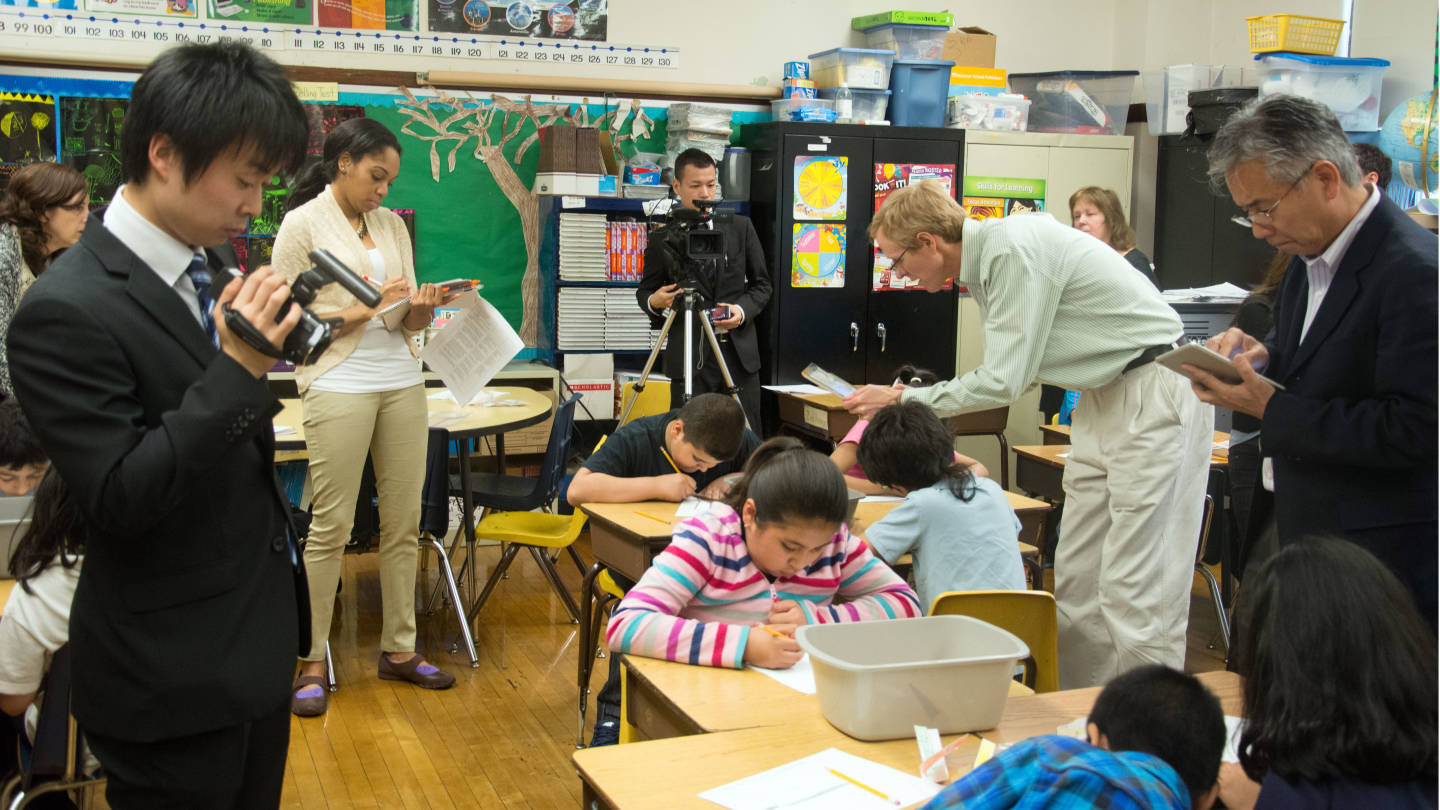
"caption": "Tom McDougal (center), Dr. Akihiko Takahashi (right), and other teachers observe a lesson at Daniel Boone Elementary School in Chicago.",
"description": null,
"title": "LessonStudy1",
"credit": "Peggy Baker/Lesson Study Alliance",
"status": "inherit",
"isLoading": false,
"fetchFailed": false
},
"mindshift_44029": {
"type": "attachments",
"id": "mindshift_44029",
"meta": {
"index": "attachments_1716263798",
"site": "mindshift",
"id": "44029",
"found": true
},
"parent": 43310,
"imgSizes": {
"twentyfourteen-full-width": {
"file": "https://ww2.kqed.org/app/uploads/sites/23/2016/02/Dyslexia-1038x576.jpg",
"width": 1038,
"mimeType": "image/jpeg",
"height": 576
},
"thumbnail": {
"file": "https://ww2.kqed.org/app/uploads/sites/23/2016/02/Dyslexia-400x225.jpg",
"width": 400,
"mimeType": "image/jpeg",
"height": 225
},
"fd-sm": {
"file": "https://ww2.kqed.org/app/uploads/sites/23/2016/02/Dyslexia-960x540.jpg",
"width": 960,
"mimeType": "image/jpeg",
"height": 540
},
"post-thumbnail": {
"file": "https://ww2.kqed.org/app/uploads/sites/23/2016/02/Dyslexia-672x372.jpg",
"width": 672,
"mimeType": "image/jpeg",
"height": 372
},
"kqedFullSize": {
"file": "https://ww2.kqed.org/app/uploads/sites/23/2016/02/Dyslexia.jpg",
"width": 1920,
"height": 1080
},
"large": {
"file": "https://ww2.kqed.org/app/uploads/sites/23/2016/02/Dyslexia-1440x810.jpg",
"width": 1440,
"mimeType": "image/jpeg",
"height": 810
},
"guest-author-96": {
"file": "https://ww2.kqed.org/app/uploads/sites/23/2016/02/Dyslexia-96x96.jpg",
"width": 96,
"mimeType": "image/jpeg",
"height": 96
},
"medium": {
"file": "https://ww2.kqed.org/app/uploads/sites/23/2016/02/Dyslexia-800x450.jpg",
"width": 800,
"mimeType": "image/jpeg",
"height": 450
},
"guest-author-64": {
"file": "https://ww2.kqed.org/app/uploads/sites/23/2016/02/Dyslexia-64x64.jpg",
"width": 64,
"mimeType": "image/jpeg",
"height": 64
},
"guest-author-32": {
"file": "https://ww2.kqed.org/app/uploads/sites/23/2016/02/Dyslexia-32x32.jpg",
"width": 32,
"mimeType": "image/jpeg",
"height": 32
},
"cat_post_thumb_sizecategory-posts-2": {
"file": "https://ww2.kqed.org/app/uploads/sites/23/2016/02/Dyslexia-50x50.jpg",
"width": 50,
"mimeType": "image/jpeg",
"height": 50
},
"fd-lrg": {
"file": "https://ww2.kqed.org/app/uploads/sites/23/2016/02/Dyslexia-1920x1080.jpg",
"width": 1920,
"mimeType": "image/jpeg",
"height": 1080
},
"fd-med": {
"file": "https://ww2.kqed.org/app/uploads/sites/23/2016/02/Dyslexia-1180x664.jpg",
"width": 1180,
"mimeType": "image/jpeg",
"height": 664
},
"detail": {
"file": "https://ww2.kqed.org/app/uploads/sites/23/2016/02/Dyslexia-75x75.jpg",
"width": 75,
"mimeType": "image/jpeg",
"height": 75
},
"medium_large": {
"file": "https://ww2.kqed.org/app/uploads/sites/23/2016/02/Dyslexia-768x432.jpg",
"width": 768,
"mimeType": "image/jpeg",
"height": 432
},
"guest-author-128": {
"file": "https://ww2.kqed.org/app/uploads/sites/23/2016/02/Dyslexia-128x128.jpg",
"width": 128,
"mimeType": "image/jpeg",
"height": 128
}
},
"publishDate": 1456475569,
"modified": 1456475575,
"caption": null,
"description": null,
"title": "Dyslexia",
"credit": "iStock",
"status": "inherit",
"isLoading": false,
"fetchFailed": false
},
"mindshift_43984": {
"type": "attachments",
"id": "mindshift_43984",
"meta": {
"index": "attachments_1716263798",
"site": "mindshift",
"id": "43984",
"found": true
},
"parent": 43983,
"imgSizes": {
"twentyfourteen-full-width": {
"file": "https://ww2.kqed.org/app/uploads/sites/23/2016/02/workingfromhome_custom-3ba55e0b418ca291c27f8ba143c08e9d71bc8874-1038x576.jpg",
"width": 1038,
"mimeType": "image/jpeg",
"height": 576
},
"thumbnail": {
"file": "https://ww2.kqed.org/app/uploads/sites/23/2016/02/workingfromhome_custom-3ba55e0b418ca291c27f8ba143c08e9d71bc8874-400x291.jpg",
"width": 400,
"mimeType": "image/jpeg",
"height": 291
},
"fd-sm": {
"file": "https://ww2.kqed.org/app/uploads/sites/23/2016/02/workingfromhome_custom-3ba55e0b418ca291c27f8ba143c08e9d71bc8874-960x698.jpg",
"width": 960,
"mimeType": "image/jpeg",
"height": 698
},
"post-thumbnail": {
"file": "https://ww2.kqed.org/app/uploads/sites/23/2016/02/workingfromhome_custom-3ba55e0b418ca291c27f8ba143c08e9d71bc8874-672x372.jpg",
"width": 672,
"mimeType": "image/jpeg",
"height": 372
},
"kqedFullSize": {
"file": "https://ww2.kqed.org/app/uploads/sites/23/2016/02/workingfromhome_custom-3ba55e0b418ca291c27f8ba143c08e9d71bc8874.jpg",
"width": 3509,
"height": 2550
},
"large": {
"file": "https://ww2.kqed.org/app/uploads/sites/23/2016/02/workingfromhome_custom-3ba55e0b418ca291c27f8ba143c08e9d71bc8874-1440x1046.jpg",
"width": 1440,
"mimeType": "image/jpeg",
"height": 1046
},
"guest-author-96": {
"file": "https://ww2.kqed.org/app/uploads/sites/23/2016/02/workingfromhome_custom-3ba55e0b418ca291c27f8ba143c08e9d71bc8874-96x96.jpg",
"width": 96,
"mimeType": "image/jpeg",
"height": 96
},
"medium": {
"file": "https://ww2.kqed.org/app/uploads/sites/23/2016/02/workingfromhome_custom-3ba55e0b418ca291c27f8ba143c08e9d71bc8874-800x581.jpg",
"width": 800,
"mimeType": "image/jpeg",
"height": 581
},
"guest-author-64": {
"file": "https://ww2.kqed.org/app/uploads/sites/23/2016/02/workingfromhome_custom-3ba55e0b418ca291c27f8ba143c08e9d71bc8874-64x64.jpg",
"width": 64,
"mimeType": "image/jpeg",
"height": 64
},
"guest-author-32": {
"file": "https://ww2.kqed.org/app/uploads/sites/23/2016/02/workingfromhome_custom-3ba55e0b418ca291c27f8ba143c08e9d71bc8874-32x32.jpg",
"width": 32,
"mimeType": "image/jpeg",
"height": 32
},
"cat_post_thumb_sizecategory-posts-2": {
"file": "https://ww2.kqed.org/app/uploads/sites/23/2016/02/workingfromhome_custom-3ba55e0b418ca291c27f8ba143c08e9d71bc8874-50x50.jpg",
"width": 50,
"mimeType": "image/jpeg",
"height": 50
},
"fd-lrg": {
"file": "https://ww2.kqed.org/app/uploads/sites/23/2016/02/workingfromhome_custom-3ba55e0b418ca291c27f8ba143c08e9d71bc8874-1920x1395.jpg",
"width": 1920,
"mimeType": "image/jpeg",
"height": 1395
},
"fd-med": {
"file": "https://ww2.kqed.org/app/uploads/sites/23/2016/02/workingfromhome_custom-3ba55e0b418ca291c27f8ba143c08e9d71bc8874-1180x858.jpg",
"width": 1180,
"mimeType": "image/jpeg",
"height": 858
},
"detail": {
"file": "https://ww2.kqed.org/app/uploads/sites/23/2016/02/workingfromhome_custom-3ba55e0b418ca291c27f8ba143c08e9d71bc8874-75x75.jpg",
"width": 75,
"mimeType": "image/jpeg",
"height": 75
},
"medium_large": {
"file": "https://ww2.kqed.org/app/uploads/sites/23/2016/02/workingfromhome_custom-3ba55e0b418ca291c27f8ba143c08e9d71bc8874-768x558.jpg",
"width": 768,
"mimeType": "image/jpeg",
"height": 558
},
"guest-author-128": {
"file": "https://ww2.kqed.org/app/uploads/sites/23/2016/02/workingfromhome_custom-3ba55e0b418ca291c27f8ba143c08e9d71bc8874-128x128.jpg",
"width": 128,
"mimeType": "image/jpeg",
"height": 128
}
},
"publishDate": 1456345734,
"modified": 1456345734,
"caption": null,
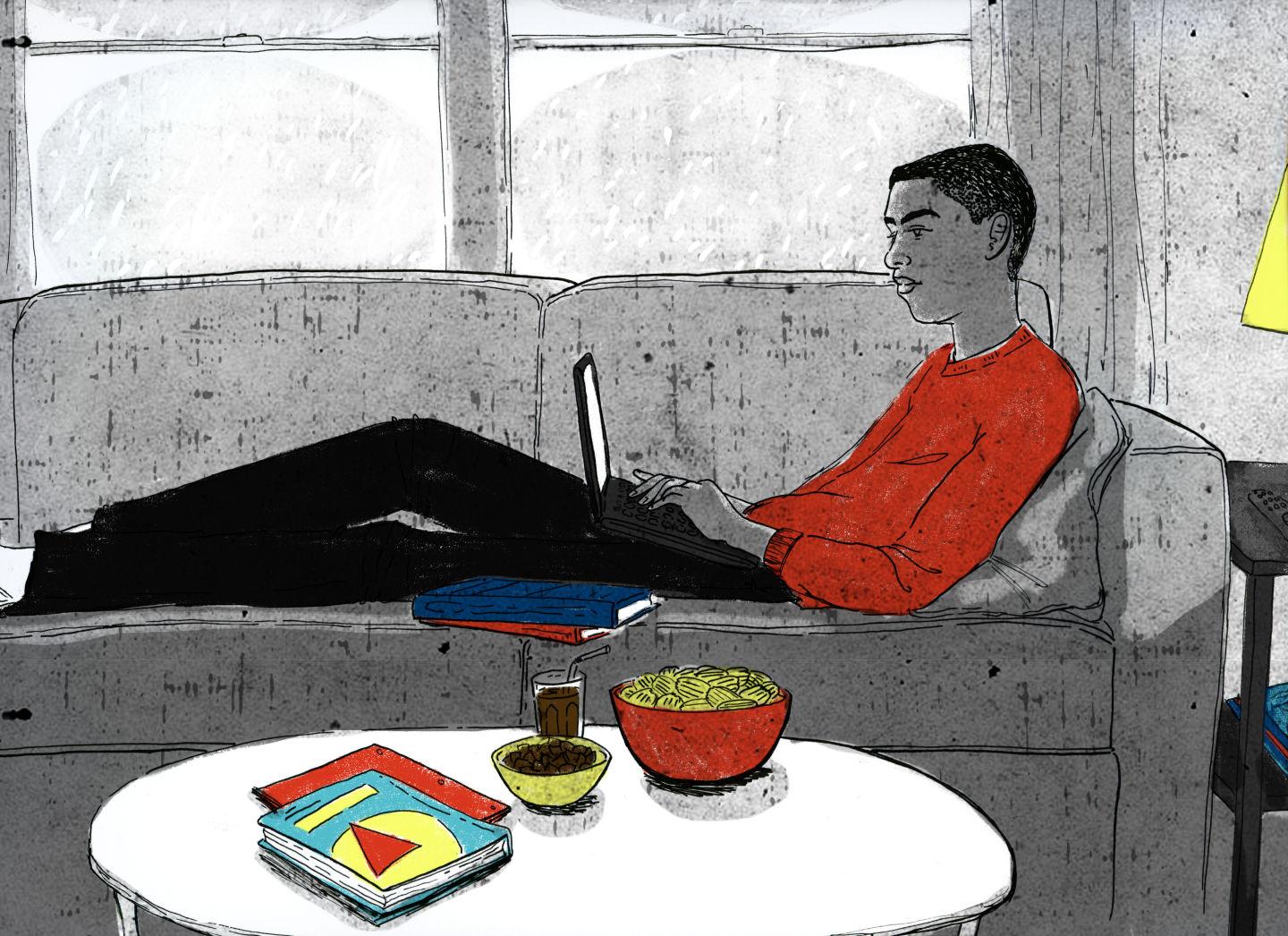
"description": "Boy doing schoolwork at home on laptop",
"title": "Boy doing schoolwork at home on laptop",
"credit": null,
"status": "inherit",
"isLoading": false,
"fetchFailed": false
},
"mindshift_43663": {
"type": "attachments",
"id": "mindshift_43663",
"meta": {
"index": "attachments_1716263798",
"site": "mindshift",
"id": "43663",
"found": true
},
"parent": 43662,
"imgSizes": {
"twentyfourteen-full-width": {
"file": "https://ww2.kqed.org/app/uploads/sites/23/2016/02/gettyimages-564723051-edit_wide-4091b4a3710420c9aae1882646af72c36b5d687a-1038x576.jpg",
"width": 1038,
"mimeType": "image/jpeg",
"height": 576
},
"thumbnail": {
"file": "https://ww2.kqed.org/app/uploads/sites/23/2016/02/gettyimages-564723051-edit_wide-4091b4a3710420c9aae1882646af72c36b5d687a-400x225.jpg",
"width": 400,
"mimeType": "image/jpeg",
"height": 225
},
"fd-sm": {
"file": "https://ww2.kqed.org/app/uploads/sites/23/2016/02/gettyimages-564723051-edit_wide-4091b4a3710420c9aae1882646af72c36b5d687a-960x540.jpg",
"width": 960,
"mimeType": "image/jpeg",
"height": 540
},
"post-thumbnail": {
"file": "https://ww2.kqed.org/app/uploads/sites/23/2016/02/gettyimages-564723051-edit_wide-4091b4a3710420c9aae1882646af72c36b5d687a-672x372.jpg",
"width": 672,
"mimeType": "image/jpeg",
"height": 372
},
"kqedFullSize": {
"file": "https://ww2.kqed.org/app/uploads/sites/23/2016/02/gettyimages-564723051-edit_wide-4091b4a3710420c9aae1882646af72c36b5d687a.jpg",
"width": 3000,
"height": 1687
},
"large": {
"file": "https://ww2.kqed.org/app/uploads/sites/23/2016/02/gettyimages-564723051-edit_wide-4091b4a3710420c9aae1882646af72c36b5d687a-1440x810.jpg",
"width": 1440,
"mimeType": "image/jpeg",
"height": 810
},
"guest-author-96": {
"file": "https://ww2.kqed.org/app/uploads/sites/23/2016/02/gettyimages-564723051-edit_wide-4091b4a3710420c9aae1882646af72c36b5d687a-96x96.jpg",
"width": 96,
"mimeType": "image/jpeg",
"height": 96
},
"medium": {
"file": "https://ww2.kqed.org/app/uploads/sites/23/2016/02/gettyimages-564723051-edit_wide-4091b4a3710420c9aae1882646af72c36b5d687a-800x450.jpg",
"width": 800,
"mimeType": "image/jpeg",
"height": 450
},
"guest-author-64": {
"file": "https://ww2.kqed.org/app/uploads/sites/23/2016/02/gettyimages-564723051-edit_wide-4091b4a3710420c9aae1882646af72c36b5d687a-64x64.jpg",
"width": 64,
"mimeType": "image/jpeg",
"height": 64
},
"guest-author-32": {
"file": "https://ww2.kqed.org/app/uploads/sites/23/2016/02/gettyimages-564723051-edit_wide-4091b4a3710420c9aae1882646af72c36b5d687a-32x32.jpg",
"width": 32,
"mimeType": "image/jpeg",
"height": 32
},
"cat_post_thumb_sizecategory-posts-2": {
"file": "https://ww2.kqed.org/app/uploads/sites/23/2016/02/gettyimages-564723051-edit_wide-4091b4a3710420c9aae1882646af72c36b5d687a-50x50.jpg",
"width": 50,
"mimeType": "image/jpeg",
"height": 50
},
"fd-lrg": {
"file": "https://ww2.kqed.org/app/uploads/sites/23/2016/02/gettyimages-564723051-edit_wide-4091b4a3710420c9aae1882646af72c36b5d687a-1920x1080.jpg",
"width": 1920,
"mimeType": "image/jpeg",
"height": 1080
},
"fd-med": {
"file": "https://ww2.kqed.org/app/uploads/sites/23/2016/02/gettyimages-564723051-edit_wide-4091b4a3710420c9aae1882646af72c36b5d687a-1180x664.jpg",
"width": 1180,
"mimeType": "image/jpeg",
"height": 664
},
"detail": {
"file": "https://ww2.kqed.org/app/uploads/sites/23/2016/02/gettyimages-564723051-edit_wide-4091b4a3710420c9aae1882646af72c36b5d687a-75x75.jpg",
"width": 75,
"mimeType": "image/jpeg",
"height": 75
},
"medium_large": {
"file": "https://ww2.kqed.org/app/uploads/sites/23/2016/02/gettyimages-564723051-edit_wide-4091b4a3710420c9aae1882646af72c36b5d687a-768x432.jpg",
"width": 768,
"mimeType": "image/jpeg",
"height": 432
},
"guest-author-128": {
"file": "https://ww2.kqed.org/app/uploads/sites/23/2016/02/gettyimages-564723051-edit_wide-4091b4a3710420c9aae1882646af72c36b5d687a-128x128.jpg",
"width": 128,
"mimeType": "image/jpeg",
"height": 128
}
},
"publishDate": 1454911104,
"modified": 1454911104,
"caption": null,
"description": "Some researchers say we're losing our critical thinking and memory skills by relying on search engines",
"title": "Some researchers say we're losing our critical thinking and memory skills by relying on search engines.",
"credit": null,
"status": "inherit",
"isLoading": false,
"fetchFailed": false
},
"mindshift_43615": {
"type": "attachments",
"id": "mindshift_43615",
"meta": {
"index": "attachments_1716263798",
"site": "mindshift",
"id": "43615",
"found": true
},
"parent": 43601,
"imgSizes": {
"twentyfourteen-full-width": {
"file": "https://ww2.kqed.org/app/uploads/sites/23/2016/02/Mobile-1038x576.jpg",
"width": 1038,
"mimeType": "image/jpeg",
"height": 576
},
"thumbnail": {
"file": "https://ww2.kqed.org/app/uploads/sites/23/2016/02/Mobile-400x225.jpg",
"width": 400,
"mimeType": "image/jpeg",
"height": 225
},
"fd-sm": {
"file": "https://ww2.kqed.org/app/uploads/sites/23/2016/02/Mobile-960x540.jpg",
"width": 960,
"mimeType": "image/jpeg",
"height": 540
},
"post-thumbnail": {
"file": "https://ww2.kqed.org/app/uploads/sites/23/2016/02/Mobile-672x372.jpg",
"width": 672,
"mimeType": "image/jpeg",
"height": 372
},
"kqedFullSize": {
"file": "https://ww2.kqed.org/app/uploads/sites/23/2016/02/Mobile.jpg",
"width": 1920,
"height": 1080
},
"large": {
"file": "https://ww2.kqed.org/app/uploads/sites/23/2016/02/Mobile-1440x810.jpg",
"width": 1440,
"mimeType": "image/jpeg",
"height": 810
},
"guest-author-96": {
"file": "https://ww2.kqed.org/app/uploads/sites/23/2016/02/Mobile-96x96.jpg",
"width": 96,
"mimeType": "image/jpeg",
"height": 96
},
"medium": {
"file": "https://ww2.kqed.org/app/uploads/sites/23/2016/02/Mobile-800x450.jpg",
"width": 800,
"mimeType": "image/jpeg",
"height": 450
},
"guest-author-64": {
"file": "https://ww2.kqed.org/app/uploads/sites/23/2016/02/Mobile-64x64.jpg",
"width": 64,
"mimeType": "image/jpeg",
"height": 64
},
"guest-author-32": {
"file": "https://ww2.kqed.org/app/uploads/sites/23/2016/02/Mobile-32x32.jpg",
"width": 32,
"mimeType": "image/jpeg",
"height": 32
},
"cat_post_thumb_sizecategory-posts-2": {
"file": "https://ww2.kqed.org/app/uploads/sites/23/2016/02/Mobile-50x50.jpg",
"width": 50,
"mimeType": "image/jpeg",
"height": 50
},
"fd-lrg": {
"file": "https://ww2.kqed.org/app/uploads/sites/23/2016/02/Mobile-1920x1080.jpg",
"width": 1920,
"mimeType": "image/jpeg",
"height": 1080
},
"fd-med": {
"file": "https://ww2.kqed.org/app/uploads/sites/23/2016/02/Mobile-1180x664.jpg",
"width": 1180,
"mimeType": "image/jpeg",
"height": 664
},
"detail": {
"file": "https://ww2.kqed.org/app/uploads/sites/23/2016/02/Mobile-75x75.jpg",
"width": 75,
"mimeType": "image/jpeg",
"height": 75
},
"medium_large": {
"file": "https://ww2.kqed.org/app/uploads/sites/23/2016/02/Mobile-768x432.jpg",
"width": 768,
"mimeType": "image/jpeg",
"height": 432
},
"guest-author-128": {
"file": "https://ww2.kqed.org/app/uploads/sites/23/2016/02/Mobile-128x128.jpg",
"width": 128,
"mimeType": "image/jpeg",
"height": 128
}
},
"publishDate": 1454480625,
"modified": 1454480632,
"caption": null,
"description": null,
"title": "Mobile",
"credit": "iStock",
"status": "inherit",
"isLoading": false,
"fetchFailed": false
},
"mindshift_43419": {
"type": "attachments",
"id": "mindshift_43419",
"meta": {
"index": "attachments_1716263798",
"site": "mindshift",
"id": "43419",
"found": true
},
"parent": 43417,
"imgSizes": {
"twentyfourteen-full-width": {
"file": "https://ww2.kqed.org/app/uploads/sites/23/2016/01/Screen-shot-2016-01-17-at-9.07.32-PM-1038x576.png",
"width": 1038,
"mimeType": "image/png",
"height": 576
},
"thumbnail": {
"file": "https://ww2.kqed.org/app/uploads/sites/23/2016/01/Screen-shot-2016-01-17-at-9.07.32-PM-400x207.png",
"width": 400,
"mimeType": "image/png",
"height": 207
},
"fd-sm": {
"file": "https://ww2.kqed.org/app/uploads/sites/23/2016/01/Screen-shot-2016-01-17-at-9.07.32-PM-960x496.png",
"width": 960,
"mimeType": "image/png",
"height": 496
},
"post-thumbnail": {
"file": "https://ww2.kqed.org/app/uploads/sites/23/2016/01/Screen-shot-2016-01-17-at-9.07.32-PM-672x372.png",
"width": 672,
"mimeType": "image/png",
"height": 372
},
"kqedFullSize": {
"file": "https://ww2.kqed.org/app/uploads/sites/23/2016/01/Screen-shot-2016-01-17-at-9.07.32-PM.png",
"width": 1210,
"height": 625
},
"guest-author-96": {
"file": "https://ww2.kqed.org/app/uploads/sites/23/2016/01/Screen-shot-2016-01-17-at-9.07.32-PM-96x96.png",
"width": 96,
"mimeType": "image/png",
"height": 96
},
"medium": {
"file": "https://ww2.kqed.org/app/uploads/sites/23/2016/01/Screen-shot-2016-01-17-at-9.07.32-PM-800x413.png",
"width": 800,
"mimeType": "image/png",
"height": 413
},
"guest-author-64": {
"file": "https://ww2.kqed.org/app/uploads/sites/23/2016/01/Screen-shot-2016-01-17-at-9.07.32-PM-64x64.png",
"width": 64,
"mimeType": "image/png",
"height": 64
},
"guest-author-32": {
"file": "https://ww2.kqed.org/app/uploads/sites/23/2016/01/Screen-shot-2016-01-17-at-9.07.32-PM-32x32.png",
"width": 32,
"mimeType": "image/png",
"height": 32
},
"cat_post_thumb_sizecategory-posts-2": {
"file": "https://ww2.kqed.org/app/uploads/sites/23/2016/01/Screen-shot-2016-01-17-at-9.07.32-PM-50x50.png",
"width": 50,
"mimeType": "image/png",
"height": 50
},
"fd-med": {
"file": "https://ww2.kqed.org/app/uploads/sites/23/2016/01/Screen-shot-2016-01-17-at-9.07.32-PM-1180x610.png",
"width": 1180,
"mimeType": "image/png",
"height": 610
},
"detail": {
"file": "https://ww2.kqed.org/app/uploads/sites/23/2016/01/Screen-shot-2016-01-17-at-9.07.32-PM-75x75.png",
"width": 75,
"mimeType": "image/png",
"height": 75
},
"medium_large": {
"file": "https://ww2.kqed.org/app/uploads/sites/23/2016/01/Screen-shot-2016-01-17-at-9.07.32-PM-768x397.png",
"width": 768,
"mimeType": "image/png",
"height": 397
},
"guest-author-128": {
"file": "https://ww2.kqed.org/app/uploads/sites/23/2016/01/Screen-shot-2016-01-17-at-9.07.32-PM-128x128.png",
"width": 128,
"mimeType": "image/png",
"height": 128
}
},
"publishDate": 1453093802,
"modified": 1453093815,
"caption": null,
"description": null,
"title": "Screen shot 2016-01-17 at 9.07.32 PM",
"credit": "ClassDojo",
"status": "inherit",
"isLoading": false,
"fetchFailed": false
},
"mindshift_43065": {
"type": "attachments",
"id": "mindshift_43065",
"meta": {
"index": "attachments_1716263798",
"site": "mindshift",
"id": "43065",
"found": true
},
"parent": 43057,
"imgSizes": {
"twentyfourteen-full-width": {
"file": "https://ww2.kqed.org/app/uploads/sites/23/2015/12/Laptop-1038x576.jpg",
"width": 1038,
"mimeType": "image/jpeg",
"height": 576
},
"thumbnail": {
"file": "https://ww2.kqed.org/app/uploads/sites/23/2015/12/Laptop-400x225.jpg",
"width": 400,
"mimeType": "image/jpeg",
"height": 225
},
"fd-sm": {
"file": "https://ww2.kqed.org/app/uploads/sites/23/2015/12/Laptop-960x540.jpg",
"width": 960,
"mimeType": "image/jpeg",
"height": 540
},
"post-thumbnail": {
"file": "https://ww2.kqed.org/app/uploads/sites/23/2015/12/Laptop-672x372.jpg",
"width": 672,
"mimeType": "image/jpeg",
"height": 372
},
"kqedFullSize": {
"file": "https://ww2.kqed.org/app/uploads/sites/23/2015/12/Laptop.jpg",
"width": 1920,
"height": 1080
},
"large": {
"file": "https://ww2.kqed.org/app/uploads/sites/23/2015/12/Laptop-1440x810.jpg",
"width": 1440,
"mimeType": "image/jpeg",
"height": 810
},
"guest-author-96": {
"file": "https://ww2.kqed.org/app/uploads/sites/23/2015/12/Laptop-96x96.jpg",
"width": 96,
"mimeType": "image/jpeg",
"height": 96
},
"medium": {
"file": "https://ww2.kqed.org/app/uploads/sites/23/2015/12/Laptop-800x450.jpg",
"width": 800,
"mimeType": "image/jpeg",
"height": 450
},
"guest-author-64": {
"file": "https://ww2.kqed.org/app/uploads/sites/23/2015/12/Laptop-64x64.jpg",
"width": 64,
"mimeType": "image/jpeg",
"height": 64
},
"guest-author-32": {
"file": "https://ww2.kqed.org/app/uploads/sites/23/2015/12/Laptop-32x32.jpg",
"width": 32,
"mimeType": "image/jpeg",
"height": 32
},
"cat_post_thumb_sizecategory-posts-2": {
"file": "https://ww2.kqed.org/app/uploads/sites/23/2015/12/Laptop-50x50.jpg",
"width": 50,
"mimeType": "image/jpeg",
"height": 50
},
"fd-lrg": {
"file": "https://ww2.kqed.org/app/uploads/sites/23/2015/12/Laptop-1920x1080.jpg",
"width": 1920,
"mimeType": "image/jpeg",
"height": 1080
},
"fd-med": {
"file": "https://ww2.kqed.org/app/uploads/sites/23/2015/12/Laptop-1180x664.jpg",
"width": 1180,
"mimeType": "image/jpeg",
"height": 664
},
"detail": {
"file": "https://ww2.kqed.org/app/uploads/sites/23/2015/12/Laptop-75x75.jpg",
"width": 75,
"mimeType": "image/jpeg",
"height": 75
},
"medium_large": {
"file": "https://ww2.kqed.org/app/uploads/sites/23/2015/12/Laptop-768x432.jpg",
"width": 768,
"mimeType": "image/jpeg",
"height": 432
},
"guest-author-128": {
"file": "https://ww2.kqed.org/app/uploads/sites/23/2015/12/Laptop-128x128.jpg",
"width": 128,
"mimeType": "image/jpeg",
"height": 128
}
},
"publishDate": 1450086779,
"modified": 1450086787,
"caption": null,
"description": null,
"title": "Laptop",
"credit": "iStock",
"status": "inherit",
"isLoading": false,
"fetchFailed": false
},
"mindshift_42977": {
"type": "attachments",
"id": "mindshift_42977",
"meta": {
"index": "attachments_1716263798",
"site": "mindshift",
"id": "42977",
"found": true
},
"parent": 42713,
"imgSizes": {
"twentyfourteen-full-width": {
"file": "https://ww2.kqed.org/app/uploads/sites/23/2015/12/Labrynth-1038x576.jpg",
"width": 1038,
"mimeType": "image/jpeg",
"height": 576
},
"thumbnail": {
"file": "https://ww2.kqed.org/app/uploads/sites/23/2015/12/Labrynth-400x225.jpg",
"width": 400,
"mimeType": "image/jpeg",
"height": 225
},
"fd-sm": {
"file": "https://ww2.kqed.org/app/uploads/sites/23/2015/12/Labrynth-960x540.jpg",
"width": 960,
"mimeType": "image/jpeg",
"height": 540
},
"post-thumbnail": {
"file": "https://ww2.kqed.org/app/uploads/sites/23/2015/12/Labrynth-672x372.jpg",
"width": 672,
"mimeType": "image/jpeg",
"height": 372
},
"kqedFullSize": {
"file": "https://ww2.kqed.org/app/uploads/sites/23/2015/12/Labrynth.jpg",
"width": 1920,
"height": 1080
},
"large": {
"file": "https://ww2.kqed.org/app/uploads/sites/23/2015/12/Labrynth-1440x810.jpg",
"width": 1440,
"mimeType": "image/jpeg",
"height": 810
},
"guest-author-96": {
"file": "https://ww2.kqed.org/app/uploads/sites/23/2015/12/Labrynth-96x96.jpg",
"width": 96,
"mimeType": "image/jpeg",
"height": 96
},
"medium": {
"file": "https://ww2.kqed.org/app/uploads/sites/23/2015/12/Labrynth-800x450.jpg",
"width": 800,
"mimeType": "image/jpeg",
"height": 450
},
"guest-author-64": {
"file": "https://ww2.kqed.org/app/uploads/sites/23/2015/12/Labrynth-64x64.jpg",
"width": 64,
"mimeType": "image/jpeg",
"height": 64
},
"guest-author-32": {
"file": "https://ww2.kqed.org/app/uploads/sites/23/2015/12/Labrynth-32x32.jpg",
"width": 32,
"mimeType": "image/jpeg",
"height": 32
},
"cat_post_thumb_sizecategory-posts-2": {
"file": "https://ww2.kqed.org/app/uploads/sites/23/2015/12/Labrynth-50x50.jpg",
"width": 50,
"mimeType": "image/jpeg",
"height": 50
},
"fd-lrg": {
"file": "https://ww2.kqed.org/app/uploads/sites/23/2015/12/Labrynth-1920x1080.jpg",
"width": 1920,
"mimeType": "image/jpeg",
"height": 1080
},
"fd-med": {
"file": "https://ww2.kqed.org/app/uploads/sites/23/2015/12/Labrynth-1180x664.jpg",
"width": 1180,
"mimeType": "image/jpeg",
"height": 664
},
"detail": {
"file": "https://ww2.kqed.org/app/uploads/sites/23/2015/12/Labrynth-75x75.jpg",
"width": 75,
"mimeType": "image/jpeg",
"height": 75
},
"guest-author-128": {
"file": "https://ww2.kqed.org/app/uploads/sites/23/2015/12/Labrynth-128x128.jpg",
"width": 128,
"mimeType": "image/jpeg",
"height": 128
}
},
"publishDate": 1449126126,
"modified": 1449126137,
"caption": null,
"description": null,
"title": "Labrynth",
"credit": "iStock",
"status": "inherit",
"isLoading": false,
"fetchFailed": false
},
"mindshift_42848": {
"type": "attachments",
"id": "mindshift_42848",
"meta": {
"index": "attachments_1716263798",
"site": "mindshift",
"id": "42848",
"found": true
},
"parent": 42717,
"imgSizes": {
"twentyfourteen-full-width": {
"file": "https://ww2.kqed.org/app/uploads/sites/23/2015/11/Makey-makey-1038x576.jpg",
"width": 1038,
"mimeType": "image/jpeg",
"height": 576
},
"thumbnail": {
"file": "https://ww2.kqed.org/app/uploads/sites/23/2015/11/Makey-makey-400x267.jpg",
"width": 400,
"mimeType": "image/jpeg",
"height": 267
},
"fd-sm": {
"file": "https://ww2.kqed.org/app/uploads/sites/23/2015/11/Makey-makey-960x640.jpg",
"width": 960,
"mimeType": "image/jpeg",
"height": 640
},
"post-thumbnail": {
"file": "https://ww2.kqed.org/app/uploads/sites/23/2015/11/Makey-makey-672x372.jpg",
"width": 672,
"mimeType": "image/jpeg",
"height": 372
},
"kqedFullSize": {
"file": "https://ww2.kqed.org/app/uploads/sites/23/2015/11/Makey-makey-e1447922579371.jpg",
"width": 1920,
"height": 1280
},
"large": {
"file": "https://ww2.kqed.org/app/uploads/sites/23/2015/11/Makey-makey-1440x960.jpg",
"width": 1440,
"mimeType": "image/jpeg",
"height": 960
},
"guest-author-96": {
"file": "https://ww2.kqed.org/app/uploads/sites/23/2015/11/Makey-makey-96x96.jpg",
"width": 96,
"mimeType": "image/jpeg",
"height": 96
},
"medium": {
"file": "https://ww2.kqed.org/app/uploads/sites/23/2015/11/Makey-makey-800x533.jpg",
"width": 800,
"mimeType": "image/jpeg",
"height": 533
},
"guest-author-64": {
"file": "https://ww2.kqed.org/app/uploads/sites/23/2015/11/Makey-makey-64x64.jpg",
"width": 64,
"mimeType": "image/jpeg",
"height": 64
},
"guest-author-32": {
"file": "https://ww2.kqed.org/app/uploads/sites/23/2015/11/Makey-makey-32x32.jpg",
"width": 32,
"mimeType": "image/jpeg",
"height": 32
},
"cat_post_thumb_sizecategory-posts-2": {
"file": "https://ww2.kqed.org/app/uploads/sites/23/2015/11/Makey-makey-50x50.jpg",
"width": 50,
"mimeType": "image/jpeg",
"height": 50
},
"fd-lrg": {
"file": "https://ww2.kqed.org/app/uploads/sites/23/2015/11/Makey-makey-1920x1280.jpg",
"width": 1920,
"mimeType": "image/jpeg",
"height": 1280
},
"fd-med": {
"file": "https://ww2.kqed.org/app/uploads/sites/23/2015/11/Makey-makey-1180x786.jpg",
"width": 1180,
"mimeType": "image/jpeg",
"height": 786
},
"detail": {
"file": "https://ww2.kqed.org/app/uploads/sites/23/2015/11/Makey-makey-75x75.jpg",
"width": 75,
"mimeType": "image/jpeg",
"height": 75
},
"guest-author-128": {
"file": "https://ww2.kqed.org/app/uploads/sites/23/2015/11/Makey-makey-128x128.jpg",
"width": 128,
"mimeType": "image/jpeg",
"height": 128
}
},
"publishDate": 1447922560,
"modified": 1447922574,
"caption": null,
"description": null,
"title": "Makey-makey",
"credit": "Flickr/Nathan Barry",
"status": "inherit",
"isLoading": false,
"fetchFailed": false
},
"mindshift_42739": {
"type": "attachments",
"id": "mindshift_42739",
"meta": {
"index": "attachments_1716263798",
"site": "mindshift",
"id": "42739",
"found": true
},
"parent": 42720,
"imgSizes": {
"twentyfourteen-full-width": {
"file": "https://ww2.kqed.org/app/uploads/sites/23/2015/11/iPad-1038x576.jpg",
"width": 1038,
"mimeType": "image/jpeg",
"height": 576
},
"thumbnail": {
"file": "https://ww2.kqed.org/app/uploads/sites/23/2015/11/iPad-400x225.jpg",
"width": 400,
"mimeType": "image/jpeg",
"height": 225
},
"fd-sm": {
"file": "https://ww2.kqed.org/app/uploads/sites/23/2015/11/iPad-960x540.jpg",
"width": 960,
"mimeType": "image/jpeg",
"height": 540
},
"post-thumbnail": {
"file": "https://ww2.kqed.org/app/uploads/sites/23/2015/11/iPad-672x372.jpg",
"width": 672,
"mimeType": "image/jpeg",
"height": 372
},
"kqedFullSize": {
"file": "https://ww2.kqed.org/app/uploads/sites/23/2015/11/iPad.jpg",
"width": 1920,
"height": 1080
},
"large": {
"file": "https://ww2.kqed.org/app/uploads/sites/23/2015/11/iPad-1440x810.jpg",
"width": 1440,
"mimeType": "image/jpeg",
"height": 810
},
"guest-author-96": {
"file": "https://ww2.kqed.org/app/uploads/sites/23/2015/11/iPad-96x96.jpg",
"width": 96,
"mimeType": "image/jpeg",
"height": 96
},
"medium": {
"file": "https://ww2.kqed.org/app/uploads/sites/23/2015/11/iPad-800x450.jpg",
"width": 800,
"mimeType": "image/jpeg",
"height": 450
},
"guest-author-64": {
"file": "https://ww2.kqed.org/app/uploads/sites/23/2015/11/iPad-64x64.jpg",
"width": 64,
"mimeType": "image/jpeg",
"height": 64
},
"guest-author-32": {
"file": "https://ww2.kqed.org/app/uploads/sites/23/2015/11/iPad-32x32.jpg",
"width": 32,
"mimeType": "image/jpeg",
"height": 32
},
"cat_post_thumb_sizecategory-posts-2": {
"file": "https://ww2.kqed.org/app/uploads/sites/23/2015/11/iPad-50x50.jpg",
"width": 50,
"mimeType": "image/jpeg",
"height": 50
},
"fd-lrg": {
"file": "https://ww2.kqed.org/app/uploads/sites/23/2015/11/iPad-1920x1080.jpg",
"width": 1920,
"mimeType": "image/jpeg",
"height": 1080
},
"fd-med": {
"file": "https://ww2.kqed.org/app/uploads/sites/23/2015/11/iPad-1180x664.jpg",
"width": 1180,
"mimeType": "image/jpeg",
"height": 664
},
"detail": {
"file": "https://ww2.kqed.org/app/uploads/sites/23/2015/11/iPad-75x75.jpg",
"width": 75,
"mimeType": "image/jpeg",
"height": 75
},
"guest-author-128": {
"file": "https://ww2.kqed.org/app/uploads/sites/23/2015/11/iPad-128x128.jpg",
"width": 128,
"mimeType": "image/jpeg",
"height": 128
}
},
"publishDate": 1447221570,
"modified": 1447221581,
"caption": null,
"description": null,
"title": "iPad",
"credit": "iStock",
"status": "inherit",
"isLoading": false,
"fetchFailed": false
},
"mindshift_42672": {
"type": "attachments",
"id": "mindshift_42672",
"meta": {
"index": "attachments_1716263798",
"site": "mindshift",
"id": "42672",
"found": true
},
"parent": 42036,
"imgSizes": {
"twentyfourteen-full-width": {
"file": "https://ww2.kqed.org/app/uploads/sites/23/2015/11/pressphoto-the-big-picture-rethinking-dyslexia_student_courtesy-of-shadow-creek-films-1038x576.png",
"width": 1038,
"mimeType": "image/png",
"height": 576
},
"thumbnail": {
"file": "https://ww2.kqed.org/app/uploads/sites/23/2015/11/pressphoto-the-big-picture-rethinking-dyslexia_student_courtesy-of-shadow-creek-films-400x225.png",
"width": 400,
"mimeType": "image/png",
"height": 225
},
"fd-sm": {
"file": "https://ww2.kqed.org/app/uploads/sites/23/2015/11/pressphoto-the-big-picture-rethinking-dyslexia_student_courtesy-of-shadow-creek-films-960x540.png",
"width": 960,
"mimeType": "image/png",
"height": 540
},
"post-thumbnail": {
"file": "https://ww2.kqed.org/app/uploads/sites/23/2015/11/pressphoto-the-big-picture-rethinking-dyslexia_student_courtesy-of-shadow-creek-films-672x372.png",
"width": 672,
"mimeType": "image/png",
"height": 372
},
"kqedFullSize": {
"file": "https://ww2.kqed.org/app/uploads/sites/23/2015/11/pressphoto-the-big-picture-rethinking-dyslexia_student_courtesy-of-shadow-creek-films-e1446615661140.png",
"width": 1920,
"height": 1080
},
"large": {
"file": "https://ww2.kqed.org/app/uploads/sites/23/2015/11/pressphoto-the-big-picture-rethinking-dyslexia_student_courtesy-of-shadow-creek-films-1440x810.png",
"width": 1440,
"mimeType": "image/png",
"height": 810
},
"guest-author-96": {
"file": "https://ww2.kqed.org/app/uploads/sites/23/2015/11/pressphoto-the-big-picture-rethinking-dyslexia_student_courtesy-of-shadow-creek-films-96x96.png",
"width": 96,
"mimeType": "image/png",
"height": 96
},
"medium": {
"file": "https://ww2.kqed.org/app/uploads/sites/23/2015/11/pressphoto-the-big-picture-rethinking-dyslexia_student_courtesy-of-shadow-creek-films-800x450.png",
"width": 800,
"mimeType": "image/png",
"height": 450
},
"guest-author-64": {
"file": "https://ww2.kqed.org/app/uploads/sites/23/2015/11/pressphoto-the-big-picture-rethinking-dyslexia_student_courtesy-of-shadow-creek-films-64x64.png",
"width": 64,
"mimeType": "image/png",
"height": 64
},
"guest-author-32": {
"file": "https://ww2.kqed.org/app/uploads/sites/23/2015/11/pressphoto-the-big-picture-rethinking-dyslexia_student_courtesy-of-shadow-creek-films-32x32.png",
"width": 32,
"mimeType": "image/png",
"height": 32
},
"cat_post_thumb_sizecategory-posts-2": {
"file": "https://ww2.kqed.org/app/uploads/sites/23/2015/11/pressphoto-the-big-picture-rethinking-dyslexia_student_courtesy-of-shadow-creek-films-50x50.png",
"width": 50,
"mimeType": "image/png",
"height": 50
},
"fd-lrg": {
"file": "https://ww2.kqed.org/app/uploads/sites/23/2015/11/pressphoto-the-big-picture-rethinking-dyslexia_student_courtesy-of-shadow-creek-films-1920x1080.png",
"width": 1920,
"mimeType": "image/png",
"height": 1080
},
"fd-med": {
"file": "https://ww2.kqed.org/app/uploads/sites/23/2015/11/pressphoto-the-big-picture-rethinking-dyslexia_student_courtesy-of-shadow-creek-films-1180x664.png",
"width": 1180,
"mimeType": "image/png",
"height": 664
},
"detail": {
"file": "https://ww2.kqed.org/app/uploads/sites/23/2015/11/pressphoto-the-big-picture-rethinking-dyslexia_student_courtesy-of-shadow-creek-films-75x75.png",
"width": 75,
"mimeType": "image/png",
"height": 75
},
"guest-author-128": {
"file": "https://ww2.kqed.org/app/uploads/sites/23/2015/11/pressphoto-the-big-picture-rethinking-dyslexia_student_courtesy-of-shadow-creek-films-128x128.png",
"width": 128,
"mimeType": "image/png",
"height": 128
}
},
"publishDate": 1446615634,
"modified": 1446615755,
"caption": "Press photo from \"The Big Picture: Rethinking Dyslexia.\"",
"description": null,
"title": "pressphoto-the-big-picture-rethinking-dyslexia_student_courtesy-of-shadow-creek-films",
"credit": "Shadow Creek Films",
"status": "inherit",
"isLoading": false,
"fetchFailed": false
},
"mindshift_42661": {
"type": "attachments",
"id": "mindshift_42661",
"meta": {
"index": "attachments_1716263798",
"site": "mindshift",
"id": "42661",
"found": true
},
"parent": 42660,
"imgSizes": {
"twentyfourteen-full-width": {
"file": "https://ww2.kqed.org/app/uploads/sites/23/2015/11/codebadges_slide-1c4ba366ca5cb544dedd45384d40bb69f1799e9b-1038x576.jpg",
"width": 1038,
"mimeType": "image/jpeg",
"height": 576
},
"thumbnail": {
"file": "https://ww2.kqed.org/app/uploads/sites/23/2015/11/codebadges_slide-1c4ba366ca5cb544dedd45384d40bb69f1799e9b-400x267.jpg",
"width": 400,
"mimeType": "image/jpeg",
"height": 267
},
"fd-sm": {
"file": "https://ww2.kqed.org/app/uploads/sites/23/2015/11/codebadges_slide-1c4ba366ca5cb544dedd45384d40bb69f1799e9b-960x640.jpg",
"width": 960,
"mimeType": "image/jpeg",
"height": 640
},
"post-thumbnail": {
"file": "https://ww2.kqed.org/app/uploads/sites/23/2015/11/codebadges_slide-1c4ba366ca5cb544dedd45384d40bb69f1799e9b-672x372.jpg",
"width": 672,
"mimeType": "image/jpeg",
"height": 372
},
"kqedFullSize": {
"file": "https://ww2.kqed.org/app/uploads/sites/23/2015/11/codebadges_slide-1c4ba366ca5cb544dedd45384d40bb69f1799e9b-e1446557491265.jpg",
"width": 1920,
"height": 1280
},
"large": {
"file": "https://ww2.kqed.org/app/uploads/sites/23/2015/11/codebadges_slide-1c4ba366ca5cb544dedd45384d40bb69f1799e9b-1440x960.jpg",
"width": 1440,
"mimeType": "image/jpeg",
"height": 960
},
"guest-author-96": {
"file": "https://ww2.kqed.org/app/uploads/sites/23/2015/11/codebadges_slide-1c4ba366ca5cb544dedd45384d40bb69f1799e9b-96x96.jpg",
"width": 96,
"mimeType": "image/jpeg",
"height": 96
},
"medium": {
"file": "https://ww2.kqed.org/app/uploads/sites/23/2015/11/codebadges_slide-1c4ba366ca5cb544dedd45384d40bb69f1799e9b-800x533.jpg",
"width": 800,
"mimeType": "image/jpeg",
"height": 533
},
"guest-author-64": {
"file": "https://ww2.kqed.org/app/uploads/sites/23/2015/11/codebadges_slide-1c4ba366ca5cb544dedd45384d40bb69f1799e9b-64x64.jpg",
"width": 64,
"mimeType": "image/jpeg",
"height": 64
},
"guest-author-32": {
"file": "https://ww2.kqed.org/app/uploads/sites/23/2015/11/codebadges_slide-1c4ba366ca5cb544dedd45384d40bb69f1799e9b-32x32.jpg",
"width": 32,
"mimeType": "image/jpeg",
"height": 32
},
"cat_post_thumb_sizecategory-posts-2": {
"file": "https://ww2.kqed.org/app/uploads/sites/23/2015/11/codebadges_slide-1c4ba366ca5cb544dedd45384d40bb69f1799e9b-50x50.jpg",
"width": 50,
"mimeType": "image/jpeg",
"height": 50
},
"fd-lrg": {
"file": "https://ww2.kqed.org/app/uploads/sites/23/2015/11/codebadges_slide-1c4ba366ca5cb544dedd45384d40bb69f1799e9b-1920x1280.jpg",
"width": 1920,
"mimeType": "image/jpeg",
"height": 1280
},
"fd-med": {
"file": "https://ww2.kqed.org/app/uploads/sites/23/2015/11/codebadges_slide-1c4ba366ca5cb544dedd45384d40bb69f1799e9b-1180x787.jpg",
"width": 1180,
"mimeType": "image/jpeg",
"height": 787
},
"detail": {
"file": "https://ww2.kqed.org/app/uploads/sites/23/2015/11/codebadges_slide-1c4ba366ca5cb544dedd45384d40bb69f1799e9b-75x75.jpg",
"width": 75,
"mimeType": "image/jpeg",
"height": 75
},
"guest-author-128": {
"file": "https://ww2.kqed.org/app/uploads/sites/23/2015/11/codebadges_slide-1c4ba366ca5cb544dedd45384d40bb69f1799e9b-128x128.jpg",
"width": 128,
"mimeType": "image/jpeg",
"height": 128
}
},
"publishDate": 1446557326,
"modified": 1446557483,
"caption": null,
"description": "Coding Badges",
"title": "Coding Badges",
"credit": "LA Johnson/NPR",
"status": "inherit",
"isLoading": false,
"fetchFailed": false
}
},
"audioPlayerReducer": {
"postId": "stream_live",
"isPaused": true,
"isPlaying": false,
"pfsActive": false,
"pledgeModalIsOpen": true,
"playerDrawerIsOpen": false,
"liveAudioPlayStartedAt": 0,
"liveAudioPlayContext": ""
},
"authorsReducer": {
"byline_mindshift_43983": {
"type": "authors",
"id": "byline_mindshift_43983",
"meta": {
"override": true
},
"slug": "byline_mindshift_43983",
"name": "Anya Kamenetz",
"isLoading": false
},
"byline_mindshift_43662": {
"type": "authors",
"id": "byline_mindshift_43662",
"meta": {
"override": true
},
"slug": "byline_mindshift_43662",
"name": "Zhai Yun Tan",
"isLoading": false
},
"byline_mindshift_42660": {
"type": "authors",
"id": "byline_mindshift_42660",
"meta": {
"override": true
},
"slug": "byline_mindshift_42660",
"name": "Anya Kamenetz, \u003ca href=\"http://www.npr.org/sections/ed/2015/11/03/451999158/the-un-college-thats-training-100-000-app-developers\">NPR\u003c/a>",
"isLoading": false
},
"katrinaschwartz": {
"type": "authors",
"id": "234",
"meta": {
"index": "authors_1716337520",
"id": "234",
"found": true
},
"name": "Katrina Schwartz",
"firstName": "Katrina",
"lastName": "Schwartz",
"slug": "katrinaschwartz",
"email": "kschwartz@kqed.org",
"display_author_email": false,
"staff_mastheads": [
"news"
],
"title": "Producer",
"bio": "Katrina Schwartz is a journalist based in San Francisco. She's worked at KPCC public radio in LA and has reported on air and online for KQED since 2010. She covered how teaching and learning is changing for MindShift between 2012 and 2020. She is the co-host of the MindShift podcast and now produces KQED's Bay Curious podcast.",
"avatar": "https://secure.gravatar.com/avatar/edb4ee79070447a018538c9aae6eeecf28786515b8a0c30e43b6b7dce5aa44c8?s=600&d=blank&r=g",
"twitter": "kschwart",
"bluesky": null,
"facebook": null,
"instagram": null,
"linkedin": null,
"sites": [
{
"site": "",
"roles": [
"editor"
]
},
{
"site": "news",
"roles": [
"editor"
]
},
{
"site": "mindshift",
"roles": [
"administrator"
]
},
{
"site": "stateofhealth",
"roles": [
"author"
]
},
{
"site": "science",
"roles": [
"editor"
]
}
],
"headData": {
"title": "Katrina Schwartz | KQED",
"description": "Producer",
"ogImgSrc": "https://secure.gravatar.com/avatar/edb4ee79070447a018538c9aae6eeecf28786515b8a0c30e43b6b7dce5aa44c8?s=600&d=blank&r=g",
"twImgSrc": "https://secure.gravatar.com/avatar/edb4ee79070447a018538c9aae6eeecf28786515b8a0c30e43b6b7dce5aa44c8?s=600&d=blank&r=g"
},
"isLoading": false,
"link": "/author/katrinaschwartz"
},
"hollykorbey": {
"type": "authors",
"id": "4445",
"meta": {
"index": "authors_1716337520",
"id": "4445",
"found": true
},
"name": "Holly Korbey",
"firstName": "Holly",
"lastName": "Korbey",
"slug": "hollykorbey",
"email": "holly@hollykorbey.com",
"display_author_email": false,
"staff_mastheads": [],
"title": null,
"bio": "Holly Korbey's work on parenting and education has appeared in The New York Times, The Atlantic, Babble, Brain, Child Magazine, and others. She lives in Nashville with her family. Follow her on Twitter: @HKorbey",
"avatar": "https://secure.gravatar.com/avatar/f385f7a3b90e52ecd5e85c24fbd0a363?s=600&d=blank&r=g",
"twitter": null,
"facebook": null,
"instagram": null,
"linkedin": null,
"sites": [
{
"site": "mindshift",
"roles": [
"contributor"
]
}
],
"headData": {
"title": "Holly Korbey | KQED",
"description": null,
"ogImgSrc": "https://secure.gravatar.com/avatar/f385f7a3b90e52ecd5e85c24fbd0a363?s=600&d=blank&r=g",
"twImgSrc": "https://secure.gravatar.com/avatar/f385f7a3b90e52ecd5e85c24fbd0a363?s=600&d=blank&r=g"
},
"isLoading": false,
"link": "/author/hollykorbey"
},
"ksung": {
"type": "authors",
"id": "4596",
"meta": {
"index": "authors_1716337520",
"id": "4596",
"found": true
},
"name": "Ki Sung",
"firstName": "Ki",
"lastName": "Sung",
"slug": "ksung",
"email": "ksung@kqed.org",
"display_author_email": false,
"staff_mastheads": [
"news"
],
"title": "KQED Contributor",
"bio": "Ki Sung is Managing Editor of Digital News at KQED. She is former Senior Editor of MindShift and worked at NPR before joining KQED in 2014.",
"avatar": "https://secure.gravatar.com/avatar/64271e01dc95486c133be56937739045b7c00c990525bf9add12d3dd4f0433c9?s=600&d=blank&r=g",
"twitter": null,
"bluesky": null,
"facebook": null,
"instagram": null,
"linkedin": null,
"sites": [
{
"site": "news",
"roles": [
"editor"
]
},
{
"site": "mindshift",
"roles": [
"administrator"
]
},
{
"site": "elections",
"roles": [
"administrator"
]
}
],
"headData": {
"title": "Ki Sung | KQED",
"description": "KQED Contributor",
"ogImgSrc": "https://secure.gravatar.com/avatar/64271e01dc95486c133be56937739045b7c00c990525bf9add12d3dd4f0433c9?s=600&d=blank&r=g",
"twImgSrc": "https://secure.gravatar.com/avatar/64271e01dc95486c133be56937739045b7c00c990525bf9add12d3dd4f0433c9?s=600&d=blank&r=g"
},
"isLoading": false,
"link": "/author/ksung"
},
"lindaflan": {
"type": "authors",
"id": "4613",
"meta": {
"index": "authors_1716337520",
"id": "4613",
"found": true
},
"name": "Linda Flanagan",
"firstName": "Linda",
"lastName": "Flanagan",
"slug": "lindaflan",
"email": "lindaflan@comcast.net",
"display_author_email": false,
"staff_mastheads": [],
"title": null,
"bio": "Linda Flanagan is a freelance writer, researcher, and editor. Her work has appeared in The Atlantic, The Wall St. Journal, Newsweek, Running Times, and Mind/Shift, and she blogs regularly for the Huffington Post. Linda writes about education, culture, athletics, youth sports, mental health, politics, college admissions, and other curiosities. She also reviews books and conducts interviews.",
"avatar": "https://secure.gravatar.com/avatar/6bca04c0736bf5eaea80654019de688f?s=600&d=blank&r=g",
"twitter": "LindaFlanagan2",
"facebook": null,
"instagram": null,
"linkedin": null,
"sites": [
{
"site": "mindshift",
"roles": [
"contributor"
]
}
],
"headData": {
"title": "Linda Flanagan | KQED",
"description": null,
"ogImgSrc": "https://secure.gravatar.com/avatar/6bca04c0736bf5eaea80654019de688f?s=600&d=blank&r=g",
"twImgSrc": "https://secure.gravatar.com/avatar/6bca04c0736bf5eaea80654019de688f?s=600&d=blank&r=g"
},
"isLoading": false,
"link": "/author/lindaflan"
},
"dfkris": {
"type": "authors",
"id": "11087",
"meta": {
"index": "authors_1716337520",
"id": "11087",
"found": true
},
"name": "Deborah Farmer Kris",
"firstName": "Deborah Farmer",
"lastName": "Kris",
"slug": "dfkris",
"email": "dfkris@gmail.com",
"display_author_email": false,
"staff_mastheads": [],
"title": null,
"bio": "\u003cem>\u003ca href=\"https://twitter.com/@dfkris\">Deborah Farmer Kris\u003c/a> has taught elementary, middle and high school and served as a charter school administrator. She spent a decade as an associate at Boston University’s \u003c/em>\u003cem>\u003ca href=\"http://www.bu.edu/ccsr/about-us/\">Center for Character and Social Responsibility\u003c/a>, \u003c/em>\u003cem>researching, writing, and consulting with schools. She is the mother of two young children. You can follower her on Twitter \u003ca href=\"https://twitter.com/@dfkris\">@dfkris\u003c/a>.\u003c/em>",
"avatar": "https://secure.gravatar.com/avatar/48efe6f17031ed31222b74af9605fe5a?s=600&d=blank&r=g",
"twitter": "dfkris",
"facebook": null,
"instagram": null,
"linkedin": null,
"sites": [
{
"site": "mindshift",
"roles": [
"author"
]
}
],
"headData": {
"title": "Deborah Farmer Kris | KQED",
"description": null,
"ogImgSrc": "https://secure.gravatar.com/avatar/48efe6f17031ed31222b74af9605fe5a?s=600&d=blank&r=g",
"twImgSrc": "https://secure.gravatar.com/avatar/48efe6f17031ed31222b74af9605fe5a?s=600&d=blank&r=g"
},
"isLoading": false,
"link": "/author/dfkris"
},
"pauldarvasi": {
"type": "authors",
"id": "11107",
"meta": {
"index": "authors_1716337520",
"id": "11107",
"found": true
},
"name": "Paul Darvasi",
"firstName": "Paul",
"lastName": "Darvasi",
"slug": "pauldarvasi",
"email": "pauldarvasi@gmail.com",
"display_author_email": false,
"staff_mastheads": [],
"title": null,
"bio": "Paul Darvasi is an experienced educator whose research, speaking and writing explore the intersections of learning, technology, narrative and games. You can follow him on Twitter:\u003ca href=\"https://twitter.com/PaulDarvasi\"> @pauldarvasi\u003c/a>",
"avatar": "https://secure.gravatar.com/avatar/df387897a1bf0cd4b720b8175112731a?s=600&d=blank&r=g",
"twitter": "pauldarvasi",
"facebook": null,
"instagram": null,
"linkedin": null,
"sites": [
{
"site": "mindshift",
"roles": [
"contributor"
]
}
],
"headData": {
"title": "Paul Darvasi | KQED",
"description": null,
"ogImgSrc": "https://secure.gravatar.com/avatar/df387897a1bf0cd4b720b8175112731a?s=600&d=blank&r=g",
"twImgSrc": "https://secure.gravatar.com/avatar/df387897a1bf0cd4b720b8175112731a?s=600&d=blank&r=g"
},
"isLoading": false,
"link": "/author/pauldarvasi"
}
},
"pagesReducer": {
"mindshift_category_digital-tools": {
"type": "terms",
"id": "mindshift_195",
"meta": {
"index": "terms_1716263798",
"site": "mindshift",
"id": "195",
"score": 14.406026
},
"featImg": null,
"name": "Digital Tools",
"description": "How devices, software, and the Internet are changing the classroom dynamic.",
"taxonomy": "category",
"headData": {
"twImgId": null,
"twTitle": null,
"ogTitle": null,
"ogImgId": null,
"twDescription": null,
"description": "How devices, software, and the Internet are changing the classroom dynamic.",
"title": "Digital Tools Archives | KQED Mindshift",
"ogDescription": null
},
"ttid": 195,
"slug": "digital-tools",
"isLoading": false,
"title": "Digital Tools",
"pageMeta": {
"site": "mindshift",
"WpPageTemplate": "page-topic-editorial",
"currentPage": 13
},
"blocks": [
{
"blockName": "kqed/company-paragraph",
"content": "How devices, software, and the Internet are changing the classroom dynamic."
},
{
"blockName": "kqed/post-list",
"attrs": {
"layout": "cardArticle2",
"query": "posts/mindshift?category=digital-tools",
"seeMore": false,
"paginated": true,
"page": 13
}
},
{
"blockName": "kqed/ad"
}
]
}
},
"pfsSessionReducer": {},
"postsReducer": {
"stream_live": {
"type": "live",
"id": "stream_live",
"audioUrl": "https://streams.kqed.org/kqedradio",
"title": "Live Stream",
"excerpt": "Live Stream information currently unavailable.",
"link": "/radio",
"featImg": "",
"label": {
"name": "KQED Live",
"link": "/"
}
},
"stream_kqedNewscast": {
"type": "posts",
"id": "stream_kqedNewscast",
"audioUrl": "https://www.kqed.org/.stream/anon/radio/RDnews/newscast.mp3?_=1",
"title": "KQED Newscast",
"featImg": "",
"label": {
"name": "88.5 FM",
"link": "/"
}
},
"mindshift_44166": {
"type": "posts",
"id": "mindshift_44166",
"meta": {
"index": "posts_1716263798",
"site": "mindshift",
"id": "44166",
"score": null,
"sort": [
1457618373000
]
},
"parent": 0,
"labelTerm": {
"site": "mindshift"
},
"blocks": [],
"publishDate": 1457618373,
"format": "standard",
"disqusTitle": "Lesson Study? There's an App for That",
"title": "Lesson Study? There's an App for That",
"headTitle": "MindShift | KQED News",
"content": "\u003cp>One of the standards for mathematical practice in the Common Core is to \"\u003ca href=\"http://www.corestandards.org/Math/Practice/MP3/\" target=\"_blank\">construct viable arguments and critique the reasoning of others.\u003c/a>” That’s a tall order for students used to sitting quietly in a math classroom passively receiving instruction. Knowing that improving the quality of math discussion in their classrooms won’t be easy, educators are applying the \"lesson study\" technique to improve their craft.\u003c/p>\n\u003cp>During a \"research lesson,\" only one teacher will deliver instruction, but other teachers in the lesson study group will be present to observe how students react, what sorts of solutions they come up with, and how they interact with one another. This is very different from many classroom observations that focus primarily on how the teacher delivers the lesson.\u003c/p>\n\u003cp>In a research lesson, the observers helped develop the instruction ahead of time, and are gathering data that can give them insights into how well the lesson worked so they can discuss it later. “The key to having a good discussion is to have good data about how the lesson impacts the student,” said Tom McDougal, one of the main advocates behind the \u003ca href=\"http://www.lsalliance.org/\">Lesson Study Alliance\u003c/a>, a non-profit working to promote lesson study practice. “To get that data you have to be watching the students, not the teacher.”\u003c/p>\n\u003cp>During the planning phase, the lesson study group is thinking about all the small steps that might enable them to teach a little differently. For example, when it comes to discussing math arguments and critiquing one another, teachers know kids are often afraid to put their ideas forward. So one way to structure the lesson could be to ask students to put their solutions on a whiteboard. That makes their thinking visible, but they may feel less vulnerable. And there are bound to be differences in problem solving when all those ideas are out there, a good jumping-off point to critique one another’s thinking.\u003c/p>\n\u003cp>As the group of lesson study teachers are thinking through the research lesson, they’re asking themselves: Will the lesson they’ve designed together elicit the kinds of errors they hope to see? Will it make students curious? In what order should the ideas be presented? How are they going to make sure the student ideas are visible to everyone in the class? It sounds like minutia, but these details could be the difference between the lesson going well or poorly. These teachers are trying to look into the future and predict how the lesson will go.\u003c/p>\n\u003caside class=\"pullquote alignright\">'It gives you a chance to really think through all the details and address all the problems, and you do it with the moral and intellectual support of your colleagues and it's not evaluative.'\u003ccite>Tom McDougal, Co-Founder Study Lesson Alliance\u003c/cite>\u003c/aside>\n\u003cp>To help them take accurate, helpful notes that can be discussed later, teachers are using an app called \u003ca href=\"http://www.lsalliance.org/lessonnote-classroom-practice-app/\" target=\"_blank\">Lesson Note\u003c/a>, developed by the \u003ca href=\"http://www.lsalliance.org/\" target=\"_blank\">Lesson Study Alliance\u003c/a> in Chicago. Proponents of lesson study have found that many teachers new to the method don’t know what to look for when observing a classroom and they tend to sit in the back and focus on the teacher.\u003c/p>\n\u003cp>[ad fullwidth]\u003c/p>\n\u003cp>The iPad app presents an observer with a seating chart of the classroom, with the option to add names of students. Sitting at the sides of the rooms, or intermingled with the students themselves, observers can use the app to select a student when he or she says something in class, and write a note. The same can be done when the teacher speaks, and a timer immediately starts when a note is opened to help give an overall sense of how much class time is spent on the teacher talking and how much spent on students talking. The notes are also time-stamped, “so you could actually say at such and such a time this student was still confused,” McDougal explained.\u003c/p>\n\u003cfigure id=\"attachment_44167\" class=\"wp-caption alignleft\" style=\"max-width: 400px\">\u003cimg class=\"size-thumbnail wp-image-44167\" src=\"http://ww2.kqed.org/mindshift/wp-content/uploads/sites/23/2016/03/LessonNote_timeline_screenshot-400x533.jpg\" alt=\"The color coded bar along the right margin indicates when and how much time was spent on whole class instruction (orange), individual work (green), and group work (blue).\" width=\"400\" height=\"533\" srcset=\"https://ww2.kqed.org/app/uploads/sites/23/2016/03/LessonNote_timeline_screenshot-400x533.jpg 400w, https://ww2.kqed.org/app/uploads/sites/23/2016/03/LessonNote_timeline_screenshot.jpg 768w\" sizes=\"(max-width: 400px) 100vw, 400px\">\u003cfigcaption class=\"wp-caption-text\">The color-coded bar along the right margin indicates when and how much time was spent on whole class instruction (orange), individual work (green), and group work (blue). \u003ccite>(Tom McDougal/Lesson Study Alliance)\u003c/cite>\u003c/figcaption>\u003c/figure>\n\u003cp>The app also allows observers to note when a state change happens in class. They can choose between whole class, individual time, group work or other.\u003c/p>\n\u003cp>“You can look at the distribution both in terms of how much time is whole class versus individual versus group, and when that time is occurring,” McDougal said. In more traditional instruction, the teacher often lectures for the first half of class and then lets students work in groups or individually for the second half.\u003c/p>\n\u003cp>A different model would be a quick five-minute introduction to the task, 10 minutes of group work and then a whole class discussion about the work. “At the end of it you can see a timeline of what the lesson looked like in terms of how the lesson was distributed,” McDougal said. Many educators are recognizing that the best learning happens when students themselves are grappling with problems, and are seeking ways to shift class time toward that type of inquiry. The Lesson Note app helps make class time distribution very obvious.\u003c/p>\n\u003cp>Additionally, observers can take photos of student work and upload them to a note. For example, an observer might snap a photo of wrong work, or an interesting way of approaching the work, before it is erased to show where a student was at that moment in class. Or, observers might take notes about how student A helped student B with a specific concept. The notes are more useful after the lesson if they are very specific.\u003c/p>\n\u003cp>“We think that it helps promote better post-lesson discussions. That’s certainly our goal,” McDougal said.\u003c/p>\n\u003cp>When he observes a lesson he’ll often take 90-100 notes, flagging the most important ones along the way. After the lesson, all the observers and the teacher get together to look through the student data they collected and analyze how well the lesson went. They think about what could be done differently in a future lesson to better meet the specific goal they are working on, like improving the quality of discussion that kids are having.\u003c/p>\n\u003cp>In a school dedicated to lesson study, teachers from other classes might also observe. While teachers at a grade level might be involved in workshopping a lesson in this intensive way only twice a year, they would observe other grade levels working on the same mathematical practice at various points throughout the year. In this way, the whole school moves toward improving instruction on one thorny problem.\u003c/p>\n\u003cfigure id=\"attachment_44202\" class=\"wp-caption aligncenter\" style=\"max-width: 640px\">\u003cimg class=\"size-large wp-image-44202\" src=\"http://ww2.kqed.org/mindshift/wp-content/uploads/sites/23/2016/03/LessonStudy3-1440x810.jpg\" alt=\"Several teachers observe one lesson, taking notes on Lesson Note or paper if they are newer to the process.\" width=\"640\" height=\"360\" srcset=\"https://ww2.kqed.org/app/uploads/sites/23/2016/03/LessonStudy3-1440x810.jpg 1440w, https://ww2.kqed.org/app/uploads/sites/23/2016/03/LessonStudy3-400x225.jpg 400w, https://ww2.kqed.org/app/uploads/sites/23/2016/03/LessonStudy3-800x450.jpg 800w, https://ww2.kqed.org/app/uploads/sites/23/2016/03/LessonStudy3-768x432.jpg 768w, https://ww2.kqed.org/app/uploads/sites/23/2016/03/LessonStudy3-1180x664.jpg 1180w, https://ww2.kqed.org/app/uploads/sites/23/2016/03/LessonStudy3-960x540.jpg 960w\" sizes=\"(max-width: 640px) 100vw, 640px\">\u003cfigcaption class=\"wp-caption-text\">Several teachers observe one lesson, taking notes on Lesson Note or paper if they are newer to the process. \u003ccite>(Peggy Baker/Lesson Study Alliance)\u003c/cite>\u003c/figcaption>\u003c/figure>\n\u003cp>The Lesson Study Alliance developed this app as a tool to improve the quality of observations and discussions they are having with a group of Chicago schools engaged in this practice regularly. In an effort to boil down the essential components of the process, McDougal and Dr. Akihiko Takahashi have developed the \u003ca href=\"http://www.lsalliance.org/clr-a-powerful-form-of-lesson-study/\" target=\"_blank\">Collaborative Lesson Research\u003c/a> (CLR) which explores how lesson study could be implemented in an American context. Other educators have tried to use lesson study, but have implemented it unevenly to varied results. CLR is an attempt to map out the most important elements that should be part of any program like this.\u003c/p>\n\u003cp>McDougal said he feels the Lesson Note app meets his nonprofit’s mission to improve teaching. That’s why the base level app is available for free. But at the request of administrators around the country, McDougal asked the developers to add a Web-based product that costs $150 per license and allows observers to upload the data to a server or the cloud, aggregate it in one place and make printouts. The app is not available for Android devices because the nonprofit did not have the funds.\u003c/p>\n\u003cp>If a teacher were using this Web-based feature, he or she could also look back at all the data taken throughout the year and search for one student’s name. Then all the notes over time would pop up, helping provide a sense of that student’s development.\u003c/p>\n\u003cp>Lesson study is a specific way of collaboratively working to improve teaching practice and is not meant to evaluate teachers. But even districts that aren’t explicitly engaged in lesson study are finding the Lesson Note app useful for their work.\u003c/p>\n\u003cp>Coaches for a consortium of schools in Humboldt County, California, are using Lesson Note to deepen the feedback they give to teachers. Several schools in the area are part of a partnership to integrate STEM into the curriculum. They received a grant to develop teaching materials, receive extra training and release time to collaborate with colleagues. These districts have opted to do most of their professional development through coaching.\u003c/p>\n\u003cp>“When the teacher invites the coach in, the idea is this is a new STEM-integrated lesson and they want to get feedback from the coach,” said Michael Kauffmann, director of \u003ca href=\"https://fesd-ca.schoolloop.com/hisi\" target=\"_blank\">Project HISI\u003c/a> and a math and science intervention specialist. He and other coaches are using Lesson Note to facilitate their observations and make it easier to show the teacher his or her patterns in a post-lesson discussion.\u003c/p>\n\u003cp>“You can map out during the class period how much time was spent on lecture, how much time was spent on student-to-student interaction, which in many ways is the direction Common Core is going,” Kauffmann said.\u003c/p>\n\u003cp>He likes having the interaction data in front of him when he’s conferencing with a teacher post-lesson because often the teacher won’t realize how long he or she spent lecturing. And, Kauffmann has even helped design and teach follow-up lessons based on the misconceptions he documented with the app while walking around the classroom.\u003c/p>\n\u003cp>In Chicago, a few teachers are even using the app as part of daily data collection. Third-grade teacher Gustavo Soto wrote in an email: “As groups are working I go around and take notes on the app which I can later use for assessing student work and student engagement.” Soto’s school, Daniel Boone Elementary School, is part of the Lesson Note Alliance, and Soto says he mostly uses the app when he’s participating in research lessons as an observer.\u003c/p>\n\u003cp>\u003cstrong>WHY DO LESSON STUDY?\u003c/strong>\u003c/p>\n\u003cp>“When I learned about lesson study I was like, oh, this is so much better than what I’ve been doing,” McDougal said. He was a longtime high school math teacher and then a K-8 math coach, but now he’s devoted himself to lesson study. He remembers going to traditional professional development sessions where ideas were presented, and he was expected to go back to his classroom and immediately implement them.\u003c/p>\n\u003cp>“My own experience as a teacher is that when I go back to do it, the forces aligned to keep me doing what I’m doing are pretty significant,” McDougal said. Time, the textbook and student expectations all make it much easier to continue all the same path. “It’s really really hard to change instruction by that model,” McDougal said. “The evidence is that teachers are still teaching much the way they taught 100 years ago.”\u003c/p>\n\u003cp>\u003c!-- iframe plugin v.4.3 wordpress.org/plugins/iframe/ -->\u003cbr>\n\u003ciframe width=\"640\" height=\"360\" src=\"https://www.youtube.com/embed/JMiRIRro86E\" frameborder=\"0\" scrolling=\"yes\" class=\"iframe-class\">\u003c/iframe>\u003c/p>\n\u003cp>Lesson study, on the other hand, feels hopeful and doable to him. He believes this model could change teaching for the better -- much like Japan has done since the 1960s -- but only if U.S. schools are willing to drop the traditional professional development model and try something new.\u003c/p>\n\u003cp>“It gives you a chance to really think through all the details and address all the problems you are trying to address,” McDougal said. “And you do it with the moral and intellectual support of your colleagues and it’s not evaluative.” The focus is on designing better lessons, which changes the whole dynamic of the endeavor and makes teachers much more open to the experience.\u003c/p>\n\u003cp>McDougal said very few people in the US are trained in this method, which is a large barrier to the method spreading. Only \u003ca href=\"http://ww2.kqed.org/mindshift/2015/09/14/lesson-study-technique-what-teachers-can-learn-from-one-another/\" target=\"_blank\">four to five schools in Chicago participate\u003c/a>, and everyone benefits from the experience of Takahashi, a DePaul University math education professor and an expert on the technique. In a formal research lesson, a “knowledgeable other” helps the group navigate the process. McDougal says the number of people who could act as “knowledgeable others” is small.\u003c/p>\n\u003cp>“There’s really only a handful of people in the US who know lesson study and know content and know teaching, and are really good at analyzing the lesson and giving remarks at the end of the lesson,” McDougal said. But a transformation is not impossible.\u003c/p>\n\u003cp>In the 1960s, Japanese elementary education was very teacher-centered and rote. But over the past few decades the system has changed completely through lesson study, which ironically was imported from the US Now, all aspects of Japanese elementary school teaching (even PE and lunchtime monitors) use this method to continually improve their practice. The Japanese system is set up to support that work, paying teachers for the time they spend collaborating.\u003c/p>\n\u003cp>[ad floatright]\u003c/p>\n\u003cp>Despite the barriers, McDougal is working to spread this idea to more schools and teachers. The Lesson Study Alliance holds public research lessons on the weekends when teachers from the area can come and observe the process. And, while he knows one exposure isn’t enough to give teachers and administrators all the skills they need to implement lesson study well, he hopes it opens their eyes to a new way of collaborating that could actually change math instruction to focus on problem-solving, a goal the US has claimed is a priority since the 1980s.\u003c/p>\n\n",
"disqusIdentifier": "44166 http://ww2.kqed.org/mindshift/?p=44166",
"disqusUrl": "https://ww2.kqed.org/mindshift/2016/03/10/lesson-study-theres-an-app-for-that/",
"stats": {
"hasVideo": true,
"hasChartOrMap": true,
"hasAudio": false,
"hasPolis": false,
"wordCount": 2358,
"hasGoogleForm": false,
"hasGallery": false,
"hasHearkenModule": false,
"iframeSrcs": [
"https://www.youtube.com/embed/JMiRIRro86E"
],
"paragraphCount": 35
},
"modified": 1457618373,
"excerpt": "Lesson study is a technique used to improve teaching by observing the students. An app helps teachers do lesson study so they can improve how they teach. ",
"headData": {
"twImgId": "",
"twTitle": "",
"ogTitle": "",
"ogImgId": "",
"twDescription": "",
"description": "Lesson study is a technique used to improve teaching by observing the students. An app helps teachers do lesson study so they can improve how they teach. ",
"title": "Lesson Study? There's an App for That | KQED",
"ogDescription": "",
"schema": {
"@context": "https://schema.org",
"@type": "Article",
"headline": "Lesson Study? There's an App for That",
"datePublished": "2016-03-10T05:59:33-08:00",
"dateModified": "2016-03-10T05:59:33-08:00",
"image": "https://cdn.kqed.org/wp-content/uploads/2020/02/KQED-OG-Image@1x.png"
}
},
"guestAuthors": [],
"slug": "lesson-study-theres-an-app-for-that",
"status": "publish",
"path": "/mindshift/44166/lesson-study-theres-an-app-for-that",
"audioTrackLength": null,
"parsedContent": [
{
"type": "contentString",
"content": "\u003cdiv class=\"post-body\">\u003cp>\u003cp>One of the standards for mathematical practice in the Common Core is to \"\u003ca href=\"http://www.corestandards.org/Math/Practice/MP3/\" target=\"_blank\">construct viable arguments and critique the reasoning of others.\u003c/a>” That’s a tall order for students used to sitting quietly in a math classroom passively receiving instruction. Knowing that improving the quality of math discussion in their classrooms won’t be easy, educators are applying the \"lesson study\" technique to improve their craft.\u003c/p>\n\u003cp>During a \"research lesson,\" only one teacher will deliver instruction, but other teachers in the lesson study group will be present to observe how students react, what sorts of solutions they come up with, and how they interact with one another. This is very different from many classroom observations that focus primarily on how the teacher delivers the lesson.\u003c/p>\n\u003cp>In a research lesson, the observers helped develop the instruction ahead of time, and are gathering data that can give them insights into how well the lesson worked so they can discuss it later. “The key to having a good discussion is to have good data about how the lesson impacts the student,” said Tom McDougal, one of the main advocates behind the \u003ca href=\"http://www.lsalliance.org/\">Lesson Study Alliance\u003c/a>, a non-profit working to promote lesson study practice. “To get that data you have to be watching the students, not the teacher.”\u003c/p>\n\u003cp>During the planning phase, the lesson study group is thinking about all the small steps that might enable them to teach a little differently. For example, when it comes to discussing math arguments and critiquing one another, teachers know kids are often afraid to put their ideas forward. So one way to structure the lesson could be to ask students to put their solutions on a whiteboard. That makes their thinking visible, but they may feel less vulnerable. And there are bound to be differences in problem solving when all those ideas are out there, a good jumping-off point to critique one another’s thinking.\u003c/p>\n\u003cp>As the group of lesson study teachers are thinking through the research lesson, they’re asking themselves: Will the lesson they’ve designed together elicit the kinds of errors they hope to see? Will it make students curious? In what order should the ideas be presented? How are they going to make sure the student ideas are visible to everyone in the class? It sounds like minutia, but these details could be the difference between the lesson going well or poorly. These teachers are trying to look into the future and predict how the lesson will go.\u003c/p>\n\u003caside class=\"pullquote alignright\">'It gives you a chance to really think through all the details and address all the problems, and you do it with the moral and intellectual support of your colleagues and it's not evaluative.'\u003ccite>Tom McDougal, Co-Founder Study Lesson Alliance\u003c/cite>\u003c/aside>\n\u003cp>To help them take accurate, helpful notes that can be discussed later, teachers are using an app called \u003ca href=\"http://www.lsalliance.org/lessonnote-classroom-practice-app/\" target=\"_blank\">Lesson Note\u003c/a>, developed by the \u003ca href=\"http://www.lsalliance.org/\" target=\"_blank\">Lesson Study Alliance\u003c/a> in Chicago. Proponents of lesson study have found that many teachers new to the method don’t know what to look for when observing a classroom and they tend to sit in the back and focus on the teacher.\u003c/p>\n\u003cp>\u003c/p>\u003c/div>",
"attributes": {
"named": {},
"numeric": []
}
},
{
"type": "component",
"content": "",
"name": "ad",
"attributes": {
"named": {
"label": "fullwidth"
},
"numeric": [
"fullwidth"
]
}
},
{
"type": "contentString",
"content": "\u003cdiv class=\"post-body\">\u003cp>\u003c/p>\n\u003cp>The iPad app presents an observer with a seating chart of the classroom, with the option to add names of students. Sitting at the sides of the rooms, or intermingled with the students themselves, observers can use the app to select a student when he or she says something in class, and write a note. The same can be done when the teacher speaks, and a timer immediately starts when a note is opened to help give an overall sense of how much class time is spent on the teacher talking and how much spent on students talking. The notes are also time-stamped, “so you could actually say at such and such a time this student was still confused,” McDougal explained.\u003c/p>\n\u003cfigure id=\"attachment_44167\" class=\"wp-caption alignleft\" style=\"max-width: 400px\">\u003cimg class=\"size-thumbnail wp-image-44167\" src=\"http://ww2.kqed.org/mindshift/wp-content/uploads/sites/23/2016/03/LessonNote_timeline_screenshot-400x533.jpg\" alt=\"The color coded bar along the right margin indicates when and how much time was spent on whole class instruction (orange), individual work (green), and group work (blue).\" width=\"400\" height=\"533\" srcset=\"https://ww2.kqed.org/app/uploads/sites/23/2016/03/LessonNote_timeline_screenshot-400x533.jpg 400w, https://ww2.kqed.org/app/uploads/sites/23/2016/03/LessonNote_timeline_screenshot.jpg 768w\" sizes=\"(max-width: 400px) 100vw, 400px\">\u003cfigcaption class=\"wp-caption-text\">The color-coded bar along the right margin indicates when and how much time was spent on whole class instruction (orange), individual work (green), and group work (blue). \u003ccite>(Tom McDougal/Lesson Study Alliance)\u003c/cite>\u003c/figcaption>\u003c/figure>\n\u003cp>The app also allows observers to note when a state change happens in class. They can choose between whole class, individual time, group work or other.\u003c/p>\n\u003cp>“You can look at the distribution both in terms of how much time is whole class versus individual versus group, and when that time is occurring,” McDougal said. In more traditional instruction, the teacher often lectures for the first half of class and then lets students work in groups or individually for the second half.\u003c/p>\n\u003cp>A different model would be a quick five-minute introduction to the task, 10 minutes of group work and then a whole class discussion about the work. “At the end of it you can see a timeline of what the lesson looked like in terms of how the lesson was distributed,” McDougal said. Many educators are recognizing that the best learning happens when students themselves are grappling with problems, and are seeking ways to shift class time toward that type of inquiry. The Lesson Note app helps make class time distribution very obvious.\u003c/p>\n\u003cp>Additionally, observers can take photos of student work and upload them to a note. For example, an observer might snap a photo of wrong work, or an interesting way of approaching the work, before it is erased to show where a student was at that moment in class. Or, observers might take notes about how student A helped student B with a specific concept. The notes are more useful after the lesson if they are very specific.\u003c/p>\n\u003cp>“We think that it helps promote better post-lesson discussions. That’s certainly our goal,” McDougal said.\u003c/p>\n\u003cp>When he observes a lesson he’ll often take 90-100 notes, flagging the most important ones along the way. After the lesson, all the observers and the teacher get together to look through the student data they collected and analyze how well the lesson went. They think about what could be done differently in a future lesson to better meet the specific goal they are working on, like improving the quality of discussion that kids are having.\u003c/p>\n\u003cp>In a school dedicated to lesson study, teachers from other classes might also observe. While teachers at a grade level might be involved in workshopping a lesson in this intensive way only twice a year, they would observe other grade levels working on the same mathematical practice at various points throughout the year. In this way, the whole school moves toward improving instruction on one thorny problem.\u003c/p>\n\u003cfigure id=\"attachment_44202\" class=\"wp-caption aligncenter\" style=\"max-width: 640px\">\u003cimg class=\"size-large wp-image-44202\" src=\"http://ww2.kqed.org/mindshift/wp-content/uploads/sites/23/2016/03/LessonStudy3-1440x810.jpg\" alt=\"Several teachers observe one lesson, taking notes on Lesson Note or paper if they are newer to the process.\" width=\"640\" height=\"360\" srcset=\"https://ww2.kqed.org/app/uploads/sites/23/2016/03/LessonStudy3-1440x810.jpg 1440w, https://ww2.kqed.org/app/uploads/sites/23/2016/03/LessonStudy3-400x225.jpg 400w, https://ww2.kqed.org/app/uploads/sites/23/2016/03/LessonStudy3-800x450.jpg 800w, https://ww2.kqed.org/app/uploads/sites/23/2016/03/LessonStudy3-768x432.jpg 768w, https://ww2.kqed.org/app/uploads/sites/23/2016/03/LessonStudy3-1180x664.jpg 1180w, https://ww2.kqed.org/app/uploads/sites/23/2016/03/LessonStudy3-960x540.jpg 960w\" sizes=\"(max-width: 640px) 100vw, 640px\">\u003cfigcaption class=\"wp-caption-text\">Several teachers observe one lesson, taking notes on Lesson Note or paper if they are newer to the process. \u003ccite>(Peggy Baker/Lesson Study Alliance)\u003c/cite>\u003c/figcaption>\u003c/figure>\n\u003cp>The Lesson Study Alliance developed this app as a tool to improve the quality of observations and discussions they are having with a group of Chicago schools engaged in this practice regularly. In an effort to boil down the essential components of the process, McDougal and Dr. Akihiko Takahashi have developed the \u003ca href=\"http://www.lsalliance.org/clr-a-powerful-form-of-lesson-study/\" target=\"_blank\">Collaborative Lesson Research\u003c/a> (CLR) which explores how lesson study could be implemented in an American context. Other educators have tried to use lesson study, but have implemented it unevenly to varied results. CLR is an attempt to map out the most important elements that should be part of any program like this.\u003c/p>\n\u003cp>McDougal said he feels the Lesson Note app meets his nonprofit’s mission to improve teaching. That’s why the base level app is available for free. But at the request of administrators around the country, McDougal asked the developers to add a Web-based product that costs $150 per license and allows observers to upload the data to a server or the cloud, aggregate it in one place and make printouts. The app is not available for Android devices because the nonprofit did not have the funds.\u003c/p>\n\u003cp>If a teacher were using this Web-based feature, he or she could also look back at all the data taken throughout the year and search for one student’s name. Then all the notes over time would pop up, helping provide a sense of that student’s development.\u003c/p>\n\u003cp>Lesson study is a specific way of collaboratively working to improve teaching practice and is not meant to evaluate teachers. But even districts that aren’t explicitly engaged in lesson study are finding the Lesson Note app useful for their work.\u003c/p>\n\u003cp>Coaches for a consortium of schools in Humboldt County, California, are using Lesson Note to deepen the feedback they give to teachers. Several schools in the area are part of a partnership to integrate STEM into the curriculum. They received a grant to develop teaching materials, receive extra training and release time to collaborate with colleagues. These districts have opted to do most of their professional development through coaching.\u003c/p>\n\u003cp>“When the teacher invites the coach in, the idea is this is a new STEM-integrated lesson and they want to get feedback from the coach,” said Michael Kauffmann, director of \u003ca href=\"https://fesd-ca.schoolloop.com/hisi\" target=\"_blank\">Project HISI\u003c/a> and a math and science intervention specialist. He and other coaches are using Lesson Note to facilitate their observations and make it easier to show the teacher his or her patterns in a post-lesson discussion.\u003c/p>\n\u003cp>“You can map out during the class period how much time was spent on lecture, how much time was spent on student-to-student interaction, which in many ways is the direction Common Core is going,” Kauffmann said.\u003c/p>\n\u003cp>He likes having the interaction data in front of him when he’s conferencing with a teacher post-lesson because often the teacher won’t realize how long he or she spent lecturing. And, Kauffmann has even helped design and teach follow-up lessons based on the misconceptions he documented with the app while walking around the classroom.\u003c/p>\n\u003cp>In Chicago, a few teachers are even using the app as part of daily data collection. Third-grade teacher Gustavo Soto wrote in an email: “As groups are working I go around and take notes on the app which I can later use for assessing student work and student engagement.” Soto’s school, Daniel Boone Elementary School, is part of the Lesson Note Alliance, and Soto says he mostly uses the app when he’s participating in research lessons as an observer.\u003c/p>\n\u003cp>\u003cstrong>WHY DO LESSON STUDY?\u003c/strong>\u003c/p>\n\u003cp>“When I learned about lesson study I was like, oh, this is so much better than what I’ve been doing,” McDougal said. He was a longtime high school math teacher and then a K-8 math coach, but now he’s devoted himself to lesson study. He remembers going to traditional professional development sessions where ideas were presented, and he was expected to go back to his classroom and immediately implement them.\u003c/p>\n\u003cp>“My own experience as a teacher is that when I go back to do it, the forces aligned to keep me doing what I’m doing are pretty significant,” McDougal said. Time, the textbook and student expectations all make it much easier to continue all the same path. “It’s really really hard to change instruction by that model,” McDougal said. “The evidence is that teachers are still teaching much the way they taught 100 years ago.”\u003c/p>\n\u003cp>\u003c!-- iframe plugin v.4.3 wordpress.org/plugins/iframe/ -->\u003cbr>\n\u003ciframe width=\"640\" height=\"360\" src=\"https://www.youtube.com/embed/JMiRIRro86E\" frameborder=\"0\" scrolling=\"yes\" class=\"iframe-class\">\u003c/iframe>\u003c/p>\n\u003cp>Lesson study, on the other hand, feels hopeful and doable to him. He believes this model could change teaching for the better -- much like Japan has done since the 1960s -- but only if U.S. schools are willing to drop the traditional professional development model and try something new.\u003c/p>\n\u003cp>“It gives you a chance to really think through all the details and address all the problems you are trying to address,” McDougal said. “And you do it with the moral and intellectual support of your colleagues and it’s not evaluative.” The focus is on designing better lessons, which changes the whole dynamic of the endeavor and makes teachers much more open to the experience.\u003c/p>\n\u003cp>McDougal said very few people in the US are trained in this method, which is a large barrier to the method spreading. Only \u003ca href=\"http://ww2.kqed.org/mindshift/2015/09/14/lesson-study-technique-what-teachers-can-learn-from-one-another/\" target=\"_blank\">four to five schools in Chicago participate\u003c/a>, and everyone benefits from the experience of Takahashi, a DePaul University math education professor and an expert on the technique. In a formal research lesson, a “knowledgeable other” helps the group navigate the process. McDougal says the number of people who could act as “knowledgeable others” is small.\u003c/p>\n\u003cp>“There’s really only a handful of people in the US who know lesson study and know content and know teaching, and are really good at analyzing the lesson and giving remarks at the end of the lesson,” McDougal said. But a transformation is not impossible.\u003c/p>\n\u003cp>In the 1960s, Japanese elementary education was very teacher-centered and rote. But over the past few decades the system has changed completely through lesson study, which ironically was imported from the US Now, all aspects of Japanese elementary school teaching (even PE and lunchtime monitors) use this method to continually improve their practice. The Japanese system is set up to support that work, paying teachers for the time they spend collaborating.\u003c/p>\n\u003cp>\u003c/p>\u003c/div>",
"attributes": {
"named": {},
"numeric": []
}
},
{
"type": "component",
"content": "",
"name": "ad",
"attributes": {
"named": {
"label": "floatright"
},
"numeric": [
"floatright"
]
}
},
{
"type": "contentString",
"content": "\u003cdiv class=\"post-body\">\u003cp>\u003c/p>\n\u003cp>Despite the barriers, McDougal is working to spread this idea to more schools and teachers. The Lesson Study Alliance holds public research lessons on the weekends when teachers from the area can come and observe the process. And, while he knows one exposure isn’t enough to give teachers and administrators all the skills they need to implement lesson study well, he hopes it opens their eyes to a new way of collaborating that could actually change math instruction to focus on problem-solving, a goal the US has claimed is a priority since the 1980s.\u003c/p>\n\n\u003c/div>\u003c/p>",
"attributes": {
"named": {},
"numeric": []
}
}
],
"link": "/mindshift/44166/lesson-study-theres-an-app-for-that",
"authors": [
"234"
],
"categories": [
"mindshift_195",
"mindshift_193"
],
"tags": [
"mindshift_1028",
"mindshift_20583",
"mindshift_20784",
"mindshift_1040",
"mindshift_20911",
"mindshift_96"
],
"featImg": "mindshift_44200",
"label": "mindshift"
},
"mindshift_43310": {
"type": "posts",
"id": "mindshift_43310",
"meta": {
"index": "posts_1716263798",
"site": "mindshift",
"id": "43310",
"score": null,
"sort": [
1456476757000
]
},
"parent": 0,
"labelTerm": {
"site": "mindshift"
},
"blocks": [],
"publishDate": 1456476757,
"format": "standard",
"disqusTitle": "The Dialogue Surrounding Dyslexia: Five Important Takeaways",
"title": "The Dialogue Surrounding Dyslexia: Five Important Takeaways",
"headTitle": "MindShift | KQED News",
"content": "\u003cp>Last fall, over the course of five stories, we attempted to piece together where dyslexia, also known as a failure to read words and sentences that \u003ca href=\"http://ww2.kqed.org/mindshift/2015/10/01/understanding-dyslexia-and-the-reading-brain-in-kids/\">affects anywhere between 5-20 percent of students\u003c/a>, stands in schools today. The results of our research, along with consultations with the country’s best experts as well as parent and teacher interviews, were by no means conclusive, but still informative.\u003c/p>\n\u003cp class=\"p2\">The takeaway: We have a long way to go in schools toward understanding, diagnosing and properly intervening for students with dyslexia.\u003c/p>\n\u003cp class=\"p2\">For many, just saying the word dyslexia is an issue, for only 30 states currently recognize dyslexia as an actual condition, instead listing\u003ci> failure to read \u003c/i>under a host of different diagnoses and terms, confusing parents and hindering many students from getting the early, intense intervention they desperately need from inside the system. Some families step outside their school system for private one-on-one testing, tutoring and assistance to aid their dyslexic children, nearly all of which comes at an exorbitant cost.\u003c/p>\n\u003cp class=\"p2\">Knowing that early intervention is key and eases reading difficulties, experts and school psychologists alike worried aloud that many teacher-training programs \u003ca href=\"http://ww2.kqed.org/mindshift/2015/10/30/who-helps-kids-with-dyslexia-gain-reading-fluency/\">don’t do enough\u003c/a> to help classroom teachers identify the markers of dyslexia. In addition, school programs intended to target and help those with reading deficiencies, like Response To Intervention (RTI), do not function efficiently in all schools. Supporting what we heard from parents,\u003ca href=\"http://www.edweek.org/ew/articles/2015/11/11/study-rti-practice-falls-short-of-promise.html?cmp=SOC-EDIT-FB\"> a recent study\u003c/a> performed by the federally backed National Center for Education Evaluation and Regional Assistance on schools that used RTI for literacy, found that “first-graders who received reading interventions actually did worse than virtually identical peers who did not get the more targeted assistance,” according to Education Week.\u003c/p>\n\u003cp class=\"p2\">Even with all these negatives, there are also many positives contributing to improving the lives of those with reading and writing difficulties: Technology in many ways has changed life for those who struggle to read and write; some states are working hard to “say dyslexia,” and are attempting to bring awareness to schools around the issue; activists like the parents and teachers who created the #saydyslexia hashtag tirelessly raise awareness on social media and with school administrations.\u003c/p>\n\u003cp>[ad fullwidth]\u003c/p>\n\u003cp class=\"p2\">Of course, at the heart of the matter are the students themselves who, with lots of tutoring, often gain enough fluency to get through school well enough. Many find success, academic or otherwise, in spite of reading difficulties.\u003c/p>\n\u003cp class=\"p2\">Here are five important takeaways to consider when thinking about how we help struggling readers in school and how we view dyslexics within society:\u003c/p>\n\u003cp class=\"p2\">1. \u003cb>Dyslexia isn’t a disease, disorder or flipping letters backwards; it’s a different brain.\u003c/b> Experts agree that dyslexia isn’t a dysfunction of the brain, or lack of willpower in an unmotivated or lazy student, but a \u003ca href=\"http://ww2.kqed.org/mindshift/2015/10/01/understanding-dyslexia-and-the-reading-brain-in-kids/\">brain that’s wired in a different way\u003c/a>. Since there is no reading center of the brain or reading gene, Maryanne Wolf, dyslexia expert and author of \"Proust and the Squid,\" points out that each brain has to form its own “reading circuit” and learn to read on its own — and many things can happen along the way. When one piece of the reading circuit doesn’t connect properly due to the way the brain is constructed, which is the case in most dyslexics (some dyslexics may be hindered by two pieces), then reading fails to happen, or goes very slowly. For the majority of dyslexics, \u003ci>phoneme awareness\u003c/i>, or the ability to connect sounds to letters, is the missing piece.\u003c/p>\n\u003cp class=\"p2\">Failure to read is often in direct opposition to a student’s cognitive ability, and often dyslexia can be “compensated” for a time by a bright child who works hard to memorize words. As academic demands increase, however, a \"second wave\" of dyslexics are discovered in third, fourth and fifth grades as students struggle with harder words and more reading assignments, where faster comprehension is required.\u003c/p>\n\u003cp class=\"p2\">Many dyslexics need special one-on-one training in the Orton-Gillingham reading method or a similar program to help them learn to read — although for some, reading and writing will always be a struggle, because dyslexia, while often categorized under \"learning disorder,\" really isn’t.\u003c/p>\n\u003cp class=\"p2\">2. \u003cb>Technology has changed the game for many dyslexics, and should be used as an aid in schools. \u003c/b>For dyslexics, the voice-to-text apps and audiobook reading helpers developed in the last decade are not “cheating”: Instead, these \u003ca href=\"http://ww2.kqed.org/mindshift/2015/11/03/tech-tools-that-transformed-learning-with-dyslexia/\">life-changing tech tools\u003c/a> are a way for dyslexics to fully participate in classroom activities that were once unreachable. But to do so, schools must let go of the expectation that all students will get to the same place in the same way; as in Kyle Redford’s fifth-grade classroom, in which she handed a severely dyslexic student an iPad with voice-to-text, and soon realized that once he could move around the hurdle of spelling the words, he was a brilliant writer and had lots to say.\u003c/p>\n\u003cp class=\"p2\">With help from the Strategic Alternative Learning Technique (SALT) Center’s educational technology coordinator, Mary Beth Foster, we discovered that among the best tech tools for dyslexics are:\u003c/p>\n\u003cp class=\"p2\">* Kurzweil software, featuring Texthelp Read and Write\u003cbr>\n* Google Chrome’s VoiceNote and Read and Write\u003cbr>\n* Livescribe Smartpen\u003cbr>\n* Amazon’s Immersion Reading and Learning Ally’s VOICEText\u003c/p>\n\u003cp class=\"p2\">Our readers jumped in, too: Several commenters recommended Bookshare, an audiobook reading app with follow-along text that’s free for any student with an IEP. Another reader recommended \u003ca href=\"http://www.scilearn.com/products/fast-forword\">Fast For Word\u003c/a>, a software program that helps dyslexics and other struggling readers build foundational skills.\u003c/p>\n\u003cp class=\"p2\">3.\u003cb> Teacher-training programs should spend more time focusing on what do to with kids who can’t seem to catch up. \u003c/b>Experts agree that \u003ca href=\"http://ww2.kqed.org/mindshift/2015/10/30/who-helps-kids-with-dyslexia-gain-reading-fluency/\">teacher-training programs\u003c/a> vary in the quality of what teachers-in-training learn about reading, and how to recognize the signs and signals of students who are struggling. We reported the story of Martha Youman, a New York City teaching fellow with a master’s degree who had no idea what to do with the struggling readers in her second-grade classroom. When she later became a Ph.D. expert in dyslexia, she realized that her training had prepared her well for how to plan and for how to teach -- but not for what to do when the lessons didn’t work.\u003c/p>\n\u003cp class=\"p2\">Even after graduating from teacher-training programs, said Dr. Laurie Cutting, faculty director of the Vanderbilt Kennedy Center Reading Clinic, many teachers operate under an assumption that the 50 percent of kids who didn’t magically learn how to read will eventually do so. But she said that’s mistaken -- it’s crucial that teachers recognize when reading isn’t coming together and that all students, even the ones who read well, get direct, intense instruction in decoding, or matching letter sounds to their printed counterparts.\u003c/p>\n\u003cp class=\"p2\">Most teachers, however, shouldn’t be solely responsible to help dyslexic students reach fluency — but just recognizing the signs of struggling readers, and being able to direct them to the services they need, is a huge step forward.\u003c/p>\n\u003cp class=\"p2\">4. \u003cb>While the link between dyslexia and special talents and abilities hasn’t been proved, often talents get overlooked because of the focus on reading deficiency. \u003c/b>While interesting that it seems so many talented people struggle with reading and writing — from artists like Pablo Picasso and Steven Spielberg to business giants like Richard Branson — scientists have yet to figure out the chicken-or-the-egg proposition: Do dyslexics compensate when they realize they can’t read? Or does a different brain structure allow \u003ca href=\"http://ww2.kqed.org/mindshift/2015/12/15/dyslexia-and-the-wider-world-of-creativity-and-talent/\">different talents and gifts\u003c/a> to emerge?\u003c/p>\n\u003cp class=\"p2\">It doesn’t really matter what the answer is, say dyslexia experts in the field. What matters most is to focus on a child’s potential rather than deficiencies. And all too often, children in schools who are confronted with so much failure understandably fail to realize their strengths and talents. This doesn’t just apply to art and business either: As Dr. Sheryl Rimrodt at the Vanderbilt Kennedy Center Reading Clinic said, often beaten-down dyslexic students don’t realize that they can go to college and major in medicine, law or other subjects that may require lots of reading and writing. The key, said Rimrodt, is to realize that dyslexics have a different brain, and that brain will have different needs, and to proceed from that point. But students shouldn’t sell themselves short — and neither should their teachers or parents.\u003c/p>\n\u003cp class=\"p2\">5.\u003cb> The failure associated with dyslexia follows students into adulthood. \u003c/b>One of the most moving moments of posting the dyslexia articles on social media was reading the responses we received from adult dyslexics.\u003c/p>\n\u003cp class=\"p2\">\u003ci>From Devon M.\u003c/i>: Professors in college often deny their [reading difficulties] existence, too. I actually had one professor tell me to, \"just exercise more and it will go away\" and then later, \"you SAY you have all these learning disabilities, but you're actually quite sharp!\"\u003c/p>\n\u003cp class=\"p2\">\u003ci>From Pamela B.\u003c/i>: My math teacher laughed at me in front of the class when I explained that the numbers in the fractions kept moving around. Now I have a PhD. Check mate.\u003c/p>\n\u003cp class=\"p2\">\u003ci>\u003c/i>\u003ci>From Felix Q.\u003c/i>: I constantly get the \"but you're too smart!\" comment, which not only strips us of what we know to be true, but works under the assumption that people with learning disabilities cannot possibly be smart.\u003c/p>\n\u003cp>[ad floatright]\u003c/p>\n\u003cp class=\"p2\">This only highlights the need for more and better education on what dyslexia is and what it isn’t, and how recognizing the signs early, along with getting students the proper intervention they need, will help suffering students. While all the interventions in the world will not make dyslexia disappear, hopefully early intervention, along with positive reinforcement, will mitigate much of the difficulties students face when they’re born with a different brain.\u003c/p>\n\n",
"disqusIdentifier": "43310 http://ww2.kqed.org/mindshift/?p=43310",
"disqusUrl": "https://ww2.kqed.org/mindshift/2016/02/26/the-dialogue-surrounding-dyslexia-five-important-takeaways/",
"stats": {
"hasVideo": false,
"hasChartOrMap": false,
"hasAudio": false,
"hasPolis": false,
"wordCount": 1692,
"hasGoogleForm": false,
"hasGallery": false,
"hasHearkenModule": false,
"iframeSrcs": [],
"paragraphCount": 3
},
"modified": 1456476757,
"excerpt": "Kids with dyslexia struggle to find adequate services at school. Developments in technology have empowered some dyslexic students with better tools to help them learn.",
"headData": {
"twImgId": "",
"twTitle": "",
"ogTitle": "",
"ogImgId": "",
"twDescription": "",
"description": "Kids with dyslexia struggle to find adequate services at school. Developments in technology have empowered some dyslexic students with better tools to help them learn.",
"title": "The Dialogue Surrounding Dyslexia: Five Important Takeaways | KQED",
"ogDescription": "",
"schema": {
"@context": "https://schema.org",
"@type": "Article",
"headline": "The Dialogue Surrounding Dyslexia: Five Important Takeaways",
"datePublished": "2016-02-26T00:52:37-08:00",
"dateModified": "2016-02-26T00:52:37-08:00",
"image": "https://cdn.kqed.org/wp-content/uploads/2020/02/KQED-OG-Image@1x.png"
}
},
"guestAuthors": [],
"slug": "the-dialogue-surrounding-dyslexia-five-important-takeaways",
"status": "publish",
"path": "/mindshift/43310/the-dialogue-surrounding-dyslexia-five-important-takeaways",
"audioTrackLength": null,
"parsedContent": [
{
"type": "contentString",
"content": "\u003cdiv class=\"post-body\">\u003cp>\u003cp>Last fall, over the course of five stories, we attempted to piece together where dyslexia, also known as a failure to read words and sentences that \u003ca href=\"http://ww2.kqed.org/mindshift/2015/10/01/understanding-dyslexia-and-the-reading-brain-in-kids/\">affects anywhere between 5-20 percent of students\u003c/a>, stands in schools today. The results of our research, along with consultations with the country’s best experts as well as parent and teacher interviews, were by no means conclusive, but still informative.\u003c/p>\n\u003cp class=\"p2\">The takeaway: We have a long way to go in schools toward understanding, diagnosing and properly intervening for students with dyslexia.\u003c/p>\n\u003cp class=\"p2\">For many, just saying the word dyslexia is an issue, for only 30 states currently recognize dyslexia as an actual condition, instead listing\u003ci> failure to read \u003c/i>under a host of different diagnoses and terms, confusing parents and hindering many students from getting the early, intense intervention they desperately need from inside the system. Some families step outside their school system for private one-on-one testing, tutoring and assistance to aid their dyslexic children, nearly all of which comes at an exorbitant cost.\u003c/p>\n\u003cp class=\"p2\">Knowing that early intervention is key and eases reading difficulties, experts and school psychologists alike worried aloud that many teacher-training programs \u003ca href=\"http://ww2.kqed.org/mindshift/2015/10/30/who-helps-kids-with-dyslexia-gain-reading-fluency/\">don’t do enough\u003c/a> to help classroom teachers identify the markers of dyslexia. In addition, school programs intended to target and help those with reading deficiencies, like Response To Intervention (RTI), do not function efficiently in all schools. Supporting what we heard from parents,\u003ca href=\"http://www.edweek.org/ew/articles/2015/11/11/study-rti-practice-falls-short-of-promise.html?cmp=SOC-EDIT-FB\"> a recent study\u003c/a> performed by the federally backed National Center for Education Evaluation and Regional Assistance on schools that used RTI for literacy, found that “first-graders who received reading interventions actually did worse than virtually identical peers who did not get the more targeted assistance,” according to Education Week.\u003c/p>\n\u003cp class=\"p2\">Even with all these negatives, there are also many positives contributing to improving the lives of those with reading and writing difficulties: Technology in many ways has changed life for those who struggle to read and write; some states are working hard to “say dyslexia,” and are attempting to bring awareness to schools around the issue; activists like the parents and teachers who created the #saydyslexia hashtag tirelessly raise awareness on social media and with school administrations.\u003c/p>\n\u003cp>\u003c/p>\u003c/div>",
"attributes": {
"named": {},
"numeric": []
}
},
{
"type": "component",
"content": "",
"name": "ad",
"attributes": {
"named": {
"label": "fullwidth"
},
"numeric": [
"fullwidth"
]
}
},
{
"type": "contentString",
"content": "\u003cdiv class=\"post-body\">\u003cp>\u003c/p>\n\u003cp class=\"p2\">Of course, at the heart of the matter are the students themselves who, with lots of tutoring, often gain enough fluency to get through school well enough. Many find success, academic or otherwise, in spite of reading difficulties.\u003c/p>\n\u003cp class=\"p2\">Here are five important takeaways to consider when thinking about how we help struggling readers in school and how we view dyslexics within society:\u003c/p>\n\u003cp class=\"p2\">1. \u003cb>Dyslexia isn’t a disease, disorder or flipping letters backwards; it’s a different brain.\u003c/b> Experts agree that dyslexia isn’t a dysfunction of the brain, or lack of willpower in an unmotivated or lazy student, but a \u003ca href=\"http://ww2.kqed.org/mindshift/2015/10/01/understanding-dyslexia-and-the-reading-brain-in-kids/\">brain that’s wired in a different way\u003c/a>. Since there is no reading center of the brain or reading gene, Maryanne Wolf, dyslexia expert and author of \"Proust and the Squid,\" points out that each brain has to form its own “reading circuit” and learn to read on its own — and many things can happen along the way. When one piece of the reading circuit doesn’t connect properly due to the way the brain is constructed, which is the case in most dyslexics (some dyslexics may be hindered by two pieces), then reading fails to happen, or goes very slowly. For the majority of dyslexics, \u003ci>phoneme awareness\u003c/i>, or the ability to connect sounds to letters, is the missing piece.\u003c/p>\n\u003cp class=\"p2\">Failure to read is often in direct opposition to a student’s cognitive ability, and often dyslexia can be “compensated” for a time by a bright child who works hard to memorize words. As academic demands increase, however, a \"second wave\" of dyslexics are discovered in third, fourth and fifth grades as students struggle with harder words and more reading assignments, where faster comprehension is required.\u003c/p>\n\u003cp class=\"p2\">Many dyslexics need special one-on-one training in the Orton-Gillingham reading method or a similar program to help them learn to read — although for some, reading and writing will always be a struggle, because dyslexia, while often categorized under \"learning disorder,\" really isn’t.\u003c/p>\n\u003cp class=\"p2\">2. \u003cb>Technology has changed the game for many dyslexics, and should be used as an aid in schools. \u003c/b>For dyslexics, the voice-to-text apps and audiobook reading helpers developed in the last decade are not “cheating”: Instead, these \u003ca href=\"http://ww2.kqed.org/mindshift/2015/11/03/tech-tools-that-transformed-learning-with-dyslexia/\">life-changing tech tools\u003c/a> are a way for dyslexics to fully participate in classroom activities that were once unreachable. But to do so, schools must let go of the expectation that all students will get to the same place in the same way; as in Kyle Redford’s fifth-grade classroom, in which she handed a severely dyslexic student an iPad with voice-to-text, and soon realized that once he could move around the hurdle of spelling the words, he was a brilliant writer and had lots to say.\u003c/p>\n\u003cp class=\"p2\">With help from the Strategic Alternative Learning Technique (SALT) Center’s educational technology coordinator, Mary Beth Foster, we discovered that among the best tech tools for dyslexics are:\u003c/p>\n\u003cp class=\"p2\">* Kurzweil software, featuring Texthelp Read and Write\u003cbr>\n* Google Chrome’s VoiceNote and Read and Write\u003cbr>\n* Livescribe Smartpen\u003cbr>\n* Amazon’s Immersion Reading and Learning Ally’s VOICEText\u003c/p>\n\u003cp class=\"p2\">Our readers jumped in, too: Several commenters recommended Bookshare, an audiobook reading app with follow-along text that’s free for any student with an IEP. Another reader recommended \u003ca href=\"http://www.scilearn.com/products/fast-forword\">Fast For Word\u003c/a>, a software program that helps dyslexics and other struggling readers build foundational skills.\u003c/p>\n\u003cp class=\"p2\">3.\u003cb> Teacher-training programs should spend more time focusing on what do to with kids who can’t seem to catch up. \u003c/b>Experts agree that \u003ca href=\"http://ww2.kqed.org/mindshift/2015/10/30/who-helps-kids-with-dyslexia-gain-reading-fluency/\">teacher-training programs\u003c/a> vary in the quality of what teachers-in-training learn about reading, and how to recognize the signs and signals of students who are struggling. We reported the story of Martha Youman, a New York City teaching fellow with a master’s degree who had no idea what to do with the struggling readers in her second-grade classroom. When she later became a Ph.D. expert in dyslexia, she realized that her training had prepared her well for how to plan and for how to teach -- but not for what to do when the lessons didn’t work.\u003c/p>\n\u003cp class=\"p2\">Even after graduating from teacher-training programs, said Dr. Laurie Cutting, faculty director of the Vanderbilt Kennedy Center Reading Clinic, many teachers operate under an assumption that the 50 percent of kids who didn’t magically learn how to read will eventually do so. But she said that’s mistaken -- it’s crucial that teachers recognize when reading isn’t coming together and that all students, even the ones who read well, get direct, intense instruction in decoding, or matching letter sounds to their printed counterparts.\u003c/p>\n\u003cp class=\"p2\">Most teachers, however, shouldn’t be solely responsible to help dyslexic students reach fluency — but just recognizing the signs of struggling readers, and being able to direct them to the services they need, is a huge step forward.\u003c/p>\n\u003cp class=\"p2\">4. \u003cb>While the link between dyslexia and special talents and abilities hasn’t been proved, often talents get overlooked because of the focus on reading deficiency. \u003c/b>While interesting that it seems so many talented people struggle with reading and writing — from artists like Pablo Picasso and Steven Spielberg to business giants like Richard Branson — scientists have yet to figure out the chicken-or-the-egg proposition: Do dyslexics compensate when they realize they can’t read? Or does a different brain structure allow \u003ca href=\"http://ww2.kqed.org/mindshift/2015/12/15/dyslexia-and-the-wider-world-of-creativity-and-talent/\">different talents and gifts\u003c/a> to emerge?\u003c/p>\n\u003cp class=\"p2\">It doesn’t really matter what the answer is, say dyslexia experts in the field. What matters most is to focus on a child’s potential rather than deficiencies. And all too often, children in schools who are confronted with so much failure understandably fail to realize their strengths and talents. This doesn’t just apply to art and business either: As Dr. Sheryl Rimrodt at the Vanderbilt Kennedy Center Reading Clinic said, often beaten-down dyslexic students don’t realize that they can go to college and major in medicine, law or other subjects that may require lots of reading and writing. The key, said Rimrodt, is to realize that dyslexics have a different brain, and that brain will have different needs, and to proceed from that point. But students shouldn’t sell themselves short — and neither should their teachers or parents.\u003c/p>\n\u003cp class=\"p2\">5.\u003cb> The failure associated with dyslexia follows students into adulthood. \u003c/b>One of the most moving moments of posting the dyslexia articles on social media was reading the responses we received from adult dyslexics.\u003c/p>\n\u003cp class=\"p2\">\u003ci>From Devon M.\u003c/i>: Professors in college often deny their [reading difficulties] existence, too. I actually had one professor tell me to, \"just exercise more and it will go away\" and then later, \"you SAY you have all these learning disabilities, but you're actually quite sharp!\"\u003c/p>\n\u003cp class=\"p2\">\u003ci>From Pamela B.\u003c/i>: My math teacher laughed at me in front of the class when I explained that the numbers in the fractions kept moving around. Now I have a PhD. Check mate.\u003c/p>\n\u003cp class=\"p2\">\u003ci>\u003c/i>\u003ci>From Felix Q.\u003c/i>: I constantly get the \"but you're too smart!\" comment, which not only strips us of what we know to be true, but works under the assumption that people with learning disabilities cannot possibly be smart.\u003c/p>\n\u003cp>\u003c/p>\u003c/div>",
"attributes": {
"named": {},
"numeric": []
}
},
{
"type": "component",
"content": "",
"name": "ad",
"attributes": {
"named": {
"label": "floatright"
},
"numeric": [
"floatright"
]
}
},
{
"type": "contentString",
"content": "\u003cdiv class=\"post-body\">\u003cp>\u003c/p>\n\u003cp class=\"p2\">This only highlights the need for more and better education on what dyslexia is and what it isn’t, and how recognizing the signs early, along with getting students the proper intervention they need, will help suffering students. While all the interventions in the world will not make dyslexia disappear, hopefully early intervention, along with positive reinforcement, will mitigate much of the difficulties students face when they’re born with a different brain.\u003c/p>\n\n\u003c/div>\u003c/p>",
"attributes": {
"named": {},
"numeric": []
}
}
],
"link": "/mindshift/43310/the-dialogue-surrounding-dyslexia-five-important-takeaways",
"authors": [
"4445"
],
"categories": [
"mindshift_192",
"mindshift_195"
],
"tags": [
"mindshift_160",
"mindshift_20784",
"mindshift_1040",
"mindshift_550"
],
"featImg": "mindshift_44029",
"label": "mindshift"
},
"mindshift_43983": {
"type": "posts",
"id": "mindshift_43983",
"meta": {
"index": "posts_1716263798",
"site": "mindshift",
"id": "43983",
"score": null,
"sort": [
1456351247000
]
},
"parent": 0,
"labelTerm": {
"site": "mindshift"
},
"blocks": [],
"publishDate": 1456351247,
"format": "standard",
"disqusTitle": "High School 'Work From Home Day' Gives Students Taste of Independence",
"title": "High School 'Work From Home Day' Gives Students Taste of Independence",
"headTitle": "MindShift | KQED News",
"content": "\u003cp>One cold Monday this month, all the students of Park Ridge High School stayed home: wearing their PJs, munching on pretzels and Oreos, hanging out on the couch.\u003c/p>\n\u003cp>It wasn't a snow day or measles epidemic. It was the school's first Virtual Day, where in-person classes were replaced with written lessons and real-time video chats delivered online.\u003c/p>\n\u003cp>The idea arose because the school, just north of New York City in Park Ridge, N.J., issued every student a Mac laptop last year, says Tina Bacolas, the school's head of instructional technology.\u003c/p>\n\u003caside class=\"pullquote alignright\">'Our ultimate goal is to prepare kids for life after high school.'\u003c/aside>\n\u003cp>The school chose a software system called \u003ca href=\"https://www.schoology.com/k-12\">Schoology\u003c/a> that allows students and teachers to communicate by text and video and post assignments.\u003c/p>\n\u003cp>\"Once we had that up and running, the idea of a virtual school day was thrown out there\" as a way of testing those capabilities, Bacolas told NPR Ed.\u003c/p>\n\u003cp>[ad fullwidth]\u003c/p>\n\u003cp>\"Our ultimate goal is to prepare kids for life after high school,\" says principal Troy Lederman. \"Most colleges say that kids should be taking at least one online course, and there's a lot of careers where people can work from home.\"\u003c/p>\n\u003cp>And then there's the added benefit of having a backup plan for the school in case of snow days or other emergencies.\u003c/p>\n\u003cp>In a \u003ca href=\"https://www.youtube.com/watch?v=eg3JpVcx29g\">video posted to YouTube\u003c/a> the week before the experiment, students were all for it. \"I'm excited because I'm going to take my laptop to Starbucks and do all my work while I enjoy a Frappucino,\" says a student in a cap and a hooded sweatshirt.\u003c/p>\n\u003cp>\"I like to listen to music when I work and it helps me focus, so I think it will be really helpful,\" says a girl with a half-shaved head.\u003c/p>\n\u003cp>In student surveys taken after the event, the feedback was overwhelmingly positive. Virtual \"attendance\" was 98 percent for the day, better than a regular day.\u003c/p>\n\u003cp>Teachers, says Bacolas, were a bit less gung-ho. \"We definitely have a population of teachers who are older, who were overly upset and cautious\" about trying to teach through the platform alone. But 60 percent of teachers said the experiment pushed them to learn a new tech skill or software feature, and 70 percent used the day to introduce new material, not just review.\u003c/p>\n\u003cp>For this first-time experiment, teachers were required to come to school, and the building kept to the typical bell schedule, with virtual lessons held in real time.\u003c/p>\n\u003cp>About 50 students, or fewer than 10 percent of the student body, showed up. They told Bacolas that home wasn't a great place for them to learn because, among other reasons, \"My baby brother is distracting\"; \"My mom has three dogs\"; and, \"I have soccer right after school so I might as well show up.\"\u003c/p>\n\u003cp>Nationwide, about \u003ca href=\"http://www.npr.org/sections/ed/2015/02/02/382167062/virtual-schools-bring-real-concerns-about-quality\">400,000 K-12 students are taking or have taken at least one fully online course\u003c/a>, and far more schools are using platforms like Schoology to provide online assignments outside of traditional school hours. By and large the format seems to work well for students who use it as an occasional supplement, as Park Ridge High is doing — for example, to take an AP course that their school doesn't offer. Completely virtual schools, studies say, tend to have worse outcomes as a group.\u003c/p>\n\u003cp>Having a work-from-home day wouldn't work as well in some districts as it did in affluent Bergen County, where the principal said \"99 percent\" of students have high-speed Internet access at home.\u003c/p>\n\u003cp>A recent survey \u003ca href=\"http://www.joanganzcooneycenter.org/publication/opportunity-for-all-technology-and-learning-in-lower-income-families/\">of low-income families\u003c/a> with school-age kids by Rutgers University and the Joan Ganz Cooney Center found that nearly 1 in 4 relied on mobile phones only for Internet use at home.\u003c/p>\n\u003cp>Working from home also didn't work as well for a small number of students at Park Ridge: those who have special needs and require one-on-one, face-to-face support to stay on track.\u003c/p>\n\u003cp>\u003c/p>\n\u003cp>The students' biggest request for the next Virtual Day was that the school take one step further into the world of telecommuting, by posting all the assignments at the beginning of the day and allowing students to truly go at their own pace — \"showing up\" only for the occasional real-time discussion.\u003c/p>\n\u003cdiv class=\"fullattribution\">Copyright 2016 NPR. To see more, visit http://www.npr.org/.\u003cimg src=\"http://www.google-analytics.com/__utm.gif?utmac=UA-5828686-4&utmdt=Study+In+Your+PJs%3F+What+A+High+School+%27Work+From+Home+Day%27+Looks+Like&utme=8(APIKey)9(MDAxOTAwOTE4MDEyMTkxMDAzNjczZDljZA004)\" alt=\"\">\u003c/div>\n\n",
"disqusIdentifier": "43983 http://ww2.kqed.org/mindshift/?p=43983",
"disqusUrl": "https://ww2.kqed.org/mindshift/2016/02/24/high-school-work-from-home-day-gives-students-taste-of-independence/",
"stats": {
"hasVideo": false,
"hasChartOrMap": false,
"hasAudio": false,
"hasPolis": false,
"wordCount": 738,
"hasGoogleForm": false,
"hasGallery": false,
"hasHearkenModule": false,
"iframeSrcs": [],
"paragraphCount": 20
},
"modified": 1456351465,
"excerpt": "No alarm. No school bus. No problem. Thanks to a school's laptop program, everyone takes a virtual lesson.",
"headData": {
"twImgId": "",
"twTitle": "",
"ogTitle": "",
"ogImgId": "",
"twDescription": "",
"description": "No alarm. No school bus. No problem. Thanks to a school's laptop program, everyone takes a virtual lesson.",
"title": "High School 'Work From Home Day' Gives Students Taste of Independence | KQED",
"ogDescription": "",
"schema": {
"@context": "https://schema.org",
"@type": "Article",
"headline": "High School 'Work From Home Day' Gives Students Taste of Independence",
"datePublished": "2016-02-24T14:00:47-08:00",
"dateModified": "2016-02-24T14:04:25-08:00",
"image": "https://cdn.kqed.org/wp-content/uploads/2020/02/KQED-OG-Image@1x.png"
}
},
"guestAuthors": [],
"slug": "high-school-work-from-home-day-gives-students-taste-of-independence",
"status": "publish",
"nprApiLink": "http://api.npr.org/query?id=466460375&apiKey=MDAxOTAwOTE4MDEyMTkxMDAzNjczZDljZA004",
"nprByline": "Anya Kamenetz",
"nprStoryDate": "Tue, 23 Feb 2016 06:37:00 -0500",
"nprLastModifiedDate": "Tue, 23 Feb 2016 14:00:14 -0500",
"nprHtmlLink": "http://www.npr.org/sections/ed/2016/02/23/466460375/study-in-your-pjs-what-a-high-school-work-from-home-day-looks-like?ft=nprml&f=466460375",
"nprImageAgency": "NPR",
"nprImageCredit": "LA Johnson",
"nprStoryId": "466460375",
"nprRetrievedStory": "1",
"nprPubDate": "Tue, 23 Feb 2016 14:00:00 -0500",
"path": "/mindshift/43983/high-school-work-from-home-day-gives-students-taste-of-independence",
"audioTrackLength": null,
"parsedContent": [
{
"type": "contentString",
"content": "\u003cdiv class=\"post-body\">\u003cp>\u003cp>One cold Monday this month, all the students of Park Ridge High School stayed home: wearing their PJs, munching on pretzels and Oreos, hanging out on the couch.\u003c/p>\n\u003cp>It wasn't a snow day or measles epidemic. It was the school's first Virtual Day, where in-person classes were replaced with written lessons and real-time video chats delivered online.\u003c/p>\n\u003cp>The idea arose because the school, just north of New York City in Park Ridge, N.J., issued every student a Mac laptop last year, says Tina Bacolas, the school's head of instructional technology.\u003c/p>\n\u003caside class=\"pullquote alignright\">'Our ultimate goal is to prepare kids for life after high school.'\u003c/aside>\n\u003cp>The school chose a software system called \u003ca href=\"https://www.schoology.com/k-12\">Schoology\u003c/a> that allows students and teachers to communicate by text and video and post assignments.\u003c/p>\n\u003cp>\"Once we had that up and running, the idea of a virtual school day was thrown out there\" as a way of testing those capabilities, Bacolas told NPR Ed.\u003c/p>\n\u003cp>\u003c/p>\u003c/div>",
"attributes": {
"named": {},
"numeric": []
}
},
{
"type": "component",
"content": "",
"name": "ad",
"attributes": {
"named": {
"label": "fullwidth"
},
"numeric": [
"fullwidth"
]
}
},
{
"type": "contentString",
"content": "\u003cdiv class=\"post-body\">\u003cp>\u003c/p>\n\u003cp>\"Our ultimate goal is to prepare kids for life after high school,\" says principal Troy Lederman. \"Most colleges say that kids should be taking at least one online course, and there's a lot of careers where people can work from home.\"\u003c/p>\n\u003cp>And then there's the added benefit of having a backup plan for the school in case of snow days or other emergencies.\u003c/p>\n\u003cp>In a \u003ca href=\"https://www.youtube.com/watch?v=eg3JpVcx29g\">video posted to YouTube\u003c/a> the week before the experiment, students were all for it. \"I'm excited because I'm going to take my laptop to Starbucks and do all my work while I enjoy a Frappucino,\" says a student in a cap and a hooded sweatshirt.\u003c/p>\n\u003cp>\"I like to listen to music when I work and it helps me focus, so I think it will be really helpful,\" says a girl with a half-shaved head.\u003c/p>\n\u003cp>In student surveys taken after the event, the feedback was overwhelmingly positive. Virtual \"attendance\" was 98 percent for the day, better than a regular day.\u003c/p>\n\u003cp>Teachers, says Bacolas, were a bit less gung-ho. \"We definitely have a population of teachers who are older, who were overly upset and cautious\" about trying to teach through the platform alone. But 60 percent of teachers said the experiment pushed them to learn a new tech skill or software feature, and 70 percent used the day to introduce new material, not just review.\u003c/p>\n\u003cp>For this first-time experiment, teachers were required to come to school, and the building kept to the typical bell schedule, with virtual lessons held in real time.\u003c/p>\n\u003cp>About 50 students, or fewer than 10 percent of the student body, showed up. They told Bacolas that home wasn't a great place for them to learn because, among other reasons, \"My baby brother is distracting\"; \"My mom has three dogs\"; and, \"I have soccer right after school so I might as well show up.\"\u003c/p>\n\u003cp>Nationwide, about \u003ca href=\"http://www.npr.org/sections/ed/2015/02/02/382167062/virtual-schools-bring-real-concerns-about-quality\">400,000 K-12 students are taking or have taken at least one fully online course\u003c/a>, and far more schools are using platforms like Schoology to provide online assignments outside of traditional school hours. By and large the format seems to work well for students who use it as an occasional supplement, as Park Ridge High is doing — for example, to take an AP course that their school doesn't offer. Completely virtual schools, studies say, tend to have worse outcomes as a group.\u003c/p>\n\u003cp>Having a work-from-home day wouldn't work as well in some districts as it did in affluent Bergen County, where the principal said \"99 percent\" of students have high-speed Internet access at home.\u003c/p>\n\u003cp>A recent survey \u003ca href=\"http://www.joanganzcooneycenter.org/publication/opportunity-for-all-technology-and-learning-in-lower-income-families/\">of low-income families\u003c/a> with school-age kids by Rutgers University and the Joan Ganz Cooney Center found that nearly 1 in 4 relied on mobile phones only for Internet use at home.\u003c/p>\n\u003cp>Working from home also didn't work as well for a small number of students at Park Ridge: those who have special needs and require one-on-one, face-to-face support to stay on track.\u003c/p>\n\u003cp>\u003c/p>\n\u003cp>The students' biggest request for the next Virtual Day was that the school take one step further into the world of telecommuting, by posting all the assignments at the beginning of the day and allowing students to truly go at their own pace — \"showing up\" only for the occasional real-time discussion.\u003c/p>\n\u003cdiv class=\"fullattribution\">Copyright 2016 NPR. To see more, visit http://www.npr.org/.\u003cimg src=\"http://www.google-analytics.com/__utm.gif?utmac=UA-5828686-4&utmdt=Study+In+Your+PJs%3F+What+A+High+School+%27Work+From+Home+Day%27+Looks+Like&utme=8(APIKey)9(MDAxOTAwOTE4MDEyMTkxMDAzNjczZDljZA004)\" alt=\"\">\u003c/div>\n\n\u003c/div>\u003c/p>",
"attributes": {
"named": {},
"numeric": []
}
}
],
"link": "/mindshift/43983/high-school-work-from-home-day-gives-students-taste-of-independence",
"authors": [
"byline_mindshift_43983"
],
"categories": [
"mindshift_195",
"mindshift_193"
],
"tags": [
"mindshift_750",
"mindshift_122",
"mindshift_496"
],
"featImg": "mindshift_43984",
"label": "mindshift"
},
"mindshift_43662": {
"type": "posts",
"id": "mindshift_43662",
"meta": {
"index": "posts_1716263798",
"site": "mindshift",
"id": "43662",
"score": null,
"sort": [
1454920978000
]
},
"parent": 0,
"labelTerm": {
"site": "mindshift"
},
"blocks": [],
"publishDate": 1454920978,
"format": "standard",
"disqusTitle": "How Has Google Affected The Way Students Learn?",
"title": "How Has Google Affected The Way Students Learn?",
"headTitle": "MindShift | KQED News",
"content": "\u003cp>Take a look at this question: How do modern novels represent the characteristics of humanity?\u003c/p>\n\u003cp>If you were tasked with answering it, what would your first step be? Would you scribble down your thoughts — or would you Google it?\u003c/p>\n\u003cp>Terry Heick, a former English teacher in Kentucky, had a surprising revelation when his eighth- and ninth-grade students quickly turned to Google.\u003c/p>\n\u003cp>\"What they would do is they would start Googling the question, 'How does a novel represent humanity?' \" Heick says. \"That was a real eye-opener to me.\"\u003c/p>\n\u003cp>For those of us who grew up with search engines, especially Google, at our fingertips — looking at all of you millennials and post-millennials — this might seem intuitive. We grew up having our questions instantly answered as long as we had access to the Internet.\u003c/p>\n\u003cp>[ad fullwidth]\u003c/p>\n\u003cp>Now, with the advent of personal assistants like Siri and Google Now that aim to serve up information \u003ca href=\"http://www.npr.org/sections/alltechconsidered/2014/03/17/290125070/computers-that-know-what-you-need-before-you-ask\">before you even know you need it\u003c/a>, you don't even need to type the questions. Just say the words and you'll have your answer.\u003c/p>\n\u003cp>But with so much information easily available, does it make us smarter? Compared to the generations before who had to adapt to the Internet, how are those who grew up using the Internet — the so-called \"Google generation\" — different?\u003c/p>\n\u003cp>Heick had intended for his students to take a moment to think, figure out what type of information they needed, how to evaluate the data and how to reconcile conflicting viewpoints. He did not intend for them to immediately Google the question, word by word — eliminating the process of critical thinking.\u003c/p>\n\u003cp>\u003cstrong>More Space To \u003c/strong>\u003cstrong>Think Or Less \u003c/strong>\u003cstrong>Time To Think?\u003c/strong>\u003c/p>\n\u003cp>There is a relative lack of research available examining the effect of search engines on our brains even as the technology is rapidly dominating our lives. Of the studies available, the answers are sometimes unclear.\u003c/p>\n\u003cp>Some argue that with easy access to information, we have more space in our brain to engage in creative activities, as humans have in the past.\u003c/p>\n\u003cp>Whenever new technology emerges — including newspapers and television — discussions about how it will threaten our brainpower always crops up, Harvard psychology professor Steven Pinker \u003ca href=\"http://www.nytimes.com/2010/06/11/opinion/11Pinker.html\">wrote in a 2010 op-ed\u003c/a> in \u003cem>The New York Times. \u003c/em>Instead of making us stupid, he wrote, the Internet and technology \"are the only things that will keep us smart.\"\u003c/p>\n\u003cp>\u003ca href=\"http://web.b.ebscohost.com/ehost/detail/detail?sid=c3559fa5-e2a8-4845-a422-fa7d9c02f21e%40sessionmgr113&vid=0&hid=124&bdata=JnNpdGU9ZWhvc3QtbGl2ZQ%3d%3d#AN=57775611&db=a9h\">Daphne Bavelier\u003c/a>, a professor at the University of Geneva, wrote in 2011 that we may have lost the ability for oral memorization valued by the Greeks when writing was invented, but we gained additional skills of reading and text analysis.\u003c/p>\n\u003cp>Writer Nicholas Carr contends that the Internet will take away our ability for contemplation due to the plasticity of our brains. He wrote about the subject in a 2008 article for \u003cem>The Atlantic \u003c/em>titled \"\u003ca href=\"http://www.theatlantic.com/magazine/archive/2008/07/is-google-making-us-stupid/306868/\">Is Google Making Us Stupid\u003c/a>.\"\u003c/p>\n\u003cp>\"... what the [Internet] seems to be doing is chipping away my capacity for concentration and contemplation,\" Carr wrote.\u003c/p>\n\u003cp>The few studies available, however, do not seem to bode well for the Google generation.\u003c/p>\n\u003cp>A 2008 study commissioned by the \u003ca href=\"http://www.webarchive.org.uk/wayback/archive/20140614113419/http:/www.jisc.ac.uk/media/documents/programmes/reppres/gg_final_keynote_11012008.pdf\">British Library\u003c/a> found that young people go through information online very quickly without evaluating it for accuracy.\u003c/p>\n\u003cp>A \u003ca href=\"http://scholar.harvard.edu/files/dwegner/files/sparrow_et_al._2011.pdf\">2011 study\u003c/a> in the journal \u003cem>Science\u003c/em> showed that when people know they have future access to information, they tend to have a better memory of how and where to find the information — instead of recalling the information itself.\u003c/p>\n\u003cp>That phenomenon is similar to not remembering your friend's birthday because you know you can find it on Facebook. When we know that we can access this information whenever we want, we are not motivated to remember it.\u003c/p>\n\u003cp>\u003cstrong>'I'm Always On My Computer'\u003c/strong>\u003c/p>\n\u003cp>Michele Nelson, an art teacher at Estes Hills Elementary School in Chapel Hill, N.C., seems to share Carr's concerns. Nelson, who has been teaching for more than nine years, says it was obvious with her middle school students and even her 15-year-old daughter that they are unable to read long texts anymore.\u003c/p>\n\u003cp>\"They just had a really hard time comprehending if they went to a website that had a lot of information,\" Nelson says. \"They couldn't grasp it, they couldn't figure out what the important thing was.\"\u003c/p>\n\u003cp>Nelson says she struggles with the same problem.\u003c/p>\n\u003cp>\"I'm always on my computer. ... I don't read books as much as I used to,\" she says. \"It's a lot harder for my brain to get to a place where I can follow and enjoy the reading, and I get distracted very easily.\"\u003c/p>\n\u003cp>The bright side lies in a \u003ca href=\"https://www.psychologytoday.com/files/attachments/5230/136.pdf\">2009 study\u003c/a> conducted by Gary Small, the director of \u003ca href=\"https://www.semel.ucla.edu/longevity\">University of California Los Angeles' Longevity Center\u003c/a>, that explored brain activity when older adults used search engines. He found that among older people who have experience using the Internet, their brains are two times more active than those who don't when conducting Internet searches.\u003c/p>\n\u003cp>Internet searching, Small says, is like a brain exercise that can be good for our mental health.\u003c/p>\n\u003cp>\"If somebody has normal memory when they're older, I always encourage them to use the computer,\" he says. \"It enhances our lives.\"\u003c/p>\n\u003cp>For Small, the problem for younger people is the overuse of the technology that leads to distraction. Otherwise, he is excited for the new innovations in technology.\u003c/p>\n\u003cp>\"We tend to be economical in terms of how we use our brain, so if you know you don't have to memorize the directions to a certain place because you have a GPS in your car, you're not going to bother with that,\" Small says. \"You're going to use your mind to remember other kinds of information.\"\u003c/p>\n\u003cp>\u003cstrong>How To Teach Digital Natives?\u003c/strong>\u003c/p>\n\u003cp>Heick has since left teaching to start \u003ca href=\"http://www.teachthought.com/about/\">TeachThought\u003c/a>, a company that produces content to support teachers in \"innovation in teaching and learning for a 21st century audience.\"\u003c/p>\n\u003cp>To him, the Internet holds great potential for education — but curriculum must change accordingly. Since content is so readily available, teachers should not merely dole out information and instead focus on cultivating critical thinking, he says.\u003c/p>\n\u003cp>\"Classroom walls and school building walls are transparent, with technology essentially bringing the outside world to the classroom and vice versa,\" he says.\u003c/p>\n\u003cp>Heick says his company recently started working with schools and organizations in a few states, including North Carolina, Texas and New York, to develop lesson plans.\u003c/p>\n\u003cp>\"Google really lubricates that access to information and while that is fantastic, it makes us have to change a bit the way we think about things,\" Heick says. \"Because we're so busy, we have this false security that we understand something because we Googled it. Now we're moving on to the next thing instead of really rolling around with this idea and trying to understand it.\"\u003c/p>\n\u003cp>One of his recommendations is to make questions \"Google-proof.\"\u003c/p>\n\u003cp>\"Design it so that Google is crucial to creating a response rather than finding one,\" \u003ca href=\"http://www.teachthought.com/pedagogy/10-ways-teacher-planning-adjust-google-generation/\">he writes in his company's blog\u003c/a>. \"If students can Google answers — stumble on (what) you want them to remember in a few clicks — there's a problem with the instructional design.\"\u003c/p>\n\u003cp>Meanwhile, teenagers are also aware of how the Internet is taking ahold of their lives. Caitlyn Nelson, teacher Michele Nelson's daughter, finds it hard to focus when she is forced to do readings or even exams online. Like most teenagers, sometimes she finds herself surfing the Web when she's supposed to be reading PowerPoint slides in class.\u003c/p>\n\u003cp>Caitlyn talks about a video they watched in English class about the impact of technology.\u003c/p>\n\u003cp>\"We talked about how technology is changing ... how most people are basically becoming zombies and slaves to the Internet because that's all we can do,\" she says.\u003c/p>\n\u003cp>[ad floatright]\u003c/p>\n\u003cp>\"I feel really bad that I'm connected to my phone all the time instead of talking to my mom. But she's also addicted to her phone.\"\u003c/p>\n\u003cdiv class=\"fullattribution\">Copyright 2016 NPR. To see more, visit http://www.npr.org/.\u003cimg src=\"http://www.google-analytics.com/__utm.gif?utmac=UA-5828686-4&utmdt=OK%2C+Google%2C+Where+Did+I+Put+My+Thinking+Cap%3F&utme=8(APIKey)9(MDAxOTAwOTE4MDEyMTkxMDAzNjczZDljZA004)\" alt=\"\">\u003c/div>\n\n",
"disqusIdentifier": "43662 http://ww2.kqed.org/mindshift/?p=43662",
"disqusUrl": "https://ww2.kqed.org/mindshift/2016/02/08/how-has-google-affected-the-way-students-learn/",
"stats": {
"hasVideo": false,
"hasChartOrMap": false,
"hasAudio": false,
"hasPolis": false,
"wordCount": 1345,
"hasGoogleForm": false,
"hasGallery": false,
"hasHearkenModule": false,
"iframeSrcs": [],
"paragraphCount": 43
},
"modified": 1454920978,
"excerpt": "Some researchers say we're losing our critical thinking and memory skills by relying on the search bar. ",
"headData": {
"twImgId": "",
"twTitle": "",
"ogTitle": "",
"ogImgId": "",
"twDescription": "",
"description": "Some researchers say we're losing our critical thinking and memory skills by relying on the search bar. ",
"title": "How Has Google Affected The Way Students Learn? | KQED",
"ogDescription": "",
"schema": {
"@context": "https://schema.org",
"@type": "Article",
"headline": "How Has Google Affected The Way Students Learn?",
"datePublished": "2016-02-08T00:42:58-08:00",
"dateModified": "2016-02-08T00:42:58-08:00",
"image": "https://cdn.kqed.org/wp-content/uploads/2020/02/KQED-OG-Image@1x.png"
}
},
"guestAuthors": [],
"slug": "how-has-google-affected-the-way-students-learn",
"status": "publish",
"nprApiLink": "http://api.npr.org/query?id=465699380&apiKey=MDAxOTAwOTE4MDEyMTkxMDAzNjczZDljZA004",
"nprByline": "Zhai Yun Tan",
"nprStoryDate": "Fri, 05 Feb 2016 14:52:00 -0500",
"nprLastModifiedDate": "Fri, 05 Feb 2016 16:37:51 -0500",
"nprHtmlLink": "http://www.npr.org/sections/alltechconsidered/2016/02/05/465699380/ok-google-where-did-i-put-my-thinking-cap?ft=nprml&f=465699380",
"nprImageAgency": "Ikon Images/Getty Images",
"nprImageCredit": "Stuart Kinlough",
"nprStoryId": "465699380",
"nprRetrievedStory": "1",
"nprPubDate": "Fri, 05 Feb 2016 16:37:00 -0500",
"path": "/mindshift/43662/how-has-google-affected-the-way-students-learn",
"audioTrackLength": null,
"parsedContent": [
{
"type": "contentString",
"content": "\u003cdiv class=\"post-body\">\u003cp>\u003cp>Take a look at this question: How do modern novels represent the characteristics of humanity?\u003c/p>\n\u003cp>If you were tasked with answering it, what would your first step be? Would you scribble down your thoughts — or would you Google it?\u003c/p>\n\u003cp>Terry Heick, a former English teacher in Kentucky, had a surprising revelation when his eighth- and ninth-grade students quickly turned to Google.\u003c/p>\n\u003cp>\"What they would do is they would start Googling the question, 'How does a novel represent humanity?' \" Heick says. \"That was a real eye-opener to me.\"\u003c/p>\n\u003cp>For those of us who grew up with search engines, especially Google, at our fingertips — looking at all of you millennials and post-millennials — this might seem intuitive. We grew up having our questions instantly answered as long as we had access to the Internet.\u003c/p>\n\u003cp>\u003c/p>\u003c/div>",
"attributes": {
"named": {},
"numeric": []
}
},
{
"type": "component",
"content": "",
"name": "ad",
"attributes": {
"named": {
"label": "fullwidth"
},
"numeric": [
"fullwidth"
]
}
},
{
"type": "contentString",
"content": "\u003cdiv class=\"post-body\">\u003cp>\u003c/p>\n\u003cp>Now, with the advent of personal assistants like Siri and Google Now that aim to serve up information \u003ca href=\"http://www.npr.org/sections/alltechconsidered/2014/03/17/290125070/computers-that-know-what-you-need-before-you-ask\">before you even know you need it\u003c/a>, you don't even need to type the questions. Just say the words and you'll have your answer.\u003c/p>\n\u003cp>But with so much information easily available, does it make us smarter? Compared to the generations before who had to adapt to the Internet, how are those who grew up using the Internet — the so-called \"Google generation\" — different?\u003c/p>\n\u003cp>Heick had intended for his students to take a moment to think, figure out what type of information they needed, how to evaluate the data and how to reconcile conflicting viewpoints. He did not intend for them to immediately Google the question, word by word — eliminating the process of critical thinking.\u003c/p>\n\u003cp>\u003cstrong>More Space To \u003c/strong>\u003cstrong>Think Or Less \u003c/strong>\u003cstrong>Time To Think?\u003c/strong>\u003c/p>\n\u003cp>There is a relative lack of research available examining the effect of search engines on our brains even as the technology is rapidly dominating our lives. Of the studies available, the answers are sometimes unclear.\u003c/p>\n\u003cp>Some argue that with easy access to information, we have more space in our brain to engage in creative activities, as humans have in the past.\u003c/p>\n\u003cp>Whenever new technology emerges — including newspapers and television — discussions about how it will threaten our brainpower always crops up, Harvard psychology professor Steven Pinker \u003ca href=\"http://www.nytimes.com/2010/06/11/opinion/11Pinker.html\">wrote in a 2010 op-ed\u003c/a> in \u003cem>The New York Times. \u003c/em>Instead of making us stupid, he wrote, the Internet and technology \"are the only things that will keep us smart.\"\u003c/p>\n\u003cp>\u003ca href=\"http://web.b.ebscohost.com/ehost/detail/detail?sid=c3559fa5-e2a8-4845-a422-fa7d9c02f21e%40sessionmgr113&vid=0&hid=124&bdata=JnNpdGU9ZWhvc3QtbGl2ZQ%3d%3d#AN=57775611&db=a9h\">Daphne Bavelier\u003c/a>, a professor at the University of Geneva, wrote in 2011 that we may have lost the ability for oral memorization valued by the Greeks when writing was invented, but we gained additional skills of reading and text analysis.\u003c/p>\n\u003cp>Writer Nicholas Carr contends that the Internet will take away our ability for contemplation due to the plasticity of our brains. He wrote about the subject in a 2008 article for \u003cem>The Atlantic \u003c/em>titled \"\u003ca href=\"http://www.theatlantic.com/magazine/archive/2008/07/is-google-making-us-stupid/306868/\">Is Google Making Us Stupid\u003c/a>.\"\u003c/p>\n\u003cp>\"... what the [Internet] seems to be doing is chipping away my capacity for concentration and contemplation,\" Carr wrote.\u003c/p>\n\u003cp>The few studies available, however, do not seem to bode well for the Google generation.\u003c/p>\n\u003cp>A 2008 study commissioned by the \u003ca href=\"http://www.webarchive.org.uk/wayback/archive/20140614113419/http:/www.jisc.ac.uk/media/documents/programmes/reppres/gg_final_keynote_11012008.pdf\">British Library\u003c/a> found that young people go through information online very quickly without evaluating it for accuracy.\u003c/p>\n\u003cp>A \u003ca href=\"http://scholar.harvard.edu/files/dwegner/files/sparrow_et_al._2011.pdf\">2011 study\u003c/a> in the journal \u003cem>Science\u003c/em> showed that when people know they have future access to information, they tend to have a better memory of how and where to find the information — instead of recalling the information itself.\u003c/p>\n\u003cp>That phenomenon is similar to not remembering your friend's birthday because you know you can find it on Facebook. When we know that we can access this information whenever we want, we are not motivated to remember it.\u003c/p>\n\u003cp>\u003cstrong>'I'm Always On My Computer'\u003c/strong>\u003c/p>\n\u003cp>Michele Nelson, an art teacher at Estes Hills Elementary School in Chapel Hill, N.C., seems to share Carr's concerns. Nelson, who has been teaching for more than nine years, says it was obvious with her middle school students and even her 15-year-old daughter that they are unable to read long texts anymore.\u003c/p>\n\u003cp>\"They just had a really hard time comprehending if they went to a website that had a lot of information,\" Nelson says. \"They couldn't grasp it, they couldn't figure out what the important thing was.\"\u003c/p>\n\u003cp>Nelson says she struggles with the same problem.\u003c/p>\n\u003cp>\"I'm always on my computer. ... I don't read books as much as I used to,\" she says. \"It's a lot harder for my brain to get to a place where I can follow and enjoy the reading, and I get distracted very easily.\"\u003c/p>\n\u003cp>The bright side lies in a \u003ca href=\"https://www.psychologytoday.com/files/attachments/5230/136.pdf\">2009 study\u003c/a> conducted by Gary Small, the director of \u003ca href=\"https://www.semel.ucla.edu/longevity\">University of California Los Angeles' Longevity Center\u003c/a>, that explored brain activity when older adults used search engines. He found that among older people who have experience using the Internet, their brains are two times more active than those who don't when conducting Internet searches.\u003c/p>\n\u003cp>Internet searching, Small says, is like a brain exercise that can be good for our mental health.\u003c/p>\n\u003cp>\"If somebody has normal memory when they're older, I always encourage them to use the computer,\" he says. \"It enhances our lives.\"\u003c/p>\n\u003cp>For Small, the problem for younger people is the overuse of the technology that leads to distraction. Otherwise, he is excited for the new innovations in technology.\u003c/p>\n\u003cp>\"We tend to be economical in terms of how we use our brain, so if you know you don't have to memorize the directions to a certain place because you have a GPS in your car, you're not going to bother with that,\" Small says. \"You're going to use your mind to remember other kinds of information.\"\u003c/p>\n\u003cp>\u003cstrong>How To Teach Digital Natives?\u003c/strong>\u003c/p>\n\u003cp>Heick has since left teaching to start \u003ca href=\"http://www.teachthought.com/about/\">TeachThought\u003c/a>, a company that produces content to support teachers in \"innovation in teaching and learning for a 21st century audience.\"\u003c/p>\n\u003cp>To him, the Internet holds great potential for education — but curriculum must change accordingly. Since content is so readily available, teachers should not merely dole out information and instead focus on cultivating critical thinking, he says.\u003c/p>\n\u003cp>\"Classroom walls and school building walls are transparent, with technology essentially bringing the outside world to the classroom and vice versa,\" he says.\u003c/p>\n\u003cp>Heick says his company recently started working with schools and organizations in a few states, including North Carolina, Texas and New York, to develop lesson plans.\u003c/p>\n\u003cp>\"Google really lubricates that access to information and while that is fantastic, it makes us have to change a bit the way we think about things,\" Heick says. \"Because we're so busy, we have this false security that we understand something because we Googled it. Now we're moving on to the next thing instead of really rolling around with this idea and trying to understand it.\"\u003c/p>\n\u003cp>One of his recommendations is to make questions \"Google-proof.\"\u003c/p>\n\u003cp>\"Design it so that Google is crucial to creating a response rather than finding one,\" \u003ca href=\"http://www.teachthought.com/pedagogy/10-ways-teacher-planning-adjust-google-generation/\">he writes in his company's blog\u003c/a>. \"If students can Google answers — stumble on (what) you want them to remember in a few clicks — there's a problem with the instructional design.\"\u003c/p>\n\u003cp>Meanwhile, teenagers are also aware of how the Internet is taking ahold of their lives. Caitlyn Nelson, teacher Michele Nelson's daughter, finds it hard to focus when she is forced to do readings or even exams online. Like most teenagers, sometimes she finds herself surfing the Web when she's supposed to be reading PowerPoint slides in class.\u003c/p>\n\u003cp>Caitlyn talks about a video they watched in English class about the impact of technology.\u003c/p>\n\u003cp>\"We talked about how technology is changing ... how most people are basically becoming zombies and slaves to the Internet because that's all we can do,\" she says.\u003c/p>\n\u003cp>\u003c/p>\u003c/div>",
"attributes": {
"named": {},
"numeric": []
}
},
{
"type": "component",
"content": "",
"name": "ad",
"attributes": {
"named": {
"label": "floatright"
},
"numeric": [
"floatright"
]
}
},
{
"type": "contentString",
"content": "\u003cdiv class=\"post-body\">\u003cp>\u003c/p>\n\u003cp>\"I feel really bad that I'm connected to my phone all the time instead of talking to my mom. But she's also addicted to her phone.\"\u003c/p>\n\u003cdiv class=\"fullattribution\">Copyright 2016 NPR. To see more, visit http://www.npr.org/.\u003cimg src=\"http://www.google-analytics.com/__utm.gif?utmac=UA-5828686-4&utmdt=OK%2C+Google%2C+Where+Did+I+Put+My+Thinking+Cap%3F&utme=8(APIKey)9(MDAxOTAwOTE4MDEyMTkxMDAzNjczZDljZA004)\" alt=\"\">\u003c/div>\n\n\u003c/div>\u003c/p>",
"attributes": {
"named": {},
"numeric": []
}
}
],
"link": "/mindshift/43662/how-has-google-affected-the-way-students-learn",
"authors": [
"byline_mindshift_43662"
],
"categories": [
"mindshift_192",
"mindshift_195",
"mindshift_20524"
],
"tags": [
"mindshift_20784",
"mindshift_1040",
"mindshift_105",
"mindshift_20556"
],
"featImg": "mindshift_43663",
"label": "mindshift"
},
"mindshift_43601": {
"type": "posts",
"id": "mindshift_43601",
"meta": {
"index": "posts_1716263798",
"site": "mindshift",
"id": "43601",
"score": null,
"sort": [
1454487320000
]
},
"parent": 0,
"labelTerm": {
"site": "mindshift"
},
"blocks": [],
"publishDate": 1454487320,
"format": "standard",
"disqusTitle": "What’s Lost When Kids Are 'Under-connected’ to the Internet?",
"title": "What’s Lost When Kids Are 'Under-connected’ to the Internet?",
"headTitle": "MindShift | KQED News",
"content": "\u003cp>Ownership of mobile devices has grown swiftly since the introduction of the smartphone and has created more opportunities to connect to the Internet. Mobile devices have meant more Internet connectivity, but a closer look at how lower-income families use that access reveals the digital divide is still a problem.\u003c/p>\n\u003cp>A report by \u003ca href=\"http://www.joanganzcooneycenter.org/publication/opportunity-for-all/\">the Joan Ganz Cooney Center\u003c/a> at Sesame Workshop and Rutgers University found that until all families have reliable Internet access at home, learning environments will not be equitable.\u003c/p>\n\u003cp>Kids who don’t have reliable Internet access at home (which includes the use of a laptop of desktop for connecting to the Internet) are “less likely to go online to look up information about things that they are interested in,” according to the report. While mobile devices do provide Internet access, kids don't seem to use them for the deeper type of informal learning championed by tech advocates: 35 percent of children with mobile-only access look up information often, as compared with 52 percent of kids with Internet at home.\u003c/p>\n\u003cp>“These kids are less likely to be online in general and doing informal learning when they have mobile-only access,” said Victoria Rideout, a co-author of the report, \"\u003ca href=\"http://www.joanganzcooneycenter.org/publication/opportunity-for-all-technology-and-learning-in-lower-income-families/\">Opportunity for All? Technology and Learning in Lower-income Families,\u003c/a>\" which was funded by the Bill & Melinda Gates Foundation. A strong Internet connection at home allows kids to work on homework assignments, look up information and communicate with teachers and classmates more readily.\u003c/p>\n\u003cp>\u003cimg class=\"alignright size-full wp-image-43617\" src=\"http://ww2.kqed.org/mindshift/wp-content/uploads/sites/23/2016/02/Cooney-Center-digital-ownership-e1454482119755.png\" alt=\"Cooney Center digital ownership\" width=\"300\" height=\"656\">\u003c/p>\n\u003cp>[ad fullwidth]\u003c/p>\n\u003cp>“What’s it really like to do your homework on a smartphone you’re having to borrow from your mom, but she needs it for something else? Are you really able to do your research paper?” asked Rideout.\u003c/p>\n\u003cp>Schools have improved their connections on campus, but home has been a major hurdle for learning as assignments and communication go online. “Schools getting wired was the task of the previous decade,” said Rideout. “Getting wired at home is the task of the current decade.”\u003c/p>\n\u003cp>While low-income families may appear connected, they come across obstacles that undermine access to information. For the survey, 1,191 parents with children ages 6 to 13, considered lower-income or “low- and moderate-income families,” were asked questions about how they use technology.\u003c/p>\n\u003cp>The researchers found that only 6 percent of families with incomes that qualify for discounted Internet services had ever signed up for such programs. A combination of lack of services provided, hurdles in qualifying for discounts (such as having no missed payments), and a lack of awareness of discount programs often stood in the way. Schools can have a role in educating families about discounted Internet programs, said Vikki Katz, co-author of the report .\u003c/p>\n\u003cp>“We found some really interesting differences between what happens when the school focuses on the relationship and uses tech to expand the relationship, and some districts that put the technology first,” Katz said. School districts that had stronger relationships with families were able to better inform families about discount programs.\u003c/p>\n\u003cp>Of the parents surveyed, 33 percent of those living below poverty level and 23 percent of those living below median-income level rely on mobile-only Internet access. And keeping their mobile devices connected is a struggle, as 24 percent of that group had their service cut off because of payment issues. Of those surveyed who do have home Internet, 20 percent have had their Internet cut off due to lack of payment within the last year and 26 percent say too many people share the same computer.\u003c/p>\n\u003cp>“If they have a home computer and Internet access, their Internet access is slow,” said Rideout. “Their computer is slow and their service has been cut off in the last 12 months because they can’t pay their bill. If they have mobile-only plans, they run up against their data plan. Or there are too many people using a single device. These are all elements of people being under-connected.”\u003c/p>\n\u003cp>In some districts, \u003ca href=\"http://ww2.kqed.org/mindshift/2014/12/02/how-rural-schools-paid-for-students-home-internet-to-transform-learning/\">schools have paid\u003c/a> for families to have Internet at home so they wouldn’t have to rely on Wi-Fi at local businesses or stay on campus after hours to do homework. Having reliable Internet at home could mean more capacity to learn computer coding skills, stream \u003ca href=\"http://ww2.kqed.org/mindshift/2015/09/03/pixar-in-a-box-teaches-math-through-real-animation-challenges/\">video tutorials\u003c/a> or take an \u003ca href=\"http://ww2.kqed.org/mindshift/2015/04/21/can-foreign-language-immersion-be-taught-effectively-online/\">online language course\u003c/a>.\u003c/p>\n\u003cp>\u003c/p>\n\u003cp>“It’s not just doing the homework, but learning the skills needed to compete -- the design, the coding skills, etc.,\" said Rideout. \"You don’t do that as much on a smartphone as you would on a computer.”\u003c/p>\n\n",
"disqusIdentifier": "43601 http://ww2.kqed.org/mindshift/?p=43601",
"disqusUrl": "https://ww2.kqed.org/mindshift/2016/02/03/whats-lost-when-kids-are-under-connected-to-the-internet/",
"stats": {
"hasVideo": false,
"hasChartOrMap": false,
"hasAudio": false,
"hasPolis": false,
"wordCount": 792,
"hasGoogleForm": false,
"hasGallery": false,
"hasHearkenModule": false,
"iframeSrcs": [],
"paragraphCount": 16
},
"modified": 1454487848,
"excerpt": "Most people have access to the Internet through mobile devices now, but that hasn't closed the digital divide for students, who need faster, more sophisticated programs for school work.",
"headData": {
"twImgId": "",
"twTitle": "",
"ogTitle": "",
"ogImgId": "",
"twDescription": "",
"description": "Most people have access to the Internet through mobile devices now, but that hasn't closed the digital divide for students, who need faster, more sophisticated programs for school work.",
"title": "What’s Lost When Kids Are 'Under-connected’ to the Internet? | KQED",
"ogDescription": "",
"schema": {
"@context": "https://schema.org",
"@type": "Article",
"headline": "What’s Lost When Kids Are 'Under-connected’ to the Internet?",
"datePublished": "2016-02-03T00:15:20-08:00",
"dateModified": "2016-02-03T00:24:08-08:00",
"image": "https://cdn.kqed.org/wp-content/uploads/2020/02/KQED-OG-Image@1x.png"
}
},
"guestAuthors": [],
"slug": "whats-lost-when-kids-are-under-connected-to-the-internet",
"status": "publish",
"path": "/mindshift/43601/whats-lost-when-kids-are-under-connected-to-the-internet",
"audioTrackLength": null,
"parsedContent": [
{
"type": "contentString",
"content": "\u003cdiv class=\"post-body\">\u003cp>\u003cp>Ownership of mobile devices has grown swiftly since the introduction of the smartphone and has created more opportunities to connect to the Internet. Mobile devices have meant more Internet connectivity, but a closer look at how lower-income families use that access reveals the digital divide is still a problem.\u003c/p>\n\u003cp>A report by \u003ca href=\"http://www.joanganzcooneycenter.org/publication/opportunity-for-all/\">the Joan Ganz Cooney Center\u003c/a> at Sesame Workshop and Rutgers University found that until all families have reliable Internet access at home, learning environments will not be equitable.\u003c/p>\n\u003cp>Kids who don’t have reliable Internet access at home (which includes the use of a laptop of desktop for connecting to the Internet) are “less likely to go online to look up information about things that they are interested in,” according to the report. While mobile devices do provide Internet access, kids don't seem to use them for the deeper type of informal learning championed by tech advocates: 35 percent of children with mobile-only access look up information often, as compared with 52 percent of kids with Internet at home.\u003c/p>\n\u003cp>“These kids are less likely to be online in general and doing informal learning when they have mobile-only access,” said Victoria Rideout, a co-author of the report, \"\u003ca href=\"http://www.joanganzcooneycenter.org/publication/opportunity-for-all-technology-and-learning-in-lower-income-families/\">Opportunity for All? Technology and Learning in Lower-income Families,\u003c/a>\" which was funded by the Bill & Melinda Gates Foundation. A strong Internet connection at home allows kids to work on homework assignments, look up information and communicate with teachers and classmates more readily.\u003c/p>\n\u003cp>\u003cimg class=\"alignright size-full wp-image-43617\" src=\"http://ww2.kqed.org/mindshift/wp-content/uploads/sites/23/2016/02/Cooney-Center-digital-ownership-e1454482119755.png\" alt=\"Cooney Center digital ownership\" width=\"300\" height=\"656\">\u003c/p>\n\u003cp>\u003c/p>\u003c/div>",
"attributes": {
"named": {},
"numeric": []
}
},
{
"type": "component",
"content": "",
"name": "ad",
"attributes": {
"named": {
"label": "fullwidth"
},
"numeric": [
"fullwidth"
]
}
},
{
"type": "contentString",
"content": "\u003cdiv class=\"post-body\">\u003cp>\u003c/p>\n\u003cp>“What’s it really like to do your homework on a smartphone you’re having to borrow from your mom, but she needs it for something else? Are you really able to do your research paper?” asked Rideout.\u003c/p>\n\u003cp>Schools have improved their connections on campus, but home has been a major hurdle for learning as assignments and communication go online. “Schools getting wired was the task of the previous decade,” said Rideout. “Getting wired at home is the task of the current decade.”\u003c/p>\n\u003cp>While low-income families may appear connected, they come across obstacles that undermine access to information. For the survey, 1,191 parents with children ages 6 to 13, considered lower-income or “low- and moderate-income families,” were asked questions about how they use technology.\u003c/p>\n\u003cp>The researchers found that only 6 percent of families with incomes that qualify for discounted Internet services had ever signed up for such programs. A combination of lack of services provided, hurdles in qualifying for discounts (such as having no missed payments), and a lack of awareness of discount programs often stood in the way. Schools can have a role in educating families about discounted Internet programs, said Vikki Katz, co-author of the report .\u003c/p>\n\u003cp>“We found some really interesting differences between what happens when the school focuses on the relationship and uses tech to expand the relationship, and some districts that put the technology first,” Katz said. School districts that had stronger relationships with families were able to better inform families about discount programs.\u003c/p>\n\u003cp>Of the parents surveyed, 33 percent of those living below poverty level and 23 percent of those living below median-income level rely on mobile-only Internet access. And keeping their mobile devices connected is a struggle, as 24 percent of that group had their service cut off because of payment issues. Of those surveyed who do have home Internet, 20 percent have had their Internet cut off due to lack of payment within the last year and 26 percent say too many people share the same computer.\u003c/p>\n\u003cp>“If they have a home computer and Internet access, their Internet access is slow,” said Rideout. “Their computer is slow and their service has been cut off in the last 12 months because they can’t pay their bill. If they have mobile-only plans, they run up against their data plan. Or there are too many people using a single device. These are all elements of people being under-connected.”\u003c/p>\n\u003cp>In some districts, \u003ca href=\"http://ww2.kqed.org/mindshift/2014/12/02/how-rural-schools-paid-for-students-home-internet-to-transform-learning/\">schools have paid\u003c/a> for families to have Internet at home so they wouldn’t have to rely on Wi-Fi at local businesses or stay on campus after hours to do homework. Having reliable Internet at home could mean more capacity to learn computer coding skills, stream \u003ca href=\"http://ww2.kqed.org/mindshift/2015/09/03/pixar-in-a-box-teaches-math-through-real-animation-challenges/\">video tutorials\u003c/a> or take an \u003ca href=\"http://ww2.kqed.org/mindshift/2015/04/21/can-foreign-language-immersion-be-taught-effectively-online/\">online language course\u003c/a>.\u003c/p>\n\u003cp>\u003c/p>\n\u003cp>“It’s not just doing the homework, but learning the skills needed to compete -- the design, the coding skills, etc.,\" said Rideout. \"You don’t do that as much on a smartphone as you would on a computer.”\u003c/p>\n\n\u003c/div>\u003c/p>",
"attributes": {
"named": {},
"numeric": []
}
}
],
"link": "/mindshift/43601/whats-lost-when-kids-are-under-connected-to-the-internet",
"authors": [
"4596"
],
"categories": [
"mindshift_195"
],
"tags": [
"mindshift_252",
"mindshift_20784",
"mindshift_1040",
"mindshift_200",
"mindshift_187"
],
"featImg": "mindshift_43615",
"label": "mindshift"
},
"mindshift_43417": {
"type": "posts",
"id": "mindshift_43417",
"meta": {
"index": "posts_1716263798",
"site": "mindshift",
"id": "43417",
"score": null,
"sort": [
1453205745000
]
},
"parent": 0,
"labelTerm": {
"site": "mindshift"
},
"blocks": [],
"publishDate": 1453205745,
"format": "standard",
"disqusTitle": "What ClassDojo Monsters Can Teach Kids About Growth Mindset",
"title": "What ClassDojo Monsters Can Teach Kids About Growth Mindset",
"headTitle": "MindShift | KQED News",
"content": "\u003cp>Many teachers are excited about the \u003ca href=\"http://ww2.kqed.org/mindshift/2014/07/16/new-research-students-benefit-from-learning-that-intelligence-is-not-fixed/\" target=\"_blank\">compelling research\u003c/a> on the power of a growth mindset to change student perceptions of themselves as learners. Stanford psychology professor \u003ca href=\"http://ww2.kqed.org/mindshift/2014/12/23/why-talking-about-the-brain-can-empower-learners/\" target=\"_blank\">Carol Dweck\u003c/a> discovered that when kids receive a message that their brains are malleable and their \u003ca href=\"http://ww2.kqed.org/mindshift/2015/11/16/growth-mindset-clearing-up-some-common-confusions/\">abilities can be developed\u003c/a>, they approach learning as a challenge that they are ready to embrace. That message resonates with many teachers who have long wanted that type of classroom environment. But while the research is compelling, many teachers still struggle to weave growth mindset into their daily teaching practice.\u003c/p>\n\u003cp>To help provide resources for teaching growth mindset the ed-tech company \u003ca href=\"https://www.classdojo.com/\" target=\"_blank\">ClassDojo\u003c/a> is teaming up with \u003ca href=\"https://www.perts.net/about\" target=\"_blank\">Stanford’s Project for Education Research That Scales (PERTS) center\u003c/a> to produce a series of five animated videos on growth mindset featuring the ClassDojo characters many students already know.\u003c/p>\n\u003caside class=\"pullquote alignright\">'We’ll learn both what they’re already doing and how what they’re doing changes as a result of using the videos.'\u003c/aside>\n\u003cp>ClassDojo started out as a \u003ca href=\"http://ww2.kqed.org/mindshift/2012/10/24/what-works-in-tech-tools-spotlight-on-classdojo/\" target=\"_blank\">behavior management tool\u003c/a>, allowing teachers to award students positive points when they behave well or demonstrate a new skill. The tool has since grown into a communication platform where teachers can share videos, photos and text messages with parents about what’s going on in the classroom. ClassDojo is now being used by teachers in half of all U.S schools, as well as by teachers in 180 other countries.\u003c/p>\n\u003cp>PERTS executive director Dave Paunesku is excited by ClassDojo’s ability to reach so many teachers with this growth mindset message. The collaborators plan to survey both teachers and students who use the videos before and after to get an idea of how well the messaging works.\u003c/p>\n\u003cp>\u003c!-- iframe plugin v.4.3 wordpress.org/plugins/iframe/ -->\u003cbr>\n\u003ciframe width=\"640\" height=\"360\" src=\"https://www.youtube.com/embed/2zrtHt3bBmQ?list=PLIChyVOpASG3UTHeoU-z6GuwyAFIFfpFj\" frameborder=\"0\" scrolling=\"yes\" class=\"iframe-class\">\u003c/iframe>\u003c/p>\n\u003cp>[ad fullwidth]\u003c/p>\n\u003cp>“The scope of this study goes beyond just these videos. We really are going to try to understand what teachers are doing on a day to day basis,” Paunesku said. He’s excited to find out from teachers what kind of growth mindset messages they are already giving students both explicitly and implicitly through their teaching practices. Understanding how teachers are currently working and determining which strategies already work, as well as those that don’t, is big goal of this collaboration.\u003c/p>\n\u003cp>“We’ll learn both what they’re already doing and how what they’re doing changes as a result of using the videos,” Paunesku said. And, because ClassDojo can track engagement with their videos and tools, the PERTS researchers can gather new insights into how the growth mindset message changes student engagement levels. Conversely, Paunesku also wants to know if the videos don’t work.\u003c/p>\n\u003cp>“To the extent the videos fall short on some things, that’s really important information for making more resources in the future,” Paunesku said. ClassDojo has made five 2-to-3-minute videos that will be released over five weeks and are available for free to the public. They've also put together discussion guides to help teachers jumpstart classroom discussion. The five videos build upon one another in a sequence:\u003c/p>\n\u003cp>\u003cem>\u003ca href=\"https://www.youtube.com/watch?list=PLIChyVOpASG3UTHeoU-z6GuwyAFIFfpFj&v=2zrtHt3bBmQ\">Video 1: A secret about the brain\u003c/a>\u003cbr>\nVideo 2: The magic of mistakes\u003cbr>\nVideo 3: The power of \"yet\"\u003cbr>\nVideo 4: The mysterious world of neurons\u003cbr>\nVideo 5: Little by little\u003c/em>\u003c/p>\n\u003cp>“We have this belief that teachers and parents and students are this bottom up force in education,” said Liam Don, co-founder and chief product officer of ClassDojo. “So to actually bring real evidence-based research is a real opportunity.”\u003c/p>\n\u003cp>Don is proud that his company has always solicited teacher input and incorporated that feedback into the company’s tools. ClassDojo’s initial focus on behavior management through positive reinforcement came from teachers. And the expansion to become a closed circuit communication tool – basically a window into the classroom for parents – also came from educators.\u003c/p>\n\u003cp>“I use it to recognize and acknowledge positive behavior in the classroom,” said Jennifer Ellison, who teaches computer classes to all grades at Phillips Elementary in Napa, California. “But I also use it for community building.” Her students often recognize one another for demonstrating mastery over new skills or for behavior that helps another student. That in turn helps foster a positive classroom culture.\u003c/p>\n\u003cp>The teachers at Ellison’s school have read \"\u003ca href=\"http://www.amazon.com/Mindset-The-New-Psychology-Success/dp/0345472322\">Mindset\u003c/a>,\" by Carol Dweck, and have already been trying to incorporate growth mindset messages into their teaching. But Ellison is excited about the ClassDojo videos after seeing the pilot. “We’ve already been talking to our students about it, but the video is really cute and they love the little monster on Dojo,” she said.\u003c/p>\n\u003cp>Ellison often uses her own experiences as a learner when she talks about growth mindset with students. She remembers that her older sister always learned new math problems on the first try, whereas she had to struggle to understand new concepts. Growing up, she tells students, she believed that meant her sister was smart and she was not.\u003c/p>\n\u003cp>That feeling of inadequacy resonates with many students. But then she explains that everybody’s brains are capable of growing and changing when they are confronted with new ideas. Her struggles to understand math didn’t mean she was any less smart, she just had to try more strategies and work harder to understand, growing her brain in the process. She intends to continue that personal approach, but thinks an engaging, short video is a great way to kick off the conversation.\u003c/p>\n\u003cp>“I think the videos head in the right direction,” Ellison said. “Certainly the idea that intelligence is not fixed is important for kids to hear over and over again.” She is also excited at the potential for the growth mindset conversation to travel back to students’ homes and become a larger part of the school community.\u003c/p>\n\u003cp>Ellison says ClassDojo has increased parent engagement with her classes. The tool offers translations in 40 languages -- a huge help in her school where many students come from homes where English is not the first language -- and because much of what teachers post is visual, parents can finally see what goes on during school hours. ClassDojo only has anecdotal evidence of this increased engagement from teachers’ stories and social media, but they do know that 8,000 messages are exchanged every minute between teachers and parents on the platform.\u003c/p>\n\u003cp>ClassDojo executives have already released a pilot video to teachers and got good feedback, so they believe the video series will be well received. “I think there’s a lot of pent up enthusiasm for this idea,” Don said. Many teachers have heard of growth mindset, but aren’t quite sure how to work it into their lessons. Don believes the partnership between ClassDojo and PERTS will reach a huge number of teachers and help them begin these conversations.\u003c/p>\n\u003cp>“Teachers are willing to put in work to make a good idea work in their classroom,” Don said. “We’ve seen that over and over when we’ve released things in the past.”\u003c/p>\n\u003cp>[ad floatright]\u003c/p>\n\u003cp>PERTS hopes to have some preliminary data on how the messaging affects engagement and student attitudes about learning by March.\u003c/p>\n\n",
"disqusIdentifier": "43417 http://ww2.kqed.org/mindshift/?p=43417",
"disqusUrl": "https://ww2.kqed.org/mindshift/2016/01/19/what-classdojo-monsters-can-teach-kids-about-growth-mindset/",
"stats": {
"hasVideo": true,
"hasChartOrMap": true,
"hasAudio": false,
"hasPolis": false,
"wordCount": 1231,
"hasGoogleForm": false,
"hasGallery": false,
"hasHearkenModule": false,
"iframeSrcs": [
"https://www.youtube.com/embed/2zrtHt3bBmQ"
],
"paragraphCount": 22
},
"modified": 1453188760,
"excerpt": "ClassDojo is teaming up with Stanford's PERTS center to produce short videos explaining a growth mindset to help teachers integrate the idea into their classrooms.",
"headData": {
"twImgId": "",
"twTitle": "",
"ogTitle": "",
"ogImgId": "",
"twDescription": "",
"description": "ClassDojo is teaming up with Stanford's PERTS center to produce short videos explaining a growth mindset to help teachers integrate the idea into their classrooms.",
"title": "What ClassDojo Monsters Can Teach Kids About Growth Mindset | KQED",
"ogDescription": "",
"schema": {
"@context": "https://schema.org",
"@type": "Article",
"headline": "What ClassDojo Monsters Can Teach Kids About Growth Mindset",
"datePublished": "2016-01-19T04:15:45-08:00",
"dateModified": "2016-01-18T23:32:40-08:00",
"image": "https://cdn.kqed.org/wp-content/uploads/2020/02/KQED-OG-Image@1x.png"
}
},
"guestAuthors": [],
"slug": "what-classdojo-monsters-can-teach-kids-about-growth-mindset",
"status": "publish",
"path": "/mindshift/43417/what-classdojo-monsters-can-teach-kids-about-growth-mindset",
"audioTrackLength": null,
"parsedContent": [
{
"type": "contentString",
"content": "\u003cdiv class=\"post-body\">\u003cp>\u003cp>Many teachers are excited about the \u003ca href=\"http://ww2.kqed.org/mindshift/2014/07/16/new-research-students-benefit-from-learning-that-intelligence-is-not-fixed/\" target=\"_blank\">compelling research\u003c/a> on the power of a growth mindset to change student perceptions of themselves as learners. Stanford psychology professor \u003ca href=\"http://ww2.kqed.org/mindshift/2014/12/23/why-talking-about-the-brain-can-empower-learners/\" target=\"_blank\">Carol Dweck\u003c/a> discovered that when kids receive a message that their brains are malleable and their \u003ca href=\"http://ww2.kqed.org/mindshift/2015/11/16/growth-mindset-clearing-up-some-common-confusions/\">abilities can be developed\u003c/a>, they approach learning as a challenge that they are ready to embrace. That message resonates with many teachers who have long wanted that type of classroom environment. But while the research is compelling, many teachers still struggle to weave growth mindset into their daily teaching practice.\u003c/p>\n\u003cp>To help provide resources for teaching growth mindset the ed-tech company \u003ca href=\"https://www.classdojo.com/\" target=\"_blank\">ClassDojo\u003c/a> is teaming up with \u003ca href=\"https://www.perts.net/about\" target=\"_blank\">Stanford’s Project for Education Research That Scales (PERTS) center\u003c/a> to produce a series of five animated videos on growth mindset featuring the ClassDojo characters many students already know.\u003c/p>\n\u003caside class=\"pullquote alignright\">'We’ll learn both what they’re already doing and how what they’re doing changes as a result of using the videos.'\u003c/aside>\n\u003cp>ClassDojo started out as a \u003ca href=\"http://ww2.kqed.org/mindshift/2012/10/24/what-works-in-tech-tools-spotlight-on-classdojo/\" target=\"_blank\">behavior management tool\u003c/a>, allowing teachers to award students positive points when they behave well or demonstrate a new skill. The tool has since grown into a communication platform where teachers can share videos, photos and text messages with parents about what’s going on in the classroom. ClassDojo is now being used by teachers in half of all U.S schools, as well as by teachers in 180 other countries.\u003c/p>\n\u003cp>PERTS executive director Dave Paunesku is excited by ClassDojo’s ability to reach so many teachers with this growth mindset message. The collaborators plan to survey both teachers and students who use the videos before and after to get an idea of how well the messaging works.\u003c/p>\n\u003cp>\u003c!-- iframe plugin v.4.3 wordpress.org/plugins/iframe/ -->\u003cbr>\n\u003ciframe width=\"640\" height=\"360\" src=\"https://www.youtube.com/embed/2zrtHt3bBmQ?list=PLIChyVOpASG3UTHeoU-z6GuwyAFIFfpFj\" frameborder=\"0\" scrolling=\"yes\" class=\"iframe-class\">\u003c/iframe>\u003c/p>\n\u003cp>\u003c/p>\u003c/div>",
"attributes": {
"named": {},
"numeric": []
}
},
{
"type": "component",
"content": "",
"name": "ad",
"attributes": {
"named": {
"label": "fullwidth"
},
"numeric": [
"fullwidth"
]
}
},
{
"type": "contentString",
"content": "\u003cdiv class=\"post-body\">\u003cp>\u003c/p>\n\u003cp>“The scope of this study goes beyond just these videos. We really are going to try to understand what teachers are doing on a day to day basis,” Paunesku said. He’s excited to find out from teachers what kind of growth mindset messages they are already giving students both explicitly and implicitly through their teaching practices. Understanding how teachers are currently working and determining which strategies already work, as well as those that don’t, is big goal of this collaboration.\u003c/p>\n\u003cp>“We’ll learn both what they’re already doing and how what they’re doing changes as a result of using the videos,” Paunesku said. And, because ClassDojo can track engagement with their videos and tools, the PERTS researchers can gather new insights into how the growth mindset message changes student engagement levels. Conversely, Paunesku also wants to know if the videos don’t work.\u003c/p>\n\u003cp>“To the extent the videos fall short on some things, that’s really important information for making more resources in the future,” Paunesku said. ClassDojo has made five 2-to-3-minute videos that will be released over five weeks and are available for free to the public. They've also put together discussion guides to help teachers jumpstart classroom discussion. The five videos build upon one another in a sequence:\u003c/p>\n\u003cp>\u003cem>\u003ca href=\"https://www.youtube.com/watch?list=PLIChyVOpASG3UTHeoU-z6GuwyAFIFfpFj&v=2zrtHt3bBmQ\">Video 1: A secret about the brain\u003c/a>\u003cbr>\nVideo 2: The magic of mistakes\u003cbr>\nVideo 3: The power of \"yet\"\u003cbr>\nVideo 4: The mysterious world of neurons\u003cbr>\nVideo 5: Little by little\u003c/em>\u003c/p>\n\u003cp>“We have this belief that teachers and parents and students are this bottom up force in education,” said Liam Don, co-founder and chief product officer of ClassDojo. “So to actually bring real evidence-based research is a real opportunity.”\u003c/p>\n\u003cp>Don is proud that his company has always solicited teacher input and incorporated that feedback into the company’s tools. ClassDojo’s initial focus on behavior management through positive reinforcement came from teachers. And the expansion to become a closed circuit communication tool – basically a window into the classroom for parents – also came from educators.\u003c/p>\n\u003cp>“I use it to recognize and acknowledge positive behavior in the classroom,” said Jennifer Ellison, who teaches computer classes to all grades at Phillips Elementary in Napa, California. “But I also use it for community building.” Her students often recognize one another for demonstrating mastery over new skills or for behavior that helps another student. That in turn helps foster a positive classroom culture.\u003c/p>\n\u003cp>The teachers at Ellison’s school have read \"\u003ca href=\"http://www.amazon.com/Mindset-The-New-Psychology-Success/dp/0345472322\">Mindset\u003c/a>,\" by Carol Dweck, and have already been trying to incorporate growth mindset messages into their teaching. But Ellison is excited about the ClassDojo videos after seeing the pilot. “We’ve already been talking to our students about it, but the video is really cute and they love the little monster on Dojo,” she said.\u003c/p>\n\u003cp>Ellison often uses her own experiences as a learner when she talks about growth mindset with students. She remembers that her older sister always learned new math problems on the first try, whereas she had to struggle to understand new concepts. Growing up, she tells students, she believed that meant her sister was smart and she was not.\u003c/p>\n\u003cp>That feeling of inadequacy resonates with many students. But then she explains that everybody’s brains are capable of growing and changing when they are confronted with new ideas. Her struggles to understand math didn’t mean she was any less smart, she just had to try more strategies and work harder to understand, growing her brain in the process. She intends to continue that personal approach, but thinks an engaging, short video is a great way to kick off the conversation.\u003c/p>\n\u003cp>“I think the videos head in the right direction,” Ellison said. “Certainly the idea that intelligence is not fixed is important for kids to hear over and over again.” She is also excited at the potential for the growth mindset conversation to travel back to students’ homes and become a larger part of the school community.\u003c/p>\n\u003cp>Ellison says ClassDojo has increased parent engagement with her classes. The tool offers translations in 40 languages -- a huge help in her school where many students come from homes where English is not the first language -- and because much of what teachers post is visual, parents can finally see what goes on during school hours. ClassDojo only has anecdotal evidence of this increased engagement from teachers’ stories and social media, but they do know that 8,000 messages are exchanged every minute between teachers and parents on the platform.\u003c/p>\n\u003cp>ClassDojo executives have already released a pilot video to teachers and got good feedback, so they believe the video series will be well received. “I think there’s a lot of pent up enthusiasm for this idea,” Don said. Many teachers have heard of growth mindset, but aren’t quite sure how to work it into their lessons. Don believes the partnership between ClassDojo and PERTS will reach a huge number of teachers and help them begin these conversations.\u003c/p>\n\u003cp>“Teachers are willing to put in work to make a good idea work in their classroom,” Don said. “We’ve seen that over and over when we’ve released things in the past.”\u003c/p>\n\u003cp>\u003c/p>\u003c/div>",
"attributes": {
"named": {},
"numeric": []
}
},
{
"type": "component",
"content": "",
"name": "ad",
"attributes": {
"named": {
"label": "floatright"
},
"numeric": [
"floatright"
]
}
},
{
"type": "contentString",
"content": "\u003cdiv class=\"post-body\">\u003cp>\u003c/p>\n\u003cp>PERTS hopes to have some preliminary data on how the messaging affects engagement and student attitudes about learning by March.\u003c/p>\n\n\u003c/div>\u003c/p>",
"attributes": {
"named": {},
"numeric": []
}
}
],
"link": "/mindshift/43417/what-classdojo-monsters-can-teach-kids-about-growth-mindset",
"authors": [
"234"
],
"categories": [
"mindshift_195"
],
"tags": [
"mindshift_697",
"mindshift_20784",
"mindshift_1040",
"mindshift_20512",
"mindshift_20958"
],
"featImg": "mindshift_43419",
"label": "mindshift"
},
"mindshift_43057": {
"type": "posts",
"id": "mindshift_43057",
"meta": {
"index": "posts_1716263798",
"site": "mindshift",
"id": "43057",
"score": null,
"sort": [
1450087332000
]
},
"parent": 0,
"labelTerm": {
"site": "mindshift"
},
"blocks": [],
"publishDate": 1450087332,
"format": "standard",
"disqusTitle": "What Achieving Digital Equity Using Online Courses Could Look Like",
"title": "What Achieving Digital Equity Using Online Courses Could Look Like",
"headTitle": "MindShift | KQED News",
"content": "\u003cp>\u003cstrong>By John Hansen and Justin Reich\u003c/strong>\u003c/p>\n\u003cp>For almost a century, technology enthusiasts have promised that new innovations can democratize education. In 1932, Benjamin Darrow, founder of the Ohio School of the Air, argued that radio would “make universally available the services of the finest teachers.” In 1961, the Ford Foundation’s \u003cem>Teaching by Television \u003c/em>report declared that TV would provide poor students with “instruction of a higher order than they might otherwise receive.” In our own time, advocates of online learning promise to level the educational playing fields with massive open online courses, MOOCs.\u003c/p>\n\u003cp>The most compelling evidence for the democratizing power of MOOCs comes from a new generation of Horatio Alger stories, where the video lecture replaces the bootblack’s cloth. In 2013, the New York Times Magazine told the story of Battushig Myanganbavar, the “\u003ca href=\"http://www.nytimes.com/2013/09/15/magazine/the-boy-genius-of-ulan-bator.html?pagewanted=all&_r=0\">Boy Genius of Ulan Bator\u003c/a>,” who earned a perfect score on MIT’s first MOOC as a high school student in Mongolia and subsequently gained admission to MIT. This year, MIT has featured the story of Ahaan Rungta, a 16 year old Freshman, born in Calcutta, who has completed 55 courses on edX and MIT’s OpenCourseWare. Rungta’s father is the manager of the Indian restaurant in the MIT student center.\u003c/p>\n\u003cp>As powerful as these stories are, the extensive data collected by MOOCs tell another story. While there are extraordinarily talented students from all backgrounds who succeed in MOOCs, those from more affluent and better-educated neighborhoods are more likely to enroll and succeed in these courses. Moreover, the relationship between socioeconomic resources and course success is strongest among teens and college-aged students, exactly the ages where we might hope that online courses could provide a new entry point into higher education.\u003c/p>\n\u003cp>In a recent study published in \u003cem>\u003ca href=\"https://www.sciencemag.org/content/350/6265/1245.full.pdf\">Science\u003c/a>\u003c/em>, we found that young students enrolling in HarvardX and MITx courses live in neighborhoods where the median income is 38% higher than typical American neighborhoods. Among teenagers who register for a HarvardX course, those with a college-educated parent have nearly twice the odds of finishing compared to students whose parents did not complete college.\u003c/p>\n\u003cp>[ad fullwidth]\u003c/p>\n\u003cp>Even when online learning is free, people with greater financial, social, and technological resources are better able to take advantage of these new opportunities. Technologies that truly democratize education should disproportionately benefit the students who otherwise wouldn’t be able to access high-quality learning experiences. Compared to previous broadcast technologies, online learning has a key advantage: the ability to personalize learning experiences at a large scale. From the reams of clickstream data collected by online learning environments, we can target additional supports and scaffolds to the students who need them most.\u003c/p>\n\u003cp>Two very different and promising lines of research might form the foundation of a new set of design principles for digital equity. Research on stereotype threat has shown that some of the barriers that disadvantaged students face are psychological in nature: subtle cues in a learning environment can trigger anxieties in marginalized students. Researchers at Stanford have identified achievement gaps between students from developed and developing countries in MOOCs, and early findings suggest that simple exercises to encourage a \u003ca href=\"https://vptl.stanford.edu/frontier-science-learning\">sense of belonging in an online community\u003c/a> can substantially reduce those gaps.\u003c/p>\n\u003cp>These experimental approaches can be paired with social services that have a long history of effectiveness. In St. Louis, the nonprofit \u003ca href=\"https://www.launchcode.org/\">LaunchCode\u003c/a> offers a physical community and job placement services for students taking HarvardX’s Introduction to Computer Science class, CS50x. By providing additional human supports to underserved students with great potential, LaunchCode joins a tradition of programs from Hull House to the Boys and Girls Clubs that are essential to social mobility in America.\u003c/p>\n\u003cp>MOOCs and other forms of online learning don’t yet live up to their promise to democratize education, but we shouldn’t abandon those efforts. Closing education’s digital divide is exactly the kind of grand challenge that the world’s greatest universities should be tackling head on.\u003c/p>\n\u003cp>\u003c/p>\n\u003cp>\u003cem>\u003ca href=\"https://twitter.com/@jdnhansen\">John Hansen\u003c/a> is a doctoral student at the Harvard Graduate School of Education and \u003ca href=\"https://twitter.com/bjfr\">Justin Reich\u003c/a> is executive director of the MIT Teaching Systems Lab. \u003c/em>\u003c/p>\n\n",
"disqusIdentifier": "43057 http://ww2.kqed.org/mindshift/?p=43057",
"disqusUrl": "https://ww2.kqed.org/mindshift/2015/12/14/what-achieving-digital-equity-using-online-courses-could-look-like/",
"stats": {
"hasVideo": false,
"hasChartOrMap": false,
"hasAudio": false,
"hasPolis": false,
"wordCount": 707,
"hasGoogleForm": false,
"hasGallery": false,
"hasHearkenModule": false,
"iframeSrcs": [],
"paragraphCount": 12
},
"modified": 1450473376,
"excerpt": "Many students benefiting from massive open online courses are from higher income households, so what can be done to reach those who need the most help? ",
"headData": {
"twImgId": "",
"twTitle": "",
"ogTitle": "",
"ogImgId": "",
"twDescription": "",
"description": "Many students benefiting from massive open online courses are from higher income households, so what can be done to reach those who need the most help? ",
"title": "What Achieving Digital Equity Using Online Courses Could Look Like | KQED",
"ogDescription": "",
"schema": {
"@context": "https://schema.org",
"@type": "Article",
"headline": "What Achieving Digital Equity Using Online Courses Could Look Like",
"datePublished": "2015-12-14T02:02:12-08:00",
"dateModified": "2015-12-18T13:16:16-08:00",
"image": "https://cdn.kqed.org/wp-content/uploads/2020/02/KQED-OG-Image@1x.png"
}
},
"guestAuthors": [],
"slug": "what-achieving-digital-equity-using-online-courses-could-look-like",
"status": "publish",
"path": "/mindshift/43057/what-achieving-digital-equity-using-online-courses-could-look-like",
"audioTrackLength": null,
"parsedContent": [
{
"type": "contentString",
"content": "\u003cdiv class=\"post-body\">\u003cp>\u003cp>\u003cstrong>By John Hansen and Justin Reich\u003c/strong>\u003c/p>\n\u003cp>For almost a century, technology enthusiasts have promised that new innovations can democratize education. In 1932, Benjamin Darrow, founder of the Ohio School of the Air, argued that radio would “make universally available the services of the finest teachers.” In 1961, the Ford Foundation’s \u003cem>Teaching by Television \u003c/em>report declared that TV would provide poor students with “instruction of a higher order than they might otherwise receive.” In our own time, advocates of online learning promise to level the educational playing fields with massive open online courses, MOOCs.\u003c/p>\n\u003cp>The most compelling evidence for the democratizing power of MOOCs comes from a new generation of Horatio Alger stories, where the video lecture replaces the bootblack’s cloth. In 2013, the New York Times Magazine told the story of Battushig Myanganbavar, the “\u003ca href=\"http://www.nytimes.com/2013/09/15/magazine/the-boy-genius-of-ulan-bator.html?pagewanted=all&_r=0\">Boy Genius of Ulan Bator\u003c/a>,” who earned a perfect score on MIT’s first MOOC as a high school student in Mongolia and subsequently gained admission to MIT. This year, MIT has featured the story of Ahaan Rungta, a 16 year old Freshman, born in Calcutta, who has completed 55 courses on edX and MIT’s OpenCourseWare. Rungta’s father is the manager of the Indian restaurant in the MIT student center.\u003c/p>\n\u003cp>As powerful as these stories are, the extensive data collected by MOOCs tell another story. While there are extraordinarily talented students from all backgrounds who succeed in MOOCs, those from more affluent and better-educated neighborhoods are more likely to enroll and succeed in these courses. Moreover, the relationship between socioeconomic resources and course success is strongest among teens and college-aged students, exactly the ages where we might hope that online courses could provide a new entry point into higher education.\u003c/p>\n\u003cp>In a recent study published in \u003cem>\u003ca href=\"https://www.sciencemag.org/content/350/6265/1245.full.pdf\">Science\u003c/a>\u003c/em>, we found that young students enrolling in HarvardX and MITx courses live in neighborhoods where the median income is 38% higher than typical American neighborhoods. Among teenagers who register for a HarvardX course, those with a college-educated parent have nearly twice the odds of finishing compared to students whose parents did not complete college.\u003c/p>\n\u003cp>\u003c/p>\u003c/div>",
"attributes": {
"named": {},
"numeric": []
}
},
{
"type": "component",
"content": "",
"name": "ad",
"attributes": {
"named": {
"label": "fullwidth"
},
"numeric": [
"fullwidth"
]
}
},
{
"type": "contentString",
"content": "\u003cdiv class=\"post-body\">\u003cp>\u003c/p>\n\u003cp>Even when online learning is free, people with greater financial, social, and technological resources are better able to take advantage of these new opportunities. Technologies that truly democratize education should disproportionately benefit the students who otherwise wouldn’t be able to access high-quality learning experiences. Compared to previous broadcast technologies, online learning has a key advantage: the ability to personalize learning experiences at a large scale. From the reams of clickstream data collected by online learning environments, we can target additional supports and scaffolds to the students who need them most.\u003c/p>\n\u003cp>Two very different and promising lines of research might form the foundation of a new set of design principles for digital equity. Research on stereotype threat has shown that some of the barriers that disadvantaged students face are psychological in nature: subtle cues in a learning environment can trigger anxieties in marginalized students. Researchers at Stanford have identified achievement gaps between students from developed and developing countries in MOOCs, and early findings suggest that simple exercises to encourage a \u003ca href=\"https://vptl.stanford.edu/frontier-science-learning\">sense of belonging in an online community\u003c/a> can substantially reduce those gaps.\u003c/p>\n\u003cp>These experimental approaches can be paired with social services that have a long history of effectiveness. In St. Louis, the nonprofit \u003ca href=\"https://www.launchcode.org/\">LaunchCode\u003c/a> offers a physical community and job placement services for students taking HarvardX’s Introduction to Computer Science class, CS50x. By providing additional human supports to underserved students with great potential, LaunchCode joins a tradition of programs from Hull House to the Boys and Girls Clubs that are essential to social mobility in America.\u003c/p>\n\u003cp>MOOCs and other forms of online learning don’t yet live up to their promise to democratize education, but we shouldn’t abandon those efforts. Closing education’s digital divide is exactly the kind of grand challenge that the world’s greatest universities should be tackling head on.\u003c/p>\n\u003cp>\u003c/p>\n\u003cp>\u003cem>\u003ca href=\"https://twitter.com/@jdnhansen\">John Hansen\u003c/a> is a doctoral student at the Harvard Graduate School of Education and \u003ca href=\"https://twitter.com/bjfr\">Justin Reich\u003c/a> is executive director of the MIT Teaching Systems Lab. \u003c/em>\u003c/p>\n\n\u003c/div>\u003c/p>",
"attributes": {
"named": {},
"numeric": []
}
}
],
"link": "/mindshift/43057/what-achieving-digital-equity-using-online-courses-could-look-like",
"authors": [
"4354"
],
"categories": [
"mindshift_192",
"mindshift_195"
],
"tags": [
"mindshift_908",
"mindshift_20701",
"mindshift_20784",
"mindshift_1040",
"mindshift_20608",
"mindshift_825"
],
"featImg": "mindshift_43065",
"label": "mindshift"
},
"mindshift_42713": {
"type": "posts",
"id": "mindshift_42713",
"meta": {
"index": "posts_1716263798",
"site": "mindshift",
"id": "42713",
"score": null,
"sort": [
1449216057000
]
},
"parent": 0,
"labelTerm": {
"site": "mindshift"
},
"blocks": [],
"publishDate": 1449216057,
"format": "standard",
"disqusTitle": "Pursuing Quests: How Digital Games Can Create a Learning Journey",
"title": "Pursuing Quests: How Digital Games Can Create a Learning Journey",
"headTitle": "MindShift | KQED News",
"content": "\u003cp>Completing missions for rewards is a core mechanic in many video games, including best-sellers like \"World of Warcraft,\" \"Grand Theft Auto,\" \"Fallout\" and \"Skyrim.\" Quests are diverse and optional, and players can undertake them on their own schedule. Unlike their plastic and cardboard counterparts, digital games leverage a computer’s power to manage elaborate player profiles and track complex, dynamic and personalized task structures. Now that students have increased access to computers and smartphones, the powerful digital engagement system can be put in the service of education.\u003c/p>\n\u003cp>Taking a page from the video game book, Dr. Chris Haskell and Dr. Lisa Dawley, from the education department at Boise State University, saw the potential for integrating quests and other game elements to deliver coursework. Six years ago, they developed 3D GameLab, a Web-based learning management system that helps run classes in a gamelike, quest-based format.\u003c/p>\n\u003cp>“A good quest-based curriculum meets the needs of many students by offering a multiplicity of choices that cover standards,” said Haskell.\u003c/p>\n\u003cp>He emphasizes that the word “quest” is not merely a superficial renaming of “essay” or “assignment” to make it sound more exciting. Rather, it marks a crucial structural shift in how students undertake schoolwork. Students can choose from a variety of tasks, work at their own pace and unlock new options as they progress. The system also encourages mastery, as quests are accepted only when completed to the highest standard. If a submitted task is not up to par, students can rework and resubmit until they get it right, rather than simply settle for a low grade and move on.\u003c/p>\n\u003cp>“We began looking for ways to meta-game curricular activities,” said Haskell. “We built 3D GameLab to allow us to deliver any curriculum with game-based mechanics. If we were inspired by anything or anyone, it was Blizzard and Cryptic Studios and their approaches to delivering quests within the construct of a universe.”\u003c/p>\n\u003cp>[ad fullwidth]\u003c/p>\n\u003cp>3D GameLab lets educators track experience points, use leaderboards, badges, achievements, awards and, most importantly, quests. Haskell reports that more than 1,000 teachers and 20,000 students are currently using the platform.\u003c/p>\n\u003cp>One of those teachers is Steve Isaacs, who uses a quest-based system to deliver his entire Grade 8 game design class at William Annin Middle School in Basking Ridge, New Jersey.\u003c/p>\n\u003cp>“First and foremost, choice in learning paths provide students with opportunities to find their areas of interest,” said Isaacs. “In my course, learning goals are covered through a variety of paths. There are coding quests that teach computational thinking, coding, problem-solving, etc. There are also quests that provide opportunities for students to use a variety of tools to create games.”\u003c/p>\n\u003cp>The quests have led Isaacs’ students to create everything from \u003ca href=\"https://youtu.be/ZX91E-jZT0s\">sophisticated Minecraft mini-games\u003c/a> to \u003ca href=\"https://youtu.be/xmfke-r64AM\">paper towel flutes\u003c/a>.\u003c/p>\n\u003cp>https://www.youtube.com/watch?v=ZX91E-jZT0s&feature=youtu.be\u003c/p>\n\u003cp>When he first waded into quest-based learning, Isaacs created one central quest path that his students followed at slightly varied paces, and he added some optional side quests that could be completed for extra credits.\u003c/p>\n\u003cp>“What I noticed was that kids would come in and start a quest they wanted to work on, only to be stopped by me a few minutes into class to return to my agenda,” remembered Isaacs. “After some thought, I realized that I had kids excited about learning based on choice. This was very powerful, and I got out of my own way and provided students with more autonomy over their learning.”\u003c/p>\n\u003cp>\u003cstrong>Playing School\u003c/strong>\u003c/p>\n\u003cp>Peggy Sheehy, a middle school teacher and librarian at Suffern Middle School in Suffern, New York, has drawn international attention for \u003ca href=\"http://ww2.kqed.org/mindshift/2013/03/05/world-of-warcraft-finds-its-way-into-class/\">her use of \"World of Warcraft\"\u003c/a> with her students. Sheehy worked with Lucas Gillispie, a North Carolina district tech coordinator, and lead teacher Craig Lawson to develop curriculum around the game, which is now \u003ca href=\"http://wowinschool.pbworks.com/w/page/5268731/FrontPage\">available on their website\u003c/a> as a free Creative Commons download.\u003c/p>\n\u003cp>The popular sword and sorcery video game makes extensive use of quests and quest mechanics, which Sheehy and her colleagues reworked to align with Common Core standards. Hearing about their work, the researchers at Boise invited her to pilot 3D GameLab, and she has been using it every since.\u003c/p>\n\u003cp>Sheehy has a wealth of stories about struggling students who flourished once they approached learning through the lens of games and quests.\u003c/p>\n\u003cp>“Reluctant or disenfranchised students are very likely to demonstrate renewed interest and engagement when presented with the game-infused option,\" she said. \"Once the kids were granted some agency in the trajectory of their learning, they really wanted to succeed.” But she also recognizes that games may not be for everybody.\u003c/p>\n\u003cp>“If we associate quest-based learning with games, there will always be a few kids who are not interested. They are usually the kids who have mastered ‘playing school’ and excel at the textbook, notetaking, worksheet learning of which they are so familiar,” said Sheehy. “But even those kids, when quests take them to a video and then a quiz or request research and a short paragraph, appreciate the ability to retry, the ranks and badges, and the freedom to quest from home, thereby granting them multiple opportunities to advance at their own pace according to their own schedules.”\u003c/p>\n\u003cp>With quests titled “Random Acts of Epic Kindness” and “A Better World Online” that encourage reflection on online behavior, Sheehy not only seeks to nurture better students but also better digital citizens. The option to choose is fundamental to freedom, democracy and consumer culture, but there is little choice offered in the schools and classrooms that endeavor to prepare students for participation in society. Managing choice through decisions is a skill that requires practice, especially for a future that, if nothing else, will involve a deluge of information. The challenges produced by managing choices in the form of quests are important rehearsals for future decision-making.\u003c/p>\n\u003cp>One reported downside of quest-based learning sounds curiously promising.\u003c/p>\n\u003cp>[ad floatright]\u003c/p>\n\u003cp>\u003cem>“\u003c/em>Many who shift a traditional module-based class to a quest-based approach discover that many students complete coursework very quickly,\" Haskell said. \"If they are not prepared to give them additional experiences within the curriculum, it can be disruptive. It’s a great problem to have, but it exists.\"\u003c/p>\n\n",
"disqusIdentifier": "42713 http://ww2.kqed.org/mindshift/?p=42713",
"disqusUrl": "https://ww2.kqed.org/mindshift/2015/12/04/pursuing-quests-how-digital-games-can-create-a-learning-journey/",
"stats": {
"hasVideo": true,
"hasChartOrMap": false,
"hasAudio": false,
"hasPolis": false,
"wordCount": 1082,
"hasGoogleForm": false,
"hasGallery": false,
"hasHearkenModule": false,
"iframeSrcs": [],
"paragraphCount": 22
},
"modified": 1466697065,
"excerpt": "The ability to design classes as games has opened up options to teachers interested in framing learning as a quest. ",
"headData": {
"twImgId": "",
"twTitle": "",
"ogTitle": "",
"ogImgId": "",
"twDescription": "",
"description": "The ability to design classes as games has opened up options to teachers interested in framing learning as a quest. ",
"title": "Pursuing Quests: How Digital Games Can Create a Learning Journey | KQED",
"ogDescription": "",
"schema": {
"@context": "https://schema.org",
"@type": "Article",
"headline": "Pursuing Quests: How Digital Games Can Create a Learning Journey",
"datePublished": "2015-12-04T00:00:57-08:00",
"dateModified": "2016-06-23T08:51:05-07:00",
"image": "https://cdn.kqed.org/wp-content/uploads/2020/02/KQED-OG-Image@1x.png"
}
},
"guestAuthors": [],
"slug": "pursuing-quests-how-digital-games-can-create-a-learning-journey",
"status": "publish",
"path": "/mindshift/42713/pursuing-quests-how-digital-games-can-create-a-learning-journey",
"audioTrackLength": null,
"parsedContent": [
{
"type": "contentString",
"content": "\u003cdiv class=\"post-body\">\u003cp>\u003cp>Completing missions for rewards is a core mechanic in many video games, including best-sellers like \"World of Warcraft,\" \"Grand Theft Auto,\" \"Fallout\" and \"Skyrim.\" Quests are diverse and optional, and players can undertake them on their own schedule. Unlike their plastic and cardboard counterparts, digital games leverage a computer’s power to manage elaborate player profiles and track complex, dynamic and personalized task structures. Now that students have increased access to computers and smartphones, the powerful digital engagement system can be put in the service of education.\u003c/p>\n\u003cp>Taking a page from the video game book, Dr. Chris Haskell and Dr. Lisa Dawley, from the education department at Boise State University, saw the potential for integrating quests and other game elements to deliver coursework. Six years ago, they developed 3D GameLab, a Web-based learning management system that helps run classes in a gamelike, quest-based format.\u003c/p>\n\u003cp>“A good quest-based curriculum meets the needs of many students by offering a multiplicity of choices that cover standards,” said Haskell.\u003c/p>\n\u003cp>He emphasizes that the word “quest” is not merely a superficial renaming of “essay” or “assignment” to make it sound more exciting. Rather, it marks a crucial structural shift in how students undertake schoolwork. Students can choose from a variety of tasks, work at their own pace and unlock new options as they progress. The system also encourages mastery, as quests are accepted only when completed to the highest standard. If a submitted task is not up to par, students can rework and resubmit until they get it right, rather than simply settle for a low grade and move on.\u003c/p>\n\u003cp>“We began looking for ways to meta-game curricular activities,” said Haskell. “We built 3D GameLab to allow us to deliver any curriculum with game-based mechanics. If we were inspired by anything or anyone, it was Blizzard and Cryptic Studios and their approaches to delivering quests within the construct of a universe.”\u003c/p>\n\u003cp>\u003c/p>\u003c/div>",
"attributes": {
"named": {},
"numeric": []
}
},
{
"type": "component",
"content": "",
"name": "ad",
"attributes": {
"named": {
"label": "fullwidth"
},
"numeric": [
"fullwidth"
]
}
},
{
"type": "contentString",
"content": "\u003cdiv class=\"post-body\">\u003cp>\u003c/p>\n\u003cp>3D GameLab lets educators track experience points, use leaderboards, badges, achievements, awards and, most importantly, quests. Haskell reports that more than 1,000 teachers and 20,000 students are currently using the platform.\u003c/p>\n\u003cp>One of those teachers is Steve Isaacs, who uses a quest-based system to deliver his entire Grade 8 game design class at William Annin Middle School in Basking Ridge, New Jersey.\u003c/p>\n\u003cp>“First and foremost, choice in learning paths provide students with opportunities to find their areas of interest,” said Isaacs. “In my course, learning goals are covered through a variety of paths. There are coding quests that teach computational thinking, coding, problem-solving, etc. There are also quests that provide opportunities for students to use a variety of tools to create games.”\u003c/p>\n\u003cp>The quests have led Isaacs’ students to create everything from \u003ca href=\"https://youtu.be/ZX91E-jZT0s\">sophisticated Minecraft mini-games\u003c/a> to \u003ca href=\"https://youtu.be/xmfke-r64AM\">paper towel flutes\u003c/a>.\u003c/p>\u003c/p>\u003cp>\u003cspan class='utils-parseShortcode-shortcodes-__youtubeShortcode__embedYoutube'>\n \u003cspan class='utils-parseShortcode-shortcodes-__youtubeShortcode__embedYoutubeInside'>\n \u003ciframe\n loading='lazy'\n class='utils-parseShortcode-shortcodes-__youtubeShortcode__youtubePlayer'\n type='text/html'\n src='//www.youtube.com/embed/ZX91E-jZT0s'\n title='//www.youtube.com/embed/ZX91E-jZT0s'\n allowfullscreen='true'\n style='border:0;'>\u003c/iframe>\n \u003c/span>\n \u003c/span>\u003c/p>\u003cp>\u003cp>When he first waded into quest-based learning, Isaacs created one central quest path that his students followed at slightly varied paces, and he added some optional side quests that could be completed for extra credits.\u003c/p>\n\u003cp>“What I noticed was that kids would come in and start a quest they wanted to work on, only to be stopped by me a few minutes into class to return to my agenda,” remembered Isaacs. “After some thought, I realized that I had kids excited about learning based on choice. This was very powerful, and I got out of my own way and provided students with more autonomy over their learning.”\u003c/p>\n\u003cp>\u003cstrong>Playing School\u003c/strong>\u003c/p>\n\u003cp>Peggy Sheehy, a middle school teacher and librarian at Suffern Middle School in Suffern, New York, has drawn international attention for \u003ca href=\"http://ww2.kqed.org/mindshift/2013/03/05/world-of-warcraft-finds-its-way-into-class/\">her use of \"World of Warcraft\"\u003c/a> with her students. Sheehy worked with Lucas Gillispie, a North Carolina district tech coordinator, and lead teacher Craig Lawson to develop curriculum around the game, which is now \u003ca href=\"http://wowinschool.pbworks.com/w/page/5268731/FrontPage\">available on their website\u003c/a> as a free Creative Commons download.\u003c/p>\n\u003cp>The popular sword and sorcery video game makes extensive use of quests and quest mechanics, which Sheehy and her colleagues reworked to align with Common Core standards. Hearing about their work, the researchers at Boise invited her to pilot 3D GameLab, and she has been using it every since.\u003c/p>\n\u003cp>Sheehy has a wealth of stories about struggling students who flourished once they approached learning through the lens of games and quests.\u003c/p>\n\u003cp>“Reluctant or disenfranchised students are very likely to demonstrate renewed interest and engagement when presented with the game-infused option,\" she said. \"Once the kids were granted some agency in the trajectory of their learning, they really wanted to succeed.” But she also recognizes that games may not be for everybody.\u003c/p>\n\u003cp>“If we associate quest-based learning with games, there will always be a few kids who are not interested. They are usually the kids who have mastered ‘playing school’ and excel at the textbook, notetaking, worksheet learning of which they are so familiar,” said Sheehy. “But even those kids, when quests take them to a video and then a quiz or request research and a short paragraph, appreciate the ability to retry, the ranks and badges, and the freedom to quest from home, thereby granting them multiple opportunities to advance at their own pace according to their own schedules.”\u003c/p>\n\u003cp>With quests titled “Random Acts of Epic Kindness” and “A Better World Online” that encourage reflection on online behavior, Sheehy not only seeks to nurture better students but also better digital citizens. The option to choose is fundamental to freedom, democracy and consumer culture, but there is little choice offered in the schools and classrooms that endeavor to prepare students for participation in society. Managing choice through decisions is a skill that requires practice, especially for a future that, if nothing else, will involve a deluge of information. The challenges produced by managing choices in the form of quests are important rehearsals for future decision-making.\u003c/p>\n\u003cp>One reported downside of quest-based learning sounds curiously promising.\u003c/p>\n\u003cp>\u003c/p>\u003c/div>",
"attributes": {
"named": {},
"numeric": []
}
},
{
"type": "component",
"content": "",
"name": "ad",
"attributes": {
"named": {
"label": "floatright"
},
"numeric": [
"floatright"
]
}
},
{
"type": "contentString",
"content": "\u003cdiv class=\"post-body\">\u003cp>\u003c/p>\n\u003cp>\u003cem>“\u003c/em>Many who shift a traditional module-based class to a quest-based approach discover that many students complete coursework very quickly,\" Haskell said. \"If they are not prepared to give them additional experiences within the curriculum, it can be disruptive. It’s a great problem to have, but it exists.\"\u003c/p>\n\n\u003c/div>\u003c/p>",
"attributes": {
"named": {},
"numeric": []
}
}
],
"link": "/mindshift/42713/pursuing-quests-how-digital-games-can-create-a-learning-journey",
"authors": [
"11107"
],
"categories": [
"mindshift_195"
],
"tags": [
"mindshift_20784",
"mindshift_1040",
"mindshift_548",
"mindshift_478"
],
"featImg": "mindshift_42977",
"label": "mindshift"
},
"mindshift_42717": {
"type": "posts",
"id": "mindshift_42717",
"meta": {
"index": "posts_1716263798",
"site": "mindshift",
"id": "42717",
"score": null,
"sort": [
1447922928000
]
},
"parent": 0,
"labelTerm": {
"site": "mindshift"
},
"blocks": [],
"publishDate": 1447922928,
"format": "standard",
"disqusTitle": "How Turning Math Into a Maker Workshop Can Bring Calculations to Life",
"title": "How Turning Math Into a Maker Workshop Can Bring Calculations to Life",
"headTitle": "MindShift | KQED News",
"content": "\u003cp>It might have been the banana piano. Or perhaps the bongos, made from lemons that students had plucked from the citrus tree at school. Elizabeth Little, who teaches middle school math and science, doesn’t know exactly which of the hands-on projects she introduced to her remedial math class turned the class around. But by the end of the school year, all her math students, not just those needing extra support, were clamoring for more math.\u003c/p>\n\u003cp>How did this happen?\u003c/p>\n\u003cp>Little teaches at Martin Luther King Jr Middle School in Berkeley, California, where classes like sewing, woodshop, and metal shop -- what she calls “practical ways of learning math” -- are \u003ca href=\"http://www.forbes.com/sites/tarabrown/2012/05/30/the-death-of-shop-class-and-americas-high-skilled-workforce/\">no longer offered\u003c/a>; tight budgets and renewed \u003ca href=\"http://time.com/3849501/why-schools-need-to-bring-back-shop-class/\">emphasis on academic learning\u003c/a> have eliminated them. But Little couldn’t bear to subject already disengaged students to yet another ho-hum class of multiplication tables and long division.\u003c/p>\n\u003cp>Instead, she took a gamble and brought some materials to school for her students to play with: a sewing kit, the 3Doodler she’d just been given, her son’s marble-run set and a \u003ca href=\"http://www.makeymakey.com/\">MaKey MaKey\u003c/a> device she knew nothing about, donated by a friend.\u003c/p>\n\u003cp>To Little’s surprise, the students dove in. They put themselves in their own groups based on personal interest, and worked together to grapple with these mysterious tools. Little herself was unaware of the MaKey MaKey instrument. “I’m afraid of maker-type technology,” she told me. But she imagined that she and the students could figure out together how to use the alien circuit board to interesting effect.\u003c/p>\n\u003cp>[ad fullwidth]\u003c/p>\n\u003cp>“I didn’t know how to do it, but I could teach them how to learn,” she said.\u003c/p>\n\u003cp>https://www.youtube.com/watch?v=rfQqh7iCcOU\u003c/p>\n\u003cp>Inspired by an online investigation, one group of students decided to build a banana piano. This meant they needed to program the computer -- Little’s laptop -- to the MaKey MaKey circuit board, which the students were able to do. Then, by trial and error, the 12-year-olds learned how to build a full circuit: They attached one set of wires from the circuit board to six bananas (borrowed from lunch), and another connector to the laptop.\u003c/p>\n\u003cp>Little gets fuzzy explaining exactly how the banana piano worked. “I could not build one,” she said. But the students understood, and one day they brought the unorthodox instrument to the entire regular math class.\u003c/p>\n\u003cp>“They played a song for everyone, and everyone went wild,” Little said. “'We want to come to math support!’” she recalled the students saying.\u003c/p>\n\u003cp>Little then invited all her math students to attend the twice-weekly optional remediation classes where she’d first introduced the practical tools. “They all opted for extra math,” Little said.\u003c/p>\n\u003cp>Intrigued by the bananas, one group worked with lemons, this time completing the circuit by holding hands. The electricity ran through every kid in the class to the last one, who could then “play” the lemon bongos. Kids with a more literary bent wrote a book and set music to it; they rigged the MaKey MaKey device to play exciting music during adventurous passages and dirge music during sad ones. Other students flocked to the sewing, 3-D pen and marble maker, including one child who cross-stitched the emblem of the San Francisco Giants as a gift for his grandmother.\u003c/p>\n\u003cfigure id=\"attachment_42820\" class=\"wp-caption alignnone\" style=\"max-width: 1920px\">\u003cimg class=\"wp-image-42820 size-full\" src=\"http://ww2.kqed.org/mindshift/wp-content/uploads/sites/23/2015/11/IMG_3205-e1447832934636.jpg\" alt=\"IMG_3205\" width=\"1920\" height=\"1440\">\u003cfigcaption class=\"wp-caption-text\">A cross-stitch project for math class. \u003ccite>(Courtesy of Elizabeth Little)\u003c/cite>\u003c/figcaption>\u003c/figure>\n\u003cp>\u003cstrong>Student Empowerment \u003c/strong>\u003c/p>\n\u003cp>The learning didn’t stop when supplies finally dwindled. Rather than solicit parents for money, Little turned the need for materials into an immersion in marketing and sales. They would sell pencils, the children decided, but at what price? They debated strategies: If we sell 60 pencils at $2 per pencil we’ll reach our goal. But who will spend that much on a pencil? Maybe 50 cents per pencil this week, and 75 cents every day thereafter.\u003c/p>\n\u003cp>“The kids were totally in control of how the price would vary and how it would affect profit,” Little said. In the end, the children earned $120, enough to resupply the 3Doodler, buy more circuits and restock the sewing basket.\u003c/p>\n\u003cp>Little is astonished by the changes she saw among her students. By making the classroom hands-on, she upended the traditional social hierarchies: Kids who might have been ostracized for being deficient in math were suddenly valuable when their strengths -- like problem-solving or brainstorming -- became visible and needed.\u003c/p>\n\u003cp>Likewise, the stigma attached to remediation classes, and even to math itself, disappeared. Everyone wanted to join in. In addition, kids abandoned their usual roles: Some who traditionally sat quietly and waited for direction began to take charge, and others who claimed to hate reading devoured turgid manuals. And Little herself became more of a facilitator than an instructor, helping kids find what they needed but not spoon-feeding them information.\u003c/p>\n\u003cp>“Teachers are no longer the holders of all knowledge,” she said. Rather, the students themselves, having discovered on their own how to program fruit to play a tune, developed unexpected confidence.\u003c/p>\n\u003cp>“They became bold and self-directed when they realized I did not have the answers,” Little wrote about the experience. “I became a curious and excited partner in their discoveries.\" She shared her findings at the \u003ca href=\"http://fablearn.stanford.edu/2015/\">FabLearn conference at Stanford\u003c/a> and wrote a \u003ca href=\"http://fablearn.stanford.edu/2015/wp-content/uploads/2015/10/FL2015-EducatorPanel-Little.pdf\">report\u003c/a> about the results.\u003c/p>\n\u003cfigure id=\"attachment_42821\" class=\"wp-caption alignnone\" style=\"max-width: 1920px\">\u003cimg class=\"wp-image-42821 size-full\" src=\"http://ww2.kqed.org/mindshift/wp-content/uploads/sites/23/2015/11/Little.jpg\" alt=\"Little\" width=\"1920\" height=\"1179\" srcset=\"https://ww2.kqed.org/app/uploads/sites/23/2015/11/Little.jpg 1920w, https://ww2.kqed.org/app/uploads/sites/23/2015/11/Little-400x246.jpg 400w, https://ww2.kqed.org/app/uploads/sites/23/2015/11/Little-800x491.jpg 800w, https://ww2.kqed.org/app/uploads/sites/23/2015/11/Little-1440x884.jpg 1440w, https://ww2.kqed.org/app/uploads/sites/23/2015/11/Little-1180x725.jpg 1180w, https://ww2.kqed.org/app/uploads/sites/23/2015/11/Little-960x590.jpg 960w\" sizes=\"(max-width: 1920px) 100vw, 1920px\">\u003cfigcaption class=\"wp-caption-text\">Students assemble a laser cut wood project that they later replicated with old business cards. \u003ccite>(Courtesy of Elizabeth Little)\u003c/cite>\u003c/figcaption>\u003c/figure>\n\u003cp>\u003cstrong>Meeting Standards\u003c/strong>\u003c/p>\n\u003cp>When school began in September, Little brought back the MaKey MaKey contraption and other tools to her classroom, this time introducing them to all her students from the start. She remains ebullient about the possibilities, and encourages her math-teaching peers to give it a try.\u003c/p>\n\u003cp>At a minimum, teaching this way satisfies the Common Core requirements for students to solve problems and understand concepts, she said.\u003c/p>\n\u003cp class=\"p1\">\"Math teachers who have only paper and pencil at their disposal, find some of these important standards very difficult to illuminate,\" according to Little. \"When students must work in groups to complete a real project, all of these mathematical standards come into play. Instead of being told, 'Your calculations are wrong,' students experience a real setback in their creation and must problem solve to get it working.\"\u003c/p>\n\u003cp>She discovered that this approach stimulates children to learn, helping them to understand and use math in ways they’ve never considered. For example, Little uses cross-stitch to develop understanding of math.\u003c/p>\n\u003cp class=\"p1\">\"Cross-stitch is like creating art with pixels,\" according to Little. \"You cannot actually make a curve but can approximate one by using a stair step method. Distance from the piece creates the illusion of a smooth curve.\" She said students were excited by this discovery and were giving feedback on one another's projects.\u003c/p>\n\u003cp>[ad floatright]\u003c/p>\n\u003cp class=\"p1\">Little had hesitation over these new maker tools, but she saw in them the same qualities that made sewing and wood shop classes a practical way of learning math, back when they were available. Both require planning, visualization and precise measurements. Educators may not feel fully prepared to start these hands-on projects, but Little says not to worry about lesson plans or about not fully understanding how it all works. “Just start,” she said. “Get some supplies and go. Don’t be afraid!”\u003c/p>\n\n",
"disqusIdentifier": "42717 http://ww2.kqed.org/mindshift/?p=42717",
"disqusUrl": "https://ww2.kqed.org/mindshift/2015/11/19/how-turning-math-into-a-maker-workshop-can-bring-calculations-to-life/",
"stats": {
"hasVideo": true,
"hasChartOrMap": false,
"hasAudio": false,
"hasPolis": false,
"wordCount": 1267,
"hasGoogleForm": false,
"hasGallery": false,
"hasHearkenModule": false,
"iframeSrcs": [],
"paragraphCount": 24
},
"modified": 1492624087,
"excerpt": "A teacher ignited her students' interest in math by introducing maker projects that apply practical hands-on math. ",
"headData": {
"twImgId": "",
"twTitle": "",
"ogTitle": "",
"ogImgId": "",
"twDescription": "",
"description": "A teacher ignited her students' interest in math by introducing maker projects that apply practical hands-on math. ",
"title": "How Turning Math Into a Maker Workshop Can Bring Calculations to Life | KQED",
"ogDescription": "",
"schema": {
"@context": "https://schema.org",
"@type": "Article",
"headline": "How Turning Math Into a Maker Workshop Can Bring Calculations to Life",
"datePublished": "2015-11-19T00:48:48-08:00",
"dateModified": "2017-04-19T10:48:07-07:00",
"image": "https://cdn.kqed.org/wp-content/uploads/2020/02/KQED-OG-Image@1x.png"
}
},
"guestAuthors": [],
"slug": "how-turning-math-into-a-maker-workshop-can-bring-calculations-to-life",
"status": "publish",
"path": "/mindshift/42717/how-turning-math-into-a-maker-workshop-can-bring-calculations-to-life",
"audioTrackLength": null,
"parsedContent": [
{
"type": "contentString",
"content": "\u003cdiv class=\"post-body\">\u003cp>\u003cp>It might have been the banana piano. Or perhaps the bongos, made from lemons that students had plucked from the citrus tree at school. Elizabeth Little, who teaches middle school math and science, doesn’t know exactly which of the hands-on projects she introduced to her remedial math class turned the class around. But by the end of the school year, all her math students, not just those needing extra support, were clamoring for more math.\u003c/p>\n\u003cp>How did this happen?\u003c/p>\n\u003cp>Little teaches at Martin Luther King Jr Middle School in Berkeley, California, where classes like sewing, woodshop, and metal shop -- what she calls “practical ways of learning math” -- are \u003ca href=\"http://www.forbes.com/sites/tarabrown/2012/05/30/the-death-of-shop-class-and-americas-high-skilled-workforce/\">no longer offered\u003c/a>; tight budgets and renewed \u003ca href=\"http://time.com/3849501/why-schools-need-to-bring-back-shop-class/\">emphasis on academic learning\u003c/a> have eliminated them. But Little couldn’t bear to subject already disengaged students to yet another ho-hum class of multiplication tables and long division.\u003c/p>\n\u003cp>Instead, she took a gamble and brought some materials to school for her students to play with: a sewing kit, the 3Doodler she’d just been given, her son’s marble-run set and a \u003ca href=\"http://www.makeymakey.com/\">MaKey MaKey\u003c/a> device she knew nothing about, donated by a friend.\u003c/p>\n\u003cp>To Little’s surprise, the students dove in. They put themselves in their own groups based on personal interest, and worked together to grapple with these mysterious tools. Little herself was unaware of the MaKey MaKey instrument. “I’m afraid of maker-type technology,” she told me. But she imagined that she and the students could figure out together how to use the alien circuit board to interesting effect.\u003c/p>\n\u003cp>\u003c/p>\u003c/div>",
"attributes": {
"named": {},
"numeric": []
}
},
{
"type": "component",
"content": "",
"name": "ad",
"attributes": {
"named": {
"label": "fullwidth"
},
"numeric": [
"fullwidth"
]
}
},
{
"type": "contentString",
"content": "\u003cdiv class=\"post-body\">\u003cp>\u003c/p>\n\u003cp>“I didn’t know how to do it, but I could teach them how to learn,” she said.\u003c/p>\u003c/p>\u003cp>\u003cspan class='utils-parseShortcode-shortcodes-__youtubeShortcode__embedYoutube'>\n \u003cspan class='utils-parseShortcode-shortcodes-__youtubeShortcode__embedYoutubeInside'>\n \u003ciframe\n loading='lazy'\n class='utils-parseShortcode-shortcodes-__youtubeShortcode__youtubePlayer'\n type='text/html'\n src='//www.youtube.com/embed/rfQqh7iCcOU'\n title='//www.youtube.com/embed/rfQqh7iCcOU'\n allowfullscreen='true'\n style='border:0;'>\u003c/iframe>\n \u003c/span>\n \u003c/span>\u003c/p>\u003cp>\u003cp>Inspired by an online investigation, one group of students decided to build a banana piano. This meant they needed to program the computer -- Little’s laptop -- to the MaKey MaKey circuit board, which the students were able to do. Then, by trial and error, the 12-year-olds learned how to build a full circuit: They attached one set of wires from the circuit board to six bananas (borrowed from lunch), and another connector to the laptop.\u003c/p>\n\u003cp>Little gets fuzzy explaining exactly how the banana piano worked. “I could not build one,” she said. But the students understood, and one day they brought the unorthodox instrument to the entire regular math class.\u003c/p>\n\u003cp>“They played a song for everyone, and everyone went wild,” Little said. “'We want to come to math support!’” she recalled the students saying.\u003c/p>\n\u003cp>Little then invited all her math students to attend the twice-weekly optional remediation classes where she’d first introduced the practical tools. “They all opted for extra math,” Little said.\u003c/p>\n\u003cp>Intrigued by the bananas, one group worked with lemons, this time completing the circuit by holding hands. The electricity ran through every kid in the class to the last one, who could then “play” the lemon bongos. Kids with a more literary bent wrote a book and set music to it; they rigged the MaKey MaKey device to play exciting music during adventurous passages and dirge music during sad ones. Other students flocked to the sewing, 3-D pen and marble maker, including one child who cross-stitched the emblem of the San Francisco Giants as a gift for his grandmother.\u003c/p>\n\u003cfigure id=\"attachment_42820\" class=\"wp-caption alignnone\" style=\"max-width: 1920px\">\u003cimg class=\"wp-image-42820 size-full\" src=\"http://ww2.kqed.org/mindshift/wp-content/uploads/sites/23/2015/11/IMG_3205-e1447832934636.jpg\" alt=\"IMG_3205\" width=\"1920\" height=\"1440\">\u003cfigcaption class=\"wp-caption-text\">A cross-stitch project for math class. \u003ccite>(Courtesy of Elizabeth Little)\u003c/cite>\u003c/figcaption>\u003c/figure>\n\u003cp>\u003cstrong>Student Empowerment \u003c/strong>\u003c/p>\n\u003cp>The learning didn’t stop when supplies finally dwindled. Rather than solicit parents for money, Little turned the need for materials into an immersion in marketing and sales. They would sell pencils, the children decided, but at what price? They debated strategies: If we sell 60 pencils at $2 per pencil we’ll reach our goal. But who will spend that much on a pencil? Maybe 50 cents per pencil this week, and 75 cents every day thereafter.\u003c/p>\n\u003cp>“The kids were totally in control of how the price would vary and how it would affect profit,” Little said. In the end, the children earned $120, enough to resupply the 3Doodler, buy more circuits and restock the sewing basket.\u003c/p>\n\u003cp>Little is astonished by the changes she saw among her students. By making the classroom hands-on, she upended the traditional social hierarchies: Kids who might have been ostracized for being deficient in math were suddenly valuable when their strengths -- like problem-solving or brainstorming -- became visible and needed.\u003c/p>\n\u003cp>Likewise, the stigma attached to remediation classes, and even to math itself, disappeared. Everyone wanted to join in. In addition, kids abandoned their usual roles: Some who traditionally sat quietly and waited for direction began to take charge, and others who claimed to hate reading devoured turgid manuals. And Little herself became more of a facilitator than an instructor, helping kids find what they needed but not spoon-feeding them information.\u003c/p>\n\u003cp>“Teachers are no longer the holders of all knowledge,” she said. Rather, the students themselves, having discovered on their own how to program fruit to play a tune, developed unexpected confidence.\u003c/p>\n\u003cp>“They became bold and self-directed when they realized I did not have the answers,” Little wrote about the experience. “I became a curious and excited partner in their discoveries.\" She shared her findings at the \u003ca href=\"http://fablearn.stanford.edu/2015/\">FabLearn conference at Stanford\u003c/a> and wrote a \u003ca href=\"http://fablearn.stanford.edu/2015/wp-content/uploads/2015/10/FL2015-EducatorPanel-Little.pdf\">report\u003c/a> about the results.\u003c/p>\n\u003cfigure id=\"attachment_42821\" class=\"wp-caption alignnone\" style=\"max-width: 1920px\">\u003cimg class=\"wp-image-42821 size-full\" src=\"http://ww2.kqed.org/mindshift/wp-content/uploads/sites/23/2015/11/Little.jpg\" alt=\"Little\" width=\"1920\" height=\"1179\" srcset=\"https://ww2.kqed.org/app/uploads/sites/23/2015/11/Little.jpg 1920w, https://ww2.kqed.org/app/uploads/sites/23/2015/11/Little-400x246.jpg 400w, https://ww2.kqed.org/app/uploads/sites/23/2015/11/Little-800x491.jpg 800w, https://ww2.kqed.org/app/uploads/sites/23/2015/11/Little-1440x884.jpg 1440w, https://ww2.kqed.org/app/uploads/sites/23/2015/11/Little-1180x725.jpg 1180w, https://ww2.kqed.org/app/uploads/sites/23/2015/11/Little-960x590.jpg 960w\" sizes=\"(max-width: 1920px) 100vw, 1920px\">\u003cfigcaption class=\"wp-caption-text\">Students assemble a laser cut wood project that they later replicated with old business cards. \u003ccite>(Courtesy of Elizabeth Little)\u003c/cite>\u003c/figcaption>\u003c/figure>\n\u003cp>\u003cstrong>Meeting Standards\u003c/strong>\u003c/p>\n\u003cp>When school began in September, Little brought back the MaKey MaKey contraption and other tools to her classroom, this time introducing them to all her students from the start. She remains ebullient about the possibilities, and encourages her math-teaching peers to give it a try.\u003c/p>\n\u003cp>At a minimum, teaching this way satisfies the Common Core requirements for students to solve problems and understand concepts, she said.\u003c/p>\n\u003cp class=\"p1\">\"Math teachers who have only paper and pencil at their disposal, find some of these important standards very difficult to illuminate,\" according to Little. \"When students must work in groups to complete a real project, all of these mathematical standards come into play. Instead of being told, 'Your calculations are wrong,' students experience a real setback in their creation and must problem solve to get it working.\"\u003c/p>\n\u003cp>She discovered that this approach stimulates children to learn, helping them to understand and use math in ways they’ve never considered. For example, Little uses cross-stitch to develop understanding of math.\u003c/p>\n\u003cp class=\"p1\">\"Cross-stitch is like creating art with pixels,\" according to Little. \"You cannot actually make a curve but can approximate one by using a stair step method. Distance from the piece creates the illusion of a smooth curve.\" She said students were excited by this discovery and were giving feedback on one another's projects.\u003c/p>\n\u003cp>\u003c/p>\u003c/div>",
"attributes": {
"named": {},
"numeric": []
}
},
{
"type": "component",
"content": "",
"name": "ad",
"attributes": {
"named": {
"label": "floatright"
},
"numeric": [
"floatright"
]
}
},
{
"type": "contentString",
"content": "\u003cdiv class=\"post-body\">\u003cp>\u003c/p>\n\u003cp class=\"p1\">Little had hesitation over these new maker tools, but she saw in them the same qualities that made sewing and wood shop classes a practical way of learning math, back when they were available. Both require planning, visualization and precise measurements. Educators may not feel fully prepared to start these hands-on projects, but Little says not to worry about lesson plans or about not fully understanding how it all works. “Just start,” she said. “Get some supplies and go. Don’t be afraid!”\u003c/p>\n\n\u003c/div>\u003c/p>",
"attributes": {
"named": {},
"numeric": []
}
}
],
"link": "/mindshift/42717/how-turning-math-into-a-maker-workshop-can-bring-calculations-to-life",
"authors": [
"4613"
],
"categories": [
"mindshift_195"
],
"tags": [
"mindshift_21089",
"mindshift_20784",
"mindshift_1040",
"mindshift_980",
"mindshift_20944",
"mindshift_392",
"mindshift_256"
],
"featImg": "mindshift_42848",
"label": "mindshift"
},
"mindshift_42720": {
"type": "posts",
"id": "mindshift_42720",
"meta": {
"index": "posts_1716263798",
"site": "mindshift",
"id": "42720",
"score": null,
"sort": [
1447230781000
]
},
"parent": 0,
"labelTerm": {
"site": "mindshift"
},
"blocks": [],
"publishDate": 1447230781,
"format": "standard",
"disqusTitle": "How to Provide Kids With Screen Time That Supports Learning",
"title": "How to Provide Kids With Screen Time That Supports Learning",
"headTitle": "MindShift | KQED News",
"content": "\u003cp>\u003cb>\u003c/b>\u003cspan style=\"font-weight: 400\">The digital landscape of American childhood is in flux, according to surveys: \u003c/span>\u003ca href=\"http://www.nytimes.com/2015/11/02/health/many-children-under-5-are-left-to-their-mobile-devices-survey-finds.html?_r=0\">\u003cspan style=\"font-weight: 400\">Most\u003c/span>\u003c/a> \u003ca href=\"https://www.commonsensemedia.org/research/zero-to-eight-childrens-media-use-in-america-2013\">\u003cspan style=\"font-weight: 400\">children\u003c/span>\u003c/a>\u003cspan style=\"font-weight: 400\"> under the age of 8 now have access to mobile devices in their homes. In the last five years, children have spent \u003c/span>\u003ca href=\"https://www.commonsensemedia.org/zero-to-eight-2013-infographic\">\u003cspan style=\"font-weight: 400\">less time\u003c/span>\u003c/a>\u003cspan style=\"font-weight: 400\"> watching television, but more time tapping on tablets and smartphones. And recently the American Academy of Pediatrics has \u003c/span>\u003ca href=\"https://www.aap.org/en-us/about-the-aap/aap-press-room/Pages/Children-And-Media-Tips-For-Parents.aspx\">\u003cspan style=\"font-weight: 400\">softened\u003c/span>\u003c/a>\u003cspan style=\"font-weight: 400\"> its zero-screentime recommendation for children under 2. \u003c/span>\u003c/p>\n\u003cp>\u003cspan style=\"font-weight: 400\">Given the increased access to digital media, there's a greater opportunity to pay closer attention to \u003c/span>\u003ci>\u003cspan style=\"font-weight: 400\">how\u003c/span>\u003c/i>\u003cspan style=\"font-weight: 400\"> children use devices and ways that parents and educators can use media as a tool to help children learn, according to Lisa Guernsey and Michael Levine, authors of \u003c/span>\u003ca href=\"http://tapclickread.org/\">\u003cspan style=\"font-weight: 400\">\"Tap, Click, Read: Growing Readers in a World of Screens.\"\u003c/span>\u003c/a>\u003cspan style=\"font-weight: 400\"> \u003c/span>\u003c/p>\n\u003cp>\u003cb>From Literacy to Literacies\u003c/b>\u003c/p>\n\u003cp>\u003cspan style=\"font-weight: 400\">What does it mean to be literate in a world where screens are ubiquitous? Literacy traditionally includes reading, writing, speaking and listening skills. But children growing up in a “world of information overload” must acquire strong media and critical literacy skills, argue \u003ca href=\"https://www.newamerica.org/experts/lisa-guernsey/\">Guernsey\u003c/a> of New America and \u003ca href=\"http://www.joanganzcooneycenter.org/author/michael-h-levine/\">Levine\u003c/a> of the Joan Ganz Cooney Center at Sesame Workshop. Kids need to be able to “read” and analyze information presented in a variety of formats -- from videos to images to multimedia texts. In short, says Guernsey, children not only need to learn “how to decode the letters and words they read, but also to gain an understanding of what goes into creating information and stories of all kinds.”\u003c/span>\u003c/p>\n\u003cp>\u003cspan style=\"font-weight: 400\">For young children, media literacy can start as simply as discussing the concept of authorship. Guernsey recommends pointing out authors’ and illustrators’ names during on and offline reading time. \u003c/span>\u003c/p>\n\u003cp>[ad fullwidth]\u003c/p>\n\u003cp>\u003cb>“\u003c/b>\u003cspan style=\"font-weight: 400\">Even preschoolers can grasp what it means to be an author or creator, especially when they themselves are given opportunities to dictate captions under photographs or create their own books using software [or] paper and crayons,” says Guernsey. “The more they learn about authorship, the more keenly they can start to understand information behind why books, games or videos were created.”\u003c/span>\u003c/p>\n\u003cp>\u003cspan style=\"font-weight: 400\">Critical literacy involves helping children hone their observational skills. Reading aloud offers rich opportunities to lay this groundwork, says Guernsey. Parents can pause in a story to ask, “What do you think will happen next?” and then “How do you know?” Questions like these challenge children to analyze the pictures and text they encounter -- a technique that can also be used when watching media together.\u003c/span>\u003c/p>\n\u003cp>\u003cb>The Three C’s of a Balanced Media Diet\u003c/b>\u003c/p>\n\u003cp>\u003cspan style=\"font-weight: 400\">Guernsey and Levine do not advocate putting babies in front of a screen, but neither do they espouse shielding children from all screentime. \u003c/span>They argue that when families can actively engage around media, including digital media, the discussions and conversations that are sparked from those shared experiences can lead to meaningful learning outcomes.\u003c/p>\n\u003cp>\u003cspan style=\"font-weight: 400\">Parents sometimes feel guilty about letting their kids watch TV or use electronic devices, but Guernsey says that this is counterproductive: “Feeling guilty shuts down conversation and leads parents to hide their questions about what movies to watch, what apps to download or what to do about bedtime.” Instead, she says, “we should be helping parents seek high-quality content that is designed for learning.”\u003c/span>\u003c/p>\n\u003cp>\u003cspan style=\"font-weight: 400\">To help parents make smarter choices about the media they use with children, Guernsey advocates “The Three C's”: the content, the context and the individual child.\u003c/span>\u003c/p>\n\u003cp>\u003cb>Content: \u003c/b>\u003cspan style=\"font-weight: 400\">Is this TV show or app designed to support young children’s learning? That’s the key question for parents, but determining the answer isn’t always easy. Levine and Guernsey call the ed-tech marketplace the “Digital Wild West.” To help parents make informed decisions, Levine and Guernsey have put together this \u003c/span>\u003ca href=\"http://www.tapclickread.org/book/resources/\">\u003cspan style=\"font-weight: 400\">list of resources\u003c/span>\u003c/a>\u003cspan style=\"font-weight: 400\">, which includes links to organizations that rate and review apps. But parents need to ask their own critical questions, says Guernsey, such as: “Are there signs that the content is well designed for learning? and “Does it make sense for my child at this age, at this stage in development?” \u003c/span>\u003c/p>\n\u003cp>\u003cb>Context:\u003c/b>\u003cspan style=\"font-weight: 400\"> Strong daily routines help support children’s wellness and intellectual development. A “balanced media diet,” according to Levine and Guernsey, always includes daily exercise, social engagement and good sleep. Finding that balance is crucial for developing the whole child\u003c/span>\u003cspan style=\"font-weight: 400\">.\u003c/span>\u003c/p>\n\u003cp>\u003cb>Child:\u003c/b>\u003cspan style=\"font-weight: 400\"> When choosing media, parents should tune into each child’s individual disposition. How does a child respond to particular noises, storylines and images? Does media use before bed disrupt sleep? Does watching stories about dinosaurs inspire your child to research these creatures and engage in related imaginative play? In order to answer these questions, parents must be engaged with what their children are viewing and experiencing. Research indicates that \u003c/span>\u003ca href=\"http://www.joanganzcooneycenter.org/initiative/the-new-coviewing-initiative-investigating-and-designing-for-joint-media-engagement/\">\u003cspan style=\"font-weight: 400\">“joint media engagement\u003c/span>\u003c/a>\u003cspan style=\"font-weight: 400\">” -- talking with children about what they are viewing, experiencing or creating -- supports cognitive development and helps children learn more from media. \u003c/span>\u003c/p>\n\u003cp>\u003cb>Using Media To Support Literacy\u003c/b>\u003c/p>\n\u003cp>\u003cspan style=\"font-weight: 400\">Reading isn’t simply about phonics and fluency. As Guernsey and Levine point out, “one way to predict a good reader is to find a kid who knows a little bit about everything.” Background knowledge helps children make inferences and draw connections -- which are essential for strong reading comprehension.\u003c/span>\u003c/p>\n\u003cp>\u003ca href=\"http://www.amazon.com/Tap-Click-Read-Growing-Readers/dp/1119091896\">\u003cimg class=\"alignleft size-full wp-image-42754\" src=\"http://ww2.kqed.org/mindshift/wp-content/uploads/sites/23/2015/11/tap-click-read-e1447230710773.png\" alt=\"tap click read\" width=\"200\" height=\"265\">\u003c/a>\u003c/p>\n\u003cp>\u003cspan style=\"font-weight: 400\">In order to develop rich background knowledge, a child needs to be exposed to “the thousands of intricate concepts lurking within science, geography, history, government, art, music, movement, mathematics, engineering and, yes, everyday life,” according to Guernsey and Levine. Digital media is a profound resource for this aspect of literacy development -- from viewing short online videos on topics of interest to Skyping with relatives in other parts of the world. \u003c/span>\u003c/p>\n\u003cp>\u003cspan style=\"font-weight: 400\">“Consider how much elementary-age children can learn by watching the TV show ‘\u003ca href=\"https://www.youtube.com/channel/UCjHsPBHX1NNbIqTy4eXVTig/videos?sort=p&view=0&flow=grid\">How It's Made\u003c/a>,’ ” says Guernsey. “These little bits of knowledge can be a great help to a child when he or she is reading because they provide some context for ideas and words they may encounter in a nonfiction or fiction book. That will enable them to make inferences and grasp the sentences they read, which helps them to learn more, which helps them to feel confident enough to read more, and so on.” \u003c/span>\u003c/p>\n\u003cp>\u003cspan style=\"font-weight: 400\">In fact, say Guernsey and Levine, even parents without strong reading skills can support their children’s cognitive development by using traditional and digital media as a springboard for engagement and conversation. \u003c/span>\u003c/p>\n\u003cp>\u003cspan style=\"font-weight: 400\">Guernsey, who has spent a decade studying how media affects child development, says the research has had a profound impact on her own parenting -- particularly the studies around the learning that can take place when families talk about or use media \u003c/span>\u003ci>\u003cspan style=\"font-weight: 400\">together.\u003c/span>\u003c/i>\u003c/p>\n\u003cp>\u003cspan style=\"font-weight: 400\">“This doesn't mean that my kids are never alone with media,” says Guernsey. “Of course they are, and there have been plenty of times that I have appreciated the chance to take a phone call or chop tomatoes while they played with an app or watched a video. But I have learned to take advantage of moments to ask my kids why they like a certain character, and to sing their favorite TV show theme song along with them, and, as they grew older, to ask them to critique the apps they were using.\"\u003c/span>\u003c/p>\n\u003cp>[ad floatright]\u003c/p>\n\u003cp>\u003cspan style=\"font-weight: 400\">\"This has led us to many fascinating discussions,\" she says, \"and I am proud of their capacity to think critically about who and what they are watching and to feel empowered to use new tools to communicate their own ideas.”\u003c/span>\u003c/p>\n\n",
"disqusIdentifier": "42720 http://ww2.kqed.org/mindshift/?p=42720",
"disqusUrl": "https://ww2.kqed.org/mindshift/2015/11/11/how-to-provide-kids-with-screen-time-that-supports-learning/",
"stats": {
"hasVideo": false,
"hasChartOrMap": false,
"hasAudio": false,
"hasPolis": false,
"wordCount": 1282,
"hasGoogleForm": false,
"hasGallery": false,
"hasHearkenModule": false,
"iframeSrcs": [],
"paragraphCount": 25
},
"modified": 1447230781,
"excerpt": "Educating children on digital literacies will depend a lot on parents who can guide them towards a balanced media diet.",
"headData": {
"twImgId": "",
"twTitle": "",
"ogTitle": "",
"ogImgId": "",
"twDescription": "",
"description": "Educating children on digital literacies will depend a lot on parents who can guide them towards a balanced media diet.",
"title": "How to Provide Kids With Screen Time That Supports Learning | KQED",
"ogDescription": "",
"schema": {
"@context": "https://schema.org",
"@type": "Article",
"headline": "How to Provide Kids With Screen Time That Supports Learning",
"datePublished": "2015-11-11T00:33:01-08:00",
"dateModified": "2015-11-11T00:33:01-08:00",
"image": "https://cdn.kqed.org/wp-content/uploads/2020/02/KQED-OG-Image@1x.png"
}
},
"guestAuthors": [],
"slug": "how-to-provide-kids-with-screen-time-that-supports-learning",
"status": "publish",
"path": "/mindshift/42720/how-to-provide-kids-with-screen-time-that-supports-learning",
"audioTrackLength": null,
"parsedContent": [
{
"type": "contentString",
"content": "\u003cdiv class=\"post-body\">\u003cp>\u003cp>\u003cb>\u003c/b>\u003cspan style=\"font-weight: 400\">The digital landscape of American childhood is in flux, according to surveys: \u003c/span>\u003ca href=\"http://www.nytimes.com/2015/11/02/health/many-children-under-5-are-left-to-their-mobile-devices-survey-finds.html?_r=0\">\u003cspan style=\"font-weight: 400\">Most\u003c/span>\u003c/a> \u003ca href=\"https://www.commonsensemedia.org/research/zero-to-eight-childrens-media-use-in-america-2013\">\u003cspan style=\"font-weight: 400\">children\u003c/span>\u003c/a>\u003cspan style=\"font-weight: 400\"> under the age of 8 now have access to mobile devices in their homes. In the last five years, children have spent \u003c/span>\u003ca href=\"https://www.commonsensemedia.org/zero-to-eight-2013-infographic\">\u003cspan style=\"font-weight: 400\">less time\u003c/span>\u003c/a>\u003cspan style=\"font-weight: 400\"> watching television, but more time tapping on tablets and smartphones. And recently the American Academy of Pediatrics has \u003c/span>\u003ca href=\"https://www.aap.org/en-us/about-the-aap/aap-press-room/Pages/Children-And-Media-Tips-For-Parents.aspx\">\u003cspan style=\"font-weight: 400\">softened\u003c/span>\u003c/a>\u003cspan style=\"font-weight: 400\"> its zero-screentime recommendation for children under 2. \u003c/span>\u003c/p>\n\u003cp>\u003cspan style=\"font-weight: 400\">Given the increased access to digital media, there's a greater opportunity to pay closer attention to \u003c/span>\u003ci>\u003cspan style=\"font-weight: 400\">how\u003c/span>\u003c/i>\u003cspan style=\"font-weight: 400\"> children use devices and ways that parents and educators can use media as a tool to help children learn, according to Lisa Guernsey and Michael Levine, authors of \u003c/span>\u003ca href=\"http://tapclickread.org/\">\u003cspan style=\"font-weight: 400\">\"Tap, Click, Read: Growing Readers in a World of Screens.\"\u003c/span>\u003c/a>\u003cspan style=\"font-weight: 400\"> \u003c/span>\u003c/p>\n\u003cp>\u003cb>From Literacy to Literacies\u003c/b>\u003c/p>\n\u003cp>\u003cspan style=\"font-weight: 400\">What does it mean to be literate in a world where screens are ubiquitous? Literacy traditionally includes reading, writing, speaking and listening skills. But children growing up in a “world of information overload” must acquire strong media and critical literacy skills, argue \u003ca href=\"https://www.newamerica.org/experts/lisa-guernsey/\">Guernsey\u003c/a> of New America and \u003ca href=\"http://www.joanganzcooneycenter.org/author/michael-h-levine/\">Levine\u003c/a> of the Joan Ganz Cooney Center at Sesame Workshop. Kids need to be able to “read” and analyze information presented in a variety of formats -- from videos to images to multimedia texts. In short, says Guernsey, children not only need to learn “how to decode the letters and words they read, but also to gain an understanding of what goes into creating information and stories of all kinds.”\u003c/span>\u003c/p>\n\u003cp>\u003cspan style=\"font-weight: 400\">For young children, media literacy can start as simply as discussing the concept of authorship. Guernsey recommends pointing out authors’ and illustrators’ names during on and offline reading time. \u003c/span>\u003c/p>\n\u003cp>\u003c/p>\u003c/div>",
"attributes": {
"named": {},
"numeric": []
}
},
{
"type": "component",
"content": "",
"name": "ad",
"attributes": {
"named": {
"label": "fullwidth"
},
"numeric": [
"fullwidth"
]
}
},
{
"type": "contentString",
"content": "\u003cdiv class=\"post-body\">\u003cp>\u003c/p>\n\u003cp>\u003cb>“\u003c/b>\u003cspan style=\"font-weight: 400\">Even preschoolers can grasp what it means to be an author or creator, especially when they themselves are given opportunities to dictate captions under photographs or create their own books using software [or] paper and crayons,” says Guernsey. “The more they learn about authorship, the more keenly they can start to understand information behind why books, games or videos were created.”\u003c/span>\u003c/p>\n\u003cp>\u003cspan style=\"font-weight: 400\">Critical literacy involves helping children hone their observational skills. Reading aloud offers rich opportunities to lay this groundwork, says Guernsey. Parents can pause in a story to ask, “What do you think will happen next?” and then “How do you know?” Questions like these challenge children to analyze the pictures and text they encounter -- a technique that can also be used when watching media together.\u003c/span>\u003c/p>\n\u003cp>\u003cb>The Three C’s of a Balanced Media Diet\u003c/b>\u003c/p>\n\u003cp>\u003cspan style=\"font-weight: 400\">Guernsey and Levine do not advocate putting babies in front of a screen, but neither do they espouse shielding children from all screentime. \u003c/span>They argue that when families can actively engage around media, including digital media, the discussions and conversations that are sparked from those shared experiences can lead to meaningful learning outcomes.\u003c/p>\n\u003cp>\u003cspan style=\"font-weight: 400\">Parents sometimes feel guilty about letting their kids watch TV or use electronic devices, but Guernsey says that this is counterproductive: “Feeling guilty shuts down conversation and leads parents to hide their questions about what movies to watch, what apps to download or what to do about bedtime.” Instead, she says, “we should be helping parents seek high-quality content that is designed for learning.”\u003c/span>\u003c/p>\n\u003cp>\u003cspan style=\"font-weight: 400\">To help parents make smarter choices about the media they use with children, Guernsey advocates “The Three C's”: the content, the context and the individual child.\u003c/span>\u003c/p>\n\u003cp>\u003cb>Content: \u003c/b>\u003cspan style=\"font-weight: 400\">Is this TV show or app designed to support young children’s learning? That’s the key question for parents, but determining the answer isn’t always easy. Levine and Guernsey call the ed-tech marketplace the “Digital Wild West.” To help parents make informed decisions, Levine and Guernsey have put together this \u003c/span>\u003ca href=\"http://www.tapclickread.org/book/resources/\">\u003cspan style=\"font-weight: 400\">list of resources\u003c/span>\u003c/a>\u003cspan style=\"font-weight: 400\">, which includes links to organizations that rate and review apps. But parents need to ask their own critical questions, says Guernsey, such as: “Are there signs that the content is well designed for learning? and “Does it make sense for my child at this age, at this stage in development?” \u003c/span>\u003c/p>\n\u003cp>\u003cb>Context:\u003c/b>\u003cspan style=\"font-weight: 400\"> Strong daily routines help support children’s wellness and intellectual development. A “balanced media diet,” according to Levine and Guernsey, always includes daily exercise, social engagement and good sleep. Finding that balance is crucial for developing the whole child\u003c/span>\u003cspan style=\"font-weight: 400\">.\u003c/span>\u003c/p>\n\u003cp>\u003cb>Child:\u003c/b>\u003cspan style=\"font-weight: 400\"> When choosing media, parents should tune into each child’s individual disposition. How does a child respond to particular noises, storylines and images? Does media use before bed disrupt sleep? Does watching stories about dinosaurs inspire your child to research these creatures and engage in related imaginative play? In order to answer these questions, parents must be engaged with what their children are viewing and experiencing. Research indicates that \u003c/span>\u003ca href=\"http://www.joanganzcooneycenter.org/initiative/the-new-coviewing-initiative-investigating-and-designing-for-joint-media-engagement/\">\u003cspan style=\"font-weight: 400\">“joint media engagement\u003c/span>\u003c/a>\u003cspan style=\"font-weight: 400\">” -- talking with children about what they are viewing, experiencing or creating -- supports cognitive development and helps children learn more from media. \u003c/span>\u003c/p>\n\u003cp>\u003cb>Using Media To Support Literacy\u003c/b>\u003c/p>\n\u003cp>\u003cspan style=\"font-weight: 400\">Reading isn’t simply about phonics and fluency. As Guernsey and Levine point out, “one way to predict a good reader is to find a kid who knows a little bit about everything.” Background knowledge helps children make inferences and draw connections -- which are essential for strong reading comprehension.\u003c/span>\u003c/p>\n\u003cp>\u003ca href=\"http://www.amazon.com/Tap-Click-Read-Growing-Readers/dp/1119091896\">\u003cimg class=\"alignleft size-full wp-image-42754\" src=\"http://ww2.kqed.org/mindshift/wp-content/uploads/sites/23/2015/11/tap-click-read-e1447230710773.png\" alt=\"tap click read\" width=\"200\" height=\"265\">\u003c/a>\u003c/p>\n\u003cp>\u003cspan style=\"font-weight: 400\">In order to develop rich background knowledge, a child needs to be exposed to “the thousands of intricate concepts lurking within science, geography, history, government, art, music, movement, mathematics, engineering and, yes, everyday life,” according to Guernsey and Levine. Digital media is a profound resource for this aspect of literacy development -- from viewing short online videos on topics of interest to Skyping with relatives in other parts of the world. \u003c/span>\u003c/p>\n\u003cp>\u003cspan style=\"font-weight: 400\">“Consider how much elementary-age children can learn by watching the TV show ‘\u003ca href=\"https://www.youtube.com/channel/UCjHsPBHX1NNbIqTy4eXVTig/videos?sort=p&view=0&flow=grid\">How It's Made\u003c/a>,’ ” says Guernsey. “These little bits of knowledge can be a great help to a child when he or she is reading because they provide some context for ideas and words they may encounter in a nonfiction or fiction book. That will enable them to make inferences and grasp the sentences they read, which helps them to learn more, which helps them to feel confident enough to read more, and so on.” \u003c/span>\u003c/p>\n\u003cp>\u003cspan style=\"font-weight: 400\">In fact, say Guernsey and Levine, even parents without strong reading skills can support their children’s cognitive development by using traditional and digital media as a springboard for engagement and conversation. \u003c/span>\u003c/p>\n\u003cp>\u003cspan style=\"font-weight: 400\">Guernsey, who has spent a decade studying how media affects child development, says the research has had a profound impact on her own parenting -- particularly the studies around the learning that can take place when families talk about or use media \u003c/span>\u003ci>\u003cspan style=\"font-weight: 400\">together.\u003c/span>\u003c/i>\u003c/p>\n\u003cp>\u003cspan style=\"font-weight: 400\">“This doesn't mean that my kids are never alone with media,” says Guernsey. “Of course they are, and there have been plenty of times that I have appreciated the chance to take a phone call or chop tomatoes while they played with an app or watched a video. But I have learned to take advantage of moments to ask my kids why they like a certain character, and to sing their favorite TV show theme song along with them, and, as they grew older, to ask them to critique the apps they were using.\"\u003c/span>\u003c/p>\n\u003cp>\u003c/p>\u003c/div>",
"attributes": {
"named": {},
"numeric": []
}
},
{
"type": "component",
"content": "",
"name": "ad",
"attributes": {
"named": {
"label": "floatright"
},
"numeric": [
"floatright"
]
}
},
{
"type": "contentString",
"content": "\u003cdiv class=\"post-body\">\u003cp>\u003c/p>\n\u003cp>\u003cspan style=\"font-weight: 400\">\"This has led us to many fascinating discussions,\" she says, \"and I am proud of their capacity to think critically about who and what they are watching and to feel empowered to use new tools to communicate their own ideas.”\u003c/span>\u003c/p>\n\n\u003c/div>\u003c/p>",
"attributes": {
"named": {},
"numeric": []
}
}
],
"link": "/mindshift/42720/how-to-provide-kids-with-screen-time-that-supports-learning",
"authors": [
"11087"
],
"categories": [
"mindshift_195"
],
"tags": [
"mindshift_20565",
"mindshift_968",
"mindshift_20720",
"mindshift_20784",
"mindshift_1040",
"mindshift_200",
"mindshift_20940",
"mindshift_20941",
"mindshift_20816"
],
"featImg": "mindshift_42739",
"label": "mindshift"
},
"mindshift_42036": {
"type": "posts",
"id": "mindshift_42036",
"meta": {
"index": "posts_1716263798",
"site": "mindshift",
"id": "42036",
"score": null,
"sort": [
1446621656000
]
},
"parent": 0,
"labelTerm": {
"site": "mindshift"
},
"blocks": [],
"publishDate": 1446621656,
"format": "standard",
"disqusTitle": "Tech Tools That Have Transformed Learning With Dyslexia",
"title": "Tech Tools That Have Transformed Learning With Dyslexia",
"headTitle": "MindShift | KQED News",
"content": "\u003cp>Fifth-grade teacher Kyle Redford remembers with emotion the day she unwittingly put an iPad in the hands of one of her 10-year-old dyslexic students, a day she called “a complete game changer.”\u003c/p>\n\u003cp class=\"p1\">While the rest of the class was working in a writers workshop, she handed the student an iPad and told him to try and experiment with its speech-to-text feature. With minimal expectations, Redford figured that the newness and the boy’s curiosity would at least keep him busy during writing time, which he usually found frustrating.\u003c/p>\n\u003cp class=\"p1\">While Redford described the boy as “very bright,” he “couldn’t even compose a sentence to save his life\" because of his dyslexia. Any classroom assignment having to do with writing made him moody. So, as Redford guided the rest of the class through the workshop, the student stepped outside the classroom and spoke his ideas for his writing assignment into the iPad.\u003c/p>\n\u003cp class=\"p1\">At first, it was difficult. Redford said earlier versions of voice-to-text had a hard time picking up the sounds of young male voices, and some of his sentences ended up translating into hilarious results. But the student, who soon began a quest for Siri to understand him, asked Redford if he could keep trying. Before long, he was completing all his writing assignments through the iPad, and showing the other dyslexic students in his class how to use it, too.\u003c/p>\n\u003cp class=\"p3\">\u003cspan class=\"s1\">“\u003c/span>Some of my most brilliant kids in the class, put them on an iPad, and say, ‘Speak into this,’ ” she said. “The same kid who would give me one incomplete sentence is now telling me in complete paragraphs exactly what he knows.”\u003c/p>\n\u003cp>[ad fullwidth]\u003c/p>\n\u003cp class=\"p3\">Redford herself has a grown dyslexic son, Dylan, and has been a fierce champion of dyslexia awareness for more than two decades -- a journey she speaks about candidly in the HBO documentary \"\u003ca href=\"https://www.youtube.com/watch?v=jzp8FUZm5_M\">The Big Picture: Rethinking Dyslexia\u003c/a>.\" The documentary was made with \u003ca href=\"http://dyslexia.yale.edu/index.html\">the Yale Center for Dyslexia and Creativity\u003c/a>, where Redford serves as education editor, and it was directed by her husband, James Redford.\u003c/p>\n\u003cp>https://www.youtube.com/watch?v=jzp8FUZm5_M\u003c/p>\n\u003cp class=\"p1\">Kyle Redford said there is no doubt that technology has changed the lives of those who struggle to read and write, and that educators should embrace the changes. In articles for the Yale Center, she outlines in detail how to help \u003ca href=\"http://dyslexia.yale.edu/EDU_KidsCantWait.html\">struggling readers with classroom assignments\u003c/a> -- many with the aid of technology -- and in one piece she even says \u003ca href=\"http://dyslexia.yale.edu/article_print.php?a=EDU_keyboarding\">good riddance to mandatory cursive.\u003c/a> For dyslexics, a keyboard and spellcheck allow them to express their ideas without such monumental effort.\u003c/p>\n\u003cp class=\"p1\">School psychologist and dyslexia expert \u003ca href=\"http://ww2.kqed.org/mindshift/2015/10/30/who-helps-kids-with-dyslexia-gain-reading-fluency/\">Martha Youman\u003c/a> often gives ideas and suggestions for how teachers at her middle school can make accommodations to dyslexic students using technology.\u003c/p>\n\u003cp class=\"p1\">“I tell them, don’t ask this student to write something long, because he’s going to do a terrible job. He’s going to spend way too much time trying to spell everything correctly,” she said. “Let him take a screen shot on his phone, because it’s not that important for him to transcribe something.”\u003c/p>\n\u003cp class=\"p1\">But in order for teachers to really embrace how tech can help their students with learning differences, Youman said schools must let go of expectations that each student is going to get to the same place \u003ci>in the same way\u003c/i>. She said resistance often comes from a misunderstanding that it's somehow \"cheating\" when dyslexics use technology as an aid.\u003c/p>\n\u003cp class=\"p1\">But thinking of accommodations as cheating highlights a fundamental misconception about dyslexic students and schoolwork: Most dyslexic students don’t have a problem understanding information; their issues lie with getting information through reading or sharing information through writing. It's why, as Redford said, technologies that allow dyslexic students to record classes and speak essays into tablets may be the biggest game changers of all.\u003c/p>\n\u003cp class=\"p1\">\u003cstrong>The Rise of Technology\u003c/strong>\u003c/p>\n\u003cp class=\"p1\">Part of what makes dyslexia such a challenge is that, even with years of intervention and tutoring, reading and writing may continue to be a lifelong struggle because of the dyslexic brain’s unique setup. Even more than 30 years ago, when the Strategic Alternative Learning Techniques Center (SALT) at the University of Arizona was founded to support those with learning and attention differences through college, founder Eleanor Harner’s first hire was an educational technology specialist. Rudy Molina, current director and former student at the SALT Center, said even then Harner understood that computer technology would bridge the gap for struggling college students.\u003c/p>\n\u003cp class=\"p1\">“The spirit behind hiring the technical specialist first was that technology can help students learn,” Molina said. “The conversation hasn’t changed much in how it’s used, but the sheer number of technologies for dyslexics has grown.” The current tech team at SALT sifts through all the latest apps and gadgets to help students determine which option is best for them to use.\u003c/p>\n\u003cp class=\"p1\">College students with learning differences flock to SALT, a full-service student support center that served 600 students the last school year, with an 80-student waitlist. Molina said that while most think of SALT as a tutoring center, what it actually provides is much more comprehensive: In addition to tutoring, specialists help college students with educational planning, organization and managing their technology. Today’s college students not only have to worry about their studies, but their online life, too — which is where most college interactions take place.\u003c/p>\n\u003cp class=\"p1\">“One good example is CatMail,” Molina said, referring to the university’s official email program. “You’d be amazed at how many -- hundreds of emails coming in for each student. It’s overwhelming,” especially for students who take much longer to read. Strategic learning specialists help students organize their inboxes, tagging and color-coding emails not to be missed, especially from professors.\u003c/p>\n\u003cp class=\"p1\">And technology for note-taking, Molina said, is critical because it’s probably the most used skill on campus. Students with legible writing use \u003ca href=\"http://www.livescribe.com/en-us/solutions/learningdisabilities/\">LiveScribe Smartpen\u003c/a>, a small computer located inside a pen that records and saves what students hear while taking notes as well as what they write into a notebook. Students can go back to any place in their written notes and tap on it, and the Smartpen will play the notes that were being said at that moment. For students like him whose handwriting wasn't legible, Molina said, simple digital audio recording worked just as well.\u003c/p>\n\u003cp class=\"p1\">\u003cb>Helpful Tech Tools\u003c/b>\u003c/p>\n\u003cp class=\"p1\">\u003cstrong>Speech-to-Text*\u003c/strong>\u003cbr>\nApps like \u003ca href=\"http://www.nuance.com/for-individuals/mobile-applications/dragon-dictation/index.htm\">Dragon Dictation\u003c/a> or Google’s \u003ca href=\"https://chrome.google.com/webstore/detail/voicenote-ii-speech-to-te/hfknjgplnkgjihghcidajejfmldhibfm\">VoiceNote\u003c/a> allow students to record their voices and turn their speech into text. This helps dyslexic students who have trouble with writing to compose essays or compositions.\u003c/p>\n\u003cp class=\"p1\">\u003cstrong>Kurzweil\u003c/strong>\u003ca href=\"https://www.kurzweiledu.com/default.html\">\u003cbr>\n\u003c/a>According to Mary Beth Foster, educational technology coordinator at the SALT Center, the \u003ca href=\"https://www.kurzweiledu.com/default.html\">Kurzweil\u003c/a> software, with study skills features and Texthelp Read and Write, are \"phenomenal.\" \"Students can highlight different colors, add sticky and voice notes, and extract all the notes and highlights into a separate study guide,\" she said. \"Files can also be exported into sound files like mp3.\"\u003c/p>\n\u003cp class=\"p1\">\u003cstrong>\u003ca href=\"http://https://www.amazon.com/gp/feature.html?docId=1000827761&pf_rd_m=ATVPDKIKX0DER&pf_rd_s=merchandised-search-1&pf_rd_r=0FRWZGBY2YTA99MJM3S1&pf_rd_t=101&pf_rd_p=2147942642&pf_rd_i=5744819011\">WhisperSync\u003c/a>\u003c/strong>\u003cbr>\nThis Amazon app allows readers to switch between reading and listening to a book. For those whose slow reading can be exhausting, they can switch to audio to listen for a while.\u003c/p>\n\u003cp class=\"p1\">\u003cstrong>Audiobooks with Accompanying Readers\u003c/strong>\u003cbr>\nAmazon’s \u003ca href=\"http://www.amazon.com/gp/help/customer/display.html?nodeId=201589630\">Immersion Reading\u003c/a> and \u003ca href=\"http://https://go.learningally.org/voicetext-when-learning-ally-audio-syncs-with-text-onscreen/\">VOICEText by Learning Ally\u003c/a> both allow readers to read and listen to a story at the same time. Each comes with a highlighted text feature that helps dyslexic students follow along, allowing them to read books at the level of their peers.\u003c/p>\n\u003cp class=\"p1\">\u003cstrong>\u003ca href=\"http://www.livescribe.com/en-us/smartpen/\">Livescribe Smartpen\u003c/a>\u003c/strong>\u003cbr>\nA special computerized pen that allows students to record what’s being said, as well as what they’re writing. They can tap the pen on any written note to replay what was said while they were writing.\u003c/p>\n\u003cp class=\"p1\">\u003ca href=\"http://www.amazon.com/Franklin-HW-1216-Childrens-Speller-Dictionary/dp/B0002OP81A\">\u003cstrong>Franklin Speller\u003c/strong>\u003cbr>\n\u003c/a>With its handy lists of confusable words and context-sensitive help text, these mini-electronic dictionaries also offer spellcheck, print and cursive options for words, and an arithmetic tutor.\u003c/p>\n\u003cp class=\"p1\">\u003cstrong>Free Options Already on Computers\u003c/strong>\u003cbr>\nFoster also said that many students are surprised to learn that there are free options already on their computers to help with reading and writing. For Windows, students add \"Speak\" to the Customized Access Toolbar; for Mac, choose \"Dictation and Speech\" in System Preferences. And for Google Docs, search for \"Voice Typing,\" available in a Chrome browser.\u003c/p>\n\u003cp class=\"p1\">Update: If there are tools missing from this list, please add them in the comments section. We'd love to hear about others!\u003c/p>\n\u003cp>[ad floatright]\u003c/p>\n\u003cp class=\"p1\">\u003cem>*Note: A previous version of this post named this category as \"Text-to-Speech\". We regret this error. \u003c/em>\u003c/p>\n\n",
"disqusIdentifier": "42036 http://ww2.kqed.org/mindshift/?p=42036",
"disqusUrl": "https://ww2.kqed.org/mindshift/2015/11/03/tech-tools-that-transformed-learning-with-dyslexia/",
"stats": {
"hasVideo": true,
"hasChartOrMap": false,
"hasAudio": false,
"hasPolis": false,
"wordCount": 1485,
"hasGoogleForm": false,
"hasGallery": false,
"hasHearkenModule": false,
"iframeSrcs": [],
"paragraphCount": 3
},
"modified": 1446661187,
"excerpt": "Smart pens, dictation apps and audio functions on e-readers have transformed how students struggling with dyslexia can learn. ",
"headData": {
"twImgId": "",
"twTitle": "",
"ogTitle": "",
"ogImgId": "",
"twDescription": "",
"description": "Smart pens, dictation apps and audio functions on e-readers have transformed how students struggling with dyslexia can learn. ",
"title": "Tech Tools That Have Transformed Learning With Dyslexia | KQED",
"ogDescription": "",
"schema": {
"@context": "https://schema.org",
"@type": "Article",
"headline": "Tech Tools That Have Transformed Learning With Dyslexia",
"datePublished": "2015-11-03T23:20:56-08:00",
"dateModified": "2015-11-04T10:19:47-08:00",
"image": "https://cdn.kqed.org/wp-content/uploads/2020/02/KQED-OG-Image@1x.png"
}
},
"guestAuthors": [],
"slug": "tech-tools-that-transformed-learning-with-dyslexia",
"status": "publish",
"path": "/mindshift/42036/tech-tools-that-transformed-learning-with-dyslexia",
"audioTrackLength": null,
"parsedContent": [
{
"type": "contentString",
"content": "\u003cdiv class=\"post-body\">\u003cp>\u003cp>Fifth-grade teacher Kyle Redford remembers with emotion the day she unwittingly put an iPad in the hands of one of her 10-year-old dyslexic students, a day she called “a complete game changer.”\u003c/p>\n\u003cp class=\"p1\">While the rest of the class was working in a writers workshop, she handed the student an iPad and told him to try and experiment with its speech-to-text feature. With minimal expectations, Redford figured that the newness and the boy’s curiosity would at least keep him busy during writing time, which he usually found frustrating.\u003c/p>\n\u003cp class=\"p1\">While Redford described the boy as “very bright,” he “couldn’t even compose a sentence to save his life\" because of his dyslexia. Any classroom assignment having to do with writing made him moody. So, as Redford guided the rest of the class through the workshop, the student stepped outside the classroom and spoke his ideas for his writing assignment into the iPad.\u003c/p>\n\u003cp class=\"p1\">At first, it was difficult. Redford said earlier versions of voice-to-text had a hard time picking up the sounds of young male voices, and some of his sentences ended up translating into hilarious results. But the student, who soon began a quest for Siri to understand him, asked Redford if he could keep trying. Before long, he was completing all his writing assignments through the iPad, and showing the other dyslexic students in his class how to use it, too.\u003c/p>\n\u003cp class=\"p3\">\u003cspan class=\"s1\">“\u003c/span>Some of my most brilliant kids in the class, put them on an iPad, and say, ‘Speak into this,’ ” she said. “The same kid who would give me one incomplete sentence is now telling me in complete paragraphs exactly what he knows.”\u003c/p>\n\u003cp>\u003c/p>\u003c/div>",
"attributes": {
"named": {},
"numeric": []
}
},
{
"type": "component",
"content": "",
"name": "ad",
"attributes": {
"named": {
"label": "fullwidth"
},
"numeric": [
"fullwidth"
]
}
},
{
"type": "contentString",
"content": "\u003cdiv class=\"post-body\">\u003cp>\u003c/p>\n\u003cp class=\"p3\">Redford herself has a grown dyslexic son, Dylan, and has been a fierce champion of dyslexia awareness for more than two decades -- a journey she speaks about candidly in the HBO documentary \"\u003ca href=\"https://www.youtube.com/watch?v=jzp8FUZm5_M\">The Big Picture: Rethinking Dyslexia\u003c/a>.\" The documentary was made with \u003ca href=\"http://dyslexia.yale.edu/index.html\">the Yale Center for Dyslexia and Creativity\u003c/a>, where Redford serves as education editor, and it was directed by her husband, James Redford.\u003c/p>\u003c/p>\u003cp>\u003cspan class='utils-parseShortcode-shortcodes-__youtubeShortcode__embedYoutube'>\n \u003cspan class='utils-parseShortcode-shortcodes-__youtubeShortcode__embedYoutubeInside'>\n \u003ciframe\n loading='lazy'\n class='utils-parseShortcode-shortcodes-__youtubeShortcode__youtubePlayer'\n type='text/html'\n src='//www.youtube.com/embed/jzp8FUZm5_M'\n title='//www.youtube.com/embed/jzp8FUZm5_M'\n allowfullscreen='true'\n style='border:0;'>\u003c/iframe>\n \u003c/span>\n \u003c/span>\u003c/p>\u003cp>\u003cp class=\"p1\">Kyle Redford said there is no doubt that technology has changed the lives of those who struggle to read and write, and that educators should embrace the changes. In articles for the Yale Center, she outlines in detail how to help \u003ca href=\"http://dyslexia.yale.edu/EDU_KidsCantWait.html\">struggling readers with classroom assignments\u003c/a> -- many with the aid of technology -- and in one piece she even says \u003ca href=\"http://dyslexia.yale.edu/article_print.php?a=EDU_keyboarding\">good riddance to mandatory cursive.\u003c/a> For dyslexics, a keyboard and spellcheck allow them to express their ideas without such monumental effort.\u003c/p>\n\u003cp class=\"p1\">School psychologist and dyslexia expert \u003ca href=\"http://ww2.kqed.org/mindshift/2015/10/30/who-helps-kids-with-dyslexia-gain-reading-fluency/\">Martha Youman\u003c/a> often gives ideas and suggestions for how teachers at her middle school can make accommodations to dyslexic students using technology.\u003c/p>\n\u003cp class=\"p1\">“I tell them, don’t ask this student to write something long, because he’s going to do a terrible job. He’s going to spend way too much time trying to spell everything correctly,” she said. “Let him take a screen shot on his phone, because it’s not that important for him to transcribe something.”\u003c/p>\n\u003cp class=\"p1\">But in order for teachers to really embrace how tech can help their students with learning differences, Youman said schools must let go of expectations that each student is going to get to the same place \u003ci>in the same way\u003c/i>. She said resistance often comes from a misunderstanding that it's somehow \"cheating\" when dyslexics use technology as an aid.\u003c/p>\n\u003cp class=\"p1\">But thinking of accommodations as cheating highlights a fundamental misconception about dyslexic students and schoolwork: Most dyslexic students don’t have a problem understanding information; their issues lie with getting information through reading or sharing information through writing. It's why, as Redford said, technologies that allow dyslexic students to record classes and speak essays into tablets may be the biggest game changers of all.\u003c/p>\n\u003cp class=\"p1\">\u003cstrong>The Rise of Technology\u003c/strong>\u003c/p>\n\u003cp class=\"p1\">Part of what makes dyslexia such a challenge is that, even with years of intervention and tutoring, reading and writing may continue to be a lifelong struggle because of the dyslexic brain’s unique setup. Even more than 30 years ago, when the Strategic Alternative Learning Techniques Center (SALT) at the University of Arizona was founded to support those with learning and attention differences through college, founder Eleanor Harner’s first hire was an educational technology specialist. Rudy Molina, current director and former student at the SALT Center, said even then Harner understood that computer technology would bridge the gap for struggling college students.\u003c/p>\n\u003cp class=\"p1\">“The spirit behind hiring the technical specialist first was that technology can help students learn,” Molina said. “The conversation hasn’t changed much in how it’s used, but the sheer number of technologies for dyslexics has grown.” The current tech team at SALT sifts through all the latest apps and gadgets to help students determine which option is best for them to use.\u003c/p>\n\u003cp class=\"p1\">College students with learning differences flock to SALT, a full-service student support center that served 600 students the last school year, with an 80-student waitlist. Molina said that while most think of SALT as a tutoring center, what it actually provides is much more comprehensive: In addition to tutoring, specialists help college students with educational planning, organization and managing their technology. Today’s college students not only have to worry about their studies, but their online life, too — which is where most college interactions take place.\u003c/p>\n\u003cp class=\"p1\">“One good example is CatMail,” Molina said, referring to the university’s official email program. “You’d be amazed at how many -- hundreds of emails coming in for each student. It’s overwhelming,” especially for students who take much longer to read. Strategic learning specialists help students organize their inboxes, tagging and color-coding emails not to be missed, especially from professors.\u003c/p>\n\u003cp class=\"p1\">And technology for note-taking, Molina said, is critical because it’s probably the most used skill on campus. Students with legible writing use \u003ca href=\"http://www.livescribe.com/en-us/solutions/learningdisabilities/\">LiveScribe Smartpen\u003c/a>, a small computer located inside a pen that records and saves what students hear while taking notes as well as what they write into a notebook. Students can go back to any place in their written notes and tap on it, and the Smartpen will play the notes that were being said at that moment. For students like him whose handwriting wasn't legible, Molina said, simple digital audio recording worked just as well.\u003c/p>\n\u003cp class=\"p1\">\u003cb>Helpful Tech Tools\u003c/b>\u003c/p>\n\u003cp class=\"p1\">\u003cstrong>Speech-to-Text*\u003c/strong>\u003cbr>\nApps like \u003ca href=\"http://www.nuance.com/for-individuals/mobile-applications/dragon-dictation/index.htm\">Dragon Dictation\u003c/a> or Google’s \u003ca href=\"https://chrome.google.com/webstore/detail/voicenote-ii-speech-to-te/hfknjgplnkgjihghcidajejfmldhibfm\">VoiceNote\u003c/a> allow students to record their voices and turn their speech into text. This helps dyslexic students who have trouble with writing to compose essays or compositions.\u003c/p>\n\u003cp class=\"p1\">\u003cstrong>Kurzweil\u003c/strong>\u003ca href=\"https://www.kurzweiledu.com/default.html\">\u003cbr>\n\u003c/a>According to Mary Beth Foster, educational technology coordinator at the SALT Center, the \u003ca href=\"https://www.kurzweiledu.com/default.html\">Kurzweil\u003c/a> software, with study skills features and Texthelp Read and Write, are \"phenomenal.\" \"Students can highlight different colors, add sticky and voice notes, and extract all the notes and highlights into a separate study guide,\" she said. \"Files can also be exported into sound files like mp3.\"\u003c/p>\n\u003cp class=\"p1\">\u003cstrong>\u003ca href=\"http://https://www.amazon.com/gp/feature.html?docId=1000827761&pf_rd_m=ATVPDKIKX0DER&pf_rd_s=merchandised-search-1&pf_rd_r=0FRWZGBY2YTA99MJM3S1&pf_rd_t=101&pf_rd_p=2147942642&pf_rd_i=5744819011\">WhisperSync\u003c/a>\u003c/strong>\u003cbr>\nThis Amazon app allows readers to switch between reading and listening to a book. For those whose slow reading can be exhausting, they can switch to audio to listen for a while.\u003c/p>\n\u003cp class=\"p1\">\u003cstrong>Audiobooks with Accompanying Readers\u003c/strong>\u003cbr>\nAmazon’s \u003ca href=\"http://www.amazon.com/gp/help/customer/display.html?nodeId=201589630\">Immersion Reading\u003c/a> and \u003ca href=\"http://https://go.learningally.org/voicetext-when-learning-ally-audio-syncs-with-text-onscreen/\">VOICEText by Learning Ally\u003c/a> both allow readers to read and listen to a story at the same time. Each comes with a highlighted text feature that helps dyslexic students follow along, allowing them to read books at the level of their peers.\u003c/p>\n\u003cp class=\"p1\">\u003cstrong>\u003ca href=\"http://www.livescribe.com/en-us/smartpen/\">Livescribe Smartpen\u003c/a>\u003c/strong>\u003cbr>\nA special computerized pen that allows students to record what’s being said, as well as what they’re writing. They can tap the pen on any written note to replay what was said while they were writing.\u003c/p>\n\u003cp class=\"p1\">\u003ca href=\"http://www.amazon.com/Franklin-HW-1216-Childrens-Speller-Dictionary/dp/B0002OP81A\">\u003cstrong>Franklin Speller\u003c/strong>\u003cbr>\n\u003c/a>With its handy lists of confusable words and context-sensitive help text, these mini-electronic dictionaries also offer spellcheck, print and cursive options for words, and an arithmetic tutor.\u003c/p>\n\u003cp class=\"p1\">\u003cstrong>Free Options Already on Computers\u003c/strong>\u003cbr>\nFoster also said that many students are surprised to learn that there are free options already on their computers to help with reading and writing. For Windows, students add \"Speak\" to the Customized Access Toolbar; for Mac, choose \"Dictation and Speech\" in System Preferences. And for Google Docs, search for \"Voice Typing,\" available in a Chrome browser.\u003c/p>\n\u003cp class=\"p1\">Update: If there are tools missing from this list, please add them in the comments section. We'd love to hear about others!\u003c/p>\n\u003cp>\u003c/p>\u003c/div>",
"attributes": {
"named": {},
"numeric": []
}
},
{
"type": "component",
"content": "",
"name": "ad",
"attributes": {
"named": {
"label": "floatright"
},
"numeric": [
"floatright"
]
}
},
{
"type": "contentString",
"content": "\u003cdiv class=\"post-body\">\u003cp>\u003c/p>\n\u003cp class=\"p1\">\u003cem>*Note: A previous version of this post named this category as \"Text-to-Speech\". We regret this error. \u003c/em>\u003c/p>\n\n\u003c/div>\u003c/p>",
"attributes": {
"named": {},
"numeric": []
}
}
],
"link": "/mindshift/42036/tech-tools-that-transformed-learning-with-dyslexia",
"authors": [
"4445"
],
"categories": [
"mindshift_195"
],
"tags": [
"mindshift_20938",
"mindshift_160",
"mindshift_20784",
"mindshift_1040",
"mindshift_81",
"mindshift_20937"
],
"featImg": "mindshift_42672",
"label": "mindshift"
},
"mindshift_42660": {
"type": "posts",
"id": "mindshift_42660",
"meta": {
"index": "posts_1716263798",
"site": "mindshift",
"id": "42660",
"score": null,
"sort": [
1446557607000
]
},
"parent": 0,
"labelTerm": {
"site": "mindshift"
},
"blocks": [],
"publishDate": 1446557607,
"format": "standard",
"disqusTitle": "What the Future of Tech Skills Education Could Look Like",
"title": "What the Future of Tech Skills Education Could Look Like",
"headTitle": "MindShift | KQED News",
"content": "\u003cp>\u003cem>Our Ideas series is exploring how innovation happens in education.\u003c/em>\u003c/p>\n\u003cp>As one of the biggest, most successful tech companies, Google can hire pretty much anyone it wants.\u003c/p>\n\u003cp>Accordingly, the company tends to favor Ph.D.s from Stanford and MIT. But, it has just partnered with a for-profit company called General Assembly to offer a series of short, non-credit courses for people who want to learn how to build applications for Android, Google's mobile platform. Short, as in just 12 weeks from novice to employable.\u003c/p>\n\u003cp>This is just one of a slew of big announcements this fall coming out of a peculiar, fast-growing corner of the higher education world: the \u003ca href=\"http://www.npr.org/sections/ed/2014/12/20/370954988/twelve-weeks-to-a-six-figure-job\">coder bootcamp\u003c/a>. This is really an entire new industry within higher ed that's grown up in about five years.\u003c/p>\n\u003cp>Bootcamps are designed to teach cutting-edge technical skills like being a web developer or a mobile-app developer. Charging between $10,000 and $20,000 for tuition, with no previous experience required, in the course of just three to six months they promise to make participants highly employable in a lucrative and fast-growing industry.\u003c/p>\n\u003cp>[ad fullwidth]\u003c/p>\n\u003cp>As the industry grows, there are still a lot of unanswered questions, notably about ensuring quality and honesty in reporting of statistics like job placement. (A recent survey by an organization called\u003ca href=\"https://www.coursereport.com/2015-coding-bootcamp-job-placement-demographics-report\"> Course Report\u003c/a> says 66 percent of bootcamp graduates are employed in a related field and that they experienced a 38 percent salary bump on average.)\u003c/p>\n\u003cp>Still, the sector has attracted attention not just from major employers like Google, but from \u003ca href=\"http://www.npr.org/sections/ed/2015/07/14/421823701/new-student-loans-for-a-new-for-profit-education-sector\">startup private education lenders\u003c/a>, the big for-profit education companies and, not surprisingly, from regulators within the Department of Education as well.\u003c/p>\n\u003cp>For more thoughts on the future of tech-skills education and skills training more generally, I called up Jake Schwartz, CEO of General Assembly — one of the emerging leaders in this new sector.\u003c/p>\n\u003cp>Schwartz didn't expect to go into the education business, much less start \"a global educational institution.\" In 2011, he and cofounders Adam Pritzker, Matthew Brimer and Brad Hargreaves opened a co-working space in Manhattan, where startup companies could rent desk space and share resources and networking opportunities.\u003c/p>\n\u003cp>To help pay the rent, they started holding workshops at night on topics like web design. Today they have 14 campuses in seven countries.\u003c/p>\n\u003cp>\u003cstrong>How did the new collaboration with Google arise? What are they getting out of this?\u003c/strong>\u003c/p>\n\u003cp>Android is one of the fastest growing platforms in the world — they have a billion users worldwide. We released \u003ca href=\"http://blog.generalassemb.ly/tag/hybrid-jobs/\">a jobs report this summer with Burning Glass \u003c/a>showing that demand for mobile developers has grown by over 150 percent in the last five years. I'm pumped that Google wanted to do this with us.\u003c/p>\n\u003cp>\u003cstrong>How heavily involved was Google in helping you develop these programs?\u003c/strong>\u003c/p>\n\u003cp>They made introductions, offered input on best practices, collaborated on the curriculum and contributed devices for students to use. And I expect they'll continue to be involved and to offer networking opportunities to students.\u003c/p>\n\u003cp>\u003cstrong>So, this makes me think of how, in a previous generation, a community college may have helped trained welders to work in the local factory. Do you all see yourselves as the technical-skills providers for a new industry and a new generation?\u003c/strong>\u003c/p>\n\u003cp>This is not a new idea — I'm sure Detroit was filled with these kinds of programs back in the day. GE and AT&T had their own college campuses where new hires and employees would spend weeks at a time. They were making massive investments in training. And as average employee tenure went down, these investments also decreased.\u003c/p>\n\u003cp>We focus on the students first, but we see this as a two-sided market, addressing the needs of both companies and employees.\u003c/p>\n\u003cp>\u003cstrong>Right, and let me make clear that your program isn't training people to work directly for Google, necessarily. Android developers instead work for companies making apps that use Google's Android operating system. You call it an ecosystem.\u003c/strong>\u003c/p>\n\u003cp>Yes. The No. 1 thing they hear from their developer network is, I need more developers!\u003c/p>\n\u003cp>So for Google it's a great opportunity to do stuff for that ecosystem and build their platform at the same time.\u003c/p>\n\u003cp>Anything that brings the employers and corporate ecosystem closer to educators is a positive thing.\u003c/p>\n\u003cp>\u003cstrong>So, now that the job market is more competitive, more loosely joined, and more entrepreneurial than it was in the past, you see yourselves as helping close the skills gap? And that's a role that might have been filled by a public institution previously?\u003c/strong>\u003c/p>\n\u003cp>Very few people out there are asking the companies what they want. U.S. companies spend about $200 billion a year on talent acquisition and training. That's more than \u003ca href=\"https://www2.ed.gov/about/reports/annual/2014report/fsa-report.pdf\">the $134 billion that the federal government spends for student aid. \u003c/a>\u003c/p>\n\u003cp>\u003cstrong>Speaking of student aid, the Department of Education recently announced that they'll be \u003ca href=\"http://www.npr.org/sections/ed/2015/10/14/448570520/federal-student-loans-for-coding-boot-camps\">making short-term programs like yours eligible for student loans and Pell Grants,\u003c/a> and that people will be able to take them for college credit, through partnerships with existing universities. How is General Assembly moving forward with this idea?\u003c/strong>\u003c/p>\n\u003cp>We've been doing all sorts of partnerships with forward-thinking institutions: with Colgate University, Wharton Business School, the New School. We have a bunch in the pipeline. I would put them all in the experimental stage — I don't think we've landed on a single model yet.\u003c/p>\n\u003cp>What I love generally is, most institutions that are talking to us realize that they need to serve their students. It's part of the value proposition that enables them to compete and differentiate in the 21st century.\u003c/p>\n\u003cp>\u003cstrong>What really strikes me about what you guys are doing is that, when we think of innovation and the role of technology in higher education, most of the time people think about online education, predictive analytics and other gadgets. But the innovation represented by programs like General Assembly is different: It's because the tech industry imposes the need for people to update skills so quickly that you've created this model that is as fast as possible — which means being face-to-face, having a low student-teacher ratio — and that works so closely with industry to update curricula and offerings as fast as needed.\u003c/strong>\u003c/p>\n\u003cp>You nailed it.\u003c/p>\n\u003cp>\u003cstrong>And you've also grown by marketing directly to the student, who pays retail, instead of traditional higher education which has lots of other stakeholders and payers involved, like lenders and the federal government.\u003c/strong>\u003c/p>\n\u003cp>I'm really hoping and pushing and making a lot of moves to hopefully innovate on the model in higher ed, to create better more sustainable solutions that don't call in all the weird perverse incentives and bizarre power dynamics.\u003c/p>\n\u003cp>\u003cstrong>Can you give an example?\u003c/strong>\u003c/p>\n\u003cp>[ad floatright]\u003c/p>\n\u003cp>We want to objectively report all our numbers: How much people paid and how they did in the job market. It's such a good way of not manipulating the potential indicators of risk and reward.\u003c/p>\n\u003cdiv class=\"fullattribution\">Copyright 2015 NPR. To see more, visit http://www.npr.org/.\u003cimg src=\"http://www.google-analytics.com/__utm.gif?utmac=UA-5828686-4&utmdt=The+Un-College+That%27s+Training+%24100%2C000+App+Developers&utme=8(APIKey)9(MDAxOTAwOTE4MDEyMTkxMDAzNjczZDljZA004)\" alt=\"\">\u003c/div>\n\n",
"disqusIdentifier": "42660 http://ww2.kqed.org/mindshift/?p=42660",
"disqusUrl": "https://ww2.kqed.org/mindshift/2015/11/03/what-the-future-of-tech-skills-education-could-look-like/",
"stats": {
"hasVideo": false,
"hasChartOrMap": false,
"hasAudio": false,
"hasPolis": false,
"wordCount": 1196,
"hasGoogleForm": false,
"hasGallery": false,
"hasHearkenModule": false,
"iframeSrcs": [],
"paragraphCount": 34
},
"modified": 1446572448,
"excerpt": "General Assembly offers high tech training face-to-face. Google and the Department of Education are paying attention.",
"headData": {
"twImgId": "",
"twTitle": "",
"ogTitle": "",
"ogImgId": "",
"twDescription": "",
"description": "General Assembly offers high tech training face-to-face. Google and the Department of Education are paying attention.",
"title": "What the Future of Tech Skills Education Could Look Like | KQED",
"ogDescription": "",
"schema": {
"@context": "https://schema.org",
"@type": "Article",
"headline": "What the Future of Tech Skills Education Could Look Like",
"datePublished": "2015-11-03T05:33:27-08:00",
"dateModified": "2015-11-03T09:40:48-08:00",
"image": "https://cdn.kqed.org/wp-content/uploads/2020/02/KQED-OG-Image@1x.png"
}
},
"guestAuthors": [],
"slug": "what-the-future-of-tech-skills-education-could-look-like",
"status": "publish",
"nprApiLink": "http://api.npr.org/query?id=451999158&apiKey=MDAxOTAwOTE4MDEyMTkxMDAzNjczZDljZA004",
"nprByline": "Anya Kamenetz, \u003ca href=\"http://www.npr.org/sections/ed/2015/11/03/451999158/the-un-college-thats-training-100-000-app-developers\">NPR\u003c/a>",
"nprStoryDate": "Tue, 03 Nov 2015 04:03:00 -0500",
"nprLastModifiedDate": "Tue, 03 Nov 2015 05:40:30 -0500",
"nprHtmlLink": "http://www.npr.org/sections/ed/2015/11/03/451999158/the-un-college-thats-training-100-000-app-developers?ft=nprml&f=451999158",
"nprAudio": "http://pd.npr.org/anon.npr-mp3/npr/me/2015/11/20151103_me_the_un-college_thats_training_100000_app_developers.mp3?orgId=1&topicId=1013&aggIds=447822852&d=204&p=3&story=451999158&t=progseg&e=454180301&seg=7&ft=nprml&f=451999158",
"nprAudioM3u": "http://api.npr.org/m3u/1454192940-68144d.m3u?orgId=1&topicId=1013&aggIds=447822852&d=204&p=3&story=451999158&t=progseg&e=454180301&seg=7&ft=nprml&f=451999158",
"nprStoryId": "451999158",
"nprRetrievedStory": "1",
"nprPubDate": "Tue, 03 Nov 2015 08:14:00 -0500",
"path": "/mindshift/42660/what-the-future-of-tech-skills-education-could-look-like",
"audioUrl": "http://pd.npr.org/anon.npr-mp3/npr/me/2015/11/20151103_me_the_un-college_thats_training_100000_app_developers.mp3?orgId=1&topicId=1013&aggIds=447822852&d=204&p=3&story=451999158&t=progseg&e=454180301&seg=7&ft=nprml&f=451999158",
"audioTrackLength": null,
"parsedContent": [
{
"type": "contentString",
"content": "\u003cdiv class=\"post-body\">\u003cp>\u003cp>\u003cem>Our Ideas series is exploring how innovation happens in education.\u003c/em>\u003c/p>\n\u003cp>As one of the biggest, most successful tech companies, Google can hire pretty much anyone it wants.\u003c/p>\n\u003cp>Accordingly, the company tends to favor Ph.D.s from Stanford and MIT. But, it has just partnered with a for-profit company called General Assembly to offer a series of short, non-credit courses for people who want to learn how to build applications for Android, Google's mobile platform. Short, as in just 12 weeks from novice to employable.\u003c/p>\n\u003cp>This is just one of a slew of big announcements this fall coming out of a peculiar, fast-growing corner of the higher education world: the \u003ca href=\"http://www.npr.org/sections/ed/2014/12/20/370954988/twelve-weeks-to-a-six-figure-job\">coder bootcamp\u003c/a>. This is really an entire new industry within higher ed that's grown up in about five years.\u003c/p>\n\u003cp>Bootcamps are designed to teach cutting-edge technical skills like being a web developer or a mobile-app developer. Charging between $10,000 and $20,000 for tuition, with no previous experience required, in the course of just three to six months they promise to make participants highly employable in a lucrative and fast-growing industry.\u003c/p>\n\u003cp>\u003c/p>\u003c/div>",
"attributes": {
"named": {},
"numeric": []
}
},
{
"type": "component",
"content": "",
"name": "ad",
"attributes": {
"named": {
"label": "fullwidth"
},
"numeric": [
"fullwidth"
]
}
},
{
"type": "contentString",
"content": "\u003cdiv class=\"post-body\">\u003cp>\u003c/p>\n\u003cp>As the industry grows, there are still a lot of unanswered questions, notably about ensuring quality and honesty in reporting of statistics like job placement. (A recent survey by an organization called\u003ca href=\"https://www.coursereport.com/2015-coding-bootcamp-job-placement-demographics-report\"> Course Report\u003c/a> says 66 percent of bootcamp graduates are employed in a related field and that they experienced a 38 percent salary bump on average.)\u003c/p>\n\u003cp>Still, the sector has attracted attention not just from major employers like Google, but from \u003ca href=\"http://www.npr.org/sections/ed/2015/07/14/421823701/new-student-loans-for-a-new-for-profit-education-sector\">startup private education lenders\u003c/a>, the big for-profit education companies and, not surprisingly, from regulators within the Department of Education as well.\u003c/p>\n\u003cp>For more thoughts on the future of tech-skills education and skills training more generally, I called up Jake Schwartz, CEO of General Assembly — one of the emerging leaders in this new sector.\u003c/p>\n\u003cp>Schwartz didn't expect to go into the education business, much less start \"a global educational institution.\" In 2011, he and cofounders Adam Pritzker, Matthew Brimer and Brad Hargreaves opened a co-working space in Manhattan, where startup companies could rent desk space and share resources and networking opportunities.\u003c/p>\n\u003cp>To help pay the rent, they started holding workshops at night on topics like web design. Today they have 14 campuses in seven countries.\u003c/p>\n\u003cp>\u003cstrong>How did the new collaboration with Google arise? What are they getting out of this?\u003c/strong>\u003c/p>\n\u003cp>Android is one of the fastest growing platforms in the world — they have a billion users worldwide. We released \u003ca href=\"http://blog.generalassemb.ly/tag/hybrid-jobs/\">a jobs report this summer with Burning Glass \u003c/a>showing that demand for mobile developers has grown by over 150 percent in the last five years. I'm pumped that Google wanted to do this with us.\u003c/p>\n\u003cp>\u003cstrong>How heavily involved was Google in helping you develop these programs?\u003c/strong>\u003c/p>\n\u003cp>They made introductions, offered input on best practices, collaborated on the curriculum and contributed devices for students to use. And I expect they'll continue to be involved and to offer networking opportunities to students.\u003c/p>\n\u003cp>\u003cstrong>So, this makes me think of how, in a previous generation, a community college may have helped trained welders to work in the local factory. Do you all see yourselves as the technical-skills providers for a new industry and a new generation?\u003c/strong>\u003c/p>\n\u003cp>This is not a new idea — I'm sure Detroit was filled with these kinds of programs back in the day. GE and AT&T had their own college campuses where new hires and employees would spend weeks at a time. They were making massive investments in training. And as average employee tenure went down, these investments also decreased.\u003c/p>\n\u003cp>We focus on the students first, but we see this as a two-sided market, addressing the needs of both companies and employees.\u003c/p>\n\u003cp>\u003cstrong>Right, and let me make clear that your program isn't training people to work directly for Google, necessarily. Android developers instead work for companies making apps that use Google's Android operating system. You call it an ecosystem.\u003c/strong>\u003c/p>\n\u003cp>Yes. The No. 1 thing they hear from their developer network is, I need more developers!\u003c/p>\n\u003cp>So for Google it's a great opportunity to do stuff for that ecosystem and build their platform at the same time.\u003c/p>\n\u003cp>Anything that brings the employers and corporate ecosystem closer to educators is a positive thing.\u003c/p>\n\u003cp>\u003cstrong>So, now that the job market is more competitive, more loosely joined, and more entrepreneurial than it was in the past, you see yourselves as helping close the skills gap? And that's a role that might have been filled by a public institution previously?\u003c/strong>\u003c/p>\n\u003cp>Very few people out there are asking the companies what they want. U.S. companies spend about $200 billion a year on talent acquisition and training. That's more than \u003ca href=\"https://www2.ed.gov/about/reports/annual/2014report/fsa-report.pdf\">the $134 billion that the federal government spends for student aid. \u003c/a>\u003c/p>\n\u003cp>\u003cstrong>Speaking of student aid, the Department of Education recently announced that they'll be \u003ca href=\"http://www.npr.org/sections/ed/2015/10/14/448570520/federal-student-loans-for-coding-boot-camps\">making short-term programs like yours eligible for student loans and Pell Grants,\u003c/a> and that people will be able to take them for college credit, through partnerships with existing universities. How is General Assembly moving forward with this idea?\u003c/strong>\u003c/p>\n\u003cp>We've been doing all sorts of partnerships with forward-thinking institutions: with Colgate University, Wharton Business School, the New School. We have a bunch in the pipeline. I would put them all in the experimental stage — I don't think we've landed on a single model yet.\u003c/p>\n\u003cp>What I love generally is, most institutions that are talking to us realize that they need to serve their students. It's part of the value proposition that enables them to compete and differentiate in the 21st century.\u003c/p>\n\u003cp>\u003cstrong>What really strikes me about what you guys are doing is that, when we think of innovation and the role of technology in higher education, most of the time people think about online education, predictive analytics and other gadgets. But the innovation represented by programs like General Assembly is different: It's because the tech industry imposes the need for people to update skills so quickly that you've created this model that is as fast as possible — which means being face-to-face, having a low student-teacher ratio — and that works so closely with industry to update curricula and offerings as fast as needed.\u003c/strong>\u003c/p>\n\u003cp>You nailed it.\u003c/p>\n\u003cp>\u003cstrong>And you've also grown by marketing directly to the student, who pays retail, instead of traditional higher education which has lots of other stakeholders and payers involved, like lenders and the federal government.\u003c/strong>\u003c/p>\n\u003cp>I'm really hoping and pushing and making a lot of moves to hopefully innovate on the model in higher ed, to create better more sustainable solutions that don't call in all the weird perverse incentives and bizarre power dynamics.\u003c/p>\n\u003cp>\u003cstrong>Can you give an example?\u003c/strong>\u003c/p>\n\u003cp>\u003c/p>\u003c/div>",
"attributes": {
"named": {},
"numeric": []
}
},
{
"type": "component",
"content": "",
"name": "ad",
"attributes": {
"named": {
"label": "floatright"
},
"numeric": [
"floatright"
]
}
},
{
"type": "contentString",
"content": "\u003cdiv class=\"post-body\">\u003cp>\u003c/p>\n\u003cp>We want to objectively report all our numbers: How much people paid and how they did in the job market. It's such a good way of not manipulating the potential indicators of risk and reward.\u003c/p>\n\u003cdiv class=\"fullattribution\">Copyright 2015 NPR. To see more, visit http://www.npr.org/.\u003cimg src=\"http://www.google-analytics.com/__utm.gif?utmac=UA-5828686-4&utmdt=The+Un-College+That%27s+Training+%24100%2C000+App+Developers&utme=8(APIKey)9(MDAxOTAwOTE4MDEyMTkxMDAzNjczZDljZA004)\" alt=\"\">\u003c/div>\n\n\u003c/div>\u003c/p>",
"attributes": {
"named": {},
"numeric": []
}
}
],
"link": "/mindshift/42660/what-the-future-of-tech-skills-education-could-look-like",
"authors": [
"byline_mindshift_42660"
],
"categories": [
"mindshift_195"
],
"tags": [
"mindshift_20936",
"mindshift_20784",
"mindshift_1040",
"mindshift_105",
"mindshift_68"
],
"featImg": "mindshift_42661",
"label": "mindshift"
}
},
"podcastsReducer": {
"isFetching": false,
"fetchFailed": false,
"hasFetched": false,
"podcasts": {}
},
"radioProgramsReducer": {
"isFetching": false,
"fetchFailed": false,
"hasFetched": false,
"radioPrograms": {}
},
"radioSearchSegmentsReducer": {},
"programsReducer": {
"all-things-considered": {
"id": "all-things-considered",
"title": "All Things Considered",
"info": "Every weekday, \u003cem>All Things Considered\u003c/em> hosts Robert Siegel, Audie Cornish, Ari Shapiro, and Kelly McEvers present the program's trademark mix of news, interviews, commentaries, reviews, and offbeat features. Michel Martin hosts on the weekends.",
"airtime": "MON-FRI 1pm-2pm, 4:30pm-6:30pm\u003cbr />SAT-SUN 5pm-6pm",
"imageSrc": "https://cdn.kqed.org/wp-content/uploads/2024/04/All-Things-Considered-Podcast-Tile-360x360-1.jpg",
"officialWebsiteLink": "https://www.npr.org/programs/all-things-considered/",
"meta": {
"site": "news",
"source": "npr"
},
"link": "/radio/program/all-things-considered"
},
"american-suburb-podcast": {
"id": "american-suburb-podcast",
"title": "American Suburb: The Podcast",
"tagline": "The flip side of gentrification, told through one town",
"info": "Gentrification is changing cities across America, forcing people from neighborhoods they have long called home. Call them the displaced. Now those priced out of the Bay Area are looking for a better life in an unlikely place. American Suburb follows this migration to one California town along the Delta, 45 miles from San Francisco. But is this once sleepy suburb ready for them?",
"imageSrc": "https://cdn.kqed.org/wp-content/uploads/2024/04/American-Suburb-Podcast-Tile-703x703-1.jpg",
"officialWebsiteLink": "/news/series/american-suburb-podcast",
"meta": {
"site": "news",
"source": "kqed",
"order": 19
},
"link": "/news/series/american-suburb-podcast/",
"subscribe": {
"npr": "https://rpb3r.app.goo.gl/RBrW",
"apple": "https://itunes.apple.com/WebObjects/MZStore.woa/wa/viewPodcast?mt=2&id=1287748328",
"tuneIn": "https://tunein.com/radio/American-Suburb-p1086805/",
"rss": "https://ww2.kqed.org/news/series/american-suburb-podcast/feed/podcast",
"google": "https://podcasts.google.com/feed/aHR0cHM6Ly9mZWVkcy5tZWdhcGhvbmUuZm0vS1FJTkMzMDExODgxNjA5"
}
},
"baycurious": {
"id": "baycurious",
"title": "Bay Curious",
"tagline": "Exploring the Bay Area, one question at a time",
"info": "KQED’s new podcast, Bay Curious, gets to the bottom of the mysteries — both profound and peculiar — that give the Bay Area its unique identity. And we’ll do it with your help! You ask the questions. You decide what Bay Curious investigates. And you join us on the journey to find the answers.",
"imageSrc": "https://cdn.kqed.org/wp-content/uploads/2024/04/Bay-Curious-Podcast-Tile-703x703-1.jpg",
"imageAlt": "KQED Bay Curious",
"officialWebsiteLink": "/news/series/baycurious",
"meta": {
"site": "news",
"source": "kqed",
"order": 3
},
"link": "/podcasts/baycurious",
"subscribe": {
"apple": "https://podcasts.apple.com/us/podcast/bay-curious/id1172473406",
"npr": "https://www.npr.org/podcasts/500557090/bay-curious",
"rss": "https://ww2.kqed.org/news/category/bay-curious-podcast/feed/podcast",
"amazon": "https://music.amazon.com/podcasts/9a90d476-aa04-455d-9a4c-0871ed6216d4/bay-curious",
"stitcher": "https://www.stitcher.com/podcast/kqed/bay-curious",
"spotify": "https://open.spotify.com/show/6O76IdmhixfijmhTZLIJ8k"
}
},
"bbc-world-service": {
"id": "bbc-world-service",
"title": "BBC World Service",
"info": "The day's top stories from BBC News compiled twice daily in the week, once at weekends.",
"airtime": "MON-FRI 9pm-10pm, TUE-FRI 1am-2am",
"imageSrc": "https://cdn.kqed.org/wp-content/uploads/2024/04/BBC-World-Service-Podcast-Tile-360x360-1.jpg",
"officialWebsiteLink": "https://www.bbc.co.uk/sounds/play/live:bbc_world_service",
"meta": {
"site": "news",
"source": "BBC World Service"
},
"link": "/radio/program/bbc-world-service",
"subscribe": {
"apple": "https://itunes.apple.com/us/podcast/global-news-podcast/id135067274?mt=2",
"tuneIn": "https://tunein.com/radio/BBC-World-Service-p455581/",
"rss": "https://podcasts.files.bbci.co.uk/p02nq0gn.rss"
}
},
"californiareport": {
"id": "californiareport",
"title": "The California Report",
"tagline": "California, day by day",
"info": "KQED’s statewide radio news program providing daily coverage of issues, trends and public policy decisions.",
"imageSrc": "https://cdn.kqed.org/wp-content/uploads/2024/04/The-California-Report-Podcast-Tile-703x703-1.jpg",
"imageAlt": "KQED The California Report",
"officialWebsiteLink": "/californiareport",
"meta": {
"site": "news",
"source": "kqed",
"order": 8
},
"link": "/californiareport",
"subscribe": {
"apple": "https://podcasts.apple.com/us/podcast/kqeds-the-california-report/id79681292",
"amazon": "https://music.amazon.com/podcasts/26099305-72af-4542-9dde-ac1807fe36d5/kqed-s-the-california-report",
"npr": "https://www.npr.org/podcasts/432285393/the-california-report",
"stitcher": "https://www.stitcher.com/podcast/kqedfm-kqeds-the-california-report-podcast-8838",
"rss": "https://ww2.kqed.org/news/tag/tcram/feed/podcast"
}
},
"californiareportmagazine": {
"id": "californiareportmagazine",
"title": "The California Report Magazine",
"tagline": "Your state, your stories",
"info": "Every week, The California Report Magazine takes you on a road trip for the ears: to visit the places and meet the people who make California unique. The in-depth storytelling podcast from the California Report.",
"airtime": "FRI 4:30pm-5pm, 6:30pm-7pm, 11pm-11:30pm",
"imageSrc": "https://cdn.kqed.org/wp-content/uploads/2024/04/The-California-Report-Magazine-Podcast-Tile-703x703-1.jpg",
"imageAlt": "KQED The California Report Magazine",
"officialWebsiteLink": "/californiareportmagazine",
"meta": {
"site": "news",
"source": "kqed",
"order": 10
},
"link": "/californiareportmagazine",
"subscribe": {
"apple": "https://podcasts.apple.com/us/podcast/the-california-report-magazine/id1314750545",
"google": "https://podcasts.google.com/feed/aHR0cHM6Ly9mZWVkcy5tZWdhcGhvbmUuZm0vS1FJTkM3NjkwNjk1OTAz",
"npr": "https://www.npr.org/podcasts/564733126/the-california-report-magazine",
"stitcher": "https://www.stitcher.com/podcast/kqed/the-california-report-magazine",
"rss": "https://ww2.kqed.org/news/tag/tcrmag/feed/podcast"
}
},
"city-arts": {
"id": "city-arts",
"title": "City Arts & Lectures",
"info": "A one-hour radio program to hear celebrated writers, artists and thinkers address contemporary ideas and values, often discussing the creative process. Please note: tapes or transcripts are not available",
"imageSrc": "https://ww2.kqed.org/radio/wp-content/uploads/sites/50/2018/05/cityartsandlecture-300x300.jpg",
"officialWebsiteLink": "https://www.cityarts.net/",
"airtime": "SUN 1pm-2pm, TUE 10pm, WED 1am",
"meta": {
"site": "news",
"source": "City Arts & Lectures"
},
"link": "https://www.cityarts.net",
"subscribe": {
"tuneIn": "https://tunein.com/radio/City-Arts-and-Lectures-p692/",
"rss": "https://www.cityarts.net/feed/"
}
},
"closealltabs": {
"id": "closealltabs",
"title": "Close All Tabs",
"tagline": "Your irreverent guide to the trends redefining our world",
"info": "Close All Tabs breaks down how digital culture shapes our world through thoughtful insights and irreverent humor.",
"imageSrc": "https://cdn.kqed.org/wp-content/uploads/2025/02/CAT_2_Tile-scaled.jpg",
"imageAlt": "KQED Close All Tabs",
"officialWebsiteLink": "/podcasts/closealltabs",
"meta": {
"site": "news",
"source": "kqed",
"order": 1
},
"link": "/podcasts/closealltabs",
"subscribe": {
"apple": "https://podcasts.apple.com/us/podcast/close-all-tabs/id214663465",
"rss": "https://feeds.megaphone.fm/KQINC6993880386",
"amazon": "https://music.amazon.com/podcasts/92d9d4ac-67a3-4eed-b10a-fb45d45b1ef2/close-all-tabs",
"spotify": "https://open.spotify.com/show/6LAJFHnGK1pYXYzv6SIol6?si=deb0cae19813417c"
}
},
"code-switch-life-kit": {
"id": "code-switch-life-kit",
"title": "Code Switch / Life Kit",
"info": "\u003cem>Code Switch\u003c/em>, which listeners will hear in the first part of the hour, has fearless and much-needed conversations about race. Hosted by journalists of color, the show tackles the subject of race head-on, exploring how it impacts every part of society — from politics and pop culture to history, sports and more.\u003cbr />\u003cbr />\u003cem>Life Kit\u003c/em>, which will be in the second part of the hour, guides you through spaces and feelings no one prepares you for — from finances to mental health, from workplace microaggressions to imposter syndrome, from relationships to parenting. The show features experts with real world experience and shares their knowledge. Because everyone needs a little help being human.\u003cbr />\u003cbr />\u003ca href=\"https://www.npr.org/podcasts/510312/codeswitch\">\u003cem>Code Switch\u003c/em> offical site and podcast\u003c/a>\u003cbr />\u003ca href=\"https://www.npr.org/lifekit\">\u003cem>Life Kit\u003c/em> offical site and podcast\u003c/a>\u003cbr />",
"airtime": "SUN 9pm-10pm",
"imageSrc": "https://cdn.kqed.org/wp-content/uploads/2024/04/Code-Switch-Life-Kit-Podcast-Tile-360x360-1.jpg",
"meta": {
"site": "radio",
"source": "npr"
},
"link": "/radio/program/code-switch-life-kit",
"subscribe": {
"apple": "https://podcasts.apple.com/podcast/1112190608?mt=2&at=11l79Y&ct=nprdirectory",
"google": "https://podcasts.google.com/feed/aHR0cHM6Ly93d3cubnByLm9yZy9yc3MvcG9kY2FzdC5waHA_aWQ9NTEwMzEy",
"spotify": "https://open.spotify.com/show/3bExJ9JQpkwNhoHvaIIuyV",
"rss": "https://feeds.npr.org/510312/podcast.xml"
}
},
"commonwealth-club": {
"id": "commonwealth-club",
"title": "Commonwealth Club of California Podcast",
"info": "The Commonwealth Club of California is the nation's oldest and largest public affairs forum. As a non-partisan forum, The Club brings to the public airwaves diverse viewpoints on important topics. The Club's weekly radio broadcast - the oldest in the U.S., dating back to 1924 - is carried across the nation on public radio stations and is now podcasting. Our website archive features audio of our recent programs, as well as selected speeches from our long and distinguished history. This podcast feed is usually updated twice a week and is always un-edited.",
"airtime": "THU 10pm, FRI 1am",
"imageSrc": "https://cdn.kqed.org/wp-content/uploads/2024/04/Commonwealth-Club-Podcast-Tile-360x360-1.jpg",
"officialWebsiteLink": "https://www.commonwealthclub.org/podcasts",
"meta": {
"site": "news",
"source": "Commonwealth Club of California"
},
"link": "/radio/program/commonwealth-club",
"subscribe": {
"apple": "https://itunes.apple.com/us/podcast/commonwealth-club-of-california-podcast/id976334034?mt=2",
"google": "https://podcasts.google.com/feed/aHR0cDovL3d3dy5jb21tb253ZWFsdGhjbHViLm9yZy9hdWRpby9wb2RjYXN0L3dlZWtseS54bWw",
"tuneIn": "https://tunein.com/radio/Commonwealth-Club-of-California-p1060/"
}
},
"forum": {
"id": "forum",
"title": "Forum",
"tagline": "The conversation starts here",
"info": "KQED’s live call-in program discussing local, state, national and international issues, as well as in-depth interviews.",
"airtime": "MON-FRI 9am-11am, 10pm-11pm",
"imageSrc": "https://cdn.kqed.org/wp-content/uploads/2024/04/Forum-Podcast-Tile-703x703-1.jpg",
"imageAlt": "KQED Forum with Mina Kim and Alexis Madrigal",
"officialWebsiteLink": "/forum",
"meta": {
"site": "news",
"source": "kqed",
"order": 9
},
"link": "/forum",
"subscribe": {
"apple": "https://podcasts.apple.com/us/podcast/kqeds-forum/id73329719",
"google": "https://podcasts.google.com/feed/aHR0cHM6Ly9mZWVkcy5tZWdhcGhvbmUuZm0vS1FJTkM5NTU3MzgxNjMz",
"npr": "https://www.npr.org/podcasts/432307980/forum",
"stitcher": "https://www.stitcher.com/podcast/kqedfm-kqeds-forum-podcast",
"rss": "https://feeds.megaphone.fm/KQINC9557381633"
}
},
"freakonomics-radio": {
"id": "freakonomics-radio",
"title": "Freakonomics Radio",
"info": "Freakonomics Radio is a one-hour award-winning podcast and public-radio project hosted by Stephen Dubner, with co-author Steve Levitt as a regular guest. It is produced in partnership with WNYC.",
"imageSrc": "https://ww2.kqed.org/news/wp-content/uploads/sites/10/2018/05/freakonomicsRadio.png",
"officialWebsiteLink": "http://freakonomics.com/",
"airtime": "SUN 1am-2am, SAT 3pm-4pm",
"meta": {
"site": "radio",
"source": "WNYC"
},
"link": "/radio/program/freakonomics-radio",
"subscribe": {
"npr": "https://rpb3r.app.goo.gl/4s8b",
"apple": "https://itunes.apple.com/us/podcast/freakonomics-radio/id354668519",
"tuneIn": "https://tunein.com/podcasts/WNYC-Podcasts/Freakonomics-Radio-p272293/",
"rss": "https://feeds.feedburner.com/freakonomicsradio"
}
},
"fresh-air": {
"id": "fresh-air",
"title": "Fresh Air",
"info": "Hosted by Terry Gross, \u003cem>Fresh Air from WHYY\u003c/em> is the Peabody Award-winning weekday magazine of contemporary arts and issues. One of public radio's most popular programs, Fresh Air features intimate conversations with today's biggest luminaries.",
"airtime": "MON-FRI 7pm-8pm",
"imageSrc": "https://cdn.kqed.org/wp-content/uploads/2024/04/Fresh-Air-Podcast-Tile-360x360-1.jpg",
"officialWebsiteLink": "https://www.npr.org/programs/fresh-air/",
"meta": {
"site": "radio",
"source": "npr"
},
"link": "/radio/program/fresh-air",
"subscribe": {
"npr": "https://rpb3r.app.goo.gl/4s8b",
"apple": "https://itunes.apple.com/WebObjects/MZStore.woa/wa/viewPodcast?s=143441&mt=2&id=214089682&at=11l79Y&ct=nprdirectory",
"tuneIn": "https://tunein.com/radio/Fresh-Air-p17/",
"rss": "https://feeds.npr.org/381444908/podcast.xml"
}
},
"here-and-now": {
"id": "here-and-now",
"title": "Here & Now",
"info": "A live production of NPR and WBUR Boston, in collaboration with stations across the country, Here & Now reflects the fluid world of news as it's happening in the middle of the day, with timely, in-depth news, interviews and conversation. Hosted by Robin Young, Jeremy Hobson and Tonya Mosley.",
"airtime": "MON-THU 11am-12pm",
"imageSrc": "https://cdn.kqed.org/wp-content/uploads/2024/04/Here-And-Now-Podcast-Tile-360x360-1.jpg",
"officialWebsiteLink": "http://www.wbur.org/hereandnow",
"meta": {
"site": "news",
"source": "npr"
},
"link": "/radio/program/here-and-now",
"subsdcribe": {
"apple": "https://itunes.apple.com/WebObjects/MZStore.woa/wa/viewPodcast?mt=2&id=426698661",
"tuneIn": "https://tunein.com/radio/Here--Now-p211/",
"rss": "https://feeds.npr.org/510051/podcast.xml"
}
},
"hidden-brain": {
"id": "hidden-brain",
"title": "Hidden Brain",
"info": "Shankar Vedantam uses science and storytelling to reveal the unconscious patterns that drive human behavior, shape our choices and direct our relationships.",
"imageSrc": "https://ww2.kqed.org/radio/wp-content/uploads/sites/50/2018/05/hiddenbrain.jpg",
"officialWebsiteLink": "https://www.npr.org/series/423302056/hidden-brain",
"airtime": "SUN 7pm-8pm",
"meta": {
"site": "news",
"source": "NPR"
},
"link": "/radio/program/hidden-brain",
"subscribe": {
"apple": "https://itunes.apple.com/us/podcast/hidden-brain/id1028908750?mt=2",
"tuneIn": "https://tunein.com/podcasts/Science-Podcasts/Hidden-Brain-p787503/",
"rss": "https://feeds.npr.org/510308/podcast.xml"
}
},
"how-i-built-this": {
"id": "how-i-built-this",
"title": "How I Built This with Guy Raz",
"info": "Guy Raz dives into the stories behind some of the world's best known companies. How I Built This weaves a narrative journey about innovators, entrepreneurs and idealists—and the movements they built.",
"imageSrc": "https://ww2.kqed.org/news/wp-content/uploads/sites/10/2018/05/howIBuiltThis.png",
"officialWebsiteLink": "https://www.npr.org/podcasts/510313/how-i-built-this",
"airtime": "SUN 7:30pm-8pm",
"meta": {
"site": "news",
"source": "npr"
},
"link": "/radio/program/how-i-built-this",
"subscribe": {
"npr": "https://rpb3r.app.goo.gl/3zxy",
"apple": "https://itunes.apple.com/us/podcast/how-i-built-this-with-guy-raz/id1150510297?mt=2",
"tuneIn": "https://tunein.com/podcasts/Arts--Culture-Podcasts/How-I-Built-This-p910896/",
"rss": "https://feeds.npr.org/510313/podcast.xml"
}
},
"hyphenacion": {
"id": "hyphenacion",
"title": "Hyphenación",
"tagline": "Where conversation and cultura meet",
"info": "What kind of no sabo word is Hyphenación? For us, it’s about living within a hyphenation. Like being a third-gen Mexican-American from the Texas border now living that Bay Area Chicano life. Like Xorje! Each week we bring together a couple of hyphenated Latinos to talk all about personal life choices: family, careers, relationships, belonging … everything is on the table. ",
"imageSrc": "https://cdn.kqed.org/wp-content/uploads/2025/03/Hyphenacion_FinalAssets_PodcastTile.png",
"imageAlt": "KQED Hyphenación",
"officialWebsiteLink": "/podcasts/hyphenacion",
"meta": {
"site": "news",
"source": "kqed",
"order": 15
},
"link": "/podcasts/hyphenacion",
"subscribe": {
"apple": "https://podcasts.apple.com/us/podcast/hyphenaci%C3%B3n/id1191591838",
"spotify": "https://open.spotify.com/show/2p3Fifq96nw9BPcmFdIq0o?si=39209f7b25774f38",
"youtube": "https://www.youtube.com/c/kqedarts",
"amazon": "https://music.amazon.com/podcasts/6c3dd23c-93fb-4aab-97ba-1725fa6315f1/hyphenaci%C3%B3n",
"rss": "https://feeds.megaphone.fm/KQINC2275451163"
}
},
"jerrybrown": {
"id": "jerrybrown",
"title": "The Political Mind of Jerry Brown",
"tagline": "Lessons from a lifetime in politics",
"info": "The Political Mind of Jerry Brown brings listeners the wisdom of the former Governor, Mayor, and presidential candidate. Scott Shafer interviewed Brown for more than 40 hours, covering the former governor's life and half-century in the political game – and Brown has some lessons he'd like to share. ",
"imageSrc": "https://cdn.kqed.org/wp-content/uploads/2024/04/The-Political-Mind-of-Jerry-Brown-Podcast-Tile-703x703-1.jpg",
"imageAlt": "KQED The Political Mind of Jerry Brown",
"officialWebsiteLink": "/podcasts/jerrybrown",
"meta": {
"site": "news",
"source": "kqed",
"order": 18
},
"link": "/podcasts/jerrybrown",
"subscribe": {
"npr": "https://www.npr.org/podcasts/790253322/the-political-mind-of-jerry-brown",
"apple": "https://itunes.apple.com/us/podcast/id1492194549",
"rss": "https://ww2.kqed.org/news/series/jerrybrown/feed/podcast/",
"tuneIn": "http://tun.in/pjGcK",
"stitcher": "https://www.stitcher.com/podcast/kqed/the-political-mind-of-jerry-brown",
"spotify": "https://open.spotify.com/show/54C1dmuyFyKMFttY6X2j6r?si=K8SgRCoISNK6ZbjpXrX5-w",
"amazon": "https://music.amazon.com/podcasts/44420f75-3b0e-4301-ab3b-16da6b09e543/the-political-mind-of-jerry-brown"
}
},
"latino-usa": {
"id": "latino-usa",
"title": "Latino USA",
"airtime": "MON 1am-2am, SUN 6pm-7pm",
"info": "Latino USA, the radio journal of news and culture, is the only national, English-language radio program produced from a Latino perspective.",
"imageSrc": "https://ww2.kqed.org/radio/wp-content/uploads/sites/50/2018/04/latinoUsa.jpg",
"officialWebsiteLink": "http://latinousa.org/",
"meta": {
"site": "news",
"source": "npr"
},
"link": "/radio/program/latino-usa",
"subscribe": {
"npr": "https://rpb3r.app.goo.gl/xtTd",
"apple": "https://itunes.apple.com/WebObjects/MZStore.woa/wa/viewPodcast?s=143441&mt=2&id=79681317&at=11l79Y&ct=nprdirectory",
"tuneIn": "https://tunein.com/radio/Latino-USA-p621/",
"rss": "https://feeds.npr.org/510016/podcast.xml"
}
},
"marketplace": {
"id": "marketplace",
"title": "Marketplace",
"info": "Our flagship program, helmed by Kai Ryssdal, examines what the day in money delivered, through stories, conversations, newsworthy numbers and more. Updated Monday through Friday at about 3:30 p.m. PT.",
"airtime": "MON-FRI 4pm-4:30pm, MON-WED 6:30pm-7pm",
"imageSrc": "https://cdn.kqed.org/wp-content/uploads/2024/04/Marketplace-Podcast-Tile-360x360-1.jpg",
"officialWebsiteLink": "https://www.marketplace.org/",
"meta": {
"site": "news",
"source": "American Public Media"
},
"link": "/radio/program/marketplace",
"subscribe": {
"apple": "https://itunes.apple.com/WebObjects/MZStore.woa/wa/viewPodcast?s=143441&mt=2&id=201853034&at=11l79Y&ct=nprdirectory",
"tuneIn": "https://tunein.com/radio/APM-Marketplace-p88/",
"rss": "https://feeds.publicradio.org/public_feeds/marketplace-pm/rss/rss"
}
},
"masters-of-scale": {
"id": "masters-of-scale",
"title": "Masters of Scale",
"info": "Masters of Scale is an original podcast in which LinkedIn co-founder and Greylock Partner Reid Hoffman sets out to describe and prove theories that explain how great entrepreneurs take their companies from zero to a gazillion in ingenious fashion.",
"airtime": "Every other Wednesday June 12 through October 16 at 8pm (repeats Thursdays at 2am)",
"imageSrc": "https://cdn.kqed.org/wp-content/uploads/2024/04/Masters-of-Scale-Podcast-Tile-360x360-1.jpg",
"officialWebsiteLink": "https://mastersofscale.com/",
"meta": {
"site": "radio",
"source": "WaitWhat"
},
"link": "/radio/program/masters-of-scale",
"subscribe": {
"apple": "http://mastersofscale.app.link/",
"rss": "https://rss.art19.com/masters-of-scale"
}
},
"mindshift": {
"id": "mindshift",
"title": "MindShift",
"tagline": "A podcast about the future of learning and how we raise our kids",
"info": "The MindShift podcast explores the innovations in education that are shaping how kids learn. Hosts Ki Sung and Katrina Schwartz introduce listeners to educators, researchers, parents and students who are developing effective ways to improve how kids learn. We cover topics like how fed-up administrators are developing surprising tactics to deal with classroom disruptions; how listening to podcasts are helping kids develop reading skills; the consequences of overparenting; and why interdisciplinary learning can engage students on all ends of the traditional achievement spectrum. This podcast is part of the MindShift education site, a division of KQED News. KQED is an NPR/PBS member station based in San Francisco. You can also visit the MindShift website for episodes and supplemental blog posts or tweet us \u003ca href=\"https://twitter.com/MindShiftKQED\">@MindShiftKQED\u003c/a> or visit us at \u003ca href=\"/mindshift\">MindShift.KQED.org\u003c/a>",
"imageSrc": "https://cdn.kqed.org/wp-content/uploads/2024/04/Mindshift-Podcast-Tile-703x703-1.jpg",
"imageAlt": "KQED MindShift: How We Will Learn",
"officialWebsiteLink": "/mindshift/",
"meta": {
"site": "news",
"source": "kqed",
"order": 12
},
"link": "/podcasts/mindshift",
"subscribe": {
"apple": "https://podcasts.apple.com/us/podcast/mindshift-podcast/id1078765985",
"google": "https://podcasts.google.com/feed/aHR0cHM6Ly9mZWVkcy5tZWdhcGhvbmUuZm0vS1FJTkM1NzY0NjAwNDI5",
"npr": "https://www.npr.org/podcasts/464615685/mind-shift-podcast",
"stitcher": "https://www.stitcher.com/podcast/kqed/stories-teachers-share",
"spotify": "https://open.spotify.com/show/0MxSpNYZKNprFLCl7eEtyx"
}
},
"morning-edition": {
"id": "morning-edition",
"title": "Morning Edition",
"info": "\u003cem>Morning Edition\u003c/em> takes listeners around the country and the world with multi-faceted stories and commentaries every weekday. Hosts Steve Inskeep, David Greene and Rachel Martin bring you the latest breaking news and features to prepare you for the day.",
"airtime": "MON-FRI 3am-9am",
"imageSrc": "https://cdn.kqed.org/wp-content/uploads/2024/04/Morning-Edition-Podcast-Tile-360x360-1.jpg",
"officialWebsiteLink": "https://www.npr.org/programs/morning-edition/",
"meta": {
"site": "news",
"source": "npr"
},
"link": "/radio/program/morning-edition"
},
"onourwatch": {
"id": "onourwatch",
"title": "On Our Watch",
"tagline": "Deeply-reported investigative journalism",
"info": "For decades, the process for how police police themselves has been inconsistent – if not opaque. In some states, like California, these proceedings were completely hidden. After a new police transparency law unsealed scores of internal affairs files, our reporters set out to examine these cases and the shadow world of police discipline. On Our Watch brings listeners into the rooms where officers are questioned and witnesses are interrogated to find out who this system is really protecting. Is it the officers, or the public they've sworn to serve?",
"imageSrc": "https://cdn.kqed.org/wp-content/uploads/2024/04/On-Our-Watch-Podcast-Tile-703x703-1.jpg",
"imageAlt": "On Our Watch from NPR and KQED",
"officialWebsiteLink": "/podcasts/onourwatch",
"meta": {
"site": "news",
"source": "kqed",
"order": 11
},
"link": "/podcasts/onourwatch",
"subscribe": {
"apple": "https://podcasts.apple.com/podcast/id1567098962",
"google": "https://podcasts.google.com/feed/aHR0cHM6Ly9mZWVkcy5ucHIub3JnLzUxMDM2MC9wb2RjYXN0LnhtbD9zYz1nb29nbGVwb2RjYXN0cw",
"npr": "https://rpb3r.app.goo.gl/onourwatch",
"spotify": "https://open.spotify.com/show/0OLWoyizopu6tY1XiuX70x",
"tuneIn": "https://tunein.com/radio/On-Our-Watch-p1436229/",
"stitcher": "https://www.stitcher.com/show/on-our-watch",
"rss": "https://feeds.npr.org/510360/podcast.xml"
}
},
"on-the-media": {
"id": "on-the-media",
"title": "On The Media",
"info": "Our weekly podcast explores how the media 'sausage' is made, casts an incisive eye on fluctuations in the marketplace of ideas, and examines threats to the freedom of information and expression in America and abroad. For one hour a week, the show tries to lift the veil from the process of \"making media,\" especially news media, because it's through that lens that we see the world and the world sees us",
"airtime": "SUN 2pm-3pm, MON 12am-1am",
"imageSrc": "https://ww2.kqed.org/radio/wp-content/uploads/sites/50/2018/04/onTheMedia.png",
"officialWebsiteLink": "https://www.wnycstudios.org/shows/otm",
"meta": {
"site": "news",
"source": "wnyc"
},
"link": "/radio/program/on-the-media",
"subscribe": {
"apple": "https://itunes.apple.com/us/podcast/on-the-media/id73330715?mt=2",
"tuneIn": "https://tunein.com/radio/On-the-Media-p69/",
"rss": "http://feeds.wnyc.org/onthemedia"
}
},
"pbs-newshour": {
"id": "pbs-newshour",
"title": "PBS NewsHour",
"info": "Analysis, background reports and updates from the PBS NewsHour putting today's news in context.",
"airtime": "MON-FRI 3pm-4pm",
"imageSrc": "https://cdn.kqed.org/wp-content/uploads/2024/04/PBS-News-Hour-Podcast-Tile-360x360-1.jpg",
"officialWebsiteLink": "https://www.pbs.org/newshour/",
"meta": {
"site": "news",
"source": "pbs"
},
"link": "/radio/program/pbs-newshour",
"subscribe": {
"apple": "https://itunes.apple.com/us/podcast/pbs-newshour-full-show/id394432287?mt=2",
"tuneIn": "https://tunein.com/radio/PBS-NewsHour---Full-Show-p425698/",
"rss": "https://www.pbs.org/newshour/feeds/rss/podcasts/show"
}
},
"perspectives": {
"id": "perspectives",
"title": "Perspectives",
"tagline": "KQED's series of daily listener commentaries since 1991",
"info": "KQED's series of daily listener commentaries since 1991.",
"imageSrc": "https://cdn.kqed.org/wp-content/uploads/2025/01/Perspectives_Tile_Final.jpg",
"imageAlt": "KQED Perspectives",
"officialWebsiteLink": "/perspectives/",
"meta": {
"site": "radio",
"source": "kqed",
"order": 14
},
"link": "/perspectives",
"subscribe": {
"apple": "https://podcasts.apple.com/us/podcast/id73801135",
"npr": "https://www.npr.org/podcasts/432309616/perspectives",
"rss": "https://ww2.kqed.org/perspectives/category/perspectives/feed/",
"google": "https://podcasts.google.com/feed/aHR0cHM6Ly93dzIua3FlZC5vcmcvcGVyc3BlY3RpdmVzL2NhdGVnb3J5L3BlcnNwZWN0aXZlcy9mZWVkLw"
}
},
"planet-money": {
"id": "planet-money",
"title": "Planet Money",
"info": "The economy explained. Imagine you could call up a friend and say, Meet me at the bar and tell me what's going on with the economy. Now imagine that's actually a fun evening.",
"airtime": "SUN 3pm-4pm",
"imageSrc": "https://ww2.kqed.org/radio/wp-content/uploads/sites/50/2018/04/planetmoney.jpg",
"officialWebsiteLink": "https://www.npr.org/sections/money/",
"meta": {
"site": "news",
"source": "npr"
},
"link": "/radio/program/planet-money",
"subscribe": {
"npr": "https://rpb3r.app.goo.gl/M4f5",
"apple": "https://itunes.apple.com/us/podcast/planet-money/id290783428?mt=2",
"tuneIn": "https://tunein.com/podcasts/Business--Economics-Podcasts/Planet-Money-p164680/",
"rss": "https://feeds.npr.org/510289/podcast.xml"
}
},
"politicalbreakdown": {
"id": "politicalbreakdown",
"title": "Political Breakdown",
"tagline": "Politics from a personal perspective",
"info": "Political Breakdown is a new series that explores the political intersection of California and the nation. Each week hosts Scott Shafer and Marisa Lagos are joined with a new special guest to unpack politics -- with personality — and offer an insider’s glimpse at how politics happens.",
"airtime": "THU 6:30pm-7pm",
"imageSrc": "https://cdn.kqed.org/wp-content/uploads/2024/04/Political-Breakdown-2024-Podcast-Tile-703x703-1.jpg",
"imageAlt": "KQED Political Breakdown",
"officialWebsiteLink": "/podcasts/politicalbreakdown",
"meta": {
"site": "radio",
"source": "kqed",
"order": 5
},
"link": "/podcasts/politicalbreakdown",
"subscribe": {
"apple": "https://podcasts.apple.com/us/podcast/political-breakdown/id1327641087",
"amazon": "https://music.amazon.com/podcasts/e0c2d153-ad36-4c8d-901d-f1da6a724824/political-breakdown",
"npr": "https://www.npr.org/podcasts/572155894/political-breakdown",
"stitcher": "https://www.stitcher.com/podcast/kqed/political-breakdown",
"spotify": "https://open.spotify.com/show/07RVyIjIdk2WDuVehvBMoN",
"rss": "https://ww2.kqed.org/news/tag/political-breakdown/feed/podcast"
}
},
"possible": {
"id": "possible",
"title": "Possible",
"info": "Possible is hosted by entrepreneur Reid Hoffman and writer Aria Finger. Together in Possible, Hoffman and Finger lead enlightening discussions about building a brighter collective future. The show features interviews with visionary guests like Trevor Noah, Sam Altman and Janette Sadik-Khan. Possible paints an optimistic portrait of the world we can create through science, policy, business, art and our shared humanity. It asks: What if everything goes right for once? How can we get there? Each episode also includes a short fiction story generated by advanced AI GPT-4, serving as a thought-provoking springboard to speculate how humanity could leverage technology for good.",
"airtime": "SUN 2pm",
"imageSrc": "https://cdn.kqed.org/wp-content/uploads/2024/04/Possible-Podcast-Tile-360x360-1.jpg",
"officialWebsiteLink": "https://www.possible.fm/",
"meta": {
"site": "news",
"source": "Possible"
},
"link": "/radio/program/possible",
"subscribe": {
"apple": "https://podcasts.apple.com/us/podcast/possible/id1677184070",
"spotify": "https://open.spotify.com/show/730YpdUSNlMyPQwNnyjp4k"
}
},
"pri-the-world": {
"id": "pri-the-world",
"title": "PRI's The World: Latest Edition",
"info": "Each weekday, host Marco Werman and his team of producers bring you the world's most interesting stories in an hour of radio that reminds us just how small our planet really is.",
"airtime": "MON-FRI 2pm-3pm",
"imageSrc": "https://cdn.kqed.org/wp-content/uploads/2024/04/The-World-Podcast-Tile-360x360-1.jpg",
"officialWebsiteLink": "https://www.pri.org/programs/the-world",
"meta": {
"site": "news",
"source": "PRI"
},
"link": "/radio/program/pri-the-world",
"subscribe": {
"apple": "https://itunes.apple.com/us/podcast/pris-the-world-latest-edition/id278196007?mt=2",
"tuneIn": "https://tunein.com/podcasts/News--Politics-Podcasts/PRIs-The-World-p24/",
"rss": "http://feeds.feedburner.com/pri/theworld"
}
},
"radiolab": {
"id": "radiolab",
"title": "Radiolab",
"info": "A two-time Peabody Award-winner, Radiolab is an investigation told through sounds and stories, and centered around one big idea. In the Radiolab world, information sounds like music and science and culture collide. Hosted by Jad Abumrad and Robert Krulwich, the show is designed for listeners who demand skepticism, but appreciate wonder. WNYC Studios is the producer of other leading podcasts including Freakonomics Radio, Death, Sex & Money, On the Media and many more.",
"airtime": "SUN 12am-1am, SAT 2pm-3pm",
"imageSrc": "https://ww2.kqed.org/radio/wp-content/uploads/sites/50/2018/04/radiolab1400.png",
"officialWebsiteLink": "https://www.wnycstudios.org/shows/radiolab/",
"meta": {
"site": "science",
"source": "WNYC"
},
"link": "/radio/program/radiolab",
"subscribe": {
"apple": "https://itunes.apple.com/us/podcast/radiolab/id152249110?mt=2",
"tuneIn": "https://tunein.com/radio/RadioLab-p68032/",
"rss": "https://feeds.wnyc.org/radiolab"
}
},
"reveal": {
"id": "reveal",
"title": "Reveal",
"info": "Created by The Center for Investigative Reporting and PRX, Reveal is public radios first one-hour weekly radio show and podcast dedicated to investigative reporting. Credible, fact based and without a partisan agenda, Reveal combines the power and artistry of driveway moment storytelling with data-rich reporting on critically important issues. The result is stories that inform and inspire, arming our listeners with information to right injustices, hold the powerful accountable and improve lives.Reveal is hosted by Al Letson and showcases the award-winning work of CIR and newsrooms large and small across the nation. In a radio and podcast market crowded with choices, Reveal focuses on important and often surprising stories that illuminate the world for our listeners.",
"airtime": "SAT 4pm-5pm",
"imageSrc": "https://ww2.kqed.org/radio/wp-content/uploads/sites/50/2018/04/reveal300px.png",
"officialWebsiteLink": "https://www.revealnews.org/episodes/",
"meta": {
"site": "news",
"source": "npr"
},
"link": "/radio/program/reveal",
"subscribe": {
"apple": "https://itunes.apple.com/us/podcast/reveal/id886009669",
"tuneIn": "https://tunein.com/radio/Reveal-p679597/",
"rss": "http://feeds.revealradio.org/revealpodcast"
}
},
"rightnowish": {
"id": "rightnowish",
"title": "Rightnowish",
"tagline": "Art is where you find it",
"info": "Rightnowish digs into life in the Bay Area right now… ish. Journalist Pendarvis Harshaw takes us to galleries painted on the sides of liquor stores in West Oakland. We'll dance in warehouses in the Bayview, make smoothies with kids in South Berkeley, and listen to classical music in a 1984 Cutlass Supreme in Richmond. Every week, Pen talks to movers and shakers about how the Bay Area shapes what they create, and how they shape the place we call home.",
"imageSrc": "https://cdn.kqed.org/wp-content/uploads/2024/04/Rightnowish-Podcast-Tile-500x500-1.jpg",
"imageAlt": "KQED Rightnowish with Pendarvis Harshaw",
"officialWebsiteLink": "/podcasts/rightnowish",
"meta": {
"site": "arts",
"source": "kqed",
"order": 16
},
"link": "/podcasts/rightnowish",
"subscribe": {
"npr": "https://www.npr.org/podcasts/721590300/rightnowish",
"rss": "https://ww2.kqed.org/arts/programs/rightnowish/feed/podcast",
"apple": "https://podcasts.apple.com/us/podcast/rightnowish/id1482187648",
"stitcher": "https://www.stitcher.com/podcast/kqed/rightnowish",
"google": "https://podcasts.google.com/feed/aHR0cHM6Ly9mZWVkcy5tZWdhcGhvbmUuZm0vS1FJTkMxMjU5MTY3NDc4",
"spotify": "https://open.spotify.com/show/7kEJuafTzTVan7B78ttz1I"
}
},
"science-friday": {
"id": "science-friday",
"title": "Science Friday",
"info": "Science Friday is a weekly science talk show, broadcast live over public radio stations nationwide. Each week, the show focuses on science topics that are in the news and tries to bring an educated, balanced discussion to bear on the scientific issues at hand. Panels of expert guests join host Ira Flatow, a veteran science journalist, to discuss science and to take questions from listeners during the call-in portion of the program.",
"airtime": "FRI 11am-1pm",
"imageSrc": "https://cdn.kqed.org/wp-content/uploads/2024/04/Science-Friday-Podcast-Tile-360x360-1.jpg",
"officialWebsiteLink": "https://www.wnycstudios.org/shows/science-friday",
"meta": {
"site": "news",
"source": "npr"
},
"link": "/radio/program/science-friday",
"subscribe": {
"apple": "https://itunes.apple.com/WebObjects/MZStore.woa/wa/viewPodcast?s=143441&mt=2&id=73329284&at=11l79Y&ct=nprdirectory",
"tuneIn": "https://tunein.com/radio/Science-Friday-p394/",
"rss": "http://feeds.wnyc.org/science-friday"
}
},
"snap-judgment": {
"id": "snap-judgment",
"title": "Snap Judgment",
"tagline": "Real stories with killer beats",
"info": "The Snap Judgment radio show and podcast mixes real stories with killer beats to produce cinematic, dramatic radio. Snap's musical brand of storytelling dares listeners to see the world through the eyes of another. This is storytelling... with a BEAT!! Snap first aired on public radio stations nationwide in July 2010. Today, Snap Judgment airs on over 450 public radio stations and is brought to the airwaves by KQED & PRX.",
"airtime": "SAT 1pm-2pm, 9pm-10pm",
"imageSrc": "https://cdn.kqed.org/wp-content/uploads/2024/05/Snap-Judgment-Podcast-Tile-703x703-1.jpg",
"imageAlt": "KQED Snap Judgment",
"officialWebsiteLink": "https://snapjudgment.org",
"meta": {
"site": "arts",
"source": "kqed",
"order": 4
},
"link": "https://snapjudgment.org",
"subscribe": {
"apple": "https://podcasts.apple.com/us/podcast/snap-judgment/id283657561",
"npr": "https://www.npr.org/podcasts/449018144/snap-judgment",
"stitcher": "https://www.pandora.com/podcast/snap-judgment/PC:241?source=stitcher-sunset",
"spotify": "https://open.spotify.com/show/3Cct7ZWmxHNAtLgBTqjC5v",
"rss": "https://snap.feed.snapjudgment.org/"
}
},
"soldout": {
"id": "soldout",
"title": "SOLD OUT: Rethinking Housing in America",
"tagline": "A new future for housing",
"info": "Sold Out: Rethinking Housing in America",
"imageSrc": "https://cdn.kqed.org/wp-content/uploads/2024/04/Sold-Out-Podcast-Tile-703x703-1.jpg",
"imageAlt": "KQED Sold Out: Rethinking Housing in America",
"officialWebsiteLink": "/podcasts/soldout",
"meta": {
"site": "news",
"source": "kqed",
"order": 13
},
"link": "/podcasts/soldout",
"subscribe": {
"npr": "https://www.npr.org/podcasts/911586047/s-o-l-d-o-u-t-a-new-future-for-housing",
"apple": "https://podcasts.apple.com/us/podcast/introducing-sold-out-rethinking-housing-in-america/id1531354937",
"rss": "https://feeds.megaphone.fm/soldout",
"spotify": "https://open.spotify.com/show/38dTBSk2ISFoPiyYNoKn1X",
"stitcher": "https://www.stitcher.com/podcast/kqed/sold-out-rethinking-housing-in-america",
"tunein": "https://tunein.com/radio/SOLD-OUT-Rethinking-Housing-in-America-p1365871/"
}
},
"spooked": {
"id": "spooked",
"title": "Spooked",
"tagline": "True-life supernatural stories",
"info": "",
"imageSrc": "https://cdn.kqed.org/wp-content/uploads/2024/10/Spooked-Podcast-Tile-703x703-1.jpg",
"imageAlt": "KQED Spooked",
"officialWebsiteLink": "https://spookedpodcast.org/",
"meta": {
"site": "news",
"source": "kqed",
"order": 7
},
"link": "https://spookedpodcast.org/",
"subscribe": {
"apple": "https://podcasts.apple.com/us/podcast/spooked/id1279361017",
"npr": "https://www.npr.org/podcasts/549547848/snap-judgment-presents-spooked",
"spotify": "https://open.spotify.com/show/76571Rfl3m7PLJQZKQIGCT",
"rss": "https://feeds.simplecast.com/TBotaapn"
}
},
"tech-nation": {
"id": "tech-nation",
"title": "Tech Nation Radio Podcast",
"info": "Tech Nation is a weekly public radio program, hosted by Dr. Moira Gunn. Founded in 1993, it has grown from a simple interview show to a multi-faceted production, featuring conversations with noted technology and science leaders, and a weekly science and technology-related commentary.",
"airtime": "FRI 10pm",
"imageSrc": "https://cdn.kqed.org/wp-content/uploads/2024/04/Tech-Nation-Radio-Podcast-Tile-360x360-1.jpg",
"officialWebsiteLink": "http://technation.podomatic.com/",
"meta": {
"site": "science",
"source": "Tech Nation Media"
},
"link": "/radio/program/tech-nation",
"subscribe": {
"rss": "https://technation.podomatic.com/rss2.xml"
}
},
"ted-radio-hour": {
"id": "ted-radio-hour",
"title": "TED Radio Hour",
"info": "The TED Radio Hour is a journey through fascinating ideas, astonishing inventions, fresh approaches to old problems, and new ways to think and create.",
"airtime": "SUN 3pm-4pm, SAT 10pm-11pm",
"imageSrc": "https://ww2.kqed.org/radio/wp-content/uploads/sites/50/2018/04/tedRadioHour.jpg",
"officialWebsiteLink": "https://www.npr.org/programs/ted-radio-hour/?showDate=2018-06-22",
"meta": {
"site": "news",
"source": "npr"
},
"link": "/radio/program/ted-radio-hour",
"subscribe": {
"npr": "https://rpb3r.app.goo.gl/8vsS",
"apple": "https://itunes.apple.com/WebObjects/MZStore.woa/wa/viewPodcast?s=143441&mt=2&id=523121474&at=11l79Y&ct=nprdirectory",
"tuneIn": "https://tunein.com/radio/TED-Radio-Hour-p418021/",
"rss": "https://feeds.npr.org/510298/podcast.xml"
}
},
"thebay": {
"id": "thebay",
"title": "The Bay",
"tagline": "Local news to keep you rooted",
"info": "Host Devin Katayama walks you through the biggest story of the day with reporters and newsmakers.",
"imageSrc": "https://cdn.kqed.org/wp-content/uploads/2024/04/The-Bay-Podcast-Tile-703x703-1.jpg",
"imageAlt": "KQED The Bay",
"officialWebsiteLink": "/podcasts/thebay",
"meta": {
"site": "radio",
"source": "kqed",
"order": 2
},
"link": "/podcasts/thebay",
"subscribe": {
"apple": "https://podcasts.apple.com/us/podcast/the-bay/id1350043452",
"amazon": "https://music.amazon.com/podcasts/d800ea4c-7a2c-42f2-b861-edaf78a5db0b/the-bay",
"npr": "https://www.npr.org/podcasts/586725995/the-bay",
"stitcher": "https://www.stitcher.com/podcast/kqed/the-bay",
"spotify": "https://open.spotify.com/show/4BIKBKIujizLHlIlBNaAqQ",
"rss": "https://feeds.megaphone.fm/KQINC8259786327"
}
},
"thelatest": {
"id": "thelatest",
"title": "The Latest",
"tagline": "Trusted local news in real time",
"info": "",
"imageSrc": "https://cdn.kqed.org/wp-content/uploads/2025/05/The-Latest-2025-Podcast-Tile-703x703-1.jpg",
"imageAlt": "KQED The Latest",
"officialWebsiteLink": "/thelatest",
"meta": {
"site": "news",
"source": "kqed",
"order": 6
},
"link": "/thelatest",
"subscribe": {
"apple": "https://podcasts.apple.com/us/podcast/the-latest-from-kqed/id1197721799",
"npr": "https://www.npr.org/podcasts/1257949365/the-latest-from-k-q-e-d",
"spotify": "https://open.spotify.com/show/5KIIXMgM9GTi5AepwOYvIZ?si=bd3053fec7244dba",
"rss": "https://feeds.megaphone.fm/KQINC9137121918"
}
},
"theleap": {
"id": "theleap",
"title": "The Leap",
"tagline": "What if you closed your eyes, and jumped?",
"info": "Stories about people making dramatic, risky changes, told by award-winning public radio reporter Judy Campbell.",
"imageSrc": "https://cdn.kqed.org/wp-content/uploads/2024/04/The-Leap-Podcast-Tile-703x703-1.jpg",
"imageAlt": "KQED The Leap",
"officialWebsiteLink": "/podcasts/theleap",
"meta": {
"site": "news",
"source": "kqed",
"order": 17
},
"link": "/podcasts/theleap",
"subscribe": {
"apple": "https://podcasts.apple.com/us/podcast/the-leap/id1046668171",
"npr": "https://www.npr.org/podcasts/447248267/the-leap",
"stitcher": "https://www.stitcher.com/podcast/kqed/the-leap",
"spotify": "https://open.spotify.com/show/3sSlVHHzU0ytLwuGs1SD1U",
"rss": "https://ww2.kqed.org/news/programs/the-leap/feed/podcast"
}
},
"the-moth-radio-hour": {
"id": "the-moth-radio-hour",
"title": "The Moth Radio Hour",
"info": "Since its launch in 1997, The Moth has presented thousands of true stories, told live and without notes, to standing-room-only crowds worldwide. Moth storytellers stand alone, under a spotlight, with only a microphone and a roomful of strangers. The storyteller and the audience embark on a high-wire act of shared experience which is both terrifying and exhilarating. Since 2008, The Moth podcast has featured many of our favorite stories told live on Moth stages around the country. For information on all of our programs and live events, visit themoth.org.",
"airtime": "SAT 8pm-9pm and SUN 11am-12pm",
"imageSrc": "https://ww2.kqed.org/radio/wp-content/uploads/sites/50/2018/04/theMoth.jpg",
"officialWebsiteLink": "https://themoth.org/",
"meta": {
"site": "arts",
"source": "prx"
},
"link": "/radio/program/the-moth-radio-hour",
"subscribe": {
"apple": "https://itunes.apple.com/us/podcast/the-moth-podcast/id275699983?mt=2",
"tuneIn": "https://tunein.com/radio/The-Moth-p273888/",
"rss": "http://feeds.themoth.org/themothpodcast"
}
},
"the-new-yorker-radio-hour": {
"id": "the-new-yorker-radio-hour",
"title": "The New Yorker Radio Hour",
"info": "The New Yorker Radio Hour is a weekly program presented by the magazine's editor, David Remnick, and produced by WNYC Studios and The New Yorker. Each episode features a diverse mix of interviews, profiles, storytelling, and an occasional burst of humor inspired by the magazine, and shaped by its writers, artists, and editors. This isn't a radio version of a magazine, but something all its own, reflecting the rich possibilities of audio storytelling and conversation. Theme music for the show was composed and performed by Merrill Garbus of tUnE-YArDs.",
"airtime": "SAT 10am-11am",
"imageSrc": "https://cdn.kqed.org/wp-content/uploads/2024/04/The-New-Yorker-Podcast-Tile-360x360-1.jpg",
"officialWebsiteLink": "https://www.wnycstudios.org/shows/tnyradiohour",
"meta": {
"site": "arts",
"source": "WNYC"
},
"link": "/radio/program/the-new-yorker-radio-hour",
"subscribe": {
"apple": "https://itunes.apple.com/us/podcast/id1050430296",
"tuneIn": "https://tunein.com/podcasts/WNYC-Podcasts/New-Yorker-Radio-Hour-p803804/",
"rss": "https://feeds.feedburner.com/newyorkerradiohour"
}
},
"the-sam-sanders-show": {
"id": "the-sam-sanders-show",
"title": "The Sam Sanders Show",
"info": "One of public radio's most dynamic voices, Sam Sanders helped launch The NPR Politics Podcast and hosted NPR's hit show It's Been A Minute. Now, the award-winning host returns with something brand new, The Sam Sanders Show. Every week, Sam Sanders and friends dig into the culture that shapes our lives: what's driving the biggest trends, how artists really think, and even the memes you can't stop scrolling past. Sam is beloved for his way of unpacking the world and bringing you up close to fresh currents and engaging conversations. The Sam Sanders Show is smart, funny and always a good time.",
"airtime": "FRI 12-1pm AND SAT 11am-12pm",
"imageSrc": "https://cdn.kqed.org/wp-content/uploads/2025/11/The-Sam-Sanders-Show-Podcast-Tile-400x400-1.jpg",
"officialWebsiteLink": "https://www.kcrw.com/shows/the-sam-sanders-show/latest",
"meta": {
"site": "arts",
"source": "KCRW"
},
"link": "https://www.kcrw.com/shows/the-sam-sanders-show/latest",
"subscribe": {
"rss": "https://feed.cdnstream1.com/zjb/feed/download/ac/28/59/ac28594c-e1d0-4231-8728-61865cdc80e8.xml"
}
},
"the-splendid-table": {
"id": "the-splendid-table",
"title": "The Splendid Table",
"info": "\u003cem>The Splendid Table\u003c/em> hosts our nation's conversations about cooking, sustainability and food culture.",
"imageSrc": "https://cdn.kqed.org/wp-content/uploads/2024/04/The-Splendid-Table-Podcast-Tile-360x360-1.jpg",
"officialWebsiteLink": "https://www.splendidtable.org/",
"airtime": "SUN 10-11 pm",
"meta": {
"site": "radio",
"source": "npr"
},
"link": "/radio/program/the-splendid-table"
},
"this-american-life": {
"id": "this-american-life",
"title": "This American Life",
"info": "This American Life is a weekly public radio show, heard by 2.2 million people on more than 500 stations. Another 2.5 million people download the weekly podcast. It is hosted by Ira Glass, produced in collaboration with Chicago Public Media, delivered to stations by PRX The Public Radio Exchange, and has won all of the major broadcasting awards.",
"airtime": "SAT 12pm-1pm, 7pm-8pm",
"imageSrc": "https://ww2.kqed.org/radio/wp-content/uploads/sites/50/2018/04/thisAmericanLife.png",
"officialWebsiteLink": "https://www.thisamericanlife.org/",
"meta": {
"site": "news",
"source": "wbez"
},
"link": "/radio/program/this-american-life",
"subscribe": {
"apple": "https://itunes.apple.com/WebObjects/MZStore.woa/wa/viewPodcast?s=143441&mt=2&id=201671138&at=11l79Y&ct=nprdirectory",
"rss": "https://www.thisamericanlife.org/podcast/rss.xml"
}
},
"tinydeskradio": {
"id": "tinydeskradio",
"title": "Tiny Desk Radio",
"info": "We're bringing the best of Tiny Desk to the airwaves, only on public radio.",
"airtime": "SUN 8pm and SAT 9pm",
"imageSrc": "https://cdn.kqed.org/wp-content/uploads/2025/04/300x300-For-Member-Station-Logo-Tiny-Desk-Radio-@2x.png",
"officialWebsiteLink": "https://www.npr.org/series/g-s1-52030/tiny-desk-radio",
"meta": {
"site": "news",
"source": "npr"
},
"link": "/radio/program/tinydeskradio",
"subscribe": {
"rss": "https://feeds.npr.org/g-s1-52030/rss.xml"
}
},
"wait-wait-dont-tell-me": {
"id": "wait-wait-dont-tell-me",
"title": "Wait Wait... Don't Tell Me!",
"info": "Peter Sagal and Bill Kurtis host the weekly NPR News quiz show alongside some of the best and brightest news and entertainment personalities.",
"airtime": "SUN 10am-11am, SAT 11am-12pm, SAT 6pm-7pm",
"imageSrc": "https://cdn.kqed.org/wp-content/uploads/2024/04/Wait-Wait-Podcast-Tile-300x300-1.jpg",
"officialWebsiteLink": "https://www.npr.org/programs/wait-wait-dont-tell-me/",
"meta": {
"site": "news",
"source": "npr"
},
"link": "/radio/program/wait-wait-dont-tell-me",
"subscribe": {
"npr": "https://rpb3r.app.goo.gl/Xogv",
"apple": "https://itunes.apple.com/WebObjects/MZStore.woa/wa/viewPodcast?s=143441&mt=2&id=121493804&at=11l79Y&ct=nprdirectory",
"tuneIn": "https://tunein.com/radio/Wait-Wait-Dont-Tell-Me-p46/",
"rss": "https://feeds.npr.org/344098539/podcast.xml"
}
},
"weekend-edition-saturday": {
"id": "weekend-edition-saturday",
"title": "Weekend Edition Saturday",
"info": "Weekend Edition Saturday wraps up the week's news and offers a mix of analysis and features on a wide range of topics, including arts, sports, entertainment, and human interest stories. The two-hour program is hosted by NPR's Peabody Award-winning Scott Simon.",
"airtime": "SAT 5am-10am",
"imageSrc": "https://cdn.kqed.org/wp-content/uploads/2024/04/Weekend-Edition-Podcast-Tile-360x360-1.jpg",
"officialWebsiteLink": "https://www.npr.org/programs/weekend-edition-saturday/",
"meta": {
"site": "news",
"source": "npr"
},
"link": "/radio/program/weekend-edition-saturday"
},
"weekend-edition-sunday": {
"id": "weekend-edition-sunday",
"title": "Weekend Edition Sunday",
"info": "Weekend Edition Sunday features interviews with newsmakers, artists, scientists, politicians, musicians, writers, theologians and historians. The program has covered news events from Nelson Mandela's 1990 release from a South African prison to the capture of Saddam Hussein.",
"airtime": "SUN 5am-10am",
"imageSrc": "https://cdn.kqed.org/wp-content/uploads/2024/04/Weekend-Edition-Podcast-Tile-360x360-1.jpg",
"officialWebsiteLink": "https://www.npr.org/programs/weekend-edition-sunday/",
"meta": {
"site": "news",
"source": "npr"
},
"link": "/radio/program/weekend-edition-sunday"
}
},
"racesReducer": {},
"racesGenElectionReducer": {},
"racesGenElection2026Reducer": {},
"radioSchedulesReducer": {},
"listsReducer": {
"posts/mindshift?category=digital-tools": {
"isFetching": false,
"latestQuery": {
"from": 144,
"size": 12
},
"vitalsOnly": false,
"totalRequested": 12,
"isLoading": false,
"isLoadingMore": true,
"total": {
"value": 747,
"relation": "eq"
},
"items": [
"mindshift_44166",
"mindshift_43310",
"mindshift_43983",
"mindshift_43662",
"mindshift_43601",
"mindshift_43417",
"mindshift_43057",
"mindshift_42713",
"mindshift_42717",
"mindshift_42720",
"mindshift_42036",
"mindshift_42660"
],
"complete": true
}
},
"recallGuideReducer": {
"intros": {},
"policy": {},
"candidates": {}
},
"savedArticleReducer": {
"articles": [],
"status": {}
},
"newslettersReducer": {
"isFetching": false,
"fetchFailed": false,
"hasFetched": false,
"newsletters": {},
"isSubscribing": false,
"isUnsubscribing": false,
"subscribedNewsletters": {}
},
"termsReducer": {
"about": {
"name": "About",
"type": "terms",
"id": "about",
"slug": "about",
"link": "/about",
"taxonomy": "site"
},
"arts": {
"name": "Arts & Culture",
"grouping": [
"arts",
"pop",
"trulyca"
],
"description": "KQED Arts provides daily in-depth coverage of the Bay Area's music, art, film, performing arts, literature and arts news, as well as cultural commentary and criticism.",
"type": "terms",
"id": "arts",
"slug": "arts",
"link": "/arts",
"taxonomy": "site"
},
"artschool": {
"name": "Art School",
"parent": "arts",
"type": "terms",
"id": "artschool",
"slug": "artschool",
"link": "/artschool",
"taxonomy": "site"
},
"bayareabites": {
"name": "KQED food",
"grouping": [
"food",
"bayareabites",
"checkplease"
],
"parent": "food",
"type": "terms",
"id": "bayareabites",
"slug": "bayareabites",
"link": "/food",
"taxonomy": "site"
},
"bayareahiphop": {
"name": "Bay Area Hiphop",
"type": "terms",
"id": "bayareahiphop",
"slug": "bayareahiphop",
"link": "/bayareahiphop",
"taxonomy": "site"
},
"campaign21": {
"name": "Campaign 21",
"type": "terms",
"id": "campaign21",
"slug": "campaign21",
"link": "/campaign21",
"taxonomy": "site"
},
"careers": {
"name": "Careers",
"type": "terms",
"id": "careers",
"slug": "careers",
"link": "/careers",
"taxonomy": "site"
},
"checkplease": {
"name": "KQED food",
"grouping": [
"food",
"bayareabites",
"checkplease"
],
"parent": "food",
"type": "terms",
"id": "checkplease",
"slug": "checkplease",
"link": "/food",
"taxonomy": "site"
},
"education": {
"name": "Education",
"grouping": [
"education"
],
"type": "terms",
"id": "education",
"slug": "education",
"link": "/education",
"taxonomy": "site"
},
"elections": {
"name": "Elections",
"type": "terms",
"id": "elections",
"slug": "elections",
"link": "/elections",
"taxonomy": "site"
},
"events": {
"name": "Events",
"type": "terms",
"id": "events",
"slug": "events",
"link": "/events",
"taxonomy": "site"
},
"event": {
"name": "Event",
"alias": "events",
"type": "terms",
"id": "event",
"slug": "event",
"link": "/event",
"taxonomy": "site"
},
"filmschoolshorts": {
"name": "Film School Shorts",
"type": "terms",
"id": "filmschoolshorts",
"slug": "filmschoolshorts",
"link": "/filmschoolshorts",
"taxonomy": "site"
},
"food": {
"name": "KQED food",
"grouping": [
"food",
"bayareabites",
"checkplease"
],
"type": "terms",
"id": "food",
"slug": "food",
"link": "/food",
"taxonomy": "site"
},
"forum": {
"name": "Forum",
"relatedContentQuery": "posts/forum?",
"parent": "news",
"type": "terms",
"id": "forum",
"slug": "forum",
"link": "/forum",
"taxonomy": "site"
},
"futureofyou": {
"name": "Future of You",
"grouping": [
"science",
"futureofyou"
],
"parent": "science",
"type": "terms",
"id": "futureofyou",
"slug": "futureofyou",
"link": "/futureofyou",
"taxonomy": "site"
},
"jpepinheart": {
"name": "KQED food",
"relatedContentQuery": "posts/food,bayareabites,checkplease",
"parent": "food",
"type": "terms",
"id": "jpepinheart",
"slug": "jpepinheart",
"link": "/food",
"taxonomy": "site"
},
"liveblog": {
"name": "Live Blog",
"type": "terms",
"id": "liveblog",
"slug": "liveblog",
"link": "/liveblog",
"taxonomy": "site"
},
"livetv": {
"name": "Live TV",
"parent": "tv",
"type": "terms",
"id": "livetv",
"slug": "livetv",
"link": "/livetv",
"taxonomy": "site"
},
"lowdown": {
"name": "The Lowdown",
"relatedContentQuery": "posts/lowdown?",
"parent": "news",
"type": "terms",
"id": "lowdown",
"slug": "lowdown",
"link": "/lowdown",
"taxonomy": "site"
},
"mindshift": {
"name": "Mindshift",
"parent": "news",
"description": "MindShift explores the future of education by highlighting the innovative – and sometimes counterintuitive – ways educators and parents are helping all children succeed.",
"type": "terms",
"id": "mindshift",
"slug": "mindshift",
"link": "/mindshift",
"taxonomy": "site"
},
"news": {
"name": "News",
"grouping": [
"news",
"forum"
],
"type": "terms",
"id": "news",
"slug": "news",
"link": "/news",
"taxonomy": "site"
},
"newsletters": {
"name": "newsletters",
"type": "terms",
"id": "newsletters",
"slug": "newsletters",
"link": "/newsletters",
"taxonomy": "site"
},
"perspectives": {
"name": "Perspectives",
"parent": "radio",
"type": "terms",
"id": "perspectives",
"slug": "perspectives",
"link": "/perspectives",
"taxonomy": "site"
},
"podcasts": {
"name": "Podcasts",
"type": "terms",
"id": "podcasts",
"slug": "podcasts",
"link": "/podcasts",
"taxonomy": "site"
},
"pop": {
"name": "Pop",
"parent": "arts",
"type": "terms",
"id": "pop",
"slug": "pop",
"link": "/pop",
"taxonomy": "site"
},
"pressroom": {
"name": "Pressroom",
"type": "terms",
"id": "pressroom",
"slug": "pressroom",
"link": "/pressroom",
"taxonomy": "site"
},
"quest": {
"name": "Quest",
"parent": "science",
"type": "terms",
"id": "quest",
"slug": "quest",
"link": "/quest",
"taxonomy": "site"
},
"radio": {
"name": "Radio",
"grouping": [
"forum",
"perspectives"
],
"description": "Listen to KQED Public Radio – home of Forum and The California Report – on 88.5 FM in San Francisco, 89.3 FM in Sacramento, 88.3 FM in Santa Rosa and 88.1 FM in Martinez.",
"type": "terms",
"id": "radio",
"slug": "radio",
"link": "/radio",
"taxonomy": "site"
},
"root": {
"name": "KQED",
"image": "https://ww2.kqed.org/app/uploads/2020/02/KQED-OG-Image@1x.png",
"imageWidth": 1200,
"imageHeight": 630,
"headData": {
"title": "KQED | News, Radio, Podcasts, TV | Public Media for Northern California",
"description": "KQED provides public radio, television, and independent reporting on issues that matter to the Bay Area. We’re the NPR and PBS member station for Northern California."
},
"type": "terms",
"id": "root",
"slug": "root",
"link": "/root",
"taxonomy": "site"
},
"science": {
"name": "Science",
"grouping": [
"science",
"futureofyou"
],
"description": "KQED Science brings you award-winning science and environment coverage from the Bay Area and beyond.",
"type": "terms",
"id": "science",
"slug": "science",
"link": "/science",
"taxonomy": "site"
},
"stateofhealth": {
"name": "State of Health",
"parent": "science",
"type": "terms",
"id": "stateofhealth",
"slug": "stateofhealth",
"link": "/stateofhealth",
"taxonomy": "site"
},
"support": {
"name": "Support",
"type": "terms",
"id": "support",
"slug": "support",
"link": "/support",
"taxonomy": "site"
},
"thedolist": {
"name": "The Do List",
"parent": "arts",
"type": "terms",
"id": "thedolist",
"slug": "thedolist",
"link": "/thedolist",
"taxonomy": "site"
},
"trulyca": {
"name": "Truly CA",
"grouping": [
"arts",
"pop",
"trulyca"
],
"parent": "arts",
"type": "terms",
"id": "trulyca",
"slug": "trulyca",
"link": "/trulyca",
"taxonomy": "site"
},
"tv": {
"name": "TV",
"type": "terms",
"id": "tv",
"slug": "tv",
"link": "/tv",
"taxonomy": "site"
},
"voterguide": {
"name": "Voter Guide",
"parent": "elections",
"alias": "elections",
"type": "terms",
"id": "voterguide",
"slug": "voterguide",
"link": "/voterguide",
"taxonomy": "site"
},
"guiaelectoral": {
"name": "Guia Electoral",
"parent": "elections",
"alias": "elections",
"type": "terms",
"id": "guiaelectoral",
"slug": "guiaelectoral",
"link": "/guiaelectoral",
"taxonomy": "site"
},
"mindshift_category_digital-tools": {
"isLoading": true
},
"mindshift_195": {
"type": "terms",
"id": "mindshift_195",
"meta": {
"index": "terms_1716263798",
"site": "mindshift",
"id": "195",
"found": true
},
"relationships": {},
"featImg": null,
"name": "Digital Tools",
"description": "How devices, software, and the Internet are changing the classroom dynamic.",
"taxonomy": "category",
"headData": {
"twImgId": null,
"twTitle": null,
"ogTitle": null,
"ogImgId": null,
"twDescription": null,
"description": "How devices, software, and the Internet are changing the classroom dynamic.",
"title": "Digital Tools Archives | KQED Mindshift",
"ogDescription": null
},
"ttid": 195,
"slug": "digital-tools",
"isLoading": false,
"link": "/mindshift/category/digital-tools"
},
"mindshift_193": {
"type": "terms",
"id": "mindshift_193",
"meta": {
"index": "terms_1716263798",
"site": "mindshift",
"id": "193",
"found": true
},
"relationships": {},
"featImg": null,
"name": "Teaching Strategies",
"description": "Innovative ideas - projects, processes, curricula, and more - that are transforming how we teach and learn.",
"taxonomy": "category",
"headData": {
"twImgId": null,
"twTitle": null,
"ogTitle": null,
"ogImgId": null,
"twDescription": null,
"description": "Innovative ideas - projects, processes, curricula, and more - that are transforming how we teach and learn.",
"title": "Teaching Strategies Archives | KQED Mindshift",
"ogDescription": null
},
"ttid": 193,
"slug": "teaching-strategies",
"isLoading": false,
"link": "/mindshift/category/teaching-strategies"
},
"mindshift_1028": {
"type": "terms",
"id": "mindshift_1028",
"meta": {
"index": "terms_1716263798",
"site": "mindshift",
"id": "1028",
"found": true
},
"relationships": {},
"featImg": null,
"name": "collaboration",
"description": null,
"taxonomy": "tag",
"headData": {
"twImgId": null,
"twTitle": null,
"ogTitle": null,
"ogImgId": null,
"twDescription": null,
"description": null,
"title": "collaboration Archives | KQED Mindshift",
"ogDescription": null
},
"ttid": 1033,
"slug": "collaboration",
"isLoading": false,
"link": "/mindshift/tag/collaboration"
},
"mindshift_20583": {
"type": "terms",
"id": "mindshift_20583",
"meta": {
"index": "terms_1716263798",
"site": "mindshift",
"id": "20583",
"found": true
},
"relationships": {},
"featImg": null,
"name": "educational apps",
"description": null,
"taxonomy": "tag",
"headData": {
"twImgId": null,
"twTitle": null,
"ogTitle": null,
"ogImgId": null,
"twDescription": null,
"description": null,
"title": "educational apps Archives | KQED Mindshift",
"ogDescription": null
},
"ttid": 19860,
"slug": "educational-apps-2",
"isLoading": false,
"link": "/mindshift/tag/educational-apps-2"
},
"mindshift_20784": {
"type": "terms",
"id": "mindshift_20784",
"meta": {
"index": "terms_1716263798",
"site": "mindshift",
"id": "20784",
"found": true
},
"relationships": {},
"featImg": null,
"name": "featured",
"description": null,
"taxonomy": "tag",
"headData": {
"twImgId": null,
"twTitle": null,
"ogTitle": null,
"ogImgId": null,
"twDescription": null,
"description": null,
"title": "featured Archives | KQED Mindshift",
"ogDescription": null
},
"ttid": 20061,
"slug": "featured",
"isLoading": false,
"link": "/mindshift/tag/featured"
},
"mindshift_1040": {
"type": "terms",
"id": "mindshift_1040",
"meta": {
"index": "terms_1716263798",
"site": "mindshift",
"id": "1040",
"found": true
},
"relationships": {},
"featImg": null,
"name": "full-image",
"description": null,
"taxonomy": "tag",
"headData": {
"twImgId": null,
"twTitle": null,
"ogTitle": null,
"ogImgId": null,
"twDescription": null,
"description": null,
"title": "full-image Archives | KQED Mindshift",
"ogDescription": null
},
"ttid": 1045,
"slug": "full-image",
"isLoading": false,
"link": "/mindshift/tag/full-image"
},
"mindshift_20911": {
"type": "terms",
"id": "mindshift_20911",
"meta": {
"index": "terms_1716263798",
"site": "mindshift",
"id": "20911",
"found": true
},
"relationships": {},
"featImg": null,
"name": "lesson study",
"description": null,
"taxonomy": "tag",
"headData": {
"twImgId": null,
"twTitle": null,
"ogTitle": null,
"ogImgId": null,
"twDescription": null,
"description": null,
"title": "lesson study Archives | KQED Mindshift",
"ogDescription": null
},
"ttid": 20183,
"slug": "lesson-study",
"isLoading": false,
"link": "/mindshift/tag/lesson-study"
},
"mindshift_96": {
"type": "terms",
"id": "mindshift_96",
"meta": {
"index": "terms_1716263798",
"site": "mindshift",
"id": "96",
"found": true
},
"relationships": {},
"featImg": null,
"name": "professional development",
"description": null,
"taxonomy": "tag",
"headData": {
"twImgId": null,
"twTitle": null,
"ogTitle": null,
"ogImgId": null,
"twDescription": null,
"description": null,
"title": "professional development Archives | KQED Mindshift",
"ogDescription": null
},
"ttid": 96,
"slug": "professional-development",
"isLoading": false,
"link": "/mindshift/tag/professional-development"
},
"mindshift_192": {
"type": "terms",
"id": "mindshift_192",
"meta": {
"index": "terms_1716263798",
"site": "mindshift",
"id": "192",
"found": true
},
"relationships": {},
"featImg": null,
"name": "Big Ideas",
"description": "The latest findings from experts in the field related to the future of learning.",
"taxonomy": "category",
"headData": {
"twImgId": null,
"twTitle": null,
"ogTitle": null,
"ogImgId": null,
"twDescription": null,
"description": "The latest findings from experts in the field related to the future of learning.",
"title": "Big Ideas Archives | KQED Mindshift",
"ogDescription": null
},
"ttid": 192,
"slug": "big-ideas",
"isLoading": false,
"link": "/mindshift/category/big-ideas"
},
"mindshift_160": {
"type": "terms",
"id": "mindshift_160",
"meta": {
"index": "terms_1716263798",
"site": "mindshift",
"id": "160",
"found": true
},
"relationships": {},
"featImg": null,
"name": "dyslexia",
"description": null,
"taxonomy": "tag",
"headData": {
"twImgId": null,
"twTitle": null,
"ogTitle": null,
"ogImgId": null,
"twDescription": null,
"description": null,
"title": "dyslexia Archives | KQED Mindshift",
"ogDescription": null
},
"ttid": 160,
"slug": "dyslexia",
"isLoading": false,
"link": "/mindshift/tag/dyslexia"
},
"mindshift_550": {
"type": "terms",
"id": "mindshift_550",
"meta": {
"index": "terms_1716263798",
"site": "mindshift",
"id": "550",
"found": true
},
"relationships": {},
"featImg": null,
"name": "Reading",
"description": null,
"taxonomy": "tag",
"headData": {
"twImgId": null,
"twTitle": null,
"ogTitle": null,
"ogImgId": null,
"twDescription": null,
"description": null,
"title": "Reading Archives | KQED Mindshift",
"ogDescription": null
},
"ttid": 553,
"slug": "reading",
"isLoading": false,
"link": "/mindshift/tag/reading"
},
"mindshift_750": {
"type": "terms",
"id": "mindshift_750",
"meta": {
"index": "terms_1716263798",
"site": "mindshift",
"id": "750",
"found": true
},
"relationships": {},
"featImg": null,
"name": "one-to-one",
"description": null,
"taxonomy": "tag",
"headData": {
"twImgId": null,
"twTitle": null,
"ogTitle": null,
"ogImgId": null,
"twDescription": null,
"description": null,
"title": "one-to-one Archives | KQED Mindshift",
"ogDescription": null
},
"ttid": 753,
"slug": "one-to-one",
"isLoading": false,
"link": "/mindshift/tag/one-to-one"
},
"mindshift_122": {
"type": "terms",
"id": "mindshift_122",
"meta": {
"index": "terms_1716263798",
"site": "mindshift",
"id": "122",
"found": true
},
"relationships": {},
"featImg": null,
"name": "online learning",
"description": null,
"taxonomy": "tag",
"headData": {
"twImgId": null,
"twTitle": null,
"ogTitle": null,
"ogImgId": null,
"twDescription": null,
"description": null,
"title": "online learning Archives | KQED Mindshift",
"ogDescription": null
},
"ttid": 122,
"slug": "online-learning",
"isLoading": false,
"link": "/mindshift/tag/online-learning"
},
"mindshift_496": {
"type": "terms",
"id": "mindshift_496",
"meta": {
"index": "terms_1716263798",
"site": "mindshift",
"id": "496",
"found": true
},
"relationships": {},
"featImg": null,
"name": "virtual education",
"description": null,
"taxonomy": "tag",
"headData": {
"twImgId": null,
"twTitle": null,
"ogTitle": null,
"ogImgId": null,
"twDescription": null,
"description": null,
"title": "virtual education Archives | KQED Mindshift",
"ogDescription": null
},
"ttid": 499,
"slug": "virtual-education",
"isLoading": false,
"link": "/mindshift/tag/virtual-education"
},
"mindshift_20524": {
"type": "terms",
"id": "mindshift_20524",
"meta": {
"index": "terms_1716263798",
"site": "mindshift",
"id": "20524",
"found": true
},
"relationships": {},
"featImg": null,
"name": "Inquiry Learning",
"description": null,
"taxonomy": "category",
"headData": {
"twImgId": null,
"twTitle": null,
"ogTitle": null,
"ogImgId": null,
"twDescription": null,
"description": null,
"title": "Inquiry Learning Archives | KQED Mindshift",
"ogDescription": null
},
"ttid": 19801,
"slug": "inquiry-learning-2",
"isLoading": false,
"link": "/mindshift/category/inquiry-learning-2"
},
"mindshift_105": {
"type": "terms",
"id": "mindshift_105",
"meta": {
"index": "terms_1716263798",
"site": "mindshift",
"id": "105",
"found": true
},
"relationships": {},
"featImg": null,
"name": "Google",
"description": null,
"taxonomy": "tag",
"headData": {
"twImgId": null,
"twTitle": null,
"ogTitle": null,
"ogImgId": null,
"twDescription": null,
"description": null,
"title": "Google Archives | KQED Mindshift",
"ogDescription": null
},
"ttid": 105,
"slug": "google",
"isLoading": false,
"link": "/mindshift/tag/google"
},
"mindshift_20556": {
"type": "terms",
"id": "mindshift_20556",
"meta": {
"index": "terms_1716263798",
"site": "mindshift",
"id": "20556",
"found": true
},
"relationships": {},
"featImg": null,
"name": "memory",
"description": null,
"taxonomy": "tag",
"headData": {
"twImgId": null,
"twTitle": null,
"ogTitle": null,
"ogImgId": null,
"twDescription": null,
"description": null,
"title": "memory Archives | KQED Mindshift",
"ogDescription": null
},
"ttid": 19833,
"slug": "memory",
"isLoading": false,
"link": "/mindshift/tag/memory"
},
"mindshift_252": {
"type": "terms",
"id": "mindshift_252",
"meta": {
"index": "terms_1716263798",
"site": "mindshift",
"id": "252",
"found": true
},
"relationships": {},
"featImg": null,
"name": "digital-divide",
"description": null,
"taxonomy": "tag",
"headData": {
"twImgId": null,
"twTitle": null,
"ogTitle": null,
"ogImgId": null,
"twDescription": null,
"description": null,
"title": "digital-divide Archives | KQED Mindshift",
"ogDescription": null
},
"ttid": 252,
"slug": "digital-divide",
"isLoading": false,
"link": "/mindshift/tag/digital-divide"
},
"mindshift_200": {
"type": "terms",
"id": "mindshift_200",
"meta": {
"index": "terms_1716263798",
"site": "mindshift",
"id": "200",
"found": true
},
"relationships": {},
"featImg": null,
"name": "Joan Ganz Cooney Center",
"description": null,
"taxonomy": "tag",
"headData": {
"twImgId": null,
"twTitle": null,
"ogTitle": null,
"ogImgId": null,
"twDescription": null,
"description": null,
"title": "Joan Ganz Cooney Center Archives | KQED Mindshift",
"ogDescription": null
},
"ttid": 200,
"slug": "joan-ganz-cooney-center",
"isLoading": false,
"link": "/mindshift/tag/joan-ganz-cooney-center"
},
"mindshift_187": {
"type": "terms",
"id": "mindshift_187",
"meta": {
"index": "terms_1716263798",
"site": "mindshift",
"id": "187",
"found": true
},
"relationships": {},
"featImg": null,
"name": "Mobile Learning",
"description": null,
"taxonomy": "tag",
"headData": {
"twImgId": null,
"twTitle": null,
"ogTitle": null,
"ogImgId": null,
"twDescription": null,
"description": null,
"title": "Mobile Learning Archives | KQED Mindshift",
"ogDescription": null
},
"ttid": 187,
"slug": "mobile-learning",
"isLoading": false,
"link": "/mindshift/tag/mobile-learning"
},
"mindshift_697": {
"type": "terms",
"id": "mindshift_697",
"meta": {
"index": "terms_1716263798",
"site": "mindshift",
"id": "697",
"found": true
},
"relationships": {},
"featImg": null,
"name": "ClassDojo",
"description": null,
"taxonomy": "tag",
"headData": {
"twImgId": null,
"twTitle": null,
"ogTitle": null,
"ogImgId": null,
"twDescription": null,
"description": null,
"title": "ClassDojo Archives | KQED Mindshift",
"ogDescription": null
},
"ttid": 700,
"slug": "classdojo",
"isLoading": false,
"link": "/mindshift/tag/classdojo"
},
"mindshift_20512": {
"type": "terms",
"id": "mindshift_20512",
"meta": {
"index": "terms_1716263798",
"site": "mindshift",
"id": "20512",
"found": true
},
"relationships": {},
"featImg": null,
"name": "growth mindset",
"description": null,
"taxonomy": "tag",
"headData": {
"twImgId": null,
"twTitle": null,
"ogTitle": null,
"ogImgId": null,
"twDescription": null,
"description": null,
"title": "growth mindset Archives - KQED Mindshift",
"ogDescription": null
},
"ttid": 19789,
"slug": "growth-mindset",
"isLoading": false,
"link": "/mindshift/tag/growth-mindset"
},
"mindshift_20958": {
"type": "terms",
"id": "mindshift_20958",
"meta": {
"index": "terms_1716263798",
"site": "mindshift",
"id": "20958",
"found": true
},
"relationships": {},
"featImg": null,
"name": "PERTS",
"description": null,
"taxonomy": "tag",
"headData": {
"twImgId": null,
"twTitle": null,
"ogTitle": null,
"ogImgId": null,
"twDescription": null,
"description": null,
"title": "PERTS Archives | KQED Mindshift",
"ogDescription": null
},
"ttid": 20230,
"slug": "perts",
"isLoading": false,
"link": "/mindshift/tag/perts"
},
"mindshift_908": {
"type": "terms",
"id": "mindshift_908",
"meta": {
"index": "terms_1716263798",
"site": "mindshift",
"id": "908",
"found": true
},
"relationships": {},
"featImg": null,
"name": "edX",
"description": null,
"taxonomy": "tag",
"headData": {
"twImgId": null,
"twTitle": null,
"ogTitle": null,
"ogImgId": null,
"twDescription": null,
"description": null,
"title": "edX Archives | KQED Mindshift",
"ogDescription": null
},
"ttid": 912,
"slug": "edx",
"isLoading": false,
"link": "/mindshift/tag/edx"
},
"mindshift_20701": {
"type": "terms",
"id": "mindshift_20701",
"meta": {
"index": "terms_1716263798",
"site": "mindshift",
"id": "20701",
"found": true
},
"relationships": {},
"featImg": null,
"name": "equity",
"description": null,
"taxonomy": "tag",
"headData": {
"twImgId": null,
"twTitle": null,
"ogTitle": null,
"ogImgId": null,
"twDescription": null,
"description": null,
"title": "equity Archives - KQED Mindshift",
"ogDescription": null
},
"ttid": 19978,
"slug": "equity",
"isLoading": false,
"link": "/mindshift/tag/equity"
},
"mindshift_20608": {
"type": "terms",
"id": "mindshift_20608",
"meta": {
"index": "terms_1716263798",
"site": "mindshift",
"id": "20608",
"found": true
},
"relationships": {},
"featImg": null,
"name": "MOOCs",
"description": null,
"taxonomy": "tag",
"headData": {
"twImgId": null,
"twTitle": null,
"ogTitle": null,
"ogImgId": null,
"twDescription": null,
"description": null,
"title": "MOOCs Archives | KQED Mindshift",
"ogDescription": null
},
"ttid": 19885,
"slug": "moocs",
"isLoading": false,
"link": "/mindshift/tag/moocs"
},
"mindshift_825": {
"type": "terms",
"id": "mindshift_825",
"meta": {
"index": "terms_1716263798",
"site": "mindshift",
"id": "825",
"found": true
},
"relationships": {},
"featImg": null,
"name": "stereotypes",
"description": null,
"taxonomy": "tag",
"headData": {
"twImgId": null,
"twTitle": null,
"ogTitle": null,
"ogImgId": null,
"twDescription": null,
"description": null,
"title": "stereotypes Archives | KQED Mindshift",
"ogDescription": null
},
"ttid": 828,
"slug": "stereotypes",
"isLoading": false,
"link": "/mindshift/tag/stereotypes"
},
"mindshift_548": {
"type": "terms",
"id": "mindshift_548",
"meta": {
"index": "terms_1716263798",
"site": "mindshift",
"id": "548",
"found": true
},
"relationships": {},
"featImg": null,
"name": "game-based learning",
"description": null,
"taxonomy": "tag",
"headData": {
"twImgId": null,
"twTitle": null,
"ogTitle": null,
"ogImgId": null,
"twDescription": null,
"description": null,
"title": "game-based learning Archives | KQED Mindshift",
"ogDescription": null
},
"ttid": 551,
"slug": "game-based-learning",
"isLoading": false,
"link": "/mindshift/tag/game-based-learning"
},
"mindshift_478": {
"type": "terms",
"id": "mindshift_478",
"meta": {
"index": "terms_1716263798",
"site": "mindshift",
"id": "478",
"found": true
},
"relationships": {},
"featImg": null,
"name": "gamification",
"description": null,
"taxonomy": "tag",
"headData": {
"twImgId": null,
"twTitle": null,
"ogTitle": null,
"ogImgId": null,
"twDescription": null,
"description": null,
"title": "gamification Archives | KQED Mindshift",
"ogDescription": null
},
"ttid": 480,
"slug": "gamification",
"isLoading": false,
"link": "/mindshift/tag/gamification"
},
"mindshift_21089": {
"type": "terms",
"id": "mindshift_21089",
"meta": {
"index": "terms_1716263798",
"site": "mindshift",
"id": "21089",
"found": true
},
"relationships": {},
"featImg": null,
"name": "Bay Area Teachers",
"description": null,
"taxonomy": "tag",
"headData": {
"twImgId": null,
"twTitle": null,
"ogTitle": null,
"ogImgId": null,
"twDescription": null,
"description": null,
"title": "Bay Area Teachers Archives | KQED Mindshift",
"ogDescription": null
},
"ttid": 20361,
"slug": "bay-area-teachers",
"isLoading": false,
"link": "/mindshift/tag/bay-area-teachers"
},
"mindshift_980": {
"type": "terms",
"id": "mindshift_980",
"meta": {
"index": "terms_1716263798",
"site": "mindshift",
"id": "980",
"found": true
},
"relationships": {},
"featImg": null,
"name": "maker movement",
"description": null,
"taxonomy": "tag",
"headData": {
"twImgId": null,
"twTitle": null,
"ogTitle": null,
"ogImgId": null,
"twDescription": null,
"description": null,
"title": "maker movement Archives | KQED Mindshift",
"ogDescription": null
},
"ttid": 985,
"slug": "maker-movement",
"isLoading": false,
"link": "/mindshift/tag/maker-movement"
},
"mindshift_20944": {
"type": "terms",
"id": "mindshift_20944",
"meta": {
"index": "terms_1716263798",
"site": "mindshift",
"id": "20944",
"found": true
},
"relationships": {},
"featImg": null,
"name": "MaKey MaKey",
"description": null,
"taxonomy": "tag",
"headData": {
"twImgId": null,
"twTitle": null,
"ogTitle": null,
"ogImgId": null,
"twDescription": null,
"description": null,
"title": "MaKey MaKey Archives | KQED Mindshift",
"ogDescription": null
},
"ttid": 20216,
"slug": "makey-makey",
"isLoading": false,
"link": "/mindshift/tag/makey-makey"
},
"mindshift_392": {
"type": "terms",
"id": "mindshift_392",
"meta": {
"index": "terms_1716263798",
"site": "mindshift",
"id": "392",
"found": true
},
"relationships": {},
"featImg": null,
"name": "math",
"description": null,
"taxonomy": "tag",
"headData": {
"twImgId": null,
"twTitle": null,
"ogTitle": null,
"ogImgId": null,
"twDescription": null,
"description": null,
"title": "math Archives - KQED Mindshift",
"ogDescription": null
},
"ttid": 393,
"slug": "math",
"isLoading": false,
"link": "/mindshift/tag/math"
},
"mindshift_256": {
"type": "terms",
"id": "mindshift_256",
"meta": {
"index": "terms_1716263798",
"site": "mindshift",
"id": "256",
"found": true
},
"relationships": {},
"featImg": null,
"name": "Project Based Learning",
"description": "Educators use Project Based Learning to allow students to make projects as they learn certain subjects.",
"taxonomy": "tag",
"headData": {
"twImgId": null,
"twTitle": null,
"ogTitle": null,
"ogImgId": null,
"twDescription": null,
"description": "Educators use Project Based Learning to allow students to make projects as they learn certain subjects.",
"title": "Project Based Learning Archives - KQED Mindshift",
"ogDescription": null
},
"ttid": 256,
"slug": "project-based-learning",
"isLoading": false,
"link": "/mindshift/tag/project-based-learning"
},
"mindshift_20565": {
"type": "terms",
"id": "mindshift_20565",
"meta": {
"index": "terms_1716263798",
"site": "mindshift",
"id": "20565",
"found": true
},
"relationships": {},
"featImg": null,
"name": "children and media",
"description": null,
"taxonomy": "tag",
"headData": {
"twImgId": null,
"twTitle": null,
"ogTitle": null,
"ogImgId": null,
"twDescription": null,
"description": null,
"title": "children and media Archives | KQED Mindshift",
"ogDescription": null
},
"ttid": 19842,
"slug": "children-and-media",
"isLoading": false,
"link": "/mindshift/tag/children-and-media"
},
"mindshift_968": {
"type": "terms",
"id": "mindshift_968",
"meta": {
"index": "terms_1716263798",
"site": "mindshift",
"id": "968",
"found": true
},
"relationships": {},
"featImg": null,
"name": "digital literacy",
"description": null,
"taxonomy": "tag",
"headData": {
"twImgId": null,
"twTitle": null,
"ogTitle": null,
"ogImgId": null,
"twDescription": null,
"description": null,
"title": "digital literacy Archives | KQED Mindshift",
"ogDescription": null
},
"ttid": 973,
"slug": "digital-literacy",
"isLoading": false,
"link": "/mindshift/tag/digital-literacy"
},
"mindshift_20720": {
"type": "terms",
"id": "mindshift_20720",
"meta": {
"index": "terms_1716263798",
"site": "mindshift",
"id": "20720",
"found": true
},
"relationships": {},
"featImg": null,
"name": "early childhood education",
"description": null,
"taxonomy": "tag",
"headData": {
"twImgId": null,
"twTitle": null,
"ogTitle": null,
"ogImgId": null,
"twDescription": null,
"description": null,
"title": "early childhood education Archives | KQED Mindshift",
"ogDescription": null
},
"ttid": 19997,
"slug": "early-childhood-education",
"isLoading": false,
"link": "/mindshift/tag/early-childhood-education"
},
"mindshift_20940": {
"type": "terms",
"id": "mindshift_20940",
"meta": {
"index": "terms_1716263798",
"site": "mindshift",
"id": "20940",
"found": true
},
"relationships": {},
"featImg": null,
"name": "joint media engagement",
"description": null,
"taxonomy": "tag",
"headData": {
"twImgId": null,
"twTitle": null,
"ogTitle": null,
"ogImgId": null,
"twDescription": null,
"description": null,
"title": "joint media engagement Archives | KQED Mindshift",
"ogDescription": null
},
"ttid": 20212,
"slug": "joint-media-engagement",
"isLoading": false,
"link": "/mindshift/tag/joint-media-engagement"
},
"mindshift_20941": {
"type": "terms",
"id": "mindshift_20941",
"meta": {
"index": "terms_1716263798",
"site": "mindshift",
"id": "20941",
"found": true
},
"relationships": {},
"featImg": null,
"name": "New America",
"description": null,
"taxonomy": "tag",
"headData": {
"twImgId": null,
"twTitle": null,
"ogTitle": null,
"ogImgId": null,
"twDescription": null,
"description": null,
"title": "New America Archives | KQED Mindshift",
"ogDescription": null
},
"ttid": 20213,
"slug": "new-america",
"isLoading": false,
"link": "/mindshift/tag/new-america"
},
"mindshift_20816": {
"type": "terms",
"id": "mindshift_20816",
"meta": {
"index": "terms_1716263798",
"site": "mindshift",
"id": "20816",
"found": true
},
"relationships": {},
"featImg": null,
"name": "screen time",
"description": null,
"taxonomy": "tag",
"headData": {
"twImgId": null,
"twTitle": null,
"ogTitle": null,
"ogImgId": null,
"twDescription": null,
"description": null,
"title": "screen time Archives | KQED Mindshift",
"ogDescription": null
},
"ttid": 20093,
"slug": "screen-time",
"isLoading": false,
"link": "/mindshift/tag/screen-time"
},
"mindshift_20938": {
"type": "terms",
"id": "mindshift_20938",
"meta": {
"index": "terms_1716263798",
"site": "mindshift",
"id": "20938",
"found": true
},
"relationships": {},
"featImg": null,
"name": "dictation",
"description": null,
"taxonomy": "tag",
"headData": {
"twImgId": null,
"twTitle": null,
"ogTitle": null,
"ogImgId": null,
"twDescription": null,
"description": null,
"title": "dictation Archives | KQED Mindshift",
"ogDescription": null
},
"ttid": 20210,
"slug": "dictation",
"isLoading": false,
"link": "/mindshift/tag/dictation"
},
"mindshift_81": {
"type": "terms",
"id": "mindshift_81",
"meta": {
"index": "terms_1716263798",
"site": "mindshift",
"id": "81",
"found": true
},
"relationships": {},
"featImg": null,
"name": "iPad",
"description": null,
"taxonomy": "tag",
"headData": {
"twImgId": null,
"twTitle": null,
"ogTitle": null,
"ogImgId": null,
"twDescription": null,
"description": null,
"title": "iPad Archives | KQED Mindshift",
"ogDescription": null
},
"ttid": 81,
"slug": "ipad",
"isLoading": false,
"link": "/mindshift/tag/ipad"
},
"mindshift_20937": {
"type": "terms",
"id": "mindshift_20937",
"meta": {
"index": "terms_1716263798",
"site": "mindshift",
"id": "20937",
"found": true
},
"relationships": {},
"featImg": null,
"name": "Livescribe",
"description": null,
"taxonomy": "tag",
"headData": {
"twImgId": null,
"twTitle": null,
"ogTitle": null,
"ogImgId": null,
"twDescription": null,
"description": null,
"title": "Livescribe Archives | KQED Mindshift",
"ogDescription": null
},
"ttid": 20209,
"slug": "livescribe",
"isLoading": false,
"link": "/mindshift/tag/livescribe"
},
"mindshift_20936": {
"type": "terms",
"id": "mindshift_20936",
"meta": {
"index": "terms_1716263798",
"site": "mindshift",
"id": "20936",
"found": true
},
"relationships": {},
"featImg": null,
"name": "coding bootcamp",
"description": null,
"taxonomy": "tag",
"headData": {
"twImgId": null,
"twTitle": null,
"ogTitle": null,
"ogImgId": null,
"twDescription": null,
"description": null,
"title": "coding bootcamp Archives | KQED Mindshift",
"ogDescription": null
},
"ttid": 20208,
"slug": "coding-bootcamp",
"isLoading": false,
"link": "/mindshift/tag/coding-bootcamp"
},
"mindshift_68": {
"type": "terms",
"id": "mindshift_68",
"meta": {
"index": "terms_1716263798",
"site": "mindshift",
"id": "68",
"found": true
},
"relationships": {},
"featImg": null,
"name": "Higher Education",
"description": null,
"taxonomy": "tag",
"headData": {
"twImgId": null,
"twTitle": null,
"ogTitle": null,
"ogImgId": null,
"twDescription": null,
"description": null,
"title": "Higher Education Archives - KQED Mindshift",
"ogDescription": null
},
"ttid": 68,
"slug": "higher-education",
"isLoading": false,
"link": "/mindshift/tag/higher-education"
}
},
"userPermissionsReducer": {
"wpLoggedIn": false
},
"eventsReducer": {},
"fssReducer": {},
"tvDailyScheduleReducer": {},
"tvWeeklyScheduleReducer": {},
"tvPrimetimeScheduleReducer": {},
"tvMonthlyScheduleReducer": {},
"userAccountReducer": {
"user": {
"email": null,
"emailStatus": "EMAIL_UNVALIDATED",
"loggedStatus": "LOGGED_OUT",
"loggingChecked": false,
"articles": [],
"firstName": null,
"lastName": null,
"phoneNumber": null,
"fetchingMembership": false,
"membershipError": false,
"memberships": [
{
"id": null,
"startDate": null,
"firstName": null,
"lastName": null,
"familyNumber": null,
"memberNumber": null,
"memberSince": null,
"expirationDate": null,
"pfsEligible": false,
"isSustaining": false,
"membershipLevel": "Prospect",
"membershipStatus": "Non Member",
"lastGiftDate": null,
"renewalDate": null,
"lastDonationAmount": null
}
]
},
"authModal": {
"isOpen": false,
"view": "LANDING_VIEW"
},
"error": null
},
"youthMediaReducer": {},
"checkPleaseReducer": {
"filterData": {
"region": {
"key": "Restaurant Region",
"filters": [
"Any Region"
]
},
"cuisine": {
"key": "Restaurant Cuisine",
"filters": [
"Any Cuisine"
]
}
},
"restaurantDataById": {},
"restaurantIdsSorted": [],
"error": null
},
"userAgentReducer": {
"userAgent": "Mozilla/5.0 AppleWebKit/537.36 (KHTML, like Gecko; compatible; ClaudeBot/1.0; +claudebot@anthropic.com)",
"isBot": true
},
"requestOutcomesReducer": {
"notFound": []
}
}