window.__IS_SSR__=true
window.__INITIAL_STATE__={
"attachmentsReducer": {
"audio_0": {
"type": "attachments",
"id": "audio_0",
"imgSizes": {
"kqedFullSize": {
"file": "https://ww2.kqed.org/news/wp-content/themes/KQED-unified/img/audio_bgs/background0.jpg"
}
}
},
"audio_1": {
"type": "attachments",
"id": "audio_1",
"imgSizes": {
"kqedFullSize": {
"file": "https://ww2.kqed.org/news/wp-content/themes/KQED-unified/img/audio_bgs/background1.jpg"
}
}
},
"audio_2": {
"type": "attachments",
"id": "audio_2",
"imgSizes": {
"kqedFullSize": {
"file": "https://ww2.kqed.org/news/wp-content/themes/KQED-unified/img/audio_bgs/background2.jpg"
}
}
},
"audio_3": {
"type": "attachments",
"id": "audio_3",
"imgSizes": {
"kqedFullSize": {
"file": "https://ww2.kqed.org/news/wp-content/themes/KQED-unified/img/audio_bgs/background3.jpg"
}
}
},
"audio_4": {
"type": "attachments",
"id": "audio_4",
"imgSizes": {
"kqedFullSize": {
"file": "https://ww2.kqed.org/news/wp-content/themes/KQED-unified/img/audio_bgs/background4.jpg"
}
}
},
"placeholder": {
"type": "attachments",
"id": "placeholder",
"imgSizes": {
"thumbnail": {
"file": "https://cdn.kqed.org/wp-content/uploads/2024/12/KQED-Default-Image-816638274-2000x1333-1-160x107.jpg",
"width": 160,
"height": 107,
"mimeType": "image/jpeg"
},
"medium": {
"file": "https://cdn.kqed.org/wp-content/uploads/2024/12/KQED-Default-Image-816638274-2000x1333-1-800x533.jpg",
"width": 800,
"height": 533,
"mimeType": "image/jpeg"
},
"medium_large": {
"file": "https://cdn.kqed.org/wp-content/uploads/2024/12/KQED-Default-Image-816638274-2000x1333-1-768x512.jpg",
"width": 768,
"height": 512,
"mimeType": "image/jpeg"
},
"large": {
"file": "https://cdn.kqed.org/wp-content/uploads/2024/12/KQED-Default-Image-816638274-2000x1333-1-1020x680.jpg",
"width": 1020,
"height": 680,
"mimeType": "image/jpeg"
},
"1536x1536": {
"file": "https://cdn.kqed.org/wp-content/uploads/2024/12/KQED-Default-Image-816638274-2000x1333-1-1536x1024.jpg",
"width": 1536,
"height": 1024,
"mimeType": "image/jpeg"
},
"fd-lrg": {
"file": "https://cdn.kqed.org/wp-content/uploads/2024/12/KQED-Default-Image-816638274-2000x1333-1-1536x1024.jpg",
"width": 1536,
"height": 1024,
"mimeType": "image/jpeg"
},
"fd-med": {
"file": "https://cdn.kqed.org/wp-content/uploads/2024/12/KQED-Default-Image-816638274-2000x1333-1-1020x680.jpg",
"width": 1020,
"height": 680,
"mimeType": "image/jpeg"
},
"fd-sm": {
"file": "https://cdn.kqed.org/wp-content/uploads/2024/12/KQED-Default-Image-816638274-2000x1333-1-800x533.jpg",
"width": 800,
"height": 533,
"mimeType": "image/jpeg"
},
"post-thumbnail": {
"file": "https://cdn.kqed.org/wp-content/uploads/2024/12/KQED-Default-Image-816638274-2000x1333-1-672x372.jpg",
"width": 672,
"height": 372,
"mimeType": "image/jpeg"
},
"twentyfourteen-full-width": {
"file": "https://cdn.kqed.org/wp-content/uploads/2024/12/KQED-Default-Image-816638274-2000x1333-1-1038x576.jpg",
"width": 1038,
"height": 576,
"mimeType": "image/jpeg"
},
"xxsmall": {
"file": "https://cdn.kqed.org/wp-content/uploads/2024/12/KQED-Default-Image-816638274-2000x1333-1-160x107.jpg",
"width": 160,
"height": 107,
"mimeType": "image/jpeg"
},
"xsmall": {
"file": "https://cdn.kqed.org/wp-content/uploads/2024/12/KQED-Default-Image-816638274-2000x1333-1-672x372.jpg",
"width": 672,
"height": 372,
"mimeType": "image/jpeg"
},
"small": {
"file": "https://cdn.kqed.org/wp-content/uploads/2024/12/KQED-Default-Image-816638274-2000x1333-1-672x372.jpg",
"width": 672,
"height": 372,
"mimeType": "image/jpeg"
},
"xlarge": {
"file": "https://cdn.kqed.org/wp-content/uploads/2024/12/KQED-Default-Image-816638274-2000x1333-1-1020x680.jpg",
"width": 1020,
"height": 680,
"mimeType": "image/jpeg"
},
"full-width": {
"file": "https://cdn.kqed.org/wp-content/uploads/2024/12/KQED-Default-Image-816638274-2000x1333-1-1920x1280.jpg",
"width": 1920,
"height": 1280,
"mimeType": "image/jpeg"
},
"guest-author-32": {
"file": "https://cdn.kqed.org/wp-content/uploads/2025/01/KQED-Default-Image-816638274-1333x1333-1-160x160.jpg",
"width": 32,
"height": 32,
"mimeType": "image/jpeg"
},
"guest-author-50": {
"file": "https://cdn.kqed.org/wp-content/uploads/2025/01/KQED-Default-Image-816638274-1333x1333-1-160x160.jpg",
"width": 50,
"height": 50,
"mimeType": "image/jpeg"
},
"guest-author-64": {
"file": "https://cdn.kqed.org/wp-content/uploads/2025/01/KQED-Default-Image-816638274-1333x1333-1-160x160.jpg",
"width": 64,
"height": 64,
"mimeType": "image/jpeg"
},
"guest-author-96": {
"file": "https://cdn.kqed.org/wp-content/uploads/2025/01/KQED-Default-Image-816638274-1333x1333-1-160x160.jpg",
"width": 96,
"height": 96,
"mimeType": "image/jpeg"
},
"guest-author-128": {
"file": "https://cdn.kqed.org/wp-content/uploads/2025/01/KQED-Default-Image-816638274-1333x1333-1-160x160.jpg",
"width": 128,
"height": 128,
"mimeType": "image/jpeg"
},
"detail": {
"file": "https://cdn.kqed.org/wp-content/uploads/2025/01/KQED-Default-Image-816638274-1333x1333-1-160x160.jpg",
"width": 160,
"height": 160,
"mimeType": "image/jpeg"
},
"kqedFullSize": {
"file": "https://cdn.kqed.org/wp-content/uploads/2024/12/KQED-Default-Image-816638274-2000x1333-1.jpg",
"width": 2000,
"height": 1333
}
}
},
"mindshift_24751": {
"type": "attachments",
"id": "mindshift_24751",
"meta": {
"index": "attachments_1716263798",
"site": "mindshift",
"id": "24751",
"found": true
},
"parent": 24747,
"imgSizes": {
"thumbnail": {
"file": "https://ww2.kqed.org/app/uploads/sites/23/2012/11/boybuilds-400x258.jpg",
"width": 400,
"mimeType": "image/jpeg",
"height": 258
},
"fd-sm": {
"file": "https://ww2.kqed.org/app/uploads/sites/23/2012/11/boybuilds-320x206.jpg",
"width": 320,
"mimeType": "image/jpeg",
"height": 206
},
"post-thumbnail": {
"file": "https://ww2.kqed.org/app/uploads/sites/23/2012/11/boybuilds-620x372.jpg",
"width": 620,
"mimeType": "image/jpeg",
"height": 372
},
"kqedFullSize": {
"file": "https://ww2.kqed.org/app/uploads/sites/23/2012/11/boybuilds.jpg",
"width": 620,
"height": 400
},
"guest-author-96": {
"file": "https://ww2.kqed.org/app/uploads/sites/23/2012/11/boybuilds-96x96.jpg",
"width": 96,
"mimeType": "image/jpeg",
"height": 96
},
"guest-author-64": {
"file": "https://ww2.kqed.org/app/uploads/sites/23/2012/11/boybuilds-64x64.jpg",
"width": 64,
"mimeType": "image/jpeg",
"height": 64
},
"detail": {
"file": "https://ww2.kqed.org/app/uploads/sites/23/2012/11/boybuilds-75x75.jpg",
"width": 75,
"mimeType": "image/jpeg",
"height": 75
},
"guest-author-32": {
"file": "https://ww2.kqed.org/app/uploads/sites/23/2012/11/boybuilds-32x32.jpg",
"width": 32,
"mimeType": "image/jpeg",
"height": 32
},
"guest-author-128": {
"file": "https://ww2.kqed.org/app/uploads/sites/23/2012/11/boybuilds-128x128.jpg",
"width": 128,
"mimeType": "image/jpeg",
"height": 128
}
},
"publishDate": 1352220638,
"modified": 1352220638,
"caption": null,
"description": null,
"title": "boybuilds",
"credit": null,
"status": "inherit",
"isLoading": false,
"fetchFailed": false
},
"mindshift_24781": {
"type": "attachments",
"id": "mindshift_24781",
"meta": {
"index": "attachments_1716263798",
"site": "mindshift",
"id": "24781",
"found": true
},
"parent": 24780,
"imgSizes": {
"twentyfourteen-full-width": {
"file": "https://ww2.kqed.org/app/uploads/sites/23/2012/11/CIRCLE_2012YouthPoll_Summary_NewFont-1038x576.jpg",
"width": 1038,
"mimeType": "image/jpeg",
"height": 576
},
"thumbnail": {
"file": "https://ww2.kqed.org/app/uploads/sites/23/2012/11/CIRCLE_2012YouthPoll_Summary_NewFont-400x470.jpg",
"width": 400,
"mimeType": "image/jpeg",
"height": 470
},
"fd-sm": {
"file": "https://ww2.kqed.org/app/uploads/sites/23/2012/11/CIRCLE_2012YouthPoll_Summary_NewFont-320x376.jpg",
"width": 320,
"mimeType": "image/jpeg",
"height": 376
},
"post-thumbnail": {
"file": "https://ww2.kqed.org/app/uploads/sites/23/2012/11/CIRCLE_2012YouthPoll_Summary_NewFont-672x372.jpg",
"width": 672,
"mimeType": "image/jpeg",
"height": 372
},
"kqedFullSize": {
"file": "https://ww2.kqed.org/app/uploads/sites/23/2012/11/CIRCLE_2012YouthPoll_Summary_NewFont.jpg",
"width": 2048,
"height": 2408
},
"large": {
"file": "https://ww2.kqed.org/app/uploads/sites/23/2012/11/CIRCLE_2012YouthPoll_Summary_NewFont-1440x1693.jpg",
"width": 1440,
"mimeType": "image/jpeg",
"height": 1693
},
"guest-author-96": {
"file": "https://ww2.kqed.org/app/uploads/sites/23/2012/11/CIRCLE_2012YouthPoll_Summary_NewFont-96x96.jpg",
"width": 96,
"mimeType": "image/jpeg",
"height": 96
},
"medium": {
"file": "https://ww2.kqed.org/app/uploads/sites/23/2012/11/CIRCLE_2012YouthPoll_Summary_NewFont-800x941.jpg",
"width": 800,
"mimeType": "image/jpeg",
"height": 941
},
"guest-author-64": {
"file": "https://ww2.kqed.org/app/uploads/sites/23/2012/11/CIRCLE_2012YouthPoll_Summary_NewFont-64x64.jpg",
"width": 64,
"mimeType": "image/jpeg",
"height": 64
},
"guest-author-32": {
"file": "https://ww2.kqed.org/app/uploads/sites/23/2012/11/CIRCLE_2012YouthPoll_Summary_NewFont-32x32.jpg",
"width": 32,
"mimeType": "image/jpeg",
"height": 32
},
"fd-lrg": {
"file": "https://ww2.kqed.org/app/uploads/sites/23/2012/11/CIRCLE_2012YouthPoll_Summary_NewFont-1180x1387.jpg",
"width": 1180,
"mimeType": "image/jpeg",
"height": 1387
},
"fd-med": {
"file": "https://ww2.kqed.org/app/uploads/sites/23/2012/11/CIRCLE_2012YouthPoll_Summary_NewFont-768x903.jpg",
"width": 768,
"mimeType": "image/jpeg",
"height": 903
},
"detail": {
"file": "https://ww2.kqed.org/app/uploads/sites/23/2012/11/CIRCLE_2012YouthPoll_Summary_NewFont-75x75.jpg",
"width": 75,
"mimeType": "image/jpeg",
"height": 75
},
"guest-author-128": {
"file": "https://ww2.kqed.org/app/uploads/sites/23/2012/11/CIRCLE_2012YouthPoll_Summary_NewFont-128x128.jpg",
"width": 128,
"mimeType": "image/jpeg",
"height": 128
}
},
"publishDate": 1352226618,
"modified": 1352226618,
"caption": null,
"description": null,
"title": "CIRCLE_2012YouthPoll_Summary_NewFont",
"credit": null,
"status": "inherit",
"isLoading": false,
"fetchFailed": false
},
"mindshift_24733": {
"type": "attachments",
"id": "mindshift_24733",
"meta": {
"index": "attachments_1716263798",
"site": "mindshift",
"id": "24733",
"found": true
},
"parent": 24708,
"imgSizes": {
"twentyfourteen-full-width": {
"file": "https://ww2.kqed.org/app/uploads/sites/23/2012/11/Gangnam-Style-1038x576.png",
"width": 1038,
"mimeType": "image/png",
"height": 576
},
"thumbnail": {
"file": "https://ww2.kqed.org/app/uploads/sites/23/2012/11/Gangnam-Style-400x216.png",
"width": 400,
"mimeType": "image/png",
"height": 216
},
"fd-sm": {
"file": "https://ww2.kqed.org/app/uploads/sites/23/2012/11/Gangnam-Style-320x173.png",
"width": 320,
"mimeType": "image/png",
"height": 173
},
"post-thumbnail": {
"file": "https://ww2.kqed.org/app/uploads/sites/23/2012/11/Gangnam-Style-672x372.png",
"width": 672,
"mimeType": "image/png",
"height": 372
},
"kqedFullSize": {
"file": "https://ww2.kqed.org/app/uploads/sites/23/2012/11/Gangnam-Style.png",
"width": 1366,
"height": 737
},
"guest-author-96": {
"file": "https://ww2.kqed.org/app/uploads/sites/23/2012/11/Gangnam-Style-96x96.png",
"width": 96,
"mimeType": "image/png",
"height": 96
},
"medium": {
"file": "https://ww2.kqed.org/app/uploads/sites/23/2012/11/Gangnam-Style-800x432.png",
"width": 800,
"mimeType": "image/png",
"height": 432
},
"guest-author-64": {
"file": "https://ww2.kqed.org/app/uploads/sites/23/2012/11/Gangnam-Style-64x64.png",
"width": 64,
"mimeType": "image/png",
"height": 64
},
"guest-author-32": {
"file": "https://ww2.kqed.org/app/uploads/sites/23/2012/11/Gangnam-Style-32x32.png",
"width": 32,
"mimeType": "image/png",
"height": 32
},
"fd-lrg": {
"file": "https://ww2.kqed.org/app/uploads/sites/23/2012/11/Gangnam-Style-1180x637.png",
"width": 1180,
"mimeType": "image/png",
"height": 637
},
"fd-med": {
"file": "https://ww2.kqed.org/app/uploads/sites/23/2012/11/Gangnam-Style-768x414.png",
"width": 768,
"mimeType": "image/png",
"height": 414
},
"detail": {
"file": "https://ww2.kqed.org/app/uploads/sites/23/2012/11/Gangnam-Style-75x75.png",
"width": 75,
"mimeType": "image/png",
"height": 75
},
"guest-author-128": {
"file": "https://ww2.kqed.org/app/uploads/sites/23/2012/11/Gangnam-Style-128x128.png",
"width": 128,
"mimeType": "image/png",
"height": 128
}
},
"publishDate": 1352141585,
"modified": 1352141585,
"caption": "Gangnam Style",
"description": null,
"title": "Gangnam Style",
"credit": null,
"status": "inherit",
"isLoading": false,
"fetchFailed": false
},
"mindshift_24673": {
"type": "attachments",
"id": "mindshift_24673",
"meta": {
"index": "attachments_1716263798",
"site": "mindshift",
"id": "24673",
"found": true
},
"parent": 24667,
"imgSizes": {
"thumbnail": {
"file": "https://ww2.kqed.org/app/uploads/sites/23/2012/11/Screen-Shot-2012-11-01-at-11.26.52-AM-400x224.png",
"width": 400,
"mimeType": "image/png",
"height": 224
},
"fd-sm": {
"file": "https://ww2.kqed.org/app/uploads/sites/23/2012/11/Screen-Shot-2012-11-01-at-11.26.52-AM-320x179.png",
"width": 320,
"mimeType": "image/png",
"height": 179
},
"kqedFullSize": {
"file": "https://ww2.kqed.org/app/uploads/sites/23/2012/11/Screen-Shot-2012-11-01-at-11.26.52-AM.png",
"width": 635,
"height": 356
},
"guest-author-96": {
"file": "https://ww2.kqed.org/app/uploads/sites/23/2012/11/Screen-Shot-2012-11-01-at-11.26.52-AM-96x96.png",
"width": 96,
"mimeType": "image/png",
"height": 96
},
"guest-author-64": {
"file": "https://ww2.kqed.org/app/uploads/sites/23/2012/11/Screen-Shot-2012-11-01-at-11.26.52-AM-64x64.png",
"width": 64,
"mimeType": "image/png",
"height": 64
},
"detail": {
"file": "https://ww2.kqed.org/app/uploads/sites/23/2012/11/Screen-Shot-2012-11-01-at-11.26.52-AM-75x75.png",
"width": 75,
"mimeType": "image/png",
"height": 75
},
"guest-author-32": {
"file": "https://ww2.kqed.org/app/uploads/sites/23/2012/11/Screen-Shot-2012-11-01-at-11.26.52-AM-32x32.png",
"width": 32,
"mimeType": "image/png",
"height": 32
},
"guest-author-128": {
"file": "https://ww2.kqed.org/app/uploads/sites/23/2012/11/Screen-Shot-2012-11-01-at-11.26.52-AM-128x128.png",
"width": 128,
"mimeType": "image/png",
"height": 128
}
},
"publishDate": 1351794634,
"modified": 1351794634,
"caption": null,
"description": null,
"title": "Screen Shot 2012-11-01 at 11.26.52 AM",
"credit": null,
"status": "inherit",
"isLoading": false,
"fetchFailed": false
},
"mindshift_24639": {
"type": "attachments",
"id": "mindshift_24639",
"meta": {
"index": "attachments_1716263798",
"site": "mindshift",
"id": "24639",
"found": true
},
"parent": 24630,
"imgSizes": {
"twentyfourteen-full-width": {
"file": "https://ww2.kqed.org/app/uploads/sites/23/2012/11/photo-640x576.png",
"width": 640,
"mimeType": "image/png",
"height": 576
},
"thumbnail": {
"file": "https://ww2.kqed.org/app/uploads/sites/23/2012/11/photo-400x600.png",
"width": 400,
"mimeType": "image/png",
"height": 600
},
"fd-sm": {
"file": "https://ww2.kqed.org/app/uploads/sites/23/2012/11/photo-320x480.png",
"width": 320,
"mimeType": "image/png",
"height": 480
},
"post-thumbnail": {
"file": "https://ww2.kqed.org/app/uploads/sites/23/2012/11/photo-640x372.png",
"width": 640,
"mimeType": "image/png",
"height": 372
},
"kqedFullSize": {
"file": "https://ww2.kqed.org/app/uploads/sites/23/2012/11/photo.png",
"width": 640,
"height": 960
},
"guest-author-96": {
"file": "https://ww2.kqed.org/app/uploads/sites/23/2012/11/photo-96x96.png",
"width": 96,
"mimeType": "image/png",
"height": 96
},
"guest-author-64": {
"file": "https://ww2.kqed.org/app/uploads/sites/23/2012/11/photo-64x64.png",
"width": 64,
"mimeType": "image/png",
"height": 64
},
"detail": {
"file": "https://ww2.kqed.org/app/uploads/sites/23/2012/11/photo-75x75.png",
"width": 75,
"mimeType": "image/png",
"height": 75
},
"guest-author-32": {
"file": "https://ww2.kqed.org/app/uploads/sites/23/2012/11/photo-32x32.png",
"width": 32,
"mimeType": "image/png",
"height": 32
},
"guest-author-128": {
"file": "https://ww2.kqed.org/app/uploads/sites/23/2012/11/photo-128x128.png",
"width": 128,
"mimeType": "image/png",
"height": 128
}
},
"publishDate": 1351791386,
"modified": 1351791386,
"caption": null,
"description": null,
"title": "photo",
"credit": null,
"status": "inherit",
"isLoading": false,
"fetchFailed": false
},
"mindshift_24596": {
"type": "attachments",
"id": "mindshift_24596",
"meta": {
"index": "attachments_1716263798",
"site": "mindshift",
"id": "24596",
"found": true
},
"parent": 24592,
"imgSizes": {
"fd-sm": {
"file": "https://ww2.kqed.org/app/uploads/sites/23/2012/10/Screen-Shot-2012-10-29-at-9.07.50-AM-320x480.png",
"width": 320,
"mimeType": "image/png",
"height": 480
},
"post-thumbnail": {
"file": "https://ww2.kqed.org/app/uploads/sites/23/2012/10/Screen-Shot-2012-10-29-at-9.07.50-AM-348x372.png",
"width": 348,
"mimeType": "image/png",
"height": 372
},
"kqedFullSize": {
"file": "https://ww2.kqed.org/app/uploads/sites/23/2012/10/Screen-Shot-2012-10-29-at-9.07.50-AM.png",
"width": 348,
"height": 522
},
"guest-author-96": {
"file": "https://ww2.kqed.org/app/uploads/sites/23/2012/10/Screen-Shot-2012-10-29-at-9.07.50-AM-96x96.png",
"width": 96,
"mimeType": "image/png",
"height": 96
},
"guest-author-64": {
"file": "https://ww2.kqed.org/app/uploads/sites/23/2012/10/Screen-Shot-2012-10-29-at-9.07.50-AM-64x64.png",
"width": 64,
"mimeType": "image/png",
"height": 64
},
"detail": {
"file": "https://ww2.kqed.org/app/uploads/sites/23/2012/10/Screen-Shot-2012-10-29-at-9.07.50-AM-75x75.png",
"width": 75,
"mimeType": "image/png",
"height": 75
},
"guest-author-32": {
"file": "https://ww2.kqed.org/app/uploads/sites/23/2012/10/Screen-Shot-2012-10-29-at-9.07.50-AM-32x32.png",
"width": 32,
"mimeType": "image/png",
"height": 32
},
"guest-author-128": {
"file": "https://ww2.kqed.org/app/uploads/sites/23/2012/10/Screen-Shot-2012-10-29-at-9.07.50-AM-128x128.png",
"width": 128,
"mimeType": "image/png",
"height": 128
}
},
"publishDate": 1351527635,
"modified": 1351527635,
"caption": null,
"description": null,
"title": "Screen Shot 2012-10-29 at 9.07.50 AM",
"credit": null,
"status": "inherit",
"isLoading": false,
"fetchFailed": false
},
"mindshift_24499": {
"type": "attachments",
"id": "mindshift_24499",
"meta": {
"index": "attachments_1716263798",
"site": "mindshift",
"id": "24499",
"found": true
},
"parent": 24494,
"imgSizes": {
"fd-sm": {
"file": "https://ww2.kqed.org/app/uploads/sites/23/2012/10/istock_000019839192small_custom-1e1d57caaa5163a5cb7066ff75885ce77db747a0-s51-320x406.jpg",
"width": 320,
"mimeType": "image/jpeg",
"height": 406
},
"post-thumbnail": {
"file": "https://ww2.kqed.org/app/uploads/sites/23/2012/10/istock_000019839192small_custom-1e1d57caaa5163a5cb7066ff75885ce77db747a0-s51-394x372.jpg",
"width": 394,
"mimeType": "image/jpeg",
"height": 372
},
"kqedFullSize": {
"file": "https://ww2.kqed.org/app/uploads/sites/23/2012/10/istock_000019839192small_custom-1e1d57caaa5163a5cb7066ff75885ce77db747a0-s51.jpg",
"width": 394,
"height": 500
},
"guest-author-96": {
"file": "https://ww2.kqed.org/app/uploads/sites/23/2012/10/istock_000019839192small_custom-1e1d57caaa5163a5cb7066ff75885ce77db747a0-s51-96x96.jpg",
"width": 96,
"mimeType": "image/jpeg",
"height": 96
},
"guest-author-64": {
"file": "https://ww2.kqed.org/app/uploads/sites/23/2012/10/istock_000019839192small_custom-1e1d57caaa5163a5cb7066ff75885ce77db747a0-s51-64x64.jpg",
"width": 64,
"mimeType": "image/jpeg",
"height": 64
},
"detail": {
"file": "https://ww2.kqed.org/app/uploads/sites/23/2012/10/istock_000019839192small_custom-1e1d57caaa5163a5cb7066ff75885ce77db747a0-s51-75x75.jpg",
"width": 75,
"mimeType": "image/jpeg",
"height": 75
},
"guest-author-32": {
"file": "https://ww2.kqed.org/app/uploads/sites/23/2012/10/istock_000019839192small_custom-1e1d57caaa5163a5cb7066ff75885ce77db747a0-s51-32x32.jpg",
"width": 32,
"mimeType": "image/jpeg",
"height": 32
},
"guest-author-128": {
"file": "https://ww2.kqed.org/app/uploads/sites/23/2012/10/istock_000019839192small_custom-1e1d57caaa5163a5cb7066ff75885ce77db747a0-s51-128x128.jpg",
"width": 128,
"mimeType": "image/jpeg",
"height": 128
}
},
"publishDate": 1351018114,
"modified": 1351018114,
"caption": null,
"description": "Pew's study found that 60 percent of Americans under 30 used the library in the past year.",
"title": "istock_000019839192small",
"credit": null,
"status": "inherit",
"isLoading": false,
"fetchFailed": false
},
"mindshift_24461": {
"type": "attachments",
"id": "mindshift_24461",
"meta": {
"index": "attachments_1716263798",
"site": "mindshift",
"id": "24461",
"found": true
},
"parent": 24459,
"imgSizes": {
"kqedFullSize": {
"file": "https://ww2.kqed.org/app/uploads/sites/23/2012/10/lm007df171171d3aa81fe09e1dc544eee7_smallOrangeheadshot.jpg",
"width": 120,
"height": 120
},
"guest-author-96": {
"file": "https://ww2.kqed.org/app/uploads/sites/23/2012/10/lm007df171171d3aa81fe09e1dc544eee7_smallOrangeheadshot-96x96.jpg",
"width": 96,
"mimeType": "image/jpeg",
"height": 96
},
"guest-author-64": {
"file": "https://ww2.kqed.org/app/uploads/sites/23/2012/10/lm007df171171d3aa81fe09e1dc544eee7_smallOrangeheadshot-64x64.jpg",
"width": 64,
"mimeType": "image/jpeg",
"height": 64
},
"detail": {
"file": "https://ww2.kqed.org/app/uploads/sites/23/2012/10/lm007df171171d3aa81fe09e1dc544eee7_smallOrangeheadshot-75x75.jpg",
"width": 75,
"mimeType": "image/jpeg",
"height": 75
},
"guest-author-32": {
"file": "https://ww2.kqed.org/app/uploads/sites/23/2012/10/lm007df171171d3aa81fe09e1dc544eee7_smallOrangeheadshot-32x32.jpg",
"width": 32,
"mimeType": "image/jpeg",
"height": 32
}
},
"publishDate": 1350930590,
"modified": 1350930590,
"caption": null,
"description": null,
"title": "lm007df171171d3aa81fe09e1dc544eee7_smallOrangeheadshot",
"credit": null,
"status": "inherit",
"isLoading": false,
"fetchFailed": false
},
"mindshift_24455": {
"type": "attachments",
"id": "mindshift_24455",
"meta": {
"index": "attachments_1716263798",
"site": "mindshift",
"id": "24455",
"found": true
},
"parent": 24440,
"imgSizes": {
"thumbnail": {
"file": "https://ww2.kqed.org/app/uploads/sites/23/2012/10/865226751-400x215.jpg",
"width": 400,
"mimeType": "image/jpeg",
"height": 215
},
"fd-sm": {
"file": "https://ww2.kqed.org/app/uploads/sites/23/2012/10/865226751-320x172.jpg",
"width": 320,
"mimeType": "image/jpeg",
"height": 172
},
"kqedFullSize": {
"file": "https://ww2.kqed.org/app/uploads/sites/23/2012/10/865226751.jpg",
"width": 591,
"height": 317
},
"guest-author-96": {
"file": "https://ww2.kqed.org/app/uploads/sites/23/2012/10/865226751-96x96.jpg",
"width": 96,
"mimeType": "image/jpeg",
"height": 96
},
"guest-author-64": {
"file": "https://ww2.kqed.org/app/uploads/sites/23/2012/10/865226751-64x64.jpg",
"width": 64,
"mimeType": "image/jpeg",
"height": 64
},
"detail": {
"file": "https://ww2.kqed.org/app/uploads/sites/23/2012/10/865226751-75x75.jpg",
"width": 75,
"mimeType": "image/jpeg",
"height": 75
},
"guest-author-32": {
"file": "https://ww2.kqed.org/app/uploads/sites/23/2012/10/865226751-32x32.jpg",
"width": 32,
"mimeType": "image/jpeg",
"height": 32
},
"guest-author-128": {
"file": "https://ww2.kqed.org/app/uploads/sites/23/2012/10/865226751-128x128.jpg",
"width": 128,
"mimeType": "image/jpeg",
"height": 128
}
},
"publishDate": 1350671434,
"modified": 1350671434,
"caption": null,
"description": "Stack of books and money",
"title": "86522675",
"credit": null,
"status": "inherit",
"isLoading": false,
"fetchFailed": false
},
"mindshift_24418": {
"type": "attachments",
"id": "mindshift_24418",
"meta": {
"index": "attachments_1716263798",
"site": "mindshift",
"id": "24418",
"found": true
},
"parent": 24408,
"imgSizes": {
"thumbnail": {
"file": "https://ww2.kqed.org/app/uploads/sites/23/2012/10/classroom-400x194.jpg",
"width": 400,
"mimeType": "image/jpeg",
"height": 194
},
"fd-sm": {
"file": "https://ww2.kqed.org/app/uploads/sites/23/2012/10/classroom-320x155.jpg",
"width": 320,
"mimeType": "image/jpeg",
"height": 155
},
"kqedFullSize": {
"file": "https://ww2.kqed.org/app/uploads/sites/23/2012/10/classroom.jpg",
"width": 631,
"height": 306
},
"guest-author-96": {
"file": "https://ww2.kqed.org/app/uploads/sites/23/2012/10/classroom-96x96.jpg",
"width": 96,
"mimeType": "image/jpeg",
"height": 96
},
"guest-author-64": {
"file": "https://ww2.kqed.org/app/uploads/sites/23/2012/10/classroom-64x64.jpg",
"width": 64,
"mimeType": "image/jpeg",
"height": 64
},
"detail": {
"file": "https://ww2.kqed.org/app/uploads/sites/23/2012/10/classroom-75x75.jpg",
"width": 75,
"mimeType": "image/jpeg",
"height": 75
},
"guest-author-32": {
"file": "https://ww2.kqed.org/app/uploads/sites/23/2012/10/classroom-32x32.jpg",
"width": 32,
"mimeType": "image/jpeg",
"height": 32
},
"guest-author-128": {
"file": "https://ww2.kqed.org/app/uploads/sites/23/2012/10/classroom-128x128.jpg",
"width": 128,
"mimeType": "image/jpeg",
"height": 128
}
},
"publishDate": 1350578323,
"modified": 1350578323,
"caption": null,
"description": null,
"title": "classroom",
"credit": null,
"status": "inherit",
"isLoading": false,
"fetchFailed": false
},
"mindshift_24369": {
"type": "attachments",
"id": "mindshift_24369",
"meta": {
"index": "attachments_1716263798",
"site": "mindshift",
"id": "24369",
"found": true
},
"parent": 24367,
"imgSizes": {
"kqedFullSize": {
"file": "https://ww2.kqed.org/app/uploads/sites/23/2012/10/Screen-Shot-2012-10-16-at-10.39.07-AM.png",
"width": 221,
"height": 167
},
"guest-author-96": {
"file": "https://ww2.kqed.org/app/uploads/sites/23/2012/10/Screen-Shot-2012-10-16-at-10.39.07-AM-96x96.png",
"width": 96,
"mimeType": "image/png",
"height": 96
},
"guest-author-64": {
"file": "https://ww2.kqed.org/app/uploads/sites/23/2012/10/Screen-Shot-2012-10-16-at-10.39.07-AM-64x64.png",
"width": 64,
"mimeType": "image/png",
"height": 64
},
"detail": {
"file": "https://ww2.kqed.org/app/uploads/sites/23/2012/10/Screen-Shot-2012-10-16-at-10.39.07-AM-75x75.png",
"width": 75,
"mimeType": "image/png",
"height": 75
},
"guest-author-32": {
"file": "https://ww2.kqed.org/app/uploads/sites/23/2012/10/Screen-Shot-2012-10-16-at-10.39.07-AM-32x32.png",
"width": 32,
"mimeType": "image/png",
"height": 32
},
"guest-author-128": {
"file": "https://ww2.kqed.org/app/uploads/sites/23/2012/10/Screen-Shot-2012-10-16-at-10.39.07-AM-128x128.png",
"width": 128,
"mimeType": "image/png",
"height": 128
}
},
"publishDate": 1350409168,
"modified": 1350409168,
"caption": null,
"description": null,
"title": "Screen Shot 2012-10-16 at 10.39.07 AM",
"credit": null,
"status": "inherit",
"isLoading": false,
"fetchFailed": false
},
"mindshift_24345": {
"type": "attachments",
"id": "mindshift_24345",
"meta": {
"index": "attachments_1716263798",
"site": "mindshift",
"id": "24345",
"found": true
},
"parent": 24340,
"imgSizes": {
"thumbnail": {
"file": "https://ww2.kqed.org/app/uploads/sites/23/2012/10/200403300-001-400x267.jpg",
"width": 400,
"mimeType": "image/jpeg",
"height": 267
},
"fd-sm": {
"file": "https://ww2.kqed.org/app/uploads/sites/23/2012/10/200403300-001-320x213.jpg",
"width": 320,
"mimeType": "image/jpeg",
"height": 213
},
"post-thumbnail": {
"file": "https://ww2.kqed.org/app/uploads/sites/23/2012/10/200403300-001-672x372.jpg",
"width": 672,
"mimeType": "image/jpeg",
"height": 372
},
"kqedFullSize": {
"file": "https://ww2.kqed.org/app/uploads/sites/23/2012/10/200403300-001.jpg",
"width": 724,
"height": 483
},
"guest-author-96": {
"file": "https://ww2.kqed.org/app/uploads/sites/23/2012/10/200403300-001-96x96.jpg",
"width": 96,
"mimeType": "image/jpeg",
"height": 96
},
"guest-author-64": {
"file": "https://ww2.kqed.org/app/uploads/sites/23/2012/10/200403300-001-64x64.jpg",
"width": 64,
"mimeType": "image/jpeg",
"height": 64
},
"detail": {
"file": "https://ww2.kqed.org/app/uploads/sites/23/2012/10/200403300-001-75x75.jpg",
"width": 75,
"mimeType": "image/jpeg",
"height": 75
},
"guest-author-32": {
"file": "https://ww2.kqed.org/app/uploads/sites/23/2012/10/200403300-001-32x32.jpg",
"width": 32,
"mimeType": "image/jpeg",
"height": 32
},
"guest-author-128": {
"file": "https://ww2.kqed.org/app/uploads/sites/23/2012/10/200403300-001-128x128.jpg",
"width": 128,
"mimeType": "image/jpeg",
"height": 128
}
},
"publishDate": 1350068061,
"modified": 1350068061,
"caption": null,
"description": "Children (8-11) queuing along wall, portrait of girl at end of queue",
"title": "200403300-001",
"credit": null,
"status": "inherit",
"isLoading": false,
"fetchFailed": false
}
},
"audioPlayerReducer": {
"postId": "stream_live",
"isPaused": true,
"isPlaying": false,
"pfsActive": false,
"pledgeModalIsOpen": true,
"playerDrawerIsOpen": false,
"liveAudioPlayStartedAt": 0,
"liveAudioPlayContext": ""
},
"authorsReducer": {
"tbarseghian": {
"type": "authors",
"id": "180",
"meta": {
"index": "authors_1716337520",
"id": "180",
"found": true
},
"name": "Tina Barseghian",
"firstName": "Tina",
"lastName": "Barseghian",
"slug": "tbarseghian",
"email": "tbarseghian@kqed.org",
"display_author_email": false,
"staff_mastheads": [],
"title": null,
"bio": null,
"avatar": "https://secure.gravatar.com/avatar/de7e6ced1239b7018fe4d2b61f723c90?s=600&d=blank&r=g",
"twitter": null,
"facebook": null,
"instagram": null,
"linkedin": null,
"sites": [
{
"site": "styleguide",
"roles": [
"contributor"
]
},
{
"site": "news",
"roles": [
"subscriber"
]
},
{
"site": "mindshift",
"roles": [
"subscriber"
]
},
{
"site": "bayareabites",
"roles": [
"subscriber"
]
}
],
"headData": {
"title": "Tina Barseghian | KQED",
"description": null,
"ogImgSrc": "https://secure.gravatar.com/avatar/de7e6ced1239b7018fe4d2b61f723c90?s=600&d=blank&r=g",
"twImgSrc": "https://secure.gravatar.com/avatar/de7e6ced1239b7018fe4d2b61f723c90?s=600&d=blank&r=g"
},
"isLoading": false,
"link": "/author/tbarseghian"
},
"katrinaschwartz": {
"type": "authors",
"id": "234",
"meta": {
"index": "authors_1716337520",
"id": "234",
"found": true
},
"name": "Katrina Schwartz",
"firstName": "Katrina",
"lastName": "Schwartz",
"slug": "katrinaschwartz",
"email": "kschwartz@kqed.org",
"display_author_email": false,
"staff_mastheads": [
"news"
],
"title": "Producer",
"bio": "Katrina Schwartz is a journalist based in San Francisco. She's worked at KPCC public radio in LA and has reported on air and online for KQED since 2010. She covered how teaching and learning is changing for MindShift between 2012 and 2020. She is the co-host of the MindShift podcast and now produces KQED's Bay Curious podcast.",
"avatar": "https://secure.gravatar.com/avatar/edb4ee79070447a018538c9aae6eeecf28786515b8a0c30e43b6b7dce5aa44c8?s=600&d=blank&r=g",
"twitter": "kschwart",
"bluesky": null,
"facebook": null,
"instagram": null,
"linkedin": null,
"sites": [
{
"site": "",
"roles": [
"editor"
]
},
{
"site": "news",
"roles": [
"editor"
]
},
{
"site": "mindshift",
"roles": [
"administrator"
]
},
{
"site": "stateofhealth",
"roles": [
"author"
]
},
{
"site": "science",
"roles": [
"editor"
]
}
],
"headData": {
"title": "Katrina Schwartz | KQED",
"description": "Producer",
"ogImgSrc": "https://secure.gravatar.com/avatar/edb4ee79070447a018538c9aae6eeecf28786515b8a0c30e43b6b7dce5aa44c8?s=600&d=blank&r=g",
"twImgSrc": "https://secure.gravatar.com/avatar/edb4ee79070447a018538c9aae6eeecf28786515b8a0c30e43b6b7dce5aa44c8?s=600&d=blank&r=g"
},
"isLoading": false,
"link": "/author/katrinaschwartz"
}
},
"pagesReducer": {
"mindshift_category_culture": {
"type": "terms",
"id": "mindshift_194",
"meta": {
"index": "terms_1716263798",
"site": "mindshift",
"id": "194",
"score": 12.371254
},
"featImg": null,
"name": "Culture",
"description": "How trends in technology – social networks, Internet privacy, cyberbullying – influence education.",
"taxonomy": "category",
"headData": {
"twImgId": null,
"twTitle": null,
"ogTitle": null,
"ogImgId": null,
"twDescription": null,
"description": "How trends in technology – social networks, Internet privacy, cyberbullying – influence education.",
"title": "Culture Archives | KQED Mindshift",
"ogDescription": null
},
"ttid": 194,
"slug": "culture",
"isLoading": false,
"title": "Culture",
"pageMeta": {
"site": "mindshift",
"WpPageTemplate": "page-topic-editorial",
"currentPage": 24
},
"blocks": [
{
"blockName": "kqed/company-paragraph",
"content": "How trends in technology – social networks, Internet privacy, cyberbullying – influence education."
},
{
"blockName": "kqed/post-list",
"attrs": {
"layout": "cardArticle2",
"query": "posts/mindshift?category=culture",
"seeMore": false,
"paginated": true,
"page": 24
}
},
{
"blockName": "kqed/ad"
}
]
}
},
"pfsSessionReducer": {},
"postsReducer": {
"stream_live": {
"type": "live",
"id": "stream_live",
"audioUrl": "https://streams.kqed.org/kqedradio",
"title": "Live Stream",
"excerpt": "Live Stream information currently unavailable.",
"link": "/radio",
"featImg": "",
"label": {
"name": "KQED Live",
"link": "/"
}
},
"stream_kqedNewscast": {
"type": "posts",
"id": "stream_kqedNewscast",
"audioUrl": "https://www.kqed.org/.stream/anon/radio/RDnews/newscast.mp3?_=1",
"title": "KQED Newscast",
"featImg": "",
"label": {
"name": "88.5 FM",
"link": "/"
}
},
"mindshift_24747": {
"type": "posts",
"id": "mindshift_24747",
"meta": {
"index": "posts_1716263798",
"site": "mindshift",
"id": "24747",
"score": null,
"sort": [
1352319218000
]
},
"parent": 0,
"labelTerm": {
"site": "mindshift"
},
"blocks": [],
"publishDate": 1352319218,
"format": "aside",
"disqusTitle": "Harvard Wants to Know: How Does the Act of Making Shape Kids' Brains?",
"title": "Harvard Wants to Know: How Does the Act of Making Shape Kids' Brains?",
"headTitle": "MindShift | KQED News",
"content": "\u003cp style=\"text-align: left\" align=\"center\">\u003ca href=\"http://ww2.kqed.org/mindshift/2012/11/harvard-wants-to-know-how-does-making-shape-kids-brains/boybuilds/\" rel=\"attachment wp-att-24751\">\u003cimg class=\"alignright size-full wp-image-24751\" title=\"boybuilds\" src=\"http://ww2.kqed.org/mindshift/wp-content/uploads/sites/23/2012/11/boybuilds.jpg\" alt=\"\" width=\"620\" height=\"400\" srcset=\"https://ww2.kqed.org/app/uploads/sites/23/2012/11/boybuilds.jpg 620w, https://ww2.kqed.org/app/uploads/sites/23/2012/11/boybuilds-400x258.jpg 400w, https://ww2.kqed.org/app/uploads/sites/23/2012/11/boybuilds-320x206.jpg 320w\" sizes=\"(max-width: 620px) 100vw, 620px\">\u003c/a>\u003c/p>\n\u003cp class=\"dropcap-serif\">A group of Harvard researchers is teaming up with schools in Oakland, Calif. to explore how kids learn through making. Through an initiative called \u003ca href=\"http://www.pz.harvard.edu/\">Project Zero\u003c/a>, they're investigating the theory that kids learn best when they're actively engaged in designing and creating projects to explore concepts. It's closely aligned with the idea of \u003ca href=\"http://ww2.kqed.org/mindshift/2010/11/design-thinking-sparks-learning-in-rural-n-carolina/\">design thinking\u003c/a> and the \u003ca href=\"http://www.sfgate.com/opinion/article/Maker-movement-inspires-students-teachers-3535681.php\">Maker Movement\u003c/a> that's quickly taking shape in progressive education circles.\u003c/p>\n\u003cp style=\"text-align: left\" align=\"center\">Though it's still in very early stages -- just launched at the beginning of this school year -- researchers and educators at the school want to know how kids learn by \u003ca href=\"http://ww2.kqed.org/mindshift/2012/05/adam-savage-permission-to-make/>\">tinkering\u003c/a> – fooling around with something until one understands how it works. They want to know what happens cognitively – how this learning process helps form habits of mind, builds character and how it affects the individual.\u003c/p>\n\u003cp>To do that, they are working with both private and public schools in Oakland, headed by the Harvard researchers and 15 participating teachers who meet in study groups every six weeks to share ideas and to form a community.\u003c/p>\n\u003caside class=\"pullquote alignleft\">\n\u003cp>“It’s not a lesson plan; it’s not a curriculum; it’s a way to look at the world.”\u003c/p>\n\u003c/aside>\n\u003cp>Harvard will give teachers specific activities to incorporate into the lessons they already plan to teach. Educators will report back to the researchers on how the class behaved and what they noticed about their students through surveys and conversations. “Schools have been really open to this,” said Jennifer Ryan, the Project Zero coordinator. “It’s not a lesson plan; it’s not a curriculum; it’s a way to look at the world.”\u003c/p>\n\u003cp>[ad fullwidth]\u003c/p>\n\u003cp>\u003c!--more-->\u003c/p>\n\u003cp>\u003cstrong>IDEAS AND ACTIVITIES\u003c/strong>\u003c/p>\n\u003cp>The most recent activity required students to spend time examining an object – first looking at all its parts individually, then examining what each part does and how that fits within the whole, and ultimately identifying the complexities of the object. An elementary school teacher did this activity with physical objects in the classroom, like tennis shoes. At Oakland International High School, the technology teacher had students examine a Google Doc. Some teachers took the exercise a step further and had students re-purpose the object by redesigning it to be something else.\u003c/p>\n\u003cp>“In my experience with the kids, it allows them to more quickly gain a deeper understanding of what makes up that object and its purposes and its complexities,” said Ilya Pratt, Director of the DesignME program at \u003ca href=\"http://www.parkdayschool.org/site/default.aspx?PageID=1\">Park Day School\u003c/a>, an independent elementary and middle school. Pratt hopes that by designing things from an early age, kids will be able to explain concepts they've learned spatially. “As kids try to express their understanding in three dimensions it adds so much more to how they engage with a concept and wrap their mind around it,” she said.\u003c/p>\n\u003caside class=\"pullquote alignright\">\n\u003ch5>\u003cstrong>RELATED READING\u003c/strong>\u003c/h5>\n\u003cul>\n\u003cli>\u003ca href=\"http://ww2.kqed.org/mindshift/2012/10/recasting-teachers-and-students-as-designers/\">Recasting Teachers and Students as Designers\u003c/a>\u003c/li>\n\u003cli>\u003ca href=\"http://ww2.kqed.org/mindshift/2011/02/the-school-day-of-the-future-is-designed/\">The School Day of the Future is DESIGNED\u003c/a>\u003c/li>\n\u003cli>\u003ca href=\"http://ww2.kqed.org/mindshift/2011/05/what-happens-when-teachers-think-like-designers/\">Iterating and Ideating: Teachers Think Like Designers\u003c/a>\u003c/li>\n\u003c/ul>\n\u003c/aside>\n\u003cp>Project Zero is also asking teachers to look at student work differently. Rather than judging it based on the criteria they have in mind at the outset of the lesson, teachers are encouraged to take more time examining the work and the mind that created it before coming to a judgment. Project Zero has given teachers thinking routines to go through in order to practice a different way of seeing student work.\u003c/p>\n\u003cp>For the researchers the collaboration is about understanding theoretical questions around how children learn and what’s going on in the brain when they create, but it’s also about what happens on the ground, in classrooms. That’s unusual for them.\u003c/p>\n\u003cp>\u003c/p>\n\u003cp>“You get to see it in action and things happen that maybe you didn't expect, or that are very provocative and it allows you to change directions in ways you might not have otherwise,” Pratt said. She’s excited about the iterative approach and hopes that by the end of the three-year project they will not only have produced academic research in how design thinking affects education, but they will also know what works and what doesn't in the classroom.\u003c/p>\n\n",
"disqusIdentifier": "24747 http://blogs.kqed.org/mindshift/?p=24747",
"disqusUrl": "https://ww2.kqed.org/mindshift/2012/11/07/harvard-wants-to-know-how-does-making-shape-kids-brains/",
"stats": {
"hasVideo": false,
"hasChartOrMap": false,
"hasAudio": false,
"hasPolis": false,
"wordCount": 708,
"hasGoogleForm": false,
"hasGallery": false,
"hasHearkenModule": false,
"iframeSrcs": [],
"paragraphCount": 12
},
"modified": 1392912307,
"excerpt": null,
"headData": {
"twImgId": "",
"twTitle": "",
"ogTitle": "",
"ogImgId": "",
"twDescription": "",
"description": "A group of Harvard researchers is teaming up with schools in Oakland, Calif. to explore how kids learn through making. Through an initiative called Project Zero, they're investigating the theory that kids learn best when they're actively engaged in designing and creating projects to explore concepts. It's closely aligned with the idea of design thinking",
"title": "Harvard Wants to Know: How Does the Act of Making Shape Kids' Brains? | KQED",
"ogDescription": "",
"schema": {
"@context": "https://schema.org",
"@type": "Article",
"headline": "Harvard Wants to Know: How Does the Act of Making Shape Kids' Brains?",
"datePublished": "2012-11-07T12:13:38-08:00",
"dateModified": "2014-02-20T08:05:07-08:00",
"image": "https://cdn.kqed.org/wp-content/uploads/2020/02/KQED-OG-Image@1x.png"
}
},
"guestAuthors": [],
"slug": "harvard-wants-to-know-how-does-making-shape-kids-brains",
"status": "publish",
"path": "/mindshift/24747/harvard-wants-to-know-how-does-making-shape-kids-brains",
"audioTrackLength": null,
"parsedContent": [
{
"type": "contentString",
"content": "\u003cdiv class=\"post-body\">\u003cp>\u003cp style=\"text-align: left\" align=\"center\">\u003ca href=\"http://ww2.kqed.org/mindshift/2012/11/harvard-wants-to-know-how-does-making-shape-kids-brains/boybuilds/\" rel=\"attachment wp-att-24751\">\u003cimg class=\"alignright size-full wp-image-24751\" title=\"boybuilds\" src=\"http://ww2.kqed.org/mindshift/wp-content/uploads/sites/23/2012/11/boybuilds.jpg\" alt=\"\" width=\"620\" height=\"400\" srcset=\"https://ww2.kqed.org/app/uploads/sites/23/2012/11/boybuilds.jpg 620w, https://ww2.kqed.org/app/uploads/sites/23/2012/11/boybuilds-400x258.jpg 400w, https://ww2.kqed.org/app/uploads/sites/23/2012/11/boybuilds-320x206.jpg 320w\" sizes=\"(max-width: 620px) 100vw, 620px\">\u003c/a>\u003c/p>\n\u003cp class=\"dropcap-serif\">A group of Harvard researchers is teaming up with schools in Oakland, Calif. to explore how kids learn through making. Through an initiative called \u003ca href=\"http://www.pz.harvard.edu/\">Project Zero\u003c/a>, they're investigating the theory that kids learn best when they're actively engaged in designing and creating projects to explore concepts. It's closely aligned with the idea of \u003ca href=\"http://ww2.kqed.org/mindshift/2010/11/design-thinking-sparks-learning-in-rural-n-carolina/\">design thinking\u003c/a> and the \u003ca href=\"http://www.sfgate.com/opinion/article/Maker-movement-inspires-students-teachers-3535681.php\">Maker Movement\u003c/a> that's quickly taking shape in progressive education circles.\u003c/p>\n\u003cp style=\"text-align: left\" align=\"center\">Though it's still in very early stages -- just launched at the beginning of this school year -- researchers and educators at the school want to know how kids learn by \u003ca href=\"http://ww2.kqed.org/mindshift/2012/05/adam-savage-permission-to-make/>\">tinkering\u003c/a> – fooling around with something until one understands how it works. They want to know what happens cognitively – how this learning process helps form habits of mind, builds character and how it affects the individual.\u003c/p>\n\u003cp>To do that, they are working with both private and public schools in Oakland, headed by the Harvard researchers and 15 participating teachers who meet in study groups every six weeks to share ideas and to form a community.\u003c/p>\n\u003caside class=\"pullquote alignleft\">\n\u003cp>“It’s not a lesson plan; it’s not a curriculum; it’s a way to look at the world.”\u003c/p>\n\u003c/aside>\n\u003cp>Harvard will give teachers specific activities to incorporate into the lessons they already plan to teach. Educators will report back to the researchers on how the class behaved and what they noticed about their students through surveys and conversations. “Schools have been really open to this,” said Jennifer Ryan, the Project Zero coordinator. “It’s not a lesson plan; it’s not a curriculum; it’s a way to look at the world.”\u003c/p>\n\u003cp>\u003c/p>\u003c/div>",
"attributes": {
"named": {},
"numeric": []
}
},
{
"type": "component",
"content": "",
"name": "ad",
"attributes": {
"named": {
"label": "fullwidth"
},
"numeric": [
"fullwidth"
]
}
},
{
"type": "contentString",
"content": "\u003cdiv class=\"post-body\">\u003cp>\u003c/p>\n\u003cp>\u003c!--more-->\u003c/p>\n\u003cp>\u003cstrong>IDEAS AND ACTIVITIES\u003c/strong>\u003c/p>\n\u003cp>The most recent activity required students to spend time examining an object – first looking at all its parts individually, then examining what each part does and how that fits within the whole, and ultimately identifying the complexities of the object. An elementary school teacher did this activity with physical objects in the classroom, like tennis shoes. At Oakland International High School, the technology teacher had students examine a Google Doc. Some teachers took the exercise a step further and had students re-purpose the object by redesigning it to be something else.\u003c/p>\n\u003cp>“In my experience with the kids, it allows them to more quickly gain a deeper understanding of what makes up that object and its purposes and its complexities,” said Ilya Pratt, Director of the DesignME program at \u003ca href=\"http://www.parkdayschool.org/site/default.aspx?PageID=1\">Park Day School\u003c/a>, an independent elementary and middle school. Pratt hopes that by designing things from an early age, kids will be able to explain concepts they've learned spatially. “As kids try to express their understanding in three dimensions it adds so much more to how they engage with a concept and wrap their mind around it,” she said.\u003c/p>\n\u003caside class=\"pullquote alignright\">\n\u003ch5>\u003cstrong>RELATED READING\u003c/strong>\u003c/h5>\n\u003cul>\n\u003cli>\u003ca href=\"http://ww2.kqed.org/mindshift/2012/10/recasting-teachers-and-students-as-designers/\">Recasting Teachers and Students as Designers\u003c/a>\u003c/li>\n\u003cli>\u003ca href=\"http://ww2.kqed.org/mindshift/2011/02/the-school-day-of-the-future-is-designed/\">The School Day of the Future is DESIGNED\u003c/a>\u003c/li>\n\u003cli>\u003ca href=\"http://ww2.kqed.org/mindshift/2011/05/what-happens-when-teachers-think-like-designers/\">Iterating and Ideating: Teachers Think Like Designers\u003c/a>\u003c/li>\n\u003c/ul>\n\u003c/aside>\n\u003cp>Project Zero is also asking teachers to look at student work differently. Rather than judging it based on the criteria they have in mind at the outset of the lesson, teachers are encouraged to take more time examining the work and the mind that created it before coming to a judgment. Project Zero has given teachers thinking routines to go through in order to practice a different way of seeing student work.\u003c/p>\n\u003cp>For the researchers the collaboration is about understanding theoretical questions around how children learn and what’s going on in the brain when they create, but it’s also about what happens on the ground, in classrooms. That’s unusual for them.\u003c/p>\n\u003cp>\u003c/p>\n\u003cp>“You get to see it in action and things happen that maybe you didn't expect, or that are very provocative and it allows you to change directions in ways you might not have otherwise,” Pratt said. She’s excited about the iterative approach and hopes that by the end of the three-year project they will not only have produced academic research in how design thinking affects education, but they will also know what works and what doesn't in the classroom.\u003c/p>\n\n\u003c/div>\u003c/p>",
"attributes": {
"named": {},
"numeric": []
}
}
],
"link": "/mindshift/24747/harvard-wants-to-know-how-does-making-shape-kids-brains",
"authors": [
"234"
],
"categories": [
"mindshift_192",
"mindshift_194",
"mindshift_20523",
"mindshift_193"
],
"tags": [
"mindshift_167",
"mindshift_1040",
"mindshift_819",
"mindshift_967"
],
"featImg": "mindshift_24751",
"label": "mindshift"
},
"mindshift_24780": {
"type": "posts",
"id": "mindshift_24780",
"meta": {
"index": "posts_1716263798",
"site": "mindshift",
"id": "24780",
"score": null,
"sort": [
1352228036000
]
},
"parent": 0,
"labelTerm": {
"site": "mindshift"
},
"blocks": [],
"publishDate": 1352228036,
"format": "aside",
"disqusTitle": "A Case for Educating Future Voters",
"title": "A Case for Educating Future Voters",
"headTitle": "MindShift | KQED News",
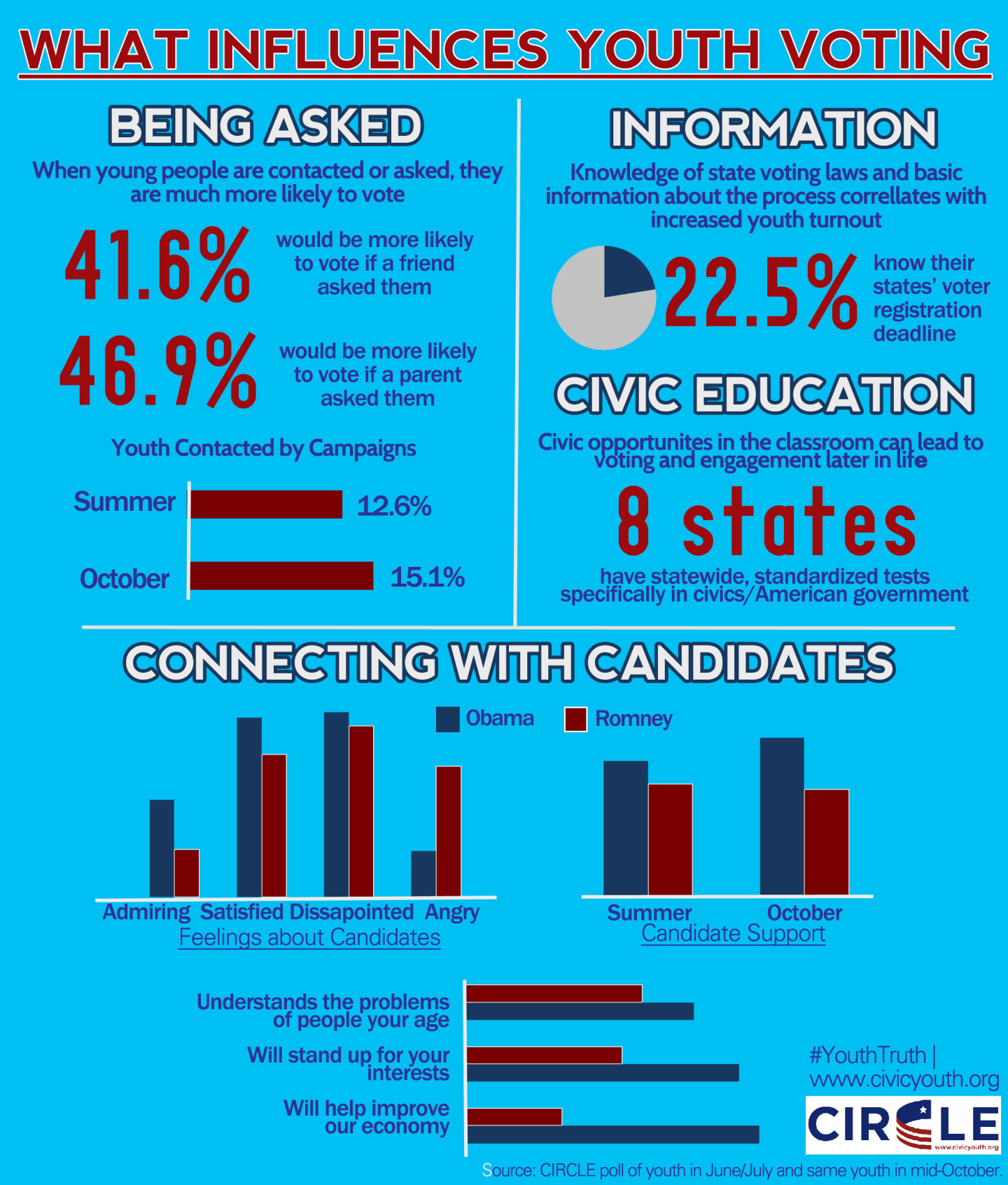
"content": "\u003cfigure id=\"attachment_24781\" class=\"wp-caption alignright\" style=\"max-width: 620px\">\u003ca href=\"http://ww2.kqed.org/mindshift/2012/11/a-case-for-educating-future-voters/circle_2012youthpoll_summary_newfont/\" rel=\"attachment wp-att-24781\">\u003cimg class=\"size-large wp-image-24781\" title=\"CIRCLE_2012YouthPoll_Summary_NewFont\" src=\"http://ww2.kqed.org/mindshift/wp-content/uploads/sites/23/2012/11/CIRCLE_2012YouthPoll_Summary_NewFont-620x728.jpg\" alt=\"\" width=\"620\" height=\"728\">\u003c/a>\u003cfigcaption class=\"wp-caption-text\"> \u003c/figcaption>\u003c/figure>\n\u003cp>Here's a good reason to start engaging students at a young age in how the electoral process works: \u003cstrong>more than 40 percent of young Americans don’t know key information about the voting process,\u003c/strong> according to \u003ca href=\"http://www.civicyouth.org/knowledge-about-voter-laws-still-lacking/\">a poll of young people's view of the election\u003c/a> conducted by the Youth Education Fund. The survey polled 1,695 youth (ages 18-29) in June/July and 1,109 of the same youth between October 12 and 23.\u003c/p>\n\u003cp>The more they know and the more opportunities they have for civic engagement, the more likely they'll participate!\u003c/p>\n\u003cp>[ad fullwidth]\u003c/p>\u003cp>\u003c/p>\n",
"disqusIdentifier": "24780 http://blogs.kqed.org/mindshift/?p=24780",
"disqusUrl": "https://ww2.kqed.org/mindshift/2012/11/06/a-case-for-educating-future-voters/",
"stats": {
"hasVideo": false,
"hasChartOrMap": false,
"hasAudio": false,
"hasPolis": false,
"wordCount": 99,
"hasGoogleForm": false,
"hasGallery": false,
"hasHearkenModule": false,
"iframeSrcs": [],
"paragraphCount": 4
},
"modified": 1352228218,
"excerpt": null,
"headData": {
"twImgId": "",
"twTitle": "",
"ogTitle": "",
"ogImgId": "",
"twDescription": "",
"description": "Here's a good reason to start engaging students at a young age in how the electoral process works: more than 40 percent of young Americans don’t know key information about the voting process, according to a poll of young people's view of the election conducted by the Youth Education Fund. The survey polled 1,695 youth",
"title": "A Case for Educating Future Voters | KQED",
"ogDescription": "",
"schema": {
"@context": "https://schema.org",
"@type": "Article",
"headline": "A Case for Educating Future Voters",
"datePublished": "2012-11-06T10:53:56-08:00",
"dateModified": "2012-11-06T10:56:58-08:00",
"image": "https://cdn.kqed.org/wp-content/uploads/2020/02/KQED-OG-Image@1x.png"
}
},
"guestAuthors": [],
"slug": "a-case-for-educating-future-voters",
"status": "publish",
"path": "/mindshift/24780/a-case-for-educating-future-voters",
"audioTrackLength": null,
"parsedContent": [
{
"type": "contentString",
"content": "\u003cdiv class=\"post-body\">\u003cp>\u003cfigure id=\"attachment_24781\" class=\"wp-caption alignright\" style=\"max-width: 620px\">\u003ca href=\"http://ww2.kqed.org/mindshift/2012/11/a-case-for-educating-future-voters/circle_2012youthpoll_summary_newfont/\" rel=\"attachment wp-att-24781\">\u003cimg class=\"size-large wp-image-24781\" title=\"CIRCLE_2012YouthPoll_Summary_NewFont\" src=\"http://ww2.kqed.org/mindshift/wp-content/uploads/sites/23/2012/11/CIRCLE_2012YouthPoll_Summary_NewFont-620x728.jpg\" alt=\"\" width=\"620\" height=\"728\">\u003c/a>\u003cfigcaption class=\"wp-caption-text\"> \u003c/figcaption>\u003c/figure>\n\u003cp>Here's a good reason to start engaging students at a young age in how the electoral process works: \u003cstrong>more than 40 percent of young Americans don’t know key information about the voting process,\u003c/strong> according to \u003ca href=\"http://www.civicyouth.org/knowledge-about-voter-laws-still-lacking/\">a poll of young people's view of the election\u003c/a> conducted by the Youth Education Fund. The survey polled 1,695 youth (ages 18-29) in June/July and 1,109 of the same youth between October 12 and 23.\u003c/p>\n\u003cp>The more they know and the more opportunities they have for civic engagement, the more likely they'll participate!\u003c/p>\n\u003cp>\u003c/p>\u003c/div>",
"attributes": {
"named": {},
"numeric": []
}
},
{
"type": "component",
"content": "",
"name": "ad",
"attributes": {
"named": {
"label": "fullwidth"
},
"numeric": [
"fullwidth"
]
}
},
{
"type": "contentString",
"content": "\u003cdiv class=\"post-body\">\u003cp>\u003c/p>\u003cp>\u003c/p>\n\u003c/div>\u003c/p>",
"attributes": {
"named": {},
"numeric": []
}
}
],
"link": "/mindshift/24780/a-case-for-educating-future-voters",
"authors": [
"180"
],
"categories": [
"mindshift_194",
"mindshift_193"
],
"tags": [
"mindshift_906"
],
"featImg": "mindshift_24781",
"label": "mindshift"
},
"mindshift_24708": {
"type": "posts",
"id": "mindshift_24708",
"meta": {
"index": "posts_1716263798",
"site": "mindshift",
"id": "24708",
"score": null,
"sort": [
1352141683000
]
},
"parent": 0,
"labelTerm": {
"site": "mindshift"
},
"blocks": [],
"publishDate": 1352141683,
"format": "aside",
"disqusTitle": "10 Lessons Teachers Can Learn from YouTube's Popularity",
"title": "10 Lessons Teachers Can Learn from YouTube's Popularity",
"headTitle": "MindShift | KQED News",
"content": "\u003cfigure id=\"attachment_24733\" class=\"wp-caption alignright\" style=\"max-width: 620px\">\u003ca href=\"http://ww2.kqed.org/mindshift/2012/11/10-lessons-teachers-can-learn-from-youtubes-popularity/gangnam-style/\" rel=\"attachment wp-att-24733\">\u003cimg class=\"size-large wp-image-24733\" title=\"Gangnam Style\" src=\"http://ww2.kqed.org/mindshift/wp-content/uploads/sites/23/2012/11/Gangnam-Style-620x334.png\" alt=\"\" width=\"620\" height=\"334\">\u003c/a>\u003cfigcaption class=\"wp-caption-text\">Gangnam Style\u003c/figcaption>\u003c/figure>\n\u003ch5>By Terry Heick\u003c/h5>\n\u003cp>What might happen if educators experimented with some of the lessons YouTube’s staggering success has taught us?\u003c/p>\n\u003ch4>1. Interdependence\u003c/h4>\n\u003cp>Google-owned YouTube is friendly with Twitter, Facebook, Google+, blogging, and all forms of electronic media. This kind of seamless integration allows an impressive convergence with all other “Internet parts.”\u003c/p>\n\u003cp>\u003cstrong>Possibility for teachers:\u003c/strong> Consider interdependence of the entire school and/or district at every opportunity: how might the school improvement plan “talk” to standards-based grading in your classroom? How can the school website support communication with parents? Think of linking as much as possible. Also try cross-content units (e.g., merging Social Students with English as you study the relationship between Literature and Revolution)\u003c/p>\n\u003ch4>2. Diversity\u003c/h4>\n\u003cp>There is a ridiculous diversity of content on YouTube—from informal, user-made coverage of important social events to ridiculous, satiric memes featuring delusional dictators. Here, there are no more than 6 degrees of separation between cinnamon swallowing and Jean Paul Sartre.\u003c/p>\n\u003cp>\u003cstrong>Possibility for Teachers:\u003c/strong> Consider “mashing” content that might not suggest such mashing. The Pythagorean Theorem mixed with Occupy Wall Street. Civil Rights mixed with SpongeBob SquarePants. Yes, these are both admittedly bad ideas, but the concept is sound: for students \u003c!--more-->accustomed to extraordinary and often inane diversity, mimicking that strategically in the classroom can spark new ways of seeing old content. The question is, \u003ca href=\"http://www.youtube.com/results?search_query=will+it+blend&oq=will+it+blend&aq=f&aqi=g10&aql=&gs_sm=e&gs_upl=305l1668l0l1788l13l10l0l3l3l0l209l1159l0.5.2l7l0\">will it blend\u003c/a>?\u003c/p>\n\u003ch4>3. Brevity\u003c/h4>\n\u003cp>While there are feature-length films available, the sweet spot of YouTube lies in quick bursts of videos that allow users to continue self-actuating their own experience.\u003c/p>\n\u003cp>[ad fullwidth]\u003c/p>\n\u003cp>\u003cstrong>Possibility for Teachers:\u003c/strong> Kill the unit. Move to persistent, streaming “lessons.” Leverage the mini-lesson. Use project and mini-projects. Encourage intellectual stamina and endurance not through duration, but anchoring themes and projects that persist.\u003c/p>\n\u003ch4>4. Selective Social Interaction\u003c/h4>\n\u003cp>There are plenty of ways YouTube users can socially interact, but compared to other electronic media platforms, the YouTube experience can be as anonymous or transparent as the user defines.\u003c/p>\n\u003cp>\u003cstrong>Possibility for Teachers:\u003c/strong> Offer choices to publish work consistently, but not simply for the sake of publishing because it sounds “21\u003csup>st\u003c/sup> century.” Rather, allow students to understand the nuts and bolts of publishing. Why publish? To which audience? Through which media form? Distributed through which media channel? And most importantly, why? Offer optional group work with authentic reasons for collaboration—and opportunities for learners to move between class members and groups based on their expertise, interest, etc. Self-paced. Self-selected. (Tip: This type of capacity must be developed, not tried once and pitched because “it didn’t work.”)\u003c/p>\n\u003ch4>5. Non-traditional\u003c/h4>\n\u003cp>In a thumbing of the nose to the status quo, YouTube is a haven for whimsical, \u003ca href=\"http://www.youtube.com/watch?v=_OBlgSz8sSM&feature=player_embedded\">non-traditional content\u003c/a>.\u003c/p>\n\u003cp>\u003cstrong>Possibility for Teachers:\u003c/strong> As with YouTube, when the content is king and haughty formality is secondary, users feel empowered to engage. Give them what they need, and get out of their way even when you may not see the immediate “rigor” of an idea. See also #5.\u003c/p>\n\u003ch4>6. Humor\u003c/h4>\n\u003cp>People \u003ca href=\"http://www.youtube.com/watch?v=Uije_pnL8yU\">like to laugh\u003c/a>, and YouTube makes discovering, sharing, and commenting on funny videos simple.\u003c/p>\n\u003cp>\u003cstrong>Possibility for Teachers:\u003c/strong> We are quickly becoming a media-centered society. Across all content areas—especially those that don’t seem to suggest it—work in media forms that are funny, satiric, ironic, or self-effacing (students love that). \u003ca href=\"http://www.cracked.com/article_18417_9-famous-movie-villains-who-were-right-all-along.html\">Cracked.com\u003c/a> is an excellent example of how this can be done consistently.\u003c/p>\n\u003ch4>7. Cultural Hyperbole\u003c/h4>\n\u003cp>When you’ve got billions of videos, it should be no surprise that YouTube benefits from both \u003cem>diverse\u003c/em>\u003cem> \u003c/em>and \u003cem>spectacular\u003c/em>\u003cem> \u003c/em>content. It is the extreme that catches our eye, whether by topic (e.g., violence, humor, romance), or the context (e.g., watching a video with 500,000,000+ views). These opportunities offer the user the chance to, passively, participate in a kind of cultural spectacle—a daily, digital \u003ca href=\"http://www.youtube.com/watch?v=TJ4QF45Vygw\">Woodstock\u003c/a>. And the decidedly \u003ca href=\"http://www.youtube.com/watch?v=kfVsfOSbJY0\">non-Woodstock\u003c/a>.\u003c/p>\n\u003cp>\u003cstrong>Possibility for Teachers:\u003c/strong> This starts with knowing the ins, outs, and secrets of your curriculum. Where is there spectacle? What would be interesting to laypersons? What is often misunderstood? Think \u003ca href=\"http://www.youtube.com/watch?v=LjbJELjLgZg\">Mythbusters.\u003c/a>\u003c/p>\n\u003ch4>8. Passive Consumption\u003c/h4>\n\u003cp>Rather than a stack of books that require deep reading and intellectual stamina, or a stack of magazines that require endless skimming and page-turning, via the Google-based search engine, YouTube puts more media in your lap than you could ever hope to consume. Here, users’ roles are simple: surf the channel, and enjoy the show.\u003c/p>\n\u003cp>\u003cstrong>Possibility for Teachers:\u003c/strong> Make processes and procedure as simple and transparent as possible. This is not to suggest that instruction should occur below a learner’s \u003ca href=\"http://www.youtube.com/watch?v=rX8lRh1u5iE\">Zone of Proximal Development\u003c/a>, but rather that often procedural knowledge and murky processes can cloud what’s most important in a lesson. While an absolutely backwards idea in the learning process, passivity works wonders for digital media consumption. In the classroom, during \u003ca href=\"http://www.google.com/url?sa=t&rct=j&q=&esrc=s&source=web&cd=5&ved=0CD0QFjAE&url=http%3A%2F%2Fwww.marzanoresearch.com%2Fdocuments%2Ffree_resources%2Fclassroom_tools%2Finstruction%2FArtScienceofTeaching.pdf&ei=MmHrTvTyPMKItgezloWECw&usg=AFQjCNHB7XC5GYQyZb1tO0lQZhLXBCE8eA&sig2=suLud-5a2hYSu2mwrlhBMA\">critical input experiences\u003c/a> keep processes and procedure free from “debris,” learner-centered, and content-focused.\u003c/p>\n\u003ch4>9. Active Selection\u003c/h4>\n\u003cp>While largely passive, there is opportunity on YouTube for active participation, including forming video responses or \u003ca href=\"http://www.youtube.com/t/annotations_about\">video annotation\u003c/a>. This seems to counter the idea of passivity, but the role of interaction here is limited in intensity and duration.\u003c/p>\n\u003cp>\u003cstrong>Possibility for Teachers\u003c/strong>: Model decision-making with learners. Give them “voice and choice,” and hold them accountable for the power and responsibility that comes with choice.\u003c/p>\n\u003ch4>10. Assisted Discovery\u003c/h4>\n\u003cp>“\u003ca href=\"http://www.youtube.com/watch?v=pEYWeZfrk4M\">Suggested Videos\u003c/a>” change everything. Imagine every time you read a poem, based on some prescient mathematical algorithm another poem—similar in content, structure, or some other important way—materialized before your eyes, functioning as a kind of socially-suggested anthology. Game changing!\u003c/p>\n\u003cp>\u003cstrong>Possibility for Teachers:\u003c/strong> consider thematic instruction, where learning is anchored by a theme (“What is Design?”), rather than a handful of standards, the end-of-the-unit assessment, or worse, simply a genre.\u003c/p>\n\u003cp>\u003c/p>\n\u003cp>\u003cem>This post originally appeared on \u003ca href=\"http://www.teachthought.com/\">TeachThought\u003c/a>, where Terry Heick is the director of curriculum.\u003c/em>\u003c/p>\n\n",
"disqusIdentifier": "24708 http://blogs.kqed.org/mindshift/?p=24708",
"disqusUrl": "https://ww2.kqed.org/mindshift/2012/11/05/10-lessons-teachers-can-learn-from-youtubes-popularity/",
"stats": {
"hasVideo": false,
"hasChartOrMap": false,
"hasAudio": false,
"hasPolis": false,
"wordCount": 1028,
"hasGoogleForm": false,
"hasGallery": false,
"hasHearkenModule": false,
"iframeSrcs": [],
"paragraphCount": 24
},
"modified": 1352145779,
"excerpt": null,
"headData": {
"twImgId": "",
"twTitle": "",
"ogTitle": "",
"ogImgId": "",
"twDescription": "",
"description": "By Terry Heick What might happen if educators experimented with some of the lessons YouTube’s staggering success has taught us? 1. Interdependence Google-owned YouTube is friendly with Twitter, Facebook, Google+, blogging, and all forms of electronic media. This kind of seamless integration allows an impressive convergence with all other “Internet parts.” Possibility for teachers: Consider",
"title": "10 Lessons Teachers Can Learn from YouTube's Popularity | KQED",
"ogDescription": "",
"schema": {
"@context": "https://schema.org",
"@type": "Article",
"headline": "10 Lessons Teachers Can Learn from YouTube's Popularity",
"datePublished": "2012-11-05T10:54:43-08:00",
"dateModified": "2012-11-05T12:02:59-08:00",
"image": "https://cdn.kqed.org/wp-content/uploads/2020/02/KQED-OG-Image@1x.png"
}
},
"guestAuthors": [],
"slug": "10-lessons-teachers-can-learn-from-youtubes-popularity",
"status": "publish",
"path": "/mindshift/24708/10-lessons-teachers-can-learn-from-youtubes-popularity",
"audioTrackLength": null,
"parsedContent": [
{
"type": "contentString",
"content": "\u003cdiv class=\"post-body\">\u003cp>\u003cfigure id=\"attachment_24733\" class=\"wp-caption alignright\" style=\"max-width: 620px\">\u003ca href=\"http://ww2.kqed.org/mindshift/2012/11/10-lessons-teachers-can-learn-from-youtubes-popularity/gangnam-style/\" rel=\"attachment wp-att-24733\">\u003cimg class=\"size-large wp-image-24733\" title=\"Gangnam Style\" src=\"http://ww2.kqed.org/mindshift/wp-content/uploads/sites/23/2012/11/Gangnam-Style-620x334.png\" alt=\"\" width=\"620\" height=\"334\">\u003c/a>\u003cfigcaption class=\"wp-caption-text\">Gangnam Style\u003c/figcaption>\u003c/figure>\n\u003ch5>By Terry Heick\u003c/h5>\n\u003cp>What might happen if educators experimented with some of the lessons YouTube’s staggering success has taught us?\u003c/p>\n\u003ch4>1. Interdependence\u003c/h4>\n\u003cp>Google-owned YouTube is friendly with Twitter, Facebook, Google+, blogging, and all forms of electronic media. This kind of seamless integration allows an impressive convergence with all other “Internet parts.”\u003c/p>\n\u003cp>\u003cstrong>Possibility for teachers:\u003c/strong> Consider interdependence of the entire school and/or district at every opportunity: how might the school improvement plan “talk” to standards-based grading in your classroom? How can the school website support communication with parents? Think of linking as much as possible. Also try cross-content units (e.g., merging Social Students with English as you study the relationship between Literature and Revolution)\u003c/p>\n\u003ch4>2. Diversity\u003c/h4>\n\u003cp>There is a ridiculous diversity of content on YouTube—from informal, user-made coverage of important social events to ridiculous, satiric memes featuring delusional dictators. Here, there are no more than 6 degrees of separation between cinnamon swallowing and Jean Paul Sartre.\u003c/p>\n\u003cp>\u003cstrong>Possibility for Teachers:\u003c/strong> Consider “mashing” content that might not suggest such mashing. The Pythagorean Theorem mixed with Occupy Wall Street. Civil Rights mixed with SpongeBob SquarePants. Yes, these are both admittedly bad ideas, but the concept is sound: for students \u003c!--more-->accustomed to extraordinary and often inane diversity, mimicking that strategically in the classroom can spark new ways of seeing old content. The question is, \u003ca href=\"http://www.youtube.com/results?search_query=will+it+blend&oq=will+it+blend&aq=f&aqi=g10&aql=&gs_sm=e&gs_upl=305l1668l0l1788l13l10l0l3l3l0l209l1159l0.5.2l7l0\">will it blend\u003c/a>?\u003c/p>\n\u003ch4>3. Brevity\u003c/h4>\n\u003cp>While there are feature-length films available, the sweet spot of YouTube lies in quick bursts of videos that allow users to continue self-actuating their own experience.\u003c/p>\n\u003cp>\u003c/p>\u003c/div>",
"attributes": {
"named": {},
"numeric": []
}
},
{
"type": "component",
"content": "",
"name": "ad",
"attributes": {
"named": {
"label": "fullwidth"
},
"numeric": [
"fullwidth"
]
}
},
{
"type": "contentString",
"content": "\u003cdiv class=\"post-body\">\u003cp>\u003c/p>\n\u003cp>\u003cstrong>Possibility for Teachers:\u003c/strong> Kill the unit. Move to persistent, streaming “lessons.” Leverage the mini-lesson. Use project and mini-projects. Encourage intellectual stamina and endurance not through duration, but anchoring themes and projects that persist.\u003c/p>\n\u003ch4>4. Selective Social Interaction\u003c/h4>\n\u003cp>There are plenty of ways YouTube users can socially interact, but compared to other electronic media platforms, the YouTube experience can be as anonymous or transparent as the user defines.\u003c/p>\n\u003cp>\u003cstrong>Possibility for Teachers:\u003c/strong> Offer choices to publish work consistently, but not simply for the sake of publishing because it sounds “21\u003csup>st\u003c/sup> century.” Rather, allow students to understand the nuts and bolts of publishing. Why publish? To which audience? Through which media form? Distributed through which media channel? And most importantly, why? Offer optional group work with authentic reasons for collaboration—and opportunities for learners to move between class members and groups based on their expertise, interest, etc. Self-paced. Self-selected. (Tip: This type of capacity must be developed, not tried once and pitched because “it didn’t work.”)\u003c/p>\n\u003ch4>5. Non-traditional\u003c/h4>\n\u003cp>In a thumbing of the nose to the status quo, YouTube is a haven for whimsical, \u003ca href=\"http://www.youtube.com/watch?v=_OBlgSz8sSM&feature=player_embedded\">non-traditional content\u003c/a>.\u003c/p>\n\u003cp>\u003cstrong>Possibility for Teachers:\u003c/strong> As with YouTube, when the content is king and haughty formality is secondary, users feel empowered to engage. Give them what they need, and get out of their way even when you may not see the immediate “rigor” of an idea. See also #5.\u003c/p>\n\u003ch4>6. Humor\u003c/h4>\n\u003cp>People \u003ca href=\"http://www.youtube.com/watch?v=Uije_pnL8yU\">like to laugh\u003c/a>, and YouTube makes discovering, sharing, and commenting on funny videos simple.\u003c/p>\n\u003cp>\u003cstrong>Possibility for Teachers:\u003c/strong> We are quickly becoming a media-centered society. Across all content areas—especially those that don’t seem to suggest it—work in media forms that are funny, satiric, ironic, or self-effacing (students love that). \u003ca href=\"http://www.cracked.com/article_18417_9-famous-movie-villains-who-were-right-all-along.html\">Cracked.com\u003c/a> is an excellent example of how this can be done consistently.\u003c/p>\n\u003ch4>7. Cultural Hyperbole\u003c/h4>\n\u003cp>When you’ve got billions of videos, it should be no surprise that YouTube benefits from both \u003cem>diverse\u003c/em>\u003cem> \u003c/em>and \u003cem>spectacular\u003c/em>\u003cem> \u003c/em>content. It is the extreme that catches our eye, whether by topic (e.g., violence, humor, romance), or the context (e.g., watching a video with 500,000,000+ views). These opportunities offer the user the chance to, passively, participate in a kind of cultural spectacle—a daily, digital \u003ca href=\"http://www.youtube.com/watch?v=TJ4QF45Vygw\">Woodstock\u003c/a>. And the decidedly \u003ca href=\"http://www.youtube.com/watch?v=kfVsfOSbJY0\">non-Woodstock\u003c/a>.\u003c/p>\n\u003cp>\u003cstrong>Possibility for Teachers:\u003c/strong> This starts with knowing the ins, outs, and secrets of your curriculum. Where is there spectacle? What would be interesting to laypersons? What is often misunderstood? Think \u003ca href=\"http://www.youtube.com/watch?v=LjbJELjLgZg\">Mythbusters.\u003c/a>\u003c/p>\n\u003ch4>8. Passive Consumption\u003c/h4>\n\u003cp>Rather than a stack of books that require deep reading and intellectual stamina, or a stack of magazines that require endless skimming and page-turning, via the Google-based search engine, YouTube puts more media in your lap than you could ever hope to consume. Here, users’ roles are simple: surf the channel, and enjoy the show.\u003c/p>\n\u003cp>\u003cstrong>Possibility for Teachers:\u003c/strong> Make processes and procedure as simple and transparent as possible. This is not to suggest that instruction should occur below a learner’s \u003ca href=\"http://www.youtube.com/watch?v=rX8lRh1u5iE\">Zone of Proximal Development\u003c/a>, but rather that often procedural knowledge and murky processes can cloud what’s most important in a lesson. While an absolutely backwards idea in the learning process, passivity works wonders for digital media consumption. In the classroom, during \u003ca href=\"http://www.google.com/url?sa=t&rct=j&q=&esrc=s&source=web&cd=5&ved=0CD0QFjAE&url=http%3A%2F%2Fwww.marzanoresearch.com%2Fdocuments%2Ffree_resources%2Fclassroom_tools%2Finstruction%2FArtScienceofTeaching.pdf&ei=MmHrTvTyPMKItgezloWECw&usg=AFQjCNHB7XC5GYQyZb1tO0lQZhLXBCE8eA&sig2=suLud-5a2hYSu2mwrlhBMA\">critical input experiences\u003c/a> keep processes and procedure free from “debris,” learner-centered, and content-focused.\u003c/p>\n\u003ch4>9. Active Selection\u003c/h4>\n\u003cp>While largely passive, there is opportunity on YouTube for active participation, including forming video responses or \u003ca href=\"http://www.youtube.com/t/annotations_about\">video annotation\u003c/a>. This seems to counter the idea of passivity, but the role of interaction here is limited in intensity and duration.\u003c/p>\n\u003cp>\u003cstrong>Possibility for Teachers\u003c/strong>: Model decision-making with learners. Give them “voice and choice,” and hold them accountable for the power and responsibility that comes with choice.\u003c/p>\n\u003ch4>10. Assisted Discovery\u003c/h4>\n\u003cp>“\u003ca href=\"http://www.youtube.com/watch?v=pEYWeZfrk4M\">Suggested Videos\u003c/a>” change everything. Imagine every time you read a poem, based on some prescient mathematical algorithm another poem—similar in content, structure, or some other important way—materialized before your eyes, functioning as a kind of socially-suggested anthology. Game changing!\u003c/p>\n\u003cp>\u003cstrong>Possibility for Teachers:\u003c/strong> consider thematic instruction, where learning is anchored by a theme (“What is Design?”), rather than a handful of standards, the end-of-the-unit assessment, or worse, simply a genre.\u003c/p>\n\u003cp>\u003c/p>\n\u003cp>\u003cem>This post originally appeared on \u003ca href=\"http://www.teachthought.com/\">TeachThought\u003c/a>, where Terry Heick is the director of curriculum.\u003c/em>\u003c/p>\n\n\u003c/div>\u003c/p>",
"attributes": {
"named": {},
"numeric": []
}
}
],
"link": "/mindshift/24708/10-lessons-teachers-can-learn-from-youtubes-popularity",
"authors": [
"4354"
],
"categories": [
"mindshift_194",
"mindshift_195",
"mindshift_193"
],
"tags": [
"mindshift_56"
],
"featImg": "mindshift_24733",
"label": "mindshift"
},
"mindshift_24667": {
"type": "posts",
"id": "mindshift_24667",
"meta": {
"index": "posts_1716263798",
"site": "mindshift",
"id": "24667",
"score": null,
"sort": [
1351803624000
]
},
"parent": 0,
"labelTerm": {
"site": "mindshift"
},
"blocks": [],
"publishDate": 1351803624,
"format": "aside",
"disqusTitle": "The Power of One Teacher's Vision",
"title": "The Power of One Teacher's Vision",
"headTitle": "MindShift | KQED News",
"content": "\u003cp>\u003ca href=\"http://ww2.kqed.org/mindshift/2011/05/can-learning-really-be-fun-and-games/\">Ananth Pai is a masterful educator\u003c/a>, who runs a dynamic, student-centered classroom humming with activity -- what we imagine as the best-case scenario for blended learning. Pai has created individual learning plans for each of his students, which includes time with him, with other kids, and with online games. And though his students have shown exponential growth in achievement, Pai is frustrated that his successful tactics haven't been acknowledged or applied outside his class.\u003c/p>\n\u003cp>\"I couldn't be more stunned by the apathy,\" he says in this video, which also documents other schools and educators' attempts to change the traditional school paradigm.\u003c/p>\n\u003cp>Watch this short, but important film, created by \u003ca href=\"http://www.educationevolving.org/\">Education Evolving\u003c/a>.\u003c/p>\n\u003cp>http://youtu.be/KimG8igaZIA\u003c/p>\n\u003cp>[ad fullwidth]\u003c/p>\u003cp>\u003c/p>\n",
"disqusIdentifier": "24667 http://blogs.kqed.org/mindshift/?p=24667",
"disqusUrl": "https://ww2.kqed.org/mindshift/2012/11/01/the-power-of-one-teachers-vision/",
"stats": {
"hasVideo": false,
"hasChartOrMap": false,
"hasAudio": false,
"hasPolis": false,
"wordCount": 120,
"hasGoogleForm": false,
"hasGallery": false,
"hasHearkenModule": false,
"iframeSrcs": [],
"paragraphCount": 5
},
"modified": 1351796000,
"excerpt": null,
"headData": {
"twImgId": "",
"twTitle": "",
"ogTitle": "",
"ogImgId": "",
"twDescription": "",
"description": "Ananth Pai is a masterful educator, who runs a dynamic, student-centered classroom humming with activity -- what we imagine as the best-case scenario for blended learning. Pai has created individual learning plans for each of his students, which includes time with him, with other kids, and with online games. And though his students have shown",
"title": "The Power of One Teacher's Vision | KQED",
"ogDescription": "",
"schema": {
"@context": "https://schema.org",
"@type": "Article",
"headline": "The Power of One Teacher's Vision",
"datePublished": "2012-11-01T14:00:24-07:00",
"dateModified": "2012-11-01T11:53:20-07:00",
"image": "https://cdn.kqed.org/wp-content/uploads/2020/02/KQED-OG-Image@1x.png"
}
},
"guestAuthors": [],
"slug": "the-power-of-one-teachers-vision",
"status": "publish",
"path": "/mindshift/24667/the-power-of-one-teachers-vision",
"audioTrackLength": null,
"parsedContent": [
{
"type": "contentString",
"content": "\u003cdiv class=\"post-body\">\u003cp>\u003cp>\u003ca href=\"http://ww2.kqed.org/mindshift/2011/05/can-learning-really-be-fun-and-games/\">Ananth Pai is a masterful educator\u003c/a>, who runs a dynamic, student-centered classroom humming with activity -- what we imagine as the best-case scenario for blended learning. Pai has created individual learning plans for each of his students, which includes time with him, with other kids, and with online games. And though his students have shown exponential growth in achievement, Pai is frustrated that his successful tactics haven't been acknowledged or applied outside his class.\u003c/p>\n\u003cp>\"I couldn't be more stunned by the apathy,\" he says in this video, which also documents other schools and educators' attempts to change the traditional school paradigm.\u003c/p>\n\u003cp>Watch this short, but important film, created by \u003ca href=\"http://www.educationevolving.org/\">Education Evolving\u003c/a>.\u003c/p>\u003c/p>\u003cp>\u003cspan class='utils-parseShortcode-shortcodes-__youtubeShortcode__embedYoutube'>\n \u003cspan class='utils-parseShortcode-shortcodes-__youtubeShortcode__embedYoutubeInside'>\n \u003ciframe\n loading='lazy'\n class='utils-parseShortcode-shortcodes-__youtubeShortcode__youtubePlayer'\n type='text/html'\n src='//www.youtube.com/embed/KimG8igaZIA'\n title='//www.youtube.com/embed/KimG8igaZIA'\n allowfullscreen='true'\n style='border:0;'>\u003c/iframe>\n \u003c/span>\n \u003c/span>\u003c/p>\u003cp>\u003cp>\u003c/p>\u003c/div>",
"attributes": {
"named": {},
"numeric": []
}
},
{
"type": "component",
"content": "",
"name": "ad",
"attributes": {
"named": {
"label": "fullwidth"
},
"numeric": [
"fullwidth"
]
}
},
{
"type": "contentString",
"content": "\u003cdiv class=\"post-body\">\u003cp>\u003c/p>\u003cp>\u003c/p>\n\u003c/div>\u003c/p>",
"attributes": {
"named": {},
"numeric": []
}
}
],
"link": "/mindshift/24667/the-power-of-one-teachers-vision",
"authors": [
"180"
],
"categories": [
"mindshift_194",
"mindshift_195",
"mindshift_193"
],
"tags": [
"mindshift_966",
"mindshift_399",
"mindshift_20902",
"mindshift_65"
],
"featImg": "mindshift_24673",
"label": "mindshift"
},
"mindshift_24630": {
"type": "posts",
"id": "mindshift_24630",
"meta": {
"index": "posts_1716263798",
"site": "mindshift",
"id": "24630",
"score": null,
"sort": [
1351791866000
]
},
"parent": 0,
"labelTerm": {
"site": "mindshift"
},
"blocks": [],
"publishDate": 1351791866,
"format": "aside",
"disqusTitle": "How Should Teaching Change in the Age of Siri?",
"title": "How Should Teaching Change in the Age of Siri?",
"headTitle": "MindShift | KQED News",
"content": "\u003ch5>\u003ca href=\"http://ww2.kqed.org/mindshift/2012/11/how-should-teaching-change-in-the-age-of-siri/photo-18/\" rel=\"attachment wp-att-24639\">\u003cimg class=\"alignleft size-medium wp-image-24639\" title=\"photo\" src=\"http://ww2.kqed.org/mindshift/wp-content/uploads/sites/23/2012/11/photo-300x450.png\" alt=\"\" width=\"300\" height=\"450\">\u003c/a>By Marsha Ratzel\u003c/h5>\n\u003cp class=\"dropcap-serif\">“Siri, can you tell me what 2x+7 is?”\u003c/p>\n\u003cp>You know the future is rushing towards us when students no longer ask the teacher if they can use a calculator, but instead ask if they can ask Siri.\u003c/p>\n\u003cp>Siri shows a plot of the equation, what kind of geometric shape it is, and loads of other things that are well above the needs of eighth-graders. The image on the screen looked remarkably like the data one finds at the \u003ca href=\"http://www.wolframalpha.com/\">Wolfram Alpha\u003c/a> site. And sure enough, turns out Wolfram is built right into the Siri help menu.\u003c/p>\n\u003cp>Clearly it won’t take long for students to realize how easy this is to access. In a year’s time they’ll likely be well entrenched in using Siri or some Siri surrogate to find the answers to math problems and potentially lots of questions in other subjects.\u003c/p>\n\u003cp>In that light, how should teaching change?\u003c/p>\n\u003cp>[ad fullwidth]\u003c/p>\n\u003cp>Short of banning smartphones (a short-term solution, at best), the evolution of artificial intelligence services like Siri means that there will be a shift from a focus on finding the answer as the endpoint to a greater focus on analysis. You have the answer, but so what? What does that answer mean in a real-life situation?\u003c/p>\n\u003cp>Should teachers just take the bit that they have traditionally needed for this kind of problem or should they figure out how to use this extra information provided by Siri to push students' thinking beyond where it usually goes with eighth graders?\u003c/p>\n\u003caside class=\"pullquote alignleft\">\n\u003cp>Lessons are designed with the assumption that students will use readily available technology.\u003c/p>\n\u003c/aside>\n\u003cp>Taking digital tools and mobile technologies into account (not to mention Common Core expectations), it’s obvious that multiple-choice and true-false questions are not going to cut it anymore. Instead, educators have to design questions that force students into drawing conclusions and using the proof process that many of them haven’t encountered yet.\u003c/p>\n\u003cp>One method of practicing problem-solving is giving students both the question and the answer and asking them to explain \u003cem>how\u003c/em> to solve the problem — how you harvest the information from the problem and show the steps in the solution.\u003c/p>\n\u003cp>Here’s an example: Instead of reviewing the commutative and distributive properties with a worksheet where they would be able to enter the equation into Siri and get the answer, you ask the \u003c!--more-->question in a different way. You can ask them… \"Is 5(5x+7) = 25x+7 always, sometimes or never true?” Or you might ask “Is 3x-9 = 9-3x always, sometimes or never true?”\u003c/p>\n\u003cp>In the first example, they simply have to answer the question and Siri can help them find the answer pretty quickly. In the second example, students have to test out their idea with different kinds of numbers; positive, negative, fractions, improper, zero and big numbers. They search for an example that proves the equation true, or they search for a counter-example that proves what they conjecture to be false.\u003c/p>\n\u003cp>\u003cstrong>BALANCING ACT\u003c/strong>\u003c/p>\n\u003cp>Changing instruction in this way is a balancing act. Lessons are now designed with the assumption that students will use readily available technology, and build on prior knowledge so the learning will stick.\u003c/p>\n\u003cp>For example, when we study parallel and perpendicular lines, the objective is for students to learn how the coefficients of these lines are the same and how they are different. It’s easy to give them a definition to memorize, but will they remember it? Connecting the idea to something tangible that they’ve done will ensure that they will.\u003c/p>\n\u003cp>Many students already have free graphing calculator apps on their phones and use it regularly. They even send screenshots to show what they’re thinking or where they're stuck on a problem. In this case, the app is used just as pencil, notebooks, and graph paper.\u003c/p>\n\u003cp>\u003cstrong>IMPLICATIONS FOR OTHER SUBJECTS\u003c/strong>\u003c/p>\n\u003cp>Siri is helping students in other classes too. She’s very capable of finding the capitol of a state, the 22nd president of the USA, and who wrote the phrase “Four score and seven years ago.” She knows the plot of every book in the Google Library and won’t hesitate to define “iambic pentameter.” Chemical symbols? Physical laws? A snap.\u003c/p>\n\u003cp>I wonder how other teachers might have to rethink their teaching and assessment strategies — with Siri and her A.I. colleagues at our students’ beck and call?\u003c/p>\n\u003cp>\u003c/p>\n\u003cp>\u003cem>Marsha Ratzel is a National Board-certified teacher in the Blue Valley School District in Kansas, where she teaches middle school math, science, and sometimes social studies. A version of this post originally appeared on \u003ca href=\"http://plpnetwork.com/2012/10/23/teaching-age-siri/\">Voices from the Learning Revolution.\u003cbr>\n\u003c/a>\u003c/em>\u003c/p>\n\n",
"disqusIdentifier": "24630 http://blogs.kqed.org/mindshift/?p=24630",
"disqusUrl": "https://ww2.kqed.org/mindshift/2012/11/01/how-should-teaching-change-in-the-age-of-siri/",
"stats": {
"hasVideo": false,
"hasChartOrMap": false,
"hasAudio": false,
"hasPolis": false,
"wordCount": 802,
"hasGoogleForm": false,
"hasGallery": false,
"hasHearkenModule": false,
"iframeSrcs": [],
"paragraphCount": 21
},
"modified": 1351792240,
"excerpt": null,
"headData": {
"twImgId": "",
"twTitle": "",
"ogTitle": "",
"ogImgId": "",
"twDescription": "",
"description": "By Marsha Ratzel “Siri, can you tell me what 2x+7 is?” You know the future is rushing towards us when students no longer ask the teacher if they can use a calculator, but instead ask if they can ask Siri. Siri shows a plot of the equation, what kind of geometric shape it is, and",
"title": "How Should Teaching Change in the Age of Siri? | KQED",
"ogDescription": "",
"schema": {
"@context": "https://schema.org",
"@type": "Article",
"headline": "How Should Teaching Change in the Age of Siri?",
"datePublished": "2012-11-01T10:44:26-07:00",
"dateModified": "2012-11-01T10:50:40-07:00",
"image": "https://cdn.kqed.org/wp-content/uploads/2020/02/KQED-OG-Image@1x.png"
}
},
"guestAuthors": [],
"slug": "how-should-teaching-change-in-the-age-of-siri",
"status": "publish",
"path": "/mindshift/24630/how-should-teaching-change-in-the-age-of-siri",
"audioTrackLength": null,
"parsedContent": [
{
"type": "contentString",
"content": "\u003cdiv class=\"post-body\">\u003cp>\u003ch5>\u003ca href=\"http://ww2.kqed.org/mindshift/2012/11/how-should-teaching-change-in-the-age-of-siri/photo-18/\" rel=\"attachment wp-att-24639\">\u003cimg class=\"alignleft size-medium wp-image-24639\" title=\"photo\" src=\"http://ww2.kqed.org/mindshift/wp-content/uploads/sites/23/2012/11/photo-300x450.png\" alt=\"\" width=\"300\" height=\"450\">\u003c/a>By Marsha Ratzel\u003c/h5>\n\u003cp class=\"dropcap-serif\">“Siri, can you tell me what 2x+7 is?”\u003c/p>\n\u003cp>You know the future is rushing towards us when students no longer ask the teacher if they can use a calculator, but instead ask if they can ask Siri.\u003c/p>\n\u003cp>Siri shows a plot of the equation, what kind of geometric shape it is, and loads of other things that are well above the needs of eighth-graders. The image on the screen looked remarkably like the data one finds at the \u003ca href=\"http://www.wolframalpha.com/\">Wolfram Alpha\u003c/a> site. And sure enough, turns out Wolfram is built right into the Siri help menu.\u003c/p>\n\u003cp>Clearly it won’t take long for students to realize how easy this is to access. In a year’s time they’ll likely be well entrenched in using Siri or some Siri surrogate to find the answers to math problems and potentially lots of questions in other subjects.\u003c/p>\n\u003cp>In that light, how should teaching change?\u003c/p>\n\u003cp>\u003c/p>\u003c/div>",
"attributes": {
"named": {},
"numeric": []
}
},
{
"type": "component",
"content": "",
"name": "ad",
"attributes": {
"named": {
"label": "fullwidth"
},
"numeric": [
"fullwidth"
]
}
},
{
"type": "contentString",
"content": "\u003cdiv class=\"post-body\">\u003cp>\u003c/p>\n\u003cp>Short of banning smartphones (a short-term solution, at best), the evolution of artificial intelligence services like Siri means that there will be a shift from a focus on finding the answer as the endpoint to a greater focus on analysis. You have the answer, but so what? What does that answer mean in a real-life situation?\u003c/p>\n\u003cp>Should teachers just take the bit that they have traditionally needed for this kind of problem or should they figure out how to use this extra information provided by Siri to push students' thinking beyond where it usually goes with eighth graders?\u003c/p>\n\u003caside class=\"pullquote alignleft\">\n\u003cp>Lessons are designed with the assumption that students will use readily available technology.\u003c/p>\n\u003c/aside>\n\u003cp>Taking digital tools and mobile technologies into account (not to mention Common Core expectations), it’s obvious that multiple-choice and true-false questions are not going to cut it anymore. Instead, educators have to design questions that force students into drawing conclusions and using the proof process that many of them haven’t encountered yet.\u003c/p>\n\u003cp>One method of practicing problem-solving is giving students both the question and the answer and asking them to explain \u003cem>how\u003c/em> to solve the problem — how you harvest the information from the problem and show the steps in the solution.\u003c/p>\n\u003cp>Here’s an example: Instead of reviewing the commutative and distributive properties with a worksheet where they would be able to enter the equation into Siri and get the answer, you ask the \u003c!--more-->question in a different way. You can ask them… \"Is 5(5x+7) = 25x+7 always, sometimes or never true?” Or you might ask “Is 3x-9 = 9-3x always, sometimes or never true?”\u003c/p>\n\u003cp>In the first example, they simply have to answer the question and Siri can help them find the answer pretty quickly. In the second example, students have to test out their idea with different kinds of numbers; positive, negative, fractions, improper, zero and big numbers. They search for an example that proves the equation true, or they search for a counter-example that proves what they conjecture to be false.\u003c/p>\n\u003cp>\u003cstrong>BALANCING ACT\u003c/strong>\u003c/p>\n\u003cp>Changing instruction in this way is a balancing act. Lessons are now designed with the assumption that students will use readily available technology, and build on prior knowledge so the learning will stick.\u003c/p>\n\u003cp>For example, when we study parallel and perpendicular lines, the objective is for students to learn how the coefficients of these lines are the same and how they are different. It’s easy to give them a definition to memorize, but will they remember it? Connecting the idea to something tangible that they’ve done will ensure that they will.\u003c/p>\n\u003cp>Many students already have free graphing calculator apps on their phones and use it regularly. They even send screenshots to show what they’re thinking or where they're stuck on a problem. In this case, the app is used just as pencil, notebooks, and graph paper.\u003c/p>\n\u003cp>\u003cstrong>IMPLICATIONS FOR OTHER SUBJECTS\u003c/strong>\u003c/p>\n\u003cp>Siri is helping students in other classes too. She’s very capable of finding the capitol of a state, the 22nd president of the USA, and who wrote the phrase “Four score and seven years ago.” She knows the plot of every book in the Google Library and won’t hesitate to define “iambic pentameter.” Chemical symbols? Physical laws? A snap.\u003c/p>\n\u003cp>I wonder how other teachers might have to rethink their teaching and assessment strategies — with Siri and her A.I. colleagues at our students’ beck and call?\u003c/p>\n\u003cp>\u003c/p>\n\u003cp>\u003cem>Marsha Ratzel is a National Board-certified teacher in the Blue Valley School District in Kansas, where she teaches middle school math, science, and sometimes social studies. A version of this post originally appeared on \u003ca href=\"http://plpnetwork.com/2012/10/23/teaching-age-siri/\">Voices from the Learning Revolution.\u003cbr>\n\u003c/a>\u003c/em>\u003c/p>\n\n\u003c/div>\u003c/p>",
"attributes": {
"named": {},
"numeric": []
}
}
],
"link": "/mindshift/24630/how-should-teaching-change-in-the-age-of-siri",
"authors": [
"4354"
],
"categories": [
"mindshift_194",
"mindshift_195",
"mindshift_193"
],
"tags": [
"mindshift_965",
"mindshift_963",
"mindshift_964"
],
"featImg": "mindshift_24639",
"label": "mindshift"
},
"mindshift_24592": {
"type": "posts",
"id": "mindshift_24592",
"meta": {
"index": "posts_1716263798",
"site": "mindshift",
"id": "24592",
"score": null,
"sort": [
1351528305000
]
},
"parent": 0,
"labelTerm": {
"site": "mindshift"
},
"blocks": [],
"publishDate": 1351528305,
"format": "aside",
"disqusTitle": "The Future of Education: Creating Your Own Schools",
"title": "The Future of Education: Creating Your Own Schools",
"headTitle": "MindShift | KQED News",
"content": "\u003cp>\u003cem>\u003cimg class=\"alignleft size-medium wp-image-24596\" title=\"Screen Shot 2012-10-29 at 9.07.50 AM\" src=\"http://ww2.kqed.org/mindshift/wp-content/uploads/sites/23/2012/10/Screen-Shot-2012-10-29-at-9.07.50-AM-300x450.png\" alt=\"\" width=\"300\" height=\"450\">What will the future of education look like? KnowledgeWorks Foundation has just released the third edition of its education forecast, called \u003ca href=\"http://knowledgeworks.org/futures-thinking\">Forecast 3.0, Recombinant Education: Regenerating the Learning Ecosystem\u003c/a>, that outlines the deconstruction of the current education model, a change in educators' roles based on their strengths, changing career pathways, and the role of technology in this realm\u003c/em>.\u003cem> The language might seem a bit futuristic, but the insights are fascinating. Below, two short excerpts.\u003cbr>\n\u003c/em>\u003c/p>\n\u003cp>\u003cstrong>CUSTOMIZABLE VALUE WEBS \u003c/strong>\u003c/p>\n\u003cp class=\"dropcap-serif\">While the digital explosion has long been creating an expanding ecosystem of new services, applications, and tools, innovative business models will find new ways of harnessing these opportunities into flexible value webs that deliver highly customer-centric experiences.\u003c/p>\n\u003cp>Across industries, new intermediaries, novel customer value propositions, and creative ways of facilitating open digital platforms and networks are already transforming customer experiences. For example, new intermediaries in the music industry have integrated platforms such as iTunes, Google+, and Facebook with artist information, concert databases, and mobile apps to transform passive listeners into active music participants who share, create, remix, and produce music.\u003c/p>\n\u003cp>In education, new intermediaries will facilitate a similar integration of networks and systems that bring learners, resources, services, data, and learning agents together in novel value webs. Schools will no longer be singular, enclosed organizations.\u003c/p>\n\u003caside class=\"pullquote alignleft\">\n\u003cp>Schools will no longer be singular, enclosed organizations.\u003c/p>\n\u003c/aside>\n\u003cp>Instead, they will serve students by harnessing and brokering resources and talent across the global community. Customer-centric value propositions will guide the creation of learning experiences that leverage rich value webs to serve distinct populations. What began as a “bring-your-own-device” (BYOD) movement may very well turn into a “create-your-own-school” movement as new intermediaries, learning agents, parents, and learners collaborate to weave vibrant value webs.\u003c/p>\n\u003cp>[ad fullwidth]\u003c/p>\n\u003cp>This increasing customization of learning will involve recombining learning experiences, assets, and tools to help each learner find the specific value proposition(s) that best meet her or his needs.\u003c/p>\n\u003cdiv>\n\u003cdiv>\u003cstrong>Opportunity\u003c/strong>: Watch for schools to create distinct value propositions and identities and to partner with other organizations as part of complex value webs that offer personalized learning for all \u003c!--more-->students.\u003c/div>\n\u003cdiv>\u003c/div>\n\u003cdiv>\u003cstrong>Challenge\u003c/strong>: If inertia prevents today’s public education system from responding constructively to disruptions, students, parents, and learning agents will create alternative value webs that may or may not be accessible to all.\u003c/div>\n\u003cdiv>\u003c/div>\n\u003c/div>\n\u003cdiv>\u003c/div>\n\u003cdiv>\u003cstrong>HIGH FIDELITY LIVING:\u003cbr>\n\u003c/strong>\u003c/div>\n\u003cdiv>\n\u003cp>\u003cem>As big data floods human sensemaking capacities, cognitive assistants and contextual feedback systems will help people target precisely their interactions with the world.\u003c/em>\u003c/p>\n\u003cp>We are entering the era of big data. As the cost of digital devices and technologies continues to decrease, trillions of gigabytes of data will be generated from sensor networks, mobile and context-aware devices, and online interactions. The increased volume, velocity, and variety of data will be so vast that basic information-filtering tools and practices will no longer suffice.\u003c/p>\n\u003cp>The expanding infosphere will drive the adoption of cognitive enhancements and assistive technologies that will help us discern meaning from the world while avoiding overload. It will also raise new possibilities for surveillance, opening deep debates about privacy and trust in data.\u003c/p>\n\u003cp>Despite such concerns, we will increasingly make use of cognitive prosthesis – a shoring up of our minds with software assistants and feedback systems that help us discern information flows and improve our decision-making and outcomes through data integration, alerts, and automation.\u003c/p>\n\u003cp>Deeper insights into brain processes and into cognition and motivation under varying conditions will inform both the design of cognitive assistants and our understanding of how to structure learning and work environments to maximize focus, intrinsic motivation, and creativity. Data analytics, dashboards, and visualizations will be critical for extracting insights and meaning from continuous data flows.\u003c/p>\n\u003cp>Such sophisticated analytics will help learning agents provide preemptive and continuous whole-person support based on factors such as learners’ health, environments, and social contexts, as well as their academic performance. Using such tools in education recombination will help regenerate learning at the level of the individual.\u003c/p>\n\u003cdiv>\n\u003cdiv>\u003cstrong>Opportunity\u003c/strong>: Watch for massive data sets, learning analytics, and dashboards to enable radically and continuously personalized learning for all learners based on their performance and motivation.\u003c/div>\n\u003cdiv>\u003c/div>\n\u003cdiv>\u003cstrong>Challenge\u003c/strong>: Interventions based on automated alerts and signals could create data blindness by reducing human intuition and limiting insight; to the extent that automation correlates with lower cost, this risk could be especially pronounced in low-income communities.\u003c/div>\n\u003c/div>\n\u003c/div>\n\u003cdiv>\u003c/div>\n\u003cdiv>Be sure to read the \u003ca href=\"http://knowledgeworks.org/futures-thinking\">rest of the document\u003c/a>.\u003c/div>\n\u003cp>\u003c/p>\n\u003cp> \u003c/p>\n\n",
"disqusIdentifier": "24592 http://blogs.kqed.org/mindshift/?p=24592",
"disqusUrl": "https://ww2.kqed.org/mindshift/2012/10/29/the-future-of-education-creating-your-own-schools/",
"stats": {
"hasVideo": false,
"hasChartOrMap": false,
"hasAudio": false,
"hasPolis": false,
"wordCount": 745,
"hasGoogleForm": false,
"hasGallery": false,
"hasHearkenModule": false,
"iframeSrcs": [],
"paragraphCount": 15
},
"modified": 1351528305,
"excerpt": null,
"headData": {
"twImgId": "",
"twTitle": "",
"ogTitle": "",
"ogImgId": "",
"twDescription": "",
"description": "What will the future of education look like? KnowledgeWorks Foundation has just released the third edition of its education forecast, called Forecast 3.0, Recombinant Education: Regenerating the Learning Ecosystem, that outlines the deconstruction of the current education model, a change in educators' roles based on their strengths, changing career pathways, and the role of technology",
"title": "The Future of Education: Creating Your Own Schools | KQED",
"ogDescription": "",
"schema": {
"@context": "https://schema.org",
"@type": "Article",
"headline": "The Future of Education: Creating Your Own Schools",
"datePublished": "2012-10-29T09:31:45-07:00",
"dateModified": "2012-10-29T09:31:45-07:00",
"image": "https://cdn.kqed.org/wp-content/uploads/2020/02/KQED-OG-Image@1x.png"
}
},
"guestAuthors": [],
"slug": "the-future-of-education-creating-your-own-schools",
"status": "publish",
"path": "/mindshift/24592/the-future-of-education-creating-your-own-schools",
"audioTrackLength": null,
"parsedContent": [
{
"type": "contentString",
"content": "\u003cdiv class=\"post-body\">\u003cp>\u003cp>\u003cem>\u003cimg class=\"alignleft size-medium wp-image-24596\" title=\"Screen Shot 2012-10-29 at 9.07.50 AM\" src=\"http://ww2.kqed.org/mindshift/wp-content/uploads/sites/23/2012/10/Screen-Shot-2012-10-29-at-9.07.50-AM-300x450.png\" alt=\"\" width=\"300\" height=\"450\">What will the future of education look like? KnowledgeWorks Foundation has just released the third edition of its education forecast, called \u003ca href=\"http://knowledgeworks.org/futures-thinking\">Forecast 3.0, Recombinant Education: Regenerating the Learning Ecosystem\u003c/a>, that outlines the deconstruction of the current education model, a change in educators' roles based on their strengths, changing career pathways, and the role of technology in this realm\u003c/em>.\u003cem> The language might seem a bit futuristic, but the insights are fascinating. Below, two short excerpts.\u003cbr>\n\u003c/em>\u003c/p>\n\u003cp>\u003cstrong>CUSTOMIZABLE VALUE WEBS \u003c/strong>\u003c/p>\n\u003cp class=\"dropcap-serif\">While the digital explosion has long been creating an expanding ecosystem of new services, applications, and tools, innovative business models will find new ways of harnessing these opportunities into flexible value webs that deliver highly customer-centric experiences.\u003c/p>\n\u003cp>Across industries, new intermediaries, novel customer value propositions, and creative ways of facilitating open digital platforms and networks are already transforming customer experiences. For example, new intermediaries in the music industry have integrated platforms such as iTunes, Google+, and Facebook with artist information, concert databases, and mobile apps to transform passive listeners into active music participants who share, create, remix, and produce music.\u003c/p>\n\u003cp>In education, new intermediaries will facilitate a similar integration of networks and systems that bring learners, resources, services, data, and learning agents together in novel value webs. Schools will no longer be singular, enclosed organizations.\u003c/p>\n\u003caside class=\"pullquote alignleft\">\n\u003cp>Schools will no longer be singular, enclosed organizations.\u003c/p>\n\u003c/aside>\n\u003cp>Instead, they will serve students by harnessing and brokering resources and talent across the global community. Customer-centric value propositions will guide the creation of learning experiences that leverage rich value webs to serve distinct populations. What began as a “bring-your-own-device” (BYOD) movement may very well turn into a “create-your-own-school” movement as new intermediaries, learning agents, parents, and learners collaborate to weave vibrant value webs.\u003c/p>\n\u003cp>\u003c/p>\u003c/div>",
"attributes": {
"named": {},
"numeric": []
}
},
{
"type": "component",
"content": "",
"name": "ad",
"attributes": {
"named": {
"label": "fullwidth"
},
"numeric": [
"fullwidth"
]
}
},
{
"type": "contentString",
"content": "\u003cdiv class=\"post-body\">\u003cp>\u003c/p>\n\u003cp>This increasing customization of learning will involve recombining learning experiences, assets, and tools to help each learner find the specific value proposition(s) that best meet her or his needs.\u003c/p>\n\u003cdiv>\n\u003cdiv>\u003cstrong>Opportunity\u003c/strong>: Watch for schools to create distinct value propositions and identities and to partner with other organizations as part of complex value webs that offer personalized learning for all \u003c!--more-->students.\u003c/div>\n\u003cdiv>\u003c/div>\n\u003cdiv>\u003cstrong>Challenge\u003c/strong>: If inertia prevents today’s public education system from responding constructively to disruptions, students, parents, and learning agents will create alternative value webs that may or may not be accessible to all.\u003c/div>\n\u003cdiv>\u003c/div>\n\u003c/div>\n\u003cdiv>\u003c/div>\n\u003cdiv>\u003cstrong>HIGH FIDELITY LIVING:\u003cbr>\n\u003c/strong>\u003c/div>\n\u003cdiv>\n\u003cp>\u003cem>As big data floods human sensemaking capacities, cognitive assistants and contextual feedback systems will help people target precisely their interactions with the world.\u003c/em>\u003c/p>\n\u003cp>We are entering the era of big data. As the cost of digital devices and technologies continues to decrease, trillions of gigabytes of data will be generated from sensor networks, mobile and context-aware devices, and online interactions. The increased volume, velocity, and variety of data will be so vast that basic information-filtering tools and practices will no longer suffice.\u003c/p>\n\u003cp>The expanding infosphere will drive the adoption of cognitive enhancements and assistive technologies that will help us discern meaning from the world while avoiding overload. It will also raise new possibilities for surveillance, opening deep debates about privacy and trust in data.\u003c/p>\n\u003cp>Despite such concerns, we will increasingly make use of cognitive prosthesis – a shoring up of our minds with software assistants and feedback systems that help us discern information flows and improve our decision-making and outcomes through data integration, alerts, and automation.\u003c/p>\n\u003cp>Deeper insights into brain processes and into cognition and motivation under varying conditions will inform both the design of cognitive assistants and our understanding of how to structure learning and work environments to maximize focus, intrinsic motivation, and creativity. Data analytics, dashboards, and visualizations will be critical for extracting insights and meaning from continuous data flows.\u003c/p>\n\u003cp>Such sophisticated analytics will help learning agents provide preemptive and continuous whole-person support based on factors such as learners’ health, environments, and social contexts, as well as their academic performance. Using such tools in education recombination will help regenerate learning at the level of the individual.\u003c/p>\n\u003cdiv>\n\u003cdiv>\u003cstrong>Opportunity\u003c/strong>: Watch for massive data sets, learning analytics, and dashboards to enable radically and continuously personalized learning for all learners based on their performance and motivation.\u003c/div>\n\u003cdiv>\u003c/div>\n\u003cdiv>\u003cstrong>Challenge\u003c/strong>: Interventions based on automated alerts and signals could create data blindness by reducing human intuition and limiting insight; to the extent that automation correlates with lower cost, this risk could be especially pronounced in low-income communities.\u003c/div>\n\u003c/div>\n\u003c/div>\n\u003cdiv>\u003c/div>\n\u003cdiv>Be sure to read the \u003ca href=\"http://knowledgeworks.org/futures-thinking\">rest of the document\u003c/a>.\u003c/div>\n\u003cp>\u003c/p>\n\u003cp> \u003c/p>\n\n\u003c/div>\u003c/p>",
"attributes": {
"named": {},
"numeric": []
}
}
],
"link": "/mindshift/24592/the-future-of-education-creating-your-own-schools",
"authors": [
"4354"
],
"categories": [
"mindshift_194",
"mindshift_195",
"mindshift_193"
],
"tags": [
"mindshift_255"
],
"featImg": "mindshift_24596",
"label": "mindshift"
},
"mindshift_24494": {
"type": "posts",
"id": "mindshift_24494",
"meta": {
"index": "posts_1716263798",
"site": "mindshift",
"id": "24494",
"score": null,
"sort": [
1351026027000
]
},
"parent": 0,
"labelTerm": {
"site": "mindshift"
},
"blocks": [],
"publishDate": 1351026027,
"format": "aside",
"disqusTitle": "Beyond Texts and Tweets, Young People Still Love to Read Books",
"title": "Beyond Texts and Tweets, Young People Still Love to Read Books",
"headTitle": "MindShift | KQED News",
"content": "\u003cfigure id=\"attachment_24499\" class=\"wp-caption left\" style=\"max-width: 300px\">\u003cimg class=\"size-medium wp-image-24499\" title=\"istock_000019839192small\" src=\"http://ww2.kqed.org/mindshift/wp-content/uploads/sites/23/2012/10/istock_000019839192small_custom-1e1d57caaa5163a5cb7066ff75885ce77db747a0-s51-300x380.jpg\" alt=\"\" width=\"300\" height=\"380\">\u003cfigcaption class=\"wp-caption-text\"> \u003c/figcaption>\u003c/figure>\n\u003ch5>By NPR Staff\u003c/h5>\n\u003cp>[audio:http://ww2.kqed.org/mindshift/wp-content/uploads/sites/23/2012/10/20121023_me_02.mp3|titles=20121023_me_02]\u003c/p>\n\u003cp class=\"dropcap-serif\">In what may come as a pleasant surprise to people who fear the Facebook generation has given up on reading — or, at least, reading anything longer than 140 characters — a new report from the Pew Research Center's Internet and American Life Project reveals the prominent role of books, libraries and technology in the lives of young readers, ages 16 to 29. Kathryn Zickuhr, the study's main author, joins NPR's David Greene to discuss the results.\u003c/p>\n\u003cp>\u003cstrong>ON THE READING HABITS OF YOUNG AMERICANS\u003c/strong>\u003c/p>\n\u003cp>\"We found that about 8 in 10 Americans under the age of 30 have read a book in the past year. And that's compared to about 7 in 10 adults in general, American adults. So, they're reading — they're more likely to read, and they're also a little more likely to be using their library.\"\u003c/p>\n\u003cp>\u003cstrong>ON THE USE OF E-BOOKS AMONG YOUNG READERS \u003c/strong>\u003c/p>\n\u003cp>[ad fullwidth]\u003c/p>\n\u003cp>\"We heard from e-book readers in general [that] they don't want e-books to replace print books. They see them as part of the same general ecosystem; e-books supplement their general reading habits. And we heard from a lot of younger e-book readers about how e-books just fit into their lives — how they can read when they're waiting in line for class, or waiting in line for lunch. One reader in particular told us that when he has a book that he loves, he wants to be able to access it in any format. So with the Harry Potter series and the [Song of Ice and Fire] series, he's actually bought all of those books as print books and as e-books, just because they matter that much to him ...\u003c/p>\n\u003cp>\"We haven't seen for younger readers that e-books are massively replacing print books. That might happen in the future, but right now we're just seeing them sort of as a more convenient \u003c!--more-->supplement.\"\u003c/p>\n\u003cp>\u003cstrong>ON THE CHANGING ROLE OF LIBRARIES FOR YOUNG READERS \u003c/strong>\u003c/p>\n\u003cp>\"We found that [younger people are] very interested in the idea of preloaded e-readers — being able to check out an e-reader at a library that already has some popular titles on it. And a lot of libraries are really looking at how they can engage with this younger age group, especially with Americans in their teens and early 20s. And so a lot of libraries are looking at ways to sort of give them their own space in the libraries, have activities just for them. Some libraries even have diner-style booths for the teens where they can just socialize and hang out, and so that they can think of the library as a space of their own.\"\u003c/p>\n\u003cp>\u003c/p>\n\u003cp>Listen to the \u003ca href=\"http://www.npr.org/2012/10/23/163414069/americas-facebook-generation-is-reading-strong?utm_source=npr&utm_medium=facebook&utm_campaign=20121023\">entire story here\u003c/a>.\u003c/p>\n\n",
"disqusIdentifier": "24494 http://blogs.kqed.org/mindshift/?p=24494",
"disqusUrl": "https://ww2.kqed.org/mindshift/2012/10/23/beyond-texts-and-tweets-young-people-still-love-to-read-books/",
"stats": {
"hasVideo": false,
"hasChartOrMap": false,
"hasAudio": true,
"hasPolis": false,
"wordCount": 489,
"hasGoogleForm": false,
"hasGallery": false,
"hasHearkenModule": false,
"iframeSrcs": [],
"paragraphCount": 10
},
"modified": 1351018301,
"excerpt": null,
"headData": {
"twImgId": "",
"twTitle": "",
"ogTitle": "",
"ogImgId": "",
"twDescription": "",
"description": "By NPR Staff In what may come as a pleasant surprise to people who fear the Facebook generation has given up on reading — or, at least, reading anything longer than 140 characters — a new report from the Pew Research Center's Internet and American Life Project reveals the prominent role of books, libraries",
"title": "Beyond Texts and Tweets, Young People Still Love to Read Books | KQED",
"ogDescription": "",
"schema": {
"@context": "https://schema.org",
"@type": "Article",
"headline": "Beyond Texts and Tweets, Young People Still Love to Read Books",
"datePublished": "2012-10-23T14:00:27-07:00",
"dateModified": "2012-10-23T11:51:41-07:00",
"image": "https://cdn.kqed.org/wp-content/uploads/2020/02/KQED-OG-Image@1x.png"
}
},
"guestAuthors": [],
"slug": "beyond-texts-and-tweets-young-people-still-love-to-read-books",
"status": "publish",
"path": "/mindshift/24494/beyond-texts-and-tweets-young-people-still-love-to-read-books",
"audioUrl": "http://blogs.kqed.org/mindshift/files/2012/10/20121023_me_02.mp3",
"audioDuration": null,
"audioTrackLength": null,
"parsedContent": [
{
"type": "contentString",
"content": "\u003cdiv class=\"post-body\">\u003cp>\u003cfigure id=\"attachment_24499\" class=\"wp-caption left\" style=\"max-width: 300px\">\u003cimg class=\"size-medium wp-image-24499\" title=\"istock_000019839192small\" src=\"http://ww2.kqed.org/mindshift/wp-content/uploads/sites/23/2012/10/istock_000019839192small_custom-1e1d57caaa5163a5cb7066ff75885ce77db747a0-s51-300x380.jpg\" alt=\"\" width=\"300\" height=\"380\">\u003cfigcaption class=\"wp-caption-text\"> \u003c/figcaption>\u003c/figure>\n\u003ch5>By NPR Staff\u003c/h5>\n\u003cp>\u003c/p>\u003c/div>",
"attributes": {
"named": {},
"numeric": []
}
},
{
"type": "component",
"content": "",
"name": "audio",
"attributes": {
"named": {
"label": ":http://ww2.kqed.org/mindshift/wp-content/uploads/sites/23/2012/10/20121023_me_02.mp3|titles=20121023_me_02"
},
"numeric": [
":http://ww2.kqed.org/mindshift/wp-content/uploads/sites/23/2012/10/20121023_me_02.mp3|titles=20121023_me_02"
]
}
},
{
"type": "contentString",
"content": "\u003cdiv class=\"post-body\">\u003cp>\u003c/p>\n\u003cp class=\"dropcap-serif\">In what may come as a pleasant surprise to people who fear the Facebook generation has given up on reading — or, at least, reading anything longer than 140 characters — a new report from the Pew Research Center's Internet and American Life Project reveals the prominent role of books, libraries and technology in the lives of young readers, ages 16 to 29. Kathryn Zickuhr, the study's main author, joins NPR's David Greene to discuss the results.\u003c/p>\n\u003cp>\u003cstrong>ON THE READING HABITS OF YOUNG AMERICANS\u003c/strong>\u003c/p>\n\u003cp>\"We found that about 8 in 10 Americans under the age of 30 have read a book in the past year. And that's compared to about 7 in 10 adults in general, American adults. So, they're reading — they're more likely to read, and they're also a little more likely to be using their library.\"\u003c/p>\n\u003cp>\u003cstrong>ON THE USE OF E-BOOKS AMONG YOUNG READERS \u003c/strong>\u003c/p>\n\u003cp>\u003c/p>\u003c/div>",
"attributes": {
"named": {},
"numeric": []
}
},
{
"type": "component",
"content": "",
"name": "ad",
"attributes": {
"named": {
"label": "fullwidth"
},
"numeric": [
"fullwidth"
]
}
},
{
"type": "contentString",
"content": "\u003cdiv class=\"post-body\">\u003cp>\u003c/p>\n\u003cp>\"We heard from e-book readers in general [that] they don't want e-books to replace print books. They see them as part of the same general ecosystem; e-books supplement their general reading habits. And we heard from a lot of younger e-book readers about how e-books just fit into their lives — how they can read when they're waiting in line for class, or waiting in line for lunch. One reader in particular told us that when he has a book that he loves, he wants to be able to access it in any format. So with the Harry Potter series and the [Song of Ice and Fire] series, he's actually bought all of those books as print books and as e-books, just because they matter that much to him ...\u003c/p>\n\u003cp>\"We haven't seen for younger readers that e-books are massively replacing print books. That might happen in the future, but right now we're just seeing them sort of as a more convenient \u003c!--more-->supplement.\"\u003c/p>\n\u003cp>\u003cstrong>ON THE CHANGING ROLE OF LIBRARIES FOR YOUNG READERS \u003c/strong>\u003c/p>\n\u003cp>\"We found that [younger people are] very interested in the idea of preloaded e-readers — being able to check out an e-reader at a library that already has some popular titles on it. And a lot of libraries are really looking at how they can engage with this younger age group, especially with Americans in their teens and early 20s. And so a lot of libraries are looking at ways to sort of give them their own space in the libraries, have activities just for them. Some libraries even have diner-style booths for the teens where they can just socialize and hang out, and so that they can think of the library as a space of their own.\"\u003c/p>\n\u003cp>\u003c/p>\n\u003cp>Listen to the \u003ca href=\"http://www.npr.org/2012/10/23/163414069/americas-facebook-generation-is-reading-strong?utm_source=npr&utm_medium=facebook&utm_campaign=20121023\">entire story here\u003c/a>.\u003c/p>\n\n\u003c/div>\u003c/p>",
"attributes": {
"named": {},
"numeric": []
}
}
],
"link": "/mindshift/24494/beyond-texts-and-tweets-young-people-still-love-to-read-books",
"authors": [
"4354"
],
"categories": [
"mindshift_192",
"mindshift_194",
"mindshift_193"
],
"tags": [
"mindshift_941",
"mindshift_198",
"mindshift_895",
"mindshift_821"
],
"featImg": "mindshift_24499",
"label": "mindshift"
},
"mindshift_24459": {
"type": "posts",
"id": "mindshift_24459",
"meta": {
"index": "posts_1716263798",
"site": "mindshift",
"id": "24459",
"score": null,
"sort": [
1350931170000
]
},
"parent": 0,
"labelTerm": {
"site": "mindshift"
},
"blocks": [],
"publishDate": 1350931170,
"format": "aside",
"disqusTitle": "Eight Things in Education That Will Change in the Digital Age",
"title": "Eight Things in Education That Will Change in the Digital Age",
"headTitle": "MindShift | KQED News",
"content": "\u003cp>\u003ciframe width=\"560\" height=\"315\" src=\"http://www.youtube.com/embed/sXpbONjV1Jc\" frameborder=\"0\" allowfullscreen>\u003c/iframe>\u003c/p>\n\u003cp>\"Are we asking our students to collect dots or connect dots?\" asks author Seth Godin, who wrote the book \u003ca href=\"http://sethgodin.typepad.com/seths_blog/2012/04/updated-new-editions-of-stop-stealing-dreams.html\">Stop Stealing Dreams\u003c/a>. In this TEDxYouth Talk, Godin enumerates eight things that will change in the Digital Age. The nature of homework, memorizing facts, and the end of compliance as an outcome, are just a few.\u003c/p>\n\u003cp>And in closing, Godin encourages us to question, \"What is school for?\" and let the answer guide what we do next.\u003c/p>\n\u003cp>[ad fullwidth]\u003c/p>\u003cp>\u003c/p>\n",
"disqusIdentifier": "24459 http://blogs.kqed.org/mindshift/?p=24459",
"disqusUrl": "https://ww2.kqed.org/mindshift/2012/10/22/eight-things-in-education-that-will-change-in-the-digital-age/",
"stats": {
"hasVideo": true,
"hasChartOrMap": true,
"hasAudio": false,
"hasPolis": false,
"wordCount": 78,
"hasGoogleForm": false,
"hasGallery": false,
"hasHearkenModule": false,
"iframeSrcs": [
"http://www.youtube.com/embed/sXpbONjV1Jc"
],
"paragraphCount": 5
},
"modified": 1369761365,
"excerpt": null,
"headData": {
"twImgId": "",
"twTitle": "",
"ogTitle": "",
"ogImgId": "",
"twDescription": "",
"description": ""Are we asking our students to collect dots or connect dots?" asks author Seth Godin, who wrote the book Stop Stealing Dreams. In this TEDxYouth Talk, Godin enumerates eight things that will change in the Digital Age. The nature of homework, memorizing facts, and the end of compliance as an outcome, are just a few.",
"title": "Eight Things in Education That Will Change in the Digital Age | KQED",
"ogDescription": "",
"schema": {
"@context": "https://schema.org",
"@type": "Article",
"headline": "Eight Things in Education That Will Change in the Digital Age",
"datePublished": "2012-10-22T11:39:30-07:00",
"dateModified": "2013-05-28T10:16:05-07:00",
"image": "https://cdn.kqed.org/wp-content/uploads/2020/02/KQED-OG-Image@1x.png"
}
},
"guestAuthors": [],
"slug": "eight-things-in-education-that-will-change-in-the-digital-age",
"status": "publish",
"path": "/mindshift/24459/eight-things-in-education-that-will-change-in-the-digital-age",
"audioTrackLength": null,
"parsedContent": [
{
"type": "contentString",
"content": "\u003cdiv class=\"post-body\">\u003cp>\u003cp>\u003ciframe width=\"560\" height=\"315\" src=\"http://www.youtube.com/embed/sXpbONjV1Jc\" frameborder=\"0\" allowfullscreen>\u003c/iframe>\u003c/p>\n\u003cp>\"Are we asking our students to collect dots or connect dots?\" asks author Seth Godin, who wrote the book \u003ca href=\"http://sethgodin.typepad.com/seths_blog/2012/04/updated-new-editions-of-stop-stealing-dreams.html\">Stop Stealing Dreams\u003c/a>. In this TEDxYouth Talk, Godin enumerates eight things that will change in the Digital Age. The nature of homework, memorizing facts, and the end of compliance as an outcome, are just a few.\u003c/p>\n\u003cp>And in closing, Godin encourages us to question, \"What is school for?\" and let the answer guide what we do next.\u003c/p>\n\u003cp>\u003c/p>\u003c/div>",
"attributes": {
"named": {},
"numeric": []
}
},
{
"type": "component",
"content": "",
"name": "ad",
"attributes": {
"named": {
"label": "fullwidth"
},
"numeric": [
"fullwidth"
]
}
},
{
"type": "contentString",
"content": "\u003cdiv class=\"post-body\">\u003cp>\u003c/p>\u003cp>\u003c/p>\n\u003c/div>\u003c/p>",
"attributes": {
"named": {},
"numeric": []
}
}
],
"link": "/mindshift/24459/eight-things-in-education-that-will-change-in-the-digital-age",
"authors": [
"4354"
],
"categories": [
"mindshift_194"
],
"tags": [
"mindshift_960",
"mindshift_961",
"mindshift_135"
],
"featImg": "mindshift_24461",
"label": "mindshift"
},
"mindshift_24440": {
"type": "posts",
"id": "mindshift_24440",
"meta": {
"index": "posts_1716263798",
"site": "mindshift",
"id": "24440",
"score": null,
"sort": [
1350669374000
]
},
"parent": 0,
"labelTerm": {
"site": "mindshift"
},
"blocks": [],
"publishDate": 1350669374,
"format": "aside",
"disqusTitle": "How Does Profit Play a Role in Education?",
"title": "How Does Profit Play a Role in Education?",
"headTitle": "MindShift | KQED News",
"content": "\u003cp class=\"dropcap-serif\">\u003ca href=\"http://ww2.kqed.org/mindshift/wp-content/uploads/sites/23/2012/10/865226751.jpg\">\u003cimg class=\"alignright size-full wp-image-24455\" title=\"86522675\" src=\"http://ww2.kqed.org/mindshift/wp-content/uploads/sites/23/2012/10/865226751.jpg\" alt=\"\" width=\"591\" height=\"317\" srcset=\"https://ww2.kqed.org/app/uploads/sites/23/2012/10/865226751.jpg 591w, https://ww2.kqed.org/app/uploads/sites/23/2012/10/865226751-400x215.jpg 400w, https://ww2.kqed.org/app/uploads/sites/23/2012/10/865226751-320x172.jpg 320w\" sizes=\"(max-width: 591px) 100vw, 591px\">\u003c/a>\u003c/p>\n\u003cp class=\"dropcap-serif\">For-profit universities have \u003ca href=\"http://www.washingtonpost.com/local/education/report-finds-for-profit-colleges-serve-shareholders-over-students/2012/07/29/gJQA3zm6IX_story.html\">come under fire \u003c/a>for a litany of reasons. Critics claim that graduates of for-profit colleges are less likely to be employed, have high student debt, are more likely to default on federal loans and \u003ca href=\"http://www.bloomberg.com/news/2010-12-31/for-profit-colleges-charging-more-while-doing-less-for-low-income-families.html\">don’t receive a quality education\u003c/a>. Congress \u003ca href=\"http://hechingerreport.org/content/for-profit-colleges-pumping-campaign-money-to-foes-of-regulation_8995/\">passed legislation last summer\u003c/a> to provide more oversight of for-profit colleges and the federal grants that often fund student tuition, and just today, and the \u003ca href=\"http://www.nytimes.com/2012/10/18/education/university-of-phoenix-to-close-115-locations.html\">number of colleges are diminishing\u003c/a>.\u003c/p>\n\u003cp>As the for-profit university debate rages on, there's another, \u003ca href=\"http://www.huffingtonpost.com/2012/08/02/private-firms-eyeing-prof_n_1732856.html\">highly volatile controversy \u003c/a>around for-profit companies providing curriculum, content, and other services to school. In \u003ca href=\"http://www.huffingtonpost.com/2012/08/02/private-firms-eyeing-prof_n_1732856.html\">a recent article by Reuters News Service\u003c/a>, educator and activist Diane Ravitch rang the alarm bells.\u003c/p>\n\u003cblockquote>\u003cp>\"This is a new frontier,\" Ravitch said. \"The private equity guys and the hedge fund guys are circling public education.\" Some of the products and services offered by private vendors may well be good for kids and schools, Ravitch said. But she has no confidence in their overall quality because \"the bottom line is that they're seeking profit first.\"\u003c/p>\u003c/blockquote>\n\u003cp>In the fringes of that debate, there has been little discussion of the handful of for-profit companies running K-12 schools, most often as charters. A recent forum hosted by the \u003ca href=\"http://www.edreform.com/\">Center on Education Reform\u003c/a> discussed the issue, focusing mostly on the positive effects that profit-seeking institutions could have on K-12 education. One company highlighted in the forum was \u003ca href=\"http://www.sabis.net/\">Sabis\u003c/a>, a family-owned business based in the Middle East, which operates tuition-free charter schools as well as tuition \u003c!--more-->private schools, all over the world, including the U.S.\u003c/p>\n\u003cp>For-profit schools in the K-12 space are not run as outright businesses. Rather, Sabis is an “education management organization,” a designation that allows the company to bid for the right to manage charter schools. They have schools in Minnesota, Michigan, Massachusetts, New York and Louisiana. The principal argument against this model is that a company might cut corners to ensure profit levels, sacrificing quality of education. What's more, a private company allows little scrutiny into administrative practices by teacher unions, school boards and parents. The premise behind traditional public schools is that those stakeholders provide valuable checks on school administrators.\u003c/p>\n\u003cp>[ad fullwidth]\u003c/p>\n\u003cp>Still, some who see a positive roll for business in education. In his book about Sabis, \u003ca href=\"http://www.ncl.ac.uk/ecls/staff/profile/james.tooley\">James Tooley\u003c/a>, a professor of education policy at Newcastle University in England and author of \u003cem>From Village School to Global Brand: Changing the World Through Education\u003c/em>, claims there are at least three clear benefits to the for-profit model: “It’s better for quality and innovation, attracts talent, and it brings down cost,” Tooley said at the recent forum. “Those are true in other areas of our lives, but they are equally true in education.\"\u003c/p>\n\u003cp>Tooley says that education could benefit from market competition and believes that a company's motivation for making a profit does not preclude its motivation for providing quality education. And for a school to earn a good reputation, it will have to be innovative, competitive, and rigorous, otherwise parents will look elsewhere.\u003c/p>\n\u003cp>Those are the conceptual arguments for the for-profit charter model. In practice, however, it might be an altogether different scenario. Parents of children enrolled at Milestone Sabis Academy of New Orleans gave the school mixed, but mostly negative reviews on a \u003ca href=\"http://www.greatschools.org/school/parentReviews.page?id=2025&state=LA&sortBy=&page=1#revPagination\">Great Schools message board\u003c/a>. “This is the absolute worse [sic] display I have seen of professionalism in a school. Most of the teachers and administrators don't seem to care much. My daughter came home and told me that she was told by a teacher ‘I am only here for a pay check and I do not care if you pass or fail,’” wrote one parent in January 2012. In 2010 another parent wrote, “The teachers are new and fresh, but have no clue how to deal with, much less teach the children. It could be a good school if it were not for these very important absences. The director is pleasant, but does not take to criticism well. Instead she turns the situation around on the parent.”\u003c/p>\n\u003cp>Sabis was criticized in a \u003ca href=\"http://www.bostonglobe.com/metro/regionals/north/2012/03/08/lowell-gets-new-charter-school-despite-concerns-from-district-leaders/tKFh1jjCDS9IRiLyNM9MSP/story.html?camp=pm\">Boston Globe article \u003c/a>for opening a school in Lowell, Massachusetts with a high student-to-teacher ratio even though the student population included many English language learners. Similarly, when Sabis won a contract to run a charter school in Brooklyn, the \u003ca href=\"http://www.nytimes.com/1999/07/13/nyregion/group-picked-to-run-queens-school-was-ousted-in-chicago.html?pagewanted=all&src=pm\">New York Times raised concerns\u003c/a> about the company’s track record in Chicago, where two of its contracts were revoked.\u003c/p>\n\u003cp>\u003c/p>\n\u003cp>But Tooley and others maintain that if there were a profit incentive, more people would enter the education sector. “There are some people in this world who aren’t motivated by financial gain. But, if you want to attract talent into the education space then you’ve got to bring in the profit motive,” said Tooley.\u003c/p>\n\n",
"disqusIdentifier": "24440 http://blogs.kqed.org/mindshift/?p=24440",
"disqusUrl": "https://ww2.kqed.org/mindshift/2012/10/19/how-does-profit-play-a-role-in-education/",
"stats": {
"hasVideo": false,
"hasChartOrMap": false,
"hasAudio": false,
"hasPolis": false,
"wordCount": 831,
"hasGoogleForm": false,
"hasGallery": false,
"hasHearkenModule": false,
"iframeSrcs": [],
"paragraphCount": 11
},
"modified": 1350671468,
"excerpt": null,
"headData": {
"twImgId": "",
"twTitle": "",
"ogTitle": "",
"ogImgId": "",
"twDescription": "",
"description": "For-profit universities have come under fire for a litany of reasons. Critics claim that graduates of for-profit colleges are less likely to be employed, have high student debt, are more likely to default on federal loans and don’t receive a quality education. Congress passed legislation last summer to provide more oversight of for-profit colleges and",
"title": "How Does Profit Play a Role in Education? | KQED",
"ogDescription": "",
"schema": {
"@context": "https://schema.org",
"@type": "Article",
"headline": "How Does Profit Play a Role in Education?",
"datePublished": "2012-10-19T10:56:14-07:00",
"dateModified": "2012-10-19T11:31:08-07:00",
"image": "https://cdn.kqed.org/wp-content/uploads/2020/02/KQED-OG-Image@1x.png"
}
},
"guestAuthors": [],
"slug": "how-does-profit-play-a-role-in-education",
"status": "publish",
"path": "/mindshift/24440/how-does-profit-play-a-role-in-education",
"audioTrackLength": null,
"parsedContent": [
{
"type": "contentString",
"content": "\u003cdiv class=\"post-body\">\u003cp>\u003cp class=\"dropcap-serif\">\u003ca href=\"http://ww2.kqed.org/mindshift/wp-content/uploads/sites/23/2012/10/865226751.jpg\">\u003cimg class=\"alignright size-full wp-image-24455\" title=\"86522675\" src=\"http://ww2.kqed.org/mindshift/wp-content/uploads/sites/23/2012/10/865226751.jpg\" alt=\"\" width=\"591\" height=\"317\" srcset=\"https://ww2.kqed.org/app/uploads/sites/23/2012/10/865226751.jpg 591w, https://ww2.kqed.org/app/uploads/sites/23/2012/10/865226751-400x215.jpg 400w, https://ww2.kqed.org/app/uploads/sites/23/2012/10/865226751-320x172.jpg 320w\" sizes=\"(max-width: 591px) 100vw, 591px\">\u003c/a>\u003c/p>\n\u003cp class=\"dropcap-serif\">For-profit universities have \u003ca href=\"http://www.washingtonpost.com/local/education/report-finds-for-profit-colleges-serve-shareholders-over-students/2012/07/29/gJQA3zm6IX_story.html\">come under fire \u003c/a>for a litany of reasons. Critics claim that graduates of for-profit colleges are less likely to be employed, have high student debt, are more likely to default on federal loans and \u003ca href=\"http://www.bloomberg.com/news/2010-12-31/for-profit-colleges-charging-more-while-doing-less-for-low-income-families.html\">don’t receive a quality education\u003c/a>. Congress \u003ca href=\"http://hechingerreport.org/content/for-profit-colleges-pumping-campaign-money-to-foes-of-regulation_8995/\">passed legislation last summer\u003c/a> to provide more oversight of for-profit colleges and the federal grants that often fund student tuition, and just today, and the \u003ca href=\"http://www.nytimes.com/2012/10/18/education/university-of-phoenix-to-close-115-locations.html\">number of colleges are diminishing\u003c/a>.\u003c/p>\n\u003cp>As the for-profit university debate rages on, there's another, \u003ca href=\"http://www.huffingtonpost.com/2012/08/02/private-firms-eyeing-prof_n_1732856.html\">highly volatile controversy \u003c/a>around for-profit companies providing curriculum, content, and other services to school. In \u003ca href=\"http://www.huffingtonpost.com/2012/08/02/private-firms-eyeing-prof_n_1732856.html\">a recent article by Reuters News Service\u003c/a>, educator and activist Diane Ravitch rang the alarm bells.\u003c/p>\n\u003cblockquote>\u003cp>\"This is a new frontier,\" Ravitch said. \"The private equity guys and the hedge fund guys are circling public education.\" Some of the products and services offered by private vendors may well be good for kids and schools, Ravitch said. But she has no confidence in their overall quality because \"the bottom line is that they're seeking profit first.\"\u003c/p>\u003c/blockquote>\n\u003cp>In the fringes of that debate, there has been little discussion of the handful of for-profit companies running K-12 schools, most often as charters. A recent forum hosted by the \u003ca href=\"http://www.edreform.com/\">Center on Education Reform\u003c/a> discussed the issue, focusing mostly on the positive effects that profit-seeking institutions could have on K-12 education. One company highlighted in the forum was \u003ca href=\"http://www.sabis.net/\">Sabis\u003c/a>, a family-owned business based in the Middle East, which operates tuition-free charter schools as well as tuition \u003c!--more-->private schools, all over the world, including the U.S.\u003c/p>\n\u003cp>For-profit schools in the K-12 space are not run as outright businesses. Rather, Sabis is an “education management organization,” a designation that allows the company to bid for the right to manage charter schools. They have schools in Minnesota, Michigan, Massachusetts, New York and Louisiana. The principal argument against this model is that a company might cut corners to ensure profit levels, sacrificing quality of education. What's more, a private company allows little scrutiny into administrative practices by teacher unions, school boards and parents. The premise behind traditional public schools is that those stakeholders provide valuable checks on school administrators.\u003c/p>\n\u003cp>\u003c/p>\u003c/div>",
"attributes": {
"named": {},
"numeric": []
}
},
{
"type": "component",
"content": "",
"name": "ad",
"attributes": {
"named": {
"label": "fullwidth"
},
"numeric": [
"fullwidth"
]
}
},
{
"type": "contentString",
"content": "\u003cdiv class=\"post-body\">\u003cp>\u003c/p>\n\u003cp>Still, some who see a positive roll for business in education. In his book about Sabis, \u003ca href=\"http://www.ncl.ac.uk/ecls/staff/profile/james.tooley\">James Tooley\u003c/a>, a professor of education policy at Newcastle University in England and author of \u003cem>From Village School to Global Brand: Changing the World Through Education\u003c/em>, claims there are at least three clear benefits to the for-profit model: “It’s better for quality and innovation, attracts talent, and it brings down cost,” Tooley said at the recent forum. “Those are true in other areas of our lives, but they are equally true in education.\"\u003c/p>\n\u003cp>Tooley says that education could benefit from market competition and believes that a company's motivation for making a profit does not preclude its motivation for providing quality education. And for a school to earn a good reputation, it will have to be innovative, competitive, and rigorous, otherwise parents will look elsewhere.\u003c/p>\n\u003cp>Those are the conceptual arguments for the for-profit charter model. In practice, however, it might be an altogether different scenario. Parents of children enrolled at Milestone Sabis Academy of New Orleans gave the school mixed, but mostly negative reviews on a \u003ca href=\"http://www.greatschools.org/school/parentReviews.page?id=2025&state=LA&sortBy=&page=1#revPagination\">Great Schools message board\u003c/a>. “This is the absolute worse [sic] display I have seen of professionalism in a school. Most of the teachers and administrators don't seem to care much. My daughter came home and told me that she was told by a teacher ‘I am only here for a pay check and I do not care if you pass or fail,’” wrote one parent in January 2012. In 2010 another parent wrote, “The teachers are new and fresh, but have no clue how to deal with, much less teach the children. It could be a good school if it were not for these very important absences. The director is pleasant, but does not take to criticism well. Instead she turns the situation around on the parent.”\u003c/p>\n\u003cp>Sabis was criticized in a \u003ca href=\"http://www.bostonglobe.com/metro/regionals/north/2012/03/08/lowell-gets-new-charter-school-despite-concerns-from-district-leaders/tKFh1jjCDS9IRiLyNM9MSP/story.html?camp=pm\">Boston Globe article \u003c/a>for opening a school in Lowell, Massachusetts with a high student-to-teacher ratio even though the student population included many English language learners. Similarly, when Sabis won a contract to run a charter school in Brooklyn, the \u003ca href=\"http://www.nytimes.com/1999/07/13/nyregion/group-picked-to-run-queens-school-was-ousted-in-chicago.html?pagewanted=all&src=pm\">New York Times raised concerns\u003c/a> about the company’s track record in Chicago, where two of its contracts were revoked.\u003c/p>\n\u003cp>\u003c/p>\n\u003cp>But Tooley and others maintain that if there were a profit incentive, more people would enter the education sector. “There are some people in this world who aren’t motivated by financial gain. But, if you want to attract talent into the education space then you’ve got to bring in the profit motive,” said Tooley.\u003c/p>\n\n\u003c/div>\u003c/p>",
"attributes": {
"named": {},
"numeric": []
}
}
],
"link": "/mindshift/24440/how-does-profit-play-a-role-in-education",
"authors": [
"234"
],
"categories": [
"mindshift_194"
],
"tags": [
"mindshift_958",
"mindshift_959"
],
"featImg": "mindshift_24455",
"label": "mindshift"
},
"mindshift_24408": {
"type": "posts",
"id": "mindshift_24408",
"meta": {
"index": "posts_1716263798",
"site": "mindshift",
"id": "24408",
"score": null,
"sort": [
1350578969000
]
},
"parent": 0,
"labelTerm": {
"site": "mindshift",
"term": 20656
},
"blocks": [],
"publishDate": 1350578969,
"format": "aside",
"disqusTitle": "Why Learning Should Be Messy",
"title": "Why Learning Should Be Messy",
"headTitle": "PROJECT BASED LEARNING | MindShift | KQED News",
"content": "\u003cfigure id=\"attachment_24418\" class=\"wp-caption center\" style=\"max-width: 620px\">\u003ca href=\"http://ww2.kqed.org/mindshift/wp-content/uploads/sites/23/2012/10/classroom.jpg\">\u003cimg class=\"size-large wp-image-24418\" title=\"classroom\" src=\"http://ww2.kqed.org/mindshift/wp-content/uploads/sites/23/2012/10/classroom-620x300.jpg\" alt=\"\" width=\"620\" height=\"300\">\u003c/a>\u003cfigcaption class=\"wp-caption-text\"> \u003c/figcaption>\u003c/figure>\n\u003cp>\u003cem>The following is an excerpt of \u003ca href=\"http://www.amazon.com/gp/product/0974525219/ref=cm_cr_pr_product_top\">One Size Does Not Fit All: A Student’s Assessment of School\u003c/a>, by 17-year-old Nikhil Goyal, a senior at Syosset High School in Woodbury, New York.\u003c/em>\u003c/p>\n\u003cp class=\"dropcap-serif\">Can creativity be taught? Absolutely. The real question is: “How do we teach it?” In school, instead of crossing subjects and classes, we teach them in a very rigid manner. Very rarely do you witness math and science teachers or English and history teachers collaborating with each other. Sticking in your silo, shell, and expertise is comfortable. Well, it’s time to crack that shell. It’s time to abolish silos and subjects. Joichi Ito, director of the M.I.T. Media Lab, told me that rather than interdisciplinary education, which merges two or more disciplines, we need anti-disciplinary education, a term coined by Sandy Pentland, head of the lab’s Human Dynamics group.\u003c/p>\n\u003cp>“Today’s problems — from global poverty to climate change to the obesity epidemic — are more interconnected and intertwined than ever before and they can’t possibly be solved in the academic or research ‘silos’ of the twentieth century,” writes Frank Moss, the former head of the M.I.T. Media Lab.\u003c/p>\n\u003cp>Schools cannot just simply add a “creativity hour” and call it a day.\u003c/p>\n\u003cp>Principal at High Tech High, an innovative, project-based learning school in San Diego, California, Larry Rosenstock, points out, “If you were to hike the Appalachian trail, which would take you months and months, and you reflect upon it, you do not divide the experience into the historic, scientific, mathematic, and English aspects of it. You would look at it holistically.”\u003c/p>\n\u003cp>[ad fullwidth]\u003c/p>\n\u003cp>After indicating the problem at hand, scoop out the tools, research, networks, and people required to get it solved. Get out of your comfort zone.\u003c/p>\n\u003caside class=\"pullquote alignleft\">\n\u003cp>\"You can have students do laboratories and hands-on activities and learn nothing, because they are following the cookbook and going through the motions without having their brains on.\"\u003c/p>\n\u003c/aside>\n\u003cp>In practice, this means the elimination of English, mathematics, history, and science class. Instead, we need to arrange the curriculum around big ideas, questions, and conundrums. What does learning look like in this model? Letting kids learn by doing — the essence of the philosophy of educator John Dewey. He wrote: “The school must represent present life — life as real and vital to the child as that which he carries on in the home, in the neighborhood, or on the playground.” Let kids travel to places, work with mentors, and inquire about the world around them.\u003c/p>\n\u003cp>Diana Laufenberg, former teacher at the Science Leadership Academy, described to me, “The role of inquiry is the starting point of learning. School-based education has always been about telling and getting of information, rather than exploring or investigating.” Let kids create for themselves. We can start by employing project-based learning, where students probe real world problems collaboratively. Back in 1918, William Heard Kilpatrick wrote a famous article laying out what he called the “project method”: a curriculum based on “wholehearted purposeful activity proceeding in a social environment...the essential factor [being] the presence of a dominating purpose.” In \u003c!--more-->project-based classrooms, learning literally comes alive.\u003c/p>\n\u003cp>\u003cstrong>CASE STUDY: BRIGHTWORKS\u003c/strong>\u003c/p>\n\u003cp>Let’s examine three institutions: The Brightworks School, a K-12 private school; Stanford d.school, an institute of design; and the M.I.T. Media Lab, a graduate program.\u003c/p>\n\u003cp>The Brightworks School in San Francisco, California, which opened its doors in September 2011, epitomizes a new style of learning. Founder Gever Tulley told me, “If the pedagogical unit of traditional public education is a day divided into a series of 45 minute periods, then the pedagogical unit of Brightworks is the arc, which is divided into three phrases.” Each arc, he says, has a central theme.\u003c/p>\n\u003cp>The first phase of the arc is called exploration. “Within this phase,” Tulley says, “we create a landscape of experiences populated by passionate people who have devoted some portion of their lives to an aspect of the topic.” The children begin a journey looking through a kaleidoscope of perspectives and eventually mold a clear statement of what they intend to accomplish in the next phase. The second phase is expression. Tulley notes, “During this phrase, the mixed age teams work together, sharing skills, to take the ideas to completion — within the deadline.” The final phase is called exposition, where the public gets to view what the kids have done.\u003c/p>\n\u003cp>The first topic of the previous school year was cities. For three weeks, the students looked at the history of cities, how cities work, and the future of cities. 18 field trips were built into their schedule. Almost every day, Tulley explains, “we went into the city to see something or work with someone who has dedicated their life to some aspect of the city. Be they in waste water management, city planners, or architects.”\u003c/p>\n\u003cp>“The point is to see the topic in as many ways as you possibly can,” says Tulley. “Part of that is to expand the notion of cities in the students’ minds.”\u003c/p>\n\u003cp>Note: project-based learning is not necessarily expensive. He reveals, “If you look at the net aggregate cost of putting a child through a nearby public school in terms of public expenditure, at Brightworks, we do not spend anymore on kids in our private school in terms of net aggregate cost.”\u003c/p>\n\u003cp>\u003cstrong>CASE STUDY: STANFORD D.SCHOOL\u003c/strong>\u003c/p>\n\u003cp>At the Stanford d.school, projects drive the curriculum. Bringing majors from engineering, business, medicine, science, and design to come together to solve real or abstract problems is the underpinning of the institution’s philosophy. The goal is to have students become what are called “T-shaped” students, who have depth in a particular field of study but also breadth across multiple disciplines. Its founder and director is David Kelley, whose mission is to transmit “empathy” into his students to encourage them to see the human side of the challenges posed in class and regain their creative confidence, often lost in the early years of schooling.\u003c/p>\n\u003cp>Based on the axioms of what Kelley has called “design thinking,” instead of being spoon-fed problems to solve, students must first define problems themselves through observation, research, and dialogue. After, students visualize and brainstorm potential solutions with one another in the stage of “ideation.” Next, by means of prototypes, students make sketches and three-dimensional models of potential ideas to iterate continuously. Lastly, students make the final touches on a finished prototype.\u003c/p>\n\u003cp>The school concentrates on four areas: the developing world, sustainability, health and wellness, and K-12 education. From extracting water for irrigation in Burma to supplying solar lanterns for the poor in rural India and Africa to building infant warmers in Nepal, these students are certainly making their mark on the world.\u003c/p>\n\u003cp>\u003cstrong>CASE STUDY: M.I.T. MEDIA LAB\u003c/strong>\u003c/p>\n\u003cp>Similarly, the M.I.T. Media Lab has an anti-disciplinary approach to learning. Their research program is “focused on inventing a better future through creative applications of innovative digital technologies.” Instead of lectures, grading, and tests, roughly 25 groups of graduate student researchers and a few undergraduate researchers work with faculty members and scientists on a research topic. Due to its non-linear and collaborative process, fascinating innovations are born from Aida, a dashboard-mounted robot for cars and trucks to a trillion-frame-per-second video to Huggable, a robot teddy bear companion for pediatric hospital patients.\u003c/p>\n\u003caside class=\"pullquote alignleft\">\n\u003cp>“If you go into a [traditional] classroom where there isn’t that structure, kids aren’t exactly on pace, projects look messy, and it’s loud, teachers have gotten in trouble for that.”\u003c/p>\n\u003c/aside>\n\u003cp>How can we evaluate projects? We can’t grade them the same way as tests. Gever Tulley offered me a very relevant hypothetical situation.\u003c/p>\n\u003cp>“Suppose you and I decided to build a boat. Our hypothesis might be: we can build a boat under $30 using recycled materials and sail it across the Hudson River. Our teacher or mentor can help us shape that to ensure that the challenge meets our cognitive and intellectual development. If the teacher thought the task was too easy for us, he or she might add a twist — the boat needs to have two masts or sail power. Half a day, a few times a week, you and I would work on this project and we have a deadline.”\u003c/p>\n\u003cp>“Suppose then we build the boat, drop it in the Hudson River, and it sinks. No one has to tell us that our boat is not working. We don’t need the ‘F.’ Its unnecessary and inappropriate. That first version of the boat could have been a hypothesis. We learned from the experience and the next version will be more well thought out. So after going back to drawing board and making tweaks, we test the final version. We find that the boat sails well downwind, but cannot sail upwind.”\u003c/p>\n\u003cp>“What grade should a teacher give? Is that a ‘C’ because it only went in one direction? Or is that an ‘A’ because we tried a bold idea but we neglected 3,000 years of sailing history and would have been able to sail it in both directions if we had done our research? You can’t decide. The feedback from the boat is its own incentive to improve our thinking for the next project.”\u003c/p>\n\u003cp>The point is that evaluation is no longer about giving a single number, but rather a documented process from start to finish. At the Brightworks School, students will leave with an iPad, filled with all the projects they completed in their term. Plus, portfolios and publishing your work online is one of the biggest motivators for kids. When she was teaching at the Science Leadership Academy, Diana Laufenberg said that if you Googled her students’ names, you would find an entire web history linked to them. Couple that with the fact that in project-based learning, kids are working on something they have a passion for, thus they have a stake in the outcome and will keep trying even when something isn’t working. That’s true in life as well.\u003c/p>\n\u003cfigure id=\"attachment_24421\" class=\"wp-caption alignright\" style=\"max-width: 300px\">\u003ca href=\"http://ww2.kqed.org/mindshift/wp-content/uploads/sites/23/2012/10/7566329228_4d5377458b_z.jpg\">\u003cimg class=\"size-medium wp-image-24421\" title=\"7566329228_4d5377458b_z\" src=\"http://ww2.kqed.org/mindshift/wp-content/uploads/sites/23/2012/10/7566329228_4d5377458b_z-300x198.jpg\" alt=\"\" width=\"300\" height=\"198\">\u003c/a>\u003cfigcaption class=\"wp-caption-text\"> \u003c/figcaption>\u003c/figure>\n\u003cp>\u003cstrong>PROJECT-BASED LEARNING IS MESSY\u003c/strong>\u003c/p>\n\u003cp>Why hasn’t project-based learning picked up yet? There are a few reasons. First, the model of education says principal Chris Lehmann where kids sit in rows, read textbooks, and hear lectures has lasted so long, because it never goes that wrong. “It’s boring as hell, but most principals don’t yell at their teachers if they walk by their classroom and all they see is a quiet classroom with kids reading the textbook. No one gets in trouble.”\u003c/p>\n\u003cp>“If you go into a classroom,” says Lehmann, “where there isn’t that structure, kids aren’t exactly on pace, projects look messy, and it’s loud, teachers have gotten in trouble for that.”\u003c/p>\n\u003cp>Second, the way students attempt to learn via projects does not work. Tulley says, “It amounts to kit-based experiences in 45 minute periods. ‘We’re going to do a biology kit.’ We already know that those recipe like exercises do not stimulate creativity.”\u003c/p>\n\u003cp>I also spoke with Harvard Professor Eric Mazur on this issue as well. He says, “You can have students do laboratories and hands-on activities and learn nothing, because they are following the cookbook and going through the motions without having their brains on. The word ‘hands-on’ is overused and abused.”\u003c/p>\n\u003cp>The role of the teacher in project-based learning as Laufenberg likes to say is an “architect of opportunity. Through a scaffolding strategy, they help us make sense of what we have learned. Still, teachers must understand that learning is uncomfortable, messy, and complicated.” Get over compliance and control!\u003c/p>\n\u003cp>In a summary published on Edutopia, Brigid Barron and Linda Darling-Hammond reviewed numerous studies and found that:\u003c/p>\n\u003col>\n\u003cli>Students learn more deeply when they can apply classroom-gathered knowledge to real-world problems, and when they take part in projects that require sustained engagement and collaboration.\u003c/li>\n\u003cli>Active-learning practices have a more significant impact on student performance than any other variable, including student background and prior achievement.\u003c/li>\n\u003cli>Students are most successful when they are taught how to learn as well as what to learn.\u003c/li>\n\u003c/ol>\n\u003cp>As the old adage goes, “Tell me and I forget, show me and I remember, involve me and I understand.” Harvard Professor Howard Gardner said to me that schools should incorporate the best of two models of learning: a hands-on children’s museum, which encourages open-ended exploration, and an apprenticeship, which provides a more structured environment for practicing meaningful skills in an authentic, real-life context.\u003c/p>\n\u003cp>The bottom line is that you don’t have to learn the boring stuff before you start applying it. Start rolling around in the dirt from the get go.\u003c/p>\n\u003cp>[ad floatright]\u003c/p>\n\u003cp>\u003cem>Nikhil Goyal lives with his family in Woodbury, New York. His work has appeared in the New York Times, Wall Street Journal, MSNBC Melissa Harris-Perry, Fox and Friends, Fox Business: Varney & Co., NBC Nightly News, and Huffington Post.\u003c/em>\u003c/p>\n\n",
"disqusIdentifier": "24408 http://blogs.kqed.org/mindshift/?p=24408",
"disqusUrl": "https://ww2.kqed.org/mindshift/2012/10/18/why-learning-should-be-messy/",
"stats": {
"hasVideo": false,
"hasChartOrMap": false,
"hasAudio": false,
"hasPolis": false,
"wordCount": 2289,
"hasGoogleForm": false,
"hasGallery": false,
"hasHearkenModule": false,
"iframeSrcs": [],
"paragraphCount": 39
},
"modified": 1350862050,
"excerpt": null,
"headData": {
"twImgId": "",
"twTitle": "",
"ogTitle": "",
"ogImgId": "",
"twDescription": "",
"description": "The following is an excerpt of One Size Does Not Fit All: A Student’s Assessment of School, by 17-year-old Nikhil Goyal, a senior at Syosset High School in Woodbury, New York. Can creativity be taught? Absolutely. The real question is: “How do we teach it?” In school, instead of crossing subjects and classes, we teach",
"title": "Why Learning Should Be Messy | KQED",
"ogDescription": "",
"schema": {
"@context": "https://schema.org",
"@type": "Article",
"headline": "Why Learning Should Be Messy",
"datePublished": "2012-10-18T09:49:29-07:00",
"dateModified": "2012-10-21T16:27:30-07:00",
"image": "https://cdn.kqed.org/wp-content/uploads/2020/02/KQED-OG-Image@1x.png"
}
},
"guestAuthors": [],
"slug": "why-learning-should-be-messy",
"status": "publish",
"path": "/mindshift/24408/why-learning-should-be-messy",
"audioTrackLength": null,
"parsedContent": [
{
"type": "contentString",
"content": "\u003cdiv class=\"post-body\">\u003cp>\u003cfigure id=\"attachment_24418\" class=\"wp-caption center\" style=\"max-width: 620px\">\u003ca href=\"http://ww2.kqed.org/mindshift/wp-content/uploads/sites/23/2012/10/classroom.jpg\">\u003cimg class=\"size-large wp-image-24418\" title=\"classroom\" src=\"http://ww2.kqed.org/mindshift/wp-content/uploads/sites/23/2012/10/classroom-620x300.jpg\" alt=\"\" width=\"620\" height=\"300\">\u003c/a>\u003cfigcaption class=\"wp-caption-text\"> \u003c/figcaption>\u003c/figure>\n\u003cp>\u003cem>The following is an excerpt of \u003ca href=\"http://www.amazon.com/gp/product/0974525219/ref=cm_cr_pr_product_top\">One Size Does Not Fit All: A Student’s Assessment of School\u003c/a>, by 17-year-old Nikhil Goyal, a senior at Syosset High School in Woodbury, New York.\u003c/em>\u003c/p>\n\u003cp class=\"dropcap-serif\">Can creativity be taught? Absolutely. The real question is: “How do we teach it?” In school, instead of crossing subjects and classes, we teach them in a very rigid manner. Very rarely do you witness math and science teachers or English and history teachers collaborating with each other. Sticking in your silo, shell, and expertise is comfortable. Well, it’s time to crack that shell. It’s time to abolish silos and subjects. Joichi Ito, director of the M.I.T. Media Lab, told me that rather than interdisciplinary education, which merges two or more disciplines, we need anti-disciplinary education, a term coined by Sandy Pentland, head of the lab’s Human Dynamics group.\u003c/p>\n\u003cp>“Today’s problems — from global poverty to climate change to the obesity epidemic — are more interconnected and intertwined than ever before and they can’t possibly be solved in the academic or research ‘silos’ of the twentieth century,” writes Frank Moss, the former head of the M.I.T. Media Lab.\u003c/p>\n\u003cp>Schools cannot just simply add a “creativity hour” and call it a day.\u003c/p>\n\u003cp>Principal at High Tech High, an innovative, project-based learning school in San Diego, California, Larry Rosenstock, points out, “If you were to hike the Appalachian trail, which would take you months and months, and you reflect upon it, you do not divide the experience into the historic, scientific, mathematic, and English aspects of it. You would look at it holistically.”\u003c/p>\n\u003cp>\u003c/p>\u003c/div>",
"attributes": {
"named": {},
"numeric": []
}
},
{
"type": "component",
"content": "",
"name": "ad",
"attributes": {
"named": {
"label": "fullwidth"
},
"numeric": [
"fullwidth"
]
}
},
{
"type": "contentString",
"content": "\u003cdiv class=\"post-body\">\u003cp>\u003c/p>\n\u003cp>After indicating the problem at hand, scoop out the tools, research, networks, and people required to get it solved. Get out of your comfort zone.\u003c/p>\n\u003caside class=\"pullquote alignleft\">\n\u003cp>\"You can have students do laboratories and hands-on activities and learn nothing, because they are following the cookbook and going through the motions without having their brains on.\"\u003c/p>\n\u003c/aside>\n\u003cp>In practice, this means the elimination of English, mathematics, history, and science class. Instead, we need to arrange the curriculum around big ideas, questions, and conundrums. What does learning look like in this model? Letting kids learn by doing — the essence of the philosophy of educator John Dewey. He wrote: “The school must represent present life — life as real and vital to the child as that which he carries on in the home, in the neighborhood, or on the playground.” Let kids travel to places, work with mentors, and inquire about the world around them.\u003c/p>\n\u003cp>Diana Laufenberg, former teacher at the Science Leadership Academy, described to me, “The role of inquiry is the starting point of learning. School-based education has always been about telling and getting of information, rather than exploring or investigating.” Let kids create for themselves. We can start by employing project-based learning, where students probe real world problems collaboratively. Back in 1918, William Heard Kilpatrick wrote a famous article laying out what he called the “project method”: a curriculum based on “wholehearted purposeful activity proceeding in a social environment...the essential factor [being] the presence of a dominating purpose.” In \u003c!--more-->project-based classrooms, learning literally comes alive.\u003c/p>\n\u003cp>\u003cstrong>CASE STUDY: BRIGHTWORKS\u003c/strong>\u003c/p>\n\u003cp>Let’s examine three institutions: The Brightworks School, a K-12 private school; Stanford d.school, an institute of design; and the M.I.T. Media Lab, a graduate program.\u003c/p>\n\u003cp>The Brightworks School in San Francisco, California, which opened its doors in September 2011, epitomizes a new style of learning. Founder Gever Tulley told me, “If the pedagogical unit of traditional public education is a day divided into a series of 45 minute periods, then the pedagogical unit of Brightworks is the arc, which is divided into three phrases.” Each arc, he says, has a central theme.\u003c/p>\n\u003cp>The first phase of the arc is called exploration. “Within this phase,” Tulley says, “we create a landscape of experiences populated by passionate people who have devoted some portion of their lives to an aspect of the topic.” The children begin a journey looking through a kaleidoscope of perspectives and eventually mold a clear statement of what they intend to accomplish in the next phase. The second phase is expression. Tulley notes, “During this phrase, the mixed age teams work together, sharing skills, to take the ideas to completion — within the deadline.” The final phase is called exposition, where the public gets to view what the kids have done.\u003c/p>\n\u003cp>The first topic of the previous school year was cities. For three weeks, the students looked at the history of cities, how cities work, and the future of cities. 18 field trips were built into their schedule. Almost every day, Tulley explains, “we went into the city to see something or work with someone who has dedicated their life to some aspect of the city. Be they in waste water management, city planners, or architects.”\u003c/p>\n\u003cp>“The point is to see the topic in as many ways as you possibly can,” says Tulley. “Part of that is to expand the notion of cities in the students’ minds.”\u003c/p>\n\u003cp>Note: project-based learning is not necessarily expensive. He reveals, “If you look at the net aggregate cost of putting a child through a nearby public school in terms of public expenditure, at Brightworks, we do not spend anymore on kids in our private school in terms of net aggregate cost.”\u003c/p>\n\u003cp>\u003cstrong>CASE STUDY: STANFORD D.SCHOOL\u003c/strong>\u003c/p>\n\u003cp>At the Stanford d.school, projects drive the curriculum. Bringing majors from engineering, business, medicine, science, and design to come together to solve real or abstract problems is the underpinning of the institution’s philosophy. The goal is to have students become what are called “T-shaped” students, who have depth in a particular field of study but also breadth across multiple disciplines. Its founder and director is David Kelley, whose mission is to transmit “empathy” into his students to encourage them to see the human side of the challenges posed in class and regain their creative confidence, often lost in the early years of schooling.\u003c/p>\n\u003cp>Based on the axioms of what Kelley has called “design thinking,” instead of being spoon-fed problems to solve, students must first define problems themselves through observation, research, and dialogue. After, students visualize and brainstorm potential solutions with one another in the stage of “ideation.” Next, by means of prototypes, students make sketches and three-dimensional models of potential ideas to iterate continuously. Lastly, students make the final touches on a finished prototype.\u003c/p>\n\u003cp>The school concentrates on four areas: the developing world, sustainability, health and wellness, and K-12 education. From extracting water for irrigation in Burma to supplying solar lanterns for the poor in rural India and Africa to building infant warmers in Nepal, these students are certainly making their mark on the world.\u003c/p>\n\u003cp>\u003cstrong>CASE STUDY: M.I.T. MEDIA LAB\u003c/strong>\u003c/p>\n\u003cp>Similarly, the M.I.T. Media Lab has an anti-disciplinary approach to learning. Their research program is “focused on inventing a better future through creative applications of innovative digital technologies.” Instead of lectures, grading, and tests, roughly 25 groups of graduate student researchers and a few undergraduate researchers work with faculty members and scientists on a research topic. Due to its non-linear and collaborative process, fascinating innovations are born from Aida, a dashboard-mounted robot for cars and trucks to a trillion-frame-per-second video to Huggable, a robot teddy bear companion for pediatric hospital patients.\u003c/p>\n\u003caside class=\"pullquote alignleft\">\n\u003cp>“If you go into a [traditional] classroom where there isn’t that structure, kids aren’t exactly on pace, projects look messy, and it’s loud, teachers have gotten in trouble for that.”\u003c/p>\n\u003c/aside>\n\u003cp>How can we evaluate projects? We can’t grade them the same way as tests. Gever Tulley offered me a very relevant hypothetical situation.\u003c/p>\n\u003cp>“Suppose you and I decided to build a boat. Our hypothesis might be: we can build a boat under $30 using recycled materials and sail it across the Hudson River. Our teacher or mentor can help us shape that to ensure that the challenge meets our cognitive and intellectual development. If the teacher thought the task was too easy for us, he or she might add a twist — the boat needs to have two masts or sail power. Half a day, a few times a week, you and I would work on this project and we have a deadline.”\u003c/p>\n\u003cp>“Suppose then we build the boat, drop it in the Hudson River, and it sinks. No one has to tell us that our boat is not working. We don’t need the ‘F.’ Its unnecessary and inappropriate. That first version of the boat could have been a hypothesis. We learned from the experience and the next version will be more well thought out. So after going back to drawing board and making tweaks, we test the final version. We find that the boat sails well downwind, but cannot sail upwind.”\u003c/p>\n\u003cp>“What grade should a teacher give? Is that a ‘C’ because it only went in one direction? Or is that an ‘A’ because we tried a bold idea but we neglected 3,000 years of sailing history and would have been able to sail it in both directions if we had done our research? You can’t decide. The feedback from the boat is its own incentive to improve our thinking for the next project.”\u003c/p>\n\u003cp>The point is that evaluation is no longer about giving a single number, but rather a documented process from start to finish. At the Brightworks School, students will leave with an iPad, filled with all the projects they completed in their term. Plus, portfolios and publishing your work online is one of the biggest motivators for kids. When she was teaching at the Science Leadership Academy, Diana Laufenberg said that if you Googled her students’ names, you would find an entire web history linked to them. Couple that with the fact that in project-based learning, kids are working on something they have a passion for, thus they have a stake in the outcome and will keep trying even when something isn’t working. That’s true in life as well.\u003c/p>\n\u003cfigure id=\"attachment_24421\" class=\"wp-caption alignright\" style=\"max-width: 300px\">\u003ca href=\"http://ww2.kqed.org/mindshift/wp-content/uploads/sites/23/2012/10/7566329228_4d5377458b_z.jpg\">\u003cimg class=\"size-medium wp-image-24421\" title=\"7566329228_4d5377458b_z\" src=\"http://ww2.kqed.org/mindshift/wp-content/uploads/sites/23/2012/10/7566329228_4d5377458b_z-300x198.jpg\" alt=\"\" width=\"300\" height=\"198\">\u003c/a>\u003cfigcaption class=\"wp-caption-text\"> \u003c/figcaption>\u003c/figure>\n\u003cp>\u003cstrong>PROJECT-BASED LEARNING IS MESSY\u003c/strong>\u003c/p>\n\u003cp>Why hasn’t project-based learning picked up yet? There are a few reasons. First, the model of education says principal Chris Lehmann where kids sit in rows, read textbooks, and hear lectures has lasted so long, because it never goes that wrong. “It’s boring as hell, but most principals don’t yell at their teachers if they walk by their classroom and all they see is a quiet classroom with kids reading the textbook. No one gets in trouble.”\u003c/p>\n\u003cp>“If you go into a classroom,” says Lehmann, “where there isn’t that structure, kids aren’t exactly on pace, projects look messy, and it’s loud, teachers have gotten in trouble for that.”\u003c/p>\n\u003cp>Second, the way students attempt to learn via projects does not work. Tulley says, “It amounts to kit-based experiences in 45 minute periods. ‘We’re going to do a biology kit.’ We already know that those recipe like exercises do not stimulate creativity.”\u003c/p>\n\u003cp>I also spoke with Harvard Professor Eric Mazur on this issue as well. He says, “You can have students do laboratories and hands-on activities and learn nothing, because they are following the cookbook and going through the motions without having their brains on. The word ‘hands-on’ is overused and abused.”\u003c/p>\n\u003cp>The role of the teacher in project-based learning as Laufenberg likes to say is an “architect of opportunity. Through a scaffolding strategy, they help us make sense of what we have learned. Still, teachers must understand that learning is uncomfortable, messy, and complicated.” Get over compliance and control!\u003c/p>\n\u003cp>In a summary published on Edutopia, Brigid Barron and Linda Darling-Hammond reviewed numerous studies and found that:\u003c/p>\n\u003col>\n\u003cli>Students learn more deeply when they can apply classroom-gathered knowledge to real-world problems, and when they take part in projects that require sustained engagement and collaboration.\u003c/li>\n\u003cli>Active-learning practices have a more significant impact on student performance than any other variable, including student background and prior achievement.\u003c/li>\n\u003cli>Students are most successful when they are taught how to learn as well as what to learn.\u003c/li>\n\u003c/ol>\n\u003cp>As the old adage goes, “Tell me and I forget, show me and I remember, involve me and I understand.” Harvard Professor Howard Gardner said to me that schools should incorporate the best of two models of learning: a hands-on children’s museum, which encourages open-ended exploration, and an apprenticeship, which provides a more structured environment for practicing meaningful skills in an authentic, real-life context.\u003c/p>\n\u003cp>The bottom line is that you don’t have to learn the boring stuff before you start applying it. Start rolling around in the dirt from the get go.\u003c/p>\n\u003cp>\u003c/p>\u003c/div>",
"attributes": {
"named": {},
"numeric": []
}
},
{
"type": "component",
"content": "",
"name": "ad",
"attributes": {
"named": {
"label": "floatright"
},
"numeric": [
"floatright"
]
}
},
{
"type": "contentString",
"content": "\u003cdiv class=\"post-body\">\u003cp>\u003c/p>\n\u003cp>\u003cem>Nikhil Goyal lives with his family in Woodbury, New York. His work has appeared in the New York Times, Wall Street Journal, MSNBC Melissa Harris-Perry, Fox and Friends, Fox Business: Varney & Co., NBC Nightly News, and Huffington Post.\u003c/em>\u003c/p>\n\n\u003c/div>\u003c/p>",
"attributes": {
"named": {},
"numeric": []
}
}
],
"link": "/mindshift/24408/why-learning-should-be-messy",
"authors": [
"4354"
],
"series": [
"mindshift_20656"
],
"categories": [
"mindshift_194",
"mindshift_193"
],
"tags": [
"mindshift_564",
"mindshift_862",
"mindshift_256",
"mindshift_956"
],
"featImg": "mindshift_24418",
"label": "mindshift_20656"
},
"mindshift_24367": {
"type": "posts",
"id": "mindshift_24367",
"meta": {
"index": "posts_1716263798",
"site": "mindshift",
"id": "24367",
"score": null,
"sort": [
1350409438000
]
},
"parent": 0,
"labelTerm": {
"site": "mindshift"
},
"blocks": [],
"publishDate": 1350409438,
"format": "aside",
"disqusTitle": "Awesome Activities for Students to Learn About Election Issues",
"title": "Awesome Activities for Students to Learn About Election Issues",
"headTitle": "MindShift | KQED News",
"content": "\u003cp>http://youtu.be/TSHjTQFvfcg\u003c/p>\n\u003cp>It's election time, and for educators looking for creative ways to help students engage in political issues, here are some excellent ideas from the folks at the \u003ca href=\"http://www.infinitethinking.org/itm-303.html\">Infinite Thinking Machine\u003c/a>. Projects include creating two-minute news videos about local issues, setting up a Fantasy Election site through MTV (like Fantasy Football), and having students debate issues online.\u003c/p>\n\u003cp>The ITM is produced by \u003ca href=\"http://www.cue.org\">CUE\u003c/a>.\u003c/p>\n\u003cp>[ad fullwidth]\u003c/p>\u003cp>\u003c/p>\n",
"disqusIdentifier": "24367 http://blogs.kqed.org/mindshift/?p=24367",
"disqusUrl": "https://ww2.kqed.org/mindshift/2012/10/16/awesome-activities-for-students-to-learn-about-election-issues/",
"stats": {
"hasVideo": false,
"hasChartOrMap": false,
"hasAudio": false,
"hasPolis": false,
"wordCount": 71,
"hasGoogleForm": false,
"hasGallery": false,
"hasHearkenModule": false,
"iframeSrcs": [],
"paragraphCount": 4
},
"modified": 1350409438,
"excerpt": null,
"headData": {
"twImgId": "",
"twTitle": "",
"ogTitle": "",
"ogImgId": "",
"twDescription": "",
"description": "http://youtu.be/TSHjTQFvfcg It's election time, and for educators looking for creative ways to help students engage in political issues, here are some excellent ideas from the folks at the Infinite Thinking Machine. Projects include creating two-minute news videos about local issues, setting up a Fantasy Election site through MTV (like Fantasy Football), and having students debate",
"title": "Awesome Activities for Students to Learn About Election Issues | KQED",
"ogDescription": "",
"schema": {
"@context": "https://schema.org",
"@type": "Article",
"headline": "Awesome Activities for Students to Learn About Election Issues",
"datePublished": "2012-10-16T10:43:58-07:00",
"dateModified": "2012-10-16T10:43:58-07:00",
"image": "https://cdn.kqed.org/wp-content/uploads/2020/02/KQED-OG-Image@1x.png"
}
},
"guestAuthors": [],
"slug": "awesome-activities-for-students-to-learn-about-election-issues",
"status": "publish",
"path": "/mindshift/24367/awesome-activities-for-students-to-learn-about-election-issues",
"audioTrackLength": null,
"parsedContent": [
{
"type": "contentString",
"content": "\u003cdiv class=\"post-body\">\u003cp>\u003c/p>\u003cp>\u003cspan class='utils-parseShortcode-shortcodes-__youtubeShortcode__embedYoutube'>\n \u003cspan class='utils-parseShortcode-shortcodes-__youtubeShortcode__embedYoutubeInside'>\n \u003ciframe\n loading='lazy'\n class='utils-parseShortcode-shortcodes-__youtubeShortcode__youtubePlayer'\n type='text/html'\n src='//www.youtube.com/embed/TSHjTQFvfcg'\n title='//www.youtube.com/embed/TSHjTQFvfcg'\n allowfullscreen='true'\n style='border:0;'>\u003c/iframe>\n \u003c/span>\n \u003c/span>\u003c/p>\u003cp>\u003cp>It's election time, and for educators looking for creative ways to help students engage in political issues, here are some excellent ideas from the folks at the \u003ca href=\"http://www.infinitethinking.org/itm-303.html\">Infinite Thinking Machine\u003c/a>. Projects include creating two-minute news videos about local issues, setting up a Fantasy Election site through MTV (like Fantasy Football), and having students debate issues online.\u003c/p>\n\u003cp>The ITM is produced by \u003ca href=\"http://www.cue.org\">CUE\u003c/a>.\u003c/p>\n\u003cp>\u003c/p>\u003c/div>",
"attributes": {
"named": {},
"numeric": []
}
},
{
"type": "component",
"content": "",
"name": "ad",
"attributes": {
"named": {
"label": "fullwidth"
},
"numeric": [
"fullwidth"
]
}
},
{
"type": "contentString",
"content": "\u003cdiv class=\"post-body\">\u003cp>\u003c/p>\u003cp>\u003c/p>\n\u003c/div>\u003c/p>",
"attributes": {
"named": {},
"numeric": []
}
}
],
"link": "/mindshift/24367/awesome-activities-for-students-to-learn-about-election-issues",
"authors": [
"180"
],
"categories": [
"mindshift_194",
"mindshift_195"
],
"tags": [
"mindshift_906",
"mindshift_876"
],
"featImg": "mindshift_24369",
"label": "mindshift"
},
"mindshift_24340": {
"type": "posts",
"id": "mindshift_24340",
"meta": {
"index": "posts_1716263798",
"site": "mindshift",
"id": "24340",
"score": null,
"sort": [
1350068239000
]
},
"parent": 0,
"labelTerm": {
"site": "mindshift"
},
"blocks": [],
"publishDate": 1350068239,
"format": "aside",
"disqusTitle": "How Parents and Schools Can Help Build Kids' Emotional Strength",
"title": "How Parents and Schools Can Help Build Kids' Emotional Strength",
"headTitle": "MindShift | KQED News",
"content": "\u003ch5>\u003ca href=\"http://ww2.kqed.org/mindshift/2012/10/how-parents-and-schools-can-help-build-kids-emotional-strength/200403300-001/\" rel=\"attachment wp-att-24345\">\u003cimg class=\"alignright size-large wp-image-24345\" title=\"200403300-001\" src=\"http://ww2.kqed.org/mindshift/wp-content/uploads/sites/23/2012/10/200403300-001-620x413.jpg\" alt=\"\" width=\"620\" height=\"413\">\u003c/a>\u003c/h5>\n\u003ch5>By Matt Levinson\u003c/h5>\n\u003cp class=\"dropcap-serif\">For parents, the pre-teen and teenage years can be overwhelming, disorienting and puzzling. Students encounter the tangled web of changing hormones, shifting social dynamics, entrée into social media, the desire for greater independence as well as the need for emotional safety.\u003c/p>\n\u003cp>Many parents can feel at a loss as to how to communicate and connect with their child during this period. This is where schools can play a key role. Schools have the data point of hundreds of children over many years, and with the benefit of this broad perspective, can help parents make sense out of the \u003ca href=\"http://ww2.kqed.org/mindshift/2012/09/teaching-social-and-emotional-skills-in-schools/\">social and emotional issues \u003c/a>that come up.\u003c/p>\n\u003cp>Communication between parents and schools can provide a frame of reference for parents to put things in perspective, and to break the isolation that many parents feel when trying to work with and understand their child. This can happen through parent education programs and gatherings where parents share their questions, struggles and concerns and receive reassurance and guidance from skilled and trained teachers, who can place these issues in a larger perspective. This can also happen through phone calls to the school to talk through a thorny situation, to just see if what is going on at home is in the realm of the developmental stage that the child is going through.\u003c/p>\n\u003cp>In order to form this relationship between schools and parents, here are some ideas that have proven to work well.\u003c/p>\n\u003cul>\n\u003cli>\u003cstrong>PARENT GROUPS. \u003c/strong>A well-coordinated advisory group built on the developmental needs of each grade level, with communication to parents about the goals of the advisory program, built on the foundational skills of social emotional learning (SEL). Schools can develop advisory programs using SEL themes particular to the developmental needs of the grade level \u003c!--more-->and host parent education evenings or morning coffees centered around some of these themes.\u003c/li>\n\u003cli>\u003cstrong>ORGANIZED PROGRAMS. \u003c/strong>Advisory programs can incorporate the rating scale or check in as a part of regular practice. Janice Toben and Rush Sabiston, who run a \u003ca href=\"http://www.instituteforsel.org/\">summer workshop for teachers \u003c/a>on SEL, have refined the rating scale and have introduced it to many school communities. On a scale of 1-10, students rate their mood that day, with 10 being the most positive feeling and 1 being the least. This challenges the other students to demonstrate empathy and connection with the way the student leading the check-in has organized the scale. The rating scale also provides a safe way for middle school students to let an adult know how he/she is feeling. Instead of asking a student, \"How are you doing?\" to which the response is most often \"fine,\" the check-in creates a space to signal feelings, moods and emotions through metaphor. If a student checks in at a very low number, the opportunity is there for the teacher to follow up with the student and the family if necessary, thus further cementing the home-school connection.\u003c/li>\n\u003cli>\u003cstrong>STUDENT TRAINING. \u003c/strong>A separate Social-Emotional Learning class that provides the opportunity for students to share their worries, concerns and anxieties, coupled with the skill-building strategies to talk about and cope with these challenges. Toben and Rush, for example, have developed Open Session as the framework for kids to communicate with each other in the SEL or advisory classroom setting. In open session, students anonymously share an issue or concern on a 3x5 notecard. The teacher collects these cards and then uses the cards to generate a student led discussion around problem-solving, empathy, listening and connection. The cards also provide the teacher with the \"inside\" view of what middle school students are thinking about and can compile the cards to make sense of grade level themes and issues, which can then be used at parent evenings and coffees to discuss developmental stages of pre-teens.\u003c/li>\n\u003cli>\u003cstrong>OPEN COMMUNICATION. \u003c/strong>When problems and issues arise, the school communicates closely with parents to work with them in the solution-building process, using SEL tools, to illustrate modeling for students.\u003c/li>\n\u003cli>\u003cstrong>DESIGNATED ADVISER. \u003c/strong>With the help of a skilled teacher, which could be a dean of students or an adviser, students seek the support and guidance of this teacher to help work through challenges. This teacher can also bring together groups of students to sort through challenging social situations and have students practice the skills of SEL to work to resolve. Communication home happens as a follow up, to reinforce the SEL skill building.\u003c/li>\n\u003c/ul>\n\u003cp>Prioritizing social and emotional learning in schools, and building bonds between students, parents, and schools is crucial in creating a safe learning community. These non-cognitive skills help students build capacity for emotional connection and investment that makes school a more gratifying place to be.\u003c/p>\n\u003cp>[ad fullwidth]\u003c/p>\u003cp>\u003c/p>\n",
"disqusIdentifier": "24340 http://blogs.kqed.org/mindshift/?p=24340",
"disqusUrl": "https://ww2.kqed.org/mindshift/2012/10/12/how-parents-and-schools-can-help-build-kids-emotional-strength/",
"stats": {
"hasVideo": false,
"hasChartOrMap": false,
"hasAudio": false,
"hasPolis": false,
"wordCount": 789,
"hasGoogleForm": false,
"hasGallery": false,
"hasHearkenModule": false,
"iframeSrcs": [],
"paragraphCount": 6
},
"modified": 1355161548,
"excerpt": null,
"headData": {
"twImgId": "",
"twTitle": "",
"ogTitle": "",
"ogImgId": "",
"twDescription": "",
"description": "By Matt Levinson For parents, the pre-teen and teenage years can be overwhelming, disorienting and puzzling. Students encounter the tangled web of changing hormones, shifting social dynamics, entrée into social media, the desire for greater independence as well as the need for emotional safety. Many parents can feel at a loss as to how to",
"title": "How Parents and Schools Can Help Build Kids' Emotional Strength | KQED",
"ogDescription": "",
"schema": {
"@context": "https://schema.org",
"@type": "Article",
"headline": "How Parents and Schools Can Help Build Kids' Emotional Strength",
"datePublished": "2012-10-12T11:57:19-07:00",
"dateModified": "2012-12-10T09:45:48-08:00",
"image": "https://cdn.kqed.org/wp-content/uploads/2020/02/KQED-OG-Image@1x.png"
}
},
"guestAuthors": [],
"slug": "how-parents-and-schools-can-help-build-kids-emotional-strength",
"status": "publish",
"path": "/mindshift/24340/how-parents-and-schools-can-help-build-kids-emotional-strength",
"audioTrackLength": null,
"parsedContent": [
{
"type": "contentString",
"content": "\u003cdiv class=\"post-body\">\u003cp>\u003ch5>\u003ca href=\"http://ww2.kqed.org/mindshift/2012/10/how-parents-and-schools-can-help-build-kids-emotional-strength/200403300-001/\" rel=\"attachment wp-att-24345\">\u003cimg class=\"alignright size-large wp-image-24345\" title=\"200403300-001\" src=\"http://ww2.kqed.org/mindshift/wp-content/uploads/sites/23/2012/10/200403300-001-620x413.jpg\" alt=\"\" width=\"620\" height=\"413\">\u003c/a>\u003c/h5>\n\u003ch5>By Matt Levinson\u003c/h5>\n\u003cp class=\"dropcap-serif\">For parents, the pre-teen and teenage years can be overwhelming, disorienting and puzzling. Students encounter the tangled web of changing hormones, shifting social dynamics, entrée into social media, the desire for greater independence as well as the need for emotional safety.\u003c/p>\n\u003cp>Many parents can feel at a loss as to how to communicate and connect with their child during this period. This is where schools can play a key role. Schools have the data point of hundreds of children over many years, and with the benefit of this broad perspective, can help parents make sense out of the \u003ca href=\"http://ww2.kqed.org/mindshift/2012/09/teaching-social-and-emotional-skills-in-schools/\">social and emotional issues \u003c/a>that come up.\u003c/p>\n\u003cp>Communication between parents and schools can provide a frame of reference for parents to put things in perspective, and to break the isolation that many parents feel when trying to work with and understand their child. This can happen through parent education programs and gatherings where parents share their questions, struggles and concerns and receive reassurance and guidance from skilled and trained teachers, who can place these issues in a larger perspective. This can also happen through phone calls to the school to talk through a thorny situation, to just see if what is going on at home is in the realm of the developmental stage that the child is going through.\u003c/p>\n\u003cp>In order to form this relationship between schools and parents, here are some ideas that have proven to work well.\u003c/p>\n\u003cul>\n\u003cli>\u003cstrong>PARENT GROUPS. \u003c/strong>A well-coordinated advisory group built on the developmental needs of each grade level, with communication to parents about the goals of the advisory program, built on the foundational skills of social emotional learning (SEL). Schools can develop advisory programs using SEL themes particular to the developmental needs of the grade level \u003c!--more-->and host parent education evenings or morning coffees centered around some of these themes.\u003c/li>\n\u003cli>\u003cstrong>ORGANIZED PROGRAMS. \u003c/strong>Advisory programs can incorporate the rating scale or check in as a part of regular practice. Janice Toben and Rush Sabiston, who run a \u003ca href=\"http://www.instituteforsel.org/\">summer workshop for teachers \u003c/a>on SEL, have refined the rating scale and have introduced it to many school communities. On a scale of 1-10, students rate their mood that day, with 10 being the most positive feeling and 1 being the least. This challenges the other students to demonstrate empathy and connection with the way the student leading the check-in has organized the scale. The rating scale also provides a safe way for middle school students to let an adult know how he/she is feeling. Instead of asking a student, \"How are you doing?\" to which the response is most often \"fine,\" the check-in creates a space to signal feelings, moods and emotions through metaphor. If a student checks in at a very low number, the opportunity is there for the teacher to follow up with the student and the family if necessary, thus further cementing the home-school connection.\u003c/li>\n\u003cli>\u003cstrong>STUDENT TRAINING. \u003c/strong>A separate Social-Emotional Learning class that provides the opportunity for students to share their worries, concerns and anxieties, coupled with the skill-building strategies to talk about and cope with these challenges. Toben and Rush, for example, have developed Open Session as the framework for kids to communicate with each other in the SEL or advisory classroom setting. In open session, students anonymously share an issue or concern on a 3x5 notecard. The teacher collects these cards and then uses the cards to generate a student led discussion around problem-solving, empathy, listening and connection. The cards also provide the teacher with the \"inside\" view of what middle school students are thinking about and can compile the cards to make sense of grade level themes and issues, which can then be used at parent evenings and coffees to discuss developmental stages of pre-teens.\u003c/li>\n\u003cli>\u003cstrong>OPEN COMMUNICATION. \u003c/strong>When problems and issues arise, the school communicates closely with parents to work with them in the solution-building process, using SEL tools, to illustrate modeling for students.\u003c/li>\n\u003cli>\u003cstrong>DESIGNATED ADVISER. \u003c/strong>With the help of a skilled teacher, which could be a dean of students or an adviser, students seek the support and guidance of this teacher to help work through challenges. This teacher can also bring together groups of students to sort through challenging social situations and have students practice the skills of SEL to work to resolve. Communication home happens as a follow up, to reinforce the SEL skill building.\u003c/li>\n\u003c/ul>\n\u003cp>Prioritizing social and emotional learning in schools, and building bonds between students, parents, and schools is crucial in creating a safe learning community. These non-cognitive skills help students build capacity for emotional connection and investment that makes school a more gratifying place to be.\u003c/p>\n\u003cp>\u003c/p>\u003c/div>",
"attributes": {
"named": {},
"numeric": []
}
},
{
"type": "component",
"content": "",
"name": "ad",
"attributes": {
"named": {
"label": "fullwidth"
},
"numeric": [
"fullwidth"
]
}
},
{
"type": "contentString",
"content": "\u003cdiv class=\"post-body\">\u003cp>\u003c/p>\u003cp>\u003c/p>\n\u003c/div>\u003c/p>",
"attributes": {
"named": {},
"numeric": []
}
}
],
"link": "/mindshift/24340/how-parents-and-schools-can-help-build-kids-emotional-strength",
"authors": [
"4354"
],
"categories": [
"mindshift_194"
],
"tags": [
"mindshift_943"
],
"featImg": "mindshift_24345",
"label": "mindshift"
}
},
"podcastsReducer": {
"isFetching": false,
"fetchFailed": false,
"hasFetched": false,
"podcasts": {}
},
"radioProgramsReducer": {
"isFetching": false,
"fetchFailed": false,
"hasFetched": false,
"radioPrograms": {}
},
"radioSearchSegmentsReducer": {},
"programsReducer": {
"all-things-considered": {
"id": "all-things-considered",
"title": "All Things Considered",
"info": "Every weekday, \u003cem>All Things Considered\u003c/em> hosts Robert Siegel, Audie Cornish, Ari Shapiro, and Kelly McEvers present the program's trademark mix of news, interviews, commentaries, reviews, and offbeat features. Michel Martin hosts on the weekends.",
"airtime": "MON-FRI 1pm-2pm, 4:30pm-6:30pm\u003cbr />SAT-SUN 5pm-6pm",
"imageSrc": "https://cdn.kqed.org/wp-content/uploads/2024/04/All-Things-Considered-Podcast-Tile-360x360-1.jpg",
"officialWebsiteLink": "https://www.npr.org/programs/all-things-considered/",
"meta": {
"site": "news",
"source": "npr"
},
"link": "/radio/program/all-things-considered"
},
"american-suburb-podcast": {
"id": "american-suburb-podcast",
"title": "American Suburb: The Podcast",
"tagline": "The flip side of gentrification, told through one town",
"info": "Gentrification is changing cities across America, forcing people from neighborhoods they have long called home. Call them the displaced. Now those priced out of the Bay Area are looking for a better life in an unlikely place. American Suburb follows this migration to one California town along the Delta, 45 miles from San Francisco. But is this once sleepy suburb ready for them?",
"imageSrc": "https://cdn.kqed.org/wp-content/uploads/2024/04/American-Suburb-Podcast-Tile-703x703-1.jpg",
"officialWebsiteLink": "/news/series/american-suburb-podcast",
"meta": {
"site": "news",
"source": "kqed",
"order": 19
},
"link": "/news/series/american-suburb-podcast/",
"subscribe": {
"npr": "https://rpb3r.app.goo.gl/RBrW",
"apple": "https://itunes.apple.com/WebObjects/MZStore.woa/wa/viewPodcast?mt=2&id=1287748328",
"tuneIn": "https://tunein.com/radio/American-Suburb-p1086805/",
"rss": "https://ww2.kqed.org/news/series/american-suburb-podcast/feed/podcast",
"google": "https://podcasts.google.com/feed/aHR0cHM6Ly9mZWVkcy5tZWdhcGhvbmUuZm0vS1FJTkMzMDExODgxNjA5"
}
},
"baycurious": {
"id": "baycurious",
"title": "Bay Curious",
"tagline": "Exploring the Bay Area, one question at a time",
"info": "KQED’s new podcast, Bay Curious, gets to the bottom of the mysteries — both profound and peculiar — that give the Bay Area its unique identity. And we’ll do it with your help! You ask the questions. You decide what Bay Curious investigates. And you join us on the journey to find the answers.",
"imageSrc": "https://cdn.kqed.org/wp-content/uploads/2024/04/Bay-Curious-Podcast-Tile-703x703-1.jpg",
"imageAlt": "KQED Bay Curious",
"officialWebsiteLink": "/news/series/baycurious",
"meta": {
"site": "news",
"source": "kqed",
"order": 3
},
"link": "/podcasts/baycurious",
"subscribe": {
"apple": "https://podcasts.apple.com/us/podcast/bay-curious/id1172473406",
"npr": "https://www.npr.org/podcasts/500557090/bay-curious",
"rss": "https://ww2.kqed.org/news/category/bay-curious-podcast/feed/podcast",
"amazon": "https://music.amazon.com/podcasts/9a90d476-aa04-455d-9a4c-0871ed6216d4/bay-curious",
"stitcher": "https://www.stitcher.com/podcast/kqed/bay-curious",
"spotify": "https://open.spotify.com/show/6O76IdmhixfijmhTZLIJ8k"
}
},
"bbc-world-service": {
"id": "bbc-world-service",
"title": "BBC World Service",
"info": "The day's top stories from BBC News compiled twice daily in the week, once at weekends.",
"airtime": "MON-FRI 9pm-10pm, TUE-FRI 1am-2am",
"imageSrc": "https://cdn.kqed.org/wp-content/uploads/2024/04/BBC-World-Service-Podcast-Tile-360x360-1.jpg",
"officialWebsiteLink": "https://www.bbc.co.uk/sounds/play/live:bbc_world_service",
"meta": {
"site": "news",
"source": "BBC World Service"
},
"link": "/radio/program/bbc-world-service",
"subscribe": {
"apple": "https://itunes.apple.com/us/podcast/global-news-podcast/id135067274?mt=2",
"tuneIn": "https://tunein.com/radio/BBC-World-Service-p455581/",
"rss": "https://podcasts.files.bbci.co.uk/p02nq0gn.rss"
}
},
"californiareport": {
"id": "californiareport",
"title": "The California Report",
"tagline": "California, day by day",
"info": "KQED’s statewide radio news program providing daily coverage of issues, trends and public policy decisions.",
"imageSrc": "https://cdn.kqed.org/wp-content/uploads/2024/04/The-California-Report-Podcast-Tile-703x703-1.jpg",
"imageAlt": "KQED The California Report",
"officialWebsiteLink": "/californiareport",
"meta": {
"site": "news",
"source": "kqed",
"order": 8
},
"link": "/californiareport",
"subscribe": {
"apple": "https://podcasts.apple.com/us/podcast/kqeds-the-california-report/id79681292",
"amazon": "https://music.amazon.com/podcasts/26099305-72af-4542-9dde-ac1807fe36d5/kqed-s-the-california-report",
"npr": "https://www.npr.org/podcasts/432285393/the-california-report",
"stitcher": "https://www.stitcher.com/podcast/kqedfm-kqeds-the-california-report-podcast-8838",
"rss": "https://ww2.kqed.org/news/tag/tcram/feed/podcast"
}
},
"californiareportmagazine": {
"id": "californiareportmagazine",
"title": "The California Report Magazine",
"tagline": "Your state, your stories",
"info": "Every week, The California Report Magazine takes you on a road trip for the ears: to visit the places and meet the people who make California unique. The in-depth storytelling podcast from the California Report.",
"airtime": "FRI 4:30pm-5pm, 6:30pm-7pm, 11pm-11:30pm",
"imageSrc": "https://cdn.kqed.org/wp-content/uploads/2024/04/The-California-Report-Magazine-Podcast-Tile-703x703-1.jpg",
"imageAlt": "KQED The California Report Magazine",
"officialWebsiteLink": "/californiareportmagazine",
"meta": {
"site": "news",
"source": "kqed",
"order": 10
},
"link": "/californiareportmagazine",
"subscribe": {
"apple": "https://podcasts.apple.com/us/podcast/the-california-report-magazine/id1314750545",
"google": "https://podcasts.google.com/feed/aHR0cHM6Ly9mZWVkcy5tZWdhcGhvbmUuZm0vS1FJTkM3NjkwNjk1OTAz",
"npr": "https://www.npr.org/podcasts/564733126/the-california-report-magazine",
"stitcher": "https://www.stitcher.com/podcast/kqed/the-california-report-magazine",
"rss": "https://ww2.kqed.org/news/tag/tcrmag/feed/podcast"
}
},
"city-arts": {
"id": "city-arts",
"title": "City Arts & Lectures",
"info": "A one-hour radio program to hear celebrated writers, artists and thinkers address contemporary ideas and values, often discussing the creative process. Please note: tapes or transcripts are not available",
"imageSrc": "https://ww2.kqed.org/radio/wp-content/uploads/sites/50/2018/05/cityartsandlecture-300x300.jpg",
"officialWebsiteLink": "https://www.cityarts.net/",
"airtime": "SUN 1pm-2pm, TUE 10pm, WED 1am",
"meta": {
"site": "news",
"source": "City Arts & Lectures"
},
"link": "https://www.cityarts.net",
"subscribe": {
"tuneIn": "https://tunein.com/radio/City-Arts-and-Lectures-p692/",
"rss": "https://www.cityarts.net/feed/"
}
},
"closealltabs": {
"id": "closealltabs",
"title": "Close All Tabs",
"tagline": "Your irreverent guide to the trends redefining our world",
"info": "Close All Tabs breaks down how digital culture shapes our world through thoughtful insights and irreverent humor.",
"imageSrc": "https://cdn.kqed.org/wp-content/uploads/2025/02/CAT_2_Tile-scaled.jpg",
"imageAlt": "KQED Close All Tabs",
"officialWebsiteLink": "/podcasts/closealltabs",
"meta": {
"site": "news",
"source": "kqed",
"order": 1
},
"link": "/podcasts/closealltabs",
"subscribe": {
"apple": "https://podcasts.apple.com/us/podcast/close-all-tabs/id214663465",
"rss": "https://feeds.megaphone.fm/KQINC6993880386",
"amazon": "https://music.amazon.com/podcasts/92d9d4ac-67a3-4eed-b10a-fb45d45b1ef2/close-all-tabs",
"spotify": "https://open.spotify.com/show/6LAJFHnGK1pYXYzv6SIol6?si=deb0cae19813417c"
}
},
"code-switch-life-kit": {
"id": "code-switch-life-kit",
"title": "Code Switch / Life Kit",
"info": "\u003cem>Code Switch\u003c/em>, which listeners will hear in the first part of the hour, has fearless and much-needed conversations about race. Hosted by journalists of color, the show tackles the subject of race head-on, exploring how it impacts every part of society — from politics and pop culture to history, sports and more.\u003cbr />\u003cbr />\u003cem>Life Kit\u003c/em>, which will be in the second part of the hour, guides you through spaces and feelings no one prepares you for — from finances to mental health, from workplace microaggressions to imposter syndrome, from relationships to parenting. The show features experts with real world experience and shares their knowledge. Because everyone needs a little help being human.\u003cbr />\u003cbr />\u003ca href=\"https://www.npr.org/podcasts/510312/codeswitch\">\u003cem>Code Switch\u003c/em> offical site and podcast\u003c/a>\u003cbr />\u003ca href=\"https://www.npr.org/lifekit\">\u003cem>Life Kit\u003c/em> offical site and podcast\u003c/a>\u003cbr />",
"airtime": "SUN 9pm-10pm",
"imageSrc": "https://cdn.kqed.org/wp-content/uploads/2024/04/Code-Switch-Life-Kit-Podcast-Tile-360x360-1.jpg",
"meta": {
"site": "radio",
"source": "npr"
},
"link": "/radio/program/code-switch-life-kit",
"subscribe": {
"apple": "https://podcasts.apple.com/podcast/1112190608?mt=2&at=11l79Y&ct=nprdirectory",
"google": "https://podcasts.google.com/feed/aHR0cHM6Ly93d3cubnByLm9yZy9yc3MvcG9kY2FzdC5waHA_aWQ9NTEwMzEy",
"spotify": "https://open.spotify.com/show/3bExJ9JQpkwNhoHvaIIuyV",
"rss": "https://feeds.npr.org/510312/podcast.xml"
}
},
"commonwealth-club": {
"id": "commonwealth-club",
"title": "Commonwealth Club of California Podcast",
"info": "The Commonwealth Club of California is the nation's oldest and largest public affairs forum. As a non-partisan forum, The Club brings to the public airwaves diverse viewpoints on important topics. The Club's weekly radio broadcast - the oldest in the U.S., dating back to 1924 - is carried across the nation on public radio stations and is now podcasting. Our website archive features audio of our recent programs, as well as selected speeches from our long and distinguished history. This podcast feed is usually updated twice a week and is always un-edited.",
"airtime": "THU 10pm, FRI 1am",
"imageSrc": "https://cdn.kqed.org/wp-content/uploads/2024/04/Commonwealth-Club-Podcast-Tile-360x360-1.jpg",
"officialWebsiteLink": "https://www.commonwealthclub.org/podcasts",
"meta": {
"site": "news",
"source": "Commonwealth Club of California"
},
"link": "/radio/program/commonwealth-club",
"subscribe": {
"apple": "https://itunes.apple.com/us/podcast/commonwealth-club-of-california-podcast/id976334034?mt=2",
"google": "https://podcasts.google.com/feed/aHR0cDovL3d3dy5jb21tb253ZWFsdGhjbHViLm9yZy9hdWRpby9wb2RjYXN0L3dlZWtseS54bWw",
"tuneIn": "https://tunein.com/radio/Commonwealth-Club-of-California-p1060/"
}
},
"forum": {
"id": "forum",
"title": "Forum",
"tagline": "The conversation starts here",
"info": "KQED’s live call-in program discussing local, state, national and international issues, as well as in-depth interviews.",
"airtime": "MON-FRI 9am-11am, 10pm-11pm",
"imageSrc": "https://cdn.kqed.org/wp-content/uploads/2024/04/Forum-Podcast-Tile-703x703-1.jpg",
"imageAlt": "KQED Forum with Mina Kim and Alexis Madrigal",
"officialWebsiteLink": "/forum",
"meta": {
"site": "news",
"source": "kqed",
"order": 9
},
"link": "/forum",
"subscribe": {
"apple": "https://podcasts.apple.com/us/podcast/kqeds-forum/id73329719",
"google": "https://podcasts.google.com/feed/aHR0cHM6Ly9mZWVkcy5tZWdhcGhvbmUuZm0vS1FJTkM5NTU3MzgxNjMz",
"npr": "https://www.npr.org/podcasts/432307980/forum",
"stitcher": "https://www.stitcher.com/podcast/kqedfm-kqeds-forum-podcast",
"rss": "https://feeds.megaphone.fm/KQINC9557381633"
}
},
"freakonomics-radio": {
"id": "freakonomics-radio",
"title": "Freakonomics Radio",
"info": "Freakonomics Radio is a one-hour award-winning podcast and public-radio project hosted by Stephen Dubner, with co-author Steve Levitt as a regular guest. It is produced in partnership with WNYC.",
"imageSrc": "https://ww2.kqed.org/news/wp-content/uploads/sites/10/2018/05/freakonomicsRadio.png",
"officialWebsiteLink": "http://freakonomics.com/",
"airtime": "SUN 1am-2am, SAT 3pm-4pm",
"meta": {
"site": "radio",
"source": "WNYC"
},
"link": "/radio/program/freakonomics-radio",
"subscribe": {
"npr": "https://rpb3r.app.goo.gl/4s8b",
"apple": "https://itunes.apple.com/us/podcast/freakonomics-radio/id354668519",
"tuneIn": "https://tunein.com/podcasts/WNYC-Podcasts/Freakonomics-Radio-p272293/",
"rss": "https://feeds.feedburner.com/freakonomicsradio"
}
},
"fresh-air": {
"id": "fresh-air",
"title": "Fresh Air",
"info": "Hosted by Terry Gross, \u003cem>Fresh Air from WHYY\u003c/em> is the Peabody Award-winning weekday magazine of contemporary arts and issues. One of public radio's most popular programs, Fresh Air features intimate conversations with today's biggest luminaries.",
"airtime": "MON-FRI 7pm-8pm",
"imageSrc": "https://cdn.kqed.org/wp-content/uploads/2024/04/Fresh-Air-Podcast-Tile-360x360-1.jpg",
"officialWebsiteLink": "https://www.npr.org/programs/fresh-air/",
"meta": {
"site": "radio",
"source": "npr"
},
"link": "/radio/program/fresh-air",
"subscribe": {
"npr": "https://rpb3r.app.goo.gl/4s8b",
"apple": "https://itunes.apple.com/WebObjects/MZStore.woa/wa/viewPodcast?s=143441&mt=2&id=214089682&at=11l79Y&ct=nprdirectory",
"tuneIn": "https://tunein.com/radio/Fresh-Air-p17/",
"rss": "https://feeds.npr.org/381444908/podcast.xml"
}
},
"here-and-now": {
"id": "here-and-now",
"title": "Here & Now",
"info": "A live production of NPR and WBUR Boston, in collaboration with stations across the country, Here & Now reflects the fluid world of news as it's happening in the middle of the day, with timely, in-depth news, interviews and conversation. Hosted by Robin Young, Jeremy Hobson and Tonya Mosley.",
"airtime": "MON-THU 11am-12pm",
"imageSrc": "https://cdn.kqed.org/wp-content/uploads/2024/04/Here-And-Now-Podcast-Tile-360x360-1.jpg",
"officialWebsiteLink": "http://www.wbur.org/hereandnow",
"meta": {
"site": "news",
"source": "npr"
},
"link": "/radio/program/here-and-now",
"subsdcribe": {
"apple": "https://itunes.apple.com/WebObjects/MZStore.woa/wa/viewPodcast?mt=2&id=426698661",
"tuneIn": "https://tunein.com/radio/Here--Now-p211/",
"rss": "https://feeds.npr.org/510051/podcast.xml"
}
},
"hidden-brain": {
"id": "hidden-brain",
"title": "Hidden Brain",
"info": "Shankar Vedantam uses science and storytelling to reveal the unconscious patterns that drive human behavior, shape our choices and direct our relationships.",
"imageSrc": "https://ww2.kqed.org/radio/wp-content/uploads/sites/50/2018/05/hiddenbrain.jpg",
"officialWebsiteLink": "https://www.npr.org/series/423302056/hidden-brain",
"airtime": "SUN 7pm-8pm",
"meta": {
"site": "news",
"source": "NPR"
},
"link": "/radio/program/hidden-brain",
"subscribe": {
"apple": "https://itunes.apple.com/us/podcast/hidden-brain/id1028908750?mt=2",
"tuneIn": "https://tunein.com/podcasts/Science-Podcasts/Hidden-Brain-p787503/",
"rss": "https://feeds.npr.org/510308/podcast.xml"
}
},
"how-i-built-this": {
"id": "how-i-built-this",
"title": "How I Built This with Guy Raz",
"info": "Guy Raz dives into the stories behind some of the world's best known companies. How I Built This weaves a narrative journey about innovators, entrepreneurs and idealists—and the movements they built.",
"imageSrc": "https://ww2.kqed.org/news/wp-content/uploads/sites/10/2018/05/howIBuiltThis.png",
"officialWebsiteLink": "https://www.npr.org/podcasts/510313/how-i-built-this",
"airtime": "SUN 7:30pm-8pm",
"meta": {
"site": "news",
"source": "npr"
},
"link": "/radio/program/how-i-built-this",
"subscribe": {
"npr": "https://rpb3r.app.goo.gl/3zxy",
"apple": "https://itunes.apple.com/us/podcast/how-i-built-this-with-guy-raz/id1150510297?mt=2",
"tuneIn": "https://tunein.com/podcasts/Arts--Culture-Podcasts/How-I-Built-This-p910896/",
"rss": "https://feeds.npr.org/510313/podcast.xml"
}
},
"hyphenacion": {
"id": "hyphenacion",
"title": "Hyphenación",
"tagline": "Where conversation and cultura meet",
"info": "What kind of no sabo word is Hyphenación? For us, it’s about living within a hyphenation. Like being a third-gen Mexican-American from the Texas border now living that Bay Area Chicano life. Like Xorje! Each week we bring together a couple of hyphenated Latinos to talk all about personal life choices: family, careers, relationships, belonging … everything is on the table. ",
"imageSrc": "https://cdn.kqed.org/wp-content/uploads/2025/03/Hyphenacion_FinalAssets_PodcastTile.png",
"imageAlt": "KQED Hyphenación",
"officialWebsiteLink": "/podcasts/hyphenacion",
"meta": {
"site": "news",
"source": "kqed",
"order": 15
},
"link": "/podcasts/hyphenacion",
"subscribe": {
"apple": "https://podcasts.apple.com/us/podcast/hyphenaci%C3%B3n/id1191591838",
"spotify": "https://open.spotify.com/show/2p3Fifq96nw9BPcmFdIq0o?si=39209f7b25774f38",
"youtube": "https://www.youtube.com/c/kqedarts",
"amazon": "https://music.amazon.com/podcasts/6c3dd23c-93fb-4aab-97ba-1725fa6315f1/hyphenaci%C3%B3n",
"rss": "https://feeds.megaphone.fm/KQINC2275451163"
}
},
"jerrybrown": {
"id": "jerrybrown",
"title": "The Political Mind of Jerry Brown",
"tagline": "Lessons from a lifetime in politics",
"info": "The Political Mind of Jerry Brown brings listeners the wisdom of the former Governor, Mayor, and presidential candidate. Scott Shafer interviewed Brown for more than 40 hours, covering the former governor's life and half-century in the political game – and Brown has some lessons he'd like to share. ",
"imageSrc": "https://cdn.kqed.org/wp-content/uploads/2024/04/The-Political-Mind-of-Jerry-Brown-Podcast-Tile-703x703-1.jpg",
"imageAlt": "KQED The Political Mind of Jerry Brown",
"officialWebsiteLink": "/podcasts/jerrybrown",
"meta": {
"site": "news",
"source": "kqed",
"order": 18
},
"link": "/podcasts/jerrybrown",
"subscribe": {
"npr": "https://www.npr.org/podcasts/790253322/the-political-mind-of-jerry-brown",
"apple": "https://itunes.apple.com/us/podcast/id1492194549",
"rss": "https://ww2.kqed.org/news/series/jerrybrown/feed/podcast/",
"tuneIn": "http://tun.in/pjGcK",
"stitcher": "https://www.stitcher.com/podcast/kqed/the-political-mind-of-jerry-brown",
"spotify": "https://open.spotify.com/show/54C1dmuyFyKMFttY6X2j6r?si=K8SgRCoISNK6ZbjpXrX5-w",
"amazon": "https://music.amazon.com/podcasts/44420f75-3b0e-4301-ab3b-16da6b09e543/the-political-mind-of-jerry-brown"
}
},
"latino-usa": {
"id": "latino-usa",
"title": "Latino USA",
"airtime": "MON 1am-2am, SUN 6pm-7pm",
"info": "Latino USA, the radio journal of news and culture, is the only national, English-language radio program produced from a Latino perspective.",
"imageSrc": "https://ww2.kqed.org/radio/wp-content/uploads/sites/50/2018/04/latinoUsa.jpg",
"officialWebsiteLink": "http://latinousa.org/",
"meta": {
"site": "news",
"source": "npr"
},
"link": "/radio/program/latino-usa",
"subscribe": {
"npr": "https://rpb3r.app.goo.gl/xtTd",
"apple": "https://itunes.apple.com/WebObjects/MZStore.woa/wa/viewPodcast?s=143441&mt=2&id=79681317&at=11l79Y&ct=nprdirectory",
"tuneIn": "https://tunein.com/radio/Latino-USA-p621/",
"rss": "https://feeds.npr.org/510016/podcast.xml"
}
},
"marketplace": {
"id": "marketplace",
"title": "Marketplace",
"info": "Our flagship program, helmed by Kai Ryssdal, examines what the day in money delivered, through stories, conversations, newsworthy numbers and more. Updated Monday through Friday at about 3:30 p.m. PT.",
"airtime": "MON-FRI 4pm-4:30pm, MON-WED 6:30pm-7pm",
"imageSrc": "https://cdn.kqed.org/wp-content/uploads/2024/04/Marketplace-Podcast-Tile-360x360-1.jpg",
"officialWebsiteLink": "https://www.marketplace.org/",
"meta": {
"site": "news",
"source": "American Public Media"
},
"link": "/radio/program/marketplace",
"subscribe": {
"apple": "https://itunes.apple.com/WebObjects/MZStore.woa/wa/viewPodcast?s=143441&mt=2&id=201853034&at=11l79Y&ct=nprdirectory",
"tuneIn": "https://tunein.com/radio/APM-Marketplace-p88/",
"rss": "https://feeds.publicradio.org/public_feeds/marketplace-pm/rss/rss"
}
},
"masters-of-scale": {
"id": "masters-of-scale",
"title": "Masters of Scale",
"info": "Masters of Scale is an original podcast in which LinkedIn co-founder and Greylock Partner Reid Hoffman sets out to describe and prove theories that explain how great entrepreneurs take their companies from zero to a gazillion in ingenious fashion.",
"airtime": "Every other Wednesday June 12 through October 16 at 8pm (repeats Thursdays at 2am)",
"imageSrc": "https://cdn.kqed.org/wp-content/uploads/2024/04/Masters-of-Scale-Podcast-Tile-360x360-1.jpg",
"officialWebsiteLink": "https://mastersofscale.com/",
"meta": {
"site": "radio",
"source": "WaitWhat"
},
"link": "/radio/program/masters-of-scale",
"subscribe": {
"apple": "http://mastersofscale.app.link/",
"rss": "https://rss.art19.com/masters-of-scale"
}
},
"mindshift": {
"id": "mindshift",
"title": "MindShift",
"tagline": "A podcast about the future of learning and how we raise our kids",
"info": "The MindShift podcast explores the innovations in education that are shaping how kids learn. Hosts Ki Sung and Katrina Schwartz introduce listeners to educators, researchers, parents and students who are developing effective ways to improve how kids learn. We cover topics like how fed-up administrators are developing surprising tactics to deal with classroom disruptions; how listening to podcasts are helping kids develop reading skills; the consequences of overparenting; and why interdisciplinary learning can engage students on all ends of the traditional achievement spectrum. This podcast is part of the MindShift education site, a division of KQED News. KQED is an NPR/PBS member station based in San Francisco. You can also visit the MindShift website for episodes and supplemental blog posts or tweet us \u003ca href=\"https://twitter.com/MindShiftKQED\">@MindShiftKQED\u003c/a> or visit us at \u003ca href=\"/mindshift\">MindShift.KQED.org\u003c/a>",
"imageSrc": "https://cdn.kqed.org/wp-content/uploads/2024/04/Mindshift-Podcast-Tile-703x703-1.jpg",
"imageAlt": "KQED MindShift: How We Will Learn",
"officialWebsiteLink": "/mindshift/",
"meta": {
"site": "news",
"source": "kqed",
"order": 12
},
"link": "/podcasts/mindshift",
"subscribe": {
"apple": "https://podcasts.apple.com/us/podcast/mindshift-podcast/id1078765985",
"google": "https://podcasts.google.com/feed/aHR0cHM6Ly9mZWVkcy5tZWdhcGhvbmUuZm0vS1FJTkM1NzY0NjAwNDI5",
"npr": "https://www.npr.org/podcasts/464615685/mind-shift-podcast",
"stitcher": "https://www.stitcher.com/podcast/kqed/stories-teachers-share",
"spotify": "https://open.spotify.com/show/0MxSpNYZKNprFLCl7eEtyx"
}
},
"morning-edition": {
"id": "morning-edition",
"title": "Morning Edition",
"info": "\u003cem>Morning Edition\u003c/em> takes listeners around the country and the world with multi-faceted stories and commentaries every weekday. Hosts Steve Inskeep, David Greene and Rachel Martin bring you the latest breaking news and features to prepare you for the day.",
"airtime": "MON-FRI 3am-9am",
"imageSrc": "https://cdn.kqed.org/wp-content/uploads/2024/04/Morning-Edition-Podcast-Tile-360x360-1.jpg",
"officialWebsiteLink": "https://www.npr.org/programs/morning-edition/",
"meta": {
"site": "news",
"source": "npr"
},
"link": "/radio/program/morning-edition"
},
"onourwatch": {
"id": "onourwatch",
"title": "On Our Watch",
"tagline": "Deeply-reported investigative journalism",
"info": "For decades, the process for how police police themselves has been inconsistent – if not opaque. In some states, like California, these proceedings were completely hidden. After a new police transparency law unsealed scores of internal affairs files, our reporters set out to examine these cases and the shadow world of police discipline. On Our Watch brings listeners into the rooms where officers are questioned and witnesses are interrogated to find out who this system is really protecting. Is it the officers, or the public they've sworn to serve?",
"imageSrc": "https://cdn.kqed.org/wp-content/uploads/2024/04/On-Our-Watch-Podcast-Tile-703x703-1.jpg",
"imageAlt": "On Our Watch from NPR and KQED",
"officialWebsiteLink": "/podcasts/onourwatch",
"meta": {
"site": "news",
"source": "kqed",
"order": 11
},
"link": "/podcasts/onourwatch",
"subscribe": {
"apple": "https://podcasts.apple.com/podcast/id1567098962",
"google": "https://podcasts.google.com/feed/aHR0cHM6Ly9mZWVkcy5ucHIub3JnLzUxMDM2MC9wb2RjYXN0LnhtbD9zYz1nb29nbGVwb2RjYXN0cw",
"npr": "https://rpb3r.app.goo.gl/onourwatch",
"spotify": "https://open.spotify.com/show/0OLWoyizopu6tY1XiuX70x",
"tuneIn": "https://tunein.com/radio/On-Our-Watch-p1436229/",
"stitcher": "https://www.stitcher.com/show/on-our-watch",
"rss": "https://feeds.npr.org/510360/podcast.xml"
}
},
"on-the-media": {
"id": "on-the-media",
"title": "On The Media",
"info": "Our weekly podcast explores how the media 'sausage' is made, casts an incisive eye on fluctuations in the marketplace of ideas, and examines threats to the freedom of information and expression in America and abroad. For one hour a week, the show tries to lift the veil from the process of \"making media,\" especially news media, because it's through that lens that we see the world and the world sees us",
"airtime": "SUN 2pm-3pm, MON 12am-1am",
"imageSrc": "https://ww2.kqed.org/radio/wp-content/uploads/sites/50/2018/04/onTheMedia.png",
"officialWebsiteLink": "https://www.wnycstudios.org/shows/otm",
"meta": {
"site": "news",
"source": "wnyc"
},
"link": "/radio/program/on-the-media",
"subscribe": {
"apple": "https://itunes.apple.com/us/podcast/on-the-media/id73330715?mt=2",
"tuneIn": "https://tunein.com/radio/On-the-Media-p69/",
"rss": "http://feeds.wnyc.org/onthemedia"
}
},
"pbs-newshour": {
"id": "pbs-newshour",
"title": "PBS NewsHour",
"info": "Analysis, background reports and updates from the PBS NewsHour putting today's news in context.",
"airtime": "MON-FRI 3pm-4pm",
"imageSrc": "https://cdn.kqed.org/wp-content/uploads/2024/04/PBS-News-Hour-Podcast-Tile-360x360-1.jpg",
"officialWebsiteLink": "https://www.pbs.org/newshour/",
"meta": {
"site": "news",
"source": "pbs"
},
"link": "/radio/program/pbs-newshour",
"subscribe": {
"apple": "https://itunes.apple.com/us/podcast/pbs-newshour-full-show/id394432287?mt=2",
"tuneIn": "https://tunein.com/radio/PBS-NewsHour---Full-Show-p425698/",
"rss": "https://www.pbs.org/newshour/feeds/rss/podcasts/show"
}
},
"perspectives": {
"id": "perspectives",
"title": "Perspectives",
"tagline": "KQED's series of daily listener commentaries since 1991",
"info": "KQED's series of daily listener commentaries since 1991.",
"imageSrc": "https://cdn.kqed.org/wp-content/uploads/2025/01/Perspectives_Tile_Final.jpg",
"imageAlt": "KQED Perspectives",
"officialWebsiteLink": "/perspectives/",
"meta": {
"site": "radio",
"source": "kqed",
"order": 14
},
"link": "/perspectives",
"subscribe": {
"apple": "https://podcasts.apple.com/us/podcast/id73801135",
"npr": "https://www.npr.org/podcasts/432309616/perspectives",
"rss": "https://ww2.kqed.org/perspectives/category/perspectives/feed/",
"google": "https://podcasts.google.com/feed/aHR0cHM6Ly93dzIua3FlZC5vcmcvcGVyc3BlY3RpdmVzL2NhdGVnb3J5L3BlcnNwZWN0aXZlcy9mZWVkLw"
}
},
"planet-money": {
"id": "planet-money",
"title": "Planet Money",
"info": "The economy explained. Imagine you could call up a friend and say, Meet me at the bar and tell me what's going on with the economy. Now imagine that's actually a fun evening.",
"airtime": "SUN 3pm-4pm",
"imageSrc": "https://ww2.kqed.org/radio/wp-content/uploads/sites/50/2018/04/planetmoney.jpg",
"officialWebsiteLink": "https://www.npr.org/sections/money/",
"meta": {
"site": "news",
"source": "npr"
},
"link": "/radio/program/planet-money",
"subscribe": {
"npr": "https://rpb3r.app.goo.gl/M4f5",
"apple": "https://itunes.apple.com/us/podcast/planet-money/id290783428?mt=2",
"tuneIn": "https://tunein.com/podcasts/Business--Economics-Podcasts/Planet-Money-p164680/",
"rss": "https://feeds.npr.org/510289/podcast.xml"
}
},
"politicalbreakdown": {
"id": "politicalbreakdown",
"title": "Political Breakdown",
"tagline": "Politics from a personal perspective",
"info": "Political Breakdown is a new series that explores the political intersection of California and the nation. Each week hosts Scott Shafer and Marisa Lagos are joined with a new special guest to unpack politics -- with personality — and offer an insider’s glimpse at how politics happens.",
"airtime": "THU 6:30pm-7pm",
"imageSrc": "https://cdn.kqed.org/wp-content/uploads/2024/04/Political-Breakdown-2024-Podcast-Tile-703x703-1.jpg",
"imageAlt": "KQED Political Breakdown",
"officialWebsiteLink": "/podcasts/politicalbreakdown",
"meta": {
"site": "radio",
"source": "kqed",
"order": 5
},
"link": "/podcasts/politicalbreakdown",
"subscribe": {
"apple": "https://podcasts.apple.com/us/podcast/political-breakdown/id1327641087",
"amazon": "https://music.amazon.com/podcasts/e0c2d153-ad36-4c8d-901d-f1da6a724824/political-breakdown",
"npr": "https://www.npr.org/podcasts/572155894/political-breakdown",
"stitcher": "https://www.stitcher.com/podcast/kqed/political-breakdown",
"spotify": "https://open.spotify.com/show/07RVyIjIdk2WDuVehvBMoN",
"rss": "https://ww2.kqed.org/news/tag/political-breakdown/feed/podcast"
}
},
"possible": {
"id": "possible",
"title": "Possible",
"info": "Possible is hosted by entrepreneur Reid Hoffman and writer Aria Finger. Together in Possible, Hoffman and Finger lead enlightening discussions about building a brighter collective future. The show features interviews with visionary guests like Trevor Noah, Sam Altman and Janette Sadik-Khan. Possible paints an optimistic portrait of the world we can create through science, policy, business, art and our shared humanity. It asks: What if everything goes right for once? How can we get there? Each episode also includes a short fiction story generated by advanced AI GPT-4, serving as a thought-provoking springboard to speculate how humanity could leverage technology for good.",
"airtime": "SUN 2pm",
"imageSrc": "https://cdn.kqed.org/wp-content/uploads/2024/04/Possible-Podcast-Tile-360x360-1.jpg",
"officialWebsiteLink": "https://www.possible.fm/",
"meta": {
"site": "news",
"source": "Possible"
},
"link": "/radio/program/possible",
"subscribe": {
"apple": "https://podcasts.apple.com/us/podcast/possible/id1677184070",
"spotify": "https://open.spotify.com/show/730YpdUSNlMyPQwNnyjp4k"
}
},
"pri-the-world": {
"id": "pri-the-world",
"title": "PRI's The World: Latest Edition",
"info": "Each weekday, host Marco Werman and his team of producers bring you the world's most interesting stories in an hour of radio that reminds us just how small our planet really is.",
"airtime": "MON-FRI 2pm-3pm",
"imageSrc": "https://cdn.kqed.org/wp-content/uploads/2024/04/The-World-Podcast-Tile-360x360-1.jpg",
"officialWebsiteLink": "https://www.pri.org/programs/the-world",
"meta": {
"site": "news",
"source": "PRI"
},
"link": "/radio/program/pri-the-world",
"subscribe": {
"apple": "https://itunes.apple.com/us/podcast/pris-the-world-latest-edition/id278196007?mt=2",
"tuneIn": "https://tunein.com/podcasts/News--Politics-Podcasts/PRIs-The-World-p24/",
"rss": "http://feeds.feedburner.com/pri/theworld"
}
},
"radiolab": {
"id": "radiolab",
"title": "Radiolab",
"info": "A two-time Peabody Award-winner, Radiolab is an investigation told through sounds and stories, and centered around one big idea. In the Radiolab world, information sounds like music and science and culture collide. Hosted by Jad Abumrad and Robert Krulwich, the show is designed for listeners who demand skepticism, but appreciate wonder. WNYC Studios is the producer of other leading podcasts including Freakonomics Radio, Death, Sex & Money, On the Media and many more.",
"airtime": "SUN 12am-1am, SAT 2pm-3pm",
"imageSrc": "https://ww2.kqed.org/radio/wp-content/uploads/sites/50/2018/04/radiolab1400.png",
"officialWebsiteLink": "https://www.wnycstudios.org/shows/radiolab/",
"meta": {
"site": "science",
"source": "WNYC"
},
"link": "/radio/program/radiolab",
"subscribe": {
"apple": "https://itunes.apple.com/us/podcast/radiolab/id152249110?mt=2",
"tuneIn": "https://tunein.com/radio/RadioLab-p68032/",
"rss": "https://feeds.wnyc.org/radiolab"
}
},
"reveal": {
"id": "reveal",
"title": "Reveal",
"info": "Created by The Center for Investigative Reporting and PRX, Reveal is public radios first one-hour weekly radio show and podcast dedicated to investigative reporting. Credible, fact based and without a partisan agenda, Reveal combines the power and artistry of driveway moment storytelling with data-rich reporting on critically important issues. The result is stories that inform and inspire, arming our listeners with information to right injustices, hold the powerful accountable and improve lives.Reveal is hosted by Al Letson and showcases the award-winning work of CIR and newsrooms large and small across the nation. In a radio and podcast market crowded with choices, Reveal focuses on important and often surprising stories that illuminate the world for our listeners.",
"airtime": "SAT 4pm-5pm",
"imageSrc": "https://ww2.kqed.org/radio/wp-content/uploads/sites/50/2018/04/reveal300px.png",
"officialWebsiteLink": "https://www.revealnews.org/episodes/",
"meta": {
"site": "news",
"source": "npr"
},
"link": "/radio/program/reveal",
"subscribe": {
"apple": "https://itunes.apple.com/us/podcast/reveal/id886009669",
"tuneIn": "https://tunein.com/radio/Reveal-p679597/",
"rss": "http://feeds.revealradio.org/revealpodcast"
}
},
"rightnowish": {
"id": "rightnowish",
"title": "Rightnowish",
"tagline": "Art is where you find it",
"info": "Rightnowish digs into life in the Bay Area right now… ish. Journalist Pendarvis Harshaw takes us to galleries painted on the sides of liquor stores in West Oakland. We'll dance in warehouses in the Bayview, make smoothies with kids in South Berkeley, and listen to classical music in a 1984 Cutlass Supreme in Richmond. Every week, Pen talks to movers and shakers about how the Bay Area shapes what they create, and how they shape the place we call home.",
"imageSrc": "https://cdn.kqed.org/wp-content/uploads/2024/04/Rightnowish-Podcast-Tile-500x500-1.jpg",
"imageAlt": "KQED Rightnowish with Pendarvis Harshaw",
"officialWebsiteLink": "/podcasts/rightnowish",
"meta": {
"site": "arts",
"source": "kqed",
"order": 16
},
"link": "/podcasts/rightnowish",
"subscribe": {
"npr": "https://www.npr.org/podcasts/721590300/rightnowish",
"rss": "https://ww2.kqed.org/arts/programs/rightnowish/feed/podcast",
"apple": "https://podcasts.apple.com/us/podcast/rightnowish/id1482187648",
"stitcher": "https://www.stitcher.com/podcast/kqed/rightnowish",
"google": "https://podcasts.google.com/feed/aHR0cHM6Ly9mZWVkcy5tZWdhcGhvbmUuZm0vS1FJTkMxMjU5MTY3NDc4",
"spotify": "https://open.spotify.com/show/7kEJuafTzTVan7B78ttz1I"
}
},
"science-friday": {
"id": "science-friday",
"title": "Science Friday",
"info": "Science Friday is a weekly science talk show, broadcast live over public radio stations nationwide. Each week, the show focuses on science topics that are in the news and tries to bring an educated, balanced discussion to bear on the scientific issues at hand. Panels of expert guests join host Ira Flatow, a veteran science journalist, to discuss science and to take questions from listeners during the call-in portion of the program.",
"airtime": "FRI 11am-1pm",
"imageSrc": "https://cdn.kqed.org/wp-content/uploads/2024/04/Science-Friday-Podcast-Tile-360x360-1.jpg",
"officialWebsiteLink": "https://www.wnycstudios.org/shows/science-friday",
"meta": {
"site": "news",
"source": "npr"
},
"link": "/radio/program/science-friday",
"subscribe": {
"apple": "https://itunes.apple.com/WebObjects/MZStore.woa/wa/viewPodcast?s=143441&mt=2&id=73329284&at=11l79Y&ct=nprdirectory",
"tuneIn": "https://tunein.com/radio/Science-Friday-p394/",
"rss": "http://feeds.wnyc.org/science-friday"
}
},
"snap-judgment": {
"id": "snap-judgment",
"title": "Snap Judgment",
"tagline": "Real stories with killer beats",
"info": "The Snap Judgment radio show and podcast mixes real stories with killer beats to produce cinematic, dramatic radio. Snap's musical brand of storytelling dares listeners to see the world through the eyes of another. This is storytelling... with a BEAT!! Snap first aired on public radio stations nationwide in July 2010. Today, Snap Judgment airs on over 450 public radio stations and is brought to the airwaves by KQED & PRX.",
"airtime": "SAT 1pm-2pm, 9pm-10pm",
"imageSrc": "https://cdn.kqed.org/wp-content/uploads/2024/05/Snap-Judgment-Podcast-Tile-703x703-1.jpg",
"imageAlt": "KQED Snap Judgment",
"officialWebsiteLink": "https://snapjudgment.org",
"meta": {
"site": "arts",
"source": "kqed",
"order": 4
},
"link": "https://snapjudgment.org",
"subscribe": {
"apple": "https://podcasts.apple.com/us/podcast/snap-judgment/id283657561",
"npr": "https://www.npr.org/podcasts/449018144/snap-judgment",
"stitcher": "https://www.pandora.com/podcast/snap-judgment/PC:241?source=stitcher-sunset",
"spotify": "https://open.spotify.com/show/3Cct7ZWmxHNAtLgBTqjC5v",
"rss": "https://snap.feed.snapjudgment.org/"
}
},
"soldout": {
"id": "soldout",
"title": "SOLD OUT: Rethinking Housing in America",
"tagline": "A new future for housing",
"info": "Sold Out: Rethinking Housing in America",
"imageSrc": "https://cdn.kqed.org/wp-content/uploads/2024/04/Sold-Out-Podcast-Tile-703x703-1.jpg",
"imageAlt": "KQED Sold Out: Rethinking Housing in America",
"officialWebsiteLink": "/podcasts/soldout",
"meta": {
"site": "news",
"source": "kqed",
"order": 13
},
"link": "/podcasts/soldout",
"subscribe": {
"npr": "https://www.npr.org/podcasts/911586047/s-o-l-d-o-u-t-a-new-future-for-housing",
"apple": "https://podcasts.apple.com/us/podcast/introducing-sold-out-rethinking-housing-in-america/id1531354937",
"rss": "https://feeds.megaphone.fm/soldout",
"spotify": "https://open.spotify.com/show/38dTBSk2ISFoPiyYNoKn1X",
"stitcher": "https://www.stitcher.com/podcast/kqed/sold-out-rethinking-housing-in-america",
"tunein": "https://tunein.com/radio/SOLD-OUT-Rethinking-Housing-in-America-p1365871/"
}
},
"spooked": {
"id": "spooked",
"title": "Spooked",
"tagline": "True-life supernatural stories",
"info": "",
"imageSrc": "https://cdn.kqed.org/wp-content/uploads/2024/10/Spooked-Podcast-Tile-703x703-1.jpg",
"imageAlt": "KQED Spooked",
"officialWebsiteLink": "https://spookedpodcast.org/",
"meta": {
"site": "news",
"source": "kqed",
"order": 7
},
"link": "https://spookedpodcast.org/",
"subscribe": {
"apple": "https://podcasts.apple.com/us/podcast/spooked/id1279361017",
"npr": "https://www.npr.org/podcasts/549547848/snap-judgment-presents-spooked",
"spotify": "https://open.spotify.com/show/76571Rfl3m7PLJQZKQIGCT",
"rss": "https://feeds.simplecast.com/TBotaapn"
}
},
"tech-nation": {
"id": "tech-nation",
"title": "Tech Nation Radio Podcast",
"info": "Tech Nation is a weekly public radio program, hosted by Dr. Moira Gunn. Founded in 1993, it has grown from a simple interview show to a multi-faceted production, featuring conversations with noted technology and science leaders, and a weekly science and technology-related commentary.",
"airtime": "FRI 10pm",
"imageSrc": "https://cdn.kqed.org/wp-content/uploads/2024/04/Tech-Nation-Radio-Podcast-Tile-360x360-1.jpg",
"officialWebsiteLink": "http://technation.podomatic.com/",
"meta": {
"site": "science",
"source": "Tech Nation Media"
},
"link": "/radio/program/tech-nation",
"subscribe": {
"rss": "https://technation.podomatic.com/rss2.xml"
}
},
"ted-radio-hour": {
"id": "ted-radio-hour",
"title": "TED Radio Hour",
"info": "The TED Radio Hour is a journey through fascinating ideas, astonishing inventions, fresh approaches to old problems, and new ways to think and create.",
"airtime": "SUN 3pm-4pm, SAT 10pm-11pm",
"imageSrc": "https://ww2.kqed.org/radio/wp-content/uploads/sites/50/2018/04/tedRadioHour.jpg",
"officialWebsiteLink": "https://www.npr.org/programs/ted-radio-hour/?showDate=2018-06-22",
"meta": {
"site": "news",
"source": "npr"
},
"link": "/radio/program/ted-radio-hour",
"subscribe": {
"npr": "https://rpb3r.app.goo.gl/8vsS",
"apple": "https://itunes.apple.com/WebObjects/MZStore.woa/wa/viewPodcast?s=143441&mt=2&id=523121474&at=11l79Y&ct=nprdirectory",
"tuneIn": "https://tunein.com/radio/TED-Radio-Hour-p418021/",
"rss": "https://feeds.npr.org/510298/podcast.xml"
}
},
"thebay": {
"id": "thebay",
"title": "The Bay",
"tagline": "Local news to keep you rooted",
"info": "Host Devin Katayama walks you through the biggest story of the day with reporters and newsmakers.",
"imageSrc": "https://cdn.kqed.org/wp-content/uploads/2024/04/The-Bay-Podcast-Tile-703x703-1.jpg",
"imageAlt": "KQED The Bay",
"officialWebsiteLink": "/podcasts/thebay",
"meta": {
"site": "radio",
"source": "kqed",
"order": 2
},
"link": "/podcasts/thebay",
"subscribe": {
"apple": "https://podcasts.apple.com/us/podcast/the-bay/id1350043452",
"amazon": "https://music.amazon.com/podcasts/d800ea4c-7a2c-42f2-b861-edaf78a5db0b/the-bay",
"npr": "https://www.npr.org/podcasts/586725995/the-bay",
"stitcher": "https://www.stitcher.com/podcast/kqed/the-bay",
"spotify": "https://open.spotify.com/show/4BIKBKIujizLHlIlBNaAqQ",
"rss": "https://feeds.megaphone.fm/KQINC8259786327"
}
},
"thelatest": {
"id": "thelatest",
"title": "The Latest",
"tagline": "Trusted local news in real time",
"info": "",
"imageSrc": "https://cdn.kqed.org/wp-content/uploads/2025/05/The-Latest-2025-Podcast-Tile-703x703-1.jpg",
"imageAlt": "KQED The Latest",
"officialWebsiteLink": "/thelatest",
"meta": {
"site": "news",
"source": "kqed",
"order": 6
},
"link": "/thelatest",
"subscribe": {
"apple": "https://podcasts.apple.com/us/podcast/the-latest-from-kqed/id1197721799",
"npr": "https://www.npr.org/podcasts/1257949365/the-latest-from-k-q-e-d",
"spotify": "https://open.spotify.com/show/5KIIXMgM9GTi5AepwOYvIZ?si=bd3053fec7244dba",
"rss": "https://feeds.megaphone.fm/KQINC9137121918"
}
},
"theleap": {
"id": "theleap",
"title": "The Leap",
"tagline": "What if you closed your eyes, and jumped?",
"info": "Stories about people making dramatic, risky changes, told by award-winning public radio reporter Judy Campbell.",
"imageSrc": "https://cdn.kqed.org/wp-content/uploads/2024/04/The-Leap-Podcast-Tile-703x703-1.jpg",
"imageAlt": "KQED The Leap",
"officialWebsiteLink": "/podcasts/theleap",
"meta": {
"site": "news",
"source": "kqed",
"order": 17
},
"link": "/podcasts/theleap",
"subscribe": {
"apple": "https://podcasts.apple.com/us/podcast/the-leap/id1046668171",
"npr": "https://www.npr.org/podcasts/447248267/the-leap",
"stitcher": "https://www.stitcher.com/podcast/kqed/the-leap",
"spotify": "https://open.spotify.com/show/3sSlVHHzU0ytLwuGs1SD1U",
"rss": "https://ww2.kqed.org/news/programs/the-leap/feed/podcast"
}
},
"the-moth-radio-hour": {
"id": "the-moth-radio-hour",
"title": "The Moth Radio Hour",
"info": "Since its launch in 1997, The Moth has presented thousands of true stories, told live and without notes, to standing-room-only crowds worldwide. Moth storytellers stand alone, under a spotlight, with only a microphone and a roomful of strangers. The storyteller and the audience embark on a high-wire act of shared experience which is both terrifying and exhilarating. Since 2008, The Moth podcast has featured many of our favorite stories told live on Moth stages around the country. For information on all of our programs and live events, visit themoth.org.",
"airtime": "SAT 8pm-9pm and SUN 11am-12pm",
"imageSrc": "https://ww2.kqed.org/radio/wp-content/uploads/sites/50/2018/04/theMoth.jpg",
"officialWebsiteLink": "https://themoth.org/",
"meta": {
"site": "arts",
"source": "prx"
},
"link": "/radio/program/the-moth-radio-hour",
"subscribe": {
"apple": "https://itunes.apple.com/us/podcast/the-moth-podcast/id275699983?mt=2",
"tuneIn": "https://tunein.com/radio/The-Moth-p273888/",
"rss": "http://feeds.themoth.org/themothpodcast"
}
},
"the-new-yorker-radio-hour": {
"id": "the-new-yorker-radio-hour",
"title": "The New Yorker Radio Hour",
"info": "The New Yorker Radio Hour is a weekly program presented by the magazine's editor, David Remnick, and produced by WNYC Studios and The New Yorker. Each episode features a diverse mix of interviews, profiles, storytelling, and an occasional burst of humor inspired by the magazine, and shaped by its writers, artists, and editors. This isn't a radio version of a magazine, but something all its own, reflecting the rich possibilities of audio storytelling and conversation. Theme music for the show was composed and performed by Merrill Garbus of tUnE-YArDs.",
"airtime": "SAT 10am-11am",
"imageSrc": "https://cdn.kqed.org/wp-content/uploads/2024/04/The-New-Yorker-Podcast-Tile-360x360-1.jpg",
"officialWebsiteLink": "https://www.wnycstudios.org/shows/tnyradiohour",
"meta": {
"site": "arts",
"source": "WNYC"
},
"link": "/radio/program/the-new-yorker-radio-hour",
"subscribe": {
"apple": "https://itunes.apple.com/us/podcast/id1050430296",
"tuneIn": "https://tunein.com/podcasts/WNYC-Podcasts/New-Yorker-Radio-Hour-p803804/",
"rss": "https://feeds.feedburner.com/newyorkerradiohour"
}
},
"the-sam-sanders-show": {
"id": "the-sam-sanders-show",
"title": "The Sam Sanders Show",
"info": "One of public radio's most dynamic voices, Sam Sanders helped launch The NPR Politics Podcast and hosted NPR's hit show It's Been A Minute. Now, the award-winning host returns with something brand new, The Sam Sanders Show. Every week, Sam Sanders and friends dig into the culture that shapes our lives: what's driving the biggest trends, how artists really think, and even the memes you can't stop scrolling past. Sam is beloved for his way of unpacking the world and bringing you up close to fresh currents and engaging conversations. The Sam Sanders Show is smart, funny and always a good time.",
"airtime": "FRI 12-1pm AND SAT 11am-12pm",
"imageSrc": "https://cdn.kqed.org/wp-content/uploads/2025/11/The-Sam-Sanders-Show-Podcast-Tile-400x400-1.jpg",
"officialWebsiteLink": "https://www.kcrw.com/shows/the-sam-sanders-show/latest",
"meta": {
"site": "arts",
"source": "KCRW"
},
"link": "https://www.kcrw.com/shows/the-sam-sanders-show/latest",
"subscribe": {
"rss": "https://feed.cdnstream1.com/zjb/feed/download/ac/28/59/ac28594c-e1d0-4231-8728-61865cdc80e8.xml"
}
},
"the-splendid-table": {
"id": "the-splendid-table",
"title": "The Splendid Table",
"info": "\u003cem>The Splendid Table\u003c/em> hosts our nation's conversations about cooking, sustainability and food culture.",
"imageSrc": "https://cdn.kqed.org/wp-content/uploads/2024/04/The-Splendid-Table-Podcast-Tile-360x360-1.jpg",
"officialWebsiteLink": "https://www.splendidtable.org/",
"airtime": "SUN 10-11 pm",
"meta": {
"site": "radio",
"source": "npr"
},
"link": "/radio/program/the-splendid-table"
},
"this-american-life": {
"id": "this-american-life",
"title": "This American Life",
"info": "This American Life is a weekly public radio show, heard by 2.2 million people on more than 500 stations. Another 2.5 million people download the weekly podcast. It is hosted by Ira Glass, produced in collaboration with Chicago Public Media, delivered to stations by PRX The Public Radio Exchange, and has won all of the major broadcasting awards.",
"airtime": "SAT 12pm-1pm, 7pm-8pm",
"imageSrc": "https://ww2.kqed.org/radio/wp-content/uploads/sites/50/2018/04/thisAmericanLife.png",
"officialWebsiteLink": "https://www.thisamericanlife.org/",
"meta": {
"site": "news",
"source": "wbez"
},
"link": "/radio/program/this-american-life",
"subscribe": {
"apple": "https://itunes.apple.com/WebObjects/MZStore.woa/wa/viewPodcast?s=143441&mt=2&id=201671138&at=11l79Y&ct=nprdirectory",
"rss": "https://www.thisamericanlife.org/podcast/rss.xml"
}
},
"tinydeskradio": {
"id": "tinydeskradio",
"title": "Tiny Desk Radio",
"info": "We're bringing the best of Tiny Desk to the airwaves, only on public radio.",
"airtime": "SUN 8pm and SAT 9pm",
"imageSrc": "https://cdn.kqed.org/wp-content/uploads/2025/04/300x300-For-Member-Station-Logo-Tiny-Desk-Radio-@2x.png",
"officialWebsiteLink": "https://www.npr.org/series/g-s1-52030/tiny-desk-radio",
"meta": {
"site": "news",
"source": "npr"
},
"link": "/radio/program/tinydeskradio",
"subscribe": {
"rss": "https://feeds.npr.org/g-s1-52030/rss.xml"
}
},
"wait-wait-dont-tell-me": {
"id": "wait-wait-dont-tell-me",
"title": "Wait Wait... Don't Tell Me!",
"info": "Peter Sagal and Bill Kurtis host the weekly NPR News quiz show alongside some of the best and brightest news and entertainment personalities.",
"airtime": "SUN 10am-11am, SAT 11am-12pm, SAT 6pm-7pm",
"imageSrc": "https://cdn.kqed.org/wp-content/uploads/2024/04/Wait-Wait-Podcast-Tile-300x300-1.jpg",
"officialWebsiteLink": "https://www.npr.org/programs/wait-wait-dont-tell-me/",
"meta": {
"site": "news",
"source": "npr"
},
"link": "/radio/program/wait-wait-dont-tell-me",
"subscribe": {
"npr": "https://rpb3r.app.goo.gl/Xogv",
"apple": "https://itunes.apple.com/WebObjects/MZStore.woa/wa/viewPodcast?s=143441&mt=2&id=121493804&at=11l79Y&ct=nprdirectory",
"tuneIn": "https://tunein.com/radio/Wait-Wait-Dont-Tell-Me-p46/",
"rss": "https://feeds.npr.org/344098539/podcast.xml"
}
},
"weekend-edition-saturday": {
"id": "weekend-edition-saturday",
"title": "Weekend Edition Saturday",
"info": "Weekend Edition Saturday wraps up the week's news and offers a mix of analysis and features on a wide range of topics, including arts, sports, entertainment, and human interest stories. The two-hour program is hosted by NPR's Peabody Award-winning Scott Simon.",
"airtime": "SAT 5am-10am",
"imageSrc": "https://cdn.kqed.org/wp-content/uploads/2024/04/Weekend-Edition-Podcast-Tile-360x360-1.jpg",
"officialWebsiteLink": "https://www.npr.org/programs/weekend-edition-saturday/",
"meta": {
"site": "news",
"source": "npr"
},
"link": "/radio/program/weekend-edition-saturday"
},
"weekend-edition-sunday": {
"id": "weekend-edition-sunday",
"title": "Weekend Edition Sunday",
"info": "Weekend Edition Sunday features interviews with newsmakers, artists, scientists, politicians, musicians, writers, theologians and historians. The program has covered news events from Nelson Mandela's 1990 release from a South African prison to the capture of Saddam Hussein.",
"airtime": "SUN 5am-10am",
"imageSrc": "https://cdn.kqed.org/wp-content/uploads/2024/04/Weekend-Edition-Podcast-Tile-360x360-1.jpg",
"officialWebsiteLink": "https://www.npr.org/programs/weekend-edition-sunday/",
"meta": {
"site": "news",
"source": "npr"
},
"link": "/radio/program/weekend-edition-sunday"
}
},
"racesReducer": {},
"racesGenElectionReducer": {},
"racesGenElection2026Reducer": {},
"racesGenElection2026PresidentialReducer": {},
"radioSchedulesReducer": {},
"listsReducer": {
"posts/mindshift?category=culture": {
"isFetching": false,
"latestQuery": {
"from": 276,
"size": 12
},
"vitalsOnly": false,
"totalRequested": 12,
"isLoading": false,
"isLoadingMore": true,
"total": {
"value": 550,
"relation": "eq"
},
"items": [
"mindshift_24747",
"mindshift_24780",
"mindshift_24708",
"mindshift_24667",
"mindshift_24630",
"mindshift_24592",
"mindshift_24494",
"mindshift_24459",
"mindshift_24440",
"mindshift_24408",
"mindshift_24367",
"mindshift_24340"
],
"complete": true
}
},
"recallGuideReducer": {
"intros": {},
"policy": {},
"candidates": {}
},
"savedArticleReducer": {
"articles": [],
"status": {}
},
"newslettersReducer": {
"isFetching": false,
"fetchFailed": false,
"hasFetched": false,
"newsletters": {},
"isSubscribing": false,
"isUnsubscribing": false,
"subscribedNewsletters": {}
},
"termsReducer": {
"about": {
"name": "About",
"type": "terms",
"id": "about",
"slug": "about",
"link": "/about",
"taxonomy": "site"
},
"arts": {
"name": "Arts & Culture",
"grouping": [
"arts",
"pop",
"trulyca"
],
"description": "KQED Arts provides daily in-depth coverage of the Bay Area's music, art, film, performing arts, literature and arts news, as well as cultural commentary and criticism.",
"type": "terms",
"id": "arts",
"slug": "arts",
"link": "/arts",
"taxonomy": "site"
},
"artschool": {
"name": "Art School",
"parent": "arts",
"type": "terms",
"id": "artschool",
"slug": "artschool",
"link": "/artschool",
"taxonomy": "site"
},
"bayareabites": {
"name": "KQED food",
"grouping": [
"food",
"bayareabites",
"checkplease"
],
"parent": "food",
"type": "terms",
"id": "bayareabites",
"slug": "bayareabites",
"link": "/food",
"taxonomy": "site"
},
"bayareahiphop": {
"name": "Bay Area Hiphop",
"type": "terms",
"id": "bayareahiphop",
"slug": "bayareahiphop",
"link": "/bayareahiphop",
"taxonomy": "site"
},
"campaign21": {
"name": "Campaign 21",
"type": "terms",
"id": "campaign21",
"slug": "campaign21",
"link": "/campaign21",
"taxonomy": "site"
},
"careers": {
"name": "Careers",
"type": "terms",
"id": "careers",
"slug": "careers",
"link": "/careers",
"taxonomy": "site"
},
"checkplease": {
"name": "KQED food",
"grouping": [
"food",
"bayareabites",
"checkplease"
],
"parent": "food",
"type": "terms",
"id": "checkplease",
"slug": "checkplease",
"link": "/food",
"taxonomy": "site"
},
"education": {
"name": "Education",
"grouping": [
"education"
],
"type": "terms",
"id": "education",
"slug": "education",
"link": "/education",
"taxonomy": "site"
},
"elections": {
"name": "Elections",
"type": "terms",
"id": "elections",
"slug": "elections",
"link": "/elections",
"taxonomy": "site"
},
"events": {
"name": "Events",
"type": "terms",
"id": "events",
"slug": "events",
"link": "/events",
"taxonomy": "site"
},
"event": {
"name": "Event",
"alias": "events",
"type": "terms",
"id": "event",
"slug": "event",
"link": "/event",
"taxonomy": "site"
},
"filmschoolshorts": {
"name": "Film School Shorts",
"type": "terms",
"id": "filmschoolshorts",
"slug": "filmschoolshorts",
"link": "/filmschoolshorts",
"taxonomy": "site"
},
"food": {
"name": "KQED food",
"grouping": [
"food",
"bayareabites",
"checkplease"
],
"type": "terms",
"id": "food",
"slug": "food",
"link": "/food",
"taxonomy": "site"
},
"forum": {
"name": "Forum",
"relatedContentQuery": "posts/forum?",
"parent": "news",
"type": "terms",
"id": "forum",
"slug": "forum",
"link": "/forum",
"taxonomy": "site"
},
"futureofyou": {
"name": "Future of You",
"grouping": [
"science",
"futureofyou"
],
"parent": "science",
"type": "terms",
"id": "futureofyou",
"slug": "futureofyou",
"link": "/futureofyou",
"taxonomy": "site"
},
"jpepinheart": {
"name": "KQED food",
"relatedContentQuery": "posts/food,bayareabites,checkplease",
"parent": "food",
"type": "terms",
"id": "jpepinheart",
"slug": "jpepinheart",
"link": "/food",
"taxonomy": "site"
},
"liveblog": {
"name": "Live Blog",
"type": "terms",
"id": "liveblog",
"slug": "liveblog",
"link": "/liveblog",
"taxonomy": "site"
},
"livetv": {
"name": "Live TV",
"parent": "tv",
"type": "terms",
"id": "livetv",
"slug": "livetv",
"link": "/livetv",
"taxonomy": "site"
},
"lowdown": {
"name": "The Lowdown",
"relatedContentQuery": "posts/lowdown?",
"parent": "news",
"type": "terms",
"id": "lowdown",
"slug": "lowdown",
"link": "/lowdown",
"taxonomy": "site"
},
"mindshift": {
"name": "Mindshift",
"parent": "news",
"description": "MindShift explores the future of education by highlighting the innovative – and sometimes counterintuitive – ways educators and parents are helping all children succeed.",
"type": "terms",
"id": "mindshift",
"slug": "mindshift",
"link": "/mindshift",
"taxonomy": "site"
},
"news": {
"name": "News",
"grouping": [
"news",
"forum"
],
"type": "terms",
"id": "news",
"slug": "news",
"link": "/news",
"taxonomy": "site"
},
"newsletters": {
"name": "newsletters",
"type": "terms",
"id": "newsletters",
"slug": "newsletters",
"link": "/newsletters",
"taxonomy": "site"
},
"perspectives": {
"name": "Perspectives",
"parent": "radio",
"type": "terms",
"id": "perspectives",
"slug": "perspectives",
"link": "/perspectives",
"taxonomy": "site"
},
"podcasts": {
"name": "Podcasts",
"type": "terms",
"id": "podcasts",
"slug": "podcasts",
"link": "/podcasts",
"taxonomy": "site"
},
"pop": {
"name": "Pop",
"parent": "arts",
"type": "terms",
"id": "pop",
"slug": "pop",
"link": "/pop",
"taxonomy": "site"
},
"pressroom": {
"name": "Pressroom",
"type": "terms",
"id": "pressroom",
"slug": "pressroom",
"link": "/pressroom",
"taxonomy": "site"
},
"quest": {
"name": "Quest",
"parent": "science",
"type": "terms",
"id": "quest",
"slug": "quest",
"link": "/quest",
"taxonomy": "site"
},
"radio": {
"name": "Radio",
"grouping": [
"forum",
"perspectives"
],
"description": "Listen to KQED Public Radio – home of Forum and The California Report – on 88.5 FM in San Francisco, 89.3 FM in Sacramento, 88.3 FM in Santa Rosa and 88.1 FM in Martinez.",
"type": "terms",
"id": "radio",
"slug": "radio",
"link": "/radio",
"taxonomy": "site"
},
"root": {
"name": "KQED",
"image": "https://ww2.kqed.org/app/uploads/2020/02/KQED-OG-Image@1x.png",
"imageWidth": 1200,
"imageHeight": 630,
"headData": {
"title": "KQED | News, Radio, Podcasts, TV | Public Media for Northern California",
"description": "KQED provides public radio, television, and independent reporting on issues that matter to the Bay Area. We’re the NPR and PBS member station for Northern California."
},
"type": "terms",
"id": "root",
"slug": "root",
"link": "/root",
"taxonomy": "site"
},
"science": {
"name": "Science",
"grouping": [
"science",
"futureofyou"
],
"description": "KQED Science brings you award-winning science and environment coverage from the Bay Area and beyond.",
"type": "terms",
"id": "science",
"slug": "science",
"link": "/science",
"taxonomy": "site"
},
"stateofhealth": {
"name": "State of Health",
"parent": "science",
"type": "terms",
"id": "stateofhealth",
"slug": "stateofhealth",
"link": "/stateofhealth",
"taxonomy": "site"
},
"support": {
"name": "Support",
"type": "terms",
"id": "support",
"slug": "support",
"link": "/support",
"taxonomy": "site"
},
"thedolist": {
"name": "The Do List",
"parent": "arts",
"type": "terms",
"id": "thedolist",
"slug": "thedolist",
"link": "/thedolist",
"taxonomy": "site"
},
"trulyca": {
"name": "Truly CA",
"grouping": [
"arts",
"pop",
"trulyca"
],
"parent": "arts",
"type": "terms",
"id": "trulyca",
"slug": "trulyca",
"link": "/trulyca",
"taxonomy": "site"
},
"tv": {
"name": "TV",
"type": "terms",
"id": "tv",
"slug": "tv",
"link": "/tv",
"taxonomy": "site"
},
"voterguide": {
"name": "Voter Guide",
"parent": "elections",
"alias": "elections",
"type": "terms",
"id": "voterguide",
"slug": "voterguide",
"link": "/voterguide",
"taxonomy": "site"
},
"guiaelectoral": {
"name": "Guia Electoral",
"parent": "elections",
"alias": "elections",
"type": "terms",
"id": "guiaelectoral",
"slug": "guiaelectoral",
"link": "/guiaelectoral",
"taxonomy": "site"
},
"mindshift_category_culture": {
"isLoading": true
},
"mindshift_194": {
"type": "terms",
"id": "mindshift_194",
"meta": {
"index": "terms_1716263798",
"site": "mindshift",
"id": "194",
"found": true
},
"relationships": {},
"featImg": null,
"name": "Culture",
"description": "How trends in technology – social networks, Internet privacy, cyberbullying – influence education.",
"taxonomy": "category",
"headData": {
"twImgId": null,
"twTitle": null,
"ogTitle": null,
"ogImgId": null,
"twDescription": null,
"description": "How trends in technology – social networks, Internet privacy, cyberbullying – influence education.",
"title": "Culture Archives | KQED Mindshift",
"ogDescription": null
},
"ttid": 194,
"slug": "culture",
"isLoading": false,
"link": "/mindshift/category/culture"
},
"mindshift_192": {
"type": "terms",
"id": "mindshift_192",
"meta": {
"index": "terms_1716263798",
"site": "mindshift",
"id": "192",
"found": true
},
"relationships": {},
"featImg": null,
"name": "Big Ideas",
"description": "The latest findings from experts in the field related to the future of learning.",
"taxonomy": "category",
"headData": {
"twImgId": null,
"twTitle": null,
"ogTitle": null,
"ogImgId": null,
"twDescription": null,
"description": "The latest findings from experts in the field related to the future of learning.",
"title": "Big Ideas Archives | KQED Mindshift",
"ogDescription": null
},
"ttid": 192,
"slug": "big-ideas",
"isLoading": false,
"link": "/mindshift/category/big-ideas"
},
"mindshift_20523": {
"type": "terms",
"id": "mindshift_20523",
"meta": {
"index": "terms_1716263798",
"site": "mindshift",
"id": "20523",
"found": true
},
"relationships": {},
"featImg": null,
"name": "Design Thinking",
"description": null,
"taxonomy": "category",
"headData": {
"twImgId": null,
"twTitle": null,
"ogTitle": null,
"ogImgId": null,
"twDescription": null,
"description": null,
"title": "Design Thinking Archives | KQED Mindshift",
"ogDescription": null
},
"ttid": 19800,
"slug": "design-thinking-2",
"isLoading": false,
"link": "/mindshift/category/design-thinking-2"
},
"mindshift_193": {
"type": "terms",
"id": "mindshift_193",
"meta": {
"index": "terms_1716263798",
"site": "mindshift",
"id": "193",
"found": true
},
"relationships": {},
"featImg": null,
"name": "Teaching Strategies",
"description": "Innovative ideas - projects, processes, curricula, and more - that are transforming how we teach and learn.",
"taxonomy": "category",
"headData": {
"twImgId": null,
"twTitle": null,
"ogTitle": null,
"ogImgId": null,
"twDescription": null,
"description": "Innovative ideas - projects, processes, curricula, and more - that are transforming how we teach and learn.",
"title": "Teaching Strategies Archives | KQED Mindshift",
"ogDescription": null
},
"ttid": 193,
"slug": "teaching-strategies",
"isLoading": false,
"link": "/mindshift/category/teaching-strategies"
},
"mindshift_167": {
"type": "terms",
"id": "mindshift_167",
"meta": {
"index": "terms_1716263798",
"site": "mindshift",
"id": "167",
"found": true
},
"relationships": {},
"featImg": null,
"name": "design thinking",
"description": null,
"taxonomy": "tag",
"headData": {
"twImgId": null,
"twTitle": null,
"ogTitle": null,
"ogImgId": null,
"twDescription": null,
"description": null,
"title": "design thinking Archives | KQED Mindshift",
"ogDescription": null
},
"ttid": 167,
"slug": "design-thinking",
"isLoading": false,
"link": "/mindshift/tag/design-thinking"
},
"mindshift_1040": {
"type": "terms",
"id": "mindshift_1040",
"meta": {
"index": "terms_1716263798",
"site": "mindshift",
"id": "1040",
"found": true
},
"relationships": {},
"featImg": null,
"name": "full-image",
"description": null,
"taxonomy": "tag",
"headData": {
"twImgId": null,
"twTitle": null,
"ogTitle": null,
"ogImgId": null,
"twDescription": null,
"description": null,
"title": "full-image Archives | KQED Mindshift",
"ogDescription": null
},
"ttid": 1045,
"slug": "full-image",
"isLoading": false,
"link": "/mindshift/tag/full-image"
},
"mindshift_819": {
"type": "terms",
"id": "mindshift_819",
"meta": {
"index": "terms_1716263798",
"site": "mindshift",
"id": "819",
"found": true
},
"relationships": {},
"featImg": null,
"name": "Harvard",
"description": null,
"taxonomy": "tag",
"headData": {
"twImgId": null,
"twTitle": null,
"ogTitle": null,
"ogImgId": null,
"twDescription": null,
"description": null,
"title": "Harvard Archives | KQED Mindshift",
"ogDescription": null
},
"ttid": 822,
"slug": "harvard",
"isLoading": false,
"link": "/mindshift/tag/harvard"
},
"mindshift_967": {
"type": "terms",
"id": "mindshift_967",
"meta": {
"index": "terms_1716263798",
"site": "mindshift",
"id": "967",
"found": true
},
"relationships": {},
"featImg": null,
"name": "Project Zero",
"description": null,
"taxonomy": "tag",
"headData": {
"twImgId": null,
"twTitle": null,
"ogTitle": null,
"ogImgId": null,
"twDescription": null,
"description": null,
"title": "Project Zero Archives | KQED Mindshift",
"ogDescription": null
},
"ttid": 972,
"slug": "project-zero",
"isLoading": false,
"link": "/mindshift/tag/project-zero"
},
"mindshift_906": {
"type": "terms",
"id": "mindshift_906",
"meta": {
"index": "terms_1716263798",
"site": "mindshift",
"id": "906",
"found": true
},
"relationships": {},
"featImg": null,
"name": "Election 2012",
"description": null,
"taxonomy": "tag",
"headData": {
"twImgId": null,
"twTitle": null,
"ogTitle": null,
"ogImgId": null,
"twDescription": null,
"description": null,
"title": "Election 2012 Archives | KQED Mindshift",
"ogDescription": null
},
"ttid": 910,
"slug": "election-2012",
"isLoading": false,
"link": "/mindshift/tag/election-2012"
},
"mindshift_195": {
"type": "terms",
"id": "mindshift_195",
"meta": {
"index": "terms_1716263798",
"site": "mindshift",
"id": "195",
"found": true
},
"relationships": {},
"featImg": null,
"name": "Digital Tools",
"description": "How devices, software, and the Internet are changing the classroom dynamic.",
"taxonomy": "category",
"headData": {
"twImgId": null,
"twTitle": null,
"ogTitle": null,
"ogImgId": null,
"twDescription": null,
"description": "How devices, software, and the Internet are changing the classroom dynamic.",
"title": "Digital Tools Archives | KQED Mindshift",
"ogDescription": null
},
"ttid": 195,
"slug": "digital-tools",
"isLoading": false,
"link": "/mindshift/category/digital-tools"
},
"mindshift_56": {
"type": "terms",
"id": "mindshift_56",
"meta": {
"index": "terms_1716263798",
"site": "mindshift",
"id": "56",
"found": true
},
"relationships": {},
"featImg": null,
"name": "YouTube",
"description": null,
"taxonomy": "tag",
"headData": {
"twImgId": null,
"twTitle": null,
"ogTitle": null,
"ogImgId": null,
"twDescription": null,
"description": null,
"title": "YouTube Archives | KQED Mindshift",
"ogDescription": null
},
"ttid": 56,
"slug": "youtube",
"isLoading": false,
"link": "/mindshift/tag/youtube"
},
"mindshift_966": {
"type": "terms",
"id": "mindshift_966",
"meta": {
"index": "terms_1716263798",
"site": "mindshift",
"id": "966",
"found": true
},
"relationships": {},
"featImg": null,
"name": "Ananth Pai",
"description": null,
"taxonomy": "tag",
"headData": {
"twImgId": null,
"twTitle": null,
"ogTitle": null,
"ogImgId": null,
"twDescription": null,
"description": null,
"title": "Ananth Pai Archives | KQED Mindshift",
"ogDescription": null
},
"ttid": 971,
"slug": "ananth-pai",
"isLoading": false,
"link": "/mindshift/tag/ananth-pai"
},
"mindshift_399": {
"type": "terms",
"id": "mindshift_399",
"meta": {
"index": "terms_1716263798",
"site": "mindshift",
"id": "399",
"found": true
},
"relationships": {},
"featImg": null,
"name": "blended learning",
"description": null,
"taxonomy": "tag",
"headData": {
"twImgId": null,
"twTitle": null,
"ogTitle": null,
"ogImgId": null,
"twDescription": null,
"description": null,
"title": "blended learning Archives | KQED Mindshift",
"ogDescription": null
},
"ttid": 400,
"slug": "blended-learning",
"isLoading": false,
"link": "/mindshift/tag/blended-learning"
},
"mindshift_20902": {
"type": "terms",
"id": "mindshift_20902",
"meta": {
"index": "terms_1716263798",
"site": "mindshift",
"id": "20902",
"found": true
},
"relationships": {},
"featImg": null,
"name": "Games",
"description": null,
"taxonomy": "tag",
"headData": {
"twImgId": null,
"twTitle": null,
"ogTitle": null,
"ogImgId": null,
"twDescription": null,
"description": null,
"title": "Games Archives - KQED Mindshift",
"ogDescription": null
},
"ttid": 67,
"slug": "games",
"isLoading": false,
"link": "/mindshift/tag/games"
},
"mindshift_65": {
"type": "terms",
"id": "mindshift_65",
"meta": {
"index": "terms_1716263798",
"site": "mindshift",
"id": "65",
"found": true
},
"relationships": {},
"featImg": null,
"name": "Technology in Schools",
"description": null,
"taxonomy": "tag",
"headData": {
"twImgId": null,
"twTitle": null,
"ogTitle": null,
"ogImgId": null,
"twDescription": null,
"description": null,
"title": "Technology in Schools Archives - KQED Mindshift",
"ogDescription": null
},
"ttid": 65,
"slug": "technology-in-schools",
"isLoading": false,
"link": "/mindshift/tag/technology-in-schools"
},
"mindshift_965": {
"type": "terms",
"id": "mindshift_965",
"meta": {
"index": "terms_1716263798",
"site": "mindshift",
"id": "965",
"found": true
},
"relationships": {},
"featImg": null,
"name": "Siri",
"description": null,
"taxonomy": "tag",
"headData": {
"twImgId": null,
"twTitle": null,
"ogTitle": null,
"ogImgId": null,
"twDescription": null,
"description": null,
"title": "Siri Archives | KQED Mindshift",
"ogDescription": null
},
"ttid": 970,
"slug": "siri",
"isLoading": false,
"link": "/mindshift/tag/siri"
},
"mindshift_963": {
"type": "terms",
"id": "mindshift_963",
"meta": {
"index": "terms_1716263798",
"site": "mindshift",
"id": "963",
"found": true
},
"relationships": {},
"featImg": null,
"name": "teaching with tech",
"description": null,
"taxonomy": "tag",
"headData": {
"twImgId": null,
"twTitle": null,
"ogTitle": null,
"ogImgId": null,
"twDescription": null,
"description": null,
"title": "teaching with tech Archives | KQED Mindshift",
"ogDescription": null
},
"ttid": 968,
"slug": "teaching-with-tech",
"isLoading": false,
"link": "/mindshift/tag/teaching-with-tech"
},
"mindshift_964": {
"type": "terms",
"id": "mindshift_964",
"meta": {
"index": "terms_1716263798",
"site": "mindshift",
"id": "964",
"found": true
},
"relationships": {},
"featImg": null,
"name": "Wolphram Alpha",
"description": null,
"taxonomy": "tag",
"headData": {
"twImgId": null,
"twTitle": null,
"ogTitle": null,
"ogImgId": null,
"twDescription": null,
"description": null,
"title": "Wolphram Alpha Archives | KQED Mindshift",
"ogDescription": null
},
"ttid": 969,
"slug": "wolphram-alpha",
"isLoading": false,
"link": "/mindshift/tag/wolphram-alpha"
},
"mindshift_255": {
"type": "terms",
"id": "mindshift_255",
"meta": {
"index": "terms_1716263798",
"site": "mindshift",
"id": "255",
"found": true
},
"relationships": {},
"featImg": null,
"name": "KnowledgeWorks",
"description": null,
"taxonomy": "tag",
"headData": {
"twImgId": null,
"twTitle": null,
"ogTitle": null,
"ogImgId": null,
"twDescription": null,
"description": null,
"title": "KnowledgeWorks Archives | KQED Mindshift",
"ogDescription": null
},
"ttid": 255,
"slug": "knowledgeworks",
"isLoading": false,
"link": "/mindshift/tag/knowledgeworks"
},
"mindshift_941": {
"type": "terms",
"id": "mindshift_941",
"meta": {
"index": "terms_1716263798",
"site": "mindshift",
"id": "941",
"found": true
},
"relationships": {},
"featImg": null,
"name": "e-book",
"description": null,
"taxonomy": "tag",
"headData": {
"twImgId": null,
"twTitle": null,
"ogTitle": null,
"ogImgId": null,
"twDescription": null,
"description": null,
"title": "e-book Archives | KQED Mindshift",
"ogDescription": null
},
"ttid": 946,
"slug": "e-book",
"isLoading": false,
"link": "/mindshift/tag/e-book"
},
"mindshift_198": {
"type": "terms",
"id": "mindshift_198",
"meta": {
"index": "terms_1716263798",
"site": "mindshift",
"id": "198",
"found": true
},
"relationships": {},
"featImg": null,
"name": "e-readers",
"description": null,
"taxonomy": "tag",
"headData": {
"twImgId": null,
"twTitle": null,
"ogTitle": null,
"ogImgId": null,
"twDescription": null,
"description": null,
"title": "e-readers Archives | KQED Mindshift",
"ogDescription": null
},
"ttid": 198,
"slug": "e-readers",
"isLoading": false,
"link": "/mindshift/tag/e-readers"
},
"mindshift_895": {
"type": "terms",
"id": "mindshift_895",
"meta": {
"index": "terms_1716263798",
"site": "mindshift",
"id": "895",
"found": true
},
"relationships": {},
"featImg": null,
"name": "libraries",
"description": null,
"taxonomy": "tag",
"headData": {
"twImgId": null,
"twTitle": null,
"ogTitle": null,
"ogImgId": null,
"twDescription": null,
"description": null,
"title": "libraries Archives | KQED Mindshift",
"ogDescription": null
},
"ttid": 899,
"slug": "libraries",
"isLoading": false,
"link": "/mindshift/tag/libraries"
},
"mindshift_821": {
"type": "terms",
"id": "mindshift_821",
"meta": {
"index": "terms_1716263798",
"site": "mindshift",
"id": "821",
"found": true
},
"relationships": {},
"featImg": null,
"name": "Pew Research",
"description": null,
"taxonomy": "tag",
"headData": {
"twImgId": null,
"twTitle": null,
"ogTitle": null,
"ogImgId": null,
"twDescription": null,
"description": null,
"title": "Pew Research Archives | KQED Mindshift",
"ogDescription": null
},
"ttid": 824,
"slug": "pew-research",
"isLoading": false,
"link": "/mindshift/tag/pew-research"
},
"mindshift_960": {
"type": "terms",
"id": "mindshift_960",
"meta": {
"index": "terms_1716263798",
"site": "mindshift",
"id": "960",
"found": true
},
"relationships": {},
"featImg": null,
"name": "Seth Godin",
"description": null,
"taxonomy": "tag",
"headData": {
"twImgId": null,
"twTitle": null,
"ogTitle": null,
"ogImgId": null,
"twDescription": null,
"description": null,
"title": "Seth Godin Archives | KQED Mindshift",
"ogDescription": null
},
"ttid": 965,
"slug": "seth-godin",
"isLoading": false,
"link": "/mindshift/tag/seth-godin"
},
"mindshift_961": {
"type": "terms",
"id": "mindshift_961",
"meta": {
"index": "terms_1716263798",
"site": "mindshift",
"id": "961",
"found": true
},
"relationships": {},
"featImg": null,
"name": "Stop Stealing Dreams",
"description": null,
"taxonomy": "tag",
"headData": {
"twImgId": null,
"twTitle": null,
"ogTitle": null,
"ogImgId": null,
"twDescription": null,
"description": null,
"title": "Stop Stealing Dreams Archives | KQED Mindshift",
"ogDescription": null
},
"ttid": 966,
"slug": "stop-stealing-dreams",
"isLoading": false,
"link": "/mindshift/tag/stop-stealing-dreams"
},
"mindshift_135": {
"type": "terms",
"id": "mindshift_135",
"meta": {
"index": "terms_1716263798",
"site": "mindshift",
"id": "135",
"found": true
},
"relationships": {},
"featImg": null,
"name": "TED talk",
"description": null,
"taxonomy": "tag",
"headData": {
"twImgId": null,
"twTitle": null,
"ogTitle": null,
"ogImgId": null,
"twDescription": null,
"description": null,
"title": "TED talk Archives | KQED Mindshift",
"ogDescription": null
},
"ttid": 135,
"slug": "ted-talk",
"isLoading": false,
"link": "/mindshift/tag/ted-talk"
},
"mindshift_958": {
"type": "terms",
"id": "mindshift_958",
"meta": {
"index": "terms_1716263798",
"site": "mindshift",
"id": "958",
"found": true
},
"relationships": {},
"featImg": null,
"name": "charter schools",
"description": null,
"taxonomy": "tag",
"headData": {
"twImgId": null,
"twTitle": null,
"ogTitle": null,
"ogImgId": null,
"twDescription": null,
"description": null,
"title": "charter schools Archives | KQED Mindshift",
"ogDescription": null
},
"ttid": 963,
"slug": "charter-schools",
"isLoading": false,
"link": "/mindshift/tag/charter-schools"
},
"mindshift_959": {
"type": "terms",
"id": "mindshift_959",
"meta": {
"index": "terms_1716263798",
"site": "mindshift",
"id": "959",
"found": true
},
"relationships": {},
"featImg": null,
"name": "for-profit",
"description": null,
"taxonomy": "tag",
"headData": {
"twImgId": null,
"twTitle": null,
"ogTitle": null,
"ogImgId": null,
"twDescription": null,
"description": null,
"title": "for-profit Archives | KQED Mindshift",
"ogDescription": null
},
"ttid": 964,
"slug": "for-profit",
"isLoading": false,
"link": "/mindshift/tag/for-profit"
},
"mindshift_20656": {
"type": "terms",
"id": "mindshift_20656",
"meta": {
"index": "terms_1716263798",
"site": "mindshift",
"id": "20656",
"found": true
},
"relationships": {},
"featImg": null,
"name": "PROJECT BASED LEARNING",
"description": "The term “project-based learning” gets tossed around a lot in discussions about how to connect students to what they’re learning. As many great teachers know, project-based learning is much more than students just \"doing projects\" after they’ve learned about a certain subject. When done well, students use the project as a way to learn about the subject. The idea is that kids learn best not by being lectured, but when they \u003ca href=\"http://blogs.kqed.org/mindshift/2011/01/napa-new-tech-school-of-the-future-is-here/\">become a part of the learning objective\u003c/a>. \r\n\r\nWhen done well, the goal of project based learning is to \u003ca href=\"http://blogs.kqed.org/mindshift/2013/01/what-project-based-learning-is-and-isnt/\">connect classroom learning to its applications in the outside world\u003c/a>. Planning and designing great projects is not easy, though. \u003ca href=\"http://blogs.kqed.org/mindshift/2012/10/why-learning-should-be-messy/\">It can be very messy\u003c/a>, and schools that are entirely based on project based learning \u003ca href=\"http://blogs.kqed.org/mindshift/2012/08/lessons-learned-how-a-progressive-new-school-evolves/\">look very different than traditional classrooms\u003c/a>. Though there’s no one particular way of doing it, there are certain criteria that educators agree should be incorporated. \r\n\r\nTake a look at the posts below, which include \u003ca href=\"http://blogs.kqed.org/mindshift/2012/05/building-a-bridge-to-summer-with-projects/\">examples of projects\u003c/a>, like this \u003ca href=\"http://blogs.kqed.org/mindshift/2011/07/what-does-a-great-school-year-look-like-ask-the-students/\">student-created Holocaust exhibit\u003c/a>, and this \u003ca href=\"http://blogs.kqed.org/mindshift/2012/12/the-far-flung-reach-of-caines-arcade/\">arcade made of cardboard\u003c/a> completely by one motivated kid. We recommend starting with the articles below, but be sure to scroll through all the pages.\r\n\r\n\u003cstrong>DIG INTO PROJECT BASED LEARNING\u003c/strong>\r\n\r\n1. \u003ca href=\"http://blogs.kqed.org/mindshift/2014/03/moving-towards-inquiry-how-to-reinvent-project-based-learning/\">How to Reinvent Project Based Learning to Be More Meaningful\u003c/a>\r\n\r\n2. \u003ca href=\"http://blogs.kqed.org/mindshift/2013/07/how-to-trigger-students-inquiry-through-projects/\">How to Trigger Students' Inquiry Through Projects\u003c/a> \r\n\r\n3. \u003ca href=\"http://blogs.kqed.org/mindshift/2013/01/what-project-based-learning-is-and-isnt/\">What Project-Based Learning Is -- And What It Isn't\u003c/a>\r\n\r\n4. \u003ca href=\"http://blogs.kqed.org/mindshift/2012/10/why-learning-should-be-messy/\">Why Learning Should Be Messy\u003c/a>\r\n\r\n5. \u003ca href=\"http://blogs.kqed.org/mindshift/2012/07/whats-the-best-way-to-practice-project-based-learning/\">What's the Best Way to Practice Project-Based Learning?\u003c/a>\r\n\r\n6. \u003ca href=\"http://blogs.kqed.org/mindshift/2013/05/what-it-takes-to-become-a-project-based-school/\">What It Takes to Become an All Project-Based School\u003c/a>\r\n\r\n7. \u003ca href=\"http://blogs.kqed.org/mindshift/2013/07/before-reading-or-watching-videos-students-should-first-experiment/\">Before Reading or Watching, Students Should Experiment First\u003c/a>",
"taxonomy": "series",
"headData": {
"twImgId": null,
"twTitle": null,
"ogTitle": null,
"ogImgId": null,
"twDescription": null,
"description": "The term “project-based learning” gets tossed around a lot in discussions about how to connect students to what they’re learning. As many great teachers know, project-based learning is much more than students just \"doing projects\" after they’ve learned about a certain subject. When done well, students use the project as a way to learn about the subject. The idea is that kids learn best not by being lectured, but when they become a part of the learning objective. When done well, the goal of project based learning is to connect classroom learning to its applications in the outside world. Planning and designing great projects is not easy, though. It can be very messy, and schools that are entirely based on project based learning look very different than traditional classrooms. Though there’s no one particular way of doing it, there are certain criteria that educators agree should be incorporated. Take a look at the posts below, which include examples of projects, like this student-created Holocaust exhibit, and this arcade made of cardboard completely by one motivated kid. We recommend starting with the articles below, but be sure to scroll through all the pages. DIG INTO PROJECT BASED LEARNING 1. How to Reinvent Project Based Learning to Be More Meaningful 2. How to Trigger Students' Inquiry Through Projects 3. What Project-Based Learning Is -- And What It Isn't 4. Why Learning Should Be Messy 5. What's the Best Way to Practice Project-Based Learning? 6. What It Takes to Become an All Project-Based School 7. Before Reading or Watching, Students Should Experiment First",
"title": "PROJECT BASED LEARNING Archives | KQED Mindshift",
"ogDescription": null
},
"ttid": 19933,
"slug": "project-problem-based-learning-pbl",
"isLoading": false,
"link": "/mindshift/series/project-problem-based-learning-pbl"
},
"mindshift_564": {
"type": "terms",
"id": "mindshift_564",
"meta": {
"index": "terms_1716263798",
"site": "mindshift",
"id": "564",
"found": true
},
"relationships": {},
"featImg": null,
"name": "Brightworks",
"description": null,
"taxonomy": "tag",
"headData": {
"twImgId": null,
"twTitle": null,
"ogTitle": null,
"ogImgId": null,
"twDescription": null,
"description": null,
"title": "Brightworks Archives | KQED Mindshift",
"ogDescription": null
},
"ttid": 567,
"slug": "brightworks",
"isLoading": false,
"link": "/mindshift/tag/brightworks"
},
"mindshift_862": {
"type": "terms",
"id": "mindshift_862",
"meta": {
"index": "terms_1716263798",
"site": "mindshift",
"id": "862",
"found": true
},
"relationships": {},
"featImg": null,
"name": "creativity",
"description": null,
"taxonomy": "tag",
"headData": {
"twImgId": null,
"twTitle": null,
"ogTitle": null,
"ogImgId": null,
"twDescription": null,
"description": null,
"title": "creativity Archives | KQED Mindshift",
"ogDescription": null
},
"ttid": 865,
"slug": "creativity",
"isLoading": false,
"link": "/mindshift/tag/creativity"
},
"mindshift_256": {
"type": "terms",
"id": "mindshift_256",
"meta": {
"index": "terms_1716263798",
"site": "mindshift",
"id": "256",
"found": true
},
"relationships": {},
"featImg": null,
"name": "Project Based Learning",
"description": "Educators use Project Based Learning to allow students to make projects as they learn certain subjects.",
"taxonomy": "tag",
"headData": {
"twImgId": null,
"twTitle": null,
"ogTitle": null,
"ogImgId": null,
"twDescription": null,
"description": "Educators use Project Based Learning to allow students to make projects as they learn certain subjects.",
"title": "Project Based Learning Archives - KQED Mindshift",
"ogDescription": null
},
"ttid": 256,
"slug": "project-based-learning",
"isLoading": false,
"link": "/mindshift/tag/project-based-learning"
},
"mindshift_956": {
"type": "terms",
"id": "mindshift_956",
"meta": {
"index": "terms_1716263798",
"site": "mindshift",
"id": "956",
"found": true
},
"relationships": {},
"featImg": null,
"name": "Science Leadership Academy",
"description": null,
"taxonomy": "tag",
"headData": {
"twImgId": null,
"twTitle": null,
"ogTitle": null,
"ogImgId": null,
"twDescription": null,
"description": null,
"title": "Science Leadership Academy Archives | KQED Mindshift",
"ogDescription": null
},
"ttid": 961,
"slug": "science-leadership-academy",
"isLoading": false,
"link": "/mindshift/tag/science-leadership-academy"
},
"mindshift_876": {
"type": "terms",
"id": "mindshift_876",
"meta": {
"index": "terms_1716263798",
"site": "mindshift",
"id": "876",
"found": true
},
"relationships": {},
"featImg": null,
"name": "Infinite Thinking Machine",
"description": null,
"taxonomy": "tag",
"headData": {
"twImgId": null,
"twTitle": null,
"ogTitle": null,
"ogImgId": null,
"twDescription": null,
"description": null,
"title": "Infinite Thinking Machine Archives | KQED Mindshift",
"ogDescription": null
},
"ttid": 879,
"slug": "infinite-thinking-machine",
"isLoading": false,
"link": "/mindshift/tag/infinite-thinking-machine"
},
"mindshift_943": {
"type": "terms",
"id": "mindshift_943",
"meta": {
"index": "terms_1716263798",
"site": "mindshift",
"id": "943",
"found": true
},
"relationships": {},
"featImg": null,
"name": "social emotional learning",
"description": null,
"taxonomy": "tag",
"headData": {
"twImgId": null,
"twTitle": null,
"ogTitle": null,
"ogImgId": null,
"twDescription": null,
"description": null,
"title": "social emotional learning Archives - KQED Mindshift",
"ogDescription": null
},
"ttid": 948,
"slug": "social-emotional-learning",
"isLoading": false,
"link": "/mindshift/tag/social-emotional-learning"
}
},
"userPermissionsReducer": {
"wpLoggedIn": false
},
"eventsReducer": {},
"fssReducer": {},
"tvDailyScheduleReducer": {},
"tvWeeklyScheduleReducer": {},
"tvPrimetimeScheduleReducer": {},
"tvMonthlyScheduleReducer": {},
"userAccountReducer": {
"user": {
"email": null,
"emailStatus": "EMAIL_UNVALIDATED",
"loggedStatus": "LOGGED_OUT",
"loggingChecked": false,
"articles": [],
"firstName": null,
"lastName": null,
"phoneNumber": null,
"fetchingMembership": false,
"membershipError": false,
"memberships": [
{
"id": null,
"startDate": null,
"firstName": null,
"lastName": null,
"familyNumber": null,
"memberNumber": null,
"memberSince": null,
"expirationDate": null,
"pfsEligible": false,
"isSustaining": false,
"membershipLevel": "Prospect",
"membershipStatus": "Non Member",
"lastGiftDate": null,
"renewalDate": null,
"lastDonationAmount": null
}
]
},
"authModal": {
"isOpen": false,
"view": "LANDING_VIEW"
},
"error": null
},
"youthMediaReducer": {},
"checkPleaseReducer": {
"filterData": {
"region": {
"key": "Restaurant Region",
"filters": [
"Any Region"
]
},
"cuisine": {
"key": "Restaurant Cuisine",
"filters": [
"Any Cuisine"
]
}
},
"restaurantDataById": {},
"restaurantIdsSorted": [],
"error": null
},
"userAgentReducer": {
"userAgent": "Mozilla/5.0 AppleWebKit/537.36 (KHTML, like Gecko; compatible; ClaudeBot/1.0; +claudebot@anthropic.com)",
"isBot": true
},
"requestOutcomesReducer": {
"notFound": []
}
}