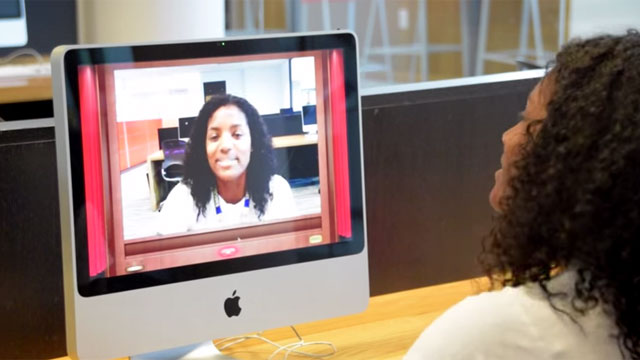
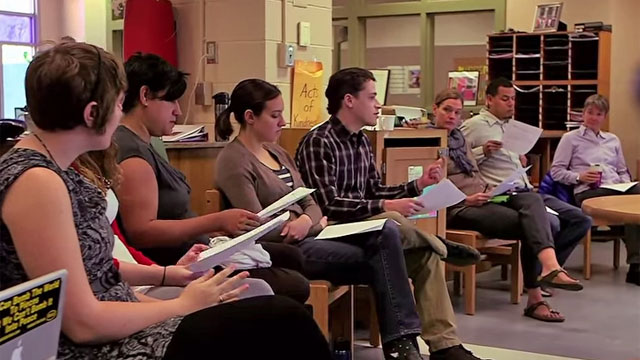
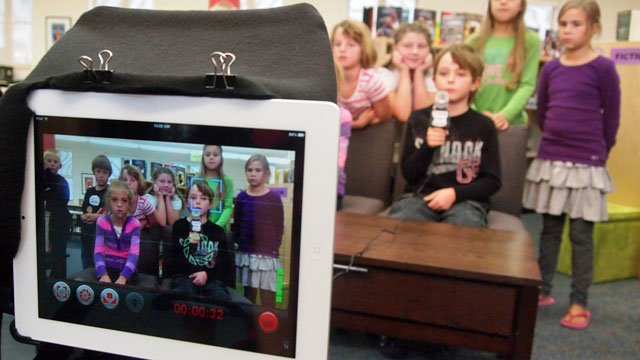
window.__IS_SSR__=true
window.__INITIAL_STATE__={
"attachmentsReducer": {
"audio_0": {
"type": "attachments",
"id": "audio_0",
"imgSizes": {
"kqedFullSize": {
"file": "https://ww2.kqed.org/news/wp-content/themes/KQED-unified/img/audio_bgs/background0.jpg"
}
}
},
"audio_1": {
"type": "attachments",
"id": "audio_1",
"imgSizes": {
"kqedFullSize": {
"file": "https://ww2.kqed.org/news/wp-content/themes/KQED-unified/img/audio_bgs/background1.jpg"
}
}
},
"audio_2": {
"type": "attachments",
"id": "audio_2",
"imgSizes": {
"kqedFullSize": {
"file": "https://ww2.kqed.org/news/wp-content/themes/KQED-unified/img/audio_bgs/background2.jpg"
}
}
},
"audio_3": {
"type": "attachments",
"id": "audio_3",
"imgSizes": {
"kqedFullSize": {
"file": "https://ww2.kqed.org/news/wp-content/themes/KQED-unified/img/audio_bgs/background3.jpg"
}
}
},
"audio_4": {
"type": "attachments",
"id": "audio_4",
"imgSizes": {
"kqedFullSize": {
"file": "https://ww2.kqed.org/news/wp-content/themes/KQED-unified/img/audio_bgs/background4.jpg"
}
}
},
"placeholder": {
"type": "attachments",
"id": "placeholder",
"imgSizes": {
"thumbnail": {
"file": "https://cdn.kqed.org/wp-content/uploads/2024/12/KQED-Default-Image-816638274-2000x1333-1-160x107.jpg",
"width": 160,
"height": 107,
"mimeType": "image/jpeg"
},
"medium": {
"file": "https://cdn.kqed.org/wp-content/uploads/2024/12/KQED-Default-Image-816638274-2000x1333-1-800x533.jpg",
"width": 800,
"height": 533,
"mimeType": "image/jpeg"
},
"medium_large": {
"file": "https://cdn.kqed.org/wp-content/uploads/2024/12/KQED-Default-Image-816638274-2000x1333-1-768x512.jpg",
"width": 768,
"height": 512,
"mimeType": "image/jpeg"
},
"large": {
"file": "https://cdn.kqed.org/wp-content/uploads/2024/12/KQED-Default-Image-816638274-2000x1333-1-1020x680.jpg",
"width": 1020,
"height": 680,
"mimeType": "image/jpeg"
},
"1536x1536": {
"file": "https://cdn.kqed.org/wp-content/uploads/2024/12/KQED-Default-Image-816638274-2000x1333-1-1536x1024.jpg",
"width": 1536,
"height": 1024,
"mimeType": "image/jpeg"
},
"fd-lrg": {
"file": "https://cdn.kqed.org/wp-content/uploads/2024/12/KQED-Default-Image-816638274-2000x1333-1-1536x1024.jpg",
"width": 1536,
"height": 1024,
"mimeType": "image/jpeg"
},
"fd-med": {
"file": "https://cdn.kqed.org/wp-content/uploads/2024/12/KQED-Default-Image-816638274-2000x1333-1-1020x680.jpg",
"width": 1020,
"height": 680,
"mimeType": "image/jpeg"
},
"fd-sm": {
"file": "https://cdn.kqed.org/wp-content/uploads/2024/12/KQED-Default-Image-816638274-2000x1333-1-800x533.jpg",
"width": 800,
"height": 533,
"mimeType": "image/jpeg"
},
"post-thumbnail": {
"file": "https://cdn.kqed.org/wp-content/uploads/2024/12/KQED-Default-Image-816638274-2000x1333-1-672x372.jpg",
"width": 672,
"height": 372,
"mimeType": "image/jpeg"
},
"twentyfourteen-full-width": {
"file": "https://cdn.kqed.org/wp-content/uploads/2024/12/KQED-Default-Image-816638274-2000x1333-1-1038x576.jpg",
"width": 1038,
"height": 576,
"mimeType": "image/jpeg"
},
"xxsmall": {
"file": "https://cdn.kqed.org/wp-content/uploads/2024/12/KQED-Default-Image-816638274-2000x1333-1-160x107.jpg",
"width": 160,
"height": 107,
"mimeType": "image/jpeg"
},
"xsmall": {
"file": "https://cdn.kqed.org/wp-content/uploads/2024/12/KQED-Default-Image-816638274-2000x1333-1-672x372.jpg",
"width": 672,
"height": 372,
"mimeType": "image/jpeg"
},
"small": {
"file": "https://cdn.kqed.org/wp-content/uploads/2024/12/KQED-Default-Image-816638274-2000x1333-1-672x372.jpg",
"width": 672,
"height": 372,
"mimeType": "image/jpeg"
},
"xlarge": {
"file": "https://cdn.kqed.org/wp-content/uploads/2024/12/KQED-Default-Image-816638274-2000x1333-1-1020x680.jpg",
"width": 1020,
"height": 680,
"mimeType": "image/jpeg"
},
"full-width": {
"file": "https://cdn.kqed.org/wp-content/uploads/2024/12/KQED-Default-Image-816638274-2000x1333-1-1920x1280.jpg",
"width": 1920,
"height": 1280,
"mimeType": "image/jpeg"
},
"guest-author-32": {
"file": "https://cdn.kqed.org/wp-content/uploads/2025/01/KQED-Default-Image-816638274-1333x1333-1-160x160.jpg",
"width": 32,
"height": 32,
"mimeType": "image/jpeg"
},
"guest-author-50": {
"file": "https://cdn.kqed.org/wp-content/uploads/2025/01/KQED-Default-Image-816638274-1333x1333-1-160x160.jpg",
"width": 50,
"height": 50,
"mimeType": "image/jpeg"
},
"guest-author-64": {
"file": "https://cdn.kqed.org/wp-content/uploads/2025/01/KQED-Default-Image-816638274-1333x1333-1-160x160.jpg",
"width": 64,
"height": 64,
"mimeType": "image/jpeg"
},
"guest-author-96": {
"file": "https://cdn.kqed.org/wp-content/uploads/2025/01/KQED-Default-Image-816638274-1333x1333-1-160x160.jpg",
"width": 96,
"height": 96,
"mimeType": "image/jpeg"
},
"guest-author-128": {
"file": "https://cdn.kqed.org/wp-content/uploads/2025/01/KQED-Default-Image-816638274-1333x1333-1-160x160.jpg",
"width": 128,
"height": 128,
"mimeType": "image/jpeg"
},
"detail": {
"file": "https://cdn.kqed.org/wp-content/uploads/2025/01/KQED-Default-Image-816638274-1333x1333-1-160x160.jpg",
"width": 160,
"height": 160,
"mimeType": "image/jpeg"
},
"kqedFullSize": {
"file": "https://cdn.kqed.org/wp-content/uploads/2024/12/KQED-Default-Image-816638274-2000x1333-1.jpg",
"width": 2000,
"height": 1333
}
}
},
"mindshift_37700": {
"type": "attachments",
"id": "mindshift_37700",
"meta": {
"index": "attachments_1716263798",
"site": "mindshift",
"id": "37700",
"found": true
},
"parent": 37691,
"imgSizes": {
"thumbnail": {
"file": "https://ww2.kqed.org/app/uploads/sites/23/2014/09/goucher-video-400x225.jpg",
"width": 400,
"mimeType": "image/jpeg",
"height": 225
},
"fd-sm": {
"file": "https://ww2.kqed.org/app/uploads/sites/23/2014/09/goucher-video-320x180.jpg",
"width": 320,
"mimeType": "image/jpeg",
"height": 180
},
"kqedFullSize": {
"file": "https://ww2.kqed.org/app/uploads/sites/23/2014/09/goucher-video.jpg",
"width": 640,
"height": 360
},
"guest-author-96": {
"file": "https://ww2.kqed.org/app/uploads/sites/23/2014/09/goucher-video-96x96.jpg",
"width": 96,
"mimeType": "image/jpeg",
"height": 96
},
"guest-author-64": {
"file": "https://ww2.kqed.org/app/uploads/sites/23/2014/09/goucher-video-64x64.jpg",
"width": 64,
"mimeType": "image/jpeg",
"height": 64
},
"guest-author-32": {
"file": "https://ww2.kqed.org/app/uploads/sites/23/2014/09/goucher-video-32x32.jpg",
"width": 32,
"mimeType": "image/jpeg",
"height": 32
},
"guest-author-128": {
"file": "https://ww2.kqed.org/app/uploads/sites/23/2014/09/goucher-video-128x128.jpg",
"width": 128,
"mimeType": "image/jpeg",
"height": 128
}
},
"publishDate": 1410302489,
"modified": 1410302489,
"caption": "Goucher College",
"description": null,
"title": "goucher-video",
"credit": null,
"status": "inherit",
"isLoading": false,
"fetchFailed": false
},
"mindshift_37444": {
"type": "attachments",
"id": "mindshift_37444",
"meta": {
"index": "attachments_1716263798",
"site": "mindshift",
"id": "37444",
"found": true
},
"parent": 37443,
"imgSizes": {
"thumbnail": {
"file": "https://ww2.kqed.org/app/uploads/sites/23/2014/08/staff-meeting-400x225.jpg",
"width": 400,
"mimeType": "image/jpeg",
"height": 225
},
"fd-sm": {
"file": "https://ww2.kqed.org/app/uploads/sites/23/2014/08/staff-meeting-320x180.jpg",
"width": 320,
"mimeType": "image/jpeg",
"height": 180
},
"kqedFullSize": {
"file": "https://ww2.kqed.org/app/uploads/sites/23/2014/08/staff-meeting.jpg",
"width": 640,
"height": 360
},
"guest-author-96": {
"file": "https://ww2.kqed.org/app/uploads/sites/23/2014/08/staff-meeting-96x96.jpg",
"width": 96,
"mimeType": "image/jpeg",
"height": 96
},
"guest-author-64": {
"file": "https://ww2.kqed.org/app/uploads/sites/23/2014/08/staff-meeting-64x64.jpg",
"width": 64,
"mimeType": "image/jpeg",
"height": 64
},
"guest-author-32": {
"file": "https://ww2.kqed.org/app/uploads/sites/23/2014/08/staff-meeting-32x32.jpg",
"width": 32,
"mimeType": "image/jpeg",
"height": 32
},
"guest-author-128": {
"file": "https://ww2.kqed.org/app/uploads/sites/23/2014/08/staff-meeting-128x128.jpg",
"width": 128,
"mimeType": "image/jpeg",
"height": 128
}
},
"publishDate": 1408571996,
"modified": 1408571996,
"caption": "Mission Hill teachers meet to decide on important school issues. (PBS NewsHour)",
"description": null,
"title": "staff-meeting",
"credit": null,
"status": "inherit",
"isLoading": false,
"fetchFailed": false
},
"mindshift_37098": {
"type": "attachments",
"id": "mindshift_37098",
"meta": {
"index": "attachments_1716263798",
"site": "mindshift",
"id": "37098",
"found": true
},
"parent": 37091,
"imgSizes": {
"thumbnail": {
"file": "https://ww2.kqed.org/app/uploads/sites/23/2014/08/Mindshift3_illo2_72-400x225.jpg",
"width": 400,
"mimeType": "image/jpeg",
"height": 225
},
"fd-sm": {
"file": "https://ww2.kqed.org/app/uploads/sites/23/2014/08/Mindshift3_illo2_72-320x180.jpg",
"width": 320,
"mimeType": "image/jpeg",
"height": 180
},
"kqedFullSize": {
"file": "https://ww2.kqed.org/app/uploads/sites/23/2014/08/Mindshift3_illo2_72.jpg",
"width": 640,
"height": 360
},
"guest-author-96": {
"file": "https://ww2.kqed.org/app/uploads/sites/23/2014/08/Mindshift3_illo2_72-96x96.jpg",
"width": 96,
"mimeType": "image/jpeg",
"height": 96
},
"guest-author-64": {
"file": "https://ww2.kqed.org/app/uploads/sites/23/2014/08/Mindshift3_illo2_72-64x64.jpg",
"width": 64,
"mimeType": "image/jpeg",
"height": 64
},
"guest-author-32": {
"file": "https://ww2.kqed.org/app/uploads/sites/23/2014/08/Mindshift3_illo2_72-32x32.jpg",
"width": 32,
"mimeType": "image/jpeg",
"height": 32
},
"guest-author-128": {
"file": "https://ww2.kqed.org/app/uploads/sites/23/2014/08/Mindshift3_illo2_72-128x128.jpg",
"width": 128,
"mimeType": "image/jpeg",
"height": 128
}
},
"publishDate": 1407022343,
"modified": 1407022343,
"caption": "Jane Mount/MindShift",
"description": null,
"title": "Mindshift3_illo2_72",
"credit": null,
"status": "inherit",
"isLoading": false,
"fetchFailed": false
},
"mindshift_37527": {
"type": "attachments",
"id": "mindshift_37527",
"meta": {
"index": "attachments_1716263798",
"site": "mindshift",
"id": "37527",
"found": true
},
"parent": 37521,
"imgSizes": {
"kqedFullSize": {
"file": "https://ww2.kqed.org/app/uploads/sites/23/2014/08/sanders-learning-fair2.jpg",
"width": 300,
"height": 225
},
"guest-author-96": {
"file": "https://ww2.kqed.org/app/uploads/sites/23/2014/08/sanders-learning-fair2-96x96.jpg",
"width": 96,
"mimeType": "image/jpeg",
"height": 96
},
"guest-author-64": {
"file": "https://ww2.kqed.org/app/uploads/sites/23/2014/08/sanders-learning-fair2-64x64.jpg",
"width": 64,
"mimeType": "image/jpeg",
"height": 64
},
"guest-author-32": {
"file": "https://ww2.kqed.org/app/uploads/sites/23/2014/08/sanders-learning-fair2-32x32.jpg",
"width": 32,
"mimeType": "image/jpeg",
"height": 32
},
"guest-author-128": {
"file": "https://ww2.kqed.org/app/uploads/sites/23/2014/08/sanders-learning-fair2-128x128.jpg",
"width": 128,
"mimeType": "image/jpeg",
"height": 128
}
},
"publishDate": 1409082377,
"modified": 1409082377,
"caption": "Shelley Wright/PLPNetwork",
"description": null,
"title": "sanders-learning-fair2",
"credit": null,
"status": "inherit",
"isLoading": false,
"fetchFailed": false
},
"mindshift_37438": {
"type": "attachments",
"id": "mindshift_37438",
"meta": {
"index": "attachments_1716263798",
"site": "mindshift",
"id": "37438",
"found": true
},
"parent": 37317,
"imgSizes": {
"thumbnail": {
"file": "https://ww2.kqed.org/app/uploads/sites/23/2014/08/blueprint-400x225.jpg",
"width": 400,
"mimeType": "image/jpeg",
"height": 225
},
"fd-sm": {
"file": "https://ww2.kqed.org/app/uploads/sites/23/2014/08/blueprint-320x180.jpg",
"width": 320,
"mimeType": "image/jpeg",
"height": 180
},
"kqedFullSize": {
"file": "https://ww2.kqed.org/app/uploads/sites/23/2014/08/blueprint.jpg",
"width": 640,
"height": 360
},
"guest-author-96": {
"file": "https://ww2.kqed.org/app/uploads/sites/23/2014/08/blueprint-96x96.jpg",
"width": 96,
"mimeType": "image/jpeg",
"height": 96
},
"guest-author-64": {
"file": "https://ww2.kqed.org/app/uploads/sites/23/2014/08/blueprint-64x64.jpg",
"width": 64,
"mimeType": "image/jpeg",
"height": 64
},
"guest-author-32": {
"file": "https://ww2.kqed.org/app/uploads/sites/23/2014/08/blueprint-32x32.jpg",
"width": 32,
"mimeType": "image/jpeg",
"height": 32
},
"guest-author-128": {
"file": "https://ww2.kqed.org/app/uploads/sites/23/2014/08/blueprint-128x128.jpg",
"width": 128,
"mimeType": "image/jpeg",
"height": 128
}
},
"publishDate": 1408492544,
"modified": 1408492544,
"caption": "Getty",
"description": null,
"title": "blueprint",
"credit": null,
"status": "inherit",
"isLoading": false,
"fetchFailed": false
},
"mindshift_37409": {
"type": "attachments",
"id": "mindshift_37409",
"meta": {
"index": "attachments_1716263798",
"site": "mindshift",
"id": "37409",
"found": true
},
"parent": 37404,
"imgSizes": {
"thumbnail": {
"file": "https://ww2.kqed.org/app/uploads/sites/23/2014/08/physics-400x225.jpg",
"width": 400,
"mimeType": "image/jpeg",
"height": 225
},
"fd-sm": {
"file": "https://ww2.kqed.org/app/uploads/sites/23/2014/08/physics-320x180.jpg",
"width": 320,
"mimeType": "image/jpeg",
"height": 180
},
"kqedFullSize": {
"file": "https://ww2.kqed.org/app/uploads/sites/23/2014/08/physics.jpg",
"width": 640,
"height": 360
},
"guest-author-96": {
"file": "https://ww2.kqed.org/app/uploads/sites/23/2014/08/physics-96x96.jpg",
"width": 96,
"mimeType": "image/jpeg",
"height": 96
},
"guest-author-64": {
"file": "https://ww2.kqed.org/app/uploads/sites/23/2014/08/physics-64x64.jpg",
"width": 64,
"mimeType": "image/jpeg",
"height": 64
},
"guest-author-32": {
"file": "https://ww2.kqed.org/app/uploads/sites/23/2014/08/physics-32x32.jpg",
"width": 32,
"mimeType": "image/jpeg",
"height": 32
},
"guest-author-128": {
"file": "https://ww2.kqed.org/app/uploads/sites/23/2014/08/physics-128x128.jpg",
"width": 128,
"mimeType": "image/jpeg",
"height": 128
}
},
"publishDate": 1408476332,
"modified": 1408476332,
"caption": " Xiangjun Shi",
"description": null,
"title": "physics",
"credit": null,
"status": "inherit",
"isLoading": false,
"fetchFailed": false
},
"mindshift_37072": {
"type": "attachments",
"id": "mindshift_37072",
"meta": {
"index": "attachments_1716263798",
"site": "mindshift",
"id": "37072",
"found": true
},
"parent": 37020,
"imgSizes": {
"thumbnail": {
"file": "https://ww2.kqed.org/app/uploads/sites/23/2014/08/Mindshift1_illo2_72-400x225.jpg",
"width": 400,
"mimeType": "image/jpeg",
"height": 225
},
"fd-sm": {
"file": "https://ww2.kqed.org/app/uploads/sites/23/2014/08/Mindshift1_illo2_72-320x180.jpg",
"width": 320,
"mimeType": "image/jpeg",
"height": 180
},
"kqedFullSize": {
"file": "https://ww2.kqed.org/app/uploads/sites/23/2014/08/Mindshift1_illo2_72.jpg",
"width": 640,
"height": 360
},
"guest-author-96": {
"file": "https://ww2.kqed.org/app/uploads/sites/23/2014/08/Mindshift1_illo2_72-96x96.jpg",
"width": 96,
"mimeType": "image/jpeg",
"height": 96
},
"guest-author-64": {
"file": "https://ww2.kqed.org/app/uploads/sites/23/2014/08/Mindshift1_illo2_72-64x64.jpg",
"width": 64,
"mimeType": "image/jpeg",
"height": 64
},
"guest-author-32": {
"file": "https://ww2.kqed.org/app/uploads/sites/23/2014/08/Mindshift1_illo2_72-32x32.jpg",
"width": 32,
"mimeType": "image/jpeg",
"height": 32
},
"guest-author-128": {
"file": "https://ww2.kqed.org/app/uploads/sites/23/2014/08/Mindshift1_illo2_72-128x128.jpg",
"width": 128,
"mimeType": "image/jpeg",
"height": 128
}
},
"publishDate": 1407012914,
"modified": 1407012914,
"caption": "Jane Mount/MindShift",
"description": null,
"title": "Mindshift1_illo2_72",
"credit": null,
"status": "inherit",
"isLoading": false,
"fetchFailed": false
},
"mindshift_33693": {
"type": "attachments",
"id": "mindshift_33693",
"meta": {
"index": "attachments_1716263798",
"site": "mindshift",
"id": "33693",
"found": true
},
"parent": 33687,
"imgSizes": {
"thumbnail": {
"file": "https://ww2.kqed.org/app/uploads/sites/23/2014/01/122573276-e1391529801556-400x225.jpg",
"width": 400,
"mimeType": "image/jpeg",
"height": 225
},
"fd-sm": {
"file": "https://ww2.kqed.org/app/uploads/sites/23/2014/01/122573276-e1391529801556-320x180.jpg",
"width": 320,
"mimeType": "image/jpeg",
"height": 180
},
"kqedFullSize": {
"file": "https://ww2.kqed.org/app/uploads/sites/23/2014/01/122573276-e1391529801556.jpg",
"width": 640,
"height": 360
},
"guest-author-96": {
"file": "https://ww2.kqed.org/app/uploads/sites/23/2014/01/122573276-e1391529801556-96x96.jpg",
"width": 96,
"mimeType": "image/jpeg",
"height": 96
},
"guest-author-64": {
"file": "https://ww2.kqed.org/app/uploads/sites/23/2014/01/122573276-e1391529801556-64x64.jpg",
"width": 64,
"mimeType": "image/jpeg",
"height": 64
},
"detail": {
"file": "https://ww2.kqed.org/app/uploads/sites/23/2014/01/122573276-e1391529801556-75x75.jpg",
"width": 75,
"mimeType": "image/jpeg",
"height": 75
},
"guest-author-32": {
"file": "https://ww2.kqed.org/app/uploads/sites/23/2014/01/122573276-e1391529801556-32x32.jpg",
"width": 32,
"mimeType": "image/jpeg",
"height": 32
},
"guest-author-128": {
"file": "https://ww2.kqed.org/app/uploads/sites/23/2014/01/122573276-e1391529801556-128x128.jpg",
"width": 128,
"mimeType": "image/jpeg",
"height": 128
}
},
"publishDate": 1390935659,
"modified": 1390935659,
"caption": null,
"description": "Hands typing on laptop keyboard.",
"title": "122573276",
"credit": null,
"status": "inherit",
"isLoading": false,
"fetchFailed": false
},
"mindshift_37253": {
"type": "attachments",
"id": "mindshift_37253",
"meta": {
"index": "attachments_1716263798",
"site": "mindshift",
"id": "37253",
"found": true
},
"parent": 37248,
"imgSizes": {
"thumbnail": {
"file": "https://ww2.kqed.org/app/uploads/sites/23/2014/08/play-brain-400x225.jpg",
"width": 400,
"mimeType": "image/jpeg",
"height": 225
},
"fd-sm": {
"file": "https://ww2.kqed.org/app/uploads/sites/23/2014/08/play-brain-320x180.jpg",
"width": 320,
"mimeType": "image/jpeg",
"height": 180
},
"kqedFullSize": {
"file": "https://ww2.kqed.org/app/uploads/sites/23/2014/08/play-brain.jpg",
"width": 640,
"height": 360
},
"guest-author-96": {
"file": "https://ww2.kqed.org/app/uploads/sites/23/2014/08/play-brain-96x96.jpg",
"width": 96,
"mimeType": "image/jpeg",
"height": 96
},
"guest-author-64": {
"file": "https://ww2.kqed.org/app/uploads/sites/23/2014/08/play-brain-64x64.jpg",
"width": 64,
"mimeType": "image/jpeg",
"height": 64
},
"guest-author-32": {
"file": "https://ww2.kqed.org/app/uploads/sites/23/2014/08/play-brain-32x32.jpg",
"width": 32,
"mimeType": "image/jpeg",
"height": 32
},
"guest-author-128": {
"file": "https://ww2.kqed.org/app/uploads/sites/23/2014/08/play-brain-128x128.jpg",
"width": 128,
"mimeType": "image/jpeg",
"height": 128
}
},
"publishDate": 1407355173,
"modified": 1407355173,
"caption": "Deion Jefferson, 10, and Samuel Jefferson, 7, take turns climbing and jumping off a stack of old tires at the Berkeley Adventure Playground. David Gilkey/NPR)",
"description": null,
"title": "play-brain",
"credit": null,
"status": "inherit",
"isLoading": false,
"fetchFailed": false
},
"mindshift_36958": {
"type": "attachments",
"id": "mindshift_36958",
"meta": {
"index": "attachments_1716263798",
"site": "mindshift",
"id": "36958",
"found": true
},
"parent": 36953,
"imgSizes": {
"thumbnail": {
"file": "https://ww2.kqed.org/app/uploads/sites/23/2014/07/web-show-400x225.jpg",
"width": 400,
"mimeType": "image/jpeg",
"height": 225
},
"fd-sm": {
"file": "https://ww2.kqed.org/app/uploads/sites/23/2014/07/web-show-320x180.jpg",
"width": 320,
"mimeType": "image/jpeg",
"height": 180
},
"kqedFullSize": {
"file": "https://ww2.kqed.org/app/uploads/sites/23/2014/07/web-show.jpg",
"width": 640,
"height": 360
},
"guest-author-96": {
"file": "https://ww2.kqed.org/app/uploads/sites/23/2014/07/web-show-96x96.jpg",
"width": 96,
"mimeType": "image/jpeg",
"height": 96
},
"guest-author-64": {
"file": "https://ww2.kqed.org/app/uploads/sites/23/2014/07/web-show-64x64.jpg",
"width": 64,
"mimeType": "image/jpeg",
"height": 64
},
"guest-author-32": {
"file": "https://ww2.kqed.org/app/uploads/sites/23/2014/07/web-show-32x32.jpg",
"width": 32,
"mimeType": "image/jpeg",
"height": 32
},
"guest-author-128": {
"file": "https://ww2.kqed.org/app/uploads/sites/23/2014/07/web-show-128x128.jpg",
"width": 128,
"mimeType": "image/jpeg",
"height": 128
}
},
"publishDate": 1405726475,
"modified": 1405726475,
"caption": "Student produce a web show with tablets (Brad Flickinger/Flickr)",
"description": null,
"title": "web-show",
"credit": null,
"status": "inherit",
"isLoading": false,
"fetchFailed": false
},
"mindshift_37197": {
"type": "attachments",
"id": "mindshift_37197",
"meta": {
"index": "attachments_1716263798",
"site": "mindshift",
"id": "37197",
"found": true
},
"parent": 37196,
"imgSizes": {
"twentyfourteen-full-width": {
"file": "https://ww2.kqed.org/app/uploads/sites/23/2014/08/berkeley-adventure-playground-01_20154995_enl-96de422ae4474f1fdb6b1be83dfbc78e5f5ed869-1038x576.jpg",
"width": 1038,
"mimeType": "image/jpeg",
"height": 576
},
"thumbnail": {
"file": "https://ww2.kqed.org/app/uploads/sites/23/2014/08/berkeley-adventure-playground-01_20154995_enl-96de422ae4474f1fdb6b1be83dfbc78e5f5ed869-400x275.jpg",
"width": 400,
"mimeType": "image/jpeg",
"height": 275
},
"fd-sm": {
"file": "https://ww2.kqed.org/app/uploads/sites/23/2014/08/berkeley-adventure-playground-01_20154995_enl-96de422ae4474f1fdb6b1be83dfbc78e5f5ed869-320x220.jpg",
"width": 320,
"mimeType": "image/jpeg",
"height": 220
},
"post-thumbnail": {
"file": "https://ww2.kqed.org/app/uploads/sites/23/2014/08/berkeley-adventure-playground-01_20154995_enl-96de422ae4474f1fdb6b1be83dfbc78e5f5ed869-672x372.jpg",
"width": 672,
"mimeType": "image/jpeg",
"height": 372
},
"kqedFullSize": {
"file": "https://ww2.kqed.org/app/uploads/sites/23/2014/08/berkeley-adventure-playground-01_20154995_enl-96de422ae4474f1fdb6b1be83dfbc78e5f5ed869.jpg",
"width": 3000,
"height": 2059
},
"large": {
"file": "https://ww2.kqed.org/app/uploads/sites/23/2014/08/berkeley-adventure-playground-01_20154995_enl-96de422ae4474f1fdb6b1be83dfbc78e5f5ed869-1440x988.jpg",
"width": 1440,
"mimeType": "image/jpeg",
"height": 988
},
"guest-author-96": {
"file": "https://ww2.kqed.org/app/uploads/sites/23/2014/08/berkeley-adventure-playground-01_20154995_enl-96de422ae4474f1fdb6b1be83dfbc78e5f5ed869-96x96.jpg",
"width": 96,
"mimeType": "image/jpeg",
"height": 96
},
"medium": {
"file": "https://ww2.kqed.org/app/uploads/sites/23/2014/08/berkeley-adventure-playground-01_20154995_enl-96de422ae4474f1fdb6b1be83dfbc78e5f5ed869-800x549.jpg",
"width": 800,
"mimeType": "image/jpeg",
"height": 549
},
"guest-author-64": {
"file": "https://ww2.kqed.org/app/uploads/sites/23/2014/08/berkeley-adventure-playground-01_20154995_enl-96de422ae4474f1fdb6b1be83dfbc78e5f5ed869-64x64.jpg",
"width": 64,
"mimeType": "image/jpeg",
"height": 64
},
"guest-author-32": {
"file": "https://ww2.kqed.org/app/uploads/sites/23/2014/08/berkeley-adventure-playground-01_20154995_enl-96de422ae4474f1fdb6b1be83dfbc78e5f5ed869-32x32.jpg",
"width": 32,
"mimeType": "image/jpeg",
"height": 32
},
"fd-lrg": {
"file": "https://ww2.kqed.org/app/uploads/sites/23/2014/08/berkeley-adventure-playground-01_20154995_enl-96de422ae4474f1fdb6b1be83dfbc78e5f5ed869-1180x810.jpg",
"width": 1180,
"mimeType": "image/jpeg",
"height": 810
},
"fd-med": {
"file": "https://ww2.kqed.org/app/uploads/sites/23/2014/08/berkeley-adventure-playground-01_20154995_enl-96de422ae4474f1fdb6b1be83dfbc78e5f5ed869-768x527.jpg",
"width": 768,
"mimeType": "image/jpeg",
"height": 527
},
"guest-author-128": {
"file": "https://ww2.kqed.org/app/uploads/sites/23/2014/08/berkeley-adventure-playground-01_20154995_enl-96de422ae4474f1fdb6b1be83dfbc78e5f5ed869-128x128.jpg",
"width": 128,
"mimeType": "image/jpeg",
"height": 128
}
},
"publishDate": 1407198345,
"modified": 1407198345,
"caption": "Joseph Straus, 6, rides a zip line at the Berkeley Adventure Playground, where kids can \"play wild\" in a half-acre park that has a junkyard feel. (David Gilkey/NPR)",
"description": "Joseph Straus, 6, rides a zip line at the Berkeley Adventure Playground, where kids can \"play wild\" in a half-acre park that has a junkyard feel",
"title": "Joseph Straus, 6, rides a zip line at the Berkeley Adventure Playground, where kids can \"play wild\" in a half-acre park that has a junkyard feel.",
"credit": null,
"status": "inherit",
"isLoading": false,
"fetchFailed": false
},
"mindshift_37111": {
"type": "attachments",
"id": "mindshift_37111",
"meta": {
"index": "attachments_1716263798",
"site": "mindshift",
"id": "37111",
"found": true
},
"parent": 37096,
"imgSizes": {
"thumbnail": {
"file": "https://ww2.kqed.org/app/uploads/sites/23/2014/08/062714_OaklandKQED01-e1407026268220-400x225.jpg",
"width": 400,
"mimeType": "image/jpeg",
"height": 225
},
"fd-sm": {
"file": "https://ww2.kqed.org/app/uploads/sites/23/2014/08/062714_OaklandKQED01-e1407026268220-320x180.jpg",
"width": 320,
"mimeType": "image/jpeg",
"height": 180
},
"kqedFullSize": {
"file": "https://ww2.kqed.org/app/uploads/sites/23/2014/08/062714_OaklandKQED01-e1407026268220.jpg",
"width": 640,
"height": 360
},
"guest-author-96": {
"file": "https://ww2.kqed.org/app/uploads/sites/23/2014/08/062714_OaklandKQED01-e1407026268220-96x96.jpg",
"width": 96,
"mimeType": "image/jpeg",
"height": 96
},
"guest-author-64": {
"file": "https://ww2.kqed.org/app/uploads/sites/23/2014/08/062714_OaklandKQED01-e1407026268220-64x64.jpg",
"width": 64,
"mimeType": "image/jpeg",
"height": 64
},
"guest-author-32": {
"file": "https://ww2.kqed.org/app/uploads/sites/23/2014/08/062714_OaklandKQED01-e1407026268220-32x32.jpg",
"width": 32,
"mimeType": "image/jpeg",
"height": 32
},
"guest-author-128": {
"file": "https://ww2.kqed.org/app/uploads/sites/23/2014/08/062714_OaklandKQED01-e1407026268220-128x128.jpg",
"width": 128,
"mimeType": "image/jpeg",
"height": 128
}
},
"publishDate": 1407026191,
"modified": 1407026191,
"caption": "A \"tinkering\" day for students of Epic Charter school.",
"description": "A \"tinkering\" day for students of the Epic Charter school, which will open in Oakland, Ca. in the fall. Photographed on Friday, June 27, 2014. (Amanda Lucier)",
"title": "062714_OaklandKQED01",
"credit": null,
"status": "inherit",
"isLoading": false,
"fetchFailed": false
}
},
"audioPlayerReducer": {
"postId": "stream_live",
"isPaused": true,
"isPlaying": false,
"pfsActive": false,
"pledgeModalIsOpen": true,
"playerDrawerIsOpen": false,
"liveAudioPlayStartedAt": 0,
"liveAudioPlayContext": ""
},
"authorsReducer": {
"byline_mindshift_37691": {
"type": "authors",
"id": "byline_mindshift_37691",
"meta": {
"override": true
},
"slug": "byline_mindshift_37691",
"name": "Juana Summers",
"isLoading": false
},
"byline_mindshift_37248": {
"type": "authors",
"id": "byline_mindshift_37248",
"meta": {
"override": true
},
"slug": "byline_mindshift_37248",
"name": "Jon Hamilton",
"isLoading": false
},
"byline_mindshift_37196": {
"type": "authors",
"id": "byline_mindshift_37196",
"meta": {
"override": true
},
"slug": "byline_mindshift_37196",
"name": "Eric Westervelt",
"isLoading": false
},
"katrinaschwartz": {
"type": "authors",
"id": "234",
"meta": {
"index": "authors_1716337520",
"id": "234",
"found": true
},
"name": "Katrina Schwartz",
"firstName": "Katrina",
"lastName": "Schwartz",
"slug": "katrinaschwartz",
"email": "kschwartz@kqed.org",
"display_author_email": false,
"staff_mastheads": [
"news"
],
"title": "Producer",
"bio": "Katrina Schwartz is a journalist based in San Francisco. She's worked at KPCC public radio in LA and has reported on air and online for KQED since 2010. She covered how teaching and learning is changing for MindShift between 2012 and 2020. She is the co-host of the MindShift podcast and now produces KQED's Bay Curious podcast.",
"avatar": "https://secure.gravatar.com/avatar/edb4ee79070447a018538c9aae6eeecf28786515b8a0c30e43b6b7dce5aa44c8?s=600&d=blank&r=g",
"twitter": "kschwart",
"bluesky": null,
"facebook": null,
"instagram": null,
"linkedin": null,
"sites": [
{
"site": "",
"roles": [
"editor"
]
},
{
"site": "news",
"roles": [
"editor"
]
},
{
"site": "mindshift",
"roles": [
"administrator"
]
},
{
"site": "stateofhealth",
"roles": [
"author"
]
},
{
"site": "science",
"roles": [
"editor"
]
}
],
"headData": {
"title": "Katrina Schwartz | KQED",
"description": "Producer",
"ogImgSrc": "https://secure.gravatar.com/avatar/edb4ee79070447a018538c9aae6eeecf28786515b8a0c30e43b6b7dce5aa44c8?s=600&d=blank&r=g",
"twImgSrc": "https://secure.gravatar.com/avatar/edb4ee79070447a018538c9aae6eeecf28786515b8a0c30e43b6b7dce5aa44c8?s=600&d=blank&r=g"
},
"isLoading": false,
"link": "/author/katrinaschwartz"
},
"luba": {
"type": "authors",
"id": "4537",
"meta": {
"index": "authors_1716337520",
"id": "4537",
"found": true
},
"name": "Luba Vangelova",
"firstName": "Luba",
"lastName": "Vangelova",
"slug": "luba",
"email": "luba@catalystcommunicationsllc.com",
"display_author_email": false,
"staff_mastheads": [],
"title": null,
"bio": "Luba Vangelova’s work has appeared in numerous print, online and broadcast media outlets, including The New York Times, Smithsonian, The Atlantic, and Salon. She is also working on a book about self-directed learning. Her web site is \u003ca title=\"Luba Vangelova\" href=\"http://www.LubaVangelova.com\" target=\"_blank\">www.LubaVangelova.com\u003c/a>. She also posts on \u003ca title=\"@LubaSays\" href=\"http://www.twitter.com/LubaSays\" target=\"_blank\">Twitter\u003c/a> and on her official \u003ca title=\"Facebook - Luba Vangelova\" href=\"http://www.facebook.com/LubaSays\" target=\"_blank\">Facebook\u003c/a> page.",
"avatar": "https://secure.gravatar.com/avatar/0c49027042bcd2ffbce1f5f200e2172e?s=600&d=blank&r=g",
"twitter": "LubaSays",
"facebook": null,
"instagram": null,
"linkedin": "lvangelova",
"sites": [
{
"site": "mindshift",
"roles": [
"contributor"
]
}
],
"headData": {
"title": "Luba Vangelova | KQED",
"description": null,
"ogImgSrc": "https://secure.gravatar.com/avatar/0c49027042bcd2ffbce1f5f200e2172e?s=600&d=blank&r=g",
"twImgSrc": "https://secure.gravatar.com/avatar/0c49027042bcd2ffbce1f5f200e2172e?s=600&d=blank&r=g"
},
"isLoading": false,
"link": "/author/luba"
},
"ichen": {
"type": "authors",
"id": "4556",
"meta": {
"index": "authors_1716337520",
"id": "4556",
"found": true
},
"name": "Ingfei Chen",
"firstName": "Ingfei",
"lastName": "Chen",
"slug": "ichen",
"email": "ingfei@sbcglobal.net",
"display_author_email": false,
"staff_mastheads": [],
"title": null,
"bio": "Ingfei Chen is a freelance writer in Northern California whose work has appeared in Scientific American, the New York Times and Smithsonian.",
"avatar": "https://secure.gravatar.com/avatar/10d83690bdf15670800fcf9cbf9d7a63?s=600&d=blank&r=g",
"twitter": null,
"facebook": null,
"instagram": null,
"linkedin": null,
"sites": [
{
"site": "mindshift",
"roles": [
"contributor"
]
}
],
"headData": {
"title": "Ingfei Chen | KQED",
"description": null,
"ogImgSrc": "https://secure.gravatar.com/avatar/10d83690bdf15670800fcf9cbf9d7a63?s=600&d=blank&r=g",
"twImgSrc": "https://secure.gravatar.com/avatar/10d83690bdf15670800fcf9cbf9d7a63?s=600&d=blank&r=g"
},
"isLoading": false,
"link": "/author/ichen"
}
},
"pagesReducer": {
"mindshift_category_big-ideas": {
"type": "terms",
"id": "mindshift_192",
"meta": {
"index": "terms_1716263798",
"site": "mindshift",
"id": "192",
"score": 14.406702
},
"featImg": null,
"name": "Big Ideas",
"description": "The latest findings from experts in the field related to the future of learning.",
"taxonomy": "category",
"headData": {
"twImgId": null,
"twTitle": null,
"ogTitle": null,
"ogImgId": null,
"twDescription": null,
"description": "The latest findings from experts in the field related to the future of learning.",
"title": "Big Ideas Archives | KQED Mindshift",
"ogDescription": null
},
"ttid": 192,
"slug": "big-ideas",
"isLoading": false,
"title": "Big Ideas",
"pageMeta": {
"site": "mindshift",
"WpPageTemplate": "page-topic-editorial",
"currentPage": 60
},
"blocks": [
{
"blockName": "kqed/company-paragraph",
"content": "The latest findings from experts in the field related to the future of learning."
},
{
"blockName": "kqed/post-list",
"attrs": {
"layout": "cardArticle2",
"query": "posts/mindshift?category=big-ideas",
"seeMore": false,
"paginated": true,
"page": 60
}
},
{
"blockName": "kqed/ad"
}
]
}
},
"pfsSessionReducer": {},
"postsReducer": {
"stream_live": {
"type": "live",
"id": "stream_live",
"audioUrl": "https://streams.kqed.org/kqedradio",
"title": "Live Stream",
"excerpt": "Live Stream information currently unavailable.",
"link": "/radio",
"featImg": "",
"label": {
"name": "KQED Live",
"link": "/"
}
},
"stream_kqedNewscast": {
"type": "posts",
"id": "stream_kqedNewscast",
"audioUrl": "https://www.kqed.org/.stream/anon/radio/RDnews/newscast.mp3?_=1",
"title": "KQED Newscast",
"featImg": "",
"label": {
"name": "88.5 FM",
"link": "/"
}
},
"mindshift_37691": {
"type": "posts",
"id": "mindshift_37691",
"meta": {
"index": "posts_1716263798",
"site": "mindshift",
"id": "37691",
"score": null,
"sort": [
1410379218000
]
},
"parent": 0,
"labelTerm": {
"site": "mindshift"
},
"blocks": [],
"publishDate": 1410379218,
"format": "aside",
"disqusTitle": "Could Personal Videos Become the Heart of College Applications?",
"title": "Could Personal Videos Become the Heart of College Applications?",
"headTitle": "MindShift | KQED News",
"content": "\u003cfigure id=\"attachment_37700\" class=\"wp-caption aligncenter\" style=\"max-width: 640px\">\u003ca href=\"http://ww2.kqed.org/mindshift/wp-content/uploads/sites/23/2014/09/goucher-video.jpg\">\u003cimg class=\"size-full wp-image-37700\" src=\"http://ww2.kqed.org/mindshift/wp-content/uploads/sites/23/2014/09/goucher-video.jpg\" alt=\"Goucher College\" width=\"640\" height=\"360\" srcset=\"https://ww2.kqed.org/app/uploads/sites/23/2014/09/goucher-video.jpg 640w, https://ww2.kqed.org/app/uploads/sites/23/2014/09/goucher-video-400x225.jpg 400w, https://ww2.kqed.org/app/uploads/sites/23/2014/09/goucher-video-320x180.jpg 320w\" sizes=\"(max-width: 640px) 100vw, 640px\">\u003c/a>\u003cfigcaption class=\"wp-caption-text\">Goucher College\u003c/figcaption>\u003c/figure>\n\u003cp>\u003cstrong>By Juana Summers\u003c/strong>\u003c/p>\n\u003cp class=\"dropcap-serif\">The college admissions game is intense, competitive and, some would say, out of control. Now one Maryland college is looking to make it a little bit simpler.\u003c/p>\n\u003cp>Goucher College, a liberal arts school in Baltimore, is offering students the opportunity to skip submitting standardized SAT and ACT scores, as well as the traditional college application packet that includes a transcript, letters of recommendation and essays.\u003c/p>\n\u003cp>Instead, students can apply with a self-produced, two-minute video that explains how they see themselves thriving at Goucher, and why they want to go there. Students are also asked to submit two \"works of scholarship.\"\u003c/p>\n\u003cp>\"The college admissions process is broken. The application process is complicated; it's stressful,\" says José Bowen, who took over as president of Goucher in July.\u003c/p>\n\u003cp>[ad fullwidth]\u003c/p>\n\u003cp>\"Video is where everybody's at,\" he adds. \"High school students who might not have a laptop, they might not have a way to write their essay and get their parents to edit it. But they probably have a phone, and they understand how to use the phone to make a video.\"\u003c/p>\n\u003cp>\u003ciframe src=\"//www.youtube-nocookie.com/embed/v8ov43Ts4Jw\" width=\"640\" height=\"360\" frameborder=\"0\" allowfullscreen=\"allowfullscreen\">\u003c/iframe>\u003c/p>\n\u003cp>Bowen says he hopes the new approach will increase the \"diversity of thought\" on campus.\u003c/p>\n\u003cp>\"In my own experience, the SAT ... is not an absolute measure of potential,\" he says. \"It mostly tells us about your previous performance, and it tells us quite a bit about your parental background.\"\u003c/p>\n\u003cp>While getting students to apply who might not typically fill out a traditional application to Goucher is one goal, a second is likely just getting more students on campus.\u003c/p>\n\u003cp>There were 3,615 applications to be part of Goucher's fall 2012 freshman class. Goucher admitted 72 percent of them. But of those admitted, just 16 percent enrolled, according to the school's admissions office.\u003c/p>\n\u003cp>Goucher isn't the first to accept self-produced videos.\u003c/p>\n\u003cp>Tufts University first gave students the opportunity to include YouTube videos as supplements to their applications in 2010. That first year, about 1,000 of the 15,000 students who applied \u003ca href=\"http://www.npr.org/templates/story/story.php?storyId=124628580\">submitted videos\u003c/a>. They were a mix of whimsy that included singing, performance art and even one that combined math and ballet.\u003c/p>\n\u003cp>But Goucher may be the first school to supplant the traditional application with one.\u003c/p>\n\u003cp>Which raises the question: Will students start paying for production assistance and slick editing, in the same way many now pay to polish their essays or prep for standardized tests?\u003c/p>\n\u003cp>[contextly_sidebar id=\"rY3tsfvbOScahNA6AQn401d8mf5uYldb\"]\u003c/p>\n\u003cp>Bowen says students won't be evaluated on production quality. According to a rubric posted \u003ca href=\"http://blogs.goucher.edu/intheloop/6339/goucher-college-first-in-nation-to-launch-video-application-alternative/\">on Goucher's website\u003c/a>, students will be scored on their content/thoughtfulness, the structure and organization of the video, and the clarity and effectiveness.\u003c/p>\n\u003cp>\"We're being specific that 'lights, camera, action,' is not going to help,\" Bowen says. \"We're going to be looking at you and what you have to say. You can use a cellphone; you don't need a fancy camera.\"\u003c/p>\n\u003cp>So, in other words, \u003ca href=\"https://www.youtube.com/watch?v=l6WEn0WWrIw\">no pulling an Elle Woods\u003c/a>.\u003c/p>\n\u003cp>Robert Sternberg, a Cornell University professor and former dean of arts and sciences at Tufts, is a big believer in overhauling a college admissions process that he says lacks creativity and doesn't serve students well.\u003c/p>\n\u003cp>He says Goucher is making a step in the right direction by introducing new ways to allow students to say who they really are. But, he warned, video applications might backfire for some students.\u003c/p>\n\u003cp>\"It puts an emphasis on how well you perform for a camera,\" says Sternberg, the author of \u003ca href=\"http://www.hup.harvard.edu/catalog.php?recid=30092\">College Admissions for the 21st Century\u003c/a>. \"Unfortunately, people can't help things like interpersonal skills and attractiveness.\"\u003c/p>\n\u003cp>And video could lead to bias, Sternberg says, based on how applicants look, how they dress, or how they present themselves on camera.\u003c/p>\n\u003cp>\"The best admissions process,\" Sternberg says, \"is always going to be one that uses multiple measures, so you hope to cancel out the bias. People have unconscious racial biases or gender biases that they're not aware of.\"\u003c/p>\n\u003cp>Bowen says he's well-aware of those concerns. To guard against bias, he says applications will be screened by a \"very diverse recruitment force,\" as well as members of the faculty.\u003c/p>\n\u003cp>And students will still have the option to pass on the video and submit a more traditional application.\u003c/p>\n\u003cp>Rebecca Rother, who graduated from Goucher in December 2011, says that if a video had been an option when she applied, she wouldn't have used it.\u003c/p>\n\u003cp>\u003c/p>\n\u003cp>\"I'm not a very creative person in terms of the opportunity to stand in front of a camera and make that happen, so for me the essay was the way to go,\" she says. \"I'm also a traditionalist; I follow the rules really well. This would be a little outside of my rule-following.\u003c/p>\n\u003cdiv class=\"fullattribution\">\u003cem>Copyright 2014 NPR.\u003c/em>\u003c/div>\n\n",
"disqusIdentifier": "37691 http://blogs.kqed.org/mindshift/?p=37691",
"disqusUrl": "https://ww2.kqed.org/mindshift/2014/09/10/could-personal-videos-become-the-heart-of-college-applications/",
"stats": {
"hasVideo": false,
"hasChartOrMap": true,
"hasAudio": false,
"hasPolis": false,
"wordCount": 801,
"hasGoogleForm": false,
"hasGallery": false,
"hasHearkenModule": false,
"iframeSrcs": [
"//www.youtube-nocookie.com/embed/v8ov43Ts4Jw"
],
"paragraphCount": 29
},
"modified": 1410378415,
"excerpt": "Soon Goucher's admissions office will plow through thousands of essays, recommendations — and, for the first time, video applications.",
"headData": {
"twImgId": "",
"twTitle": "",
"ogTitle": "",
"ogImgId": "",
"twDescription": "",
"description": "Soon Goucher's admissions office will plow through thousands of essays, recommendations — and, for the first time, video applications.",
"title": "Could Personal Videos Become the Heart of College Applications? | KQED",
"ogDescription": "",
"schema": {
"@context": "https://schema.org",
"@type": "Article",
"headline": "Could Personal Videos Become the Heart of College Applications?",
"datePublished": "2014-09-10T13:00:18-07:00",
"dateModified": "2014-09-10T12:46:55-07:00",
"image": "https://cdn.kqed.org/wp-content/uploads/2020/02/KQED-OG-Image@1x.png"
}
},
"guestAuthors": [],
"slug": "could-personal-videos-become-the-heart-of-college-applications",
"status": "publish",
"nprApiLink": "http://api.npr.org/query?id=345833353&apiKey=MDAxOTAwOTE4MDEyMTkxMDAzNjczZDljZA004",
"nprByline": "Juana Summers",
"nprStoryDate": "Fri, 05 Sep 2014 12:38:00 -0400",
"nprLastModifiedDate": "Fri, 05 Sep 2014 15:45:53 -0400",
"nprHtmlLink": "http://www.npr.org/blogs/ed/2014/09/05/345833353/lights-camera-college-goucher-college-introduces-video-applications?ft=3&f=345833353",
"nprStoryId": "345833353",
"nprRetrievedStory": "1",
"nprPubDate": "Fri, 05 Sep 2014 15:45:00 -0400",
"path": "/mindshift/37691/could-personal-videos-become-the-heart-of-college-applications",
"audioTrackLength": null,
"parsedContent": [
{
"type": "contentString",
"content": "\u003cdiv class=\"post-body\">\u003cp>\u003cfigure id=\"attachment_37700\" class=\"wp-caption aligncenter\" style=\"max-width: 640px\">\u003ca href=\"http://ww2.kqed.org/mindshift/wp-content/uploads/sites/23/2014/09/goucher-video.jpg\">\u003cimg class=\"size-full wp-image-37700\" src=\"http://ww2.kqed.org/mindshift/wp-content/uploads/sites/23/2014/09/goucher-video.jpg\" alt=\"Goucher College\" width=\"640\" height=\"360\" srcset=\"https://ww2.kqed.org/app/uploads/sites/23/2014/09/goucher-video.jpg 640w, https://ww2.kqed.org/app/uploads/sites/23/2014/09/goucher-video-400x225.jpg 400w, https://ww2.kqed.org/app/uploads/sites/23/2014/09/goucher-video-320x180.jpg 320w\" sizes=\"(max-width: 640px) 100vw, 640px\">\u003c/a>\u003cfigcaption class=\"wp-caption-text\">Goucher College\u003c/figcaption>\u003c/figure>\n\u003cp>\u003cstrong>By Juana Summers\u003c/strong>\u003c/p>\n\u003cp class=\"dropcap-serif\">The college admissions game is intense, competitive and, some would say, out of control. Now one Maryland college is looking to make it a little bit simpler.\u003c/p>\n\u003cp>Goucher College, a liberal arts school in Baltimore, is offering students the opportunity to skip submitting standardized SAT and ACT scores, as well as the traditional college application packet that includes a transcript, letters of recommendation and essays.\u003c/p>\n\u003cp>Instead, students can apply with a self-produced, two-minute video that explains how they see themselves thriving at Goucher, and why they want to go there. Students are also asked to submit two \"works of scholarship.\"\u003c/p>\n\u003cp>\"The college admissions process is broken. The application process is complicated; it's stressful,\" says José Bowen, who took over as president of Goucher in July.\u003c/p>\n\u003cp>\u003c/p>\u003c/div>",
"attributes": {
"named": {},
"numeric": []
}
},
{
"type": "component",
"content": "",
"name": "ad",
"attributes": {
"named": {
"label": "fullwidth"
},
"numeric": [
"fullwidth"
]
}
},
{
"type": "contentString",
"content": "\u003cdiv class=\"post-body\">\u003cp>\u003c/p>\n\u003cp>\"Video is where everybody's at,\" he adds. \"High school students who might not have a laptop, they might not have a way to write their essay and get their parents to edit it. But they probably have a phone, and they understand how to use the phone to make a video.\"\u003c/p>\n\u003cp>\u003ciframe src=\"//www.youtube-nocookie.com/embed/v8ov43Ts4Jw\" width=\"640\" height=\"360\" frameborder=\"0\" allowfullscreen=\"allowfullscreen\">\u003c/iframe>\u003c/p>\n\u003cp>Bowen says he hopes the new approach will increase the \"diversity of thought\" on campus.\u003c/p>\n\u003cp>\"In my own experience, the SAT ... is not an absolute measure of potential,\" he says. \"It mostly tells us about your previous performance, and it tells us quite a bit about your parental background.\"\u003c/p>\n\u003cp>While getting students to apply who might not typically fill out a traditional application to Goucher is one goal, a second is likely just getting more students on campus.\u003c/p>\n\u003cp>There were 3,615 applications to be part of Goucher's fall 2012 freshman class. Goucher admitted 72 percent of them. But of those admitted, just 16 percent enrolled, according to the school's admissions office.\u003c/p>\n\u003cp>Goucher isn't the first to accept self-produced videos.\u003c/p>\n\u003cp>Tufts University first gave students the opportunity to include YouTube videos as supplements to their applications in 2010. That first year, about 1,000 of the 15,000 students who applied \u003ca href=\"http://www.npr.org/templates/story/story.php?storyId=124628580\">submitted videos\u003c/a>. They were a mix of whimsy that included singing, performance art and even one that combined math and ballet.\u003c/p>\n\u003cp>But Goucher may be the first school to supplant the traditional application with one.\u003c/p>\n\u003cp>Which raises the question: Will students start paying for production assistance and slick editing, in the same way many now pay to polish their essays or prep for standardized tests?\u003c/p>\n\u003cp>\u003c/p>\u003cp>\u003c/p>\u003cp>\u003c/p>\n\u003cp>Bowen says students won't be evaluated on production quality. According to a rubric posted \u003ca href=\"http://blogs.goucher.edu/intheloop/6339/goucher-college-first-in-nation-to-launch-video-application-alternative/\">on Goucher's website\u003c/a>, students will be scored on their content/thoughtfulness, the structure and organization of the video, and the clarity and effectiveness.\u003c/p>\n\u003cp>\"We're being specific that 'lights, camera, action,' is not going to help,\" Bowen says. \"We're going to be looking at you and what you have to say. You can use a cellphone; you don't need a fancy camera.\"\u003c/p>\n\u003cp>So, in other words, \u003ca href=\"https://www.youtube.com/watch?v=l6WEn0WWrIw\">no pulling an Elle Woods\u003c/a>.\u003c/p>\n\u003cp>Robert Sternberg, a Cornell University professor and former dean of arts and sciences at Tufts, is a big believer in overhauling a college admissions process that he says lacks creativity and doesn't serve students well.\u003c/p>\n\u003cp>He says Goucher is making a step in the right direction by introducing new ways to allow students to say who they really are. But, he warned, video applications might backfire for some students.\u003c/p>\n\u003cp>\"It puts an emphasis on how well you perform for a camera,\" says Sternberg, the author of \u003ca href=\"http://www.hup.harvard.edu/catalog.php?recid=30092\">College Admissions for the 21st Century\u003c/a>. \"Unfortunately, people can't help things like interpersonal skills and attractiveness.\"\u003c/p>\n\u003cp>And video could lead to bias, Sternberg says, based on how applicants look, how they dress, or how they present themselves on camera.\u003c/p>\n\u003cp>\"The best admissions process,\" Sternberg says, \"is always going to be one that uses multiple measures, so you hope to cancel out the bias. People have unconscious racial biases or gender biases that they're not aware of.\"\u003c/p>\n\u003cp>Bowen says he's well-aware of those concerns. To guard against bias, he says applications will be screened by a \"very diverse recruitment force,\" as well as members of the faculty.\u003c/p>\n\u003cp>And students will still have the option to pass on the video and submit a more traditional application.\u003c/p>\n\u003cp>Rebecca Rother, who graduated from Goucher in December 2011, says that if a video had been an option when she applied, she wouldn't have used it.\u003c/p>\n\u003cp>\u003c/p>\n\u003cp>\"I'm not a very creative person in terms of the opportunity to stand in front of a camera and make that happen, so for me the essay was the way to go,\" she says. \"I'm also a traditionalist; I follow the rules really well. This would be a little outside of my rule-following.\u003c/p>\n\u003cdiv class=\"fullattribution\">\u003cem>Copyright 2014 NPR.\u003c/em>\u003c/div>\n\n\u003c/div>\u003c/p>",
"attributes": {
"named": {},
"numeric": []
}
}
],
"link": "/mindshift/37691/could-personal-videos-become-the-heart-of-college-applications",
"authors": [
"byline_mindshift_37691"
],
"categories": [
"mindshift_192"
],
"tags": [
"mindshift_20733",
"mindshift_68",
"mindshift_464"
],
"featImg": "mindshift_37700",
"label": "mindshift"
},
"mindshift_37443": {
"type": "posts",
"id": "mindshift_37443",
"meta": {
"index": "posts_1716263798",
"site": "mindshift",
"id": "37443",
"score": null,
"sort": [
1409950804000
]
},
"parent": 0,
"labelTerm": {
"site": "mindshift"
},
"blocks": [],
"publishDate": 1409950804,
"format": "aside",
"disqusTitle": "What If Teachers Were Charged With Setting School Direction?",
"title": "What If Teachers Were Charged With Setting School Direction?",
"headTitle": "MindShift | KQED News",
"content": "\u003cp>PBS NewsHour takes a look at \u003ca href=\"http://ww2.kqed.org/mindshift/2014/02/how-opening-up-classroom-doors-can-push-education-forward/\" target=\"_blank\">Mission Hill School\u003c/a> in Boston where teachers run the school based on a consensus model. Everyone on staff must be in agreement before an action is taken regarding the governance of the school. It's very different from the bureaucratic top down model in most public schools, giving teachers ownership over decisions like budgeting, curriculum and hiring. Reporter \u003ca href=\"http://learningmatters.tv/blog/on-pbs-newshour/watch-teacher-power/12568/\" target=\"_blank\">John Tolenko visits the school\u003c/a>, talks through the democratic process with teachers and tries to answer the question: \u003ca href=\"http://ww2.kqed.org/mindshift/2014/05/what-a-teacher-powered-school-looks-like/\" target=\"_blank\">could this work in lots of schools\u003c/a>?\u003c/p>\n\u003cp>\u003ciframe width=\"640\" height=\"480\" src=\"//www.youtube-nocookie.com/embed/SKUZNFA_4XA?rel=0\" frameborder=\"0\" allowfullscreen>\u003c/iframe>\u003c/p>\n\u003cp> \u003c/p>\n\u003cp> \u003c/p>\n\u003cp>[ad fullwidth]\u003c/p>\u003cp>\u003c/p>\n",
"disqusIdentifier": "37443 http://blogs.kqed.org/mindshift/?p=37443",
"disqusUrl": "https://ww2.kqed.org/mindshift/2014/09/05/what-if-teachers-were-charged-with-setting-school-direction/",
"stats": {
"hasVideo": false,
"hasChartOrMap": true,
"hasAudio": false,
"hasPolis": false,
"wordCount": 93,
"hasGoogleForm": false,
"hasGallery": false,
"hasHearkenModule": false,
"iframeSrcs": [
"//www.youtube-nocookie.com/embed/SKUZNFA_4XA"
],
"paragraphCount": 4
},
"modified": 1411515930,
"excerpt": "It may take awhile to come to consensus on tough issues, but teachers at Mission Hill School say the process helps them air out bad feelings that can poison the community.",
"headData": {
"twImgId": "",
"twTitle": "",
"ogTitle": "",
"ogImgId": "",
"twDescription": "",
"description": "It may take awhile to come to consensus on tough issues, but teachers at Mission Hill School say the process helps them air out bad feelings that can poison the community.",
"title": "What If Teachers Were Charged With Setting School Direction? | KQED",
"ogDescription": "",
"schema": {
"@context": "https://schema.org",
"@type": "Article",
"headline": "What If Teachers Were Charged With Setting School Direction?",
"datePublished": "2014-09-05T14:00:04-07:00",
"dateModified": "2014-09-23T16:45:30-07:00",
"image": "https://cdn.kqed.org/wp-content/uploads/2020/02/KQED-OG-Image@1x.png"
}
},
"guestAuthors": [],
"slug": "what-if-teachers-were-charged-with-setting-school-direction",
"status": "publish",
"path": "/mindshift/37443/what-if-teachers-were-charged-with-setting-school-direction",
"audioTrackLength": null,
"parsedContent": [
{
"type": "contentString",
"content": "\u003cdiv class=\"post-body\">\u003cp>\u003cp>PBS NewsHour takes a look at \u003ca href=\"http://ww2.kqed.org/mindshift/2014/02/how-opening-up-classroom-doors-can-push-education-forward/\" target=\"_blank\">Mission Hill School\u003c/a> in Boston where teachers run the school based on a consensus model. Everyone on staff must be in agreement before an action is taken regarding the governance of the school. It's very different from the bureaucratic top down model in most public schools, giving teachers ownership over decisions like budgeting, curriculum and hiring. Reporter \u003ca href=\"http://learningmatters.tv/blog/on-pbs-newshour/watch-teacher-power/12568/\" target=\"_blank\">John Tolenko visits the school\u003c/a>, talks through the democratic process with teachers and tries to answer the question: \u003ca href=\"http://ww2.kqed.org/mindshift/2014/05/what-a-teacher-powered-school-looks-like/\" target=\"_blank\">could this work in lots of schools\u003c/a>?\u003c/p>\n\u003cp>\u003ciframe width=\"640\" height=\"480\" src=\"//www.youtube-nocookie.com/embed/SKUZNFA_4XA?rel=0\" frameborder=\"0\" allowfullscreen>\u003c/iframe>\u003c/p>\n\u003cp> \u003c/p>\n\u003cp> \u003c/p>\n\u003cp>\u003c/p>\u003c/div>",
"attributes": {
"named": {},
"numeric": []
}
},
{
"type": "component",
"content": "",
"name": "ad",
"attributes": {
"named": {
"label": "fullwidth"
},
"numeric": [
"fullwidth"
]
}
},
{
"type": "contentString",
"content": "\u003cdiv class=\"post-body\">\u003cp>\u003c/p>\u003cp>\u003c/p>\n\u003c/div>\u003c/p>",
"attributes": {
"named": {},
"numeric": []
}
}
],
"link": "/mindshift/37443/what-if-teachers-were-charged-with-setting-school-direction",
"authors": [
"4354"
],
"categories": [
"mindshift_192"
],
"tags": [
"mindshift_20724",
"mindshift_20685",
"mindshift_439"
],
"featImg": "mindshift_37444",
"label": "mindshift"
},
"mindshift_37091": {
"type": "posts",
"id": "mindshift_37091",
"meta": {
"index": "posts_1716263798",
"site": "mindshift",
"id": "37091",
"score": null,
"sort": [
1409666456000
]
},
"parent": 0,
"labelTerm": {
"site": "mindshift"
},
"blocks": [],
"publishDate": 1409666456,
"format": "aside",
"disqusTitle": "How do Unschoolers Turn Out?",
"title": "How do Unschoolers Turn Out?",
"headTitle": "MindShift | KQED News",
"content": "\u003cfigure id=\"attachment_37098\" class=\"wp-caption aligncenter\" style=\"max-width: 640px\">\u003cimg class=\"size-full wp-image-37098\" src=\"http://ww2.kqed.org/mindshift/wp-content/uploads/sites/23/2014/08/Mindshift3_illo2_72.jpg\" alt=\"Jane Mount/MindShift\" width=\"640\" height=\"360\" srcset=\"https://ww2.kqed.org/app/uploads/sites/23/2014/08/Mindshift3_illo2_72.jpg 640w, https://ww2.kqed.org/app/uploads/sites/23/2014/08/Mindshift3_illo2_72-400x225.jpg 400w, https://ww2.kqed.org/app/uploads/sites/23/2014/08/Mindshift3_illo2_72-320x180.jpg 320w\" sizes=\"(max-width: 640px) 100vw, 640px\">\u003cfigcaption class=\"wp-caption-text\">Jane Mount/MindShift\u003c/figcaption>\u003c/figure>\n\u003cp class=\"dropcap-serif\">Peter Gray has studied \u003ca href=\"http://ww2.kqed.org/mindshift/2013/10/harnessing-childrens-natural-ways-of-learning/\">how learning happens without any academic requirements at a democratic school.\u003c/a> The Boston College research professor also wrote about the long history and benefits of age-mixed, self-directed education in his book \u003ca href=\"http://www.amazon.com/Free-Learn-Unleashing-Instinct-Self-Reliant/dp/0465025994\">Free to Learn\u003c/a>. Over the years, as he encountered more and more families who had adopted this approach at home (these so-called “unschoolers” are estimated to represent about 10 percent of the more than two million homeschooled children), he began to wonder about its outcomes in that setting. Finding no academic studies that adequately answered his question, he decided to conduct his own.\u003c/p>\n\u003cp>In 2011, he and colleague Gina Riley surveyed 232 parents who unschool their children, which they defined as not following any curriculum, instead letting the children take charge of their own education. The respondents were overwhelmingly positive about their unschooling experience, saying it improved their children’s general well-being as well as their learning, and also enhanced family harmony. Their challenges primarily stemmed from feeling a need to defend their practices to family and friends, and overcoming their own deeply ingrained ways of thinking about education. (The results are discussed at length \u003ca href=\"http://jual.nipissingu.ca/2013/01/12/year-2013-volume-7-issue-14/\">here\u003c/a>.)\u003c/p>\n\u003cp>This led Gray to wonder how unschooled children themselves felt about the experience, and what impact it may have had on their ability to pursue higher education and find gainful and satisfying employment. So last year, he asked readers of \u003ca href=\"http://www.psychologytoday.com/blog/freedom-learn\">his blog\u003c/a> to disseminate a survey to their networks, and received 75 responses from adults ranging in age from 18 to 49; almost all of them had had at least three years of unschooling experience. They were split almost evenly among three groups: those who had never attended school; those who had only attended school for some portion of kindergarten through sixth grades; and those with either type of early experience who had also attended school for some portion of seventh through 10\u003csup>th\u003c/sup> grades, but not afterward. (The results are explained in detail in Gray’s recent four-part blog series, which begins \u003ca href=\"http://www.psychologytoday.com/blog/freedom-learn/201406/survey-grown-unschoolers-i-overview-findings\">here\u003c/a>.)\u003c/p>\n\u003caside class=\"pullquote alignleft\">“It's possible to take the unschooling route and then go on to a highly satisfying adult life.\"\u003c/aside>\n\u003cp>He was satisfied with the number of responses, but cautions that, as with many social science studies, the necessarily limited collection method may have produced a biased sample that may not represent the entire population of unschoolers. Such studies can nevertheless yield useful insights, he says, especially when considered in concert with other data, such as other surveys, or patterns that emerge from anecdotal accounts.\u003c/p>\n\u003cp>Gray found that the results did correlate closely with his more thorough studies of alumni from the Sudbury Valley School (\u003ca href=\"http://ww2.kqed.org/mindshift/2013/10/harnessing-childrens-natural-ways-of-learning/\" target=\"_blank\">a democratic school in Sudbury Valley\u003c/a>, Massachusetts), as well as what he’d personally heard from unschoolers, and what he’d read online. Moreover, even taken in isolation, “what the study does unambiguously show,” he says, “is that it is possible to take the unschooling route and then go on to a highly satisfying adult life.”\u003c/p>\n\u003ch3>The Pros and Cons of Unschooling\u003c/h3>\n\u003cp>All but three of the 75 respondents felt the advantages of unschooling clearly outweighed the disadvantages. Almost all said they benefited from having had the time and freedom to discover and pursue their personal interests, giving them a head start on figuring out their career preferences and developing expertise in relevant areas. Seventy percent also said “the experience enabled them to develop as highly self-motivated, self-directed individuals,” Gray notes on his blog. Other commonly cited benefits included having a broader range of learning opportunities; a richer, age-mixed social life; and a relatively seamless transition to adult life. “In many ways I started as an adult, responsible for my own thinking and doing,\" said one woman who responded to Gray's survey.\u003c/p>\n\u003cp>[ad fullwidth]\u003c/p>\n\u003cp>“Very few had any serious complaints against unschooling,” Gray says, and more than a third of the respondents said they could think of no disadvantages at all. For the remainder, the most significant disadvantages were: dealing with others’ judgments; some degree of social isolation; and the challenges they experienced adjusting to the social styles and values of their schooled peers.\u003c/p>\n\u003cp>Social isolation (cited by 21 percent of respondents) usually stemmed from a dearth of other nearby unschoolers and the difficulty of socializing with school children with busy schedules and a “different orientation toward life,” Gray says. He cautions that it’s best to consider these results within the broader cultural context: “If I were to ask people who went to school, I would probably find a similar number who felt socially isolated.”\u003c/p>\n\u003cp>What stood out, he adds, is that “many more said they felt their social experiences were better than they would have had in school.” Sixty-nine percent were “clearly happy with their social lives,” he says, and made friends through such avenues as local homeschooling groups, organized afterschool activities, church, volunteer or youth organizations, jobs, and neighbors. In particular, “they really treasured the fact that they had friends who were older or younger, including adults. They felt this was a more normal kind of socializing experience than just being with other people your age.”\u003c/p>\n\u003cp>Only 11 percent said they felt behind in one or more academic areas (most commonly math), which they overcame by applying themselves when the need arose. Only two felt their learning gaps hindered them from succeeding in life, and judging by their full responses, “it was almost more like a self-image issue—they grew up feeling ignorant and then made choices based on that feeling,” Gray says. More typical experiences were like that of a woman who earned a B.A. in both computer science and mathematics, despite entering college without any formal math training beyond fifth grade. Another noted that unschooling “follows the premise that if a child has a goal, they'll learn whatever they need to in order to meet it. For instance, I don't like math, but I knew I would need to learn it in order to graduate. So that's what I did.”\u003c/p>\n\u003cp>Three people were very dissatisfied overall. In all three cases, the respondents said their mothers were in poor mental health and the fathers were uninvolved. Two of the three also happened to be the only ones who mentioned having been raised in a fundamentalist religious home, though the survey didn’t ask this question specifically. It appeared to Gray that the unschooling was not intentional—the parent had aimed to teach a religious curriculum, “but was incompetent and stopped teaching,” he notes. In all of these cases, the children’s contact with other people was also very restricted; moreover, they were not given any choice about their schooling and therefore felt deprived of school.\u003c/p>\n\u003ch3>Can Unschoolers be “College and Career Ready”?\u003c/h3>\n\u003cp>Overall, 83 percent of the respondents had gone on to pursue some form of higher education. Almost half of those had either completed a bachelor’s degree or higher, or were currently enrolled in such a program; they attended (or had graduated from) a wide range of colleges, from Ivy League universities to state universities and smaller liberal-arts colleges.\u003c/p>\n\u003cp>Several themes emerged: Getting into college was typically a fairly smooth process for this group; they adjusted to the academics fairly easily, quickly picking up skills such as class note-taking or essay composition; and most felt at a distinct advantage due to their high self-motivation and capacity for self-direction. “The most frequent complaints,” Gray notes on his blog, “were about the lack of motivation and intellectual curiosity among their college classmates, the constricted social life of college, and, in a few cases, constraints imposed by the curriculum or grading system.”\u003c/p>\n\u003cp>Most of those who went on to college did so without either a high school diploma or general education diploma (GED), and without taking the SAT or ACT. Several credited interviews and portfolios for their acceptance to college, but by far the most common route to a four-year college was to start at a community college (typically begun at age 16, but sometimes even younger).\u003c/p>\n\u003cp>None of the respondents found college academically difficult, but some found the rules and conventions strange and sometimes off-putting. Young people who were used to having to find things out on their own were taken aback, and even in some cases felt insulted, “when professors assumed they had to tell them what they were supposed to learn,” Gray says.\u003c/p>\n\u003cp>[contextly_sidebar id=\"iIlbBNSYoUUnVO12uE2FkKou3L2BMrad\"]\u003c/p>\n\u003cp>In the words of one woman: “I already had a wealth of experience with self-directed study. I knew how to motivate myself, manage my time, and complete assignments without the structure that most traditional students are accustomed to. … I know how to figure things out for myself and how to get help when I need it.” Added another: “I discovered that people wanted the teacher to tell them what to think. … It had never, ever occurred to me to ask someone else to tell me what to think when I read something.”\u003c/p>\n\u003cp>All survey respondents were also asked about their employment status and career, and 63 answered a follow-up survey asking about their work in more detail. More than three-quarters of those who answered the follow-up survey said they were financially self-sufficient; the rest were either students, stay-at-home parents, or under the age of 21 and launching businesses while living at home. But a number of those who were self-sufficient noted that this hinged on their ability to maintain a frugal lifestyle (several added that this was a conscious choice, allowing them to do enjoyable and meaningful work).\u003c/p>\n\u003cp>The range of jobs and careers was very broad—from film production assistant to tall-ship bosun, urban planner, aerial wildlife photographer, and founder of a construction company—but a few generalizations emerged. Compared to the general population, an unusually high percentage of the survey respondents went on to careers in the creative arts—about half overall, rising to nearly four out of five in the always-unschooled group. Similarly, a high number of respondents (half of the men and about 20 percent of the women) went on to science, technology, engineering or math (STEM) careers. (The same held true in \u003ca href=\"http://www.homeschoolretrospective.com/what-are-they-doing-now-the-answers-2/\">another recent survey of unschoolers\u003c/a>.) “STEM careers are also kind of creative careers—they involve looking for something, seeking answers, solving problems,” Gray says. “When you’re looking at it that way, it sort of fits.”\u003c/p>\n\u003cp>The reason for this correlation is something this survey can’t answer. “Maybe unschooling promotes creativity, or maybe dispositionally creative people or families are more likely to choose unschooling,” Gray says. “It’s probably a little bit of both.”\u003c/p>\n\u003cp>Additionally, just more than half of the respondents were entrepreneurs (this category overlapped considerably with the creative arts category). But what Gray found most striking is the complete absence (in both this and his Sudbury study samples) of “the typical person who gets an MBA and goes on to become an accountant or middle manager in some business. People with these educational backgrounds don’t go on to bureaucratic jobs. They do work in teams, but where there is a more democratic relationship within the team.”\u003c/p>\n\u003cp>He adds that this trend manifests across white- and blue-collar careers. “In the Sudbury survey, there were people working as carpenters or auto mechanics, etcetera, but in situations where they were occupationally self-directed, set their own schedules, and solved their own problems, rather than shuffled papers, or worked on assembly lines where no original work was being done.” In other words, he says, unschoolers of all types had overwhelmingly chosen careers high in those qualities that sociologists have found lead to the highest levels of work satisfaction.\u003c/p>\n\u003ch3>What Factors Matter Most in Unschooling\u003c/h3>\n\u003cp>Finally, the survey offered some insights about what makes for successful unschooling. Parents’ involvement levels with their children differed a lot, Gray says. Some were more hands-off, whereas others helped with learning, and in some cases even learned things (such as a foreign language) alongside their child, following the child’s lead. “All of those ways seem to work,” he says. “People only complained when they felt their parents were negligent about treating the child as a human being who has needs—including emotional needs—and who helped fill those needs.”\u003c/p>\n\u003cp>The results also led to another important conclusion: “The need for parents to be aware that children need more than their families,” Gray says. “People are designed to learn not just from their own parents, but from the wider world. If you don’t send your child to school where they’re automatically connected to other kids, other values, etcetera, it’s important to find a way that the family can be sufficiently involved in the larger community, or that the child has ways to be involved. Kids need that both socially and for their learning.” This ties in with the fact that “a major complaint of the three who disliked unschooling was that their parents isolated them and prevented them from exploring outside of the family or outside of the insular group with which the family was tied,” Gray adds on his blog.\u003c/p>\n\u003cp>[ad floatright]\u003c/p>\n\u003cp>In sum: “The findings of our survey suggest that unschooling can work beautifully if the whole family, including the children, buy into it, if the parents are psychologically healthy and happy, and if the parents are socially connected to the broader world and facilitate their children’s involvement with that world. It can even work well when some of these criteria are not fully met.”\u003c/p>\n\n",
"disqusIdentifier": "37091 http://blogs.kqed.org/mindshift/?p=37091",
"disqusUrl": "https://ww2.kqed.org/mindshift/2014/09/02/how-do-unschoolers-turn-out/",
"stats": {
"hasVideo": false,
"hasChartOrMap": false,
"hasAudio": false,
"hasPolis": false,
"wordCount": 2364,
"hasGoogleForm": false,
"hasGallery": false,
"hasHearkenModule": false,
"iframeSrcs": [],
"paragraphCount": 26
},
"modified": 1409674043,
"excerpt": "Unschoolers weigh in on how their lives have evolved, including college, career, and overall happiness.",
"headData": {
"twImgId": "",
"twTitle": "",
"ogTitle": "",
"ogImgId": "",
"twDescription": "",
"description": "Unschoolers weigh in on how their lives have evolved, including college, career, and overall happiness.",
"title": "How do Unschoolers Turn Out? | KQED",
"ogDescription": "",
"schema": {
"@context": "https://schema.org",
"@type": "Article",
"headline": "How do Unschoolers Turn Out?",
"datePublished": "2014-09-02T07:00:56-07:00",
"dateModified": "2014-09-02T09:07:23-07:00",
"image": "https://cdn.kqed.org/wp-content/uploads/2020/02/KQED-OG-Image@1x.png"
}
},
"guestAuthors": [],
"slug": "how-do-unschoolers-turn-out",
"status": "publish",
"path": "/mindshift/37091/how-do-unschoolers-turn-out",
"audioTrackLength": null,
"parsedContent": [
{
"type": "contentString",
"content": "\u003cdiv class=\"post-body\">\u003cp>\u003cfigure id=\"attachment_37098\" class=\"wp-caption aligncenter\" style=\"max-width: 640px\">\u003cimg class=\"size-full wp-image-37098\" src=\"http://ww2.kqed.org/mindshift/wp-content/uploads/sites/23/2014/08/Mindshift3_illo2_72.jpg\" alt=\"Jane Mount/MindShift\" width=\"640\" height=\"360\" srcset=\"https://ww2.kqed.org/app/uploads/sites/23/2014/08/Mindshift3_illo2_72.jpg 640w, https://ww2.kqed.org/app/uploads/sites/23/2014/08/Mindshift3_illo2_72-400x225.jpg 400w, https://ww2.kqed.org/app/uploads/sites/23/2014/08/Mindshift3_illo2_72-320x180.jpg 320w\" sizes=\"(max-width: 640px) 100vw, 640px\">\u003cfigcaption class=\"wp-caption-text\">Jane Mount/MindShift\u003c/figcaption>\u003c/figure>\n\u003cp class=\"dropcap-serif\">Peter Gray has studied \u003ca href=\"http://ww2.kqed.org/mindshift/2013/10/harnessing-childrens-natural-ways-of-learning/\">how learning happens without any academic requirements at a democratic school.\u003c/a> The Boston College research professor also wrote about the long history and benefits of age-mixed, self-directed education in his book \u003ca href=\"http://www.amazon.com/Free-Learn-Unleashing-Instinct-Self-Reliant/dp/0465025994\">Free to Learn\u003c/a>. Over the years, as he encountered more and more families who had adopted this approach at home (these so-called “unschoolers” are estimated to represent about 10 percent of the more than two million homeschooled children), he began to wonder about its outcomes in that setting. Finding no academic studies that adequately answered his question, he decided to conduct his own.\u003c/p>\n\u003cp>In 2011, he and colleague Gina Riley surveyed 232 parents who unschool their children, which they defined as not following any curriculum, instead letting the children take charge of their own education. The respondents were overwhelmingly positive about their unschooling experience, saying it improved their children’s general well-being as well as their learning, and also enhanced family harmony. Their challenges primarily stemmed from feeling a need to defend their practices to family and friends, and overcoming their own deeply ingrained ways of thinking about education. (The results are discussed at length \u003ca href=\"http://jual.nipissingu.ca/2013/01/12/year-2013-volume-7-issue-14/\">here\u003c/a>.)\u003c/p>\n\u003cp>This led Gray to wonder how unschooled children themselves felt about the experience, and what impact it may have had on their ability to pursue higher education and find gainful and satisfying employment. So last year, he asked readers of \u003ca href=\"http://www.psychologytoday.com/blog/freedom-learn\">his blog\u003c/a> to disseminate a survey to their networks, and received 75 responses from adults ranging in age from 18 to 49; almost all of them had had at least three years of unschooling experience. They were split almost evenly among three groups: those who had never attended school; those who had only attended school for some portion of kindergarten through sixth grades; and those with either type of early experience who had also attended school for some portion of seventh through 10\u003csup>th\u003c/sup> grades, but not afterward. (The results are explained in detail in Gray’s recent four-part blog series, which begins \u003ca href=\"http://www.psychologytoday.com/blog/freedom-learn/201406/survey-grown-unschoolers-i-overview-findings\">here\u003c/a>.)\u003c/p>\n\u003caside class=\"pullquote alignleft\">“It's possible to take the unschooling route and then go on to a highly satisfying adult life.\"\u003c/aside>\n\u003cp>He was satisfied with the number of responses, but cautions that, as with many social science studies, the necessarily limited collection method may have produced a biased sample that may not represent the entire population of unschoolers. Such studies can nevertheless yield useful insights, he says, especially when considered in concert with other data, such as other surveys, or patterns that emerge from anecdotal accounts.\u003c/p>\n\u003cp>Gray found that the results did correlate closely with his more thorough studies of alumni from the Sudbury Valley School (\u003ca href=\"http://ww2.kqed.org/mindshift/2013/10/harnessing-childrens-natural-ways-of-learning/\" target=\"_blank\">a democratic school in Sudbury Valley\u003c/a>, Massachusetts), as well as what he’d personally heard from unschoolers, and what he’d read online. Moreover, even taken in isolation, “what the study does unambiguously show,” he says, “is that it is possible to take the unschooling route and then go on to a highly satisfying adult life.”\u003c/p>\n\u003ch3>The Pros and Cons of Unschooling\u003c/h3>\n\u003cp>All but three of the 75 respondents felt the advantages of unschooling clearly outweighed the disadvantages. Almost all said they benefited from having had the time and freedom to discover and pursue their personal interests, giving them a head start on figuring out their career preferences and developing expertise in relevant areas. Seventy percent also said “the experience enabled them to develop as highly self-motivated, self-directed individuals,” Gray notes on his blog. Other commonly cited benefits included having a broader range of learning opportunities; a richer, age-mixed social life; and a relatively seamless transition to adult life. “In many ways I started as an adult, responsible for my own thinking and doing,\" said one woman who responded to Gray's survey.\u003c/p>\n\u003cp>\u003c/p>\u003c/div>",
"attributes": {
"named": {},
"numeric": []
}
},
{
"type": "component",
"content": "",
"name": "ad",
"attributes": {
"named": {
"label": "fullwidth"
},
"numeric": [
"fullwidth"
]
}
},
{
"type": "contentString",
"content": "\u003cdiv class=\"post-body\">\u003cp>\u003c/p>\n\u003cp>“Very few had any serious complaints against unschooling,” Gray says, and more than a third of the respondents said they could think of no disadvantages at all. For the remainder, the most significant disadvantages were: dealing with others’ judgments; some degree of social isolation; and the challenges they experienced adjusting to the social styles and values of their schooled peers.\u003c/p>\n\u003cp>Social isolation (cited by 21 percent of respondents) usually stemmed from a dearth of other nearby unschoolers and the difficulty of socializing with school children with busy schedules and a “different orientation toward life,” Gray says. He cautions that it’s best to consider these results within the broader cultural context: “If I were to ask people who went to school, I would probably find a similar number who felt socially isolated.”\u003c/p>\n\u003cp>What stood out, he adds, is that “many more said they felt their social experiences were better than they would have had in school.” Sixty-nine percent were “clearly happy with their social lives,” he says, and made friends through such avenues as local homeschooling groups, organized afterschool activities, church, volunteer or youth organizations, jobs, and neighbors. In particular, “they really treasured the fact that they had friends who were older or younger, including adults. They felt this was a more normal kind of socializing experience than just being with other people your age.”\u003c/p>\n\u003cp>Only 11 percent said they felt behind in one or more academic areas (most commonly math), which they overcame by applying themselves when the need arose. Only two felt their learning gaps hindered them from succeeding in life, and judging by their full responses, “it was almost more like a self-image issue—they grew up feeling ignorant and then made choices based on that feeling,” Gray says. More typical experiences were like that of a woman who earned a B.A. in both computer science and mathematics, despite entering college without any formal math training beyond fifth grade. Another noted that unschooling “follows the premise that if a child has a goal, they'll learn whatever they need to in order to meet it. For instance, I don't like math, but I knew I would need to learn it in order to graduate. So that's what I did.”\u003c/p>\n\u003cp>Three people were very dissatisfied overall. In all three cases, the respondents said their mothers were in poor mental health and the fathers were uninvolved. Two of the three also happened to be the only ones who mentioned having been raised in a fundamentalist religious home, though the survey didn’t ask this question specifically. It appeared to Gray that the unschooling was not intentional—the parent had aimed to teach a religious curriculum, “but was incompetent and stopped teaching,” he notes. In all of these cases, the children’s contact with other people was also very restricted; moreover, they were not given any choice about their schooling and therefore felt deprived of school.\u003c/p>\n\u003ch3>Can Unschoolers be “College and Career Ready”?\u003c/h3>\n\u003cp>Overall, 83 percent of the respondents had gone on to pursue some form of higher education. Almost half of those had either completed a bachelor’s degree or higher, or were currently enrolled in such a program; they attended (or had graduated from) a wide range of colleges, from Ivy League universities to state universities and smaller liberal-arts colleges.\u003c/p>\n\u003cp>Several themes emerged: Getting into college was typically a fairly smooth process for this group; they adjusted to the academics fairly easily, quickly picking up skills such as class note-taking or essay composition; and most felt at a distinct advantage due to their high self-motivation and capacity for self-direction. “The most frequent complaints,” Gray notes on his blog, “were about the lack of motivation and intellectual curiosity among their college classmates, the constricted social life of college, and, in a few cases, constraints imposed by the curriculum or grading system.”\u003c/p>\n\u003cp>Most of those who went on to college did so without either a high school diploma or general education diploma (GED), and without taking the SAT or ACT. Several credited interviews and portfolios for their acceptance to college, but by far the most common route to a four-year college was to start at a community college (typically begun at age 16, but sometimes even younger).\u003c/p>\n\u003cp>None of the respondents found college academically difficult, but some found the rules and conventions strange and sometimes off-putting. Young people who were used to having to find things out on their own were taken aback, and even in some cases felt insulted, “when professors assumed they had to tell them what they were supposed to learn,” Gray says.\u003c/p>\n\u003cp>\u003c/p>\u003cp>\u003c/p>\u003cp>\u003c/p>\n\u003cp>In the words of one woman: “I already had a wealth of experience with self-directed study. I knew how to motivate myself, manage my time, and complete assignments without the structure that most traditional students are accustomed to. … I know how to figure things out for myself and how to get help when I need it.” Added another: “I discovered that people wanted the teacher to tell them what to think. … It had never, ever occurred to me to ask someone else to tell me what to think when I read something.”\u003c/p>\n\u003cp>All survey respondents were also asked about their employment status and career, and 63 answered a follow-up survey asking about their work in more detail. More than three-quarters of those who answered the follow-up survey said they were financially self-sufficient; the rest were either students, stay-at-home parents, or under the age of 21 and launching businesses while living at home. But a number of those who were self-sufficient noted that this hinged on their ability to maintain a frugal lifestyle (several added that this was a conscious choice, allowing them to do enjoyable and meaningful work).\u003c/p>\n\u003cp>The range of jobs and careers was very broad—from film production assistant to tall-ship bosun, urban planner, aerial wildlife photographer, and founder of a construction company—but a few generalizations emerged. Compared to the general population, an unusually high percentage of the survey respondents went on to careers in the creative arts—about half overall, rising to nearly four out of five in the always-unschooled group. Similarly, a high number of respondents (half of the men and about 20 percent of the women) went on to science, technology, engineering or math (STEM) careers. (The same held true in \u003ca href=\"http://www.homeschoolretrospective.com/what-are-they-doing-now-the-answers-2/\">another recent survey of unschoolers\u003c/a>.) “STEM careers are also kind of creative careers—they involve looking for something, seeking answers, solving problems,” Gray says. “When you’re looking at it that way, it sort of fits.”\u003c/p>\n\u003cp>The reason for this correlation is something this survey can’t answer. “Maybe unschooling promotes creativity, or maybe dispositionally creative people or families are more likely to choose unschooling,” Gray says. “It’s probably a little bit of both.”\u003c/p>\n\u003cp>Additionally, just more than half of the respondents were entrepreneurs (this category overlapped considerably with the creative arts category). But what Gray found most striking is the complete absence (in both this and his Sudbury study samples) of “the typical person who gets an MBA and goes on to become an accountant or middle manager in some business. People with these educational backgrounds don’t go on to bureaucratic jobs. They do work in teams, but where there is a more democratic relationship within the team.”\u003c/p>\n\u003cp>He adds that this trend manifests across white- and blue-collar careers. “In the Sudbury survey, there were people working as carpenters or auto mechanics, etcetera, but in situations where they were occupationally self-directed, set their own schedules, and solved their own problems, rather than shuffled papers, or worked on assembly lines where no original work was being done.” In other words, he says, unschoolers of all types had overwhelmingly chosen careers high in those qualities that sociologists have found lead to the highest levels of work satisfaction.\u003c/p>\n\u003ch3>What Factors Matter Most in Unschooling\u003c/h3>\n\u003cp>Finally, the survey offered some insights about what makes for successful unschooling. Parents’ involvement levels with their children differed a lot, Gray says. Some were more hands-off, whereas others helped with learning, and in some cases even learned things (such as a foreign language) alongside their child, following the child’s lead. “All of those ways seem to work,” he says. “People only complained when they felt their parents were negligent about treating the child as a human being who has needs—including emotional needs—and who helped fill those needs.”\u003c/p>\n\u003cp>The results also led to another important conclusion: “The need for parents to be aware that children need more than their families,” Gray says. “People are designed to learn not just from their own parents, but from the wider world. If you don’t send your child to school where they’re automatically connected to other kids, other values, etcetera, it’s important to find a way that the family can be sufficiently involved in the larger community, or that the child has ways to be involved. Kids need that both socially and for their learning.” This ties in with the fact that “a major complaint of the three who disliked unschooling was that their parents isolated them and prevented them from exploring outside of the family or outside of the insular group with which the family was tied,” Gray adds on his blog.\u003c/p>\n\u003cp>\u003c/p>\u003c/div>",
"attributes": {
"named": {},
"numeric": []
}
},
{
"type": "component",
"content": "",
"name": "ad",
"attributes": {
"named": {
"label": "floatright"
},
"numeric": [
"floatright"
]
}
},
{
"type": "contentString",
"content": "\u003cdiv class=\"post-body\">\u003cp>\u003c/p>\n\u003cp>In sum: “The findings of our survey suggest that unschooling can work beautifully if the whole family, including the children, buy into it, if the parents are psychologically healthy and happy, and if the parents are socially connected to the broader world and facilitate their children’s involvement with that world. It can even work well when some of these criteria are not fully met.”\u003c/p>\n\n\u003c/div>\u003c/p>",
"attributes": {
"named": {},
"numeric": []
}
}
],
"link": "/mindshift/37091/how-do-unschoolers-turn-out",
"authors": [
"4537"
],
"categories": [
"mindshift_192"
],
"tags": [
"mindshift_1040",
"mindshift_20570",
"mindshift_20718"
],
"featImg": "mindshift_37098",
"label": "mindshift"
},
"mindshift_37521": {
"type": "posts",
"id": "mindshift_37521",
"meta": {
"index": "posts_1716263798",
"site": "mindshift",
"id": "37521",
"score": null,
"sort": [
1409084258000
]
},
"parent": 0,
"labelTerm": {
"site": "mindshift"
},
"blocks": [],
"publishDate": 1409084258,
"format": "aside",
"disqusTitle": "What Would a 'Slow Education Movement' Look Like?",
"title": "What Would a 'Slow Education Movement' Look Like?",
"headTitle": "MindShift | KQED News",
"content": "\u003cfigure id=\"attachment_37527\" class=\"wp-caption alignleft\" style=\"max-width: 300px\">\u003cimg class=\"size-full wp-image-37527\" src=\"http://ww2.kqed.org/mindshift/wp-content/uploads/sites/23/2014/08/sanders-learning-fair2.jpg\" alt=\"Shelley Wright/PLPNetwork\" width=\"300\" height=\"225\">\u003cfigcaption class=\"wp-caption-text\">Shelley Wright/PLPNetwork\u003c/figcaption>\u003c/figure>\n\u003cp>The many incredible innovations of the 20th century have sped up the pace of life in addition to giving many people more access to information and communication tools. The anytime/anywhere learning made possible by mobile technology and the internet hold great potential for new ways of teaching, but some educators worry that the emphasis on efficiency and instant access is having a negative impact on some of the core tenets of education. In her \u003ca href=\"http://plpnetwork.com/2014/08/26/time-fight-slow-education/\" target=\"_blank\">Powerful Learning Practice Network article\u003c/a> educator Shelley Wright advocates for a \"slow education\" movement that takes time to value human connection, curiosity and a love of learning.\u003c/p>\n\u003cp>\"So what does the Slow Movement mean for education? It asks us to reimagine what it means to be a community of learners. It requires us to embrace the organic messiness of learning. It requires admitting that a large part of what is happening isn’t good for our children, our teachers, or our communities. Rather than a top down industrialized and homogenized assembly line, we need a grass roots Slow Education movement that takes into account what real learning looks like and why children really need to learn more slowly, freely and thoroughly.\"\u003c/p>\n\u003cp>http://plpnetwork.com/2014/08/26/time-fight-slow-education/\u003c/p>\n\u003cp>[ad fullwidth]\u003c/p>\u003cp>\u003c/p>\n",
"disqusIdentifier": "37521 http://blogs.kqed.org/mindshift/?p=37521",
"disqusUrl": "https://ww2.kqed.org/mindshift/2014/08/26/what-would-a-slow-education-movement-look-like/",
"stats": {
"hasVideo": false,
"hasChartOrMap": false,
"hasAudio": false,
"hasPolis": false,
"wordCount": 214,
"hasGoogleForm": false,
"hasGallery": false,
"hasHearkenModule": false,
"iframeSrcs": [],
"paragraphCount": 4
},
"modified": 1456260180,
"excerpt": "Educator Shelley Wright argues that it's time for a \"slow education movement,\" where children are allowed to learn at their own pace, but more slowly, freely and thoroughly.",
"headData": {
"twImgId": "",
"twTitle": "",
"ogTitle": "",
"ogImgId": "",
"twDescription": "",
"description": "Educator Shelley Wright argues that it's time for a "slow education movement," where children are allowed to learn at their own pace, but more slowly, freely and thoroughly.",
"title": "What Would a 'Slow Education Movement' Look Like? | KQED",
"ogDescription": "",
"schema": {
"@context": "https://schema.org",
"@type": "Article",
"headline": "What Would a 'Slow Education Movement' Look Like?",
"datePublished": "2014-08-26T13:17:38-07:00",
"dateModified": "2016-02-23T12:43:00-08:00",
"image": "https://cdn.kqed.org/wp-content/uploads/2020/02/KQED-OG-Image@1x.png"
}
},
"guestAuthors": [],
"slug": "what-would-a-slow-education-movement-look-like",
"status": "publish",
"path": "/mindshift/37521/what-would-a-slow-education-movement-look-like",
"audioTrackLength": null,
"parsedContent": [
{
"type": "contentString",
"content": "\u003cdiv class=\"post-body\">\u003cp>\u003cfigure id=\"attachment_37527\" class=\"wp-caption alignleft\" style=\"max-width: 300px\">\u003cimg class=\"size-full wp-image-37527\" src=\"http://ww2.kqed.org/mindshift/wp-content/uploads/sites/23/2014/08/sanders-learning-fair2.jpg\" alt=\"Shelley Wright/PLPNetwork\" width=\"300\" height=\"225\">\u003cfigcaption class=\"wp-caption-text\">Shelley Wright/PLPNetwork\u003c/figcaption>\u003c/figure>\n\u003cp>The many incredible innovations of the 20th century have sped up the pace of life in addition to giving many people more access to information and communication tools. The anytime/anywhere learning made possible by mobile technology and the internet hold great potential for new ways of teaching, but some educators worry that the emphasis on efficiency and instant access is having a negative impact on some of the core tenets of education. In her \u003ca href=\"http://plpnetwork.com/2014/08/26/time-fight-slow-education/\" target=\"_blank\">Powerful Learning Practice Network article\u003c/a> educator Shelley Wright advocates for a \"slow education\" movement that takes time to value human connection, curiosity and a love of learning.\u003c/p>\n\u003cp>\"So what does the Slow Movement mean for education? It asks us to reimagine what it means to be a community of learners. It requires us to embrace the organic messiness of learning. It requires admitting that a large part of what is happening isn’t good for our children, our teachers, or our communities. Rather than a top down industrialized and homogenized assembly line, we need a grass roots Slow Education movement that takes into account what real learning looks like and why children really need to learn more slowly, freely and thoroughly.\"\u003c/p>\n\u003cp>http://plpnetwork.com/2014/08/26/time-fight-slow-education/\u003c/p>\n\u003cp>\u003c/p>\u003c/div>",
"attributes": {
"named": {},
"numeric": []
}
},
{
"type": "component",
"content": "",
"name": "ad",
"attributes": {
"named": {
"label": "fullwidth"
},
"numeric": [
"fullwidth"
]
}
},
{
"type": "contentString",
"content": "\u003cdiv class=\"post-body\">\u003cp>\u003c/p>\u003cp>\u003c/p>\n\u003c/div>\u003c/p>",
"attributes": {
"named": {},
"numeric": []
}
}
],
"link": "/mindshift/37521/what-would-a-slow-education-movement-look-like",
"authors": [
"4354"
],
"categories": [
"mindshift_192"
],
"tags": [
"mindshift_626",
"mindshift_20727"
],
"featImg": "mindshift_37527",
"label": "mindshift"
},
"mindshift_37317": {
"type": "posts",
"id": "mindshift_37317",
"meta": {
"index": "posts_1716263798",
"site": "mindshift",
"id": "37317",
"score": null,
"sort": [
1408543207000
]
},
"parent": 0,
"labelTerm": {
"site": "mindshift"
},
"blocks": [],
"publishDate": 1408543207,
"format": "aside",
"disqusTitle": "Starting From Scratch: A Public School Built on Dreams of Students and Parents",
"title": "Starting From Scratch: A Public School Built on Dreams of Students and Parents",
"headTitle": "MindShift | KQED News",
"content": "\u003cfigure id=\"attachment_37438\" class=\"wp-caption aligncenter\" style=\"max-width: 640px\">\u003ca href=\"http://ww2.kqed.org/mindshift/wp-content/uploads/sites/23/2014/08/blueprint.jpg\">\u003cimg src=\"http://ww2.kqed.org/mindshift/wp-content/uploads/sites/23/2014/08/blueprint.jpg\" alt=\"Getty\" width=\"640\" height=\"360\" class=\"size-full wp-image-37438\" srcset=\"https://ww2.kqed.org/app/uploads/sites/23/2014/08/blueprint.jpg 640w, https://ww2.kqed.org/app/uploads/sites/23/2014/08/blueprint-400x225.jpg 400w, https://ww2.kqed.org/app/uploads/sites/23/2014/08/blueprint-320x180.jpg 320w\" sizes=\"(max-width: 640px) 100vw, 640px\">\u003c/a>\u003cfigcaption class=\"wp-caption-text\">Getty\u003c/figcaption>\u003c/figure>\n\u003cp class=\"dropcap-serif\">District public schools have a bad reputation for being static and slow to change. But a public school district near San Diego is proving that collaboration between motivated teachers, engaged parents ready for a change and progressive leaders can lead to a dramatically different way of approaching public education.\u003c/p>\n\u003cp>\u003cstrong>DESIGNING A SCHOOL OF THE FUTURE\u003c/strong>\u003c/p>\n\u003cp>Poway Unified School District's student population is steadily growing as families move into new housing developments popping up nearby. The boom has created a unique opportunity for the district to open a school showcasing innovative thinking and practice. “We thought, this gives us a chance to open a school where people can select,” said John Collins, superintendent of \u003ca href=\"http://www.powayusd.com/\" target=\"_blank\">Poway Unified School District\u003c/a>. “It will be nobody’s home school; it will be a school people can apply to.”\u003c/p>\n\u003cp>All last year five teachers and two administrators researched school models, drew on business practices and used design thinking principles to combine the most inspiring practices into a new school. They even brought their ideas before the community several times to get feedback.\u003c/p>\n\u003caside class=\"pullquote alignleft\">'Once we gave parents a voice -- the chance to talk about what they wanted out of school -- they just took off with it.'\u003c/aside>\n\u003cp>“The really unique thing about the school is the fact that it really involved parents, asking them to help design what the school would be like,” Collins said. Community members were excited to discuss the principles of a strong learning experience and supportive of the effort to create a model and a school building that reflect those values.\u003c/p>\n\u003cp>[ad fullwidth]\u003c/p>\n\u003cp>“They wanted students to really like and enjoy school,” said Megan Power, one of the five teachers who designed the school. They wanted school to be a place where students could explore their passions and fall in love with learning. Things like specific content areas and test scores rarely came up. “Once we gave parents a voice -- the chance to talk about what they wanted out of school -- they just took off with it.” Power said. “It really opened up that there were other possibilities.”\u003c/p>\n\u003cp>The team also asked students what they wanted out of school. “They wanted a lot of projects,” Power said. “They wanted meaningful, purposeful work. They didn’t want to be limited. And if they needed help they didn't want to feel like they weren't as good as other children.”\u003c/p>\n\u003cp>Taking all this feedback into account, along with their research, the Design 39 Campus team created a school that will be physically very different from other schools in their district and run on a unique schedule. The preK-8 school opens on Aug. 20 with 858 students through sixth grade. More than double that number applied. Over the next four to five years the school will grow into seventh and eighth grades and plans to eventually serve 1,400 students.\u003c/p>\n\u003cp>\u003cstrong> WHAT WILL IT LOOK LIKE?\u003c/strong>\u003c/p>\n\u003cp>The school will be split into age pods: pre-kindergarten through first grade together, second and third grade grouped, fourth, fifth and sixth together and seventh and eighth grade in a pod. Several teachers will be responsible for each pod, each with an area of expertise, but not limited to teaching only that subject. Pods share common spaces designed to fit whatever learning is taking place at that time. They each have a “makery,” a space with a concrete floor that can get messy and is filled with fun materials like clay, woodworking tools and electronics. Pods will also have a “collaboratory,” an open space designed for group work.\u003c/p>\n\u003cp>Despite the non-traditional setup, students will still have a standard homeroom teacher who follows them as they move from grade to grade. “The main goal of homeroom time is relationship-building, checking in with students, seeing how things are going,” Power said. Homeroom will be by grade level, but after that initial check-in at the start of the day students will be grouped in various ways within their pod -- sometimes by interest, other times by ability.\u003c/p>\n\u003cp>\u003cstrong>A TYPICAL SCHOOL DAY\u003c/strong>\u003c/p>\n\u003cp>The school day at Design 39 Campus starts with an hour of teacher collaboration before students arrive. Increasingly, schools are recognizing that teachers learn best from colleagues and that preparation time needs to be built into their schedules. The founders of Design 39 Campus find this especially important because teachers at the school work together closely to facilitate a large group of students who each may be working on different things each day.\u003c/p>\n\u003cp>For the next several hours students will break into pods and have what Power calls “integrated learning time.” That could mean putting students to work on an in-depth project that extends through the whole time. Teachers can pull small groups to work on specific skills in a more focused way, or help guide students through their projects. “The morning is going to vary, depending on the needs of the students and what the pod is working on,” Power said.\u003c/p>\n\u003cp>[contextly_sidebar id=\"gLjc0S1eR7oUBs21lLfJy4rXfaIF0T7K\"]\u003c/p>\n\u003cp>An animal project Power did with kindergartners at her old school demonstrates the way she is thinking about this time. Students selected and researched an endangered animal. Then they wrote public service announcements, often backed with music to try and convince other students to take action to save their animals. Students then made a pitch to the whole school on behalf of their chosen animal; the student body voted on the most effective PSA.\u003c/p>\n\u003cp>The class then decided to raise money for the winning animal -- the Javan rhino -- to donate to the \u003ca href=\"http://www.worldwildlife.org/\" target=\"_blank\">World Wildlife Fund\u003c/a>. Students decided to make and sell trail mix: they researched recipes, measured quantities, bagged their product and made a marketing plan. “We learned money through them selling the trail mix,” Power said.\u003c/p>\n\u003cp>Students even drafted a letter to the Wildlife Fund suggesting how the money could best be used to protect Javan rhinos, based on their research. Power says students liked the project because it was based in the real world, had purpose and engaged them about something for which they cared deeply. It also demonstrates the approach the school will be taking toward technology. “We were using our devices all the time, but it was just a piece of the project,” Power said.\u003c/p>\n\u003cp>The school is embracing the Bring Your Own Device (BYOD) movement -- easier to do in a district with only around 14 percent of its students on free and reduced lunch -- but will also have devices that students who don't own any can use for the whole year, at home and at school. Power emphasized technology use isn’t about the software or apps for this school; it's about offering students up-to-date learning tools. “You can show your learning through creating a video, or a cartoon, or creating a physical poster,” Power said. It’s up to the student.\u003c/p>\n\u003cp>At lunchtime all students from a grade level will have the break together. The team made this decision based on an \u003ca href=\"http://www.ideo.com/stories/a-cafeteria-designed-for-me/book_final.pdf\" target=\"_blank\">IDEO study\u003c/a> finding that lunch is an important social touchstone for students to hang out with their friends. Even though there will be two pods of each grade span, they’ll get to meet up for lunch.\u003c/p>\n\u003caside class=\"pullquote alignleft\">\"The idea is coming from the students and we form the course around the students.\"\u003c/aside>\n\u003cp>The afternoon is what Power calls “deep dive time.” These are project that could last three, six or 12 weeks depending on the age group. “The idea is coming from the students and we form the course around the students,” Power said. This time might be spent on an independent study project or, if several students are interested in the same topic, they might all work together. The idea is to give students a chance to really dig into something they love.\u003c/p>\n\u003cp>Power expects at the beginning younger students might need help identifying their passions, so staff are prepared to expose them to lots of different ideas including videomaking, cartooning, even engineering. This time will also give students the opportunity to explore interests like music and art that have disappeared from many public schools.\u003c/p>\n\u003cp>To help students identify their passion areas, the last hour of the day will be all about exposure to different topics. Then, if a student finds something he loves, he can explore it in detail during the deep dive time. This hour of the day alternates with the Design 39 Campus version of physical education.\u003c/p>\n\u003cp>Called \"Minds in Motion,\" PE at this school sounds chaotic. More than a dozen teachers will conduct an array of activities from scooter hockey to cross-country running, yoga to competitive games. “We really want to give them a chance to have fun with being active, leading a healthy lifestyle,” Power said. When designing the school day, Power and her co-founders were careful to put PE at the end of the day in response to student feedback that they hated having a rotating period that sometimes fell in the morning. No student wants to sit all day feeling sweaty and stinky.\u003c/p>\n\u003cp>\u003cstrong>ORGANIZATIONAL HELP\u003c/strong>\u003c/p>\n\u003cp>All this self-directed, project-based learning might seem chaotic to teachers used to covering a specific set of standards in one topic area or grade level. Despite the bells and whistles of a new school, Design 39 Campus will have to prove itself on the same tests as other California public schools and will need to make sure it is covering the skills laid out in the Common Core State Standards.\u003c/p>\n\u003cfigure id=\"attachment_37433\" class=\"wp-caption alignleft\" style=\"max-width: 300px\">\u003ca href=\"http://ww2.kqed.org/mindshift/wp-content/uploads/sites/23/2014/08/mock-up-D39C.jpg\">\u003cimg src=\"http://ww2.kqed.org/mindshift/wp-content/uploads/sites/23/2014/08/mock-up-D39C-300x168.jpg\" alt=\"Rendering of Design 39 Campus/PUSD\" width=\"300\" height=\"168\" class=\"size-medium wp-image-37433\">\u003c/a>\u003cfigcaption class=\"wp-caption-text\">Rendering of Design 39 Campus/PUSD\u003c/figcaption>\u003c/figure>\n\u003cp>To help teachers and parents track how well students are mastering these skills, the school’s team is working with the Norwegian ed-tech company, \u003ca href=\"http://www.itslearning.net/\" target=\"_blank\">itslearning\u003c/a>, to track and manage student data. The company had some of the features the school wanted, but more importantly its staff was excited to work with the founding teachers to create customized software that fit their quasi-competency-based model.\u003c/p>\n\u003cp>Skills will be displayed on progress bars and teachers can customize the standards to fit the projects they’ve assigned. For example, if a project requires collaboration and communication, there could be progress bars for those skills under a project, based on grade level. It’s like a fully customizable map of skills, where teachers have control over what is measured and how, but the software keeps an easy-to-read record of what teachers input that parents, students and teachers can easily access.\u003c/p>\n\u003cp>\u003cstrong>SCHOOL LEADERSHIP\u003c/strong>\u003c/p>\n\u003cp>Design 39 Campus has a uniquely flat leadership model. Most decisions are made by teachers at the pod level, and while there is one person on the founding team with principal credentials, the staff doesn't call her that. They don’t actually have a name for her yet.\u003c/p>\n\u003cp>“She’s the one who’s out there keeping the school moving in a forward way,” Power said. But teachers can all make purchasing decisions, and each pod decides what professional development it needs and how it should be delivered.\u003c/p>\n\u003cp>“We’re trying to give them the most power for decision-making,” Power said. Some things that will be emphasized are self-reflection, sharing learnings with the whole school and positive observation with an eye toward improvement. The school also has a governing board made up of district teachers, community members and students. The board evaluates and gives advice on long term ideas.\u003c/p>\n\u003cp>\u003cstrong>DISTRICT SUPPORT\u003c/strong>\u003c/p>\n\u003cp>“The hope is that with the success of this school, not only our parents but our teachers will be demanding this, too,” said Superintendent Collins, who fully supports the new school. He understands that change can be hard for both communities and teachers, but hopes some of the ideas being tried at Design 39 Campus will penetrate other schools, too.\u003c/p>\n\u003cp>[youtube //www.youtube-nocookie.com/embed/w9xeg_I7LbE]\u003c/p>\n\u003cp>“It’s a little harder to make those changes in high school because the need to conform to what universities and colleges want is there,” Collins said. But the new school is next to the high school and plans to use high school students as teaching assistants. Both Power and Collins said some ideas might start to penetrate the high school through proximity, and Common Core is demanding more in-depth study of topics anyway.\u003c/p>\n\u003cp>“We see a responsibility to offer multiple pathways for kids,” Collins said. He wants high schools to have more specialized programs that incorporate more real-life experience, \u003ca href=\"http://ww2.kqed.org/mindshift/2014/03/the-value-of-interships-a-dose-of-the-real-world-in-high-school/\" target=\"_blank\">like internships\u003c/a>.\u003c/p>\n\u003cp>One reason Poway has been able to take such an innovative approach to building a new district school is its positive relationship with the teachers association. “They’re willing to take this leap with us and try something new and different, so we’re not hampered by having to argue with the teachers union about it looking and maybe being different for teachers,” Collins said.\u003c/p>\n\u003cp>He attributes this to a 10-year transition the district has been making toward interest-based negotiating. Instead of focusing on their positions, both management and union leadership focus on their interests. “We realized we had the same interests,” Collins said. “When you realize you have common, shared interests it makes it easier to try new and different things together.”\u003c/p>\n\u003cp>The transformation didn’t happen overnight and it took awhile to use the model for really sticky issues like salaries and health benefits, but over time the district and union leadership have built up a shared trust that has allowed them to push the envelope on teaching practices.\u003c/p>\n\u003cp>\u003cstrong>WHAT WILL SUCCESS LOOK LIKE?\u003c/strong>\u003c/p>\n\u003cp>“It will look like a campus where every child is engaged and where every student can express to you what they’re doing, owning their own learning, and their own goals,” Collins said. He’s hoping that ownership of learning will translate to good scores on the new Smarter Balanced Assessments California is using, but he said the district is also developing its own tools to measure things like engagement and college and career readiness skills like collaboration and critical thinking.\u003c/p>\n\u003cp>[ad floatright]\u003c/p>\n\u003cp>\"We're getting rid of students sitting there feeling like learning is happening to them,” Power said. “We’re moving to really meaningful learning where students are asking the questions and care about their learning and their progress, even as young as 4 years old.” Success will also be measured by how many ideas are taken up in other district schools and whether parents continue to apply for limited spots.\u003c/p>\n\n",
"disqusIdentifier": "37317 http://blogs.kqed.org/mindshift/?p=37317",
"disqusUrl": "https://ww2.kqed.org/mindshift/2014/08/20/starting-from-scratch-a-public-school-built-on-dreams-of-students-and-parents/",
"stats": {
"hasVideo": true,
"hasChartOrMap": false,
"hasAudio": false,
"hasPolis": false,
"wordCount": 2484,
"hasGoogleForm": false,
"hasGallery": false,
"hasHearkenModule": false,
"iframeSrcs": [],
"paragraphCount": 44
},
"modified": 1408986597,
"excerpt": "A public school near San Diego is proving that district schools can be just as innovative as charters.",
"headData": {
"twImgId": "",
"twTitle": "",
"ogTitle": "",
"ogImgId": "",
"twDescription": "",
"description": "A public school near San Diego is proving that district schools can be just as innovative as charters.",
"title": "Starting From Scratch: A Public School Built on Dreams of Students and Parents | KQED",
"ogDescription": "",
"schema": {
"@context": "https://schema.org",
"@type": "Article",
"headline": "Starting From Scratch: A Public School Built on Dreams of Students and Parents",
"datePublished": "2014-08-20T07:00:07-07:00",
"dateModified": "2014-08-25T10:09:57-07:00",
"image": "https://cdn.kqed.org/wp-content/uploads/2020/02/KQED-OG-Image@1x.png"
}
},
"guestAuthors": [],
"slug": "starting-from-scratch-a-public-school-built-on-dreams-of-students-and-parents",
"status": "publish",
"path": "/mindshift/37317/starting-from-scratch-a-public-school-built-on-dreams-of-students-and-parents",
"audioTrackLength": null,
"parsedContent": [
{
"type": "contentString",
"content": "\u003cdiv class=\"post-body\">\u003cp>\u003cfigure id=\"attachment_37438\" class=\"wp-caption aligncenter\" style=\"max-width: 640px\">\u003ca href=\"http://ww2.kqed.org/mindshift/wp-content/uploads/sites/23/2014/08/blueprint.jpg\">\u003cimg src=\"http://ww2.kqed.org/mindshift/wp-content/uploads/sites/23/2014/08/blueprint.jpg\" alt=\"Getty\" width=\"640\" height=\"360\" class=\"size-full wp-image-37438\" srcset=\"https://ww2.kqed.org/app/uploads/sites/23/2014/08/blueprint.jpg 640w, https://ww2.kqed.org/app/uploads/sites/23/2014/08/blueprint-400x225.jpg 400w, https://ww2.kqed.org/app/uploads/sites/23/2014/08/blueprint-320x180.jpg 320w\" sizes=\"(max-width: 640px) 100vw, 640px\">\u003c/a>\u003cfigcaption class=\"wp-caption-text\">Getty\u003c/figcaption>\u003c/figure>\n\u003cp class=\"dropcap-serif\">District public schools have a bad reputation for being static and slow to change. But a public school district near San Diego is proving that collaboration between motivated teachers, engaged parents ready for a change and progressive leaders can lead to a dramatically different way of approaching public education.\u003c/p>\n\u003cp>\u003cstrong>DESIGNING A SCHOOL OF THE FUTURE\u003c/strong>\u003c/p>\n\u003cp>Poway Unified School District's student population is steadily growing as families move into new housing developments popping up nearby. The boom has created a unique opportunity for the district to open a school showcasing innovative thinking and practice. “We thought, this gives us a chance to open a school where people can select,” said John Collins, superintendent of \u003ca href=\"http://www.powayusd.com/\" target=\"_blank\">Poway Unified School District\u003c/a>. “It will be nobody’s home school; it will be a school people can apply to.”\u003c/p>\n\u003cp>All last year five teachers and two administrators researched school models, drew on business practices and used design thinking principles to combine the most inspiring practices into a new school. They even brought their ideas before the community several times to get feedback.\u003c/p>\n\u003caside class=\"pullquote alignleft\">'Once we gave parents a voice -- the chance to talk about what they wanted out of school -- they just took off with it.'\u003c/aside>\n\u003cp>“The really unique thing about the school is the fact that it really involved parents, asking them to help design what the school would be like,” Collins said. Community members were excited to discuss the principles of a strong learning experience and supportive of the effort to create a model and a school building that reflect those values.\u003c/p>\n\u003cp>\u003c/p>\u003c/div>",
"attributes": {
"named": {},
"numeric": []
}
},
{
"type": "component",
"content": "",
"name": "ad",
"attributes": {
"named": {
"label": "fullwidth"
},
"numeric": [
"fullwidth"
]
}
},
{
"type": "contentString",
"content": "\u003cdiv class=\"post-body\">\u003cp>\u003c/p>\n\u003cp>“They wanted students to really like and enjoy school,” said Megan Power, one of the five teachers who designed the school. They wanted school to be a place where students could explore their passions and fall in love with learning. Things like specific content areas and test scores rarely came up. “Once we gave parents a voice -- the chance to talk about what they wanted out of school -- they just took off with it.” Power said. “It really opened up that there were other possibilities.”\u003c/p>\n\u003cp>The team also asked students what they wanted out of school. “They wanted a lot of projects,” Power said. “They wanted meaningful, purposeful work. They didn’t want to be limited. And if they needed help they didn't want to feel like they weren't as good as other children.”\u003c/p>\n\u003cp>Taking all this feedback into account, along with their research, the Design 39 Campus team created a school that will be physically very different from other schools in their district and run on a unique schedule. The preK-8 school opens on Aug. 20 with 858 students through sixth grade. More than double that number applied. Over the next four to five years the school will grow into seventh and eighth grades and plans to eventually serve 1,400 students.\u003c/p>\n\u003cp>\u003cstrong> WHAT WILL IT LOOK LIKE?\u003c/strong>\u003c/p>\n\u003cp>The school will be split into age pods: pre-kindergarten through first grade together, second and third grade grouped, fourth, fifth and sixth together and seventh and eighth grade in a pod. Several teachers will be responsible for each pod, each with an area of expertise, but not limited to teaching only that subject. Pods share common spaces designed to fit whatever learning is taking place at that time. They each have a “makery,” a space with a concrete floor that can get messy and is filled with fun materials like clay, woodworking tools and electronics. Pods will also have a “collaboratory,” an open space designed for group work.\u003c/p>\n\u003cp>Despite the non-traditional setup, students will still have a standard homeroom teacher who follows them as they move from grade to grade. “The main goal of homeroom time is relationship-building, checking in with students, seeing how things are going,” Power said. Homeroom will be by grade level, but after that initial check-in at the start of the day students will be grouped in various ways within their pod -- sometimes by interest, other times by ability.\u003c/p>\n\u003cp>\u003cstrong>A TYPICAL SCHOOL DAY\u003c/strong>\u003c/p>\n\u003cp>The school day at Design 39 Campus starts with an hour of teacher collaboration before students arrive. Increasingly, schools are recognizing that teachers learn best from colleagues and that preparation time needs to be built into their schedules. The founders of Design 39 Campus find this especially important because teachers at the school work together closely to facilitate a large group of students who each may be working on different things each day.\u003c/p>\n\u003cp>For the next several hours students will break into pods and have what Power calls “integrated learning time.” That could mean putting students to work on an in-depth project that extends through the whole time. Teachers can pull small groups to work on specific skills in a more focused way, or help guide students through their projects. “The morning is going to vary, depending on the needs of the students and what the pod is working on,” Power said.\u003c/p>\n\u003cp>\u003c/p>\u003cp>\u003c/p>\u003cp>\u003c/p>\n\u003cp>An animal project Power did with kindergartners at her old school demonstrates the way she is thinking about this time. Students selected and researched an endangered animal. Then they wrote public service announcements, often backed with music to try and convince other students to take action to save their animals. Students then made a pitch to the whole school on behalf of their chosen animal; the student body voted on the most effective PSA.\u003c/p>\n\u003cp>The class then decided to raise money for the winning animal -- the Javan rhino -- to donate to the \u003ca href=\"http://www.worldwildlife.org/\" target=\"_blank\">World Wildlife Fund\u003c/a>. Students decided to make and sell trail mix: they researched recipes, measured quantities, bagged their product and made a marketing plan. “We learned money through them selling the trail mix,” Power said.\u003c/p>\n\u003cp>Students even drafted a letter to the Wildlife Fund suggesting how the money could best be used to protect Javan rhinos, based on their research. Power says students liked the project because it was based in the real world, had purpose and engaged them about something for which they cared deeply. It also demonstrates the approach the school will be taking toward technology. “We were using our devices all the time, but it was just a piece of the project,” Power said.\u003c/p>\n\u003cp>The school is embracing the Bring Your Own Device (BYOD) movement -- easier to do in a district with only around 14 percent of its students on free and reduced lunch -- but will also have devices that students who don't own any can use for the whole year, at home and at school. Power emphasized technology use isn’t about the software or apps for this school; it's about offering students up-to-date learning tools. “You can show your learning through creating a video, or a cartoon, or creating a physical poster,” Power said. It’s up to the student.\u003c/p>\n\u003cp>At lunchtime all students from a grade level will have the break together. The team made this decision based on an \u003ca href=\"http://www.ideo.com/stories/a-cafeteria-designed-for-me/book_final.pdf\" target=\"_blank\">IDEO study\u003c/a> finding that lunch is an important social touchstone for students to hang out with their friends. Even though there will be two pods of each grade span, they’ll get to meet up for lunch.\u003c/p>\n\u003caside class=\"pullquote alignleft\">\"The idea is coming from the students and we form the course around the students.\"\u003c/aside>\n\u003cp>The afternoon is what Power calls “deep dive time.” These are project that could last three, six or 12 weeks depending on the age group. “The idea is coming from the students and we form the course around the students,” Power said. This time might be spent on an independent study project or, if several students are interested in the same topic, they might all work together. The idea is to give students a chance to really dig into something they love.\u003c/p>\n\u003cp>Power expects at the beginning younger students might need help identifying their passions, so staff are prepared to expose them to lots of different ideas including videomaking, cartooning, even engineering. This time will also give students the opportunity to explore interests like music and art that have disappeared from many public schools.\u003c/p>\n\u003cp>To help students identify their passion areas, the last hour of the day will be all about exposure to different topics. Then, if a student finds something he loves, he can explore it in detail during the deep dive time. This hour of the day alternates with the Design 39 Campus version of physical education.\u003c/p>\n\u003cp>Called \"Minds in Motion,\" PE at this school sounds chaotic. More than a dozen teachers will conduct an array of activities from scooter hockey to cross-country running, yoga to competitive games. “We really want to give them a chance to have fun with being active, leading a healthy lifestyle,” Power said. When designing the school day, Power and her co-founders were careful to put PE at the end of the day in response to student feedback that they hated having a rotating period that sometimes fell in the morning. No student wants to sit all day feeling sweaty and stinky.\u003c/p>\n\u003cp>\u003cstrong>ORGANIZATIONAL HELP\u003c/strong>\u003c/p>\n\u003cp>All this self-directed, project-based learning might seem chaotic to teachers used to covering a specific set of standards in one topic area or grade level. Despite the bells and whistles of a new school, Design 39 Campus will have to prove itself on the same tests as other California public schools and will need to make sure it is covering the skills laid out in the Common Core State Standards.\u003c/p>\n\u003cfigure id=\"attachment_37433\" class=\"wp-caption alignleft\" style=\"max-width: 300px\">\u003ca href=\"http://ww2.kqed.org/mindshift/wp-content/uploads/sites/23/2014/08/mock-up-D39C.jpg\">\u003cimg src=\"http://ww2.kqed.org/mindshift/wp-content/uploads/sites/23/2014/08/mock-up-D39C-300x168.jpg\" alt=\"Rendering of Design 39 Campus/PUSD\" width=\"300\" height=\"168\" class=\"size-medium wp-image-37433\">\u003c/a>\u003cfigcaption class=\"wp-caption-text\">Rendering of Design 39 Campus/PUSD\u003c/figcaption>\u003c/figure>\n\u003cp>To help teachers and parents track how well students are mastering these skills, the school’s team is working with the Norwegian ed-tech company, \u003ca href=\"http://www.itslearning.net/\" target=\"_blank\">itslearning\u003c/a>, to track and manage student data. The company had some of the features the school wanted, but more importantly its staff was excited to work with the founding teachers to create customized software that fit their quasi-competency-based model.\u003c/p>\n\u003cp>Skills will be displayed on progress bars and teachers can customize the standards to fit the projects they’ve assigned. For example, if a project requires collaboration and communication, there could be progress bars for those skills under a project, based on grade level. It’s like a fully customizable map of skills, where teachers have control over what is measured and how, but the software keeps an easy-to-read record of what teachers input that parents, students and teachers can easily access.\u003c/p>\n\u003cp>\u003cstrong>SCHOOL LEADERSHIP\u003c/strong>\u003c/p>\n\u003cp>Design 39 Campus has a uniquely flat leadership model. Most decisions are made by teachers at the pod level, and while there is one person on the founding team with principal credentials, the staff doesn't call her that. They don’t actually have a name for her yet.\u003c/p>\n\u003cp>“She’s the one who’s out there keeping the school moving in a forward way,” Power said. But teachers can all make purchasing decisions, and each pod decides what professional development it needs and how it should be delivered.\u003c/p>\n\u003cp>“We’re trying to give them the most power for decision-making,” Power said. Some things that will be emphasized are self-reflection, sharing learnings with the whole school and positive observation with an eye toward improvement. The school also has a governing board made up of district teachers, community members and students. The board evaluates and gives advice on long term ideas.\u003c/p>\n\u003cp>\u003cstrong>DISTRICT SUPPORT\u003c/strong>\u003c/p>\n\u003cp>“The hope is that with the success of this school, not only our parents but our teachers will be demanding this, too,” said Superintendent Collins, who fully supports the new school. He understands that change can be hard for both communities and teachers, but hopes some of the ideas being tried at Design 39 Campus will penetrate other schools, too.\u003c/p>\n\u003cp>\u003c/p>\u003cp>null\u003c/p>\u003cp>\u003c/p>\n\u003cp>“It’s a little harder to make those changes in high school because the need to conform to what universities and colleges want is there,” Collins said. But the new school is next to the high school and plans to use high school students as teaching assistants. Both Power and Collins said some ideas might start to penetrate the high school through proximity, and Common Core is demanding more in-depth study of topics anyway.\u003c/p>\n\u003cp>“We see a responsibility to offer multiple pathways for kids,” Collins said. He wants high schools to have more specialized programs that incorporate more real-life experience, \u003ca href=\"http://ww2.kqed.org/mindshift/2014/03/the-value-of-interships-a-dose-of-the-real-world-in-high-school/\" target=\"_blank\">like internships\u003c/a>.\u003c/p>\n\u003cp>One reason Poway has been able to take such an innovative approach to building a new district school is its positive relationship with the teachers association. “They’re willing to take this leap with us and try something new and different, so we’re not hampered by having to argue with the teachers union about it looking and maybe being different for teachers,” Collins said.\u003c/p>\n\u003cp>He attributes this to a 10-year transition the district has been making toward interest-based negotiating. Instead of focusing on their positions, both management and union leadership focus on their interests. “We realized we had the same interests,” Collins said. “When you realize you have common, shared interests it makes it easier to try new and different things together.”\u003c/p>\n\u003cp>The transformation didn’t happen overnight and it took awhile to use the model for really sticky issues like salaries and health benefits, but over time the district and union leadership have built up a shared trust that has allowed them to push the envelope on teaching practices.\u003c/p>\n\u003cp>\u003cstrong>WHAT WILL SUCCESS LOOK LIKE?\u003c/strong>\u003c/p>\n\u003cp>“It will look like a campus where every child is engaged and where every student can express to you what they’re doing, owning their own learning, and their own goals,” Collins said. He’s hoping that ownership of learning will translate to good scores on the new Smarter Balanced Assessments California is using, but he said the district is also developing its own tools to measure things like engagement and college and career readiness skills like collaboration and critical thinking.\u003c/p>\n\u003cp>\u003c/p>\u003c/div>",
"attributes": {
"named": {},
"numeric": []
}
},
{
"type": "component",
"content": "",
"name": "ad",
"attributes": {
"named": {
"label": "floatright"
},
"numeric": [
"floatright"
]
}
},
{
"type": "contentString",
"content": "\u003cdiv class=\"post-body\">\u003cp>\u003c/p>\n\u003cp>\"We're getting rid of students sitting there feeling like learning is happening to them,” Power said. “We’re moving to really meaningful learning where students are asking the questions and care about their learning and their progress, even as young as 4 years old.” Success will also be measured by how many ideas are taken up in other district schools and whether parents continue to apply for limited spots.\u003c/p>\n\n\u003c/div>\u003c/p>",
"attributes": {
"named": {},
"numeric": []
}
}
],
"link": "/mindshift/37317/starting-from-scratch-a-public-school-built-on-dreams-of-students-and-parents",
"authors": [
"234"
],
"categories": [
"mindshift_192"
],
"tags": [
"mindshift_20723",
"mindshift_1040",
"mindshift_70"
],
"featImg": "mindshift_37438",
"label": "mindshift"
},
"mindshift_37404": {
"type": "posts",
"id": "mindshift_37404",
"meta": {
"index": "posts_1716263798",
"site": "mindshift",
"id": "37404",
"score": null,
"sort": [
1408482019000
]
},
"parent": 0,
"labelTerm": {
"site": "mindshift"
},
"blocks": [],
"publishDate": 1408482019,
"format": "aside",
"disqusTitle": "The Poetic Dance Between Simplicity and Uncertainty in Physics",
"title": "The Poetic Dance Between Simplicity and Uncertainty in Physics",
"headTitle": "MindShift | KQED News",
"content": "\u003cp>This nicely animated video captures the poetic dance between the search for concrete answers and the need to live with uncertainty inherent in the study of physics. Creator Xiangjun Shi digs into why she finds the discipline endlessly captivating and inspiring in this \u003ca href=\"http://www.theatlantic.com/video/index/378627/why-i-study-physics/\" target=\"_blank\">Atlantic video\u003c/a> titled \"Why I Study Physics.\"\u003c/p>\n\u003cp>\u003ciframe src=\"http://www.theatlantic.com/video/iframe/378627/\" width=\"640\" height=\"360\" frameborder=\"0\" allowfullscreen=\"allowfullscreen\">\u003c/iframe>\u003c/p>\n\u003cp> \u003c/p>\n\u003cp>[ad fullwidth]\u003c/p>\u003cp>\u003c/p>\n",
"disqusIdentifier": "37404 http://blogs.kqed.org/mindshift/?p=37404",
"disqusUrl": "https://ww2.kqed.org/mindshift/2014/08/19/the-poetic-dance-between-simplicity-and-uncertainty-in-physics/",
"stats": {
"hasVideo": false,
"hasChartOrMap": true,
"hasAudio": false,
"hasPolis": false,
"wordCount": 54,
"hasGoogleForm": false,
"hasGallery": false,
"hasHearkenModule": false,
"iframeSrcs": [
"http://www.theatlantic.com/video/iframe/378627/"
],
"paragraphCount": 4
},
"modified": 1408483102,
"excerpt": "A beautiful animated video explaining the beauty of physics in everyday life.",
"headData": {
"twImgId": "",
"twTitle": "",
"ogTitle": "",
"ogImgId": "",
"twDescription": "",
"description": "A beautiful animated video explaining the beauty of physics in everyday life.",
"title": "The Poetic Dance Between Simplicity and Uncertainty in Physics | KQED",
"ogDescription": "",
"schema": {
"@context": "https://schema.org",
"@type": "Article",
"headline": "The Poetic Dance Between Simplicity and Uncertainty in Physics",
"datePublished": "2014-08-19T14:00:19-07:00",
"dateModified": "2014-08-19T14:18:22-07:00",
"image": "https://cdn.kqed.org/wp-content/uploads/2020/02/KQED-OG-Image@1x.png"
}
},
"guestAuthors": [],
"slug": "the-poetic-dance-between-simplicity-and-uncertainty-in-physics",
"status": "publish",
"path": "/mindshift/37404/the-poetic-dance-between-simplicity-and-uncertainty-in-physics",
"audioTrackLength": null,
"parsedContent": [
{
"type": "contentString",
"content": "\u003cdiv class=\"post-body\">\u003cp>\u003cp>This nicely animated video captures the poetic dance between the search for concrete answers and the need to live with uncertainty inherent in the study of physics. Creator Xiangjun Shi digs into why she finds the discipline endlessly captivating and inspiring in this \u003ca href=\"http://www.theatlantic.com/video/index/378627/why-i-study-physics/\" target=\"_blank\">Atlantic video\u003c/a> titled \"Why I Study Physics.\"\u003c/p>\n\u003cp>\u003ciframe src=\"http://www.theatlantic.com/video/iframe/378627/\" width=\"640\" height=\"360\" frameborder=\"0\" allowfullscreen=\"allowfullscreen\">\u003c/iframe>\u003c/p>\n\u003cp> \u003c/p>\n\u003cp>\u003c/p>\u003c/div>",
"attributes": {
"named": {},
"numeric": []
}
},
{
"type": "component",
"content": "",
"name": "ad",
"attributes": {
"named": {
"label": "fullwidth"
},
"numeric": [
"fullwidth"
]
}
},
{
"type": "contentString",
"content": "\u003cdiv class=\"post-body\">\u003cp>\u003c/p>\u003cp>\u003c/p>\n\u003c/div>\u003c/p>",
"attributes": {
"named": {},
"numeric": []
}
}
],
"link": "/mindshift/37404/the-poetic-dance-between-simplicity-and-uncertainty-in-physics",
"authors": [
"4354"
],
"categories": [
"mindshift_192"
],
"tags": [
"mindshift_20540",
"mindshift_551"
],
"featImg": "mindshift_37409",
"label": "mindshift"
},
"mindshift_37020": {
"type": "posts",
"id": "mindshift_37020",
"meta": {
"index": "posts_1716263798",
"site": "mindshift",
"id": "37020",
"score": null,
"sort": [
1408370418000
]
},
"parent": 0,
"labelTerm": {
"site": "mindshift"
},
"blocks": [],
"publishDate": 1408370418,
"format": "aside",
"disqusTitle": "How a Bigger Purpose Can Motivate Students to Learn ",
"title": "How a Bigger Purpose Can Motivate Students to Learn ",
"headTitle": "MindShift | KQED News",
"content": "\u003cfigure id=\"attachment_37072\" class=\"wp-caption aligncenter\" style=\"max-width: 640px\">\u003cimg class=\"size-full wp-image-37072\" src=\"http://ww2.kqed.org/mindshift/wp-content/uploads/sites/23/2014/08/Mindshift1_illo2_72.jpg\" alt=\"Jane Mount/MindShift\" width=\"640\" height=\"360\" srcset=\"https://ww2.kqed.org/app/uploads/sites/23/2014/08/Mindshift1_illo2_72.jpg 640w, https://ww2.kqed.org/app/uploads/sites/23/2014/08/Mindshift1_illo2_72-400x225.jpg 400w, https://ww2.kqed.org/app/uploads/sites/23/2014/08/Mindshift1_illo2_72-320x180.jpg 320w\" sizes=\"(max-width: 640px) 100vw, 640px\">\u003cfigcaption class=\"wp-caption-text\">Jane Mount/MindShift\u003c/figcaption>\u003c/figure>\n\u003cp class=\"dropcap-serif\">A few years ago, psychologist David Yeager and his colleagues noticed something interesting while \u003ca href=\"http://www.sciencedirect.com/science/article/pii/S0361476X12000112\">interviewing high school students \u003c/a>in the San Francisco Bay Area about their hopes, dreams and life goals.\u003c/p>\n\u003cp>It was no surprise that students often said that making money, attaining fame or pursuing a career that they enjoyed were important to them. But many of them also spoke of additionally wanting to make a positive impact on their community or society -- such as by becoming a doctor to take care of people, or a pastor who “makes a difference.” What’s more, the teens with these “pro-social” types of goals tended to rate their schoolwork as more personally meaningful.\u003c/p>\n\u003cp>Given this information, Yeager and his colleagues wanted to know: could such a bigger sense of purpose that looks beyond one’s own self-interests be a real and significant inspiration for learning? They believe the answer is yes. And they’ve devised a new social psychology intervention to foster a “purposeful learning” mindset as another way to motivate pupils to persevere in their studies. Yeager, now based at the University of Texas (UT) at Austin, conducted the work in collaboration with UT colleague Marlone Henderson, David Paunesku and Greg Walton of Stanford, \u003ca href=\"http://ww2.kqed.org/mindshift/2014/03/can-focus-on-grit-work-in-school-cultures-that-reward-grades/\">“grit”\u003c/a> guru Angela Duckworth of the University of Pennsylvania, and others.\u003c/p>\n\u003cp>They recently explored purposeful learning in a \u003ca href=\"https://labs.la.utexas.edu/adrg/files/2013/12/Purpose.pdf\">series of four studies\u003c/a> and put their intervention to the test against one of the banes of learning: boredom. Initial promising results suggest the psychology strategy could encourage pupils to plug away at homework or learning tasks that are challenging or tedious, yet necessary to getting an education that’ll help them reach their greater life goals.\u003c/p>\n\u003ch3>Can Drudgery Be Eliminated from Learning?\u003c/h3>\n\u003cp>The idea of drudgery in schoolwork is anathema to many progressive educators these days. \u003ca href=\"http://ww2.kqed.org/mindshift/2014/07/at-this-school-its-all-about-play-game-based-learning/\">Game-based approaches to learning \u003c/a>are far favored over “drill-and-kill” exercises. And while an emphasis on fortifying students’ academic “grit” and self-discipline in their study habits has been explored in depth, it’s controversial. Along with \u003ca href=\"http://learningpond.wordpress.com/2014/01/24/does-grit-need-deeper-discussion/\">criticisms about deeper implications \u003c/a>relating to race and poverty, some observers say the buzz over grit neglects the need to make dull classroom lessons more compelling to today’s learners. As education author \u003ca href=\"http://www.washingtonpost.com/opinions/sometimes-its-better-to-quit-than-to-prove-your-grit/2014/04/04/24075a84-b8f8-11e3-96ae-f2c36d2b1245_story.html\">Alfie Kohn has written\u003c/a>, “not everything is worth doing, let alone doing for extended periods, and not everyone who works hard is pursuing something worthwhile.”\u003c/p>\n\u003caside class=\"pullquote alignleft\">“If you think about it the right way, you can actually be motivated and you can find it interesting, even if on the surface it’s not fun.”\u003c/aside>\n\u003cp>It's complicated, though. At Stanford’s \u003ca href=\"http://perts.net\">Project for Education Research that Scales\u003c/a>, Paunesku believes that teachers and educators should make learning more engaging wherever possible. “However, the reality is that schoolwork is often neither interesting nor meaningful,” he said -- at least, not in a way that students immediately get. “It’s hard for students to understand why doing algebra, for example, really matters or why it’ll help them or why it will make a difference in their life.” Yet, he noted, such work is often key in building basic skills and knowledge they’ll need for a successful future.\u003c/p>\n\u003cp>[ad fullwidth]\u003c/p>\n\u003cp>With that in mind, Yeager and Paunesku designed an intervention that subtly guides students to connect their academic efforts with pro-social long-term goals, to see whether it might help inspire them to plow through assignments that are “boring but important.”\u003c/p>\n\u003cp>As a baseline, the research team first investigated a mindset of “self-transcendent” purposeful learning by surveying 1,364 low-income high-school seniors at 10 urban public schools in California, Texas, Arkansas and New York. The teenagers sat down at a computer and took an “academic diligence task” devised by Duckworth and Sidney D’Mello of the University of Notre Dame. For a few minutes, the participants had the choice of either doing lots of simple, tedious math subtraction problems, or watching YouTube video clips or playing Tetris.\u003c/p>\n\u003cp>The students with a purposeful-learning attitude (who agreed with socially oriented statements like “I want to become an educated citizen that can contribute to society”) scored higher on measures of grit and self-control than classmates who only reported self-oriented motives for learning such as wanting to get a good job or earn more money. The purposeful learners were also less likely to succumb to the digital distractions, answering more math problems on the diligence task -- and they were more likely to be enrolled in college the following fall, the researchers found.\u003c/p>\n\u003ch3>The Potential of a Purposeful Mindset\u003c/h3>\n\u003cp>Next, a pilot experiment tested the sense-of-purpose intervention to see if it would improve grades in math and science (two subjects often seen as uninteresting): The researchers asked 338 ninth graders at a middle-class Bay Area high school to log online for a 20- to 30-minute reading and writing exercise. The teenagers read a brief article and specific quotes from other students, all conveying the message that many adolescents work hard in school not just to gain knowledge for, say, pursuing a career they like -- but also because they want to achieve “something that matters for the world.\"\u003c/p>\n\u003cp>[contextly_sidebar id=\"fWNL0AYd5rTOGJ6r6XtvAeGyJoLeoDB6\"]\u003c/p>\n\u003cp>Study participants then wrote short testimonials to other, future students describing how high school would help them become the kind of person they want to be or make an impact on society. As one teen explained, “I believe learning in school will give me the rudimentary skills to survive in the world. Science will give me a good base for my career in environmental engineering. I want to be able to solve our energy problems.” Another ninth grader wrote that having an education “allows me to form well-supported, well-thought opinions about the world. I will not be able to help anyone without first going to school.”\u003c/p>\n\u003cp>A few months later, at the end of the grading quarter, the researchers observed positive effects from the intervention, most notably in the weakest students: Underachieving pupils saw their low GPAs go up by 0.2 points. That’s a helpful improvement, said UT Austin’s Henderson, because many pivotal educational decisions hang in the balance based on a GPA cutoff. A few tenths of a point can make or break a student’s acceptance into a program or a school, which could in turn affect what type of job she ends up getting and ultimately, the salary she earns, Henderson said.\u003c/p>\n\u003cp>“GPA is really a better long-term predictor of not just educational outcomes but all kinds of positive life outcomes,” commented education researcher Camille Farrington of the University of Chicago. A 0.2 point gain in GPA could bump a B to a B+ or a B+ to an A-, she noted, which is an important impact given how brief and relatively inexpensive the sense-of-purpose treatment was. Many other education interventions take a lot more time, energy and money, yet “don’t give any more of a bump than that,” she said.\u003c/p>\n\u003ch3>How Does It Work?\u003c/h3>\n\u003cp>As with other kinds of \u003ca href=\"http://ccsr.uchicago.edu/sites/default/files/publications/Noncognitive%20Report.pdf\">academic mindset strategies\u003c/a>, the benefit from the sense-of-purpose intervention “almost seems like magic,” Henderson said. But it’s not, (as Yeager and Walton have \u003ca href=\"https://labs.la.utexas.edu/adrg/files/2013/12/REVIEW-OF-EDUCATIONAL-RESEARCH-2011-Yeager-267-301.pdf\">previously elaborated\u003c/a>). The research team ran two other experiments (with college undergrads) that helped unpack how the intervention might work: by motivating students to engage in deeper learning, and by bolstering self-control in resisting tempting distractions from schoolwork (as measured again by Duckworth and D’Mello’s diligence test).\u003c/p>\n\u003cp>What a purposeful mindset does for students is that “when they encounter challenges, difficulty or things that could potentially be roadblocks to learning, it motivates them to persist and barrel through,” Henderson said. The psychology researchers don’t know how long the positive effects last, but they speculate that just a small shift in students’ attitudes could spark a chain reaction of stronger academic performance and confidence that builds upon itself and endures over time.\u003c/p>\n\u003caside class=\"pullquote alignleft\">\"People are motivated by, they care about having meaning in their life.\"\u003c/aside>\n\u003cp>Such a payoff can be hard to believe. After all, grownups have forever been telling children any number of reasons why a good education is important for their future. But here’s the thing: The technique for nurturing a sense-of-purpose mentality is designed so that “the student owns that and kind of puts those pieces together in their own heads, for themselves,” Farrington noted. “And that is a different thing than your mom or your teacher telling you, it’s important to do this because blah, blah, blah, blah.”\u003c/p>\n\u003cp>Other, self-oriented goals such as making money or getting out of their parents' house didn't seem to inspire students as much as the self-transcendent goals did in the studies. That’s worth noting, Farrington said, especially considering that youths from low-income backgrounds are often exhorted to study hard so that they can get out of their disadvantaged neighborhoods and go to college or find a good job. If the research results are right, these kids may get more motivational mileage out of the goal of making a meaningful contribution to the world. “That’s consistent with what we know in social psychology: that people are motivated by, they care about having meaning in their life,” she said.\u003c/p>\n\u003cp>The sense-of-purpose work is just in its beginning stages, Henderson said, with the psychologists still tinkering to improve the intervention. They want to explore whether the technique can reduce student cheating, and whether teachers can “activate” the purposeful-learning mindset by writing simple, subtle and carefully tailored messages of feedback on classwork, he said.\u003c/p>\n\u003ch3>Finding Meaning in Schoolwork\u003c/h3>\n\u003cp>The experiments with the new strategy beg the question of whether the researchers are implicitly endorsing drill-and-kill-style learning. They aren’t, Paunesku is quick to say. He’s all for \u003ca href=\"http://ww2.kqed.org/mindshift/2013/01/what-project-based-learning-is-and-isnt/\">project-based learning\u003c/a> and other efforts to make school more relevant and alluring for students. Yet, he added, it isn’t practical or possible to render every lesson or assignment in K-12 “super fun and game-y” for kids -- and even if it were, doing so could be a disservice to them later. What would they do when they get to law school and are faced with having to memorize long lists of laws? Or when they land a job that calls for mastering information that no one has “gamefied” to make it exciting to learn?\u003c/p>\n\u003cp>[ad floatright]\u003c/p>\n\u003cp>Students go to school not just to learn specific facts, he pointed out. They're learning how to learn, how to practice self-discipline and motivate themselves through frustrating roadblocks, and thus are preparing for adulthood. That's important even if it isn't always fascinating, he said. But having that bigger sense of purpose, that personal mission of making a positive difference in the broader world, might help students to find meaning in difficult or mundane schoolwork. “If you think about it the right way, you can actually be motivated and you can find it interesting, even if on the surface it’s not fun,\" Paunesku said.\u003c/p>\n\n",
"disqusIdentifier": "37020 http://blogs.kqed.org/mindshift/?p=37020",
"disqusUrl": "https://ww2.kqed.org/mindshift/2014/08/18/how-a-bigger-purpose-can-motivate-students-to-learn/",
"stats": {
"hasVideo": false,
"hasChartOrMap": false,
"hasAudio": false,
"hasPolis": false,
"wordCount": 1938,
"hasGoogleForm": false,
"hasGallery": false,
"hasHearkenModule": false,
"iframeSrcs": [],
"paragraphCount": 22
},
"modified": 1408148402,
"excerpt": "Psychologists are finding that when students are motivated by a desire to have a positive impact on the world they are more able to plug away at challenging or tedious tasks.",
"headData": {
"twImgId": "",
"twTitle": "",
"ogTitle": "",
"ogImgId": "",
"twDescription": "",
"description": "Psychologists are finding that when students are motivated by a desire to have a positive impact on the world they are more able to plug away at challenging or tedious tasks.",
"title": "How a Bigger Purpose Can Motivate Students to Learn | KQED",
"ogDescription": "",
"schema": {
"@context": "https://schema.org",
"@type": "Article",
"headline": "How a Bigger Purpose Can Motivate Students to Learn ",
"datePublished": "2014-08-18T07:00:18-07:00",
"dateModified": "2014-08-15T17:20:02-07:00",
"image": "https://cdn.kqed.org/wp-content/uploads/2020/02/KQED-OG-Image@1x.png"
}
},
"guestAuthors": [],
"slug": "how-a-bigger-purpose-can-motivate-students-to-learn",
"status": "publish",
"path": "/mindshift/37020/how-a-bigger-purpose-can-motivate-students-to-learn",
"audioTrackLength": null,
"parsedContent": [
{
"type": "contentString",
"content": "\u003cdiv class=\"post-body\">\u003cp>\u003cfigure id=\"attachment_37072\" class=\"wp-caption aligncenter\" style=\"max-width: 640px\">\u003cimg class=\"size-full wp-image-37072\" src=\"http://ww2.kqed.org/mindshift/wp-content/uploads/sites/23/2014/08/Mindshift1_illo2_72.jpg\" alt=\"Jane Mount/MindShift\" width=\"640\" height=\"360\" srcset=\"https://ww2.kqed.org/app/uploads/sites/23/2014/08/Mindshift1_illo2_72.jpg 640w, https://ww2.kqed.org/app/uploads/sites/23/2014/08/Mindshift1_illo2_72-400x225.jpg 400w, https://ww2.kqed.org/app/uploads/sites/23/2014/08/Mindshift1_illo2_72-320x180.jpg 320w\" sizes=\"(max-width: 640px) 100vw, 640px\">\u003cfigcaption class=\"wp-caption-text\">Jane Mount/MindShift\u003c/figcaption>\u003c/figure>\n\u003cp class=\"dropcap-serif\">A few years ago, psychologist David Yeager and his colleagues noticed something interesting while \u003ca href=\"http://www.sciencedirect.com/science/article/pii/S0361476X12000112\">interviewing high school students \u003c/a>in the San Francisco Bay Area about their hopes, dreams and life goals.\u003c/p>\n\u003cp>It was no surprise that students often said that making money, attaining fame or pursuing a career that they enjoyed were important to them. But many of them also spoke of additionally wanting to make a positive impact on their community or society -- such as by becoming a doctor to take care of people, or a pastor who “makes a difference.” What’s more, the teens with these “pro-social” types of goals tended to rate their schoolwork as more personally meaningful.\u003c/p>\n\u003cp>Given this information, Yeager and his colleagues wanted to know: could such a bigger sense of purpose that looks beyond one’s own self-interests be a real and significant inspiration for learning? They believe the answer is yes. And they’ve devised a new social psychology intervention to foster a “purposeful learning” mindset as another way to motivate pupils to persevere in their studies. Yeager, now based at the University of Texas (UT) at Austin, conducted the work in collaboration with UT colleague Marlone Henderson, David Paunesku and Greg Walton of Stanford, \u003ca href=\"http://ww2.kqed.org/mindshift/2014/03/can-focus-on-grit-work-in-school-cultures-that-reward-grades/\">“grit”\u003c/a> guru Angela Duckworth of the University of Pennsylvania, and others.\u003c/p>\n\u003cp>They recently explored purposeful learning in a \u003ca href=\"https://labs.la.utexas.edu/adrg/files/2013/12/Purpose.pdf\">series of four studies\u003c/a> and put their intervention to the test against one of the banes of learning: boredom. Initial promising results suggest the psychology strategy could encourage pupils to plug away at homework or learning tasks that are challenging or tedious, yet necessary to getting an education that’ll help them reach their greater life goals.\u003c/p>\n\u003ch3>Can Drudgery Be Eliminated from Learning?\u003c/h3>\n\u003cp>The idea of drudgery in schoolwork is anathema to many progressive educators these days. \u003ca href=\"http://ww2.kqed.org/mindshift/2014/07/at-this-school-its-all-about-play-game-based-learning/\">Game-based approaches to learning \u003c/a>are far favored over “drill-and-kill” exercises. And while an emphasis on fortifying students’ academic “grit” and self-discipline in their study habits has been explored in depth, it’s controversial. Along with \u003ca href=\"http://learningpond.wordpress.com/2014/01/24/does-grit-need-deeper-discussion/\">criticisms about deeper implications \u003c/a>relating to race and poverty, some observers say the buzz over grit neglects the need to make dull classroom lessons more compelling to today’s learners. As education author \u003ca href=\"http://www.washingtonpost.com/opinions/sometimes-its-better-to-quit-than-to-prove-your-grit/2014/04/04/24075a84-b8f8-11e3-96ae-f2c36d2b1245_story.html\">Alfie Kohn has written\u003c/a>, “not everything is worth doing, let alone doing for extended periods, and not everyone who works hard is pursuing something worthwhile.”\u003c/p>\n\u003caside class=\"pullquote alignleft\">“If you think about it the right way, you can actually be motivated and you can find it interesting, even if on the surface it’s not fun.”\u003c/aside>\n\u003cp>It's complicated, though. At Stanford’s \u003ca href=\"http://perts.net\">Project for Education Research that Scales\u003c/a>, Paunesku believes that teachers and educators should make learning more engaging wherever possible. “However, the reality is that schoolwork is often neither interesting nor meaningful,” he said -- at least, not in a way that students immediately get. “It’s hard for students to understand why doing algebra, for example, really matters or why it’ll help them or why it will make a difference in their life.” Yet, he noted, such work is often key in building basic skills and knowledge they’ll need for a successful future.\u003c/p>\n\u003cp>\u003c/p>\u003c/div>",
"attributes": {
"named": {},
"numeric": []
}
},
{
"type": "component",
"content": "",
"name": "ad",
"attributes": {
"named": {
"label": "fullwidth"
},
"numeric": [
"fullwidth"
]
}
},
{
"type": "contentString",
"content": "\u003cdiv class=\"post-body\">\u003cp>\u003c/p>\n\u003cp>With that in mind, Yeager and Paunesku designed an intervention that subtly guides students to connect their academic efforts with pro-social long-term goals, to see whether it might help inspire them to plow through assignments that are “boring but important.”\u003c/p>\n\u003cp>As a baseline, the research team first investigated a mindset of “self-transcendent” purposeful learning by surveying 1,364 low-income high-school seniors at 10 urban public schools in California, Texas, Arkansas and New York. The teenagers sat down at a computer and took an “academic diligence task” devised by Duckworth and Sidney D’Mello of the University of Notre Dame. For a few minutes, the participants had the choice of either doing lots of simple, tedious math subtraction problems, or watching YouTube video clips or playing Tetris.\u003c/p>\n\u003cp>The students with a purposeful-learning attitude (who agreed with socially oriented statements like “I want to become an educated citizen that can contribute to society”) scored higher on measures of grit and self-control than classmates who only reported self-oriented motives for learning such as wanting to get a good job or earn more money. The purposeful learners were also less likely to succumb to the digital distractions, answering more math problems on the diligence task -- and they were more likely to be enrolled in college the following fall, the researchers found.\u003c/p>\n\u003ch3>The Potential of a Purposeful Mindset\u003c/h3>\n\u003cp>Next, a pilot experiment tested the sense-of-purpose intervention to see if it would improve grades in math and science (two subjects often seen as uninteresting): The researchers asked 338 ninth graders at a middle-class Bay Area high school to log online for a 20- to 30-minute reading and writing exercise. The teenagers read a brief article and specific quotes from other students, all conveying the message that many adolescents work hard in school not just to gain knowledge for, say, pursuing a career they like -- but also because they want to achieve “something that matters for the world.\"\u003c/p>\n\u003cp>\u003c/p>\u003cp>\u003c/p>\u003cp>\u003c/p>\n\u003cp>Study participants then wrote short testimonials to other, future students describing how high school would help them become the kind of person they want to be or make an impact on society. As one teen explained, “I believe learning in school will give me the rudimentary skills to survive in the world. Science will give me a good base for my career in environmental engineering. I want to be able to solve our energy problems.” Another ninth grader wrote that having an education “allows me to form well-supported, well-thought opinions about the world. I will not be able to help anyone without first going to school.”\u003c/p>\n\u003cp>A few months later, at the end of the grading quarter, the researchers observed positive effects from the intervention, most notably in the weakest students: Underachieving pupils saw their low GPAs go up by 0.2 points. That’s a helpful improvement, said UT Austin’s Henderson, because many pivotal educational decisions hang in the balance based on a GPA cutoff. A few tenths of a point can make or break a student’s acceptance into a program or a school, which could in turn affect what type of job she ends up getting and ultimately, the salary she earns, Henderson said.\u003c/p>\n\u003cp>“GPA is really a better long-term predictor of not just educational outcomes but all kinds of positive life outcomes,” commented education researcher Camille Farrington of the University of Chicago. A 0.2 point gain in GPA could bump a B to a B+ or a B+ to an A-, she noted, which is an important impact given how brief and relatively inexpensive the sense-of-purpose treatment was. Many other education interventions take a lot more time, energy and money, yet “don’t give any more of a bump than that,” she said.\u003c/p>\n\u003ch3>How Does It Work?\u003c/h3>\n\u003cp>As with other kinds of \u003ca href=\"http://ccsr.uchicago.edu/sites/default/files/publications/Noncognitive%20Report.pdf\">academic mindset strategies\u003c/a>, the benefit from the sense-of-purpose intervention “almost seems like magic,” Henderson said. But it’s not, (as Yeager and Walton have \u003ca href=\"https://labs.la.utexas.edu/adrg/files/2013/12/REVIEW-OF-EDUCATIONAL-RESEARCH-2011-Yeager-267-301.pdf\">previously elaborated\u003c/a>). The research team ran two other experiments (with college undergrads) that helped unpack how the intervention might work: by motivating students to engage in deeper learning, and by bolstering self-control in resisting tempting distractions from schoolwork (as measured again by Duckworth and D’Mello’s diligence test).\u003c/p>\n\u003cp>What a purposeful mindset does for students is that “when they encounter challenges, difficulty or things that could potentially be roadblocks to learning, it motivates them to persist and barrel through,” Henderson said. The psychology researchers don’t know how long the positive effects last, but they speculate that just a small shift in students’ attitudes could spark a chain reaction of stronger academic performance and confidence that builds upon itself and endures over time.\u003c/p>\n\u003caside class=\"pullquote alignleft\">\"People are motivated by, they care about having meaning in their life.\"\u003c/aside>\n\u003cp>Such a payoff can be hard to believe. After all, grownups have forever been telling children any number of reasons why a good education is important for their future. But here’s the thing: The technique for nurturing a sense-of-purpose mentality is designed so that “the student owns that and kind of puts those pieces together in their own heads, for themselves,” Farrington noted. “And that is a different thing than your mom or your teacher telling you, it’s important to do this because blah, blah, blah, blah.”\u003c/p>\n\u003cp>Other, self-oriented goals such as making money or getting out of their parents' house didn't seem to inspire students as much as the self-transcendent goals did in the studies. That’s worth noting, Farrington said, especially considering that youths from low-income backgrounds are often exhorted to study hard so that they can get out of their disadvantaged neighborhoods and go to college or find a good job. If the research results are right, these kids may get more motivational mileage out of the goal of making a meaningful contribution to the world. “That’s consistent with what we know in social psychology: that people are motivated by, they care about having meaning in their life,” she said.\u003c/p>\n\u003cp>The sense-of-purpose work is just in its beginning stages, Henderson said, with the psychologists still tinkering to improve the intervention. They want to explore whether the technique can reduce student cheating, and whether teachers can “activate” the purposeful-learning mindset by writing simple, subtle and carefully tailored messages of feedback on classwork, he said.\u003c/p>\n\u003ch3>Finding Meaning in Schoolwork\u003c/h3>\n\u003cp>The experiments with the new strategy beg the question of whether the researchers are implicitly endorsing drill-and-kill-style learning. They aren’t, Paunesku is quick to say. He’s all for \u003ca href=\"http://ww2.kqed.org/mindshift/2013/01/what-project-based-learning-is-and-isnt/\">project-based learning\u003c/a> and other efforts to make school more relevant and alluring for students. Yet, he added, it isn’t practical or possible to render every lesson or assignment in K-12 “super fun and game-y” for kids -- and even if it were, doing so could be a disservice to them later. What would they do when they get to law school and are faced with having to memorize long lists of laws? Or when they land a job that calls for mastering information that no one has “gamefied” to make it exciting to learn?\u003c/p>\n\u003cp>\u003c/p>\u003c/div>",
"attributes": {
"named": {},
"numeric": []
}
},
{
"type": "component",
"content": "",
"name": "ad",
"attributes": {
"named": {
"label": "floatright"
},
"numeric": [
"floatright"
]
}
},
{
"type": "contentString",
"content": "\u003cdiv class=\"post-body\">\u003cp>\u003c/p>\n\u003cp>Students go to school not just to learn specific facts, he pointed out. They're learning how to learn, how to practice self-discipline and motivate themselves through frustrating roadblocks, and thus are preparing for adulthood. That's important even if it isn't always fascinating, he said. But having that bigger sense of purpose, that personal mission of making a positive difference in the broader world, might help students to find meaning in difficult or mundane schoolwork. “If you think about it the right way, you can actually be motivated and you can find it interesting, even if on the surface it’s not fun,\" Paunesku said.\u003c/p>\n\n\u003c/div>\u003c/p>",
"attributes": {
"named": {},
"numeric": []
}
}
],
"link": "/mindshift/37020/how-a-bigger-purpose-can-motivate-students-to-learn",
"authors": [
"4556"
],
"categories": [
"mindshift_192"
],
"tags": [
"mindshift_1040",
"mindshift_945",
"mindshift_20512"
],
"featImg": "mindshift_37072",
"label": "mindshift"
},
"mindshift_37364": {
"type": "posts",
"id": "mindshift_37364",
"meta": {
"index": "posts_1716263798",
"site": "mindshift",
"id": "37364",
"score": null,
"sort": [
1408201226000
]
},
"parent": 0,
"labelTerm": {
"site": "mindshift"
},
"blocks": [],
"publishDate": 1408201226,
"format": "aside",
"disqusTitle": "Shaking It Up: For-Profit University Aims to Compete With the Ivy League",
"title": "Shaking It Up: For-Profit University Aims to Compete With the Ivy League",
"headTitle": "MindShift | KQED News",
"content": "\u003cp>A new for-profit start-up university is trying to compete with Ivy League schools and is charging about half the tuition. The \u003ca href=\"http://www.minervaproject.com/\" target=\"_blank\">Minerva Project\u003c/a> has just opened its first class in a small, selective, online seminar environment that requires students to be engaged and participating the whole time. It's founders say they are using the science of learning to strip the college experience down to its core -- taking away things like a campus, sports and lectures -- in order to focus solely on learning. It's a controversial, in-your-face model still at the earliest stages of experimentation. In his thorough \u003ca href=\"http://www.theatlantic.com/features/archive/2014/08/the-future-of-college/375071/\" target=\"_blank\">Atlantic article\u003c/a> Graeme Wood explores Minerva's model and asks some important questions:\u003c/p>\n\u003cp>\"On the other hand, no one yet knows whether reducing a university to a smooth-running pedagogical machine will continue to allow scholarship to thrive—or whether it will simply put universities out of business, replace scholar-teachers with just teachers, and retard a whole generation of research. At any great university, there are faculty who are terrible at teaching but whose work drives their field forward with greater momentum than the research of their classroom-competent colleagues. Will there be a place for such people at Minerva—or anywhere, if Minerva succeeds?\"\u003cbr>\nhttp://www.theatlantic.com/features/archive/2014/08/the-future-of-college/375071/\u003c/p>\n\u003cp>[ad fullwidth]\u003c/p>\u003cp>\u003c/p>\n",
"disqusIdentifier": "37364 http://blogs.kqed.org/mindshift/?p=37364",
"disqusUrl": "https://ww2.kqed.org/mindshift/2014/08/16/shaking-it-up-for-profit-university-aims-to-compete-with-the-ivy-league/",
"stats": {
"hasVideo": false,
"hasChartOrMap": false,
"hasAudio": false,
"hasPolis": false,
"wordCount": 226,
"hasGoogleForm": false,
"hasGallery": false,
"hasHearkenModule": false,
"iframeSrcs": [],
"paragraphCount": 4
},
"modified": 1456259954,
"excerpt": "A start-up university is rethinking everything about the college-experience and hoping to revolutionize higher education in the process.",
"headData": {
"twImgId": "",
"twTitle": "",
"ogTitle": "",
"ogImgId": "",
"twDescription": "",
"description": "A start-up university is rethinking everything about the college-experience and hoping to revolutionize higher education in the process.",
"title": "Shaking It Up: For-Profit University Aims to Compete With the Ivy League | KQED",
"ogDescription": "",
"schema": {
"@context": "https://schema.org",
"@type": "Article",
"headline": "Shaking It Up: For-Profit University Aims to Compete With the Ivy League",
"datePublished": "2014-08-16T08:00:26-07:00",
"dateModified": "2016-02-23T12:39:14-08:00",
"image": "https://cdn.kqed.org/wp-content/uploads/2020/02/KQED-OG-Image@1x.png"
}
},
"guestAuthors": [],
"slug": "shaking-it-up-for-profit-university-aims-to-compete-with-the-ivy-league",
"status": "publish",
"path": "/mindshift/37364/shaking-it-up-for-profit-university-aims-to-compete-with-the-ivy-league",
"audioTrackLength": null,
"parsedContent": [
{
"type": "contentString",
"content": "\u003cdiv class=\"post-body\">\u003cp>\u003cp>A new for-profit start-up university is trying to compete with Ivy League schools and is charging about half the tuition. The \u003ca href=\"http://www.minervaproject.com/\" target=\"_blank\">Minerva Project\u003c/a> has just opened its first class in a small, selective, online seminar environment that requires students to be engaged and participating the whole time. It's founders say they are using the science of learning to strip the college experience down to its core -- taking away things like a campus, sports and lectures -- in order to focus solely on learning. It's a controversial, in-your-face model still at the earliest stages of experimentation. In his thorough \u003ca href=\"http://www.theatlantic.com/features/archive/2014/08/the-future-of-college/375071/\" target=\"_blank\">Atlantic article\u003c/a> Graeme Wood explores Minerva's model and asks some important questions:\u003c/p>\n\u003cp>\"On the other hand, no one yet knows whether reducing a university to a smooth-running pedagogical machine will continue to allow scholarship to thrive—or whether it will simply put universities out of business, replace scholar-teachers with just teachers, and retard a whole generation of research. At any great university, there are faculty who are terrible at teaching but whose work drives their field forward with greater momentum than the research of their classroom-competent colleagues. Will there be a place for such people at Minerva—or anywhere, if Minerva succeeds?\"\u003cbr>\nhttp://www.theatlantic.com/features/archive/2014/08/the-future-of-college/375071/\u003c/p>\n\u003cp>\u003c/p>\u003c/div>",
"attributes": {
"named": {},
"numeric": []
}
},
{
"type": "component",
"content": "",
"name": "ad",
"attributes": {
"named": {
"label": "fullwidth"
},
"numeric": [
"fullwidth"
]
}
},
{
"type": "contentString",
"content": "\u003cdiv class=\"post-body\">\u003cp>\u003c/p>\u003cp>\u003c/p>\n\u003c/div>\u003c/p>",
"attributes": {
"named": {},
"numeric": []
}
}
],
"link": "/mindshift/37364/shaking-it-up-for-profit-university-aims-to-compete-with-the-ivy-league",
"authors": [
"4354"
],
"categories": [
"mindshift_192"
],
"tags": [
"mindshift_68",
"mindshift_20722"
],
"featImg": "mindshift_33693",
"label": "mindshift"
},
"mindshift_37248": {
"type": "posts",
"id": "mindshift_37248",
"meta": {
"index": "posts_1716263798",
"site": "mindshift",
"id": "37248",
"score": null,
"sort": [
1407422307000
]
},
"parent": 0,
"labelTerm": {
"site": "mindshift"
},
"blocks": [],
"publishDate": 1407422307,
"format": "aside",
"disqusTitle": "How Play Wires Kids' Brains For Social and Academic Success",
"title": "How Play Wires Kids' Brains For Social and Academic Success",
"headTitle": "MindShift | KQED News",
"content": "\u003cfigure id=\"attachment_37253\" class=\"wp-caption aligncenter\" style=\"max-width: 640px\">\u003ca href=\"http://ww2.kqed.org/mindshift/wp-content/uploads/sites/23/2014/08/play-brain.jpg\">\u003cimg class=\"wp-image-37253 size-full\" src=\"http://ww2.kqed.org/mindshift/wp-content/uploads/sites/23/2014/08/play-brain.jpg\" alt=\"Deion Jefferson, 10, and Samuel Jefferson, 7, take turns climbing and jumping off a stack of old tires at the Berkeley Adventure Playground. David Gilkey/NPR)\" width=\"640\" height=\"360\" srcset=\"https://ww2.kqed.org/app/uploads/sites/23/2014/08/play-brain.jpg 640w, https://ww2.kqed.org/app/uploads/sites/23/2014/08/play-brain-400x225.jpg 400w, https://ww2.kqed.org/app/uploads/sites/23/2014/08/play-brain-320x180.jpg 320w\" sizes=\"(max-width: 640px) 100vw, 640px\">\u003c/a>\u003cfigcaption class=\"wp-caption-text\">Deion Jefferson, 10, and Samuel Jefferson, 7, take turns climbing and jumping off a stack of old tires at the Berkeley Adventure Playground. (David Gilkey/NPR)\u003c/figcaption>\u003c/figure>\n\u003cp>\u003cstrong>By \u003ca href=\"http://www.npr.org/blogs/ed/2014/08/06/336361277/scientists-say-childs-play-helps-build-a-better-brain\" target=\"_blank\">Jon Hamilton\u003c/a>\u003c/strong>\u003c/p>\n\u003cp class=\"dropcap-serif\">When it comes to brain development, time in the classroom may be less important than time on the playground.\u003c/p>\n\u003cp>\"The experience of play changes the connections of the neurons at the front end of your brain,\" says \u003ca href=\"http://www.uleth.ca/research-services/research_profiles/dr-sergio-pellis\">Sergio Pellis\u003c/a>, a researcher at the University of Lethbridge in Alberta, Canada. \"And without play experience, those neurons aren't changed,\" he says.\u003c/p>\n\u003cp>It is those changes in the prefrontal cortex during childhood that help wire up the brain's executive control center, which has a critical role in regulating emotions, making plans and solving problems, Pellis says. So play, he adds, is what prepares a young brain for life, love and even schoolwork.\u003c/p>\n\u003caside class=\"pullquote alignleft\">\"The function of play is to build pro-social brains, social brains that know how to interact with others in positive ways.\"\u003c/aside>\n\u003cp>But to produce this sort of brain development, children need to engage in plenty of so-called free play, Pellis says. No coaches, no umpires, no rule books.\u003c/p>\n\u003cp>[ad fullwidth]\u003c/p>\n\u003cp>\"Whether it's rough-and-tumble play or two kids deciding to build a sand castle together, the kids themselves have to negotiate, well, what are we going to do in this game? What are the rules we are going to follow?\" Pellis says. The brain builds new circuits in the prefrontal cortex to help it navigate these complex social interactions, he says.\u003c/p>\n\u003cp>\u003cstrong>Learning From Animals\u003c/strong>\u003c/p>\n\u003cp>Much of what scientists know about this process comes from research on animal species that engage in social play. This includes cats, dogs and most other mammals. But Pellis says he has also seen play in some birds, including young magpies that \"grab one another and start wrestling on the ground like they were puppies or dogs.\"\u003c/p>\n\u003cp>For a long time, researchers thought this sort of rough-and-tumble play might be a way for young animals to develop skills like hunting or fighting. But \u003ca href=\"http://books.google.com/books?hl=en&lr=&id=tS__cHNzhMIC&oi=fnd&pg=PA247&dq=Sergio+Pellis+kittens&ots=7-QW_d0dSP&sig=m6rgVz3ntQ38_QZf17VXDm3fvkk#v=onepage&q&f=false\">studies\u003c/a> in the past decade or so suggest that's not the case. Adult cats, for example, have no trouble killing a mouse even if they are deprived of play as kittens.\u003c/p>\n\u003cp>[contextly_sidebar id=\"XrhWeEI7NJz1IuURiszJZ96ZQ0tcDSzI\"]\u003c/p>\n\u003cp>So researchers like \u003ca href=\"http://ipn.vetmed.wsu.edu/people/faculty-ipn/pankseep-j\">Jaak Panksepp\u003c/a> at Washington State University have come to believe play has a very different purpose: \"The function of play is to build pro-social brains, social brains that know how to interact with others in positive ways,\" Panksepp says.\u003c/p>\n\u003cp>Panksepp has studied this process in rats, which love to play and even produce a distinctive sound he has labeled \"rat laughter.\" When the rats are young, play appears to initiate lasting changes in areas of the brain used for thinking and processing social interactions, Panskepp says.\u003c/p>\n\u003cp>The changes involve switching certain genes on and off. \"We \u003ca href=\"http://www.sciencedirect.com/science/article/pii/S0304394003001587\">found\u003c/a> that play activates the whole neocortex,\" he says. \"And we found that of the 1,200 genes that we measured, about one-third of them were significantly changed simply by having a half-hour of play.\"\u003c/p>\n\u003cp>Of course, this doesn't prove that play affects human brains the same way. But there are good reasons to believe it does, Pellis says.\u003c/p>\n\u003cp>For one thing, he says, play behavior is remarkably similar across species. Rats, monkeys and children all abide by similar rules that require participants to take turns, play fair and not inflict pain. Play also helps both people and animals become more adept socially, Pellis says.\u003c/p>\n\u003cp>And in people, he says, an added bonus is that the skills associated with play ultimately lead to better grades. In one \u003ca href=\"http://www.ncbi.nlm.nih.gov/pubmed/11273389\">study\u003c/a>, researchers found that the best predictor of academic performance in eighth grade was a child's social skills in third grade.\u003c/p>\n\u003cp>\u003c/p>\n\u003cp>Another hint that play matters, Pellis says, is that \"countries where they actually have more recess tend to have higher academic performance than countries where recess is less.\"\u003c/p>\n\u003cdiv class=\"fullattribution\">Copyright 2014 NPR. To see more, visit http://www.npr.org/.\u003cimg src=\"http://www.google-analytics.com/__utm.gif?utmac=UA-5828686-4&utmdt=Scientists+Say+Child%27s+Play+Helps+Build+A+Better+Brain&utme=8(APIKey)9(MDAxOTAwOTE4MDEyMTkxMDAzNjczZDljZA004)\" alt=\"\">\u003c/div>\n\n",
"disqusIdentifier": "37248 http://blogs.kqed.org/mindshift/?p=37248",
"disqusUrl": "https://ww2.kqed.org/mindshift/2014/08/07/how-play-wires-kids-brains-for-social-and-academic-success/",
"stats": {
"hasVideo": false,
"hasChartOrMap": false,
"hasAudio": false,
"hasPolis": false,
"wordCount": 669,
"hasGoogleForm": false,
"hasGallery": false,
"hasHearkenModule": false,
"iframeSrcs": [],
"paragraphCount": 18
},
"modified": 1407422307,
"excerpt": "Children learn their most important lessons on the playground, not in the classroom, researchers say.",
"headData": {
"twImgId": "",
"twTitle": "",
"ogTitle": "",
"ogImgId": "",
"twDescription": "",
"description": "Children learn their most important lessons on the playground, not in the classroom, researchers say.",
"title": "How Play Wires Kids' Brains For Social and Academic Success | KQED",
"ogDescription": "",
"schema": {
"@context": "https://schema.org",
"@type": "Article",
"headline": "How Play Wires Kids' Brains For Social and Academic Success",
"datePublished": "2014-08-07T07:38:27-07:00",
"dateModified": "2014-08-07T07:38:27-07:00",
"image": "https://cdn.kqed.org/wp-content/uploads/2020/02/KQED-OG-Image@1x.png"
}
},
"guestAuthors": [],
"slug": "how-play-wires-kids-brains-for-social-and-academic-success",
"status": "publish",
"nprApiLink": "http://api.npr.org/query?id=336361277&apiKey=MDAxOTAwOTE4MDEyMTkxMDAzNjczZDljZA004",
"nprByline": "Jon Hamilton",
"nprStoryDate": "Wed, 06 Aug 2014 03:43:00 -0400",
"nprLastModifiedDate": "Wed, 06 Aug 2014 11:54:36 -0400",
"nprHtmlLink": "http://www.npr.org/blogs/ed/2014/08/06/336361277/scientists-say-childs-play-helps-build-a-better-brain?ft=3&f=336361277",
"nprAudio": "http://pd.npr.org/anon.npr-mp3/npr/me/2014/08/20140806_me_scientists_say_childs_play_helps_build_a_better_brain.mp3?orgId=1&topicId=1013&ft=3&f=336361277",
"nprAudioM3u": "http://api.npr.org/m3u/1338234108-1d4433.m3u?orgId=1&topicId=1013&ft=3&f=336361277",
"nprStoryId": "336361277",
"nprRetrievedStory": "1",
"nprPubDate": "Wed, 06 Aug 2014 11:54:00 -0400",
"path": "/mindshift/37248/how-play-wires-kids-brains-for-social-and-academic-success",
"audioUrl": "http://pd.npr.org/anon.npr-mp3/npr/me/2014/08/20140806_me_scientists_say_childs_play_helps_build_a_better_brain.mp3?orgId=1&topicId=1013&ft=3&f=336361277",
"audioTrackLength": null,
"parsedContent": [
{
"type": "contentString",
"content": "\u003cdiv class=\"post-body\">\u003cp>\u003cfigure id=\"attachment_37253\" class=\"wp-caption aligncenter\" style=\"max-width: 640px\">\u003ca href=\"http://ww2.kqed.org/mindshift/wp-content/uploads/sites/23/2014/08/play-brain.jpg\">\u003cimg class=\"wp-image-37253 size-full\" src=\"http://ww2.kqed.org/mindshift/wp-content/uploads/sites/23/2014/08/play-brain.jpg\" alt=\"Deion Jefferson, 10, and Samuel Jefferson, 7, take turns climbing and jumping off a stack of old tires at the Berkeley Adventure Playground. David Gilkey/NPR)\" width=\"640\" height=\"360\" srcset=\"https://ww2.kqed.org/app/uploads/sites/23/2014/08/play-brain.jpg 640w, https://ww2.kqed.org/app/uploads/sites/23/2014/08/play-brain-400x225.jpg 400w, https://ww2.kqed.org/app/uploads/sites/23/2014/08/play-brain-320x180.jpg 320w\" sizes=\"(max-width: 640px) 100vw, 640px\">\u003c/a>\u003cfigcaption class=\"wp-caption-text\">Deion Jefferson, 10, and Samuel Jefferson, 7, take turns climbing and jumping off a stack of old tires at the Berkeley Adventure Playground. (David Gilkey/NPR)\u003c/figcaption>\u003c/figure>\n\u003cp>\u003cstrong>By \u003ca href=\"http://www.npr.org/blogs/ed/2014/08/06/336361277/scientists-say-childs-play-helps-build-a-better-brain\" target=\"_blank\">Jon Hamilton\u003c/a>\u003c/strong>\u003c/p>\n\u003cp class=\"dropcap-serif\">When it comes to brain development, time in the classroom may be less important than time on the playground.\u003c/p>\n\u003cp>\"The experience of play changes the connections of the neurons at the front end of your brain,\" says \u003ca href=\"http://www.uleth.ca/research-services/research_profiles/dr-sergio-pellis\">Sergio Pellis\u003c/a>, a researcher at the University of Lethbridge in Alberta, Canada. \"And without play experience, those neurons aren't changed,\" he says.\u003c/p>\n\u003cp>It is those changes in the prefrontal cortex during childhood that help wire up the brain's executive control center, which has a critical role in regulating emotions, making plans and solving problems, Pellis says. So play, he adds, is what prepares a young brain for life, love and even schoolwork.\u003c/p>\n\u003caside class=\"pullquote alignleft\">\"The function of play is to build pro-social brains, social brains that know how to interact with others in positive ways.\"\u003c/aside>\n\u003cp>But to produce this sort of brain development, children need to engage in plenty of so-called free play, Pellis says. No coaches, no umpires, no rule books.\u003c/p>\n\u003cp>\u003c/p>\u003c/div>",
"attributes": {
"named": {},
"numeric": []
}
},
{
"type": "component",
"content": "",
"name": "ad",
"attributes": {
"named": {
"label": "fullwidth"
},
"numeric": [
"fullwidth"
]
}
},
{
"type": "contentString",
"content": "\u003cdiv class=\"post-body\">\u003cp>\u003c/p>\n\u003cp>\"Whether it's rough-and-tumble play or two kids deciding to build a sand castle together, the kids themselves have to negotiate, well, what are we going to do in this game? What are the rules we are going to follow?\" Pellis says. The brain builds new circuits in the prefrontal cortex to help it navigate these complex social interactions, he says.\u003c/p>\n\u003cp>\u003cstrong>Learning From Animals\u003c/strong>\u003c/p>\n\u003cp>Much of what scientists know about this process comes from research on animal species that engage in social play. This includes cats, dogs and most other mammals. But Pellis says he has also seen play in some birds, including young magpies that \"grab one another and start wrestling on the ground like they were puppies or dogs.\"\u003c/p>\n\u003cp>For a long time, researchers thought this sort of rough-and-tumble play might be a way for young animals to develop skills like hunting or fighting. But \u003ca href=\"http://books.google.com/books?hl=en&lr=&id=tS__cHNzhMIC&oi=fnd&pg=PA247&dq=Sergio+Pellis+kittens&ots=7-QW_d0dSP&sig=m6rgVz3ntQ38_QZf17VXDm3fvkk#v=onepage&q&f=false\">studies\u003c/a> in the past decade or so suggest that's not the case. Adult cats, for example, have no trouble killing a mouse even if they are deprived of play as kittens.\u003c/p>\n\u003cp>\u003c/p>\u003cp>\u003c/p>\u003cp>\u003c/p>\n\u003cp>So researchers like \u003ca href=\"http://ipn.vetmed.wsu.edu/people/faculty-ipn/pankseep-j\">Jaak Panksepp\u003c/a> at Washington State University have come to believe play has a very different purpose: \"The function of play is to build pro-social brains, social brains that know how to interact with others in positive ways,\" Panksepp says.\u003c/p>\n\u003cp>Panksepp has studied this process in rats, which love to play and even produce a distinctive sound he has labeled \"rat laughter.\" When the rats are young, play appears to initiate lasting changes in areas of the brain used for thinking and processing social interactions, Panskepp says.\u003c/p>\n\u003cp>The changes involve switching certain genes on and off. \"We \u003ca href=\"http://www.sciencedirect.com/science/article/pii/S0304394003001587\">found\u003c/a> that play activates the whole neocortex,\" he says. \"And we found that of the 1,200 genes that we measured, about one-third of them were significantly changed simply by having a half-hour of play.\"\u003c/p>\n\u003cp>Of course, this doesn't prove that play affects human brains the same way. But there are good reasons to believe it does, Pellis says.\u003c/p>\n\u003cp>For one thing, he says, play behavior is remarkably similar across species. Rats, monkeys and children all abide by similar rules that require participants to take turns, play fair and not inflict pain. Play also helps both people and animals become more adept socially, Pellis says.\u003c/p>\n\u003cp>And in people, he says, an added bonus is that the skills associated with play ultimately lead to better grades. In one \u003ca href=\"http://www.ncbi.nlm.nih.gov/pubmed/11273389\">study\u003c/a>, researchers found that the best predictor of academic performance in eighth grade was a child's social skills in third grade.\u003c/p>\n\u003cp>\u003c/p>\n\u003cp>Another hint that play matters, Pellis says, is that \"countries where they actually have more recess tend to have higher academic performance than countries where recess is less.\"\u003c/p>\n\u003cdiv class=\"fullattribution\">Copyright 2014 NPR. To see more, visit http://www.npr.org/.\u003cimg src=\"http://www.google-analytics.com/__utm.gif?utmac=UA-5828686-4&utmdt=Scientists+Say+Child%27s+Play+Helps+Build+A+Better+Brain&utme=8(APIKey)9(MDAxOTAwOTE4MDEyMTkxMDAzNjczZDljZA004)\" alt=\"\">\u003c/div>\n\n\u003c/div>\u003c/p>",
"attributes": {
"named": {},
"numeric": []
}
}
],
"link": "/mindshift/37248/how-play-wires-kids-brains-for-social-and-academic-success",
"authors": [
"byline_mindshift_37248"
],
"categories": [
"mindshift_192"
],
"tags": [
"mindshift_767",
"mindshift_1040",
"mindshift_498"
],
"featImg": "mindshift_37253",
"label": "mindshift"
},
"mindshift_36953": {
"type": "posts",
"id": "mindshift_36953",
"meta": {
"index": "posts_1716263798",
"site": "mindshift",
"id": "36953",
"score": null,
"sort": [
1407338752000
]
},
"parent": 0,
"labelTerm": {
"site": "mindshift"
},
"blocks": [],
"publishDate": 1407338752,
"format": "aside",
"disqusTitle": "What Are the Most Powerful Uses of Tech for Learning?",
"title": "What Are the Most Powerful Uses of Tech for Learning?",
"headTitle": "MindShift | KQED News",
"content": "\u003cfigure id=\"attachment_36958\" class=\"wp-caption aligncenter\" style=\"max-width: 640px\">\u003ca href=\"https://www.flickr.com/photos/56155476@N08/12601049454/in/set-72157641138259254\">\u003cimg class=\"size-full wp-image-36958\" src=\"http://ww2.kqed.org/mindshift/wp-content/uploads/sites/23/2014/07/web-show.jpg\" alt=\"Student produce a web show with tablets (Brad Flickinger/Flickr)\" width=\"640\" height=\"360\" srcset=\"https://ww2.kqed.org/app/uploads/sites/23/2014/07/web-show.jpg 640w, https://ww2.kqed.org/app/uploads/sites/23/2014/07/web-show-400x225.jpg 400w, https://ww2.kqed.org/app/uploads/sites/23/2014/07/web-show-320x180.jpg 320w\" sizes=\"(max-width: 640px) 100vw, 640px\">\u003c/a>\u003cfigcaption class=\"wp-caption-text\">Student produce a web show with tablets (Brad Flickinger/Flickr)\u003c/figcaption>\u003c/figure>\n\u003cp class=\"dropcap-serif\">When we talk about the digital divide in education, the discussions revolve mainly around two factors: lack of access to the internet and lack of knowing how to use that access in powerful ways that can fuel learning beyond consuming content.\u003c/p>\n\u003cp>There are a lot of powerful tools for change available to educators and plenty of creative, inspired educators working hard to put available technology to work in classrooms. A lack of excellence is not the problem in education; access to technology and guidance for participating in the digital space in powerful ways are much bigger challenges.\u003c/p>\n\u003cp>That is the message Karen Cator, president and CEO of \u003ca href=\"http://www.digitalpromise.org/\" target=\"_blank\">Digital Promise\u003c/a> and \u003ca href=\"http://ww2.kqed.org/mindshift/2011/04/straight-from-the-doe-facts-about-blocking-sites-in-schools/\" target=\"_blank\">former head of the Office of Technology at the US Department of Education\u003c/a>, is spreading around the country. “When we think about students who do not have access to these kinds of powered-up learning environments, that’s a problem,” Cator said at a presentation sponsored by \u003ca href=\"http://svforum.org/About-Us\" target=\"_blank\">SVForum\u003c/a>, a non-profit that organizes ed-tech events. From Cator's perspective, the digital learning gap can be broken down into three parts: access, participation and powerful use.\u003c/p>\n\u003cp>\u003cstrong>ACCESS AND PARTICIPATION\u003c/strong>\u003c/p>\n\u003cp>“Anybody growing up today without access to the internet and to this learning opportunity, I kind of equate it to growing up 40 years ago without a library,” Cator said. “It’s as if you only had the minds of the people around you to learn from.” Digital Promise is working to change that by providing more internet at libraries and community centers, making sure there’s wifi in schools and workplaces and working towards a goal of 24 hour access to both devices and broadband for everyone.\u003c/p>\n\u003caside class=\"pullquote alignleft\">\"The problem with education in America is not a lack of excellence. It's a lack of equity.\"\u003c/aside>\n\u003cp>Although that's being addressed with efforts like pilot programs that allow library patrons to check out wifi hotspots in \u003ca href=\"http://www.npr.org/blogs/ed/2014/06/26/325882544/move-over-books-libraries-let-patrons-check-out-the-internet\" target=\"_blank\">New York City and Chicago public libraries\u003c/a>, providing access is not enough.\u003c/p>\n\u003cp>[ad fullwidth]\u003c/p>\n\u003cp>In schools, Cator asks, does access to technology offer students more voice, for example, or allow them chances to become content creators, not just consumers? And is technology use in classrooms giving students experience on the professional tools they’ll need for work outside of school?\u003c/p>\n\u003cp>“We need to help kids engage in deeper learning experiences,” Cator said. “We need to move from answering questions and these light uses to a deeper way of using technology.” In her travels throughout the country, Cator sees powerful technology use in classrooms regularly. As teachers to continue to connect around professional development online, they can learn and share these ideas with one another.\u003c/p>\n\u003cp>[contextly_sidebar id=\"GSgwpSNb1V7VHPO7Ln5vfhCWzzLO4ZiN\"]\u003c/p>\n\u003cp>“The most powerful uses are where \u003ca href=\"http://ww2.kqed.org/mindshift/2013/07/potential-and-reality-the-ipad-as-a-tool-for-creation/\" target=\"_blank\">people are producing\u003c/a>,” Cator said. “They’re answering questions that they are intimately involved with.” She gave an example of one social studies assignment to create a narrative for the Mississippi river. Students started at the headwaters in Bemidji, Minnesota and told stories of the people and places all the way down the river’s banks to the Gulf of Mexico. They used publishing tools to create multimedia presentations: “It’s something you couldn’t do very well without technology,” Cator said.\u003c/p>\n\u003cp>Another great example might be to dig into a thorny question like human water use and examine why it’s important to our lives (especially in states suffering from drought). Students could then work on ways to improve the school's water use, for example. This type of project could be done at any grade level. “There are so many questions associated with water use and then when they move into solutions they might do a campaign to conserve water,” Cator said. The learning would be relevant to their lives as students at the school, and technology facilitates the project, rather than being the central element.\u003c/p>\n\u003cfigure id=\"attachment_37245\" class=\"wp-caption alignright\" style=\"max-width: 150px\">\u003cimg class=\"size-full wp-image-37245\" src=\"http://ww2.kqed.org/mindshift/wp-content/uploads/sites/23/2014/08/karen.cator_.jpg\" alt=\"Karen Cator, Digital Promise\" width=\"150\" height=\"150\" srcset=\"https://ww2.kqed.org/app/uploads/sites/23/2014/08/karen.cator_.jpg 150w, https://ww2.kqed.org/app/uploads/sites/23/2014/08/karen.cator_-32x32.jpg 32w, https://ww2.kqed.org/app/uploads/sites/23/2014/08/karen.cator_-64x64.jpg 64w, https://ww2.kqed.org/app/uploads/sites/23/2014/08/karen.cator_-96x96.jpg 96w, https://ww2.kqed.org/app/uploads/sites/23/2014/08/karen.cator_-128x128.jpg 128w\" sizes=\"(max-width: 150px) 100vw, 150px\">\u003cfigcaption class=\"wp-caption-text\">Karen Cator, Digital Promise\u003c/figcaption>\u003c/figure>\n\u003cp>Students can perform, compose and record themselves easily with technology, turning their work into \u003ca href=\"http://ww2.kqed.org/mindshift/2013/08/how-tablets-can-enable-meaningful-connections-for-students-and-teachers/\" target=\"_blank\">digital products that can live on the internet\u003c/a> long after students have moved out of the class. And students are now able to connect globally in ways they’ve rarely been able to do before. Teachers can help students visualize complicated concepts with digital models, and students can learn to code or make robots -- projects that might have seemed fantastical when their parents were in school. The internet has made access to data and information about the world is unprecedented, letting teachers challenge students to deeply engage with the world around them.\u003c/p>\n\u003cp>Most often these powerful uses aren’t coming from a textbook or even a digital platform that tracks analytics, although that could be a powerful way for teachers to use technology, too. “I think it does come from the hearts and minds of teachers, especially when teachers collaborate with one another,” Cator said.\u003c/p>\n\u003cp>To that end, Digital Promise is pushing a new initiative called “micro-credentialing” to give teachers something to show for the many hours of learning put in around topics of interest that often don’t qualify for district sanctioned professional development. A micro-credential could be for skills like effective team building and would be displayed digitally. The micro-credential would have metadata showing who submitted it, how that person earned the badge and the artifacts that demonstrate learning.\u003c/p>\n\u003cp>\u003c/p>\n\u003cp>Slowly, this effort could help legitimize the work teachers are doing voluntarily to become more effective, energized teachers. And, it brings professional development more in line with the kind of demonstrated mastery that educators expect from their students.\u003c/p>\n\n",
"disqusIdentifier": "36953 http://blogs.kqed.org/mindshift/?p=36953",
"disqusUrl": "https://ww2.kqed.org/mindshift/2014/08/06/what-are-the-most-powerful-uses-of-tech-for-learning/",
"stats": {
"hasVideo": false,
"hasChartOrMap": false,
"hasAudio": false,
"hasPolis": false,
"wordCount": 971,
"hasGoogleForm": false,
"hasGallery": false,
"hasHearkenModule": false,
"iframeSrcs": [],
"paragraphCount": 16
},
"modified": 1407347934,
"excerpt": "The digital divide is not just about access to devices -- a disparity in powerful uses of technology could be even more difficult to overcome.",
"headData": {
"twImgId": "",
"twTitle": "",
"ogTitle": "",
"ogImgId": "",
"twDescription": "",
"description": "The digital divide is not just about access to devices -- a disparity in powerful uses of technology could be even more difficult to overcome.",
"title": "What Are the Most Powerful Uses of Tech for Learning? | KQED",
"ogDescription": "",
"schema": {
"@context": "https://schema.org",
"@type": "Article",
"headline": "What Are the Most Powerful Uses of Tech for Learning?",
"datePublished": "2014-08-06T08:25:52-07:00",
"dateModified": "2014-08-06T10:58:54-07:00",
"image": "https://cdn.kqed.org/wp-content/uploads/2020/02/KQED-OG-Image@1x.png"
}
},
"guestAuthors": [],
"slug": "what-are-the-most-powerful-uses-of-tech-for-learning",
"status": "publish",
"path": "/mindshift/36953/what-are-the-most-powerful-uses-of-tech-for-learning",
"audioTrackLength": null,
"parsedContent": [
{
"type": "contentString",
"content": "\u003cdiv class=\"post-body\">\u003cp>\u003cfigure id=\"attachment_36958\" class=\"wp-caption aligncenter\" style=\"max-width: 640px\">\u003ca href=\"https://www.flickr.com/photos/56155476@N08/12601049454/in/set-72157641138259254\">\u003cimg class=\"size-full wp-image-36958\" src=\"http://ww2.kqed.org/mindshift/wp-content/uploads/sites/23/2014/07/web-show.jpg\" alt=\"Student produce a web show with tablets (Brad Flickinger/Flickr)\" width=\"640\" height=\"360\" srcset=\"https://ww2.kqed.org/app/uploads/sites/23/2014/07/web-show.jpg 640w, https://ww2.kqed.org/app/uploads/sites/23/2014/07/web-show-400x225.jpg 400w, https://ww2.kqed.org/app/uploads/sites/23/2014/07/web-show-320x180.jpg 320w\" sizes=\"(max-width: 640px) 100vw, 640px\">\u003c/a>\u003cfigcaption class=\"wp-caption-text\">Student produce a web show with tablets (Brad Flickinger/Flickr)\u003c/figcaption>\u003c/figure>\n\u003cp class=\"dropcap-serif\">When we talk about the digital divide in education, the discussions revolve mainly around two factors: lack of access to the internet and lack of knowing how to use that access in powerful ways that can fuel learning beyond consuming content.\u003c/p>\n\u003cp>There are a lot of powerful tools for change available to educators and plenty of creative, inspired educators working hard to put available technology to work in classrooms. A lack of excellence is not the problem in education; access to technology and guidance for participating in the digital space in powerful ways are much bigger challenges.\u003c/p>\n\u003cp>That is the message Karen Cator, president and CEO of \u003ca href=\"http://www.digitalpromise.org/\" target=\"_blank\">Digital Promise\u003c/a> and \u003ca href=\"http://ww2.kqed.org/mindshift/2011/04/straight-from-the-doe-facts-about-blocking-sites-in-schools/\" target=\"_blank\">former head of the Office of Technology at the US Department of Education\u003c/a>, is spreading around the country. “When we think about students who do not have access to these kinds of powered-up learning environments, that’s a problem,” Cator said at a presentation sponsored by \u003ca href=\"http://svforum.org/About-Us\" target=\"_blank\">SVForum\u003c/a>, a non-profit that organizes ed-tech events. From Cator's perspective, the digital learning gap can be broken down into three parts: access, participation and powerful use.\u003c/p>\n\u003cp>\u003cstrong>ACCESS AND PARTICIPATION\u003c/strong>\u003c/p>\n\u003cp>“Anybody growing up today without access to the internet and to this learning opportunity, I kind of equate it to growing up 40 years ago without a library,” Cator said. “It’s as if you only had the minds of the people around you to learn from.” Digital Promise is working to change that by providing more internet at libraries and community centers, making sure there’s wifi in schools and workplaces and working towards a goal of 24 hour access to both devices and broadband for everyone.\u003c/p>\n\u003caside class=\"pullquote alignleft\">\"The problem with education in America is not a lack of excellence. It's a lack of equity.\"\u003c/aside>\n\u003cp>Although that's being addressed with efforts like pilot programs that allow library patrons to check out wifi hotspots in \u003ca href=\"http://www.npr.org/blogs/ed/2014/06/26/325882544/move-over-books-libraries-let-patrons-check-out-the-internet\" target=\"_blank\">New York City and Chicago public libraries\u003c/a>, providing access is not enough.\u003c/p>\n\u003cp>\u003c/p>\u003c/div>",
"attributes": {
"named": {},
"numeric": []
}
},
{
"type": "component",
"content": "",
"name": "ad",
"attributes": {
"named": {
"label": "fullwidth"
},
"numeric": [
"fullwidth"
]
}
},
{
"type": "contentString",
"content": "\u003cdiv class=\"post-body\">\u003cp>\u003c/p>\n\u003cp>In schools, Cator asks, does access to technology offer students more voice, for example, or allow them chances to become content creators, not just consumers? And is technology use in classrooms giving students experience on the professional tools they’ll need for work outside of school?\u003c/p>\n\u003cp>“We need to help kids engage in deeper learning experiences,” Cator said. “We need to move from answering questions and these light uses to a deeper way of using technology.” In her travels throughout the country, Cator sees powerful technology use in classrooms regularly. As teachers to continue to connect around professional development online, they can learn and share these ideas with one another.\u003c/p>\n\u003cp>\u003c/p>\u003cp>\u003c/p>\u003cp>\u003c/p>\n\u003cp>“The most powerful uses are where \u003ca href=\"http://ww2.kqed.org/mindshift/2013/07/potential-and-reality-the-ipad-as-a-tool-for-creation/\" target=\"_blank\">people are producing\u003c/a>,” Cator said. “They’re answering questions that they are intimately involved with.” She gave an example of one social studies assignment to create a narrative for the Mississippi river. Students started at the headwaters in Bemidji, Minnesota and told stories of the people and places all the way down the river’s banks to the Gulf of Mexico. They used publishing tools to create multimedia presentations: “It’s something you couldn’t do very well without technology,” Cator said.\u003c/p>\n\u003cp>Another great example might be to dig into a thorny question like human water use and examine why it’s important to our lives (especially in states suffering from drought). Students could then work on ways to improve the school's water use, for example. This type of project could be done at any grade level. “There are so many questions associated with water use and then when they move into solutions they might do a campaign to conserve water,” Cator said. The learning would be relevant to their lives as students at the school, and technology facilitates the project, rather than being the central element.\u003c/p>\n\u003cfigure id=\"attachment_37245\" class=\"wp-caption alignright\" style=\"max-width: 150px\">\u003cimg class=\"size-full wp-image-37245\" src=\"http://ww2.kqed.org/mindshift/wp-content/uploads/sites/23/2014/08/karen.cator_.jpg\" alt=\"Karen Cator, Digital Promise\" width=\"150\" height=\"150\" srcset=\"https://ww2.kqed.org/app/uploads/sites/23/2014/08/karen.cator_.jpg 150w, https://ww2.kqed.org/app/uploads/sites/23/2014/08/karen.cator_-32x32.jpg 32w, https://ww2.kqed.org/app/uploads/sites/23/2014/08/karen.cator_-64x64.jpg 64w, https://ww2.kqed.org/app/uploads/sites/23/2014/08/karen.cator_-96x96.jpg 96w, https://ww2.kqed.org/app/uploads/sites/23/2014/08/karen.cator_-128x128.jpg 128w\" sizes=\"(max-width: 150px) 100vw, 150px\">\u003cfigcaption class=\"wp-caption-text\">Karen Cator, Digital Promise\u003c/figcaption>\u003c/figure>\n\u003cp>Students can perform, compose and record themselves easily with technology, turning their work into \u003ca href=\"http://ww2.kqed.org/mindshift/2013/08/how-tablets-can-enable-meaningful-connections-for-students-and-teachers/\" target=\"_blank\">digital products that can live on the internet\u003c/a> long after students have moved out of the class. And students are now able to connect globally in ways they’ve rarely been able to do before. Teachers can help students visualize complicated concepts with digital models, and students can learn to code or make robots -- projects that might have seemed fantastical when their parents were in school. The internet has made access to data and information about the world is unprecedented, letting teachers challenge students to deeply engage with the world around them.\u003c/p>\n\u003cp>Most often these powerful uses aren’t coming from a textbook or even a digital platform that tracks analytics, although that could be a powerful way for teachers to use technology, too. “I think it does come from the hearts and minds of teachers, especially when teachers collaborate with one another,” Cator said.\u003c/p>\n\u003cp>To that end, Digital Promise is pushing a new initiative called “micro-credentialing” to give teachers something to show for the many hours of learning put in around topics of interest that often don’t qualify for district sanctioned professional development. A micro-credential could be for skills like effective team building and would be displayed digitally. The micro-credential would have metadata showing who submitted it, how that person earned the badge and the artifacts that demonstrate learning.\u003c/p>\n\u003cp>\u003c/p>\n\u003cp>Slowly, this effort could help legitimize the work teachers are doing voluntarily to become more effective, energized teachers. And, it brings professional development more in line with the kind of demonstrated mastery that educators expect from their students.\u003c/p>\n\n\u003c/div>\u003c/p>",
"attributes": {
"named": {},
"numeric": []
}
}
],
"link": "/mindshift/36953/what-are-the-most-powerful-uses-of-tech-for-learning",
"authors": [
"234"
],
"categories": [
"mindshift_192"
],
"tags": [
"mindshift_721",
"mindshift_1040",
"mindshift_221"
],
"featImg": "mindshift_36958",
"label": "mindshift"
},
"mindshift_37196": {
"type": "posts",
"id": "mindshift_37196",
"meta": {
"index": "posts_1716263798",
"site": "mindshift",
"id": "37196",
"score": null,
"sort": [
1407251917000
]
},
"parent": 0,
"labelTerm": {
"site": "mindshift"
},
"blocks": [],
"publishDate": 1407251917,
"format": "aside",
"disqusTitle": "A Portal to Chaos and Adventure -- In a Playground?",
"title": "A Portal to Chaos and Adventure -- In a Playground?",
"headTitle": "MindShift | KQED News",
"content": "\u003cfigure id=\"attachment_37197\" class=\"wp-caption aligncenter\" style=\"max-width: 640px\">\u003ca href=\"http://ww2.kqed.org/mindshift/wp-content/uploads/sites/23/2014/08/berkeley-adventure-playground-01_20154995_enl-96de422ae4474f1fdb6b1be83dfbc78e5f5ed869.jpg\">\u003cimg class=\"size-large wp-image-37197\" src=\"http://ww2.kqed.org/mindshift/wp-content/uploads/sites/23/2014/08/berkeley-adventure-playground-01_20154995_enl-96de422ae4474f1fdb6b1be83dfbc78e5f5ed869-640x439.jpg\" alt='Joseph Straus, 6, rides a zip line at the Berkeley Adventure Playground, where kids can \"play wild\" in a half-acre park that has a junkyard feel. (David Gilkey/NPR)' width=\"640\" height=\"439\">\u003c/a>\u003cfigcaption class=\"wp-caption-text\">Joseph Straus, 6, rides a zip line at the Berkeley Adventure Playground, where kids can \"play wild\" in a half-acre park that has a junkyard feel. (David Gilkey/NPR)\u003c/figcaption>\u003c/figure>\n\u003cp>\u003cstrong>By \u003ca href=\"http://www.npr.org/blogs/ed/2014/08/04/334896321/where-the-wild-things-play?sc=17&f=2\" target=\"_blank\">Eric Westervelt\u003c/a>\u003c/strong>\u003c/p>\n\u003cp class=\"dropcap-serif\">Braden Swenson wanders into a semi-rickety wooden shed on his search for gold, treasure and riches.\u003c/p>\n\u003cp>\"Is there any tweasure in here?\" he asks in the endearing dialect of a 4-year-old. \"I've been looking everywhere for them. I can't find any.\" The proto-pirate toddler conducts a quick search, then wanders away to continue his quest elsewhere.\u003c/p>\n\u003cp>Not far away, Ethan Lipsie, age 9, clutches a framing hammer and a nine-penny nail. He's ready to hang his freshly painted sign on a wooden \"fort\" he's been hammering away on. It says, \"Ethan, Hudson and William were here.\"\u003c/p>\n\u003cp>\"There's a lot of things that kids built,\" he explains, looking around at the playground. \"It's not adults doing work; it's kids doing work!\"\u003c/p>\n\u003cp>[ad fullwidth]\u003c/p>\n\u003cp>That could almost be the motto for the \u003ca href=\"http://www.ci.berkeley.ca.us/adventureplayground/\">Adventure Playground\u003c/a>. This half-acre of dirt and quirky chaos hugging the Berkeley Marina on San Francisco Bay is ranked among the most innovative and creative places for kids to play in the U.S.\u003c/p>\n\u003cp>It's got a semi-orderly, beachside junkyard feel. Nothing fancy or slick. Grab a bucket and brush: Kids can can paint on almost anything here, except each other. Grab some wood and nails; it's hammer time.\u003c/p>\n\u003cp>Parker Swenson, 12, and his 7-year-old cousin, Tyler, have spotted some long tubes of sturdy plastic. \"I dare you to go inside one and I'll push you down the slide.\"\u003c/p>\n\u003cp>\"Yeah!\" Tyler yells.\u003c/p>\n\u003cp>[contextly_sidebar id=\"DhVHnba87IiZTbCgkCAHVppHRKOYpZAs\"]\u003c/p>\n\u003cp>They climb in: The tubes are perfect for barreling down the modest hill here into the dirt below.\u003c/p>\n\u003cp>\"Whoa, that was so awesome! I'm going again,\" yells Tyler.\u003c/p>\n\u003cp>There are only a handful of these \"wild playgrounds\" in the country. They embrace the theory that free, unstructured play is vital for children and offer an antidote to the hurried lifestyles, digital distractions and overprotective parents that can leave children few opportunities to really cut loose.\u003c/p>\n\u003cp>\"It's really central that kids are able to take their natural and intense play impulses and act on them,\" says Dr. Stuart Brown, a psychologist and the founding director of the \u003ca href=\"http://www.nifplay.org\">National Institute for Play\u003c/a>.\u003c/p>\n\u003cp>Children need an environment with \"the opportunity to engage in open, free play where they're allowed to self-organize,\" he adds. \"It's really a central part of being human and developing into competent adulthood.\"\u003c/p>\n\u003cp>Brown says this kind of free-range fun is not just good; it's essential. Wild play helps shape who we become, he says, and it should be embraced, not feared.\u003c/p>\n\u003cp>Some educators advocate \"\u003ca href=\"http://www.npr.org/2014/08/02/337320792/encouraging-kids-to-do-dangerous-things\">dangerous play\u003c/a>,\" which they say helps kids become better problem solvers.\u003c/p>\n\u003cp>\u003cstrong>PATTY'S PLACE\u003c/strong>\u003c/p>\n\u003cp>In Europe there are lots of these kinds of free-range public playgrounds. They flourished after World War II. Europeans more readily embraced spaces for children to engage in what developmental psychologists like to call \"managed risk.\"\u003c/p>\n\u003cp>But in the U.S. today there are barely a half-dozen. There are the \u003ca href=\"https://www.facebook.com/TheAnarchyZone\">Anarchy Zone\u003c/a> in Ithaca, N.Y., which is just two years old, and a handful of others including a few in New York City.\u003c/p>\n\u003cp>This one in Berkeley is run by the city's parks and recreation department. It's funded largely by docking fees from the adjacent marina.\u003c/p>\n\u003cp>But, in many ways, this is Patty's place. \"I've been involved here at the adventure playground since its inception — about 35 years,\" says Patty Donald, the playground's longtime coordinator.\u003c/p>\n\u003cp>[gallery type=\"slideshow\" ids=\"37205,37204,37203,37202,37201,37200,37199,37198\"]\u003c/p>\n\u003cp>Donald has been on a crusade to promote kid-driven, hands-on play. \"A lot of people learn by touching and feeling and doing, and they excel that way,\" she says. \"People drive two, three hours to come here.\"\u003c/p>\n\u003cp>Five staff members handle everything from replenishing the zip line's dirt landing zone to facilitating wood-painting and other play activities.\u003c/p>\n\u003cp>They keep a careful — yet mostly distant — eye on the children and what they're doing. If kids turn in wood with splinters or with a nail sticking out — called a \"Mr. Dangerous\" — they can earn paint and tools.\u003c/p>\n\u003cp>\"You got it! Yay, Aly!\" one staffer yells to a young girl as she makes her way across an old surfboard precariously balanced on a barrel.\u003c/p>\n\u003cp>\u003cstrong>THE CELLPHONE PROBLEM\u003c/strong>\u003c/p>\n\u003cp>So ... why are there so few of these wild playgrounds in the U.S.?\u003c/p>\n\u003cp>Fear of litigation is certainly an issue. But there are other factors, too, experts say. Among them are \u003ca href=\"http://www.theatlantic.com/features/archive/2014/03/hey-parents-leave-those-kids-alone/358631/\">safety-obsessed, overprotective parents\u003c/a> shepherding hyperscheduled children, and the fact that in America's cities and suburbs, \u003ca href=\"http://www.journalofplay.org/sites/www.journalofplay.org/files/pdf-articles/3-4-article-gray-decline-of-play.pdf\">play itself is in decline\u003c/a>.\u003c/p>\n\u003cp>Donald worries that today's kids are controlled, coddled — and overscheduled. And some parents, she says, are often too distracted. \"I find there are a lot of adults who don't know how to play with their kids.\"\u003c/p>\n\u003cp>Wait a minute, I ask: What do you mean there are parents who don't know how to play with their kids? I'm imagining awkward, distracted parents, fiddling with their iPhones because they don't get that they can actually interact with their children.\u003c/p>\n\u003cp>\"Probably 75 percent of the parents that come in do that,\" Donald says. \"The cellphone probably is the biggest problem we have. The parents are standing here, they're physically here.\"\u003c/p>\n\u003cp>But ... they're not really present, she says.\u003c/p>\n\u003cp>\u003cstrong>LIKE A PILLOW\u003c/strong>\u003c/p>\n\u003cp>\"This is awesome; this is a neat little place,\" says Dave Davirro. He and his 11-year-old son, Nicholas, are in from Hawaii visiting relatives in California.\u003c/p>\n\u003cp>He says kids need more places like this. \"They're tearing down swings in my city,\" because they're dangerous, Davirro says. \"We're way overprotective. I want my child to experience that, you know, there is some danger in everything.\"\u003c/p>\n\u003cp>Right now, father and son are checking out the zip line. It's a huge draw at the Adventure Playground, and the rule is kids go first.\u003c/p>\n\u003cp>Any child over 6 can just let it rip, sliding right into a pile of dirt. \"You know, to fall in the dirt like this is just great!\" says Davirro.\u003c/p>\n\u003cp>At its apex, the line is about 8 or 9 feet off the ground. There's no net.\u003c/p>\n\u003cp>I cautiously climb the zip line's wooden ladder to a waiting area that's kind of like the crow's nest of a ship.\u003c/p>\n\u003cp>It overlooks the bay, all blue, calm and sunshine this day.\u003c/p>\n\u003cp>But the kids up here are not taking in the view. All eyes are on me. Six-year-old Rhiannon Edison seems annoyed that an adult is encroaching on the Good Ship Zip Line.\u003c/p>\n\u003cp>\"Wait, why are you here?\" Edison asks skeptically.\u003c/p>\n\u003cp>I tell them I'm here to do a story on the playground. The kids nod. The adult with the fuzzy microphone can stay. For now.\u003c/p>\n\u003cp>I ask them what they like about this place, and get a host of answers:\u003c/p>\n\u003cp>\"The zip line.\"\u003c/p>\n\u003cp>\"It's nice how you can build your own things.\"\u003c/p>\n\u003cp>\"I like how you can land in the dirt, but the dirt is really soft. It's so soft that it just feels like a pillow to me.\"\u003c/p>\n\u003cp>Enough talk — one of them zips away, down into that soft pile of sand.\u003c/p>\n\u003cp>Now it's my turn. With all my recording gear, what could possibly go wrong? I ask a little girl, a zip line pro, for advice.\u003c/p>\n\u003cp>\"Point your feet towards the dirt so that the sand doesn't get in your underwear\" she says, adding, \"and have fun.\"\u003c/p>\n\u003cp>The kids give me a bon voyage countdown in unison. Swoosh.\u003c/p>\n\u003cp>[ad floatright]\u003c/p>\n\u003cp>The ride is quick, fast and fun. My recording gear gets a little sandy and roughed up, like it used to when I was reporting from the Middle East. Don't tell the NPR engineering shop, but I just might have to ride that zip line again.\u003c/p>\n\u003cdiv class=\"fullattribution\">\u003cem>This post originally appeared on \u003ca href=\"http://www.npr.org/blogs/ed/2014/08/04/334896321/where-the-wild-things-play\" target=\"_blank\">NPR\u003c/a>.\u003c/em>\u003c/div>\n\n",
"disqusIdentifier": "37196 http://blogs.kqed.org/mindshift/?p=37196",
"disqusUrl": "https://ww2.kqed.org/mindshift/2014/08/05/a-portal-to-chaos-and-adventure-in-a-playground/",
"stats": {
"hasVideo": false,
"hasChartOrMap": false,
"hasAudio": false,
"hasPolis": false,
"wordCount": 1376,
"hasGoogleForm": false,
"hasGallery": true,
"hasHearkenModule": false,
"iframeSrcs": [],
"paragraphCount": 55
},
"modified": 1407251917,
"excerpt": "What makes a great adventure playground? Among other things, lots of freedom, stuff to build ... and a zip line.",
"headData": {
"twImgId": "",
"twTitle": "",
"ogTitle": "",
"ogImgId": "",
"twDescription": "",
"description": "What makes a great adventure playground? Among other things, lots of freedom, stuff to build ... and a zip line.",
"title": "A Portal to Chaos and Adventure -- In a Playground? | KQED",
"ogDescription": "",
"schema": {
"@context": "https://schema.org",
"@type": "Article",
"headline": "A Portal to Chaos and Adventure -- In a Playground?",
"datePublished": "2014-08-05T08:18:37-07:00",
"dateModified": "2014-08-05T08:18:37-07:00",
"image": "https://cdn.kqed.org/wp-content/uploads/2020/02/KQED-OG-Image@1x.png"
}
},
"guestAuthors": [],
"slug": "a-portal-to-chaos-and-adventure-in-a-playground",
"status": "publish",
"nprApiLink": "http://api.npr.org/query?id=334896321&apiKey=MDAxOTAwOTE4MDEyMTkxMDAzNjczZDljZA004",
"nprByline": "Eric Westervelt",
"nprStoryDate": "Mon, 04 Aug 2014 16:10:00 -0400",
"nprLastModifiedDate": "Mon, 04 Aug 2014 20:09:28 -0400",
"nprHtmlLink": "http://www.npr.org/blogs/ed/2014/08/04/334896321/where-the-wild-things-play?ft=3&f=334896321",
"nprAudio": "http://pd.npr.org/anon.npr-mp3/npr/atc/2014/08/20140804_atc_where_the_wild_things_play.mp3?orgId=1&topicId=1013&ft=3&f=334896321",
"nprAudioM3u": "http://api.npr.org/m3u/1337843006-838650.m3u?orgId=1&topicId=1013&ft=3&f=334896321",
"nprStoryId": "334896321",
"nprRetrievedStory": "1",
"nprPubDate": "Mon, 04 Aug 2014 20:09:00 -0400",
"path": "/mindshift/37196/a-portal-to-chaos-and-adventure-in-a-playground",
"audioUrl": "http://pd.npr.org/anon.npr-mp3/npr/atc/2014/08/20140804_atc_where_the_wild_things_play.mp3?orgId=1&topicId=1013&ft=3&f=334896321",
"audioTrackLength": null,
"parsedContent": [
{
"type": "contentString",
"content": "\u003cdiv class=\"post-body\">\u003cp>\u003cfigure id=\"attachment_37197\" class=\"wp-caption aligncenter\" style=\"max-width: 640px\">\u003ca href=\"http://ww2.kqed.org/mindshift/wp-content/uploads/sites/23/2014/08/berkeley-adventure-playground-01_20154995_enl-96de422ae4474f1fdb6b1be83dfbc78e5f5ed869.jpg\">\u003cimg class=\"size-large wp-image-37197\" src=\"http://ww2.kqed.org/mindshift/wp-content/uploads/sites/23/2014/08/berkeley-adventure-playground-01_20154995_enl-96de422ae4474f1fdb6b1be83dfbc78e5f5ed869-640x439.jpg\" alt='Joseph Straus, 6, rides a zip line at the Berkeley Adventure Playground, where kids can \"play wild\" in a half-acre park that has a junkyard feel. (David Gilkey/NPR)' width=\"640\" height=\"439\">\u003c/a>\u003cfigcaption class=\"wp-caption-text\">Joseph Straus, 6, rides a zip line at the Berkeley Adventure Playground, where kids can \"play wild\" in a half-acre park that has a junkyard feel. (David Gilkey/NPR)\u003c/figcaption>\u003c/figure>\n\u003cp>\u003cstrong>By \u003ca href=\"http://www.npr.org/blogs/ed/2014/08/04/334896321/where-the-wild-things-play?sc=17&f=2\" target=\"_blank\">Eric Westervelt\u003c/a>\u003c/strong>\u003c/p>\n\u003cp class=\"dropcap-serif\">Braden Swenson wanders into a semi-rickety wooden shed on his search for gold, treasure and riches.\u003c/p>\n\u003cp>\"Is there any tweasure in here?\" he asks in the endearing dialect of a 4-year-old. \"I've been looking everywhere for them. I can't find any.\" The proto-pirate toddler conducts a quick search, then wanders away to continue his quest elsewhere.\u003c/p>\n\u003cp>Not far away, Ethan Lipsie, age 9, clutches a framing hammer and a nine-penny nail. He's ready to hang his freshly painted sign on a wooden \"fort\" he's been hammering away on. It says, \"Ethan, Hudson and William were here.\"\u003c/p>\n\u003cp>\"There's a lot of things that kids built,\" he explains, looking around at the playground. \"It's not adults doing work; it's kids doing work!\"\u003c/p>\n\u003cp>\u003c/p>\u003c/div>",
"attributes": {
"named": {},
"numeric": []
}
},
{
"type": "component",
"content": "",
"name": "ad",
"attributes": {
"named": {
"label": "fullwidth"
},
"numeric": [
"fullwidth"
]
}
},
{
"type": "contentString",
"content": "\u003cdiv class=\"post-body\">\u003cp>\u003c/p>\n\u003cp>That could almost be the motto for the \u003ca href=\"http://www.ci.berkeley.ca.us/adventureplayground/\">Adventure Playground\u003c/a>. This half-acre of dirt and quirky chaos hugging the Berkeley Marina on San Francisco Bay is ranked among the most innovative and creative places for kids to play in the U.S.\u003c/p>\n\u003cp>It's got a semi-orderly, beachside junkyard feel. Nothing fancy or slick. Grab a bucket and brush: Kids can can paint on almost anything here, except each other. Grab some wood and nails; it's hammer time.\u003c/p>\n\u003cp>Parker Swenson, 12, and his 7-year-old cousin, Tyler, have spotted some long tubes of sturdy plastic. \"I dare you to go inside one and I'll push you down the slide.\"\u003c/p>\n\u003cp>\"Yeah!\" Tyler yells.\u003c/p>\n\u003cp>\u003c/p>\u003cp>\u003c/p>\u003cp>\u003c/p>\n\u003cp>They climb in: The tubes are perfect for barreling down the modest hill here into the dirt below.\u003c/p>\n\u003cp>\"Whoa, that was so awesome! I'm going again,\" yells Tyler.\u003c/p>\n\u003cp>There are only a handful of these \"wild playgrounds\" in the country. They embrace the theory that free, unstructured play is vital for children and offer an antidote to the hurried lifestyles, digital distractions and overprotective parents that can leave children few opportunities to really cut loose.\u003c/p>\n\u003cp>\"It's really central that kids are able to take their natural and intense play impulses and act on them,\" says Dr. Stuart Brown, a psychologist and the founding director of the \u003ca href=\"http://www.nifplay.org\">National Institute for Play\u003c/a>.\u003c/p>\n\u003cp>Children need an environment with \"the opportunity to engage in open, free play where they're allowed to self-organize,\" he adds. \"It's really a central part of being human and developing into competent adulthood.\"\u003c/p>\n\u003cp>Brown says this kind of free-range fun is not just good; it's essential. Wild play helps shape who we become, he says, and it should be embraced, not feared.\u003c/p>\n\u003cp>Some educators advocate \"\u003ca href=\"http://www.npr.org/2014/08/02/337320792/encouraging-kids-to-do-dangerous-things\">dangerous play\u003c/a>,\" which they say helps kids become better problem solvers.\u003c/p>\n\u003cp>\u003cstrong>PATTY'S PLACE\u003c/strong>\u003c/p>\n\u003cp>In Europe there are lots of these kinds of free-range public playgrounds. They flourished after World War II. Europeans more readily embraced spaces for children to engage in what developmental psychologists like to call \"managed risk.\"\u003c/p>\n\u003cp>But in the U.S. today there are barely a half-dozen. There are the \u003ca href=\"https://www.facebook.com/TheAnarchyZone\">Anarchy Zone\u003c/a> in Ithaca, N.Y., which is just two years old, and a handful of others including a few in New York City.\u003c/p>\n\u003cp>This one in Berkeley is run by the city's parks and recreation department. It's funded largely by docking fees from the adjacent marina.\u003c/p>\n\u003cp>But, in many ways, this is Patty's place. \"I've been involved here at the adventure playground since its inception — about 35 years,\" says Patty Donald, the playground's longtime coordinator.\u003c/p>\n\u003cp>\u003c/p>\u003c/div>",
"attributes": {
"named": {},
"numeric": []
}
},
{
"type": "component",
"content": "",
"name": "gallery",
"attributes": {
"named": {
"type": "slideshow",
"ids": "37205,37204,37203,37202,37201,37200,37199,37198",
"label": ""
},
"numeric": []
}
},
{
"type": "contentString",
"content": "\u003cdiv class=\"post-body\">\u003cp>\u003c/p>\n\u003cp>Donald has been on a crusade to promote kid-driven, hands-on play. \"A lot of people learn by touching and feeling and doing, and they excel that way,\" she says. \"People drive two, three hours to come here.\"\u003c/p>\n\u003cp>Five staff members handle everything from replenishing the zip line's dirt landing zone to facilitating wood-painting and other play activities.\u003c/p>\n\u003cp>They keep a careful — yet mostly distant — eye on the children and what they're doing. If kids turn in wood with splinters or with a nail sticking out — called a \"Mr. Dangerous\" — they can earn paint and tools.\u003c/p>\n\u003cp>\"You got it! Yay, Aly!\" one staffer yells to a young girl as she makes her way across an old surfboard precariously balanced on a barrel.\u003c/p>\n\u003cp>\u003cstrong>THE CELLPHONE PROBLEM\u003c/strong>\u003c/p>\n\u003cp>So ... why are there so few of these wild playgrounds in the U.S.?\u003c/p>\n\u003cp>Fear of litigation is certainly an issue. But there are other factors, too, experts say. Among them are \u003ca href=\"http://www.theatlantic.com/features/archive/2014/03/hey-parents-leave-those-kids-alone/358631/\">safety-obsessed, overprotective parents\u003c/a> shepherding hyperscheduled children, and the fact that in America's cities and suburbs, \u003ca href=\"http://www.journalofplay.org/sites/www.journalofplay.org/files/pdf-articles/3-4-article-gray-decline-of-play.pdf\">play itself is in decline\u003c/a>.\u003c/p>\n\u003cp>Donald worries that today's kids are controlled, coddled — and overscheduled. And some parents, she says, are often too distracted. \"I find there are a lot of adults who don't know how to play with their kids.\"\u003c/p>\n\u003cp>Wait a minute, I ask: What do you mean there are parents who don't know how to play with their kids? I'm imagining awkward, distracted parents, fiddling with their iPhones because they don't get that they can actually interact with their children.\u003c/p>\n\u003cp>\"Probably 75 percent of the parents that come in do that,\" Donald says. \"The cellphone probably is the biggest problem we have. The parents are standing here, they're physically here.\"\u003c/p>\n\u003cp>But ... they're not really present, she says.\u003c/p>\n\u003cp>\u003cstrong>LIKE A PILLOW\u003c/strong>\u003c/p>\n\u003cp>\"This is awesome; this is a neat little place,\" says Dave Davirro. He and his 11-year-old son, Nicholas, are in from Hawaii visiting relatives in California.\u003c/p>\n\u003cp>He says kids need more places like this. \"They're tearing down swings in my city,\" because they're dangerous, Davirro says. \"We're way overprotective. I want my child to experience that, you know, there is some danger in everything.\"\u003c/p>\n\u003cp>Right now, father and son are checking out the zip line. It's a huge draw at the Adventure Playground, and the rule is kids go first.\u003c/p>\n\u003cp>Any child over 6 can just let it rip, sliding right into a pile of dirt. \"You know, to fall in the dirt like this is just great!\" says Davirro.\u003c/p>\n\u003cp>At its apex, the line is about 8 or 9 feet off the ground. There's no net.\u003c/p>\n\u003cp>I cautiously climb the zip line's wooden ladder to a waiting area that's kind of like the crow's nest of a ship.\u003c/p>\n\u003cp>It overlooks the bay, all blue, calm and sunshine this day.\u003c/p>\n\u003cp>But the kids up here are not taking in the view. All eyes are on me. Six-year-old Rhiannon Edison seems annoyed that an adult is encroaching on the Good Ship Zip Line.\u003c/p>\n\u003cp>\"Wait, why are you here?\" Edison asks skeptically.\u003c/p>\n\u003cp>I tell them I'm here to do a story on the playground. The kids nod. The adult with the fuzzy microphone can stay. For now.\u003c/p>\n\u003cp>I ask them what they like about this place, and get a host of answers:\u003c/p>\n\u003cp>\"The zip line.\"\u003c/p>\n\u003cp>\"It's nice how you can build your own things.\"\u003c/p>\n\u003cp>\"I like how you can land in the dirt, but the dirt is really soft. It's so soft that it just feels like a pillow to me.\"\u003c/p>\n\u003cp>Enough talk — one of them zips away, down into that soft pile of sand.\u003c/p>\n\u003cp>Now it's my turn. With all my recording gear, what could possibly go wrong? I ask a little girl, a zip line pro, for advice.\u003c/p>\n\u003cp>\"Point your feet towards the dirt so that the sand doesn't get in your underwear\" she says, adding, \"and have fun.\"\u003c/p>\n\u003cp>The kids give me a bon voyage countdown in unison. Swoosh.\u003c/p>\n\u003cp>\u003c/p>\u003c/div>",
"attributes": {
"named": {},
"numeric": []
}
},
{
"type": "component",
"content": "",
"name": "ad",
"attributes": {
"named": {
"label": "floatright"
},
"numeric": [
"floatright"
]
}
},
{
"type": "contentString",
"content": "\u003cdiv class=\"post-body\">\u003cp>\u003c/p>\n\u003cp>The ride is quick, fast and fun. My recording gear gets a little sandy and roughed up, like it used to when I was reporting from the Middle East. Don't tell the NPR engineering shop, but I just might have to ride that zip line again.\u003c/p>\n\u003cdiv class=\"fullattribution\">\u003cem>This post originally appeared on \u003ca href=\"http://www.npr.org/blogs/ed/2014/08/04/334896321/where-the-wild-things-play\" target=\"_blank\">NPR\u003c/a>.\u003c/em>\u003c/div>\n\n\u003c/div>\u003c/p>",
"attributes": {
"named": {},
"numeric": []
}
}
],
"link": "/mindshift/37196/a-portal-to-chaos-and-adventure-in-a-playground",
"authors": [
"byline_mindshift_37196"
],
"categories": [
"mindshift_192"
],
"tags": [
"mindshift_1040",
"mindshift_498"
],
"featImg": "mindshift_37197",
"label": "mindshift"
},
"mindshift_37096": {
"type": "posts",
"id": "mindshift_37096",
"meta": {
"index": "posts_1716263798",
"site": "mindshift",
"id": "37096",
"score": null,
"sort": [
1407165314000
]
},
"parent": 0,
"labelTerm": {
"site": "mindshift"
},
"blocks": [],
"publishDate": 1407165314,
"format": "aside",
"disqusTitle": "Welcome to Epic, A School Where Students Are Heroes On a Quest",
"title": "Welcome to Epic, A School Where Students Are Heroes On a Quest",
"headTitle": "MindShift | KQED News",
"content": "\u003cfigure id=\"attachment_37111\" class=\"wp-caption aligncenter\" style=\"max-width: 640px\">\u003cimg class=\"size-full wp-image-37111\" src=\"http://ww2.kqed.org/mindshift/wp-content/uploads/sites/23/2014/08/062714_OaklandKQED01-e1407026268220.jpg\" alt='A \"tinkering\" day for students of Epic Charter school.' width=\"640\" height=\"360\" srcset=\"https://ww2.kqed.org/app/uploads/sites/23/2014/08/062714_OaklandKQED01-e1407026268220.jpg 640w, https://ww2.kqed.org/app/uploads/sites/23/2014/08/062714_OaklandKQED01-e1407026268220-400x225.jpg 400w, https://ww2.kqed.org/app/uploads/sites/23/2014/08/062714_OaklandKQED01-e1407026268220-320x180.jpg 320w\" sizes=\"(max-width: 640px) 100vw, 640px\">\u003cfigcaption class=\"wp-caption-text\">A \"tinkering\" day for students of Epic Charter school.\u003c/figcaption>\u003c/figure>\n\u003cp class=\"dropcap-serif\">Students starting in sixth grade at \u003ca href=\"http://efcps.org/epic/\" target=\"_blank\" rel=\"noopener noreferrer\">Epic charter school\u003c/a> in Oakland, California will begin their first step on a hero’s journey. Over the course of three years, students will tackle complex quests, earn points, level up to more difficult tasks up until the time they graduate eighth grade.\u003c/p>\n\u003cp>The school opens August 25 in the Fruitvale neighborhood, a tough part of town known for its high crime rate. It's part of the \u003ca href=\"http://efcps.org/\" target=\"_blank\" rel=\"noopener noreferrer\">Education For Change\u003c/a> charter management organization, which has seven other schools in the neighborhood. But Epic is different from its sister schools -- the whole school is one big game.\u003c/p>\n\u003cp>“You're always in the game at Epic,” said Michael Hatcher, the school’s principal. “There's never a point where the game is not being played. And that's what we love.”\u003c/p>\n\u003cp>The broad outline looks something like this: students are working to create their own definition of what it means to be a hero over three years of middle school. Those years are broken down into nine* trimesters, each with a different theme, and projects to complete related to those themes. The first trimester of every year will involve students examining man’s relationship to man. The second trimester will involve a challenge connected to man’s relationship to technology and the third trimester will be man’s relationship to nature.\u003c/p>\n\u003caside class=\"pullquote alignleft\">\"You're always in the game at Epic. There's never a point where the game is not being played. And that's what we love.\"\u003c/aside>\n\u003cp>For example, in the first trimester a student’s heroic journey might involve trying to help Winston Smith, a character from George Orwell’s famous novel \u003cem>1984\u003c/em>, stop media manipulation and people’s perceptions of reality. The second semester might involve saving history from the impacts of a time travel machine that has just been invented. And the third trimester could find students facing a world where nature runs unchecked by man or technology and kids must learn to survive.\u003c/p>\n\u003cp>[ad fullwidth]\u003c/p>\n\u003cp>In all of these narratives, students are the protagonists, working their way through tasks, challenges and projects to build standards-based skills. They’re working together to solve this big, complex problem, and at the same time they're learning the content and skill mandated by the state of California.\u003c/p>\n\u003cp>Epic isn't exactly the first school of its kind. Game-based schools are popping up all over the country, including \u003ca href=\"http://www.instituteofplay.org/work/projects/quest-schools/\" target=\"_blank\" rel=\"noopener noreferrer\">Quest to Learn in New York and Chicago\u003c/a>, and the\u003ca href=\"http://ww2.kqed.org/mindshift/2014/07/a-school-that-ditches-all-the-rules-but-not-the-rigor-game-based-school-playmaker/\" target=\"_blank\" rel=\"noopener noreferrer\"> Playmaker School in Los Angeles\u003c/a>. And the idea of using games as the platform and structure for learning has been catching on in classrooms across the country (read more in \u003ca href=\"http://ww2.kqed.org/mindshift/series/guide-to-games-and-learning/\" target=\"_blank\" rel=\"noopener noreferrer\">MindShift's Guide to Games and Learning\u003c/a>.) What makes Epic singular is that entering the school immediately puts students inside one big holistic game, a thread that follows them until they graduate, and it revolves around a crucial social and emotional element.\u003c/p>\n\u003cp>Hatcher created this particular construct for the school -- the hero's journey -- for a lot of reasons, but mostly as a means to get the kids from the neighborhood to see themselves differently.\u003c/p>\n\u003cp>“Students in adolescence start telling the story of themselves; who am I, what do I do, and there's this narrative out there that people tell them about who they are,” Hatcher said. In Oakland, often the expectation is that African American and Latino students won’t succeed. Epic educators are challenging that narrative by giving students the chance to become the superheroes of their community. Hatcher wants his students to feel they can control their lives despite the random violence happening in the neighborhoods where they live.\u003c/p>\n\u003cp>\u003cstrong>SCHOOL STRUCTURE\u003c/strong>\u003c/p>\n\u003cp>In sixth grade and in its first year, school life at Epic will look fairly traditional as students get used to a new system. Educators at the school are hoping to help kids build the skills they need to eventually direct their own learning as they progress through the school. They call it, “norming the space” -- helping students understand the new kind of school they’ve entered. As they demonstrate responsibility and emotional maturity, students will get badges. Teachers can create competitions for badges on the fly, to help correct behavior they think is going off course. For example, if there are interpersonal issues, a teacher might ask all the students to compete for a compassion badge. When they can prove they're ready for more independence, students will be “released” into a more flexible model in which no traditional classes exist.\u003c/p>\n\u003cp>In flex time, teachers create digital playlists of basic content that students can access any time to show that they're developing certain skills. Teachers will also create projects that ask students to connect what they've learned with cognitive skills like synthesizing, analysis and evaluation. Throughout this time teachers can pull small groups and students will be able to ask questions. In the vision put forward by Epic educators, a fully realized student will set and achieve goals she’s defined, move at her own pace and and be responsible for staying on task.\u003c/p>\n\u003cp>\u003cem>The students of Epic Charter School in Oakland:\u003c/em>\u003c/p>\n\u003cp>[gallery ids=\"37114,37115,37116,37117,37118,37119\"]\u003c/p>\n\u003cp> \u003c/p>\n\u003cp>“I know that sounds really idealistic,” said Epic teacher Reina Cabezas. “But that's where I want my kids to go. That's the vision I have as a teacher, that we're collaborators and that I don't have to pull you up to a group because you're growing into that self-directed person that is going to tell me, ‘I need help.’”\u003c/p>\n\u003cp>To create the sense of belonging that the Epic team feels is so crucial to a strong learning culture, students are grouped into “houses,” like in Harry Potter. Each student is on his or her own individual hero’s journey to finish middle school, but houses are integral to many of the games that are part of everything at the school. For example, houses might compete at lunch time over who can produce the least waste. Or, members of different houses might have to solve challenges focused on building their social and emotional skills, a core part of the curriculum.\u003c/p>\n\u003cp>\u003cstrong>A DAY AT EPIC\u003c/strong>\u003c/p>\n\u003cp>A typical day in sixth grade includes three blocks of time, 100 minutes in each block, dedicated to humanities, math/science, and engineering/design. The different houses rotate through those three blocks each day. During those chunks of time, some students could be working on computers to hone skills using programs like \u003ca href=\"http://ww2.kqed.org/mindshift/2014/08/in-the-bustling-interactive-classroom-a-place-for-digital-games/\" target=\"_blank\" rel=\"noopener noreferrer\">ST Math\u003c/a> and \u003ca href=\"http://www.readingplus.com/\" target=\"_blank\" rel=\"noopener noreferrer\">Reading Plus\u003c/a>, others might be immersed in a project to demonstrate their knowledge. The teacher will constantly be working with students in small groups or individually. During each block of time all students will have an opportunity to use technology to practice their skills, work independently and be either challenged or supported by their teacher.\u003c/p>\n\u003cp>[contextly_sidebar id=\"iqANtCUUftNLBqwYtjfHUGgIJn6Fjsj4\"]\u003c/p>\n\u003cp>“I think teachers are better at intervening with kids than tech,” Hatcher said. “So if the kid really needs help, the teacher's the person you want with him. If a kid really wants to be challenged, the teacher's the one to do it.” On the flip side, software programs can make practicing basic skills more convenient and efficient. Hatcher says the technology’s role is to plug knowledge gaps so students can spend time with teachers talking about big ideas.\u003c/p>\n\u003cp>As students work their way through projects in the different subject areas they’ll be earning points and badges to mark their learning. The assessment system at Epic is entirely based on the gaming concept of “leveling up,” or moving on to a more difficult task once the student is ready. Students don’t receive grades, they just move on to a more challenging concept when they’ve mastered something.\u003c/p>\n\u003cp>Throughout this process teachers are present to measure what students are learning against a rubric and help recognize if a child needs more support staying on task. Performance on individual skills will be transparent to students, teachers and parents alike, so a student’s progress shouldn’t be a surprise to anyone by the end of the year. And, instead of a report card, students will be asked to sit down with a teacher and a parent and explain what they’ve learned, where they excel and what needs more work.\u003c/p>\n\u003cfigure id=\"attachment_37121\" class=\"wp-caption aligncenter\" style=\"max-width: 640px\">\u003cimg class=\"wp-image-37121 size-full\" src=\"http://ww2.kqed.org/mindshift/wp-content/uploads/sites/23/2014/08/EpicLeaders-e1407027753708.jpg\" alt=\"Epic's founding staff at the soon-to-be-completed site, from left: Michael Hatcher, principal; Reina Cabezas, teacher; Francis Abbatantuono, math coach.\" width=\"640\" height=\"480\" srcset=\"https://ww2.kqed.org/app/uploads/sites/23/2014/08/EpicLeaders-e1407027753708.jpg 640w, https://ww2.kqed.org/app/uploads/sites/23/2014/08/EpicLeaders-e1407027753708-400x300.jpg 400w, https://ww2.kqed.org/app/uploads/sites/23/2014/08/EpicLeaders-e1407027753708-320x240.jpg 320w\" sizes=\"(max-width: 640px) 100vw, 640px\">\u003cfigcaption class=\"wp-caption-text\">Epic's founding staff at the soon-to-be-completed site, from left: Michael Hatcher, principal; Reina Cabezas, teacher; Francis Abbatantuono, director of personalized learning. (Tina Barseghian/MindShift)\u003c/figcaption>\u003c/figure>\n\u003cp>\u003cstrong>BUILDING INTRINSIC MOTIVATION\u003c/strong>\u003c/p>\n\u003cp>One goal of Epic is to help students become self-directed, motivated learners. Most incoming students will be coming from traditional schools where they were told what to do and when. Epic’s teaching staff is expecting that it may be tough at the outset to help build up students’ intrinsic motivation to learn. They hope that through the continuous game play and competition, students will soon value their personal growth over any extrinsic motivator like badges or points.\u003c/p>\n\u003cp>“Children at this age often times don't really know what they want and what they like,” said Francis Abbatantuono, the school’s director of personalized learning. “At first they're going for this badge, they're going for their house to gain points, but eventually it becomes, ‘Oh, I really like reading.’” He compared it to his own experience as a young boy participating in library reading challenges. He was drawn to the challenge because he could win a prize for reading a set number of books, but at the end of the competition he’d learned he loved to read.\u003c/p>\n\u003cp>“It becomes part of who they are and then it doesn't really matter,” Abbatantuono said. “And they'll get the badge but they're not doing it for the badge anymore.” Hatcher sees this method of building motivation as an act of faith in students and their ability to be independent problem-solvers. “If we are very diligent about knowing who they are as people, and put challenges in front of them that they can solve autonomously, then it becomes intrinsic,” Hatcher said.\u003c/p>\n\u003cp>\u003cstrong>GUIDES ALONG THE WAY\u003c/strong>\u003c/p>\n\u003cp>A core part of the Epic model includes young teaching assistant figures called “guides” in the Epic nomenclature. Most of them come from the same neighborhoods as the kids and are paying special attention to students’ social and emotional growth, helping them stay on track academically and taking note of what’s going on at home. These staffers are almost like older siblings, supportive figures students that follow a group of students all they way from sixth grade through graduation.\u003c/p>\n\u003cp>“You have to make a goal,” Hatcher said. “You have to have somebody helping you keep track of your goal.” Guides will visit students’ homes, check in with families, bring teachers into the community, and generally look out for the well-being of the child. To help students set their own goals, Epic teachers have translated the Common Core standards into student friendly language and laid them out on a gameboard. From the outset students know exactly what they are responsible for mastering and can play their “game” the way they want.\u003c/p>\n\u003cp>“Why not tell them everything they're going to learn at the beginning of the year and as they learn it, they can check it off,” Hatcher said. “And then they can say, 'Later on we're going to be learning this.'” In his view there’s no reason to keep students in the dark about what’s on the horizon, and being transparent is a great way to give them ownership.\u003c/p>\n\u003cp>\u003cstrong>THE PERVASIVE GAME\u003c/strong>\u003c/p>\n\u003cp>One of the most interesting features about Epic, and the thing that really gets Hatcher and his colleagues excited, is the game they’ve baked into the school itself. “There is a game that is built into the school that you can choose to, or choose not to engage in,” Hatcher said. “It has to do with puzzles hidden in different places on campus.”\u003c/p>\n\u003caside class=\"pullquote alignleft\">\"You go to other schools, the kids get to wander, do what they want, hang out, kick it, play, talk. You come to a public school, and they're like, you need to sit in this quadrant of this sector for five minutes and if you don't you get in trouble.”\u003c/aside>\n\u003cp>This game doesn’t serve an educational purpose, the Epic team just thinks it's really cool and they’re hoping it will get kids excited to come to school everyday. Students will start to discover that something doesn’t quite add up about Epic and will need to solve puzzles, investigate gaps in logic and maybe even build some tools in engineering class to help solve the mystery. Participation isn’t required, but kids who figure out the puzzle could graduate as “superheroes.”\u003c/p>\n\u003cp>\u003cstrong>SCHOOL DESIGN\u003c/strong>\u003c/p>\n\u003cp>The school building is cavernous, with lots of open space to facilitate exploration and collaboration within grades. Although Epic is trying to do away with the idea of grade levels, following more of a student-directed competency model, the building is divided into three hubs that roughly correlate to sixth, seventh and eighth grade. Each has its own maker space that students will use as part of their engineering and design classes, but also to create independent work, complete 3D printers and laser cutters.\u003c/p>\n\u003cp>The different class “houses” will even have their own \u003ca href=\"https://www.etsy.com/%E2%80%8E\" target=\"_blank\" rel=\"noopener noreferrer\">Etsy\u003c/a> stores where they can sell the products they’ve designed and made in the maker spaces. Houses can win points through games to spend at one another’s stores.\u003c/p>\n\u003cp>All of the novel elements about the school are built in to help students identify as designers, builders, creators -- not just consumers. Hatcher and his team have visited many other schools as they gathered ideas, and found that at affluent private schools, students didn’t just have better access to cutting edge technologies and progressive teaching tactics -- they were also given autonomy and respect.\u003c/p>\n\u003cp>\"You go to other schools, the kids get to wander, do what they want, hang out, kick it, play, talk,” Hatcher said. “You come to a public school, and they're like, you need to sit in this quadrant of this sector for five minutes and if you don't you get in trouble.”\u003c/p>\n\u003cp>He wants Epic to be a place where students know they are trusted to make decisions about things big and small, partners in the learning experience.\u003c/p>\n\u003cp>\u003cem>*An original version of this story stated Epic has 12 trimesters. There are only nine. We regret the error.\u003c/em>\u003c/p>\n\u003cp>[ad floatright]\u003c/p>\n\u003cp>\u003cem>-- With reporting by Tina Barseghian; images by Amanda Lucier for MindShift.\u003c/em>\u003c/p>\n\n",
"disqusIdentifier": "37096 http://blogs.kqed.org/mindshift/?p=37096",
"disqusUrl": "https://ww2.kqed.org/mindshift/2014/08/04/welcome-to-epic-a-school-where-students-are-heroes-on-a-quest/",
"stats": {
"hasVideo": false,
"hasChartOrMap": false,
"hasAudio": false,
"hasPolis": false,
"wordCount": 2545,
"hasGoogleForm": false,
"hasGallery": true,
"hasHearkenModule": false,
"iframeSrcs": [],
"paragraphCount": 42
},
"modified": 1593559376,
"excerpt": "At Epic charter middle school in Oakland, students are immersed in a game as soon as they step into the school on the first day.",
"headData": {
"twImgId": "",
"twTitle": "",
"ogTitle": "",
"ogImgId": "",
"twDescription": "",
"description": "At Epic charter middle school in Oakland, students are immersed in a game as soon as they step into the school on the first day.",
"title": "Welcome to Epic, A School Where Students Are Heroes On a Quest - MindShift",
"ogDescription": "",
"schema": {
"@context": "https://schema.org",
"@type": "Article",
"headline": "Welcome to Epic, A School Where Students Are Heroes On a Quest",
"datePublished": "2014-08-04T08:15:14-07:00",
"dateModified": "2020-06-30T16:22:56-07:00",
"image": "https://cdn.kqed.org/wp-content/uploads/2020/02/KQED-OG-Image@1x.png"
}
},
"guestAuthors": [],
"slug": "welcome-to-epic-a-school-where-students-are-heroes-on-a-quest",
"status": "publish",
"templateType": "standard",
"featuredImageType": "standard",
"path": "/mindshift/37096/welcome-to-epic-a-school-where-students-are-heroes-on-a-quest",
"audioTrackLength": null,
"parsedContent": [
{
"type": "contentString",
"content": "\u003cdiv class=\"post-body\">\u003cp>\u003cfigure id=\"attachment_37111\" class=\"wp-caption aligncenter\" style=\"max-width: 640px\">\u003cimg class=\"size-full wp-image-37111\" src=\"http://ww2.kqed.org/mindshift/wp-content/uploads/sites/23/2014/08/062714_OaklandKQED01-e1407026268220.jpg\" alt='A \"tinkering\" day for students of Epic Charter school.' width=\"640\" height=\"360\" srcset=\"https://ww2.kqed.org/app/uploads/sites/23/2014/08/062714_OaklandKQED01-e1407026268220.jpg 640w, https://ww2.kqed.org/app/uploads/sites/23/2014/08/062714_OaklandKQED01-e1407026268220-400x225.jpg 400w, https://ww2.kqed.org/app/uploads/sites/23/2014/08/062714_OaklandKQED01-e1407026268220-320x180.jpg 320w\" sizes=\"(max-width: 640px) 100vw, 640px\">\u003cfigcaption class=\"wp-caption-text\">A \"tinkering\" day for students of Epic Charter school.\u003c/figcaption>\u003c/figure>\n\u003cp class=\"dropcap-serif\">Students starting in sixth grade at \u003ca href=\"http://efcps.org/epic/\" target=\"_blank\" rel=\"noopener noreferrer\">Epic charter school\u003c/a> in Oakland, California will begin their first step on a hero’s journey. Over the course of three years, students will tackle complex quests, earn points, level up to more difficult tasks up until the time they graduate eighth grade.\u003c/p>\n\u003cp>The school opens August 25 in the Fruitvale neighborhood, a tough part of town known for its high crime rate. It's part of the \u003ca href=\"http://efcps.org/\" target=\"_blank\" rel=\"noopener noreferrer\">Education For Change\u003c/a> charter management organization, which has seven other schools in the neighborhood. But Epic is different from its sister schools -- the whole school is one big game.\u003c/p>\n\u003cp>“You're always in the game at Epic,” said Michael Hatcher, the school’s principal. “There's never a point where the game is not being played. And that's what we love.”\u003c/p>\n\u003cp>The broad outline looks something like this: students are working to create their own definition of what it means to be a hero over three years of middle school. Those years are broken down into nine* trimesters, each with a different theme, and projects to complete related to those themes. The first trimester of every year will involve students examining man’s relationship to man. The second trimester will involve a challenge connected to man’s relationship to technology and the third trimester will be man’s relationship to nature.\u003c/p>\n\u003caside class=\"pullquote alignleft\">\"You're always in the game at Epic. There's never a point where the game is not being played. And that's what we love.\"\u003c/aside>\n\u003cp>For example, in the first trimester a student’s heroic journey might involve trying to help Winston Smith, a character from George Orwell’s famous novel \u003cem>1984\u003c/em>, stop media manipulation and people’s perceptions of reality. The second semester might involve saving history from the impacts of a time travel machine that has just been invented. And the third trimester could find students facing a world where nature runs unchecked by man or technology and kids must learn to survive.\u003c/p>\n\u003cp>\u003c/p>\u003c/div>",
"attributes": {
"named": {},
"numeric": []
}
},
{
"type": "component",
"content": "",
"name": "ad",
"attributes": {
"named": {
"label": "fullwidth"
},
"numeric": [
"fullwidth"
]
}
},
{
"type": "contentString",
"content": "\u003cdiv class=\"post-body\">\u003cp>\u003c/p>\n\u003cp>In all of these narratives, students are the protagonists, working their way through tasks, challenges and projects to build standards-based skills. They’re working together to solve this big, complex problem, and at the same time they're learning the content and skill mandated by the state of California.\u003c/p>\n\u003cp>Epic isn't exactly the first school of its kind. Game-based schools are popping up all over the country, including \u003ca href=\"http://www.instituteofplay.org/work/projects/quest-schools/\" target=\"_blank\" rel=\"noopener noreferrer\">Quest to Learn in New York and Chicago\u003c/a>, and the\u003ca href=\"http://ww2.kqed.org/mindshift/2014/07/a-school-that-ditches-all-the-rules-but-not-the-rigor-game-based-school-playmaker/\" target=\"_blank\" rel=\"noopener noreferrer\"> Playmaker School in Los Angeles\u003c/a>. And the idea of using games as the platform and structure for learning has been catching on in classrooms across the country (read more in \u003ca href=\"http://ww2.kqed.org/mindshift/series/guide-to-games-and-learning/\" target=\"_blank\" rel=\"noopener noreferrer\">MindShift's Guide to Games and Learning\u003c/a>.) What makes Epic singular is that entering the school immediately puts students inside one big holistic game, a thread that follows them until they graduate, and it revolves around a crucial social and emotional element.\u003c/p>\n\u003cp>Hatcher created this particular construct for the school -- the hero's journey -- for a lot of reasons, but mostly as a means to get the kids from the neighborhood to see themselves differently.\u003c/p>\n\u003cp>“Students in adolescence start telling the story of themselves; who am I, what do I do, and there's this narrative out there that people tell them about who they are,” Hatcher said. In Oakland, often the expectation is that African American and Latino students won’t succeed. Epic educators are challenging that narrative by giving students the chance to become the superheroes of their community. Hatcher wants his students to feel they can control their lives despite the random violence happening in the neighborhoods where they live.\u003c/p>\n\u003cp>\u003cstrong>SCHOOL STRUCTURE\u003c/strong>\u003c/p>\n\u003cp>In sixth grade and in its first year, school life at Epic will look fairly traditional as students get used to a new system. Educators at the school are hoping to help kids build the skills they need to eventually direct their own learning as they progress through the school. They call it, “norming the space” -- helping students understand the new kind of school they’ve entered. As they demonstrate responsibility and emotional maturity, students will get badges. Teachers can create competitions for badges on the fly, to help correct behavior they think is going off course. For example, if there are interpersonal issues, a teacher might ask all the students to compete for a compassion badge. When they can prove they're ready for more independence, students will be “released” into a more flexible model in which no traditional classes exist.\u003c/p>\n\u003cp>In flex time, teachers create digital playlists of basic content that students can access any time to show that they're developing certain skills. Teachers will also create projects that ask students to connect what they've learned with cognitive skills like synthesizing, analysis and evaluation. Throughout this time teachers can pull small groups and students will be able to ask questions. In the vision put forward by Epic educators, a fully realized student will set and achieve goals she’s defined, move at her own pace and and be responsible for staying on task.\u003c/p>\n\u003cp>\u003cem>The students of Epic Charter School in Oakland:\u003c/em>\u003c/p>\n\u003cp>\u003c/p>\u003c/div>",
"attributes": {
"named": {},
"numeric": []
}
},
{
"type": "component",
"content": "",
"name": "gallery",
"attributes": {
"named": {
"ids": "37114,37115,37116,37117,37118,37119",
"label": ""
},
"numeric": []
}
},
{
"type": "contentString",
"content": "\u003cdiv class=\"post-body\">\u003cp>\u003c/p>\n\u003cp> \u003c/p>\n\u003cp>“I know that sounds really idealistic,” said Epic teacher Reina Cabezas. “But that's where I want my kids to go. That's the vision I have as a teacher, that we're collaborators and that I don't have to pull you up to a group because you're growing into that self-directed person that is going to tell me, ‘I need help.’”\u003c/p>\n\u003cp>To create the sense of belonging that the Epic team feels is so crucial to a strong learning culture, students are grouped into “houses,” like in Harry Potter. Each student is on his or her own individual hero’s journey to finish middle school, but houses are integral to many of the games that are part of everything at the school. For example, houses might compete at lunch time over who can produce the least waste. Or, members of different houses might have to solve challenges focused on building their social and emotional skills, a core part of the curriculum.\u003c/p>\n\u003cp>\u003cstrong>A DAY AT EPIC\u003c/strong>\u003c/p>\n\u003cp>A typical day in sixth grade includes three blocks of time, 100 minutes in each block, dedicated to humanities, math/science, and engineering/design. The different houses rotate through those three blocks each day. During those chunks of time, some students could be working on computers to hone skills using programs like \u003ca href=\"http://ww2.kqed.org/mindshift/2014/08/in-the-bustling-interactive-classroom-a-place-for-digital-games/\" target=\"_blank\" rel=\"noopener noreferrer\">ST Math\u003c/a> and \u003ca href=\"http://www.readingplus.com/\" target=\"_blank\" rel=\"noopener noreferrer\">Reading Plus\u003c/a>, others might be immersed in a project to demonstrate their knowledge. The teacher will constantly be working with students in small groups or individually. During each block of time all students will have an opportunity to use technology to practice their skills, work independently and be either challenged or supported by their teacher.\u003c/p>\n\u003cp>\u003c/p>\u003cp>\u003c/p>\u003cp>\u003c/p>\n\u003cp>“I think teachers are better at intervening with kids than tech,” Hatcher said. “So if the kid really needs help, the teacher's the person you want with him. If a kid really wants to be challenged, the teacher's the one to do it.” On the flip side, software programs can make practicing basic skills more convenient and efficient. Hatcher says the technology’s role is to plug knowledge gaps so students can spend time with teachers talking about big ideas.\u003c/p>\n\u003cp>As students work their way through projects in the different subject areas they’ll be earning points and badges to mark their learning. The assessment system at Epic is entirely based on the gaming concept of “leveling up,” or moving on to a more difficult task once the student is ready. Students don’t receive grades, they just move on to a more challenging concept when they’ve mastered something.\u003c/p>\n\u003cp>Throughout this process teachers are present to measure what students are learning against a rubric and help recognize if a child needs more support staying on task. Performance on individual skills will be transparent to students, teachers and parents alike, so a student’s progress shouldn’t be a surprise to anyone by the end of the year. And, instead of a report card, students will be asked to sit down with a teacher and a parent and explain what they’ve learned, where they excel and what needs more work.\u003c/p>\n\u003cfigure id=\"attachment_37121\" class=\"wp-caption aligncenter\" style=\"max-width: 640px\">\u003cimg class=\"wp-image-37121 size-full\" src=\"http://ww2.kqed.org/mindshift/wp-content/uploads/sites/23/2014/08/EpicLeaders-e1407027753708.jpg\" alt=\"Epic's founding staff at the soon-to-be-completed site, from left: Michael Hatcher, principal; Reina Cabezas, teacher; Francis Abbatantuono, math coach.\" width=\"640\" height=\"480\" srcset=\"https://ww2.kqed.org/app/uploads/sites/23/2014/08/EpicLeaders-e1407027753708.jpg 640w, https://ww2.kqed.org/app/uploads/sites/23/2014/08/EpicLeaders-e1407027753708-400x300.jpg 400w, https://ww2.kqed.org/app/uploads/sites/23/2014/08/EpicLeaders-e1407027753708-320x240.jpg 320w\" sizes=\"(max-width: 640px) 100vw, 640px\">\u003cfigcaption class=\"wp-caption-text\">Epic's founding staff at the soon-to-be-completed site, from left: Michael Hatcher, principal; Reina Cabezas, teacher; Francis Abbatantuono, director of personalized learning. (Tina Barseghian/MindShift)\u003c/figcaption>\u003c/figure>\n\u003cp>\u003cstrong>BUILDING INTRINSIC MOTIVATION\u003c/strong>\u003c/p>\n\u003cp>One goal of Epic is to help students become self-directed, motivated learners. Most incoming students will be coming from traditional schools where they were told what to do and when. Epic’s teaching staff is expecting that it may be tough at the outset to help build up students’ intrinsic motivation to learn. They hope that through the continuous game play and competition, students will soon value their personal growth over any extrinsic motivator like badges or points.\u003c/p>\n\u003cp>“Children at this age often times don't really know what they want and what they like,” said Francis Abbatantuono, the school’s director of personalized learning. “At first they're going for this badge, they're going for their house to gain points, but eventually it becomes, ‘Oh, I really like reading.’” He compared it to his own experience as a young boy participating in library reading challenges. He was drawn to the challenge because he could win a prize for reading a set number of books, but at the end of the competition he’d learned he loved to read.\u003c/p>\n\u003cp>“It becomes part of who they are and then it doesn't really matter,” Abbatantuono said. “And they'll get the badge but they're not doing it for the badge anymore.” Hatcher sees this method of building motivation as an act of faith in students and their ability to be independent problem-solvers. “If we are very diligent about knowing who they are as people, and put challenges in front of them that they can solve autonomously, then it becomes intrinsic,” Hatcher said.\u003c/p>\n\u003cp>\u003cstrong>GUIDES ALONG THE WAY\u003c/strong>\u003c/p>\n\u003cp>A core part of the Epic model includes young teaching assistant figures called “guides” in the Epic nomenclature. Most of them come from the same neighborhoods as the kids and are paying special attention to students’ social and emotional growth, helping them stay on track academically and taking note of what’s going on at home. These staffers are almost like older siblings, supportive figures students that follow a group of students all they way from sixth grade through graduation.\u003c/p>\n\u003cp>“You have to make a goal,” Hatcher said. “You have to have somebody helping you keep track of your goal.” Guides will visit students’ homes, check in with families, bring teachers into the community, and generally look out for the well-being of the child. To help students set their own goals, Epic teachers have translated the Common Core standards into student friendly language and laid them out on a gameboard. From the outset students know exactly what they are responsible for mastering and can play their “game” the way they want.\u003c/p>\n\u003cp>“Why not tell them everything they're going to learn at the beginning of the year and as they learn it, they can check it off,” Hatcher said. “And then they can say, 'Later on we're going to be learning this.'” In his view there’s no reason to keep students in the dark about what’s on the horizon, and being transparent is a great way to give them ownership.\u003c/p>\n\u003cp>\u003cstrong>THE PERVASIVE GAME\u003c/strong>\u003c/p>\n\u003cp>One of the most interesting features about Epic, and the thing that really gets Hatcher and his colleagues excited, is the game they’ve baked into the school itself. “There is a game that is built into the school that you can choose to, or choose not to engage in,” Hatcher said. “It has to do with puzzles hidden in different places on campus.”\u003c/p>\n\u003caside class=\"pullquote alignleft\">\"You go to other schools, the kids get to wander, do what they want, hang out, kick it, play, talk. You come to a public school, and they're like, you need to sit in this quadrant of this sector for five minutes and if you don't you get in trouble.”\u003c/aside>\n\u003cp>This game doesn’t serve an educational purpose, the Epic team just thinks it's really cool and they’re hoping it will get kids excited to come to school everyday. Students will start to discover that something doesn’t quite add up about Epic and will need to solve puzzles, investigate gaps in logic and maybe even build some tools in engineering class to help solve the mystery. Participation isn’t required, but kids who figure out the puzzle could graduate as “superheroes.”\u003c/p>\n\u003cp>\u003cstrong>SCHOOL DESIGN\u003c/strong>\u003c/p>\n\u003cp>The school building is cavernous, with lots of open space to facilitate exploration and collaboration within grades. Although Epic is trying to do away with the idea of grade levels, following more of a student-directed competency model, the building is divided into three hubs that roughly correlate to sixth, seventh and eighth grade. Each has its own maker space that students will use as part of their engineering and design classes, but also to create independent work, complete 3D printers and laser cutters.\u003c/p>\n\u003cp>The different class “houses” will even have their own \u003ca href=\"https://www.etsy.com/%E2%80%8E\" target=\"_blank\" rel=\"noopener noreferrer\">Etsy\u003c/a> stores where they can sell the products they’ve designed and made in the maker spaces. Houses can win points through games to spend at one another’s stores.\u003c/p>\n\u003cp>All of the novel elements about the school are built in to help students identify as designers, builders, creators -- not just consumers. Hatcher and his team have visited many other schools as they gathered ideas, and found that at affluent private schools, students didn’t just have better access to cutting edge technologies and progressive teaching tactics -- they were also given autonomy and respect.\u003c/p>\n\u003cp>\"You go to other schools, the kids get to wander, do what they want, hang out, kick it, play, talk,” Hatcher said. “You come to a public school, and they're like, you need to sit in this quadrant of this sector for five minutes and if you don't you get in trouble.”\u003c/p>\n\u003cp>He wants Epic to be a place where students know they are trusted to make decisions about things big and small, partners in the learning experience.\u003c/p>\n\u003cp>\u003cem>*An original version of this story stated Epic has 12 trimesters. There are only nine. We regret the error.\u003c/em>\u003c/p>\n\u003cp>\u003c/p>\u003c/div>",
"attributes": {
"named": {},
"numeric": []
}
},
{
"type": "component",
"content": "",
"name": "ad",
"attributes": {
"named": {
"label": "floatright"
},
"numeric": [
"floatright"
]
}
},
{
"type": "contentString",
"content": "\u003cdiv class=\"post-body\">\u003cp>\u003c/p>\n\u003cp>\u003cem>-- With reporting by Tina Barseghian; images by Amanda Lucier for MindShift.\u003c/em>\u003c/p>\n\n\u003c/div>\u003c/p>",
"attributes": {
"named": {},
"numeric": []
}
}
],
"link": "/mindshift/37096/welcome-to-epic-a-school-where-students-are-heroes-on-a-quest",
"authors": [
"234"
],
"categories": [
"mindshift_192"
],
"tags": [
"mindshift_1040",
"mindshift_20902",
"mindshift_20655",
"mindshift_20741"
],
"featImg": "mindshift_37111",
"label": "mindshift"
}
},
"podcastsReducer": {
"isFetching": false,
"fetchFailed": false,
"hasFetched": false,
"podcasts": {}
},
"radioProgramsReducer": {
"isFetching": false,
"fetchFailed": false,
"hasFetched": false,
"radioPrograms": {}
},
"radioSearchSegmentsReducer": {},
"programsReducer": {
"all-things-considered": {
"id": "all-things-considered",
"title": "All Things Considered",
"info": "Every weekday, \u003cem>All Things Considered\u003c/em> hosts Robert Siegel, Audie Cornish, Ari Shapiro, and Kelly McEvers present the program's trademark mix of news, interviews, commentaries, reviews, and offbeat features. Michel Martin hosts on the weekends.",
"airtime": "MON-FRI 1pm-2pm, 4:30pm-6:30pm\u003cbr />SAT-SUN 5pm-6pm",
"imageSrc": "https://cdn.kqed.org/wp-content/uploads/2024/04/All-Things-Considered-Podcast-Tile-360x360-1.jpg",
"officialWebsiteLink": "https://www.npr.org/programs/all-things-considered/",
"meta": {
"site": "news",
"source": "npr"
},
"link": "/radio/program/all-things-considered"
},
"american-suburb-podcast": {
"id": "american-suburb-podcast",
"title": "American Suburb: The Podcast",
"tagline": "The flip side of gentrification, told through one town",
"info": "Gentrification is changing cities across America, forcing people from neighborhoods they have long called home. Call them the displaced. Now those priced out of the Bay Area are looking for a better life in an unlikely place. American Suburb follows this migration to one California town along the Delta, 45 miles from San Francisco. But is this once sleepy suburb ready for them?",
"imageSrc": "https://cdn.kqed.org/wp-content/uploads/2024/04/American-Suburb-Podcast-Tile-703x703-1.jpg",
"officialWebsiteLink": "/news/series/american-suburb-podcast",
"meta": {
"site": "news",
"source": "kqed",
"order": 19
},
"link": "/news/series/american-suburb-podcast/",
"subscribe": {
"npr": "https://rpb3r.app.goo.gl/RBrW",
"apple": "https://itunes.apple.com/WebObjects/MZStore.woa/wa/viewPodcast?mt=2&id=1287748328",
"tuneIn": "https://tunein.com/radio/American-Suburb-p1086805/",
"rss": "https://ww2.kqed.org/news/series/american-suburb-podcast/feed/podcast",
"google": "https://podcasts.google.com/feed/aHR0cHM6Ly9mZWVkcy5tZWdhcGhvbmUuZm0vS1FJTkMzMDExODgxNjA5"
}
},
"baycurious": {
"id": "baycurious",
"title": "Bay Curious",
"tagline": "Exploring the Bay Area, one question at a time",
"info": "KQED’s new podcast, Bay Curious, gets to the bottom of the mysteries — both profound and peculiar — that give the Bay Area its unique identity. And we’ll do it with your help! You ask the questions. You decide what Bay Curious investigates. And you join us on the journey to find the answers.",
"imageSrc": "https://cdn.kqed.org/wp-content/uploads/2024/04/Bay-Curious-Podcast-Tile-703x703-1.jpg",
"imageAlt": "KQED Bay Curious",
"officialWebsiteLink": "/news/series/baycurious",
"meta": {
"site": "news",
"source": "kqed",
"order": 3
},
"link": "/podcasts/baycurious",
"subscribe": {
"apple": "https://podcasts.apple.com/us/podcast/bay-curious/id1172473406",
"npr": "https://www.npr.org/podcasts/500557090/bay-curious",
"rss": "https://ww2.kqed.org/news/category/bay-curious-podcast/feed/podcast",
"amazon": "https://music.amazon.com/podcasts/9a90d476-aa04-455d-9a4c-0871ed6216d4/bay-curious",
"stitcher": "https://www.stitcher.com/podcast/kqed/bay-curious",
"spotify": "https://open.spotify.com/show/6O76IdmhixfijmhTZLIJ8k"
}
},
"bbc-world-service": {
"id": "bbc-world-service",
"title": "BBC World Service",
"info": "The day's top stories from BBC News compiled twice daily in the week, once at weekends.",
"airtime": "MON-FRI 9pm-10pm, TUE-FRI 1am-2am",
"imageSrc": "https://cdn.kqed.org/wp-content/uploads/2024/04/BBC-World-Service-Podcast-Tile-360x360-1.jpg",
"officialWebsiteLink": "https://www.bbc.co.uk/sounds/play/live:bbc_world_service",
"meta": {
"site": "news",
"source": "BBC World Service"
},
"link": "/radio/program/bbc-world-service",
"subscribe": {
"apple": "https://itunes.apple.com/us/podcast/global-news-podcast/id135067274?mt=2",
"tuneIn": "https://tunein.com/radio/BBC-World-Service-p455581/",
"rss": "https://podcasts.files.bbci.co.uk/p02nq0gn.rss"
}
},
"californiareport": {
"id": "californiareport",
"title": "The California Report",
"tagline": "California, day by day",
"info": "KQED’s statewide radio news program providing daily coverage of issues, trends and public policy decisions.",
"imageSrc": "https://cdn.kqed.org/wp-content/uploads/2024/04/The-California-Report-Podcast-Tile-703x703-1.jpg",
"imageAlt": "KQED The California Report",
"officialWebsiteLink": "/californiareport",
"meta": {
"site": "news",
"source": "kqed",
"order": 8
},
"link": "/californiareport",
"subscribe": {
"apple": "https://podcasts.apple.com/us/podcast/kqeds-the-california-report/id79681292",
"amazon": "https://music.amazon.com/podcasts/26099305-72af-4542-9dde-ac1807fe36d5/kqed-s-the-california-report",
"npr": "https://www.npr.org/podcasts/432285393/the-california-report",
"stitcher": "https://www.stitcher.com/podcast/kqedfm-kqeds-the-california-report-podcast-8838",
"rss": "https://ww2.kqed.org/news/tag/tcram/feed/podcast"
}
},
"californiareportmagazine": {
"id": "californiareportmagazine",
"title": "The California Report Magazine",
"tagline": "Your state, your stories",
"info": "Every week, The California Report Magazine takes you on a road trip for the ears: to visit the places and meet the people who make California unique. The in-depth storytelling podcast from the California Report.",
"airtime": "FRI 4:30pm-5pm, 6:30pm-7pm, 11pm-11:30pm",
"imageSrc": "https://cdn.kqed.org/wp-content/uploads/2024/04/The-California-Report-Magazine-Podcast-Tile-703x703-1.jpg",
"imageAlt": "KQED The California Report Magazine",
"officialWebsiteLink": "/californiareportmagazine",
"meta": {
"site": "news",
"source": "kqed",
"order": 10
},
"link": "/californiareportmagazine",
"subscribe": {
"apple": "https://podcasts.apple.com/us/podcast/the-california-report-magazine/id1314750545",
"google": "https://podcasts.google.com/feed/aHR0cHM6Ly9mZWVkcy5tZWdhcGhvbmUuZm0vS1FJTkM3NjkwNjk1OTAz",
"npr": "https://www.npr.org/podcasts/564733126/the-california-report-magazine",
"stitcher": "https://www.stitcher.com/podcast/kqed/the-california-report-magazine",
"rss": "https://ww2.kqed.org/news/tag/tcrmag/feed/podcast"
}
},
"city-arts": {
"id": "city-arts",
"title": "City Arts & Lectures",
"info": "A one-hour radio program to hear celebrated writers, artists and thinkers address contemporary ideas and values, often discussing the creative process. Please note: tapes or transcripts are not available",
"imageSrc": "https://ww2.kqed.org/radio/wp-content/uploads/sites/50/2018/05/cityartsandlecture-300x300.jpg",
"officialWebsiteLink": "https://www.cityarts.net/",
"airtime": "SUN 1pm-2pm, TUE 10pm, WED 1am",
"meta": {
"site": "news",
"source": "City Arts & Lectures"
},
"link": "https://www.cityarts.net",
"subscribe": {
"tuneIn": "https://tunein.com/radio/City-Arts-and-Lectures-p692/",
"rss": "https://www.cityarts.net/feed/"
}
},
"closealltabs": {
"id": "closealltabs",
"title": "Close All Tabs",
"tagline": "Your irreverent guide to the trends redefining our world",
"info": "Close All Tabs breaks down how digital culture shapes our world through thoughtful insights and irreverent humor.",
"imageSrc": "https://cdn.kqed.org/wp-content/uploads/2025/02/CAT_2_Tile-scaled.jpg",
"imageAlt": "KQED Close All Tabs",
"officialWebsiteLink": "/podcasts/closealltabs",
"meta": {
"site": "news",
"source": "kqed",
"order": 1
},
"link": "/podcasts/closealltabs",
"subscribe": {
"apple": "https://podcasts.apple.com/us/podcast/close-all-tabs/id214663465",
"rss": "https://feeds.megaphone.fm/KQINC6993880386",
"amazon": "https://music.amazon.com/podcasts/92d9d4ac-67a3-4eed-b10a-fb45d45b1ef2/close-all-tabs",
"spotify": "https://open.spotify.com/show/6LAJFHnGK1pYXYzv6SIol6?si=deb0cae19813417c"
}
},
"code-switch-life-kit": {
"id": "code-switch-life-kit",
"title": "Code Switch / Life Kit",
"info": "\u003cem>Code Switch\u003c/em>, which listeners will hear in the first part of the hour, has fearless and much-needed conversations about race. Hosted by journalists of color, the show tackles the subject of race head-on, exploring how it impacts every part of society — from politics and pop culture to history, sports and more.\u003cbr />\u003cbr />\u003cem>Life Kit\u003c/em>, which will be in the second part of the hour, guides you through spaces and feelings no one prepares you for — from finances to mental health, from workplace microaggressions to imposter syndrome, from relationships to parenting. The show features experts with real world experience and shares their knowledge. Because everyone needs a little help being human.\u003cbr />\u003cbr />\u003ca href=\"https://www.npr.org/podcasts/510312/codeswitch\">\u003cem>Code Switch\u003c/em> offical site and podcast\u003c/a>\u003cbr />\u003ca href=\"https://www.npr.org/lifekit\">\u003cem>Life Kit\u003c/em> offical site and podcast\u003c/a>\u003cbr />",
"airtime": "SUN 9pm-10pm",
"imageSrc": "https://cdn.kqed.org/wp-content/uploads/2024/04/Code-Switch-Life-Kit-Podcast-Tile-360x360-1.jpg",
"meta": {
"site": "radio",
"source": "npr"
},
"link": "/radio/program/code-switch-life-kit",
"subscribe": {
"apple": "https://podcasts.apple.com/podcast/1112190608?mt=2&at=11l79Y&ct=nprdirectory",
"google": "https://podcasts.google.com/feed/aHR0cHM6Ly93d3cubnByLm9yZy9yc3MvcG9kY2FzdC5waHA_aWQ9NTEwMzEy",
"spotify": "https://open.spotify.com/show/3bExJ9JQpkwNhoHvaIIuyV",
"rss": "https://feeds.npr.org/510312/podcast.xml"
}
},
"commonwealth-club": {
"id": "commonwealth-club",
"title": "Commonwealth Club of California Podcast",
"info": "The Commonwealth Club of California is the nation's oldest and largest public affairs forum. As a non-partisan forum, The Club brings to the public airwaves diverse viewpoints on important topics. The Club's weekly radio broadcast - the oldest in the U.S., dating back to 1924 - is carried across the nation on public radio stations and is now podcasting. Our website archive features audio of our recent programs, as well as selected speeches from our long and distinguished history. This podcast feed is usually updated twice a week and is always un-edited.",
"airtime": "THU 10pm, FRI 1am",
"imageSrc": "https://cdn.kqed.org/wp-content/uploads/2024/04/Commonwealth-Club-Podcast-Tile-360x360-1.jpg",
"officialWebsiteLink": "https://www.commonwealthclub.org/podcasts",
"meta": {
"site": "news",
"source": "Commonwealth Club of California"
},
"link": "/radio/program/commonwealth-club",
"subscribe": {
"apple": "https://itunes.apple.com/us/podcast/commonwealth-club-of-california-podcast/id976334034?mt=2",
"google": "https://podcasts.google.com/feed/aHR0cDovL3d3dy5jb21tb253ZWFsdGhjbHViLm9yZy9hdWRpby9wb2RjYXN0L3dlZWtseS54bWw",
"tuneIn": "https://tunein.com/radio/Commonwealth-Club-of-California-p1060/"
}
},
"forum": {
"id": "forum",
"title": "Forum",
"tagline": "The conversation starts here",
"info": "KQED’s live call-in program discussing local, state, national and international issues, as well as in-depth interviews.",
"airtime": "MON-FRI 9am-11am, 10pm-11pm",
"imageSrc": "https://cdn.kqed.org/wp-content/uploads/2024/04/Forum-Podcast-Tile-703x703-1.jpg",
"imageAlt": "KQED Forum with Mina Kim and Alexis Madrigal",
"officialWebsiteLink": "/forum",
"meta": {
"site": "news",
"source": "kqed",
"order": 9
},
"link": "/forum",
"subscribe": {
"apple": "https://podcasts.apple.com/us/podcast/kqeds-forum/id73329719",
"google": "https://podcasts.google.com/feed/aHR0cHM6Ly9mZWVkcy5tZWdhcGhvbmUuZm0vS1FJTkM5NTU3MzgxNjMz",
"npr": "https://www.npr.org/podcasts/432307980/forum",
"stitcher": "https://www.stitcher.com/podcast/kqedfm-kqeds-forum-podcast",
"rss": "https://feeds.megaphone.fm/KQINC9557381633"
}
},
"freakonomics-radio": {
"id": "freakonomics-radio",
"title": "Freakonomics Radio",
"info": "Freakonomics Radio is a one-hour award-winning podcast and public-radio project hosted by Stephen Dubner, with co-author Steve Levitt as a regular guest. It is produced in partnership with WNYC.",
"imageSrc": "https://ww2.kqed.org/news/wp-content/uploads/sites/10/2018/05/freakonomicsRadio.png",
"officialWebsiteLink": "http://freakonomics.com/",
"airtime": "SUN 1am-2am, SAT 3pm-4pm",
"meta": {
"site": "radio",
"source": "WNYC"
},
"link": "/radio/program/freakonomics-radio",
"subscribe": {
"npr": "https://rpb3r.app.goo.gl/4s8b",
"apple": "https://itunes.apple.com/us/podcast/freakonomics-radio/id354668519",
"tuneIn": "https://tunein.com/podcasts/WNYC-Podcasts/Freakonomics-Radio-p272293/",
"rss": "https://feeds.feedburner.com/freakonomicsradio"
}
},
"fresh-air": {
"id": "fresh-air",
"title": "Fresh Air",
"info": "Hosted by Terry Gross, \u003cem>Fresh Air from WHYY\u003c/em> is the Peabody Award-winning weekday magazine of contemporary arts and issues. One of public radio's most popular programs, Fresh Air features intimate conversations with today's biggest luminaries.",
"airtime": "MON-FRI 7pm-8pm",
"imageSrc": "https://cdn.kqed.org/wp-content/uploads/2024/04/Fresh-Air-Podcast-Tile-360x360-1.jpg",
"officialWebsiteLink": "https://www.npr.org/programs/fresh-air/",
"meta": {
"site": "radio",
"source": "npr"
},
"link": "/radio/program/fresh-air",
"subscribe": {
"npr": "https://rpb3r.app.goo.gl/4s8b",
"apple": "https://itunes.apple.com/WebObjects/MZStore.woa/wa/viewPodcast?s=143441&mt=2&id=214089682&at=11l79Y&ct=nprdirectory",
"tuneIn": "https://tunein.com/radio/Fresh-Air-p17/",
"rss": "https://feeds.npr.org/381444908/podcast.xml"
}
},
"here-and-now": {
"id": "here-and-now",
"title": "Here & Now",
"info": "A live production of NPR and WBUR Boston, in collaboration with stations across the country, Here & Now reflects the fluid world of news as it's happening in the middle of the day, with timely, in-depth news, interviews and conversation. Hosted by Robin Young, Jeremy Hobson and Tonya Mosley.",
"airtime": "MON-THU 11am-12pm",
"imageSrc": "https://cdn.kqed.org/wp-content/uploads/2024/04/Here-And-Now-Podcast-Tile-360x360-1.jpg",
"officialWebsiteLink": "http://www.wbur.org/hereandnow",
"meta": {
"site": "news",
"source": "npr"
},
"link": "/radio/program/here-and-now",
"subsdcribe": {
"apple": "https://itunes.apple.com/WebObjects/MZStore.woa/wa/viewPodcast?mt=2&id=426698661",
"tuneIn": "https://tunein.com/radio/Here--Now-p211/",
"rss": "https://feeds.npr.org/510051/podcast.xml"
}
},
"hidden-brain": {
"id": "hidden-brain",
"title": "Hidden Brain",
"info": "Shankar Vedantam uses science and storytelling to reveal the unconscious patterns that drive human behavior, shape our choices and direct our relationships.",
"imageSrc": "https://ww2.kqed.org/radio/wp-content/uploads/sites/50/2018/05/hiddenbrain.jpg",
"officialWebsiteLink": "https://www.npr.org/series/423302056/hidden-brain",
"airtime": "SUN 7pm-8pm",
"meta": {
"site": "news",
"source": "NPR"
},
"link": "/radio/program/hidden-brain",
"subscribe": {
"apple": "https://itunes.apple.com/us/podcast/hidden-brain/id1028908750?mt=2",
"tuneIn": "https://tunein.com/podcasts/Science-Podcasts/Hidden-Brain-p787503/",
"rss": "https://feeds.npr.org/510308/podcast.xml"
}
},
"how-i-built-this": {
"id": "how-i-built-this",
"title": "How I Built This with Guy Raz",
"info": "Guy Raz dives into the stories behind some of the world's best known companies. How I Built This weaves a narrative journey about innovators, entrepreneurs and idealists—and the movements they built.",
"imageSrc": "https://ww2.kqed.org/news/wp-content/uploads/sites/10/2018/05/howIBuiltThis.png",
"officialWebsiteLink": "https://www.npr.org/podcasts/510313/how-i-built-this",
"airtime": "SUN 7:30pm-8pm",
"meta": {
"site": "news",
"source": "npr"
},
"link": "/radio/program/how-i-built-this",
"subscribe": {
"npr": "https://rpb3r.app.goo.gl/3zxy",
"apple": "https://itunes.apple.com/us/podcast/how-i-built-this-with-guy-raz/id1150510297?mt=2",
"tuneIn": "https://tunein.com/podcasts/Arts--Culture-Podcasts/How-I-Built-This-p910896/",
"rss": "https://feeds.npr.org/510313/podcast.xml"
}
},
"hyphenacion": {
"id": "hyphenacion",
"title": "Hyphenación",
"tagline": "Where conversation and cultura meet",
"info": "What kind of no sabo word is Hyphenación? For us, it’s about living within a hyphenation. Like being a third-gen Mexican-American from the Texas border now living that Bay Area Chicano life. Like Xorje! Each week we bring together a couple of hyphenated Latinos to talk all about personal life choices: family, careers, relationships, belonging … everything is on the table. ",
"imageSrc": "https://cdn.kqed.org/wp-content/uploads/2025/03/Hyphenacion_FinalAssets_PodcastTile.png",
"imageAlt": "KQED Hyphenación",
"officialWebsiteLink": "/podcasts/hyphenacion",
"meta": {
"site": "news",
"source": "kqed",
"order": 15
},
"link": "/podcasts/hyphenacion",
"subscribe": {
"apple": "https://podcasts.apple.com/us/podcast/hyphenaci%C3%B3n/id1191591838",
"spotify": "https://open.spotify.com/show/2p3Fifq96nw9BPcmFdIq0o?si=39209f7b25774f38",
"youtube": "https://www.youtube.com/c/kqedarts",
"amazon": "https://music.amazon.com/podcasts/6c3dd23c-93fb-4aab-97ba-1725fa6315f1/hyphenaci%C3%B3n",
"rss": "https://feeds.megaphone.fm/KQINC2275451163"
}
},
"jerrybrown": {
"id": "jerrybrown",
"title": "The Political Mind of Jerry Brown",
"tagline": "Lessons from a lifetime in politics",
"info": "The Political Mind of Jerry Brown brings listeners the wisdom of the former Governor, Mayor, and presidential candidate. Scott Shafer interviewed Brown for more than 40 hours, covering the former governor's life and half-century in the political game – and Brown has some lessons he'd like to share. ",
"imageSrc": "https://cdn.kqed.org/wp-content/uploads/2024/04/The-Political-Mind-of-Jerry-Brown-Podcast-Tile-703x703-1.jpg",
"imageAlt": "KQED The Political Mind of Jerry Brown",
"officialWebsiteLink": "/podcasts/jerrybrown",
"meta": {
"site": "news",
"source": "kqed",
"order": 18
},
"link": "/podcasts/jerrybrown",
"subscribe": {
"npr": "https://www.npr.org/podcasts/790253322/the-political-mind-of-jerry-brown",
"apple": "https://itunes.apple.com/us/podcast/id1492194549",
"rss": "https://ww2.kqed.org/news/series/jerrybrown/feed/podcast/",
"tuneIn": "http://tun.in/pjGcK",
"stitcher": "https://www.stitcher.com/podcast/kqed/the-political-mind-of-jerry-brown",
"spotify": "https://open.spotify.com/show/54C1dmuyFyKMFttY6X2j6r?si=K8SgRCoISNK6ZbjpXrX5-w",
"amazon": "https://music.amazon.com/podcasts/44420f75-3b0e-4301-ab3b-16da6b09e543/the-political-mind-of-jerry-brown"
}
},
"latino-usa": {
"id": "latino-usa",
"title": "Latino USA",
"airtime": "MON 1am-2am, SUN 6pm-7pm",
"info": "Latino USA, the radio journal of news and culture, is the only national, English-language radio program produced from a Latino perspective.",
"imageSrc": "https://ww2.kqed.org/radio/wp-content/uploads/sites/50/2018/04/latinoUsa.jpg",
"officialWebsiteLink": "http://latinousa.org/",
"meta": {
"site": "news",
"source": "npr"
},
"link": "/radio/program/latino-usa",
"subscribe": {
"npr": "https://rpb3r.app.goo.gl/xtTd",
"apple": "https://itunes.apple.com/WebObjects/MZStore.woa/wa/viewPodcast?s=143441&mt=2&id=79681317&at=11l79Y&ct=nprdirectory",
"tuneIn": "https://tunein.com/radio/Latino-USA-p621/",
"rss": "https://feeds.npr.org/510016/podcast.xml"
}
},
"marketplace": {
"id": "marketplace",
"title": "Marketplace",
"info": "Our flagship program, helmed by Kai Ryssdal, examines what the day in money delivered, through stories, conversations, newsworthy numbers and more. Updated Monday through Friday at about 3:30 p.m. PT.",
"airtime": "MON-FRI 4pm-4:30pm, MON-WED 6:30pm-7pm",
"imageSrc": "https://cdn.kqed.org/wp-content/uploads/2024/04/Marketplace-Podcast-Tile-360x360-1.jpg",
"officialWebsiteLink": "https://www.marketplace.org/",
"meta": {
"site": "news",
"source": "American Public Media"
},
"link": "/radio/program/marketplace",
"subscribe": {
"apple": "https://itunes.apple.com/WebObjects/MZStore.woa/wa/viewPodcast?s=143441&mt=2&id=201853034&at=11l79Y&ct=nprdirectory",
"tuneIn": "https://tunein.com/radio/APM-Marketplace-p88/",
"rss": "https://feeds.publicradio.org/public_feeds/marketplace-pm/rss/rss"
}
},
"masters-of-scale": {
"id": "masters-of-scale",
"title": "Masters of Scale",
"info": "Masters of Scale is an original podcast in which LinkedIn co-founder and Greylock Partner Reid Hoffman sets out to describe and prove theories that explain how great entrepreneurs take their companies from zero to a gazillion in ingenious fashion.",
"airtime": "Every other Wednesday June 12 through October 16 at 8pm (repeats Thursdays at 2am)",
"imageSrc": "https://cdn.kqed.org/wp-content/uploads/2024/04/Masters-of-Scale-Podcast-Tile-360x360-1.jpg",
"officialWebsiteLink": "https://mastersofscale.com/",
"meta": {
"site": "radio",
"source": "WaitWhat"
},
"link": "/radio/program/masters-of-scale",
"subscribe": {
"apple": "http://mastersofscale.app.link/",
"rss": "https://rss.art19.com/masters-of-scale"
}
},
"mindshift": {
"id": "mindshift",
"title": "MindShift",
"tagline": "A podcast about the future of learning and how we raise our kids",
"info": "The MindShift podcast explores the innovations in education that are shaping how kids learn. Hosts Ki Sung and Katrina Schwartz introduce listeners to educators, researchers, parents and students who are developing effective ways to improve how kids learn. We cover topics like how fed-up administrators are developing surprising tactics to deal with classroom disruptions; how listening to podcasts are helping kids develop reading skills; the consequences of overparenting; and why interdisciplinary learning can engage students on all ends of the traditional achievement spectrum. This podcast is part of the MindShift education site, a division of KQED News. KQED is an NPR/PBS member station based in San Francisco. You can also visit the MindShift website for episodes and supplemental blog posts or tweet us \u003ca href=\"https://twitter.com/MindShiftKQED\">@MindShiftKQED\u003c/a> or visit us at \u003ca href=\"/mindshift\">MindShift.KQED.org\u003c/a>",
"imageSrc": "https://cdn.kqed.org/wp-content/uploads/2024/04/Mindshift-Podcast-Tile-703x703-1.jpg",
"imageAlt": "KQED MindShift: How We Will Learn",
"officialWebsiteLink": "/mindshift/",
"meta": {
"site": "news",
"source": "kqed",
"order": 12
},
"link": "/podcasts/mindshift",
"subscribe": {
"apple": "https://podcasts.apple.com/us/podcast/mindshift-podcast/id1078765985",
"google": "https://podcasts.google.com/feed/aHR0cHM6Ly9mZWVkcy5tZWdhcGhvbmUuZm0vS1FJTkM1NzY0NjAwNDI5",
"npr": "https://www.npr.org/podcasts/464615685/mind-shift-podcast",
"stitcher": "https://www.stitcher.com/podcast/kqed/stories-teachers-share",
"spotify": "https://open.spotify.com/show/0MxSpNYZKNprFLCl7eEtyx"
}
},
"morning-edition": {
"id": "morning-edition",
"title": "Morning Edition",
"info": "\u003cem>Morning Edition\u003c/em> takes listeners around the country and the world with multi-faceted stories and commentaries every weekday. Hosts Steve Inskeep, David Greene and Rachel Martin bring you the latest breaking news and features to prepare you for the day.",
"airtime": "MON-FRI 3am-9am",
"imageSrc": "https://cdn.kqed.org/wp-content/uploads/2024/04/Morning-Edition-Podcast-Tile-360x360-1.jpg",
"officialWebsiteLink": "https://www.npr.org/programs/morning-edition/",
"meta": {
"site": "news",
"source": "npr"
},
"link": "/radio/program/morning-edition"
},
"onourwatch": {
"id": "onourwatch",
"title": "On Our Watch",
"tagline": "Deeply-reported investigative journalism",
"info": "For decades, the process for how police police themselves has been inconsistent – if not opaque. In some states, like California, these proceedings were completely hidden. After a new police transparency law unsealed scores of internal affairs files, our reporters set out to examine these cases and the shadow world of police discipline. On Our Watch brings listeners into the rooms where officers are questioned and witnesses are interrogated to find out who this system is really protecting. Is it the officers, or the public they've sworn to serve?",
"imageSrc": "https://cdn.kqed.org/wp-content/uploads/2024/04/On-Our-Watch-Podcast-Tile-703x703-1.jpg",
"imageAlt": "On Our Watch from NPR and KQED",
"officialWebsiteLink": "/podcasts/onourwatch",
"meta": {
"site": "news",
"source": "kqed",
"order": 11
},
"link": "/podcasts/onourwatch",
"subscribe": {
"apple": "https://podcasts.apple.com/podcast/id1567098962",
"google": "https://podcasts.google.com/feed/aHR0cHM6Ly9mZWVkcy5ucHIub3JnLzUxMDM2MC9wb2RjYXN0LnhtbD9zYz1nb29nbGVwb2RjYXN0cw",
"npr": "https://rpb3r.app.goo.gl/onourwatch",
"spotify": "https://open.spotify.com/show/0OLWoyizopu6tY1XiuX70x",
"tuneIn": "https://tunein.com/radio/On-Our-Watch-p1436229/",
"stitcher": "https://www.stitcher.com/show/on-our-watch",
"rss": "https://feeds.npr.org/510360/podcast.xml"
}
},
"on-the-media": {
"id": "on-the-media",
"title": "On The Media",
"info": "Our weekly podcast explores how the media 'sausage' is made, casts an incisive eye on fluctuations in the marketplace of ideas, and examines threats to the freedom of information and expression in America and abroad. For one hour a week, the show tries to lift the veil from the process of \"making media,\" especially news media, because it's through that lens that we see the world and the world sees us",
"airtime": "SUN 2pm-3pm, MON 12am-1am",
"imageSrc": "https://ww2.kqed.org/radio/wp-content/uploads/sites/50/2018/04/onTheMedia.png",
"officialWebsiteLink": "https://www.wnycstudios.org/shows/otm",
"meta": {
"site": "news",
"source": "wnyc"
},
"link": "/radio/program/on-the-media",
"subscribe": {
"apple": "https://itunes.apple.com/us/podcast/on-the-media/id73330715?mt=2",
"tuneIn": "https://tunein.com/radio/On-the-Media-p69/",
"rss": "http://feeds.wnyc.org/onthemedia"
}
},
"pbs-newshour": {
"id": "pbs-newshour",
"title": "PBS NewsHour",
"info": "Analysis, background reports and updates from the PBS NewsHour putting today's news in context.",
"airtime": "MON-FRI 3pm-4pm",
"imageSrc": "https://cdn.kqed.org/wp-content/uploads/2024/04/PBS-News-Hour-Podcast-Tile-360x360-1.jpg",
"officialWebsiteLink": "https://www.pbs.org/newshour/",
"meta": {
"site": "news",
"source": "pbs"
},
"link": "/radio/program/pbs-newshour",
"subscribe": {
"apple": "https://itunes.apple.com/us/podcast/pbs-newshour-full-show/id394432287?mt=2",
"tuneIn": "https://tunein.com/radio/PBS-NewsHour---Full-Show-p425698/",
"rss": "https://www.pbs.org/newshour/feeds/rss/podcasts/show"
}
},
"perspectives": {
"id": "perspectives",
"title": "Perspectives",
"tagline": "KQED's series of daily listener commentaries since 1991",
"info": "KQED's series of daily listener commentaries since 1991.",
"imageSrc": "https://cdn.kqed.org/wp-content/uploads/2025/01/Perspectives_Tile_Final.jpg",
"imageAlt": "KQED Perspectives",
"officialWebsiteLink": "/perspectives/",
"meta": {
"site": "radio",
"source": "kqed",
"order": 14
},
"link": "/perspectives",
"subscribe": {
"apple": "https://podcasts.apple.com/us/podcast/id73801135",
"npr": "https://www.npr.org/podcasts/432309616/perspectives",
"rss": "https://ww2.kqed.org/perspectives/category/perspectives/feed/",
"google": "https://podcasts.google.com/feed/aHR0cHM6Ly93dzIua3FlZC5vcmcvcGVyc3BlY3RpdmVzL2NhdGVnb3J5L3BlcnNwZWN0aXZlcy9mZWVkLw"
}
},
"planet-money": {
"id": "planet-money",
"title": "Planet Money",
"info": "The economy explained. Imagine you could call up a friend and say, Meet me at the bar and tell me what's going on with the economy. Now imagine that's actually a fun evening.",
"airtime": "SUN 3pm-4pm",
"imageSrc": "https://ww2.kqed.org/radio/wp-content/uploads/sites/50/2018/04/planetmoney.jpg",
"officialWebsiteLink": "https://www.npr.org/sections/money/",
"meta": {
"site": "news",
"source": "npr"
},
"link": "/radio/program/planet-money",
"subscribe": {
"npr": "https://rpb3r.app.goo.gl/M4f5",
"apple": "https://itunes.apple.com/us/podcast/planet-money/id290783428?mt=2",
"tuneIn": "https://tunein.com/podcasts/Business--Economics-Podcasts/Planet-Money-p164680/",
"rss": "https://feeds.npr.org/510289/podcast.xml"
}
},
"politicalbreakdown": {
"id": "politicalbreakdown",
"title": "Political Breakdown",
"tagline": "Politics from a personal perspective",
"info": "Political Breakdown is a new series that explores the political intersection of California and the nation. Each week hosts Scott Shafer and Marisa Lagos are joined with a new special guest to unpack politics -- with personality — and offer an insider’s glimpse at how politics happens.",
"airtime": "THU 6:30pm-7pm",
"imageSrc": "https://cdn.kqed.org/wp-content/uploads/2024/04/Political-Breakdown-2024-Podcast-Tile-703x703-1.jpg",
"imageAlt": "KQED Political Breakdown",
"officialWebsiteLink": "/podcasts/politicalbreakdown",
"meta": {
"site": "radio",
"source": "kqed",
"order": 5
},
"link": "/podcasts/politicalbreakdown",
"subscribe": {
"apple": "https://podcasts.apple.com/us/podcast/political-breakdown/id1327641087",
"amazon": "https://music.amazon.com/podcasts/e0c2d153-ad36-4c8d-901d-f1da6a724824/political-breakdown",
"npr": "https://www.npr.org/podcasts/572155894/political-breakdown",
"stitcher": "https://www.stitcher.com/podcast/kqed/political-breakdown",
"spotify": "https://open.spotify.com/show/07RVyIjIdk2WDuVehvBMoN",
"rss": "https://ww2.kqed.org/news/tag/political-breakdown/feed/podcast"
}
},
"possible": {
"id": "possible",
"title": "Possible",
"info": "Possible is hosted by entrepreneur Reid Hoffman and writer Aria Finger. Together in Possible, Hoffman and Finger lead enlightening discussions about building a brighter collective future. The show features interviews with visionary guests like Trevor Noah, Sam Altman and Janette Sadik-Khan. Possible paints an optimistic portrait of the world we can create through science, policy, business, art and our shared humanity. It asks: What if everything goes right for once? How can we get there? Each episode also includes a short fiction story generated by advanced AI GPT-4, serving as a thought-provoking springboard to speculate how humanity could leverage technology for good.",
"airtime": "SUN 2pm",
"imageSrc": "https://cdn.kqed.org/wp-content/uploads/2024/04/Possible-Podcast-Tile-360x360-1.jpg",
"officialWebsiteLink": "https://www.possible.fm/",
"meta": {
"site": "news",
"source": "Possible"
},
"link": "/radio/program/possible",
"subscribe": {
"apple": "https://podcasts.apple.com/us/podcast/possible/id1677184070",
"spotify": "https://open.spotify.com/show/730YpdUSNlMyPQwNnyjp4k"
}
},
"pri-the-world": {
"id": "pri-the-world",
"title": "PRI's The World: Latest Edition",
"info": "Each weekday, host Marco Werman and his team of producers bring you the world's most interesting stories in an hour of radio that reminds us just how small our planet really is.",
"airtime": "MON-FRI 2pm-3pm",
"imageSrc": "https://cdn.kqed.org/wp-content/uploads/2024/04/The-World-Podcast-Tile-360x360-1.jpg",
"officialWebsiteLink": "https://www.pri.org/programs/the-world",
"meta": {
"site": "news",
"source": "PRI"
},
"link": "/radio/program/pri-the-world",
"subscribe": {
"apple": "https://itunes.apple.com/us/podcast/pris-the-world-latest-edition/id278196007?mt=2",
"tuneIn": "https://tunein.com/podcasts/News--Politics-Podcasts/PRIs-The-World-p24/",
"rss": "http://feeds.feedburner.com/pri/theworld"
}
},
"radiolab": {
"id": "radiolab",
"title": "Radiolab",
"info": "A two-time Peabody Award-winner, Radiolab is an investigation told through sounds and stories, and centered around one big idea. In the Radiolab world, information sounds like music and science and culture collide. Hosted by Jad Abumrad and Robert Krulwich, the show is designed for listeners who demand skepticism, but appreciate wonder. WNYC Studios is the producer of other leading podcasts including Freakonomics Radio, Death, Sex & Money, On the Media and many more.",
"airtime": "SUN 12am-1am, SAT 2pm-3pm",
"imageSrc": "https://ww2.kqed.org/radio/wp-content/uploads/sites/50/2018/04/radiolab1400.png",
"officialWebsiteLink": "https://www.wnycstudios.org/shows/radiolab/",
"meta": {
"site": "science",
"source": "WNYC"
},
"link": "/radio/program/radiolab",
"subscribe": {
"apple": "https://itunes.apple.com/us/podcast/radiolab/id152249110?mt=2",
"tuneIn": "https://tunein.com/radio/RadioLab-p68032/",
"rss": "https://feeds.wnyc.org/radiolab"
}
},
"reveal": {
"id": "reveal",
"title": "Reveal",
"info": "Created by The Center for Investigative Reporting and PRX, Reveal is public radios first one-hour weekly radio show and podcast dedicated to investigative reporting. Credible, fact based and without a partisan agenda, Reveal combines the power and artistry of driveway moment storytelling with data-rich reporting on critically important issues. The result is stories that inform and inspire, arming our listeners with information to right injustices, hold the powerful accountable and improve lives.Reveal is hosted by Al Letson and showcases the award-winning work of CIR and newsrooms large and small across the nation. In a radio and podcast market crowded with choices, Reveal focuses on important and often surprising stories that illuminate the world for our listeners.",
"airtime": "SAT 4pm-5pm",
"imageSrc": "https://ww2.kqed.org/radio/wp-content/uploads/sites/50/2018/04/reveal300px.png",
"officialWebsiteLink": "https://www.revealnews.org/episodes/",
"meta": {
"site": "news",
"source": "npr"
},
"link": "/radio/program/reveal",
"subscribe": {
"apple": "https://itunes.apple.com/us/podcast/reveal/id886009669",
"tuneIn": "https://tunein.com/radio/Reveal-p679597/",
"rss": "http://feeds.revealradio.org/revealpodcast"
}
},
"rightnowish": {
"id": "rightnowish",
"title": "Rightnowish",
"tagline": "Art is where you find it",
"info": "Rightnowish digs into life in the Bay Area right now… ish. Journalist Pendarvis Harshaw takes us to galleries painted on the sides of liquor stores in West Oakland. We'll dance in warehouses in the Bayview, make smoothies with kids in South Berkeley, and listen to classical music in a 1984 Cutlass Supreme in Richmond. Every week, Pen talks to movers and shakers about how the Bay Area shapes what they create, and how they shape the place we call home.",
"imageSrc": "https://cdn.kqed.org/wp-content/uploads/2024/04/Rightnowish-Podcast-Tile-500x500-1.jpg",
"imageAlt": "KQED Rightnowish with Pendarvis Harshaw",
"officialWebsiteLink": "/podcasts/rightnowish",
"meta": {
"site": "arts",
"source": "kqed",
"order": 16
},
"link": "/podcasts/rightnowish",
"subscribe": {
"npr": "https://www.npr.org/podcasts/721590300/rightnowish",
"rss": "https://ww2.kqed.org/arts/programs/rightnowish/feed/podcast",
"apple": "https://podcasts.apple.com/us/podcast/rightnowish/id1482187648",
"stitcher": "https://www.stitcher.com/podcast/kqed/rightnowish",
"google": "https://podcasts.google.com/feed/aHR0cHM6Ly9mZWVkcy5tZWdhcGhvbmUuZm0vS1FJTkMxMjU5MTY3NDc4",
"spotify": "https://open.spotify.com/show/7kEJuafTzTVan7B78ttz1I"
}
},
"science-friday": {
"id": "science-friday",
"title": "Science Friday",
"info": "Science Friday is a weekly science talk show, broadcast live over public radio stations nationwide. Each week, the show focuses on science topics that are in the news and tries to bring an educated, balanced discussion to bear on the scientific issues at hand. Panels of expert guests join host Ira Flatow, a veteran science journalist, to discuss science and to take questions from listeners during the call-in portion of the program.",
"airtime": "FRI 11am-1pm",
"imageSrc": "https://cdn.kqed.org/wp-content/uploads/2024/04/Science-Friday-Podcast-Tile-360x360-1.jpg",
"officialWebsiteLink": "https://www.wnycstudios.org/shows/science-friday",
"meta": {
"site": "news",
"source": "npr"
},
"link": "/radio/program/science-friday",
"subscribe": {
"apple": "https://itunes.apple.com/WebObjects/MZStore.woa/wa/viewPodcast?s=143441&mt=2&id=73329284&at=11l79Y&ct=nprdirectory",
"tuneIn": "https://tunein.com/radio/Science-Friday-p394/",
"rss": "http://feeds.wnyc.org/science-friday"
}
},
"snap-judgment": {
"id": "snap-judgment",
"title": "Snap Judgment",
"tagline": "Real stories with killer beats",
"info": "The Snap Judgment radio show and podcast mixes real stories with killer beats to produce cinematic, dramatic radio. Snap's musical brand of storytelling dares listeners to see the world through the eyes of another. This is storytelling... with a BEAT!! Snap first aired on public radio stations nationwide in July 2010. Today, Snap Judgment airs on over 450 public radio stations and is brought to the airwaves by KQED & PRX.",
"airtime": "SAT 1pm-2pm, 9pm-10pm",
"imageSrc": "https://cdn.kqed.org/wp-content/uploads/2024/05/Snap-Judgment-Podcast-Tile-703x703-1.jpg",
"imageAlt": "KQED Snap Judgment",
"officialWebsiteLink": "https://snapjudgment.org",
"meta": {
"site": "arts",
"source": "kqed",
"order": 4
},
"link": "https://snapjudgment.org",
"subscribe": {
"apple": "https://podcasts.apple.com/us/podcast/snap-judgment/id283657561",
"npr": "https://www.npr.org/podcasts/449018144/snap-judgment",
"stitcher": "https://www.pandora.com/podcast/snap-judgment/PC:241?source=stitcher-sunset",
"spotify": "https://open.spotify.com/show/3Cct7ZWmxHNAtLgBTqjC5v",
"rss": "https://snap.feed.snapjudgment.org/"
}
},
"soldout": {
"id": "soldout",
"title": "SOLD OUT: Rethinking Housing in America",
"tagline": "A new future for housing",
"info": "Sold Out: Rethinking Housing in America",
"imageSrc": "https://cdn.kqed.org/wp-content/uploads/2024/04/Sold-Out-Podcast-Tile-703x703-1.jpg",
"imageAlt": "KQED Sold Out: Rethinking Housing in America",
"officialWebsiteLink": "/podcasts/soldout",
"meta": {
"site": "news",
"source": "kqed",
"order": 13
},
"link": "/podcasts/soldout",
"subscribe": {
"npr": "https://www.npr.org/podcasts/911586047/s-o-l-d-o-u-t-a-new-future-for-housing",
"apple": "https://podcasts.apple.com/us/podcast/introducing-sold-out-rethinking-housing-in-america/id1531354937",
"rss": "https://feeds.megaphone.fm/soldout",
"spotify": "https://open.spotify.com/show/38dTBSk2ISFoPiyYNoKn1X",
"stitcher": "https://www.stitcher.com/podcast/kqed/sold-out-rethinking-housing-in-america",
"tunein": "https://tunein.com/radio/SOLD-OUT-Rethinking-Housing-in-America-p1365871/"
}
},
"spooked": {
"id": "spooked",
"title": "Spooked",
"tagline": "True-life supernatural stories",
"info": "",
"imageSrc": "https://cdn.kqed.org/wp-content/uploads/2024/10/Spooked-Podcast-Tile-703x703-1.jpg",
"imageAlt": "KQED Spooked",
"officialWebsiteLink": "https://spookedpodcast.org/",
"meta": {
"site": "news",
"source": "kqed",
"order": 7
},
"link": "https://spookedpodcast.org/",
"subscribe": {
"apple": "https://podcasts.apple.com/us/podcast/spooked/id1279361017",
"npr": "https://www.npr.org/podcasts/549547848/snap-judgment-presents-spooked",
"spotify": "https://open.spotify.com/show/76571Rfl3m7PLJQZKQIGCT",
"rss": "https://feeds.simplecast.com/TBotaapn"
}
},
"tech-nation": {
"id": "tech-nation",
"title": "Tech Nation Radio Podcast",
"info": "Tech Nation is a weekly public radio program, hosted by Dr. Moira Gunn. Founded in 1993, it has grown from a simple interview show to a multi-faceted production, featuring conversations with noted technology and science leaders, and a weekly science and technology-related commentary.",
"airtime": "FRI 10pm",
"imageSrc": "https://cdn.kqed.org/wp-content/uploads/2024/04/Tech-Nation-Radio-Podcast-Tile-360x360-1.jpg",
"officialWebsiteLink": "http://technation.podomatic.com/",
"meta": {
"site": "science",
"source": "Tech Nation Media"
},
"link": "/radio/program/tech-nation",
"subscribe": {
"rss": "https://technation.podomatic.com/rss2.xml"
}
},
"ted-radio-hour": {
"id": "ted-radio-hour",
"title": "TED Radio Hour",
"info": "The TED Radio Hour is a journey through fascinating ideas, astonishing inventions, fresh approaches to old problems, and new ways to think and create.",
"airtime": "SUN 3pm-4pm, SAT 10pm-11pm",
"imageSrc": "https://ww2.kqed.org/radio/wp-content/uploads/sites/50/2018/04/tedRadioHour.jpg",
"officialWebsiteLink": "https://www.npr.org/programs/ted-radio-hour/?showDate=2018-06-22",
"meta": {
"site": "news",
"source": "npr"
},
"link": "/radio/program/ted-radio-hour",
"subscribe": {
"npr": "https://rpb3r.app.goo.gl/8vsS",
"apple": "https://itunes.apple.com/WebObjects/MZStore.woa/wa/viewPodcast?s=143441&mt=2&id=523121474&at=11l79Y&ct=nprdirectory",
"tuneIn": "https://tunein.com/radio/TED-Radio-Hour-p418021/",
"rss": "https://feeds.npr.org/510298/podcast.xml"
}
},
"thebay": {
"id": "thebay",
"title": "The Bay",
"tagline": "Local news to keep you rooted",
"info": "Host Devin Katayama walks you through the biggest story of the day with reporters and newsmakers.",
"imageSrc": "https://cdn.kqed.org/wp-content/uploads/2024/04/The-Bay-Podcast-Tile-703x703-1.jpg",
"imageAlt": "KQED The Bay",
"officialWebsiteLink": "/podcasts/thebay",
"meta": {
"site": "radio",
"source": "kqed",
"order": 2
},
"link": "/podcasts/thebay",
"subscribe": {
"apple": "https://podcasts.apple.com/us/podcast/the-bay/id1350043452",
"amazon": "https://music.amazon.com/podcasts/d800ea4c-7a2c-42f2-b861-edaf78a5db0b/the-bay",
"npr": "https://www.npr.org/podcasts/586725995/the-bay",
"stitcher": "https://www.stitcher.com/podcast/kqed/the-bay",
"spotify": "https://open.spotify.com/show/4BIKBKIujizLHlIlBNaAqQ",
"rss": "https://feeds.megaphone.fm/KQINC8259786327"
}
},
"thelatest": {
"id": "thelatest",
"title": "The Latest",
"tagline": "Trusted local news in real time",
"info": "",
"imageSrc": "https://cdn.kqed.org/wp-content/uploads/2025/05/The-Latest-2025-Podcast-Tile-703x703-1.jpg",
"imageAlt": "KQED The Latest",
"officialWebsiteLink": "/thelatest",
"meta": {
"site": "news",
"source": "kqed",
"order": 6
},
"link": "/thelatest",
"subscribe": {
"apple": "https://podcasts.apple.com/us/podcast/the-latest-from-kqed/id1197721799",
"npr": "https://www.npr.org/podcasts/1257949365/the-latest-from-k-q-e-d",
"spotify": "https://open.spotify.com/show/5KIIXMgM9GTi5AepwOYvIZ?si=bd3053fec7244dba",
"rss": "https://feeds.megaphone.fm/KQINC9137121918"
}
},
"theleap": {
"id": "theleap",
"title": "The Leap",
"tagline": "What if you closed your eyes, and jumped?",
"info": "Stories about people making dramatic, risky changes, told by award-winning public radio reporter Judy Campbell.",
"imageSrc": "https://cdn.kqed.org/wp-content/uploads/2024/04/The-Leap-Podcast-Tile-703x703-1.jpg",
"imageAlt": "KQED The Leap",
"officialWebsiteLink": "/podcasts/theleap",
"meta": {
"site": "news",
"source": "kqed",
"order": 17
},
"link": "/podcasts/theleap",
"subscribe": {
"apple": "https://podcasts.apple.com/us/podcast/the-leap/id1046668171",
"npr": "https://www.npr.org/podcasts/447248267/the-leap",
"stitcher": "https://www.stitcher.com/podcast/kqed/the-leap",
"spotify": "https://open.spotify.com/show/3sSlVHHzU0ytLwuGs1SD1U",
"rss": "https://ww2.kqed.org/news/programs/the-leap/feed/podcast"
}
},
"the-moth-radio-hour": {
"id": "the-moth-radio-hour",
"title": "The Moth Radio Hour",
"info": "Since its launch in 1997, The Moth has presented thousands of true stories, told live and without notes, to standing-room-only crowds worldwide. Moth storytellers stand alone, under a spotlight, with only a microphone and a roomful of strangers. The storyteller and the audience embark on a high-wire act of shared experience which is both terrifying and exhilarating. Since 2008, The Moth podcast has featured many of our favorite stories told live on Moth stages around the country. For information on all of our programs and live events, visit themoth.org.",
"airtime": "SAT 8pm-9pm and SUN 11am-12pm",
"imageSrc": "https://ww2.kqed.org/radio/wp-content/uploads/sites/50/2018/04/theMoth.jpg",
"officialWebsiteLink": "https://themoth.org/",
"meta": {
"site": "arts",
"source": "prx"
},
"link": "/radio/program/the-moth-radio-hour",
"subscribe": {
"apple": "https://itunes.apple.com/us/podcast/the-moth-podcast/id275699983?mt=2",
"tuneIn": "https://tunein.com/radio/The-Moth-p273888/",
"rss": "http://feeds.themoth.org/themothpodcast"
}
},
"the-new-yorker-radio-hour": {
"id": "the-new-yorker-radio-hour",
"title": "The New Yorker Radio Hour",
"info": "The New Yorker Radio Hour is a weekly program presented by the magazine's editor, David Remnick, and produced by WNYC Studios and The New Yorker. Each episode features a diverse mix of interviews, profiles, storytelling, and an occasional burst of humor inspired by the magazine, and shaped by its writers, artists, and editors. This isn't a radio version of a magazine, but something all its own, reflecting the rich possibilities of audio storytelling and conversation. Theme music for the show was composed and performed by Merrill Garbus of tUnE-YArDs.",
"airtime": "SAT 10am-11am",
"imageSrc": "https://cdn.kqed.org/wp-content/uploads/2024/04/The-New-Yorker-Podcast-Tile-360x360-1.jpg",
"officialWebsiteLink": "https://www.wnycstudios.org/shows/tnyradiohour",
"meta": {
"site": "arts",
"source": "WNYC"
},
"link": "/radio/program/the-new-yorker-radio-hour",
"subscribe": {
"apple": "https://itunes.apple.com/us/podcast/id1050430296",
"tuneIn": "https://tunein.com/podcasts/WNYC-Podcasts/New-Yorker-Radio-Hour-p803804/",
"rss": "https://feeds.feedburner.com/newyorkerradiohour"
}
},
"the-sam-sanders-show": {
"id": "the-sam-sanders-show",
"title": "The Sam Sanders Show",
"info": "One of public radio's most dynamic voices, Sam Sanders helped launch The NPR Politics Podcast and hosted NPR's hit show It's Been A Minute. Now, the award-winning host returns with something brand new, The Sam Sanders Show. Every week, Sam Sanders and friends dig into the culture that shapes our lives: what's driving the biggest trends, how artists really think, and even the memes you can't stop scrolling past. Sam is beloved for his way of unpacking the world and bringing you up close to fresh currents and engaging conversations. The Sam Sanders Show is smart, funny and always a good time.",
"airtime": "FRI 12-1pm AND SAT 11am-12pm",
"imageSrc": "https://cdn.kqed.org/wp-content/uploads/2025/11/The-Sam-Sanders-Show-Podcast-Tile-400x400-1.jpg",
"officialWebsiteLink": "https://www.kcrw.com/shows/the-sam-sanders-show/latest",
"meta": {
"site": "arts",
"source": "KCRW"
},
"link": "https://www.kcrw.com/shows/the-sam-sanders-show/latest",
"subscribe": {
"rss": "https://feed.cdnstream1.com/zjb/feed/download/ac/28/59/ac28594c-e1d0-4231-8728-61865cdc80e8.xml"
}
},
"the-splendid-table": {
"id": "the-splendid-table",
"title": "The Splendid Table",
"info": "\u003cem>The Splendid Table\u003c/em> hosts our nation's conversations about cooking, sustainability and food culture.",
"imageSrc": "https://cdn.kqed.org/wp-content/uploads/2024/04/The-Splendid-Table-Podcast-Tile-360x360-1.jpg",
"officialWebsiteLink": "https://www.splendidtable.org/",
"airtime": "SUN 10-11 pm",
"meta": {
"site": "radio",
"source": "npr"
},
"link": "/radio/program/the-splendid-table"
},
"this-american-life": {
"id": "this-american-life",
"title": "This American Life",
"info": "This American Life is a weekly public radio show, heard by 2.2 million people on more than 500 stations. Another 2.5 million people download the weekly podcast. It is hosted by Ira Glass, produced in collaboration with Chicago Public Media, delivered to stations by PRX The Public Radio Exchange, and has won all of the major broadcasting awards.",
"airtime": "SAT 12pm-1pm, 7pm-8pm",
"imageSrc": "https://ww2.kqed.org/radio/wp-content/uploads/sites/50/2018/04/thisAmericanLife.png",
"officialWebsiteLink": "https://www.thisamericanlife.org/",
"meta": {
"site": "news",
"source": "wbez"
},
"link": "/radio/program/this-american-life",
"subscribe": {
"apple": "https://itunes.apple.com/WebObjects/MZStore.woa/wa/viewPodcast?s=143441&mt=2&id=201671138&at=11l79Y&ct=nprdirectory",
"rss": "https://www.thisamericanlife.org/podcast/rss.xml"
}
},
"tinydeskradio": {
"id": "tinydeskradio",
"title": "Tiny Desk Radio",
"info": "We're bringing the best of Tiny Desk to the airwaves, only on public radio.",
"airtime": "SUN 8pm and SAT 9pm",
"imageSrc": "https://cdn.kqed.org/wp-content/uploads/2025/04/300x300-For-Member-Station-Logo-Tiny-Desk-Radio-@2x.png",
"officialWebsiteLink": "https://www.npr.org/series/g-s1-52030/tiny-desk-radio",
"meta": {
"site": "news",
"source": "npr"
},
"link": "/radio/program/tinydeskradio",
"subscribe": {
"rss": "https://feeds.npr.org/g-s1-52030/rss.xml"
}
},
"wait-wait-dont-tell-me": {
"id": "wait-wait-dont-tell-me",
"title": "Wait Wait... Don't Tell Me!",
"info": "Peter Sagal and Bill Kurtis host the weekly NPR News quiz show alongside some of the best and brightest news and entertainment personalities.",
"airtime": "SUN 10am-11am, SAT 11am-12pm, SAT 6pm-7pm",
"imageSrc": "https://cdn.kqed.org/wp-content/uploads/2024/04/Wait-Wait-Podcast-Tile-300x300-1.jpg",
"officialWebsiteLink": "https://www.npr.org/programs/wait-wait-dont-tell-me/",
"meta": {
"site": "news",
"source": "npr"
},
"link": "/radio/program/wait-wait-dont-tell-me",
"subscribe": {
"npr": "https://rpb3r.app.goo.gl/Xogv",
"apple": "https://itunes.apple.com/WebObjects/MZStore.woa/wa/viewPodcast?s=143441&mt=2&id=121493804&at=11l79Y&ct=nprdirectory",
"tuneIn": "https://tunein.com/radio/Wait-Wait-Dont-Tell-Me-p46/",
"rss": "https://feeds.npr.org/344098539/podcast.xml"
}
},
"weekend-edition-saturday": {
"id": "weekend-edition-saturday",
"title": "Weekend Edition Saturday",
"info": "Weekend Edition Saturday wraps up the week's news and offers a mix of analysis and features on a wide range of topics, including arts, sports, entertainment, and human interest stories. The two-hour program is hosted by NPR's Peabody Award-winning Scott Simon.",
"airtime": "SAT 5am-10am",
"imageSrc": "https://cdn.kqed.org/wp-content/uploads/2024/04/Weekend-Edition-Podcast-Tile-360x360-1.jpg",
"officialWebsiteLink": "https://www.npr.org/programs/weekend-edition-saturday/",
"meta": {
"site": "news",
"source": "npr"
},
"link": "/radio/program/weekend-edition-saturday"
},
"weekend-edition-sunday": {
"id": "weekend-edition-sunday",
"title": "Weekend Edition Sunday",
"info": "Weekend Edition Sunday features interviews with newsmakers, artists, scientists, politicians, musicians, writers, theologians and historians. The program has covered news events from Nelson Mandela's 1990 release from a South African prison to the capture of Saddam Hussein.",
"airtime": "SUN 5am-10am",
"imageSrc": "https://cdn.kqed.org/wp-content/uploads/2024/04/Weekend-Edition-Podcast-Tile-360x360-1.jpg",
"officialWebsiteLink": "https://www.npr.org/programs/weekend-edition-sunday/",
"meta": {
"site": "news",
"source": "npr"
},
"link": "/radio/program/weekend-edition-sunday"
}
},
"racesReducer": {},
"racesGenElectionReducer": {},
"racesGenElection2026Reducer": {},
"racesGenElection2026PresidentialReducer": {},
"radioSchedulesReducer": {},
"listsReducer": {
"posts/mindshift?category=big-ideas": {
"isFetching": false,
"latestQuery": {
"from": 708,
"size": 12
},
"vitalsOnly": false,
"totalRequested": 12,
"isLoading": false,
"isLoadingMore": true,
"total": {
"value": 993,
"relation": "eq"
},
"items": [
"mindshift_37691",
"mindshift_37443",
"mindshift_37091",
"mindshift_37521",
"mindshift_37317",
"mindshift_37404",
"mindshift_37020",
"mindshift_37364",
"mindshift_37248",
"mindshift_36953",
"mindshift_37196",
"mindshift_37096"
],
"complete": true
}
},
"recallGuideReducer": {
"intros": {},
"policy": {},
"candidates": {}
},
"savedArticleReducer": {
"articles": [],
"status": {}
},
"newslettersReducer": {
"isFetching": false,
"fetchFailed": false,
"hasFetched": false,
"newsletters": {},
"isSubscribing": false,
"isUnsubscribing": false,
"subscribedNewsletters": {}
},
"termsReducer": {
"about": {
"name": "About",
"type": "terms",
"id": "about",
"slug": "about",
"link": "/about",
"taxonomy": "site"
},
"arts": {
"name": "Arts & Culture",
"grouping": [
"arts",
"pop",
"trulyca"
],
"description": "KQED Arts provides daily in-depth coverage of the Bay Area's music, art, film, performing arts, literature and arts news, as well as cultural commentary and criticism.",
"type": "terms",
"id": "arts",
"slug": "arts",
"link": "/arts",
"taxonomy": "site"
},
"artschool": {
"name": "Art School",
"parent": "arts",
"type": "terms",
"id": "artschool",
"slug": "artschool",
"link": "/artschool",
"taxonomy": "site"
},
"bayareabites": {
"name": "KQED food",
"grouping": [
"food",
"bayareabites",
"checkplease"
],
"parent": "food",
"type": "terms",
"id": "bayareabites",
"slug": "bayareabites",
"link": "/food",
"taxonomy": "site"
},
"bayareahiphop": {
"name": "Bay Area Hiphop",
"type": "terms",
"id": "bayareahiphop",
"slug": "bayareahiphop",
"link": "/bayareahiphop",
"taxonomy": "site"
},
"campaign21": {
"name": "Campaign 21",
"type": "terms",
"id": "campaign21",
"slug": "campaign21",
"link": "/campaign21",
"taxonomy": "site"
},
"careers": {
"name": "Careers",
"type": "terms",
"id": "careers",
"slug": "careers",
"link": "/careers",
"taxonomy": "site"
},
"checkplease": {
"name": "KQED food",
"grouping": [
"food",
"bayareabites",
"checkplease"
],
"parent": "food",
"type": "terms",
"id": "checkplease",
"slug": "checkplease",
"link": "/food",
"taxonomy": "site"
},
"education": {
"name": "Education",
"grouping": [
"education"
],
"type": "terms",
"id": "education",
"slug": "education",
"link": "/education",
"taxonomy": "site"
},
"elections": {
"name": "Elections",
"type": "terms",
"id": "elections",
"slug": "elections",
"link": "/elections",
"taxonomy": "site"
},
"events": {
"name": "Events",
"type": "terms",
"id": "events",
"slug": "events",
"link": "/events",
"taxonomy": "site"
},
"event": {
"name": "Event",
"alias": "events",
"type": "terms",
"id": "event",
"slug": "event",
"link": "/event",
"taxonomy": "site"
},
"filmschoolshorts": {
"name": "Film School Shorts",
"type": "terms",
"id": "filmschoolshorts",
"slug": "filmschoolshorts",
"link": "/filmschoolshorts",
"taxonomy": "site"
},
"food": {
"name": "KQED food",
"grouping": [
"food",
"bayareabites",
"checkplease"
],
"type": "terms",
"id": "food",
"slug": "food",
"link": "/food",
"taxonomy": "site"
},
"forum": {
"name": "Forum",
"relatedContentQuery": "posts/forum?",
"parent": "news",
"type": "terms",
"id": "forum",
"slug": "forum",
"link": "/forum",
"taxonomy": "site"
},
"futureofyou": {
"name": "Future of You",
"grouping": [
"science",
"futureofyou"
],
"parent": "science",
"type": "terms",
"id": "futureofyou",
"slug": "futureofyou",
"link": "/futureofyou",
"taxonomy": "site"
},
"jpepinheart": {
"name": "KQED food",
"relatedContentQuery": "posts/food,bayareabites,checkplease",
"parent": "food",
"type": "terms",
"id": "jpepinheart",
"slug": "jpepinheart",
"link": "/food",
"taxonomy": "site"
},
"liveblog": {
"name": "Live Blog",
"type": "terms",
"id": "liveblog",
"slug": "liveblog",
"link": "/liveblog",
"taxonomy": "site"
},
"livetv": {
"name": "Live TV",
"parent": "tv",
"type": "terms",
"id": "livetv",
"slug": "livetv",
"link": "/livetv",
"taxonomy": "site"
},
"lowdown": {
"name": "The Lowdown",
"relatedContentQuery": "posts/lowdown?",
"parent": "news",
"type": "terms",
"id": "lowdown",
"slug": "lowdown",
"link": "/lowdown",
"taxonomy": "site"
},
"mindshift": {
"name": "Mindshift",
"parent": "news",
"description": "MindShift explores the future of education by highlighting the innovative – and sometimes counterintuitive – ways educators and parents are helping all children succeed.",
"type": "terms",
"id": "mindshift",
"slug": "mindshift",
"link": "/mindshift",
"taxonomy": "site"
},
"news": {
"name": "News",
"grouping": [
"news",
"forum"
],
"type": "terms",
"id": "news",
"slug": "news",
"link": "/news",
"taxonomy": "site"
},
"newsletters": {
"name": "newsletters",
"type": "terms",
"id": "newsletters",
"slug": "newsletters",
"link": "/newsletters",
"taxonomy": "site"
},
"perspectives": {
"name": "Perspectives",
"parent": "radio",
"type": "terms",
"id": "perspectives",
"slug": "perspectives",
"link": "/perspectives",
"taxonomy": "site"
},
"podcasts": {
"name": "Podcasts",
"type": "terms",
"id": "podcasts",
"slug": "podcasts",
"link": "/podcasts",
"taxonomy": "site"
},
"pop": {
"name": "Pop",
"parent": "arts",
"type": "terms",
"id": "pop",
"slug": "pop",
"link": "/pop",
"taxonomy": "site"
},
"pressroom": {
"name": "Pressroom",
"type": "terms",
"id": "pressroom",
"slug": "pressroom",
"link": "/pressroom",
"taxonomy": "site"
},
"quest": {
"name": "Quest",
"parent": "science",
"type": "terms",
"id": "quest",
"slug": "quest",
"link": "/quest",
"taxonomy": "site"
},
"radio": {
"name": "Radio",
"grouping": [
"forum",
"perspectives"
],
"description": "Listen to KQED Public Radio – home of Forum and The California Report – on 88.5 FM in San Francisco, 89.3 FM in Sacramento, 88.3 FM in Santa Rosa and 88.1 FM in Martinez.",
"type": "terms",
"id": "radio",
"slug": "radio",
"link": "/radio",
"taxonomy": "site"
},
"root": {
"name": "KQED",
"image": "https://ww2.kqed.org/app/uploads/2020/02/KQED-OG-Image@1x.png",
"imageWidth": 1200,
"imageHeight": 630,
"headData": {
"title": "KQED | News, Radio, Podcasts, TV | Public Media for Northern California",
"description": "KQED provides public radio, television, and independent reporting on issues that matter to the Bay Area. We’re the NPR and PBS member station for Northern California."
},
"type": "terms",
"id": "root",
"slug": "root",
"link": "/root",
"taxonomy": "site"
},
"science": {
"name": "Science",
"grouping": [
"science",
"futureofyou"
],
"description": "KQED Science brings you award-winning science and environment coverage from the Bay Area and beyond.",
"type": "terms",
"id": "science",
"slug": "science",
"link": "/science",
"taxonomy": "site"
},
"stateofhealth": {
"name": "State of Health",
"parent": "science",
"type": "terms",
"id": "stateofhealth",
"slug": "stateofhealth",
"link": "/stateofhealth",
"taxonomy": "site"
},
"support": {
"name": "Support",
"type": "terms",
"id": "support",
"slug": "support",
"link": "/support",
"taxonomy": "site"
},
"thedolist": {
"name": "The Do List",
"parent": "arts",
"type": "terms",
"id": "thedolist",
"slug": "thedolist",
"link": "/thedolist",
"taxonomy": "site"
},
"trulyca": {
"name": "Truly CA",
"grouping": [
"arts",
"pop",
"trulyca"
],
"parent": "arts",
"type": "terms",
"id": "trulyca",
"slug": "trulyca",
"link": "/trulyca",
"taxonomy": "site"
},
"tv": {
"name": "TV",
"type": "terms",
"id": "tv",
"slug": "tv",
"link": "/tv",
"taxonomy": "site"
},
"voterguide": {
"name": "Voter Guide",
"parent": "elections",
"alias": "elections",
"type": "terms",
"id": "voterguide",
"slug": "voterguide",
"link": "/voterguide",
"taxonomy": "site"
},
"guiaelectoral": {
"name": "Guia Electoral",
"parent": "elections",
"alias": "elections",
"type": "terms",
"id": "guiaelectoral",
"slug": "guiaelectoral",
"link": "/guiaelectoral",
"taxonomy": "site"
},
"mindshift_category_big-ideas": {
"isLoading": true
},
"mindshift_192": {
"type": "terms",
"id": "mindshift_192",
"meta": {
"index": "terms_1716263798",
"site": "mindshift",
"id": "192",
"found": true
},
"relationships": {},
"featImg": null,
"name": "Big Ideas",
"description": "The latest findings from experts in the field related to the future of learning.",
"taxonomy": "category",
"headData": {
"twImgId": null,
"twTitle": null,
"ogTitle": null,
"ogImgId": null,
"twDescription": null,
"description": "The latest findings from experts in the field related to the future of learning.",
"title": "Big Ideas Archives | KQED Mindshift",
"ogDescription": null
},
"ttid": 192,
"slug": "big-ideas",
"isLoading": false,
"link": "/mindshift/category/big-ideas"
},
"mindshift_20733": {
"type": "terms",
"id": "mindshift_20733",
"meta": {
"index": "terms_1716263798",
"site": "mindshift",
"id": "20733",
"found": true
},
"relationships": {},
"featImg": null,
"name": "college applications",
"description": null,
"taxonomy": "tag",
"headData": {
"twImgId": null,
"twTitle": null,
"ogTitle": null,
"ogImgId": null,
"twDescription": null,
"description": null,
"title": "college applications Archives | KQED Mindshift",
"ogDescription": null
},
"ttid": 20010,
"slug": "college-applications",
"isLoading": false,
"link": "/mindshift/tag/college-applications"
},
"mindshift_68": {
"type": "terms",
"id": "mindshift_68",
"meta": {
"index": "terms_1716263798",
"site": "mindshift",
"id": "68",
"found": true
},
"relationships": {},
"featImg": null,
"name": "Higher Education",
"description": null,
"taxonomy": "tag",
"headData": {
"twImgId": null,
"twTitle": null,
"ogTitle": null,
"ogImgId": null,
"twDescription": null,
"description": null,
"title": "Higher Education Archives - KQED Mindshift",
"ogDescription": null
},
"ttid": 68,
"slug": "higher-education",
"isLoading": false,
"link": "/mindshift/tag/higher-education"
},
"mindshift_464": {
"type": "terms",
"id": "mindshift_464",
"meta": {
"index": "terms_1716263798",
"site": "mindshift",
"id": "464",
"found": true
},
"relationships": {},
"featImg": null,
"name": "SAT",
"description": null,
"taxonomy": "tag",
"headData": {
"twImgId": null,
"twTitle": null,
"ogTitle": null,
"ogImgId": null,
"twDescription": null,
"description": null,
"title": "SAT Archives | KQED Mindshift",
"ogDescription": null
},
"ttid": 466,
"slug": "sat",
"isLoading": false,
"link": "/mindshift/tag/sat"
},
"mindshift_20724": {
"type": "terms",
"id": "mindshift_20724",
"meta": {
"index": "terms_1716263798",
"site": "mindshift",
"id": "20724",
"found": true
},
"relationships": {},
"featImg": null,
"name": "PBS NewsHour",
"description": null,
"taxonomy": "tag",
"headData": {
"twImgId": null,
"twTitle": null,
"ogTitle": null,
"ogImgId": null,
"twDescription": null,
"description": null,
"title": "PBS NewsHour Archives | KQED Mindshift",
"ogDescription": null
},
"ttid": 20001,
"slug": "pbs-newshour",
"isLoading": false,
"link": "/mindshift/tag/pbs-newshour"
},
"mindshift_20685": {
"type": "terms",
"id": "mindshift_20685",
"meta": {
"index": "terms_1716263798",
"site": "mindshift",
"id": "20685",
"found": true
},
"relationships": {},
"featImg": null,
"name": "Teacher Powered School",
"description": null,
"taxonomy": "tag",
"headData": {
"twImgId": null,
"twTitle": null,
"ogTitle": null,
"ogImgId": null,
"twDescription": null,
"description": null,
"title": "Teacher Powered School Archives | KQED Mindshift",
"ogDescription": null
},
"ttid": 19962,
"slug": "teacher-powered-school",
"isLoading": false,
"link": "/mindshift/tag/teacher-powered-school"
},
"mindshift_439": {
"type": "terms",
"id": "mindshift_439",
"meta": {
"index": "terms_1716263798",
"site": "mindshift",
"id": "439",
"found": true
},
"relationships": {},
"featImg": null,
"name": "teacherpreneurship",
"description": null,
"taxonomy": "tag",
"headData": {
"twImgId": null,
"twTitle": null,
"ogTitle": null,
"ogImgId": null,
"twDescription": null,
"description": null,
"title": "teacherpreneurship Archives | KQED Mindshift",
"ogDescription": null
},
"ttid": 440,
"slug": "teacherpreneurship",
"isLoading": false,
"link": "/mindshift/tag/teacherpreneurship"
},
"mindshift_1040": {
"type": "terms",
"id": "mindshift_1040",
"meta": {
"index": "terms_1716263798",
"site": "mindshift",
"id": "1040",
"found": true
},
"relationships": {},
"featImg": null,
"name": "full-image",
"description": null,
"taxonomy": "tag",
"headData": {
"twImgId": null,
"twTitle": null,
"ogTitle": null,
"ogImgId": null,
"twDescription": null,
"description": null,
"title": "full-image Archives | KQED Mindshift",
"ogDescription": null
},
"ttid": 1045,
"slug": "full-image",
"isLoading": false,
"link": "/mindshift/tag/full-image"
},
"mindshift_20570": {
"type": "terms",
"id": "mindshift_20570",
"meta": {
"index": "terms_1716263798",
"site": "mindshift",
"id": "20570",
"found": true
},
"relationships": {},
"featImg": null,
"name": "Peter Gray",
"description": null,
"taxonomy": "tag",
"headData": {
"twImgId": null,
"twTitle": null,
"ogTitle": null,
"ogImgId": null,
"twDescription": null,
"description": null,
"title": "Peter Gray Archives | KQED Mindshift",
"ogDescription": null
},
"ttid": 19847,
"slug": "peter-gray",
"isLoading": false,
"link": "/mindshift/tag/peter-gray"
},
"mindshift_20718": {
"type": "terms",
"id": "mindshift_20718",
"meta": {
"index": "terms_1716263798",
"site": "mindshift",
"id": "20718",
"found": true
},
"relationships": {},
"featImg": null,
"name": "unschooling",
"description": null,
"taxonomy": "tag",
"headData": {
"twImgId": null,
"twTitle": null,
"ogTitle": null,
"ogImgId": null,
"twDescription": null,
"description": null,
"title": "unschooling Archives | KQED Mindshift",
"ogDescription": null
},
"ttid": 19995,
"slug": "unschooling",
"isLoading": false,
"link": "/mindshift/tag/unschooling"
},
"mindshift_626": {
"type": "terms",
"id": "mindshift_626",
"meta": {
"index": "terms_1716263798",
"site": "mindshift",
"id": "626",
"found": true
},
"relationships": {},
"featImg": null,
"name": "Shelley Wright",
"description": null,
"taxonomy": "tag",
"headData": {
"twImgId": null,
"twTitle": null,
"ogTitle": null,
"ogImgId": null,
"twDescription": null,
"description": null,
"title": "Shelley Wright Archives | KQED Mindshift",
"ogDescription": null
},
"ttid": 629,
"slug": "shelley-wright",
"isLoading": false,
"link": "/mindshift/tag/shelley-wright"
},
"mindshift_20727": {
"type": "terms",
"id": "mindshift_20727",
"meta": {
"index": "terms_1716263798",
"site": "mindshift",
"id": "20727",
"found": true
},
"relationships": {},
"featImg": null,
"name": "slow education",
"description": null,
"taxonomy": "tag",
"headData": {
"twImgId": null,
"twTitle": null,
"ogTitle": null,
"ogImgId": null,
"twDescription": null,
"description": null,
"title": "slow education Archives | KQED Mindshift",
"ogDescription": null
},
"ttid": 20004,
"slug": "slow-education",
"isLoading": false,
"link": "/mindshift/tag/slow-education"
},
"mindshift_20723": {
"type": "terms",
"id": "mindshift_20723",
"meta": {
"index": "terms_1716263798",
"site": "mindshift",
"id": "20723",
"found": true
},
"relationships": {},
"featImg": null,
"name": "Design 39 Campus",
"description": null,
"taxonomy": "tag",
"headData": {
"twImgId": null,
"twTitle": null,
"ogTitle": null,
"ogImgId": null,
"twDescription": null,
"description": null,
"title": "Design 39 Campus Archives | KQED Mindshift",
"ogDescription": null
},
"ttid": 20000,
"slug": "design-39-campus",
"isLoading": false,
"link": "/mindshift/tag/design-39-campus"
},
"mindshift_70": {
"type": "terms",
"id": "mindshift_70",
"meta": {
"index": "terms_1716263798",
"site": "mindshift",
"id": "70",
"found": true
},
"relationships": {},
"featImg": null,
"name": "Innovation",
"description": null,
"taxonomy": "tag",
"headData": {
"twImgId": null,
"twTitle": null,
"ogTitle": null,
"ogImgId": null,
"twDescription": null,
"description": null,
"title": "Innovation Archives | KQED Mindshift",
"ogDescription": null
},
"ttid": 70,
"slug": "innovation",
"isLoading": false,
"link": "/mindshift/tag/innovation"
},
"mindshift_20540": {
"type": "terms",
"id": "mindshift_20540",
"meta": {
"index": "terms_1716263798",
"site": "mindshift",
"id": "20540",
"found": true
},
"relationships": {},
"featImg": null,
"name": "physics",
"description": null,
"taxonomy": "tag",
"headData": {
"twImgId": null,
"twTitle": null,
"ogTitle": null,
"ogImgId": null,
"twDescription": null,
"description": null,
"title": "physics Archives | KQED Mindshift",
"ogDescription": null
},
"ttid": 19817,
"slug": "physics",
"isLoading": false,
"link": "/mindshift/tag/physics"
},
"mindshift_551": {
"type": "terms",
"id": "mindshift_551",
"meta": {
"index": "terms_1716263798",
"site": "mindshift",
"id": "551",
"found": true
},
"relationships": {},
"featImg": null,
"name": "science",
"description": null,
"taxonomy": "tag",
"headData": {
"twImgId": null,
"twTitle": null,
"ogTitle": null,
"ogImgId": null,
"twDescription": null,
"description": null,
"title": "science Archives | KQED Mindshift",
"ogDescription": null
},
"ttid": 554,
"slug": "science",
"isLoading": false,
"link": "/mindshift/tag/science"
},
"mindshift_945": {
"type": "terms",
"id": "mindshift_945",
"meta": {
"index": "terms_1716263798",
"site": "mindshift",
"id": "945",
"found": true
},
"relationships": {},
"featImg": null,
"name": "grit",
"description": null,
"taxonomy": "tag",
"headData": {
"twImgId": null,
"twTitle": null,
"ogTitle": null,
"ogImgId": null,
"twDescription": null,
"description": null,
"title": "grit Archives | KQED Mindshift",
"ogDescription": null
},
"ttid": 950,
"slug": "grit",
"isLoading": false,
"link": "/mindshift/tag/grit"
},
"mindshift_20512": {
"type": "terms",
"id": "mindshift_20512",
"meta": {
"index": "terms_1716263798",
"site": "mindshift",
"id": "20512",
"found": true
},
"relationships": {},
"featImg": null,
"name": "growth mindset",
"description": null,
"taxonomy": "tag",
"headData": {
"twImgId": null,
"twTitle": null,
"ogTitle": null,
"ogImgId": null,
"twDescription": null,
"description": null,
"title": "growth mindset Archives - KQED Mindshift",
"ogDescription": null
},
"ttid": 19789,
"slug": "growth-mindset",
"isLoading": false,
"link": "/mindshift/tag/growth-mindset"
},
"mindshift_20722": {
"type": "terms",
"id": "mindshift_20722",
"meta": {
"index": "terms_1716263798",
"site": "mindshift",
"id": "20722",
"found": true
},
"relationships": {},
"featImg": null,
"name": "Minerva Project",
"description": null,
"taxonomy": "tag",
"headData": {
"twImgId": null,
"twTitle": null,
"ogTitle": null,
"ogImgId": null,
"twDescription": null,
"description": null,
"title": "Minerva Project Archives | KQED Mindshift",
"ogDescription": null
},
"ttid": 19999,
"slug": "minerva-project",
"isLoading": false,
"link": "/mindshift/tag/minerva-project"
},
"mindshift_767": {
"type": "terms",
"id": "mindshift_767",
"meta": {
"index": "terms_1716263798",
"site": "mindshift",
"id": "767",
"found": true
},
"relationships": {},
"featImg": null,
"name": "brain research",
"description": null,
"taxonomy": "tag",
"headData": {
"twImgId": null,
"twTitle": null,
"ogTitle": null,
"ogImgId": null,
"twDescription": null,
"description": null,
"title": "brain research Archives | KQED Mindshift",
"ogDescription": null
},
"ttid": 770,
"slug": "brain-research",
"isLoading": false,
"link": "/mindshift/tag/brain-research"
},
"mindshift_498": {
"type": "terms",
"id": "mindshift_498",
"meta": {
"index": "terms_1716263798",
"site": "mindshift",
"id": "498",
"found": true
},
"relationships": {},
"featImg": null,
"name": "play",
"description": null,
"taxonomy": "tag",
"headData": {
"twImgId": null,
"twTitle": null,
"ogTitle": null,
"ogImgId": null,
"twDescription": null,
"description": null,
"title": "play Archives | KQED Mindshift",
"ogDescription": null
},
"ttid": 501,
"slug": "play",
"isLoading": false,
"link": "/mindshift/tag/play"
},
"mindshift_721": {
"type": "terms",
"id": "mindshift_721",
"meta": {
"index": "terms_1716263798",
"site": "mindshift",
"id": "721",
"found": true
},
"relationships": {},
"featImg": null,
"name": "Digital Promise",
"description": null,
"taxonomy": "tag",
"headData": {
"twImgId": null,
"twTitle": null,
"ogTitle": null,
"ogImgId": null,
"twDescription": null,
"description": null,
"title": "Digital Promise Archives | KQED Mindshift",
"ogDescription": null
},
"ttid": 724,
"slug": "digital-promise",
"isLoading": false,
"link": "/mindshift/tag/digital-promise"
},
"mindshift_221": {
"type": "terms",
"id": "mindshift_221",
"meta": {
"index": "terms_1716263798",
"site": "mindshift",
"id": "221",
"found": true
},
"relationships": {},
"featImg": null,
"name": "Karen-Cator",
"description": null,
"taxonomy": "tag",
"headData": {
"twImgId": null,
"twTitle": null,
"ogTitle": null,
"ogImgId": null,
"twDescription": null,
"description": null,
"title": "Karen-Cator Archives | KQED Mindshift",
"ogDescription": null
},
"ttid": 221,
"slug": "karen-cator",
"isLoading": false,
"link": "/mindshift/tag/karen-cator"
},
"mindshift_20902": {
"type": "terms",
"id": "mindshift_20902",
"meta": {
"index": "terms_1716263798",
"site": "mindshift",
"id": "20902",
"found": true
},
"relationships": {},
"featImg": null,
"name": "Games",
"description": null,
"taxonomy": "tag",
"headData": {
"twImgId": null,
"twTitle": null,
"ogTitle": null,
"ogImgId": null,
"twDescription": null,
"description": null,
"title": "Games Archives - KQED Mindshift",
"ogDescription": null
},
"ttid": 67,
"slug": "games",
"isLoading": false,
"link": "/mindshift/tag/games"
},
"mindshift_20655": {
"type": "terms",
"id": "mindshift_20655",
"meta": {
"index": "terms_1716263798",
"site": "mindshift",
"id": "20655",
"found": true
},
"relationships": {},
"featImg": null,
"name": "Games and learning",
"description": null,
"taxonomy": "tag",
"headData": {
"twImgId": null,
"twTitle": null,
"ogTitle": null,
"ogImgId": null,
"twDescription": null,
"description": null,
"title": "Games and learning Archives | KQED Mindshift",
"ogDescription": null
},
"ttid": 19932,
"slug": "games-and-learning",
"isLoading": false,
"link": "/mindshift/tag/games-and-learning"
},
"mindshift_20741": {
"type": "terms",
"id": "mindshift_20741",
"meta": {
"index": "terms_1716263798",
"site": "mindshift",
"id": "20741",
"found": true
},
"relationships": {},
"featImg": null,
"name": "news",
"description": null,
"taxonomy": "tag",
"headData": {
"twImgId": null,
"twTitle": null,
"ogTitle": null,
"ogImgId": null,
"twDescription": null,
"description": null,
"title": "news Archives | KQED Mindshift",
"ogDescription": null
},
"ttid": 20018,
"slug": "news",
"isLoading": false,
"link": "/mindshift/tag/news"
}
},
"userPermissionsReducer": {
"wpLoggedIn": false
},
"eventsReducer": {},
"fssReducer": {},
"tvDailyScheduleReducer": {},
"tvWeeklyScheduleReducer": {},
"tvPrimetimeScheduleReducer": {},
"tvMonthlyScheduleReducer": {},
"userAccountReducer": {
"user": {
"email": null,
"emailStatus": "EMAIL_UNVALIDATED",
"loggedStatus": "LOGGED_OUT",
"loggingChecked": false,
"articles": [],
"firstName": null,
"lastName": null,
"phoneNumber": null,
"fetchingMembership": false,
"membershipError": false,
"memberships": [
{
"id": null,
"startDate": null,
"firstName": null,
"lastName": null,
"familyNumber": null,
"memberNumber": null,
"memberSince": null,
"expirationDate": null,
"pfsEligible": false,
"isSustaining": false,
"membershipLevel": "Prospect",
"membershipStatus": "Non Member",
"lastGiftDate": null,
"renewalDate": null,
"lastDonationAmount": null
}
]
},
"authModal": {
"isOpen": false,
"view": "LANDING_VIEW"
},
"error": null
},
"youthMediaReducer": {},
"checkPleaseReducer": {
"filterData": {
"region": {
"key": "Restaurant Region",
"filters": [
"Any Region"
]
},
"cuisine": {
"key": "Restaurant Cuisine",
"filters": [
"Any Cuisine"
]
}
},
"restaurantDataById": {},
"restaurantIdsSorted": [],
"error": null
},
"userAgentReducer": {
"userAgent": "Mozilla/5.0 AppleWebKit/537.36 (KHTML, like Gecko; compatible; ClaudeBot/1.0; +claudebot@anthropic.com)",
"isBot": true
},
"requestOutcomesReducer": {
"notFound": []
}
}