window.__IS_SSR__=true
window.__INITIAL_STATE__={
"attachmentsReducer": {
"audio_0": {
"type": "attachments",
"id": "audio_0",
"imgSizes": {
"kqedFullSize": {
"file": "https://ww2.kqed.org/news/wp-content/themes/KQED-unified/img/audio_bgs/background0.jpg"
}
}
},
"audio_1": {
"type": "attachments",
"id": "audio_1",
"imgSizes": {
"kqedFullSize": {
"file": "https://ww2.kqed.org/news/wp-content/themes/KQED-unified/img/audio_bgs/background1.jpg"
}
}
},
"audio_2": {
"type": "attachments",
"id": "audio_2",
"imgSizes": {
"kqedFullSize": {
"file": "https://ww2.kqed.org/news/wp-content/themes/KQED-unified/img/audio_bgs/background2.jpg"
}
}
},
"audio_3": {
"type": "attachments",
"id": "audio_3",
"imgSizes": {
"kqedFullSize": {
"file": "https://ww2.kqed.org/news/wp-content/themes/KQED-unified/img/audio_bgs/background3.jpg"
}
}
},
"audio_4": {
"type": "attachments",
"id": "audio_4",
"imgSizes": {
"kqedFullSize": {
"file": "https://ww2.kqed.org/news/wp-content/themes/KQED-unified/img/audio_bgs/background4.jpg"
}
}
},
"placeholder": {
"type": "attachments",
"id": "placeholder",
"imgSizes": {
"thumbnail": {
"file": "https://cdn.kqed.org/wp-content/uploads/2024/12/KQED-Default-Image-816638274-2000x1333-1-160x107.jpg",
"width": 160,
"height": 107,
"mimeType": "image/jpeg"
},
"medium": {
"file": "https://cdn.kqed.org/wp-content/uploads/2024/12/KQED-Default-Image-816638274-2000x1333-1-800x533.jpg",
"width": 800,
"height": 533,
"mimeType": "image/jpeg"
},
"medium_large": {
"file": "https://cdn.kqed.org/wp-content/uploads/2024/12/KQED-Default-Image-816638274-2000x1333-1-768x512.jpg",
"width": 768,
"height": 512,
"mimeType": "image/jpeg"
},
"large": {
"file": "https://cdn.kqed.org/wp-content/uploads/2024/12/KQED-Default-Image-816638274-2000x1333-1-1020x680.jpg",
"width": 1020,
"height": 680,
"mimeType": "image/jpeg"
},
"1536x1536": {
"file": "https://cdn.kqed.org/wp-content/uploads/2024/12/KQED-Default-Image-816638274-2000x1333-1-1536x1024.jpg",
"width": 1536,
"height": 1024,
"mimeType": "image/jpeg"
},
"fd-lrg": {
"file": "https://cdn.kqed.org/wp-content/uploads/2024/12/KQED-Default-Image-816638274-2000x1333-1-1536x1024.jpg",
"width": 1536,
"height": 1024,
"mimeType": "image/jpeg"
},
"fd-med": {
"file": "https://cdn.kqed.org/wp-content/uploads/2024/12/KQED-Default-Image-816638274-2000x1333-1-1020x680.jpg",
"width": 1020,
"height": 680,
"mimeType": "image/jpeg"
},
"fd-sm": {
"file": "https://cdn.kqed.org/wp-content/uploads/2024/12/KQED-Default-Image-816638274-2000x1333-1-800x533.jpg",
"width": 800,
"height": 533,
"mimeType": "image/jpeg"
},
"post-thumbnail": {
"file": "https://cdn.kqed.org/wp-content/uploads/2024/12/KQED-Default-Image-816638274-2000x1333-1-672x372.jpg",
"width": 672,
"height": 372,
"mimeType": "image/jpeg"
},
"twentyfourteen-full-width": {
"file": "https://cdn.kqed.org/wp-content/uploads/2024/12/KQED-Default-Image-816638274-2000x1333-1-1038x576.jpg",
"width": 1038,
"height": 576,
"mimeType": "image/jpeg"
},
"xxsmall": {
"file": "https://cdn.kqed.org/wp-content/uploads/2024/12/KQED-Default-Image-816638274-2000x1333-1-160x107.jpg",
"width": 160,
"height": 107,
"mimeType": "image/jpeg"
},
"xsmall": {
"file": "https://cdn.kqed.org/wp-content/uploads/2024/12/KQED-Default-Image-816638274-2000x1333-1-672x372.jpg",
"width": 672,
"height": 372,
"mimeType": "image/jpeg"
},
"small": {
"file": "https://cdn.kqed.org/wp-content/uploads/2024/12/KQED-Default-Image-816638274-2000x1333-1-672x372.jpg",
"width": 672,
"height": 372,
"mimeType": "image/jpeg"
},
"xlarge": {
"file": "https://cdn.kqed.org/wp-content/uploads/2024/12/KQED-Default-Image-816638274-2000x1333-1-1020x680.jpg",
"width": 1020,
"height": 680,
"mimeType": "image/jpeg"
},
"full-width": {
"file": "https://cdn.kqed.org/wp-content/uploads/2024/12/KQED-Default-Image-816638274-2000x1333-1-1920x1280.jpg",
"width": 1920,
"height": 1280,
"mimeType": "image/jpeg"
},
"guest-author-32": {
"file": "https://cdn.kqed.org/wp-content/uploads/2025/01/KQED-Default-Image-816638274-1333x1333-1-160x160.jpg",
"width": 32,
"height": 32,
"mimeType": "image/jpeg"
},
"guest-author-50": {
"file": "https://cdn.kqed.org/wp-content/uploads/2025/01/KQED-Default-Image-816638274-1333x1333-1-160x160.jpg",
"width": 50,
"height": 50,
"mimeType": "image/jpeg"
},
"guest-author-64": {
"file": "https://cdn.kqed.org/wp-content/uploads/2025/01/KQED-Default-Image-816638274-1333x1333-1-160x160.jpg",
"width": 64,
"height": 64,
"mimeType": "image/jpeg"
},
"guest-author-96": {
"file": "https://cdn.kqed.org/wp-content/uploads/2025/01/KQED-Default-Image-816638274-1333x1333-1-160x160.jpg",
"width": 96,
"height": 96,
"mimeType": "image/jpeg"
},
"guest-author-128": {
"file": "https://cdn.kqed.org/wp-content/uploads/2025/01/KQED-Default-Image-816638274-1333x1333-1-160x160.jpg",
"width": 128,
"height": 128,
"mimeType": "image/jpeg"
},
"detail": {
"file": "https://cdn.kqed.org/wp-content/uploads/2025/01/KQED-Default-Image-816638274-1333x1333-1-160x160.jpg",
"width": 160,
"height": 160,
"mimeType": "image/jpeg"
},
"kqedFullSize": {
"file": "https://cdn.kqed.org/wp-content/uploads/2024/12/KQED-Default-Image-816638274-2000x1333-1.jpg",
"width": 2000,
"height": 1333
}
}
},
"mindshift_46986": {
"type": "attachments",
"id": "mindshift_46986",
"meta": {
"index": "attachments_1716263798",
"site": "mindshift",
"id": "46986",
"found": true
},
"parent": 46613,
"imgSizes": {
"small": {
"file": "https://ww2.kqed.org/app/uploads/sites/23/2016/10/Caring-520x344.jpg",
"width": 520,
"mimeType": "image/jpeg",
"height": 344
},
"twentyfourteen-full-width": {
"file": "https://ww2.kqed.org/app/uploads/sites/23/2016/10/Caring-1038x576.jpg",
"width": 1038,
"mimeType": "image/jpeg",
"height": 576
},
"thumbnail": {
"file": "https://ww2.kqed.org/app/uploads/sites/23/2016/10/Caring-160x106.jpg",
"width": 160,
"mimeType": "image/jpeg",
"height": 106
},
"fd-sm": {
"file": "https://ww2.kqed.org/app/uploads/sites/23/2016/10/Caring-960x634.jpg",
"width": 960,
"mimeType": "image/jpeg",
"height": 634
},
"post-thumbnail": {
"file": "https://ww2.kqed.org/app/uploads/sites/23/2016/10/Caring-672x372.jpg",
"width": 672,
"mimeType": "image/jpeg",
"height": 372
},
"xsmall": {
"file": "https://ww2.kqed.org/app/uploads/sites/23/2016/10/Caring-375x248.jpg",
"width": 375,
"mimeType": "image/jpeg",
"height": 248
},
"kqedFullSize": {
"file": "https://ww2.kqed.org/app/uploads/sites/23/2016/10/Caring-e1479146559192.jpg",
"width": 1920,
"height": 1269
},
"large": {
"file": "https://ww2.kqed.org/app/uploads/sites/23/2016/10/Caring-1020x674.jpg",
"width": 1020,
"mimeType": "image/jpeg",
"height": 674
},
"xlarge": {
"file": "https://ww2.kqed.org/app/uploads/sites/23/2016/10/Caring-1180x780.jpg",
"width": 1180,
"mimeType": "image/jpeg",
"height": 780
},
"guest-author-50": {
"file": "https://ww2.kqed.org/app/uploads/sites/23/2016/10/Caring-50x50.jpg",
"width": 50,
"mimeType": "image/jpeg",
"height": 50
},
"guest-author-96": {
"file": "https://ww2.kqed.org/app/uploads/sites/23/2016/10/Caring-96x96.jpg",
"width": 96,
"mimeType": "image/jpeg",
"height": 96
},
"medium": {
"file": "https://ww2.kqed.org/app/uploads/sites/23/2016/10/Caring-800x529.jpg",
"width": 800,
"mimeType": "image/jpeg",
"height": 529
},
"guest-author-64": {
"file": "https://ww2.kqed.org/app/uploads/sites/23/2016/10/Caring-64x64.jpg",
"width": 64,
"mimeType": "image/jpeg",
"height": 64
},
"guest-author-32": {
"file": "https://ww2.kqed.org/app/uploads/sites/23/2016/10/Caring-32x32.jpg",
"width": 32,
"mimeType": "image/jpeg",
"height": 32
},
"fd-lrg": {
"file": "https://ww2.kqed.org/app/uploads/sites/23/2016/10/Caring-1920x1269.jpg",
"width": 1920,
"mimeType": "image/jpeg",
"height": 1269
},
"fd-med": {
"file": "https://ww2.kqed.org/app/uploads/sites/23/2016/10/Caring-1180x780.jpg",
"width": 1180,
"mimeType": "image/jpeg",
"height": 780
},
"full-width": {
"file": "https://ww2.kqed.org/app/uploads/sites/23/2016/10/Caring-1920x1269.jpg",
"width": 1920,
"mimeType": "image/jpeg",
"height": 1269
},
"detail": {
"file": "https://ww2.kqed.org/app/uploads/sites/23/2016/10/Caring-150x150.jpg",
"width": 150,
"mimeType": "image/jpeg",
"height": 150
},
"medium_large": {
"file": "https://ww2.kqed.org/app/uploads/sites/23/2016/10/Caring-768x507.jpg",
"width": 768,
"mimeType": "image/jpeg",
"height": 507
},
"guest-author-128": {
"file": "https://ww2.kqed.org/app/uploads/sites/23/2016/10/Caring-128x128.jpg",
"width": 128,
"mimeType": "image/jpeg",
"height": 128
},
"xxsmall": {
"file": "https://ww2.kqed.org/app/uploads/sites/23/2016/10/Caring-240x159.jpg",
"width": 240,
"mimeType": "image/jpeg",
"height": 159
}
},
"publishDate": 1479146525,
"modified": 1479146550,
"caption": null,
"description": null,
"title": "Caring",
"credit": "iStock/DenKuvaiev",
"status": "inherit",
"isLoading": false,
"fetchFailed": false
},
"mindshift_46987": {
"type": "attachments",
"id": "mindshift_46987",
"meta": {
"index": "attachments_1716263798",
"site": "mindshift",
"id": "46987",
"found": true
},
"parent": 46613,
"imgSizes": {
"small": {
"file": "https://ww2.kqed.org/app/uploads/sites/23/2016/10/Superhero-520x344.jpg",
"width": 520,
"mimeType": "image/jpeg",
"height": 344
},
"twentyfourteen-full-width": {
"file": "https://ww2.kqed.org/app/uploads/sites/23/2016/10/Superhero-1038x576.jpg",
"width": 1038,
"mimeType": "image/jpeg",
"height": 576
},
"thumbnail": {
"file": "https://ww2.kqed.org/app/uploads/sites/23/2016/10/Superhero-160x106.jpg",
"width": 160,
"mimeType": "image/jpeg",
"height": 106
},
"fd-sm": {
"file": "https://ww2.kqed.org/app/uploads/sites/23/2016/10/Superhero-960x635.jpg",
"width": 960,
"mimeType": "image/jpeg",
"height": 635
},
"post-thumbnail": {
"file": "https://ww2.kqed.org/app/uploads/sites/23/2016/10/Superhero-672x372.jpg",
"width": 672,
"mimeType": "image/jpeg",
"height": 372
},
"xsmall": {
"file": "https://ww2.kqed.org/app/uploads/sites/23/2016/10/Superhero-375x248.jpg",
"width": 375,
"mimeType": "image/jpeg",
"height": 248
},
"kqedFullSize": {
"file": "https://ww2.kqed.org/app/uploads/sites/23/2016/10/Superhero-e1479148465304.jpg",
"width": 1920,
"height": 1270
},
"large": {
"file": "https://ww2.kqed.org/app/uploads/sites/23/2016/10/Superhero-1020x675.jpg",
"width": 1020,
"mimeType": "image/jpeg",
"height": 675
},
"xlarge": {
"file": "https://ww2.kqed.org/app/uploads/sites/23/2016/10/Superhero-1180x781.jpg",
"width": 1180,
"mimeType": "image/jpeg",
"height": 781
},
"guest-author-50": {
"file": "https://ww2.kqed.org/app/uploads/sites/23/2016/10/Superhero-50x50.jpg",
"width": 50,
"mimeType": "image/jpeg",
"height": 50
},
"guest-author-96": {
"file": "https://ww2.kqed.org/app/uploads/sites/23/2016/10/Superhero-96x96.jpg",
"width": 96,
"mimeType": "image/jpeg",
"height": 96
},
"medium": {
"file": "https://ww2.kqed.org/app/uploads/sites/23/2016/10/Superhero-800x529.jpg",
"width": 800,
"mimeType": "image/jpeg",
"height": 529
},
"guest-author-64": {
"file": "https://ww2.kqed.org/app/uploads/sites/23/2016/10/Superhero-64x64.jpg",
"width": 64,
"mimeType": "image/jpeg",
"height": 64
},
"guest-author-32": {
"file": "https://ww2.kqed.org/app/uploads/sites/23/2016/10/Superhero-32x32.jpg",
"width": 32,
"mimeType": "image/jpeg",
"height": 32
},
"fd-lrg": {
"file": "https://ww2.kqed.org/app/uploads/sites/23/2016/10/Superhero-1920x1270.jpg",
"width": 1920,
"mimeType": "image/jpeg",
"height": 1270
},
"fd-med": {
"file": "https://ww2.kqed.org/app/uploads/sites/23/2016/10/Superhero-1180x781.jpg",
"width": 1180,
"mimeType": "image/jpeg",
"height": 781
},
"full-width": {
"file": "https://ww2.kqed.org/app/uploads/sites/23/2016/10/Superhero-1920x1270.jpg",
"width": 1920,
"mimeType": "image/jpeg",
"height": 1270
},
"detail": {
"file": "https://ww2.kqed.org/app/uploads/sites/23/2016/10/Superhero-150x150.jpg",
"width": 150,
"mimeType": "image/jpeg",
"height": 150
},
"medium_large": {
"file": "https://ww2.kqed.org/app/uploads/sites/23/2016/10/Superhero-768x508.jpg",
"width": 768,
"mimeType": "image/jpeg",
"height": 508
},
"guest-author-128": {
"file": "https://ww2.kqed.org/app/uploads/sites/23/2016/10/Superhero-128x128.jpg",
"width": 128,
"mimeType": "image/jpeg",
"height": 128
},
"xxsmall": {
"file": "https://ww2.kqed.org/app/uploads/sites/23/2016/10/Superhero-240x159.jpg",
"width": 240,
"mimeType": "image/jpeg",
"height": 159
}
},
"publishDate": 1479148412,
"modified": 1479148457,
"caption": null,
"description": null,
"title": "Superhero",
"credit": "iStock/Rawpixel Ltd",
"status": "inherit",
"isLoading": false,
"fetchFailed": false
},
"mindshift_46887": {
"type": "attachments",
"id": "mindshift_46887",
"meta": {
"index": "attachments_1716263798",
"site": "mindshift",
"id": "46887",
"found": true
},
"parent": 46886,
"imgSizes": {
"small": {
"file": "https://ww2.kqed.org/app/uploads/sites/23/2016/11/friendships-and-networks_slide-b99708536e6a59696c659750c843fc0f6516818f-520x347.jpg",
"width": 520,
"mimeType": "image/jpeg",
"height": 347
},
"twentyfourteen-full-width": {
"file": "https://ww2.kqed.org/app/uploads/sites/23/2016/11/friendships-and-networks_slide-b99708536e6a59696c659750c843fc0f6516818f-1038x576.jpg",
"width": 1038,
"mimeType": "image/jpeg",
"height": 576
},
"thumbnail": {
"file": "https://ww2.kqed.org/app/uploads/sites/23/2016/11/friendships-and-networks_slide-b99708536e6a59696c659750c843fc0f6516818f-160x107.jpg",
"width": 160,
"mimeType": "image/jpeg",
"height": 107
},
"fd-sm": {
"file": "https://ww2.kqed.org/app/uploads/sites/23/2016/11/friendships-and-networks_slide-b99708536e6a59696c659750c843fc0f6516818f-960x640.jpg",
"width": 960,
"mimeType": "image/jpeg",
"height": 640
},
"post-thumbnail": {
"file": "https://ww2.kqed.org/app/uploads/sites/23/2016/11/friendships-and-networks_slide-b99708536e6a59696c659750c843fc0f6516818f-672x372.jpg",
"width": 672,
"mimeType": "image/jpeg",
"height": 372
},
"xsmall": {
"file": "https://ww2.kqed.org/app/uploads/sites/23/2016/11/friendships-and-networks_slide-b99708536e6a59696c659750c843fc0f6516818f-375x250.jpg",
"width": 375,
"mimeType": "image/jpeg",
"height": 250
},
"kqedFullSize": {
"file": "https://ww2.kqed.org/app/uploads/sites/23/2016/11/friendships-and-networks_slide-b99708536e6a59696c659750c843fc0f6516818f-e1478190353671.jpg",
"width": 1920,
"height": 1280
},
"large": {
"file": "https://ww2.kqed.org/app/uploads/sites/23/2016/11/friendships-and-networks_slide-b99708536e6a59696c659750c843fc0f6516818f-1020x680.jpg",
"width": 1020,
"mimeType": "image/jpeg",
"height": 680
},
"xlarge": {
"file": "https://ww2.kqed.org/app/uploads/sites/23/2016/11/friendships-and-networks_slide-b99708536e6a59696c659750c843fc0f6516818f-1180x787.jpg",
"width": 1180,
"mimeType": "image/jpeg",
"height": 787
},
"guest-author-50": {
"file": "https://ww2.kqed.org/app/uploads/sites/23/2016/11/friendships-and-networks_slide-b99708536e6a59696c659750c843fc0f6516818f-50x50.jpg",
"width": 50,
"mimeType": "image/jpeg",
"height": 50
},
"guest-author-96": {
"file": "https://ww2.kqed.org/app/uploads/sites/23/2016/11/friendships-and-networks_slide-b99708536e6a59696c659750c843fc0f6516818f-96x96.jpg",
"width": 96,
"mimeType": "image/jpeg",
"height": 96
},
"medium": {
"file": "https://ww2.kqed.org/app/uploads/sites/23/2016/11/friendships-and-networks_slide-b99708536e6a59696c659750c843fc0f6516818f-800x533.jpg",
"width": 800,
"mimeType": "image/jpeg",
"height": 533
},
"guest-author-64": {
"file": "https://ww2.kqed.org/app/uploads/sites/23/2016/11/friendships-and-networks_slide-b99708536e6a59696c659750c843fc0f6516818f-64x64.jpg",
"width": 64,
"mimeType": "image/jpeg",
"height": 64
},
"guest-author-32": {
"file": "https://ww2.kqed.org/app/uploads/sites/23/2016/11/friendships-and-networks_slide-b99708536e6a59696c659750c843fc0f6516818f-32x32.jpg",
"width": 32,
"mimeType": "image/jpeg",
"height": 32
},
"fd-lrg": {
"file": "https://ww2.kqed.org/app/uploads/sites/23/2016/11/friendships-and-networks_slide-b99708536e6a59696c659750c843fc0f6516818f-1920x1280.jpg",
"width": 1920,
"mimeType": "image/jpeg",
"height": 1280
},
"fd-med": {
"file": "https://ww2.kqed.org/app/uploads/sites/23/2016/11/friendships-and-networks_slide-b99708536e6a59696c659750c843fc0f6516818f-1180x787.jpg",
"width": 1180,
"mimeType": "image/jpeg",
"height": 787
},
"full-width": {
"file": "https://ww2.kqed.org/app/uploads/sites/23/2016/11/friendships-and-networks_slide-b99708536e6a59696c659750c843fc0f6516818f-1920x1280.jpg",
"width": 1920,
"mimeType": "image/jpeg",
"height": 1280
},
"detail": {
"file": "https://ww2.kqed.org/app/uploads/sites/23/2016/11/friendships-and-networks_slide-b99708536e6a59696c659750c843fc0f6516818f-150x150.jpg",
"width": 150,
"mimeType": "image/jpeg",
"height": 150
},
"medium_large": {
"file": "https://ww2.kqed.org/app/uploads/sites/23/2016/11/friendships-and-networks_slide-b99708536e6a59696c659750c843fc0f6516818f-768x512.jpg",
"width": 768,
"mimeType": "image/jpeg",
"height": 512
},
"guest-author-128": {
"file": "https://ww2.kqed.org/app/uploads/sites/23/2016/11/friendships-and-networks_slide-b99708536e6a59696c659750c843fc0f6516818f-128x128.jpg",
"width": 128,
"mimeType": "image/jpeg",
"height": 128
},
"xxsmall": {
"file": "https://ww2.kqed.org/app/uploads/sites/23/2016/11/friendships-and-networks_slide-b99708536e6a59696c659750c843fc0f6516818f-240x160.jpg",
"width": 240,
"mimeType": "image/jpeg",
"height": 160
}
},
"publishDate": 1478190269,
"modified": 1478190537,
"caption": "A new study finds friendships and networks can affect your success in school.",
"description": null,
"title": "A new study finds friendships and networks can affect your success in school.",
"credit": "NPR/LA Johnson",
"status": "inherit",
"isLoading": false,
"fetchFailed": false
},
"mindshift_46812": {
"type": "attachments",
"id": "mindshift_46812",
"meta": {
"index": "attachments_1716263798",
"site": "mindshift",
"id": "46812",
"found": true
},
"parent": 0,
"imgSizes": {
"small": {
"file": "https://ww2.kqed.org/app/uploads/sites/23/2016/10/iStock_34796538_LARGE-520x347.jpg",
"width": 520,
"mimeType": "image/jpeg",
"height": 347
},
"twentyfourteen-full-width": {
"file": "https://ww2.kqed.org/app/uploads/sites/23/2016/10/iStock_34796538_LARGE-1038x576.jpg",
"width": 1038,
"mimeType": "image/jpeg",
"height": 576
},
"thumbnail": {
"file": "https://ww2.kqed.org/app/uploads/sites/23/2016/10/iStock_34796538_LARGE-160x107.jpg",
"width": 160,
"mimeType": "image/jpeg",
"height": 107
},
"fd-sm": {
"file": "https://ww2.kqed.org/app/uploads/sites/23/2016/10/iStock_34796538_LARGE-960x640.jpg",
"width": 960,
"mimeType": "image/jpeg",
"height": 640
},
"post-thumbnail": {
"file": "https://ww2.kqed.org/app/uploads/sites/23/2016/10/iStock_34796538_LARGE-672x372.jpg",
"width": 672,
"mimeType": "image/jpeg",
"height": 372
},
"xsmall": {
"file": "https://ww2.kqed.org/app/uploads/sites/23/2016/10/iStock_34796538_LARGE-375x250.jpg",
"width": 375,
"mimeType": "image/jpeg",
"height": 250
},
"kqedFullSize": {
"file": "https://ww2.kqed.org/app/uploads/sites/23/2016/10/iStock_34796538_LARGE-e1477571552301.jpg",
"width": 1920,
"height": 1280
},
"large": {
"file": "https://ww2.kqed.org/app/uploads/sites/23/2016/10/iStock_34796538_LARGE-1020x680.jpg",
"width": 1020,
"mimeType": "image/jpeg",
"height": 680
},
"xlarge": {
"file": "https://ww2.kqed.org/app/uploads/sites/23/2016/10/iStock_34796538_LARGE-1180x786.jpg",
"width": 1180,
"mimeType": "image/jpeg",
"height": 786
},
"guest-author-50": {
"file": "https://ww2.kqed.org/app/uploads/sites/23/2016/10/iStock_34796538_LARGE-50x50.jpg",
"width": 50,
"mimeType": "image/jpeg",
"height": 50
},
"guest-author-96": {
"file": "https://ww2.kqed.org/app/uploads/sites/23/2016/10/iStock_34796538_LARGE-96x96.jpg",
"width": 96,
"mimeType": "image/jpeg",
"height": 96
},
"medium": {
"file": "https://ww2.kqed.org/app/uploads/sites/23/2016/10/iStock_34796538_LARGE-800x533.jpg",
"width": 800,
"mimeType": "image/jpeg",
"height": 533
},
"guest-author-64": {
"file": "https://ww2.kqed.org/app/uploads/sites/23/2016/10/iStock_34796538_LARGE-64x64.jpg",
"width": 64,
"mimeType": "image/jpeg",
"height": 64
},
"guest-author-32": {
"file": "https://ww2.kqed.org/app/uploads/sites/23/2016/10/iStock_34796538_LARGE-32x32.jpg",
"width": 32,
"mimeType": "image/jpeg",
"height": 32
},
"fd-lrg": {
"file": "https://ww2.kqed.org/app/uploads/sites/23/2016/10/iStock_34796538_LARGE-1920x1280.jpg",
"width": 1920,
"mimeType": "image/jpeg",
"height": 1280
},
"fd-med": {
"file": "https://ww2.kqed.org/app/uploads/sites/23/2016/10/iStock_34796538_LARGE-1180x786.jpg",
"width": 1180,
"mimeType": "image/jpeg",
"height": 786
},
"full-width": {
"file": "https://ww2.kqed.org/app/uploads/sites/23/2016/10/iStock_34796538_LARGE-1920x1280.jpg",
"width": 1920,
"mimeType": "image/jpeg",
"height": 1280
},
"detail": {
"file": "https://ww2.kqed.org/app/uploads/sites/23/2016/10/iStock_34796538_LARGE-150x150.jpg",
"width": 150,
"mimeType": "image/jpeg",
"height": 150
},
"medium_large": {
"file": "https://ww2.kqed.org/app/uploads/sites/23/2016/10/iStock_34796538_LARGE-768x512.jpg",
"width": 768,
"mimeType": "image/jpeg",
"height": 512
},
"guest-author-128": {
"file": "https://ww2.kqed.org/app/uploads/sites/23/2016/10/iStock_34796538_LARGE-128x128.jpg",
"width": 128,
"mimeType": "image/jpeg",
"height": 128
},
"xxsmall": {
"file": "https://ww2.kqed.org/app/uploads/sites/23/2016/10/iStock_34796538_LARGE-240x160.jpg",
"width": 240,
"mimeType": "image/jpeg",
"height": 160
}
},
"publishDate": 1477571490,
"modified": 1477571831,
"caption": null,
"description": null,
"title": "Pencil Erasing",
"credit": "iStock/christingasner",
"status": "inherit",
"isLoading": false,
"fetchFailed": false
},
"mindshift_46396": {
"type": "attachments",
"id": "mindshift_46396",
"meta": {
"index": "attachments_1716263798",
"site": "mindshift",
"id": "46396",
"found": true
},
"parent": 46309,
"imgSizes": {
"twentyfourteen-full-width": {
"file": "https://ww2.kqed.org/app/uploads/sites/23/2016/09/CU-1038x576.png",
"width": 1038,
"mimeType": "image/png",
"height": 576
},
"thumbnail": {
"file": "https://ww2.kqed.org/app/uploads/sites/23/2016/09/CU-400x225.png",
"width": 400,
"mimeType": "image/png",
"height": 225
},
"fd-sm": {
"file": "https://ww2.kqed.org/app/uploads/sites/23/2016/09/CU-960x540.png",
"width": 960,
"mimeType": "image/png",
"height": 540
},
"post-thumbnail": {
"file": "https://ww2.kqed.org/app/uploads/sites/23/2016/09/CU-672x372.png",
"width": 672,
"mimeType": "image/png",
"height": 372
},
"kqedFullSize": {
"file": "https://ww2.kqed.org/app/uploads/sites/23/2016/09/CU.png",
"width": 1920,
"height": 1080
},
"large": {
"file": "https://ww2.kqed.org/app/uploads/sites/23/2016/09/CU-1440x810.png",
"width": 1440,
"mimeType": "image/png",
"height": 810
},
"guest-author-50": {
"file": "https://ww2.kqed.org/app/uploads/sites/23/2016/09/CU-50x50.png",
"width": 50,
"mimeType": "image/png",
"height": 50
},
"guest-author-96": {
"file": "https://ww2.kqed.org/app/uploads/sites/23/2016/09/CU-96x96.png",
"width": 96,
"mimeType": "image/png",
"height": 96
},
"medium": {
"file": "https://ww2.kqed.org/app/uploads/sites/23/2016/09/CU-800x450.png",
"width": 800,
"mimeType": "image/png",
"height": 450
},
"guest-author-64": {
"file": "https://ww2.kqed.org/app/uploads/sites/23/2016/09/CU-64x64.png",
"width": 64,
"mimeType": "image/png",
"height": 64
},
"guest-author-32": {
"file": "https://ww2.kqed.org/app/uploads/sites/23/2016/09/CU-32x32.png",
"width": 32,
"mimeType": "image/png",
"height": 32
},
"cat_post_thumb_sizecategory-posts-2": {
"file": "https://ww2.kqed.org/app/uploads/sites/23/2016/09/CU-50x50.png",
"width": 50,
"mimeType": "image/png",
"height": 50
},
"fd-lrg": {
"file": "https://ww2.kqed.org/app/uploads/sites/23/2016/09/CU-1920x1080.png",
"width": 1920,
"mimeType": "image/png",
"height": 1080
},
"fd-med": {
"file": "https://ww2.kqed.org/app/uploads/sites/23/2016/09/CU-1180x664.png",
"width": 1180,
"mimeType": "image/png",
"height": 664
},
"detail": {
"file": "https://ww2.kqed.org/app/uploads/sites/23/2016/09/CU-150x150.png",
"width": 150,
"mimeType": "image/png",
"height": 150
},
"medium_large": {
"file": "https://ww2.kqed.org/app/uploads/sites/23/2016/09/CU-768x432.png",
"width": 768,
"mimeType": "image/png",
"height": 432
},
"guest-author-128": {
"file": "https://ww2.kqed.org/app/uploads/sites/23/2016/09/CU-128x128.png",
"width": 128,
"mimeType": "image/png",
"height": 128
}
},
"publishDate": 1474314921,
"modified": 1474315021,
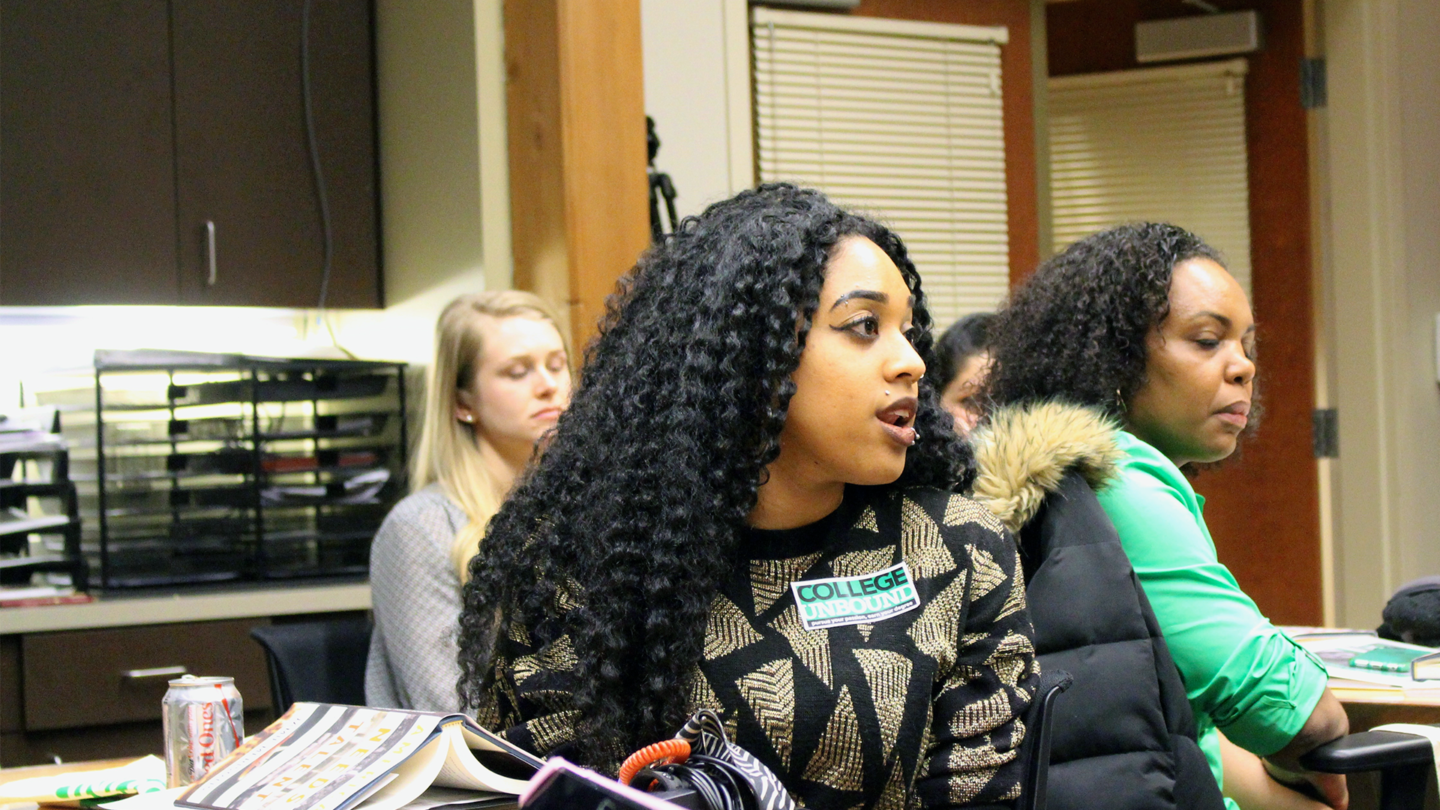
"caption": "Anjel Newmann, a College Unbound student, speaks up during a weekly seminar.",
"description": null,
"title": "CU",
"credit": "Tracy Money/College Unbound",
"status": "inherit",
"isLoading": false,
"fetchFailed": false
},
"mindshift_46753": {
"type": "attachments",
"id": "mindshift_46753",
"meta": {
"index": "attachments_1716263798",
"site": "mindshift",
"id": "46753",
"found": true
},
"parent": 46456,
"imgSizes": {
"small": {
"file": "https://ww2.kqed.org/app/uploads/sites/23/2016/10/Luella-cropped-520x293.gif",
"width": 520,
"mimeType": "image/gif",
"height": 293
},
"twentyfourteen-full-width": {
"file": "https://ww2.kqed.org/app/uploads/sites/23/2016/10/Luella-cropped-1038x576.gif",
"width": 1038,
"mimeType": "image/gif",
"height": 576
},
"thumbnail": {
"file": "https://ww2.kqed.org/app/uploads/sites/23/2016/10/Luella-cropped-160x90.gif",
"width": 160,
"mimeType": "image/gif",
"height": 90
},
"fd-sm": {
"file": "https://ww2.kqed.org/app/uploads/sites/23/2016/10/Luella-cropped-960x540.gif",
"width": 960,
"mimeType": "image/gif",
"height": 540
},
"post-thumbnail": {
"file": "https://ww2.kqed.org/app/uploads/sites/23/2016/10/Luella-cropped-672x372.gif",
"width": 672,
"mimeType": "image/gif",
"height": 372
},
"xsmall": {
"file": "https://ww2.kqed.org/app/uploads/sites/23/2016/10/Luella-cropped-375x211.gif",
"width": 375,
"mimeType": "image/gif",
"height": 211
},
"kqedFullSize": {
"file": "https://ww2.kqed.org/app/uploads/sites/23/2016/10/Luella-cropped.gif",
"width": 3264,
"height": 1836
},
"large": {
"file": "https://ww2.kqed.org/app/uploads/sites/23/2016/10/Luella-cropped-1020x574.gif",
"width": 1020,
"mimeType": "image/gif",
"height": 574
},
"xlarge": {
"file": "https://ww2.kqed.org/app/uploads/sites/23/2016/10/Luella-cropped-1180x664.gif",
"width": 1180,
"mimeType": "image/gif",
"height": 664
},
"guest-author-50": {
"file": "https://ww2.kqed.org/app/uploads/sites/23/2016/10/Luella-cropped-50x50.gif",
"width": 50,
"mimeType": "image/gif",
"height": 50
},
"guest-author-96": {
"file": "https://ww2.kqed.org/app/uploads/sites/23/2016/10/Luella-cropped-96x96.gif",
"width": 96,
"mimeType": "image/gif",
"height": 96
},
"medium": {
"file": "https://ww2.kqed.org/app/uploads/sites/23/2016/10/Luella-cropped-800x450.gif",
"width": 800,
"mimeType": "image/gif",
"height": 450
},
"guest-author-64": {
"file": "https://ww2.kqed.org/app/uploads/sites/23/2016/10/Luella-cropped-64x64.gif",
"width": 64,
"mimeType": "image/gif",
"height": 64
},
"guest-author-32": {
"file": "https://ww2.kqed.org/app/uploads/sites/23/2016/10/Luella-cropped-32x32.gif",
"width": 32,
"mimeType": "image/gif",
"height": 32
},
"fd-lrg": {
"file": "https://ww2.kqed.org/app/uploads/sites/23/2016/10/Luella-cropped-1920x1080.gif",
"width": 1920,
"mimeType": "image/gif",
"height": 1080
},
"fd-med": {
"file": "https://ww2.kqed.org/app/uploads/sites/23/2016/10/Luella-cropped-1180x664.gif",
"width": 1180,
"mimeType": "image/gif",
"height": 664
},
"full-width": {
"file": "https://ww2.kqed.org/app/uploads/sites/23/2016/10/Luella-cropped-1920x1080.gif",
"width": 1920,
"mimeType": "image/gif",
"height": 1080
},
"detail": {
"file": "https://ww2.kqed.org/app/uploads/sites/23/2016/10/Luella-cropped-150x150.gif",
"width": 150,
"mimeType": "image/gif",
"height": 150
},
"medium_large": {
"file": "https://ww2.kqed.org/app/uploads/sites/23/2016/10/Luella-cropped-768x432.gif",
"width": 768,
"mimeType": "image/gif",
"height": 432
},
"guest-author-128": {
"file": "https://ww2.kqed.org/app/uploads/sites/23/2016/10/Luella-cropped-128x128.gif",
"width": 128,
"mimeType": "image/gif",
"height": 128
},
"xxsmall": {
"file": "https://ww2.kqed.org/app/uploads/sites/23/2016/10/Luella-cropped-240x135.gif",
"width": 240,
"mimeType": "image/gif",
"height": 135
}
},
"publishDate": 1476985044,
"modified": 1476985132,
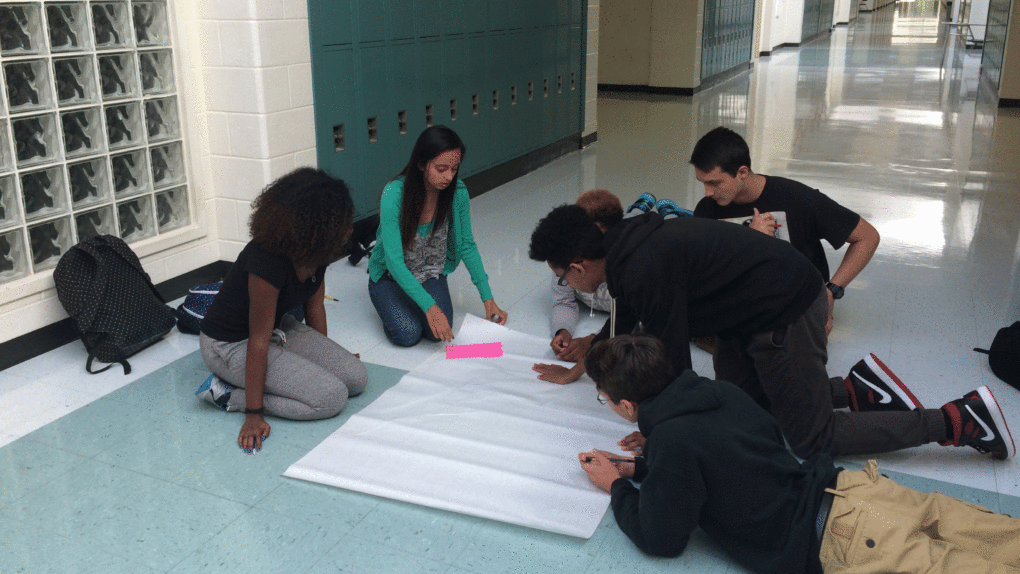
"caption": "Luella High students work together.",
"description": null,
"title": "Luella-cropped",
"credit": "Gail Chapman/Luella High School",
"status": "inherit",
"isLoading": false,
"fetchFailed": false
},
"mindshift_46745": {
"type": "attachments",
"id": "mindshift_46745",
"meta": {
"index": "attachments_1716263798",
"site": "mindshift",
"id": "46745",
"found": true
},
"parent": 46729,
"imgSizes": {
"small": {
"file": "https://ww2.kqed.org/app/uploads/sites/23/2016/10/iStock_90870455_MEDIUM-520x332.jpg",
"width": 520,
"mimeType": "image/jpeg",
"height": 332
},
"twentyfourteen-full-width": {
"file": "https://ww2.kqed.org/app/uploads/sites/23/2016/10/iStock_90870455_MEDIUM-1038x576.jpg",
"width": 1038,
"mimeType": "image/jpeg",
"height": 576
},
"thumbnail": {
"file": "https://ww2.kqed.org/app/uploads/sites/23/2016/10/iStock_90870455_MEDIUM-160x102.jpg",
"width": 160,
"mimeType": "image/jpeg",
"height": 102
},
"fd-sm": {
"file": "https://ww2.kqed.org/app/uploads/sites/23/2016/10/iStock_90870455_MEDIUM-960x613.jpg",
"width": 960,
"mimeType": "image/jpeg",
"height": 613
},
"post-thumbnail": {
"file": "https://ww2.kqed.org/app/uploads/sites/23/2016/10/iStock_90870455_MEDIUM-672x372.jpg",
"width": 672,
"mimeType": "image/jpeg",
"height": 372
},
"xsmall": {
"file": "https://ww2.kqed.org/app/uploads/sites/23/2016/10/iStock_90870455_MEDIUM-375x240.jpg",
"width": 375,
"mimeType": "image/jpeg",
"height": 240
},
"kqedFullSize": {
"file": "https://ww2.kqed.org/app/uploads/sites/23/2016/10/iStock_90870455_MEDIUM.jpg",
"width": 1733,
"height": 1107
},
"large": {
"file": "https://ww2.kqed.org/app/uploads/sites/23/2016/10/iStock_90870455_MEDIUM-1020x652.jpg",
"width": 1020,
"mimeType": "image/jpeg",
"height": 652
},
"xlarge": {
"file": "https://ww2.kqed.org/app/uploads/sites/23/2016/10/iStock_90870455_MEDIUM-1180x754.jpg",
"width": 1180,
"mimeType": "image/jpeg",
"height": 754
},
"guest-author-50": {
"file": "https://ww2.kqed.org/app/uploads/sites/23/2016/10/iStock_90870455_MEDIUM-50x50.jpg",
"width": 50,
"mimeType": "image/jpeg",
"height": 50
},
"guest-author-96": {
"file": "https://ww2.kqed.org/app/uploads/sites/23/2016/10/iStock_90870455_MEDIUM-96x96.jpg",
"width": 96,
"mimeType": "image/jpeg",
"height": 96
},
"medium": {
"file": "https://ww2.kqed.org/app/uploads/sites/23/2016/10/iStock_90870455_MEDIUM-800x511.jpg",
"width": 800,
"mimeType": "image/jpeg",
"height": 511
},
"guest-author-64": {
"file": "https://ww2.kqed.org/app/uploads/sites/23/2016/10/iStock_90870455_MEDIUM-64x64.jpg",
"width": 64,
"mimeType": "image/jpeg",
"height": 64
},
"guest-author-32": {
"file": "https://ww2.kqed.org/app/uploads/sites/23/2016/10/iStock_90870455_MEDIUM-32x32.jpg",
"width": 32,
"mimeType": "image/jpeg",
"height": 32
},
"fd-med": {
"file": "https://ww2.kqed.org/app/uploads/sites/23/2016/10/iStock_90870455_MEDIUM-1180x754.jpg",
"width": 1180,
"mimeType": "image/jpeg",
"height": 754
},
"detail": {
"file": "https://ww2.kqed.org/app/uploads/sites/23/2016/10/iStock_90870455_MEDIUM-150x150.jpg",
"width": 150,
"mimeType": "image/jpeg",
"height": 150
},
"medium_large": {
"file": "https://ww2.kqed.org/app/uploads/sites/23/2016/10/iStock_90870455_MEDIUM-768x491.jpg",
"width": 768,
"mimeType": "image/jpeg",
"height": 491
},
"guest-author-128": {
"file": "https://ww2.kqed.org/app/uploads/sites/23/2016/10/iStock_90870455_MEDIUM-128x128.jpg",
"width": 128,
"mimeType": "image/jpeg",
"height": 128
},
"xxsmall": {
"file": "https://ww2.kqed.org/app/uploads/sites/23/2016/10/iStock_90870455_MEDIUM-240x153.jpg",
"width": 240,
"mimeType": "image/jpeg",
"height": 153
}
},
"publishDate": 1476914838,
"modified": 1476914870,
"caption": null,
"description": null,
"title": "Teen",
"credit": "iStock/Yalana",
"status": "inherit",
"isLoading": false,
"fetchFailed": false
},
"mindshift_46741": {
"type": "attachments",
"id": "mindshift_46741",
"meta": {
"index": "attachments_1716263798",
"site": "mindshift",
"id": "46741",
"found": true
},
"parent": 46440,
"imgSizes": {
"twentyfourteen-full-width": {
"file": "https://ww2.kqed.org/app/uploads/sites/23/2016/10/11660724284_da664a69f2_k-1038x576.jpg",
"width": 1038,
"mimeType": "image/jpeg",
"height": 576
},
"thumbnail": {
"file": "https://ww2.kqed.org/app/uploads/sites/23/2016/10/11660724284_da664a69f2_k-400x267.jpg",
"width": 400,
"mimeType": "image/jpeg",
"height": 267
},
"fd-sm": {
"file": "https://ww2.kqed.org/app/uploads/sites/23/2016/10/11660724284_da664a69f2_k-960x640.jpg",
"width": 960,
"mimeType": "image/jpeg",
"height": 640
},
"post-thumbnail": {
"file": "https://ww2.kqed.org/app/uploads/sites/23/2016/10/11660724284_da664a69f2_k-672x372.jpg",
"width": 672,
"mimeType": "image/jpeg",
"height": 372
},
"kqedFullSize": {
"file": "https://ww2.kqed.org/app/uploads/sites/23/2016/10/11660724284_da664a69f2_k-e1476879055508.jpg",
"width": 1920,
"height": 1280
},
"large": {
"file": "https://ww2.kqed.org/app/uploads/sites/23/2016/10/11660724284_da664a69f2_k-1440x960.jpg",
"width": 1440,
"mimeType": "image/jpeg",
"height": 960
},
"guest-author-50": {
"file": "https://ww2.kqed.org/app/uploads/sites/23/2016/10/11660724284_da664a69f2_k-50x50.jpg",
"width": 50,
"mimeType": "image/jpeg",
"height": 50
},
"guest-author-96": {
"file": "https://ww2.kqed.org/app/uploads/sites/23/2016/10/11660724284_da664a69f2_k-96x96.jpg",
"width": 96,
"mimeType": "image/jpeg",
"height": 96
},
"medium": {
"file": "https://ww2.kqed.org/app/uploads/sites/23/2016/10/11660724284_da664a69f2_k-800x533.jpg",
"width": 800,
"mimeType": "image/jpeg",
"height": 533
},
"guest-author-64": {
"file": "https://ww2.kqed.org/app/uploads/sites/23/2016/10/11660724284_da664a69f2_k-64x64.jpg",
"width": 64,
"mimeType": "image/jpeg",
"height": 64
},
"guest-author-32": {
"file": "https://ww2.kqed.org/app/uploads/sites/23/2016/10/11660724284_da664a69f2_k-32x32.jpg",
"width": 32,
"mimeType": "image/jpeg",
"height": 32
},
"cat_post_thumb_sizecategory-posts-2": {
"file": "https://ww2.kqed.org/app/uploads/sites/23/2016/10/11660724284_da664a69f2_k-50x50.jpg",
"width": 50,
"mimeType": "image/jpeg",
"height": 50
},
"fd-lrg": {
"file": "https://ww2.kqed.org/app/uploads/sites/23/2016/10/11660724284_da664a69f2_k-1920x1280.jpg",
"width": 1920,
"mimeType": "image/jpeg",
"height": 1280
},
"fd-med": {
"file": "https://ww2.kqed.org/app/uploads/sites/23/2016/10/11660724284_da664a69f2_k-1180x786.jpg",
"width": 1180,
"mimeType": "image/jpeg",
"height": 786
},
"detail": {
"file": "https://ww2.kqed.org/app/uploads/sites/23/2016/10/11660724284_da664a69f2_k-150x150.jpg",
"width": 150,
"mimeType": "image/jpeg",
"height": 150
},
"medium_large": {
"file": "https://ww2.kqed.org/app/uploads/sites/23/2016/10/11660724284_da664a69f2_k-768x512.jpg",
"width": 768,
"mimeType": "image/jpeg",
"height": 512
},
"guest-author-128": {
"file": "https://ww2.kqed.org/app/uploads/sites/23/2016/10/11660724284_da664a69f2_k-128x128.jpg",
"width": 128,
"mimeType": "image/jpeg",
"height": 128
}
},
"publishDate": 1476879037,
"modified": 1476879079,
"caption": null,
"description": null,
"title": "Love",
"credit": "\u003ca href=\"https://www.flickr.com/photos/shiyang_huang/11660724284/in/photolist-iLqg5q-38Y23J-5L2kwM-2Qwvso-bfgnxP-9yfQiJ-hnnUvt-8M91N5-7LyBV9-9vpW1g-8Ck3qM-7LyiPS-nWGMjc-9wwHNB-imaoJP-29iz2-4GvsEv-4zatM9-7DVCSg-J71qc7-99RRsa-4aS8pp-HjCjC-88tfAV-4A324J-WFbrk-9EFHSf-6F2eVV-9hgXhz-n9uF9o-okRD-7Lukut-7AU82i-ajWo2i-bo96ni-qUke5L-i4GTNE-eSyVn8-4CBiNs-4La6-9rZZqr-a3Bn8C-nfHZHm-ej3M1C-qV594Y-7R9E6f-4J6US5-oxaHxa-5XdMKv-3oYpMW\">Flickr/Shiyang Huang\u003c/a>",
"status": "inherit",
"isLoading": false,
"fetchFailed": false
},
"mindshift_46707": {
"type": "attachments",
"id": "mindshift_46707",
"meta": {
"index": "attachments_1716263798",
"site": "mindshift",
"id": "46707",
"found": true
},
"parent": 46602,
"imgSizes": {
"twentyfourteen-full-width": {
"file": "https://ww2.kqed.org/app/uploads/sites/23/2016/10/Scantron-1038x576.jpg",
"width": 1038,
"mimeType": "image/jpeg",
"height": 576
},
"thumbnail": {
"file": "https://ww2.kqed.org/app/uploads/sites/23/2016/10/Scantron-400x281.jpg",
"width": 400,
"mimeType": "image/jpeg",
"height": 281
},
"fd-sm": {
"file": "https://ww2.kqed.org/app/uploads/sites/23/2016/10/Scantron-960x675.jpg",
"width": 960,
"mimeType": "image/jpeg",
"height": 675
},
"post-thumbnail": {
"file": "https://ww2.kqed.org/app/uploads/sites/23/2016/10/Scantron-672x372.jpg",
"width": 672,
"mimeType": "image/jpeg",
"height": 372
},
"kqedFullSize": {
"file": "https://ww2.kqed.org/app/uploads/sites/23/2016/10/Scantron.jpg",
"width": 2300,
"height": 1618
},
"large": {
"file": "https://ww2.kqed.org/app/uploads/sites/23/2016/10/Scantron-1440x1013.jpg",
"width": 1440,
"mimeType": "image/jpeg",
"height": 1013
},
"guest-author-50": {
"file": "https://ww2.kqed.org/app/uploads/sites/23/2016/10/Scantron-50x50.jpg",
"width": 50,
"mimeType": "image/jpeg",
"height": 50
},
"guest-author-96": {
"file": "https://ww2.kqed.org/app/uploads/sites/23/2016/10/Scantron-96x96.jpg",
"width": 96,
"mimeType": "image/jpeg",
"height": 96
},
"medium": {
"file": "https://ww2.kqed.org/app/uploads/sites/23/2016/10/Scantron-800x563.jpg",
"width": 800,
"mimeType": "image/jpeg",
"height": 563
},
"guest-author-64": {
"file": "https://ww2.kqed.org/app/uploads/sites/23/2016/10/Scantron-64x64.jpg",
"width": 64,
"mimeType": "image/jpeg",
"height": 64
},
"guest-author-32": {
"file": "https://ww2.kqed.org/app/uploads/sites/23/2016/10/Scantron-32x32.jpg",
"width": 32,
"mimeType": "image/jpeg",
"height": 32
},
"cat_post_thumb_sizecategory-posts-2": {
"file": "https://ww2.kqed.org/app/uploads/sites/23/2016/10/Scantron-50x50.jpg",
"width": 50,
"mimeType": "image/jpeg",
"height": 50
},
"fd-lrg": {
"file": "https://ww2.kqed.org/app/uploads/sites/23/2016/10/Scantron-1920x1351.jpg",
"width": 1920,
"mimeType": "image/jpeg",
"height": 1351
},
"fd-med": {
"file": "https://ww2.kqed.org/app/uploads/sites/23/2016/10/Scantron-1180x830.jpg",
"width": 1180,
"mimeType": "image/jpeg",
"height": 830
},
"detail": {
"file": "https://ww2.kqed.org/app/uploads/sites/23/2016/10/Scantron-150x150.jpg",
"width": 150,
"mimeType": "image/jpeg",
"height": 150
},
"medium_large": {
"file": "https://ww2.kqed.org/app/uploads/sites/23/2016/10/Scantron-768x540.jpg",
"width": 768,
"mimeType": "image/jpeg",
"height": 540
},
"guest-author-128": {
"file": "https://ww2.kqed.org/app/uploads/sites/23/2016/10/Scantron-128x128.jpg",
"width": 128,
"mimeType": "image/jpeg",
"height": 128
}
},
"publishDate": 1476426002,
"modified": 1476426027,
"caption": null,
"description": null,
"title": "Scantron",
"credit": "iStock/Chad McDermott",
"status": "inherit",
"isLoading": false,
"fetchFailed": false
},
"mindshift_46679": {
"type": "attachments",
"id": "mindshift_46679",
"meta": {
"index": "attachments_1716263798",
"site": "mindshift",
"id": "46679",
"found": true
},
"parent": 46678,
"imgSizes": {
"twentyfourteen-full-width": {
"file": "https://ww2.kqed.org/app/uploads/sites/23/2016/10/seamuspromo_wide-0f0eced700233f9503aca94332869b8fd69dce46-1038x576.jpg",
"width": 1038,
"mimeType": "image/jpeg",
"height": 576
},
"thumbnail": {
"file": "https://ww2.kqed.org/app/uploads/sites/23/2016/10/seamuspromo_wide-0f0eced700233f9503aca94332869b8fd69dce46-400x225.jpg",
"width": 400,
"mimeType": "image/jpeg",
"height": 225
},
"fd-sm": {
"file": "https://ww2.kqed.org/app/uploads/sites/23/2016/10/seamuspromo_wide-0f0eced700233f9503aca94332869b8fd69dce46-960x540.jpg",
"width": 960,
"mimeType": "image/jpeg",
"height": 540
},
"post-thumbnail": {
"file": "https://ww2.kqed.org/app/uploads/sites/23/2016/10/seamuspromo_wide-0f0eced700233f9503aca94332869b8fd69dce46-672x372.jpg",
"width": 672,
"mimeType": "image/jpeg",
"height": 372
},
"kqedFullSize": {
"file": "https://ww2.kqed.org/app/uploads/sites/23/2016/10/seamuspromo_wide-0f0eced700233f9503aca94332869b8fd69dce46.jpg",
"width": 3992,
"height": 2245
},
"large": {
"file": "https://ww2.kqed.org/app/uploads/sites/23/2016/10/seamuspromo_wide-0f0eced700233f9503aca94332869b8fd69dce46-1440x810.jpg",
"width": 1440,
"mimeType": "image/jpeg",
"height": 810
},
"guest-author-50": {
"file": "https://ww2.kqed.org/app/uploads/sites/23/2016/10/seamuspromo_wide-0f0eced700233f9503aca94332869b8fd69dce46-50x50.jpg",
"width": 50,
"mimeType": "image/jpeg",
"height": 50
},
"guest-author-96": {
"file": "https://ww2.kqed.org/app/uploads/sites/23/2016/10/seamuspromo_wide-0f0eced700233f9503aca94332869b8fd69dce46-96x96.jpg",
"width": 96,
"mimeType": "image/jpeg",
"height": 96
},
"medium": {
"file": "https://ww2.kqed.org/app/uploads/sites/23/2016/10/seamuspromo_wide-0f0eced700233f9503aca94332869b8fd69dce46-800x450.jpg",
"width": 800,
"mimeType": "image/jpeg",
"height": 450
},
"guest-author-64": {
"file": "https://ww2.kqed.org/app/uploads/sites/23/2016/10/seamuspromo_wide-0f0eced700233f9503aca94332869b8fd69dce46-64x64.jpg",
"width": 64,
"mimeType": "image/jpeg",
"height": 64
},
"guest-author-32": {
"file": "https://ww2.kqed.org/app/uploads/sites/23/2016/10/seamuspromo_wide-0f0eced700233f9503aca94332869b8fd69dce46-32x32.jpg",
"width": 32,
"mimeType": "image/jpeg",
"height": 32
},
"cat_post_thumb_sizecategory-posts-2": {
"file": "https://ww2.kqed.org/app/uploads/sites/23/2016/10/seamuspromo_wide-0f0eced700233f9503aca94332869b8fd69dce46-50x50.jpg",
"width": 50,
"mimeType": "image/jpeg",
"height": 50
},
"fd-lrg": {
"file": "https://ww2.kqed.org/app/uploads/sites/23/2016/10/seamuspromo_wide-0f0eced700233f9503aca94332869b8fd69dce46-1920x1080.jpg",
"width": 1920,
"mimeType": "image/jpeg",
"height": 1080
},
"fd-med": {
"file": "https://ww2.kqed.org/app/uploads/sites/23/2016/10/seamuspromo_wide-0f0eced700233f9503aca94332869b8fd69dce46-1180x664.jpg",
"width": 1180,
"mimeType": "image/jpeg",
"height": 664
},
"detail": {
"file": "https://ww2.kqed.org/app/uploads/sites/23/2016/10/seamuspromo_wide-0f0eced700233f9503aca94332869b8fd69dce46-150x150.jpg",
"width": 150,
"mimeType": "image/jpeg",
"height": 150
},
"medium_large": {
"file": "https://ww2.kqed.org/app/uploads/sites/23/2016/10/seamuspromo_wide-0f0eced700233f9503aca94332869b8fd69dce46-768x432.jpg",
"width": 768,
"mimeType": "image/jpeg",
"height": 432
},
"guest-author-128": {
"file": "https://ww2.kqed.org/app/uploads/sites/23/2016/10/seamuspromo_wide-0f0eced700233f9503aca94332869b8fd69dce46-128x128.jpg",
"width": 128,
"mimeType": "image/jpeg",
"height": 128
}
},
"publishDate": 1476300478,
"modified": 1476300478,
"caption": null,
"description": "A doodle depicting some of the icons in the history of pencils.",
"title": "A doodle depicting some of the icons in the history of pencils.",
"credit": null,
"status": "inherit",
"isLoading": false,
"fetchFailed": false
},
"mindshift_46674": {
"type": "attachments",
"id": "mindshift_46674",
"meta": {
"index": "attachments_1716263798",
"site": "mindshift",
"id": "46674",
"found": true
},
"parent": 46617,
"imgSizes": {
"twentyfourteen-full-width": {
"file": "https://ww2.kqed.org/app/uploads/sites/23/2016/10/Baseball-1038x576.jpg",
"width": 1038,
"mimeType": "image/jpeg",
"height": 576
},
"thumbnail": {
"file": "https://ww2.kqed.org/app/uploads/sites/23/2016/10/Baseball-400x224.jpg",
"width": 400,
"mimeType": "image/jpeg",
"height": 224
},
"fd-sm": {
"file": "https://ww2.kqed.org/app/uploads/sites/23/2016/10/Baseball-960x537.jpg",
"width": 960,
"mimeType": "image/jpeg",
"height": 537
},
"post-thumbnail": {
"file": "https://ww2.kqed.org/app/uploads/sites/23/2016/10/Baseball-672x372.jpg",
"width": 672,
"mimeType": "image/jpeg",
"height": 372
},
"kqedFullSize": {
"file": "https://ww2.kqed.org/app/uploads/sites/23/2016/10/Baseball.jpg",
"width": 2712,
"height": 1516
},
"large": {
"file": "https://ww2.kqed.org/app/uploads/sites/23/2016/10/Baseball-1440x805.jpg",
"width": 1440,
"mimeType": "image/jpeg",
"height": 805
},
"guest-author-50": {
"file": "https://ww2.kqed.org/app/uploads/sites/23/2016/10/Baseball-50x50.jpg",
"width": 50,
"mimeType": "image/jpeg",
"height": 50
},
"guest-author-96": {
"file": "https://ww2.kqed.org/app/uploads/sites/23/2016/10/Baseball-96x96.jpg",
"width": 96,
"mimeType": "image/jpeg",
"height": 96
},
"medium": {
"file": "https://ww2.kqed.org/app/uploads/sites/23/2016/10/Baseball-800x447.jpg",
"width": 800,
"mimeType": "image/jpeg",
"height": 447
},
"guest-author-64": {
"file": "https://ww2.kqed.org/app/uploads/sites/23/2016/10/Baseball-64x64.jpg",
"width": 64,
"mimeType": "image/jpeg",
"height": 64
},
"guest-author-32": {
"file": "https://ww2.kqed.org/app/uploads/sites/23/2016/10/Baseball-32x32.jpg",
"width": 32,
"mimeType": "image/jpeg",
"height": 32
},
"cat_post_thumb_sizecategory-posts-2": {
"file": "https://ww2.kqed.org/app/uploads/sites/23/2016/10/Baseball-50x50.jpg",
"width": 50,
"mimeType": "image/jpeg",
"height": 50
},
"fd-lrg": {
"file": "https://ww2.kqed.org/app/uploads/sites/23/2016/10/Baseball-1920x1073.jpg",
"width": 1920,
"mimeType": "image/jpeg",
"height": 1073
},
"fd-med": {
"file": "https://ww2.kqed.org/app/uploads/sites/23/2016/10/Baseball-1180x660.jpg",
"width": 1180,
"mimeType": "image/jpeg",
"height": 660
},
"detail": {
"file": "https://ww2.kqed.org/app/uploads/sites/23/2016/10/Baseball-150x150.jpg",
"width": 150,
"mimeType": "image/jpeg",
"height": 150
},
"medium_large": {
"file": "https://ww2.kqed.org/app/uploads/sites/23/2016/10/Baseball-768x429.jpg",
"width": 768,
"mimeType": "image/jpeg",
"height": 429
},
"guest-author-128": {
"file": "https://ww2.kqed.org/app/uploads/sites/23/2016/10/Baseball-128x128.jpg",
"width": 128,
"mimeType": "image/jpeg",
"height": 128
}
},
"publishDate": 1476278368,
"modified": 1476278389,
"caption": null,
"description": null,
"title": "Baseball",
"credit": "iStock/Tammykayphoto",
"status": "inherit",
"isLoading": false,
"fetchFailed": false
},
"mindshift_46641": {
"type": "attachments",
"id": "mindshift_46641",
"meta": {
"index": "attachments_1716263798",
"site": "mindshift",
"id": "46641",
"found": true
},
"parent": 46640,
"imgSizes": {
"twentyfourteen-full-width": {
"file": "https://ww2.kqed.org/app/uploads/sites/23/2016/10/editedteens-f34c411d8c71f0119a5137d6cf614e8d485758c4-1038x576.jpg",
"width": 1038,
"mimeType": "image/jpeg",
"height": 576
},
"thumbnail": {
"file": "https://ww2.kqed.org/app/uploads/sites/23/2016/10/editedteens-f34c411d8c71f0119a5137d6cf614e8d485758c4-400x300.jpg",
"width": 400,
"mimeType": "image/jpeg",
"height": 300
},
"fd-sm": {
"file": "https://ww2.kqed.org/app/uploads/sites/23/2016/10/editedteens-f34c411d8c71f0119a5137d6cf614e8d485758c4-960x720.jpg",
"width": 960,
"mimeType": "image/jpeg",
"height": 720
},
"post-thumbnail": {
"file": "https://ww2.kqed.org/app/uploads/sites/23/2016/10/editedteens-f34c411d8c71f0119a5137d6cf614e8d485758c4-672x372.jpg",
"width": 672,
"mimeType": "image/jpeg",
"height": 372
},
"kqedFullSize": {
"file": "https://ww2.kqed.org/app/uploads/sites/23/2016/10/editedteens-f34c411d8c71f0119a5137d6cf614e8d485758c4-e1475844095531.jpg",
"width": 1920,
"height": 1440
},
"large": {
"file": "https://ww2.kqed.org/app/uploads/sites/23/2016/10/editedteens-f34c411d8c71f0119a5137d6cf614e8d485758c4-1440x1080.jpg",
"width": 1440,
"mimeType": "image/jpeg",
"height": 1080
},
"guest-author-50": {
"file": "https://ww2.kqed.org/app/uploads/sites/23/2016/10/editedteens-f34c411d8c71f0119a5137d6cf614e8d485758c4-50x50.jpg",
"width": 50,
"mimeType": "image/jpeg",
"height": 50
},
"guest-author-96": {
"file": "https://ww2.kqed.org/app/uploads/sites/23/2016/10/editedteens-f34c411d8c71f0119a5137d6cf614e8d485758c4-96x96.jpg",
"width": 96,
"mimeType": "image/jpeg",
"height": 96
},
"medium": {
"file": "https://ww2.kqed.org/app/uploads/sites/23/2016/10/editedteens-f34c411d8c71f0119a5137d6cf614e8d485758c4-800x600.jpg",
"width": 800,
"mimeType": "image/jpeg",
"height": 600
},
"guest-author-64": {
"file": "https://ww2.kqed.org/app/uploads/sites/23/2016/10/editedteens-f34c411d8c71f0119a5137d6cf614e8d485758c4-64x64.jpg",
"width": 64,
"mimeType": "image/jpeg",
"height": 64
},
"guest-author-32": {
"file": "https://ww2.kqed.org/app/uploads/sites/23/2016/10/editedteens-f34c411d8c71f0119a5137d6cf614e8d485758c4-32x32.jpg",
"width": 32,
"mimeType": "image/jpeg",
"height": 32
},
"cat_post_thumb_sizecategory-posts-2": {
"file": "https://ww2.kqed.org/app/uploads/sites/23/2016/10/editedteens-f34c411d8c71f0119a5137d6cf614e8d485758c4-50x50.jpg",
"width": 50,
"mimeType": "image/jpeg",
"height": 50
},
"fd-lrg": {
"file": "https://ww2.kqed.org/app/uploads/sites/23/2016/10/editedteens-f34c411d8c71f0119a5137d6cf614e8d485758c4-1920x1440.jpg",
"width": 1920,
"mimeType": "image/jpeg",
"height": 1440
},
"fd-med": {
"file": "https://ww2.kqed.org/app/uploads/sites/23/2016/10/editedteens-f34c411d8c71f0119a5137d6cf614e8d485758c4-1180x885.jpg",
"width": 1180,
"mimeType": "image/jpeg",
"height": 885
},
"detail": {
"file": "https://ww2.kqed.org/app/uploads/sites/23/2016/10/editedteens-f34c411d8c71f0119a5137d6cf614e8d485758c4-150x150.jpg",
"width": 150,
"mimeType": "image/jpeg",
"height": 150
},
"medium_large": {
"file": "https://ww2.kqed.org/app/uploads/sites/23/2016/10/editedteens-f34c411d8c71f0119a5137d6cf614e8d485758c4-768x576.jpg",
"width": 768,
"mimeType": "image/jpeg",
"height": 576
},
"guest-author-128": {
"file": "https://ww2.kqed.org/app/uploads/sites/23/2016/10/editedteens-f34c411d8c71f0119a5137d6cf614e8d485758c4-128x128.jpg",
"width": 128,
"mimeType": "image/jpeg",
"height": 128
}
},
"publishDate": 1475843397,
"modified": 1475843397,
"caption": null,
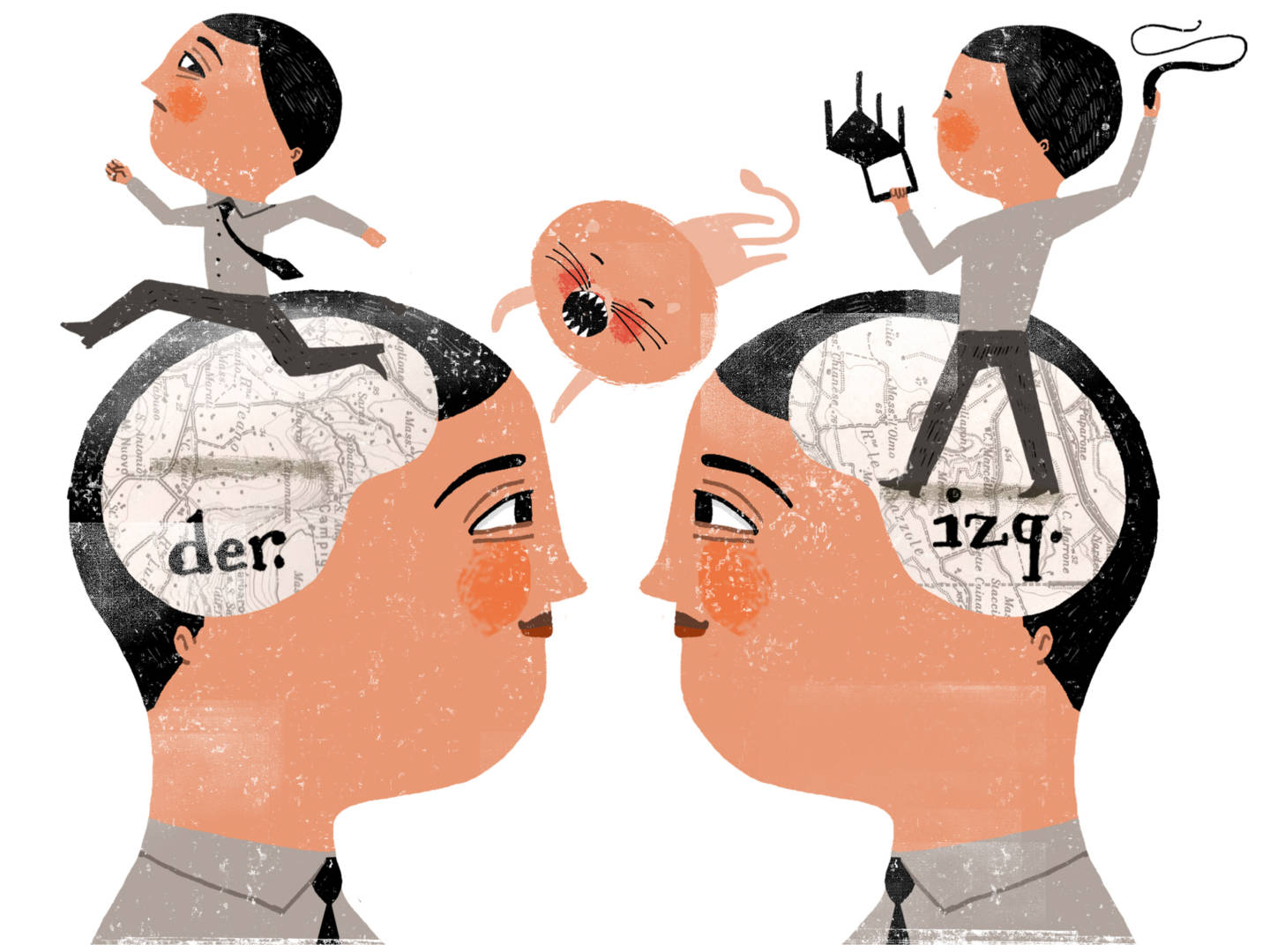
"description": "Sure, keeping a teenager's thoughts corralled may seem like lion taming. But that impulsivity may help them learn, too.",
"title": "Sure, keeping a teenager's thoughts corralled may seem like lion taming. But that impulsivity may help them learn, too.",
"credit": null,
"status": "inherit",
"isLoading": false,
"fetchFailed": false
}
},
"audioPlayerReducer": {
"postId": "stream_live",
"isPaused": true,
"isPlaying": false,
"pfsActive": false,
"pledgeModalIsOpen": true,
"playerDrawerIsOpen": false,
"liveAudioPlayStartedAt": 0,
"liveAudioPlayContext": ""
},
"authorsReducer": {
"byline_mindshift_46886": {
"type": "authors",
"id": "byline_mindshift_46886",
"meta": {
"override": true
},
"slug": "byline_mindshift_46886",
"name": "Anya Kamenetz",
"isLoading": false
},
"byline_mindshift_46814": {
"type": "authors",
"id": "byline_mindshift_46814",
"meta": {
"override": true
},
"slug": "byline_mindshift_46814",
"name": "Natalie Gross",
"isLoading": false
},
"byline_mindshift_46678": {
"type": "authors",
"id": "byline_mindshift_46678",
"meta": {
"override": true
},
"slug": "byline_mindshift_46678",
"name": "Ryan Kellman",
"isLoading": false
},
"byline_mindshift_46640": {
"type": "authors",
"id": "byline_mindshift_46640",
"meta": {
"override": true
},
"slug": "byline_mindshift_46640",
"name": "Erin Ross",
"isLoading": false
},
"katrinaschwartz": {
"type": "authors",
"id": "234",
"meta": {
"index": "authors_1716337520",
"id": "234",
"found": true
},
"name": "Katrina Schwartz",
"firstName": "Katrina",
"lastName": "Schwartz",
"slug": "katrinaschwartz",
"email": "kschwartz@kqed.org",
"display_author_email": false,
"staff_mastheads": [
"news"
],
"title": "Producer",
"bio": "Katrina Schwartz is a journalist based in San Francisco. She's worked at KPCC public radio in LA and has reported on air and online for KQED since 2010. She covered how teaching and learning is changing for MindShift between 2012 and 2020. She is the co-host of the MindShift podcast and now produces KQED's Bay Curious podcast.",
"avatar": "https://secure.gravatar.com/avatar/edb4ee79070447a018538c9aae6eeecf28786515b8a0c30e43b6b7dce5aa44c8?s=600&d=blank&r=g",
"twitter": "kschwart",
"bluesky": null,
"facebook": null,
"instagram": null,
"linkedin": null,
"sites": [
{
"site": "",
"roles": [
"editor"
]
},
{
"site": "news",
"roles": [
"editor"
]
},
{
"site": "mindshift",
"roles": [
"administrator"
]
},
{
"site": "stateofhealth",
"roles": [
"author"
]
},
{
"site": "science",
"roles": [
"editor"
]
}
],
"headData": {
"title": "Katrina Schwartz | KQED",
"description": "Producer",
"ogImgSrc": "https://secure.gravatar.com/avatar/edb4ee79070447a018538c9aae6eeecf28786515b8a0c30e43b6b7dce5aa44c8?s=600&d=blank&r=g",
"twImgSrc": "https://secure.gravatar.com/avatar/edb4ee79070447a018538c9aae6eeecf28786515b8a0c30e43b6b7dce5aa44c8?s=600&d=blank&r=g"
},
"isLoading": false,
"link": "/author/katrinaschwartz"
},
"lindaflan": {
"type": "authors",
"id": "4613",
"meta": {
"index": "authors_1716337520",
"id": "4613",
"found": true
},
"name": "Linda Flanagan",
"firstName": "Linda",
"lastName": "Flanagan",
"slug": "lindaflan",
"email": "lindaflan@comcast.net",
"display_author_email": false,
"staff_mastheads": [],
"title": null,
"bio": "Linda Flanagan is a freelance writer, researcher, and editor. Her work has appeared in The Atlantic, The Wall St. Journal, Newsweek, Running Times, and Mind/Shift, and she blogs regularly for the Huffington Post. Linda writes about education, culture, athletics, youth sports, mental health, politics, college admissions, and other curiosities. She also reviews books and conducts interviews.",
"avatar": "https://secure.gravatar.com/avatar/6bca04c0736bf5eaea80654019de688f?s=600&d=blank&r=g",
"twitter": "LindaFlanagan2",
"facebook": null,
"instagram": null,
"linkedin": null,
"sites": [
{
"site": "mindshift",
"roles": [
"contributor"
]
}
],
"headData": {
"title": "Linda Flanagan | KQED",
"description": null,
"ogImgSrc": "https://secure.gravatar.com/avatar/6bca04c0736bf5eaea80654019de688f?s=600&d=blank&r=g",
"twImgSrc": "https://secure.gravatar.com/avatar/6bca04c0736bf5eaea80654019de688f?s=600&d=blank&r=g"
},
"isLoading": false,
"link": "/author/lindaflan"
}
},
"pagesReducer": {
"mindshift_category_big-ideas": {
"type": "terms",
"id": "mindshift_192",
"meta": {
"index": "terms_1716263798",
"site": "mindshift",
"id": "192",
"score": 14.406914
},
"featImg": null,
"name": "Big Ideas",
"description": "The latest findings from experts in the field related to the future of learning.",
"taxonomy": "category",
"headData": {
"twImgId": null,
"twTitle": null,
"ogTitle": null,
"ogImgId": null,
"twDescription": null,
"description": "The latest findings from experts in the field related to the future of learning.",
"title": "Big Ideas Archives | KQED Mindshift",
"ogDescription": null
},
"ttid": 192,
"slug": "big-ideas",
"isLoading": false,
"title": "Big Ideas",
"pageMeta": {
"site": "mindshift",
"WpPageTemplate": "page-topic-editorial",
"currentPage": 41
},
"blocks": [
{
"blockName": "kqed/company-paragraph",
"content": "The latest findings from experts in the field related to the future of learning."
},
{
"blockName": "kqed/post-list",
"attrs": {
"layout": "cardArticle2",
"query": "posts/mindshift?category=big-ideas",
"seeMore": false,
"paginated": true,
"page": 41
}
},
{
"blockName": "kqed/ad"
}
]
}
},
"pfsSessionReducer": {},
"postsReducer": {
"stream_live": {
"type": "live",
"id": "stream_live",
"audioUrl": "https://streams.kqed.org/kqedradio",
"title": "Live Stream",
"excerpt": "Live Stream information currently unavailable.",
"link": "/radio",
"featImg": "",
"label": {
"name": "KQED Live",
"link": "/"
}
},
"stream_kqedNewscast": {
"type": "posts",
"id": "stream_kqedNewscast",
"audioUrl": "https://www.kqed.org/.stream/anon/radio/RDnews/newscast.mp3?_=1",
"title": "KQED Newscast",
"featImg": "",
"label": {
"name": "88.5 FM",
"link": "/"
}
},
"mindshift_46980": {
"type": "posts",
"id": "mindshift_46980",
"meta": {
"index": "posts_1716263798",
"site": "mindshift",
"id": "46980",
"score": null,
"sort": [
1479303040000
]
},
"parent": 0,
"labelTerm": {
"site": "mindshift"
},
"blocks": [],
"publishDate": 1479303040,
"format": "standard",
"disqusTitle": "Why Empathy Holds the Key to Transforming 21st Century Learning",
"title": "Why Empathy Holds the Key to Transforming 21st Century Learning",
"headTitle": "MindShift | KQED News",
"content": "\u003cp>\u003cstrong>By Thom Markham\u003c/strong>\u003c/p>\n\u003cp>Like other aspects of modern life, education can make the head hurt. So many outcomes, so much important work to do, so many solutions and strategies, so many variations on teaching, so many different kinds of students with so many different needs, so many unknowns in preparing for 21\u003csup>st\u003c/sup> Century life and the endless list of jobs that haven’t been invented.\u003c/p>\n\u003cp>What if we discovered one unifying factor that brought all of this confusion under one roof and gave us a coherent sense of how to stimulate the intellect, teach children to engage in collaborative problem solving and creative challenge, and foster social-emotional balance and stability—one factor that, if we got right, would change the equation for learning in the same way that confirming the existence of a fundamental particle informs a grand theory of the universe?\u003c/p>\n\u003cp>That factor exists: It’s called empathy.\u003c/p>\n\u003cp>To make that argument requires a deep dive into the profound nature of empathy. Right now, empathy roughly equates to “I like you and am willing to tolerate you regardless of differences because I am a good person.” But the textbook definition hints at something more profound: It’s ‘the feeling of being able to understand and share another person’s experiences and emotions.’ That all-encompassing definition means empathy results from a complex mix of other meaningful emotions and attitudes that fuel human personality, such as openness, curiosity, self-restraint, vulnerability, sensitivity, awareness, respect, appreciation, and even love. Add this list to the fact that empathy can’t manifest unless we have had our \u003cem>own\u003c/em> experiences and emotions to contrast, compare, and connect with others—and we can see that empathy is more than a simple connector; it’s the subterranean, fundamental glue that holds humanity together.\u003c/p>\n\u003cp>[ad fullwidth]\u003c/p>\n\u003cp>Thus, it shouldn’t surprise us that such a potent emotion resonates across mind and body, influencing behavior and brain function. That is exactly the case. Empathy has the potential to open up students to deeper learning, drive clarity of thinking, and inspire engagement with the world—in other words, provide the emotional sustenance for outstanding human performance.\u003c/p>\n\u003cp>I see this regularly in my work with project-based-learning teachers who create classrooms that hum with good vibes and focused work. But to understand the full potential of empathy, let’s connect some dots. Those dots may appear unrelated at the moment, but they constitute a scatterplot with a trend line, predicting that empathy will eventually not be an add-on or ‘soft’ skill or one component of a middle school advisory program, and in the process confirm that a school system focused on cognition and testing alone cannot bring forth the greater purpose, focus, collaboration, and creativity necessary for 21\u003csup>st\u003c/sup> century students.\u003c/p>\n\u003cp>I see seven ‘dots’, if you will, that begin to paint this emerging picture of schooling in the future:\u003c/p>\n\u003cp>\u003cstrong>Empathy underlies collaboration\u003cem>\u003cbr>\n\u003c/em>\u003c/strong>As social-emotional learning becomes more necessary to help students navigate life and work, empathy is getting more popular by the day, for good reason: Empathy lies at the heart of 21\u003csup>st\u003c/sup> century skillfulness in teamwork, collaboration and communication in a diverse world. Speaking or listening to someone without radiating empathy narrows the channel of communication or blocks connection altogether. Particularly in the new reality of a global world, without empathy you’re not ready to engage the 21\u003csup>st\u003c/sup> century, either in the workplace or across cultures. It has to be taught, practiced and coached.\u003c/p>\n\u003cp>\u003cstrong>Empathy is healthy\u003cbr>\n\u003c/strong>In the last twenty years, discussions about emotions have taken a radical turn. For years, negative emotions dominated theory and research. Today we know that positive emotions enhance well-being, health, relationships and personal strengths. At the top of this pyramid are the emotions associated with empathy: curiosity, openness, appreciation and gratitude. Empathy simply powers up the mind, body and spirit.\u003c/p>\n\u003cp class=\"p1\">\u003cspan class=\"s1\">\u003cb>Empathy promotes whole-child learning\u003cbr>\n\u003c/b>A critical dot, overlooked in our brain-centric world, is that \u003ca href=\"http://greatergood.berkeley.edu/article/item/where_to_find_wisdom_in_the_body\">\u003cspan class=\"s2\">empathy may activate the heart.\u003c/span>\u003c/a> As I’ve written many times, the heart has a role in learning equal to the brain. In fact, science does not support the mistaken notion that the brain does all the work. Research on \u003ca href=\"https://www.heartmath.org/research/science-of-the-heart/heart-rate-variability/\">\u003cspan class=\"s2\">heart rate variability and emotions\u003c/span>\u003c/a> shows that the \u003ca href=\"https://www.heartmath.org/research/science-of-the-heart/heart-brain-communication/\">\u003cspan class=\"s2\">heart engages the brain\u003c/span>\u003c/a> in constant conversation, using the \u003ca href=\"http://www.huffingtonpost.com/heartmath-llc/heart-wisdom_b_2615857.html\">\u003cspan class=\"s2\">language of emotions\u003c/span>\u003c/a> to direct the ‘state’ of the brain. To perform its role, the heart contains upwards of \u003ca href=\"https://www.rewireme.com/insight/your-heart-and-stomach-may-be-smarter-than-you-think/\">\u003cspan class=\"s2\">40,000 neurons\u003c/span>\u003c/a> identical to nerve cells in the brain; eighty percent of nerve traffic then travels upward from heart to brain, making it clear that the heart influences brain function. While we don’t fully understand the implications of this partnership, two findings have been confirmed: \u003ca href=\"https://www.ncbi.nlm.nih.gov/pmc/articles/PMC3547430/\">\u003cspan class=\"s2\">Anxiety and negative feelings alter the coding of the messages\u003c/span>\u003c/a> sent by the heart to the brain, resulting in stress or fight or flight responses; at the same time, positive emotions such as gratitude and appreciation—close cousins of empathy—show pronounced, \u003ca href=\"https://www.psychologytoday.com/blog/prefrontal-nudity/201211/the-grateful-brain\">\u003cspan class=\"s2\">positive effects\u003c/span>\u003c/a> on brain processes.\u003c/span>\u003c/p>\n\u003cp>\u003cstrong>Empathy ‘opens’ us up\u003cbr>\n\u003c/strong>The frontal lobes of the brain, at least as much as we know now, are the seat of planning, execution, problem solving and creativity—and when the frontal lobes are working well, so are we. In that well-documented ‘flow state,’ humans function at their peak, moving into a whole-body feeling of openness, relaxed focus, and creative possibility. If we know empathy activates the frontal lobes, why can’t we imagine intentional lessons about empathy and openness designed to put students in an optimal state for learning?\u003c/p>\n\u003cp>\u003cstrong>Empathy powers up inquiry and project based learning\u003cbr>\n\u003c/strong>Instruction is clearly headed in the direction of student-centered approaches such as inquiry and PBL. These approaches succeed in an atmosphere of care and positive relationships, both between student and teacher, and student and student. Classrooms that lack this foundation cannot succeed at project based work or open-ended questioning that relies on students’ ability to \u003cem>care\u003c/em> about their learning. Setting up a culture of care is very much an exercise in making empathy central to daily work.\u003c/p>\n\u003cp>\u003cstrong>Empathy triggers creativity\u003cbr>\n\u003c/strong>Beyond rounding out the skills of collaboration and communication, empathy, design and collaboration are interconnected pieces of the creative puzzle. Empathy is now identified as the first step in the \u003ca href=\"https://www.ideo.com/tools\">design process\u003c/a>, whether crafting new software for a user or creating form-factors that inherently please the consumer. Right now, empathy is described as ‘step.’ But that easy designation belies a very deep process in which a designer must, for lack of a better term, ‘sink into the mind of another and take on their persona’. That is a deep descriptor of an ultimate form of empathy—and it may be a necessary component of an educational system increasingly tilted toward design and inquiry.\u003c/p>\n\u003cp>\u003cstrong>Empathy unites\u003cbr>\n\u003c/strong>The list could have started here, but on a planet that is now close to completing the globalizing process, empathy assumes a special role as the key emotion critical for seven-plus billion people to live in harmony and cooperative relationship. For our Stone-Age brethren, fear and separation were appropriate mechanisms for survival. But that has been flipped by sheer numbers, technology, resource scarcity, and environmental impact. Empathy is required curriculum, and without it, eventually our current focus on high test scores and fulfilling college requirements will be rendered meaningless by untoward events.\u003c/p>\n\u003cp>The takeaway? Ready or not, education is entering an age in which social learning is the new norm. Pure academics are giving way to increased opportunities for students to work together; teachers increasingly take on the role of co-learner and facilitator; listening, learning, and teaming are the new core skills. At the heart of this new skillfulness for everyone is the ability to forge deep connections lead to creative problem solving and positive pursuits. Taken all together, this makes empathy critical to schools. In fact, very soon we will need to invent a new taxonomy of learning that makes empathy the base of the learning pyramid.\u003c/p>\n\u003cp>[ad floatright]\u003c/p>\n\u003cp>\u003cem>\u003ca href=\"https://twitter.com/thommarkham\">Thom Markham\u003c/a>, founder and CEO of \u003ca href=\"http://www.pblglobal.com\">PBL Global\u003c/a>, is an author, psychologist and international school consultant who has assisted over 300 schools and 6000 teachers across five continents in implementing project-based learning, 21\u003csup>st\u003c/sup> century competencies, social-emotional growth and successful inquiry-based systems of teaching and learning. \u003c/em>\u003cem> \u003c/em>\u003c/p>\n\n",
"disqusIdentifier": "46980 http://ww2.kqed.org/mindshift/?p=46980",
"disqusUrl": "https://ww2.kqed.org/mindshift/2016/11/16/why-empathy-holds-the-key-to-transforming-21st-century-learning/",
"stats": {
"hasVideo": false,
"hasChartOrMap": false,
"hasAudio": false,
"hasPolis": false,
"wordCount": 1420,
"hasGoogleForm": false,
"hasGallery": false,
"hasHearkenModule": false,
"iframeSrcs": [],
"paragraphCount": 18
},
"modified": 1479303040,
"excerpt": "Empathy -- the ability to understand another person's experiences and emotions -- can be a powerful learning tool for students and an important outcome of meaningful work. ",
"headData": {
"twImgId": "",
"twTitle": "",
"ogTitle": "",
"ogImgId": "",
"twDescription": "",
"description": "Empathy -- the ability to understand another person's experiences and emotions -- can be a powerful learning tool for students and an important outcome of meaningful work. ",
"title": "Why Empathy Holds the Key to Transforming 21st Century Learning | KQED",
"ogDescription": "",
"schema": {
"@context": "https://schema.org",
"@type": "Article",
"headline": "Why Empathy Holds the Key to Transforming 21st Century Learning",
"datePublished": "2016-11-16T05:30:40-08:00",
"dateModified": "2016-11-16T05:30:40-08:00",
"image": "https://cdn.kqed.org/wp-content/uploads/2020/02/KQED-OG-Image@1x.png"
}
},
"guestAuthors": [],
"slug": "why-empathy-holds-the-key-to-transforming-21st-century-learning",
"status": "publish",
"path": "/mindshift/46980/why-empathy-holds-the-key-to-transforming-21st-century-learning",
"audioTrackLength": null,
"parsedContent": [
{
"type": "contentString",
"content": "\u003cdiv class=\"post-body\">\u003cp>\u003cp>\u003cstrong>By Thom Markham\u003c/strong>\u003c/p>\n\u003cp>Like other aspects of modern life, education can make the head hurt. So many outcomes, so much important work to do, so many solutions and strategies, so many variations on teaching, so many different kinds of students with so many different needs, so many unknowns in preparing for 21\u003csup>st\u003c/sup> Century life and the endless list of jobs that haven’t been invented.\u003c/p>\n\u003cp>What if we discovered one unifying factor that brought all of this confusion under one roof and gave us a coherent sense of how to stimulate the intellect, teach children to engage in collaborative problem solving and creative challenge, and foster social-emotional balance and stability—one factor that, if we got right, would change the equation for learning in the same way that confirming the existence of a fundamental particle informs a grand theory of the universe?\u003c/p>\n\u003cp>That factor exists: It’s called empathy.\u003c/p>\n\u003cp>To make that argument requires a deep dive into the profound nature of empathy. Right now, empathy roughly equates to “I like you and am willing to tolerate you regardless of differences because I am a good person.” But the textbook definition hints at something more profound: It’s ‘the feeling of being able to understand and share another person’s experiences and emotions.’ That all-encompassing definition means empathy results from a complex mix of other meaningful emotions and attitudes that fuel human personality, such as openness, curiosity, self-restraint, vulnerability, sensitivity, awareness, respect, appreciation, and even love. Add this list to the fact that empathy can’t manifest unless we have had our \u003cem>own\u003c/em> experiences and emotions to contrast, compare, and connect with others—and we can see that empathy is more than a simple connector; it’s the subterranean, fundamental glue that holds humanity together.\u003c/p>\n\u003cp>\u003c/p>\u003c/div>",
"attributes": {
"named": {},
"numeric": []
}
},
{
"type": "component",
"content": "",
"name": "ad",
"attributes": {
"named": {
"label": "fullwidth"
},
"numeric": [
"fullwidth"
]
}
},
{
"type": "contentString",
"content": "\u003cdiv class=\"post-body\">\u003cp>\u003c/p>\n\u003cp>Thus, it shouldn’t surprise us that such a potent emotion resonates across mind and body, influencing behavior and brain function. That is exactly the case. Empathy has the potential to open up students to deeper learning, drive clarity of thinking, and inspire engagement with the world—in other words, provide the emotional sustenance for outstanding human performance.\u003c/p>\n\u003cp>I see this regularly in my work with project-based-learning teachers who create classrooms that hum with good vibes and focused work. But to understand the full potential of empathy, let’s connect some dots. Those dots may appear unrelated at the moment, but they constitute a scatterplot with a trend line, predicting that empathy will eventually not be an add-on or ‘soft’ skill or one component of a middle school advisory program, and in the process confirm that a school system focused on cognition and testing alone cannot bring forth the greater purpose, focus, collaboration, and creativity necessary for 21\u003csup>st\u003c/sup> century students.\u003c/p>\n\u003cp>I see seven ‘dots’, if you will, that begin to paint this emerging picture of schooling in the future:\u003c/p>\n\u003cp>\u003cstrong>Empathy underlies collaboration\u003cem>\u003cbr>\n\u003c/em>\u003c/strong>As social-emotional learning becomes more necessary to help students navigate life and work, empathy is getting more popular by the day, for good reason: Empathy lies at the heart of 21\u003csup>st\u003c/sup> century skillfulness in teamwork, collaboration and communication in a diverse world. Speaking or listening to someone without radiating empathy narrows the channel of communication or blocks connection altogether. Particularly in the new reality of a global world, without empathy you’re not ready to engage the 21\u003csup>st\u003c/sup> century, either in the workplace or across cultures. It has to be taught, practiced and coached.\u003c/p>\n\u003cp>\u003cstrong>Empathy is healthy\u003cbr>\n\u003c/strong>In the last twenty years, discussions about emotions have taken a radical turn. For years, negative emotions dominated theory and research. Today we know that positive emotions enhance well-being, health, relationships and personal strengths. At the top of this pyramid are the emotions associated with empathy: curiosity, openness, appreciation and gratitude. Empathy simply powers up the mind, body and spirit.\u003c/p>\n\u003cp class=\"p1\">\u003cspan class=\"s1\">\u003cb>Empathy promotes whole-child learning\u003cbr>\n\u003c/b>A critical dot, overlooked in our brain-centric world, is that \u003ca href=\"http://greatergood.berkeley.edu/article/item/where_to_find_wisdom_in_the_body\">\u003cspan class=\"s2\">empathy may activate the heart.\u003c/span>\u003c/a> As I’ve written many times, the heart has a role in learning equal to the brain. In fact, science does not support the mistaken notion that the brain does all the work. Research on \u003ca href=\"https://www.heartmath.org/research/science-of-the-heart/heart-rate-variability/\">\u003cspan class=\"s2\">heart rate variability and emotions\u003c/span>\u003c/a> shows that the \u003ca href=\"https://www.heartmath.org/research/science-of-the-heart/heart-brain-communication/\">\u003cspan class=\"s2\">heart engages the brain\u003c/span>\u003c/a> in constant conversation, using the \u003ca href=\"http://www.huffingtonpost.com/heartmath-llc/heart-wisdom_b_2615857.html\">\u003cspan class=\"s2\">language of emotions\u003c/span>\u003c/a> to direct the ‘state’ of the brain. To perform its role, the heart contains upwards of \u003ca href=\"https://www.rewireme.com/insight/your-heart-and-stomach-may-be-smarter-than-you-think/\">\u003cspan class=\"s2\">40,000 neurons\u003c/span>\u003c/a> identical to nerve cells in the brain; eighty percent of nerve traffic then travels upward from heart to brain, making it clear that the heart influences brain function. While we don’t fully understand the implications of this partnership, two findings have been confirmed: \u003ca href=\"https://www.ncbi.nlm.nih.gov/pmc/articles/PMC3547430/\">\u003cspan class=\"s2\">Anxiety and negative feelings alter the coding of the messages\u003c/span>\u003c/a> sent by the heart to the brain, resulting in stress or fight or flight responses; at the same time, positive emotions such as gratitude and appreciation—close cousins of empathy—show pronounced, \u003ca href=\"https://www.psychologytoday.com/blog/prefrontal-nudity/201211/the-grateful-brain\">\u003cspan class=\"s2\">positive effects\u003c/span>\u003c/a> on brain processes.\u003c/span>\u003c/p>\n\u003cp>\u003cstrong>Empathy ‘opens’ us up\u003cbr>\n\u003c/strong>The frontal lobes of the brain, at least as much as we know now, are the seat of planning, execution, problem solving and creativity—and when the frontal lobes are working well, so are we. In that well-documented ‘flow state,’ humans function at their peak, moving into a whole-body feeling of openness, relaxed focus, and creative possibility. If we know empathy activates the frontal lobes, why can’t we imagine intentional lessons about empathy and openness designed to put students in an optimal state for learning?\u003c/p>\n\u003cp>\u003cstrong>Empathy powers up inquiry and project based learning\u003cbr>\n\u003c/strong>Instruction is clearly headed in the direction of student-centered approaches such as inquiry and PBL. These approaches succeed in an atmosphere of care and positive relationships, both between student and teacher, and student and student. Classrooms that lack this foundation cannot succeed at project based work or open-ended questioning that relies on students’ ability to \u003cem>care\u003c/em> about their learning. Setting up a culture of care is very much an exercise in making empathy central to daily work.\u003c/p>\n\u003cp>\u003cstrong>Empathy triggers creativity\u003cbr>\n\u003c/strong>Beyond rounding out the skills of collaboration and communication, empathy, design and collaboration are interconnected pieces of the creative puzzle. Empathy is now identified as the first step in the \u003ca href=\"https://www.ideo.com/tools\">design process\u003c/a>, whether crafting new software for a user or creating form-factors that inherently please the consumer. Right now, empathy is described as ‘step.’ But that easy designation belies a very deep process in which a designer must, for lack of a better term, ‘sink into the mind of another and take on their persona’. That is a deep descriptor of an ultimate form of empathy—and it may be a necessary component of an educational system increasingly tilted toward design and inquiry.\u003c/p>\n\u003cp>\u003cstrong>Empathy unites\u003cbr>\n\u003c/strong>The list could have started here, but on a planet that is now close to completing the globalizing process, empathy assumes a special role as the key emotion critical for seven-plus billion people to live in harmony and cooperative relationship. For our Stone-Age brethren, fear and separation were appropriate mechanisms for survival. But that has been flipped by sheer numbers, technology, resource scarcity, and environmental impact. Empathy is required curriculum, and without it, eventually our current focus on high test scores and fulfilling college requirements will be rendered meaningless by untoward events.\u003c/p>\n\u003cp>The takeaway? Ready or not, education is entering an age in which social learning is the new norm. Pure academics are giving way to increased opportunities for students to work together; teachers increasingly take on the role of co-learner and facilitator; listening, learning, and teaming are the new core skills. At the heart of this new skillfulness for everyone is the ability to forge deep connections lead to creative problem solving and positive pursuits. Taken all together, this makes empathy critical to schools. In fact, very soon we will need to invent a new taxonomy of learning that makes empathy the base of the learning pyramid.\u003c/p>\n\u003cp>\u003c/p>\u003c/div>",
"attributes": {
"named": {},
"numeric": []
}
},
{
"type": "component",
"content": "",
"name": "ad",
"attributes": {
"named": {
"label": "floatright"
},
"numeric": [
"floatright"
]
}
},
{
"type": "contentString",
"content": "\u003cdiv class=\"post-body\">\u003cp>\u003c/p>\n\u003cp>\u003cem>\u003ca href=\"https://twitter.com/thommarkham\">Thom Markham\u003c/a>, founder and CEO of \u003ca href=\"http://www.pblglobal.com\">PBL Global\u003c/a>, is an author, psychologist and international school consultant who has assisted over 300 schools and 6000 teachers across five continents in implementing project-based learning, 21\u003csup>st\u003c/sup> century competencies, social-emotional growth and successful inquiry-based systems of teaching and learning. \u003c/em>\u003cem> \u003c/em>\u003c/p>\n\n\u003c/div>\u003c/p>",
"attributes": {
"named": {},
"numeric": []
}
}
],
"link": "/mindshift/46980/why-empathy-holds-the-key-to-transforming-21st-century-learning",
"authors": [
"4354"
],
"categories": [
"mindshift_192",
"mindshift_194"
],
"tags": [
"mindshift_20699",
"mindshift_20784",
"mindshift_1040",
"mindshift_20867",
"mindshift_256",
"mindshift_943"
],
"featImg": "mindshift_46986",
"label": "mindshift"
},
"mindshift_46613": {
"type": "posts",
"id": "mindshift_46613",
"meta": {
"index": "posts_1716263798",
"site": "mindshift",
"id": "46613",
"score": null,
"sort": [
1479152824000
]
},
"parent": 0,
"labelTerm": {
"site": "mindshift"
},
"blocks": [],
"publishDate": 1479152824,
"format": "standard",
"disqusTitle": "How to Develop Mindsets for Compassion and Caring in Students",
"title": "How to Develop Mindsets for Compassion and Caring in Students",
"headTitle": "MindShift | KQED News",
"content": "\u003cp>Early in his career Dr. Robert Brooks became the principal of a school in a locked-door unit at McLean Psychiatric Hospital. He and his staff of teachers worked with children and adolescents who were severely disturbed and whose behavior showed their turmoil. Within the first few months, Brooks felt demoralized and dreaded work each day.\u003c/p>\n\u003cp>“I had a very negative mindset,” Brooks said at a \u003ca href=\"https://www.learningandthebrain.com/\">Learning and the Brain\u003c/a> conference on mindsets in San Francisco. Brooks is now a psychologist on the faculty of Harvard Medical School and is the author of over a dozen books, including \u003cem>\u003ca href=\"http://www.drrobertbrooks.com/products/raising-resilient-children/\" target=\"_blank\">Raising Resilient Children\u003c/a>\u003c/em>. He has spent his career researching how to help develop resilience in children and adults, working extensively with educators in many contexts.\u003c/p>\n\u003caside class=\"pullquote alignright\">'We have to start with the assumption that everything you do in the classroom can have a major impact on a child's life.'\u003c/aside>\n\u003cp>Brooks' experiences at McLean gave him insight and empathy for how difficult teaching can be, especially when students don’t outwardly appear to want to learn. When faced with so many challenging students, he felt like nothing he or his staff did would make a difference for how much kids learned or their behavior. He began to feel that when they were released from the hospital they would likely end up on drugs, in jail or dead.\u003c/p>\n\u003cp>“What I realized is when you feel you are losing control in a classroom, you become more controlling,” Brooks said. But as he and his staff tried to make their students do exactly as they said, they only behaved worse and learned less.\u003c/p>\n\u003cp>“What changed was a group of courageous educators who totally shifted their mindsets, and when they shifted their mindsets they shifted the practices they were using,” Brooks said.\u003cbr>\n\u003cstrong>\u003cbr>\nRESEARCH ON RESILIENCE\u003c/strong>\u003c/p>\n\u003cp>[ad fullwidth]\u003c/p>\n\u003cp>When Brooks speaks with teachers, he always tries to remember how he felt in his lowest moments at McLean. He remembers that he was so emotionally depleted that he probably wouldn’t have been able to hear advice from even the most accomplished experts. But he has found that often discouraged educators respond to his message about helping students to develop mindsets for caring and compassion when they hear about \u003ca href=\"http://www.drrobertbrooks.com/power-of-relationship-and-theories-of-mindset/\" target=\"_blank\">the research\u003c/a>.\u003c/p>\n\u003cp>\u003ca href=\"http://www.cdl.org/articles/risk-resilience-and-futurists-the-changing-lives-of-our-children/\" target=\"_blank\">Julius Segal\u003c/a>’s work on the factors that help kids overcome adversity is particularly powerful. He found that the common denominator among kids who’d overcome great hardship to succeed was the presence of a “charismatic adult” in their lives. Segal defined that person as an “adult from whom children gather strength,” and specifically said often that person is a teacher.\u003c/p>\n\u003cp>“We have to start with the assumption that everything you do in the classroom can have a major impact on a child’s life, not only in the classroom but later, too,” Brooks said. He stressed that teachers can have meaningful impact with even small gestures of kindness, dignity and respect for students. Greeting students by name at the door and smiling are two easy things that students themselves identified as making a big difference in creating a welcoming environment. Spending a little time getting to know kids individually also goes a long way.\u003c/p>\n\u003caside class=\"pullquote alignleft\">'Once you say a kid is unmotivated or doesn't care, you're already reflecting a mindset in which you’re blaming the child, whether you mean to or not.'\u003c/aside>\n\u003cp>At McLean, Brooks began to notice some important practices that made the most difference for school climate, student motivation and the staff’s ability to build relationships with students. He has since researched many of these early observations and has found that what worked anecdotally in his personal experience was true for many other kids in less severe situations too.\u003c/p>\n\u003cp>“One key ingredient I found is that students will feel more motivated if they have some say over what happens in the classroom,” Brooks said. That doesn’t mean he advocates that teachers give over all their authority to the students, but it could mean creating a student advisory panel in charge of making decisions about space within the school. Or involving students in the process of developing class rules and consequences so that discipline is no longer a long list of “dos and don’ts.”\u003c/p>\n\u003cp>Another major finding: “Kids will be more caring and compassionate and resilient in those environments where they feel they are making a difference,” Brooks said. Sometimes teachers push back against this idea, wondering why students who haven’t finished their own work should be given jobs helping others. Brooks responds that every student should feel like he or she is contributing to the class, and when that type of environment is fostered, motivation flourishes. “Caring leads to resilience,” Brooks said.\u003c/p>\n\u003cp>Brooks also began to realize that part of the reason he had been so negative about his students at McLean was a tendency to focus on their deficits. He began to \u003ca href=\"https://ww2.kqed.org/mindshift/2016/05/23/how-a-strengths-based-approach-to-math-redefines-who-is-smart/\">look for their strengths\u003c/a> instead, what he calls “\u003ca href=\"http://www.drrobertbrooks.com/0506/\">islands of competence\u003c/a>.”\u003c/p>\n\u003cp>“If you just focus on what’s wrong with kids and you don’t spend as much time on what their strengths or beauty are, kids know that,” he said. It’s hard for a child to have a resilient mindset when he believes everyone thinks he’s bad.\u003c/p>\n\u003cp>Teachers often complain about a lack of student motivation, but Brooks cautions educators not to jump to conclusions about students. No student wants to fail; humans have a natural “drive for effectiveness,” and the unmotivated affect some students show may really be “avoidance motivation.”\u003c/p>\n\u003cp>“It’s not that they’re not motivated,” Brooks said, “they’re just not motivated to do what we would like them to do.” Instead, they put all their energy into avoiding work that might lead them to fail, or that they don’t find relevant to their lives. There are lots of reasons kids might be motivated to avoid, but calling them lazy or lacking in perseverance or grit is not likely to improve attitudes.\u003c/p>\n\u003cp>“Once you say a kid is unmotivated or doesn’t care, you’re already reflecting a mindset in which you’re blaming the child, whether you mean to or not,” Brooks said. It’s far more productive to ask questions about why a student might be avoiding work. Getting rid of the accusatory stance will actually free educators to think more creatively about how to help students find purpose, make them feel like they belong, and help them see their own strengths.\u003c/p>\n\u003cp>A social worker Brooks knows came up with one such creative solution for five of the most problematic students in the school. She made those five students the committee to study how to improve attendance. She asked them to come up with two or three reasons kids don’t come to school and two to three reasons kids want to come to school. They then pored over attendance data and made it their personal mission to convince specific kids to come to school more often. The attendance committee -- who had themselves been absent the most -- felt like they were contributing, and three months later they hadn’t missed a day of school.\u003c/p>\n\u003cp>\u003cstrong>SUPPORTING TEACHERS TO SHIFT MINDSETS\u003c/strong>\u003c/p>\n\u003cp>Brooks acknowledges that this is not easy work. Some students take a long time to warm up to adults, often pushing a potential ally away just when it seems like progress is being made. And it’s very difficult for teachers not to take behavior personally, to continue reaching out and finding student strengths. Brooks recommends a few activities to help teacher develop \u003ca href=\"http://www.drrobertbrooks.com/changing-mindsets-about-stress/\" target=\"_blank\">“stress hardiness”\u003c/a> and ward against burnout.\u003c/p>\n\u003cp>Reflecting on why they became teachers in the first place can be an effective way to gain perspective. Brooks recommends school principals devote some staff meeting time to reflection on the qualities adults in a school remember about their favorite teachers. These conversations get educators thinking about whether their own students would describe them the same way they are positively describing their favorite teachers. The exercise can sometimes help illuminate ways that a teacher might be more welcoming to a student or offer more opportunities for choice.\u003c/p>\n\u003cp>Resilience in teachers is just as important as it is in students. Teachers who are less stressed are able to see changes in the school as inevitable. They seek opportunities to learn from change, rather than seeing it only as a challenge. Resilient people also tend not to blame other people or themselves when things go wrong. Instead, they look for \u003ca href=\"http://www.drrobertbrooks.com/1209/\">proactive ways to improve the situation\u003c/a>.\u003c/p>\n\u003cp>“Resilient people basically look at what they have control over and they don’t waste time on what they don’t,” Brooks said. So, for example, a teacher has no control over how prepared students are when they enter her classroom, or what kind of experiences they’ve had at home. But she can control how she interacts with those students, so she focuses there.\u003c/p>\n\u003cp>“It’s not easy to change mindsets,” Brooks admits, but he’s optimistic about the power such a shift can have on school culture, and on educators’ ability to grow mindsets of caring and compassion in their students. “One of the most important things you can do is model compassion,” he said. “Do you model caring? Do you make every child feel they belong in the classroom? It’s not that you have a formal lecture on this.”\u003c/p>\n\u003cp>He laments what he views as a false dichotomy between social and emotional skills and academics in classrooms. He often hears from teachers that the strategies he advocates take time away from academics, but he firmly believes students won’t learn without attention to these issues. Increasingly, schools and districts are agreeing with him, putting more emphasis on non-academic skills for school and life success.\u003c/p>\n\u003cp>“You have to have a sense of meaning or purpose because if that’s not there we’re going to have kids who say that achievement and GPA is more important than compassion and caring,” Brooks said.\u003c/p>\n\u003cp>[ad floatright]\u003c/p>\n\u003cp>That may already be happening. One \u003ca href=\"http://sites.gse.harvard.edu/sites/default/files/making-caring-common/files/mcc_report_7.2.14.pdf\" target=\"_blank\">national survey\u003c/a> of youth across the country found that they valued their own personal achievement above caring for others and they believed that their parents did, too. Brooks hopes that if every educator and parent focuses on helping students develop mindsets for caring, they can reverse that trend.\u003c/p>\n\n",
"disqusIdentifier": "46613 http://ww2.kqed.org/mindshift/?p=46613",
"disqusUrl": "https://ww2.kqed.org/mindshift/2016/11/14/how-to-develop-mindsets-for-compassion-and-caring-in-students/",
"stats": {
"hasVideo": false,
"hasChartOrMap": false,
"hasAudio": false,
"hasPolis": false,
"wordCount": 1800,
"hasGoogleForm": false,
"hasGallery": false,
"hasHearkenModule": false,
"iframeSrcs": [],
"paragraphCount": 28
},
"modified": 1479420781,
"excerpt": "How adults perceive children either as working from deficits or strengths can make a big difference in kids' resilience and motivation to learn. ",
"headData": {
"twImgId": "",
"twTitle": "",
"ogTitle": "",
"ogImgId": "",
"twDescription": "",
"description": "How adults perceive children either as working from deficits or strengths can make a big difference in kids' resilience and motivation to learn. ",
"title": "How to Develop Mindsets for Compassion and Caring in Students | KQED",
"ogDescription": "",
"schema": {
"@context": "https://schema.org",
"@type": "Article",
"headline": "How to Develop Mindsets for Compassion and Caring in Students",
"datePublished": "2016-11-14T11:47:04-08:00",
"dateModified": "2016-11-17T14:13:01-08:00",
"image": "https://cdn.kqed.org/wp-content/uploads/2020/02/KQED-OG-Image@1x.png"
}
},
"guestAuthors": [],
"slug": "how-to-develop-mindsets-for-compassion-and-caring-in-students",
"status": "publish",
"path": "/mindshift/46613/how-to-develop-mindsets-for-compassion-and-caring-in-students",
"audioTrackLength": null,
"parsedContent": [
{
"type": "contentString",
"content": "\u003cdiv class=\"post-body\">\u003cp>\u003cp>Early in his career Dr. Robert Brooks became the principal of a school in a locked-door unit at McLean Psychiatric Hospital. He and his staff of teachers worked with children and adolescents who were severely disturbed and whose behavior showed their turmoil. Within the first few months, Brooks felt demoralized and dreaded work each day.\u003c/p>\n\u003cp>“I had a very negative mindset,” Brooks said at a \u003ca href=\"https://www.learningandthebrain.com/\">Learning and the Brain\u003c/a> conference on mindsets in San Francisco. Brooks is now a psychologist on the faculty of Harvard Medical School and is the author of over a dozen books, including \u003cem>\u003ca href=\"http://www.drrobertbrooks.com/products/raising-resilient-children/\" target=\"_blank\">Raising Resilient Children\u003c/a>\u003c/em>. He has spent his career researching how to help develop resilience in children and adults, working extensively with educators in many contexts.\u003c/p>\n\u003caside class=\"pullquote alignright\">'We have to start with the assumption that everything you do in the classroom can have a major impact on a child's life.'\u003c/aside>\n\u003cp>Brooks' experiences at McLean gave him insight and empathy for how difficult teaching can be, especially when students don’t outwardly appear to want to learn. When faced with so many challenging students, he felt like nothing he or his staff did would make a difference for how much kids learned or their behavior. He began to feel that when they were released from the hospital they would likely end up on drugs, in jail or dead.\u003c/p>\n\u003cp>“What I realized is when you feel you are losing control in a classroom, you become more controlling,” Brooks said. But as he and his staff tried to make their students do exactly as they said, they only behaved worse and learned less.\u003c/p>\n\u003cp>“What changed was a group of courageous educators who totally shifted their mindsets, and when they shifted their mindsets they shifted the practices they were using,” Brooks said.\u003cbr>\n\u003cstrong>\u003cbr>\nRESEARCH ON RESILIENCE\u003c/strong>\u003c/p>\n\u003cp>\u003c/p>\u003c/div>",
"attributes": {
"named": {},
"numeric": []
}
},
{
"type": "component",
"content": "",
"name": "ad",
"attributes": {
"named": {
"label": "fullwidth"
},
"numeric": [
"fullwidth"
]
}
},
{
"type": "contentString",
"content": "\u003cdiv class=\"post-body\">\u003cp>\u003c/p>\n\u003cp>When Brooks speaks with teachers, he always tries to remember how he felt in his lowest moments at McLean. He remembers that he was so emotionally depleted that he probably wouldn’t have been able to hear advice from even the most accomplished experts. But he has found that often discouraged educators respond to his message about helping students to develop mindsets for caring and compassion when they hear about \u003ca href=\"http://www.drrobertbrooks.com/power-of-relationship-and-theories-of-mindset/\" target=\"_blank\">the research\u003c/a>.\u003c/p>\n\u003cp>\u003ca href=\"http://www.cdl.org/articles/risk-resilience-and-futurists-the-changing-lives-of-our-children/\" target=\"_blank\">Julius Segal\u003c/a>’s work on the factors that help kids overcome adversity is particularly powerful. He found that the common denominator among kids who’d overcome great hardship to succeed was the presence of a “charismatic adult” in their lives. Segal defined that person as an “adult from whom children gather strength,” and specifically said often that person is a teacher.\u003c/p>\n\u003cp>“We have to start with the assumption that everything you do in the classroom can have a major impact on a child’s life, not only in the classroom but later, too,” Brooks said. He stressed that teachers can have meaningful impact with even small gestures of kindness, dignity and respect for students. Greeting students by name at the door and smiling are two easy things that students themselves identified as making a big difference in creating a welcoming environment. Spending a little time getting to know kids individually also goes a long way.\u003c/p>\n\u003caside class=\"pullquote alignleft\">'Once you say a kid is unmotivated or doesn't care, you're already reflecting a mindset in which you’re blaming the child, whether you mean to or not.'\u003c/aside>\n\u003cp>At McLean, Brooks began to notice some important practices that made the most difference for school climate, student motivation and the staff’s ability to build relationships with students. He has since researched many of these early observations and has found that what worked anecdotally in his personal experience was true for many other kids in less severe situations too.\u003c/p>\n\u003cp>“One key ingredient I found is that students will feel more motivated if they have some say over what happens in the classroom,” Brooks said. That doesn’t mean he advocates that teachers give over all their authority to the students, but it could mean creating a student advisory panel in charge of making decisions about space within the school. Or involving students in the process of developing class rules and consequences so that discipline is no longer a long list of “dos and don’ts.”\u003c/p>\n\u003cp>Another major finding: “Kids will be more caring and compassionate and resilient in those environments where they feel they are making a difference,” Brooks said. Sometimes teachers push back against this idea, wondering why students who haven’t finished their own work should be given jobs helping others. Brooks responds that every student should feel like he or she is contributing to the class, and when that type of environment is fostered, motivation flourishes. “Caring leads to resilience,” Brooks said.\u003c/p>\n\u003cp>Brooks also began to realize that part of the reason he had been so negative about his students at McLean was a tendency to focus on their deficits. He began to \u003ca href=\"https://ww2.kqed.org/mindshift/2016/05/23/how-a-strengths-based-approach-to-math-redefines-who-is-smart/\">look for their strengths\u003c/a> instead, what he calls “\u003ca href=\"http://www.drrobertbrooks.com/0506/\">islands of competence\u003c/a>.”\u003c/p>\n\u003cp>“If you just focus on what’s wrong with kids and you don’t spend as much time on what their strengths or beauty are, kids know that,” he said. It’s hard for a child to have a resilient mindset when he believes everyone thinks he’s bad.\u003c/p>\n\u003cp>Teachers often complain about a lack of student motivation, but Brooks cautions educators not to jump to conclusions about students. No student wants to fail; humans have a natural “drive for effectiveness,” and the unmotivated affect some students show may really be “avoidance motivation.”\u003c/p>\n\u003cp>“It’s not that they’re not motivated,” Brooks said, “they’re just not motivated to do what we would like them to do.” Instead, they put all their energy into avoiding work that might lead them to fail, or that they don’t find relevant to their lives. There are lots of reasons kids might be motivated to avoid, but calling them lazy or lacking in perseverance or grit is not likely to improve attitudes.\u003c/p>\n\u003cp>“Once you say a kid is unmotivated or doesn’t care, you’re already reflecting a mindset in which you’re blaming the child, whether you mean to or not,” Brooks said. It’s far more productive to ask questions about why a student might be avoiding work. Getting rid of the accusatory stance will actually free educators to think more creatively about how to help students find purpose, make them feel like they belong, and help them see their own strengths.\u003c/p>\n\u003cp>A social worker Brooks knows came up with one such creative solution for five of the most problematic students in the school. She made those five students the committee to study how to improve attendance. She asked them to come up with two or three reasons kids don’t come to school and two to three reasons kids want to come to school. They then pored over attendance data and made it their personal mission to convince specific kids to come to school more often. The attendance committee -- who had themselves been absent the most -- felt like they were contributing, and three months later they hadn’t missed a day of school.\u003c/p>\n\u003cp>\u003cstrong>SUPPORTING TEACHERS TO SHIFT MINDSETS\u003c/strong>\u003c/p>\n\u003cp>Brooks acknowledges that this is not easy work. Some students take a long time to warm up to adults, often pushing a potential ally away just when it seems like progress is being made. And it’s very difficult for teachers not to take behavior personally, to continue reaching out and finding student strengths. Brooks recommends a few activities to help teacher develop \u003ca href=\"http://www.drrobertbrooks.com/changing-mindsets-about-stress/\" target=\"_blank\">“stress hardiness”\u003c/a> and ward against burnout.\u003c/p>\n\u003cp>Reflecting on why they became teachers in the first place can be an effective way to gain perspective. Brooks recommends school principals devote some staff meeting time to reflection on the qualities adults in a school remember about their favorite teachers. These conversations get educators thinking about whether their own students would describe them the same way they are positively describing their favorite teachers. The exercise can sometimes help illuminate ways that a teacher might be more welcoming to a student or offer more opportunities for choice.\u003c/p>\n\u003cp>Resilience in teachers is just as important as it is in students. Teachers who are less stressed are able to see changes in the school as inevitable. They seek opportunities to learn from change, rather than seeing it only as a challenge. Resilient people also tend not to blame other people or themselves when things go wrong. Instead, they look for \u003ca href=\"http://www.drrobertbrooks.com/1209/\">proactive ways to improve the situation\u003c/a>.\u003c/p>\n\u003cp>“Resilient people basically look at what they have control over and they don’t waste time on what they don’t,” Brooks said. So, for example, a teacher has no control over how prepared students are when they enter her classroom, or what kind of experiences they’ve had at home. But she can control how she interacts with those students, so she focuses there.\u003c/p>\n\u003cp>“It’s not easy to change mindsets,” Brooks admits, but he’s optimistic about the power such a shift can have on school culture, and on educators’ ability to grow mindsets of caring and compassion in their students. “One of the most important things you can do is model compassion,” he said. “Do you model caring? Do you make every child feel they belong in the classroom? It’s not that you have a formal lecture on this.”\u003c/p>\n\u003cp>He laments what he views as a false dichotomy between social and emotional skills and academics in classrooms. He often hears from teachers that the strategies he advocates take time away from academics, but he firmly believes students won’t learn without attention to these issues. Increasingly, schools and districts are agreeing with him, putting more emphasis on non-academic skills for school and life success.\u003c/p>\n\u003cp>“You have to have a sense of meaning or purpose because if that’s not there we’re going to have kids who say that achievement and GPA is more important than compassion and caring,” Brooks said.\u003c/p>\n\u003cp>\u003c/p>\u003c/div>",
"attributes": {
"named": {},
"numeric": []
}
},
{
"type": "component",
"content": "",
"name": "ad",
"attributes": {
"named": {
"label": "floatright"
},
"numeric": [
"floatright"
]
}
},
{
"type": "contentString",
"content": "\u003cdiv class=\"post-body\">\u003cp>\u003c/p>\n\u003cp>That may already be happening. One \u003ca href=\"http://sites.gse.harvard.edu/sites/default/files/making-caring-common/files/mcc_report_7.2.14.pdf\" target=\"_blank\">national survey\u003c/a> of youth across the country found that they valued their own personal achievement above caring for others and they believed that their parents did, too. Brooks hopes that if every educator and parent focuses on helping students develop mindsets for caring, they can reverse that trend.\u003c/p>\n\n\u003c/div>\u003c/p>",
"attributes": {
"named": {},
"numeric": []
}
}
],
"link": "/mindshift/46613/how-to-develop-mindsets-for-compassion-and-caring-in-students",
"authors": [
"234"
],
"categories": [
"mindshift_192",
"mindshift_20827"
],
"tags": [
"mindshift_20784",
"mindshift_1040",
"mindshift_20867",
"mindshift_21038",
"mindshift_943"
],
"featImg": "mindshift_46987",
"label": "mindshift"
},
"mindshift_46886": {
"type": "posts",
"id": "mindshift_46886",
"meta": {
"index": "posts_1716263798",
"site": "mindshift",
"id": "46886",
"score": null,
"sort": [
1478192608000
]
},
"parent": 0,
"labelTerm": {
"site": "mindshift"
},
"blocks": [],
"publishDate": 1478192608,
"format": "standard",
"disqusTitle": "3 Types of College Friendships That Matter For Student Success",
"title": "3 Types of College Friendships That Matter For Student Success",
"headTitle": "MindShift | KQED News",
"content": "\u003cp>Like many people, I absolutely cherish the close friendships I forged in college, nearly \u003cem>mumble-mumble\u003c/em> years ago. But we rarely think about how these friendships might affect the path to graduation. If anything, students are typically advised to avoid social distractions and keep their eyes on the academic prize instead.\u003c/p>\n\u003cp>A \u003ca href=\"http://press.uchicago.edu/ucp/books/book/chicago/C/bo24731955.html\">new book\u003c/a> from a researcher at Dartmouth College puts a new spin on that idea, mapping out the ways differently structured social networks affect students' experiences for good and for ill.\u003c/p>\n\u003cp>Janice McCabe, an associate professor of sociology, interviewed a diverse group of 67 undergraduates at a large Midwestern public university (unnamed to protect student privacy.) She asked them to name their friends, which ranged from 3 to 60 individuals, and then she painstakingly mapped out the web of connections that made up each person's friend network.\u003c/p>\n\u003cp>Her conclusion? \"It's important to realize that friends can have academic as well as social benefits.\" And the type of network you have matters a lot.\u003c/p>\n\u003cp>McCabe found that students' networks fell into three basic types. \"Tight-knitters\" had a single cluster of friends who all knew each other and did seemingly everything together. They often described those friends as like \"home\" or like \"family.\" Their social network resembles a ball of yarn.\u003c/p>\n\u003cfigure id=\"attachment_46894\" class=\"wp-caption alignnone\" style=\"max-width: 400px\">\u003cimg class=\"size-full wp-image-46894\" src=\"http://ww2.kqed.org/mindshift/wp-content/uploads/sites/23/2016/11/Tight-Knitters.jpg\" alt='\"Tight-knitters\" had a close group of friends who were \"like family.\" ' width=\"400\" height=\"215\" srcset=\"https://ww2.kqed.org/app/uploads/sites/23/2016/11/Tight-Knitters.jpg 400w, https://ww2.kqed.org/app/uploads/sites/23/2016/11/Tight-Knitters-160x86.jpg 160w, https://ww2.kqed.org/app/uploads/sites/23/2016/11/Tight-Knitters-240x129.jpg 240w, https://ww2.kqed.org/app/uploads/sites/23/2016/11/Tight-Knitters-375x202.jpg 375w\" sizes=\"(max-width: 400px) 100vw, 400px\">\u003cfigcaption class=\"wp-caption-text\">\"Tight-knitters\" had a close group of friends who were \"like family.\" \u003ccite>(Janice McCabe)\u003c/cite>\u003c/figcaption>\u003c/figure>\n\u003cp>\"Compartmentalizers\" had between two and four unrelated clusters of friends: say, one group of fellow engineering majors, another from the swim team. With two clusters, their pattern looks like a bow tie.\u003c/p>\n\u003cfigure id=\"attachment_46889\" class=\"wp-caption alignnone\" style=\"max-width: 1692px\">\u003cimg class=\"size-full wp-image-46889\" src=\"http://ww2.kqed.org/mindshift/wp-content/uploads/sites/23/2016/11/fig2_betsy_wide-8ab8eac6ab006a03249595e15c4306893147e5a5.jpg\" alt='\"Compartmentalizers\" had between two and four separate clusters of friends.' width=\"1692\" height=\"951\" srcset=\"https://ww2.kqed.org/app/uploads/sites/23/2016/11/fig2_betsy_wide-8ab8eac6ab006a03249595e15c4306893147e5a5.jpg 1692w, https://ww2.kqed.org/app/uploads/sites/23/2016/11/fig2_betsy_wide-8ab8eac6ab006a03249595e15c4306893147e5a5-160x90.jpg 160w, https://ww2.kqed.org/app/uploads/sites/23/2016/11/fig2_betsy_wide-8ab8eac6ab006a03249595e15c4306893147e5a5-800x450.jpg 800w, https://ww2.kqed.org/app/uploads/sites/23/2016/11/fig2_betsy_wide-8ab8eac6ab006a03249595e15c4306893147e5a5-768x432.jpg 768w, https://ww2.kqed.org/app/uploads/sites/23/2016/11/fig2_betsy_wide-8ab8eac6ab006a03249595e15c4306893147e5a5-1020x573.jpg 1020w, https://ww2.kqed.org/app/uploads/sites/23/2016/11/fig2_betsy_wide-8ab8eac6ab006a03249595e15c4306893147e5a5-1180x663.jpg 1180w, https://ww2.kqed.org/app/uploads/sites/23/2016/11/fig2_betsy_wide-8ab8eac6ab006a03249595e15c4306893147e5a5-960x540.jpg 960w, https://ww2.kqed.org/app/uploads/sites/23/2016/11/fig2_betsy_wide-8ab8eac6ab006a03249595e15c4306893147e5a5-240x135.jpg 240w, https://ww2.kqed.org/app/uploads/sites/23/2016/11/fig2_betsy_wide-8ab8eac6ab006a03249595e15c4306893147e5a5-375x211.jpg 375w, https://ww2.kqed.org/app/uploads/sites/23/2016/11/fig2_betsy_wide-8ab8eac6ab006a03249595e15c4306893147e5a5-520x292.jpg 520w\" sizes=\"(max-width: 1692px) 100vw, 1692px\">\u003cfigcaption class=\"wp-caption-text\">\"Compartmentalizers\" had between two and four separate clusters of friends. \u003ccite>(Janice McCabe)\u003c/cite>\u003c/figcaption>\u003c/figure>\n\u003cp>And \"Samplers\" had one-on-one friendships with individuals who didn't necessarily know one another. Their networks looked like a hub-and-spoke system, or a daisy.\u003c/p>\n\u003cfigure id=\"attachment_46895\" class=\"wp-caption alignnone\" style=\"max-width: 400px\">\u003cimg class=\"size-full wp-image-46895\" src=\"http://ww2.kqed.org/mindshift/wp-content/uploads/sites/23/2016/11/Samplers.jpg\" alt='\"Samplers\" had lots of one-on-one friendships and reported feeling isolated. ' width=\"400\" height=\"225\" srcset=\"https://ww2.kqed.org/app/uploads/sites/23/2016/11/Samplers.jpg 400w, https://ww2.kqed.org/app/uploads/sites/23/2016/11/Samplers-160x90.jpg 160w, https://ww2.kqed.org/app/uploads/sites/23/2016/11/Samplers-240x135.jpg 240w, https://ww2.kqed.org/app/uploads/sites/23/2016/11/Samplers-375x211.jpg 375w\" sizes=\"(max-width: 400px) 100vw, 400px\">\u003cfigcaption class=\"wp-caption-text\">\"Samplers\" had lots of one-on-one friendships and reported feeling isolated. \u003ccite>(Janice McCabe)\u003c/cite>\u003c/figcaption>\u003c/figure>\n\u003cp>The tight-knitters named an average of 13 friends. Many of these students spoke about how important it was to have friends who could provide \"intense social support that got them through difficult experiences,\" says McCabe.\u003c/p>\n\u003cp>[ad fullwidth]\u003c/p>\n\u003cp>The sample size is too small to be definitive about cause, but McCabe found that about half the tight-knitters seemed to be part of groups that \"dragged them down\" academically. The other half performed above average, seemingly part of groups that \"dragged each other up.\"\u003c/p>\n\u003cp>To put it another way, among the students who said their close group of friends provided academic motivation and support, every one of them graduated. Among the ones who said they lacked this support and their friends distracted them from schoolwork, only half managed to graduate within six years. \"It really happened both ways,\" McCabe said.\u003c/p>\n\u003cp>Compartmentalizers had at least one group of friends that was more academically oriented, and one that was more social. This pattern was common among students from more privileged backgrounds, who tended to do well in college. When they were juggling more than two clusters, though, they reported being spread thin socially. Many had one \"academic\" cluster and another who helped reinforce a sense of belonging on campus.\u003c/p>\n\u003cp>Samplers reported having about the same number of friends as compartmentalizers, about 20. But these students said their friendships were arranged differently, as a collection of one-on-one relationships. Samplers were successful academically, but they were more likely to report being \"very lonely,\" and socially isolated, says McCabe.\u003c/p>\n\u003cp>Basing her study on in-depth interviews, McCabe discovered that above all, students seek a good balance between their academic and social lives. The lines may often blur, but that can be to the good: Students check in with friends when they have a paper due, they study together and quiz each other, and they help each other blow off steam when the work is done.\u003c/p>\n\u003cp>\u003c/p>\n\u003cp>Instead of looking at proxy measures, like involvement in extracurriculars, she suggests that administrators could get a better view of how to help students succeed by understanding all the roles strong friendships play. \"They can be ties keeping students in and committed and helping them do well and helping them feel like a whole person too.\"\u003c/p>\n\u003cdiv class=\"fullattribution\">Copyright 2016 NPR. To see more, visit http://www.npr.org/.\u003cimg src=\"http://www.google-analytics.com/__utm.gif?utmac=UA-5828686-4&utmdt=How+College+Friendships+May+Affect+Student+Success&utme=8(APIKey)9(MDAxOTAwOTE4MDEyMTkxMDAzNjczZDljZA004)\">\u003c/div>\n\n",
"disqusIdentifier": "46886 http://ww2.kqed.org/mindshift/?p=46886",
"disqusUrl": "https://ww2.kqed.org/mindshift/2016/11/03/3-types-of-college-friendships-that-matter-for-student-success/",
"stats": {
"hasVideo": false,
"hasChartOrMap": false,
"hasAudio": false,
"hasPolis": false,
"wordCount": 703,
"hasGoogleForm": false,
"hasGallery": false,
"hasHearkenModule": false,
"iframeSrcs": [],
"paragraphCount": 16
},
"modified": 1478192608,
"excerpt": "A new study and book finds friends can \"drag you up\" or \"drag you down.\"",
"headData": {
"twImgId": "",
"twTitle": "",
"ogTitle": "",
"ogImgId": "",
"twDescription": "",
"description": "A new study and book finds friends can "drag you up" or "drag you down."",
"title": "3 Types of College Friendships That Matter For Student Success | KQED",
"ogDescription": "",
"schema": {
"@context": "https://schema.org",
"@type": "Article",
"headline": "3 Types of College Friendships That Matter For Student Success",
"datePublished": "2016-11-03T10:03:28-07:00",
"dateModified": "2016-11-03T10:03:28-07:00",
"image": "https://cdn.kqed.org/wp-content/uploads/2020/02/KQED-OG-Image@1x.png"
}
},
"guestAuthors": [],
"slug": "3-types-of-college-friendships-that-matter-for-student-success",
"status": "publish",
"nprApiLink": "http://api.npr.org/query?id=499351266&apiKey=MDAxOTAwOTE4MDEyMTkxMDAzNjczZDljZA004",
"nprByline": "Anya Kamenetz",
"nprStoryDate": "Wed, 02 Nov 2016 06:01:25 -0400",
"nprLastModifiedDate": "Wed, 02 Nov 2016 06:01:25 -0400",
"nprHtmlLink": "http://www.npr.org/sections/ed/2016/11/02/499351266/how-college-friendships-may-affect-student-success?ft=nprml&f=499351266",
"nprImageAgency": "NPR",
"nprImageCredit": "LA Johnson",
"nprStoryId": "499351266",
"nprRetrievedStory": "1",
"nprPubDate": "Wed, 02 Nov 2016 06:01:00 -0400",
"path": "/mindshift/46886/3-types-of-college-friendships-that-matter-for-student-success",
"audioTrackLength": null,
"parsedContent": [
{
"type": "contentString",
"content": "\u003cdiv class=\"post-body\">\u003cp>\u003cp>Like many people, I absolutely cherish the close friendships I forged in college, nearly \u003cem>mumble-mumble\u003c/em> years ago. But we rarely think about how these friendships might affect the path to graduation. If anything, students are typically advised to avoid social distractions and keep their eyes on the academic prize instead.\u003c/p>\n\u003cp>A \u003ca href=\"http://press.uchicago.edu/ucp/books/book/chicago/C/bo24731955.html\">new book\u003c/a> from a researcher at Dartmouth College puts a new spin on that idea, mapping out the ways differently structured social networks affect students' experiences for good and for ill.\u003c/p>\n\u003cp>Janice McCabe, an associate professor of sociology, interviewed a diverse group of 67 undergraduates at a large Midwestern public university (unnamed to protect student privacy.) She asked them to name their friends, which ranged from 3 to 60 individuals, and then she painstakingly mapped out the web of connections that made up each person's friend network.\u003c/p>\n\u003cp>Her conclusion? \"It's important to realize that friends can have academic as well as social benefits.\" And the type of network you have matters a lot.\u003c/p>\n\u003cp>McCabe found that students' networks fell into three basic types. \"Tight-knitters\" had a single cluster of friends who all knew each other and did seemingly everything together. They often described those friends as like \"home\" or like \"family.\" Their social network resembles a ball of yarn.\u003c/p>\n\u003cfigure id=\"attachment_46894\" class=\"wp-caption alignnone\" style=\"max-width: 400px\">\u003cimg class=\"size-full wp-image-46894\" src=\"http://ww2.kqed.org/mindshift/wp-content/uploads/sites/23/2016/11/Tight-Knitters.jpg\" alt='\"Tight-knitters\" had a close group of friends who were \"like family.\" ' width=\"400\" height=\"215\" srcset=\"https://ww2.kqed.org/app/uploads/sites/23/2016/11/Tight-Knitters.jpg 400w, https://ww2.kqed.org/app/uploads/sites/23/2016/11/Tight-Knitters-160x86.jpg 160w, https://ww2.kqed.org/app/uploads/sites/23/2016/11/Tight-Knitters-240x129.jpg 240w, https://ww2.kqed.org/app/uploads/sites/23/2016/11/Tight-Knitters-375x202.jpg 375w\" sizes=\"(max-width: 400px) 100vw, 400px\">\u003cfigcaption class=\"wp-caption-text\">\"Tight-knitters\" had a close group of friends who were \"like family.\" \u003ccite>(Janice McCabe)\u003c/cite>\u003c/figcaption>\u003c/figure>\n\u003cp>\"Compartmentalizers\" had between two and four unrelated clusters of friends: say, one group of fellow engineering majors, another from the swim team. With two clusters, their pattern looks like a bow tie.\u003c/p>\n\u003cfigure id=\"attachment_46889\" class=\"wp-caption alignnone\" style=\"max-width: 1692px\">\u003cimg class=\"size-full wp-image-46889\" src=\"http://ww2.kqed.org/mindshift/wp-content/uploads/sites/23/2016/11/fig2_betsy_wide-8ab8eac6ab006a03249595e15c4306893147e5a5.jpg\" alt='\"Compartmentalizers\" had between two and four separate clusters of friends.' width=\"1692\" height=\"951\" srcset=\"https://ww2.kqed.org/app/uploads/sites/23/2016/11/fig2_betsy_wide-8ab8eac6ab006a03249595e15c4306893147e5a5.jpg 1692w, https://ww2.kqed.org/app/uploads/sites/23/2016/11/fig2_betsy_wide-8ab8eac6ab006a03249595e15c4306893147e5a5-160x90.jpg 160w, https://ww2.kqed.org/app/uploads/sites/23/2016/11/fig2_betsy_wide-8ab8eac6ab006a03249595e15c4306893147e5a5-800x450.jpg 800w, https://ww2.kqed.org/app/uploads/sites/23/2016/11/fig2_betsy_wide-8ab8eac6ab006a03249595e15c4306893147e5a5-768x432.jpg 768w, https://ww2.kqed.org/app/uploads/sites/23/2016/11/fig2_betsy_wide-8ab8eac6ab006a03249595e15c4306893147e5a5-1020x573.jpg 1020w, https://ww2.kqed.org/app/uploads/sites/23/2016/11/fig2_betsy_wide-8ab8eac6ab006a03249595e15c4306893147e5a5-1180x663.jpg 1180w, https://ww2.kqed.org/app/uploads/sites/23/2016/11/fig2_betsy_wide-8ab8eac6ab006a03249595e15c4306893147e5a5-960x540.jpg 960w, https://ww2.kqed.org/app/uploads/sites/23/2016/11/fig2_betsy_wide-8ab8eac6ab006a03249595e15c4306893147e5a5-240x135.jpg 240w, https://ww2.kqed.org/app/uploads/sites/23/2016/11/fig2_betsy_wide-8ab8eac6ab006a03249595e15c4306893147e5a5-375x211.jpg 375w, https://ww2.kqed.org/app/uploads/sites/23/2016/11/fig2_betsy_wide-8ab8eac6ab006a03249595e15c4306893147e5a5-520x292.jpg 520w\" sizes=\"(max-width: 1692px) 100vw, 1692px\">\u003cfigcaption class=\"wp-caption-text\">\"Compartmentalizers\" had between two and four separate clusters of friends. \u003ccite>(Janice McCabe)\u003c/cite>\u003c/figcaption>\u003c/figure>\n\u003cp>And \"Samplers\" had one-on-one friendships with individuals who didn't necessarily know one another. Their networks looked like a hub-and-spoke system, or a daisy.\u003c/p>\n\u003cfigure id=\"attachment_46895\" class=\"wp-caption alignnone\" style=\"max-width: 400px\">\u003cimg class=\"size-full wp-image-46895\" src=\"http://ww2.kqed.org/mindshift/wp-content/uploads/sites/23/2016/11/Samplers.jpg\" alt='\"Samplers\" had lots of one-on-one friendships and reported feeling isolated. ' width=\"400\" height=\"225\" srcset=\"https://ww2.kqed.org/app/uploads/sites/23/2016/11/Samplers.jpg 400w, https://ww2.kqed.org/app/uploads/sites/23/2016/11/Samplers-160x90.jpg 160w, https://ww2.kqed.org/app/uploads/sites/23/2016/11/Samplers-240x135.jpg 240w, https://ww2.kqed.org/app/uploads/sites/23/2016/11/Samplers-375x211.jpg 375w\" sizes=\"(max-width: 400px) 100vw, 400px\">\u003cfigcaption class=\"wp-caption-text\">\"Samplers\" had lots of one-on-one friendships and reported feeling isolated. \u003ccite>(Janice McCabe)\u003c/cite>\u003c/figcaption>\u003c/figure>\n\u003cp>The tight-knitters named an average of 13 friends. Many of these students spoke about how important it was to have friends who could provide \"intense social support that got them through difficult experiences,\" says McCabe.\u003c/p>\n\u003cp>\u003c/p>\u003c/div>",
"attributes": {
"named": {},
"numeric": []
}
},
{
"type": "component",
"content": "",
"name": "ad",
"attributes": {
"named": {
"label": "fullwidth"
},
"numeric": [
"fullwidth"
]
}
},
{
"type": "contentString",
"content": "\u003cdiv class=\"post-body\">\u003cp>\u003c/p>\n\u003cp>The sample size is too small to be definitive about cause, but McCabe found that about half the tight-knitters seemed to be part of groups that \"dragged them down\" academically. The other half performed above average, seemingly part of groups that \"dragged each other up.\"\u003c/p>\n\u003cp>To put it another way, among the students who said their close group of friends provided academic motivation and support, every one of them graduated. Among the ones who said they lacked this support and their friends distracted them from schoolwork, only half managed to graduate within six years. \"It really happened both ways,\" McCabe said.\u003c/p>\n\u003cp>Compartmentalizers had at least one group of friends that was more academically oriented, and one that was more social. This pattern was common among students from more privileged backgrounds, who tended to do well in college. When they were juggling more than two clusters, though, they reported being spread thin socially. Many had one \"academic\" cluster and another who helped reinforce a sense of belonging on campus.\u003c/p>\n\u003cp>Samplers reported having about the same number of friends as compartmentalizers, about 20. But these students said their friendships were arranged differently, as a collection of one-on-one relationships. Samplers were successful academically, but they were more likely to report being \"very lonely,\" and socially isolated, says McCabe.\u003c/p>\n\u003cp>Basing her study on in-depth interviews, McCabe discovered that above all, students seek a good balance between their academic and social lives. The lines may often blur, but that can be to the good: Students check in with friends when they have a paper due, they study together and quiz each other, and they help each other blow off steam when the work is done.\u003c/p>\n\u003cp>\u003c/p>\n\u003cp>Instead of looking at proxy measures, like involvement in extracurriculars, she suggests that administrators could get a better view of how to help students succeed by understanding all the roles strong friendships play. \"They can be ties keeping students in and committed and helping them do well and helping them feel like a whole person too.\"\u003c/p>\n\u003cdiv class=\"fullattribution\">Copyright 2016 NPR. To see more, visit http://www.npr.org/.\u003cimg src=\"http://www.google-analytics.com/__utm.gif?utmac=UA-5828686-4&utmdt=How+College+Friendships+May+Affect+Student+Success&utme=8(APIKey)9(MDAxOTAwOTE4MDEyMTkxMDAzNjczZDljZA004)\">\u003c/div>\n\n\u003c/div>\u003c/p>",
"attributes": {
"named": {},
"numeric": []
}
}
],
"link": "/mindshift/46886/3-types-of-college-friendships-that-matter-for-student-success",
"authors": [
"byline_mindshift_46886"
],
"categories": [
"mindshift_192"
],
"tags": [
"mindshift_20784",
"mindshift_1040",
"mindshift_68",
"mindshift_943",
"mindshift_223"
],
"featImg": "mindshift_46887",
"label": "mindshift"
},
"mindshift_46814": {
"type": "posts",
"id": "mindshift_46814",
"meta": {
"index": "posts_1716263798",
"site": "mindshift",
"id": "46814",
"score": null,
"sort": [
1477573006000
]
},
"parent": 0,
"labelTerm": {
"site": "mindshift"
},
"blocks": [],
"publishDate": 1477573006,
"format": "standard",
"disqusTitle": "Where Are Quality Instructional Materials for English Language Learners?",
"title": "Where Are Quality Instructional Materials for English Language Learners?",
"headTitle": "MindShift | KQED News",
"content": "\u003cp>Craig Brock teaches high school science in Amarillo, Texas, where his freshman biology students are currently learning about the parts of a cell. But since many of them are refugee children who have only recently arrived in the U.S. and speak little or no English, Brock often has to get creative.\u003c/p>\n\u003cp>Usually that means creating PowerPoint presentations full of pictures and “just kind of pulling from here and there,” he said — the Internet, a third grade textbook or a preschool homeschool curriculum from Sam’s Club, for example.\u003c/p>\n\u003cp>“I’m all over the place,” said Brock, who has been teaching for 27 years. And while the materials he uses match his students’ level of English proficiency, Brock said he sometimes feels like he’s insulting their intelligence.\u003c/p>\n\u003cp>He isn’t alone. Research has shown that a majority of the educators who teach English-language learners (ELLs) are creating their own instructional materials — often with little oversight — that don’t necessarily match the student’s grade level or the rigor required by state academic standards.\u003c/p>\n\u003cp>A nationwide survey of ELL educators by McKinsey & Company during the 2012-13 school year revealed 70 percent created their own materials. In urban districts, which educate the highest concentration of students who are not proficient in English, half of survey respondents did the same, according to a \u003ca class=\"ext\" href=\"http://www.cgcs.org/cms/lib/DC00001581/Centricity/domain/35/publication%20docs/Instructional%20Materials%20in%20Urban%20Public%20Schools%20Report.pdf\" target=\"_blank\">report\u003c/a> by the Council of the Great City Schools, a membership organization of urban school districts.\u003c/p>\n\u003cp>[ad fullwidth]\u003c/p>\n\u003cp>It’s not that teachers want to double as curriculum developers, said \u003ca href=\"http://www.ewa.org/profile/gabriela-uro\">Gabriela Uro\u003c/a>, director of ELL policy and research for the Council, who presented these findings at an \u003ca class=\"ext\" href=\"http://ucmexicoinitiative.ucr.edu/students-we-share/index.php\" target=\"_blank\">education conference\u003c/a> in Mexico City last month. An overwhelming majority of survey respondents (88 percent) said they have a difficult time finding teaching materials for their students. Many reported that they did not have enough time or money to access quality materials, while others stated these materials simply don’t exist.\u003c/p>\n\u003cp>Students who are learning English as a second language make up about 10 percent of the population in U.S. public schools and historically have some of the lowest test scores and highest dropout rates of all student groups. Those statistics recently prompted the U.S. Department of Education to release a \u003ca href=\"http://www.ewa.org/blog-latino-ed-beat/education-justice-departments-release-english-learner-tool-kit\">series of guidelines\u003c/a> for their education. Included is a reminder that ELLs are entitled to programs with sufficient resources, such as “appropriate instructional materials.” The new federal education law passed last year, the Every Student Succeeds Act, also requires \u003ca class=\"ext\" href=\"http://www.usnews.com/opinion/knowledge-bank/articles/2016-01-13/every-student-succeeds-act-brings-new-hope-for-english-language-learners\" target=\"_blank\">more accountability\u003c/a> for their education.\u003c/p>\n\u003cp>But advocates are worried schools might not be able to meet these benchmarks without proper materials. According to the Council’s report, a majority of survey respondents at urban schools feel that the materials they are using to teach ELLs are either “somewhat” or “not at all” grade-appropriate, or address the right level of conceptual thinking for their students. Approximately 82 percent of the survey respondents indicated that the materials they used “somewhat” or do “not at all” reflect the rigor of the Common Core State Standards that are used to measure students’ academic performance each year in the \u003ca class=\"ext\" href=\"http://academicbenchmarks.com/common-core-state-adoption-map/\" target=\"_blank\">states that have adopted them\u003c/a>.\u003c/p>\n\u003cp>“We’ve always had a difficulty finding quality resources for ELLs,” said Uro. “You’re not going to have a lot of publishers that want to jump in just because there’s not a sense that you’re going to really have much of a profit.”\u003c/p>\n\u003cp>Lily Wong Fillmore of the University of California, Berkeley, who specializes in second language teaching and learning, \u003ca class=\"ext\" href=\"http://www.edweek.org/ew/articles/2016/05/11/quality-learning-materials-are-scarce-for-english-language.html?qs=English-language+learners\" target=\"_blank\">told Education Week\u003c/a> earlier this year that too often, instructional materials for ELLs get treated as an extra “rather than as an integral part of any instructional program.”\u003c/p>\n\u003cp>“Publishers see the need to deal with English-learners only as a kind of a sidebar where you put in some extra activities that really don’t add up to anything and have very little to do with the actual curriculum materials they put together,” Fillmore said.\u003c/p>\n\u003cp>This often leaves teachers to shoulder the burden themselves, leading to concerns about the quality of materials used, potential copyright infringement for materials found online, and the ramifications of an incoherent curriculum for ELL students as they pass from one grade to the next.\u003c/p>\n\u003cp>It’s also unclear who, if anyone, is vetting the materials that ELL teachers create themselves or find outside their schools, Uro added. Requirements for the approval of instructional materials vary widely in districts across the country, and 32 percent of ELL educators in the Council’s study said they do not receive any guidance from their district or state in this area.\u003c/p>\n\u003cp>At biology teacher Brock’s Texas high school, for example, he said he’s usually allowed to “just go with it,” though he does sometimes run the materials he finds by a curriculum director. And that’s not an unusual degree of freedom, some other teachers say. In Newport News, Virginia, middle-school teacher Paul Hudson is also able to select his own materials without a supervisor’s approval as long as he’s not using district funds. Recently, before his students were scheduled to study “The Highwayman,” he prepared a background lesson with pictures and an explanation of highwaymen during the time the poem was written, a phonics activity breaking down multisyllabic words in the text, and activities to practice vocabulary words.\u003c/p>\n\u003cp>“All of these materials I felt were necessary to help my ELL students read and write about this story successfully,” he said.\u003c/p>\n\u003cp>But he wishes he didn’t have to be the one to spend hours creating the materials.\u003c/p>\n\u003cp>“It would be awesome if someone from our district would prepare those kinds of materials for each of the texts in the curriculum and make them available for us so that I wouldn’t have to do all of that myself,” Hudson said.\u003c/p>\n\u003cp>In its report, the Council of the Great City Schools offers recommendations for improving the quality of instructional materials for ELLs. These include collaborative partnerships between publishers and educators who work directly with these students, as well as “a more systematic approach to developing and reviewing high-quality materials” that teachers can have access to. The Council also suggests that schools train all teachers, even those in general education classrooms, in strategies to ensure ELLs meet state education standards.\u003c/p>\n\u003cp>“We know that for our districts, in order for them to really see improvement, they really need to be addressing their English-language learner programs,” Uro said.\u003c/p>\n\u003cp>[ad floatright]\u003c/p>\n\u003cp>\u003cem>This story was written for the \u003ca href=\"http://www.ewa.org/\" target=\"_blank\">Education Writers Association\u003c/a> and originally appeared there.\u003c/em>\u003c/p>\n\n",
"disqusIdentifier": "46814 http://ww2.kqed.org/mindshift/?p=46814",
"disqusUrl": "https://ww2.kqed.org/mindshift/2016/10/27/where-are-quality-instructional-materials-for-english-language-learners/",
"stats": {
"hasVideo": false,
"hasChartOrMap": false,
"hasAudio": false,
"hasPolis": false,
"wordCount": 1157,
"hasGoogleForm": false,
"hasGallery": false,
"hasHearkenModule": false,
"iframeSrcs": [],
"paragraphCount": 22
},
"modified": 1477573006,
"excerpt": "Instructional materials for English Language Learners are often too basic or inadequate for students so teachers have created their own materials, sometimes at their own risk. ",
"headData": {
"twImgId": "",
"twTitle": "",
"ogTitle": "",
"ogImgId": "",
"twDescription": "",
"description": "Instructional materials for English Language Learners are often too basic or inadequate for students so teachers have created their own materials, sometimes at their own risk. ",
"title": "Where Are Quality Instructional Materials for English Language Learners? | KQED",
"ogDescription": "",
"schema": {
"@context": "https://schema.org",
"@type": "Article",
"headline": "Where Are Quality Instructional Materials for English Language Learners?",
"datePublished": "2016-10-27T05:56:46-07:00",
"dateModified": "2016-10-27T05:56:46-07:00",
"image": "https://cdn.kqed.org/wp-content/uploads/2020/02/KQED-OG-Image@1x.png"
}
},
"guestAuthors": [],
"slug": "where-are-quality-instructional-materials-for-english-language-learners",
"status": "publish",
"nprByline": "Natalie Gross",
"path": "/mindshift/46814/where-are-quality-instructional-materials-for-english-language-learners",
"audioTrackLength": null,
"parsedContent": [
{
"type": "contentString",
"content": "\u003cdiv class=\"post-body\">\u003cp>\u003cp>Craig Brock teaches high school science in Amarillo, Texas, where his freshman biology students are currently learning about the parts of a cell. But since many of them are refugee children who have only recently arrived in the U.S. and speak little or no English, Brock often has to get creative.\u003c/p>\n\u003cp>Usually that means creating PowerPoint presentations full of pictures and “just kind of pulling from here and there,” he said — the Internet, a third grade textbook or a preschool homeschool curriculum from Sam’s Club, for example.\u003c/p>\n\u003cp>“I’m all over the place,” said Brock, who has been teaching for 27 years. And while the materials he uses match his students’ level of English proficiency, Brock said he sometimes feels like he’s insulting their intelligence.\u003c/p>\n\u003cp>He isn’t alone. Research has shown that a majority of the educators who teach English-language learners (ELLs) are creating their own instructional materials — often with little oversight — that don’t necessarily match the student’s grade level or the rigor required by state academic standards.\u003c/p>\n\u003cp>A nationwide survey of ELL educators by McKinsey & Company during the 2012-13 school year revealed 70 percent created their own materials. In urban districts, which educate the highest concentration of students who are not proficient in English, half of survey respondents did the same, according to a \u003ca class=\"ext\" href=\"http://www.cgcs.org/cms/lib/DC00001581/Centricity/domain/35/publication%20docs/Instructional%20Materials%20in%20Urban%20Public%20Schools%20Report.pdf\" target=\"_blank\">report\u003c/a> by the Council of the Great City Schools, a membership organization of urban school districts.\u003c/p>\n\u003cp>\u003c/p>\u003c/div>",
"attributes": {
"named": {},
"numeric": []
}
},
{
"type": "component",
"content": "",
"name": "ad",
"attributes": {
"named": {
"label": "fullwidth"
},
"numeric": [
"fullwidth"
]
}
},
{
"type": "contentString",
"content": "\u003cdiv class=\"post-body\">\u003cp>\u003c/p>\n\u003cp>It’s not that teachers want to double as curriculum developers, said \u003ca href=\"http://www.ewa.org/profile/gabriela-uro\">Gabriela Uro\u003c/a>, director of ELL policy and research for the Council, who presented these findings at an \u003ca class=\"ext\" href=\"http://ucmexicoinitiative.ucr.edu/students-we-share/index.php\" target=\"_blank\">education conference\u003c/a> in Mexico City last month. An overwhelming majority of survey respondents (88 percent) said they have a difficult time finding teaching materials for their students. Many reported that they did not have enough time or money to access quality materials, while others stated these materials simply don’t exist.\u003c/p>\n\u003cp>Students who are learning English as a second language make up about 10 percent of the population in U.S. public schools and historically have some of the lowest test scores and highest dropout rates of all student groups. Those statistics recently prompted the U.S. Department of Education to release a \u003ca href=\"http://www.ewa.org/blog-latino-ed-beat/education-justice-departments-release-english-learner-tool-kit\">series of guidelines\u003c/a> for their education. Included is a reminder that ELLs are entitled to programs with sufficient resources, such as “appropriate instructional materials.” The new federal education law passed last year, the Every Student Succeeds Act, also requires \u003ca class=\"ext\" href=\"http://www.usnews.com/opinion/knowledge-bank/articles/2016-01-13/every-student-succeeds-act-brings-new-hope-for-english-language-learners\" target=\"_blank\">more accountability\u003c/a> for their education.\u003c/p>\n\u003cp>But advocates are worried schools might not be able to meet these benchmarks without proper materials. According to the Council’s report, a majority of survey respondents at urban schools feel that the materials they are using to teach ELLs are either “somewhat” or “not at all” grade-appropriate, or address the right level of conceptual thinking for their students. Approximately 82 percent of the survey respondents indicated that the materials they used “somewhat” or do “not at all” reflect the rigor of the Common Core State Standards that are used to measure students’ academic performance each year in the \u003ca class=\"ext\" href=\"http://academicbenchmarks.com/common-core-state-adoption-map/\" target=\"_blank\">states that have adopted them\u003c/a>.\u003c/p>\n\u003cp>“We’ve always had a difficulty finding quality resources for ELLs,” said Uro. “You’re not going to have a lot of publishers that want to jump in just because there’s not a sense that you’re going to really have much of a profit.”\u003c/p>\n\u003cp>Lily Wong Fillmore of the University of California, Berkeley, who specializes in second language teaching and learning, \u003ca class=\"ext\" href=\"http://www.edweek.org/ew/articles/2016/05/11/quality-learning-materials-are-scarce-for-english-language.html?qs=English-language+learners\" target=\"_blank\">told Education Week\u003c/a> earlier this year that too often, instructional materials for ELLs get treated as an extra “rather than as an integral part of any instructional program.”\u003c/p>\n\u003cp>“Publishers see the need to deal with English-learners only as a kind of a sidebar where you put in some extra activities that really don’t add up to anything and have very little to do with the actual curriculum materials they put together,” Fillmore said.\u003c/p>\n\u003cp>This often leaves teachers to shoulder the burden themselves, leading to concerns about the quality of materials used, potential copyright infringement for materials found online, and the ramifications of an incoherent curriculum for ELL students as they pass from one grade to the next.\u003c/p>\n\u003cp>It’s also unclear who, if anyone, is vetting the materials that ELL teachers create themselves or find outside their schools, Uro added. Requirements for the approval of instructional materials vary widely in districts across the country, and 32 percent of ELL educators in the Council’s study said they do not receive any guidance from their district or state in this area.\u003c/p>\n\u003cp>At biology teacher Brock’s Texas high school, for example, he said he’s usually allowed to “just go with it,” though he does sometimes run the materials he finds by a curriculum director. And that’s not an unusual degree of freedom, some other teachers say. In Newport News, Virginia, middle-school teacher Paul Hudson is also able to select his own materials without a supervisor’s approval as long as he’s not using district funds. Recently, before his students were scheduled to study “The Highwayman,” he prepared a background lesson with pictures and an explanation of highwaymen during the time the poem was written, a phonics activity breaking down multisyllabic words in the text, and activities to practice vocabulary words.\u003c/p>\n\u003cp>“All of these materials I felt were necessary to help my ELL students read and write about this story successfully,” he said.\u003c/p>\n\u003cp>But he wishes he didn’t have to be the one to spend hours creating the materials.\u003c/p>\n\u003cp>“It would be awesome if someone from our district would prepare those kinds of materials for each of the texts in the curriculum and make them available for us so that I wouldn’t have to do all of that myself,” Hudson said.\u003c/p>\n\u003cp>In its report, the Council of the Great City Schools offers recommendations for improving the quality of instructional materials for ELLs. These include collaborative partnerships between publishers and educators who work directly with these students, as well as “a more systematic approach to developing and reviewing high-quality materials” that teachers can have access to. The Council also suggests that schools train all teachers, even those in general education classrooms, in strategies to ensure ELLs meet state education standards.\u003c/p>\n\u003cp>“We know that for our districts, in order for them to really see improvement, they really need to be addressing their English-language learner programs,” Uro said.\u003c/p>\n\u003cp>\u003c/p>\u003c/div>",
"attributes": {
"named": {},
"numeric": []
}
},
{
"type": "component",
"content": "",
"name": "ad",
"attributes": {
"named": {
"label": "floatright"
},
"numeric": [
"floatright"
]
}
},
{
"type": "contentString",
"content": "\u003cdiv class=\"post-body\">\u003cp>\u003c/p>\n\u003cp>\u003cem>This story was written for the \u003ca href=\"http://www.ewa.org/\" target=\"_blank\">Education Writers Association\u003c/a> and originally appeared there.\u003c/em>\u003c/p>\n\n\u003c/div>\u003c/p>",
"attributes": {
"named": {},
"numeric": []
}
}
],
"link": "/mindshift/46814/where-are-quality-instructional-materials-for-english-language-learners",
"authors": [
"byline_mindshift_46814"
],
"categories": [
"mindshift_192"
],
"tags": [
"mindshift_20851",
"mindshift_20784",
"mindshift_1040"
],
"featImg": "mindshift_46812",
"label": "mindshift"
},
"mindshift_46309": {
"type": "posts",
"id": "mindshift_46309",
"meta": {
"index": "posts_1716263798",
"site": "mindshift",
"id": "46309",
"score": null,
"sort": [
1477483459000
]
},
"parent": 0,
"labelTerm": {
"site": "mindshift"
},
"blocks": [],
"publishDate": 1477483459,
"format": "standard",
"disqusTitle": "Making College A Powerful Experience For the Most Marginalized",
"title": "Making College A Powerful Experience For the Most Marginalized",
"headTitle": "MindShift | KQED News",
"content": "\u003cp>Often times people who drop out of college do so not because the academics are too difficult, but because they are managing \u003ca href=\"https://ww2.kqed.org/mindshift/2016/06/27/why-community-college-completion-is-often-a-long-and-winding-road/\">the rest of their lives at the same time\u003c/a> and require more support than most institutions of higher education offer students. Childcare, work, documentation status, and the \u003ca href=\"https://ww2.kqed.org/mindshift/2016/07/13/belonging-and-believing-transforming-remedial-math-at-community-colleges/\">many “hoops” \u003c/a>students have to jump through to get a college degree are often some of the biggest barriers.\u003c/p>\n\u003cp>The founders of \u003ca href=\"http://www.collegeunbound.org/\">College Unbound\u003c/a>, an accredited college program, started out with the dream of creating a college experience that supports kids from low-income backgrounds to succeed; a program based on the principles of Big Picture Learning, where academics are connected to students’ passions and the real world of work and mentors. But they ended up discovering an adult population of learners driven to get a degree by life experiences, but scarred by attempts to navigate higher education.\u003c/p>\n\u003cp>“Several students have had deeply traumatic experiences with higher ed,” said Adam Bush, Provost of College Unbound. “They’ve been made to feel that they can’t succeed in higher ed. It’s not a safe space where they’re made to feel like a participant in their learning.”\u003c/p>\n\u003caside class=\"pullquote alignright\">'I think that because the learning is so much about what my project is, and that's how I want to spend the rest of my life, I'm completely invested.'\u003ccite>Erroll Lomba, College Unbound student\u003c/cite>\u003c/aside>\n\u003cp>That is certainly the case for Erroll Lomba who grew up in a family that valued college deeply. When he graduated high school in the 1990s his teachers told him he would probably struggle in college because they hadn’t prepared him well for the amount of writing that would be required of him. He spent the next several years bouncing between different colleges, in classes that were over his head, not sure how to ask for help, and struggling to pay for books and other expenses on a limited financial aid package.\u003c/p>\n\u003cp>Lomba continued to take college classes at institutions including Brown University, University of Rhode Island, and Rhode Island College over the next ten years, but said his “heart and focus” were somewhere else. Meanwhile, he’d accumulated debt by trying to struggle through while working and raising a family. He decided to focus on what he loved doing, working with youth, and spent twenty years doing that successfully. But when he negotiated for raises or asked for promotions his bosses always used his lack of a college degree to pay him less, despite years of experience and a track record of success.\u003c/p>\n\u003cp>[ad fullwidth]\u003c/p>\n\u003cp>“Hearing someone say that you’re not worthy, as indirectly as it is said, that’s really tough to overcome,” Lomba said. He knew he needed to get over his fear of writing and get a degree, but he was terrified of more failure in the traditional university setting. When he heard about College Unbound he was hopeful that school could be different.\u003c/p>\n\u003cfigure id=\"attachment_46398\" class=\"wp-caption aligncenter\" style=\"max-width: 1920px\">\u003cimg class=\"size-full wp-image-46398\" src=\"http://ww2.kqed.org/mindshift/wp-content/uploads/sites/23/2016/09/CU2.png\" alt=\"The first College Unbound class.\" width=\"1920\" height=\"1080\" srcset=\"https://ww2.kqed.org/app/uploads/sites/23/2016/09/CU2.png 1920w, https://ww2.kqed.org/app/uploads/sites/23/2016/09/CU2-400x225.png 400w, https://ww2.kqed.org/app/uploads/sites/23/2016/09/CU2-800x450.png 800w, https://ww2.kqed.org/app/uploads/sites/23/2016/09/CU2-768x432.png 768w, https://ww2.kqed.org/app/uploads/sites/23/2016/09/CU2-1440x810.png 1440w, https://ww2.kqed.org/app/uploads/sites/23/2016/09/CU2-1180x664.png 1180w, https://ww2.kqed.org/app/uploads/sites/23/2016/09/CU2-960x540.png 960w\" sizes=\"(max-width: 1920px) 100vw, 1920px\">\u003cfigcaption class=\"wp-caption-text\">The first College Unbound class. \u003ccite>(Tracy Money/College Unbound)\u003c/cite>\u003c/figcaption>\u003c/figure>\n\u003cp>“It’s been an awesome process and the way that the classes are structured is so different,” Lomba said. The cohort of 16 students meet once a week for three hours to discuss readings and how their individual projects connect to the theories they’re learning. Any time they meet in person the school provides childcare and food to make sure everyone can come. In between those meetings, students are working full time, but are also expected to complete between 20 and 30 hours of work at home. They document work experiences related to school, post writings and the readings, and upload everything to an online platform. There students are expected to engage with one another’s ideas by commenting and sharing relevant readings. Students also have a mentor, who checks in with them and helps them stay on track.\u003c/p>\n\u003cp>Lomba had taken courses at four different universities before College Unbound and feels he has finally found a style of learning that works for him. “The way these classes work and the way that we learn is by far superior to all of those because it’s all about these professors asking us great questions,” he said. Students are constantly filtering the readings through their own experiences of work and life, adding context and relevance to the learning experience. Each student applied with a project in mind related to their passions. Lomba is working on a media company he started several years ago that helps marginalized people and organizations serving them tell moving stories well.\u003c/p>\n\u003cp>“I think that because the learning is so much about what my project is, and that’s how I want to spend the rest of my life, I’m completely invested,” Lomba said. He hasn’t had the motivation problems he experienced with other college courses because everything he’s working on helps him in his real life. It’s a little like a business school student who enters with a company proposal in mind; every assignment meant as practice gets that student closer to a viable product. And College Unbound students are finding overlaps in their projects. Some in the group have independently started a WhatsApp group to continue conversations about school and work beyond the classroom.\u003c/p>\n\u003cp>\u003cstrong>COMPETENCY BASED LEARNING\u003c/strong>\u003c/p>\n\u003cp>Many adults returning to school have to start from square one. Any classes they took in previous attempts at university have expired and their work and life experiences don’t count towards formal academic credit. College Unbound is trying to upend that model by giving credit to students who can demonstrate they know something, regardless of how they learned about it. The program has been working with the nonprofit \u003ca href=\"http://www.cael.org/\">Council for Adult Experiential Learning (CAEL)\u003c/a> to verify the learning experiences of its students through interviews.\u003c/p>\n\u003cp>“It’s kind of a proud moment for a lot of us,” said Joyce Aboutaan, a student with two children who never thought she’d make it back to school. “I think we spend a lot of time shaming ourselves and feeling like it’s not enough.” She said her interview with CAEL felt like an empowering reflection of all that her many jobs and her life as a mother and community member have taught her.\u003c/p>\n\u003cp>“I’m somebody who has spent tons of years interning and volunteering and not getting paid and now I’m having this opportunity to get credit,” said Lauren Roy, another College Unbound student. Roy attended \u003ca href=\"http://www.themethighschool.org/\">The Metropolitan Regional Career and Technical Center \u003c/a>(better known as The MET high school), so had already come to terms with a less traditional type of education.\u003c/p>\n\u003cp>When she was 16 Roy's home life became unstable and she needed to move out. She ended up living with a mentor she had met through her high school internship at a law office, a woman who is still one of her best friends and staunchest supporters. After high school Roy tried to work full time and go to community college full time, but she was miserable. She was doing fine in her classes, but she wasn’t interested in them. With any spare time she tried to pursue her real passion of working with victims of sexual assault through volunteer activities. College Unbound has allowed her to pursue a degree while doing the work she cares about.\u003c/p>\n\u003cfigure id=\"attachment_46400\" class=\"wp-caption aligncenter\" style=\"max-width: 1920px\">\u003cimg class=\"size-full wp-image-46400\" src=\"http://ww2.kqed.org/mindshift/wp-content/uploads/sites/23/2016/09/CU3.png\" alt=\"College Unbound students discuss the week's readings.\" width=\"1920\" height=\"1080\" srcset=\"https://ww2.kqed.org/app/uploads/sites/23/2016/09/CU3.png 1920w, https://ww2.kqed.org/app/uploads/sites/23/2016/09/CU3-400x225.png 400w, https://ww2.kqed.org/app/uploads/sites/23/2016/09/CU3-800x450.png 800w, https://ww2.kqed.org/app/uploads/sites/23/2016/09/CU3-768x432.png 768w, https://ww2.kqed.org/app/uploads/sites/23/2016/09/CU3-1440x810.png 1440w, https://ww2.kqed.org/app/uploads/sites/23/2016/09/CU3-1180x664.png 1180w, https://ww2.kqed.org/app/uploads/sites/23/2016/09/CU3-960x540.png 960w\" sizes=\"(max-width: 1920px) 100vw, 1920px\">\u003cfigcaption class=\"wp-caption-text\">College Unbound students discuss the week's readings. \u003ccite>(Tracy Money/College Unbound)\u003c/cite>\u003c/figcaption>\u003c/figure>\n\u003cp>Roy loves that her course work directly relates to her project -- creating a zine written by and for women who have experienced sexual trauma. She wants the zine to be a resource to teenagers in every child advocacy agency in Rhode Island.\u003c/p>\n\u003cp>“[College Unbound is] literally here to fit around my life and not make it feel so disjointed,” Roy said. “And that’s how regular college felt to me.” In a class called “Contextualizing Work” students were asked to create foundational documents for their projects that laid out the mission, vision, desires, needs and a timeline. Roy is a person with lots of energy and passion, but a tendency to skip from one idea to another. Her class assignments forced her to take deliberate steps forward to complete her project.\u003c/p>\n\u003cp>“This is the first time I’ve ever been in the process of actually completing a project,” Roy said. She’s excited by the leadership and organizational skills she has learned, including how to manage the group of women she’s working with to create the zine.\u003c/p>\n\u003cp>\u003cstrong>REFRAMING THE COLLEGE EXPERIENCE\u003c/strong>\u003c/p>\n\u003cp>While College Unbound is certainly untraditional and a departure from traditional higher education models, it’s also rigorous and has been \u003ca href=\"http://www.npr.org/sections/ed/2015/05/27/408793531/a-new-kind-of-college-wins-state-approval-in-rhode-island\">designated an official degree-granting postsecondary option \u003c/a>by the Rhode Island Council on Postsecondary Education. Before it gained that official recognition, the program operated through a \u003ca href=\"http://www.collegeunbound.org/apps/pages/index.jsp?uREC_ID=385185&type=d&pREC_ID=875633\">partnership with Charter Oak State College\u003c/a>, an online public college. Students received credit from Charter Oaks, but the program was completely designed by College Unbound. The program is intentionally designed to work with the complicated needs of adult learners, and part of that is intentionally making courses sound less formal, even though the expectations are still high.\u003c/p>\n\u003cp>“The courses are named goofy things for a reason,” Bush said. He doesn’t want them to sound like scary college classes that these students already have too much experience failing. Instead classes are called things like “Introduction to Organizational Leadership and Change,” “Writing for Change,” “Contextualizing Work,” or “Reframing Failure.” The courses are taught by professors, and are planned with same rigor as other college courses. “Those first four classes created critical discussions for students to build the habits to succeed,” Bush said.\u003c/p>\n\u003caside class=\"alignleft\">\n\u003ch3>A Sampling of Required Reading for \"Contextualizing Work\" Course:\u003c/h3>\n\u003cul>\n\u003cli>\u003ci>\u003ca href=\"http://www.temple.edu/tempress/titles/1278_reg.html\" target=\"_blank\">Building America: The Democratic Promise of Public Work\u003c/a>\u003c/i>\u003c/li>\n\u003cli>\u003ca href=\"http://qix.sagepub.com/content/19/8/552.abstract\" target=\"_blank\">\"Activist Educational Research\"\u003c/a>\u003c/li>\n\u003cli>\"\u003ca href=\"https://www.researchgate.net/publication/254703924_Autoethnography_Personal_Narrative_Reflexivity_Researcher_as_Subject\" target=\"_blank\">Autoethnography, Personal Narrative, Reflexivity: Researcher as Subject\u003c/a>\"\u003c/li>\n\u003cli>\u003ca href=\"http://www.cengage.com/search/productOverview.do?N=16+4294963536&Ntk=P_EPI&Ntt=136824759214537028510266955641249067806&Ntx=mode%2Bmatchallpartial\">\u003ci>Primer for Critiquing Social Research: A Student Guide\u003c/i>\u003c/a>\u003c/li>\n\u003cli>\u003ca href=\"http://digilib.bc.edu/reserves/sc735/dods/sc73510.pdf\">“Ethnography and Ethnographic Representation”\u003c/a>\u003c/li>\n\u003c/ul>\n\u003c/aside>\n\u003cp>Some required readings from “Reframing Failure” include \u003ca href=\"https://www.dukeupress.edu/the-queer-art-of-failure\">\u003cem>The Queer Art of Failure\u003c/em>\u003c/a> and \u003ca href=\"http://www.susansontag.com/SusanSontag/books/againstInterpretation.shtml\">\u003cem>Against Interpretation and Other Essays\u003c/em>\u003c/a> among others. Students are also expected to find, write about and share relevant readings connected to their individual topics.\u003c/p>\n\u003cp>“It turns out to be way more personalized than any other college class,” said \u003ca href=\"http://www.bigpicture.org/apps/pages/index.jsp?uREC_ID=584289&type=u&pREC_ID=915338\">Dennis Littky\u003c/a>, the program’s founder. Littky doesn’t believe the current university system serves many students well. Too many low-income and non-white students drop out because the environment doesn’t support their needs.\u003c/p>\n\u003cp>“Everyone says students must be college ready. I say, colleges must be student ready,” Littky said. And, while College Unbound is still a small program, it’s helping to prove that when the right supports are present and students have a strong learning community based around things they are passionate about even the most marginalized succeed.\u003c/p>\n\u003cp>“They don’t want to see us fail,” said Zuli Vidal, a College Unbound student who tried hard to get a higher education even after becoming a teen mom, but who ultimately quit to support her kids. “They want to see us succeed. And they’re willing to really sit with us and figure it out.”\u003c/p>\n\u003cp>While some of the College Unbound program is online, it’s very different from the self-paced, hands off model of more well known e-learning programs. Littky doesn’t see those online learning as a solution for marginalized students.\u003c/p>\n\u003cp>“I think it’s horrible and the poorer you are the more horrible it is,” Littky said. “People say online is flexible and that’s what’s good about it. But it’s only flexible in two areas: time and speed.” The style of teaching and the material is the same. In his view, it’s hard enough for students to motivate themselves to learn something they aren’t interested in when there’s a living, breathing professor to disappoint, and much harder to push through the material on their own.\u003c/p>\n\u003cp>But, he does understand that for people with busy lives meeting in person three times a week is a hardship. That’s why the online portion of the College Unbound work is more of a digital portfolio than a content delivery system. Students will retain access to the materials on their personal sites long after the course ends or they graduate. It’s a repository of their work, documentation of their learning on the job or outside of class, and a community for collaboration.\u003c/p>\n\u003cp>“You can even forget it’s online in some ways,” Littky said. “We’re using online for convenience and to share.” Students seem to like the online portion for exactly that reason. They have personalized their digital portfolios, like a personal webpage or a Facebook profile, and can regularly share ideas about one another’s projects.\u003c/p>\n\u003cp>Lauren Roy believes College Unbound will soon catch on for many more people. She looks around the room at the cohort of people she’s learning with and is amazed at how diverse their experiences of life and education have been, and yet they all needed a program like College Unbound. “I always say that College Unbound is radical because it gives the most marginalized people access to a degree,” Roy said. She believes her own education has been enriched because of learning alongside those with very different experiences than her own.\u003c/p>\n\u003cp>[ad floatright]\u003c/p>\n\u003cp>Roy has wanted to be a lawyer since high school and she still wants that, but she needed an undergraduate degree to get there. She achieved at a high level in traditional college, but hated it. Now, she knows college doesn’t have to be something boring she forces herself to get through for the piece of paper at the end.\u003c/p>\n\n",
"disqusIdentifier": "46309 http://ww2.kqed.org/mindshift/?p=46309",
"disqusUrl": "https://ww2.kqed.org/mindshift/2016/10/26/making-college-a-powerful-experience-for-the-most-marginalized/",
"stats": {
"hasVideo": false,
"hasChartOrMap": false,
"hasAudio": false,
"hasPolis": false,
"wordCount": 2387,
"hasGoogleForm": false,
"hasGallery": false,
"hasHearkenModule": false,
"iframeSrcs": [],
"paragraphCount": 32
},
"modified": 1477585859,
"excerpt": "College can be a struggle for those raising a family, working full-time or lacking support systems. College Unbound helps its students by rethinking what it takes to pursue higher education. ",
"headData": {
"twImgId": "",
"twTitle": "",
"ogTitle": "",
"ogImgId": "",
"twDescription": "",
"description": "College can be a struggle for those raising a family, working full-time or lacking support systems. College Unbound helps its students by rethinking what it takes to pursue higher education. ",
"title": "Making College A Powerful Experience For the Most Marginalized | KQED",
"ogDescription": "",
"schema": {
"@context": "https://schema.org",
"@type": "Article",
"headline": "Making College A Powerful Experience For the Most Marginalized",
"datePublished": "2016-10-26T05:04:19-07:00",
"dateModified": "2016-10-27T09:30:59-07:00",
"image": "https://cdn.kqed.org/wp-content/uploads/2020/02/KQED-OG-Image@1x.png"
}
},
"guestAuthors": [],
"slug": "making-college-a-powerful-experience-for-the-most-marginalized",
"status": "publish",
"path": "/mindshift/46309/making-college-a-powerful-experience-for-the-most-marginalized",
"audioTrackLength": null,
"parsedContent": [
{
"type": "contentString",
"content": "\u003cdiv class=\"post-body\">\u003cp>\u003cp>Often times people who drop out of college do so not because the academics are too difficult, but because they are managing \u003ca href=\"https://ww2.kqed.org/mindshift/2016/06/27/why-community-college-completion-is-often-a-long-and-winding-road/\">the rest of their lives at the same time\u003c/a> and require more support than most institutions of higher education offer students. Childcare, work, documentation status, and the \u003ca href=\"https://ww2.kqed.org/mindshift/2016/07/13/belonging-and-believing-transforming-remedial-math-at-community-colleges/\">many “hoops” \u003c/a>students have to jump through to get a college degree are often some of the biggest barriers.\u003c/p>\n\u003cp>The founders of \u003ca href=\"http://www.collegeunbound.org/\">College Unbound\u003c/a>, an accredited college program, started out with the dream of creating a college experience that supports kids from low-income backgrounds to succeed; a program based on the principles of Big Picture Learning, where academics are connected to students’ passions and the real world of work and mentors. But they ended up discovering an adult population of learners driven to get a degree by life experiences, but scarred by attempts to navigate higher education.\u003c/p>\n\u003cp>“Several students have had deeply traumatic experiences with higher ed,” said Adam Bush, Provost of College Unbound. “They’ve been made to feel that they can’t succeed in higher ed. It’s not a safe space where they’re made to feel like a participant in their learning.”\u003c/p>\n\u003caside class=\"pullquote alignright\">'I think that because the learning is so much about what my project is, and that's how I want to spend the rest of my life, I'm completely invested.'\u003ccite>Erroll Lomba, College Unbound student\u003c/cite>\u003c/aside>\n\u003cp>That is certainly the case for Erroll Lomba who grew up in a family that valued college deeply. When he graduated high school in the 1990s his teachers told him he would probably struggle in college because they hadn’t prepared him well for the amount of writing that would be required of him. He spent the next several years bouncing between different colleges, in classes that were over his head, not sure how to ask for help, and struggling to pay for books and other expenses on a limited financial aid package.\u003c/p>\n\u003cp>Lomba continued to take college classes at institutions including Brown University, University of Rhode Island, and Rhode Island College over the next ten years, but said his “heart and focus” were somewhere else. Meanwhile, he’d accumulated debt by trying to struggle through while working and raising a family. He decided to focus on what he loved doing, working with youth, and spent twenty years doing that successfully. But when he negotiated for raises or asked for promotions his bosses always used his lack of a college degree to pay him less, despite years of experience and a track record of success.\u003c/p>\n\u003cp>\u003c/p>\u003c/div>",
"attributes": {
"named": {},
"numeric": []
}
},
{
"type": "component",
"content": "",
"name": "ad",
"attributes": {
"named": {
"label": "fullwidth"
},
"numeric": [
"fullwidth"
]
}
},
{
"type": "contentString",
"content": "\u003cdiv class=\"post-body\">\u003cp>\u003c/p>\n\u003cp>“Hearing someone say that you’re not worthy, as indirectly as it is said, that’s really tough to overcome,” Lomba said. He knew he needed to get over his fear of writing and get a degree, but he was terrified of more failure in the traditional university setting. When he heard about College Unbound he was hopeful that school could be different.\u003c/p>\n\u003cfigure id=\"attachment_46398\" class=\"wp-caption aligncenter\" style=\"max-width: 1920px\">\u003cimg class=\"size-full wp-image-46398\" src=\"http://ww2.kqed.org/mindshift/wp-content/uploads/sites/23/2016/09/CU2.png\" alt=\"The first College Unbound class.\" width=\"1920\" height=\"1080\" srcset=\"https://ww2.kqed.org/app/uploads/sites/23/2016/09/CU2.png 1920w, https://ww2.kqed.org/app/uploads/sites/23/2016/09/CU2-400x225.png 400w, https://ww2.kqed.org/app/uploads/sites/23/2016/09/CU2-800x450.png 800w, https://ww2.kqed.org/app/uploads/sites/23/2016/09/CU2-768x432.png 768w, https://ww2.kqed.org/app/uploads/sites/23/2016/09/CU2-1440x810.png 1440w, https://ww2.kqed.org/app/uploads/sites/23/2016/09/CU2-1180x664.png 1180w, https://ww2.kqed.org/app/uploads/sites/23/2016/09/CU2-960x540.png 960w\" sizes=\"(max-width: 1920px) 100vw, 1920px\">\u003cfigcaption class=\"wp-caption-text\">The first College Unbound class. \u003ccite>(Tracy Money/College Unbound)\u003c/cite>\u003c/figcaption>\u003c/figure>\n\u003cp>“It’s been an awesome process and the way that the classes are structured is so different,” Lomba said. The cohort of 16 students meet once a week for three hours to discuss readings and how their individual projects connect to the theories they’re learning. Any time they meet in person the school provides childcare and food to make sure everyone can come. In between those meetings, students are working full time, but are also expected to complete between 20 and 30 hours of work at home. They document work experiences related to school, post writings and the readings, and upload everything to an online platform. There students are expected to engage with one another’s ideas by commenting and sharing relevant readings. Students also have a mentor, who checks in with them and helps them stay on track.\u003c/p>\n\u003cp>Lomba had taken courses at four different universities before College Unbound and feels he has finally found a style of learning that works for him. “The way these classes work and the way that we learn is by far superior to all of those because it’s all about these professors asking us great questions,” he said. Students are constantly filtering the readings through their own experiences of work and life, adding context and relevance to the learning experience. Each student applied with a project in mind related to their passions. Lomba is working on a media company he started several years ago that helps marginalized people and organizations serving them tell moving stories well.\u003c/p>\n\u003cp>“I think that because the learning is so much about what my project is, and that’s how I want to spend the rest of my life, I’m completely invested,” Lomba said. He hasn’t had the motivation problems he experienced with other college courses because everything he’s working on helps him in his real life. It’s a little like a business school student who enters with a company proposal in mind; every assignment meant as practice gets that student closer to a viable product. And College Unbound students are finding overlaps in their projects. Some in the group have independently started a WhatsApp group to continue conversations about school and work beyond the classroom.\u003c/p>\n\u003cp>\u003cstrong>COMPETENCY BASED LEARNING\u003c/strong>\u003c/p>\n\u003cp>Many adults returning to school have to start from square one. Any classes they took in previous attempts at university have expired and their work and life experiences don’t count towards formal academic credit. College Unbound is trying to upend that model by giving credit to students who can demonstrate they know something, regardless of how they learned about it. The program has been working with the nonprofit \u003ca href=\"http://www.cael.org/\">Council for Adult Experiential Learning (CAEL)\u003c/a> to verify the learning experiences of its students through interviews.\u003c/p>\n\u003cp>“It’s kind of a proud moment for a lot of us,” said Joyce Aboutaan, a student with two children who never thought she’d make it back to school. “I think we spend a lot of time shaming ourselves and feeling like it’s not enough.” She said her interview with CAEL felt like an empowering reflection of all that her many jobs and her life as a mother and community member have taught her.\u003c/p>\n\u003cp>“I’m somebody who has spent tons of years interning and volunteering and not getting paid and now I’m having this opportunity to get credit,” said Lauren Roy, another College Unbound student. Roy attended \u003ca href=\"http://www.themethighschool.org/\">The Metropolitan Regional Career and Technical Center \u003c/a>(better known as The MET high school), so had already come to terms with a less traditional type of education.\u003c/p>\n\u003cp>When she was 16 Roy's home life became unstable and she needed to move out. She ended up living with a mentor she had met through her high school internship at a law office, a woman who is still one of her best friends and staunchest supporters. After high school Roy tried to work full time and go to community college full time, but she was miserable. She was doing fine in her classes, but she wasn’t interested in them. With any spare time she tried to pursue her real passion of working with victims of sexual assault through volunteer activities. College Unbound has allowed her to pursue a degree while doing the work she cares about.\u003c/p>\n\u003cfigure id=\"attachment_46400\" class=\"wp-caption aligncenter\" style=\"max-width: 1920px\">\u003cimg class=\"size-full wp-image-46400\" src=\"http://ww2.kqed.org/mindshift/wp-content/uploads/sites/23/2016/09/CU3.png\" alt=\"College Unbound students discuss the week's readings.\" width=\"1920\" height=\"1080\" srcset=\"https://ww2.kqed.org/app/uploads/sites/23/2016/09/CU3.png 1920w, https://ww2.kqed.org/app/uploads/sites/23/2016/09/CU3-400x225.png 400w, https://ww2.kqed.org/app/uploads/sites/23/2016/09/CU3-800x450.png 800w, https://ww2.kqed.org/app/uploads/sites/23/2016/09/CU3-768x432.png 768w, https://ww2.kqed.org/app/uploads/sites/23/2016/09/CU3-1440x810.png 1440w, https://ww2.kqed.org/app/uploads/sites/23/2016/09/CU3-1180x664.png 1180w, https://ww2.kqed.org/app/uploads/sites/23/2016/09/CU3-960x540.png 960w\" sizes=\"(max-width: 1920px) 100vw, 1920px\">\u003cfigcaption class=\"wp-caption-text\">College Unbound students discuss the week's readings. \u003ccite>(Tracy Money/College Unbound)\u003c/cite>\u003c/figcaption>\u003c/figure>\n\u003cp>Roy loves that her course work directly relates to her project -- creating a zine written by and for women who have experienced sexual trauma. She wants the zine to be a resource to teenagers in every child advocacy agency in Rhode Island.\u003c/p>\n\u003cp>“[College Unbound is] literally here to fit around my life and not make it feel so disjointed,” Roy said. “And that’s how regular college felt to me.” In a class called “Contextualizing Work” students were asked to create foundational documents for their projects that laid out the mission, vision, desires, needs and a timeline. Roy is a person with lots of energy and passion, but a tendency to skip from one idea to another. Her class assignments forced her to take deliberate steps forward to complete her project.\u003c/p>\n\u003cp>“This is the first time I’ve ever been in the process of actually completing a project,” Roy said. She’s excited by the leadership and organizational skills she has learned, including how to manage the group of women she’s working with to create the zine.\u003c/p>\n\u003cp>\u003cstrong>REFRAMING THE COLLEGE EXPERIENCE\u003c/strong>\u003c/p>\n\u003cp>While College Unbound is certainly untraditional and a departure from traditional higher education models, it’s also rigorous and has been \u003ca href=\"http://www.npr.org/sections/ed/2015/05/27/408793531/a-new-kind-of-college-wins-state-approval-in-rhode-island\">designated an official degree-granting postsecondary option \u003c/a>by the Rhode Island Council on Postsecondary Education. Before it gained that official recognition, the program operated through a \u003ca href=\"http://www.collegeunbound.org/apps/pages/index.jsp?uREC_ID=385185&type=d&pREC_ID=875633\">partnership with Charter Oak State College\u003c/a>, an online public college. Students received credit from Charter Oaks, but the program was completely designed by College Unbound. The program is intentionally designed to work with the complicated needs of adult learners, and part of that is intentionally making courses sound less formal, even though the expectations are still high.\u003c/p>\n\u003cp>“The courses are named goofy things for a reason,” Bush said. He doesn’t want them to sound like scary college classes that these students already have too much experience failing. Instead classes are called things like “Introduction to Organizational Leadership and Change,” “Writing for Change,” “Contextualizing Work,” or “Reframing Failure.” The courses are taught by professors, and are planned with same rigor as other college courses. “Those first four classes created critical discussions for students to build the habits to succeed,” Bush said.\u003c/p>\n\u003caside class=\"alignleft\">\n\u003ch3>A Sampling of Required Reading for \"Contextualizing Work\" Course:\u003c/h3>\n\u003cul>\n\u003cli>\u003ci>\u003ca href=\"http://www.temple.edu/tempress/titles/1278_reg.html\" target=\"_blank\">Building America: The Democratic Promise of Public Work\u003c/a>\u003c/i>\u003c/li>\n\u003cli>\u003ca href=\"http://qix.sagepub.com/content/19/8/552.abstract\" target=\"_blank\">\"Activist Educational Research\"\u003c/a>\u003c/li>\n\u003cli>\"\u003ca href=\"https://www.researchgate.net/publication/254703924_Autoethnography_Personal_Narrative_Reflexivity_Researcher_as_Subject\" target=\"_blank\">Autoethnography, Personal Narrative, Reflexivity: Researcher as Subject\u003c/a>\"\u003c/li>\n\u003cli>\u003ca href=\"http://www.cengage.com/search/productOverview.do?N=16+4294963536&Ntk=P_EPI&Ntt=136824759214537028510266955641249067806&Ntx=mode%2Bmatchallpartial\">\u003ci>Primer for Critiquing Social Research: A Student Guide\u003c/i>\u003c/a>\u003c/li>\n\u003cli>\u003ca href=\"http://digilib.bc.edu/reserves/sc735/dods/sc73510.pdf\">“Ethnography and Ethnographic Representation”\u003c/a>\u003c/li>\n\u003c/ul>\n\u003c/aside>\n\u003cp>Some required readings from “Reframing Failure” include \u003ca href=\"https://www.dukeupress.edu/the-queer-art-of-failure\">\u003cem>The Queer Art of Failure\u003c/em>\u003c/a> and \u003ca href=\"http://www.susansontag.com/SusanSontag/books/againstInterpretation.shtml\">\u003cem>Against Interpretation and Other Essays\u003c/em>\u003c/a> among others. Students are also expected to find, write about and share relevant readings connected to their individual topics.\u003c/p>\n\u003cp>“It turns out to be way more personalized than any other college class,” said \u003ca href=\"http://www.bigpicture.org/apps/pages/index.jsp?uREC_ID=584289&type=u&pREC_ID=915338\">Dennis Littky\u003c/a>, the program’s founder. Littky doesn’t believe the current university system serves many students well. Too many low-income and non-white students drop out because the environment doesn’t support their needs.\u003c/p>\n\u003cp>“Everyone says students must be college ready. I say, colleges must be student ready,” Littky said. And, while College Unbound is still a small program, it’s helping to prove that when the right supports are present and students have a strong learning community based around things they are passionate about even the most marginalized succeed.\u003c/p>\n\u003cp>“They don’t want to see us fail,” said Zuli Vidal, a College Unbound student who tried hard to get a higher education even after becoming a teen mom, but who ultimately quit to support her kids. “They want to see us succeed. And they’re willing to really sit with us and figure it out.”\u003c/p>\n\u003cp>While some of the College Unbound program is online, it’s very different from the self-paced, hands off model of more well known e-learning programs. Littky doesn’t see those online learning as a solution for marginalized students.\u003c/p>\n\u003cp>“I think it’s horrible and the poorer you are the more horrible it is,” Littky said. “People say online is flexible and that’s what’s good about it. But it’s only flexible in two areas: time and speed.” The style of teaching and the material is the same. In his view, it’s hard enough for students to motivate themselves to learn something they aren’t interested in when there’s a living, breathing professor to disappoint, and much harder to push through the material on their own.\u003c/p>\n\u003cp>But, he does understand that for people with busy lives meeting in person three times a week is a hardship. That’s why the online portion of the College Unbound work is more of a digital portfolio than a content delivery system. Students will retain access to the materials on their personal sites long after the course ends or they graduate. It’s a repository of their work, documentation of their learning on the job or outside of class, and a community for collaboration.\u003c/p>\n\u003cp>“You can even forget it’s online in some ways,” Littky said. “We’re using online for convenience and to share.” Students seem to like the online portion for exactly that reason. They have personalized their digital portfolios, like a personal webpage or a Facebook profile, and can regularly share ideas about one another’s projects.\u003c/p>\n\u003cp>Lauren Roy believes College Unbound will soon catch on for many more people. She looks around the room at the cohort of people she’s learning with and is amazed at how diverse their experiences of life and education have been, and yet they all needed a program like College Unbound. “I always say that College Unbound is radical because it gives the most marginalized people access to a degree,” Roy said. She believes her own education has been enriched because of learning alongside those with very different experiences than her own.\u003c/p>\n\u003cp>\u003c/p>\u003c/div>",
"attributes": {
"named": {},
"numeric": []
}
},
{
"type": "component",
"content": "",
"name": "ad",
"attributes": {
"named": {
"label": "floatright"
},
"numeric": [
"floatright"
]
}
},
{
"type": "contentString",
"content": "\u003cdiv class=\"post-body\">\u003cp>\u003c/p>\n\u003cp>Roy has wanted to be a lawyer since high school and she still wants that, but she needed an undergraduate degree to get there. She achieved at a high level in traditional college, but hated it. Now, she knows college doesn’t have to be something boring she forces herself to get through for the piece of paper at the end.\u003c/p>\n\n\u003c/div>\u003c/p>",
"attributes": {
"named": {},
"numeric": []
}
}
],
"link": "/mindshift/46309/making-college-a-powerful-experience-for-the-most-marginalized",
"authors": [
"234"
],
"categories": [
"mindshift_192"
],
"tags": [
"mindshift_20891",
"mindshift_21032",
"mindshift_20784",
"mindshift_1040",
"mindshift_68",
"mindshift_623"
],
"featImg": "mindshift_46396",
"label": "mindshift"
},
"mindshift_46456": {
"type": "posts",
"id": "mindshift_46456",
"meta": {
"index": "posts_1716263798",
"site": "mindshift",
"id": "46456",
"score": null,
"sort": [
1477373572000
]
},
"parent": 0,
"labelTerm": {
"site": "mindshift"
},
"blocks": [],
"publishDate": 1477373572,
"format": "standard",
"disqusTitle": "Why A School's Master Schedule Is A Powerful Enabler of Change",
"title": "Why A School's Master Schedule Is A Powerful Enabler of Change",
"headTitle": "MindShift | KQED News",
"content": "\u003cp>When Jerry Smith became a principal six years ago he had been teaching for 22 years, so his administrative style is firmly rooted in the belief that the important stuff goes on in classrooms. When he took over \u003ca href=\"http://schoolwires.henry.k12.ga.us/domain/4816\" target=\"_blank\">Luella High School \u003c/a>outside Atlanta, he began thinking about how he could propel fundamental change in what was then a traditional comprehensive high school. When a third of the students and a big chunk of the staff relocated to a new high school the district opened to ease crowding at Luella, Smith knew the moment was ripe for even bigger shifts.\u003c/p>\n\u003cp>“We said we’re going to put anything and everything on the table and try to do this differently,” Smith said. He was appalled that the current system prioritized churning out graduates, many of whom weren’t actually “college and career ready -- life ready,” as the school’s mission statement boldly pronounces. And, the school certainly wasn’t doing a good job by its gifted students or those who were struggling, Smith said.\u003c/p>\n\u003caside class=\"pullquote alignright\">'If we don’t match our minutes to our mission, [teachers are] not going to shift.'\u003ccite>Diana Laufenberg, Executive Director of Inquiry Schools\u003c/cite>\u003c/aside>\n\u003cp>“If you are truly going to reach every student you have to see education as a personal thing for every person who walks into the building, including the adults,” Smith said. He and a team of teachers set out to try to reconfigure how this big high school could structurally put student relationships with teachers at the center, and value mastery of content above all else. The school ultimately \u003ca href=\"http://griffinjournal.com/henry-county-schools-awarded-continued-funding-for-personalized-learning-p13324-403.htm\" target=\"_blank\">won a Next Generation Systems Initiative grant\u003c/a> from the Bill & Melinda Gates Foundation to jump-start their efforts.\u003c/p>\n\u003cp>It soon became clear that one of the biggest obstacles to instructional changes of the sort Smith and his team were trying to engineer was the school schedule itself. Comprehensive high schools like Luella offer a wide variety of classes, everything from Advanced Placement courses to art, band, career and technical courses. All the choices is one of the strong suits of high school right now. But the variety of classes and the teachers required to teach them, along with contractual barriers to how many periods a teacher can instruct in a row without a break, and things like lunch and bus schedules, make altering the schedule a huge challenge.\u003c/p>\n\u003cp>“Our schedule is a function of what we’re trying to create,” said Diana Laufenberg, executive director of \u003ca href=\"http://inquiryschools.org/\" target=\"_blank\">Inquiry Schools\u003c/a> and a former high school history teacher at Science Leadership Academy. Laufenberg is working with schools across the country to transform pedagogical models toward more \u003ca href=\"https://ww2.kqed.org/mindshift/2015/09/21/10-tips-for-launching-an-inquiry-based-classroom/\">inquiry-driven approaches\u003c/a>. She says what Smith and his team in Georgia are trying to do is some of the hardest work in education.\u003c/p>\n\u003cp>[ad fullwidth]\u003c/p>\n\u003cp>There are plenty of charter networks and magnet programs gaining acclaim for their innovative teaching models, but most school-age children go to existing public schools. Laufenberg compares the situation to city building. A city can’t modernize by constructing new buildings but ignoring the underlying infrastructure. When a road is rutted, it doesn’t work to just build a new road. The original road must be fixed. In the educational context, existing schools need system-level change if the system as a whole is going to shift.\u003c/p>\n\u003cp>“When you are trying to do a transformation, if you don’t have some kind of major lever, you have varying levels of success of your program,” Laufenberg said. Changing the master schedule, while difficult, is a major signal to everyone connected to the school that pedagogy is shifting. “If we don’t match our minutes to our mission, [teachers are] not going to shift.”\u003c/p>\n\u003cp>\u003cstrong>LUELLA'S SHIFT\u003c/strong>\u003c/p>\n\u003cp>At Luella High, three teachers of the same subject, sophomore English, for example, all teach during the same period. The students in those three sections can then rotate between teachers, depending on their individual needs. For example, one teacher might lead a literature discussion with a larger group of students while another teacher helps a smaller group with their writing and a third is working with students applying their knowledge in a project.\u003c/p>\n\u003cp>“What’s different for us is that we’ve designed a model that is basically a rotational model, but it doesn’t look the same in math as it does in foreign language, as it does in English,” Smith said. It's like the \"station rotation model\" in elementary school, but it changes depending on the grade level, content, discipline and the needs of the students in that cohort.\u003c/p>\n\u003cp>“What we’re not going to do is say we’re a personalized learning school and say one model works for everyone,” Smith said. “That’s crazy.” He has designated personal learning coaches moving between cohorts to help teachers identify student needs and to think through how the professional learning community of teachers working together might improve the model.\u003c/p>\n\u003caside class=\"pullquote alignleft\">'Society has taught children to be spoon-fed and if it doesn't work out someone is going to rescue you. Well, we're not doing that.'\u003ccite>Jerry Smith, Principal Luella High School\u003c/cite>\u003c/aside>\n\u003cp>“The rotational model is meant to give kids some choice and to let them be in different settings, because we all know we perform differently in different settings,” Smith said. The other big part of the model is constant formative assessment to determine how well students are picking up knowledge and skills. And every four weeks students take a summative assessment designed by teachers and tied to the standards. That assessment gives the instructional team a snapshot of where each student stands at that moment in time and where students need more work. The rotation and groups can be adjusted accordingly.\u003c/p>\n\u003cp>“It’s sloppy, but hell, life is sloppy,” Smith said. His team is slowly changing the instructional approach grade by grade. They started with ninth grade and are now working to modify 11th grade. Smith says this model requires that students take ownership of their own learning, and that transition has been one of the hardest to make at Luella.\u003c/p>\n\u003cp>“That’s probably the most difficult and weakest area we have because society has taught children to be spoon-fed and if it doesn’t work out someone is going to rescue you,” Smith said. “Well, we’re not doing that.”\u003c/p>\n\u003cp>In addition to a schedule that allows for the rotation model, Smith also wanted to create opportunities for interdisciplinary work and was trying to be mindful of how many exams students would be taking at the same time. He also wanted to keep all of the 19 AP courses Luella offers, including the section of BC Calculus that only had eight students enrolled.\u003c/p>\n\u003cp>To achieve a schedule that accommodates all these competing priorities, Smith has had to give up some things, and he’s planning to hand schedule the entire building next year. Existing scheduling software isn’t designed to handle the priorities Smith wanted and would “break the pedagogical model” if relied upon to do the scheduling.\u003c/p>\n\u003cp>\u003c!-- iframe plugin v.4.3 wordpress.org/plugins/iframe/ -->\u003cbr>\n\u003ciframe width=\"640\" height=\"360\" src=\"https://www.youtube.com/embed/GD-QhNjQlFE\" frameborder=\"0\" scrolling=\"yes\" class=\"iframe-class\">\u003c/iframe>\u003c/p>\n\u003cp>\u003cstrong>WHAT IT TAKES\u003c/strong>\u003c/p>\n\u003cp>Leading a school transformation like this one is hard work and requires constantly pushing toward the vision. When Luella started this work Smith said he got reactions from across the spectrum. Some parents were distrustful of the changes, while others thought they sounded like a good idea. Some teachers left because they didn’t agree with the new pedagogical focus, but others have thrived and led the changes. Smith said he tries to be as transparent as possible with the community about why decisions are being made, while always holding firm to his central principle -- the school should be serving all its students better.\u003c/p>\n\u003caside class=\"pullquote alignright\">'I see a lot of people really turning into everything that's new is better and everything that's old is bad, which it's not.'\u003ccite>Diana Laufenberg\u003c/cite>\u003c/aside>\n\u003cp>“The systems of schools are so habitual, shifting practice has to be as concerted as quitting smoking,” Laufenberg said. “You need to have a plan for your bad day.” She said there are days when even the teachers most committed to inquiry-based teaching are going to want to lecture. And that’s the equivalent of sneaking out for a cigarette. Changing is hard and when people get tired they will want to return to the status quo. She’s worked with teachers at Luella to develop inquiry-based lessons to keep in their back pockets when it gets tough.\u003c/p>\n\u003cp>Laufenberg has watched many schools start a school transformation project with energy and vigor, but when leaders run into outside pressures from the district or can’t pick their way through the complex system they run out of momentum. It’s a common story, so common that many \u003ca href=\"https://ww2.kqed.org/mindshift/2014/01/29/why-some-teachers-may-question-new-education-trends/\">teachers expect new programs and approaches to fail in a few years\u003c/a>, or to die out when the superintendent takes a new job. And, since change is uncomfortable, many just wait it out. That’s why it’s important not to toss away good teaching practices just because they’ve been around for years.\u003c/p>\n\u003cp>“I see a lot of people really turning into everything that’s new is better and everything that’s old is bad, which it’s not,” Laufenberg said. For example, inquiry is currently in the spotlight, but it’s not a new idea. Similarly, advisory is an old idea that works. It’s always a good idea to provide a care structure for kids as they move through school. “We don’t need to get rid of that just because it’s old,” Laufenberg said.\u003c/p>\n\u003cp>For his part, Smith doesn’t expect this work to ever become easy because it revolves around people, and people are messy. “What we see as order is really chaos and what we see as chaos is really order,” Smith said. He doesn’t want it to become orderly because that’s not the natural state of human systems.\u003c/p>\n\u003cp>Individual success stories of students are what help keep him going. One boy with severe autism had been educated on his own in a rubber room in seventh grade. His mom didn’t think he could handle a big high school, but Smith wanted to give him a shot. The student turned out to be incredibly gifted at math and loved playing in the band. A clear moment demonstrating his growth came when he asked to direct the band at the last home football game, a step outside his comfort zone that was uncharacteristic.\u003c/p>\n\u003cp>“When he walked across the stage [at graduation], we had taken a child who was in a rubber room in seventh grade and had given him a shot at life,” Smith said. Many adults worked hard to get that student to graduation and they all felt a victory when he was successful.\u003c/p>\n\u003cp>On the other end of the spectrum, Smith will always remember a young woman who seemed to be perfect from the outside: good grades, cheerleader, the class valedictorian. But unbeknown to many of her friends and teachers, she had a very difficult home life. For her valedictorian speech she decided to talk publicly about her depression and bulimia in hopes of changing someone else’s reality.\u003c/p>\n\u003cp>“We've got a long way to go in this work, but we are making progress and people are seeing that we’re making progress,” Smith said. He’s seen an uptick in ACT and SAT scores, attendance is better and discipline referrals are down. Those are all traditional markers of school improvement, but Smith isn’t kidding himself that those things necessarily mean students are leaving school prepared for college, career and a good life. Every year he surveys seniors about how prepared they feel for those three things as they leave his care.\u003c/p>\n\u003cp>[ad floatright]\u003c/p>\n\u003cp>On a five-point scale, 30 percent of seniors rate life preparedness as a one or two. While some people might just see that as a matter of perception, Smith sees that as an indicator that he and his staff need to keep working to do better by students at Luella High.\u003c/p>\n\n",
"disqusIdentifier": "46456 http://ww2.kqed.org/mindshift/?p=46456",
"disqusUrl": "https://ww2.kqed.org/mindshift/2016/10/24/why-a-schools-master-schedule-is-a-powerful-enabler-of-change/",
"stats": {
"hasVideo": true,
"hasChartOrMap": true,
"hasAudio": false,
"hasPolis": false,
"wordCount": 2116,
"hasGoogleForm": false,
"hasGallery": false,
"hasHearkenModule": false,
"iframeSrcs": [
"https://www.youtube.com/embed/GD-QhNjQlFE"
],
"paragraphCount": 30
},
"modified": 1477373572,
"excerpt": "A school's schedule often determines what kind of teaching and learning happens in the building. The schedule reflects the school's priorities.",
"headData": {
"twImgId": "",
"twTitle": "",
"ogTitle": "",
"ogImgId": "",
"twDescription": "",
"description": "A school's schedule often determines what kind of teaching and learning happens in the building. The schedule reflects the school's priorities.",
"title": "Why A School's Master Schedule Is A Powerful Enabler of Change | KQED",
"ogDescription": "",
"schema": {
"@context": "https://schema.org",
"@type": "Article",
"headline": "Why A School's Master Schedule Is A Powerful Enabler of Change",
"datePublished": "2016-10-24T22:32:52-07:00",
"dateModified": "2016-10-24T22:32:52-07:00",
"image": "https://cdn.kqed.org/wp-content/uploads/2020/02/KQED-OG-Image@1x.png"
}
},
"guestAuthors": [],
"slug": "why-a-schools-master-schedule-is-a-powerful-enabler-of-change",
"status": "publish",
"path": "/mindshift/46456/why-a-schools-master-schedule-is-a-powerful-enabler-of-change",
"audioTrackLength": null,
"parsedContent": [
{
"type": "contentString",
"content": "\u003cdiv class=\"post-body\">\u003cp>\u003cp>When Jerry Smith became a principal six years ago he had been teaching for 22 years, so his administrative style is firmly rooted in the belief that the important stuff goes on in classrooms. When he took over \u003ca href=\"http://schoolwires.henry.k12.ga.us/domain/4816\" target=\"_blank\">Luella High School \u003c/a>outside Atlanta, he began thinking about how he could propel fundamental change in what was then a traditional comprehensive high school. When a third of the students and a big chunk of the staff relocated to a new high school the district opened to ease crowding at Luella, Smith knew the moment was ripe for even bigger shifts.\u003c/p>\n\u003cp>“We said we’re going to put anything and everything on the table and try to do this differently,” Smith said. He was appalled that the current system prioritized churning out graduates, many of whom weren’t actually “college and career ready -- life ready,” as the school’s mission statement boldly pronounces. And, the school certainly wasn’t doing a good job by its gifted students or those who were struggling, Smith said.\u003c/p>\n\u003caside class=\"pullquote alignright\">'If we don’t match our minutes to our mission, [teachers are] not going to shift.'\u003ccite>Diana Laufenberg, Executive Director of Inquiry Schools\u003c/cite>\u003c/aside>\n\u003cp>“If you are truly going to reach every student you have to see education as a personal thing for every person who walks into the building, including the adults,” Smith said. He and a team of teachers set out to try to reconfigure how this big high school could structurally put student relationships with teachers at the center, and value mastery of content above all else. The school ultimately \u003ca href=\"http://griffinjournal.com/henry-county-schools-awarded-continued-funding-for-personalized-learning-p13324-403.htm\" target=\"_blank\">won a Next Generation Systems Initiative grant\u003c/a> from the Bill & Melinda Gates Foundation to jump-start their efforts.\u003c/p>\n\u003cp>It soon became clear that one of the biggest obstacles to instructional changes of the sort Smith and his team were trying to engineer was the school schedule itself. Comprehensive high schools like Luella offer a wide variety of classes, everything from Advanced Placement courses to art, band, career and technical courses. All the choices is one of the strong suits of high school right now. But the variety of classes and the teachers required to teach them, along with contractual barriers to how many periods a teacher can instruct in a row without a break, and things like lunch and bus schedules, make altering the schedule a huge challenge.\u003c/p>\n\u003cp>“Our schedule is a function of what we’re trying to create,” said Diana Laufenberg, executive director of \u003ca href=\"http://inquiryschools.org/\" target=\"_blank\">Inquiry Schools\u003c/a> and a former high school history teacher at Science Leadership Academy. Laufenberg is working with schools across the country to transform pedagogical models toward more \u003ca href=\"https://ww2.kqed.org/mindshift/2015/09/21/10-tips-for-launching-an-inquiry-based-classroom/\">inquiry-driven approaches\u003c/a>. She says what Smith and his team in Georgia are trying to do is some of the hardest work in education.\u003c/p>\n\u003cp>\u003c/p>\u003c/div>",
"attributes": {
"named": {},
"numeric": []
}
},
{
"type": "component",
"content": "",
"name": "ad",
"attributes": {
"named": {
"label": "fullwidth"
},
"numeric": [
"fullwidth"
]
}
},
{
"type": "contentString",
"content": "\u003cdiv class=\"post-body\">\u003cp>\u003c/p>\n\u003cp>There are plenty of charter networks and magnet programs gaining acclaim for their innovative teaching models, but most school-age children go to existing public schools. Laufenberg compares the situation to city building. A city can’t modernize by constructing new buildings but ignoring the underlying infrastructure. When a road is rutted, it doesn’t work to just build a new road. The original road must be fixed. In the educational context, existing schools need system-level change if the system as a whole is going to shift.\u003c/p>\n\u003cp>“When you are trying to do a transformation, if you don’t have some kind of major lever, you have varying levels of success of your program,” Laufenberg said. Changing the master schedule, while difficult, is a major signal to everyone connected to the school that pedagogy is shifting. “If we don’t match our minutes to our mission, [teachers are] not going to shift.”\u003c/p>\n\u003cp>\u003cstrong>LUELLA'S SHIFT\u003c/strong>\u003c/p>\n\u003cp>At Luella High, three teachers of the same subject, sophomore English, for example, all teach during the same period. The students in those three sections can then rotate between teachers, depending on their individual needs. For example, one teacher might lead a literature discussion with a larger group of students while another teacher helps a smaller group with their writing and a third is working with students applying their knowledge in a project.\u003c/p>\n\u003cp>“What’s different for us is that we’ve designed a model that is basically a rotational model, but it doesn’t look the same in math as it does in foreign language, as it does in English,” Smith said. It's like the \"station rotation model\" in elementary school, but it changes depending on the grade level, content, discipline and the needs of the students in that cohort.\u003c/p>\n\u003cp>“What we’re not going to do is say we’re a personalized learning school and say one model works for everyone,” Smith said. “That’s crazy.” He has designated personal learning coaches moving between cohorts to help teachers identify student needs and to think through how the professional learning community of teachers working together might improve the model.\u003c/p>\n\u003caside class=\"pullquote alignleft\">'Society has taught children to be spoon-fed and if it doesn't work out someone is going to rescue you. Well, we're not doing that.'\u003ccite>Jerry Smith, Principal Luella High School\u003c/cite>\u003c/aside>\n\u003cp>“The rotational model is meant to give kids some choice and to let them be in different settings, because we all know we perform differently in different settings,” Smith said. The other big part of the model is constant formative assessment to determine how well students are picking up knowledge and skills. And every four weeks students take a summative assessment designed by teachers and tied to the standards. That assessment gives the instructional team a snapshot of where each student stands at that moment in time and where students need more work. The rotation and groups can be adjusted accordingly.\u003c/p>\n\u003cp>“It’s sloppy, but hell, life is sloppy,” Smith said. His team is slowly changing the instructional approach grade by grade. They started with ninth grade and are now working to modify 11th grade. Smith says this model requires that students take ownership of their own learning, and that transition has been one of the hardest to make at Luella.\u003c/p>\n\u003cp>“That’s probably the most difficult and weakest area we have because society has taught children to be spoon-fed and if it doesn’t work out someone is going to rescue you,” Smith said. “Well, we’re not doing that.”\u003c/p>\n\u003cp>In addition to a schedule that allows for the rotation model, Smith also wanted to create opportunities for interdisciplinary work and was trying to be mindful of how many exams students would be taking at the same time. He also wanted to keep all of the 19 AP courses Luella offers, including the section of BC Calculus that only had eight students enrolled.\u003c/p>\n\u003cp>To achieve a schedule that accommodates all these competing priorities, Smith has had to give up some things, and he’s planning to hand schedule the entire building next year. Existing scheduling software isn’t designed to handle the priorities Smith wanted and would “break the pedagogical model” if relied upon to do the scheduling.\u003c/p>\n\u003cp>\u003c!-- iframe plugin v.4.3 wordpress.org/plugins/iframe/ -->\u003cbr>\n\u003ciframe width=\"640\" height=\"360\" src=\"https://www.youtube.com/embed/GD-QhNjQlFE\" frameborder=\"0\" scrolling=\"yes\" class=\"iframe-class\">\u003c/iframe>\u003c/p>\n\u003cp>\u003cstrong>WHAT IT TAKES\u003c/strong>\u003c/p>\n\u003cp>Leading a school transformation like this one is hard work and requires constantly pushing toward the vision. When Luella started this work Smith said he got reactions from across the spectrum. Some parents were distrustful of the changes, while others thought they sounded like a good idea. Some teachers left because they didn’t agree with the new pedagogical focus, but others have thrived and led the changes. Smith said he tries to be as transparent as possible with the community about why decisions are being made, while always holding firm to his central principle -- the school should be serving all its students better.\u003c/p>\n\u003caside class=\"pullquote alignright\">'I see a lot of people really turning into everything that's new is better and everything that's old is bad, which it's not.'\u003ccite>Diana Laufenberg\u003c/cite>\u003c/aside>\n\u003cp>“The systems of schools are so habitual, shifting practice has to be as concerted as quitting smoking,” Laufenberg said. “You need to have a plan for your bad day.” She said there are days when even the teachers most committed to inquiry-based teaching are going to want to lecture. And that’s the equivalent of sneaking out for a cigarette. Changing is hard and when people get tired they will want to return to the status quo. She’s worked with teachers at Luella to develop inquiry-based lessons to keep in their back pockets when it gets tough.\u003c/p>\n\u003cp>Laufenberg has watched many schools start a school transformation project with energy and vigor, but when leaders run into outside pressures from the district or can’t pick their way through the complex system they run out of momentum. It’s a common story, so common that many \u003ca href=\"https://ww2.kqed.org/mindshift/2014/01/29/why-some-teachers-may-question-new-education-trends/\">teachers expect new programs and approaches to fail in a few years\u003c/a>, or to die out when the superintendent takes a new job. And, since change is uncomfortable, many just wait it out. That’s why it’s important not to toss away good teaching practices just because they’ve been around for years.\u003c/p>\n\u003cp>“I see a lot of people really turning into everything that’s new is better and everything that’s old is bad, which it’s not,” Laufenberg said. For example, inquiry is currently in the spotlight, but it’s not a new idea. Similarly, advisory is an old idea that works. It’s always a good idea to provide a care structure for kids as they move through school. “We don’t need to get rid of that just because it’s old,” Laufenberg said.\u003c/p>\n\u003cp>For his part, Smith doesn’t expect this work to ever become easy because it revolves around people, and people are messy. “What we see as order is really chaos and what we see as chaos is really order,” Smith said. He doesn’t want it to become orderly because that’s not the natural state of human systems.\u003c/p>\n\u003cp>Individual success stories of students are what help keep him going. One boy with severe autism had been educated on his own in a rubber room in seventh grade. His mom didn’t think he could handle a big high school, but Smith wanted to give him a shot. The student turned out to be incredibly gifted at math and loved playing in the band. A clear moment demonstrating his growth came when he asked to direct the band at the last home football game, a step outside his comfort zone that was uncharacteristic.\u003c/p>\n\u003cp>“When he walked across the stage [at graduation], we had taken a child who was in a rubber room in seventh grade and had given him a shot at life,” Smith said. Many adults worked hard to get that student to graduation and they all felt a victory when he was successful.\u003c/p>\n\u003cp>On the other end of the spectrum, Smith will always remember a young woman who seemed to be perfect from the outside: good grades, cheerleader, the class valedictorian. But unbeknown to many of her friends and teachers, she had a very difficult home life. For her valedictorian speech she decided to talk publicly about her depression and bulimia in hopes of changing someone else’s reality.\u003c/p>\n\u003cp>“We've got a long way to go in this work, but we are making progress and people are seeing that we’re making progress,” Smith said. He’s seen an uptick in ACT and SAT scores, attendance is better and discipline referrals are down. Those are all traditional markers of school improvement, but Smith isn’t kidding himself that those things necessarily mean students are leaving school prepared for college, career and a good life. Every year he surveys seniors about how prepared they feel for those three things as they leave his care.\u003c/p>\n\u003cp>\u003c/p>\u003c/div>",
"attributes": {
"named": {},
"numeric": []
}
},
{
"type": "component",
"content": "",
"name": "ad",
"attributes": {
"named": {
"label": "floatright"
},
"numeric": [
"floatright"
]
}
},
{
"type": "contentString",
"content": "\u003cdiv class=\"post-body\">\u003cp>\u003c/p>\n\u003cp>On a five-point scale, 30 percent of seniors rate life preparedness as a one or two. While some people might just see that as a matter of perception, Smith sees that as an indicator that he and his staff need to keep working to do better by students at Luella High.\u003c/p>\n\n\u003c/div>\u003c/p>",
"attributes": {
"named": {},
"numeric": []
}
}
],
"link": "/mindshift/46456/why-a-schools-master-schedule-is-a-powerful-enabler-of-change",
"authors": [
"234"
],
"categories": [
"mindshift_192",
"mindshift_20524"
],
"tags": [
"mindshift_20914",
"mindshift_20784",
"mindshift_1040",
"mindshift_70",
"mindshift_797",
"mindshift_421"
],
"featImg": "mindshift_46753",
"label": "mindshift"
},
"mindshift_46729": {
"type": "posts",
"id": "mindshift_46729",
"meta": {
"index": "posts_1716263798",
"site": "mindshift",
"id": "46729",
"score": null,
"sort": [
1476915086000
]
},
"parent": 0,
"labelTerm": {
"site": "mindshift"
},
"blocks": [],
"publishDate": 1476915086,
"format": "standard",
"disqusTitle": "Why Don't Teachers Get Training On Mental Health Disorders?",
"title": "Why Don't Teachers Get Training On Mental Health Disorders?",
"headTitle": "MindShift | KQED News",
"content": "\u003cp>Teaching may be one of the most difficult jobs in the world, with expectations and demands coming from all sides. Teachers juggle content standards, the \u003ca href=\"https://ww2.kqed.org/mindshift/2015/01/02/why-emotional-learning-may-be-as-important-as-the-abcs/\">social and emotional needs\u003c/a> of students, \u003ca href=\"https://ww2.kqed.org/mindshift/2016/04/21/20-tips-to-help-de-escalate-interactions-with-anxious-or-defiant-students/\">behavior\u003c/a>, and often \u003ca href=\"https://ww2.kqed.org/mindshift/2016/06/06/how-trauma-informed-teaching-builds-a-sense-of-safety-and-care/\">trauma\u003c/a>, but they also are the first line of defense when students have \u003ca href=\"https://ww2.kqed.org/mindshift/2015/05/22/how-schools-can-help-nurture-students-mental-health/\">mental health problems\u003c/a>. Paying attention to all these elements helps create a well-run, high functioning classroom, but dealing with all of them well -- often in overcrowded classrooms -- can feel completely overwhelming.\u003c/p>\n\u003cp>To make it worse, most teachers are given very little training on how to detect mental health disorders in students. The National Institute of Mental Health estimates that one in five children has or will have a severe mental health disorder, so the lack of training is a huge disservice to teachers who are likely to encounter these issues in their students.\u003c/p>\n\u003cp>In \u003ca href=\"http://www.theatlantic.com/education/archive/2016/10/the-failing-first-line-of-defense/504485/\">an article published by The Atlantic\u003c/a>, Jessica Lahey combines her personal experience dealing with mental health issues in the classroom with research on how teachers might be better prepared. She points out that often teachers aren't even aware of mental health practices used by other staff in the building where they work. She writes:\u003c/p>\n\u003cblockquote>\u003cp>As an increasing number of schools roll out evidence-based mental-health programs such as \u003ca href=\"https://www.pbis.org/\">Positive Behavioral Interventions and Supports (PBIS)\u003c/a>, teaching that promotes appropriate student behavior by proactively defining, teaching, and supporting positive student conduct, and \u003ca href=\"https://traumasensitiveschools.org/\">Trauma-Sensitive Schools\u003c/a>, programs aimed at reducing the effects of trauma on children’s emotional and academic well-being, educators need to be at least minimally conversant in the terminology, methods, and thinking behind these strategies. These programs provide strategies that can be highly effective, but only if the teachers tasked with implementing them are sufficiently trained in the basics of mental-health interventions and treatment.\u003c/p>\u003c/blockquote>\n\u003cp>Some teachers may feel this type of preparation is not their job, but it is easy to confuse the symptoms of a mental health disorder with run-of-the-mill misbehavior, and how a teacher handles those situations affects the learning of every child in the classroom. If the teacher's job is to teach the whole child, mental well-being and support is part of the description.\u003c/p>\n\u003cp>http://www.theatlantic.com/education/archive/2016/10/the-failing-first-line-of-defense/504485/\u003c/p>\n\u003cp>[ad fullwidth]\u003c/p>\u003cp>\u003c/p>\n",
"disqusIdentifier": "46729 http://ww2.kqed.org/mindshift/?p=46729",
"disqusUrl": "https://ww2.kqed.org/mindshift/2016/10/19/why-dont-teachers-get-training-on-mental-health-disorders/",
"stats": {
"hasVideo": false,
"hasChartOrMap": false,
"hasAudio": false,
"hasPolis": false,
"wordCount": 394,
"hasGoogleForm": false,
"hasGallery": false,
"hasHearkenModule": false,
"iframeSrcs": [],
"paragraphCount": 7
},
"modified": 1489783525,
"excerpt": "Teachers develop deep knowledge about their students through every interaction, yet when it comes to identifying mental health issues troubling their students, teachers are often unprepared. ",
"headData": {
"twImgId": "",
"twTitle": "",
"ogTitle": "",
"ogImgId": "",
"twDescription": "",
"description": "Teachers develop deep knowledge about their students through every interaction, yet when it comes to identifying mental health issues troubling their students, teachers are often unprepared. ",
"title": "Why Don't Teachers Get Training On Mental Health Disorders? | KQED",
"ogDescription": "",
"schema": {
"@context": "https://schema.org",
"@type": "Article",
"headline": "Why Don't Teachers Get Training On Mental Health Disorders?",
"datePublished": "2016-10-19T15:11:26-07:00",
"dateModified": "2017-03-17T13:45:25-07:00",
"image": "https://cdn.kqed.org/wp-content/uploads/2020/02/KQED-OG-Image@1x.png"
}
},
"guestAuthors": [],
"slug": "why-dont-teachers-get-training-on-mental-health-disorders",
"status": "publish",
"path": "/mindshift/46729/why-dont-teachers-get-training-on-mental-health-disorders",
"audioTrackLength": null,
"parsedContent": [
{
"type": "contentString",
"content": "\u003cdiv class=\"post-body\">\u003cp>\u003cp>Teaching may be one of the most difficult jobs in the world, with expectations and demands coming from all sides. Teachers juggle content standards, the \u003ca href=\"https://ww2.kqed.org/mindshift/2015/01/02/why-emotional-learning-may-be-as-important-as-the-abcs/\">social and emotional needs\u003c/a> of students, \u003ca href=\"https://ww2.kqed.org/mindshift/2016/04/21/20-tips-to-help-de-escalate-interactions-with-anxious-or-defiant-students/\">behavior\u003c/a>, and often \u003ca href=\"https://ww2.kqed.org/mindshift/2016/06/06/how-trauma-informed-teaching-builds-a-sense-of-safety-and-care/\">trauma\u003c/a>, but they also are the first line of defense when students have \u003ca href=\"https://ww2.kqed.org/mindshift/2015/05/22/how-schools-can-help-nurture-students-mental-health/\">mental health problems\u003c/a>. Paying attention to all these elements helps create a well-run, high functioning classroom, but dealing with all of them well -- often in overcrowded classrooms -- can feel completely overwhelming.\u003c/p>\n\u003cp>To make it worse, most teachers are given very little training on how to detect mental health disorders in students. The National Institute of Mental Health estimates that one in five children has or will have a severe mental health disorder, so the lack of training is a huge disservice to teachers who are likely to encounter these issues in their students.\u003c/p>\n\u003cp>In \u003ca href=\"http://www.theatlantic.com/education/archive/2016/10/the-failing-first-line-of-defense/504485/\">an article published by The Atlantic\u003c/a>, Jessica Lahey combines her personal experience dealing with mental health issues in the classroom with research on how teachers might be better prepared. She points out that often teachers aren't even aware of mental health practices used by other staff in the building where they work. She writes:\u003c/p>\n\u003cblockquote>\u003cp>As an increasing number of schools roll out evidence-based mental-health programs such as \u003ca href=\"https://www.pbis.org/\">Positive Behavioral Interventions and Supports (PBIS)\u003c/a>, teaching that promotes appropriate student behavior by proactively defining, teaching, and supporting positive student conduct, and \u003ca href=\"https://traumasensitiveschools.org/\">Trauma-Sensitive Schools\u003c/a>, programs aimed at reducing the effects of trauma on children’s emotional and academic well-being, educators need to be at least minimally conversant in the terminology, methods, and thinking behind these strategies. These programs provide strategies that can be highly effective, but only if the teachers tasked with implementing them are sufficiently trained in the basics of mental-health interventions and treatment.\u003c/p>\u003c/blockquote>\n\u003cp>Some teachers may feel this type of preparation is not their job, but it is easy to confuse the symptoms of a mental health disorder with run-of-the-mill misbehavior, and how a teacher handles those situations affects the learning of every child in the classroom. If the teacher's job is to teach the whole child, mental well-being and support is part of the description.\u003c/p>\n\u003cp>http://www.theatlantic.com/education/archive/2016/10/the-failing-first-line-of-defense/504485/\u003c/p>\n\u003cp>\u003c/p>\u003c/div>",
"attributes": {
"named": {},
"numeric": []
}
},
{
"type": "component",
"content": "",
"name": "ad",
"attributes": {
"named": {
"label": "fullwidth"
},
"numeric": [
"fullwidth"
]
}
},
{
"type": "contentString",
"content": "\u003cdiv class=\"post-body\">\u003cp>\u003c/p>\u003cp>\u003c/p>\n\u003c/div>\u003c/p>",
"attributes": {
"named": {},
"numeric": []
}
}
],
"link": "/mindshift/46729/why-dont-teachers-get-training-on-mental-health-disorders",
"authors": [
"234"
],
"categories": [
"mindshift_192"
],
"tags": [
"mindshift_1040",
"mindshift_20865",
"mindshift_208"
],
"featImg": "mindshift_46745",
"label": "mindshift"
},
"mindshift_46440": {
"type": "posts",
"id": "mindshift_46440",
"meta": {
"index": "posts_1716263798",
"site": "mindshift",
"id": "46440",
"score": null,
"sort": [
1476879156000
]
},
"parent": 0,
"labelTerm": {
"site": "mindshift"
},
"blocks": [],
"publishDate": 1476879156,
"format": "standard",
"disqusTitle": "Defining Love: An Assignment That Can Reveal Students' Perspective on Life",
"title": "Defining Love: An Assignment That Can Reveal Students' Perspective on Life",
"headTitle": "MindShift | KQED News",
"content": "\u003cp class=\"p2\">\u003cem>Excerpted from \u003ca href=\"http://store.tcpress.com/0807758086.shtml\">Personal Narrative, Revised: \u003c/a>\u003c/em>\u003cem>\u003ca href=\"http://store.tcpress.com/0807758086.shtml\">Writing Love and Agency in the High School Classroom \u003c/a>by Bronwyn Clare LaMay. The following is from the section, \"Love and Agency in Our Stories: Surviving 'Whole.'\"\u003c/em>\u003c/p>\n\u003cp class=\"p2\">\u003cstrong>By Bronwyn Clare LaMay\u003c/strong>\u003c/p>\n\u003cp class=\"p2\">\u003cspan class=\"s1\">Love can be hard to define. I pinpointed it as a topic that was real to my students’ lives and that would hopefully become a door into the literature we would read in semester two of our second year. Love was possible to personalize as well as analyze in literary discussion, and it was a seminal theme in the novel I wanted them to read, which was Toni Morrison’s \u003cem>Song of Solomon\u003c/em>. \u003c/span>\u003c/p>\n\u003cp class=\"p2\">\u003cspan class=\"s1\">Love is salient to Morrison’s writing because she identifies it as the crux of her work. In one her interviews, she explains, “actually, I think, all the time when I write, I’m writing about love or its absence . . . about love or how to survive—not to make a living, but how to survive \u003cem>whole\u003c/em> in a world where all of us are, in some measure, \u003cem>victims of something\u003c/em>” (Taylor-Guthrie, 1994, p. 40). This connection between love and surviving whole was relevant to my students, and it came out of our conversations that many of them struggled to process moments in their lives when they felt like victims of troubled relationships or life circumstances that were beyond their control. I noticed that they had trouble conveying these experiences without inadvertently writing themselves as victims in their larger life stories. This seemed to me a condition they shared with many of the novel’s characters. Morrison maintains that “each one of us is in some way at some moment a victim and in no position to do anything about it . . . in a world like that, how does one remain whole—is it just impossible to do that?” (p. 40). Through a discussion that moved between Morrison’s fiction and the complex, intimate concerns my students raised in our classroom community, we grew to realize that the answer to this question lay in a critical examination of the connection between love and agency in our own stories. \u003c/span>\u003c/p>\n\u003cp class=\"p2\">\u003cspan class=\"s1\">To scaffold the first day of reading, I asked my students to journal for about 10 minutes on the question, \u003cem>What is love?\u003c/em> This writing session lasted much longer than I had planned. Two girls began to write and then stopped, on \u003c/span>\u003cspan class=\"s1\">the verge of tears, asking if they could take a moment outside. A few students alternately wrote and stared vulnerably around the room. Several others were still writing determinedly when the 10 minutes were up and requested more time. On this and other journal topics, I always waited until almost everyone was finished and then asked if there were those who wanted to share. I also made it a point to journal each entry with my class and to share my writing with them if they wanted to hear it. This was the strategy that I used to scaffold and engage them in the first several chapters of the novel, as we journaled our way through topics that either they or I suggested could connect them to the reading. This initial topic of love, however, remained unsurpassed in the emotions that it raised. As students volunteered to read their work aloud, a spectrum of unresolved stories about relationships with parents, siblings, cousins, grandparents, boyfriends, and girlfriends—as well as conflicts within themselves—emerged and began to assume some perceptible patterns. \u003c/span>\u003c/p>\n\u003cp>[ad fullwidth]\u003c/p>\n\u003cp class=\"p2\">\u003cspan class=\"s1\">Our conversation lasted until the end of class. It felt unfinished, so as we delved into the novel’s opening chapters, I asked them to push deeper to define love in the first personal narrative they would write. \u003c/span>\u003c/p>\n\u003cp class=\"p2\">\u003cspan class=\"s1\">\u003ca href=\"http://store.tcpress.com/0807758086.shtml\">\u003cimg class=\"alignright wp-image-46441 size-full\" src=\"http://ww2.kqed.org/mindshift/wp-content/uploads/sites/23/2016/09/9780807758083-e1474634622135.jpg\" alt=\"9780807758083\" width=\"250\" height=\"367\">\u003c/a>A conceptual topic like love allowed students to choose how to respond and how personal to get. One student began with the dictionary and argued that love is hard to define, given the 11 different definitions that she found. Another wrote about how the media portrayed love in misleading ways. Some students wrote about the different loves they felt for family, friends, and significant others. Other students wrote about love as loss, love as fantasy, love as a fairy tale, love as rejection, love as security, and love as a push-pull roller coaster ride with volatile but predictable ups and downs. Several students wrote with conviction that love did not exist. Some wrote about feeling love-deprived. All of them struggled to various degrees to write these papers. As I read them, it grew apparent to me that many of their definitions of love were essentially metaphors for their outlooks on life. \u003c/span>\u003c/p>\n\u003cp class=\"p2\">\u003cspan class=\"s1\">In \u003cem>The Dialogic Curriculum\u003c/em> (1995), Patricia Stock explores the issue of creating space in the classroom for students to raise and assess personal questions, especially those that connect to the literature they read. Many of my students struggled for perspective on problems in their lives that could take precedence over their focus in class. Stock addresses this point in her work, acknowledging: \u003c/span>\u003c/p>\n\u003cblockquote>\n\u003cp class=\"p2\">\u003cspan class=\"s1\">Some educators insist that teachers should not allow students to explore their personal concerns in the talk or writing they do in classrooms, even when students’ concerns match those in the readings they are assigned. . . . I hold a position on this issue that I have not reached easily or lightly: Teachers of schoolchildren are never far from the concerns their students bring with them to their studies. If they are, they do not teach students. They may teach subject matter, but they do not teach students. (p. 76)\u003c/span>\u003c/p>\n\u003c/blockquote>\n\u003cp class=\"p2\">\u003cspan class=\"s1\">Her view was indispensable in the context where I taught. When my students were emotionally distressed, distracted, or withdrawn due to struggles in their personal lives, they were not able to engage personally or academically in class. This was an everyday reality that created stress for me and influenced my decision to invite them to raise real dilemmas in our classroom context. However, the relationships my students built with one another and with me over our first 18 months of working together were vital to the narrative approach I describe in this book, whereby we strove to study and respect our lives as texts.\u003c/span>\u003c/p>\n\u003cp>[ad floatright]\u003c/p>\n\u003cp class=\"p2\">\u003cem>\u003cb>Bronwyn Clare LaMay\u003c/b> is currently a high school English teacher at Impact Academy of Arts and Technology, an \u003ca href=\"http://www.envisionschools.org/\">Envision Education\u003c/a> school, in Hayward, CA. In addition to her K–12 work, she has taught pre- and inservice teachers at University of San Francisco, Mills College, Stanford University, UC Santa Cruz, and UC Berkeley.\u003c/em>\u003c/p>\n\n",
"disqusIdentifier": "46440 http://ww2.kqed.org/mindshift/?p=46440",
"disqusUrl": "https://ww2.kqed.org/mindshift/2016/10/19/defining-love-an-assignment-that-can-reveal-students-perspective-on-life/",
"stats": {
"hasVideo": false,
"hasChartOrMap": false,
"hasAudio": false,
"hasPolis": false,
"wordCount": 1101,
"hasGoogleForm": false,
"hasGallery": false,
"hasHearkenModule": false,
"iframeSrcs": [],
"paragraphCount": 2
},
"modified": 1476900238,
"excerpt": "In exploring the topic of love and interpersonal relationships, Bronwyn Clare LaMay helps students get to the core of how they see themselves in the world. ",
"headData": {
"twImgId": "",
"twTitle": "",
"ogTitle": "",
"ogImgId": "",
"twDescription": "",
"description": "In exploring the topic of love and interpersonal relationships, Bronwyn Clare LaMay helps students get to the core of how they see themselves in the world. ",
"title": "Defining Love: An Assignment That Can Reveal Students' Perspective on Life | KQED",
"ogDescription": "",
"schema": {
"@context": "https://schema.org",
"@type": "Article",
"headline": "Defining Love: An Assignment That Can Reveal Students' Perspective on Life",
"datePublished": "2016-10-19T05:12:36-07:00",
"dateModified": "2016-10-19T11:03:58-07:00",
"image": "https://cdn.kqed.org/wp-content/uploads/2020/02/KQED-OG-Image@1x.png"
}
},
"guestAuthors": [],
"slug": "defining-love-an-assignment-that-can-reveal-students-perspective-on-life",
"status": "publish",
"path": "/mindshift/46440/defining-love-an-assignment-that-can-reveal-students-perspective-on-life",
"audioTrackLength": null,
"parsedContent": [
{
"type": "contentString",
"content": "\u003cdiv class=\"post-body\">\u003cp>\u003cp class=\"p2\">\u003cem>Excerpted from \u003ca href=\"http://store.tcpress.com/0807758086.shtml\">Personal Narrative, Revised: \u003c/a>\u003c/em>\u003cem>\u003ca href=\"http://store.tcpress.com/0807758086.shtml\">Writing Love and Agency in the High School Classroom \u003c/a>by Bronwyn Clare LaMay. The following is from the section, \"Love and Agency in Our Stories: Surviving 'Whole.'\"\u003c/em>\u003c/p>\n\u003cp class=\"p2\">\u003cstrong>By Bronwyn Clare LaMay\u003c/strong>\u003c/p>\n\u003cp class=\"p2\">\u003cspan class=\"s1\">Love can be hard to define. I pinpointed it as a topic that was real to my students’ lives and that would hopefully become a door into the literature we would read in semester two of our second year. Love was possible to personalize as well as analyze in literary discussion, and it was a seminal theme in the novel I wanted them to read, which was Toni Morrison’s \u003cem>Song of Solomon\u003c/em>. \u003c/span>\u003c/p>\n\u003cp class=\"p2\">\u003cspan class=\"s1\">Love is salient to Morrison’s writing because she identifies it as the crux of her work. In one her interviews, she explains, “actually, I think, all the time when I write, I’m writing about love or its absence . . . about love or how to survive—not to make a living, but how to survive \u003cem>whole\u003c/em> in a world where all of us are, in some measure, \u003cem>victims of something\u003c/em>” (Taylor-Guthrie, 1994, p. 40). This connection between love and surviving whole was relevant to my students, and it came out of our conversations that many of them struggled to process moments in their lives when they felt like victims of troubled relationships or life circumstances that were beyond their control. I noticed that they had trouble conveying these experiences without inadvertently writing themselves as victims in their larger life stories. This seemed to me a condition they shared with many of the novel’s characters. Morrison maintains that “each one of us is in some way at some moment a victim and in no position to do anything about it . . . in a world like that, how does one remain whole—is it just impossible to do that?” (p. 40). Through a discussion that moved between Morrison’s fiction and the complex, intimate concerns my students raised in our classroom community, we grew to realize that the answer to this question lay in a critical examination of the connection between love and agency in our own stories. \u003c/span>\u003c/p>\n\u003cp class=\"p2\">\u003cspan class=\"s1\">To scaffold the first day of reading, I asked my students to journal for about 10 minutes on the question, \u003cem>What is love?\u003c/em> This writing session lasted much longer than I had planned. Two girls began to write and then stopped, on \u003c/span>\u003cspan class=\"s1\">the verge of tears, asking if they could take a moment outside. A few students alternately wrote and stared vulnerably around the room. Several others were still writing determinedly when the 10 minutes were up and requested more time. On this and other journal topics, I always waited until almost everyone was finished and then asked if there were those who wanted to share. I also made it a point to journal each entry with my class and to share my writing with them if they wanted to hear it. This was the strategy that I used to scaffold and engage them in the first several chapters of the novel, as we journaled our way through topics that either they or I suggested could connect them to the reading. This initial topic of love, however, remained unsurpassed in the emotions that it raised. As students volunteered to read their work aloud, a spectrum of unresolved stories about relationships with parents, siblings, cousins, grandparents, boyfriends, and girlfriends—as well as conflicts within themselves—emerged and began to assume some perceptible patterns. \u003c/span>\u003c/p>\n\u003cp>\u003c/p>\u003c/div>",
"attributes": {
"named": {},
"numeric": []
}
},
{
"type": "component",
"content": "",
"name": "ad",
"attributes": {
"named": {
"label": "fullwidth"
},
"numeric": [
"fullwidth"
]
}
},
{
"type": "contentString",
"content": "\u003cdiv class=\"post-body\">\u003cp>\u003c/p>\n\u003cp class=\"p2\">\u003cspan class=\"s1\">Our conversation lasted until the end of class. It felt unfinished, so as we delved into the novel’s opening chapters, I asked them to push deeper to define love in the first personal narrative they would write. \u003c/span>\u003c/p>\n\u003cp class=\"p2\">\u003cspan class=\"s1\">\u003ca href=\"http://store.tcpress.com/0807758086.shtml\">\u003cimg class=\"alignright wp-image-46441 size-full\" src=\"http://ww2.kqed.org/mindshift/wp-content/uploads/sites/23/2016/09/9780807758083-e1474634622135.jpg\" alt=\"9780807758083\" width=\"250\" height=\"367\">\u003c/a>A conceptual topic like love allowed students to choose how to respond and how personal to get. One student began with the dictionary and argued that love is hard to define, given the 11 different definitions that she found. Another wrote about how the media portrayed love in misleading ways. Some students wrote about the different loves they felt for family, friends, and significant others. Other students wrote about love as loss, love as fantasy, love as a fairy tale, love as rejection, love as security, and love as a push-pull roller coaster ride with volatile but predictable ups and downs. Several students wrote with conviction that love did not exist. Some wrote about feeling love-deprived. All of them struggled to various degrees to write these papers. As I read them, it grew apparent to me that many of their definitions of love were essentially metaphors for their outlooks on life. \u003c/span>\u003c/p>\n\u003cp class=\"p2\">\u003cspan class=\"s1\">In \u003cem>The Dialogic Curriculum\u003c/em> (1995), Patricia Stock explores the issue of creating space in the classroom for students to raise and assess personal questions, especially those that connect to the literature they read. Many of my students struggled for perspective on problems in their lives that could take precedence over their focus in class. Stock addresses this point in her work, acknowledging: \u003c/span>\u003c/p>\n\u003cblockquote>\n\u003cp class=\"p2\">\u003cspan class=\"s1\">Some educators insist that teachers should not allow students to explore their personal concerns in the talk or writing they do in classrooms, even when students’ concerns match those in the readings they are assigned. . . . I hold a position on this issue that I have not reached easily or lightly: Teachers of schoolchildren are never far from the concerns their students bring with them to their studies. If they are, they do not teach students. They may teach subject matter, but they do not teach students. (p. 76)\u003c/span>\u003c/p>\n\u003c/blockquote>\n\u003cp class=\"p2\">\u003cspan class=\"s1\">Her view was indispensable in the context where I taught. When my students were emotionally distressed, distracted, or withdrawn due to struggles in their personal lives, they were not able to engage personally or academically in class. This was an everyday reality that created stress for me and influenced my decision to invite them to raise real dilemmas in our classroom context. However, the relationships my students built with one another and with me over our first 18 months of working together were vital to the narrative approach I describe in this book, whereby we strove to study and respect our lives as texts.\u003c/span>\u003c/p>\n\u003cp>\u003c/p>\u003c/div>",
"attributes": {
"named": {},
"numeric": []
}
},
{
"type": "component",
"content": "",
"name": "ad",
"attributes": {
"named": {
"label": "floatright"
},
"numeric": [
"floatright"
]
}
},
{
"type": "contentString",
"content": "\u003cdiv class=\"post-body\">\u003cp>\u003c/p>\n\u003cp class=\"p2\">\u003cem>\u003cb>Bronwyn Clare LaMay\u003c/b> is currently a high school English teacher at Impact Academy of Arts and Technology, an \u003ca href=\"http://www.envisionschools.org/\">Envision Education\u003c/a> school, in Hayward, CA. In addition to her K–12 work, she has taught pre- and inservice teachers at University of San Francisco, Mills College, Stanford University, UC Santa Cruz, and UC Berkeley.\u003c/em>\u003c/p>\n\n\u003c/div>\u003c/p>",
"attributes": {
"named": {},
"numeric": []
}
}
],
"link": "/mindshift/46440/defining-love-an-assignment-that-can-reveal-students-perspective-on-life",
"authors": [
"4354"
],
"categories": [
"mindshift_192",
"mindshift_194"
],
"tags": [
"mindshift_955",
"mindshift_20784",
"mindshift_1040",
"mindshift_943"
],
"featImg": "mindshift_46741",
"label": "mindshift"
},
"mindshift_46602": {
"type": "posts",
"id": "mindshift_46602",
"meta": {
"index": "posts_1716263798",
"site": "mindshift",
"id": "46602",
"score": null,
"sort": [
1476426524000
]
},
"parent": 0,
"labelTerm": {
"site": "mindshift"
},
"blocks": [],
"publishDate": 1476426524,
"format": "standard",
"disqusTitle": "The Emotional Weight of Being Graded, for Better or Worse",
"title": "The Emotional Weight of Being Graded, for Better or Worse",
"headTitle": "MindShift | KQED News",
"content": "\u003cp>As most parents know, kids respond emotionally to the grades they receive -- and well beyond the jubilation that goes with an A+ or the despair that accompanies a D. When Jessie, an eighth-grader, got an uncharacteristically low score on a Spanish test, she felt not only embarrassed -- “because I’d never done that badly before” -- but lousy as well: “I didn’t feel as good about myself,” she said.\u003c/p>\n\u003cp>Not that every 95 percent is cause for celebration, at least for Xavier McCormick, now a college freshman. In high school, when he got top marks with little effort, McCormick felt indifferent to the teacher’s evaluation. “I felt ... meh,” he said. “It was just kind of a number at that point.” Ordinarily, McCormick didn’t get too worked up about grades, focusing more on learning than dutifully carrying out every last assignment. “I’m not going to do it just to get the grade,” he said. “I’d rather get two hours more sleep.”\u003c/p>\n\u003cp>A more typical teenage response to grades, especially bad ones? Fear. “My friends get so caught up in grades,” Jessie said. When they underperform, their first reaction is: “My parents are going to kill me!”\u003c/p>\n\u003cp>\u003cstrong>EMOTIONS AND LEARNING\u003c/strong>\u003c/p>\n\u003cp>The trouble with these extreme emotional reactions to grades is that students’ knowledge of a subject is tied to their experience of the grade, says Mary Helen Immordino-Yang, associate professor of education, psychology and neuroscience at the University of Southern California. Powerful emotions attached to grades drown children’s inherent interest in any given subject.\u003c/p>\n\u003cp>[ad fullwidth]\u003c/p>\n\u003cp>“Whether the grade is good or bad, you’re taking the student away from focusing on intrinsic interest and tying their experience to grades,” Immordino-Yang explained. Under such circumstances, genuine interest in learning for its own sake wilts. “Grades can be an impetus to work, and can be really satisfying,” she said. “But when emotions about the grade swamp students’ emotions about a subject, that’s a problem.”\u003c/p>\n\u003cp>Once considered obstacles to thinking, emotions are now understood to be interdependent with various cognitive processes. A better way to think about emotion’s centrality to learning, Immordino-Yang writes in \u003ca href=\"http://books.wwnorton.com/books/Emotions-Learning-and-the-Brain/\">\u003cem>Emotions, Learning, and the Brain\u003c/em>\u003c/a>, is this: “We only think about things we care about.” When kids care mainly about grades, they’re devoting more mental resources to the assessment than to the actual subject matter.\u003c/p>\n\u003cp>Students seem to appreciate the distinction between studying to learn and working for the grade.\u003c/p>\n\u003cp>For Elizabeth Gilbert, now a graduate of the University of Chicago, writing the best essay mattered more than getting an A+. In her pursuit of excellence, she sometimes turned in assignments after they were due, enhancing her scholarship but diminishing her GPA. She gradually realized that submitting work for the grade became a sensible exit strategy. “To just settle for the grade helped,” she said.\u003c/p>\n\u003cp>McCormick put it differently. If grades were a pure reflection of learning, he added, students wouldn’t be graded on whether they did their homework. For example, in classes where homework makes up 20 percent of a student’s grades, even achieving 100 percent on every test — and so demonstrating complete understanding of a subject — won’t guarantee an A.\u003c/p>\n\u003cp>“School is about teaching kids how to follow rules, and having grades as the emphasis is how they do that,” he said.\u003c/p>\n\u003cp>\u003cstrong>TEACHERS AND GRADES\u003c/strong>\u003c/p>\n\u003cp>Some teachers agree. Starr Sackstein, a veteran teacher in Flushing, New York, and author of \u003ca href=\"https://www.amazon.com/Hacking-Assessment-Gradeless-Traditional-Learning/dp/0986104914\">\u003cem>Hacking Assessment: 10 Ways to Go Gradeless in a Traditional Grades School\u003c/em>\u003c/a>, realized that she had started to use grades as a tool to control her students: For every day a paper came in past the deadline, for example, she’d deduct five points. She also started to recoil when she noticed students flipping to the back of papers she’d spent hours marking up, just to see their score. Sackstein understood how powerful grades could be to students. A self-described grade-grubber, she decided to change the way she evaluated students to maximize their learning by giving up grades.\u003c/p>\n\u003cp>Sackstein is part of a movement of teachers who are replacing grades with more nuanced kinds of student assessments. Encouraged by educators like \u003ca href=\"http://www.alfiekohn.org/\">Alfie Kohn\u003c/a> and \u003ca href=\"http://www.brilliant-insane.com/work-mark-barnes\" target=\"_blank\" rel=\"noopener\">Mark Barnes\u003c/a>, who reject grades as blunt and reductive, these teachers educate and evaluate their students using portfolios, one-on-one conferences, peer assessments and other forms of qualitative feedback.\u003c/p>\n\u003cp>Sackstein started slowly and worked to get student buy-in. She advised her students that they were going to figure out together how to improve their learning and evaluation, and told everyone they could get an A as far as she was concerned. She dropped cumulative assessments entirely -- “because we have so much access to information all the time, it’s not a skill we need to test” -- and invited students to set their own goals and develop their own standards. Sackstein then used everything the students did in class to measure them against their own goals.\u003c/p>\n\u003cp>“I do different types of conferences with students. I have oral projects, I set up meetings with kids,” Sackstein explained about the multiplicity of ways she tailors student work. “I’m not determining what they need; they are. I’m just a reader giving feedback,” she said. Students have responded to her methods, because assessments are more personal and she provides abundant opportunities for them to express themselves.\u003c/p>\n\u003cp>Sackstein often talks to students about how grades affect them, and understands how weighty regular numerical evaluations can be.\u003c/p>\n\u003cp>“Grades have the ability to make kids feel stupid or smart, and that’s a huge power,” she said. Teachers are human, she added, and will respond emotionally and sometimes arbitrarily to different kids and various types of work. When students define themselves positively or negatively by those judgments, they cede control over their well-being to someone — a teacher — who may not understand them.\u003c/p>\n\u003cp>“We as teachers and administrators have to be acutely aware of the kids in front of us,” Sackstein said. “Their learning is all that matters.”\u003c/p>\n\u003cp>By her senior year of high school, Caroline Wohl began to realize that striving to get A's in every subject, no matter her enthusiasm for the material, was foolish and unnecessary. “I just grew up, and got less caught up in winning,” she said. She tolerated a B in AP physics, and threw herself into the school debate team, where she indulged her authentic interests and embraced the freedom from grades. Wohl missed several classes to compete in national debate tournaments, without regret.\u003c/p>\n\u003cp>[ad floatright]\u003c/p>\n\u003cp> \u003c/p>\n\n",
"disqusIdentifier": "46602 http://ww2.kqed.org/mindshift/?p=46602",
"disqusUrl": "https://ww2.kqed.org/mindshift/2016/10/13/the-emotional-weight-of-being-graded-for-better-or-worse/",
"stats": {
"hasVideo": false,
"hasChartOrMap": false,
"hasAudio": false,
"hasPolis": false,
"wordCount": 1169,
"hasGoogleForm": false,
"hasGallery": false,
"hasHearkenModule": false,
"iframeSrcs": [],
"paragraphCount": 22
},
"modified": 1555014906,
"excerpt": "Getting graded can have an effect one's motivations for learning. Some teachers are leaving grades behind in favor of more qualitative measures of student learning. ",
"headData": {
"twImgId": "",
"twTitle": "",
"ogTitle": "",
"ogImgId": "",
"twDescription": "",
"description": "Getting graded can have an effect one's motivations for learning. Some teachers are leaving grades behind in favor of more qualitative measures of student learning. ",
"title": "The Emotional Weight of Being Graded, for Better or Worse | KQED",
"ogDescription": "",
"schema": {
"@context": "https://schema.org",
"@type": "Article",
"headline": "The Emotional Weight of Being Graded, for Better or Worse",
"datePublished": "2016-10-13T23:28:44-07:00",
"dateModified": "2019-04-11T13:35:06-07:00",
"image": "https://cdn.kqed.org/wp-content/uploads/2020/02/KQED-OG-Image@1x.png"
}
},
"guestAuthors": [],
"slug": "the-emotional-weight-of-being-graded-for-better-or-worse",
"status": "publish",
"path": "/mindshift/46602/the-emotional-weight-of-being-graded-for-better-or-worse",
"audioTrackLength": null,
"parsedContent": [
{
"type": "contentString",
"content": "\u003cdiv class=\"post-body\">\u003cp>\u003cp>As most parents know, kids respond emotionally to the grades they receive -- and well beyond the jubilation that goes with an A+ or the despair that accompanies a D. When Jessie, an eighth-grader, got an uncharacteristically low score on a Spanish test, she felt not only embarrassed -- “because I’d never done that badly before” -- but lousy as well: “I didn’t feel as good about myself,” she said.\u003c/p>\n\u003cp>Not that every 95 percent is cause for celebration, at least for Xavier McCormick, now a college freshman. In high school, when he got top marks with little effort, McCormick felt indifferent to the teacher’s evaluation. “I felt ... meh,” he said. “It was just kind of a number at that point.” Ordinarily, McCormick didn’t get too worked up about grades, focusing more on learning than dutifully carrying out every last assignment. “I’m not going to do it just to get the grade,” he said. “I’d rather get two hours more sleep.”\u003c/p>\n\u003cp>A more typical teenage response to grades, especially bad ones? Fear. “My friends get so caught up in grades,” Jessie said. When they underperform, their first reaction is: “My parents are going to kill me!”\u003c/p>\n\u003cp>\u003cstrong>EMOTIONS AND LEARNING\u003c/strong>\u003c/p>\n\u003cp>The trouble with these extreme emotional reactions to grades is that students’ knowledge of a subject is tied to their experience of the grade, says Mary Helen Immordino-Yang, associate professor of education, psychology and neuroscience at the University of Southern California. Powerful emotions attached to grades drown children’s inherent interest in any given subject.\u003c/p>\n\u003cp>\u003c/p>\u003c/div>",
"attributes": {
"named": {},
"numeric": []
}
},
{
"type": "component",
"content": "",
"name": "ad",
"attributes": {
"named": {
"label": "fullwidth"
},
"numeric": [
"fullwidth"
]
}
},
{
"type": "contentString",
"content": "\u003cdiv class=\"post-body\">\u003cp>\u003c/p>\n\u003cp>“Whether the grade is good or bad, you’re taking the student away from focusing on intrinsic interest and tying their experience to grades,” Immordino-Yang explained. Under such circumstances, genuine interest in learning for its own sake wilts. “Grades can be an impetus to work, and can be really satisfying,” she said. “But when emotions about the grade swamp students’ emotions about a subject, that’s a problem.”\u003c/p>\n\u003cp>Once considered obstacles to thinking, emotions are now understood to be interdependent with various cognitive processes. A better way to think about emotion’s centrality to learning, Immordino-Yang writes in \u003ca href=\"http://books.wwnorton.com/books/Emotions-Learning-and-the-Brain/\">\u003cem>Emotions, Learning, and the Brain\u003c/em>\u003c/a>, is this: “We only think about things we care about.” When kids care mainly about grades, they’re devoting more mental resources to the assessment than to the actual subject matter.\u003c/p>\n\u003cp>Students seem to appreciate the distinction between studying to learn and working for the grade.\u003c/p>\n\u003cp>For Elizabeth Gilbert, now a graduate of the University of Chicago, writing the best essay mattered more than getting an A+. In her pursuit of excellence, she sometimes turned in assignments after they were due, enhancing her scholarship but diminishing her GPA. She gradually realized that submitting work for the grade became a sensible exit strategy. “To just settle for the grade helped,” she said.\u003c/p>\n\u003cp>McCormick put it differently. If grades were a pure reflection of learning, he added, students wouldn’t be graded on whether they did their homework. For example, in classes where homework makes up 20 percent of a student’s grades, even achieving 100 percent on every test — and so demonstrating complete understanding of a subject — won’t guarantee an A.\u003c/p>\n\u003cp>“School is about teaching kids how to follow rules, and having grades as the emphasis is how they do that,” he said.\u003c/p>\n\u003cp>\u003cstrong>TEACHERS AND GRADES\u003c/strong>\u003c/p>\n\u003cp>Some teachers agree. Starr Sackstein, a veteran teacher in Flushing, New York, and author of \u003ca href=\"https://www.amazon.com/Hacking-Assessment-Gradeless-Traditional-Learning/dp/0986104914\">\u003cem>Hacking Assessment: 10 Ways to Go Gradeless in a Traditional Grades School\u003c/em>\u003c/a>, realized that she had started to use grades as a tool to control her students: For every day a paper came in past the deadline, for example, she’d deduct five points. She also started to recoil when she noticed students flipping to the back of papers she’d spent hours marking up, just to see their score. Sackstein understood how powerful grades could be to students. A self-described grade-grubber, she decided to change the way she evaluated students to maximize their learning by giving up grades.\u003c/p>\n\u003cp>Sackstein is part of a movement of teachers who are replacing grades with more nuanced kinds of student assessments. Encouraged by educators like \u003ca href=\"http://www.alfiekohn.org/\">Alfie Kohn\u003c/a> and \u003ca href=\"http://www.brilliant-insane.com/work-mark-barnes\" target=\"_blank\" rel=\"noopener\">Mark Barnes\u003c/a>, who reject grades as blunt and reductive, these teachers educate and evaluate their students using portfolios, one-on-one conferences, peer assessments and other forms of qualitative feedback.\u003c/p>\n\u003cp>Sackstein started slowly and worked to get student buy-in. She advised her students that they were going to figure out together how to improve their learning and evaluation, and told everyone they could get an A as far as she was concerned. She dropped cumulative assessments entirely -- “because we have so much access to information all the time, it’s not a skill we need to test” -- and invited students to set their own goals and develop their own standards. Sackstein then used everything the students did in class to measure them against their own goals.\u003c/p>\n\u003cp>“I do different types of conferences with students. I have oral projects, I set up meetings with kids,” Sackstein explained about the multiplicity of ways she tailors student work. “I’m not determining what they need; they are. I’m just a reader giving feedback,” she said. Students have responded to her methods, because assessments are more personal and she provides abundant opportunities for them to express themselves.\u003c/p>\n\u003cp>Sackstein often talks to students about how grades affect them, and understands how weighty regular numerical evaluations can be.\u003c/p>\n\u003cp>“Grades have the ability to make kids feel stupid or smart, and that’s a huge power,” she said. Teachers are human, she added, and will respond emotionally and sometimes arbitrarily to different kids and various types of work. When students define themselves positively or negatively by those judgments, they cede control over their well-being to someone — a teacher — who may not understand them.\u003c/p>\n\u003cp>“We as teachers and administrators have to be acutely aware of the kids in front of us,” Sackstein said. “Their learning is all that matters.”\u003c/p>\n\u003cp>By her senior year of high school, Caroline Wohl began to realize that striving to get A's in every subject, no matter her enthusiasm for the material, was foolish and unnecessary. “I just grew up, and got less caught up in winning,” she said. She tolerated a B in AP physics, and threw herself into the school debate team, where she indulged her authentic interests and embraced the freedom from grades. Wohl missed several classes to compete in national debate tournaments, without regret.\u003c/p>\n\u003cp>\u003c/p>\u003c/div>",
"attributes": {
"named": {},
"numeric": []
}
},
{
"type": "component",
"content": "",
"name": "ad",
"attributes": {
"named": {
"label": "floatright"
},
"numeric": [
"floatright"
]
}
},
{
"type": "contentString",
"content": "\u003cdiv class=\"post-body\">\u003cp>\u003c/p>\n\u003cp> \u003c/p>\n\n\u003c/div>\u003c/p>",
"attributes": {
"named": {},
"numeric": []
}
}
],
"link": "/mindshift/46602/the-emotional-weight-of-being-graded-for-better-or-worse",
"authors": [
"4613"
],
"categories": [
"mindshift_192"
],
"tags": [
"mindshift_21047",
"mindshift_20784",
"mindshift_1040",
"mindshift_20772",
"mindshift_20557"
],
"featImg": "mindshift_46707",
"label": "mindshift"
},
"mindshift_46678": {
"type": "posts",
"id": "mindshift_46678",
"meta": {
"index": "posts_1716263798",
"site": "mindshift",
"id": "46678",
"score": null,
"sort": [
1476301756000
]
},
"parent": 0,
"labelTerm": {
"site": "mindshift"
},
"blocks": [],
"publishDate": 1476301756,
"format": "standard",
"disqusTitle": "A Fun Answer to the Perennial Question: How Are Pencils Made?",
"title": "A Fun Answer to the Perennial Question: How Are Pencils Made?",
"headTitle": "MindShift | KQED News",
"content": "\u003cp>A class of fifth-graders from Green Acres Elementary in Lebanon, Ore., asked us to find out how pencil lead is made. That quest took us all the way back to the dawn of the universe and then all the way up to a factory in Jersey City, N.J.\u003c/p>\n\u003cp>In the process, we learned that pencil lead (actually not lead at all but a mineral called graphite) has a storied past.\u003c/p>\n\u003cp>https://www.youtube.com/watch?v=lrZMSyhzcXg\u003c/p>\n\u003cp>\u003cstrong>A graphite windfall\u003c/strong>\u003c/p>\n\u003cp>Here's the legend: In the mid-16th century, a storm uprooted a tree in England's Lake District. Clinging to the tree's roots was a shiny black substance — graphite! We don't know how much truth there is to that story, but we do know that just a few decades later, the site had been transformed into the first commercial graphite mine.\u003c/p>\n\u003cp>[ad fullwidth]\u003c/p>\n\u003cp>\u003cstrong>Counting sheep\u003c/strong>\u003c/p>\n\u003cp>At first, local shepherds were the only ones making use of graphite — it was perfect for marking their sheep.\u003c/p>\n\u003cp>The stuff looked and acted a lot like lead, so some called it \u003cem>plumbago\u003c/em> (from the latin word for lead, \u003cem>plumbus\u003c/em>) and sometimes \"black lead.\" That name stuck.\u003c/p>\n\u003cp>To make the graphite a bit easier to use, surveyors and artists wrapped sticks of \u003cem>plumbago\u003c/em> in string or sheepskin. In 1565, Swiss naturalist Conrad Gessner published a drawing of a strip of graphite inside a tube of wood — the first depiction of a wood pencil. The invention swiftly spread through Europe.\u003c/p>\n\u003cp>\u003cstrong>\u003cem>Vive le crayon!\u003c/em>\u003cbr>\n\u003c/strong>\u003c/p>\n\u003cp>In 1794, Revolutionary France was at war with Britain and completely cut off from high-quality English graphite. The minister of war asked engineer \u003ca href=\"https://www.britannica.com/biography/Nicolas-Jacques-Conte\">Nicolas-Jacques Conté\u003c/a> to find a solution. Conté ground up impure, low-quality graphite, mixed it with wet clay, shaped the mixture into rods and then baked them. The result: passable pencil lead. \"Crayons Conté\" (from the French \u003cem>craie\u003c/em> meaning chalk) proved that continental pencil-makers no longer needed to rely on the graphite deposits of their British enemies.\u003c/p>\n\u003cp>A version of Conté's process is still used today.\u003c/p>\n\u003cp>\u003cstrong>Thoreau's pencil\u003cbr>\n\u003c/strong>\u003c/p>\n\u003cp>Conté's innovation led to decades of experimentation. German pencil-makers tried out different proportions of clay and graphite to achieve softer and harder pencils that made darker or lighter marks.\u003c/p>\n\u003cp>These experiments weren't confined to Europe. In America, Charles Dunbar stumbled upon a graphite deposit in New Hampshire and got into the pencil-making business with his brother-in-law, John Thoreau.\u003c/p>\n\u003cp>John's thoughtful son David*, unemployed after graduating from college, started helping out with the family business. He developed new refining techniques that made Thoreau pencils less brittle, less greasy — at the time, they were the finest pencils America had to offer. The Thoreaus were able to offer a variety of pencils, from No. 1 (the softest) to No. 4 (the hardest). That numbering system survives today.\u003c/p>\n\u003cp>\u003cem>*David later changed his name to Henry David and spent \u003ca href=\"http://thoreau.eserver.org/walden00.html\">two famous years living in a cabin near Walden Pond\u003c/a>.\u003c/em>\u003c/p>\n\u003cp>\u003cstrong>Just write\u003cbr>\n\u003c/strong>\u003c/p>\n\u003cp>Since the 1960s, students in the U.S. have used, by and large, No. 2 pencils. No. 1 pencils are soft and smudge easily. No. 3 pencils are harder and therefore break more easily. No. 2 hits the sweet spot: perfect for filling in bubbles on the SAT.\u003c/p>\n\u003cp>\u003cstrong>Diamond's delicate cousin\u003cbr>\n\u003c/strong>\u003c/p>\n\u003cp>In 1779, scientists showed that pencil \"lead\" wasn't lead at all. It was made entirely of carbon. A few years later, another pure-carbon mineral was revealed: diamond. The two substances couldn't be more different. Graphite is dark and brittle. Diamond is clear and incredibly strong. How could they have the same chemical makeup?\u003c/p>\n\u003cp>In the 1920s, \u003ca href=\"http://rspa.royalsocietypublishing.org/content/106/740/749\">the answer\u003c/a> was revealed. In diamond, carbon atoms are stacked in a pyramid, forming tight, strong bonds. In graphite, carbon is arranged in sheets. Within these sheets, atoms form a sturdy, hexagonal lattice. But the bonds between those sheets are weak — they slide apart with ease. When you drag graphite across paper, those sheets slough off.\u003c/p>\n\u003cp>The layer of graphite left on the paper is incredibly thin — a thousand times thinner than a human hair. That means, according to mathematician \u003ca href=\"http://www.damtp.cam.ac.uk/people/j.d.barrow/\">John Barrow\u003c/a>, a single pencil could draw a line over 700 miles long.\u003c/p>\n\u003cp>\u003cstrong>Follow the yellow stick road\u003cbr>\n\u003c/strong>\u003c/p>\n\u003cp>Pencils were originally painted to help mask the low quality of their wood — only the fanciest pencils went unvarnished. But at the 1889 World's Fair in Paris, an \u003ca href=\"http://www.koh-i-noor.cz/en\">Austro-Hungarian pencil company\u003c/a> unveiled a new luxury pencil. It was made with the finest materials and named Koh-I-Noor after the \u003ca href=\"http://famousdiamonds.tripod.com/koh-i-noordiamond.html\">largest diamond\u003c/a> known at that time — a diamond that would soon adorn the British crown. And this finest of pencils was painted yellow — perhaps to honor the empire's flag.\u003c/p>\n\u003cp>The marketing strategy worked, at first. Yellow came to be associated with quality. But soon, copycats were painting their pencils yellow too.\u003c/p>\n\u003cp>\u003cstrong>Crumbly erasers\u003cbr>\n\u003c/strong>\u003c/p>\n\u003cp>In the early days of pencils, people used balled-up lumps of old bread to erase their mistakes. But in 1770, clergyman-chemist Joseph Priestley noticed that a strange gum harvested from trees in South America was particularly good at removing pencil marks. Because some rubbing was necessary, Priestley called the stuff \"rubber.\"\u003c/p>\n\u003chr>\n\u003cp>\u003c/p>\n\u003cp>\u003cem>Want us to answer your questions? Ask them \u003ca href=\"http://skunkbear.tumblr.com/ask/\">here\u003c/a>. And check out other answers on NPR's science-focused YouTube channel, \u003ca href=\"https://www.youtube.com/user/NPRskunkbear\">Skunk Bear\u003c/a>.\u003c/em>\u003c/p>\n\u003cdiv class=\"fullattribution\">Copyright 2016 NPR. To see more, visit http://www.npr.org/.\u003cimg src=\"http://www.google-analytics.com/__utm.gif?utmac=UA-5828686-4&utmdt=Trace+The+Remarkable+History+Of+The+Humble+Pencil&utme=8(APIKey)9(MDAxOTAwOTE4MDEyMTkxMDAzNjczZDljZA004)\">\u003c/div>\n\n",
"disqusIdentifier": "46678 http://ww2.kqed.org/mindshift/?p=46678",
"disqusUrl": "https://ww2.kqed.org/mindshift/2016/10/12/a-fun-answer-to-the-perennial-question-how-are-pencils-made/",
"stats": {
"hasVideo": true,
"hasChartOrMap": false,
"hasAudio": false,
"hasPolis": false,
"wordCount": 917,
"hasGoogleForm": false,
"hasGallery": false,
"hasHearkenModule": false,
"iframeSrcs": [],
"paragraphCount": 30
},
"modified": 1476301756,
"excerpt": "The classroom writing implement has roots in exploding stars, the French Revolution, the British crown jewels and Walden Pond.",
"headData": {
"twImgId": "",
"twTitle": "",
"ogTitle": "",
"ogImgId": "",
"twDescription": "",
"description": "The classroom writing implement has roots in exploding stars, the French Revolution, the British crown jewels and Walden Pond.",
"title": "A Fun Answer to the Perennial Question: How Are Pencils Made? | KQED",
"ogDescription": "",
"schema": {
"@context": "https://schema.org",
"@type": "Article",
"headline": "A Fun Answer to the Perennial Question: How Are Pencils Made?",
"datePublished": "2016-10-12T12:49:16-07:00",
"dateModified": "2016-10-12T12:49:16-07:00",
"image": "https://cdn.kqed.org/wp-content/uploads/2020/02/KQED-OG-Image@1x.png"
}
},
"guestAuthors": [],
"slug": "a-fun-answer-to-the-perennial-question-how-are-pencils-made",
"status": "publish",
"nprApiLink": "http://api.npr.org/query?id=492999969&apiKey=MDAxOTAwOTE4MDEyMTkxMDAzNjczZDljZA004",
"nprByline": "Ryan Kellman",
"nprStoryDate": "Tue, 11 Oct 2016 11:10:00 -0400",
"nprLastModifiedDate": "Wed, 12 Oct 2016 08:25:31 -0400",
"nprHtmlLink": "http://www.npr.org/sections/ed/2016/10/11/492999969/origin-of-pencil-lead?ft=nprml&f=492999969",
"nprImageAgency": "NPR's Skunk Bear",
"nprImageCredit": "Ryan Kellman",
"nprStoryId": "492999969",
"nprRetrievedStory": "1",
"nprPubDate": "Tue, 11 Oct 2016 14:57:00 -0400",
"path": "/mindshift/46678/a-fun-answer-to-the-perennial-question-how-are-pencils-made",
"audioTrackLength": null,
"parsedContent": [
{
"type": "contentString",
"content": "\u003cdiv class=\"post-body\">\u003cp>\u003cp>A class of fifth-graders from Green Acres Elementary in Lebanon, Ore., asked us to find out how pencil lead is made. That quest took us all the way back to the dawn of the universe and then all the way up to a factory in Jersey City, N.J.\u003c/p>\n\u003cp>In the process, we learned that pencil lead (actually not lead at all but a mineral called graphite) has a storied past.\u003c/p>\u003c/p>\u003cp>\u003cspan class='utils-parseShortcode-shortcodes-__youtubeShortcode__embedYoutube'>\n \u003cspan class='utils-parseShortcode-shortcodes-__youtubeShortcode__embedYoutubeInside'>\n \u003ciframe\n loading='lazy'\n class='utils-parseShortcode-shortcodes-__youtubeShortcode__youtubePlayer'\n type='text/html'\n src='//www.youtube.com/embed/lrZMSyhzcXg'\n title='//www.youtube.com/embed/lrZMSyhzcXg'\n allowfullscreen='true'\n style='border:0;'>\u003c/iframe>\n \u003c/span>\n \u003c/span>\u003c/p>\u003cp>\u003cp>\u003cstrong>A graphite windfall\u003c/strong>\u003c/p>\n\u003cp>Here's the legend: In the mid-16th century, a storm uprooted a tree in England's Lake District. Clinging to the tree's roots was a shiny black substance — graphite! We don't know how much truth there is to that story, but we do know that just a few decades later, the site had been transformed into the first commercial graphite mine.\u003c/p>\n\u003cp>\u003c/p>\u003c/div>",
"attributes": {
"named": {},
"numeric": []
}
},
{
"type": "component",
"content": "",
"name": "ad",
"attributes": {
"named": {
"label": "fullwidth"
},
"numeric": [
"fullwidth"
]
}
},
{
"type": "contentString",
"content": "\u003cdiv class=\"post-body\">\u003cp>\u003c/p>\n\u003cp>\u003cstrong>Counting sheep\u003c/strong>\u003c/p>\n\u003cp>At first, local shepherds were the only ones making use of graphite — it was perfect for marking their sheep.\u003c/p>\n\u003cp>The stuff looked and acted a lot like lead, so some called it \u003cem>plumbago\u003c/em> (from the latin word for lead, \u003cem>plumbus\u003c/em>) and sometimes \"black lead.\" That name stuck.\u003c/p>\n\u003cp>To make the graphite a bit easier to use, surveyors and artists wrapped sticks of \u003cem>plumbago\u003c/em> in string or sheepskin. In 1565, Swiss naturalist Conrad Gessner published a drawing of a strip of graphite inside a tube of wood — the first depiction of a wood pencil. The invention swiftly spread through Europe.\u003c/p>\n\u003cp>\u003cstrong>\u003cem>Vive le crayon!\u003c/em>\u003cbr>\n\u003c/strong>\u003c/p>\n\u003cp>In 1794, Revolutionary France was at war with Britain and completely cut off from high-quality English graphite. The minister of war asked engineer \u003ca href=\"https://www.britannica.com/biography/Nicolas-Jacques-Conte\">Nicolas-Jacques Conté\u003c/a> to find a solution. Conté ground up impure, low-quality graphite, mixed it with wet clay, shaped the mixture into rods and then baked them. The result: passable pencil lead. \"Crayons Conté\" (from the French \u003cem>craie\u003c/em> meaning chalk) proved that continental pencil-makers no longer needed to rely on the graphite deposits of their British enemies.\u003c/p>\n\u003cp>A version of Conté's process is still used today.\u003c/p>\n\u003cp>\u003cstrong>Thoreau's pencil\u003cbr>\n\u003c/strong>\u003c/p>\n\u003cp>Conté's innovation led to decades of experimentation. German pencil-makers tried out different proportions of clay and graphite to achieve softer and harder pencils that made darker or lighter marks.\u003c/p>\n\u003cp>These experiments weren't confined to Europe. In America, Charles Dunbar stumbled upon a graphite deposit in New Hampshire and got into the pencil-making business with his brother-in-law, John Thoreau.\u003c/p>\n\u003cp>John's thoughtful son David*, unemployed after graduating from college, started helping out with the family business. He developed new refining techniques that made Thoreau pencils less brittle, less greasy — at the time, they were the finest pencils America had to offer. The Thoreaus were able to offer a variety of pencils, from No. 1 (the softest) to No. 4 (the hardest). That numbering system survives today.\u003c/p>\n\u003cp>\u003cem>*David later changed his name to Henry David and spent \u003ca href=\"http://thoreau.eserver.org/walden00.html\">two famous years living in a cabin near Walden Pond\u003c/a>.\u003c/em>\u003c/p>\n\u003cp>\u003cstrong>Just write\u003cbr>\n\u003c/strong>\u003c/p>\n\u003cp>Since the 1960s, students in the U.S. have used, by and large, No. 2 pencils. No. 1 pencils are soft and smudge easily. No. 3 pencils are harder and therefore break more easily. No. 2 hits the sweet spot: perfect for filling in bubbles on the SAT.\u003c/p>\n\u003cp>\u003cstrong>Diamond's delicate cousin\u003cbr>\n\u003c/strong>\u003c/p>\n\u003cp>In 1779, scientists showed that pencil \"lead\" wasn't lead at all. It was made entirely of carbon. A few years later, another pure-carbon mineral was revealed: diamond. The two substances couldn't be more different. Graphite is dark and brittle. Diamond is clear and incredibly strong. How could they have the same chemical makeup?\u003c/p>\n\u003cp>In the 1920s, \u003ca href=\"http://rspa.royalsocietypublishing.org/content/106/740/749\">the answer\u003c/a> was revealed. In diamond, carbon atoms are stacked in a pyramid, forming tight, strong bonds. In graphite, carbon is arranged in sheets. Within these sheets, atoms form a sturdy, hexagonal lattice. But the bonds between those sheets are weak — they slide apart with ease. When you drag graphite across paper, those sheets slough off.\u003c/p>\n\u003cp>The layer of graphite left on the paper is incredibly thin — a thousand times thinner than a human hair. That means, according to mathematician \u003ca href=\"http://www.damtp.cam.ac.uk/people/j.d.barrow/\">John Barrow\u003c/a>, a single pencil could draw a line over 700 miles long.\u003c/p>\n\u003cp>\u003cstrong>Follow the yellow stick road\u003cbr>\n\u003c/strong>\u003c/p>\n\u003cp>Pencils were originally painted to help mask the low quality of their wood — only the fanciest pencils went unvarnished. But at the 1889 World's Fair in Paris, an \u003ca href=\"http://www.koh-i-noor.cz/en\">Austro-Hungarian pencil company\u003c/a> unveiled a new luxury pencil. It was made with the finest materials and named Koh-I-Noor after the \u003ca href=\"http://famousdiamonds.tripod.com/koh-i-noordiamond.html\">largest diamond\u003c/a> known at that time — a diamond that would soon adorn the British crown. And this finest of pencils was painted yellow — perhaps to honor the empire's flag.\u003c/p>\n\u003cp>The marketing strategy worked, at first. Yellow came to be associated with quality. But soon, copycats were painting their pencils yellow too.\u003c/p>\n\u003cp>\u003cstrong>Crumbly erasers\u003cbr>\n\u003c/strong>\u003c/p>\n\u003cp>In the early days of pencils, people used balled-up lumps of old bread to erase their mistakes. But in 1770, clergyman-chemist Joseph Priestley noticed that a strange gum harvested from trees in South America was particularly good at removing pencil marks. Because some rubbing was necessary, Priestley called the stuff \"rubber.\"\u003c/p>\n\u003chr>\n\u003cp>\u003c/p>\n\u003cp>\u003cem>Want us to answer your questions? Ask them \u003ca href=\"http://skunkbear.tumblr.com/ask/\">here\u003c/a>. And check out other answers on NPR's science-focused YouTube channel, \u003ca href=\"https://www.youtube.com/user/NPRskunkbear\">Skunk Bear\u003c/a>.\u003c/em>\u003c/p>\n\u003cdiv class=\"fullattribution\">Copyright 2016 NPR. To see more, visit http://www.npr.org/.\u003cimg src=\"http://www.google-analytics.com/__utm.gif?utmac=UA-5828686-4&utmdt=Trace+The+Remarkable+History+Of+The+Humble+Pencil&utme=8(APIKey)9(MDAxOTAwOTE4MDEyMTkxMDAzNjczZDljZA004)\">\u003c/div>\n\n\u003c/div>\u003c/p>",
"attributes": {
"named": {},
"numeric": []
}
}
],
"link": "/mindshift/46678/a-fun-answer-to-the-perennial-question-how-are-pencils-made",
"authors": [
"byline_mindshift_46678"
],
"categories": [
"mindshift_192"
],
"tags": [
"mindshift_21046",
"mindshift_551"
],
"featImg": "mindshift_46679",
"label": "mindshift"
},
"mindshift_46617": {
"type": "posts",
"id": "mindshift_46617",
"meta": {
"index": "posts_1716263798",
"site": "mindshift",
"id": "46617",
"score": null,
"sort": [
1476278448000
]
},
"parent": 0,
"labelTerm": {
"site": "mindshift"
},
"blocks": [],
"publishDate": 1476278448,
"format": "standard",
"disqusTitle": "Why Isn't Science Class More Like Learning to Play Baseball?",
"title": "Why Isn't Science Class More Like Learning to Play Baseball?",
"headTitle": "MindShift | KQED News",
"content": "\u003cp>\u003cem>Excerpted from \u003ca href=\"https://www.amazon.com/Gardener-Carpenter-Development-Relationship-Children/dp/0374229708\">The Gardener And The Carpenter: What the New Science of Child Development Tells Us About the Relationship Between Parents and Children\u003c/a> by Alison Gopnik, published in 2016 by Farrar, Straus and Giroux, LLC. Copyright (C) 2016 by Alison Gopnik. All rights reserved. \u003c/em>\u003c/p>\n\u003cp>\u003cstrong>By Alison Gopnik\u003c/strong>\u003c/p>\n\u003cp>How does mastery happen? For most of human history, learning in middle childhood meant apprenticeship, not school. Children learned to master skills informally inside the family, or outside the family, more formally and later. Most people were foragers or farmers, and foraging and farming children learned by helping out— they still do. Children also learned more specialized skills by becoming apprentices to master tradesmen and artisans.\u003c/p>\n\u003cp>Preschoolers show some of the beginnings of apprenticeship when they imitate the people around them. Anthropologists and cultural psychologists, not to mention parents, see how even very young toddlers are drawn to imitate everything that they see their elders do, from machete handling to pancake making. But while preschoolers are essentially playing at those adult skills, school-age children begin to genuinely master them. It is more work to make pancakes with a two-year-old than to just do it yourself, but by eight or nine, children can honestly contribute to a family’s economy. Apprenticeship is a kind of work as much as it is a kind of play.\u003c/p>\n\u003cp>\u003ca href=\"https://www.amazon.com/Gardener-Carpenter-Development-Relationship-Children/dp/0374229708\">\u003cimg class=\"alignright wp-image-46622 size-full\" src=\"http://ww2.kqed.org/mindshift/wp-content/uploads/sites/23/2016/10/GardenerandtheCarpenter-sm-e1475697796568.png\" alt=\"GardenerandtheCarpenter-sm\" width=\"200\" height=\"302\">\u003c/a>\u003c/p>\n\u003cp>[ad fullwidth]\u003c/p>\n\u003cp>School-age children observe and imitate like younger children. But they learn especially well when they interact with particularly skilled adults in a distinctive cycle of trial and error. The apprentice watches the master attentively, and then tries out a simplified part of the skill. It might be stirring the stockpot, cutting out a pattern, or roughing a carpentry frame. The master, in turn, comments (often quite critically) on what the apprentice has done and gets her to do it again. With each round of imitation, practice, and critique, the learner becomes more and more skilled, and tackles more and more demanding parts of the process (the béchamel sauce, the darts in a bodice, the mortise-and-tenon joint).\u003c/p>\n\u003cp>Apprenticeship can require grueling practice. A Japanese Zen story tells of a student, Matajuro, who was desperate to be instructed by Banzo, the great teacher of swordsmanship. Banzo sent him to the kitchen to prepare vegetables instead. On the first day, as Matajuro was slicing radishes, Banzo suddenly appeared without warning and smacked him with a large wooden sword, offering no explanation. This went on for months, and each time Banzo would appear more unexpectedly. By the end of three years in the kitchen Matajuro was perpetually alert, on the balls of his feet, preparing to duck at any moment. Then and only then did Banzo announce that Matajuro could begin training. Matajuro became, of course, the greatest swordsman in all of Japan.\u003c/p>\n\u003cp>A journalist I know tells a similar tale of learning to write radio news. He started as the youngest and lowest of copywriters in a desolate overnight newsroom. The grizzled, half-drunk, and extremely cranky old editor would tear off a piece of copy from the Teletype machine (this was a very long time ago) and tell the novice to write it up into a radio script. He would type a script up frantically, and return his finished piece to the editor. Four out of five times the editor would grunt, “This is crap,” and throw it in the wastebasket. But occasionally, he would grunt and throw it into his inbox instead. Gradually the editor would accept a few more stories and reject a few less. At last, more than half made it into the inbox. Like the swordsman apprentice, the journalist discovered that he had somehow learned how to write a radio news story.\u003c/p>\n\u003cp>This is not exactly how we would ideally want schools to unfold, of course. But these stories are instructive parables of how apprenticeship can lead to mastery. Many of the most effective teachers, even in modern schools, use elements of apprenticeship. Ironically, though, these teachers are more likely to be found in the “extracurricular” classes than in the required ones. The stern but beloved baseball coach or the demanding but passionate music teacher let children learn this way.\u003c/p>\n\u003cp>\u003cimg class=\"alignright wp-image-46620\" src=\"http://ww2.kqed.org/mindshift/wp-content/uploads/sites/23/2016/10/Gopnik-Alison-c-Kathleen-King-e1475697843610.jpg\" alt=\"Gopnik, Alison (c) Kathleen King\" width=\"250\" height=\"167\">\u003c/p>\n\u003cp>Poor, inner-city children have a tendency to focus on sports and music, even though these skills are far less likely than math or science to help them to actually make a living. Perhaps this reflects unrealistic cultural expectations. But I think it also reflects the fact that sports and music are much more likely to be taught through apprenticeship than math or science or literature.\u003c/p>\n\u003cp>There is no particularly good reason why ballet or basketball should be taught through apprenticeship while science and math are not. As any scientist will tell you, our profession is as much a matter of hard-won skill as piano or tennis. In graduate school, where we really teach science, we use the same methods as a chef or a tailor. My students begin by writing up the easy part of a paper, or designing a substudy of a big grant, and slowly graduate to doing a completely original experiment themselves. And though I don’t exactly wield a wooden sword—or even a wastebasket— I’m told that my “track changes” comments on a student manuscript can be pretty ferocious.\u003c/p>\n\u003cp>Writing, my other profession, is the same way. You learn to write by writing, over and over again, especially with a good editor. (John Kenneth Galbraith said that the note of spontaneity his critics liked so much generally came in around the ninth draft.)\u003c/p>\n\u003cp>But how many schoolchildren get to actually practice science or mathematics or even essay writing, or get to watch scientists or mathematicians or writers at work? How many public school\u003cbr>\nteachers are as good at science or mathematics or writing as the average coach is good at baseball? And even when teachers are experts, how many children ever actually watch a teacher work through writing an essay or designing a new scientific experiment or solving an unfamiliar mathematics problem?\u003c/p>\n\u003cp>Imagine if we taught baseball the way we teach science. Until they were twelve, children would read about baseball technique and history, and occasionally hear inspirational stories of the great baseball players. They would fill out quizzes about baseball rules. College undergraduates might be allowed, under strict supervision, to reproduce famous historic baseball plays. But only in the second or third year of graduate school, would they, at last, actually get to play a game. If we taught baseball this way, we might expect about the same degree of success in the Little League World Series that we currently see in our children’s science scores.\u003c/p>\n\u003cp>[ad floatright]\u003c/p>\n\u003cp>Matajuro and the copywriter didn’t learn in order to pass the swordsmanship SAT or the copywriting final exam. The process and the outcome of their learning were indistinguishable. Learning to play baseball doesn’t prepare you to be a baseball player -- it makes you a baseball player.\u003cbr>\n\u003cem>\u003cbr>\nAlison Gopnik is a professor of psychology and an affiliate professor of philosophy at the University of California, Berkeley. She is an internationally recognized leader in the study of children's learning and development. She writes the \u003ca href=\"http://www.alisongopnik.com/Alison_Gopnik_WSJcolumns.htm\">Mind and Matter\u003c/a> column for The Wall Street Journal and is the author of \u003ca href=\"https://www.amazon.com/Philosophical-Baby-Childrens-Minds-Meaning/dp/0312429843\">\u003cem>The Philosophical Baby\u003c/em>\u003c/a> and coauthor of \u003ca href=\"https://www.amazon.com/gp/product/0688177883/ref=pd_sbs_14_img_1?ie=UTF8&psc=1&refRID=W5DV31SEBR9N1T318SVJ\">\u003cem>The Scientist in the Crib\u003c/em>\u003c/a>. She has three sons and lives in Berkeley, California, with her husband, Alvy Ray Smith. \u003c/em>\u003c/p>\n\n",
"disqusIdentifier": "46617 http://ww2.kqed.org/mindshift/?p=46617",
"disqusUrl": "https://ww2.kqed.org/mindshift/2016/10/12/why-isnt-science-class-more-like-learning-to-play-baseball/",
"stats": {
"hasVideo": false,
"hasChartOrMap": false,
"hasAudio": false,
"hasPolis": false,
"wordCount": 1272,
"hasGoogleForm": false,
"hasGallery": false,
"hasHearkenModule": false,
"iframeSrcs": [],
"paragraphCount": 18
},
"modified": 1476278448,
"excerpt": "Children have always learned through a cycle of imitation, practice, and critique. So why does that apprenticeship-style of learning so often stop when kids reach classrooms?",
"headData": {
"twImgId": "",
"twTitle": "",
"ogTitle": "",
"ogImgId": "",
"twDescription": "",
"description": "Children have always learned through a cycle of imitation, practice, and critique. So why does that apprenticeship-style of learning so often stop when kids reach classrooms?",
"title": "Why Isn't Science Class More Like Learning to Play Baseball? | KQED",
"ogDescription": "",
"schema": {
"@context": "https://schema.org",
"@type": "Article",
"headline": "Why Isn't Science Class More Like Learning to Play Baseball?",
"datePublished": "2016-10-12T06:20:48-07:00",
"dateModified": "2016-10-12T06:20:48-07:00",
"image": "https://cdn.kqed.org/wp-content/uploads/2020/02/KQED-OG-Image@1x.png"
}
},
"guestAuthors": [],
"slug": "why-isnt-science-class-more-like-learning-to-play-baseball",
"status": "publish",
"path": "/mindshift/46617/why-isnt-science-class-more-like-learning-to-play-baseball",
"audioTrackLength": null,
"parsedContent": [
{
"type": "contentString",
"content": "\u003cdiv class=\"post-body\">\u003cp>\u003cp>\u003cem>Excerpted from \u003ca href=\"https://www.amazon.com/Gardener-Carpenter-Development-Relationship-Children/dp/0374229708\">The Gardener And The Carpenter: What the New Science of Child Development Tells Us About the Relationship Between Parents and Children\u003c/a> by Alison Gopnik, published in 2016 by Farrar, Straus and Giroux, LLC. Copyright (C) 2016 by Alison Gopnik. All rights reserved. \u003c/em>\u003c/p>\n\u003cp>\u003cstrong>By Alison Gopnik\u003c/strong>\u003c/p>\n\u003cp>How does mastery happen? For most of human history, learning in middle childhood meant apprenticeship, not school. Children learned to master skills informally inside the family, or outside the family, more formally and later. Most people were foragers or farmers, and foraging and farming children learned by helping out— they still do. Children also learned more specialized skills by becoming apprentices to master tradesmen and artisans.\u003c/p>\n\u003cp>Preschoolers show some of the beginnings of apprenticeship when they imitate the people around them. Anthropologists and cultural psychologists, not to mention parents, see how even very young toddlers are drawn to imitate everything that they see their elders do, from machete handling to pancake making. But while preschoolers are essentially playing at those adult skills, school-age children begin to genuinely master them. It is more work to make pancakes with a two-year-old than to just do it yourself, but by eight or nine, children can honestly contribute to a family’s economy. Apprenticeship is a kind of work as much as it is a kind of play.\u003c/p>\n\u003cp>\u003ca href=\"https://www.amazon.com/Gardener-Carpenter-Development-Relationship-Children/dp/0374229708\">\u003cimg class=\"alignright wp-image-46622 size-full\" src=\"http://ww2.kqed.org/mindshift/wp-content/uploads/sites/23/2016/10/GardenerandtheCarpenter-sm-e1475697796568.png\" alt=\"GardenerandtheCarpenter-sm\" width=\"200\" height=\"302\">\u003c/a>\u003c/p>\n\u003cp>\u003c/p>\u003c/div>",
"attributes": {
"named": {},
"numeric": []
}
},
{
"type": "component",
"content": "",
"name": "ad",
"attributes": {
"named": {
"label": "fullwidth"
},
"numeric": [
"fullwidth"
]
}
},
{
"type": "contentString",
"content": "\u003cdiv class=\"post-body\">\u003cp>\u003c/p>\n\u003cp>School-age children observe and imitate like younger children. But they learn especially well when they interact with particularly skilled adults in a distinctive cycle of trial and error. The apprentice watches the master attentively, and then tries out a simplified part of the skill. It might be stirring the stockpot, cutting out a pattern, or roughing a carpentry frame. The master, in turn, comments (often quite critically) on what the apprentice has done and gets her to do it again. With each round of imitation, practice, and critique, the learner becomes more and more skilled, and tackles more and more demanding parts of the process (the béchamel sauce, the darts in a bodice, the mortise-and-tenon joint).\u003c/p>\n\u003cp>Apprenticeship can require grueling practice. A Japanese Zen story tells of a student, Matajuro, who was desperate to be instructed by Banzo, the great teacher of swordsmanship. Banzo sent him to the kitchen to prepare vegetables instead. On the first day, as Matajuro was slicing radishes, Banzo suddenly appeared without warning and smacked him with a large wooden sword, offering no explanation. This went on for months, and each time Banzo would appear more unexpectedly. By the end of three years in the kitchen Matajuro was perpetually alert, on the balls of his feet, preparing to duck at any moment. Then and only then did Banzo announce that Matajuro could begin training. Matajuro became, of course, the greatest swordsman in all of Japan.\u003c/p>\n\u003cp>A journalist I know tells a similar tale of learning to write radio news. He started as the youngest and lowest of copywriters in a desolate overnight newsroom. The grizzled, half-drunk, and extremely cranky old editor would tear off a piece of copy from the Teletype machine (this was a very long time ago) and tell the novice to write it up into a radio script. He would type a script up frantically, and return his finished piece to the editor. Four out of five times the editor would grunt, “This is crap,” and throw it in the wastebasket. But occasionally, he would grunt and throw it into his inbox instead. Gradually the editor would accept a few more stories and reject a few less. At last, more than half made it into the inbox. Like the swordsman apprentice, the journalist discovered that he had somehow learned how to write a radio news story.\u003c/p>\n\u003cp>This is not exactly how we would ideally want schools to unfold, of course. But these stories are instructive parables of how apprenticeship can lead to mastery. Many of the most effective teachers, even in modern schools, use elements of apprenticeship. Ironically, though, these teachers are more likely to be found in the “extracurricular” classes than in the required ones. The stern but beloved baseball coach or the demanding but passionate music teacher let children learn this way.\u003c/p>\n\u003cp>\u003cimg class=\"alignright wp-image-46620\" src=\"http://ww2.kqed.org/mindshift/wp-content/uploads/sites/23/2016/10/Gopnik-Alison-c-Kathleen-King-e1475697843610.jpg\" alt=\"Gopnik, Alison (c) Kathleen King\" width=\"250\" height=\"167\">\u003c/p>\n\u003cp>Poor, inner-city children have a tendency to focus on sports and music, even though these skills are far less likely than math or science to help them to actually make a living. Perhaps this reflects unrealistic cultural expectations. But I think it also reflects the fact that sports and music are much more likely to be taught through apprenticeship than math or science or literature.\u003c/p>\n\u003cp>There is no particularly good reason why ballet or basketball should be taught through apprenticeship while science and math are not. As any scientist will tell you, our profession is as much a matter of hard-won skill as piano or tennis. In graduate school, where we really teach science, we use the same methods as a chef or a tailor. My students begin by writing up the easy part of a paper, or designing a substudy of a big grant, and slowly graduate to doing a completely original experiment themselves. And though I don’t exactly wield a wooden sword—or even a wastebasket— I’m told that my “track changes” comments on a student manuscript can be pretty ferocious.\u003c/p>\n\u003cp>Writing, my other profession, is the same way. You learn to write by writing, over and over again, especially with a good editor. (John Kenneth Galbraith said that the note of spontaneity his critics liked so much generally came in around the ninth draft.)\u003c/p>\n\u003cp>But how many schoolchildren get to actually practice science or mathematics or even essay writing, or get to watch scientists or mathematicians or writers at work? How many public school\u003cbr>\nteachers are as good at science or mathematics or writing as the average coach is good at baseball? And even when teachers are experts, how many children ever actually watch a teacher work through writing an essay or designing a new scientific experiment or solving an unfamiliar mathematics problem?\u003c/p>\n\u003cp>Imagine if we taught baseball the way we teach science. Until they were twelve, children would read about baseball technique and history, and occasionally hear inspirational stories of the great baseball players. They would fill out quizzes about baseball rules. College undergraduates might be allowed, under strict supervision, to reproduce famous historic baseball plays. But only in the second or third year of graduate school, would they, at last, actually get to play a game. If we taught baseball this way, we might expect about the same degree of success in the Little League World Series that we currently see in our children’s science scores.\u003c/p>\n\u003cp>\u003c/p>\u003c/div>",
"attributes": {
"named": {},
"numeric": []
}
},
{
"type": "component",
"content": "",
"name": "ad",
"attributes": {
"named": {
"label": "floatright"
},
"numeric": [
"floatright"
]
}
},
{
"type": "contentString",
"content": "\u003cdiv class=\"post-body\">\u003cp>\u003c/p>\n\u003cp>Matajuro and the copywriter didn’t learn in order to pass the swordsmanship SAT or the copywriting final exam. The process and the outcome of their learning were indistinguishable. Learning to play baseball doesn’t prepare you to be a baseball player -- it makes you a baseball player.\u003cbr>\n\u003cem>\u003cbr>\nAlison Gopnik is a professor of psychology and an affiliate professor of philosophy at the University of California, Berkeley. She is an internationally recognized leader in the study of children's learning and development. She writes the \u003ca href=\"http://www.alisongopnik.com/Alison_Gopnik_WSJcolumns.htm\">Mind and Matter\u003c/a> column for The Wall Street Journal and is the author of \u003ca href=\"https://www.amazon.com/Philosophical-Baby-Childrens-Minds-Meaning/dp/0312429843\">\u003cem>The Philosophical Baby\u003c/em>\u003c/a> and coauthor of \u003ca href=\"https://www.amazon.com/gp/product/0688177883/ref=pd_sbs_14_img_1?ie=UTF8&psc=1&refRID=W5DV31SEBR9N1T318SVJ\">\u003cem>The Scientist in the Crib\u003c/em>\u003c/a>. She has three sons and lives in Berkeley, California, with her husband, Alvy Ray Smith. \u003c/em>\u003c/p>\n\n\u003c/div>\u003c/p>",
"attributes": {
"named": {},
"numeric": []
}
}
],
"link": "/mindshift/46617/why-isnt-science-class-more-like-learning-to-play-baseball",
"authors": [
"4354"
],
"categories": [
"mindshift_192"
],
"tags": [
"mindshift_20968",
"mindshift_20784",
"mindshift_1040",
"mindshift_20797",
"mindshift_20568"
],
"featImg": "mindshift_46674",
"label": "mindshift"
},
"mindshift_46640": {
"type": "posts",
"id": "mindshift_46640",
"meta": {
"index": "posts_1716263798",
"site": "mindshift",
"id": "46640",
"score": null,
"sort": [
1475844051000
]
},
"parent": 0,
"labelTerm": {
"site": "mindshift"
},
"blocks": [],
"publishDate": 1475844051,
"format": "standard",
"disqusTitle": "How Teens' Penchant For Risk-Taking May Help Them Learn Faster",
"title": "How Teens' Penchant For Risk-Taking May Help Them Learn Faster",
"headTitle": "MindShift | KQED News",
"content": "\u003cp>The teenage brain has been characterized as a risk-taking machine, looking for quick rewards and thrills instead of acting responsibly. But these behaviors could actually make teens better than adults at certain kinds of learning.\u003c/p>\n\u003cp>\"In neuroscience, we tend to think that if healthy brains act in a certain way, there should be a reason for it,\" says Juliet Davidow, a postdoctoral researcher at Harvard University in the \u003ca href=\"http://andl.wjh.harvard.edu/research\">Affective Neuroscience and Development Lab\u003c/a> and the lead author of the \u003ca href=\"http://www.cell.com/neuron/fulltext/S0896-6273(16)30524-4\">study\u003c/a>, which was published Wednesday in the journal \u003cem>Neuron\u003c/em>.\u003c/p>\n\u003cp>But scientists and the public often focus on the negatives of teen behavior, so she and her colleagues set out to test the hypothesis that teenagers' drive for rewards, and the risk-taking that comes from it, exist for a reason.\u003c/p>\n\u003cp>When it comes to what drives reward-seeking in teens, fingers have always been pointed at the \u003ca href=\"http://www.jneurosci.org/content/27/31/8161.full\">striatum\u003c/a>, a lobster-claw-shape structure in the brain. When something surprising and good happens — say, you find $20 on the street — your body produces the pleasure-related hormone dopamine, and the striatum responds.\u003c/p>\n\u003cp>\"Research shows that the teenage striatum is very active,\" says Davidow. This suggests that teens are hard-wired to seek immediate rewards. But, she adds, it's also \u003ca href=\"http://www.pnas.org/content/101/21/8174.long\">shown \u003c/a>that their prefrontal cortex, which helps with impulse control, isn't fully developed. Combined, these two things have given teens their risky rep.\u003c/p>\n\u003cp>[ad fullwidth]\u003c/p>\n\u003cp>But the striatum isn't just involved in reward-seeking. It's also involved in learning from rewards, explains \u003ca href=\"http://shohamylab.psych.columbia.edu/index.php\">Daphna Shohamy\u003c/a>, a cognitive neuroscientist at the Zuckerman Mind Brain Behavior Institute at Columbia University who worked on the study. She wanted to see if teenagers would be better at this type of learning than adults would.\u003c/p>\n\u003cp>To test this, Shohamy and her colleagues used an fMRI scanner to watch brain activity in a group of adults and teenagers. They were looking at the striatum, but also in a different part of the brain called the hippocampus. The hippocampus (which looks like, and is named after, a seahorse) helps people remember things like dates and times: the who, what, when and where.\u003c/p>\n\u003cp>\"Think back to the last time something really great and surprising happened,\" says Shohamy, \"You might remember a lot of little irrelevant details, like the weather or the shirt you were wearing. That's your episodic memory.\"\u003c/p>\n\u003cp>As the adults and teens had their brains scanned, they played a game that rewarded players for guessing correctly. Between questions, participants saw random pictures of neutral objects. As expected, the reward-hungry teenagers figured out the game faster than the adults did. Surprisingly, the striatum was equally active in both teenagers and adults. But in teens, it also worked closely with their hippocampus.\u003c/p>\n\u003cp>To see if this cooperation changed how the teens learned, the adults and adolescents were given a memory test. They had to recall the random pictures that had flashed on the screen as they played the game.\u003c/p>\n\u003cp>Overall, teenagers and adults were equally good at remembering the pictures. But they were good in different ways. When the picture was associated with getting something right in the learning test, adolescents were more likely to remember it than adults were.\u003c/p>\n\u003cp>Adolescence is a time of growing, Shohamy says, when teenagers transition from dependence to independence. She thinks that being sensitive to rewards could help youth explore and leave the safety of their home, to try new things and learn from them. Having a sharp episodic memory could help with that.\u003c/p>\n\u003cp>\"Too many people describe the teen brain like it's a defective car with no steering wheel or brakes, just an accelerator,\" says \u003ca href=\"http://psychology.yale.edu/people/bj-casey\">BJ Casey\u003c/a>, a cognitive neuroscientist and professor of psychology at Yale who was not involved in the study. \"What we need to understand in terms of the adolescent brain is that while there are circumstances get them into trouble, there are also ones in which they excel. This study shows that not only do teens have cognitive capabilities, they're even better in some situations!\"\u003c/p>\n\u003cp>Casey likes how this study treats the teenage hunger for new, positive experiences as normal, not deviant. But it doesn't explain everything about how teenagers learn, not by a long shot.\u003c/p>\n\u003cp>\"It's just one snapshot in time, and it's only one study,\" says Shohamy. To draw further conclusions, first they'd have to replicate their findings. Then, Shohamy would like to know if the hippocampus and striatum cooperate in other age groups, too. She wants to follow children as they grow up and find out when these two brain regions start talking to each other, and when they stop.\u003c/p>\n\u003cp>\u003c/p>\n\u003cp>\"This field of research is still in its adolescence,\" Shohamy adds. In other words, it's got a lot of growing to do.\u003c/p>\n\u003cdiv class=\"fullattribution\">Copyright 2016 NPR. To see more, visit http://www.npr.org/.\u003cimg src=\"http://www.google-analytics.com/__utm.gif?utmac=UA-5828686-4&utmdt=Teens%27+Penchant+For+Risk-Taking+May+Help+Them+Learn+Faster&utme=8(APIKey)9(MDAxOTAwOTE4MDEyMTkxMDAzNjczZDljZA004)\">\u003c/div>\n\n",
"disqusIdentifier": "46640 http://ww2.kqed.org/mindshift/?p=46640",
"disqusUrl": "https://ww2.kqed.org/mindshift/2016/10/07/how-teens-penchant-for-risk-taking-may-help-them-learn-faster/",
"stats": {
"hasVideo": false,
"hasChartOrMap": false,
"hasAudio": false,
"hasPolis": false,
"wordCount": 811,
"hasGoogleForm": false,
"hasGallery": false,
"hasHearkenModule": false,
"iframeSrcs": [],
"paragraphCount": 18
},
"modified": 1475844110,
"excerpt": "The impulsivity and risk-taking that are common among teenagers may be a side effect of having a brain tuned to learn a lot of new stuff fast, researchers say. So it could be good in the long run.",
"headData": {
"twImgId": "",
"twTitle": "",
"ogTitle": "",
"ogImgId": "",
"twDescription": "",
"description": "The impulsivity and risk-taking that are common among teenagers may be a side effect of having a brain tuned to learn a lot of new stuff fast, researchers say. So it could be good in the long run.",
"title": "How Teens' Penchant For Risk-Taking May Help Them Learn Faster | KQED",
"ogDescription": "",
"schema": {
"@context": "https://schema.org",
"@type": "Article",
"headline": "How Teens' Penchant For Risk-Taking May Help Them Learn Faster",
"datePublished": "2016-10-07T05:40:51-07:00",
"dateModified": "2016-10-07T05:41:50-07:00",
"image": "https://cdn.kqed.org/wp-content/uploads/2020/02/KQED-OG-Image@1x.png"
}
},
"guestAuthors": [],
"slug": "how-teens-penchant-for-risk-taking-may-help-them-learn-faster",
"status": "publish",
"nprApiLink": "http://api.npr.org/query?id=496793162&apiKey=MDAxOTAwOTE4MDEyMTkxMDAzNjczZDljZA004",
"nprByline": "Erin Ross",
"nprStoryDate": "Thu, 06 Oct 2016 15:08:00 -0400",
"nprLastModifiedDate": "Thu, 06 Oct 2016 17:25:35 -0400",
"nprHtmlLink": "http://www.npr.org/sections/health-shots/2016/10/06/496793162/teens-penchant-for-risk-taking-may-help-them-learn-faster?ft=nprml&f=496793162",
"nprImageAgency": "Getty Images",
"nprImageCredit": "Luciano Lozano",
"nprStoryId": "496793162",
"nprRetrievedStory": "1",
"nprPubDate": "Thu, 06 Oct 2016 17:25:00 -0400",
"path": "/mindshift/46640/how-teens-penchant-for-risk-taking-may-help-them-learn-faster",
"audioTrackLength": null,
"parsedContent": [
{
"type": "contentString",
"content": "\u003cdiv class=\"post-body\">\u003cp>\u003cp>The teenage brain has been characterized as a risk-taking machine, looking for quick rewards and thrills instead of acting responsibly. But these behaviors could actually make teens better than adults at certain kinds of learning.\u003c/p>\n\u003cp>\"In neuroscience, we tend to think that if healthy brains act in a certain way, there should be a reason for it,\" says Juliet Davidow, a postdoctoral researcher at Harvard University in the \u003ca href=\"http://andl.wjh.harvard.edu/research\">Affective Neuroscience and Development Lab\u003c/a> and the lead author of the \u003ca href=\"http://www.cell.com/neuron/fulltext/S0896-6273(16)30524-4\">study\u003c/a>, which was published Wednesday in the journal \u003cem>Neuron\u003c/em>.\u003c/p>\n\u003cp>But scientists and the public often focus on the negatives of teen behavior, so she and her colleagues set out to test the hypothesis that teenagers' drive for rewards, and the risk-taking that comes from it, exist for a reason.\u003c/p>\n\u003cp>When it comes to what drives reward-seeking in teens, fingers have always been pointed at the \u003ca href=\"http://www.jneurosci.org/content/27/31/8161.full\">striatum\u003c/a>, a lobster-claw-shape structure in the brain. When something surprising and good happens — say, you find $20 on the street — your body produces the pleasure-related hormone dopamine, and the striatum responds.\u003c/p>\n\u003cp>\"Research shows that the teenage striatum is very active,\" says Davidow. This suggests that teens are hard-wired to seek immediate rewards. But, she adds, it's also \u003ca href=\"http://www.pnas.org/content/101/21/8174.long\">shown \u003c/a>that their prefrontal cortex, which helps with impulse control, isn't fully developed. Combined, these two things have given teens their risky rep.\u003c/p>\n\u003cp>\u003c/p>\u003c/div>",
"attributes": {
"named": {},
"numeric": []
}
},
{
"type": "component",
"content": "",
"name": "ad",
"attributes": {
"named": {
"label": "fullwidth"
},
"numeric": [
"fullwidth"
]
}
},
{
"type": "contentString",
"content": "\u003cdiv class=\"post-body\">\u003cp>\u003c/p>\n\u003cp>But the striatum isn't just involved in reward-seeking. It's also involved in learning from rewards, explains \u003ca href=\"http://shohamylab.psych.columbia.edu/index.php\">Daphna Shohamy\u003c/a>, a cognitive neuroscientist at the Zuckerman Mind Brain Behavior Institute at Columbia University who worked on the study. She wanted to see if teenagers would be better at this type of learning than adults would.\u003c/p>\n\u003cp>To test this, Shohamy and her colleagues used an fMRI scanner to watch brain activity in a group of adults and teenagers. They were looking at the striatum, but also in a different part of the brain called the hippocampus. The hippocampus (which looks like, and is named after, a seahorse) helps people remember things like dates and times: the who, what, when and where.\u003c/p>\n\u003cp>\"Think back to the last time something really great and surprising happened,\" says Shohamy, \"You might remember a lot of little irrelevant details, like the weather or the shirt you were wearing. That's your episodic memory.\"\u003c/p>\n\u003cp>As the adults and teens had their brains scanned, they played a game that rewarded players for guessing correctly. Between questions, participants saw random pictures of neutral objects. As expected, the reward-hungry teenagers figured out the game faster than the adults did. Surprisingly, the striatum was equally active in both teenagers and adults. But in teens, it also worked closely with their hippocampus.\u003c/p>\n\u003cp>To see if this cooperation changed how the teens learned, the adults and adolescents were given a memory test. They had to recall the random pictures that had flashed on the screen as they played the game.\u003c/p>\n\u003cp>Overall, teenagers and adults were equally good at remembering the pictures. But they were good in different ways. When the picture was associated with getting something right in the learning test, adolescents were more likely to remember it than adults were.\u003c/p>\n\u003cp>Adolescence is a time of growing, Shohamy says, when teenagers transition from dependence to independence. She thinks that being sensitive to rewards could help youth explore and leave the safety of their home, to try new things and learn from them. Having a sharp episodic memory could help with that.\u003c/p>\n\u003cp>\"Too many people describe the teen brain like it's a defective car with no steering wheel or brakes, just an accelerator,\" says \u003ca href=\"http://psychology.yale.edu/people/bj-casey\">BJ Casey\u003c/a>, a cognitive neuroscientist and professor of psychology at Yale who was not involved in the study. \"What we need to understand in terms of the adolescent brain is that while there are circumstances get them into trouble, there are also ones in which they excel. This study shows that not only do teens have cognitive capabilities, they're even better in some situations!\"\u003c/p>\n\u003cp>Casey likes how this study treats the teenage hunger for new, positive experiences as normal, not deviant. But it doesn't explain everything about how teenagers learn, not by a long shot.\u003c/p>\n\u003cp>\"It's just one snapshot in time, and it's only one study,\" says Shohamy. To draw further conclusions, first they'd have to replicate their findings. Then, Shohamy would like to know if the hippocampus and striatum cooperate in other age groups, too. She wants to follow children as they grow up and find out when these two brain regions start talking to each other, and when they stop.\u003c/p>\n\u003cp>\u003c/p>\n\u003cp>\"This field of research is still in its adolescence,\" Shohamy adds. In other words, it's got a lot of growing to do.\u003c/p>\n\u003cdiv class=\"fullattribution\">Copyright 2016 NPR. To see more, visit http://www.npr.org/.\u003cimg src=\"http://www.google-analytics.com/__utm.gif?utmac=UA-5828686-4&utmdt=Teens%27+Penchant+For+Risk-Taking+May+Help+Them+Learn+Faster&utme=8(APIKey)9(MDAxOTAwOTE4MDEyMTkxMDAzNjczZDljZA004)\">\u003c/div>\n\n\u003c/div>\u003c/p>",
"attributes": {
"named": {},
"numeric": []
}
}
],
"link": "/mindshift/46640/how-teens-penchant-for-risk-taking-may-help-them-learn-faster",
"authors": [
"byline_mindshift_46640"
],
"categories": [
"mindshift_192",
"mindshift_20874"
],
"tags": [
"mindshift_20784",
"mindshift_1040",
"mindshift_46",
"mindshift_21039"
],
"featImg": "mindshift_46641",
"label": "mindshift"
}
},
"podcastsReducer": {
"isFetching": false,
"fetchFailed": false,
"hasFetched": false,
"podcasts": {}
},
"radioProgramsReducer": {
"isFetching": false,
"fetchFailed": false,
"hasFetched": false,
"radioPrograms": {}
},
"radioSearchSegmentsReducer": {},
"programsReducer": {
"all-things-considered": {
"id": "all-things-considered",
"title": "All Things Considered",
"info": "Every weekday, \u003cem>All Things Considered\u003c/em> hosts Robert Siegel, Audie Cornish, Ari Shapiro, and Kelly McEvers present the program's trademark mix of news, interviews, commentaries, reviews, and offbeat features. Michel Martin hosts on the weekends.",
"airtime": "MON-FRI 1pm-2pm, 4:30pm-6:30pm\u003cbr />SAT-SUN 5pm-6pm",
"imageSrc": "https://cdn.kqed.org/wp-content/uploads/2024/04/All-Things-Considered-Podcast-Tile-360x360-1.jpg",
"officialWebsiteLink": "https://www.npr.org/programs/all-things-considered/",
"meta": {
"site": "news",
"source": "npr"
},
"link": "/radio/program/all-things-considered"
},
"american-suburb-podcast": {
"id": "american-suburb-podcast",
"title": "American Suburb: The Podcast",
"tagline": "The flip side of gentrification, told through one town",
"info": "Gentrification is changing cities across America, forcing people from neighborhoods they have long called home. Call them the displaced. Now those priced out of the Bay Area are looking for a better life in an unlikely place. American Suburb follows this migration to one California town along the Delta, 45 miles from San Francisco. But is this once sleepy suburb ready for them?",
"imageSrc": "https://cdn.kqed.org/wp-content/uploads/2024/04/American-Suburb-Podcast-Tile-703x703-1.jpg",
"officialWebsiteLink": "/news/series/american-suburb-podcast",
"meta": {
"site": "news",
"source": "kqed",
"order": 19
},
"link": "/news/series/american-suburb-podcast/",
"subscribe": {
"npr": "https://rpb3r.app.goo.gl/RBrW",
"apple": "https://itunes.apple.com/WebObjects/MZStore.woa/wa/viewPodcast?mt=2&id=1287748328",
"tuneIn": "https://tunein.com/radio/American-Suburb-p1086805/",
"rss": "https://ww2.kqed.org/news/series/american-suburb-podcast/feed/podcast",
"google": "https://podcasts.google.com/feed/aHR0cHM6Ly9mZWVkcy5tZWdhcGhvbmUuZm0vS1FJTkMzMDExODgxNjA5"
}
},
"baycurious": {
"id": "baycurious",
"title": "Bay Curious",
"tagline": "Exploring the Bay Area, one question at a time",
"info": "KQED’s new podcast, Bay Curious, gets to the bottom of the mysteries — both profound and peculiar — that give the Bay Area its unique identity. And we’ll do it with your help! You ask the questions. You decide what Bay Curious investigates. And you join us on the journey to find the answers.",
"imageSrc": "https://cdn.kqed.org/wp-content/uploads/2024/04/Bay-Curious-Podcast-Tile-703x703-1.jpg",
"imageAlt": "KQED Bay Curious",
"officialWebsiteLink": "/news/series/baycurious",
"meta": {
"site": "news",
"source": "kqed",
"order": 3
},
"link": "/podcasts/baycurious",
"subscribe": {
"apple": "https://podcasts.apple.com/us/podcast/bay-curious/id1172473406",
"npr": "https://www.npr.org/podcasts/500557090/bay-curious",
"rss": "https://ww2.kqed.org/news/category/bay-curious-podcast/feed/podcast",
"amazon": "https://music.amazon.com/podcasts/9a90d476-aa04-455d-9a4c-0871ed6216d4/bay-curious",
"stitcher": "https://www.stitcher.com/podcast/kqed/bay-curious",
"spotify": "https://open.spotify.com/show/6O76IdmhixfijmhTZLIJ8k"
}
},
"bbc-world-service": {
"id": "bbc-world-service",
"title": "BBC World Service",
"info": "The day's top stories from BBC News compiled twice daily in the week, once at weekends.",
"airtime": "MON-FRI 9pm-10pm, TUE-FRI 1am-2am",
"imageSrc": "https://cdn.kqed.org/wp-content/uploads/2024/04/BBC-World-Service-Podcast-Tile-360x360-1.jpg",
"officialWebsiteLink": "https://www.bbc.co.uk/sounds/play/live:bbc_world_service",
"meta": {
"site": "news",
"source": "BBC World Service"
},
"link": "/radio/program/bbc-world-service",
"subscribe": {
"apple": "https://itunes.apple.com/us/podcast/global-news-podcast/id135067274?mt=2",
"tuneIn": "https://tunein.com/radio/BBC-World-Service-p455581/",
"rss": "https://podcasts.files.bbci.co.uk/p02nq0gn.rss"
}
},
"californiareport": {
"id": "californiareport",
"title": "The California Report",
"tagline": "California, day by day",
"info": "KQED’s statewide radio news program providing daily coverage of issues, trends and public policy decisions.",
"imageSrc": "https://cdn.kqed.org/wp-content/uploads/2024/04/The-California-Report-Podcast-Tile-703x703-1.jpg",
"imageAlt": "KQED The California Report",
"officialWebsiteLink": "/californiareport",
"meta": {
"site": "news",
"source": "kqed",
"order": 8
},
"link": "/californiareport",
"subscribe": {
"apple": "https://podcasts.apple.com/us/podcast/kqeds-the-california-report/id79681292",
"amazon": "https://music.amazon.com/podcasts/26099305-72af-4542-9dde-ac1807fe36d5/kqed-s-the-california-report",
"npr": "https://www.npr.org/podcasts/432285393/the-california-report",
"stitcher": "https://www.stitcher.com/podcast/kqedfm-kqeds-the-california-report-podcast-8838",
"rss": "https://ww2.kqed.org/news/tag/tcram/feed/podcast"
}
},
"californiareportmagazine": {
"id": "californiareportmagazine",
"title": "The California Report Magazine",
"tagline": "Your state, your stories",
"info": "Every week, The California Report Magazine takes you on a road trip for the ears: to visit the places and meet the people who make California unique. The in-depth storytelling podcast from the California Report.",
"airtime": "FRI 4:30pm-5pm, 6:30pm-7pm, 11pm-11:30pm",
"imageSrc": "https://cdn.kqed.org/wp-content/uploads/2024/04/The-California-Report-Magazine-Podcast-Tile-703x703-1.jpg",
"imageAlt": "KQED The California Report Magazine",
"officialWebsiteLink": "/californiareportmagazine",
"meta": {
"site": "news",
"source": "kqed",
"order": 10
},
"link": "/californiareportmagazine",
"subscribe": {
"apple": "https://podcasts.apple.com/us/podcast/the-california-report-magazine/id1314750545",
"google": "https://podcasts.google.com/feed/aHR0cHM6Ly9mZWVkcy5tZWdhcGhvbmUuZm0vS1FJTkM3NjkwNjk1OTAz",
"npr": "https://www.npr.org/podcasts/564733126/the-california-report-magazine",
"stitcher": "https://www.stitcher.com/podcast/kqed/the-california-report-magazine",
"rss": "https://ww2.kqed.org/news/tag/tcrmag/feed/podcast"
}
},
"city-arts": {
"id": "city-arts",
"title": "City Arts & Lectures",
"info": "A one-hour radio program to hear celebrated writers, artists and thinkers address contemporary ideas and values, often discussing the creative process. Please note: tapes or transcripts are not available",
"imageSrc": "https://ww2.kqed.org/radio/wp-content/uploads/sites/50/2018/05/cityartsandlecture-300x300.jpg",
"officialWebsiteLink": "https://www.cityarts.net/",
"airtime": "SUN 1pm-2pm, TUE 10pm, WED 1am",
"meta": {
"site": "news",
"source": "City Arts & Lectures"
},
"link": "https://www.cityarts.net",
"subscribe": {
"tuneIn": "https://tunein.com/radio/City-Arts-and-Lectures-p692/",
"rss": "https://www.cityarts.net/feed/"
}
},
"closealltabs": {
"id": "closealltabs",
"title": "Close All Tabs",
"tagline": "Your irreverent guide to the trends redefining our world",
"info": "Close All Tabs breaks down how digital culture shapes our world through thoughtful insights and irreverent humor.",
"imageSrc": "https://cdn.kqed.org/wp-content/uploads/2025/02/CAT_2_Tile-scaled.jpg",
"imageAlt": "KQED Close All Tabs",
"officialWebsiteLink": "/podcasts/closealltabs",
"meta": {
"site": "news",
"source": "kqed",
"order": 1
},
"link": "/podcasts/closealltabs",
"subscribe": {
"apple": "https://podcasts.apple.com/us/podcast/close-all-tabs/id214663465",
"rss": "https://feeds.megaphone.fm/KQINC6993880386",
"amazon": "https://music.amazon.com/podcasts/92d9d4ac-67a3-4eed-b10a-fb45d45b1ef2/close-all-tabs",
"spotify": "https://open.spotify.com/show/6LAJFHnGK1pYXYzv6SIol6?si=deb0cae19813417c"
}
},
"code-switch-life-kit": {
"id": "code-switch-life-kit",
"title": "Code Switch / Life Kit",
"info": "\u003cem>Code Switch\u003c/em>, which listeners will hear in the first part of the hour, has fearless and much-needed conversations about race. Hosted by journalists of color, the show tackles the subject of race head-on, exploring how it impacts every part of society — from politics and pop culture to history, sports and more.\u003cbr />\u003cbr />\u003cem>Life Kit\u003c/em>, which will be in the second part of the hour, guides you through spaces and feelings no one prepares you for — from finances to mental health, from workplace microaggressions to imposter syndrome, from relationships to parenting. The show features experts with real world experience and shares their knowledge. Because everyone needs a little help being human.\u003cbr />\u003cbr />\u003ca href=\"https://www.npr.org/podcasts/510312/codeswitch\">\u003cem>Code Switch\u003c/em> offical site and podcast\u003c/a>\u003cbr />\u003ca href=\"https://www.npr.org/lifekit\">\u003cem>Life Kit\u003c/em> offical site and podcast\u003c/a>\u003cbr />",
"airtime": "SUN 9pm-10pm",
"imageSrc": "https://cdn.kqed.org/wp-content/uploads/2024/04/Code-Switch-Life-Kit-Podcast-Tile-360x360-1.jpg",
"meta": {
"site": "radio",
"source": "npr"
},
"link": "/radio/program/code-switch-life-kit",
"subscribe": {
"apple": "https://podcasts.apple.com/podcast/1112190608?mt=2&at=11l79Y&ct=nprdirectory",
"google": "https://podcasts.google.com/feed/aHR0cHM6Ly93d3cubnByLm9yZy9yc3MvcG9kY2FzdC5waHA_aWQ9NTEwMzEy",
"spotify": "https://open.spotify.com/show/3bExJ9JQpkwNhoHvaIIuyV",
"rss": "https://feeds.npr.org/510312/podcast.xml"
}
},
"commonwealth-club": {
"id": "commonwealth-club",
"title": "Commonwealth Club of California Podcast",
"info": "The Commonwealth Club of California is the nation's oldest and largest public affairs forum. As a non-partisan forum, The Club brings to the public airwaves diverse viewpoints on important topics. The Club's weekly radio broadcast - the oldest in the U.S., dating back to 1924 - is carried across the nation on public radio stations and is now podcasting. Our website archive features audio of our recent programs, as well as selected speeches from our long and distinguished history. This podcast feed is usually updated twice a week and is always un-edited.",
"airtime": "THU 10pm, FRI 1am",
"imageSrc": "https://cdn.kqed.org/wp-content/uploads/2024/04/Commonwealth-Club-Podcast-Tile-360x360-1.jpg",
"officialWebsiteLink": "https://www.commonwealthclub.org/podcasts",
"meta": {
"site": "news",
"source": "Commonwealth Club of California"
},
"link": "/radio/program/commonwealth-club",
"subscribe": {
"apple": "https://itunes.apple.com/us/podcast/commonwealth-club-of-california-podcast/id976334034?mt=2",
"google": "https://podcasts.google.com/feed/aHR0cDovL3d3dy5jb21tb253ZWFsdGhjbHViLm9yZy9hdWRpby9wb2RjYXN0L3dlZWtseS54bWw",
"tuneIn": "https://tunein.com/radio/Commonwealth-Club-of-California-p1060/"
}
},
"forum": {
"id": "forum",
"title": "Forum",
"tagline": "The conversation starts here",
"info": "KQED’s live call-in program discussing local, state, national and international issues, as well as in-depth interviews.",
"airtime": "MON-FRI 9am-11am, 10pm-11pm",
"imageSrc": "https://cdn.kqed.org/wp-content/uploads/2024/04/Forum-Podcast-Tile-703x703-1.jpg",
"imageAlt": "KQED Forum with Mina Kim and Alexis Madrigal",
"officialWebsiteLink": "/forum",
"meta": {
"site": "news",
"source": "kqed",
"order": 9
},
"link": "/forum",
"subscribe": {
"apple": "https://podcasts.apple.com/us/podcast/kqeds-forum/id73329719",
"google": "https://podcasts.google.com/feed/aHR0cHM6Ly9mZWVkcy5tZWdhcGhvbmUuZm0vS1FJTkM5NTU3MzgxNjMz",
"npr": "https://www.npr.org/podcasts/432307980/forum",
"stitcher": "https://www.stitcher.com/podcast/kqedfm-kqeds-forum-podcast",
"rss": "https://feeds.megaphone.fm/KQINC9557381633"
}
},
"freakonomics-radio": {
"id": "freakonomics-radio",
"title": "Freakonomics Radio",
"info": "Freakonomics Radio is a one-hour award-winning podcast and public-radio project hosted by Stephen Dubner, with co-author Steve Levitt as a regular guest. It is produced in partnership with WNYC.",
"imageSrc": "https://ww2.kqed.org/news/wp-content/uploads/sites/10/2018/05/freakonomicsRadio.png",
"officialWebsiteLink": "http://freakonomics.com/",
"airtime": "SUN 1am-2am, SAT 3pm-4pm",
"meta": {
"site": "radio",
"source": "WNYC"
},
"link": "/radio/program/freakonomics-radio",
"subscribe": {
"npr": "https://rpb3r.app.goo.gl/4s8b",
"apple": "https://itunes.apple.com/us/podcast/freakonomics-radio/id354668519",
"tuneIn": "https://tunein.com/podcasts/WNYC-Podcasts/Freakonomics-Radio-p272293/",
"rss": "https://feeds.feedburner.com/freakonomicsradio"
}
},
"fresh-air": {
"id": "fresh-air",
"title": "Fresh Air",
"info": "Hosted by Terry Gross, \u003cem>Fresh Air from WHYY\u003c/em> is the Peabody Award-winning weekday magazine of contemporary arts and issues. One of public radio's most popular programs, Fresh Air features intimate conversations with today's biggest luminaries.",
"airtime": "MON-FRI 7pm-8pm",
"imageSrc": "https://cdn.kqed.org/wp-content/uploads/2024/04/Fresh-Air-Podcast-Tile-360x360-1.jpg",
"officialWebsiteLink": "https://www.npr.org/programs/fresh-air/",
"meta": {
"site": "radio",
"source": "npr"
},
"link": "/radio/program/fresh-air",
"subscribe": {
"npr": "https://rpb3r.app.goo.gl/4s8b",
"apple": "https://itunes.apple.com/WebObjects/MZStore.woa/wa/viewPodcast?s=143441&mt=2&id=214089682&at=11l79Y&ct=nprdirectory",
"tuneIn": "https://tunein.com/radio/Fresh-Air-p17/",
"rss": "https://feeds.npr.org/381444908/podcast.xml"
}
},
"here-and-now": {
"id": "here-and-now",
"title": "Here & Now",
"info": "A live production of NPR and WBUR Boston, in collaboration with stations across the country, Here & Now reflects the fluid world of news as it's happening in the middle of the day, with timely, in-depth news, interviews and conversation. Hosted by Robin Young, Jeremy Hobson and Tonya Mosley.",
"airtime": "MON-THU 11am-12pm",
"imageSrc": "https://cdn.kqed.org/wp-content/uploads/2024/04/Here-And-Now-Podcast-Tile-360x360-1.jpg",
"officialWebsiteLink": "http://www.wbur.org/hereandnow",
"meta": {
"site": "news",
"source": "npr"
},
"link": "/radio/program/here-and-now",
"subsdcribe": {
"apple": "https://itunes.apple.com/WebObjects/MZStore.woa/wa/viewPodcast?mt=2&id=426698661",
"tuneIn": "https://tunein.com/radio/Here--Now-p211/",
"rss": "https://feeds.npr.org/510051/podcast.xml"
}
},
"hidden-brain": {
"id": "hidden-brain",
"title": "Hidden Brain",
"info": "Shankar Vedantam uses science and storytelling to reveal the unconscious patterns that drive human behavior, shape our choices and direct our relationships.",
"imageSrc": "https://ww2.kqed.org/radio/wp-content/uploads/sites/50/2018/05/hiddenbrain.jpg",
"officialWebsiteLink": "https://www.npr.org/series/423302056/hidden-brain",
"airtime": "SUN 7pm-8pm",
"meta": {
"site": "news",
"source": "NPR"
},
"link": "/radio/program/hidden-brain",
"subscribe": {
"apple": "https://itunes.apple.com/us/podcast/hidden-brain/id1028908750?mt=2",
"tuneIn": "https://tunein.com/podcasts/Science-Podcasts/Hidden-Brain-p787503/",
"rss": "https://feeds.npr.org/510308/podcast.xml"
}
},
"how-i-built-this": {
"id": "how-i-built-this",
"title": "How I Built This with Guy Raz",
"info": "Guy Raz dives into the stories behind some of the world's best known companies. How I Built This weaves a narrative journey about innovators, entrepreneurs and idealists—and the movements they built.",
"imageSrc": "https://ww2.kqed.org/news/wp-content/uploads/sites/10/2018/05/howIBuiltThis.png",
"officialWebsiteLink": "https://www.npr.org/podcasts/510313/how-i-built-this",
"airtime": "SUN 7:30pm-8pm",
"meta": {
"site": "news",
"source": "npr"
},
"link": "/radio/program/how-i-built-this",
"subscribe": {
"npr": "https://rpb3r.app.goo.gl/3zxy",
"apple": "https://itunes.apple.com/us/podcast/how-i-built-this-with-guy-raz/id1150510297?mt=2",
"tuneIn": "https://tunein.com/podcasts/Arts--Culture-Podcasts/How-I-Built-This-p910896/",
"rss": "https://feeds.npr.org/510313/podcast.xml"
}
},
"hyphenacion": {
"id": "hyphenacion",
"title": "Hyphenación",
"tagline": "Where conversation and cultura meet",
"info": "What kind of no sabo word is Hyphenación? For us, it’s about living within a hyphenation. Like being a third-gen Mexican-American from the Texas border now living that Bay Area Chicano life. Like Xorje! Each week we bring together a couple of hyphenated Latinos to talk all about personal life choices: family, careers, relationships, belonging … everything is on the table. ",
"imageSrc": "https://cdn.kqed.org/wp-content/uploads/2025/03/Hyphenacion_FinalAssets_PodcastTile.png",
"imageAlt": "KQED Hyphenación",
"officialWebsiteLink": "/podcasts/hyphenacion",
"meta": {
"site": "news",
"source": "kqed",
"order": 15
},
"link": "/podcasts/hyphenacion",
"subscribe": {
"apple": "https://podcasts.apple.com/us/podcast/hyphenaci%C3%B3n/id1191591838",
"spotify": "https://open.spotify.com/show/2p3Fifq96nw9BPcmFdIq0o?si=39209f7b25774f38",
"youtube": "https://www.youtube.com/c/kqedarts",
"amazon": "https://music.amazon.com/podcasts/6c3dd23c-93fb-4aab-97ba-1725fa6315f1/hyphenaci%C3%B3n",
"rss": "https://feeds.megaphone.fm/KQINC2275451163"
}
},
"jerrybrown": {
"id": "jerrybrown",
"title": "The Political Mind of Jerry Brown",
"tagline": "Lessons from a lifetime in politics",
"info": "The Political Mind of Jerry Brown brings listeners the wisdom of the former Governor, Mayor, and presidential candidate. Scott Shafer interviewed Brown for more than 40 hours, covering the former governor's life and half-century in the political game – and Brown has some lessons he'd like to share. ",
"imageSrc": "https://cdn.kqed.org/wp-content/uploads/2024/04/The-Political-Mind-of-Jerry-Brown-Podcast-Tile-703x703-1.jpg",
"imageAlt": "KQED The Political Mind of Jerry Brown",
"officialWebsiteLink": "/podcasts/jerrybrown",
"meta": {
"site": "news",
"source": "kqed",
"order": 18
},
"link": "/podcasts/jerrybrown",
"subscribe": {
"npr": "https://www.npr.org/podcasts/790253322/the-political-mind-of-jerry-brown",
"apple": "https://itunes.apple.com/us/podcast/id1492194549",
"rss": "https://ww2.kqed.org/news/series/jerrybrown/feed/podcast/",
"tuneIn": "http://tun.in/pjGcK",
"stitcher": "https://www.stitcher.com/podcast/kqed/the-political-mind-of-jerry-brown",
"spotify": "https://open.spotify.com/show/54C1dmuyFyKMFttY6X2j6r?si=K8SgRCoISNK6ZbjpXrX5-w",
"amazon": "https://music.amazon.com/podcasts/44420f75-3b0e-4301-ab3b-16da6b09e543/the-political-mind-of-jerry-brown"
}
},
"latino-usa": {
"id": "latino-usa",
"title": "Latino USA",
"airtime": "MON 1am-2am, SUN 6pm-7pm",
"info": "Latino USA, the radio journal of news and culture, is the only national, English-language radio program produced from a Latino perspective.",
"imageSrc": "https://ww2.kqed.org/radio/wp-content/uploads/sites/50/2018/04/latinoUsa.jpg",
"officialWebsiteLink": "http://latinousa.org/",
"meta": {
"site": "news",
"source": "npr"
},
"link": "/radio/program/latino-usa",
"subscribe": {
"npr": "https://rpb3r.app.goo.gl/xtTd",
"apple": "https://itunes.apple.com/WebObjects/MZStore.woa/wa/viewPodcast?s=143441&mt=2&id=79681317&at=11l79Y&ct=nprdirectory",
"tuneIn": "https://tunein.com/radio/Latino-USA-p621/",
"rss": "https://feeds.npr.org/510016/podcast.xml"
}
},
"marketplace": {
"id": "marketplace",
"title": "Marketplace",
"info": "Our flagship program, helmed by Kai Ryssdal, examines what the day in money delivered, through stories, conversations, newsworthy numbers and more. Updated Monday through Friday at about 3:30 p.m. PT.",
"airtime": "MON-FRI 4pm-4:30pm, MON-WED 6:30pm-7pm",
"imageSrc": "https://cdn.kqed.org/wp-content/uploads/2024/04/Marketplace-Podcast-Tile-360x360-1.jpg",
"officialWebsiteLink": "https://www.marketplace.org/",
"meta": {
"site": "news",
"source": "American Public Media"
},
"link": "/radio/program/marketplace",
"subscribe": {
"apple": "https://itunes.apple.com/WebObjects/MZStore.woa/wa/viewPodcast?s=143441&mt=2&id=201853034&at=11l79Y&ct=nprdirectory",
"tuneIn": "https://tunein.com/radio/APM-Marketplace-p88/",
"rss": "https://feeds.publicradio.org/public_feeds/marketplace-pm/rss/rss"
}
},
"masters-of-scale": {
"id": "masters-of-scale",
"title": "Masters of Scale",
"info": "Masters of Scale is an original podcast in which LinkedIn co-founder and Greylock Partner Reid Hoffman sets out to describe and prove theories that explain how great entrepreneurs take their companies from zero to a gazillion in ingenious fashion.",
"airtime": "Every other Wednesday June 12 through October 16 at 8pm (repeats Thursdays at 2am)",
"imageSrc": "https://cdn.kqed.org/wp-content/uploads/2024/04/Masters-of-Scale-Podcast-Tile-360x360-1.jpg",
"officialWebsiteLink": "https://mastersofscale.com/",
"meta": {
"site": "radio",
"source": "WaitWhat"
},
"link": "/radio/program/masters-of-scale",
"subscribe": {
"apple": "http://mastersofscale.app.link/",
"rss": "https://rss.art19.com/masters-of-scale"
}
},
"mindshift": {
"id": "mindshift",
"title": "MindShift",
"tagline": "A podcast about the future of learning and how we raise our kids",
"info": "The MindShift podcast explores the innovations in education that are shaping how kids learn. Hosts Ki Sung and Katrina Schwartz introduce listeners to educators, researchers, parents and students who are developing effective ways to improve how kids learn. We cover topics like how fed-up administrators are developing surprising tactics to deal with classroom disruptions; how listening to podcasts are helping kids develop reading skills; the consequences of overparenting; and why interdisciplinary learning can engage students on all ends of the traditional achievement spectrum. This podcast is part of the MindShift education site, a division of KQED News. KQED is an NPR/PBS member station based in San Francisco. You can also visit the MindShift website for episodes and supplemental blog posts or tweet us \u003ca href=\"https://twitter.com/MindShiftKQED\">@MindShiftKQED\u003c/a> or visit us at \u003ca href=\"/mindshift\">MindShift.KQED.org\u003c/a>",
"imageSrc": "https://cdn.kqed.org/wp-content/uploads/2024/04/Mindshift-Podcast-Tile-703x703-1.jpg",
"imageAlt": "KQED MindShift: How We Will Learn",
"officialWebsiteLink": "/mindshift/",
"meta": {
"site": "news",
"source": "kqed",
"order": 12
},
"link": "/podcasts/mindshift",
"subscribe": {
"apple": "https://podcasts.apple.com/us/podcast/mindshift-podcast/id1078765985",
"google": "https://podcasts.google.com/feed/aHR0cHM6Ly9mZWVkcy5tZWdhcGhvbmUuZm0vS1FJTkM1NzY0NjAwNDI5",
"npr": "https://www.npr.org/podcasts/464615685/mind-shift-podcast",
"stitcher": "https://www.stitcher.com/podcast/kqed/stories-teachers-share",
"spotify": "https://open.spotify.com/show/0MxSpNYZKNprFLCl7eEtyx"
}
},
"morning-edition": {
"id": "morning-edition",
"title": "Morning Edition",
"info": "\u003cem>Morning Edition\u003c/em> takes listeners around the country and the world with multi-faceted stories and commentaries every weekday. Hosts Steve Inskeep, David Greene and Rachel Martin bring you the latest breaking news and features to prepare you for the day.",
"airtime": "MON-FRI 3am-9am",
"imageSrc": "https://cdn.kqed.org/wp-content/uploads/2024/04/Morning-Edition-Podcast-Tile-360x360-1.jpg",
"officialWebsiteLink": "https://www.npr.org/programs/morning-edition/",
"meta": {
"site": "news",
"source": "npr"
},
"link": "/radio/program/morning-edition"
},
"onourwatch": {
"id": "onourwatch",
"title": "On Our Watch",
"tagline": "Deeply-reported investigative journalism",
"info": "For decades, the process for how police police themselves has been inconsistent – if not opaque. In some states, like California, these proceedings were completely hidden. After a new police transparency law unsealed scores of internal affairs files, our reporters set out to examine these cases and the shadow world of police discipline. On Our Watch brings listeners into the rooms where officers are questioned and witnesses are interrogated to find out who this system is really protecting. Is it the officers, or the public they've sworn to serve?",
"imageSrc": "https://cdn.kqed.org/wp-content/uploads/2024/04/On-Our-Watch-Podcast-Tile-703x703-1.jpg",
"imageAlt": "On Our Watch from NPR and KQED",
"officialWebsiteLink": "/podcasts/onourwatch",
"meta": {
"site": "news",
"source": "kqed",
"order": 11
},
"link": "/podcasts/onourwatch",
"subscribe": {
"apple": "https://podcasts.apple.com/podcast/id1567098962",
"google": "https://podcasts.google.com/feed/aHR0cHM6Ly9mZWVkcy5ucHIub3JnLzUxMDM2MC9wb2RjYXN0LnhtbD9zYz1nb29nbGVwb2RjYXN0cw",
"npr": "https://rpb3r.app.goo.gl/onourwatch",
"spotify": "https://open.spotify.com/show/0OLWoyizopu6tY1XiuX70x",
"tuneIn": "https://tunein.com/radio/On-Our-Watch-p1436229/",
"stitcher": "https://www.stitcher.com/show/on-our-watch",
"rss": "https://feeds.npr.org/510360/podcast.xml"
}
},
"on-the-media": {
"id": "on-the-media",
"title": "On The Media",
"info": "Our weekly podcast explores how the media 'sausage' is made, casts an incisive eye on fluctuations in the marketplace of ideas, and examines threats to the freedom of information and expression in America and abroad. For one hour a week, the show tries to lift the veil from the process of \"making media,\" especially news media, because it's through that lens that we see the world and the world sees us",
"airtime": "SUN 2pm-3pm, MON 12am-1am",
"imageSrc": "https://ww2.kqed.org/radio/wp-content/uploads/sites/50/2018/04/onTheMedia.png",
"officialWebsiteLink": "https://www.wnycstudios.org/shows/otm",
"meta": {
"site": "news",
"source": "wnyc"
},
"link": "/radio/program/on-the-media",
"subscribe": {
"apple": "https://itunes.apple.com/us/podcast/on-the-media/id73330715?mt=2",
"tuneIn": "https://tunein.com/radio/On-the-Media-p69/",
"rss": "http://feeds.wnyc.org/onthemedia"
}
},
"pbs-newshour": {
"id": "pbs-newshour",
"title": "PBS NewsHour",
"info": "Analysis, background reports and updates from the PBS NewsHour putting today's news in context.",
"airtime": "MON-FRI 3pm-4pm",
"imageSrc": "https://cdn.kqed.org/wp-content/uploads/2024/04/PBS-News-Hour-Podcast-Tile-360x360-1.jpg",
"officialWebsiteLink": "https://www.pbs.org/newshour/",
"meta": {
"site": "news",
"source": "pbs"
},
"link": "/radio/program/pbs-newshour",
"subscribe": {
"apple": "https://itunes.apple.com/us/podcast/pbs-newshour-full-show/id394432287?mt=2",
"tuneIn": "https://tunein.com/radio/PBS-NewsHour---Full-Show-p425698/",
"rss": "https://www.pbs.org/newshour/feeds/rss/podcasts/show"
}
},
"perspectives": {
"id": "perspectives",
"title": "Perspectives",
"tagline": "KQED's series of daily listener commentaries since 1991",
"info": "KQED's series of daily listener commentaries since 1991.",
"imageSrc": "https://cdn.kqed.org/wp-content/uploads/2025/01/Perspectives_Tile_Final.jpg",
"imageAlt": "KQED Perspectives",
"officialWebsiteLink": "/perspectives/",
"meta": {
"site": "radio",
"source": "kqed",
"order": 14
},
"link": "/perspectives",
"subscribe": {
"apple": "https://podcasts.apple.com/us/podcast/id73801135",
"npr": "https://www.npr.org/podcasts/432309616/perspectives",
"rss": "https://ww2.kqed.org/perspectives/category/perspectives/feed/",
"google": "https://podcasts.google.com/feed/aHR0cHM6Ly93dzIua3FlZC5vcmcvcGVyc3BlY3RpdmVzL2NhdGVnb3J5L3BlcnNwZWN0aXZlcy9mZWVkLw"
}
},
"planet-money": {
"id": "planet-money",
"title": "Planet Money",
"info": "The economy explained. Imagine you could call up a friend and say, Meet me at the bar and tell me what's going on with the economy. Now imagine that's actually a fun evening.",
"airtime": "SUN 3pm-4pm",
"imageSrc": "https://ww2.kqed.org/radio/wp-content/uploads/sites/50/2018/04/planetmoney.jpg",
"officialWebsiteLink": "https://www.npr.org/sections/money/",
"meta": {
"site": "news",
"source": "npr"
},
"link": "/radio/program/planet-money",
"subscribe": {
"npr": "https://rpb3r.app.goo.gl/M4f5",
"apple": "https://itunes.apple.com/us/podcast/planet-money/id290783428?mt=2",
"tuneIn": "https://tunein.com/podcasts/Business--Economics-Podcasts/Planet-Money-p164680/",
"rss": "https://feeds.npr.org/510289/podcast.xml"
}
},
"politicalbreakdown": {
"id": "politicalbreakdown",
"title": "Political Breakdown",
"tagline": "Politics from a personal perspective",
"info": "Political Breakdown is a new series that explores the political intersection of California and the nation. Each week hosts Scott Shafer and Marisa Lagos are joined with a new special guest to unpack politics -- with personality — and offer an insider’s glimpse at how politics happens.",
"airtime": "THU 6:30pm-7pm",
"imageSrc": "https://cdn.kqed.org/wp-content/uploads/2024/04/Political-Breakdown-2024-Podcast-Tile-703x703-1.jpg",
"imageAlt": "KQED Political Breakdown",
"officialWebsiteLink": "/podcasts/politicalbreakdown",
"meta": {
"site": "radio",
"source": "kqed",
"order": 5
},
"link": "/podcasts/politicalbreakdown",
"subscribe": {
"apple": "https://podcasts.apple.com/us/podcast/political-breakdown/id1327641087",
"amazon": "https://music.amazon.com/podcasts/e0c2d153-ad36-4c8d-901d-f1da6a724824/political-breakdown",
"npr": "https://www.npr.org/podcasts/572155894/political-breakdown",
"stitcher": "https://www.stitcher.com/podcast/kqed/political-breakdown",
"spotify": "https://open.spotify.com/show/07RVyIjIdk2WDuVehvBMoN",
"rss": "https://ww2.kqed.org/news/tag/political-breakdown/feed/podcast"
}
},
"possible": {
"id": "possible",
"title": "Possible",
"info": "Possible is hosted by entrepreneur Reid Hoffman and writer Aria Finger. Together in Possible, Hoffman and Finger lead enlightening discussions about building a brighter collective future. The show features interviews with visionary guests like Trevor Noah, Sam Altman and Janette Sadik-Khan. Possible paints an optimistic portrait of the world we can create through science, policy, business, art and our shared humanity. It asks: What if everything goes right for once? How can we get there? Each episode also includes a short fiction story generated by advanced AI GPT-4, serving as a thought-provoking springboard to speculate how humanity could leverage technology for good.",
"airtime": "SUN 2pm",
"imageSrc": "https://cdn.kqed.org/wp-content/uploads/2024/04/Possible-Podcast-Tile-360x360-1.jpg",
"officialWebsiteLink": "https://www.possible.fm/",
"meta": {
"site": "news",
"source": "Possible"
},
"link": "/radio/program/possible",
"subscribe": {
"apple": "https://podcasts.apple.com/us/podcast/possible/id1677184070",
"spotify": "https://open.spotify.com/show/730YpdUSNlMyPQwNnyjp4k"
}
},
"pri-the-world": {
"id": "pri-the-world",
"title": "PRI's The World: Latest Edition",
"info": "Each weekday, host Marco Werman and his team of producers bring you the world's most interesting stories in an hour of radio that reminds us just how small our planet really is.",
"airtime": "MON-FRI 2pm-3pm",
"imageSrc": "https://cdn.kqed.org/wp-content/uploads/2024/04/The-World-Podcast-Tile-360x360-1.jpg",
"officialWebsiteLink": "https://www.pri.org/programs/the-world",
"meta": {
"site": "news",
"source": "PRI"
},
"link": "/radio/program/pri-the-world",
"subscribe": {
"apple": "https://itunes.apple.com/us/podcast/pris-the-world-latest-edition/id278196007?mt=2",
"tuneIn": "https://tunein.com/podcasts/News--Politics-Podcasts/PRIs-The-World-p24/",
"rss": "http://feeds.feedburner.com/pri/theworld"
}
},
"radiolab": {
"id": "radiolab",
"title": "Radiolab",
"info": "A two-time Peabody Award-winner, Radiolab is an investigation told through sounds and stories, and centered around one big idea. In the Radiolab world, information sounds like music and science and culture collide. Hosted by Jad Abumrad and Robert Krulwich, the show is designed for listeners who demand skepticism, but appreciate wonder. WNYC Studios is the producer of other leading podcasts including Freakonomics Radio, Death, Sex & Money, On the Media and many more.",
"airtime": "SUN 12am-1am, SAT 2pm-3pm",
"imageSrc": "https://ww2.kqed.org/radio/wp-content/uploads/sites/50/2018/04/radiolab1400.png",
"officialWebsiteLink": "https://www.wnycstudios.org/shows/radiolab/",
"meta": {
"site": "science",
"source": "WNYC"
},
"link": "/radio/program/radiolab",
"subscribe": {
"apple": "https://itunes.apple.com/us/podcast/radiolab/id152249110?mt=2",
"tuneIn": "https://tunein.com/radio/RadioLab-p68032/",
"rss": "https://feeds.wnyc.org/radiolab"
}
},
"reveal": {
"id": "reveal",
"title": "Reveal",
"info": "Created by The Center for Investigative Reporting and PRX, Reveal is public radios first one-hour weekly radio show and podcast dedicated to investigative reporting. Credible, fact based and without a partisan agenda, Reveal combines the power and artistry of driveway moment storytelling with data-rich reporting on critically important issues. The result is stories that inform and inspire, arming our listeners with information to right injustices, hold the powerful accountable and improve lives.Reveal is hosted by Al Letson and showcases the award-winning work of CIR and newsrooms large and small across the nation. In a radio and podcast market crowded with choices, Reveal focuses on important and often surprising stories that illuminate the world for our listeners.",
"airtime": "SAT 4pm-5pm",
"imageSrc": "https://ww2.kqed.org/radio/wp-content/uploads/sites/50/2018/04/reveal300px.png",
"officialWebsiteLink": "https://www.revealnews.org/episodes/",
"meta": {
"site": "news",
"source": "npr"
},
"link": "/radio/program/reveal",
"subscribe": {
"apple": "https://itunes.apple.com/us/podcast/reveal/id886009669",
"tuneIn": "https://tunein.com/radio/Reveal-p679597/",
"rss": "http://feeds.revealradio.org/revealpodcast"
}
},
"rightnowish": {
"id": "rightnowish",
"title": "Rightnowish",
"tagline": "Art is where you find it",
"info": "Rightnowish digs into life in the Bay Area right now… ish. Journalist Pendarvis Harshaw takes us to galleries painted on the sides of liquor stores in West Oakland. We'll dance in warehouses in the Bayview, make smoothies with kids in South Berkeley, and listen to classical music in a 1984 Cutlass Supreme in Richmond. Every week, Pen talks to movers and shakers about how the Bay Area shapes what they create, and how they shape the place we call home.",
"imageSrc": "https://cdn.kqed.org/wp-content/uploads/2024/04/Rightnowish-Podcast-Tile-500x500-1.jpg",
"imageAlt": "KQED Rightnowish with Pendarvis Harshaw",
"officialWebsiteLink": "/podcasts/rightnowish",
"meta": {
"site": "arts",
"source": "kqed",
"order": 16
},
"link": "/podcasts/rightnowish",
"subscribe": {
"npr": "https://www.npr.org/podcasts/721590300/rightnowish",
"rss": "https://ww2.kqed.org/arts/programs/rightnowish/feed/podcast",
"apple": "https://podcasts.apple.com/us/podcast/rightnowish/id1482187648",
"stitcher": "https://www.stitcher.com/podcast/kqed/rightnowish",
"google": "https://podcasts.google.com/feed/aHR0cHM6Ly9mZWVkcy5tZWdhcGhvbmUuZm0vS1FJTkMxMjU5MTY3NDc4",
"spotify": "https://open.spotify.com/show/7kEJuafTzTVan7B78ttz1I"
}
},
"science-friday": {
"id": "science-friday",
"title": "Science Friday",
"info": "Science Friday is a weekly science talk show, broadcast live over public radio stations nationwide. Each week, the show focuses on science topics that are in the news and tries to bring an educated, balanced discussion to bear on the scientific issues at hand. Panels of expert guests join host Ira Flatow, a veteran science journalist, to discuss science and to take questions from listeners during the call-in portion of the program.",
"airtime": "FRI 11am-1pm",
"imageSrc": "https://cdn.kqed.org/wp-content/uploads/2024/04/Science-Friday-Podcast-Tile-360x360-1.jpg",
"officialWebsiteLink": "https://www.wnycstudios.org/shows/science-friday",
"meta": {
"site": "news",
"source": "npr"
},
"link": "/radio/program/science-friday",
"subscribe": {
"apple": "https://itunes.apple.com/WebObjects/MZStore.woa/wa/viewPodcast?s=143441&mt=2&id=73329284&at=11l79Y&ct=nprdirectory",
"tuneIn": "https://tunein.com/radio/Science-Friday-p394/",
"rss": "http://feeds.wnyc.org/science-friday"
}
},
"snap-judgment": {
"id": "snap-judgment",
"title": "Snap Judgment",
"tagline": "Real stories with killer beats",
"info": "The Snap Judgment radio show and podcast mixes real stories with killer beats to produce cinematic, dramatic radio. Snap's musical brand of storytelling dares listeners to see the world through the eyes of another. This is storytelling... with a BEAT!! Snap first aired on public radio stations nationwide in July 2010. Today, Snap Judgment airs on over 450 public radio stations and is brought to the airwaves by KQED & PRX.",
"airtime": "SAT 1pm-2pm, 9pm-10pm",
"imageSrc": "https://cdn.kqed.org/wp-content/uploads/2024/05/Snap-Judgment-Podcast-Tile-703x703-1.jpg",
"imageAlt": "KQED Snap Judgment",
"officialWebsiteLink": "https://snapjudgment.org",
"meta": {
"site": "arts",
"source": "kqed",
"order": 4
},
"link": "https://snapjudgment.org",
"subscribe": {
"apple": "https://podcasts.apple.com/us/podcast/snap-judgment/id283657561",
"npr": "https://www.npr.org/podcasts/449018144/snap-judgment",
"stitcher": "https://www.pandora.com/podcast/snap-judgment/PC:241?source=stitcher-sunset",
"spotify": "https://open.spotify.com/show/3Cct7ZWmxHNAtLgBTqjC5v",
"rss": "https://snap.feed.snapjudgment.org/"
}
},
"soldout": {
"id": "soldout",
"title": "SOLD OUT: Rethinking Housing in America",
"tagline": "A new future for housing",
"info": "Sold Out: Rethinking Housing in America",
"imageSrc": "https://cdn.kqed.org/wp-content/uploads/2024/04/Sold-Out-Podcast-Tile-703x703-1.jpg",
"imageAlt": "KQED Sold Out: Rethinking Housing in America",
"officialWebsiteLink": "/podcasts/soldout",
"meta": {
"site": "news",
"source": "kqed",
"order": 13
},
"link": "/podcasts/soldout",
"subscribe": {
"npr": "https://www.npr.org/podcasts/911586047/s-o-l-d-o-u-t-a-new-future-for-housing",
"apple": "https://podcasts.apple.com/us/podcast/introducing-sold-out-rethinking-housing-in-america/id1531354937",
"rss": "https://feeds.megaphone.fm/soldout",
"spotify": "https://open.spotify.com/show/38dTBSk2ISFoPiyYNoKn1X",
"stitcher": "https://www.stitcher.com/podcast/kqed/sold-out-rethinking-housing-in-america",
"tunein": "https://tunein.com/radio/SOLD-OUT-Rethinking-Housing-in-America-p1365871/"
}
},
"spooked": {
"id": "spooked",
"title": "Spooked",
"tagline": "True-life supernatural stories",
"info": "",
"imageSrc": "https://cdn.kqed.org/wp-content/uploads/2024/10/Spooked-Podcast-Tile-703x703-1.jpg",
"imageAlt": "KQED Spooked",
"officialWebsiteLink": "https://spookedpodcast.org/",
"meta": {
"site": "news",
"source": "kqed",
"order": 7
},
"link": "https://spookedpodcast.org/",
"subscribe": {
"apple": "https://podcasts.apple.com/us/podcast/spooked/id1279361017",
"npr": "https://www.npr.org/podcasts/549547848/snap-judgment-presents-spooked",
"spotify": "https://open.spotify.com/show/76571Rfl3m7PLJQZKQIGCT",
"rss": "https://feeds.simplecast.com/TBotaapn"
}
},
"tech-nation": {
"id": "tech-nation",
"title": "Tech Nation Radio Podcast",
"info": "Tech Nation is a weekly public radio program, hosted by Dr. Moira Gunn. Founded in 1993, it has grown from a simple interview show to a multi-faceted production, featuring conversations with noted technology and science leaders, and a weekly science and technology-related commentary.",
"airtime": "FRI 10pm",
"imageSrc": "https://cdn.kqed.org/wp-content/uploads/2024/04/Tech-Nation-Radio-Podcast-Tile-360x360-1.jpg",
"officialWebsiteLink": "http://technation.podomatic.com/",
"meta": {
"site": "science",
"source": "Tech Nation Media"
},
"link": "/radio/program/tech-nation",
"subscribe": {
"rss": "https://technation.podomatic.com/rss2.xml"
}
},
"ted-radio-hour": {
"id": "ted-radio-hour",
"title": "TED Radio Hour",
"info": "The TED Radio Hour is a journey through fascinating ideas, astonishing inventions, fresh approaches to old problems, and new ways to think and create.",
"airtime": "SUN 3pm-4pm, SAT 10pm-11pm",
"imageSrc": "https://ww2.kqed.org/radio/wp-content/uploads/sites/50/2018/04/tedRadioHour.jpg",
"officialWebsiteLink": "https://www.npr.org/programs/ted-radio-hour/?showDate=2018-06-22",
"meta": {
"site": "news",
"source": "npr"
},
"link": "/radio/program/ted-radio-hour",
"subscribe": {
"npr": "https://rpb3r.app.goo.gl/8vsS",
"apple": "https://itunes.apple.com/WebObjects/MZStore.woa/wa/viewPodcast?s=143441&mt=2&id=523121474&at=11l79Y&ct=nprdirectory",
"tuneIn": "https://tunein.com/radio/TED-Radio-Hour-p418021/",
"rss": "https://feeds.npr.org/510298/podcast.xml"
}
},
"thebay": {
"id": "thebay",
"title": "The Bay",
"tagline": "Local news to keep you rooted",
"info": "Host Devin Katayama walks you through the biggest story of the day with reporters and newsmakers.",
"imageSrc": "https://cdn.kqed.org/wp-content/uploads/2024/04/The-Bay-Podcast-Tile-703x703-1.jpg",
"imageAlt": "KQED The Bay",
"officialWebsiteLink": "/podcasts/thebay",
"meta": {
"site": "radio",
"source": "kqed",
"order": 2
},
"link": "/podcasts/thebay",
"subscribe": {
"apple": "https://podcasts.apple.com/us/podcast/the-bay/id1350043452",
"amazon": "https://music.amazon.com/podcasts/d800ea4c-7a2c-42f2-b861-edaf78a5db0b/the-bay",
"npr": "https://www.npr.org/podcasts/586725995/the-bay",
"stitcher": "https://www.stitcher.com/podcast/kqed/the-bay",
"spotify": "https://open.spotify.com/show/4BIKBKIujizLHlIlBNaAqQ",
"rss": "https://feeds.megaphone.fm/KQINC8259786327"
}
},
"thelatest": {
"id": "thelatest",
"title": "The Latest",
"tagline": "Trusted local news in real time",
"info": "",
"imageSrc": "https://cdn.kqed.org/wp-content/uploads/2025/05/The-Latest-2025-Podcast-Tile-703x703-1.jpg",
"imageAlt": "KQED The Latest",
"officialWebsiteLink": "/thelatest",
"meta": {
"site": "news",
"source": "kqed",
"order": 6
},
"link": "/thelatest",
"subscribe": {
"apple": "https://podcasts.apple.com/us/podcast/the-latest-from-kqed/id1197721799",
"npr": "https://www.npr.org/podcasts/1257949365/the-latest-from-k-q-e-d",
"spotify": "https://open.spotify.com/show/5KIIXMgM9GTi5AepwOYvIZ?si=bd3053fec7244dba",
"rss": "https://feeds.megaphone.fm/KQINC9137121918"
}
},
"theleap": {
"id": "theleap",
"title": "The Leap",
"tagline": "What if you closed your eyes, and jumped?",
"info": "Stories about people making dramatic, risky changes, told by award-winning public radio reporter Judy Campbell.",
"imageSrc": "https://cdn.kqed.org/wp-content/uploads/2024/04/The-Leap-Podcast-Tile-703x703-1.jpg",
"imageAlt": "KQED The Leap",
"officialWebsiteLink": "/podcasts/theleap",
"meta": {
"site": "news",
"source": "kqed",
"order": 17
},
"link": "/podcasts/theleap",
"subscribe": {
"apple": "https://podcasts.apple.com/us/podcast/the-leap/id1046668171",
"npr": "https://www.npr.org/podcasts/447248267/the-leap",
"stitcher": "https://www.stitcher.com/podcast/kqed/the-leap",
"spotify": "https://open.spotify.com/show/3sSlVHHzU0ytLwuGs1SD1U",
"rss": "https://ww2.kqed.org/news/programs/the-leap/feed/podcast"
}
},
"the-moth-radio-hour": {
"id": "the-moth-radio-hour",
"title": "The Moth Radio Hour",
"info": "Since its launch in 1997, The Moth has presented thousands of true stories, told live and without notes, to standing-room-only crowds worldwide. Moth storytellers stand alone, under a spotlight, with only a microphone and a roomful of strangers. The storyteller and the audience embark on a high-wire act of shared experience which is both terrifying and exhilarating. Since 2008, The Moth podcast has featured many of our favorite stories told live on Moth stages around the country. For information on all of our programs and live events, visit themoth.org.",
"airtime": "SAT 8pm-9pm and SUN 11am-12pm",
"imageSrc": "https://ww2.kqed.org/radio/wp-content/uploads/sites/50/2018/04/theMoth.jpg",
"officialWebsiteLink": "https://themoth.org/",
"meta": {
"site": "arts",
"source": "prx"
},
"link": "/radio/program/the-moth-radio-hour",
"subscribe": {
"apple": "https://itunes.apple.com/us/podcast/the-moth-podcast/id275699983?mt=2",
"tuneIn": "https://tunein.com/radio/The-Moth-p273888/",
"rss": "http://feeds.themoth.org/themothpodcast"
}
},
"the-new-yorker-radio-hour": {
"id": "the-new-yorker-radio-hour",
"title": "The New Yorker Radio Hour",
"info": "The New Yorker Radio Hour is a weekly program presented by the magazine's editor, David Remnick, and produced by WNYC Studios and The New Yorker. Each episode features a diverse mix of interviews, profiles, storytelling, and an occasional burst of humor inspired by the magazine, and shaped by its writers, artists, and editors. This isn't a radio version of a magazine, but something all its own, reflecting the rich possibilities of audio storytelling and conversation. Theme music for the show was composed and performed by Merrill Garbus of tUnE-YArDs.",
"airtime": "SAT 10am-11am",
"imageSrc": "https://cdn.kqed.org/wp-content/uploads/2024/04/The-New-Yorker-Podcast-Tile-360x360-1.jpg",
"officialWebsiteLink": "https://www.wnycstudios.org/shows/tnyradiohour",
"meta": {
"site": "arts",
"source": "WNYC"
},
"link": "/radio/program/the-new-yorker-radio-hour",
"subscribe": {
"apple": "https://itunes.apple.com/us/podcast/id1050430296",
"tuneIn": "https://tunein.com/podcasts/WNYC-Podcasts/New-Yorker-Radio-Hour-p803804/",
"rss": "https://feeds.feedburner.com/newyorkerradiohour"
}
},
"the-sam-sanders-show": {
"id": "the-sam-sanders-show",
"title": "The Sam Sanders Show",
"info": "One of public radio's most dynamic voices, Sam Sanders helped launch The NPR Politics Podcast and hosted NPR's hit show It's Been A Minute. Now, the award-winning host returns with something brand new, The Sam Sanders Show. Every week, Sam Sanders and friends dig into the culture that shapes our lives: what's driving the biggest trends, how artists really think, and even the memes you can't stop scrolling past. Sam is beloved for his way of unpacking the world and bringing you up close to fresh currents and engaging conversations. The Sam Sanders Show is smart, funny and always a good time.",
"airtime": "FRI 12-1pm AND SAT 11am-12pm",
"imageSrc": "https://cdn.kqed.org/wp-content/uploads/2025/11/The-Sam-Sanders-Show-Podcast-Tile-400x400-1.jpg",
"officialWebsiteLink": "https://www.kcrw.com/shows/the-sam-sanders-show/latest",
"meta": {
"site": "arts",
"source": "KCRW"
},
"link": "https://www.kcrw.com/shows/the-sam-sanders-show/latest",
"subscribe": {
"rss": "https://feed.cdnstream1.com/zjb/feed/download/ac/28/59/ac28594c-e1d0-4231-8728-61865cdc80e8.xml"
}
},
"the-splendid-table": {
"id": "the-splendid-table",
"title": "The Splendid Table",
"info": "\u003cem>The Splendid Table\u003c/em> hosts our nation's conversations about cooking, sustainability and food culture.",
"imageSrc": "https://cdn.kqed.org/wp-content/uploads/2024/04/The-Splendid-Table-Podcast-Tile-360x360-1.jpg",
"officialWebsiteLink": "https://www.splendidtable.org/",
"airtime": "SUN 10-11 pm",
"meta": {
"site": "radio",
"source": "npr"
},
"link": "/radio/program/the-splendid-table"
},
"this-american-life": {
"id": "this-american-life",
"title": "This American Life",
"info": "This American Life is a weekly public radio show, heard by 2.2 million people on more than 500 stations. Another 2.5 million people download the weekly podcast. It is hosted by Ira Glass, produced in collaboration with Chicago Public Media, delivered to stations by PRX The Public Radio Exchange, and has won all of the major broadcasting awards.",
"airtime": "SAT 12pm-1pm, 7pm-8pm",
"imageSrc": "https://ww2.kqed.org/radio/wp-content/uploads/sites/50/2018/04/thisAmericanLife.png",
"officialWebsiteLink": "https://www.thisamericanlife.org/",
"meta": {
"site": "news",
"source": "wbez"
},
"link": "/radio/program/this-american-life",
"subscribe": {
"apple": "https://itunes.apple.com/WebObjects/MZStore.woa/wa/viewPodcast?s=143441&mt=2&id=201671138&at=11l79Y&ct=nprdirectory",
"rss": "https://www.thisamericanlife.org/podcast/rss.xml"
}
},
"tinydeskradio": {
"id": "tinydeskradio",
"title": "Tiny Desk Radio",
"info": "We're bringing the best of Tiny Desk to the airwaves, only on public radio.",
"airtime": "SUN 8pm and SAT 9pm",
"imageSrc": "https://cdn.kqed.org/wp-content/uploads/2025/04/300x300-For-Member-Station-Logo-Tiny-Desk-Radio-@2x.png",
"officialWebsiteLink": "https://www.npr.org/series/g-s1-52030/tiny-desk-radio",
"meta": {
"site": "news",
"source": "npr"
},
"link": "/radio/program/tinydeskradio",
"subscribe": {
"rss": "https://feeds.npr.org/g-s1-52030/rss.xml"
}
},
"wait-wait-dont-tell-me": {
"id": "wait-wait-dont-tell-me",
"title": "Wait Wait... Don't Tell Me!",
"info": "Peter Sagal and Bill Kurtis host the weekly NPR News quiz show alongside some of the best and brightest news and entertainment personalities.",
"airtime": "SUN 10am-11am, SAT 11am-12pm, SAT 6pm-7pm",
"imageSrc": "https://cdn.kqed.org/wp-content/uploads/2024/04/Wait-Wait-Podcast-Tile-300x300-1.jpg",
"officialWebsiteLink": "https://www.npr.org/programs/wait-wait-dont-tell-me/",
"meta": {
"site": "news",
"source": "npr"
},
"link": "/radio/program/wait-wait-dont-tell-me",
"subscribe": {
"npr": "https://rpb3r.app.goo.gl/Xogv",
"apple": "https://itunes.apple.com/WebObjects/MZStore.woa/wa/viewPodcast?s=143441&mt=2&id=121493804&at=11l79Y&ct=nprdirectory",
"tuneIn": "https://tunein.com/radio/Wait-Wait-Dont-Tell-Me-p46/",
"rss": "https://feeds.npr.org/344098539/podcast.xml"
}
},
"weekend-edition-saturday": {
"id": "weekend-edition-saturday",
"title": "Weekend Edition Saturday",
"info": "Weekend Edition Saturday wraps up the week's news and offers a mix of analysis and features on a wide range of topics, including arts, sports, entertainment, and human interest stories. The two-hour program is hosted by NPR's Peabody Award-winning Scott Simon.",
"airtime": "SAT 5am-10am",
"imageSrc": "https://cdn.kqed.org/wp-content/uploads/2024/04/Weekend-Edition-Podcast-Tile-360x360-1.jpg",
"officialWebsiteLink": "https://www.npr.org/programs/weekend-edition-saturday/",
"meta": {
"site": "news",
"source": "npr"
},
"link": "/radio/program/weekend-edition-saturday"
},
"weekend-edition-sunday": {
"id": "weekend-edition-sunday",
"title": "Weekend Edition Sunday",
"info": "Weekend Edition Sunday features interviews with newsmakers, artists, scientists, politicians, musicians, writers, theologians and historians. The program has covered news events from Nelson Mandela's 1990 release from a South African prison to the capture of Saddam Hussein.",
"airtime": "SUN 5am-10am",
"imageSrc": "https://cdn.kqed.org/wp-content/uploads/2024/04/Weekend-Edition-Podcast-Tile-360x360-1.jpg",
"officialWebsiteLink": "https://www.npr.org/programs/weekend-edition-sunday/",
"meta": {
"site": "news",
"source": "npr"
},
"link": "/radio/program/weekend-edition-sunday"
}
},
"racesReducer": {},
"racesGenElectionReducer": {},
"racesGenElection2026Reducer": {},
"racesGenElection2026PresidentialReducer": {},
"radioSchedulesReducer": {},
"listsReducer": {
"posts/mindshift?category=big-ideas": {
"isFetching": false,
"latestQuery": {
"from": 480,
"size": 12
},
"vitalsOnly": false,
"totalRequested": 12,
"isLoading": false,
"isLoadingMore": true,
"total": {
"value": 993,
"relation": "eq"
},
"items": [
"mindshift_46980",
"mindshift_46613",
"mindshift_46886",
"mindshift_46814",
"mindshift_46309",
"mindshift_46456",
"mindshift_46729",
"mindshift_46440",
"mindshift_46602",
"mindshift_46678",
"mindshift_46617",
"mindshift_46640"
],
"complete": true
}
},
"recallGuideReducer": {
"intros": {},
"policy": {},
"candidates": {}
},
"savedArticleReducer": {
"articles": [],
"status": {}
},
"newslettersReducer": {
"isFetching": false,
"fetchFailed": false,
"hasFetched": false,
"newsletters": {},
"isSubscribing": false,
"isUnsubscribing": false,
"subscribedNewsletters": {}
},
"termsReducer": {
"about": {
"name": "About",
"type": "terms",
"id": "about",
"slug": "about",
"link": "/about",
"taxonomy": "site"
},
"arts": {
"name": "Arts & Culture",
"grouping": [
"arts",
"pop",
"trulyca"
],
"description": "KQED Arts provides daily in-depth coverage of the Bay Area's music, art, film, performing arts, literature and arts news, as well as cultural commentary and criticism.",
"type": "terms",
"id": "arts",
"slug": "arts",
"link": "/arts",
"taxonomy": "site"
},
"artschool": {
"name": "Art School",
"parent": "arts",
"type": "terms",
"id": "artschool",
"slug": "artschool",
"link": "/artschool",
"taxonomy": "site"
},
"bayareabites": {
"name": "KQED food",
"grouping": [
"food",
"bayareabites",
"checkplease"
],
"parent": "food",
"type": "terms",
"id": "bayareabites",
"slug": "bayareabites",
"link": "/food",
"taxonomy": "site"
},
"bayareahiphop": {
"name": "Bay Area Hiphop",
"type": "terms",
"id": "bayareahiphop",
"slug": "bayareahiphop",
"link": "/bayareahiphop",
"taxonomy": "site"
},
"campaign21": {
"name": "Campaign 21",
"type": "terms",
"id": "campaign21",
"slug": "campaign21",
"link": "/campaign21",
"taxonomy": "site"
},
"careers": {
"name": "Careers",
"type": "terms",
"id": "careers",
"slug": "careers",
"link": "/careers",
"taxonomy": "site"
},
"checkplease": {
"name": "KQED food",
"grouping": [
"food",
"bayareabites",
"checkplease"
],
"parent": "food",
"type": "terms",
"id": "checkplease",
"slug": "checkplease",
"link": "/food",
"taxonomy": "site"
},
"education": {
"name": "Education",
"grouping": [
"education"
],
"type": "terms",
"id": "education",
"slug": "education",
"link": "/education",
"taxonomy": "site"
},
"elections": {
"name": "Elections",
"type": "terms",
"id": "elections",
"slug": "elections",
"link": "/elections",
"taxonomy": "site"
},
"events": {
"name": "Events",
"type": "terms",
"id": "events",
"slug": "events",
"link": "/events",
"taxonomy": "site"
},
"event": {
"name": "Event",
"alias": "events",
"type": "terms",
"id": "event",
"slug": "event",
"link": "/event",
"taxonomy": "site"
},
"filmschoolshorts": {
"name": "Film School Shorts",
"type": "terms",
"id": "filmschoolshorts",
"slug": "filmschoolshorts",
"link": "/filmschoolshorts",
"taxonomy": "site"
},
"food": {
"name": "KQED food",
"grouping": [
"food",
"bayareabites",
"checkplease"
],
"type": "terms",
"id": "food",
"slug": "food",
"link": "/food",
"taxonomy": "site"
},
"forum": {
"name": "Forum",
"relatedContentQuery": "posts/forum?",
"parent": "news",
"type": "terms",
"id": "forum",
"slug": "forum",
"link": "/forum",
"taxonomy": "site"
},
"futureofyou": {
"name": "Future of You",
"grouping": [
"science",
"futureofyou"
],
"parent": "science",
"type": "terms",
"id": "futureofyou",
"slug": "futureofyou",
"link": "/futureofyou",
"taxonomy": "site"
},
"jpepinheart": {
"name": "KQED food",
"relatedContentQuery": "posts/food,bayareabites,checkplease",
"parent": "food",
"type": "terms",
"id": "jpepinheart",
"slug": "jpepinheart",
"link": "/food",
"taxonomy": "site"
},
"liveblog": {
"name": "Live Blog",
"type": "terms",
"id": "liveblog",
"slug": "liveblog",
"link": "/liveblog",
"taxonomy": "site"
},
"livetv": {
"name": "Live TV",
"parent": "tv",
"type": "terms",
"id": "livetv",
"slug": "livetv",
"link": "/livetv",
"taxonomy": "site"
},
"lowdown": {
"name": "The Lowdown",
"relatedContentQuery": "posts/lowdown?",
"parent": "news",
"type": "terms",
"id": "lowdown",
"slug": "lowdown",
"link": "/lowdown",
"taxonomy": "site"
},
"mindshift": {
"name": "Mindshift",
"parent": "news",
"description": "MindShift explores the future of education by highlighting the innovative – and sometimes counterintuitive – ways educators and parents are helping all children succeed.",
"type": "terms",
"id": "mindshift",
"slug": "mindshift",
"link": "/mindshift",
"taxonomy": "site"
},
"news": {
"name": "News",
"grouping": [
"news",
"forum"
],
"type": "terms",
"id": "news",
"slug": "news",
"link": "/news",
"taxonomy": "site"
},
"newsletters": {
"name": "newsletters",
"type": "terms",
"id": "newsletters",
"slug": "newsletters",
"link": "/newsletters",
"taxonomy": "site"
},
"perspectives": {
"name": "Perspectives",
"parent": "radio",
"type": "terms",
"id": "perspectives",
"slug": "perspectives",
"link": "/perspectives",
"taxonomy": "site"
},
"podcasts": {
"name": "Podcasts",
"type": "terms",
"id": "podcasts",
"slug": "podcasts",
"link": "/podcasts",
"taxonomy": "site"
},
"pop": {
"name": "Pop",
"parent": "arts",
"type": "terms",
"id": "pop",
"slug": "pop",
"link": "/pop",
"taxonomy": "site"
},
"pressroom": {
"name": "Pressroom",
"type": "terms",
"id": "pressroom",
"slug": "pressroom",
"link": "/pressroom",
"taxonomy": "site"
},
"quest": {
"name": "Quest",
"parent": "science",
"type": "terms",
"id": "quest",
"slug": "quest",
"link": "/quest",
"taxonomy": "site"
},
"radio": {
"name": "Radio",
"grouping": [
"forum",
"perspectives"
],
"description": "Listen to KQED Public Radio – home of Forum and The California Report – on 88.5 FM in San Francisco, 89.3 FM in Sacramento, 88.3 FM in Santa Rosa and 88.1 FM in Martinez.",
"type": "terms",
"id": "radio",
"slug": "radio",
"link": "/radio",
"taxonomy": "site"
},
"root": {
"name": "KQED",
"image": "https://ww2.kqed.org/app/uploads/2020/02/KQED-OG-Image@1x.png",
"imageWidth": 1200,
"imageHeight": 630,
"headData": {
"title": "KQED | News, Radio, Podcasts, TV | Public Media for Northern California",
"description": "KQED provides public radio, television, and independent reporting on issues that matter to the Bay Area. We’re the NPR and PBS member station for Northern California."
},
"type": "terms",
"id": "root",
"slug": "root",
"link": "/root",
"taxonomy": "site"
},
"science": {
"name": "Science",
"grouping": [
"science",
"futureofyou"
],
"description": "KQED Science brings you award-winning science and environment coverage from the Bay Area and beyond.",
"type": "terms",
"id": "science",
"slug": "science",
"link": "/science",
"taxonomy": "site"
},
"stateofhealth": {
"name": "State of Health",
"parent": "science",
"type": "terms",
"id": "stateofhealth",
"slug": "stateofhealth",
"link": "/stateofhealth",
"taxonomy": "site"
},
"support": {
"name": "Support",
"type": "terms",
"id": "support",
"slug": "support",
"link": "/support",
"taxonomy": "site"
},
"thedolist": {
"name": "The Do List",
"parent": "arts",
"type": "terms",
"id": "thedolist",
"slug": "thedolist",
"link": "/thedolist",
"taxonomy": "site"
},
"trulyca": {
"name": "Truly CA",
"grouping": [
"arts",
"pop",
"trulyca"
],
"parent": "arts",
"type": "terms",
"id": "trulyca",
"slug": "trulyca",
"link": "/trulyca",
"taxonomy": "site"
},
"tv": {
"name": "TV",
"type": "terms",
"id": "tv",
"slug": "tv",
"link": "/tv",
"taxonomy": "site"
},
"voterguide": {
"name": "Voter Guide",
"parent": "elections",
"alias": "elections",
"type": "terms",
"id": "voterguide",
"slug": "voterguide",
"link": "/voterguide",
"taxonomy": "site"
},
"guiaelectoral": {
"name": "Guia Electoral",
"parent": "elections",
"alias": "elections",
"type": "terms",
"id": "guiaelectoral",
"slug": "guiaelectoral",
"link": "/guiaelectoral",
"taxonomy": "site"
},
"mindshift_category_big-ideas": {
"isLoading": true
},
"mindshift_192": {
"type": "terms",
"id": "mindshift_192",
"meta": {
"index": "terms_1716263798",
"site": "mindshift",
"id": "192",
"found": true
},
"relationships": {},
"featImg": null,
"name": "Big Ideas",
"description": "The latest findings from experts in the field related to the future of learning.",
"taxonomy": "category",
"headData": {
"twImgId": null,
"twTitle": null,
"ogTitle": null,
"ogImgId": null,
"twDescription": null,
"description": "The latest findings from experts in the field related to the future of learning.",
"title": "Big Ideas Archives | KQED Mindshift",
"ogDescription": null
},
"ttid": 192,
"slug": "big-ideas",
"isLoading": false,
"link": "/mindshift/category/big-ideas"
},
"mindshift_194": {
"type": "terms",
"id": "mindshift_194",
"meta": {
"index": "terms_1716263798",
"site": "mindshift",
"id": "194",
"found": true
},
"relationships": {},
"featImg": null,
"name": "Culture",
"description": "How trends in technology – social networks, Internet privacy, cyberbullying – influence education.",
"taxonomy": "category",
"headData": {
"twImgId": null,
"twTitle": null,
"ogTitle": null,
"ogImgId": null,
"twDescription": null,
"description": "How trends in technology – social networks, Internet privacy, cyberbullying – influence education.",
"title": "Culture Archives | KQED Mindshift",
"ogDescription": null
},
"ttid": 194,
"slug": "culture",
"isLoading": false,
"link": "/mindshift/category/culture"
},
"mindshift_20699": {
"type": "terms",
"id": "mindshift_20699",
"meta": {
"index": "terms_1716263798",
"site": "mindshift",
"id": "20699",
"found": true
},
"relationships": {},
"featImg": null,
"name": "empathy",
"description": null,
"taxonomy": "tag",
"headData": {
"twImgId": null,
"twTitle": null,
"ogTitle": null,
"ogImgId": null,
"twDescription": null,
"description": null,
"title": "empathy Archives | KQED Mindshift",
"ogDescription": null
},
"ttid": 19976,
"slug": "empathy",
"isLoading": false,
"link": "/mindshift/tag/empathy"
},
"mindshift_20784": {
"type": "terms",
"id": "mindshift_20784",
"meta": {
"index": "terms_1716263798",
"site": "mindshift",
"id": "20784",
"found": true
},
"relationships": {},
"featImg": null,
"name": "featured",
"description": null,
"taxonomy": "tag",
"headData": {
"twImgId": null,
"twTitle": null,
"ogTitle": null,
"ogImgId": null,
"twDescription": null,
"description": null,
"title": "featured Archives | KQED Mindshift",
"ogDescription": null
},
"ttid": 20061,
"slug": "featured",
"isLoading": false,
"link": "/mindshift/tag/featured"
},
"mindshift_1040": {
"type": "terms",
"id": "mindshift_1040",
"meta": {
"index": "terms_1716263798",
"site": "mindshift",
"id": "1040",
"found": true
},
"relationships": {},
"featImg": null,
"name": "full-image",
"description": null,
"taxonomy": "tag",
"headData": {
"twImgId": null,
"twTitle": null,
"ogTitle": null,
"ogImgId": null,
"twDescription": null,
"description": null,
"title": "full-image Archives | KQED Mindshift",
"ogDescription": null
},
"ttid": 1045,
"slug": "full-image",
"isLoading": false,
"link": "/mindshift/tag/full-image"
},
"mindshift_20867": {
"type": "terms",
"id": "mindshift_20867",
"meta": {
"index": "terms_1716263798",
"site": "mindshift",
"id": "20867",
"found": true
},
"relationships": {},
"featImg": null,
"name": "non-cognitive skills",
"description": null,
"taxonomy": "tag",
"headData": {
"twImgId": null,
"twTitle": null,
"ogTitle": null,
"ogImgId": null,
"twDescription": null,
"description": null,
"title": "non-cognitive skills Archives | KQED Mindshift",
"ogDescription": null
},
"ttid": 20145,
"slug": "non-cognitive-skills",
"isLoading": false,
"link": "/mindshift/tag/non-cognitive-skills"
},
"mindshift_256": {
"type": "terms",
"id": "mindshift_256",
"meta": {
"index": "terms_1716263798",
"site": "mindshift",
"id": "256",
"found": true
},
"relationships": {},
"featImg": null,
"name": "Project Based Learning",
"description": "Educators use Project Based Learning to allow students to make projects as they learn certain subjects.",
"taxonomy": "tag",
"headData": {
"twImgId": null,
"twTitle": null,
"ogTitle": null,
"ogImgId": null,
"twDescription": null,
"description": "Educators use Project Based Learning to allow students to make projects as they learn certain subjects.",
"title": "Project Based Learning Archives - KQED Mindshift",
"ogDescription": null
},
"ttid": 256,
"slug": "project-based-learning",
"isLoading": false,
"link": "/mindshift/tag/project-based-learning"
},
"mindshift_943": {
"type": "terms",
"id": "mindshift_943",
"meta": {
"index": "terms_1716263798",
"site": "mindshift",
"id": "943",
"found": true
},
"relationships": {},
"featImg": null,
"name": "social emotional learning",
"description": null,
"taxonomy": "tag",
"headData": {
"twImgId": null,
"twTitle": null,
"ogTitle": null,
"ogImgId": null,
"twDescription": null,
"description": null,
"title": "social emotional learning Archives - KQED Mindshift",
"ogDescription": null
},
"ttid": 948,
"slug": "social-emotional-learning",
"isLoading": false,
"link": "/mindshift/tag/social-emotional-learning"
},
"mindshift_20827": {
"type": "terms",
"id": "mindshift_20827",
"meta": {
"index": "terms_1716263798",
"site": "mindshift",
"id": "20827",
"found": true
},
"relationships": {},
"featImg": null,
"name": "Motivation",
"description": null,
"taxonomy": "category",
"headData": {
"twImgId": null,
"twTitle": null,
"ogTitle": null,
"ogImgId": null,
"twDescription": null,
"description": null,
"title": "Motivation Archives | KQED Mindshift",
"ogDescription": null
},
"ttid": 20105,
"slug": "motivation",
"isLoading": false,
"link": "/mindshift/category/motivation"
},
"mindshift_21038": {
"type": "terms",
"id": "mindshift_21038",
"meta": {
"index": "terms_1716263798",
"site": "mindshift",
"id": "21038",
"found": true
},
"relationships": {},
"featImg": null,
"name": "resilience",
"description": null,
"taxonomy": "tag",
"headData": {
"twImgId": null,
"twTitle": null,
"ogTitle": null,
"ogImgId": null,
"twDescription": null,
"description": null,
"title": "resilience Archives | KQED Mindshift",
"ogDescription": null
},
"ttid": 20310,
"slug": "resilience",
"isLoading": false,
"link": "/mindshift/tag/resilience"
},
"mindshift_68": {
"type": "terms",
"id": "mindshift_68",
"meta": {
"index": "terms_1716263798",
"site": "mindshift",
"id": "68",
"found": true
},
"relationships": {},
"featImg": null,
"name": "Higher Education",
"description": null,
"taxonomy": "tag",
"headData": {
"twImgId": null,
"twTitle": null,
"ogTitle": null,
"ogImgId": null,
"twDescription": null,
"description": null,
"title": "Higher Education Archives - KQED Mindshift",
"ogDescription": null
},
"ttid": 68,
"slug": "higher-education",
"isLoading": false,
"link": "/mindshift/tag/higher-education"
},
"mindshift_223": {
"type": "terms",
"id": "mindshift_223",
"meta": {
"index": "terms_1716263798",
"site": "mindshift",
"id": "223",
"found": true
},
"relationships": {},
"featImg": null,
"name": "social networking",
"description": null,
"taxonomy": "tag",
"headData": {
"twImgId": null,
"twTitle": null,
"ogTitle": null,
"ogImgId": null,
"twDescription": null,
"description": null,
"title": "social networking Archives | KQED Mindshift",
"ogDescription": null
},
"ttid": 223,
"slug": "social-networking",
"isLoading": false,
"link": "/mindshift/tag/social-networking"
},
"mindshift_20851": {
"type": "terms",
"id": "mindshift_20851",
"meta": {
"index": "terms_1716263798",
"site": "mindshift",
"id": "20851",
"found": true
},
"relationships": {},
"featImg": null,
"name": "English Language Learners",
"description": null,
"taxonomy": "tag",
"headData": {
"twImgId": null,
"twTitle": null,
"ogTitle": null,
"ogImgId": null,
"twDescription": null,
"description": null,
"title": "English Language Learners Archives | KQED Mindshift",
"ogDescription": null
},
"ttid": 20129,
"slug": "english-language-learners",
"isLoading": false,
"link": "/mindshift/tag/english-language-learners"
},
"mindshift_20891": {
"type": "terms",
"id": "mindshift_20891",
"meta": {
"index": "terms_1716263798",
"site": "mindshift",
"id": "20891",
"found": true
},
"relationships": {},
"featImg": null,
"name": "Big Picture Learning",
"description": null,
"taxonomy": "tag",
"headData": {
"twImgId": null,
"twTitle": null,
"ogTitle": null,
"ogImgId": null,
"twDescription": null,
"description": null,
"title": "Big Picture Learning Archives | KQED Mindshift",
"ogDescription": null
},
"ttid": 20169,
"slug": "big-picture-learning",
"isLoading": false,
"link": "/mindshift/tag/big-picture-learning"
},
"mindshift_21032": {
"type": "terms",
"id": "mindshift_21032",
"meta": {
"index": "terms_1716263798",
"site": "mindshift",
"id": "21032",
"found": true
},
"relationships": {},
"featImg": null,
"name": "College Unbound",
"description": null,
"taxonomy": "tag",
"headData": {
"twImgId": null,
"twTitle": null,
"ogTitle": null,
"ogImgId": null,
"twDescription": null,
"description": null,
"title": "College Unbound Archives | KQED Mindshift",
"ogDescription": null
},
"ttid": 20304,
"slug": "college-unbound",
"isLoading": false,
"link": "/mindshift/tag/college-unbound"
},
"mindshift_623": {
"type": "terms",
"id": "mindshift_623",
"meta": {
"index": "terms_1716263798",
"site": "mindshift",
"id": "623",
"found": true
},
"relationships": {},
"featImg": null,
"name": "passion-based learning",
"description": null,
"taxonomy": "tag",
"headData": {
"twImgId": null,
"twTitle": null,
"ogTitle": null,
"ogImgId": null,
"twDescription": null,
"description": null,
"title": "passion-based learning Archives | KQED Mindshift",
"ogDescription": null
},
"ttid": 626,
"slug": "passion-based-learning",
"isLoading": false,
"link": "/mindshift/tag/passion-based-learning"
},
"mindshift_20524": {
"type": "terms",
"id": "mindshift_20524",
"meta": {
"index": "terms_1716263798",
"site": "mindshift",
"id": "20524",
"found": true
},
"relationships": {},
"featImg": null,
"name": "Inquiry Learning",
"description": null,
"taxonomy": "category",
"headData": {
"twImgId": null,
"twTitle": null,
"ogTitle": null,
"ogImgId": null,
"twDescription": null,
"description": null,
"title": "Inquiry Learning Archives | KQED Mindshift",
"ogDescription": null
},
"ttid": 19801,
"slug": "inquiry-learning-2",
"isLoading": false,
"link": "/mindshift/category/inquiry-learning-2"
},
"mindshift_20914": {
"type": "terms",
"id": "mindshift_20914",
"meta": {
"index": "terms_1716263798",
"site": "mindshift",
"id": "20914",
"found": true
},
"relationships": {},
"featImg": null,
"name": "Diana Laufenberg",
"description": null,
"taxonomy": "tag",
"headData": {
"twImgId": null,
"twTitle": null,
"ogTitle": null,
"ogImgId": null,
"twDescription": null,
"description": null,
"title": "Diana Laufenberg Archives | KQED Mindshift",
"ogDescription": null
},
"ttid": 20186,
"slug": "diana-laufenberg",
"isLoading": false,
"link": "/mindshift/tag/diana-laufenberg"
},
"mindshift_70": {
"type": "terms",
"id": "mindshift_70",
"meta": {
"index": "terms_1716263798",
"site": "mindshift",
"id": "70",
"found": true
},
"relationships": {},
"featImg": null,
"name": "Innovation",
"description": null,
"taxonomy": "tag",
"headData": {
"twImgId": null,
"twTitle": null,
"ogTitle": null,
"ogImgId": null,
"twDescription": null,
"description": null,
"title": "Innovation Archives | KQED Mindshift",
"ogDescription": null
},
"ttid": 70,
"slug": "innovation",
"isLoading": false,
"link": "/mindshift/tag/innovation"
},
"mindshift_797": {
"type": "terms",
"id": "mindshift_797",
"meta": {
"index": "terms_1716263798",
"site": "mindshift",
"id": "797",
"found": true
},
"relationships": {},
"featImg": null,
"name": "inquiry learning",
"description": null,
"taxonomy": "tag",
"headData": {
"twImgId": null,
"twTitle": null,
"ogTitle": null,
"ogImgId": null,
"twDescription": null,
"description": null,
"title": "inquiry learning Archives - KQED Mindshift",
"ogDescription": null
},
"ttid": 800,
"slug": "inquiry-learning",
"isLoading": false,
"link": "/mindshift/tag/inquiry-learning"
},
"mindshift_421": {
"type": "terms",
"id": "mindshift_421",
"meta": {
"index": "terms_1716263798",
"site": "mindshift",
"id": "421",
"found": true
},
"relationships": {},
"featImg": null,
"name": "personalized learning",
"description": null,
"taxonomy": "tag",
"headData": {
"twImgId": null,
"twTitle": null,
"ogTitle": null,
"ogImgId": null,
"twDescription": null,
"description": null,
"title": "personalized learning Archives | KQED Mindshift",
"ogDescription": null
},
"ttid": 422,
"slug": "personalized-learning",
"isLoading": false,
"link": "/mindshift/tag/personalized-learning"
},
"mindshift_20865": {
"type": "terms",
"id": "mindshift_20865",
"meta": {
"index": "terms_1716263798",
"site": "mindshift",
"id": "20865",
"found": true
},
"relationships": {},
"featImg": null,
"name": "mental health",
"description": null,
"taxonomy": "tag",
"headData": {
"twImgId": null,
"twTitle": null,
"ogTitle": null,
"ogImgId": null,
"twDescription": null,
"description": null,
"title": "mental health Archives - KQED Mindshift",
"ogDescription": null
},
"ttid": 20143,
"slug": "mental-health",
"isLoading": false,
"link": "/mindshift/tag/mental-health"
},
"mindshift_208": {
"type": "terms",
"id": "mindshift_208",
"meta": {
"index": "terms_1716263798",
"site": "mindshift",
"id": "208",
"found": true
},
"relationships": {},
"featImg": null,
"name": "teacher-training",
"description": null,
"taxonomy": "tag",
"headData": {
"twImgId": null,
"twTitle": null,
"ogTitle": null,
"ogImgId": null,
"twDescription": null,
"description": null,
"title": "teacher-training Archives | KQED Mindshift",
"ogDescription": null
},
"ttid": 208,
"slug": "teacher-training",
"isLoading": false,
"link": "/mindshift/tag/teacher-training"
},
"mindshift_955": {
"type": "terms",
"id": "mindshift_955",
"meta": {
"index": "terms_1716263798",
"site": "mindshift",
"id": "955",
"found": true
},
"relationships": {},
"featImg": null,
"name": "Envision Schools",
"description": null,
"taxonomy": "tag",
"headData": {
"twImgId": null,
"twTitle": null,
"ogTitle": null,
"ogImgId": null,
"twDescription": null,
"description": null,
"title": "Envision Schools Archives | KQED Mindshift",
"ogDescription": null
},
"ttid": 960,
"slug": "envision-schools",
"isLoading": false,
"link": "/mindshift/tag/envision-schools"
},
"mindshift_21047": {
"type": "terms",
"id": "mindshift_21047",
"meta": {
"index": "terms_1716263798",
"site": "mindshift",
"id": "21047",
"found": true
},
"relationships": {},
"featImg": null,
"name": "emotions and learning",
"description": null,
"taxonomy": "tag",
"headData": {
"twImgId": null,
"twTitle": null,
"ogTitle": null,
"ogImgId": null,
"twDescription": null,
"description": null,
"title": "emotions and learning Archives | KQED Mindshift",
"ogDescription": null
},
"ttid": 20319,
"slug": "emotions-and-learning",
"isLoading": false,
"link": "/mindshift/tag/emotions-and-learning"
},
"mindshift_20772": {
"type": "terms",
"id": "mindshift_20772",
"meta": {
"index": "terms_1716263798",
"site": "mindshift",
"id": "20772",
"found": true
},
"relationships": {},
"featImg": null,
"name": "intrinsic motivation",
"description": null,
"taxonomy": "tag",
"headData": {
"twImgId": null,
"twTitle": null,
"ogTitle": null,
"ogImgId": null,
"twDescription": null,
"description": null,
"title": "intrinsic motivation Archives | KQED Mindshift",
"ogDescription": null
},
"ttid": 20049,
"slug": "intrinsic-motivation",
"isLoading": false,
"link": "/mindshift/tag/intrinsic-motivation"
},
"mindshift_20557": {
"type": "terms",
"id": "mindshift_20557",
"meta": {
"index": "terms_1716263798",
"site": "mindshift",
"id": "20557",
"found": true
},
"relationships": {},
"featImg": null,
"name": "student motivation",
"description": null,
"taxonomy": "tag",
"headData": {
"twImgId": null,
"twTitle": null,
"ogTitle": null,
"ogImgId": null,
"twDescription": null,
"description": null,
"title": "student motivation Archives | KQED Mindshift",
"ogDescription": null
},
"ttid": 19834,
"slug": "student-motivation",
"isLoading": false,
"link": "/mindshift/tag/student-motivation"
},
"mindshift_21046": {
"type": "terms",
"id": "mindshift_21046",
"meta": {
"index": "terms_1716263798",
"site": "mindshift",
"id": "21046",
"found": true
},
"relationships": {},
"featImg": null,
"name": "pencils",
"description": null,
"taxonomy": "tag",
"headData": {
"twImgId": null,
"twTitle": null,
"ogTitle": null,
"ogImgId": null,
"twDescription": null,
"description": null,
"title": "pencils Archives | KQED Mindshift",
"ogDescription": null
},
"ttid": 20318,
"slug": "pencils",
"isLoading": false,
"link": "/mindshift/tag/pencils"
},
"mindshift_551": {
"type": "terms",
"id": "mindshift_551",
"meta": {
"index": "terms_1716263798",
"site": "mindshift",
"id": "551",
"found": true
},
"relationships": {},
"featImg": null,
"name": "science",
"description": null,
"taxonomy": "tag",
"headData": {
"twImgId": null,
"twTitle": null,
"ogTitle": null,
"ogImgId": null,
"twDescription": null,
"description": null,
"title": "science Archives | KQED Mindshift",
"ogDescription": null
},
"ttid": 554,
"slug": "science",
"isLoading": false,
"link": "/mindshift/tag/science"
},
"mindshift_20968": {
"type": "terms",
"id": "mindshift_20968",
"meta": {
"index": "terms_1716263798",
"site": "mindshift",
"id": "20968",
"found": true
},
"relationships": {},
"featImg": null,
"name": "apprenticeships",
"description": null,
"taxonomy": "tag",
"headData": {
"twImgId": null,
"twTitle": null,
"ogTitle": null,
"ogImgId": null,
"twDescription": null,
"description": null,
"title": "apprenticeships Archives | KQED Mindshift",
"ogDescription": null
},
"ttid": 20240,
"slug": "apprenticeships",
"isLoading": false,
"link": "/mindshift/tag/apprenticeships"
},
"mindshift_20797": {
"type": "terms",
"id": "mindshift_20797",
"meta": {
"index": "terms_1716263798",
"site": "mindshift",
"id": "20797",
"found": true
},
"relationships": {},
"featImg": null,
"name": "hands-on learning",
"description": null,
"taxonomy": "tag",
"headData": {
"twImgId": null,
"twTitle": null,
"ogTitle": null,
"ogImgId": null,
"twDescription": null,
"description": null,
"title": "hands-on learning Archives | KQED Mindshift",
"ogDescription": null
},
"ttid": 20074,
"slug": "hands-on-learning",
"isLoading": false,
"link": "/mindshift/tag/hands-on-learning"
},
"mindshift_20568": {
"type": "terms",
"id": "mindshift_20568",
"meta": {
"index": "terms_1716263798",
"site": "mindshift",
"id": "20568",
"found": true
},
"relationships": {},
"featImg": null,
"name": "parenting",
"description": null,
"taxonomy": "tag",
"headData": {
"twImgId": null,
"twTitle": null,
"ogTitle": null,
"ogImgId": null,
"twDescription": null,
"description": null,
"title": "parenting Archives - KQED Mindshift",
"ogDescription": null
},
"ttid": 19845,
"slug": "parenting",
"isLoading": false,
"link": "/mindshift/tag/parenting"
},
"mindshift_20874": {
"type": "terms",
"id": "mindshift_20874",
"meta": {
"index": "terms_1716263798",
"site": "mindshift",
"id": "20874",
"found": true
},
"relationships": {},
"featImg": null,
"name": "Teenage Years",
"description": null,
"taxonomy": "category",
"headData": {
"twImgId": null,
"twTitle": null,
"ogTitle": null,
"ogImgId": null,
"twDescription": null,
"description": null,
"title": "Teenage Years Archives | KQED Mindshift",
"ogDescription": null
},
"ttid": 20152,
"slug": "teenage-years",
"isLoading": false,
"link": "/mindshift/category/teenage-years"
},
"mindshift_46": {
"type": "terms",
"id": "mindshift_46",
"meta": {
"index": "terms_1716263798",
"site": "mindshift",
"id": "46",
"found": true
},
"relationships": {},
"featImg": null,
"name": "Neuroscience",
"description": null,
"taxonomy": "tag",
"headData": {
"twImgId": null,
"twTitle": null,
"ogTitle": null,
"ogImgId": null,
"twDescription": null,
"description": null,
"title": "Neuroscience Archives | KQED Mindshift",
"ogDescription": null
},
"ttid": 46,
"slug": "neuroscience",
"isLoading": false,
"link": "/mindshift/tag/neuroscience"
},
"mindshift_21039": {
"type": "terms",
"id": "mindshift_21039",
"meta": {
"index": "terms_1716263798",
"site": "mindshift",
"id": "21039",
"found": true
},
"relationships": {},
"featImg": null,
"name": "risk",
"description": null,
"taxonomy": "tag",
"headData": {
"twImgId": null,
"twTitle": null,
"ogTitle": null,
"ogImgId": null,
"twDescription": null,
"description": null,
"title": "risk Archives | KQED Mindshift",
"ogDescription": null
},
"ttid": 20311,
"slug": "risk",
"isLoading": false,
"link": "/mindshift/tag/risk"
}
},
"userPermissionsReducer": {
"wpLoggedIn": false
},
"eventsReducer": {},
"fssReducer": {},
"tvDailyScheduleReducer": {},
"tvWeeklyScheduleReducer": {},
"tvPrimetimeScheduleReducer": {},
"tvMonthlyScheduleReducer": {},
"userAccountReducer": {
"user": {
"email": null,
"emailStatus": "EMAIL_UNVALIDATED",
"loggedStatus": "LOGGED_OUT",
"loggingChecked": false,
"articles": [],
"firstName": null,
"lastName": null,
"phoneNumber": null,
"fetchingMembership": false,
"membershipError": false,
"memberships": [
{
"id": null,
"startDate": null,
"firstName": null,
"lastName": null,
"familyNumber": null,
"memberNumber": null,
"memberSince": null,
"expirationDate": null,
"pfsEligible": false,
"isSustaining": false,
"membershipLevel": "Prospect",
"membershipStatus": "Non Member",
"lastGiftDate": null,
"renewalDate": null,
"lastDonationAmount": null
}
]
},
"authModal": {
"isOpen": false,
"view": "LANDING_VIEW"
},
"error": null
},
"youthMediaReducer": {},
"checkPleaseReducer": {
"filterData": {
"region": {
"key": "Restaurant Region",
"filters": [
"Any Region"
]
},
"cuisine": {
"key": "Restaurant Cuisine",
"filters": [
"Any Cuisine"
]
}
},
"restaurantDataById": {},
"restaurantIdsSorted": [],
"error": null
},
"userAgentReducer": {
"userAgent": "Mozilla/5.0 AppleWebKit/537.36 (KHTML, like Gecko; compatible; ClaudeBot/1.0; +claudebot@anthropic.com)",
"isBot": true
},
"requestOutcomesReducer": {
"notFound": []
}
}