window.__IS_SSR__=true
window.__INITIAL_STATE__={
"attachmentsReducer": {
"audio_0": {
"type": "attachments",
"id": "audio_0",
"imgSizes": {
"kqedFullSize": {
"file": "https://ww2.kqed.org/news/wp-content/themes/KQED-unified/img/audio_bgs/background0.jpg"
}
}
},
"audio_1": {
"type": "attachments",
"id": "audio_1",
"imgSizes": {
"kqedFullSize": {
"file": "https://ww2.kqed.org/news/wp-content/themes/KQED-unified/img/audio_bgs/background1.jpg"
}
}
},
"audio_2": {
"type": "attachments",
"id": "audio_2",
"imgSizes": {
"kqedFullSize": {
"file": "https://ww2.kqed.org/news/wp-content/themes/KQED-unified/img/audio_bgs/background2.jpg"
}
}
},
"audio_3": {
"type": "attachments",
"id": "audio_3",
"imgSizes": {
"kqedFullSize": {
"file": "https://ww2.kqed.org/news/wp-content/themes/KQED-unified/img/audio_bgs/background3.jpg"
}
}
},
"audio_4": {
"type": "attachments",
"id": "audio_4",
"imgSizes": {
"kqedFullSize": {
"file": "https://ww2.kqed.org/news/wp-content/themes/KQED-unified/img/audio_bgs/background4.jpg"
}
}
},
"placeholder": {
"type": "attachments",
"id": "placeholder",
"imgSizes": {
"thumbnail": {
"file": "https://cdn.kqed.org/wp-content/uploads/2024/12/KQED-Default-Image-816638274-2000x1333-1-160x107.jpg",
"width": 160,
"height": 107,
"mimeType": "image/jpeg"
},
"medium": {
"file": "https://cdn.kqed.org/wp-content/uploads/2024/12/KQED-Default-Image-816638274-2000x1333-1-800x533.jpg",
"width": 800,
"height": 533,
"mimeType": "image/jpeg"
},
"medium_large": {
"file": "https://cdn.kqed.org/wp-content/uploads/2024/12/KQED-Default-Image-816638274-2000x1333-1-768x512.jpg",
"width": 768,
"height": 512,
"mimeType": "image/jpeg"
},
"large": {
"file": "https://cdn.kqed.org/wp-content/uploads/2024/12/KQED-Default-Image-816638274-2000x1333-1-1020x680.jpg",
"width": 1020,
"height": 680,
"mimeType": "image/jpeg"
},
"1536x1536": {
"file": "https://cdn.kqed.org/wp-content/uploads/2024/12/KQED-Default-Image-816638274-2000x1333-1-1536x1024.jpg",
"width": 1536,
"height": 1024,
"mimeType": "image/jpeg"
},
"fd-lrg": {
"file": "https://cdn.kqed.org/wp-content/uploads/2024/12/KQED-Default-Image-816638274-2000x1333-1-1536x1024.jpg",
"width": 1536,
"height": 1024,
"mimeType": "image/jpeg"
},
"fd-med": {
"file": "https://cdn.kqed.org/wp-content/uploads/2024/12/KQED-Default-Image-816638274-2000x1333-1-1020x680.jpg",
"width": 1020,
"height": 680,
"mimeType": "image/jpeg"
},
"fd-sm": {
"file": "https://cdn.kqed.org/wp-content/uploads/2024/12/KQED-Default-Image-816638274-2000x1333-1-800x533.jpg",
"width": 800,
"height": 533,
"mimeType": "image/jpeg"
},
"post-thumbnail": {
"file": "https://cdn.kqed.org/wp-content/uploads/2024/12/KQED-Default-Image-816638274-2000x1333-1-672x372.jpg",
"width": 672,
"height": 372,
"mimeType": "image/jpeg"
},
"twentyfourteen-full-width": {
"file": "https://cdn.kqed.org/wp-content/uploads/2024/12/KQED-Default-Image-816638274-2000x1333-1-1038x576.jpg",
"width": 1038,
"height": 576,
"mimeType": "image/jpeg"
},
"xxsmall": {
"file": "https://cdn.kqed.org/wp-content/uploads/2024/12/KQED-Default-Image-816638274-2000x1333-1-160x107.jpg",
"width": 160,
"height": 107,
"mimeType": "image/jpeg"
},
"xsmall": {
"file": "https://cdn.kqed.org/wp-content/uploads/2024/12/KQED-Default-Image-816638274-2000x1333-1-672x372.jpg",
"width": 672,
"height": 372,
"mimeType": "image/jpeg"
},
"small": {
"file": "https://cdn.kqed.org/wp-content/uploads/2024/12/KQED-Default-Image-816638274-2000x1333-1-672x372.jpg",
"width": 672,
"height": 372,
"mimeType": "image/jpeg"
},
"xlarge": {
"file": "https://cdn.kqed.org/wp-content/uploads/2024/12/KQED-Default-Image-816638274-2000x1333-1-1020x680.jpg",
"width": 1020,
"height": 680,
"mimeType": "image/jpeg"
},
"full-width": {
"file": "https://cdn.kqed.org/wp-content/uploads/2024/12/KQED-Default-Image-816638274-2000x1333-1-1920x1280.jpg",
"width": 1920,
"height": 1280,
"mimeType": "image/jpeg"
},
"guest-author-32": {
"file": "https://cdn.kqed.org/wp-content/uploads/2025/01/KQED-Default-Image-816638274-1333x1333-1-160x160.jpg",
"width": 32,
"height": 32,
"mimeType": "image/jpeg"
},
"guest-author-50": {
"file": "https://cdn.kqed.org/wp-content/uploads/2025/01/KQED-Default-Image-816638274-1333x1333-1-160x160.jpg",
"width": 50,
"height": 50,
"mimeType": "image/jpeg"
},
"guest-author-64": {
"file": "https://cdn.kqed.org/wp-content/uploads/2025/01/KQED-Default-Image-816638274-1333x1333-1-160x160.jpg",
"width": 64,
"height": 64,
"mimeType": "image/jpeg"
},
"guest-author-96": {
"file": "https://cdn.kqed.org/wp-content/uploads/2025/01/KQED-Default-Image-816638274-1333x1333-1-160x160.jpg",
"width": 96,
"height": 96,
"mimeType": "image/jpeg"
},
"guest-author-128": {
"file": "https://cdn.kqed.org/wp-content/uploads/2025/01/KQED-Default-Image-816638274-1333x1333-1-160x160.jpg",
"width": 128,
"height": 128,
"mimeType": "image/jpeg"
},
"detail": {
"file": "https://cdn.kqed.org/wp-content/uploads/2025/01/KQED-Default-Image-816638274-1333x1333-1-160x160.jpg",
"width": 160,
"height": 160,
"mimeType": "image/jpeg"
},
"kqedFullSize": {
"file": "https://cdn.kqed.org/wp-content/uploads/2024/12/KQED-Default-Image-816638274-2000x1333-1.jpg",
"width": 2000,
"height": 1333
}
}
},
"mindshift_51510": {
"type": "attachments",
"id": "mindshift_51510",
"meta": {
"index": "attachments_1716263798",
"site": "mindshift",
"id": "51510",
"found": true
},
"parent": 51509,
"imgSizes": {
"small": {
"file": "https://ww2.kqed.org/app/uploads/sites/23/2018/06/maya-attention-02_custom-5cccbbbd4fcb431b9a588f115bee65360a563d5d-520x520.jpg",
"width": 520,
"mimeType": "image/jpeg",
"height": 520
},
"twentyfourteen-full-width": {
"file": "https://ww2.kqed.org/app/uploads/sites/23/2018/06/maya-attention-02_custom-5cccbbbd4fcb431b9a588f115bee65360a563d5d-1038x576.jpg",
"width": 1038,
"mimeType": "image/jpeg",
"height": 576
},
"thumbnail": {
"file": "https://ww2.kqed.org/app/uploads/sites/23/2018/06/maya-attention-02_custom-5cccbbbd4fcb431b9a588f115bee65360a563d5d-160x160.jpg",
"width": 160,
"mimeType": "image/jpeg",
"height": 160
},
"fd-sm": {
"file": "https://ww2.kqed.org/app/uploads/sites/23/2018/06/maya-attention-02_custom-5cccbbbd4fcb431b9a588f115bee65360a563d5d-960x960.jpg",
"width": 960,
"mimeType": "image/jpeg",
"height": 960
},
"post-thumbnail": {
"file": "https://ww2.kqed.org/app/uploads/sites/23/2018/06/maya-attention-02_custom-5cccbbbd4fcb431b9a588f115bee65360a563d5d-672x372.jpg",
"width": 672,
"mimeType": "image/jpeg",
"height": 372
},
"xsmall": {
"file": "https://ww2.kqed.org/app/uploads/sites/23/2018/06/maya-attention-02_custom-5cccbbbd4fcb431b9a588f115bee65360a563d5d-375x375.jpg",
"width": 375,
"mimeType": "image/jpeg",
"height": 375
},
"kqedFullSize": {
"file": "https://ww2.kqed.org/app/uploads/sites/23/2018/06/maya-attention-02_custom-5cccbbbd4fcb431b9a588f115bee65360a563d5d.jpg",
"width": 2000,
"height": 2000
},
"large": {
"file": "https://ww2.kqed.org/app/uploads/sites/23/2018/06/maya-attention-02_custom-5cccbbbd4fcb431b9a588f115bee65360a563d5d-1020x1020.jpg",
"width": 1020,
"mimeType": "image/jpeg",
"height": 1020
},
"xlarge": {
"file": "https://ww2.kqed.org/app/uploads/sites/23/2018/06/maya-attention-02_custom-5cccbbbd4fcb431b9a588f115bee65360a563d5d-1180x1180.jpg",
"width": 1180,
"mimeType": "image/jpeg",
"height": 1180
},
"complete_open_graph": {
"file": "https://ww2.kqed.org/app/uploads/sites/23/2018/06/maya-attention-02_custom-5cccbbbd4fcb431b9a588f115bee65360a563d5d-1200x1200.jpg",
"width": 1200,
"mimeType": "image/jpeg",
"height": 1200
},
"guest-author-50": {
"file": "https://ww2.kqed.org/app/uploads/sites/23/2018/06/maya-attention-02_custom-5cccbbbd4fcb431b9a588f115bee65360a563d5d-50x50.jpg",
"width": 50,
"mimeType": "image/jpeg",
"height": 50
},
"guest-author-96": {
"file": "https://ww2.kqed.org/app/uploads/sites/23/2018/06/maya-attention-02_custom-5cccbbbd4fcb431b9a588f115bee65360a563d5d-96x96.jpg",
"width": 96,
"mimeType": "image/jpeg",
"height": 96
},
"medium": {
"file": "https://ww2.kqed.org/app/uploads/sites/23/2018/06/maya-attention-02_custom-5cccbbbd4fcb431b9a588f115bee65360a563d5d-800x800.jpg",
"width": 800,
"mimeType": "image/jpeg",
"height": 800
},
"guest-author-64": {
"file": "https://ww2.kqed.org/app/uploads/sites/23/2018/06/maya-attention-02_custom-5cccbbbd4fcb431b9a588f115bee65360a563d5d-64x64.jpg",
"width": 64,
"mimeType": "image/jpeg",
"height": 64
},
"guest-author-32": {
"file": "https://ww2.kqed.org/app/uploads/sites/23/2018/06/maya-attention-02_custom-5cccbbbd4fcb431b9a588f115bee65360a563d5d-32x32.jpg",
"width": 32,
"mimeType": "image/jpeg",
"height": 32
},
"fd-lrg": {
"file": "https://ww2.kqed.org/app/uploads/sites/23/2018/06/maya-attention-02_custom-5cccbbbd4fcb431b9a588f115bee65360a563d5d-1920x1920.jpg",
"width": 1920,
"mimeType": "image/jpeg",
"height": 1920
},
"fd-med": {
"file": "https://ww2.kqed.org/app/uploads/sites/23/2018/06/maya-attention-02_custom-5cccbbbd4fcb431b9a588f115bee65360a563d5d-1180x1180.jpg",
"width": 1180,
"mimeType": "image/jpeg",
"height": 1180
},
"full-width": {
"file": "https://ww2.kqed.org/app/uploads/sites/23/2018/06/maya-attention-02_custom-5cccbbbd4fcb431b9a588f115bee65360a563d5d-1920x1920.jpg",
"width": 1920,
"mimeType": "image/jpeg",
"height": 1920
},
"detail": {
"file": "https://ww2.kqed.org/app/uploads/sites/23/2018/06/maya-attention-02_custom-5cccbbbd4fcb431b9a588f115bee65360a563d5d-150x150.jpg",
"width": 150,
"mimeType": "image/jpeg",
"height": 150
},
"medium_large": {
"file": "https://ww2.kqed.org/app/uploads/sites/23/2018/06/maya-attention-02_custom-5cccbbbd4fcb431b9a588f115bee65360a563d5d-768x768.jpg",
"width": 768,
"mimeType": "image/jpeg",
"height": 768
},
"guest-author-128": {
"file": "https://ww2.kqed.org/app/uploads/sites/23/2018/06/maya-attention-02_custom-5cccbbbd4fcb431b9a588f115bee65360a563d5d-128x128.jpg",
"width": 128,
"mimeType": "image/jpeg",
"height": 128
},
"xxsmall": {
"file": "https://ww2.kqed.org/app/uploads/sites/23/2018/06/maya-attention-02_custom-5cccbbbd4fcb431b9a588f115bee65360a563d5d-240x240.jpg",
"width": 240,
"mimeType": "image/jpeg",
"height": 240
}
},
"publishDate": 1529649859,
"modified": 1529650308,
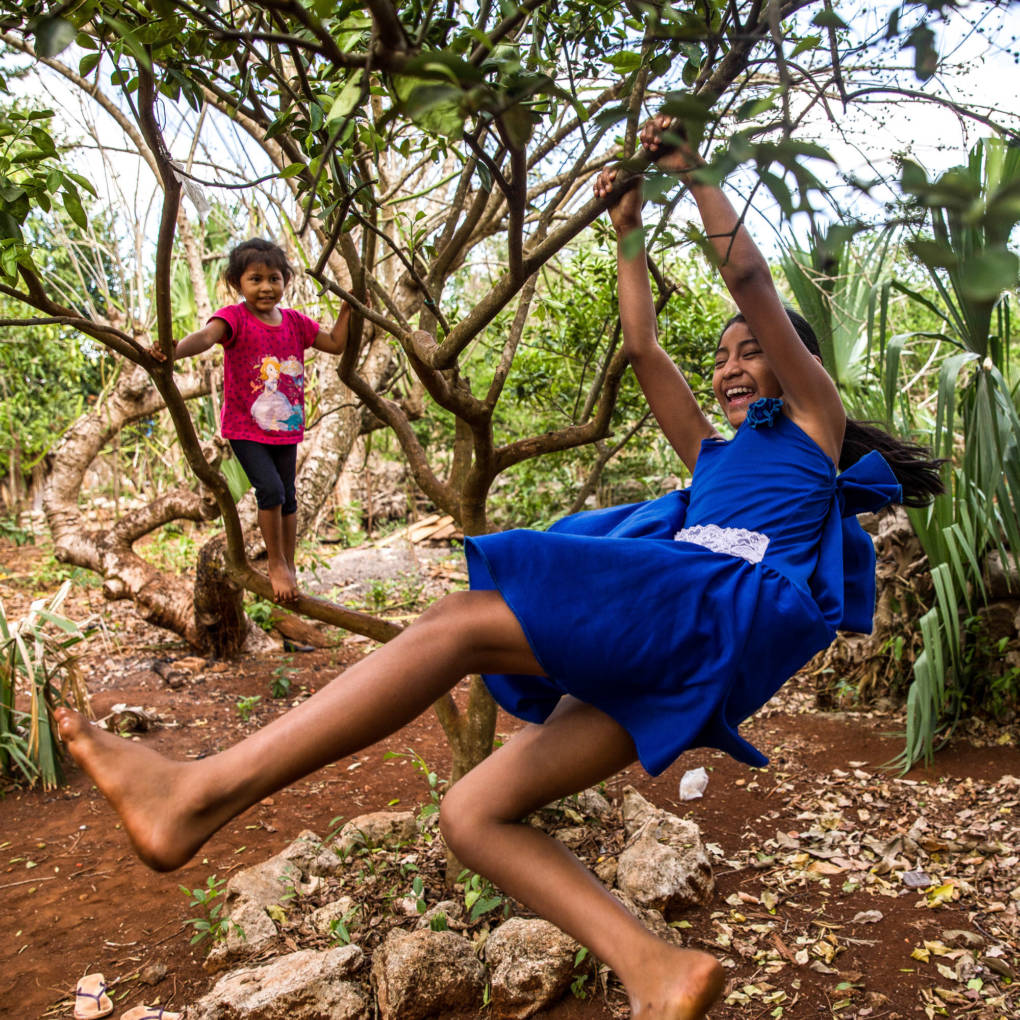
"caption": "Gelmy, 9, and sister Alexa, 4, climbing trees in the backyard of their family home in the Yucatan Peninsula",
"description": "Gelmy, 9, and sister Alexa, 4, climbing trees in the backyard of their family home in the Yucatan Peninsula",
"title": "Gelmy, 9, and sister Alexa, 4, climbing trees in the backyard of their family home in the Yucatan Peninsula.",
"credit": "Adriana Zehbrauskas for NPR",
"status": "inherit",
"isLoading": false,
"fetchFailed": false
},
"mindshift_51478": {
"type": "attachments",
"id": "mindshift_51478",
"meta": {
"index": "attachments_1716263798",
"site": "mindshift",
"id": "51478",
"found": true
},
"parent": 51477,
"imgSizes": {
"small": {
"file": "https://ww2.kqed.org/app/uploads/sites/23/2018/06/npr-ai-teaching-artwork-100-v2_wide-4127b946a35a52501b820fd107adb886d7e6c9ee-520x292.jpg",
"width": 520,
"mimeType": "image/jpeg",
"height": 292
},
"twentyfourteen-full-width": {
"file": "https://ww2.kqed.org/app/uploads/sites/23/2018/06/npr-ai-teaching-artwork-100-v2_wide-4127b946a35a52501b820fd107adb886d7e6c9ee-1038x576.jpg",
"width": 1038,
"mimeType": "image/jpeg",
"height": 576
},
"thumbnail": {
"file": "https://ww2.kqed.org/app/uploads/sites/23/2018/06/npr-ai-teaching-artwork-100-v2_wide-4127b946a35a52501b820fd107adb886d7e6c9ee-160x90.jpg",
"width": 160,
"mimeType": "image/jpeg",
"height": 90
},
"fd-sm": {
"file": "https://ww2.kqed.org/app/uploads/sites/23/2018/06/npr-ai-teaching-artwork-100-v2_wide-4127b946a35a52501b820fd107adb886d7e6c9ee-960x540.jpg",
"width": 960,
"mimeType": "image/jpeg",
"height": 540
},
"post-thumbnail": {
"file": "https://ww2.kqed.org/app/uploads/sites/23/2018/06/npr-ai-teaching-artwork-100-v2_wide-4127b946a35a52501b820fd107adb886d7e6c9ee-672x372.jpg",
"width": 672,
"mimeType": "image/jpeg",
"height": 372
},
"xsmall": {
"file": "https://ww2.kqed.org/app/uploads/sites/23/2018/06/npr-ai-teaching-artwork-100-v2_wide-4127b946a35a52501b820fd107adb886d7e6c9ee-375x211.jpg",
"width": 375,
"mimeType": "image/jpeg",
"height": 211
},
"kqedFullSize": {
"file": "https://ww2.kqed.org/app/uploads/sites/23/2018/06/npr-ai-teaching-artwork-100-v2_wide-4127b946a35a52501b820fd107adb886d7e6c9ee-e1529413968209.jpg",
"width": 1920,
"height": 1080
},
"large": {
"file": "https://ww2.kqed.org/app/uploads/sites/23/2018/06/npr-ai-teaching-artwork-100-v2_wide-4127b946a35a52501b820fd107adb886d7e6c9ee-1020x574.jpg",
"width": 1020,
"mimeType": "image/jpeg",
"height": 574
},
"xlarge": {
"file": "https://ww2.kqed.org/app/uploads/sites/23/2018/06/npr-ai-teaching-artwork-100-v2_wide-4127b946a35a52501b820fd107adb886d7e6c9ee-1180x664.jpg",
"width": 1180,
"mimeType": "image/jpeg",
"height": 664
},
"complete_open_graph": {
"file": "https://ww2.kqed.org/app/uploads/sites/23/2018/06/npr-ai-teaching-artwork-100-v2_wide-4127b946a35a52501b820fd107adb886d7e6c9ee-1200x675.jpg",
"width": 1200,
"mimeType": "image/jpeg",
"height": 675
},
"guest-author-50": {
"file": "https://ww2.kqed.org/app/uploads/sites/23/2018/06/npr-ai-teaching-artwork-100-v2_wide-4127b946a35a52501b820fd107adb886d7e6c9ee-50x50.jpg",
"width": 50,
"mimeType": "image/jpeg",
"height": 50
},
"guest-author-96": {
"file": "https://ww2.kqed.org/app/uploads/sites/23/2018/06/npr-ai-teaching-artwork-100-v2_wide-4127b946a35a52501b820fd107adb886d7e6c9ee-96x96.jpg",
"width": 96,
"mimeType": "image/jpeg",
"height": 96
},
"medium": {
"file": "https://ww2.kqed.org/app/uploads/sites/23/2018/06/npr-ai-teaching-artwork-100-v2_wide-4127b946a35a52501b820fd107adb886d7e6c9ee-800x450.jpg",
"width": 800,
"mimeType": "image/jpeg",
"height": 450
},
"guest-author-64": {
"file": "https://ww2.kqed.org/app/uploads/sites/23/2018/06/npr-ai-teaching-artwork-100-v2_wide-4127b946a35a52501b820fd107adb886d7e6c9ee-64x64.jpg",
"width": 64,
"mimeType": "image/jpeg",
"height": 64
},
"guest-author-32": {
"file": "https://ww2.kqed.org/app/uploads/sites/23/2018/06/npr-ai-teaching-artwork-100-v2_wide-4127b946a35a52501b820fd107adb886d7e6c9ee-32x32.jpg",
"width": 32,
"mimeType": "image/jpeg",
"height": 32
},
"fd-lrg": {
"file": "https://ww2.kqed.org/app/uploads/sites/23/2018/06/npr-ai-teaching-artwork-100-v2_wide-4127b946a35a52501b820fd107adb886d7e6c9ee-1920x1080.jpg",
"width": 1920,
"mimeType": "image/jpeg",
"height": 1080
},
"fd-med": {
"file": "https://ww2.kqed.org/app/uploads/sites/23/2018/06/npr-ai-teaching-artwork-100-v2_wide-4127b946a35a52501b820fd107adb886d7e6c9ee-1180x664.jpg",
"width": 1180,
"mimeType": "image/jpeg",
"height": 664
},
"full-width": {
"file": "https://ww2.kqed.org/app/uploads/sites/23/2018/06/npr-ai-teaching-artwork-100-v2_wide-4127b946a35a52501b820fd107adb886d7e6c9ee-1920x1080.jpg",
"width": 1920,
"mimeType": "image/jpeg",
"height": 1080
},
"detail": {
"file": "https://ww2.kqed.org/app/uploads/sites/23/2018/06/npr-ai-teaching-artwork-100-v2_wide-4127b946a35a52501b820fd107adb886d7e6c9ee-150x150.jpg",
"width": 150,
"mimeType": "image/jpeg",
"height": 150
},
"medium_large": {
"file": "https://ww2.kqed.org/app/uploads/sites/23/2018/06/npr-ai-teaching-artwork-100-v2_wide-4127b946a35a52501b820fd107adb886d7e6c9ee-768x432.jpg",
"width": 768,
"mimeType": "image/jpeg",
"height": 432
},
"guest-author-128": {
"file": "https://ww2.kqed.org/app/uploads/sites/23/2018/06/npr-ai-teaching-artwork-100-v2_wide-4127b946a35a52501b820fd107adb886d7e6c9ee-128x128.jpg",
"width": 128,
"mimeType": "image/jpeg",
"height": 128
},
"xxsmall": {
"file": "https://ww2.kqed.org/app/uploads/sites/23/2018/06/npr-ai-teaching-artwork-100-v2_wide-4127b946a35a52501b820fd107adb886d7e6c9ee-240x135.jpg",
"width": 240,
"mimeType": "image/jpeg",
"height": 135
}
},
"publishDate": 1529413832,
"modified": 1529413983,
"caption": "About 15,000 high school students worked with CollegePoint advisers this year to pick a college.",
"description": null,
"title": "About 15,000 high school students worked with CollegePoint advisers this year to pick a college.",
"credit": "Sam Rowe for NPR",
"status": "inherit",
"isLoading": false,
"fetchFailed": false
},
"mindshift_51430": {
"type": "attachments",
"id": "mindshift_51430",
"meta": {
"index": "attachments_1716263798",
"site": "mindshift",
"id": "51430",
"found": true
},
"parent": 51308,
"imgSizes": {
"small": {
"file": "https://ww2.kqed.org/app/uploads/sites/23/2018/06/Butler-1-520x391.jpeg",
"width": 520,
"mimeType": "image/jpeg",
"height": 391
},
"twentyfourteen-full-width": {
"file": "https://ww2.kqed.org/app/uploads/sites/23/2018/06/Butler-1-1038x576.jpeg",
"width": 1038,
"mimeType": "image/jpeg",
"height": 576
},
"thumbnail": {
"file": "https://ww2.kqed.org/app/uploads/sites/23/2018/06/Butler-1-160x120.jpeg",
"width": 160,
"mimeType": "image/jpeg",
"height": 120
},
"fd-sm": {
"file": "https://ww2.kqed.org/app/uploads/sites/23/2018/06/Butler-1-960x721.jpeg",
"width": 960,
"mimeType": "image/jpeg",
"height": 721
},
"post-thumbnail": {
"file": "https://ww2.kqed.org/app/uploads/sites/23/2018/06/Butler-1-672x372.jpeg",
"width": 672,
"mimeType": "image/jpeg",
"height": 372
},
"xsmall": {
"file": "https://ww2.kqed.org/app/uploads/sites/23/2018/06/Butler-1-375x282.jpeg",
"width": 375,
"mimeType": "image/jpeg",
"height": 282
},
"kqedFullSize": {
"file": "https://ww2.kqed.org/app/uploads/sites/23/2018/06/Butler-1-e1528903184492.jpeg",
"width": 1920,
"height": 1442
},
"large": {
"file": "https://ww2.kqed.org/app/uploads/sites/23/2018/06/Butler-1-1020x766.jpeg",
"width": 1020,
"mimeType": "image/jpeg",
"height": 766
},
"xlarge": {
"file": "https://ww2.kqed.org/app/uploads/sites/23/2018/06/Butler-1-1180x887.jpeg",
"width": 1180,
"mimeType": "image/jpeg",
"height": 887
},
"complete_open_graph": {
"file": "https://ww2.kqed.org/app/uploads/sites/23/2018/06/Butler-1-1200x902.jpeg",
"width": 1200,
"mimeType": "image/jpeg",
"height": 902
},
"guest-author-50": {
"file": "https://ww2.kqed.org/app/uploads/sites/23/2018/06/Butler-1-50x50.jpeg",
"width": 50,
"mimeType": "image/jpeg",
"height": 50
},
"guest-author-96": {
"file": "https://ww2.kqed.org/app/uploads/sites/23/2018/06/Butler-1-96x96.jpeg",
"width": 96,
"mimeType": "image/jpeg",
"height": 96
},
"medium": {
"file": "https://ww2.kqed.org/app/uploads/sites/23/2018/06/Butler-1-800x601.jpeg",
"width": 800,
"mimeType": "image/jpeg",
"height": 601
},
"guest-author-64": {
"file": "https://ww2.kqed.org/app/uploads/sites/23/2018/06/Butler-1-64x64.jpeg",
"width": 64,
"mimeType": "image/jpeg",
"height": 64
},
"guest-author-32": {
"file": "https://ww2.kqed.org/app/uploads/sites/23/2018/06/Butler-1-32x32.jpeg",
"width": 32,
"mimeType": "image/jpeg",
"height": 32
},
"fd-lrg": {
"file": "https://ww2.kqed.org/app/uploads/sites/23/2018/06/Butler-1-1920x1442.jpeg",
"width": 1920,
"mimeType": "image/jpeg",
"height": 1442
},
"fd-med": {
"file": "https://ww2.kqed.org/app/uploads/sites/23/2018/06/Butler-1-1180x887.jpeg",
"width": 1180,
"mimeType": "image/jpeg",
"height": 887
},
"full-width": {
"file": "https://ww2.kqed.org/app/uploads/sites/23/2018/06/Butler-1-1920x1442.jpeg",
"width": 1920,
"mimeType": "image/jpeg",
"height": 1442
},
"detail": {
"file": "https://ww2.kqed.org/app/uploads/sites/23/2018/06/Butler-1-150x150.jpeg",
"width": 150,
"mimeType": "image/jpeg",
"height": 150
},
"medium_large": {
"file": "https://ww2.kqed.org/app/uploads/sites/23/2018/06/Butler-1-768x577.jpeg",
"width": 768,
"mimeType": "image/jpeg",
"height": 577
},
"guest-author-128": {
"file": "https://ww2.kqed.org/app/uploads/sites/23/2018/06/Butler-1-128x128.jpeg",
"width": 128,
"mimeType": "image/jpeg",
"height": 128
},
"xxsmall": {
"file": "https://ww2.kqed.org/app/uploads/sites/23/2018/06/Butler-1-240x180.jpeg",
"width": 240,
"mimeType": "image/jpeg",
"height": 180
}
},
"publishDate": 1528902737,
"modified": 1528935396,
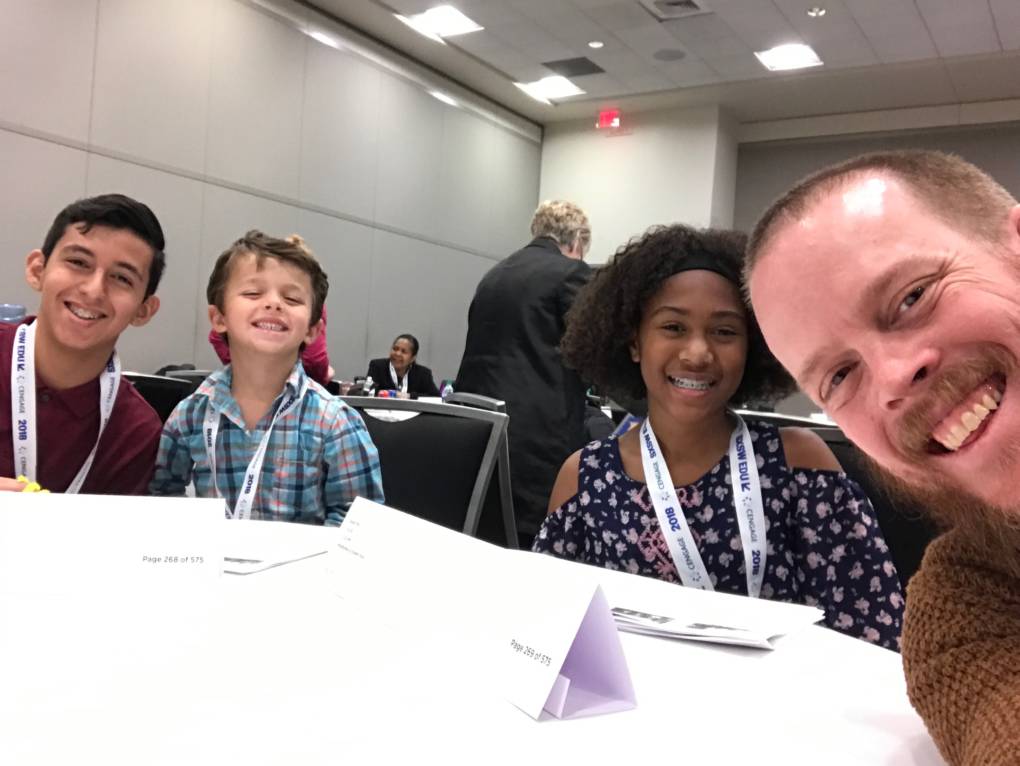
"caption": "Xavier Zamarron, Teo Cardenas, Addison Green and Austin Independent School District mindfulness specialist James Butler. They demonstrated mindfulness exercises at SXSW EDU in Austin earlier this year.",
"description": null,
"title": "Butler 1",
"credit": "James Butler",
"status": "inherit",
"isLoading": false,
"fetchFailed": false
},
"mindshift_51454": {
"type": "attachments",
"id": "mindshift_51454",
"meta": {
"index": "attachments_1716263798",
"site": "mindshift",
"id": "51454",
"found": true
},
"parent": 51453,
"imgSizes": {
"small": {
"file": "https://ww2.kqed.org/app/uploads/sites/23/2018/06/homeec_wide-162a041548301a780437a77a1e016a26f73452e8-520x292.jpg",
"width": 520,
"mimeType": "image/jpeg",
"height": 292
},
"twentyfourteen-full-width": {
"file": "https://ww2.kqed.org/app/uploads/sites/23/2018/06/homeec_wide-162a041548301a780437a77a1e016a26f73452e8-1038x576.jpg",
"width": 1038,
"mimeType": "image/jpeg",
"height": 576
},
"thumbnail": {
"file": "https://ww2.kqed.org/app/uploads/sites/23/2018/06/homeec_wide-162a041548301a780437a77a1e016a26f73452e8-160x90.jpg",
"width": 160,
"mimeType": "image/jpeg",
"height": 90
},
"fd-sm": {
"file": "https://ww2.kqed.org/app/uploads/sites/23/2018/06/homeec_wide-162a041548301a780437a77a1e016a26f73452e8-960x540.jpg",
"width": 960,
"mimeType": "image/jpeg",
"height": 540
},
"post-thumbnail": {
"file": "https://ww2.kqed.org/app/uploads/sites/23/2018/06/homeec_wide-162a041548301a780437a77a1e016a26f73452e8-672x372.jpg",
"width": 672,
"mimeType": "image/jpeg",
"height": 372
},
"xsmall": {
"file": "https://ww2.kqed.org/app/uploads/sites/23/2018/06/homeec_wide-162a041548301a780437a77a1e016a26f73452e8-375x211.jpg",
"width": 375,
"mimeType": "image/jpeg",
"height": 211
},
"kqedFullSize": {
"file": "https://ww2.kqed.org/app/uploads/sites/23/2018/06/homeec_wide-162a041548301a780437a77a1e016a26f73452e8-e1528993105814.jpg",
"width": 1920,
"height": 1080
},
"large": {
"file": "https://ww2.kqed.org/app/uploads/sites/23/2018/06/homeec_wide-162a041548301a780437a77a1e016a26f73452e8-1020x574.jpg",
"width": 1020,
"mimeType": "image/jpeg",
"height": 574
},
"xlarge": {
"file": "https://ww2.kqed.org/app/uploads/sites/23/2018/06/homeec_wide-162a041548301a780437a77a1e016a26f73452e8-1180x664.jpg",
"width": 1180,
"mimeType": "image/jpeg",
"height": 664
},
"complete_open_graph": {
"file": "https://ww2.kqed.org/app/uploads/sites/23/2018/06/homeec_wide-162a041548301a780437a77a1e016a26f73452e8-1200x675.jpg",
"width": 1200,
"mimeType": "image/jpeg",
"height": 675
},
"guest-author-50": {
"file": "https://ww2.kqed.org/app/uploads/sites/23/2018/06/homeec_wide-162a041548301a780437a77a1e016a26f73452e8-50x50.jpg",
"width": 50,
"mimeType": "image/jpeg",
"height": 50
},
"guest-author-96": {
"file": "https://ww2.kqed.org/app/uploads/sites/23/2018/06/homeec_wide-162a041548301a780437a77a1e016a26f73452e8-96x96.jpg",
"width": 96,
"mimeType": "image/jpeg",
"height": 96
},
"medium": {
"file": "https://ww2.kqed.org/app/uploads/sites/23/2018/06/homeec_wide-162a041548301a780437a77a1e016a26f73452e8-800x450.jpg",
"width": 800,
"mimeType": "image/jpeg",
"height": 450
},
"guest-author-64": {
"file": "https://ww2.kqed.org/app/uploads/sites/23/2018/06/homeec_wide-162a041548301a780437a77a1e016a26f73452e8-64x64.jpg",
"width": 64,
"mimeType": "image/jpeg",
"height": 64
},
"guest-author-32": {
"file": "https://ww2.kqed.org/app/uploads/sites/23/2018/06/homeec_wide-162a041548301a780437a77a1e016a26f73452e8-32x32.jpg",
"width": 32,
"mimeType": "image/jpeg",
"height": 32
},
"fd-lrg": {
"file": "https://ww2.kqed.org/app/uploads/sites/23/2018/06/homeec_wide-162a041548301a780437a77a1e016a26f73452e8-1920x1080.jpg",
"width": 1920,
"mimeType": "image/jpeg",
"height": 1080
},
"fd-med": {
"file": "https://ww2.kqed.org/app/uploads/sites/23/2018/06/homeec_wide-162a041548301a780437a77a1e016a26f73452e8-1180x664.jpg",
"width": 1180,
"mimeType": "image/jpeg",
"height": 664
},
"full-width": {
"file": "https://ww2.kqed.org/app/uploads/sites/23/2018/06/homeec_wide-162a041548301a780437a77a1e016a26f73452e8-1920x1080.jpg",
"width": 1920,
"mimeType": "image/jpeg",
"height": 1080
},
"detail": {
"file": "https://ww2.kqed.org/app/uploads/sites/23/2018/06/homeec_wide-162a041548301a780437a77a1e016a26f73452e8-150x150.jpg",
"width": 150,
"mimeType": "image/jpeg",
"height": 150
},
"medium_large": {
"file": "https://ww2.kqed.org/app/uploads/sites/23/2018/06/homeec_wide-162a041548301a780437a77a1e016a26f73452e8-768x432.jpg",
"width": 768,
"mimeType": "image/jpeg",
"height": 432
},
"guest-author-128": {
"file": "https://ww2.kqed.org/app/uploads/sites/23/2018/06/homeec_wide-162a041548301a780437a77a1e016a26f73452e8-128x128.jpg",
"width": 128,
"mimeType": "image/jpeg",
"height": 128
},
"xxsmall": {
"file": "https://ww2.kqed.org/app/uploads/sites/23/2018/06/homeec_wide-162a041548301a780437a77a1e016a26f73452e8-240x135.jpg",
"width": 240,
"mimeType": "image/jpeg",
"height": 135
}
},
"publishDate": 1528993077,
"modified": 1528993135,
"caption": "In mid-century home economic classes, girls learned to cook for their future husbands while boys took shop. But now kids might learn about healthy relationships or how to balance a bank account.",
"description": null,
"title": "In mid-century home economic classes, girls learned to cook for their future husbands while boys took shop. But now kids might learn about healthy relationships or how to balance a bank account.",
"credit": "Mark Jay Goebel/Getty Images",
"status": "inherit",
"isLoading": false,
"fetchFailed": false
},
"mindshift_51403": {
"type": "attachments",
"id": "mindshift_51403",
"meta": {
"index": "attachments_1716263798",
"site": "mindshift",
"id": "51403",
"found": true
},
"parent": 50642,
"imgSizes": {
"small": {
"file": "https://ww2.kqed.org/app/uploads/sites/23/2018/06/iStock-530009033-520x506.jpg",
"width": 520,
"mimeType": "image/jpeg",
"height": 506
},
"twentyfourteen-full-width": {
"file": "https://ww2.kqed.org/app/uploads/sites/23/2018/06/iStock-530009033-1038x576.jpg",
"width": 1038,
"mimeType": "image/jpeg",
"height": 576
},
"thumbnail": {
"file": "https://ww2.kqed.org/app/uploads/sites/23/2018/06/iStock-530009033-160x156.jpg",
"width": 160,
"mimeType": "image/jpeg",
"height": 156
},
"fd-sm": {
"file": "https://ww2.kqed.org/app/uploads/sites/23/2018/06/iStock-530009033-960x935.jpg",
"width": 960,
"mimeType": "image/jpeg",
"height": 935
},
"post-thumbnail": {
"file": "https://ww2.kqed.org/app/uploads/sites/23/2018/06/iStock-530009033-672x372.jpg",
"width": 672,
"mimeType": "image/jpeg",
"height": 372
},
"xsmall": {
"file": "https://ww2.kqed.org/app/uploads/sites/23/2018/06/iStock-530009033-375x365.jpg",
"width": 375,
"mimeType": "image/jpeg",
"height": 365
},
"kqedFullSize": {
"file": "https://ww2.kqed.org/app/uploads/sites/23/2018/06/iStock-530009033.jpg",
"width": 1755,
"height": 1709
},
"large": {
"file": "https://ww2.kqed.org/app/uploads/sites/23/2018/06/iStock-530009033-1020x993.jpg",
"width": 1020,
"mimeType": "image/jpeg",
"height": 993
},
"xlarge": {
"file": "https://ww2.kqed.org/app/uploads/sites/23/2018/06/iStock-530009033-1180x1149.jpg",
"width": 1180,
"mimeType": "image/jpeg",
"height": 1149
},
"complete_open_graph": {
"file": "https://ww2.kqed.org/app/uploads/sites/23/2018/06/iStock-530009033-1200x1169.jpg",
"width": 1200,
"mimeType": "image/jpeg",
"height": 1169
},
"guest-author-50": {
"file": "https://ww2.kqed.org/app/uploads/sites/23/2018/06/iStock-530009033-50x50.jpg",
"width": 50,
"mimeType": "image/jpeg",
"height": 50
},
"guest-author-96": {
"file": "https://ww2.kqed.org/app/uploads/sites/23/2018/06/iStock-530009033-96x96.jpg",
"width": 96,
"mimeType": "image/jpeg",
"height": 96
},
"medium": {
"file": "https://ww2.kqed.org/app/uploads/sites/23/2018/06/iStock-530009033-800x779.jpg",
"width": 800,
"mimeType": "image/jpeg",
"height": 779
},
"guest-author-64": {
"file": "https://ww2.kqed.org/app/uploads/sites/23/2018/06/iStock-530009033-64x64.jpg",
"width": 64,
"mimeType": "image/jpeg",
"height": 64
},
"guest-author-32": {
"file": "https://ww2.kqed.org/app/uploads/sites/23/2018/06/iStock-530009033-32x32.jpg",
"width": 32,
"mimeType": "image/jpeg",
"height": 32
},
"fd-med": {
"file": "https://ww2.kqed.org/app/uploads/sites/23/2018/06/iStock-530009033-1180x1149.jpg",
"width": 1180,
"mimeType": "image/jpeg",
"height": 1149
},
"detail": {
"file": "https://ww2.kqed.org/app/uploads/sites/23/2018/06/iStock-530009033-150x150.jpg",
"width": 150,
"mimeType": "image/jpeg",
"height": 150
},
"medium_large": {
"file": "https://ww2.kqed.org/app/uploads/sites/23/2018/06/iStock-530009033-768x748.jpg",
"width": 768,
"mimeType": "image/jpeg",
"height": 748
},
"guest-author-128": {
"file": "https://ww2.kqed.org/app/uploads/sites/23/2018/06/iStock-530009033-128x128.jpg",
"width": 128,
"mimeType": "image/jpeg",
"height": 128
},
"xxsmall": {
"file": "https://ww2.kqed.org/app/uploads/sites/23/2018/06/iStock-530009033-240x234.jpg",
"width": 240,
"mimeType": "image/jpeg",
"height": 234
}
},
"publishDate": 1528698487,
"modified": 1528698503,
"caption": null,
"description": null,
"title": "Education abstract concept tree book",
"credit": "iStock/cienpies",
"status": "inherit",
"isLoading": false,
"fetchFailed": false
},
"mindshift_51406": {
"type": "attachments",
"id": "mindshift_51406",
"meta": {
"index": "attachments_1716263798",
"site": "mindshift",
"id": "51406",
"found": true
},
"parent": 51405,
"imgSizes": {
"small": {
"file": "https://ww2.kqed.org/app/uploads/sites/23/2018/06/raise_a_human_16_9_wide-d1849ccd942c4e7dfec7a35b9a43d774734a7a9c-520x293.jpg",
"width": 520,
"mimeType": "image/jpeg",
"height": 293
},
"twentyfourteen-full-width": {
"file": "https://ww2.kqed.org/app/uploads/sites/23/2018/06/raise_a_human_16_9_wide-d1849ccd942c4e7dfec7a35b9a43d774734a7a9c-1038x576.jpg",
"width": 1038,
"mimeType": "image/jpeg",
"height": 576
},
"thumbnail": {
"file": "https://ww2.kqed.org/app/uploads/sites/23/2018/06/raise_a_human_16_9_wide-d1849ccd942c4e7dfec7a35b9a43d774734a7a9c-160x90.jpg",
"width": 160,
"mimeType": "image/jpeg",
"height": 90
},
"fd-sm": {
"file": "https://ww2.kqed.org/app/uploads/sites/23/2018/06/raise_a_human_16_9_wide-d1849ccd942c4e7dfec7a35b9a43d774734a7a9c-960x540.jpg",
"width": 960,
"mimeType": "image/jpeg",
"height": 540
},
"post-thumbnail": {
"file": "https://ww2.kqed.org/app/uploads/sites/23/2018/06/raise_a_human_16_9_wide-d1849ccd942c4e7dfec7a35b9a43d774734a7a9c-672x372.jpg",
"width": 672,
"mimeType": "image/jpeg",
"height": 372
},
"xsmall": {
"file": "https://ww2.kqed.org/app/uploads/sites/23/2018/06/raise_a_human_16_9_wide-d1849ccd942c4e7dfec7a35b9a43d774734a7a9c-375x211.jpg",
"width": 375,
"mimeType": "image/jpeg",
"height": 211
},
"kqedFullSize": {
"file": "https://ww2.kqed.org/app/uploads/sites/23/2018/06/raise_a_human_16_9_wide-d1849ccd942c4e7dfec7a35b9a43d774734a7a9c.jpg",
"width": 1996,
"height": 1123
},
"large": {
"file": "https://ww2.kqed.org/app/uploads/sites/23/2018/06/raise_a_human_16_9_wide-d1849ccd942c4e7dfec7a35b9a43d774734a7a9c-1020x574.jpg",
"width": 1020,
"mimeType": "image/jpeg",
"height": 574
},
"xlarge": {
"file": "https://ww2.kqed.org/app/uploads/sites/23/2018/06/raise_a_human_16_9_wide-d1849ccd942c4e7dfec7a35b9a43d774734a7a9c-1180x664.jpg",
"width": 1180,
"mimeType": "image/jpeg",
"height": 664
},
"complete_open_graph": {
"file": "https://ww2.kqed.org/app/uploads/sites/23/2018/06/raise_a_human_16_9_wide-d1849ccd942c4e7dfec7a35b9a43d774734a7a9c-1200x675.jpg",
"width": 1200,
"mimeType": "image/jpeg",
"height": 675
},
"guest-author-50": {
"file": "https://ww2.kqed.org/app/uploads/sites/23/2018/06/raise_a_human_16_9_wide-d1849ccd942c4e7dfec7a35b9a43d774734a7a9c-50x50.jpg",
"width": 50,
"mimeType": "image/jpeg",
"height": 50
},
"guest-author-96": {
"file": "https://ww2.kqed.org/app/uploads/sites/23/2018/06/raise_a_human_16_9_wide-d1849ccd942c4e7dfec7a35b9a43d774734a7a9c-96x96.jpg",
"width": 96,
"mimeType": "image/jpeg",
"height": 96
},
"medium": {
"file": "https://ww2.kqed.org/app/uploads/sites/23/2018/06/raise_a_human_16_9_wide-d1849ccd942c4e7dfec7a35b9a43d774734a7a9c-800x450.jpg",
"width": 800,
"mimeType": "image/jpeg",
"height": 450
},
"guest-author-64": {
"file": "https://ww2.kqed.org/app/uploads/sites/23/2018/06/raise_a_human_16_9_wide-d1849ccd942c4e7dfec7a35b9a43d774734a7a9c-64x64.jpg",
"width": 64,
"mimeType": "image/jpeg",
"height": 64
},
"guest-author-32": {
"file": "https://ww2.kqed.org/app/uploads/sites/23/2018/06/raise_a_human_16_9_wide-d1849ccd942c4e7dfec7a35b9a43d774734a7a9c-32x32.jpg",
"width": 32,
"mimeType": "image/jpeg",
"height": 32
},
"fd-lrg": {
"file": "https://ww2.kqed.org/app/uploads/sites/23/2018/06/raise_a_human_16_9_wide-d1849ccd942c4e7dfec7a35b9a43d774734a7a9c-1920x1080.jpg",
"width": 1920,
"mimeType": "image/jpeg",
"height": 1080
},
"fd-med": {
"file": "https://ww2.kqed.org/app/uploads/sites/23/2018/06/raise_a_human_16_9_wide-d1849ccd942c4e7dfec7a35b9a43d774734a7a9c-1180x664.jpg",
"width": 1180,
"mimeType": "image/jpeg",
"height": 664
},
"full-width": {
"file": "https://ww2.kqed.org/app/uploads/sites/23/2018/06/raise_a_human_16_9_wide-d1849ccd942c4e7dfec7a35b9a43d774734a7a9c-1920x1080.jpg",
"width": 1920,
"mimeType": "image/jpeg",
"height": 1080
},
"detail": {
"file": "https://ww2.kqed.org/app/uploads/sites/23/2018/06/raise_a_human_16_9_wide-d1849ccd942c4e7dfec7a35b9a43d774734a7a9c-150x150.jpg",
"width": 150,
"mimeType": "image/jpeg",
"height": 150
},
"medium_large": {
"file": "https://ww2.kqed.org/app/uploads/sites/23/2018/06/raise_a_human_16_9_wide-d1849ccd942c4e7dfec7a35b9a43d774734a7a9c-768x432.jpg",
"width": 768,
"mimeType": "image/jpeg",
"height": 432
},
"guest-author-128": {
"file": "https://ww2.kqed.org/app/uploads/sites/23/2018/06/raise_a_human_16_9_wide-d1849ccd942c4e7dfec7a35b9a43d774734a7a9c-128x128.jpg",
"width": 128,
"mimeType": "image/jpeg",
"height": 128
},
"xxsmall": {
"file": "https://ww2.kqed.org/app/uploads/sites/23/2018/06/raise_a_human_16_9_wide-d1849ccd942c4e7dfec7a35b9a43d774734a7a9c-240x135.jpg",
"width": 240,
"mimeType": "image/jpeg",
"height": 135
}
},
"publishDate": 1528729222,
"modified": 1528729362,
"caption": null,
"description": "promo version of lede image",
"title": "promo version of lede image",
"credit": "Francesco Zorzi for NPR",
"status": "inherit",
"isLoading": false,
"fetchFailed": false
},
"mindshift_51384": {
"type": "attachments",
"id": "mindshift_51384",
"meta": {
"index": "attachments_1716263798",
"site": "mindshift",
"id": "51384",
"found": true
},
"parent": 51378,
"imgSizes": {
"small": {
"file": "https://ww2.kqed.org/app/uploads/sites/23/2018/06/IMG_5619-1-768x576-520x390.jpg",
"width": 520,
"mimeType": "image/jpeg",
"height": 390
},
"twentyfourteen-full-width": {
"file": "https://ww2.kqed.org/app/uploads/sites/23/2018/06/IMG_5619-1-768x576-768x576.jpg",
"width": 768,
"mimeType": "image/jpeg",
"height": 576
},
"thumbnail": {
"file": "https://ww2.kqed.org/app/uploads/sites/23/2018/06/IMG_5619-1-768x576-160x120.jpg",
"width": 160,
"mimeType": "image/jpeg",
"height": 120
},
"post-thumbnail": {
"file": "https://ww2.kqed.org/app/uploads/sites/23/2018/06/IMG_5619-1-768x576-672x372.jpg",
"width": 672,
"mimeType": "image/jpeg",
"height": 372
},
"xsmall": {
"file": "https://ww2.kqed.org/app/uploads/sites/23/2018/06/IMG_5619-1-768x576-375x281.jpg",
"width": 375,
"mimeType": "image/jpeg",
"height": 281
},
"kqedFullSize": {
"file": "https://ww2.kqed.org/app/uploads/sites/23/2018/06/IMG_5619-1-768x576.jpg",
"width": 768,
"height": 576
},
"guest-author-50": {
"file": "https://ww2.kqed.org/app/uploads/sites/23/2018/06/IMG_5619-1-768x576-50x50.jpg",
"width": 50,
"mimeType": "image/jpeg",
"height": 50
},
"guest-author-96": {
"file": "https://ww2.kqed.org/app/uploads/sites/23/2018/06/IMG_5619-1-768x576-96x96.jpg",
"width": 96,
"mimeType": "image/jpeg",
"height": 96
},
"guest-author-64": {
"file": "https://ww2.kqed.org/app/uploads/sites/23/2018/06/IMG_5619-1-768x576-64x64.jpg",
"width": 64,
"mimeType": "image/jpeg",
"height": 64
},
"guest-author-32": {
"file": "https://ww2.kqed.org/app/uploads/sites/23/2018/06/IMG_5619-1-768x576-32x32.jpg",
"width": 32,
"mimeType": "image/jpeg",
"height": 32
},
"detail": {
"file": "https://ww2.kqed.org/app/uploads/sites/23/2018/06/IMG_5619-1-768x576-150x150.jpg",
"width": 150,
"mimeType": "image/jpeg",
"height": 150
},
"medium_large": {
"file": "https://ww2.kqed.org/app/uploads/sites/23/2018/06/IMG_5619-1-768x576-768x576.jpg",
"width": 768,
"mimeType": "image/jpeg",
"height": 576
},
"guest-author-128": {
"file": "https://ww2.kqed.org/app/uploads/sites/23/2018/06/IMG_5619-1-768x576-128x128.jpg",
"width": 128,
"mimeType": "image/jpeg",
"height": 128
},
"xxsmall": {
"file": "https://ww2.kqed.org/app/uploads/sites/23/2018/06/IMG_5619-1-768x576-240x180.jpg",
"width": 240,
"mimeType": "image/jpeg",
"height": 180
}
},
"publishDate": 1528399075,
"modified": 1528399099,
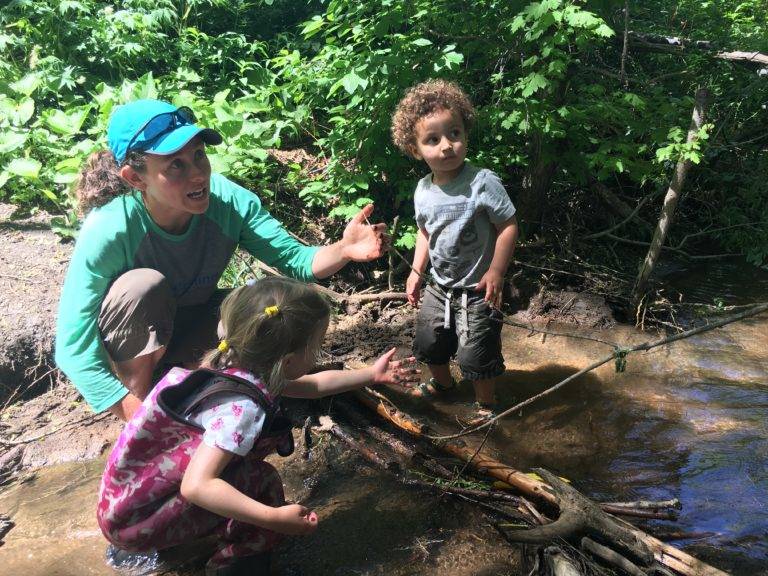
"caption": "Megan Patterson, the founder of Worldmind Nature Immersion School, talks with two children while others play nearby.",
"description": null,
"title": "IMG_5619-1-768x576",
"credit": "Photo by Ann Schimke/Chalkbeat",
"status": "inherit",
"isLoading": false,
"fetchFailed": false
},
"mindshift_51368": {
"type": "attachments",
"id": "mindshift_51368",
"meta": {
"index": "attachments_1716263798",
"site": "mindshift",
"id": "51368",
"found": true
},
"parent": 51364,
"imgSizes": {
"small": {
"file": "https://ww2.kqed.org/app/uploads/sites/23/2018/06/Joanne-Jacobs-CarlosDrill3-520x390.jpg",
"width": 520,
"mimeType": "image/jpeg",
"height": 390
},
"twentyfourteen-full-width": {
"file": "https://ww2.kqed.org/app/uploads/sites/23/2018/06/Joanne-Jacobs-CarlosDrill3-1038x576.jpg",
"width": 1038,
"mimeType": "image/jpeg",
"height": 576
},
"thumbnail": {
"file": "https://ww2.kqed.org/app/uploads/sites/23/2018/06/Joanne-Jacobs-CarlosDrill3-160x120.jpg",
"width": 160,
"mimeType": "image/jpeg",
"height": 120
},
"fd-sm": {
"file": "https://ww2.kqed.org/app/uploads/sites/23/2018/06/Joanne-Jacobs-CarlosDrill3-960x720.jpg",
"width": 960,
"mimeType": "image/jpeg",
"height": 720
},
"post-thumbnail": {
"file": "https://ww2.kqed.org/app/uploads/sites/23/2018/06/Joanne-Jacobs-CarlosDrill3-672x372.jpg",
"width": 672,
"mimeType": "image/jpeg",
"height": 372
},
"xsmall": {
"file": "https://ww2.kqed.org/app/uploads/sites/23/2018/06/Joanne-Jacobs-CarlosDrill3-375x281.jpg",
"width": 375,
"mimeType": "image/jpeg",
"height": 281
},
"kqedFullSize": {
"file": "https://ww2.kqed.org/app/uploads/sites/23/2018/06/Joanne-Jacobs-CarlosDrill3-e1528355219574.jpg",
"width": 1920,
"height": 1440
},
"large": {
"file": "https://ww2.kqed.org/app/uploads/sites/23/2018/06/Joanne-Jacobs-CarlosDrill3-1020x765.jpg",
"width": 1020,
"mimeType": "image/jpeg",
"height": 765
},
"xlarge": {
"file": "https://ww2.kqed.org/app/uploads/sites/23/2018/06/Joanne-Jacobs-CarlosDrill3-1180x885.jpg",
"width": 1180,
"mimeType": "image/jpeg",
"height": 885
},
"complete_open_graph": {
"file": "https://ww2.kqed.org/app/uploads/sites/23/2018/06/Joanne-Jacobs-CarlosDrill3-1200x900.jpg",
"width": 1200,
"mimeType": "image/jpeg",
"height": 900
},
"guest-author-50": {
"file": "https://ww2.kqed.org/app/uploads/sites/23/2018/06/Joanne-Jacobs-CarlosDrill3-50x50.jpg",
"width": 50,
"mimeType": "image/jpeg",
"height": 50
},
"guest-author-96": {
"file": "https://ww2.kqed.org/app/uploads/sites/23/2018/06/Joanne-Jacobs-CarlosDrill3-96x96.jpg",
"width": 96,
"mimeType": "image/jpeg",
"height": 96
},
"medium": {
"file": "https://ww2.kqed.org/app/uploads/sites/23/2018/06/Joanne-Jacobs-CarlosDrill3-800x600.jpg",
"width": 800,
"mimeType": "image/jpeg",
"height": 600
},
"guest-author-64": {
"file": "https://ww2.kqed.org/app/uploads/sites/23/2018/06/Joanne-Jacobs-CarlosDrill3-64x64.jpg",
"width": 64,
"mimeType": "image/jpeg",
"height": 64
},
"guest-author-32": {
"file": "https://ww2.kqed.org/app/uploads/sites/23/2018/06/Joanne-Jacobs-CarlosDrill3-32x32.jpg",
"width": 32,
"mimeType": "image/jpeg",
"height": 32
},
"fd-lrg": {
"file": "https://ww2.kqed.org/app/uploads/sites/23/2018/06/Joanne-Jacobs-CarlosDrill3-1920x1440.jpg",
"width": 1920,
"mimeType": "image/jpeg",
"height": 1440
},
"fd-med": {
"file": "https://ww2.kqed.org/app/uploads/sites/23/2018/06/Joanne-Jacobs-CarlosDrill3-1180x885.jpg",
"width": 1180,
"mimeType": "image/jpeg",
"height": 885
},
"full-width": {
"file": "https://ww2.kqed.org/app/uploads/sites/23/2018/06/Joanne-Jacobs-CarlosDrill3-1920x1440.jpg",
"width": 1920,
"mimeType": "image/jpeg",
"height": 1440
},
"detail": {
"file": "https://ww2.kqed.org/app/uploads/sites/23/2018/06/Joanne-Jacobs-CarlosDrill3-150x150.jpg",
"width": 150,
"mimeType": "image/jpeg",
"height": 150
},
"medium_large": {
"file": "https://ww2.kqed.org/app/uploads/sites/23/2018/06/Joanne-Jacobs-CarlosDrill3-768x576.jpg",
"width": 768,
"mimeType": "image/jpeg",
"height": 576
},
"guest-author-128": {
"file": "https://ww2.kqed.org/app/uploads/sites/23/2018/06/Joanne-Jacobs-CarlosDrill3-128x128.jpg",
"width": 128,
"mimeType": "image/jpeg",
"height": 128
},
"xxsmall": {
"file": "https://ww2.kqed.org/app/uploads/sites/23/2018/06/Joanne-Jacobs-CarlosDrill3-240x180.jpg",
"width": 240,
"mimeType": "image/jpeg",
"height": 180
}
},
"publishDate": 1528355038,
"modified": 1528355253,
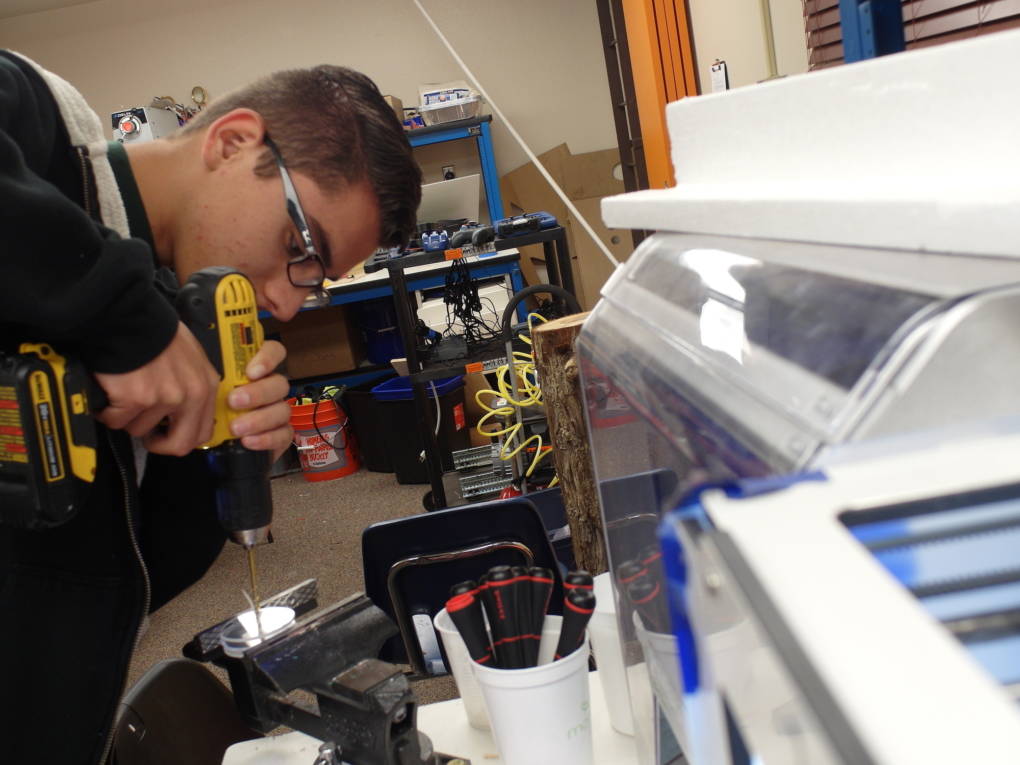
"caption": "Carlos Huerta, a DCP Alum Rock High sophomore, works on a “drop-and-dash” robot for the Silicon Valley Tech Challenge. ",
"description": null,
"title": "Joanne Jacobs - CarlosDrill3",
"credit": "Joanne Jacobs for The Hechinger Report",
"status": "inherit",
"isLoading": false,
"fetchFailed": false
},
"mindshift_51359": {
"type": "attachments",
"id": "mindshift_51359",
"meta": {
"index": "attachments_1716263798",
"site": "mindshift",
"id": "51359",
"found": true
},
"parent": 51358,
"imgSizes": {
"small": {
"file": "https://ww2.kqed.org/app/uploads/sites/23/2018/06/final_janice_chang_wide-9f0381cfc519c7f3b71dbcb884a5accceb999e6d-520x292.jpe",
"width": 520,
"mimeType": "image/jpeg",
"height": 292
},
"twentyfourteen-full-width": {
"file": "https://ww2.kqed.org/app/uploads/sites/23/2018/06/final_janice_chang_wide-9f0381cfc519c7f3b71dbcb884a5accceb999e6d-1038x576.jpe",
"width": 1038,
"mimeType": "image/jpeg",
"height": 576
},
"thumbnail": {
"file": "https://ww2.kqed.org/app/uploads/sites/23/2018/06/final_janice_chang_wide-9f0381cfc519c7f3b71dbcb884a5accceb999e6d-160x90.jpe",
"width": 160,
"mimeType": "image/jpeg",
"height": 90
},
"fd-sm": {
"file": "https://ww2.kqed.org/app/uploads/sites/23/2018/06/final_janice_chang_wide-9f0381cfc519c7f3b71dbcb884a5accceb999e6d-960x540.jpe",
"width": 960,
"mimeType": "image/jpeg",
"height": 540
},
"post-thumbnail": {
"file": "https://ww2.kqed.org/app/uploads/sites/23/2018/06/final_janice_chang_wide-9f0381cfc519c7f3b71dbcb884a5accceb999e6d-672x372.jpe",
"width": 672,
"mimeType": "image/jpeg",
"height": 372
},
"xsmall": {
"file": "https://ww2.kqed.org/app/uploads/sites/23/2018/06/final_janice_chang_wide-9f0381cfc519c7f3b71dbcb884a5accceb999e6d-375x211.jpe",
"width": 375,
"mimeType": "image/jpeg",
"height": 211
},
"kqedFullSize": {
"file": "https://ww2.kqed.org/app/uploads/sites/23/2018/06/final_janice_chang_wide-9f0381cfc519c7f3b71dbcb884a5accceb999e6d-e1528267405136.jpe",
"width": 1920,
"height": 1080
},
"large": {
"file": "https://ww2.kqed.org/app/uploads/sites/23/2018/06/final_janice_chang_wide-9f0381cfc519c7f3b71dbcb884a5accceb999e6d-1020x574.jpe",
"width": 1020,
"mimeType": "image/jpeg",
"height": 574
},
"xlarge": {
"file": "https://ww2.kqed.org/app/uploads/sites/23/2018/06/final_janice_chang_wide-9f0381cfc519c7f3b71dbcb884a5accceb999e6d-1180x664.jpe",
"width": 1180,
"mimeType": "image/jpeg",
"height": 664
},
"complete_open_graph": {
"file": "https://ww2.kqed.org/app/uploads/sites/23/2018/06/final_janice_chang_wide-9f0381cfc519c7f3b71dbcb884a5accceb999e6d-1200x675.jpe",
"width": 1200,
"mimeType": "image/jpeg",
"height": 675
},
"guest-author-50": {
"file": "https://ww2.kqed.org/app/uploads/sites/23/2018/06/final_janice_chang_wide-9f0381cfc519c7f3b71dbcb884a5accceb999e6d-50x50.jpe",
"width": 50,
"mimeType": "image/jpeg",
"height": 50
},
"guest-author-96": {
"file": "https://ww2.kqed.org/app/uploads/sites/23/2018/06/final_janice_chang_wide-9f0381cfc519c7f3b71dbcb884a5accceb999e6d-96x96.jpe",
"width": 96,
"mimeType": "image/jpeg",
"height": 96
},
"medium": {
"file": "https://ww2.kqed.org/app/uploads/sites/23/2018/06/final_janice_chang_wide-9f0381cfc519c7f3b71dbcb884a5accceb999e6d-800x450.jpe",
"width": 800,
"mimeType": "image/jpeg",
"height": 450
},
"guest-author-64": {
"file": "https://ww2.kqed.org/app/uploads/sites/23/2018/06/final_janice_chang_wide-9f0381cfc519c7f3b71dbcb884a5accceb999e6d-64x64.jpe",
"width": 64,
"mimeType": "image/jpeg",
"height": 64
},
"guest-author-32": {
"file": "https://ww2.kqed.org/app/uploads/sites/23/2018/06/final_janice_chang_wide-9f0381cfc519c7f3b71dbcb884a5accceb999e6d-32x32.jpe",
"width": 32,
"mimeType": "image/jpeg",
"height": 32
},
"fd-lrg": {
"file": "https://ww2.kqed.org/app/uploads/sites/23/2018/06/final_janice_chang_wide-9f0381cfc519c7f3b71dbcb884a5accceb999e6d-1920x1080.jpe",
"width": 1920,
"mimeType": "image/jpeg",
"height": 1080
},
"fd-med": {
"file": "https://ww2.kqed.org/app/uploads/sites/23/2018/06/final_janice_chang_wide-9f0381cfc519c7f3b71dbcb884a5accceb999e6d-1180x664.jpe",
"width": 1180,
"mimeType": "image/jpeg",
"height": 664
},
"full-width": {
"file": "https://ww2.kqed.org/app/uploads/sites/23/2018/06/final_janice_chang_wide-9f0381cfc519c7f3b71dbcb884a5accceb999e6d-1920x1080.jpe",
"width": 1920,
"mimeType": "image/jpeg",
"height": 1080
},
"detail": {
"file": "https://ww2.kqed.org/app/uploads/sites/23/2018/06/final_janice_chang_wide-9f0381cfc519c7f3b71dbcb884a5accceb999e6d-150x150.jpe",
"width": 150,
"mimeType": "image/jpeg",
"height": 150
},
"medium_large": {
"file": "https://ww2.kqed.org/app/uploads/sites/23/2018/06/final_janice_chang_wide-9f0381cfc519c7f3b71dbcb884a5accceb999e6d-768x432.jpe",
"width": 768,
"mimeType": "image/jpeg",
"height": 432
},
"guest-author-128": {
"file": "https://ww2.kqed.org/app/uploads/sites/23/2018/06/final_janice_chang_wide-9f0381cfc519c7f3b71dbcb884a5accceb999e6d-128x128.jpe",
"width": 128,
"mimeType": "image/jpeg",
"height": 128
},
"xxsmall": {
"file": "https://ww2.kqed.org/app/uploads/sites/23/2018/06/final_janice_chang_wide-9f0381cfc519c7f3b71dbcb884a5accceb999e6d-240x135.jpe",
"width": 240,
"mimeType": "image/jpeg",
"height": 135
}
},
"publishDate": 1528267352,
"modified": 1528267417,
"caption": "Making food allergy awareness part of the curriculum may help prevent bullies from using these foods as a threat",
"description": "Making food allergy awareness part of the curriculum may help prevent bullies from using these foods as a threat",
"title": "Making food allergy awareness part of the curriculum may help prevent bullies from using these foods as a threat.",
"credit": " Janice Chang for NPR",
"status": "inherit",
"isLoading": false,
"fetchFailed": false
},
"mindshift_51036": {
"type": "attachments",
"id": "mindshift_51036",
"meta": {
"index": "attachments_1716263798",
"site": "mindshift",
"id": "51036",
"found": true
},
"parent": 50974,
"imgSizes": {
"small": {
"file": "https://ww2.kqed.org/app/uploads/sites/23/2018/04/BIG-520x309.png",
"width": 520,
"mimeType": "image/png",
"height": 309
},
"twentyfourteen-full-width": {
"file": "https://ww2.kqed.org/app/uploads/sites/23/2018/04/BIG-1038x576.png",
"width": 1038,
"mimeType": "image/png",
"height": 576
},
"thumbnail": {
"file": "https://ww2.kqed.org/app/uploads/sites/23/2018/04/BIG-160x95.png",
"width": 160,
"mimeType": "image/png",
"height": 95
},
"fd-sm": {
"file": "https://ww2.kqed.org/app/uploads/sites/23/2018/04/BIG-960x570.png",
"width": 960,
"mimeType": "image/png",
"height": 570
},
"post-thumbnail": {
"file": "https://ww2.kqed.org/app/uploads/sites/23/2018/04/BIG-672x372.png",
"width": 672,
"mimeType": "image/png",
"height": 372
},
"xsmall": {
"file": "https://ww2.kqed.org/app/uploads/sites/23/2018/04/BIG-375x223.png",
"width": 375,
"mimeType": "image/png",
"height": 223
},
"kqedFullSize": {
"file": "https://ww2.kqed.org/app/uploads/sites/23/2018/04/BIG.png",
"width": 2296,
"height": 1364
},
"large": {
"file": "https://ww2.kqed.org/app/uploads/sites/23/2018/04/BIG-1020x606.png",
"width": 1020,
"mimeType": "image/png",
"height": 606
},
"xlarge": {
"file": "https://ww2.kqed.org/app/uploads/sites/23/2018/04/BIG-1180x701.png",
"width": 1180,
"mimeType": "image/png",
"height": 701
},
"guest-author-50": {
"file": "https://ww2.kqed.org/app/uploads/sites/23/2018/04/BIG-50x50.png",
"width": 50,
"mimeType": "image/png",
"height": 50
},
"guest-author-96": {
"file": "https://ww2.kqed.org/app/uploads/sites/23/2018/04/BIG-96x96.png",
"width": 96,
"mimeType": "image/png",
"height": 96
},
"medium": {
"file": "https://ww2.kqed.org/app/uploads/sites/23/2018/04/BIG-800x475.png",
"width": 800,
"mimeType": "image/png",
"height": 475
},
"guest-author-64": {
"file": "https://ww2.kqed.org/app/uploads/sites/23/2018/04/BIG-64x64.png",
"width": 64,
"mimeType": "image/png",
"height": 64
},
"guest-author-32": {
"file": "https://ww2.kqed.org/app/uploads/sites/23/2018/04/BIG-32x32.png",
"width": 32,
"mimeType": "image/png",
"height": 32
},
"fd-lrg": {
"file": "https://ww2.kqed.org/app/uploads/sites/23/2018/04/BIG-1920x1141.png",
"width": 1920,
"mimeType": "image/png",
"height": 1141
},
"fd-med": {
"file": "https://ww2.kqed.org/app/uploads/sites/23/2018/04/BIG-1180x701.png",
"width": 1180,
"mimeType": "image/png",
"height": 701
},
"full-width": {
"file": "https://ww2.kqed.org/app/uploads/sites/23/2018/04/BIG-1920x1141.png",
"width": 1920,
"mimeType": "image/png",
"height": 1141
},
"detail": {
"file": "https://ww2.kqed.org/app/uploads/sites/23/2018/04/BIG-150x150.png",
"width": 150,
"mimeType": "image/png",
"height": 150
},
"medium_large": {
"file": "https://ww2.kqed.org/app/uploads/sites/23/2018/04/BIG-768x456.png",
"width": 768,
"mimeType": "image/png",
"height": 456
},
"guest-author-128": {
"file": "https://ww2.kqed.org/app/uploads/sites/23/2018/04/BIG-128x128.png",
"width": 128,
"mimeType": "image/png",
"height": 128
},
"xxsmall": {
"file": "https://ww2.kqed.org/app/uploads/sites/23/2018/04/BIG-240x143.png",
"width": 240,
"mimeType": "image/png",
"height": 143
}
},
"publishDate": 1523305368,
"modified": 1528149476,
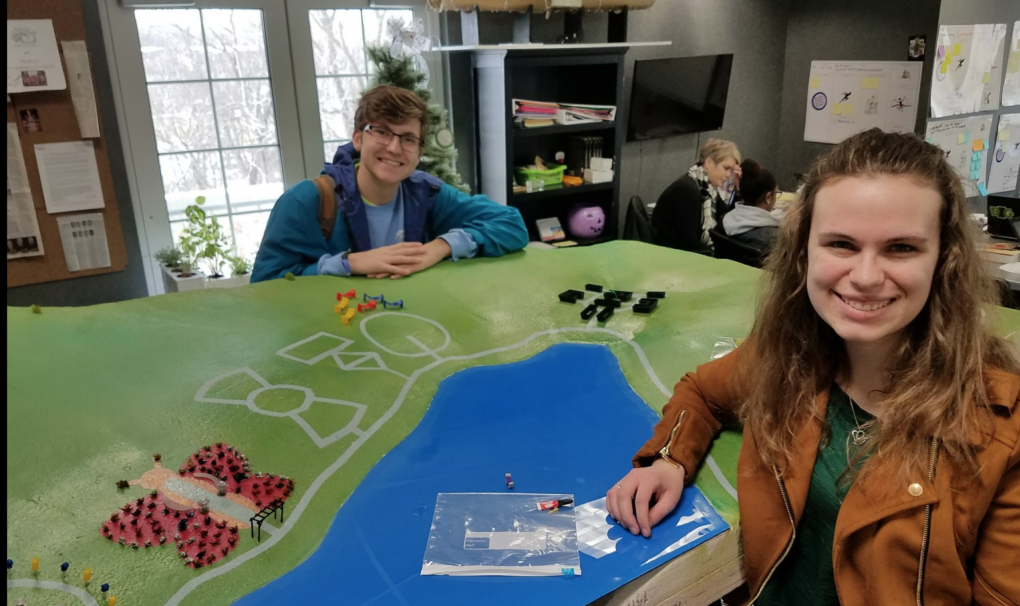
"caption": "Project lead Kaleb Cook (left) and Alexis Green (right) work on a custom 3-D model of a permaculture park design, created for partner organization Camp Courageous, which serves special needs youth and adults. The park plan will be implemented this summer.",
"description": "Project lead Kaleb Cook (left) and Alexis Green (right) work on a custom 3D model of a permaculture park design, created for partner organization Camp Courageous, which serves special needs youth and adults. The park plan will be implemented this summer.",
"title": "BIG",
"credit": "Troy Miller/Iowa BIG",
"status": "inherit",
"isLoading": false,
"fetchFailed": false
},
"mindshift_51330": {
"type": "attachments",
"id": "mindshift_51330",
"meta": {
"index": "attachments_1716263798",
"site": "mindshift",
"id": "51330",
"found": true
},
"parent": 51329,
"imgSizes": {
"small": {
"file": "https://ww2.kqed.org/app/uploads/sites/23/2018/06/mkondrich_parentingfinal_slide-7b6240671b03b092e49b3687181a4db46b808d14-520x346.jpe",
"width": 520,
"mimeType": "image/jpeg",
"height": 346
},
"twentyfourteen-full-width": {
"file": "https://ww2.kqed.org/app/uploads/sites/23/2018/06/mkondrich_parentingfinal_slide-7b6240671b03b092e49b3687181a4db46b808d14-1038x576.jpe",
"width": 1038,
"mimeType": "image/jpeg",
"height": 576
},
"thumbnail": {
"file": "https://ww2.kqed.org/app/uploads/sites/23/2018/06/mkondrich_parentingfinal_slide-7b6240671b03b092e49b3687181a4db46b808d14-160x107.jpe",
"width": 160,
"mimeType": "image/jpeg",
"height": 107
},
"fd-sm": {
"file": "https://ww2.kqed.org/app/uploads/sites/23/2018/06/mkondrich_parentingfinal_slide-7b6240671b03b092e49b3687181a4db46b808d14-960x640.jpe",
"width": 960,
"mimeType": "image/jpeg",
"height": 640
},
"post-thumbnail": {
"file": "https://ww2.kqed.org/app/uploads/sites/23/2018/06/mkondrich_parentingfinal_slide-7b6240671b03b092e49b3687181a4db46b808d14-672x372.jpe",
"width": 672,
"mimeType": "image/jpeg",
"height": 372
},
"xsmall": {
"file": "https://ww2.kqed.org/app/uploads/sites/23/2018/06/mkondrich_parentingfinal_slide-7b6240671b03b092e49b3687181a4db46b808d14-375x250.jpe",
"width": 375,
"mimeType": "image/jpeg",
"height": 250
},
"kqedFullSize": {
"file": "https://ww2.kqed.org/app/uploads/sites/23/2018/06/mkondrich_parentingfinal_slide-7b6240671b03b092e49b3687181a4db46b808d14-e1528090884801.jpe",
"width": 1920,
"height": 1279
},
"large": {
"file": "https://ww2.kqed.org/app/uploads/sites/23/2018/06/mkondrich_parentingfinal_slide-7b6240671b03b092e49b3687181a4db46b808d14-1020x680.jpe",
"width": 1020,
"mimeType": "image/jpeg",
"height": 680
},
"xlarge": {
"file": "https://ww2.kqed.org/app/uploads/sites/23/2018/06/mkondrich_parentingfinal_slide-7b6240671b03b092e49b3687181a4db46b808d14-1180x786.jpe",
"width": 1180,
"mimeType": "image/jpeg",
"height": 786
},
"complete_open_graph": {
"file": "https://ww2.kqed.org/app/uploads/sites/23/2018/06/mkondrich_parentingfinal_slide-7b6240671b03b092e49b3687181a4db46b808d14-1200x800.jpe",
"width": 1200,
"mimeType": "image/jpeg",
"height": 800
},
"guest-author-50": {
"file": "https://ww2.kqed.org/app/uploads/sites/23/2018/06/mkondrich_parentingfinal_slide-7b6240671b03b092e49b3687181a4db46b808d14-50x50.jpe",
"width": 50,
"mimeType": "image/jpeg",
"height": 50
},
"guest-author-96": {
"file": "https://ww2.kqed.org/app/uploads/sites/23/2018/06/mkondrich_parentingfinal_slide-7b6240671b03b092e49b3687181a4db46b808d14-96x96.jpe",
"width": 96,
"mimeType": "image/jpeg",
"height": 96
},
"medium": {
"file": "https://ww2.kqed.org/app/uploads/sites/23/2018/06/mkondrich_parentingfinal_slide-7b6240671b03b092e49b3687181a4db46b808d14-800x533.jpe",
"width": 800,
"mimeType": "image/jpeg",
"height": 533
},
"guest-author-64": {
"file": "https://ww2.kqed.org/app/uploads/sites/23/2018/06/mkondrich_parentingfinal_slide-7b6240671b03b092e49b3687181a4db46b808d14-64x64.jpe",
"width": 64,
"mimeType": "image/jpeg",
"height": 64
},
"guest-author-32": {
"file": "https://ww2.kqed.org/app/uploads/sites/23/2018/06/mkondrich_parentingfinal_slide-7b6240671b03b092e49b3687181a4db46b808d14-32x32.jpe",
"width": 32,
"mimeType": "image/jpeg",
"height": 32
},
"fd-lrg": {
"file": "https://ww2.kqed.org/app/uploads/sites/23/2018/06/mkondrich_parentingfinal_slide-7b6240671b03b092e49b3687181a4db46b808d14-1920x1279.jpe",
"width": 1920,
"mimeType": "image/jpeg",
"height": 1279
},
"fd-med": {
"file": "https://ww2.kqed.org/app/uploads/sites/23/2018/06/mkondrich_parentingfinal_slide-7b6240671b03b092e49b3687181a4db46b808d14-1180x786.jpe",
"width": 1180,
"mimeType": "image/jpeg",
"height": 786
},
"full-width": {
"file": "https://ww2.kqed.org/app/uploads/sites/23/2018/06/mkondrich_parentingfinal_slide-7b6240671b03b092e49b3687181a4db46b808d14-1920x1279.jpe",
"width": 1920,
"mimeType": "image/jpeg",
"height": 1279
},
"detail": {
"file": "https://ww2.kqed.org/app/uploads/sites/23/2018/06/mkondrich_parentingfinal_slide-7b6240671b03b092e49b3687181a4db46b808d14-150x150.jpe",
"width": 150,
"mimeType": "image/jpeg",
"height": 150
},
"medium_large": {
"file": "https://ww2.kqed.org/app/uploads/sites/23/2018/06/mkondrich_parentingfinal_slide-7b6240671b03b092e49b3687181a4db46b808d14-768x512.jpe",
"width": 768,
"mimeType": "image/jpeg",
"height": 512
},
"guest-author-128": {
"file": "https://ww2.kqed.org/app/uploads/sites/23/2018/06/mkondrich_parentingfinal_slide-7b6240671b03b092e49b3687181a4db46b808d14-128x128.jpe",
"width": 128,
"mimeType": "image/jpeg",
"height": 128
},
"xxsmall": {
"file": "https://ww2.kqed.org/app/uploads/sites/23/2018/06/mkondrich_parentingfinal_slide-7b6240671b03b092e49b3687181a4db46b808d14-240x160.jpe",
"width": 240,
"mimeType": "image/jpeg",
"height": 160
}
},
"publishDate": 1528090746,
"modified": 1528090904,
"caption": null,
"description": "Boy completes his chore of raking leaves",
"title": "Boy completes his chore of raking leaves",
"credit": "Michelle Kondrich for NPR",
"status": "inherit",
"isLoading": false,
"fetchFailed": false
},
"mindshift_51315": {
"type": "attachments",
"id": "mindshift_51315",
"meta": {
"index": "attachments_1716263798",
"site": "mindshift",
"id": "51315",
"found": true
},
"parent": 51314,
"imgSizes": {
"small": {
"file": "https://ww2.kqed.org/app/uploads/sites/23/2018/06/bilingual_final-cbeck-c904769d0e1fd027d09b29e521b1c1e5fcd905ab-520x390.jpg",
"width": 520,
"mimeType": "image/jpeg",
"height": 390
},
"twentyfourteen-full-width": {
"file": "https://ww2.kqed.org/app/uploads/sites/23/2018/06/bilingual_final-cbeck-c904769d0e1fd027d09b29e521b1c1e5fcd905ab-1038x576.jpg",
"width": 1038,
"mimeType": "image/jpeg",
"height": 576
},
"thumbnail": {
"file": "https://ww2.kqed.org/app/uploads/sites/23/2018/06/bilingual_final-cbeck-c904769d0e1fd027d09b29e521b1c1e5fcd905ab-160x120.jpg",
"width": 160,
"mimeType": "image/jpeg",
"height": 120
},
"fd-sm": {
"file": "https://ww2.kqed.org/app/uploads/sites/23/2018/06/bilingual_final-cbeck-c904769d0e1fd027d09b29e521b1c1e5fcd905ab-960x720.jpg",
"width": 960,
"mimeType": "image/jpeg",
"height": 720
},
"post-thumbnail": {
"file": "https://ww2.kqed.org/app/uploads/sites/23/2018/06/bilingual_final-cbeck-c904769d0e1fd027d09b29e521b1c1e5fcd905ab-672x372.jpg",
"width": 672,
"mimeType": "image/jpeg",
"height": 372
},
"xsmall": {
"file": "https://ww2.kqed.org/app/uploads/sites/23/2018/06/bilingual_final-cbeck-c904769d0e1fd027d09b29e521b1c1e5fcd905ab-375x281.jpg",
"width": 375,
"mimeType": "image/jpeg",
"height": 281
},
"kqedFullSize": {
"file": "https://ww2.kqed.org/app/uploads/sites/23/2018/06/bilingual_final-cbeck-c904769d0e1fd027d09b29e521b1c1e5fcd905ab.jpg",
"width": 3010,
"height": 2258
},
"large": {
"file": "https://ww2.kqed.org/app/uploads/sites/23/2018/06/bilingual_final-cbeck-c904769d0e1fd027d09b29e521b1c1e5fcd905ab-1020x765.jpg",
"width": 1020,
"mimeType": "image/jpeg",
"height": 765
},
"xlarge": {
"file": "https://ww2.kqed.org/app/uploads/sites/23/2018/06/bilingual_final-cbeck-c904769d0e1fd027d09b29e521b1c1e5fcd905ab-1180x885.jpg",
"width": 1180,
"mimeType": "image/jpeg",
"height": 885
},
"complete_open_graph": {
"file": "https://ww2.kqed.org/app/uploads/sites/23/2018/06/bilingual_final-cbeck-c904769d0e1fd027d09b29e521b1c1e5fcd905ab-1200x900.jpg",
"width": 1200,
"mimeType": "image/jpeg",
"height": 900
},
"guest-author-50": {
"file": "https://ww2.kqed.org/app/uploads/sites/23/2018/06/bilingual_final-cbeck-c904769d0e1fd027d09b29e521b1c1e5fcd905ab-50x50.jpg",
"width": 50,
"mimeType": "image/jpeg",
"height": 50
},
"guest-author-96": {
"file": "https://ww2.kqed.org/app/uploads/sites/23/2018/06/bilingual_final-cbeck-c904769d0e1fd027d09b29e521b1c1e5fcd905ab-96x96.jpg",
"width": 96,
"mimeType": "image/jpeg",
"height": 96
},
"medium": {
"file": "https://ww2.kqed.org/app/uploads/sites/23/2018/06/bilingual_final-cbeck-c904769d0e1fd027d09b29e521b1c1e5fcd905ab-800x600.jpg",
"width": 800,
"mimeType": "image/jpeg",
"height": 600
},
"guest-author-64": {
"file": "https://ww2.kqed.org/app/uploads/sites/23/2018/06/bilingual_final-cbeck-c904769d0e1fd027d09b29e521b1c1e5fcd905ab-64x64.jpg",
"width": 64,
"mimeType": "image/jpeg",
"height": 64
},
"guest-author-32": {
"file": "https://ww2.kqed.org/app/uploads/sites/23/2018/06/bilingual_final-cbeck-c904769d0e1fd027d09b29e521b1c1e5fcd905ab-32x32.jpg",
"width": 32,
"mimeType": "image/jpeg",
"height": 32
},
"fd-lrg": {
"file": "https://ww2.kqed.org/app/uploads/sites/23/2018/06/bilingual_final-cbeck-c904769d0e1fd027d09b29e521b1c1e5fcd905ab-1920x1440.jpg",
"width": 1920,
"mimeType": "image/jpeg",
"height": 1440
},
"fd-med": {
"file": "https://ww2.kqed.org/app/uploads/sites/23/2018/06/bilingual_final-cbeck-c904769d0e1fd027d09b29e521b1c1e5fcd905ab-1180x885.jpg",
"width": 1180,
"mimeType": "image/jpeg",
"height": 885
},
"full-width": {
"file": "https://ww2.kqed.org/app/uploads/sites/23/2018/06/bilingual_final-cbeck-c904769d0e1fd027d09b29e521b1c1e5fcd905ab-1920x1440.jpg",
"width": 1920,
"mimeType": "image/jpeg",
"height": 1440
},
"detail": {
"file": "https://ww2.kqed.org/app/uploads/sites/23/2018/06/bilingual_final-cbeck-c904769d0e1fd027d09b29e521b1c1e5fcd905ab-150x150.jpg",
"width": 150,
"mimeType": "image/jpeg",
"height": 150
},
"medium_large": {
"file": "https://ww2.kqed.org/app/uploads/sites/23/2018/06/bilingual_final-cbeck-c904769d0e1fd027d09b29e521b1c1e5fcd905ab-768x576.jpg",
"width": 768,
"mimeType": "image/jpeg",
"height": 576
},
"guest-author-128": {
"file": "https://ww2.kqed.org/app/uploads/sites/23/2018/06/bilingual_final-cbeck-c904769d0e1fd027d09b29e521b1c1e5fcd905ab-128x128.jpg",
"width": 128,
"mimeType": "image/jpeg",
"height": 128
},
"xxsmall": {
"file": "https://ww2.kqed.org/app/uploads/sites/23/2018/06/bilingual_final-cbeck-c904769d0e1fd027d09b29e521b1c1e5fcd905ab-240x180.jpg",
"width": 240,
"mimeType": "image/jpeg",
"height": 180
}
},
"publishDate": 1527868298,
"modified": 1527868298,
"caption": null,
"description": "Word gap or word wealth?",
"title": "Word gap or word wealth?",
"credit": null,
"status": "inherit",
"isLoading": false,
"fetchFailed": false
}
},
"audioPlayerReducer": {
"postId": "stream_live",
"isPaused": true,
"isPlaying": false,
"pfsActive": false,
"pledgeModalIsOpen": true,
"playerDrawerIsOpen": false,
"liveAudioPlayStartedAt": 0,
"liveAudioPlayContext": ""
},
"authorsReducer": {
"byline_mindshift_51509": {
"type": "authors",
"id": "byline_mindshift_51509",
"meta": {
"override": true
},
"slug": "byline_mindshift_51509",
"name": "Michaeleen Doucleff",
"isLoading": false
},
"byline_mindshift_51477": {
"type": "authors",
"id": "byline_mindshift_51477",
"meta": {
"override": true
},
"slug": "byline_mindshift_51477",
"name": "Elissa Nadworny",
"isLoading": false
},
"byline_mindshift_51453": {
"type": "authors",
"id": "byline_mindshift_51453",
"meta": {
"override": true
},
"slug": "byline_mindshift_51453",
"name": "Tove Danovich",
"isLoading": false
},
"byline_mindshift_50642": {
"type": "authors",
"id": "byline_mindshift_50642",
"meta": {
"override": true
},
"slug": "byline_mindshift_50642",
"name": "\u003ca href “https://twitter.com/dr_fraga”>Juli Fraga\u003c/a>",
"isLoading": false
},
"byline_mindshift_51405": {
"type": "authors",
"id": "byline_mindshift_51405",
"meta": {
"override": true
},
"slug": "byline_mindshift_51405",
"name": "Allison Aubrey and Jane Greenhalgh",
"isLoading": false
},
"byline_mindshift_51378": {
"type": "authors",
"id": "byline_mindshift_51378",
"meta": {
"override": true
},
"slug": "byline_mindshift_51378",
"name": "\u003ca href=\"https://chalkbeat.org/author/ann-schimke/\">Ann Schimke\u003c/a>, \u003ca href=\"https://chalkbeat.org/\">Chalkbeat Colorado\u003c/a>",
"isLoading": false
},
"byline_mindshift_51364": {
"type": "authors",
"id": "byline_mindshift_51364",
"meta": {
"override": true
},
"slug": "byline_mindshift_51364",
"name": "\u003ca href=\"http://hechingerreport.org/\">Joanne Jacobs, The Hechinger Report\u003c/a>",
"isLoading": false
},
"byline_mindshift_51358": {
"type": "authors",
"id": "byline_mindshift_51358",
"meta": {
"override": true
},
"slug": "byline_mindshift_51358",
"name": "Tove Danovich",
"isLoading": false
},
"byline_mindshift_51329": {
"type": "authors",
"id": "byline_mindshift_51329",
"meta": {
"override": true
},
"slug": "byline_mindshift_51329",
"name": "Cory Turner",
"isLoading": false
},
"byline_mindshift_51314": {
"type": "authors",
"id": "byline_mindshift_51314",
"meta": {
"override": true
},
"slug": "byline_mindshift_51314",
"name": "Anya Kamenetz",
"isLoading": false
},
"katrinaschwartz": {
"type": "authors",
"id": "234",
"meta": {
"index": "authors_1716337520",
"id": "234",
"found": true
},
"name": "Katrina Schwartz",
"firstName": "Katrina",
"lastName": "Schwartz",
"slug": "katrinaschwartz",
"email": "kschwartz@kqed.org",
"display_author_email": false,
"staff_mastheads": [
"news"
],
"title": "Producer",
"bio": "Katrina Schwartz is a journalist based in San Francisco. She's worked at KPCC public radio in LA and has reported on air and online for KQED since 2010. She covered how teaching and learning is changing for MindShift between 2012 and 2020. She is the co-host of the MindShift podcast and now produces KQED's Bay Curious podcast.",
"avatar": "https://secure.gravatar.com/avatar/edb4ee79070447a018538c9aae6eeecf28786515b8a0c30e43b6b7dce5aa44c8?s=600&d=blank&r=g",
"twitter": "kschwart",
"bluesky": null,
"facebook": null,
"instagram": null,
"linkedin": null,
"sites": [
{
"site": "",
"roles": [
"editor"
]
},
{
"site": "news",
"roles": [
"editor"
]
},
{
"site": "mindshift",
"roles": [
"administrator"
]
},
{
"site": "stateofhealth",
"roles": [
"author"
]
},
{
"site": "science",
"roles": [
"editor"
]
}
],
"headData": {
"title": "Katrina Schwartz | KQED",
"description": "Producer",
"ogImgSrc": "https://secure.gravatar.com/avatar/edb4ee79070447a018538c9aae6eeecf28786515b8a0c30e43b6b7dce5aa44c8?s=600&d=blank&r=g",
"twImgSrc": "https://secure.gravatar.com/avatar/edb4ee79070447a018538c9aae6eeecf28786515b8a0c30e43b6b7dce5aa44c8?s=600&d=blank&r=g"
},
"isLoading": false,
"link": "/author/katrinaschwartz"
},
"ksung": {
"type": "authors",
"id": "4596",
"meta": {
"index": "authors_1716337520",
"id": "4596",
"found": true
},
"name": "Ki Sung",
"firstName": "Ki",
"lastName": "Sung",
"slug": "ksung",
"email": "ksung@kqed.org",
"display_author_email": false,
"staff_mastheads": [
"news"
],
"title": "KQED Contributor",
"bio": "Ki Sung is Managing Editor of Digital News at KQED. She is former Senior Editor of MindShift and worked at NPR before joining KQED in 2014.",
"avatar": "https://secure.gravatar.com/avatar/64271e01dc95486c133be56937739045b7c00c990525bf9add12d3dd4f0433c9?s=600&d=blank&r=g",
"twitter": null,
"bluesky": null,
"facebook": null,
"instagram": null,
"linkedin": null,
"sites": [
{
"site": "news",
"roles": [
"editor"
]
},
{
"site": "mindshift",
"roles": [
"administrator"
]
},
{
"site": "elections",
"roles": [
"administrator"
]
}
],
"headData": {
"title": "Ki Sung | KQED",
"description": "KQED Contributor",
"ogImgSrc": "https://secure.gravatar.com/avatar/64271e01dc95486c133be56937739045b7c00c990525bf9add12d3dd4f0433c9?s=600&d=blank&r=g",
"twImgSrc": "https://secure.gravatar.com/avatar/64271e01dc95486c133be56937739045b7c00c990525bf9add12d3dd4f0433c9?s=600&d=blank&r=g"
},
"isLoading": false,
"link": "/author/ksung"
}
},
"pagesReducer": {
"mindshift_category_big-ideas": {
"type": "terms",
"id": "mindshift_192",
"meta": {
"index": "terms_1716263798",
"site": "mindshift",
"id": "192",
"score": 14.406702
},
"featImg": null,
"name": "Big Ideas",
"description": "The latest findings from experts in the field related to the future of learning.",
"taxonomy": "category",
"headData": {
"twImgId": null,
"twTitle": null,
"ogTitle": null,
"ogImgId": null,
"twDescription": null,
"description": "The latest findings from experts in the field related to the future of learning.",
"title": "Big Ideas Archives | KQED Mindshift",
"ogDescription": null
},
"ttid": 192,
"slug": "big-ideas",
"isLoading": false,
"title": "Big Ideas",
"pageMeta": {
"site": "mindshift",
"WpPageTemplate": "page-topic-editorial",
"currentPage": 26
},
"blocks": [
{
"blockName": "kqed/company-paragraph",
"content": "The latest findings from experts in the field related to the future of learning."
},
{
"blockName": "kqed/post-list",
"attrs": {
"layout": "cardArticle2",
"query": "posts/mindshift?category=big-ideas",
"seeMore": false,
"paginated": true,
"page": 26
}
},
{
"blockName": "kqed/ad"
}
]
}
},
"pfsSessionReducer": {},
"postsReducer": {
"stream_live": {
"type": "live",
"id": "stream_live",
"audioUrl": "https://streams.kqed.org/kqedradio",
"title": "Live Stream",
"excerpt": "Live Stream information currently unavailable.",
"link": "/radio",
"featImg": "",
"label": {
"name": "KQED Live",
"link": "/"
}
},
"stream_kqedNewscast": {
"type": "posts",
"id": "stream_kqedNewscast",
"audioUrl": "https://www.kqed.org/.stream/anon/radio/RDnews/newscast.mp3?_=1",
"title": "KQED Newscast",
"featImg": "",
"label": {
"name": "88.5 FM",
"link": "/"
}
},
"mindshift_51509": {
"type": "posts",
"id": "mindshift_51509",
"meta": {
"index": "posts_1716263798",
"site": "mindshift",
"id": "51509",
"score": null,
"sort": [
1529650361000
]
},
"parent": 0,
"labelTerm": {
"site": "mindshift"
},
"blocks": [],
"publishDate": 1529650361,
"format": "standard",
"disqusTitle": "How To Get Kids To Pay Attention",
"title": "How To Get Kids To Pay Attention",
"headTitle": "MindShift | KQED News",
"content": "\u003cp>Fifteen years ago, psychologists Barbara Rogoff and Maricela Correa-Chavez ran a simple experiment. They wanted to see how well kids pay attention — even if they don't have to.\u003c/p>\n\u003cp>They would bring two kids, between the ages 5 to 11, into a room and have them sit at two tables.\u003c/p>\n\u003cp>Then they had a research assistant teach one of the kids how to assemble a toy.\u003c/p>\n\u003cp>The other kid was told to wait. Rogoff says they would tell the second child, \"You can sit over here, and in a few minutes you'll have a turn to make this origami jumping mouse,\" — a different task altogether.\u003c/p>\n\u003cp>Rogoff and Correa-Chavez wanted to see what the waiting child did. Would she pay attention to the research assistant. Or did she goof off?\u003c/p>\n\u003cp>[ad fullwidth]\u003c/p>\n\u003cp>They ran this experiment on about 80 kids, with two different backgrounds: white, middle-class children from California and Maya children from Guatemala, whom she had been studying for years.\u003c/p>\n\u003cp>The difference was like night and day.\u003c/p>\n\u003cp>Many of the American kids slouched in their chairs, stared at the floor or looked around the room at the posters.\u003c/p>\n\u003cp>One little boy started making explosive noises, pretending a toy on the table was a bomb. \"He was throwing his hands into the air and saying, 'It's going to explode!'\" Rogoff says.\u003c/p>\n\u003cp>In contrast, the Maya children were more likely to pay attention. Some of them sat perfectly still in the chair, staring at the instructor. The Maya kids showed sustained attention about two-thirds of the time, Rogoff and colleagues \u003ca href=\"https://www.ncbi.nlm.nih.gov/pubmed/19413421\">concluded\u003c/a>. The middle-class, American kids did so exactly half as often.\u003c/p>\n\u003cp>Why such different results? As we \u003ca href=\"https://www.npr.org/sections/goatsandsoda/2018/06/09/616928895/how-to-get-your-kids-to-do-chores-without-resenting-it\">recently reported, Maya kids are encouraged very early on to pay attention\u003c/a> to what their family is doing so they can learn how to do chores and work collaboratively with their family.\u003c/p>\n\u003cp>But Rogoff and other Maya researchers think there's more to the story. They think these indigenous children have something that many American kids have lost.\u003c/p>\n\u003cp>\u003cstrong>What is attention?\u003c/strong>\u003c/p>\n\u003cp>In the U.S., there's growing \u003ca href=\"https://www.npr.org/sections/health-shots/2010/07/07/128358770/more-screen-time-means-more-attention-problems-in-kids\">concern\u003c/a> about the ability of children to pay attention. That, on average, the attention span of kids is declining.\u003c/p>\n\u003cp>But what if it's not attention that's the problem — but something that triggers attention.\u003c/p>\n\u003cp>Attention is a tricky beast. Unlike some brain processes, say vision or the ability to detect faces, there's not one key region in the brain that controls our ability to focus on one task and disregard distractions.\u003c/p>\n\u003cp>\"Instead it appears [that] hundreds of different parts [of the brain] have to communicate and interact with each other when we pay attention,\" says neuroscientist \u003ca href=\"http://monicarosenberg.org/\">Monica Rosenberg\u003c/a> at Yale University.\u003c/p>\n\u003cp>And measuring how well a person's brain can execute this complex process has been thorny, say cognitive neuroscientists Mike Esterman and Joe DeGutis at the \u003ca href=\"http://www.bu.edu/ballab/\">Boston Attention and Learning Lab.\u003c/a>\u003c/p>\n\u003cp>For years, Esterman and DeGutis have been developing a standard test to measure how well people can focus — or at least that's what they thought they were measuring.\u003c/p>\n\u003cp>\"So we bring people in a lab, like college students, and give them these tests to do on the computer, which count how many times their attention lapses,\" Esterman says.\u003c/p>\n\u003cp>For instance, a person is shown a series of images on the screen. Esterman tells the person to press a button every time a city pops up.\u003c/p>\n\u003cp>\"So we show them a bunch of city images,\" he says. \"And you're kind of going along, pressing the button, as city after city passes on the scene. Then all of the sudden there's a mountain scene, and the goal is to stop pressing.\"\u003c/p>\n\u003cp>If your brain wanders, you'll make a mistake and accidentally press the button, Esterman adds. The more mistakes you make like this, the worse your ability is to pay attention, the researchers thought.\u003c/p>\n\u003cp>But then a few years ago, they decided to tweak the experiment. Right before it began, they told the college kids:\u003c/p>\n\u003cp>\"If you do better on the task, it would end sooner,\" Esterman says. \"And you can get out of the lab sooner.\"\u003c/p>\n\u003cp>In other words, Esterman gave the volunteers more \u003cem>motivation\u003c/em> to pay attention. The results were shocking.\u003c/p>\n\u003cp>\"The extra motivation increased the person's ability to sustain attention by more than 50 percent, \" Esterman says. \"We were kind of blown away by the size of these effects.\"\u003c/p>\n\u003cp>The researchers could even see changes in how the brain worked when people were motivated. The circuitry that controls attention was more active throughout the entire experiment when participants were motivated to finish the test, DeGutis says. Whereas, without the motivation, this circuitry tended to flash on and off.\u003c/p>\n\u003cp>For some people, the motivation can be just as important as their innate ability to pay attention, Esterman says.\u003c/p>\n\u003cp>\"If we don't measure how motivated a person is [while taking these tests], then we may not be measuring their true capacity to pay attention,\" he says.\u003c/p>\n\u003cp>And DeGutis agrees. \"One of the things we've realized is that it's hard to separate motivation from sustained attention,\" he says. \"If we're not looking at motivation, then we're really missing the boat in terms of attention.\"\u003c/p>\n\u003cp>'\u003cstrong>Of course she can go to the store by herself'\u003c/strong>\u003c/p>\n\u003cp>So maybe the Maya children are more attentive in the origami/toy experiment — not because they have better attention spans — but because they are more motivated to pay attention. Their parents have somehow motivated them to pay attention even without being told.\u003c/p>\n\u003cp>To see this Maya parenting firsthand, I traveled down to a tiny Maya village in Yucatan, Mexico, and visited the home of Maria Tun Burgos. Researchers have been studying her family and this village for years.\u003c/p>\n\u003cfigure id=\"attachment_51511\" class=\"wp-caption alignnone\" style=\"max-width: 2000px\">\u003cimg class=\"wp-image-51511 size-full\" src=\"https://ww2.kqed.org/mindshift/wp-content/uploads/sites/23/2018/06/maya-attention-01_custom-fa5caad3b57bb492f3353cead17bfe5e7075d71f.jpg\" alt=\"\" width=\"2000\" height=\"2000\" srcset=\"https://ww2.kqed.org/app/uploads/sites/23/2018/06/maya-attention-01_custom-fa5caad3b57bb492f3353cead17bfe5e7075d71f.jpg 2000w, https://ww2.kqed.org/app/uploads/sites/23/2018/06/maya-attention-01_custom-fa5caad3b57bb492f3353cead17bfe5e7075d71f-160x160.jpg 160w, https://ww2.kqed.org/app/uploads/sites/23/2018/06/maya-attention-01_custom-fa5caad3b57bb492f3353cead17bfe5e7075d71f-800x800.jpg 800w, https://ww2.kqed.org/app/uploads/sites/23/2018/06/maya-attention-01_custom-fa5caad3b57bb492f3353cead17bfe5e7075d71f-768x768.jpg 768w, https://ww2.kqed.org/app/uploads/sites/23/2018/06/maya-attention-01_custom-fa5caad3b57bb492f3353cead17bfe5e7075d71f-1020x1020.jpg 1020w, https://ww2.kqed.org/app/uploads/sites/23/2018/06/maya-attention-01_custom-fa5caad3b57bb492f3353cead17bfe5e7075d71f-1200x1200.jpg 1200w, https://ww2.kqed.org/app/uploads/sites/23/2018/06/maya-attention-01_custom-fa5caad3b57bb492f3353cead17bfe5e7075d71f-1180x1180.jpg 1180w, https://ww2.kqed.org/app/uploads/sites/23/2018/06/maya-attention-01_custom-fa5caad3b57bb492f3353cead17bfe5e7075d71f-960x960.jpg 960w, https://ww2.kqed.org/app/uploads/sites/23/2018/06/maya-attention-01_custom-fa5caad3b57bb492f3353cead17bfe5e7075d71f-240x240.jpg 240w, https://ww2.kqed.org/app/uploads/sites/23/2018/06/maya-attention-01_custom-fa5caad3b57bb492f3353cead17bfe5e7075d71f-375x375.jpg 375w, https://ww2.kqed.org/app/uploads/sites/23/2018/06/maya-attention-01_custom-fa5caad3b57bb492f3353cead17bfe5e7075d71f-520x520.jpg 520w, https://ww2.kqed.org/app/uploads/sites/23/2018/06/maya-attention-01_custom-fa5caad3b57bb492f3353cead17bfe5e7075d71f-32x32.jpg 32w, https://ww2.kqed.org/app/uploads/sites/23/2018/06/maya-attention-01_custom-fa5caad3b57bb492f3353cead17bfe5e7075d71f-50x50.jpg 50w, https://ww2.kqed.org/app/uploads/sites/23/2018/06/maya-attention-01_custom-fa5caad3b57bb492f3353cead17bfe5e7075d71f-64x64.jpg 64w, https://ww2.kqed.org/app/uploads/sites/23/2018/06/maya-attention-01_custom-fa5caad3b57bb492f3353cead17bfe5e7075d71f-96x96.jpg 96w, https://ww2.kqed.org/app/uploads/sites/23/2018/06/maya-attention-01_custom-fa5caad3b57bb492f3353cead17bfe5e7075d71f-128x128.jpg 128w, https://ww2.kqed.org/app/uploads/sites/23/2018/06/maya-attention-01_custom-fa5caad3b57bb492f3353cead17bfe5e7075d71f-150x150.jpg 150w\" sizes=\"(max-width: 2000px) 100vw, 2000px\">\u003cfigcaption class=\"wp-caption-text\">Gelmy Tun Borgos helps in the kitchen making tortillas with her mother in their home in a small village in the Yucatan. \u003ccite>(Adriana Zehbrauskas for NPR)\u003c/cite>\u003c/figcaption>\u003c/figure>\n\u003cp>On a warm April afternoon, Tun Burgos is feeding her chickens in backyard. Her three daughters are outside with her, but they doing basically whatever they want.\u003c/p>\n\u003cp>The oldest daughter, Angela, age 12, is chasing a baby chick that's gotten out of the pen. The middle girl, Gelmy, age 9, is running in and out of the yard with neighborhood kids. Most of the time, no one is really sure where she is. And the littlest daughter, Alexa, who is 4 years old, has just climbed up a tree.\u003c/p>\n\u003cp>\"Alone, without mama,\" the little daredevil declares.\u003c/p>\n\u003cp>Right away, I realize what these kids have that many American kids miss out on: an enormous amount of freedom. The freedom to largely choose what they do, where they go, whom they do it with. That means, they also have the freedom to control what they pay attention to.\u003c/p>\n\u003cp>Even the little 4-year-old has the freedom to leave the house by herself, her mother says.\u003c/p>\n\u003cp>\"Of course she can go shopping,\" Tun Burgos says. \"She can buy some eggs or tomatoes for us. She knows the way and how to stay out of traffic.\"\u003c/p>\n\u003cp>Now the kids aren't just playing around in the yard. They're still getting work done. They go to school. They do several after-school activities — and many, many chores. When I was with the family, the oldest girl did the dishes even though no one asked her to, and she helped take care of her little sisters.\u003c/p>\n\u003cp>But the kids, to a great extent, set their schedules and agendas, says Suzanne Gaskins, a psychologist at Northeastern Illinois University, who has studied the kids in this village for decades.\u003c/p>\n\u003cp>\"Rather than having the mom set the goal — and then having to offer enticements and rewards to reach that goal — the child is setting the goal,\" Gaskins says. \"Then the parents support that goal however they can.\"\u003c/p>\n\u003cp>The parents intentionally give their children this autonomy and freedom because they believe it's the best way to motivate kids, Gaskins says.\u003c/p>\n\u003cp>\"The parents feel very strongly that every child knows best what they want,\" she says. \"And that goals can be achieved only when a child wants it.\"\u003c/p>\n\u003cp>And so \u003ca href=\"https://www.npr.org/sections/goatsandsoda/2018/06/09/616928895/how-to-get-your-kids-to-do-chores-without-resenting-it\">they will do chores when they want to be helpful for their family.\u003c/a>\u003c/p>\n\u003cp>With this strategy, Maya children also learn how to manage their own attention, instead of always depending on adults to tell them what to pay attention to, says \u003ca href=\"https://psychology.ucsc.edu/faculty/singleton.php?&singleton=true&cruz_id=brogoff\">Barbara Rogoff\u003c/a>, who is a professor at the University of California Santa Cruz.\u003c/p>\n\u003cp>\"It may be the case that [some American] children give up control of their attention when it's always managed by an adult,\" she says.\u003c/p>\n\u003cp>Turns out these Maya moms are onto something. In fact, they are master motivators.\u003c/p>\n\u003cp>\u003cstrong>Motivating kids, the Maya way\u003c/strong>\u003c/p>\n\u003cp>Although neuroscientists are just beginning to understand what's happening in the brain while we pay attention, psychologists already have a pretty good understanding of what's needed to motivate kids.\u003c/p>\n\u003cp>Psychologist \u003ca href=\"http://www.sas.rochester.edu/psy/people/faculty/deci_edward/\">Edward Deci\u003c/a> has been studying it for nearly 50 years at the University of Rochester. And what does he say is one of the most important ingredients for motivating kids?\u003c/p>\n\u003cp>\"Autonomy,\" Deci says. \"To do something with this full sense of willingness and choice.\"\u003c/p>\n\u003cp>Many \u003ca href=\"http://journals.sagepub.com/doi/abs/10.1177/1477878509104318?journalCode=trea\">studies\u003c/a> have shown that when teachers foster autonomy, it stimulates kids' motivation to learn, tackle challenges and pay attention, Deci says.\u003c/p>\n\u003cp>But in the last few decades, some parts of our culture have turned in the other direction, he says. They've started taking autonomy away from kids — especially in some schools.\u003c/p>\n\u003cp>\"One of the things we've been doing in the American school system is making it more and more controlling rather than supportive,\" Deci says.\u003c/p>\n\u003cp>And this lack of autonomy in school inhibits kids' ability to pay attention, he says.\u003c/p>\n\u003cp>\"Oh without question it does,\" Deci says. \"So all of the high stakes tests are having negative consequences on the motivation, the attention and the learning of our children.\"\u003c/p>\n\u003cp>Now, many parents in the U.S. can't go full-on Maya to motivate kids. It's often not practical — or safe — to give kids that much autonomy in many places, for instance. But there are things parents here can do, says cognitive psychologist Mike Esterman.\u003c/p>\n\u003cp>For starters, he says, ask your kid this question: 'What would you do if you didn't have to do anything else?' \"\u003c/p>\n\u003cp>\"Then you start to see what actually motivates them and what they want to engage their cognitive resources in when no one tells them what they \u003cem>have\u003c/em> to to do,\" Esterman says.\u003c/p>\n\u003cp>Then create space in their schedule for this activity, he says.\u003c/p>\n\u003cp>\"For my daughter, I've been thinking that this activity will be like her 'passion,' and it's the activity I should be fostering,\" he says.\u003c/p>\n\u003cp>Because when a kid has a passion, Esterman says, it's golden for the child. It's something that will bring them joy ... and hone their ability to pay attention.\u003c/p>\n\u003cp>\u003cstrong>Your Turn: What questions do you have about \u003c/strong>\u003ca href=\"https://www.npr.org/series/607483398/-howtoraiseahuman\">\u003cstrong>How To Raise A Human\u003c/strong>\u003c/a>\u003cstrong>? \u003c/strong>\u003c/p>\n\u003cp>[ad floatright]\u003c/p>\n\u003cp>\u003cem>We've reported on kids and chores, grandma's role in evolution and stay-at-home dads. What else do you want to know? What questions do you have for our correspondents? Submit your question in the tool below. We will pick a few to answer on NPR.org at the end of the series.\u003c/em>\u003c/p>\n\u003cdiv class=\"fullattribution\">Copyright 2018 NPR. To see more, visit http://www.npr.org/.\u003cimg src=\"https://www.google-analytics.com/__utm.gif?utmac=UA-5828686-4&utmdt=A+Lost+Secret%3A+How+To+Get+Kids+To+Pay+Attention&utme=8(APIKey)9(MDAxOTAwOTE4MDEyMTkxMDAzNjczZDljZA004)\">\u003c/div>\n\n",
"disqusIdentifier": "51509 https://ww2.kqed.org/mindshift/?p=51509",
"disqusUrl": "https://ww2.kqed.org/mindshift/2018/06/21/how-to-get-kids-to-pay-attention/",
"stats": {
"hasVideo": false,
"hasChartOrMap": false,
"hasAudio": false,
"hasPolis": false,
"wordCount": 1920,
"hasGoogleForm": false,
"hasGallery": false,
"hasHearkenModule": false,
"iframeSrcs": [],
"paragraphCount": 68
},
"modified": 1529650361,
"excerpt": "Maya kids do better on tests measuring attention, researchers say it's because these kids have something that many American kids have lost.",
"headData": {
"twImgId": "",
"twTitle": "",
"ogTitle": "",
"ogImgId": "",
"twDescription": "",
"description": "Maya kids do better on tests measuring attention, researchers say it's because these kids have something that many American kids have lost.",
"title": "How To Get Kids To Pay Attention | KQED",
"ogDescription": "",
"schema": {
"@context": "https://schema.org",
"@type": "Article",
"headline": "How To Get Kids To Pay Attention",
"datePublished": "2018-06-21T23:52:41-07:00",
"dateModified": "2018-06-21T23:52:41-07:00",
"image": "https://cdn.kqed.org/wp-content/uploads/2020/02/KQED-OG-Image@1x.png"
}
},
"guestAuthors": [],
"slug": "how-to-get-kids-to-pay-attention",
"status": "publish",
"nprApiLink": "http://api.npr.org/query?id=621752789&apiKey=MDAxOTAwOTE4MDEyMTkxMDAzNjczZDljZA004",
"nprByline": "Michaeleen Doucleff",
"nprStoryDate": "Thu, 21 Jun 2018 16:34:00 -0400",
"nprLastModifiedDate": "Thu, 21 Jun 2018 19:47:47 -0400",
"nprHtmlLink": "https://www.npr.org/sections/goatsandsoda/2018/06/21/621752789/a-lost-secret-how-to-get-kids-to-pay-attention?ft=nprml&f=621752789",
"nprAudio": "https://ondemand.npr.org/anon.npr-mp3/npr/atc/2018/06/20180621_atc_a_lost_secret_how_to_get_kids_to_pay_attention.mp3?orgId=1&topicId=1001&aggIds=607483398&d=460&p=2&story=621752789&ft=nprml&f=621752789",
"nprImageAgency": "Adriana Zehbrauskas for NPR",
"nprAudioM3u": "http://api.npr.org/m3u/1622362031-917482.m3u?orgId=1&topicId=1001&aggIds=607483398&d=460&p=2&story=621752789&ft=nprml&f=621752789",
"nprStoryId": "621752789",
"nprRetrievedStory": "1",
"nprPubDate": "Thu, 21 Jun 2018 22:53:00 -0400",
"path": "/mindshift/51509/how-to-get-kids-to-pay-attention",
"audioUrl": "https://ondemand.npr.org/anon.npr-mp3/npr/atc/2018/06/20180621_atc_a_lost_secret_how_to_get_kids_to_pay_attention.mp3?orgId=1&topicId=1001&aggIds=607483398&d=460&p=2&story=621752789&ft=nprml&f=621752789",
"audioTrackLength": null,
"parsedContent": [
{
"type": "contentString",
"content": "\u003cdiv class=\"post-body\">\u003cp>\u003cp>Fifteen years ago, psychologists Barbara Rogoff and Maricela Correa-Chavez ran a simple experiment. They wanted to see how well kids pay attention — even if they don't have to.\u003c/p>\n\u003cp>They would bring two kids, between the ages 5 to 11, into a room and have them sit at two tables.\u003c/p>\n\u003cp>Then they had a research assistant teach one of the kids how to assemble a toy.\u003c/p>\n\u003cp>The other kid was told to wait. Rogoff says they would tell the second child, \"You can sit over here, and in a few minutes you'll have a turn to make this origami jumping mouse,\" — a different task altogether.\u003c/p>\n\u003cp>Rogoff and Correa-Chavez wanted to see what the waiting child did. Would she pay attention to the research assistant. Or did she goof off?\u003c/p>\n\u003cp>\u003c/p>\u003c/div>",
"attributes": {
"named": {},
"numeric": []
}
},
{
"type": "component",
"content": "",
"name": "ad",
"attributes": {
"named": {
"label": "fullwidth"
},
"numeric": [
"fullwidth"
]
}
},
{
"type": "contentString",
"content": "\u003cdiv class=\"post-body\">\u003cp>\u003c/p>\n\u003cp>They ran this experiment on about 80 kids, with two different backgrounds: white, middle-class children from California and Maya children from Guatemala, whom she had been studying for years.\u003c/p>\n\u003cp>The difference was like night and day.\u003c/p>\n\u003cp>Many of the American kids slouched in their chairs, stared at the floor or looked around the room at the posters.\u003c/p>\n\u003cp>One little boy started making explosive noises, pretending a toy on the table was a bomb. \"He was throwing his hands into the air and saying, 'It's going to explode!'\" Rogoff says.\u003c/p>\n\u003cp>In contrast, the Maya children were more likely to pay attention. Some of them sat perfectly still in the chair, staring at the instructor. The Maya kids showed sustained attention about two-thirds of the time, Rogoff and colleagues \u003ca href=\"https://www.ncbi.nlm.nih.gov/pubmed/19413421\">concluded\u003c/a>. The middle-class, American kids did so exactly half as often.\u003c/p>\n\u003cp>Why such different results? As we \u003ca href=\"https://www.npr.org/sections/goatsandsoda/2018/06/09/616928895/how-to-get-your-kids-to-do-chores-without-resenting-it\">recently reported, Maya kids are encouraged very early on to pay attention\u003c/a> to what their family is doing so they can learn how to do chores and work collaboratively with their family.\u003c/p>\n\u003cp>But Rogoff and other Maya researchers think there's more to the story. They think these indigenous children have something that many American kids have lost.\u003c/p>\n\u003cp>\u003cstrong>What is attention?\u003c/strong>\u003c/p>\n\u003cp>In the U.S., there's growing \u003ca href=\"https://www.npr.org/sections/health-shots/2010/07/07/128358770/more-screen-time-means-more-attention-problems-in-kids\">concern\u003c/a> about the ability of children to pay attention. That, on average, the attention span of kids is declining.\u003c/p>\n\u003cp>But what if it's not attention that's the problem — but something that triggers attention.\u003c/p>\n\u003cp>Attention is a tricky beast. Unlike some brain processes, say vision or the ability to detect faces, there's not one key region in the brain that controls our ability to focus on one task and disregard distractions.\u003c/p>\n\u003cp>\"Instead it appears [that] hundreds of different parts [of the brain] have to communicate and interact with each other when we pay attention,\" says neuroscientist \u003ca href=\"http://monicarosenberg.org/\">Monica Rosenberg\u003c/a> at Yale University.\u003c/p>\n\u003cp>And measuring how well a person's brain can execute this complex process has been thorny, say cognitive neuroscientists Mike Esterman and Joe DeGutis at the \u003ca href=\"http://www.bu.edu/ballab/\">Boston Attention and Learning Lab.\u003c/a>\u003c/p>\n\u003cp>For years, Esterman and DeGutis have been developing a standard test to measure how well people can focus — or at least that's what they thought they were measuring.\u003c/p>\n\u003cp>\"So we bring people in a lab, like college students, and give them these tests to do on the computer, which count how many times their attention lapses,\" Esterman says.\u003c/p>\n\u003cp>For instance, a person is shown a series of images on the screen. Esterman tells the person to press a button every time a city pops up.\u003c/p>\n\u003cp>\"So we show them a bunch of city images,\" he says. \"And you're kind of going along, pressing the button, as city after city passes on the scene. Then all of the sudden there's a mountain scene, and the goal is to stop pressing.\"\u003c/p>\n\u003cp>If your brain wanders, you'll make a mistake and accidentally press the button, Esterman adds. The more mistakes you make like this, the worse your ability is to pay attention, the researchers thought.\u003c/p>\n\u003cp>But then a few years ago, they decided to tweak the experiment. Right before it began, they told the college kids:\u003c/p>\n\u003cp>\"If you do better on the task, it would end sooner,\" Esterman says. \"And you can get out of the lab sooner.\"\u003c/p>\n\u003cp>In other words, Esterman gave the volunteers more \u003cem>motivation\u003c/em> to pay attention. The results were shocking.\u003c/p>\n\u003cp>\"The extra motivation increased the person's ability to sustain attention by more than 50 percent, \" Esterman says. \"We were kind of blown away by the size of these effects.\"\u003c/p>\n\u003cp>The researchers could even see changes in how the brain worked when people were motivated. The circuitry that controls attention was more active throughout the entire experiment when participants were motivated to finish the test, DeGutis says. Whereas, without the motivation, this circuitry tended to flash on and off.\u003c/p>\n\u003cp>For some people, the motivation can be just as important as their innate ability to pay attention, Esterman says.\u003c/p>\n\u003cp>\"If we don't measure how motivated a person is [while taking these tests], then we may not be measuring their true capacity to pay attention,\" he says.\u003c/p>\n\u003cp>And DeGutis agrees. \"One of the things we've realized is that it's hard to separate motivation from sustained attention,\" he says. \"If we're not looking at motivation, then we're really missing the boat in terms of attention.\"\u003c/p>\n\u003cp>'\u003cstrong>Of course she can go to the store by herself'\u003c/strong>\u003c/p>\n\u003cp>So maybe the Maya children are more attentive in the origami/toy experiment — not because they have better attention spans — but because they are more motivated to pay attention. Their parents have somehow motivated them to pay attention even without being told.\u003c/p>\n\u003cp>To see this Maya parenting firsthand, I traveled down to a tiny Maya village in Yucatan, Mexico, and visited the home of Maria Tun Burgos. Researchers have been studying her family and this village for years.\u003c/p>\n\u003cfigure id=\"attachment_51511\" class=\"wp-caption alignnone\" style=\"max-width: 2000px\">\u003cimg class=\"wp-image-51511 size-full\" src=\"https://ww2.kqed.org/mindshift/wp-content/uploads/sites/23/2018/06/maya-attention-01_custom-fa5caad3b57bb492f3353cead17bfe5e7075d71f.jpg\" alt=\"\" width=\"2000\" height=\"2000\" srcset=\"https://ww2.kqed.org/app/uploads/sites/23/2018/06/maya-attention-01_custom-fa5caad3b57bb492f3353cead17bfe5e7075d71f.jpg 2000w, https://ww2.kqed.org/app/uploads/sites/23/2018/06/maya-attention-01_custom-fa5caad3b57bb492f3353cead17bfe5e7075d71f-160x160.jpg 160w, https://ww2.kqed.org/app/uploads/sites/23/2018/06/maya-attention-01_custom-fa5caad3b57bb492f3353cead17bfe5e7075d71f-800x800.jpg 800w, https://ww2.kqed.org/app/uploads/sites/23/2018/06/maya-attention-01_custom-fa5caad3b57bb492f3353cead17bfe5e7075d71f-768x768.jpg 768w, https://ww2.kqed.org/app/uploads/sites/23/2018/06/maya-attention-01_custom-fa5caad3b57bb492f3353cead17bfe5e7075d71f-1020x1020.jpg 1020w, https://ww2.kqed.org/app/uploads/sites/23/2018/06/maya-attention-01_custom-fa5caad3b57bb492f3353cead17bfe5e7075d71f-1200x1200.jpg 1200w, https://ww2.kqed.org/app/uploads/sites/23/2018/06/maya-attention-01_custom-fa5caad3b57bb492f3353cead17bfe5e7075d71f-1180x1180.jpg 1180w, https://ww2.kqed.org/app/uploads/sites/23/2018/06/maya-attention-01_custom-fa5caad3b57bb492f3353cead17bfe5e7075d71f-960x960.jpg 960w, https://ww2.kqed.org/app/uploads/sites/23/2018/06/maya-attention-01_custom-fa5caad3b57bb492f3353cead17bfe5e7075d71f-240x240.jpg 240w, https://ww2.kqed.org/app/uploads/sites/23/2018/06/maya-attention-01_custom-fa5caad3b57bb492f3353cead17bfe5e7075d71f-375x375.jpg 375w, https://ww2.kqed.org/app/uploads/sites/23/2018/06/maya-attention-01_custom-fa5caad3b57bb492f3353cead17bfe5e7075d71f-520x520.jpg 520w, https://ww2.kqed.org/app/uploads/sites/23/2018/06/maya-attention-01_custom-fa5caad3b57bb492f3353cead17bfe5e7075d71f-32x32.jpg 32w, https://ww2.kqed.org/app/uploads/sites/23/2018/06/maya-attention-01_custom-fa5caad3b57bb492f3353cead17bfe5e7075d71f-50x50.jpg 50w, https://ww2.kqed.org/app/uploads/sites/23/2018/06/maya-attention-01_custom-fa5caad3b57bb492f3353cead17bfe5e7075d71f-64x64.jpg 64w, https://ww2.kqed.org/app/uploads/sites/23/2018/06/maya-attention-01_custom-fa5caad3b57bb492f3353cead17bfe5e7075d71f-96x96.jpg 96w, https://ww2.kqed.org/app/uploads/sites/23/2018/06/maya-attention-01_custom-fa5caad3b57bb492f3353cead17bfe5e7075d71f-128x128.jpg 128w, https://ww2.kqed.org/app/uploads/sites/23/2018/06/maya-attention-01_custom-fa5caad3b57bb492f3353cead17bfe5e7075d71f-150x150.jpg 150w\" sizes=\"(max-width: 2000px) 100vw, 2000px\">\u003cfigcaption class=\"wp-caption-text\">Gelmy Tun Borgos helps in the kitchen making tortillas with her mother in their home in a small village in the Yucatan. \u003ccite>(Adriana Zehbrauskas for NPR)\u003c/cite>\u003c/figcaption>\u003c/figure>\n\u003cp>On a warm April afternoon, Tun Burgos is feeding her chickens in backyard. Her three daughters are outside with her, but they doing basically whatever they want.\u003c/p>\n\u003cp>The oldest daughter, Angela, age 12, is chasing a baby chick that's gotten out of the pen. The middle girl, Gelmy, age 9, is running in and out of the yard with neighborhood kids. Most of the time, no one is really sure where she is. And the littlest daughter, Alexa, who is 4 years old, has just climbed up a tree.\u003c/p>\n\u003cp>\"Alone, without mama,\" the little daredevil declares.\u003c/p>\n\u003cp>Right away, I realize what these kids have that many American kids miss out on: an enormous amount of freedom. The freedom to largely choose what they do, where they go, whom they do it with. That means, they also have the freedom to control what they pay attention to.\u003c/p>\n\u003cp>Even the little 4-year-old has the freedom to leave the house by herself, her mother says.\u003c/p>\n\u003cp>\"Of course she can go shopping,\" Tun Burgos says. \"She can buy some eggs or tomatoes for us. She knows the way and how to stay out of traffic.\"\u003c/p>\n\u003cp>Now the kids aren't just playing around in the yard. They're still getting work done. They go to school. They do several after-school activities — and many, many chores. When I was with the family, the oldest girl did the dishes even though no one asked her to, and she helped take care of her little sisters.\u003c/p>\n\u003cp>But the kids, to a great extent, set their schedules and agendas, says Suzanne Gaskins, a psychologist at Northeastern Illinois University, who has studied the kids in this village for decades.\u003c/p>\n\u003cp>\"Rather than having the mom set the goal — and then having to offer enticements and rewards to reach that goal — the child is setting the goal,\" Gaskins says. \"Then the parents support that goal however they can.\"\u003c/p>\n\u003cp>The parents intentionally give their children this autonomy and freedom because they believe it's the best way to motivate kids, Gaskins says.\u003c/p>\n\u003cp>\"The parents feel very strongly that every child knows best what they want,\" she says. \"And that goals can be achieved only when a child wants it.\"\u003c/p>\n\u003cp>And so \u003ca href=\"https://www.npr.org/sections/goatsandsoda/2018/06/09/616928895/how-to-get-your-kids-to-do-chores-without-resenting-it\">they will do chores when they want to be helpful for their family.\u003c/a>\u003c/p>\n\u003cp>With this strategy, Maya children also learn how to manage their own attention, instead of always depending on adults to tell them what to pay attention to, says \u003ca href=\"https://psychology.ucsc.edu/faculty/singleton.php?&singleton=true&cruz_id=brogoff\">Barbara Rogoff\u003c/a>, who is a professor at the University of California Santa Cruz.\u003c/p>\n\u003cp>\"It may be the case that [some American] children give up control of their attention when it's always managed by an adult,\" she says.\u003c/p>\n\u003cp>Turns out these Maya moms are onto something. In fact, they are master motivators.\u003c/p>\n\u003cp>\u003cstrong>Motivating kids, the Maya way\u003c/strong>\u003c/p>\n\u003cp>Although neuroscientists are just beginning to understand what's happening in the brain while we pay attention, psychologists already have a pretty good understanding of what's needed to motivate kids.\u003c/p>\n\u003cp>Psychologist \u003ca href=\"http://www.sas.rochester.edu/psy/people/faculty/deci_edward/\">Edward Deci\u003c/a> has been studying it for nearly 50 years at the University of Rochester. And what does he say is one of the most important ingredients for motivating kids?\u003c/p>\n\u003cp>\"Autonomy,\" Deci says. \"To do something with this full sense of willingness and choice.\"\u003c/p>\n\u003cp>Many \u003ca href=\"http://journals.sagepub.com/doi/abs/10.1177/1477878509104318?journalCode=trea\">studies\u003c/a> have shown that when teachers foster autonomy, it stimulates kids' motivation to learn, tackle challenges and pay attention, Deci says.\u003c/p>\n\u003cp>But in the last few decades, some parts of our culture have turned in the other direction, he says. They've started taking autonomy away from kids — especially in some schools.\u003c/p>\n\u003cp>\"One of the things we've been doing in the American school system is making it more and more controlling rather than supportive,\" Deci says.\u003c/p>\n\u003cp>And this lack of autonomy in school inhibits kids' ability to pay attention, he says.\u003c/p>\n\u003cp>\"Oh without question it does,\" Deci says. \"So all of the high stakes tests are having negative consequences on the motivation, the attention and the learning of our children.\"\u003c/p>\n\u003cp>Now, many parents in the U.S. can't go full-on Maya to motivate kids. It's often not practical — or safe — to give kids that much autonomy in many places, for instance. But there are things parents here can do, says cognitive psychologist Mike Esterman.\u003c/p>\n\u003cp>For starters, he says, ask your kid this question: 'What would you do if you didn't have to do anything else?' \"\u003c/p>\n\u003cp>\"Then you start to see what actually motivates them and what they want to engage their cognitive resources in when no one tells them what they \u003cem>have\u003c/em> to to do,\" Esterman says.\u003c/p>\n\u003cp>Then create space in their schedule for this activity, he says.\u003c/p>\n\u003cp>\"For my daughter, I've been thinking that this activity will be like her 'passion,' and it's the activity I should be fostering,\" he says.\u003c/p>\n\u003cp>Because when a kid has a passion, Esterman says, it's golden for the child. It's something that will bring them joy ... and hone their ability to pay attention.\u003c/p>\n\u003cp>\u003cstrong>Your Turn: What questions do you have about \u003c/strong>\u003ca href=\"https://www.npr.org/series/607483398/-howtoraiseahuman\">\u003cstrong>How To Raise A Human\u003c/strong>\u003c/a>\u003cstrong>? \u003c/strong>\u003c/p>\n\u003cp>\u003c/p>\u003c/div>",
"attributes": {
"named": {},
"numeric": []
}
},
{
"type": "component",
"content": "",
"name": "ad",
"attributes": {
"named": {
"label": "floatright"
},
"numeric": [
"floatright"
]
}
},
{
"type": "contentString",
"content": "\u003cdiv class=\"post-body\">\u003cp>\u003c/p>\n\u003cp>\u003cem>We've reported on kids and chores, grandma's role in evolution and stay-at-home dads. What else do you want to know? What questions do you have for our correspondents? Submit your question in the tool below. We will pick a few to answer on NPR.org at the end of the series.\u003c/em>\u003c/p>\n\u003cdiv class=\"fullattribution\">Copyright 2018 NPR. To see more, visit http://www.npr.org/.\u003cimg src=\"https://www.google-analytics.com/__utm.gif?utmac=UA-5828686-4&utmdt=A+Lost+Secret%3A+How+To+Get+Kids+To+Pay+Attention&utme=8(APIKey)9(MDAxOTAwOTE4MDEyMTkxMDAzNjczZDljZA004)\">\u003c/div>\n\n\u003c/div>\u003c/p>",
"attributes": {
"named": {},
"numeric": []
}
}
],
"link": "/mindshift/51509/how-to-get-kids-to-pay-attention",
"authors": [
"byline_mindshift_51509"
],
"categories": [
"mindshift_192"
],
"tags": [
"mindshift_20862",
"mindshift_21207",
"mindshift_20784",
"mindshift_1040",
"mindshift_20772"
],
"featImg": "mindshift_51510",
"label": "mindshift"
},
"mindshift_51477": {
"type": "posts",
"id": "mindshift_51477",
"meta": {
"index": "posts_1716263798",
"site": "mindshift",
"id": "51477",
"score": null,
"sort": [
1529413940000
]
},
"parent": 0,
"labelTerm": {
"site": "mindshift"
},
"blocks": [],
"publishDate": 1529413940,
"format": "standard",
"disqusTitle": "How Advisers Connect Via Tech to Help Low-Income Students Apply To College",
"title": "How Advisers Connect Via Tech to Help Low-Income Students Apply To College",
"headTitle": "MindShift | KQED News",
"content": "\u003cp>Our\u003cem> Take A Number series is exploring problems around the world through the lens of a single number. \u003c/em>\u003c/p>\n\u003cp>Some high school students think of applying to colleges as a full-time job. There are essays and tests, loads of financial documents to assemble and calculations to make. After all that, of course, comes a big decision — one of the biggest of their young lives.\u003c/p>\n\u003cp>For top students who come from low-income families, the challenge is particularly difficult.\u003c/p>\n\u003cp>Research shows that \u003ca href=\"https://www.npr.org/sections/ed/2017/08/17/542575305/high-achieving-low-income-students-where-elite-colleges-are-falling-short\">1 in 4 juggle all of that\u003c/a> — the writing, the studying, the researching and applying — completely on their own. One approach to make this whole process easier? Pair students up with someone who can help, a mentor or adviser, virtually.\u003c/p>\n\u003cp>That's the idea behind CollegePoint, an initiative funded by Bloomberg Philanthropies. Here's how it works: When a high school student with a GPA of 3.5 or higher takes a standardized test — the PSAT, SAT or ACT — and they do well (scoring in the 90th percentile), and their families make less than $80,000 a year, they get an e-mail from the program offering them a free virtual adviser.\u003c/p>\n\u003cp>[ad fullwidth]\u003c/p>\n\u003cp>Each year, about 75,000 students meet the above criteria. Partnering with four non-profits who are doing similar work in the college advising space — Matriculate, College Advising Corps, College Possible, and ScholarMatch — CollegePoint was able to work with 15,000 students planning to attend college this fall. The organization plans to more than double that next year.\u003c/p>\n\u003cp>It doesn't matter where you live: High school students have access to an adviser whenever they need — via text, Facebook messenger, email, Skype, Google Docs or the tried-and-true telephone call.\u003c/p>\n\u003cp>That's the method Johnny Dang, a high school senior in Austin, Texas, prefers. Last school year, every couple of weeks, he'd spread out his notebooks on his bed, and dial Theresa Heitz, a 24-year-old college adviser based in Minnesota, for a long-distance phone chat.\u003c/p>\n\u003cp>After a brief hello, \"I was thinking maybe we could just, like, dive in,\" says Heitz, \"and you could kind of walk me through what you're thinking right now.\"\u003c/p>\n\u003cp>This will turn out to be a big night for Johnny, and we'll come back to that phone call in a bit. All over the country, advisers like Theresa are doing this — listening, guiding and answering students' many questions. The goal: help gifted students go to schools that match their intellectual ability.\u003c/p>\n\u003cp>\u003cstrong>Applying to the\u003c/strong>\u003cstrong> right\u003c/strong>\u003cstrong> schools\u003c/strong>\u003c/p>\n\u003cp>Connor Rechtzigel, an adviser in Minnesota based in the Twin Cities, sees his most important role in the fall — when students are figuring out what schools to apply to.\u003c/p>\n\u003cp>\"It's just sort of combating stereotypes or kind of dispelling some myths,\" he says.\u003c/p>\n\u003cp>Things like, yes, you can study science at a liberal arts school or, no, the state school isn't always the cheapest option. Research shows that low-income students are \u003ca href=\"https://www.theatlantic.com/education/archive/2018/04/when-disadvantaged-students-overlook-elite-colleges/558371/\">far more likely to undermatch\u003c/a> — to apply and attend schools that aren't as challenging or competitive. In part because they don't think they have what it takes to get it and because many don't even know what schools are out there.\u003c/p>\n\u003cp>\"A lot of students think that there is no middle between your state flagship institution and the Ivy League,\" Rechtzigel says.\u003c/p>\n\u003cp>In East Orange, N.J., where high school senior Justice Benjamin grew up, students really only know the New Jersey and Pennsylvania schools, he says. Justice is the first in his family to apply to college and, before he started working with Rechtzigel, \"I was just thinking whatever college accepts me, for the most money I can get — scholarship or whatever it is — I'm going there.\"\u003c/p>\n\u003cp>After he talked with Rechtzigel and his own high school counselor, he started thinking about all of their questions: What's your ideal learning experience? Do you want a large school? A small school? Do you like a big college town? Do you want to go to school in the city?\u003c/p>\n\u003cp>He narrowed in on smaller schools where he could study environmental science. His final choice: Skidmore College in upstate New York. He says he felt empowered by the process.\u003c/p>\n\u003cp>\"You don't have to choose, like, whatever comes to you. You get your own choice.\"\u003c/p>\n\u003cp>\u003cstrong>Let's talk about money\u003c/strong>\u003c/p>\n\u003cp>Figuring out how to pay for college is a major part of what CollegePoint advisers do.\u003c/p>\n\u003cp>\"For a big chunk of my job, I feel like a financial adviser,\" explains Kate Nakhle, an adviser in North Carolina. She is working with McKenna Hensley, a high school senior in Ohio.\u003c/p>\n\u003cp>\"McKenna and I, we spend a lot of time comparing and analyzing her financial-aid award letters,\" Nakhle says.\u003c/p>\n\u003cp>McKenna got into nine schools, so there are a lot of those letters. McKenna's dad did go to college, but when I ask her if that made it easier, she laughs. \"Listen. My dad went to college in the '80s,\" she says. \"I could not rely on him for an answer to a question that I had.\"\u003c/p>\n\u003cp>For all those award letters, Kate used a spreadsheet on Google — many advisers use some version of this — where McKenna could enter in all her college costs then compare. And that spreadsheet, she says, it made her decision much more clear.\u003c/p>\n\u003cp>\"It makes a difference when you're paying yourself,\" explains McKenna, who isn't getting extra financial help from her family. \"You have to be extra careful.\"\u003c/p>\n\u003cp>When she did her final calculations, The Ohio State University offered an option where she pays nothing. Staying in-state wasn't her first choice, but it's the best option for her.\u003c/p>\n\u003cp>That wasn't quite what she'd expected, though. \"I just always wanted to have that out-of-state experience ... spread my wings!\"\u003c/p>\n\u003cp>But, McKenna adds, she's the kind of girl that can be amazing anywhere.\u003c/p>\n\u003cp>\u003cstrong>The final decision\u003c/strong>\u003c/p>\n\u003cp>Johnny Dang, the senior in Texas on that evening phone call, says he wasn't totally lost when he started applying to colleges. \"I did my research and I knew how to approach college,\" he explains. \"I wasn't a student who identified as 'I don't know what to do.' \"\u003c/p>\n\u003cp>He's the child of two Vietnamese immigrants, and he goes to a public magnet school that does offer good supports for students applying to college. So when he got the notice saying he'd qualified for a CollegePoint adviser, he thought, 'Nah, I don't need special help.'\u003c/p>\n\u003cp>He already knew a few people who went to Rice University, a small private research school in Houston. It's close to home, has excellent science programs. It was his top choice. But eventually, his adviser, Theresa Heitz, gained his trust.\u003c/p>\n\u003cp>\"Having Theresa there was just really reassuring,\" he says. \"I think it was good, like, mentally to have a person say, 'yes, you are doing this correctly.' \"\u003c/p>\n\u003cp>Theresa helped him craft his college essay about the TV show \u003cem>Golden Girls\u003c/em> and its influence on young Johnny. He decided to apply for some Ivy League schools and, in early April, the letters came. He'd made it into an Ivy: the University of Pennsylvania. He also got into Rice. Which is why now, on this Tuesday night chat, they're talking about one of the biggest decisions in Johnny's life.\u003c/p>\n\u003cp>As they chat, both Johnny and Theresa are logged into a shared Google document: A Rice vs. Penn pro-and-con list.\u003c/p>\n\u003cp>They go down the list. Academics are both strong. Penn has an excellent medical school — Johnny is interested in medicine — but Rice has the Texas Medical Center. Penn is giving Johnny more money. But with Rice, his parents say, they can make the finances work. One minute, Johnny is convinced he'll go to Rice. It's smaller, feels more residential and it's only a few hours away from his parents' house. But then there's Penn, a school he didn't even know he would dream about.\u003c/p>\n\u003cp>There is one thing he keeps coming back to. A house on Penn's campus called the Kelly Writers House. A space for writers — poetry, creative writing, etc. Johnny can see himself in this house. Talking classes, writing, critiquing other students' work. Plus, his classmates are pressuring him to pick the Ivy.\u003c/p>\n\u003cp>\"A lot of my friends are just making it sound like if I [don't choose] UPenn that's the equivalent of just going to community college or dropping out,\" he tells Theresa on the phone.\u003c/p>\n\u003cp>She knows the pressure he's under. \"It's hard to say, 'don't listen to them,' \" Theresa says with a laugh, \"But the prestige factor, like all of that stuff, sort of neutralizes once you actually step on campus, and then your real experience begins.\"\u003c/p>\n\u003cp>Theresa pauses, aware, perhaps, of her influence at this moment.\u003c/p>\n\u003cp>\"Just so you know, I hope you don't feel like I'm trying to sway you one way or another. I do understand that the Ivy pull is really strong, and I just don't want you to feel like you have an obligation to go to Penn just because you got in. Like, you should feel very proud.\"\u003c/p>\n\u003cp>And then, an hour into the call, it happens. Johnny makes up his mind:\u003c/p>\n\u003cp>\"I think you just convinced me to go to Rice.\"\u003c/p>\n\u003cp>\"I think you convinced yourself!\"\u003c/p>\n\u003cp>That was the end of April. Weeks later, I followed up with Johnny. On decision day, did his choice to go to Rice stick?\u003c/p>\n\u003cp>\"My dad went to bed, and then he gave me the credit card and he was like, 'whenever you're ready,' \" recalls Johnny. \"I logged into the Rice application portal, said 'yes' and paid the deposit.\"\u003c/p>\n\u003cp>I ask him, now that it's all over, how does it feel?\u003c/p>\n\u003cp>\"It feels amazing,\" he says, \"it feels wonderful.\"\u003c/p>\n\u003cp>[ad floatright]\u003c/p>\n\u003cp>Johnny will start orientation, called O-Week at Rice, in August.\u003c/p>\n\u003cdiv class=\"fullattribution\">Copyright 2018 NPR. To see more, visit http://www.npr.org/.\u003cimg src=\"https://www.google-analytics.com/__utm.gif?utmac=UA-5828686-4&utmdt=How+Virtual+Advisers+Help+Low-Income+Students+Apply+To+College&utme=8(APIKey)9(MDAxOTAwOTE4MDEyMTkxMDAzNjczZDljZA004)\">\u003c/div>\n\n",
"disqusIdentifier": "51477 https://ww2.kqed.org/mindshift/?p=51477",
"disqusUrl": "https://ww2.kqed.org/mindshift/2018/06/19/how-virtual-advisers-help-low-income-students-apply-to-college/",
"stats": {
"hasVideo": false,
"hasChartOrMap": false,
"hasAudio": false,
"hasPolis": false,
"wordCount": 1705,
"hasGoogleForm": false,
"hasGallery": false,
"hasHearkenModule": false,
"iframeSrcs": [],
"paragraphCount": 52
},
"modified": 1529414758,
"excerpt": "Nearly one-fourth of high-achieving students from low-income families apply to college completely on their own. One approach to make the experience better? Pair students up with a virtual adviser.",
"headData": {
"twImgId": "",
"twTitle": "",
"ogTitle": "",
"ogImgId": "",
"twDescription": "",
"description": "Nearly one-fourth of high-achieving students from low-income families apply to college completely on their own. One approach to make the experience better? Pair students up with a virtual adviser.",
"title": "How Advisers Connect Via Tech to Help Low-Income Students Apply To College | KQED",
"ogDescription": "",
"schema": {
"@context": "https://schema.org",
"@type": "Article",
"headline": "How Advisers Connect Via Tech to Help Low-Income Students Apply To College",
"datePublished": "2018-06-19T06:12:20-07:00",
"dateModified": "2018-06-19T06:25:58-07:00",
"image": "https://cdn.kqed.org/wp-content/uploads/2020/02/KQED-OG-Image@1x.png"
}
},
"guestAuthors": [],
"slug": "how-virtual-advisers-help-low-income-students-apply-to-college",
"status": "publish",
"nprApiLink": "http://api.npr.org/query?id=605213056&apiKey=MDAxOTAwOTE4MDEyMTkxMDAzNjczZDljZA004",
"nprByline": "Elissa Nadworny",
"nprStoryDate": "Tue, 19 Jun 2018 05:00:19 -0400",
"nprLastModifiedDate": "Tue, 19 Jun 2018 05:00:19 -0400",
"nprHtmlLink": "https://www.npr.org/sections/ed/2018/06/19/605213056/how-virtual-advisers-help-low-income-students-apply-to-college?ft=nprml&f=605213056",
"nprAudio": "https://ondemand.npr.org/anon.npr-mp3/npr/wesun/2018/06/20180617_wesun_college_point.mp3?orgId=1&topicId=1013&aggIds=572289240&d=501&story=605213056&ft=nprml&f=605213056",
"nprImageAgency": "Sam Rowe for NPR",
"nprAudioM3u": "http://api.npr.org/m3u/1621005215-284849.m3u?orgId=1&topicId=1013&aggIds=572289240&d=501&story=605213056&ft=nprml&f=605213056",
"nprStoryId": "605213056",
"nprRetrievedStory": "1",
"nprPubDate": "Tue, 19 Jun 2018 05:00:00 -0400",
"path": "/mindshift/51477/how-virtual-advisers-help-low-income-students-apply-to-college",
"audioUrl": "https://ondemand.npr.org/anon.npr-mp3/npr/wesun/2018/06/20180617_wesun_college_point.mp3?orgId=1&topicId=1013&aggIds=572289240&d=501&story=605213056&ft=nprml&f=605213056",
"audioTrackLength": null,
"parsedContent": [
{
"type": "contentString",
"content": "\u003cdiv class=\"post-body\">\u003cp>\u003cp>Our\u003cem> Take A Number series is exploring problems around the world through the lens of a single number. \u003c/em>\u003c/p>\n\u003cp>Some high school students think of applying to colleges as a full-time job. There are essays and tests, loads of financial documents to assemble and calculations to make. After all that, of course, comes a big decision — one of the biggest of their young lives.\u003c/p>\n\u003cp>For top students who come from low-income families, the challenge is particularly difficult.\u003c/p>\n\u003cp>Research shows that \u003ca href=\"https://www.npr.org/sections/ed/2017/08/17/542575305/high-achieving-low-income-students-where-elite-colleges-are-falling-short\">1 in 4 juggle all of that\u003c/a> — the writing, the studying, the researching and applying — completely on their own. One approach to make this whole process easier? Pair students up with someone who can help, a mentor or adviser, virtually.\u003c/p>\n\u003cp>That's the idea behind CollegePoint, an initiative funded by Bloomberg Philanthropies. Here's how it works: When a high school student with a GPA of 3.5 or higher takes a standardized test — the PSAT, SAT or ACT — and they do well (scoring in the 90th percentile), and their families make less than $80,000 a year, they get an e-mail from the program offering them a free virtual adviser.\u003c/p>\n\u003cp>\u003c/p>\u003c/div>",
"attributes": {
"named": {},
"numeric": []
}
},
{
"type": "component",
"content": "",
"name": "ad",
"attributes": {
"named": {
"label": "fullwidth"
},
"numeric": [
"fullwidth"
]
}
},
{
"type": "contentString",
"content": "\u003cdiv class=\"post-body\">\u003cp>\u003c/p>\n\u003cp>Each year, about 75,000 students meet the above criteria. Partnering with four non-profits who are doing similar work in the college advising space — Matriculate, College Advising Corps, College Possible, and ScholarMatch — CollegePoint was able to work with 15,000 students planning to attend college this fall. The organization plans to more than double that next year.\u003c/p>\n\u003cp>It doesn't matter where you live: High school students have access to an adviser whenever they need — via text, Facebook messenger, email, Skype, Google Docs or the tried-and-true telephone call.\u003c/p>\n\u003cp>That's the method Johnny Dang, a high school senior in Austin, Texas, prefers. Last school year, every couple of weeks, he'd spread out his notebooks on his bed, and dial Theresa Heitz, a 24-year-old college adviser based in Minnesota, for a long-distance phone chat.\u003c/p>\n\u003cp>After a brief hello, \"I was thinking maybe we could just, like, dive in,\" says Heitz, \"and you could kind of walk me through what you're thinking right now.\"\u003c/p>\n\u003cp>This will turn out to be a big night for Johnny, and we'll come back to that phone call in a bit. All over the country, advisers like Theresa are doing this — listening, guiding and answering students' many questions. The goal: help gifted students go to schools that match their intellectual ability.\u003c/p>\n\u003cp>\u003cstrong>Applying to the\u003c/strong>\u003cstrong> right\u003c/strong>\u003cstrong> schools\u003c/strong>\u003c/p>\n\u003cp>Connor Rechtzigel, an adviser in Minnesota based in the Twin Cities, sees his most important role in the fall — when students are figuring out what schools to apply to.\u003c/p>\n\u003cp>\"It's just sort of combating stereotypes or kind of dispelling some myths,\" he says.\u003c/p>\n\u003cp>Things like, yes, you can study science at a liberal arts school or, no, the state school isn't always the cheapest option. Research shows that low-income students are \u003ca href=\"https://www.theatlantic.com/education/archive/2018/04/when-disadvantaged-students-overlook-elite-colleges/558371/\">far more likely to undermatch\u003c/a> — to apply and attend schools that aren't as challenging or competitive. In part because they don't think they have what it takes to get it and because many don't even know what schools are out there.\u003c/p>\n\u003cp>\"A lot of students think that there is no middle between your state flagship institution and the Ivy League,\" Rechtzigel says.\u003c/p>\n\u003cp>In East Orange, N.J., where high school senior Justice Benjamin grew up, students really only know the New Jersey and Pennsylvania schools, he says. Justice is the first in his family to apply to college and, before he started working with Rechtzigel, \"I was just thinking whatever college accepts me, for the most money I can get — scholarship or whatever it is — I'm going there.\"\u003c/p>\n\u003cp>After he talked with Rechtzigel and his own high school counselor, he started thinking about all of their questions: What's your ideal learning experience? Do you want a large school? A small school? Do you like a big college town? Do you want to go to school in the city?\u003c/p>\n\u003cp>He narrowed in on smaller schools where he could study environmental science. His final choice: Skidmore College in upstate New York. He says he felt empowered by the process.\u003c/p>\n\u003cp>\"You don't have to choose, like, whatever comes to you. You get your own choice.\"\u003c/p>\n\u003cp>\u003cstrong>Let's talk about money\u003c/strong>\u003c/p>\n\u003cp>Figuring out how to pay for college is a major part of what CollegePoint advisers do.\u003c/p>\n\u003cp>\"For a big chunk of my job, I feel like a financial adviser,\" explains Kate Nakhle, an adviser in North Carolina. She is working with McKenna Hensley, a high school senior in Ohio.\u003c/p>\n\u003cp>\"McKenna and I, we spend a lot of time comparing and analyzing her financial-aid award letters,\" Nakhle says.\u003c/p>\n\u003cp>McKenna got into nine schools, so there are a lot of those letters. McKenna's dad did go to college, but when I ask her if that made it easier, she laughs. \"Listen. My dad went to college in the '80s,\" she says. \"I could not rely on him for an answer to a question that I had.\"\u003c/p>\n\u003cp>For all those award letters, Kate used a spreadsheet on Google — many advisers use some version of this — where McKenna could enter in all her college costs then compare. And that spreadsheet, she says, it made her decision much more clear.\u003c/p>\n\u003cp>\"It makes a difference when you're paying yourself,\" explains McKenna, who isn't getting extra financial help from her family. \"You have to be extra careful.\"\u003c/p>\n\u003cp>When she did her final calculations, The Ohio State University offered an option where she pays nothing. Staying in-state wasn't her first choice, but it's the best option for her.\u003c/p>\n\u003cp>That wasn't quite what she'd expected, though. \"I just always wanted to have that out-of-state experience ... spread my wings!\"\u003c/p>\n\u003cp>But, McKenna adds, she's the kind of girl that can be amazing anywhere.\u003c/p>\n\u003cp>\u003cstrong>The final decision\u003c/strong>\u003c/p>\n\u003cp>Johnny Dang, the senior in Texas on that evening phone call, says he wasn't totally lost when he started applying to colleges. \"I did my research and I knew how to approach college,\" he explains. \"I wasn't a student who identified as 'I don't know what to do.' \"\u003c/p>\n\u003cp>He's the child of two Vietnamese immigrants, and he goes to a public magnet school that does offer good supports for students applying to college. So when he got the notice saying he'd qualified for a CollegePoint adviser, he thought, 'Nah, I don't need special help.'\u003c/p>\n\u003cp>He already knew a few people who went to Rice University, a small private research school in Houston. It's close to home, has excellent science programs. It was his top choice. But eventually, his adviser, Theresa Heitz, gained his trust.\u003c/p>\n\u003cp>\"Having Theresa there was just really reassuring,\" he says. \"I think it was good, like, mentally to have a person say, 'yes, you are doing this correctly.' \"\u003c/p>\n\u003cp>Theresa helped him craft his college essay about the TV show \u003cem>Golden Girls\u003c/em> and its influence on young Johnny. He decided to apply for some Ivy League schools and, in early April, the letters came. He'd made it into an Ivy: the University of Pennsylvania. He also got into Rice. Which is why now, on this Tuesday night chat, they're talking about one of the biggest decisions in Johnny's life.\u003c/p>\n\u003cp>As they chat, both Johnny and Theresa are logged into a shared Google document: A Rice vs. Penn pro-and-con list.\u003c/p>\n\u003cp>They go down the list. Academics are both strong. Penn has an excellent medical school — Johnny is interested in medicine — but Rice has the Texas Medical Center. Penn is giving Johnny more money. But with Rice, his parents say, they can make the finances work. One minute, Johnny is convinced he'll go to Rice. It's smaller, feels more residential and it's only a few hours away from his parents' house. But then there's Penn, a school he didn't even know he would dream about.\u003c/p>\n\u003cp>There is one thing he keeps coming back to. A house on Penn's campus called the Kelly Writers House. A space for writers — poetry, creative writing, etc. Johnny can see himself in this house. Talking classes, writing, critiquing other students' work. Plus, his classmates are pressuring him to pick the Ivy.\u003c/p>\n\u003cp>\"A lot of my friends are just making it sound like if I [don't choose] UPenn that's the equivalent of just going to community college or dropping out,\" he tells Theresa on the phone.\u003c/p>\n\u003cp>She knows the pressure he's under. \"It's hard to say, 'don't listen to them,' \" Theresa says with a laugh, \"But the prestige factor, like all of that stuff, sort of neutralizes once you actually step on campus, and then your real experience begins.\"\u003c/p>\n\u003cp>Theresa pauses, aware, perhaps, of her influence at this moment.\u003c/p>\n\u003cp>\"Just so you know, I hope you don't feel like I'm trying to sway you one way or another. I do understand that the Ivy pull is really strong, and I just don't want you to feel like you have an obligation to go to Penn just because you got in. Like, you should feel very proud.\"\u003c/p>\n\u003cp>And then, an hour into the call, it happens. Johnny makes up his mind:\u003c/p>\n\u003cp>\"I think you just convinced me to go to Rice.\"\u003c/p>\n\u003cp>\"I think you convinced yourself!\"\u003c/p>\n\u003cp>That was the end of April. Weeks later, I followed up with Johnny. On decision day, did his choice to go to Rice stick?\u003c/p>\n\u003cp>\"My dad went to bed, and then he gave me the credit card and he was like, 'whenever you're ready,' \" recalls Johnny. \"I logged into the Rice application portal, said 'yes' and paid the deposit.\"\u003c/p>\n\u003cp>I ask him, now that it's all over, how does it feel?\u003c/p>\n\u003cp>\"It feels amazing,\" he says, \"it feels wonderful.\"\u003c/p>\n\u003cp>\u003c/p>\u003c/div>",
"attributes": {
"named": {},
"numeric": []
}
},
{
"type": "component",
"content": "",
"name": "ad",
"attributes": {
"named": {
"label": "floatright"
},
"numeric": [
"floatright"
]
}
},
{
"type": "contentString",
"content": "\u003cdiv class=\"post-body\">\u003cp>\u003c/p>\n\u003cp>Johnny will start orientation, called O-Week at Rice, in August.\u003c/p>\n\u003cdiv class=\"fullattribution\">Copyright 2018 NPR. To see more, visit http://www.npr.org/.\u003cimg src=\"https://www.google-analytics.com/__utm.gif?utmac=UA-5828686-4&utmdt=How+Virtual+Advisers+Help+Low-Income+Students+Apply+To+College&utme=8(APIKey)9(MDAxOTAwOTE4MDEyMTkxMDAzNjczZDljZA004)\">\u003c/div>\n\n\u003c/div>\u003c/p>",
"attributes": {
"named": {},
"numeric": []
}
}
],
"link": "/mindshift/51477/how-virtual-advisers-help-low-income-students-apply-to-college",
"authors": [
"byline_mindshift_51477"
],
"categories": [
"mindshift_192",
"mindshift_195"
],
"tags": [
"mindshift_20784",
"mindshift_1040",
"mindshift_68",
"mindshift_607"
],
"featImg": "mindshift_51478",
"label": "mindshift"
},
"mindshift_51308": {
"type": "posts",
"id": "mindshift_51308",
"meta": {
"index": "posts_1716263798",
"site": "mindshift",
"id": "51308",
"score": null,
"sort": [
1529306808000
]
},
"parent": 0,
"labelTerm": {
"site": "mindshift"
},
"blocks": [],
"publishDate": 1529306808,
"format": "standard",
"disqusTitle": "Learning Mindfulness Centered on Kindness to Oneself and Others",
"title": "Learning Mindfulness Centered on Kindness to Oneself and Others",
"headTitle": "MindShift | KQED News",
"content": "\u003cp>\u003cspan style=\"font-weight: 400\">Crowded classrooms, hectic teaching schedules and rowdy students have teachers across the country looking for ways to keep their classrooms calm. That may be one reason mindfulness programs have become so popular. Mindfulness can be practiced in many ways, but at its core mindfulness is self-awareness, a way for students to ground themselves in the moment, creating space to better understand and manage their feelings. \u003c/span>\u003c/p>\n\u003cp>\u003cspan style=\"font-weight: 400\">Mindfulness has become a core social and emotional learning strategy in the Austin Independent School District (AISD) in Texas. The district has even created a mindfulness specialist position, filled by James Butler, the district’s 2014 \u003c/span>\u003ca href=\"https://www.austinisd.org/announcements/aisd-names-james-butler-2014-elementary-school-teacher-year\">\u003cspan style=\"font-weight: 400\">Teacher of the Year\u003c/span>\u003c/a>\u003cspan style=\"font-weight: 400\">.\u003c/span>\u003c/p>\n\u003cp>\u003cspan style=\"font-weight: 400\">There are various understandings of\u003c/span>\u003ca href=\"https://www.mindful.org/jon-kabat-zinn-defining-mindfulness/\"> \u003cspan style=\"font-weight: 400\">mindfulness\u003c/span>\u003c/a>\u003cspan style=\"font-weight: 400\">, but most focus on being nonjudgmental and present in the moment. Fourteen years of teaching experience has taught Butler that school-based mindfulness also must include kindness — to oneself and to others — in order to quiet the \u003c/span>\u003ca href=\"https://www.kqed.org/mindshift/49190/for-teens-knee-deep-in-negativity-reframing-thoughts-can-help\">\u003cspan style=\"font-weight: 400\">negative thinking \u003c/span>\u003c/a>\u003cspan style=\"font-weight: 400\">that often overwhelms young people.\u003c/span>\u003c/p>\n\u003cp>\u003cspan style=\"font-weight: 400\">“My basic definition of mindfulness is being aware of the present moment and being kind to yourself,” Butler said. “You’re going to have thoughts and sometimes those thoughts are going to be unkind to you. Those are thoughts. That’s not who you are.”\u003c/span>\u003c/p>\n\u003cp>\u003cspan style=\"font-weight: 400\">He added, “Mindfulness isn’t to just shut off all the thoughts. It’s just to recognize those are thoughts, and to come back to your breath.”\u003c/span>\u003c/p>\n\u003cp>[ad fullwidth]\u003c/p>\n\u003cp>\u003cspan style=\"font-weight: 400\">Butler emphasizes kindness because he’s troubled by some of the patterns and mindsets he has observed in students over his career.\u003c/span>\u003c/p>\n\u003cp>\u003cspan style=\"font-weight: 400\">“I’ve noticed more kids just saying a lot of, ‘I can’t do this,’ ‘I’m not smart enough,’ and just giving up and thinking ‘I can’t do it because I’m not enough.’ That’s where the kindness part comes in.” He added, “If you mess up on a test or if you make a mistake out on the playground, it doesn’t mean you’re a bad person; but you might think you’re a bad person.\"\u003c/span>\u003c/p>\n\u003cp>\u003cspan style=\"font-weight: 400\">As part of a presentation at\u003c/span>\u003ca href=\"https://schedule.sxswedu.com/2018/events/PP72927\">\u003cspan style=\"font-weight: 400\"> SXSW EDU\u003c/span>\u003c/a>\u003cspan style=\"font-weight: 400\">, Butler and three of his former students shared what mindfulness looks like at multiple grade levels and why it’s helpful in their age group.\u003c/span>\u003c/p>\n\u003cp>\u003cspan style=\"font-weight: 400\">“High school is really stressful,” said Xavier Zamarron, a high school junior. “A lot of things can stack up on you, so it’s nice to take a breath once in a while. And also in high school you kind of feel like a crappy person all the time because of just society, and like you wonder if you’re cool or not, but none of that really matters. When we practice mindfulness, we’re only worried about what we think about ourselves.”\u003c/span>\u003c/p>\n\u003cp>https://www.youtube.com/watch?v=KeVIqgDAP5Y&feature=youtu.be\u003c/p>\n\u003cp>\u003cspan style=\"font-weight: 400\">Fifth-grader Addison Green said she thinks if mindfulness was practiced more broadly, it would help kids better resolve social conflicts. She hopes emphasizing kindness would make some of the difficult social aspects of adolescence less painful. \u003c/span>\u003c/p>\n\u003cp>\u003cspan style=\"font-weight: 400\">“It’s helping you make better decisions, I think, and making better decisions would mean people wouldn’t get as mad at each other. And they’d treat each other a lot better. Especially in fifth grade because everybody is separating themselves and you lose a lot of friends.”\u003c/span>\u003c/p>\n\u003cp>\u003cspan style=\"font-weight: 400\">Academically, Addison said she relies on mindfulness during stressful situations, like when taking high-stakes tests. It helps clarify her thinking. She said that during tests, she ends up thinking about several things at once. Mindfulness exercises help her organize those thoughts so she can focus on one thing.\u003c/span>\u003c/p>\n\u003cp>\u003cspan style=\"font-weight: 400\">“I feel a lot more calm and my brain is cleared out. And my memory is a lot better because, like I said, when I do it on a STAAR (State of \u003c/span>\u003cspan style=\"font-weight: 400\">Texas\u003c/span>\u003cspan style=\"font-weight: 400\"> Assessments of Academic Readiness) test and I’m stuck on a question, I’ll do mindfulness and then I’ll sort of understand what I learned in class.”\u003c/span>\u003c/p>\n\u003cp>\u003cspan style=\"font-weight: 400\">First-grader Teo Cardenas, the youngest student in the group, said mindfulness helped when he collided with someone at school and had to go to the hospital. He said he was scared and crying, so he took deep breaths to calm himself down.\u003c/span>\u003c/p>\n\u003cp>https://www.youtube.com/watch?v=biynm5sqEI4&feature=youtu.be\u003c/p>\n\u003cp>\u003cb>MINDFULNESS IN THE CLASSROOM\u003c/b>\u003c/p>\n\u003cp>\u003cspan style=\"font-weight: 400\">Butler advises educators interested in practicing mindfulness in their classrooms to develop a regular mindfulness habit for themselves first. That way they’ll feel confident in the practice before teaching it to students. He makes sure to squeeze in five minutes of mindfulness during the time it takes his coffee to steep in the morning. Previously, he used that time to check work email, but has found mindfulness to be a much better way to start the day. \u003c/span>\u003c/p>\n\u003cp>\u003cspan style=\"font-weight: 400\">“I have that five minutes and I can just sit down and breathe while the coffee is getting ready,” said Butler. “It doesn’t have to be a one- day silent retreat. Just having a simple tiny teeny practice, every day, that’s awesome just so you know what it’s like. So when you share with your kids, you can empathize, and that makes all the difference in the world.”\u003c/span>\u003c/p>\n\u003cp>https://www.youtube.com/watch?v=BQsnJfLFd5I&feature=youtu.be\u003c/p>\n\u003cp>\u003cspan style=\"font-weight: 400\">As for practicing mindfulness with students, Butler says the exercises are similar across the different age groups, but there are unique challenges to scheduling time at different school levels. Taking five minutes might be easier in elementary school when kids are with the same teacher for the whole day, while the increased number of transitions in middle and high school makes exercises harder to schedule. \u003c/span>\u003c/p>\n\u003cp>\u003cspan style=\"font-weight: 400\">Schools with advisory or homeroom are well equipped to practice mindfulness, but Butler said it can also be effective as a transition tool. One middle school science teacher he knows started the school year by introducing a new mindfulness exercise each week, such as breathing, journaling or coloring. Once students were acquainted with a range of mindfulness strategies, the teacher let them pick the one that best fit their needs each week. \u003c/span>\u003c/p>\n\u003cp>\u003cspan style=\"font-weight: 400\">Having students lead mindfulness exercises also helped with buy-in, in part because adolescents were given the chance to be in charge.\u003c/span>\u003c/p>\n\u003cp>\u003cspan style=\"font-weight: 400\">“The kids who are like, ‘this is dumb,’ when they had a chance to lead or when their friends led, they were into it,” said Butler. “A lot of times kids just want to be heard, even if it’s as simple as pushing play on a mindfulness app.”\u003c/span>\u003c/p>\n\u003cp>\u003cb>STUDENT RECOMMENDATIONS\u003c/b>\u003c/p>\n\u003cp>\u003cspan style=\"font-weight: 400\">Student presenters at SXSW EDU shared their recommended tools for practicing mindfulness in the form of books, sites and apps.\u003c/span>\u003c/p>\n\u003cp>\u003cspan style=\"font-weight: 400\">Teo, the first-grader, recommends the books\u003c/span>\u003ca href=\"https://www.goodreads.com/book/show/10237568-your-fantastic-elastic-brain-stretch-it-shape-it\"> \"\u003cspan style=\"font-weight: 400\">Your Fantastic Elastic Brain\"\u003c/span>\u003c/a>\u003cspan style=\"font-weight: 400\"> and\u003c/span>\u003ca href=\"https://www.goodreads.com/book/show/31915556-listening-to-my-body\">\u003cspan style=\"font-weight: 400\"> \"Listening to My Body\"\u003c/span>\u003c/a>\u003cspan style=\"font-weight: 400\">; the website\u003c/span>\u003ca href=\"https://www.gonoodle.com/\"> \u003cspan style=\"font-weight: 400\">GoNoodle\u003c/span>\u003c/a>\u003cspan style=\"font-weight: 400\"> and\u003c/span>\u003ca href=\"http://www.destressmonday.org/\"> \u003cspan style=\"font-weight: 400\">Destress Monday\u003c/span>\u003c/a>\u003cspan style=\"font-weight: 400\">, especially the\u003c/span>\u003ca href=\"http://www.destressmonday.org/6-gifs-help-relax/\"> \u003cspan style=\"font-weight: 400\">gifs\u003c/span>\u003c/a>\u003cspan style=\"font-weight: 400\">; the apps\u003c/span>\u003ca href=\"https://www.stopbreathethink.com/kids/\"> \u003cspan style=\"font-weight: 400\">Stop Breathe & Think Kids\u003c/span>\u003c/a>\u003cspan style=\"font-weight: 400\"> and\u003c/span>\u003ca href=\"https://adventuresofsuperstretch.com/\"> \u003cspan style=\"font-weight: 400\">Super Stretch Yoga\u003c/span>\u003c/a>\u003cspan style=\"font-weight: 400\">. \u003c/span>\u003c/p>\n\u003cp>\u003cimg src=\"http://www.destressmonday.org/wp-content/uploads/2016/03/DestressBreathing2_Final.gif\">\u003c/p>\n\u003cp>\u003cspan style=\"font-weight: 400\">Addison, in fifth grade, recommends the books\u003c/span>\u003ca href=\"https://www.goodreads.com/book/show/9089876-what-does-it-mean-to-be-present\"> \"\u003cspan style=\"font-weight: 400\">What Does It Mean to Be Present?\"\u003c/span>\u003c/a>\u003cspan style=\"font-weight: 400\"> and\u003c/span>\u003ca href=\"https://www.goodreads.com/book/show/31915556-listening-to-my-body\"> \"\u003cspan style=\"font-weight: 400\">Listening To My Body\"\u003c/span>\u003c/a>\u003cspan style=\"font-weight: 400\">; the website\u003c/span>\u003ca href=\"https://www.gonoodle.com/\"> \u003cspan style=\"font-weight: 400\">GoNoodle\u003c/span>\u003c/a>\u003cspan style=\"font-weight: 400\"> and\u003c/span>\u003ca href=\"https://mindyeti.com/\"> \u003cspan style=\"font-weight: 400\">Mind Yeti\u003c/span>\u003c/a>\u003cspan style=\"font-weight: 400\">; the apps\u003c/span>\u003ca href=\"https://www.calm.com/\"> \u003cspan style=\"font-weight: 400\">Calm\u003c/span>\u003c/a>\u003cspan style=\"font-weight: 400\"> and\u003c/span>\u003ca href=\"https://www.smilingmind.com.au/\"> \u003cspan style=\"font-weight: 400\">Smiling Mind\u003c/span>\u003c/a>\u003cspan style=\"font-weight: 400\">.\u003c/span>\u003c/p>\n\u003cp>\u003cspan style=\"font-weight: 400\">Xavier, the 11th-grader, recommends the books\u003c/span>\u003ca href=\"https://www.goodreads.com/book/show/25430578-cure\"> \"\u003cspan style=\"font-weight: 400\">Cure: A Journey Into Science of Mind Over Body\"\u003c/span>\u003c/a>\u003cspan style=\"font-weight: 400\"> and\u003c/span>\u003ca href=\"https://www.goodreads.com/book/show/25817140-the-happiness-track?from_search=true\"> \"\u003cspan style=\"font-weight: 400\">The Happiness Track: How to Apply the Science of Happiness to Accelerate Your Success\"; \u003c/span>\u003c/a>\u003cspan style=\"font-weight: 400\">the websites\u003c/span>\u003ca href=\"https://www.pocketmindfulness.com/\"> \u003cspan style=\"font-weight: 400\">Pocket Mindfulness\u003c/span>\u003c/a>\u003cspan style=\"font-weight: 400\"> and\u003c/span>\u003ca href=\"http://marc.ucla.edu/mindful-meditations\"> \u003cspan style=\"font-weight: 400\">UCLA Mindful Awareness Research Center\u003c/span>\u003c/a>\u003cspan style=\"font-weight: 400\">; the apps\u003c/span>\u003ca href=\"https://www.calm.com/\"> \u003cspan style=\"font-weight: 400\">Calm\u003c/span>\u003c/a>\u003cspan style=\"font-weight: 400\"> and\u003c/span>\u003ca href=\"https://www.smilingmind.com.au/\"> \u003cspan style=\"font-weight: 400\">Smiling Mind\u003c/span>\u003c/a>\u003cspan style=\"font-weight: 400\">.\u003c/span>\u003c/p>\n\u003cp>[ad floatright]\u003c/p>\n\u003cp>\u003cspan style=\"font-weight: 400\">For educators seeking to start a mindfulness practice, Butler has a\u003c/span>\u003ca href=\"https://docs.google.com/document/d/1jD_wKrbPDflgOcAusAob7kohY4PwWFRg2hibN1WwdcA/edit\"> \u003cspan style=\"font-weight: 400\">list of recommendations\u003c/span>\u003c/a>\u003cspan style=\"font-weight: 400\"> he hands out to educators and a \u003ca href=\"https://www.youtube.com/playlist?list=PLk8vStkqPsIPKQv5a7w_dkyy86e4PfF7K\">#mindfulAISD\u003c/a> \u003ca href=\"https://www.youtube.com/watch?v=HB4nEckPgWA&feature=youtu.be&list=PLk8vStkqPsIPKQv5a7w_dkyy86e4PfF7K\">YouTube channel\u003c/a>.\u003c/span>\u003c/p>\n\n",
"disqusIdentifier": "51308 https://ww2.kqed.org/mindshift/?p=51308",
"disqusUrl": "https://ww2.kqed.org/mindshift/2018/06/18/learning-mindfulness-centered-on-kindness-to-oneself-and-others/",
"stats": {
"hasVideo": true,
"hasChartOrMap": false,
"hasAudio": false,
"hasPolis": false,
"wordCount": 1317,
"hasGoogleForm": false,
"hasGallery": false,
"hasHearkenModule": false,
"iframeSrcs": [],
"paragraphCount": 30
},
"modified": 1529364745,
"excerpt": "Students in the Austin Independent School District demonstrate how they practice mindfulness as part of a daily routine and in times of stress. ",
"headData": {
"twImgId": "",
"twTitle": "",
"ogTitle": "",
"ogImgId": "",
"twDescription": "",
"description": "Students in the Austin Independent School District demonstrate how they practice mindfulness as part of a daily routine and in times of stress. ",
"title": "Learning Mindfulness Centered on Kindness to Oneself and Others | KQED",
"ogDescription": "",
"schema": {
"@context": "https://schema.org",
"@type": "Article",
"headline": "Learning Mindfulness Centered on Kindness to Oneself and Others",
"datePublished": "2018-06-18T00:26:48-07:00",
"dateModified": "2018-06-18T16:32:25-07:00",
"image": "https://cdn.kqed.org/wp-content/uploads/2020/02/KQED-OG-Image@1x.png"
}
},
"guestAuthors": [],
"slug": "learning-mindfulness-centered-on-kindness-to-oneself-and-others",
"status": "publish",
"path": "/mindshift/51308/learning-mindfulness-centered-on-kindness-to-oneself-and-others",
"audioTrackLength": null,
"parsedContent": [
{
"type": "contentString",
"content": "\u003cdiv class=\"post-body\">\u003cp>\u003cp>\u003cspan style=\"font-weight: 400\">Crowded classrooms, hectic teaching schedules and rowdy students have teachers across the country looking for ways to keep their classrooms calm. That may be one reason mindfulness programs have become so popular. Mindfulness can be practiced in many ways, but at its core mindfulness is self-awareness, a way for students to ground themselves in the moment, creating space to better understand and manage their feelings. \u003c/span>\u003c/p>\n\u003cp>\u003cspan style=\"font-weight: 400\">Mindfulness has become a core social and emotional learning strategy in the Austin Independent School District (AISD) in Texas. The district has even created a mindfulness specialist position, filled by James Butler, the district’s 2014 \u003c/span>\u003ca href=\"https://www.austinisd.org/announcements/aisd-names-james-butler-2014-elementary-school-teacher-year\">\u003cspan style=\"font-weight: 400\">Teacher of the Year\u003c/span>\u003c/a>\u003cspan style=\"font-weight: 400\">.\u003c/span>\u003c/p>\n\u003cp>\u003cspan style=\"font-weight: 400\">There are various understandings of\u003c/span>\u003ca href=\"https://www.mindful.org/jon-kabat-zinn-defining-mindfulness/\"> \u003cspan style=\"font-weight: 400\">mindfulness\u003c/span>\u003c/a>\u003cspan style=\"font-weight: 400\">, but most focus on being nonjudgmental and present in the moment. Fourteen years of teaching experience has taught Butler that school-based mindfulness also must include kindness — to oneself and to others — in order to quiet the \u003c/span>\u003ca href=\"https://www.kqed.org/mindshift/49190/for-teens-knee-deep-in-negativity-reframing-thoughts-can-help\">\u003cspan style=\"font-weight: 400\">negative thinking \u003c/span>\u003c/a>\u003cspan style=\"font-weight: 400\">that often overwhelms young people.\u003c/span>\u003c/p>\n\u003cp>\u003cspan style=\"font-weight: 400\">“My basic definition of mindfulness is being aware of the present moment and being kind to yourself,” Butler said. “You’re going to have thoughts and sometimes those thoughts are going to be unkind to you. Those are thoughts. That’s not who you are.”\u003c/span>\u003c/p>\n\u003cp>\u003cspan style=\"font-weight: 400\">He added, “Mindfulness isn’t to just shut off all the thoughts. It’s just to recognize those are thoughts, and to come back to your breath.”\u003c/span>\u003c/p>\n\u003cp>\u003c/p>\u003c/div>",
"attributes": {
"named": {},
"numeric": []
}
},
{
"type": "component",
"content": "",
"name": "ad",
"attributes": {
"named": {
"label": "fullwidth"
},
"numeric": [
"fullwidth"
]
}
},
{
"type": "contentString",
"content": "\u003cdiv class=\"post-body\">\u003cp>\u003c/p>\n\u003cp>\u003cspan style=\"font-weight: 400\">Butler emphasizes kindness because he’s troubled by some of the patterns and mindsets he has observed in students over his career.\u003c/span>\u003c/p>\n\u003cp>\u003cspan style=\"font-weight: 400\">“I’ve noticed more kids just saying a lot of, ‘I can’t do this,’ ‘I’m not smart enough,’ and just giving up and thinking ‘I can’t do it because I’m not enough.’ That’s where the kindness part comes in.” He added, “If you mess up on a test or if you make a mistake out on the playground, it doesn’t mean you’re a bad person; but you might think you’re a bad person.\"\u003c/span>\u003c/p>\n\u003cp>\u003cspan style=\"font-weight: 400\">As part of a presentation at\u003c/span>\u003ca href=\"https://schedule.sxswedu.com/2018/events/PP72927\">\u003cspan style=\"font-weight: 400\"> SXSW EDU\u003c/span>\u003c/a>\u003cspan style=\"font-weight: 400\">, Butler and three of his former students shared what mindfulness looks like at multiple grade levels and why it’s helpful in their age group.\u003c/span>\u003c/p>\n\u003cp>\u003cspan style=\"font-weight: 400\">“High school is really stressful,” said Xavier Zamarron, a high school junior. “A lot of things can stack up on you, so it’s nice to take a breath once in a while. And also in high school you kind of feel like a crappy person all the time because of just society, and like you wonder if you’re cool or not, but none of that really matters. When we practice mindfulness, we’re only worried about what we think about ourselves.”\u003c/span>\u003c/p>\u003c/p>\u003cp>\u003cspan class='utils-parseShortcode-shortcodes-__youtubeShortcode__embedYoutube'>\n \u003cspan class='utils-parseShortcode-shortcodes-__youtubeShortcode__embedYoutubeInside'>\n \u003ciframe\n loading='lazy'\n class='utils-parseShortcode-shortcodes-__youtubeShortcode__youtubePlayer'\n type='text/html'\n src='//www.youtube.com/embed/KeVIqgDAP5Y'\n title='//www.youtube.com/embed/KeVIqgDAP5Y'\n allowfullscreen='true'\n style='border:0;'>\u003c/iframe>\n \u003c/span>\n \u003c/span>\u003c/p>\u003cp>\u003cp>\u003cspan style=\"font-weight: 400\">Fifth-grader Addison Green said she thinks if mindfulness was practiced more broadly, it would help kids better resolve social conflicts. She hopes emphasizing kindness would make some of the difficult social aspects of adolescence less painful. \u003c/span>\u003c/p>\n\u003cp>\u003cspan style=\"font-weight: 400\">“It’s helping you make better decisions, I think, and making better decisions would mean people wouldn’t get as mad at each other. And they’d treat each other a lot better. Especially in fifth grade because everybody is separating themselves and you lose a lot of friends.”\u003c/span>\u003c/p>\n\u003cp>\u003cspan style=\"font-weight: 400\">Academically, Addison said she relies on mindfulness during stressful situations, like when taking high-stakes tests. It helps clarify her thinking. She said that during tests, she ends up thinking about several things at once. Mindfulness exercises help her organize those thoughts so she can focus on one thing.\u003c/span>\u003c/p>\n\u003cp>\u003cspan style=\"font-weight: 400\">“I feel a lot more calm and my brain is cleared out. And my memory is a lot better because, like I said, when I do it on a STAAR (State of \u003c/span>\u003cspan style=\"font-weight: 400\">Texas\u003c/span>\u003cspan style=\"font-weight: 400\"> Assessments of Academic Readiness) test and I’m stuck on a question, I’ll do mindfulness and then I’ll sort of understand what I learned in class.”\u003c/span>\u003c/p>\n\u003cp>\u003cspan style=\"font-weight: 400\">First-grader Teo Cardenas, the youngest student in the group, said mindfulness helped when he collided with someone at school and had to go to the hospital. He said he was scared and crying, so he took deep breaths to calm himself down.\u003c/span>\u003c/p>\u003c/p>\u003cp>\u003cspan class='utils-parseShortcode-shortcodes-__youtubeShortcode__embedYoutube'>\n \u003cspan class='utils-parseShortcode-shortcodes-__youtubeShortcode__embedYoutubeInside'>\n \u003ciframe\n loading='lazy'\n class='utils-parseShortcode-shortcodes-__youtubeShortcode__youtubePlayer'\n type='text/html'\n src='//www.youtube.com/embed/biynm5sqEI4'\n title='//www.youtube.com/embed/biynm5sqEI4'\n allowfullscreen='true'\n style='border:0;'>\u003c/iframe>\n \u003c/span>\n \u003c/span>\u003c/p>\u003cp>\u003cp>\u003cb>MINDFULNESS IN THE CLASSROOM\u003c/b>\u003c/p>\n\u003cp>\u003cspan style=\"font-weight: 400\">Butler advises educators interested in practicing mindfulness in their classrooms to develop a regular mindfulness habit for themselves first. That way they’ll feel confident in the practice before teaching it to students. He makes sure to squeeze in five minutes of mindfulness during the time it takes his coffee to steep in the morning. Previously, he used that time to check work email, but has found mindfulness to be a much better way to start the day. \u003c/span>\u003c/p>\n\u003cp>\u003cspan style=\"font-weight: 400\">“I have that five minutes and I can just sit down and breathe while the coffee is getting ready,” said Butler. “It doesn’t have to be a one- day silent retreat. Just having a simple tiny teeny practice, every day, that’s awesome just so you know what it’s like. So when you share with your kids, you can empathize, and that makes all the difference in the world.”\u003c/span>\u003c/p>\u003c/p>\u003cp>\u003cspan class='utils-parseShortcode-shortcodes-__youtubeShortcode__embedYoutube'>\n \u003cspan class='utils-parseShortcode-shortcodes-__youtubeShortcode__embedYoutubeInside'>\n \u003ciframe\n loading='lazy'\n class='utils-parseShortcode-shortcodes-__youtubeShortcode__youtubePlayer'\n type='text/html'\n src='//www.youtube.com/embed/BQsnJfLFd5I'\n title='//www.youtube.com/embed/BQsnJfLFd5I'\n allowfullscreen='true'\n style='border:0;'>\u003c/iframe>\n \u003c/span>\n \u003c/span>\u003c/p>\u003cp>\u003cp>\u003cspan style=\"font-weight: 400\">As for practicing mindfulness with students, Butler says the exercises are similar across the different age groups, but there are unique challenges to scheduling time at different school levels. Taking five minutes might be easier in elementary school when kids are with the same teacher for the whole day, while the increased number of transitions in middle and high school makes exercises harder to schedule. \u003c/span>\u003c/p>\n\u003cp>\u003cspan style=\"font-weight: 400\">Schools with advisory or homeroom are well equipped to practice mindfulness, but Butler said it can also be effective as a transition tool. One middle school science teacher he knows started the school year by introducing a new mindfulness exercise each week, such as breathing, journaling or coloring. Once students were acquainted with a range of mindfulness strategies, the teacher let them pick the one that best fit their needs each week. \u003c/span>\u003c/p>\n\u003cp>\u003cspan style=\"font-weight: 400\">Having students lead mindfulness exercises also helped with buy-in, in part because adolescents were given the chance to be in charge.\u003c/span>\u003c/p>\n\u003cp>\u003cspan style=\"font-weight: 400\">“The kids who are like, ‘this is dumb,’ when they had a chance to lead or when their friends led, they were into it,” said Butler. “A lot of times kids just want to be heard, even if it’s as simple as pushing play on a mindfulness app.”\u003c/span>\u003c/p>\n\u003cp>\u003cb>STUDENT RECOMMENDATIONS\u003c/b>\u003c/p>\n\u003cp>\u003cspan style=\"font-weight: 400\">Student presenters at SXSW EDU shared their recommended tools for practicing mindfulness in the form of books, sites and apps.\u003c/span>\u003c/p>\n\u003cp>\u003cspan style=\"font-weight: 400\">Teo, the first-grader, recommends the books\u003c/span>\u003ca href=\"https://www.goodreads.com/book/show/10237568-your-fantastic-elastic-brain-stretch-it-shape-it\"> \"\u003cspan style=\"font-weight: 400\">Your Fantastic Elastic Brain\"\u003c/span>\u003c/a>\u003cspan style=\"font-weight: 400\"> and\u003c/span>\u003ca href=\"https://www.goodreads.com/book/show/31915556-listening-to-my-body\">\u003cspan style=\"font-weight: 400\"> \"Listening to My Body\"\u003c/span>\u003c/a>\u003cspan style=\"font-weight: 400\">; the website\u003c/span>\u003ca href=\"https://www.gonoodle.com/\"> \u003cspan style=\"font-weight: 400\">GoNoodle\u003c/span>\u003c/a>\u003cspan style=\"font-weight: 400\"> and\u003c/span>\u003ca href=\"http://www.destressmonday.org/\"> \u003cspan style=\"font-weight: 400\">Destress Monday\u003c/span>\u003c/a>\u003cspan style=\"font-weight: 400\">, especially the\u003c/span>\u003ca href=\"http://www.destressmonday.org/6-gifs-help-relax/\"> \u003cspan style=\"font-weight: 400\">gifs\u003c/span>\u003c/a>\u003cspan style=\"font-weight: 400\">; the apps\u003c/span>\u003ca href=\"https://www.stopbreathethink.com/kids/\"> \u003cspan style=\"font-weight: 400\">Stop Breathe & Think Kids\u003c/span>\u003c/a>\u003cspan style=\"font-weight: 400\"> and\u003c/span>\u003ca href=\"https://adventuresofsuperstretch.com/\"> \u003cspan style=\"font-weight: 400\">Super Stretch Yoga\u003c/span>\u003c/a>\u003cspan style=\"font-weight: 400\">. \u003c/span>\u003c/p>\n\u003cp>\u003cimg src=\"http://www.destressmonday.org/wp-content/uploads/2016/03/DestressBreathing2_Final.gif\">\u003c/p>\n\u003cp>\u003cspan style=\"font-weight: 400\">Addison, in fifth grade, recommends the books\u003c/span>\u003ca href=\"https://www.goodreads.com/book/show/9089876-what-does-it-mean-to-be-present\"> \"\u003cspan style=\"font-weight: 400\">What Does It Mean to Be Present?\"\u003c/span>\u003c/a>\u003cspan style=\"font-weight: 400\"> and\u003c/span>\u003ca href=\"https://www.goodreads.com/book/show/31915556-listening-to-my-body\"> \"\u003cspan style=\"font-weight: 400\">Listening To My Body\"\u003c/span>\u003c/a>\u003cspan style=\"font-weight: 400\">; the website\u003c/span>\u003ca href=\"https://www.gonoodle.com/\"> \u003cspan style=\"font-weight: 400\">GoNoodle\u003c/span>\u003c/a>\u003cspan style=\"font-weight: 400\"> and\u003c/span>\u003ca href=\"https://mindyeti.com/\"> \u003cspan style=\"font-weight: 400\">Mind Yeti\u003c/span>\u003c/a>\u003cspan style=\"font-weight: 400\">; the apps\u003c/span>\u003ca href=\"https://www.calm.com/\"> \u003cspan style=\"font-weight: 400\">Calm\u003c/span>\u003c/a>\u003cspan style=\"font-weight: 400\"> and\u003c/span>\u003ca href=\"https://www.smilingmind.com.au/\"> \u003cspan style=\"font-weight: 400\">Smiling Mind\u003c/span>\u003c/a>\u003cspan style=\"font-weight: 400\">.\u003c/span>\u003c/p>\n\u003cp>\u003cspan style=\"font-weight: 400\">Xavier, the 11th-grader, recommends the books\u003c/span>\u003ca href=\"https://www.goodreads.com/book/show/25430578-cure\"> \"\u003cspan style=\"font-weight: 400\">Cure: A Journey Into Science of Mind Over Body\"\u003c/span>\u003c/a>\u003cspan style=\"font-weight: 400\"> and\u003c/span>\u003ca href=\"https://www.goodreads.com/book/show/25817140-the-happiness-track?from_search=true\"> \"\u003cspan style=\"font-weight: 400\">The Happiness Track: How to Apply the Science of Happiness to Accelerate Your Success\"; \u003c/span>\u003c/a>\u003cspan style=\"font-weight: 400\">the websites\u003c/span>\u003ca href=\"https://www.pocketmindfulness.com/\"> \u003cspan style=\"font-weight: 400\">Pocket Mindfulness\u003c/span>\u003c/a>\u003cspan style=\"font-weight: 400\"> and\u003c/span>\u003ca href=\"http://marc.ucla.edu/mindful-meditations\"> \u003cspan style=\"font-weight: 400\">UCLA Mindful Awareness Research Center\u003c/span>\u003c/a>\u003cspan style=\"font-weight: 400\">; the apps\u003c/span>\u003ca href=\"https://www.calm.com/\"> \u003cspan style=\"font-weight: 400\">Calm\u003c/span>\u003c/a>\u003cspan style=\"font-weight: 400\"> and\u003c/span>\u003ca href=\"https://www.smilingmind.com.au/\"> \u003cspan style=\"font-weight: 400\">Smiling Mind\u003c/span>\u003c/a>\u003cspan style=\"font-weight: 400\">.\u003c/span>\u003c/p>\n\u003cp>\u003c/p>\u003c/div>",
"attributes": {
"named": {},
"numeric": []
}
},
{
"type": "component",
"content": "",
"name": "ad",
"attributes": {
"named": {
"label": "floatright"
},
"numeric": [
"floatright"
]
}
},
{
"type": "contentString",
"content": "\u003cdiv class=\"post-body\">\u003cp>\u003c/p>\n\u003cp>\u003cspan style=\"font-weight: 400\">For educators seeking to start a mindfulness practice, Butler has a\u003c/span>\u003ca href=\"https://docs.google.com/document/d/1jD_wKrbPDflgOcAusAob7kohY4PwWFRg2hibN1WwdcA/edit\"> \u003cspan style=\"font-weight: 400\">list of recommendations\u003c/span>\u003c/a>\u003cspan style=\"font-weight: 400\"> he hands out to educators and a \u003ca href=\"https://www.youtube.com/playlist?list=PLk8vStkqPsIPKQv5a7w_dkyy86e4PfF7K\">#mindfulAISD\u003c/a> \u003ca href=\"https://www.youtube.com/watch?v=HB4nEckPgWA&feature=youtu.be&list=PLk8vStkqPsIPKQv5a7w_dkyy86e4PfF7K\">YouTube channel\u003c/a>.\u003c/span>\u003c/p>\n\n\u003c/div>\u003c/p>",
"attributes": {
"named": {},
"numeric": []
}
}
],
"link": "/mindshift/51308/learning-mindfulness-centered-on-kindness-to-oneself-and-others",
"authors": [
"4596"
],
"categories": [
"mindshift_192"
],
"tags": [
"mindshift_20589",
"mindshift_20784",
"mindshift_1040",
"mindshift_21106",
"mindshift_20865",
"mindshift_841",
"mindshift_943",
"mindshift_1011"
],
"featImg": "mindshift_51430",
"label": "mindshift"
},
"mindshift_51453": {
"type": "posts",
"id": "mindshift_51453",
"meta": {
"index": "posts_1716263798",
"site": "mindshift",
"id": "51453",
"score": null,
"sort": [
1529041463000
]
},
"parent": 0,
"labelTerm": {
"site": "mindshift"
},
"blocks": [],
"publishDate": 1529041463,
"format": "standard",
"disqusTitle": "Despite A Revamped Focus On Real-Life Skills, 'Home Ec' Classes Fade Away",
"title": "Despite A Revamped Focus On Real-Life Skills, 'Home Ec' Classes Fade Away",
"headTitle": "MindShift | KQED News",
"content": "\u003cp>\"Sometimes we take for granted that kids know how to wash dishes,\" says Susan Turgeson, president of the Association of Teacher Educators for family and consumer sciences. \"I never thought I was going to have to explain, step by step, how to put the drain plug in, the amount of soap to be used.\"\u003c/p>\n\u003cp>Yet in many family and consumer sciences (FCS) classes in the United States, once known as \"home economics,\" teachers are instructing students in basics such as how to keep countertops clean or tell a teaspoon from a tablespoon. In 2010, the \u003ca href=\"https://www.usda.gov/media/press-releases/2014/05/20/fact-sheet-healthy-hunger-free-kids-act-school-meals-implementation\">Healthy Hunger Free Kids Act\u003c/a> sought to address the rise of childhood obesity. But despite the renewed interest in showing children how to eat well, FCS classes haven't gained traction along with that movement.\u003c/p>\n\u003cp>These courses haven't gone away entirely, but their presence in schools is dwindling. In 2012 there were only \u003ca href=\"https://higherlogicdownload.s3.amazonaws.com/AAFCS/1c95de14-d78f-40b8-a6ef-a1fb628c68fe/UploadedImages/About/JFCS_105-4_Werhan.pdf\">3.5 million students\u003c/a> enrolled in FCS secondary programs, a decrease of 38 percent over a decade. Many blame an ongoing shortage of qualified teachers, while others worry that continued focus on testing, along with budget slashing, will make it hard to bring FCS electives back into the curriculum.\u003c/p>\n\u003cp>\"Society couldn't get over the stereotype of the home economics teacher,\" says Gayla Randal, educational and program consultant for the Kansas State Department of Education, which is why the name was changed to family and consumer sciences. She says that the rise of testing and \u003ca href=\"https://www.edweek.org/ew/section/multimedia/no-child-left-behind-overview-definition-summary.html\">No Child Left Behind\u003c/a> in public schools led to a dark time for home economics. \"Anything that wasn't about a test score was scrutinized.\"\u003c/p>\n\u003cp>\u003cstrong>What is \"women's work,\" exactly?\u003c/strong>\u003c/p>\n\u003cp>[ad fullwidth]\u003c/p>\n\u003cp>Though home economics started in the early 1900s as a way to professionalize domestic labor, giving women opportunities outside the home while simultaneously uplifting the value of \"women's work\" in society, by the 1960s the field had become a feminist pariah. As Megan J. Elias writes in \u003cem>Stir It Up: Home Economics in American Culture, \u003c/em>figures like Betty Friedan \"rejected outright the idea that housework could be fulfilling and implicitly condemned all projects that offered to help women find satisfaction in traditional housewivery.\"\u003c/p>\n\u003cp>While thinking of domestic labor as less important than professional careers — such as being a lawyer — is its own issue, there were real problems with mid-century home economics courses. There's the memory of girls being sent to learn about childcare and cooking while boys took shop class — all in preparation to take on traditional gender roles in marriage.\u003c/p>\n\u003cp>\"When my mom took her home economics courses in the 1950s, they learned every egg preparation there was,\" Turgeson says. \"The reason for that was, they didn't know what kind of eggs their husband might want.\" In today's world, husbands are expected to make their own eggs, she adds. \"When I'm teaching an egg unit, we're thinking about the function of an egg in the recipe.\" What do eggs do, what kind of nutrition do they provide, and how do you look at shelf after shelf of cartons and decipher through the labeling which kind is best to buy?\u003c/p>\n\u003cp>\"There's a lot of fake news about nutrition, so we promote how to get good sourcing of information,\" Randal says of family and consumer sciences classes. Sustainable eating has become another important part of many FCS classes, which might now include subjects such as community gardening, composting and even hydroponics. As Turgeson says, \"Those are things you would have never seen in a 1950s classroom.\"\u003c/p>\n\u003cp>FCS classes also commonly address personal finance, healthy relationships, how to balance work and home responsibility, and child development. \"In the good old days you got that at home,\" says Megan Vincent, a FCS education specialist for the state of Montana. \"But now you have two working parents ... these courses fill the gaps for what parents can no longer do.\"\u003c/p>\n\u003cp>\u003cstrong>Building confidence\u003c/strong>\u003c/p>\n\u003cp>Carol Werhan, an FCS educator and member of the board of the \u003ca href=\"https://www.aafcs.org/home\">American Association of Family and Consumer Sciences\u003c/a>, explains that cooking taught through FCS courses is more about having the confidence to experiment in the kitchen than becoming a trained chef. \"People don't need to have perfection — you have to know what are the failures that are OK.\" Burnt edges can be cut off. Overcooked meat can still be served. \"Just because you have a flop in the kitchen doesn't mean it needs to be brought up at the dinner table,\" Werhan says.\u003c/p>\n\u003cp>Sometimes the skills taught in FCS can be directly applied to a career, yet what the classes are really trying to do is create balance in students' lives. \"Not everyone wants to be a chef or early childhood teacher or caregiver,\" Werhan says, explaining that FCS classes make for \"a well-rounded, world-literate human being, which makes a great workforce and a great community.\"\u003c/p>\n\u003cp>Some states, such as Indiana and Pennsylvania, require some coursework in FCS in middle or high school. But it's often offered as an elective. Vincent says 100 of Montana's 170 high schools offers some type of FCS class. While it's no longer the case that the vast majority of students in these classes are female, Vincent does share that every FCS teacher in the state is currently female — though one male teacher will be starting in the fall. As of 2012, students in middle school were split evenly between boys and girls, while in high school only 35 percent of students were male. The change is likely because most FCS classes are entirely elective at the high school level. Participation levels, however, are still a huge shift from 1959, when only \u003ca href=\"https://higherlogicdownload.s3.amazonaws.com/AAFCS/1c95de14-d78f-40b8-a6ef-a1fb628c68fe/UploadedImages/Research/FCS_Secondary_Program_Stats_Jan2006JFCS.pdf\">1.3 percent\u003c/a> of home economics students were male.\u003c/p>\n\u003cp>\u003cstrong>The search for teachers\u003c/strong>\u003c/p>\n\u003cp>Unfortunately, even when states might want to offer more FCS classes, a good teacher can be hard to find. According to a \u003ca href=\"https://higherlogicdownload.s3.amazonaws.com/AAFCS/1c95de14-d78f-40b8-a6ef-a1fb628c68fe/UploadedImages/About/JFCS_105-4_Werhan.pdf\">2012 study\u003c/a> headed by Werhan, \"Over half of all states continue to have an issue with hiring adequate numbers of highly qualified FCS teachers.\" In Montana, some of the gaps in FCS education are being filled by organizations like Food Corps, which teach students about food and how it's grown and processed.\u003c/p>\n\u003cp>\"Agriculture is our largest economy, and yet you still have students that don't know where our food comes from,\" Vincent says. This is changing for children in lower grades, who are starting to get this exposure, but many are still \"coming up the pipeline\" as Vincent says, and it's too early to tell what kind of effects this education will have.\u003c/p>\n\u003cp>It seems like one thing every FCS teacher will tell you is that their subject is one that, unlike calculus, students never wonder whether it will be relevant. \"Wait five minutes in FCS, and you'll use this information later this week and later in life,\" Turgeson says. For some students, the classes are a break from their academics-heavy schedules and can be a place where lessons — say about fractions or chemistry — can sink in through exposure to those same concepts in the kitchen.\u003c/p>\n\u003cp>\"Everything about FCS is really teaching resource management and employability skills, creative and critical thinking — we just do it through food,\" explains Turgeson.\u003c/p>\n\u003cp>[ad floatright]\u003c/p>\n\u003cp>\u003ca href=\"http://www.twitter.com/tkdano\">\u003cem>Tove K. Danovich\u003c/em>\u003c/a>\u003cem> is a journalist based in Portland, Ore\u003c/em>.\u003c/p>\n\u003cdiv class=\"fullattribution\">Copyright 2018 NPR. To see more, visit http://www.npr.org/.\u003cimg src=\"https://www.google-analytics.com/__utm.gif?utmac=UA-5828686-4&utmdt=Despite+A+Revamped+Focus+On+Real-Life+Skills%2C+%27Home+Ec%27+Classes+Fade+Away&utme=8(APIKey)9(MDAxOTAwOTE4MDEyMTkxMDAzNjczZDljZA004)\">\u003c/div>\n\n",
"disqusIdentifier": "51453 https://ww2.kqed.org/mindshift/?p=51453",
"disqusUrl": "https://ww2.kqed.org/mindshift/2018/06/14/despite-a-revamped-focus-on-real-life-skills-home-ec-classes-fade-away/",
"stats": {
"hasVideo": false,
"hasChartOrMap": false,
"hasAudio": false,
"hasPolis": false,
"wordCount": 1237,
"hasGoogleForm": false,
"hasGallery": false,
"hasHearkenModule": false,
"iframeSrcs": [],
"paragraphCount": 22
},
"modified": 1529041463,
"excerpt": "Now called family and consumer sciences, courses suffer from few qualified teachers and declining enrollment. But in today's classes, students learn about gardening, nutrition, labeling and finance.",
"headData": {
"twImgId": "",
"twTitle": "",
"ogTitle": "",
"ogImgId": "",
"twDescription": "",
"description": "Now called family and consumer sciences, courses suffer from few qualified teachers and declining enrollment. But in today's classes, students learn about gardening, nutrition, labeling and finance.",
"title": "Despite A Revamped Focus On Real-Life Skills, 'Home Ec' Classes Fade Away | KQED",
"ogDescription": "",
"schema": {
"@context": "https://schema.org",
"@type": "Article",
"headline": "Despite A Revamped Focus On Real-Life Skills, 'Home Ec' Classes Fade Away",
"datePublished": "2018-06-14T22:44:23-07:00",
"dateModified": "2018-06-14T22:44:23-07:00",
"image": "https://cdn.kqed.org/wp-content/uploads/2020/02/KQED-OG-Image@1x.png"
}
},
"guestAuthors": [],
"slug": "despite-a-revamped-focus-on-real-life-skills-home-ec-classes-fade-away",
"status": "publish",
"nprApiLink": "http://api.npr.org/query?id=618329461&apiKey=MDAxOTAwOTE4MDEyMTkxMDAzNjczZDljZA004",
"nprByline": "Tove Danovich",
"nprStoryDate": "Thu, 14 Jun 2018 08:02:49 -0400",
"nprLastModifiedDate": "Thu, 14 Jun 2018 08:02:49 -0400",
"nprHtmlLink": "https://www.npr.org/sections/thesalt/2018/06/14/618329461/despite-a-revamped-focus-on-real-life-skills-home-ec-classes-fade-away?ft=nprml&f=618329461",
"nprImageAgency": "Getty Images",
"nprImageCredit": "Mark Jay Goebel",
"nprStoryId": "618329461",
"nprRetrievedStory": "1",
"nprPubDate": "Thu, 14 Jun 2018 08:02:00 -0400",
"path": "/mindshift/51453/despite-a-revamped-focus-on-real-life-skills-home-ec-classes-fade-away",
"audioTrackLength": null,
"parsedContent": [
{
"type": "contentString",
"content": "\u003cdiv class=\"post-body\">\u003cp>\u003cp>\"Sometimes we take for granted that kids know how to wash dishes,\" says Susan Turgeson, president of the Association of Teacher Educators for family and consumer sciences. \"I never thought I was going to have to explain, step by step, how to put the drain plug in, the amount of soap to be used.\"\u003c/p>\n\u003cp>Yet in many family and consumer sciences (FCS) classes in the United States, once known as \"home economics,\" teachers are instructing students in basics such as how to keep countertops clean or tell a teaspoon from a tablespoon. In 2010, the \u003ca href=\"https://www.usda.gov/media/press-releases/2014/05/20/fact-sheet-healthy-hunger-free-kids-act-school-meals-implementation\">Healthy Hunger Free Kids Act\u003c/a> sought to address the rise of childhood obesity. But despite the renewed interest in showing children how to eat well, FCS classes haven't gained traction along with that movement.\u003c/p>\n\u003cp>These courses haven't gone away entirely, but their presence in schools is dwindling. In 2012 there were only \u003ca href=\"https://higherlogicdownload.s3.amazonaws.com/AAFCS/1c95de14-d78f-40b8-a6ef-a1fb628c68fe/UploadedImages/About/JFCS_105-4_Werhan.pdf\">3.5 million students\u003c/a> enrolled in FCS secondary programs, a decrease of 38 percent over a decade. Many blame an ongoing shortage of qualified teachers, while others worry that continued focus on testing, along with budget slashing, will make it hard to bring FCS electives back into the curriculum.\u003c/p>\n\u003cp>\"Society couldn't get over the stereotype of the home economics teacher,\" says Gayla Randal, educational and program consultant for the Kansas State Department of Education, which is why the name was changed to family and consumer sciences. She says that the rise of testing and \u003ca href=\"https://www.edweek.org/ew/section/multimedia/no-child-left-behind-overview-definition-summary.html\">No Child Left Behind\u003c/a> in public schools led to a dark time for home economics. \"Anything that wasn't about a test score was scrutinized.\"\u003c/p>\n\u003cp>\u003cstrong>What is \"women's work,\" exactly?\u003c/strong>\u003c/p>\n\u003cp>\u003c/p>\u003c/div>",
"attributes": {
"named": {},
"numeric": []
}
},
{
"type": "component",
"content": "",
"name": "ad",
"attributes": {
"named": {
"label": "fullwidth"
},
"numeric": [
"fullwidth"
]
}
},
{
"type": "contentString",
"content": "\u003cdiv class=\"post-body\">\u003cp>\u003c/p>\n\u003cp>Though home economics started in the early 1900s as a way to professionalize domestic labor, giving women opportunities outside the home while simultaneously uplifting the value of \"women's work\" in society, by the 1960s the field had become a feminist pariah. As Megan J. Elias writes in \u003cem>Stir It Up: Home Economics in American Culture, \u003c/em>figures like Betty Friedan \"rejected outright the idea that housework could be fulfilling and implicitly condemned all projects that offered to help women find satisfaction in traditional housewivery.\"\u003c/p>\n\u003cp>While thinking of domestic labor as less important than professional careers — such as being a lawyer — is its own issue, there were real problems with mid-century home economics courses. There's the memory of girls being sent to learn about childcare and cooking while boys took shop class — all in preparation to take on traditional gender roles in marriage.\u003c/p>\n\u003cp>\"When my mom took her home economics courses in the 1950s, they learned every egg preparation there was,\" Turgeson says. \"The reason for that was, they didn't know what kind of eggs their husband might want.\" In today's world, husbands are expected to make their own eggs, she adds. \"When I'm teaching an egg unit, we're thinking about the function of an egg in the recipe.\" What do eggs do, what kind of nutrition do they provide, and how do you look at shelf after shelf of cartons and decipher through the labeling which kind is best to buy?\u003c/p>\n\u003cp>\"There's a lot of fake news about nutrition, so we promote how to get good sourcing of information,\" Randal says of family and consumer sciences classes. Sustainable eating has become another important part of many FCS classes, which might now include subjects such as community gardening, composting and even hydroponics. As Turgeson says, \"Those are things you would have never seen in a 1950s classroom.\"\u003c/p>\n\u003cp>FCS classes also commonly address personal finance, healthy relationships, how to balance work and home responsibility, and child development. \"In the good old days you got that at home,\" says Megan Vincent, a FCS education specialist for the state of Montana. \"But now you have two working parents ... these courses fill the gaps for what parents can no longer do.\"\u003c/p>\n\u003cp>\u003cstrong>Building confidence\u003c/strong>\u003c/p>\n\u003cp>Carol Werhan, an FCS educator and member of the board of the \u003ca href=\"https://www.aafcs.org/home\">American Association of Family and Consumer Sciences\u003c/a>, explains that cooking taught through FCS courses is more about having the confidence to experiment in the kitchen than becoming a trained chef. \"People don't need to have perfection — you have to know what are the failures that are OK.\" Burnt edges can be cut off. Overcooked meat can still be served. \"Just because you have a flop in the kitchen doesn't mean it needs to be brought up at the dinner table,\" Werhan says.\u003c/p>\n\u003cp>Sometimes the skills taught in FCS can be directly applied to a career, yet what the classes are really trying to do is create balance in students' lives. \"Not everyone wants to be a chef or early childhood teacher or caregiver,\" Werhan says, explaining that FCS classes make for \"a well-rounded, world-literate human being, which makes a great workforce and a great community.\"\u003c/p>\n\u003cp>Some states, such as Indiana and Pennsylvania, require some coursework in FCS in middle or high school. But it's often offered as an elective. Vincent says 100 of Montana's 170 high schools offers some type of FCS class. While it's no longer the case that the vast majority of students in these classes are female, Vincent does share that every FCS teacher in the state is currently female — though one male teacher will be starting in the fall. As of 2012, students in middle school were split evenly between boys and girls, while in high school only 35 percent of students were male. The change is likely because most FCS classes are entirely elective at the high school level. Participation levels, however, are still a huge shift from 1959, when only \u003ca href=\"https://higherlogicdownload.s3.amazonaws.com/AAFCS/1c95de14-d78f-40b8-a6ef-a1fb628c68fe/UploadedImages/Research/FCS_Secondary_Program_Stats_Jan2006JFCS.pdf\">1.3 percent\u003c/a> of home economics students were male.\u003c/p>\n\u003cp>\u003cstrong>The search for teachers\u003c/strong>\u003c/p>\n\u003cp>Unfortunately, even when states might want to offer more FCS classes, a good teacher can be hard to find. According to a \u003ca href=\"https://higherlogicdownload.s3.amazonaws.com/AAFCS/1c95de14-d78f-40b8-a6ef-a1fb628c68fe/UploadedImages/About/JFCS_105-4_Werhan.pdf\">2012 study\u003c/a> headed by Werhan, \"Over half of all states continue to have an issue with hiring adequate numbers of highly qualified FCS teachers.\" In Montana, some of the gaps in FCS education are being filled by organizations like Food Corps, which teach students about food and how it's grown and processed.\u003c/p>\n\u003cp>\"Agriculture is our largest economy, and yet you still have students that don't know where our food comes from,\" Vincent says. This is changing for children in lower grades, who are starting to get this exposure, but many are still \"coming up the pipeline\" as Vincent says, and it's too early to tell what kind of effects this education will have.\u003c/p>\n\u003cp>It seems like one thing every FCS teacher will tell you is that their subject is one that, unlike calculus, students never wonder whether it will be relevant. \"Wait five minutes in FCS, and you'll use this information later this week and later in life,\" Turgeson says. For some students, the classes are a break from their academics-heavy schedules and can be a place where lessons — say about fractions or chemistry — can sink in through exposure to those same concepts in the kitchen.\u003c/p>\n\u003cp>\"Everything about FCS is really teaching resource management and employability skills, creative and critical thinking — we just do it through food,\" explains Turgeson.\u003c/p>\n\u003cp>\u003c/p>\u003c/div>",
"attributes": {
"named": {},
"numeric": []
}
},
{
"type": "component",
"content": "",
"name": "ad",
"attributes": {
"named": {
"label": "floatright"
},
"numeric": [
"floatright"
]
}
},
{
"type": "contentString",
"content": "\u003cdiv class=\"post-body\">\u003cp>\u003c/p>\n\u003cp>\u003ca href=\"http://www.twitter.com/tkdano\">\u003cem>Tove K. Danovich\u003c/em>\u003c/a>\u003cem> is a journalist based in Portland, Ore\u003c/em>.\u003c/p>\n\u003cdiv class=\"fullattribution\">Copyright 2018 NPR. To see more, visit http://www.npr.org/.\u003cimg src=\"https://www.google-analytics.com/__utm.gif?utmac=UA-5828686-4&utmdt=Despite+A+Revamped+Focus+On+Real-Life+Skills%2C+%27Home+Ec%27+Classes+Fade+Away&utme=8(APIKey)9(MDAxOTAwOTE4MDEyMTkxMDAzNjczZDljZA004)\">\u003c/div>\n\n\u003c/div>\u003c/p>",
"attributes": {
"named": {},
"numeric": []
}
}
],
"link": "/mindshift/51453/despite-a-revamped-focus-on-real-life-skills-home-ec-classes-fade-away",
"authors": [
"byline_mindshift_51453"
],
"categories": [
"mindshift_192"
],
"tags": [
"mindshift_21205",
"mindshift_20784",
"mindshift_21206",
"mindshift_1040",
"mindshift_21160",
"mindshift_21204"
],
"featImg": "mindshift_51454",
"label": "mindshift"
},
"mindshift_50642": {
"type": "posts",
"id": "mindshift_50642",
"meta": {
"index": "posts_1716263798",
"site": "mindshift",
"id": "50642",
"score": null,
"sort": [
1528957740000
]
},
"parent": 0,
"labelTerm": {
"site": "mindshift"
},
"blocks": [],
"publishDate": 1528957740,
"format": "standard",
"disqusTitle": "How Bibliotherapy Can Help Students Open Up About Their Mental Health",
"title": "How Bibliotherapy Can Help Students Open Up About Their Mental Health",
"headTitle": "MindShift | KQED News",
"content": "\u003cp>Mental health concerns, like anxiety, depression and post-traumatic stress disorder, can affect a student’s ability to concentrate, form friendships and thrive in the classroom. Educators and school counselors often provide Social and Emotional Learning programs (SEL) in order to help these students, as well as school-based therapeutic support groups. However, even in these forums, getting teenagers to speak about their problems can be challenging, especially when they feel like outsiders and worry about judgment from their peers.\u003c/p>\n\u003cp>That is why Anita Cellucci, a school librarian at \u003ca href=\"http://whs.westboroughk12.org/\">Westborough High School in Westborough, Massachusetts,\u003c/a> developed an alternative way to support struggling students at the school. Cellucci and school counselor Ceil Parteleno began a six-week group specifically targeted to students who had experienced trauma and loss.\u003c/p>\n\u003cp>Drawing upon Cellucci’s knowledge and love of books, and Parteleno’s expertise as a counselor, the pair began a unique school-based support group, using storytelling and literature as a way to help kids understand and cope with their emotions. This kind of support is known as bibliotherapy.\u003c/p>\n\u003cp>According to \u003ca href=\"http://www.lancaster.ac.uk/fhm/about-us/people/elizabeth-brewster\">Dr. Liz Brewster\u003c/a>, a bibliotherapy researcher and lecturer at Lancaster Medical School in Lancaster, England, bibliotherapy can help people understand, process and consider difficult emotions.\u003c/p>\n\u003cp>“When they recognize their thoughts and emotions in a work of fiction, or in a self-help book, it can help people to feel less alone,” says Brewster.\u003c/p>\n\u003cp>[ad fullwidth]\u003c/p>\n\u003cp>For adolescents struggling with depression, anxiety and grief, the use of books as a therapeutic tool can be invaluable. Tweens and teens often get stuck in their narratives, believing that the fictional stories they tell themselves are accurate. Because of the insecurities that adolescence can bring, it’s easy for them to assume that being excluded from a peer’s birthday party or being left out of a group text exchange is a personal affront. Social media often fuel these beliefs, which can take a toll on a youth's mental health. Shame and stigma often prevent students from speaking out and seeking the emotional support they need.\u003c/p>\n\u003cp>But reading about a fictional character’s experiences can normalize those feelings and give adolescents the courage to open up about their own struggles. During each meeting, Cellucci leads a discussion about a book, inviting students to share their impressions. Group members can also reflect privately about the readings by writing in their journals.\u003c/p>\n\u003cp class=\"p1\">\u003cspan class=\"s1\">\"'\u003ca href=\"http://www.rickhanson.net/books/buddhas-brain/\">Buddha's Brain\u003c/a>' offers practical mindfulness tips centered around kindness, empathy, love, and self-care,\" says Cellucci. While it's a nonfiction book, Cellucci uses the core concepts of Buddhism to help the students share their personal stories, such as times when they needed love and care, as well as moments when they offered this support to others. “After reading 'Buddha’s Brain,' the students discuss how they can relate to the readings,” says Cellucci.\u003c/span>\u003c/p>\n\u003cp class=\"p3\">\u003cspan class=\"s3\">Along with \"Buddha's Brain,\" Cellucci also uses fiction books with students individually. Stories like \"\u003ca href=\"https://www.amazon.com/Please-Ignore-Vera-Dietz-King/dp/0375865640/ref=sr_1_1?ie=UTF8&qid=1528345808&sr=8-1&keywords=please+ignore+vera+dietz\">Please Ignore Vera Dietz\" \u003c/a>by A.S. King and \"\u003ca href=\"https://www.amazon.com/All-American-Boys-Jason-Reynolds/dp/1481463349/ref=sr_1_1?s=books&ie=UTF8&qid=1528345848&sr=1-1&keywords=all+american+boys\">All American Boys\"\u003c/a> by Jason Reynolds and Brendan Kiely help students talk about sensitive topics, like race, privilege and human angst.\u003c/span>\u003c/p>\n\u003cp class=\"p1\">\u003cspan class=\"s1\">\"Many of the students who read 'Please Ignore Vera Dietz' relate to Vera, the main character. This character helps them grapple with whether or not our family history determines our destiny,\" says Cellucci.\u003c/span>\u003c/p>\n\u003cp>\u003cstrong>Getting Together\u003c/strong>\u003c/p>\n\u003cp>At Westborough's bibliotherapy group, each meeting follows a structured format in order to create a safe forum for the participants. The group begins with an activity, like yoga or a mindful breathing exercise. Then, Parteleno teaches the students cognitive tools, like \u003cem>reality testing\u003c/em> and \u003cem>perspective taking\u003c/em>, which helps them to challenge and cope with any distressing and worrisome thoughts. For example, if a worried student believes her friend is ignoring her, Parteleno might gently challenge the belief, asking a question like, “What evidence do you have that this is true?” followed by “Is there any other reason that could explain your friend’s behavior?”\u003c/p>\n\u003cp>Students also practice activities based on Dialectical-Behavior Therapy, which teaches kids how to manage intense emotions. During the group, Parteleno leads the students through mindfulness and cognitive role-play exercises, acting out challenging \u003cem>real-life\u003c/em> scenarios that they’ve faced during the week. For example, teens in the loss group role-played how to talk with friends and family members about their grief and loss.\u003c/p>\n\u003cp>While \u003ca href=\"https://link.springer.com/article/10.1007/s10567-012-0126-7\">studies\u003c/a> show DBT is an effective form of psychotherapy, especially for young adults, \u003ca href=\"https://www.dovepress.com/comparative-efficacy-and-acceptability-of-bibliotherapy-for-depression-peer-reviewed-article-NDT\">bibliotherapy\u003c/a> is a newer mental health intervention for youth. However, research suggests it can help reduce symptoms of anxiety and depression, especially among adolescents.\u003c/p>\n\u003cp>For some students, talking about their suffering can feel vulnerable. But hearing about the experience of loss from a trusted adult can help the students feel more secure about sharing. During one group meeting, Cellucci spoke about the death of her grandmother and how the loss affected her as a child. For many of the students, hearing these stories creates a sense of solace, which facilitates the healing process.\u003c/p>\n\u003cp>After enduring a family trauma, one student found the group especially helpful.\u003c/p>\n\u003cp>“The loss group was helpful because it allowed me to open up my feelings and share with people who were going through the same pain as me,” says the student in Cellucci’s group.\u003c/p>\n\u003cp>The student says that Cellucci and Parteleno helped her learn how to manage her stress and deal with intense emotions.\u003c/p>\n\u003cp>“In the group, I could feel compassion from others, and this gave me hope. I learned that we have to keep going with the belief that life will get better,” she says.\u003c/p>\n\u003cp>Cellucci says the students look forward to the group because it's a time of quiet reflection and personal connection in a safe and trusted space. Students who experience the therapeutic benefits of bibliotherapy also begin to see the library as a haven where they can find books to help them understand their feelings.\u003c/p>\n\u003cp>For school librarians who wish to begin a bibliotherapy program, Cellucci \u003ca href=\"https://www.slj.com/2017/02/programs/how-my-school-library-embraces-social-emotional-learning/\">offers\u003c/a> these tips:\u003c/p>\n\u003col>\n\u003cli>Create material displays that demonstrate awareness, cultural diversity and student voice (materials developed by students and/or with student input).\u003c/li>\n\u003cli>Facilitate schoolwide events that promote literacy through diversity, breaking mental health stigma and inviting students to share their voices.\u003c/li>\n\u003cli>Write grants to bring SEL-related programs that include poetry slams, reflective writing and community art.\u003c/li>\n\u003cli>Collaborate with the school’s counseling department to design SEL and bibliotherapy programs.\u003c/li>\n\u003cli>Pursue training in youth mental health education through Youth Mental Health First Aid and National Alliance on Mental Illness (NAMI).\u003c/li>\n\u003c/ol>\n\u003cp>[ad floatright]\u003c/p>\n\u003cp>Cellucci has also created a library guide for mental health bibliotherapy, and her list can be found \u003ca href=\"http://whs.westborough.libguides.com/mentalhealth/bibliotherapy\">here\u003c/a>.\u003c/p>\n\n",
"disqusIdentifier": "50642 https://ww2.kqed.org/mindshift/?p=50642",
"disqusUrl": "https://ww2.kqed.org/mindshift/2018/06/13/how-bibliotherapy-can-help-students-open-up-about-their-mental-health/",
"stats": {
"hasVideo": false,
"hasChartOrMap": false,
"hasAudio": false,
"hasPolis": false,
"wordCount": 1130,
"hasGoogleForm": false,
"hasGallery": false,
"hasHearkenModule": false,
"iframeSrcs": [],
"paragraphCount": 21
},
"modified": 1528957740,
"excerpt": "Librarians and counselors are teaming up to give teens an option for understanding and opening up about their mental health through books.",
"headData": {
"twImgId": "",
"twTitle": "",
"ogTitle": "",
"ogImgId": "",
"twDescription": "",
"description": "Librarians and counselors are teaming up to give teens an option for understanding and opening up about their mental health through books.",
"title": "How Bibliotherapy Can Help Students Open Up About Their Mental Health | KQED",
"ogDescription": "",
"schema": {
"@context": "https://schema.org",
"@type": "Article",
"headline": "How Bibliotherapy Can Help Students Open Up About Their Mental Health",
"datePublished": "2018-06-13T23:29:00-07:00",
"dateModified": "2018-06-13T23:29:00-07:00",
"image": "https://cdn.kqed.org/wp-content/uploads/2020/02/KQED-OG-Image@1x.png"
}
},
"guestAuthors": [],
"slug": "how-bibliotherapy-can-help-students-open-up-about-their-mental-health",
"status": "publish",
"nprByline": "\u003ca href “https://twitter.com/dr_fraga”>Juli Fraga\u003c/a>",
"path": "/mindshift/50642/how-bibliotherapy-can-help-students-open-up-about-their-mental-health",
"audioTrackLength": null,
"parsedContent": [
{
"type": "contentString",
"content": "\u003cdiv class=\"post-body\">\u003cp>\u003cp>Mental health concerns, like anxiety, depression and post-traumatic stress disorder, can affect a student’s ability to concentrate, form friendships and thrive in the classroom. Educators and school counselors often provide Social and Emotional Learning programs (SEL) in order to help these students, as well as school-based therapeutic support groups. However, even in these forums, getting teenagers to speak about their problems can be challenging, especially when they feel like outsiders and worry about judgment from their peers.\u003c/p>\n\u003cp>That is why Anita Cellucci, a school librarian at \u003ca href=\"http://whs.westboroughk12.org/\">Westborough High School in Westborough, Massachusetts,\u003c/a> developed an alternative way to support struggling students at the school. Cellucci and school counselor Ceil Parteleno began a six-week group specifically targeted to students who had experienced trauma and loss.\u003c/p>\n\u003cp>Drawing upon Cellucci’s knowledge and love of books, and Parteleno’s expertise as a counselor, the pair began a unique school-based support group, using storytelling and literature as a way to help kids understand and cope with their emotions. This kind of support is known as bibliotherapy.\u003c/p>\n\u003cp>According to \u003ca href=\"http://www.lancaster.ac.uk/fhm/about-us/people/elizabeth-brewster\">Dr. Liz Brewster\u003c/a>, a bibliotherapy researcher and lecturer at Lancaster Medical School in Lancaster, England, bibliotherapy can help people understand, process and consider difficult emotions.\u003c/p>\n\u003cp>“When they recognize their thoughts and emotions in a work of fiction, or in a self-help book, it can help people to feel less alone,” says Brewster.\u003c/p>\n\u003cp>\u003c/p>\u003c/div>",
"attributes": {
"named": {},
"numeric": []
}
},
{
"type": "component",
"content": "",
"name": "ad",
"attributes": {
"named": {
"label": "fullwidth"
},
"numeric": [
"fullwidth"
]
}
},
{
"type": "contentString",
"content": "\u003cdiv class=\"post-body\">\u003cp>\u003c/p>\n\u003cp>For adolescents struggling with depression, anxiety and grief, the use of books as a therapeutic tool can be invaluable. Tweens and teens often get stuck in their narratives, believing that the fictional stories they tell themselves are accurate. Because of the insecurities that adolescence can bring, it’s easy for them to assume that being excluded from a peer’s birthday party or being left out of a group text exchange is a personal affront. Social media often fuel these beliefs, which can take a toll on a youth's mental health. Shame and stigma often prevent students from speaking out and seeking the emotional support they need.\u003c/p>\n\u003cp>But reading about a fictional character’s experiences can normalize those feelings and give adolescents the courage to open up about their own struggles. During each meeting, Cellucci leads a discussion about a book, inviting students to share their impressions. Group members can also reflect privately about the readings by writing in their journals.\u003c/p>\n\u003cp class=\"p1\">\u003cspan class=\"s1\">\"'\u003ca href=\"http://www.rickhanson.net/books/buddhas-brain/\">Buddha's Brain\u003c/a>' offers practical mindfulness tips centered around kindness, empathy, love, and self-care,\" says Cellucci. While it's a nonfiction book, Cellucci uses the core concepts of Buddhism to help the students share their personal stories, such as times when they needed love and care, as well as moments when they offered this support to others. “After reading 'Buddha’s Brain,' the students discuss how they can relate to the readings,” says Cellucci.\u003c/span>\u003c/p>\n\u003cp class=\"p3\">\u003cspan class=\"s3\">Along with \"Buddha's Brain,\" Cellucci also uses fiction books with students individually. Stories like \"\u003ca href=\"https://www.amazon.com/Please-Ignore-Vera-Dietz-King/dp/0375865640/ref=sr_1_1?ie=UTF8&qid=1528345808&sr=8-1&keywords=please+ignore+vera+dietz\">Please Ignore Vera Dietz\" \u003c/a>by A.S. King and \"\u003ca href=\"https://www.amazon.com/All-American-Boys-Jason-Reynolds/dp/1481463349/ref=sr_1_1?s=books&ie=UTF8&qid=1528345848&sr=1-1&keywords=all+american+boys\">All American Boys\"\u003c/a> by Jason Reynolds and Brendan Kiely help students talk about sensitive topics, like race, privilege and human angst.\u003c/span>\u003c/p>\n\u003cp class=\"p1\">\u003cspan class=\"s1\">\"Many of the students who read 'Please Ignore Vera Dietz' relate to Vera, the main character. This character helps them grapple with whether or not our family history determines our destiny,\" says Cellucci.\u003c/span>\u003c/p>\n\u003cp>\u003cstrong>Getting Together\u003c/strong>\u003c/p>\n\u003cp>At Westborough's bibliotherapy group, each meeting follows a structured format in order to create a safe forum for the participants. The group begins with an activity, like yoga or a mindful breathing exercise. Then, Parteleno teaches the students cognitive tools, like \u003cem>reality testing\u003c/em> and \u003cem>perspective taking\u003c/em>, which helps them to challenge and cope with any distressing and worrisome thoughts. For example, if a worried student believes her friend is ignoring her, Parteleno might gently challenge the belief, asking a question like, “What evidence do you have that this is true?” followed by “Is there any other reason that could explain your friend’s behavior?”\u003c/p>\n\u003cp>Students also practice activities based on Dialectical-Behavior Therapy, which teaches kids how to manage intense emotions. During the group, Parteleno leads the students through mindfulness and cognitive role-play exercises, acting out challenging \u003cem>real-life\u003c/em> scenarios that they’ve faced during the week. For example, teens in the loss group role-played how to talk with friends and family members about their grief and loss.\u003c/p>\n\u003cp>While \u003ca href=\"https://link.springer.com/article/10.1007/s10567-012-0126-7\">studies\u003c/a> show DBT is an effective form of psychotherapy, especially for young adults, \u003ca href=\"https://www.dovepress.com/comparative-efficacy-and-acceptability-of-bibliotherapy-for-depression-peer-reviewed-article-NDT\">bibliotherapy\u003c/a> is a newer mental health intervention for youth. However, research suggests it can help reduce symptoms of anxiety and depression, especially among adolescents.\u003c/p>\n\u003cp>For some students, talking about their suffering can feel vulnerable. But hearing about the experience of loss from a trusted adult can help the students feel more secure about sharing. During one group meeting, Cellucci spoke about the death of her grandmother and how the loss affected her as a child. For many of the students, hearing these stories creates a sense of solace, which facilitates the healing process.\u003c/p>\n\u003cp>After enduring a family trauma, one student found the group especially helpful.\u003c/p>\n\u003cp>“The loss group was helpful because it allowed me to open up my feelings and share with people who were going through the same pain as me,” says the student in Cellucci’s group.\u003c/p>\n\u003cp>The student says that Cellucci and Parteleno helped her learn how to manage her stress and deal with intense emotions.\u003c/p>\n\u003cp>“In the group, I could feel compassion from others, and this gave me hope. I learned that we have to keep going with the belief that life will get better,” she says.\u003c/p>\n\u003cp>Cellucci says the students look forward to the group because it's a time of quiet reflection and personal connection in a safe and trusted space. Students who experience the therapeutic benefits of bibliotherapy also begin to see the library as a haven where they can find books to help them understand their feelings.\u003c/p>\n\u003cp>For school librarians who wish to begin a bibliotherapy program, Cellucci \u003ca href=\"https://www.slj.com/2017/02/programs/how-my-school-library-embraces-social-emotional-learning/\">offers\u003c/a> these tips:\u003c/p>\n\u003col>\n\u003cli>Create material displays that demonstrate awareness, cultural diversity and student voice (materials developed by students and/or with student input).\u003c/li>\n\u003cli>Facilitate schoolwide events that promote literacy through diversity, breaking mental health stigma and inviting students to share their voices.\u003c/li>\n\u003cli>Write grants to bring SEL-related programs that include poetry slams, reflective writing and community art.\u003c/li>\n\u003cli>Collaborate with the school’s counseling department to design SEL and bibliotherapy programs.\u003c/li>\n\u003cli>Pursue training in youth mental health education through Youth Mental Health First Aid and National Alliance on Mental Illness (NAMI).\u003c/li>\n\u003c/ol>\n\u003cp>\u003c/p>\u003c/div>",
"attributes": {
"named": {},
"numeric": []
}
},
{
"type": "component",
"content": "",
"name": "ad",
"attributes": {
"named": {
"label": "floatright"
},
"numeric": [
"floatright"
]
}
},
{
"type": "contentString",
"content": "\u003cdiv class=\"post-body\">\u003cp>\u003c/p>\n\u003cp>Cellucci has also created a library guide for mental health bibliotherapy, and her list can be found \u003ca href=\"http://whs.westborough.libguides.com/mentalhealth/bibliotherapy\">here\u003c/a>.\u003c/p>\n\n\u003c/div>\u003c/p>",
"attributes": {
"named": {},
"numeric": []
}
}
],
"link": "/mindshift/50642/how-bibliotherapy-can-help-students-open-up-about-their-mental-health",
"authors": [
"byline_mindshift_50642"
],
"categories": [
"mindshift_192"
],
"tags": [
"mindshift_21202",
"mindshift_20784",
"mindshift_1040",
"mindshift_20865",
"mindshift_943",
"mindshift_21159"
],
"featImg": "mindshift_51403",
"label": "mindshift"
},
"mindshift_51405": {
"type": "posts",
"id": "mindshift_51405",
"meta": {
"index": "posts_1716263798",
"site": "mindshift",
"id": "51405",
"score": null,
"sort": [
1528729367000
]
},
"parent": 0,
"labelTerm": {
"site": "mindshift"
},
"blocks": [],
"publishDate": 1528729367,
"format": "standard",
"disqusTitle": "The Perils Of Pushing Kids Too Hard, And How Parents Can Learn To Back Off",
"title": "The Perils Of Pushing Kids Too Hard, And How Parents Can Learn To Back Off",
"headTitle": "MindShift | KQED News",
"content": "\u003cp>On New Year's Eve, back in 2012, Savannah Eason retreated into her bedroom and picked up a pair of scissors.\u003c/p>\n\u003cp>\"I was holding them up to my palm as if to cut myself,\" she says. \"Clearly what was happening was I needed someone to do something.\"\u003c/p>\n\u003cp>Her dad managed to wrestle the scissors from her hands, but that night it had become clear she needed help.\u003c/p>\n\u003cp>\"It was really scary,\" she recalls. \"I was sobbing the whole time.\"\u003c/p>\n\u003cp>Savannah was in high school at the time. She says the pressure she felt to succeed — to aim high — had left her anxious and depressed.\u003c/p>\n\u003cp>[ad fullwidth]\u003c/p>\n\u003cp>\"The thoughts that would go through my head were 'this would be so much easier if I wasn't alive, and I just didn't have to do anything anymore.' \"\u003c/p>\n\u003cp>Looking back Savannah, now 23, says the pressure started early.\u003c/p>\n\u003cp>She told us her story as we sat at the kitchen table of her childhood home in Wilton, Conn., a wealthy community near New York. Her dad commutes to the city where he works in finance.\u003c/p>\n\u003cp>From the outside, Savannah's life may have appeared picture-perfect: two well-educated, loving parents; a beautiful home; siblings and lots of friends.\u003c/p>\n\u003cp>From an early age, Savannah says, she was considered one of the smart kids, and when she arrived at Wilton High School, she was surrounded by many other high achievers. Lots of kids take a heavy load of Advanced Placement and honors courses. They play varsity or club sports and are involved in lots of extracurricular activities.\u003c/p>\n\u003cp>But by sophomore year, the high expectations began to feel like a trap. Like many kids at her school – and at elite high schools across the country – she felt compelled to push herself to get good grades and get into a top college.\u003c/p>\n\u003cp>\"Even though I was getting A's and B's, mostly A's, in all my classes — all my honors classes — I still felt it wasn't good enough,\" Savannah says.\u003c/p>\n\u003cp>No matter how well she did, someone else was doing better. \"The pressure I put on myself was out of control,\" she says. She says she felt the pressure all around her — from peers, teachers and her parents.\u003c/p>\n\u003cp>Newfound awareness of these kinds of struggles, has started a conversation — and new initiatives — in her community. A group of parents is trying to shift the culture to balance the focus on achievement with an emphasis on well-being. Part of the equation is freeing up kids to find their own motivation and life path. There is a growing body of evidence pointing to elevated risks of anxiety, depression, and drug and alcohol use among kids raised in privileged communities.\u003c/p>\n\u003cp>\u003cstrong>A wake-up call\u003c/strong>\u003c/p>\n\u003cp>Savannah's mother, Genevieve Eason, feels she was partly to blame for the pressure Savannah felt.\u003c/p>\n\u003cp>\"I know I was talking to her by eighth grade,\" Genevieve recalls, \"about how she needed to find out what her passions were, so she could get involved in the right activities ... so that would look good on her college applications.\"\u003c/p>\n\u003cp>But after Savannah's problems began, Genevieve says, she backed off. She helped Savannah drop some of her tougher courses. And the family started to focus on well-being.\u003c/p>\n\u003cp>\"Up to that point, I totally bought into the idea we're supposed to push our kids to achieve. When they encounter obstacles, we push [them] to overcome those,\" Genevieve says. But pushing too hard can backfire.\u003c/p>\n\u003cp>Given the pressure-cooker environment in her community, Genevieve wondered how many other teens may also be struggling.\u003c/p>\n\u003cp>In order to find out, she got together with some other parents and counselors — and worked with Wilton High School to do something very unusual. They hired a psychologist to come in and assess the student body.\u003c/p>\n\u003cp>On the day we visited, the seniors were preparing for graduation. In the main hallway, there was a bulletin board on which students have each pinned the logo of the college they plan to attend. We saw Dartmouth, Yale, Vanderbilt, Harvard — and many other highly selective universities.\u003c/p>\n\u003cp>Clearly, many kids here excel. But the results of the mental health assessment showed that a lot of kids struggle, too.\u003c/p>\n\u003cp>\"The survey results definitely suggested that Wilton High School's rates of anxiety and depression with students was higher than national averages — significantly higher,\" says school principal Robert O'Donnell. He says he was surprised and concerned.\u003c/p>\n\u003cp>About 1,200 students — almost the entire student body — took the survey, known as the Youth Self-Report. \u003ca href=\"http://www.wiltonyouth.org/privileged-and-pressured-summary\">The survey found \u003c/a>that compared with a national norm of 7 percent, about 30 percent of Wilton High School students had above average levels of internalizing symptoms. These include feelings of sadness, anxiety and depression. It also includes physical problems that can be linked to emotional distress such as headaches or stomachaches. Often, kids may hide these feelings.\u003c/p>\n\u003cp>The survey also found that rates of alcohol and drug use among Wilton students were higher than average, too. We asked the psychologist who did the assessment whether she was surprised by what she found.\u003c/p>\n\u003cp>\"This is by no means unique to Wilton. It's a common phenomenon across high-achieving schools,\" says \u003ca href=\"http://www.suniyaluthar.org/\">Suniya Luthar\u003c/a>, professor emerita at Columbia University's Teachers College and founder of \u003ca href=\"http://authenticconnectionsgroups.org/\">Authentic Connections\u003c/a>, a nonprofit that aims to build resilience in communities and schools.\u003c/p>\n\u003cp>Luthar has been studying adolescents for more than 20 years. She has published \u003ca href=\"https://www.ncbi.nlm.nih.gov/pmc/articles/PMC3535189/\">several studies \u003c/a>that document the elevated rates of drug and alcohol use by kids who grow up in privileged communities — where incomes and expectations are high. Surprisingly, she says, the rates rival what she has documented in low-income, urban schools.\u003c/p>\n\u003cp>\"What we've found is that kids in high-achieving, relatively affluent communities are reporting higher levels of substance use than inner-city kids and levels of anxiety and depressive symptoms are also commensurate — if not greater,\" Luthar says.\u003c/p>\n\u003cp>Her most \u003ca href=\"https://www.ncbi.nlm.nih.gov/pubmed/28558858\">recent study\u003c/a>, funded by the National Institutes of Health, found that rates of substance abuse remain high among upper-middle-class kids, as they enter early adulthood. The alcohol or drugs are a form of self-medication.\u003c/p>\n\u003cp>Savannah's mother, Genevieve Eason, says she is not surprised by Luthar's findings.\u003c/p>\n\u003cp>\"People choose communities like this to give their children opportunities, but it comes at a cost,\" Eason says.\u003c/p>\n\u003cp>The survey findings have been a wake-up call for the community of Wilton. \"A lot of people were in denial,\" says Vanessa Elias. The mother of three children is the president of the \u003ca href=\"http://www.wiltonyouth.org/about-us\">Wilton Youth Council, \u003c/a>which aims to promote the emotional well-being of the community.\u003c/p>\n\u003cp>\"People don't talk about these things,\" Elias says. Families often struggle silently, not realizing that their friends' or neighbors' kids are experiencing the same struggles. \"So having an opportunity to create a conversation about this was really important,\" she says.\u003c/p>\n\u003cp>\u003cstrong>Dialing back the pressure\u003c/strong>\u003c/p>\n\u003cp>The community has lots of ideas about how to tackle these issues.\u003c/p>\n\u003cp>The high school is focused on continuing to train counselors, and \u003ca href=\"https://www.littlemindsct.com/\">student-directed initiatives \u003c/a>are aimed at raising awareness about anxiety and depression.\u003c/p>\n\u003cp>Wilton is also offering a resilience training program — \u003ca href=\"https://www.gozen.com/\">GoZen!\u003c/a> — to elementary school students. It's a research-based program that teaches coping and happiness skills. There's a body of evidence to show that \u003ca href=\"https://www.npr.org/templates/story/story.php?storyId=122526518\">resilience training\u003c/a> can help reduce symptoms of depressive or negative thinking among children.\u003c/p>\n\u003cp>At home, Elias says, she has tried to create a low-stress environment for her children. For instance, she limits the number of after-school activities her kids participate in so they don't spend every afternoon being driven around, overscheduled. She also limits homework time in the evening for her youngest daughter — a third-grader. As a result, \"there's a lot less friction in the household,\" she says.\u003c/p>\n\u003cp>And when she realized that the focus on standardized testing was making one of her daughters anxious in first grade — and giving her stomachaches — she opted her two youngest children out of standardized testing.\u003c/p>\n\u003cp>Elias says she has been influenced by the book \u003cem>How To Raise An Adult \u003c/em>by Julie Lythcott-Haims, which aims to help parents break free of what the author dubs the \"over-parenting trap.\"\u003c/p>\n\u003cp>But to really change things — to dial back the focus on academic achievement at all costs — will require a culture shift, says Eason.\u003c/p>\n\u003cp>\"We have to broaden our definitions of success and celebrate more kinds of success,\" she says.\u003c/p>\n\u003cp>For Eason's daughter, Savannah, this means forging a new path.\u003c/p>\n\u003cp>\"I don't want to work on Wall Street; that sounds miserable to me,\" Savannah says.\u003c/p>\n\u003cp>She enrolled in culinary school, and she is training to be a pastry chef.\u003c/p>\n\u003cp>\"I'm never going to live the same lifestyle I did growing up,\" Savannah says, \"I'm not going to make that much money, but that's OK.\"\u003c/p>\n\u003cp>She has her own set of priorities. \"It's not about how big your house is and what kind of car you drive. It's about happiness and peace.\"\u003c/p>\n\u003cp>This is a different kind of success, one that her parents are now celebrating with her.\u003c/p>\n\u003cp>[ad floatright]\u003c/p>\n\u003cp>\"I spend hours making a cake, and my favorite part is when you cut it up and people eat it,\" Savannah says. \"That's the part when you bring joy to people, and that's what's important to me now.\"\u003c/p>\n\u003cdiv class=\"fullattribution\">Copyright 2018 NPR. To see more, visit http://www.npr.org/.\u003cimg src=\"https://www.google-analytics.com/__utm.gif?utmac=UA-5828686-4&utmdt=The+Perils+Of+Pushing+Kids+Too+Hard%2C+And+How+Parents+Can+Learn+To+Back+Off&utme=8(APIKey)9(MDAxOTAwOTE4MDEyMTkxMDAzNjczZDljZA004)\">\u003c/div>\n\n",
"disqusIdentifier": "51405 https://ww2.kqed.org/mindshift/?p=51405",
"disqusUrl": "https://ww2.kqed.org/mindshift/2018/06/11/the-perils-of-pushing-kids-too-hard-and-how-parents-can-learn-to-back-off/",
"stats": {
"hasVideo": false,
"hasChartOrMap": false,
"hasAudio": false,
"hasPolis": false,
"wordCount": 1604,
"hasGoogleForm": false,
"hasGallery": false,
"hasHearkenModule": false,
"iframeSrcs": [],
"paragraphCount": 52
},
"modified": 1528729367,
"excerpt": "Part of a parent's job is to help kids do their best, but pushing too hard can backfire. Research shows kids in high-achieving communities are at higher risk of anxiety, depression and substance use.",
"headData": {
"twImgId": "",
"twTitle": "",
"ogTitle": "",
"ogImgId": "",
"twDescription": "",
"description": "Part of a parent's job is to help kids do their best, but pushing too hard can backfire. Research shows kids in high-achieving communities are at higher risk of anxiety, depression and substance use.",
"title": "The Perils Of Pushing Kids Too Hard, And How Parents Can Learn To Back Off | KQED",
"ogDescription": "",
"schema": {
"@context": "https://schema.org",
"@type": "Article",
"headline": "The Perils Of Pushing Kids Too Hard, And How Parents Can Learn To Back Off",
"datePublished": "2018-06-11T08:02:47-07:00",
"dateModified": "2018-06-11T08:02:47-07:00",
"image": "https://cdn.kqed.org/wp-content/uploads/2020/02/KQED-OG-Image@1x.png"
}
},
"guestAuthors": [],
"slug": "the-perils-of-pushing-kids-too-hard-and-how-parents-can-learn-to-back-off",
"status": "publish",
"nprApiLink": "http://api.npr.org/query?id=616900580&apiKey=MDAxOTAwOTE4MDEyMTkxMDAzNjczZDljZA004",
"nprByline": "Allison Aubrey and Jane Greenhalgh",
"nprStoryDate": "Mon, 11 Jun 2018 05:00:00 -0400",
"nprLastModifiedDate": "Mon, 11 Jun 2018 10:03:04 -0400",
"nprHtmlLink": "https://www.npr.org/sections/health-shots/2018/06/11/616900580/back-off-how-to-get-out-of-the-high-pressure-parenting-trap?ft=nprml&f=616900580",
"nprAudio": "https://ondemand.npr.org/anon.npr-mp3/npr/me/2018/06/20180611_me_back_off_how_to_get_out_of_the_high-pressure_parenting_trap.mp3?orgId=1&topicId=1066&aggIds=607483398&d=390&p=3&story=616900580&ft=nprml&f=616900580",
"nprImageAgency": "Francesco Zorzi for NPR",
"nprAudioM3u": "http://api.npr.org/m3u/1618812549-c1f5bb.m3u?orgId=1&topicId=1066&aggIds=607483398&d=390&p=3&story=616900580&ft=nprml&f=616900580",
"nprStoryId": "616900580",
"nprRetrievedStory": "1",
"nprPubDate": "Mon, 11 Jun 2018 10:54:00 -0400",
"path": "/mindshift/51405/the-perils-of-pushing-kids-too-hard-and-how-parents-can-learn-to-back-off",
"audioUrl": "https://ondemand.npr.org/anon.npr-mp3/npr/me/2018/06/20180611_me_back_off_how_to_get_out_of_the_high-pressure_parenting_trap.mp3?orgId=1&topicId=1066&aggIds=607483398&d=390&p=3&story=616900580&ft=nprml&f=616900580",
"audioTrackLength": null,
"parsedContent": [
{
"type": "contentString",
"content": "\u003cdiv class=\"post-body\">\u003cp>\u003cp>On New Year's Eve, back in 2012, Savannah Eason retreated into her bedroom and picked up a pair of scissors.\u003c/p>\n\u003cp>\"I was holding them up to my palm as if to cut myself,\" she says. \"Clearly what was happening was I needed someone to do something.\"\u003c/p>\n\u003cp>Her dad managed to wrestle the scissors from her hands, but that night it had become clear she needed help.\u003c/p>\n\u003cp>\"It was really scary,\" she recalls. \"I was sobbing the whole time.\"\u003c/p>\n\u003cp>Savannah was in high school at the time. She says the pressure she felt to succeed — to aim high — had left her anxious and depressed.\u003c/p>\n\u003cp>\u003c/p>\u003c/div>",
"attributes": {
"named": {},
"numeric": []
}
},
{
"type": "component",
"content": "",
"name": "ad",
"attributes": {
"named": {
"label": "fullwidth"
},
"numeric": [
"fullwidth"
]
}
},
{
"type": "contentString",
"content": "\u003cdiv class=\"post-body\">\u003cp>\u003c/p>\n\u003cp>\"The thoughts that would go through my head were 'this would be so much easier if I wasn't alive, and I just didn't have to do anything anymore.' \"\u003c/p>\n\u003cp>Looking back Savannah, now 23, says the pressure started early.\u003c/p>\n\u003cp>She told us her story as we sat at the kitchen table of her childhood home in Wilton, Conn., a wealthy community near New York. Her dad commutes to the city where he works in finance.\u003c/p>\n\u003cp>From the outside, Savannah's life may have appeared picture-perfect: two well-educated, loving parents; a beautiful home; siblings and lots of friends.\u003c/p>\n\u003cp>From an early age, Savannah says, she was considered one of the smart kids, and when she arrived at Wilton High School, she was surrounded by many other high achievers. Lots of kids take a heavy load of Advanced Placement and honors courses. They play varsity or club sports and are involved in lots of extracurricular activities.\u003c/p>\n\u003cp>But by sophomore year, the high expectations began to feel like a trap. Like many kids at her school – and at elite high schools across the country – she felt compelled to push herself to get good grades and get into a top college.\u003c/p>\n\u003cp>\"Even though I was getting A's and B's, mostly A's, in all my classes — all my honors classes — I still felt it wasn't good enough,\" Savannah says.\u003c/p>\n\u003cp>No matter how well she did, someone else was doing better. \"The pressure I put on myself was out of control,\" she says. She says she felt the pressure all around her — from peers, teachers and her parents.\u003c/p>\n\u003cp>Newfound awareness of these kinds of struggles, has started a conversation — and new initiatives — in her community. A group of parents is trying to shift the culture to balance the focus on achievement with an emphasis on well-being. Part of the equation is freeing up kids to find their own motivation and life path. There is a growing body of evidence pointing to elevated risks of anxiety, depression, and drug and alcohol use among kids raised in privileged communities.\u003c/p>\n\u003cp>\u003cstrong>A wake-up call\u003c/strong>\u003c/p>\n\u003cp>Savannah's mother, Genevieve Eason, feels she was partly to blame for the pressure Savannah felt.\u003c/p>\n\u003cp>\"I know I was talking to her by eighth grade,\" Genevieve recalls, \"about how she needed to find out what her passions were, so she could get involved in the right activities ... so that would look good on her college applications.\"\u003c/p>\n\u003cp>But after Savannah's problems began, Genevieve says, she backed off. She helped Savannah drop some of her tougher courses. And the family started to focus on well-being.\u003c/p>\n\u003cp>\"Up to that point, I totally bought into the idea we're supposed to push our kids to achieve. When they encounter obstacles, we push [them] to overcome those,\" Genevieve says. But pushing too hard can backfire.\u003c/p>\n\u003cp>Given the pressure-cooker environment in her community, Genevieve wondered how many other teens may also be struggling.\u003c/p>\n\u003cp>In order to find out, she got together with some other parents and counselors — and worked with Wilton High School to do something very unusual. They hired a psychologist to come in and assess the student body.\u003c/p>\n\u003cp>On the day we visited, the seniors were preparing for graduation. In the main hallway, there was a bulletin board on which students have each pinned the logo of the college they plan to attend. We saw Dartmouth, Yale, Vanderbilt, Harvard — and many other highly selective universities.\u003c/p>\n\u003cp>Clearly, many kids here excel. But the results of the mental health assessment showed that a lot of kids struggle, too.\u003c/p>\n\u003cp>\"The survey results definitely suggested that Wilton High School's rates of anxiety and depression with students was higher than national averages — significantly higher,\" says school principal Robert O'Donnell. He says he was surprised and concerned.\u003c/p>\n\u003cp>About 1,200 students — almost the entire student body — took the survey, known as the Youth Self-Report. \u003ca href=\"http://www.wiltonyouth.org/privileged-and-pressured-summary\">The survey found \u003c/a>that compared with a national norm of 7 percent, about 30 percent of Wilton High School students had above average levels of internalizing symptoms. These include feelings of sadness, anxiety and depression. It also includes physical problems that can be linked to emotional distress such as headaches or stomachaches. Often, kids may hide these feelings.\u003c/p>\n\u003cp>The survey also found that rates of alcohol and drug use among Wilton students were higher than average, too. We asked the psychologist who did the assessment whether she was surprised by what she found.\u003c/p>\n\u003cp>\"This is by no means unique to Wilton. It's a common phenomenon across high-achieving schools,\" says \u003ca href=\"http://www.suniyaluthar.org/\">Suniya Luthar\u003c/a>, professor emerita at Columbia University's Teachers College and founder of \u003ca href=\"http://authenticconnectionsgroups.org/\">Authentic Connections\u003c/a>, a nonprofit that aims to build resilience in communities and schools.\u003c/p>\n\u003cp>Luthar has been studying adolescents for more than 20 years. She has published \u003ca href=\"https://www.ncbi.nlm.nih.gov/pmc/articles/PMC3535189/\">several studies \u003c/a>that document the elevated rates of drug and alcohol use by kids who grow up in privileged communities — where incomes and expectations are high. Surprisingly, she says, the rates rival what she has documented in low-income, urban schools.\u003c/p>\n\u003cp>\"What we've found is that kids in high-achieving, relatively affluent communities are reporting higher levels of substance use than inner-city kids and levels of anxiety and depressive symptoms are also commensurate — if not greater,\" Luthar says.\u003c/p>\n\u003cp>Her most \u003ca href=\"https://www.ncbi.nlm.nih.gov/pubmed/28558858\">recent study\u003c/a>, funded by the National Institutes of Health, found that rates of substance abuse remain high among upper-middle-class kids, as they enter early adulthood. The alcohol or drugs are a form of self-medication.\u003c/p>\n\u003cp>Savannah's mother, Genevieve Eason, says she is not surprised by Luthar's findings.\u003c/p>\n\u003cp>\"People choose communities like this to give their children opportunities, but it comes at a cost,\" Eason says.\u003c/p>\n\u003cp>The survey findings have been a wake-up call for the community of Wilton. \"A lot of people were in denial,\" says Vanessa Elias. The mother of three children is the president of the \u003ca href=\"http://www.wiltonyouth.org/about-us\">Wilton Youth Council, \u003c/a>which aims to promote the emotional well-being of the community.\u003c/p>\n\u003cp>\"People don't talk about these things,\" Elias says. Families often struggle silently, not realizing that their friends' or neighbors' kids are experiencing the same struggles. \"So having an opportunity to create a conversation about this was really important,\" she says.\u003c/p>\n\u003cp>\u003cstrong>Dialing back the pressure\u003c/strong>\u003c/p>\n\u003cp>The community has lots of ideas about how to tackle these issues.\u003c/p>\n\u003cp>The high school is focused on continuing to train counselors, and \u003ca href=\"https://www.littlemindsct.com/\">student-directed initiatives \u003c/a>are aimed at raising awareness about anxiety and depression.\u003c/p>\n\u003cp>Wilton is also offering a resilience training program — \u003ca href=\"https://www.gozen.com/\">GoZen!\u003c/a> — to elementary school students. It's a research-based program that teaches coping and happiness skills. There's a body of evidence to show that \u003ca href=\"https://www.npr.org/templates/story/story.php?storyId=122526518\">resilience training\u003c/a> can help reduce symptoms of depressive or negative thinking among children.\u003c/p>\n\u003cp>At home, Elias says, she has tried to create a low-stress environment for her children. For instance, she limits the number of after-school activities her kids participate in so they don't spend every afternoon being driven around, overscheduled. She also limits homework time in the evening for her youngest daughter — a third-grader. As a result, \"there's a lot less friction in the household,\" she says.\u003c/p>\n\u003cp>And when she realized that the focus on standardized testing was making one of her daughters anxious in first grade — and giving her stomachaches — she opted her two youngest children out of standardized testing.\u003c/p>\n\u003cp>Elias says she has been influenced by the book \u003cem>How To Raise An Adult \u003c/em>by Julie Lythcott-Haims, which aims to help parents break free of what the author dubs the \"over-parenting trap.\"\u003c/p>\n\u003cp>But to really change things — to dial back the focus on academic achievement at all costs — will require a culture shift, says Eason.\u003c/p>\n\u003cp>\"We have to broaden our definitions of success and celebrate more kinds of success,\" she says.\u003c/p>\n\u003cp>For Eason's daughter, Savannah, this means forging a new path.\u003c/p>\n\u003cp>\"I don't want to work on Wall Street; that sounds miserable to me,\" Savannah says.\u003c/p>\n\u003cp>She enrolled in culinary school, and she is training to be a pastry chef.\u003c/p>\n\u003cp>\"I'm never going to live the same lifestyle I did growing up,\" Savannah says, \"I'm not going to make that much money, but that's OK.\"\u003c/p>\n\u003cp>She has her own set of priorities. \"It's not about how big your house is and what kind of car you drive. It's about happiness and peace.\"\u003c/p>\n\u003cp>This is a different kind of success, one that her parents are now celebrating with her.\u003c/p>\n\u003cp>\u003c/p>\u003c/div>",
"attributes": {
"named": {},
"numeric": []
}
},
{
"type": "component",
"content": "",
"name": "ad",
"attributes": {
"named": {
"label": "floatright"
},
"numeric": [
"floatright"
]
}
},
{
"type": "contentString",
"content": "\u003cdiv class=\"post-body\">\u003cp>\u003c/p>\n\u003cp>\"I spend hours making a cake, and my favorite part is when you cut it up and people eat it,\" Savannah says. \"That's the part when you bring joy to people, and that's what's important to me now.\"\u003c/p>\n\u003cdiv class=\"fullattribution\">Copyright 2018 NPR. To see more, visit http://www.npr.org/.\u003cimg src=\"https://www.google-analytics.com/__utm.gif?utmac=UA-5828686-4&utmdt=The+Perils+Of+Pushing+Kids+Too+Hard%2C+And+How+Parents+Can+Learn+To+Back+Off&utme=8(APIKey)9(MDAxOTAwOTE4MDEyMTkxMDAzNjczZDljZA004)\">\u003c/div>\n\n\u003c/div>\u003c/p>",
"attributes": {
"named": {},
"numeric": []
}
}
],
"link": "/mindshift/51405/the-perils-of-pushing-kids-too-hard-and-how-parents-can-learn-to-back-off",
"authors": [
"byline_mindshift_51405"
],
"categories": [
"mindshift_192"
],
"tags": [
"mindshift_20784",
"mindshift_1040",
"mindshift_20865",
"mindshift_20870",
"mindshift_20568",
"mindshift_20925",
"mindshift_21159",
"mindshift_20577"
],
"featImg": "mindshift_51406",
"label": "mindshift"
},
"mindshift_51378": {
"type": "posts",
"id": "mindshift_51378",
"meta": {
"index": "posts_1716263798",
"site": "mindshift",
"id": "51378",
"score": null,
"sort": [
1528438130000
]
},
"parent": 0,
"labelTerm": {
"site": "mindshift"
},
"blocks": [],
"publishDate": 1528438130,
"format": "standard",
"disqusTitle": "Forest Preschools Let Kids Run Free, But Can They Change to Reach Diverse Families?",
"title": "Forest Preschools Let Kids Run Free, But Can They Change to Reach Diverse Families?",
"headTitle": "MindShift | KQED News",
"content": "\u003cp>A 2½-year-old boy named Ben was ankle-deep in a Jefferson County creek when suddenly he lost his footing and plopped onto his bottom in the cold shallow water. The fall didn’t faze him. Neither did his dripping shorts. He got up and kept playing.\u003c/p>\n\u003cp>About a dozen children frolicked in or near the creek that day — making pretend tea in small metal buckets, building dams with sticks and mud, or inspecting bugs that flitted nearby.\u003c/p>\n\u003cp>It was a typical day at Worldmind Nature Immersion School, one of a growing number of programs where toddlers, preschoolers, and kindergarteners spend all their time outside — no matter the weather.\u003c/p>\n\u003cp>“When children look like they’re playing in nature, huge amounts of learning is taking place,” said Erin Kenny, founder of the American Forest Kindergarten Association and the co-founder of a pioneering outdoor preschool program in Washington state.\u003c/p>\n\u003cp>Established first in Scandinavia, such “forest schools” occupy a steadily expanding niche in the American early-childhood landscape. But even with the movement’s popularity, advocates wonder if it can reach beyond the homogenous slice of families — mostly middle-class and white — it now serves.\u003c/p>\n\u003cp>[ad fullwidth]\u003c/p>\n\u003cp>Advocates like Kenny lament the academic push found in many traditional preschools and say that young children thrive outdoors — developing independence, resilience, and other valuable social-emotional skills.\u003c/p>\n\u003cp>Parents say their kids like the expansive space, non-stop play, and dearth of rules in outdoor classes. And as long as they’re dressed for the conditions, they take rain, snow, or frigid temperatures in stride.\u003c/p>\n\u003cdiv id=\"attachment_166578\" class=\"article-img alignnone\" style=\"width: 500px\">\n\u003cdiv class=\"img-wrapper\">\n\u003cfigure id=\"attachment_166578\" class=\"wp-caption alignnone\" style=\"max-width: 500px\">\u003cimg class=\"wp-image-166578\" src=\"https://www.chalkbeat.org/wp-content/uploads/2018/06/IMG_5452-768x1024.jpg\" alt=\"\" width=\"500\" height=\"667\">\u003cfigcaption class=\"wp-caption-text\">Megan Patterson, the founder of Worldmind Nature Immersion School, pretends her preschool students are penguin chicks. (Photo by Ann Schimke/Chalkbeat)\u003c/figcaption>\u003c/figure>\n\u003c/div>\n\u003c/div>\n\u003cp>“I think it’s great to come in bad weather,” said Denver parent Tracy Larson, who has two children in the Worldmind class. “It makes us go outside when we’re at home in bad weather too … You’re not afraid of it.”\u003c/p>\n\u003cp>Forest schools nationwide face significant regulatory and logistical barriers to expanding their footprint — and serving students of color and those from low-income families.\u003c/p>\n\u003cp>“This movement is not going to move forward or it’s going to be stigmatized if we don’t rapidly move the needle from white middle-class to all-inclusive,” said Kenny.\u003c/p>\n\u003cp>Perhaps the most immediate problem is that states have no rules for outdoor-based programs that serve young children and thus, no way to grant them child care licenses. Besides signaling that programs meet basic health and safety rules, a license opens the door to state subsidies that help low-income families pay for child care.\u003c/p>\n\u003cp>In Colorado, the inability to get licensed means that forest schools can only have up to four young children in a class or, as is the case at Worldmind, must require parents to stay for each session. But licensing rules here could soon change. The same is true in Washington state, where there are dozens of outdoor preschool programs.\u003c/p>\n\u003cp>Government officials in both states are working with outdoor preschool providers as part of pilot programs that could lead to creating a child care license for outdoor preschools. The idea is to ensure children’s safety without stamping out the creek-wading, tree-climbing sensibilities that make the programs what they are.\u003c/p>\n\u003cp>Kenny said there are now around 50 forest preschools in the U.S. and another 200 “nature schools,” which put a major emphasis on outdoor learning but have buildings, too. Colorado and Washington are the only ones she knows of that are actively exploring special licensing classifications for outdoor preschools, but hopes their pilot programs will build momentum nationally.\u003c/p>\n\u003cp>“I used to feel I was riding the crest of a wave,” she said. “Now I feel the wave has crashed and it’s moving in ripples everywhere.\u003c/p>\n\u003cp>\u003cstrong>TESTING THE MODEL\u003c/strong>\u003c/p>\n\u003cp>In Colorado, two providers — Worldmind and a Denver-based program called The Nursery School — are participating in the state pilot program. It starts this month for the Nursery School and in August for Worldmind. Both providers will be allowed to serve up to 10 children ages 3 to 6 during half-day sessions without parents present. The schools must adhere to a staff-student ratio of 1 to 5 — stricter than what is required in a traditional preschool.\u003c/p>\n\u003cp>They’ll also have to abide by other rules, including keeping tree-climbing children within arm’s reach and seeking indoor shelter in extreme weather.\u003c/p>\n\u003cp>In addition, both programs will track heaps of data, ranging from hourly weather changes to the circumstances behind any wildlife encounters or potty accidents. State licensing officials will also visit each program regularly. The pilot will run through February — to capture all kinds of Colorado weather — with a licensing decision possible in the summer of 2019.\u003c/p>\n\u003cp>Matt Hebard, a former preschool teacher and early childhood school district administrator, launched The Nursery School with Brett Dabb last fall at Denver’s Bluff Lake Nature Center. In recent weeks, the handful of children enrolled there have spotted newly hatched goslings and mule deer, and made “snowmen” with fluff from cottonwood trees.\u003c/p>\n\u003cp>The two men first conceived of the school in 2013 during their time in an early childhood leadership program and soon after discovered the long, bureaucracy-laden road to state recognition. There were waiver applications, denials, a hearing before the state attorney general, and even a look at whether state legislation would further the cause of outdoor preschools in Colorado.\u003c/p>\n\u003cp>“It’s been slow going,” but worthwhile, Hebard said. “It’s going to allow other practitioners to open outdoor preschools … It’s going to give parents another option.”\u003c/p>\n\u003cdiv id=\"attachment_166587\" class=\"article-img alignnone\" style=\"width: 650px\">\n\u003cdiv class=\"img-wrapper\">\n\u003cfigure id=\"attachment_166587\" class=\"wp-caption alignnone\" style=\"max-width: 1920px\">\u003cimg class=\"wp-image-166587\" src=\"https://www.chalkbeat.org/wp-content/uploads/2018/06/child-in-the-limbs-of-a-tree-1024x768.jpg\" alt=\"\" width=\"1920\" height=\"1441\">\u003cfigcaption class=\"wp-caption-text\">A child plays in the limbs of a tree at Matthews/Winters Park in Jefferson County. (Photo by Ann Schimke/Chalkbeat)\u003c/figcaption>\u003c/figure>\n\u003c/div>\n\u003c/div>\n\u003cp>Megan Patterson, a former elementary school teacher in Alaska and Colorado, launched Worldmind in 2015 — complying with state rules by offering “child and caregiver” classes at local parks and botanical gardens in Boulder County and metro Denver.\u003c/p>\n\u003cp>“I studied urban ecology in Boston and after that I realized … how important it is to connect kids to places around where they live,” she said. “I finally found the type of education I believe in 100 percent.”\u003c/p>\n\u003cp>State officials say they have been approached by other outdoor preschool providers interested in the pilot, but don’t plan to expand it beyond the two programs, and the roughly 40 children they’ll serve during the pilot period.\u003c/p>\n\u003cp>“We feel the model needs to be even more rigorous in the state of Colorado,” said Erin Mewhinney, director of the state’s early care and learning division in the office of early childhood.\u003c/p>\n\u003cp>She said while forest schools are popular in United Kingdom — where leaders of Worldmind and The Nursery School have both attended special teacher training courses — Colorado weather and terrain pose different challenges\u003c/p>\n\u003cp>“We all love the outdoors, but we all know how dangerous it is and we’re trying to strike a balance with that license type,” she said.\u003c/p>\n\u003cp>\u003cstrong>A SENSE OF FREEDOM\u003c/strong>\u003c/p>\n\u003cp>The recent Worldmind class where 2-year-old Ben plopped in the creek took place at Matthews/Winters Park in Golden on a warm, sunny May morning. While Patterson offered some general structure to the dozen kids in attendance — a snack break, a brief discussion of a picture book they’d read, and a chance to feel animal pelts, the kids were mostly free to do what they wanted.\u003c/p>\n\u003cp>Their parents lingered nearby, chatting with each other, chasing after younger siblings, or joining their kids in the creek or on a green tarp laid out nearby. It felt like a big, free-flowing playdate in the woods.\u003c/p>\n\u003cp>To be sure, there were the usual little-kid frustrations. One small girl, after repeatedly scrambling up the bank of the creek without much trouble, was reduced to tears once her hands went from merely dirty to muddy.\u003c/p>\n\u003cp>Worldmind’s upcoming pilot program class will look similar to the child and caregiver class, though without the parents. It will take place at Denver’s City Park, with the adjacent Denver Museum of Nature and Science serving as a backup in case of extreme weather.\u003c/p>\n\u003cp>Several parents who attended the recent class at Matthews/Winters Park said they planned to send their children to the pilot program. They often used the same word to describe why they liked the outdoor classes: Freedom.\u003c/p>\n\u003cp>Brittany Courville, of Lakewood, said she brought her 5-year-old daughter Siena to her first Worldmind session after the family relocated to Colorado from Texas a few years ago. The move had been jarring for the then 2-year-old, but the outdoor class seemed to restore her spirits.\u003c/p>\n\u003cp>“She loved it … It was freezing and she didn’t want to leave,” said Courville. “You know, you go to library story times — ‘Sit down. Do this. Do that’ — and she came here and there were other kids she could play with and also be herself and just explore.”\u003c/p>\n\u003cfigure id=\"attachment_51382\" class=\"wp-caption alignnone\" style=\"max-width: 900px\">\u003cimg class=\"size-full wp-image-51382\" src=\"https://ww2.kqed.org/mindshift/wp-content/uploads/sites/23/2018/06/IMG_5447-900x0-c-default.jpg\" alt=\"\" width=\"900\" height=\"675\" srcset=\"https://ww2.kqed.org/app/uploads/sites/23/2018/06/IMG_5447-900x0-c-default.jpg 900w, https://ww2.kqed.org/app/uploads/sites/23/2018/06/IMG_5447-900x0-c-default-160x120.jpg 160w, https://ww2.kqed.org/app/uploads/sites/23/2018/06/IMG_5447-900x0-c-default-800x600.jpg 800w, https://ww2.kqed.org/app/uploads/sites/23/2018/06/IMG_5447-900x0-c-default-768x576.jpg 768w, https://ww2.kqed.org/app/uploads/sites/23/2018/06/IMG_5447-900x0-c-default-240x180.jpg 240w, https://ww2.kqed.org/app/uploads/sites/23/2018/06/IMG_5447-900x0-c-default-375x281.jpg 375w, https://ww2.kqed.org/app/uploads/sites/23/2018/06/IMG_5447-900x0-c-default-520x390.jpg 520w\" sizes=\"(max-width: 900px) 100vw, 900px\">\u003cfigcaption class=\"wp-caption-text\">A girl plays during a Worldmind Nature Immersion School class at Matthews/Winters Park in Jefferson County. \u003ccite>(Chalkbeat/Ann Schimke)\u003c/cite>\u003c/figcaption>\u003c/figure>\n\u003cdiv id=\"attachment_166580\" class=\"article-img alignnone\" style=\"width: 650px\">\n\u003cdiv class=\"img-wrapper\">\u003c/div>\n\u003c/div>\n\u003cp>Brit Lease, a Denver resident and the mother of 2-year-old Ben, has friends who are excited that their daughter’s preschool has pledged she’ll be reading on a first-grade level by the time she starts kindergarten. But Lease doesn’t want that for Ben.\u003c/p>\n\u003cp>“What social-emotional learning did they miss out on or interpersonal kinds of things did they miss out on because they were so focused on learning how to read?” she asked.\u003c/p>\n\u003cp>While she talked, Ben growled like a tiger and showed off his “sword” — fashioned out of two thin branches bound together with black cord.\u003c/p>\n\u003cp>“My theory right now is just let them be kids as long as they can because it does start sooner,” Lease said. “Kindergarten is no joke anymore.”\u003c/p>\n\u003cp>\u003cstrong>A BIGGER TENT\u003c/strong>\u003c/p>\n\u003cp>While Patterson launched Worldmind with a primary focus on getting kids outside, she’s lately shifted her goals. The organization is revamping its mission to aim for racial and ethnic, socioeconomic, cultural, and ability diversity.\u003c/p>\n\u003cp>If Worldmind becomes licensed, she also plans to accept state child-care subsidies. Tuition for four half-days of forest school during the fall semester of the pilot project runs about $2,900.\u003c/p>\n\u003cp>But like other outdoor preschool providers, Patterson knows the typical part-day forest school schedule doesn’t work for everybody.\u003c/p>\n\u003cp>In part to accommodate working parents, Patterson hopes by the fall of 2019 to open a brick-and-mortar child care center that would still focus on outdoor learning, while enabling Worldmind to serve infants and toddlers, and offer full-day care for children up to age 6.\u003c/p>\n\u003cdiv id=\"attachment_166581\" class=\"article-img alignnone\" style=\"width: 650px\">\n\u003cdiv class=\"img-wrapper\">\n\u003cfigure id=\"attachment_166581\" class=\"wp-caption alignnone\" style=\"max-width: 650px\">\u003cimg class=\"wp-image-166581\" src=\"https://www.chalkbeat.org/wp-content/uploads/2018/06/kid-in-tree-at-forest-preschool-1024x768.jpg\" alt=\"\" width=\"650\" height=\"488\">\u003cfigcaption class=\"wp-caption-text\">Megan Patterson, the founder of Worldmind Nature Immersion School, talks with two children while others play nearby. (Photo by Ann Schimke/Chalkbeat)\u003c/figcaption>\u003c/figure>\n\u003c/div>\n\u003c/div>\n\u003cp>Hebard said he doesn’t plan to accept child-care subsidies because they come with requirements he thinks don’t apply to an outdoor preschool model. These include evaluating students using a state-approved assessment tool.\u003c/p>\n\u003cp>Still, he would eventually like to raise money for a scholarship program. But with only a handful of tuition-paying families enrolled now and much of his extra time spent working nights at UPS Inc., that reality could be a ways off.\u003c/p>\n\u003cp>“It would be nice to have a broader demographic,” he said. “It’s a good opportunity for any child.”\u003c/p>\n\u003cp>Nationally, some forest preschools have come up with creative ways to open their doors to a wider slice of their communities. For example, the Forest Freedom School, based in Oakland, gives students of a color a 30 percent break on tuition. It’s billed as the “Struggle Is Real” discount.\u003c/p>\n\u003cp>Aside from financial obstacles, there can be cultural barriers that make outdoor preschools perplexing or unthinkable for some families. These may include worries that children will get sick if they spend time in the rain and cold or simply the sense that school isn’t an outdoor activity.\u003c/p>\n\u003cp>Hebard said a colleague at another organization told him about concerns voiced by parents about plans to replace the preschool’s brightly colored plastic play equipment with a nature-themed playground. Some of the parents worked outside all day and were put off by the idea of their children playing in the dirt at school.\u003c/p>\n\u003cp>Overcoming those perceptions will take parent education and outreach to local groups that work with communities of color, forest school leaders say.\u003c/p>\n\u003cp>Kenny said programs must be aggressive about serving all kinds of families. And it’s not just tuition help that’s needed, she said. Because children are outside in all kinds of weather, families may need help ensuring their children have access to high-quality clothing and gear.\u003c/p>\n\u003cp>“It’s incumbent on these schools to offer some kind of assistance because right now the government’s not doing it, nobody’s doing it,” she said.\u003c/p>\n\u003cp>[ad floatright]\u003c/p>\n\u003cp>\u003ca href=\"https://chalkbeat.org\">\u003cem>Chalkbeat\u003c/em>\u003c/a>\u003cem> is a nonprofit news site covering educational change in public schools.\u003c/em>\u003c/p>\n\n",
"disqusIdentifier": "51378 https://ww2.kqed.org/mindshift/?p=51378",
"disqusUrl": "https://ww2.kqed.org/mindshift/2018/06/07/forest-preschools-let-kids-run-free-but-can-they-change-to-reach-diverse-families/",
"stats": {
"hasVideo": false,
"hasChartOrMap": false,
"hasAudio": false,
"hasPolis": false,
"wordCount": 2286,
"hasGoogleForm": false,
"hasGallery": false,
"hasHearkenModule": false,
"iframeSrcs": [],
"paragraphCount": 57
},
"modified": 1528438451,
"excerpt": "Forest-based preschools attract mostly white middle class families. Some programs are trying to diversify outdoor education by adapting to meet criteria for state subsidies or offering discounts for under represented groups. ",
"headData": {
"twImgId": "",
"twTitle": "",
"ogTitle": "",
"ogImgId": "",
"twDescription": "",
"description": "Forest-based preschools attract mostly white middle class families. Some programs are trying to diversify outdoor education by adapting to meet criteria for state subsidies or offering discounts for under represented groups. ",
"title": "Forest Preschools Let Kids Run Free, But Can They Change to Reach Diverse Families? | KQED",
"ogDescription": "",
"schema": {
"@context": "https://schema.org",
"@type": "Article",
"headline": "Forest Preschools Let Kids Run Free, But Can They Change to Reach Diverse Families?",
"datePublished": "2018-06-07T23:08:50-07:00",
"dateModified": "2018-06-07T23:14:11-07:00",
"image": "https://cdn.kqed.org/wp-content/uploads/2020/02/KQED-OG-Image@1x.png"
}
},
"guestAuthors": [],
"slug": "forest-preschools-let-kids-run-free-but-can-they-change-to-reach-diverse-families",
"status": "publish",
"nprByline": "\u003ca href=\"https://chalkbeat.org/author/ann-schimke/\">Ann Schimke\u003c/a>, \u003ca href=\"https://chalkbeat.org/\">Chalkbeat Colorado\u003c/a>",
"path": "/mindshift/51378/forest-preschools-let-kids-run-free-but-can-they-change-to-reach-diverse-families",
"audioTrackLength": null,
"parsedContent": [
{
"type": "contentString",
"content": "\u003cdiv class=\"post-body\">\u003cp>\u003cp>A 2½-year-old boy named Ben was ankle-deep in a Jefferson County creek when suddenly he lost his footing and plopped onto his bottom in the cold shallow water. The fall didn’t faze him. Neither did his dripping shorts. He got up and kept playing.\u003c/p>\n\u003cp>About a dozen children frolicked in or near the creek that day — making pretend tea in small metal buckets, building dams with sticks and mud, or inspecting bugs that flitted nearby.\u003c/p>\n\u003cp>It was a typical day at Worldmind Nature Immersion School, one of a growing number of programs where toddlers, preschoolers, and kindergarteners spend all their time outside — no matter the weather.\u003c/p>\n\u003cp>“When children look like they’re playing in nature, huge amounts of learning is taking place,” said Erin Kenny, founder of the American Forest Kindergarten Association and the co-founder of a pioneering outdoor preschool program in Washington state.\u003c/p>\n\u003cp>Established first in Scandinavia, such “forest schools” occupy a steadily expanding niche in the American early-childhood landscape. But even with the movement’s popularity, advocates wonder if it can reach beyond the homogenous slice of families — mostly middle-class and white — it now serves.\u003c/p>\n\u003cp>\u003c/p>\u003c/div>",
"attributes": {
"named": {},
"numeric": []
}
},
{
"type": "component",
"content": "",
"name": "ad",
"attributes": {
"named": {
"label": "fullwidth"
},
"numeric": [
"fullwidth"
]
}
},
{
"type": "contentString",
"content": "\u003cdiv class=\"post-body\">\u003cp>\u003c/p>\n\u003cp>Advocates like Kenny lament the academic push found in many traditional preschools and say that young children thrive outdoors — developing independence, resilience, and other valuable social-emotional skills.\u003c/p>\n\u003cp>Parents say their kids like the expansive space, non-stop play, and dearth of rules in outdoor classes. And as long as they’re dressed for the conditions, they take rain, snow, or frigid temperatures in stride.\u003c/p>\n\u003cdiv id=\"attachment_166578\" class=\"article-img alignnone\" style=\"width: 500px\">\n\u003cdiv class=\"img-wrapper\">\n\u003cfigure id=\"attachment_166578\" class=\"wp-caption alignnone\" style=\"max-width: 500px\">\u003cimg class=\"wp-image-166578\" src=\"https://www.chalkbeat.org/wp-content/uploads/2018/06/IMG_5452-768x1024.jpg\" alt=\"\" width=\"500\" height=\"667\">\u003cfigcaption class=\"wp-caption-text\">Megan Patterson, the founder of Worldmind Nature Immersion School, pretends her preschool students are penguin chicks. (Photo by Ann Schimke/Chalkbeat)\u003c/figcaption>\u003c/figure>\n\u003c/div>\n\u003c/div>\n\u003cp>“I think it’s great to come in bad weather,” said Denver parent Tracy Larson, who has two children in the Worldmind class. “It makes us go outside when we’re at home in bad weather too … You’re not afraid of it.”\u003c/p>\n\u003cp>Forest schools nationwide face significant regulatory and logistical barriers to expanding their footprint — and serving students of color and those from low-income families.\u003c/p>\n\u003cp>“This movement is not going to move forward or it’s going to be stigmatized if we don’t rapidly move the needle from white middle-class to all-inclusive,” said Kenny.\u003c/p>\n\u003cp>Perhaps the most immediate problem is that states have no rules for outdoor-based programs that serve young children and thus, no way to grant them child care licenses. Besides signaling that programs meet basic health and safety rules, a license opens the door to state subsidies that help low-income families pay for child care.\u003c/p>\n\u003cp>In Colorado, the inability to get licensed means that forest schools can only have up to four young children in a class or, as is the case at Worldmind, must require parents to stay for each session. But licensing rules here could soon change. The same is true in Washington state, where there are dozens of outdoor preschool programs.\u003c/p>\n\u003cp>Government officials in both states are working with outdoor preschool providers as part of pilot programs that could lead to creating a child care license for outdoor preschools. The idea is to ensure children’s safety without stamping out the creek-wading, tree-climbing sensibilities that make the programs what they are.\u003c/p>\n\u003cp>Kenny said there are now around 50 forest preschools in the U.S. and another 200 “nature schools,” which put a major emphasis on outdoor learning but have buildings, too. Colorado and Washington are the only ones she knows of that are actively exploring special licensing classifications for outdoor preschools, but hopes their pilot programs will build momentum nationally.\u003c/p>\n\u003cp>“I used to feel I was riding the crest of a wave,” she said. “Now I feel the wave has crashed and it’s moving in ripples everywhere.\u003c/p>\n\u003cp>\u003cstrong>TESTING THE MODEL\u003c/strong>\u003c/p>\n\u003cp>In Colorado, two providers — Worldmind and a Denver-based program called The Nursery School — are participating in the state pilot program. It starts this month for the Nursery School and in August for Worldmind. Both providers will be allowed to serve up to 10 children ages 3 to 6 during half-day sessions without parents present. The schools must adhere to a staff-student ratio of 1 to 5 — stricter than what is required in a traditional preschool.\u003c/p>\n\u003cp>They’ll also have to abide by other rules, including keeping tree-climbing children within arm’s reach and seeking indoor shelter in extreme weather.\u003c/p>\n\u003cp>In addition, both programs will track heaps of data, ranging from hourly weather changes to the circumstances behind any wildlife encounters or potty accidents. State licensing officials will also visit each program regularly. The pilot will run through February — to capture all kinds of Colorado weather — with a licensing decision possible in the summer of 2019.\u003c/p>\n\u003cp>Matt Hebard, a former preschool teacher and early childhood school district administrator, launched The Nursery School with Brett Dabb last fall at Denver’s Bluff Lake Nature Center. In recent weeks, the handful of children enrolled there have spotted newly hatched goslings and mule deer, and made “snowmen” with fluff from cottonwood trees.\u003c/p>\n\u003cp>The two men first conceived of the school in 2013 during their time in an early childhood leadership program and soon after discovered the long, bureaucracy-laden road to state recognition. There were waiver applications, denials, a hearing before the state attorney general, and even a look at whether state legislation would further the cause of outdoor preschools in Colorado.\u003c/p>\n\u003cp>“It’s been slow going,” but worthwhile, Hebard said. “It’s going to allow other practitioners to open outdoor preschools … It’s going to give parents another option.”\u003c/p>\n\u003cdiv id=\"attachment_166587\" class=\"article-img alignnone\" style=\"width: 650px\">\n\u003cdiv class=\"img-wrapper\">\n\u003cfigure id=\"attachment_166587\" class=\"wp-caption alignnone\" style=\"max-width: 1920px\">\u003cimg class=\"wp-image-166587\" src=\"https://www.chalkbeat.org/wp-content/uploads/2018/06/child-in-the-limbs-of-a-tree-1024x768.jpg\" alt=\"\" width=\"1920\" height=\"1441\">\u003cfigcaption class=\"wp-caption-text\">A child plays in the limbs of a tree at Matthews/Winters Park in Jefferson County. (Photo by Ann Schimke/Chalkbeat)\u003c/figcaption>\u003c/figure>\n\u003c/div>\n\u003c/div>\n\u003cp>Megan Patterson, a former elementary school teacher in Alaska and Colorado, launched Worldmind in 2015 — complying with state rules by offering “child and caregiver” classes at local parks and botanical gardens in Boulder County and metro Denver.\u003c/p>\n\u003cp>“I studied urban ecology in Boston and after that I realized … how important it is to connect kids to places around where they live,” she said. “I finally found the type of education I believe in 100 percent.”\u003c/p>\n\u003cp>State officials say they have been approached by other outdoor preschool providers interested in the pilot, but don’t plan to expand it beyond the two programs, and the roughly 40 children they’ll serve during the pilot period.\u003c/p>\n\u003cp>“We feel the model needs to be even more rigorous in the state of Colorado,” said Erin Mewhinney, director of the state’s early care and learning division in the office of early childhood.\u003c/p>\n\u003cp>She said while forest schools are popular in United Kingdom — where leaders of Worldmind and The Nursery School have both attended special teacher training courses — Colorado weather and terrain pose different challenges\u003c/p>\n\u003cp>“We all love the outdoors, but we all know how dangerous it is and we’re trying to strike a balance with that license type,” she said.\u003c/p>\n\u003cp>\u003cstrong>A SENSE OF FREEDOM\u003c/strong>\u003c/p>\n\u003cp>The recent Worldmind class where 2-year-old Ben plopped in the creek took place at Matthews/Winters Park in Golden on a warm, sunny May morning. While Patterson offered some general structure to the dozen kids in attendance — a snack break, a brief discussion of a picture book they’d read, and a chance to feel animal pelts, the kids were mostly free to do what they wanted.\u003c/p>\n\u003cp>Their parents lingered nearby, chatting with each other, chasing after younger siblings, or joining their kids in the creek or on a green tarp laid out nearby. It felt like a big, free-flowing playdate in the woods.\u003c/p>\n\u003cp>To be sure, there were the usual little-kid frustrations. One small girl, after repeatedly scrambling up the bank of the creek without much trouble, was reduced to tears once her hands went from merely dirty to muddy.\u003c/p>\n\u003cp>Worldmind’s upcoming pilot program class will look similar to the child and caregiver class, though without the parents. It will take place at Denver’s City Park, with the adjacent Denver Museum of Nature and Science serving as a backup in case of extreme weather.\u003c/p>\n\u003cp>Several parents who attended the recent class at Matthews/Winters Park said they planned to send their children to the pilot program. They often used the same word to describe why they liked the outdoor classes: Freedom.\u003c/p>\n\u003cp>Brittany Courville, of Lakewood, said she brought her 5-year-old daughter Siena to her first Worldmind session after the family relocated to Colorado from Texas a few years ago. The move had been jarring for the then 2-year-old, but the outdoor class seemed to restore her spirits.\u003c/p>\n\u003cp>“She loved it … It was freezing and she didn’t want to leave,” said Courville. “You know, you go to library story times — ‘Sit down. Do this. Do that’ — and she came here and there were other kids she could play with and also be herself and just explore.”\u003c/p>\n\u003cfigure id=\"attachment_51382\" class=\"wp-caption alignnone\" style=\"max-width: 900px\">\u003cimg class=\"size-full wp-image-51382\" src=\"https://ww2.kqed.org/mindshift/wp-content/uploads/sites/23/2018/06/IMG_5447-900x0-c-default.jpg\" alt=\"\" width=\"900\" height=\"675\" srcset=\"https://ww2.kqed.org/app/uploads/sites/23/2018/06/IMG_5447-900x0-c-default.jpg 900w, https://ww2.kqed.org/app/uploads/sites/23/2018/06/IMG_5447-900x0-c-default-160x120.jpg 160w, https://ww2.kqed.org/app/uploads/sites/23/2018/06/IMG_5447-900x0-c-default-800x600.jpg 800w, https://ww2.kqed.org/app/uploads/sites/23/2018/06/IMG_5447-900x0-c-default-768x576.jpg 768w, https://ww2.kqed.org/app/uploads/sites/23/2018/06/IMG_5447-900x0-c-default-240x180.jpg 240w, https://ww2.kqed.org/app/uploads/sites/23/2018/06/IMG_5447-900x0-c-default-375x281.jpg 375w, https://ww2.kqed.org/app/uploads/sites/23/2018/06/IMG_5447-900x0-c-default-520x390.jpg 520w\" sizes=\"(max-width: 900px) 100vw, 900px\">\u003cfigcaption class=\"wp-caption-text\">A girl plays during a Worldmind Nature Immersion School class at Matthews/Winters Park in Jefferson County. \u003ccite>(Chalkbeat/Ann Schimke)\u003c/cite>\u003c/figcaption>\u003c/figure>\n\u003cdiv id=\"attachment_166580\" class=\"article-img alignnone\" style=\"width: 650px\">\n\u003cdiv class=\"img-wrapper\">\u003c/div>\n\u003c/div>\n\u003cp>Brit Lease, a Denver resident and the mother of 2-year-old Ben, has friends who are excited that their daughter’s preschool has pledged she’ll be reading on a first-grade level by the time she starts kindergarten. But Lease doesn’t want that for Ben.\u003c/p>\n\u003cp>“What social-emotional learning did they miss out on or interpersonal kinds of things did they miss out on because they were so focused on learning how to read?” she asked.\u003c/p>\n\u003cp>While she talked, Ben growled like a tiger and showed off his “sword” — fashioned out of two thin branches bound together with black cord.\u003c/p>\n\u003cp>“My theory right now is just let them be kids as long as they can because it does start sooner,” Lease said. “Kindergarten is no joke anymore.”\u003c/p>\n\u003cp>\u003cstrong>A BIGGER TENT\u003c/strong>\u003c/p>\n\u003cp>While Patterson launched Worldmind with a primary focus on getting kids outside, she’s lately shifted her goals. The organization is revamping its mission to aim for racial and ethnic, socioeconomic, cultural, and ability diversity.\u003c/p>\n\u003cp>If Worldmind becomes licensed, she also plans to accept state child-care subsidies. Tuition for four half-days of forest school during the fall semester of the pilot project runs about $2,900.\u003c/p>\n\u003cp>But like other outdoor preschool providers, Patterson knows the typical part-day forest school schedule doesn’t work for everybody.\u003c/p>\n\u003cp>In part to accommodate working parents, Patterson hopes by the fall of 2019 to open a brick-and-mortar child care center that would still focus on outdoor learning, while enabling Worldmind to serve infants and toddlers, and offer full-day care for children up to age 6.\u003c/p>\n\u003cdiv id=\"attachment_166581\" class=\"article-img alignnone\" style=\"width: 650px\">\n\u003cdiv class=\"img-wrapper\">\n\u003cfigure id=\"attachment_166581\" class=\"wp-caption alignnone\" style=\"max-width: 650px\">\u003cimg class=\"wp-image-166581\" src=\"https://www.chalkbeat.org/wp-content/uploads/2018/06/kid-in-tree-at-forest-preschool-1024x768.jpg\" alt=\"\" width=\"650\" height=\"488\">\u003cfigcaption class=\"wp-caption-text\">Megan Patterson, the founder of Worldmind Nature Immersion School, talks with two children while others play nearby. (Photo by Ann Schimke/Chalkbeat)\u003c/figcaption>\u003c/figure>\n\u003c/div>\n\u003c/div>\n\u003cp>Hebard said he doesn’t plan to accept child-care subsidies because they come with requirements he thinks don’t apply to an outdoor preschool model. These include evaluating students using a state-approved assessment tool.\u003c/p>\n\u003cp>Still, he would eventually like to raise money for a scholarship program. But with only a handful of tuition-paying families enrolled now and much of his extra time spent working nights at UPS Inc., that reality could be a ways off.\u003c/p>\n\u003cp>“It would be nice to have a broader demographic,” he said. “It’s a good opportunity for any child.”\u003c/p>\n\u003cp>Nationally, some forest preschools have come up with creative ways to open their doors to a wider slice of their communities. For example, the Forest Freedom School, based in Oakland, gives students of a color a 30 percent break on tuition. It’s billed as the “Struggle Is Real” discount.\u003c/p>\n\u003cp>Aside from financial obstacles, there can be cultural barriers that make outdoor preschools perplexing or unthinkable for some families. These may include worries that children will get sick if they spend time in the rain and cold or simply the sense that school isn’t an outdoor activity.\u003c/p>\n\u003cp>Hebard said a colleague at another organization told him about concerns voiced by parents about plans to replace the preschool’s brightly colored plastic play equipment with a nature-themed playground. Some of the parents worked outside all day and were put off by the idea of their children playing in the dirt at school.\u003c/p>\n\u003cp>Overcoming those perceptions will take parent education and outreach to local groups that work with communities of color, forest school leaders say.\u003c/p>\n\u003cp>Kenny said programs must be aggressive about serving all kinds of families. And it’s not just tuition help that’s needed, she said. Because children are outside in all kinds of weather, families may need help ensuring their children have access to high-quality clothing and gear.\u003c/p>\n\u003cp>“It’s incumbent on these schools to offer some kind of assistance because right now the government’s not doing it, nobody’s doing it,” she said.\u003c/p>\n\u003cp>\u003c/p>\u003c/div>",
"attributes": {
"named": {},
"numeric": []
}
},
{
"type": "component",
"content": "",
"name": "ad",
"attributes": {
"named": {
"label": "floatright"
},
"numeric": [
"floatright"
]
}
},
{
"type": "contentString",
"content": "\u003cdiv class=\"post-body\">\u003cp>\u003c/p>\n\u003cp>\u003ca href=\"https://chalkbeat.org\">\u003cem>Chalkbeat\u003c/em>\u003c/a>\u003cem> is a nonprofit news site covering educational change in public schools.\u003c/em>\u003c/p>\n\n\u003c/div>\u003c/p>",
"attributes": {
"named": {},
"numeric": []
}
}
],
"link": "/mindshift/51378/forest-preschools-let-kids-run-free-but-can-they-change-to-reach-diverse-families",
"authors": [
"byline_mindshift_51378"
],
"categories": [
"mindshift_192"
],
"tags": [
"mindshift_20720",
"mindshift_20784",
"mindshift_20866",
"mindshift_1040",
"mindshift_21117",
"mindshift_20712"
],
"featImg": "mindshift_51384",
"label": "mindshift"
},
"mindshift_51364": {
"type": "posts",
"id": "mindshift_51364",
"meta": {
"index": "posts_1716263798",
"site": "mindshift",
"id": "51364",
"score": null,
"sort": [
1528356491000
]
},
"parent": 0,
"labelTerm": {
"site": "mindshift"
},
"blocks": [],
"publishDate": 1528356491,
"format": "standard",
"disqusTitle": "How Internships Connect First Generation College Bound Students to STEM Careers",
"title": "How Internships Connect First Generation College Bound Students to STEM Careers",
"headTitle": "MindShift | KQED News",
"content": "\u003cp>\u003cem>This story on \u003c/em>\u003ca href=\"http://hechingerreport.org/how-silicon-valley-schools-are-trying-to-boost-lower-income-students-into-high-tech-jobs/\">\u003cem>STEM education\u003c/em>\u003c/a>\u003cem> was produced by \u003c/em>\u003ca href=\"http://hechingerreport.org/content/common-core-can-help-english-learners-california-new-study-says_17439/hechingerreport.org\">The Hechinger Report\u003c/a>\u003cem>, a nonprofit, independent news organization focused on inequality and innovation in education. Read more about\u003c/em> \u003ca href=\"http://hechingerreport.org/category/higher_ed/\">\u003cem>higher education\u003c/em>\u003c/a>\u003cem>.\u003c/em>\u003c/p>\n\u003cp>SAN JOSE, Calif. — It was not an ordinary lunch period at Downtown College Prep Alum Rock High. Berenice Espino and her \u003ca href=\"http://www.thequestinstitute.com/ISS/\">Quest for Space\u003c/a> teammates had gathered in the engineering classroom to watch as\u003ca href=\"https://www.youtube.com/watch?v=C8TbJd4-2_M&feature=youtu.be\"> a SpaceX rocket\u003c/a> was launched into the atmosphere heading for the International Space Station, carrying onboard a science experiment they’d designed. NASA astronauts would test the device, which analyzes the effects of weightlessness on cooling and heating systems, and send data back to the students.\u003c/p>\n\u003cp>The launch marked the latest effort by the 5-year-old charter school, to expose students to the skills they’ll need to access high-tech jobs. The day after the launch, for example, Espino and classmate Jaime Sanchez were learning Python programming through Udacity, an online education platform that offers “nanodegrees.” Other students in their engineering class were constructing a robot for the Dell-sponsored Silicon Valley Tech Challenge and designing a “tiny house” to shelter a homeless person.\u003c/p>\n\u003cp>Most students at the high school, on San Jose’s East Side in the southern end of Silicon Valley, are from Mexican immigrant families. Nearly all will be the first in their families to go to college; some will be the first to complete high school. Espino’s mother works as a cook. Sanchez’s father is a landscaper; his stepfather, a construction worker.\u003c/p>\n\u003cp>The kids who grow up in Silicon Valley’s Latino neighborhoods, the children of groundskeepers, janitors, cooks and construction workers, rarely get a shot at high-paying, high-tech jobs. Just 4.7 percent of the Valley’s tech professionals are Latino and 2.2 percent are African-American, according to 2015 data from the American Community Survey. By contrast, 57 percent are foreign born, with many coming from India and China, a local industry group estimates.\u003c/p>\n\u003cp>[ad fullwidth]\u003c/p>\n\u003cp>Across California, Latino and black students, many from low-income families, earn lower scores on state exams than white or Asian students and are far less likely to take the advanced math and science classes that prepare students for high-tech majors and careers. Bay Area nonprofits are working with schools to improve math proficiency. For example, the Silicon Valley Education Foundation’s summer program, Elevate Math, is raising algebra readiness, a critical first step on the STEM success track.\u003c/p>\n\u003cp>However, educators realize that getting students on track academically isn’t enough. They’re also trying to make working-class students aware of the high-tech career opportunities just a few miles up the road.\u003c/p>\n\u003cp>“Half our kids don’t know what’s out there or what it means to be an engineer,” said Chris Funk, superintendent of the East Side Union High School District, which serves San Jose’s majority Latino and Vietnamese immigrant neighborhoods. “They drive past the tech buildings, but they don’t know what’s going on inside.”\u003c/p>\n\u003cfigure id=\"attachment_51367\" class=\"wp-caption alignnone\" style=\"max-width: 1920px\">\u003cimg class=\"size-full wp-image-51367\" src=\"https://ww2.kqed.org/mindshift/wp-content/uploads/sites/23/2018/06/Joanne-Jacobs-JosueDrillPress-e1528356154218.jpg\" alt=\"\" width=\"1920\" height=\"1440\">\u003cfigcaption class=\"wp-caption-text\">Using a drill press in the engineering lab of his San Jose high school, Josue Valverde Ortiz makes wheels for a robot that will compete in the Silicon Valley Tech Challenge. “We don’t have much of a budget, so we use what we have,” he says. \u003ccite>(Joanne Jacobs for The Hechinger Report)\u003c/cite>\u003c/figcaption>\u003c/figure>\n\u003cp>Fifteen miles north of Funk’s office is Google’s headquarters, known as the Googleplex, in Mountain View, once a blue-collar town. The children of immigrant laborers attend high schools alongside the children of “tech titans” in the Mountain View-Los Altos district, says Darya Larizadeh.\u003c/p>\n\u003cp>She leads a two-year-old district program designed to expose lower-income students to professional careers. Pathways, Exposure, Academic Connection, Knowledge (PEAK) takes students to local companies such as Google and Facebook, as well as to hospitals, law firms and other businesses. It also organizes weeklong internships and job shadowing during school breaks. “Our goal is for them to see tech as something they could choose,” says Larizadeh.\u003c/p>\n\u003cp>Other Bay Area districts also see the need to connect first-generation, college-bound students to careers. In the last five years, San Francisco Unified, Oakland Unified, East Side, San Jose Unified, plus smaller districts and charters, have partnered with the nonprofit \u003ca href=\"http://www.genesysworks.org/\">Genesys Works\u003c/a> to place 12th-graders in nine-month internships at high-tech and other companies.\u003c/p>\n\u003cp>During the summer before the students’ senior year, Genesys Works trains them in technical skills, such as information technology, as well as soft skills, like writing professional e-mails, handling feedback and networking. Once school starts, students spend their mornings in class and their afternoons at work, averaging 20 hours a week at $13 to $15 an hour*. Nearly all enroll in college, says Peter Katz, executive director of Genesys Works - Bay Area.\u003c/p>\n\u003cp>The program, founded in Houston in 2002, plans to train and place 150 interns in the Bay Area this fall. Most come from non-white, lower-income families and will be first-generation college students, says Katz.\u003c/p>\n\u003cfigure id=\"attachment_51366\" class=\"wp-caption alignright\" style=\"max-width: 300px\">\u003cimg class=\"wp-image-51366\" src=\"https://ww2.kqed.org/mindshift/wp-content/uploads/sites/23/2018/06/JoanneJacobs3-e1528355909519.jpg\" alt=\"\" width=\"300\" height=\"352\" srcset=\"https://ww2.kqed.org/app/uploads/sites/23/2018/06/JoanneJacobs3-e1528355909519.jpg 1175w, https://ww2.kqed.org/app/uploads/sites/23/2018/06/JoanneJacobs3-e1528355909519-160x188.jpg 160w, https://ww2.kqed.org/app/uploads/sites/23/2018/06/JoanneJacobs3-e1528355909519-800x940.jpg 800w, https://ww2.kqed.org/app/uploads/sites/23/2018/06/JoanneJacobs3-e1528355909519-768x902.jpg 768w, https://ww2.kqed.org/app/uploads/sites/23/2018/06/JoanneJacobs3-e1528355909519-1020x1198.jpg 1020w, https://ww2.kqed.org/app/uploads/sites/23/2018/06/JoanneJacobs3-e1528355909519-1022x1200.jpg 1022w, https://ww2.kqed.org/app/uploads/sites/23/2018/06/JoanneJacobs3-e1528355909519-960x1127.jpg 960w, https://ww2.kqed.org/app/uploads/sites/23/2018/06/JoanneJacobs3-e1528355909519-240x282.jpg 240w, https://ww2.kqed.org/app/uploads/sites/23/2018/06/JoanneJacobs3-e1528355909519-375x440.jpg 375w, https://ww2.kqed.org/app/uploads/sites/23/2018/06/JoanneJacobs3-e1528355909519-520x611.jpg 520w\" sizes=\"(max-width: 300px) 100vw, 300px\">\u003cfigcaption class=\"wp-caption-text\">As a high schooler, Kateryn Raymundo interned at Salesforce, a tech company, through the nonprofit Genesys Works. She now attends San Francisco State and hopes to have a career in marketing. \u003ccite>(Photo courtesy of Pedro Raymundo)\u003c/cite>\u003c/figcaption>\u003c/figure>\n\u003cp>Kateryn Raymundo, who emigrated with her family from Guatemala when she was eight, was in the first group of interns five years ago. A student at George Washington High, a large public school in San Francisco, she wanted to go to college but had little sense of what her career options might be. “I didn’t know what was out there,” she recalls. Her father, a welder, and her mother, a hotel housekeeper, didn’t finish middle school.\u003c/p>\n\u003cp>Genesys Works found Raymundo an internship in customer support at SalesForce, a cloud computing company, then helped her apply to college. Four years later, she’s completing a marketing degree at San Francisco State while working full-time at SalesForce as a data analyst. She’s built “an awesome network,” she says, which she hopes will help her land a marketing job when she graduates this December.\u003c/p>\n\u003cp>While DCP Alum Rock’s first graduating class is finishing their first year of college, graduates of its sister school near downtown San Jose, DCP El Primero High, have been moving on to higher education for over a decade: The first class graduated in 2004. Those who earn in-demand tech degrees tend to do well, said Edgar Chavez, college success director for the Downtown College Prep charter network, which also includes two middle schools. However, many students major in the social sciences in college, then struggle to find professional jobs. To help college graduates launch careers, DCP now provides career counseling — and sometimes internships. Chavez is pushing every student to complete a summer internship in college — or earlier.\u003c/p>\n\u003cp>Patricia Villegas, a 2004 graduate, is helping alumni with resumes, interviews and advice. A staffing agency employee, she recruits contract workers for Google. To land even a temporary job there, applicants need a four-year degree, software skills and real-world experience, she says. “Internships are super, super important.”\u003c/p>\n\u003cp>At DCP Alum Rock, students get plenty of hands-on experience. The school’s engineering program started in 2014, when Principal Terri Furton realized math teacher Luis Ruelas had, in her words, a love for “what you can do with math.” Together they adopted the \u003ca href=\"https://www.pltw.org/\">Project Lead the Way\u003c/a> curriculum, an instructional approach that encourages students to identify community problems and design solutions.\u003c/p>\n\u003cp>That first year, with California gripped by an historic drought, an Alum Rock team designed a gray-water recycling system that was a national winner in a Samsung-sponsored contest. The award money covered the costs of outfitting the lab. “We didn’t think we could beat teams from the rich schools,” recalls Jaime Sanchez, Espino’s Python partner. “But we did.”\u003c/p>\n\u003cp>More recently, when the city of San Jose announced a design contest for “tiny houses” for the homeless, Ruelas’ students went to work on a plan, crowd-funding money to pay for materials. Faced with neighborhood resistance, the city downscaled the project and canceled the contest. Undaunted, the students plan to build the house in the fall and find a place for it, perhaps at a church.\u003c/p>\n\u003cp>“Even achievers don’t see engineering as an option,” says Ruelas, a Mexican immigrant who struggled to learn English so he could earn a materials science degree at San Jose State. When students try it, they’re hooked, he says.\u003c/p>\n\u003cp>Today, 55 percent of DCP Alum Rock students take engineering or computer science, including a lab where they work on projects for competitions in robotics, rocketry and engineering. The school also offers a \u003ca href=\"https://build.org/\">BUILD\u003c/a> \u003ca href=\"https://build.org/\">entrepreneurship class\u003c/a> where students develop product ideas and pitch them to Silicon Valley professionals. For a U.N.-sponsored conference for high schoolers in New York City, DCP Alum Rock pupils collaborated with students in Jiangsu, China, via video chat, to design a way to cool homes and filter air without electricity.\u003c/p>\n\u003cp>Like other Bay Area schools, DCP is also emphasizing internships and similar experiences that expose students to professional careers, says Kelly Neal, who manages partnerships for DCP. This year, four DCP students are interning through Genesys Works, at Service Now, a cloud computing company, and at Silicon Valley Bank. Others have worked with researchers at Stanford, Berkeley and other university labs. This summer, for the first time, nine students will study abroad.\u003c/p>\n\u003cp>“It’s beneficial to realize that not everybody looks like them and to have that experience before they go to college,” says Neal.\u003c/p>\n\u003cp>Espino, who watched her science project launch into space, will study software engineering at the University of California at Merced starting this fall. \u003ca href=\"https://www.collegefactual.com/colleges/university-of-california-merced/student-life/diversity/\">While nearly half of the university’s student body is Latino\u003c/a>, she doesn’t expect to see many first-generation Latinas in her engineering and computer science classes. That doesn’t faze her.\u003c/p>\n\u003cp>On launch day, her computer-science teacher, John Benoit, a former Intel engineer, gave the rocketry team patches commemorating the flight. He told the students, “That’s how rocket scientists brag.” As “lead scientist” with her school team, Espino had earned her flight patch.\u003c/p>\n\u003cp>*\u003cem>Correction: This version of the story updates the hourly wage of interns who participate in Genesys Works programs.\u003c/em>\u003c/p>\n\u003cp>[ad floatright]\u003c/p>\n\u003cp>\u003cem>This story on \u003c/em>\u003ca href=\"http://hechingerreport.org/how-silicon-valley-schools-are-trying-to-boost-lower-income-students-into-high-tech-jobs/\">\u003cem>STEM education\u003c/em>\u003c/a>\u003cem> was produced by \u003c/em>\u003ca href=\"http://hechingerreport.org/content/common-core-can-help-english-learners-california-new-study-says_17439/hechingerreport.org\">The Hechinger Report\u003c/a>\u003cem>, a nonprofit, independent news organization focused on inequality and innovation in education. Read more about\u003c/em> \u003ca href=\"http://hechingerreport.org/category/higher_ed/\">\u003cem>higher education\u003c/em>\u003c/a>\u003cem>.\u003c/em>\u003c/p>\n\n",
"disqusIdentifier": "51364 https://ww2.kqed.org/mindshift/?p=51364",
"disqusUrl": "https://ww2.kqed.org/mindshift/2018/06/07/how-internships-connect-first-generation-college-bound-students-to-stem-careers/",
"stats": {
"hasVideo": false,
"hasChartOrMap": false,
"hasAudio": false,
"hasPolis": false,
"wordCount": 1825,
"hasGoogleForm": false,
"hasGallery": false,
"hasHearkenModule": false,
"iframeSrcs": [],
"paragraphCount": 30
},
"modified": 1528397364,
"excerpt": "Internships, contests and engineering coursework give teens from the area’s majority-Latino high schools an entree to STEM careers\r\n",
"headData": {
"twImgId": "",
"twTitle": "",
"ogTitle": "",
"ogImgId": "",
"twDescription": "",
"description": "Internships, contests and engineering coursework give teens from the area’s majority-Latino high schools an entree to STEM careers\r\n",
"title": "How Internships Connect First Generation College Bound Students to STEM Careers | KQED",
"ogDescription": "",
"schema": {
"@context": "https://schema.org",
"@type": "Article",
"headline": "How Internships Connect First Generation College Bound Students to STEM Careers",
"datePublished": "2018-06-07T00:28:11-07:00",
"dateModified": "2018-06-07T11:49:24-07:00",
"image": "https://cdn.kqed.org/wp-content/uploads/2020/02/KQED-OG-Image@1x.png"
}
},
"guestAuthors": [],
"slug": "how-internships-connect-first-generation-college-bound-students-to-stem-careers",
"status": "publish",
"nprByline": "\u003ca href=\"http://hechingerreport.org/\">Joanne Jacobs, The Hechinger Report\u003c/a>",
"path": "/mindshift/51364/how-internships-connect-first-generation-college-bound-students-to-stem-careers",
"audioTrackLength": null,
"parsedContent": [
{
"type": "contentString",
"content": "\u003cdiv class=\"post-body\">\u003cp>\u003cp>\u003cem>This story on \u003c/em>\u003ca href=\"http://hechingerreport.org/how-silicon-valley-schools-are-trying-to-boost-lower-income-students-into-high-tech-jobs/\">\u003cem>STEM education\u003c/em>\u003c/a>\u003cem> was produced by \u003c/em>\u003ca href=\"http://hechingerreport.org/content/common-core-can-help-english-learners-california-new-study-says_17439/hechingerreport.org\">The Hechinger Report\u003c/a>\u003cem>, a nonprofit, independent news organization focused on inequality and innovation in education. Read more about\u003c/em> \u003ca href=\"http://hechingerreport.org/category/higher_ed/\">\u003cem>higher education\u003c/em>\u003c/a>\u003cem>.\u003c/em>\u003c/p>\n\u003cp>SAN JOSE, Calif. — It was not an ordinary lunch period at Downtown College Prep Alum Rock High. Berenice Espino and her \u003ca href=\"http://www.thequestinstitute.com/ISS/\">Quest for Space\u003c/a> teammates had gathered in the engineering classroom to watch as\u003ca href=\"https://www.youtube.com/watch?v=C8TbJd4-2_M&feature=youtu.be\"> a SpaceX rocket\u003c/a> was launched into the atmosphere heading for the International Space Station, carrying onboard a science experiment they’d designed. NASA astronauts would test the device, which analyzes the effects of weightlessness on cooling and heating systems, and send data back to the students.\u003c/p>\n\u003cp>The launch marked the latest effort by the 5-year-old charter school, to expose students to the skills they’ll need to access high-tech jobs. The day after the launch, for example, Espino and classmate Jaime Sanchez were learning Python programming through Udacity, an online education platform that offers “nanodegrees.” Other students in their engineering class were constructing a robot for the Dell-sponsored Silicon Valley Tech Challenge and designing a “tiny house” to shelter a homeless person.\u003c/p>\n\u003cp>Most students at the high school, on San Jose’s East Side in the southern end of Silicon Valley, are from Mexican immigrant families. Nearly all will be the first in their families to go to college; some will be the first to complete high school. Espino’s mother works as a cook. Sanchez’s father is a landscaper; his stepfather, a construction worker.\u003c/p>\n\u003cp>The kids who grow up in Silicon Valley’s Latino neighborhoods, the children of groundskeepers, janitors, cooks and construction workers, rarely get a shot at high-paying, high-tech jobs. Just 4.7 percent of the Valley’s tech professionals are Latino and 2.2 percent are African-American, according to 2015 data from the American Community Survey. By contrast, 57 percent are foreign born, with many coming from India and China, a local industry group estimates.\u003c/p>\n\u003cp>\u003c/p>\u003c/div>",
"attributes": {
"named": {},
"numeric": []
}
},
{
"type": "component",
"content": "",
"name": "ad",
"attributes": {
"named": {
"label": "fullwidth"
},
"numeric": [
"fullwidth"
]
}
},
{
"type": "contentString",
"content": "\u003cdiv class=\"post-body\">\u003cp>\u003c/p>\n\u003cp>Across California, Latino and black students, many from low-income families, earn lower scores on state exams than white or Asian students and are far less likely to take the advanced math and science classes that prepare students for high-tech majors and careers. Bay Area nonprofits are working with schools to improve math proficiency. For example, the Silicon Valley Education Foundation’s summer program, Elevate Math, is raising algebra readiness, a critical first step on the STEM success track.\u003c/p>\n\u003cp>However, educators realize that getting students on track academically isn’t enough. They’re also trying to make working-class students aware of the high-tech career opportunities just a few miles up the road.\u003c/p>\n\u003cp>“Half our kids don’t know what’s out there or what it means to be an engineer,” said Chris Funk, superintendent of the East Side Union High School District, which serves San Jose’s majority Latino and Vietnamese immigrant neighborhoods. “They drive past the tech buildings, but they don’t know what’s going on inside.”\u003c/p>\n\u003cfigure id=\"attachment_51367\" class=\"wp-caption alignnone\" style=\"max-width: 1920px\">\u003cimg class=\"size-full wp-image-51367\" src=\"https://ww2.kqed.org/mindshift/wp-content/uploads/sites/23/2018/06/Joanne-Jacobs-JosueDrillPress-e1528356154218.jpg\" alt=\"\" width=\"1920\" height=\"1440\">\u003cfigcaption class=\"wp-caption-text\">Using a drill press in the engineering lab of his San Jose high school, Josue Valverde Ortiz makes wheels for a robot that will compete in the Silicon Valley Tech Challenge. “We don’t have much of a budget, so we use what we have,” he says. \u003ccite>(Joanne Jacobs for The Hechinger Report)\u003c/cite>\u003c/figcaption>\u003c/figure>\n\u003cp>Fifteen miles north of Funk’s office is Google’s headquarters, known as the Googleplex, in Mountain View, once a blue-collar town. The children of immigrant laborers attend high schools alongside the children of “tech titans” in the Mountain View-Los Altos district, says Darya Larizadeh.\u003c/p>\n\u003cp>She leads a two-year-old district program designed to expose lower-income students to professional careers. Pathways, Exposure, Academic Connection, Knowledge (PEAK) takes students to local companies such as Google and Facebook, as well as to hospitals, law firms and other businesses. It also organizes weeklong internships and job shadowing during school breaks. “Our goal is for them to see tech as something they could choose,” says Larizadeh.\u003c/p>\n\u003cp>Other Bay Area districts also see the need to connect first-generation, college-bound students to careers. In the last five years, San Francisco Unified, Oakland Unified, East Side, San Jose Unified, plus smaller districts and charters, have partnered with the nonprofit \u003ca href=\"http://www.genesysworks.org/\">Genesys Works\u003c/a> to place 12th-graders in nine-month internships at high-tech and other companies.\u003c/p>\n\u003cp>During the summer before the students’ senior year, Genesys Works trains them in technical skills, such as information technology, as well as soft skills, like writing professional e-mails, handling feedback and networking. Once school starts, students spend their mornings in class and their afternoons at work, averaging 20 hours a week at $13 to $15 an hour*. Nearly all enroll in college, says Peter Katz, executive director of Genesys Works - Bay Area.\u003c/p>\n\u003cp>The program, founded in Houston in 2002, plans to train and place 150 interns in the Bay Area this fall. Most come from non-white, lower-income families and will be first-generation college students, says Katz.\u003c/p>\n\u003cfigure id=\"attachment_51366\" class=\"wp-caption alignright\" style=\"max-width: 300px\">\u003cimg class=\"wp-image-51366\" src=\"https://ww2.kqed.org/mindshift/wp-content/uploads/sites/23/2018/06/JoanneJacobs3-e1528355909519.jpg\" alt=\"\" width=\"300\" height=\"352\" srcset=\"https://ww2.kqed.org/app/uploads/sites/23/2018/06/JoanneJacobs3-e1528355909519.jpg 1175w, https://ww2.kqed.org/app/uploads/sites/23/2018/06/JoanneJacobs3-e1528355909519-160x188.jpg 160w, https://ww2.kqed.org/app/uploads/sites/23/2018/06/JoanneJacobs3-e1528355909519-800x940.jpg 800w, https://ww2.kqed.org/app/uploads/sites/23/2018/06/JoanneJacobs3-e1528355909519-768x902.jpg 768w, https://ww2.kqed.org/app/uploads/sites/23/2018/06/JoanneJacobs3-e1528355909519-1020x1198.jpg 1020w, https://ww2.kqed.org/app/uploads/sites/23/2018/06/JoanneJacobs3-e1528355909519-1022x1200.jpg 1022w, https://ww2.kqed.org/app/uploads/sites/23/2018/06/JoanneJacobs3-e1528355909519-960x1127.jpg 960w, https://ww2.kqed.org/app/uploads/sites/23/2018/06/JoanneJacobs3-e1528355909519-240x282.jpg 240w, https://ww2.kqed.org/app/uploads/sites/23/2018/06/JoanneJacobs3-e1528355909519-375x440.jpg 375w, https://ww2.kqed.org/app/uploads/sites/23/2018/06/JoanneJacobs3-e1528355909519-520x611.jpg 520w\" sizes=\"(max-width: 300px) 100vw, 300px\">\u003cfigcaption class=\"wp-caption-text\">As a high schooler, Kateryn Raymundo interned at Salesforce, a tech company, through the nonprofit Genesys Works. She now attends San Francisco State and hopes to have a career in marketing. \u003ccite>(Photo courtesy of Pedro Raymundo)\u003c/cite>\u003c/figcaption>\u003c/figure>\n\u003cp>Kateryn Raymundo, who emigrated with her family from Guatemala when she was eight, was in the first group of interns five years ago. A student at George Washington High, a large public school in San Francisco, she wanted to go to college but had little sense of what her career options might be. “I didn’t know what was out there,” she recalls. Her father, a welder, and her mother, a hotel housekeeper, didn’t finish middle school.\u003c/p>\n\u003cp>Genesys Works found Raymundo an internship in customer support at SalesForce, a cloud computing company, then helped her apply to college. Four years later, she’s completing a marketing degree at San Francisco State while working full-time at SalesForce as a data analyst. She’s built “an awesome network,” she says, which she hopes will help her land a marketing job when she graduates this December.\u003c/p>\n\u003cp>While DCP Alum Rock’s first graduating class is finishing their first year of college, graduates of its sister school near downtown San Jose, DCP El Primero High, have been moving on to higher education for over a decade: The first class graduated in 2004. Those who earn in-demand tech degrees tend to do well, said Edgar Chavez, college success director for the Downtown College Prep charter network, which also includes two middle schools. However, many students major in the social sciences in college, then struggle to find professional jobs. To help college graduates launch careers, DCP now provides career counseling — and sometimes internships. Chavez is pushing every student to complete a summer internship in college — or earlier.\u003c/p>\n\u003cp>Patricia Villegas, a 2004 graduate, is helping alumni with resumes, interviews and advice. A staffing agency employee, she recruits contract workers for Google. To land even a temporary job there, applicants need a four-year degree, software skills and real-world experience, she says. “Internships are super, super important.”\u003c/p>\n\u003cp>At DCP Alum Rock, students get plenty of hands-on experience. The school’s engineering program started in 2014, when Principal Terri Furton realized math teacher Luis Ruelas had, in her words, a love for “what you can do with math.” Together they adopted the \u003ca href=\"https://www.pltw.org/\">Project Lead the Way\u003c/a> curriculum, an instructional approach that encourages students to identify community problems and design solutions.\u003c/p>\n\u003cp>That first year, with California gripped by an historic drought, an Alum Rock team designed a gray-water recycling system that was a national winner in a Samsung-sponsored contest. The award money covered the costs of outfitting the lab. “We didn’t think we could beat teams from the rich schools,” recalls Jaime Sanchez, Espino’s Python partner. “But we did.”\u003c/p>\n\u003cp>More recently, when the city of San Jose announced a design contest for “tiny houses” for the homeless, Ruelas’ students went to work on a plan, crowd-funding money to pay for materials. Faced with neighborhood resistance, the city downscaled the project and canceled the contest. Undaunted, the students plan to build the house in the fall and find a place for it, perhaps at a church.\u003c/p>\n\u003cp>“Even achievers don’t see engineering as an option,” says Ruelas, a Mexican immigrant who struggled to learn English so he could earn a materials science degree at San Jose State. When students try it, they’re hooked, he says.\u003c/p>\n\u003cp>Today, 55 percent of DCP Alum Rock students take engineering or computer science, including a lab where they work on projects for competitions in robotics, rocketry and engineering. The school also offers a \u003ca href=\"https://build.org/\">BUILD\u003c/a> \u003ca href=\"https://build.org/\">entrepreneurship class\u003c/a> where students develop product ideas and pitch them to Silicon Valley professionals. For a U.N.-sponsored conference for high schoolers in New York City, DCP Alum Rock pupils collaborated with students in Jiangsu, China, via video chat, to design a way to cool homes and filter air without electricity.\u003c/p>\n\u003cp>Like other Bay Area schools, DCP is also emphasizing internships and similar experiences that expose students to professional careers, says Kelly Neal, who manages partnerships for DCP. This year, four DCP students are interning through Genesys Works, at Service Now, a cloud computing company, and at Silicon Valley Bank. Others have worked with researchers at Stanford, Berkeley and other university labs. This summer, for the first time, nine students will study abroad.\u003c/p>\n\u003cp>“It’s beneficial to realize that not everybody looks like them and to have that experience before they go to college,” says Neal.\u003c/p>\n\u003cp>Espino, who watched her science project launch into space, will study software engineering at the University of California at Merced starting this fall. \u003ca href=\"https://www.collegefactual.com/colleges/university-of-california-merced/student-life/diversity/\">While nearly half of the university’s student body is Latino\u003c/a>, she doesn’t expect to see many first-generation Latinas in her engineering and computer science classes. That doesn’t faze her.\u003c/p>\n\u003cp>On launch day, her computer-science teacher, John Benoit, a former Intel engineer, gave the rocketry team patches commemorating the flight. He told the students, “That’s how rocket scientists brag.” As “lead scientist” with her school team, Espino had earned her flight patch.\u003c/p>\n\u003cp>*\u003cem>Correction: This version of the story updates the hourly wage of interns who participate in Genesys Works programs.\u003c/em>\u003c/p>\n\u003cp>\u003c/p>\u003c/div>",
"attributes": {
"named": {},
"numeric": []
}
},
{
"type": "component",
"content": "",
"name": "ad",
"attributes": {
"named": {
"label": "floatright"
},
"numeric": [
"floatright"
]
}
},
{
"type": "contentString",
"content": "\u003cdiv class=\"post-body\">\u003cp>\u003c/p>\n\u003cp>\u003cem>This story on \u003c/em>\u003ca href=\"http://hechingerreport.org/how-silicon-valley-schools-are-trying-to-boost-lower-income-students-into-high-tech-jobs/\">\u003cem>STEM education\u003c/em>\u003c/a>\u003cem> was produced by \u003c/em>\u003ca href=\"http://hechingerreport.org/content/common-core-can-help-english-learners-california-new-study-says_17439/hechingerreport.org\">The Hechinger Report\u003c/a>\u003cem>, a nonprofit, independent news organization focused on inequality and innovation in education. Read more about\u003c/em> \u003ca href=\"http://hechingerreport.org/category/higher_ed/\">\u003cem>higher education\u003c/em>\u003c/a>\u003cem>.\u003c/em>\u003c/p>\n\n\u003c/div>\u003c/p>",
"attributes": {
"named": {},
"numeric": []
}
}
],
"link": "/mindshift/51364/how-internships-connect-first-generation-college-bound-students-to-stem-careers",
"authors": [
"byline_mindshift_51364"
],
"categories": [
"mindshift_192"
],
"tags": [
"mindshift_20701",
"mindshift_20784",
"mindshift_1040",
"mindshift_310",
"mindshift_68",
"mindshift_20848",
"mindshift_391"
],
"featImg": "mindshift_51368",
"label": "mindshift"
},
"mindshift_51358": {
"type": "posts",
"id": "mindshift_51358",
"meta": {
"index": "posts_1716263798",
"site": "mindshift",
"id": "51358",
"score": null,
"sort": [
1528267456000
]
},
"parent": 0,
"labelTerm": {
"site": "mindshift"
},
"blocks": [],
"publishDate": 1528267456,
"format": "standard",
"disqusTitle": "Parents, Schools Step Up Efforts To Combat Food-Allergy Bullying",
"title": "Parents, Schools Step Up Efforts To Combat Food-Allergy Bullying",
"headTitle": "MindShift | KQED News",
"content": "\u003cp>Bullying takes many forms, but when it involves a food that triggers severe allergies, it could be potentially deadly.\u003c/p>\n\u003cp>Once, when Brandon Williams, a 16-year-old from Kentucky, was on a trip with his bowling team, his teammate decided to eat some food from McDonald's on Williams' bed. One item had so much mayonnaise that it dripped onto Williams' bed and jacket. But for Williams, who was diagnosed with a life-threatening egg allergy when he was one, it was a potentially dangerous situation. \"I told the person not to eat on my bed,\" Williams recalls. His teammate just smiled at him, then he shoved the mayonnaise-laden sandwich in Williams' face.\u003c/p>\n\u003cp>It's always the same. People wave food near Williams that they know he can't eat. They see him and yell, \"Hey let's feed this guy egg.\" It's not original, all the jokes are the same kind of thing, Williams says, yet the bullying carries an undercurrent of risk. \"It wouldn't be funny to break someone's arm to send them to the hospital,\" Williams says. \"Why would it be funny to send someone to the hospital for an allergy?\"\u003c/p>\n\u003cp>One 2014 \u003ca href=\"https://www.sciencedirect.com/science/article/pii/S2213219814001871?via=ihub\">study\u003c/a> found that as many as 32 percent of children with food allergies have been bullied at least once. Roughly a third of bullied children were bullied more than twice a month, according to the study in \u003cem>The Journal of Allergy and Clinical Immunology. \u003c/em>\u003c/p>\n\u003cp>\"Food allergy bullying was something we were hearing more about,\" says \u003ca href=\"https://www.fordham.edu/info/21660/faculty_and_staff/5292/rachel_annunziato/1\">Rachel Annunziato\u003c/a>, associate professor of psychology at Fordham and one of the study's authors. They did the study to find out if it was a real phenomenon and discovered that far more children experienced it than they expected. It didn't matter how serious the allergy was or whether the kids were allergic to peanuts or wheat or shellfish. As Brandon's mother Kandice Williams put it, \"The nature of humanity is, I guess, to find cracks and attack there.\"\u003c/p>\n\u003cp>[ad fullwidth]\u003c/p>\n\u003cp>While it's hard to know for certain, it's unlikely that food allergy bullying is a new phenomenon. But the number of children diagnosed with food allergies is growing, which means it could harm more people. From 1997 to 2007, the number of children with food allergies increased by 18 percent, according to the \u003ca href=\"https://www.cdc.gov/nchs/data/databriefs/db10.htm\">Centers for Disease Control and Prevention\u003c/a>. Hospitalizations associated with these allergies also continue to grow.\u003c/p>\n\u003cp>Raising awareness about the issue is important, says Sanaz Eftekhari, director of corporate affairs at Asthma and Allergy Foundation of America. \"If a child doesn't understand the consequences or life-threatening nature of an allergy and thinks bullying someone is the same as calling someone a name, that's when it becomes really dangerous,\" she says. \"Food allergy awareness has increased in the last decade or so but I think food allergy bullying is a new aspect,\" Eftekhari says.\u003c/p>\n\u003cp>Parents and schools can make a big difference in how kids with food allergies are treated. Many students with serious food allergies — which qualify as a disability under the law — set up a 504 plan, a written blueprint for how schools will accommodate that student's needs. This has led to things like Nut-Free Zones in the classroom or lunchroom which makes it less likely that there will be accidental ingestion of an allergen, but does little to discourage would-be bullies from putting someone with an allergy in harm's way.\u003c/p>\n\u003cp>You can't stop bullying by focusing on the victim alone. Annunziato found that when schools have zero-tolerance for bullying and teach bystanders to step in, \"it decreases the trajectory of being a bully.\"\u003c/p>\n\u003cp>Today there are schools that go above and beyond nut-free zones. Williams and his mother both say that his school is generally really good about responding to food allergy bullying as long as he reports it. But, especially as a child gets older, they prefer to handle many of these situations themselves rather than running to a teacher or principal. That's why it can be important to address allergies in the curriculum as well as increasing general awareness.\u003c/p>\n\u003cp>Washington Yu Ying is a public charter school in D.C. that has woven food allergy awareness into the curriculum since it opened a decade ago. \"We wanted to be as inclusive as possible of anything and everything,\" says co-founder and principal Amy Quinn.\u003c/p>\n\u003cp>Though they only have a small percentage of kids with allergies in each grade, Quinn says, they've added books that deal with food allergies. There are a number of them: \u003cem>The Princess and the Peanut Allergy, Can I Have Some Cake Too? \u003c/em>and \u003cem>What Treat Can Rubin Eat? \u003c/em>barely scratch the surface of these titles. Every year students wind up doing projects on food allergies at Yu Ying's STEM fair. \"We ask those kids to present to their class about their experiment and that's been successful too,\" Quinn says.\u003c/p>\n\u003cp>\u003c/p>\n\u003cp>Despite that, even Yu Ying has had run-ins with food allergy bullying — generally from first and second graders. Quinn says that those are the years when kids start to hone in on differences between them and their classmates \"but are not so mature that they're thinking through decisions,\" she explains. \"We're not sure that they're doing it repeatedly but they're doing it with the knowledge that it's not the nicest thing to do.\" Then it's back to the classroom to make sure the bully and other students all know that bullying someone with food allergies is more than just teasing, more than just a prank.\u003c/p>\n\u003cdiv class=\"fullattribution\">Copyright 2018 NPR. To see more, visit http://www.npr.org/.\u003cimg src=\"https://www.google-analytics.com/__utm.gif?utmac=UA-5828686-4&utmdt=Parents%2C+Schools+Step+Up+Efforts+To+Combat+Food-Allergy+Bullying&utme=8(APIKey)9(MDAxOTAwOTE4MDEyMTkxMDAzNjczZDljZA004)\">\u003c/div>\n\n",
"disqusIdentifier": "51358 https://ww2.kqed.org/mindshift/?p=51358",
"disqusUrl": "https://ww2.kqed.org/mindshift/2018/06/05/parents-schools-step-up-efforts-to-combat-food-allergy-bullying/",
"stats": {
"hasVideo": false,
"hasChartOrMap": false,
"hasAudio": false,
"hasPolis": false,
"wordCount": 959,
"hasGoogleForm": false,
"hasGallery": false,
"hasHearkenModule": false,
"iframeSrcs": [],
"paragraphCount": 15
},
"modified": 1528267456,
"excerpt": "Up to 32 percent of kids with food allergies have been taunted with foods that make them sick. Schools are moving beyond allergy awareness and \"nut-free zones\" to address this dangerous behavior.",
"headData": {
"twImgId": "",
"twTitle": "",
"ogTitle": "",
"ogImgId": "",
"twDescription": "",
"description": "Up to 32 percent of kids with food allergies have been taunted with foods that make them sick. Schools are moving beyond allergy awareness and "nut-free zones" to address this dangerous behavior.",
"title": "Parents, Schools Step Up Efforts To Combat Food-Allergy Bullying | KQED",
"ogDescription": "",
"schema": {
"@context": "https://schema.org",
"@type": "Article",
"headline": "Parents, Schools Step Up Efforts To Combat Food-Allergy Bullying",
"datePublished": "2018-06-05T23:44:16-07:00",
"dateModified": "2018-06-05T23:44:16-07:00",
"image": "https://cdn.kqed.org/wp-content/uploads/2020/02/KQED-OG-Image@1x.png"
}
},
"guestAuthors": [],
"slug": "parents-schools-step-up-efforts-to-combat-food-allergy-bullying",
"status": "publish",
"nprApiLink": "http://api.npr.org/query?id=613933607&apiKey=MDAxOTAwOTE4MDEyMTkxMDAzNjczZDljZA004",
"nprByline": "Tove Danovich",
"nprStoryDate": "Tue, 05 Jun 2018 08:00:01 -0400",
"nprLastModifiedDate": "Tue, 05 Jun 2018 08:00:01 -0400",
"nprHtmlLink": "https://www.npr.org/sections/thesalt/2018/06/05/613933607/parents-schools-step-up-efforts-to-combat-food-allergy-bullying?ft=nprml&f=613933607",
"nprImageAgency": "Janice Chang for NPR",
"nprStoryId": "613933607",
"nprRetrievedStory": "1",
"nprPubDate": "Tue, 05 Jun 2018 08:00:00 -0400",
"path": "/mindshift/51358/parents-schools-step-up-efforts-to-combat-food-allergy-bullying",
"audioTrackLength": null,
"parsedContent": [
{
"type": "contentString",
"content": "\u003cdiv class=\"post-body\">\u003cp>\u003cp>Bullying takes many forms, but when it involves a food that triggers severe allergies, it could be potentially deadly.\u003c/p>\n\u003cp>Once, when Brandon Williams, a 16-year-old from Kentucky, was on a trip with his bowling team, his teammate decided to eat some food from McDonald's on Williams' bed. One item had so much mayonnaise that it dripped onto Williams' bed and jacket. But for Williams, who was diagnosed with a life-threatening egg allergy when he was one, it was a potentially dangerous situation. \"I told the person not to eat on my bed,\" Williams recalls. His teammate just smiled at him, then he shoved the mayonnaise-laden sandwich in Williams' face.\u003c/p>\n\u003cp>It's always the same. People wave food near Williams that they know he can't eat. They see him and yell, \"Hey let's feed this guy egg.\" It's not original, all the jokes are the same kind of thing, Williams says, yet the bullying carries an undercurrent of risk. \"It wouldn't be funny to break someone's arm to send them to the hospital,\" Williams says. \"Why would it be funny to send someone to the hospital for an allergy?\"\u003c/p>\n\u003cp>One 2014 \u003ca href=\"https://www.sciencedirect.com/science/article/pii/S2213219814001871?via=ihub\">study\u003c/a> found that as many as 32 percent of children with food allergies have been bullied at least once. Roughly a third of bullied children were bullied more than twice a month, according to the study in \u003cem>The Journal of Allergy and Clinical Immunology. \u003c/em>\u003c/p>\n\u003cp>\"Food allergy bullying was something we were hearing more about,\" says \u003ca href=\"https://www.fordham.edu/info/21660/faculty_and_staff/5292/rachel_annunziato/1\">Rachel Annunziato\u003c/a>, associate professor of psychology at Fordham and one of the study's authors. They did the study to find out if it was a real phenomenon and discovered that far more children experienced it than they expected. It didn't matter how serious the allergy was or whether the kids were allergic to peanuts or wheat or shellfish. As Brandon's mother Kandice Williams put it, \"The nature of humanity is, I guess, to find cracks and attack there.\"\u003c/p>\n\u003cp>\u003c/p>\u003c/div>",
"attributes": {
"named": {},
"numeric": []
}
},
{
"type": "component",
"content": "",
"name": "ad",
"attributes": {
"named": {
"label": "fullwidth"
},
"numeric": [
"fullwidth"
]
}
},
{
"type": "contentString",
"content": "\u003cdiv class=\"post-body\">\u003cp>\u003c/p>\n\u003cp>While it's hard to know for certain, it's unlikely that food allergy bullying is a new phenomenon. But the number of children diagnosed with food allergies is growing, which means it could harm more people. From 1997 to 2007, the number of children with food allergies increased by 18 percent, according to the \u003ca href=\"https://www.cdc.gov/nchs/data/databriefs/db10.htm\">Centers for Disease Control and Prevention\u003c/a>. Hospitalizations associated with these allergies also continue to grow.\u003c/p>\n\u003cp>Raising awareness about the issue is important, says Sanaz Eftekhari, director of corporate affairs at Asthma and Allergy Foundation of America. \"If a child doesn't understand the consequences or life-threatening nature of an allergy and thinks bullying someone is the same as calling someone a name, that's when it becomes really dangerous,\" she says. \"Food allergy awareness has increased in the last decade or so but I think food allergy bullying is a new aspect,\" Eftekhari says.\u003c/p>\n\u003cp>Parents and schools can make a big difference in how kids with food allergies are treated. Many students with serious food allergies — which qualify as a disability under the law — set up a 504 plan, a written blueprint for how schools will accommodate that student's needs. This has led to things like Nut-Free Zones in the classroom or lunchroom which makes it less likely that there will be accidental ingestion of an allergen, but does little to discourage would-be bullies from putting someone with an allergy in harm's way.\u003c/p>\n\u003cp>You can't stop bullying by focusing on the victim alone. Annunziato found that when schools have zero-tolerance for bullying and teach bystanders to step in, \"it decreases the trajectory of being a bully.\"\u003c/p>\n\u003cp>Today there are schools that go above and beyond nut-free zones. Williams and his mother both say that his school is generally really good about responding to food allergy bullying as long as he reports it. But, especially as a child gets older, they prefer to handle many of these situations themselves rather than running to a teacher or principal. That's why it can be important to address allergies in the curriculum as well as increasing general awareness.\u003c/p>\n\u003cp>Washington Yu Ying is a public charter school in D.C. that has woven food allergy awareness into the curriculum since it opened a decade ago. \"We wanted to be as inclusive as possible of anything and everything,\" says co-founder and principal Amy Quinn.\u003c/p>\n\u003cp>Though they only have a small percentage of kids with allergies in each grade, Quinn says, they've added books that deal with food allergies. There are a number of them: \u003cem>The Princess and the Peanut Allergy, Can I Have Some Cake Too? \u003c/em>and \u003cem>What Treat Can Rubin Eat? \u003c/em>barely scratch the surface of these titles. Every year students wind up doing projects on food allergies at Yu Ying's STEM fair. \"We ask those kids to present to their class about their experiment and that's been successful too,\" Quinn says.\u003c/p>\n\u003cp>\u003c/p>\n\u003cp>Despite that, even Yu Ying has had run-ins with food allergy bullying — generally from first and second graders. Quinn says that those are the years when kids start to hone in on differences between them and their classmates \"but are not so mature that they're thinking through decisions,\" she explains. \"We're not sure that they're doing it repeatedly but they're doing it with the knowledge that it's not the nicest thing to do.\" Then it's back to the classroom to make sure the bully and other students all know that bullying someone with food allergies is more than just teasing, more than just a prank.\u003c/p>\n\u003cdiv class=\"fullattribution\">Copyright 2018 NPR. To see more, visit http://www.npr.org/.\u003cimg src=\"https://www.google-analytics.com/__utm.gif?utmac=UA-5828686-4&utmdt=Parents%2C+Schools+Step+Up+Efforts+To+Combat+Food-Allergy+Bullying&utme=8(APIKey)9(MDAxOTAwOTE4MDEyMTkxMDAzNjczZDljZA004)\">\u003c/div>\n\n\u003c/div>\u003c/p>",
"attributes": {
"named": {},
"numeric": []
}
}
],
"link": "/mindshift/51358/parents-schools-step-up-efforts-to-combat-food-allergy-bullying",
"authors": [
"byline_mindshift_51358"
],
"categories": [
"mindshift_192"
],
"tags": [
"mindshift_377",
"mindshift_20784",
"mindshift_21201",
"mindshift_1040",
"mindshift_486"
],
"featImg": "mindshift_51359",
"label": "mindshift"
},
"mindshift_50974": {
"type": "posts",
"id": "mindshift_50974",
"meta": {
"index": "posts_1716263798",
"site": "mindshift",
"id": "50974",
"score": null,
"sort": [
1528184107000
]
},
"parent": 0,
"labelTerm": {
"site": "mindshift"
},
"blocks": [],
"publishDate": 1528184107,
"format": "standard",
"disqusTitle": "How Passion Projects and Community Partners Create Relevant Learning for Teens in School",
"title": "How Passion Projects and Community Partners Create Relevant Learning for Teens in School",
"headTitle": "MindShift | KQED News",
"content": "\u003cp>When a huge flood devastated Cedar Rapids, Iowa, in 2008 the community was faced with a host of problems more commonly seen in big cities, like homelessness. But in the midst of this tragedy the residents began to see an opportunity to rethink how they would rebuild the core institutions of the town.\u003c/p>\n\u003cp>“We’re in Iowa, these are not things you deal with,” said Shawn Cornally, co-founder of Iowa BIG, a project-based school that came into being after the flood. “So the entire city was grappling with these giant questions together.”\u003c/p>\n\u003cp>The local newspaper, owned by the Gazette Co., wanted to be part of rebuilding the community. As part of a series on reimagining Cedar Rapids, the company tapped Cornally -- a high school STEM teacher whose subjects have included calculus, physics and computer science -- to spearhead an effort called “The Return to School Project.” Over 100 adults strapped on backpacks and went back to school -- walking in the shoes of students. They were asked to report back on what they noticed about the experience.\u003c/p>\n\u003cp>“They said stuff like, ‘Man, teachers work their butts off and it’s kind of like no one in the building cares, even other teachers,’” said Cornally. They also noticed that students spent a lot of time transitioning, and they talked only about grades, never about what they were learning. But the adults noticed a lot of positives as well. They said it was clear school was a second home to kids and played an important support role for many of them.\u003c/p>\n\u003cp>Cornally wrote an article about these observations that ended with a call for Cedar Rapids to consider a school without grades or classes as part of its effort to rebuild. Rather than using standardized tests to measure learning, students would be held accountable by community partners with whom they would work on projects.\u003c/p>\n\u003cp>[ad fullwidth]\u003c/p>\n\u003cp>That article sparked a small experiment at the community college, with just 12 students and one half-time teacher. Over the next 10 years it grew into Iowa BIG, an alternative education offering that now has two sites, 240 students, eight teachers and a huge network of community partners. They even recently won one of the smaller \u003ca href=\"https://xqsuperschool.org/xq-schools/iowa-big\" target=\"_blank\" rel=\"noopener\">XQ Super School grants\u003c/a> for innovative school models.\u003c/p>\n\u003cp>\u003cstrong>WHO ATTENDS IOWA BIG?\u003c/strong>\u003c/p>\n\u003cp>Cornally said students interested in attending BIG often come in two types: super-high achievers looking for something interesting for their résumé, and kids for whom traditional school does not work. “They come to us because we don’t control their time, just their output,” Cornally said.\u003c/p>\n\u003cp>Iowa BIG is far from a traditional school, but it is public. According to Cornally, Cedar Rapids doesn’t have private or charter schools almost as a matter of tradition. All kids attend public school, so those schools are well-funded, strong academic institutions. Generations of Cedar Rapids-area families attend the same high schools and there is a lot of pride and identity around them. But the big, comprehensive high school with bells, AP classes and more traditional teaching styles doesn’t suit all learners.\u003c/p>\n\u003cp>That’s where Iowa BIG comes into the picture. It’s a partnership between the three school districts in the Cedar Rapids area. Students can take classes at Iowa BIG, but they graduate from their home schools and often split time between the two institutions. All three districts contribute full-time employees to BIG, and all get to claim the program as part of what they offer. This arrangement can be both great and hard for students. On the one hand, they have access to different kinds of opportunities at BIG, but some have to travel long distances between schools.\u003c/p>\n\u003cp>BIG classes are focused around \u003ca href=\"http://projectbbq.com/BBQ/public.php\" target=\"_blank\" rel=\"noopener\">big projects\u003c/a> that students care about. Cornally calls them “Saturday projects,” something the student would want to be working on over the weekend, but gets to do for school instead. The projects almost always include an outside partner with whom students collaborate. That real-world home for the product helps make students accountable for their work and to their collaborators. Cornally said this approach to collaborative projects is more palatable to students who have rebelled against traditional homework. Despite all that, the courses that appear on student transcripts sound standard.\u003c/p>\n\u003cp>“We have a custom-built software system that tracks each kid against the state standards they're responsible for,” Cornally said. While the classes don’t look like traditional English or chemistry classes, the teachers are aware of the standards they need to hit. They try hard to build those standards into the project in interdisciplinary ways, but when they can’t they are honest about it with the students.\u003c/p>\n\u003cp>“That honesty is worth a million dollars to a teenager,” Cornally said. Because students come from different schools, are on different schedules and live far apart, most don’t come to the BIG building every day. Students communicate with each other and with teachers through Slack and schedule times to meet up only when necessary.\u003c/p>\n\u003cp>Kellen Ochs likes BIG because the adults there respect his time. He likes science and thought he wanted to be a chemist until he started taking chemistry classes at his traditional high school. He learned about BIG from a friend who is a year older. Kellen was a disenchanted freshman enviously watching his sophomore friend leave to go to BIG nearly every day.\u003c/p>\n\u003cp>“He would always talk about how he went to do actual things, with real people where he learned actual things,” Kellen said. That sounded interesting, and when Kellen saw Shawn Cornally’s \u003ca href=\"https://www.youtube.com/watch?v=aldMBgT6u-4\" target=\"_blank\" rel=\"noopener\">TED talk\u003c/a> he thought to himself, “This guy’s reading my mind. This is exactly what I want.”\u003c/p>\n\u003cp>\u003c!-- iframe plugin v.4.3 wordpress.org/plugins/iframe/ -->\u003cbr>\n\u003ciframe width=\"640\" height=\"360\" src=\"https://www.youtube.com/embed/aldMBgT6u-4?rel=0\" frameborder=\"0\" allow=\"autoplay; encrypted-media\" scrolling=\"yes\" class=\"iframe-class\">\u003c/iframe>\u003c/p>\n\u003cp>One of Kellen’s favorite projects at BIG is building a biodiesel engine. He and his group have been teaching themselves about how motors work and working out the chemistry to convert used cooking oil into something combustible.\u003c/p>\n\u003cp>“I think everybody knows what we’re doing and what’s going on at a molecular level now,” Kellen explained about his group’s progress. “The hard part is we had to build a fume hood and that took so long. Now we’re getting back to the fun inorganic chemistry part.”\u003c/p>\n\u003cp>He said his group made a batch of oil but didn’t get it hot enough, so only some combusted. It’s all about adding the right amount of ethyl alcohol and other reactants, Kellen explained. He’s been using a lot of YouTube videos and online materials to teach himself the inorganic chemistry he needs, and his group has taught each other a lot through trial and error.\u003c/p>\n\u003cp>The group meets once a week for an hour and half to check in on progress and divvy up new tasks, but Kellen says the amount of work he puts in varies from week to week. Sometimes he spends hours on it, and other times his part doesn’t take that long. He likes that he’s learning how to manage his time and that his group trusts him to complete his tasks.\u003c/p>\n\u003cp>Kellen is also taking English literature at BIG, a class he was originally less enthused about, but has found surprisingly enjoyable. “I thought I was going to be really bored because we did poetry in the ninth grade and it was horrible and I hated it,” Kellen said. But at BIG the poems feel more relevant -- they’ve been reading poems about the African-American experience in America.\u003c/p>\n\u003cp>“They are living in my reality whereas when you read Shakespeare I could swear he was living in a different reality,” Kellen said. He stopped and looked up some of the names of the poets he’d enjoyed: \u003ca href=\"https://www.poetryfoundation.org/poets/natasha-trethewey\" target=\"_blank\" rel=\"noopener\">Natasha Trethewey\u003c/a>, \u003ca href=\"https://www.poetryfoundation.org/poets/gregory-pardlo\" target=\"_blank\" rel=\"noopener\">Gregory Pardlo\u003c/a>, \u003ca href=\"https://www.poetryfoundation.org/poets/claudia-rankine\" target=\"_blank\" rel=\"noopener\">Claudia Rankine\u003c/a>.\u003c/p>\n\u003cp>But Kellen’s passion project at BIG is pool alarms. The project idea came from a local professor whose nephew drowned when his parents lost sight of him for just a moment. The pool alarm didn’t go off. Now Kellen and his friend are trying to build a better pool alarm, one that can’t fail when it’s needed.\u003c/p>\n\u003cp>\u003cstrong>THE PROJECTS\u003c/strong>\u003c/p>\n\u003cp>BIG finds projects in three main ways: businesses or organizations come asking to collaborate, teachers develop projects and find partners interested in collaborating, and students initiate projects. “The kids’ ideas are just as good as the adults' ideas,” Cornally said.\u003c/p>\n\u003cp>“We are excited when a kid has an idea because half the time they’re good and half the time they’re bad, but it’s the same as the adults.” No matter how the project comes to them, Cornally said teachers work to think it through, flesh it out and make sure it’s a viable project. If it is, it gets added to a custom-built database that students can browse when they shop for projects at the start of the semester.\u003c/p>\n\u003cp>“We live in that universe of just below your resource line, but well above flippant,” Cornally said. In other words, many businesses come to BIG with projects that would help operations, but aren’t mission critical. That’s a perfect space for high school students to bring their enthusiasm, creativity and energy.\u003c/p>\n\u003cp>For example, the United States Geological Survey wanted to create an app to streamline the process when citizen scientists send in fossils. That’s an app the agency probably wouldn’t spend limited resources on, but they’re excited to have it if a student can build it.\u003c/p>\n\u003cp>As students work on their projects they get support from teachers, who also ensure that students are meeting the state standards required for the course. Teachers meet in a daily “scrum” where they talk about projects, individual students, who needs more support, who is avoiding all the math in the project, and who on staff would be most effective at reaching out.\u003c/p>\n\u003cp>At the end of the semester the school carefully translates all the project work students did into traditional credits that are recognized by traditional high schools and colleges. “You cannot be the person who changes how college does admissions and how they want to see data reported,” Cornally said. “And you can’t screw your students over by doing that.”\u003c/p>\n\u003cp>While the projects may not neatly fit the criteria colleges expect to see, students often discover passions they want to pursue in college through the projects they do at BIG. Bailey Swartzendruber is a good student at her traditional high school, but began taking BIG classes her senior year because she wanted to use her learning to take more of a leadership role in the community. She’s headed to the University of Iowa for college and plans to major in International Business with a minor in human rights.\u003c/p>\n\u003cp>“BIG really opened that up for me,” Swartzendruber said. She came into BIG with vague goals of wanting to do something positive for the community that connected to business. She and her adviser started talking about the refugee crisis, which soon became a project writing social studies curriculum around refugee issues. Swartzendruber is excited that her work could soon be used by students around the world.\u003c/p>\n\u003cp>“Living in the Midwest, living in Iowa, I just never thought I would get this opportunity,” she said.\u003c/p>\n\u003cp>Swartzendruber also took statistics at BIG, an experience that left her with conflicting emotions. She found the open-ended, self-directed approach to math difficult. She had weekly seminars on the content and then was asked to apply it to her refugee project. For example, her teacher gave her data on the location and number of displaced persons and asked her to use coding software to analyze it. She felt overwhelmed by the task.\u003c/p>\n\u003cp>“At first I kind of gave up on it and didn’t turn any of my stuff in, which is so not me,” Swartzendruber said. She didn’t feel she had fully grasped the concepts before she was being asked to apply them to a situation where she also didn’t know how to use the coding software. It felt uncomfortable to learn by doing, rather than through rote practice. With hindsight, she can see that learning in a new way was uncomfortable, but that she gained valuable skills she’ll be able to use in the future. She looked at the college coursework she’ll be tackling next year and immediately noticed one class requires the same coding software she now knows how to use.\u003c/p>\n\u003cp>Ultimately, Swartzendruber is aware that, despite being a good student coming into BIG, she didn’t have a lot of the practical skills required for work. She was terrified to email her partner organization, didn’t know how to manage her time when she wasn’t being told exactly what to do, and had little experience disagreeing with collaborators. These are all skills she knows she has improved while at BIG. They are also skills her teachers explicitly monitor and work to improve in students.\u003c/p>\n\u003cp>“I feel like at my regular high school I’m just going through the motions. I felt it wasn’t pushing my boundaries,” Swartzendruber said. Now, when she goes into the BIG building, she’s inspired by the work of her fellow students. One girl designed a fashion line, coordinated a fashion show, and took it on the road with real models. Another is interviewing faith groups to find out how welcoming they are to people with alternative lifestyles.\u003c/p>\n\u003cp>“Whenever you go there you see kids working on crazy things, and so dialed in to what they’re doing,” Swartzendruber said. “When I go to BIG I want to be there.”\u003c/p>\n\u003cp>That’s one of the most important things to Cornally. He was a successful AP computer science teacher for years before helping to start Iowa BIG. He worked at a high-achieving high school, but when he ran into former students home on break from college and asked them what they learned in AP calculus that was useful in college, they rarely had an answer.\u003c/p>\n\u003cp>It was a clarifying moment. “Why do I lose sleep over you?” Cornally asked himself. If students didn’t need what he taught them, and didn’t remember it either, why was he working so hard? “I’m just a baby sitter that talks about calculus,” he realized. That’s when he began a journey to transform education. At BIG he’s confident students remember the work they did and can point to how it impacted their development. At Iowa BIG the “rigor” comes from knowing his students really well.\u003c/p>\n\u003cp>\"As a district we've been looking for a personalized learning environment for a while,\" said Erik Anderson, principal of Prairie High School in the College Community School District outside Cedar Rapids. As the district works towards a 10-year plan that will include changes at all its sites, Anderson said Iowa BIG is offering interested students some of that personalization now. And, his teachers are learning from Iowa BIG, too -- some are trying to incorporate community-driven projects into their classes, while others are reimagining class as independent work time with teacher consultations available.\u003c/p>\n\u003cp>\"There's been flexibility required from everyone,\" Anderson said. He's proud of his staff for understanding that the goal is for students to have a good learning experience. And he sees the effect BIG is having on students in other small ways.\u003c/p>\n\u003cp>[ad floatright]\u003c/p>\n\u003cp>\"You can see these young people grow and mature at a different rate, especially in how they interact with adults,\" he said.\u003c/p>\n\n",
"disqusIdentifier": "50974 https://ww2.kqed.org/mindshift/?p=50974",
"disqusUrl": "https://ww2.kqed.org/mindshift/2018/06/05/how-passion-projects-and-community-partners-create-relevant-learning-for-teens-in-school/",
"stats": {
"hasVideo": true,
"hasChartOrMap": true,
"hasAudio": false,
"hasPolis": false,
"wordCount": 2710,
"hasGoogleForm": false,
"hasGallery": false,
"hasHearkenModule": false,
"iframeSrcs": [
"https://www.youtube.com/embed/aldMBgT6u-4"
],
"paragraphCount": 45
},
"modified": 1528242575,
"excerpt": "Schools in Iowa are collaborating with businesses, organizations and partners to provide real-world relevance to student interests. The result is that students work on projects meaningful to them while learning how to manage their time.",
"headData": {
"twImgId": "",
"twTitle": "",
"ogTitle": "",
"ogImgId": "",
"twDescription": "",
"description": "Schools in Iowa are collaborating with businesses, organizations and partners to provide real-world relevance to student interests. The result is that students work on projects meaningful to them while learning how to manage their time.",
"title": "How Passion Projects and Community Partners Create Relevant Learning for Teens in School | KQED",
"ogDescription": "",
"schema": {
"@context": "https://schema.org",
"@type": "Article",
"headline": "How Passion Projects and Community Partners Create Relevant Learning for Teens in School",
"datePublished": "2018-06-05T00:35:07-07:00",
"dateModified": "2018-06-05T16:49:35-07:00",
"image": "https://cdn.kqed.org/wp-content/uploads/2020/02/KQED-OG-Image@1x.png"
}
},
"guestAuthors": [],
"slug": "how-passion-projects-and-community-partners-create-relevant-learning-for-teens-in-school",
"status": "publish",
"path": "/mindshift/50974/how-passion-projects-and-community-partners-create-relevant-learning-for-teens-in-school",
"audioTrackLength": null,
"parsedContent": [
{
"type": "contentString",
"content": "\u003cdiv class=\"post-body\">\u003cp>\u003cp>When a huge flood devastated Cedar Rapids, Iowa, in 2008 the community was faced with a host of problems more commonly seen in big cities, like homelessness. But in the midst of this tragedy the residents began to see an opportunity to rethink how they would rebuild the core institutions of the town.\u003c/p>\n\u003cp>“We’re in Iowa, these are not things you deal with,” said Shawn Cornally, co-founder of Iowa BIG, a project-based school that came into being after the flood. “So the entire city was grappling with these giant questions together.”\u003c/p>\n\u003cp>The local newspaper, owned by the Gazette Co., wanted to be part of rebuilding the community. As part of a series on reimagining Cedar Rapids, the company tapped Cornally -- a high school STEM teacher whose subjects have included calculus, physics and computer science -- to spearhead an effort called “The Return to School Project.” Over 100 adults strapped on backpacks and went back to school -- walking in the shoes of students. They were asked to report back on what they noticed about the experience.\u003c/p>\n\u003cp>“They said stuff like, ‘Man, teachers work their butts off and it’s kind of like no one in the building cares, even other teachers,’” said Cornally. They also noticed that students spent a lot of time transitioning, and they talked only about grades, never about what they were learning. But the adults noticed a lot of positives as well. They said it was clear school was a second home to kids and played an important support role for many of them.\u003c/p>\n\u003cp>Cornally wrote an article about these observations that ended with a call for Cedar Rapids to consider a school without grades or classes as part of its effort to rebuild. Rather than using standardized tests to measure learning, students would be held accountable by community partners with whom they would work on projects.\u003c/p>\n\u003cp>\u003c/p>\u003c/div>",
"attributes": {
"named": {},
"numeric": []
}
},
{
"type": "component",
"content": "",
"name": "ad",
"attributes": {
"named": {
"label": "fullwidth"
},
"numeric": [
"fullwidth"
]
}
},
{
"type": "contentString",
"content": "\u003cdiv class=\"post-body\">\u003cp>\u003c/p>\n\u003cp>That article sparked a small experiment at the community college, with just 12 students and one half-time teacher. Over the next 10 years it grew into Iowa BIG, an alternative education offering that now has two sites, 240 students, eight teachers and a huge network of community partners. They even recently won one of the smaller \u003ca href=\"https://xqsuperschool.org/xq-schools/iowa-big\" target=\"_blank\" rel=\"noopener\">XQ Super School grants\u003c/a> for innovative school models.\u003c/p>\n\u003cp>\u003cstrong>WHO ATTENDS IOWA BIG?\u003c/strong>\u003c/p>\n\u003cp>Cornally said students interested in attending BIG often come in two types: super-high achievers looking for something interesting for their résumé, and kids for whom traditional school does not work. “They come to us because we don’t control their time, just their output,” Cornally said.\u003c/p>\n\u003cp>Iowa BIG is far from a traditional school, but it is public. According to Cornally, Cedar Rapids doesn’t have private or charter schools almost as a matter of tradition. All kids attend public school, so those schools are well-funded, strong academic institutions. Generations of Cedar Rapids-area families attend the same high schools and there is a lot of pride and identity around them. But the big, comprehensive high school with bells, AP classes and more traditional teaching styles doesn’t suit all learners.\u003c/p>\n\u003cp>That’s where Iowa BIG comes into the picture. It’s a partnership between the three school districts in the Cedar Rapids area. Students can take classes at Iowa BIG, but they graduate from their home schools and often split time between the two institutions. All three districts contribute full-time employees to BIG, and all get to claim the program as part of what they offer. This arrangement can be both great and hard for students. On the one hand, they have access to different kinds of opportunities at BIG, but some have to travel long distances between schools.\u003c/p>\n\u003cp>BIG classes are focused around \u003ca href=\"http://projectbbq.com/BBQ/public.php\" target=\"_blank\" rel=\"noopener\">big projects\u003c/a> that students care about. Cornally calls them “Saturday projects,” something the student would want to be working on over the weekend, but gets to do for school instead. The projects almost always include an outside partner with whom students collaborate. That real-world home for the product helps make students accountable for their work and to their collaborators. Cornally said this approach to collaborative projects is more palatable to students who have rebelled against traditional homework. Despite all that, the courses that appear on student transcripts sound standard.\u003c/p>\n\u003cp>“We have a custom-built software system that tracks each kid against the state standards they're responsible for,” Cornally said. While the classes don’t look like traditional English or chemistry classes, the teachers are aware of the standards they need to hit. They try hard to build those standards into the project in interdisciplinary ways, but when they can’t they are honest about it with the students.\u003c/p>\n\u003cp>“That honesty is worth a million dollars to a teenager,” Cornally said. Because students come from different schools, are on different schedules and live far apart, most don’t come to the BIG building every day. Students communicate with each other and with teachers through Slack and schedule times to meet up only when necessary.\u003c/p>\n\u003cp>Kellen Ochs likes BIG because the adults there respect his time. He likes science and thought he wanted to be a chemist until he started taking chemistry classes at his traditional high school. He learned about BIG from a friend who is a year older. Kellen was a disenchanted freshman enviously watching his sophomore friend leave to go to BIG nearly every day.\u003c/p>\n\u003cp>“He would always talk about how he went to do actual things, with real people where he learned actual things,” Kellen said. That sounded interesting, and when Kellen saw Shawn Cornally’s \u003ca href=\"https://www.youtube.com/watch?v=aldMBgT6u-4\" target=\"_blank\" rel=\"noopener\">TED talk\u003c/a> he thought to himself, “This guy’s reading my mind. This is exactly what I want.”\u003c/p>\n\u003cp>\u003c!-- iframe plugin v.4.3 wordpress.org/plugins/iframe/ -->\u003cbr>\n\u003ciframe width=\"640\" height=\"360\" src=\"https://www.youtube.com/embed/aldMBgT6u-4?rel=0\" frameborder=\"0\" allow=\"autoplay; encrypted-media\" scrolling=\"yes\" class=\"iframe-class\">\u003c/iframe>\u003c/p>\n\u003cp>One of Kellen’s favorite projects at BIG is building a biodiesel engine. He and his group have been teaching themselves about how motors work and working out the chemistry to convert used cooking oil into something combustible.\u003c/p>\n\u003cp>“I think everybody knows what we’re doing and what’s going on at a molecular level now,” Kellen explained about his group’s progress. “The hard part is we had to build a fume hood and that took so long. Now we’re getting back to the fun inorganic chemistry part.”\u003c/p>\n\u003cp>He said his group made a batch of oil but didn’t get it hot enough, so only some combusted. It’s all about adding the right amount of ethyl alcohol and other reactants, Kellen explained. He’s been using a lot of YouTube videos and online materials to teach himself the inorganic chemistry he needs, and his group has taught each other a lot through trial and error.\u003c/p>\n\u003cp>The group meets once a week for an hour and half to check in on progress and divvy up new tasks, but Kellen says the amount of work he puts in varies from week to week. Sometimes he spends hours on it, and other times his part doesn’t take that long. He likes that he’s learning how to manage his time and that his group trusts him to complete his tasks.\u003c/p>\n\u003cp>Kellen is also taking English literature at BIG, a class he was originally less enthused about, but has found surprisingly enjoyable. “I thought I was going to be really bored because we did poetry in the ninth grade and it was horrible and I hated it,” Kellen said. But at BIG the poems feel more relevant -- they’ve been reading poems about the African-American experience in America.\u003c/p>\n\u003cp>“They are living in my reality whereas when you read Shakespeare I could swear he was living in a different reality,” Kellen said. He stopped and looked up some of the names of the poets he’d enjoyed: \u003ca href=\"https://www.poetryfoundation.org/poets/natasha-trethewey\" target=\"_blank\" rel=\"noopener\">Natasha Trethewey\u003c/a>, \u003ca href=\"https://www.poetryfoundation.org/poets/gregory-pardlo\" target=\"_blank\" rel=\"noopener\">Gregory Pardlo\u003c/a>, \u003ca href=\"https://www.poetryfoundation.org/poets/claudia-rankine\" target=\"_blank\" rel=\"noopener\">Claudia Rankine\u003c/a>.\u003c/p>\n\u003cp>But Kellen’s passion project at BIG is pool alarms. The project idea came from a local professor whose nephew drowned when his parents lost sight of him for just a moment. The pool alarm didn’t go off. Now Kellen and his friend are trying to build a better pool alarm, one that can’t fail when it’s needed.\u003c/p>\n\u003cp>\u003cstrong>THE PROJECTS\u003c/strong>\u003c/p>\n\u003cp>BIG finds projects in three main ways: businesses or organizations come asking to collaborate, teachers develop projects and find partners interested in collaborating, and students initiate projects. “The kids’ ideas are just as good as the adults' ideas,” Cornally said.\u003c/p>\n\u003cp>“We are excited when a kid has an idea because half the time they’re good and half the time they’re bad, but it’s the same as the adults.” No matter how the project comes to them, Cornally said teachers work to think it through, flesh it out and make sure it’s a viable project. If it is, it gets added to a custom-built database that students can browse when they shop for projects at the start of the semester.\u003c/p>\n\u003cp>“We live in that universe of just below your resource line, but well above flippant,” Cornally said. In other words, many businesses come to BIG with projects that would help operations, but aren’t mission critical. That’s a perfect space for high school students to bring their enthusiasm, creativity and energy.\u003c/p>\n\u003cp>For example, the United States Geological Survey wanted to create an app to streamline the process when citizen scientists send in fossils. That’s an app the agency probably wouldn’t spend limited resources on, but they’re excited to have it if a student can build it.\u003c/p>\n\u003cp>As students work on their projects they get support from teachers, who also ensure that students are meeting the state standards required for the course. Teachers meet in a daily “scrum” where they talk about projects, individual students, who needs more support, who is avoiding all the math in the project, and who on staff would be most effective at reaching out.\u003c/p>\n\u003cp>At the end of the semester the school carefully translates all the project work students did into traditional credits that are recognized by traditional high schools and colleges. “You cannot be the person who changes how college does admissions and how they want to see data reported,” Cornally said. “And you can’t screw your students over by doing that.”\u003c/p>\n\u003cp>While the projects may not neatly fit the criteria colleges expect to see, students often discover passions they want to pursue in college through the projects they do at BIG. Bailey Swartzendruber is a good student at her traditional high school, but began taking BIG classes her senior year because she wanted to use her learning to take more of a leadership role in the community. She’s headed to the University of Iowa for college and plans to major in International Business with a minor in human rights.\u003c/p>\n\u003cp>“BIG really opened that up for me,” Swartzendruber said. She came into BIG with vague goals of wanting to do something positive for the community that connected to business. She and her adviser started talking about the refugee crisis, which soon became a project writing social studies curriculum around refugee issues. Swartzendruber is excited that her work could soon be used by students around the world.\u003c/p>\n\u003cp>“Living in the Midwest, living in Iowa, I just never thought I would get this opportunity,” she said.\u003c/p>\n\u003cp>Swartzendruber also took statistics at BIG, an experience that left her with conflicting emotions. She found the open-ended, self-directed approach to math difficult. She had weekly seminars on the content and then was asked to apply it to her refugee project. For example, her teacher gave her data on the location and number of displaced persons and asked her to use coding software to analyze it. She felt overwhelmed by the task.\u003c/p>\n\u003cp>“At first I kind of gave up on it and didn’t turn any of my stuff in, which is so not me,” Swartzendruber said. She didn’t feel she had fully grasped the concepts before she was being asked to apply them to a situation where she also didn’t know how to use the coding software. It felt uncomfortable to learn by doing, rather than through rote practice. With hindsight, she can see that learning in a new way was uncomfortable, but that she gained valuable skills she’ll be able to use in the future. She looked at the college coursework she’ll be tackling next year and immediately noticed one class requires the same coding software she now knows how to use.\u003c/p>\n\u003cp>Ultimately, Swartzendruber is aware that, despite being a good student coming into BIG, she didn’t have a lot of the practical skills required for work. She was terrified to email her partner organization, didn’t know how to manage her time when she wasn’t being told exactly what to do, and had little experience disagreeing with collaborators. These are all skills she knows she has improved while at BIG. They are also skills her teachers explicitly monitor and work to improve in students.\u003c/p>\n\u003cp>“I feel like at my regular high school I’m just going through the motions. I felt it wasn’t pushing my boundaries,” Swartzendruber said. Now, when she goes into the BIG building, she’s inspired by the work of her fellow students. One girl designed a fashion line, coordinated a fashion show, and took it on the road with real models. Another is interviewing faith groups to find out how welcoming they are to people with alternative lifestyles.\u003c/p>\n\u003cp>“Whenever you go there you see kids working on crazy things, and so dialed in to what they’re doing,” Swartzendruber said. “When I go to BIG I want to be there.”\u003c/p>\n\u003cp>That’s one of the most important things to Cornally. He was a successful AP computer science teacher for years before helping to start Iowa BIG. He worked at a high-achieving high school, but when he ran into former students home on break from college and asked them what they learned in AP calculus that was useful in college, they rarely had an answer.\u003c/p>\n\u003cp>It was a clarifying moment. “Why do I lose sleep over you?” Cornally asked himself. If students didn’t need what he taught them, and didn’t remember it either, why was he working so hard? “I’m just a baby sitter that talks about calculus,” he realized. That’s when he began a journey to transform education. At BIG he’s confident students remember the work they did and can point to how it impacted their development. At Iowa BIG the “rigor” comes from knowing his students really well.\u003c/p>\n\u003cp>\"As a district we've been looking for a personalized learning environment for a while,\" said Erik Anderson, principal of Prairie High School in the College Community School District outside Cedar Rapids. As the district works towards a 10-year plan that will include changes at all its sites, Anderson said Iowa BIG is offering interested students some of that personalization now. And, his teachers are learning from Iowa BIG, too -- some are trying to incorporate community-driven projects into their classes, while others are reimagining class as independent work time with teacher consultations available.\u003c/p>\n\u003cp>\"There's been flexibility required from everyone,\" Anderson said. He's proud of his staff for understanding that the goal is for students to have a good learning experience. And he sees the effect BIG is having on students in other small ways.\u003c/p>\n\u003cp>\u003c/p>\u003c/div>",
"attributes": {
"named": {},
"numeric": []
}
},
{
"type": "component",
"content": "",
"name": "ad",
"attributes": {
"named": {
"label": "floatright"
},
"numeric": [
"floatright"
]
}
},
{
"type": "contentString",
"content": "\u003cdiv class=\"post-body\">\u003cp>\u003c/p>\n\u003cp>\"You can see these young people grow and mature at a different rate, especially in how they interact with adults,\" he said.\u003c/p>\n\n\u003c/div>\u003c/p>",
"attributes": {
"named": {},
"numeric": []
}
}
],
"link": "/mindshift/50974/how-passion-projects-and-community-partners-create-relevant-learning-for-teens-in-school",
"authors": [
"234"
],
"categories": [
"mindshift_192"
],
"tags": [
"mindshift_20984",
"mindshift_20784",
"mindshift_1040",
"mindshift_70",
"mindshift_21200",
"mindshift_421",
"mindshift_256",
"mindshift_21199"
],
"featImg": "mindshift_51036",
"label": "mindshift"
},
"mindshift_51329": {
"type": "posts",
"id": "mindshift_51329",
"meta": {
"index": "posts_1716263798",
"site": "mindshift",
"id": "51329",
"score": null,
"sort": [
1528090907000
]
},
"parent": 0,
"labelTerm": {
"site": "mindshift"
},
"blocks": [],
"publishDate": 1528090907,
"format": "standard",
"disqusTitle": "Why Children Aren't Behaving, And What You Can Do About It",
"title": "Why Children Aren't Behaving, And What You Can Do About It",
"headTitle": "MindShift | KQED News",
"content": "\u003cp>Childhood — and parenting — have radically changed in the past few decades, to the point where far more children today struggle to manage their behavior.\u003c/p>\n\u003cp>That's the argument Katherine Reynolds Lewis makes in her new parenting book, \u003cem>The Good News About Bad Behavior. \u003c/em>\u003c/p>\n\u003cp>\u003cem>\"\u003c/em>We face a crisis of self-regulation,\" Lewis writes. And by \"we,\" she means parents and teachers who struggle daily with difficult behavior from the children in their lives.\u003c/p>\n\u003cp>Lewis, a journalist, certified parent educator and mother of three, asks why so many kids today are having trouble managing their behavior and emotions.\u003c/p>\n\u003cp>Three factors, she says, have contributed mightily to this crisis.\u003c/p>\n\u003cp>[ad fullwidth]\u003c/p>\n\u003cp>First: Where, how and how much kids are allowed to play has changed. Second, their access to technology and social media has exploded.\u003c/p>\n\u003cp>Finally, Lewis suggests, children today are too \"unemployed.\" She doesn't simply mean the occasional summer job for a high school teen. The term is a big tent, and she uses it to include household jobs that can help even toddlers build confidence and a sense of community.\u003c/p>\n\u003cp>\"They're not asked to do anything to contribute to a neighborhood or family or community,\" Lewis tells NPR in a recent interview. \"And that really erodes their sense of self-worth — just as it would with an adult being unemployed.\"\u003c/p>\n\u003cp>Below is more of that interview, edited for length and clarity.\u003c/p>\n\u003cp>\u003cstrong>What sorts of tasks are children and parents prioritizing instead of household responsibilities? \u003c/strong>\u003c/p>\n\u003cp>To be straight-A students and athletic superstars, gifted musicians and artists — which are all wonderful goals, but they are long-term and pretty narcissistic. They don't have that sense of contribution and belonging in a family the way that a simple household chore does, like helping a parent prepare a meal. Anyone who loves to cook knows it's so satisfying to feed someone you love and to see that gratitude and enjoyment on their faces. And kids today are robbed of that.\u003c/p>\n\u003cp>It's part of the work of the family. We all do it, and when it's more of a social compact than an adult in charge of doling out a reward, that's much more powerful. They can see that everyone around them is doing jobs. So it seems only fair that they should also.\u003c/p>\n\u003cp>Kids are so driven by what's fair and what's unfair. And that's why the more power you give kids, the more control you give them, the more they will step up.\u003c/p>\n\u003cp>\u003cstrong>You also argue that play has changed dramatically. How so?\u003c/strong>\u003c/p>\n\u003cp>Two or three decades ago, children were roaming neighborhoods in mixed-age groups, playing pretty unsupervised or lightly supervised. They were able to resolve disputes, which they had a strong motivation to because they wanted to keep playing. They also planned their time and managed their games. They had a lot of autonomy, which also feeds self-esteem and mental health.\u003c/p>\n\u003cp>Nowadays, kids, including my own, are in child care pretty much from morning until they fall into bed — or they're under the supervision of their parents. So they aren't taking small risks. They aren't managing their time. They aren't making decisions and resolving disputes with their playmates the way that kids were 20 or 30 years ago. And those are really important social and emotional skills for kids to learn, and play is how all young mammals learn them.\u003c/p>\n\u003cp>\u003cstrong>While we're on the subject of play and the importance of letting kids take risks, even physical risks, you mention a remarkable study out of New Zealand — about phobias. Can you tell us about it?\u003c/strong>\u003c/p>\n\u003cp>This study dates back to when psychologists believed that if you had a phobia as an adult, you must have had some traumatic experience as a child. So they started looking at people who had phobias and what their childhood experiences were like. In fact, they found the opposite relationship.\u003c/p>\n\u003cp>People who had a fall from heights were less likely to have an adult phobia of heights. People who had an early experience with near-drowning had zero correlation with a phobia of water, and children who were separated from their parents briefly at an early age actually had less separation anxiety later in life.\u003c/p>\n\u003cp>We need to help kids to develop tolerance against anxiety, and the best way to do that, this research suggests, is to take small risks — to have falls and scrapes and tumbles and discover that they're capable and that they can survive being hurt. Let them play with sticks or fall off a tree. And yeah, maybe they break their arm, but that's how they learn how high they can climb.\u003c/p>\n\u003cp>\u003cstrong>You say in the book that \"we face a crisis of self-regulation.\" What does that look like at home and in the classroom?\u003c/strong>\u003c/p>\n\u003cp>It's the behavior in our homes that keeps us from getting out the door in the morning and keeps us from getting our kids to sleep at night.\u003c/p>\n\u003cp>In schools, it's kids jumping out of seats because they can't control their behavior or their impulses, getting into shoving matches on the playground, being frozen during tests because they have such high rates of anxiety.\u003c/p>\n\u003cp>Really, I lump under this umbrella of self-regulation the increase in anxiety, depression, ADHD, substance addiction and all of these really big challenges that are ways kids are trying to manage their thoughts, behavior and emotions because they don't have the other skills to do it in healthy ways.\u003c/p>\n\u003cp>\u003cstrong>You write a lot about the importance of giving kids a sense of control. My 6-year-old resists our morning schedule, from waking up to putting on his shoes. Where is the middle ground between giving him control over his choices and making sure he's ready when it's time to go?\u003c/strong>\u003c/p>\n\u003cp>It's a really tough balance. We start off, when our kids are babies, being in charge of everything. And our goal by the time they're 18 is to be in charge of nothing — to work ourselves out of the job of being that controlling parent. So we have to constantly be widening the circle of things that they're in charge of, and shrinking our own responsibility.\u003c/p>\n\u003cp>It's a bit of a dance for a 6-year-old, really. They love power. So give him as much power as you can stand and really try to save your direction for the things that you don't think he can do.\u003c/p>\n\u003cp>He knows how to put on his shoes. So if you walk out the door, he will put on his shoes and follow you. It may not feel like it, but eventually he will. And if you spend five or 10 minutes outside that door waiting for him — not threatening or nagging — he'll be more likely to do it quickly. It's one of these things that takes a leap of faith, but it really works.\u003c/p>\n\u003cp>Kids also love to be part of that discussion of, what does the morning look like. Does he want to draw a visual calendar of the things that he wants to get done in the morning? Does he want to set times, or, if he's done by a certain time, does he get to do something fun before you leave the house? All those things that are his ideas will pull him into the routine and make him more willing to cooperate.\u003c/p>\n\u003cp>\u003cstrong>Whether you're trying to get your child to dress, do homework or practice piano, it's tempting to use rewards that we know our kids love, especially sweets and screen time. You argue in the book: Be careful. Why?\u003c/strong>\u003c/p>\n\u003cp>Yes. The research on rewards is pretty powerful, and it suggests that the more we reward behavior, the less desirable that behavior becomes to children and adults alike. If the child is coming up with, \"Oh, I'd really like to do this,\" and it stems from his intrinsic interests and he's more in charge of it, then it becomes less of a bribe and more of a way that he's structuring his own morning.\u003c/p>\n\u003cp>The adult doling out rewards is really counterproductive in the long term — even though they may seem to work in the short term. The way parents or teachers discover this is that they stop working. At some point, the kid says, \"I don't really care about your reward. I'm going to do what I want.\" And then we have no tools. Instead, we use strategies that are built on mutual respect and a mutual desire to get through the day smoothly.\u003c/p>\n\u003cp>\u003cstrong>You offer pretty simple guidance for parents when they're confronted with misbehavior and feel they need to dole out consequences. You call them the four R's. Can you walk me through them?\u003c/strong>\u003c/p>\n\u003cp>The four R's will keep a consequence from becoming a punishment. So it's important to avoid power struggles and to win the kid's cooperation. They are: Any consequence should be revealed in advance, respectful, related to the decision the child made, and reasonable in scope.\u003c/p>\n\u003cp>Generally, by the time they're 6 or 7 years old, kids know the rules of society and politeness, and we don't need to give them a lecture in that moment of misbehavior to drill it into their heads. In fact, acting in that moment can sometimes be counterproductive if they are amped up, their amygdala's activated, they're in a tantrum or exploited state, and they can't really learn very well because they can't access the problem-solving part of their brain, the prefrontal cortex, where they're really making decisions and thinking rationally. So every misbehavior doesn't need an immediate consequence.\u003c/p>\n\u003cp>\u003cstrong>You even tell parents, in the heat of the moment, it's OK to just mumble and walk away. What do you mean? \u003c/strong>\u003c/p>\n\u003cp>That's when you are looking at your child, they are not doing what you want, and you cannot think of what to do. Instead of jumping in with a bribe or a punishment or yelling, you give yourself some space. Pretend you had something on the stove you need to grab or that you hear something ringing in the other room and walk away. That gives you just a little space to gather your thoughts and maybe calm down a little bit so you can respond to their behavior from the best place in you — from your best intentions as a parent.\u003c/p>\n\u003cp>\u003cstrong>I can imagine skeptics out there, who say, \"But kids need to figure out how to live in a world that really doesn't care what they want. You're pampering them!\" In fact, you admit your own mother sometimes feels this way. What do you say to that?\u003c/strong>\u003c/p>\n\u003cp>I would never tell someone who's using a discipline strategy that they feel really works that they're wrong. What I say to my mom is, \"The tools and strategies that you used and our grandparents used weren't wrong, they just don't work with modern kids.\" Ultimately, we want to instill self-discipline in our children, which will never happen if we're always controlling them.\u003c/p>\n\u003cp>[ad floatright]\u003c/p>\n\u003cp>If we respond to our kids' misbehavior instead of reacting, we'll get the results we want. I want to take a little of the pressure off of parenting; each instance is not life or death. We can let our kids struggle a little bit. We can let them fail. In fact, that is the process of childhood when children misbehave. It's not a sign of our failure as parents. It's normal.\u003c/p>\n\u003cdiv class=\"fullattribution\">Copyright 2018 NPR. To see more, visit http://www.npr.org/.\u003cimg src=\"https://www.google-analytics.com/__utm.gif?utmac=UA-5828686-4&utmdt=Why+Children+Aren%27t+Behaving%2C+And+What+You+Can+Do+About+It&utme=8(APIKey)9(MDAxOTAwOTE4MDEyMTkxMDAzNjczZDljZA004)\">\u003c/div>\n\n",
"disqusIdentifier": "51329 https://ww2.kqed.org/mindshift/?p=51329",
"disqusUrl": "https://ww2.kqed.org/mindshift/2018/06/03/why-children-arent-behaving-and-what-you-can-do-about-it/",
"stats": {
"hasVideo": false,
"hasChartOrMap": false,
"hasAudio": false,
"hasPolis": false,
"wordCount": 1989,
"hasGoogleForm": false,
"hasGallery": false,
"hasHearkenModule": false,
"iframeSrcs": [],
"paragraphCount": 42
},
"modified": 1528090907,
"excerpt": "A new book argues that children are less disciplined than ever. Author Katherine Reynolds Lewis identifies several culprits and says there are several things parents, teachers and caregivers can do.",
"headData": {
"twImgId": "",
"twTitle": "",
"ogTitle": "",
"ogImgId": "",
"twDescription": "",
"description": "A new book argues that children are less disciplined than ever. Author Katherine Reynolds Lewis identifies several culprits and says there are several things parents, teachers and caregivers can do.",
"title": "Why Children Aren't Behaving, And What You Can Do About It | KQED",
"ogDescription": "",
"schema": {
"@context": "https://schema.org",
"@type": "Article",
"headline": "Why Children Aren't Behaving, And What You Can Do About It",
"datePublished": "2018-06-03T22:41:47-07:00",
"dateModified": "2018-06-03T22:41:47-07:00",
"image": "https://cdn.kqed.org/wp-content/uploads/2020/02/KQED-OG-Image@1x.png"
}
},
"guestAuthors": [],
"slug": "why-children-arent-behaving-and-what-you-can-do-about-it",
"status": "publish",
"nprApiLink": "http://api.npr.org/query?id=611082566&apiKey=MDAxOTAwOTE4MDEyMTkxMDAzNjczZDljZA004",
"nprByline": "Cory Turner",
"nprStoryDate": "Sat, 02 Jun 2018 06:16:09 -0400",
"nprLastModifiedDate": "Sat, 02 Jun 2018 13:08:24 -0400",
"nprHtmlLink": "https://www.npr.org/sections/ed/2018/06/02/611082566/why-children-arent-behaving-and-what-you-can-do-about-it?ft=nprml&f=611082566",
"nprImageAgency": "Michelle Kondrich for NPR",
"nprStoryId": "611082566",
"nprRetrievedStory": "1",
"nprPubDate": "Sat, 02 Jun 2018 13:08:00 -0400",
"path": "/mindshift/51329/why-children-arent-behaving-and-what-you-can-do-about-it",
"audioTrackLength": null,
"parsedContent": [
{
"type": "contentString",
"content": "\u003cdiv class=\"post-body\">\u003cp>\u003cp>Childhood — and parenting — have radically changed in the past few decades, to the point where far more children today struggle to manage their behavior.\u003c/p>\n\u003cp>That's the argument Katherine Reynolds Lewis makes in her new parenting book, \u003cem>The Good News About Bad Behavior. \u003c/em>\u003c/p>\n\u003cp>\u003cem>\"\u003c/em>We face a crisis of self-regulation,\" Lewis writes. And by \"we,\" she means parents and teachers who struggle daily with difficult behavior from the children in their lives.\u003c/p>\n\u003cp>Lewis, a journalist, certified parent educator and mother of three, asks why so many kids today are having trouble managing their behavior and emotions.\u003c/p>\n\u003cp>Three factors, she says, have contributed mightily to this crisis.\u003c/p>\n\u003cp>\u003c/p>\u003c/div>",
"attributes": {
"named": {},
"numeric": []
}
},
{
"type": "component",
"content": "",
"name": "ad",
"attributes": {
"named": {
"label": "fullwidth"
},
"numeric": [
"fullwidth"
]
}
},
{
"type": "contentString",
"content": "\u003cdiv class=\"post-body\">\u003cp>\u003c/p>\n\u003cp>First: Where, how and how much kids are allowed to play has changed. Second, their access to technology and social media has exploded.\u003c/p>\n\u003cp>Finally, Lewis suggests, children today are too \"unemployed.\" She doesn't simply mean the occasional summer job for a high school teen. The term is a big tent, and she uses it to include household jobs that can help even toddlers build confidence and a sense of community.\u003c/p>\n\u003cp>\"They're not asked to do anything to contribute to a neighborhood or family or community,\" Lewis tells NPR in a recent interview. \"And that really erodes their sense of self-worth — just as it would with an adult being unemployed.\"\u003c/p>\n\u003cp>Below is more of that interview, edited for length and clarity.\u003c/p>\n\u003cp>\u003cstrong>What sorts of tasks are children and parents prioritizing instead of household responsibilities? \u003c/strong>\u003c/p>\n\u003cp>To be straight-A students and athletic superstars, gifted musicians and artists — which are all wonderful goals, but they are long-term and pretty narcissistic. They don't have that sense of contribution and belonging in a family the way that a simple household chore does, like helping a parent prepare a meal. Anyone who loves to cook knows it's so satisfying to feed someone you love and to see that gratitude and enjoyment on their faces. And kids today are robbed of that.\u003c/p>\n\u003cp>It's part of the work of the family. We all do it, and when it's more of a social compact than an adult in charge of doling out a reward, that's much more powerful. They can see that everyone around them is doing jobs. So it seems only fair that they should also.\u003c/p>\n\u003cp>Kids are so driven by what's fair and what's unfair. And that's why the more power you give kids, the more control you give them, the more they will step up.\u003c/p>\n\u003cp>\u003cstrong>You also argue that play has changed dramatically. How so?\u003c/strong>\u003c/p>\n\u003cp>Two or three decades ago, children were roaming neighborhoods in mixed-age groups, playing pretty unsupervised or lightly supervised. They were able to resolve disputes, which they had a strong motivation to because they wanted to keep playing. They also planned their time and managed their games. They had a lot of autonomy, which also feeds self-esteem and mental health.\u003c/p>\n\u003cp>Nowadays, kids, including my own, are in child care pretty much from morning until they fall into bed — or they're under the supervision of their parents. So they aren't taking small risks. They aren't managing their time. They aren't making decisions and resolving disputes with their playmates the way that kids were 20 or 30 years ago. And those are really important social and emotional skills for kids to learn, and play is how all young mammals learn them.\u003c/p>\n\u003cp>\u003cstrong>While we're on the subject of play and the importance of letting kids take risks, even physical risks, you mention a remarkable study out of New Zealand — about phobias. Can you tell us about it?\u003c/strong>\u003c/p>\n\u003cp>This study dates back to when psychologists believed that if you had a phobia as an adult, you must have had some traumatic experience as a child. So they started looking at people who had phobias and what their childhood experiences were like. In fact, they found the opposite relationship.\u003c/p>\n\u003cp>People who had a fall from heights were less likely to have an adult phobia of heights. People who had an early experience with near-drowning had zero correlation with a phobia of water, and children who were separated from their parents briefly at an early age actually had less separation anxiety later in life.\u003c/p>\n\u003cp>We need to help kids to develop tolerance against anxiety, and the best way to do that, this research suggests, is to take small risks — to have falls and scrapes and tumbles and discover that they're capable and that they can survive being hurt. Let them play with sticks or fall off a tree. And yeah, maybe they break their arm, but that's how they learn how high they can climb.\u003c/p>\n\u003cp>\u003cstrong>You say in the book that \"we face a crisis of self-regulation.\" What does that look like at home and in the classroom?\u003c/strong>\u003c/p>\n\u003cp>It's the behavior in our homes that keeps us from getting out the door in the morning and keeps us from getting our kids to sleep at night.\u003c/p>\n\u003cp>In schools, it's kids jumping out of seats because they can't control their behavior or their impulses, getting into shoving matches on the playground, being frozen during tests because they have such high rates of anxiety.\u003c/p>\n\u003cp>Really, I lump under this umbrella of self-regulation the increase in anxiety, depression, ADHD, substance addiction and all of these really big challenges that are ways kids are trying to manage their thoughts, behavior and emotions because they don't have the other skills to do it in healthy ways.\u003c/p>\n\u003cp>\u003cstrong>You write a lot about the importance of giving kids a sense of control. My 6-year-old resists our morning schedule, from waking up to putting on his shoes. Where is the middle ground between giving him control over his choices and making sure he's ready when it's time to go?\u003c/strong>\u003c/p>\n\u003cp>It's a really tough balance. We start off, when our kids are babies, being in charge of everything. And our goal by the time they're 18 is to be in charge of nothing — to work ourselves out of the job of being that controlling parent. So we have to constantly be widening the circle of things that they're in charge of, and shrinking our own responsibility.\u003c/p>\n\u003cp>It's a bit of a dance for a 6-year-old, really. They love power. So give him as much power as you can stand and really try to save your direction for the things that you don't think he can do.\u003c/p>\n\u003cp>He knows how to put on his shoes. So if you walk out the door, he will put on his shoes and follow you. It may not feel like it, but eventually he will. And if you spend five or 10 minutes outside that door waiting for him — not threatening or nagging — he'll be more likely to do it quickly. It's one of these things that takes a leap of faith, but it really works.\u003c/p>\n\u003cp>Kids also love to be part of that discussion of, what does the morning look like. Does he want to draw a visual calendar of the things that he wants to get done in the morning? Does he want to set times, or, if he's done by a certain time, does he get to do something fun before you leave the house? All those things that are his ideas will pull him into the routine and make him more willing to cooperate.\u003c/p>\n\u003cp>\u003cstrong>Whether you're trying to get your child to dress, do homework or practice piano, it's tempting to use rewards that we know our kids love, especially sweets and screen time. You argue in the book: Be careful. Why?\u003c/strong>\u003c/p>\n\u003cp>Yes. The research on rewards is pretty powerful, and it suggests that the more we reward behavior, the less desirable that behavior becomes to children and adults alike. If the child is coming up with, \"Oh, I'd really like to do this,\" and it stems from his intrinsic interests and he's more in charge of it, then it becomes less of a bribe and more of a way that he's structuring his own morning.\u003c/p>\n\u003cp>The adult doling out rewards is really counterproductive in the long term — even though they may seem to work in the short term. The way parents or teachers discover this is that they stop working. At some point, the kid says, \"I don't really care about your reward. I'm going to do what I want.\" And then we have no tools. Instead, we use strategies that are built on mutual respect and a mutual desire to get through the day smoothly.\u003c/p>\n\u003cp>\u003cstrong>You offer pretty simple guidance for parents when they're confronted with misbehavior and feel they need to dole out consequences. You call them the four R's. Can you walk me through them?\u003c/strong>\u003c/p>\n\u003cp>The four R's will keep a consequence from becoming a punishment. So it's important to avoid power struggles and to win the kid's cooperation. They are: Any consequence should be revealed in advance, respectful, related to the decision the child made, and reasonable in scope.\u003c/p>\n\u003cp>Generally, by the time they're 6 or 7 years old, kids know the rules of society and politeness, and we don't need to give them a lecture in that moment of misbehavior to drill it into their heads. In fact, acting in that moment can sometimes be counterproductive if they are amped up, their amygdala's activated, they're in a tantrum or exploited state, and they can't really learn very well because they can't access the problem-solving part of their brain, the prefrontal cortex, where they're really making decisions and thinking rationally. So every misbehavior doesn't need an immediate consequence.\u003c/p>\n\u003cp>\u003cstrong>You even tell parents, in the heat of the moment, it's OK to just mumble and walk away. What do you mean? \u003c/strong>\u003c/p>\n\u003cp>That's when you are looking at your child, they are not doing what you want, and you cannot think of what to do. Instead of jumping in with a bribe or a punishment or yelling, you give yourself some space. Pretend you had something on the stove you need to grab or that you hear something ringing in the other room and walk away. That gives you just a little space to gather your thoughts and maybe calm down a little bit so you can respond to their behavior from the best place in you — from your best intentions as a parent.\u003c/p>\n\u003cp>\u003cstrong>I can imagine skeptics out there, who say, \"But kids need to figure out how to live in a world that really doesn't care what they want. You're pampering them!\" In fact, you admit your own mother sometimes feels this way. What do you say to that?\u003c/strong>\u003c/p>\n\u003cp>I would never tell someone who's using a discipline strategy that they feel really works that they're wrong. What I say to my mom is, \"The tools and strategies that you used and our grandparents used weren't wrong, they just don't work with modern kids.\" Ultimately, we want to instill self-discipline in our children, which will never happen if we're always controlling them.\u003c/p>\n\u003cp>\u003c/p>\u003c/div>",
"attributes": {
"named": {},
"numeric": []
}
},
{
"type": "component",
"content": "",
"name": "ad",
"attributes": {
"named": {
"label": "floatright"
},
"numeric": [
"floatright"
]
}
},
{
"type": "contentString",
"content": "\u003cdiv class=\"post-body\">\u003cp>\u003c/p>\n\u003cp>If we respond to our kids' misbehavior instead of reacting, we'll get the results we want. I want to take a little of the pressure off of parenting; each instance is not life or death. We can let our kids struggle a little bit. We can let them fail. In fact, that is the process of childhood when children misbehave. It's not a sign of our failure as parents. It's normal.\u003c/p>\n\u003cdiv class=\"fullattribution\">Copyright 2018 NPR. To see more, visit http://www.npr.org/.\u003cimg src=\"https://www.google-analytics.com/__utm.gif?utmac=UA-5828686-4&utmdt=Why+Children+Aren%27t+Behaving%2C+And+What+You+Can+Do+About+It&utme=8(APIKey)9(MDAxOTAwOTE4MDEyMTkxMDAzNjczZDljZA004)\">\u003c/div>\n\n\u003c/div>\u003c/p>",
"attributes": {
"named": {},
"numeric": []
}
}
],
"link": "/mindshift/51329/why-children-arent-behaving-and-what-you-can-do-about-it",
"authors": [
"byline_mindshift_51329"
],
"categories": [
"mindshift_192"
],
"tags": [
"mindshift_20892",
"mindshift_21198",
"mindshift_20784",
"mindshift_1040",
"mindshift_20870",
"mindshift_498"
],
"featImg": "mindshift_51330",
"label": "mindshift"
},
"mindshift_51314": {
"type": "posts",
"id": "mindshift_51314",
"meta": {
"index": "posts_1716263798",
"site": "mindshift",
"id": "51314",
"score": null,
"sort": [
1527868389000
]
},
"parent": 0,
"labelTerm": {
"site": "mindshift"
},
"blocks": [],
"publishDate": 1527868389,
"format": "standard",
"disqusTitle": "Let's Stop Talking About The '30 Million Word Gap'",
"title": "Let's Stop Talking About The '30 Million Word Gap'",
"headTitle": "MindShift | KQED News",
"content": "\u003cp>Did you know that kids growing up in poverty hear 30 million fewer words by age 3? Chances are, if you're the type of person who reads \u003ca href=\"https://www.nytimes.com/2012/10/07/nyregion/for-poor-schoolchildren-a-poverty-of-words.html\">a newspaper \u003c/a>or listens to NPR, you've \u003ca href=\"https://www.npr.org/2013/12/29/257922222/closing-the-word-gap-between-rich-and-poor\" target=\"_blank\" rel=\"noopener\">heard \u003c/a>that statistic \u003ca href=\"https://www.npr.org/2014/03/17/289799002/efforts-to-close-the-achievement-gap-in-kids-start-at-home\" target=\"_blank\" rel=\"noopener\">before\u003c/a>\u003ca href=\"https://www.npr.org/sections/ed/2015/09/14/437515492/the-surgeon-who-became-an-activist-for-baby-talk\" target=\"_blank\" rel=\"noopener\">.\u003c/a>\u003c/p>\n\u003cp>Since 1992 this finding has, with unusual power, shaped the way educators, parents and policymakers think about educating poor children.\u003c/p>\n\u003cp>But did you know that the number comes from just one study, begun almost 40 years ago, with just 42 families? That some people argue it contained a built-in racial bias? Or that others, including the authors of a brand-new study that calls itself a \"failed replication,\" say it's just wrong?\u003c/p>\n\u003cp>NPR talked to eight researchers on all sides to explore this controversy. All of them say they share the goal of helping poor kids achieve their highest potential in school.\u003c/p>\n\u003cp>But on the issue of how to define either the problem, or the solution, there are, well, very big gaps.\u003c/p>\n\u003cp>[ad fullwidth]\u003c/p>\n\u003cp>With all that in mind, here are six things to know about the 30 million word gap.\u003c/p>\n\u003cp>\u003cstrong>1.\u003c/strong>\u003cstrong> The original study had just 42 families. \u003c/strong>\u003c/p>\n\u003cp>During the \u003ca href=\"https://www.npr.org/series/306866080/war-on-poverty-50-years-later\">War on Poverty\u003c/a> in the 1960s, Betty Hart, a former preschool teacher, entered graduate school in child psychology at the University of Kansas, working with Todd Risley as her advisor.\u003c/p>\n\u003cp>The two began their research with preschool students in the low-income Juniper Gardens section of Kansas City, explains Dale Walker, who counts Hart as a colleague and mentor. \"They definitely worked out of their personal concern and experience with young children.\"\u003c/p>\n\u003cp>Seeing differences already present between poor and middle-class children by the age of 3, Hart and Risley decided they had to look for roots even earlier in children's lives.\u003c/p>\n\u003cp>Beginning in 1982, they followed up on birth announcements in the newspaper to recruit families with infants as research subjects.\u003c/p>\n\u003cp>They eventually chose 42 families at four levels of income and education, from \"welfare\" to \"professional class.\" All of the \"welfare\" families, and 7 out of 10 of the \"working class\" families were black, while 9 out of 10 of the \"professional\" families were white — this will be important later.\u003c/p>\n\u003cp>Starting when the babies were 7 to 9 months old, the researchers visited each house for one hour, once a month, for two-and-a-half years. They showed up generally in the late afternoon, with a cassette recorder, a clipboard, and a stopwatch, and tried to fade into the background. They were there to record the number of words spoken around the children, as well as the quality and types of interaction (for example, a question versus a command), and the growth in words produced by the children themselves.\u003c/p>\n\u003cp>\u003cstrong>2. The study's been cited over 8,000 times. \u003c/strong>\u003c/p>\n\u003cp>After 1,200 hours of recordings were collected, the real work began. Transcribing and checking each moment, with their elaborate system of coding, took 16 hours for every hour of tape, Dale Walker explains.\u003c/p>\n\u003cp>Hart and Risley's study wasn't published until 1992, while\u003ca href=\"http://psycnet.apa.org/record/1995-98021-000\" target=\"_blank\" rel=\"noopener\"> their book,\u003c/a> \u003cem>Meaningful Differences In The Everyday Experience of Young American Children, \u003c/em>came out in 1995.\u003c/p>\n\u003cp>From there, it really caught fire. These findings have been cited more than 8,000 times, according to Google Scholar. The book remains one of its publisher's bestsellers more than 20 years later. There is a national research network of over 150 scholars aligned with Hart and Risley and focusing on young children's home environment.\u003c/p>\n\u003cp>And the impact of this work spread far beyond the ivory tower. \"It's had enormous policy implications,\" says Kathy Hirsh-Pasek, a developmental psychologist at Temple University and a senior fellow at the Brookings Institution.\u003c/p>\n\u003cp>Something about that figure, 30 million words, held people's attention. Not only was it big, it seemed actionable.\u003c/p>\n\u003cp>Speech — unlike books or housing or health care — is free. If we could somehow get poor parents to speak to their children more, could it make a huge difference in fixing stubborn inequities in society?\u003c/p>\n\u003cp>The \"word gap\" drove expanded federal investments in Head Start and Early Head Start. Hart and Risley's work inspired early-intervention programs, including the citywide effort Providence Talks in Rhode Island, the Boston-based Reach Out and Read and the Clinton Foundation's \"Too Small To Fail.\"\u003c/p>\n\u003cp>Both researchers are now deceased. But in Kansas City where it all began, Dale Walker and others work on research and interventions at the Juniper Gardens Children's Project.\u003c/p>\n\u003cp>\u003cstrong>3. Thirty million words is probably an exaggeration. Maybe the gap is 4 million. Maybe it's even smaller.\u003c/strong>\u003c/p>\n\u003cp>That eye-popping figure is one of the reasons the study's been so sticky over time. But newer studies have found very different numbers.\u003c/p>\n\u003cp>Since Hart and Risley's study was published, critics have taken issue with how the data was collected and interpreted.\u003c/p>\n\u003cp>\"Their study is commendable in many ways, but they just got it wrong,\" says Paul Nation, an expert in vocabulary acquisition at Victoria University of Wellington, New Zealand.\u003c/p>\n\u003cp>Nation primarily takes issue with the idea that you can estimate vocabulary growth from small samples of speech, particularly when the samples don't contain the same number of words.\u003c/p>\n\u003cp>He is one of many to have pointed out that the low-income families in their sample may have been intimidated into silence by the presence of a researcher, especially someone of another race. Educated parents, though, might be more likely to show off by talking more when an observer is present.\u003c/p>\n\u003cp>Modern technology can get around this observer effect. A nonprofit called LENA manufactures a tiny digital recording device that can be worn by children as young as 2 months old. Software then estimates speech and turn-taking.\u003c/p>\n\u003cp>While not invisible, it's a lot less intrusive than having a person sitting in the room. Directly inspired by Hart and Risley, LENA is used in school-based and home-based interventions dedicated to closing the word gap in more than 20 states.\u003c/p>\n\u003cp>Using LENA, scientists published a \u003ca href=\"https://ajslp.pubs.asha.org/article.aspx?articleid=2621817\" target=\"_blank\" rel=\"noopener\">near-replication \u003c/a>of the Hart and Risley study in 2017, only this study had 329 families, nearly 8 times more, and 49,765 hours of recording, from children 2 months to age 4.\u003c/p>\n\u003cp>Their conclusion? The \"word gap\" between high-income and low-income groups was about 4 million by the time the children turned 4, not 30 million by age 3. Only if you compared the most talkative 2 percent with quietest 2 percent of families did you get a gap nearly as wide as Hart and Risley's, says LENA's senior director of research, Dr. Jill Gilkerson.\u003c/p>\n\u003cp>Another \u003ca href=\"https://onlinelibrary.wiley.com/doi/abs/10.1111/cdev.13072\" target=\"_blank\" rel=\"noopener\">just-published study\u003c/a> calls itself a \"failed replication\" of Hart and Risley.\u003c/p>\n\u003cp>The researchers analyzed field recordings from five different poor and working-class communities. They found that the amount of speech children heard varied from one place to another.\u003c/p>\n\u003cp>The lowest-income children recorded in South Baltimore heard 1.7 times as many words per hour as did Hart and Risley's \"welfare\" group. And in the \"Black Belt,\" an area in rural Alabama, poor children heard three times as many words as Hart and Risley's \"welfare\" group.\u003c/p>\n\u003cp>The wide variation \"unsettles the notion that income alone determines how many words children hear,\" lead author Douglas Sperry tells NPR.\u003c/p>\n\u003cp>\u003cstrong>4. Some people take issue with the whole idea of a \"gap.\"\u003c/strong>\u003c/p>\n\u003cp>Sperry and his coauthors fall into a camp that criticizes the \"word gap\" concept as racially and culturally loaded in a way that ultimately hurts the children they're ostensibly trying to help.\u003c/p>\n\u003cp>\"To look at income alone obscures real questions about the cultural mismatch between children of color and mainstream European children and their teachers as they enter schools,\" says Sperry. In other words, it's not necessarily that poor children aren't ready for school; it's that schools and teachers are not ready for these children.\u003c/p>\n\u003cp>Marjorie Faulstich Orellana, a professor of education at UCLA, has called attention to the \"word wealth\" experienced by children who grow up learning a different language or even a different dialect than the dominant standard English spoken in school. This would describe not only recent immigrants, but anyone whose background isn't white, educated and middle- or upper-class. When they get to school, they must learn to \"code switch\" between two ways of speaking.\u003c/p>\n\u003cp>She doesn't disagree that \"there's variation in how much adults speak to children,\" but, she tells NPR, there shouldn't necessarily be a value judgment placed on that.\u003c/p>\n\u003cp>\"Should adults direct lots of questions to children in ways that prepare them to answer questions in school?\" she asks, calling that a \"middle-class, mostly white practice.\"\u003c/p>\n\u003cp>\"There are other values, like using language to entertain or connect, rather than just have children perform their knowledge. How do we honor different families rather than have families change their values to align with school?\"\u003c/p>\n\u003cp>Similarly, Sofia Bahena, an education professor at the University of Texas at San Antonio, says talking about \"word gaps,\" like \"achievement gaps,\" is an example of what she calls deficit thinking.\u003c/p>\n\u003cp>\"We can talk about differences without resorting to deficit language by being mindful and respectful of those we are speaking or researching about,\" she explains. \"We can shift the question from, 'how can we fix these students?' to, 'how can we best serve them?' It doesn't mean we don't speak hard truths. But it does mean we try to ask more critical questions to have a deeper understanding of the issues.\"\u003c/p>\n\u003cp>Jennifer Keys Adair at the University of Texas at Austin \u003ca href=\"http://hepgjournals.org/doi/10.17763/1943-5045-87.3.309?code=hepg-site\" target=\"_blank\" rel=\"noopener\">published a study\u003c/a> last year of how the \"word gap\" rubber is meeting the road of schools.\u003c/p>\n\u003cp>She and her co-authors spoke with nearly 200 superintendents, administrators, teachers, parents and young children in mostly Spanish-speaking immigrant communities. The educators expressed the belief that the children in grades pre-K through third in this community could not handle learner-centered, project-based, hands-on learning because their vocabulary was too limited. And, the children in the study themselves echoed the belief that they needed to sit quietly and listen in order to learn.\u003c/p>\n\u003cp>Adair says the \"word gap\" has become a kind of code word. \"We can say 'vocabulary.' We're not going to say \"poor\" and we're not going to use 'race' but it's still a marker.\"\u003c/p>\n\u003cp>\u003cstrong>5. The underlying desire to help kids is still pretty compelling, though.\u003c/strong>\u003c/p>\n\u003cp>Walker says that Hart and Risley were happy to engage with their critics. \"They valued that input and the give and take.\" But, she says, they were sometimes \"dismayed\" at misinterpretations of their research, such as if people took ideas about the importance of an early start as justification for not trying to improve student outcomes later on in school.\u003c/p>\n\u003cp>Some boosters agree with critics that the \"word gap\" may need a reframing.\u003c/p>\n\u003cp>Kathy Hirsh-Pasek, with her longtime collaborator Roberta Michnick Golinkoff and other researchers, wrote a scholarly critique of the Sperry, Sperry and Miller study for the\u003ca href=\"https://www.brookings.edu/blog/education-plus-development/2018/05/21/defending-the-30-million-word-gap-disadvantaged-children-dont-hear-enough-child-directed-words/\" target=\"_blank\" rel=\"noopener\"> Brookings Institution\u003c/a>.\u003c/p>\n\u003cp>\"I am worried,\" Hirsh-Pasek tells NPR, that downplaying the word gap will have \"dangerous\" consequences. \"Whenever you send out a message that, 'hey, this doesn't matter,' the policymakers are listening and say, 'hey, that's great, we can divert the money.' \"\u003c/p>\n\u003cp>Sperry's measures included \"bystander talk\" by multiple people in the room, including older siblings and other relatives. So did the LENA study. Hirsh-Pasek says the psychological research is clear that it's the \"dance\" of interaction between caregiver and child that is crucial to learning speech.\u003c/p>\n\u003cp>While this point is fairly settled among developmental psychologists, anthropologists may dissent, says Douglas Sperry. In some cultures around the world, he notes, such as the Mayans in Central America, addressing young children directly is uncommon, yet people still learn to talk.\u003c/p>\n\u003cp>Hirsh-Pasek does agree with the critics that framing the issue as a deficit is wrong. \"I'm so sorry that the 30 million word gap was framed as a gap,\" she says. \"I like to talk about it as building a foundation rather than reducing a gap.\"\u003c/p>\n\u003cp>But, she adds, the sheer volume of conversation directed at children, not just spoken in their presence, is fundamental to language learning and later success in school. All the cultural variation in the world \"doesn't negate the fact that when you look at the averages, there is a problem here.\"\u003c/p>\n\u003cp>[ad floatright]\u003c/p>\n\u003cp>And what's most important, says Hirsh-Pasek, is that interventions inspired by Hart and Risley are \u003ca href=\"https://www.cambridge.org/core/journals/journal-of-child-language/article/parentdirected-language-intervention-for-children-of-low-socioeconomic-status-a-randomized-controlled-pilot-study/C6707146A62899FA2834C85D77997418\" target=\"_blank\" rel=\"noopener\">nudging parents in the right direction\u003c/a>. \"We have made changes and movement in kids. In whole communities.\"\u003c/p>\n\u003cdiv class=\"fullattribution\">Copyright 2018 NPR. To see more, visit http://www.npr.org/.\u003cimg src=\"https://www.google-analytics.com/__utm.gif?utmac=UA-5828686-4&utmdt=Let%27s+Stop+Talking+About+The+%2730+Million+Word+Gap%27&utme=8(APIKey)9(MDAxOTAwOTE4MDEyMTkxMDAzNjczZDljZA004)\">\u003c/div>\n\n",
"disqusIdentifier": "51314 https://ww2.kqed.org/mindshift/?p=51314",
"disqusUrl": "https://ww2.kqed.org/mindshift/2018/06/01/lets-stop-talking-about-the-30-million-word-gap/",
"stats": {
"hasVideo": false,
"hasChartOrMap": false,
"hasAudio": false,
"hasPolis": false,
"wordCount": 2133,
"hasGoogleForm": false,
"hasGallery": false,
"hasHearkenModule": false,
"iframeSrcs": [],
"paragraphCount": 60
},
"modified": 1527868389,
"excerpt": "It's one of the most famous studies ever done on kids. It's often cited as a reason children from poor families struggle in school. But it may be neither 30 million words, nor exactly a gap.",
"headData": {
"twImgId": "",
"twTitle": "",
"ogTitle": "",
"ogImgId": "",
"twDescription": "",
"description": "It's one of the most famous studies ever done on kids. It's often cited as a reason children from poor families struggle in school. But it may be neither 30 million words, nor exactly a gap.",
"title": "Let's Stop Talking About The '30 Million Word Gap' | KQED",
"ogDescription": "",
"schema": {
"@context": "https://schema.org",
"@type": "Article",
"headline": "Let's Stop Talking About The '30 Million Word Gap'",
"datePublished": "2018-06-01T08:53:09-07:00",
"dateModified": "2018-06-01T08:53:09-07:00",
"image": "https://cdn.kqed.org/wp-content/uploads/2020/02/KQED-OG-Image@1x.png"
}
},
"guestAuthors": [],
"slug": "lets-stop-talking-about-the-30-million-word-gap",
"status": "publish",
"nprApiLink": "http://api.npr.org/query?id=615188051&apiKey=MDAxOTAwOTE4MDEyMTkxMDAzNjczZDljZA004",
"nprByline": "Anya Kamenetz",
"nprStoryDate": "Fri, 01 Jun 2018 06:00:00 -0400",
"nprLastModifiedDate": "Fri, 01 Jun 2018 09:47:33 -0400",
"nprHtmlLink": "https://www.npr.org/sections/ed/2018/06/01/615188051/lets-stop-talking-about-the-30-million-word-gap?ft=nprml&f=615188051",
"nprImageAgency": "NPR",
"nprImageCredit": "Chelsea Beck",
"nprStoryId": "615188051",
"nprRetrievedStory": "1",
"nprPubDate": "Fri, 01 Jun 2018 09:47:00 -0400",
"path": "/mindshift/51314/lets-stop-talking-about-the-30-million-word-gap",
"audioTrackLength": null,
"parsedContent": [
{
"type": "contentString",
"content": "\u003cdiv class=\"post-body\">\u003cp>\u003cp>Did you know that kids growing up in poverty hear 30 million fewer words by age 3? Chances are, if you're the type of person who reads \u003ca href=\"https://www.nytimes.com/2012/10/07/nyregion/for-poor-schoolchildren-a-poverty-of-words.html\">a newspaper \u003c/a>or listens to NPR, you've \u003ca href=\"https://www.npr.org/2013/12/29/257922222/closing-the-word-gap-between-rich-and-poor\" target=\"_blank\" rel=\"noopener\">heard \u003c/a>that statistic \u003ca href=\"https://www.npr.org/2014/03/17/289799002/efforts-to-close-the-achievement-gap-in-kids-start-at-home\" target=\"_blank\" rel=\"noopener\">before\u003c/a>\u003ca href=\"https://www.npr.org/sections/ed/2015/09/14/437515492/the-surgeon-who-became-an-activist-for-baby-talk\" target=\"_blank\" rel=\"noopener\">.\u003c/a>\u003c/p>\n\u003cp>Since 1992 this finding has, with unusual power, shaped the way educators, parents and policymakers think about educating poor children.\u003c/p>\n\u003cp>But did you know that the number comes from just one study, begun almost 40 years ago, with just 42 families? That some people argue it contained a built-in racial bias? Or that others, including the authors of a brand-new study that calls itself a \"failed replication,\" say it's just wrong?\u003c/p>\n\u003cp>NPR talked to eight researchers on all sides to explore this controversy. All of them say they share the goal of helping poor kids achieve their highest potential in school.\u003c/p>\n\u003cp>But on the issue of how to define either the problem, or the solution, there are, well, very big gaps.\u003c/p>\n\u003cp>\u003c/p>\u003c/div>",
"attributes": {
"named": {},
"numeric": []
}
},
{
"type": "component",
"content": "",
"name": "ad",
"attributes": {
"named": {
"label": "fullwidth"
},
"numeric": [
"fullwidth"
]
}
},
{
"type": "contentString",
"content": "\u003cdiv class=\"post-body\">\u003cp>\u003c/p>\n\u003cp>With all that in mind, here are six things to know about the 30 million word gap.\u003c/p>\n\u003cp>\u003cstrong>1.\u003c/strong>\u003cstrong> The original study had just 42 families. \u003c/strong>\u003c/p>\n\u003cp>During the \u003ca href=\"https://www.npr.org/series/306866080/war-on-poverty-50-years-later\">War on Poverty\u003c/a> in the 1960s, Betty Hart, a former preschool teacher, entered graduate school in child psychology at the University of Kansas, working with Todd Risley as her advisor.\u003c/p>\n\u003cp>The two began their research with preschool students in the low-income Juniper Gardens section of Kansas City, explains Dale Walker, who counts Hart as a colleague and mentor. \"They definitely worked out of their personal concern and experience with young children.\"\u003c/p>\n\u003cp>Seeing differences already present between poor and middle-class children by the age of 3, Hart and Risley decided they had to look for roots even earlier in children's lives.\u003c/p>\n\u003cp>Beginning in 1982, they followed up on birth announcements in the newspaper to recruit families with infants as research subjects.\u003c/p>\n\u003cp>They eventually chose 42 families at four levels of income and education, from \"welfare\" to \"professional class.\" All of the \"welfare\" families, and 7 out of 10 of the \"working class\" families were black, while 9 out of 10 of the \"professional\" families were white — this will be important later.\u003c/p>\n\u003cp>Starting when the babies were 7 to 9 months old, the researchers visited each house for one hour, once a month, for two-and-a-half years. They showed up generally in the late afternoon, with a cassette recorder, a clipboard, and a stopwatch, and tried to fade into the background. They were there to record the number of words spoken around the children, as well as the quality and types of interaction (for example, a question versus a command), and the growth in words produced by the children themselves.\u003c/p>\n\u003cp>\u003cstrong>2. The study's been cited over 8,000 times. \u003c/strong>\u003c/p>\n\u003cp>After 1,200 hours of recordings were collected, the real work began. Transcribing and checking each moment, with their elaborate system of coding, took 16 hours for every hour of tape, Dale Walker explains.\u003c/p>\n\u003cp>Hart and Risley's study wasn't published until 1992, while\u003ca href=\"http://psycnet.apa.org/record/1995-98021-000\" target=\"_blank\" rel=\"noopener\"> their book,\u003c/a> \u003cem>Meaningful Differences In The Everyday Experience of Young American Children, \u003c/em>came out in 1995.\u003c/p>\n\u003cp>From there, it really caught fire. These findings have been cited more than 8,000 times, according to Google Scholar. The book remains one of its publisher's bestsellers more than 20 years later. There is a national research network of over 150 scholars aligned with Hart and Risley and focusing on young children's home environment.\u003c/p>\n\u003cp>And the impact of this work spread far beyond the ivory tower. \"It's had enormous policy implications,\" says Kathy Hirsh-Pasek, a developmental psychologist at Temple University and a senior fellow at the Brookings Institution.\u003c/p>\n\u003cp>Something about that figure, 30 million words, held people's attention. Not only was it big, it seemed actionable.\u003c/p>\n\u003cp>Speech — unlike books or housing or health care — is free. If we could somehow get poor parents to speak to their children more, could it make a huge difference in fixing stubborn inequities in society?\u003c/p>\n\u003cp>The \"word gap\" drove expanded federal investments in Head Start and Early Head Start. Hart and Risley's work inspired early-intervention programs, including the citywide effort Providence Talks in Rhode Island, the Boston-based Reach Out and Read and the Clinton Foundation's \"Too Small To Fail.\"\u003c/p>\n\u003cp>Both researchers are now deceased. But in Kansas City where it all began, Dale Walker and others work on research and interventions at the Juniper Gardens Children's Project.\u003c/p>\n\u003cp>\u003cstrong>3. Thirty million words is probably an exaggeration. Maybe the gap is 4 million. Maybe it's even smaller.\u003c/strong>\u003c/p>\n\u003cp>That eye-popping figure is one of the reasons the study's been so sticky over time. But newer studies have found very different numbers.\u003c/p>\n\u003cp>Since Hart and Risley's study was published, critics have taken issue with how the data was collected and interpreted.\u003c/p>\n\u003cp>\"Their study is commendable in many ways, but they just got it wrong,\" says Paul Nation, an expert in vocabulary acquisition at Victoria University of Wellington, New Zealand.\u003c/p>\n\u003cp>Nation primarily takes issue with the idea that you can estimate vocabulary growth from small samples of speech, particularly when the samples don't contain the same number of words.\u003c/p>\n\u003cp>He is one of many to have pointed out that the low-income families in their sample may have been intimidated into silence by the presence of a researcher, especially someone of another race. Educated parents, though, might be more likely to show off by talking more when an observer is present.\u003c/p>\n\u003cp>Modern technology can get around this observer effect. A nonprofit called LENA manufactures a tiny digital recording device that can be worn by children as young as 2 months old. Software then estimates speech and turn-taking.\u003c/p>\n\u003cp>While not invisible, it's a lot less intrusive than having a person sitting in the room. Directly inspired by Hart and Risley, LENA is used in school-based and home-based interventions dedicated to closing the word gap in more than 20 states.\u003c/p>\n\u003cp>Using LENA, scientists published a \u003ca href=\"https://ajslp.pubs.asha.org/article.aspx?articleid=2621817\" target=\"_blank\" rel=\"noopener\">near-replication \u003c/a>of the Hart and Risley study in 2017, only this study had 329 families, nearly 8 times more, and 49,765 hours of recording, from children 2 months to age 4.\u003c/p>\n\u003cp>Their conclusion? The \"word gap\" between high-income and low-income groups was about 4 million by the time the children turned 4, not 30 million by age 3. Only if you compared the most talkative 2 percent with quietest 2 percent of families did you get a gap nearly as wide as Hart and Risley's, says LENA's senior director of research, Dr. Jill Gilkerson.\u003c/p>\n\u003cp>Another \u003ca href=\"https://onlinelibrary.wiley.com/doi/abs/10.1111/cdev.13072\" target=\"_blank\" rel=\"noopener\">just-published study\u003c/a> calls itself a \"failed replication\" of Hart and Risley.\u003c/p>\n\u003cp>The researchers analyzed field recordings from five different poor and working-class communities. They found that the amount of speech children heard varied from one place to another.\u003c/p>\n\u003cp>The lowest-income children recorded in South Baltimore heard 1.7 times as many words per hour as did Hart and Risley's \"welfare\" group. And in the \"Black Belt,\" an area in rural Alabama, poor children heard three times as many words as Hart and Risley's \"welfare\" group.\u003c/p>\n\u003cp>The wide variation \"unsettles the notion that income alone determines how many words children hear,\" lead author Douglas Sperry tells NPR.\u003c/p>\n\u003cp>\u003cstrong>4. Some people take issue with the whole idea of a \"gap.\"\u003c/strong>\u003c/p>\n\u003cp>Sperry and his coauthors fall into a camp that criticizes the \"word gap\" concept as racially and culturally loaded in a way that ultimately hurts the children they're ostensibly trying to help.\u003c/p>\n\u003cp>\"To look at income alone obscures real questions about the cultural mismatch between children of color and mainstream European children and their teachers as they enter schools,\" says Sperry. In other words, it's not necessarily that poor children aren't ready for school; it's that schools and teachers are not ready for these children.\u003c/p>\n\u003cp>Marjorie Faulstich Orellana, a professor of education at UCLA, has called attention to the \"word wealth\" experienced by children who grow up learning a different language or even a different dialect than the dominant standard English spoken in school. This would describe not only recent immigrants, but anyone whose background isn't white, educated and middle- or upper-class. When they get to school, they must learn to \"code switch\" between two ways of speaking.\u003c/p>\n\u003cp>She doesn't disagree that \"there's variation in how much adults speak to children,\" but, she tells NPR, there shouldn't necessarily be a value judgment placed on that.\u003c/p>\n\u003cp>\"Should adults direct lots of questions to children in ways that prepare them to answer questions in school?\" she asks, calling that a \"middle-class, mostly white practice.\"\u003c/p>\n\u003cp>\"There are other values, like using language to entertain or connect, rather than just have children perform their knowledge. How do we honor different families rather than have families change their values to align with school?\"\u003c/p>\n\u003cp>Similarly, Sofia Bahena, an education professor at the University of Texas at San Antonio, says talking about \"word gaps,\" like \"achievement gaps,\" is an example of what she calls deficit thinking.\u003c/p>\n\u003cp>\"We can talk about differences without resorting to deficit language by being mindful and respectful of those we are speaking or researching about,\" she explains. \"We can shift the question from, 'how can we fix these students?' to, 'how can we best serve them?' It doesn't mean we don't speak hard truths. But it does mean we try to ask more critical questions to have a deeper understanding of the issues.\"\u003c/p>\n\u003cp>Jennifer Keys Adair at the University of Texas at Austin \u003ca href=\"http://hepgjournals.org/doi/10.17763/1943-5045-87.3.309?code=hepg-site\" target=\"_blank\" rel=\"noopener\">published a study\u003c/a> last year of how the \"word gap\" rubber is meeting the road of schools.\u003c/p>\n\u003cp>She and her co-authors spoke with nearly 200 superintendents, administrators, teachers, parents and young children in mostly Spanish-speaking immigrant communities. The educators expressed the belief that the children in grades pre-K through third in this community could not handle learner-centered, project-based, hands-on learning because their vocabulary was too limited. And, the children in the study themselves echoed the belief that they needed to sit quietly and listen in order to learn.\u003c/p>\n\u003cp>Adair says the \"word gap\" has become a kind of code word. \"We can say 'vocabulary.' We're not going to say \"poor\" and we're not going to use 'race' but it's still a marker.\"\u003c/p>\n\u003cp>\u003cstrong>5. The underlying desire to help kids is still pretty compelling, though.\u003c/strong>\u003c/p>\n\u003cp>Walker says that Hart and Risley were happy to engage with their critics. \"They valued that input and the give and take.\" But, she says, they were sometimes \"dismayed\" at misinterpretations of their research, such as if people took ideas about the importance of an early start as justification for not trying to improve student outcomes later on in school.\u003c/p>\n\u003cp>Some boosters agree with critics that the \"word gap\" may need a reframing.\u003c/p>\n\u003cp>Kathy Hirsh-Pasek, with her longtime collaborator Roberta Michnick Golinkoff and other researchers, wrote a scholarly critique of the Sperry, Sperry and Miller study for the\u003ca href=\"https://www.brookings.edu/blog/education-plus-development/2018/05/21/defending-the-30-million-word-gap-disadvantaged-children-dont-hear-enough-child-directed-words/\" target=\"_blank\" rel=\"noopener\"> Brookings Institution\u003c/a>.\u003c/p>\n\u003cp>\"I am worried,\" Hirsh-Pasek tells NPR, that downplaying the word gap will have \"dangerous\" consequences. \"Whenever you send out a message that, 'hey, this doesn't matter,' the policymakers are listening and say, 'hey, that's great, we can divert the money.' \"\u003c/p>\n\u003cp>Sperry's measures included \"bystander talk\" by multiple people in the room, including older siblings and other relatives. So did the LENA study. Hirsh-Pasek says the psychological research is clear that it's the \"dance\" of interaction between caregiver and child that is crucial to learning speech.\u003c/p>\n\u003cp>While this point is fairly settled among developmental psychologists, anthropologists may dissent, says Douglas Sperry. In some cultures around the world, he notes, such as the Mayans in Central America, addressing young children directly is uncommon, yet people still learn to talk.\u003c/p>\n\u003cp>Hirsh-Pasek does agree with the critics that framing the issue as a deficit is wrong. \"I'm so sorry that the 30 million word gap was framed as a gap,\" she says. \"I like to talk about it as building a foundation rather than reducing a gap.\"\u003c/p>\n\u003cp>But, she adds, the sheer volume of conversation directed at children, not just spoken in their presence, is fundamental to language learning and later success in school. All the cultural variation in the world \"doesn't negate the fact that when you look at the averages, there is a problem here.\"\u003c/p>\n\u003cp>\u003c/p>\u003c/div>",
"attributes": {
"named": {},
"numeric": []
}
},
{
"type": "component",
"content": "",
"name": "ad",
"attributes": {
"named": {
"label": "floatright"
},
"numeric": [
"floatright"
]
}
},
{
"type": "contentString",
"content": "\u003cdiv class=\"post-body\">\u003cp>\u003c/p>\n\u003cp>And what's most important, says Hirsh-Pasek, is that interventions inspired by Hart and Risley are \u003ca href=\"https://www.cambridge.org/core/journals/journal-of-child-language/article/parentdirected-language-intervention-for-children-of-low-socioeconomic-status-a-randomized-controlled-pilot-study/C6707146A62899FA2834C85D77997418\" target=\"_blank\" rel=\"noopener\">nudging parents in the right direction\u003c/a>. \"We have made changes and movement in kids. In whole communities.\"\u003c/p>\n\u003cdiv class=\"fullattribution\">Copyright 2018 NPR. To see more, visit http://www.npr.org/.\u003cimg src=\"https://www.google-analytics.com/__utm.gif?utmac=UA-5828686-4&utmdt=Let%27s+Stop+Talking+About+The+%2730+Million+Word+Gap%27&utme=8(APIKey)9(MDAxOTAwOTE4MDEyMTkxMDAzNjczZDljZA004)\">\u003c/div>\n\n\u003c/div>\u003c/p>",
"attributes": {
"named": {},
"numeric": []
}
}
],
"link": "/mindshift/51314/lets-stop-talking-about-the-30-million-word-gap",
"authors": [
"byline_mindshift_51314"
],
"categories": [
"mindshift_192"
],
"tags": [
"mindshift_20784",
"mindshift_1040",
"mindshift_815",
"mindshift_20927"
],
"featImg": "mindshift_51315",
"label": "mindshift"
}
},
"podcastsReducer": {
"isFetching": false,
"fetchFailed": false,
"hasFetched": false,
"podcasts": {}
},
"radioProgramsReducer": {
"isFetching": false,
"fetchFailed": false,
"hasFetched": false,
"radioPrograms": {}
},
"radioSearchSegmentsReducer": {},
"programsReducer": {
"all-things-considered": {
"id": "all-things-considered",
"title": "All Things Considered",
"info": "Every weekday, \u003cem>All Things Considered\u003c/em> hosts Robert Siegel, Audie Cornish, Ari Shapiro, and Kelly McEvers present the program's trademark mix of news, interviews, commentaries, reviews, and offbeat features. Michel Martin hosts on the weekends.",
"airtime": "MON-FRI 1pm-2pm, 4:30pm-6:30pm\u003cbr />SAT-SUN 5pm-6pm",
"imageSrc": "https://cdn.kqed.org/wp-content/uploads/2024/04/All-Things-Considered-Podcast-Tile-360x360-1.jpg",
"officialWebsiteLink": "https://www.npr.org/programs/all-things-considered/",
"meta": {
"site": "news",
"source": "npr"
},
"link": "/radio/program/all-things-considered"
},
"american-suburb-podcast": {
"id": "american-suburb-podcast",
"title": "American Suburb: The Podcast",
"tagline": "The flip side of gentrification, told through one town",
"info": "Gentrification is changing cities across America, forcing people from neighborhoods they have long called home. Call them the displaced. Now those priced out of the Bay Area are looking for a better life in an unlikely place. American Suburb follows this migration to one California town along the Delta, 45 miles from San Francisco. But is this once sleepy suburb ready for them?",
"imageSrc": "https://cdn.kqed.org/wp-content/uploads/2024/04/American-Suburb-Podcast-Tile-703x703-1.jpg",
"officialWebsiteLink": "/news/series/american-suburb-podcast",
"meta": {
"site": "news",
"source": "kqed",
"order": 19
},
"link": "/news/series/american-suburb-podcast/",
"subscribe": {
"npr": "https://rpb3r.app.goo.gl/RBrW",
"apple": "https://itunes.apple.com/WebObjects/MZStore.woa/wa/viewPodcast?mt=2&id=1287748328",
"tuneIn": "https://tunein.com/radio/American-Suburb-p1086805/",
"rss": "https://ww2.kqed.org/news/series/american-suburb-podcast/feed/podcast",
"google": "https://podcasts.google.com/feed/aHR0cHM6Ly9mZWVkcy5tZWdhcGhvbmUuZm0vS1FJTkMzMDExODgxNjA5"
}
},
"baycurious": {
"id": "baycurious",
"title": "Bay Curious",
"tagline": "Exploring the Bay Area, one question at a time",
"info": "KQED’s new podcast, Bay Curious, gets to the bottom of the mysteries — both profound and peculiar — that give the Bay Area its unique identity. And we’ll do it with your help! You ask the questions. You decide what Bay Curious investigates. And you join us on the journey to find the answers.",
"imageSrc": "https://cdn.kqed.org/wp-content/uploads/2024/04/Bay-Curious-Podcast-Tile-703x703-1.jpg",
"imageAlt": "KQED Bay Curious",
"officialWebsiteLink": "/news/series/baycurious",
"meta": {
"site": "news",
"source": "kqed",
"order": 3
},
"link": "/podcasts/baycurious",
"subscribe": {
"apple": "https://podcasts.apple.com/us/podcast/bay-curious/id1172473406",
"npr": "https://www.npr.org/podcasts/500557090/bay-curious",
"rss": "https://ww2.kqed.org/news/category/bay-curious-podcast/feed/podcast",
"amazon": "https://music.amazon.com/podcasts/9a90d476-aa04-455d-9a4c-0871ed6216d4/bay-curious",
"stitcher": "https://www.stitcher.com/podcast/kqed/bay-curious",
"spotify": "https://open.spotify.com/show/6O76IdmhixfijmhTZLIJ8k"
}
},
"bbc-world-service": {
"id": "bbc-world-service",
"title": "BBC World Service",
"info": "The day's top stories from BBC News compiled twice daily in the week, once at weekends.",
"airtime": "MON-FRI 9pm-10pm, TUE-FRI 1am-2am",
"imageSrc": "https://cdn.kqed.org/wp-content/uploads/2024/04/BBC-World-Service-Podcast-Tile-360x360-1.jpg",
"officialWebsiteLink": "https://www.bbc.co.uk/sounds/play/live:bbc_world_service",
"meta": {
"site": "news",
"source": "BBC World Service"
},
"link": "/radio/program/bbc-world-service",
"subscribe": {
"apple": "https://itunes.apple.com/us/podcast/global-news-podcast/id135067274?mt=2",
"tuneIn": "https://tunein.com/radio/BBC-World-Service-p455581/",
"rss": "https://podcasts.files.bbci.co.uk/p02nq0gn.rss"
}
},
"californiareport": {
"id": "californiareport",
"title": "The California Report",
"tagline": "California, day by day",
"info": "KQED’s statewide radio news program providing daily coverage of issues, trends and public policy decisions.",
"imageSrc": "https://cdn.kqed.org/wp-content/uploads/2024/04/The-California-Report-Podcast-Tile-703x703-1.jpg",
"imageAlt": "KQED The California Report",
"officialWebsiteLink": "/californiareport",
"meta": {
"site": "news",
"source": "kqed",
"order": 8
},
"link": "/californiareport",
"subscribe": {
"apple": "https://podcasts.apple.com/us/podcast/kqeds-the-california-report/id79681292",
"amazon": "https://music.amazon.com/podcasts/26099305-72af-4542-9dde-ac1807fe36d5/kqed-s-the-california-report",
"npr": "https://www.npr.org/podcasts/432285393/the-california-report",
"stitcher": "https://www.stitcher.com/podcast/kqedfm-kqeds-the-california-report-podcast-8838",
"rss": "https://ww2.kqed.org/news/tag/tcram/feed/podcast"
}
},
"californiareportmagazine": {
"id": "californiareportmagazine",
"title": "The California Report Magazine",
"tagline": "Your state, your stories",
"info": "Every week, The California Report Magazine takes you on a road trip for the ears: to visit the places and meet the people who make California unique. The in-depth storytelling podcast from the California Report.",
"airtime": "FRI 4:30pm-5pm, 6:30pm-7pm, 11pm-11:30pm",
"imageSrc": "https://cdn.kqed.org/wp-content/uploads/2024/04/The-California-Report-Magazine-Podcast-Tile-703x703-1.jpg",
"imageAlt": "KQED The California Report Magazine",
"officialWebsiteLink": "/californiareportmagazine",
"meta": {
"site": "news",
"source": "kqed",
"order": 10
},
"link": "/californiareportmagazine",
"subscribe": {
"apple": "https://podcasts.apple.com/us/podcast/the-california-report-magazine/id1314750545",
"google": "https://podcasts.google.com/feed/aHR0cHM6Ly9mZWVkcy5tZWdhcGhvbmUuZm0vS1FJTkM3NjkwNjk1OTAz",
"npr": "https://www.npr.org/podcasts/564733126/the-california-report-magazine",
"stitcher": "https://www.stitcher.com/podcast/kqed/the-california-report-magazine",
"rss": "https://ww2.kqed.org/news/tag/tcrmag/feed/podcast"
}
},
"city-arts": {
"id": "city-arts",
"title": "City Arts & Lectures",
"info": "A one-hour radio program to hear celebrated writers, artists and thinkers address contemporary ideas and values, often discussing the creative process. Please note: tapes or transcripts are not available",
"imageSrc": "https://ww2.kqed.org/radio/wp-content/uploads/sites/50/2018/05/cityartsandlecture-300x300.jpg",
"officialWebsiteLink": "https://www.cityarts.net/",
"airtime": "SUN 1pm-2pm, TUE 10pm, WED 1am",
"meta": {
"site": "news",
"source": "City Arts & Lectures"
},
"link": "https://www.cityarts.net",
"subscribe": {
"tuneIn": "https://tunein.com/radio/City-Arts-and-Lectures-p692/",
"rss": "https://www.cityarts.net/feed/"
}
},
"closealltabs": {
"id": "closealltabs",
"title": "Close All Tabs",
"tagline": "Your irreverent guide to the trends redefining our world",
"info": "Close All Tabs breaks down how digital culture shapes our world through thoughtful insights and irreverent humor.",
"imageSrc": "https://cdn.kqed.org/wp-content/uploads/2025/02/CAT_2_Tile-scaled.jpg",
"imageAlt": "KQED Close All Tabs",
"officialWebsiteLink": "/podcasts/closealltabs",
"meta": {
"site": "news",
"source": "kqed",
"order": 1
},
"link": "/podcasts/closealltabs",
"subscribe": {
"apple": "https://podcasts.apple.com/us/podcast/close-all-tabs/id214663465",
"rss": "https://feeds.megaphone.fm/KQINC6993880386",
"amazon": "https://music.amazon.com/podcasts/92d9d4ac-67a3-4eed-b10a-fb45d45b1ef2/close-all-tabs",
"spotify": "https://open.spotify.com/show/6LAJFHnGK1pYXYzv6SIol6?si=deb0cae19813417c"
}
},
"code-switch-life-kit": {
"id": "code-switch-life-kit",
"title": "Code Switch / Life Kit",
"info": "\u003cem>Code Switch\u003c/em>, which listeners will hear in the first part of the hour, has fearless and much-needed conversations about race. Hosted by journalists of color, the show tackles the subject of race head-on, exploring how it impacts every part of society — from politics and pop culture to history, sports and more.\u003cbr />\u003cbr />\u003cem>Life Kit\u003c/em>, which will be in the second part of the hour, guides you through spaces and feelings no one prepares you for — from finances to mental health, from workplace microaggressions to imposter syndrome, from relationships to parenting. The show features experts with real world experience and shares their knowledge. Because everyone needs a little help being human.\u003cbr />\u003cbr />\u003ca href=\"https://www.npr.org/podcasts/510312/codeswitch\">\u003cem>Code Switch\u003c/em> offical site and podcast\u003c/a>\u003cbr />\u003ca href=\"https://www.npr.org/lifekit\">\u003cem>Life Kit\u003c/em> offical site and podcast\u003c/a>\u003cbr />",
"airtime": "SUN 9pm-10pm",
"imageSrc": "https://cdn.kqed.org/wp-content/uploads/2024/04/Code-Switch-Life-Kit-Podcast-Tile-360x360-1.jpg",
"meta": {
"site": "radio",
"source": "npr"
},
"link": "/radio/program/code-switch-life-kit",
"subscribe": {
"apple": "https://podcasts.apple.com/podcast/1112190608?mt=2&at=11l79Y&ct=nprdirectory",
"google": "https://podcasts.google.com/feed/aHR0cHM6Ly93d3cubnByLm9yZy9yc3MvcG9kY2FzdC5waHA_aWQ9NTEwMzEy",
"spotify": "https://open.spotify.com/show/3bExJ9JQpkwNhoHvaIIuyV",
"rss": "https://feeds.npr.org/510312/podcast.xml"
}
},
"commonwealth-club": {
"id": "commonwealth-club",
"title": "Commonwealth Club of California Podcast",
"info": "The Commonwealth Club of California is the nation's oldest and largest public affairs forum. As a non-partisan forum, The Club brings to the public airwaves diverse viewpoints on important topics. The Club's weekly radio broadcast - the oldest in the U.S., dating back to 1924 - is carried across the nation on public radio stations and is now podcasting. Our website archive features audio of our recent programs, as well as selected speeches from our long and distinguished history. This podcast feed is usually updated twice a week and is always un-edited.",
"airtime": "THU 10pm, FRI 1am",
"imageSrc": "https://cdn.kqed.org/wp-content/uploads/2024/04/Commonwealth-Club-Podcast-Tile-360x360-1.jpg",
"officialWebsiteLink": "https://www.commonwealthclub.org/podcasts",
"meta": {
"site": "news",
"source": "Commonwealth Club of California"
},
"link": "/radio/program/commonwealth-club",
"subscribe": {
"apple": "https://itunes.apple.com/us/podcast/commonwealth-club-of-california-podcast/id976334034?mt=2",
"google": "https://podcasts.google.com/feed/aHR0cDovL3d3dy5jb21tb253ZWFsdGhjbHViLm9yZy9hdWRpby9wb2RjYXN0L3dlZWtseS54bWw",
"tuneIn": "https://tunein.com/radio/Commonwealth-Club-of-California-p1060/"
}
},
"forum": {
"id": "forum",
"title": "Forum",
"tagline": "The conversation starts here",
"info": "KQED’s live call-in program discussing local, state, national and international issues, as well as in-depth interviews.",
"airtime": "MON-FRI 9am-11am, 10pm-11pm",
"imageSrc": "https://cdn.kqed.org/wp-content/uploads/2024/04/Forum-Podcast-Tile-703x703-1.jpg",
"imageAlt": "KQED Forum with Mina Kim and Alexis Madrigal",
"officialWebsiteLink": "/forum",
"meta": {
"site": "news",
"source": "kqed",
"order": 9
},
"link": "/forum",
"subscribe": {
"apple": "https://podcasts.apple.com/us/podcast/kqeds-forum/id73329719",
"google": "https://podcasts.google.com/feed/aHR0cHM6Ly9mZWVkcy5tZWdhcGhvbmUuZm0vS1FJTkM5NTU3MzgxNjMz",
"npr": "https://www.npr.org/podcasts/432307980/forum",
"stitcher": "https://www.stitcher.com/podcast/kqedfm-kqeds-forum-podcast",
"rss": "https://feeds.megaphone.fm/KQINC9557381633"
}
},
"freakonomics-radio": {
"id": "freakonomics-radio",
"title": "Freakonomics Radio",
"info": "Freakonomics Radio is a one-hour award-winning podcast and public-radio project hosted by Stephen Dubner, with co-author Steve Levitt as a regular guest. It is produced in partnership with WNYC.",
"imageSrc": "https://ww2.kqed.org/news/wp-content/uploads/sites/10/2018/05/freakonomicsRadio.png",
"officialWebsiteLink": "http://freakonomics.com/",
"airtime": "SUN 1am-2am, SAT 3pm-4pm",
"meta": {
"site": "radio",
"source": "WNYC"
},
"link": "/radio/program/freakonomics-radio",
"subscribe": {
"npr": "https://rpb3r.app.goo.gl/4s8b",
"apple": "https://itunes.apple.com/us/podcast/freakonomics-radio/id354668519",
"tuneIn": "https://tunein.com/podcasts/WNYC-Podcasts/Freakonomics-Radio-p272293/",
"rss": "https://feeds.feedburner.com/freakonomicsradio"
}
},
"fresh-air": {
"id": "fresh-air",
"title": "Fresh Air",
"info": "Hosted by Terry Gross, \u003cem>Fresh Air from WHYY\u003c/em> is the Peabody Award-winning weekday magazine of contemporary arts and issues. One of public radio's most popular programs, Fresh Air features intimate conversations with today's biggest luminaries.",
"airtime": "MON-FRI 7pm-8pm",
"imageSrc": "https://cdn.kqed.org/wp-content/uploads/2024/04/Fresh-Air-Podcast-Tile-360x360-1.jpg",
"officialWebsiteLink": "https://www.npr.org/programs/fresh-air/",
"meta": {
"site": "radio",
"source": "npr"
},
"link": "/radio/program/fresh-air",
"subscribe": {
"npr": "https://rpb3r.app.goo.gl/4s8b",
"apple": "https://itunes.apple.com/WebObjects/MZStore.woa/wa/viewPodcast?s=143441&mt=2&id=214089682&at=11l79Y&ct=nprdirectory",
"tuneIn": "https://tunein.com/radio/Fresh-Air-p17/",
"rss": "https://feeds.npr.org/381444908/podcast.xml"
}
},
"here-and-now": {
"id": "here-and-now",
"title": "Here & Now",
"info": "A live production of NPR and WBUR Boston, in collaboration with stations across the country, Here & Now reflects the fluid world of news as it's happening in the middle of the day, with timely, in-depth news, interviews and conversation. Hosted by Robin Young, Jeremy Hobson and Tonya Mosley.",
"airtime": "MON-THU 11am-12pm",
"imageSrc": "https://cdn.kqed.org/wp-content/uploads/2024/04/Here-And-Now-Podcast-Tile-360x360-1.jpg",
"officialWebsiteLink": "http://www.wbur.org/hereandnow",
"meta": {
"site": "news",
"source": "npr"
},
"link": "/radio/program/here-and-now",
"subsdcribe": {
"apple": "https://itunes.apple.com/WebObjects/MZStore.woa/wa/viewPodcast?mt=2&id=426698661",
"tuneIn": "https://tunein.com/radio/Here--Now-p211/",
"rss": "https://feeds.npr.org/510051/podcast.xml"
}
},
"hidden-brain": {
"id": "hidden-brain",
"title": "Hidden Brain",
"info": "Shankar Vedantam uses science and storytelling to reveal the unconscious patterns that drive human behavior, shape our choices and direct our relationships.",
"imageSrc": "https://ww2.kqed.org/radio/wp-content/uploads/sites/50/2018/05/hiddenbrain.jpg",
"officialWebsiteLink": "https://www.npr.org/series/423302056/hidden-brain",
"airtime": "SUN 7pm-8pm",
"meta": {
"site": "news",
"source": "NPR"
},
"link": "/radio/program/hidden-brain",
"subscribe": {
"apple": "https://itunes.apple.com/us/podcast/hidden-brain/id1028908750?mt=2",
"tuneIn": "https://tunein.com/podcasts/Science-Podcasts/Hidden-Brain-p787503/",
"rss": "https://feeds.npr.org/510308/podcast.xml"
}
},
"how-i-built-this": {
"id": "how-i-built-this",
"title": "How I Built This with Guy Raz",
"info": "Guy Raz dives into the stories behind some of the world's best known companies. How I Built This weaves a narrative journey about innovators, entrepreneurs and idealists—and the movements they built.",
"imageSrc": "https://ww2.kqed.org/news/wp-content/uploads/sites/10/2018/05/howIBuiltThis.png",
"officialWebsiteLink": "https://www.npr.org/podcasts/510313/how-i-built-this",
"airtime": "SUN 7:30pm-8pm",
"meta": {
"site": "news",
"source": "npr"
},
"link": "/radio/program/how-i-built-this",
"subscribe": {
"npr": "https://rpb3r.app.goo.gl/3zxy",
"apple": "https://itunes.apple.com/us/podcast/how-i-built-this-with-guy-raz/id1150510297?mt=2",
"tuneIn": "https://tunein.com/podcasts/Arts--Culture-Podcasts/How-I-Built-This-p910896/",
"rss": "https://feeds.npr.org/510313/podcast.xml"
}
},
"hyphenacion": {
"id": "hyphenacion",
"title": "Hyphenación",
"tagline": "Where conversation and cultura meet",
"info": "What kind of no sabo word is Hyphenación? For us, it’s about living within a hyphenation. Like being a third-gen Mexican-American from the Texas border now living that Bay Area Chicano life. Like Xorje! Each week we bring together a couple of hyphenated Latinos to talk all about personal life choices: family, careers, relationships, belonging … everything is on the table. ",
"imageSrc": "https://cdn.kqed.org/wp-content/uploads/2025/03/Hyphenacion_FinalAssets_PodcastTile.png",
"imageAlt": "KQED Hyphenación",
"officialWebsiteLink": "/podcasts/hyphenacion",
"meta": {
"site": "news",
"source": "kqed",
"order": 15
},
"link": "/podcasts/hyphenacion",
"subscribe": {
"apple": "https://podcasts.apple.com/us/podcast/hyphenaci%C3%B3n/id1191591838",
"spotify": "https://open.spotify.com/show/2p3Fifq96nw9BPcmFdIq0o?si=39209f7b25774f38",
"youtube": "https://www.youtube.com/c/kqedarts",
"amazon": "https://music.amazon.com/podcasts/6c3dd23c-93fb-4aab-97ba-1725fa6315f1/hyphenaci%C3%B3n",
"rss": "https://feeds.megaphone.fm/KQINC2275451163"
}
},
"jerrybrown": {
"id": "jerrybrown",
"title": "The Political Mind of Jerry Brown",
"tagline": "Lessons from a lifetime in politics",
"info": "The Political Mind of Jerry Brown brings listeners the wisdom of the former Governor, Mayor, and presidential candidate. Scott Shafer interviewed Brown for more than 40 hours, covering the former governor's life and half-century in the political game – and Brown has some lessons he'd like to share. ",
"imageSrc": "https://cdn.kqed.org/wp-content/uploads/2024/04/The-Political-Mind-of-Jerry-Brown-Podcast-Tile-703x703-1.jpg",
"imageAlt": "KQED The Political Mind of Jerry Brown",
"officialWebsiteLink": "/podcasts/jerrybrown",
"meta": {
"site": "news",
"source": "kqed",
"order": 18
},
"link": "/podcasts/jerrybrown",
"subscribe": {
"npr": "https://www.npr.org/podcasts/790253322/the-political-mind-of-jerry-brown",
"apple": "https://itunes.apple.com/us/podcast/id1492194549",
"rss": "https://ww2.kqed.org/news/series/jerrybrown/feed/podcast/",
"tuneIn": "http://tun.in/pjGcK",
"stitcher": "https://www.stitcher.com/podcast/kqed/the-political-mind-of-jerry-brown",
"spotify": "https://open.spotify.com/show/54C1dmuyFyKMFttY6X2j6r?si=K8SgRCoISNK6ZbjpXrX5-w",
"amazon": "https://music.amazon.com/podcasts/44420f75-3b0e-4301-ab3b-16da6b09e543/the-political-mind-of-jerry-brown"
}
},
"latino-usa": {
"id": "latino-usa",
"title": "Latino USA",
"airtime": "MON 1am-2am, SUN 6pm-7pm",
"info": "Latino USA, the radio journal of news and culture, is the only national, English-language radio program produced from a Latino perspective.",
"imageSrc": "https://ww2.kqed.org/radio/wp-content/uploads/sites/50/2018/04/latinoUsa.jpg",
"officialWebsiteLink": "http://latinousa.org/",
"meta": {
"site": "news",
"source": "npr"
},
"link": "/radio/program/latino-usa",
"subscribe": {
"npr": "https://rpb3r.app.goo.gl/xtTd",
"apple": "https://itunes.apple.com/WebObjects/MZStore.woa/wa/viewPodcast?s=143441&mt=2&id=79681317&at=11l79Y&ct=nprdirectory",
"tuneIn": "https://tunein.com/radio/Latino-USA-p621/",
"rss": "https://feeds.npr.org/510016/podcast.xml"
}
},
"marketplace": {
"id": "marketplace",
"title": "Marketplace",
"info": "Our flagship program, helmed by Kai Ryssdal, examines what the day in money delivered, through stories, conversations, newsworthy numbers and more. Updated Monday through Friday at about 3:30 p.m. PT.",
"airtime": "MON-FRI 4pm-4:30pm, MON-WED 6:30pm-7pm",
"imageSrc": "https://cdn.kqed.org/wp-content/uploads/2024/04/Marketplace-Podcast-Tile-360x360-1.jpg",
"officialWebsiteLink": "https://www.marketplace.org/",
"meta": {
"site": "news",
"source": "American Public Media"
},
"link": "/radio/program/marketplace",
"subscribe": {
"apple": "https://itunes.apple.com/WebObjects/MZStore.woa/wa/viewPodcast?s=143441&mt=2&id=201853034&at=11l79Y&ct=nprdirectory",
"tuneIn": "https://tunein.com/radio/APM-Marketplace-p88/",
"rss": "https://feeds.publicradio.org/public_feeds/marketplace-pm/rss/rss"
}
},
"masters-of-scale": {
"id": "masters-of-scale",
"title": "Masters of Scale",
"info": "Masters of Scale is an original podcast in which LinkedIn co-founder and Greylock Partner Reid Hoffman sets out to describe and prove theories that explain how great entrepreneurs take their companies from zero to a gazillion in ingenious fashion.",
"airtime": "Every other Wednesday June 12 through October 16 at 8pm (repeats Thursdays at 2am)",
"imageSrc": "https://cdn.kqed.org/wp-content/uploads/2024/04/Masters-of-Scale-Podcast-Tile-360x360-1.jpg",
"officialWebsiteLink": "https://mastersofscale.com/",
"meta": {
"site": "radio",
"source": "WaitWhat"
},
"link": "/radio/program/masters-of-scale",
"subscribe": {
"apple": "http://mastersofscale.app.link/",
"rss": "https://rss.art19.com/masters-of-scale"
}
},
"mindshift": {
"id": "mindshift",
"title": "MindShift",
"tagline": "A podcast about the future of learning and how we raise our kids",
"info": "The MindShift podcast explores the innovations in education that are shaping how kids learn. Hosts Ki Sung and Katrina Schwartz introduce listeners to educators, researchers, parents and students who are developing effective ways to improve how kids learn. We cover topics like how fed-up administrators are developing surprising tactics to deal with classroom disruptions; how listening to podcasts are helping kids develop reading skills; the consequences of overparenting; and why interdisciplinary learning can engage students on all ends of the traditional achievement spectrum. This podcast is part of the MindShift education site, a division of KQED News. KQED is an NPR/PBS member station based in San Francisco. You can also visit the MindShift website for episodes and supplemental blog posts or tweet us \u003ca href=\"https://twitter.com/MindShiftKQED\">@MindShiftKQED\u003c/a> or visit us at \u003ca href=\"/mindshift\">MindShift.KQED.org\u003c/a>",
"imageSrc": "https://cdn.kqed.org/wp-content/uploads/2024/04/Mindshift-Podcast-Tile-703x703-1.jpg",
"imageAlt": "KQED MindShift: How We Will Learn",
"officialWebsiteLink": "/mindshift/",
"meta": {
"site": "news",
"source": "kqed",
"order": 12
},
"link": "/podcasts/mindshift",
"subscribe": {
"apple": "https://podcasts.apple.com/us/podcast/mindshift-podcast/id1078765985",
"google": "https://podcasts.google.com/feed/aHR0cHM6Ly9mZWVkcy5tZWdhcGhvbmUuZm0vS1FJTkM1NzY0NjAwNDI5",
"npr": "https://www.npr.org/podcasts/464615685/mind-shift-podcast",
"stitcher": "https://www.stitcher.com/podcast/kqed/stories-teachers-share",
"spotify": "https://open.spotify.com/show/0MxSpNYZKNprFLCl7eEtyx"
}
},
"morning-edition": {
"id": "morning-edition",
"title": "Morning Edition",
"info": "\u003cem>Morning Edition\u003c/em> takes listeners around the country and the world with multi-faceted stories and commentaries every weekday. Hosts Steve Inskeep, David Greene and Rachel Martin bring you the latest breaking news and features to prepare you for the day.",
"airtime": "MON-FRI 3am-9am",
"imageSrc": "https://cdn.kqed.org/wp-content/uploads/2024/04/Morning-Edition-Podcast-Tile-360x360-1.jpg",
"officialWebsiteLink": "https://www.npr.org/programs/morning-edition/",
"meta": {
"site": "news",
"source": "npr"
},
"link": "/radio/program/morning-edition"
},
"onourwatch": {
"id": "onourwatch",
"title": "On Our Watch",
"tagline": "Deeply-reported investigative journalism",
"info": "For decades, the process for how police police themselves has been inconsistent – if not opaque. In some states, like California, these proceedings were completely hidden. After a new police transparency law unsealed scores of internal affairs files, our reporters set out to examine these cases and the shadow world of police discipline. On Our Watch brings listeners into the rooms where officers are questioned and witnesses are interrogated to find out who this system is really protecting. Is it the officers, or the public they've sworn to serve?",
"imageSrc": "https://cdn.kqed.org/wp-content/uploads/2024/04/On-Our-Watch-Podcast-Tile-703x703-1.jpg",
"imageAlt": "On Our Watch from NPR and KQED",
"officialWebsiteLink": "/podcasts/onourwatch",
"meta": {
"site": "news",
"source": "kqed",
"order": 11
},
"link": "/podcasts/onourwatch",
"subscribe": {
"apple": "https://podcasts.apple.com/podcast/id1567098962",
"google": "https://podcasts.google.com/feed/aHR0cHM6Ly9mZWVkcy5ucHIub3JnLzUxMDM2MC9wb2RjYXN0LnhtbD9zYz1nb29nbGVwb2RjYXN0cw",
"npr": "https://rpb3r.app.goo.gl/onourwatch",
"spotify": "https://open.spotify.com/show/0OLWoyizopu6tY1XiuX70x",
"tuneIn": "https://tunein.com/radio/On-Our-Watch-p1436229/",
"stitcher": "https://www.stitcher.com/show/on-our-watch",
"rss": "https://feeds.npr.org/510360/podcast.xml"
}
},
"on-the-media": {
"id": "on-the-media",
"title": "On The Media",
"info": "Our weekly podcast explores how the media 'sausage' is made, casts an incisive eye on fluctuations in the marketplace of ideas, and examines threats to the freedom of information and expression in America and abroad. For one hour a week, the show tries to lift the veil from the process of \"making media,\" especially news media, because it's through that lens that we see the world and the world sees us",
"airtime": "SUN 2pm-3pm, MON 12am-1am",
"imageSrc": "https://ww2.kqed.org/radio/wp-content/uploads/sites/50/2018/04/onTheMedia.png",
"officialWebsiteLink": "https://www.wnycstudios.org/shows/otm",
"meta": {
"site": "news",
"source": "wnyc"
},
"link": "/radio/program/on-the-media",
"subscribe": {
"apple": "https://itunes.apple.com/us/podcast/on-the-media/id73330715?mt=2",
"tuneIn": "https://tunein.com/radio/On-the-Media-p69/",
"rss": "http://feeds.wnyc.org/onthemedia"
}
},
"pbs-newshour": {
"id": "pbs-newshour",
"title": "PBS NewsHour",
"info": "Analysis, background reports and updates from the PBS NewsHour putting today's news in context.",
"airtime": "MON-FRI 3pm-4pm",
"imageSrc": "https://cdn.kqed.org/wp-content/uploads/2024/04/PBS-News-Hour-Podcast-Tile-360x360-1.jpg",
"officialWebsiteLink": "https://www.pbs.org/newshour/",
"meta": {
"site": "news",
"source": "pbs"
},
"link": "/radio/program/pbs-newshour",
"subscribe": {
"apple": "https://itunes.apple.com/us/podcast/pbs-newshour-full-show/id394432287?mt=2",
"tuneIn": "https://tunein.com/radio/PBS-NewsHour---Full-Show-p425698/",
"rss": "https://www.pbs.org/newshour/feeds/rss/podcasts/show"
}
},
"perspectives": {
"id": "perspectives",
"title": "Perspectives",
"tagline": "KQED's series of daily listener commentaries since 1991",
"info": "KQED's series of daily listener commentaries since 1991.",
"imageSrc": "https://cdn.kqed.org/wp-content/uploads/2025/01/Perspectives_Tile_Final.jpg",
"imageAlt": "KQED Perspectives",
"officialWebsiteLink": "/perspectives/",
"meta": {
"site": "radio",
"source": "kqed",
"order": 14
},
"link": "/perspectives",
"subscribe": {
"apple": "https://podcasts.apple.com/us/podcast/id73801135",
"npr": "https://www.npr.org/podcasts/432309616/perspectives",
"rss": "https://ww2.kqed.org/perspectives/category/perspectives/feed/",
"google": "https://podcasts.google.com/feed/aHR0cHM6Ly93dzIua3FlZC5vcmcvcGVyc3BlY3RpdmVzL2NhdGVnb3J5L3BlcnNwZWN0aXZlcy9mZWVkLw"
}
},
"planet-money": {
"id": "planet-money",
"title": "Planet Money",
"info": "The economy explained. Imagine you could call up a friend and say, Meet me at the bar and tell me what's going on with the economy. Now imagine that's actually a fun evening.",
"airtime": "SUN 3pm-4pm",
"imageSrc": "https://ww2.kqed.org/radio/wp-content/uploads/sites/50/2018/04/planetmoney.jpg",
"officialWebsiteLink": "https://www.npr.org/sections/money/",
"meta": {
"site": "news",
"source": "npr"
},
"link": "/radio/program/planet-money",
"subscribe": {
"npr": "https://rpb3r.app.goo.gl/M4f5",
"apple": "https://itunes.apple.com/us/podcast/planet-money/id290783428?mt=2",
"tuneIn": "https://tunein.com/podcasts/Business--Economics-Podcasts/Planet-Money-p164680/",
"rss": "https://feeds.npr.org/510289/podcast.xml"
}
},
"politicalbreakdown": {
"id": "politicalbreakdown",
"title": "Political Breakdown",
"tagline": "Politics from a personal perspective",
"info": "Political Breakdown is a new series that explores the political intersection of California and the nation. Each week hosts Scott Shafer and Marisa Lagos are joined with a new special guest to unpack politics -- with personality — and offer an insider’s glimpse at how politics happens.",
"airtime": "THU 6:30pm-7pm",
"imageSrc": "https://cdn.kqed.org/wp-content/uploads/2024/04/Political-Breakdown-2024-Podcast-Tile-703x703-1.jpg",
"imageAlt": "KQED Political Breakdown",
"officialWebsiteLink": "/podcasts/politicalbreakdown",
"meta": {
"site": "radio",
"source": "kqed",
"order": 5
},
"link": "/podcasts/politicalbreakdown",
"subscribe": {
"apple": "https://podcasts.apple.com/us/podcast/political-breakdown/id1327641087",
"amazon": "https://music.amazon.com/podcasts/e0c2d153-ad36-4c8d-901d-f1da6a724824/political-breakdown",
"npr": "https://www.npr.org/podcasts/572155894/political-breakdown",
"stitcher": "https://www.stitcher.com/podcast/kqed/political-breakdown",
"spotify": "https://open.spotify.com/show/07RVyIjIdk2WDuVehvBMoN",
"rss": "https://ww2.kqed.org/news/tag/political-breakdown/feed/podcast"
}
},
"possible": {
"id": "possible",
"title": "Possible",
"info": "Possible is hosted by entrepreneur Reid Hoffman and writer Aria Finger. Together in Possible, Hoffman and Finger lead enlightening discussions about building a brighter collective future. The show features interviews with visionary guests like Trevor Noah, Sam Altman and Janette Sadik-Khan. Possible paints an optimistic portrait of the world we can create through science, policy, business, art and our shared humanity. It asks: What if everything goes right for once? How can we get there? Each episode also includes a short fiction story generated by advanced AI GPT-4, serving as a thought-provoking springboard to speculate how humanity could leverage technology for good.",
"airtime": "SUN 2pm",
"imageSrc": "https://cdn.kqed.org/wp-content/uploads/2024/04/Possible-Podcast-Tile-360x360-1.jpg",
"officialWebsiteLink": "https://www.possible.fm/",
"meta": {
"site": "news",
"source": "Possible"
},
"link": "/radio/program/possible",
"subscribe": {
"apple": "https://podcasts.apple.com/us/podcast/possible/id1677184070",
"spotify": "https://open.spotify.com/show/730YpdUSNlMyPQwNnyjp4k"
}
},
"pri-the-world": {
"id": "pri-the-world",
"title": "PRI's The World: Latest Edition",
"info": "Each weekday, host Marco Werman and his team of producers bring you the world's most interesting stories in an hour of radio that reminds us just how small our planet really is.",
"airtime": "MON-FRI 2pm-3pm",
"imageSrc": "https://cdn.kqed.org/wp-content/uploads/2024/04/The-World-Podcast-Tile-360x360-1.jpg",
"officialWebsiteLink": "https://www.pri.org/programs/the-world",
"meta": {
"site": "news",
"source": "PRI"
},
"link": "/radio/program/pri-the-world",
"subscribe": {
"apple": "https://itunes.apple.com/us/podcast/pris-the-world-latest-edition/id278196007?mt=2",
"tuneIn": "https://tunein.com/podcasts/News--Politics-Podcasts/PRIs-The-World-p24/",
"rss": "http://feeds.feedburner.com/pri/theworld"
}
},
"radiolab": {
"id": "radiolab",
"title": "Radiolab",
"info": "A two-time Peabody Award-winner, Radiolab is an investigation told through sounds and stories, and centered around one big idea. In the Radiolab world, information sounds like music and science and culture collide. Hosted by Jad Abumrad and Robert Krulwich, the show is designed for listeners who demand skepticism, but appreciate wonder. WNYC Studios is the producer of other leading podcasts including Freakonomics Radio, Death, Sex & Money, On the Media and many more.",
"airtime": "SUN 12am-1am, SAT 2pm-3pm",
"imageSrc": "https://ww2.kqed.org/radio/wp-content/uploads/sites/50/2018/04/radiolab1400.png",
"officialWebsiteLink": "https://www.wnycstudios.org/shows/radiolab/",
"meta": {
"site": "science",
"source": "WNYC"
},
"link": "/radio/program/radiolab",
"subscribe": {
"apple": "https://itunes.apple.com/us/podcast/radiolab/id152249110?mt=2",
"tuneIn": "https://tunein.com/radio/RadioLab-p68032/",
"rss": "https://feeds.wnyc.org/radiolab"
}
},
"reveal": {
"id": "reveal",
"title": "Reveal",
"info": "Created by The Center for Investigative Reporting and PRX, Reveal is public radios first one-hour weekly radio show and podcast dedicated to investigative reporting. Credible, fact based and without a partisan agenda, Reveal combines the power and artistry of driveway moment storytelling with data-rich reporting on critically important issues. The result is stories that inform and inspire, arming our listeners with information to right injustices, hold the powerful accountable and improve lives.Reveal is hosted by Al Letson and showcases the award-winning work of CIR and newsrooms large and small across the nation. In a radio and podcast market crowded with choices, Reveal focuses on important and often surprising stories that illuminate the world for our listeners.",
"airtime": "SAT 4pm-5pm",
"imageSrc": "https://ww2.kqed.org/radio/wp-content/uploads/sites/50/2018/04/reveal300px.png",
"officialWebsiteLink": "https://www.revealnews.org/episodes/",
"meta": {
"site": "news",
"source": "npr"
},
"link": "/radio/program/reveal",
"subscribe": {
"apple": "https://itunes.apple.com/us/podcast/reveal/id886009669",
"tuneIn": "https://tunein.com/radio/Reveal-p679597/",
"rss": "http://feeds.revealradio.org/revealpodcast"
}
},
"rightnowish": {
"id": "rightnowish",
"title": "Rightnowish",
"tagline": "Art is where you find it",
"info": "Rightnowish digs into life in the Bay Area right now… ish. Journalist Pendarvis Harshaw takes us to galleries painted on the sides of liquor stores in West Oakland. We'll dance in warehouses in the Bayview, make smoothies with kids in South Berkeley, and listen to classical music in a 1984 Cutlass Supreme in Richmond. Every week, Pen talks to movers and shakers about how the Bay Area shapes what they create, and how they shape the place we call home.",
"imageSrc": "https://cdn.kqed.org/wp-content/uploads/2024/04/Rightnowish-Podcast-Tile-500x500-1.jpg",
"imageAlt": "KQED Rightnowish with Pendarvis Harshaw",
"officialWebsiteLink": "/podcasts/rightnowish",
"meta": {
"site": "arts",
"source": "kqed",
"order": 16
},
"link": "/podcasts/rightnowish",
"subscribe": {
"npr": "https://www.npr.org/podcasts/721590300/rightnowish",
"rss": "https://ww2.kqed.org/arts/programs/rightnowish/feed/podcast",
"apple": "https://podcasts.apple.com/us/podcast/rightnowish/id1482187648",
"stitcher": "https://www.stitcher.com/podcast/kqed/rightnowish",
"google": "https://podcasts.google.com/feed/aHR0cHM6Ly9mZWVkcy5tZWdhcGhvbmUuZm0vS1FJTkMxMjU5MTY3NDc4",
"spotify": "https://open.spotify.com/show/7kEJuafTzTVan7B78ttz1I"
}
},
"science-friday": {
"id": "science-friday",
"title": "Science Friday",
"info": "Science Friday is a weekly science talk show, broadcast live over public radio stations nationwide. Each week, the show focuses on science topics that are in the news and tries to bring an educated, balanced discussion to bear on the scientific issues at hand. Panels of expert guests join host Ira Flatow, a veteran science journalist, to discuss science and to take questions from listeners during the call-in portion of the program.",
"airtime": "FRI 11am-1pm",
"imageSrc": "https://cdn.kqed.org/wp-content/uploads/2024/04/Science-Friday-Podcast-Tile-360x360-1.jpg",
"officialWebsiteLink": "https://www.wnycstudios.org/shows/science-friday",
"meta": {
"site": "news",
"source": "npr"
},
"link": "/radio/program/science-friday",
"subscribe": {
"apple": "https://itunes.apple.com/WebObjects/MZStore.woa/wa/viewPodcast?s=143441&mt=2&id=73329284&at=11l79Y&ct=nprdirectory",
"tuneIn": "https://tunein.com/radio/Science-Friday-p394/",
"rss": "http://feeds.wnyc.org/science-friday"
}
},
"snap-judgment": {
"id": "snap-judgment",
"title": "Snap Judgment",
"tagline": "Real stories with killer beats",
"info": "The Snap Judgment radio show and podcast mixes real stories with killer beats to produce cinematic, dramatic radio. Snap's musical brand of storytelling dares listeners to see the world through the eyes of another. This is storytelling... with a BEAT!! Snap first aired on public radio stations nationwide in July 2010. Today, Snap Judgment airs on over 450 public radio stations and is brought to the airwaves by KQED & PRX.",
"airtime": "SAT 1pm-2pm, 9pm-10pm",
"imageSrc": "https://cdn.kqed.org/wp-content/uploads/2024/05/Snap-Judgment-Podcast-Tile-703x703-1.jpg",
"imageAlt": "KQED Snap Judgment",
"officialWebsiteLink": "https://snapjudgment.org",
"meta": {
"site": "arts",
"source": "kqed",
"order": 4
},
"link": "https://snapjudgment.org",
"subscribe": {
"apple": "https://podcasts.apple.com/us/podcast/snap-judgment/id283657561",
"npr": "https://www.npr.org/podcasts/449018144/snap-judgment",
"stitcher": "https://www.pandora.com/podcast/snap-judgment/PC:241?source=stitcher-sunset",
"spotify": "https://open.spotify.com/show/3Cct7ZWmxHNAtLgBTqjC5v",
"rss": "https://snap.feed.snapjudgment.org/"
}
},
"soldout": {
"id": "soldout",
"title": "SOLD OUT: Rethinking Housing in America",
"tagline": "A new future for housing",
"info": "Sold Out: Rethinking Housing in America",
"imageSrc": "https://cdn.kqed.org/wp-content/uploads/2024/04/Sold-Out-Podcast-Tile-703x703-1.jpg",
"imageAlt": "KQED Sold Out: Rethinking Housing in America",
"officialWebsiteLink": "/podcasts/soldout",
"meta": {
"site": "news",
"source": "kqed",
"order": 13
},
"link": "/podcasts/soldout",
"subscribe": {
"npr": "https://www.npr.org/podcasts/911586047/s-o-l-d-o-u-t-a-new-future-for-housing",
"apple": "https://podcasts.apple.com/us/podcast/introducing-sold-out-rethinking-housing-in-america/id1531354937",
"rss": "https://feeds.megaphone.fm/soldout",
"spotify": "https://open.spotify.com/show/38dTBSk2ISFoPiyYNoKn1X",
"stitcher": "https://www.stitcher.com/podcast/kqed/sold-out-rethinking-housing-in-america",
"tunein": "https://tunein.com/radio/SOLD-OUT-Rethinking-Housing-in-America-p1365871/"
}
},
"spooked": {
"id": "spooked",
"title": "Spooked",
"tagline": "True-life supernatural stories",
"info": "",
"imageSrc": "https://cdn.kqed.org/wp-content/uploads/2024/10/Spooked-Podcast-Tile-703x703-1.jpg",
"imageAlt": "KQED Spooked",
"officialWebsiteLink": "https://spookedpodcast.org/",
"meta": {
"site": "news",
"source": "kqed",
"order": 7
},
"link": "https://spookedpodcast.org/",
"subscribe": {
"apple": "https://podcasts.apple.com/us/podcast/spooked/id1279361017",
"npr": "https://www.npr.org/podcasts/549547848/snap-judgment-presents-spooked",
"spotify": "https://open.spotify.com/show/76571Rfl3m7PLJQZKQIGCT",
"rss": "https://feeds.simplecast.com/TBotaapn"
}
},
"tech-nation": {
"id": "tech-nation",
"title": "Tech Nation Radio Podcast",
"info": "Tech Nation is a weekly public radio program, hosted by Dr. Moira Gunn. Founded in 1993, it has grown from a simple interview show to a multi-faceted production, featuring conversations with noted technology and science leaders, and a weekly science and technology-related commentary.",
"airtime": "FRI 10pm",
"imageSrc": "https://cdn.kqed.org/wp-content/uploads/2024/04/Tech-Nation-Radio-Podcast-Tile-360x360-1.jpg",
"officialWebsiteLink": "http://technation.podomatic.com/",
"meta": {
"site": "science",
"source": "Tech Nation Media"
},
"link": "/radio/program/tech-nation",
"subscribe": {
"rss": "https://technation.podomatic.com/rss2.xml"
}
},
"ted-radio-hour": {
"id": "ted-radio-hour",
"title": "TED Radio Hour",
"info": "The TED Radio Hour is a journey through fascinating ideas, astonishing inventions, fresh approaches to old problems, and new ways to think and create.",
"airtime": "SUN 3pm-4pm, SAT 10pm-11pm",
"imageSrc": "https://ww2.kqed.org/radio/wp-content/uploads/sites/50/2018/04/tedRadioHour.jpg",
"officialWebsiteLink": "https://www.npr.org/programs/ted-radio-hour/?showDate=2018-06-22",
"meta": {
"site": "news",
"source": "npr"
},
"link": "/radio/program/ted-radio-hour",
"subscribe": {
"npr": "https://rpb3r.app.goo.gl/8vsS",
"apple": "https://itunes.apple.com/WebObjects/MZStore.woa/wa/viewPodcast?s=143441&mt=2&id=523121474&at=11l79Y&ct=nprdirectory",
"tuneIn": "https://tunein.com/radio/TED-Radio-Hour-p418021/",
"rss": "https://feeds.npr.org/510298/podcast.xml"
}
},
"thebay": {
"id": "thebay",
"title": "The Bay",
"tagline": "Local news to keep you rooted",
"info": "Host Devin Katayama walks you through the biggest story of the day with reporters and newsmakers.",
"imageSrc": "https://cdn.kqed.org/wp-content/uploads/2024/04/The-Bay-Podcast-Tile-703x703-1.jpg",
"imageAlt": "KQED The Bay",
"officialWebsiteLink": "/podcasts/thebay",
"meta": {
"site": "radio",
"source": "kqed",
"order": 2
},
"link": "/podcasts/thebay",
"subscribe": {
"apple": "https://podcasts.apple.com/us/podcast/the-bay/id1350043452",
"amazon": "https://music.amazon.com/podcasts/d800ea4c-7a2c-42f2-b861-edaf78a5db0b/the-bay",
"npr": "https://www.npr.org/podcasts/586725995/the-bay",
"stitcher": "https://www.stitcher.com/podcast/kqed/the-bay",
"spotify": "https://open.spotify.com/show/4BIKBKIujizLHlIlBNaAqQ",
"rss": "https://feeds.megaphone.fm/KQINC8259786327"
}
},
"thelatest": {
"id": "thelatest",
"title": "The Latest",
"tagline": "Trusted local news in real time",
"info": "",
"imageSrc": "https://cdn.kqed.org/wp-content/uploads/2025/05/The-Latest-2025-Podcast-Tile-703x703-1.jpg",
"imageAlt": "KQED The Latest",
"officialWebsiteLink": "/thelatest",
"meta": {
"site": "news",
"source": "kqed",
"order": 6
},
"link": "/thelatest",
"subscribe": {
"apple": "https://podcasts.apple.com/us/podcast/the-latest-from-kqed/id1197721799",
"npr": "https://www.npr.org/podcasts/1257949365/the-latest-from-k-q-e-d",
"spotify": "https://open.spotify.com/show/5KIIXMgM9GTi5AepwOYvIZ?si=bd3053fec7244dba",
"rss": "https://feeds.megaphone.fm/KQINC9137121918"
}
},
"theleap": {
"id": "theleap",
"title": "The Leap",
"tagline": "What if you closed your eyes, and jumped?",
"info": "Stories about people making dramatic, risky changes, told by award-winning public radio reporter Judy Campbell.",
"imageSrc": "https://cdn.kqed.org/wp-content/uploads/2024/04/The-Leap-Podcast-Tile-703x703-1.jpg",
"imageAlt": "KQED The Leap",
"officialWebsiteLink": "/podcasts/theleap",
"meta": {
"site": "news",
"source": "kqed",
"order": 17
},
"link": "/podcasts/theleap",
"subscribe": {
"apple": "https://podcasts.apple.com/us/podcast/the-leap/id1046668171",
"npr": "https://www.npr.org/podcasts/447248267/the-leap",
"stitcher": "https://www.stitcher.com/podcast/kqed/the-leap",
"spotify": "https://open.spotify.com/show/3sSlVHHzU0ytLwuGs1SD1U",
"rss": "https://ww2.kqed.org/news/programs/the-leap/feed/podcast"
}
},
"the-moth-radio-hour": {
"id": "the-moth-radio-hour",
"title": "The Moth Radio Hour",
"info": "Since its launch in 1997, The Moth has presented thousands of true stories, told live and without notes, to standing-room-only crowds worldwide. Moth storytellers stand alone, under a spotlight, with only a microphone and a roomful of strangers. The storyteller and the audience embark on a high-wire act of shared experience which is both terrifying and exhilarating. Since 2008, The Moth podcast has featured many of our favorite stories told live on Moth stages around the country. For information on all of our programs and live events, visit themoth.org.",
"airtime": "SAT 8pm-9pm and SUN 11am-12pm",
"imageSrc": "https://ww2.kqed.org/radio/wp-content/uploads/sites/50/2018/04/theMoth.jpg",
"officialWebsiteLink": "https://themoth.org/",
"meta": {
"site": "arts",
"source": "prx"
},
"link": "/radio/program/the-moth-radio-hour",
"subscribe": {
"apple": "https://itunes.apple.com/us/podcast/the-moth-podcast/id275699983?mt=2",
"tuneIn": "https://tunein.com/radio/The-Moth-p273888/",
"rss": "http://feeds.themoth.org/themothpodcast"
}
},
"the-new-yorker-radio-hour": {
"id": "the-new-yorker-radio-hour",
"title": "The New Yorker Radio Hour",
"info": "The New Yorker Radio Hour is a weekly program presented by the magazine's editor, David Remnick, and produced by WNYC Studios and The New Yorker. Each episode features a diverse mix of interviews, profiles, storytelling, and an occasional burst of humor inspired by the magazine, and shaped by its writers, artists, and editors. This isn't a radio version of a magazine, but something all its own, reflecting the rich possibilities of audio storytelling and conversation. Theme music for the show was composed and performed by Merrill Garbus of tUnE-YArDs.",
"airtime": "SAT 10am-11am",
"imageSrc": "https://cdn.kqed.org/wp-content/uploads/2024/04/The-New-Yorker-Podcast-Tile-360x360-1.jpg",
"officialWebsiteLink": "https://www.wnycstudios.org/shows/tnyradiohour",
"meta": {
"site": "arts",
"source": "WNYC"
},
"link": "/radio/program/the-new-yorker-radio-hour",
"subscribe": {
"apple": "https://itunes.apple.com/us/podcast/id1050430296",
"tuneIn": "https://tunein.com/podcasts/WNYC-Podcasts/New-Yorker-Radio-Hour-p803804/",
"rss": "https://feeds.feedburner.com/newyorkerradiohour"
}
},
"the-sam-sanders-show": {
"id": "the-sam-sanders-show",
"title": "The Sam Sanders Show",
"info": "One of public radio's most dynamic voices, Sam Sanders helped launch The NPR Politics Podcast and hosted NPR's hit show It's Been A Minute. Now, the award-winning host returns with something brand new, The Sam Sanders Show. Every week, Sam Sanders and friends dig into the culture that shapes our lives: what's driving the biggest trends, how artists really think, and even the memes you can't stop scrolling past. Sam is beloved for his way of unpacking the world and bringing you up close to fresh currents and engaging conversations. The Sam Sanders Show is smart, funny and always a good time.",
"airtime": "FRI 12-1pm AND SAT 11am-12pm",
"imageSrc": "https://cdn.kqed.org/wp-content/uploads/2025/11/The-Sam-Sanders-Show-Podcast-Tile-400x400-1.jpg",
"officialWebsiteLink": "https://www.kcrw.com/shows/the-sam-sanders-show/latest",
"meta": {
"site": "arts",
"source": "KCRW"
},
"link": "https://www.kcrw.com/shows/the-sam-sanders-show/latest",
"subscribe": {
"rss": "https://feed.cdnstream1.com/zjb/feed/download/ac/28/59/ac28594c-e1d0-4231-8728-61865cdc80e8.xml"
}
},
"the-splendid-table": {
"id": "the-splendid-table",
"title": "The Splendid Table",
"info": "\u003cem>The Splendid Table\u003c/em> hosts our nation's conversations about cooking, sustainability and food culture.",
"imageSrc": "https://cdn.kqed.org/wp-content/uploads/2024/04/The-Splendid-Table-Podcast-Tile-360x360-1.jpg",
"officialWebsiteLink": "https://www.splendidtable.org/",
"airtime": "SUN 10-11 pm",
"meta": {
"site": "radio",
"source": "npr"
},
"link": "/radio/program/the-splendid-table"
},
"this-american-life": {
"id": "this-american-life",
"title": "This American Life",
"info": "This American Life is a weekly public radio show, heard by 2.2 million people on more than 500 stations. Another 2.5 million people download the weekly podcast. It is hosted by Ira Glass, produced in collaboration with Chicago Public Media, delivered to stations by PRX The Public Radio Exchange, and has won all of the major broadcasting awards.",
"airtime": "SAT 12pm-1pm, 7pm-8pm",
"imageSrc": "https://ww2.kqed.org/radio/wp-content/uploads/sites/50/2018/04/thisAmericanLife.png",
"officialWebsiteLink": "https://www.thisamericanlife.org/",
"meta": {
"site": "news",
"source": "wbez"
},
"link": "/radio/program/this-american-life",
"subscribe": {
"apple": "https://itunes.apple.com/WebObjects/MZStore.woa/wa/viewPodcast?s=143441&mt=2&id=201671138&at=11l79Y&ct=nprdirectory",
"rss": "https://www.thisamericanlife.org/podcast/rss.xml"
}
},
"tinydeskradio": {
"id": "tinydeskradio",
"title": "Tiny Desk Radio",
"info": "We're bringing the best of Tiny Desk to the airwaves, only on public radio.",
"airtime": "SUN 8pm and SAT 9pm",
"imageSrc": "https://cdn.kqed.org/wp-content/uploads/2025/04/300x300-For-Member-Station-Logo-Tiny-Desk-Radio-@2x.png",
"officialWebsiteLink": "https://www.npr.org/series/g-s1-52030/tiny-desk-radio",
"meta": {
"site": "news",
"source": "npr"
},
"link": "/radio/program/tinydeskradio",
"subscribe": {
"rss": "https://feeds.npr.org/g-s1-52030/rss.xml"
}
},
"wait-wait-dont-tell-me": {
"id": "wait-wait-dont-tell-me",
"title": "Wait Wait... Don't Tell Me!",
"info": "Peter Sagal and Bill Kurtis host the weekly NPR News quiz show alongside some of the best and brightest news and entertainment personalities.",
"airtime": "SUN 10am-11am, SAT 11am-12pm, SAT 6pm-7pm",
"imageSrc": "https://cdn.kqed.org/wp-content/uploads/2024/04/Wait-Wait-Podcast-Tile-300x300-1.jpg",
"officialWebsiteLink": "https://www.npr.org/programs/wait-wait-dont-tell-me/",
"meta": {
"site": "news",
"source": "npr"
},
"link": "/radio/program/wait-wait-dont-tell-me",
"subscribe": {
"npr": "https://rpb3r.app.goo.gl/Xogv",
"apple": "https://itunes.apple.com/WebObjects/MZStore.woa/wa/viewPodcast?s=143441&mt=2&id=121493804&at=11l79Y&ct=nprdirectory",
"tuneIn": "https://tunein.com/radio/Wait-Wait-Dont-Tell-Me-p46/",
"rss": "https://feeds.npr.org/344098539/podcast.xml"
}
},
"weekend-edition-saturday": {
"id": "weekend-edition-saturday",
"title": "Weekend Edition Saturday",
"info": "Weekend Edition Saturday wraps up the week's news and offers a mix of analysis and features on a wide range of topics, including arts, sports, entertainment, and human interest stories. The two-hour program is hosted by NPR's Peabody Award-winning Scott Simon.",
"airtime": "SAT 5am-10am",
"imageSrc": "https://cdn.kqed.org/wp-content/uploads/2024/04/Weekend-Edition-Podcast-Tile-360x360-1.jpg",
"officialWebsiteLink": "https://www.npr.org/programs/weekend-edition-saturday/",
"meta": {
"site": "news",
"source": "npr"
},
"link": "/radio/program/weekend-edition-saturday"
},
"weekend-edition-sunday": {
"id": "weekend-edition-sunday",
"title": "Weekend Edition Sunday",
"info": "Weekend Edition Sunday features interviews with newsmakers, artists, scientists, politicians, musicians, writers, theologians and historians. The program has covered news events from Nelson Mandela's 1990 release from a South African prison to the capture of Saddam Hussein.",
"airtime": "SUN 5am-10am",
"imageSrc": "https://cdn.kqed.org/wp-content/uploads/2024/04/Weekend-Edition-Podcast-Tile-360x360-1.jpg",
"officialWebsiteLink": "https://www.npr.org/programs/weekend-edition-sunday/",
"meta": {
"site": "news",
"source": "npr"
},
"link": "/radio/program/weekend-edition-sunday"
}
},
"racesReducer": {},
"racesGenElectionReducer": {},
"racesGenElection2026Reducer": {},
"racesGenElection2026PresidentialReducer": {},
"radioSchedulesReducer": {},
"listsReducer": {
"posts/mindshift?category=big-ideas": {
"isFetching": false,
"latestQuery": {
"from": 300,
"size": 12
},
"vitalsOnly": false,
"totalRequested": 12,
"isLoading": false,
"isLoadingMore": true,
"total": {
"value": 993,
"relation": "eq"
},
"items": [
"mindshift_51509",
"mindshift_51477",
"mindshift_51308",
"mindshift_51453",
"mindshift_50642",
"mindshift_51405",
"mindshift_51378",
"mindshift_51364",
"mindshift_51358",
"mindshift_50974",
"mindshift_51329",
"mindshift_51314"
],
"complete": true
}
},
"recallGuideReducer": {
"intros": {},
"policy": {},
"candidates": {}
},
"savedArticleReducer": {
"articles": [],
"status": {}
},
"newslettersReducer": {
"isFetching": false,
"fetchFailed": false,
"hasFetched": false,
"newsletters": {},
"isSubscribing": false,
"isUnsubscribing": false,
"subscribedNewsletters": {}
},
"termsReducer": {
"about": {
"name": "About",
"type": "terms",
"id": "about",
"slug": "about",
"link": "/about",
"taxonomy": "site"
},
"arts": {
"name": "Arts & Culture",
"grouping": [
"arts",
"pop",
"trulyca"
],
"description": "KQED Arts provides daily in-depth coverage of the Bay Area's music, art, film, performing arts, literature and arts news, as well as cultural commentary and criticism.",
"type": "terms",
"id": "arts",
"slug": "arts",
"link": "/arts",
"taxonomy": "site"
},
"artschool": {
"name": "Art School",
"parent": "arts",
"type": "terms",
"id": "artschool",
"slug": "artschool",
"link": "/artschool",
"taxonomy": "site"
},
"bayareabites": {
"name": "KQED food",
"grouping": [
"food",
"bayareabites",
"checkplease"
],
"parent": "food",
"type": "terms",
"id": "bayareabites",
"slug": "bayareabites",
"link": "/food",
"taxonomy": "site"
},
"bayareahiphop": {
"name": "Bay Area Hiphop",
"type": "terms",
"id": "bayareahiphop",
"slug": "bayareahiphop",
"link": "/bayareahiphop",
"taxonomy": "site"
},
"campaign21": {
"name": "Campaign 21",
"type": "terms",
"id": "campaign21",
"slug": "campaign21",
"link": "/campaign21",
"taxonomy": "site"
},
"careers": {
"name": "Careers",
"type": "terms",
"id": "careers",
"slug": "careers",
"link": "/careers",
"taxonomy": "site"
},
"checkplease": {
"name": "KQED food",
"grouping": [
"food",
"bayareabites",
"checkplease"
],
"parent": "food",
"type": "terms",
"id": "checkplease",
"slug": "checkplease",
"link": "/food",
"taxonomy": "site"
},
"education": {
"name": "Education",
"grouping": [
"education"
],
"type": "terms",
"id": "education",
"slug": "education",
"link": "/education",
"taxonomy": "site"
},
"elections": {
"name": "Elections",
"type": "terms",
"id": "elections",
"slug": "elections",
"link": "/elections",
"taxonomy": "site"
},
"events": {
"name": "Events",
"type": "terms",
"id": "events",
"slug": "events",
"link": "/events",
"taxonomy": "site"
},
"event": {
"name": "Event",
"alias": "events",
"type": "terms",
"id": "event",
"slug": "event",
"link": "/event",
"taxonomy": "site"
},
"filmschoolshorts": {
"name": "Film School Shorts",
"type": "terms",
"id": "filmschoolshorts",
"slug": "filmschoolshorts",
"link": "/filmschoolshorts",
"taxonomy": "site"
},
"food": {
"name": "KQED food",
"grouping": [
"food",
"bayareabites",
"checkplease"
],
"type": "terms",
"id": "food",
"slug": "food",
"link": "/food",
"taxonomy": "site"
},
"forum": {
"name": "Forum",
"relatedContentQuery": "posts/forum?",
"parent": "news",
"type": "terms",
"id": "forum",
"slug": "forum",
"link": "/forum",
"taxonomy": "site"
},
"futureofyou": {
"name": "Future of You",
"grouping": [
"science",
"futureofyou"
],
"parent": "science",
"type": "terms",
"id": "futureofyou",
"slug": "futureofyou",
"link": "/futureofyou",
"taxonomy": "site"
},
"jpepinheart": {
"name": "KQED food",
"relatedContentQuery": "posts/food,bayareabites,checkplease",
"parent": "food",
"type": "terms",
"id": "jpepinheart",
"slug": "jpepinheart",
"link": "/food",
"taxonomy": "site"
},
"liveblog": {
"name": "Live Blog",
"type": "terms",
"id": "liveblog",
"slug": "liveblog",
"link": "/liveblog",
"taxonomy": "site"
},
"livetv": {
"name": "Live TV",
"parent": "tv",
"type": "terms",
"id": "livetv",
"slug": "livetv",
"link": "/livetv",
"taxonomy": "site"
},
"lowdown": {
"name": "The Lowdown",
"relatedContentQuery": "posts/lowdown?",
"parent": "news",
"type": "terms",
"id": "lowdown",
"slug": "lowdown",
"link": "/lowdown",
"taxonomy": "site"
},
"mindshift": {
"name": "Mindshift",
"parent": "news",
"description": "MindShift explores the future of education by highlighting the innovative – and sometimes counterintuitive – ways educators and parents are helping all children succeed.",
"type": "terms",
"id": "mindshift",
"slug": "mindshift",
"link": "/mindshift",
"taxonomy": "site"
},
"news": {
"name": "News",
"grouping": [
"news",
"forum"
],
"type": "terms",
"id": "news",
"slug": "news",
"link": "/news",
"taxonomy": "site"
},
"newsletters": {
"name": "newsletters",
"type": "terms",
"id": "newsletters",
"slug": "newsletters",
"link": "/newsletters",
"taxonomy": "site"
},
"perspectives": {
"name": "Perspectives",
"parent": "radio",
"type": "terms",
"id": "perspectives",
"slug": "perspectives",
"link": "/perspectives",
"taxonomy": "site"
},
"podcasts": {
"name": "Podcasts",
"type": "terms",
"id": "podcasts",
"slug": "podcasts",
"link": "/podcasts",
"taxonomy": "site"
},
"pop": {
"name": "Pop",
"parent": "arts",
"type": "terms",
"id": "pop",
"slug": "pop",
"link": "/pop",
"taxonomy": "site"
},
"pressroom": {
"name": "Pressroom",
"type": "terms",
"id": "pressroom",
"slug": "pressroom",
"link": "/pressroom",
"taxonomy": "site"
},
"quest": {
"name": "Quest",
"parent": "science",
"type": "terms",
"id": "quest",
"slug": "quest",
"link": "/quest",
"taxonomy": "site"
},
"radio": {
"name": "Radio",
"grouping": [
"forum",
"perspectives"
],
"description": "Listen to KQED Public Radio – home of Forum and The California Report – on 88.5 FM in San Francisco, 89.3 FM in Sacramento, 88.3 FM in Santa Rosa and 88.1 FM in Martinez.",
"type": "terms",
"id": "radio",
"slug": "radio",
"link": "/radio",
"taxonomy": "site"
},
"root": {
"name": "KQED",
"image": "https://ww2.kqed.org/app/uploads/2020/02/KQED-OG-Image@1x.png",
"imageWidth": 1200,
"imageHeight": 630,
"headData": {
"title": "KQED | News, Radio, Podcasts, TV | Public Media for Northern California",
"description": "KQED provides public radio, television, and independent reporting on issues that matter to the Bay Area. We’re the NPR and PBS member station for Northern California."
},
"type": "terms",
"id": "root",
"slug": "root",
"link": "/root",
"taxonomy": "site"
},
"science": {
"name": "Science",
"grouping": [
"science",
"futureofyou"
],
"description": "KQED Science brings you award-winning science and environment coverage from the Bay Area and beyond.",
"type": "terms",
"id": "science",
"slug": "science",
"link": "/science",
"taxonomy": "site"
},
"stateofhealth": {
"name": "State of Health",
"parent": "science",
"type": "terms",
"id": "stateofhealth",
"slug": "stateofhealth",
"link": "/stateofhealth",
"taxonomy": "site"
},
"support": {
"name": "Support",
"type": "terms",
"id": "support",
"slug": "support",
"link": "/support",
"taxonomy": "site"
},
"thedolist": {
"name": "The Do List",
"parent": "arts",
"type": "terms",
"id": "thedolist",
"slug": "thedolist",
"link": "/thedolist",
"taxonomy": "site"
},
"trulyca": {
"name": "Truly CA",
"grouping": [
"arts",
"pop",
"trulyca"
],
"parent": "arts",
"type": "terms",
"id": "trulyca",
"slug": "trulyca",
"link": "/trulyca",
"taxonomy": "site"
},
"tv": {
"name": "TV",
"type": "terms",
"id": "tv",
"slug": "tv",
"link": "/tv",
"taxonomy": "site"
},
"voterguide": {
"name": "Voter Guide",
"parent": "elections",
"alias": "elections",
"type": "terms",
"id": "voterguide",
"slug": "voterguide",
"link": "/voterguide",
"taxonomy": "site"
},
"guiaelectoral": {
"name": "Guia Electoral",
"parent": "elections",
"alias": "elections",
"type": "terms",
"id": "guiaelectoral",
"slug": "guiaelectoral",
"link": "/guiaelectoral",
"taxonomy": "site"
},
"mindshift_category_big-ideas": {
"isLoading": true
},
"mindshift_192": {
"type": "terms",
"id": "mindshift_192",
"meta": {
"index": "terms_1716263798",
"site": "mindshift",
"id": "192",
"found": true
},
"relationships": {},
"featImg": null,
"name": "Big Ideas",
"description": "The latest findings from experts in the field related to the future of learning.",
"taxonomy": "category",
"headData": {
"twImgId": null,
"twTitle": null,
"ogTitle": null,
"ogImgId": null,
"twDescription": null,
"description": "The latest findings from experts in the field related to the future of learning.",
"title": "Big Ideas Archives | KQED Mindshift",
"ogDescription": null
},
"ttid": 192,
"slug": "big-ideas",
"isLoading": false,
"link": "/mindshift/category/big-ideas"
},
"mindshift_20862": {
"type": "terms",
"id": "mindshift_20862",
"meta": {
"index": "terms_1716263798",
"site": "mindshift",
"id": "20862",
"found": true
},
"relationships": {},
"featImg": null,
"name": "ADHD",
"description": null,
"taxonomy": "tag",
"headData": {
"twImgId": null,
"twTitle": null,
"ogTitle": null,
"ogImgId": null,
"twDescription": null,
"description": null,
"title": "ADHD Archives | KQED Mindshift",
"ogDescription": null
},
"ttid": 20140,
"slug": "adhd",
"isLoading": false,
"link": "/mindshift/tag/adhd"
},
"mindshift_21207": {
"type": "terms",
"id": "mindshift_21207",
"meta": {
"index": "terms_1716263798",
"site": "mindshift",
"id": "21207",
"found": true
},
"relationships": {},
"featImg": null,
"name": "attention",
"description": null,
"taxonomy": "tag",
"headData": {
"twImgId": null,
"twTitle": null,
"ogTitle": null,
"ogImgId": null,
"twDescription": null,
"description": null,
"title": "attention Archives | KQED Mindshift",
"ogDescription": null
},
"ttid": 20479,
"slug": "attention",
"isLoading": false,
"link": "/mindshift/tag/attention"
},
"mindshift_20784": {
"type": "terms",
"id": "mindshift_20784",
"meta": {
"index": "terms_1716263798",
"site": "mindshift",
"id": "20784",
"found": true
},
"relationships": {},
"featImg": null,
"name": "featured",
"description": null,
"taxonomy": "tag",
"headData": {
"twImgId": null,
"twTitle": null,
"ogTitle": null,
"ogImgId": null,
"twDescription": null,
"description": null,
"title": "featured Archives | KQED Mindshift",
"ogDescription": null
},
"ttid": 20061,
"slug": "featured",
"isLoading": false,
"link": "/mindshift/tag/featured"
},
"mindshift_1040": {
"type": "terms",
"id": "mindshift_1040",
"meta": {
"index": "terms_1716263798",
"site": "mindshift",
"id": "1040",
"found": true
},
"relationships": {},
"featImg": null,
"name": "full-image",
"description": null,
"taxonomy": "tag",
"headData": {
"twImgId": null,
"twTitle": null,
"ogTitle": null,
"ogImgId": null,
"twDescription": null,
"description": null,
"title": "full-image Archives | KQED Mindshift",
"ogDescription": null
},
"ttid": 1045,
"slug": "full-image",
"isLoading": false,
"link": "/mindshift/tag/full-image"
},
"mindshift_20772": {
"type": "terms",
"id": "mindshift_20772",
"meta": {
"index": "terms_1716263798",
"site": "mindshift",
"id": "20772",
"found": true
},
"relationships": {},
"featImg": null,
"name": "intrinsic motivation",
"description": null,
"taxonomy": "tag",
"headData": {
"twImgId": null,
"twTitle": null,
"ogTitle": null,
"ogImgId": null,
"twDescription": null,
"description": null,
"title": "intrinsic motivation Archives | KQED Mindshift",
"ogDescription": null
},
"ttid": 20049,
"slug": "intrinsic-motivation",
"isLoading": false,
"link": "/mindshift/tag/intrinsic-motivation"
},
"mindshift_195": {
"type": "terms",
"id": "mindshift_195",
"meta": {
"index": "terms_1716263798",
"site": "mindshift",
"id": "195",
"found": true
},
"relationships": {},
"featImg": null,
"name": "Digital Tools",
"description": "How devices, software, and the Internet are changing the classroom dynamic.",
"taxonomy": "category",
"headData": {
"twImgId": null,
"twTitle": null,
"ogTitle": null,
"ogImgId": null,
"twDescription": null,
"description": "How devices, software, and the Internet are changing the classroom dynamic.",
"title": "Digital Tools Archives | KQED Mindshift",
"ogDescription": null
},
"ttid": 195,
"slug": "digital-tools",
"isLoading": false,
"link": "/mindshift/category/digital-tools"
},
"mindshift_68": {
"type": "terms",
"id": "mindshift_68",
"meta": {
"index": "terms_1716263798",
"site": "mindshift",
"id": "68",
"found": true
},
"relationships": {},
"featImg": null,
"name": "Higher Education",
"description": null,
"taxonomy": "tag",
"headData": {
"twImgId": null,
"twTitle": null,
"ogTitle": null,
"ogImgId": null,
"twDescription": null,
"description": null,
"title": "Higher Education Archives - KQED Mindshift",
"ogDescription": null
},
"ttid": 68,
"slug": "higher-education",
"isLoading": false,
"link": "/mindshift/tag/higher-education"
},
"mindshift_607": {
"type": "terms",
"id": "mindshift_607",
"meta": {
"index": "terms_1716263798",
"site": "mindshift",
"id": "607",
"found": true
},
"relationships": {},
"featImg": null,
"name": "online mentoring",
"description": null,
"taxonomy": "tag",
"headData": {
"twImgId": null,
"twTitle": null,
"ogTitle": null,
"ogImgId": null,
"twDescription": null,
"description": null,
"title": "online mentoring Archives | KQED Mindshift",
"ogDescription": null
},
"ttid": 610,
"slug": "online-mentoring",
"isLoading": false,
"link": "/mindshift/tag/online-mentoring"
},
"mindshift_20589": {
"type": "terms",
"id": "mindshift_20589",
"meta": {
"index": "terms_1716263798",
"site": "mindshift",
"id": "20589",
"found": true
},
"relationships": {},
"featImg": null,
"name": "anxiety",
"description": null,
"taxonomy": "tag",
"headData": {
"twImgId": null,
"twTitle": null,
"ogTitle": null,
"ogImgId": null,
"twDescription": null,
"description": null,
"title": "anxiety Archives | KQED Mindshift",
"ogDescription": null
},
"ttid": 19866,
"slug": "anxiety",
"isLoading": false,
"link": "/mindshift/tag/anxiety"
},
"mindshift_21106": {
"type": "terms",
"id": "mindshift_21106",
"meta": {
"index": "terms_1716263798",
"site": "mindshift",
"id": "21106",
"found": true
},
"relationships": {},
"featImg": null,
"name": "kindness",
"description": null,
"taxonomy": "tag",
"headData": {
"twImgId": null,
"twTitle": null,
"ogTitle": null,
"ogImgId": null,
"twDescription": null,
"description": null,
"title": "kindness Archives | KQED Mindshift",
"ogDescription": null
},
"ttid": 20378,
"slug": "kindness",
"isLoading": false,
"link": "/mindshift/tag/kindness"
},
"mindshift_20865": {
"type": "terms",
"id": "mindshift_20865",
"meta": {
"index": "terms_1716263798",
"site": "mindshift",
"id": "20865",
"found": true
},
"relationships": {},
"featImg": null,
"name": "mental health",
"description": null,
"taxonomy": "tag",
"headData": {
"twImgId": null,
"twTitle": null,
"ogTitle": null,
"ogImgId": null,
"twDescription": null,
"description": null,
"title": "mental health Archives - KQED Mindshift",
"ogDescription": null
},
"ttid": 20143,
"slug": "mental-health",
"isLoading": false,
"link": "/mindshift/tag/mental-health"
},
"mindshift_841": {
"type": "terms",
"id": "mindshift_841",
"meta": {
"index": "terms_1716263798",
"site": "mindshift",
"id": "841",
"found": true
},
"relationships": {},
"featImg": null,
"name": "mindfulness",
"description": null,
"taxonomy": "tag",
"headData": {
"twImgId": null,
"twTitle": null,
"ogTitle": null,
"ogImgId": null,
"twDescription": null,
"description": null,
"title": "mindfulness Archives - KQED Mindshift",
"ogDescription": null
},
"ttid": 844,
"slug": "mindfulness",
"isLoading": false,
"link": "/mindshift/tag/mindfulness"
},
"mindshift_943": {
"type": "terms",
"id": "mindshift_943",
"meta": {
"index": "terms_1716263798",
"site": "mindshift",
"id": "943",
"found": true
},
"relationships": {},
"featImg": null,
"name": "social emotional learning",
"description": null,
"taxonomy": "tag",
"headData": {
"twImgId": null,
"twTitle": null,
"ogTitle": null,
"ogImgId": null,
"twDescription": null,
"description": null,
"title": "social emotional learning Archives - KQED Mindshift",
"ogDescription": null
},
"ttid": 948,
"slug": "social-emotional-learning",
"isLoading": false,
"link": "/mindshift/tag/social-emotional-learning"
},
"mindshift_1011": {
"type": "terms",
"id": "mindshift_1011",
"meta": {
"index": "terms_1716263798",
"site": "mindshift",
"id": "1011",
"found": true
},
"relationships": {},
"featImg": null,
"name": "SXSWEdu",
"description": null,
"taxonomy": "tag",
"headData": {
"twImgId": null,
"twTitle": null,
"ogTitle": null,
"ogImgId": null,
"twDescription": null,
"description": null,
"title": "SXSWEdu Archives | KQED Mindshift",
"ogDescription": null
},
"ttid": 1016,
"slug": "sxswedu",
"isLoading": false,
"link": "/mindshift/tag/sxswedu"
},
"mindshift_21205": {
"type": "terms",
"id": "mindshift_21205",
"meta": {
"index": "terms_1716263798",
"site": "mindshift",
"id": "21205",
"found": true
},
"relationships": {},
"featImg": null,
"name": "Family and Consumer Sciences",
"description": null,
"taxonomy": "tag",
"headData": {
"twImgId": null,
"twTitle": null,
"ogTitle": null,
"ogImgId": null,
"twDescription": null,
"description": null,
"title": "Family and Consumer Sciences Archives | KQED Mindshift",
"ogDescription": null
},
"ttid": 20477,
"slug": "family-and-consumer-sciences",
"isLoading": false,
"link": "/mindshift/tag/family-and-consumer-sciences"
},
"mindshift_21206": {
"type": "terms",
"id": "mindshift_21206",
"meta": {
"index": "terms_1716263798",
"site": "mindshift",
"id": "21206",
"found": true
},
"relationships": {},
"featImg": null,
"name": "food education",
"description": null,
"taxonomy": "tag",
"headData": {
"twImgId": null,
"twTitle": null,
"ogTitle": null,
"ogImgId": null,
"twDescription": null,
"description": null,
"title": "food education Archives | KQED Mindshift",
"ogDescription": null
},
"ttid": 20478,
"slug": "food-education",
"isLoading": false,
"link": "/mindshift/tag/food-education"
},
"mindshift_21160": {
"type": "terms",
"id": "mindshift_21160",
"meta": {
"index": "terms_1716263798",
"site": "mindshift",
"id": "21160",
"found": true
},
"relationships": {},
"featImg": null,
"name": "health information",
"description": null,
"taxonomy": "tag",
"headData": {
"twImgId": null,
"twTitle": null,
"ogTitle": null,
"ogImgId": null,
"twDescription": null,
"description": null,
"title": "health information Archives | KQED Mindshift",
"ogDescription": null
},
"ttid": 20432,
"slug": "health-information",
"isLoading": false,
"link": "/mindshift/tag/health-information"
},
"mindshift_21204": {
"type": "terms",
"id": "mindshift_21204",
"meta": {
"index": "terms_1716263798",
"site": "mindshift",
"id": "21204",
"found": true
},
"relationships": {},
"featImg": null,
"name": "home economics",
"description": null,
"taxonomy": "tag",
"headData": {
"twImgId": null,
"twTitle": null,
"ogTitle": null,
"ogImgId": null,
"twDescription": null,
"description": null,
"title": "home economics Archives | KQED Mindshift",
"ogDescription": null
},
"ttid": 20476,
"slug": "home-economics",
"isLoading": false,
"link": "/mindshift/tag/home-economics"
},
"mindshift_21202": {
"type": "terms",
"id": "mindshift_21202",
"meta": {
"index": "terms_1716263798",
"site": "mindshift",
"id": "21202",
"found": true
},
"relationships": {},
"featImg": null,
"name": "bibliotherapy",
"description": null,
"taxonomy": "tag",
"headData": {
"twImgId": null,
"twTitle": null,
"ogTitle": null,
"ogImgId": null,
"twDescription": null,
"description": null,
"title": "bibliotherapy Archives | KQED Mindshift",
"ogDescription": null
},
"ttid": 20474,
"slug": "bibliotherapy",
"isLoading": false,
"link": "/mindshift/tag/bibliotherapy"
},
"mindshift_21159": {
"type": "terms",
"id": "mindshift_21159",
"meta": {
"index": "terms_1716263798",
"site": "mindshift",
"id": "21159",
"found": true
},
"relationships": {},
"featImg": null,
"name": "teenage brain",
"description": null,
"taxonomy": "tag",
"headData": {
"twImgId": null,
"twTitle": null,
"ogTitle": null,
"ogImgId": null,
"twDescription": null,
"description": null,
"title": "teenage brain Archives | KQED Mindshift",
"ogDescription": null
},
"ttid": 20431,
"slug": "teenage-brain",
"isLoading": false,
"link": "/mindshift/tag/teenage-brain"
},
"mindshift_20870": {
"type": "terms",
"id": "mindshift_20870",
"meta": {
"index": "terms_1716263798",
"site": "mindshift",
"id": "20870",
"found": true
},
"relationships": {},
"featImg": null,
"name": "overparenting",
"description": null,
"taxonomy": "tag",
"headData": {
"twImgId": null,
"twTitle": null,
"ogTitle": null,
"ogImgId": null,
"twDescription": null,
"description": null,
"title": "overparenting Archives | KQED Mindshift",
"ogDescription": null
},
"ttid": 20148,
"slug": "overparenting",
"isLoading": false,
"link": "/mindshift/tag/overparenting"
},
"mindshift_20568": {
"type": "terms",
"id": "mindshift_20568",
"meta": {
"index": "terms_1716263798",
"site": "mindshift",
"id": "20568",
"found": true
},
"relationships": {},
"featImg": null,
"name": "parenting",
"description": null,
"taxonomy": "tag",
"headData": {
"twImgId": null,
"twTitle": null,
"ogTitle": null,
"ogImgId": null,
"twDescription": null,
"description": null,
"title": "parenting Archives - KQED Mindshift",
"ogDescription": null
},
"ttid": 19845,
"slug": "parenting",
"isLoading": false,
"link": "/mindshift/tag/parenting"
},
"mindshift_20925": {
"type": "terms",
"id": "mindshift_20925",
"meta": {
"index": "terms_1716263798",
"site": "mindshift",
"id": "20925",
"found": true
},
"relationships": {},
"featImg": null,
"name": "stress",
"description": null,
"taxonomy": "tag",
"headData": {
"twImgId": null,
"twTitle": null,
"ogTitle": null,
"ogImgId": null,
"twDescription": null,
"description": null,
"title": "stress Archives | KQED Mindshift",
"ogDescription": null
},
"ttid": 20197,
"slug": "stress",
"isLoading": false,
"link": "/mindshift/tag/stress"
},
"mindshift_20577": {
"type": "terms",
"id": "mindshift_20577",
"meta": {
"index": "terms_1716263798",
"site": "mindshift",
"id": "20577",
"found": true
},
"relationships": {},
"featImg": null,
"name": "whole-child approach",
"description": null,
"taxonomy": "tag",
"headData": {
"twImgId": null,
"twTitle": null,
"ogTitle": null,
"ogImgId": null,
"twDescription": null,
"description": null,
"title": "whole-child approach Archives | KQED Mindshift",
"ogDescription": null
},
"ttid": 19854,
"slug": "whole-child-approach",
"isLoading": false,
"link": "/mindshift/tag/whole-child-approach"
},
"mindshift_20720": {
"type": "terms",
"id": "mindshift_20720",
"meta": {
"index": "terms_1716263798",
"site": "mindshift",
"id": "20720",
"found": true
},
"relationships": {},
"featImg": null,
"name": "early childhood education",
"description": null,
"taxonomy": "tag",
"headData": {
"twImgId": null,
"twTitle": null,
"ogTitle": null,
"ogImgId": null,
"twDescription": null,
"description": null,
"title": "early childhood education Archives | KQED Mindshift",
"ogDescription": null
},
"ttid": 19997,
"slug": "early-childhood-education",
"isLoading": false,
"link": "/mindshift/tag/early-childhood-education"
},
"mindshift_20866": {
"type": "terms",
"id": "mindshift_20866",
"meta": {
"index": "terms_1716263798",
"site": "mindshift",
"id": "20866",
"found": true
},
"relationships": {},
"featImg": null,
"name": "forest kindergarten",
"description": null,
"taxonomy": "tag",
"headData": {
"twImgId": null,
"twTitle": null,
"ogTitle": null,
"ogImgId": null,
"twDescription": null,
"description": null,
"title": "forest kindergarten Archives | KQED Mindshift",
"ogDescription": null
},
"ttid": 20144,
"slug": "forest-kindergarten",
"isLoading": false,
"link": "/mindshift/tag/forest-kindergarten"
},
"mindshift_21117": {
"type": "terms",
"id": "mindshift_21117",
"meta": {
"index": "terms_1716263798",
"site": "mindshift",
"id": "21117",
"found": true
},
"relationships": {},
"featImg": null,
"name": "outdoor education",
"description": null,
"taxonomy": "tag",
"headData": {
"twImgId": null,
"twTitle": null,
"ogTitle": null,
"ogImgId": null,
"twDescription": null,
"description": null,
"title": "outdoor education Archives | KQED Mindshift",
"ogDescription": null
},
"ttid": 20389,
"slug": "outdoor-education",
"isLoading": false,
"link": "/mindshift/tag/outdoor-education"
},
"mindshift_20712": {
"type": "terms",
"id": "mindshift_20712",
"meta": {
"index": "terms_1716263798",
"site": "mindshift",
"id": "20712",
"found": true
},
"relationships": {},
"featImg": null,
"name": "outdoor kindergarten",
"description": null,
"taxonomy": "tag",
"headData": {
"twImgId": null,
"twTitle": null,
"ogTitle": null,
"ogImgId": null,
"twDescription": null,
"description": null,
"title": "outdoor kindergarten Archives | KQED Mindshift",
"ogDescription": null
},
"ttid": 19989,
"slug": "outdoor-kindergarten",
"isLoading": false,
"link": "/mindshift/tag/outdoor-kindergarten"
},
"mindshift_20701": {
"type": "terms",
"id": "mindshift_20701",
"meta": {
"index": "terms_1716263798",
"site": "mindshift",
"id": "20701",
"found": true
},
"relationships": {},
"featImg": null,
"name": "equity",
"description": null,
"taxonomy": "tag",
"headData": {
"twImgId": null,
"twTitle": null,
"ogTitle": null,
"ogImgId": null,
"twDescription": null,
"description": null,
"title": "equity Archives - KQED Mindshift",
"ogDescription": null
},
"ttid": 19978,
"slug": "equity",
"isLoading": false,
"link": "/mindshift/tag/equity"
},
"mindshift_310": {
"type": "terms",
"id": "mindshift_310",
"meta": {
"index": "terms_1716263798",
"site": "mindshift",
"id": "310",
"found": true
},
"relationships": {},
"featImg": null,
"name": "Hechinger",
"description": null,
"taxonomy": "tag",
"headData": {
"twImgId": null,
"twTitle": null,
"ogTitle": null,
"ogImgId": null,
"twDescription": null,
"description": null,
"title": "Hechinger Archives | KQED Mindshift",
"ogDescription": null
},
"ttid": 311,
"slug": "hechinger",
"isLoading": false,
"link": "/mindshift/tag/hechinger"
},
"mindshift_20848": {
"type": "terms",
"id": "mindshift_20848",
"meta": {
"index": "terms_1716263798",
"site": "mindshift",
"id": "20848",
"found": true
},
"relationships": {},
"featImg": null,
"name": "internship",
"description": null,
"taxonomy": "tag",
"headData": {
"twImgId": null,
"twTitle": null,
"ogTitle": null,
"ogImgId": null,
"twDescription": null,
"description": null,
"title": "internship Archives | KQED Mindshift",
"ogDescription": null
},
"ttid": 20126,
"slug": "internship",
"isLoading": false,
"link": "/mindshift/tag/internship"
},
"mindshift_391": {
"type": "terms",
"id": "mindshift_391",
"meta": {
"index": "terms_1716263798",
"site": "mindshift",
"id": "391",
"found": true
},
"relationships": {},
"featImg": null,
"name": "STEM education",
"description": null,
"taxonomy": "tag",
"headData": {
"twImgId": null,
"twTitle": null,
"ogTitle": null,
"ogImgId": null,
"twDescription": null,
"description": null,
"title": "STEM education Archives | KQED Mindshift",
"ogDescription": null
},
"ttid": 392,
"slug": "stem-education",
"isLoading": false,
"link": "/mindshift/tag/stem-education"
},
"mindshift_377": {
"type": "terms",
"id": "mindshift_377",
"meta": {
"index": "terms_1716263798",
"site": "mindshift",
"id": "377",
"found": true
},
"relationships": {},
"featImg": null,
"name": "bullying",
"description": null,
"taxonomy": "tag",
"headData": {
"twImgId": null,
"twTitle": null,
"ogTitle": null,
"ogImgId": null,
"twDescription": null,
"description": null,
"title": "bullying Archives | KQED Mindshift",
"ogDescription": null
},
"ttid": 378,
"slug": "bullying",
"isLoading": false,
"link": "/mindshift/tag/bullying"
},
"mindshift_21201": {
"type": "terms",
"id": "mindshift_21201",
"meta": {
"index": "terms_1716263798",
"site": "mindshift",
"id": "21201",
"found": true
},
"relationships": {},
"featImg": null,
"name": "food allergies",
"description": null,
"taxonomy": "tag",
"headData": {
"twImgId": null,
"twTitle": null,
"ogTitle": null,
"ogImgId": null,
"twDescription": null,
"description": null,
"title": "food allergies Archives | KQED Mindshift",
"ogDescription": null
},
"ttid": 20473,
"slug": "food-allergies",
"isLoading": false,
"link": "/mindshift/tag/food-allergies"
},
"mindshift_486": {
"type": "terms",
"id": "mindshift_486",
"meta": {
"index": "terms_1716263798",
"site": "mindshift",
"id": "486",
"found": true
},
"relationships": {},
"featImg": null,
"name": "school culture",
"description": null,
"taxonomy": "tag",
"headData": {
"twImgId": null,
"twTitle": null,
"ogTitle": null,
"ogImgId": null,
"twDescription": null,
"description": null,
"title": "school culture Archives | KQED Mindshift",
"ogDescription": null
},
"ttid": 489,
"slug": "school-culture",
"isLoading": false,
"link": "/mindshift/tag/school-culture"
},
"mindshift_20984": {
"type": "terms",
"id": "mindshift_20984",
"meta": {
"index": "terms_1716263798",
"site": "mindshift",
"id": "20984",
"found": true
},
"relationships": {},
"featImg": null,
"name": "agency",
"description": null,
"taxonomy": "tag",
"headData": {
"twImgId": null,
"twTitle": null,
"ogTitle": null,
"ogImgId": null,
"twDescription": null,
"description": null,
"title": "agency Archives | KQED Mindshift",
"ogDescription": null
},
"ttid": 20256,
"slug": "agency",
"isLoading": false,
"link": "/mindshift/tag/agency"
},
"mindshift_70": {
"type": "terms",
"id": "mindshift_70",
"meta": {
"index": "terms_1716263798",
"site": "mindshift",
"id": "70",
"found": true
},
"relationships": {},
"featImg": null,
"name": "Innovation",
"description": null,
"taxonomy": "tag",
"headData": {
"twImgId": null,
"twTitle": null,
"ogTitle": null,
"ogImgId": null,
"twDescription": null,
"description": null,
"title": "Innovation Archives | KQED Mindshift",
"ogDescription": null
},
"ttid": 70,
"slug": "innovation",
"isLoading": false,
"link": "/mindshift/tag/innovation"
},
"mindshift_21200": {
"type": "terms",
"id": "mindshift_21200",
"meta": {
"index": "terms_1716263798",
"site": "mindshift",
"id": "21200",
"found": true
},
"relationships": {},
"featImg": null,
"name": "Iowa BIG",
"description": null,
"taxonomy": "tag",
"headData": {
"twImgId": null,
"twTitle": null,
"ogTitle": null,
"ogImgId": null,
"twDescription": null,
"description": null,
"title": "Iowa BIG Archives | KQED Mindshift",
"ogDescription": null
},
"ttid": 20472,
"slug": "iowa-big",
"isLoading": false,
"link": "/mindshift/tag/iowa-big"
},
"mindshift_421": {
"type": "terms",
"id": "mindshift_421",
"meta": {
"index": "terms_1716263798",
"site": "mindshift",
"id": "421",
"found": true
},
"relationships": {},
"featImg": null,
"name": "personalized learning",
"description": null,
"taxonomy": "tag",
"headData": {
"twImgId": null,
"twTitle": null,
"ogTitle": null,
"ogImgId": null,
"twDescription": null,
"description": null,
"title": "personalized learning Archives | KQED Mindshift",
"ogDescription": null
},
"ttid": 422,
"slug": "personalized-learning",
"isLoading": false,
"link": "/mindshift/tag/personalized-learning"
},
"mindshift_256": {
"type": "terms",
"id": "mindshift_256",
"meta": {
"index": "terms_1716263798",
"site": "mindshift",
"id": "256",
"found": true
},
"relationships": {},
"featImg": null,
"name": "Project Based Learning",
"description": "Educators use Project Based Learning to allow students to make projects as they learn certain subjects.",
"taxonomy": "tag",
"headData": {
"twImgId": null,
"twTitle": null,
"ogTitle": null,
"ogImgId": null,
"twDescription": null,
"description": "Educators use Project Based Learning to allow students to make projects as they learn certain subjects.",
"title": "Project Based Learning Archives - KQED Mindshift",
"ogDescription": null
},
"ttid": 256,
"slug": "project-based-learning",
"isLoading": false,
"link": "/mindshift/tag/project-based-learning"
},
"mindshift_21199": {
"type": "terms",
"id": "mindshift_21199",
"meta": {
"index": "terms_1716263798",
"site": "mindshift",
"id": "21199",
"found": true
},
"relationships": {},
"featImg": null,
"name": "XQ",
"description": null,
"taxonomy": "tag",
"headData": {
"twImgId": null,
"twTitle": null,
"ogTitle": null,
"ogImgId": null,
"twDescription": null,
"description": null,
"title": "XQ Archives | KQED Mindshift",
"ogDescription": null
},
"ttid": 20471,
"slug": "xq",
"isLoading": false,
"link": "/mindshift/tag/xq"
},
"mindshift_20892": {
"type": "terms",
"id": "mindshift_20892",
"meta": {
"index": "terms_1716263798",
"site": "mindshift",
"id": "20892",
"found": true
},
"relationships": {},
"featImg": null,
"name": "autonomy",
"description": null,
"taxonomy": "tag",
"headData": {
"twImgId": null,
"twTitle": null,
"ogTitle": null,
"ogImgId": null,
"twDescription": null,
"description": null,
"title": "autonomy Archives | KQED Mindshift",
"ogDescription": null
},
"ttid": 20170,
"slug": "autonomy",
"isLoading": false,
"link": "/mindshift/tag/autonomy"
},
"mindshift_21198": {
"type": "terms",
"id": "mindshift_21198",
"meta": {
"index": "terms_1716263798",
"site": "mindshift",
"id": "21198",
"found": true
},
"relationships": {},
"featImg": null,
"name": "behavior",
"description": null,
"taxonomy": "tag",
"headData": {
"twImgId": null,
"twTitle": null,
"ogTitle": null,
"ogImgId": null,
"twDescription": null,
"description": null,
"title": "behavior Archives | KQED Mindshift",
"ogDescription": null
},
"ttid": 20470,
"slug": "behavior",
"isLoading": false,
"link": "/mindshift/tag/behavior"
},
"mindshift_498": {
"type": "terms",
"id": "mindshift_498",
"meta": {
"index": "terms_1716263798",
"site": "mindshift",
"id": "498",
"found": true
},
"relationships": {},
"featImg": null,
"name": "play",
"description": null,
"taxonomy": "tag",
"headData": {
"twImgId": null,
"twTitle": null,
"ogTitle": null,
"ogImgId": null,
"twDescription": null,
"description": null,
"title": "play Archives | KQED Mindshift",
"ogDescription": null
},
"ttid": 501,
"slug": "play",
"isLoading": false,
"link": "/mindshift/tag/play"
},
"mindshift_815": {
"type": "terms",
"id": "mindshift_815",
"meta": {
"index": "terms_1716263798",
"site": "mindshift",
"id": "815",
"found": true
},
"relationships": {},
"featImg": null,
"name": "language learning",
"description": null,
"taxonomy": "tag",
"headData": {
"twImgId": null,
"twTitle": null,
"ogTitle": null,
"ogImgId": null,
"twDescription": null,
"description": null,
"title": "language learning Archives | KQED Mindshift",
"ogDescription": null
},
"ttid": 818,
"slug": "language-learning",
"isLoading": false,
"link": "/mindshift/tag/language-learning"
},
"mindshift_20927": {
"type": "terms",
"id": "mindshift_20927",
"meta": {
"index": "terms_1716263798",
"site": "mindshift",
"id": "20927",
"found": true
},
"relationships": {},
"featImg": null,
"name": "word gap",
"description": null,
"taxonomy": "tag",
"headData": {
"twImgId": null,
"twTitle": null,
"ogTitle": null,
"ogImgId": null,
"twDescription": null,
"description": null,
"title": "word gap Archives | KQED Mindshift",
"ogDescription": null
},
"ttid": 20199,
"slug": "word-gap",
"isLoading": false,
"link": "/mindshift/tag/word-gap"
}
},
"userPermissionsReducer": {
"wpLoggedIn": false
},
"eventsReducer": {},
"fssReducer": {},
"tvDailyScheduleReducer": {},
"tvWeeklyScheduleReducer": {},
"tvPrimetimeScheduleReducer": {},
"tvMonthlyScheduleReducer": {},
"userAccountReducer": {
"user": {
"email": null,
"emailStatus": "EMAIL_UNVALIDATED",
"loggedStatus": "LOGGED_OUT",
"loggingChecked": false,
"articles": [],
"firstName": null,
"lastName": null,
"phoneNumber": null,
"fetchingMembership": false,
"membershipError": false,
"memberships": [
{
"id": null,
"startDate": null,
"firstName": null,
"lastName": null,
"familyNumber": null,
"memberNumber": null,
"memberSince": null,
"expirationDate": null,
"pfsEligible": false,
"isSustaining": false,
"membershipLevel": "Prospect",
"membershipStatus": "Non Member",
"lastGiftDate": null,
"renewalDate": null,
"lastDonationAmount": null
}
]
},
"authModal": {
"isOpen": false,
"view": "LANDING_VIEW"
},
"error": null
},
"youthMediaReducer": {},
"checkPleaseReducer": {
"filterData": {
"region": {
"key": "Restaurant Region",
"filters": [
"Any Region"
]
},
"cuisine": {
"key": "Restaurant Cuisine",
"filters": [
"Any Cuisine"
]
}
},
"restaurantDataById": {},
"restaurantIdsSorted": [],
"error": null
},
"userAgentReducer": {
"userAgent": "Mozilla/5.0 AppleWebKit/537.36 (KHTML, like Gecko; compatible; ClaudeBot/1.0; +claudebot@anthropic.com)",
"isBot": true
},
"requestOutcomesReducer": {
"notFound": []
}
}