window.__IS_SSR__=true
window.__INITIAL_STATE__={
"attachmentsReducer": {
"audio_0": {
"type": "attachments",
"id": "audio_0",
"imgSizes": {
"kqedFullSize": {
"file": "https://ww2.kqed.org/news/wp-content/themes/KQED-unified/img/audio_bgs/background0.jpg"
}
}
},
"audio_1": {
"type": "attachments",
"id": "audio_1",
"imgSizes": {
"kqedFullSize": {
"file": "https://ww2.kqed.org/news/wp-content/themes/KQED-unified/img/audio_bgs/background1.jpg"
}
}
},
"audio_2": {
"type": "attachments",
"id": "audio_2",
"imgSizes": {
"kqedFullSize": {
"file": "https://ww2.kqed.org/news/wp-content/themes/KQED-unified/img/audio_bgs/background2.jpg"
}
}
},
"audio_3": {
"type": "attachments",
"id": "audio_3",
"imgSizes": {
"kqedFullSize": {
"file": "https://ww2.kqed.org/news/wp-content/themes/KQED-unified/img/audio_bgs/background3.jpg"
}
}
},
"audio_4": {
"type": "attachments",
"id": "audio_4",
"imgSizes": {
"kqedFullSize": {
"file": "https://ww2.kqed.org/news/wp-content/themes/KQED-unified/img/audio_bgs/background4.jpg"
}
}
},
"placeholder": {
"type": "attachments",
"id": "placeholder",
"imgSizes": {
"thumbnail": {
"file": "https://cdn.kqed.org/wp-content/uploads/2024/12/KQED-Default-Image-816638274-2000x1333-1-160x107.jpg",
"width": 160,
"height": 107,
"mimeType": "image/jpeg"
},
"medium": {
"file": "https://cdn.kqed.org/wp-content/uploads/2024/12/KQED-Default-Image-816638274-2000x1333-1-800x533.jpg",
"width": 800,
"height": 533,
"mimeType": "image/jpeg"
},
"medium_large": {
"file": "https://cdn.kqed.org/wp-content/uploads/2024/12/KQED-Default-Image-816638274-2000x1333-1-768x512.jpg",
"width": 768,
"height": 512,
"mimeType": "image/jpeg"
},
"large": {
"file": "https://cdn.kqed.org/wp-content/uploads/2024/12/KQED-Default-Image-816638274-2000x1333-1-1020x680.jpg",
"width": 1020,
"height": 680,
"mimeType": "image/jpeg"
},
"1536x1536": {
"file": "https://cdn.kqed.org/wp-content/uploads/2024/12/KQED-Default-Image-816638274-2000x1333-1-1536x1024.jpg",
"width": 1536,
"height": 1024,
"mimeType": "image/jpeg"
},
"fd-lrg": {
"file": "https://cdn.kqed.org/wp-content/uploads/2024/12/KQED-Default-Image-816638274-2000x1333-1-1536x1024.jpg",
"width": 1536,
"height": 1024,
"mimeType": "image/jpeg"
},
"fd-med": {
"file": "https://cdn.kqed.org/wp-content/uploads/2024/12/KQED-Default-Image-816638274-2000x1333-1-1020x680.jpg",
"width": 1020,
"height": 680,
"mimeType": "image/jpeg"
},
"fd-sm": {
"file": "https://cdn.kqed.org/wp-content/uploads/2024/12/KQED-Default-Image-816638274-2000x1333-1-800x533.jpg",
"width": 800,
"height": 533,
"mimeType": "image/jpeg"
},
"post-thumbnail": {
"file": "https://cdn.kqed.org/wp-content/uploads/2024/12/KQED-Default-Image-816638274-2000x1333-1-672x372.jpg",
"width": 672,
"height": 372,
"mimeType": "image/jpeg"
},
"twentyfourteen-full-width": {
"file": "https://cdn.kqed.org/wp-content/uploads/2024/12/KQED-Default-Image-816638274-2000x1333-1-1038x576.jpg",
"width": 1038,
"height": 576,
"mimeType": "image/jpeg"
},
"xxsmall": {
"file": "https://cdn.kqed.org/wp-content/uploads/2024/12/KQED-Default-Image-816638274-2000x1333-1-160x107.jpg",
"width": 160,
"height": 107,
"mimeType": "image/jpeg"
},
"xsmall": {
"file": "https://cdn.kqed.org/wp-content/uploads/2024/12/KQED-Default-Image-816638274-2000x1333-1-672x372.jpg",
"width": 672,
"height": 372,
"mimeType": "image/jpeg"
},
"small": {
"file": "https://cdn.kqed.org/wp-content/uploads/2024/12/KQED-Default-Image-816638274-2000x1333-1-672x372.jpg",
"width": 672,
"height": 372,
"mimeType": "image/jpeg"
},
"xlarge": {
"file": "https://cdn.kqed.org/wp-content/uploads/2024/12/KQED-Default-Image-816638274-2000x1333-1-1020x680.jpg",
"width": 1020,
"height": 680,
"mimeType": "image/jpeg"
},
"full-width": {
"file": "https://cdn.kqed.org/wp-content/uploads/2024/12/KQED-Default-Image-816638274-2000x1333-1-1920x1280.jpg",
"width": 1920,
"height": 1280,
"mimeType": "image/jpeg"
},
"guest-author-32": {
"file": "https://cdn.kqed.org/wp-content/uploads/2025/01/KQED-Default-Image-816638274-1333x1333-1-160x160.jpg",
"width": 32,
"height": 32,
"mimeType": "image/jpeg"
},
"guest-author-50": {
"file": "https://cdn.kqed.org/wp-content/uploads/2025/01/KQED-Default-Image-816638274-1333x1333-1-160x160.jpg",
"width": 50,
"height": 50,
"mimeType": "image/jpeg"
},
"guest-author-64": {
"file": "https://cdn.kqed.org/wp-content/uploads/2025/01/KQED-Default-Image-816638274-1333x1333-1-160x160.jpg",
"width": 64,
"height": 64,
"mimeType": "image/jpeg"
},
"guest-author-96": {
"file": "https://cdn.kqed.org/wp-content/uploads/2025/01/KQED-Default-Image-816638274-1333x1333-1-160x160.jpg",
"width": 96,
"height": 96,
"mimeType": "image/jpeg"
},
"guest-author-128": {
"file": "https://cdn.kqed.org/wp-content/uploads/2025/01/KQED-Default-Image-816638274-1333x1333-1-160x160.jpg",
"width": 128,
"height": 128,
"mimeType": "image/jpeg"
},
"detail": {
"file": "https://cdn.kqed.org/wp-content/uploads/2025/01/KQED-Default-Image-816638274-1333x1333-1-160x160.jpg",
"width": 160,
"height": 160,
"mimeType": "image/jpeg"
},
"kqedFullSize": {
"file": "https://cdn.kqed.org/wp-content/uploads/2024/12/KQED-Default-Image-816638274-2000x1333-1.jpg",
"width": 2000,
"height": 1333
}
}
},
"mindshift_53611": {
"type": "attachments",
"id": "mindshift_53611",
"meta": {
"index": "attachments_1716263798",
"site": "mindshift",
"id": "53611",
"found": true
},
"parent": 53602,
"imgSizes": {
"twentyfourteen-full-width": {
"file": "https://ww2.kqed.org/app/uploads/sites/23/2019/05/Choi-building-1038x576.png",
"width": 1038,
"mimeType": "image/png",
"height": 576
},
"thumbnail": {
"file": "https://ww2.kqed.org/app/uploads/sites/23/2019/05/Choi-building-160x107.png",
"width": 160,
"mimeType": "image/png",
"height": 107
},
"post-thumbnail": {
"file": "https://ww2.kqed.org/app/uploads/sites/23/2019/05/Choi-building-672x372.png",
"width": 672,
"mimeType": "image/png",
"height": 372
},
"kqedFullSize": {
"file": "https://ww2.kqed.org/app/uploads/sites/23/2019/05/Choi-building.png",
"width": 1920,
"height": 1278
},
"large": {
"file": "https://ww2.kqed.org/app/uploads/sites/23/2019/05/Choi-building-1020x679.png",
"width": 1020,
"mimeType": "image/png",
"height": 679
},
"complete_open_graph": {
"file": "https://ww2.kqed.org/app/uploads/sites/23/2019/05/Choi-building-1200x799.png",
"width": 1200,
"mimeType": "image/png",
"height": 799
},
"full-width": {
"file": "https://ww2.kqed.org/app/uploads/sites/23/2019/05/Choi-building-1920x1278.png",
"width": 1920,
"mimeType": "image/png",
"height": 1278
},
"medium": {
"file": "https://ww2.kqed.org/app/uploads/sites/23/2019/05/Choi-building-800x533.png",
"width": 800,
"mimeType": "image/png",
"height": 533
},
"medium_large": {
"file": "https://ww2.kqed.org/app/uploads/sites/23/2019/05/Choi-building-768x511.png",
"width": 768,
"mimeType": "image/png",
"height": 511
}
},
"publishDate": 1557123945,
"modified": 1557124225,
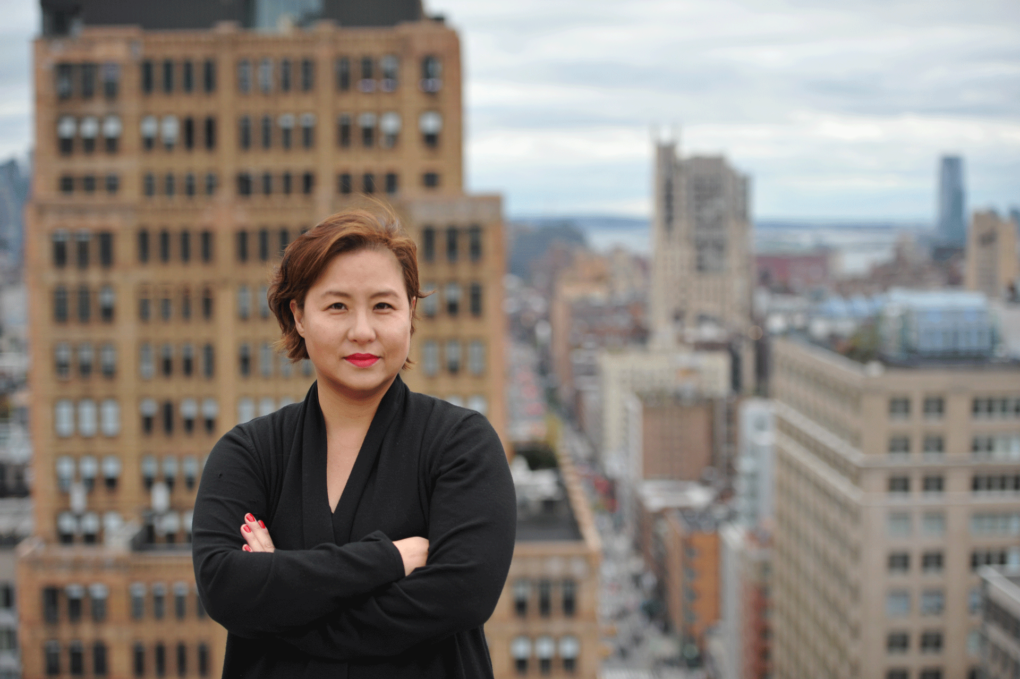
"caption": "Jennifer Choi, an advocate for “twice exceptional” children, says that teachers need to be trained in how to identify and accommodate students who have high academic aptitude but struggle with certain learning or behavioral challenges. ",
"description": null,
"title": "Choi-building",
"credit": "Courtesy of Joe Orrechio ",
"status": "inherit",
"isLoading": false,
"fetchFailed": false
},
"mindshift_53408": {
"type": "attachments",
"id": "mindshift_53408",
"meta": {
"index": "attachments_1716263798",
"site": "mindshift",
"id": "53408",
"found": true
},
"parent": 53404,
"imgSizes": {
"twentyfourteen-full-width": {
"file": "https://ww2.kqed.org/app/uploads/sites/23/2019/04/Math-for-Love-Number-Line-1038x576.png",
"width": 1038,
"mimeType": "image/png",
"height": 576
},
"thumbnail": {
"file": "https://ww2.kqed.org/app/uploads/sites/23/2019/04/Math-for-Love-Number-Line-160x92.png",
"width": 160,
"mimeType": "image/png",
"height": 92
},
"post-thumbnail": {
"file": "https://ww2.kqed.org/app/uploads/sites/23/2019/04/Math-for-Love-Number-Line-672x372.png",
"width": 672,
"mimeType": "image/png",
"height": 372
},
"kqedFullSize": {
"file": "https://ww2.kqed.org/app/uploads/sites/23/2019/04/Math-for-Love-Number-Line.png",
"width": 1183,
"height": 677
},
"large": {
"file": "https://ww2.kqed.org/app/uploads/sites/23/2019/04/Math-for-Love-Number-Line-1020x584.png",
"width": 1020,
"mimeType": "image/png",
"height": 584
},
"guest-author-50": {
"file": "https://ww2.kqed.org/app/uploads/sites/23/2019/04/Math-for-Love-Number-Line-50x50.png",
"width": 50,
"mimeType": "image/png",
"height": 50
},
"guest-author-96": {
"file": "https://ww2.kqed.org/app/uploads/sites/23/2019/04/Math-for-Love-Number-Line-96x96.png",
"width": 96,
"mimeType": "image/png",
"height": 96
},
"medium": {
"file": "https://ww2.kqed.org/app/uploads/sites/23/2019/04/Math-for-Love-Number-Line-800x458.png",
"width": 800,
"mimeType": "image/png",
"height": 458
},
"guest-author-64": {
"file": "https://ww2.kqed.org/app/uploads/sites/23/2019/04/Math-for-Love-Number-Line-64x64.png",
"width": 64,
"mimeType": "image/png",
"height": 64
},
"guest-author-32": {
"file": "https://ww2.kqed.org/app/uploads/sites/23/2019/04/Math-for-Love-Number-Line-32x32.png",
"width": 32,
"mimeType": "image/png",
"height": 32
},
"medium_large": {
"file": "https://ww2.kqed.org/app/uploads/sites/23/2019/04/Math-for-Love-Number-Line-768x440.png",
"width": 768,
"mimeType": "image/png",
"height": 440
},
"guest-author-128": {
"file": "https://ww2.kqed.org/app/uploads/sites/23/2019/04/Math-for-Love-Number-Line-128x128.png",
"width": 128,
"mimeType": "image/png",
"height": 128
}
},
"publishDate": 1554622386,
"modified": 1554622415,
"caption": null,
"description": null,
"title": "Math for Love Number Line",
"credit": "Courtesy Dan Finkel",
"status": "inherit",
"isLoading": false,
"fetchFailed": false
},
"mindshift_53532": {
"type": "attachments",
"id": "mindshift_53532",
"meta": {
"index": "attachments_1716263798",
"site": "mindshift",
"id": "53532",
"found": true
},
"parent": 53306,
"imgSizes": {
"twentyfourteen-full-width": {
"file": "https://ww2.kqed.org/app/uploads/sites/23/2019/04/iStock-1041507344-1038x576.jpg",
"width": 1038,
"mimeType": "image/jpeg",
"height": 576
},
"thumbnail": {
"file": "https://ww2.kqed.org/app/uploads/sites/23/2019/04/iStock-1041507344-160x160.jpg",
"width": 160,
"mimeType": "image/jpeg",
"height": 160
},
"post-thumbnail": {
"file": "https://ww2.kqed.org/app/uploads/sites/23/2019/04/iStock-1041507344-672x372.jpg",
"width": 672,
"mimeType": "image/jpeg",
"height": 372
},
"kqedFullSize": {
"file": "https://ww2.kqed.org/app/uploads/sites/23/2019/04/iStock-1041507344.jpg",
"width": 1732,
"height": 1732
},
"large": {
"file": "https://ww2.kqed.org/app/uploads/sites/23/2019/04/iStock-1041507344-1020x1020.jpg",
"width": 1020,
"mimeType": "image/jpeg",
"height": 1020
},
"complete_open_graph": {
"file": "https://ww2.kqed.org/app/uploads/sites/23/2019/04/iStock-1041507344-1200x1200.jpg",
"width": 1200,
"mimeType": "image/jpeg",
"height": 1200
},
"medium": {
"file": "https://ww2.kqed.org/app/uploads/sites/23/2019/04/iStock-1041507344-800x800.jpg",
"width": 800,
"mimeType": "image/jpeg",
"height": 800
},
"medium_large": {
"file": "https://ww2.kqed.org/app/uploads/sites/23/2019/04/iStock-1041507344-768x768.jpg",
"width": 768,
"mimeType": "image/jpeg",
"height": 768
}
},
"publishDate": 1556643335,
"modified": 1556643359,
"caption": null,
"description": null,
"title": "iStock-1041507344",
"credit": "Sky_melody/iStock",
"status": "inherit",
"isLoading": false,
"fetchFailed": false
},
"mindshift_53518": {
"type": "attachments",
"id": "mindshift_53518",
"meta": {
"index": "attachments_1716263798",
"site": "mindshift",
"id": "53518",
"found": true
},
"parent": 53512,
"imgSizes": {
"twentyfourteen-full-width": {
"file": "https://ww2.kqed.org/app/uploads/sites/23/2019/04/kate-flock-20190329_Hechinger_Bias_012-1038x576.jpg",
"width": 1038,
"mimeType": "image/jpeg",
"height": 576
},
"thumbnail": {
"file": "https://ww2.kqed.org/app/uploads/sites/23/2019/04/kate-flock-20190329_Hechinger_Bias_012-160x107.jpg",
"width": 160,
"mimeType": "image/jpeg",
"height": 107
},
"post-thumbnail": {
"file": "https://ww2.kqed.org/app/uploads/sites/23/2019/04/kate-flock-20190329_Hechinger_Bias_012-672x372.jpg",
"width": 672,
"mimeType": "image/jpeg",
"height": 372
},
"kqedFullSize": {
"file": "https://ww2.kqed.org/app/uploads/sites/23/2019/04/kate-flock-20190329_Hechinger_Bias_012-e1556542633441.jpg",
"width": 1920,
"height": 1282
},
"large": {
"file": "https://ww2.kqed.org/app/uploads/sites/23/2019/04/kate-flock-20190329_Hechinger_Bias_012-1020x681.jpg",
"width": 1020,
"mimeType": "image/jpeg",
"height": 681
},
"complete_open_graph": {
"file": "https://ww2.kqed.org/app/uploads/sites/23/2019/04/kate-flock-20190329_Hechinger_Bias_012-1200x801.jpg",
"width": 1200,
"mimeType": "image/jpeg",
"height": 801
},
"full-width": {
"file": "https://ww2.kqed.org/app/uploads/sites/23/2019/04/kate-flock-20190329_Hechinger_Bias_012-1920x1282.jpg",
"width": 1920,
"mimeType": "image/jpeg",
"height": 1282
},
"medium": {
"file": "https://ww2.kqed.org/app/uploads/sites/23/2019/04/kate-flock-20190329_Hechinger_Bias_012-800x534.jpg",
"width": 800,
"mimeType": "image/jpeg",
"height": 534
},
"medium_large": {
"file": "https://ww2.kqed.org/app/uploads/sites/23/2019/04/kate-flock-20190329_Hechinger_Bias_012-768x513.jpg",
"width": 768,
"mimeType": "image/jpeg",
"height": 513
}
},
"publishDate": 1556542540,
"modified": 1556542667,
"caption": "Cambridge Street Upper School math teacher Kendal Schwarz works with students, March 29, 2019, in Cambridge, MA.",
"description": null,
"title": "kate flock - 20190329_Hechinger_Bias_012",
"credit": "Kate Flock for The Hechinger Report ",
"status": "inherit",
"isLoading": false,
"fetchFailed": false
},
"mindshift_53500": {
"type": "attachments",
"id": "mindshift_53500",
"meta": {
"index": "attachments_1716263798",
"site": "mindshift",
"id": "53500",
"found": true
},
"parent": 53499,
"imgSizes": {
"twentyfourteen-full-width": {
"file": "https://ww2.kqed.org/app/uploads/sites/23/2019/04/baby-starting-solid-food-edit1-2903b3c46b3a8bc20553b2fad2436806e096d645-1038x576.jpg",
"width": 1038,
"mimeType": "image/jpeg",
"height": 576
},
"thumbnail": {
"file": "https://ww2.kqed.org/app/uploads/sites/23/2019/04/baby-starting-solid-food-edit1-2903b3c46b3a8bc20553b2fad2436806e096d645-160x120.jpg",
"width": 160,
"mimeType": "image/jpeg",
"height": 120
},
"post-thumbnail": {
"file": "https://ww2.kqed.org/app/uploads/sites/23/2019/04/baby-starting-solid-food-edit1-2903b3c46b3a8bc20553b2fad2436806e096d645-672x372.jpg",
"width": 672,
"mimeType": "image/jpeg",
"height": 372
},
"kqedFullSize": {
"file": "https://ww2.kqed.org/app/uploads/sites/23/2019/04/baby-starting-solid-food-edit1-2903b3c46b3a8bc20553b2fad2436806e096d645-e1556082331397.jpg",
"width": 1920,
"height": 1440
},
"large": {
"file": "https://ww2.kqed.org/app/uploads/sites/23/2019/04/baby-starting-solid-food-edit1-2903b3c46b3a8bc20553b2fad2436806e096d645-1020x765.jpg",
"width": 1020,
"mimeType": "image/jpeg",
"height": 765
},
"complete_open_graph": {
"file": "https://ww2.kqed.org/app/uploads/sites/23/2019/04/baby-starting-solid-food-edit1-2903b3c46b3a8bc20553b2fad2436806e096d645-1200x900.jpg",
"width": 1200,
"mimeType": "image/jpeg",
"height": 900
},
"full-width": {
"file": "https://ww2.kqed.org/app/uploads/sites/23/2019/04/baby-starting-solid-food-edit1-2903b3c46b3a8bc20553b2fad2436806e096d645-1920x1440.jpg",
"width": 1920,
"mimeType": "image/jpeg",
"height": 1440
},
"medium": {
"file": "https://ww2.kqed.org/app/uploads/sites/23/2019/04/baby-starting-solid-food-edit1-2903b3c46b3a8bc20553b2fad2436806e096d645-800x600.jpg",
"width": 800,
"mimeType": "image/jpeg",
"height": 600
},
"medium_large": {
"file": "https://ww2.kqed.org/app/uploads/sites/23/2019/04/baby-starting-solid-food-edit1-2903b3c46b3a8bc20553b2fad2436806e096d645-768x576.jpg",
"width": 768,
"mimeType": "image/jpeg",
"height": 576
}
},
"publishDate": 1556082272,
"modified": 1556082321,
"caption": "How do you tell the good parenting advice from the bad? When producer Selena Simmons-Duffin's daughter was ready to start solid food, her parents encountered wildly conflicting advice about what to feed her.",
"description": "How do you tell the good parenting advice from the bad? When producer Selena Simmons-Duffin's daughter was ready to start solid food, her parents encountered wildly conflicting advice about what to feed her.",
"title": "How do you tell the good parenting advice from the bad? When producer Selena Simmons-Duffin's daughter was ready to start solid food, her parents encountered wildly conflicting advice about what to feed her.",
"credit": "Selena Simmons-Duffin/NPR",
"status": "inherit",
"isLoading": false,
"fetchFailed": false
},
"mindshift_53489": {
"type": "attachments",
"id": "mindshift_53489",
"meta": {
"index": "attachments_1716263798",
"site": "mindshift",
"id": "53489",
"found": true
},
"parent": 53488,
"imgSizes": {
"twentyfourteen-full-width": {
"file": "https://ww2.kqed.org/app/uploads/sites/23/2019/04/hsieh-angela-ed-climatechangepoll_wide-82b4f216a828f0613ca1e844b578e8aea9549e56-1038x576.jpg",
"width": 1038,
"mimeType": "image/jpeg",
"height": 576
},
"thumbnail": {
"file": "https://ww2.kqed.org/app/uploads/sites/23/2019/04/hsieh-angela-ed-climatechangepoll_wide-82b4f216a828f0613ca1e844b578e8aea9549e56-160x90.jpg",
"width": 160,
"mimeType": "image/jpeg",
"height": 90
},
"post-thumbnail": {
"file": "https://ww2.kqed.org/app/uploads/sites/23/2019/04/hsieh-angela-ed-climatechangepoll_wide-82b4f216a828f0613ca1e844b578e8aea9549e56-672x372.jpg",
"width": 672,
"mimeType": "image/jpeg",
"height": 372
},
"kqedFullSize": {
"file": "https://ww2.kqed.org/app/uploads/sites/23/2019/04/hsieh-angela-ed-climatechangepoll_wide-82b4f216a828f0613ca1e844b578e8aea9549e56-e1555975843275.jpg",
"width": 1920,
"height": 1080
},
"large": {
"file": "https://ww2.kqed.org/app/uploads/sites/23/2019/04/hsieh-angela-ed-climatechangepoll_wide-82b4f216a828f0613ca1e844b578e8aea9549e56-1020x574.jpg",
"width": 1020,
"mimeType": "image/jpeg",
"height": 574
},
"complete_open_graph": {
"file": "https://ww2.kqed.org/app/uploads/sites/23/2019/04/hsieh-angela-ed-climatechangepoll_wide-82b4f216a828f0613ca1e844b578e8aea9549e56-1200x675.jpg",
"width": 1200,
"mimeType": "image/jpeg",
"height": 675
},
"full-width": {
"file": "https://ww2.kqed.org/app/uploads/sites/23/2019/04/hsieh-angela-ed-climatechangepoll_wide-82b4f216a828f0613ca1e844b578e8aea9549e56-1920x1080.jpg",
"width": 1920,
"mimeType": "image/jpeg",
"height": 1080
},
"medium": {
"file": "https://ww2.kqed.org/app/uploads/sites/23/2019/04/hsieh-angela-ed-climatechangepoll_wide-82b4f216a828f0613ca1e844b578e8aea9549e56-800x450.jpg",
"width": 800,
"mimeType": "image/jpeg",
"height": 450
},
"medium_large": {
"file": "https://ww2.kqed.org/app/uploads/sites/23/2019/04/hsieh-angela-ed-climatechangepoll_wide-82b4f216a828f0613ca1e844b578e8aea9549e56-768x432.jpg",
"width": 768,
"mimeType": "image/jpeg",
"height": 432
}
},
"publishDate": 1555974881,
"modified": 1555975864,
"caption": "More than 80% of parents in the U.S. support the teaching of climate change, according to a new NPR/Ipsos poll.",
"description": "More than 80% of parents in the U.S. support the teaching of climate change, according to a new NPR/Ipsos poll.",
"title": "More than 80% of parents in the U.S. support the teaching of climate change, according to a new NPR/Ipsos poll.",
"credit": "Angela Hsieh/NPR",
"status": "inherit",
"isLoading": false,
"fetchFailed": false
},
"mindshift_53477": {
"type": "attachments",
"id": "mindshift_53477",
"meta": {
"index": "attachments_1716263798",
"site": "mindshift",
"id": "53477",
"found": true
},
"parent": 53476,
"imgSizes": {
"twentyfourteen-full-width": {
"file": "https://ww2.kqed.org/app/uploads/sites/23/2019/04/invisibilia_empathy-08f5be3ee2f41bfc617bdd59bd38fafe0e825b0f-1038x576.jpg",
"width": 1038,
"mimeType": "image/jpeg",
"height": 576
},
"thumbnail": {
"file": "https://ww2.kqed.org/app/uploads/sites/23/2019/04/invisibilia_empathy-08f5be3ee2f41bfc617bdd59bd38fafe0e825b0f-160x120.jpg",
"width": 160,
"mimeType": "image/jpeg",
"height": 120
},
"post-thumbnail": {
"file": "https://ww2.kqed.org/app/uploads/sites/23/2019/04/invisibilia_empathy-08f5be3ee2f41bfc617bdd59bd38fafe0e825b0f-672x372.jpg",
"width": 672,
"mimeType": "image/jpeg",
"height": 372
},
"kqedFullSize": {
"file": "https://ww2.kqed.org/app/uploads/sites/23/2019/04/invisibilia_empathy-08f5be3ee2f41bfc617bdd59bd38fafe0e825b0f-e1555669944719.jpg",
"width": 1920,
"height": 1440
},
"large": {
"file": "https://ww2.kqed.org/app/uploads/sites/23/2019/04/invisibilia_empathy-08f5be3ee2f41bfc617bdd59bd38fafe0e825b0f-1020x765.jpg",
"width": 1020,
"mimeType": "image/jpeg",
"height": 765
},
"complete_open_graph": {
"file": "https://ww2.kqed.org/app/uploads/sites/23/2019/04/invisibilia_empathy-08f5be3ee2f41bfc617bdd59bd38fafe0e825b0f-1200x900.jpg",
"width": 1200,
"mimeType": "image/jpeg",
"height": 900
},
"full-width": {
"file": "https://ww2.kqed.org/app/uploads/sites/23/2019/04/invisibilia_empathy-08f5be3ee2f41bfc617bdd59bd38fafe0e825b0f-1920x1440.jpg",
"width": 1920,
"mimeType": "image/jpeg",
"height": 1440
},
"medium": {
"file": "https://ww2.kqed.org/app/uploads/sites/23/2019/04/invisibilia_empathy-08f5be3ee2f41bfc617bdd59bd38fafe0e825b0f-800x600.jpg",
"width": 800,
"mimeType": "image/jpeg",
"height": 600
},
"medium_large": {
"file": "https://ww2.kqed.org/app/uploads/sites/23/2019/04/invisibilia_empathy-08f5be3ee2f41bfc617bdd59bd38fafe0e825b0f-768x576.jpg",
"width": 768,
"mimeType": "image/jpeg",
"height": 576
}
},
"publishDate": 1555669913,
"modified": 1555669963,
"caption": null,
"description": "Empathy",
"title": "Empathy",
"credit": "Christina Chung for NPR",
"status": "inherit",
"isLoading": false,
"fetchFailed": false
},
"mindshift_53470": {
"type": "attachments",
"id": "mindshift_53470",
"meta": {
"index": "attachments_1716263798",
"site": "mindshift",
"id": "53470",
"found": true
},
"parent": 53468,
"imgSizes": {
"twentyfourteen-full-width": {
"file": "https://ww2.kqed.org/app/uploads/sites/23/2019/04/cappy_20190409_3459_custom-6a5ef4e53f80fd641b213aaf367bac745f21095e-1038x576.jpg",
"width": 1038,
"mimeType": "image/jpeg",
"height": 576
},
"thumbnail": {
"file": "https://ww2.kqed.org/app/uploads/sites/23/2019/04/cappy_20190409_3459_custom-6a5ef4e53f80fd641b213aaf367bac745f21095e-160x107.jpg",
"width": 160,
"mimeType": "image/jpeg",
"height": 107
},
"post-thumbnail": {
"file": "https://ww2.kqed.org/app/uploads/sites/23/2019/04/cappy_20190409_3459_custom-6a5ef4e53f80fd641b213aaf367bac745f21095e-672x372.jpg",
"width": 672,
"mimeType": "image/jpeg",
"height": 372
},
"kqedFullSize": {
"file": "https://ww2.kqed.org/app/uploads/sites/23/2019/04/cappy_20190409_3459_custom-6a5ef4e53f80fd641b213aaf367bac745f21095e-e1555391607981.jpg",
"width": 1920,
"height": 1279
},
"large": {
"file": "https://ww2.kqed.org/app/uploads/sites/23/2019/04/cappy_20190409_3459_custom-6a5ef4e53f80fd641b213aaf367bac745f21095e-1020x679.jpg",
"width": 1020,
"mimeType": "image/jpeg",
"height": 679
},
"complete_open_graph": {
"file": "https://ww2.kqed.org/app/uploads/sites/23/2019/04/cappy_20190409_3459_custom-6a5ef4e53f80fd641b213aaf367bac745f21095e-1200x799.jpg",
"width": 1200,
"mimeType": "image/jpeg",
"height": 799
},
"full-width": {
"file": "https://ww2.kqed.org/app/uploads/sites/23/2019/04/cappy_20190409_3459_custom-6a5ef4e53f80fd641b213aaf367bac745f21095e-1920x1279.jpg",
"width": 1920,
"mimeType": "image/jpeg",
"height": 1279
},
"medium": {
"file": "https://ww2.kqed.org/app/uploads/sites/23/2019/04/cappy_20190409_3459_custom-6a5ef4e53f80fd641b213aaf367bac745f21095e-800x533.jpg",
"width": 800,
"mimeType": "image/jpeg",
"height": 533
},
"medium_large": {
"file": "https://ww2.kqed.org/app/uploads/sites/23/2019/04/cappy_20190409_3459_custom-6a5ef4e53f80fd641b213aaf367bac745f21095e-768x511.jpg",
"width": 768,
"mimeType": "image/jpeg",
"height": 511
}
},
"publishDate": 1555391443,
"modified": 1555391636,
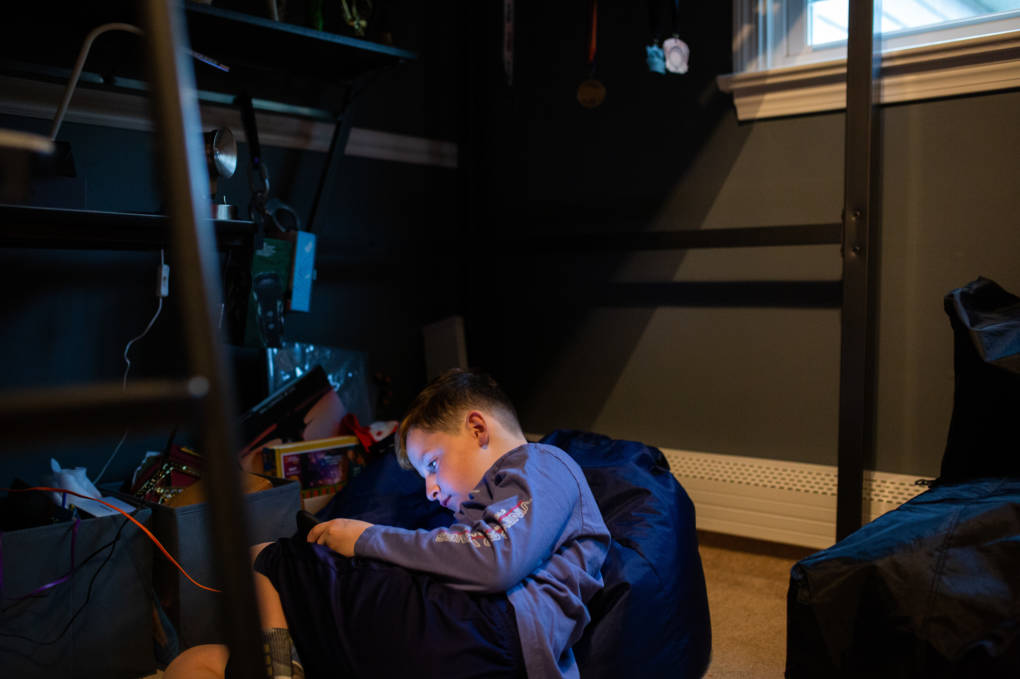
"caption": "Joseph Calise, 9, plays on his iPad in his bedroom. Joseph used to get anxious whenever he was alone, even when taking a shower or at bedtime, so his parents, Jessica and Chris Calise, learned new parenting skills from the Yale Child Study Center.\n",
"description": "Joseph Calise, 9, plays on his iPad in his bedroom. Joseph used to get anxious whenever he was alone, even when taking a shower or at bedtime, so his parents, Jessica and Chris Calise, learned new parenting skills from the Yale Child Study Center.",
"title": "Joseph Calise, 9, plays on his iPad in his bedroom. Joseph used to get anxious whenever he was alone, even when taking a shower or at bedtime, so his parents, Jessica and Chris Calise, learned new parenting skills from the Yale Child Study Center.",
"credit": "Christopher Capozziello for NPR",
"status": "inherit",
"isLoading": false,
"fetchFailed": false
},
"mindshift_52617": {
"type": "attachments",
"id": "mindshift_52617",
"meta": {
"index": "attachments_1716263798",
"site": "mindshift",
"id": "52617",
"found": true
},
"parent": 52616,
"imgSizes": {
"small": {
"file": "https://ww2.kqed.org/app/uploads/sites/23/2018/11/Adora4-520x291.jpg",
"width": 520,
"mimeType": "image/jpeg",
"height": 291
},
"thumbnail": {
"file": "https://ww2.kqed.org/app/uploads/sites/23/2018/11/Adora4-160x89.jpg",
"width": 160,
"mimeType": "image/jpeg",
"height": 89
},
"fd-sm": {
"file": "https://ww2.kqed.org/app/uploads/sites/23/2018/11/Adora4-960x537.jpg",
"width": 960,
"mimeType": "image/jpeg",
"height": 537
},
"post-thumbnail": {
"file": "https://ww2.kqed.org/app/uploads/sites/23/2018/11/Adora4-672x372.jpg",
"width": 672,
"mimeType": "image/jpeg",
"height": 372
},
"xsmall": {
"file": "https://ww2.kqed.org/app/uploads/sites/23/2018/11/Adora4-375x210.jpg",
"width": 375,
"mimeType": "image/jpeg",
"height": 210
},
"kqedFullSize": {
"file": "https://ww2.kqed.org/app/uploads/sites/23/2018/11/Adora4.jpg",
"width": 1028,
"height": 575
},
"large": {
"file": "https://ww2.kqed.org/app/uploads/sites/23/2018/11/Adora4-1020x571.jpg",
"width": 1020,
"mimeType": "image/jpeg",
"height": 571
},
"guest-author-50": {
"file": "https://ww2.kqed.org/app/uploads/sites/23/2018/11/Adora4-50x50.jpg",
"width": 50,
"mimeType": "image/jpeg",
"height": 50
},
"guest-author-96": {
"file": "https://ww2.kqed.org/app/uploads/sites/23/2018/11/Adora4-96x96.jpg",
"width": 96,
"mimeType": "image/jpeg",
"height": 96
},
"medium": {
"file": "https://ww2.kqed.org/app/uploads/sites/23/2018/11/Adora4-800x447.jpg",
"width": 800,
"mimeType": "image/jpeg",
"height": 447
},
"guest-author-64": {
"file": "https://ww2.kqed.org/app/uploads/sites/23/2018/11/Adora4-64x64.jpg",
"width": 64,
"mimeType": "image/jpeg",
"height": 64
},
"guest-author-32": {
"file": "https://ww2.kqed.org/app/uploads/sites/23/2018/11/Adora4-32x32.jpg",
"width": 32,
"mimeType": "image/jpeg",
"height": 32
},
"detail": {
"file": "https://ww2.kqed.org/app/uploads/sites/23/2018/11/Adora4-150x150.jpg",
"width": 150,
"mimeType": "image/jpeg",
"height": 150
},
"medium_large": {
"file": "https://ww2.kqed.org/app/uploads/sites/23/2018/11/Adora4-768x430.jpg",
"width": 768,
"mimeType": "image/jpeg",
"height": 430
},
"guest-author-128": {
"file": "https://ww2.kqed.org/app/uploads/sites/23/2018/11/Adora4-128x128.jpg",
"width": 128,
"mimeType": "image/jpeg",
"height": 128
},
"xxsmall": {
"file": "https://ww2.kqed.org/app/uploads/sites/23/2018/11/Adora4-240x134.jpg",
"width": 240,
"mimeType": "image/jpeg",
"height": 134
}
},
"publishDate": 1543531269,
"modified": 1543531335,
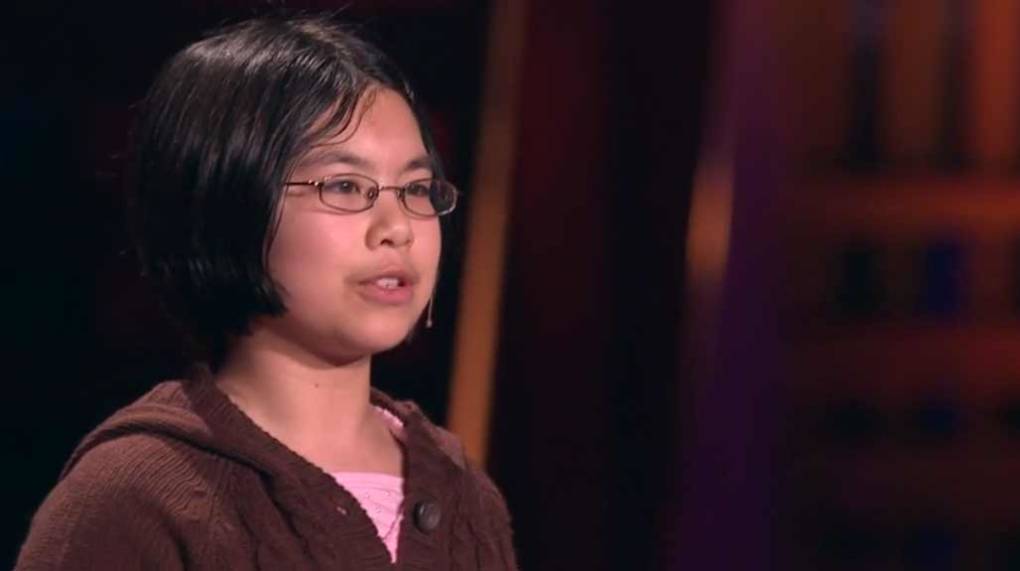
"caption": "Twelve-year-old Adora Svitak speaking from the TED stage.",
"description": null,
"title": "Adora4",
"credit": "\u003ca href=\"https://www.ted.com/talks/adora_svitak#t-388831\">TED\u003c/a>",
"status": "inherit",
"isLoading": false,
"fetchFailed": false
},
"mindshift_53229": {
"type": "attachments",
"id": "mindshift_53229",
"meta": {
"index": "attachments_1716263798",
"site": "mindshift",
"id": "53229",
"found": true
},
"parent": 53228,
"imgSizes": {
"twentyfourteen-full-width": {
"file": "https://ww2.kqed.org/app/uploads/sites/23/2019/03/iStock-1009629756-1038x576.jpg",
"width": 1038,
"mimeType": "image/jpeg",
"height": 576
},
"thumbnail": {
"file": "https://ww2.kqed.org/app/uploads/sites/23/2019/03/iStock-1009629756-160x160.jpg",
"width": 160,
"mimeType": "image/jpeg",
"height": 160
},
"post-thumbnail": {
"file": "https://ww2.kqed.org/app/uploads/sites/23/2019/03/iStock-1009629756-672x372.jpg",
"width": 672,
"mimeType": "image/jpeg",
"height": 372
},
"kqedFullSize": {
"file": "https://ww2.kqed.org/app/uploads/sites/23/2019/03/iStock-1009629756.jpg",
"width": 1732,
"height": 1732
},
"large": {
"file": "https://ww2.kqed.org/app/uploads/sites/23/2019/03/iStock-1009629756-1020x1020.jpg",
"width": 1020,
"mimeType": "image/jpeg",
"height": 1020
},
"complete_open_graph": {
"file": "https://ww2.kqed.org/app/uploads/sites/23/2019/03/iStock-1009629756-1200x1200.jpg",
"width": 1200,
"mimeType": "image/jpeg",
"height": 1200
},
"guest-author-50": {
"file": "https://ww2.kqed.org/app/uploads/sites/23/2019/03/iStock-1009629756-50x50.jpg",
"width": 50,
"mimeType": "image/jpeg",
"height": 50
},
"guest-author-96": {
"file": "https://ww2.kqed.org/app/uploads/sites/23/2019/03/iStock-1009629756-96x96.jpg",
"width": 96,
"mimeType": "image/jpeg",
"height": 96
},
"medium": {
"file": "https://ww2.kqed.org/app/uploads/sites/23/2019/03/iStock-1009629756-800x800.jpg",
"width": 800,
"mimeType": "image/jpeg",
"height": 800
},
"guest-author-64": {
"file": "https://ww2.kqed.org/app/uploads/sites/23/2019/03/iStock-1009629756-64x64.jpg",
"width": 64,
"mimeType": "image/jpeg",
"height": 64
},
"guest-author-32": {
"file": "https://ww2.kqed.org/app/uploads/sites/23/2019/03/iStock-1009629756-32x32.jpg",
"width": 32,
"mimeType": "image/jpeg",
"height": 32
},
"medium_large": {
"file": "https://ww2.kqed.org/app/uploads/sites/23/2019/03/iStock-1009629756-768x768.jpg",
"width": 768,
"mimeType": "image/jpeg",
"height": 768
},
"guest-author-128": {
"file": "https://ww2.kqed.org/app/uploads/sites/23/2019/03/iStock-1009629756-128x128.jpg",
"width": 128,
"mimeType": "image/jpeg",
"height": 128
}
},
"publishDate": 1551918224,
"modified": 1551918292,
"caption": null,
"description": null,
"title": "Vector illustration of a man in depressive state of mind. Depression and frustration concept. Monochrome artwork dedicated to mental health problems.",
"credit": "iStock/DariaNK",
"status": "inherit",
"isLoading": false,
"fetchFailed": false
},
"mindshift_53482": {
"type": "attachments",
"id": "mindshift_53482",
"meta": {
"index": "attachments_1716263798",
"site": "mindshift",
"id": "53482",
"found": true
},
"parent": 53481,
"imgSizes": {
"twentyfourteen-full-width": {
"file": "https://ww2.kqed.org/app/uploads/sites/23/2019/04/cog-flex_enl-1229fe6ad626cc6e5036318beb6d0e21dc9ef6ab-1038x576.jpg",
"width": 1038,
"mimeType": "image/jpeg",
"height": 576
},
"thumbnail": {
"file": "https://ww2.kqed.org/app/uploads/sites/23/2019/04/cog-flex_enl-1229fe6ad626cc6e5036318beb6d0e21dc9ef6ab-160x102.jpg",
"width": 160,
"mimeType": "image/jpeg",
"height": 102
},
"post-thumbnail": {
"file": "https://ww2.kqed.org/app/uploads/sites/23/2019/04/cog-flex_enl-1229fe6ad626cc6e5036318beb6d0e21dc9ef6ab-672x372.jpg",
"width": 672,
"mimeType": "image/jpeg",
"height": 372
},
"kqedFullSize": {
"file": "https://ww2.kqed.org/app/uploads/sites/23/2019/04/cog-flex_enl-1229fe6ad626cc6e5036318beb6d0e21dc9ef6ab-e1555670668261.jpg",
"width": 1920,
"height": 1222
},
"large": {
"file": "https://ww2.kqed.org/app/uploads/sites/23/2019/04/cog-flex_enl-1229fe6ad626cc6e5036318beb6d0e21dc9ef6ab-1020x649.jpg",
"width": 1020,
"mimeType": "image/jpeg",
"height": 649
},
"complete_open_graph": {
"file": "https://ww2.kqed.org/app/uploads/sites/23/2019/04/cog-flex_enl-1229fe6ad626cc6e5036318beb6d0e21dc9ef6ab-1200x764.jpg",
"width": 1200,
"mimeType": "image/jpeg",
"height": 764
},
"full-width": {
"file": "https://ww2.kqed.org/app/uploads/sites/23/2019/04/cog-flex_enl-1229fe6ad626cc6e5036318beb6d0e21dc9ef6ab-1920x1222.jpg",
"width": 1920,
"mimeType": "image/jpeg",
"height": 1222
},
"medium": {
"file": "https://ww2.kqed.org/app/uploads/sites/23/2019/04/cog-flex_enl-1229fe6ad626cc6e5036318beb6d0e21dc9ef6ab-800x509.jpg",
"width": 800,
"mimeType": "image/jpeg",
"height": 509
},
"medium_large": {
"file": "https://ww2.kqed.org/app/uploads/sites/23/2019/04/cog-flex_enl-1229fe6ad626cc6e5036318beb6d0e21dc9ef6ab-768x489.jpg",
"width": 768,
"mimeType": "image/jpeg",
"height": 489
}
},
"publishDate": 1555670634,
"modified": 1555670682,
"caption": null,
"description": "Illustration.",
"title": "Illustration.",
"credit": "Leigh Wells/Getty Images",
"status": "inherit",
"isLoading": false,
"fetchFailed": false
},
"mindshift_53378": {
"type": "attachments",
"id": "mindshift_53378",
"meta": {
"index": "attachments_1716263798",
"site": "mindshift",
"id": "53378",
"found": true
},
"parent": 53377,
"imgSizes": {
"twentyfourteen-full-width": {
"file": "https://ww2.kqed.org/app/uploads/sites/23/2019/03/laj-opendoorslifts_custom-5d607dfd34cf060559ea92edaac69fc060b3312f-1038x576.jpg",
"width": 1038,
"mimeType": "image/jpeg",
"height": 576
},
"thumbnail": {
"file": "https://ww2.kqed.org/app/uploads/sites/23/2019/03/laj-opendoorslifts_custom-5d607dfd34cf060559ea92edaac69fc060b3312f-160x100.jpg",
"width": 160,
"mimeType": "image/jpeg",
"height": 100
},
"post-thumbnail": {
"file": "https://ww2.kqed.org/app/uploads/sites/23/2019/03/laj-opendoorslifts_custom-5d607dfd34cf060559ea92edaac69fc060b3312f-672x372.jpg",
"width": 672,
"mimeType": "image/jpeg",
"height": 372
},
"kqedFullSize": {
"file": "https://ww2.kqed.org/app/uploads/sites/23/2019/03/laj-opendoorslifts_custom-5d607dfd34cf060559ea92edaac69fc060b3312f-e1554183301636.jpg",
"width": 1920,
"height": 1198
},
"large": {
"file": "https://ww2.kqed.org/app/uploads/sites/23/2019/03/laj-opendoorslifts_custom-5d607dfd34cf060559ea92edaac69fc060b3312f-1020x637.jpg",
"width": 1020,
"mimeType": "image/jpeg",
"height": 637
},
"complete_open_graph": {
"file": "https://ww2.kqed.org/app/uploads/sites/23/2019/03/laj-opendoorslifts_custom-5d607dfd34cf060559ea92edaac69fc060b3312f-1200x749.jpg",
"width": 1200,
"mimeType": "image/jpeg",
"height": 749
},
"guest-author-50": {
"file": "https://ww2.kqed.org/app/uploads/sites/23/2019/03/laj-opendoorslifts_custom-5d607dfd34cf060559ea92edaac69fc060b3312f-50x50.jpg",
"width": 50,
"mimeType": "image/jpeg",
"height": 50
},
"guest-author-96": {
"file": "https://ww2.kqed.org/app/uploads/sites/23/2019/03/laj-opendoorslifts_custom-5d607dfd34cf060559ea92edaac69fc060b3312f-96x96.jpg",
"width": 96,
"mimeType": "image/jpeg",
"height": 96
},
"medium": {
"file": "https://ww2.kqed.org/app/uploads/sites/23/2019/03/laj-opendoorslifts_custom-5d607dfd34cf060559ea92edaac69fc060b3312f-800x499.jpg",
"width": 800,
"mimeType": "image/jpeg",
"height": 499
},
"guest-author-64": {
"file": "https://ww2.kqed.org/app/uploads/sites/23/2019/03/laj-opendoorslifts_custom-5d607dfd34cf060559ea92edaac69fc060b3312f-64x64.jpg",
"width": 64,
"mimeType": "image/jpeg",
"height": 64
},
"guest-author-32": {
"file": "https://ww2.kqed.org/app/uploads/sites/23/2019/03/laj-opendoorslifts_custom-5d607dfd34cf060559ea92edaac69fc060b3312f-32x32.jpg",
"width": 32,
"mimeType": "image/jpeg",
"height": 32
},
"full-width": {
"file": "https://ww2.kqed.org/app/uploads/sites/23/2019/03/laj-opendoorslifts_custom-5d607dfd34cf060559ea92edaac69fc060b3312f-1920x1198.jpg",
"width": 1920,
"mimeType": "image/jpeg",
"height": 1198
},
"medium_large": {
"file": "https://ww2.kqed.org/app/uploads/sites/23/2019/03/laj-opendoorslifts_custom-5d607dfd34cf060559ea92edaac69fc060b3312f-768x479.jpg",
"width": 768,
"mimeType": "image/jpeg",
"height": 479
},
"guest-author-128": {
"file": "https://ww2.kqed.org/app/uploads/sites/23/2019/03/laj-opendoorslifts_custom-5d607dfd34cf060559ea92edaac69fc060b3312f-128x128.jpg",
"width": 128,
"mimeType": "image/jpeg",
"height": 128
}
},
"publishDate": 1554183230,
"modified": 1554183293,
"caption": null,
"description": "Many ways to get to college.",
"title": "Many ways to get to college.",
"credit": "LA Johnson/NPR",
"status": "inherit",
"isLoading": false,
"fetchFailed": false
}
},
"audioPlayerReducer": {
"postId": "stream_live",
"isPaused": true,
"isPlaying": false,
"pfsActive": false,
"pledgeModalIsOpen": true,
"playerDrawerIsOpen": false,
"liveAudioPlayStartedAt": 0,
"liveAudioPlayContext": ""
},
"authorsReducer": {
"byline_mindshift_53602": {
"type": "authors",
"id": "byline_mindshift_53602",
"meta": {
"override": true
},
"slug": "byline_mindshift_53602",
"name": "\u003ca href=\"https://hechingerreport.org/\">Rachel Blustain, The Hechinger Report\u003c/a>",
"isLoading": false
},
"byline_mindshift_53306": {
"type": "authors",
"id": "byline_mindshift_53306",
"meta": {
"override": true
},
"slug": "byline_mindshift_53306",
"name": "Patricia C. Broderick",
"isLoading": false
},
"byline_mindshift_53512": {
"type": "authors",
"id": "byline_mindshift_53512",
"meta": {
"override": true
},
"slug": "byline_mindshift_53512",
"name": "\u003ca href=\"https://hechingerreport.org/\">Amadou Diallo, The Hechinger Report\u003c/a>",
"isLoading": false
},
"byline_mindshift_53499": {
"type": "authors",
"id": "byline_mindshift_53499",
"meta": {
"override": true
},
"slug": "byline_mindshift_53499",
"name": "Selena Simmons-Duffin",
"isLoading": false
},
"byline_mindshift_53488": {
"type": "authors",
"id": "byline_mindshift_53488",
"meta": {
"override": true
},
"slug": "byline_mindshift_53488",
"name": "Anya Kamenetz",
"isLoading": false
},
"byline_mindshift_53476": {
"type": "authors",
"id": "byline_mindshift_53476",
"meta": {
"override": true
},
"slug": "byline_mindshift_53476",
"name": "Hanna Rosin",
"isLoading": false
},
"byline_mindshift_53468": {
"type": "authors",
"id": "byline_mindshift_53468",
"meta": {
"override": true
},
"slug": "byline_mindshift_53468",
"name": "Angus Chen",
"isLoading": false
},
"byline_mindshift_53481": {
"type": "authors",
"id": "byline_mindshift_53481",
"meta": {
"override": true
},
"slug": "byline_mindshift_53481",
"name": "Jonathan Lambert",
"isLoading": false
},
"byline_mindshift_53377": {
"type": "authors",
"id": "byline_mindshift_53377",
"meta": {
"override": true
},
"slug": "byline_mindshift_53377",
"name": "Anya Kamenetz",
"isLoading": false
},
"katrinaschwartz": {
"type": "authors",
"id": "234",
"meta": {
"index": "authors_1716337520",
"id": "234",
"found": true
},
"name": "Katrina Schwartz",
"firstName": "Katrina",
"lastName": "Schwartz",
"slug": "katrinaschwartz",
"email": "kschwartz@kqed.org",
"display_author_email": false,
"staff_mastheads": [
"news"
],
"title": "Producer",
"bio": "Katrina Schwartz is a journalist based in San Francisco. She's worked at KPCC public radio in LA and has reported on air and online for KQED since 2010. She covered how teaching and learning is changing for MindShift between 2012 and 2020. She is the co-host of the MindShift podcast and now produces KQED's Bay Curious podcast.",
"avatar": "https://secure.gravatar.com/avatar/edb4ee79070447a018538c9aae6eeecf28786515b8a0c30e43b6b7dce5aa44c8?s=600&d=blank&r=g",
"twitter": "kschwart",
"bluesky": null,
"facebook": null,
"instagram": null,
"linkedin": null,
"sites": [
{
"site": "",
"roles": [
"editor"
]
},
{
"site": "news",
"roles": [
"editor"
]
},
{
"site": "mindshift",
"roles": [
"administrator"
]
},
{
"site": "stateofhealth",
"roles": [
"author"
]
},
{
"site": "science",
"roles": [
"editor"
]
}
],
"headData": {
"title": "Katrina Schwartz | KQED",
"description": "Producer",
"ogImgSrc": "https://secure.gravatar.com/avatar/edb4ee79070447a018538c9aae6eeecf28786515b8a0c30e43b6b7dce5aa44c8?s=600&d=blank&r=g",
"twImgSrc": "https://secure.gravatar.com/avatar/edb4ee79070447a018538c9aae6eeecf28786515b8a0c30e43b6b7dce5aa44c8?s=600&d=blank&r=g"
},
"isLoading": false,
"link": "/author/katrinaschwartz"
},
"ksung": {
"type": "authors",
"id": "4596",
"meta": {
"index": "authors_1716337520",
"id": "4596",
"found": true
},
"name": "Ki Sung",
"firstName": "Ki",
"lastName": "Sung",
"slug": "ksung",
"email": "ksung@kqed.org",
"display_author_email": false,
"staff_mastheads": [
"news"
],
"title": "KQED Contributor",
"bio": "Ki Sung is Managing Editor of Digital News at KQED. She is former Senior Editor of MindShift and worked at NPR before joining KQED in 2014.",
"avatar": "https://secure.gravatar.com/avatar/64271e01dc95486c133be56937739045b7c00c990525bf9add12d3dd4f0433c9?s=600&d=blank&r=g",
"twitter": null,
"bluesky": null,
"facebook": null,
"instagram": null,
"linkedin": null,
"sites": [
{
"site": "news",
"roles": [
"editor"
]
},
{
"site": "mindshift",
"roles": [
"administrator"
]
},
{
"site": "elections",
"roles": [
"administrator"
]
}
],
"headData": {
"title": "Ki Sung | KQED",
"description": "KQED Contributor",
"ogImgSrc": "https://secure.gravatar.com/avatar/64271e01dc95486c133be56937739045b7c00c990525bf9add12d3dd4f0433c9?s=600&d=blank&r=g",
"twImgSrc": "https://secure.gravatar.com/avatar/64271e01dc95486c133be56937739045b7c00c990525bf9add12d3dd4f0433c9?s=600&d=blank&r=g"
},
"isLoading": false,
"link": "/author/ksung"
}
},
"pagesReducer": {
"mindshift_category_big-ideas": {
"type": "terms",
"id": "mindshift_192",
"meta": {
"index": "terms_1716263798",
"site": "mindshift",
"id": "192",
"score": 14.406744
},
"featImg": null,
"name": "Big Ideas",
"description": "The latest findings from experts in the field related to the future of learning.",
"taxonomy": "category",
"headData": {
"twImgId": null,
"twTitle": null,
"ogTitle": null,
"ogImgId": null,
"twDescription": null,
"description": "The latest findings from experts in the field related to the future of learning.",
"title": "Big Ideas Archives | KQED Mindshift",
"ogDescription": null
},
"ttid": 192,
"slug": "big-ideas",
"isLoading": false,
"title": "Big Ideas",
"pageMeta": {
"site": "mindshift",
"WpPageTemplate": "page-topic-editorial",
"currentPage": 17
},
"blocks": [
{
"blockName": "kqed/company-paragraph",
"content": "The latest findings from experts in the field related to the future of learning."
},
{
"blockName": "kqed/post-list",
"attrs": {
"layout": "cardArticle2",
"query": "posts/mindshift?category=big-ideas",
"seeMore": false,
"paginated": true,
"page": 17
}
},
{
"blockName": "kqed/ad"
}
]
}
},
"pfsSessionReducer": {},
"postsReducer": {
"stream_live": {
"type": "live",
"id": "stream_live",
"audioUrl": "https://streams.kqed.org/kqedradio",
"title": "Live Stream",
"excerpt": "Live Stream information currently unavailable.",
"link": "/radio",
"featImg": "",
"label": {
"name": "KQED Live",
"link": "/"
}
},
"stream_kqedNewscast": {
"type": "posts",
"id": "stream_kqedNewscast",
"audioUrl": "https://www.kqed.org/.stream/anon/radio/RDnews/newscast.mp3?_=1",
"title": "KQED Newscast",
"featImg": "",
"label": {
"name": "88.5 FM",
"link": "/"
}
},
"mindshift_53602": {
"type": "posts",
"id": "mindshift_53602",
"meta": {
"index": "posts_1716263798",
"site": "mindshift",
"id": "53602",
"score": null,
"sort": [
1557129812000
]
},
"parent": 0,
"labelTerm": {
"site": "mindshift"
},
"blocks": [],
"publishDate": 1557129812,
"format": "standard",
"disqusTitle": "How Schools Struggle to Serve Gifted Students with Disabilities",
"title": "How Schools Struggle to Serve Gifted Students with Disabilities",
"headTitle": "MindShift | KQED News",
"content": "\u003cp>\u003ci>This story about\u003c/i>\u003ca href=\"https://tely2.kqed.org/owa/redir.aspx?C=pFnPV1cGZow_PMTRG1KYG3vEM78SYy9ekGeoZT-O2WHHCcu76dHWCA..&URL=https%3a%2f%2fprotect-us.mimecast.com%2fs%2fdIioCR6LWDuvD8KGF9Sc1h%3fdomain%3dhechingerreport.org\" target=\"_blank\" rel=\"noopener noreferrer\">\u003ci> twice exceptional students\u003c/i>\u003c/a>\u003ci> was produced by \u003c/i>\u003ca href=\"https://tely2.kqed.org/owa/redir.aspx?C=A-QC5MpH39LVS1apI7scl39w6bZeqJH3lADvoulhZtfHCcu76dHWCA..&URL=https%3a%2f%2fprotect-us.mimecast.com%2fs%2fQHYfCVON1KCxn142hzCBLS%3fdomain%3dhechingerreport.org\" target=\"_blank\" rel=\"noopener noreferrer\">The Hechinger Report\u003c/a>\u003ci>, a nonprofit, independent news organization focused on inequality and innovation in education. Sign up for the \u003c/i>\u003ca href=\"https://tely2.kqed.org/owa/redir.aspx?C=8yIcR1ER8yZzRFm6I6IteT6MTjDQ5ZEM_pEYftHFZR7HCcu76dHWCA..&URL=https%3a%2f%2fprotect-us.mimecast.com%2fs%2fknP4CW682Xu5Lvp6iKPmL-%3fdomain%3dus2.list-manage.com\" target=\"_blank\" rel=\"noopener noreferrer\">\u003ci>Hechinger newsletter.\u003c/i>\u003c/a>\u003c/p>\n\u003cp>NEW YORK — To Eva Santiago, her son’s education has always felt like an impossible dilemma.\u003c/p>\n\u003cp>Before elementary school, the boy was diagnosed with autism, ADHD and anxiety, and in kindergarten he was placed in a small, self-contained class for kids with disabilities.\u003c/p>\n\u003cp>But he was articulate and curious, so when he was 6, Santiago took him to be tested for the city’s exclusive gifted-and-talented program. She was pleased when his score earned him one of the coveted spots.\u003c/p>\n\u003cp>But in his larger gifted-and-talented class, he became anxious and easily upset. He fought with students and teachers and spent most of the school day roaming the halls. After he kicked a security guard and the school called the police, Santiago said, she begged administrators to return him to a self-contained class. There, at least, his teachers could manage his behavioral challenges — even if it meant he breezed through his school work and learned little.\u003c/p>\n\u003cp>[ad fullwidth]\u003c/p>\n\u003cp>“Other kids would still be doing the assignments and he would be done,” recalled Santiago. “He just didn’t know what to do with himself.”\u003c/p>\n\u003cp>The boy’s experience is typical for a category of students known as “twice exceptional,” or 2e. These kids — believed to make up at least \u003ca href=\"http://www.nea.org/assets/docs/twiceexceptional.pdf\">6 percent of students\u003c/a> who have a disability — have high academic aptitude but struggle with ADHD, mild autism, dyslexia or other learning and behavioral challenges.* They are notoriously difficult for schools to serve effectively for two reasons, say advocates, parents and some educators. Often, their intelligence masks their disability, so they are never assessed for special education or don’t receive the services best suited for them. In other cases, they’re placed in special education classes tailored to their disability but grade levels behind the school work they’re capable of.\u003c/p>\n\u003cp>“We see kids whose challenges don’t show up on their report card, so they aren’t getting services,” said Jennifer Choi, a parent and founder of the advocacy group 2eNYC and a trustee of the nonprofit Twice Exceptional Children’s Advocacy. “And we see kids who are gifted, but they also have a disability, who lose the ability to participate in any sort of accelerated program because those programs often decline to provide special education services.”\u003c/p>\n\u003cp>But a handful of school systems across the country are searching for better ways to accommodate bright students with disabilities. Colorado trains teachers across the state in \u003ca href=\"https://www.cde.state.co.us/gt/summer20182e\">twice exceptionality\u003c/a>, for example, while Montgomery County, Maryland, is perhaps the only school district to offer \u003ca href=\"https://www.montgomeryschoolsmd.org/curriculum/enriched/gtld/\">self-contained classes\u003c/a> for students in elementary school who need both an accelerated curriculum and more support than they would receive in a mainstream classroom.\u003c/p>\n\u003cp>Now parent activists in New York City are fighting to get the country’s largest school system to be more responsive to 2e students. Last fall, after Choi’s group presented the New York City Department of Education with a survey of more than 500 parents that described the challenges facing 2e students, the agency began to offer training to staff in gifted-and-talented programs on how to work more effectively with students who have ADHD. In the last few years, three of the city’s most selective public high schools — Brooklyn Technical, Bard College and Townshend Harris — have sent teachers to learn about twice exceptionality from employees of the Quad Preparatory School, a six-year-old private school that focuses on educating these students. And in New York state, lawmakers \u003ca href=\"https://www.nysenate.gov/legislation/bills/2017/s3812\">introduced\u003c/a> \u003ca href=\"https://www.nysenate.gov/legislation/bills/2017/S3814\">bills\u003c/a> in 2017 that would require teacher training about twice exceptionality and programming for twice exceptional students.\u003c/p>\n\u003cp>“We’re committed to meeting the unique needs of our students with disabilities, including those pursuing accelerated programs,” the city Department of Education said in a statement. “We hold trainings for school staff and parents on personalized learning strategies that can be used in the classroom or at home, and will continue to work with communities on innovative ways to serve all students.”\u003c/p>\n\u003cp>But parents say there’s a long way to go.\u003c/p>\n\u003cp>One of the biggest barriers to educating 2e students, advocates say, is simply proving they exist.\u003c/p>\n\u003cp>Under the federal \u003ca href=\"https://sites.ed.gov/idea/\">Individuals with Disabilities Education Act\u003c/a>, all students are entitled to the special services and accommodations necessary to enable them to learn. But to qualify for those services under the law, a student’s disability must “adversely affect educational performance.”\u003c/p>\n\u003cp>Schools and courts are left to determine what that means. If students are passing their classes and advancing from grade to grade, they’re more likely to be denied costly accommodations and services, which can include everything from a smaller student-teacher ratio to tutoring, to speech and occupational therapy. In the 2eNYC survey, more than a quarter of parents said they’d been told, “Your child is too smart for [special education services].”\u003c/p>\n\u003cfigure id=\"attachment_53612\" class=\"wp-caption alignnone\" style=\"max-width: 1920px\">\u003cimg class=\"size-full wp-image-53612\" src=\"https://ww2.kqed.org/mindshift/wp-content/uploads/sites/23/2019/05/Blustain_Choison.png\" alt=\"\" width=\"1920\" height=\"1440\" srcset=\"https://ww2.kqed.org/app/uploads/sites/23/2019/05/Blustain_Choison.png 1920w, https://ww2.kqed.org/app/uploads/sites/23/2019/05/Blustain_Choison-160x120.png 160w, https://ww2.kqed.org/app/uploads/sites/23/2019/05/Blustain_Choison-800x600.png 800w, https://ww2.kqed.org/app/uploads/sites/23/2019/05/Blustain_Choison-768x576.png 768w, https://ww2.kqed.org/app/uploads/sites/23/2019/05/Blustain_Choison-1020x765.png 1020w, https://ww2.kqed.org/app/uploads/sites/23/2019/05/Blustain_Choison-1200x900.png 1200w\" sizes=\"(max-width: 1920px) 100vw, 1920px\">\u003cfigcaption class=\"wp-caption-text\">Before kindergarten, Jennifer Choi’s son was denied special education services despite a diagnosis of ADHD. \u003ccite>(Rachel Blustain for The Hechinger Report )\u003c/cite>\u003c/figcaption>\u003c/figure>\n\u003cp>That’s essentially what happened to Choi. Her son struggled in preschool, bouncing from school to school to school. At 5, he was diagnosed with ADHD. Under special education law, ADHD is considered a disability under the “Other Health Impairment” category, and can contribute to a determination that a child is eligible for special education services if it interferes with learning. Choi brought both her son’s diagnosis and his preschool teachers with her to the meeting that would decide what special education accommodations and services he’d receive in elementary school. She was sure that with his teachers present to testify to the constant oversight he needed to stay on task, he would either be placed in a mainstream class with a special education co-teacher or in a self-contained classroom for students with greater disabilities.\u003c/p>\n\u003cp>She was shocked, she said, when the disabilities evaluator at her son’s public elementary school noted that he was performing at grade level and determined that he didn’t qualify for any special education accommodations or services. After that, Choi enrolled her son in private school and successfully sued the Department of Education to have his tuition reimbursed.\u003c/p>\n\u003cp>On the flip side, the academic pace of small, self-contained classes designed for children with severe disabilities is often too slow for kids with pronounced academic strengths, say parents and advocates. That was the case with Santiago’s son. He worked far faster than the other students in his self-contained classes, she said, and there was little of the in-depth learning that he thrived on.\u003c/p>\n\u003cp>After three years, Santiago decided her son needed a setting that better fit his academic abilities. The vice principal at her son’s school, a guidance counselor, a psychologist and lawyers from \u003ca href=\"https://www.advocatesforchildren.org/who_we_are_afc\">Advocates for Children\u003c/a>, which provides educational legal advocacy for low-income families, all wrote letters in support of her claim that her son’s educational needs were not being met. With those letters, she was able to convince the Department of Education to pay upfront for her son to attend the Child’s School, a private school for students with disabilities.\u003c/p>\n\u003cp>Like Santiago, some frustrated parents are turning to private schools to serve their kids. In 2013, Kim Busi, a former professor of psychiatry whose son is on the autism spectrum, started the Quad Preparatory School with the goal of serving high-achieving kids with learning and emotional disabilities. The school opened in the basement of a synagogue with three students; today, it serves 113.\u003c/p>\n\u003cfigure id=\"attachment_53605\" class=\"wp-caption alignnone\" style=\"max-width: 1920px\">\u003cimg class=\"size-full wp-image-53605\" src=\"https://ww2.kqed.org/mindshift/wp-content/uploads/sites/23/2019/05/Rachel-Blustain-6547EECF-DE80-4225-81D3-512C3DBB8B32-e1557124352158.jpeg\" alt=\"\" width=\"1920\" height=\"1440\">\u003cfigcaption class=\"wp-caption-text\">The Quad Preparatory School, in New York, tailors everything from curriculum to classroom design to the needs of its “twice exceptional” students. \u003ccite>(Rachel Blustain for The Hechinger Report)\u003c/cite>\u003c/figcaption>\u003c/figure>\n\u003cp>At the school, everything from curriculum to classroom design is tailored to students’ individual needs. On a recent weekday, two students were huddled with a teacher in a hallway strewn with orange and green bean bags, learning to code on a computer. In a nearby classroom, five students on striped beach chairs listened attentively to their teacher. The walls behind them were covered with colorful signs; the classroom was set up explicitly for kids who need stimulation, Busi said. In the room next door, the walls were bare and white — an educational setting meant to accommodate students who are easily distracted.\u003c/p>\n\u003cp>Class size never exceeds ten, and students spend a third of their day working individually with a teacher. The goal, Busi explained, is personalized learning that fully accommodates students’ abilities and disabilities. Two fourth graders, for example, are already studying with the school’s advanced high school math teacher, according to Busi. Students are also assigned a mental health counselor who works with them on developing goals for their social and emotional growth.\u003c/p>\n\u003cp>But this individualized education is expensive; Quad tuition is nearly $75,000 a year. And, because most parents have, like Choi, successfully sued the Department of Education for tuition reimbursement, it’s a cost that’s largely borne by taxpayers. In 2017, the agency spent \u003ca href=\"https://www.chalkbeat.org/posts/ny/2019/01/07/private-school-tuition-reimbursement/\">$375 million for tuition\u003c/a> to private schools for students with disabilities.\u003c/p>\n\u003cp>On their end, parents say that suing the DOE is a costly and exhausting process. They add that if the money were invested in public schools, some of those dollars would benefit other public school students as well.\u003c/p>\n\u003cp>Even without the resources of a place like the Quad, public schools could do a better job accommodating 2e kids, say some education experts.\u003c/p>\n\u003cp>\u003cimg class=\"alignright size-full wp-image-53610\" src=\"https://ww2.kqed.org/mindshift/wp-content/uploads/sites/23/2019/05/Rachel-Blustain-464D9B43-F039-4243-B495-50285B3048A2-e1557124284970.jpeg\" alt=\"\" width=\"1920\" height=\"1440\">\u003c/p>\n\u003cp>The first step, according to Debbie Carroll, a private educational consultant in Connecticut and a co-chair of the subcommittee on Twice Exceptional Advocacy of the Council of Parent Attorneys and Advocates, is for schools to educate their staff about 2e students. Teachers need to be able to recognize when students aren’t reaching their potential even though they may be passing their classes, she said, and they need to understand that smart kids with behavioral problems may not just be willful or lazy, but may in fact need support. She also points to strategies that teachers in general education and accelerated classes can use to support kids with disabilities to keep them in mainstream classes, like giving autistic students more opportunities for breaks if they’re feeling overwhelmed.\u003c/p>\n\u003cp>Sarah Jackson, an instructional specialist who oversees programming for 2e kids in Montgomery County, Maryland, said she trains hundreds of teachers and administrators each year on twice exceptionality. Most of the district’s roughly 2,000 students designated 2e are served in general education classroom with an additional special education teacher. But roughly 40 elementary school students who need more individualized attention are taught in self-contained classes in grades three through five. District administrators believe that with the assistance of in-class supports and a special daily class focusing on self-advocacy and executive functioning, all 2e students should be mainstreamed into general education classes or into advanced programs by the time they reach sixth grade.\u003c/p>\n\u003cp>But given concerns over the use of scarce education dollars, some educators are skeptical about the 2e movement. While they acknowledge that children can be academically advanced yet struggle with disabilities, they worry that the 2e movement disproportionately benefits middle-class and affluent families. Well-off parents are the ones who typically agitate for special services and accommodations for their kids, even in cases where the child’s disabilities are not pronounced, these educators say. In New York City, affluent parents are also \u003ca href=\"https://hechingerreport.org/is-there-a-trade-off-between-racial-diversity-and-academic-excellence-in-gifted-classrooms/\">more likely\u003c/a> to prepare their children for the admissions test to gifted-and-talented programs, which are \u003ca href=\"https://www.chalkbeat.org/posts/ny/2018/07/17/to-integrate-specialized-high-schools-are-gifted-programs-part-of-the-problem-or-the-solution/\">under scrutiny\u003c/a> for a lack of socioeconomic and racial diversity.\u003c/p>\n\u003cp>Some parents arrive at school with neuropsychological evaluations showing that their children are slightly above average in some academic areas while exhibiting minor behavioral or learning challenges, said one New York City school social worker. Then these parents insist that their children’s schoolwork and grades should mirror the capabilities indicated by the assessment.\u003c/p>\n\u003cp>“We all have strengths and weaknesses,” said the social worker, who declined to provide her name in order to protect her relationship with parents. “And it’s not always clear what’s a disability that the law requires us to address, and what’s just an area where a student struggles and could use a little more help.”\u003c/p>\n\u003cp>Wealthy parents are also more able to afford private neuropsychological evaluations, which tend to be more comprehensive than those conducted by education departments and can cost several thousand dollars. Often, assessments for children’s disabilities performed by public schools don’t cover areas such as attention, memory, language skills and social and emotional functioning, said Matthew Pagirsky, a neuropsychologist with the Child Mind Institute, which provides services to kids with mental health and learning challenges.\u003c/p>\n\u003cp>Some groups are trying to spread access to private evaluations to low-income families. The Robin Hood Foundation, a philanthropy in New York that supports anti-poverty programs, funds free neuropsychological assessments for poor children at Lenox Hill Hospital and Columbia University. (The Hechinger Report is an independent unit of Teachers College at Columbia University.) Despite these efforts, some low-income parents are resistant to having their children evaluated, fearing their kids will face stigma.\u003c/p>\n\u003cp>That’s how Veronica Rodriguez felt when teachers first started telling her that her youngest son might need special help. At 2, the boy was speaking in full sentences and, early on, he seemed to learn new concepts with little effort. But when he enrolled in public elementary school, she received daily calls from teachers complaining that he would get upset easily and leave class, or start crying or screaming.\u003c/p>\n\u003cp>“His teacher would tell me, ‘He doesn’t know his name,’ when he had been writing his name from age 2,” Rodriguez said. School officials asked if there was something wrong at home. “They thought I was an ignorant mom with issues herself,” she said.\u003c/p>\n\u003cp>School staff encouraged her to have the boy evaluated, but she refused: “I felt like they were saying my kid was slow and I wasn’t having it.”\u003c/p>\n\u003cp>But after a teacher at a school her son started attending in second grade explained to Rodriguez that the boy could be both bright and have a disability, she took her son for an assessment at Lenox Hill Hospital. There she was told what she already knew: Her son had many areas of above-average academic strengths. He also had ADHD and was at risk for a mood disorder.\u003c/p>\n\u003cp>While she continues to have trouble finding appropriate services for her son, Rodriguez said that learning about 2e children has been an awakening. She would like to see schools get the same kind of education in twice exceptionality that she received.\u003c/p>\n\u003cp>“Teachers need to be trained to recognize and understand children who are 2e,” she said. “They need to try to remove the stigma that kids who have a disability cannot be smart.”\u003c/p>\n\u003cp>\u003cem>*A previous version of this post incorrectly stated that 6-percent of kids nationwide have been identified as twice exceptional. We regret the error.\u003c/em>\u003c/p>\n\u003cp>[ad floatright]\u003c/p>\n\u003cp>\u003ci>This story about\u003c/i>\u003ca href=\"https://tely2.kqed.org/owa/redir.aspx?C=pFnPV1cGZow_PMTRG1KYG3vEM78SYy9ekGeoZT-O2WHHCcu76dHWCA..&URL=https%3a%2f%2fprotect-us.mimecast.com%2fs%2fdIioCR6LWDuvD8KGF9Sc1h%3fdomain%3dhechingerreport.org\" target=\"_blank\" rel=\"noopener noreferrer\">\u003ci> twice exceptional students\u003c/i>\u003c/a>\u003ci> was produced by \u003c/i>\u003ca href=\"https://tely2.kqed.org/owa/redir.aspx?C=A-QC5MpH39LVS1apI7scl39w6bZeqJH3lADvoulhZtfHCcu76dHWCA..&URL=https%3a%2f%2fprotect-us.mimecast.com%2fs%2fQHYfCVON1KCxn142hzCBLS%3fdomain%3dhechingerreport.org\" target=\"_blank\" rel=\"noopener noreferrer\">The Hechinger Report\u003c/a>\u003ci>, a nonprofit, independent news organization focused on inequality and innovation in education. Sign up for the \u003c/i>\u003ca href=\"https://tely2.kqed.org/owa/redir.aspx?C=8yIcR1ER8yZzRFm6I6IteT6MTjDQ5ZEM_pEYftHFZR7HCcu76dHWCA..&URL=https%3a%2f%2fprotect-us.mimecast.com%2fs%2fknP4CW682Xu5Lvp6iKPmL-%3fdomain%3dus2.list-manage.com\" target=\"_blank\" rel=\"noopener noreferrer\">\u003ci>Hechinger newsletter.\u003c/i>\u003c/a>\u003c/p>\n\n",
"disqusIdentifier": "53602 https://ww2.kqed.org/mindshift/?p=53602",
"disqusUrl": "https://ww2.kqed.org/mindshift/2019/05/06/how-schools-struggle-to-serve-gifted-students-with-disabilities/",
"stats": {
"hasVideo": false,
"hasChartOrMap": false,
"hasAudio": false,
"hasPolis": false,
"wordCount": 2657,
"hasGoogleForm": false,
"hasGallery": false,
"hasHearkenModule": false,
"iframeSrcs": [],
"paragraphCount": 43
},
"modified": 1557519808,
"excerpt": "“Twice exceptional,” or 2e students — believed to make up at least 6 percent of all students who have a disability — possess high academic aptitude but struggle with ADHD, mild autism, dyslexia or other learning and behavioral challenges. Parents say it’s often impossible to find schools to educate bright kids who have disabilities. Now some are fighting to change that.",
"headData": {
"twImgId": "",
"twTitle": "",
"ogTitle": "",
"ogImgId": "",
"twDescription": "",
"description": "“Twice exceptional,” or 2e students — believed to make up at least 6 percent of all students who have a disability — possess high academic aptitude but struggle with ADHD, mild autism, dyslexia or other learning and behavioral challenges. Parents say it’s often impossible to find schools to educate bright kids who have disabilities. Now some are fighting to change that.",
"title": "How Schools Struggle to Serve Gifted Students with Disabilities | KQED",
"ogDescription": "",
"schema": {
"@context": "https://schema.org",
"@type": "Article",
"headline": "How Schools Struggle to Serve Gifted Students with Disabilities",
"datePublished": "2019-05-06T01:03:32-07:00",
"dateModified": "2019-05-10T13:23:28-07:00",
"image": "https://cdn.kqed.org/wp-content/uploads/2020/02/KQED-OG-Image@1x.png"
}
},
"guestAuthors": [],
"slug": "how-schools-struggle-to-serve-gifted-students-with-disabilities",
"status": "publish",
"nprByline": "\u003ca href=\"https://hechingerreport.org/\">Rachel Blustain, The Hechinger Report\u003c/a>",
"path": "/mindshift/53602/how-schools-struggle-to-serve-gifted-students-with-disabilities",
"audioTrackLength": null,
"parsedContent": [
{
"type": "contentString",
"content": "\u003cdiv class=\"post-body\">\u003cp>\u003cp>\u003ci>This story about\u003c/i>\u003ca href=\"https://tely2.kqed.org/owa/redir.aspx?C=pFnPV1cGZow_PMTRG1KYG3vEM78SYy9ekGeoZT-O2WHHCcu76dHWCA..&URL=https%3a%2f%2fprotect-us.mimecast.com%2fs%2fdIioCR6LWDuvD8KGF9Sc1h%3fdomain%3dhechingerreport.org\" target=\"_blank\" rel=\"noopener noreferrer\">\u003ci> twice exceptional students\u003c/i>\u003c/a>\u003ci> was produced by \u003c/i>\u003ca href=\"https://tely2.kqed.org/owa/redir.aspx?C=A-QC5MpH39LVS1apI7scl39w6bZeqJH3lADvoulhZtfHCcu76dHWCA..&URL=https%3a%2f%2fprotect-us.mimecast.com%2fs%2fQHYfCVON1KCxn142hzCBLS%3fdomain%3dhechingerreport.org\" target=\"_blank\" rel=\"noopener noreferrer\">The Hechinger Report\u003c/a>\u003ci>, a nonprofit, independent news organization focused on inequality and innovation in education. Sign up for the \u003c/i>\u003ca href=\"https://tely2.kqed.org/owa/redir.aspx?C=8yIcR1ER8yZzRFm6I6IteT6MTjDQ5ZEM_pEYftHFZR7HCcu76dHWCA..&URL=https%3a%2f%2fprotect-us.mimecast.com%2fs%2fknP4CW682Xu5Lvp6iKPmL-%3fdomain%3dus2.list-manage.com\" target=\"_blank\" rel=\"noopener noreferrer\">\u003ci>Hechinger newsletter.\u003c/i>\u003c/a>\u003c/p>\n\u003cp>NEW YORK — To Eva Santiago, her son’s education has always felt like an impossible dilemma.\u003c/p>\n\u003cp>Before elementary school, the boy was diagnosed with autism, ADHD and anxiety, and in kindergarten he was placed in a small, self-contained class for kids with disabilities.\u003c/p>\n\u003cp>But he was articulate and curious, so when he was 6, Santiago took him to be tested for the city’s exclusive gifted-and-talented program. She was pleased when his score earned him one of the coveted spots.\u003c/p>\n\u003cp>But in his larger gifted-and-talented class, he became anxious and easily upset. He fought with students and teachers and spent most of the school day roaming the halls. After he kicked a security guard and the school called the police, Santiago said, she begged administrators to return him to a self-contained class. There, at least, his teachers could manage his behavioral challenges — even if it meant he breezed through his school work and learned little.\u003c/p>\n\u003cp>\u003c/p>\u003c/div>",
"attributes": {
"named": {},
"numeric": []
}
},
{
"type": "component",
"content": "",
"name": "ad",
"attributes": {
"named": {
"label": "fullwidth"
},
"numeric": [
"fullwidth"
]
}
},
{
"type": "contentString",
"content": "\u003cdiv class=\"post-body\">\u003cp>\u003c/p>\n\u003cp>“Other kids would still be doing the assignments and he would be done,” recalled Santiago. “He just didn’t know what to do with himself.”\u003c/p>\n\u003cp>The boy’s experience is typical for a category of students known as “twice exceptional,” or 2e. These kids — believed to make up at least \u003ca href=\"http://www.nea.org/assets/docs/twiceexceptional.pdf\">6 percent of students\u003c/a> who have a disability — have high academic aptitude but struggle with ADHD, mild autism, dyslexia or other learning and behavioral challenges.* They are notoriously difficult for schools to serve effectively for two reasons, say advocates, parents and some educators. Often, their intelligence masks their disability, so they are never assessed for special education or don’t receive the services best suited for them. In other cases, they’re placed in special education classes tailored to their disability but grade levels behind the school work they’re capable of.\u003c/p>\n\u003cp>“We see kids whose challenges don’t show up on their report card, so they aren’t getting services,” said Jennifer Choi, a parent and founder of the advocacy group 2eNYC and a trustee of the nonprofit Twice Exceptional Children’s Advocacy. “And we see kids who are gifted, but they also have a disability, who lose the ability to participate in any sort of accelerated program because those programs often decline to provide special education services.”\u003c/p>\n\u003cp>But a handful of school systems across the country are searching for better ways to accommodate bright students with disabilities. Colorado trains teachers across the state in \u003ca href=\"https://www.cde.state.co.us/gt/summer20182e\">twice exceptionality\u003c/a>, for example, while Montgomery County, Maryland, is perhaps the only school district to offer \u003ca href=\"https://www.montgomeryschoolsmd.org/curriculum/enriched/gtld/\">self-contained classes\u003c/a> for students in elementary school who need both an accelerated curriculum and more support than they would receive in a mainstream classroom.\u003c/p>\n\u003cp>Now parent activists in New York City are fighting to get the country’s largest school system to be more responsive to 2e students. Last fall, after Choi’s group presented the New York City Department of Education with a survey of more than 500 parents that described the challenges facing 2e students, the agency began to offer training to staff in gifted-and-talented programs on how to work more effectively with students who have ADHD. In the last few years, three of the city’s most selective public high schools — Brooklyn Technical, Bard College and Townshend Harris — have sent teachers to learn about twice exceptionality from employees of the Quad Preparatory School, a six-year-old private school that focuses on educating these students. And in New York state, lawmakers \u003ca href=\"https://www.nysenate.gov/legislation/bills/2017/s3812\">introduced\u003c/a> \u003ca href=\"https://www.nysenate.gov/legislation/bills/2017/S3814\">bills\u003c/a> in 2017 that would require teacher training about twice exceptionality and programming for twice exceptional students.\u003c/p>\n\u003cp>“We’re committed to meeting the unique needs of our students with disabilities, including those pursuing accelerated programs,” the city Department of Education said in a statement. “We hold trainings for school staff and parents on personalized learning strategies that can be used in the classroom or at home, and will continue to work with communities on innovative ways to serve all students.”\u003c/p>\n\u003cp>But parents say there’s a long way to go.\u003c/p>\n\u003cp>One of the biggest barriers to educating 2e students, advocates say, is simply proving they exist.\u003c/p>\n\u003cp>Under the federal \u003ca href=\"https://sites.ed.gov/idea/\">Individuals with Disabilities Education Act\u003c/a>, all students are entitled to the special services and accommodations necessary to enable them to learn. But to qualify for those services under the law, a student’s disability must “adversely affect educational performance.”\u003c/p>\n\u003cp>Schools and courts are left to determine what that means. If students are passing their classes and advancing from grade to grade, they’re more likely to be denied costly accommodations and services, which can include everything from a smaller student-teacher ratio to tutoring, to speech and occupational therapy. In the 2eNYC survey, more than a quarter of parents said they’d been told, “Your child is too smart for [special education services].”\u003c/p>\n\u003cfigure id=\"attachment_53612\" class=\"wp-caption alignnone\" style=\"max-width: 1920px\">\u003cimg class=\"size-full wp-image-53612\" src=\"https://ww2.kqed.org/mindshift/wp-content/uploads/sites/23/2019/05/Blustain_Choison.png\" alt=\"\" width=\"1920\" height=\"1440\" srcset=\"https://ww2.kqed.org/app/uploads/sites/23/2019/05/Blustain_Choison.png 1920w, https://ww2.kqed.org/app/uploads/sites/23/2019/05/Blustain_Choison-160x120.png 160w, https://ww2.kqed.org/app/uploads/sites/23/2019/05/Blustain_Choison-800x600.png 800w, https://ww2.kqed.org/app/uploads/sites/23/2019/05/Blustain_Choison-768x576.png 768w, https://ww2.kqed.org/app/uploads/sites/23/2019/05/Blustain_Choison-1020x765.png 1020w, https://ww2.kqed.org/app/uploads/sites/23/2019/05/Blustain_Choison-1200x900.png 1200w\" sizes=\"(max-width: 1920px) 100vw, 1920px\">\u003cfigcaption class=\"wp-caption-text\">Before kindergarten, Jennifer Choi’s son was denied special education services despite a diagnosis of ADHD. \u003ccite>(Rachel Blustain for The Hechinger Report )\u003c/cite>\u003c/figcaption>\u003c/figure>\n\u003cp>That’s essentially what happened to Choi. Her son struggled in preschool, bouncing from school to school to school. At 5, he was diagnosed with ADHD. Under special education law, ADHD is considered a disability under the “Other Health Impairment” category, and can contribute to a determination that a child is eligible for special education services if it interferes with learning. Choi brought both her son’s diagnosis and his preschool teachers with her to the meeting that would decide what special education accommodations and services he’d receive in elementary school. She was sure that with his teachers present to testify to the constant oversight he needed to stay on task, he would either be placed in a mainstream class with a special education co-teacher or in a self-contained classroom for students with greater disabilities.\u003c/p>\n\u003cp>She was shocked, she said, when the disabilities evaluator at her son’s public elementary school noted that he was performing at grade level and determined that he didn’t qualify for any special education accommodations or services. After that, Choi enrolled her son in private school and successfully sued the Department of Education to have his tuition reimbursed.\u003c/p>\n\u003cp>On the flip side, the academic pace of small, self-contained classes designed for children with severe disabilities is often too slow for kids with pronounced academic strengths, say parents and advocates. That was the case with Santiago’s son. He worked far faster than the other students in his self-contained classes, she said, and there was little of the in-depth learning that he thrived on.\u003c/p>\n\u003cp>After three years, Santiago decided her son needed a setting that better fit his academic abilities. The vice principal at her son’s school, a guidance counselor, a psychologist and lawyers from \u003ca href=\"https://www.advocatesforchildren.org/who_we_are_afc\">Advocates for Children\u003c/a>, which provides educational legal advocacy for low-income families, all wrote letters in support of her claim that her son’s educational needs were not being met. With those letters, she was able to convince the Department of Education to pay upfront for her son to attend the Child’s School, a private school for students with disabilities.\u003c/p>\n\u003cp>Like Santiago, some frustrated parents are turning to private schools to serve their kids. In 2013, Kim Busi, a former professor of psychiatry whose son is on the autism spectrum, started the Quad Preparatory School with the goal of serving high-achieving kids with learning and emotional disabilities. The school opened in the basement of a synagogue with three students; today, it serves 113.\u003c/p>\n\u003cfigure id=\"attachment_53605\" class=\"wp-caption alignnone\" style=\"max-width: 1920px\">\u003cimg class=\"size-full wp-image-53605\" src=\"https://ww2.kqed.org/mindshift/wp-content/uploads/sites/23/2019/05/Rachel-Blustain-6547EECF-DE80-4225-81D3-512C3DBB8B32-e1557124352158.jpeg\" alt=\"\" width=\"1920\" height=\"1440\">\u003cfigcaption class=\"wp-caption-text\">The Quad Preparatory School, in New York, tailors everything from curriculum to classroom design to the needs of its “twice exceptional” students. \u003ccite>(Rachel Blustain for The Hechinger Report)\u003c/cite>\u003c/figcaption>\u003c/figure>\n\u003cp>At the school, everything from curriculum to classroom design is tailored to students’ individual needs. On a recent weekday, two students were huddled with a teacher in a hallway strewn with orange and green bean bags, learning to code on a computer. In a nearby classroom, five students on striped beach chairs listened attentively to their teacher. The walls behind them were covered with colorful signs; the classroom was set up explicitly for kids who need stimulation, Busi said. In the room next door, the walls were bare and white — an educational setting meant to accommodate students who are easily distracted.\u003c/p>\n\u003cp>Class size never exceeds ten, and students spend a third of their day working individually with a teacher. The goal, Busi explained, is personalized learning that fully accommodates students’ abilities and disabilities. Two fourth graders, for example, are already studying with the school’s advanced high school math teacher, according to Busi. Students are also assigned a mental health counselor who works with them on developing goals for their social and emotional growth.\u003c/p>\n\u003cp>But this individualized education is expensive; Quad tuition is nearly $75,000 a year. And, because most parents have, like Choi, successfully sued the Department of Education for tuition reimbursement, it’s a cost that’s largely borne by taxpayers. In 2017, the agency spent \u003ca href=\"https://www.chalkbeat.org/posts/ny/2019/01/07/private-school-tuition-reimbursement/\">$375 million for tuition\u003c/a> to private schools for students with disabilities.\u003c/p>\n\u003cp>On their end, parents say that suing the DOE is a costly and exhausting process. They add that if the money were invested in public schools, some of those dollars would benefit other public school students as well.\u003c/p>\n\u003cp>Even without the resources of a place like the Quad, public schools could do a better job accommodating 2e kids, say some education experts.\u003c/p>\n\u003cp>\u003cimg class=\"alignright size-full wp-image-53610\" src=\"https://ww2.kqed.org/mindshift/wp-content/uploads/sites/23/2019/05/Rachel-Blustain-464D9B43-F039-4243-B495-50285B3048A2-e1557124284970.jpeg\" alt=\"\" width=\"1920\" height=\"1440\">\u003c/p>\n\u003cp>The first step, according to Debbie Carroll, a private educational consultant in Connecticut and a co-chair of the subcommittee on Twice Exceptional Advocacy of the Council of Parent Attorneys and Advocates, is for schools to educate their staff about 2e students. Teachers need to be able to recognize when students aren’t reaching their potential even though they may be passing their classes, she said, and they need to understand that smart kids with behavioral problems may not just be willful or lazy, but may in fact need support. She also points to strategies that teachers in general education and accelerated classes can use to support kids with disabilities to keep them in mainstream classes, like giving autistic students more opportunities for breaks if they’re feeling overwhelmed.\u003c/p>\n\u003cp>Sarah Jackson, an instructional specialist who oversees programming for 2e kids in Montgomery County, Maryland, said she trains hundreds of teachers and administrators each year on twice exceptionality. Most of the district’s roughly 2,000 students designated 2e are served in general education classroom with an additional special education teacher. But roughly 40 elementary school students who need more individualized attention are taught in self-contained classes in grades three through five. District administrators believe that with the assistance of in-class supports and a special daily class focusing on self-advocacy and executive functioning, all 2e students should be mainstreamed into general education classes or into advanced programs by the time they reach sixth grade.\u003c/p>\n\u003cp>But given concerns over the use of scarce education dollars, some educators are skeptical about the 2e movement. While they acknowledge that children can be academically advanced yet struggle with disabilities, they worry that the 2e movement disproportionately benefits middle-class and affluent families. Well-off parents are the ones who typically agitate for special services and accommodations for their kids, even in cases where the child’s disabilities are not pronounced, these educators say. In New York City, affluent parents are also \u003ca href=\"https://hechingerreport.org/is-there-a-trade-off-between-racial-diversity-and-academic-excellence-in-gifted-classrooms/\">more likely\u003c/a> to prepare their children for the admissions test to gifted-and-talented programs, which are \u003ca href=\"https://www.chalkbeat.org/posts/ny/2018/07/17/to-integrate-specialized-high-schools-are-gifted-programs-part-of-the-problem-or-the-solution/\">under scrutiny\u003c/a> for a lack of socioeconomic and racial diversity.\u003c/p>\n\u003cp>Some parents arrive at school with neuropsychological evaluations showing that their children are slightly above average in some academic areas while exhibiting minor behavioral or learning challenges, said one New York City school social worker. Then these parents insist that their children’s schoolwork and grades should mirror the capabilities indicated by the assessment.\u003c/p>\n\u003cp>“We all have strengths and weaknesses,” said the social worker, who declined to provide her name in order to protect her relationship with parents. “And it’s not always clear what’s a disability that the law requires us to address, and what’s just an area where a student struggles and could use a little more help.”\u003c/p>\n\u003cp>Wealthy parents are also more able to afford private neuropsychological evaluations, which tend to be more comprehensive than those conducted by education departments and can cost several thousand dollars. Often, assessments for children’s disabilities performed by public schools don’t cover areas such as attention, memory, language skills and social and emotional functioning, said Matthew Pagirsky, a neuropsychologist with the Child Mind Institute, which provides services to kids with mental health and learning challenges.\u003c/p>\n\u003cp>Some groups are trying to spread access to private evaluations to low-income families. The Robin Hood Foundation, a philanthropy in New York that supports anti-poverty programs, funds free neuropsychological assessments for poor children at Lenox Hill Hospital and Columbia University. (The Hechinger Report is an independent unit of Teachers College at Columbia University.) Despite these efforts, some low-income parents are resistant to having their children evaluated, fearing their kids will face stigma.\u003c/p>\n\u003cp>That’s how Veronica Rodriguez felt when teachers first started telling her that her youngest son might need special help. At 2, the boy was speaking in full sentences and, early on, he seemed to learn new concepts with little effort. But when he enrolled in public elementary school, she received daily calls from teachers complaining that he would get upset easily and leave class, or start crying or screaming.\u003c/p>\n\u003cp>“His teacher would tell me, ‘He doesn’t know his name,’ when he had been writing his name from age 2,” Rodriguez said. School officials asked if there was something wrong at home. “They thought I was an ignorant mom with issues herself,” she said.\u003c/p>\n\u003cp>School staff encouraged her to have the boy evaluated, but she refused: “I felt like they were saying my kid was slow and I wasn’t having it.”\u003c/p>\n\u003cp>But after a teacher at a school her son started attending in second grade explained to Rodriguez that the boy could be both bright and have a disability, she took her son for an assessment at Lenox Hill Hospital. There she was told what she already knew: Her son had many areas of above-average academic strengths. He also had ADHD and was at risk for a mood disorder.\u003c/p>\n\u003cp>While she continues to have trouble finding appropriate services for her son, Rodriguez said that learning about 2e children has been an awakening. She would like to see schools get the same kind of education in twice exceptionality that she received.\u003c/p>\n\u003cp>“Teachers need to be trained to recognize and understand children who are 2e,” she said. “They need to try to remove the stigma that kids who have a disability cannot be smart.”\u003c/p>\n\u003cp>\u003cem>*A previous version of this post incorrectly stated that 6-percent of kids nationwide have been identified as twice exceptional. We regret the error.\u003c/em>\u003c/p>\n\u003cp>\u003c/p>\u003c/div>",
"attributes": {
"named": {},
"numeric": []
}
},
{
"type": "component",
"content": "",
"name": "ad",
"attributes": {
"named": {
"label": "floatright"
},
"numeric": [
"floatright"
]
}
},
{
"type": "contentString",
"content": "\u003cdiv class=\"post-body\">\u003cp>\u003c/p>\n\u003cp>\u003ci>This story about\u003c/i>\u003ca href=\"https://tely2.kqed.org/owa/redir.aspx?C=pFnPV1cGZow_PMTRG1KYG3vEM78SYy9ekGeoZT-O2WHHCcu76dHWCA..&URL=https%3a%2f%2fprotect-us.mimecast.com%2fs%2fdIioCR6LWDuvD8KGF9Sc1h%3fdomain%3dhechingerreport.org\" target=\"_blank\" rel=\"noopener noreferrer\">\u003ci> twice exceptional students\u003c/i>\u003c/a>\u003ci> was produced by \u003c/i>\u003ca href=\"https://tely2.kqed.org/owa/redir.aspx?C=A-QC5MpH39LVS1apI7scl39w6bZeqJH3lADvoulhZtfHCcu76dHWCA..&URL=https%3a%2f%2fprotect-us.mimecast.com%2fs%2fQHYfCVON1KCxn142hzCBLS%3fdomain%3dhechingerreport.org\" target=\"_blank\" rel=\"noopener noreferrer\">The Hechinger Report\u003c/a>\u003ci>, a nonprofit, independent news organization focused on inequality and innovation in education. Sign up for the \u003c/i>\u003ca href=\"https://tely2.kqed.org/owa/redir.aspx?C=8yIcR1ER8yZzRFm6I6IteT6MTjDQ5ZEM_pEYftHFZR7HCcu76dHWCA..&URL=https%3a%2f%2fprotect-us.mimecast.com%2fs%2fknP4CW682Xu5Lvp6iKPmL-%3fdomain%3dus2.list-manage.com\" target=\"_blank\" rel=\"noopener noreferrer\">\u003ci>Hechinger newsletter.\u003c/i>\u003c/a>\u003c/p>\n\n\u003c/div>\u003c/p>",
"attributes": {
"named": {},
"numeric": []
}
}
],
"link": "/mindshift/53602/how-schools-struggle-to-serve-gifted-students-with-disabilities",
"authors": [
"byline_mindshift_53602"
],
"categories": [
"mindshift_192"
],
"tags": [
"mindshift_20862",
"mindshift_20784",
"mindshift_1040",
"mindshift_20555",
"mindshift_21192"
],
"featImg": "mindshift_53611",
"label": "mindshift"
},
"mindshift_53404": {
"type": "posts",
"id": "mindshift_53404",
"meta": {
"index": "posts_1716263798",
"site": "mindshift",
"id": "53404",
"score": null,
"sort": [
1556775029000
]
},
"parent": 0,
"labelTerm": {
"site": "mindshift"
},
"blocks": [],
"publishDate": 1556775029,
"format": "standard",
"disqusTitle": "Why Normalizing Struggle Can Create a Better Math Experience for Kids",
"title": "Why Normalizing Struggle Can Create a Better Math Experience for Kids",
"headTitle": "MindShift | KQED News",
"content": "\u003cp>\u003cspan style=\"font-weight: 400\">Math educator \u003ca href=\"https://twitter.com/mathforlove?lang=en\" target=\"_blank\" rel=\"noopener\">Dan Finkel\u003c/a> grew up doing math with ease and completed calculus as a freshman in high school. But it wasn't until he went to math summer camp and learned how to think like a mathematician that he truly fell in love with math. It helps to have a positive relationship with math because when people are uncomfortable with it they are susceptible to manipulation. (Think of predatory lending interest rates, convenient statistics to support a thin argument, graphs that misrepresent the truth.) \u003c/span>\u003c/p>\n\u003cp>\u003cspan style=\"font-weight: 400\">“When we’re not comfortable with math, we don't question the authority of numbers,” said Finkel in his \u003ca href=\"https://www.ted.com/talks/dan_finkel_5_ways_to_approach_math_better?language=en\" target=\"_blank\" rel=\"noopener\">TEDx Talk\u003c/a>, “Five ways to share math with kids.” \u003c/span>\u003c/p>\n\u003cp>\u003cspan style=\"font-weight: 400\">He is also a founder of \u003ca href=\"https://mathforlove.com/\" target=\"_blank\" rel=\"noopener\">Math for Love\u003c/a> which provides professional development, curriculum and math games. He says math can be alienating for kids, but if they had more opportunities for mathematical thinking, they could have a deeper, more connected understanding of their world. \u003c/span>\u003c/p>\n\u003cp>\u003cspan style=\"font-weight: 400\">A more typical math class is about finding the answers, but Finkel says to consider starting with a question and opening up a line of inquiry. For example, he might show a display of numbered circles and ask students, \"What's going on with the colors?\"\u003c/span>\u003c/p>\n\u003cp>\u003cimg class=\"alignnone size-full wp-image-53407\" src=\"https://ww2.kqed.org/mindshift/wp-content/uploads/sites/23/2019/04/Math-for-Love.png\" alt=\"\" width=\"1185\" height=\"665\" srcset=\"https://ww2.kqed.org/app/uploads/sites/23/2019/04/Math-for-Love.png 1185w, https://ww2.kqed.org/app/uploads/sites/23/2019/04/Math-for-Love-160x90.png 160w, https://ww2.kqed.org/app/uploads/sites/23/2019/04/Math-for-Love-800x449.png 800w, https://ww2.kqed.org/app/uploads/sites/23/2019/04/Math-for-Love-768x431.png 768w, https://ww2.kqed.org/app/uploads/sites/23/2019/04/Math-for-Love-1020x572.png 1020w\" sizes=\"(max-width: 1185px) 100vw, 1185px\">\u003c/p>\n\u003cp>[ad fullwidth]\u003c/p>\n\u003cp>\u003cspan style=\"font-weight: 400\">He says it’s important to give people time to work through their thinking and to struggle. Not only do people \u003ca href=\"https://www.kqed.org/mindshift/43197/beyond-working-hard-what-growth-mindset-teaches-us-about-our-brains\">learn through struggle\u003c/a>, but puzzling through a tricky math problem resets expectations about how much time a math problem takes.\u003cbr>\n\u003c/span>\u003c/p>\n\u003cp>\u003cspan style=\"font-weight: 400\">“It’s not uncommon for students to graduate from high school believing that every math problem can be solved in 30 seconds or less. And if they don’t know the answer, they're just not a math person. This is a failure of education,\" Finkel said.\u003c/span>\u003c/p>\n\u003cp>https://www.youtube.com/watch?v=ytVneQUA5-c\u003c/p>\n\u003cp>\u003cspan style=\"font-weight: 400\">He also said parents or educators can support a child when she is struggling through a problem by framing it as an adventure to be worked through together.\u003cbr>\n\u003c/span>\u003c/p>\n\u003cp>\u003c/p>\n\u003cp>\u003cspan style=\"font-weight: 400\">\"Teach them that not knowing is not failure. It’s the first step to understanding.\" \u003c/span>\u003c/p>\n\n",
"disqusIdentifier": "53404 https://ww2.kqed.org/mindshift/?p=53404",
"disqusUrl": "https://ww2.kqed.org/mindshift/2019/05/01/why-normalizing-struggle-can-create-a-better-math-experience-for-kids/",
"stats": {
"hasVideo": true,
"hasChartOrMap": false,
"hasAudio": false,
"hasPolis": false,
"wordCount": 357,
"hasGoogleForm": false,
"hasGallery": false,
"hasHearkenModule": false,
"iframeSrcs": [],
"paragraphCount": 11
},
"modified": 1556775029,
"excerpt": "Educators and parents can encourage kids to have better attitudes towards math by giving them space and time to wrestle with the math. ",
"headData": {
"twImgId": "",
"twTitle": "",
"ogTitle": "",
"ogImgId": "",
"twDescription": "",
"description": "Educators and parents can encourage kids to have better attitudes towards math by giving them space and time to wrestle with the math. ",
"title": "Why Normalizing Struggle Can Create a Better Math Experience for Kids | KQED",
"ogDescription": "",
"schema": {
"@context": "https://schema.org",
"@type": "Article",
"headline": "Why Normalizing Struggle Can Create a Better Math Experience for Kids",
"datePublished": "2019-05-01T22:30:29-07:00",
"dateModified": "2019-05-01T22:30:29-07:00",
"image": "https://cdn.kqed.org/wp-content/uploads/2020/02/KQED-OG-Image@1x.png"
}
},
"guestAuthors": [],
"slug": "why-normalizing-struggle-can-create-a-better-math-experience-for-kids",
"status": "publish",
"path": "/mindshift/53404/why-normalizing-struggle-can-create-a-better-math-experience-for-kids",
"audioTrackLength": null,
"parsedContent": [
{
"type": "contentString",
"content": "\u003cdiv class=\"post-body\">\u003cp>\u003cp>\u003cspan style=\"font-weight: 400\">Math educator \u003ca href=\"https://twitter.com/mathforlove?lang=en\" target=\"_blank\" rel=\"noopener\">Dan Finkel\u003c/a> grew up doing math with ease and completed calculus as a freshman in high school. But it wasn't until he went to math summer camp and learned how to think like a mathematician that he truly fell in love with math. It helps to have a positive relationship with math because when people are uncomfortable with it they are susceptible to manipulation. (Think of predatory lending interest rates, convenient statistics to support a thin argument, graphs that misrepresent the truth.) \u003c/span>\u003c/p>\n\u003cp>\u003cspan style=\"font-weight: 400\">“When we’re not comfortable with math, we don't question the authority of numbers,” said Finkel in his \u003ca href=\"https://www.ted.com/talks/dan_finkel_5_ways_to_approach_math_better?language=en\" target=\"_blank\" rel=\"noopener\">TEDx Talk\u003c/a>, “Five ways to share math with kids.” \u003c/span>\u003c/p>\n\u003cp>\u003cspan style=\"font-weight: 400\">He is also a founder of \u003ca href=\"https://mathforlove.com/\" target=\"_blank\" rel=\"noopener\">Math for Love\u003c/a> which provides professional development, curriculum and math games. He says math can be alienating for kids, but if they had more opportunities for mathematical thinking, they could have a deeper, more connected understanding of their world. \u003c/span>\u003c/p>\n\u003cp>\u003cspan style=\"font-weight: 400\">A more typical math class is about finding the answers, but Finkel says to consider starting with a question and opening up a line of inquiry. For example, he might show a display of numbered circles and ask students, \"What's going on with the colors?\"\u003c/span>\u003c/p>\n\u003cp>\u003cimg class=\"alignnone size-full wp-image-53407\" src=\"https://ww2.kqed.org/mindshift/wp-content/uploads/sites/23/2019/04/Math-for-Love.png\" alt=\"\" width=\"1185\" height=\"665\" srcset=\"https://ww2.kqed.org/app/uploads/sites/23/2019/04/Math-for-Love.png 1185w, https://ww2.kqed.org/app/uploads/sites/23/2019/04/Math-for-Love-160x90.png 160w, https://ww2.kqed.org/app/uploads/sites/23/2019/04/Math-for-Love-800x449.png 800w, https://ww2.kqed.org/app/uploads/sites/23/2019/04/Math-for-Love-768x431.png 768w, https://ww2.kqed.org/app/uploads/sites/23/2019/04/Math-for-Love-1020x572.png 1020w\" sizes=\"(max-width: 1185px) 100vw, 1185px\">\u003c/p>\n\u003cp>\u003c/p>\u003c/div>",
"attributes": {
"named": {},
"numeric": []
}
},
{
"type": "component",
"content": "",
"name": "ad",
"attributes": {
"named": {
"label": "fullwidth"
},
"numeric": [
"fullwidth"
]
}
},
{
"type": "contentString",
"content": "\u003cdiv class=\"post-body\">\u003cp>\u003c/p>\n\u003cp>\u003cspan style=\"font-weight: 400\">He says it’s important to give people time to work through their thinking and to struggle. Not only do people \u003ca href=\"https://www.kqed.org/mindshift/43197/beyond-working-hard-what-growth-mindset-teaches-us-about-our-brains\">learn through struggle\u003c/a>, but puzzling through a tricky math problem resets expectations about how much time a math problem takes.\u003cbr>\n\u003c/span>\u003c/p>\n\u003cp>\u003cspan style=\"font-weight: 400\">“It’s not uncommon for students to graduate from high school believing that every math problem can be solved in 30 seconds or less. And if they don’t know the answer, they're just not a math person. This is a failure of education,\" Finkel said.\u003c/span>\u003c/p>\u003c/p>\u003cp>\u003cspan class='utils-parseShortcode-shortcodes-__youtubeShortcode__embedYoutube'>\n \u003cspan class='utils-parseShortcode-shortcodes-__youtubeShortcode__embedYoutubeInside'>\n \u003ciframe\n loading='lazy'\n class='utils-parseShortcode-shortcodes-__youtubeShortcode__youtubePlayer'\n type='text/html'\n src='//www.youtube.com/embed/ytVneQUA5-c'\n title='//www.youtube.com/embed/ytVneQUA5-c'\n allowfullscreen='true'\n style='border:0;'>\u003c/iframe>\n \u003c/span>\n \u003c/span>\u003c/p>\u003cp>\u003cp>\u003cspan style=\"font-weight: 400\">He also said parents or educators can support a child when she is struggling through a problem by framing it as an adventure to be worked through together.\u003cbr>\n\u003c/span>\u003c/p>\n\u003cp>\u003c/p>\n\u003cp>\u003cspan style=\"font-weight: 400\">\"Teach them that not knowing is not failure. It’s the first step to understanding.\" \u003c/span>\u003c/p>\n\n\u003c/div>\u003c/p>",
"attributes": {
"named": {},
"numeric": []
}
}
],
"link": "/mindshift/53404/why-normalizing-struggle-can-create-a-better-math-experience-for-kids",
"authors": [
"4596"
],
"categories": [
"mindshift_192"
],
"tags": [
"mindshift_20784",
"mindshift_1040",
"mindshift_20512",
"mindshift_392",
"mindshift_20893",
"mindshift_21258",
"mindshift_780"
],
"featImg": "mindshift_53408",
"label": "mindshift"
},
"mindshift_53306": {
"type": "posts",
"id": "mindshift_53306",
"meta": {
"index": "posts_1716263798",
"site": "mindshift",
"id": "53306",
"score": null,
"sort": [
1556694412000
]
},
"parent": 0,
"labelTerm": {
"site": "mindshift"
},
"blocks": [],
"publishDate": 1556694412,
"format": "standard",
"disqusTitle": "How Mindfulness Can Help Teachers and Students Manage Challenging Situations",
"title": "How Mindfulness Can Help Teachers and Students Manage Challenging Situations",
"headTitle": "MindShift | KQED News",
"content": "\u003cp class=\"p1\">\u003cem>\u003cspan class=\"s1\">Excerpted from \"\u003ca href=\"https://www.amazon.com/gp/product/039371313X/ref=dbs_a_def_rwt_hsch_vapi_taft_p1_i4\">Mindfulness in the Secondary Classroom: A Guide for Teaching Adolescents\u003c/a>,\" (c) 2019 by Patricia C. Broderick. Used with permission of the publisher, W. W. Norton & Company. \u003c/span>\u003c/em>\u003c/p>\n\u003cp>\u003cstrong>Skillful Responding: The Mindful Way of Dealing with Challenges\u003c/strong>\u003c/p>\n\u003cp>Mindfulness, the awareness that is \u003cem>right here and right now\u003c/em>, \u003cem>nonjudgmental\u003c/em>, and \u003cem>open\u003c/em>, sounds relaxed, calm, and actually pretty great. Many moments invite mindful savoring, such as when we begin our long-awaited vacation, when we enjoy a delicious meal, or when we score the winning points for our team. But what happens when we really don’t want to be in \u003cem>this particular moment\u003c/em>? For most teachers and students, it’s an experience we know all too well. Let’s imagine that \u003cem>this\u003c/em> is the moment a parent challenges you in a meeting or the moment you learn that a colleague was diagnosed with a serious illness. For students, maybe \u003cem>this\u003c/em> is the moment you make a mistake in class, do something awkward in front of your friends, or learn that you were left out of a social gathering. These examples illustrate the range of human experience. Much of our daily experience is less emotionally charged, but for the sake of simplicity, let’s work with the examples above.\u003c/p>\n\u003cp>A vacation, a good meal, and a win are very pleasant, so we might meet these moments with anticipation and delight. We typically want to have more experiences like these. Dealing with difficult people can make us anxious, and we gear up for the possibility of a parent-meeting confrontation. Hearing bad news unnerves us, and we find all manner of reasons to put off calling the sick colleague. The in-class mistake, the public display of awkwardness, or the exclusion from a peer group can also upset students, who may feel like running away and hiding.\u003c/p>\n\u003cp>Each moment comes with its own feeling quality—pleasant, unpleasant, or neutral—even if we’re not always aware of it. The basic attitude we humans share about experience is that we want more of the pleasant variety and less (or none) of the unpleasant. In fact, “stress” could be just another name for “unpleasant.” It’s important to note that there’s no advantage in seeking out unpleasant experiences and nothing wrong with enjoying, sustaining, and appreciating the pleasant ones. In fact, mindfully savoring positive experience promotes resilience (Smith & Bryant, 2016). But, when we have problems coping without drama when the inevitable difficulties of life arise, or when we voluntarily add to our own stress burden, some balance needs to be restored.\u003c/p>\n\u003cp>[ad fullwidth]\u003c/p>\n\u003cp>Fueled by the expectation that we \u003cem>can\u003c/em> make unpleasant things go away, we often try very hard to manage our stress or unpleasant experience by trying to fix it. After one round of a diet regimen, we regain most of the weight, and move on to another diet, and then another, with the same results. We use alcohol and other substances to help us relax and fix our troubles by forgetting, only to wake up in the middle of the night with the problems racing around in our heads. We become chronically irritable and overcontrolling toward a student who has a knack for getting on our nerves, anticipating her every annoying move in advance. There’s a cyclical quality to our stress management, characterized by repeated efforts to transform unpleasant situations into those that suit us better. Sometimes we manage to make this strategy work, but in the long term we usually end up facing the same problems over and over again, frustrating ourselves in the process.\u003c/p>\n\u003cp>It is sensible and intelligent to apply the skills of fixing and problem solving to those things that are amenable to change. Certainly, there’s no advantage in mindless acceptance of that which is inefficient or harmful to oneself or others. This is why we teach students to plan, reason, and problem solve (Elias & Tobias, 1996; Kendall & Braswell, 1982). For the most part, such approaches rely on logical thinking and are most successfully applied to well-defined problems with well-defined solutions, such as how to study, solve math problems, and eat healthfully. But not all teacher or student problems are \u003cem>well-defined\u003c/em> (Kitchener, 1983). Some of the very real challenges of life and the classroom are \u003cem>ill-defined \u003c/em>problems that have emotional underpinnings and no clear-cut answers. How can I handle my angry students? How can I manage to sustain empathy for parents who are uninvolved? How can I maintain my sense of balance when I’m constantly being asked to do more? Mindfulness offers another way to approach the difficult, ill-defined problems and uncomfortable feelings of real life, both for teachers and students. It begins by recognizing that uncomfortable feelings may be a signal that you need to act in some way, but \u003cem>that feelings are not, in themselves, the problem.\u003c/em>\u003c/p>\n\u003cp>\u003ca href=\"https://www.amazon.com/gp/product/039371313X/ref=dbs_a_def_rwt_hsch_vapi_taft_p1_i4\">\u003cimg class=\"alignright size-full wp-image-53535\" src=\"https://ww2.kqed.org/mindshift/wp-content/uploads/sites/23/2019/04/Broderick.jpeg\" alt=\"\" width=\"212\" height=\"238\" srcset=\"https://ww2.kqed.org/app/uploads/sites/23/2019/04/Broderick.jpeg 212w, https://ww2.kqed.org/app/uploads/sites/23/2019/04/Broderick-160x180.jpeg 160w\" sizes=\"(max-width: 212px) 100vw, 212px\">\u003c/a>Many of the risky and potentially dangerous behaviors of adolescents—procrastination, disruptiveness, disordered eating, cutting, drinking, violence, taking drugs, technological addiction, and so on—have a common denominator. They likely involve avoiding unpleasant emotional experience by trying to make it go away. The extent to which we do this is a measure of our \u003cem>distress tolerance\u003c/em> (García-Oliva & Piqueras, 2016; Simons & Gaher, 2005). We all have our limits, but individuals who are highly intolerant of distress and unable to cope adaptively have quick triggers and are more likely to suffer from a range of psychological and behavioral problems (Zvolensky & Hogan, 2013). We know that we are primed to react consciously and unconsciously to threat. High levels of stress or trauma can sensitize people to stress, making the slings and arrows of life more difficult for them to bear. Sometimes, risky behavior like drug abuse can start as an attempt to silence the memories of past pain. But our generally allergic reaction to unpleasantness can also be manifested in more ordinary ways, like avoiding boring homework, cutting classes, or misbehaving. Student behaviors that attempt to make unwanted, uncomfortable feelings like inadequacy, boredom, restlessness, or anxiety go away are common, and they are also supported by certain implicit assumptions. Specifically, we appear to endorse the culturally reinforced belief that unpleasant things \u003cem>should\u003c/em> go away. When we can’t make the unpleasant parts of life go away, we often pile on some judgment, criticizing ourselves and others for life’s imperfect circumstances.\u003c/p>\n\u003cp>It bears repeating that it’s not harmful to try to fix problems or make things better. This is just common sense. The problem is that without some awareness of our knee-jerk inclination to perceive unpleasant things as threatening, our attempts to fix certain things can make them worse. Imagine this hypothetical scenario. A student is walking up the school stairway surrounded by classmates. He stumbles badly, falls and hits his knee, dropping the athletic equipment and books he is carrying, and lands face downward on the stairs. The rest of the kids turn to see what happened. Some ask if he’s okay; others start to giggle and poke fun at him. His face feels flushed, his heart races, and his knee really hurts. He hurriedly pulls himself together and moves along as quickly as he can. From the outside, it looks like he’s recovered. But on the inside, his mind races: \u003cem>They must think I’m really stupid. Come on, don’t be a baby. Suck it up and get back up. Don’t show them you got hurt. I know someone tripped me. I’ll show them. \u003c/em>\u003c/p>\n\u003cp>The mental chatter resumes later as he thinks about his friends’ teasing, fueling his internal distress. Every time he passes that stairway, he remembers himself sprawled on the stairs. He’s sure everyone else remembers it, too. Ruminative processing about how he could be so clumsy plays out in an endless mental loop. He attempts to avoid and suppress the embarrassment of the incident by placing the blame on others and plotting some revenge. Not only is the fall unpleasant in terms of the physical sensations in the body, but his discomfort is amplified by his evaluative stream of thoughts. Mental elaboration sustains the unpleasantness of the physical injury, creating emotional distress. Pain is felt in the knee, but suffering is in the mind. It’s a double whammy. His automatic thoughts and emotions trigger the physiological cascade associated with the stress response. His mind continues its playback loop in an effort to justify his experience and avoid feelings of shame and helplessness. And, perhaps most importantly, these efforts are largely ineffective, because the painful memory surfaces again and again. Students are not the only ones who handle perceived threats by trying to avoid uncomfortable feelings. Similar thought streams (e.g., \u003cem>I shouldn’t have to put up with this. Things shouldn’t be so hard\u003c/em>) might also sound familiar to teachers.\u003c/p>\n\u003cp>You might be wondering what the alternative is, given our ingrained human habit of trying to change or avoid the unpleasant. Maybe it’s not too surprising that contemporary researchers have recognized what many traditional approaches to well-being have long stated: avoidance of negative or uncomfortable emotions is usually not helpful, let alone possible (Hayes, 1994). While avoidance of unpleasant thoughts, feelings, and sensations may produce some immediate gratification, chronic avoidance is associated with a number of problematic outcomes when it becomes a coping style (Spinhoven, Drost, de Rooij, van Hemert, & Penninx, 2014). This knowledge might be particularly important for adolescents, whose brains are especially sensitive to emotional experience and whose habits of coping are becoming established.\u003c/p>\n\u003cp>Adolescents report more daily experience of negative affect from ages 10 to 18 (Larson, Moneta, Richards & Wilson, 2002) but have more difficulty identifying and sorting out their feelings of anger, sadness, fear, disgust, and upset compared to younger children and adults (Nook, Sasse, Lambert, McLaughlin & Somerville, 2018). Presumably, the adolescent experience of negative affect involves co-occurring emotions that are more complex than those experienced in childhood and that pose greater coping challenges. As described in the hypothetical example, commonly used adolescent strategies for coping with distress (e.g., emotion avoidance, emotion suppression, and rumination) are maladaptive and related to more problems down the line. Although avoidance of emotional experience may offer short-term relief, the longer-term consequences can include depression, anxiety, restricted opportunity, and poor social relationships (Eastabrook, Flynn, & Hollenstein, 2014). Rumination, or the repetitive focus on negative events, thoughts, or feelings in order to reduce the pain of a situation, is a well-known risk factor for depression and anxiety among youth and adults (Rood, Roelofs, Bögels, Nolen-Hoeksema, & Schouten, 2009). A recent examination of multiple studies showed that the maladaptive strategies many youth employ to manage their emotional distress actually play a \u003cem>causal\u003c/em> \u003cem>role\u003c/em> in the development of subsequent problems (Schäfer, Naumann, Holmes, Tuschen-Caffier, & Samson, 2017). Many major mental disorders have their start in adolescence, and less severe symptoms of disorders like anxiety and depression are alarmingly common (Lee et al., 2014; Spear, 2009).\u003c/p>\n\u003cp>The mental advances that secondary school teachers recognize in their students, such as the ability to reason abstractly or to take the perspective of others, also come with a price. Because youth can think abstractly, they can also engage in hypothetical thinking (e.g., \u003cem>What if I were richer or thinner, like her?\u003c/em>) and can reach counterfactual conclusions (e.g., \u003cem>Then I would be happier\u003c/em>). The very same mentalizing skills that allow students to take the perspective of Atticus Finch in Harper Lee’s novel, \u003cem>To Kill a Mockingbird\u003c/em>, allow them to imagine and mull over what their peers and teachers are thinking \u003cem>about them\u003c/em> (Blakemore & Mills, 2014). Social media offers a ready platform for comparing oneself to others, a process called \u003cem>social comparison\u003c/em>. Social comparison processes, already elevated during adolescence, are exacerbated by excessive media use and linked to depressive symptoms (Nesi & Prinstein, 2015). Cyberbullying is perceived as especially threatening to adolescents because one’s shaming is on public display, comparison with others is exposed, and social isolation is threatened (Nilan, Burgess, Hobbs, Threadgold, & Alexander, 2015).\u003c/p>\n\u003cp>Overall, despite many obvious advantages, adolescent changes in cognitive and emotional development can lead to increased rumination and emotional distress for some youth. Just as educators work diligently to prepare students with academic knowledge and skills for the next stage of their life, so, too, should we prepare them with other life skills related to healthy emotion regulation. The importance of this social and emotional skill set can’t be overestimated for adolescents, who are at an age when emotionality increases and adult patterns of emotion regulation are beginning to be consolidated (Paus, Keshavan, & Giedd, 2008).\u003c/p>\n\u003cp>\u003cstrong>How Mindfulness Helps Regulate Emotions\u003c/strong>\u003c/p>\n\u003cp>A major developmental advance during adolescence is the increasing ability to reason, make decisions, and think abstractly. These kinds of cognitive processes are rational and logical, referred to as “cool cognitions” (e.g., \u003cem>These are the factors that led to the civil war, \u003c/em>or \u003cem>Here are some steps I can take to break down this project\u003c/em>), and they are often taught in decision making and study skills courses (Bergmann & Rudman, 1985). When thinking and decision making are done in an emotional context, as in a group of peers, cognition can be less rational. The so-called emotional or “hot cognitions” can distort thinking and underlie many impulsive acts (e.g., \u003cem>Forget about that homework. Let’s party!\u003c/em>). It’s difficult for most of us, but especially for adolescents, to override powerful emotions in order to think coolly and rationally, even if we know better. The student who keeps checking her phone in class can’t seem to resist seeing her best friend’s messages despite her teacher’s disapproval. The student who fell on the stairs may not easily let go of his angry thoughts. In an effort to feel more of the pleasant things, like excitement, and fewer of the unpleasant things, like rejection or shame, adolescents may behave in ways that prove unproductive, especially if these behaviors ultimately become well-established patterns.\u003c/p>\n\u003cp>Mindfulness gets to the root of these tendencies by encouraging exploration and acceptance of all feelings, without judgment. Mindful awareness of one’s thoughts and emotions includes not just being present and curious about pleasant experience, but about \u003cem>all\u003c/em> experience. This is a hard but crucial truth. Mindfulness is not about feeling a certain way; it’s about feeling whatever is present in your life right now in order to have greater discernment about how to respond. This involves changing our relationship to feelings, perhaps especially to unpleasant ones. Rather than trying to escape as soon as we notice them, we actually acknowledge them, and perhaps even make some peace with them. This is what the practice of awareness and nonreactivity fosters.\u003c/p>\n\u003cp>Some studies show that simply being focused on observing thoughts, feelings, and physical sensations is not helpful and may even add to anxiety (e.g., \u003cem>Oh no, here comes that anxious thought again!\u003c/em>). Importantly, it’s how we observe—nonjudgmentally, with curiosity, and without reactivity—that promotes emotion regulation (e.g., \u003cem>Where is the anxiety in my body right now? Can I be curious about it? Can I simply watch the anxious thoughts come and go?\u003c/em>) (Baer et al., 2008; Desrosiers, Curtiss, Vine, & Klemanski, 2014).\u003c/p>\n\u003cp>The process of observing emotions and thoughts nonreactively offers us a glimpse into the operations of our mind. Instead of being caught up as the lead performer in our mental drama, we have a front-row seat for the play. This permits greater perspective and deeper understanding. It also tempers the fear we often have of feeling our own feelings, because there is less automatic avoidance. If we \u003cem>are\u003c/em> avoiding something, we notice that as well, but without commentary and without judging. Emotions become more tolerable because we have the courage to feel them, and from our new vantage point, we can see that they ebb and flow. There is less pressure to fix them and greater acceptance of our basic human experience.\u003c/p>\n\u003cp>Dispassionate observation and acknowledgement of experience, both pleasant and unpleasant, is a lot easier to do when the focus is on the breath or on some activity like eating. This is why teachers often start there. But the rubber really hits the road with stress. Compassionate acknowledgment of our unpleasant feelings and our typical ways of coping with them (e.g., harsh self criticism, lashing out, mental brooding, gossip, bullying, self-harm) is the doorway to reducing our reactivity and lessening our stress overall. We notice the inner mental and emotional experience, and, as best we can, we let it be. This practice has an interesting effect: It releases us from trying to solve the problem of unpleasant emotions. We struggle and stress less. We find less reactive and more regulated ways of working with difficult, ill-defined problems. We pull the plug, metaphorically speaking, to deactivate the stress cascade.\u003c/p>\n\u003cp>\u003cstrong>A Mindful Approach to Challenges\u003c/strong>\u003c/p>\n\u003cp>We know, at some deep level, that feeling our fear, anger, shame, irritation, anxiety, and sadness is better than masking it. But because it’s not what we usually do, we need to practice. You can try a mindfulness experiment when you next experience something unpleasant (i.e., stress). Maybe your child is cranky before school and you have to rush to get yourself to work. \u003cem>Unpleasant\u003c/em>. Perhaps a person who was supposed to help you with a project doesn’t show up. \u003cem>Unpleasant\u003c/em>. Perhaps your back pain returns or a student disrupts your class and you can’t finish your lesson. \u003cem>Unpleasant\u003c/em>. We can’t escape all stress, but we don’t need to make it worse. Remember that no one is advocating we deliberately try to make ourselves uncomfortable or search out unpleasant experiences in order to suffer more. There are plenty of naturally occurring events throughout the day when we don’t get our own way. Simply acknowledging the affective quality of our experience (i.e., pleasant, unpleasant, or neutral) and the accompanying bodily sensations, thoughts, and feelings adds a different perspective to the experience, building resilience and grit (Duckworth, 2016). This kind of emotional resilience can protect adolescents from being overwhelmed by intense feelings of anger, sadness, or other distressing emotions that can lead to destructive actions.\u003c/p>\n\u003cp>Teachers are natural caregivers whose instincts are often oriented to making things better, so mindfulness of one’s own tendency to avoid discomfort is also a good starting point. When it comes to emotions, not everything can be fixed or made pleasant, and we can’t use performance-based thinking for emotional issues. Many adolescents have come to believe that only pleasant emotions are acceptable and that uncomfortable emotions are a sign of personal weakness or substandard performance in life. This fallacy presents a great but avoidable mental burden. It is critically important that students learn to recognize their uncomfortable feelings \u003cem>in the moment\u003c/em> and understand that they do not have to \u003cem>like\u003c/em> these feelings if they are to regulate distress in a balanced and wholesome way.\u003c/p>\n\u003cp>Teachers can help students understand their own tendency to cover up unpleasant feelings by modeling emotional balance. For example, teachers might respond to student pressure or complaints about schoolwork by acknowledging the obvious dissatisfaction without fixing or confrontation. It may be possible, when there is clearly something causing stress in the classroom, to recognize it openly, nonjudgmentally, and in the moment, thus modeling for students a mindful approach to unpleasant circumstances. The practices included in this chapter can provide the foundation for this emotional skill.\u003c/p>\n\u003cp>Sometimes pressures related to time or performance demands, fatigue, restlessness, and boredom build up in the classroom, and students react in negative ways. Simply avoiding the obviousness of the circumstances by pressing ahead can make matters worse. Allowing students to take a few mindful breaths or engage in some movement can demonstrate acceptance of the situation (e.g., \u003cem>I know we’ve been working hard, and you’re feeling tired\u003c/em>) and provide tools for stress management. Simple recognition of the body and feeling its sensations (e.g., \u003cem>noticing feet on the floor, tension in the shoulders\u003c/em>) without changing anything can be a particularly effective antidote to stress. Body awareness or \u003cem>interoception\u003c/em> helps students regulate their stress because it grounds attention in the physical body and reduces the amplification of distress caused by spiraling thought streams and emotional reactivity (Roeser & Pinela, 2014).\u003c/p>\n\u003cp>While classroom “peace corners” or places where students can go to self-regulate are becoming more popular for younger children (Lantieri, 2002), they are not usually available to adolescents. The purpose of a classroom peace corner is to provide students a safe place where they have an opportunity to handle strong emotions by recognizing them, accepting them, and restoring balance. They can then find a responsible way to act without hurting themselves or others. The opportunity to take a voluntary break to restore emotional control is certainly something adolescents need. Offering some nondisciplinary means for this process in secondary education settings could help adolescents develop better self-regulation and ultimately improve learning.\u003c/p>\n\u003cp>[ad floatright]\u003c/p>\n\u003cp>\u003cem>\u003cimg class=\"alignleft wp-image-53541\" src=\"https://ww2.kqed.org/mindshift/wp-content/uploads/sites/23/2019/05/Broderick-e1556730490247.jpeg\" alt=\"\" width=\"250\" height=\"298\" srcset=\"https://ww2.kqed.org/app/uploads/sites/23/2019/05/Broderick-e1556730490247.jpeg 300w, https://ww2.kqed.org/app/uploads/sites/23/2019/05/Broderick-e1556730490247-160x191.jpeg 160w\" sizes=\"(max-width: 250px) 100vw, 250px\">Patricia Broderick, PhD, is a research associate at the Penn State Prevention Research Center. She is a licensed psychologist, certified school psychologist, certified school counselor, and the author of a mindfulness curriculum. She is the author of \"\u003cspan class=\"s1\">\u003ca href=\"https://www.amazon.com/gp/product/039371313X/ref=dbs_a_def_rwt_hsch_vapi_taft_p1_i4\">Mindfulness in the Secondary Classroom: A Guide for Teaching Adolescents.\u003c/a>\"\u003c/span>\u003c/em>\u003c/p>\n\n",
"disqusIdentifier": "53306 https://ww2.kqed.org/mindshift/?p=53306",
"disqusUrl": "https://ww2.kqed.org/mindshift/2019/05/01/how-mindfulness-can-help-teachers-and-students-manage-challenging-situations/",
"stats": {
"hasVideo": false,
"hasChartOrMap": false,
"hasAudio": false,
"hasPolis": false,
"wordCount": 3670,
"hasGoogleForm": false,
"hasGallery": false,
"hasHearkenModule": false,
"iframeSrcs": [],
"paragraphCount": 28
},
"modified": 1556730520,
"excerpt": "Learning how to notice and accept how one is feeling -- even if it's uncomfortable -- is a helpful first step towards managing one's emotions and attaining a sense of mindfulness. ",
"headData": {
"twImgId": "",
"twTitle": "",
"ogTitle": "",
"ogImgId": "",
"twDescription": "",
"description": "Learning how to notice and accept how one is feeling -- even if it's uncomfortable -- is a helpful first step towards managing one's emotions and attaining a sense of mindfulness. ",
"title": "How Mindfulness Can Help Teachers and Students Manage Challenging Situations | KQED",
"ogDescription": "",
"schema": {
"@context": "https://schema.org",
"@type": "Article",
"headline": "How Mindfulness Can Help Teachers and Students Manage Challenging Situations",
"datePublished": "2019-05-01T00:06:52-07:00",
"dateModified": "2019-05-01T10:08:40-07:00",
"image": "https://cdn.kqed.org/wp-content/uploads/2020/02/KQED-OG-Image@1x.png"
}
},
"guestAuthors": [],
"slug": "how-mindfulness-can-help-teachers-and-students-manage-challenging-situations",
"status": "publish",
"nprByline": "Patricia C. Broderick",
"path": "/mindshift/53306/how-mindfulness-can-help-teachers-and-students-manage-challenging-situations",
"audioTrackLength": null,
"parsedContent": [
{
"type": "contentString",
"content": "\u003cdiv class=\"post-body\">\u003cp>\u003cp class=\"p1\">\u003cem>\u003cspan class=\"s1\">Excerpted from \"\u003ca href=\"https://www.amazon.com/gp/product/039371313X/ref=dbs_a_def_rwt_hsch_vapi_taft_p1_i4\">Mindfulness in the Secondary Classroom: A Guide for Teaching Adolescents\u003c/a>,\" (c) 2019 by Patricia C. Broderick. Used with permission of the publisher, W. W. Norton & Company. \u003c/span>\u003c/em>\u003c/p>\n\u003cp>\u003cstrong>Skillful Responding: The Mindful Way of Dealing with Challenges\u003c/strong>\u003c/p>\n\u003cp>Mindfulness, the awareness that is \u003cem>right here and right now\u003c/em>, \u003cem>nonjudgmental\u003c/em>, and \u003cem>open\u003c/em>, sounds relaxed, calm, and actually pretty great. Many moments invite mindful savoring, such as when we begin our long-awaited vacation, when we enjoy a delicious meal, or when we score the winning points for our team. But what happens when we really don’t want to be in \u003cem>this particular moment\u003c/em>? For most teachers and students, it’s an experience we know all too well. Let’s imagine that \u003cem>this\u003c/em> is the moment a parent challenges you in a meeting or the moment you learn that a colleague was diagnosed with a serious illness. For students, maybe \u003cem>this\u003c/em> is the moment you make a mistake in class, do something awkward in front of your friends, or learn that you were left out of a social gathering. These examples illustrate the range of human experience. Much of our daily experience is less emotionally charged, but for the sake of simplicity, let’s work with the examples above.\u003c/p>\n\u003cp>A vacation, a good meal, and a win are very pleasant, so we might meet these moments with anticipation and delight. We typically want to have more experiences like these. Dealing with difficult people can make us anxious, and we gear up for the possibility of a parent-meeting confrontation. Hearing bad news unnerves us, and we find all manner of reasons to put off calling the sick colleague. The in-class mistake, the public display of awkwardness, or the exclusion from a peer group can also upset students, who may feel like running away and hiding.\u003c/p>\n\u003cp>Each moment comes with its own feeling quality—pleasant, unpleasant, or neutral—even if we’re not always aware of it. The basic attitude we humans share about experience is that we want more of the pleasant variety and less (or none) of the unpleasant. In fact, “stress” could be just another name for “unpleasant.” It’s important to note that there’s no advantage in seeking out unpleasant experiences and nothing wrong with enjoying, sustaining, and appreciating the pleasant ones. In fact, mindfully savoring positive experience promotes resilience (Smith & Bryant, 2016). But, when we have problems coping without drama when the inevitable difficulties of life arise, or when we voluntarily add to our own stress burden, some balance needs to be restored.\u003c/p>\n\u003cp>\u003c/p>\u003c/div>",
"attributes": {
"named": {},
"numeric": []
}
},
{
"type": "component",
"content": "",
"name": "ad",
"attributes": {
"named": {
"label": "fullwidth"
},
"numeric": [
"fullwidth"
]
}
},
{
"type": "contentString",
"content": "\u003cdiv class=\"post-body\">\u003cp>\u003c/p>\n\u003cp>Fueled by the expectation that we \u003cem>can\u003c/em> make unpleasant things go away, we often try very hard to manage our stress or unpleasant experience by trying to fix it. After one round of a diet regimen, we regain most of the weight, and move on to another diet, and then another, with the same results. We use alcohol and other substances to help us relax and fix our troubles by forgetting, only to wake up in the middle of the night with the problems racing around in our heads. We become chronically irritable and overcontrolling toward a student who has a knack for getting on our nerves, anticipating her every annoying move in advance. There’s a cyclical quality to our stress management, characterized by repeated efforts to transform unpleasant situations into those that suit us better. Sometimes we manage to make this strategy work, but in the long term we usually end up facing the same problems over and over again, frustrating ourselves in the process.\u003c/p>\n\u003cp>It is sensible and intelligent to apply the skills of fixing and problem solving to those things that are amenable to change. Certainly, there’s no advantage in mindless acceptance of that which is inefficient or harmful to oneself or others. This is why we teach students to plan, reason, and problem solve (Elias & Tobias, 1996; Kendall & Braswell, 1982). For the most part, such approaches rely on logical thinking and are most successfully applied to well-defined problems with well-defined solutions, such as how to study, solve math problems, and eat healthfully. But not all teacher or student problems are \u003cem>well-defined\u003c/em> (Kitchener, 1983). Some of the very real challenges of life and the classroom are \u003cem>ill-defined \u003c/em>problems that have emotional underpinnings and no clear-cut answers. How can I handle my angry students? How can I manage to sustain empathy for parents who are uninvolved? How can I maintain my sense of balance when I’m constantly being asked to do more? Mindfulness offers another way to approach the difficult, ill-defined problems and uncomfortable feelings of real life, both for teachers and students. It begins by recognizing that uncomfortable feelings may be a signal that you need to act in some way, but \u003cem>that feelings are not, in themselves, the problem.\u003c/em>\u003c/p>\n\u003cp>\u003ca href=\"https://www.amazon.com/gp/product/039371313X/ref=dbs_a_def_rwt_hsch_vapi_taft_p1_i4\">\u003cimg class=\"alignright size-full wp-image-53535\" src=\"https://ww2.kqed.org/mindshift/wp-content/uploads/sites/23/2019/04/Broderick.jpeg\" alt=\"\" width=\"212\" height=\"238\" srcset=\"https://ww2.kqed.org/app/uploads/sites/23/2019/04/Broderick.jpeg 212w, https://ww2.kqed.org/app/uploads/sites/23/2019/04/Broderick-160x180.jpeg 160w\" sizes=\"(max-width: 212px) 100vw, 212px\">\u003c/a>Many of the risky and potentially dangerous behaviors of adolescents—procrastination, disruptiveness, disordered eating, cutting, drinking, violence, taking drugs, technological addiction, and so on—have a common denominator. They likely involve avoiding unpleasant emotional experience by trying to make it go away. The extent to which we do this is a measure of our \u003cem>distress tolerance\u003c/em> (García-Oliva & Piqueras, 2016; Simons & Gaher, 2005). We all have our limits, but individuals who are highly intolerant of distress and unable to cope adaptively have quick triggers and are more likely to suffer from a range of psychological and behavioral problems (Zvolensky & Hogan, 2013). We know that we are primed to react consciously and unconsciously to threat. High levels of stress or trauma can sensitize people to stress, making the slings and arrows of life more difficult for them to bear. Sometimes, risky behavior like drug abuse can start as an attempt to silence the memories of past pain. But our generally allergic reaction to unpleasantness can also be manifested in more ordinary ways, like avoiding boring homework, cutting classes, or misbehaving. Student behaviors that attempt to make unwanted, uncomfortable feelings like inadequacy, boredom, restlessness, or anxiety go away are common, and they are also supported by certain implicit assumptions. Specifically, we appear to endorse the culturally reinforced belief that unpleasant things \u003cem>should\u003c/em> go away. When we can’t make the unpleasant parts of life go away, we often pile on some judgment, criticizing ourselves and others for life’s imperfect circumstances.\u003c/p>\n\u003cp>It bears repeating that it’s not harmful to try to fix problems or make things better. This is just common sense. The problem is that without some awareness of our knee-jerk inclination to perceive unpleasant things as threatening, our attempts to fix certain things can make them worse. Imagine this hypothetical scenario. A student is walking up the school stairway surrounded by classmates. He stumbles badly, falls and hits his knee, dropping the athletic equipment and books he is carrying, and lands face downward on the stairs. The rest of the kids turn to see what happened. Some ask if he’s okay; others start to giggle and poke fun at him. His face feels flushed, his heart races, and his knee really hurts. He hurriedly pulls himself together and moves along as quickly as he can. From the outside, it looks like he’s recovered. But on the inside, his mind races: \u003cem>They must think I’m really stupid. Come on, don’t be a baby. Suck it up and get back up. Don’t show them you got hurt. I know someone tripped me. I’ll show them. \u003c/em>\u003c/p>\n\u003cp>The mental chatter resumes later as he thinks about his friends’ teasing, fueling his internal distress. Every time he passes that stairway, he remembers himself sprawled on the stairs. He’s sure everyone else remembers it, too. Ruminative processing about how he could be so clumsy plays out in an endless mental loop. He attempts to avoid and suppress the embarrassment of the incident by placing the blame on others and plotting some revenge. Not only is the fall unpleasant in terms of the physical sensations in the body, but his discomfort is amplified by his evaluative stream of thoughts. Mental elaboration sustains the unpleasantness of the physical injury, creating emotional distress. Pain is felt in the knee, but suffering is in the mind. It’s a double whammy. His automatic thoughts and emotions trigger the physiological cascade associated with the stress response. His mind continues its playback loop in an effort to justify his experience and avoid feelings of shame and helplessness. And, perhaps most importantly, these efforts are largely ineffective, because the painful memory surfaces again and again. Students are not the only ones who handle perceived threats by trying to avoid uncomfortable feelings. Similar thought streams (e.g., \u003cem>I shouldn’t have to put up with this. Things shouldn’t be so hard\u003c/em>) might also sound familiar to teachers.\u003c/p>\n\u003cp>You might be wondering what the alternative is, given our ingrained human habit of trying to change or avoid the unpleasant. Maybe it’s not too surprising that contemporary researchers have recognized what many traditional approaches to well-being have long stated: avoidance of negative or uncomfortable emotions is usually not helpful, let alone possible (Hayes, 1994). While avoidance of unpleasant thoughts, feelings, and sensations may produce some immediate gratification, chronic avoidance is associated with a number of problematic outcomes when it becomes a coping style (Spinhoven, Drost, de Rooij, van Hemert, & Penninx, 2014). This knowledge might be particularly important for adolescents, whose brains are especially sensitive to emotional experience and whose habits of coping are becoming established.\u003c/p>\n\u003cp>Adolescents report more daily experience of negative affect from ages 10 to 18 (Larson, Moneta, Richards & Wilson, 2002) but have more difficulty identifying and sorting out their feelings of anger, sadness, fear, disgust, and upset compared to younger children and adults (Nook, Sasse, Lambert, McLaughlin & Somerville, 2018). Presumably, the adolescent experience of negative affect involves co-occurring emotions that are more complex than those experienced in childhood and that pose greater coping challenges. As described in the hypothetical example, commonly used adolescent strategies for coping with distress (e.g., emotion avoidance, emotion suppression, and rumination) are maladaptive and related to more problems down the line. Although avoidance of emotional experience may offer short-term relief, the longer-term consequences can include depression, anxiety, restricted opportunity, and poor social relationships (Eastabrook, Flynn, & Hollenstein, 2014). Rumination, or the repetitive focus on negative events, thoughts, or feelings in order to reduce the pain of a situation, is a well-known risk factor for depression and anxiety among youth and adults (Rood, Roelofs, Bögels, Nolen-Hoeksema, & Schouten, 2009). A recent examination of multiple studies showed that the maladaptive strategies many youth employ to manage their emotional distress actually play a \u003cem>causal\u003c/em> \u003cem>role\u003c/em> in the development of subsequent problems (Schäfer, Naumann, Holmes, Tuschen-Caffier, & Samson, 2017). Many major mental disorders have their start in adolescence, and less severe symptoms of disorders like anxiety and depression are alarmingly common (Lee et al., 2014; Spear, 2009).\u003c/p>\n\u003cp>The mental advances that secondary school teachers recognize in their students, such as the ability to reason abstractly or to take the perspective of others, also come with a price. Because youth can think abstractly, they can also engage in hypothetical thinking (e.g., \u003cem>What if I were richer or thinner, like her?\u003c/em>) and can reach counterfactual conclusions (e.g., \u003cem>Then I would be happier\u003c/em>). The very same mentalizing skills that allow students to take the perspective of Atticus Finch in Harper Lee’s novel, \u003cem>To Kill a Mockingbird\u003c/em>, allow them to imagine and mull over what their peers and teachers are thinking \u003cem>about them\u003c/em> (Blakemore & Mills, 2014). Social media offers a ready platform for comparing oneself to others, a process called \u003cem>social comparison\u003c/em>. Social comparison processes, already elevated during adolescence, are exacerbated by excessive media use and linked to depressive symptoms (Nesi & Prinstein, 2015). Cyberbullying is perceived as especially threatening to adolescents because one’s shaming is on public display, comparison with others is exposed, and social isolation is threatened (Nilan, Burgess, Hobbs, Threadgold, & Alexander, 2015).\u003c/p>\n\u003cp>Overall, despite many obvious advantages, adolescent changes in cognitive and emotional development can lead to increased rumination and emotional distress for some youth. Just as educators work diligently to prepare students with academic knowledge and skills for the next stage of their life, so, too, should we prepare them with other life skills related to healthy emotion regulation. The importance of this social and emotional skill set can’t be overestimated for adolescents, who are at an age when emotionality increases and adult patterns of emotion regulation are beginning to be consolidated (Paus, Keshavan, & Giedd, 2008).\u003c/p>\n\u003cp>\u003cstrong>How Mindfulness Helps Regulate Emotions\u003c/strong>\u003c/p>\n\u003cp>A major developmental advance during adolescence is the increasing ability to reason, make decisions, and think abstractly. These kinds of cognitive processes are rational and logical, referred to as “cool cognitions” (e.g., \u003cem>These are the factors that led to the civil war, \u003c/em>or \u003cem>Here are some steps I can take to break down this project\u003c/em>), and they are often taught in decision making and study skills courses (Bergmann & Rudman, 1985). When thinking and decision making are done in an emotional context, as in a group of peers, cognition can be less rational. The so-called emotional or “hot cognitions” can distort thinking and underlie many impulsive acts (e.g., \u003cem>Forget about that homework. Let’s party!\u003c/em>). It’s difficult for most of us, but especially for adolescents, to override powerful emotions in order to think coolly and rationally, even if we know better. The student who keeps checking her phone in class can’t seem to resist seeing her best friend’s messages despite her teacher’s disapproval. The student who fell on the stairs may not easily let go of his angry thoughts. In an effort to feel more of the pleasant things, like excitement, and fewer of the unpleasant things, like rejection or shame, adolescents may behave in ways that prove unproductive, especially if these behaviors ultimately become well-established patterns.\u003c/p>\n\u003cp>Mindfulness gets to the root of these tendencies by encouraging exploration and acceptance of all feelings, without judgment. Mindful awareness of one’s thoughts and emotions includes not just being present and curious about pleasant experience, but about \u003cem>all\u003c/em> experience. This is a hard but crucial truth. Mindfulness is not about feeling a certain way; it’s about feeling whatever is present in your life right now in order to have greater discernment about how to respond. This involves changing our relationship to feelings, perhaps especially to unpleasant ones. Rather than trying to escape as soon as we notice them, we actually acknowledge them, and perhaps even make some peace with them. This is what the practice of awareness and nonreactivity fosters.\u003c/p>\n\u003cp>Some studies show that simply being focused on observing thoughts, feelings, and physical sensations is not helpful and may even add to anxiety (e.g., \u003cem>Oh no, here comes that anxious thought again!\u003c/em>). Importantly, it’s how we observe—nonjudgmentally, with curiosity, and without reactivity—that promotes emotion regulation (e.g., \u003cem>Where is the anxiety in my body right now? Can I be curious about it? Can I simply watch the anxious thoughts come and go?\u003c/em>) (Baer et al., 2008; Desrosiers, Curtiss, Vine, & Klemanski, 2014).\u003c/p>\n\u003cp>The process of observing emotions and thoughts nonreactively offers us a glimpse into the operations of our mind. Instead of being caught up as the lead performer in our mental drama, we have a front-row seat for the play. This permits greater perspective and deeper understanding. It also tempers the fear we often have of feeling our own feelings, because there is less automatic avoidance. If we \u003cem>are\u003c/em> avoiding something, we notice that as well, but without commentary and without judging. Emotions become more tolerable because we have the courage to feel them, and from our new vantage point, we can see that they ebb and flow. There is less pressure to fix them and greater acceptance of our basic human experience.\u003c/p>\n\u003cp>Dispassionate observation and acknowledgement of experience, both pleasant and unpleasant, is a lot easier to do when the focus is on the breath or on some activity like eating. This is why teachers often start there. But the rubber really hits the road with stress. Compassionate acknowledgment of our unpleasant feelings and our typical ways of coping with them (e.g., harsh self criticism, lashing out, mental brooding, gossip, bullying, self-harm) is the doorway to reducing our reactivity and lessening our stress overall. We notice the inner mental and emotional experience, and, as best we can, we let it be. This practice has an interesting effect: It releases us from trying to solve the problem of unpleasant emotions. We struggle and stress less. We find less reactive and more regulated ways of working with difficult, ill-defined problems. We pull the plug, metaphorically speaking, to deactivate the stress cascade.\u003c/p>\n\u003cp>\u003cstrong>A Mindful Approach to Challenges\u003c/strong>\u003c/p>\n\u003cp>We know, at some deep level, that feeling our fear, anger, shame, irritation, anxiety, and sadness is better than masking it. But because it’s not what we usually do, we need to practice. You can try a mindfulness experiment when you next experience something unpleasant (i.e., stress). Maybe your child is cranky before school and you have to rush to get yourself to work. \u003cem>Unpleasant\u003c/em>. Perhaps a person who was supposed to help you with a project doesn’t show up. \u003cem>Unpleasant\u003c/em>. Perhaps your back pain returns or a student disrupts your class and you can’t finish your lesson. \u003cem>Unpleasant\u003c/em>. We can’t escape all stress, but we don’t need to make it worse. Remember that no one is advocating we deliberately try to make ourselves uncomfortable or search out unpleasant experiences in order to suffer more. There are plenty of naturally occurring events throughout the day when we don’t get our own way. Simply acknowledging the affective quality of our experience (i.e., pleasant, unpleasant, or neutral) and the accompanying bodily sensations, thoughts, and feelings adds a different perspective to the experience, building resilience and grit (Duckworth, 2016). This kind of emotional resilience can protect adolescents from being overwhelmed by intense feelings of anger, sadness, or other distressing emotions that can lead to destructive actions.\u003c/p>\n\u003cp>Teachers are natural caregivers whose instincts are often oriented to making things better, so mindfulness of one’s own tendency to avoid discomfort is also a good starting point. When it comes to emotions, not everything can be fixed or made pleasant, and we can’t use performance-based thinking for emotional issues. Many adolescents have come to believe that only pleasant emotions are acceptable and that uncomfortable emotions are a sign of personal weakness or substandard performance in life. This fallacy presents a great but avoidable mental burden. It is critically important that students learn to recognize their uncomfortable feelings \u003cem>in the moment\u003c/em> and understand that they do not have to \u003cem>like\u003c/em> these feelings if they are to regulate distress in a balanced and wholesome way.\u003c/p>\n\u003cp>Teachers can help students understand their own tendency to cover up unpleasant feelings by modeling emotional balance. For example, teachers might respond to student pressure or complaints about schoolwork by acknowledging the obvious dissatisfaction without fixing or confrontation. It may be possible, when there is clearly something causing stress in the classroom, to recognize it openly, nonjudgmentally, and in the moment, thus modeling for students a mindful approach to unpleasant circumstances. The practices included in this chapter can provide the foundation for this emotional skill.\u003c/p>\n\u003cp>Sometimes pressures related to time or performance demands, fatigue, restlessness, and boredom build up in the classroom, and students react in negative ways. Simply avoiding the obviousness of the circumstances by pressing ahead can make matters worse. Allowing students to take a few mindful breaths or engage in some movement can demonstrate acceptance of the situation (e.g., \u003cem>I know we’ve been working hard, and you’re feeling tired\u003c/em>) and provide tools for stress management. Simple recognition of the body and feeling its sensations (e.g., \u003cem>noticing feet on the floor, tension in the shoulders\u003c/em>) without changing anything can be a particularly effective antidote to stress. Body awareness or \u003cem>interoception\u003c/em> helps students regulate their stress because it grounds attention in the physical body and reduces the amplification of distress caused by spiraling thought streams and emotional reactivity (Roeser & Pinela, 2014).\u003c/p>\n\u003cp>While classroom “peace corners” or places where students can go to self-regulate are becoming more popular for younger children (Lantieri, 2002), they are not usually available to adolescents. The purpose of a classroom peace corner is to provide students a safe place where they have an opportunity to handle strong emotions by recognizing them, accepting them, and restoring balance. They can then find a responsible way to act without hurting themselves or others. The opportunity to take a voluntary break to restore emotional control is certainly something adolescents need. Offering some nondisciplinary means for this process in secondary education settings could help adolescents develop better self-regulation and ultimately improve learning.\u003c/p>\n\u003cp>\u003c/p>\u003c/div>",
"attributes": {
"named": {},
"numeric": []
}
},
{
"type": "component",
"content": "",
"name": "ad",
"attributes": {
"named": {
"label": "floatright"
},
"numeric": [
"floatright"
]
}
},
{
"type": "contentString",
"content": "\u003cdiv class=\"post-body\">\u003cp>\u003c/p>\n\u003cp>\u003cem>\u003cimg class=\"alignleft wp-image-53541\" src=\"https://ww2.kqed.org/mindshift/wp-content/uploads/sites/23/2019/05/Broderick-e1556730490247.jpeg\" alt=\"\" width=\"250\" height=\"298\" srcset=\"https://ww2.kqed.org/app/uploads/sites/23/2019/05/Broderick-e1556730490247.jpeg 300w, https://ww2.kqed.org/app/uploads/sites/23/2019/05/Broderick-e1556730490247-160x191.jpeg 160w\" sizes=\"(max-width: 250px) 100vw, 250px\">Patricia Broderick, PhD, is a research associate at the Penn State Prevention Research Center. She is a licensed psychologist, certified school psychologist, certified school counselor, and the author of a mindfulness curriculum. She is the author of \"\u003cspan class=\"s1\">\u003ca href=\"https://www.amazon.com/gp/product/039371313X/ref=dbs_a_def_rwt_hsch_vapi_taft_p1_i4\">Mindfulness in the Secondary Classroom: A Guide for Teaching Adolescents.\u003c/a>\"\u003c/span>\u003c/em>\u003c/p>\n\n\u003c/div>\u003c/p>",
"attributes": {
"named": {},
"numeric": []
}
}
],
"link": "/mindshift/53306/how-mindfulness-can-help-teachers-and-students-manage-challenging-situations",
"authors": [
"byline_mindshift_53306"
],
"categories": [
"mindshift_192",
"mindshift_193"
],
"tags": [
"mindshift_20784",
"mindshift_1040",
"mindshift_841",
"mindshift_21134",
"mindshift_943"
],
"featImg": "mindshift_53532",
"label": "mindshift"
},
"mindshift_53512": {
"type": "posts",
"id": "mindshift_53512",
"meta": {
"index": "posts_1716263798",
"site": "mindshift",
"id": "53512",
"score": null,
"sort": [
1556544002000
]
},
"parent": 0,
"labelTerm": {
"site": "mindshift"
},
"blocks": [],
"publishDate": 1556544002,
"format": "standard",
"disqusTitle": "How Schools Can Help Teachers Understand and Address Racial Bias",
"title": "How Schools Can Help Teachers Understand and Address Racial Bias",
"headTitle": "MindShift | KQED News",
"content": "\u003cp>CAMBRIDGE, Mass. — As first period gets underway at Cambridge Street Upper School, veteran math teacher Stephen Abreu leads a small-group discussion. But the conversation isn’t about middle school algebra, and Abreu isn’t talking to students. Seven of his fellow teachers, nearly all of them white women, are sitting across from each other talking about race, white privilege and how their own biases affect their relationships with students.\u003c/p>\n\u003cp>“Am I just always going to be wrong?” one teacher wonders about her interactions with students of color.\u003c/p>\n\u003cp>“Black kids need to know they’re not being singled out,” says another, during a conversation about making sure that her students see she isn’t playing favorites when it comes to classroom discipline.\u003c/p>\n\u003cp>Another colleague confesses her surprise at how often teachers of color have reported experiencing racial bias in their own interactions in the building.\u003c/p>\n\u003cp>Each of Cambridge Street’s staff members participate in meetings just like this one every week. They’re known as cultural proficiency seminars and attendance is mandatory. Teachers describe these 45-minute sessions as candid and, more often than not, uncomfortable. But they say the discussions are helping them to become better educators within a system in which \u003ca href=\"http://profiles.doe.mass.edu/profiles/teacher.aspx?orgcode=00490000&orgtypecode=5&leftNavId=817&\">predominantly white staff\u003c/a> teach in schools with significant numbers of \u003ca href=\"http://profiles.doe.mass.edu/profiles/student.aspx?orgcode=00490000&orgtypecode=5&\">black and Latino students\u003c/a>.\u003c/p>\n\u003cp>[ad fullwidth]\u003c/p>\n\u003cp>The move toward cultural proficiency, also known as culturally relevant education or culturally responsive teaching, has been gaining momentum in urban school districts throughout the country. The goal is to better serve low-income students of color by acknowledging and addressing inequities built into aspects of curriculum design, classroom discipline and even student-teacher relationships. Many educators cite these as contributing factors in the long-standing \u003ca href=\"https://cepa.stanford.edu/educational-opportunity-monitoring-project/achievement-gaps/race/\">academic achievement gap\u003c/a> between low-income students of color and their more affluent white peers. The first step, cultural proficiency proponents say, is for white teachers simply to acknowledge the role that racial and cultural bias plays inside the building and classrooms. It’s a step that doesn’t come easily.\u003c/p>\n\u003cfigure id=\"attachment_53519\" class=\"wp-caption alignnone\" style=\"max-width: 1920px\">\u003cimg class=\"size-full wp-image-53519\" src=\"https://ww2.kqed.org/mindshift/wp-content/uploads/sites/23/2019/04/kate-flock-20190329_Hechinger_Bias_005-e1556542572977.jpg\" alt=\"Cambridge Street Upper school math teacher Stephen Abreu is also a trained facilitator for weekly discussions among teachers about race and bias.\" width=\"1920\" height=\"1282\">\u003cfigcaption class=\"wp-caption-text\">Cambridge Street Upper school math teacher Stephen Abreu is also a trained facilitator for weekly discussions among teachers about race and bias. \u003ccite>(Kate Flock for The Hechinger Report)\u003c/cite>\u003c/figcaption>\u003c/figure>\n\u003cp>In New York City, the nation’s largest public school system, a \u003ca href=\"https://www.nydailynews.com/new-york/city-shelling-23m-anti-bias-training-public-schools-article-1.3956566?utm_content=bufferff6f0&utm_medium=social&utm_source=twitter.com&utm_campaign=bchapman+twitter\">$23 million initiative\u003c/a> is underway to combat implicit bias, the unconscious attitudes formed about racial and cultural groups different from one’s own. The centerpiece of the effort, as it has been outlined by the department to date, is a mandatory daylong implicit bias training for every teacher and administrator. But even advocates for such trainings caution that all they can really do is raise awareness of educators’ personal biases. Mitigating the effects of implicit bias on student behavior and performance requires teachers working closely with their peers, and school leaders making those efforts a priority. This isn’t a quick fix. The effort must be ongoing.\u003c/p>\n\u003cp>“There’s no evidence to show that a one-day training for teachers and staff will foster change,” says Circe Stumbo, president of West Wind Education Policy, an Iowa-based group that provides analysis of school equity policies. What’s needed, she says, is a schoolwide commitment to making cultural proficiency a priority, with systems in place for continual personal reflection and accountability.\u003c/p>\n\u003cp>That’s precisely what’s taking place at Cambridge Street, a diverse neighborhood school in which nearly 60 percent of its roughly 250 students identify as black, Latino or multiracial and more than half of all students qualify for free or reduced-priced lunch, a national measure of poverty. Attendance is nearly 95 percent, the number of students meeting or exceeding academic standards in English is on par with statewide levels and the school reported zero suspensions in 2018.\u003c/p>\n\u003cp>These successes are happening largely due, teachers say, to the persistent efforts of school principal Manuel Fernandez, who draws from his own experiences as a student of color in all-white schools.\u003c/p>\n\u003cp>“Being the only black kid in school … nobody saw my intellectual potential,” says Fernandez of his childhood in Brockton, a Boston suburb. “Everything I had ever been told about myself was that I was intellectually inferior to white folk.”\u003c/p>\n\u003cfigure id=\"attachment_53517\" class=\"wp-caption alignnone\" style=\"max-width: 1920px\">\u003cimg class=\"size-full wp-image-53517\" src=\"https://ww2.kqed.org/mindshift/wp-content/uploads/sites/23/2019/04/kate-flock-20190329_Hechinger_Bias_030_1-e1556542683830.jpg\" alt=\"Cambridge Street Upper School principal Manuel J. Fernandez talks with students between classes, March 29, 2019, in Cambridge, MA.\" width=\"1920\" height=\"1282\">\u003cfigcaption class=\"wp-caption-text\">Cambridge Street Upper School principal Manuel J. Fernandez talks with students between classes, March 29, 2019, in Cambridge, MA.f \u003ccite>(Kate Flock for The Hechinger Report )\u003c/cite>\u003c/figcaption>\u003c/figure>\n\u003cp>In a career that spanned both community organizing and stints in the corporate world before becoming a school administrator, Fernandez always looked to make racial and social equity a priority. And when the chance presented itself to lead Cambridge Street in 2012, he made his intentions clear.\u003c/p>\n\u003cp>“I told the superintendent we’re going to deal with issues of race and culture. We’re going to deal with it every day. We’re going to deal with it in every way possible,” he says.\u003c/p>\n\u003cp>From the start of his tenure, Cambridge Street’s professional development sessions were peppered with cultural proficiency topics and activities. Teachers were reading books on race and education, listening to guest speakers and meeting regularly in sessions led by Fernandez. While some teachers embraced the approach, results at the school were limited, Fernandez says. He came to realize that his role in facilitating those meetings, not just as the principal but as a black man addressing a largely white staff about a topic as fraught as race, was inhibiting the type of honest and fruitful discussion necessary for meaningful change. The solution, he realized, was for teachers to be guided by their peers. Today, Fernandez says that 14 members of the school’s staff serve as facilitators in the weekly cultural proficiency meetings.\u003c/p>\n\u003cp>That has made the discussions more productive, teachers say, and often more difficult. Voices crack, faces flush with emotion and tears are not uncommon.\u003c/p>\n\u003cp>“Acknowledging as a white person that you have caused harm at some point and that you also remind a lot of our scholars of everyone who has caused harm to them up until this point, it’s hard,” says Karolyn Maws, a 20-year teaching veteran who took a job at Cambridge Street precisely because of its work around cultural proficiency.\u003c/p>\n\u003cp>“What we’re trying to have teachers see here,” says school counselor and cultural proficiency facilitator Kini Udovicki, “is that white people have benefited their whole lives from white supremacy and now they’re in a position of power in a classroom setting and so you have to recognize what that dynamic looks like.”\u003c/p>\n\u003cp>While these conversations can be awkward, teachers say they play an essential role in helping them become better at their jobs.\u003c/p>\n\u003cp>“In our meetings we talk about real stuff that happens around race because it happens all the time in the classroom,” says math teacher Kendal Schwarz. “Teachers want and need a space to talk about this. It feels useful. You feel the practicality of it.” This kind of dialogue, she said, was largely absent from her graduate school teacher-training program, where issues of race and bias were rarely mentioned.\u003c/p>\n\u003cfigure id=\"attachment_53515\" class=\"wp-caption alignnone\" style=\"max-width: 1920px\">\u003cimg class=\"size-full wp-image-53515\" src=\"https://ww2.kqed.org/mindshift/wp-content/uploads/sites/23/2019/04/kate-flock-20190329_Hechinger_Bias_038-e1556542781608.jpg\" alt=\"\" width=\"1920\" height=\"1282\">\u003cfigcaption class=\"wp-caption-text\">Henderson Inclusion School statistics teacher Russell Thompson works with students Keran Torres (l) and Briana Manning, March 29, 2019 in Boston, MA. \u003ccite>(Kate Flock for The Hechinger Report )\u003c/cite>\u003c/figcaption>\u003c/figure>\n\u003cp>The discussions have prompted teachers to change the way they plan classes and how they interact with students. Autism specialist Rebecca Flanagan says she makes sure that the images and photographs she uses as teaching aids reflect the diversity of her students. School librarian Norah Connolly recalls learning from a group of students about their interest in Japanese manga. Recognizing the dearth of literature written from a nonwhite perspective, Connolly was quick to add dozens of titles to the library.\u003c/p>\n\u003cp>When science teacher Donna Peruzzi has the opportunity to bring in guest speakers, she makes a conscious choice to seek out people from a range of different backgrounds, “so the kids can see that science is not just a white male thing.”\u003c/p>\n\u003cp>The payoffs are perhaps most evident in how students feel and talk about their school.\u003c/p>\n\u003cp>“Just walking around the halls, the energy you feel here is that no matter your background, religion, skin tone, sexuality, it doesn’t matter because we’ll love and accept you anyways,” says eighth-grader Clio Bildman. She recalls a much different experience at a previous middle school she attended that was nearly all white. “One of the boys I was friends with, he was African-American. I would see him walk into school and his facial expression would change. That’s how toxic the environment was.”\u003c/p>\n\u003cp>Students also say they’ve been able to build strong relationships with teachers based on trust, not simply whether they share the same background or culture.\u003c/p>\n\u003cp>“Kids at other schools talk about how their teachers are a little bit racist, or they don’t get help from their teachers,” says eighth-grader Mariam Ziro, who is originally from Kenya. “We get the same amount of help as a white student.”\u003c/p>\n\u003cp>That isn’t to say that the school has magically bridged what can be significant gaps in cultural and life experiences. Teachers recall recent incidents when their comments or actions made students feel they were being singled out, often because of race. But now when these incidents occur, teachers say they feel better equipped to respond.\u003c/p>\n\u003cp>“Before we really focused on this, I think when students would say ‘That’s racist’ or ‘You’re saying that because I’m black,’ I would have jumped to defensive mode,” says Peruzzi. “These [cultural proficiency] conversations have helped us really reflect on what our biases are.”\u003c/p>\n\u003cp>Viewing education through a racial and cultural lens is not new. Carter G. Woodson’s 1933 work, “The Mis-Education of the Negro,” was an early critique of the education system’s exclusive reliance on dominant white culture to design curriculum and set standards. Afrocentric schools that began to form in the decades that followed were built on the idea that black children are best served by black educators.\u003c/p>\n\u003cp>Yet, urban districts serving primarily black and Latino children still face a \u003ca href=\"https://www.nytimes.com/2018/09/10/upshot/teacher-diversity-effect-students-learning.html\">lack of diversity in their teacher force\u003c/a>. A growing number of schools are looking for ways to build stronger student-teacher relationships, a prerequisite, they assert, to narrowing achievement gaps in academic performance. A push is underway that draws on growing, if \u003ca href=\"https://qz.com/1144504/the-world-is-relying-on-a-flawed-psychological-test-to-fight-racism/\">contested\u003c/a>, research around implicit bias. Studies have examined the role of racial bias in everything from higher incidents of \u003ca href=\"https://www.researchgate.net/publication/318733728_Disproportionate_Use_of_Lethal_Force_in_Policing_Is_Associated_With_Regional_Racial_Biases_of_Residents\">lethal force by police officers\u003c/a>, to \u003ca href=\"https://www.ncbi.nlm.nih.gov/pubmed/29728309\">disparities in health care spending\u003c/a>, to \u003ca href=\"https://www.brookings.edu/research/devaluation-of-assets-in-black-neighborhoods/\">home valuations in black neighborhoods\u003c/a>.\u003c/p>\n\u003cp>Across the Charles River from Cambridge Street, Boston Public Schools is now at the forefront of efforts to take a districtwide approach to fighting cultural insensitivity and bias. Three years ago, the school system’s Office of Opportunity Gaps — created to boost the academic performance of low-income students of color — began to ramp up its work around cultural proficiency. Today, with a nine-person staff and a budget of more than $4 million, it offers cultural proficiency training to every school principal and a small but growing share of the city’s teachers. Beginning in 2017, the office’s leader, Colin Rose, made cultural proficiency a component of every school’s annual accountability reports — essentially forcing schools to address bias and inequity.\u003c/p>\n\u003cp>Maureen Costello, director at Teaching Tolerance, an Alabama-based nonprofit that provides anti-bias training for schools, says the district’s approach to equity is “one of the most systematic” in the country. She says by making cultural proficiency mandatory, “leadership is signaling that this work is important. You can’t have it only be voluntary or else you’re only preaching to the choir.”\u003c/p>\n\u003cp>But the district leaves it up to individual schools to figure out how they’ll achieve cultural proficiency. School leaders say they appreciate that flexibility, but it can also translate into extra work.\u003c/p>\n\u003cp>“I was really unhappy with Colin when he did not give us the ‘how,’ ” says Patricia Lampron, principal of Boston Public Schools’ Henderson K-12 Inclusion School. “But what it forced us as a school to do is to think. It’s the process that’s the real important part of this work as opposed to just checking off boxes. It’s the thinking, it’s the ownership of cultural proficiency work that really forced the change.”\u003c/p>\n\u003cp>But she says progress hasn’t always come easily in her school, where \u003ca href=\"http://reportcards.doe.mass.edu/2018/00350426\">two-thirds of students are black or Latino\u003c/a> and the \u003ca href=\"http://profiles.doe.mass.edu/profiles/teacher.aspx?orgcode=00350426&orgtypecode=6&leftNavId=817&\">majority of its teachers are white\u003c/a>.\u003c/p>\n\u003cp>There are teachers who just aren’t ready to challenge their assumptions about race, privilege and culture, Lampron says. But she doesn’t let that stop the work: “I didn’t ask anyone if they were on board. I said you’re either on the bus or you’re under the bus.”\u003c/p>\n\u003cfigure id=\"attachment_53516\" class=\"wp-caption alignnone\" style=\"max-width: 1920px\">\u003cimg class=\"size-full wp-image-53516\" src=\"https://ww2.kqed.org/mindshift/wp-content/uploads/sites/23/2019/04/kate-flock-20190329_Hechinger_Bias_036-e1556542722256.jpg\" alt=\"History teacher Samuel Texeira has been a mentor for young black students at Henderson K-12 Inclusion School.\" width=\"1920\" height=\"1282\">\u003cfigcaption class=\"wp-caption-text\">History teacher Samuel Texeira has been a mentor for young black students at Henderson K-12 Inclusion School. \u003ccite>(Kate Flock for The Hechinger Report )\u003c/cite>\u003c/figcaption>\u003c/figure>\n\u003cp>As at Cambridge Street, Henderson K-12 began its cultural proficiency work with teacher discussions on race and privilege. One immediate result was that teachers began going through titles in their classroom libraries, adding books they felt were more reflective of their students’ experiences and interests. A mentoring program for young men of color, spearheaded by history teacher Samuel Texeira, has become a source of pride for school leaders. The school has adopted a curriculum framework designed by author and educator Zaretta Hammond, a pioneer of culturally responsive teaching practices.\u003c/p>\n\u003cp>“Cultural proficiency is no longer a separate thing we do once a month. It’s at the center of what we do,” Lampron says.\u003c/p>\n\u003cp>With the emphasis on creating awareness of racial bias and privilege among white teachers, a big challenge for Cambridge Street and Henderson K-12 is not to neglect the needs of their nonwhite teachers.\u003c/p>\n\u003cp>“I’m a woman of color so I feel like intuitively, culturally I already understood a lot of those things,” says Stephanie Okwudi, who teaches math at Henderson.\u003c/p>\n\u003cp>It’s a sentiment shared by other teachers of color.\u003c/p>\n\u003cp>“Do I think that diversity discussions are geared and targeted towards white people? Absolutely,” says Ariel Carmichael, a music teacher at Cambridge Street. “Do they help black people? For me they have not because I already know what it’s like,” she says of a childhood often spent as the only black kid in all-white classrooms.\u003c/p>\n\u003cp>But teachers at both schools say that the focus on implicit bias has made it easier for them to speak candidly with colleagues when they witness or experience racist incidents in their buildings. And at Cambridge Street, in addition to their weekly cultural proficiency meetings, teachers also meet monthly in affinity groups, organized by race. While that may seem antithetical to the whole idea of cultural proficiency, teachers of color say this gives them the opportunity to focus on their needs and concerns, which are less about building awareness of privilege and more about navigating a system that is still overwhelmingly white.\u003c/p>\n\u003cp>“It is an uphill battle,” says Carmichael. “Sometimes you move back five steps to move forward one. But there’s been tremendous growth. I love this school.”\u003c/p>\n\u003cp>[ad floatright]\u003c/p>\n\u003cp>\u003cem>This story about \u003c/em>\u003ca href=\"https://hechingerreport.org/teachers-go-to-school-on-racial-bias/\">\u003cem>culturally responsive teaching \u003c/em>\u003c/a>\u003cem>was produced by \u003c/em>\u003ca href=\"http://hechingerreport.org/\">\u003cem>The Hechinger Report\u003c/em>\u003c/a>\u003cem>, a nonprofit, independent news organization focused on inequality and innovation in education. Sign up for \u003c/em>\u003ca href=\"http://eepurl.com/c36ixT\">\u003cem>Hechinger’s newsletter\u003c/em>\u003c/a>\u003cem>.\u003c/em>\u003c/p>\n\n",
"disqusIdentifier": "53512 https://ww2.kqed.org/mindshift/?p=53512",
"disqusUrl": "https://ww2.kqed.org/mindshift/2019/04/29/how-schools-can-help-teachers-understand-and-address-racial-bias/",
"stats": {
"hasVideo": false,
"hasChartOrMap": false,
"hasAudio": false,
"hasPolis": false,
"wordCount": 2695,
"hasGoogleForm": false,
"hasGallery": false,
"hasHearkenModule": false,
"iframeSrcs": [],
"paragraphCount": 46
},
"modified": 1556544002,
"excerpt": "Boston-area schools are leading a shift toward culturally responsive teaching. Educators say the resulting conversations about race are difficult, uncomfortable — and absolutely necessary.\r\n\r\n",
"headData": {
"twImgId": "",
"twTitle": "",
"ogTitle": "",
"ogImgId": "",
"twDescription": "",
"description": "Boston-area schools are leading a shift toward culturally responsive teaching. Educators say the resulting conversations about race are difficult, uncomfortable — and absolutely necessary.\r\n\r\n",
"title": "How Schools Can Help Teachers Understand and Address Racial Bias | KQED",
"ogDescription": "",
"schema": {
"@context": "https://schema.org",
"@type": "Article",
"headline": "How Schools Can Help Teachers Understand and Address Racial Bias",
"datePublished": "2019-04-29T06:20:02-07:00",
"dateModified": "2019-04-29T06:20:02-07:00",
"image": "https://cdn.kqed.org/wp-content/uploads/2020/02/KQED-OG-Image@1x.png"
}
},
"guestAuthors": [],
"slug": "how-schools-can-help-teachers-understand-and-address-racial-bias",
"status": "publish",
"nprByline": "\u003ca href=\"https://hechingerreport.org/\">Amadou Diallo, The Hechinger Report\u003c/a>",
"path": "/mindshift/53512/how-schools-can-help-teachers-understand-and-address-racial-bias",
"audioTrackLength": null,
"parsedContent": [
{
"type": "contentString",
"content": "\u003cdiv class=\"post-body\">\u003cp>\u003cp>CAMBRIDGE, Mass. — As first period gets underway at Cambridge Street Upper School, veteran math teacher Stephen Abreu leads a small-group discussion. But the conversation isn’t about middle school algebra, and Abreu isn’t talking to students. Seven of his fellow teachers, nearly all of them white women, are sitting across from each other talking about race, white privilege and how their own biases affect their relationships with students.\u003c/p>\n\u003cp>“Am I just always going to be wrong?” one teacher wonders about her interactions with students of color.\u003c/p>\n\u003cp>“Black kids need to know they’re not being singled out,” says another, during a conversation about making sure that her students see she isn’t playing favorites when it comes to classroom discipline.\u003c/p>\n\u003cp>Another colleague confesses her surprise at how often teachers of color have reported experiencing racial bias in their own interactions in the building.\u003c/p>\n\u003cp>Each of Cambridge Street’s staff members participate in meetings just like this one every week. They’re known as cultural proficiency seminars and attendance is mandatory. Teachers describe these 45-minute sessions as candid and, more often than not, uncomfortable. But they say the discussions are helping them to become better educators within a system in which \u003ca href=\"http://profiles.doe.mass.edu/profiles/teacher.aspx?orgcode=00490000&orgtypecode=5&leftNavId=817&\">predominantly white staff\u003c/a> teach in schools with significant numbers of \u003ca href=\"http://profiles.doe.mass.edu/profiles/student.aspx?orgcode=00490000&orgtypecode=5&\">black and Latino students\u003c/a>.\u003c/p>\n\u003cp>\u003c/p>\u003c/div>",
"attributes": {
"named": {},
"numeric": []
}
},
{
"type": "component",
"content": "",
"name": "ad",
"attributes": {
"named": {
"label": "fullwidth"
},
"numeric": [
"fullwidth"
]
}
},
{
"type": "contentString",
"content": "\u003cdiv class=\"post-body\">\u003cp>\u003c/p>\n\u003cp>The move toward cultural proficiency, also known as culturally relevant education or culturally responsive teaching, has been gaining momentum in urban school districts throughout the country. The goal is to better serve low-income students of color by acknowledging and addressing inequities built into aspects of curriculum design, classroom discipline and even student-teacher relationships. Many educators cite these as contributing factors in the long-standing \u003ca href=\"https://cepa.stanford.edu/educational-opportunity-monitoring-project/achievement-gaps/race/\">academic achievement gap\u003c/a> between low-income students of color and their more affluent white peers. The first step, cultural proficiency proponents say, is for white teachers simply to acknowledge the role that racial and cultural bias plays inside the building and classrooms. It’s a step that doesn’t come easily.\u003c/p>\n\u003cfigure id=\"attachment_53519\" class=\"wp-caption alignnone\" style=\"max-width: 1920px\">\u003cimg class=\"size-full wp-image-53519\" src=\"https://ww2.kqed.org/mindshift/wp-content/uploads/sites/23/2019/04/kate-flock-20190329_Hechinger_Bias_005-e1556542572977.jpg\" alt=\"Cambridge Street Upper school math teacher Stephen Abreu is also a trained facilitator for weekly discussions among teachers about race and bias.\" width=\"1920\" height=\"1282\">\u003cfigcaption class=\"wp-caption-text\">Cambridge Street Upper school math teacher Stephen Abreu is also a trained facilitator for weekly discussions among teachers about race and bias. \u003ccite>(Kate Flock for The Hechinger Report)\u003c/cite>\u003c/figcaption>\u003c/figure>\n\u003cp>In New York City, the nation’s largest public school system, a \u003ca href=\"https://www.nydailynews.com/new-york/city-shelling-23m-anti-bias-training-public-schools-article-1.3956566?utm_content=bufferff6f0&utm_medium=social&utm_source=twitter.com&utm_campaign=bchapman+twitter\">$23 million initiative\u003c/a> is underway to combat implicit bias, the unconscious attitudes formed about racial and cultural groups different from one’s own. The centerpiece of the effort, as it has been outlined by the department to date, is a mandatory daylong implicit bias training for every teacher and administrator. But even advocates for such trainings caution that all they can really do is raise awareness of educators’ personal biases. Mitigating the effects of implicit bias on student behavior and performance requires teachers working closely with their peers, and school leaders making those efforts a priority. This isn’t a quick fix. The effort must be ongoing.\u003c/p>\n\u003cp>“There’s no evidence to show that a one-day training for teachers and staff will foster change,” says Circe Stumbo, president of West Wind Education Policy, an Iowa-based group that provides analysis of school equity policies. What’s needed, she says, is a schoolwide commitment to making cultural proficiency a priority, with systems in place for continual personal reflection and accountability.\u003c/p>\n\u003cp>That’s precisely what’s taking place at Cambridge Street, a diverse neighborhood school in which nearly 60 percent of its roughly 250 students identify as black, Latino or multiracial and more than half of all students qualify for free or reduced-priced lunch, a national measure of poverty. Attendance is nearly 95 percent, the number of students meeting or exceeding academic standards in English is on par with statewide levels and the school reported zero suspensions in 2018.\u003c/p>\n\u003cp>These successes are happening largely due, teachers say, to the persistent efforts of school principal Manuel Fernandez, who draws from his own experiences as a student of color in all-white schools.\u003c/p>\n\u003cp>“Being the only black kid in school … nobody saw my intellectual potential,” says Fernandez of his childhood in Brockton, a Boston suburb. “Everything I had ever been told about myself was that I was intellectually inferior to white folk.”\u003c/p>\n\u003cfigure id=\"attachment_53517\" class=\"wp-caption alignnone\" style=\"max-width: 1920px\">\u003cimg class=\"size-full wp-image-53517\" src=\"https://ww2.kqed.org/mindshift/wp-content/uploads/sites/23/2019/04/kate-flock-20190329_Hechinger_Bias_030_1-e1556542683830.jpg\" alt=\"Cambridge Street Upper School principal Manuel J. Fernandez talks with students between classes, March 29, 2019, in Cambridge, MA.\" width=\"1920\" height=\"1282\">\u003cfigcaption class=\"wp-caption-text\">Cambridge Street Upper School principal Manuel J. Fernandez talks with students between classes, March 29, 2019, in Cambridge, MA.f \u003ccite>(Kate Flock for The Hechinger Report )\u003c/cite>\u003c/figcaption>\u003c/figure>\n\u003cp>In a career that spanned both community organizing and stints in the corporate world before becoming a school administrator, Fernandez always looked to make racial and social equity a priority. And when the chance presented itself to lead Cambridge Street in 2012, he made his intentions clear.\u003c/p>\n\u003cp>“I told the superintendent we’re going to deal with issues of race and culture. We’re going to deal with it every day. We’re going to deal with it in every way possible,” he says.\u003c/p>\n\u003cp>From the start of his tenure, Cambridge Street’s professional development sessions were peppered with cultural proficiency topics and activities. Teachers were reading books on race and education, listening to guest speakers and meeting regularly in sessions led by Fernandez. While some teachers embraced the approach, results at the school were limited, Fernandez says. He came to realize that his role in facilitating those meetings, not just as the principal but as a black man addressing a largely white staff about a topic as fraught as race, was inhibiting the type of honest and fruitful discussion necessary for meaningful change. The solution, he realized, was for teachers to be guided by their peers. Today, Fernandez says that 14 members of the school’s staff serve as facilitators in the weekly cultural proficiency meetings.\u003c/p>\n\u003cp>That has made the discussions more productive, teachers say, and often more difficult. Voices crack, faces flush with emotion and tears are not uncommon.\u003c/p>\n\u003cp>“Acknowledging as a white person that you have caused harm at some point and that you also remind a lot of our scholars of everyone who has caused harm to them up until this point, it’s hard,” says Karolyn Maws, a 20-year teaching veteran who took a job at Cambridge Street precisely because of its work around cultural proficiency.\u003c/p>\n\u003cp>“What we’re trying to have teachers see here,” says school counselor and cultural proficiency facilitator Kini Udovicki, “is that white people have benefited their whole lives from white supremacy and now they’re in a position of power in a classroom setting and so you have to recognize what that dynamic looks like.”\u003c/p>\n\u003cp>While these conversations can be awkward, teachers say they play an essential role in helping them become better at their jobs.\u003c/p>\n\u003cp>“In our meetings we talk about real stuff that happens around race because it happens all the time in the classroom,” says math teacher Kendal Schwarz. “Teachers want and need a space to talk about this. It feels useful. You feel the practicality of it.” This kind of dialogue, she said, was largely absent from her graduate school teacher-training program, where issues of race and bias were rarely mentioned.\u003c/p>\n\u003cfigure id=\"attachment_53515\" class=\"wp-caption alignnone\" style=\"max-width: 1920px\">\u003cimg class=\"size-full wp-image-53515\" src=\"https://ww2.kqed.org/mindshift/wp-content/uploads/sites/23/2019/04/kate-flock-20190329_Hechinger_Bias_038-e1556542781608.jpg\" alt=\"\" width=\"1920\" height=\"1282\">\u003cfigcaption class=\"wp-caption-text\">Henderson Inclusion School statistics teacher Russell Thompson works with students Keran Torres (l) and Briana Manning, March 29, 2019 in Boston, MA. \u003ccite>(Kate Flock for The Hechinger Report )\u003c/cite>\u003c/figcaption>\u003c/figure>\n\u003cp>The discussions have prompted teachers to change the way they plan classes and how they interact with students. Autism specialist Rebecca Flanagan says she makes sure that the images and photographs she uses as teaching aids reflect the diversity of her students. School librarian Norah Connolly recalls learning from a group of students about their interest in Japanese manga. Recognizing the dearth of literature written from a nonwhite perspective, Connolly was quick to add dozens of titles to the library.\u003c/p>\n\u003cp>When science teacher Donna Peruzzi has the opportunity to bring in guest speakers, she makes a conscious choice to seek out people from a range of different backgrounds, “so the kids can see that science is not just a white male thing.”\u003c/p>\n\u003cp>The payoffs are perhaps most evident in how students feel and talk about their school.\u003c/p>\n\u003cp>“Just walking around the halls, the energy you feel here is that no matter your background, religion, skin tone, sexuality, it doesn’t matter because we’ll love and accept you anyways,” says eighth-grader Clio Bildman. She recalls a much different experience at a previous middle school she attended that was nearly all white. “One of the boys I was friends with, he was African-American. I would see him walk into school and his facial expression would change. That’s how toxic the environment was.”\u003c/p>\n\u003cp>Students also say they’ve been able to build strong relationships with teachers based on trust, not simply whether they share the same background or culture.\u003c/p>\n\u003cp>“Kids at other schools talk about how their teachers are a little bit racist, or they don’t get help from their teachers,” says eighth-grader Mariam Ziro, who is originally from Kenya. “We get the same amount of help as a white student.”\u003c/p>\n\u003cp>That isn’t to say that the school has magically bridged what can be significant gaps in cultural and life experiences. Teachers recall recent incidents when their comments or actions made students feel they were being singled out, often because of race. But now when these incidents occur, teachers say they feel better equipped to respond.\u003c/p>\n\u003cp>“Before we really focused on this, I think when students would say ‘That’s racist’ or ‘You’re saying that because I’m black,’ I would have jumped to defensive mode,” says Peruzzi. “These [cultural proficiency] conversations have helped us really reflect on what our biases are.”\u003c/p>\n\u003cp>Viewing education through a racial and cultural lens is not new. Carter G. Woodson’s 1933 work, “The Mis-Education of the Negro,” was an early critique of the education system’s exclusive reliance on dominant white culture to design curriculum and set standards. Afrocentric schools that began to form in the decades that followed were built on the idea that black children are best served by black educators.\u003c/p>\n\u003cp>Yet, urban districts serving primarily black and Latino children still face a \u003ca href=\"https://www.nytimes.com/2018/09/10/upshot/teacher-diversity-effect-students-learning.html\">lack of diversity in their teacher force\u003c/a>. A growing number of schools are looking for ways to build stronger student-teacher relationships, a prerequisite, they assert, to narrowing achievement gaps in academic performance. A push is underway that draws on growing, if \u003ca href=\"https://qz.com/1144504/the-world-is-relying-on-a-flawed-psychological-test-to-fight-racism/\">contested\u003c/a>, research around implicit bias. Studies have examined the role of racial bias in everything from higher incidents of \u003ca href=\"https://www.researchgate.net/publication/318733728_Disproportionate_Use_of_Lethal_Force_in_Policing_Is_Associated_With_Regional_Racial_Biases_of_Residents\">lethal force by police officers\u003c/a>, to \u003ca href=\"https://www.ncbi.nlm.nih.gov/pubmed/29728309\">disparities in health care spending\u003c/a>, to \u003ca href=\"https://www.brookings.edu/research/devaluation-of-assets-in-black-neighborhoods/\">home valuations in black neighborhoods\u003c/a>.\u003c/p>\n\u003cp>Across the Charles River from Cambridge Street, Boston Public Schools is now at the forefront of efforts to take a districtwide approach to fighting cultural insensitivity and bias. Three years ago, the school system’s Office of Opportunity Gaps — created to boost the academic performance of low-income students of color — began to ramp up its work around cultural proficiency. Today, with a nine-person staff and a budget of more than $4 million, it offers cultural proficiency training to every school principal and a small but growing share of the city’s teachers. Beginning in 2017, the office’s leader, Colin Rose, made cultural proficiency a component of every school’s annual accountability reports — essentially forcing schools to address bias and inequity.\u003c/p>\n\u003cp>Maureen Costello, director at Teaching Tolerance, an Alabama-based nonprofit that provides anti-bias training for schools, says the district’s approach to equity is “one of the most systematic” in the country. She says by making cultural proficiency mandatory, “leadership is signaling that this work is important. You can’t have it only be voluntary or else you’re only preaching to the choir.”\u003c/p>\n\u003cp>But the district leaves it up to individual schools to figure out how they’ll achieve cultural proficiency. School leaders say they appreciate that flexibility, but it can also translate into extra work.\u003c/p>\n\u003cp>“I was really unhappy with Colin when he did not give us the ‘how,’ ” says Patricia Lampron, principal of Boston Public Schools’ Henderson K-12 Inclusion School. “But what it forced us as a school to do is to think. It’s the process that’s the real important part of this work as opposed to just checking off boxes. It’s the thinking, it’s the ownership of cultural proficiency work that really forced the change.”\u003c/p>\n\u003cp>But she says progress hasn’t always come easily in her school, where \u003ca href=\"http://reportcards.doe.mass.edu/2018/00350426\">two-thirds of students are black or Latino\u003c/a> and the \u003ca href=\"http://profiles.doe.mass.edu/profiles/teacher.aspx?orgcode=00350426&orgtypecode=6&leftNavId=817&\">majority of its teachers are white\u003c/a>.\u003c/p>\n\u003cp>There are teachers who just aren’t ready to challenge their assumptions about race, privilege and culture, Lampron says. But she doesn’t let that stop the work: “I didn’t ask anyone if they were on board. I said you’re either on the bus or you’re under the bus.”\u003c/p>\n\u003cfigure id=\"attachment_53516\" class=\"wp-caption alignnone\" style=\"max-width: 1920px\">\u003cimg class=\"size-full wp-image-53516\" src=\"https://ww2.kqed.org/mindshift/wp-content/uploads/sites/23/2019/04/kate-flock-20190329_Hechinger_Bias_036-e1556542722256.jpg\" alt=\"History teacher Samuel Texeira has been a mentor for young black students at Henderson K-12 Inclusion School.\" width=\"1920\" height=\"1282\">\u003cfigcaption class=\"wp-caption-text\">History teacher Samuel Texeira has been a mentor for young black students at Henderson K-12 Inclusion School. \u003ccite>(Kate Flock for The Hechinger Report )\u003c/cite>\u003c/figcaption>\u003c/figure>\n\u003cp>As at Cambridge Street, Henderson K-12 began its cultural proficiency work with teacher discussions on race and privilege. One immediate result was that teachers began going through titles in their classroom libraries, adding books they felt were more reflective of their students’ experiences and interests. A mentoring program for young men of color, spearheaded by history teacher Samuel Texeira, has become a source of pride for school leaders. The school has adopted a curriculum framework designed by author and educator Zaretta Hammond, a pioneer of culturally responsive teaching practices.\u003c/p>\n\u003cp>“Cultural proficiency is no longer a separate thing we do once a month. It’s at the center of what we do,” Lampron says.\u003c/p>\n\u003cp>With the emphasis on creating awareness of racial bias and privilege among white teachers, a big challenge for Cambridge Street and Henderson K-12 is not to neglect the needs of their nonwhite teachers.\u003c/p>\n\u003cp>“I’m a woman of color so I feel like intuitively, culturally I already understood a lot of those things,” says Stephanie Okwudi, who teaches math at Henderson.\u003c/p>\n\u003cp>It’s a sentiment shared by other teachers of color.\u003c/p>\n\u003cp>“Do I think that diversity discussions are geared and targeted towards white people? Absolutely,” says Ariel Carmichael, a music teacher at Cambridge Street. “Do they help black people? For me they have not because I already know what it’s like,” she says of a childhood often spent as the only black kid in all-white classrooms.\u003c/p>\n\u003cp>But teachers at both schools say that the focus on implicit bias has made it easier for them to speak candidly with colleagues when they witness or experience racist incidents in their buildings. And at Cambridge Street, in addition to their weekly cultural proficiency meetings, teachers also meet monthly in affinity groups, organized by race. While that may seem antithetical to the whole idea of cultural proficiency, teachers of color say this gives them the opportunity to focus on their needs and concerns, which are less about building awareness of privilege and more about navigating a system that is still overwhelmingly white.\u003c/p>\n\u003cp>“It is an uphill battle,” says Carmichael. “Sometimes you move back five steps to move forward one. But there’s been tremendous growth. I love this school.”\u003c/p>\n\u003cp>\u003c/p>\u003c/div>",
"attributes": {
"named": {},
"numeric": []
}
},
{
"type": "component",
"content": "",
"name": "ad",
"attributes": {
"named": {
"label": "floatright"
},
"numeric": [
"floatright"
]
}
},
{
"type": "contentString",
"content": "\u003cdiv class=\"post-body\">\u003cp>\u003c/p>\n\u003cp>\u003cem>This story about \u003c/em>\u003ca href=\"https://hechingerreport.org/teachers-go-to-school-on-racial-bias/\">\u003cem>culturally responsive teaching \u003c/em>\u003c/a>\u003cem>was produced by \u003c/em>\u003ca href=\"http://hechingerreport.org/\">\u003cem>The Hechinger Report\u003c/em>\u003c/a>\u003cem>, a nonprofit, independent news organization focused on inequality and innovation in education. Sign up for \u003c/em>\u003ca href=\"http://eepurl.com/c36ixT\">\u003cem>Hechinger’s newsletter\u003c/em>\u003c/a>\u003cem>.\u003c/em>\u003c/p>\n\n\u003c/div>\u003c/p>",
"attributes": {
"named": {},
"numeric": []
}
}
],
"link": "/mindshift/53512/how-schools-can-help-teachers-understand-and-address-racial-bias",
"authors": [
"byline_mindshift_53512"
],
"categories": [
"mindshift_192",
"mindshift_194",
"mindshift_193"
],
"tags": [
"mindshift_20818",
"mindshift_21126",
"mindshift_20701",
"mindshift_20784",
"mindshift_1040"
],
"featImg": "mindshift_53518",
"label": "mindshift"
},
"mindshift_53499": {
"type": "posts",
"id": "mindshift_53499",
"meta": {
"index": "posts_1716263798",
"site": "mindshift",
"id": "53499",
"score": null,
"sort": [
1556082436000
]
},
"parent": 0,
"labelTerm": {
"site": "mindshift"
},
"blocks": [],
"publishDate": 1556082436,
"format": "standard",
"disqusTitle": "Drowning In Parenting Advice? Here's Some Advice For That",
"title": "Drowning In Parenting Advice? Here's Some Advice For That",
"headTitle": "MindShift | KQED News",
"content": "\u003cp>At my baby's six-month appointment a few months back, I got a one-pager from the pediatrician titled \"Starting Solid Foods.\"\u003c/p>\n\u003cp>\"It is critical that the baby develop a taste for rice cereal at the beginning, to offset the loss of iron from formula or breast milk,\" it reads.\u003c/p>\n\u003cp>\u003ca href=\"https://www.npr.org/books/titles/716411090/cribsheet-a-data-driven-guide-to-better-more-relaxed-parenting-from-birth-to-pre\">\u003cimg class=\"alignright size-full wp-image-53503\" src=\"https://ww2.kqed.org/mindshift/wp-content/uploads/sites/23/2019/04/9780525559252_custom-a72e42df64d6fe191b3e7ca1fe182379c4a68be0-s200-c85.jpg\" alt=\"\" width=\"200\" height=\"302\" srcset=\"https://ww2.kqed.org/app/uploads/sites/23/2019/04/9780525559252_custom-a72e42df64d6fe191b3e7ca1fe182379c4a68be0-s200-c85.jpg 200w, https://ww2.kqed.org/app/uploads/sites/23/2019/04/9780525559252_custom-a72e42df64d6fe191b3e7ca1fe182379c4a68be0-s200-c85-160x242.jpg 160w\" sizes=\"(max-width: 200px) 100vw, 200px\">\u003c/a>Sounds serious. Then come the all caps: \"THE FIRST TWO WEEKS OF FEEDING GIVE RICE CEREAL ONLY.\" That is followed by advice to introduce pureed vegetables before fruits so the baby doesn't develop a sweet tooth.\u003c/p>\n\u003cp>I obediently went out and bought some sand-textured baby cereal. (Organic, of course.)\u003c/p>\n\u003cp>\"Oh no, we're not doing that.\" My spouse pointed me to a parenting book we had on the shelf.\u003c/p>\n\u003cp>[ad fullwidth]\u003c/p>\n\u003cp>\"There's no need for cereals alone; they are bland and bulky and their iron benefits are overstated,\" \u003ca href=\"https://www.harpercollins.com/9780060535483/the-new-basics/\">it reads\u003c/a>. \"The idea that you should introduce vegetables before fruits to avoid creating a sweet tooth is just an unfounded myth. A carrot has virtually the same amount of sugar as an apple.\"\u003c/p>\n\u003cp>Welcome to early parenthood's barrage of contradictory advice. It tends to be detailed, with convincing internal logic. \"Studies\" are often invoked. And the stakes feel so high — like, if I do this wrong, will my baby be malnourished or end up a picky eater or not succeed in life somehow?\u003c/p>\n\u003cp>Enter Brown University economics professor \u003ca href=\"https://www.brown.edu/research/projects/oster/\">Emily Oster\u003c/a> and her new book, \u003cem>Cribsheet: A Data-Driven Guide to Better, More Relaxed Parenting, From Birth to Preschool.\u003c/em> It's the follow-up to her first book, \u003cem>Expecting Better, \u003c/em>a deep look at the data behind pregnancy advice, which has a bit of a cult following. (I am in this cult.)\u003c/p>\n\u003cp>In her new book, Oster ticks through big and small parenting dilemmas. She uses her training as an economist to look at the relevant research for each of them and to assess how much stock we should put in the findings.\u003c/p>\n\u003cp>\"What I do in the book is actually try to comb through these studies and figure out which of them are giving us the best information,\" Oster says. \"So then you can make these choices having the best information, not just the first thing that comes up when you Google it at 3 o'clock in the morning.\"\u003c/p>\n\u003cp>OK, so what about my solid-food dilemma? Yea or nay on rice cereal? Veggies first?\u003c/p>\n\u003cp>\"It turns out there isn't any evidence to suggest that is a particularly important way to introduce foods or not,\" she says.\u003c/p>\n\u003cp>The answer to this one: You do you. Keep the food mushy, and don't stress about it too much.\u003c/p>\n\u003cp>This wasn't my only point of confusion that this book cleared up, even though I'm nearly four years into parenthood. Here are a few of my personal takeaways.\u003c/p>\n\u003cul>\n\u003cli>Nipple confusion is not a thing — you don't need to wait three weeks after birth to give a pacifier or bottle. (This makes me feel better about giving my firstborn a pacifier on day two.)\u003c/li>\n\u003cli>Baby milestones have a wide normal range, so don't obsess. (Still vaguely worried that by nine months my baby should be clapping.)\u003c/li>\n\u003cli>Breastfeeding does not help mom lose weight. (Crushed.)\u003c/li>\n\u003c/ul>\n\u003cp>A lot of the other takeaways are kind of nuanced. They don't give you a clear-cut answer, so much as information to help you make your own decision. One reason for that is designing a good study of the risks and benefits of a parenting decision is really hard.\u003c/p>\n\u003cp>Take, for example, Chapter 4: \"Breast Is Best? Breast Is Better? Breast Is About the Same?\" Oster provides a path through the maze of conflicting advice by sifting out the convincing studies from the questionable ones.\u003c/p>\n\u003cp>\"Most of the studies on this are done by comparing the kids whose moms breastfeed to the kids whose moms don't,\" Oster says. \"The issue with that is that the kind of moms who breastfeed are different than the moms who don't, on average. So, in the U.S. in particular, moms who breastfeed tend to be better educated, higher income, more likely to be married.\"\u003c/p>\n\u003cp>(It's unclear why that demographic breastfeeds more, Oster says, but the timing for the trend is connected to the public health push away from formula that began in the 1970s.)\u003c/p>\n\u003cp>Now, let's say you want to find out the impact of breastfeeding — and not of these demographic differences — on things like IQ and obesity.\u003c/p>\n\u003cp>\"When we narrow in on some studies that are better — like, for example, studies that compare siblings, where one sibling is breastfed and one sibling is not — those studies do not show the same kinds of impacts on long-term things like obesity or IQ,\" Oster says.\u003c/p>\n\u003cp>For the record, she found that there are some health benefits to breastfeeding, but they're more limited than the hype. If it works for you and your family, Oster concludes, great; if not, formula is a good option.\u003c/p>\n\u003cp>So, even if you've made a decision about how to introduce solids and whether to breastfeed or bottle-feed, there are so many other ones to make! What about baby nap schedules, how to potty train or the financial impact of choosing a nanny versus day care versus staying at home?\u003c/p>\n\u003cp>As an economist, Oster advocates for taking some of the angst out of it.\u003c/p>\n\u003cp>When making a parenting decision, she says, \"Step one is to kind of really figure out what the best evidence says about the choice.\" Look for randomized studies and big sample sizes.\u003c/p>\n\u003cp>\"But then there's a really important second step, which is to combine that with what is going to work for your family,\" she says.\u003c/p>\n\u003cp>For instance, when she first brought her baby daughter home, she knew the American Academy of Pediatrics recommends that your baby sleep in your room, ideally for the whole first year, as part of its \u003ca href=\"https://pediatrics.aappublications.org/content/138/5/e20162938\">safe infant sleeping environment guidance\u003c/a>.\u003c/p>\n\u003cp>\"My husband did one day with our older daughter, and he was like, 'I can't believe it's making those noises.' He just couldn't do it. He wouldn't sleep,\" she says. Room sharing for a full year was just not workable for her family.\u003c/p>\n\u003cp>With \u003cem>Cribsheet,\u003c/em> Oster is trying to make parents less confused, more confident in their choices and less judgmental of other parents who make different choices. Reading the book makes that feel surprisingly achievable. Laying out the research really strips these decisions of their drama, and you end up wondering why it all felt so overwhelming in the first place.\u003c/p>\n\u003cp>[ad floatright]\u003c/p>\n\u003cp>When the time came to break out the solid foods with my baby, we did mashed sweet potato. A few months into it, emboldened by Oster's book, we've gotten adventurous: This weekend at our Seder, baby even had a bit of brisket smushed up with horseradish.\u003c/p>\n\u003cdiv class=\"fullattribution\">Copyright 2019 NPR. To see more, visit https://www.npr.org.\u003cimg src=\"https://www.google-analytics.com/__utm.gif?utmac=UA-5828686-4&utmdt=Drowning+In+Parenting+Advice%3F+Here%27s+Some+Advice+For+That&utme=8(APIKey)9(MDAxOTAwOTE4MDEyMTkxMDAzNjczZDljZA004)\">\u003c/div>\n\n",
"disqusIdentifier": "53499 https://ww2.kqed.org/mindshift/?p=53499",
"disqusUrl": "https://ww2.kqed.org/mindshift/2019/04/23/drowning-in-parenting-advice-heres-some-advice-for-that/",
"stats": {
"hasVideo": false,
"hasChartOrMap": false,
"hasAudio": false,
"hasPolis": false,
"wordCount": 1173,
"hasGoogleForm": false,
"hasGallery": false,
"hasHearkenModule": false,
"iframeSrcs": [],
"paragraphCount": 31
},
"modified": 1556083115,
"excerpt": "In her new book, \u003cem>Cribsheet\u003c/em>, economist Emily Oster offers a lifeline to parents overwhelmed by contradictory parenting guidance. She offers a data-driven, and common-sense, approach to raising a baby.",
"headData": {
"twImgId": "",
"twTitle": "",
"ogTitle": "",
"ogImgId": "",
"twDescription": "",
"description": "In her new book, Cribsheet, economist Emily Oster offers a lifeline to parents overwhelmed by contradictory parenting guidance. She offers a data-driven, and common-sense, approach to raising a baby.",
"title": "Drowning In Parenting Advice? Here's Some Advice For That | KQED",
"ogDescription": "",
"schema": {
"@context": "https://schema.org",
"@type": "Article",
"headline": "Drowning In Parenting Advice? Here's Some Advice For That",
"datePublished": "2019-04-23T22:07:16-07:00",
"dateModified": "2019-04-23T22:18:35-07:00",
"image": "https://cdn.kqed.org/wp-content/uploads/2020/02/KQED-OG-Image@1x.png"
}
},
"guestAuthors": [],
"slug": "drowning-in-parenting-advice-heres-some-advice-for-that",
"status": "publish",
"nprApiLink": "http://api.npr.org/query?id=716403704&apiKey=MDAxOTAwOTE4MDEyMTkxMDAzNjczZDljZA004",
"nprStoryDate": "Tue, 23 Apr 2019 14:47:00 -0400",
"nprLastModifiedDate": "Tue, 23 Apr 2019 16:55:47 -0400",
"nprHtmlLink": "https://www.npr.org/sections/health-shots/2019/04/23/716403704/drowning-in-parenting-advice-heres-some-advice-for-that?ft=nprml&f=716403704",
"nprAudio": "https://ondemand.npr.org/anon.npr-mp3/npr/atc/2019/04/20190423_atc_drowning_in_parenting_advice_heres_some_advice_for_that.mp3?orgId=1&topicId=1128&d=287&p=2&story=716403704&ft=nprml&f=716403704",
"nprImageAgency": "NPR",
"nprAudioM3u": "http://api.npr.org/m3u/1716479057-aac1db.m3u?orgId=1&topicId=1128&d=287&p=2&story=716403704&ft=nprml&f=716403704",
"nprStoryId": "716403704",
"nprByline": "Selena Simmons-Duffin",
"audioTrackLength": 288,
"nprImageCredit": "Selena Simmons-Duffin",
"nprRetrievedStory": "1",
"nprPubDate": "Tue, 23 Apr 2019 18:15:00 -0400",
"path": "/mindshift/53499/drowning-in-parenting-advice-heres-some-advice-for-that",
"audioUrl": "https://ondemand.npr.org/anon.npr-mp3/npr/atc/2019/04/20190423_atc_drowning_in_parenting_advice_heres_some_advice_for_that.mp3?orgId=1&topicId=1128&d=287&p=2&story=716403704&ft=nprml&f=716403704",
"parsedContent": [
{
"type": "contentString",
"content": "\u003cdiv class=\"post-body\">\u003cp>\u003cp>At my baby's six-month appointment a few months back, I got a one-pager from the pediatrician titled \"Starting Solid Foods.\"\u003c/p>\n\u003cp>\"It is critical that the baby develop a taste for rice cereal at the beginning, to offset the loss of iron from formula or breast milk,\" it reads.\u003c/p>\n\u003cp>\u003ca href=\"https://www.npr.org/books/titles/716411090/cribsheet-a-data-driven-guide-to-better-more-relaxed-parenting-from-birth-to-pre\">\u003cimg class=\"alignright size-full wp-image-53503\" src=\"https://ww2.kqed.org/mindshift/wp-content/uploads/sites/23/2019/04/9780525559252_custom-a72e42df64d6fe191b3e7ca1fe182379c4a68be0-s200-c85.jpg\" alt=\"\" width=\"200\" height=\"302\" srcset=\"https://ww2.kqed.org/app/uploads/sites/23/2019/04/9780525559252_custom-a72e42df64d6fe191b3e7ca1fe182379c4a68be0-s200-c85.jpg 200w, https://ww2.kqed.org/app/uploads/sites/23/2019/04/9780525559252_custom-a72e42df64d6fe191b3e7ca1fe182379c4a68be0-s200-c85-160x242.jpg 160w\" sizes=\"(max-width: 200px) 100vw, 200px\">\u003c/a>Sounds serious. Then come the all caps: \"THE FIRST TWO WEEKS OF FEEDING GIVE RICE CEREAL ONLY.\" That is followed by advice to introduce pureed vegetables before fruits so the baby doesn't develop a sweet tooth.\u003c/p>\n\u003cp>I obediently went out and bought some sand-textured baby cereal. (Organic, of course.)\u003c/p>\n\u003cp>\"Oh no, we're not doing that.\" My spouse pointed me to a parenting book we had on the shelf.\u003c/p>\n\u003cp>\u003c/p>\u003c/div>",
"attributes": {
"named": {},
"numeric": []
}
},
{
"type": "component",
"content": "",
"name": "ad",
"attributes": {
"named": {
"label": "fullwidth"
},
"numeric": [
"fullwidth"
]
}
},
{
"type": "contentString",
"content": "\u003cdiv class=\"post-body\">\u003cp>\u003c/p>\n\u003cp>\"There's no need for cereals alone; they are bland and bulky and their iron benefits are overstated,\" \u003ca href=\"https://www.harpercollins.com/9780060535483/the-new-basics/\">it reads\u003c/a>. \"The idea that you should introduce vegetables before fruits to avoid creating a sweet tooth is just an unfounded myth. A carrot has virtually the same amount of sugar as an apple.\"\u003c/p>\n\u003cp>Welcome to early parenthood's barrage of contradictory advice. It tends to be detailed, with convincing internal logic. \"Studies\" are often invoked. And the stakes feel so high — like, if I do this wrong, will my baby be malnourished or end up a picky eater or not succeed in life somehow?\u003c/p>\n\u003cp>Enter Brown University economics professor \u003ca href=\"https://www.brown.edu/research/projects/oster/\">Emily Oster\u003c/a> and her new book, \u003cem>Cribsheet: A Data-Driven Guide to Better, More Relaxed Parenting, From Birth to Preschool.\u003c/em> It's the follow-up to her first book, \u003cem>Expecting Better, \u003c/em>a deep look at the data behind pregnancy advice, which has a bit of a cult following. (I am in this cult.)\u003c/p>\n\u003cp>In her new book, Oster ticks through big and small parenting dilemmas. She uses her training as an economist to look at the relevant research for each of them and to assess how much stock we should put in the findings.\u003c/p>\n\u003cp>\"What I do in the book is actually try to comb through these studies and figure out which of them are giving us the best information,\" Oster says. \"So then you can make these choices having the best information, not just the first thing that comes up when you Google it at 3 o'clock in the morning.\"\u003c/p>\n\u003cp>OK, so what about my solid-food dilemma? Yea or nay on rice cereal? Veggies first?\u003c/p>\n\u003cp>\"It turns out there isn't any evidence to suggest that is a particularly important way to introduce foods or not,\" she says.\u003c/p>\n\u003cp>The answer to this one: You do you. Keep the food mushy, and don't stress about it too much.\u003c/p>\n\u003cp>This wasn't my only point of confusion that this book cleared up, even though I'm nearly four years into parenthood. Here are a few of my personal takeaways.\u003c/p>\n\u003cul>\n\u003cli>Nipple confusion is not a thing — you don't need to wait three weeks after birth to give a pacifier or bottle. (This makes me feel better about giving my firstborn a pacifier on day two.)\u003c/li>\n\u003cli>Baby milestones have a wide normal range, so don't obsess. (Still vaguely worried that by nine months my baby should be clapping.)\u003c/li>\n\u003cli>Breastfeeding does not help mom lose weight. (Crushed.)\u003c/li>\n\u003c/ul>\n\u003cp>A lot of the other takeaways are kind of nuanced. They don't give you a clear-cut answer, so much as information to help you make your own decision. One reason for that is designing a good study of the risks and benefits of a parenting decision is really hard.\u003c/p>\n\u003cp>Take, for example, Chapter 4: \"Breast Is Best? Breast Is Better? Breast Is About the Same?\" Oster provides a path through the maze of conflicting advice by sifting out the convincing studies from the questionable ones.\u003c/p>\n\u003cp>\"Most of the studies on this are done by comparing the kids whose moms breastfeed to the kids whose moms don't,\" Oster says. \"The issue with that is that the kind of moms who breastfeed are different than the moms who don't, on average. So, in the U.S. in particular, moms who breastfeed tend to be better educated, higher income, more likely to be married.\"\u003c/p>\n\u003cp>(It's unclear why that demographic breastfeeds more, Oster says, but the timing for the trend is connected to the public health push away from formula that began in the 1970s.)\u003c/p>\n\u003cp>Now, let's say you want to find out the impact of breastfeeding — and not of these demographic differences — on things like IQ and obesity.\u003c/p>\n\u003cp>\"When we narrow in on some studies that are better — like, for example, studies that compare siblings, where one sibling is breastfed and one sibling is not — those studies do not show the same kinds of impacts on long-term things like obesity or IQ,\" Oster says.\u003c/p>\n\u003cp>For the record, she found that there are some health benefits to breastfeeding, but they're more limited than the hype. If it works for you and your family, Oster concludes, great; if not, formula is a good option.\u003c/p>\n\u003cp>So, even if you've made a decision about how to introduce solids and whether to breastfeed or bottle-feed, there are so many other ones to make! What about baby nap schedules, how to potty train or the financial impact of choosing a nanny versus day care versus staying at home?\u003c/p>\n\u003cp>As an economist, Oster advocates for taking some of the angst out of it.\u003c/p>\n\u003cp>When making a parenting decision, she says, \"Step one is to kind of really figure out what the best evidence says about the choice.\" Look for randomized studies and big sample sizes.\u003c/p>\n\u003cp>\"But then there's a really important second step, which is to combine that with what is going to work for your family,\" she says.\u003c/p>\n\u003cp>For instance, when she first brought her baby daughter home, she knew the American Academy of Pediatrics recommends that your baby sleep in your room, ideally for the whole first year, as part of its \u003ca href=\"https://pediatrics.aappublications.org/content/138/5/e20162938\">safe infant sleeping environment guidance\u003c/a>.\u003c/p>\n\u003cp>\"My husband did one day with our older daughter, and he was like, 'I can't believe it's making those noises.' He just couldn't do it. He wouldn't sleep,\" she says. Room sharing for a full year was just not workable for her family.\u003c/p>\n\u003cp>With \u003cem>Cribsheet,\u003c/em> Oster is trying to make parents less confused, more confident in their choices and less judgmental of other parents who make different choices. Reading the book makes that feel surprisingly achievable. Laying out the research really strips these decisions of their drama, and you end up wondering why it all felt so overwhelming in the first place.\u003c/p>\n\u003cp>\u003c/p>\u003c/div>",
"attributes": {
"named": {},
"numeric": []
}
},
{
"type": "component",
"content": "",
"name": "ad",
"attributes": {
"named": {
"label": "floatright"
},
"numeric": [
"floatright"
]
}
},
{
"type": "contentString",
"content": "\u003cdiv class=\"post-body\">\u003cp>\u003c/p>\n\u003cp>When the time came to break out the solid foods with my baby, we did mashed sweet potato. A few months into it, emboldened by Oster's book, we've gotten adventurous: This weekend at our Seder, baby even had a bit of brisket smushed up with horseradish.\u003c/p>\n\u003cdiv class=\"fullattribution\">Copyright 2019 NPR. To see more, visit https://www.npr.org.\u003cimg src=\"https://www.google-analytics.com/__utm.gif?utmac=UA-5828686-4&utmdt=Drowning+In+Parenting+Advice%3F+Here%27s+Some+Advice+For+That&utme=8(APIKey)9(MDAxOTAwOTE4MDEyMTkxMDAzNjczZDljZA004)\">\u003c/div>\n\n\u003c/div>\u003c/p>",
"attributes": {
"named": {},
"numeric": []
}
}
],
"link": "/mindshift/53499/drowning-in-parenting-advice-heres-some-advice-for-that",
"authors": [
"byline_mindshift_53499"
],
"categories": [
"mindshift_192"
],
"tags": [
"mindshift_20720",
"mindshift_20784",
"mindshift_1040",
"mindshift_20870",
"mindshift_20568"
],
"featImg": "mindshift_53500",
"label": "mindshift"
},
"mindshift_53488": {
"type": "posts",
"id": "mindshift_53488",
"meta": {
"index": "posts_1716263798",
"site": "mindshift",
"id": "53488",
"score": null,
"sort": [
1555975954000
]
},
"parent": 0,
"labelTerm": {
"site": "mindshift"
},
"blocks": [],
"publishDate": 1555975954,
"format": "standard",
"disqusTitle": "Most Teachers Don't Teach Climate Change; 4 In 5 Parents Wish They Did",
"title": "Most Teachers Don't Teach Climate Change; 4 In 5 Parents Wish They Did",
"headTitle": "MindShift | KQED News",
"content": "\u003cp>More than 80% of parents in the U.S. support the teaching of climate change. And that support crosses political divides, according to the results of an exclusive new NPR/Ipsos poll: Whether they have children or not, two-thirds of Republicans and 9 in 10 Democrats agree that the subject needs to be taught in school.\u003c/p>\n\u003cp>A separate poll of teachers found that they are even more supportive, in theory — 86% agree that climate change should be taught.\u003c/p>\n\u003cp>These polls are among the first to gauge public and teacher opinion on how climate change should be taught to the generation that in the coming years will face its intensifying consequences: children.\u003c/p>\n\u003cp>\u003ca href=\"https://apps.npr.org/dailygraphics/graphics/ipsos-climate-teach-20190418/child.html?mode=childlink&utm_source=nprnews&utm_medium=app&utm_campaign=storyredirect\">\u003cimg class=\"alignnone size-full wp-image-53493\" src=\"https://ww2.kqed.org/mindshift/wp-content/uploads/sites/23/2019/04/NPR-Climate-Change-in-School-1.png\" alt=\"\" width=\"720\" height=\"794\" srcset=\"https://ww2.kqed.org/app/uploads/sites/23/2019/04/NPR-Climate-Change-in-School-1.png 720w, https://ww2.kqed.org/app/uploads/sites/23/2019/04/NPR-Climate-Change-in-School-1-160x176.png 160w\" sizes=\"(max-width: 720px) 100vw, 720px\">\u003c/a>\u003c/p>\n\u003cp>And yet, as millions of students around the globe participate in Earth Day events on Monday, our poll also found a disconnect. Although most states have classroom standards that at least mention human-caused climate change, most teachers aren't actually talking about climate change in their classrooms. And fewer than half of parents have discussed the issue with their children.\u003c/p>\n\u003cp>[ad fullwidth]\u003c/p>\n\u003cp>\u003ca href=\"https://apps.npr.org/dailygraphics/graphics/ipsos-climate-responsibility-20190419/child.html?mode=childlink&utm_source=nprnews&utm_medium=app&utm_campaign=storyredirect\">\u003cimg class=\"alignnone size-full wp-image-53494\" src=\"https://ww2.kqed.org/mindshift/wp-content/uploads/sites/23/2019/04/NPR-Climate-Change-in-School-2.png\" alt=\"\" width=\"1095\" height=\"435\" srcset=\"https://ww2.kqed.org/app/uploads/sites/23/2019/04/NPR-Climate-Change-in-School-2.png 1095w, https://ww2.kqed.org/app/uploads/sites/23/2019/04/NPR-Climate-Change-in-School-2-160x64.png 160w, https://ww2.kqed.org/app/uploads/sites/23/2019/04/NPR-Climate-Change-in-School-2-800x318.png 800w, https://ww2.kqed.org/app/uploads/sites/23/2019/04/NPR-Climate-Change-in-School-2-768x305.png 768w, https://ww2.kqed.org/app/uploads/sites/23/2019/04/NPR-Climate-Change-in-School-2-1020x405.png 1020w\" sizes=\"(max-width: 1095px) 100vw, 1095px\">\u003c/a>\u003c/p>\n\u003cp>When it comes to one of the biggest global problems, the default message from older generations to younger ones is silence.\u003c/p>\n\u003cp>\u003cstrong>Parents and the general public\u003c/strong>\u003c/p>\n\u003cp>Laine Fabijanic, a mother of three living in Glenwood Springs, Colo., says her part of the country is feeling the effects of climate change, from an unusually snowless winter last year to scary fires. She and her family recycle and eat organic; they are even installing solar panels on the house.\u003c/p>\n\u003cp>Still, she says she hasn't talked about the big picture of climate change with her young daughters. \"I don't think we've talked much about it at all,\" she said in an interview. \"Probably because it hasn't come up from them.\"\u003c/p>\n\u003cp>About 3 in 4 respondents in our nationally representative survey of 1,007 Americans agreed that the climate is changing. That figure is in line with previous results from Ipsos and other polls.\u003c/p>\n\u003cp>\u003ca href=\"https://apps.npr.org/dailygraphics/graphics/ipsos-climate-real-20190418/child.html?mode=childlink&utm_source=nprnews&utm_medium=app&utm_campaign=storyredirect\">\u003cimg class=\"alignnone size-full wp-image-53495\" src=\"https://ww2.kqed.org/mindshift/wp-content/uploads/sites/23/2019/04/NPR-Climate-Change-in-School-3.png\" alt=\"\" width=\"1090\" height=\"592\" srcset=\"https://ww2.kqed.org/app/uploads/sites/23/2019/04/NPR-Climate-Change-in-School-3.png 1090w, https://ww2.kqed.org/app/uploads/sites/23/2019/04/NPR-Climate-Change-in-School-3-160x87.png 160w, https://ww2.kqed.org/app/uploads/sites/23/2019/04/NPR-Climate-Change-in-School-3-800x434.png 800w, https://ww2.kqed.org/app/uploads/sites/23/2019/04/NPR-Climate-Change-in-School-3-768x417.png 768w, https://ww2.kqed.org/app/uploads/sites/23/2019/04/NPR-Climate-Change-in-School-3-1020x554.png 1020w\" sizes=\"(max-width: 1090px) 100vw, 1090px\">\u003c/a>\u003c/p>\n\u003cp>Parents are even more likely than the general public to support teaching students thoroughly about climate change, including its effects on our environment, economy and society. Among parents with children under 18, 84% agree that it should be taught in schools.\u003c/p>\n\u003cp>A plurality of all parents support starting those lessons as early as elementary school. And though it may be a controversial subject, 65% of those who thought climate change should be taught didn't think parental permission was necessary. Among Republicans, the corresponding figure was 57%.\u003c/p>\n\u003cp>However, parents like Fabijanic aren't necessarily holding these conversations themselves. Just 45% of parents said they had ever discussed the topic with their own children.\u003c/p>\n\u003cp>\u003cstrong>Teachers support teaching climate change more in theory than in practice\u003c/strong>\u003c/p>\n\u003cp>If they don't hear about it at home, will kids learn about climate change in school? To answer this question, NPR/Ipsos also completed a nationally representative survey of around 500 teachers. These educators were even more likely than the general public to believe in climate change and to support teaching climate change.\u003c/p>\n\u003cp>In fact, 86% of teachers believe climate change should be taught in schools. In theory.\u003c/p>\n\u003cp>But in practice, it's more complicated. More than half — 55% — of teachers we surveyed said they do not cover climate change in their own classrooms or even talk to their students about it.\u003c/p>\n\u003cp>The most common reason given? Nearly two-thirds (65%) said it's outside their subject area.\u003c/p>\n\u003cp>\u003ca href=\"https://apps.npr.org/dailygraphics/graphics/ipsos-climate-why-20190419/child.html?mode=childlink&utm_source=nprnews&utm_medium=app&utm_campaign=storyredirect\">\u003cimg class=\"alignnone size-full wp-image-53496\" src=\"https://ww2.kqed.org/mindshift/wp-content/uploads/sites/23/2019/04/NPR-Climate-Change-in-School-4.png\" alt=\"\" width=\"1251\" height=\"877\" srcset=\"https://ww2.kqed.org/app/uploads/sites/23/2019/04/NPR-Climate-Change-in-School-4.png 1251w, https://ww2.kqed.org/app/uploads/sites/23/2019/04/NPR-Climate-Change-in-School-4-160x112.png 160w, https://ww2.kqed.org/app/uploads/sites/23/2019/04/NPR-Climate-Change-in-School-4-800x561.png 800w, https://ww2.kqed.org/app/uploads/sites/23/2019/04/NPR-Climate-Change-in-School-4-768x538.png 768w, https://ww2.kqed.org/app/uploads/sites/23/2019/04/NPR-Climate-Change-in-School-4-1020x715.png 1020w, https://ww2.kqed.org/app/uploads/sites/23/2019/04/NPR-Climate-Change-in-School-4-1200x841.png 1200w\" sizes=\"(max-width: 1251px) 100vw, 1251px\">\u003c/a>\u003c/p>\n\u003cp>Let's not forget that teachers are busy, and often underresourced and overworked. When asked to rank the importance of climate change, it fell to near the bottom of a list of priorities for expanding the curriculum, behind science and math, basic literacy and financial education.\u003c/p>\n\u003cp>\u003cstrong>Parents seen as obstacles to teaching climate\u003c/strong>\u003c/p>\n\u003cp>But there are other factors at work, too, in the decision of whether to cover climate change.\u003c/p>\n\u003cp>For example, almost a third of all teachers say that when it comes to teaching climate change, they worry about parent complaints.\u003c/p>\n\u003cp>\u003ca href=\"https://apps.npr.org/dailygraphics/graphics/ipsos-climate-prepared-20190419/child.html?mode=childlink&utm_source=nprnews&utm_medium=app&utm_campaign=storyredirect\">\u003cimg class=\"alignnone size-full wp-image-53497\" src=\"https://ww2.kqed.org/mindshift/wp-content/uploads/sites/23/2019/04/NPR-Climate-Change-in-School-5.png\" alt=\"\" width=\"1059\" height=\"862\" srcset=\"https://ww2.kqed.org/app/uploads/sites/23/2019/04/NPR-Climate-Change-in-School-5.png 1059w, https://ww2.kqed.org/app/uploads/sites/23/2019/04/NPR-Climate-Change-in-School-5-160x130.png 160w, https://ww2.kqed.org/app/uploads/sites/23/2019/04/NPR-Climate-Change-in-School-5-800x651.png 800w, https://ww2.kqed.org/app/uploads/sites/23/2019/04/NPR-Climate-Change-in-School-5-768x625.png 768w, https://ww2.kqed.org/app/uploads/sites/23/2019/04/NPR-Climate-Change-in-School-5-1020x830.png 1020w\" sizes=\"(max-width: 1059px) 100vw, 1059px\">\u003c/a>\u003c/p>\n\u003cp>In our poll, teachers who do not teach the subject were allowed to choose more than one reason. They named many obstacles.\u003c/p>\n\u003cul>\n\u003cli>17% say they don't have the materials.\u003c/li>\n\u003cli>17% also say they don't know enough about the subject to teach it.\u003c/li>\n\u003cli>4% say their school does not allow the subject to be taught.\u003c/li>\n\u003c/ul>\n\u003cp>Moreover, there also seems to be a divide in terms of resources, attitudes and support between teachers who cover climate change in their classrooms and those who don't.\u003c/p>\n\u003cp>Mallory Newall of Ipsos said for some teachers, maintaining that it's not their job to teach climate change \"may just be a way to rationalize why they're not talking about it.\"\u003c/p>\n\u003cp>That's because teachers who do talk about climate change are also more likely to say:\u003c/p>\n\u003cul>\n\u003cli>There should be state laws that require teaching it (70% versus 38% of teachers who don't talk about climate change).\u003c/li>\n\u003cli>They have the resources they need to answer students' questions about climate change (77% versus 32%).\u003c/li>\n\u003cli>Their students have brought up climate change in the classroom this year (78% versus 14%).\u003c/li>\n\u003cli>Their school encourages them to discuss climate change (64% versus 18%).\u003c/li>\n\u003c/ul>\n\u003cp>In our \u003ca href=\"https://www.npr.org/newsletter/ed\">NPR Ed newsletter\u003c/a>, we did a callout to teachers to find out more about how they teach climate change. Some teachers we heard from mentioned the divisiveness of the issue and the difficulty in dealing with students whose parents are deniers of climate change.\u003c/p>\n\u003cp>\"There's so much political jargon around climate change that I would either have to dismiss their concerns that they bring up or burn a lot of time talking about something that is outside my content area,\" said Jack Erickson, a science teacher at Cienega High School in Vail, Ariz., in response to our callout.\u003c/p>\n\u003cp>\u003cstrong>Some teachers get creative in teaching climate change\u003c/strong>\u003c/p>\n\u003cp>On the other hand, about 42% of teachers in our survey said they are indeed finding ways to address climate change in the classroom.\u003c/p>\n\u003cp>In our callout, we heard from far more than just science teachers. Preschool, English, public speaking, Spanish, statistics, social studies teachers — even home economics teachers and librarians — all are finding ways to approach the topic.\u003c/p>\n\u003cp>For example, Rebecca Meyer is an eighth-grade English language arts teacher at Bronx Park Middle School in New York City. Meyer's students researched water scarcity and then read a \"cli-fi\" (or climate-fiction) novel by Mindy McGinnis called \u003cem>Not a Drop to Drink. \u003c/em>\u003c/p>\n\u003cp>\u003cem>\"\u003c/em>The main character, Lynn, lives in a version of the U.S. where physical water scarcity is the norm. As we read the novel, kids made connections between what is happening today and the novel,\" she told NPR. \"They were very engaged; they loved it. They learned so much they didn't know.\"\u003c/p>\n\u003cp>Debra Freeman teaches family and consumer science — what used to be called home economics — at McDougle Middle School in Chapel Hill, N.C. Her curriculum includes healthy food choices.\u003c/p>\n\u003cp>\"Harvard's T.H. Chan School of Public Health is directly connecting the overconsumption of animal products to our global warming dilemma,\" she says. \"We also touch on the role of food waste (a huge problem in the U.S.) and its effect on climate change. Students in middle school are at a pivotal age for developing a multifaceted lens for thinking, evaluating and problem-solving. I place great hope in them!\"\u003c/p>\n\u003cp>Erin Royer's mixed-age classroom at Steele Elementary School in Denver comprises fourth- and fifth-graders. Does she cover climate change in elementary school? \"Hell yes!\" she says. \"If you teach from a problem-based learning style, students will repeatedly arrive at climate change as the cause and effect of many problems/issues in their world.\"\u003c/p>\n\u003cp>Whether the topic is animals, energy, or hurricanes and wildfires, \"When they read information, through their research, put out by reliable scientists, they arrive at climate change again and again.\"\u003c/p>\n\u003cp>And Lily Sage teaches \"really little people\" at the Schuylkill Center for Environmental Education's nature-focused preschool in Philadelphia. \"It's a little above their heads, but we talk about Earth changes and ways we can avoid the ones that are causing mass extinctions. Because dinosaurs are accessible to them, that is often the framing for that conversation.\"\u003c/p>\n\u003cp>\u003cstrong>State school policies mostly include climate change \u003c/strong>\u003c/p>\n\u003cp>Since 2013, 19 states and the District of Columbia have adopted the\u003ca href=\"https://www.nextgenscience.org/\"> Next Generation Science Standards\u003c/a>, created by a consortium of states and science authorities to strengthen the teaching of science. The standards instruct teachers to cover the facts of human-caused climate change beginning in middle school. According to an analysis done for NPR Ed by Glenn Branch, deputy director of the National Center for Science Education, 36 states in total currently recognize human-caused climate change somewhere in their state standards. But, he says, \"the fact that human-caused climate change is included in a state's science standards doesn't mean that teachers in that state do teach it,\" and vice versa.\u003c/p>\n\u003cp>Moreover, this year alone, there have been numerous bills and resolutions introduced in statehouses that would restrict the teaching of climate change.\u003c/p>\n\u003cp>In Connecticut, a recent bill would have cut climate change materials from the state's standards. An Iowa bill would have directly repealed the state's use of Next Generation Science Standards.\u003c/p>\n\u003cp>Others — including in Arizona, Maine, South Dakota and Virginia — would prohibit the teaching of any issue included in a state political party platform, on the grounds of anti-indoctrination. Florida's \u003ca href=\"https://www.myfloridahouse.gov/Sections/Documents/loaddoc.aspx?FileName=_s0330__.DOCX&DocumentType=Bill&BillNumber=0330&Session=2019\">bill prescribes \u003c/a>\"balanced\" teaching for \"controversial\" science subjects.\u003c/p>\n\u003cp>While most of these bills were tabled or failed to pass (Florida's is still live), Branch sees them as part of a concerted and continuing effort to block the teaching of mainstream science. For example, some of these bills resemble model legislation created\u003ca href=\"https://www.alec.org/model-policy/environmental-literacy-improvement-act/\"> years ago\u003c/a> by the American Legislative Exchange Council, a group that brings businesses together with lawmakers to write bills that are often industry-friendly.\u003c/p>\n\u003cp>\u003cstrong>Students are feeling the effects \u003c/strong>\u003c/p>\n\u003cp>As the political debate continues, more and more students don't have to wait to learn about climate impacts in the classroom. That's because they are experiencing them in their daily lives.\u003c/p>\n\u003cp>NPR Ed found in an analysis that in \u003ca href=\"https://www.npr.org/sections/ed/2017/12/15/564058043/natural-disasters-and-the-implications-of-missing-so-much-school\">just one semester, the fall of 2017\u003c/a>, for example, 9 million U.S. students across nine states and Puerto Rico missed some amount of school owing to natural disasters — which scientists say are becoming \u003ca href=\"https://www.npr.org/2018/09/11/646313648/climate-change-drives-bigger-wetter-storms-storms-like-florence\">more frequent and severe because of climate change\u003c/a>.\u003c/p>\n\u003cp>The Schools for Climate Action Summit in Washington, D.C., in March, was instigated by students in Northern California whose communities were ravaged by wildfires. They also brought together students affected by Hurricane Harvey in Houston and by agricultural droughts on tribal lands in New Mexico to lobby at the Capitol.\u003c/p>\n\u003cfigure id=\"attachment_53490\" class=\"wp-caption alignright\" style=\"max-width: 250px\">\u003cimg class=\"size-full wp-image-53490\" src=\"https://ww2.kqed.org/mindshift/wp-content/uploads/sites/23/2019/04/dsc5604_vert-989c9dfe0987b418fb0252ab03aed81139da66ab-e1555975759400.jpg\" alt=\"\" width=\"250\" height=\"334\">\u003cfigcaption class=\"wp-caption-text\">High school junior Celeste Palmer holds a burned piece of paper that drifted into her neighborhood during the California Tubbs Fire in 2017. \u003ccite>(Olivia Sun/NPR)\u003c/cite>\u003c/figcaption>\u003c/figure>\n\u003cp>[ad floatright]\u003c/p>\n\u003cp>Celeste Palmer, a high school junior, came to the summit with scraps of burned paper that had drifted into her Santa Rosa, Calif., neighborhood from the Tubbs Fire in 2017. She calls climate change \"a generational justice issue for my generation in particular ... because it's affecting us now.\"\u003c/p>\n\u003cdiv class=\"fullattribution\">Copyright 2019 NPR. To see more, visit https://www.npr.org.\u003cimg src=\"https://www.google-analytics.com/__utm.gif?utmac=UA-5828686-4&utmdt=Most+Teachers+Don%27t+Teach+Climate+Change%3B+4+In+5+Parents+Wish+They+Did&utme=8(APIKey)9(MDAxOTAwOTE4MDEyMTkxMDAzNjczZDljZA004)\">\u003c/div>\n\n",
"disqusIdentifier": "53488 https://ww2.kqed.org/mindshift/?p=53488",
"disqusUrl": "https://ww2.kqed.org/mindshift/2019/04/22/most-teachers-dont-teach-climate-change-4-in-5-parents-wish-they-did/",
"stats": {
"hasVideo": false,
"hasChartOrMap": false,
"hasAudio": false,
"hasPolis": false,
"wordCount": 1895,
"hasGoogleForm": false,
"hasGallery": false,
"hasHearkenModule": false,
"iframeSrcs": [],
"paragraphCount": 55
},
"modified": 1555975954,
"excerpt": "As students around the globe participate in Earth Day, a new NPR/Ipsos poll finds 55% of teachers don't teach or talk about climate change and 46% of parents haven't discussed it with their kids.",
"headData": {
"twImgId": "",
"twTitle": "",
"ogTitle": "",
"ogImgId": "",
"twDescription": "",
"description": "As students around the globe participate in Earth Day, a new NPR/Ipsos poll finds 55% of teachers don't teach or talk about climate change and 46% of parents haven't discussed it with their kids.",
"title": "Most Teachers Don't Teach Climate Change; 4 In 5 Parents Wish They Did | KQED",
"ogDescription": "",
"schema": {
"@context": "https://schema.org",
"@type": "Article",
"headline": "Most Teachers Don't Teach Climate Change; 4 In 5 Parents Wish They Did",
"datePublished": "2019-04-22T16:32:34-07:00",
"dateModified": "2019-04-22T16:32:34-07:00",
"image": "https://cdn.kqed.org/wp-content/uploads/2020/02/KQED-OG-Image@1x.png"
}
},
"guestAuthors": [],
"slug": "most-teachers-dont-teach-climate-change-4-in-5-parents-wish-they-did",
"status": "publish",
"nprApiLink": "http://api.npr.org/query?id=714262267&apiKey=MDAxOTAwOTE4MDEyMTkxMDAzNjczZDljZA004",
"nprStoryDate": "Mon, 22 Apr 2019 05:00:00 -0400",
"nprLastModifiedDate": "Mon, 22 Apr 2019 06:56:19 -0400",
"nprHtmlLink": "https://www.npr.org/2019/04/22/714262267/most-teachers-dont-teach-climate-change-4-in-5-parents-wish-they-did?ft=nprml&f=714262267",
"nprAudio": "https://ondemand.npr.org/anon.npr-mp3/npr/me/2019/04/20190422_me_most_teachers_dont_teach_climate_change_4_in_5_parents_wish_they_did.mp3?orgId=1&topicId=1013&d=216&p=3&story=714262267&ft=nprml&f=714262267",
"nprImageAgency": "NPR",
"nprAudioM3u": "http://api.npr.org/m3u/1715875331-5aee32.m3u?orgId=1&topicId=1013&d=216&p=3&story=714262267&ft=nprml&f=714262267",
"nprStoryId": "714262267",
"nprByline": "Anya Kamenetz",
"audioTrackLength": 217,
"nprImageCredit": "Angela Hsieh",
"nprRetrievedStory": "1",
"nprPubDate": "Mon, 22 Apr 2019 10:13:00 -0400",
"path": "/mindshift/53488/most-teachers-dont-teach-climate-change-4-in-5-parents-wish-they-did",
"audioUrl": "https://ondemand.npr.org/anon.npr-mp3/npr/me/2019/04/20190422_me_most_teachers_dont_teach_climate_change_4_in_5_parents_wish_they_did.mp3?orgId=1&topicId=1013&d=216&p=3&story=714262267&ft=nprml&f=714262267",
"parsedContent": [
{
"type": "contentString",
"content": "\u003cdiv class=\"post-body\">\u003cp>\u003cp>More than 80% of parents in the U.S. support the teaching of climate change. And that support crosses political divides, according to the results of an exclusive new NPR/Ipsos poll: Whether they have children or not, two-thirds of Republicans and 9 in 10 Democrats agree that the subject needs to be taught in school.\u003c/p>\n\u003cp>A separate poll of teachers found that they are even more supportive, in theory — 86% agree that climate change should be taught.\u003c/p>\n\u003cp>These polls are among the first to gauge public and teacher opinion on how climate change should be taught to the generation that in the coming years will face its intensifying consequences: children.\u003c/p>\n\u003cp>\u003ca href=\"https://apps.npr.org/dailygraphics/graphics/ipsos-climate-teach-20190418/child.html?mode=childlink&utm_source=nprnews&utm_medium=app&utm_campaign=storyredirect\">\u003cimg class=\"alignnone size-full wp-image-53493\" src=\"https://ww2.kqed.org/mindshift/wp-content/uploads/sites/23/2019/04/NPR-Climate-Change-in-School-1.png\" alt=\"\" width=\"720\" height=\"794\" srcset=\"https://ww2.kqed.org/app/uploads/sites/23/2019/04/NPR-Climate-Change-in-School-1.png 720w, https://ww2.kqed.org/app/uploads/sites/23/2019/04/NPR-Climate-Change-in-School-1-160x176.png 160w\" sizes=\"(max-width: 720px) 100vw, 720px\">\u003c/a>\u003c/p>\n\u003cp>And yet, as millions of students around the globe participate in Earth Day events on Monday, our poll also found a disconnect. Although most states have classroom standards that at least mention human-caused climate change, most teachers aren't actually talking about climate change in their classrooms. And fewer than half of parents have discussed the issue with their children.\u003c/p>\n\u003cp>\u003c/p>\u003c/div>",
"attributes": {
"named": {},
"numeric": []
}
},
{
"type": "component",
"content": "",
"name": "ad",
"attributes": {
"named": {
"label": "fullwidth"
},
"numeric": [
"fullwidth"
]
}
},
{
"type": "contentString",
"content": "\u003cdiv class=\"post-body\">\u003cp>\u003c/p>\n\u003cp>\u003ca href=\"https://apps.npr.org/dailygraphics/graphics/ipsos-climate-responsibility-20190419/child.html?mode=childlink&utm_source=nprnews&utm_medium=app&utm_campaign=storyredirect\">\u003cimg class=\"alignnone size-full wp-image-53494\" src=\"https://ww2.kqed.org/mindshift/wp-content/uploads/sites/23/2019/04/NPR-Climate-Change-in-School-2.png\" alt=\"\" width=\"1095\" height=\"435\" srcset=\"https://ww2.kqed.org/app/uploads/sites/23/2019/04/NPR-Climate-Change-in-School-2.png 1095w, https://ww2.kqed.org/app/uploads/sites/23/2019/04/NPR-Climate-Change-in-School-2-160x64.png 160w, https://ww2.kqed.org/app/uploads/sites/23/2019/04/NPR-Climate-Change-in-School-2-800x318.png 800w, https://ww2.kqed.org/app/uploads/sites/23/2019/04/NPR-Climate-Change-in-School-2-768x305.png 768w, https://ww2.kqed.org/app/uploads/sites/23/2019/04/NPR-Climate-Change-in-School-2-1020x405.png 1020w\" sizes=\"(max-width: 1095px) 100vw, 1095px\">\u003c/a>\u003c/p>\n\u003cp>When it comes to one of the biggest global problems, the default message from older generations to younger ones is silence.\u003c/p>\n\u003cp>\u003cstrong>Parents and the general public\u003c/strong>\u003c/p>\n\u003cp>Laine Fabijanic, a mother of three living in Glenwood Springs, Colo., says her part of the country is feeling the effects of climate change, from an unusually snowless winter last year to scary fires. She and her family recycle and eat organic; they are even installing solar panels on the house.\u003c/p>\n\u003cp>Still, she says she hasn't talked about the big picture of climate change with her young daughters. \"I don't think we've talked much about it at all,\" she said in an interview. \"Probably because it hasn't come up from them.\"\u003c/p>\n\u003cp>About 3 in 4 respondents in our nationally representative survey of 1,007 Americans agreed that the climate is changing. That figure is in line with previous results from Ipsos and other polls.\u003c/p>\n\u003cp>\u003ca href=\"https://apps.npr.org/dailygraphics/graphics/ipsos-climate-real-20190418/child.html?mode=childlink&utm_source=nprnews&utm_medium=app&utm_campaign=storyredirect\">\u003cimg class=\"alignnone size-full wp-image-53495\" src=\"https://ww2.kqed.org/mindshift/wp-content/uploads/sites/23/2019/04/NPR-Climate-Change-in-School-3.png\" alt=\"\" width=\"1090\" height=\"592\" srcset=\"https://ww2.kqed.org/app/uploads/sites/23/2019/04/NPR-Climate-Change-in-School-3.png 1090w, https://ww2.kqed.org/app/uploads/sites/23/2019/04/NPR-Climate-Change-in-School-3-160x87.png 160w, https://ww2.kqed.org/app/uploads/sites/23/2019/04/NPR-Climate-Change-in-School-3-800x434.png 800w, https://ww2.kqed.org/app/uploads/sites/23/2019/04/NPR-Climate-Change-in-School-3-768x417.png 768w, https://ww2.kqed.org/app/uploads/sites/23/2019/04/NPR-Climate-Change-in-School-3-1020x554.png 1020w\" sizes=\"(max-width: 1090px) 100vw, 1090px\">\u003c/a>\u003c/p>\n\u003cp>Parents are even more likely than the general public to support teaching students thoroughly about climate change, including its effects on our environment, economy and society. Among parents with children under 18, 84% agree that it should be taught in schools.\u003c/p>\n\u003cp>A plurality of all parents support starting those lessons as early as elementary school. And though it may be a controversial subject, 65% of those who thought climate change should be taught didn't think parental permission was necessary. Among Republicans, the corresponding figure was 57%.\u003c/p>\n\u003cp>However, parents like Fabijanic aren't necessarily holding these conversations themselves. Just 45% of parents said they had ever discussed the topic with their own children.\u003c/p>\n\u003cp>\u003cstrong>Teachers support teaching climate change more in theory than in practice\u003c/strong>\u003c/p>\n\u003cp>If they don't hear about it at home, will kids learn about climate change in school? To answer this question, NPR/Ipsos also completed a nationally representative survey of around 500 teachers. These educators were even more likely than the general public to believe in climate change and to support teaching climate change.\u003c/p>\n\u003cp>In fact, 86% of teachers believe climate change should be taught in schools. In theory.\u003c/p>\n\u003cp>But in practice, it's more complicated. More than half — 55% — of teachers we surveyed said they do not cover climate change in their own classrooms or even talk to their students about it.\u003c/p>\n\u003cp>The most common reason given? Nearly two-thirds (65%) said it's outside their subject area.\u003c/p>\n\u003cp>\u003ca href=\"https://apps.npr.org/dailygraphics/graphics/ipsos-climate-why-20190419/child.html?mode=childlink&utm_source=nprnews&utm_medium=app&utm_campaign=storyredirect\">\u003cimg class=\"alignnone size-full wp-image-53496\" src=\"https://ww2.kqed.org/mindshift/wp-content/uploads/sites/23/2019/04/NPR-Climate-Change-in-School-4.png\" alt=\"\" width=\"1251\" height=\"877\" srcset=\"https://ww2.kqed.org/app/uploads/sites/23/2019/04/NPR-Climate-Change-in-School-4.png 1251w, https://ww2.kqed.org/app/uploads/sites/23/2019/04/NPR-Climate-Change-in-School-4-160x112.png 160w, https://ww2.kqed.org/app/uploads/sites/23/2019/04/NPR-Climate-Change-in-School-4-800x561.png 800w, https://ww2.kqed.org/app/uploads/sites/23/2019/04/NPR-Climate-Change-in-School-4-768x538.png 768w, https://ww2.kqed.org/app/uploads/sites/23/2019/04/NPR-Climate-Change-in-School-4-1020x715.png 1020w, https://ww2.kqed.org/app/uploads/sites/23/2019/04/NPR-Climate-Change-in-School-4-1200x841.png 1200w\" sizes=\"(max-width: 1251px) 100vw, 1251px\">\u003c/a>\u003c/p>\n\u003cp>Let's not forget that teachers are busy, and often underresourced and overworked. When asked to rank the importance of climate change, it fell to near the bottom of a list of priorities for expanding the curriculum, behind science and math, basic literacy and financial education.\u003c/p>\n\u003cp>\u003cstrong>Parents seen as obstacles to teaching climate\u003c/strong>\u003c/p>\n\u003cp>But there are other factors at work, too, in the decision of whether to cover climate change.\u003c/p>\n\u003cp>For example, almost a third of all teachers say that when it comes to teaching climate change, they worry about parent complaints.\u003c/p>\n\u003cp>\u003ca href=\"https://apps.npr.org/dailygraphics/graphics/ipsos-climate-prepared-20190419/child.html?mode=childlink&utm_source=nprnews&utm_medium=app&utm_campaign=storyredirect\">\u003cimg class=\"alignnone size-full wp-image-53497\" src=\"https://ww2.kqed.org/mindshift/wp-content/uploads/sites/23/2019/04/NPR-Climate-Change-in-School-5.png\" alt=\"\" width=\"1059\" height=\"862\" srcset=\"https://ww2.kqed.org/app/uploads/sites/23/2019/04/NPR-Climate-Change-in-School-5.png 1059w, https://ww2.kqed.org/app/uploads/sites/23/2019/04/NPR-Climate-Change-in-School-5-160x130.png 160w, https://ww2.kqed.org/app/uploads/sites/23/2019/04/NPR-Climate-Change-in-School-5-800x651.png 800w, https://ww2.kqed.org/app/uploads/sites/23/2019/04/NPR-Climate-Change-in-School-5-768x625.png 768w, https://ww2.kqed.org/app/uploads/sites/23/2019/04/NPR-Climate-Change-in-School-5-1020x830.png 1020w\" sizes=\"(max-width: 1059px) 100vw, 1059px\">\u003c/a>\u003c/p>\n\u003cp>In our poll, teachers who do not teach the subject were allowed to choose more than one reason. They named many obstacles.\u003c/p>\n\u003cul>\n\u003cli>17% say they don't have the materials.\u003c/li>\n\u003cli>17% also say they don't know enough about the subject to teach it.\u003c/li>\n\u003cli>4% say their school does not allow the subject to be taught.\u003c/li>\n\u003c/ul>\n\u003cp>Moreover, there also seems to be a divide in terms of resources, attitudes and support between teachers who cover climate change in their classrooms and those who don't.\u003c/p>\n\u003cp>Mallory Newall of Ipsos said for some teachers, maintaining that it's not their job to teach climate change \"may just be a way to rationalize why they're not talking about it.\"\u003c/p>\n\u003cp>That's because teachers who do talk about climate change are also more likely to say:\u003c/p>\n\u003cul>\n\u003cli>There should be state laws that require teaching it (70% versus 38% of teachers who don't talk about climate change).\u003c/li>\n\u003cli>They have the resources they need to answer students' questions about climate change (77% versus 32%).\u003c/li>\n\u003cli>Their students have brought up climate change in the classroom this year (78% versus 14%).\u003c/li>\n\u003cli>Their school encourages them to discuss climate change (64% versus 18%).\u003c/li>\n\u003c/ul>\n\u003cp>In our \u003ca href=\"https://www.npr.org/newsletter/ed\">NPR Ed newsletter\u003c/a>, we did a callout to teachers to find out more about how they teach climate change. Some teachers we heard from mentioned the divisiveness of the issue and the difficulty in dealing with students whose parents are deniers of climate change.\u003c/p>\n\u003cp>\"There's so much political jargon around climate change that I would either have to dismiss their concerns that they bring up or burn a lot of time talking about something that is outside my content area,\" said Jack Erickson, a science teacher at Cienega High School in Vail, Ariz., in response to our callout.\u003c/p>\n\u003cp>\u003cstrong>Some teachers get creative in teaching climate change\u003c/strong>\u003c/p>\n\u003cp>On the other hand, about 42% of teachers in our survey said they are indeed finding ways to address climate change in the classroom.\u003c/p>\n\u003cp>In our callout, we heard from far more than just science teachers. Preschool, English, public speaking, Spanish, statistics, social studies teachers — even home economics teachers and librarians — all are finding ways to approach the topic.\u003c/p>\n\u003cp>For example, Rebecca Meyer is an eighth-grade English language arts teacher at Bronx Park Middle School in New York City. Meyer's students researched water scarcity and then read a \"cli-fi\" (or climate-fiction) novel by Mindy McGinnis called \u003cem>Not a Drop to Drink. \u003c/em>\u003c/p>\n\u003cp>\u003cem>\"\u003c/em>The main character, Lynn, lives in a version of the U.S. where physical water scarcity is the norm. As we read the novel, kids made connections between what is happening today and the novel,\" she told NPR. \"They were very engaged; they loved it. They learned so much they didn't know.\"\u003c/p>\n\u003cp>Debra Freeman teaches family and consumer science — what used to be called home economics — at McDougle Middle School in Chapel Hill, N.C. Her curriculum includes healthy food choices.\u003c/p>\n\u003cp>\"Harvard's T.H. Chan School of Public Health is directly connecting the overconsumption of animal products to our global warming dilemma,\" she says. \"We also touch on the role of food waste (a huge problem in the U.S.) and its effect on climate change. Students in middle school are at a pivotal age for developing a multifaceted lens for thinking, evaluating and problem-solving. I place great hope in them!\"\u003c/p>\n\u003cp>Erin Royer's mixed-age classroom at Steele Elementary School in Denver comprises fourth- and fifth-graders. Does she cover climate change in elementary school? \"Hell yes!\" she says. \"If you teach from a problem-based learning style, students will repeatedly arrive at climate change as the cause and effect of many problems/issues in their world.\"\u003c/p>\n\u003cp>Whether the topic is animals, energy, or hurricanes and wildfires, \"When they read information, through their research, put out by reliable scientists, they arrive at climate change again and again.\"\u003c/p>\n\u003cp>And Lily Sage teaches \"really little people\" at the Schuylkill Center for Environmental Education's nature-focused preschool in Philadelphia. \"It's a little above their heads, but we talk about Earth changes and ways we can avoid the ones that are causing mass extinctions. Because dinosaurs are accessible to them, that is often the framing for that conversation.\"\u003c/p>\n\u003cp>\u003cstrong>State school policies mostly include climate change \u003c/strong>\u003c/p>\n\u003cp>Since 2013, 19 states and the District of Columbia have adopted the\u003ca href=\"https://www.nextgenscience.org/\"> Next Generation Science Standards\u003c/a>, created by a consortium of states and science authorities to strengthen the teaching of science. The standards instruct teachers to cover the facts of human-caused climate change beginning in middle school. According to an analysis done for NPR Ed by Glenn Branch, deputy director of the National Center for Science Education, 36 states in total currently recognize human-caused climate change somewhere in their state standards. But, he says, \"the fact that human-caused climate change is included in a state's science standards doesn't mean that teachers in that state do teach it,\" and vice versa.\u003c/p>\n\u003cp>Moreover, this year alone, there have been numerous bills and resolutions introduced in statehouses that would restrict the teaching of climate change.\u003c/p>\n\u003cp>In Connecticut, a recent bill would have cut climate change materials from the state's standards. An Iowa bill would have directly repealed the state's use of Next Generation Science Standards.\u003c/p>\n\u003cp>Others — including in Arizona, Maine, South Dakota and Virginia — would prohibit the teaching of any issue included in a state political party platform, on the grounds of anti-indoctrination. Florida's \u003ca href=\"https://www.myfloridahouse.gov/Sections/Documents/loaddoc.aspx?FileName=_s0330__.DOCX&DocumentType=Bill&BillNumber=0330&Session=2019\">bill prescribes \u003c/a>\"balanced\" teaching for \"controversial\" science subjects.\u003c/p>\n\u003cp>While most of these bills were tabled or failed to pass (Florida's is still live), Branch sees them as part of a concerted and continuing effort to block the teaching of mainstream science. For example, some of these bills resemble model legislation created\u003ca href=\"https://www.alec.org/model-policy/environmental-literacy-improvement-act/\"> years ago\u003c/a> by the American Legislative Exchange Council, a group that brings businesses together with lawmakers to write bills that are often industry-friendly.\u003c/p>\n\u003cp>\u003cstrong>Students are feeling the effects \u003c/strong>\u003c/p>\n\u003cp>As the political debate continues, more and more students don't have to wait to learn about climate impacts in the classroom. That's because they are experiencing them in their daily lives.\u003c/p>\n\u003cp>NPR Ed found in an analysis that in \u003ca href=\"https://www.npr.org/sections/ed/2017/12/15/564058043/natural-disasters-and-the-implications-of-missing-so-much-school\">just one semester, the fall of 2017\u003c/a>, for example, 9 million U.S. students across nine states and Puerto Rico missed some amount of school owing to natural disasters — which scientists say are becoming \u003ca href=\"https://www.npr.org/2018/09/11/646313648/climate-change-drives-bigger-wetter-storms-storms-like-florence\">more frequent and severe because of climate change\u003c/a>.\u003c/p>\n\u003cp>The Schools for Climate Action Summit in Washington, D.C., in March, was instigated by students in Northern California whose communities were ravaged by wildfires. They also brought together students affected by Hurricane Harvey in Houston and by agricultural droughts on tribal lands in New Mexico to lobby at the Capitol.\u003c/p>\n\u003cfigure id=\"attachment_53490\" class=\"wp-caption alignright\" style=\"max-width: 250px\">\u003cimg class=\"size-full wp-image-53490\" src=\"https://ww2.kqed.org/mindshift/wp-content/uploads/sites/23/2019/04/dsc5604_vert-989c9dfe0987b418fb0252ab03aed81139da66ab-e1555975759400.jpg\" alt=\"\" width=\"250\" height=\"334\">\u003cfigcaption class=\"wp-caption-text\">High school junior Celeste Palmer holds a burned piece of paper that drifted into her neighborhood during the California Tubbs Fire in 2017. \u003ccite>(Olivia Sun/NPR)\u003c/cite>\u003c/figcaption>\u003c/figure>\n\u003cp>\u003c/p>\u003c/div>",
"attributes": {
"named": {},
"numeric": []
}
},
{
"type": "component",
"content": "",
"name": "ad",
"attributes": {
"named": {
"label": "floatright"
},
"numeric": [
"floatright"
]
}
},
{
"type": "contentString",
"content": "\u003cdiv class=\"post-body\">\u003cp>\u003c/p>\n\u003cp>Celeste Palmer, a high school junior, came to the summit with scraps of burned paper that had drifted into her Santa Rosa, Calif., neighborhood from the Tubbs Fire in 2017. She calls climate change \"a generational justice issue for my generation in particular ... because it's affecting us now.\"\u003c/p>\n\u003cdiv class=\"fullattribution\">Copyright 2019 NPR. To see more, visit https://www.npr.org.\u003cimg src=\"https://www.google-analytics.com/__utm.gif?utmac=UA-5828686-4&utmdt=Most+Teachers+Don%27t+Teach+Climate+Change%3B+4+In+5+Parents+Wish+They+Did&utme=8(APIKey)9(MDAxOTAwOTE4MDEyMTkxMDAzNjczZDljZA004)\">\u003c/div>\n\n\u003c/div>\u003c/p>",
"attributes": {
"named": {},
"numeric": []
}
}
],
"link": "/mindshift/53488/most-teachers-dont-teach-climate-change-4-in-5-parents-wish-they-did",
"authors": [
"byline_mindshift_53488"
],
"categories": [
"mindshift_192",
"mindshift_193"
],
"tags": [
"mindshift_21124",
"mindshift_20784",
"mindshift_1040"
],
"featImg": "mindshift_53489",
"label": "mindshift"
},
"mindshift_53476": {
"type": "posts",
"id": "mindshift_53476",
"meta": {
"index": "posts_1716263798",
"site": "mindshift",
"id": "53476",
"score": null,
"sort": [
1555396321000
]
},
"parent": 0,
"labelTerm": {
"site": "mindshift"
},
"blocks": [],
"publishDate": 1555396321,
"format": "standard",
"disqusTitle": "How Selective Empathy Can Chip Away At Civil Society",
"title": "How Selective Empathy Can Chip Away At Civil Society",
"headTitle": "MindShift | KQED News",
"content": "\u003cp>Militia leader Ammon Bundy, famous for leading an armed standoff in Oregon, had a tender moment in November of last year. He \u003ca href=\"https://www.washingtonpost.com/nation/2018/11/28/ammon-bundy-breaks-with-trump-anti-migrant-rhetoric-its-all-fear-based/?utm_term=.59f7f37fd3cc\">recorded a Facebook post \u003c/a>saying that perhaps President Trump's characterization of the migrant caravan on the U.S.-Mexico border was somewhat broad. Maybe they weren't all criminals, he said. \"What about those who have come here for reasons of need?\"\u003c/p>\n\u003cp>Bundy did not say he was breaking with Trump. He just asked his followers to put themselves in the shoes of \"the fathers, the mothers, the children\" who came to escape violence. It was a call for a truce grounded in empathy, the kind you might hear in a war zone, say, or an Easter Sunday sermon. Still, it was met with a swift and rageful response from his followers, so overwhelming that within days, Bundy decided to \u003ca href=\"https://www.washingtonpost.com/nation/2018/12/08/ammon-bundy-spoke-kindly-about-migrant-caravan-backlash-has-him-rethinking-his-supporters/?utm_term=.42aba45a67d9\">quit Facebook.\u003c/a>\u003c/p>\n\u003cp>In an earlier era, Bundy's appeal might have resonated. But he failed to tune in to a critical shift in American culture — one that a handful of researchers have been tracking, with some alarm, for the past decade or so. Americans these days seem to be losing their appetite for empathy, especially the walk-a-mile-in-someone's-shoes Easter Sunday morning kind.\u003c/p>\n\u003cp>When I was growing up in the '70s, empathy was all the rage. The term was coined in 1908; then, social scientists and psychologists started more aggressively pushing the concept into the culture after World War II, basically out of fear. The idea was that we were all going to kill each other with nuclear weapons — or learn to see the world through each other's eyes. In my elementary school in the 1970s, which was not progressive or mushy in any way, we wrote letters to pretend Russian pen pals to teach us to open our hearts to our enemies.\u003c/p>\n\u003cp>And not just enemies. Civil rights activists had also picked up on the idea. \u003ca href=\"https://www.washingtonpost.com/outlook/2019/02/22/why-empathy-is-key-dismantling-white-racism/?utm_term=.adf0aed7452d\">Kenneth Clark,\u003c/a> a social scientist and civil rights activist, half-jokingly proposed that people in power all be required to take an \"empathy pill\" so they could make better decisions. His hope was that people with power and privilege would one day inhabit the realities of people without power, not from the safe, \u003cem>noblesse oblige\u003c/em> distance of pity, but from the inside. An evolved person was an empathetic person, choosing understanding over fear.\u003c/p>\n\u003cp>[ad fullwidth]\u003c/p>\n\u003cp>Then, more than a decade ago, a certain suspicion of empathy started to creep in, particularly among young people. One of the first people to notice was Sara Konrath, an associate professor and researcher at Indiana University. Since the late 1960s, researchers have surveyed young people on their levels of empathy, testing their agreement with statements such as: \"It's not really my problem if others are in trouble and need help\" or \"Before criticizing somebody I try to imagine how I would feel if I were in their place.\"\u003c/p>\n\u003cp>Konrath \u003ca href=\"https://www.semanticscholar.org/paper/Changes-in-dispositional-empathy-in-American-over-a-Konrath-O'Brien/e6110444b492accc811291c8954b1f4cf5d349d9\">collected decades of studies\u003c/a> and noticed a very obvious pattern. Starting around 2000, the line starts to slide. More students say it's not their problem to help people in trouble, not their job to see the world from someone else's perspective. By 2009, on all the standard measures, Konrath found, young people on average measure 40 percent less empathetic than my own generation — 40 percent!\u003c/p>\n\u003cp>It's strange to think of empathy – a natural human impulse — as fluctuating in this way, moving up and down like consumer confidence. But that's what happened. Young people just started questioning what my elementary school teachers had taught me.\u003c/p>\n\u003cp>Their feeling was: Why \u003cem>should\u003c/em> they put themselves in the shoes of someone who was not them, much less someone they thought was harmful? In fact, cutting someone off from empathy was the positive value, a way to make a stand.\u003c/p>\n\u003cp>So, for example, when the wife of white nationalist Richard Spencer recently told BuzzFeed he had abused her, the question debated on the lefty Internet was: \u003ca href=\"https://www.huffingtonpost.com/entry/richard-spencer-nina-kouprianova-divorce-abuse_us_5c2fc90ee4b0d75a9830ab69\">Why should we care\u003c/a> that some woman who chose to ally herself with a nasty racist got herself hurt? Why waste empathy on that? (Spencer, in a court filing, \u003ca href=\"https://www.buzzfeednews.com/article/talalansari/richard-spencer-divorce-abuse-wife-allegations\">denies all her allegations\u003c/a>.)\u003c/p>\n\u003cp>The new rule for empathy seems to be: reserve it, not for your \"enemies,\" but for the people you believe are hurt, or you have decided need it the most. Empathy, but just for your own team. And empathizing with the other team? That's practically a taboo.\u003c/p>\n\u003cp>And it turns out that this brand of selective empathy is a powerful force.\u003c/p>\n\u003cp>In the past 20 years, psychologists and neurologists have started to look at how empathy \u003cem>actually \u003c/em>works, in our brains and our hearts, when we're not thinking about it. And one thing they've found is that \"one of the strongest triggers for human empathy is observing some kind of conflict between two other parties,\" says Fritz Breithaupt, a professor at Indiana University who studies empathy. \"Once they take the side, they're drawn into that perspective. And that can lead to very strong empathy and too strong polarization with something you only see this one side and not the other side any longer.\"\u003c/p>\n\u003cp>A classic example is the Super Bowl, or any Auburn, Alabama game.\u003c/p>\n\u003cp>But these days in the news, examples come up every day: the Kavanaugh hearings, emergency funding for a wall, Spike Lee walking out of the Oscars, the Barr report, Kirstjen Nielsen, every third thing on Twitter.\u003c/p>\n\u003cp>Researchers who study empathy have noticed that it's actually really hard to do what we were striving for in my generation: empathize with people who are different than you are, much less people you don't like. But if researchers set up a conflict, people get into automatic empathy overdrive, with their own team. This new research has scrambled notions of how empathy works as a force in the world. For example, we often think of terrorists as shockingly blind to the suffering of innocents. But Breithaupt and other researchers think of them as classic examples of people afflicted with an \"excess of empathy. They feel the suffering of their people.\"\u003c/p>\n\u003cp>Breithaupt called his new book \u003ca href=\"http://www.cornellpress.cornell.edu/book/?GCOI=80140104182850\">The Dark Sides of Empathy\u003c/a>, because there's a point at which empathy doesn't even look like the kind of universal empathy I was taught in school. There is a natural way that empathy gets triggered in the brain — your pain centers light up when you see another person suffering. But out in the world it starts to look more like tribalism, a way to keep reinforcing your own point of view and blocking out any others.\u003c/p>\n\u003cp>Breithaupt is alarmed at the apparent new virus of selective empathy and how it's deepening divisions. If we embrace it, he says, then \"basically you give up on civil society at that point. You give up on democracy. Because if you feed into this division more and you let it happen, it will become so strong that it becomes dangerous.\"\u003c/p>\n\u003cp>We can't return to my generation's era of empathy innocence, because we now know too much about how the force actually works. But we can't give up on empathy either, because empathy is \"90 percent what our life is all about,\" Breithaupt says. \"Without it, we would be just alone.\"\u003c/p>\n\u003cp>[ad floatright]\u003c/p>\n\u003cp>In his book Breithaupt proposes an ingenious solution: give up on the idea that when we are \"empathizing\" we are being altruistic, or helping the less fortunate, or in any way doing good. What we can do when we do empathy, proposes Fritz, is help ourselves. We can learn to see the world through the eyes of a migrant child and a militia leader and a Russian pen pal purely so we can expand our own imaginations, and make our own minds richer. It's selfish empathy. Not saintly, but better than being alone.\u003c/p>\n\u003cdiv class=\"fullattribution\">Copyright 2019 NPR. To see more, visit https://www.npr.org.\u003cimg src=\"https://www.google-analytics.com/__utm.gif?utmac=UA-5828686-4&utmdt=The+End+Of+Empathy&utme=8(APIKey)9(MDAxOTAwOTE4MDEyMTkxMDAzNjczZDljZA004)\">\u003c/div>\n\n",
"disqusIdentifier": "53476 https://ww2.kqed.org/mindshift/?p=53476",
"disqusUrl": "https://ww2.kqed.org/mindshift/2019/04/15/how-selective-empathy-can-chip-away-at-civil-society/",
"stats": {
"hasVideo": false,
"hasChartOrMap": false,
"hasAudio": false,
"hasPolis": false,
"wordCount": 1336,
"hasGoogleForm": false,
"hasGallery": false,
"hasHearkenModule": false,
"iframeSrcs": [],
"paragraphCount": 22
},
"modified": 1555670496,
"excerpt": "It's hard to be civil without being empathetic. But researchers say our natural instinct for empathy may be going out of style.",
"headData": {
"twImgId": "",
"twTitle": "",
"ogTitle": "",
"ogImgId": "",
"twDescription": "",
"description": "It's hard to be civil without being empathetic. But researchers say our natural instinct for empathy may be going out of style.",
"title": "How Selective Empathy Can Chip Away At Civil Society | KQED",
"ogDescription": "",
"schema": {
"@context": "https://schema.org",
"@type": "Article",
"headline": "How Selective Empathy Can Chip Away At Civil Society",
"datePublished": "2019-04-15T23:32:01-07:00",
"dateModified": "2019-04-19T03:41:36-07:00",
"image": "https://cdn.kqed.org/wp-content/uploads/2020/02/KQED-OG-Image@1x.png"
}
},
"guestAuthors": [],
"slug": "how-selective-empathy-can-chip-away-at-civil-society",
"status": "publish",
"nprApiLink": "http://api.npr.org/query?id=712249664&apiKey=MDAxOTAwOTE4MDEyMTkxMDAzNjczZDljZA004",
"nprByline": "Hanna Rosin",
"nprStoryDate": "Mon, 15 Apr 2019 05:00:00 -0400",
"nprLastModifiedDate": "Mon, 15 Apr 2019 05:43:51 -0400",
"nprHtmlLink": "https://www.npr.org/2019/04/15/712249664/the-end-of-empathy?ft=nprml&f=712249664",
"nprImageAgency": "Christina Chung for NPR",
"nprStoryId": "712249664",
"nprRetrievedStory": "1",
"nprPubDate": "Mon, 15 Apr 2019 05:43:00 -0400",
"path": "/mindshift/53476/how-selective-empathy-can-chip-away-at-civil-society",
"audioTrackLength": null,
"parsedContent": [
{
"type": "contentString",
"content": "\u003cdiv class=\"post-body\">\u003cp>\u003cp>Militia leader Ammon Bundy, famous for leading an armed standoff in Oregon, had a tender moment in November of last year. He \u003ca href=\"https://www.washingtonpost.com/nation/2018/11/28/ammon-bundy-breaks-with-trump-anti-migrant-rhetoric-its-all-fear-based/?utm_term=.59f7f37fd3cc\">recorded a Facebook post \u003c/a>saying that perhaps President Trump's characterization of the migrant caravan on the U.S.-Mexico border was somewhat broad. Maybe they weren't all criminals, he said. \"What about those who have come here for reasons of need?\"\u003c/p>\n\u003cp>Bundy did not say he was breaking with Trump. He just asked his followers to put themselves in the shoes of \"the fathers, the mothers, the children\" who came to escape violence. It was a call for a truce grounded in empathy, the kind you might hear in a war zone, say, or an Easter Sunday sermon. Still, it was met with a swift and rageful response from his followers, so overwhelming that within days, Bundy decided to \u003ca href=\"https://www.washingtonpost.com/nation/2018/12/08/ammon-bundy-spoke-kindly-about-migrant-caravan-backlash-has-him-rethinking-his-supporters/?utm_term=.42aba45a67d9\">quit Facebook.\u003c/a>\u003c/p>\n\u003cp>In an earlier era, Bundy's appeal might have resonated. But he failed to tune in to a critical shift in American culture — one that a handful of researchers have been tracking, with some alarm, for the past decade or so. Americans these days seem to be losing their appetite for empathy, especially the walk-a-mile-in-someone's-shoes Easter Sunday morning kind.\u003c/p>\n\u003cp>When I was growing up in the '70s, empathy was all the rage. The term was coined in 1908; then, social scientists and psychologists started more aggressively pushing the concept into the culture after World War II, basically out of fear. The idea was that we were all going to kill each other with nuclear weapons — or learn to see the world through each other's eyes. In my elementary school in the 1970s, which was not progressive or mushy in any way, we wrote letters to pretend Russian pen pals to teach us to open our hearts to our enemies.\u003c/p>\n\u003cp>And not just enemies. Civil rights activists had also picked up on the idea. \u003ca href=\"https://www.washingtonpost.com/outlook/2019/02/22/why-empathy-is-key-dismantling-white-racism/?utm_term=.adf0aed7452d\">Kenneth Clark,\u003c/a> a social scientist and civil rights activist, half-jokingly proposed that people in power all be required to take an \"empathy pill\" so they could make better decisions. His hope was that people with power and privilege would one day inhabit the realities of people without power, not from the safe, \u003cem>noblesse oblige\u003c/em> distance of pity, but from the inside. An evolved person was an empathetic person, choosing understanding over fear.\u003c/p>\n\u003cp>\u003c/p>\u003c/div>",
"attributes": {
"named": {},
"numeric": []
}
},
{
"type": "component",
"content": "",
"name": "ad",
"attributes": {
"named": {
"label": "fullwidth"
},
"numeric": [
"fullwidth"
]
}
},
{
"type": "contentString",
"content": "\u003cdiv class=\"post-body\">\u003cp>\u003c/p>\n\u003cp>Then, more than a decade ago, a certain suspicion of empathy started to creep in, particularly among young people. One of the first people to notice was Sara Konrath, an associate professor and researcher at Indiana University. Since the late 1960s, researchers have surveyed young people on their levels of empathy, testing their agreement with statements such as: \"It's not really my problem if others are in trouble and need help\" or \"Before criticizing somebody I try to imagine how I would feel if I were in their place.\"\u003c/p>\n\u003cp>Konrath \u003ca href=\"https://www.semanticscholar.org/paper/Changes-in-dispositional-empathy-in-American-over-a-Konrath-O'Brien/e6110444b492accc811291c8954b1f4cf5d349d9\">collected decades of studies\u003c/a> and noticed a very obvious pattern. Starting around 2000, the line starts to slide. More students say it's not their problem to help people in trouble, not their job to see the world from someone else's perspective. By 2009, on all the standard measures, Konrath found, young people on average measure 40 percent less empathetic than my own generation — 40 percent!\u003c/p>\n\u003cp>It's strange to think of empathy – a natural human impulse — as fluctuating in this way, moving up and down like consumer confidence. But that's what happened. Young people just started questioning what my elementary school teachers had taught me.\u003c/p>\n\u003cp>Their feeling was: Why \u003cem>should\u003c/em> they put themselves in the shoes of someone who was not them, much less someone they thought was harmful? In fact, cutting someone off from empathy was the positive value, a way to make a stand.\u003c/p>\n\u003cp>So, for example, when the wife of white nationalist Richard Spencer recently told BuzzFeed he had abused her, the question debated on the lefty Internet was: \u003ca href=\"https://www.huffingtonpost.com/entry/richard-spencer-nina-kouprianova-divorce-abuse_us_5c2fc90ee4b0d75a9830ab69\">Why should we care\u003c/a> that some woman who chose to ally herself with a nasty racist got herself hurt? Why waste empathy on that? (Spencer, in a court filing, \u003ca href=\"https://www.buzzfeednews.com/article/talalansari/richard-spencer-divorce-abuse-wife-allegations\">denies all her allegations\u003c/a>.)\u003c/p>\n\u003cp>The new rule for empathy seems to be: reserve it, not for your \"enemies,\" but for the people you believe are hurt, or you have decided need it the most. Empathy, but just for your own team. And empathizing with the other team? That's practically a taboo.\u003c/p>\n\u003cp>And it turns out that this brand of selective empathy is a powerful force.\u003c/p>\n\u003cp>In the past 20 years, psychologists and neurologists have started to look at how empathy \u003cem>actually \u003c/em>works, in our brains and our hearts, when we're not thinking about it. And one thing they've found is that \"one of the strongest triggers for human empathy is observing some kind of conflict between two other parties,\" says Fritz Breithaupt, a professor at Indiana University who studies empathy. \"Once they take the side, they're drawn into that perspective. And that can lead to very strong empathy and too strong polarization with something you only see this one side and not the other side any longer.\"\u003c/p>\n\u003cp>A classic example is the Super Bowl, or any Auburn, Alabama game.\u003c/p>\n\u003cp>But these days in the news, examples come up every day: the Kavanaugh hearings, emergency funding for a wall, Spike Lee walking out of the Oscars, the Barr report, Kirstjen Nielsen, every third thing on Twitter.\u003c/p>\n\u003cp>Researchers who study empathy have noticed that it's actually really hard to do what we were striving for in my generation: empathize with people who are different than you are, much less people you don't like. But if researchers set up a conflict, people get into automatic empathy overdrive, with their own team. This new research has scrambled notions of how empathy works as a force in the world. For example, we often think of terrorists as shockingly blind to the suffering of innocents. But Breithaupt and other researchers think of them as classic examples of people afflicted with an \"excess of empathy. They feel the suffering of their people.\"\u003c/p>\n\u003cp>Breithaupt called his new book \u003ca href=\"http://www.cornellpress.cornell.edu/book/?GCOI=80140104182850\">The Dark Sides of Empathy\u003c/a>, because there's a point at which empathy doesn't even look like the kind of universal empathy I was taught in school. There is a natural way that empathy gets triggered in the brain — your pain centers light up when you see another person suffering. But out in the world it starts to look more like tribalism, a way to keep reinforcing your own point of view and blocking out any others.\u003c/p>\n\u003cp>Breithaupt is alarmed at the apparent new virus of selective empathy and how it's deepening divisions. If we embrace it, he says, then \"basically you give up on civil society at that point. You give up on democracy. Because if you feed into this division more and you let it happen, it will become so strong that it becomes dangerous.\"\u003c/p>\n\u003cp>We can't return to my generation's era of empathy innocence, because we now know too much about how the force actually works. But we can't give up on empathy either, because empathy is \"90 percent what our life is all about,\" Breithaupt says. \"Without it, we would be just alone.\"\u003c/p>\n\u003cp>\u003c/p>\u003c/div>",
"attributes": {
"named": {},
"numeric": []
}
},
{
"type": "component",
"content": "",
"name": "ad",
"attributes": {
"named": {
"label": "floatright"
},
"numeric": [
"floatright"
]
}
},
{
"type": "contentString",
"content": "\u003cdiv class=\"post-body\">\u003cp>\u003c/p>\n\u003cp>In his book Breithaupt proposes an ingenious solution: give up on the idea that when we are \"empathizing\" we are being altruistic, or helping the less fortunate, or in any way doing good. What we can do when we do empathy, proposes Fritz, is help ourselves. We can learn to see the world through the eyes of a migrant child and a militia leader and a Russian pen pal purely so we can expand our own imaginations, and make our own minds richer. It's selfish empathy. Not saintly, but better than being alone.\u003c/p>\n\u003cdiv class=\"fullattribution\">Copyright 2019 NPR. To see more, visit https://www.npr.org.\u003cimg src=\"https://www.google-analytics.com/__utm.gif?utmac=UA-5828686-4&utmdt=The+End+Of+Empathy&utme=8(APIKey)9(MDAxOTAwOTE4MDEyMTkxMDAzNjczZDljZA004)\">\u003c/div>\n\n\u003c/div>\u003c/p>",
"attributes": {
"named": {},
"numeric": []
}
}
],
"link": "/mindshift/53476/how-selective-empathy-can-chip-away-at-civil-society",
"authors": [
"byline_mindshift_53476"
],
"categories": [
"mindshift_192"
],
"tags": [
"mindshift_20699",
"mindshift_20784",
"mindshift_1040"
],
"featImg": "mindshift_53477",
"label": "mindshift"
},
"mindshift_53468": {
"type": "posts",
"id": "mindshift_53468",
"meta": {
"index": "posts_1716263798",
"site": "mindshift",
"id": "53468",
"score": null,
"sort": [
1555395086000
]
},
"parent": 0,
"labelTerm": {
"site": "mindshift"
},
"blocks": [],
"publishDate": 1555395086,
"format": "standard",
"disqusTitle": "For Kids With Anxiety, Parents Learn To Let Them Face Their Fears",
"title": "For Kids With Anxiety, Parents Learn To Let Them Face Their Fears",
"headTitle": "MindShift | KQED News",
"content": "\u003cp>The first time Jessica Calise can remember her 9-year-old son Joseph's anxiety spiking was about a year ago, when he had to perform at a school concert. He said his stomach hurt and he might throw up. \"We spent the whole performance in the bathroom,\" she recalls.\u003c/p>\n\u003cp>After that, Joseph struggled whenever he had to do something alone, like showering or sleeping in his bedroom. He would beg his parents to sit outside the bathroom door or let him sleep in their bed. \"It's heartbreaking to see your child so upset and feel like he's going to throw up because he's nervous about something that, in my mind, is no big deal,\" Jessica says.\u003c/p>\n\u003cp>Jessica decided to enroll in an experimental program, one that was very different from other therapy for childhood anxiety that she knew about. It wasn't Joseph who would be seeing a therapist every week — it would be her.\u003c/p>\n\u003cp>The program was part of a Yale University study that treated children's anxiety by teaching their parents new ways of responding to it.\u003c/p>\n\u003cp>\"The parent's own responses are a core and integral part of childhood anxiety,\" says \u003ca href=\"https://medicine.yale.edu/childstudy/faculty/eli_lebowitz.profile\">Eli Lebowitz\u003c/a>, a psychologist at the Yale School of Medicine who developed the training.\u003c/p>\n\u003cp>[ad fullwidth]\u003c/p>\n\u003cp>For instance, when Joseph would get scared about sleeping alone, Jessica and her husband, Chris Calise, did what he asked and comforted him. \"In my mind, I was doing the right thing,\" she says. \"I would say, 'I'm right outside the door' or 'Come sleep in my bed.' I'd do whatever I could to make him feel not anxious or worried.\"\u003c/p>\n\u003cp>But this comforting — something psychologists call accommodation — can actually be counterproductive for children with anxiety disorders, Lebowitz says.\u003c/p>\n\u003cp>\"These accommodations lead to worse anxiety in their child, rather than less anxiety,\" he says. That's because the child is always relying on the parents, he explains, so kids never learn to deal with stressful situations on their own and never learn they have the ability to cope with these moments.\u003c/p>\n\u003cp>\"When you provide a lot of accommodation, the unspoken message is, 'You can't do this, so I'm going to help you,' \" he says.\u003c/p>\n\u003cp>Lebowitz wondered if it would help to train parents to change that message and to encourage their children to face anxieties rather than flee from them.\u003c/p>\n\u003cp>Currently the established treatment for childhood anxiety is cognitive behavioral therapy delivered directly to the child.\u003c/p>\n\u003cp>When researchers have tried to involve parents in their child's therapy in the past, the \u003ca href=\"https://www.ncbi.nlm.nih.gov/pubmed/16026220\">outcomes from studies\u003c/a> suggested that training parents in cognitive behavioral therapy didn't make much of a difference for the child's recovery. Lebowitz says that this might be because cognitive behavioral therapy asks the child to change their behavior. \"When you ask the parents to change their child's behavior, you are setting them up for a very difficult interaction,\" he says.\u003c/p>\n\u003cp>Instead, Lebowitz's research explores whether training only the parents without including direct child therapy can help. He is running experiments to compare cognitive behavioral therapy for the child with parent-only training. A study of the approach appeared in the \u003ca href=\"https://www.ncbi.nlm.nih.gov/pubmed/30851397\">Journal of the American Academy of Child & Adolescent Psychiatry\u003c/a> last month.\u003c/p>\n\u003cp>Jessica Calise received 12 weeks of Lebowitz's parent training as part of a follow-up study, the results of which are not yet published.\u003c/p>\n\u003cfigure id=\"attachment_53471\" class=\"wp-caption alignnone\" style=\"max-width: 1920px\">\u003cimg class=\"size-full wp-image-53471\" src=\"https://ww2.kqed.org/mindshift/wp-content/uploads/sites/23/2019/04/cappy_20190409_3475_custom-4817cb8ede5c9cd1957aa233efeb7df6f9d2b27e-e1555391661321.jpg\" alt=\"\" width=\"1920\" height=\"1279\">\u003cfigcaption class=\"wp-caption-text\">Jessica and Chris Calise sit in their living room with their son, Joseph Calise. \u003ccite>(Christopher Capozziello for NPR)\u003c/cite>\u003c/figcaption>\u003c/figure>\n\u003cp>Once a week, she drove from Norwalk, Conn., to Yale University for an hourlong session with a therapist. Like all the parents who went through Lebowitz's training program, Jessica began forming a plan with the therapist on how she and her husband would stop swooping in when Joseph became anxious.\u003c/p>\n\u003cp>The key to doing that, Lebowitz says, is to make children feel heard and loved, while using supportive statements to build their confidence. Parents need to \"show their child that they understand how terrible it is to feel anxious,\" he says. They need to accept that their child is \"genuinely anxious and not just being attention seeking,\" he adds.\u003c/p>\n\u003cp>The next step is to tell children that \"they can tolerate that anxiety and they don't need to be rescued from it.\" This helps give them the strength to face their fears, Lebowitz says.\u003c/p>\n\u003cp>This approach was hard at first, says Joseph's father, Chris Calise. He's a construction equipment operator, roughly 6 feet tall, with a frame as solid as brick. \"The hardest hump for me was the way I was brought up,\" he says, rapping his fingers against the kitchen table. \"I always thought the way you do things [is to say], 'Get over it. You're fine. Suck it up.' But it was obvious what we were doing wasn't working.\"\u003c/p>\n\u003cp>So, the parents committed themselves to a plan to get Joseph to feel comfortable sleeping and showering alone.\u003c/p>\n\u003cp>\"It was baby steps first. I'd say, 'I'm not going to stay [outside the bathroom], but I'll come back and check on you in five minutes,' \" Jessica says. \"Then I would say, 'I know it's scary for you, but I know that you can do it. You're going to do great.' Just acknowledging the anxiety and providing the reinforcing statement.\"\u003c/p>\n\u003cp>It was slow at first, Jessica says. But each time, as she'd been trained, Jessica would praise Joseph when he managed to pass the time on his own. \"[We'd] say like, 'Wow, you're a rock star! You were nervous and scared, but you did it, and you can do it,' \" she says.\u003c/p>\n\u003cp>And, slowly, Joseph started to spend longer amounts of time by himself, eventually sleeping on his own all night. \"It was about halfway through when you really started noticing big differences,\" Chris recalls. \"He was becoming more confident. He just did things on his own without us having to ask or tell him.\"\u003c/p>\n\u003cp>Many parents in Lebowitz's recently published study had a similar experience. Nearly 70 percent of the 64 children who were assigned to the parent-training arm of the experiment had no anxiety by the end of the study.\u003c/p>\n\u003cp>\"It is amazing. It is really exciting. These children had never met a therapist and were as likely to be cured of their anxiety disorder as the children who had 12 sessions of the best therapy available,\" Lebowitz says of the results of his recently published study.\u003c/p>\n\u003cp>The parent training seems to work because it lets children confront their anxieties while parents provide love and support from afar, says \u003ca href=\"https://www.columbiapsychiatry.org/profile/anne-marie-albano-phd\">Anne Marie Albano\u003c/a>, a psychologist at Columbia University who did not work on the study.\u003c/p>\n\u003cp>\"You coach the child a bit but don't take over. It's helping the child stumble into their own way of coping and ride whatever wave of anxiety they're having,\" she says. \"That ultimately builds their confidence.\"\u003c/p>\n\u003cfigure id=\"attachment_53472\" class=\"wp-caption alignnone\" style=\"max-width: 1920px\">\u003cimg class=\"size-full wp-image-53472\" src=\"https://ww2.kqed.org/mindshift/wp-content/uploads/sites/23/2019/04/cappy_20190409_3560_custom-35ac6e82095ebd3b95230de89bd4e847a9abde1d-e1555391685823.jpg\" alt=\"\" width=\"1920\" height=\"1279\">\u003cfigcaption class=\"wp-caption-text\">Joseph brushes his teeth before bedtime. \u003ccite>(Christopher Capozziello for NPR)\u003c/cite>\u003c/figcaption>\u003c/figure>\n\u003cp>That suggests this parent training has a lot of potential to advance childhood anxiety treatment, Albano says. \"It is preliminary, but this paper is very exciting to me as someone who worked for 30 years in this field,\" she says. \"This treatment brings in the parents, finally, and focuses on the ways parents need [to stop] taking over, to break the cycle of anxiety in kids.\"\u003c/p>\n\u003cp>Lebowitz's parent training is theoretically similar to traditional therapy, says \u003ca href=\"http://www.muniyakhannaphd.com/drkhanna.html\">Muniya Khanna\u003c/a>, a psychologist at Children's Hospital of Philadelphia and director of the OCD & Anxiety Institute in Philadelphia, who was not involved with the work. \"But, this gets at it from a different angle,\" she says. \"It targets lifestyle change and says, yes, if you change lifestyle and family life, it can have almost the same effect as changing the child's theoretical understanding about [anxiety].\"\u003c/p>\n\u003cp>Khanna thinks that combining this parent program with traditional therapy might yield even better results, particularly for children who haven't responded to behavioral therapy alone. \"It's encouraging for families where kids may not be developmentally or emotionally ready to take on cognitive behavioral therapy,\" she says.\u003c/p>\n\u003cp>The study leaves many unanswered questions, Albano adds. \"This is only a short-term outcome. We need to follow up [with] the kids at six months, 12 months, even several years,\" she says. Not only does it remain to be seen if the benefits from the parent training persist as the child gets older, but more research will also need to be done to see if the same techniques will continue to work as children age into teenagers.\u003c/p>\n\u003cfigure id=\"attachment_53469\" class=\"wp-caption alignnone\" style=\"max-width: 1920px\">\u003cimg class=\"size-full wp-image-53469\" src=\"https://ww2.kqed.org/mindshift/wp-content/uploads/sites/23/2019/04/cappy_20190409_3651_custom-de8f80dd4db7ebe18e989259b1332be0616f3f61-e1555391488821.jpg\" alt=\"\" width=\"1920\" height=\"1279\">\u003cfigcaption class=\"wp-caption-text\">Jessica Calise checks on Joseph as he gets ready for bed. Joseph used to be afraid to sleep alone, but he has learned to be OK with it since his mother learned new parenting approaches. \u003ccite>(Christopher Capozziello for NPR)\u003c/cite>\u003c/figcaption>\u003c/figure>\n\u003cp>Jessica and Chris Calise say that they even use the techniques they learned through the parent-training program with Joseph's twin sister and older brother, Isabella and Nicholas. \"It's important to validate your kids' feelings and show them that we care,\" Jessica says. \"I think this taught us to communicate better. I think it made us better parents, quite honestly.\"\u003c/p>\n\u003cp>Joseph says he no longer feels anxiety about being alone. He doesn't enjoy it, \"but I'm OK with it,\" he says. He has learned to banish the frightening thoughts that would come when he was by himself and that kept him up at night. \"If I get a nightmare, I just change the subject to something happy,\" he says. \"Then I'm fine.\"\u003c/p>\n\u003cp>New fears come up from time to time — like a recently discovered fear of heights. But with his parents' support, Joseph says, he's learning to face these too. \"I think I'll be OK,\" he says. \"I'll just try to do it.\"\u003c/p>\n\u003cp>[ad floatright]\u003c/p>\n\u003cp>\u003cem>Angus Chen is a reporter based in New York City. Follow him on Twitter: \u003c/em>\u003ca href=\"https://twitter.com/angRchen\">@angRchen\u003c/a>\u003cem>.\u003c/em>\u003c/p>\n\u003chr>\n\u003cdiv class=\"fullattribution\">Copyright 2019 NPR. To see more, visit https://www.npr.org.\u003cimg src=\"https://www.google-analytics.com/__utm.gif?utmac=UA-5828686-4&utmdt=For+Kids+With+Anxiety%2C+Parents+Learn+To+Let+Them+Face+Their+Fears&utme=8(APIKey)9(MDAxOTAwOTE4MDEyMTkxMDAzNjczZDljZA004)\">\u003c/div>\n\n",
"disqusIdentifier": "53468 https://ww2.kqed.org/mindshift/?p=53468",
"disqusUrl": "https://ww2.kqed.org/mindshift/2019/04/15/for-kids-with-anxiety-parents-learn-to-let-them-face-their-fears/",
"stats": {
"hasVideo": false,
"hasChartOrMap": false,
"hasAudio": false,
"hasPolis": false,
"wordCount": 1691,
"hasGoogleForm": false,
"hasGallery": false,
"hasHearkenModule": false,
"iframeSrcs": [],
"paragraphCount": 36
},
"modified": 1596148995,
"excerpt": "For some kids with anxiety disorders, a new study suggests the best treatment might be teaching their parents new parenting skills.",
"headData": {
"twImgId": "",
"twTitle": "",
"ogTitle": "",
"ogImgId": "",
"twDescription": "",
"description": "For some kids with anxiety disorders, a new study suggests the best treatment might be teaching their parents new parenting skills.",
"title": "For Kids With Anxiety, Parents Learn To Let Them Face Their Fears - MindShift",
"ogDescription": "",
"schema": {
"@context": "https://schema.org",
"@type": "Article",
"headline": "For Kids With Anxiety, Parents Learn To Let Them Face Their Fears",
"datePublished": "2019-04-15T23:11:26-07:00",
"dateModified": "2020-07-30T15:43:15-07:00",
"image": "https://cdn.kqed.org/wp-content/uploads/2020/02/KQED-OG-Image@1x.png"
}
},
"guestAuthors": [],
"slug": "for-kids-with-anxiety-parents-learn-to-let-them-face-their-fears",
"status": "publish",
"nprApiLink": "http://api.npr.org/query?id=711213752&apiKey=MDAxOTAwOTE4MDEyMTkxMDAzNjczZDljZA004",
"nprByline": "Angus Chen",
"nprStoryDate": "Mon, 15 Apr 2019 05:00:00 -0400",
"nprLastModifiedDate": "Mon, 15 Apr 2019 13:36:42 -0400",
"nprHtmlLink": "https://www.npr.org/sections/health-shots/2019/04/15/711213752/for-kids-with-anxiety-parents-learn-to-let-them-face-their-fears?ft=nprml&f=711213752",
"nprAudio": "https://ondemand.npr.org/anon.npr-mp3/npr/me/2019/04/20190415_me_for_kids_with_anxiety_parents_learn_to_let_them_face_their_fears.mp3?orgId=1&topicId=1128&d=247&p=3&story=711213752&ft=nprml&f=711213752",
"audioTrackLength": 247,
"nprImageAgency": "Christopher Capozziello for NPR",
"nprAudioM3u": "http://api.npr.org/m3u/1713388021-b6805b.m3u?orgId=1&topicId=1128&d=247&p=3&story=711213752&ft=nprml&f=711213752",
"nprStoryId": "711213752",
"nprRetrievedStory": "1",
"nprPubDate": "Mon, 15 Apr 2019 10:38:00 -0400",
"path": "/mindshift/53468/for-kids-with-anxiety-parents-learn-to-let-them-face-their-fears",
"audioUrl": "https://ondemand.npr.org/anon.npr-mp3/npr/me/2019/04/20190415_me_for_kids_with_anxiety_parents_learn_to_let_them_face_their_fears.mp3?orgId=1&topicId=1128&d=247&p=3&story=711213752&ft=nprml&f=711213752",
"parsedContent": [
{
"type": "contentString",
"content": "\u003cdiv class=\"post-body\">\u003cp>\u003cp>The first time Jessica Calise can remember her 9-year-old son Joseph's anxiety spiking was about a year ago, when he had to perform at a school concert. He said his stomach hurt and he might throw up. \"We spent the whole performance in the bathroom,\" she recalls.\u003c/p>\n\u003cp>After that, Joseph struggled whenever he had to do something alone, like showering or sleeping in his bedroom. He would beg his parents to sit outside the bathroom door or let him sleep in their bed. \"It's heartbreaking to see your child so upset and feel like he's going to throw up because he's nervous about something that, in my mind, is no big deal,\" Jessica says.\u003c/p>\n\u003cp>Jessica decided to enroll in an experimental program, one that was very different from other therapy for childhood anxiety that she knew about. It wasn't Joseph who would be seeing a therapist every week — it would be her.\u003c/p>\n\u003cp>The program was part of a Yale University study that treated children's anxiety by teaching their parents new ways of responding to it.\u003c/p>\n\u003cp>\"The parent's own responses are a core and integral part of childhood anxiety,\" says \u003ca href=\"https://medicine.yale.edu/childstudy/faculty/eli_lebowitz.profile\">Eli Lebowitz\u003c/a>, a psychologist at the Yale School of Medicine who developed the training.\u003c/p>\n\u003cp>\u003c/p>\u003c/div>",
"attributes": {
"named": {},
"numeric": []
}
},
{
"type": "component",
"content": "",
"name": "ad",
"attributes": {
"named": {
"label": "fullwidth"
},
"numeric": [
"fullwidth"
]
}
},
{
"type": "contentString",
"content": "\u003cdiv class=\"post-body\">\u003cp>\u003c/p>\n\u003cp>For instance, when Joseph would get scared about sleeping alone, Jessica and her husband, Chris Calise, did what he asked and comforted him. \"In my mind, I was doing the right thing,\" she says. \"I would say, 'I'm right outside the door' or 'Come sleep in my bed.' I'd do whatever I could to make him feel not anxious or worried.\"\u003c/p>\n\u003cp>But this comforting — something psychologists call accommodation — can actually be counterproductive for children with anxiety disorders, Lebowitz says.\u003c/p>\n\u003cp>\"These accommodations lead to worse anxiety in their child, rather than less anxiety,\" he says. That's because the child is always relying on the parents, he explains, so kids never learn to deal with stressful situations on their own and never learn they have the ability to cope with these moments.\u003c/p>\n\u003cp>\"When you provide a lot of accommodation, the unspoken message is, 'You can't do this, so I'm going to help you,' \" he says.\u003c/p>\n\u003cp>Lebowitz wondered if it would help to train parents to change that message and to encourage their children to face anxieties rather than flee from them.\u003c/p>\n\u003cp>Currently the established treatment for childhood anxiety is cognitive behavioral therapy delivered directly to the child.\u003c/p>\n\u003cp>When researchers have tried to involve parents in their child's therapy in the past, the \u003ca href=\"https://www.ncbi.nlm.nih.gov/pubmed/16026220\">outcomes from studies\u003c/a> suggested that training parents in cognitive behavioral therapy didn't make much of a difference for the child's recovery. Lebowitz says that this might be because cognitive behavioral therapy asks the child to change their behavior. \"When you ask the parents to change their child's behavior, you are setting them up for a very difficult interaction,\" he says.\u003c/p>\n\u003cp>Instead, Lebowitz's research explores whether training only the parents without including direct child therapy can help. He is running experiments to compare cognitive behavioral therapy for the child with parent-only training. A study of the approach appeared in the \u003ca href=\"https://www.ncbi.nlm.nih.gov/pubmed/30851397\">Journal of the American Academy of Child & Adolescent Psychiatry\u003c/a> last month.\u003c/p>\n\u003cp>Jessica Calise received 12 weeks of Lebowitz's parent training as part of a follow-up study, the results of which are not yet published.\u003c/p>\n\u003cfigure id=\"attachment_53471\" class=\"wp-caption alignnone\" style=\"max-width: 1920px\">\u003cimg class=\"size-full wp-image-53471\" src=\"https://ww2.kqed.org/mindshift/wp-content/uploads/sites/23/2019/04/cappy_20190409_3475_custom-4817cb8ede5c9cd1957aa233efeb7df6f9d2b27e-e1555391661321.jpg\" alt=\"\" width=\"1920\" height=\"1279\">\u003cfigcaption class=\"wp-caption-text\">Jessica and Chris Calise sit in their living room with their son, Joseph Calise. \u003ccite>(Christopher Capozziello for NPR)\u003c/cite>\u003c/figcaption>\u003c/figure>\n\u003cp>Once a week, she drove from Norwalk, Conn., to Yale University for an hourlong session with a therapist. Like all the parents who went through Lebowitz's training program, Jessica began forming a plan with the therapist on how she and her husband would stop swooping in when Joseph became anxious.\u003c/p>\n\u003cp>The key to doing that, Lebowitz says, is to make children feel heard and loved, while using supportive statements to build their confidence. Parents need to \"show their child that they understand how terrible it is to feel anxious,\" he says. They need to accept that their child is \"genuinely anxious and not just being attention seeking,\" he adds.\u003c/p>\n\u003cp>The next step is to tell children that \"they can tolerate that anxiety and they don't need to be rescued from it.\" This helps give them the strength to face their fears, Lebowitz says.\u003c/p>\n\u003cp>This approach was hard at first, says Joseph's father, Chris Calise. He's a construction equipment operator, roughly 6 feet tall, with a frame as solid as brick. \"The hardest hump for me was the way I was brought up,\" he says, rapping his fingers against the kitchen table. \"I always thought the way you do things [is to say], 'Get over it. You're fine. Suck it up.' But it was obvious what we were doing wasn't working.\"\u003c/p>\n\u003cp>So, the parents committed themselves to a plan to get Joseph to feel comfortable sleeping and showering alone.\u003c/p>\n\u003cp>\"It was baby steps first. I'd say, 'I'm not going to stay [outside the bathroom], but I'll come back and check on you in five minutes,' \" Jessica says. \"Then I would say, 'I know it's scary for you, but I know that you can do it. You're going to do great.' Just acknowledging the anxiety and providing the reinforcing statement.\"\u003c/p>\n\u003cp>It was slow at first, Jessica says. But each time, as she'd been trained, Jessica would praise Joseph when he managed to pass the time on his own. \"[We'd] say like, 'Wow, you're a rock star! You were nervous and scared, but you did it, and you can do it,' \" she says.\u003c/p>\n\u003cp>And, slowly, Joseph started to spend longer amounts of time by himself, eventually sleeping on his own all night. \"It was about halfway through when you really started noticing big differences,\" Chris recalls. \"He was becoming more confident. He just did things on his own without us having to ask or tell him.\"\u003c/p>\n\u003cp>Many parents in Lebowitz's recently published study had a similar experience. Nearly 70 percent of the 64 children who were assigned to the parent-training arm of the experiment had no anxiety by the end of the study.\u003c/p>\n\u003cp>\"It is amazing. It is really exciting. These children had never met a therapist and were as likely to be cured of their anxiety disorder as the children who had 12 sessions of the best therapy available,\" Lebowitz says of the results of his recently published study.\u003c/p>\n\u003cp>The parent training seems to work because it lets children confront their anxieties while parents provide love and support from afar, says \u003ca href=\"https://www.columbiapsychiatry.org/profile/anne-marie-albano-phd\">Anne Marie Albano\u003c/a>, a psychologist at Columbia University who did not work on the study.\u003c/p>\n\u003cp>\"You coach the child a bit but don't take over. It's helping the child stumble into their own way of coping and ride whatever wave of anxiety they're having,\" she says. \"That ultimately builds their confidence.\"\u003c/p>\n\u003cfigure id=\"attachment_53472\" class=\"wp-caption alignnone\" style=\"max-width: 1920px\">\u003cimg class=\"size-full wp-image-53472\" src=\"https://ww2.kqed.org/mindshift/wp-content/uploads/sites/23/2019/04/cappy_20190409_3560_custom-35ac6e82095ebd3b95230de89bd4e847a9abde1d-e1555391685823.jpg\" alt=\"\" width=\"1920\" height=\"1279\">\u003cfigcaption class=\"wp-caption-text\">Joseph brushes his teeth before bedtime. \u003ccite>(Christopher Capozziello for NPR)\u003c/cite>\u003c/figcaption>\u003c/figure>\n\u003cp>That suggests this parent training has a lot of potential to advance childhood anxiety treatment, Albano says. \"It is preliminary, but this paper is very exciting to me as someone who worked for 30 years in this field,\" she says. \"This treatment brings in the parents, finally, and focuses on the ways parents need [to stop] taking over, to break the cycle of anxiety in kids.\"\u003c/p>\n\u003cp>Lebowitz's parent training is theoretically similar to traditional therapy, says \u003ca href=\"http://www.muniyakhannaphd.com/drkhanna.html\">Muniya Khanna\u003c/a>, a psychologist at Children's Hospital of Philadelphia and director of the OCD & Anxiety Institute in Philadelphia, who was not involved with the work. \"But, this gets at it from a different angle,\" she says. \"It targets lifestyle change and says, yes, if you change lifestyle and family life, it can have almost the same effect as changing the child's theoretical understanding about [anxiety].\"\u003c/p>\n\u003cp>Khanna thinks that combining this parent program with traditional therapy might yield even better results, particularly for children who haven't responded to behavioral therapy alone. \"It's encouraging for families where kids may not be developmentally or emotionally ready to take on cognitive behavioral therapy,\" she says.\u003c/p>\n\u003cp>The study leaves many unanswered questions, Albano adds. \"This is only a short-term outcome. We need to follow up [with] the kids at six months, 12 months, even several years,\" she says. Not only does it remain to be seen if the benefits from the parent training persist as the child gets older, but more research will also need to be done to see if the same techniques will continue to work as children age into teenagers.\u003c/p>\n\u003cfigure id=\"attachment_53469\" class=\"wp-caption alignnone\" style=\"max-width: 1920px\">\u003cimg class=\"size-full wp-image-53469\" src=\"https://ww2.kqed.org/mindshift/wp-content/uploads/sites/23/2019/04/cappy_20190409_3651_custom-de8f80dd4db7ebe18e989259b1332be0616f3f61-e1555391488821.jpg\" alt=\"\" width=\"1920\" height=\"1279\">\u003cfigcaption class=\"wp-caption-text\">Jessica Calise checks on Joseph as he gets ready for bed. Joseph used to be afraid to sleep alone, but he has learned to be OK with it since his mother learned new parenting approaches. \u003ccite>(Christopher Capozziello for NPR)\u003c/cite>\u003c/figcaption>\u003c/figure>\n\u003cp>Jessica and Chris Calise say that they even use the techniques they learned through the parent-training program with Joseph's twin sister and older brother, Isabella and Nicholas. \"It's important to validate your kids' feelings and show them that we care,\" Jessica says. \"I think this taught us to communicate better. I think it made us better parents, quite honestly.\"\u003c/p>\n\u003cp>Joseph says he no longer feels anxiety about being alone. He doesn't enjoy it, \"but I'm OK with it,\" he says. He has learned to banish the frightening thoughts that would come when he was by himself and that kept him up at night. \"If I get a nightmare, I just change the subject to something happy,\" he says. \"Then I'm fine.\"\u003c/p>\n\u003cp>New fears come up from time to time — like a recently discovered fear of heights. But with his parents' support, Joseph says, he's learning to face these too. \"I think I'll be OK,\" he says. \"I'll just try to do it.\"\u003c/p>\n\u003cp>\u003c/p>\u003c/div>",
"attributes": {
"named": {},
"numeric": []
}
},
{
"type": "component",
"content": "",
"name": "ad",
"attributes": {
"named": {
"label": "floatright"
},
"numeric": [
"floatright"
]
}
},
{
"type": "contentString",
"content": "\u003cdiv class=\"post-body\">\u003cp>\u003c/p>\n\u003cp>\u003cem>Angus Chen is a reporter based in New York City. Follow him on Twitter: \u003c/em>\u003ca href=\"https://twitter.com/angRchen\">@angRchen\u003c/a>\u003cem>.\u003c/em>\u003c/p>\n\u003chr>\n\u003cdiv class=\"fullattribution\">Copyright 2019 NPR. To see more, visit https://www.npr.org.\u003cimg src=\"https://www.google-analytics.com/__utm.gif?utmac=UA-5828686-4&utmdt=For+Kids+With+Anxiety%2C+Parents+Learn+To+Let+Them+Face+Their+Fears&utme=8(APIKey)9(MDAxOTAwOTE4MDEyMTkxMDAzNjczZDljZA004)\">\u003c/div>\n\n\u003c/div>\u003c/p>",
"attributes": {
"named": {},
"numeric": []
}
}
],
"link": "/mindshift/53468/for-kids-with-anxiety-parents-learn-to-let-them-face-their-fears",
"authors": [
"byline_mindshift_53468"
],
"categories": [
"mindshift_192"
],
"tags": [
"mindshift_20589",
"mindshift_21137",
"mindshift_20784",
"mindshift_1040",
"mindshift_20865",
"mindshift_20568"
],
"featImg": "mindshift_53470",
"label": "mindshift"
},
"mindshift_52616": {
"type": "posts",
"id": "mindshift_52616",
"meta": {
"index": "posts_1716263798",
"site": "mindshift",
"id": "52616",
"score": null,
"sort": [
1554877823000
]
},
"parent": 0,
"labelTerm": {
"site": "mindshift"
},
"blocks": [],
"publishDate": 1554877823,
"format": "standard",
"disqusTitle": "Why Adults Should Listen, Learn, Trust, and Expect More From Kids",
"title": "Why Adults Should Listen, Learn, Trust, and Expect More From Kids",
"headTitle": "MindShift | KQED News",
"content": "\u003cp>When Adora Svitak was twelve-years-old she spoke on the TED stage, saying she hates the world \"childish\" if it's being used to describe irrational demands or irresponsible behavior. She said she sees enough of that in the adult world to know it's not the exclusive domain of children. In fact, she made the point that adults could learn a thing or two if they'd only open their minds to the possibility that kids have a lot to offer the world.\u003c/p>\n\u003cp>\"We kids still dream about perfection and that's a good thing because in order to make anything a reality you have to dream about it first,\" Svitak said in a 2010 \u003ca href=\"https://www.ted.com/talks/adora_svitak#t-14690\" target=\"_blank\" rel=\"noopener\">TED talk\u003c/a>. \"I think that adults should start learning from kids.\"\u003c/p>\n\u003cp>Even as a kid, Svitak often spoke to educators, making the point that learning in schools should be more of a reciprocal relationship between teachers and students.\u003c/p>\n\u003cp>\"It shouldn't just be teachers at the head of the classroom telling them do this, do that. The students should teach their teachers. Learning between grown ups and kids should be reciprocal,\" she said.\u003c/p>\n\u003cp>But she wasn't naive; she knew that isn't how many classrooms and schools operate. Her theory is that it's all about \u003ca href=\"https://www.kqed.org/mindshift/41924/how-to-design-a-classroom-built-on-inquiry-openness-and-trust\" target=\"_blank\" rel=\"noopener\">trust\u003c/a>. Adults always seem to have a restrictive attitude towards kids.\u003c/p>\n\u003cp>[ad fullwidth]\u003c/p>\n\u003cp>\"Although adults may not be quite at the level of totalitarian regimes, kids have no or very little say in making the rules,\" Svitak joked. \"When really the attitude should be reciprocal. Adults often underestimate kids abilities. Now we love a challenge, but when expectations are low, trust me, we will sink to them.\"\u003c/p>\n\u003cp>As a young child, Svitak loved to write. When her mom gave her a computer she wrote over 300 short stories on it. And she wanted to get published, a dream that her parents luckily supported. Even though she was turned down by many publishers, eventually she did have a \u003ca href=\"https://www.goodreads.com/book/show/190273.Flying_Fingers\" target=\"_blank\" rel=\"noopener\">book of short stories published\u003c/a>. She was only seven-years-old.\u003c/p>\n\u003cp>After that first success, Svitak has gone on to do \u003ca href=\"http://adorasv.blogspot.com/\" rel=\"noopener\" target=\"_blank\">more impressive things\u003c/a>, something she wishes more kids had the support to do. She says it's important for kids to be heard and contribute when they're young so they grow up to become a better kind of adult.\u003c/p>\n\u003cp>\"The goal is not to turn kids into your kind of adults, but rather better adults than you guys have been. The way progress happens is because new generations and new eras grow and develop and become better than the previous ones. It's the reason we aren't in the Dark Ages anymore,\" she said.\u003c/p>\n\u003cp>Check out Adora Svitak's funny and charming TED talk from 2010.\u003c/p>\n\u003cp>\u003c/p>\n\u003cp>\u003c!-- iframe plugin v.4.3 wordpress.org/plugins/iframe/ -->\u003cbr>\n\u003ciframe src=\"https://embed.ted.com/talks/adora_svitak\" width=\"800\" height=\"420\" frameborder=\"0\" scrolling=\"no\" class=\"iframe-class\">\u003c/iframe>\u003c/p>\n\n",
"disqusIdentifier": "52616 https://ww2.kqed.org/mindshift/?p=52616",
"disqusUrl": "https://ww2.kqed.org/mindshift/2019/04/09/why-adults-should-listen-learn-trust-and-expect-more-from-kids/",
"stats": {
"hasVideo": false,
"hasChartOrMap": true,
"hasAudio": false,
"hasPolis": false,
"wordCount": 460,
"hasGoogleForm": false,
"hasGallery": false,
"hasHearkenModule": false,
"iframeSrcs": [
"https://embed.ted.com/talks/adora_svitak"
],
"paragraphCount": 13
},
"modified": 1554878678,
"excerpt": "Twelve-year-old Adora Svitak has a simple plea to adults: listen to kids and learn from them because they have a lot to share with the world.",
"headData": {
"twImgId": "",
"twTitle": "",
"ogTitle": "",
"ogImgId": "",
"twDescription": "",
"description": "Twelve-year-old Adora Svitak has a simple plea to adults: listen to kids and learn from them because they have a lot to share with the world.",
"title": "Why Adults Should Listen, Learn, Trust, and Expect More From Kids | KQED",
"ogDescription": "",
"schema": {
"@context": "https://schema.org",
"@type": "Article",
"headline": "Why Adults Should Listen, Learn, Trust, and Expect More From Kids",
"datePublished": "2019-04-09T23:30:23-07:00",
"dateModified": "2019-04-09T23:44:38-07:00",
"image": "https://cdn.kqed.org/wp-content/uploads/2020/02/KQED-OG-Image@1x.png"
}
},
"guestAuthors": [],
"slug": "why-adults-should-listen-learn-trust-and-expect-more-from-kids",
"status": "publish",
"path": "/mindshift/52616/why-adults-should-listen-learn-trust-and-expect-more-from-kids",
"audioTrackLength": null,
"parsedContent": [
{
"type": "contentString",
"content": "\u003cdiv class=\"post-body\">\u003cp>\u003cp>When Adora Svitak was twelve-years-old she spoke on the TED stage, saying she hates the world \"childish\" if it's being used to describe irrational demands or irresponsible behavior. She said she sees enough of that in the adult world to know it's not the exclusive domain of children. In fact, she made the point that adults could learn a thing or two if they'd only open their minds to the possibility that kids have a lot to offer the world.\u003c/p>\n\u003cp>\"We kids still dream about perfection and that's a good thing because in order to make anything a reality you have to dream about it first,\" Svitak said in a 2010 \u003ca href=\"https://www.ted.com/talks/adora_svitak#t-14690\" target=\"_blank\" rel=\"noopener\">TED talk\u003c/a>. \"I think that adults should start learning from kids.\"\u003c/p>\n\u003cp>Even as a kid, Svitak often spoke to educators, making the point that learning in schools should be more of a reciprocal relationship between teachers and students.\u003c/p>\n\u003cp>\"It shouldn't just be teachers at the head of the classroom telling them do this, do that. The students should teach their teachers. Learning between grown ups and kids should be reciprocal,\" she said.\u003c/p>\n\u003cp>But she wasn't naive; she knew that isn't how many classrooms and schools operate. Her theory is that it's all about \u003ca href=\"https://www.kqed.org/mindshift/41924/how-to-design-a-classroom-built-on-inquiry-openness-and-trust\" target=\"_blank\" rel=\"noopener\">trust\u003c/a>. Adults always seem to have a restrictive attitude towards kids.\u003c/p>\n\u003cp>\u003c/p>\u003c/div>",
"attributes": {
"named": {},
"numeric": []
}
},
{
"type": "component",
"content": "",
"name": "ad",
"attributes": {
"named": {
"label": "fullwidth"
},
"numeric": [
"fullwidth"
]
}
},
{
"type": "contentString",
"content": "\u003cdiv class=\"post-body\">\u003cp>\u003c/p>\n\u003cp>\"Although adults may not be quite at the level of totalitarian regimes, kids have no or very little say in making the rules,\" Svitak joked. \"When really the attitude should be reciprocal. Adults often underestimate kids abilities. Now we love a challenge, but when expectations are low, trust me, we will sink to them.\"\u003c/p>\n\u003cp>As a young child, Svitak loved to write. When her mom gave her a computer she wrote over 300 short stories on it. And she wanted to get published, a dream that her parents luckily supported. Even though she was turned down by many publishers, eventually she did have a \u003ca href=\"https://www.goodreads.com/book/show/190273.Flying_Fingers\" target=\"_blank\" rel=\"noopener\">book of short stories published\u003c/a>. She was only seven-years-old.\u003c/p>\n\u003cp>After that first success, Svitak has gone on to do \u003ca href=\"http://adorasv.blogspot.com/\" rel=\"noopener\" target=\"_blank\">more impressive things\u003c/a>, something she wishes more kids had the support to do. She says it's important for kids to be heard and contribute when they're young so they grow up to become a better kind of adult.\u003c/p>\n\u003cp>\"The goal is not to turn kids into your kind of adults, but rather better adults than you guys have been. The way progress happens is because new generations and new eras grow and develop and become better than the previous ones. It's the reason we aren't in the Dark Ages anymore,\" she said.\u003c/p>\n\u003cp>Check out Adora Svitak's funny and charming TED talk from 2010.\u003c/p>\n\u003cp>\u003c/p>\n\u003cp>\u003c!-- iframe plugin v.4.3 wordpress.org/plugins/iframe/ -->\u003cbr>\n\u003ciframe src=\"https://embed.ted.com/talks/adora_svitak\" width=\"800\" height=\"420\" frameborder=\"0\" scrolling=\"no\" class=\"iframe-class\">\u003c/iframe>\u003c/p>\n\n\u003c/div>\u003c/p>",
"attributes": {
"named": {},
"numeric": []
}
}
],
"link": "/mindshift/52616/why-adults-should-listen-learn-trust-and-expect-more-from-kids",
"authors": [
"4354"
],
"categories": [
"mindshift_192"
],
"tags": [
"mindshift_20784",
"mindshift_1040",
"mindshift_20779",
"mindshift_135",
"mindshift_20719"
],
"featImg": "mindshift_52617",
"label": "mindshift"
},
"mindshift_53228": {
"type": "posts",
"id": "mindshift_53228",
"meta": {
"index": "posts_1716263798",
"site": "mindshift",
"id": "53228",
"score": null,
"sort": [
1554788478000
]
},
"parent": 0,
"labelTerm": {
"site": "mindshift"
},
"blocks": [],
"publishDate": 1554788478,
"format": "standard",
"disqusTitle": "Nine Ways To Ensure Your Mindfulness Teaching Practice Is Trauma-Informed",
"title": "Nine Ways To Ensure Your Mindfulness Teaching Practice Is Trauma-Informed",
"headTitle": "MindShift | KQED News",
"content": "\u003cp>A recent \u003ca href=\"https://www.kqed.org/mindshift/52881/why-mindfulness-and-trauma-informed-teaching-dont-always-go-together\" target=\"_blank\" rel=\"noopener\">MindShift article\u003c/a> highlighted some things teachers should be aware of if they’re bringing mindfulness into their classrooms. Students may have \u003ca href=\"https://www.kqed.org/mindshift/49894/how-trauma-abuse-and-neglect-in-childhood-connects-to-serious-diseases-in-adults\" target=\"_blank\" rel=\"noopener\">experienced trauma\u003c/a> that makes sitting silently with their eyes closed feel threatening, and teachers can’t assume it will be an easy practice for every child. That awareness is important to create an inclusive environment, but it doesn’t mean that teachers shouldn’t cultivate their own mindfulness practice or use some techniques with students.\u003c/p>\n\u003cp>Often mindfulness is used as a way to \u003ca href=\"https://www.kqed.org/mindshift/53110/how-making-time-for-mindfulness-helps-students\" target=\"_blank\" rel=\"noopener\">help students build self-regulation skills\u003c/a> and learn to calm down when they become frustrated or angry. Cultivating those skills can be powerful for students, but many teachers say \u003ca href=\"https://www.kqed.org/mindshift/46150/why-teachers-say-practicing-mindfulness-is-transforming-the-work\" target=\"_blank\" rel=\"noopener\">mindfulness is crucial for themselves\u003c/a>, helping them take an extra moment before reacting to students.\u003c/p>\n\u003cp>“The best way to practice trauma-informed mindfulness is [for teachers] to have their own practice and interpret the behavior of the youth through a trauma-informed lens, even if they never do mindfulness training with the kids,” said \u003ca href=\"https://samhimelstein.com\" target=\"_blank\" rel=\"noopener\">Sam Himelstein\u003c/a>, a clinical psychologist, trainer and author who has spent most of his career working with incarcerated youth. He’s received a lot of questions about how to be trauma-informed while still using mindfulness in classrooms since the first article. He suggest nine guidelines for teachers that he uses to make sure mindfulness practice with youth is helping, not hurting.\u003c/p>\n\u003cp>\u003cstrong>1. Do No Harm\u003c/strong>\u003c/p>\n\u003cp>“The assumption behind that is that harm can be done,” Himelstein said. “If you teach someone mindfulness meditation who has had a lot of trauma in their life, in fact, harm can be done.” That’s important for teachers to know. Research on mindfulness shows the practice can bring up uncomfortable feelings, and layered on top of existing trauma can be frightening or psychologically dysregulating. That’s why Himelstein stresses that no one should be forced to close their eyes or sit a certain way.\u003c/p>\n\u003cp>[ad fullwidth]\u003c/p>\n\u003cp>“If you’re unintentionally portraying that it’s really important to close your eyes, they can misinterpret that,” Himelstein said. In fact, it’s common for folks who have been traumatized to misinterpret a neutral direction.\u003c/p>\n\u003cp>\u003cstrong>2. Establish a sense of safety\u003c/strong>\u003c/p>\n\u003cp>“There are some situations in some school settings where youth are not that safe because there’s violence that happens,” Himelstein said. “If you’re not in a place where kids feel physically safe, then you probably shouldn’t be doing any deep practices.”\u003c/p>\n\u003cp>Kids can feel vulnerable when attempting to be present in the moment, so physical safety is key. Establishing that kind of safety may take some extra \u003ca href=\"https://www.kqed.org/mindshift/49870/setting-school-culture-with-social-and-emotional-learning-routines\" target=\"_blank\" rel=\"noopener\">culture-building\u003c/a> in the classroom first.\u003c/p>\n\u003cp>\u003cstrong>3. Build relational mindfulness\u003c/strong>\u003c/p>\n\u003cp>This set of strategies is about building the \u003ca href=\"https://www.kqed.org/mindshift/52413/how-teachers-designed-a-school-centered-on-caring-relationships\" target=\"_blank\" rel=\"noopener\">type of community where students feel safe \u003c/a>practicing mindfulness. Teachers can help make their classroom feel safe to students with clear boundaries that are predictable. Group norms or agreements developed with students are one way to do this.\u003c/p>\n\u003cp>“For people who have experienced trauma those things tend to not be present, so the more you practice predictability by practicing group agreements, and building authentic relationships between you and the youth, and among the youth, it starts to feel more safe,” Himelstein said.\u003c/p>\n\u003cp>It can be tricky to know if relational trust has been built, but Himelstein said when students are more willing to share openly about themselves or they’re relating class material to their own lives, that’s one sign they feel safe. Of course it’s complicated because of different personality types, some of which may naturally be more reserved. But even with \u003ca href=\"https://www.kqed.org/mindshift/51811/six-strategies-to-help-introverts-thrive-at-school-and-feel-understood\" target=\"_blank\" rel=\"noopener\">introverted students\u003c/a>, teachers can often tell if trust is there through their writing or if they share something out loud even once.\u003c/p>\n\u003cp>“You can check in with the youth and not just leave it up to your own assessment or guesswork in terms of where they’re at in feeling safe and that there’s trust in the room,” Himelstein said. If there’s more work to be done, trust games and icebreakers can help people get more comfortable.\u003c/p>\n\u003cp>\u003cstrong>4. Understand intersectionality. Be mindful of implicit bias and culture.\u003c/strong>\u003c/p>\n\u003cp>Mindfulness cannot be detached from the other ways teachers interact with students in the classroom. Himelstein said it’s important to take note if, for example, girls are being punished more harshly for the same behavior a male student exhibits, but for which he isn’t punished.\u003c/p>\n\u003cp>“It depends on the context, but I’ve definitely coached some teachers and therapists who work in diverse settings in terms of who they call on the most, who gets the most energy, how their expectations are shifting depending on different folks,” Himelstein said.\u003c/p>\n\u003cp>If students think a teacher is unfair based on race, gender, sexuality or any other identity marker, that will undermine the relational trust needed to facilitate mindfulness and mental health.\u003c/p>\n\u003cp>“In my work with youth, I never divorce the practice of mindfulness from the greater sphere of building an authentic relationship with that young person,” Himelstein said. “I don’t divorce intersectionality from the practice of mindfulness.”\u003c/p>\n\u003cp>\u003cstrong>5. Understand the \"window of tolerance\" and be on the lookout for it\u003c/strong>\u003c/p>\n\u003cp>Imagine two parallel lines. Within those lines is the window of tolerance for physiological arousal. Outside of that is when people may experience tunnel vision, when they can’t think straight. Outside the window of tolerance students may be hyperaroused when they’re extremely angry or hypervigilant. But students can also be hypo-aroused, when they’re disassociated from their surroundings. In both of these states, students won’t be able to follow directions.\u003c/p>\n\u003cp>Himelstein remembers meeting his wife for lunch after a therapeutic session with a client that triggered him. He couldn’t physically read the menu because his prefrontal cortex was offline. “My brain was down regulating,” he said. “I wasn’t quite in fight, flight or freeze, but I was on the way there.”\u003c/p>\n\u003cp>If teachers can recognize those moments with students, they can use other interventions to help students get back into the window of tolerance. Those might include listening to \u003ca href=\"https://www.kqed.org/mindshift/53175/movement-and-breathing-breaks-help-students-stay-focused-on-learning\" target=\"_blank\" rel=\"noopener\">music, playing a rhythm game, dancing\u003c/a> -- something that doesn’t require the student to process directions.\u003c/p>\n\u003cp>A teacher might notice a student is getting triggered and naturally take a break from instruction to listen to some music or play a quick game without calling attention to the student who is triggered. This works better if these types of\u003ca href=\"https://www.kqed.org/mindshift/53175/movement-and-breathing-breaks-help-students-stay-focused-on-learning\" target=\"_blank\" rel=\"noopener\"> movement or music breaks\u003c/a> are already part of the DNA of the classroom. Then it doesn’t feel odd or out of place to students when a teacher uses it as a tool to intentionally support a specific student.\u003c/p>\n\u003cp>“You’re hoping in some way the music moves them, not emotionally, but there’s something about the music they like,” Himelstein said. “Maybe they get that head bob going. That’s what you’re looking for.”\u003c/p>\n\u003cp>He remembers one young woman he worked with who had been estranged from her father for several years because of his drug addiction. She finally felt ready to reach out to him to try to build a new relationship when she found out he had died of an overdose. Himelstein was with her when she got the news. The young woman was in shock and no mindfulness techniques would have worked at that moment. Instead, Himelstein put on a song he knew his client liked, and they sat and listened until she came out of shock and back into her window of tolerance.\u003c/p>\n\u003cp>\u003cstrong>6. The paradox of mental training\u003c/strong>\u003c/p>\n\u003cp>The paradox is that paying attention to the present moment -- the \u003ca href=\"https://www.kqed.org/mindshift/31291/why-teaching-mindfulness-benefits-students-learning\" target=\"_blank\" rel=\"noopener\">heart of a mindfulness practice\u003c/a> -- won’t always make a person feel calmer. But, at the same time, practicing mindfulness when one isn’t upset builds a toolkit that could be useful to stay calm in stressful situations. Himelstein said this is a contradiction teachers have to embrace in this practice.\u003c/p>\n\u003cp>Deep breathing exercises or a body scan are strategies to practice in a calm state. They can help with stress reduction and emotional management. The goal is to make them part of everything that happens in the classroom so they’re second nature, and students can draw on these tools when they need them without thinking.\u003c/p>\n\u003cp>Himelstein trains youth and guards in juvenile detention centers in these techniques. Recently a young person told him that when a guard called him a name he naturally took a deep breath, providing him the slightest bit of space to consider the consequences of taking action, and preventing him from getting triggered.\u003c/p>\n\u003cp>“I’ve heard that in juvenile hall, in education settings, in so many situations,” Himelstein said.\u003c/p>\n\u003cp>\u003cstrong>7. When teaching mindfulness, prioritize somatic-based exercises.\u003c/strong>\u003c/p>\n\u003cp>“The body tends to have the ability to help ground people a little more, or at least not trigger as much,” Himelstein said. Especially if students are not used to mindfulness, or don’t feel comfortable with it, keeping them out of their heads can be a good thing. Instead focus on how deep breathing feels in the belly and the chest. Do body scans or remind young people to think about the sensations in their bodies.\u003c/p>\n\u003cp>“When youth don’t have a clear sense of what they’re supposed to be doing, and it’s not as tangible, it’s easier for their minds to wander and stumble upon traumatic memories,” Himelstein said.\u003c/p>\n\u003cp>\u003cstrong>8. Don't over-identify with mindfulness logistics\u003c/strong>\u003c/p>\n\u003cp>It can be counterproductive to insist too strenuously that mindfulness look a certain way. Things like keeping eyes closed, holding the hands in a certain way, or having a particular body posture really don’t matter, and can lead to power struggles.\u003c/p>\n\u003cp>\u003cstrong>9. Think about daily mindfulness interventions.\u003c/strong>\u003c/p>\n\u003cp>There are lots of informal ways to bring some of the benefits of focusing on the present into the classroom. It might become routine at the start of the day, or when class begins, to do a mindful check-in: Each student takes a deep breath, and shares how they are feeling at the present moment. Himelstein always encourages youth to use a real emotion like angry/frustrated/happy/sad, as opposed to more generic statements like good/bad. It’s also not too much of a stretch to add some element of academic content to these activities.\u003c/p>\n\u003cp>[ad floatright]\u003c/p>\n\u003cp>\"It's a great way to embed a mindfulness practice in the DNA of the classroom and also you can easily add a prompt to the end of it,\" Himelstein said.\u003c/p>\n\n",
"disqusIdentifier": "53228 https://ww2.kqed.org/mindshift/?p=53228",
"disqusUrl": "https://ww2.kqed.org/mindshift/2019/04/08/nine-ways-to-ensure-your-mindfulness-teaching-practice-is-trauma-informed/",
"stats": {
"hasVideo": false,
"hasChartOrMap": false,
"hasAudio": false,
"hasPolis": false,
"wordCount": 1832,
"hasGoogleForm": false,
"hasGallery": false,
"hasHearkenModule": false,
"iframeSrcs": [],
"paragraphCount": 41
},
"modified": 1554788478,
"excerpt": "There are many ways teachers can be sure they are implementing mindfulness practices that support a trauma-informed classroom.",
"headData": {
"twImgId": "",
"twTitle": "",
"ogTitle": "",
"ogImgId": "",
"twDescription": "",
"description": "There are many ways teachers can be sure they are implementing mindfulness practices that support a trauma-informed classroom.",
"title": "Nine Ways To Ensure Your Mindfulness Teaching Practice Is Trauma-Informed | KQED",
"ogDescription": "",
"schema": {
"@context": "https://schema.org",
"@type": "Article",
"headline": "Nine Ways To Ensure Your Mindfulness Teaching Practice Is Trauma-Informed",
"datePublished": "2019-04-08T22:41:18-07:00",
"dateModified": "2019-04-08T22:41:18-07:00",
"image": "https://cdn.kqed.org/wp-content/uploads/2020/02/KQED-OG-Image@1x.png"
}
},
"guestAuthors": [],
"slug": "nine-ways-to-ensure-your-mindfulness-teaching-practice-is-trauma-informed",
"status": "publish",
"path": "/mindshift/53228/nine-ways-to-ensure-your-mindfulness-teaching-practice-is-trauma-informed",
"audioTrackLength": null,
"parsedContent": [
{
"type": "contentString",
"content": "\u003cdiv class=\"post-body\">\u003cp>\u003cp>A recent \u003ca href=\"https://www.kqed.org/mindshift/52881/why-mindfulness-and-trauma-informed-teaching-dont-always-go-together\" target=\"_blank\" rel=\"noopener\">MindShift article\u003c/a> highlighted some things teachers should be aware of if they’re bringing mindfulness into their classrooms. Students may have \u003ca href=\"https://www.kqed.org/mindshift/49894/how-trauma-abuse-and-neglect-in-childhood-connects-to-serious-diseases-in-adults\" target=\"_blank\" rel=\"noopener\">experienced trauma\u003c/a> that makes sitting silently with their eyes closed feel threatening, and teachers can’t assume it will be an easy practice for every child. That awareness is important to create an inclusive environment, but it doesn’t mean that teachers shouldn’t cultivate their own mindfulness practice or use some techniques with students.\u003c/p>\n\u003cp>Often mindfulness is used as a way to \u003ca href=\"https://www.kqed.org/mindshift/53110/how-making-time-for-mindfulness-helps-students\" target=\"_blank\" rel=\"noopener\">help students build self-regulation skills\u003c/a> and learn to calm down when they become frustrated or angry. Cultivating those skills can be powerful for students, but many teachers say \u003ca href=\"https://www.kqed.org/mindshift/46150/why-teachers-say-practicing-mindfulness-is-transforming-the-work\" target=\"_blank\" rel=\"noopener\">mindfulness is crucial for themselves\u003c/a>, helping them take an extra moment before reacting to students.\u003c/p>\n\u003cp>“The best way to practice trauma-informed mindfulness is [for teachers] to have their own practice and interpret the behavior of the youth through a trauma-informed lens, even if they never do mindfulness training with the kids,” said \u003ca href=\"https://samhimelstein.com\" target=\"_blank\" rel=\"noopener\">Sam Himelstein\u003c/a>, a clinical psychologist, trainer and author who has spent most of his career working with incarcerated youth. He’s received a lot of questions about how to be trauma-informed while still using mindfulness in classrooms since the first article. He suggest nine guidelines for teachers that he uses to make sure mindfulness practice with youth is helping, not hurting.\u003c/p>\n\u003cp>\u003cstrong>1. Do No Harm\u003c/strong>\u003c/p>\n\u003cp>“The assumption behind that is that harm can be done,” Himelstein said. “If you teach someone mindfulness meditation who has had a lot of trauma in their life, in fact, harm can be done.” That’s important for teachers to know. Research on mindfulness shows the practice can bring up uncomfortable feelings, and layered on top of existing trauma can be frightening or psychologically dysregulating. That’s why Himelstein stresses that no one should be forced to close their eyes or sit a certain way.\u003c/p>\n\u003cp>\u003c/p>\u003c/div>",
"attributes": {
"named": {},
"numeric": []
}
},
{
"type": "component",
"content": "",
"name": "ad",
"attributes": {
"named": {
"label": "fullwidth"
},
"numeric": [
"fullwidth"
]
}
},
{
"type": "contentString",
"content": "\u003cdiv class=\"post-body\">\u003cp>\u003c/p>\n\u003cp>“If you’re unintentionally portraying that it’s really important to close your eyes, they can misinterpret that,” Himelstein said. In fact, it’s common for folks who have been traumatized to misinterpret a neutral direction.\u003c/p>\n\u003cp>\u003cstrong>2. Establish a sense of safety\u003c/strong>\u003c/p>\n\u003cp>“There are some situations in some school settings where youth are not that safe because there’s violence that happens,” Himelstein said. “If you’re not in a place where kids feel physically safe, then you probably shouldn’t be doing any deep practices.”\u003c/p>\n\u003cp>Kids can feel vulnerable when attempting to be present in the moment, so physical safety is key. Establishing that kind of safety may take some extra \u003ca href=\"https://www.kqed.org/mindshift/49870/setting-school-culture-with-social-and-emotional-learning-routines\" target=\"_blank\" rel=\"noopener\">culture-building\u003c/a> in the classroom first.\u003c/p>\n\u003cp>\u003cstrong>3. Build relational mindfulness\u003c/strong>\u003c/p>\n\u003cp>This set of strategies is about building the \u003ca href=\"https://www.kqed.org/mindshift/52413/how-teachers-designed-a-school-centered-on-caring-relationships\" target=\"_blank\" rel=\"noopener\">type of community where students feel safe \u003c/a>practicing mindfulness. Teachers can help make their classroom feel safe to students with clear boundaries that are predictable. Group norms or agreements developed with students are one way to do this.\u003c/p>\n\u003cp>“For people who have experienced trauma those things tend to not be present, so the more you practice predictability by practicing group agreements, and building authentic relationships between you and the youth, and among the youth, it starts to feel more safe,” Himelstein said.\u003c/p>\n\u003cp>It can be tricky to know if relational trust has been built, but Himelstein said when students are more willing to share openly about themselves or they’re relating class material to their own lives, that’s one sign they feel safe. Of course it’s complicated because of different personality types, some of which may naturally be more reserved. But even with \u003ca href=\"https://www.kqed.org/mindshift/51811/six-strategies-to-help-introverts-thrive-at-school-and-feel-understood\" target=\"_blank\" rel=\"noopener\">introverted students\u003c/a>, teachers can often tell if trust is there through their writing or if they share something out loud even once.\u003c/p>\n\u003cp>“You can check in with the youth and not just leave it up to your own assessment or guesswork in terms of where they’re at in feeling safe and that there’s trust in the room,” Himelstein said. If there’s more work to be done, trust games and icebreakers can help people get more comfortable.\u003c/p>\n\u003cp>\u003cstrong>4. Understand intersectionality. Be mindful of implicit bias and culture.\u003c/strong>\u003c/p>\n\u003cp>Mindfulness cannot be detached from the other ways teachers interact with students in the classroom. Himelstein said it’s important to take note if, for example, girls are being punished more harshly for the same behavior a male student exhibits, but for which he isn’t punished.\u003c/p>\n\u003cp>“It depends on the context, but I’ve definitely coached some teachers and therapists who work in diverse settings in terms of who they call on the most, who gets the most energy, how their expectations are shifting depending on different folks,” Himelstein said.\u003c/p>\n\u003cp>If students think a teacher is unfair based on race, gender, sexuality or any other identity marker, that will undermine the relational trust needed to facilitate mindfulness and mental health.\u003c/p>\n\u003cp>“In my work with youth, I never divorce the practice of mindfulness from the greater sphere of building an authentic relationship with that young person,” Himelstein said. “I don’t divorce intersectionality from the practice of mindfulness.”\u003c/p>\n\u003cp>\u003cstrong>5. Understand the \"window of tolerance\" and be on the lookout for it\u003c/strong>\u003c/p>\n\u003cp>Imagine two parallel lines. Within those lines is the window of tolerance for physiological arousal. Outside of that is when people may experience tunnel vision, when they can’t think straight. Outside the window of tolerance students may be hyperaroused when they’re extremely angry or hypervigilant. But students can also be hypo-aroused, when they’re disassociated from their surroundings. In both of these states, students won’t be able to follow directions.\u003c/p>\n\u003cp>Himelstein remembers meeting his wife for lunch after a therapeutic session with a client that triggered him. He couldn’t physically read the menu because his prefrontal cortex was offline. “My brain was down regulating,” he said. “I wasn’t quite in fight, flight or freeze, but I was on the way there.”\u003c/p>\n\u003cp>If teachers can recognize those moments with students, they can use other interventions to help students get back into the window of tolerance. Those might include listening to \u003ca href=\"https://www.kqed.org/mindshift/53175/movement-and-breathing-breaks-help-students-stay-focused-on-learning\" target=\"_blank\" rel=\"noopener\">music, playing a rhythm game, dancing\u003c/a> -- something that doesn’t require the student to process directions.\u003c/p>\n\u003cp>A teacher might notice a student is getting triggered and naturally take a break from instruction to listen to some music or play a quick game without calling attention to the student who is triggered. This works better if these types of\u003ca href=\"https://www.kqed.org/mindshift/53175/movement-and-breathing-breaks-help-students-stay-focused-on-learning\" target=\"_blank\" rel=\"noopener\"> movement or music breaks\u003c/a> are already part of the DNA of the classroom. Then it doesn’t feel odd or out of place to students when a teacher uses it as a tool to intentionally support a specific student.\u003c/p>\n\u003cp>“You’re hoping in some way the music moves them, not emotionally, but there’s something about the music they like,” Himelstein said. “Maybe they get that head bob going. That’s what you’re looking for.”\u003c/p>\n\u003cp>He remembers one young woman he worked with who had been estranged from her father for several years because of his drug addiction. She finally felt ready to reach out to him to try to build a new relationship when she found out he had died of an overdose. Himelstein was with her when she got the news. The young woman was in shock and no mindfulness techniques would have worked at that moment. Instead, Himelstein put on a song he knew his client liked, and they sat and listened until she came out of shock and back into her window of tolerance.\u003c/p>\n\u003cp>\u003cstrong>6. The paradox of mental training\u003c/strong>\u003c/p>\n\u003cp>The paradox is that paying attention to the present moment -- the \u003ca href=\"https://www.kqed.org/mindshift/31291/why-teaching-mindfulness-benefits-students-learning\" target=\"_blank\" rel=\"noopener\">heart of a mindfulness practice\u003c/a> -- won’t always make a person feel calmer. But, at the same time, practicing mindfulness when one isn’t upset builds a toolkit that could be useful to stay calm in stressful situations. Himelstein said this is a contradiction teachers have to embrace in this practice.\u003c/p>\n\u003cp>Deep breathing exercises or a body scan are strategies to practice in a calm state. They can help with stress reduction and emotional management. The goal is to make them part of everything that happens in the classroom so they’re second nature, and students can draw on these tools when they need them without thinking.\u003c/p>\n\u003cp>Himelstein trains youth and guards in juvenile detention centers in these techniques. Recently a young person told him that when a guard called him a name he naturally took a deep breath, providing him the slightest bit of space to consider the consequences of taking action, and preventing him from getting triggered.\u003c/p>\n\u003cp>“I’ve heard that in juvenile hall, in education settings, in so many situations,” Himelstein said.\u003c/p>\n\u003cp>\u003cstrong>7. When teaching mindfulness, prioritize somatic-based exercises.\u003c/strong>\u003c/p>\n\u003cp>“The body tends to have the ability to help ground people a little more, or at least not trigger as much,” Himelstein said. Especially if students are not used to mindfulness, or don’t feel comfortable with it, keeping them out of their heads can be a good thing. Instead focus on how deep breathing feels in the belly and the chest. Do body scans or remind young people to think about the sensations in their bodies.\u003c/p>\n\u003cp>“When youth don’t have a clear sense of what they’re supposed to be doing, and it’s not as tangible, it’s easier for their minds to wander and stumble upon traumatic memories,” Himelstein said.\u003c/p>\n\u003cp>\u003cstrong>8. Don't over-identify with mindfulness logistics\u003c/strong>\u003c/p>\n\u003cp>It can be counterproductive to insist too strenuously that mindfulness look a certain way. Things like keeping eyes closed, holding the hands in a certain way, or having a particular body posture really don’t matter, and can lead to power struggles.\u003c/p>\n\u003cp>\u003cstrong>9. Think about daily mindfulness interventions.\u003c/strong>\u003c/p>\n\u003cp>There are lots of informal ways to bring some of the benefits of focusing on the present into the classroom. It might become routine at the start of the day, or when class begins, to do a mindful check-in: Each student takes a deep breath, and shares how they are feeling at the present moment. Himelstein always encourages youth to use a real emotion like angry/frustrated/happy/sad, as opposed to more generic statements like good/bad. It’s also not too much of a stretch to add some element of academic content to these activities.\u003c/p>\n\u003cp>\u003c/p>\u003c/div>",
"attributes": {
"named": {},
"numeric": []
}
},
{
"type": "component",
"content": "",
"name": "ad",
"attributes": {
"named": {
"label": "floatright"
},
"numeric": [
"floatright"
]
}
},
{
"type": "contentString",
"content": "\u003cdiv class=\"post-body\">\u003cp>\u003c/p>\n\u003cp>\"It's a great way to embed a mindfulness practice in the DNA of the classroom and also you can easily add a prompt to the end of it,\" Himelstein said.\u003c/p>\n\n\u003c/div>\u003c/p>",
"attributes": {
"named": {},
"numeric": []
}
}
],
"link": "/mindshift/53228/nine-ways-to-ensure-your-mindfulness-teaching-practice-is-trauma-informed",
"authors": [
"234"
],
"categories": [
"mindshift_192",
"mindshift_193"
],
"tags": [
"mindshift_20784",
"mindshift_1040",
"mindshift_841",
"mindshift_21105",
"mindshift_20999"
],
"featImg": "mindshift_53229",
"label": "mindshift"
},
"mindshift_53481": {
"type": "posts",
"id": "mindshift_53481",
"meta": {
"index": "posts_1716263798",
"site": "mindshift",
"id": "53481",
"score": null,
"sort": [
1554705841000
]
},
"parent": 0,
"labelTerm": {
"site": "mindshift"
},
"blocks": [],
"publishDate": 1554705841,
"format": "standard",
"disqusTitle": "Why The Semi-Nomadic Himba Are So Good At Thinking Outside The Box",
"title": "Why The Semi-Nomadic Himba Are So Good At Thinking Outside The Box",
"headTitle": "MindShift | KQED News",
"content": "\u003cp>Sarah Pope drives to work every day. It takes the cognitive neuroscientist 10 minutes to get to her lab at the \u003ca href=\"https://liberalarts.utexas.edu/psychology/graduate/profile.php?id=smp3953\">University of Texas at Austin\u003c/a>, and 10 minutes to get back home. She thought it was the fastest route, until one day a roadblock forced her to take a back road, which cut her commute time in half.\u003c/p>\n\u003cp>Why didn't she try the better route earlier? She says it's an example of a tendency to stick to the familiar way of solving a problem. Psychologists call it \"cognitive set.\" Psychologists who are interested in the opposite kind of mindset – flexible thinking – have confirmed this bias toward the familiar in experiment after experiment.\u003c/p>\n\u003cp>But \u003ca href=\"https://journals.sagepub.com/doi/10.1177/0022022118806581\">a study published\u003c/a> in the Journal of Cross-Cultural Psychology earlier this year challenges this dogma by testing the flexible thinking of non-Western cultures – in this case, the semi-nomadic Himba people of Namibia.\u003c/p>\n\u003cp>The researchers found that when you assign a simple problem to the Himba and to a group of Westerners, the Himba are more cognitively flexible.\u003c/p>\n\u003cp>\"These are exciting results,\" says \u003ca href=\"http://www.devpsychology.ro/en/people/ionescu/\">Thea Ionescu\u003c/a>, a developmental psychologist at Babeș-Bolyai University in Romania who was not involved in the study. \"There has been this implicit assumption that if we study Westerners, we study humankind,\" says Ionescu. \"This study suggests that's not necessarily the case.\"\u003c/p>\n\u003cp>[ad fullwidth]\u003c/p>\n\u003cp>Flexible thinking is a fuzzy capacity for psychologists to describe and measure. But they generally think of it as our ability to incorporate past knowledge and the present context and add a bit of improvisational magic to solve problems well and quickly.\u003c/p>\n\u003cp>Now you don't always need to be flexible. Let's say your day-to-day existence is pretty much the same. \"If you're in an environment that is very predictable, the best solution is often the one that's always worked,\" says \u003ca href=\"https://sarahmichellepope.com/\">Pope\u003c/a>.\u003c/p>\n\u003cp>In a more dynamic environment, where circumstances can change at the drop of a dime, there can be a benefit to breaking out of a rut and trying something new. But our bias towards the familiar can make it difficult to step out of our comfort zone.\u003c/p>\n\u003cp>To study the way we roll, psychologists have designed experiments that train participants to solve a problem one way, and then slip in the option of switching to a much faster method. Overwhelmingly, according to Pope, people tend not to take the shortcut. \"They continue with the learned approach, despite its inefficiency.\"\u003c/p>\n\u003cp>Pope says that \u003ca href=\"https://www.ncbi.nlm.nih.gov/pubmed/17993205\">various\u003c/a> \u003ca href=\"https://www.ncbi.nlm.nih.gov/pubmed/26194414\">versions\u003c/a> of these tests have reached a similar conclusion, suggesting to the psychological community that \"cognitive set\" is an innate part of being human.\u003c/p>\n\u003cp>But Pope and Ionescu argue that conclusion is premature, because these studies have only considered WEIRD (Western, Educated, Industrialized, Rich and Democratic) humans.\u003c/p>\n\u003cp>\"WEIRD humans live in WEIRD environments at least evolutionarily speaking,\" says Pope. The fundamental workings of our minds were shaped thousands of years ago in environments vastly different than our present day surroundings. \"Only looking at Westerners limits the scope of our understanding of human cognition,\" says Pope.\u003c/p>\n\u003cp>To investigate cognitive flexibility in a non-WEIRD population, Pope traveled to Namibia to meet the Himba people. They live semi-nomadic lives in the remote deserts of northern Namibia.\u003c/p>\n\u003cp>\"They are one of the few remaining remote cultures that actively resist Western influence,\" says Pope. Traditional Himba have virtually no formal education, and \"live in a much less predictable environment than Westerners,\" says Pope.\u003c/p>\n\u003cp>To compare cognitive flexibility across such vastly different cultures, Pope \u003ca href=\"https://sarahmichellepope.com/\">devised a simple test\u003c/a> that didn't require language or math. A test subject looks at a touchscreen. A series of squares appear. The goal is to make them vanish.\u003c/p>\n\u003cp>With prompts, the subject learns that touching the squares in the order in which they appeared will make them disappear. Then a new batch of squares pop up, and the test subject starts over again.\u003c/p>\n\u003cp>But after a while, a triangle appears as well. You could stick to the strategy that worked before — touching the squares in a certain sequence to make them go away. But if you try something different — just touching the triangle — you'll achieve the goal faster: All the squares will vanish.\u003c/p>\n\u003cp>Pope found that fewer than 10 percent of Western subjects changed strategies unprompted. Most continued with the method they'd been taught, even though it's far less efficient.\u003c/p>\n\u003cp>By contrast, Himba participants chose the direct strategy approximately 40 percent of the time. In essence, they saw the triangle and figured, hey, why not try touching that?\u003c/p>\n\u003cp>According to Pope, these results suggest that Himba were more cognitively flexible. They were better able to switch away from a learned rule and use a shortcut when the opportunity presented itself.\u003c/p>\n\u003cp>But is this difference due to innate differences in problem solving between the groups? Or just by the fact that different groups can have different ideas of what counts as a problem or a solution?\u003c/p>\n\u003cp>To distinguish between these possibilities, Pope added a twist. Halfway through the trial, all 225 participants were nudged with the prompt: \"Don't be afraid to try new things.\"\u003c/p>\n\u003cp>Upon hearing this, about 50 percent of Westerners tried the direct solution method, while the percentage of Himba who went for the triangle – about 40 – percent remained unchanged. Pope says this shows that the Westerners had the same ability to solve problems as the Himba – it's just that they weren't flexible in their thinking about the problem itself and possible solutions.\u003c/p>\n\u003cp>\"I think Westerners are very limited in how they approach problems,\" says Pope. \"Obviously this is just one task and has to be replicated with other measures, but I think this does lay a foundation for understanding why Westerners are more focused on the familiar — something that is sufficient but not efficient.\"\u003c/p>\n\u003cp>\"Westerners would afterward say things like 'Oh, I didn't think I could do that' whereas the Himba seemed much more open to trying alternative solutions,\" says Pope.\u003c/p>\n\u003cp>According to Pope this study suggests cognitive set may be less ingrained in some cultures than others than previously thought. She has research plans to figure out why.\u003c/p>\n\u003cp>\"One explanation may lie in education,\" says Pope. Formal education can train the mind to view problems in a certain kind of way. Without formal education, Himba may be freer to try different approaches. Understanding the relationship between education and creative problem solving could help resolve this question.\u003c/p>\n\u003cp>Another possibility is that different environments mold different ways of thinking. Lifestyles that are less predictable may require greater cognitive flexibility to survive.\u003c/p>\n\u003cp>\"When you don't know where your food is going to come from when you wake up, it's important to be able to switch strategies if something isn't working,\" says Pope.\u003c/p>\n\u003cp>Pope says that she was struck by the willingness of the Himba \"to uproot their entire life at the drop of a hat,\" when water became scarce at a site they were living, or there was no more grass for their herds to eat.\"\u003c/p>\n\u003cp>In their world, there's less permanency, \"which makes switching strategies an accepted part of their life.\"\u003c/p>\n\u003cp>[ad floatright]\u003c/p>\n\u003cp>Our predictable Western lifestyles clearly offer benefits but they may come at the cost of less flexible thinking.\u003c/p>\n\u003cdiv class=\"fullattribution\">Copyright 2019 NPR. To see more, visit https://www.npr.org.\u003cimg src=\"https://www.google-analytics.com/__utm.gif?utmac=UA-5828686-4&utmdt=Why+The+Semi-Nomadic+Himba+Are+So+Good+At+Thinking+Outside+The+Box&utme=8(APIKey)9(MDAxOTAwOTE4MDEyMTkxMDAzNjczZDljZA004)\">\u003c/div>\n\n",
"disqusIdentifier": "53481 https://ww2.kqed.org/mindshift/?p=53481",
"disqusUrl": "https://ww2.kqed.org/mindshift/2019/04/07/why-the-semi-nomadic-himba-are-so-good-at-thinking-outside-the-box/",
"stats": {
"hasVideo": false,
"hasChartOrMap": false,
"hasAudio": false,
"hasPolis": false,
"wordCount": 1233,
"hasGoogleForm": false,
"hasGallery": false,
"hasHearkenModule": false,
"iframeSrcs": [],
"paragraphCount": 34
},
"modified": 1555670784,
"excerpt": "Researchers came up with a test to see if people are flexible thinkers. And they gave it to Westerners and to Himba people in Namibia. The results might surprise you.",
"headData": {
"twImgId": "",
"twTitle": "",
"ogTitle": "",
"ogImgId": "",
"twDescription": "",
"description": "Researchers came up with a test to see if people are flexible thinkers. And they gave it to Westerners and to Himba people in Namibia. The results might surprise you.",
"title": "Why The Semi-Nomadic Himba Are So Good At Thinking Outside The Box | KQED",
"ogDescription": "",
"schema": {
"@context": "https://schema.org",
"@type": "Article",
"headline": "Why The Semi-Nomadic Himba Are So Good At Thinking Outside The Box",
"datePublished": "2019-04-07T23:44:01-07:00",
"dateModified": "2019-04-19T03:46:24-07:00",
"image": "https://cdn.kqed.org/wp-content/uploads/2020/02/KQED-OG-Image@1x.png"
}
},
"guestAuthors": [],
"slug": "why-the-semi-nomadic-himba-are-so-good-at-thinking-outside-the-box",
"status": "publish",
"nprApiLink": "http://api.npr.org/query?id=704853100&apiKey=MDAxOTAwOTE4MDEyMTkxMDAzNjczZDljZA004",
"nprByline": "Jonathan Lambert",
"nprStoryDate": "Sun, 07 Apr 2019 07:00:00 -0400",
"nprLastModifiedDate": "Thu, 11 Apr 2019 09:45:25 -0400",
"nprHtmlLink": "https://www.npr.org/sections/goatsandsoda/2019/04/07/704853100/why-the-semi-nomadic-himba-are-so-good-at-thinking-outside-the-box?ft=nprml&f=704853100",
"nprImageAgency": "Leigh Wells/Getty Images",
"nprStoryId": "704853100",
"nprRetrievedStory": "1",
"nprPubDate": "Thu, 11 Apr 2019 09:45:00 -0400",
"path": "/mindshift/53481/why-the-semi-nomadic-himba-are-so-good-at-thinking-outside-the-box",
"audioTrackLength": null,
"parsedContent": [
{
"type": "contentString",
"content": "\u003cdiv class=\"post-body\">\u003cp>\u003cp>Sarah Pope drives to work every day. It takes the cognitive neuroscientist 10 minutes to get to her lab at the \u003ca href=\"https://liberalarts.utexas.edu/psychology/graduate/profile.php?id=smp3953\">University of Texas at Austin\u003c/a>, and 10 minutes to get back home. She thought it was the fastest route, until one day a roadblock forced her to take a back road, which cut her commute time in half.\u003c/p>\n\u003cp>Why didn't she try the better route earlier? She says it's an example of a tendency to stick to the familiar way of solving a problem. Psychologists call it \"cognitive set.\" Psychologists who are interested in the opposite kind of mindset – flexible thinking – have confirmed this bias toward the familiar in experiment after experiment.\u003c/p>\n\u003cp>But \u003ca href=\"https://journals.sagepub.com/doi/10.1177/0022022118806581\">a study published\u003c/a> in the Journal of Cross-Cultural Psychology earlier this year challenges this dogma by testing the flexible thinking of non-Western cultures – in this case, the semi-nomadic Himba people of Namibia.\u003c/p>\n\u003cp>The researchers found that when you assign a simple problem to the Himba and to a group of Westerners, the Himba are more cognitively flexible.\u003c/p>\n\u003cp>\"These are exciting results,\" says \u003ca href=\"http://www.devpsychology.ro/en/people/ionescu/\">Thea Ionescu\u003c/a>, a developmental psychologist at Babeș-Bolyai University in Romania who was not involved in the study. \"There has been this implicit assumption that if we study Westerners, we study humankind,\" says Ionescu. \"This study suggests that's not necessarily the case.\"\u003c/p>\n\u003cp>\u003c/p>\u003c/div>",
"attributes": {
"named": {},
"numeric": []
}
},
{
"type": "component",
"content": "",
"name": "ad",
"attributes": {
"named": {
"label": "fullwidth"
},
"numeric": [
"fullwidth"
]
}
},
{
"type": "contentString",
"content": "\u003cdiv class=\"post-body\">\u003cp>\u003c/p>\n\u003cp>Flexible thinking is a fuzzy capacity for psychologists to describe and measure. But they generally think of it as our ability to incorporate past knowledge and the present context and add a bit of improvisational magic to solve problems well and quickly.\u003c/p>\n\u003cp>Now you don't always need to be flexible. Let's say your day-to-day existence is pretty much the same. \"If you're in an environment that is very predictable, the best solution is often the one that's always worked,\" says \u003ca href=\"https://sarahmichellepope.com/\">Pope\u003c/a>.\u003c/p>\n\u003cp>In a more dynamic environment, where circumstances can change at the drop of a dime, there can be a benefit to breaking out of a rut and trying something new. But our bias towards the familiar can make it difficult to step out of our comfort zone.\u003c/p>\n\u003cp>To study the way we roll, psychologists have designed experiments that train participants to solve a problem one way, and then slip in the option of switching to a much faster method. Overwhelmingly, according to Pope, people tend not to take the shortcut. \"They continue with the learned approach, despite its inefficiency.\"\u003c/p>\n\u003cp>Pope says that \u003ca href=\"https://www.ncbi.nlm.nih.gov/pubmed/17993205\">various\u003c/a> \u003ca href=\"https://www.ncbi.nlm.nih.gov/pubmed/26194414\">versions\u003c/a> of these tests have reached a similar conclusion, suggesting to the psychological community that \"cognitive set\" is an innate part of being human.\u003c/p>\n\u003cp>But Pope and Ionescu argue that conclusion is premature, because these studies have only considered WEIRD (Western, Educated, Industrialized, Rich and Democratic) humans.\u003c/p>\n\u003cp>\"WEIRD humans live in WEIRD environments at least evolutionarily speaking,\" says Pope. The fundamental workings of our minds were shaped thousands of years ago in environments vastly different than our present day surroundings. \"Only looking at Westerners limits the scope of our understanding of human cognition,\" says Pope.\u003c/p>\n\u003cp>To investigate cognitive flexibility in a non-WEIRD population, Pope traveled to Namibia to meet the Himba people. They live semi-nomadic lives in the remote deserts of northern Namibia.\u003c/p>\n\u003cp>\"They are one of the few remaining remote cultures that actively resist Western influence,\" says Pope. Traditional Himba have virtually no formal education, and \"live in a much less predictable environment than Westerners,\" says Pope.\u003c/p>\n\u003cp>To compare cognitive flexibility across such vastly different cultures, Pope \u003ca href=\"https://sarahmichellepope.com/\">devised a simple test\u003c/a> that didn't require language or math. A test subject looks at a touchscreen. A series of squares appear. The goal is to make them vanish.\u003c/p>\n\u003cp>With prompts, the subject learns that touching the squares in the order in which they appeared will make them disappear. Then a new batch of squares pop up, and the test subject starts over again.\u003c/p>\n\u003cp>But after a while, a triangle appears as well. You could stick to the strategy that worked before — touching the squares in a certain sequence to make them go away. But if you try something different — just touching the triangle — you'll achieve the goal faster: All the squares will vanish.\u003c/p>\n\u003cp>Pope found that fewer than 10 percent of Western subjects changed strategies unprompted. Most continued with the method they'd been taught, even though it's far less efficient.\u003c/p>\n\u003cp>By contrast, Himba participants chose the direct strategy approximately 40 percent of the time. In essence, they saw the triangle and figured, hey, why not try touching that?\u003c/p>\n\u003cp>According to Pope, these results suggest that Himba were more cognitively flexible. They were better able to switch away from a learned rule and use a shortcut when the opportunity presented itself.\u003c/p>\n\u003cp>But is this difference due to innate differences in problem solving between the groups? Or just by the fact that different groups can have different ideas of what counts as a problem or a solution?\u003c/p>\n\u003cp>To distinguish between these possibilities, Pope added a twist. Halfway through the trial, all 225 participants were nudged with the prompt: \"Don't be afraid to try new things.\"\u003c/p>\n\u003cp>Upon hearing this, about 50 percent of Westerners tried the direct solution method, while the percentage of Himba who went for the triangle – about 40 – percent remained unchanged. Pope says this shows that the Westerners had the same ability to solve problems as the Himba – it's just that they weren't flexible in their thinking about the problem itself and possible solutions.\u003c/p>\n\u003cp>\"I think Westerners are very limited in how they approach problems,\" says Pope. \"Obviously this is just one task and has to be replicated with other measures, but I think this does lay a foundation for understanding why Westerners are more focused on the familiar — something that is sufficient but not efficient.\"\u003c/p>\n\u003cp>\"Westerners would afterward say things like 'Oh, I didn't think I could do that' whereas the Himba seemed much more open to trying alternative solutions,\" says Pope.\u003c/p>\n\u003cp>According to Pope this study suggests cognitive set may be less ingrained in some cultures than others than previously thought. She has research plans to figure out why.\u003c/p>\n\u003cp>\"One explanation may lie in education,\" says Pope. Formal education can train the mind to view problems in a certain kind of way. Without formal education, Himba may be freer to try different approaches. Understanding the relationship between education and creative problem solving could help resolve this question.\u003c/p>\n\u003cp>Another possibility is that different environments mold different ways of thinking. Lifestyles that are less predictable may require greater cognitive flexibility to survive.\u003c/p>\n\u003cp>\"When you don't know where your food is going to come from when you wake up, it's important to be able to switch strategies if something isn't working,\" says Pope.\u003c/p>\n\u003cp>Pope says that she was struck by the willingness of the Himba \"to uproot their entire life at the drop of a hat,\" when water became scarce at a site they were living, or there was no more grass for their herds to eat.\"\u003c/p>\n\u003cp>In their world, there's less permanency, \"which makes switching strategies an accepted part of their life.\"\u003c/p>\n\u003cp>\u003c/p>\u003c/div>",
"attributes": {
"named": {},
"numeric": []
}
},
{
"type": "component",
"content": "",
"name": "ad",
"attributes": {
"named": {
"label": "floatright"
},
"numeric": [
"floatright"
]
}
},
{
"type": "contentString",
"content": "\u003cdiv class=\"post-body\">\u003cp>\u003c/p>\n\u003cp>Our predictable Western lifestyles clearly offer benefits but they may come at the cost of less flexible thinking.\u003c/p>\n\u003cdiv class=\"fullattribution\">Copyright 2019 NPR. To see more, visit https://www.npr.org.\u003cimg src=\"https://www.google-analytics.com/__utm.gif?utmac=UA-5828686-4&utmdt=Why+The+Semi-Nomadic+Himba+Are+So+Good+At+Thinking+Outside+The+Box&utme=8(APIKey)9(MDAxOTAwOTE4MDEyMTkxMDAzNjczZDljZA004)\">\u003c/div>\n\n\u003c/div>\u003c/p>",
"attributes": {
"named": {},
"numeric": []
}
}
],
"link": "/mindshift/53481/why-the-semi-nomadic-himba-are-so-good-at-thinking-outside-the-box",
"authors": [
"byline_mindshift_53481"
],
"categories": [
"mindshift_192"
],
"tags": [
"mindshift_21262"
],
"featImg": "mindshift_53482",
"label": "mindshift"
},
"mindshift_53377": {
"type": "posts",
"id": "mindshift_53377",
"meta": {
"index": "posts_1716263798",
"site": "mindshift",
"id": "53377",
"score": null,
"sort": [
1554010900000
]
},
"parent": 0,
"labelTerm": {
"site": "mindshift"
},
"blocks": [],
"publishDate": 1554010900,
"format": "standard",
"disqusTitle": "Why Harvard, Yale And Stanford May Not Be The 'Best' Colleges",
"title": "Why Harvard, Yale And Stanford May Not Be The 'Best' Colleges",
"headTitle": "MindShift | KQED News",
"content": "\u003cp>If you're naming top colleges, you might not think of the City University of New York right away. It's not selective — it serves what one former official called \"the top 100 percent.\" It also has a pretty low graduation rate.\u003c/p>\n\u003cp>But if you look deeper, at metrics like diversity and sheer number of lives changed, then CUNY can make a strong case.\u003c/p>\n\u003cp>With more than a quarter of a million students across its 25 colleges and graduate schools, it's among the largest university systems in the country. With students hailing from more than 200 countries, it's surely among the most diverse colleges in the world. And according to \u003ca href=\"http://www.equality-of-opportunity.org/college/\">research from Harvard\u003c/a>, CUNY ranks among the top 10 colleges that most promote social mobility.\u003c/p>\n\u003cfigure id=\"attachment_53379\" class=\"wp-caption alignright\" style=\"max-width: 250px\">\u003cimg class=\"size-full wp-image-53379\" src=\"https://ww2.kqed.org/mindshift/wp-content/uploads/sites/23/2019/03/gailomellow_headshot_vert-f87fbf53b6a9c3c6449cb562d16c42334c31e47f-e1554183330163.jpe\" alt=\"\" width=\"250\" height=\"334\">\u003cfigcaption class=\"wp-caption-text\">LaGuardia Community College President Gail O. Mellow says she is troubled by the disproportionately small amount of money that community colleges receive, considering how many undergraduates they serve. \u003ccite>(Scott Sternbach/Courtesy of CUNY)\u003c/cite>\u003c/figcaption>\u003c/figure>\n\u003cp>In other words, a large number of its students come from the bottom fifth of the income distribution and rise to the top.\u003c/p>\n\u003cp>Since 2000, Gail O. Mellow has presided over LaGuardia Community College in Long Island City, Queens, one of seven community colleges in the CUNY system. She has just announced plans to step down in August, so I called her to get her thoughts on how we define \"the top\" in higher education right now. Our conversation has been edited for length and clarity.\u003c/p>\n\u003cp>[ad fullwidth]\u003c/p>\n\u003cp>\u003cstrong>What are the biggest changes you've seen over your tenure? \u003c/strong>\u003c/p>\n\u003cp>The biggest change is probably scale. The college has grown by close to 45 percent. We're much larger, and we're much more diverse.\u003c/p>\n\u003cp>That's been a delightful change, a hopeful change.\u003c/p>\n\u003cp>Honestly, the hard-fought change has been part of changing the narrative around what was the value of a community college:\u003c/p>\n\u003cp>From being totally dismal, where students would hide the fact that they went to a community college because of the stigma, to students being incredibly proud and coming back from Georgetown or Brown and saying, \"I wouldn't be there if it weren't for LaGuardia.\"\u003c/p>\n\u003cp>On a national level, suddenly the value of community colleges, especially in growing and keeping a middle class, is being recognized.\u003c/p>\n\u003cp>\u003cstrong>What metrics would you point to at LaGuardia that illustrate successful results? \u003c/strong>\u003c/p>\n\u003cp>One is change in family income [after] graduation [\u003ca href=\"https://www.laguardia.edu/fast-facts/\">$400,000 in additional lifetime earnings for those who get an associate's degree\u003c/a>].\u003c/p>\n\u003cp>Another is our pass rates on national exams, for physical therapy assistants or nurses for example, which often beat the national average.\u003c/p>\n\u003cp>[In 2018, 96 percent of LaGuardia nursing students passed the \u003ca href=\"https://www.ncsbn.org/Table_of_Pass_Rates_2018.pdf\">national exam\u003c/a>. That compares with 88 percent overall, including nurses at four-year colleges. ]\u003c/p>\n\u003cp>Another is our transfer students. To watch students make their way successfully into the very most elite colleges in the world — colleges we now know others have paid millions to get into, and our students do it by hard work.\u003c/p>\n\u003cp>Those are the metrics that really show the formidable investment we have made.\u003c/p>\n\u003cp>\u003cstrong>Since you brought up elite colleges — as you watched \u003c/strong>\u003ca href=\"https://www.npr.org/2019/03/23/705183942/how-admissions-really-work-if-the-college-admissions-scandal-shocked-you-read-th\">\u003cstrong>the recent national admissions scandal\u003c/strong>\u003c/a>\u003cstrong> unfold, what was going through your mind? \u003c/strong>\u003c/p>\n\u003cp>For me, as I age in this job, I'm troubled by the disproportionately small amount of money that community colleges, who educate more than half of all undergraduates, receive.\u003c/p>\n\u003cp>The amount we have to serve those students, compared to the millions of dollars that basically get squandered on things that have nothing to do with education [at other institutions], just makes me fear for the soul of America.\u003c/p>\n\u003cp>It's also intriguing to me that the pull, draw, focus of the elites is still so strong on the American psyche when they educate such a small number of people.\u003c/p>\n\u003cp>Their impact — in terms of changing people's lives — is so small!\u003c/p>\n\u003cp>The public fascination continues to astound me and does such a disservice to how people get educated.\u003c/p>\n\u003cp>\u003cstrong>And what about a little closer to home: What are your thoughts over the upheaval over \u003c/strong>\u003ca href=\"https://www.npr.org/2019/03/19/704893517/freshman-class-for-nycs-top-public-high-school-includes-7-black-students-out-of-\">\u003cstrong>New York City's specialized high schools\u003c/strong>\u003c/a>\u003cstrong> admitting so few black students once again? \u003c/strong>\u003c/p>\n\u003cp>The obsession!\u003c/p>\n\u003cp>If those eight schools were 100 percent diverse the difference would be a couple of hundred students out of 1.1 million.\u003c/p>\n\u003cp>Again, I think it's the wrong focus. Why are we focusing on the top 0.01 percent when there's real work to be done on the other 99.9 percent of education: Who teaches? What do we teach? Are those students getting the education they need?\u003c/p>\n\u003cp>\u003cstrong>How would you define excellent teaching at a college like LaGuardia? \u003c/strong>\u003c/p>\n\u003cp>You must deal with a diverse group in a way that will never happen at one of these elites almost by definition.\u003c/p>\n\u003cp>One of our students, his father was shot twice in their house in Colombia because he refused to pay extortion. He had to then navigate a different culture and language with his family, the traumatic stress and the fear of it happening again.\u003c/p>\n\u003cp>How do you then teach \u003cem>Moby Dick\u003c/em> to a roomful of people when that is their experience? They're from tiny rural communities in Nepal. Some are Nigerian. Some grew up African-American in Bedford-Stuyvesant or Dominican in Bushwick. And yet you have to find a way to open up a college curriculum so those students grow and learn.\u003c/p>\n\u003cp>\u003cstrong>What became of that young man from Colombia? Did he graduate? \u003c/strong>\u003c/p>\n\u003cp>He's at Stanford now.\u003c/p>\n\u003cp>\u003cstrong>So what is the secret of managing a classroom that diverse? \u003c/strong>\u003c/p>\n\u003cp>The quality of our faculty and the quality of conversation.\u003c/p>\n\u003cp>We have a gazillion good teachers. Imagine their expertise in creating a conversation where all those different human experiences come together analyzing a complex piece of literature.\u003c/p>\n\u003cp>Dealing with the hardest cases is the hardest kind of teaching but also the most rewarding.\u003c/p>\n\u003cp>\u003cstrong>How do you promote good teaching in college? College instructors famously tend to be trained in their discipline, not so much in pedagogy. \u003c/strong>\u003c/p>\n\u003cp>From the time I began as president, I required that every single full-time faculty interview with me personally. I interviewed two people last week.\u003c/p>\n\u003cp>We have spent at this point millions of dollars on faculty development. Teaching is not something you were born to do. You have to learn it.\u003c/p>\n\u003cp>\u003cstrong>And you've actually led your \u003c/strong>\u003ca href=\"https://books.google.com/books?hl=en&lr=&id=kKypCwAAQBAJ&oi=fnd&pg=PT7&dq=gail+mellow+teaching&ots=18cZpQgjG4&sig=5viQCH7hr_PrOHkvp2qgx5YW2_A#v=onepage&q=gail%20mellow%20teaching&f=false\">\u003cstrong>own research \u003c/strong>\u003c/a>\u003cstrong>on improving college teaching, right? \u003c/strong>\u003c/p>\n\u003cp>We say teaching is an art, but improving is a science. The faculty at LaGuardia, they so want their students to succeed. That connection is precious and we find it can be so transformative.\u003c/p>\n\u003cp>As a teacher, you have to teach yourself. You have to use pedagogy and the process of teaching as a form of your intellectual work, just like research.\u003c/p>\n\u003cp>\u003cstrong>Are you leaving with any regrets?\u003c/strong>\u003c/p>\n\u003cp>I'm always disappointed that I can't blast through the challenge of the graduation rates.\u003c/p>\n\u003cp>Students who are poor and working, the likelihood that they're going to graduate is about half if you look over 10 years.\u003c/p>\n\u003cp>If they complete, their life is going to change. It's that other half I'm sad about and it will continue to be a sadness.\u003c/p>\n\u003cp>\u003cstrong>How do you change it? \u003c/strong>\u003c/p>\n\u003cp>I think improving teaching is a big part of that.\u003c/p>\n\u003cp>Also, the actual desperation of poor people who need to make a living while they study.\u003c/p>\n\u003cp>[ad floatright]\u003c/p>\n\u003cp>The elite model of, you're 19, come in for four years and come out cooked, is no longer appropriate if it ever was. The linearity of higher ed needs to be broken.\u003c/p>\n\u003cdiv class=\"fullattribution\">Copyright 2019 NPR. To see more, visit https://www.npr.org.\u003cimg src=\"https://www.google-analytics.com/__utm.gif?utmac=UA-5828686-4&utmdt=Why+Harvard%2C+Yale+And+Stanford+May+Not+Be+The+%27Best%27+Colleges&utme=8(APIKey)9(MDAxOTAwOTE4MDEyMTkxMDAzNjczZDljZA004)\">\u003c/div>\n\n",
"disqusIdentifier": "53377 https://ww2.kqed.org/mindshift/?p=53377",
"disqusUrl": "https://ww2.kqed.org/mindshift/2019/03/30/why-harvard-yale-and-stanford-may-not-be-the-best-colleges/",
"stats": {
"hasVideo": false,
"hasChartOrMap": false,
"hasAudio": false,
"hasPolis": false,
"wordCount": 1285,
"hasGoogleForm": false,
"hasGallery": false,
"hasHearkenModule": false,
"iframeSrcs": [],
"paragraphCount": 53
},
"modified": 1554183728,
"excerpt": "A school should be defined by its commitment to great teaching and social equity, says the outgoing president of LaGuardia Community College.",
"headData": {
"twImgId": "",
"twTitle": "",
"ogTitle": "",
"ogImgId": "",
"twDescription": "",
"description": "A school should be defined by its commitment to great teaching and social equity, says the outgoing president of LaGuardia Community College.",
"title": "Why Harvard, Yale And Stanford May Not Be The 'Best' Colleges | KQED",
"ogDescription": "",
"schema": {
"@context": "https://schema.org",
"@type": "Article",
"headline": "Why Harvard, Yale And Stanford May Not Be The 'Best' Colleges",
"datePublished": "2019-03-30T22:41:40-07:00",
"dateModified": "2019-04-01T22:42:08-07:00",
"image": "https://cdn.kqed.org/wp-content/uploads/2020/02/KQED-OG-Image@1x.png"
}
},
"guestAuthors": [],
"slug": "why-harvard-yale-and-stanford-may-not-be-the-best-colleges",
"status": "publish",
"nprApiLink": "http://api.npr.org/query?id=706870203&apiKey=MDAxOTAwOTE4MDEyMTkxMDAzNjczZDljZA004",
"nprByline": "Anya Kamenetz",
"nprStoryDate": "Fri, 29 Mar 2019 12:00:00 -0400",
"nprLastModifiedDate": "Fri, 29 Mar 2019 15:55:10 -0400",
"nprHtmlLink": "https://www.npr.org/2019/03/29/706870203/why-harvard-yale-and-stanford-may-not-be-the-best-colleges?ft=nprml&f=706870203",
"nprImageAgency": "NPR",
"nprImageCredit": "LA Johnson",
"nprStoryId": "706870203",
"nprRetrievedStory": "1",
"nprPubDate": "Fri, 29 Mar 2019 15:55:00 -0400",
"path": "/mindshift/53377/why-harvard-yale-and-stanford-may-not-be-the-best-colleges",
"audioTrackLength": null,
"parsedContent": [
{
"type": "contentString",
"content": "\u003cdiv class=\"post-body\">\u003cp>\u003cp>If you're naming top colleges, you might not think of the City University of New York right away. It's not selective — it serves what one former official called \"the top 100 percent.\" It also has a pretty low graduation rate.\u003c/p>\n\u003cp>But if you look deeper, at metrics like diversity and sheer number of lives changed, then CUNY can make a strong case.\u003c/p>\n\u003cp>With more than a quarter of a million students across its 25 colleges and graduate schools, it's among the largest university systems in the country. With students hailing from more than 200 countries, it's surely among the most diverse colleges in the world. And according to \u003ca href=\"http://www.equality-of-opportunity.org/college/\">research from Harvard\u003c/a>, CUNY ranks among the top 10 colleges that most promote social mobility.\u003c/p>\n\u003cfigure id=\"attachment_53379\" class=\"wp-caption alignright\" style=\"max-width: 250px\">\u003cimg class=\"size-full wp-image-53379\" src=\"https://ww2.kqed.org/mindshift/wp-content/uploads/sites/23/2019/03/gailomellow_headshot_vert-f87fbf53b6a9c3c6449cb562d16c42334c31e47f-e1554183330163.jpe\" alt=\"\" width=\"250\" height=\"334\">\u003cfigcaption class=\"wp-caption-text\">LaGuardia Community College President Gail O. Mellow says she is troubled by the disproportionately small amount of money that community colleges receive, considering how many undergraduates they serve. \u003ccite>(Scott Sternbach/Courtesy of CUNY)\u003c/cite>\u003c/figcaption>\u003c/figure>\n\u003cp>In other words, a large number of its students come from the bottom fifth of the income distribution and rise to the top.\u003c/p>\n\u003cp>Since 2000, Gail O. Mellow has presided over LaGuardia Community College in Long Island City, Queens, one of seven community colleges in the CUNY system. She has just announced plans to step down in August, so I called her to get her thoughts on how we define \"the top\" in higher education right now. Our conversation has been edited for length and clarity.\u003c/p>\n\u003cp>\u003c/p>\u003c/div>",
"attributes": {
"named": {},
"numeric": []
}
},
{
"type": "component",
"content": "",
"name": "ad",
"attributes": {
"named": {
"label": "fullwidth"
},
"numeric": [
"fullwidth"
]
}
},
{
"type": "contentString",
"content": "\u003cdiv class=\"post-body\">\u003cp>\u003c/p>\n\u003cp>\u003cstrong>What are the biggest changes you've seen over your tenure? \u003c/strong>\u003c/p>\n\u003cp>The biggest change is probably scale. The college has grown by close to 45 percent. We're much larger, and we're much more diverse.\u003c/p>\n\u003cp>That's been a delightful change, a hopeful change.\u003c/p>\n\u003cp>Honestly, the hard-fought change has been part of changing the narrative around what was the value of a community college:\u003c/p>\n\u003cp>From being totally dismal, where students would hide the fact that they went to a community college because of the stigma, to students being incredibly proud and coming back from Georgetown or Brown and saying, \"I wouldn't be there if it weren't for LaGuardia.\"\u003c/p>\n\u003cp>On a national level, suddenly the value of community colleges, especially in growing and keeping a middle class, is being recognized.\u003c/p>\n\u003cp>\u003cstrong>What metrics would you point to at LaGuardia that illustrate successful results? \u003c/strong>\u003c/p>\n\u003cp>One is change in family income [after] graduation [\u003ca href=\"https://www.laguardia.edu/fast-facts/\">$400,000 in additional lifetime earnings for those who get an associate's degree\u003c/a>].\u003c/p>\n\u003cp>Another is our pass rates on national exams, for physical therapy assistants or nurses for example, which often beat the national average.\u003c/p>\n\u003cp>[In 2018, 96 percent of LaGuardia nursing students passed the \u003ca href=\"https://www.ncsbn.org/Table_of_Pass_Rates_2018.pdf\">national exam\u003c/a>. That compares with 88 percent overall, including nurses at four-year colleges. ]\u003c/p>\n\u003cp>Another is our transfer students. To watch students make their way successfully into the very most elite colleges in the world — colleges we now know others have paid millions to get into, and our students do it by hard work.\u003c/p>\n\u003cp>Those are the metrics that really show the formidable investment we have made.\u003c/p>\n\u003cp>\u003cstrong>Since you brought up elite colleges — as you watched \u003c/strong>\u003ca href=\"https://www.npr.org/2019/03/23/705183942/how-admissions-really-work-if-the-college-admissions-scandal-shocked-you-read-th\">\u003cstrong>the recent national admissions scandal\u003c/strong>\u003c/a>\u003cstrong> unfold, what was going through your mind? \u003c/strong>\u003c/p>\n\u003cp>For me, as I age in this job, I'm troubled by the disproportionately small amount of money that community colleges, who educate more than half of all undergraduates, receive.\u003c/p>\n\u003cp>The amount we have to serve those students, compared to the millions of dollars that basically get squandered on things that have nothing to do with education [at other institutions], just makes me fear for the soul of America.\u003c/p>\n\u003cp>It's also intriguing to me that the pull, draw, focus of the elites is still so strong on the American psyche when they educate such a small number of people.\u003c/p>\n\u003cp>Their impact — in terms of changing people's lives — is so small!\u003c/p>\n\u003cp>The public fascination continues to astound me and does such a disservice to how people get educated.\u003c/p>\n\u003cp>\u003cstrong>And what about a little closer to home: What are your thoughts over the upheaval over \u003c/strong>\u003ca href=\"https://www.npr.org/2019/03/19/704893517/freshman-class-for-nycs-top-public-high-school-includes-7-black-students-out-of-\">\u003cstrong>New York City's specialized high schools\u003c/strong>\u003c/a>\u003cstrong> admitting so few black students once again? \u003c/strong>\u003c/p>\n\u003cp>The obsession!\u003c/p>\n\u003cp>If those eight schools were 100 percent diverse the difference would be a couple of hundred students out of 1.1 million.\u003c/p>\n\u003cp>Again, I think it's the wrong focus. Why are we focusing on the top 0.01 percent when there's real work to be done on the other 99.9 percent of education: Who teaches? What do we teach? Are those students getting the education they need?\u003c/p>\n\u003cp>\u003cstrong>How would you define excellent teaching at a college like LaGuardia? \u003c/strong>\u003c/p>\n\u003cp>You must deal with a diverse group in a way that will never happen at one of these elites almost by definition.\u003c/p>\n\u003cp>One of our students, his father was shot twice in their house in Colombia because he refused to pay extortion. He had to then navigate a different culture and language with his family, the traumatic stress and the fear of it happening again.\u003c/p>\n\u003cp>How do you then teach \u003cem>Moby Dick\u003c/em> to a roomful of people when that is their experience? They're from tiny rural communities in Nepal. Some are Nigerian. Some grew up African-American in Bedford-Stuyvesant or Dominican in Bushwick. And yet you have to find a way to open up a college curriculum so those students grow and learn.\u003c/p>\n\u003cp>\u003cstrong>What became of that young man from Colombia? Did he graduate? \u003c/strong>\u003c/p>\n\u003cp>He's at Stanford now.\u003c/p>\n\u003cp>\u003cstrong>So what is the secret of managing a classroom that diverse? \u003c/strong>\u003c/p>\n\u003cp>The quality of our faculty and the quality of conversation.\u003c/p>\n\u003cp>We have a gazillion good teachers. Imagine their expertise in creating a conversation where all those different human experiences come together analyzing a complex piece of literature.\u003c/p>\n\u003cp>Dealing with the hardest cases is the hardest kind of teaching but also the most rewarding.\u003c/p>\n\u003cp>\u003cstrong>How do you promote good teaching in college? College instructors famously tend to be trained in their discipline, not so much in pedagogy. \u003c/strong>\u003c/p>\n\u003cp>From the time I began as president, I required that every single full-time faculty interview with me personally. I interviewed two people last week.\u003c/p>\n\u003cp>We have spent at this point millions of dollars on faculty development. Teaching is not something you were born to do. You have to learn it.\u003c/p>\n\u003cp>\u003cstrong>And you've actually led your \u003c/strong>\u003ca href=\"https://books.google.com/books?hl=en&lr=&id=kKypCwAAQBAJ&oi=fnd&pg=PT7&dq=gail+mellow+teaching&ots=18cZpQgjG4&sig=5viQCH7hr_PrOHkvp2qgx5YW2_A#v=onepage&q=gail%20mellow%20teaching&f=false\">\u003cstrong>own research \u003c/strong>\u003c/a>\u003cstrong>on improving college teaching, right? \u003c/strong>\u003c/p>\n\u003cp>We say teaching is an art, but improving is a science. The faculty at LaGuardia, they so want their students to succeed. That connection is precious and we find it can be so transformative.\u003c/p>\n\u003cp>As a teacher, you have to teach yourself. You have to use pedagogy and the process of teaching as a form of your intellectual work, just like research.\u003c/p>\n\u003cp>\u003cstrong>Are you leaving with any regrets?\u003c/strong>\u003c/p>\n\u003cp>I'm always disappointed that I can't blast through the challenge of the graduation rates.\u003c/p>\n\u003cp>Students who are poor and working, the likelihood that they're going to graduate is about half if you look over 10 years.\u003c/p>\n\u003cp>If they complete, their life is going to change. It's that other half I'm sad about and it will continue to be a sadness.\u003c/p>\n\u003cp>\u003cstrong>How do you change it? \u003c/strong>\u003c/p>\n\u003cp>I think improving teaching is a big part of that.\u003c/p>\n\u003cp>Also, the actual desperation of poor people who need to make a living while they study.\u003c/p>\n\u003cp>\u003c/p>\u003c/div>",
"attributes": {
"named": {},
"numeric": []
}
},
{
"type": "component",
"content": "",
"name": "ad",
"attributes": {
"named": {
"label": "floatright"
},
"numeric": [
"floatright"
]
}
},
{
"type": "contentString",
"content": "\u003cdiv class=\"post-body\">\u003cp>\u003c/p>\n\u003cp>The elite model of, you're 19, come in for four years and come out cooked, is no longer appropriate if it ever was. The linearity of higher ed needs to be broken.\u003c/p>\n\u003cdiv class=\"fullattribution\">Copyright 2019 NPR. To see more, visit https://www.npr.org.\u003cimg src=\"https://www.google-analytics.com/__utm.gif?utmac=UA-5828686-4&utmdt=Why+Harvard%2C+Yale+And+Stanford+May+Not+Be+The+%27Best%27+Colleges&utme=8(APIKey)9(MDAxOTAwOTE4MDEyMTkxMDAzNjczZDljZA004)\">\u003c/div>\n\n\u003c/div>\u003c/p>",
"attributes": {
"named": {},
"numeric": []
}
}
],
"link": "/mindshift/53377/why-harvard-yale-and-stanford-may-not-be-the-best-colleges",
"authors": [
"byline_mindshift_53377"
],
"categories": [
"mindshift_192"
],
"tags": [
"mindshift_21189",
"mindshift_20966",
"mindshift_20784",
"mindshift_1040",
"mindshift_68"
],
"featImg": "mindshift_53378",
"label": "mindshift"
}
},
"podcastsReducer": {
"isFetching": false,
"fetchFailed": false,
"hasFetched": false,
"podcasts": {}
},
"radioProgramsReducer": {
"isFetching": false,
"fetchFailed": false,
"hasFetched": false,
"radioPrograms": {}
},
"radioSearchSegmentsReducer": {},
"programsReducer": {
"all-things-considered": {
"id": "all-things-considered",
"title": "All Things Considered",
"info": "Every weekday, \u003cem>All Things Considered\u003c/em> hosts Robert Siegel, Audie Cornish, Ari Shapiro, and Kelly McEvers present the program's trademark mix of news, interviews, commentaries, reviews, and offbeat features. Michel Martin hosts on the weekends.",
"airtime": "MON-FRI 1pm-2pm, 4:30pm-6:30pm\u003cbr />SAT-SUN 5pm-6pm",
"imageSrc": "https://cdn.kqed.org/wp-content/uploads/2024/04/All-Things-Considered-Podcast-Tile-360x360-1.jpg",
"officialWebsiteLink": "https://www.npr.org/programs/all-things-considered/",
"meta": {
"site": "news",
"source": "npr"
},
"link": "/radio/program/all-things-considered"
},
"american-suburb-podcast": {
"id": "american-suburb-podcast",
"title": "American Suburb: The Podcast",
"tagline": "The flip side of gentrification, told through one town",
"info": "Gentrification is changing cities across America, forcing people from neighborhoods they have long called home. Call them the displaced. Now those priced out of the Bay Area are looking for a better life in an unlikely place. American Suburb follows this migration to one California town along the Delta, 45 miles from San Francisco. But is this once sleepy suburb ready for them?",
"imageSrc": "https://cdn.kqed.org/wp-content/uploads/2024/04/American-Suburb-Podcast-Tile-703x703-1.jpg",
"officialWebsiteLink": "/news/series/american-suburb-podcast",
"meta": {
"site": "news",
"source": "kqed",
"order": 19
},
"link": "/news/series/american-suburb-podcast/",
"subscribe": {
"npr": "https://rpb3r.app.goo.gl/RBrW",
"apple": "https://itunes.apple.com/WebObjects/MZStore.woa/wa/viewPodcast?mt=2&id=1287748328",
"tuneIn": "https://tunein.com/radio/American-Suburb-p1086805/",
"rss": "https://ww2.kqed.org/news/series/american-suburb-podcast/feed/podcast",
"google": "https://podcasts.google.com/feed/aHR0cHM6Ly9mZWVkcy5tZWdhcGhvbmUuZm0vS1FJTkMzMDExODgxNjA5"
}
},
"baycurious": {
"id": "baycurious",
"title": "Bay Curious",
"tagline": "Exploring the Bay Area, one question at a time",
"info": "KQED’s new podcast, Bay Curious, gets to the bottom of the mysteries — both profound and peculiar — that give the Bay Area its unique identity. And we’ll do it with your help! You ask the questions. You decide what Bay Curious investigates. And you join us on the journey to find the answers.",
"imageSrc": "https://cdn.kqed.org/wp-content/uploads/2024/04/Bay-Curious-Podcast-Tile-703x703-1.jpg",
"imageAlt": "KQED Bay Curious",
"officialWebsiteLink": "/news/series/baycurious",
"meta": {
"site": "news",
"source": "kqed",
"order": 3
},
"link": "/podcasts/baycurious",
"subscribe": {
"apple": "https://podcasts.apple.com/us/podcast/bay-curious/id1172473406",
"npr": "https://www.npr.org/podcasts/500557090/bay-curious",
"rss": "https://ww2.kqed.org/news/category/bay-curious-podcast/feed/podcast",
"amazon": "https://music.amazon.com/podcasts/9a90d476-aa04-455d-9a4c-0871ed6216d4/bay-curious",
"stitcher": "https://www.stitcher.com/podcast/kqed/bay-curious",
"spotify": "https://open.spotify.com/show/6O76IdmhixfijmhTZLIJ8k"
}
},
"bbc-world-service": {
"id": "bbc-world-service",
"title": "BBC World Service",
"info": "The day's top stories from BBC News compiled twice daily in the week, once at weekends.",
"airtime": "MON-FRI 9pm-10pm, TUE-FRI 1am-2am",
"imageSrc": "https://cdn.kqed.org/wp-content/uploads/2024/04/BBC-World-Service-Podcast-Tile-360x360-1.jpg",
"officialWebsiteLink": "https://www.bbc.co.uk/sounds/play/live:bbc_world_service",
"meta": {
"site": "news",
"source": "BBC World Service"
},
"link": "/radio/program/bbc-world-service",
"subscribe": {
"apple": "https://itunes.apple.com/us/podcast/global-news-podcast/id135067274?mt=2",
"tuneIn": "https://tunein.com/radio/BBC-World-Service-p455581/",
"rss": "https://podcasts.files.bbci.co.uk/p02nq0gn.rss"
}
},
"californiareport": {
"id": "californiareport",
"title": "The California Report",
"tagline": "California, day by day",
"info": "KQED’s statewide radio news program providing daily coverage of issues, trends and public policy decisions.",
"imageSrc": "https://cdn.kqed.org/wp-content/uploads/2024/04/The-California-Report-Podcast-Tile-703x703-1.jpg",
"imageAlt": "KQED The California Report",
"officialWebsiteLink": "/californiareport",
"meta": {
"site": "news",
"source": "kqed",
"order": 8
},
"link": "/californiareport",
"subscribe": {
"apple": "https://podcasts.apple.com/us/podcast/kqeds-the-california-report/id79681292",
"amazon": "https://music.amazon.com/podcasts/26099305-72af-4542-9dde-ac1807fe36d5/kqed-s-the-california-report",
"npr": "https://www.npr.org/podcasts/432285393/the-california-report",
"stitcher": "https://www.stitcher.com/podcast/kqedfm-kqeds-the-california-report-podcast-8838",
"rss": "https://ww2.kqed.org/news/tag/tcram/feed/podcast"
}
},
"californiareportmagazine": {
"id": "californiareportmagazine",
"title": "The California Report Magazine",
"tagline": "Your state, your stories",
"info": "Every week, The California Report Magazine takes you on a road trip for the ears: to visit the places and meet the people who make California unique. The in-depth storytelling podcast from the California Report.",
"airtime": "FRI 4:30pm-5pm, 6:30pm-7pm, 11pm-11:30pm",
"imageSrc": "https://cdn.kqed.org/wp-content/uploads/2024/04/The-California-Report-Magazine-Podcast-Tile-703x703-1.jpg",
"imageAlt": "KQED The California Report Magazine",
"officialWebsiteLink": "/californiareportmagazine",
"meta": {
"site": "news",
"source": "kqed",
"order": 10
},
"link": "/californiareportmagazine",
"subscribe": {
"apple": "https://podcasts.apple.com/us/podcast/the-california-report-magazine/id1314750545",
"google": "https://podcasts.google.com/feed/aHR0cHM6Ly9mZWVkcy5tZWdhcGhvbmUuZm0vS1FJTkM3NjkwNjk1OTAz",
"npr": "https://www.npr.org/podcasts/564733126/the-california-report-magazine",
"stitcher": "https://www.stitcher.com/podcast/kqed/the-california-report-magazine",
"rss": "https://ww2.kqed.org/news/tag/tcrmag/feed/podcast"
}
},
"city-arts": {
"id": "city-arts",
"title": "City Arts & Lectures",
"info": "A one-hour radio program to hear celebrated writers, artists and thinkers address contemporary ideas and values, often discussing the creative process. Please note: tapes or transcripts are not available",
"imageSrc": "https://ww2.kqed.org/radio/wp-content/uploads/sites/50/2018/05/cityartsandlecture-300x300.jpg",
"officialWebsiteLink": "https://www.cityarts.net/",
"airtime": "SUN 1pm-2pm, TUE 10pm, WED 1am",
"meta": {
"site": "news",
"source": "City Arts & Lectures"
},
"link": "https://www.cityarts.net",
"subscribe": {
"tuneIn": "https://tunein.com/radio/City-Arts-and-Lectures-p692/",
"rss": "https://www.cityarts.net/feed/"
}
},
"closealltabs": {
"id": "closealltabs",
"title": "Close All Tabs",
"tagline": "Your irreverent guide to the trends redefining our world",
"info": "Close All Tabs breaks down how digital culture shapes our world through thoughtful insights and irreverent humor.",
"imageSrc": "https://cdn.kqed.org/wp-content/uploads/2025/02/CAT_2_Tile-scaled.jpg",
"imageAlt": "KQED Close All Tabs",
"officialWebsiteLink": "/podcasts/closealltabs",
"meta": {
"site": "news",
"source": "kqed",
"order": 1
},
"link": "/podcasts/closealltabs",
"subscribe": {
"apple": "https://podcasts.apple.com/us/podcast/close-all-tabs/id214663465",
"rss": "https://feeds.megaphone.fm/KQINC6993880386",
"amazon": "https://music.amazon.com/podcasts/92d9d4ac-67a3-4eed-b10a-fb45d45b1ef2/close-all-tabs",
"spotify": "https://open.spotify.com/show/6LAJFHnGK1pYXYzv6SIol6?si=deb0cae19813417c"
}
},
"code-switch-life-kit": {
"id": "code-switch-life-kit",
"title": "Code Switch / Life Kit",
"info": "\u003cem>Code Switch\u003c/em>, which listeners will hear in the first part of the hour, has fearless and much-needed conversations about race. Hosted by journalists of color, the show tackles the subject of race head-on, exploring how it impacts every part of society — from politics and pop culture to history, sports and more.\u003cbr />\u003cbr />\u003cem>Life Kit\u003c/em>, which will be in the second part of the hour, guides you through spaces and feelings no one prepares you for — from finances to mental health, from workplace microaggressions to imposter syndrome, from relationships to parenting. The show features experts with real world experience and shares their knowledge. Because everyone needs a little help being human.\u003cbr />\u003cbr />\u003ca href=\"https://www.npr.org/podcasts/510312/codeswitch\">\u003cem>Code Switch\u003c/em> offical site and podcast\u003c/a>\u003cbr />\u003ca href=\"https://www.npr.org/lifekit\">\u003cem>Life Kit\u003c/em> offical site and podcast\u003c/a>\u003cbr />",
"airtime": "SUN 9pm-10pm",
"imageSrc": "https://cdn.kqed.org/wp-content/uploads/2024/04/Code-Switch-Life-Kit-Podcast-Tile-360x360-1.jpg",
"meta": {
"site": "radio",
"source": "npr"
},
"link": "/radio/program/code-switch-life-kit",
"subscribe": {
"apple": "https://podcasts.apple.com/podcast/1112190608?mt=2&at=11l79Y&ct=nprdirectory",
"google": "https://podcasts.google.com/feed/aHR0cHM6Ly93d3cubnByLm9yZy9yc3MvcG9kY2FzdC5waHA_aWQ9NTEwMzEy",
"spotify": "https://open.spotify.com/show/3bExJ9JQpkwNhoHvaIIuyV",
"rss": "https://feeds.npr.org/510312/podcast.xml"
}
},
"commonwealth-club": {
"id": "commonwealth-club",
"title": "Commonwealth Club of California Podcast",
"info": "The Commonwealth Club of California is the nation's oldest and largest public affairs forum. As a non-partisan forum, The Club brings to the public airwaves diverse viewpoints on important topics. The Club's weekly radio broadcast - the oldest in the U.S., dating back to 1924 - is carried across the nation on public radio stations and is now podcasting. Our website archive features audio of our recent programs, as well as selected speeches from our long and distinguished history. This podcast feed is usually updated twice a week and is always un-edited.",
"airtime": "THU 10pm, FRI 1am",
"imageSrc": "https://cdn.kqed.org/wp-content/uploads/2024/04/Commonwealth-Club-Podcast-Tile-360x360-1.jpg",
"officialWebsiteLink": "https://www.commonwealthclub.org/podcasts",
"meta": {
"site": "news",
"source": "Commonwealth Club of California"
},
"link": "/radio/program/commonwealth-club",
"subscribe": {
"apple": "https://itunes.apple.com/us/podcast/commonwealth-club-of-california-podcast/id976334034?mt=2",
"google": "https://podcasts.google.com/feed/aHR0cDovL3d3dy5jb21tb253ZWFsdGhjbHViLm9yZy9hdWRpby9wb2RjYXN0L3dlZWtseS54bWw",
"tuneIn": "https://tunein.com/radio/Commonwealth-Club-of-California-p1060/"
}
},
"forum": {
"id": "forum",
"title": "Forum",
"tagline": "The conversation starts here",
"info": "KQED’s live call-in program discussing local, state, national and international issues, as well as in-depth interviews.",
"airtime": "MON-FRI 9am-11am, 10pm-11pm",
"imageSrc": "https://cdn.kqed.org/wp-content/uploads/2024/04/Forum-Podcast-Tile-703x703-1.jpg",
"imageAlt": "KQED Forum with Mina Kim and Alexis Madrigal",
"officialWebsiteLink": "/forum",
"meta": {
"site": "news",
"source": "kqed",
"order": 9
},
"link": "/forum",
"subscribe": {
"apple": "https://podcasts.apple.com/us/podcast/kqeds-forum/id73329719",
"google": "https://podcasts.google.com/feed/aHR0cHM6Ly9mZWVkcy5tZWdhcGhvbmUuZm0vS1FJTkM5NTU3MzgxNjMz",
"npr": "https://www.npr.org/podcasts/432307980/forum",
"stitcher": "https://www.stitcher.com/podcast/kqedfm-kqeds-forum-podcast",
"rss": "https://feeds.megaphone.fm/KQINC9557381633"
}
},
"freakonomics-radio": {
"id": "freakonomics-radio",
"title": "Freakonomics Radio",
"info": "Freakonomics Radio is a one-hour award-winning podcast and public-radio project hosted by Stephen Dubner, with co-author Steve Levitt as a regular guest. It is produced in partnership with WNYC.",
"imageSrc": "https://ww2.kqed.org/news/wp-content/uploads/sites/10/2018/05/freakonomicsRadio.png",
"officialWebsiteLink": "http://freakonomics.com/",
"airtime": "SUN 1am-2am, SAT 3pm-4pm",
"meta": {
"site": "radio",
"source": "WNYC"
},
"link": "/radio/program/freakonomics-radio",
"subscribe": {
"npr": "https://rpb3r.app.goo.gl/4s8b",
"apple": "https://itunes.apple.com/us/podcast/freakonomics-radio/id354668519",
"tuneIn": "https://tunein.com/podcasts/WNYC-Podcasts/Freakonomics-Radio-p272293/",
"rss": "https://feeds.feedburner.com/freakonomicsradio"
}
},
"fresh-air": {
"id": "fresh-air",
"title": "Fresh Air",
"info": "Hosted by Terry Gross, \u003cem>Fresh Air from WHYY\u003c/em> is the Peabody Award-winning weekday magazine of contemporary arts and issues. One of public radio's most popular programs, Fresh Air features intimate conversations with today's biggest luminaries.",
"airtime": "MON-FRI 7pm-8pm",
"imageSrc": "https://cdn.kqed.org/wp-content/uploads/2024/04/Fresh-Air-Podcast-Tile-360x360-1.jpg",
"officialWebsiteLink": "https://www.npr.org/programs/fresh-air/",
"meta": {
"site": "radio",
"source": "npr"
},
"link": "/radio/program/fresh-air",
"subscribe": {
"npr": "https://rpb3r.app.goo.gl/4s8b",
"apple": "https://itunes.apple.com/WebObjects/MZStore.woa/wa/viewPodcast?s=143441&mt=2&id=214089682&at=11l79Y&ct=nprdirectory",
"tuneIn": "https://tunein.com/radio/Fresh-Air-p17/",
"rss": "https://feeds.npr.org/381444908/podcast.xml"
}
},
"here-and-now": {
"id": "here-and-now",
"title": "Here & Now",
"info": "A live production of NPR and WBUR Boston, in collaboration with stations across the country, Here & Now reflects the fluid world of news as it's happening in the middle of the day, with timely, in-depth news, interviews and conversation. Hosted by Robin Young, Jeremy Hobson and Tonya Mosley.",
"airtime": "MON-THU 11am-12pm",
"imageSrc": "https://cdn.kqed.org/wp-content/uploads/2024/04/Here-And-Now-Podcast-Tile-360x360-1.jpg",
"officialWebsiteLink": "http://www.wbur.org/hereandnow",
"meta": {
"site": "news",
"source": "npr"
},
"link": "/radio/program/here-and-now",
"subsdcribe": {
"apple": "https://itunes.apple.com/WebObjects/MZStore.woa/wa/viewPodcast?mt=2&id=426698661",
"tuneIn": "https://tunein.com/radio/Here--Now-p211/",
"rss": "https://feeds.npr.org/510051/podcast.xml"
}
},
"hidden-brain": {
"id": "hidden-brain",
"title": "Hidden Brain",
"info": "Shankar Vedantam uses science and storytelling to reveal the unconscious patterns that drive human behavior, shape our choices and direct our relationships.",
"imageSrc": "https://ww2.kqed.org/radio/wp-content/uploads/sites/50/2018/05/hiddenbrain.jpg",
"officialWebsiteLink": "https://www.npr.org/series/423302056/hidden-brain",
"airtime": "SUN 7pm-8pm",
"meta": {
"site": "news",
"source": "NPR"
},
"link": "/radio/program/hidden-brain",
"subscribe": {
"apple": "https://itunes.apple.com/us/podcast/hidden-brain/id1028908750?mt=2",
"tuneIn": "https://tunein.com/podcasts/Science-Podcasts/Hidden-Brain-p787503/",
"rss": "https://feeds.npr.org/510308/podcast.xml"
}
},
"how-i-built-this": {
"id": "how-i-built-this",
"title": "How I Built This with Guy Raz",
"info": "Guy Raz dives into the stories behind some of the world's best known companies. How I Built This weaves a narrative journey about innovators, entrepreneurs and idealists—and the movements they built.",
"imageSrc": "https://ww2.kqed.org/news/wp-content/uploads/sites/10/2018/05/howIBuiltThis.png",
"officialWebsiteLink": "https://www.npr.org/podcasts/510313/how-i-built-this",
"airtime": "SUN 7:30pm-8pm",
"meta": {
"site": "news",
"source": "npr"
},
"link": "/radio/program/how-i-built-this",
"subscribe": {
"npr": "https://rpb3r.app.goo.gl/3zxy",
"apple": "https://itunes.apple.com/us/podcast/how-i-built-this-with-guy-raz/id1150510297?mt=2",
"tuneIn": "https://tunein.com/podcasts/Arts--Culture-Podcasts/How-I-Built-This-p910896/",
"rss": "https://feeds.npr.org/510313/podcast.xml"
}
},
"hyphenacion": {
"id": "hyphenacion",
"title": "Hyphenación",
"tagline": "Where conversation and cultura meet",
"info": "What kind of no sabo word is Hyphenación? For us, it’s about living within a hyphenation. Like being a third-gen Mexican-American from the Texas border now living that Bay Area Chicano life. Like Xorje! Each week we bring together a couple of hyphenated Latinos to talk all about personal life choices: family, careers, relationships, belonging … everything is on the table. ",
"imageSrc": "https://cdn.kqed.org/wp-content/uploads/2025/03/Hyphenacion_FinalAssets_PodcastTile.png",
"imageAlt": "KQED Hyphenación",
"officialWebsiteLink": "/podcasts/hyphenacion",
"meta": {
"site": "news",
"source": "kqed",
"order": 15
},
"link": "/podcasts/hyphenacion",
"subscribe": {
"apple": "https://podcasts.apple.com/us/podcast/hyphenaci%C3%B3n/id1191591838",
"spotify": "https://open.spotify.com/show/2p3Fifq96nw9BPcmFdIq0o?si=39209f7b25774f38",
"youtube": "https://www.youtube.com/c/kqedarts",
"amazon": "https://music.amazon.com/podcasts/6c3dd23c-93fb-4aab-97ba-1725fa6315f1/hyphenaci%C3%B3n",
"rss": "https://feeds.megaphone.fm/KQINC2275451163"
}
},
"jerrybrown": {
"id": "jerrybrown",
"title": "The Political Mind of Jerry Brown",
"tagline": "Lessons from a lifetime in politics",
"info": "The Political Mind of Jerry Brown brings listeners the wisdom of the former Governor, Mayor, and presidential candidate. Scott Shafer interviewed Brown for more than 40 hours, covering the former governor's life and half-century in the political game – and Brown has some lessons he'd like to share. ",
"imageSrc": "https://cdn.kqed.org/wp-content/uploads/2024/04/The-Political-Mind-of-Jerry-Brown-Podcast-Tile-703x703-1.jpg",
"imageAlt": "KQED The Political Mind of Jerry Brown",
"officialWebsiteLink": "/podcasts/jerrybrown",
"meta": {
"site": "news",
"source": "kqed",
"order": 18
},
"link": "/podcasts/jerrybrown",
"subscribe": {
"npr": "https://www.npr.org/podcasts/790253322/the-political-mind-of-jerry-brown",
"apple": "https://itunes.apple.com/us/podcast/id1492194549",
"rss": "https://ww2.kqed.org/news/series/jerrybrown/feed/podcast/",
"tuneIn": "http://tun.in/pjGcK",
"stitcher": "https://www.stitcher.com/podcast/kqed/the-political-mind-of-jerry-brown",
"spotify": "https://open.spotify.com/show/54C1dmuyFyKMFttY6X2j6r?si=K8SgRCoISNK6ZbjpXrX5-w",
"amazon": "https://music.amazon.com/podcasts/44420f75-3b0e-4301-ab3b-16da6b09e543/the-political-mind-of-jerry-brown"
}
},
"latino-usa": {
"id": "latino-usa",
"title": "Latino USA",
"airtime": "MON 1am-2am, SUN 6pm-7pm",
"info": "Latino USA, the radio journal of news and culture, is the only national, English-language radio program produced from a Latino perspective.",
"imageSrc": "https://ww2.kqed.org/radio/wp-content/uploads/sites/50/2018/04/latinoUsa.jpg",
"officialWebsiteLink": "http://latinousa.org/",
"meta": {
"site": "news",
"source": "npr"
},
"link": "/radio/program/latino-usa",
"subscribe": {
"npr": "https://rpb3r.app.goo.gl/xtTd",
"apple": "https://itunes.apple.com/WebObjects/MZStore.woa/wa/viewPodcast?s=143441&mt=2&id=79681317&at=11l79Y&ct=nprdirectory",
"tuneIn": "https://tunein.com/radio/Latino-USA-p621/",
"rss": "https://feeds.npr.org/510016/podcast.xml"
}
},
"marketplace": {
"id": "marketplace",
"title": "Marketplace",
"info": "Our flagship program, helmed by Kai Ryssdal, examines what the day in money delivered, through stories, conversations, newsworthy numbers and more. Updated Monday through Friday at about 3:30 p.m. PT.",
"airtime": "MON-FRI 4pm-4:30pm, MON-WED 6:30pm-7pm",
"imageSrc": "https://cdn.kqed.org/wp-content/uploads/2024/04/Marketplace-Podcast-Tile-360x360-1.jpg",
"officialWebsiteLink": "https://www.marketplace.org/",
"meta": {
"site": "news",
"source": "American Public Media"
},
"link": "/radio/program/marketplace",
"subscribe": {
"apple": "https://itunes.apple.com/WebObjects/MZStore.woa/wa/viewPodcast?s=143441&mt=2&id=201853034&at=11l79Y&ct=nprdirectory",
"tuneIn": "https://tunein.com/radio/APM-Marketplace-p88/",
"rss": "https://feeds.publicradio.org/public_feeds/marketplace-pm/rss/rss"
}
},
"masters-of-scale": {
"id": "masters-of-scale",
"title": "Masters of Scale",
"info": "Masters of Scale is an original podcast in which LinkedIn co-founder and Greylock Partner Reid Hoffman sets out to describe and prove theories that explain how great entrepreneurs take their companies from zero to a gazillion in ingenious fashion.",
"airtime": "Every other Wednesday June 12 through October 16 at 8pm (repeats Thursdays at 2am)",
"imageSrc": "https://cdn.kqed.org/wp-content/uploads/2024/04/Masters-of-Scale-Podcast-Tile-360x360-1.jpg",
"officialWebsiteLink": "https://mastersofscale.com/",
"meta": {
"site": "radio",
"source": "WaitWhat"
},
"link": "/radio/program/masters-of-scale",
"subscribe": {
"apple": "http://mastersofscale.app.link/",
"rss": "https://rss.art19.com/masters-of-scale"
}
},
"mindshift": {
"id": "mindshift",
"title": "MindShift",
"tagline": "A podcast about the future of learning and how we raise our kids",
"info": "The MindShift podcast explores the innovations in education that are shaping how kids learn. Hosts Ki Sung and Katrina Schwartz introduce listeners to educators, researchers, parents and students who are developing effective ways to improve how kids learn. We cover topics like how fed-up administrators are developing surprising tactics to deal with classroom disruptions; how listening to podcasts are helping kids develop reading skills; the consequences of overparenting; and why interdisciplinary learning can engage students on all ends of the traditional achievement spectrum. This podcast is part of the MindShift education site, a division of KQED News. KQED is an NPR/PBS member station based in San Francisco. You can also visit the MindShift website for episodes and supplemental blog posts or tweet us \u003ca href=\"https://twitter.com/MindShiftKQED\">@MindShiftKQED\u003c/a> or visit us at \u003ca href=\"/mindshift\">MindShift.KQED.org\u003c/a>",
"imageSrc": "https://cdn.kqed.org/wp-content/uploads/2024/04/Mindshift-Podcast-Tile-703x703-1.jpg",
"imageAlt": "KQED MindShift: How We Will Learn",
"officialWebsiteLink": "/mindshift/",
"meta": {
"site": "news",
"source": "kqed",
"order": 12
},
"link": "/podcasts/mindshift",
"subscribe": {
"apple": "https://podcasts.apple.com/us/podcast/mindshift-podcast/id1078765985",
"google": "https://podcasts.google.com/feed/aHR0cHM6Ly9mZWVkcy5tZWdhcGhvbmUuZm0vS1FJTkM1NzY0NjAwNDI5",
"npr": "https://www.npr.org/podcasts/464615685/mind-shift-podcast",
"stitcher": "https://www.stitcher.com/podcast/kqed/stories-teachers-share",
"spotify": "https://open.spotify.com/show/0MxSpNYZKNprFLCl7eEtyx"
}
},
"morning-edition": {
"id": "morning-edition",
"title": "Morning Edition",
"info": "\u003cem>Morning Edition\u003c/em> takes listeners around the country and the world with multi-faceted stories and commentaries every weekday. Hosts Steve Inskeep, David Greene and Rachel Martin bring you the latest breaking news and features to prepare you for the day.",
"airtime": "MON-FRI 3am-9am",
"imageSrc": "https://cdn.kqed.org/wp-content/uploads/2024/04/Morning-Edition-Podcast-Tile-360x360-1.jpg",
"officialWebsiteLink": "https://www.npr.org/programs/morning-edition/",
"meta": {
"site": "news",
"source": "npr"
},
"link": "/radio/program/morning-edition"
},
"onourwatch": {
"id": "onourwatch",
"title": "On Our Watch",
"tagline": "Deeply-reported investigative journalism",
"info": "For decades, the process for how police police themselves has been inconsistent – if not opaque. In some states, like California, these proceedings were completely hidden. After a new police transparency law unsealed scores of internal affairs files, our reporters set out to examine these cases and the shadow world of police discipline. On Our Watch brings listeners into the rooms where officers are questioned and witnesses are interrogated to find out who this system is really protecting. Is it the officers, or the public they've sworn to serve?",
"imageSrc": "https://cdn.kqed.org/wp-content/uploads/2024/04/On-Our-Watch-Podcast-Tile-703x703-1.jpg",
"imageAlt": "On Our Watch from NPR and KQED",
"officialWebsiteLink": "/podcasts/onourwatch",
"meta": {
"site": "news",
"source": "kqed",
"order": 11
},
"link": "/podcasts/onourwatch",
"subscribe": {
"apple": "https://podcasts.apple.com/podcast/id1567098962",
"google": "https://podcasts.google.com/feed/aHR0cHM6Ly9mZWVkcy5ucHIub3JnLzUxMDM2MC9wb2RjYXN0LnhtbD9zYz1nb29nbGVwb2RjYXN0cw",
"npr": "https://rpb3r.app.goo.gl/onourwatch",
"spotify": "https://open.spotify.com/show/0OLWoyizopu6tY1XiuX70x",
"tuneIn": "https://tunein.com/radio/On-Our-Watch-p1436229/",
"stitcher": "https://www.stitcher.com/show/on-our-watch",
"rss": "https://feeds.npr.org/510360/podcast.xml"
}
},
"on-the-media": {
"id": "on-the-media",
"title": "On The Media",
"info": "Our weekly podcast explores how the media 'sausage' is made, casts an incisive eye on fluctuations in the marketplace of ideas, and examines threats to the freedom of information and expression in America and abroad. For one hour a week, the show tries to lift the veil from the process of \"making media,\" especially news media, because it's through that lens that we see the world and the world sees us",
"airtime": "SUN 2pm-3pm, MON 12am-1am",
"imageSrc": "https://ww2.kqed.org/radio/wp-content/uploads/sites/50/2018/04/onTheMedia.png",
"officialWebsiteLink": "https://www.wnycstudios.org/shows/otm",
"meta": {
"site": "news",
"source": "wnyc"
},
"link": "/radio/program/on-the-media",
"subscribe": {
"apple": "https://itunes.apple.com/us/podcast/on-the-media/id73330715?mt=2",
"tuneIn": "https://tunein.com/radio/On-the-Media-p69/",
"rss": "http://feeds.wnyc.org/onthemedia"
}
},
"pbs-newshour": {
"id": "pbs-newshour",
"title": "PBS NewsHour",
"info": "Analysis, background reports and updates from the PBS NewsHour putting today's news in context.",
"airtime": "MON-FRI 3pm-4pm",
"imageSrc": "https://cdn.kqed.org/wp-content/uploads/2024/04/PBS-News-Hour-Podcast-Tile-360x360-1.jpg",
"officialWebsiteLink": "https://www.pbs.org/newshour/",
"meta": {
"site": "news",
"source": "pbs"
},
"link": "/radio/program/pbs-newshour",
"subscribe": {
"apple": "https://itunes.apple.com/us/podcast/pbs-newshour-full-show/id394432287?mt=2",
"tuneIn": "https://tunein.com/radio/PBS-NewsHour---Full-Show-p425698/",
"rss": "https://www.pbs.org/newshour/feeds/rss/podcasts/show"
}
},
"perspectives": {
"id": "perspectives",
"title": "Perspectives",
"tagline": "KQED's series of daily listener commentaries since 1991",
"info": "KQED's series of daily listener commentaries since 1991.",
"imageSrc": "https://cdn.kqed.org/wp-content/uploads/2025/01/Perspectives_Tile_Final.jpg",
"imageAlt": "KQED Perspectives",
"officialWebsiteLink": "/perspectives/",
"meta": {
"site": "radio",
"source": "kqed",
"order": 14
},
"link": "/perspectives",
"subscribe": {
"apple": "https://podcasts.apple.com/us/podcast/id73801135",
"npr": "https://www.npr.org/podcasts/432309616/perspectives",
"rss": "https://ww2.kqed.org/perspectives/category/perspectives/feed/",
"google": "https://podcasts.google.com/feed/aHR0cHM6Ly93dzIua3FlZC5vcmcvcGVyc3BlY3RpdmVzL2NhdGVnb3J5L3BlcnNwZWN0aXZlcy9mZWVkLw"
}
},
"planet-money": {
"id": "planet-money",
"title": "Planet Money",
"info": "The economy explained. Imagine you could call up a friend and say, Meet me at the bar and tell me what's going on with the economy. Now imagine that's actually a fun evening.",
"airtime": "SUN 3pm-4pm",
"imageSrc": "https://ww2.kqed.org/radio/wp-content/uploads/sites/50/2018/04/planetmoney.jpg",
"officialWebsiteLink": "https://www.npr.org/sections/money/",
"meta": {
"site": "news",
"source": "npr"
},
"link": "/radio/program/planet-money",
"subscribe": {
"npr": "https://rpb3r.app.goo.gl/M4f5",
"apple": "https://itunes.apple.com/us/podcast/planet-money/id290783428?mt=2",
"tuneIn": "https://tunein.com/podcasts/Business--Economics-Podcasts/Planet-Money-p164680/",
"rss": "https://feeds.npr.org/510289/podcast.xml"
}
},
"politicalbreakdown": {
"id": "politicalbreakdown",
"title": "Political Breakdown",
"tagline": "Politics from a personal perspective",
"info": "Political Breakdown is a new series that explores the political intersection of California and the nation. Each week hosts Scott Shafer and Marisa Lagos are joined with a new special guest to unpack politics -- with personality — and offer an insider’s glimpse at how politics happens.",
"airtime": "THU 6:30pm-7pm",
"imageSrc": "https://cdn.kqed.org/wp-content/uploads/2024/04/Political-Breakdown-2024-Podcast-Tile-703x703-1.jpg",
"imageAlt": "KQED Political Breakdown",
"officialWebsiteLink": "/podcasts/politicalbreakdown",
"meta": {
"site": "radio",
"source": "kqed",
"order": 5
},
"link": "/podcasts/politicalbreakdown",
"subscribe": {
"apple": "https://podcasts.apple.com/us/podcast/political-breakdown/id1327641087",
"amazon": "https://music.amazon.com/podcasts/e0c2d153-ad36-4c8d-901d-f1da6a724824/political-breakdown",
"npr": "https://www.npr.org/podcasts/572155894/political-breakdown",
"stitcher": "https://www.stitcher.com/podcast/kqed/political-breakdown",
"spotify": "https://open.spotify.com/show/07RVyIjIdk2WDuVehvBMoN",
"rss": "https://ww2.kqed.org/news/tag/political-breakdown/feed/podcast"
}
},
"possible": {
"id": "possible",
"title": "Possible",
"info": "Possible is hosted by entrepreneur Reid Hoffman and writer Aria Finger. Together in Possible, Hoffman and Finger lead enlightening discussions about building a brighter collective future. The show features interviews with visionary guests like Trevor Noah, Sam Altman and Janette Sadik-Khan. Possible paints an optimistic portrait of the world we can create through science, policy, business, art and our shared humanity. It asks: What if everything goes right for once? How can we get there? Each episode also includes a short fiction story generated by advanced AI GPT-4, serving as a thought-provoking springboard to speculate how humanity could leverage technology for good.",
"airtime": "SUN 2pm",
"imageSrc": "https://cdn.kqed.org/wp-content/uploads/2024/04/Possible-Podcast-Tile-360x360-1.jpg",
"officialWebsiteLink": "https://www.possible.fm/",
"meta": {
"site": "news",
"source": "Possible"
},
"link": "/radio/program/possible",
"subscribe": {
"apple": "https://podcasts.apple.com/us/podcast/possible/id1677184070",
"spotify": "https://open.spotify.com/show/730YpdUSNlMyPQwNnyjp4k"
}
},
"pri-the-world": {
"id": "pri-the-world",
"title": "PRI's The World: Latest Edition",
"info": "Each weekday, host Marco Werman and his team of producers bring you the world's most interesting stories in an hour of radio that reminds us just how small our planet really is.",
"airtime": "MON-FRI 2pm-3pm",
"imageSrc": "https://cdn.kqed.org/wp-content/uploads/2024/04/The-World-Podcast-Tile-360x360-1.jpg",
"officialWebsiteLink": "https://www.pri.org/programs/the-world",
"meta": {
"site": "news",
"source": "PRI"
},
"link": "/radio/program/pri-the-world",
"subscribe": {
"apple": "https://itunes.apple.com/us/podcast/pris-the-world-latest-edition/id278196007?mt=2",
"tuneIn": "https://tunein.com/podcasts/News--Politics-Podcasts/PRIs-The-World-p24/",
"rss": "http://feeds.feedburner.com/pri/theworld"
}
},
"radiolab": {
"id": "radiolab",
"title": "Radiolab",
"info": "A two-time Peabody Award-winner, Radiolab is an investigation told through sounds and stories, and centered around one big idea. In the Radiolab world, information sounds like music and science and culture collide. Hosted by Jad Abumrad and Robert Krulwich, the show is designed for listeners who demand skepticism, but appreciate wonder. WNYC Studios is the producer of other leading podcasts including Freakonomics Radio, Death, Sex & Money, On the Media and many more.",
"airtime": "SUN 12am-1am, SAT 2pm-3pm",
"imageSrc": "https://ww2.kqed.org/radio/wp-content/uploads/sites/50/2018/04/radiolab1400.png",
"officialWebsiteLink": "https://www.wnycstudios.org/shows/radiolab/",
"meta": {
"site": "science",
"source": "WNYC"
},
"link": "/radio/program/radiolab",
"subscribe": {
"apple": "https://itunes.apple.com/us/podcast/radiolab/id152249110?mt=2",
"tuneIn": "https://tunein.com/radio/RadioLab-p68032/",
"rss": "https://feeds.wnyc.org/radiolab"
}
},
"reveal": {
"id": "reveal",
"title": "Reveal",
"info": "Created by The Center for Investigative Reporting and PRX, Reveal is public radios first one-hour weekly radio show and podcast dedicated to investigative reporting. Credible, fact based and without a partisan agenda, Reveal combines the power and artistry of driveway moment storytelling with data-rich reporting on critically important issues. The result is stories that inform and inspire, arming our listeners with information to right injustices, hold the powerful accountable and improve lives.Reveal is hosted by Al Letson and showcases the award-winning work of CIR and newsrooms large and small across the nation. In a radio and podcast market crowded with choices, Reveal focuses on important and often surprising stories that illuminate the world for our listeners.",
"airtime": "SAT 4pm-5pm",
"imageSrc": "https://ww2.kqed.org/radio/wp-content/uploads/sites/50/2018/04/reveal300px.png",
"officialWebsiteLink": "https://www.revealnews.org/episodes/",
"meta": {
"site": "news",
"source": "npr"
},
"link": "/radio/program/reveal",
"subscribe": {
"apple": "https://itunes.apple.com/us/podcast/reveal/id886009669",
"tuneIn": "https://tunein.com/radio/Reveal-p679597/",
"rss": "http://feeds.revealradio.org/revealpodcast"
}
},
"rightnowish": {
"id": "rightnowish",
"title": "Rightnowish",
"tagline": "Art is where you find it",
"info": "Rightnowish digs into life in the Bay Area right now… ish. Journalist Pendarvis Harshaw takes us to galleries painted on the sides of liquor stores in West Oakland. We'll dance in warehouses in the Bayview, make smoothies with kids in South Berkeley, and listen to classical music in a 1984 Cutlass Supreme in Richmond. Every week, Pen talks to movers and shakers about how the Bay Area shapes what they create, and how they shape the place we call home.",
"imageSrc": "https://cdn.kqed.org/wp-content/uploads/2024/04/Rightnowish-Podcast-Tile-500x500-1.jpg",
"imageAlt": "KQED Rightnowish with Pendarvis Harshaw",
"officialWebsiteLink": "/podcasts/rightnowish",
"meta": {
"site": "arts",
"source": "kqed",
"order": 16
},
"link": "/podcasts/rightnowish",
"subscribe": {
"npr": "https://www.npr.org/podcasts/721590300/rightnowish",
"rss": "https://ww2.kqed.org/arts/programs/rightnowish/feed/podcast",
"apple": "https://podcasts.apple.com/us/podcast/rightnowish/id1482187648",
"stitcher": "https://www.stitcher.com/podcast/kqed/rightnowish",
"google": "https://podcasts.google.com/feed/aHR0cHM6Ly9mZWVkcy5tZWdhcGhvbmUuZm0vS1FJTkMxMjU5MTY3NDc4",
"spotify": "https://open.spotify.com/show/7kEJuafTzTVan7B78ttz1I"
}
},
"science-friday": {
"id": "science-friday",
"title": "Science Friday",
"info": "Science Friday is a weekly science talk show, broadcast live over public radio stations nationwide. Each week, the show focuses on science topics that are in the news and tries to bring an educated, balanced discussion to bear on the scientific issues at hand. Panels of expert guests join host Ira Flatow, a veteran science journalist, to discuss science and to take questions from listeners during the call-in portion of the program.",
"airtime": "FRI 11am-1pm",
"imageSrc": "https://cdn.kqed.org/wp-content/uploads/2024/04/Science-Friday-Podcast-Tile-360x360-1.jpg",
"officialWebsiteLink": "https://www.wnycstudios.org/shows/science-friday",
"meta": {
"site": "news",
"source": "npr"
},
"link": "/radio/program/science-friday",
"subscribe": {
"apple": "https://itunes.apple.com/WebObjects/MZStore.woa/wa/viewPodcast?s=143441&mt=2&id=73329284&at=11l79Y&ct=nprdirectory",
"tuneIn": "https://tunein.com/radio/Science-Friday-p394/",
"rss": "http://feeds.wnyc.org/science-friday"
}
},
"snap-judgment": {
"id": "snap-judgment",
"title": "Snap Judgment",
"tagline": "Real stories with killer beats",
"info": "The Snap Judgment radio show and podcast mixes real stories with killer beats to produce cinematic, dramatic radio. Snap's musical brand of storytelling dares listeners to see the world through the eyes of another. This is storytelling... with a BEAT!! Snap first aired on public radio stations nationwide in July 2010. Today, Snap Judgment airs on over 450 public radio stations and is brought to the airwaves by KQED & PRX.",
"airtime": "SAT 1pm-2pm, 9pm-10pm",
"imageSrc": "https://cdn.kqed.org/wp-content/uploads/2024/05/Snap-Judgment-Podcast-Tile-703x703-1.jpg",
"imageAlt": "KQED Snap Judgment",
"officialWebsiteLink": "https://snapjudgment.org",
"meta": {
"site": "arts",
"source": "kqed",
"order": 4
},
"link": "https://snapjudgment.org",
"subscribe": {
"apple": "https://podcasts.apple.com/us/podcast/snap-judgment/id283657561",
"npr": "https://www.npr.org/podcasts/449018144/snap-judgment",
"stitcher": "https://www.pandora.com/podcast/snap-judgment/PC:241?source=stitcher-sunset",
"spotify": "https://open.spotify.com/show/3Cct7ZWmxHNAtLgBTqjC5v",
"rss": "https://snap.feed.snapjudgment.org/"
}
},
"soldout": {
"id": "soldout",
"title": "SOLD OUT: Rethinking Housing in America",
"tagline": "A new future for housing",
"info": "Sold Out: Rethinking Housing in America",
"imageSrc": "https://cdn.kqed.org/wp-content/uploads/2024/04/Sold-Out-Podcast-Tile-703x703-1.jpg",
"imageAlt": "KQED Sold Out: Rethinking Housing in America",
"officialWebsiteLink": "/podcasts/soldout",
"meta": {
"site": "news",
"source": "kqed",
"order": 13
},
"link": "/podcasts/soldout",
"subscribe": {
"npr": "https://www.npr.org/podcasts/911586047/s-o-l-d-o-u-t-a-new-future-for-housing",
"apple": "https://podcasts.apple.com/us/podcast/introducing-sold-out-rethinking-housing-in-america/id1531354937",
"rss": "https://feeds.megaphone.fm/soldout",
"spotify": "https://open.spotify.com/show/38dTBSk2ISFoPiyYNoKn1X",
"stitcher": "https://www.stitcher.com/podcast/kqed/sold-out-rethinking-housing-in-america",
"tunein": "https://tunein.com/radio/SOLD-OUT-Rethinking-Housing-in-America-p1365871/"
}
},
"spooked": {
"id": "spooked",
"title": "Spooked",
"tagline": "True-life supernatural stories",
"info": "",
"imageSrc": "https://cdn.kqed.org/wp-content/uploads/2024/10/Spooked-Podcast-Tile-703x703-1.jpg",
"imageAlt": "KQED Spooked",
"officialWebsiteLink": "https://spookedpodcast.org/",
"meta": {
"site": "news",
"source": "kqed",
"order": 7
},
"link": "https://spookedpodcast.org/",
"subscribe": {
"apple": "https://podcasts.apple.com/us/podcast/spooked/id1279361017",
"npr": "https://www.npr.org/podcasts/549547848/snap-judgment-presents-spooked",
"spotify": "https://open.spotify.com/show/76571Rfl3m7PLJQZKQIGCT",
"rss": "https://feeds.simplecast.com/TBotaapn"
}
},
"tech-nation": {
"id": "tech-nation",
"title": "Tech Nation Radio Podcast",
"info": "Tech Nation is a weekly public radio program, hosted by Dr. Moira Gunn. Founded in 1993, it has grown from a simple interview show to a multi-faceted production, featuring conversations with noted technology and science leaders, and a weekly science and technology-related commentary.",
"airtime": "FRI 10pm",
"imageSrc": "https://cdn.kqed.org/wp-content/uploads/2024/04/Tech-Nation-Radio-Podcast-Tile-360x360-1.jpg",
"officialWebsiteLink": "http://technation.podomatic.com/",
"meta": {
"site": "science",
"source": "Tech Nation Media"
},
"link": "/radio/program/tech-nation",
"subscribe": {
"rss": "https://technation.podomatic.com/rss2.xml"
}
},
"ted-radio-hour": {
"id": "ted-radio-hour",
"title": "TED Radio Hour",
"info": "The TED Radio Hour is a journey through fascinating ideas, astonishing inventions, fresh approaches to old problems, and new ways to think and create.",
"airtime": "SUN 3pm-4pm, SAT 10pm-11pm",
"imageSrc": "https://ww2.kqed.org/radio/wp-content/uploads/sites/50/2018/04/tedRadioHour.jpg",
"officialWebsiteLink": "https://www.npr.org/programs/ted-radio-hour/?showDate=2018-06-22",
"meta": {
"site": "news",
"source": "npr"
},
"link": "/radio/program/ted-radio-hour",
"subscribe": {
"npr": "https://rpb3r.app.goo.gl/8vsS",
"apple": "https://itunes.apple.com/WebObjects/MZStore.woa/wa/viewPodcast?s=143441&mt=2&id=523121474&at=11l79Y&ct=nprdirectory",
"tuneIn": "https://tunein.com/radio/TED-Radio-Hour-p418021/",
"rss": "https://feeds.npr.org/510298/podcast.xml"
}
},
"thebay": {
"id": "thebay",
"title": "The Bay",
"tagline": "Local news to keep you rooted",
"info": "Host Devin Katayama walks you through the biggest story of the day with reporters and newsmakers.",
"imageSrc": "https://cdn.kqed.org/wp-content/uploads/2024/04/The-Bay-Podcast-Tile-703x703-1.jpg",
"imageAlt": "KQED The Bay",
"officialWebsiteLink": "/podcasts/thebay",
"meta": {
"site": "radio",
"source": "kqed",
"order": 2
},
"link": "/podcasts/thebay",
"subscribe": {
"apple": "https://podcasts.apple.com/us/podcast/the-bay/id1350043452",
"amazon": "https://music.amazon.com/podcasts/d800ea4c-7a2c-42f2-b861-edaf78a5db0b/the-bay",
"npr": "https://www.npr.org/podcasts/586725995/the-bay",
"stitcher": "https://www.stitcher.com/podcast/kqed/the-bay",
"spotify": "https://open.spotify.com/show/4BIKBKIujizLHlIlBNaAqQ",
"rss": "https://feeds.megaphone.fm/KQINC8259786327"
}
},
"thelatest": {
"id": "thelatest",
"title": "The Latest",
"tagline": "Trusted local news in real time",
"info": "",
"imageSrc": "https://cdn.kqed.org/wp-content/uploads/2025/05/The-Latest-2025-Podcast-Tile-703x703-1.jpg",
"imageAlt": "KQED The Latest",
"officialWebsiteLink": "/thelatest",
"meta": {
"site": "news",
"source": "kqed",
"order": 6
},
"link": "/thelatest",
"subscribe": {
"apple": "https://podcasts.apple.com/us/podcast/the-latest-from-kqed/id1197721799",
"npr": "https://www.npr.org/podcasts/1257949365/the-latest-from-k-q-e-d",
"spotify": "https://open.spotify.com/show/5KIIXMgM9GTi5AepwOYvIZ?si=bd3053fec7244dba",
"rss": "https://feeds.megaphone.fm/KQINC9137121918"
}
},
"theleap": {
"id": "theleap",
"title": "The Leap",
"tagline": "What if you closed your eyes, and jumped?",
"info": "Stories about people making dramatic, risky changes, told by award-winning public radio reporter Judy Campbell.",
"imageSrc": "https://cdn.kqed.org/wp-content/uploads/2024/04/The-Leap-Podcast-Tile-703x703-1.jpg",
"imageAlt": "KQED The Leap",
"officialWebsiteLink": "/podcasts/theleap",
"meta": {
"site": "news",
"source": "kqed",
"order": 17
},
"link": "/podcasts/theleap",
"subscribe": {
"apple": "https://podcasts.apple.com/us/podcast/the-leap/id1046668171",
"npr": "https://www.npr.org/podcasts/447248267/the-leap",
"stitcher": "https://www.stitcher.com/podcast/kqed/the-leap",
"spotify": "https://open.spotify.com/show/3sSlVHHzU0ytLwuGs1SD1U",
"rss": "https://ww2.kqed.org/news/programs/the-leap/feed/podcast"
}
},
"the-moth-radio-hour": {
"id": "the-moth-radio-hour",
"title": "The Moth Radio Hour",
"info": "Since its launch in 1997, The Moth has presented thousands of true stories, told live and without notes, to standing-room-only crowds worldwide. Moth storytellers stand alone, under a spotlight, with only a microphone and a roomful of strangers. The storyteller and the audience embark on a high-wire act of shared experience which is both terrifying and exhilarating. Since 2008, The Moth podcast has featured many of our favorite stories told live on Moth stages around the country. For information on all of our programs and live events, visit themoth.org.",
"airtime": "SAT 8pm-9pm and SUN 11am-12pm",
"imageSrc": "https://ww2.kqed.org/radio/wp-content/uploads/sites/50/2018/04/theMoth.jpg",
"officialWebsiteLink": "https://themoth.org/",
"meta": {
"site": "arts",
"source": "prx"
},
"link": "/radio/program/the-moth-radio-hour",
"subscribe": {
"apple": "https://itunes.apple.com/us/podcast/the-moth-podcast/id275699983?mt=2",
"tuneIn": "https://tunein.com/radio/The-Moth-p273888/",
"rss": "http://feeds.themoth.org/themothpodcast"
}
},
"the-new-yorker-radio-hour": {
"id": "the-new-yorker-radio-hour",
"title": "The New Yorker Radio Hour",
"info": "The New Yorker Radio Hour is a weekly program presented by the magazine's editor, David Remnick, and produced by WNYC Studios and The New Yorker. Each episode features a diverse mix of interviews, profiles, storytelling, and an occasional burst of humor inspired by the magazine, and shaped by its writers, artists, and editors. This isn't a radio version of a magazine, but something all its own, reflecting the rich possibilities of audio storytelling and conversation. Theme music for the show was composed and performed by Merrill Garbus of tUnE-YArDs.",
"airtime": "SAT 10am-11am",
"imageSrc": "https://cdn.kqed.org/wp-content/uploads/2024/04/The-New-Yorker-Podcast-Tile-360x360-1.jpg",
"officialWebsiteLink": "https://www.wnycstudios.org/shows/tnyradiohour",
"meta": {
"site": "arts",
"source": "WNYC"
},
"link": "/radio/program/the-new-yorker-radio-hour",
"subscribe": {
"apple": "https://itunes.apple.com/us/podcast/id1050430296",
"tuneIn": "https://tunein.com/podcasts/WNYC-Podcasts/New-Yorker-Radio-Hour-p803804/",
"rss": "https://feeds.feedburner.com/newyorkerradiohour"
}
},
"the-sam-sanders-show": {
"id": "the-sam-sanders-show",
"title": "The Sam Sanders Show",
"info": "One of public radio's most dynamic voices, Sam Sanders helped launch The NPR Politics Podcast and hosted NPR's hit show It's Been A Minute. Now, the award-winning host returns with something brand new, The Sam Sanders Show. Every week, Sam Sanders and friends dig into the culture that shapes our lives: what's driving the biggest trends, how artists really think, and even the memes you can't stop scrolling past. Sam is beloved for his way of unpacking the world and bringing you up close to fresh currents and engaging conversations. The Sam Sanders Show is smart, funny and always a good time.",
"airtime": "FRI 12-1pm AND SAT 11am-12pm",
"imageSrc": "https://cdn.kqed.org/wp-content/uploads/2025/11/The-Sam-Sanders-Show-Podcast-Tile-400x400-1.jpg",
"officialWebsiteLink": "https://www.kcrw.com/shows/the-sam-sanders-show/latest",
"meta": {
"site": "arts",
"source": "KCRW"
},
"link": "https://www.kcrw.com/shows/the-sam-sanders-show/latest",
"subscribe": {
"rss": "https://feed.cdnstream1.com/zjb/feed/download/ac/28/59/ac28594c-e1d0-4231-8728-61865cdc80e8.xml"
}
},
"the-splendid-table": {
"id": "the-splendid-table",
"title": "The Splendid Table",
"info": "\u003cem>The Splendid Table\u003c/em> hosts our nation's conversations about cooking, sustainability and food culture.",
"imageSrc": "https://cdn.kqed.org/wp-content/uploads/2024/04/The-Splendid-Table-Podcast-Tile-360x360-1.jpg",
"officialWebsiteLink": "https://www.splendidtable.org/",
"airtime": "SUN 10-11 pm",
"meta": {
"site": "radio",
"source": "npr"
},
"link": "/radio/program/the-splendid-table"
},
"this-american-life": {
"id": "this-american-life",
"title": "This American Life",
"info": "This American Life is a weekly public radio show, heard by 2.2 million people on more than 500 stations. Another 2.5 million people download the weekly podcast. It is hosted by Ira Glass, produced in collaboration with Chicago Public Media, delivered to stations by PRX The Public Radio Exchange, and has won all of the major broadcasting awards.",
"airtime": "SAT 12pm-1pm, 7pm-8pm",
"imageSrc": "https://ww2.kqed.org/radio/wp-content/uploads/sites/50/2018/04/thisAmericanLife.png",
"officialWebsiteLink": "https://www.thisamericanlife.org/",
"meta": {
"site": "news",
"source": "wbez"
},
"link": "/radio/program/this-american-life",
"subscribe": {
"apple": "https://itunes.apple.com/WebObjects/MZStore.woa/wa/viewPodcast?s=143441&mt=2&id=201671138&at=11l79Y&ct=nprdirectory",
"rss": "https://www.thisamericanlife.org/podcast/rss.xml"
}
},
"tinydeskradio": {
"id": "tinydeskradio",
"title": "Tiny Desk Radio",
"info": "We're bringing the best of Tiny Desk to the airwaves, only on public radio.",
"airtime": "SUN 8pm and SAT 9pm",
"imageSrc": "https://cdn.kqed.org/wp-content/uploads/2025/04/300x300-For-Member-Station-Logo-Tiny-Desk-Radio-@2x.png",
"officialWebsiteLink": "https://www.npr.org/series/g-s1-52030/tiny-desk-radio",
"meta": {
"site": "news",
"source": "npr"
},
"link": "/radio/program/tinydeskradio",
"subscribe": {
"rss": "https://feeds.npr.org/g-s1-52030/rss.xml"
}
},
"wait-wait-dont-tell-me": {
"id": "wait-wait-dont-tell-me",
"title": "Wait Wait... Don't Tell Me!",
"info": "Peter Sagal and Bill Kurtis host the weekly NPR News quiz show alongside some of the best and brightest news and entertainment personalities.",
"airtime": "SUN 10am-11am, SAT 11am-12pm, SAT 6pm-7pm",
"imageSrc": "https://cdn.kqed.org/wp-content/uploads/2024/04/Wait-Wait-Podcast-Tile-300x300-1.jpg",
"officialWebsiteLink": "https://www.npr.org/programs/wait-wait-dont-tell-me/",
"meta": {
"site": "news",
"source": "npr"
},
"link": "/radio/program/wait-wait-dont-tell-me",
"subscribe": {
"npr": "https://rpb3r.app.goo.gl/Xogv",
"apple": "https://itunes.apple.com/WebObjects/MZStore.woa/wa/viewPodcast?s=143441&mt=2&id=121493804&at=11l79Y&ct=nprdirectory",
"tuneIn": "https://tunein.com/radio/Wait-Wait-Dont-Tell-Me-p46/",
"rss": "https://feeds.npr.org/344098539/podcast.xml"
}
},
"weekend-edition-saturday": {
"id": "weekend-edition-saturday",
"title": "Weekend Edition Saturday",
"info": "Weekend Edition Saturday wraps up the week's news and offers a mix of analysis and features on a wide range of topics, including arts, sports, entertainment, and human interest stories. The two-hour program is hosted by NPR's Peabody Award-winning Scott Simon.",
"airtime": "SAT 5am-10am",
"imageSrc": "https://cdn.kqed.org/wp-content/uploads/2024/04/Weekend-Edition-Podcast-Tile-360x360-1.jpg",
"officialWebsiteLink": "https://www.npr.org/programs/weekend-edition-saturday/",
"meta": {
"site": "news",
"source": "npr"
},
"link": "/radio/program/weekend-edition-saturday"
},
"weekend-edition-sunday": {
"id": "weekend-edition-sunday",
"title": "Weekend Edition Sunday",
"info": "Weekend Edition Sunday features interviews with newsmakers, artists, scientists, politicians, musicians, writers, theologians and historians. The program has covered news events from Nelson Mandela's 1990 release from a South African prison to the capture of Saddam Hussein.",
"airtime": "SUN 5am-10am",
"imageSrc": "https://cdn.kqed.org/wp-content/uploads/2024/04/Weekend-Edition-Podcast-Tile-360x360-1.jpg",
"officialWebsiteLink": "https://www.npr.org/programs/weekend-edition-sunday/",
"meta": {
"site": "news",
"source": "npr"
},
"link": "/radio/program/weekend-edition-sunday"
}
},
"racesReducer": {},
"racesGenElectionReducer": {},
"racesGenElection2026Reducer": {},
"racesGenElection2026PresidentialReducer": {},
"radioSchedulesReducer": {},
"listsReducer": {
"posts/mindshift?category=big-ideas": {
"isFetching": false,
"latestQuery": {
"from": 192,
"size": 12
},
"vitalsOnly": false,
"totalRequested": 12,
"isLoading": false,
"isLoadingMore": true,
"total": {
"value": 993,
"relation": "eq"
},
"items": [
"mindshift_53602",
"mindshift_53404",
"mindshift_53306",
"mindshift_53512",
"mindshift_53499",
"mindshift_53488",
"mindshift_53476",
"mindshift_53468",
"mindshift_52616",
"mindshift_53228",
"mindshift_53481",
"mindshift_53377"
],
"complete": true
}
},
"recallGuideReducer": {
"intros": {},
"policy": {},
"candidates": {}
},
"savedArticleReducer": {
"articles": [],
"status": {}
},
"newslettersReducer": {
"isFetching": false,
"fetchFailed": false,
"hasFetched": false,
"newsletters": {},
"isSubscribing": false,
"isUnsubscribing": false,
"subscribedNewsletters": {}
},
"termsReducer": {
"about": {
"name": "About",
"type": "terms",
"id": "about",
"slug": "about",
"link": "/about",
"taxonomy": "site"
},
"arts": {
"name": "Arts & Culture",
"grouping": [
"arts",
"pop",
"trulyca"
],
"description": "KQED Arts provides daily in-depth coverage of the Bay Area's music, art, film, performing arts, literature and arts news, as well as cultural commentary and criticism.",
"type": "terms",
"id": "arts",
"slug": "arts",
"link": "/arts",
"taxonomy": "site"
},
"artschool": {
"name": "Art School",
"parent": "arts",
"type": "terms",
"id": "artschool",
"slug": "artschool",
"link": "/artschool",
"taxonomy": "site"
},
"bayareabites": {
"name": "KQED food",
"grouping": [
"food",
"bayareabites",
"checkplease"
],
"parent": "food",
"type": "terms",
"id": "bayareabites",
"slug": "bayareabites",
"link": "/food",
"taxonomy": "site"
},
"bayareahiphop": {
"name": "Bay Area Hiphop",
"type": "terms",
"id": "bayareahiphop",
"slug": "bayareahiphop",
"link": "/bayareahiphop",
"taxonomy": "site"
},
"campaign21": {
"name": "Campaign 21",
"type": "terms",
"id": "campaign21",
"slug": "campaign21",
"link": "/campaign21",
"taxonomy": "site"
},
"careers": {
"name": "Careers",
"type": "terms",
"id": "careers",
"slug": "careers",
"link": "/careers",
"taxonomy": "site"
},
"checkplease": {
"name": "KQED food",
"grouping": [
"food",
"bayareabites",
"checkplease"
],
"parent": "food",
"type": "terms",
"id": "checkplease",
"slug": "checkplease",
"link": "/food",
"taxonomy": "site"
},
"education": {
"name": "Education",
"grouping": [
"education"
],
"type": "terms",
"id": "education",
"slug": "education",
"link": "/education",
"taxonomy": "site"
},
"elections": {
"name": "Elections",
"type": "terms",
"id": "elections",
"slug": "elections",
"link": "/elections",
"taxonomy": "site"
},
"events": {
"name": "Events",
"type": "terms",
"id": "events",
"slug": "events",
"link": "/events",
"taxonomy": "site"
},
"event": {
"name": "Event",
"alias": "events",
"type": "terms",
"id": "event",
"slug": "event",
"link": "/event",
"taxonomy": "site"
},
"filmschoolshorts": {
"name": "Film School Shorts",
"type": "terms",
"id": "filmschoolshorts",
"slug": "filmschoolshorts",
"link": "/filmschoolshorts",
"taxonomy": "site"
},
"food": {
"name": "KQED food",
"grouping": [
"food",
"bayareabites",
"checkplease"
],
"type": "terms",
"id": "food",
"slug": "food",
"link": "/food",
"taxonomy": "site"
},
"forum": {
"name": "Forum",
"relatedContentQuery": "posts/forum?",
"parent": "news",
"type": "terms",
"id": "forum",
"slug": "forum",
"link": "/forum",
"taxonomy": "site"
},
"futureofyou": {
"name": "Future of You",
"grouping": [
"science",
"futureofyou"
],
"parent": "science",
"type": "terms",
"id": "futureofyou",
"slug": "futureofyou",
"link": "/futureofyou",
"taxonomy": "site"
},
"jpepinheart": {
"name": "KQED food",
"relatedContentQuery": "posts/food,bayareabites,checkplease",
"parent": "food",
"type": "terms",
"id": "jpepinheart",
"slug": "jpepinheart",
"link": "/food",
"taxonomy": "site"
},
"liveblog": {
"name": "Live Blog",
"type": "terms",
"id": "liveblog",
"slug": "liveblog",
"link": "/liveblog",
"taxonomy": "site"
},
"livetv": {
"name": "Live TV",
"parent": "tv",
"type": "terms",
"id": "livetv",
"slug": "livetv",
"link": "/livetv",
"taxonomy": "site"
},
"lowdown": {
"name": "The Lowdown",
"relatedContentQuery": "posts/lowdown?",
"parent": "news",
"type": "terms",
"id": "lowdown",
"slug": "lowdown",
"link": "/lowdown",
"taxonomy": "site"
},
"mindshift": {
"name": "Mindshift",
"parent": "news",
"description": "MindShift explores the future of education by highlighting the innovative – and sometimes counterintuitive – ways educators and parents are helping all children succeed.",
"type": "terms",
"id": "mindshift",
"slug": "mindshift",
"link": "/mindshift",
"taxonomy": "site"
},
"news": {
"name": "News",
"grouping": [
"news",
"forum"
],
"type": "terms",
"id": "news",
"slug": "news",
"link": "/news",
"taxonomy": "site"
},
"newsletters": {
"name": "newsletters",
"type": "terms",
"id": "newsletters",
"slug": "newsletters",
"link": "/newsletters",
"taxonomy": "site"
},
"perspectives": {
"name": "Perspectives",
"parent": "radio",
"type": "terms",
"id": "perspectives",
"slug": "perspectives",
"link": "/perspectives",
"taxonomy": "site"
},
"podcasts": {
"name": "Podcasts",
"type": "terms",
"id": "podcasts",
"slug": "podcasts",
"link": "/podcasts",
"taxonomy": "site"
},
"pop": {
"name": "Pop",
"parent": "arts",
"type": "terms",
"id": "pop",
"slug": "pop",
"link": "/pop",
"taxonomy": "site"
},
"pressroom": {
"name": "Pressroom",
"type": "terms",
"id": "pressroom",
"slug": "pressroom",
"link": "/pressroom",
"taxonomy": "site"
},
"quest": {
"name": "Quest",
"parent": "science",
"type": "terms",
"id": "quest",
"slug": "quest",
"link": "/quest",
"taxonomy": "site"
},
"radio": {
"name": "Radio",
"grouping": [
"forum",
"perspectives"
],
"description": "Listen to KQED Public Radio – home of Forum and The California Report – on 88.5 FM in San Francisco, 89.3 FM in Sacramento, 88.3 FM in Santa Rosa and 88.1 FM in Martinez.",
"type": "terms",
"id": "radio",
"slug": "radio",
"link": "/radio",
"taxonomy": "site"
},
"root": {
"name": "KQED",
"image": "https://ww2.kqed.org/app/uploads/2020/02/KQED-OG-Image@1x.png",
"imageWidth": 1200,
"imageHeight": 630,
"headData": {
"title": "KQED | News, Radio, Podcasts, TV | Public Media for Northern California",
"description": "KQED provides public radio, television, and independent reporting on issues that matter to the Bay Area. We’re the NPR and PBS member station for Northern California."
},
"type": "terms",
"id": "root",
"slug": "root",
"link": "/root",
"taxonomy": "site"
},
"science": {
"name": "Science",
"grouping": [
"science",
"futureofyou"
],
"description": "KQED Science brings you award-winning science and environment coverage from the Bay Area and beyond.",
"type": "terms",
"id": "science",
"slug": "science",
"link": "/science",
"taxonomy": "site"
},
"stateofhealth": {
"name": "State of Health",
"parent": "science",
"type": "terms",
"id": "stateofhealth",
"slug": "stateofhealth",
"link": "/stateofhealth",
"taxonomy": "site"
},
"support": {
"name": "Support",
"type": "terms",
"id": "support",
"slug": "support",
"link": "/support",
"taxonomy": "site"
},
"thedolist": {
"name": "The Do List",
"parent": "arts",
"type": "terms",
"id": "thedolist",
"slug": "thedolist",
"link": "/thedolist",
"taxonomy": "site"
},
"trulyca": {
"name": "Truly CA",
"grouping": [
"arts",
"pop",
"trulyca"
],
"parent": "arts",
"type": "terms",
"id": "trulyca",
"slug": "trulyca",
"link": "/trulyca",
"taxonomy": "site"
},
"tv": {
"name": "TV",
"type": "terms",
"id": "tv",
"slug": "tv",
"link": "/tv",
"taxonomy": "site"
},
"voterguide": {
"name": "Voter Guide",
"parent": "elections",
"alias": "elections",
"type": "terms",
"id": "voterguide",
"slug": "voterguide",
"link": "/voterguide",
"taxonomy": "site"
},
"guiaelectoral": {
"name": "Guia Electoral",
"parent": "elections",
"alias": "elections",
"type": "terms",
"id": "guiaelectoral",
"slug": "guiaelectoral",
"link": "/guiaelectoral",
"taxonomy": "site"
},
"mindshift_category_big-ideas": {
"isLoading": true
},
"mindshift_192": {
"type": "terms",
"id": "mindshift_192",
"meta": {
"index": "terms_1716263798",
"site": "mindshift",
"id": "192",
"found": true
},
"relationships": {},
"featImg": null,
"name": "Big Ideas",
"description": "The latest findings from experts in the field related to the future of learning.",
"taxonomy": "category",
"headData": {
"twImgId": null,
"twTitle": null,
"ogTitle": null,
"ogImgId": null,
"twDescription": null,
"description": "The latest findings from experts in the field related to the future of learning.",
"title": "Big Ideas Archives | KQED Mindshift",
"ogDescription": null
},
"ttid": 192,
"slug": "big-ideas",
"isLoading": false,
"link": "/mindshift/category/big-ideas"
},
"mindshift_20862": {
"type": "terms",
"id": "mindshift_20862",
"meta": {
"index": "terms_1716263798",
"site": "mindshift",
"id": "20862",
"found": true
},
"relationships": {},
"featImg": null,
"name": "ADHD",
"description": null,
"taxonomy": "tag",
"headData": {
"twImgId": null,
"twTitle": null,
"ogTitle": null,
"ogImgId": null,
"twDescription": null,
"description": null,
"title": "ADHD Archives | KQED Mindshift",
"ogDescription": null
},
"ttid": 20140,
"slug": "adhd",
"isLoading": false,
"link": "/mindshift/tag/adhd"
},
"mindshift_20784": {
"type": "terms",
"id": "mindshift_20784",
"meta": {
"index": "terms_1716263798",
"site": "mindshift",
"id": "20784",
"found": true
},
"relationships": {},
"featImg": null,
"name": "featured",
"description": null,
"taxonomy": "tag",
"headData": {
"twImgId": null,
"twTitle": null,
"ogTitle": null,
"ogImgId": null,
"twDescription": null,
"description": null,
"title": "featured Archives | KQED Mindshift",
"ogDescription": null
},
"ttid": 20061,
"slug": "featured",
"isLoading": false,
"link": "/mindshift/tag/featured"
},
"mindshift_1040": {
"type": "terms",
"id": "mindshift_1040",
"meta": {
"index": "terms_1716263798",
"site": "mindshift",
"id": "1040",
"found": true
},
"relationships": {},
"featImg": null,
"name": "full-image",
"description": null,
"taxonomy": "tag",
"headData": {
"twImgId": null,
"twTitle": null,
"ogTitle": null,
"ogImgId": null,
"twDescription": null,
"description": null,
"title": "full-image Archives | KQED Mindshift",
"ogDescription": null
},
"ttid": 1045,
"slug": "full-image",
"isLoading": false,
"link": "/mindshift/tag/full-image"
},
"mindshift_20555": {
"type": "terms",
"id": "mindshift_20555",
"meta": {
"index": "terms_1716263798",
"site": "mindshift",
"id": "20555",
"found": true
},
"relationships": {},
"featImg": null,
"name": "gifted and talented",
"description": null,
"taxonomy": "tag",
"headData": {
"twImgId": null,
"twTitle": null,
"ogTitle": null,
"ogImgId": null,
"twDescription": null,
"description": null,
"title": "gifted and talented Archives | KQED Mindshift",
"ogDescription": null
},
"ttid": 19832,
"slug": "gifted-and-talented",
"isLoading": false,
"link": "/mindshift/tag/gifted-and-talented"
},
"mindshift_21192": {
"type": "terms",
"id": "mindshift_21192",
"meta": {
"index": "terms_1716263798",
"site": "mindshift",
"id": "21192",
"found": true
},
"relationships": {},
"featImg": null,
"name": "twice exceptional",
"description": null,
"taxonomy": "tag",
"headData": {
"twImgId": null,
"twTitle": null,
"ogTitle": null,
"ogImgId": null,
"twDescription": null,
"description": null,
"title": "twice exceptional Archives | KQED Mindshift",
"ogDescription": null
},
"ttid": 20464,
"slug": "twice-exceptional",
"isLoading": false,
"link": "/mindshift/tag/twice-exceptional"
},
"mindshift_20512": {
"type": "terms",
"id": "mindshift_20512",
"meta": {
"index": "terms_1716263798",
"site": "mindshift",
"id": "20512",
"found": true
},
"relationships": {},
"featImg": null,
"name": "growth mindset",
"description": null,
"taxonomy": "tag",
"headData": {
"twImgId": null,
"twTitle": null,
"ogTitle": null,
"ogImgId": null,
"twDescription": null,
"description": null,
"title": "growth mindset Archives - KQED Mindshift",
"ogDescription": null
},
"ttid": 19789,
"slug": "growth-mindset",
"isLoading": false,
"link": "/mindshift/tag/growth-mindset"
},
"mindshift_392": {
"type": "terms",
"id": "mindshift_392",
"meta": {
"index": "terms_1716263798",
"site": "mindshift",
"id": "392",
"found": true
},
"relationships": {},
"featImg": null,
"name": "math",
"description": null,
"taxonomy": "tag",
"headData": {
"twImgId": null,
"twTitle": null,
"ogTitle": null,
"ogImgId": null,
"twDescription": null,
"description": null,
"title": "math Archives - KQED Mindshift",
"ogDescription": null
},
"ttid": 393,
"slug": "math",
"isLoading": false,
"link": "/mindshift/tag/math"
},
"mindshift_20893": {
"type": "terms",
"id": "mindshift_20893",
"meta": {
"index": "terms_1716263798",
"site": "mindshift",
"id": "20893",
"found": true
},
"relationships": {},
"featImg": null,
"name": "math anxiety",
"description": null,
"taxonomy": "tag",
"headData": {
"twImgId": null,
"twTitle": null,
"ogTitle": null,
"ogImgId": null,
"twDescription": null,
"description": null,
"title": "math anxiety Archives | KQED Mindshift",
"ogDescription": null
},
"ttid": 20171,
"slug": "math-anxiety",
"isLoading": false,
"link": "/mindshift/tag/math-anxiety"
},
"mindshift_21258": {
"type": "terms",
"id": "mindshift_21258",
"meta": {
"index": "terms_1716263798",
"site": "mindshift",
"id": "21258",
"found": true
},
"relationships": {},
"featImg": null,
"name": "Math For Love",
"description": null,
"taxonomy": "tag",
"headData": {
"twImgId": null,
"twTitle": null,
"ogTitle": null,
"ogImgId": null,
"twDescription": null,
"description": null,
"title": "Math For Love Archives | KQED Mindshift",
"ogDescription": null
},
"ttid": 20530,
"slug": "math-for-love",
"isLoading": false,
"link": "/mindshift/tag/math-for-love"
},
"mindshift_780": {
"type": "terms",
"id": "mindshift_780",
"meta": {
"index": "terms_1716263798",
"site": "mindshift",
"id": "780",
"found": true
},
"relationships": {},
"featImg": null,
"name": "TED",
"description": null,
"taxonomy": "tag",
"headData": {
"twImgId": null,
"twTitle": null,
"ogTitle": null,
"ogImgId": null,
"twDescription": null,
"description": null,
"title": "TED Archives | KQED Mindshift",
"ogDescription": null
},
"ttid": 783,
"slug": "ted",
"isLoading": false,
"link": "/mindshift/tag/ted"
},
"mindshift_193": {
"type": "terms",
"id": "mindshift_193",
"meta": {
"index": "terms_1716263798",
"site": "mindshift",
"id": "193",
"found": true
},
"relationships": {},
"featImg": null,
"name": "Teaching Strategies",
"description": "Innovative ideas - projects, processes, curricula, and more - that are transforming how we teach and learn.",
"taxonomy": "category",
"headData": {
"twImgId": null,
"twTitle": null,
"ogTitle": null,
"ogImgId": null,
"twDescription": null,
"description": "Innovative ideas - projects, processes, curricula, and more - that are transforming how we teach and learn.",
"title": "Teaching Strategies Archives | KQED Mindshift",
"ogDescription": null
},
"ttid": 193,
"slug": "teaching-strategies",
"isLoading": false,
"link": "/mindshift/category/teaching-strategies"
},
"mindshift_841": {
"type": "terms",
"id": "mindshift_841",
"meta": {
"index": "terms_1716263798",
"site": "mindshift",
"id": "841",
"found": true
},
"relationships": {},
"featImg": null,
"name": "mindfulness",
"description": null,
"taxonomy": "tag",
"headData": {
"twImgId": null,
"twTitle": null,
"ogTitle": null,
"ogImgId": null,
"twDescription": null,
"description": null,
"title": "mindfulness Archives - KQED Mindshift",
"ogDescription": null
},
"ttid": 844,
"slug": "mindfulness",
"isLoading": false,
"link": "/mindshift/tag/mindfulness"
},
"mindshift_21134": {
"type": "terms",
"id": "mindshift_21134",
"meta": {
"index": "terms_1716263798",
"site": "mindshift",
"id": "21134",
"found": true
},
"relationships": {},
"featImg": null,
"name": "prosocial behavior",
"description": null,
"taxonomy": "tag",
"headData": {
"twImgId": null,
"twTitle": null,
"ogTitle": null,
"ogImgId": null,
"twDescription": null,
"description": null,
"title": "prosocial behavior Archives | KQED Mindshift",
"ogDescription": null
},
"ttid": 20406,
"slug": "prosocial-behavior",
"isLoading": false,
"link": "/mindshift/tag/prosocial-behavior"
},
"mindshift_943": {
"type": "terms",
"id": "mindshift_943",
"meta": {
"index": "terms_1716263798",
"site": "mindshift",
"id": "943",
"found": true
},
"relationships": {},
"featImg": null,
"name": "social emotional learning",
"description": null,
"taxonomy": "tag",
"headData": {
"twImgId": null,
"twTitle": null,
"ogTitle": null,
"ogImgId": null,
"twDescription": null,
"description": null,
"title": "social emotional learning Archives - KQED Mindshift",
"ogDescription": null
},
"ttid": 948,
"slug": "social-emotional-learning",
"isLoading": false,
"link": "/mindshift/tag/social-emotional-learning"
},
"mindshift_194": {
"type": "terms",
"id": "mindshift_194",
"meta": {
"index": "terms_1716263798",
"site": "mindshift",
"id": "194",
"found": true
},
"relationships": {},
"featImg": null,
"name": "Culture",
"description": "How trends in technology – social networks, Internet privacy, cyberbullying – influence education.",
"taxonomy": "category",
"headData": {
"twImgId": null,
"twTitle": null,
"ogTitle": null,
"ogImgId": null,
"twDescription": null,
"description": "How trends in technology – social networks, Internet privacy, cyberbullying – influence education.",
"title": "Culture Archives | KQED Mindshift",
"ogDescription": null
},
"ttid": 194,
"slug": "culture",
"isLoading": false,
"link": "/mindshift/category/culture"
},
"mindshift_20818": {
"type": "terms",
"id": "mindshift_20818",
"meta": {
"index": "terms_1716263798",
"site": "mindshift",
"id": "20818",
"found": true
},
"relationships": {},
"featImg": null,
"name": "bias",
"description": null,
"taxonomy": "tag",
"headData": {
"twImgId": null,
"twTitle": null,
"ogTitle": null,
"ogImgId": null,
"twDescription": null,
"description": null,
"title": "bias Archives | KQED Mindshift",
"ogDescription": null
},
"ttid": 20095,
"slug": "bias",
"isLoading": false,
"link": "/mindshift/tag/bias"
},
"mindshift_21126": {
"type": "terms",
"id": "mindshift_21126",
"meta": {
"index": "terms_1716263798",
"site": "mindshift",
"id": "21126",
"found": true
},
"relationships": {},
"featImg": null,
"name": "culturally responsive teaching",
"description": null,
"taxonomy": "tag",
"headData": {
"twImgId": null,
"twTitle": null,
"ogTitle": null,
"ogImgId": null,
"twDescription": null,
"description": null,
"title": "culturally responsive teaching Archives | KQED Mindshift",
"ogDescription": null
},
"ttid": 20398,
"slug": "culturally-responsive-teaching",
"isLoading": false,
"link": "/mindshift/tag/culturally-responsive-teaching"
},
"mindshift_20701": {
"type": "terms",
"id": "mindshift_20701",
"meta": {
"index": "terms_1716263798",
"site": "mindshift",
"id": "20701",
"found": true
},
"relationships": {},
"featImg": null,
"name": "equity",
"description": null,
"taxonomy": "tag",
"headData": {
"twImgId": null,
"twTitle": null,
"ogTitle": null,
"ogImgId": null,
"twDescription": null,
"description": null,
"title": "equity Archives - KQED Mindshift",
"ogDescription": null
},
"ttid": 19978,
"slug": "equity",
"isLoading": false,
"link": "/mindshift/tag/equity"
},
"mindshift_20720": {
"type": "terms",
"id": "mindshift_20720",
"meta": {
"index": "terms_1716263798",
"site": "mindshift",
"id": "20720",
"found": true
},
"relationships": {},
"featImg": null,
"name": "early childhood education",
"description": null,
"taxonomy": "tag",
"headData": {
"twImgId": null,
"twTitle": null,
"ogTitle": null,
"ogImgId": null,
"twDescription": null,
"description": null,
"title": "early childhood education Archives | KQED Mindshift",
"ogDescription": null
},
"ttid": 19997,
"slug": "early-childhood-education",
"isLoading": false,
"link": "/mindshift/tag/early-childhood-education"
},
"mindshift_20870": {
"type": "terms",
"id": "mindshift_20870",
"meta": {
"index": "terms_1716263798",
"site": "mindshift",
"id": "20870",
"found": true
},
"relationships": {},
"featImg": null,
"name": "overparenting",
"description": null,
"taxonomy": "tag",
"headData": {
"twImgId": null,
"twTitle": null,
"ogTitle": null,
"ogImgId": null,
"twDescription": null,
"description": null,
"title": "overparenting Archives | KQED Mindshift",
"ogDescription": null
},
"ttid": 20148,
"slug": "overparenting",
"isLoading": false,
"link": "/mindshift/tag/overparenting"
},
"mindshift_20568": {
"type": "terms",
"id": "mindshift_20568",
"meta": {
"index": "terms_1716263798",
"site": "mindshift",
"id": "20568",
"found": true
},
"relationships": {},
"featImg": null,
"name": "parenting",
"description": null,
"taxonomy": "tag",
"headData": {
"twImgId": null,
"twTitle": null,
"ogTitle": null,
"ogImgId": null,
"twDescription": null,
"description": null,
"title": "parenting Archives - KQED Mindshift",
"ogDescription": null
},
"ttid": 19845,
"slug": "parenting",
"isLoading": false,
"link": "/mindshift/tag/parenting"
},
"mindshift_21124": {
"type": "terms",
"id": "mindshift_21124",
"meta": {
"index": "terms_1716263798",
"site": "mindshift",
"id": "21124",
"found": true
},
"relationships": {},
"featImg": null,
"name": "climate change",
"description": null,
"taxonomy": "tag",
"headData": {
"twImgId": null,
"twTitle": null,
"ogTitle": null,
"ogImgId": null,
"twDescription": null,
"description": null,
"title": "climate change Archives | KQED Mindshift",
"ogDescription": null
},
"ttid": 20396,
"slug": "climate-change",
"isLoading": false,
"link": "/mindshift/tag/climate-change"
},
"mindshift_20699": {
"type": "terms",
"id": "mindshift_20699",
"meta": {
"index": "terms_1716263798",
"site": "mindshift",
"id": "20699",
"found": true
},
"relationships": {},
"featImg": null,
"name": "empathy",
"description": null,
"taxonomy": "tag",
"headData": {
"twImgId": null,
"twTitle": null,
"ogTitle": null,
"ogImgId": null,
"twDescription": null,
"description": null,
"title": "empathy Archives | KQED Mindshift",
"ogDescription": null
},
"ttid": 19976,
"slug": "empathy",
"isLoading": false,
"link": "/mindshift/tag/empathy"
},
"mindshift_20589": {
"type": "terms",
"id": "mindshift_20589",
"meta": {
"index": "terms_1716263798",
"site": "mindshift",
"id": "20589",
"found": true
},
"relationships": {},
"featImg": null,
"name": "anxiety",
"description": null,
"taxonomy": "tag",
"headData": {
"twImgId": null,
"twTitle": null,
"ogTitle": null,
"ogImgId": null,
"twDescription": null,
"description": null,
"title": "anxiety Archives | KQED Mindshift",
"ogDescription": null
},
"ttid": 19866,
"slug": "anxiety",
"isLoading": false,
"link": "/mindshift/tag/anxiety"
},
"mindshift_21137": {
"type": "terms",
"id": "mindshift_21137",
"meta": {
"index": "terms_1716263798",
"site": "mindshift",
"id": "21137",
"found": true
},
"relationships": {},
"featImg": null,
"name": "cognitive behavioral therapy",
"description": null,
"taxonomy": "tag",
"headData": {
"twImgId": null,
"twTitle": null,
"ogTitle": null,
"ogImgId": null,
"twDescription": null,
"description": null,
"title": "cognitive behavioral therapy Archives | KQED Mindshift",
"ogDescription": null
},
"ttid": 20409,
"slug": "cognitive-behavioral-therapy",
"isLoading": false,
"link": "/mindshift/tag/cognitive-behavioral-therapy"
},
"mindshift_20865": {
"type": "terms",
"id": "mindshift_20865",
"meta": {
"index": "terms_1716263798",
"site": "mindshift",
"id": "20865",
"found": true
},
"relationships": {},
"featImg": null,
"name": "mental health",
"description": null,
"taxonomy": "tag",
"headData": {
"twImgId": null,
"twTitle": null,
"ogTitle": null,
"ogImgId": null,
"twDescription": null,
"description": null,
"title": "mental health Archives - KQED Mindshift",
"ogDescription": null
},
"ttid": 20143,
"slug": "mental-health",
"isLoading": false,
"link": "/mindshift/tag/mental-health"
},
"mindshift_20779": {
"type": "terms",
"id": "mindshift_20779",
"meta": {
"index": "terms_1716263798",
"site": "mindshift",
"id": "20779",
"found": true
},
"relationships": {},
"featImg": null,
"name": "student voice",
"description": null,
"taxonomy": "tag",
"headData": {
"twImgId": null,
"twTitle": null,
"ogTitle": null,
"ogImgId": null,
"twDescription": null,
"description": null,
"title": "student voice Archives - KQED Mindshift",
"ogDescription": null
},
"ttid": 20056,
"slug": "student-voice",
"isLoading": false,
"link": "/mindshift/tag/student-voice"
},
"mindshift_135": {
"type": "terms",
"id": "mindshift_135",
"meta": {
"index": "terms_1716263798",
"site": "mindshift",
"id": "135",
"found": true
},
"relationships": {},
"featImg": null,
"name": "TED talk",
"description": null,
"taxonomy": "tag",
"headData": {
"twImgId": null,
"twTitle": null,
"ogTitle": null,
"ogImgId": null,
"twDescription": null,
"description": null,
"title": "TED talk Archives | KQED Mindshift",
"ogDescription": null
},
"ttid": 135,
"slug": "ted-talk",
"isLoading": false,
"link": "/mindshift/tag/ted-talk"
},
"mindshift_20719": {
"type": "terms",
"id": "mindshift_20719",
"meta": {
"index": "terms_1716263798",
"site": "mindshift",
"id": "20719",
"found": true
},
"relationships": {},
"featImg": null,
"name": "trust",
"description": null,
"taxonomy": "tag",
"headData": {
"twImgId": null,
"twTitle": null,
"ogTitle": null,
"ogImgId": null,
"twDescription": null,
"description": null,
"title": "trust Archives | KQED Mindshift",
"ogDescription": null
},
"ttid": 19996,
"slug": "trust",
"isLoading": false,
"link": "/mindshift/tag/trust"
},
"mindshift_21105": {
"type": "terms",
"id": "mindshift_21105",
"meta": {
"index": "terms_1716263798",
"site": "mindshift",
"id": "21105",
"found": true
},
"relationships": {},
"featImg": null,
"name": "trauma",
"description": null,
"taxonomy": "tag",
"headData": {
"twImgId": null,
"twTitle": null,
"ogTitle": null,
"ogImgId": null,
"twDescription": null,
"description": null,
"title": "trauma Archives | KQED Mindshift",
"ogDescription": null
},
"ttid": 20377,
"slug": "trauma",
"isLoading": false,
"link": "/mindshift/tag/trauma"
},
"mindshift_20999": {
"type": "terms",
"id": "mindshift_20999",
"meta": {
"index": "terms_1716263798",
"site": "mindshift",
"id": "20999",
"found": true
},
"relationships": {},
"featImg": null,
"name": "trauma-informed teaching",
"description": null,
"taxonomy": "tag",
"headData": {
"twImgId": null,
"twTitle": null,
"ogTitle": null,
"ogImgId": null,
"twDescription": null,
"description": null,
"title": "trauma-informed teaching Archives | KQED Mindshift",
"ogDescription": null
},
"ttid": 20271,
"slug": "trauma-informed-teaching",
"isLoading": false,
"link": "/mindshift/tag/trauma-informed-teaching"
},
"mindshift_21262": {
"type": "terms",
"id": "mindshift_21262",
"meta": {
"index": "terms_1716263798",
"site": "mindshift",
"id": "21262",
"found": true
},
"relationships": {},
"featImg": null,
"name": "flexible thinking",
"description": null,
"taxonomy": "tag",
"headData": {
"twImgId": null,
"twTitle": null,
"ogTitle": null,
"ogImgId": null,
"twDescription": null,
"description": null,
"title": "flexible thinking Archives | KQED Mindshift",
"ogDescription": null
},
"ttid": 20534,
"slug": "flexible-thinking",
"isLoading": false,
"link": "/mindshift/tag/flexible-thinking"
},
"mindshift_21189": {
"type": "terms",
"id": "mindshift_21189",
"meta": {
"index": "terms_1716263798",
"site": "mindshift",
"id": "21189",
"found": true
},
"relationships": {},
"featImg": null,
"name": "college admissions",
"description": null,
"taxonomy": "tag",
"headData": {
"twImgId": null,
"twTitle": null,
"ogTitle": null,
"ogImgId": null,
"twDescription": null,
"description": null,
"title": "college admissions Archives | KQED Mindshift",
"ogDescription": null
},
"ttid": 20461,
"slug": "college-admissions",
"isLoading": false,
"link": "/mindshift/tag/college-admissions"
},
"mindshift_20966": {
"type": "terms",
"id": "mindshift_20966",
"meta": {
"index": "terms_1716263798",
"site": "mindshift",
"id": "20966",
"found": true
},
"relationships": {},
"featImg": null,
"name": "community college",
"description": null,
"taxonomy": "tag",
"headData": {
"twImgId": null,
"twTitle": null,
"ogTitle": null,
"ogImgId": null,
"twDescription": null,
"description": null,
"title": "community college Archives | KQED Mindshift",
"ogDescription": null
},
"ttid": 20238,
"slug": "community-college",
"isLoading": false,
"link": "/mindshift/tag/community-college"
},
"mindshift_68": {
"type": "terms",
"id": "mindshift_68",
"meta": {
"index": "terms_1716263798",
"site": "mindshift",
"id": "68",
"found": true
},
"relationships": {},
"featImg": null,
"name": "Higher Education",
"description": null,
"taxonomy": "tag",
"headData": {
"twImgId": null,
"twTitle": null,
"ogTitle": null,
"ogImgId": null,
"twDescription": null,
"description": null,
"title": "Higher Education Archives - KQED Mindshift",
"ogDescription": null
},
"ttid": 68,
"slug": "higher-education",
"isLoading": false,
"link": "/mindshift/tag/higher-education"
}
},
"userPermissionsReducer": {
"wpLoggedIn": false
},
"eventsReducer": {},
"fssReducer": {},
"tvDailyScheduleReducer": {},
"tvWeeklyScheduleReducer": {},
"tvPrimetimeScheduleReducer": {},
"tvMonthlyScheduleReducer": {},
"userAccountReducer": {
"user": {
"email": null,
"emailStatus": "EMAIL_UNVALIDATED",
"loggedStatus": "LOGGED_OUT",
"loggingChecked": false,
"articles": [],
"firstName": null,
"lastName": null,
"phoneNumber": null,
"fetchingMembership": false,
"membershipError": false,
"memberships": [
{
"id": null,
"startDate": null,
"firstName": null,
"lastName": null,
"familyNumber": null,
"memberNumber": null,
"memberSince": null,
"expirationDate": null,
"pfsEligible": false,
"isSustaining": false,
"membershipLevel": "Prospect",
"membershipStatus": "Non Member",
"lastGiftDate": null,
"renewalDate": null,
"lastDonationAmount": null
}
]
},
"authModal": {
"isOpen": false,
"view": "LANDING_VIEW"
},
"error": null
},
"youthMediaReducer": {},
"checkPleaseReducer": {
"filterData": {
"region": {
"key": "Restaurant Region",
"filters": [
"Any Region"
]
},
"cuisine": {
"key": "Restaurant Cuisine",
"filters": [
"Any Cuisine"
]
}
},
"restaurantDataById": {},
"restaurantIdsSorted": [],
"error": null
},
"userAgentReducer": {
"userAgent": "Mozilla/5.0 AppleWebKit/537.36 (KHTML, like Gecko; compatible; ClaudeBot/1.0; +claudebot@anthropic.com)",
"isBot": true
},
"requestOutcomesReducer": {
"notFound": []
}
}