window.__IS_SSR__=true
window.__INITIAL_STATE__={
"attachmentsReducer": {
"audio_0": {
"type": "attachments",
"id": "audio_0",
"imgSizes": {
"kqedFullSize": {
"file": "https://ww2.kqed.org/news/wp-content/themes/KQED-unified/img/audio_bgs/background0.jpg"
}
}
},
"audio_1": {
"type": "attachments",
"id": "audio_1",
"imgSizes": {
"kqedFullSize": {
"file": "https://ww2.kqed.org/news/wp-content/themes/KQED-unified/img/audio_bgs/background1.jpg"
}
}
},
"audio_2": {
"type": "attachments",
"id": "audio_2",
"imgSizes": {
"kqedFullSize": {
"file": "https://ww2.kqed.org/news/wp-content/themes/KQED-unified/img/audio_bgs/background2.jpg"
}
}
},
"audio_3": {
"type": "attachments",
"id": "audio_3",
"imgSizes": {
"kqedFullSize": {
"file": "https://ww2.kqed.org/news/wp-content/themes/KQED-unified/img/audio_bgs/background3.jpg"
}
}
},
"audio_4": {
"type": "attachments",
"id": "audio_4",
"imgSizes": {
"kqedFullSize": {
"file": "https://ww2.kqed.org/news/wp-content/themes/KQED-unified/img/audio_bgs/background4.jpg"
}
}
},
"placeholder": {
"type": "attachments",
"id": "placeholder",
"imgSizes": {
"thumbnail": {
"file": "https://cdn.kqed.org/wp-content/uploads/2024/12/KQED-Default-Image-816638274-2000x1333-1-160x107.jpg",
"width": 160,
"height": 107,
"mimeType": "image/jpeg"
},
"medium": {
"file": "https://cdn.kqed.org/wp-content/uploads/2024/12/KQED-Default-Image-816638274-2000x1333-1-800x533.jpg",
"width": 800,
"height": 533,
"mimeType": "image/jpeg"
},
"medium_large": {
"file": "https://cdn.kqed.org/wp-content/uploads/2024/12/KQED-Default-Image-816638274-2000x1333-1-768x512.jpg",
"width": 768,
"height": 512,
"mimeType": "image/jpeg"
},
"large": {
"file": "https://cdn.kqed.org/wp-content/uploads/2024/12/KQED-Default-Image-816638274-2000x1333-1-1020x680.jpg",
"width": 1020,
"height": 680,
"mimeType": "image/jpeg"
},
"1536x1536": {
"file": "https://cdn.kqed.org/wp-content/uploads/2024/12/KQED-Default-Image-816638274-2000x1333-1-1536x1024.jpg",
"width": 1536,
"height": 1024,
"mimeType": "image/jpeg"
},
"fd-lrg": {
"file": "https://cdn.kqed.org/wp-content/uploads/2024/12/KQED-Default-Image-816638274-2000x1333-1-1536x1024.jpg",
"width": 1536,
"height": 1024,
"mimeType": "image/jpeg"
},
"fd-med": {
"file": "https://cdn.kqed.org/wp-content/uploads/2024/12/KQED-Default-Image-816638274-2000x1333-1-1020x680.jpg",
"width": 1020,
"height": 680,
"mimeType": "image/jpeg"
},
"fd-sm": {
"file": "https://cdn.kqed.org/wp-content/uploads/2024/12/KQED-Default-Image-816638274-2000x1333-1-800x533.jpg",
"width": 800,
"height": 533,
"mimeType": "image/jpeg"
},
"post-thumbnail": {
"file": "https://cdn.kqed.org/wp-content/uploads/2024/12/KQED-Default-Image-816638274-2000x1333-1-672x372.jpg",
"width": 672,
"height": 372,
"mimeType": "image/jpeg"
},
"twentyfourteen-full-width": {
"file": "https://cdn.kqed.org/wp-content/uploads/2024/12/KQED-Default-Image-816638274-2000x1333-1-1038x576.jpg",
"width": 1038,
"height": 576,
"mimeType": "image/jpeg"
},
"xxsmall": {
"file": "https://cdn.kqed.org/wp-content/uploads/2024/12/KQED-Default-Image-816638274-2000x1333-1-160x107.jpg",
"width": 160,
"height": 107,
"mimeType": "image/jpeg"
},
"xsmall": {
"file": "https://cdn.kqed.org/wp-content/uploads/2024/12/KQED-Default-Image-816638274-2000x1333-1-672x372.jpg",
"width": 672,
"height": 372,
"mimeType": "image/jpeg"
},
"small": {
"file": "https://cdn.kqed.org/wp-content/uploads/2024/12/KQED-Default-Image-816638274-2000x1333-1-672x372.jpg",
"width": 672,
"height": 372,
"mimeType": "image/jpeg"
},
"xlarge": {
"file": "https://cdn.kqed.org/wp-content/uploads/2024/12/KQED-Default-Image-816638274-2000x1333-1-1020x680.jpg",
"width": 1020,
"height": 680,
"mimeType": "image/jpeg"
},
"full-width": {
"file": "https://cdn.kqed.org/wp-content/uploads/2024/12/KQED-Default-Image-816638274-2000x1333-1-1920x1280.jpg",
"width": 1920,
"height": 1280,
"mimeType": "image/jpeg"
},
"guest-author-32": {
"file": "https://cdn.kqed.org/wp-content/uploads/2025/01/KQED-Default-Image-816638274-1333x1333-1-160x160.jpg",
"width": 32,
"height": 32,
"mimeType": "image/jpeg"
},
"guest-author-50": {
"file": "https://cdn.kqed.org/wp-content/uploads/2025/01/KQED-Default-Image-816638274-1333x1333-1-160x160.jpg",
"width": 50,
"height": 50,
"mimeType": "image/jpeg"
},
"guest-author-64": {
"file": "https://cdn.kqed.org/wp-content/uploads/2025/01/KQED-Default-Image-816638274-1333x1333-1-160x160.jpg",
"width": 64,
"height": 64,
"mimeType": "image/jpeg"
},
"guest-author-96": {
"file": "https://cdn.kqed.org/wp-content/uploads/2025/01/KQED-Default-Image-816638274-1333x1333-1-160x160.jpg",
"width": 96,
"height": 96,
"mimeType": "image/jpeg"
},
"guest-author-128": {
"file": "https://cdn.kqed.org/wp-content/uploads/2025/01/KQED-Default-Image-816638274-1333x1333-1-160x160.jpg",
"width": 128,
"height": 128,
"mimeType": "image/jpeg"
},
"detail": {
"file": "https://cdn.kqed.org/wp-content/uploads/2025/01/KQED-Default-Image-816638274-1333x1333-1-160x160.jpg",
"width": 160,
"height": 160,
"mimeType": "image/jpeg"
},
"kqedFullSize": {
"file": "https://cdn.kqed.org/wp-content/uploads/2024/12/KQED-Default-Image-816638274-2000x1333-1.jpg",
"width": 2000,
"height": 1333
}
}
},
"futureofyou_438308": {
"type": "attachments",
"id": "futureofyou_438308",
"meta": {
"index": "attachments_1716263798",
"site": "futureofyou",
"id": "438308",
"found": true
},
"parent": 438169,
"imgSizes": {
"small": {
"file": "https://ww2.kqed.org/app/uploads/sites/13/2018/01/evangelina-in-a-bubble-1-520x293.jpg",
"width": 520,
"mimeType": "image/jpeg",
"height": 293
},
"thumbnail": {
"file": "https://ww2.kqed.org/app/uploads/sites/13/2018/01/evangelina-in-a-bubble-1-160x90.jpg",
"width": 160,
"mimeType": "image/jpeg",
"height": 90
},
"post-thumbnail": {
"file": "https://ww2.kqed.org/app/uploads/sites/13/2018/01/evangelina-in-a-bubble-1-672x372.jpg",
"width": 672,
"mimeType": "image/jpeg",
"height": 372
},
"xsmall": {
"file": "https://ww2.kqed.org/app/uploads/sites/13/2018/01/evangelina-in-a-bubble-1-375x211.jpg",
"width": 375,
"mimeType": "image/jpeg",
"height": 211
},
"kqedFullSize": {
"file": "https://ww2.kqed.org/app/uploads/sites/13/2018/01/evangelina-in-a-bubble-1.jpg",
"width": 676,
"height": 381
},
"guest-author-50": {
"file": "https://ww2.kqed.org/app/uploads/sites/13/2018/01/evangelina-in-a-bubble-1-50x50.jpg",
"width": 50,
"mimeType": "image/jpeg",
"height": 50
},
"guest-author-96": {
"file": "https://ww2.kqed.org/app/uploads/sites/13/2018/01/evangelina-in-a-bubble-1-96x96.jpg",
"width": 96,
"mimeType": "image/jpeg",
"height": 96
},
"guest-author-64": {
"file": "https://ww2.kqed.org/app/uploads/sites/13/2018/01/evangelina-in-a-bubble-1-64x64.jpg",
"width": 64,
"mimeType": "image/jpeg",
"height": 64
},
"detail": {
"file": "https://ww2.kqed.org/app/uploads/sites/13/2018/01/evangelina-in-a-bubble-1-150x150.jpg",
"width": 150,
"mimeType": "image/jpeg",
"height": 150
},
"guest-author-32": {
"file": "https://ww2.kqed.org/app/uploads/sites/13/2018/01/evangelina-in-a-bubble-1-32x32.jpg",
"width": 32,
"mimeType": "image/jpeg",
"height": 32
},
"guest-author-128": {
"file": "https://ww2.kqed.org/app/uploads/sites/13/2018/01/evangelina-in-a-bubble-1-128x128.jpg",
"width": 128,
"mimeType": "image/jpeg",
"height": 128
},
"xxsmall": {
"file": "https://ww2.kqed.org/app/uploads/sites/13/2018/01/evangelina-in-a-bubble-1-240x135.jpg",
"width": 240,
"mimeType": "image/jpeg",
"height": 135
}
},
"publishDate": 1515546575,
"modified": 1602175419,
"caption": "Evangelina Padilla-Vaccaro was cured of 'bubble baby' disease with a treatment funded by the California stem cell agency. The bubble around her is for fun, not to keep her separated from others. ",
"description": "Evangelina Padilla-Vaccaro now cured of \"bubble baby\" disease, playing in a public park. The bubble around her is for fun, not to keep her separated from others. ",
"title": "evangelina-in-a-bubble (1)",
"credit": "Alysia Vacarro",
"status": "inherit",
"isLoading": false,
"fetchFailed": false
},
"futureofyou_437939": {
"type": "attachments",
"id": "futureofyou_437939",
"meta": {
"index": "attachments_1716263798",
"site": "futureofyou",
"id": "437939",
"found": true
},
"parent": 437938,
"imgSizes": {
"small": {
"file": "https://ww2.kqed.org/app/uploads/sites/13/2017/12/GettyImages-88536655-520x348.jpg",
"width": 520,
"mimeType": "image/jpeg",
"height": 348
},
"twentyfourteen-full-width": {
"file": "https://ww2.kqed.org/app/uploads/sites/13/2017/12/GettyImages-88536655-1038x576.jpg",
"width": 1038,
"mimeType": "image/jpeg",
"height": 576
},
"thumbnail": {
"file": "https://ww2.kqed.org/app/uploads/sites/13/2017/12/GettyImages-88536655-160x107.jpg",
"width": 160,
"mimeType": "image/jpeg",
"height": 107
},
"fd-sm": {
"file": "https://ww2.kqed.org/app/uploads/sites/13/2017/12/GettyImages-88536655-960x643.jpg",
"width": 960,
"mimeType": "image/jpeg",
"height": 643
},
"post-thumbnail": {
"file": "https://ww2.kqed.org/app/uploads/sites/13/2017/12/GettyImages-88536655-672x372.jpg",
"width": 672,
"mimeType": "image/jpeg",
"height": 372
},
"xsmall": {
"file": "https://ww2.kqed.org/app/uploads/sites/13/2017/12/GettyImages-88536655-375x251.jpg",
"width": 375,
"mimeType": "image/jpeg",
"height": 251
},
"kqedFullSize": {
"file": "https://ww2.kqed.org/app/uploads/sites/13/2017/12/GettyImages-88536655.jpg",
"width": 3000,
"height": 2008
},
"large": {
"file": "https://ww2.kqed.org/app/uploads/sites/13/2017/12/GettyImages-88536655-1020x683.jpg",
"width": 1020,
"mimeType": "image/jpeg",
"height": 683
},
"xlarge": {
"file": "https://ww2.kqed.org/app/uploads/sites/13/2017/12/GettyImages-88536655-1180x790.jpg",
"width": 1180,
"mimeType": "image/jpeg",
"height": 790
},
"guest-author-50": {
"file": "https://ww2.kqed.org/app/uploads/sites/13/2017/12/GettyImages-88536655-50x50.jpg",
"width": 50,
"mimeType": "image/jpeg",
"height": 50
},
"guest-author-96": {
"file": "https://ww2.kqed.org/app/uploads/sites/13/2017/12/GettyImages-88536655-96x96.jpg",
"width": 96,
"mimeType": "image/jpeg",
"height": 96
},
"medium": {
"file": "https://ww2.kqed.org/app/uploads/sites/13/2017/12/GettyImages-88536655-800x535.jpg",
"width": 800,
"mimeType": "image/jpeg",
"height": 535
},
"guest-author-64": {
"file": "https://ww2.kqed.org/app/uploads/sites/13/2017/12/GettyImages-88536655-64x64.jpg",
"width": 64,
"mimeType": "image/jpeg",
"height": 64
},
"guest-author-32": {
"file": "https://ww2.kqed.org/app/uploads/sites/13/2017/12/GettyImages-88536655-32x32.jpg",
"width": 32,
"mimeType": "image/jpeg",
"height": 32
},
"fd-lrg": {
"file": "https://ww2.kqed.org/app/uploads/sites/13/2017/12/GettyImages-88536655-1920x1285.jpg",
"width": 1920,
"mimeType": "image/jpeg",
"height": 1285
},
"fd-med": {
"file": "https://ww2.kqed.org/app/uploads/sites/13/2017/12/GettyImages-88536655-1180x790.jpg",
"width": 1180,
"mimeType": "image/jpeg",
"height": 790
},
"full-width": {
"file": "https://ww2.kqed.org/app/uploads/sites/13/2017/12/GettyImages-88536655-1920x1285.jpg",
"width": 1920,
"mimeType": "image/jpeg",
"height": 1285
},
"detail": {
"file": "https://ww2.kqed.org/app/uploads/sites/13/2017/12/GettyImages-88536655-150x150.jpg",
"width": 150,
"mimeType": "image/jpeg",
"height": 150
},
"medium_large": {
"file": "https://ww2.kqed.org/app/uploads/sites/13/2017/12/GettyImages-88536655-768x514.jpg",
"width": 768,
"mimeType": "image/jpeg",
"height": 514
},
"guest-author-128": {
"file": "https://ww2.kqed.org/app/uploads/sites/13/2017/12/GettyImages-88536655-128x128.jpg",
"width": 128,
"mimeType": "image/jpeg",
"height": 128
},
"xxsmall": {
"file": "https://ww2.kqed.org/app/uploads/sites/13/2017/12/GettyImages-88536655-240x161.jpg",
"width": 240,
"mimeType": "image/jpeg",
"height": 161
}
},
"publishDate": 1513952400,
"modified": 1513960824,
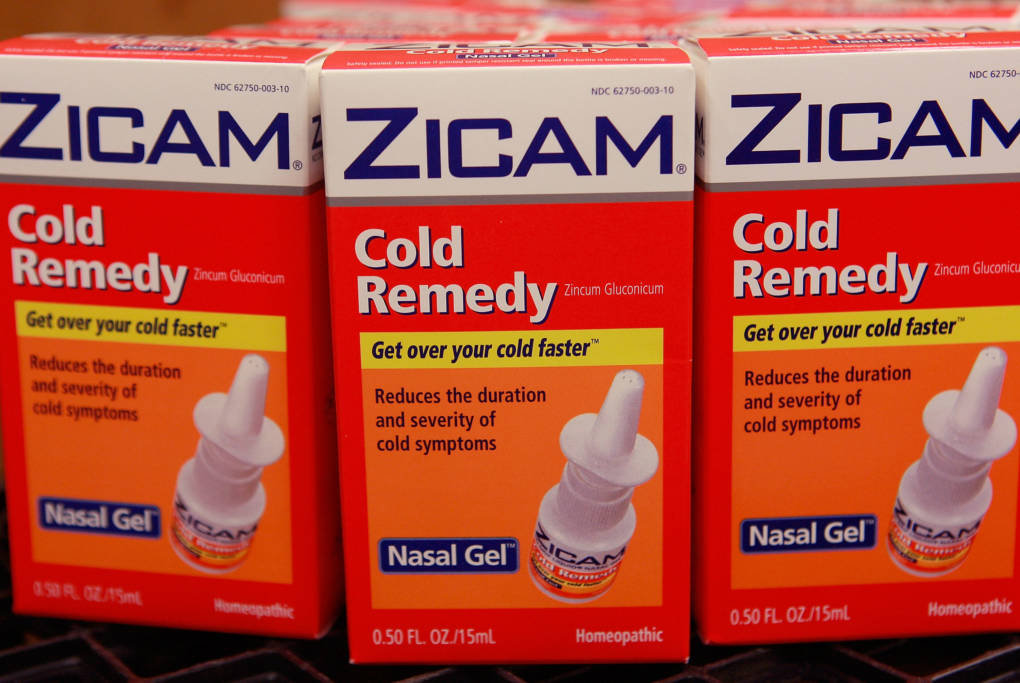
"caption": "In 2009, the FDA ordered Zicam to stop marketing three products that contained zinc gluconate after more than 100 users reported losing their sense of smell.",
"description": null,
"title": "FDA Announces Use Of Zicam Nasal Spray Can Lead To Loss Of Smell",
"credit": "Getty",
"status": "inherit",
"isLoading": false,
"fetchFailed": false
},
"futureofyou_437838": {
"type": "attachments",
"id": "futureofyou_437838",
"meta": {
"index": "attachments_1716263798",
"site": "futureofyou",
"id": "437838",
"found": true
},
"parent": 437796,
"imgSizes": {
"small": {
"file": "https://ww2.kqed.org/app/uploads/sites/13/2017/12/chrissyfarrphoto1-520x378.png",
"width": 520,
"mimeType": "image/png",
"height": 378
},
"thumbnail": {
"file": "https://ww2.kqed.org/app/uploads/sites/13/2017/12/chrissyfarrphoto1-160x116.png",
"width": 160,
"mimeType": "image/png",
"height": 116
},
"post-thumbnail": {
"file": "https://ww2.kqed.org/app/uploads/sites/13/2017/12/chrissyfarrphoto1-589x372.png",
"width": 589,
"mimeType": "image/png",
"height": 372
},
"xsmall": {
"file": "https://ww2.kqed.org/app/uploads/sites/13/2017/12/chrissyfarrphoto1-375x272.png",
"width": 375,
"mimeType": "image/png",
"height": 272
},
"kqedFullSize": {
"file": "https://ww2.kqed.org/app/uploads/sites/13/2017/12/chrissyfarrphoto1.png",
"width": 589,
"height": 428
},
"guest-author-50": {
"file": "https://ww2.kqed.org/app/uploads/sites/13/2017/12/chrissyfarrphoto1-50x50.png",
"width": 50,
"mimeType": "image/png",
"height": 50
},
"guest-author-96": {
"file": "https://ww2.kqed.org/app/uploads/sites/13/2017/12/chrissyfarrphoto1-96x96.png",
"width": 96,
"mimeType": "image/png",
"height": 96
},
"guest-author-64": {
"file": "https://ww2.kqed.org/app/uploads/sites/13/2017/12/chrissyfarrphoto1-64x64.png",
"width": 64,
"mimeType": "image/png",
"height": 64
},
"detail": {
"file": "https://ww2.kqed.org/app/uploads/sites/13/2017/12/chrissyfarrphoto1-150x150.png",
"width": 150,
"mimeType": "image/png",
"height": 150
},
"guest-author-32": {
"file": "https://ww2.kqed.org/app/uploads/sites/13/2017/12/chrissyfarrphoto1-32x32.png",
"width": 32,
"mimeType": "image/png",
"height": 32
},
"guest-author-128": {
"file": "https://ww2.kqed.org/app/uploads/sites/13/2017/12/chrissyfarrphoto1-128x128.png",
"width": 128,
"mimeType": "image/png",
"height": 128
},
"xxsmall": {
"file": "https://ww2.kqed.org/app/uploads/sites/13/2017/12/chrissyfarrphoto1-240x174.png",
"width": 240,
"mimeType": "image/png",
"height": 174
}
},
"publishDate": 1513639220,
"modified": 1513728893,
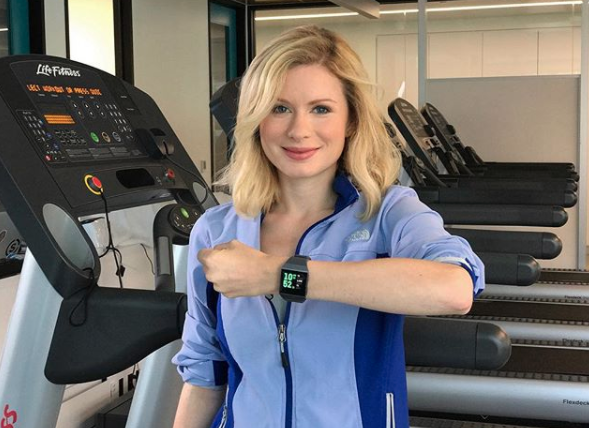
"caption": "CNBC's Chrissy Farr. ",
"description": null,
"title": "chrissyfarrphoto1",
"credit": "CNBC",
"status": "inherit",
"isLoading": false,
"fetchFailed": false
},
"futureofyou_437568": {
"type": "attachments",
"id": "futureofyou_437568",
"meta": {
"index": "attachments_1716263798",
"site": "futureofyou",
"id": "437568",
"found": true
},
"parent": 437567,
"imgSizes": {
"thumbnail": {
"file": "https://ww2.kqed.org/app/uploads/sites/13/2017/12/curesummit-160x107.jpg",
"width": 160,
"mimeType": "image/jpeg",
"height": 107
},
"xsmall": {
"file": "https://ww2.kqed.org/app/uploads/sites/13/2017/12/curesummit-375x250.jpg",
"width": 375,
"mimeType": "image/jpeg",
"height": 250
},
"kqedFullSize": {
"file": "https://ww2.kqed.org/app/uploads/sites/13/2017/12/curesummit.jpg",
"width": 500,
"height": 333
},
"guest-author-50": {
"file": "https://ww2.kqed.org/app/uploads/sites/13/2017/12/curesummit-50x50.jpg",
"width": 50,
"mimeType": "image/jpeg",
"height": 50
},
"guest-author-96": {
"file": "https://ww2.kqed.org/app/uploads/sites/13/2017/12/curesummit-96x96.jpg",
"width": 96,
"mimeType": "image/jpeg",
"height": 96
},
"guest-author-64": {
"file": "https://ww2.kqed.org/app/uploads/sites/13/2017/12/curesummit-64x64.jpg",
"width": 64,
"mimeType": "image/jpeg",
"height": 64
},
"detail": {
"file": "https://ww2.kqed.org/app/uploads/sites/13/2017/12/curesummit-150x150.jpg",
"width": 150,
"mimeType": "image/jpeg",
"height": 150
},
"guest-author-32": {
"file": "https://ww2.kqed.org/app/uploads/sites/13/2017/12/curesummit-32x32.jpg",
"width": 32,
"mimeType": "image/jpeg",
"height": 32
},
"guest-author-128": {
"file": "https://ww2.kqed.org/app/uploads/sites/13/2017/12/curesummit-128x128.jpg",
"width": 128,
"mimeType": "image/jpeg",
"height": 128
},
"xxsmall": {
"file": "https://ww2.kqed.org/app/uploads/sites/13/2017/12/curesummit-240x160.jpg",
"width": 240,
"mimeType": "image/jpeg",
"height": 160
}
},
"publishDate": 1512781548,
"modified": 1518460703,
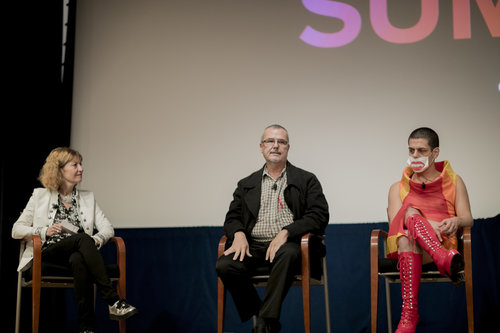
"caption": "Clark Hawley, center, and a stylish Luis Canales, right, two patients whose HIV virus was severely diminished after antiretroviral treatment within the first two weeks of exposure to the virus. Left is Dr. Rowena Johnston, director of research for amfAR.",
"description": null,
"title": "curesummit",
"credit": "amfAR",
"status": "inherit",
"isLoading": false,
"fetchFailed": false
},
"futureofyou_437555": {
"type": "attachments",
"id": "futureofyou_437555",
"meta": {
"index": "attachments_1716263798",
"site": "futureofyou",
"id": "437555",
"found": true
},
"parent": 437552,
"imgSizes": {
"small": {
"file": "https://ww2.kqed.org/app/uploads/sites/13/2017/12/iStock-670202670-520x473.jpg",
"width": 520,
"mimeType": "image/jpeg",
"height": 473
},
"twentyfourteen-full-width": {
"file": "https://ww2.kqed.org/app/uploads/sites/13/2017/12/iStock-670202670-1038x576.jpg",
"width": 1038,
"mimeType": "image/jpeg",
"height": 576
},
"thumbnail": {
"file": "https://ww2.kqed.org/app/uploads/sites/13/2017/12/iStock-670202670-160x146.jpg",
"width": 160,
"mimeType": "image/jpeg",
"height": 146
},
"fd-sm": {
"file": "https://ww2.kqed.org/app/uploads/sites/13/2017/12/iStock-670202670-960x873.jpg",
"width": 960,
"mimeType": "image/jpeg",
"height": 873
},
"post-thumbnail": {
"file": "https://ww2.kqed.org/app/uploads/sites/13/2017/12/iStock-670202670-672x372.jpg",
"width": 672,
"mimeType": "image/jpeg",
"height": 372
},
"xsmall": {
"file": "https://ww2.kqed.org/app/uploads/sites/13/2017/12/iStock-670202670-375x341.jpg",
"width": 375,
"mimeType": "image/jpeg",
"height": 341
},
"kqedFullSize": {
"file": "https://ww2.kqed.org/app/uploads/sites/13/2017/12/iStock-670202670.jpg",
"width": 4219,
"height": 3837
},
"large": {
"file": "https://ww2.kqed.org/app/uploads/sites/13/2017/12/iStock-670202670-1020x928.jpg",
"width": 1020,
"mimeType": "image/jpeg",
"height": 928
},
"xlarge": {
"file": "https://ww2.kqed.org/app/uploads/sites/13/2017/12/iStock-670202670-1180x1073.jpg",
"width": 1180,
"mimeType": "image/jpeg",
"height": 1073
},
"guest-author-50": {
"file": "https://ww2.kqed.org/app/uploads/sites/13/2017/12/iStock-670202670-50x50.jpg",
"width": 50,
"mimeType": "image/jpeg",
"height": 50
},
"guest-author-96": {
"file": "https://ww2.kqed.org/app/uploads/sites/13/2017/12/iStock-670202670-96x96.jpg",
"width": 96,
"mimeType": "image/jpeg",
"height": 96
},
"medium": {
"file": "https://ww2.kqed.org/app/uploads/sites/13/2017/12/iStock-670202670-800x728.jpg",
"width": 800,
"mimeType": "image/jpeg",
"height": 728
},
"guest-author-64": {
"file": "https://ww2.kqed.org/app/uploads/sites/13/2017/12/iStock-670202670-64x64.jpg",
"width": 64,
"mimeType": "image/jpeg",
"height": 64
},
"guest-author-32": {
"file": "https://ww2.kqed.org/app/uploads/sites/13/2017/12/iStock-670202670-32x32.jpg",
"width": 32,
"mimeType": "image/jpeg",
"height": 32
},
"fd-lrg": {
"file": "https://ww2.kqed.org/app/uploads/sites/13/2017/12/iStock-670202670-1920x1746.jpg",
"width": 1920,
"mimeType": "image/jpeg",
"height": 1746
},
"fd-med": {
"file": "https://ww2.kqed.org/app/uploads/sites/13/2017/12/iStock-670202670-1180x1073.jpg",
"width": 1180,
"mimeType": "image/jpeg",
"height": 1073
},
"full-width": {
"file": "https://ww2.kqed.org/app/uploads/sites/13/2017/12/iStock-670202670-1920x1746.jpg",
"width": 1920,
"mimeType": "image/jpeg",
"height": 1746
},
"detail": {
"file": "https://ww2.kqed.org/app/uploads/sites/13/2017/12/iStock-670202670-150x150.jpg",
"width": 150,
"mimeType": "image/jpeg",
"height": 150
},
"medium_large": {
"file": "https://ww2.kqed.org/app/uploads/sites/13/2017/12/iStock-670202670-768x698.jpg",
"width": 768,
"mimeType": "image/jpeg",
"height": 698
},
"guest-author-128": {
"file": "https://ww2.kqed.org/app/uploads/sites/13/2017/12/iStock-670202670-128x128.jpg",
"width": 128,
"mimeType": "image/jpeg",
"height": 128
},
"xxsmall": {
"file": "https://ww2.kqed.org/app/uploads/sites/13/2017/12/iStock-670202670-240x218.jpg",
"width": 240,
"mimeType": "image/jpeg",
"height": 218
}
},
"publishDate": 1512775721,
"modified": 1513009215,
"caption": null,
"description": "https://ww2.kqed.org/futureofyou/wp-admin/post.php?post=437552&action=edit",
"title": "Child Psychology",
"credit": "iStockphoto",
"status": "inherit",
"isLoading": false,
"fetchFailed": false
},
"futureofyou_437590": {
"type": "attachments",
"id": "futureofyou_437590",
"meta": {
"index": "attachments_1716263798",
"site": "futureofyou",
"id": "437590",
"found": true
},
"parent": 437589,
"imgSizes": {
"small": {
"file": "https://ww2.kqed.org/app/uploads/sites/13/2017/12/probiotics-1-cfe5c3a212c8557c1446935fe265e53eafdb68e8-520x390.jpg",
"width": 520,
"mimeType": "image/jpeg",
"height": 390
},
"twentyfourteen-full-width": {
"file": "https://ww2.kqed.org/app/uploads/sites/13/2017/12/probiotics-1-cfe5c3a212c8557c1446935fe265e53eafdb68e8-1038x576.jpg",
"width": 1038,
"mimeType": "image/jpeg",
"height": 576
},
"thumbnail": {
"file": "https://ww2.kqed.org/app/uploads/sites/13/2017/12/probiotics-1-cfe5c3a212c8557c1446935fe265e53eafdb68e8-160x120.jpg",
"width": 160,
"mimeType": "image/jpeg",
"height": 120
},
"fd-sm": {
"file": "https://ww2.kqed.org/app/uploads/sites/13/2017/12/probiotics-1-cfe5c3a212c8557c1446935fe265e53eafdb68e8-960x720.jpg",
"width": 960,
"mimeType": "image/jpeg",
"height": 720
},
"post-thumbnail": {
"file": "https://ww2.kqed.org/app/uploads/sites/13/2017/12/probiotics-1-cfe5c3a212c8557c1446935fe265e53eafdb68e8-672x372.jpg",
"width": 672,
"mimeType": "image/jpeg",
"height": 372
},
"xsmall": {
"file": "https://ww2.kqed.org/app/uploads/sites/13/2017/12/probiotics-1-cfe5c3a212c8557c1446935fe265e53eafdb68e8-375x281.jpg",
"width": 375,
"mimeType": "image/jpeg",
"height": 281
},
"kqedFullSize": {
"file": "https://ww2.kqed.org/app/uploads/sites/13/2017/12/probiotics-1-cfe5c3a212c8557c1446935fe265e53eafdb68e8-e1513012609356.jpg",
"width": 1920,
"height": 1440
},
"large": {
"file": "https://ww2.kqed.org/app/uploads/sites/13/2017/12/probiotics-1-cfe5c3a212c8557c1446935fe265e53eafdb68e8-1020x765.jpg",
"width": 1020,
"mimeType": "image/jpeg",
"height": 765
},
"xlarge": {
"file": "https://ww2.kqed.org/app/uploads/sites/13/2017/12/probiotics-1-cfe5c3a212c8557c1446935fe265e53eafdb68e8-1180x885.jpg",
"width": 1180,
"mimeType": "image/jpeg",
"height": 885
},
"guest-author-50": {
"file": "https://ww2.kqed.org/app/uploads/sites/13/2017/12/probiotics-1-cfe5c3a212c8557c1446935fe265e53eafdb68e8-50x50.jpg",
"width": 50,
"mimeType": "image/jpeg",
"height": 50
},
"guest-author-96": {
"file": "https://ww2.kqed.org/app/uploads/sites/13/2017/12/probiotics-1-cfe5c3a212c8557c1446935fe265e53eafdb68e8-96x96.jpg",
"width": 96,
"mimeType": "image/jpeg",
"height": 96
},
"medium": {
"file": "https://ww2.kqed.org/app/uploads/sites/13/2017/12/probiotics-1-cfe5c3a212c8557c1446935fe265e53eafdb68e8-800x600.jpg",
"width": 800,
"mimeType": "image/jpeg",
"height": 600
},
"guest-author-64": {
"file": "https://ww2.kqed.org/app/uploads/sites/13/2017/12/probiotics-1-cfe5c3a212c8557c1446935fe265e53eafdb68e8-64x64.jpg",
"width": 64,
"mimeType": "image/jpeg",
"height": 64
},
"guest-author-32": {
"file": "https://ww2.kqed.org/app/uploads/sites/13/2017/12/probiotics-1-cfe5c3a212c8557c1446935fe265e53eafdb68e8-32x32.jpg",
"width": 32,
"mimeType": "image/jpeg",
"height": 32
},
"fd-lrg": {
"file": "https://ww2.kqed.org/app/uploads/sites/13/2017/12/probiotics-1-cfe5c3a212c8557c1446935fe265e53eafdb68e8-1920x1440.jpg",
"width": 1920,
"mimeType": "image/jpeg",
"height": 1440
},
"fd-med": {
"file": "https://ww2.kqed.org/app/uploads/sites/13/2017/12/probiotics-1-cfe5c3a212c8557c1446935fe265e53eafdb68e8-1180x885.jpg",
"width": 1180,
"mimeType": "image/jpeg",
"height": 885
},
"full-width": {
"file": "https://ww2.kqed.org/app/uploads/sites/13/2017/12/probiotics-1-cfe5c3a212c8557c1446935fe265e53eafdb68e8-1920x1440.jpg",
"width": 1920,
"mimeType": "image/jpeg",
"height": 1440
},
"detail": {
"file": "https://ww2.kqed.org/app/uploads/sites/13/2017/12/probiotics-1-cfe5c3a212c8557c1446935fe265e53eafdb68e8-150x150.jpg",
"width": 150,
"mimeType": "image/jpeg",
"height": 150
},
"medium_large": {
"file": "https://ww2.kqed.org/app/uploads/sites/13/2017/12/probiotics-1-cfe5c3a212c8557c1446935fe265e53eafdb68e8-768x576.jpg",
"width": 768,
"mimeType": "image/jpeg",
"height": 576
},
"guest-author-128": {
"file": "https://ww2.kqed.org/app/uploads/sites/13/2017/12/probiotics-1-cfe5c3a212c8557c1446935fe265e53eafdb68e8-128x128.jpg",
"width": 128,
"mimeType": "image/jpeg",
"height": 128
},
"xxsmall": {
"file": "https://ww2.kqed.org/app/uploads/sites/13/2017/12/probiotics-1-cfe5c3a212c8557c1446935fe265e53eafdb68e8-240x180.jpg",
"width": 240,
"mimeType": "image/jpeg",
"height": 180
}
},
"publishDate": 1513012303,
"modified": 1513012709,
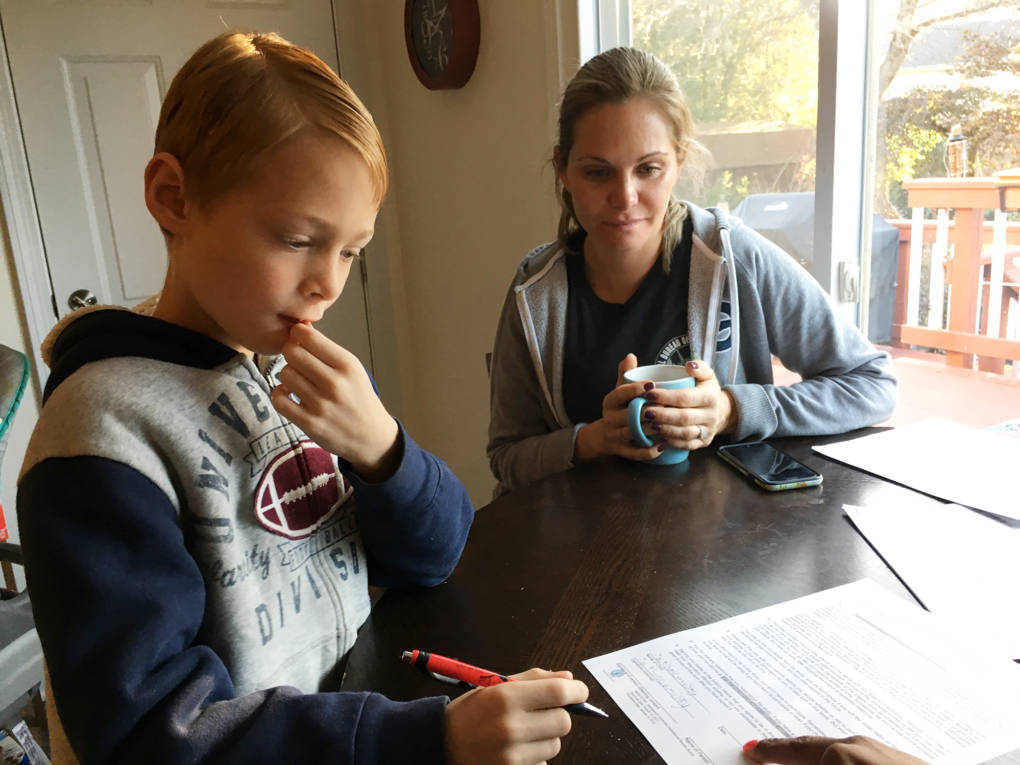
"caption": "Michele Comisky of Vienna, Va., enrolled her 8-year-old son Jackson in a study to test the value of probiotics in preventing the gut distress often experienced when taking antibiotics.",
"description": null,
"title": "Michele Comisky of Vienna, Va., enrolled her 8-year-old son Jackson in a study to test the value of probiotics in preventing the gut distress often experienced when taking antibiotics.",
"credit": "Rob Stein/NPR",
"status": "inherit",
"isLoading": false,
"fetchFailed": false
},
"futureofyou_437472": {
"type": "attachments",
"id": "futureofyou_437472",
"meta": {
"index": "attachments_1716263798",
"site": "futureofyou",
"id": "437472",
"found": true
},
"parent": 437315,
"imgSizes": {
"small": {
"file": "https://ww2.kqed.org/app/uploads/sites/13/2017/12/baconeggs-520x363.jpg",
"width": 520,
"mimeType": "image/jpeg",
"height": 363
},
"twentyfourteen-full-width": {
"file": "https://ww2.kqed.org/app/uploads/sites/13/2017/12/baconeggs-1038x576.jpg",
"width": 1038,
"mimeType": "image/jpeg",
"height": 576
},
"thumbnail": {
"file": "https://ww2.kqed.org/app/uploads/sites/13/2017/12/baconeggs-160x112.jpg",
"width": 160,
"mimeType": "image/jpeg",
"height": 112
},
"fd-sm": {
"file": "https://ww2.kqed.org/app/uploads/sites/13/2017/12/baconeggs-960x671.jpg",
"width": 960,
"mimeType": "image/jpeg",
"height": 671
},
"post-thumbnail": {
"file": "https://ww2.kqed.org/app/uploads/sites/13/2017/12/baconeggs-672x372.jpg",
"width": 672,
"mimeType": "image/jpeg",
"height": 372
},
"xsmall": {
"file": "https://ww2.kqed.org/app/uploads/sites/13/2017/12/baconeggs-375x262.jpg",
"width": 375,
"mimeType": "image/jpeg",
"height": 262
},
"kqedFullSize": {
"file": "https://ww2.kqed.org/app/uploads/sites/13/2017/12/baconeggs.jpg",
"width": 1920,
"height": 1342
},
"large": {
"file": "https://ww2.kqed.org/app/uploads/sites/13/2017/12/baconeggs-1020x713.jpg",
"width": 1020,
"mimeType": "image/jpeg",
"height": 713
},
"xlarge": {
"file": "https://ww2.kqed.org/app/uploads/sites/13/2017/12/baconeggs-1180x825.jpg",
"width": 1180,
"mimeType": "image/jpeg",
"height": 825
},
"guest-author-50": {
"file": "https://ww2.kqed.org/app/uploads/sites/13/2017/12/baconeggs-50x50.jpg",
"width": 50,
"mimeType": "image/jpeg",
"height": 50
},
"guest-author-96": {
"file": "https://ww2.kqed.org/app/uploads/sites/13/2017/12/baconeggs-96x96.jpg",
"width": 96,
"mimeType": "image/jpeg",
"height": 96
},
"medium": {
"file": "https://ww2.kqed.org/app/uploads/sites/13/2017/12/baconeggs-800x559.jpg",
"width": 800,
"mimeType": "image/jpeg",
"height": 559
},
"guest-author-64": {
"file": "https://ww2.kqed.org/app/uploads/sites/13/2017/12/baconeggs-64x64.jpg",
"width": 64,
"mimeType": "image/jpeg",
"height": 64
},
"guest-author-32": {
"file": "https://ww2.kqed.org/app/uploads/sites/13/2017/12/baconeggs-32x32.jpg",
"width": 32,
"mimeType": "image/jpeg",
"height": 32
},
"fd-lrg": {
"file": "https://ww2.kqed.org/app/uploads/sites/13/2017/12/baconeggs-1920x1342.jpg",
"width": 1920,
"mimeType": "image/jpeg",
"height": 1342
},
"fd-med": {
"file": "https://ww2.kqed.org/app/uploads/sites/13/2017/12/baconeggs-1180x825.jpg",
"width": 1180,
"mimeType": "image/jpeg",
"height": 825
},
"full-width": {
"file": "https://ww2.kqed.org/app/uploads/sites/13/2017/12/baconeggs-1920x1342.jpg",
"width": 1920,
"mimeType": "image/jpeg",
"height": 1342
},
"detail": {
"file": "https://ww2.kqed.org/app/uploads/sites/13/2017/12/baconeggs-150x150.jpg",
"width": 150,
"mimeType": "image/jpeg",
"height": 150
},
"medium_large": {
"file": "https://ww2.kqed.org/app/uploads/sites/13/2017/12/baconeggs-768x537.jpg",
"width": 768,
"mimeType": "image/jpeg",
"height": 537
},
"guest-author-128": {
"file": "https://ww2.kqed.org/app/uploads/sites/13/2017/12/baconeggs-128x128.jpg",
"width": 128,
"mimeType": "image/jpeg",
"height": 128
},
"xxsmall": {
"file": "https://ww2.kqed.org/app/uploads/sites/13/2017/12/baconeggs-240x168.jpg",
"width": 240,
"mimeType": "image/jpeg",
"height": 168
}
},
"publishDate": 1512580378,
"modified": 1512580410,
"caption": null,
"description": null,
"title": "baconeggs",
"credit": "Image from iStock",
"status": "inherit",
"isLoading": false,
"fetchFailed": false
},
"futureofyou_437428": {
"type": "attachments",
"id": "futureofyou_437428",
"meta": {
"index": "attachments_1716263798",
"site": "futureofyou",
"id": "437428",
"found": true
},
"parent": 437427,
"imgSizes": {
"small": {
"file": "https://ww2.kqed.org/app/uploads/sites/13/2017/12/iStock-637229530-520x347.jpg",
"width": 520,
"mimeType": "image/jpeg",
"height": 347
},
"twentyfourteen-full-width": {
"file": "https://ww2.kqed.org/app/uploads/sites/13/2017/12/iStock-637229530-1038x576.jpg",
"width": 1038,
"mimeType": "image/jpeg",
"height": 576
},
"thumbnail": {
"file": "https://ww2.kqed.org/app/uploads/sites/13/2017/12/iStock-637229530-160x107.jpg",
"width": 160,
"mimeType": "image/jpeg",
"height": 107
},
"fd-sm": {
"file": "https://ww2.kqed.org/app/uploads/sites/13/2017/12/iStock-637229530-960x640.jpg",
"width": 960,
"mimeType": "image/jpeg",
"height": 640
},
"post-thumbnail": {
"file": "https://ww2.kqed.org/app/uploads/sites/13/2017/12/iStock-637229530-672x372.jpg",
"width": 672,
"mimeType": "image/jpeg",
"height": 372
},
"xsmall": {
"file": "https://ww2.kqed.org/app/uploads/sites/13/2017/12/iStock-637229530-375x250.jpg",
"width": 375,
"mimeType": "image/jpeg",
"height": 250
},
"kqedFullSize": {
"file": "https://ww2.kqed.org/app/uploads/sites/13/2017/12/iStock-637229530.jpg",
"width": 2121,
"height": 1414
},
"large": {
"file": "https://ww2.kqed.org/app/uploads/sites/13/2017/12/iStock-637229530-1020x680.jpg",
"width": 1020,
"mimeType": "image/jpeg",
"height": 680
},
"xlarge": {
"file": "https://ww2.kqed.org/app/uploads/sites/13/2017/12/iStock-637229530-1180x787.jpg",
"width": 1180,
"mimeType": "image/jpeg",
"height": 787
},
"guest-author-50": {
"file": "https://ww2.kqed.org/app/uploads/sites/13/2017/12/iStock-637229530-50x50.jpg",
"width": 50,
"mimeType": "image/jpeg",
"height": 50
},
"guest-author-96": {
"file": "https://ww2.kqed.org/app/uploads/sites/13/2017/12/iStock-637229530-96x96.jpg",
"width": 96,
"mimeType": "image/jpeg",
"height": 96
},
"medium": {
"file": "https://ww2.kqed.org/app/uploads/sites/13/2017/12/iStock-637229530-800x533.jpg",
"width": 800,
"mimeType": "image/jpeg",
"height": 533
},
"guest-author-64": {
"file": "https://ww2.kqed.org/app/uploads/sites/13/2017/12/iStock-637229530-64x64.jpg",
"width": 64,
"mimeType": "image/jpeg",
"height": 64
},
"guest-author-32": {
"file": "https://ww2.kqed.org/app/uploads/sites/13/2017/12/iStock-637229530-32x32.jpg",
"width": 32,
"mimeType": "image/jpeg",
"height": 32
},
"fd-lrg": {
"file": "https://ww2.kqed.org/app/uploads/sites/13/2017/12/iStock-637229530-1920x1280.jpg",
"width": 1920,
"mimeType": "image/jpeg",
"height": 1280
},
"fd-med": {
"file": "https://ww2.kqed.org/app/uploads/sites/13/2017/12/iStock-637229530-1180x787.jpg",
"width": 1180,
"mimeType": "image/jpeg",
"height": 787
},
"full-width": {
"file": "https://ww2.kqed.org/app/uploads/sites/13/2017/12/iStock-637229530-1920x1280.jpg",
"width": 1920,
"mimeType": "image/jpeg",
"height": 1280
},
"detail": {
"file": "https://ww2.kqed.org/app/uploads/sites/13/2017/12/iStock-637229530-150x150.jpg",
"width": 150,
"mimeType": "image/jpeg",
"height": 150
},
"medium_large": {
"file": "https://ww2.kqed.org/app/uploads/sites/13/2017/12/iStock-637229530-768x512.jpg",
"width": 768,
"mimeType": "image/jpeg",
"height": 512
},
"guest-author-128": {
"file": "https://ww2.kqed.org/app/uploads/sites/13/2017/12/iStock-637229530-128x128.jpg",
"width": 128,
"mimeType": "image/jpeg",
"height": 128
},
"xxsmall": {
"file": "https://ww2.kqed.org/app/uploads/sites/13/2017/12/iStock-637229530-240x160.jpg",
"width": 240,
"mimeType": "image/jpeg",
"height": 160
}
},
"publishDate": 1512425166,
"modified": 1512425209,
"caption": null,
"description": "Laboratory microscopic research, virus, bacteria or cell vaccination macro concept",
"title": "Laboratory microscopic research",
"credit": "iStockphoto/nevodka",
"status": "inherit",
"isLoading": false,
"fetchFailed": false
},
"futureofyou_437052": {
"type": "attachments",
"id": "futureofyou_437052",
"meta": {
"index": "attachments_1716263798",
"site": "futureofyou",
"id": "437052",
"found": true
},
"parent": 436544,
"imgSizes": {
"small": {
"file": "https://ww2.kqed.org/app/uploads/sites/13/2017/11/ATOM-520x417.jpg",
"width": 520,
"mimeType": "image/jpeg",
"height": 417
},
"twentyfourteen-full-width": {
"file": "https://ww2.kqed.org/app/uploads/sites/13/2017/11/ATOM-1038x576.jpg",
"width": 1038,
"mimeType": "image/jpeg",
"height": 576
},
"thumbnail": {
"file": "https://ww2.kqed.org/app/uploads/sites/13/2017/11/ATOM-160x128.jpg",
"width": 160,
"mimeType": "image/jpeg",
"height": 128
},
"fd-sm": {
"file": "https://ww2.kqed.org/app/uploads/sites/13/2017/11/ATOM-960x769.jpg",
"width": 960,
"mimeType": "image/jpeg",
"height": 769
},
"post-thumbnail": {
"file": "https://ww2.kqed.org/app/uploads/sites/13/2017/11/ATOM-672x372.jpg",
"width": 672,
"mimeType": "image/jpeg",
"height": 372
},
"xsmall": {
"file": "https://ww2.kqed.org/app/uploads/sites/13/2017/11/ATOM-375x300.jpg",
"width": 375,
"mimeType": "image/jpeg",
"height": 300
},
"kqedFullSize": {
"file": "https://ww2.kqed.org/app/uploads/sites/13/2017/11/ATOM.jpg",
"width": 2419,
"height": 1938
},
"large": {
"file": "https://ww2.kqed.org/app/uploads/sites/13/2017/11/ATOM-1020x817.jpg",
"width": 1020,
"mimeType": "image/jpeg",
"height": 817
},
"xlarge": {
"file": "https://ww2.kqed.org/app/uploads/sites/13/2017/11/ATOM-1180x945.jpg",
"width": 1180,
"mimeType": "image/jpeg",
"height": 945
},
"guest-author-50": {
"file": "https://ww2.kqed.org/app/uploads/sites/13/2017/11/ATOM-50x50.jpg",
"width": 50,
"mimeType": "image/jpeg",
"height": 50
},
"guest-author-96": {
"file": "https://ww2.kqed.org/app/uploads/sites/13/2017/11/ATOM-96x96.jpg",
"width": 96,
"mimeType": "image/jpeg",
"height": 96
},
"medium": {
"file": "https://ww2.kqed.org/app/uploads/sites/13/2017/11/ATOM-800x641.jpg",
"width": 800,
"mimeType": "image/jpeg",
"height": 641
},
"guest-author-64": {
"file": "https://ww2.kqed.org/app/uploads/sites/13/2017/11/ATOM-64x64.jpg",
"width": 64,
"mimeType": "image/jpeg",
"height": 64
},
"guest-author-32": {
"file": "https://ww2.kqed.org/app/uploads/sites/13/2017/11/ATOM-32x32.jpg",
"width": 32,
"mimeType": "image/jpeg",
"height": 32
},
"fd-lrg": {
"file": "https://ww2.kqed.org/app/uploads/sites/13/2017/11/ATOM-1920x1538.jpg",
"width": 1920,
"mimeType": "image/jpeg",
"height": 1538
},
"fd-med": {
"file": "https://ww2.kqed.org/app/uploads/sites/13/2017/11/ATOM-1180x945.jpg",
"width": 1180,
"mimeType": "image/jpeg",
"height": 945
},
"full-width": {
"file": "https://ww2.kqed.org/app/uploads/sites/13/2017/11/ATOM-1920x1538.jpg",
"width": 1920,
"mimeType": "image/jpeg",
"height": 1538
},
"detail": {
"file": "https://ww2.kqed.org/app/uploads/sites/13/2017/11/ATOM-150x150.jpg",
"width": 150,
"mimeType": "image/jpeg",
"height": 150
},
"medium_large": {
"file": "https://ww2.kqed.org/app/uploads/sites/13/2017/11/ATOM-768x615.jpg",
"width": 768,
"mimeType": "image/jpeg",
"height": 615
},
"guest-author-128": {
"file": "https://ww2.kqed.org/app/uploads/sites/13/2017/11/ATOM-128x128.jpg",
"width": 128,
"mimeType": "image/jpeg",
"height": 128
},
"xxsmall": {
"file": "https://ww2.kqed.org/app/uploads/sites/13/2017/11/ATOM-240x192.jpg",
"width": 240,
"mimeType": "image/jpeg",
"height": 192
}
},
"publishDate": 1510761169,
"modified": 1511815427,
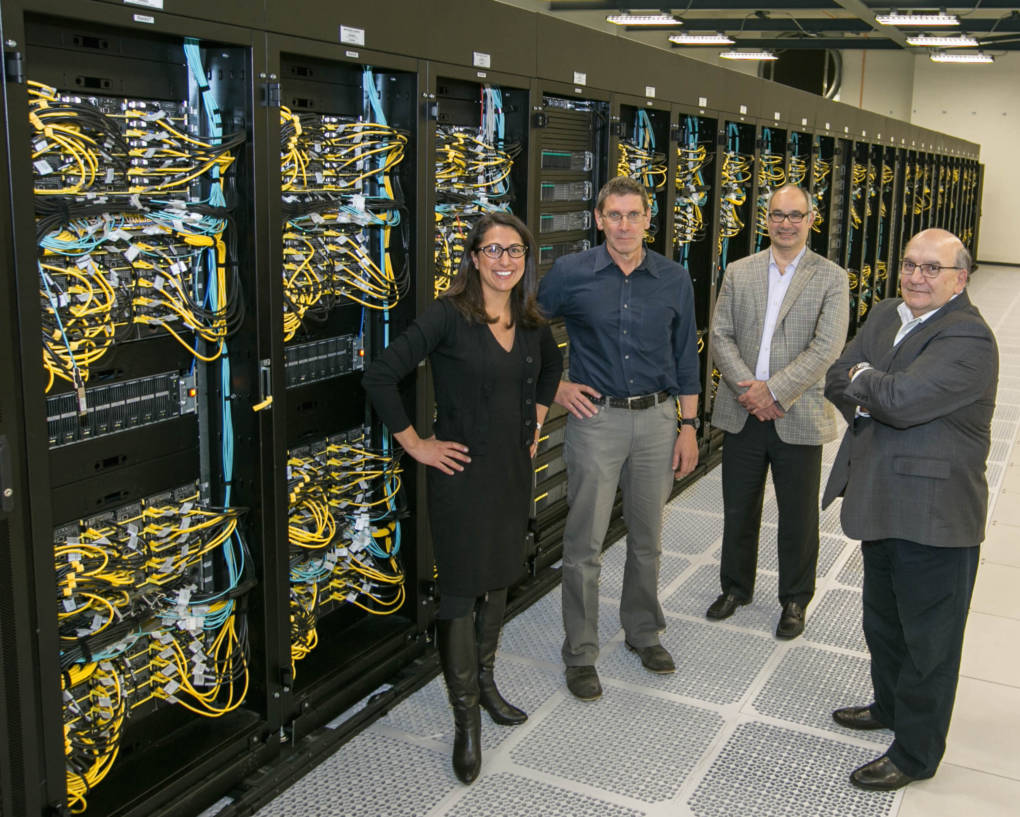
"caption": "Members of the Accelerating Therapeutics for Opportunities in Medicine (ATOM) consortium at Lawrence Livermore National Laboratories. From left: Stacie Calad-Thomson, GlaxoSmithKline; Jim Brase, Lawrence Livermore National Lab; Jason Paragas, and John Baldoni, vice president of \u003cem>in silico\u003c/em> discovery at GSK. ",
"description": "Members of the Accelerating Therapeutics for Opportunities in Medicine (ATOM) consortium at Lawrence Livermore National Laboratory in California. From left: Stacie Calad-Thomson, GlaxoSmithKline; Jim Brase and Jason Paragas, Lawrence Livermore National Laboratory; and John Baldoni, GlaxoSmithKline.",
"title": "ATOM",
"credit": "Julie Russell/LLNL",
"status": "inherit",
"isLoading": false,
"fetchFailed": false
},
"futureofyou_437342": {
"type": "attachments",
"id": "futureofyou_437342",
"meta": {
"index": "attachments_1716263798",
"site": "futureofyou",
"id": "437342",
"found": true
},
"parent": 437341,
"imgSizes": {
"small": {
"file": "https://ww2.kqed.org/app/uploads/sites/13/2017/11/blue_light-1_wide-bb9c7a7b25ec25b798170b8e43a538a05931af1f-520x293.jpg",
"width": 520,
"mimeType": "image/jpeg",
"height": 293
},
"twentyfourteen-full-width": {
"file": "https://ww2.kqed.org/app/uploads/sites/13/2017/11/blue_light-1_wide-bb9c7a7b25ec25b798170b8e43a538a05931af1f-1038x576.jpg",
"width": 1038,
"mimeType": "image/jpeg",
"height": 576
},
"thumbnail": {
"file": "https://ww2.kqed.org/app/uploads/sites/13/2017/11/blue_light-1_wide-bb9c7a7b25ec25b798170b8e43a538a05931af1f-160x90.jpg",
"width": 160,
"mimeType": "image/jpeg",
"height": 90
},
"fd-sm": {
"file": "https://ww2.kqed.org/app/uploads/sites/13/2017/11/blue_light-1_wide-bb9c7a7b25ec25b798170b8e43a538a05931af1f-960x540.jpg",
"width": 960,
"mimeType": "image/jpeg",
"height": 540
},
"post-thumbnail": {
"file": "https://ww2.kqed.org/app/uploads/sites/13/2017/11/blue_light-1_wide-bb9c7a7b25ec25b798170b8e43a538a05931af1f-672x372.jpg",
"width": 672,
"mimeType": "image/jpeg",
"height": 372
},
"xsmall": {
"file": "https://ww2.kqed.org/app/uploads/sites/13/2017/11/blue_light-1_wide-bb9c7a7b25ec25b798170b8e43a538a05931af1f-375x211.jpg",
"width": 375,
"mimeType": "image/jpeg",
"height": 211
},
"kqedFullSize": {
"file": "https://ww2.kqed.org/app/uploads/sites/13/2017/11/blue_light-1_wide-bb9c7a7b25ec25b798170b8e43a538a05931af1f.jpg",
"width": 2000,
"height": 1125
},
"large": {
"file": "https://ww2.kqed.org/app/uploads/sites/13/2017/11/blue_light-1_wide-bb9c7a7b25ec25b798170b8e43a538a05931af1f-1020x574.jpg",
"width": 1020,
"mimeType": "image/jpeg",
"height": 574
},
"xlarge": {
"file": "https://ww2.kqed.org/app/uploads/sites/13/2017/11/blue_light-1_wide-bb9c7a7b25ec25b798170b8e43a538a05931af1f-1180x664.jpg",
"width": 1180,
"mimeType": "image/jpeg",
"height": 664
},
"guest-author-50": {
"file": "https://ww2.kqed.org/app/uploads/sites/13/2017/11/blue_light-1_wide-bb9c7a7b25ec25b798170b8e43a538a05931af1f-50x50.jpg",
"width": 50,
"mimeType": "image/jpeg",
"height": 50
},
"guest-author-96": {
"file": "https://ww2.kqed.org/app/uploads/sites/13/2017/11/blue_light-1_wide-bb9c7a7b25ec25b798170b8e43a538a05931af1f-96x96.jpg",
"width": 96,
"mimeType": "image/jpeg",
"height": 96
},
"medium": {
"file": "https://ww2.kqed.org/app/uploads/sites/13/2017/11/blue_light-1_wide-bb9c7a7b25ec25b798170b8e43a538a05931af1f-800x450.jpg",
"width": 800,
"mimeType": "image/jpeg",
"height": 450
},
"guest-author-64": {
"file": "https://ww2.kqed.org/app/uploads/sites/13/2017/11/blue_light-1_wide-bb9c7a7b25ec25b798170b8e43a538a05931af1f-64x64.jpg",
"width": 64,
"mimeType": "image/jpeg",
"height": 64
},
"guest-author-32": {
"file": "https://ww2.kqed.org/app/uploads/sites/13/2017/11/blue_light-1_wide-bb9c7a7b25ec25b798170b8e43a538a05931af1f-32x32.jpg",
"width": 32,
"mimeType": "image/jpeg",
"height": 32
},
"fd-lrg": {
"file": "https://ww2.kqed.org/app/uploads/sites/13/2017/11/blue_light-1_wide-bb9c7a7b25ec25b798170b8e43a538a05931af1f-1920x1080.jpg",
"width": 1920,
"mimeType": "image/jpeg",
"height": 1080
},
"fd-med": {
"file": "https://ww2.kqed.org/app/uploads/sites/13/2017/11/blue_light-1_wide-bb9c7a7b25ec25b798170b8e43a538a05931af1f-1180x664.jpg",
"width": 1180,
"mimeType": "image/jpeg",
"height": 664
},
"full-width": {
"file": "https://ww2.kqed.org/app/uploads/sites/13/2017/11/blue_light-1_wide-bb9c7a7b25ec25b798170b8e43a538a05931af1f-1920x1080.jpg",
"width": 1920,
"mimeType": "image/jpeg",
"height": 1080
},
"detail": {
"file": "https://ww2.kqed.org/app/uploads/sites/13/2017/11/blue_light-1_wide-bb9c7a7b25ec25b798170b8e43a538a05931af1f-150x150.jpg",
"width": 150,
"mimeType": "image/jpeg",
"height": 150
},
"medium_large": {
"file": "https://ww2.kqed.org/app/uploads/sites/13/2017/11/blue_light-1_wide-bb9c7a7b25ec25b798170b8e43a538a05931af1f-768x432.jpg",
"width": 768,
"mimeType": "image/jpeg",
"height": 432
},
"guest-author-128": {
"file": "https://ww2.kqed.org/app/uploads/sites/13/2017/11/blue_light-1_wide-bb9c7a7b25ec25b798170b8e43a538a05931af1f-128x128.jpg",
"width": 128,
"mimeType": "image/jpeg",
"height": 128
},
"xxsmall": {
"file": "https://ww2.kqed.org/app/uploads/sites/13/2017/11/blue_light-1_wide-bb9c7a7b25ec25b798170b8e43a538a05931af1f-240x135.jpg",
"width": 240,
"mimeType": "image/jpeg",
"height": 135
}
},
"publishDate": 1511803500,
"modified": 1511803500,
"caption": null,
"description": "If you're regularly checking your phone at night in a dark room, you're probably tricking your body into thinking it's still daytime",
"title": "If you're regularly checking your phone at night in a dark room, you're probably tricking your body into thinking it's still daytime.",
"credit": null,
"status": "inherit",
"isLoading": false,
"fetchFailed": false
},
"futureofyou_437292": {
"type": "attachments",
"id": "futureofyou_437292",
"meta": {
"index": "attachments_1716263798",
"site": "futureofyou",
"id": "437292",
"found": true
},
"parent": 437291,
"imgSizes": {
"small": {
"file": "https://ww2.kqed.org/app/uploads/sites/13/2017/11/file-20170905-32174-ly2c4b-520x347.jpg",
"width": 520,
"mimeType": "image/jpeg",
"height": 347
},
"twentyfourteen-full-width": {
"file": "https://ww2.kqed.org/app/uploads/sites/13/2017/11/file-20170905-32174-ly2c4b-1038x576.jpg",
"width": 1038,
"mimeType": "image/jpeg",
"height": 576
},
"thumbnail": {
"file": "https://ww2.kqed.org/app/uploads/sites/13/2017/11/file-20170905-32174-ly2c4b-160x107.jpg",
"width": 160,
"mimeType": "image/jpeg",
"height": 107
},
"fd-sm": {
"file": "https://ww2.kqed.org/app/uploads/sites/13/2017/11/file-20170905-32174-ly2c4b-960x640.jpg",
"width": 960,
"mimeType": "image/jpeg",
"height": 640
},
"post-thumbnail": {
"file": "https://ww2.kqed.org/app/uploads/sites/13/2017/11/file-20170905-32174-ly2c4b-672x372.jpg",
"width": 672,
"mimeType": "image/jpeg",
"height": 372
},
"xsmall": {
"file": "https://ww2.kqed.org/app/uploads/sites/13/2017/11/file-20170905-32174-ly2c4b-375x250.jpg",
"width": 375,
"mimeType": "image/jpeg",
"height": 250
},
"kqedFullSize": {
"file": "https://ww2.kqed.org/app/uploads/sites/13/2017/11/file-20170905-32174-ly2c4b.jpg",
"width": 5616,
"height": 3744
},
"large": {
"file": "https://ww2.kqed.org/app/uploads/sites/13/2017/11/file-20170905-32174-ly2c4b-1020x680.jpg",
"width": 1020,
"mimeType": "image/jpeg",
"height": 680
},
"xlarge": {
"file": "https://ww2.kqed.org/app/uploads/sites/13/2017/11/file-20170905-32174-ly2c4b-1180x787.jpg",
"width": 1180,
"mimeType": "image/jpeg",
"height": 787
},
"guest-author-50": {
"file": "https://ww2.kqed.org/app/uploads/sites/13/2017/11/file-20170905-32174-ly2c4b-50x50.jpg",
"width": 50,
"mimeType": "image/jpeg",
"height": 50
},
"guest-author-96": {
"file": "https://ww2.kqed.org/app/uploads/sites/13/2017/11/file-20170905-32174-ly2c4b-96x96.jpg",
"width": 96,
"mimeType": "image/jpeg",
"height": 96
},
"medium": {
"file": "https://ww2.kqed.org/app/uploads/sites/13/2017/11/file-20170905-32174-ly2c4b-800x533.jpg",
"width": 800,
"mimeType": "image/jpeg",
"height": 533
},
"guest-author-64": {
"file": "https://ww2.kqed.org/app/uploads/sites/13/2017/11/file-20170905-32174-ly2c4b-64x64.jpg",
"width": 64,
"mimeType": "image/jpeg",
"height": 64
},
"guest-author-32": {
"file": "https://ww2.kqed.org/app/uploads/sites/13/2017/11/file-20170905-32174-ly2c4b-32x32.jpg",
"width": 32,
"mimeType": "image/jpeg",
"height": 32
},
"fd-lrg": {
"file": "https://ww2.kqed.org/app/uploads/sites/13/2017/11/file-20170905-32174-ly2c4b-1920x1280.jpg",
"width": 1920,
"mimeType": "image/jpeg",
"height": 1280
},
"fd-med": {
"file": "https://ww2.kqed.org/app/uploads/sites/13/2017/11/file-20170905-32174-ly2c4b-1180x787.jpg",
"width": 1180,
"mimeType": "image/jpeg",
"height": 787
},
"full-width": {
"file": "https://ww2.kqed.org/app/uploads/sites/13/2017/11/file-20170905-32174-ly2c4b-1920x1280.jpg",
"width": 1920,
"mimeType": "image/jpeg",
"height": 1280
},
"detail": {
"file": "https://ww2.kqed.org/app/uploads/sites/13/2017/11/file-20170905-32174-ly2c4b-150x150.jpg",
"width": 150,
"mimeType": "image/jpeg",
"height": 150
},
"medium_large": {
"file": "https://ww2.kqed.org/app/uploads/sites/13/2017/11/file-20170905-32174-ly2c4b-768x512.jpg",
"width": 768,
"mimeType": "image/jpeg",
"height": 512
},
"guest-author-128": {
"file": "https://ww2.kqed.org/app/uploads/sites/13/2017/11/file-20170905-32174-ly2c4b-128x128.jpg",
"width": 128,
"mimeType": "image/jpeg",
"height": 128
},
"xxsmall": {
"file": "https://ww2.kqed.org/app/uploads/sites/13/2017/11/file-20170905-32174-ly2c4b-240x160.jpg",
"width": 240,
"mimeType": "image/jpeg",
"height": 160
}
},
"publishDate": 1511295904,
"modified": 1511295929,
"caption": null,
"description": null,
"title": "file-20170905-32174-ly2c4b",
"credit": "Yuriy Maksymiv/Shutterstock",
"status": "inherit",
"isLoading": false,
"fetchFailed": false
},
"futureofyou_435424": {
"type": "attachments",
"id": "futureofyou_435424",
"meta": {
"index": "attachments_1716263798",
"site": "futureofyou",
"id": "435424",
"found": true
},
"parent": 435417,
"imgSizes": {
"small": {
"file": "https://ww2.kqed.org/app/uploads/sites/13/2017/09/Path-Feel-Image-520x347.jpg",
"width": 520,
"mimeType": "image/jpeg",
"height": 347
},
"twentyfourteen-full-width": {
"file": "https://ww2.kqed.org/app/uploads/sites/13/2017/09/Path-Feel-Image-1038x576.jpg",
"width": 1038,
"mimeType": "image/jpeg",
"height": 576
},
"thumbnail": {
"file": "https://ww2.kqed.org/app/uploads/sites/13/2017/09/Path-Feel-Image-160x107.jpg",
"width": 160,
"mimeType": "image/jpeg",
"height": 107
},
"fd-sm": {
"file": "https://ww2.kqed.org/app/uploads/sites/13/2017/09/Path-Feel-Image-960x640.jpg",
"width": 960,
"mimeType": "image/jpeg",
"height": 640
},
"post-thumbnail": {
"file": "https://ww2.kqed.org/app/uploads/sites/13/2017/09/Path-Feel-Image-672x372.jpg",
"width": 672,
"mimeType": "image/jpeg",
"height": 372
},
"xsmall": {
"file": "https://ww2.kqed.org/app/uploads/sites/13/2017/09/Path-Feel-Image-375x250.jpg",
"width": 375,
"mimeType": "image/jpeg",
"height": 250
},
"kqedFullSize": {
"file": "https://ww2.kqed.org/app/uploads/sites/13/2017/09/Path-Feel-Image-e1505840883438.jpg",
"width": 1920,
"height": 1280
},
"large": {
"file": "https://ww2.kqed.org/app/uploads/sites/13/2017/09/Path-Feel-Image-1020x680.jpg",
"width": 1020,
"mimeType": "image/jpeg",
"height": 680
},
"xlarge": {
"file": "https://ww2.kqed.org/app/uploads/sites/13/2017/09/Path-Feel-Image-1180x787.jpg",
"width": 1180,
"mimeType": "image/jpeg",
"height": 787
},
"guest-author-50": {
"file": "https://ww2.kqed.org/app/uploads/sites/13/2017/09/Path-Feel-Image-50x50.jpg",
"width": 50,
"mimeType": "image/jpeg",
"height": 50
},
"guest-author-96": {
"file": "https://ww2.kqed.org/app/uploads/sites/13/2017/09/Path-Feel-Image-96x96.jpg",
"width": 96,
"mimeType": "image/jpeg",
"height": 96
},
"medium": {
"file": "https://ww2.kqed.org/app/uploads/sites/13/2017/09/Path-Feel-Image-800x533.jpg",
"width": 800,
"mimeType": "image/jpeg",
"height": 533
},
"guest-author-64": {
"file": "https://ww2.kqed.org/app/uploads/sites/13/2017/09/Path-Feel-Image-64x64.jpg",
"width": 64,
"mimeType": "image/jpeg",
"height": 64
},
"guest-author-32": {
"file": "https://ww2.kqed.org/app/uploads/sites/13/2017/09/Path-Feel-Image-32x32.jpg",
"width": 32,
"mimeType": "image/jpeg",
"height": 32
},
"fd-lrg": {
"file": "https://ww2.kqed.org/app/uploads/sites/13/2017/09/Path-Feel-Image-1920x1280.jpg",
"width": 1920,
"mimeType": "image/jpeg",
"height": 1280
},
"fd-med": {
"file": "https://ww2.kqed.org/app/uploads/sites/13/2017/09/Path-Feel-Image-1180x787.jpg",
"width": 1180,
"mimeType": "image/jpeg",
"height": 787
},
"full-width": {
"file": "https://ww2.kqed.org/app/uploads/sites/13/2017/09/Path-Feel-Image-1920x1280.jpg",
"width": 1920,
"mimeType": "image/jpeg",
"height": 1280
},
"detail": {
"file": "https://ww2.kqed.org/app/uploads/sites/13/2017/09/Path-Feel-Image-150x150.jpg",
"width": 150,
"mimeType": "image/jpeg",
"height": 150
},
"medium_large": {
"file": "https://ww2.kqed.org/app/uploads/sites/13/2017/09/Path-Feel-Image-768x512.jpg",
"width": 768,
"mimeType": "image/jpeg",
"height": 512
},
"guest-author-128": {
"file": "https://ww2.kqed.org/app/uploads/sites/13/2017/09/Path-Feel-Image-128x128.jpg",
"width": 128,
"mimeType": "image/jpeg",
"height": 128
},
"xxsmall": {
"file": "https://ww2.kqed.org/app/uploads/sites/13/2017/09/Path-Feel-Image-240x160.jpg",
"width": 240,
"mimeType": "image/jpeg",
"height": 160
}
},
"publishDate": 1505441407,
"modified": 1505441467,
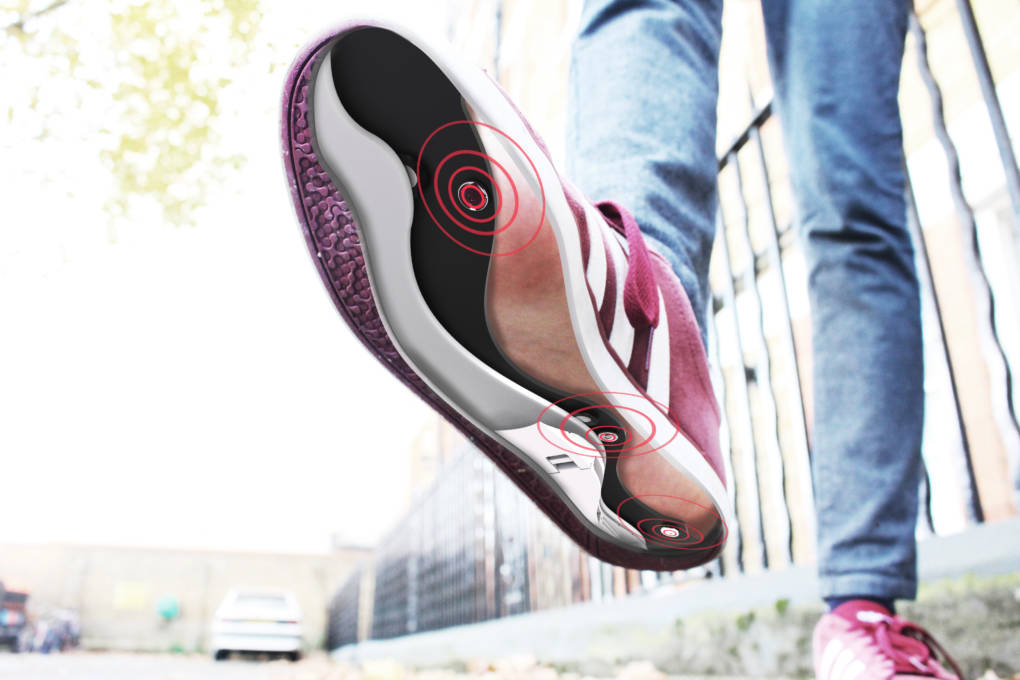
"caption": "A cutaway rendering of Path Feel, a shoe sole that vibrates. ",
"description": null,
"title": "Path Feel Image",
"credit": "Lise Pape/Walk With Path",
"status": "inherit",
"isLoading": false,
"fetchFailed": false
}
},
"audioPlayerReducer": {
"postId": "stream_live",
"isPaused": true,
"isPlaying": false,
"pfsActive": false,
"pledgeModalIsOpen": true,
"playerDrawerIsOpen": false,
"liveAudioPlayStartedAt": 0,
"liveAudioPlayContext": ""
},
"authorsReducer": {
"byline_futureofyou_437938": {
"type": "authors",
"id": "byline_futureofyou_437938",
"meta": {
"override": true
},
"slug": "byline_futureofyou_437938",
"name": "Matthew Perrone\u003c/br>Associated Press",
"isLoading": false
},
"byline_futureofyou_437796": {
"type": "authors",
"id": "byline_futureofyou_437796",
"meta": {
"override": true
},
"slug": "byline_futureofyou_437796",
"name": "Jon Brooks\u003cbr />Future of You",
"isLoading": false
},
"byline_futureofyou_437567": {
"type": "authors",
"id": "byline_futureofyou_437567",
"meta": {
"override": true
},
"slug": "byline_futureofyou_437567",
"name": "Anne-christine d'Adesky\u003cbr />KQED Future of You",
"isLoading": false
},
"byline_futureofyou_437552": {
"type": "authors",
"id": "byline_futureofyou_437552",
"meta": {
"override": true
},
"slug": "byline_futureofyou_437552",
"name": "Julia Vassey\u003cbr />KQED Future of You",
"isLoading": false
},
"byline_futureofyou_437589": {
"type": "authors",
"id": "byline_futureofyou_437589",
"meta": {
"override": true
},
"slug": "byline_futureofyou_437589",
"name": "Rob Stein\u003cbr />NPR Shots",
"isLoading": false
},
"byline_futureofyou_437315": {
"type": "authors",
"id": "byline_futureofyou_437315",
"meta": {
"override": true
},
"slug": "byline_futureofyou_437315",
"name": "Dana Smith\u003cbr />KQED Future of You",
"isLoading": false
},
"byline_futureofyou_437427": {
"type": "authors",
"id": "byline_futureofyou_437427",
"meta": {
"override": true
},
"slug": "byline_futureofyou_437427",
"name": "Rebecca Robbins\u003c/br>\u003ca href=\"https://www.statnews.com\">STAT\u003c/a>",
"isLoading": false
},
"byline_futureofyou_437341": {
"type": "authors",
"id": "byline_futureofyou_437341",
"meta": {
"override": true
},
"slug": "byline_futureofyou_437341",
"name": "Jon Hamilton\u003cbr />NPR Morning Edition",
"isLoading": false
},
"byline_futureofyou_437291": {
"type": "authors",
"id": "byline_futureofyou_437291",
"meta": {
"override": true
},
"slug": "byline_futureofyou_437291",
"name": "\u003ca href=\"https://theconversation.com/profiles/melissa-wdowik-399206\">Melissa Wdowik\u003c/a>, \u003cem>\u003ca href=\"http://theconversation.com/institutions/colorado-state-university-1267\">Colorado State University\u003c/a>\u003c/em>",
"isLoading": false
},
"katsnow": {
"type": "authors",
"id": "235",
"meta": {
"index": "authors_1716337520",
"id": "235",
"found": true
},
"name": "Katrin Snow",
"firstName": "Katrin",
"lastName": "Snow",
"slug": "katsnow",
"email": "ksnow@kqed.org",
"display_author_email": true,
"staff_mastheads": [
"science"
],
"title": "Senior Editor",
"bio": "Kat started in radio in 1985 at KMUN in Astoria, Oregon, where the Columbia River meets the sea. She worked several years protecting monarch butterfly habitat in California with the Xerces Society, an invertebrate conservation organization, before a love for radio news drew her back into journalism. Kat came to KQED in 2002, and before that was a reporter and news director at KUER in Salt Lake City, covering the state legislature, the environment and health. Kat coaches reporters and others in embodied narration and public speaking. She is a certified teacher of Soul Motion®, a conscious dance practice, and can sometimes be found in the Mojave desert or the Eastern Sierra.",
"avatar": "https://secure.gravatar.com/avatar/fa6bf8a74a2692973a5484e64ebd2b52?s=600&d=blank&r=g",
"twitter": "cosmologicalkat",
"facebook": null,
"instagram": null,
"linkedin": null,
"sites": [
{
"site": "arts",
"roles": [
"contributor"
]
},
{
"site": "news",
"roles": [
"editor"
]
},
{
"site": "futureofyou",
"roles": [
"editor"
]
},
{
"site": "science",
"roles": [
"editor"
]
}
],
"headData": {
"title": "Katrin Snow | KQED",
"description": "Senior Editor",
"ogImgSrc": "https://secure.gravatar.com/avatar/fa6bf8a74a2692973a5484e64ebd2b52?s=600&d=blank&r=g",
"twImgSrc": "https://secure.gravatar.com/avatar/fa6bf8a74a2692973a5484e64ebd2b52?s=600&d=blank&r=g"
},
"isLoading": false,
"link": "/author/katsnow"
},
"dgorn": {
"type": "authors",
"id": "8656",
"meta": {
"index": "authors_1716337520",
"id": "8656",
"found": true
},
"name": "David Gorn",
"firstName": "David",
"lastName": "Gorn",
"slug": "dgorn",
"email": "dgorn+donotmail@sbcglobal.net",
"display_author_email": false,
"staff_mastheads": [],
"title": "KQED Contributor",
"bio": "David Gorn is the former Deputy News Director of KQED Radio. His public radio pieces have appeared on NPR, the World, Marketplace and the California Report.",
"avatar": "https://secure.gravatar.com/avatar/a6ad3e1eec1712e19b986b9395614010?s=600&d=blank&r=g",
"twitter": null,
"facebook": null,
"instagram": null,
"linkedin": null,
"sites": [
{
"site": "news",
"roles": [
"subscriber"
]
},
{
"site": "futureofyou",
"roles": [
"author"
]
},
{
"site": "science",
"roles": [
"author"
]
},
{
"site": "quest",
"roles": [
"editor"
]
}
],
"headData": {
"title": "David Gorn | KQED",
"description": "KQED Contributor",
"ogImgSrc": "https://secure.gravatar.com/avatar/a6ad3e1eec1712e19b986b9395614010?s=600&d=blank&r=g",
"twImgSrc": "https://secure.gravatar.com/avatar/a6ad3e1eec1712e19b986b9395614010?s=600&d=blank&r=g"
},
"isLoading": false,
"link": "/author/dgorn"
},
"jscott": {
"type": "authors",
"id": "8664",
"meta": {
"index": "authors_1716337520",
"id": "8664",
"found": true
},
"name": "Julia Scott",
"firstName": "Julia",
"lastName": "Scott",
"slug": "jscott",
"email": "jscott@kqed.org",
"display_author_email": false,
"staff_mastheads": [],
"title": "KQED Contributor",
"bio": "Julia Scott is a former editor with KQED News. Prior to KQED, she was an editor with \u003cem>Crosscurrents\u003c/em> at KALW Radio in San Francisco. As a freelance reporter, she has filed stories for \u003cem>The California Report, Marketplace, Nautilus\u003c/em> and \u003cem>The New York Times Magazine.\u003c/em>\r\n\r\nPrior to her work in radio, Julia was an environmental reporter for the \u003cem>San Jose Mercury News\u003c/em> and Bay Area News Group, where her work was recognized with awards from the California Newspaper Publishers Association and the Society of Professional Journalists. Her radio honors include awards and citations from the Sony Radio Academy Awards and the National Lesbian and Gay Journalists Association.\r\n\r\nJulia hails from Montreal, Canada and lives in Oakland. She is the editor of the humor collection\u003cem> DRIVEL: Deliciously Bad Writing by Your Favorite Authors.\u003c/em>",
"avatar": "https://secure.gravatar.com/avatar/7fe25e0cf81dec2d4f74f1d4737a2871?s=600&d=blank&r=g",
"twitter": "juliascribe",
"facebook": null,
"instagram": null,
"linkedin": null,
"sites": [
{
"site": "",
"roles": [
"editor"
]
},
{
"site": "arts",
"roles": [
"administrator"
]
},
{
"site": "news",
"roles": [
"subscriber"
]
},
{
"site": "futureofyou",
"roles": [
"editor"
]
},
{
"site": "science",
"roles": [
"administrator"
]
}
],
"headData": {
"title": "Julia Scott | KQED",
"description": "KQED Contributor",
"ogImgSrc": "https://secure.gravatar.com/avatar/7fe25e0cf81dec2d4f74f1d4737a2871?s=600&d=blank&r=g",
"twImgSrc": "https://secure.gravatar.com/avatar/7fe25e0cf81dec2d4f74f1d4737a2871?s=600&d=blank&r=g"
},
"isLoading": false,
"link": "/author/jscott"
},
"dventon": {
"type": "authors",
"id": "11088",
"meta": {
"index": "authors_1716337520",
"id": "11088",
"found": true
},
"name": "Danielle Venton",
"firstName": "Danielle",
"lastName": "Venton",
"slug": "dventon",
"email": "dventon@kqed.org",
"display_author_email": true,
"staff_mastheads": [
"science"
],
"title": "Science reporter",
"bio": "Danielle Venton is a reporter for KQED Science. She covers wildfires, space and oceans (though she is prone to sea sickness).\r\n\r\nBefore joining KQED in 2015, Danielle was a staff reporter at KRCB in Sonoma County and a freelancer. She studied science communication at UC Santa Cruz and formerly worked at CERN in Geneva, Switzerland where she wrote about computing. She lives in Sonoma County and enjoys backpacking.",
"avatar": "https://secure.gravatar.com/avatar/37b292b5c40c8d93959c4f48d73b5286f41b7abd8588277e941905a3ed4c801c?s=600&d=blank&r=g",
"twitter": "DanielleVenton",
"bluesky": null,
"facebook": null,
"instagram": null,
"linkedin": null,
"sites": [
{
"site": "arts",
"roles": [
"contributor"
]
},
{
"site": "news",
"roles": [
"editor"
]
},
{
"site": "futureofyou",
"roles": [
"editor"
]
},
{
"site": "science",
"roles": [
"editor"
]
},
{
"site": "liveblog",
"roles": [
"contributor"
]
}
],
"headData": {
"title": "Danielle Venton | KQED",
"description": "Science reporter",
"ogImgSrc": "https://secure.gravatar.com/avatar/37b292b5c40c8d93959c4f48d73b5286f41b7abd8588277e941905a3ed4c801c?s=600&d=blank&r=g",
"twImgSrc": "https://secure.gravatar.com/avatar/37b292b5c40c8d93959c4f48d73b5286f41b7abd8588277e941905a3ed4c801c?s=600&d=blank&r=g"
},
"isLoading": false,
"link": "/author/dventon"
}
},
"pagesReducer": {
"futureofyou_category_hopehype": {
"type": "terms",
"id": "futureofyou_1062",
"meta": {
"index": "terms_1716263798",
"site": "futureofyou",
"id": "1062",
"score": 13.896381
},
"featImg": null,
"name": "Hope/Hype",
"description": null,
"taxonomy": "category",
"headData": {
"twImgId": null,
"twTitle": null,
"ogTitle": null,
"ogImgId": null,
"twDescription": null,
"description": null,
"title": "Hope/Hype Archives | KQED Arts",
"ogDescription": null
},
"ttid": 1062,
"slug": "hopehype",
"isLoading": false,
"title": "Hope/Hype",
"pageMeta": {
"site": "futureofyou",
"WpPageTemplate": "page-topic-editorial",
"currentPage": 7
},
"blocks": [
{
"blockName": "kqed/post-list",
"attrs": {
"layout": "cardArticle2",
"query": "posts/futureofyou?category=hopehype",
"seeMore": false,
"paginated": true,
"page": 7
}
},
{
"blockName": "kqed/ad"
}
]
}
},
"pfsSessionReducer": {},
"postsReducer": {
"stream_live": {
"type": "live",
"id": "stream_live",
"audioUrl": "https://streams.kqed.org/kqedradio",
"title": "Live Stream",
"excerpt": "Live Stream information currently unavailable.",
"link": "/radio",
"featImg": "",
"label": {
"name": "KQED Live",
"link": "/"
}
},
"stream_kqedNewscast": {
"type": "posts",
"id": "stream_kqedNewscast",
"audioUrl": "https://www.kqed.org/.stream/anon/radio/RDnews/newscast.mp3?_=1",
"title": "KQED Newscast",
"featImg": "",
"label": {
"name": "88.5 FM",
"link": "/"
}
},
"futureofyou_438169": {
"type": "posts",
"id": "futureofyou_438169",
"meta": {
"index": "posts_1716263798",
"site": "futureofyou",
"id": "438169",
"score": null,
"sort": [
1516117527000
]
},
"parent": 0,
"labelTerm": {},
"blocks": [],
"publishDate": 1516117527,
"format": "standard",
"disqusTitle": "Calif. Stem Cell Agency Has Yet to Fund an FDA-Approved Cure. Will Voters Give It $5 Billion More?",
"title": "Calif. Stem Cell Agency Has Yet to Fund an FDA-Approved Cure. Will Voters Give It $5 Billion More?",
"headTitle": "KQED Future of You | KQED Science",
"content": "\u003cp>The year was 2004, and great medical breakthroughs were supposedly right around the corner.\u003c/p>\n\u003cp>In TV advertisements, celebrities\u003ca href=\"https://www.youtube.com/watch?v=fK9Eg0GVl7Q\" target=\"_blank\" rel=\"noopener\"> Michael J. Fox\u003c/a> and \u003ca href=\"https://preview-archives.nbclearn.com/portal/site/k-12/browse/?cuecard=4336\" target=\"_blank\" rel=\"noopener\">Christopher Reeve, \u003c/a>both suffering from incurable conditions, touted the promise of stem cell research, which could lead to a plethora of cures for life-threatening diseases.\u003c/p>\n\u003caside class=\"pullquote alignright\">Will California's appetite for funding stem cell research last?\u003c/aside>\n\u003cp>The ads ran in support of \u003ca href=\"https://ballotpedia.org/California_Proposition_71,_Stem_Cell_Research_(2004)\" target=\"_blank\" rel=\"noopener\">Proposition 71\u003c/a>, a $3 billion California bond measure that would create the first state-funded stem cell agency in the nation. Three years earlier, the George W. Bush administration had \u003ca href=\"http://www.presidency.ucsb.edu/ws/?pid=79025\" target=\"_blank\" rel=\"noopener\">issued\u003c/a> rules to limit use of stem cells obtained from human embryos. But California voters easily passed Proposition 71, 59-41 percent. The California Institute for Regenerative Medicine, or \u003ca href=\"https://www.cirm.ca.gov/\" target=\"_blank\" rel=\"noopener\">CIRM\u003c/a>, was born. Its mission: to fund and accelerate stem-cell-related treatments.\u003c/p>\n\u003cp>Fourteen years and billions of dollars later, the agency is running out of money, and backers of stem cell research \u003ca href=\"http://capitolweekly.net/stem-cell-agency-nears-5-billion-ballot-plan/\" target=\"_blank\" rel=\"noopener\">plan\u003c/a> on asking California voters to pony up for round two.\u003c/p>\n\u003cp>And those stem cell breakthroughs?\u003c/p>\n\u003cp>[ad fullwidth]\u003c/p>\n\u003cp>Still right around the corner. Or, if you're an optimist, perhaps rounding it, now.\u003c/p>\n\u003caside class=\"alignright\">Promising but as yet unapproved therapies funded by CIRM\n\u003cul>\n\u003cli>Slowing or reversing \u003ca href=\"https://newswise.com/articles/jcyte-presents-results-of-clinical-testing-in-retinitis-pigmentosa2\" target=\"_blank\" rel=\"noopener\">retinitis pigmentosa\u003c/a>\u003c/li>\n\u003cli>New shunt for \u003ca href=\"https://ww2.kqed.org/futureofyou/2016/10/12/new-stem-cell-technology-could-make-life-easier-for-kidney-disease-patients/\" target=\"_blank\" rel=\"noopener\">kidney dialysis patients\u003c/a>\u003c/li>\n\u003cli>Gene therapy for children with no \u003ca href=\"https://blog.cirm.ca.gov/tag/evangelina-padilla-vaccaro/\" target=\"_blank\" rel=\"noopener\">functioning immune system\u003c/a>\u003c/li>\n\u003cli>Help for \u003ca href=\"https://ww2.kqed.org/futureofyou/2017/10/04/spinal-patients-continue-remarkable-recovery-after-stem-cell-injections-company-says/\" target=\"_blank\" rel=\"noopener\">spinal-injury victims\u003c/a>\u003c/li>\n\u003cli>Lab-modified cells to treat \u003ca href=\"https://blog.cirm.ca.gov/2017/07/20/stem-cell-agency-funds-phase-3-clinical-trial-for-lou-gehrigs-disease/\" target=\"_blank\" rel=\"noopener\">ALS patients\u003c/a>\u003c/li>\n\u003c/ul>\n\u003c/aside>\n\u003cp>\u003cstrong>The Pitch\u003c/strong>\u003c/p>\n\u003cp>Stem cell research proponents — including the same advocacy group that backed Proposition 71 — want to ask voters in the November 2020 election for $5 billion in bond money to continue the work of CIRM.\u003c/p>\n\u003cp>For voters, there will be one major question, according to Zev Yaroslavsky, an expert on state politics and government at UCLA.\u003c/p>\n\u003cp>“The public will want to know what they’ve gotten for their money.”\u003c/p>\n\u003cfigure id=\"attachment_188656\" class=\"wp-caption alignleft\" style=\"max-width: 351px\">\u003cimg class=\" wp-image-188656\" src=\"https://ww2.kqed.org/futureofyou/wp-content/uploads/sites/13/2016/06/StemCells-800x534.jpg\" alt=\"Buttons with the slogan 'Save Lives With Stem Cells,' in support of Prop. 71 at the Stem Cell Research Proposition Party at the Biltmore Hotel Nov. 2, 2004 in Los Angeles, California.\" width=\"351\" height=\"234\">\u003cfigcaption class=\"wp-caption-text\">Buttons with the slogan 'Save Lives With Stem Cells,' in support of Prop. 71 in 2004. \u003ccite>(Frazer Harrison/Getty Images)\u003c/cite>\u003c/figcaption>\u003c/figure>\n\u003cp>Yaroslavsky expects to see plenty of funding measures on the 2020 ballot, including a parks bond and money for open space and schools, not to mention repeal of the gas tax.\u003c/p>\n\u003cp>“At what point do people start to vote no on everything?\" Yaroslavsky said. \"Or prioritize which of those many good causes they want to spend their money on?”\u003c/p>\n\u003cfigure id=\"attachment_262540\" class=\"wp-caption aligncenter\" style=\"max-width: 640px\">\u003cimg class=\"size-full wp-image-262540\" src=\"https://ww2.kqed.org/futureofyou/wp-content/uploads/sites/13/2016/10/HumanEScellsintoneurons.jpg\" alt=\"\" width=\"640\" height=\"588\" srcset=\"https://ww2.kqed.org/app/uploads/sites/13/2016/10/HumanEScellsintoneurons.jpg 640w, https://ww2.kqed.org/app/uploads/sites/13/2016/10/HumanEScellsintoneurons-400x368.jpg 400w\" sizes=\"(max-width: 640px) 100vw, 640px\">\u003cfigcaption class=\"wp-caption-text\">Human embryonic stem cells differentiating into neurons \u003ccite>(Guoping Fan/UCLA/CIRM)\u003c/cite>\u003c/figcaption>\u003c/figure>\n\u003cp>Robert Klein, who spearheaded the original 2004 ballot measure and served as the CIRM board's first chairman, still heads the advocacy group, \u003ca href=\"https://americansforcures.org/\" target=\"_blank\" rel=\"noopener\">Americans for Cures\u003c/a>, that pushed Proposition 71. Medical science isn't exactly his field — he's president of a Palo Alto-based real estate development firm — but he got involved in stem cell funding because of his son's Type 1 diabetes, which is incurable.\u003c/p>\n\u003cp>Klein said re-funding the stem cell agency is not just a good cause, but good business.\u003c/p>\n\u003cp>“It has been a creator of jobs, and the state benefits from taxes by attracting research centers here,” he said.\u003c/p>\n\u003cp>[contextly_sidebar id=\"Bv07QyLXQ031CUEZCQOytRKusurX2p1i\"]A 2012 \u003ca href=\"https://www.cirm.ca.gov/sites/default/files/files/about_cirm/Econ_Impact_REPORT_updated_2012.pdf\" target=\"_blank\" rel=\"noopener\">independent review\u003c/a> commissioned by CIRM and looking forward through 2014 estimated that its grants plus matching funds would result in an average of over 4,000 jobs created per year, and $205 million in state tax revenue.\u003c/p>\n\u003cp>As for the proposed new funding, Klein said the $5 billion bond cost would be amortized over 40 years, so it’s not a huge cost compared to other government projects.\u003c/p>\n\u003cp>“Look, we paid \u003ca href=\"https://www.citylab.com/equity/2015/10/from-250-million-to-65-billion-the-bay-bridge-cost-overrun/410254/\">$6.5 billion\u003c/a> just to fix the eastern span of the Bay Bridge,” Klein said. “That’s road infrastructure — this is more like [funding] the intellectual infrastructure of California.”\u003c/p>\n\u003cp>\u003cstrong>Where Are the Cures?\u003c/strong>\u003c/p>\n\u003cp>Stem cells are undifferentiated cells that can be transformed into specific tissue and organ cells. The 2004 ballot initiative struck an emotional chord, in part because of the high-profile cases of actors Reeve and Fox, who personified the hope that the cells could play a role in new therapies for incurable medical conditions. Reeve, who died in 2004, became a quadriplegic after injuring his spine in a horse-riding accident; Fox has Parkinson’s, a neurodegenerative disease.\u003c/p>\n\u003cp>In Fox's \u003ca href=\"https://www.youtube.com/watch?v=fK9Eg0GVl7Q\" target=\"_blank\" rel=\"noopener\">30-second spot\u003c/a>, he used the word “cures” three times.\u003c/p>\n\u003cp>https://www.youtube.com/watch?v=fK9Eg0GVl7Q\u003c/p>\n\u003cp>So has CIRM produced any cures?\u003c/p>\n\u003cp>The family of 5-year-old \u003ca href=\"https://blog.cirm.ca.gov/tag/evangelina-padilla-vaccaro/\" target=\"_blank\" rel=\"noopener\">Evangelina Padilla-Vaccaro\u003c/a> would say yes.\u003c/p>\n\u003cp>Evangelina was born with a rare genetic condition called Severe Combined Immunodeficiency, or\u003ca href=\"https://www.genome.gov/13014325/learning-about-severe-combined-immunodeficiency-scid/\" target=\"_blank\" rel=\"noopener\"> SCID\u003c/a>, also known as “bubble baby” disease. The ailment renders a patient's immune system nonfunctioning. The National Institutes of Health \u003ca href=\"https://www.genome.gov/13014325/learning-about-severe-combined-immunodeficiency-scid/#al-3\" target=\"_blank\" rel=\"noopener\">estimates\u003c/a> approximately 40 to 100 children in the U.S. each year are diagnosed with the malady.\u003c/p>\n\u003cp>A team of UCLA clinical researchers, partially funded by CIRM, genetically modified Evangelina’s own blood stem cells to correct the SCID mutation.\u003c/p>\n\u003cp>She was cured.\u003c/p>\n\u003cp>Evangelina was the first to undergo the treatment, back when she was just a few months old. And now, CIRM says, at least 40 other children have been cured with the same procedure.\u003c/p>\n\u003cfigure id=\"attachment_438299\" class=\"wp-caption alignright\" style=\"max-width: 576px\">\u003cimg class=\"size-full wp-image-438299\" src=\"https://ww2.kqed.org/futureofyou/wp-content/uploads/sites/13/2018/01/evangelina_treatment.jpg\" alt=\"Baby in a hospital bed\" width=\"576\" height=\"768\" srcset=\"https://ww2.kqed.org/app/uploads/sites/13/2018/01/evangelina_treatment.jpg 576w, https://ww2.kqed.org/app/uploads/sites/13/2018/01/evangelina_treatment-160x213.jpg 160w, https://ww2.kqed.org/app/uploads/sites/13/2018/01/evangelina_treatment-240x320.jpg 240w, https://ww2.kqed.org/app/uploads/sites/13/2018/01/evangelina_treatment-375x500.jpg 375w, https://ww2.kqed.org/app/uploads/sites/13/2018/01/evangelina_treatment-520x693.jpg 520w\" sizes=\"(max-width: 576px) 100vw, 576px\">\u003cfigcaption class=\"wp-caption-text\">Evangelina being treated by Don Kohn and his team in 2012. \u003ccite>(UCLA)\u003c/cite>\u003c/figcaption>\u003c/figure>\n\u003cp>Despite this success, the SCID trial is only in Phase 2. CIRM has only two trials in Phase 3, a necessary step before FDA approval: one testing a \u003ca href=\"https://ww2.kqed.org/futureofyou/2016/10/12/new-stem-cell-technology-could-make-life-easier-for-kidney-disease-patients/\" target=\"_blank\" rel=\"noopener\">new port\u003c/a> for kidney dialysis patients that is made out of human tissue and would not have to be replaced; and one that aims to\u003ca href=\"http://www.cirm.ca.gov/about-cirm/newsroom/press-releases/07202017/phase-3-clinical-trial-targeting-lou-gehrigs-disease\" target=\"_blank\" rel=\"noopener\"> slow down\u003c/a> the progression of Lou Gehrig's disease.\u003c/p>\n\u003cp>Other promising CIRM-funded therapies include slowing or \u003ca href=\"https://newswise.com/articles/jcyte-presents-results-of-clinical-testing-in-retinitis-pigmentosa2\" target=\"_blank\" rel=\"noopener\">reversing\u003c/a> retinitis pigmentosa, a genetic abnormality that destroys a person’s sight; and \u003ca href=\"https://ww2.kqed.org/futureofyou/2017/10/26/paralyzed-patients-regain-movement-in-stem-cell-trial-is-it-too-early-to-celebrate/\" target=\"_blank\" rel=\"noopener\">injecting stem cells\u003c/a> into patients with severe spinal injuries.\u003c/p>\n\u003cp>The FDA has made several of these therapies eligible for priority review by granting them Regenerative Medicine Advanced Therapy, or \u003ca href=\"https://www.fda.gov/BiologicsBloodVaccines/CellularGeneTherapyProducts/ucm537670.htm\" target=\"_blank\" rel=\"noopener\">RMAT\u003c/a>, status.\u003c/p>\n\u003cp>Clinical trials and research in less-advanced stages are ongoing for many other \u003ca href=\"https://www.cirm.ca.gov/grants\" target=\"_blank\" rel=\"noopener\">diseases and conditions\u003c/a>, including brain cancer, diabetes and HIV.\u003c/p>\n\u003cp>But the fact remains: Although this could change in the run-up to the election, no CIRM-funded stem cell treatment has yet to be approved by the FDA.\u003c/p>\n\u003cp>\u003cstrong>Miracles Capture the Imagination\u003c/strong>\u003c/p>\n\u003cp>Even outside of CIRM, only a handful of stem cell-related therapies have been approved for general use. Yet, stem cell research has captured the public's imagination with flashes of the miraculous.\u003c/p>\n\u003cfigure id=\"attachment_438300\" class=\"wp-caption alignright\" style=\"max-width: 594px\">\u003cimg class=\"size-full wp-image-438300\" src=\"https://ww2.kqed.org/futureofyou/wp-content/uploads/sites/13/2018/01/GettyImages-149183631.jpg\" alt=\"Middle aged man looks at camera.\" width=\"594\" height=\"396\" srcset=\"https://ww2.kqed.org/app/uploads/sites/13/2018/01/GettyImages-149183631.jpg 594w, https://ww2.kqed.org/app/uploads/sites/13/2018/01/GettyImages-149183631-160x107.jpg 160w, https://ww2.kqed.org/app/uploads/sites/13/2018/01/GettyImages-149183631-240x160.jpg 240w, https://ww2.kqed.org/app/uploads/sites/13/2018/01/GettyImages-149183631-375x250.jpg 375w, https://ww2.kqed.org/app/uploads/sites/13/2018/01/GettyImages-149183631-520x347.jpg 520w\" sizes=\"(max-width: 594px) 100vw, 594px\">\u003cfigcaption class=\"wp-caption-text\">Timothy Ray Brown, known as the 'Berlin patient' and the only person to have been cured of AIDS, at a press conference in 2012. \u003ccite>(T.J. Kirkpatrick/Getty Images)\u003c/cite>\u003c/figcaption>\u003c/figure>\n\u003cp>Timothy Ray Brown, the famous \"\u003ca href=\"http://defeathiv.org/berlin/\" target=\"_blank\" rel=\"noopener\">Berlin patient\u003c/a>,\" for example, is an HIV patient who received a bone marrow transplant from a donor with a genetic mutation that endowed resistance to HIV. The transplant effectively cured Brown of the disease. However, there are currently a dearth of potential donors with the correct mutation, so researchers hope to create them, for use in patients' blood systems.\u003c/p>\n\u003cp>The bubble baby breakthrough and positive initial results in other CIRM-funded trials are strong selling points, said David Jensen, a journalist who covers stem cell research and writes a blog called \u003ca href=\"http://californiastemcellreport.blogspot.com/\" target=\"_blank\" rel=\"noopener\">California Stem Cell Report.\u003c/a>\u003c/p>\n\u003cp>\"There are some things CIRM can point to that are really impressive,\" Jensen said. \"It’s a pretty big deal in the world of science. It's the largest single source of funding for embryonic stem cell research in the world, and that’s no small thing.\"\u003c/p>\n\u003cp>[contextly_sidebar id=\"jHMWEkOPxg4IYTLSL83TfP2I7GjhjcyI\"]That doesn't necessarily mean voters will agree to re-fund it, he said.\u003c/p>\n\u003cp>Kevin McCormack, CIRM’s director of public communications and patient advocate outreach, said there's still time for CIRM to make a bigger splash.\u003c/p>\n\u003cp>“We’ve still got two more years,” McCormack said. “By 2020 I think people will see that CIRM-funded therapies are not just changing lives but saving lives.”\u003c/p>\n\u003cp>\u003cstrong>Overpromising: Something CIRM Has 'Had to Live With'\u003c/strong>\u003c/p>\n\u003cp>Klein, the backer of Proposition 71, said the 2004 campaign never promised cures during the lifetime of the stem cell agency, only progress toward attaining them.\u003c/p>\n\u003cp>“What we put in the ballot arguments is that we had to make major progress in mitigating disease, and moving toward cures,” Klein said. He feels that certainly has been achieved— and more. “In terms of progress toward the ultimate goal of cures, it’s remarkable what progress has been made.\u003c/p>\n\u003cp>\"When I look back, I think we have out-achieved the representations we put on the ballot.”\u003c/p>\n\u003cp>But even CIRM's McCormack has said, in an \u003ca href=\"https://ww2.kqed.org/futureofyou/2016/06/22/stem-cells-where-science-hope-and-hype-meet/\" target=\"_blank\" rel=\"noopener\">interview with KQED\u003c/a> in 2016, that overpromising by the Proposition 71 campaign is \"something [CIRM] has had to live with.\"\u003c/p>\n\u003cp>Opposition during the \u003ca href=\"https://ballotpedia.org/California_Proposition_71,_Stem_Cell_Research_(2004)\">first ballot measure\u003c/a> was based mostly on religious concerns about using embryonic stem cells, on the large amount of money (the $3 billion price tag actually costs taxpayers $6 billion when interest is included) and on the lack of any guarantees of specific achievements.\u003c/p>\n\u003cp>Jensen expects religious objections to resurface when the election campaigns ramp up — but that those might not gain traction, because the field has expanded into adult and \u003ca href=\"https://stemcell.ucla.edu/induced-pluripotent-stem-cells\" target=\"_blank\" rel=\"noopener\">induced pluripotent stem cells\u003c/a> in addition to embryonic cells.\u003c/p>\n\u003cfigure id=\"attachment_438301\" class=\"wp-caption alignleft\" style=\"max-width: 570px\">\u003cimg class=\"size-full wp-image-438301\" src=\"https://ww2.kqed.org/futureofyou/wp-content/uploads/sites/13/2018/01/cured_ar_2016_cover.png\" alt=\"\" width=\"570\" height=\"600\" srcset=\"https://ww2.kqed.org/app/uploads/sites/13/2018/01/cured_ar_2016_cover.png 570w, https://ww2.kqed.org/app/uploads/sites/13/2018/01/cured_ar_2016_cover-160x168.png 160w, https://ww2.kqed.org/app/uploads/sites/13/2018/01/cured_ar_2016_cover-240x253.png 240w, https://ww2.kqed.org/app/uploads/sites/13/2018/01/cured_ar_2016_cover-375x395.png 375w, https://ww2.kqed.org/app/uploads/sites/13/2018/01/cured_ar_2016_cover-520x547.png 520w\" sizes=\"(max-width: 570px) 100vw, 570px\">\u003cfigcaption class=\"wp-caption-text\">Evangelina Padilla-Vaccaro on the cover of CIRM's \u003ca href=\"https://www.cirm.ca.gov/about-cirm/cirm-annual-reports\">2016 Annual Report\u003c/a>. \u003ccite>(CIRM)\u003c/cite>\u003c/figcaption>\u003c/figure>\n\u003cp>And since the poster child for stem cell success could very well be the pint-sized and happy-faced Evangelina Padilla-Vaccaro, it may be hard to argue that these concerns outweigh not having to live in a bubble.\u003c/p>\n\u003cp>\"I mean, how can you be against that?\" Jensen said.\u003c/p>\n\u003cp>But some opposition has sprung up even inside the medical community. Barbara Koenig, head of the bioethics program at UCSF, pointed to ongoing concerns about conflict of interest at the agency — 90 percent of all spending benefited organizations that have been represented on the \u003ca href=\"https://www.cirm.ca.gov/board-and-meetings/list-icoc-members\" target=\"_blank\" rel=\"noopener\">governing board\u003c/a>, Jensen has been \u003ca href=\"http://capitolweekly.net/californias-stem-cell-agency-future-uncertain/\" target=\"_blank\" rel=\"noopener\">reporting\u003c/a>— and the public governance that she said has been lacking. (McCormack said the expansion of companies involved in stem cell research has resulted in broader distribution of funds. He also pointed to CIRM's adoption of more stringent\u003ca href=\"https://govt.westlaw.com/calregs/Document/ICD886A9181574C3BADD5946217E13F00?viewType=FullText&originationContext=documenttoc&transitionType=CategoryPageItem&contextData=(sc.Default)&bhcp=1\" target=\"_blank\" rel=\"noopener\"> conflict-of-interest policies \u003c/a>in 2013.)\u003c/p>\n\u003caside class=\"pullquote alignright\">'I didn’t like the over-hyping of the immediate idea that [in 2004] there were cures around the corner. I think we need to be honest about how we’re investing in research.'\u003ccite>Barbara Koenig, UCSF bioethics program\u003cbr>\n\u003c/cite>\u003c/aside>\n\u003cp>Koenig supports stem cell research, but voted against the measure in 2004. And she has serious concerns about its possible renewal.\u003c/p>\n\u003cp>“I didn’t like the overhyping of the immediate idea that there were cures around the corner,” Koenig said. “I think we need to be honest about how we’re investing in research.”\u003c/p>\n\u003cp>Ask Koenig how she might use that proposed $5 billion differently, and she responds with a moment of stunned silence.\u003c/p>\n\u003cp>“Oh my, so many things,” she said. “I would try to figure out how to make sure every child in California has access to basic health services, nutrition, clean water . . . not just make high-priced products, but to improve public health.”\u003c/p>\n\u003cp>She said stem cell research \"privileges these quick-fix biotech approaches, which may make a lot of money but may not benefit the general public.”\u003c/p>\n\u003cp>Another bioethicist, Jodi Halpern of UC Berkeley, said the ballot initiative process is no place for a basic state spending decision.\u003c/p>\n\u003cp>“Why isn’t this a legislative issue?” Halpern asked. “We elect the Legislature to decide where California is going to spend its money. Putting this on the ballot, making it an emotional issue rather than just a financial one, that doesn’t sit right with me.\"\u003c/p>\n\u003cp>https://www.youtube.com/watch?time_continue=59&v=FjXiRx7DvzQ\u003c/p>\n\u003cp>\u003cstrong>Concerns vs. Cures\u003c/strong>\u003c/p>\n\u003cp>CIRM’s McCormack said he understands the concerns about state funding, but he said he's seen too much good come from the agency to see it wither on the budget-bickering vine.\u003c/p>\n\u003cp>“We are helping change the face of medicine,” he said. “We have so many clinical trials in the pipeline . . . that will pay off with therapies to help people who right now don’t have much of a chance for help, people with unmet medical needs.”\u003c/p>\n\u003cp>At its current spending pace, CIRM will run out of money by the \u003ca href=\"https://www.cirm.ca.gov/sites/default/files/files/agenda/171214_Agedna_Item_%234_FINAL%20Dec%202017%20President%20Report%5B7%5D.pdf\" target=\"_blank\" rel=\"noopener\">end of 2019\u003c/a> — roughly a year before the proposed ballot measure vote. At its December 2017 board meeting, one of the \u003ca href=\"https://www.cirm.ca.gov/sites/default/files/files/agenda/171214_Agenda_Item_%236_Presentation_Draft_1%5B2%5D_0.pdf\" target=\"_blank\" rel=\"noopener\">topics\u003c/a> for discussion was how to slow that spending and extend the agency’s grant-making till the end of 2020.\u003c/p>\n\u003cp>Board members and staffers aren’t involved in the proposed ballot measure, but they’re obviously keen on it, McCormack said.\u003c/p>\n\u003cp>Klein said he commissioned a survey to gauge interest and attitudes toward re-funding the agency. He said the numbers are strongly positive, but he has not released those results. There have been no other California polls on the topic since 2004, according to Jensen.\u003c/p>\n\u003cp>Even if voter attitudes are overwhelmingly favorable toward stem cell research, proponents may find that goodwill might wilt when it comes to passing a ballot measure, UCLA’s Yaroslavsky said.\u003c/p>\n\u003cp>[ad floatright]\u003c/p>\n\u003cp>“People do see stem cell research as something they have a stake in, but you’re going to have to explain what we got with the first $3 billion. I suspect their case with the voters will be that we need to keep momentum going. But the question is, 'Will they buy it?' ”\u003c/p>\n\n",
"disqusIdentifier": "438169 https://ww2.kqed.org/futureofyou/?p=438169",
"disqusUrl": "https://ww2.kqed.org/futureofyou/2018/01/16/californias-stem-cell-agency-is-almost-out-of-money-should-voters-ok-5-billion-more/",
"stats": {
"hasVideo": true,
"hasChartOrMap": false,
"hasAudio": false,
"hasPolis": false,
"wordCount": 2291,
"hasGoogleForm": false,
"hasGallery": false,
"hasHearkenModule": false,
"iframeSrcs": [],
"paragraphCount": 67
},
"modified": 1516647437,
"excerpt": "Fourteen years after Calif. voters approved $3 billion in funding to create a state stem cell agency, backers are planning to ask the public to pony up again. What achievements will they be able to point to?",
"headData": {
"twImgId": "",
"twTitle": "",
"ogTitle": "",
"ogImgId": "",
"twDescription": "",
"description": "Fourteen years after Calif. voters approved $3 billion in funding to create a state stem cell agency, backers are planning to ask the public to pony up again. What achievements will they be able to point to?",
"title": "Calif. Stem Cell Agency Has Yet to Fund an FDA-Approved Cure. Will Voters Give It $5 Billion More? | KQED",
"ogDescription": "",
"schema": {
"@context": "https://schema.org",
"@type": "Article",
"headline": "Calif. Stem Cell Agency Has Yet to Fund an FDA-Approved Cure. Will Voters Give It $5 Billion More?",
"datePublished": "2018-01-16T07:45:27-08:00",
"dateModified": "2018-01-22T10:57:17-08:00",
"image": "https://cdn.kqed.org/wp-content/uploads/2020/02/KQED-OG-Image@1x.png"
}
},
"guestAuthors": [],
"slug": "californias-stem-cell-agency-is-almost-out-of-money-should-voters-ok-5-billion-more",
"status": "publish",
"source": "KQED Future of You",
"path": "/futureofyou/438169/californias-stem-cell-agency-is-almost-out-of-money-should-voters-ok-5-billion-more",
"audioTrackLength": null,
"parsedContent": [
{
"type": "contentString",
"content": "\u003cdiv class=\"post-body\">\u003cp>\u003cp>The year was 2004, and great medical breakthroughs were supposedly right around the corner.\u003c/p>\n\u003cp>In TV advertisements, celebrities\u003ca href=\"https://www.youtube.com/watch?v=fK9Eg0GVl7Q\" target=\"_blank\" rel=\"noopener\"> Michael J. Fox\u003c/a> and \u003ca href=\"https://preview-archives.nbclearn.com/portal/site/k-12/browse/?cuecard=4336\" target=\"_blank\" rel=\"noopener\">Christopher Reeve, \u003c/a>both suffering from incurable conditions, touted the promise of stem cell research, which could lead to a plethora of cures for life-threatening diseases.\u003c/p>\n\u003caside class=\"pullquote alignright\">Will California's appetite for funding stem cell research last?\u003c/aside>\n\u003cp>The ads ran in support of \u003ca href=\"https://ballotpedia.org/California_Proposition_71,_Stem_Cell_Research_(2004)\" target=\"_blank\" rel=\"noopener\">Proposition 71\u003c/a>, a $3 billion California bond measure that would create the first state-funded stem cell agency in the nation. Three years earlier, the George W. Bush administration had \u003ca href=\"http://www.presidency.ucsb.edu/ws/?pid=79025\" target=\"_blank\" rel=\"noopener\">issued\u003c/a> rules to limit use of stem cells obtained from human embryos. But California voters easily passed Proposition 71, 59-41 percent. The California Institute for Regenerative Medicine, or \u003ca href=\"https://www.cirm.ca.gov/\" target=\"_blank\" rel=\"noopener\">CIRM\u003c/a>, was born. Its mission: to fund and accelerate stem-cell-related treatments.\u003c/p>\n\u003cp>Fourteen years and billions of dollars later, the agency is running out of money, and backers of stem cell research \u003ca href=\"http://capitolweekly.net/stem-cell-agency-nears-5-billion-ballot-plan/\" target=\"_blank\" rel=\"noopener\">plan\u003c/a> on asking California voters to pony up for round two.\u003c/p>\n\u003cp>And those stem cell breakthroughs?\u003c/p>\n\u003cp>\u003c/p>\u003c/div>",
"attributes": {
"named": {},
"numeric": []
}
},
{
"type": "component",
"content": "",
"name": "ad",
"attributes": {
"named": {
"label": "fullwidth"
},
"numeric": [
"fullwidth"
]
}
},
{
"type": "contentString",
"content": "\u003cdiv class=\"post-body\">\u003cp>\u003c/p>\n\u003cp>Still right around the corner. Or, if you're an optimist, perhaps rounding it, now.\u003c/p>\n\u003caside class=\"alignright\">Promising but as yet unapproved therapies funded by CIRM\n\u003cul>\n\u003cli>Slowing or reversing \u003ca href=\"https://newswise.com/articles/jcyte-presents-results-of-clinical-testing-in-retinitis-pigmentosa2\" target=\"_blank\" rel=\"noopener\">retinitis pigmentosa\u003c/a>\u003c/li>\n\u003cli>New shunt for \u003ca href=\"https://ww2.kqed.org/futureofyou/2016/10/12/new-stem-cell-technology-could-make-life-easier-for-kidney-disease-patients/\" target=\"_blank\" rel=\"noopener\">kidney dialysis patients\u003c/a>\u003c/li>\n\u003cli>Gene therapy for children with no \u003ca href=\"https://blog.cirm.ca.gov/tag/evangelina-padilla-vaccaro/\" target=\"_blank\" rel=\"noopener\">functioning immune system\u003c/a>\u003c/li>\n\u003cli>Help for \u003ca href=\"https://ww2.kqed.org/futureofyou/2017/10/04/spinal-patients-continue-remarkable-recovery-after-stem-cell-injections-company-says/\" target=\"_blank\" rel=\"noopener\">spinal-injury victims\u003c/a>\u003c/li>\n\u003cli>Lab-modified cells to treat \u003ca href=\"https://blog.cirm.ca.gov/2017/07/20/stem-cell-agency-funds-phase-3-clinical-trial-for-lou-gehrigs-disease/\" target=\"_blank\" rel=\"noopener\">ALS patients\u003c/a>\u003c/li>\n\u003c/ul>\n\u003c/aside>\n\u003cp>\u003cstrong>The Pitch\u003c/strong>\u003c/p>\n\u003cp>Stem cell research proponents — including the same advocacy group that backed Proposition 71 — want to ask voters in the November 2020 election for $5 billion in bond money to continue the work of CIRM.\u003c/p>\n\u003cp>For voters, there will be one major question, according to Zev Yaroslavsky, an expert on state politics and government at UCLA.\u003c/p>\n\u003cp>“The public will want to know what they’ve gotten for their money.”\u003c/p>\n\u003cfigure id=\"attachment_188656\" class=\"wp-caption alignleft\" style=\"max-width: 351px\">\u003cimg class=\" wp-image-188656\" src=\"https://ww2.kqed.org/futureofyou/wp-content/uploads/sites/13/2016/06/StemCells-800x534.jpg\" alt=\"Buttons with the slogan 'Save Lives With Stem Cells,' in support of Prop. 71 at the Stem Cell Research Proposition Party at the Biltmore Hotel Nov. 2, 2004 in Los Angeles, California.\" width=\"351\" height=\"234\">\u003cfigcaption class=\"wp-caption-text\">Buttons with the slogan 'Save Lives With Stem Cells,' in support of Prop. 71 in 2004. \u003ccite>(Frazer Harrison/Getty Images)\u003c/cite>\u003c/figcaption>\u003c/figure>\n\u003cp>Yaroslavsky expects to see plenty of funding measures on the 2020 ballot, including a parks bond and money for open space and schools, not to mention repeal of the gas tax.\u003c/p>\n\u003cp>“At what point do people start to vote no on everything?\" Yaroslavsky said. \"Or prioritize which of those many good causes they want to spend their money on?”\u003c/p>\n\u003cfigure id=\"attachment_262540\" class=\"wp-caption aligncenter\" style=\"max-width: 640px\">\u003cimg class=\"size-full wp-image-262540\" src=\"https://ww2.kqed.org/futureofyou/wp-content/uploads/sites/13/2016/10/HumanEScellsintoneurons.jpg\" alt=\"\" width=\"640\" height=\"588\" srcset=\"https://ww2.kqed.org/app/uploads/sites/13/2016/10/HumanEScellsintoneurons.jpg 640w, https://ww2.kqed.org/app/uploads/sites/13/2016/10/HumanEScellsintoneurons-400x368.jpg 400w\" sizes=\"(max-width: 640px) 100vw, 640px\">\u003cfigcaption class=\"wp-caption-text\">Human embryonic stem cells differentiating into neurons \u003ccite>(Guoping Fan/UCLA/CIRM)\u003c/cite>\u003c/figcaption>\u003c/figure>\n\u003cp>Robert Klein, who spearheaded the original 2004 ballot measure and served as the CIRM board's first chairman, still heads the advocacy group, \u003ca href=\"https://americansforcures.org/\" target=\"_blank\" rel=\"noopener\">Americans for Cures\u003c/a>, that pushed Proposition 71. Medical science isn't exactly his field — he's president of a Palo Alto-based real estate development firm — but he got involved in stem cell funding because of his son's Type 1 diabetes, which is incurable.\u003c/p>\n\u003cp>Klein said re-funding the stem cell agency is not just a good cause, but good business.\u003c/p>\n\u003cp>“It has been a creator of jobs, and the state benefits from taxes by attracting research centers here,” he said.\u003c/p>\n\u003cp>\u003c/p>\u003cp>\u003c/p>\u003cp>A 2012 \u003ca href=\"https://www.cirm.ca.gov/sites/default/files/files/about_cirm/Econ_Impact_REPORT_updated_2012.pdf\" target=\"_blank\" rel=\"noopener\">independent review\u003c/a> commissioned by CIRM and looking forward through 2014 estimated that its grants plus matching funds would result in an average of over 4,000 jobs created per year, and $205 million in state tax revenue.\u003c/p>\n\u003cp>As for the proposed new funding, Klein said the $5 billion bond cost would be amortized over 40 years, so it’s not a huge cost compared to other government projects.\u003c/p>\n\u003cp>“Look, we paid \u003ca href=\"https://www.citylab.com/equity/2015/10/from-250-million-to-65-billion-the-bay-bridge-cost-overrun/410254/\">$6.5 billion\u003c/a> just to fix the eastern span of the Bay Bridge,” Klein said. “That’s road infrastructure — this is more like [funding] the intellectual infrastructure of California.”\u003c/p>\n\u003cp>\u003cstrong>Where Are the Cures?\u003c/strong>\u003c/p>\n\u003cp>Stem cells are undifferentiated cells that can be transformed into specific tissue and organ cells. The 2004 ballot initiative struck an emotional chord, in part because of the high-profile cases of actors Reeve and Fox, who personified the hope that the cells could play a role in new therapies for incurable medical conditions. Reeve, who died in 2004, became a quadriplegic after injuring his spine in a horse-riding accident; Fox has Parkinson’s, a neurodegenerative disease.\u003c/p>\n\u003cp>In Fox's \u003ca href=\"https://www.youtube.com/watch?v=fK9Eg0GVl7Q\" target=\"_blank\" rel=\"noopener\">30-second spot\u003c/a>, he used the word “cures” three times.\u003c/p>\u003c/p>\u003cp>\u003cspan class='utils-parseShortcode-shortcodes-__youtubeShortcode__embedYoutube'>\n \u003cspan class='utils-parseShortcode-shortcodes-__youtubeShortcode__embedYoutubeInside'>\n \u003ciframe\n loading='lazy'\n class='utils-parseShortcode-shortcodes-__youtubeShortcode__youtubePlayer'\n type='text/html'\n src='//www.youtube.com/embed/fK9Eg0GVl7Q'\n title='//www.youtube.com/embed/fK9Eg0GVl7Q'\n allowfullscreen='true'\n style='border:0;'>\u003c/iframe>\n \u003c/span>\n \u003c/span>\u003c/p>\u003cp>\u003cp>So has CIRM produced any cures?\u003c/p>\n\u003cp>The family of 5-year-old \u003ca href=\"https://blog.cirm.ca.gov/tag/evangelina-padilla-vaccaro/\" target=\"_blank\" rel=\"noopener\">Evangelina Padilla-Vaccaro\u003c/a> would say yes.\u003c/p>\n\u003cp>Evangelina was born with a rare genetic condition called Severe Combined Immunodeficiency, or\u003ca href=\"https://www.genome.gov/13014325/learning-about-severe-combined-immunodeficiency-scid/\" target=\"_blank\" rel=\"noopener\"> SCID\u003c/a>, also known as “bubble baby” disease. The ailment renders a patient's immune system nonfunctioning. The National Institutes of Health \u003ca href=\"https://www.genome.gov/13014325/learning-about-severe-combined-immunodeficiency-scid/#al-3\" target=\"_blank\" rel=\"noopener\">estimates\u003c/a> approximately 40 to 100 children in the U.S. each year are diagnosed with the malady.\u003c/p>\n\u003cp>A team of UCLA clinical researchers, partially funded by CIRM, genetically modified Evangelina’s own blood stem cells to correct the SCID mutation.\u003c/p>\n\u003cp>She was cured.\u003c/p>\n\u003cp>Evangelina was the first to undergo the treatment, back when she was just a few months old. And now, CIRM says, at least 40 other children have been cured with the same procedure.\u003c/p>\n\u003cfigure id=\"attachment_438299\" class=\"wp-caption alignright\" style=\"max-width: 576px\">\u003cimg class=\"size-full wp-image-438299\" src=\"https://ww2.kqed.org/futureofyou/wp-content/uploads/sites/13/2018/01/evangelina_treatment.jpg\" alt=\"Baby in a hospital bed\" width=\"576\" height=\"768\" srcset=\"https://ww2.kqed.org/app/uploads/sites/13/2018/01/evangelina_treatment.jpg 576w, https://ww2.kqed.org/app/uploads/sites/13/2018/01/evangelina_treatment-160x213.jpg 160w, https://ww2.kqed.org/app/uploads/sites/13/2018/01/evangelina_treatment-240x320.jpg 240w, https://ww2.kqed.org/app/uploads/sites/13/2018/01/evangelina_treatment-375x500.jpg 375w, https://ww2.kqed.org/app/uploads/sites/13/2018/01/evangelina_treatment-520x693.jpg 520w\" sizes=\"(max-width: 576px) 100vw, 576px\">\u003cfigcaption class=\"wp-caption-text\">Evangelina being treated by Don Kohn and his team in 2012. \u003ccite>(UCLA)\u003c/cite>\u003c/figcaption>\u003c/figure>\n\u003cp>Despite this success, the SCID trial is only in Phase 2. CIRM has only two trials in Phase 3, a necessary step before FDA approval: one testing a \u003ca href=\"https://ww2.kqed.org/futureofyou/2016/10/12/new-stem-cell-technology-could-make-life-easier-for-kidney-disease-patients/\" target=\"_blank\" rel=\"noopener\">new port\u003c/a> for kidney dialysis patients that is made out of human tissue and would not have to be replaced; and one that aims to\u003ca href=\"http://www.cirm.ca.gov/about-cirm/newsroom/press-releases/07202017/phase-3-clinical-trial-targeting-lou-gehrigs-disease\" target=\"_blank\" rel=\"noopener\"> slow down\u003c/a> the progression of Lou Gehrig's disease.\u003c/p>\n\u003cp>Other promising CIRM-funded therapies include slowing or \u003ca href=\"https://newswise.com/articles/jcyte-presents-results-of-clinical-testing-in-retinitis-pigmentosa2\" target=\"_blank\" rel=\"noopener\">reversing\u003c/a> retinitis pigmentosa, a genetic abnormality that destroys a person’s sight; and \u003ca href=\"https://ww2.kqed.org/futureofyou/2017/10/26/paralyzed-patients-regain-movement-in-stem-cell-trial-is-it-too-early-to-celebrate/\" target=\"_blank\" rel=\"noopener\">injecting stem cells\u003c/a> into patients with severe spinal injuries.\u003c/p>\n\u003cp>The FDA has made several of these therapies eligible for priority review by granting them Regenerative Medicine Advanced Therapy, or \u003ca href=\"https://www.fda.gov/BiologicsBloodVaccines/CellularGeneTherapyProducts/ucm537670.htm\" target=\"_blank\" rel=\"noopener\">RMAT\u003c/a>, status.\u003c/p>\n\u003cp>Clinical trials and research in less-advanced stages are ongoing for many other \u003ca href=\"https://www.cirm.ca.gov/grants\" target=\"_blank\" rel=\"noopener\">diseases and conditions\u003c/a>, including brain cancer, diabetes and HIV.\u003c/p>\n\u003cp>But the fact remains: Although this could change in the run-up to the election, no CIRM-funded stem cell treatment has yet to be approved by the FDA.\u003c/p>\n\u003cp>\u003cstrong>Miracles Capture the Imagination\u003c/strong>\u003c/p>\n\u003cp>Even outside of CIRM, only a handful of stem cell-related therapies have been approved for general use. Yet, stem cell research has captured the public's imagination with flashes of the miraculous.\u003c/p>\n\u003cfigure id=\"attachment_438300\" class=\"wp-caption alignright\" style=\"max-width: 594px\">\u003cimg class=\"size-full wp-image-438300\" src=\"https://ww2.kqed.org/futureofyou/wp-content/uploads/sites/13/2018/01/GettyImages-149183631.jpg\" alt=\"Middle aged man looks at camera.\" width=\"594\" height=\"396\" srcset=\"https://ww2.kqed.org/app/uploads/sites/13/2018/01/GettyImages-149183631.jpg 594w, https://ww2.kqed.org/app/uploads/sites/13/2018/01/GettyImages-149183631-160x107.jpg 160w, https://ww2.kqed.org/app/uploads/sites/13/2018/01/GettyImages-149183631-240x160.jpg 240w, https://ww2.kqed.org/app/uploads/sites/13/2018/01/GettyImages-149183631-375x250.jpg 375w, https://ww2.kqed.org/app/uploads/sites/13/2018/01/GettyImages-149183631-520x347.jpg 520w\" sizes=\"(max-width: 594px) 100vw, 594px\">\u003cfigcaption class=\"wp-caption-text\">Timothy Ray Brown, known as the 'Berlin patient' and the only person to have been cured of AIDS, at a press conference in 2012. \u003ccite>(T.J. Kirkpatrick/Getty Images)\u003c/cite>\u003c/figcaption>\u003c/figure>\n\u003cp>Timothy Ray Brown, the famous \"\u003ca href=\"http://defeathiv.org/berlin/\" target=\"_blank\" rel=\"noopener\">Berlin patient\u003c/a>,\" for example, is an HIV patient who received a bone marrow transplant from a donor with a genetic mutation that endowed resistance to HIV. The transplant effectively cured Brown of the disease. However, there are currently a dearth of potential donors with the correct mutation, so researchers hope to create them, for use in patients' blood systems.\u003c/p>\n\u003cp>The bubble baby breakthrough and positive initial results in other CIRM-funded trials are strong selling points, said David Jensen, a journalist who covers stem cell research and writes a blog called \u003ca href=\"http://californiastemcellreport.blogspot.com/\" target=\"_blank\" rel=\"noopener\">California Stem Cell Report.\u003c/a>\u003c/p>\n\u003cp>\"There are some things CIRM can point to that are really impressive,\" Jensen said. \"It’s a pretty big deal in the world of science. It's the largest single source of funding for embryonic stem cell research in the world, and that’s no small thing.\"\u003c/p>\n\u003cp>\u003c/p>\u003cp>\u003c/p>\u003cp>That doesn't necessarily mean voters will agree to re-fund it, he said.\u003c/p>\n\u003cp>Kevin McCormack, CIRM’s director of public communications and patient advocate outreach, said there's still time for CIRM to make a bigger splash.\u003c/p>\n\u003cp>“We’ve still got two more years,” McCormack said. “By 2020 I think people will see that CIRM-funded therapies are not just changing lives but saving lives.”\u003c/p>\n\u003cp>\u003cstrong>Overpromising: Something CIRM Has 'Had to Live With'\u003c/strong>\u003c/p>\n\u003cp>Klein, the backer of Proposition 71, said the 2004 campaign never promised cures during the lifetime of the stem cell agency, only progress toward attaining them.\u003c/p>\n\u003cp>“What we put in the ballot arguments is that we had to make major progress in mitigating disease, and moving toward cures,” Klein said. He feels that certainly has been achieved— and more. “In terms of progress toward the ultimate goal of cures, it’s remarkable what progress has been made.\u003c/p>\n\u003cp>\"When I look back, I think we have out-achieved the representations we put on the ballot.”\u003c/p>\n\u003cp>But even CIRM's McCormack has said, in an \u003ca href=\"https://ww2.kqed.org/futureofyou/2016/06/22/stem-cells-where-science-hope-and-hype-meet/\" target=\"_blank\" rel=\"noopener\">interview with KQED\u003c/a> in 2016, that overpromising by the Proposition 71 campaign is \"something [CIRM] has had to live with.\"\u003c/p>\n\u003cp>Opposition during the \u003ca href=\"https://ballotpedia.org/California_Proposition_71,_Stem_Cell_Research_(2004)\">first ballot measure\u003c/a> was based mostly on religious concerns about using embryonic stem cells, on the large amount of money (the $3 billion price tag actually costs taxpayers $6 billion when interest is included) and on the lack of any guarantees of specific achievements.\u003c/p>\n\u003cp>Jensen expects religious objections to resurface when the election campaigns ramp up — but that those might not gain traction, because the field has expanded into adult and \u003ca href=\"https://stemcell.ucla.edu/induced-pluripotent-stem-cells\" target=\"_blank\" rel=\"noopener\">induced pluripotent stem cells\u003c/a> in addition to embryonic cells.\u003c/p>\n\u003cfigure id=\"attachment_438301\" class=\"wp-caption alignleft\" style=\"max-width: 570px\">\u003cimg class=\"size-full wp-image-438301\" src=\"https://ww2.kqed.org/futureofyou/wp-content/uploads/sites/13/2018/01/cured_ar_2016_cover.png\" alt=\"\" width=\"570\" height=\"600\" srcset=\"https://ww2.kqed.org/app/uploads/sites/13/2018/01/cured_ar_2016_cover.png 570w, https://ww2.kqed.org/app/uploads/sites/13/2018/01/cured_ar_2016_cover-160x168.png 160w, https://ww2.kqed.org/app/uploads/sites/13/2018/01/cured_ar_2016_cover-240x253.png 240w, https://ww2.kqed.org/app/uploads/sites/13/2018/01/cured_ar_2016_cover-375x395.png 375w, https://ww2.kqed.org/app/uploads/sites/13/2018/01/cured_ar_2016_cover-520x547.png 520w\" sizes=\"(max-width: 570px) 100vw, 570px\">\u003cfigcaption class=\"wp-caption-text\">Evangelina Padilla-Vaccaro on the cover of CIRM's \u003ca href=\"https://www.cirm.ca.gov/about-cirm/cirm-annual-reports\">2016 Annual Report\u003c/a>. \u003ccite>(CIRM)\u003c/cite>\u003c/figcaption>\u003c/figure>\n\u003cp>And since the poster child for stem cell success could very well be the pint-sized and happy-faced Evangelina Padilla-Vaccaro, it may be hard to argue that these concerns outweigh not having to live in a bubble.\u003c/p>\n\u003cp>\"I mean, how can you be against that?\" Jensen said.\u003c/p>\n\u003cp>But some opposition has sprung up even inside the medical community. Barbara Koenig, head of the bioethics program at UCSF, pointed to ongoing concerns about conflict of interest at the agency — 90 percent of all spending benefited organizations that have been represented on the \u003ca href=\"https://www.cirm.ca.gov/board-and-meetings/list-icoc-members\" target=\"_blank\" rel=\"noopener\">governing board\u003c/a>, Jensen has been \u003ca href=\"http://capitolweekly.net/californias-stem-cell-agency-future-uncertain/\" target=\"_blank\" rel=\"noopener\">reporting\u003c/a>— and the public governance that she said has been lacking. (McCormack said the expansion of companies involved in stem cell research has resulted in broader distribution of funds. He also pointed to CIRM's adoption of more stringent\u003ca href=\"https://govt.westlaw.com/calregs/Document/ICD886A9181574C3BADD5946217E13F00?viewType=FullText&originationContext=documenttoc&transitionType=CategoryPageItem&contextData=(sc.Default)&bhcp=1\" target=\"_blank\" rel=\"noopener\"> conflict-of-interest policies \u003c/a>in 2013.)\u003c/p>\n\u003caside class=\"pullquote alignright\">'I didn’t like the over-hyping of the immediate idea that [in 2004] there were cures around the corner. I think we need to be honest about how we’re investing in research.'\u003ccite>Barbara Koenig, UCSF bioethics program\u003cbr>\n\u003c/cite>\u003c/aside>\n\u003cp>Koenig supports stem cell research, but voted against the measure in 2004. And she has serious concerns about its possible renewal.\u003c/p>\n\u003cp>“I didn’t like the overhyping of the immediate idea that there were cures around the corner,” Koenig said. “I think we need to be honest about how we’re investing in research.”\u003c/p>\n\u003cp>Ask Koenig how she might use that proposed $5 billion differently, and she responds with a moment of stunned silence.\u003c/p>\n\u003cp>“Oh my, so many things,” she said. “I would try to figure out how to make sure every child in California has access to basic health services, nutrition, clean water . . . not just make high-priced products, but to improve public health.”\u003c/p>\n\u003cp>She said stem cell research \"privileges these quick-fix biotech approaches, which may make a lot of money but may not benefit the general public.”\u003c/p>\n\u003cp>Another bioethicist, Jodi Halpern of UC Berkeley, said the ballot initiative process is no place for a basic state spending decision.\u003c/p>\n\u003cp>“Why isn’t this a legislative issue?” Halpern asked. “We elect the Legislature to decide where California is going to spend its money. Putting this on the ballot, making it an emotional issue rather than just a financial one, that doesn’t sit right with me.\"\u003c/p>\u003c/p>\u003cp>\u003cspan class='utils-parseShortcode-shortcodes-__youtubeShortcode__embedYoutube'>\n \u003cspan class='utils-parseShortcode-shortcodes-__youtubeShortcode__embedYoutubeInside'>\n \u003ciframe\n loading='lazy'\n class='utils-parseShortcode-shortcodes-__youtubeShortcode__youtubePlayer'\n type='text/html'\n src='//www.youtube.com/embed/FjXiRx7DvzQ'\n title='//www.youtube.com/embed/FjXiRx7DvzQ'\n allowfullscreen='true'\n style='border:0;'>\u003c/iframe>\n \u003c/span>\n \u003c/span>\u003c/p>\u003cp>\u003cp>\u003cstrong>Concerns vs. Cures\u003c/strong>\u003c/p>\n\u003cp>CIRM’s McCormack said he understands the concerns about state funding, but he said he's seen too much good come from the agency to see it wither on the budget-bickering vine.\u003c/p>\n\u003cp>“We are helping change the face of medicine,” he said. “We have so many clinical trials in the pipeline . . . that will pay off with therapies to help people who right now don’t have much of a chance for help, people with unmet medical needs.”\u003c/p>\n\u003cp>At its current spending pace, CIRM will run out of money by the \u003ca href=\"https://www.cirm.ca.gov/sites/default/files/files/agenda/171214_Agedna_Item_%234_FINAL%20Dec%202017%20President%20Report%5B7%5D.pdf\" target=\"_blank\" rel=\"noopener\">end of 2019\u003c/a> — roughly a year before the proposed ballot measure vote. At its December 2017 board meeting, one of the \u003ca href=\"https://www.cirm.ca.gov/sites/default/files/files/agenda/171214_Agenda_Item_%236_Presentation_Draft_1%5B2%5D_0.pdf\" target=\"_blank\" rel=\"noopener\">topics\u003c/a> for discussion was how to slow that spending and extend the agency’s grant-making till the end of 2020.\u003c/p>\n\u003cp>Board members and staffers aren’t involved in the proposed ballot measure, but they’re obviously keen on it, McCormack said.\u003c/p>\n\u003cp>Klein said he commissioned a survey to gauge interest and attitudes toward re-funding the agency. He said the numbers are strongly positive, but he has not released those results. There have been no other California polls on the topic since 2004, according to Jensen.\u003c/p>\n\u003cp>Even if voter attitudes are overwhelmingly favorable toward stem cell research, proponents may find that goodwill might wilt when it comes to passing a ballot measure, UCLA’s Yaroslavsky said.\u003c/p>\n\u003cp>\u003c/p>\u003c/div>",
"attributes": {
"named": {},
"numeric": []
}
},
{
"type": "component",
"content": "",
"name": "ad",
"attributes": {
"named": {
"label": "floatright"
},
"numeric": [
"floatright"
]
}
},
{
"type": "contentString",
"content": "\u003cdiv class=\"post-body\">\u003cp>\u003c/p>\n\u003cp>“People do see stem cell research as something they have a stake in, but you’re going to have to explain what we got with the first $3 billion. I suspect their case with the voters will be that we need to keep momentum going. But the question is, 'Will they buy it?' ”\u003c/p>\n\n\u003c/div>\u003c/p>",
"attributes": {
"named": {},
"numeric": []
}
}
],
"link": "/futureofyou/438169/californias-stem-cell-agency-is-almost-out-of-money-should-voters-ok-5-billion-more",
"authors": [
"8656"
],
"categories": [
"futureofyou_452",
"futureofyou_1062",
"futureofyou_1",
"futureofyou_73"
],
"tags": [
"futureofyou_961",
"futureofyou_1275",
"futureofyou_80",
"futureofyou_680"
],
"featImg": "futureofyou_438308",
"label": "source_futureofyou_438169"
},
"futureofyou_437938": {
"type": "posts",
"id": "futureofyou_437938",
"meta": {
"index": "posts_1716263798",
"site": "futureofyou",
"id": "437938",
"score": null,
"sort": [
1513952611000
]
},
"parent": 0,
"labelTerm": {
"site": "futureofyou"
},
"blocks": [],
"publishDate": 1513952611,
"format": "standard",
"disqusTitle": "FDA to Target High-Risk Homeopathic Remedies",
"title": "FDA to Target High-Risk Homeopathic Remedies",
"headTitle": "KQED Future of You | KQED Science",
"content": "\u003cp>U.S. health officials plan to crack down on a growing number of unproven alternative remedies, focusing on products containing dangerous ingredients that have occasionally been linked to serious injury and death.H\u003c/p>\n\u003cp>The Food and Drug Administration on Monday issued a new proposal for regulating homeopathic medicines that have long been on the fringe of mainstream medicine. The agency plans to target products that pose the biggest safety risks, including those marketed for children or for serious diseases.\u003c/p>\n\u003caside class=\"pullquote alignright\">'People may be putting their trust and money in therapies that bring little or no benefit in combating their ailments, or worse — in products that may cause serious and even irreparable harm.'\u003ccite>Dr. Scott Gottlieb,FDA Commissioner \u003c/cite>\u003c/aside>\n\u003cp>But under the government's framework, the vast majority of low-risk products would remain on the market. Popular homeopathic brands include Zicam Allergy Relief and Cold-Eeze.\u003c/p>\n\u003cp>Long regarded by scientists as a form of modern-day snake oil, homeopathic products are treated as drugs under law, but not supported by modern science. Most remedies contain heavily diluted drugs, vitamins and minerals.\u003c/p>\n\u003cp>\"People may be putting their trust and money in therapies that bring little or no benefit in combating their ailments, or worse — in products that may cause serious and even irreparable harm,\" FDA Commissioner Dr. Scott Gottlieb said Monday on a call with reporters.\u003c/p>\n\u003cp>[ad fullwidth]\u003c/p>\n\u003cp>Once a niche market, homeopathy products have grown into a $3 billion industry, according to FDA figures.\u003c/p>\n\u003cp>[contextly_sidebar id=\"Q9e3dS7jG2DTfAP33rG2lSzTZoSCLrmc\"]Homeopathic products are similar to dietary supplements, in that the FDA does not review their safety or effectiveness before they are sold. But unlike supplements, homeopathic medicines can state that they are intended for specific medical symptoms and conditions, similar to drugs.\u003c/p>\n\u003cp>A handful of products in recent years have been subject to major safety problems, usually involving potentially toxic ingredients.\u003c/p>\n\u003cp>Last year, the FDA warned consumers about the risks of teething tablets marketed by Hyland's Homeopathic after they were tied to seizures and deaths in infants and children. FDA testing later confirmed the products contained high levels of belladonna, also called nightshade, a poisonous herb that has long been used at low dosages in homeopathic medicine. The products were recalled in April.\u003c/p>\n\u003cp>In 2009, the FDA ordered Zicam to stop marketing three products that contained zinc gluconate after more than 100 users reported losing their sense of smell. Other dangerous ingredients used in homeopathy products include nux vomica, which contains strychnine. Regulators have issued five warning letters this year to companies selling products with nightshade or nux vomica.\u003c/p>\n\u003cp>[contextly_sidebar id=\"OurndJopkYzHm3JfeuY4ygYnj1JktcTX\"]The FDA said its proposal also targets products that claim to treat serious diseases like cancer, or are administered via unconventional routes such as injection or eye drops. Regulators can issue warning letters, seize products or pursue criminal action against companies that disregard federal guidelines.\u003c/p>\n\u003cp>The agency will take comments on its proposal for 90 days before beginning to finalize the plan.\u003c/p>\n\u003cp>Consumer advocates said the FDA plan makes sense for products that are mostly harmless, but can be dangerous if manufacturers stray from traditional ingredients, dosing and manufacturing.\u003c/p>\n\u003cp>\"I think the rules do a good job of going after the things that are most problematic,\" said Dr. Adriane Fugh-Berman, an associate professor at Georgetown University Medical Center.\u003c/p>\n\u003cp>The FDA hasn't updated its regulations for homeopathic medicine since 1988, when it essentially exempted the industry from basic production standards that are mandatory for traditional drugs, like listing ingredients on product labels.\u003c/p>\n\u003cp>\u003c/p>\n\u003cp>Hundreds of homeopathic remedies today are sold alongside over-the-counter drugs like Tylenol and aspirin at pharmacies across the U.S. The National Institutes of Health has said there's little evidence that homeopathic medicine is effective for treating any specific condition.\u003c/p>\n\n",
"disqusIdentifier": "437938 https://ww2.kqed.org/futureofyou/?p=437938",
"disqusUrl": "https://ww2.kqed.org/futureofyou/2017/12/22/fda-to-target-high-risk-homeopathic-remedies/",
"stats": {
"hasVideo": false,
"hasChartOrMap": false,
"hasAudio": false,
"hasPolis": false,
"wordCount": 626,
"hasGoogleForm": false,
"hasGallery": false,
"hasHearkenModule": false,
"iframeSrcs": [],
"paragraphCount": 18
},
"modified": 1513961069,
"excerpt": "Health officials plan to crack down on a growing number of unproven alternative remedies, focusing on products containing dangerous ingredients occasionally linked to serious injury and death.",
"headData": {
"twImgId": "",
"twTitle": "",
"ogTitle": "",
"ogImgId": "",
"twDescription": "",
"description": "Health officials plan to crack down on a growing number of unproven alternative remedies, focusing on products containing dangerous ingredients occasionally linked to serious injury and death.",
"title": "FDA to Target High-Risk Homeopathic Remedies | KQED",
"ogDescription": "",
"schema": {
"@context": "https://schema.org",
"@type": "Article",
"headline": "FDA to Target High-Risk Homeopathic Remedies",
"datePublished": "2017-12-22T06:23:31-08:00",
"dateModified": "2017-12-22T08:44:29-08:00",
"image": "https://cdn.kqed.org/wp-content/uploads/2020/02/KQED-OG-Image@1x.png"
}
},
"guestAuthors": [],
"slug": "fda-to-target-high-risk-homeopathic-remedies",
"status": "publish",
"nprByline": "Matthew Perrone\u003c/br>Associated Press",
"path": "/futureofyou/437938/fda-to-target-high-risk-homeopathic-remedies",
"audioTrackLength": null,
"parsedContent": [
{
"type": "contentString",
"content": "\u003cdiv class=\"post-body\">\u003cp>\u003cp>U.S. health officials plan to crack down on a growing number of unproven alternative remedies, focusing on products containing dangerous ingredients that have occasionally been linked to serious injury and death.H\u003c/p>\n\u003cp>The Food and Drug Administration on Monday issued a new proposal for regulating homeopathic medicines that have long been on the fringe of mainstream medicine. The agency plans to target products that pose the biggest safety risks, including those marketed for children or for serious diseases.\u003c/p>\n\u003caside class=\"pullquote alignright\">'People may be putting their trust and money in therapies that bring little or no benefit in combating their ailments, or worse — in products that may cause serious and even irreparable harm.'\u003ccite>Dr. Scott Gottlieb,FDA Commissioner \u003c/cite>\u003c/aside>\n\u003cp>But under the government's framework, the vast majority of low-risk products would remain on the market. Popular homeopathic brands include Zicam Allergy Relief and Cold-Eeze.\u003c/p>\n\u003cp>Long regarded by scientists as a form of modern-day snake oil, homeopathic products are treated as drugs under law, but not supported by modern science. Most remedies contain heavily diluted drugs, vitamins and minerals.\u003c/p>\n\u003cp>\"People may be putting their trust and money in therapies that bring little or no benefit in combating their ailments, or worse — in products that may cause serious and even irreparable harm,\" FDA Commissioner Dr. Scott Gottlieb said Monday on a call with reporters.\u003c/p>\n\u003cp>\u003c/p>\u003c/div>",
"attributes": {
"named": {},
"numeric": []
}
},
{
"type": "component",
"content": "",
"name": "ad",
"attributes": {
"named": {
"label": "fullwidth"
},
"numeric": [
"fullwidth"
]
}
},
{
"type": "contentString",
"content": "\u003cdiv class=\"post-body\">\u003cp>\u003c/p>\n\u003cp>Once a niche market, homeopathy products have grown into a $3 billion industry, according to FDA figures.\u003c/p>\n\u003cp>\u003c/p>\u003cp>\u003c/p>\u003cp>Homeopathic products are similar to dietary supplements, in that the FDA does not review their safety or effectiveness before they are sold. But unlike supplements, homeopathic medicines can state that they are intended for specific medical symptoms and conditions, similar to drugs.\u003c/p>\n\u003cp>A handful of products in recent years have been subject to major safety problems, usually involving potentially toxic ingredients.\u003c/p>\n\u003cp>Last year, the FDA warned consumers about the risks of teething tablets marketed by Hyland's Homeopathic after they were tied to seizures and deaths in infants and children. FDA testing later confirmed the products contained high levels of belladonna, also called nightshade, a poisonous herb that has long been used at low dosages in homeopathic medicine. The products were recalled in April.\u003c/p>\n\u003cp>In 2009, the FDA ordered Zicam to stop marketing three products that contained zinc gluconate after more than 100 users reported losing their sense of smell. Other dangerous ingredients used in homeopathy products include nux vomica, which contains strychnine. Regulators have issued five warning letters this year to companies selling products with nightshade or nux vomica.\u003c/p>\n\u003cp>\u003c/p>\u003cp>\u003c/p>\u003cp>The FDA said its proposal also targets products that claim to treat serious diseases like cancer, or are administered via unconventional routes such as injection or eye drops. Regulators can issue warning letters, seize products or pursue criminal action against companies that disregard federal guidelines.\u003c/p>\n\u003cp>The agency will take comments on its proposal for 90 days before beginning to finalize the plan.\u003c/p>\n\u003cp>Consumer advocates said the FDA plan makes sense for products that are mostly harmless, but can be dangerous if manufacturers stray from traditional ingredients, dosing and manufacturing.\u003c/p>\n\u003cp>\"I think the rules do a good job of going after the things that are most problematic,\" said Dr. Adriane Fugh-Berman, an associate professor at Georgetown University Medical Center.\u003c/p>\n\u003cp>The FDA hasn't updated its regulations for homeopathic medicine since 1988, when it essentially exempted the industry from basic production standards that are mandatory for traditional drugs, like listing ingredients on product labels.\u003c/p>\n\u003cp>\u003c/p>\n\u003cp>Hundreds of homeopathic remedies today are sold alongside over-the-counter drugs like Tylenol and aspirin at pharmacies across the U.S. The National Institutes of Health has said there's little evidence that homeopathic medicine is effective for treating any specific condition.\u003c/p>\n\n\u003c/div>\u003c/p>",
"attributes": {
"named": {},
"numeric": []
}
}
],
"link": "/futureofyou/437938/fda-to-target-high-risk-homeopathic-remedies",
"authors": [
"byline_futureofyou_437938"
],
"categories": [
"futureofyou_452",
"futureofyou_1062"
],
"tags": [
"futureofyou_972",
"futureofyou_38",
"futureofyou_1192"
],
"featImg": "futureofyou_437939",
"label": "futureofyou"
},
"futureofyou_437796": {
"type": "posts",
"id": "futureofyou_437796",
"meta": {
"index": "posts_1716263798",
"site": "futureofyou",
"id": "437796",
"score": null,
"sort": [
1513718610000
]
},
"parent": 0,
"labelTerm": {},
"blocks": [],
"publishDate": 1513718610,
"format": "standard",
"disqusTitle": "What Are Digital Health's Biggest Successes and Disappointments? CNBC's Chrissy Farr Weighs In",
"title": "What Are Digital Health's Biggest Successes and Disappointments? CNBC's Chrissy Farr Weighs In",
"headTitle": "KQED Future of You | KQED Science",
"content": "\u003cp>Christina Farr was the first host of KQED Future of You, but today she’s better known as a technology and health \u003ca href=\"https://www.cnbc.com/christina-farr/\" target=\"_blank\" rel=\"noopener\">reporter\u003c/a> for CNBC, where she continues to break \u003ca href=\"https://www.cnbc.com/2017/07/26/amazon-1492-secret-health-tech-project.html\" target=\"_blank\" rel=\"noopener\">stories\u003c/a>. She’s been covering digital health for years, and she's one of the more influential media voices on this beat -- in 2016, venture fund Rock Health named her \u003ca href=\"https://rockhealth.com/where-are-the-2016-top-50-in-digital-health-now/\" target=\"_blank\" rel=\"noopener\">digital health reporter of the year\u003c/a>.\u003c/p>\n\u003cp>As Chrissy's successor at this site, I thought it would be cool to get back to our roots and pick her brain on where digital health is going and where it's been. I interviewed her at CNBC’s San Francisco office, located in skyscraping Salesforce Tower. Here’s our chat, edited for length and clarity.\u003c/p>\n\u003cp>\u003cstrong>First off, how should we define digital health?\u003c/strong>\u003c/p>\n\u003caside class=\"pullquote alignright\">On wearables: 'I'm really still quite bullish. It’s not just millennials and the \"worried well\" that are using these devices; a lot of seniors love them.'\u003c/aside>\n\u003cp>People have attempted to come up with a good working definition, and sometimes it ends up sounding very vague, like \"the intersection of health and technology.\"\u003c/p>\n\u003cp>I think the term will forever be associated with \u003ca href=\"https://ww2.kqed.org/futureofyou/tag/wearables/\" target=\"_blank\" rel=\"noopener\">wearables\u003c/a> and \u003ca href=\"https://ww2.kqed.org/futureofyou/tag/telemedicine/\" target=\"_blank\" rel=\"noopener\">telemedicine\u003c/a>, and now AI and a couple of other trends. I don't really see a problem with that, because it's still connected with innovation in a lot of people's minds.\u003c/p>\n\u003cp>[ad fullwidth]\u003c/p>\n\u003cp>\u003cstrong>What have been some of the successes in the digital health space?\u003c/strong>\u003c/p>\n\u003cp>I see a lot of potential in digital therapeutics. Companies like Propeller Health and \u003ca href=\"https://ww2.kqed.org/futureofyou/2016/06/23/expanding-digital-health-beyond-the-rich/\" target=\"_blank\" rel=\"noopener\">Omada Health\u003c/a> are studying the effect of apps that attempt to change behavior for purposes of disease prevention and management. Propeller Health, for example, is thinking about \u003ca href=\"https://ww2.kqed.org/futureofyou/2017/06/13/inhalers-plus-smartphones-meant-fewer-trips-to-er-hospital/\" target=\"_blank\" rel=\"noopener\">connected inhalers\u003c/a> and how to combine them with data like the weather to figure out when a person with asthma should take medicine.\u003c/p>\n\u003caside class=\"pullquote alignright\">Disappointments? Telehealth and artificial intelligence.\u003c/aside>\n\u003cp>Virta Health is going after Type 2 diabetes reversal with a\u003ca href=\"https://www.medscape.com/viewarticle/890090\" target=\"_blank\" rel=\"noopener\"> digital system\u003c/a> that encourages a massive behavior change around diet, which it thinks could actually replace medicines.\u003c/p>\n\u003cp>AliveCor is a super-interesting company. They have a \u003ca href=\"https://ww2.kqed.org/futureofyou/2016/03/17/mobile-ekg-on-a-watchband-is-useful-for-some-say-docs/\" target=\"_blank\" rel=\"noopener\">mobile EKG\u003c/a> that a lot of doctors really like. I think it's something that a lot of seniors will use when they find out they're at risk for \u003ca href=\"http://www.heart.org/HEARTORG/Conditions/Arrhythmia/AboutArrhythmia/What-is-Atrial-Fibrillation-AFib-or-AF_UCM_423748_Article.jsp#.VusMvOIrKUk\" target=\"_blank\" rel=\"noopener\">atrial fibrillation\u003c/a>, because it means they can check on their heart from home and not have to go to the doctor every few months.\u003c/p>\n\u003cp>\u003cstrong>You mentioned wearables, like Fitbit and Apple Watch. How's that business going? \u003c/strong>\u003c/p>\n\u003cp>I‘m really still quite bullish on wearables, and I think they have become mainstream. It's not just millennials and the \"\u003ca href=\"http://www.telegraph.co.uk/lifestyle/wellbeing/diet/10977877/Are-you-one-of-the-rising-numbers-of-the-worried-well.html\" target=\"_blank\" rel=\"noopener\">worried well\u003c/a>\" that are using these devices; a lot of seniors love them. You're also starting to see insurance companies think about partnering with companies like Apple, and the reason they're doing that isn't necessarily to get their already healthy populations to exercise more; it's about getting to those really sick and costly people that have multiple chronic conditions.\u003c/p>\n\u003cp>\u003cstrong>Do you think investors in the digital health space are more circumspect after the \u003ca href=\"https://ww2.kqed.org/futureofyou/2016/10/13/the-rise-and-fall-of-theranos-a-cartoon-history/\" target=\"_blank\" rel=\"noopener\">Theranos debacle\u003c/a>?\u003c/strong>\u003c/p>\n\u003cp>Some are. Others don't necessarily want companies to invest the time into building a base of evidence before they start selling the product; these investors are looking for their money back in three to five years, like they would get with a consumer internet company.\u003c/p>\n\u003caside class=\"pullquote alignright\">'In a lot of ways, Theranos is just the worst example.'\u003c/aside>\n\u003cp>It's hard to find another company like Theranos, which put patients \u003ca href=\"http://tucson.com/news/local/theranos-to-pay-m-to-arizonans-over-blood-tests-that/article_dacc3bd1-54e0-58dd-92b3-18dec8eb8854.html\" target=\"_blank\" rel=\"noopener\">in danger\u003c/a>. But in a lot of ways, Theranos is just the worst example. More companies are still failing to provide proper evidence. Often they say, \"We're wellness. We're not making claims around disease, so we don't need to bother.\"\u003c/p>\n\u003cp>\u003cstrong>What's the biggest disappointment of the digital health era to date?\u003c/strong>\u003c/p>\n\u003cp>This is going to be controversial, but I don't think telemedicine has panned out to the extent people expected it would by this time. People thought it was going to revolutionize all health care. But I'm not seeing every physician say this is something they want to incorporate into their medical practice, because there's a perception they're not going to get paid as much.\u003c/p>\n\u003cp>Also pretty overhyped in terms of what we're actually seeing out there: AI and big data. \u003ca href=\"https://ww2.kqed.org/futureofyou/2015/08/20/this-robo-eye-doctor-may-help-patients-with-diabetes-keep-sight/\" target=\"_blank\" rel=\"noopener\">Diabetic retinopathy\u003c/a>, for example, is an area where you see a lot of people investing in AI research. Could we take a pile of medical images that have been labeled as showing diabetic retinopathy or not, and then you train AI to do that job in triage?\u003c/p>\n\u003cp>There's been some great results, but that does not mean we're on the cusp of a robo eye doctor, because an actual eye doctor would\u003ca href=\"https://ww2.kqed.org/futureofyou/2016/11/07/will-computers-ever-be-able-to-make-diagnoses-as-well-as-physicians/\" target=\"_blank\" rel=\"noopener\"> need to know\u003c/a> every single medical condition out there that could be affecting this person. I think we’ve been too quick to look at one disease and one use case and say, well, this is evidence that doctors will be replaced.\u003c/p>\n\u003cp>\u003cb>Do you think the Food and Drug Administration and other regulators can keep up with all this? And does the industry \u003cem>want\u003c/em> them to keep up?\u003c/b>\u003c/p>\n\u003cfigure id=\"attachment_437841\" class=\"wp-caption alignright\" style=\"max-width: 640px\">\u003ca href=\"https://ww2.kqed.org/futureofyou/wp-content/uploads/sites/13/2017/12/chrissymum.jpg\">\u003cimg class=\"wp-image-437841 size-large\" src=\"https://ww2.kqed.org/futureofyou/wp-content/uploads/sites/13/2017/12/chrissymum-1020x591.jpg\" alt=\"\" width=\"640\" height=\"371\" srcset=\"https://ww2.kqed.org/app/uploads/sites/13/2017/12/chrissymum-1020x591.jpg 1020w, https://ww2.kqed.org/app/uploads/sites/13/2017/12/chrissymum-160x93.jpg 160w, https://ww2.kqed.org/app/uploads/sites/13/2017/12/chrissymum-800x463.jpg 800w, https://ww2.kqed.org/app/uploads/sites/13/2017/12/chrissymum-768x445.jpg 768w, https://ww2.kqed.org/app/uploads/sites/13/2017/12/chrissymum-1180x683.jpg 1180w, https://ww2.kqed.org/app/uploads/sites/13/2017/12/chrissymum-960x556.jpg 960w, https://ww2.kqed.org/app/uploads/sites/13/2017/12/chrissymum-240x139.jpg 240w, https://ww2.kqed.org/app/uploads/sites/13/2017/12/chrissymum-375x217.jpg 375w, https://ww2.kqed.org/app/uploads/sites/13/2017/12/chrissymum-520x301.jpg 520w, https://ww2.kqed.org/app/uploads/sites/13/2017/12/chrissymum.jpg 1613w\" sizes=\"(max-width: 640px) 100vw, 640px\">\u003c/a>\u003cfigcaption class=\"wp-caption-text\">Chrissy Farr discussing Fitbit vs. Apple Watch with her mom, for a CNBC segment. (CNBC)\u003c/figcaption>\u003c/figure>\n\u003cp>I think at the birth of this digital health movement, people thought of the FDA as the big bad wolf. The prevailing narrative was that it's obstructing innovation. Now there seems to be more nuance around that; people recognize that the FDA does have an important role to play. Many of the digital therapeutics companies, for instance, see the FDA as a potential stamp of approval that sets them ahead of a mass of apps that are making false claims and essentially peddling snake oil.\u003c/p>\n\u003cp>So there needs to be a watchdog, but that's not the FDA's role. They're not out there policing companies and investing time into looking through the app store and thinking, \"This dermatology app doesn't look quite right.\"\u003c/p>\n\u003cp>As a result, you get this huge quality variation, and I do sometimes fear that doctors will start prescribing or patients will start using apps that are of lower quality. I think someone needs to step into that role in 2018 so we have a better way of figuring out which apps work and which don't.\u003c/p>\n\u003cp>\u003cstrong>Last question: Occasionally you hear the complaint about digital health that these are primarily tools for young, rich people. Do you think that's valid?\u003c/strong>\u003c/p>\n\u003cp>The true problems of health care, which are particularly an issue for underrepresented groups and minorities, are around how it's paid for. We need massive payment reforms. There's also a lack of investment around social determinants, things like social services and affordable housing, which improve outcomes. \u003cspan style=\"font-weight: 400\">All of these problems are not going to be solved with an AI Band-Aid or by handing someone a Fitbit.\u003c/span>\u003c/p>\n\u003cp>That said, I don't think it's fair to label this entire group of companies as purely helping the rich, wealthy, paranoid types who are just \u003ca href=\"https://www.youtube.com/watch?v=hBA0AH-LSbo\" target=\"_blank\" rel=\"noopener\">dying to live forever\u003c/a>.\u003c/p>\n\u003cp>[ad floatright]\u003c/p>\n\u003cp>A lot of these companies are going after Medicaid populations, and that absolutely makes sense; that's more than 12 million people in California alone. Even Apple, which hasn't traditionally been a health care player, is working with Aetna on a study with Stanford about whether or not they can use the Apple Watch to detect \u003ca href=\"http://www.heart.org/HEARTORG/Conditions/Arrhythmia/AboutArrhythmia/What-is-Atrial-Fibrillation-AFib-or-AF_UCM_423748_Article.jsp#.VusMvOIrKUk\" rel=\"noopener\">afib\u003c/a>. That's not something a young or healthy person would necessarily worry about at all. It's something that over-65, more vulnerable populations with a history of stroke are more at risk for. So you can see even Apple saying this is a tool that we expected would be mostly about consumer delight, but we've found that it can help save lives.\u003c/p>\n\n",
"disqusIdentifier": "437796 https://ww2.kqed.org/futureofyou/?p=437796",
"disqusUrl": "https://ww2.kqed.org/futureofyou/2017/12/19/what-are-digital-healths-biggest-successes-and-disappointments-cnbcs-chrissy-farr-weighs-in/",
"stats": {
"hasVideo": false,
"hasChartOrMap": false,
"hasAudio": false,
"hasPolis": false,
"wordCount": 1332,
"hasGoogleForm": false,
"hasGallery": false,
"hasHearkenModule": false,
"iframeSrcs": [],
"paragraphCount": 28
},
"modified": 1513800516,
"excerpt": "The technology reporter has been sorting through buzzwords and bona fides for years while on the digital health beat.",
"headData": {
"twImgId": "",
"twTitle": "",
"ogTitle": "",
"ogImgId": "",
"twDescription": "",
"description": "The technology reporter has been sorting through buzzwords and bona fides for years while on the digital health beat.",
"title": "What Are Digital Health's Biggest Successes and Disappointments? CNBC's Chrissy Farr Weighs In | KQED",
"ogDescription": "",
"schema": {
"@context": "https://schema.org",
"@type": "Article",
"headline": "What Are Digital Health's Biggest Successes and Disappointments? CNBC's Chrissy Farr Weighs In",
"datePublished": "2017-12-19T13:23:30-08:00",
"dateModified": "2017-12-20T12:08:36-08:00",
"image": "https://cdn.kqed.org/wp-content/uploads/2020/02/KQED-OG-Image@1x.png"
}
},
"guestAuthors": [],
"slug": "what-are-digital-healths-biggest-successes-and-disappointments-cnbcs-chrissy-farr-weighs-in",
"status": "publish",
"nprByline": "Jon Brooks\u003cbr />Future of You",
"source": "KQED Future of You",
"path": "/futureofyou/437796/what-are-digital-healths-biggest-successes-and-disappointments-cnbcs-chrissy-farr-weighs-in",
"audioTrackLength": null,
"parsedContent": [
{
"type": "contentString",
"content": "\u003cdiv class=\"post-body\">\u003cp>\u003cp>Christina Farr was the first host of KQED Future of You, but today she’s better known as a technology and health \u003ca href=\"https://www.cnbc.com/christina-farr/\" target=\"_blank\" rel=\"noopener\">reporter\u003c/a> for CNBC, where she continues to break \u003ca href=\"https://www.cnbc.com/2017/07/26/amazon-1492-secret-health-tech-project.html\" target=\"_blank\" rel=\"noopener\">stories\u003c/a>. She’s been covering digital health for years, and she's one of the more influential media voices on this beat -- in 2016, venture fund Rock Health named her \u003ca href=\"https://rockhealth.com/where-are-the-2016-top-50-in-digital-health-now/\" target=\"_blank\" rel=\"noopener\">digital health reporter of the year\u003c/a>.\u003c/p>\n\u003cp>As Chrissy's successor at this site, I thought it would be cool to get back to our roots and pick her brain on where digital health is going and where it's been. I interviewed her at CNBC’s San Francisco office, located in skyscraping Salesforce Tower. Here’s our chat, edited for length and clarity.\u003c/p>\n\u003cp>\u003cstrong>First off, how should we define digital health?\u003c/strong>\u003c/p>\n\u003caside class=\"pullquote alignright\">On wearables: 'I'm really still quite bullish. It’s not just millennials and the \"worried well\" that are using these devices; a lot of seniors love them.'\u003c/aside>\n\u003cp>People have attempted to come up with a good working definition, and sometimes it ends up sounding very vague, like \"the intersection of health and technology.\"\u003c/p>\n\u003cp>I think the term will forever be associated with \u003ca href=\"https://ww2.kqed.org/futureofyou/tag/wearables/\" target=\"_blank\" rel=\"noopener\">wearables\u003c/a> and \u003ca href=\"https://ww2.kqed.org/futureofyou/tag/telemedicine/\" target=\"_blank\" rel=\"noopener\">telemedicine\u003c/a>, and now AI and a couple of other trends. I don't really see a problem with that, because it's still connected with innovation in a lot of people's minds.\u003c/p>\n\u003cp>\u003c/p>\u003c/div>",
"attributes": {
"named": {},
"numeric": []
}
},
{
"type": "component",
"content": "",
"name": "ad",
"attributes": {
"named": {
"label": "fullwidth"
},
"numeric": [
"fullwidth"
]
}
},
{
"type": "contentString",
"content": "\u003cdiv class=\"post-body\">\u003cp>\u003c/p>\n\u003cp>\u003cstrong>What have been some of the successes in the digital health space?\u003c/strong>\u003c/p>\n\u003cp>I see a lot of potential in digital therapeutics. Companies like Propeller Health and \u003ca href=\"https://ww2.kqed.org/futureofyou/2016/06/23/expanding-digital-health-beyond-the-rich/\" target=\"_blank\" rel=\"noopener\">Omada Health\u003c/a> are studying the effect of apps that attempt to change behavior for purposes of disease prevention and management. Propeller Health, for example, is thinking about \u003ca href=\"https://ww2.kqed.org/futureofyou/2017/06/13/inhalers-plus-smartphones-meant-fewer-trips-to-er-hospital/\" target=\"_blank\" rel=\"noopener\">connected inhalers\u003c/a> and how to combine them with data like the weather to figure out when a person with asthma should take medicine.\u003c/p>\n\u003caside class=\"pullquote alignright\">Disappointments? Telehealth and artificial intelligence.\u003c/aside>\n\u003cp>Virta Health is going after Type 2 diabetes reversal with a\u003ca href=\"https://www.medscape.com/viewarticle/890090\" target=\"_blank\" rel=\"noopener\"> digital system\u003c/a> that encourages a massive behavior change around diet, which it thinks could actually replace medicines.\u003c/p>\n\u003cp>AliveCor is a super-interesting company. They have a \u003ca href=\"https://ww2.kqed.org/futureofyou/2016/03/17/mobile-ekg-on-a-watchband-is-useful-for-some-say-docs/\" target=\"_blank\" rel=\"noopener\">mobile EKG\u003c/a> that a lot of doctors really like. I think it's something that a lot of seniors will use when they find out they're at risk for \u003ca href=\"http://www.heart.org/HEARTORG/Conditions/Arrhythmia/AboutArrhythmia/What-is-Atrial-Fibrillation-AFib-or-AF_UCM_423748_Article.jsp#.VusMvOIrKUk\" target=\"_blank\" rel=\"noopener\">atrial fibrillation\u003c/a>, because it means they can check on their heart from home and not have to go to the doctor every few months.\u003c/p>\n\u003cp>\u003cstrong>You mentioned wearables, like Fitbit and Apple Watch. How's that business going? \u003c/strong>\u003c/p>\n\u003cp>I‘m really still quite bullish on wearables, and I think they have become mainstream. It's not just millennials and the \"\u003ca href=\"http://www.telegraph.co.uk/lifestyle/wellbeing/diet/10977877/Are-you-one-of-the-rising-numbers-of-the-worried-well.html\" target=\"_blank\" rel=\"noopener\">worried well\u003c/a>\" that are using these devices; a lot of seniors love them. You're also starting to see insurance companies think about partnering with companies like Apple, and the reason they're doing that isn't necessarily to get their already healthy populations to exercise more; it's about getting to those really sick and costly people that have multiple chronic conditions.\u003c/p>\n\u003cp>\u003cstrong>Do you think investors in the digital health space are more circumspect after the \u003ca href=\"https://ww2.kqed.org/futureofyou/2016/10/13/the-rise-and-fall-of-theranos-a-cartoon-history/\" target=\"_blank\" rel=\"noopener\">Theranos debacle\u003c/a>?\u003c/strong>\u003c/p>\n\u003cp>Some are. Others don't necessarily want companies to invest the time into building a base of evidence before they start selling the product; these investors are looking for their money back in three to five years, like they would get with a consumer internet company.\u003c/p>\n\u003caside class=\"pullquote alignright\">'In a lot of ways, Theranos is just the worst example.'\u003c/aside>\n\u003cp>It's hard to find another company like Theranos, which put patients \u003ca href=\"http://tucson.com/news/local/theranos-to-pay-m-to-arizonans-over-blood-tests-that/article_dacc3bd1-54e0-58dd-92b3-18dec8eb8854.html\" target=\"_blank\" rel=\"noopener\">in danger\u003c/a>. But in a lot of ways, Theranos is just the worst example. More companies are still failing to provide proper evidence. Often they say, \"We're wellness. We're not making claims around disease, so we don't need to bother.\"\u003c/p>\n\u003cp>\u003cstrong>What's the biggest disappointment of the digital health era to date?\u003c/strong>\u003c/p>\n\u003cp>This is going to be controversial, but I don't think telemedicine has panned out to the extent people expected it would by this time. People thought it was going to revolutionize all health care. But I'm not seeing every physician say this is something they want to incorporate into their medical practice, because there's a perception they're not going to get paid as much.\u003c/p>\n\u003cp>Also pretty overhyped in terms of what we're actually seeing out there: AI and big data. \u003ca href=\"https://ww2.kqed.org/futureofyou/2015/08/20/this-robo-eye-doctor-may-help-patients-with-diabetes-keep-sight/\" target=\"_blank\" rel=\"noopener\">Diabetic retinopathy\u003c/a>, for example, is an area where you see a lot of people investing in AI research. Could we take a pile of medical images that have been labeled as showing diabetic retinopathy or not, and then you train AI to do that job in triage?\u003c/p>\n\u003cp>There's been some great results, but that does not mean we're on the cusp of a robo eye doctor, because an actual eye doctor would\u003ca href=\"https://ww2.kqed.org/futureofyou/2016/11/07/will-computers-ever-be-able-to-make-diagnoses-as-well-as-physicians/\" target=\"_blank\" rel=\"noopener\"> need to know\u003c/a> every single medical condition out there that could be affecting this person. I think we’ve been too quick to look at one disease and one use case and say, well, this is evidence that doctors will be replaced.\u003c/p>\n\u003cp>\u003cb>Do you think the Food and Drug Administration and other regulators can keep up with all this? And does the industry \u003cem>want\u003c/em> them to keep up?\u003c/b>\u003c/p>\n\u003cfigure id=\"attachment_437841\" class=\"wp-caption alignright\" style=\"max-width: 640px\">\u003ca href=\"https://ww2.kqed.org/futureofyou/wp-content/uploads/sites/13/2017/12/chrissymum.jpg\">\u003cimg class=\"wp-image-437841 size-large\" src=\"https://ww2.kqed.org/futureofyou/wp-content/uploads/sites/13/2017/12/chrissymum-1020x591.jpg\" alt=\"\" width=\"640\" height=\"371\" srcset=\"https://ww2.kqed.org/app/uploads/sites/13/2017/12/chrissymum-1020x591.jpg 1020w, https://ww2.kqed.org/app/uploads/sites/13/2017/12/chrissymum-160x93.jpg 160w, https://ww2.kqed.org/app/uploads/sites/13/2017/12/chrissymum-800x463.jpg 800w, https://ww2.kqed.org/app/uploads/sites/13/2017/12/chrissymum-768x445.jpg 768w, https://ww2.kqed.org/app/uploads/sites/13/2017/12/chrissymum-1180x683.jpg 1180w, https://ww2.kqed.org/app/uploads/sites/13/2017/12/chrissymum-960x556.jpg 960w, https://ww2.kqed.org/app/uploads/sites/13/2017/12/chrissymum-240x139.jpg 240w, https://ww2.kqed.org/app/uploads/sites/13/2017/12/chrissymum-375x217.jpg 375w, https://ww2.kqed.org/app/uploads/sites/13/2017/12/chrissymum-520x301.jpg 520w, https://ww2.kqed.org/app/uploads/sites/13/2017/12/chrissymum.jpg 1613w\" sizes=\"(max-width: 640px) 100vw, 640px\">\u003c/a>\u003cfigcaption class=\"wp-caption-text\">Chrissy Farr discussing Fitbit vs. Apple Watch with her mom, for a CNBC segment. (CNBC)\u003c/figcaption>\u003c/figure>\n\u003cp>I think at the birth of this digital health movement, people thought of the FDA as the big bad wolf. The prevailing narrative was that it's obstructing innovation. Now there seems to be more nuance around that; people recognize that the FDA does have an important role to play. Many of the digital therapeutics companies, for instance, see the FDA as a potential stamp of approval that sets them ahead of a mass of apps that are making false claims and essentially peddling snake oil.\u003c/p>\n\u003cp>So there needs to be a watchdog, but that's not the FDA's role. They're not out there policing companies and investing time into looking through the app store and thinking, \"This dermatology app doesn't look quite right.\"\u003c/p>\n\u003cp>As a result, you get this huge quality variation, and I do sometimes fear that doctors will start prescribing or patients will start using apps that are of lower quality. I think someone needs to step into that role in 2018 so we have a better way of figuring out which apps work and which don't.\u003c/p>\n\u003cp>\u003cstrong>Last question: Occasionally you hear the complaint about digital health that these are primarily tools for young, rich people. Do you think that's valid?\u003c/strong>\u003c/p>\n\u003cp>The true problems of health care, which are particularly an issue for underrepresented groups and minorities, are around how it's paid for. We need massive payment reforms. There's also a lack of investment around social determinants, things like social services and affordable housing, which improve outcomes. \u003cspan style=\"font-weight: 400\">All of these problems are not going to be solved with an AI Band-Aid or by handing someone a Fitbit.\u003c/span>\u003c/p>\n\u003cp>That said, I don't think it's fair to label this entire group of companies as purely helping the rich, wealthy, paranoid types who are just \u003ca href=\"https://www.youtube.com/watch?v=hBA0AH-LSbo\" target=\"_blank\" rel=\"noopener\">dying to live forever\u003c/a>.\u003c/p>\n\u003cp>\u003c/p>\u003c/div>",
"attributes": {
"named": {},
"numeric": []
}
},
{
"type": "component",
"content": "",
"name": "ad",
"attributes": {
"named": {
"label": "floatright"
},
"numeric": [
"floatright"
]
}
},
{
"type": "contentString",
"content": "\u003cdiv class=\"post-body\">\u003cp>\u003c/p>\n\u003cp>A lot of these companies are going after Medicaid populations, and that absolutely makes sense; that's more than 12 million people in California alone. Even Apple, which hasn't traditionally been a health care player, is working with Aetna on a study with Stanford about whether or not they can use the Apple Watch to detect \u003ca href=\"http://www.heart.org/HEARTORG/Conditions/Arrhythmia/AboutArrhythmia/What-is-Atrial-Fibrillation-AFib-or-AF_UCM_423748_Article.jsp#.VusMvOIrKUk\" rel=\"noopener\">afib\u003c/a>. That's not something a young or healthy person would necessarily worry about at all. It's something that over-65, more vulnerable populations with a history of stroke are more at risk for. So you can see even Apple saying this is a tool that we expected would be mostly about consumer delight, but we've found that it can help save lives.\u003c/p>\n\n\u003c/div>\u003c/p>",
"attributes": {
"named": {},
"numeric": []
}
}
],
"link": "/futureofyou/437796/what-are-digital-healths-biggest-successes-and-disappointments-cnbcs-chrissy-farr-weighs-in",
"authors": [
"byline_futureofyou_437796"
],
"categories": [
"futureofyou_1060",
"futureofyou_452",
"futureofyou_1062",
"futureofyou_1",
"futureofyou_73"
],
"tags": [
"futureofyou_1428",
"futureofyou_1427",
"futureofyou_26",
"futureofyou_1275",
"futureofyou_80",
"futureofyou_25"
],
"featImg": "futureofyou_437838",
"label": "source_futureofyou_437796"
},
"futureofyou_437567": {
"type": "posts",
"id": "futureofyou_437567",
"meta": {
"index": "posts_1716263798",
"site": "futureofyou",
"id": "437567",
"score": null,
"sort": [
1513112415000
]
},
"parent": 0,
"labelTerm": {},
"blocks": [],
"publishDate": 1513112415,
"format": "standard",
"disqusTitle": "The Man Who Was Nearly Cured of HIV",
"title": "The Man Who Was Nearly Cured of HIV",
"headTitle": "KQED Future of You | KQED Science",
"content": "\u003cp>The cases of Clark Hawley, 54, and Luis Canales, 31, presented at the \u003ca href=\"http://www.curecountdown.org/research-index/2017/9/12/2017-hiv-cure-summit\" target=\"_blank\" rel=\"noopener\">amfAR HIV Cure Summit \u003c/a>in San Francisco last November, provided at least a temporary answer to a big question: Can very early treatment after exposure to HIV lead to complete eradication of the virus — an actual cure?\u003c/p>\n\u003cp>No.\u003c/p>\n\u003cp>But almost.\u003c/p>\n\u003caside class=\"pullquote alignright\">Early antitretroviral treatment brings about a striking period of long-term remission, also called a 'functional cure,' in an HIV patient. \u003c/aside>\n\u003cp>In Hawley’s case, nearly immediate treatment did usher in a striking period of long-term remission, also called a \"functional cure,\" in which zero trace of HIV was detected in his blood or tissue samples, without the benefit of drugs.\u003c/p>\n\u003cp>The men were recruited as part of an ongoing observational UCSF study. Both were given an initial dose of the antiretroviral combination Truvada, also known as pre-exposure prophylaxis, or PrEP, within two weeks after their suspected exposure to the virus. The treatment came so soon after infection that their immune systems had yet to generate an antibody response. In Hawley’s case, only a more sensitive genetic test called PCR, which measures an individual’s \u003ca href=\"https://www.aidsmap.com/Viral-load/page/1327496/\" target=\"_blank\" rel=\"noopener\">viral load\u003c/a>, showed signs of HIV. After the initial treatment, both men were switched to a daily four-drug antiviral regimen, which drove the virus below detectable levels.\u003c/p>\n\u003cp>[ad fullwidth]\u003c/p>\n\u003cp>What happened next is a mystery.\u003c/p>\n\u003cp>[contextly_sidebar id=\"6nfWarjopr6zyonYcblrTOe4VSljxsdZ\"]As reported Nov. 7 in \u003cem> \u003ca href=\"https://protect-us.mimecast.com/s/8JwmB0iVvmacp?domain=journals.plos.org\" target=\"_blank\" rel=\"noopener\">PloS Medicine\u003c/a>\u003c/em>, a UCSF team led by Drs. Timothy Henrich and Steven Deeks said it failed to detect any trace of HIV in Hawley’s blood or tissue for the two years he remained on medication. Typically individuals on successful HIV therapy are classified as “undetectable” when drugs drive viral activity below observable levels in the blood. But it’s known that a small amount of residual virus called the HIV reservoir may be found in tissue using sensitive PCR tests. These came up negative.\u003c/p>\n\u003cp>Hawley then went off the drugs, a step that was part of the study design. About seven months later, the virus rebounded, quickly multiplying into an active infection. He immediately resumed antiretroviral treatment, which again rendered the virus undetectable.\u003c/p>\n\u003cfigure id=\"attachment_437571\" class=\"wp-caption alignright\" style=\"max-width: 1000px\">\u003ca href=\"https://ww2.kqed.org/futureofyou/wp-content/uploads/sites/13/2017/12/deeks-and-volberding.jpg\">\u003cimg class=\"wp-image-437571 size-full\" src=\"https://ww2.kqed.org/futureofyou/wp-content/uploads/sites/13/2017/12/deeks-and-volberding.jpg\" alt=\"\" width=\"1000\" height=\"754\" srcset=\"https://ww2.kqed.org/app/uploads/sites/13/2017/12/deeks-and-volberding.jpg 1000w, https://ww2.kqed.org/app/uploads/sites/13/2017/12/deeks-and-volberding-160x121.jpg 160w, https://ww2.kqed.org/app/uploads/sites/13/2017/12/deeks-and-volberding-800x603.jpg 800w, https://ww2.kqed.org/app/uploads/sites/13/2017/12/deeks-and-volberding-768x579.jpg 768w, https://ww2.kqed.org/app/uploads/sites/13/2017/12/deeks-and-volberding-960x724.jpg 960w, https://ww2.kqed.org/app/uploads/sites/13/2017/12/deeks-and-volberding-240x181.jpg 240w, https://ww2.kqed.org/app/uploads/sites/13/2017/12/deeks-and-volberding-375x283.jpg 375w, https://ww2.kqed.org/app/uploads/sites/13/2017/12/deeks-and-volberding-520x392.jpg 520w\" sizes=\"(max-width: 1000px) 100vw, 1000px\">\u003c/a>\u003cfigcaption class=\"wp-caption-text\">Dr. Steven Deeks, right, who talked about the results of early intervention after exposure to the HIV virus, at amfAR's 2017 HIV Cure Summit. On the left is long-time HIV researcher Dr. Paul Volberding. \u003ccite>(amfAR)\u003c/cite>\u003c/figcaption>\u003c/figure>\n\u003cp>But what puzzled scientists was that his body still showed no sign of an antibody response. That suggested his immune system had never had sufficient time to generate a defense because the drugs had worked so quickly that they halted the initial infection. Yet, they knew he still had HIV from the results of a viral load test. More genetic tests confirmed the resuscitated virus was the same strain he was initially exposed to.\u003c/p>\n\u003caside class=\"pullquote alignright\">'We got close; we may have been off by a day or two.'\u003ccite>Dr. Steven Deeks, UCSF\u003c/cite>\u003c/aside>\n\u003cp>Deeks said Hawley probably has a small latent reservoir of HIV somewhere in his body, which hasn’t grown due to Truvada’s suppression of the virus’s initial spread. His status is now in a kind of limbo, somewhere between having HIV and not.\u003c/p>\n\u003cp>“The whole excitement around Clark is that we were able to initiate therapy so early that we were hoping to prevent the establishing of latency,” says Deeks. “But it did not happen. We got close; we may have been off by a day or two. We did not achieve a real cure.”\u003c/p>\n\u003cp>Even if Hawley had been permanently freed of HIV, the problem with any protocol based on such early treatment is that doctors rarely detect a patient’s infection in the first days after exposure. Rather, the case is significant due to the milestone of pushing a patient into long-term remission free of medication, and because it might offer new clues on how to induce a permanent state of HIV dormancy.\u003c/p>\n\u003cp>\u003cstrong>Dramatically Reducing HIV Reservoirs\u003c/strong>\u003c/p>\n\u003cp>Canales’ case is also tantalizing. He was given a PrEP dose of Truvada 12 days after exposure, and for two years showed no sign of HIV in blood or tissue samples on both viral load and PCR tests. Because of Hawley’s relapse experience after stopping therapy, doctors kept him on the treatment. The only way they could detect signs of the virus in Canales was by transferring some of his cells into mice bred with a copycat human immune system. They were able to intermittently spy a virus particle here or there upon removing the cells from the mice. As with Hawley, early treatment had dramatically limited the amount of virus that would later coalesce into a dormant pool in his body.\u003c/p>\n\u003cp>“I think we have proven to ourselves that early treatment will never be curative,” Deeks said, referring to complete eradication of the virus within someone’s body. When pressed whether he really meant “never,” he amended his answer: “No, not yet.”\u003c/p>\n\u003cp>“But we can definitely shift the balance in favor of the patient,” he went on, “because the reservoir is reduced a hundred- to a million-fold.”\u003c/p>\n\u003cp>Deeks and his team are now investigating a series of HIV vaccines aimed at providing an immune booster to control the pieces of virus that remain in a patient’s body, the final step in sending HIV patients into remission — no medication required. Beyond that, if such tools could wipe out the last pockets of HIV, medical science would have finally achieved its ultimate goal in the fight against AIDS — an actual cure.\u003c/p>\n\u003cp>\u003c/p>\n\u003cp>\u003cem>Anne-christine d’Adesky is a longtime chronicler of HIV research. Her 90s-era AIDS memoir, “The Pox Lover,” was published in June.\u003c/em>\u003c/p>\n\n",
"disqusIdentifier": "437567 https://ww2.kqed.org/futureofyou/?p=437567",
"disqusUrl": "https://ww2.kqed.org/futureofyou/2017/12/12/frontiers-of-hiv-research-the-man-who-was-nearly-cured/",
"stats": {
"hasVideo": false,
"hasChartOrMap": false,
"hasAudio": false,
"hasPolis": false,
"wordCount": 983,
"hasGoogleForm": false,
"hasGallery": false,
"hasHearkenModule": false,
"iframeSrcs": [],
"paragraphCount": 20
},
"modified": 1518461043,
"excerpt": "Clark Hawley is a patient whose HIV went into long-term remission, also known as a 'functional cure,' after receiving very early antiretroviral treatment.",
"headData": {
"twImgId": "",
"twTitle": "",
"ogTitle": "",
"ogImgId": "",
"twDescription": "",
"description": "Clark Hawley is a patient whose HIV went into long-term remission, also known as a 'functional cure,' after receiving very early antiretroviral treatment.",
"title": "The Man Who Was Nearly Cured of HIV | KQED",
"ogDescription": "",
"schema": {
"@context": "https://schema.org",
"@type": "Article",
"headline": "The Man Who Was Nearly Cured of HIV",
"datePublished": "2017-12-12T13:00:15-08:00",
"dateModified": "2018-02-12T10:44:03-08:00",
"image": "https://cdn.kqed.org/wp-content/uploads/2020/02/KQED-OG-Image@1x.png"
}
},
"guestAuthors": [],
"slug": "frontiers-of-hiv-research-the-man-who-was-nearly-cured",
"status": "publish",
"nprByline": "Anne-christine d'Adesky\u003cbr />KQED Future of You",
"source": "KQED Future of You",
"path": "/futureofyou/437567/frontiers-of-hiv-research-the-man-who-was-nearly-cured",
"audioTrackLength": null,
"parsedContent": [
{
"type": "contentString",
"content": "\u003cdiv class=\"post-body\">\u003cp>\u003cp>The cases of Clark Hawley, 54, and Luis Canales, 31, presented at the \u003ca href=\"http://www.curecountdown.org/research-index/2017/9/12/2017-hiv-cure-summit\" target=\"_blank\" rel=\"noopener\">amfAR HIV Cure Summit \u003c/a>in San Francisco last November, provided at least a temporary answer to a big question: Can very early treatment after exposure to HIV lead to complete eradication of the virus — an actual cure?\u003c/p>\n\u003cp>No.\u003c/p>\n\u003cp>But almost.\u003c/p>\n\u003caside class=\"pullquote alignright\">Early antitretroviral treatment brings about a striking period of long-term remission, also called a 'functional cure,' in an HIV patient. \u003c/aside>\n\u003cp>In Hawley’s case, nearly immediate treatment did usher in a striking period of long-term remission, also called a \"functional cure,\" in which zero trace of HIV was detected in his blood or tissue samples, without the benefit of drugs.\u003c/p>\n\u003cp>The men were recruited as part of an ongoing observational UCSF study. Both were given an initial dose of the antiretroviral combination Truvada, also known as pre-exposure prophylaxis, or PrEP, within two weeks after their suspected exposure to the virus. The treatment came so soon after infection that their immune systems had yet to generate an antibody response. In Hawley’s case, only a more sensitive genetic test called PCR, which measures an individual’s \u003ca href=\"https://www.aidsmap.com/Viral-load/page/1327496/\" target=\"_blank\" rel=\"noopener\">viral load\u003c/a>, showed signs of HIV. After the initial treatment, both men were switched to a daily four-drug antiviral regimen, which drove the virus below detectable levels.\u003c/p>\n\u003cp>\u003c/p>\u003c/div>",
"attributes": {
"named": {},
"numeric": []
}
},
{
"type": "component",
"content": "",
"name": "ad",
"attributes": {
"named": {
"label": "fullwidth"
},
"numeric": [
"fullwidth"
]
}
},
{
"type": "contentString",
"content": "\u003cdiv class=\"post-body\">\u003cp>\u003c/p>\n\u003cp>What happened next is a mystery.\u003c/p>\n\u003cp>\u003c/p>\u003cp>\u003c/p>\u003cp>As reported Nov. 7 in \u003cem> \u003ca href=\"https://protect-us.mimecast.com/s/8JwmB0iVvmacp?domain=journals.plos.org\" target=\"_blank\" rel=\"noopener\">PloS Medicine\u003c/a>\u003c/em>, a UCSF team led by Drs. Timothy Henrich and Steven Deeks said it failed to detect any trace of HIV in Hawley’s blood or tissue for the two years he remained on medication. Typically individuals on successful HIV therapy are classified as “undetectable” when drugs drive viral activity below observable levels in the blood. But it’s known that a small amount of residual virus called the HIV reservoir may be found in tissue using sensitive PCR tests. These came up negative.\u003c/p>\n\u003cp>Hawley then went off the drugs, a step that was part of the study design. About seven months later, the virus rebounded, quickly multiplying into an active infection. He immediately resumed antiretroviral treatment, which again rendered the virus undetectable.\u003c/p>\n\u003cfigure id=\"attachment_437571\" class=\"wp-caption alignright\" style=\"max-width: 1000px\">\u003ca href=\"https://ww2.kqed.org/futureofyou/wp-content/uploads/sites/13/2017/12/deeks-and-volberding.jpg\">\u003cimg class=\"wp-image-437571 size-full\" src=\"https://ww2.kqed.org/futureofyou/wp-content/uploads/sites/13/2017/12/deeks-and-volberding.jpg\" alt=\"\" width=\"1000\" height=\"754\" srcset=\"https://ww2.kqed.org/app/uploads/sites/13/2017/12/deeks-and-volberding.jpg 1000w, https://ww2.kqed.org/app/uploads/sites/13/2017/12/deeks-and-volberding-160x121.jpg 160w, https://ww2.kqed.org/app/uploads/sites/13/2017/12/deeks-and-volberding-800x603.jpg 800w, https://ww2.kqed.org/app/uploads/sites/13/2017/12/deeks-and-volberding-768x579.jpg 768w, https://ww2.kqed.org/app/uploads/sites/13/2017/12/deeks-and-volberding-960x724.jpg 960w, https://ww2.kqed.org/app/uploads/sites/13/2017/12/deeks-and-volberding-240x181.jpg 240w, https://ww2.kqed.org/app/uploads/sites/13/2017/12/deeks-and-volberding-375x283.jpg 375w, https://ww2.kqed.org/app/uploads/sites/13/2017/12/deeks-and-volberding-520x392.jpg 520w\" sizes=\"(max-width: 1000px) 100vw, 1000px\">\u003c/a>\u003cfigcaption class=\"wp-caption-text\">Dr. Steven Deeks, right, who talked about the results of early intervention after exposure to the HIV virus, at amfAR's 2017 HIV Cure Summit. On the left is long-time HIV researcher Dr. Paul Volberding. \u003ccite>(amfAR)\u003c/cite>\u003c/figcaption>\u003c/figure>\n\u003cp>But what puzzled scientists was that his body still showed no sign of an antibody response. That suggested his immune system had never had sufficient time to generate a defense because the drugs had worked so quickly that they halted the initial infection. Yet, they knew he still had HIV from the results of a viral load test. More genetic tests confirmed the resuscitated virus was the same strain he was initially exposed to.\u003c/p>\n\u003caside class=\"pullquote alignright\">'We got close; we may have been off by a day or two.'\u003ccite>Dr. Steven Deeks, UCSF\u003c/cite>\u003c/aside>\n\u003cp>Deeks said Hawley probably has a small latent reservoir of HIV somewhere in his body, which hasn’t grown due to Truvada’s suppression of the virus’s initial spread. His status is now in a kind of limbo, somewhere between having HIV and not.\u003c/p>\n\u003cp>“The whole excitement around Clark is that we were able to initiate therapy so early that we were hoping to prevent the establishing of latency,” says Deeks. “But it did not happen. We got close; we may have been off by a day or two. We did not achieve a real cure.”\u003c/p>\n\u003cp>Even if Hawley had been permanently freed of HIV, the problem with any protocol based on such early treatment is that doctors rarely detect a patient’s infection in the first days after exposure. Rather, the case is significant due to the milestone of pushing a patient into long-term remission free of medication, and because it might offer new clues on how to induce a permanent state of HIV dormancy.\u003c/p>\n\u003cp>\u003cstrong>Dramatically Reducing HIV Reservoirs\u003c/strong>\u003c/p>\n\u003cp>Canales’ case is also tantalizing. He was given a PrEP dose of Truvada 12 days after exposure, and for two years showed no sign of HIV in blood or tissue samples on both viral load and PCR tests. Because of Hawley’s relapse experience after stopping therapy, doctors kept him on the treatment. The only way they could detect signs of the virus in Canales was by transferring some of his cells into mice bred with a copycat human immune system. They were able to intermittently spy a virus particle here or there upon removing the cells from the mice. As with Hawley, early treatment had dramatically limited the amount of virus that would later coalesce into a dormant pool in his body.\u003c/p>\n\u003cp>“I think we have proven to ourselves that early treatment will never be curative,” Deeks said, referring to complete eradication of the virus within someone’s body. When pressed whether he really meant “never,” he amended his answer: “No, not yet.”\u003c/p>\n\u003cp>“But we can definitely shift the balance in favor of the patient,” he went on, “because the reservoir is reduced a hundred- to a million-fold.”\u003c/p>\n\u003cp>Deeks and his team are now investigating a series of HIV vaccines aimed at providing an immune booster to control the pieces of virus that remain in a patient’s body, the final step in sending HIV patients into remission — no medication required. Beyond that, if such tools could wipe out the last pockets of HIV, medical science would have finally achieved its ultimate goal in the fight against AIDS — an actual cure.\u003c/p>\n\u003cp>\u003c/p>\n\u003cp>\u003cem>Anne-christine d’Adesky is a longtime chronicler of HIV research. Her 90s-era AIDS memoir, “The Pox Lover,” was published in June.\u003c/em>\u003c/p>\n\n\u003c/div>\u003c/p>",
"attributes": {
"named": {},
"numeric": []
}
}
],
"link": "/futureofyou/437567/frontiers-of-hiv-research-the-man-who-was-nearly-cured",
"authors": [
"byline_futureofyou_437567"
],
"categories": [
"futureofyou_452",
"futureofyou_1062",
"futureofyou_1",
"futureofyou_73"
],
"tags": [
"futureofyou_650",
"futureofyou_1275",
"futureofyou_651"
],
"featImg": "futureofyou_437568",
"label": "source_futureofyou_437567"
},
"futureofyou_437552": {
"type": "posts",
"id": "futureofyou_437552",
"meta": {
"index": "posts_1716263798",
"site": "futureofyou",
"id": "437552",
"score": null,
"sort": [
1513090813000
]
},
"parent": 0,
"labelTerm": {},
"blocks": [],
"publishDate": 1513090813,
"format": "standard",
"disqusTitle": "Just Because You Have a 'Mild' Concussion Doesn't Mean You're OK",
"title": "Just Because You Have a 'Mild' Concussion Doesn't Mean You're OK",
"headTitle": "KQED Future of You | KQED Science",
"content": "\u003cp>Last February Baxter Bailey injured himself trying to break into his own home when he couldn’t find his key. Crawling through a window leading to the utility room, he slipped and fell, hitting his head on the concrete floor.\u003c/p>\n\u003cp>He was unconscious for about an hour.\u003c/p>\n\u003cp>“My skull, my forehead was bloody, bruised and banged,” says the 77-year-old architect from Richmond, Virginia. “And I had blood all over my shirt, my pants and underwear.”\u003c/p>\n\u003cp>At the hospital, “Doctors told me that my brain moved inside the skull,” Baxter says. But a small hemorrhage in the brain visible through scans wasn’t bad enough to keep him as an inpatient for more than a day. Baxter was diagnosed with a concussion, or what medical professionals call a mild traumatic brain injury, and released.\u003c/p>\n\u003caside class=\"pullquote alignright\">'Unlike other neurological diseases, one cannot pinpoint the area of injury in concussion.'\u003ccite>Teena Shetty, neurologist\u003c/cite>\u003c/aside>\n\u003cp>“Within two weeks, the abrasion on my head got healed, and you couldn’t tell that anything ever happened to me if you looked at me,” says Baxter.\u003c/p>\n\u003cp>[ad fullwidth]\u003c/p>\n\u003cp>But his troubles were just starting. Two months later, Baxter was in the emergency room again. He had started losing control of his left side. He found lifting his leg to get into a car difficult. Walking caused him trouble. This time the scans showed a chronic hematoma — swelling and bruising — on the right side of his skull.\u003c/p>\n\u003cp>“It was like 3 inches long and an inch thick and I could see that my brain literally was off center and my cerebellum was misaligned,” says Baxter. Doctors told him he needed immediate surgery. The plan was to drill a little hole in his head the size of a dime.\u003c/p>\n\u003cp>“I thought, ‘My lord, is this the end of me?’ ”\u003c/p>\n\u003cp>\u003cstrong>A Lot of Brain Injuries\u003c/strong>\u003c/p>\n\u003cp>Each year, about \u003ca href=\"https://www.cdc.gov/mmwr/volumes/66/ss/ss6609a1.htm\" target=\"_blank\" rel=\"noopener\">2.5 million people in the United States\u003c/a> are admitted to emergency rooms with traumatic brain injuries, according to the Centers for Disease Control and Prevention.\u003c/p>\n\u003cp>The difficulties of studying concussions, with their vague symptoms and hidden physical damage, have turned brain injury into a “silent epidemic,” in the words of \u003ca href=\"http://profiles.ucsf.edu/pratik.mukherjee\" target=\"_blank\" rel=\"noopener\">Pratik Mukherjee\u003c/a>, a neuroradiologist at UCSF.\u003c/p>\n\u003cp>\u003ca href=\"https://www.hss.edu/physicians_shetty-teena.asp\" target=\"_blank\" rel=\"noopener\">Teena Shetty\u003c/a>, a neurologist at New York City's Hospital for Special Surgery, agrees. “Unlike other neurological diseases, one cannot pinpoint the area of injury in concussion,” she says.\u003c/p>\n\u003cp>Doctors are not even in agreement about how to treat concussions. Some advise resuming daily activities as soon as possible, others suggest avoiding demanding work and staying away from bright lights and loud sounds.\u003c/p>\n\u003cp>Existing guidelines are not backed by evidence, according to \u003ca href=\"https://www.urmc.rochester.edu/people/20187378-jeffrey-j-bazarian\" target=\"_blank\" rel=\"noopener\">Jeff Bazarian\u003c/a>, professor of emergency medicine at the University of Rochester Medical Center, in New York.\u003c/p>\n\u003cfigure id=\"attachment_437557\" class=\"wp-caption aligncenter\" style=\"max-width: 640px\">\u003cimg class=\"size-large wp-image-437557\" src=\"https://ww2.kqed.org/futureofyou/wp-content/uploads/sites/13/2017/12/16463775_10154204797011497_6888461288485270646_o-1020x765.jpg\" alt=\"\" width=\"640\" height=\"480\" srcset=\"https://ww2.kqed.org/app/uploads/sites/13/2017/12/16463775_10154204797011497_6888461288485270646_o-1020x765.jpg 1020w, https://ww2.kqed.org/app/uploads/sites/13/2017/12/16463775_10154204797011497_6888461288485270646_o-160x120.jpg 160w, https://ww2.kqed.org/app/uploads/sites/13/2017/12/16463775_10154204797011497_6888461288485270646_o-800x600.jpg 800w, https://ww2.kqed.org/app/uploads/sites/13/2017/12/16463775_10154204797011497_6888461288485270646_o-768x576.jpg 768w, https://ww2.kqed.org/app/uploads/sites/13/2017/12/16463775_10154204797011497_6888461288485270646_o-960x720.jpg 960w, https://ww2.kqed.org/app/uploads/sites/13/2017/12/16463775_10154204797011497_6888461288485270646_o-240x180.jpg 240w, https://ww2.kqed.org/app/uploads/sites/13/2017/12/16463775_10154204797011497_6888461288485270646_o-375x281.jpg 375w, https://ww2.kqed.org/app/uploads/sites/13/2017/12/16463775_10154204797011497_6888461288485270646_o-520x390.jpg 520w, https://ww2.kqed.org/app/uploads/sites/13/2017/12/16463775_10154204797011497_6888461288485270646_o.jpg 1024w\" sizes=\"(max-width: 640px) 100vw, 640px\">\u003cfigcaption class=\"wp-caption-text\">Tom Gal, 37-year old entrepreneur from San Francisco, recovering from a car accident at Zuckerberg San Francisco General Hospital and Trauma Center. \u003ccite>(Courtesy Tom Gal)\u003c/cite>\u003c/figcaption>\u003c/figure>\n\u003cp>\u003cstrong>A New Approach Tracks Patients in Detail\u003c/strong>\u003c/p>\n\u003cp>Predicting which concussion patients will fully recover and which will be permanently debilitated is more or less a guessing game.\u003c/p>\n\u003cp>Tom Gal, a 37-year old entrepreneur from San Francisco, spent almost two days in a coma after being hit by a car last August. He woke up with no memory of what happened and had to learn the details from his medical report. But eight months after the injury, he says he is doing just fine. In contrast, 29-year-old bread baker Ana Diaz, from Richmond, Virginia, complains about short-term memory lapses and increased anxiety six months after a biking accident that left her with no signs of head trauma on a CT scan.\u003c/p>\n\u003cp>In light of such counter-intuitive outcomes, many researchers feel it is now time to make the diagnosis and prognosis of concussions more precise and evidence-based.\u003c/p>\n\u003cp>According to Mukherjee, \u003ca href=\"https://link.springer.com/article/10.1186/s12245-014-0031-6\" target=\"_blank\" rel=\"noopener\">15 to 30 percent of concussion patients\u003c/a> will experience \u003ca href=\"http://www.neurosymptoms.org/post-concussion-syndrome/4582101276\" target=\"_blank\" rel=\"noopener\">worsening brain function\u003c/a> later on, including problems with thinking, memory, attention and decision-making. Patients can also experience sleep disorders and headaches that persist for weeks, months or years. In the severest cases, people can develop epilepsy and seizures, with increased risk of Alzheimer’s disease.\u003c/p>\n\u003cp>As a result, about 3 to 5 million people live with the long-term physical, cognitive and psychological health disabilities of traumatic brain injury. Estimated annual direct and indirect costs are over $75 billion, \u003ca href=\"https://www.cdc.gov/traumaticbraininjury/severe.html\" target=\"_blank\" rel=\"noopener\">according to\u003c/a> the Centers for Disease Control and Prevention.\u003c/p>\n\u003cp>What’s needed, some researchers believe, is a large study focused on improving how doctors measure concussions and predict the long-term effects on patients.\u003c/p>\n\u003cp>Baxter, Gal and Diaz may have found one. While recovering from their injuries, they signed up for a study called \u003ca href=\"https://tracktbi.ucsf.edu/\" target=\"_blank\" rel=\"noopener\">TRACK TBI, \u003c/a>for Transforming Research in Clinical Knowledge in Traumatic Brain Injury.\u003c/p>\n\u003cp>TRACK TBI, spearheaded at UCSF, started in 2014 with just 75 enrolled patients. The cohort has now expanded to include over 2,000, with the goal of enrolling 1,000 more. The study spans 19 research centers across the country, and major funding comes from the National Institutes of Health and the Department of Defense. TRACK TBI is also partnering with CENTER TBI, a European sister-trial, monitoring 10,000 concussion patients.\u003c/p>\n\u003cp>Study researchers want to analyze the results of blood analysis, MRI scans and cognitive tests to find which patients are at higher risk of developing long-term cognitive problems after suffering concussions.\u003c/p>\n\u003cfigure id=\"attachment_437556\" class=\"wp-caption alignnone\" style=\"max-width: 640px\">\u003cimg class=\"wp-image-437556 size-large\" src=\"https://ww2.kqed.org/futureofyou/wp-content/uploads/sites/13/2017/12/Pratik-with-brain-image-1020x574.jpg\" alt=\"\" width=\"640\" height=\"360\" srcset=\"https://ww2.kqed.org/app/uploads/sites/13/2017/12/Pratik-with-brain-image-1020x574.jpg 1020w, https://ww2.kqed.org/app/uploads/sites/13/2017/12/Pratik-with-brain-image-160x90.jpg 160w, https://ww2.kqed.org/app/uploads/sites/13/2017/12/Pratik-with-brain-image-800x450.jpg 800w, https://ww2.kqed.org/app/uploads/sites/13/2017/12/Pratik-with-brain-image-768x432.jpg 768w, https://ww2.kqed.org/app/uploads/sites/13/2017/12/Pratik-with-brain-image.jpg 1920w, https://ww2.kqed.org/app/uploads/sites/13/2017/12/Pratik-with-brain-image-1180x664.jpg 1180w, https://ww2.kqed.org/app/uploads/sites/13/2017/12/Pratik-with-brain-image-960x540.jpg 960w, https://ww2.kqed.org/app/uploads/sites/13/2017/12/Pratik-with-brain-image-240x135.jpg 240w, https://ww2.kqed.org/app/uploads/sites/13/2017/12/Pratik-with-brain-image-375x211.jpg 375w, https://ww2.kqed.org/app/uploads/sites/13/2017/12/Pratik-with-brain-image-520x293.jpg 520w\" sizes=\"(max-width: 640px) 100vw, 640px\">\u003cfigcaption class=\"wp-caption-text\">Pratik Mukherjee, neuroradiologist at UCSF, looking at a brain image. \u003ccite>(Julia Vassey/KQED)\u003c/cite>\u003c/figcaption>\u003c/figure>\n\u003cp>\u003cstrong>Getting a Closer Look\u003c/strong>\u003c/p>\n\u003cp>The problem with diagnosing concussions starts in the emergency room. The majority of patients with mild, non-life-threatening traumatic brain injuries get released from ER without any follow-up evaluation.\u003c/p>\n\u003cp>“And that is a mistake,” says Mukherjee, who is also one of TRACK TBI’s principal investigators.\u003c/p>\n\u003cp>CT scans in the ERs across the country can miss subtle brain damage, as occurred in Baxter’s first CT scan. These diagnostics can only detect structural changes or internal bleeding in the brain, like the hemorrhage Baxter eventually developed.\u003c/p>\n\u003cp>Even following severe traumatic brain injuries, as Gal suffered, neither CT nor standard MRI can detect microstructural changes and alterations in brain functioning.\u003c/p>\n\u003cp>But it is these subtle changes that may predict the likelihood of lasting problems, including impaired focus, attention, memory and decision-making.\u003c/p>\n\u003cp>TRACK TBI researchers are looking for biochemical signals that could ensure reliable, speedy diagnoses and good predictions of whether patients will suffer long-term effects.\u003c/p>\n\u003cp>Mapping is another focus of TRACK TBI. Powerful MRI scanners with software that allows precise reconstruction of high resolution MRI images could help scientists create brain maps.\u003c/p>\n\u003cp>The study is using the latest MRI scanners, at least twice as powerful as the ones installed in many of the country’s hospitals and imaging centers, to peer deeper into the brain and search for abnormalities in the fine-grain structure of the brain’s “white matter.” If this is damaged, it can disrupt brain functions like imprinting memories, maintaining focus and making decisions.\u003c/p>\n\u003cp>Patients enrolled in the TRACK TBI study get scanned two weeks after their head injury and then again six months later to reveal the presence of any chronic effects.\u003c/p>\n\u003cp>Researchers are also scanning for the presence of specific types of proteins in the blood that can be detected in brain-injury patients. TRACK TBI is particularly focusing on GFAP (glial fibrillary acidic protein) and Tau protein.\u003c/p>\n\u003cdiv>\u003c/div>\n\u003cp>“This is similar to how they diagnose heart attacks,” says Mukherjee. “If you are having a heart attack, the heart will spill particular proteins that can be detected, and provide a good objective test.”\u003c/p>\n\u003cp>In the 1950s and 1960s an electrocardiogram was the only way to measure a patient’s heart for signs of heart disease. But a patient could show a normal-looking EKG even while suffering a heart attack. With time, blood tests measuring proteins have proven to be more reliable. Using a similar approach could transform concussion diagnoses as well.\u003c/p>\n\u003cp>Shetty, who is not involved in the study, believes it has “a tremendous potential to understand relationships between biomarkers, neuroimaging and cognitive data.”\u003c/p>\n\u003cp>\u003ca href=\"https://www2.eecs.berkeley.edu/Faculty/Homepages/chunleiliu.html\" target=\"_blank\" rel=\"noopener\">Chunlei Liu\u003c/a>, an associate professor of the Helen Wills Neuroscience Institute at UC Berkeley, who also has no relationship to the study, is glad to see TRACK TBI’s multipronged approach.\u003c/p>\n\u003cp>Because brain trauma involves systemic changes in different parts of the brain, Liu says, “A single biomarker won't make a definitive answer.”\u003c/p>\n\u003cp>[contextly_sidebar id=\"fpfN1gUvcMM6xziiLMO3LOmy1Q3hTGxh\"]This approach is part of a trend. The \u003ca href=\"http://www.careconsortium.net/\" target=\"_blank\" rel=\"noopener\">CARE Consortium\u003c/a>, funded by the NCAA and the U.S. Department of Defense, is similar in many ways to TRACK TBI, but focuses on student-athletes and military service members. At the University of Pittsburgh. the \u003ca href=\"http://www.adapttrial.org/\" target=\"_blank\" rel=\"noopener\">ADAPT Trial\u003c/a> is focusing on children with severe traumatic brain injury, hoping to determine the best care procedures.\u003c/p>\n\u003cp>If prognostic biomarkers can be identified by TRACK and other studies, it could help scientists resurrect once-promising treatments that were abandoned after failed clinical trials. One of the most disappointing failures was the PROTECT trial, which in 2015 experimented with treating acute traumatic brain injury with progesterone, a steroid found to sometimes have powerful neuroprotective properties.The study showed promising results on lab animals, but it collapsed after moving to phase III human trials.\u003c/p>\n\u003cp>“Currently with the clinical trials, it has been one-size-fits-all for every patient,” says Mukherjee. He says researchers often enroll participants without knowing if they are prone to developing complications. “But this is a mistake, because patients are affected in many different ways, and types of pathologies are different.”\u003c/p>\n\u003cp>If biomarkers can be discovered, researchers can determine exactly which patients will or will not benefit from treatment.\u003c/p>\n\u003cp>[ad floatright]\u003c/p>\n\u003cp>And patients recovering from brain injuries may be able to face their future with a clearer idea of the path ahead.\u003c/p>\n\n",
"disqusIdentifier": "437552 https://ww2.kqed.org/futureofyou/?p=437552",
"disqusUrl": "https://ww2.kqed.org/futureofyou/2017/12/12/just-because-you-have-a-mild-concussion-doesnt-mean-youre-ok/",
"stats": {
"hasVideo": false,
"hasChartOrMap": false,
"hasAudio": false,
"hasPolis": false,
"wordCount": 1679,
"hasGoogleForm": false,
"hasGallery": false,
"hasHearkenModule": false,
"iframeSrcs": [],
"paragraphCount": 47
},
"modified": 1513354898,
"excerpt": "The difficulties of studying concussions, with their vague symptoms and hidden physical damage, have turned diagnosing brain injuries into a guessing game. Researchers are now looking into making it more precise.",
"headData": {
"twImgId": "",
"twTitle": "",
"ogTitle": "",
"ogImgId": "",
"twDescription": "",
"description": "The difficulties of studying concussions, with their vague symptoms and hidden physical damage, have turned diagnosing brain injuries into a guessing game. Researchers are now looking into making it more precise.",
"title": "Just Because You Have a 'Mild' Concussion Doesn't Mean You're OK | KQED",
"ogDescription": "",
"schema": {
"@context": "https://schema.org",
"@type": "Article",
"headline": "Just Because You Have a 'Mild' Concussion Doesn't Mean You're OK",
"datePublished": "2017-12-12T07:00:13-08:00",
"dateModified": "2017-12-15T08:21:38-08:00",
"image": "https://cdn.kqed.org/wp-content/uploads/2020/02/KQED-OG-Image@1x.png"
}
},
"guestAuthors": [],
"slug": "just-because-you-have-a-mild-concussion-doesnt-mean-youre-ok",
"status": "publish",
"nprByline": "Julia Vassey\u003cbr />KQED Future of You",
"source": "KQED Future of You",
"path": "/futureofyou/437552/just-because-you-have-a-mild-concussion-doesnt-mean-youre-ok",
"audioTrackLength": null,
"parsedContent": [
{
"type": "contentString",
"content": "\u003cdiv class=\"post-body\">\u003cp>\u003cp>Last February Baxter Bailey injured himself trying to break into his own home when he couldn’t find his key. Crawling through a window leading to the utility room, he slipped and fell, hitting his head on the concrete floor.\u003c/p>\n\u003cp>He was unconscious for about an hour.\u003c/p>\n\u003cp>“My skull, my forehead was bloody, bruised and banged,” says the 77-year-old architect from Richmond, Virginia. “And I had blood all over my shirt, my pants and underwear.”\u003c/p>\n\u003cp>At the hospital, “Doctors told me that my brain moved inside the skull,” Baxter says. But a small hemorrhage in the brain visible through scans wasn’t bad enough to keep him as an inpatient for more than a day. Baxter was diagnosed with a concussion, or what medical professionals call a mild traumatic brain injury, and released.\u003c/p>\n\u003caside class=\"pullquote alignright\">'Unlike other neurological diseases, one cannot pinpoint the area of injury in concussion.'\u003ccite>Teena Shetty, neurologist\u003c/cite>\u003c/aside>\n\u003cp>“Within two weeks, the abrasion on my head got healed, and you couldn’t tell that anything ever happened to me if you looked at me,” says Baxter.\u003c/p>\n\u003cp>\u003c/p>\u003c/div>",
"attributes": {
"named": {},
"numeric": []
}
},
{
"type": "component",
"content": "",
"name": "ad",
"attributes": {
"named": {
"label": "fullwidth"
},
"numeric": [
"fullwidth"
]
}
},
{
"type": "contentString",
"content": "\u003cdiv class=\"post-body\">\u003cp>\u003c/p>\n\u003cp>But his troubles were just starting. Two months later, Baxter was in the emergency room again. He had started losing control of his left side. He found lifting his leg to get into a car difficult. Walking caused him trouble. This time the scans showed a chronic hematoma — swelling and bruising — on the right side of his skull.\u003c/p>\n\u003cp>“It was like 3 inches long and an inch thick and I could see that my brain literally was off center and my cerebellum was misaligned,” says Baxter. Doctors told him he needed immediate surgery. The plan was to drill a little hole in his head the size of a dime.\u003c/p>\n\u003cp>“I thought, ‘My lord, is this the end of me?’ ”\u003c/p>\n\u003cp>\u003cstrong>A Lot of Brain Injuries\u003c/strong>\u003c/p>\n\u003cp>Each year, about \u003ca href=\"https://www.cdc.gov/mmwr/volumes/66/ss/ss6609a1.htm\" target=\"_blank\" rel=\"noopener\">2.5 million people in the United States\u003c/a> are admitted to emergency rooms with traumatic brain injuries, according to the Centers for Disease Control and Prevention.\u003c/p>\n\u003cp>The difficulties of studying concussions, with their vague symptoms and hidden physical damage, have turned brain injury into a “silent epidemic,” in the words of \u003ca href=\"http://profiles.ucsf.edu/pratik.mukherjee\" target=\"_blank\" rel=\"noopener\">Pratik Mukherjee\u003c/a>, a neuroradiologist at UCSF.\u003c/p>\n\u003cp>\u003ca href=\"https://www.hss.edu/physicians_shetty-teena.asp\" target=\"_blank\" rel=\"noopener\">Teena Shetty\u003c/a>, a neurologist at New York City's Hospital for Special Surgery, agrees. “Unlike other neurological diseases, one cannot pinpoint the area of injury in concussion,” she says.\u003c/p>\n\u003cp>Doctors are not even in agreement about how to treat concussions. Some advise resuming daily activities as soon as possible, others suggest avoiding demanding work and staying away from bright lights and loud sounds.\u003c/p>\n\u003cp>Existing guidelines are not backed by evidence, according to \u003ca href=\"https://www.urmc.rochester.edu/people/20187378-jeffrey-j-bazarian\" target=\"_blank\" rel=\"noopener\">Jeff Bazarian\u003c/a>, professor of emergency medicine at the University of Rochester Medical Center, in New York.\u003c/p>\n\u003cfigure id=\"attachment_437557\" class=\"wp-caption aligncenter\" style=\"max-width: 640px\">\u003cimg class=\"size-large wp-image-437557\" src=\"https://ww2.kqed.org/futureofyou/wp-content/uploads/sites/13/2017/12/16463775_10154204797011497_6888461288485270646_o-1020x765.jpg\" alt=\"\" width=\"640\" height=\"480\" srcset=\"https://ww2.kqed.org/app/uploads/sites/13/2017/12/16463775_10154204797011497_6888461288485270646_o-1020x765.jpg 1020w, https://ww2.kqed.org/app/uploads/sites/13/2017/12/16463775_10154204797011497_6888461288485270646_o-160x120.jpg 160w, https://ww2.kqed.org/app/uploads/sites/13/2017/12/16463775_10154204797011497_6888461288485270646_o-800x600.jpg 800w, https://ww2.kqed.org/app/uploads/sites/13/2017/12/16463775_10154204797011497_6888461288485270646_o-768x576.jpg 768w, https://ww2.kqed.org/app/uploads/sites/13/2017/12/16463775_10154204797011497_6888461288485270646_o-960x720.jpg 960w, https://ww2.kqed.org/app/uploads/sites/13/2017/12/16463775_10154204797011497_6888461288485270646_o-240x180.jpg 240w, https://ww2.kqed.org/app/uploads/sites/13/2017/12/16463775_10154204797011497_6888461288485270646_o-375x281.jpg 375w, https://ww2.kqed.org/app/uploads/sites/13/2017/12/16463775_10154204797011497_6888461288485270646_o-520x390.jpg 520w, https://ww2.kqed.org/app/uploads/sites/13/2017/12/16463775_10154204797011497_6888461288485270646_o.jpg 1024w\" sizes=\"(max-width: 640px) 100vw, 640px\">\u003cfigcaption class=\"wp-caption-text\">Tom Gal, 37-year old entrepreneur from San Francisco, recovering from a car accident at Zuckerberg San Francisco General Hospital and Trauma Center. \u003ccite>(Courtesy Tom Gal)\u003c/cite>\u003c/figcaption>\u003c/figure>\n\u003cp>\u003cstrong>A New Approach Tracks Patients in Detail\u003c/strong>\u003c/p>\n\u003cp>Predicting which concussion patients will fully recover and which will be permanently debilitated is more or less a guessing game.\u003c/p>\n\u003cp>Tom Gal, a 37-year old entrepreneur from San Francisco, spent almost two days in a coma after being hit by a car last August. He woke up with no memory of what happened and had to learn the details from his medical report. But eight months after the injury, he says he is doing just fine. In contrast, 29-year-old bread baker Ana Diaz, from Richmond, Virginia, complains about short-term memory lapses and increased anxiety six months after a biking accident that left her with no signs of head trauma on a CT scan.\u003c/p>\n\u003cp>In light of such counter-intuitive outcomes, many researchers feel it is now time to make the diagnosis and prognosis of concussions more precise and evidence-based.\u003c/p>\n\u003cp>According to Mukherjee, \u003ca href=\"https://link.springer.com/article/10.1186/s12245-014-0031-6\" target=\"_blank\" rel=\"noopener\">15 to 30 percent of concussion patients\u003c/a> will experience \u003ca href=\"http://www.neurosymptoms.org/post-concussion-syndrome/4582101276\" target=\"_blank\" rel=\"noopener\">worsening brain function\u003c/a> later on, including problems with thinking, memory, attention and decision-making. Patients can also experience sleep disorders and headaches that persist for weeks, months or years. In the severest cases, people can develop epilepsy and seizures, with increased risk of Alzheimer’s disease.\u003c/p>\n\u003cp>As a result, about 3 to 5 million people live with the long-term physical, cognitive and psychological health disabilities of traumatic brain injury. Estimated annual direct and indirect costs are over $75 billion, \u003ca href=\"https://www.cdc.gov/traumaticbraininjury/severe.html\" target=\"_blank\" rel=\"noopener\">according to\u003c/a> the Centers for Disease Control and Prevention.\u003c/p>\n\u003cp>What’s needed, some researchers believe, is a large study focused on improving how doctors measure concussions and predict the long-term effects on patients.\u003c/p>\n\u003cp>Baxter, Gal and Diaz may have found one. While recovering from their injuries, they signed up for a study called \u003ca href=\"https://tracktbi.ucsf.edu/\" target=\"_blank\" rel=\"noopener\">TRACK TBI, \u003c/a>for Transforming Research in Clinical Knowledge in Traumatic Brain Injury.\u003c/p>\n\u003cp>TRACK TBI, spearheaded at UCSF, started in 2014 with just 75 enrolled patients. The cohort has now expanded to include over 2,000, with the goal of enrolling 1,000 more. The study spans 19 research centers across the country, and major funding comes from the National Institutes of Health and the Department of Defense. TRACK TBI is also partnering with CENTER TBI, a European sister-trial, monitoring 10,000 concussion patients.\u003c/p>\n\u003cp>Study researchers want to analyze the results of blood analysis, MRI scans and cognitive tests to find which patients are at higher risk of developing long-term cognitive problems after suffering concussions.\u003c/p>\n\u003cfigure id=\"attachment_437556\" class=\"wp-caption alignnone\" style=\"max-width: 640px\">\u003cimg class=\"wp-image-437556 size-large\" src=\"https://ww2.kqed.org/futureofyou/wp-content/uploads/sites/13/2017/12/Pratik-with-brain-image-1020x574.jpg\" alt=\"\" width=\"640\" height=\"360\" srcset=\"https://ww2.kqed.org/app/uploads/sites/13/2017/12/Pratik-with-brain-image-1020x574.jpg 1020w, https://ww2.kqed.org/app/uploads/sites/13/2017/12/Pratik-with-brain-image-160x90.jpg 160w, https://ww2.kqed.org/app/uploads/sites/13/2017/12/Pratik-with-brain-image-800x450.jpg 800w, https://ww2.kqed.org/app/uploads/sites/13/2017/12/Pratik-with-brain-image-768x432.jpg 768w, https://ww2.kqed.org/app/uploads/sites/13/2017/12/Pratik-with-brain-image.jpg 1920w, https://ww2.kqed.org/app/uploads/sites/13/2017/12/Pratik-with-brain-image-1180x664.jpg 1180w, https://ww2.kqed.org/app/uploads/sites/13/2017/12/Pratik-with-brain-image-960x540.jpg 960w, https://ww2.kqed.org/app/uploads/sites/13/2017/12/Pratik-with-brain-image-240x135.jpg 240w, https://ww2.kqed.org/app/uploads/sites/13/2017/12/Pratik-with-brain-image-375x211.jpg 375w, https://ww2.kqed.org/app/uploads/sites/13/2017/12/Pratik-with-brain-image-520x293.jpg 520w\" sizes=\"(max-width: 640px) 100vw, 640px\">\u003cfigcaption class=\"wp-caption-text\">Pratik Mukherjee, neuroradiologist at UCSF, looking at a brain image. \u003ccite>(Julia Vassey/KQED)\u003c/cite>\u003c/figcaption>\u003c/figure>\n\u003cp>\u003cstrong>Getting a Closer Look\u003c/strong>\u003c/p>\n\u003cp>The problem with diagnosing concussions starts in the emergency room. The majority of patients with mild, non-life-threatening traumatic brain injuries get released from ER without any follow-up evaluation.\u003c/p>\n\u003cp>“And that is a mistake,” says Mukherjee, who is also one of TRACK TBI’s principal investigators.\u003c/p>\n\u003cp>CT scans in the ERs across the country can miss subtle brain damage, as occurred in Baxter’s first CT scan. These diagnostics can only detect structural changes or internal bleeding in the brain, like the hemorrhage Baxter eventually developed.\u003c/p>\n\u003cp>Even following severe traumatic brain injuries, as Gal suffered, neither CT nor standard MRI can detect microstructural changes and alterations in brain functioning.\u003c/p>\n\u003cp>But it is these subtle changes that may predict the likelihood of lasting problems, including impaired focus, attention, memory and decision-making.\u003c/p>\n\u003cp>TRACK TBI researchers are looking for biochemical signals that could ensure reliable, speedy diagnoses and good predictions of whether patients will suffer long-term effects.\u003c/p>\n\u003cp>Mapping is another focus of TRACK TBI. Powerful MRI scanners with software that allows precise reconstruction of high resolution MRI images could help scientists create brain maps.\u003c/p>\n\u003cp>The study is using the latest MRI scanners, at least twice as powerful as the ones installed in many of the country’s hospitals and imaging centers, to peer deeper into the brain and search for abnormalities in the fine-grain structure of the brain’s “white matter.” If this is damaged, it can disrupt brain functions like imprinting memories, maintaining focus and making decisions.\u003c/p>\n\u003cp>Patients enrolled in the TRACK TBI study get scanned two weeks after their head injury and then again six months later to reveal the presence of any chronic effects.\u003c/p>\n\u003cp>Researchers are also scanning for the presence of specific types of proteins in the blood that can be detected in brain-injury patients. TRACK TBI is particularly focusing on GFAP (glial fibrillary acidic protein) and Tau protein.\u003c/p>\n\u003cdiv>\u003c/div>\n\u003cp>“This is similar to how they diagnose heart attacks,” says Mukherjee. “If you are having a heart attack, the heart will spill particular proteins that can be detected, and provide a good objective test.”\u003c/p>\n\u003cp>In the 1950s and 1960s an electrocardiogram was the only way to measure a patient’s heart for signs of heart disease. But a patient could show a normal-looking EKG even while suffering a heart attack. With time, blood tests measuring proteins have proven to be more reliable. Using a similar approach could transform concussion diagnoses as well.\u003c/p>\n\u003cp>Shetty, who is not involved in the study, believes it has “a tremendous potential to understand relationships between biomarkers, neuroimaging and cognitive data.”\u003c/p>\n\u003cp>\u003ca href=\"https://www2.eecs.berkeley.edu/Faculty/Homepages/chunleiliu.html\" target=\"_blank\" rel=\"noopener\">Chunlei Liu\u003c/a>, an associate professor of the Helen Wills Neuroscience Institute at UC Berkeley, who also has no relationship to the study, is glad to see TRACK TBI’s multipronged approach.\u003c/p>\n\u003cp>Because brain trauma involves systemic changes in different parts of the brain, Liu says, “A single biomarker won't make a definitive answer.”\u003c/p>\n\u003cp>\u003c/p>\u003cp>\u003c/p>\u003cp>This approach is part of a trend. The \u003ca href=\"http://www.careconsortium.net/\" target=\"_blank\" rel=\"noopener\">CARE Consortium\u003c/a>, funded by the NCAA and the U.S. Department of Defense, is similar in many ways to TRACK TBI, but focuses on student-athletes and military service members. At the University of Pittsburgh. the \u003ca href=\"http://www.adapttrial.org/\" target=\"_blank\" rel=\"noopener\">ADAPT Trial\u003c/a> is focusing on children with severe traumatic brain injury, hoping to determine the best care procedures.\u003c/p>\n\u003cp>If prognostic biomarkers can be identified by TRACK and other studies, it could help scientists resurrect once-promising treatments that were abandoned after failed clinical trials. One of the most disappointing failures was the PROTECT trial, which in 2015 experimented with treating acute traumatic brain injury with progesterone, a steroid found to sometimes have powerful neuroprotective properties.The study showed promising results on lab animals, but it collapsed after moving to phase III human trials.\u003c/p>\n\u003cp>“Currently with the clinical trials, it has been one-size-fits-all for every patient,” says Mukherjee. He says researchers often enroll participants without knowing if they are prone to developing complications. “But this is a mistake, because patients are affected in many different ways, and types of pathologies are different.”\u003c/p>\n\u003cp>If biomarkers can be discovered, researchers can determine exactly which patients will or will not benefit from treatment.\u003c/p>\n\u003cp>\u003c/p>\u003c/div>",
"attributes": {
"named": {},
"numeric": []
}
},
{
"type": "component",
"content": "",
"name": "ad",
"attributes": {
"named": {
"label": "floatright"
},
"numeric": [
"floatright"
]
}
},
{
"type": "contentString",
"content": "\u003cdiv class=\"post-body\">\u003cp>\u003c/p>\n\u003cp>And patients recovering from brain injuries may be able to face their future with a clearer idea of the path ahead.\u003c/p>\n\n\u003c/div>\u003c/p>",
"attributes": {
"named": {},
"numeric": []
}
}
],
"link": "/futureofyou/437552/just-because-you-have-a-mild-concussion-doesnt-mean-youre-ok",
"authors": [
"byline_futureofyou_437552"
],
"categories": [
"futureofyou_452",
"futureofyou_1062",
"futureofyou_1",
"futureofyou_73"
],
"tags": [
"futureofyou_1413",
"futureofyou_717",
"futureofyou_1414",
"futureofyou_1275",
"futureofyou_80"
],
"featImg": "futureofyou_437555",
"label": "source_futureofyou_437552"
},
"futureofyou_437589": {
"type": "posts",
"id": "futureofyou_437589",
"meta": {
"index": "posts_1716263798",
"site": "futureofyou",
"id": "437589",
"score": null,
"sort": [
1513012642000
]
},
"parent": 0,
"labelTerm": {
"site": "futureofyou"
},
"blocks": [],
"publishDate": 1513012642,
"format": "standard",
"disqusTitle": "Research Looks at Probiotic for Diarrhea in Kids",
"title": "Research Looks at Probiotic for Diarrhea in Kids",
"headTitle": "KQED Future of You | KQED Science",
"content": "\u003cp>It's a typical hectic morning at Michele Comisky's house in Vienna, Va., when she gets a knock on her front door.\u003c/p>\n\u003cp>\"Hi, how are you?\" Comisky says as she greets Keisha Herbin Smith, a research assistant at Georgetown University. \"Come on in.\"\u003c/p>\n\u003cp>Comisky, 39, leads Herbin Smith into her kitchen.\u003c/p>\n\u003cp>\"Which one isn't feeling good?\" asks Herbin Smith, glancing at Comisky's children. \"That one,\" Comisky says, pointing to her 8-year-old son, Jackson.\u003c/p>\n\u003cp>Jackson has an ear infection. So he just started 10 days of antibiotics to kill the strain of bacteria that's giving him an earache. That's why Herbin Smith's here.\u003c/p>\n\u003cp>[ad fullwidth]\u003c/p>\n\u003cp>\"What time did he take his antibiotic?\" Herbin Smith asks.\u003c/p>\n\u003cp>She asks because the antibiotics won't just wipe out the bad bacteria. They could also disrupt the good bacteria in Jackson's body, which can lead to stomach problems, including severe diarrhea.\u003c/p>\n\u003cp>Herbin Smith had rushed to Comisky's house to deliver a special yogurt drink that scientists are testing in hopes of preventing those serious problems.\u003c/p>\n\u003cp>\"We want him to take the first yogurt within 24 hours of taking his first antibiotic,\" she says.\u003c/p>\n\u003cp>The yogurt contains a \u003ca href=\"https://nccih.nih.gov/health/probiotics/introduction.htm\">probiotic\u003c/a> — a living strain of bacteria that researchers think could help prevent diarrhea and other complications of the antibiotic.\u003c/p>\n\u003cp>Some previous research has hinted that probiotics could help, and some doctors already are recommending probiotics to parents of children taking antibiotics.\u003c/p>\n\u003cp>But researchers hope the new yogurt study will provide clearer evidence as to whether that's a good idea. It's the first large, carefully designed test of a probiotic to get reviewed by the Food and Drug Administration, says \u003ca href=\"https://ctc.georgetown.edu/merenstein\">Dr. Daniel Merenstein,\u003c/a> who is leading the study. He's the director of research programs in the department of family medicine at Georgetown University.\u003c/p>\n\u003cp>\"The problem with a lot of probiotic research is that they haven't always been the best of studies,\" Merenstein says. \"Many are done by industry. Many were done in other countries. We're looking to see if it actually prevents diarrhea in kids.\"\u003c/p>\n\u003cp>Merenstein's study is part of an explosion of interest in research on the \u003ca href=\"https://www.npr.org/series/218987212/microbiome\">microbiome\u003c/a> — the billions of friendly bacteria, yeast and other microorganisms that live in the human body. There's mounting evidence these microbes play important roles in human health.\u003c/p>\n\u003cp>In addition to helping prevent diarrhea in children taking antibiotics, there is some evidence that probiotics could help prevent complications from antibiotics in adults as well, and might help prevent \u003ca href=\"https://wwwnc.cdc.gov/travel/page/travelers-diarrhea\">gastrointestinal infections\u003c/a> that sometimes occur when people travel to other countries. Other people have suggested probiotics might help treat vaginal infections in women, or possibly alleviate colic in infants or perhaps prevent eczema in some babies. Probiotics are also being looked at as a possibility to prevent a serious condition in newborn babies — \u003ca href=\"https://emedicine.medscape.com/article/977956-overview\">necrotizing enterocolitis\u003c/a>.\u003c/p>\n\u003cp>Some researchers even argue there's enough evidence to recommend that healthy adults take a probiotic regularly to help maintain their health.\u003c/p>\n\u003cp>\"I think there's a generic benefit in ingesting high numbers of safe, live bacteria every day,\" says \u003ca href=\"http://publish.ucc.ie/researchprofiles/D010/chill\">Colin Hill,\u003c/a> a professor of microbiology at University College Cork in Ireland. \"If I had my way, there would be a recommended daily allowance of bacteria.\"\u003c/p>\n\u003cp>But many scientists \u003ca href=\"https://www.npr.org/2016/08/18/490432969/eating-yogurt-is-not-enough-rebalancing-the-ecosystem-of-the-microbes-within-us\">question whether there's enough evidence\u003c/a> to support that suggestion or the many claims some companies are making about the alleged benefits probiotics. Some products are being promoted to help prevent obesity, heart disease and even alleviate mental health conditions such as \u003ca href=\"https://www.npr.org/sections/thesalt/2015/07/14/422623067/prozac-in-the-yogurt-aisle-can-good-bacteria-chill-us-out\">anxiety and depression\u003c/a>.\u003c/p>\n\u003cp>\"The marketing of every claim under the sun with every product under the sun is definitely questionable,\" says \u003ca href=\"https://nccih.nih.gov/grants/contact/lduffy\">Linda Duffy\u003c/a>, a program director at the National Center for Complementary and Integrative Health. \"There's not much in the way a magic bullet anywhere.\"\u003c/p>\n\u003cp>The net benefit of probiotic use with certain conditions \"is looking very, very promising,\" she says. But there are still a lot of unanswered questions.\u003c/p>\n\u003cp>While probiotics are probably safe for most otherwise healthy people, Duffy and others note that the products could pose some risk for people with weakened immune systems, such as those infected with the AIDS virus or for people undergoing cancer chemotherapy.\u003c/p>\n\u003cp>Another caution is that probiotics are not regulated as closely as prescription and over-the-counter medications. So there's no guarantee that what's on the label is actually in the bottle — or that whatever organisms were originally in the bottle are still alive. There are also concerns about potentially dangerous contaminants in products that could pose a risk even to healthy people.\u003c/p>\n\u003cp>\"Are there contaminants out there? Are there adulterated products? Are there marketed products without the appropriate claims? Absolutely,\" Duffy says. \"Like anything, you have to be a wise consumer.\"\u003c/p>\n\u003cp>For his part, Merenstein hopes his study will provide strong new evidence that probiotics provide benefits for children taking antibiotics.\u003c/p>\n\u003cp>In the \u003ca href=\"https://clinicaltrials.gov/ct2/show/NCT03181516?term=merenstein&cond=bb12&rank=1\">study\u003c/a>, 300 children will drink specially made strawberry yogurt. Half will drink yogurt that contains a probiotic called \u003ca href=\"https://medlineplus.gov/druginfo/natural/891.html\">bifidobacteria\u003c/a>. The researchers will then compare the incidence of diarrhea and other gastrointestinal problems in the two groups of kids.\u003c/p>\n\u003cp>In addition, the researchers are gathering fecal samples from the children to try to determine exactly how probiotics might work.\u003c/p>\n\u003cp>\"One of our goals is to show that taking a probiotic will get your microbiome back to what it was before you started the antibiotic — and/or protect you from the changes,\" Merenstein says.\u003c/p>\n\u003cp>So, back at Comisky's house, Jackson takes his first gulp of Merenstein's special yogurt.\u003c/p>\n\u003cp>\"All right, here you go — you can drink it right out of here,\" Comisky says as she takes a bottle out of the refrigerator, opens the cap and hands it to her son.\u003c/p>\n\u003cp>\"Is it good?\" she asks.\u003c/p>\n\u003cp>\"Yeah,\" says Jackson, as he gulps down the yogurt and declares: \"Done!\"\u003c/p>\n\u003cp>\u003c/p>\n\u003cp>It will take years for Merenstein's team to gather and analyze the results of the study. So it will be a while before they can say for sure whether this particular probiotic treatment works or not.\u003c/p>\n\u003cdiv class=\"fullattribution\">Copyright 2017 NPR. To see more, visit http://www.npr.org/.\u003cimg src=\"https://www.google-analytics.com/__utm.gif?utmac=UA-5828686-4&utmdt=Could+Probiotics+Protect+Kids+From+A+Downside+Of+Antibiotics%3F&utme=8(APIKey)9(MDAxOTAwOTE4MDEyMTkxMDAzNjczZDljZA004)\">\u003c/div>\n\n",
"disqusIdentifier": "437589 https://ww2.kqed.org/futureofyou/?p=437589",
"disqusUrl": "https://ww2.kqed.org/futureofyou/2017/12/11/research-looks-at-probiotic-for-diarrhea-in-kids/",
"stats": {
"hasVideo": false,
"hasChartOrMap": false,
"hasAudio": false,
"hasPolis": false,
"wordCount": 1028,
"hasGoogleForm": false,
"hasGallery": false,
"hasHearkenModule": false,
"iframeSrcs": [],
"paragraphCount": 34
},
"modified": 1513012716,
"excerpt": "Many marketing claims about the potential benefits of probiotics have raced ahead of the science, say researchers who are now trying to catch up. One NIH study is investigating kids' gut microbes.",
"headData": {
"twImgId": "",
"twTitle": "",
"ogTitle": "",
"ogImgId": "",
"twDescription": "",
"description": "Many marketing claims about the potential benefits of probiotics have raced ahead of the science, say researchers who are now trying to catch up. One NIH study is investigating kids' gut microbes.",
"title": "Research Looks at Probiotic for Diarrhea in Kids | KQED",
"ogDescription": "",
"schema": {
"@context": "https://schema.org",
"@type": "Article",
"headline": "Research Looks at Probiotic for Diarrhea in Kids",
"datePublished": "2017-12-11T09:17:22-08:00",
"dateModified": "2017-12-11T09:18:36-08:00",
"image": "https://cdn.kqed.org/wp-content/uploads/2020/02/KQED-OG-Image@1x.png"
}
},
"guestAuthors": [],
"slug": "research-looks-at-probiotic-for-diarrhea-in-kids",
"status": "publish",
"nprApiLink": "http://api.npr.org/query?id=567746569&apiKey=MDAxOTAwOTE4MDEyMTkxMDAzNjczZDljZA004",
"nprByline": "Rob Stein\u003cbr />NPR Shots",
"nprStoryDate": "Mon, 11 Dec 2017 05:16:00 -0500",
"nprLastModifiedDate": "Mon, 11 Dec 2017 11:35:13 -0500",
"nprHtmlLink": "https://www.npr.org/sections/health-shots/2017/12/11/567746569/could-probiotics-protect-kids-from-a-downside-of-antibiotics?ft=nprml&f=567746569",
"nprAudio": "https://ondemand.npr.org/anon.npr-mp3/npr/me/2017/12/20171211_me_could_probiotics_protect_kids_from_a_downside_of_antibiotics.mp3?orgId=1&topicId=1128&d=383&p=3&story=567746569&ft=nprml&f=567746569",
"nprImageAgency": "Rob Stein/NPR",
"nprAudioM3u": "http://api.npr.org/m3u/1569815415-110b69.m3u?orgId=1&topicId=1128&d=383&p=3&story=567746569&ft=nprml&f=567746569",
"nprStoryId": "567746569",
"nprRetrievedStory": "1",
"nprPubDate": "Mon, 11 Dec 2017 11:34:00 -0500",
"path": "/futureofyou/437589/research-looks-at-probiotic-for-diarrhea-in-kids",
"audioUrl": "https://ondemand.npr.org/anon.npr-mp3/npr/me/2017/12/20171211_me_could_probiotics_protect_kids_from_a_downside_of_antibiotics.mp3?orgId=1&topicId=1128&d=383&p=3&story=567746569&ft=nprml&f=567746569",
"audioTrackLength": null,
"parsedContent": [
{
"type": "contentString",
"content": "\u003cdiv class=\"post-body\">\u003cp>\u003cp>It's a typical hectic morning at Michele Comisky's house in Vienna, Va., when she gets a knock on her front door.\u003c/p>\n\u003cp>\"Hi, how are you?\" Comisky says as she greets Keisha Herbin Smith, a research assistant at Georgetown University. \"Come on in.\"\u003c/p>\n\u003cp>Comisky, 39, leads Herbin Smith into her kitchen.\u003c/p>\n\u003cp>\"Which one isn't feeling good?\" asks Herbin Smith, glancing at Comisky's children. \"That one,\" Comisky says, pointing to her 8-year-old son, Jackson.\u003c/p>\n\u003cp>Jackson has an ear infection. So he just started 10 days of antibiotics to kill the strain of bacteria that's giving him an earache. That's why Herbin Smith's here.\u003c/p>\n\u003cp>\u003c/p>\u003c/div>",
"attributes": {
"named": {},
"numeric": []
}
},
{
"type": "component",
"content": "",
"name": "ad",
"attributes": {
"named": {
"label": "fullwidth"
},
"numeric": [
"fullwidth"
]
}
},
{
"type": "contentString",
"content": "\u003cdiv class=\"post-body\">\u003cp>\u003c/p>\n\u003cp>\"What time did he take his antibiotic?\" Herbin Smith asks.\u003c/p>\n\u003cp>She asks because the antibiotics won't just wipe out the bad bacteria. They could also disrupt the good bacteria in Jackson's body, which can lead to stomach problems, including severe diarrhea.\u003c/p>\n\u003cp>Herbin Smith had rushed to Comisky's house to deliver a special yogurt drink that scientists are testing in hopes of preventing those serious problems.\u003c/p>\n\u003cp>\"We want him to take the first yogurt within 24 hours of taking his first antibiotic,\" she says.\u003c/p>\n\u003cp>The yogurt contains a \u003ca href=\"https://nccih.nih.gov/health/probiotics/introduction.htm\">probiotic\u003c/a> — a living strain of bacteria that researchers think could help prevent diarrhea and other complications of the antibiotic.\u003c/p>\n\u003cp>Some previous research has hinted that probiotics could help, and some doctors already are recommending probiotics to parents of children taking antibiotics.\u003c/p>\n\u003cp>But researchers hope the new yogurt study will provide clearer evidence as to whether that's a good idea. It's the first large, carefully designed test of a probiotic to get reviewed by the Food and Drug Administration, says \u003ca href=\"https://ctc.georgetown.edu/merenstein\">Dr. Daniel Merenstein,\u003c/a> who is leading the study. He's the director of research programs in the department of family medicine at Georgetown University.\u003c/p>\n\u003cp>\"The problem with a lot of probiotic research is that they haven't always been the best of studies,\" Merenstein says. \"Many are done by industry. Many were done in other countries. We're looking to see if it actually prevents diarrhea in kids.\"\u003c/p>\n\u003cp>Merenstein's study is part of an explosion of interest in research on the \u003ca href=\"https://www.npr.org/series/218987212/microbiome\">microbiome\u003c/a> — the billions of friendly bacteria, yeast and other microorganisms that live in the human body. There's mounting evidence these microbes play important roles in human health.\u003c/p>\n\u003cp>In addition to helping prevent diarrhea in children taking antibiotics, there is some evidence that probiotics could help prevent complications from antibiotics in adults as well, and might help prevent \u003ca href=\"https://wwwnc.cdc.gov/travel/page/travelers-diarrhea\">gastrointestinal infections\u003c/a> that sometimes occur when people travel to other countries. Other people have suggested probiotics might help treat vaginal infections in women, or possibly alleviate colic in infants or perhaps prevent eczema in some babies. Probiotics are also being looked at as a possibility to prevent a serious condition in newborn babies — \u003ca href=\"https://emedicine.medscape.com/article/977956-overview\">necrotizing enterocolitis\u003c/a>.\u003c/p>\n\u003cp>Some researchers even argue there's enough evidence to recommend that healthy adults take a probiotic regularly to help maintain their health.\u003c/p>\n\u003cp>\"I think there's a generic benefit in ingesting high numbers of safe, live bacteria every day,\" says \u003ca href=\"http://publish.ucc.ie/researchprofiles/D010/chill\">Colin Hill,\u003c/a> a professor of microbiology at University College Cork in Ireland. \"If I had my way, there would be a recommended daily allowance of bacteria.\"\u003c/p>\n\u003cp>But many scientists \u003ca href=\"https://www.npr.org/2016/08/18/490432969/eating-yogurt-is-not-enough-rebalancing-the-ecosystem-of-the-microbes-within-us\">question whether there's enough evidence\u003c/a> to support that suggestion or the many claims some companies are making about the alleged benefits probiotics. Some products are being promoted to help prevent obesity, heart disease and even alleviate mental health conditions such as \u003ca href=\"https://www.npr.org/sections/thesalt/2015/07/14/422623067/prozac-in-the-yogurt-aisle-can-good-bacteria-chill-us-out\">anxiety and depression\u003c/a>.\u003c/p>\n\u003cp>\"The marketing of every claim under the sun with every product under the sun is definitely questionable,\" says \u003ca href=\"https://nccih.nih.gov/grants/contact/lduffy\">Linda Duffy\u003c/a>, a program director at the National Center for Complementary and Integrative Health. \"There's not much in the way a magic bullet anywhere.\"\u003c/p>\n\u003cp>The net benefit of probiotic use with certain conditions \"is looking very, very promising,\" she says. But there are still a lot of unanswered questions.\u003c/p>\n\u003cp>While probiotics are probably safe for most otherwise healthy people, Duffy and others note that the products could pose some risk for people with weakened immune systems, such as those infected with the AIDS virus or for people undergoing cancer chemotherapy.\u003c/p>\n\u003cp>Another caution is that probiotics are not regulated as closely as prescription and over-the-counter medications. So there's no guarantee that what's on the label is actually in the bottle — or that whatever organisms were originally in the bottle are still alive. There are also concerns about potentially dangerous contaminants in products that could pose a risk even to healthy people.\u003c/p>\n\u003cp>\"Are there contaminants out there? Are there adulterated products? Are there marketed products without the appropriate claims? Absolutely,\" Duffy says. \"Like anything, you have to be a wise consumer.\"\u003c/p>\n\u003cp>For his part, Merenstein hopes his study will provide strong new evidence that probiotics provide benefits for children taking antibiotics.\u003c/p>\n\u003cp>In the \u003ca href=\"https://clinicaltrials.gov/ct2/show/NCT03181516?term=merenstein&cond=bb12&rank=1\">study\u003c/a>, 300 children will drink specially made strawberry yogurt. Half will drink yogurt that contains a probiotic called \u003ca href=\"https://medlineplus.gov/druginfo/natural/891.html\">bifidobacteria\u003c/a>. The researchers will then compare the incidence of diarrhea and other gastrointestinal problems in the two groups of kids.\u003c/p>\n\u003cp>In addition, the researchers are gathering fecal samples from the children to try to determine exactly how probiotics might work.\u003c/p>\n\u003cp>\"One of our goals is to show that taking a probiotic will get your microbiome back to what it was before you started the antibiotic — and/or protect you from the changes,\" Merenstein says.\u003c/p>\n\u003cp>So, back at Comisky's house, Jackson takes his first gulp of Merenstein's special yogurt.\u003c/p>\n\u003cp>\"All right, here you go — you can drink it right out of here,\" Comisky says as she takes a bottle out of the refrigerator, opens the cap and hands it to her son.\u003c/p>\n\u003cp>\"Is it good?\" she asks.\u003c/p>\n\u003cp>\"Yeah,\" says Jackson, as he gulps down the yogurt and declares: \"Done!\"\u003c/p>\n\u003cp>\u003c/p>\n\u003cp>It will take years for Merenstein's team to gather and analyze the results of the study. So it will be a while before they can say for sure whether this particular probiotic treatment works or not.\u003c/p>\n\u003cdiv class=\"fullattribution\">Copyright 2017 NPR. To see more, visit http://www.npr.org/.\u003cimg src=\"https://www.google-analytics.com/__utm.gif?utmac=UA-5828686-4&utmdt=Could+Probiotics+Protect+Kids+From+A+Downside+Of+Antibiotics%3F&utme=8(APIKey)9(MDAxOTAwOTE4MDEyMTkxMDAzNjczZDljZA004)\">\u003c/div>\n\n\u003c/div>\u003c/p>",
"attributes": {
"named": {},
"numeric": []
}
}
],
"link": "/futureofyou/437589/research-looks-at-probiotic-for-diarrhea-in-kids",
"authors": [
"byline_futureofyou_437589"
],
"categories": [
"futureofyou_1062",
"futureofyou_1"
],
"tags": [
"futureofyou_697",
"futureofyou_68",
"futureofyou_688"
],
"featImg": "futureofyou_437590",
"label": "futureofyou"
},
"futureofyou_437315": {
"type": "posts",
"id": "futureofyou_437315",
"meta": {
"index": "posts_1716263798",
"site": "futureofyou",
"id": "437315",
"score": null,
"sort": [
1512586924000
]
},
"parent": 0,
"labelTerm": {},
"blocks": [],
"publishDate": 1512586924,
"format": "standard",
"disqusTitle": "Before You Try the Ketogenic Diet, Read This",
"title": "Before You Try the Ketogenic Diet, Read This",
"headTitle": "KQED Future of You | KQED Science",
"content": "\u003cp>\u003cspan style=\"font-weight: 400\">Louison Labeaume believes a ketogenic diet has done him a lot of good. Not only has he lost 25 pounds on the popular low carb/high fat regimen, he even wonders if it helped push his prostate cancer into remission. \u003c/span>\u003c/p>\n\u003cp>\u003cspan style=\"font-weight: 400\">While some \u003c/span>\u003ca href=\"https://www.npr.org/sections/health-shots/2016/03/05/468285545/fighting-cancer-by-putting-tumor-cells-on-a-diet\" target=\"_blank\" rel=\"noopener\">\u003cspan style=\"font-weight: 400\">research\u003c/span>\u003c/a>\u003cspan style=\"font-weight: 400\"> has been conducted into the diet’s ability to starve cancer cells, there has been little evidence to date that this could be the case.\u003c/span>\u003c/p>\n\u003caside class=\"pullquote alignright\">The upshot: The ketogenic diet can be effective for short periods of time for patients who need to make a drastic change and have not had success using other strategies. But as a long-term lifestyle, there are health risks involved in adopting a high-fat food regime.\u003c/aside>\n\u003cp>“I’m not going to say that the diet did it. I don’t know what did it,” says Labeaume, a database administrator for Alameda County. “But it was very stunning.”\u003c/p>\n\u003cp>\u003cspan style=\"font-weight: 400\">Labeaume is not alone in his avid fandom of the ketogenic diet, which is designed to coax the body into burning fat instead of glucose. The diet is everywhere these days, endorsed by \u003c/span>\u003ca href=\"https://www.bodybuilding.com/content/ketogenic-dieting-101-how-to-use-fat-as-fuel.html\" target=\"_blank\" rel=\"noopener\">\u003cspan style=\"font-weight: 400\">bodybuilders\u003c/span>\u003c/a>\u003cspan style=\"font-weight: 400\">, \u003c/span>\u003ca href=\"http://www.businessinsider.com/what-is-keto-diet-ketosis-2017-3\" target=\"_blank\" rel=\"noopener\">\u003cspan style=\"font-weight: 400\">biohackers\u003c/span>\u003c/a>\u003cspan style=\"font-weight: 400\"> and patients suffering from an assortment of ailments, including \u003c/span>\u003ca href=\"http://www.neurology.org/content/early/2017/02/08/WNL.0000000000003690.short?rss=1\" target=\"_blank\" rel=\"noopener\">\u003cspan style=\"font-weight: 400\">epilepsy\u003c/span>\u003c/a>\u003cspan style=\"font-weight: 400\"> and \u003c/span>\u003ca href=\"http://www.nutritionjrnl.com/article/S0899-9007(12)00073-1/fulltext\" target=\"_blank\" rel=\"noopener\">\u003cspan style=\"font-weight: 400\">diabetes\u003c/span>\u003c/a>\u003cspan style=\"font-weight: 400\">.\u003c/span> \u003cspan style=\"font-weight: 400\">A \u003c/span>\u003ca href=\"https://www.google.com/search?q=ketogenic+diet&oq=ketogenic+diet\" target=\"_blank\" rel=\"noopener\">\u003cspan style=\"font-weight: 400\">search on the term\u003c/span>\u003c/a>\u003cspan style=\"font-weight: 400\"> returns well over 1 million results. \u003c/span>\u003c/p>\n\u003cp>\u003cspan style=\"font-weight: 400\">Ketogenic diets run counter to the traditional dietary recommendation of limited fat intake. Can they really help you lose weight? And are they safe?\u003c/span>\u003c/p>\n\u003cp>[ad fullwidth]\u003c/p>\n\u003cp>\u003cspan style=\"font-weight: 400\">I asked four experts to weigh in: \u003c/span>\u003c/p>\n\u003cul>\n\u003cli>Dr. Larry Cheskin, director of the Johns Hopkins Weight Management Center in its school of public health\u003c/li>\n\u003cli>Amy Reisenberg, a registered dietitian in the Stanford Health Care network\u003c/li>\n\u003cli>Norae Ferrara, a registered dietitian at the San Francisco Nutrition Clinic, which provides personalized nutrition therapy\u003c/li>\n\u003cli>Dr. Marcelo Campos, a lecturer at Harvard Medical School and clinical assistant professor at Tufts University. Campos is also \u003cspan style=\"font-weight: 400\">a doctor of internal medicine who has seen dozens of patients on the diet and has written about it.\u003c/span>\u003c/li>\n\u003c/ul>\n\u003cp>\u003cb>What Exactly Is the Ketogenic Diet?\u003c/b>\u003c/p>\n\u003cp>\u003cspan style=\"font-weight: 400\">When the body is starved of carbohydrates, stored fat is broken down into fatty acids and metabolized into molecules called ketone bodies, which are then used by the body for fuel. This process is called ketosis. Weight loss occurs from the depletion of fat stores.\u003c/span>\u003c/p>\n\u003caside class=\"pullquote alignright\">A dietitian who works with cardiology patients says many come to her precisely because of dangerously high cholesterol levels after years on a ketogenic diet.\u003c/aside>\n\u003cp>A diet that induces ketosis calls for approximately 60 to 70 percent of daily calories from fat, and the remaining 30 to 40 percent from carbohydrates and protein -- different diets call for different ratios. \u003cspan style=\"font-weight: 400\"> A standard daily serving of carbohydrates on the diet ranges from 20 to 30 grams, which equates roughly to one banana or two slices of bread.\u003c/span> \u003cspan style=\"font-weight: 400\">For comparison, the World Health Organization's \u003ca href=\"http://www.who.int/mediacentre/factsheets/fs394/en/\" target=\"_blank\" rel=\"noopener\">dietary recommendations\u003c/a> allow for as much as 50 grams of different types of sugar \u003cem>alone, \u003c/em>\u003c/span>\u003cspan style=\"font-weight: 400\">and state that fat make up no more than 30 percent of a person’s daily calories. \u003c/span>\u003c/p>\n\u003cp>\u003cspan style=\"font-weight: 400\">Ferrara, the San Francisco dietitian,\u003c/span> \u003cspan style=\"font-weight: 400\">emphasizes that the ketogenic diet is not high-protein, like the famous Atkins diet; she says protein is also processed in the body as glucose, and too much of it can kick the body out of ketosis. \u003c/span>\u003c/p>\n\u003cp>\u003cspan style=\"font-weight: 400\">However, Cheskin, of Johns Hopkins, while concerned over the high fat content of many ketogenic diets, \u003c/span>\u003cspan style=\"font-weight: 400\">says low carbohydrate intake is the only important consideration for inducing ketosis. \u003c/span>\u003c/p>\n\u003cp>\u003cspan style=\"font-weight: 400\">Labeaume, the guy who has lost 25 pounds on the diet, says, “I started by eating tons of bacon like everybody, but eventually you take a step back from that.” Now he eats mostly green vegetables and gets his fats from butter, coconut oil, cheese and nuts, plus a little bit of meat.\u003c/span>\u003c/p>\n\u003cp>\u003cb>Who Will Benefit?\u003c/b>\u003c/p>\n\u003cp>\u003cspan style=\"font-weight: 400\">The dietitians and doctors I talked to all think the diet can be beneficial and effective for those patients who have a lot of weight to lose or suffer from Type 2 diabetes and need to control their blood sugar.\u003c/span>\u003c/p>\n\u003cfigure id=\"attachment_437478\" class=\"wp-caption alignright\" style=\"max-width: 640px\">\u003ca href=\"https://ww2.kqed.org/futureofyou/wp-content/uploads/sites/13/2017/12/ketodieter2.jpg\">\u003cimg class=\"size-large wp-image-437478\" src=\"https://ww2.kqed.org/futureofyou/wp-content/uploads/sites/13/2017/12/ketodieter2-1020x1275.jpg\" alt=\"\" width=\"640\" height=\"800\" srcset=\"https://ww2.kqed.org/app/uploads/sites/13/2017/12/ketodieter2-1020x1275.jpg 1020w, https://ww2.kqed.org/app/uploads/sites/13/2017/12/ketodieter2-160x200.jpg 160w, https://ww2.kqed.org/app/uploads/sites/13/2017/12/ketodieter2-800x1000.jpg 800w, https://ww2.kqed.org/app/uploads/sites/13/2017/12/ketodieter2-768x960.jpg 768w, https://ww2.kqed.org/app/uploads/sites/13/2017/12/ketodieter2-960x1200.jpg 960w, https://ww2.kqed.org/app/uploads/sites/13/2017/12/ketodieter2-240x300.jpg 240w, https://ww2.kqed.org/app/uploads/sites/13/2017/12/ketodieter2-375x469.jpg 375w, https://ww2.kqed.org/app/uploads/sites/13/2017/12/ketodieter2-520x650.jpg 520w, https://ww2.kqed.org/app/uploads/sites/13/2017/12/ketodieter2.jpg 1176w\" sizes=\"(max-width: 640px) 100vw, 640px\">\u003c/a>\u003cfigcaption class=\"wp-caption-text\">Keto dieter Louison Labeaume is loving it -- he says he's lost 25 pounds. \u003ccite>(Dana Smith/KQED)\u003c/cite>\u003c/figcaption>\u003c/figure>\n\u003cp>“I think it's a good diet to jumpstart weight loss, more than some of the other popular diets I've seen,” Reisenberg, the dietitian for the Stanford Health Care network, says.\u003c/p>\n\u003cp>\u003cspan style=\"font-weight: 400\">Studies in mice suggest that ketosis can \u003c/span>\u003ca href=\"http://www.cell.com/cell-metabolism/fulltext/S1550-4131(17)30490-4?_returnURL=http%3A%2F%2Flinkinghub.elsevier.com%2Fretrieve%2Fpii%2FS1550413117304904%3Fshowall%3Dtrue\" target=\"_blank\" rel=\"noopener\">\u003cspan style=\"font-weight: 400\">increase lifespan\u003c/span>\u003c/a>\u003cspan style=\"font-weight: 400\">, \u003c/span>\u003ca href=\"http://www.cell.com/cell-metabolism/fulltext/S1550-4131(17)30489-8?_returnURL=http%3A%2F%2Flinkinghub.elsevier.com%2Fretrieve%2Fpii%2FS1550413117304898%3Fshowall%3Dtrue\" target=\"_blank\" rel=\"noopener\">\u003cspan style=\"font-weight: 400\">enhance cognition \u003c/span>\u003c/a>\u003cspan style=\"font-weight: 400\">and \u003c/span>\u003ca href=\"http://journals.plos.org/plosone/article?id=10.1371/journal.pone.0115147\" target=\"_blank\" rel=\"noopener\">\u003cspan style=\"font-weight: 400\">prevent tumor growth\u003c/span>\u003c/a>\u003cspan style=\"font-weight: 400\">, and followers of the diet anecdotally report mental clarity, alertness and sustained energy,\u003c/span>\u003c/p>\n\u003cp>But \u003ca href=\"http://www.nutritionjrnl.com/article/S0899-9007(14)00044-6/fulltext\" target=\"_blank\" rel=\"noopener\">long-term research\u003c/a> on the diet in humans is scarce, and \u003cspan style=\"font-weight: 400\">Reisenberg and Cheskin think it's primarily the lost weight and not ketosis itself that drives any health improvements.\u003c/span>\u003c/p>\n\u003cp>\u003cspan style=\"font-weight: 400\">“It is always true that when you go on a strict diet, your health numbers almost immediately start looking better, and it doesn't matter if it's a ketogenic diet or just cutting calories,” he says.\u003c/span>\u003c/p>\n\u003cp>\u003cb>What Are the risks?\u003c/b>\u003c/p>\n\u003cp>\u003cspan style=\"font-weight: 400\">For the most part, the experts said the diet is safe for healthy people. However, all four talked about a risk of vitamin and mineral\u003c/span> \u003cspan style=\"font-weight: 400\">deficiencies. Constipation is also a common side effect.\u003c/span>\u003c/p>\n\u003cp>“The primary advantage of a ketogenic diet is that it basically enables you to comply with a low-calorie diet better,” says Cheskin. “The benefit is primarily from the perspective of what it feels like to be on a diet, that you are generally less hungry for a different calorie level.”\u003c/p>\n\u003cp>\u003cspan style=\"font-weight: 400\">Additionally, a diet with a lot of bacon, cheese, cream and butter can -- surprise, surprise -- take a toll on your cholesterol. Followers of the diet often initially see a spike in LDL; that’s the “bad” kind of cholesterol,\u003c/span> \u003cspan style=\"font-weight: 400\">linked to cardiovascular disease.\u003c/span>\u003c/p>\n\u003caside class=\"pullquote alignright\">'There’s a steady accumulation of evidence that, at least for compliance and initial weight loss, the low-carbohydrate dieting approach is better.'\u003ccite>Dr. Larry Cheskin, Johns Hopkins Weight Management Center\u003c/cite>\u003c/aside>\n\u003cp>Campos, the internist, says he’s seen some patients’ cholesterol initially go up, then drop to pre-diet levels after 6 months, potentially \u003cspan style=\"font-weight: 400\">due to lower insulin levels, he speculates\u003c/span>\u003cb>.\u003c/b>\u003c/p>\n\u003cp>\u003cspan style=\"font-weight: 400\">However, Reisenberg, who specializes in working with cardiology patients, says that many of the people she sees come to her precisely because they are experiencing dangerously high cholesterol levels after years on a ketogenic diet.\u003c/span>\u003c/p>\n\u003cp>\u003cspan style=\"font-weight: 400\">Cheskin agrees. “The long-term health consequences of a high fat\u003c/span> \u003cspan style=\"font-weight: 400\">—\u003c/span> \u003cspan style=\"font-weight: 400\">especially a high saturated fat—\u003c/span> \u003cspan style=\"font-weight: 400\">diet is still generally believed to be not good for you … which is why I encourage people to make it moderate-to-low fat as well as low-carbohydrate.\"\u003c/span>\u003c/p>\n\u003cp>\u003cspan style=\"font-weight: 400\">Campos and Ferrara say the bigger risk may come from frequently starting and stopping the diet. “People who go into those yo‐yo diets, they tend to have increased \u003c/span>\u003ca href=\"https://www.npr.org/sections/health-shots/2017/05/01/526048767/-yo-yo-dieting-poses-serious-risks-for-heart-patients\" target=\"_blank\" rel=\"noopener\">\u003cspan style=\"font-weight: 400\">cardiovascular risk\u003c/span>\u003c/a>\u003cspan style=\"font-weight: 400\">,” Campos says.\u003c/span>\u003c/p>\n\u003cp>One \u003ca href=\"https://www.jstage.jst.go.jp/article/tjem/243/1/243_35/_article\" target=\"_blank\" rel=\"noopener\">\u003cspan style=\"font-weight: 400\">study\u003c/span>\u003c/a>\u003cspan style=\"font-weight: 400\"> found that\u003c/span>\u003cspan style=\"font-weight: 400\"> people who went in\u003c/span>\u003cspan style=\"font-weight: 400\">to \u003c/span>\u003cspan style=\"font-weight: 400\">ketosis \u003c/span>\u003cspan style=\"font-weight: 400\">for just one day \u003c/span>\u003cspan style=\"font-weight: 400\">had\u003c/span>\u003cspan style=\"font-weight: 400\"> a higher blood sugar\u003c/span>\u003cspan style=\"font-weight: 400\"> level than when they began the diet.\u003c/span>\u003c/p>\n\u003cp>\u003cspan style=\"font-weight: 400\">There’s other \u003c/span>\u003ca href=\"http://www.cnn.com/2016/11/15/health/yoyo-dieting-harms-hearts/index.html\" target=\"_blank\" rel=\"noopener\">\u003cspan style=\"font-weight: 400\">research\u003c/span>\u003c/a>\u003cspan style=\"font-weight: 400\"> that \u003c/span>\u003ca href=\"https://www.ncbi.nlm.nih.gov/pmc/articles/PMC5139007/\">\u003cspan style=\"font-weight: 400\">indicates\u003c/span>\u003c/a>\u003cspan style=\"font-weight: 400\"> flitting up and down the weight scale can be \u003c/span>\u003ca href=\"https://www.npr.org/sections/health-shots/2017/05/01/526048767/-yo-yo-dieting-poses-serious-risks-for-heart-patients\" target=\"_blank\" rel=\"noopener\">\u003cspan style=\"font-weight: 400\">bad\u003c/span>\u003c/a>\u003cspan style=\"font-weight: 400\"> for your health. Cheskin, however, thinks it's even worse to simply remain overweight. \u003c/span>\u003c/p>\n\u003cp>\u003cspan style=\"font-weight: 400\">“To stay at a steady heavy weight is more dangerous,” he said, than frequently dropping and adding back pounds.\u003c/span>\u003c/p>\n\u003cp>\u003cb>So Would They Recommend it?\u003c/b>\u003c/p>\n\u003cp>\u003cspan style=\"font-weight: 400\">Three out of four of our experts say the ketogenic diet is so restrictive, they would not recommend it for healthy patients who just want to lose a little weight.\u003c/span>\u003c/p>\n\u003cp>\u003cspan style=\"font-weight: 400\">“I’m hoping it’s another fad diet,” says Reisenberg. Instead, she advises her patients to follow the \u003c/span>\u003ca href=\"https://www.mayoclinic.org/healthy-lifestyle/nutrition-and-healthy-eating/in-depth/mediterranean-diet/art-20047801\" target=\"_blank\" rel=\"noopener\">\u003cspan style=\"font-weight: 400\">Mediterranean diet\u003c/span>\u003c/a>\u003cspan style=\"font-weight: 400\">. “There is so much research out there showing that following a mostly plant-based diet that's got a reasonable amount of carbohydrates [and] a little bit of lean protein, whether it's animal-based or plant-based, and then lots … of nonstarchy vegetables reduces all risk factors for all causes of mortality.”\u003c/span>\u003c/p>\n\u003cp>\u003cspan style=\"font-weight: 400\">Campos agrees but recommends the ketogenic diet for short periods of time for patients who need to make a drastic change and have not been able to meet their goals using other strategies.\u003c/span>\u003c/p>\n\u003cp>Only Cheskin endorsed the ketogenic diet as relatively effective for the average person who wants to lose weight.\u003c/p>\n\u003cp>\u003cspan style=\"font-weight: 400\">“There's a steady accumulation of evidence that, at least for compliance and initial weight loss, the low-carbohydrate dieting approach is better,” he says. \u003c/span>\u003c/p>\n\u003cp>\u003cspan style=\"font-weight: 400\">He added, however, that, \"Long-term, no diet works very well. It's more are you going to make long-term changes that you're going to be able to stick with for the rest of your life.”\u003c/span>\u003c/p>\n\u003cp>\u003cspan style=\"font-weight: 400\">Nevertheless, research continues into the fats versus carbs debate: A recent large-scale \u003c/span>\u003ca href=\"http://www.thelancet.com/journals/lancet/article/PIIS0140-6736(17)32252-3/fulltext\" target=\"_blank\" rel=\"noopener\">\u003cspan style=\"font-weight: 400\">study\u003c/span>\u003c/a>\u003cspan style=\"font-weight: 400\"> that tracked 135,000 people in 18 countries over 7 years found that a diet high in carbohydrates was associated with increased risk of mortality, while a high-fat diet was linked to a lower risk. “\u003c/span>\u003cspan style=\"font-weight: 400\">Global dietary guidelines should be reconsidered in light of these findings,” the authors said.\u003c/span>\u003c/p>\n\u003cp>\u003cspan style=\"font-weight: 400\">Still, as you probably know by now, every expert will tell you reducing food intake is just one- half of the weight-loss equation. The other half? \u003c/span>\u003c/p>\n\u003cp>[ad floatright]\u003c/p>\n\u003cp>\u003cspan style=\"font-weight: 400\">Quit reading about diets on the internet and get yourself some exercise.\u003c/span>\u003c/p>\n\n",
"disqusIdentifier": "437315 https://ww2.kqed.org/futureofyou/?p=437315",
"disqusUrl": "https://ww2.kqed.org/futureofyou/2017/12/06/before-you-try-the-ketogenic-diet-read-this/",
"stats": {
"hasVideo": false,
"hasChartOrMap": false,
"hasAudio": false,
"hasPolis": false,
"wordCount": 1571,
"hasGoogleForm": false,
"hasGallery": false,
"hasHearkenModule": false,
"iframeSrcs": [],
"paragraphCount": 41
},
"modified": 1512754778,
"excerpt": "Experts weigh in on who can potentially benefit from the diet and what are the long-term risks. ",
"headData": {
"twImgId": "",
"twTitle": "",
"ogTitle": "",
"ogImgId": "",
"twDescription": "",
"description": "Experts weigh in on who can potentially benefit from the diet and what are the long-term risks. ",
"title": "Before You Try the Ketogenic Diet, Read This | KQED",
"ogDescription": "",
"schema": {
"@context": "https://schema.org",
"@type": "Article",
"headline": "Before You Try the Ketogenic Diet, Read This",
"datePublished": "2017-12-06T11:02:04-08:00",
"dateModified": "2017-12-08T09:39:38-08:00",
"image": "https://cdn.kqed.org/wp-content/uploads/2020/02/KQED-OG-Image@1x.png"
}
},
"guestAuthors": [],
"slug": "before-you-try-the-ketogenic-diet-read-this",
"status": "publish",
"nprByline": "Dana Smith\u003cbr />KQED Future of You",
"source": "KQED Future of You",
"path": "/futureofyou/437315/before-you-try-the-ketogenic-diet-read-this",
"audioTrackLength": null,
"parsedContent": [
{
"type": "contentString",
"content": "\u003cdiv class=\"post-body\">\u003cp>\u003cp>\u003cspan style=\"font-weight: 400\">Louison Labeaume believes a ketogenic diet has done him a lot of good. Not only has he lost 25 pounds on the popular low carb/high fat regimen, he even wonders if it helped push his prostate cancer into remission. \u003c/span>\u003c/p>\n\u003cp>\u003cspan style=\"font-weight: 400\">While some \u003c/span>\u003ca href=\"https://www.npr.org/sections/health-shots/2016/03/05/468285545/fighting-cancer-by-putting-tumor-cells-on-a-diet\" target=\"_blank\" rel=\"noopener\">\u003cspan style=\"font-weight: 400\">research\u003c/span>\u003c/a>\u003cspan style=\"font-weight: 400\"> has been conducted into the diet’s ability to starve cancer cells, there has been little evidence to date that this could be the case.\u003c/span>\u003c/p>\n\u003caside class=\"pullquote alignright\">The upshot: The ketogenic diet can be effective for short periods of time for patients who need to make a drastic change and have not had success using other strategies. But as a long-term lifestyle, there are health risks involved in adopting a high-fat food regime.\u003c/aside>\n\u003cp>“I’m not going to say that the diet did it. I don’t know what did it,” says Labeaume, a database administrator for Alameda County. “But it was very stunning.”\u003c/p>\n\u003cp>\u003cspan style=\"font-weight: 400\">Labeaume is not alone in his avid fandom of the ketogenic diet, which is designed to coax the body into burning fat instead of glucose. The diet is everywhere these days, endorsed by \u003c/span>\u003ca href=\"https://www.bodybuilding.com/content/ketogenic-dieting-101-how-to-use-fat-as-fuel.html\" target=\"_blank\" rel=\"noopener\">\u003cspan style=\"font-weight: 400\">bodybuilders\u003c/span>\u003c/a>\u003cspan style=\"font-weight: 400\">, \u003c/span>\u003ca href=\"http://www.businessinsider.com/what-is-keto-diet-ketosis-2017-3\" target=\"_blank\" rel=\"noopener\">\u003cspan style=\"font-weight: 400\">biohackers\u003c/span>\u003c/a>\u003cspan style=\"font-weight: 400\"> and patients suffering from an assortment of ailments, including \u003c/span>\u003ca href=\"http://www.neurology.org/content/early/2017/02/08/WNL.0000000000003690.short?rss=1\" target=\"_blank\" rel=\"noopener\">\u003cspan style=\"font-weight: 400\">epilepsy\u003c/span>\u003c/a>\u003cspan style=\"font-weight: 400\"> and \u003c/span>\u003ca href=\"http://www.nutritionjrnl.com/article/S0899-9007(12)00073-1/fulltext\" target=\"_blank\" rel=\"noopener\">\u003cspan style=\"font-weight: 400\">diabetes\u003c/span>\u003c/a>\u003cspan style=\"font-weight: 400\">.\u003c/span> \u003cspan style=\"font-weight: 400\">A \u003c/span>\u003ca href=\"https://www.google.com/search?q=ketogenic+diet&oq=ketogenic+diet\" target=\"_blank\" rel=\"noopener\">\u003cspan style=\"font-weight: 400\">search on the term\u003c/span>\u003c/a>\u003cspan style=\"font-weight: 400\"> returns well over 1 million results. \u003c/span>\u003c/p>\n\u003cp>\u003cspan style=\"font-weight: 400\">Ketogenic diets run counter to the traditional dietary recommendation of limited fat intake. Can they really help you lose weight? And are they safe?\u003c/span>\u003c/p>\n\u003cp>\u003c/p>\u003c/div>",
"attributes": {
"named": {},
"numeric": []
}
},
{
"type": "component",
"content": "",
"name": "ad",
"attributes": {
"named": {
"label": "fullwidth"
},
"numeric": [
"fullwidth"
]
}
},
{
"type": "contentString",
"content": "\u003cdiv class=\"post-body\">\u003cp>\u003c/p>\n\u003cp>\u003cspan style=\"font-weight: 400\">I asked four experts to weigh in: \u003c/span>\u003c/p>\n\u003cul>\n\u003cli>Dr. Larry Cheskin, director of the Johns Hopkins Weight Management Center in its school of public health\u003c/li>\n\u003cli>Amy Reisenberg, a registered dietitian in the Stanford Health Care network\u003c/li>\n\u003cli>Norae Ferrara, a registered dietitian at the San Francisco Nutrition Clinic, which provides personalized nutrition therapy\u003c/li>\n\u003cli>Dr. Marcelo Campos, a lecturer at Harvard Medical School and clinical assistant professor at Tufts University. Campos is also \u003cspan style=\"font-weight: 400\">a doctor of internal medicine who has seen dozens of patients on the diet and has written about it.\u003c/span>\u003c/li>\n\u003c/ul>\n\u003cp>\u003cb>What Exactly Is the Ketogenic Diet?\u003c/b>\u003c/p>\n\u003cp>\u003cspan style=\"font-weight: 400\">When the body is starved of carbohydrates, stored fat is broken down into fatty acids and metabolized into molecules called ketone bodies, which are then used by the body for fuel. This process is called ketosis. Weight loss occurs from the depletion of fat stores.\u003c/span>\u003c/p>\n\u003caside class=\"pullquote alignright\">A dietitian who works with cardiology patients says many come to her precisely because of dangerously high cholesterol levels after years on a ketogenic diet.\u003c/aside>\n\u003cp>A diet that induces ketosis calls for approximately 60 to 70 percent of daily calories from fat, and the remaining 30 to 40 percent from carbohydrates and protein -- different diets call for different ratios. \u003cspan style=\"font-weight: 400\"> A standard daily serving of carbohydrates on the diet ranges from 20 to 30 grams, which equates roughly to one banana or two slices of bread.\u003c/span> \u003cspan style=\"font-weight: 400\">For comparison, the World Health Organization's \u003ca href=\"http://www.who.int/mediacentre/factsheets/fs394/en/\" target=\"_blank\" rel=\"noopener\">dietary recommendations\u003c/a> allow for as much as 50 grams of different types of sugar \u003cem>alone, \u003c/em>\u003c/span>\u003cspan style=\"font-weight: 400\">and state that fat make up no more than 30 percent of a person’s daily calories. \u003c/span>\u003c/p>\n\u003cp>\u003cspan style=\"font-weight: 400\">Ferrara, the San Francisco dietitian,\u003c/span> \u003cspan style=\"font-weight: 400\">emphasizes that the ketogenic diet is not high-protein, like the famous Atkins diet; she says protein is also processed in the body as glucose, and too much of it can kick the body out of ketosis. \u003c/span>\u003c/p>\n\u003cp>\u003cspan style=\"font-weight: 400\">However, Cheskin, of Johns Hopkins, while concerned over the high fat content of many ketogenic diets, \u003c/span>\u003cspan style=\"font-weight: 400\">says low carbohydrate intake is the only important consideration for inducing ketosis. \u003c/span>\u003c/p>\n\u003cp>\u003cspan style=\"font-weight: 400\">Labeaume, the guy who has lost 25 pounds on the diet, says, “I started by eating tons of bacon like everybody, but eventually you take a step back from that.” Now he eats mostly green vegetables and gets his fats from butter, coconut oil, cheese and nuts, plus a little bit of meat.\u003c/span>\u003c/p>\n\u003cp>\u003cb>Who Will Benefit?\u003c/b>\u003c/p>\n\u003cp>\u003cspan style=\"font-weight: 400\">The dietitians and doctors I talked to all think the diet can be beneficial and effective for those patients who have a lot of weight to lose or suffer from Type 2 diabetes and need to control their blood sugar.\u003c/span>\u003c/p>\n\u003cfigure id=\"attachment_437478\" class=\"wp-caption alignright\" style=\"max-width: 640px\">\u003ca href=\"https://ww2.kqed.org/futureofyou/wp-content/uploads/sites/13/2017/12/ketodieter2.jpg\">\u003cimg class=\"size-large wp-image-437478\" src=\"https://ww2.kqed.org/futureofyou/wp-content/uploads/sites/13/2017/12/ketodieter2-1020x1275.jpg\" alt=\"\" width=\"640\" height=\"800\" srcset=\"https://ww2.kqed.org/app/uploads/sites/13/2017/12/ketodieter2-1020x1275.jpg 1020w, https://ww2.kqed.org/app/uploads/sites/13/2017/12/ketodieter2-160x200.jpg 160w, https://ww2.kqed.org/app/uploads/sites/13/2017/12/ketodieter2-800x1000.jpg 800w, https://ww2.kqed.org/app/uploads/sites/13/2017/12/ketodieter2-768x960.jpg 768w, https://ww2.kqed.org/app/uploads/sites/13/2017/12/ketodieter2-960x1200.jpg 960w, https://ww2.kqed.org/app/uploads/sites/13/2017/12/ketodieter2-240x300.jpg 240w, https://ww2.kqed.org/app/uploads/sites/13/2017/12/ketodieter2-375x469.jpg 375w, https://ww2.kqed.org/app/uploads/sites/13/2017/12/ketodieter2-520x650.jpg 520w, https://ww2.kqed.org/app/uploads/sites/13/2017/12/ketodieter2.jpg 1176w\" sizes=\"(max-width: 640px) 100vw, 640px\">\u003c/a>\u003cfigcaption class=\"wp-caption-text\">Keto dieter Louison Labeaume is loving it -- he says he's lost 25 pounds. \u003ccite>(Dana Smith/KQED)\u003c/cite>\u003c/figcaption>\u003c/figure>\n\u003cp>“I think it's a good diet to jumpstart weight loss, more than some of the other popular diets I've seen,” Reisenberg, the dietitian for the Stanford Health Care network, says.\u003c/p>\n\u003cp>\u003cspan style=\"font-weight: 400\">Studies in mice suggest that ketosis can \u003c/span>\u003ca href=\"http://www.cell.com/cell-metabolism/fulltext/S1550-4131(17)30490-4?_returnURL=http%3A%2F%2Flinkinghub.elsevier.com%2Fretrieve%2Fpii%2FS1550413117304904%3Fshowall%3Dtrue\" target=\"_blank\" rel=\"noopener\">\u003cspan style=\"font-weight: 400\">increase lifespan\u003c/span>\u003c/a>\u003cspan style=\"font-weight: 400\">, \u003c/span>\u003ca href=\"http://www.cell.com/cell-metabolism/fulltext/S1550-4131(17)30489-8?_returnURL=http%3A%2F%2Flinkinghub.elsevier.com%2Fretrieve%2Fpii%2FS1550413117304898%3Fshowall%3Dtrue\" target=\"_blank\" rel=\"noopener\">\u003cspan style=\"font-weight: 400\">enhance cognition \u003c/span>\u003c/a>\u003cspan style=\"font-weight: 400\">and \u003c/span>\u003ca href=\"http://journals.plos.org/plosone/article?id=10.1371/journal.pone.0115147\" target=\"_blank\" rel=\"noopener\">\u003cspan style=\"font-weight: 400\">prevent tumor growth\u003c/span>\u003c/a>\u003cspan style=\"font-weight: 400\">, and followers of the diet anecdotally report mental clarity, alertness and sustained energy,\u003c/span>\u003c/p>\n\u003cp>But \u003ca href=\"http://www.nutritionjrnl.com/article/S0899-9007(14)00044-6/fulltext\" target=\"_blank\" rel=\"noopener\">long-term research\u003c/a> on the diet in humans is scarce, and \u003cspan style=\"font-weight: 400\">Reisenberg and Cheskin think it's primarily the lost weight and not ketosis itself that drives any health improvements.\u003c/span>\u003c/p>\n\u003cp>\u003cspan style=\"font-weight: 400\">“It is always true that when you go on a strict diet, your health numbers almost immediately start looking better, and it doesn't matter if it's a ketogenic diet or just cutting calories,” he says.\u003c/span>\u003c/p>\n\u003cp>\u003cb>What Are the risks?\u003c/b>\u003c/p>\n\u003cp>\u003cspan style=\"font-weight: 400\">For the most part, the experts said the diet is safe for healthy people. However, all four talked about a risk of vitamin and mineral\u003c/span> \u003cspan style=\"font-weight: 400\">deficiencies. Constipation is also a common side effect.\u003c/span>\u003c/p>\n\u003cp>“The primary advantage of a ketogenic diet is that it basically enables you to comply with a low-calorie diet better,” says Cheskin. “The benefit is primarily from the perspective of what it feels like to be on a diet, that you are generally less hungry for a different calorie level.”\u003c/p>\n\u003cp>\u003cspan style=\"font-weight: 400\">Additionally, a diet with a lot of bacon, cheese, cream and butter can -- surprise, surprise -- take a toll on your cholesterol. Followers of the diet often initially see a spike in LDL; that’s the “bad” kind of cholesterol,\u003c/span> \u003cspan style=\"font-weight: 400\">linked to cardiovascular disease.\u003c/span>\u003c/p>\n\u003caside class=\"pullquote alignright\">'There’s a steady accumulation of evidence that, at least for compliance and initial weight loss, the low-carbohydrate dieting approach is better.'\u003ccite>Dr. Larry Cheskin, Johns Hopkins Weight Management Center\u003c/cite>\u003c/aside>\n\u003cp>Campos, the internist, says he’s seen some patients’ cholesterol initially go up, then drop to pre-diet levels after 6 months, potentially \u003cspan style=\"font-weight: 400\">due to lower insulin levels, he speculates\u003c/span>\u003cb>.\u003c/b>\u003c/p>\n\u003cp>\u003cspan style=\"font-weight: 400\">However, Reisenberg, who specializes in working with cardiology patients, says that many of the people she sees come to her precisely because they are experiencing dangerously high cholesterol levels after years on a ketogenic diet.\u003c/span>\u003c/p>\n\u003cp>\u003cspan style=\"font-weight: 400\">Cheskin agrees. “The long-term health consequences of a high fat\u003c/span> \u003cspan style=\"font-weight: 400\">—\u003c/span> \u003cspan style=\"font-weight: 400\">especially a high saturated fat—\u003c/span> \u003cspan style=\"font-weight: 400\">diet is still generally believed to be not good for you … which is why I encourage people to make it moderate-to-low fat as well as low-carbohydrate.\"\u003c/span>\u003c/p>\n\u003cp>\u003cspan style=\"font-weight: 400\">Campos and Ferrara say the bigger risk may come from frequently starting and stopping the diet. “People who go into those yo‐yo diets, they tend to have increased \u003c/span>\u003ca href=\"https://www.npr.org/sections/health-shots/2017/05/01/526048767/-yo-yo-dieting-poses-serious-risks-for-heart-patients\" target=\"_blank\" rel=\"noopener\">\u003cspan style=\"font-weight: 400\">cardiovascular risk\u003c/span>\u003c/a>\u003cspan style=\"font-weight: 400\">,” Campos says.\u003c/span>\u003c/p>\n\u003cp>One \u003ca href=\"https://www.jstage.jst.go.jp/article/tjem/243/1/243_35/_article\" target=\"_blank\" rel=\"noopener\">\u003cspan style=\"font-weight: 400\">study\u003c/span>\u003c/a>\u003cspan style=\"font-weight: 400\"> found that\u003c/span>\u003cspan style=\"font-weight: 400\"> people who went in\u003c/span>\u003cspan style=\"font-weight: 400\">to \u003c/span>\u003cspan style=\"font-weight: 400\">ketosis \u003c/span>\u003cspan style=\"font-weight: 400\">for just one day \u003c/span>\u003cspan style=\"font-weight: 400\">had\u003c/span>\u003cspan style=\"font-weight: 400\"> a higher blood sugar\u003c/span>\u003cspan style=\"font-weight: 400\"> level than when they began the diet.\u003c/span>\u003c/p>\n\u003cp>\u003cspan style=\"font-weight: 400\">There’s other \u003c/span>\u003ca href=\"http://www.cnn.com/2016/11/15/health/yoyo-dieting-harms-hearts/index.html\" target=\"_blank\" rel=\"noopener\">\u003cspan style=\"font-weight: 400\">research\u003c/span>\u003c/a>\u003cspan style=\"font-weight: 400\"> that \u003c/span>\u003ca href=\"https://www.ncbi.nlm.nih.gov/pmc/articles/PMC5139007/\">\u003cspan style=\"font-weight: 400\">indicates\u003c/span>\u003c/a>\u003cspan style=\"font-weight: 400\"> flitting up and down the weight scale can be \u003c/span>\u003ca href=\"https://www.npr.org/sections/health-shots/2017/05/01/526048767/-yo-yo-dieting-poses-serious-risks-for-heart-patients\" target=\"_blank\" rel=\"noopener\">\u003cspan style=\"font-weight: 400\">bad\u003c/span>\u003c/a>\u003cspan style=\"font-weight: 400\"> for your health. Cheskin, however, thinks it's even worse to simply remain overweight. \u003c/span>\u003c/p>\n\u003cp>\u003cspan style=\"font-weight: 400\">“To stay at a steady heavy weight is more dangerous,” he said, than frequently dropping and adding back pounds.\u003c/span>\u003c/p>\n\u003cp>\u003cb>So Would They Recommend it?\u003c/b>\u003c/p>\n\u003cp>\u003cspan style=\"font-weight: 400\">Three out of four of our experts say the ketogenic diet is so restrictive, they would not recommend it for healthy patients who just want to lose a little weight.\u003c/span>\u003c/p>\n\u003cp>\u003cspan style=\"font-weight: 400\">“I’m hoping it’s another fad diet,” says Reisenberg. Instead, she advises her patients to follow the \u003c/span>\u003ca href=\"https://www.mayoclinic.org/healthy-lifestyle/nutrition-and-healthy-eating/in-depth/mediterranean-diet/art-20047801\" target=\"_blank\" rel=\"noopener\">\u003cspan style=\"font-weight: 400\">Mediterranean diet\u003c/span>\u003c/a>\u003cspan style=\"font-weight: 400\">. “There is so much research out there showing that following a mostly plant-based diet that's got a reasonable amount of carbohydrates [and] a little bit of lean protein, whether it's animal-based or plant-based, and then lots … of nonstarchy vegetables reduces all risk factors for all causes of mortality.”\u003c/span>\u003c/p>\n\u003cp>\u003cspan style=\"font-weight: 400\">Campos agrees but recommends the ketogenic diet for short periods of time for patients who need to make a drastic change and have not been able to meet their goals using other strategies.\u003c/span>\u003c/p>\n\u003cp>Only Cheskin endorsed the ketogenic diet as relatively effective for the average person who wants to lose weight.\u003c/p>\n\u003cp>\u003cspan style=\"font-weight: 400\">“There's a steady accumulation of evidence that, at least for compliance and initial weight loss, the low-carbohydrate dieting approach is better,” he says. \u003c/span>\u003c/p>\n\u003cp>\u003cspan style=\"font-weight: 400\">He added, however, that, \"Long-term, no diet works very well. It's more are you going to make long-term changes that you're going to be able to stick with for the rest of your life.”\u003c/span>\u003c/p>\n\u003cp>\u003cspan style=\"font-weight: 400\">Nevertheless, research continues into the fats versus carbs debate: A recent large-scale \u003c/span>\u003ca href=\"http://www.thelancet.com/journals/lancet/article/PIIS0140-6736(17)32252-3/fulltext\" target=\"_blank\" rel=\"noopener\">\u003cspan style=\"font-weight: 400\">study\u003c/span>\u003c/a>\u003cspan style=\"font-weight: 400\"> that tracked 135,000 people in 18 countries over 7 years found that a diet high in carbohydrates was associated with increased risk of mortality, while a high-fat diet was linked to a lower risk. “\u003c/span>\u003cspan style=\"font-weight: 400\">Global dietary guidelines should be reconsidered in light of these findings,” the authors said.\u003c/span>\u003c/p>\n\u003cp>\u003cspan style=\"font-weight: 400\">Still, as you probably know by now, every expert will tell you reducing food intake is just one- half of the weight-loss equation. The other half? \u003c/span>\u003c/p>\n\u003cp>\u003c/p>\u003c/div>",
"attributes": {
"named": {},
"numeric": []
}
},
{
"type": "component",
"content": "",
"name": "ad",
"attributes": {
"named": {
"label": "floatright"
},
"numeric": [
"floatright"
]
}
},
{
"type": "contentString",
"content": "\u003cdiv class=\"post-body\">\u003cp>\u003c/p>\n\u003cp>\u003cspan style=\"font-weight: 400\">Quit reading about diets on the internet and get yourself some exercise.\u003c/span>\u003c/p>\n\n\u003c/div>\u003c/p>",
"attributes": {
"named": {},
"numeric": []
}
}
],
"link": "/futureofyou/437315/before-you-try-the-ketogenic-diet-read-this",
"authors": [
"byline_futureofyou_437315"
],
"categories": [
"futureofyou_452",
"futureofyou_1062",
"futureofyou_1",
"futureofyou_73"
],
"tags": [
"futureofyou_1405",
"futureofyou_426",
"futureofyou_1404",
"futureofyou_1406"
],
"featImg": "futureofyou_437472",
"label": "source_futureofyou_437315"
},
"futureofyou_437427": {
"type": "posts",
"id": "futureofyou_437427",
"meta": {
"index": "posts_1716263798",
"site": "futureofyou",
"id": "437427",
"score": null,
"sort": [
1512460885000
]
},
"parent": 0,
"labelTerm": {
"site": "futureofyou"
},
"blocks": [],
"publishDate": 1512460885,
"format": "standard",
"disqusTitle": "Investors Sense Big Money in Getting Young Women to Worry About Future Fertility",
"title": "Investors Sense Big Money in Getting Young Women to Worry About Future Fertility",
"headTitle": "KQED Future of You | KQED Science",
"content": "\u003cp>Investors searching for a new way to make big money in medicine have hit upon an age-old problem: infertility.\u003c/p>\n\u003cp>The money isn’t just in treating older women who have spent years trying to conceive. It’s in persuading younger women, still in their 20s, to start worrying about their future fertility now — and to pay for pricey tests and services, such as egg freezing, as a hedge against problems down the road.\u003c/p>\n\u003caside class=\"pullquote alignright\">Some doctors worry that the new ethos of treating fertility medicine as a cash cow may lead to clinics pushing patients toward unnecessary tests and services.\u003c/aside>\n\u003cp>Sensing a lucrative market, private equity firms are pouring money into building national chains of fertility clinics. Some are spending on splashy advertising and a deliberate strategy of reaching out to young women who are not yet trying to conceive. Venture capitalists are getting into the business, too; this year alone, PitchBook has tallied more than $178 million flowing into startups developing fertility products, such as a test that promises a credit-score-style rating of a woman’s fertility.\u003c/p>\n\u003cp>The new investors say they leave decisions about clinical practice to physicians. But they’re nonetheless transforming an industry that has long been \u003ca href=\"http://www.capstonellc.com/sites/default/files/Capstone%20Fertility%20Clinics%20Report%20Q1%202017.pdf#page=4\" target=\"_blank\" rel=\"noopener\">dominated\u003c/a> by standalone clinics.\u003c/p>\n\u003cp>[contextly_sidebar id=\"Sr5RzB3poUkuwtUVBjpNDN1jeSfdjBKn\"]Fertility experts see real benefits for patients: Clinics united into national chains have been sharing best practices, introducing newer technologies, and offering more flexible payment plans for customers.\u003c/p>\n\u003cp>[ad fullwidth]\u003c/p>\n\u003cp>But some doctors see potential drawbacks, too. They worry that the new ethos of treating fertility medicine as a cash cow may lead to clinics pushing patients toward unnecessary tests and services.\u003c/p>\n\u003cp>And some are concerned about the ethics of aggressively promoting fertility care such as egg freezing — which can cost \u003ca href=\"https://www.fertilityiq.com/egg-freezing/the-costs-of-egg-freezing\" target=\"_blank\" rel=\"noopener\">between $14,000 and $18,000\u003c/a> per cycle in some cities — to healthy young women who may never need it. The procedure carries some risks to the woman and is no guarantee of a future pregnancy; IVF using frozen eggs has just a middling success rate.\u003c/p>\n\u003cp>There’s a fine line that must be walked to steer clear of “preying on someone’s emotions,” said Dr. Ravi Gada, who co-owns Dallas Fort Worth Fertility Associates, which has turned away multiple overtures from private equity firms.\u003c/p>\n\u003cp>The U.S. has nearly 500 fertility clinics. Among the recent shifts in ownership and approach:\u003c/p>\n\u003cul>\n\u003cli>Lee Equity Partners, a New York private equity firm, last year \u003ca href=\"https://www.prnewswire.com/news-releases/lee-equity-partners-martin-varsavsky-reproductive-biology-associates-and-my-egg-bank-north-america-launch-prelude-to-revolutionize-the-way-people-start-a-family-300345476.html\" target=\"_blank\" rel=\"noopener\">bought into\u003c/a> a large Atlanta fertility clinic and a frozen egg bank to launch a \u003ca href=\"https://www.forbes.com/sites/miguelhelft/2016/10/17/prelude-fertility-200-million-startup-stop-biological-clock/\" target=\"_blank\" rel=\"noopener\">$200 million network\u003c/a> called Prelude Fertility. This fall, Prelude bought a majority share of a \u003ca href=\"https://www.prnewswire.com/news-releases/prelude-fertility-expands-network-with-pacific-fertility-center-in-san-francisco-300524534.html\" target=\"_blank\" rel=\"noopener\">large San Francisco clinic\u003c/a> and then went even bigger by \u003ca href=\"https://www.prnewswire.com/news-releases/prelude-fertility-partners-with-houston-fertility-institute-expanding-the-prelude-network-through-acquisition-of-vivere-health-300545071.html\" target=\"_blank\" rel=\"noopener\">acquiring 22 new locations\u003c/a> stretching from Connecticut to Texas to Las Vegas. Prelude promotes itself both to patients “ready to build a family now” and those who “want to keep [their] options open for the future.”\u003c/li>\n\u003c/ul>\n\u003cul>\n\u003cli>TA Associates, a private equity firm with five offices around the globe, in 2015 \u003ca href=\"https://www.ta.com/about/news/ta-associates-announces-investment-in-ccrm\" target=\"_blank\" rel=\"noopener\">bought into\u003c/a> the Colorado Center for Reproductive Medicine, which had already begun to expand around the U.S. The investment has allowed to CCRM to “grow a bit faster,” by speeding hiring and infrastructure investments, according to Jon Pardew, CCRM’s CEO. New CCRM clinics opened in \u003ca href=\"https://www.prnewswire.com/news-releases/ccrm-network-to-open-innovative-fertility-treatment-center-in-boston-300462844.html\" target=\"_blank\" rel=\"noopener\">Boston\u003c/a> and \u003ca href=\"https://www.prnewswire.com/news-releases/ccrm-to-open-state-of-the-art-fertility-clinic-in-san-francisco-bay-area-300480200.html\" target=\"_blank\" rel=\"noopener\">San Francisco\u003c/a> in June, with another new U.S. location under construction.\u003c/li>\n\u003c/ul>\n\u003cul>\n\u003cli>MTS Health Investors, a New York private equity firm, in 2015 created the Ovation Fertility chain by \u003ca href=\"http://www.ovationfertility.com/pressreleases/fertility-center-las-vegas-unites-leading-ivf-labs/\" target=\"_blank\" rel=\"noopener\">scooping up four clinics\u003c/a> spanning the Sun Belt from Southern California to Nashville. This fall, Ovation \u003ca href=\"http://www.prweb.com/releases/2017/10/prweb14848816.htm\" target=\"_blank\" rel=\"noopener\">bought two more clinics\u003c/a> in Louisiana. The chain touts its scale as an advantage for patients seeking help, saying on its \u003ca href=\"http://www.ovationfertility.com/\" target=\"_blank\" rel=\"noopener\">website\u003c/a> that “many heads are better than one.”\u003c/li>\n\u003c/ul>\n\u003ch3>New services crop up to monitor fertility\u003c/h3>\n\u003cp>Meanwhile, entrepreneurs are promoting an array of new products aimed at assessing fertility.\u003c/p>\n\u003cp>A $950 genetic test launched this year, called Fertilome, \u003ca href=\"https://www.statnews.com/2017/08/02/infertility-genetic-test-fertilome/\" rel=\"noopener\">reports on the likelihood\u003c/a>that women have certain conditions linked to fertility problems, in an effort to help guide their next steps. The company behind it has marketed it with evening seminars aimed at working women, promising to outline “proactive steps you can take today to reach your future family building goals.”\u003c/p>\n\u003cp>Another startup called Modern Fertility has begun \u003ca href=\"https://modernfertility.com/product/\" target=\"_blank\" rel=\"noopener\">rolling out its test\u003c/a>, which measures various hormone levels including several correlated with how many eggs a women has in her ovaries. (Such “ovarian reserve” testing is an increasingly popular metric, though it has \u003ca href=\"https://www.statnews.com/2017/10/10/ovarian-reserve-tests-fertility/\" rel=\"noopener\">some limitations\u003c/a>.) The Modern Fertility test, which reports a number akin to a credit score meant to be monitored over time, is now available for $149 at Quest Diagnostics laboratories and will soon be available for use at home.\u003c/p>\n\u003cp>[contextly_sidebar id=\"neAHvJ8RwQvOLndVFzPCL5SWB5qFRvx7\"]Then there’s egg freezing, a procedure pioneered for women trying to preserve their fertility before undergoing cancer treatments. In the last few years, it’s been rebranded as option for women who intend to put off pregnancy, perhaps because they want to pursue their careers or haven’t yet found a partner during their prime reproductive years.\u003c/p>\n\u003cp>Top Silicon Valley companies like Google, Apple, and Facebook now \u003ca href=\"http://www.businessinsider.com/egg-freezing-at-facebook-apple-google-hot-new-perk-2017-9\" target=\"_blank\" rel=\"noopener\">offer egg freezing as a benefit\u003c/a> to employees, while some clinics are hosting “\u003ca href=\"https://khn.org/news/sip-wine-and-chat-about-postponing-motherhood-at-an-egg-social/\" target=\"_blank\" rel=\"noopener\">egg socials\u003c/a>” with wine and hors d’oeuvres to pitch women on its benefits. \u003ca href=\"https://www.cnbc.com/2017/10/09/200-million-start-up-prelude-wants-to-stop-your-biological-clock.html\" target=\"_blank\" rel=\"noopener\">More than 6,200\u003c/a> women froze their eggs at fertility clinics in the U.S. in 2015, up from 475 in 2009, according to the Society for Assisted Reproductive Technology.\u003c/p>\n\u003cp>Investors clearly see the opportunity: Extend Fertility, which says it’s \u003ca href=\"https://extendfertility.com/blog/extend-fertility-first-egg-freezing-practice-nyc\" target=\"_blank\" rel=\"noopener\">the first practice\u003c/a> in the U.S. dedicated solely to freezing eggs, opened in Manhattan a year and a half ago. It’s \u003ca href=\"https://www.northpeakcapital.com/private-equity\" target=\"_blank\" rel=\"noopener\">backed by\u003c/a> the New York private equity firm North Peak Capital.\u003c/p>\n\u003ch3>Sensing a market ready to take off\u003c/h3>\n\u003cp>The business minds at Lee Equity were first drawn to the fertility field by data showing the \u003ca href=\"https://www.statnews.com/2016/01/14/moms-still-getting-older/\" rel=\"noopener\">climbing age of first-time mothers\u003c/a> in the U.S. They were intrigued, too, by the legalization of same-sex marriage, which could expand the pool of couples eager to seek out services such as in vitro fertilization, which costs an \u003ca href=\"https://www.fertilityiq.com/ivf/the-cost-of-ivf-by-city\" target=\"_blank\" rel=\"noopener\">average of $12,000\u003c/a> for a cycle but can double in price with extra services.\u003c/p>\n\u003cp>But as they began investigating the field, they found the potential market was greater still.\u003c/p>\n\u003cp>“Probably the biggest surprise to us as we started to work on our investment thesis in this industry was just how low awareness is of fertility services — not only IVF, but also egg freezing, as well as donor eggs,” said Collins Ward, a partner at Lee Equity who’s leading the investment in Prelude, the chain of fertility clinics.\u003c/p>\n\u003cform id=\"mc4wp-form-1\" method=\"post\">\n\u003cdiv>\u003c/div>\n\u003c/form>\n\u003cp>So Ward and his team built Prelude in part to help its newly acquired clinics revamp their marketing strategy. (Dr. Mehmet Oz, who’s perhaps medicine’s most influential marketer as host of “\u003ca href=\"https://www.statnews.com/2017/02/03/dr-oz-show-faith-healing/\" rel=\"noopener\">The Dr. Oz Show\u003c/a>,” sits on Prelude’s \u003ca href=\"https://www.preludefertility.com/about\" target=\"_blank\" rel=\"noopener\">board of directors\u003c/a>.)\u003c/p>\n\u003cp>For the clinics joining the Prelude network, that’s meant ad campaigns at the local level, both on social media and online as well on traditional channels like radio and print. Prelude is also pushing a national ad campaign on social media and digital channels.\u003c/p>\n\u003cp>Prelude’s goal: to pitch the chain as an one-stop-shop for fertility care, starting long before a woman is ready to conceive. We’re “making [the ads] more modern and speak to younger patients and younger Americans who live in social and digital media,” Ward said.\u003c/p>\n\u003cp>All that marketing, plus the aggressive expansion push, has “added significant costs,” Ward said — and the firm has been willing to invest in them, because of the promise of a sizable upside in years to come.\u003c/p>\n\u003cp>“You hear about private equity coming in, firing people, slashing jobs, cutting things down to the bone, and then trying to find an exit. That really hasn’t been the case in the IVF industry. The quality of care has remained very high … or gone up,” said Dr. David Sable, who previously spent years as an IVF doctor and now invests in biotech for a fund on Wall Street.\u003c/p>\n\u003ch3>When investors come calling, some doctors resist\u003c/h3>\n\u003cp>Fertility clinics are just the latest in a long list of medical practices that have caught the eye of private equity firms. They’ve already been buying up \u003ca href=\"http://www.modernhealthcare.com/article/20150418/MAGAZINE/304189980\" target=\"_blank\" rel=\"noopener\">primary care practices\u003c/a>, \u003ca href=\"https://www.healio.com/ophthalmology/practice-management/news/print/ocular-surgery-news/%7B8d1790ce-902b-4d3f-8678-4d281bd366eb%7D/private-equity-offers-new-option-for-ophthalmology-practice-consolidation\" target=\"_blank\" rel=\"noopener\">ophthalmology practices\u003c/a>, and \u003ca href=\"https://www.nytimes.com/2017/11/20/health/dermatology-skin-cancer.html?_r=0\" target=\"_blank\" rel=\"noopener\">dermatology clinics\u003c/a>. In some cases, doctors nearing retirement jump at the chance to sell stakes in their clinics, with an eye toward bolstering their own financial security and tapping into the business expertise of the new investors.\u003c/p>\n\u003cp>But other doctors have resisted the movement.\u003c/p>\n\u003cp>Shady Grove Fertility, a fast-growing network of clinics in the mid-Atlantic region, has considered private equity investment “from time to time,” but hasn’t bitten yet, said CEO Mark Segal. Instead, it remains co-owned by 28 of its physicians.\u003c/p>\n\u003cp>One reason: concern that outside investors could push the clinic toward “more of a focus on just continuing to add more patients,” Segal said, “without necessarily focusing on how that would impact patient care.”\u003c/p>\n\u003cp>“Being able to maintain that control of operations and decisions is important to us,” said Gada, one of the four doctors who co-owns Dallas Fort Worth Fertility Associates and has brushed off interest from private equity firms. He worries that the impromptu flexibility possible in a clinic like his — such as offering a discount to a woman coming back for a second or third IVF cycle — wouldn’t be possible in a chain backed by private equity money.\u003c/p>\n\u003cp>There’s no evidence so far that the consolidation of clinics is driving up costs for fertility treatment. But there’s no evidence it’s driving them down, either.\u003c/p>\n\u003cp>Sable said despite their benefits, the growing chains aren’t providing what the industry truly needs: more affordable options that would open up fertility treatments to less wealthy Americans. As he put it: “We need the IVF version of the Holiday Inn.”\u003c/p>\n\u003cp>[ad floatright]\u003c/p>\n\u003cp>This \u003ca href=\"https://www.statnews.com/2017/12/04/infertility-industry-investment/\" target=\"_blank\" rel=\"noopener\">story\u003c/a> was originally published by STAT, an online publication of Boston Globe Media that covers health, medicine, and scientific discovery.\u003c/p>\n\n",
"disqusIdentifier": "437427 https://ww2.kqed.org/futureofyou/?p=437427",
"disqusUrl": "https://ww2.kqed.org/futureofyou/2017/12/05/investors-see-big-money-in-infertility-and-theyre-transforming-the-industry/",
"stats": {
"hasVideo": false,
"hasChartOrMap": false,
"hasAudio": false,
"hasPolis": false,
"wordCount": 1802,
"hasGoogleForm": false,
"hasGallery": false,
"hasHearkenModule": false,
"iframeSrcs": [],
"paragraphCount": 33
},
"modified": 1512755311,
"excerpt": "The new push is to get young women to pay for pricey tests and services like freezing their eggs.",
"headData": {
"twImgId": "",
"twTitle": "",
"ogTitle": "",
"ogImgId": "",
"twDescription": "",
"description": "The new push is to get young women to pay for pricey tests and services like freezing their eggs.",
"title": "Investors Sense Big Money in Getting Young Women to Worry About Future Fertility | KQED",
"ogDescription": "",
"schema": {
"@context": "https://schema.org",
"@type": "Article",
"headline": "Investors Sense Big Money in Getting Young Women to Worry About Future Fertility",
"datePublished": "2017-12-05T00:01:25-08:00",
"dateModified": "2017-12-08T09:48:31-08:00",
"image": "https://cdn.kqed.org/wp-content/uploads/2020/02/KQED-OG-Image@1x.png"
}
},
"guestAuthors": [],
"slug": "investors-see-big-money-in-infertility-and-theyre-transforming-the-industry",
"status": "publish",
"nprByline": "Rebecca Robbins\u003c/br>\u003ca href=\"https://www.statnews.com\">STAT\u003c/a>",
"path": "/futureofyou/437427/investors-see-big-money-in-infertility-and-theyre-transforming-the-industry",
"audioTrackLength": null,
"parsedContent": [
{
"type": "contentString",
"content": "\u003cdiv class=\"post-body\">\u003cp>\u003cp>Investors searching for a new way to make big money in medicine have hit upon an age-old problem: infertility.\u003c/p>\n\u003cp>The money isn’t just in treating older women who have spent years trying to conceive. It’s in persuading younger women, still in their 20s, to start worrying about their future fertility now — and to pay for pricey tests and services, such as egg freezing, as a hedge against problems down the road.\u003c/p>\n\u003caside class=\"pullquote alignright\">Some doctors worry that the new ethos of treating fertility medicine as a cash cow may lead to clinics pushing patients toward unnecessary tests and services.\u003c/aside>\n\u003cp>Sensing a lucrative market, private equity firms are pouring money into building national chains of fertility clinics. Some are spending on splashy advertising and a deliberate strategy of reaching out to young women who are not yet trying to conceive. Venture capitalists are getting into the business, too; this year alone, PitchBook has tallied more than $178 million flowing into startups developing fertility products, such as a test that promises a credit-score-style rating of a woman’s fertility.\u003c/p>\n\u003cp>The new investors say they leave decisions about clinical practice to physicians. But they’re nonetheless transforming an industry that has long been \u003ca href=\"http://www.capstonellc.com/sites/default/files/Capstone%20Fertility%20Clinics%20Report%20Q1%202017.pdf#page=4\" target=\"_blank\" rel=\"noopener\">dominated\u003c/a> by standalone clinics.\u003c/p>\n\u003cp>\u003c/p>\u003cp>\u003c/p>\u003cp>Fertility experts see real benefits for patients: Clinics united into national chains have been sharing best practices, introducing newer technologies, and offering more flexible payment plans for customers.\u003c/p>\n\u003cp>\u003c/p>\u003c/div>",
"attributes": {
"named": {},
"numeric": []
}
},
{
"type": "component",
"content": "",
"name": "ad",
"attributes": {
"named": {
"label": "fullwidth"
},
"numeric": [
"fullwidth"
]
}
},
{
"type": "contentString",
"content": "\u003cdiv class=\"post-body\">\u003cp>\u003c/p>\n\u003cp>But some doctors see potential drawbacks, too. They worry that the new ethos of treating fertility medicine as a cash cow may lead to clinics pushing patients toward unnecessary tests and services.\u003c/p>\n\u003cp>And some are concerned about the ethics of aggressively promoting fertility care such as egg freezing — which can cost \u003ca href=\"https://www.fertilityiq.com/egg-freezing/the-costs-of-egg-freezing\" target=\"_blank\" rel=\"noopener\">between $14,000 and $18,000\u003c/a> per cycle in some cities — to healthy young women who may never need it. The procedure carries some risks to the woman and is no guarantee of a future pregnancy; IVF using frozen eggs has just a middling success rate.\u003c/p>\n\u003cp>There’s a fine line that must be walked to steer clear of “preying on someone’s emotions,” said Dr. Ravi Gada, who co-owns Dallas Fort Worth Fertility Associates, which has turned away multiple overtures from private equity firms.\u003c/p>\n\u003cp>The U.S. has nearly 500 fertility clinics. Among the recent shifts in ownership and approach:\u003c/p>\n\u003cul>\n\u003cli>Lee Equity Partners, a New York private equity firm, last year \u003ca href=\"https://www.prnewswire.com/news-releases/lee-equity-partners-martin-varsavsky-reproductive-biology-associates-and-my-egg-bank-north-america-launch-prelude-to-revolutionize-the-way-people-start-a-family-300345476.html\" target=\"_blank\" rel=\"noopener\">bought into\u003c/a> a large Atlanta fertility clinic and a frozen egg bank to launch a \u003ca href=\"https://www.forbes.com/sites/miguelhelft/2016/10/17/prelude-fertility-200-million-startup-stop-biological-clock/\" target=\"_blank\" rel=\"noopener\">$200 million network\u003c/a> called Prelude Fertility. This fall, Prelude bought a majority share of a \u003ca href=\"https://www.prnewswire.com/news-releases/prelude-fertility-expands-network-with-pacific-fertility-center-in-san-francisco-300524534.html\" target=\"_blank\" rel=\"noopener\">large San Francisco clinic\u003c/a> and then went even bigger by \u003ca href=\"https://www.prnewswire.com/news-releases/prelude-fertility-partners-with-houston-fertility-institute-expanding-the-prelude-network-through-acquisition-of-vivere-health-300545071.html\" target=\"_blank\" rel=\"noopener\">acquiring 22 new locations\u003c/a> stretching from Connecticut to Texas to Las Vegas. Prelude promotes itself both to patients “ready to build a family now” and those who “want to keep [their] options open for the future.”\u003c/li>\n\u003c/ul>\n\u003cul>\n\u003cli>TA Associates, a private equity firm with five offices around the globe, in 2015 \u003ca href=\"https://www.ta.com/about/news/ta-associates-announces-investment-in-ccrm\" target=\"_blank\" rel=\"noopener\">bought into\u003c/a> the Colorado Center for Reproductive Medicine, which had already begun to expand around the U.S. The investment has allowed to CCRM to “grow a bit faster,” by speeding hiring and infrastructure investments, according to Jon Pardew, CCRM’s CEO. New CCRM clinics opened in \u003ca href=\"https://www.prnewswire.com/news-releases/ccrm-network-to-open-innovative-fertility-treatment-center-in-boston-300462844.html\" target=\"_blank\" rel=\"noopener\">Boston\u003c/a> and \u003ca href=\"https://www.prnewswire.com/news-releases/ccrm-to-open-state-of-the-art-fertility-clinic-in-san-francisco-bay-area-300480200.html\" target=\"_blank\" rel=\"noopener\">San Francisco\u003c/a> in June, with another new U.S. location under construction.\u003c/li>\n\u003c/ul>\n\u003cul>\n\u003cli>MTS Health Investors, a New York private equity firm, in 2015 created the Ovation Fertility chain by \u003ca href=\"http://www.ovationfertility.com/pressreleases/fertility-center-las-vegas-unites-leading-ivf-labs/\" target=\"_blank\" rel=\"noopener\">scooping up four clinics\u003c/a> spanning the Sun Belt from Southern California to Nashville. This fall, Ovation \u003ca href=\"http://www.prweb.com/releases/2017/10/prweb14848816.htm\" target=\"_blank\" rel=\"noopener\">bought two more clinics\u003c/a> in Louisiana. The chain touts its scale as an advantage for patients seeking help, saying on its \u003ca href=\"http://www.ovationfertility.com/\" target=\"_blank\" rel=\"noopener\">website\u003c/a> that “many heads are better than one.”\u003c/li>\n\u003c/ul>\n\u003ch3>New services crop up to monitor fertility\u003c/h3>\n\u003cp>Meanwhile, entrepreneurs are promoting an array of new products aimed at assessing fertility.\u003c/p>\n\u003cp>A $950 genetic test launched this year, called Fertilome, \u003ca href=\"https://www.statnews.com/2017/08/02/infertility-genetic-test-fertilome/\" rel=\"noopener\">reports on the likelihood\u003c/a>that women have certain conditions linked to fertility problems, in an effort to help guide their next steps. The company behind it has marketed it with evening seminars aimed at working women, promising to outline “proactive steps you can take today to reach your future family building goals.”\u003c/p>\n\u003cp>Another startup called Modern Fertility has begun \u003ca href=\"https://modernfertility.com/product/\" target=\"_blank\" rel=\"noopener\">rolling out its test\u003c/a>, which measures various hormone levels including several correlated with how many eggs a women has in her ovaries. (Such “ovarian reserve” testing is an increasingly popular metric, though it has \u003ca href=\"https://www.statnews.com/2017/10/10/ovarian-reserve-tests-fertility/\" rel=\"noopener\">some limitations\u003c/a>.) The Modern Fertility test, which reports a number akin to a credit score meant to be monitored over time, is now available for $149 at Quest Diagnostics laboratories and will soon be available for use at home.\u003c/p>\n\u003cp>\u003c/p>\u003cp>\u003c/p>\u003cp>Then there’s egg freezing, a procedure pioneered for women trying to preserve their fertility before undergoing cancer treatments. In the last few years, it’s been rebranded as option for women who intend to put off pregnancy, perhaps because they want to pursue their careers or haven’t yet found a partner during their prime reproductive years.\u003c/p>\n\u003cp>Top Silicon Valley companies like Google, Apple, and Facebook now \u003ca href=\"http://www.businessinsider.com/egg-freezing-at-facebook-apple-google-hot-new-perk-2017-9\" target=\"_blank\" rel=\"noopener\">offer egg freezing as a benefit\u003c/a> to employees, while some clinics are hosting “\u003ca href=\"https://khn.org/news/sip-wine-and-chat-about-postponing-motherhood-at-an-egg-social/\" target=\"_blank\" rel=\"noopener\">egg socials\u003c/a>” with wine and hors d’oeuvres to pitch women on its benefits. \u003ca href=\"https://www.cnbc.com/2017/10/09/200-million-start-up-prelude-wants-to-stop-your-biological-clock.html\" target=\"_blank\" rel=\"noopener\">More than 6,200\u003c/a> women froze their eggs at fertility clinics in the U.S. in 2015, up from 475 in 2009, according to the Society for Assisted Reproductive Technology.\u003c/p>\n\u003cp>Investors clearly see the opportunity: Extend Fertility, which says it’s \u003ca href=\"https://extendfertility.com/blog/extend-fertility-first-egg-freezing-practice-nyc\" target=\"_blank\" rel=\"noopener\">the first practice\u003c/a> in the U.S. dedicated solely to freezing eggs, opened in Manhattan a year and a half ago. It’s \u003ca href=\"https://www.northpeakcapital.com/private-equity\" target=\"_blank\" rel=\"noopener\">backed by\u003c/a> the New York private equity firm North Peak Capital.\u003c/p>\n\u003ch3>Sensing a market ready to take off\u003c/h3>\n\u003cp>The business minds at Lee Equity were first drawn to the fertility field by data showing the \u003ca href=\"https://www.statnews.com/2016/01/14/moms-still-getting-older/\" rel=\"noopener\">climbing age of first-time mothers\u003c/a> in the U.S. They were intrigued, too, by the legalization of same-sex marriage, which could expand the pool of couples eager to seek out services such as in vitro fertilization, which costs an \u003ca href=\"https://www.fertilityiq.com/ivf/the-cost-of-ivf-by-city\" target=\"_blank\" rel=\"noopener\">average of $12,000\u003c/a> for a cycle but can double in price with extra services.\u003c/p>\n\u003cp>But as they began investigating the field, they found the potential market was greater still.\u003c/p>\n\u003cp>“Probably the biggest surprise to us as we started to work on our investment thesis in this industry was just how low awareness is of fertility services — not only IVF, but also egg freezing, as well as donor eggs,” said Collins Ward, a partner at Lee Equity who’s leading the investment in Prelude, the chain of fertility clinics.\u003c/p>\n\u003cform id=\"mc4wp-form-1\" method=\"post\">\n\u003cdiv>\u003c/div>\n\u003c/form>\n\u003cp>So Ward and his team built Prelude in part to help its newly acquired clinics revamp their marketing strategy. (Dr. Mehmet Oz, who’s perhaps medicine’s most influential marketer as host of “\u003ca href=\"https://www.statnews.com/2017/02/03/dr-oz-show-faith-healing/\" rel=\"noopener\">The Dr. Oz Show\u003c/a>,” sits on Prelude’s \u003ca href=\"https://www.preludefertility.com/about\" target=\"_blank\" rel=\"noopener\">board of directors\u003c/a>.)\u003c/p>\n\u003cp>For the clinics joining the Prelude network, that’s meant ad campaigns at the local level, both on social media and online as well on traditional channels like radio and print. Prelude is also pushing a national ad campaign on social media and digital channels.\u003c/p>\n\u003cp>Prelude’s goal: to pitch the chain as an one-stop-shop for fertility care, starting long before a woman is ready to conceive. We’re “making [the ads] more modern and speak to younger patients and younger Americans who live in social and digital media,” Ward said.\u003c/p>\n\u003cp>All that marketing, plus the aggressive expansion push, has “added significant costs,” Ward said — and the firm has been willing to invest in them, because of the promise of a sizable upside in years to come.\u003c/p>\n\u003cp>“You hear about private equity coming in, firing people, slashing jobs, cutting things down to the bone, and then trying to find an exit. That really hasn’t been the case in the IVF industry. The quality of care has remained very high … or gone up,” said Dr. David Sable, who previously spent years as an IVF doctor and now invests in biotech for a fund on Wall Street.\u003c/p>\n\u003ch3>When investors come calling, some doctors resist\u003c/h3>\n\u003cp>Fertility clinics are just the latest in a long list of medical practices that have caught the eye of private equity firms. They’ve already been buying up \u003ca href=\"http://www.modernhealthcare.com/article/20150418/MAGAZINE/304189980\" target=\"_blank\" rel=\"noopener\">primary care practices\u003c/a>, \u003ca href=\"https://www.healio.com/ophthalmology/practice-management/news/print/ocular-surgery-news/%7B8d1790ce-902b-4d3f-8678-4d281bd366eb%7D/private-equity-offers-new-option-for-ophthalmology-practice-consolidation\" target=\"_blank\" rel=\"noopener\">ophthalmology practices\u003c/a>, and \u003ca href=\"https://www.nytimes.com/2017/11/20/health/dermatology-skin-cancer.html?_r=0\" target=\"_blank\" rel=\"noopener\">dermatology clinics\u003c/a>. In some cases, doctors nearing retirement jump at the chance to sell stakes in their clinics, with an eye toward bolstering their own financial security and tapping into the business expertise of the new investors.\u003c/p>\n\u003cp>But other doctors have resisted the movement.\u003c/p>\n\u003cp>Shady Grove Fertility, a fast-growing network of clinics in the mid-Atlantic region, has considered private equity investment “from time to time,” but hasn’t bitten yet, said CEO Mark Segal. Instead, it remains co-owned by 28 of its physicians.\u003c/p>\n\u003cp>One reason: concern that outside investors could push the clinic toward “more of a focus on just continuing to add more patients,” Segal said, “without necessarily focusing on how that would impact patient care.”\u003c/p>\n\u003cp>“Being able to maintain that control of operations and decisions is important to us,” said Gada, one of the four doctors who co-owns Dallas Fort Worth Fertility Associates and has brushed off interest from private equity firms. He worries that the impromptu flexibility possible in a clinic like his — such as offering a discount to a woman coming back for a second or third IVF cycle — wouldn’t be possible in a chain backed by private equity money.\u003c/p>\n\u003cp>There’s no evidence so far that the consolidation of clinics is driving up costs for fertility treatment. But there’s no evidence it’s driving them down, either.\u003c/p>\n\u003cp>Sable said despite their benefits, the growing chains aren’t providing what the industry truly needs: more affordable options that would open up fertility treatments to less wealthy Americans. As he put it: “We need the IVF version of the Holiday Inn.”\u003c/p>\n\u003cp>\u003c/p>\u003c/div>",
"attributes": {
"named": {},
"numeric": []
}
},
{
"type": "component",
"content": "",
"name": "ad",
"attributes": {
"named": {
"label": "floatright"
},
"numeric": [
"floatright"
]
}
},
{
"type": "contentString",
"content": "\u003cdiv class=\"post-body\">\u003cp>\u003c/p>\n\u003cp>This \u003ca href=\"https://www.statnews.com/2017/12/04/infertility-industry-investment/\" target=\"_blank\" rel=\"noopener\">story\u003c/a> was originally published by STAT, an online publication of Boston Globe Media that covers health, medicine, and scientific discovery.\u003c/p>\n\n\u003c/div>\u003c/p>",
"attributes": {
"named": {},
"numeric": []
}
}
],
"link": "/futureofyou/437427/investors-see-big-money-in-infertility-and-theyre-transforming-the-industry",
"authors": [
"byline_futureofyou_437427"
],
"categories": [
"futureofyou_1062",
"futureofyou_1"
],
"tags": [
"futureofyou_1275",
"futureofyou_283",
"futureofyou_1021"
],
"featImg": "futureofyou_437428",
"label": "futureofyou"
},
"futureofyou_436544": {
"type": "posts",
"id": "futureofyou_436544",
"meta": {
"index": "posts_1716263798",
"site": "futureofyou",
"id": "436544",
"score": null,
"sort": [
1511884835000
]
},
"parent": 0,
"labelTerm": {},
"blocks": [],
"publishDate": 1511884835,
"format": "standard",
"disqusTitle": "Bay Area Scientists Say Computers Can Develop Cancer Drugs 6 Times Faster",
"title": "Bay Area Scientists Say Computers Can Develop Cancer Drugs 6 Times Faster",
"headTitle": "KQED Future of You | KQED Science",
"content": "\u003cp>The average time to \u003ca href=\"http://njms.rutgers.edu/gsbs/olc/fmtm/resources/improvepharmaNatureDrugDisc.pdf\" target=\"_blank\" rel=\"noopener\">identify a new cancer\u003c/a> drug is six years. Since \u003ca href=\"https://www.cdc.gov/cancer/dcpc/data/types.htm\" target=\"_blank\" rel=\"noopener\">one of every four deaths\u003c/a> in the U.S. is due to cancer, a lot of lives could be saved if that drug development time could be cut down to just a year.\u003c/p>\n\u003cp>Cancer researchers at UCSF and computer scientists at Lawrence Livermore National Laboratory are \u003ca href=\"https://www.llnl.gov/news/public-private-consortium-aims-cut-preclinical-cancer-drug-discovery-six-years-just-one\" target=\"_blank\" rel=\"noopener\">partnering\u003c/a> with researchers from the National Cancer Institute's Frederick National Laboratory and pharmaceutical giant GlaxoSmithKline (GSK) in an attempt to do just that. Members of the consortium hope to use supercomputing power to significantly slash the time needed to\u003cstrong> \u003c/strong>screen potential cancer drugs and bring them to human trials.\u003c/p>\n\u003caside class=\"pullquote alignright\">'These projects were completely and utterly just a pipe dream 10 years ago.'\u003ccite>Aedin Culhane,\u003cbr>\nDana-Farber Cancer Institute\u003c/cite>\u003c/aside>\n\u003cp>\"We're rolling on this, and it's really exciting,\" says \u003ca href=\"http://cancer.ucsf.edu/people/profiles/ashworth_alan\" target=\"_blank\" rel=\"noopener\">Alan Ashworth\u003c/a>, president of the Helen Diller Family Comprehensive Cancer Center at UCSF. The university is committing $750,000 annually plus researchers and lab space, Ashworth says.\u003c/p>\n\u003cp>GSK is contributing a vast store of data concerning 2 million molecules that could lead to cancer drugs. The data trove also includes 500 compounds that failed in the development process. The combination of the huge data set with information on failed drugs will be key to training the project's algorithms to understand how compounds interact with the human body.\u003c/p>\n\u003cp>\u003cstrong>A Long Process\u003c/strong>\u003c/p>\n\u003cp>[ad fullwidth]\u003c/p>\n\u003cp>Ashworth was one of the scientists who, in 1995, discovered the gene BRCA2, which increases the risk of developing inherited breast cancer. It took 10 years from discovery of the drug to the treatment of cancer related to that mutation, he said, and another 9 years before the drug was licensed.\u003c/p>\n\u003cp>The reason cancer drug development can take so long is that most testing is done with actual molecules — millions of them in order to find one that might become an effective drug in treating a particular type of cancer.\u003c/p>\n\u003caside class=\"pullquote alignright\">'I honestly don’t see how throwing lots of computers at the problem will speed up preclinical cancer-drug discovery.'\u003ccite>Steven Salzberg, Johns Hopkins University\u003c/cite>\u003c/aside>\n\u003cp>For each molecule, researchers create dozens of iterations in a process called \"optimization,\" altering the molecule to find the most effective form. Chemists have to create every modification in the lab, so researchers can test each one for toxic effects and efficacy. Just one toxicology study on one molecule takes 18 months, says Michelle Arkin, an associate professor in the UCSF School of Pharmacy. If the molecule fails, you start over.\u003c/p>\n\u003cp>But if you could test these same molecules in a supercomputer programmed to understand the relevant biological relationships, it would significantly streamline the process — a computer can do in seconds what may take days or weeks in a lab.\u003c/p>\n\u003cp>The consortium, called ATOM, for Accelerating Therapeutics for Opportunities in Medicine, believes computing power has finally reached the point where it can aid in the process.\u003c/p>\n\u003cp>\"There's been a revolution in machine learning,\" says Jim Brase, the deputy associate director for computation at Lawrence Livermore National Laboratory.\u003c/p>\n\u003cp>[contextly_sidebar id=\"YVRKeVHRwPaovC2VxmUgK3PIxKAyVlyu\"]In the past, Brase says, when scientists wanted to analyze a large set of data, they had to tell the computer what interactions to search for in determining how a drug molecule might affect a specific protein in a particular type of tumor.\u003c/p>\n\u003cp>But now, Brase says, scientists believe they can teach a computer the fundamentals of biology so it can learn to identify which relationships might be effective and which could be useless or toxic.\u003c/p>\n\u003cp>Success will depend on scientists' ability to push computer learning to new levels.\u003c/p>\n\u003cp>Stacie Calad-Thomson, operations, planning and strategy director with GSK, says the consortium will take the first two years of the project to develop algorithms. After that, the goal is to identify an effective drug and take it to human trials -- all within one year.\u003c/p>\n\u003cp>The original data donated by GSK will remain private, says Mary Anne Rhyne, the company's director of corporate communications. But any resulting drug-testing tools will be made publicly available.\u003c/p>\n\u003cp>\u003cstrong>Reasons for Skepticism and Hope\u003c/strong>\u003c/p>\n\u003cp>The goals of computer-assisted drug development and personalized medicine have been around for a \u003ca href=\"https://web.archive.org/web/20080513083401/http://www.isgtw.org:80/?pid=1000993\" target=\"_blank\" rel=\"noopener\">long time, \u003c/a>and many of these efforts have disappointed.\u003c/p>\n\u003cp>Earlier this year \u003ca href=\"https://ww2.kqed.org/futureofyou/2017/09/06/ibm-pitched-its-watson-supercomputer-as-a-revolution-in-cancer-care-its-nowhere-close/\" target=\"_blank\" rel=\"noopener\">STAT\u003c/a>, as well as watchdog site\u003ca href=\"https://www.healthnewsreview.org/2017/02/md-anderson-cancer-centers-ibm-watson-project-fails-journalism-related/\" target=\"_blank\" rel=\"noopener\"> Health News Review, \u003c/a>reported on the failed collaboration between the M.D. Anderson Cancer Center and IBM's Watson, which sought to make personal cancer treatment recommendations and match patients to clinical trials. Behind the largely positive news coverage, the project did not work as hoped. (\u003ca href=\"https://medcitynews.com/2017/02/mayo-clinic-cio-ai-stuff-really-real/\" target=\"_blank\" rel=\"noopener\">Not everyone agrees\u003c/a> it's been a bust.)\u003c/p>\n\u003cp>Meanwhile, the company's \u003ca href=\"https://www.ibm.com/watson/health/life-sciences/drug-discovery/\" target=\"_blank\" rel=\"noopener\">Watson for Drug Discovery\u003c/a> program is hoping candidate drugs it identified as potential treatment for Parkinson's disease will prove to work. And IBM and Pfizer \u003ca href=\"https://www.forbes.com/sites/brucejapsen/2016/12/01/pfizer-partners-with-ibm-watson-to-advance-cancer-drug-discovery/#68904ce21b1e\" target=\"_blank\" rel=\"noopener\">announced a collaboration\u003c/a> in 2016 to use Watson to accelerate cancer drug discovery.\u003c/p>\n\u003cp>Dr. Steven Salzberg, director of the Center for Computational Biology at the McKusick-Nathans Institute of Genetic Medicine at Johns Hopkins University, is skeptical of such supercomputing efforts.\u003c/p>\n\u003cp>\"I honestly don't see how throwing lots of computers at the problem will speed up preclinical cancer drug discovery,\" he says. \"It's the classic problem where when your only tool is a hammer, everything looks like a nail.\u003c/p>\n\u003cp>\"We all need computers for research, so that's good. But cutting drug discovery from 6 years down to 1? That sounds implausible to me.\"\u003c/p>\n\u003cp>But at the Dana-Farber Cancer Institute at Harvard, Aedin Culhane, who is also a researcher in the Department of Biostatistics, is more optimistic. Yes, the idea of computer-assisted drug discovery has been around for a long time, she says, but it's only now that it's finally matured.\u003c/p>\n\u003caside class=\"pullquote alignright\">'I think there are a confluence of things that give this a better shot now than we had in the past.'\u003ccite>John Baldoni, GlaxoSmithKline\u003c/cite>\u003c/aside>\n\u003cp>\"These projects were completely and utterly just a pipe dream 10 years ago,\" says Culhane. \"And now we have more and better data, and we're learning more day by day. Given good data, the machines can learn, and I'm very hopeful about it. Much more than I was 10 years ago.\"\u003c/p>\n\u003cp>She finds ATOM's intent to publish negative results especially interesting. \"Because that's something that is missing. Academics rarely publish negative results, and pharma even more so.\"\u003c/p>\n\u003cp>Re-examing old data in the light of new information, she says, can sometimes offer novel insights. Perhaps researchers misunderstood how a failed drug was working in the body the first time around; or maybe reviewing its off-target effects in light of new discoveries related to tumors will reveal a deeper understanding of biochemistry.\u003c/p>\n\u003cp>John Baldoni, senior vice president for computerized drug screening at GSK, says that not only are data more abundant, but the engineering required for computer-based analysis is more sophisticated.\u003c/p>\n\u003cp>He also believes researchers will be able to draw on software advancements in fields like facial recognition and dimensional analysis.\u003c/p>\n\u003cp>\"We have applications in other sectors that are analogous to the applications that we want to develop in the pharma sector,\" he said.\u003c/p>\n\u003cp>The technology is also starting to demonstrate results, according to Baldoni. He points to clinical testing of molecules discovered by computer algorithms from \u003ca href=\"http://www.nimbustx.com/\" target=\"_blank\" rel=\"noopener\">Nimbus Therapeutics\u003c/a>.\u003c/p>\n\u003cp>[ad floatright]\u003c/p>\n\u003cp>\"What I would say to a skeptic,\" he says, \"is 'You might be right.' But I hope they're not. I think there are a confluence of things that give this a better shot now than we had in the past.\"\u003c/p>\n\n",
"disqusIdentifier": "436544 https://ww2.kqed.org/futureofyou/?p=436544",
"disqusUrl": "https://ww2.kqed.org/futureofyou/2017/11/28/bay-area-scientists-say-computers-can-develop-cancer-drugs-6-times-faster/",
"stats": {
"hasVideo": false,
"hasChartOrMap": false,
"hasAudio": false,
"hasPolis": false,
"wordCount": 1265,
"hasGoogleForm": false,
"hasGallery": false,
"hasHearkenModule": false,
"iframeSrcs": [],
"paragraphCount": 34
},
"modified": 1512424181,
"excerpt": "Researchers at UCSF and Lawrence Livermore National Lab are partnering with GlaxoSmithKline in an attempt to use supercomputers to slash the screening time needed for potential cancer drugs.",
"headData": {
"twImgId": "",
"twTitle": "",
"ogTitle": "",
"ogImgId": "",
"twDescription": "",
"description": "Researchers at UCSF and Lawrence Livermore National Lab are partnering with GlaxoSmithKline in an attempt to use supercomputers to slash the screening time needed for potential cancer drugs.",
"title": "Bay Area Scientists Say Computers Can Develop Cancer Drugs 6 Times Faster | KQED",
"ogDescription": "",
"schema": {
"@context": "https://schema.org",
"@type": "Article",
"headline": "Bay Area Scientists Say Computers Can Develop Cancer Drugs 6 Times Faster",
"datePublished": "2017-11-28T08:00:35-08:00",
"dateModified": "2017-12-04T13:49:41-08:00",
"image": "https://cdn.kqed.org/wp-content/uploads/2020/02/KQED-OG-Image@1x.png"
}
},
"guestAuthors": [],
"slug": "bay-area-scientists-say-computers-can-develop-cancer-drugs-6-times-faster",
"status": "publish",
"source": "KQED Future of You",
"path": "/futureofyou/436544/bay-area-scientists-say-computers-can-develop-cancer-drugs-6-times-faster",
"audioTrackLength": null,
"parsedContent": [
{
"type": "contentString",
"content": "\u003cdiv class=\"post-body\">\u003cp>\u003cp>The average time to \u003ca href=\"http://njms.rutgers.edu/gsbs/olc/fmtm/resources/improvepharmaNatureDrugDisc.pdf\" target=\"_blank\" rel=\"noopener\">identify a new cancer\u003c/a> drug is six years. Since \u003ca href=\"https://www.cdc.gov/cancer/dcpc/data/types.htm\" target=\"_blank\" rel=\"noopener\">one of every four deaths\u003c/a> in the U.S. is due to cancer, a lot of lives could be saved if that drug development time could be cut down to just a year.\u003c/p>\n\u003cp>Cancer researchers at UCSF and computer scientists at Lawrence Livermore National Laboratory are \u003ca href=\"https://www.llnl.gov/news/public-private-consortium-aims-cut-preclinical-cancer-drug-discovery-six-years-just-one\" target=\"_blank\" rel=\"noopener\">partnering\u003c/a> with researchers from the National Cancer Institute's Frederick National Laboratory and pharmaceutical giant GlaxoSmithKline (GSK) in an attempt to do just that. Members of the consortium hope to use supercomputing power to significantly slash the time needed to\u003cstrong> \u003c/strong>screen potential cancer drugs and bring them to human trials.\u003c/p>\n\u003caside class=\"pullquote alignright\">'These projects were completely and utterly just a pipe dream 10 years ago.'\u003ccite>Aedin Culhane,\u003cbr>\nDana-Farber Cancer Institute\u003c/cite>\u003c/aside>\n\u003cp>\"We're rolling on this, and it's really exciting,\" says \u003ca href=\"http://cancer.ucsf.edu/people/profiles/ashworth_alan\" target=\"_blank\" rel=\"noopener\">Alan Ashworth\u003c/a>, president of the Helen Diller Family Comprehensive Cancer Center at UCSF. The university is committing $750,000 annually plus researchers and lab space, Ashworth says.\u003c/p>\n\u003cp>GSK is contributing a vast store of data concerning 2 million molecules that could lead to cancer drugs. The data trove also includes 500 compounds that failed in the development process. The combination of the huge data set with information on failed drugs will be key to training the project's algorithms to understand how compounds interact with the human body.\u003c/p>\n\u003cp>\u003cstrong>A Long Process\u003c/strong>\u003c/p>\n\u003cp>\u003c/p>\u003c/div>",
"attributes": {
"named": {},
"numeric": []
}
},
{
"type": "component",
"content": "",
"name": "ad",
"attributes": {
"named": {
"label": "fullwidth"
},
"numeric": [
"fullwidth"
]
}
},
{
"type": "contentString",
"content": "\u003cdiv class=\"post-body\">\u003cp>\u003c/p>\n\u003cp>Ashworth was one of the scientists who, in 1995, discovered the gene BRCA2, which increases the risk of developing inherited breast cancer. It took 10 years from discovery of the drug to the treatment of cancer related to that mutation, he said, and another 9 years before the drug was licensed.\u003c/p>\n\u003cp>The reason cancer drug development can take so long is that most testing is done with actual molecules — millions of them in order to find one that might become an effective drug in treating a particular type of cancer.\u003c/p>\n\u003caside class=\"pullquote alignright\">'I honestly don’t see how throwing lots of computers at the problem will speed up preclinical cancer-drug discovery.'\u003ccite>Steven Salzberg, Johns Hopkins University\u003c/cite>\u003c/aside>\n\u003cp>For each molecule, researchers create dozens of iterations in a process called \"optimization,\" altering the molecule to find the most effective form. Chemists have to create every modification in the lab, so researchers can test each one for toxic effects and efficacy. Just one toxicology study on one molecule takes 18 months, says Michelle Arkin, an associate professor in the UCSF School of Pharmacy. If the molecule fails, you start over.\u003c/p>\n\u003cp>But if you could test these same molecules in a supercomputer programmed to understand the relevant biological relationships, it would significantly streamline the process — a computer can do in seconds what may take days or weeks in a lab.\u003c/p>\n\u003cp>The consortium, called ATOM, for Accelerating Therapeutics for Opportunities in Medicine, believes computing power has finally reached the point where it can aid in the process.\u003c/p>\n\u003cp>\"There's been a revolution in machine learning,\" says Jim Brase, the deputy associate director for computation at Lawrence Livermore National Laboratory.\u003c/p>\n\u003cp>\u003c/p>\u003cp>\u003c/p>\u003cp>In the past, Brase says, when scientists wanted to analyze a large set of data, they had to tell the computer what interactions to search for in determining how a drug molecule might affect a specific protein in a particular type of tumor.\u003c/p>\n\u003cp>But now, Brase says, scientists believe they can teach a computer the fundamentals of biology so it can learn to identify which relationships might be effective and which could be useless or toxic.\u003c/p>\n\u003cp>Success will depend on scientists' ability to push computer learning to new levels.\u003c/p>\n\u003cp>Stacie Calad-Thomson, operations, planning and strategy director with GSK, says the consortium will take the first two years of the project to develop algorithms. After that, the goal is to identify an effective drug and take it to human trials -- all within one year.\u003c/p>\n\u003cp>The original data donated by GSK will remain private, says Mary Anne Rhyne, the company's director of corporate communications. But any resulting drug-testing tools will be made publicly available.\u003c/p>\n\u003cp>\u003cstrong>Reasons for Skepticism and Hope\u003c/strong>\u003c/p>\n\u003cp>The goals of computer-assisted drug development and personalized medicine have been around for a \u003ca href=\"https://web.archive.org/web/20080513083401/http://www.isgtw.org:80/?pid=1000993\" target=\"_blank\" rel=\"noopener\">long time, \u003c/a>and many of these efforts have disappointed.\u003c/p>\n\u003cp>Earlier this year \u003ca href=\"https://ww2.kqed.org/futureofyou/2017/09/06/ibm-pitched-its-watson-supercomputer-as-a-revolution-in-cancer-care-its-nowhere-close/\" target=\"_blank\" rel=\"noopener\">STAT\u003c/a>, as well as watchdog site\u003ca href=\"https://www.healthnewsreview.org/2017/02/md-anderson-cancer-centers-ibm-watson-project-fails-journalism-related/\" target=\"_blank\" rel=\"noopener\"> Health News Review, \u003c/a>reported on the failed collaboration between the M.D. Anderson Cancer Center and IBM's Watson, which sought to make personal cancer treatment recommendations and match patients to clinical trials. Behind the largely positive news coverage, the project did not work as hoped. (\u003ca href=\"https://medcitynews.com/2017/02/mayo-clinic-cio-ai-stuff-really-real/\" target=\"_blank\" rel=\"noopener\">Not everyone agrees\u003c/a> it's been a bust.)\u003c/p>\n\u003cp>Meanwhile, the company's \u003ca href=\"https://www.ibm.com/watson/health/life-sciences/drug-discovery/\" target=\"_blank\" rel=\"noopener\">Watson for Drug Discovery\u003c/a> program is hoping candidate drugs it identified as potential treatment for Parkinson's disease will prove to work. And IBM and Pfizer \u003ca href=\"https://www.forbes.com/sites/brucejapsen/2016/12/01/pfizer-partners-with-ibm-watson-to-advance-cancer-drug-discovery/#68904ce21b1e\" target=\"_blank\" rel=\"noopener\">announced a collaboration\u003c/a> in 2016 to use Watson to accelerate cancer drug discovery.\u003c/p>\n\u003cp>Dr. Steven Salzberg, director of the Center for Computational Biology at the McKusick-Nathans Institute of Genetic Medicine at Johns Hopkins University, is skeptical of such supercomputing efforts.\u003c/p>\n\u003cp>\"I honestly don't see how throwing lots of computers at the problem will speed up preclinical cancer drug discovery,\" he says. \"It's the classic problem where when your only tool is a hammer, everything looks like a nail.\u003c/p>\n\u003cp>\"We all need computers for research, so that's good. But cutting drug discovery from 6 years down to 1? That sounds implausible to me.\"\u003c/p>\n\u003cp>But at the Dana-Farber Cancer Institute at Harvard, Aedin Culhane, who is also a researcher in the Department of Biostatistics, is more optimistic. Yes, the idea of computer-assisted drug discovery has been around for a long time, she says, but it's only now that it's finally matured.\u003c/p>\n\u003caside class=\"pullquote alignright\">'I think there are a confluence of things that give this a better shot now than we had in the past.'\u003ccite>John Baldoni, GlaxoSmithKline\u003c/cite>\u003c/aside>\n\u003cp>\"These projects were completely and utterly just a pipe dream 10 years ago,\" says Culhane. \"And now we have more and better data, and we're learning more day by day. Given good data, the machines can learn, and I'm very hopeful about it. Much more than I was 10 years ago.\"\u003c/p>\n\u003cp>She finds ATOM's intent to publish negative results especially interesting. \"Because that's something that is missing. Academics rarely publish negative results, and pharma even more so.\"\u003c/p>\n\u003cp>Re-examing old data in the light of new information, she says, can sometimes offer novel insights. Perhaps researchers misunderstood how a failed drug was working in the body the first time around; or maybe reviewing its off-target effects in light of new discoveries related to tumors will reveal a deeper understanding of biochemistry.\u003c/p>\n\u003cp>John Baldoni, senior vice president for computerized drug screening at GSK, says that not only are data more abundant, but the engineering required for computer-based analysis is more sophisticated.\u003c/p>\n\u003cp>He also believes researchers will be able to draw on software advancements in fields like facial recognition and dimensional analysis.\u003c/p>\n\u003cp>\"We have applications in other sectors that are analogous to the applications that we want to develop in the pharma sector,\" he said.\u003c/p>\n\u003cp>The technology is also starting to demonstrate results, according to Baldoni. He points to clinical testing of molecules discovered by computer algorithms from \u003ca href=\"http://www.nimbustx.com/\" target=\"_blank\" rel=\"noopener\">Nimbus Therapeutics\u003c/a>.\u003c/p>\n\u003cp>\u003c/p>\u003c/div>",
"attributes": {
"named": {},
"numeric": []
}
},
{
"type": "component",
"content": "",
"name": "ad",
"attributes": {
"named": {
"label": "floatright"
},
"numeric": [
"floatright"
]
}
},
{
"type": "contentString",
"content": "\u003cdiv class=\"post-body\">\u003cp>\u003c/p>\n\u003cp>\"What I would say to a skeptic,\" he says, \"is 'You might be right.' But I hope they're not. I think there are a confluence of things that give this a better shot now than we had in the past.\"\u003c/p>\n\n\u003c/div>\u003c/p>",
"attributes": {
"named": {},
"numeric": []
}
}
],
"link": "/futureofyou/436544/bay-area-scientists-say-computers-can-develop-cancer-drugs-6-times-faster",
"authors": [
"235",
"11088"
],
"categories": [
"futureofyou_452",
"futureofyou_1062",
"futureofyou_1",
"futureofyou_73"
],
"tags": [
"futureofyou_29",
"futureofyou_103",
"futureofyou_1403",
"futureofyou_952",
"futureofyou_1275",
"futureofyou_377"
],
"featImg": "futureofyou_437052",
"label": "source_futureofyou_436544"
},
"futureofyou_437341": {
"type": "posts",
"id": "futureofyou_437341",
"meta": {
"index": "posts_1716263798",
"site": "futureofyou",
"id": "437341",
"score": null,
"sort": [
1511803905000
]
},
"parent": 0,
"labelTerm": {
"site": "futureofyou"
},
"blocks": [],
"publishDate": 1511803905,
"format": "standard",
"disqusTitle": "Do Those Blue Light Filters on Devices Really Help You Sleep?",
"title": "Do Those Blue Light Filters on Devices Really Help You Sleep?",
"headTitle": "KQED Future of You | KQED Science",
"content": "\u003cp>If you're losing sleep over the blue light coming from your phone, there's an app for that.\u003c/p>\n\u003cp>In fact, there are now lots of apps that promise to improve sleep by filtering out the blue light produced by phones, tablets, computers and even televisions.\u003c/p>\n\u003cp>But how well do these apps work?\u003c/p>\n\u003cp>There haven't been any big studies to answer that question. So I phoned a couple of scientists who study the link between blue light exposure and sleep.\u003c/p>\n\u003cp>My first call is to \u003ca href=\"https://www.opt.uh.edu/faculty/LOstrin/\">Lisa Ostrin\u003c/a>, an assistant professor at the University of Houston College of Optometry.\u003c/p>\n\u003cp>[ad fullwidth]\u003c/p>\n\u003cp>Ostrin owns an iPhone. And every iPhone comes with an app called Night Shift that lets you filter out blue light. So does Ostrin use Night Shift?\u003c/p>\n\u003cp>\"Yes I do,\" she tells me.\u003c/p>\n\u003cp>Without a filtering app, cellphones and tablets expose users to an alarming amount of blue light, she says, \"Especially as people are lying in bed and have their screens just a few inches from their face.\"\u003c/p>\n\u003cp>And all that blue light prevents special photoreceptor cells in the eye from triggering the release of a sleep hormone, she says.\u003c/p>\n\u003cp>\"Normally when the sun goes down and the lights turn off, our body releases melatonin, which helps us get a nice restful sleep,\" Ostrin says. \"But when we have all this artificial light on, it's tricking those photoreceptors into thinking it's still daytime.\"\u003c/p>\n\u003cp>Ostrin was part of a team that showed this in a \u003ca href=\"http://onlinelibrary.wiley.com/doi/10.1111/opo.12385/full\">study\u003c/a> published this summer in the journal \u003cem>Ophthalmic & Physiological Optics.\u003c/em>\u003c/p>\n\u003cp>In the study, 21 people put on special glasses after sunset each day to filter out blue light. \"So essentially we blocked the input to those photoreceptors that tell our body it's still daytime,\" she says.\u003c/p>\n\u003cp>After two weeks, the participants' melatonin levels had increased by 58 percent. And they reported better sleep.\u003c/p>\n\u003cp>Apps that filter the light from device screens are less effective than blue-blocking glasses, Ostrin says, but still can help. \"I highly recommend them,\" she says.\u003c/p>\n\u003cp>To get a different perspective, I call \u003ca href=\"http://www.smu.edu/Dedman/Academics/Departments/Chemistry/ChemistryFacultyandStaff/BrianZoltowski\">Brian Zoltowski\u003c/a> at Southern Methodist University in Dallas.\u003c/p>\n\u003cp>Like Ostrin, Zoltowski studies blue light and sleep. And he also owns an iPhone. But \"I am not a Night Shift user currently,\" he says.\u003c/p>\n\u003cp>Zoltowski used to use the app. He also found ways to reduce the blue light coming from all of his other screens during the evening.\u003c/p>\n\u003cp>The downside was that everything he saw in the evening was some shade of orange. And he wasn't sure he was sleeping any better.\u003c/p>\n\u003cp>\"So I'm looking at an orange screen watching a video realizing I'm also drinking a cup of coffee,\" Zoltowski says. \"And it started to make me wonder then why I'm actually trying to decrease the amount of blue light when the caffeine that I'm drinking in my cup of coffee is probably having a larger effect on my sleep quality.\"\u003c/p>\n\u003cp>He also realized he just didn't like looking at all those orange screens. So he turned off Night Shift and all the other blue light filters on his devices.\u003c/p>\n\u003cp>\"I'm willing to take the blue light exposure for the improved quality of the images,\" he says.\u003c/p>\n\u003cp>Zoltowski says people need to remember that devices are just one source of blue light. Others include indoor lighting, streetlights and car headlights.\u003c/p>\n\u003cp>So he says a filtering app may not be worth it, especially if you're already getting a good night's sleep, he says.\u003c/p>\n\u003cp>\"But if you suffer from sleep problems and you've tried other things like eliminating caffeine later in the day,\" he says, \"this is something you can add to your repertoire to promote a healthful sleeping environment.\"\u003c/p>\n\u003cp>If you're serious about getting better sleep, though, you might want to avoid screens entirely near bedtime, Zoltowski says. \"Try to wind down, shut down your devices, dim the lights, relax and maybe read a book the old fashioned way.\"\u003c/p>\n\u003cp>\u003c/p>\n\u003cp>At least one \u003ca href=\"http://www.pnas.org/content/112/4/1232.abstract\">study\u003c/a> found that people took longer to fall asleep when they read from a light-emitting e-book than when they read from a printed book.\u003c/p>\n\u003cdiv class=\"fullattribution\">Copyright 2017 NPR. To see more, visit http://www.npr.org/.\u003cimg src=\"https://www.google-analytics.com/__utm.gif?utmac=UA-5828686-4&utmdt=Apps+Can+Cut+Blue+Light+From+Devices%2C+But+Do+They+Help+You+Sleep%3F&utme=8(APIKey)9(MDAxOTAwOTE4MDEyMTkxMDAzNjczZDljZA004)\">\u003c/div>\n\n",
"disqusIdentifier": "437341 https://ww2.kqed.org/futureofyou/?p=437341",
"disqusUrl": "https://ww2.kqed.org/futureofyou/2017/11/27/do-those-blue-light-filters-on-devices-really-help-you-sleep/",
"stats": {
"hasVideo": false,
"hasChartOrMap": false,
"hasAudio": false,
"hasPolis": false,
"wordCount": 707,
"hasGoogleForm": false,
"hasGallery": false,
"hasHearkenModule": false,
"iframeSrcs": [],
"paragraphCount": 28
},
"modified": 1511810460,
"excerpt": "Lots of phone and tablet apps promise to improve sleep by filtering out the blue light from device screens. But that won't help if the reason you're not getting enough shut-eye is caffeine or stress.",
"headData": {
"twImgId": "",
"twTitle": "",
"ogTitle": "",
"ogImgId": "",
"twDescription": "",
"description": "Lots of phone and tablet apps promise to improve sleep by filtering out the blue light from device screens. But that won't help if the reason you're not getting enough shut-eye is caffeine or stress.",
"title": "Do Those Blue Light Filters on Devices Really Help You Sleep? | KQED",
"ogDescription": "",
"schema": {
"@context": "https://schema.org",
"@type": "Article",
"headline": "Do Those Blue Light Filters on Devices Really Help You Sleep?",
"datePublished": "2017-11-27T09:31:45-08:00",
"dateModified": "2017-11-27T11:21:00-08:00",
"image": "https://cdn.kqed.org/wp-content/uploads/2020/02/KQED-OG-Image@1x.png"
}
},
"guestAuthors": [],
"slug": "do-those-blue-light-filters-on-devices-really-help-you-sleep",
"status": "publish",
"nprApiLink": "http://api.npr.org/query?id=561740031&apiKey=MDAxOTAwOTE4MDEyMTkxMDAzNjczZDljZA004",
"nprByline": "Jon Hamilton\u003cbr />NPR Morning Edition",
"nprStoryDate": "Mon, 27 Nov 2017 05:02:00 -0500",
"nprLastModifiedDate": "Mon, 27 Nov 2017 12:13:26 -0500",
"nprHtmlLink": "https://www.npr.org/sections/health-shots/2017/11/27/561740031/apps-can-cut-blue-light-from-devices-but-do-they-help-you-sleep?ft=nprml&f=561740031",
"nprAudio": "https://ondemand.npr.org/anon.npr-mp3/npr/me/2017/11/20171127_me_apps_can_cut_blue_light_from_devices_but_do_they_help_you_sleep.mp3?orgId=1&topicId=1128&d=185&p=3&story=561740031&ft=nprml&f=561740031",
"nprImageAgency": "Moment Editorial/Getty Images",
"nprImageCredit": "Artur Debat",
"nprAudioM3u": "http://api.npr.org/m3u/1566677656-c73949.m3u?orgId=1&topicId=1128&d=185&p=3&story=561740031&ft=nprml&f=561740031",
"nprStoryId": "561740031",
"nprRetrievedStory": "1",
"nprPubDate": "Mon, 27 Nov 2017 12:13:00 -0500",
"path": "/futureofyou/437341/do-those-blue-light-filters-on-devices-really-help-you-sleep",
"audioUrl": "https://ondemand.npr.org/anon.npr-mp3/npr/me/2017/11/20171127_me_apps_can_cut_blue_light_from_devices_but_do_they_help_you_sleep.mp3?orgId=1&topicId=1128&d=185&p=3&story=561740031&ft=nprml&f=561740031",
"audioTrackLength": null,
"parsedContent": [
{
"type": "contentString",
"content": "\u003cdiv class=\"post-body\">\u003cp>\u003cp>If you're losing sleep over the blue light coming from your phone, there's an app for that.\u003c/p>\n\u003cp>In fact, there are now lots of apps that promise to improve sleep by filtering out the blue light produced by phones, tablets, computers and even televisions.\u003c/p>\n\u003cp>But how well do these apps work?\u003c/p>\n\u003cp>There haven't been any big studies to answer that question. So I phoned a couple of scientists who study the link between blue light exposure and sleep.\u003c/p>\n\u003cp>My first call is to \u003ca href=\"https://www.opt.uh.edu/faculty/LOstrin/\">Lisa Ostrin\u003c/a>, an assistant professor at the University of Houston College of Optometry.\u003c/p>\n\u003cp>\u003c/p>\u003c/div>",
"attributes": {
"named": {},
"numeric": []
}
},
{
"type": "component",
"content": "",
"name": "ad",
"attributes": {
"named": {
"label": "fullwidth"
},
"numeric": [
"fullwidth"
]
}
},
{
"type": "contentString",
"content": "\u003cdiv class=\"post-body\">\u003cp>\u003c/p>\n\u003cp>Ostrin owns an iPhone. And every iPhone comes with an app called Night Shift that lets you filter out blue light. So does Ostrin use Night Shift?\u003c/p>\n\u003cp>\"Yes I do,\" she tells me.\u003c/p>\n\u003cp>Without a filtering app, cellphones and tablets expose users to an alarming amount of blue light, she says, \"Especially as people are lying in bed and have their screens just a few inches from their face.\"\u003c/p>\n\u003cp>And all that blue light prevents special photoreceptor cells in the eye from triggering the release of a sleep hormone, she says.\u003c/p>\n\u003cp>\"Normally when the sun goes down and the lights turn off, our body releases melatonin, which helps us get a nice restful sleep,\" Ostrin says. \"But when we have all this artificial light on, it's tricking those photoreceptors into thinking it's still daytime.\"\u003c/p>\n\u003cp>Ostrin was part of a team that showed this in a \u003ca href=\"http://onlinelibrary.wiley.com/doi/10.1111/opo.12385/full\">study\u003c/a> published this summer in the journal \u003cem>Ophthalmic & Physiological Optics.\u003c/em>\u003c/p>\n\u003cp>In the study, 21 people put on special glasses after sunset each day to filter out blue light. \"So essentially we blocked the input to those photoreceptors that tell our body it's still daytime,\" she says.\u003c/p>\n\u003cp>After two weeks, the participants' melatonin levels had increased by 58 percent. And they reported better sleep.\u003c/p>\n\u003cp>Apps that filter the light from device screens are less effective than blue-blocking glasses, Ostrin says, but still can help. \"I highly recommend them,\" she says.\u003c/p>\n\u003cp>To get a different perspective, I call \u003ca href=\"http://www.smu.edu/Dedman/Academics/Departments/Chemistry/ChemistryFacultyandStaff/BrianZoltowski\">Brian Zoltowski\u003c/a> at Southern Methodist University in Dallas.\u003c/p>\n\u003cp>Like Ostrin, Zoltowski studies blue light and sleep. And he also owns an iPhone. But \"I am not a Night Shift user currently,\" he says.\u003c/p>\n\u003cp>Zoltowski used to use the app. He also found ways to reduce the blue light coming from all of his other screens during the evening.\u003c/p>\n\u003cp>The downside was that everything he saw in the evening was some shade of orange. And he wasn't sure he was sleeping any better.\u003c/p>\n\u003cp>\"So I'm looking at an orange screen watching a video realizing I'm also drinking a cup of coffee,\" Zoltowski says. \"And it started to make me wonder then why I'm actually trying to decrease the amount of blue light when the caffeine that I'm drinking in my cup of coffee is probably having a larger effect on my sleep quality.\"\u003c/p>\n\u003cp>He also realized he just didn't like looking at all those orange screens. So he turned off Night Shift and all the other blue light filters on his devices.\u003c/p>\n\u003cp>\"I'm willing to take the blue light exposure for the improved quality of the images,\" he says.\u003c/p>\n\u003cp>Zoltowski says people need to remember that devices are just one source of blue light. Others include indoor lighting, streetlights and car headlights.\u003c/p>\n\u003cp>So he says a filtering app may not be worth it, especially if you're already getting a good night's sleep, he says.\u003c/p>\n\u003cp>\"But if you suffer from sleep problems and you've tried other things like eliminating caffeine later in the day,\" he says, \"this is something you can add to your repertoire to promote a healthful sleeping environment.\"\u003c/p>\n\u003cp>If you're serious about getting better sleep, though, you might want to avoid screens entirely near bedtime, Zoltowski says. \"Try to wind down, shut down your devices, dim the lights, relax and maybe read a book the old fashioned way.\"\u003c/p>\n\u003cp>\u003c/p>\n\u003cp>At least one \u003ca href=\"http://www.pnas.org/content/112/4/1232.abstract\">study\u003c/a> found that people took longer to fall asleep when they read from a light-emitting e-book than when they read from a printed book.\u003c/p>\n\u003cdiv class=\"fullattribution\">Copyright 2017 NPR. To see more, visit http://www.npr.org/.\u003cimg src=\"https://www.google-analytics.com/__utm.gif?utmac=UA-5828686-4&utmdt=Apps+Can+Cut+Blue+Light+From+Devices%2C+But+Do+They+Help+You+Sleep%3F&utme=8(APIKey)9(MDAxOTAwOTE4MDEyMTkxMDAzNjczZDljZA004)\">\u003c/div>\n\n\u003c/div>\u003c/p>",
"attributes": {
"named": {},
"numeric": []
}
}
],
"link": "/futureofyou/437341/do-those-blue-light-filters-on-devices-really-help-you-sleep",
"authors": [
"byline_futureofyou_437341"
],
"categories": [
"futureofyou_1060",
"futureofyou_1062",
"futureofyou_1",
"futureofyou_1061"
],
"tags": [
"futureofyou_1402",
"futureofyou_1275",
"futureofyou_803",
"futureofyou_180"
],
"featImg": "futureofyou_437342",
"label": "futureofyou"
},
"futureofyou_437291": {
"type": "posts",
"id": "futureofyou_437291",
"meta": {
"index": "posts_1716263798",
"site": "futureofyou",
"id": "437291",
"score": null,
"sort": [
1511510721000
]
},
"parent": 0,
"labelTerm": {
"site": "futureofyou"
},
"blocks": [],
"publishDate": 1511510721,
"format": "standard",
"disqusTitle": "The Long, Strange History of Dieting Fads",
"title": "The Long, Strange History of Dieting Fads",
"headTitle": "KQED Future of You | KQED Science",
"content": "\u003cp>“Of all the parasites that affect humanity I do not know of, nor can I imagine, any more distressing than that of Obesity.”\u003c/p>\n\u003cp>So started \u003ca href=\"https://archive.org/details/letteroncorpulen00bant\">William Banting\u003c/a>‘s “Letter on Corpulence,” likely the first diet book ever published. Banting, an overweight undertaker, published the book in 1864 to espouse his success after replacing an excessive intake of bread, sugar and potatoes with mostly meat, fish and vegetables.\u003c/p>\n\u003cp>Since then, fad diets have appeared in many forms. To what length will people go to achieve their desired figure? As a professor of nutrition and eating behaviors, my sense is the history of dieting shows vanity outweighs common sense.\u003c/p>\n\u003ch2>Liquid-based diets\u003c/h2>\n\u003cp>Let’s jump back to 1028, the year \u003ca href=\"http://www.history.com/news/history-lists/10-things-you-may-not-know-about-william-the-conqueror\">William the Conqueror\u003c/a> was born. Healthy most of his life, he became so overweight in later years that he went on a liquid diet consisting of almost nothing but alcohol. He lost enough weight to resume riding his cherished horse, but a riding accident soon led to his untimely death.\u003c/p>\n\u003cp>We do know of one case in which consuming more alcohol than food allegedly led to longevity. In 1558, Italian nobleman \u003ca href=\"http://hipporeads.com/the_immortality_diet_how_diet_and_age_intersect/\">Luigi Cornaro\u003c/a> restricted himself daily to 12 ounces of food and 14 ounces of wine. Rumor has it he lived to a ripe 102 years of age, earning his approach the nickname The Immortality Diet.\u003c/p>\n\u003cp>[ad fullwidth]\u003c/p>\n\u003cp>Another alcohol-focused plan, \u003ca href=\"https://www.forbes.com/2004/04/21/cz_af_0421feat.html\">The Drinking Man’s Diet\u003c/a>, was introduced in the 1960s. This included so-called “manly” foods like steak and fish, along with as much alcohol as desired.\u003c/p>\n\u003cp>Poet \u003ca href=\"http://www.bbc.com/news/magazine-16351761\">Lord Byron\u003c/a> credited his thin, pale look to vinegar and water. This practice reemerged in the 1950s as the popular \u003ca href=\"http://content.time.com/time/magazine/article/0,9171,811634,00.html?iid=chix-sphere\">Apple Cider Vinegar Diet\u003c/a>, which instructs people to drink a mixture of equal parts honey and vinegar. The latest version, although not scientifically supported, claims that three teaspoons of apple cider vinegar before each meal will curb cravings and cut fat.\u003c/p>\n\u003ch2>Cleanses\u003c/h2>\n\u003cp>“Cleaner” liquid diets, cleanses and detoxes are designed to supposedly rid the body of toxins, despite our natural ability to do so.\u003c/p>\n\u003cfigure class=\"align-left \">\n\u003cfigure class=\"wp-caption alignleft\" style=\"max-width: 237px\">\u003cimg src=\"https://images.theconversation.com/files/184781/original/file-20170905-32174-1pn0llp.jpg?ixlib=rb-1.1.0&q=45&auto=format&w=237&fit=clip\" alt=\"\" width=\"237\" height=\"252\">\u003cfigcaption class=\"wp-caption-text\">A 1950 ad for ‘vitamin candy.’ nesster/flickr, CC BY\u003c/figcaption>\u003c/figure>\n\u003c/figure>\n\u003cp>In 1941, alternative health enthusiast Stanley Burroughs created the Master Cleanse, or \u003ca href=\"http://themastercleanse.com/master-cleanse/lemonade-diet/\">Lemonade Diet\u003c/a>, to eliminate cravings for junk food, alcohol, tobacco and drugs. All you had to do was consume a mixture of lemon or lime juice, maple syrup, water and cayenne pepper six times a day for at least 10 days. Beyoncé \u003ca href=\"http://www.oprah.com/oprahshow/The-Stars-of-Dreamgirls/6\">made this popular again\u003c/a> in 2006, saying she lost 20 pounds in two weeks.\u003c/p>\n\u003cp>\u003ca href=\"http://www.doctoroz.com/article/dr-ozs-5-day-summer-cleanse\">TV physician Dr. Oz\u003c/a> and others have since promoted their own versions, varying in length and foods allowed. Most include a daily laxative and copious amounts of water.\u003c/p>\n\u003cp>The \u003ca href=\"https://www.newspapers.com/clip/861235/prolinn_diet/\">Last Chance Diet\u003c/a>, published in 1976, consisted of drinking a very low-calorie liquid a few times per day. The main ingredient was a blend of predigested animal byproducts – think hide, horns and tendons. This “meat smoothie” was taken off the market after several followers died.\u003c/p>\n\u003cp>More recently, the Green Juice plan became popular. Many were captivated by the promise of a deep cleanse or quick weight loss, while others saw it as an easy way to consume more fruits and vegetables. One of the original recipes called for apples, celery, cucumber, kale, lemon and ginger.\u003c/p>\n\u003ch2>Celebrity diets\u003c/h2>\n\u003cp>\u003ca href=\"http://www.faena.com/aleph/articles/andy-warhols-foolproof-new-york-diet/\">Andy Warhol\u003c/a> had a different approach to maintaining his physique. He reportedly ordered foods he disliked when out at restaurants, asking for a to-go box upon leaving. He would then give this to a homeless person.\u003c/p>\n\u003cp>Sleeping was another possibility. Elvis Presley was rumored to be an advocate of the Sleeping Beauty Diet. Its long pill-induced sleeping bouts were said to inhibit eating.\u003c/p>\n\u003cp>A more recent effort to mimic celebrities, the \u003ca href=\"https://www.diet.com/g/hollywood-diet\">Hollywood 48 Hour Miracle Diet\u003c/a> was joined by the Hollywood 24 Hour Miracle Diet, the Hollywood Daily Miracle Diet Drink Mix Meal Replacement and various dietary supplements.\u003c/p>\n\u003ch2>Get slim quick\u003c/h2>\n\u003cp>In the early 1900s, overweight businessman Horace Fletcher slimmed down and made dieting a pop culture phenomenon with his \u003ca href=\"https://www.ncbi.nlm.nih.gov/pubmed/9693596\">Chewing Diet\u003c/a>. He recommended chewing food until it became liquid to prevent overeating.\u003c/p>\n\u003cp>Another method rumored to be popular in the early 1900s was the \u003ca href=\"http://www.snopes.com/horrors/vanities/tapeworm.asp\">Tapeworm Diet\u003c/a>. Theoretically, one would swallow a tapeworm or tapeworm pills. The worm would then live in your stomach and consume some of your food. While vintage advertisements have been found, there is no evidence that tapeworms were actually sold.\u003c/p>\n\u003cfigure class=\"align-right zoomable\">\n\u003cfigure class=\"wp-caption alignright\" style=\"max-width: 237px\">\u003ca href=\"https://images.theconversation.com/files/184782/original/file-20170905-24230-1f5yzx.jpg?ixlib=rb-1.1.0&q=45&auto=format&w=1000&fit=clip\">\u003cimg src=\"https://images.theconversation.com/files/184782/original/file-20170905-24230-1f5yzx.jpg?ixlib=rb-1.1.0&q=45&auto=format&w=237&fit=clip\" alt=\"\" width=\"237\" height=\"290\">\u003c/a>\u003cfigcaption class=\"wp-caption-text\">Tapeworm, anyone? fdaphotos/flickr\u003c/figcaption>\u003c/figure>\n\u003c/figure>\n\u003cp>Other diets have allured fans over the years with the promise of easy weight loss through a single miraculous food. There’s the Grapefruit Diet, which recommends half a grapefruit before every meal; The Peanut Butter Diet and the Ice Cream Diet, both promising as much of said food daily as desired; and the Shangri-La Diet in 2006, which claimed you could beat hunger by drinking olive oil about an hour before each meal.\u003c/p>\n\u003cp>One standout example was the \u003ca href=\"https://www.diet.com/g/cabbage-soup-diet\">Cabbage Soup Diet\u003c/a>, first popularized by celebrities in the 1950s. This diet involved consuming nothing but soup for seven days. The original recipe called for cabbage, vegetables, water and dry onion soup mix, but other renditions added ingredients like fruit, skim milk and beef. It became trendy again every ten years or so, with the internet making it easier to share.\u003c/p>\n\u003ch2>Alternative ideas\u003c/h2>\n\u003cp>Some diets and their supporting theories went beyond food.\u003c/p>\n\u003cp>In 1727, writer Thomas Short observed that overweight people lived near swamps. His \u003ca href=\"http://www.active.com/nutrition/articles/11-weirdest-diets-in-history\">Avoiding Swamps Diet\u003c/a> thus recommended moving away from swamps.\u003c/p>\n\u003cp>Instead of moving away from swamps, \u003ca href=\"http://www.snopes.com/breatharians/\">Breatharianism\u003c/a> recommends not eating. Followers in a 2017 interview claimed food and water are unnecessary, saying they subsist on spirituality and sunlight alone. The prolonged fasting would eventually lead to starvation, but devotees have been spotted eating and drinking.\u003c/p>\n\u003cp>The more dangerous \u003ca href=\"http://abcnews.go.com/Health/dangerous-diet-trend-cotton-ball-diet/story?id=20942888\">Cotton Ball Diet\u003c/a> surfaced in 2013. Dieters reported consuming up to five cotton balls at a time, saying they felt full and lost weight. With its unfortunate side effect of intestinal obstruction, this diet faded away.\u003c/p>\n\u003cp>But not all unusual ideas are bad. The Seven Day Color Diet, published in 2003, suggested eating foods of only one color each day. For example, red day would include tomatoes, apples and cranberries. This actually emphasizes healthful foods to include, rather than crazy concoctions or restrictions.\u003c/p>\n\u003cp>While intriguing, fad diets are usually short-term quick fixes. They may produce initial rapid weight loss, but this is more likely due to their lower calorie intake than the follower’s usual diet, and often consists of \u003ca href=\"https://doi.org/10.1210/jc.2016-2385\">water loss\u003c/a>.\u003c/p>\n\u003cp>Instead, we should remember that there’s no simple secret to losing weight. Achieving sustained weight loss and maintenance requires reducing your calorie intake and increasing your activity levels – with or without grapefruit and cabbage.\u003c/p>\n\u003cp>\u003cem>\u003ca href=\"https://theconversation.com/profiles/melissa-wdowik-399206\">Melissa Wdowik\u003c/a>, Assistant Professor of Food Science and Human Nutrition, \u003ca href=\"http://theconversation.com/institutions/colorado-state-university-1267\">Colorado State University\u003c/a>\u003c/em>\u003c/p>\n\u003cp>[ad floatright]\u003c/p>\n\u003cp>\u003cem>This article was originally published on \u003ca href=\"http://theconversation.com\">The Conversation\u003c/a>. Read the \u003ca href=\"https://theconversation.com/the-long-strange-history-of-dieting-fads-82294\">original article\u003c/a>.\u003c/em>\u003c/p>\n\n",
"disqusIdentifier": "437291 https://ww2.kqed.org/futureofyou/?p=437291",
"disqusUrl": "https://ww2.kqed.org/futureofyou/2017/11/24/the-long-strange-history-of-dieting-fads/",
"stats": {
"hasVideo": false,
"hasChartOrMap": false,
"hasAudio": false,
"hasPolis": false,
"wordCount": 1166,
"hasGoogleForm": false,
"hasGallery": false,
"hasHearkenModule": false,
"iframeSrcs": [],
"paragraphCount": 30
},
"modified": 1511915896,
"excerpt": "For centuries, people have been trying to lose weight in all sorts of ways – including drinking vinegar, avoiding swamps and stocking up on grapefruit.",
"headData": {
"twImgId": "",
"twTitle": "",
"ogTitle": "",
"ogImgId": "",
"twDescription": "",
"description": "For centuries, people have been trying to lose weight in all sorts of ways – including drinking vinegar, avoiding swamps and stocking up on grapefruit.",
"title": "The Long, Strange History of Dieting Fads | KQED",
"ogDescription": "",
"schema": {
"@context": "https://schema.org",
"@type": "Article",
"headline": "The Long, Strange History of Dieting Fads",
"datePublished": "2017-11-24T00:05:21-08:00",
"dateModified": "2017-11-28T16:38:16-08:00",
"image": "https://cdn.kqed.org/wp-content/uploads/2020/02/KQED-OG-Image@1x.png"
}
},
"guestAuthors": [],
"slug": "the-long-strange-history-of-dieting-fads",
"status": "publish",
"nprByline": "\u003ca href=\"https://theconversation.com/profiles/melissa-wdowik-399206\">Melissa Wdowik\u003c/a>, \u003cem>\u003ca href=\"http://theconversation.com/institutions/colorado-state-university-1267\">Colorado State University\u003c/a>\u003c/em>",
"path": "/futureofyou/437291/the-long-strange-history-of-dieting-fads",
"audioTrackLength": null,
"parsedContent": [
{
"type": "contentString",
"content": "\u003cdiv class=\"post-body\">\u003cp>\u003cp>“Of all the parasites that affect humanity I do not know of, nor can I imagine, any more distressing than that of Obesity.”\u003c/p>\n\u003cp>So started \u003ca href=\"https://archive.org/details/letteroncorpulen00bant\">William Banting\u003c/a>‘s “Letter on Corpulence,” likely the first diet book ever published. Banting, an overweight undertaker, published the book in 1864 to espouse his success after replacing an excessive intake of bread, sugar and potatoes with mostly meat, fish and vegetables.\u003c/p>\n\u003cp>Since then, fad diets have appeared in many forms. To what length will people go to achieve their desired figure? As a professor of nutrition and eating behaviors, my sense is the history of dieting shows vanity outweighs common sense.\u003c/p>\n\u003ch2>Liquid-based diets\u003c/h2>\n\u003cp>Let’s jump back to 1028, the year \u003ca href=\"http://www.history.com/news/history-lists/10-things-you-may-not-know-about-william-the-conqueror\">William the Conqueror\u003c/a> was born. Healthy most of his life, he became so overweight in later years that he went on a liquid diet consisting of almost nothing but alcohol. He lost enough weight to resume riding his cherished horse, but a riding accident soon led to his untimely death.\u003c/p>\n\u003cp>We do know of one case in which consuming more alcohol than food allegedly led to longevity. In 1558, Italian nobleman \u003ca href=\"http://hipporeads.com/the_immortality_diet_how_diet_and_age_intersect/\">Luigi Cornaro\u003c/a> restricted himself daily to 12 ounces of food and 14 ounces of wine. Rumor has it he lived to a ripe 102 years of age, earning his approach the nickname The Immortality Diet.\u003c/p>\n\u003cp>\u003c/p>\u003c/div>",
"attributes": {
"named": {},
"numeric": []
}
},
{
"type": "component",
"content": "",
"name": "ad",
"attributes": {
"named": {
"label": "fullwidth"
},
"numeric": [
"fullwidth"
]
}
},
{
"type": "contentString",
"content": "\u003cdiv class=\"post-body\">\u003cp>\u003c/p>\n\u003cp>Another alcohol-focused plan, \u003ca href=\"https://www.forbes.com/2004/04/21/cz_af_0421feat.html\">The Drinking Man’s Diet\u003c/a>, was introduced in the 1960s. This included so-called “manly” foods like steak and fish, along with as much alcohol as desired.\u003c/p>\n\u003cp>Poet \u003ca href=\"http://www.bbc.com/news/magazine-16351761\">Lord Byron\u003c/a> credited his thin, pale look to vinegar and water. This practice reemerged in the 1950s as the popular \u003ca href=\"http://content.time.com/time/magazine/article/0,9171,811634,00.html?iid=chix-sphere\">Apple Cider Vinegar Diet\u003c/a>, which instructs people to drink a mixture of equal parts honey and vinegar. The latest version, although not scientifically supported, claims that three teaspoons of apple cider vinegar before each meal will curb cravings and cut fat.\u003c/p>\n\u003ch2>Cleanses\u003c/h2>\n\u003cp>“Cleaner” liquid diets, cleanses and detoxes are designed to supposedly rid the body of toxins, despite our natural ability to do so.\u003c/p>\n\u003cfigure class=\"align-left \">\n\u003cfigure class=\"wp-caption alignleft\" style=\"max-width: 237px\">\u003cimg src=\"https://images.theconversation.com/files/184781/original/file-20170905-32174-1pn0llp.jpg?ixlib=rb-1.1.0&q=45&auto=format&w=237&fit=clip\" alt=\"\" width=\"237\" height=\"252\">\u003cfigcaption class=\"wp-caption-text\">A 1950 ad for ‘vitamin candy.’ nesster/flickr, CC BY\u003c/figcaption>\u003c/figure>\n\u003c/figure>\n\u003cp>In 1941, alternative health enthusiast Stanley Burroughs created the Master Cleanse, or \u003ca href=\"http://themastercleanse.com/master-cleanse/lemonade-diet/\">Lemonade Diet\u003c/a>, to eliminate cravings for junk food, alcohol, tobacco and drugs. All you had to do was consume a mixture of lemon or lime juice, maple syrup, water and cayenne pepper six times a day for at least 10 days. Beyoncé \u003ca href=\"http://www.oprah.com/oprahshow/The-Stars-of-Dreamgirls/6\">made this popular again\u003c/a> in 2006, saying she lost 20 pounds in two weeks.\u003c/p>\n\u003cp>\u003ca href=\"http://www.doctoroz.com/article/dr-ozs-5-day-summer-cleanse\">TV physician Dr. Oz\u003c/a> and others have since promoted their own versions, varying in length and foods allowed. Most include a daily laxative and copious amounts of water.\u003c/p>\n\u003cp>The \u003ca href=\"https://www.newspapers.com/clip/861235/prolinn_diet/\">Last Chance Diet\u003c/a>, published in 1976, consisted of drinking a very low-calorie liquid a few times per day. The main ingredient was a blend of predigested animal byproducts – think hide, horns and tendons. This “meat smoothie” was taken off the market after several followers died.\u003c/p>\n\u003cp>More recently, the Green Juice plan became popular. Many were captivated by the promise of a deep cleanse or quick weight loss, while others saw it as an easy way to consume more fruits and vegetables. One of the original recipes called for apples, celery, cucumber, kale, lemon and ginger.\u003c/p>\n\u003ch2>Celebrity diets\u003c/h2>\n\u003cp>\u003ca href=\"http://www.faena.com/aleph/articles/andy-warhols-foolproof-new-york-diet/\">Andy Warhol\u003c/a> had a different approach to maintaining his physique. He reportedly ordered foods he disliked when out at restaurants, asking for a to-go box upon leaving. He would then give this to a homeless person.\u003c/p>\n\u003cp>Sleeping was another possibility. Elvis Presley was rumored to be an advocate of the Sleeping Beauty Diet. Its long pill-induced sleeping bouts were said to inhibit eating.\u003c/p>\n\u003cp>A more recent effort to mimic celebrities, the \u003ca href=\"https://www.diet.com/g/hollywood-diet\">Hollywood 48 Hour Miracle Diet\u003c/a> was joined by the Hollywood 24 Hour Miracle Diet, the Hollywood Daily Miracle Diet Drink Mix Meal Replacement and various dietary supplements.\u003c/p>\n\u003ch2>Get slim quick\u003c/h2>\n\u003cp>In the early 1900s, overweight businessman Horace Fletcher slimmed down and made dieting a pop culture phenomenon with his \u003ca href=\"https://www.ncbi.nlm.nih.gov/pubmed/9693596\">Chewing Diet\u003c/a>. He recommended chewing food until it became liquid to prevent overeating.\u003c/p>\n\u003cp>Another method rumored to be popular in the early 1900s was the \u003ca href=\"http://www.snopes.com/horrors/vanities/tapeworm.asp\">Tapeworm Diet\u003c/a>. Theoretically, one would swallow a tapeworm or tapeworm pills. The worm would then live in your stomach and consume some of your food. While vintage advertisements have been found, there is no evidence that tapeworms were actually sold.\u003c/p>\n\u003cfigure class=\"align-right zoomable\">\n\u003cfigure class=\"wp-caption alignright\" style=\"max-width: 237px\">\u003ca href=\"https://images.theconversation.com/files/184782/original/file-20170905-24230-1f5yzx.jpg?ixlib=rb-1.1.0&q=45&auto=format&w=1000&fit=clip\">\u003cimg src=\"https://images.theconversation.com/files/184782/original/file-20170905-24230-1f5yzx.jpg?ixlib=rb-1.1.0&q=45&auto=format&w=237&fit=clip\" alt=\"\" width=\"237\" height=\"290\">\u003c/a>\u003cfigcaption class=\"wp-caption-text\">Tapeworm, anyone? fdaphotos/flickr\u003c/figcaption>\u003c/figure>\n\u003c/figure>\n\u003cp>Other diets have allured fans over the years with the promise of easy weight loss through a single miraculous food. There’s the Grapefruit Diet, which recommends half a grapefruit before every meal; The Peanut Butter Diet and the Ice Cream Diet, both promising as much of said food daily as desired; and the Shangri-La Diet in 2006, which claimed you could beat hunger by drinking olive oil about an hour before each meal.\u003c/p>\n\u003cp>One standout example was the \u003ca href=\"https://www.diet.com/g/cabbage-soup-diet\">Cabbage Soup Diet\u003c/a>, first popularized by celebrities in the 1950s. This diet involved consuming nothing but soup for seven days. The original recipe called for cabbage, vegetables, water and dry onion soup mix, but other renditions added ingredients like fruit, skim milk and beef. It became trendy again every ten years or so, with the internet making it easier to share.\u003c/p>\n\u003ch2>Alternative ideas\u003c/h2>\n\u003cp>Some diets and their supporting theories went beyond food.\u003c/p>\n\u003cp>In 1727, writer Thomas Short observed that overweight people lived near swamps. His \u003ca href=\"http://www.active.com/nutrition/articles/11-weirdest-diets-in-history\">Avoiding Swamps Diet\u003c/a> thus recommended moving away from swamps.\u003c/p>\n\u003cp>Instead of moving away from swamps, \u003ca href=\"http://www.snopes.com/breatharians/\">Breatharianism\u003c/a> recommends not eating. Followers in a 2017 interview claimed food and water are unnecessary, saying they subsist on spirituality and sunlight alone. The prolonged fasting would eventually lead to starvation, but devotees have been spotted eating and drinking.\u003c/p>\n\u003cp>The more dangerous \u003ca href=\"http://abcnews.go.com/Health/dangerous-diet-trend-cotton-ball-diet/story?id=20942888\">Cotton Ball Diet\u003c/a> surfaced in 2013. Dieters reported consuming up to five cotton balls at a time, saying they felt full and lost weight. With its unfortunate side effect of intestinal obstruction, this diet faded away.\u003c/p>\n\u003cp>But not all unusual ideas are bad. The Seven Day Color Diet, published in 2003, suggested eating foods of only one color each day. For example, red day would include tomatoes, apples and cranberries. This actually emphasizes healthful foods to include, rather than crazy concoctions or restrictions.\u003c/p>\n\u003cp>While intriguing, fad diets are usually short-term quick fixes. They may produce initial rapid weight loss, but this is more likely due to their lower calorie intake than the follower’s usual diet, and often consists of \u003ca href=\"https://doi.org/10.1210/jc.2016-2385\">water loss\u003c/a>.\u003c/p>\n\u003cp>Instead, we should remember that there’s no simple secret to losing weight. Achieving sustained weight loss and maintenance requires reducing your calorie intake and increasing your activity levels – with or without grapefruit and cabbage.\u003c/p>\n\u003cp>\u003cem>\u003ca href=\"https://theconversation.com/profiles/melissa-wdowik-399206\">Melissa Wdowik\u003c/a>, Assistant Professor of Food Science and Human Nutrition, \u003ca href=\"http://theconversation.com/institutions/colorado-state-university-1267\">Colorado State University\u003c/a>\u003c/em>\u003c/p>\n\u003cp>\u003c/p>\u003c/div>",
"attributes": {
"named": {},
"numeric": []
}
},
{
"type": "component",
"content": "",
"name": "ad",
"attributes": {
"named": {
"label": "floatright"
},
"numeric": [
"floatright"
]
}
},
{
"type": "contentString",
"content": "\u003cdiv class=\"post-body\">\u003cp>\u003c/p>\n\u003cp>\u003cem>This article was originally published on \u003ca href=\"http://theconversation.com\">The Conversation\u003c/a>. Read the \u003ca href=\"https://theconversation.com/the-long-strange-history-of-dieting-fads-82294\">original article\u003c/a>.\u003c/em>\u003c/p>\n\n\u003c/div>\u003c/p>",
"attributes": {
"named": {},
"numeric": []
}
}
],
"link": "/futureofyou/437291/the-long-strange-history-of-dieting-fads",
"authors": [
"byline_futureofyou_437291"
],
"categories": [
"futureofyou_1062"
],
"tags": [
"futureofyou_597",
"futureofyou_1275",
"futureofyou_426",
"futureofyou_562"
],
"featImg": "futureofyou_437292",
"label": "futureofyou"
},
"futureofyou_435417": {
"type": "posts",
"id": "futureofyou_435417",
"meta": {
"index": "posts_1716263798",
"site": "futureofyou",
"id": "435417",
"score": null,
"sort": [
1511190023000
]
},
"parent": 0,
"labelTerm": {},
"blocks": [],
"publishDate": 1511190023,
"format": "standard",
"disqusTitle": "Preventing Seniors From Falling is Going to Be a Huge Market",
"title": "Preventing Seniors From Falling is Going to Be a Huge Market",
"headTitle": "KQED Future of You | KQED Science",
"content": "\u003cp>\u003cem>This story was originally published Sept. 20, 2017.\u003c/em>\u003c/p>\n\u003cp>Berkeley resident Janis Bordeaux lost her dad to a fall this summer. John wasn't frail. At 84, he was still the kind of man who never stopped building and making things. The summer before his fall, he was sanding the floor.\u003c/p>\n\u003cp>But by the following summer, John's health had declined. He was having problems with his heart and his weight, and he was taking 12 medications every day. He had no history of falls, but as Bordeaux watched her dad grow weaker, she became more and more worried that he could stumble or slip and hurt himself.\u003c/p>\n\u003caside class=\"pullquote alignright\">'One in four older adults falls every year, and less than half actually tell their doctors about it.'\u003ccite>Sanjay Khurana, AARP\u003c/cite>\u003c/aside>\n\u003cp>When her parents, who also live in Berkeley, decided to spend the summer at their second home on the New Jersey shore, John suffered his first fall. He wasn’t seriously injured, but a few days later, he fell again.\u003c/p>\n\u003cp>“I feel like falls are the thing that will take you out nowadays, because pharmaceuticals are extending your life into what seems like an unnatural range,” Bordeaux reflects. “That could just be someone trying to make peace with their dad dying from something that seemed preventable. But on the other hand, he was getting so weak that a fall was bound to happen.”\u003c/p>\n\u003cp>[ad fullwidth]\u003c/p>\n\u003cp>It wasn’t the second fall that killed her dad. Or the third. Bordeaux’s dad fell four times that week. The last two falls happened on the same day. He died shortly after.\u003c/p>\n\u003caside class=\"right\">\u003cstrong>Common Sense Fall Prevention\u003c/strong>\n\u003cul>\n\u003cli>Talk to your doctor about symptoms\u003c/li>\n\u003cli>Adjust medications, if necessary\u003c/li>\n\u003cli>Install better lighting, remove throw rugs, and install handrails\u003c/li>\n\u003cli>Strengthen leg muscles and improve balance with exercise programs such as Tai Chi\u003c/li>\n\u003c/ul>\n\u003c/aside>\n\u003cp>The saddest part is that, statistically speaking, John's story is so common. \u003ca href=\"https://www.cdc.gov/features/falls-prevention-day/index.html\" target=\"_blank\" rel=\"noopener noreferrer\">More than half \u003c/a>of all elderly falls happen in the familiar surroundings of home. There are often warning signs well in advance, such as muscle weakness or gait imbalance. When your muscles are weak, it’s hard to stop yourself mid-fall. And most older adults who have fallen, or feel unsteady on their feet, don’t tell their doctors about it, according to the CDC.\u003c/p>\n\u003cp>Advice on how to prevent these traumatic falls has not changed much over the years. Experts say seniors who are unstable on their feet should invest in some easy home renovations to minimize slipping or tripping, such as better lighting, fewer rugs and more handrails. It’s important to talk to your doctor about your symptoms and, if needed, have your medications adjusted. The National Council on Aging \u003ca href=\"https://www.ncoa.org/healthy-aging/falls-prevention/falls-prevention-programs-for-older-adults/\">recommends\u003c/a> several evidence-based fall-prevention exercise programs for seniors, including Tai Chi, which is proven to \u003ca href=\"https://www.ncoa.org/resources/tai-ji-quan-moving-better-balance-program-information-guidance/\" target=\"_blank\" rel=\"noopener noreferrer\">increase balance\u003c/a> and strengthen leg muscles.\u003c/p>\n\u003cp>But that’s pretty much it. As any concerned caregiver who has Googled “how to prevent senior falls” on behalf of a loved one is aware, the preponderance of \u003ca href=\"http://stories.kera.org/the-broken-hip/2015/01/10/resources/\">helpful online resources\u003c/a> all \u003ca href=\"https://www.ncoa.org/healthy-aging/falls-prevention/preventing-falls-tips-for-older-adults-and-caregivers/take-control-of-your-health-6-steps-to-prevent-a-fall/\">cover similar ground\u003c/a> – annual physicals, eye exams, eating vitamin-rich foods, exercise and removal of safety hazards.\u003c/p>\n\u003caside class=\"pullquote alignright\">'Falling once makes you twice as likely to fall again –- not to mention the residual trauma for you and your family.'\u003ccite>Sanjay Khurana, AARP\u003c/cite>\u003c/aside>\n\u003cp>In spite of these efforts, \u003ca href=\"https://www.cdc.gov/mmwr/volumes/65/wr/mm6537a2.htm?s_cid=mm6537a2_w\">29 million Americans over 65\u003c/a> reported falling in 2014, with 7 million of those falls leading to injury, and direct medical costs of \u003ca href=\"https://www.cdc.gov/features/falls-prevention-day/index.html\">$31 billion annually\u003c/a>. Falling once makes you \u003ca href=\"https://www.cdc.gov/homeandrecreationalsafety/falls/adultfalls.html\">twice as likely to fall again\u003c/a>. And falls are the \u003ca href=\"https://www.cdc.gov/media/releases/2016/p0922-older-adult-falls.html\" target=\"_blank\" rel=\"noopener noreferrer\">leading cause of death\u003c/a> by injury for older adults.\u003c/p>\n\u003cp>Cancer is hard. It’s a hard problem. Preventing falls should be easy. Right?\u003c/p>\n\u003cp>If it were easy, we would be doing a better job of it, says Sanjay Khurana, Vice President of Caregiving Products and Services at AARP.\u003c/p>\n\u003cp>“As a society, we recognize that falling has a huge impact on degradation in quality of life,\" he says. \"One in four older adults falls every year, and less than half actually tell their doctors about it.”\u003c/p>\n\u003cp>[contextly_sidebar id=\"yAzeujBaecSSTgdnfssLoFtABhupOTCN\"]The problem is not going away. Here in the U.S., 10,000 Baby Boomers turn 65 \u003ca href=\"http://www.pewresearch.org/fact-tank/2010/12/29/baby-boomers-retire/\">\u003cem>every single day\u003c/em>\u003c/a>. Which means that by the year 2030, the number of older Americans projected to fall each year will grow from 29 million to \u003ca href=\"https://www.cdc.gov/mmwr/volumes/65/wr/mm6537a2.htm?s_cid=mm6537a2_w\">49 million\u003c/a>.\u003c/p>\n\u003cp>The whole world is getting older -– fast. And those demographics are about to make this crisis into a calamity. A 2007 \u003ca href=\"http://www.who.int/ageing/publications/Falls_prevention7March.pdf\">report\u003c/a> from the World Health Organization lays it on the line: “The economic and societal burden of falls will increase by epidemic proportions in all parts of the world over the next few decades.\" If countries, governments and communities don’t develop a coherent strategy to combat senior falls “in the immediate future,” the WHO projects the number of fall-related injuries will be 100 percent higher by 2030.\u003c/p>\n\u003cp>https://www.youtube.com/watch?v=bQlpDiXPZHQ\u003c/p>\n\u003cp>\u003cstrong>Old-School Tech No More\u003c/strong>\u003c/p>\n\u003cp>The one thing none of the government reports and websites mention is technology. Which is odd, considering senior falls have always been associated with a certain personal medical technology still in widespread use today. It goes by different names, but the iconic brand is \u003ca href=\"http://lifecall.com/\" target=\"_blank\" rel=\"noopener noreferrer\">LifeCall\u003c/a>, whose infamous 1980s TV advertisement -- \u003ca href=\"https://www.youtube.com/watch?v=bQlpDiXPZHQ\">\"I’ve fallen and I can’t get up!”-\u003c/a>- has launched a thousand punchlines. Not to mention inspired countless satires, from \u003ca href=\"https://www.youtube.com/watch?v=Bwd5nmWFzA0\">Urkel\u003c/a> to \u003ca href=\"https://www.youtube.com/watch?v=lXrSDRnBm0E\">Pokémon\u003c/a>.\u003c/p>\n\u003cp>Here’s how it works: You wear a pendant or a wristband that you push to call an emergency responder when you fall. When they pick up, you can talk to them through a speaker installed in your home (provided you’re close enough for them to hear you, and conscious enough to push the button).\u003c/p>\n\u003cp>It seemed like a pretty impressive innovation when it was introduced in 1974. But now, we have the technology to do better, says the AARP’s Khurana. Way better.\u003c/p>\n\u003cp>Khurana has been keeping an eye on wearable and home-based sensors. Some can \u003ca href=\"http://www.emeraldforhome.com/\">\"see\" through walls\u003c/a> and discern whether an elderly person may be in distress, or allow you to \u003ca href=\"http://wellnest.care/\">check in on\u003c/a> your parent or grandparent remotely by reporting on where they are and whether they've been having trouble walking lately.\u003c/p>\n\u003cp>Others can help you improve your balance with personalized exercises via \u003ca href=\"http://nymblscience.com/faq/#link_home\">smartphone sensing\u003c/a> (or an at-home \u003ca href=\"http://www.ishoebalance.com/index.php/ishoe-the-balance-company/en-pointe-scale/\">scale\u003c/a>), or \u003ca href=\"https://lunalights.org/\">light the way\u003c/a> to the bathroom at night – without requiring a verbal command.\u003c/p>\n\u003cfigure id=\"attachment_435481\" class=\"wp-caption alignright\" style=\"max-width: 800px\">\u003ca href=\"https://ww2.kqed.org/futureofyou/wp-content/uploads/sites/13/2017/09/Wellnest.jpg\">\u003cimg class=\"size-medium wp-image-435481\" src=\"https://ww2.kqed.org/futureofyou/wp-content/uploads/sites/13/2017/09/Wellnest-800x477.jpg\" alt=\"Wellnest's screen allows an elderly person or caregiver to track key health issues.\" width=\"800\" height=\"477\" srcset=\"https://ww2.kqed.org/app/uploads/sites/13/2017/09/Wellnest-800x477.jpg 800w, https://ww2.kqed.org/app/uploads/sites/13/2017/09/Wellnest-160x95.jpg 160w, https://ww2.kqed.org/app/uploads/sites/13/2017/09/Wellnest-768x458.jpg 768w, https://ww2.kqed.org/app/uploads/sites/13/2017/09/Wellnest-1020x608.jpg 1020w, https://ww2.kqed.org/app/uploads/sites/13/2017/09/Wellnest-1180x703.jpg 1180w, https://ww2.kqed.org/app/uploads/sites/13/2017/09/Wellnest-960x572.jpg 960w, https://ww2.kqed.org/app/uploads/sites/13/2017/09/Wellnest-240x143.jpg 240w, https://ww2.kqed.org/app/uploads/sites/13/2017/09/Wellnest-375x224.jpg 375w, https://ww2.kqed.org/app/uploads/sites/13/2017/09/Wellnest-520x310.jpg 520w, https://ww2.kqed.org/app/uploads/sites/13/2017/09/Wellnest.jpg 1280w\" sizes=\"(max-width: 800px) 100vw, 800px\">\u003c/a>\u003cfigcaption class=\"wp-caption-text\">Wellnest's screen allows an elderly person or caregiver to track key health activities. \u003ccite>(Wellnest)\u003c/cite>\u003c/figcaption>\u003c/figure>\n\u003cp>Khurana has made it his mission to persuade industry there's a financial upside to investing in fall prevention. He's confident that when entrepreneurs and investors realize how big the market is –- AARP says $2.9 billion for safety monitoring and fall-prevention tech alone –- the rate of innovation will kick into high gear.\u003c/p>\n\u003cp>The AARP did its part to goose the market this year with the \u003ca href=\"http://www.prnewswire.com/news-releases/fall-prevention-innovation-challenge-winners-announced-by-aarp-services-inc-unitedhealthcare-300473607.html\">Fall Prevention Innovation Challenge\u003c/a>, a worldwide product search with some serious prize money attached. The first-time partnership with OpenIDEO and UnitedHealthcare attracted 205 design ideas from 90 countries. The competition launched in February and concluded in June.\u003c/p>\n\u003caside class=\"pullquote alignright\">'As we age, we start changing our walking. For instance, we start taking shorter steps.'\u003ccite>Lise Pape, Walk With Path\u003c/cite>\u003c/aside>\n\u003cp>The $50,000 top prizewinner (which judges dubbed Most Viable Solution) was \u003ca href=\"https://lunalights.org/\">Luna Lights\u003c/a>, an automated lighting system that is activated when someone gets out of bed at night. It wirelessly lights the path along frequently traveled hallways toward, say, the bathroom or the kitchen. When the user gets back into bed, the lights snap off. Over time, cloud-based analytics compile habit data to signal to a caregiver that the elderly user may be spending extra time in the bathroom or wandering the house at night, which could suggest an underlying medical issue.\u003c/p>\n\u003cp>The competition’s $25,000 Most Promising Idea winner was \u003ca href=\"https://www.walkwithpath.com/path-feel\">Path Feel\u003c/a>, a smart insole that vibrates in several pressure points when the foot touches the ground. The idea is to help older adults (or people with neuropathy, Parkinson’s or multiple sclerosis) improve their balance in real time by helping them feel their feet on the floor. The company says it's aiming to launch the product in 2018. Its built-in gyroscopes and oscillometers transmit data on gait patterns to an app that physical therapists and caregivers can use to measure progress.\u003c/p>\n\u003cp>Down the road, all that data could give rise to a new way to map the gait characteristics of, say, a 65-year-old diabetic against a larger dataset of “healthy walkers,” which could eventually help create algorithms for being able to detect certain symptoms and contribute to developing new diagnostic methods.\u003c/p>\n\u003cp>“As we age, we start changing our walking,” says Lise Pape, founder of \u003ca href=\"UK-based\">Walk With Path\u003c/a>, the UK-based company that invented Path Feel. \"For instance, we start taking shorter steps. There’s indications in the literature that you can use walking to identify early onset Alzheimer’s and Parkinson’s.\"\u003c/p>\n\u003cp>El Camino Hospital in Mountain View, California, is already using predictive technology to reduce falls. A system made by \u003ca href=\"https://qventus.com/\" target=\"_blank\" rel=\"noopener noreferrer\">Qventus\u003c/a> combines data from patients' electronic health records with call-light and bed-alarm data to alert nurses that the patient is at high risk of a fall. The staff can then implement additional monitoring, including the use of video, and intervene if the patient is going to attempt to stand. In April, Chief Nursing Officer Cheryl Reinking said the hospital saw a 39 percent decrease in falls over the first six months the system was in use.\u003c/p>\n\u003cp>\u003cstrong>The Missing Ingredient: Dignity \u003c/strong>\u003c/p>\n\u003cp>One reason that more modern apps and gadgets aren’t on the market: When it comes to wearable tech, seniors are a challenging population to design for.\u003c/p>\n\u003cp>“The vast majority of products we look at have major flaws,” says Richard Caro, a San Francisco-based scientist/inventor. “They’re basically designed with some 20-year-old audience in mind, not an 80-year-old audience.”\u003c/p>\n\u003caside class=\"pullquote alignright\">'While the [emergency-call] devices are pretty useful, they are mostly rather ugly. They look like you’ve escaped from the hospital.'\u003ccite>Richard Caro, Longevity Explorers\u003c/cite>\u003c/aside>\n\u003cp>Caro organizes the \u003ca href=\"https://www.techenhancedlife.com/content/longevity-explorers\">Longevity Explorers\u003c/a>, an online and in-person community of people over 70, who meet up to talk about aging and test out new senior tech gadgets.\u003c/p>\n\u003cp>The products typically fall into one of two categories, he says. Either they solve a problem users don’t think they have, or they solve a problem people do have, but the solutions are so poorly implemented they're not that usable.\u003c/p>\n\u003cp>For instance, the products will come with instructions in tiny gray type or they’ll have buttons that don’t work well with shaky hands. On the other end of the spectrum, some products are so simple and dumbed down that they don’t offer the user interface and normal functionality people need.\u003c/p>\n\u003cp>“A lot of people buy them and don’t wear them,” says Caro. \"While the devices are pretty useful, they are mostly rather ugly. They look like you’ve escaped from the hospital.\"\u003c/p>\n\u003cp>Sanjay Khurana has heard those objections, too –- from his own mother, who lives in an independent living facility. He gave her an emergency pendant to wear, but she doesn’t like it.\u003c/p>\n\u003cp>“And I asked her, ‘Mom, why don’t you wear this?’ She goes, ‘I wouldn’t be caught dead with the device.’ Because it requires you to wear it around your neck, it signals to the rest of the world that you are in need of help.”\u003c/p>\n\u003cp>He says design could make the difference.\u003c/p>\n\u003cfigure id=\"attachment_435422\" class=\"wp-caption alignright\" style=\"max-width: 1280px\">\u003cimg class=\"wp-image-435422 size-full\" src=\"https://ww2.kqed.org/futureofyou/wp-content/uploads/sites/13/2017/09/mans-wrist-white.jpeg\" alt=\"\" width=\"1280\" height=\"721\" srcset=\"https://ww2.kqed.org/app/uploads/sites/13/2017/09/mans-wrist-white.jpeg 1280w, https://ww2.kqed.org/app/uploads/sites/13/2017/09/mans-wrist-white-160x90.jpeg 160w, https://ww2.kqed.org/app/uploads/sites/13/2017/09/mans-wrist-white-800x451.jpeg 800w, https://ww2.kqed.org/app/uploads/sites/13/2017/09/mans-wrist-white-768x433.jpeg 768w, https://ww2.kqed.org/app/uploads/sites/13/2017/09/mans-wrist-white-1020x575.jpeg 1020w, https://ww2.kqed.org/app/uploads/sites/13/2017/09/mans-wrist-white-1180x665.jpeg 1180w, https://ww2.kqed.org/app/uploads/sites/13/2017/09/mans-wrist-white-960x541.jpeg 960w, https://ww2.kqed.org/app/uploads/sites/13/2017/09/mans-wrist-white-240x135.jpeg 240w, https://ww2.kqed.org/app/uploads/sites/13/2017/09/mans-wrist-white-375x211.jpeg 375w, https://ww2.kqed.org/app/uploads/sites/13/2017/09/mans-wrist-white-520x293.jpeg 520w\" sizes=\"(max-width: 1280px) 100vw, 1280px\">\u003cfigcaption class=\"wp-caption-text\">A man models the Wellnest smartwatch. \u003ccite>(Jonathan Ramaci/Wellnest)\u003c/cite>\u003c/figcaption>\u003c/figure>\n\u003cp>\"If the same product could be designed with a little more dignity, you would wear them, right? Maybe if it was a better-designed pendant, or a wristwatch. A smartwatch could integrate that.”\u003c/p>\n\u003cp>At least two companies are attempting just that. One is GreatCall, which makes the \u003ca href=\"https://www.youtube.com/watch?v=1S8ug0Xl1pU\">Lively Wearable,\u003c/a> a fitness tracker that looks like a sport watch with only one button –- an emergency button. It syncs to a smartphone but only works in an emergency if you’re carrying your smartphone with you.\u003c/p>\n\u003cp>The other one is \u003ca href=\"https://cl.ly/3K0r46251Y09\">Wellnest,\u003c/a> which\u003cem> is\u003c/em> a smartphone watch you dial by voice. It has built-in 4G LTE and you converse with it via an Amazon Alexa interface. It can guide you home, order an Uber for you, remind you to take your meds, and sense when you’ve fallen. It will notify your caregivers if you’ve missed your meds or have been slipping a lot as you walk. It also allows them to ping your location in an emergency. (Lively Wearable is already available; Wellnest is due out by the end of the year.)\u003c/p>\n\u003cp>Finally, what about after you’ve fallen, but before you hit the floor? One prototype idea in the Fall Prevention Challenge was a Spanx-like pair of underwear with \u003ca href=\"https://challenges.openideo.com/challenge/fall-prevention/ideas/upants-hip-protection-system\">built-in hip protectors\u003c/a> – and a motion sensor that calls an ambulance after a fall. In fact, the \"senior airbag\" concept abounds. One is a \"\u003ca href=\"http://activeprotective.com/\">smart belt\u003c/a>\" you attach around your waist that activates in milliseconds after a fall, theoretically before you hit the ground.\u003c/p>\n\u003cp>[ad floatright]\u003c/p>\n\u003cp>Of course, all this technology requires the elderly person to be willing to use it, which means acknowledging they are at risk. Marketing and design teams have a heavy lift to make fall prevention technology relevant to Baby Boomers, a generation distinguished more by rejecting aging than by accepting the limits it imposes.\u003c/p>\n\n",
"disqusIdentifier": "435417 https://ww2.kqed.org/futureofyou/?p=435417",
"disqusUrl": "https://ww2.kqed.org/futureofyou/2017/11/20/dying-from-a-fall-is-top-danger-for-seniors-tech-devices-may-help/",
"stats": {
"hasVideo": true,
"hasChartOrMap": false,
"hasAudio": false,
"hasPolis": false,
"wordCount": 2367,
"hasGoogleForm": false,
"hasGallery": false,
"hasHearkenModule": false,
"iframeSrcs": [],
"paragraphCount": 45
},
"modified": 1511374836,
"excerpt": "American seniors were injured from falling 7 million times in 2014. Companies have just started to develop wearable and home-based sensors to help prevent fall-related injuries.",
"headData": {
"twImgId": "",
"twTitle": "",
"ogTitle": "",
"ogImgId": "",
"twDescription": "",
"description": "American seniors were injured from falling 7 million times in 2014. Companies have just started to develop wearable and home-based sensors to help prevent fall-related injuries.",
"title": "Preventing Seniors From Falling is Going to Be a Huge Market | KQED",
"ogDescription": "",
"schema": {
"@context": "https://schema.org",
"@type": "Article",
"headline": "Preventing Seniors From Falling is Going to Be a Huge Market",
"datePublished": "2017-11-20T07:00:23-08:00",
"dateModified": "2017-11-22T10:20:36-08:00",
"image": "https://cdn.kqed.org/wp-content/uploads/2020/02/KQED-OG-Image@1x.png"
}
},
"guestAuthors": [],
"slug": "dying-from-a-fall-is-top-danger-for-seniors-tech-devices-may-help",
"status": "publish",
"source": "Hope/Hype",
"path": "/futureofyou/435417/dying-from-a-fall-is-top-danger-for-seniors-tech-devices-may-help",
"audioTrackLength": null,
"parsedContent": [
{
"type": "contentString",
"content": "\u003cdiv class=\"post-body\">\u003cp>\u003cp>\u003cem>This story was originally published Sept. 20, 2017.\u003c/em>\u003c/p>\n\u003cp>Berkeley resident Janis Bordeaux lost her dad to a fall this summer. John wasn't frail. At 84, he was still the kind of man who never stopped building and making things. The summer before his fall, he was sanding the floor.\u003c/p>\n\u003cp>But by the following summer, John's health had declined. He was having problems with his heart and his weight, and he was taking 12 medications every day. He had no history of falls, but as Bordeaux watched her dad grow weaker, she became more and more worried that he could stumble or slip and hurt himself.\u003c/p>\n\u003caside class=\"pullquote alignright\">'One in four older adults falls every year, and less than half actually tell their doctors about it.'\u003ccite>Sanjay Khurana, AARP\u003c/cite>\u003c/aside>\n\u003cp>When her parents, who also live in Berkeley, decided to spend the summer at their second home on the New Jersey shore, John suffered his first fall. He wasn’t seriously injured, but a few days later, he fell again.\u003c/p>\n\u003cp>“I feel like falls are the thing that will take you out nowadays, because pharmaceuticals are extending your life into what seems like an unnatural range,” Bordeaux reflects. “That could just be someone trying to make peace with their dad dying from something that seemed preventable. But on the other hand, he was getting so weak that a fall was bound to happen.”\u003c/p>\n\u003cp>\u003c/p>\u003c/div>",
"attributes": {
"named": {},
"numeric": []
}
},
{
"type": "component",
"content": "",
"name": "ad",
"attributes": {
"named": {
"label": "fullwidth"
},
"numeric": [
"fullwidth"
]
}
},
{
"type": "contentString",
"content": "\u003cdiv class=\"post-body\">\u003cp>\u003c/p>\n\u003cp>It wasn’t the second fall that killed her dad. Or the third. Bordeaux’s dad fell four times that week. The last two falls happened on the same day. He died shortly after.\u003c/p>\n\u003caside class=\"right\">\u003cstrong>Common Sense Fall Prevention\u003c/strong>\n\u003cul>\n\u003cli>Talk to your doctor about symptoms\u003c/li>\n\u003cli>Adjust medications, if necessary\u003c/li>\n\u003cli>Install better lighting, remove throw rugs, and install handrails\u003c/li>\n\u003cli>Strengthen leg muscles and improve balance with exercise programs such as Tai Chi\u003c/li>\n\u003c/ul>\n\u003c/aside>\n\u003cp>The saddest part is that, statistically speaking, John's story is so common. \u003ca href=\"https://www.cdc.gov/features/falls-prevention-day/index.html\" target=\"_blank\" rel=\"noopener noreferrer\">More than half \u003c/a>of all elderly falls happen in the familiar surroundings of home. There are often warning signs well in advance, such as muscle weakness or gait imbalance. When your muscles are weak, it’s hard to stop yourself mid-fall. And most older adults who have fallen, or feel unsteady on their feet, don’t tell their doctors about it, according to the CDC.\u003c/p>\n\u003cp>Advice on how to prevent these traumatic falls has not changed much over the years. Experts say seniors who are unstable on their feet should invest in some easy home renovations to minimize slipping or tripping, such as better lighting, fewer rugs and more handrails. It’s important to talk to your doctor about your symptoms and, if needed, have your medications adjusted. The National Council on Aging \u003ca href=\"https://www.ncoa.org/healthy-aging/falls-prevention/falls-prevention-programs-for-older-adults/\">recommends\u003c/a> several evidence-based fall-prevention exercise programs for seniors, including Tai Chi, which is proven to \u003ca href=\"https://www.ncoa.org/resources/tai-ji-quan-moving-better-balance-program-information-guidance/\" target=\"_blank\" rel=\"noopener noreferrer\">increase balance\u003c/a> and strengthen leg muscles.\u003c/p>\n\u003cp>But that’s pretty much it. As any concerned caregiver who has Googled “how to prevent senior falls” on behalf of a loved one is aware, the preponderance of \u003ca href=\"http://stories.kera.org/the-broken-hip/2015/01/10/resources/\">helpful online resources\u003c/a> all \u003ca href=\"https://www.ncoa.org/healthy-aging/falls-prevention/preventing-falls-tips-for-older-adults-and-caregivers/take-control-of-your-health-6-steps-to-prevent-a-fall/\">cover similar ground\u003c/a> – annual physicals, eye exams, eating vitamin-rich foods, exercise and removal of safety hazards.\u003c/p>\n\u003caside class=\"pullquote alignright\">'Falling once makes you twice as likely to fall again –- not to mention the residual trauma for you and your family.'\u003ccite>Sanjay Khurana, AARP\u003c/cite>\u003c/aside>\n\u003cp>In spite of these efforts, \u003ca href=\"https://www.cdc.gov/mmwr/volumes/65/wr/mm6537a2.htm?s_cid=mm6537a2_w\">29 million Americans over 65\u003c/a> reported falling in 2014, with 7 million of those falls leading to injury, and direct medical costs of \u003ca href=\"https://www.cdc.gov/features/falls-prevention-day/index.html\">$31 billion annually\u003c/a>. Falling once makes you \u003ca href=\"https://www.cdc.gov/homeandrecreationalsafety/falls/adultfalls.html\">twice as likely to fall again\u003c/a>. And falls are the \u003ca href=\"https://www.cdc.gov/media/releases/2016/p0922-older-adult-falls.html\" target=\"_blank\" rel=\"noopener noreferrer\">leading cause of death\u003c/a> by injury for older adults.\u003c/p>\n\u003cp>Cancer is hard. It’s a hard problem. Preventing falls should be easy. Right?\u003c/p>\n\u003cp>If it were easy, we would be doing a better job of it, says Sanjay Khurana, Vice President of Caregiving Products and Services at AARP.\u003c/p>\n\u003cp>“As a society, we recognize that falling has a huge impact on degradation in quality of life,\" he says. \"One in four older adults falls every year, and less than half actually tell their doctors about it.”\u003c/p>\n\u003cp>\u003c/p>\u003cp>\u003c/p>\u003cp>The problem is not going away. Here in the U.S., 10,000 Baby Boomers turn 65 \u003ca href=\"http://www.pewresearch.org/fact-tank/2010/12/29/baby-boomers-retire/\">\u003cem>every single day\u003c/em>\u003c/a>. Which means that by the year 2030, the number of older Americans projected to fall each year will grow from 29 million to \u003ca href=\"https://www.cdc.gov/mmwr/volumes/65/wr/mm6537a2.htm?s_cid=mm6537a2_w\">49 million\u003c/a>.\u003c/p>\n\u003cp>The whole world is getting older -– fast. And those demographics are about to make this crisis into a calamity. A 2007 \u003ca href=\"http://www.who.int/ageing/publications/Falls_prevention7March.pdf\">report\u003c/a> from the World Health Organization lays it on the line: “The economic and societal burden of falls will increase by epidemic proportions in all parts of the world over the next few decades.\" If countries, governments and communities don’t develop a coherent strategy to combat senior falls “in the immediate future,” the WHO projects the number of fall-related injuries will be 100 percent higher by 2030.\u003c/p>\u003c/p>\u003cp>\u003cspan class='utils-parseShortcode-shortcodes-__youtubeShortcode__embedYoutube'>\n \u003cspan class='utils-parseShortcode-shortcodes-__youtubeShortcode__embedYoutubeInside'>\n \u003ciframe\n loading='lazy'\n class='utils-parseShortcode-shortcodes-__youtubeShortcode__youtubePlayer'\n type='text/html'\n src='//www.youtube.com/embed/bQlpDiXPZHQ'\n title='//www.youtube.com/embed/bQlpDiXPZHQ'\n allowfullscreen='true'\n style='border:0;'>\u003c/iframe>\n \u003c/span>\n \u003c/span>\u003c/p>\u003cp>\u003cp>\u003cstrong>Old-School Tech No More\u003c/strong>\u003c/p>\n\u003cp>The one thing none of the government reports and websites mention is technology. Which is odd, considering senior falls have always been associated with a certain personal medical technology still in widespread use today. It goes by different names, but the iconic brand is \u003ca href=\"http://lifecall.com/\" target=\"_blank\" rel=\"noopener noreferrer\">LifeCall\u003c/a>, whose infamous 1980s TV advertisement -- \u003ca href=\"https://www.youtube.com/watch?v=bQlpDiXPZHQ\">\"I’ve fallen and I can’t get up!”-\u003c/a>- has launched a thousand punchlines. Not to mention inspired countless satires, from \u003ca href=\"https://www.youtube.com/watch?v=Bwd5nmWFzA0\">Urkel\u003c/a> to \u003ca href=\"https://www.youtube.com/watch?v=lXrSDRnBm0E\">Pokémon\u003c/a>.\u003c/p>\n\u003cp>Here’s how it works: You wear a pendant or a wristband that you push to call an emergency responder when you fall. When they pick up, you can talk to them through a speaker installed in your home (provided you’re close enough for them to hear you, and conscious enough to push the button).\u003c/p>\n\u003cp>It seemed like a pretty impressive innovation when it was introduced in 1974. But now, we have the technology to do better, says the AARP’s Khurana. Way better.\u003c/p>\n\u003cp>Khurana has been keeping an eye on wearable and home-based sensors. Some can \u003ca href=\"http://www.emeraldforhome.com/\">\"see\" through walls\u003c/a> and discern whether an elderly person may be in distress, or allow you to \u003ca href=\"http://wellnest.care/\">check in on\u003c/a> your parent or grandparent remotely by reporting on where they are and whether they've been having trouble walking lately.\u003c/p>\n\u003cp>Others can help you improve your balance with personalized exercises via \u003ca href=\"http://nymblscience.com/faq/#link_home\">smartphone sensing\u003c/a> (or an at-home \u003ca href=\"http://www.ishoebalance.com/index.php/ishoe-the-balance-company/en-pointe-scale/\">scale\u003c/a>), or \u003ca href=\"https://lunalights.org/\">light the way\u003c/a> to the bathroom at night – without requiring a verbal command.\u003c/p>\n\u003cfigure id=\"attachment_435481\" class=\"wp-caption alignright\" style=\"max-width: 800px\">\u003ca href=\"https://ww2.kqed.org/futureofyou/wp-content/uploads/sites/13/2017/09/Wellnest.jpg\">\u003cimg class=\"size-medium wp-image-435481\" src=\"https://ww2.kqed.org/futureofyou/wp-content/uploads/sites/13/2017/09/Wellnest-800x477.jpg\" alt=\"Wellnest's screen allows an elderly person or caregiver to track key health issues.\" width=\"800\" height=\"477\" srcset=\"https://ww2.kqed.org/app/uploads/sites/13/2017/09/Wellnest-800x477.jpg 800w, https://ww2.kqed.org/app/uploads/sites/13/2017/09/Wellnest-160x95.jpg 160w, https://ww2.kqed.org/app/uploads/sites/13/2017/09/Wellnest-768x458.jpg 768w, https://ww2.kqed.org/app/uploads/sites/13/2017/09/Wellnest-1020x608.jpg 1020w, https://ww2.kqed.org/app/uploads/sites/13/2017/09/Wellnest-1180x703.jpg 1180w, https://ww2.kqed.org/app/uploads/sites/13/2017/09/Wellnest-960x572.jpg 960w, https://ww2.kqed.org/app/uploads/sites/13/2017/09/Wellnest-240x143.jpg 240w, https://ww2.kqed.org/app/uploads/sites/13/2017/09/Wellnest-375x224.jpg 375w, https://ww2.kqed.org/app/uploads/sites/13/2017/09/Wellnest-520x310.jpg 520w, https://ww2.kqed.org/app/uploads/sites/13/2017/09/Wellnest.jpg 1280w\" sizes=\"(max-width: 800px) 100vw, 800px\">\u003c/a>\u003cfigcaption class=\"wp-caption-text\">Wellnest's screen allows an elderly person or caregiver to track key health activities. \u003ccite>(Wellnest)\u003c/cite>\u003c/figcaption>\u003c/figure>\n\u003cp>Khurana has made it his mission to persuade industry there's a financial upside to investing in fall prevention. He's confident that when entrepreneurs and investors realize how big the market is –- AARP says $2.9 billion for safety monitoring and fall-prevention tech alone –- the rate of innovation will kick into high gear.\u003c/p>\n\u003cp>The AARP did its part to goose the market this year with the \u003ca href=\"http://www.prnewswire.com/news-releases/fall-prevention-innovation-challenge-winners-announced-by-aarp-services-inc-unitedhealthcare-300473607.html\">Fall Prevention Innovation Challenge\u003c/a>, a worldwide product search with some serious prize money attached. The first-time partnership with OpenIDEO and UnitedHealthcare attracted 205 design ideas from 90 countries. The competition launched in February and concluded in June.\u003c/p>\n\u003caside class=\"pullquote alignright\">'As we age, we start changing our walking. For instance, we start taking shorter steps.'\u003ccite>Lise Pape, Walk With Path\u003c/cite>\u003c/aside>\n\u003cp>The $50,000 top prizewinner (which judges dubbed Most Viable Solution) was \u003ca href=\"https://lunalights.org/\">Luna Lights\u003c/a>, an automated lighting system that is activated when someone gets out of bed at night. It wirelessly lights the path along frequently traveled hallways toward, say, the bathroom or the kitchen. When the user gets back into bed, the lights snap off. Over time, cloud-based analytics compile habit data to signal to a caregiver that the elderly user may be spending extra time in the bathroom or wandering the house at night, which could suggest an underlying medical issue.\u003c/p>\n\u003cp>The competition’s $25,000 Most Promising Idea winner was \u003ca href=\"https://www.walkwithpath.com/path-feel\">Path Feel\u003c/a>, a smart insole that vibrates in several pressure points when the foot touches the ground. The idea is to help older adults (or people with neuropathy, Parkinson’s or multiple sclerosis) improve their balance in real time by helping them feel their feet on the floor. The company says it's aiming to launch the product in 2018. Its built-in gyroscopes and oscillometers transmit data on gait patterns to an app that physical therapists and caregivers can use to measure progress.\u003c/p>\n\u003cp>Down the road, all that data could give rise to a new way to map the gait characteristics of, say, a 65-year-old diabetic against a larger dataset of “healthy walkers,” which could eventually help create algorithms for being able to detect certain symptoms and contribute to developing new diagnostic methods.\u003c/p>\n\u003cp>“As we age, we start changing our walking,” says Lise Pape, founder of \u003ca href=\"UK-based\">Walk With Path\u003c/a>, the UK-based company that invented Path Feel. \"For instance, we start taking shorter steps. There’s indications in the literature that you can use walking to identify early onset Alzheimer’s and Parkinson’s.\"\u003c/p>\n\u003cp>El Camino Hospital in Mountain View, California, is already using predictive technology to reduce falls. A system made by \u003ca href=\"https://qventus.com/\" target=\"_blank\" rel=\"noopener noreferrer\">Qventus\u003c/a> combines data from patients' electronic health records with call-light and bed-alarm data to alert nurses that the patient is at high risk of a fall. The staff can then implement additional monitoring, including the use of video, and intervene if the patient is going to attempt to stand. In April, Chief Nursing Officer Cheryl Reinking said the hospital saw a 39 percent decrease in falls over the first six months the system was in use.\u003c/p>\n\u003cp>\u003cstrong>The Missing Ingredient: Dignity \u003c/strong>\u003c/p>\n\u003cp>One reason that more modern apps and gadgets aren’t on the market: When it comes to wearable tech, seniors are a challenging population to design for.\u003c/p>\n\u003cp>“The vast majority of products we look at have major flaws,” says Richard Caro, a San Francisco-based scientist/inventor. “They’re basically designed with some 20-year-old audience in mind, not an 80-year-old audience.”\u003c/p>\n\u003caside class=\"pullquote alignright\">'While the [emergency-call] devices are pretty useful, they are mostly rather ugly. They look like you’ve escaped from the hospital.'\u003ccite>Richard Caro, Longevity Explorers\u003c/cite>\u003c/aside>\n\u003cp>Caro organizes the \u003ca href=\"https://www.techenhancedlife.com/content/longevity-explorers\">Longevity Explorers\u003c/a>, an online and in-person community of people over 70, who meet up to talk about aging and test out new senior tech gadgets.\u003c/p>\n\u003cp>The products typically fall into one of two categories, he says. Either they solve a problem users don’t think they have, or they solve a problem people do have, but the solutions are so poorly implemented they're not that usable.\u003c/p>\n\u003cp>For instance, the products will come with instructions in tiny gray type or they’ll have buttons that don’t work well with shaky hands. On the other end of the spectrum, some products are so simple and dumbed down that they don’t offer the user interface and normal functionality people need.\u003c/p>\n\u003cp>“A lot of people buy them and don’t wear them,” says Caro. \"While the devices are pretty useful, they are mostly rather ugly. They look like you’ve escaped from the hospital.\"\u003c/p>\n\u003cp>Sanjay Khurana has heard those objections, too –- from his own mother, who lives in an independent living facility. He gave her an emergency pendant to wear, but she doesn’t like it.\u003c/p>\n\u003cp>“And I asked her, ‘Mom, why don’t you wear this?’ She goes, ‘I wouldn’t be caught dead with the device.’ Because it requires you to wear it around your neck, it signals to the rest of the world that you are in need of help.”\u003c/p>\n\u003cp>He says design could make the difference.\u003c/p>\n\u003cfigure id=\"attachment_435422\" class=\"wp-caption alignright\" style=\"max-width: 1280px\">\u003cimg class=\"wp-image-435422 size-full\" src=\"https://ww2.kqed.org/futureofyou/wp-content/uploads/sites/13/2017/09/mans-wrist-white.jpeg\" alt=\"\" width=\"1280\" height=\"721\" srcset=\"https://ww2.kqed.org/app/uploads/sites/13/2017/09/mans-wrist-white.jpeg 1280w, https://ww2.kqed.org/app/uploads/sites/13/2017/09/mans-wrist-white-160x90.jpeg 160w, https://ww2.kqed.org/app/uploads/sites/13/2017/09/mans-wrist-white-800x451.jpeg 800w, https://ww2.kqed.org/app/uploads/sites/13/2017/09/mans-wrist-white-768x433.jpeg 768w, https://ww2.kqed.org/app/uploads/sites/13/2017/09/mans-wrist-white-1020x575.jpeg 1020w, https://ww2.kqed.org/app/uploads/sites/13/2017/09/mans-wrist-white-1180x665.jpeg 1180w, https://ww2.kqed.org/app/uploads/sites/13/2017/09/mans-wrist-white-960x541.jpeg 960w, https://ww2.kqed.org/app/uploads/sites/13/2017/09/mans-wrist-white-240x135.jpeg 240w, https://ww2.kqed.org/app/uploads/sites/13/2017/09/mans-wrist-white-375x211.jpeg 375w, https://ww2.kqed.org/app/uploads/sites/13/2017/09/mans-wrist-white-520x293.jpeg 520w\" sizes=\"(max-width: 1280px) 100vw, 1280px\">\u003cfigcaption class=\"wp-caption-text\">A man models the Wellnest smartwatch. \u003ccite>(Jonathan Ramaci/Wellnest)\u003c/cite>\u003c/figcaption>\u003c/figure>\n\u003cp>\"If the same product could be designed with a little more dignity, you would wear them, right? Maybe if it was a better-designed pendant, or a wristwatch. A smartwatch could integrate that.”\u003c/p>\n\u003cp>At least two companies are attempting just that. One is GreatCall, which makes the \u003ca href=\"https://www.youtube.com/watch?v=1S8ug0Xl1pU\">Lively Wearable,\u003c/a> a fitness tracker that looks like a sport watch with only one button –- an emergency button. It syncs to a smartphone but only works in an emergency if you’re carrying your smartphone with you.\u003c/p>\n\u003cp>The other one is \u003ca href=\"https://cl.ly/3K0r46251Y09\">Wellnest,\u003c/a> which\u003cem> is\u003c/em> a smartphone watch you dial by voice. It has built-in 4G LTE and you converse with it via an Amazon Alexa interface. It can guide you home, order an Uber for you, remind you to take your meds, and sense when you’ve fallen. It will notify your caregivers if you’ve missed your meds or have been slipping a lot as you walk. It also allows them to ping your location in an emergency. (Lively Wearable is already available; Wellnest is due out by the end of the year.)\u003c/p>\n\u003cp>Finally, what about after you’ve fallen, but before you hit the floor? One prototype idea in the Fall Prevention Challenge was a Spanx-like pair of underwear with \u003ca href=\"https://challenges.openideo.com/challenge/fall-prevention/ideas/upants-hip-protection-system\">built-in hip protectors\u003c/a> – and a motion sensor that calls an ambulance after a fall. In fact, the \"senior airbag\" concept abounds. One is a \"\u003ca href=\"http://activeprotective.com/\">smart belt\u003c/a>\" you attach around your waist that activates in milliseconds after a fall, theoretically before you hit the ground.\u003c/p>\n\u003cp>\u003c/p>\u003c/div>",
"attributes": {
"named": {},
"numeric": []
}
},
{
"type": "component",
"content": "",
"name": "ad",
"attributes": {
"named": {
"label": "floatright"
},
"numeric": [
"floatright"
]
}
},
{
"type": "contentString",
"content": "\u003cdiv class=\"post-body\">\u003cp>\u003c/p>\n\u003cp>Of course, all this technology requires the elderly person to be willing to use it, which means acknowledging they are at risk. Marketing and design teams have a heavy lift to make fall prevention technology relevant to Baby Boomers, a generation distinguished more by rejecting aging than by accepting the limits it imposes.\u003c/p>\n\n\u003c/div>\u003c/p>",
"attributes": {
"named": {},
"numeric": []
}
}
],
"link": "/futureofyou/435417/dying-from-a-fall-is-top-danger-for-seniors-tech-devices-may-help",
"authors": [
"8664"
],
"categories": [
"futureofyou_1062",
"futureofyou_1"
],
"tags": [
"futureofyou_950",
"futureofyou_589",
"futureofyou_1008",
"futureofyou_1354",
"futureofyou_1275",
"futureofyou_1353",
"futureofyou_643"
],
"featImg": "futureofyou_435424",
"label": "source_futureofyou_435417"
}
},
"podcastsReducer": {
"isFetching": false,
"fetchFailed": false,
"hasFetched": false,
"podcasts": {}
},
"radioProgramsReducer": {
"isFetching": false,
"fetchFailed": false,
"hasFetched": false,
"radioPrograms": {}
},
"radioSearchSegmentsReducer": {},
"programsReducer": {
"all-things-considered": {
"id": "all-things-considered",
"title": "All Things Considered",
"info": "Every weekday, \u003cem>All Things Considered\u003c/em> hosts Robert Siegel, Audie Cornish, Ari Shapiro, and Kelly McEvers present the program's trademark mix of news, interviews, commentaries, reviews, and offbeat features. Michel Martin hosts on the weekends.",
"airtime": "MON-FRI 1pm-2pm, 4:30pm-6:30pm\u003cbr />SAT-SUN 5pm-6pm",
"imageSrc": "https://cdn.kqed.org/wp-content/uploads/2024/04/All-Things-Considered-Podcast-Tile-360x360-1.jpg",
"officialWebsiteLink": "https://www.npr.org/programs/all-things-considered/",
"meta": {
"site": "news",
"source": "npr"
},
"link": "/radio/program/all-things-considered"
},
"american-suburb-podcast": {
"id": "american-suburb-podcast",
"title": "American Suburb: The Podcast",
"tagline": "The flip side of gentrification, told through one town",
"info": "Gentrification is changing cities across America, forcing people from neighborhoods they have long called home. Call them the displaced. Now those priced out of the Bay Area are looking for a better life in an unlikely place. American Suburb follows this migration to one California town along the Delta, 45 miles from San Francisco. But is this once sleepy suburb ready for them?",
"imageSrc": "https://cdn.kqed.org/wp-content/uploads/2024/04/American-Suburb-Podcast-Tile-703x703-1.jpg",
"officialWebsiteLink": "/news/series/american-suburb-podcast",
"meta": {
"site": "news",
"source": "kqed",
"order": 19
},
"link": "/news/series/american-suburb-podcast/",
"subscribe": {
"npr": "https://rpb3r.app.goo.gl/RBrW",
"apple": "https://itunes.apple.com/WebObjects/MZStore.woa/wa/viewPodcast?mt=2&id=1287748328",
"tuneIn": "https://tunein.com/radio/American-Suburb-p1086805/",
"rss": "https://ww2.kqed.org/news/series/american-suburb-podcast/feed/podcast",
"google": "https://podcasts.google.com/feed/aHR0cHM6Ly9mZWVkcy5tZWdhcGhvbmUuZm0vS1FJTkMzMDExODgxNjA5"
}
},
"baycurious": {
"id": "baycurious",
"title": "Bay Curious",
"tagline": "Exploring the Bay Area, one question at a time",
"info": "KQED’s new podcast, Bay Curious, gets to the bottom of the mysteries — both profound and peculiar — that give the Bay Area its unique identity. And we’ll do it with your help! You ask the questions. You decide what Bay Curious investigates. And you join us on the journey to find the answers.",
"imageSrc": "https://cdn.kqed.org/wp-content/uploads/2024/04/Bay-Curious-Podcast-Tile-703x703-1.jpg",
"imageAlt": "KQED Bay Curious",
"officialWebsiteLink": "/news/series/baycurious",
"meta": {
"site": "news",
"source": "kqed",
"order": 3
},
"link": "/podcasts/baycurious",
"subscribe": {
"apple": "https://podcasts.apple.com/us/podcast/bay-curious/id1172473406",
"npr": "https://www.npr.org/podcasts/500557090/bay-curious",
"rss": "https://ww2.kqed.org/news/category/bay-curious-podcast/feed/podcast",
"amazon": "https://music.amazon.com/podcasts/9a90d476-aa04-455d-9a4c-0871ed6216d4/bay-curious",
"stitcher": "https://www.stitcher.com/podcast/kqed/bay-curious",
"spotify": "https://open.spotify.com/show/6O76IdmhixfijmhTZLIJ8k"
}
},
"bbc-world-service": {
"id": "bbc-world-service",
"title": "BBC World Service",
"info": "The day's top stories from BBC News compiled twice daily in the week, once at weekends.",
"airtime": "MON-FRI 9pm-10pm, TUE-FRI 1am-2am",
"imageSrc": "https://cdn.kqed.org/wp-content/uploads/2024/04/BBC-World-Service-Podcast-Tile-360x360-1.jpg",
"officialWebsiteLink": "https://www.bbc.co.uk/sounds/play/live:bbc_world_service",
"meta": {
"site": "news",
"source": "BBC World Service"
},
"link": "/radio/program/bbc-world-service",
"subscribe": {
"apple": "https://itunes.apple.com/us/podcast/global-news-podcast/id135067274?mt=2",
"tuneIn": "https://tunein.com/radio/BBC-World-Service-p455581/",
"rss": "https://podcasts.files.bbci.co.uk/p02nq0gn.rss"
}
},
"californiareport": {
"id": "californiareport",
"title": "The California Report",
"tagline": "California, day by day",
"info": "KQED’s statewide radio news program providing daily coverage of issues, trends and public policy decisions.",
"imageSrc": "https://cdn.kqed.org/wp-content/uploads/2024/04/The-California-Report-Podcast-Tile-703x703-1.jpg",
"imageAlt": "KQED The California Report",
"officialWebsiteLink": "/californiareport",
"meta": {
"site": "news",
"source": "kqed",
"order": 8
},
"link": "/californiareport",
"subscribe": {
"apple": "https://podcasts.apple.com/us/podcast/kqeds-the-california-report/id79681292",
"amazon": "https://music.amazon.com/podcasts/26099305-72af-4542-9dde-ac1807fe36d5/kqed-s-the-california-report",
"npr": "https://www.npr.org/podcasts/432285393/the-california-report",
"stitcher": "https://www.stitcher.com/podcast/kqedfm-kqeds-the-california-report-podcast-8838",
"rss": "https://ww2.kqed.org/news/tag/tcram/feed/podcast"
}
},
"californiareportmagazine": {
"id": "californiareportmagazine",
"title": "The California Report Magazine",
"tagline": "Your state, your stories",
"info": "Every week, The California Report Magazine takes you on a road trip for the ears: to visit the places and meet the people who make California unique. The in-depth storytelling podcast from the California Report.",
"airtime": "FRI 4:30pm-5pm, 6:30pm-7pm, 11pm-11:30pm",
"imageSrc": "https://cdn.kqed.org/wp-content/uploads/2024/04/The-California-Report-Magazine-Podcast-Tile-703x703-1.jpg",
"imageAlt": "KQED The California Report Magazine",
"officialWebsiteLink": "/californiareportmagazine",
"meta": {
"site": "news",
"source": "kqed",
"order": 10
},
"link": "/californiareportmagazine",
"subscribe": {
"apple": "https://podcasts.apple.com/us/podcast/the-california-report-magazine/id1314750545",
"google": "https://podcasts.google.com/feed/aHR0cHM6Ly9mZWVkcy5tZWdhcGhvbmUuZm0vS1FJTkM3NjkwNjk1OTAz",
"npr": "https://www.npr.org/podcasts/564733126/the-california-report-magazine",
"stitcher": "https://www.stitcher.com/podcast/kqed/the-california-report-magazine",
"rss": "https://ww2.kqed.org/news/tag/tcrmag/feed/podcast"
}
},
"city-arts": {
"id": "city-arts",
"title": "City Arts & Lectures",
"info": "A one-hour radio program to hear celebrated writers, artists and thinkers address contemporary ideas and values, often discussing the creative process. Please note: tapes or transcripts are not available",
"imageSrc": "https://ww2.kqed.org/radio/wp-content/uploads/sites/50/2018/05/cityartsandlecture-300x300.jpg",
"officialWebsiteLink": "https://www.cityarts.net/",
"airtime": "SUN 1pm-2pm, TUE 10pm, WED 1am",
"meta": {
"site": "news",
"source": "City Arts & Lectures"
},
"link": "https://www.cityarts.net",
"subscribe": {
"tuneIn": "https://tunein.com/radio/City-Arts-and-Lectures-p692/",
"rss": "https://www.cityarts.net/feed/"
}
},
"closealltabs": {
"id": "closealltabs",
"title": "Close All Tabs",
"tagline": "Your irreverent guide to the trends redefining our world",
"info": "Close All Tabs breaks down how digital culture shapes our world through thoughtful insights and irreverent humor.",
"imageSrc": "https://cdn.kqed.org/wp-content/uploads/2025/02/CAT_2_Tile-scaled.jpg",
"imageAlt": "KQED Close All Tabs",
"officialWebsiteLink": "/podcasts/closealltabs",
"meta": {
"site": "news",
"source": "kqed",
"order": 1
},
"link": "/podcasts/closealltabs",
"subscribe": {
"apple": "https://podcasts.apple.com/us/podcast/close-all-tabs/id214663465",
"rss": "https://feeds.megaphone.fm/KQINC6993880386",
"amazon": "https://music.amazon.com/podcasts/92d9d4ac-67a3-4eed-b10a-fb45d45b1ef2/close-all-tabs",
"spotify": "https://open.spotify.com/show/6LAJFHnGK1pYXYzv6SIol6?si=deb0cae19813417c"
}
},
"code-switch-life-kit": {
"id": "code-switch-life-kit",
"title": "Code Switch / Life Kit",
"info": "\u003cem>Code Switch\u003c/em>, which listeners will hear in the first part of the hour, has fearless and much-needed conversations about race. Hosted by journalists of color, the show tackles the subject of race head-on, exploring how it impacts every part of society — from politics and pop culture to history, sports and more.\u003cbr />\u003cbr />\u003cem>Life Kit\u003c/em>, which will be in the second part of the hour, guides you through spaces and feelings no one prepares you for — from finances to mental health, from workplace microaggressions to imposter syndrome, from relationships to parenting. The show features experts with real world experience and shares their knowledge. Because everyone needs a little help being human.\u003cbr />\u003cbr />\u003ca href=\"https://www.npr.org/podcasts/510312/codeswitch\">\u003cem>Code Switch\u003c/em> offical site and podcast\u003c/a>\u003cbr />\u003ca href=\"https://www.npr.org/lifekit\">\u003cem>Life Kit\u003c/em> offical site and podcast\u003c/a>\u003cbr />",
"airtime": "SUN 9pm-10pm",
"imageSrc": "https://cdn.kqed.org/wp-content/uploads/2024/04/Code-Switch-Life-Kit-Podcast-Tile-360x360-1.jpg",
"meta": {
"site": "radio",
"source": "npr"
},
"link": "/radio/program/code-switch-life-kit",
"subscribe": {
"apple": "https://podcasts.apple.com/podcast/1112190608?mt=2&at=11l79Y&ct=nprdirectory",
"google": "https://podcasts.google.com/feed/aHR0cHM6Ly93d3cubnByLm9yZy9yc3MvcG9kY2FzdC5waHA_aWQ9NTEwMzEy",
"spotify": "https://open.spotify.com/show/3bExJ9JQpkwNhoHvaIIuyV",
"rss": "https://feeds.npr.org/510312/podcast.xml"
}
},
"commonwealth-club": {
"id": "commonwealth-club",
"title": "Commonwealth Club of California Podcast",
"info": "The Commonwealth Club of California is the nation's oldest and largest public affairs forum. As a non-partisan forum, The Club brings to the public airwaves diverse viewpoints on important topics. The Club's weekly radio broadcast - the oldest in the U.S., dating back to 1924 - is carried across the nation on public radio stations and is now podcasting. Our website archive features audio of our recent programs, as well as selected speeches from our long and distinguished history. This podcast feed is usually updated twice a week and is always un-edited.",
"airtime": "THU 10pm, FRI 1am",
"imageSrc": "https://cdn.kqed.org/wp-content/uploads/2024/04/Commonwealth-Club-Podcast-Tile-360x360-1.jpg",
"officialWebsiteLink": "https://www.commonwealthclub.org/podcasts",
"meta": {
"site": "news",
"source": "Commonwealth Club of California"
},
"link": "/radio/program/commonwealth-club",
"subscribe": {
"apple": "https://itunes.apple.com/us/podcast/commonwealth-club-of-california-podcast/id976334034?mt=2",
"google": "https://podcasts.google.com/feed/aHR0cDovL3d3dy5jb21tb253ZWFsdGhjbHViLm9yZy9hdWRpby9wb2RjYXN0L3dlZWtseS54bWw",
"tuneIn": "https://tunein.com/radio/Commonwealth-Club-of-California-p1060/"
}
},
"forum": {
"id": "forum",
"title": "Forum",
"tagline": "The conversation starts here",
"info": "KQED’s live call-in program discussing local, state, national and international issues, as well as in-depth interviews.",
"airtime": "MON-FRI 9am-11am, 10pm-11pm",
"imageSrc": "https://cdn.kqed.org/wp-content/uploads/2024/04/Forum-Podcast-Tile-703x703-1.jpg",
"imageAlt": "KQED Forum with Mina Kim and Alexis Madrigal",
"officialWebsiteLink": "/forum",
"meta": {
"site": "news",
"source": "kqed",
"order": 9
},
"link": "/forum",
"subscribe": {
"apple": "https://podcasts.apple.com/us/podcast/kqeds-forum/id73329719",
"google": "https://podcasts.google.com/feed/aHR0cHM6Ly9mZWVkcy5tZWdhcGhvbmUuZm0vS1FJTkM5NTU3MzgxNjMz",
"npr": "https://www.npr.org/podcasts/432307980/forum",
"stitcher": "https://www.stitcher.com/podcast/kqedfm-kqeds-forum-podcast",
"rss": "https://feeds.megaphone.fm/KQINC9557381633"
}
},
"freakonomics-radio": {
"id": "freakonomics-radio",
"title": "Freakonomics Radio",
"info": "Freakonomics Radio is a one-hour award-winning podcast and public-radio project hosted by Stephen Dubner, with co-author Steve Levitt as a regular guest. It is produced in partnership with WNYC.",
"imageSrc": "https://ww2.kqed.org/news/wp-content/uploads/sites/10/2018/05/freakonomicsRadio.png",
"officialWebsiteLink": "http://freakonomics.com/",
"airtime": "SUN 1am-2am, SAT 3pm-4pm",
"meta": {
"site": "radio",
"source": "WNYC"
},
"link": "/radio/program/freakonomics-radio",
"subscribe": {
"npr": "https://rpb3r.app.goo.gl/4s8b",
"apple": "https://itunes.apple.com/us/podcast/freakonomics-radio/id354668519",
"tuneIn": "https://tunein.com/podcasts/WNYC-Podcasts/Freakonomics-Radio-p272293/",
"rss": "https://feeds.feedburner.com/freakonomicsradio"
}
},
"fresh-air": {
"id": "fresh-air",
"title": "Fresh Air",
"info": "Hosted by Terry Gross, \u003cem>Fresh Air from WHYY\u003c/em> is the Peabody Award-winning weekday magazine of contemporary arts and issues. One of public radio's most popular programs, Fresh Air features intimate conversations with today's biggest luminaries.",
"airtime": "MON-FRI 7pm-8pm",
"imageSrc": "https://cdn.kqed.org/wp-content/uploads/2024/04/Fresh-Air-Podcast-Tile-360x360-1.jpg",
"officialWebsiteLink": "https://www.npr.org/programs/fresh-air/",
"meta": {
"site": "radio",
"source": "npr"
},
"link": "/radio/program/fresh-air",
"subscribe": {
"npr": "https://rpb3r.app.goo.gl/4s8b",
"apple": "https://itunes.apple.com/WebObjects/MZStore.woa/wa/viewPodcast?s=143441&mt=2&id=214089682&at=11l79Y&ct=nprdirectory",
"tuneIn": "https://tunein.com/radio/Fresh-Air-p17/",
"rss": "https://feeds.npr.org/381444908/podcast.xml"
}
},
"here-and-now": {
"id": "here-and-now",
"title": "Here & Now",
"info": "A live production of NPR and WBUR Boston, in collaboration with stations across the country, Here & Now reflects the fluid world of news as it's happening in the middle of the day, with timely, in-depth news, interviews and conversation. Hosted by Robin Young, Jeremy Hobson and Tonya Mosley.",
"airtime": "MON-THU 11am-12pm",
"imageSrc": "https://cdn.kqed.org/wp-content/uploads/2024/04/Here-And-Now-Podcast-Tile-360x360-1.jpg",
"officialWebsiteLink": "http://www.wbur.org/hereandnow",
"meta": {
"site": "news",
"source": "npr"
},
"link": "/radio/program/here-and-now",
"subsdcribe": {
"apple": "https://itunes.apple.com/WebObjects/MZStore.woa/wa/viewPodcast?mt=2&id=426698661",
"tuneIn": "https://tunein.com/radio/Here--Now-p211/",
"rss": "https://feeds.npr.org/510051/podcast.xml"
}
},
"hidden-brain": {
"id": "hidden-brain",
"title": "Hidden Brain",
"info": "Shankar Vedantam uses science and storytelling to reveal the unconscious patterns that drive human behavior, shape our choices and direct our relationships.",
"imageSrc": "https://ww2.kqed.org/radio/wp-content/uploads/sites/50/2018/05/hiddenbrain.jpg",
"officialWebsiteLink": "https://www.npr.org/series/423302056/hidden-brain",
"airtime": "SUN 7pm-8pm",
"meta": {
"site": "news",
"source": "NPR"
},
"link": "/radio/program/hidden-brain",
"subscribe": {
"apple": "https://itunes.apple.com/us/podcast/hidden-brain/id1028908750?mt=2",
"tuneIn": "https://tunein.com/podcasts/Science-Podcasts/Hidden-Brain-p787503/",
"rss": "https://feeds.npr.org/510308/podcast.xml"
}
},
"how-i-built-this": {
"id": "how-i-built-this",
"title": "How I Built This with Guy Raz",
"info": "Guy Raz dives into the stories behind some of the world's best known companies. How I Built This weaves a narrative journey about innovators, entrepreneurs and idealists—and the movements they built.",
"imageSrc": "https://ww2.kqed.org/news/wp-content/uploads/sites/10/2018/05/howIBuiltThis.png",
"officialWebsiteLink": "https://www.npr.org/podcasts/510313/how-i-built-this",
"airtime": "SUN 7:30pm-8pm",
"meta": {
"site": "news",
"source": "npr"
},
"link": "/radio/program/how-i-built-this",
"subscribe": {
"npr": "https://rpb3r.app.goo.gl/3zxy",
"apple": "https://itunes.apple.com/us/podcast/how-i-built-this-with-guy-raz/id1150510297?mt=2",
"tuneIn": "https://tunein.com/podcasts/Arts--Culture-Podcasts/How-I-Built-This-p910896/",
"rss": "https://feeds.npr.org/510313/podcast.xml"
}
},
"hyphenacion": {
"id": "hyphenacion",
"title": "Hyphenación",
"tagline": "Where conversation and cultura meet",
"info": "What kind of no sabo word is Hyphenación? For us, it’s about living within a hyphenation. Like being a third-gen Mexican-American from the Texas border now living that Bay Area Chicano life. Like Xorje! Each week we bring together a couple of hyphenated Latinos to talk all about personal life choices: family, careers, relationships, belonging … everything is on the table. ",
"imageSrc": "https://cdn.kqed.org/wp-content/uploads/2025/03/Hyphenacion_FinalAssets_PodcastTile.png",
"imageAlt": "KQED Hyphenación",
"officialWebsiteLink": "/podcasts/hyphenacion",
"meta": {
"site": "news",
"source": "kqed",
"order": 15
},
"link": "/podcasts/hyphenacion",
"subscribe": {
"apple": "https://podcasts.apple.com/us/podcast/hyphenaci%C3%B3n/id1191591838",
"spotify": "https://open.spotify.com/show/2p3Fifq96nw9BPcmFdIq0o?si=39209f7b25774f38",
"youtube": "https://www.youtube.com/c/kqedarts",
"amazon": "https://music.amazon.com/podcasts/6c3dd23c-93fb-4aab-97ba-1725fa6315f1/hyphenaci%C3%B3n",
"rss": "https://feeds.megaphone.fm/KQINC2275451163"
}
},
"jerrybrown": {
"id": "jerrybrown",
"title": "The Political Mind of Jerry Brown",
"tagline": "Lessons from a lifetime in politics",
"info": "The Political Mind of Jerry Brown brings listeners the wisdom of the former Governor, Mayor, and presidential candidate. Scott Shafer interviewed Brown for more than 40 hours, covering the former governor's life and half-century in the political game – and Brown has some lessons he'd like to share. ",
"imageSrc": "https://cdn.kqed.org/wp-content/uploads/2024/04/The-Political-Mind-of-Jerry-Brown-Podcast-Tile-703x703-1.jpg",
"imageAlt": "KQED The Political Mind of Jerry Brown",
"officialWebsiteLink": "/podcasts/jerrybrown",
"meta": {
"site": "news",
"source": "kqed",
"order": 18
},
"link": "/podcasts/jerrybrown",
"subscribe": {
"npr": "https://www.npr.org/podcasts/790253322/the-political-mind-of-jerry-brown",
"apple": "https://itunes.apple.com/us/podcast/id1492194549",
"rss": "https://ww2.kqed.org/news/series/jerrybrown/feed/podcast/",
"tuneIn": "http://tun.in/pjGcK",
"stitcher": "https://www.stitcher.com/podcast/kqed/the-political-mind-of-jerry-brown",
"spotify": "https://open.spotify.com/show/54C1dmuyFyKMFttY6X2j6r?si=K8SgRCoISNK6ZbjpXrX5-w",
"amazon": "https://music.amazon.com/podcasts/44420f75-3b0e-4301-ab3b-16da6b09e543/the-political-mind-of-jerry-brown"
}
},
"latino-usa": {
"id": "latino-usa",
"title": "Latino USA",
"airtime": "MON 1am-2am, SUN 6pm-7pm",
"info": "Latino USA, the radio journal of news and culture, is the only national, English-language radio program produced from a Latino perspective.",
"imageSrc": "https://ww2.kqed.org/radio/wp-content/uploads/sites/50/2018/04/latinoUsa.jpg",
"officialWebsiteLink": "http://latinousa.org/",
"meta": {
"site": "news",
"source": "npr"
},
"link": "/radio/program/latino-usa",
"subscribe": {
"npr": "https://rpb3r.app.goo.gl/xtTd",
"apple": "https://itunes.apple.com/WebObjects/MZStore.woa/wa/viewPodcast?s=143441&mt=2&id=79681317&at=11l79Y&ct=nprdirectory",
"tuneIn": "https://tunein.com/radio/Latino-USA-p621/",
"rss": "https://feeds.npr.org/510016/podcast.xml"
}
},
"marketplace": {
"id": "marketplace",
"title": "Marketplace",
"info": "Our flagship program, helmed by Kai Ryssdal, examines what the day in money delivered, through stories, conversations, newsworthy numbers and more. Updated Monday through Friday at about 3:30 p.m. PT.",
"airtime": "MON-FRI 4pm-4:30pm, MON-WED 6:30pm-7pm",
"imageSrc": "https://cdn.kqed.org/wp-content/uploads/2024/04/Marketplace-Podcast-Tile-360x360-1.jpg",
"officialWebsiteLink": "https://www.marketplace.org/",
"meta": {
"site": "news",
"source": "American Public Media"
},
"link": "/radio/program/marketplace",
"subscribe": {
"apple": "https://itunes.apple.com/WebObjects/MZStore.woa/wa/viewPodcast?s=143441&mt=2&id=201853034&at=11l79Y&ct=nprdirectory",
"tuneIn": "https://tunein.com/radio/APM-Marketplace-p88/",
"rss": "https://feeds.publicradio.org/public_feeds/marketplace-pm/rss/rss"
}
},
"masters-of-scale": {
"id": "masters-of-scale",
"title": "Masters of Scale",
"info": "Masters of Scale is an original podcast in which LinkedIn co-founder and Greylock Partner Reid Hoffman sets out to describe and prove theories that explain how great entrepreneurs take their companies from zero to a gazillion in ingenious fashion.",
"airtime": "Every other Wednesday June 12 through October 16 at 8pm (repeats Thursdays at 2am)",
"imageSrc": "https://cdn.kqed.org/wp-content/uploads/2024/04/Masters-of-Scale-Podcast-Tile-360x360-1.jpg",
"officialWebsiteLink": "https://mastersofscale.com/",
"meta": {
"site": "radio",
"source": "WaitWhat"
},
"link": "/radio/program/masters-of-scale",
"subscribe": {
"apple": "http://mastersofscale.app.link/",
"rss": "https://rss.art19.com/masters-of-scale"
}
},
"mindshift": {
"id": "mindshift",
"title": "MindShift",
"tagline": "A podcast about the future of learning and how we raise our kids",
"info": "The MindShift podcast explores the innovations in education that are shaping how kids learn. Hosts Ki Sung and Katrina Schwartz introduce listeners to educators, researchers, parents and students who are developing effective ways to improve how kids learn. We cover topics like how fed-up administrators are developing surprising tactics to deal with classroom disruptions; how listening to podcasts are helping kids develop reading skills; the consequences of overparenting; and why interdisciplinary learning can engage students on all ends of the traditional achievement spectrum. This podcast is part of the MindShift education site, a division of KQED News. KQED is an NPR/PBS member station based in San Francisco. You can also visit the MindShift website for episodes and supplemental blog posts or tweet us \u003ca href=\"https://twitter.com/MindShiftKQED\">@MindShiftKQED\u003c/a> or visit us at \u003ca href=\"/mindshift\">MindShift.KQED.org\u003c/a>",
"imageSrc": "https://cdn.kqed.org/wp-content/uploads/2024/04/Mindshift-Podcast-Tile-703x703-1.jpg",
"imageAlt": "KQED MindShift: How We Will Learn",
"officialWebsiteLink": "/mindshift/",
"meta": {
"site": "news",
"source": "kqed",
"order": 12
},
"link": "/podcasts/mindshift",
"subscribe": {
"apple": "https://podcasts.apple.com/us/podcast/mindshift-podcast/id1078765985",
"google": "https://podcasts.google.com/feed/aHR0cHM6Ly9mZWVkcy5tZWdhcGhvbmUuZm0vS1FJTkM1NzY0NjAwNDI5",
"npr": "https://www.npr.org/podcasts/464615685/mind-shift-podcast",
"stitcher": "https://www.stitcher.com/podcast/kqed/stories-teachers-share",
"spotify": "https://open.spotify.com/show/0MxSpNYZKNprFLCl7eEtyx"
}
},
"morning-edition": {
"id": "morning-edition",
"title": "Morning Edition",
"info": "\u003cem>Morning Edition\u003c/em> takes listeners around the country and the world with multi-faceted stories and commentaries every weekday. Hosts Steve Inskeep, David Greene and Rachel Martin bring you the latest breaking news and features to prepare you for the day.",
"airtime": "MON-FRI 3am-9am",
"imageSrc": "https://cdn.kqed.org/wp-content/uploads/2024/04/Morning-Edition-Podcast-Tile-360x360-1.jpg",
"officialWebsiteLink": "https://www.npr.org/programs/morning-edition/",
"meta": {
"site": "news",
"source": "npr"
},
"link": "/radio/program/morning-edition"
},
"onourwatch": {
"id": "onourwatch",
"title": "On Our Watch",
"tagline": "Deeply-reported investigative journalism",
"info": "For decades, the process for how police police themselves has been inconsistent – if not opaque. In some states, like California, these proceedings were completely hidden. After a new police transparency law unsealed scores of internal affairs files, our reporters set out to examine these cases and the shadow world of police discipline. On Our Watch brings listeners into the rooms where officers are questioned and witnesses are interrogated to find out who this system is really protecting. Is it the officers, or the public they've sworn to serve?",
"imageSrc": "https://cdn.kqed.org/wp-content/uploads/2024/04/On-Our-Watch-Podcast-Tile-703x703-1.jpg",
"imageAlt": "On Our Watch from NPR and KQED",
"officialWebsiteLink": "/podcasts/onourwatch",
"meta": {
"site": "news",
"source": "kqed",
"order": 11
},
"link": "/podcasts/onourwatch",
"subscribe": {
"apple": "https://podcasts.apple.com/podcast/id1567098962",
"google": "https://podcasts.google.com/feed/aHR0cHM6Ly9mZWVkcy5ucHIub3JnLzUxMDM2MC9wb2RjYXN0LnhtbD9zYz1nb29nbGVwb2RjYXN0cw",
"npr": "https://rpb3r.app.goo.gl/onourwatch",
"spotify": "https://open.spotify.com/show/0OLWoyizopu6tY1XiuX70x",
"tuneIn": "https://tunein.com/radio/On-Our-Watch-p1436229/",
"stitcher": "https://www.stitcher.com/show/on-our-watch",
"rss": "https://feeds.npr.org/510360/podcast.xml"
}
},
"on-the-media": {
"id": "on-the-media",
"title": "On The Media",
"info": "Our weekly podcast explores how the media 'sausage' is made, casts an incisive eye on fluctuations in the marketplace of ideas, and examines threats to the freedom of information and expression in America and abroad. For one hour a week, the show tries to lift the veil from the process of \"making media,\" especially news media, because it's through that lens that we see the world and the world sees us",
"airtime": "SUN 2pm-3pm, MON 12am-1am",
"imageSrc": "https://ww2.kqed.org/radio/wp-content/uploads/sites/50/2018/04/onTheMedia.png",
"officialWebsiteLink": "https://www.wnycstudios.org/shows/otm",
"meta": {
"site": "news",
"source": "wnyc"
},
"link": "/radio/program/on-the-media",
"subscribe": {
"apple": "https://itunes.apple.com/us/podcast/on-the-media/id73330715?mt=2",
"tuneIn": "https://tunein.com/radio/On-the-Media-p69/",
"rss": "http://feeds.wnyc.org/onthemedia"
}
},
"pbs-newshour": {
"id": "pbs-newshour",
"title": "PBS NewsHour",
"info": "Analysis, background reports and updates from the PBS NewsHour putting today's news in context.",
"airtime": "MON-FRI 3pm-4pm",
"imageSrc": "https://cdn.kqed.org/wp-content/uploads/2024/04/PBS-News-Hour-Podcast-Tile-360x360-1.jpg",
"officialWebsiteLink": "https://www.pbs.org/newshour/",
"meta": {
"site": "news",
"source": "pbs"
},
"link": "/radio/program/pbs-newshour",
"subscribe": {
"apple": "https://itunes.apple.com/us/podcast/pbs-newshour-full-show/id394432287?mt=2",
"tuneIn": "https://tunein.com/radio/PBS-NewsHour---Full-Show-p425698/",
"rss": "https://www.pbs.org/newshour/feeds/rss/podcasts/show"
}
},
"perspectives": {
"id": "perspectives",
"title": "Perspectives",
"tagline": "KQED's series of daily listener commentaries since 1991",
"info": "KQED's series of daily listener commentaries since 1991.",
"imageSrc": "https://cdn.kqed.org/wp-content/uploads/2025/01/Perspectives_Tile_Final.jpg",
"imageAlt": "KQED Perspectives",
"officialWebsiteLink": "/perspectives/",
"meta": {
"site": "radio",
"source": "kqed",
"order": 14
},
"link": "/perspectives",
"subscribe": {
"apple": "https://podcasts.apple.com/us/podcast/id73801135",
"npr": "https://www.npr.org/podcasts/432309616/perspectives",
"rss": "https://ww2.kqed.org/perspectives/category/perspectives/feed/",
"google": "https://podcasts.google.com/feed/aHR0cHM6Ly93dzIua3FlZC5vcmcvcGVyc3BlY3RpdmVzL2NhdGVnb3J5L3BlcnNwZWN0aXZlcy9mZWVkLw"
}
},
"planet-money": {
"id": "planet-money",
"title": "Planet Money",
"info": "The economy explained. Imagine you could call up a friend and say, Meet me at the bar and tell me what's going on with the economy. Now imagine that's actually a fun evening.",
"airtime": "SUN 3pm-4pm",
"imageSrc": "https://ww2.kqed.org/radio/wp-content/uploads/sites/50/2018/04/planetmoney.jpg",
"officialWebsiteLink": "https://www.npr.org/sections/money/",
"meta": {
"site": "news",
"source": "npr"
},
"link": "/radio/program/planet-money",
"subscribe": {
"npr": "https://rpb3r.app.goo.gl/M4f5",
"apple": "https://itunes.apple.com/us/podcast/planet-money/id290783428?mt=2",
"tuneIn": "https://tunein.com/podcasts/Business--Economics-Podcasts/Planet-Money-p164680/",
"rss": "https://feeds.npr.org/510289/podcast.xml"
}
},
"politicalbreakdown": {
"id": "politicalbreakdown",
"title": "Political Breakdown",
"tagline": "Politics from a personal perspective",
"info": "Political Breakdown is a new series that explores the political intersection of California and the nation. Each week hosts Scott Shafer and Marisa Lagos are joined with a new special guest to unpack politics -- with personality — and offer an insider’s glimpse at how politics happens.",
"airtime": "THU 6:30pm-7pm",
"imageSrc": "https://cdn.kqed.org/wp-content/uploads/2024/04/Political-Breakdown-2024-Podcast-Tile-703x703-1.jpg",
"imageAlt": "KQED Political Breakdown",
"officialWebsiteLink": "/podcasts/politicalbreakdown",
"meta": {
"site": "radio",
"source": "kqed",
"order": 5
},
"link": "/podcasts/politicalbreakdown",
"subscribe": {
"apple": "https://podcasts.apple.com/us/podcast/political-breakdown/id1327641087",
"amazon": "https://music.amazon.com/podcasts/e0c2d153-ad36-4c8d-901d-f1da6a724824/political-breakdown",
"npr": "https://www.npr.org/podcasts/572155894/political-breakdown",
"stitcher": "https://www.stitcher.com/podcast/kqed/political-breakdown",
"spotify": "https://open.spotify.com/show/07RVyIjIdk2WDuVehvBMoN",
"rss": "https://ww2.kqed.org/news/tag/political-breakdown/feed/podcast"
}
},
"possible": {
"id": "possible",
"title": "Possible",
"info": "Possible is hosted by entrepreneur Reid Hoffman and writer Aria Finger. Together in Possible, Hoffman and Finger lead enlightening discussions about building a brighter collective future. The show features interviews with visionary guests like Trevor Noah, Sam Altman and Janette Sadik-Khan. Possible paints an optimistic portrait of the world we can create through science, policy, business, art and our shared humanity. It asks: What if everything goes right for once? How can we get there? Each episode also includes a short fiction story generated by advanced AI GPT-4, serving as a thought-provoking springboard to speculate how humanity could leverage technology for good.",
"airtime": "SUN 2pm",
"imageSrc": "https://cdn.kqed.org/wp-content/uploads/2024/04/Possible-Podcast-Tile-360x360-1.jpg",
"officialWebsiteLink": "https://www.possible.fm/",
"meta": {
"site": "news",
"source": "Possible"
},
"link": "/radio/program/possible",
"subscribe": {
"apple": "https://podcasts.apple.com/us/podcast/possible/id1677184070",
"spotify": "https://open.spotify.com/show/730YpdUSNlMyPQwNnyjp4k"
}
},
"pri-the-world": {
"id": "pri-the-world",
"title": "PRI's The World: Latest Edition",
"info": "Each weekday, host Marco Werman and his team of producers bring you the world's most interesting stories in an hour of radio that reminds us just how small our planet really is.",
"airtime": "MON-FRI 2pm-3pm",
"imageSrc": "https://cdn.kqed.org/wp-content/uploads/2024/04/The-World-Podcast-Tile-360x360-1.jpg",
"officialWebsiteLink": "https://www.pri.org/programs/the-world",
"meta": {
"site": "news",
"source": "PRI"
},
"link": "/radio/program/pri-the-world",
"subscribe": {
"apple": "https://itunes.apple.com/us/podcast/pris-the-world-latest-edition/id278196007?mt=2",
"tuneIn": "https://tunein.com/podcasts/News--Politics-Podcasts/PRIs-The-World-p24/",
"rss": "http://feeds.feedburner.com/pri/theworld"
}
},
"radiolab": {
"id": "radiolab",
"title": "Radiolab",
"info": "A two-time Peabody Award-winner, Radiolab is an investigation told through sounds and stories, and centered around one big idea. In the Radiolab world, information sounds like music and science and culture collide. Hosted by Jad Abumrad and Robert Krulwich, the show is designed for listeners who demand skepticism, but appreciate wonder. WNYC Studios is the producer of other leading podcasts including Freakonomics Radio, Death, Sex & Money, On the Media and many more.",
"airtime": "SUN 12am-1am, SAT 2pm-3pm",
"imageSrc": "https://ww2.kqed.org/radio/wp-content/uploads/sites/50/2018/04/radiolab1400.png",
"officialWebsiteLink": "https://www.wnycstudios.org/shows/radiolab/",
"meta": {
"site": "science",
"source": "WNYC"
},
"link": "/radio/program/radiolab",
"subscribe": {
"apple": "https://itunes.apple.com/us/podcast/radiolab/id152249110?mt=2",
"tuneIn": "https://tunein.com/radio/RadioLab-p68032/",
"rss": "https://feeds.wnyc.org/radiolab"
}
},
"reveal": {
"id": "reveal",
"title": "Reveal",
"info": "Created by The Center for Investigative Reporting and PRX, Reveal is public radios first one-hour weekly radio show and podcast dedicated to investigative reporting. Credible, fact based and without a partisan agenda, Reveal combines the power and artistry of driveway moment storytelling with data-rich reporting on critically important issues. The result is stories that inform and inspire, arming our listeners with information to right injustices, hold the powerful accountable and improve lives.Reveal is hosted by Al Letson and showcases the award-winning work of CIR and newsrooms large and small across the nation. In a radio and podcast market crowded with choices, Reveal focuses on important and often surprising stories that illuminate the world for our listeners.",
"airtime": "SAT 4pm-5pm",
"imageSrc": "https://ww2.kqed.org/radio/wp-content/uploads/sites/50/2018/04/reveal300px.png",
"officialWebsiteLink": "https://www.revealnews.org/episodes/",
"meta": {
"site": "news",
"source": "npr"
},
"link": "/radio/program/reveal",
"subscribe": {
"apple": "https://itunes.apple.com/us/podcast/reveal/id886009669",
"tuneIn": "https://tunein.com/radio/Reveal-p679597/",
"rss": "http://feeds.revealradio.org/revealpodcast"
}
},
"rightnowish": {
"id": "rightnowish",
"title": "Rightnowish",
"tagline": "Art is where you find it",
"info": "Rightnowish digs into life in the Bay Area right now… ish. Journalist Pendarvis Harshaw takes us to galleries painted on the sides of liquor stores in West Oakland. We'll dance in warehouses in the Bayview, make smoothies with kids in South Berkeley, and listen to classical music in a 1984 Cutlass Supreme in Richmond. Every week, Pen talks to movers and shakers about how the Bay Area shapes what they create, and how they shape the place we call home.",
"imageSrc": "https://cdn.kqed.org/wp-content/uploads/2024/04/Rightnowish-Podcast-Tile-500x500-1.jpg",
"imageAlt": "KQED Rightnowish with Pendarvis Harshaw",
"officialWebsiteLink": "/podcasts/rightnowish",
"meta": {
"site": "arts",
"source": "kqed",
"order": 16
},
"link": "/podcasts/rightnowish",
"subscribe": {
"npr": "https://www.npr.org/podcasts/721590300/rightnowish",
"rss": "https://ww2.kqed.org/arts/programs/rightnowish/feed/podcast",
"apple": "https://podcasts.apple.com/us/podcast/rightnowish/id1482187648",
"stitcher": "https://www.stitcher.com/podcast/kqed/rightnowish",
"google": "https://podcasts.google.com/feed/aHR0cHM6Ly9mZWVkcy5tZWdhcGhvbmUuZm0vS1FJTkMxMjU5MTY3NDc4",
"spotify": "https://open.spotify.com/show/7kEJuafTzTVan7B78ttz1I"
}
},
"science-friday": {
"id": "science-friday",
"title": "Science Friday",
"info": "Science Friday is a weekly science talk show, broadcast live over public radio stations nationwide. Each week, the show focuses on science topics that are in the news and tries to bring an educated, balanced discussion to bear on the scientific issues at hand. Panels of expert guests join host Ira Flatow, a veteran science journalist, to discuss science and to take questions from listeners during the call-in portion of the program.",
"airtime": "FRI 11am-1pm",
"imageSrc": "https://cdn.kqed.org/wp-content/uploads/2024/04/Science-Friday-Podcast-Tile-360x360-1.jpg",
"officialWebsiteLink": "https://www.wnycstudios.org/shows/science-friday",
"meta": {
"site": "news",
"source": "npr"
},
"link": "/radio/program/science-friday",
"subscribe": {
"apple": "https://itunes.apple.com/WebObjects/MZStore.woa/wa/viewPodcast?s=143441&mt=2&id=73329284&at=11l79Y&ct=nprdirectory",
"tuneIn": "https://tunein.com/radio/Science-Friday-p394/",
"rss": "http://feeds.wnyc.org/science-friday"
}
},
"snap-judgment": {
"id": "snap-judgment",
"title": "Snap Judgment",
"tagline": "Real stories with killer beats",
"info": "The Snap Judgment radio show and podcast mixes real stories with killer beats to produce cinematic, dramatic radio. Snap's musical brand of storytelling dares listeners to see the world through the eyes of another. This is storytelling... with a BEAT!! Snap first aired on public radio stations nationwide in July 2010. Today, Snap Judgment airs on over 450 public radio stations and is brought to the airwaves by KQED & PRX.",
"airtime": "SAT 1pm-2pm, 9pm-10pm",
"imageSrc": "https://cdn.kqed.org/wp-content/uploads/2024/05/Snap-Judgment-Podcast-Tile-703x703-1.jpg",
"imageAlt": "KQED Snap Judgment",
"officialWebsiteLink": "https://snapjudgment.org",
"meta": {
"site": "arts",
"source": "kqed",
"order": 4
},
"link": "https://snapjudgment.org",
"subscribe": {
"apple": "https://podcasts.apple.com/us/podcast/snap-judgment/id283657561",
"npr": "https://www.npr.org/podcasts/449018144/snap-judgment",
"stitcher": "https://www.pandora.com/podcast/snap-judgment/PC:241?source=stitcher-sunset",
"spotify": "https://open.spotify.com/show/3Cct7ZWmxHNAtLgBTqjC5v",
"rss": "https://snap.feed.snapjudgment.org/"
}
},
"soldout": {
"id": "soldout",
"title": "SOLD OUT: Rethinking Housing in America",
"tagline": "A new future for housing",
"info": "Sold Out: Rethinking Housing in America",
"imageSrc": "https://cdn.kqed.org/wp-content/uploads/2024/04/Sold-Out-Podcast-Tile-703x703-1.jpg",
"imageAlt": "KQED Sold Out: Rethinking Housing in America",
"officialWebsiteLink": "/podcasts/soldout",
"meta": {
"site": "news",
"source": "kqed",
"order": 13
},
"link": "/podcasts/soldout",
"subscribe": {
"npr": "https://www.npr.org/podcasts/911586047/s-o-l-d-o-u-t-a-new-future-for-housing",
"apple": "https://podcasts.apple.com/us/podcast/introducing-sold-out-rethinking-housing-in-america/id1531354937",
"rss": "https://feeds.megaphone.fm/soldout",
"spotify": "https://open.spotify.com/show/38dTBSk2ISFoPiyYNoKn1X",
"stitcher": "https://www.stitcher.com/podcast/kqed/sold-out-rethinking-housing-in-america",
"tunein": "https://tunein.com/radio/SOLD-OUT-Rethinking-Housing-in-America-p1365871/"
}
},
"spooked": {
"id": "spooked",
"title": "Spooked",
"tagline": "True-life supernatural stories",
"info": "",
"imageSrc": "https://cdn.kqed.org/wp-content/uploads/2024/10/Spooked-Podcast-Tile-703x703-1.jpg",
"imageAlt": "KQED Spooked",
"officialWebsiteLink": "https://spookedpodcast.org/",
"meta": {
"site": "news",
"source": "kqed",
"order": 7
},
"link": "https://spookedpodcast.org/",
"subscribe": {
"apple": "https://podcasts.apple.com/us/podcast/spooked/id1279361017",
"npr": "https://www.npr.org/podcasts/549547848/snap-judgment-presents-spooked",
"spotify": "https://open.spotify.com/show/76571Rfl3m7PLJQZKQIGCT",
"rss": "https://feeds.simplecast.com/TBotaapn"
}
},
"tech-nation": {
"id": "tech-nation",
"title": "Tech Nation Radio Podcast",
"info": "Tech Nation is a weekly public radio program, hosted by Dr. Moira Gunn. Founded in 1993, it has grown from a simple interview show to a multi-faceted production, featuring conversations with noted technology and science leaders, and a weekly science and technology-related commentary.",
"airtime": "FRI 10pm",
"imageSrc": "https://cdn.kqed.org/wp-content/uploads/2024/04/Tech-Nation-Radio-Podcast-Tile-360x360-1.jpg",
"officialWebsiteLink": "http://technation.podomatic.com/",
"meta": {
"site": "science",
"source": "Tech Nation Media"
},
"link": "/radio/program/tech-nation",
"subscribe": {
"rss": "https://technation.podomatic.com/rss2.xml"
}
},
"ted-radio-hour": {
"id": "ted-radio-hour",
"title": "TED Radio Hour",
"info": "The TED Radio Hour is a journey through fascinating ideas, astonishing inventions, fresh approaches to old problems, and new ways to think and create.",
"airtime": "SUN 3pm-4pm, SAT 10pm-11pm",
"imageSrc": "https://ww2.kqed.org/radio/wp-content/uploads/sites/50/2018/04/tedRadioHour.jpg",
"officialWebsiteLink": "https://www.npr.org/programs/ted-radio-hour/?showDate=2018-06-22",
"meta": {
"site": "news",
"source": "npr"
},
"link": "/radio/program/ted-radio-hour",
"subscribe": {
"npr": "https://rpb3r.app.goo.gl/8vsS",
"apple": "https://itunes.apple.com/WebObjects/MZStore.woa/wa/viewPodcast?s=143441&mt=2&id=523121474&at=11l79Y&ct=nprdirectory",
"tuneIn": "https://tunein.com/radio/TED-Radio-Hour-p418021/",
"rss": "https://feeds.npr.org/510298/podcast.xml"
}
},
"thebay": {
"id": "thebay",
"title": "The Bay",
"tagline": "Local news to keep you rooted",
"info": "Host Devin Katayama walks you through the biggest story of the day with reporters and newsmakers.",
"imageSrc": "https://cdn.kqed.org/wp-content/uploads/2024/04/The-Bay-Podcast-Tile-703x703-1.jpg",
"imageAlt": "KQED The Bay",
"officialWebsiteLink": "/podcasts/thebay",
"meta": {
"site": "radio",
"source": "kqed",
"order": 2
},
"link": "/podcasts/thebay",
"subscribe": {
"apple": "https://podcasts.apple.com/us/podcast/the-bay/id1350043452",
"amazon": "https://music.amazon.com/podcasts/d800ea4c-7a2c-42f2-b861-edaf78a5db0b/the-bay",
"npr": "https://www.npr.org/podcasts/586725995/the-bay",
"stitcher": "https://www.stitcher.com/podcast/kqed/the-bay",
"spotify": "https://open.spotify.com/show/4BIKBKIujizLHlIlBNaAqQ",
"rss": "https://feeds.megaphone.fm/KQINC8259786327"
}
},
"thelatest": {
"id": "thelatest",
"title": "The Latest",
"tagline": "Trusted local news in real time",
"info": "",
"imageSrc": "https://cdn.kqed.org/wp-content/uploads/2025/05/The-Latest-2025-Podcast-Tile-703x703-1.jpg",
"imageAlt": "KQED The Latest",
"officialWebsiteLink": "/thelatest",
"meta": {
"site": "news",
"source": "kqed",
"order": 6
},
"link": "/thelatest",
"subscribe": {
"apple": "https://podcasts.apple.com/us/podcast/the-latest-from-kqed/id1197721799",
"npr": "https://www.npr.org/podcasts/1257949365/the-latest-from-k-q-e-d",
"spotify": "https://open.spotify.com/show/5KIIXMgM9GTi5AepwOYvIZ?si=bd3053fec7244dba",
"rss": "https://feeds.megaphone.fm/KQINC9137121918"
}
},
"theleap": {
"id": "theleap",
"title": "The Leap",
"tagline": "What if you closed your eyes, and jumped?",
"info": "Stories about people making dramatic, risky changes, told by award-winning public radio reporter Judy Campbell.",
"imageSrc": "https://cdn.kqed.org/wp-content/uploads/2024/04/The-Leap-Podcast-Tile-703x703-1.jpg",
"imageAlt": "KQED The Leap",
"officialWebsiteLink": "/podcasts/theleap",
"meta": {
"site": "news",
"source": "kqed",
"order": 17
},
"link": "/podcasts/theleap",
"subscribe": {
"apple": "https://podcasts.apple.com/us/podcast/the-leap/id1046668171",
"npr": "https://www.npr.org/podcasts/447248267/the-leap",
"stitcher": "https://www.stitcher.com/podcast/kqed/the-leap",
"spotify": "https://open.spotify.com/show/3sSlVHHzU0ytLwuGs1SD1U",
"rss": "https://ww2.kqed.org/news/programs/the-leap/feed/podcast"
}
},
"the-moth-radio-hour": {
"id": "the-moth-radio-hour",
"title": "The Moth Radio Hour",
"info": "Since its launch in 1997, The Moth has presented thousands of true stories, told live and without notes, to standing-room-only crowds worldwide. Moth storytellers stand alone, under a spotlight, with only a microphone and a roomful of strangers. The storyteller and the audience embark on a high-wire act of shared experience which is both terrifying and exhilarating. Since 2008, The Moth podcast has featured many of our favorite stories told live on Moth stages around the country. For information on all of our programs and live events, visit themoth.org.",
"airtime": "SAT 8pm-9pm and SUN 11am-12pm",
"imageSrc": "https://ww2.kqed.org/radio/wp-content/uploads/sites/50/2018/04/theMoth.jpg",
"officialWebsiteLink": "https://themoth.org/",
"meta": {
"site": "arts",
"source": "prx"
},
"link": "/radio/program/the-moth-radio-hour",
"subscribe": {
"apple": "https://itunes.apple.com/us/podcast/the-moth-podcast/id275699983?mt=2",
"tuneIn": "https://tunein.com/radio/The-Moth-p273888/",
"rss": "http://feeds.themoth.org/themothpodcast"
}
},
"the-new-yorker-radio-hour": {
"id": "the-new-yorker-radio-hour",
"title": "The New Yorker Radio Hour",
"info": "The New Yorker Radio Hour is a weekly program presented by the magazine's editor, David Remnick, and produced by WNYC Studios and The New Yorker. Each episode features a diverse mix of interviews, profiles, storytelling, and an occasional burst of humor inspired by the magazine, and shaped by its writers, artists, and editors. This isn't a radio version of a magazine, but something all its own, reflecting the rich possibilities of audio storytelling and conversation. Theme music for the show was composed and performed by Merrill Garbus of tUnE-YArDs.",
"airtime": "SAT 10am-11am",
"imageSrc": "https://cdn.kqed.org/wp-content/uploads/2024/04/The-New-Yorker-Podcast-Tile-360x360-1.jpg",
"officialWebsiteLink": "https://www.wnycstudios.org/shows/tnyradiohour",
"meta": {
"site": "arts",
"source": "WNYC"
},
"link": "/radio/program/the-new-yorker-radio-hour",
"subscribe": {
"apple": "https://itunes.apple.com/us/podcast/id1050430296",
"tuneIn": "https://tunein.com/podcasts/WNYC-Podcasts/New-Yorker-Radio-Hour-p803804/",
"rss": "https://feeds.feedburner.com/newyorkerradiohour"
}
},
"the-sam-sanders-show": {
"id": "the-sam-sanders-show",
"title": "The Sam Sanders Show",
"info": "One of public radio's most dynamic voices, Sam Sanders helped launch The NPR Politics Podcast and hosted NPR's hit show It's Been A Minute. Now, the award-winning host returns with something brand new, The Sam Sanders Show. Every week, Sam Sanders and friends dig into the culture that shapes our lives: what's driving the biggest trends, how artists really think, and even the memes you can't stop scrolling past. Sam is beloved for his way of unpacking the world and bringing you up close to fresh currents and engaging conversations. The Sam Sanders Show is smart, funny and always a good time.",
"airtime": "FRI 12-1pm AND SAT 11am-12pm",
"imageSrc": "https://cdn.kqed.org/wp-content/uploads/2025/11/The-Sam-Sanders-Show-Podcast-Tile-400x400-1.jpg",
"officialWebsiteLink": "https://www.kcrw.com/shows/the-sam-sanders-show/latest",
"meta": {
"site": "arts",
"source": "KCRW"
},
"link": "https://www.kcrw.com/shows/the-sam-sanders-show/latest",
"subscribe": {
"rss": "https://feed.cdnstream1.com/zjb/feed/download/ac/28/59/ac28594c-e1d0-4231-8728-61865cdc80e8.xml"
}
},
"the-splendid-table": {
"id": "the-splendid-table",
"title": "The Splendid Table",
"info": "\u003cem>The Splendid Table\u003c/em> hosts our nation's conversations about cooking, sustainability and food culture.",
"imageSrc": "https://cdn.kqed.org/wp-content/uploads/2024/04/The-Splendid-Table-Podcast-Tile-360x360-1.jpg",
"officialWebsiteLink": "https://www.splendidtable.org/",
"airtime": "SUN 10-11 pm",
"meta": {
"site": "radio",
"source": "npr"
},
"link": "/radio/program/the-splendid-table"
},
"this-american-life": {
"id": "this-american-life",
"title": "This American Life",
"info": "This American Life is a weekly public radio show, heard by 2.2 million people on more than 500 stations. Another 2.5 million people download the weekly podcast. It is hosted by Ira Glass, produced in collaboration with Chicago Public Media, delivered to stations by PRX The Public Radio Exchange, and has won all of the major broadcasting awards.",
"airtime": "SAT 12pm-1pm, 7pm-8pm",
"imageSrc": "https://ww2.kqed.org/radio/wp-content/uploads/sites/50/2018/04/thisAmericanLife.png",
"officialWebsiteLink": "https://www.thisamericanlife.org/",
"meta": {
"site": "news",
"source": "wbez"
},
"link": "/radio/program/this-american-life",
"subscribe": {
"apple": "https://itunes.apple.com/WebObjects/MZStore.woa/wa/viewPodcast?s=143441&mt=2&id=201671138&at=11l79Y&ct=nprdirectory",
"rss": "https://www.thisamericanlife.org/podcast/rss.xml"
}
},
"tinydeskradio": {
"id": "tinydeskradio",
"title": "Tiny Desk Radio",
"info": "We're bringing the best of Tiny Desk to the airwaves, only on public radio.",
"airtime": "SUN 8pm and SAT 9pm",
"imageSrc": "https://cdn.kqed.org/wp-content/uploads/2025/04/300x300-For-Member-Station-Logo-Tiny-Desk-Radio-@2x.png",
"officialWebsiteLink": "https://www.npr.org/series/g-s1-52030/tiny-desk-radio",
"meta": {
"site": "news",
"source": "npr"
},
"link": "/radio/program/tinydeskradio",
"subscribe": {
"rss": "https://feeds.npr.org/g-s1-52030/rss.xml"
}
},
"wait-wait-dont-tell-me": {
"id": "wait-wait-dont-tell-me",
"title": "Wait Wait... Don't Tell Me!",
"info": "Peter Sagal and Bill Kurtis host the weekly NPR News quiz show alongside some of the best and brightest news and entertainment personalities.",
"airtime": "SUN 10am-11am, SAT 11am-12pm, SAT 6pm-7pm",
"imageSrc": "https://cdn.kqed.org/wp-content/uploads/2024/04/Wait-Wait-Podcast-Tile-300x300-1.jpg",
"officialWebsiteLink": "https://www.npr.org/programs/wait-wait-dont-tell-me/",
"meta": {
"site": "news",
"source": "npr"
},
"link": "/radio/program/wait-wait-dont-tell-me",
"subscribe": {
"npr": "https://rpb3r.app.goo.gl/Xogv",
"apple": "https://itunes.apple.com/WebObjects/MZStore.woa/wa/viewPodcast?s=143441&mt=2&id=121493804&at=11l79Y&ct=nprdirectory",
"tuneIn": "https://tunein.com/radio/Wait-Wait-Dont-Tell-Me-p46/",
"rss": "https://feeds.npr.org/344098539/podcast.xml"
}
},
"weekend-edition-saturday": {
"id": "weekend-edition-saturday",
"title": "Weekend Edition Saturday",
"info": "Weekend Edition Saturday wraps up the week's news and offers a mix of analysis and features on a wide range of topics, including arts, sports, entertainment, and human interest stories. The two-hour program is hosted by NPR's Peabody Award-winning Scott Simon.",
"airtime": "SAT 5am-10am",
"imageSrc": "https://cdn.kqed.org/wp-content/uploads/2024/04/Weekend-Edition-Podcast-Tile-360x360-1.jpg",
"officialWebsiteLink": "https://www.npr.org/programs/weekend-edition-saturday/",
"meta": {
"site": "news",
"source": "npr"
},
"link": "/radio/program/weekend-edition-saturday"
},
"weekend-edition-sunday": {
"id": "weekend-edition-sunday",
"title": "Weekend Edition Sunday",
"info": "Weekend Edition Sunday features interviews with newsmakers, artists, scientists, politicians, musicians, writers, theologians and historians. The program has covered news events from Nelson Mandela's 1990 release from a South African prison to the capture of Saddam Hussein.",
"airtime": "SUN 5am-10am",
"imageSrc": "https://cdn.kqed.org/wp-content/uploads/2024/04/Weekend-Edition-Podcast-Tile-360x360-1.jpg",
"officialWebsiteLink": "https://www.npr.org/programs/weekend-edition-sunday/",
"meta": {
"site": "news",
"source": "npr"
},
"link": "/radio/program/weekend-edition-sunday"
}
},
"racesReducer": {},
"racesGenElectionReducer": {},
"racesGenElection2026Reducer": {},
"racesGenElection2026PresidentialReducer": {},
"radioSchedulesReducer": {},
"listsReducer": {
"posts/futureofyou?category=hopehype": {
"isFetching": false,
"latestQuery": {
"from": 72,
"size": 12
},
"vitalsOnly": false,
"totalRequested": 12,
"isLoading": false,
"isLoadingMore": true,
"total": {
"value": 292,
"relation": "eq"
},
"items": [
"futureofyou_438169",
"futureofyou_437938",
"futureofyou_437796",
"futureofyou_437567",
"futureofyou_437552",
"futureofyou_437589",
"futureofyou_437315",
"futureofyou_437427",
"futureofyou_436544",
"futureofyou_437341",
"futureofyou_437291",
"futureofyou_435417"
],
"complete": true
}
},
"recallGuideReducer": {
"intros": {},
"policy": {},
"candidates": {}
},
"savedArticleReducer": {
"articles": [],
"status": {}
},
"newslettersReducer": {
"isFetching": false,
"fetchFailed": false,
"hasFetched": false,
"newsletters": {},
"isSubscribing": false,
"isUnsubscribing": false,
"subscribedNewsletters": {}
},
"termsReducer": {
"about": {
"name": "About",
"type": "terms",
"id": "about",
"slug": "about",
"link": "/about",
"taxonomy": "site"
},
"arts": {
"name": "Arts & Culture",
"grouping": [
"arts",
"pop",
"trulyca"
],
"description": "KQED Arts provides daily in-depth coverage of the Bay Area's music, art, film, performing arts, literature and arts news, as well as cultural commentary and criticism.",
"type": "terms",
"id": "arts",
"slug": "arts",
"link": "/arts",
"taxonomy": "site"
},
"artschool": {
"name": "Art School",
"parent": "arts",
"type": "terms",
"id": "artschool",
"slug": "artschool",
"link": "/artschool",
"taxonomy": "site"
},
"bayareabites": {
"name": "KQED food",
"grouping": [
"food",
"bayareabites",
"checkplease"
],
"parent": "food",
"type": "terms",
"id": "bayareabites",
"slug": "bayareabites",
"link": "/food",
"taxonomy": "site"
},
"bayareahiphop": {
"name": "Bay Area Hiphop",
"type": "terms",
"id": "bayareahiphop",
"slug": "bayareahiphop",
"link": "/bayareahiphop",
"taxonomy": "site"
},
"campaign21": {
"name": "Campaign 21",
"type": "terms",
"id": "campaign21",
"slug": "campaign21",
"link": "/campaign21",
"taxonomy": "site"
},
"careers": {
"name": "Careers",
"type": "terms",
"id": "careers",
"slug": "careers",
"link": "/careers",
"taxonomy": "site"
},
"checkplease": {
"name": "KQED food",
"grouping": [
"food",
"bayareabites",
"checkplease"
],
"parent": "food",
"type": "terms",
"id": "checkplease",
"slug": "checkplease",
"link": "/food",
"taxonomy": "site"
},
"education": {
"name": "Education",
"grouping": [
"education"
],
"type": "terms",
"id": "education",
"slug": "education",
"link": "/education",
"taxonomy": "site"
},
"elections": {
"name": "Elections",
"type": "terms",
"id": "elections",
"slug": "elections",
"link": "/elections",
"taxonomy": "site"
},
"events": {
"name": "Events",
"type": "terms",
"id": "events",
"slug": "events",
"link": "/events",
"taxonomy": "site"
},
"event": {
"name": "Event",
"alias": "events",
"type": "terms",
"id": "event",
"slug": "event",
"link": "/event",
"taxonomy": "site"
},
"filmschoolshorts": {
"name": "Film School Shorts",
"type": "terms",
"id": "filmschoolshorts",
"slug": "filmschoolshorts",
"link": "/filmschoolshorts",
"taxonomy": "site"
},
"food": {
"name": "KQED food",
"grouping": [
"food",
"bayareabites",
"checkplease"
],
"type": "terms",
"id": "food",
"slug": "food",
"link": "/food",
"taxonomy": "site"
},
"forum": {
"name": "Forum",
"relatedContentQuery": "posts/forum?",
"parent": "news",
"type": "terms",
"id": "forum",
"slug": "forum",
"link": "/forum",
"taxonomy": "site"
},
"futureofyou": {
"name": "Future of You",
"grouping": [
"science",
"futureofyou"
],
"parent": "science",
"type": "terms",
"id": "futureofyou",
"slug": "futureofyou",
"link": "/futureofyou",
"taxonomy": "site"
},
"jpepinheart": {
"name": "KQED food",
"relatedContentQuery": "posts/food,bayareabites,checkplease",
"parent": "food",
"type": "terms",
"id": "jpepinheart",
"slug": "jpepinheart",
"link": "/food",
"taxonomy": "site"
},
"liveblog": {
"name": "Live Blog",
"type": "terms",
"id": "liveblog",
"slug": "liveblog",
"link": "/liveblog",
"taxonomy": "site"
},
"livetv": {
"name": "Live TV",
"parent": "tv",
"type": "terms",
"id": "livetv",
"slug": "livetv",
"link": "/livetv",
"taxonomy": "site"
},
"lowdown": {
"name": "The Lowdown",
"relatedContentQuery": "posts/lowdown?",
"parent": "news",
"type": "terms",
"id": "lowdown",
"slug": "lowdown",
"link": "/lowdown",
"taxonomy": "site"
},
"mindshift": {
"name": "Mindshift",
"parent": "news",
"description": "MindShift explores the future of education by highlighting the innovative – and sometimes counterintuitive – ways educators and parents are helping all children succeed.",
"type": "terms",
"id": "mindshift",
"slug": "mindshift",
"link": "/mindshift",
"taxonomy": "site"
},
"news": {
"name": "News",
"grouping": [
"news",
"forum"
],
"type": "terms",
"id": "news",
"slug": "news",
"link": "/news",
"taxonomy": "site"
},
"newsletters": {
"name": "newsletters",
"type": "terms",
"id": "newsletters",
"slug": "newsletters",
"link": "/newsletters",
"taxonomy": "site"
},
"perspectives": {
"name": "Perspectives",
"parent": "radio",
"type": "terms",
"id": "perspectives",
"slug": "perspectives",
"link": "/perspectives",
"taxonomy": "site"
},
"podcasts": {
"name": "Podcasts",
"type": "terms",
"id": "podcasts",
"slug": "podcasts",
"link": "/podcasts",
"taxonomy": "site"
},
"pop": {
"name": "Pop",
"parent": "arts",
"type": "terms",
"id": "pop",
"slug": "pop",
"link": "/pop",
"taxonomy": "site"
},
"pressroom": {
"name": "Pressroom",
"type": "terms",
"id": "pressroom",
"slug": "pressroom",
"link": "/pressroom",
"taxonomy": "site"
},
"quest": {
"name": "Quest",
"parent": "science",
"type": "terms",
"id": "quest",
"slug": "quest",
"link": "/quest",
"taxonomy": "site"
},
"radio": {
"name": "Radio",
"grouping": [
"forum",
"perspectives"
],
"description": "Listen to KQED Public Radio – home of Forum and The California Report – on 88.5 FM in San Francisco, 89.3 FM in Sacramento, 88.3 FM in Santa Rosa and 88.1 FM in Martinez.",
"type": "terms",
"id": "radio",
"slug": "radio",
"link": "/radio",
"taxonomy": "site"
},
"root": {
"name": "KQED",
"image": "https://ww2.kqed.org/app/uploads/2020/02/KQED-OG-Image@1x.png",
"imageWidth": 1200,
"imageHeight": 630,
"headData": {
"title": "KQED | News, Radio, Podcasts, TV | Public Media for Northern California",
"description": "KQED provides public radio, television, and independent reporting on issues that matter to the Bay Area. We’re the NPR and PBS member station for Northern California."
},
"type": "terms",
"id": "root",
"slug": "root",
"link": "/root",
"taxonomy": "site"
},
"science": {
"name": "Science",
"grouping": [
"science",
"futureofyou"
],
"description": "KQED Science brings you award-winning science and environment coverage from the Bay Area and beyond.",
"type": "terms",
"id": "science",
"slug": "science",
"link": "/science",
"taxonomy": "site"
},
"stateofhealth": {
"name": "State of Health",
"parent": "science",
"type": "terms",
"id": "stateofhealth",
"slug": "stateofhealth",
"link": "/stateofhealth",
"taxonomy": "site"
},
"support": {
"name": "Support",
"type": "terms",
"id": "support",
"slug": "support",
"link": "/support",
"taxonomy": "site"
},
"thedolist": {
"name": "The Do List",
"parent": "arts",
"type": "terms",
"id": "thedolist",
"slug": "thedolist",
"link": "/thedolist",
"taxonomy": "site"
},
"trulyca": {
"name": "Truly CA",
"grouping": [
"arts",
"pop",
"trulyca"
],
"parent": "arts",
"type": "terms",
"id": "trulyca",
"slug": "trulyca",
"link": "/trulyca",
"taxonomy": "site"
},
"tv": {
"name": "TV",
"type": "terms",
"id": "tv",
"slug": "tv",
"link": "/tv",
"taxonomy": "site"
},
"voterguide": {
"name": "Voter Guide",
"parent": "elections",
"alias": "elections",
"type": "terms",
"id": "voterguide",
"slug": "voterguide",
"link": "/voterguide",
"taxonomy": "site"
},
"guiaelectoral": {
"name": "Guia Electoral",
"parent": "elections",
"alias": "elections",
"type": "terms",
"id": "guiaelectoral",
"slug": "guiaelectoral",
"link": "/guiaelectoral",
"taxonomy": "site"
},
"futureofyou_category_hopehype": {
"isLoading": true
},
"futureofyou_1062": {
"type": "terms",
"id": "futureofyou_1062",
"meta": {
"index": "terms_1716263798",
"site": "futureofyou",
"id": "1062",
"found": true
},
"relationships": {},
"featImg": null,
"name": "Hope/Hype",
"description": null,
"taxonomy": "category",
"headData": {
"twImgId": null,
"twTitle": null,
"ogTitle": null,
"ogImgId": null,
"twDescription": null,
"description": null,
"title": "Hope/Hype Archives | KQED Arts",
"ogDescription": null
},
"ttid": 1062,
"slug": "hopehype",
"isLoading": false,
"link": "/futureofyou/category/hopehype"
},
"source_futureofyou_438169": {
"type": "terms",
"id": "source_futureofyou_438169",
"meta": {
"override": true
},
"name": "KQED Future of You",
"isLoading": false
},
"source_futureofyou_437796": {
"type": "terms",
"id": "source_futureofyou_437796",
"meta": {
"override": true
},
"name": "KQED Future of You",
"isLoading": false
},
"source_futureofyou_437567": {
"type": "terms",
"id": "source_futureofyou_437567",
"meta": {
"override": true
},
"name": "KQED Future of You",
"isLoading": false
},
"source_futureofyou_437552": {
"type": "terms",
"id": "source_futureofyou_437552",
"meta": {
"override": true
},
"name": "KQED Future of You",
"isLoading": false
},
"source_futureofyou_437315": {
"type": "terms",
"id": "source_futureofyou_437315",
"meta": {
"override": true
},
"name": "KQED Future of You",
"isLoading": false
},
"source_futureofyou_436544": {
"type": "terms",
"id": "source_futureofyou_436544",
"meta": {
"override": true
},
"name": "KQED Future of You",
"isLoading": false
},
"source_futureofyou_435417": {
"type": "terms",
"id": "source_futureofyou_435417",
"meta": {
"override": true
},
"name": "Hope/Hype",
"isLoading": false
},
"futureofyou_452": {
"type": "terms",
"id": "futureofyou_452",
"meta": {
"index": "terms_1716263798",
"site": "futureofyou",
"id": "452",
"found": true
},
"relationships": {},
"featImg": null,
"name": "Health Policy",
"description": null,
"taxonomy": "category",
"headData": {
"twImgId": null,
"twTitle": null,
"ogTitle": null,
"ogImgId": null,
"twDescription": null,
"description": null,
"title": "Health Policy Archives | KQED Arts",
"ogDescription": null
},
"ttid": 452,
"slug": "health-policy",
"isLoading": false,
"link": "/futureofyou/category/health-policy"
},
"futureofyou_1": {
"type": "terms",
"id": "futureofyou_1",
"meta": {
"index": "terms_1716263798",
"site": "futureofyou",
"id": "1",
"found": true
},
"relationships": {},
"featImg": null,
"name": "KQED Future Of You",
"description": null,
"taxonomy": "category",
"headData": {
"twImgId": null,
"twTitle": null,
"ogTitle": null,
"ogImgId": null,
"twDescription": null,
"description": null,
"title": "KQED Future Of You Archives | KQED Arts",
"ogDescription": null
},
"ttid": 1,
"slug": "future-of-you",
"isLoading": false,
"link": "/futureofyou/category/future-of-you"
},
"futureofyou_73": {
"type": "terms",
"id": "futureofyou_73",
"meta": {
"index": "terms_1716263798",
"site": "futureofyou",
"id": "73",
"found": true
},
"relationships": {},
"featImg": null,
"name": "KQED News",
"description": null,
"taxonomy": "category",
"headData": {
"twImgId": null,
"twTitle": null,
"ogTitle": null,
"ogImgId": null,
"twDescription": null,
"description": null,
"title": "KQED News Archives | KQED Arts",
"ogDescription": null
},
"ttid": 73,
"slug": "kqed-news",
"isLoading": false,
"link": "/futureofyou/category/kqed-news"
},
"futureofyou_961": {
"type": "terms",
"id": "futureofyou_961",
"meta": {
"index": "terms_1716263798",
"site": "futureofyou",
"id": "961",
"found": true
},
"relationships": {},
"featImg": null,
"name": "CIRM",
"description": null,
"taxonomy": "tag",
"headData": {
"twImgId": null,
"twTitle": null,
"ogTitle": null,
"ogImgId": null,
"twDescription": null,
"description": null,
"title": "CIRM Archives | KQED Arts",
"ogDescription": null
},
"ttid": 961,
"slug": "cirm",
"isLoading": false,
"link": "/futureofyou/tag/cirm"
},
"futureofyou_1275": {
"type": "terms",
"id": "futureofyou_1275",
"meta": {
"index": "terms_1716263798",
"site": "futureofyou",
"id": "1275",
"found": true
},
"relationships": {},
"featImg": null,
"name": "featured",
"description": null,
"taxonomy": "tag",
"headData": {
"twImgId": null,
"twTitle": null,
"ogTitle": null,
"ogImgId": null,
"twDescription": null,
"description": null,
"title": "featured Archives | KQED Arts",
"ogDescription": null
},
"ttid": 1275,
"slug": "featured",
"isLoading": false,
"link": "/futureofyou/tag/featured"
},
"futureofyou_80": {
"type": "terms",
"id": "futureofyou_80",
"meta": {
"index": "terms_1716263798",
"site": "futureofyou",
"id": "80",
"found": true
},
"relationships": {},
"featImg": null,
"name": "kqedscience",
"description": null,
"taxonomy": "tag",
"headData": {
"twImgId": null,
"twTitle": null,
"ogTitle": null,
"ogImgId": null,
"twDescription": null,
"description": null,
"title": "kqedscience Archives | KQED Arts",
"ogDescription": null
},
"ttid": 80,
"slug": "kqedscience",
"isLoading": false,
"link": "/futureofyou/tag/kqedscience"
},
"futureofyou_680": {
"type": "terms",
"id": "futureofyou_680",
"meta": {
"index": "terms_1716263798",
"site": "futureofyou",
"id": "680",
"found": true
},
"relationships": {},
"featImg": null,
"name": "stem cells",
"description": null,
"taxonomy": "tag",
"headData": {
"twImgId": null,
"twTitle": null,
"ogTitle": null,
"ogImgId": null,
"twDescription": null,
"description": null,
"title": "stem cells Archives | KQED Arts",
"ogDescription": null
},
"ttid": 680,
"slug": "stem-cells",
"isLoading": false,
"link": "/futureofyou/tag/stem-cells"
},
"futureofyou_972": {
"type": "terms",
"id": "futureofyou_972",
"meta": {
"index": "terms_1716263798",
"site": "futureofyou",
"id": "972",
"found": true
},
"relationships": {},
"featImg": null,
"name": "alternative medicine",
"description": null,
"taxonomy": "tag",
"headData": {
"twImgId": null,
"twTitle": null,
"ogTitle": null,
"ogImgId": null,
"twDescription": null,
"description": null,
"title": "alternative medicine Archives | KQED Arts",
"ogDescription": null
},
"ttid": 972,
"slug": "alternative-medicine",
"isLoading": false,
"link": "/futureofyou/tag/alternative-medicine"
},
"futureofyou_38": {
"type": "terms",
"id": "futureofyou_38",
"meta": {
"index": "terms_1716263798",
"site": "futureofyou",
"id": "38",
"found": true
},
"relationships": {},
"featImg": null,
"name": "FDA",
"description": null,
"taxonomy": "tag",
"headData": {
"twImgId": null,
"twTitle": null,
"ogTitle": null,
"ogImgId": null,
"twDescription": null,
"description": null,
"title": "FDA Archives | KQED Arts",
"ogDescription": null
},
"ttid": 38,
"slug": "fda",
"isLoading": false,
"link": "/futureofyou/tag/fda"
},
"futureofyou_1192": {
"type": "terms",
"id": "futureofyou_1192",
"meta": {
"index": "terms_1716263798",
"site": "futureofyou",
"id": "1192",
"found": true
},
"relationships": {},
"featImg": null,
"name": "homeopathy",
"description": null,
"taxonomy": "tag",
"headData": {
"twImgId": null,
"twTitle": null,
"ogTitle": null,
"ogImgId": null,
"twDescription": null,
"description": null,
"title": "homeopathy Archives | KQED Arts",
"ogDescription": null
},
"ttid": 1192,
"slug": "homeopathy",
"isLoading": false,
"link": "/futureofyou/tag/homeopathy"
},
"futureofyou_1060": {
"type": "terms",
"id": "futureofyou_1060",
"meta": {
"index": "terms_1716263798",
"site": "futureofyou",
"id": "1060",
"found": true
},
"relationships": {},
"featImg": null,
"name": "DIY Health",
"description": null,
"taxonomy": "category",
"headData": {
"twImgId": null,
"twTitle": null,
"ogTitle": null,
"ogImgId": null,
"twDescription": null,
"description": null,
"title": "DIY Health Archives | KQED Arts",
"ogDescription": null
},
"ttid": 1060,
"slug": "diy-health",
"isLoading": false,
"link": "/futureofyou/category/diy-health"
},
"futureofyou_1428": {
"type": "terms",
"id": "futureofyou_1428",
"meta": {
"index": "terms_1716263798",
"site": "futureofyou",
"id": "1428",
"found": true
},
"relationships": {},
"featImg": null,
"name": "Chrissy Farr",
"description": null,
"taxonomy": "tag",
"headData": {
"twImgId": null,
"twTitle": null,
"ogTitle": null,
"ogImgId": null,
"twDescription": null,
"description": null,
"title": "Chrissy Farr Archives | KQED Arts",
"ogDescription": null
},
"ttid": 1428,
"slug": "chrissy-farr",
"isLoading": false,
"link": "/futureofyou/tag/chrissy-farr"
},
"futureofyou_1427": {
"type": "terms",
"id": "futureofyou_1427",
"meta": {
"index": "terms_1716263798",
"site": "futureofyou",
"id": "1427",
"found": true
},
"relationships": {},
"featImg": null,
"name": "cnbc",
"description": null,
"taxonomy": "tag",
"headData": {
"twImgId": null,
"twTitle": null,
"ogTitle": null,
"ogImgId": null,
"twDescription": null,
"description": null,
"title": "cnbc Archives | KQED Arts",
"ogDescription": null
},
"ttid": 1427,
"slug": "cnbc",
"isLoading": false,
"link": "/futureofyou/tag/cnbc"
},
"futureofyou_26": {
"type": "terms",
"id": "futureofyou_26",
"meta": {
"index": "terms_1716263798",
"site": "futureofyou",
"id": "26",
"found": true
},
"relationships": {},
"featImg": null,
"name": "digital health",
"description": null,
"taxonomy": "tag",
"headData": {
"twImgId": null,
"twTitle": null,
"ogTitle": null,
"ogImgId": null,
"twDescription": null,
"description": null,
"title": "digital health Archives | KQED Arts",
"ogDescription": null
},
"ttid": 26,
"slug": "digital-health",
"isLoading": false,
"link": "/futureofyou/tag/digital-health"
},
"futureofyou_25": {
"type": "terms",
"id": "futureofyou_25",
"meta": {
"index": "terms_1716263798",
"site": "futureofyou",
"id": "25",
"found": true
},
"relationships": {},
"featImg": null,
"name": "wearables",
"description": null,
"taxonomy": "tag",
"headData": {
"twImgId": null,
"twTitle": null,
"ogTitle": null,
"ogImgId": null,
"twDescription": null,
"description": null,
"title": "wearables Archives | KQED Arts",
"ogDescription": null
},
"ttid": 25,
"slug": "wearables",
"isLoading": false,
"link": "/futureofyou/tag/wearables"
},
"futureofyou_650": {
"type": "terms",
"id": "futureofyou_650",
"meta": {
"index": "terms_1716263798",
"site": "futureofyou",
"id": "650",
"found": true
},
"relationships": {},
"featImg": null,
"name": "AIDS",
"description": null,
"taxonomy": "tag",
"headData": {
"twImgId": null,
"twTitle": null,
"ogTitle": null,
"ogImgId": null,
"twDescription": null,
"description": null,
"title": "AIDS Archives | KQED Arts",
"ogDescription": null
},
"ttid": 650,
"slug": "aids",
"isLoading": false,
"link": "/futureofyou/tag/aids"
},
"futureofyou_651": {
"type": "terms",
"id": "futureofyou_651",
"meta": {
"index": "terms_1716263798",
"site": "futureofyou",
"id": "651",
"found": true
},
"relationships": {},
"featImg": null,
"name": "HIV",
"description": null,
"taxonomy": "tag",
"headData": {
"twImgId": null,
"twTitle": null,
"ogTitle": null,
"ogImgId": null,
"twDescription": null,
"description": null,
"title": "HIV Archives | KQED Arts",
"ogDescription": null
},
"ttid": 651,
"slug": "hiv",
"isLoading": false,
"link": "/futureofyou/tag/hiv"
},
"futureofyou_1413": {
"type": "terms",
"id": "futureofyou_1413",
"meta": {
"index": "terms_1716263798",
"site": "futureofyou",
"id": "1413",
"found": true
},
"relationships": {},
"featImg": null,
"name": "brain injury",
"description": null,
"taxonomy": "tag",
"headData": {
"twImgId": null,
"twTitle": null,
"ogTitle": null,
"ogImgId": null,
"twDescription": null,
"description": null,
"title": "brain injury Archives | KQED Arts",
"ogDescription": null
},
"ttid": 1413,
"slug": "brain-injury",
"isLoading": false,
"link": "/futureofyou/tag/brain-injury"
},
"futureofyou_717": {
"type": "terms",
"id": "futureofyou_717",
"meta": {
"index": "terms_1716263798",
"site": "futureofyou",
"id": "717",
"found": true
},
"relationships": {},
"featImg": null,
"name": "clinical trials",
"description": null,
"taxonomy": "tag",
"headData": {
"twImgId": null,
"twTitle": null,
"ogTitle": null,
"ogImgId": null,
"twDescription": null,
"description": null,
"title": "clinical trials Archives | KQED Arts",
"ogDescription": null
},
"ttid": 717,
"slug": "clinical-trials",
"isLoading": false,
"link": "/futureofyou/tag/clinical-trials"
},
"futureofyou_1414": {
"type": "terms",
"id": "futureofyou_1414",
"meta": {
"index": "terms_1716263798",
"site": "futureofyou",
"id": "1414",
"found": true
},
"relationships": {},
"featImg": null,
"name": "concussions",
"description": null,
"taxonomy": "tag",
"headData": {
"twImgId": null,
"twTitle": null,
"ogTitle": null,
"ogImgId": null,
"twDescription": null,
"description": null,
"title": "concussions Archives | KQED Arts",
"ogDescription": null
},
"ttid": 1414,
"slug": "concussions",
"isLoading": false,
"link": "/futureofyou/tag/concussions"
},
"futureofyou_697": {
"type": "terms",
"id": "futureofyou_697",
"meta": {
"index": "terms_1716263798",
"site": "futureofyou",
"id": "697",
"found": true
},
"relationships": {},
"featImg": null,
"name": "antibiotics",
"description": null,
"taxonomy": "tag",
"headData": {
"twImgId": null,
"twTitle": null,
"ogTitle": null,
"ogImgId": null,
"twDescription": null,
"description": null,
"title": "antibiotics Archives | KQED Arts",
"ogDescription": null
},
"ttid": 697,
"slug": "antibiotics",
"isLoading": false,
"link": "/futureofyou/tag/antibiotics"
},
"futureofyou_68": {
"type": "terms",
"id": "futureofyou_68",
"meta": {
"index": "terms_1716263798",
"site": "futureofyou",
"id": "68",
"found": true
},
"relationships": {},
"featImg": null,
"name": "microbiome",
"description": null,
"taxonomy": "tag",
"headData": {
"twImgId": null,
"twTitle": null,
"ogTitle": null,
"ogImgId": null,
"twDescription": null,
"description": null,
"title": "microbiome Archives | KQED Arts",
"ogDescription": null
},
"ttid": 68,
"slug": "microbiome",
"isLoading": false,
"link": "/futureofyou/tag/microbiome"
},
"futureofyou_688": {
"type": "terms",
"id": "futureofyou_688",
"meta": {
"index": "terms_1716263798",
"site": "futureofyou",
"id": "688",
"found": true
},
"relationships": {},
"featImg": null,
"name": "probiotics",
"description": null,
"taxonomy": "tag",
"headData": {
"twImgId": null,
"twTitle": null,
"ogTitle": null,
"ogImgId": null,
"twDescription": null,
"description": null,
"title": "probiotics Archives | KQED Arts",
"ogDescription": null
},
"ttid": 688,
"slug": "probiotics",
"isLoading": false,
"link": "/futureofyou/tag/probiotics"
},
"futureofyou_1405": {
"type": "terms",
"id": "futureofyou_1405",
"meta": {
"index": "terms_1716263798",
"site": "futureofyou",
"id": "1405",
"found": true
},
"relationships": {},
"featImg": null,
"name": "dieting",
"description": null,
"taxonomy": "tag",
"headData": {
"twImgId": null,
"twTitle": null,
"ogTitle": null,
"ogImgId": null,
"twDescription": null,
"description": null,
"title": "dieting Archives | KQED Arts",
"ogDescription": null
},
"ttid": 1405,
"slug": "dieting",
"isLoading": false,
"link": "/futureofyou/tag/dieting"
},
"futureofyou_426": {
"type": "terms",
"id": "futureofyou_426",
"meta": {
"index": "terms_1716263798",
"site": "futureofyou",
"id": "426",
"found": true
},
"relationships": {},
"featImg": null,
"name": "food",
"description": null,
"taxonomy": "tag",
"headData": {
"twImgId": null,
"twTitle": null,
"ogTitle": null,
"ogImgId": null,
"twDescription": null,
"description": null,
"title": "food Archives | KQED Arts",
"ogDescription": null
},
"ttid": 426,
"slug": "food",
"isLoading": false,
"link": "/futureofyou/tag/food"
},
"futureofyou_1404": {
"type": "terms",
"id": "futureofyou_1404",
"meta": {
"index": "terms_1716263798",
"site": "futureofyou",
"id": "1404",
"found": true
},
"relationships": {},
"featImg": null,
"name": "ketogenic diet",
"description": null,
"taxonomy": "tag",
"headData": {
"twImgId": null,
"twTitle": null,
"ogTitle": null,
"ogImgId": null,
"twDescription": null,
"description": null,
"title": "ketogenic diet Archives | KQED Arts",
"ogDescription": null
},
"ttid": 1404,
"slug": "ketogenic-diet",
"isLoading": false,
"link": "/futureofyou/tag/ketogenic-diet"
},
"futureofyou_1406": {
"type": "terms",
"id": "futureofyou_1406",
"meta": {
"index": "terms_1716263798",
"site": "futureofyou",
"id": "1406",
"found": true
},
"relationships": {},
"featImg": null,
"name": "nutrition",
"description": null,
"taxonomy": "tag",
"headData": {
"twImgId": null,
"twTitle": null,
"ogTitle": null,
"ogImgId": null,
"twDescription": null,
"description": null,
"title": "nutrition Archives | KQED Arts",
"ogDescription": null
},
"ttid": 1406,
"slug": "nutrition",
"isLoading": false,
"link": "/futureofyou/tag/nutrition"
},
"futureofyou_283": {
"type": "terms",
"id": "futureofyou_283",
"meta": {
"index": "terms_1716263798",
"site": "futureofyou",
"id": "283",
"found": true
},
"relationships": {},
"featImg": null,
"name": "fertility",
"description": null,
"taxonomy": "tag",
"headData": {
"twImgId": null,
"twTitle": null,
"ogTitle": null,
"ogImgId": null,
"twDescription": null,
"description": null,
"title": "fertility Archives | KQED Arts",
"ogDescription": null
},
"ttid": 283,
"slug": "fertility",
"isLoading": false,
"link": "/futureofyou/tag/fertility"
},
"futureofyou_1021": {
"type": "terms",
"id": "futureofyou_1021",
"meta": {
"index": "terms_1716263798",
"site": "futureofyou",
"id": "1021",
"found": true
},
"relationships": {},
"featImg": null,
"name": "infertility",
"description": null,
"taxonomy": "tag",
"headData": {
"twImgId": null,
"twTitle": null,
"ogTitle": null,
"ogImgId": null,
"twDescription": null,
"description": null,
"title": "infertility Archives | KQED Arts",
"ogDescription": null
},
"ttid": 1021,
"slug": "infertility",
"isLoading": false,
"link": "/futureofyou/tag/infertility"
},
"futureofyou_29": {
"type": "terms",
"id": "futureofyou_29",
"meta": {
"index": "terms_1716263798",
"site": "futureofyou",
"id": "29",
"found": true
},
"relationships": {},
"featImg": null,
"name": "Big Data",
"description": null,
"taxonomy": "tag",
"headData": {
"twImgId": null,
"twTitle": null,
"ogTitle": null,
"ogImgId": null,
"twDescription": null,
"description": null,
"title": "Big Data Archives | KQED Arts",
"ogDescription": null
},
"ttid": 29,
"slug": "big-data",
"isLoading": false,
"link": "/futureofyou/tag/big-data"
},
"futureofyou_103": {
"type": "terms",
"id": "futureofyou_103",
"meta": {
"index": "terms_1716263798",
"site": "futureofyou",
"id": "103",
"found": true
},
"relationships": {},
"featImg": null,
"name": "cancer",
"description": null,
"taxonomy": "tag",
"headData": {
"twImgId": null,
"twTitle": null,
"ogTitle": null,
"ogImgId": null,
"twDescription": null,
"description": null,
"title": "cancer Archives | KQED Arts",
"ogDescription": null
},
"ttid": 103,
"slug": "cancer",
"isLoading": false,
"link": "/futureofyou/tag/cancer"
},
"futureofyou_1403": {
"type": "terms",
"id": "futureofyou_1403",
"meta": {
"index": "terms_1716263798",
"site": "futureofyou",
"id": "1403",
"found": true
},
"relationships": {},
"featImg": null,
"name": "cancer drugs",
"description": null,
"taxonomy": "tag",
"headData": {
"twImgId": null,
"twTitle": null,
"ogTitle": null,
"ogImgId": null,
"twDescription": null,
"description": null,
"title": "cancer drugs Archives | KQED Arts",
"ogDescription": null
},
"ttid": 1403,
"slug": "cancer-drugs",
"isLoading": false,
"link": "/futureofyou/tag/cancer-drugs"
},
"futureofyou_952": {
"type": "terms",
"id": "futureofyou_952",
"meta": {
"index": "terms_1716263798",
"site": "futureofyou",
"id": "952",
"found": true
},
"relationships": {},
"featImg": null,
"name": "drugs",
"description": null,
"taxonomy": "tag",
"headData": {
"twImgId": null,
"twTitle": null,
"ogTitle": null,
"ogImgId": null,
"twDescription": null,
"description": null,
"title": "drugs Archives | KQED Arts",
"ogDescription": null
},
"ttid": 952,
"slug": "drugs",
"isLoading": false,
"link": "/futureofyou/tag/drugs"
},
"futureofyou_377": {
"type": "terms",
"id": "futureofyou_377",
"meta": {
"index": "terms_1716263798",
"site": "futureofyou",
"id": "377",
"found": true
},
"relationships": {},
"featImg": null,
"name": "supercomputers",
"description": null,
"taxonomy": "tag",
"headData": {
"twImgId": null,
"twTitle": null,
"ogTitle": null,
"ogImgId": null,
"twDescription": null,
"description": null,
"title": "supercomputers Archives | KQED Arts",
"ogDescription": null
},
"ttid": 377,
"slug": "supercomputers",
"isLoading": false,
"link": "/futureofyou/tag/supercomputers"
},
"futureofyou_1061": {
"type": "terms",
"id": "futureofyou_1061",
"meta": {
"index": "terms_1716263798",
"site": "futureofyou",
"id": "1061",
"found": true
},
"relationships": {},
"featImg": null,
"name": "Your Brain on Tech",
"description": null,
"taxonomy": "category",
"headData": {
"twImgId": null,
"twTitle": null,
"ogTitle": null,
"ogImgId": null,
"twDescription": null,
"description": null,
"title": "Your Brain on Tech Archives | KQED Arts",
"ogDescription": null
},
"ttid": 1061,
"slug": "your-brain-on-tech",
"isLoading": false,
"link": "/futureofyou/category/your-brain-on-tech"
},
"futureofyou_1402": {
"type": "terms",
"id": "futureofyou_1402",
"meta": {
"index": "terms_1716263798",
"site": "futureofyou",
"id": "1402",
"found": true
},
"relationships": {},
"featImg": null,
"name": "blue light",
"description": null,
"taxonomy": "tag",
"headData": {
"twImgId": null,
"twTitle": null,
"ogTitle": null,
"ogImgId": null,
"twDescription": null,
"description": null,
"title": "blue light Archives | KQED Arts",
"ogDescription": null
},
"ttid": 1402,
"slug": "blue-light",
"isLoading": false,
"link": "/futureofyou/tag/blue-light"
},
"futureofyou_803": {
"type": "terms",
"id": "futureofyou_803",
"meta": {
"index": "terms_1716263798",
"site": "futureofyou",
"id": "803",
"found": true
},
"relationships": {},
"featImg": null,
"name": "screen time",
"description": null,
"taxonomy": "tag",
"headData": {
"twImgId": null,
"twTitle": null,
"ogTitle": null,
"ogImgId": null,
"twDescription": null,
"description": null,
"title": "screen time Archives | KQED Arts",
"ogDescription": null
},
"ttid": 803,
"slug": "screen-time",
"isLoading": false,
"link": "/futureofyou/tag/screen-time"
},
"futureofyou_180": {
"type": "terms",
"id": "futureofyou_180",
"meta": {
"index": "terms_1716263798",
"site": "futureofyou",
"id": "180",
"found": true
},
"relationships": {},
"featImg": null,
"name": "sleep",
"description": null,
"taxonomy": "tag",
"headData": {
"twImgId": null,
"twTitle": null,
"ogTitle": null,
"ogImgId": null,
"twDescription": null,
"description": null,
"title": "sleep Archives | KQED Arts",
"ogDescription": null
},
"ttid": 180,
"slug": "sleep",
"isLoading": false,
"link": "/futureofyou/tag/sleep"
},
"futureofyou_597": {
"type": "terms",
"id": "futureofyou_597",
"meta": {
"index": "terms_1716263798",
"site": "futureofyou",
"id": "597",
"found": true
},
"relationships": {},
"featImg": null,
"name": "diet",
"description": null,
"taxonomy": "tag",
"headData": {
"twImgId": null,
"twTitle": null,
"ogTitle": null,
"ogImgId": null,
"twDescription": null,
"description": null,
"title": "diet Archives | KQED Arts",
"ogDescription": null
},
"ttid": 597,
"slug": "diet",
"isLoading": false,
"link": "/futureofyou/tag/diet"
},
"futureofyou_562": {
"type": "terms",
"id": "futureofyou_562",
"meta": {
"index": "terms_1716263798",
"site": "futureofyou",
"id": "562",
"found": true
},
"relationships": {},
"featImg": null,
"name": "obesity",
"description": null,
"taxonomy": "tag",
"headData": {
"twImgId": null,
"twTitle": null,
"ogTitle": null,
"ogImgId": null,
"twDescription": null,
"description": null,
"title": "obesity Archives | KQED Arts",
"ogDescription": null
},
"ttid": 562,
"slug": "obesity",
"isLoading": false,
"link": "/futureofyou/tag/obesity"
},
"futureofyou_950": {
"type": "terms",
"id": "futureofyou_950",
"meta": {
"index": "terms_1716263798",
"site": "futureofyou",
"id": "950",
"found": true
},
"relationships": {},
"featImg": null,
"name": "aarp",
"description": null,
"taxonomy": "tag",
"headData": {
"twImgId": null,
"twTitle": null,
"ogTitle": null,
"ogImgId": null,
"twDescription": null,
"description": null,
"title": "aarp Archives | KQED Arts",
"ogDescription": null
},
"ttid": 950,
"slug": "aarp",
"isLoading": false,
"link": "/futureofyou/tag/aarp"
},
"futureofyou_589": {
"type": "terms",
"id": "futureofyou_589",
"meta": {
"index": "terms_1716263798",
"site": "futureofyou",
"id": "589",
"found": true
},
"relationships": {},
"featImg": null,
"name": "assistive technology",
"description": null,
"taxonomy": "tag",
"headData": {
"twImgId": null,
"twTitle": null,
"ogTitle": null,
"ogImgId": null,
"twDescription": null,
"description": null,
"title": "assistive technology Archives | KQED Arts",
"ogDescription": null
},
"ttid": 589,
"slug": "assistive-technology",
"isLoading": false,
"link": "/futureofyou/tag/assistive-technology"
},
"futureofyou_1008": {
"type": "terms",
"id": "futureofyou_1008",
"meta": {
"index": "terms_1716263798",
"site": "futureofyou",
"id": "1008",
"found": true
},
"relationships": {},
"featImg": null,
"name": "elderly",
"description": null,
"taxonomy": "tag",
"headData": {
"twImgId": null,
"twTitle": null,
"ogTitle": null,
"ogImgId": null,
"twDescription": null,
"description": null,
"title": "elderly Archives | KQED Arts",
"ogDescription": null
},
"ttid": 1008,
"slug": "elderly",
"isLoading": false,
"link": "/futureofyou/tag/elderly"
},
"futureofyou_1354": {
"type": "terms",
"id": "futureofyou_1354",
"meta": {
"index": "terms_1716263798",
"site": "futureofyou",
"id": "1354",
"found": true
},
"relationships": {},
"featImg": null,
"name": "fall prevention",
"description": null,
"taxonomy": "tag",
"headData": {
"twImgId": null,
"twTitle": null,
"ogTitle": null,
"ogImgId": null,
"twDescription": null,
"description": null,
"title": "fall prevention Archives | KQED Arts",
"ogDescription": null
},
"ttid": 1354,
"slug": "fall-prevention",
"isLoading": false,
"link": "/futureofyou/tag/fall-prevention"
},
"futureofyou_1353": {
"type": "terms",
"id": "futureofyou_1353",
"meta": {
"index": "terms_1716263798",
"site": "futureofyou",
"id": "1353",
"found": true
},
"relationships": {},
"featImg": null,
"name": "senior tech",
"description": null,
"taxonomy": "tag",
"headData": {
"twImgId": null,
"twTitle": null,
"ogTitle": null,
"ogImgId": null,
"twDescription": null,
"description": null,
"title": "senior tech Archives | KQED Arts",
"ogDescription": null
},
"ttid": 1353,
"slug": "senior-tech",
"isLoading": false,
"link": "/futureofyou/tag/senior-tech"
},
"futureofyou_643": {
"type": "terms",
"id": "futureofyou_643",
"meta": {
"index": "terms_1716263798",
"site": "futureofyou",
"id": "643",
"found": true
},
"relationships": {},
"featImg": null,
"name": "seniors",
"description": null,
"taxonomy": "tag",
"headData": {
"twImgId": null,
"twTitle": null,
"ogTitle": null,
"ogImgId": null,
"twDescription": null,
"description": null,
"title": "seniors Archives | KQED Arts",
"ogDescription": null
},
"ttid": 643,
"slug": "seniors",
"isLoading": false,
"link": "/futureofyou/tag/seniors"
}
},
"userPermissionsReducer": {
"wpLoggedIn": false
},
"eventsReducer": {},
"fssReducer": {},
"tvDailyScheduleReducer": {},
"tvWeeklyScheduleReducer": {},
"tvPrimetimeScheduleReducer": {},
"tvMonthlyScheduleReducer": {},
"userAccountReducer": {
"user": {
"email": null,
"emailStatus": "EMAIL_UNVALIDATED",
"loggedStatus": "LOGGED_OUT",
"loggingChecked": false,
"articles": [],
"firstName": null,
"lastName": null,
"phoneNumber": null,
"fetchingMembership": false,
"membershipError": false,
"memberships": [
{
"id": null,
"startDate": null,
"firstName": null,
"lastName": null,
"familyNumber": null,
"memberNumber": null,
"memberSince": null,
"expirationDate": null,
"pfsEligible": false,
"isSustaining": false,
"membershipLevel": "Prospect",
"membershipStatus": "Non Member",
"lastGiftDate": null,
"renewalDate": null,
"lastDonationAmount": null
}
]
},
"authModal": {
"isOpen": false,
"view": "LANDING_VIEW"
},
"error": null
},
"youthMediaReducer": {},
"checkPleaseReducer": {
"filterData": {
"region": {
"key": "Restaurant Region",
"filters": [
"Any Region"
]
},
"cuisine": {
"key": "Restaurant Cuisine",
"filters": [
"Any Cuisine"
]
}
},
"restaurantDataById": {},
"restaurantIdsSorted": [],
"error": null
},
"userAgentReducer": {
"userAgent": "Mozilla/5.0 AppleWebKit/537.36 (KHTML, like Gecko; compatible; ClaudeBot/1.0; +claudebot@anthropic.com)",
"isBot": true
},
"requestOutcomesReducer": {
"notFound": []
}
}