window.__IS_SSR__=true
window.__INITIAL_STATE__={
"attachmentsReducer": {
"audio_0": {
"type": "attachments",
"id": "audio_0",
"imgSizes": {
"kqedFullSize": {
"file": "https://ww2.kqed.org/news/wp-content/themes/KQED-unified/img/audio_bgs/background0.jpg"
}
}
},
"audio_1": {
"type": "attachments",
"id": "audio_1",
"imgSizes": {
"kqedFullSize": {
"file": "https://ww2.kqed.org/news/wp-content/themes/KQED-unified/img/audio_bgs/background1.jpg"
}
}
},
"audio_2": {
"type": "attachments",
"id": "audio_2",
"imgSizes": {
"kqedFullSize": {
"file": "https://ww2.kqed.org/news/wp-content/themes/KQED-unified/img/audio_bgs/background2.jpg"
}
}
},
"audio_3": {
"type": "attachments",
"id": "audio_3",
"imgSizes": {
"kqedFullSize": {
"file": "https://ww2.kqed.org/news/wp-content/themes/KQED-unified/img/audio_bgs/background3.jpg"
}
}
},
"audio_4": {
"type": "attachments",
"id": "audio_4",
"imgSizes": {
"kqedFullSize": {
"file": "https://ww2.kqed.org/news/wp-content/themes/KQED-unified/img/audio_bgs/background4.jpg"
}
}
},
"placeholder": {
"type": "attachments",
"id": "placeholder",
"imgSizes": {
"thumbnail": {
"file": "https://cdn.kqed.org/wp-content/uploads/2024/12/KQED-Default-Image-816638274-2000x1333-1-160x107.jpg",
"width": 160,
"height": 107,
"mimeType": "image/jpeg"
},
"medium": {
"file": "https://cdn.kqed.org/wp-content/uploads/2024/12/KQED-Default-Image-816638274-2000x1333-1-800x533.jpg",
"width": 800,
"height": 533,
"mimeType": "image/jpeg"
},
"medium_large": {
"file": "https://cdn.kqed.org/wp-content/uploads/2024/12/KQED-Default-Image-816638274-2000x1333-1-768x512.jpg",
"width": 768,
"height": 512,
"mimeType": "image/jpeg"
},
"large": {
"file": "https://cdn.kqed.org/wp-content/uploads/2024/12/KQED-Default-Image-816638274-2000x1333-1-1020x680.jpg",
"width": 1020,
"height": 680,
"mimeType": "image/jpeg"
},
"1536x1536": {
"file": "https://cdn.kqed.org/wp-content/uploads/2024/12/KQED-Default-Image-816638274-2000x1333-1-1536x1024.jpg",
"width": 1536,
"height": 1024,
"mimeType": "image/jpeg"
},
"fd-lrg": {
"file": "https://cdn.kqed.org/wp-content/uploads/2024/12/KQED-Default-Image-816638274-2000x1333-1-1536x1024.jpg",
"width": 1536,
"height": 1024,
"mimeType": "image/jpeg"
},
"fd-med": {
"file": "https://cdn.kqed.org/wp-content/uploads/2024/12/KQED-Default-Image-816638274-2000x1333-1-1020x680.jpg",
"width": 1020,
"height": 680,
"mimeType": "image/jpeg"
},
"fd-sm": {
"file": "https://cdn.kqed.org/wp-content/uploads/2024/12/KQED-Default-Image-816638274-2000x1333-1-800x533.jpg",
"width": 800,
"height": 533,
"mimeType": "image/jpeg"
},
"post-thumbnail": {
"file": "https://cdn.kqed.org/wp-content/uploads/2024/12/KQED-Default-Image-816638274-2000x1333-1-672x372.jpg",
"width": 672,
"height": 372,
"mimeType": "image/jpeg"
},
"twentyfourteen-full-width": {
"file": "https://cdn.kqed.org/wp-content/uploads/2024/12/KQED-Default-Image-816638274-2000x1333-1-1038x576.jpg",
"width": 1038,
"height": 576,
"mimeType": "image/jpeg"
},
"xxsmall": {
"file": "https://cdn.kqed.org/wp-content/uploads/2024/12/KQED-Default-Image-816638274-2000x1333-1-160x107.jpg",
"width": 160,
"height": 107,
"mimeType": "image/jpeg"
},
"xsmall": {
"file": "https://cdn.kqed.org/wp-content/uploads/2024/12/KQED-Default-Image-816638274-2000x1333-1-672x372.jpg",
"width": 672,
"height": 372,
"mimeType": "image/jpeg"
},
"small": {
"file": "https://cdn.kqed.org/wp-content/uploads/2024/12/KQED-Default-Image-816638274-2000x1333-1-672x372.jpg",
"width": 672,
"height": 372,
"mimeType": "image/jpeg"
},
"xlarge": {
"file": "https://cdn.kqed.org/wp-content/uploads/2024/12/KQED-Default-Image-816638274-2000x1333-1-1020x680.jpg",
"width": 1020,
"height": 680,
"mimeType": "image/jpeg"
},
"full-width": {
"file": "https://cdn.kqed.org/wp-content/uploads/2024/12/KQED-Default-Image-816638274-2000x1333-1-1920x1280.jpg",
"width": 1920,
"height": 1280,
"mimeType": "image/jpeg"
},
"guest-author-32": {
"file": "https://cdn.kqed.org/wp-content/uploads/2025/01/KQED-Default-Image-816638274-1333x1333-1-160x160.jpg",
"width": 32,
"height": 32,
"mimeType": "image/jpeg"
},
"guest-author-50": {
"file": "https://cdn.kqed.org/wp-content/uploads/2025/01/KQED-Default-Image-816638274-1333x1333-1-160x160.jpg",
"width": 50,
"height": 50,
"mimeType": "image/jpeg"
},
"guest-author-64": {
"file": "https://cdn.kqed.org/wp-content/uploads/2025/01/KQED-Default-Image-816638274-1333x1333-1-160x160.jpg",
"width": 64,
"height": 64,
"mimeType": "image/jpeg"
},
"guest-author-96": {
"file": "https://cdn.kqed.org/wp-content/uploads/2025/01/KQED-Default-Image-816638274-1333x1333-1-160x160.jpg",
"width": 96,
"height": 96,
"mimeType": "image/jpeg"
},
"guest-author-128": {
"file": "https://cdn.kqed.org/wp-content/uploads/2025/01/KQED-Default-Image-816638274-1333x1333-1-160x160.jpg",
"width": 128,
"height": 128,
"mimeType": "image/jpeg"
},
"detail": {
"file": "https://cdn.kqed.org/wp-content/uploads/2025/01/KQED-Default-Image-816638274-1333x1333-1-160x160.jpg",
"width": 160,
"height": 160,
"mimeType": "image/jpeg"
},
"kqedFullSize": {
"file": "https://cdn.kqed.org/wp-content/uploads/2024/12/KQED-Default-Image-816638274-2000x1333-1.jpg",
"width": 2000,
"height": 1333
}
}
},
"futureofyou_2469": {
"type": "attachments",
"id": "futureofyou_2469",
"meta": {
"index": "attachments_1716263798",
"site": "futureofyou",
"id": "2469",
"found": true
},
"parent": 2438,
"imgSizes": {
"twentyfourteen-full-width": {
"file": "https://ww2.kqed.org/app/uploads/sites/13/2015/04/watchoff2-1038x576.jpg",
"width": 1038,
"mimeType": "image/jpeg",
"height": 576
},
"thumbnail": {
"file": "https://ww2.kqed.org/app/uploads/sites/13/2015/04/watchoff2-400x268.jpg",
"width": 400,
"mimeType": "image/jpeg",
"height": 268
},
"fd-sm": {
"file": "https://ww2.kqed.org/app/uploads/sites/13/2015/04/watchoff2-960x643.jpg",
"width": 960,
"mimeType": "image/jpeg",
"height": 643
},
"post-thumbnail": {
"file": "https://ww2.kqed.org/app/uploads/sites/13/2015/04/watchoff2-672x372.jpg",
"width": 672,
"mimeType": "image/jpeg",
"height": 372
},
"kqedFullSize": {
"file": "https://ww2.kqed.org/app/uploads/sites/13/2015/04/watchoff2.jpg",
"width": 2960,
"height": 1984
},
"large": {
"file": "https://ww2.kqed.org/app/uploads/sites/13/2015/04/watchoff2-1180x791.jpg",
"width": 1180,
"mimeType": "image/jpeg",
"height": 791
},
"guest-author-96": {
"file": "https://ww2.kqed.org/app/uploads/sites/13/2015/04/watchoff2-96x96.jpg",
"width": 96,
"mimeType": "image/jpeg",
"height": 96
},
"medium": {
"file": "https://ww2.kqed.org/app/uploads/sites/13/2015/04/watchoff2-800x536.jpg",
"width": 800,
"mimeType": "image/jpeg",
"height": 536
},
"guest-author-64": {
"file": "https://ww2.kqed.org/app/uploads/sites/13/2015/04/watchoff2-64x64.jpg",
"width": 64,
"mimeType": "image/jpeg",
"height": 64
},
"guest-author-32": {
"file": "https://ww2.kqed.org/app/uploads/sites/13/2015/04/watchoff2-32x32.jpg",
"width": 32,
"mimeType": "image/jpeg",
"height": 32
},
"fd-med": {
"file": "https://ww2.kqed.org/app/uploads/sites/13/2015/04/watchoff2-1180x791.jpg",
"width": 1180,
"mimeType": "image/jpeg",
"height": 791
},
"detail": {
"file": "https://ww2.kqed.org/app/uploads/sites/13/2015/04/watchoff2-75x75.jpg",
"width": 75,
"mimeType": "image/jpeg",
"height": 75
},
"guest-author-128": {
"file": "https://ww2.kqed.org/app/uploads/sites/13/2015/04/watchoff2-128x128.jpg",
"width": 128,
"mimeType": "image/jpeg",
"height": 128
}
},
"publishDate": 1430237118,
"modified": 1430241933,
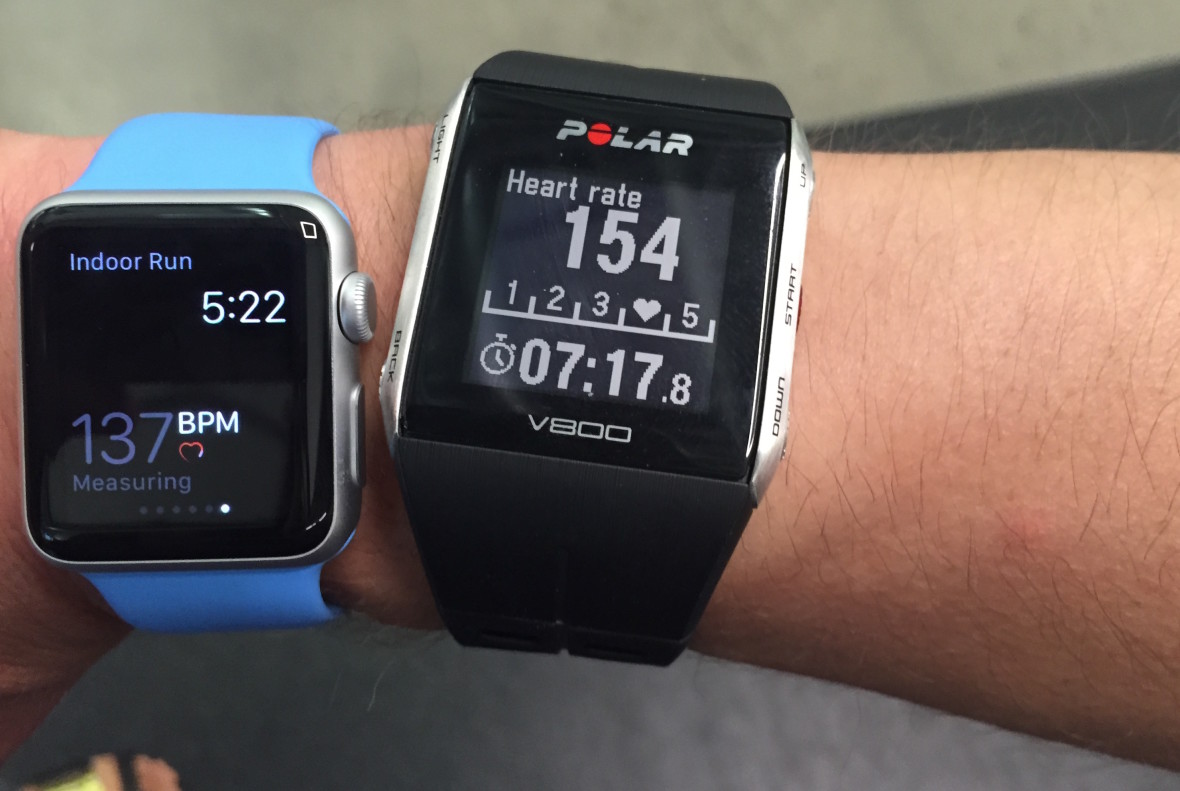
"caption": "I tracked my heart rate using the Apple Watch (L) and the Polar monitor (R)",
"description": null,
"title": "watchoff[2]",
"credit": "Greg Ferenstein",
"status": "inherit",
"isLoading": false,
"fetchFailed": false
},
"futureofyou_2282": {
"type": "attachments",
"id": "futureofyou_2282",
"meta": {
"index": "attachments_1716263798",
"site": "futureofyou",
"id": "2282",
"found": true
},
"parent": 2147,
"imgSizes": {
"twentyfourteen-full-width": {
"file": "https://ww2.kqed.org/app/uploads/sites/13/2015/04/Screen-Shot-2015-04-23-at-11.30.02-AM-1038x576.png",
"width": 1038,
"mimeType": "image/png",
"height": 576
},
"thumbnail": {
"file": "https://ww2.kqed.org/app/uploads/sites/13/2015/04/Screen-Shot-2015-04-23-at-11.30.02-AM-400x203.png",
"width": 400,
"mimeType": "image/png",
"height": 203
},
"fd-sm": {
"file": "https://ww2.kqed.org/app/uploads/sites/13/2015/04/Screen-Shot-2015-04-23-at-11.30.02-AM-960x486.png",
"width": 960,
"mimeType": "image/png",
"height": 486
},
"post-thumbnail": {
"file": "https://ww2.kqed.org/app/uploads/sites/13/2015/04/Screen-Shot-2015-04-23-at-11.30.02-AM-672x372.png",
"width": 672,
"mimeType": "image/png",
"height": 372
},
"kqedFullSize": {
"file": "https://ww2.kqed.org/app/uploads/sites/13/2015/04/Screen-Shot-2015-04-23-at-11.30.02-AM.png",
"width": 1364,
"height": 691
},
"large": {
"file": "https://ww2.kqed.org/app/uploads/sites/13/2015/04/Screen-Shot-2015-04-23-at-11.30.02-AM-1180x598.png",
"width": 1180,
"mimeType": "image/png",
"height": 598
},
"guest-author-96": {
"file": "https://ww2.kqed.org/app/uploads/sites/13/2015/04/Screen-Shot-2015-04-23-at-11.30.02-AM-96x96.png",
"width": 96,
"mimeType": "image/png",
"height": 96
},
"medium": {
"file": "https://ww2.kqed.org/app/uploads/sites/13/2015/04/Screen-Shot-2015-04-23-at-11.30.02-AM-800x405.png",
"width": 800,
"mimeType": "image/png",
"height": 405
},
"guest-author-64": {
"file": "https://ww2.kqed.org/app/uploads/sites/13/2015/04/Screen-Shot-2015-04-23-at-11.30.02-AM-64x64.png",
"width": 64,
"mimeType": "image/png",
"height": 64
},
"guest-author-32": {
"file": "https://ww2.kqed.org/app/uploads/sites/13/2015/04/Screen-Shot-2015-04-23-at-11.30.02-AM-32x32.png",
"width": 32,
"mimeType": "image/png",
"height": 32
},
"fd-med": {
"file": "https://ww2.kqed.org/app/uploads/sites/13/2015/04/Screen-Shot-2015-04-23-at-11.30.02-AM-1180x598.png",
"width": 1180,
"mimeType": "image/png",
"height": 598
},
"detail": {
"file": "https://ww2.kqed.org/app/uploads/sites/13/2015/04/Screen-Shot-2015-04-23-at-11.30.02-AM-75x75.png",
"width": 75,
"mimeType": "image/png",
"height": 75
},
"guest-author-128": {
"file": "https://ww2.kqed.org/app/uploads/sites/13/2015/04/Screen-Shot-2015-04-23-at-11.30.02-AM-128x128.png",
"width": 128,
"mimeType": "image/png",
"height": 128
}
},
"publishDate": 1429814120,
"modified": 1429814139,
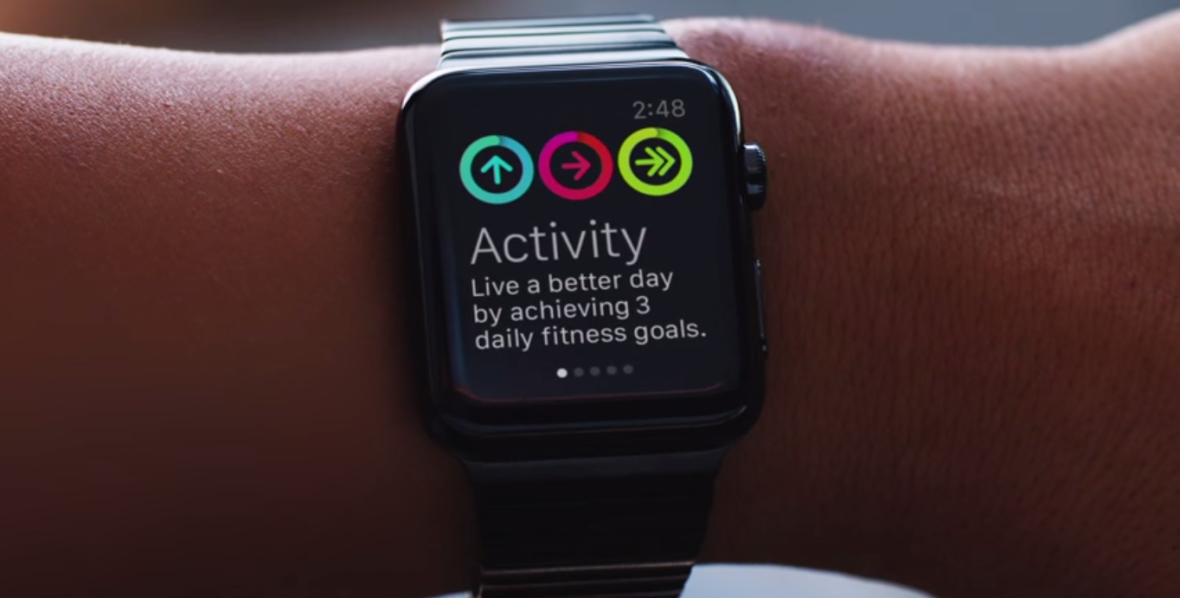
"caption": "A screenshot from a promotional video of the Apple Watch ",
"description": null,
"title": "Screen Shot 2015-04-23 at 11.30.02 AM",
"credit": "Apple ",
"status": "inherit",
"isLoading": false,
"fetchFailed": false
},
"futureofyou_2280": {
"type": "attachments",
"id": "futureofyou_2280",
"meta": {
"index": "attachments_1716263798",
"site": "futureofyou",
"id": "2280",
"found": true
},
"parent": 2122,
"imgSizes": {
"twentyfourteen-full-width": {
"file": "https://ww2.kqed.org/app/uploads/sites/13/2015/04/Screen-Shot-2015-04-23-at-11.30.14-AM-1038x576.png",
"width": 1038,
"mimeType": "image/png",
"height": 576
},
"thumbnail": {
"file": "https://ww2.kqed.org/app/uploads/sites/13/2015/04/Screen-Shot-2015-04-23-at-11.30.14-AM-400x205.png",
"width": 400,
"mimeType": "image/png",
"height": 205
},
"fd-sm": {
"file": "https://ww2.kqed.org/app/uploads/sites/13/2015/04/Screen-Shot-2015-04-23-at-11.30.14-AM-960x493.png",
"width": 960,
"mimeType": "image/png",
"height": 493
},
"post-thumbnail": {
"file": "https://ww2.kqed.org/app/uploads/sites/13/2015/04/Screen-Shot-2015-04-23-at-11.30.14-AM-672x372.png",
"width": 672,
"mimeType": "image/png",
"height": 372
},
"kqedFullSize": {
"file": "https://ww2.kqed.org/app/uploads/sites/13/2015/04/Screen-Shot-2015-04-23-at-11.30.14-AM.png",
"width": 1366,
"height": 701
},
"large": {
"file": "https://ww2.kqed.org/app/uploads/sites/13/2015/04/Screen-Shot-2015-04-23-at-11.30.14-AM-1180x606.png",
"width": 1180,
"mimeType": "image/png",
"height": 606
},
"guest-author-96": {
"file": "https://ww2.kqed.org/app/uploads/sites/13/2015/04/Screen-Shot-2015-04-23-at-11.30.14-AM-96x96.png",
"width": 96,
"mimeType": "image/png",
"height": 96
},
"medium": {
"file": "https://ww2.kqed.org/app/uploads/sites/13/2015/04/Screen-Shot-2015-04-23-at-11.30.14-AM-800x411.png",
"width": 800,
"mimeType": "image/png",
"height": 411
},
"guest-author-64": {
"file": "https://ww2.kqed.org/app/uploads/sites/13/2015/04/Screen-Shot-2015-04-23-at-11.30.14-AM-64x64.png",
"width": 64,
"mimeType": "image/png",
"height": 64
},
"guest-author-32": {
"file": "https://ww2.kqed.org/app/uploads/sites/13/2015/04/Screen-Shot-2015-04-23-at-11.30.14-AM-32x32.png",
"width": 32,
"mimeType": "image/png",
"height": 32
},
"fd-med": {
"file": "https://ww2.kqed.org/app/uploads/sites/13/2015/04/Screen-Shot-2015-04-23-at-11.30.14-AM-1180x606.png",
"width": 1180,
"mimeType": "image/png",
"height": 606
},
"detail": {
"file": "https://ww2.kqed.org/app/uploads/sites/13/2015/04/Screen-Shot-2015-04-23-at-11.30.14-AM-75x75.png",
"width": 75,
"mimeType": "image/png",
"height": 75
},
"guest-author-128": {
"file": "https://ww2.kqed.org/app/uploads/sites/13/2015/04/Screen-Shot-2015-04-23-at-11.30.14-AM-128x128.png",
"width": 128,
"mimeType": "image/png",
"height": 128
}
},
"publishDate": 1429813851,
"modified": 1429813878,
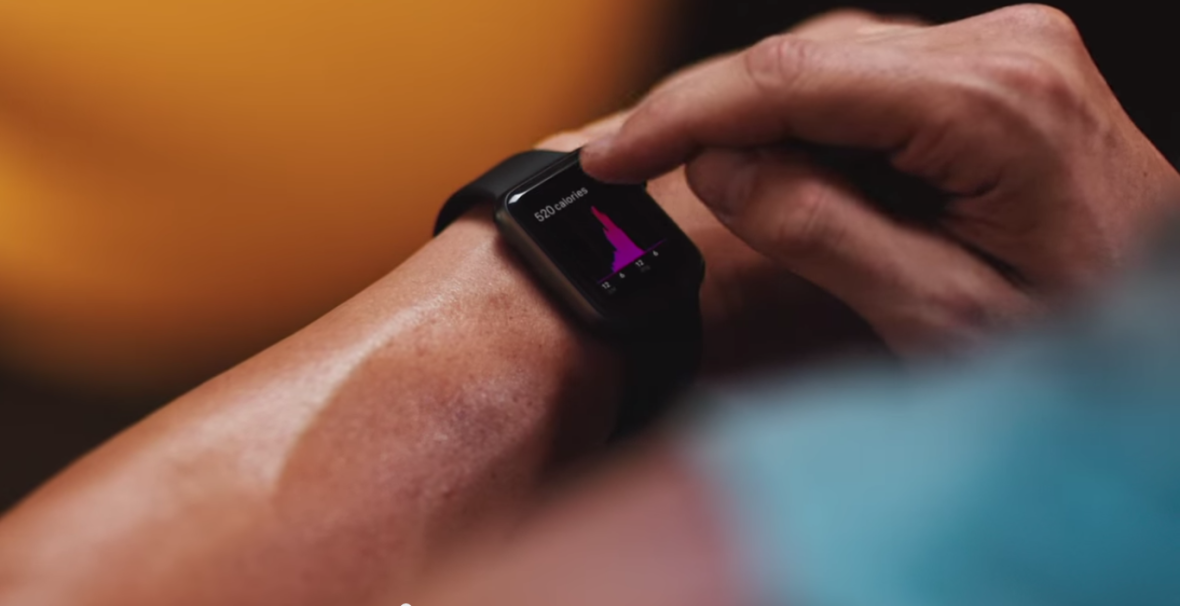
"caption": "A screenshot from a promotional video to highlight the health features of the Apple Watch. ",
"description": null,
"title": "Screen Shot 2015-04-23 at 11.30.14 AM",
"credit": "Apple ",
"status": "inherit",
"isLoading": false,
"fetchFailed": false
},
"futureofyou_2220": {
"type": "attachments",
"id": "futureofyou_2220",
"meta": {
"index": "attachments_1716263798",
"site": "futureofyou",
"id": "2220",
"found": true
},
"parent": 2217,
"imgSizes": {
"twentyfourteen-full-width": {
"file": "https://ww2.kqed.org/app/uploads/sites/13/2015/04/google-glass-1038x576.jpg",
"width": 1038,
"mimeType": "image/jpeg",
"height": 576
},
"thumbnail": {
"file": "https://ww2.kqed.org/app/uploads/sites/13/2015/04/google-glass-400x267.jpg",
"width": 400,
"mimeType": "image/jpeg",
"height": 267
},
"fd-sm": {
"file": "https://ww2.kqed.org/app/uploads/sites/13/2015/04/google-glass-960x640.jpg",
"width": 960,
"mimeType": "image/jpeg",
"height": 640
},
"post-thumbnail": {
"file": "https://ww2.kqed.org/app/uploads/sites/13/2015/04/google-glass-672x372.jpg",
"width": 672,
"mimeType": "image/jpeg",
"height": 372
},
"kqedFullSize": {
"file": "https://ww2.kqed.org/app/uploads/sites/13/2015/04/google-glass.jpg",
"width": 4427,
"height": 2952
},
"large": {
"file": "https://ww2.kqed.org/app/uploads/sites/13/2015/04/google-glass-1180x787.jpg",
"width": 1180,
"mimeType": "image/jpeg",
"height": 787
},
"guest-author-96": {
"file": "https://ww2.kqed.org/app/uploads/sites/13/2015/04/google-glass-96x96.jpg",
"width": 96,
"mimeType": "image/jpeg",
"height": 96
},
"medium": {
"file": "https://ww2.kqed.org/app/uploads/sites/13/2015/04/google-glass-800x533.jpg",
"width": 800,
"mimeType": "image/jpeg",
"height": 533
},
"guest-author-64": {
"file": "https://ww2.kqed.org/app/uploads/sites/13/2015/04/google-glass-64x64.jpg",
"width": 64,
"mimeType": "image/jpeg",
"height": 64
},
"guest-author-32": {
"file": "https://ww2.kqed.org/app/uploads/sites/13/2015/04/google-glass-32x32.jpg",
"width": 32,
"mimeType": "image/jpeg",
"height": 32
},
"fd-med": {
"file": "https://ww2.kqed.org/app/uploads/sites/13/2015/04/google-glass-1180x787.jpg",
"width": 1180,
"mimeType": "image/jpeg",
"height": 787
},
"detail": {
"file": "https://ww2.kqed.org/app/uploads/sites/13/2015/04/google-glass-75x75.jpg",
"width": 75,
"mimeType": "image/jpeg",
"height": 75
},
"guest-author-128": {
"file": "https://ww2.kqed.org/app/uploads/sites/13/2015/04/google-glass-128x128.jpg",
"width": 128,
"mimeType": "image/jpeg",
"height": 128
}
},
"publishDate": 1429723056,
"modified": 1429723154,
"caption": "Doctors are finding news uses for Google's futuristic eyewear, Google Glass ",
"description": null,
"title": "google-glass",
"credit": "Lawrencegs/ Flickr ",
"status": "inherit",
"isLoading": false,
"fetchFailed": false
},
"futureofyou_1848": {
"type": "attachments",
"id": "futureofyou_1848",
"meta": {
"index": "attachments_1716263798",
"site": "futureofyou",
"id": "1848",
"found": true
},
"parent": 1845,
"imgSizes": {
"twentyfourteen-full-width": {
"file": "https://ww2.kqed.org/app/uploads/sites/13/2015/04/DendriricCell-1038x576.jpg",
"width": 1038,
"mimeType": "image/jpeg",
"height": 576
},
"thumbnail": {
"file": "https://ww2.kqed.org/app/uploads/sites/13/2015/04/DendriricCell-400x253.jpg",
"width": 400,
"mimeType": "image/jpeg",
"height": 253
},
"fd-sm": {
"file": "https://ww2.kqed.org/app/uploads/sites/13/2015/04/DendriricCell-320x202.jpg",
"width": 320,
"mimeType": "image/jpeg",
"height": 202
},
"post-thumbnail": {
"file": "https://ww2.kqed.org/app/uploads/sites/13/2015/04/DendriricCell-672x372.jpg",
"width": 672,
"mimeType": "image/jpeg",
"height": 372
},
"kqedFullSize": {
"file": "https://ww2.kqed.org/app/uploads/sites/13/2015/04/DendriricCell.jpg",
"width": 1920,
"height": 1212
},
"large": {
"file": "https://ww2.kqed.org/app/uploads/sites/13/2015/04/DendriricCell-1180x745.jpg",
"width": 1180,
"mimeType": "image/jpeg",
"height": 745
},
"guest-author-96": {
"file": "https://ww2.kqed.org/app/uploads/sites/13/2015/04/DendriricCell-96x96.jpg",
"width": 96,
"mimeType": "image/jpeg",
"height": 96
},
"medium": {
"file": "https://ww2.kqed.org/app/uploads/sites/13/2015/04/DendriricCell-800x505.jpg",
"width": 800,
"mimeType": "image/jpeg",
"height": 505
},
"guest-author-64": {
"file": "https://ww2.kqed.org/app/uploads/sites/13/2015/04/DendriricCell-64x64.jpg",
"width": 64,
"mimeType": "image/jpeg",
"height": 64
},
"guest-author-32": {
"file": "https://ww2.kqed.org/app/uploads/sites/13/2015/04/DendriricCell-32x32.jpg",
"width": 32,
"mimeType": "image/jpeg",
"height": 32
},
"fd-lrg": {
"file": "https://ww2.kqed.org/app/uploads/sites/13/2015/04/DendriricCell-1180x745.jpg",
"width": 1180,
"mimeType": "image/jpeg",
"height": 745
},
"fd-med": {
"file": "https://ww2.kqed.org/app/uploads/sites/13/2015/04/DendriricCell-768x485.jpg",
"width": 768,
"mimeType": "image/jpeg",
"height": 485
},
"detail": {
"file": "https://ww2.kqed.org/app/uploads/sites/13/2015/04/DendriricCell-75x75.jpg",
"width": 75,
"mimeType": "image/jpeg",
"height": 75
},
"guest-author-128": {
"file": "https://ww2.kqed.org/app/uploads/sites/13/2015/04/DendriricCell-128x128.jpg",
"width": 128,
"mimeType": "image/jpeg",
"height": 128
}
},
"publishDate": 1429293725,
"modified": 1429294019,
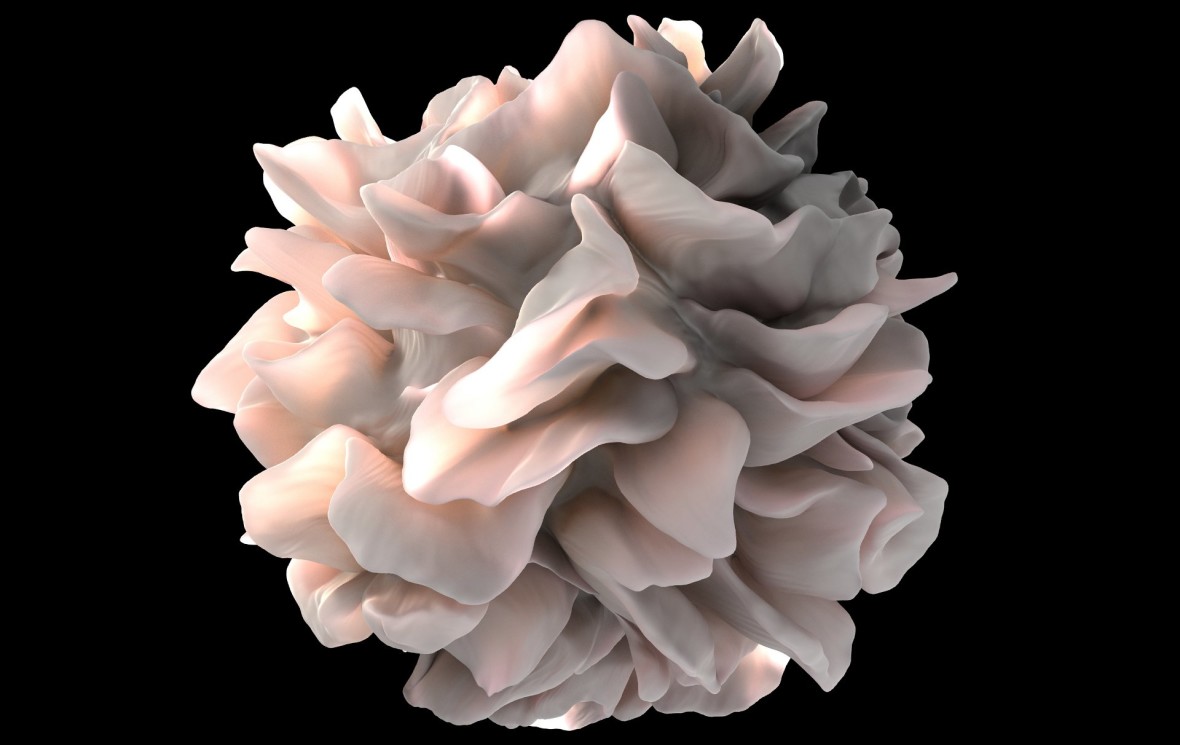
"caption": "This beautiful flowery looking cell is a dendritic cell. Scientists took these cells from cancer patients and stimulated them to attack the patients' tumors using patient-specific triggers. This opens up a whole new set of possible cancer treatments. (Wikimedia Commons)",
"description": null,
"title": "DendriricCell",
"credit": null,
"status": "inherit",
"isLoading": false,
"fetchFailed": false
},
"futureofyou_1656": {
"type": "attachments",
"id": "futureofyou_1656",
"meta": {
"index": "attachments_1716263798",
"site": "futureofyou",
"id": "1656",
"found": true
},
"parent": 1654,
"imgSizes": {
"twentyfourteen-full-width": {
"file": "https://ww2.kqed.org/app/uploads/sites/13/2015/04/phone-sleep-1038x576.jpg",
"width": 1038,
"mimeType": "image/jpeg",
"height": 576
},
"thumbnail": {
"file": "https://ww2.kqed.org/app/uploads/sites/13/2015/04/phone-sleep-400x265.jpg",
"width": 400,
"mimeType": "image/jpeg",
"height": 265
},
"fd-sm": {
"file": "https://ww2.kqed.org/app/uploads/sites/13/2015/04/phone-sleep-320x212.jpg",
"width": 320,
"mimeType": "image/jpeg",
"height": 212
},
"post-thumbnail": {
"file": "https://ww2.kqed.org/app/uploads/sites/13/2015/04/phone-sleep-672x372.jpg",
"width": 672,
"mimeType": "image/jpeg",
"height": 372
},
"kqedFullSize": {
"file": "https://ww2.kqed.org/app/uploads/sites/13/2015/04/phone-sleep-e1456791493536.jpg",
"width": 1920,
"height": 1272
},
"large": {
"file": "https://ww2.kqed.org/app/uploads/sites/13/2015/04/phone-sleep-1180x782.jpg",
"width": 1180,
"mimeType": "image/jpeg",
"height": 782
},
"guest-author-96": {
"file": "https://ww2.kqed.org/app/uploads/sites/13/2015/04/phone-sleep-96x96.jpg",
"width": 96,
"mimeType": "image/jpeg",
"height": 96
},
"medium": {
"file": "https://ww2.kqed.org/app/uploads/sites/13/2015/04/phone-sleep-800x530.jpg",
"width": 800,
"mimeType": "image/jpeg",
"height": 530
},
"guest-author-64": {
"file": "https://ww2.kqed.org/app/uploads/sites/13/2015/04/phone-sleep-64x64.jpg",
"width": 64,
"mimeType": "image/jpeg",
"height": 64
},
"guest-author-32": {
"file": "https://ww2.kqed.org/app/uploads/sites/13/2015/04/phone-sleep-32x32.jpg",
"width": 32,
"mimeType": "image/jpeg",
"height": 32
},
"fd-lrg": {
"file": "https://ww2.kqed.org/app/uploads/sites/13/2015/04/phone-sleep-1180x782.jpg",
"width": 1180,
"mimeType": "image/jpeg",
"height": 782
},
"fd-med": {
"file": "https://ww2.kqed.org/app/uploads/sites/13/2015/04/phone-sleep-768x509.jpg",
"width": 768,
"mimeType": "image/jpeg",
"height": 509
},
"detail": {
"file": "https://ww2.kqed.org/app/uploads/sites/13/2015/04/phone-sleep-75x75.jpg",
"width": 75,
"mimeType": "image/jpeg",
"height": 75
},
"guest-author-128": {
"file": "https://ww2.kqed.org/app/uploads/sites/13/2015/04/phone-sleep-128x128.jpg",
"width": 128,
"mimeType": "image/jpeg",
"height": 128
}
},
"publishDate": 1428963921,
"modified": 1495123449,
"caption": null,
"description": "Reading electronics in bed makes for a poor night's sleep.",
"title": "phone sleep",
"credit": "m01229/ Flickr",
"status": "inherit",
"isLoading": false,
"fetchFailed": false
},
"futureofyou_1396": {
"type": "attachments",
"id": "futureofyou_1396",
"meta": {
"index": "attachments_1716263798",
"site": "futureofyou",
"id": "1396",
"found": true
},
"parent": 1394,
"imgSizes": {
"twentyfourteen-full-width": {
"file": "https://ww2.kqed.org/app/uploads/sites/13/2015/04/anne-working-1038x576.jpg",
"width": 1038,
"mimeType": "image/jpeg",
"height": 576
},
"thumbnail": {
"file": "https://ww2.kqed.org/app/uploads/sites/13/2015/04/anne-working-400x338.jpg",
"width": 400,
"mimeType": "image/jpeg",
"height": 338
},
"fd-sm": {
"file": "https://ww2.kqed.org/app/uploads/sites/13/2015/04/anne-working-320x271.jpg",
"width": 320,
"mimeType": "image/jpeg",
"height": 271
},
"post-thumbnail": {
"file": "https://ww2.kqed.org/app/uploads/sites/13/2015/04/anne-working-672x372.jpg",
"width": 672,
"mimeType": "image/jpeg",
"height": 372
},
"kqedFullSize": {
"file": "https://ww2.kqed.org/app/uploads/sites/13/2015/04/anne-working.jpg",
"width": 3992,
"height": 3375
},
"large": {
"file": "https://ww2.kqed.org/app/uploads/sites/13/2015/04/anne-working-1180x998.jpg",
"width": 1180,
"mimeType": "image/jpeg",
"height": 998
},
"guest-author-96": {
"file": "https://ww2.kqed.org/app/uploads/sites/13/2015/04/anne-working-96x96.jpg",
"width": 96,
"mimeType": "image/jpeg",
"height": 96
},
"medium": {
"file": "https://ww2.kqed.org/app/uploads/sites/13/2015/04/anne-working-710x600.jpg",
"width": 710,
"mimeType": "image/jpeg",
"height": 600
},
"guest-author-64": {
"file": "https://ww2.kqed.org/app/uploads/sites/13/2015/04/anne-working-64x64.jpg",
"width": 64,
"mimeType": "image/jpeg",
"height": 64
},
"guest-author-32": {
"file": "https://ww2.kqed.org/app/uploads/sites/13/2015/04/anne-working-32x32.jpg",
"width": 32,
"mimeType": "image/jpeg",
"height": 32
},
"fd-lrg": {
"file": "https://ww2.kqed.org/app/uploads/sites/13/2015/04/anne-working-1180x998.jpg",
"width": 1180,
"mimeType": "image/jpeg",
"height": 998
},
"fd-med": {
"file": "https://ww2.kqed.org/app/uploads/sites/13/2015/04/anne-working-768x649.jpg",
"width": 768,
"mimeType": "image/jpeg",
"height": 649
},
"detail": {
"file": "https://ww2.kqed.org/app/uploads/sites/13/2015/04/anne-working-75x75.jpg",
"width": 75,
"mimeType": "image/jpeg",
"height": 75
},
"guest-author-128": {
"file": "https://ww2.kqed.org/app/uploads/sites/13/2015/04/anne-working-128x128.jpg",
"width": 128,
"mimeType": "image/jpeg",
"height": 128
}
},
"publishDate": 1428444246,
"modified": 1428444277,
"caption": "23andMe CEO Anne Wojcicki at the Silicon Valley offices ",
"description": "/Volumes/Images/Work Folder/To Be Vetted/splo20130109/Time October 2012/23_AND_ME_HIGH_RES_Anne WojcickiFOR_TRUNK/TIME_ANNE_WOJCICKI_036.TIF",
"title": "anne working",
"credit": "23andMe ",
"status": "inherit",
"isLoading": false,
"fetchFailed": false
},
"futureofyou_1120": {
"type": "attachments",
"id": "futureofyou_1120",
"meta": {
"index": "attachments_1716263798",
"site": "futureofyou",
"id": "1120",
"found": true
},
"parent": 1118,
"imgSizes": {
"twentyfourteen-full-width": {
"file": "https://ww2.kqed.org/app/uploads/sites/13/2015/04/Athos-photo1-1038x576.jpg",
"width": 1038,
"mimeType": "image/jpeg",
"height": 576
},
"thumbnail": {
"file": "https://ww2.kqed.org/app/uploads/sites/13/2015/04/Athos-photo1-400x218.jpg",
"width": 400,
"mimeType": "image/jpeg",
"height": 218
},
"fd-sm": {
"file": "https://ww2.kqed.org/app/uploads/sites/13/2015/04/Athos-photo1-320x174.jpg",
"width": 320,
"mimeType": "image/jpeg",
"height": 174
},
"post-thumbnail": {
"file": "https://ww2.kqed.org/app/uploads/sites/13/2015/04/Athos-photo1-672x372.jpg",
"width": 672,
"mimeType": "image/jpeg",
"height": 372
},
"kqedFullSize": {
"file": "https://ww2.kqed.org/app/uploads/sites/13/2015/04/Athos-photo1.jpg",
"width": 3400,
"height": 1851
},
"large": {
"file": "https://ww2.kqed.org/app/uploads/sites/13/2015/04/Athos-photo1-1180x642.jpg",
"width": 1180,
"mimeType": "image/jpeg",
"height": 642
},
"guest-author-96": {
"file": "https://ww2.kqed.org/app/uploads/sites/13/2015/04/Athos-photo1-96x96.jpg",
"width": 96,
"mimeType": "image/jpeg",
"height": 96
},
"medium": {
"file": "https://ww2.kqed.org/app/uploads/sites/13/2015/04/Athos-photo1-800x436.jpg",
"width": 800,
"mimeType": "image/jpeg",
"height": 436
},
"guest-author-64": {
"file": "https://ww2.kqed.org/app/uploads/sites/13/2015/04/Athos-photo1-64x64.jpg",
"width": 64,
"mimeType": "image/jpeg",
"height": 64
},
"guest-author-32": {
"file": "https://ww2.kqed.org/app/uploads/sites/13/2015/04/Athos-photo1-32x32.jpg",
"width": 32,
"mimeType": "image/jpeg",
"height": 32
},
"fd-lrg": {
"file": "https://ww2.kqed.org/app/uploads/sites/13/2015/04/Athos-photo1-1180x642.jpg",
"width": 1180,
"mimeType": "image/jpeg",
"height": 642
},
"fd-med": {
"file": "https://ww2.kqed.org/app/uploads/sites/13/2015/04/Athos-photo1-768x418.jpg",
"width": 768,
"mimeType": "image/jpeg",
"height": 418
},
"detail": {
"file": "https://ww2.kqed.org/app/uploads/sites/13/2015/04/Athos-photo1-75x75.jpg",
"width": 75,
"mimeType": "image/jpeg",
"height": 75
},
"guest-author-128": {
"file": "https://ww2.kqed.org/app/uploads/sites/13/2015/04/Athos-photo1-128x128.jpg",
"width": 128,
"mimeType": "image/jpeg",
"height": 128
}
},
"publishDate": 1427931496,
"modified": 1427931532,
"caption": "Gym-goers can now wear smart clothing to track their heart rate, breathing and more.",
"description": null,
"title": "Athos - photo1",
"credit": "Athos",
"status": "inherit",
"isLoading": false,
"fetchFailed": false
},
"futureofyou_1074": {
"type": "attachments",
"id": "futureofyou_1074",
"meta": {
"index": "attachments_1716263798",
"site": "futureofyou",
"id": "1074",
"found": true
},
"parent": 1046,
"imgSizes": {
"thumbnail": {
"file": "https://ww2.kqed.org/app/uploads/sites/13/2015/03/A-FOY-feature-image-400x220.png",
"width": 400,
"mimeType": "image/png",
"height": 220
},
"fd-sm": {
"file": "https://ww2.kqed.org/app/uploads/sites/13/2015/03/A-FOY-feature-image-320x176.png",
"width": 320,
"mimeType": "image/png",
"height": 176
},
"kqedFullSize": {
"file": "https://ww2.kqed.org/app/uploads/sites/13/2015/03/A-FOY-feature-image.png",
"width": 574,
"height": 316
},
"guest-author-96": {
"file": "https://ww2.kqed.org/app/uploads/sites/13/2015/03/A-FOY-feature-image-96x96.png",
"width": 96,
"mimeType": "image/png",
"height": 96
},
"guest-author-64": {
"file": "https://ww2.kqed.org/app/uploads/sites/13/2015/03/A-FOY-feature-image-64x64.png",
"width": 64,
"mimeType": "image/png",
"height": 64
},
"detail": {
"file": "https://ww2.kqed.org/app/uploads/sites/13/2015/03/A-FOY-feature-image-75x75.png",
"width": 75,
"mimeType": "image/png",
"height": 75
},
"guest-author-32": {
"file": "https://ww2.kqed.org/app/uploads/sites/13/2015/03/A-FOY-feature-image-32x32.png",
"width": 32,
"mimeType": "image/png",
"height": 32
},
"guest-author-128": {
"file": "https://ww2.kqed.org/app/uploads/sites/13/2015/03/A-FOY-feature-image-128x128.png",
"width": 128,
"mimeType": "image/png",
"height": 128
}
},
"publishDate": 1427832205,
"modified": 1427832205,
"caption": null,
"description": null,
"title": "A FOY feature image",
"credit": null,
"status": "inherit",
"isLoading": false,
"fetchFailed": false
},
"futureofyou_414": {
"type": "attachments",
"id": "futureofyou_414",
"meta": {
"index": "attachments_1716263798",
"site": "futureofyou",
"id": "414",
"found": true
},
"parent": 407,
"imgSizes": {
"twentyfourteen-full-width": {
"file": "https://ww2.kqed.org/app/uploads/sites/13/2015/03/Tim-Ferriss-featured-image-900x576.jpg",
"width": 900,
"mimeType": "image/jpeg",
"height": 576
},
"thumbnail": {
"file": "https://ww2.kqed.org/app/uploads/sites/13/2015/03/Tim-Ferriss-featured-image-400x267.jpg",
"width": 400,
"mimeType": "image/jpeg",
"height": 267
},
"fd-sm": {
"file": "https://ww2.kqed.org/app/uploads/sites/13/2015/03/Tim-Ferriss-featured-image-320x214.jpg",
"width": 320,
"mimeType": "image/jpeg",
"height": 214
},
"post-thumbnail": {
"file": "https://ww2.kqed.org/app/uploads/sites/13/2015/03/Tim-Ferriss-featured-image-672x372.jpg",
"width": 672,
"mimeType": "image/jpeg",
"height": 372
},
"kqedFullSize": {
"file": "https://ww2.kqed.org/app/uploads/sites/13/2015/03/Tim-Ferriss-featured-image.jpg",
"width": 900,
"height": 601
},
"fd-med": {
"file": "https://ww2.kqed.org/app/uploads/sites/13/2015/03/Tim-Ferriss-featured-image-768x513.jpg",
"width": 768,
"mimeType": "image/jpeg",
"height": 513
},
"guest-author-96": {
"file": "https://ww2.kqed.org/app/uploads/sites/13/2015/03/Tim-Ferriss-featured-image-96x96.jpg",
"width": 96,
"mimeType": "image/jpeg",
"height": 96
},
"medium": {
"file": "https://ww2.kqed.org/app/uploads/sites/13/2015/03/Tim-Ferriss-featured-image-800x534.jpg",
"width": 800,
"mimeType": "image/jpeg",
"height": 534
},
"guest-author-64": {
"file": "https://ww2.kqed.org/app/uploads/sites/13/2015/03/Tim-Ferriss-featured-image-64x64.jpg",
"width": 64,
"mimeType": "image/jpeg",
"height": 64
},
"detail": {
"file": "https://ww2.kqed.org/app/uploads/sites/13/2015/03/Tim-Ferriss-featured-image-75x75.jpg",
"width": 75,
"mimeType": "image/jpeg",
"height": 75
},
"guest-author-32": {
"file": "https://ww2.kqed.org/app/uploads/sites/13/2015/03/Tim-Ferriss-featured-image-32x32.jpg",
"width": 32,
"mimeType": "image/jpeg",
"height": 32
},
"guest-author-128": {
"file": "https://ww2.kqed.org/app/uploads/sites/13/2015/03/Tim-Ferriss-featured-image-128x128.jpg",
"width": 128,
"mimeType": "image/jpeg",
"height": 128
}
},
"publishDate": 1426547342,
"modified": 1426694836,
"caption": null,
"description": null,
"title": "Tim Ferriss featured image",
"credit": "Drew Kelly",
"status": "inherit",
"isLoading": false,
"fetchFailed": false
},
"futureofyou_54": {
"type": "attachments",
"id": "futureofyou_54",
"meta": {
"index": "attachments_1716263798",
"site": "futureofyou",
"id": "54",
"found": true
},
"parent": 5,
"imgSizes": {
"twentyfourteen-full-width": {
"file": "https://ww2.kqed.org/app/uploads/sites/13/2015/01/future-versions1-1038x576.png",
"width": 1038,
"mimeType": "image/png",
"height": 576
},
"thumbnail": {
"file": "https://ww2.kqed.org/app/uploads/sites/13/2015/01/future-versions1-400x213.png",
"width": 400,
"mimeType": "image/png",
"height": 213
},
"post-thumbnail": {
"file": "https://ww2.kqed.org/app/uploads/sites/13/2015/01/future-versions1-672x372.png",
"width": 672,
"mimeType": "image/png",
"height": 372
},
"kqedFullSize": {
"file": "https://ww2.kqed.org/app/uploads/sites/13/2015/01/future-versions1.png",
"width": 1474,
"height": 784
},
"large": {
"file": "https://ww2.kqed.org/app/uploads/sites/13/2015/01/future-versions1-1180x628.png",
"width": 1180,
"mimeType": "image/png",
"height": 628
},
"guest-author-96": {
"file": "https://ww2.kqed.org/app/uploads/sites/13/2015/01/future-versions1-96x96.png",
"width": 96,
"mimeType": "image/png",
"height": 96
},
"medium": {
"file": "https://ww2.kqed.org/app/uploads/sites/13/2015/01/future-versions1-800x426.png",
"width": 800,
"mimeType": "image/png",
"height": 426
},
"guest-author-64": {
"file": "https://ww2.kqed.org/app/uploads/sites/13/2015/01/future-versions1-64x64.png",
"width": 64,
"mimeType": "image/png",
"height": 64
},
"detail": {
"file": "https://ww2.kqed.org/app/uploads/sites/13/2015/01/future-versions1-75x75.png",
"width": 75,
"mimeType": "image/png",
"height": 75
},
"guest-author-32": {
"file": "https://ww2.kqed.org/app/uploads/sites/13/2015/01/future-versions1-32x32.png",
"width": 32,
"mimeType": "image/png",
"height": 32
},
"guest-author-128": {
"file": "https://ww2.kqed.org/app/uploads/sites/13/2015/01/future-versions1-128x128.png",
"width": 128,
"mimeType": "image/png",
"height": 128
}
},
"publishDate": 1423264471,
"modified": 1423264471,
"caption": null,
"description": null,
"title": "future-versions",
"credit": null,
"status": "inherit",
"isLoading": false,
"fetchFailed": false
},
"futureofyou_52": {
"type": "attachments",
"id": "futureofyou_52",
"meta": {
"index": "attachments_1716263798",
"site": "futureofyou",
"id": "52",
"found": true
},
"parent": 33,
"imgSizes": {
"twentyfourteen-full-width": {
"file": "https://ww2.kqed.org/app/uploads/sites/13/2015/02/Bret-Parker1-1038x576.jpg",
"width": 1038,
"mimeType": "image/jpeg",
"height": 576
},
"thumbnail": {
"file": "https://ww2.kqed.org/app/uploads/sites/13/2015/02/Bret-Parker1-400x267.jpg",
"width": 400,
"mimeType": "image/jpeg",
"height": 267
},
"post-thumbnail": {
"file": "https://ww2.kqed.org/app/uploads/sites/13/2015/02/Bret-Parker1-672x372.jpg",
"width": 672,
"mimeType": "image/jpeg",
"height": 372
},
"kqedFullSize": {
"file": "https://ww2.kqed.org/app/uploads/sites/13/2015/02/Bret-Parker1.jpg",
"width": 2048,
"height": 1365
},
"large": {
"file": "https://ww2.kqed.org/app/uploads/sites/13/2015/02/Bret-Parker1-1180x786.jpg",
"width": 1180,
"mimeType": "image/jpeg",
"height": 786
},
"guest-author-96": {
"file": "https://ww2.kqed.org/app/uploads/sites/13/2015/02/Bret-Parker1-96x96.jpg",
"width": 96,
"mimeType": "image/jpeg",
"height": 96
},
"medium": {
"file": "https://ww2.kqed.org/app/uploads/sites/13/2015/02/Bret-Parker1-800x533.jpg",
"width": 800,
"mimeType": "image/jpeg",
"height": 533
},
"guest-author-64": {
"file": "https://ww2.kqed.org/app/uploads/sites/13/2015/02/Bret-Parker1-64x64.jpg",
"width": 64,
"mimeType": "image/jpeg",
"height": 64
},
"detail": {
"file": "https://ww2.kqed.org/app/uploads/sites/13/2015/02/Bret-Parker1-75x75.jpg",
"width": 75,
"mimeType": "image/jpeg",
"height": 75
},
"guest-author-32": {
"file": "https://ww2.kqed.org/app/uploads/sites/13/2015/02/Bret-Parker1-32x32.jpg",
"width": 32,
"mimeType": "image/jpeg",
"height": 32
},
"guest-author-128": {
"file": "https://ww2.kqed.org/app/uploads/sites/13/2015/02/Bret-Parker1-128x128.jpg",
"width": 128,
"mimeType": "image/jpeg",
"height": 128
}
},
"publishDate": 1423264414,
"modified": 1425339918,
"caption": "Bret Parker went skydiving this year to raise money for the Michael J. Fox Foundation. Parker participated in a study earlier this year about whether a wearable tracker could effectively measure the severity of tremors caused by Parkinson’s. (Courtesy of Bret Parker)",
"description": null,
"title": "Bret-Parker",
"credit": null,
"status": "inherit",
"isLoading": false,
"fetchFailed": false
}
},
"audioPlayerReducer": {
"postId": "stream_live",
"isPaused": true,
"isPlaying": false,
"pfsActive": false,
"pledgeModalIsOpen": true,
"playerDrawerIsOpen": false,
"liveAudioPlayStartedAt": 0,
"liveAudioPlayContext": ""
},
"authorsReducer": {
"byline_futureofyou_2217": {
"type": "authors",
"id": "byline_futureofyou_2217",
"meta": {
"override": true
},
"slug": "byline_futureofyou_2217",
"name": "Lisa Gillespie, Kaiser Health News ",
"isLoading": false
},
"amystanden": {
"type": "authors",
"id": "210",
"meta": {
"index": "authors_1716337520",
"id": "210",
"found": true
},
"name": "Amy Standen",
"firstName": "Amy",
"lastName": "Standen",
"slug": "amystanden",
"email": "astanden@kqed.org",
"display_author_email": false,
"staff_mastheads": [],
"title": "KQED Contributor",
"bio": "Amy Standen (@amystanden) is co-host of #\u003ca href=\"https://ww2.kqed.org/news/programs/the-leap\">TheLeapPodcast\u003c/a> (subscribe on iTunes or Stitcher!) and host of KQED and PBSDigital Studios' science video series, \u003ca href=\"https://www.youtube.com/user/KQEDDeepLook\">Deep Look\u003c/a>. Her science radio stories appear on KQED and NPR.\r\n\r\nEmail her at astanden@kqed.org",
"avatar": "https://secure.gravatar.com/avatar/3d021b72de685a788b0487b059d0a6a1?s=600&d=blank&r=g",
"twitter": null,
"facebook": null,
"instagram": null,
"linkedin": null,
"sites": [
{
"site": "news",
"roles": [
"subscriber"
]
},
{
"site": "futureofyou",
"roles": [
"subscriber"
]
},
{
"site": "stateofhealth",
"roles": [
"subscriber"
]
},
{
"site": "science",
"roles": []
},
{
"site": "quest",
"roles": [
"subscriber"
]
}
],
"headData": {
"title": "Amy Standen | KQED",
"description": "KQED Contributor",
"ogImgSrc": "https://secure.gravatar.com/avatar/3d021b72de685a788b0487b059d0a6a1?s=600&d=blank&r=g",
"twImgSrc": "https://secure.gravatar.com/avatar/3d021b72de685a788b0487b059d0a6a1?s=600&d=blank&r=g"
},
"isLoading": false,
"link": "/author/amystanden"
},
"cfarr": {
"type": "authors",
"id": "3252",
"meta": {
"index": "authors_1716337520",
"id": "3252",
"found": true
},
"name": "Christina Farr",
"firstName": "Christina",
"lastName": "Farr",
"slug": "cfarr",
"email": "cfarr@kqed.org",
"display_author_email": false,
"staff_mastheads": [],
"title": "KQED Contributor",
"bio": "Christina Farr (\u003ca href=\"https://twitter.com/chrissyfarr\">@chrissyfarr\u003c/a>) is the former editor and host of Future of You. She was previously with Reuters, covering digital health and Apple and before that, she reported for Venture Beat. Christina was born and raised in London and has graduate degrees from University of London and the Stanford School of Journalism. Farr’s work has appeared in a variety of publications, including the New York Times, the Daily Telegraph, the Bay Citizen and SFGate.com. She has appeared as a featured expert on NBC, ABC and Reuters TV, among others, and frequently speaks at health and technology conferences. She is also co-founder of Ladies Who Vino, a networking group for women in technology and business.",
"avatar": "https://secure.gravatar.com/avatar/22c63869a7901c61c15e204391c1261d?s=600&d=blank&r=g",
"twitter": null,
"facebook": null,
"instagram": null,
"linkedin": null,
"sites": [
{
"site": "futureofyou",
"roles": [
"administrator"
]
},
{
"site": "stateofhealth",
"roles": [
"author"
]
},
{
"site": "science",
"roles": []
}
],
"headData": {
"title": "Christina Farr | KQED",
"description": "KQED Contributor",
"ogImgSrc": "https://secure.gravatar.com/avatar/22c63869a7901c61c15e204391c1261d?s=600&d=blank&r=g",
"twImgSrc": "https://secure.gravatar.com/avatar/22c63869a7901c61c15e204391c1261d?s=600&d=blank&r=g"
},
"isLoading": false,
"link": "/author/cfarr"
},
"sheraz-sadiq": {
"type": "authors",
"id": "6176",
"meta": {
"index": "authors_1716337520",
"id": "6176",
"found": true
},
"name": "Sheraz Sadiq",
"firstName": "Sheraz",
"lastName": "Sadiq",
"slug": "sheraz-sadiq",
"email": "ssadiq@kqed.org",
"display_author_email": false,
"staff_mastheads": [],
"title": "KQED Contributor",
"bio": "Sheraz Sadiq is an Emmy Award-winning producer at San Francisco PBS affiliate KQED. In 2012, he received the AAAS Kavli Science Journalism award for a story he produced about the seismic retrofit of the Hetch Hetchy water delivery system which serves the San Francisco Bay Area. In addition to producing television content for KQED Science, he has also created online features and written news articles on scientific subjects ranging from astronomy to synthetic biology.",
"avatar": "https://secure.gravatar.com/avatar/d88c61c214e477c4c6f0ebaed4f581bf7c9b1dafd94cd4361285d427107adb8d?s=600&d=blank&r=g",
"twitter": null,
"bluesky": null,
"facebook": null,
"instagram": null,
"linkedin": null,
"sites": [
{
"site": "arts",
"roles": [
"subscriber"
]
},
{
"site": "news",
"roles": [
"subscriber"
]
},
{
"site": "futureofyou",
"roles": [
"subscriber"
]
},
{
"site": "science",
"roles": [
"subscriber"
]
},
{
"site": "quest",
"roles": [
"leadcoordinator",
"subscriber"
]
}
],
"headData": {
"title": "Sheraz Sadiq | KQED",
"description": "KQED Contributor",
"ogImgSrc": "https://secure.gravatar.com/avatar/d88c61c214e477c4c6f0ebaed4f581bf7c9b1dafd94cd4361285d427107adb8d?s=600&d=blank&r=g",
"twImgSrc": "https://secure.gravatar.com/avatar/d88c61c214e477c4c6f0ebaed4f581bf7c9b1dafd94cd4361285d427107adb8d?s=600&d=blank&r=g"
},
"isLoading": false,
"link": "/author/sheraz-sadiq"
},
"dr-barry-starr": {
"type": "authors",
"id": "6177",
"meta": {
"index": "authors_1716337520",
"id": "6177",
"found": true
},
"name": "Dr. Barry Starr",
"firstName": "Dr. Barry",
"lastName": "Starr",
"slug": "dr-barry-starr",
"email": "bstarr@thetech.org",
"display_author_email": false,
"staff_mastheads": [],
"title": "KQED Contributor",
"bio": "Dr. Barry Starr (\u003ca href=\"https://twitter.com/geneticsboy\">@geneticsboy\u003c/a>) is a Geneticist-in-Residence at The Tech Museum of Innovation in San Jose, CA and runs their Stanford at The Tech program. The program is part of an ongoing collaboration between the \u003ca href=\"http://genetics.stanford.edu/\">Stanford Department of Genetics\u003c/a> and \u003ca href=\"http://www.thetech.org/\">The Tech Museum of Innovation\u003c/a>. Together these two partners created the \u003ca href=\"http://www.thetech.org/exhibits/permanent/index.php?sGalKey=gtwt&galKey=lt\">Genetics: Technology with a Twist\u003c/a> exhibition.\r\n\r\nYou can also see \u003ca href=\"https://ww2.kqed.org/science/author/dr-barry-starr/\">additional posts by Barry at KQED Science\u003c/a>, and read his \u003ca href=\"http://science.kqed.org/quest/author/dr-barry-starr/\">previous contributions\u003c/a> to \u003ca href=\"http://science.kqed.org/quest/\">QUEST\u003c/a>, a project dedicated to exploring the Science of Sustainability.",
"avatar": "https://secure.gravatar.com/avatar/4a5680e4c642ea0f0f3041af16018969?s=600&d=blank&r=g",
"twitter": "geneticsboy",
"facebook": null,
"instagram": null,
"linkedin": null,
"sites": [
{
"site": "futureofyou",
"roles": []
},
{
"site": "science",
"roles": [
"author"
]
},
{
"site": "quest",
"roles": [
"subscriber"
]
}
],
"headData": {
"title": "Dr. Barry Starr | KQED",
"description": "KQED Contributor",
"ogImgSrc": "https://secure.gravatar.com/avatar/4a5680e4c642ea0f0f3041af16018969?s=600&d=blank&r=g",
"twImgSrc": "https://secure.gravatar.com/avatar/4a5680e4c642ea0f0f3041af16018969?s=600&d=blank&r=g"
},
"isLoading": false,
"link": "/author/dr-barry-starr"
},
"gferenstein": {
"type": "authors",
"id": "6621",
"meta": {
"index": "authors_1716337520",
"id": "6621",
"found": true
},
"name": "Gregory Ferenstein",
"firstName": "Gregory",
"lastName": "Ferenstein",
"slug": "gferenstein",
"email": "travelmail26@gmail.com",
"display_author_email": false,
"staff_mastheads": [],
"title": null,
"bio": "The Ferenstein Wire is a syndicated news service. For inquires, email greg at greg ferenstein dot com. Greg is a technology journalist who has written for Venturebeat, Techcrunch, Fast Company, and other news services.",
"avatar": "https://secure.gravatar.com/avatar/36fb0b62cd32125bebf1806040529d3f?s=600&d=blank&r=g",
"twitter": null,
"facebook": null,
"instagram": null,
"linkedin": null,
"sites": [
{
"site": "futureofyou",
"roles": [
"author"
]
}
],
"headData": {
"title": "Gregory Ferenstein | KQED",
"description": null,
"ogImgSrc": "https://secure.gravatar.com/avatar/36fb0b62cd32125bebf1806040529d3f?s=600&d=blank&r=g",
"twImgSrc": "https://secure.gravatar.com/avatar/36fb0b62cd32125bebf1806040529d3f?s=600&d=blank&r=g"
},
"isLoading": false,
"link": "/author/gferenstein"
},
"dpierce": {
"type": "authors",
"id": "7608",
"meta": {
"index": "authors_1716337520",
"id": "7608",
"found": true
},
"name": "dpierce",
"firstName": "David",
"lastName": "Pierce",
"slug": "dpierce",
"email": "dpierce@kqed.org",
"display_author_email": false,
"staff_mastheads": [],
"title": null,
"bio": null,
"avatar": "https://secure.gravatar.com/avatar/0153f3ab4cd148eb7c9f62fbb7f33e34?s=600&d=blank&r=g",
"twitter": null,
"facebook": null,
"instagram": null,
"linkedin": null,
"sites": [
{
"site": "futureofyou",
"roles": [
"author"
]
},
{
"site": "science",
"roles": [
"editor"
]
},
{
"site": "quest",
"roles": [
"leadcoordinator",
"subscriber"
]
}
],
"headData": {
"title": "dpierce | KQED",
"description": null,
"ogImgSrc": "https://secure.gravatar.com/avatar/0153f3ab4cd148eb7c9f62fbb7f33e34?s=600&d=blank&r=g",
"twImgSrc": "https://secure.gravatar.com/avatar/0153f3ab4cd148eb7c9f62fbb7f33e34?s=600&d=blank&r=g"
},
"isLoading": false,
"link": "/author/dpierce"
}
},
"pagesReducer": {
"futureofyou_category_diy-health": {
"type": "terms",
"id": "futureofyou_1060",
"meta": {
"index": "terms_1716263798",
"site": "futureofyou",
"id": "1060",
"score": 13.896381
},
"featImg": null,
"name": "DIY Health",
"description": null,
"taxonomy": "category",
"headData": {
"twImgId": null,
"twTitle": null,
"ogTitle": null,
"ogImgId": null,
"twDescription": null,
"description": null,
"title": "DIY Health Archives | KQED Arts",
"ogDescription": null
},
"ttid": 1060,
"slug": "diy-health",
"isLoading": false,
"title": "DIY Health",
"pageMeta": {
"site": "futureofyou",
"WpPageTemplate": "page-topic-editorial",
"currentPage": 24
},
"blocks": [
{
"blockName": "kqed/post-list",
"attrs": {
"layout": "cardArticle2",
"query": "posts/futureofyou?category=diy-health",
"seeMore": false,
"paginated": true,
"page": 24
}
},
{
"blockName": "kqed/ad"
}
]
}
},
"pfsSessionReducer": {},
"postsReducer": {
"stream_live": {
"type": "live",
"id": "stream_live",
"audioUrl": "https://streams.kqed.org/kqedradio",
"title": "Live Stream",
"excerpt": "Live Stream information currently unavailable.",
"link": "/radio",
"featImg": "",
"label": {
"name": "KQED Live",
"link": "/"
}
},
"stream_kqedNewscast": {
"type": "posts",
"id": "stream_kqedNewscast",
"audioUrl": "https://www.kqed.org/.stream/anon/radio/RDnews/newscast.mp3?_=1",
"title": "KQED Newscast",
"featImg": "",
"label": {
"name": "88.5 FM",
"link": "/"
}
},
"futureofyou_2438": {
"type": "posts",
"id": "futureofyou_2438",
"meta": {
"index": "posts_1716263798",
"site": "futureofyou",
"id": "2438",
"score": null,
"sort": [
1430238607000
]
},
"parent": 0,
"labelTerm": {
"site": "futureofyou",
"term": 54
},
"blocks": [],
"publishDate": 1430238607,
"format": "standard",
"disqusTitle": "The Apple Watch For Fitness: Your iPhone is Enough (review)",
"title": "The Apple Watch For Fitness: Your iPhone is Enough (review)",
"headTitle": "Review | Future of You | KQED Future of You | KQED Science",
"content": "\u003cp>\u003cem>This is a story from Ferenstein Wire, a syndicated news service.\u003c/em>\u003c/p>\n\u003cp>Over the past three years, there have been extraordinary advances in wearables for fitness: Precise heart rate monitoring, form tracking and energy output.\u003c/p>\n\u003cp>The \u003ca href=\"http://www.apple.com/watch/?cid=wwa-us-kwg-watch-com\">Apple Watch\u003c/a> has none of these features.\u003c/p>\n\u003cp>Presently, it's one of the most expensive pedometers on planet earth. Beyond a lackluster heart rate monitor, all the important fitness features of the Apple Watch are already on the iPhone: Run-tracking, personal health coaching and activity-logging.\u003c/p>\n\u003cp>In fact, the Apple Watch is not designed to measure one of the most important habits of an athlete: Sleep quality. Other less expensive trackers, such as the \u003ca href=\"http://www.mybasis.com/?gclid=CjwKEAjw3_ypBRCwoKqKw5P9wgsSJAAbi2K9-ag8w1Nv5rM7Ve5siL_R6gasXSuWj2REOP6bmGFQQBoCZNHw_wcB\">Basis Watch\u003c/a> or \u003ca href=\"http://fitbit.com\">Fitbit\u003c/a>, are a better option for that.\u003c/p>\n\u003cp>[ad fullwidth]\u003c/p>\n\u003cp>I was ridiculously excited about the Apple Watch. I spilled a lot of virtual ink fantasizing about the impending fitness revolution. After trying out the Apple Watch at my local gym, I can say, unequivocally, I am still excited for the Apple Watch to be a worthwhile fitness companion someday. But for now, if you're looking to track your fitness, there is no real advantage to using it over the iPhone.\u003c/p>\n\u003cp>\u003cstrong>For Runners: Watch vs. iPhone\u003c/strong>\u003c/p>\n\u003cp>Taken together, walking and running are the most popular workouts in America, comprising the main activity for more than one-third of exercisers.\u003c/p>\n\u003cp>The iPhone is a delightful companion for the staple of American health. The new iOS for iPhone automatically tracks walking and running, assuming you carry your phone with you most of the day.\u003c/p>\n\u003cp>The Apple Watch fitness apps, \u003ca href=\"https://www.endomondo.com/\">like Endomondo\u003c/a>, use the iPhone for the bulk of its health-tracking, including distance, pace, and elevation (although, you may need to use an armband).\u003c/p>\n\u003cp>Below is my run up San Francisco’s beautiful Bernal Heights, without an Apple Watch.\u003c/p>\n\u003cfigure id=\"attachment_2441\" class=\"wp-caption alignleft\" style=\"max-width: 296px\">\u003cimg class=\" wp-image-2441\" src=\"http://ww2.kqed.org/futureofyou/wp-content/uploads/sites/13/2015/04/endomondo1-337x600.png\" alt=\"A workout summary using a free app called Endomondo\" width=\"296\" height=\"527\" srcset=\"https://ww2.kqed.org/app/uploads/sites/13/2015/04/endomondo1-337x600.png 337w, https://ww2.kqed.org/app/uploads/sites/13/2015/04/endomondo1-400x711.png 400w, https://ww2.kqed.org/app/uploads/sites/13/2015/04/endomondo1-663x1180.png 663w, https://ww2.kqed.org/app/uploads/sites/13/2015/04/endomondo1.png 750w\" sizes=\"(max-width: 296px) 100vw, 296px\">\u003cfigcaption class=\"wp-caption-text\">A workout summary using a free app called Endomondo \u003ccite>(Greg Ferenstein)\u003c/cite>\u003c/figcaption>\u003c/figure>\n\u003cp>The one additional item that quantified-self enthusiasts pair for a run is a heart rate monitor, which was the big promise of the Apple Watch. Unfortunately, the monitor’s sluggish heart rate performance isn’t up to snuff.\u003c/p>\n\u003cp>During my test run at the gym, my \u003ca href=\"http://www.polar.com/us-en/products/accessories\">Polar chest strap\u003c/a> confirmed that I was well into my target heart rate zone, while the Apple Watch was still crunching the numbers. During an exhausting run, staring at your watch is the last thing you want to do.\u003c/p>\n\u003cp>If I ran long enough, the Apple Watch did eventually catch up to my actual heart rate during hill sprints -- approximating 180 beats per minute -- but as soon as I started slowing down, it couldn’t tell me that I was going too easy. In fact, to take a screenshot, I had completely stopped running — but Apple’s heart rate monitor didn’t know that.\u003c/p>\n\u003cfigure id=\"attachment_2470\" class=\"wp-caption aligncenter\" style=\"max-width: 800px\">\u003cimg class=\"size-medium wp-image-2470\" src=\"http://ww2.kqed.org/futureofyou/wp-content/uploads/sites/13/2015/04/1-heart-rate-800x600.jpg\" alt=\"The Apple Watch came close to accurate heart rate tracking -- for a second\" width=\"800\" height=\"600\" srcset=\"https://ww2.kqed.org/app/uploads/sites/13/2015/04/1-heart-rate-800x600.jpg 800w, https://ww2.kqed.org/app/uploads/sites/13/2015/04/1-heart-rate-400x300.jpg 400w, https://ww2.kqed.org/app/uploads/sites/13/2015/04/1-heart-rate-1180x885.jpg 1180w, https://ww2.kqed.org/app/uploads/sites/13/2015/04/1-heart-rate-960x720.jpg 960w\" sizes=\"(max-width: 800px) 100vw, 800px\">\u003cfigcaption class=\"wp-caption-text\">The Apple Watch came close to accurate heart rate tracking -- for a second \u003ccite>(Greg Ferenstein)\u003c/cite>\u003c/figcaption>\u003c/figure>\n\u003cfigure id=\"attachment_2471\" class=\"wp-caption aligncenter\" style=\"max-width: 800px\">\u003cimg class=\"size-medium wp-image-2471\" src=\"http://ww2.kqed.org/futureofyou/wp-content/uploads/sites/13/2015/04/2-heart-rate-800x600.jpg\" alt=\"But it couldn’t detect changes in intensity\" width=\"800\" height=\"600\" srcset=\"https://ww2.kqed.org/app/uploads/sites/13/2015/04/2-heart-rate-800x600.jpg 800w, https://ww2.kqed.org/app/uploads/sites/13/2015/04/2-heart-rate-400x300.jpg 400w, https://ww2.kqed.org/app/uploads/sites/13/2015/04/2-heart-rate-1180x885.jpg 1180w, https://ww2.kqed.org/app/uploads/sites/13/2015/04/2-heart-rate-960x720.jpg 960w\" sizes=\"(max-width: 800px) 100vw, 800px\">\u003cfigcaption class=\"wp-caption-text\">But it couldn’t detect changes in intensity \u003ccite>(Greg Ferenstein)\u003c/cite>\u003c/figcaption>\u003c/figure>\n\u003cp>Heart rate training is a very sensitive strategy; a discrepancy of greater than 10 beats per minute can mean the difference between a sweat-drenched goal-crushing workout, and wasted lolly gagging. At high heart rates, every second counts — but, the Apple Watch doesn’t.\u003c/p>\n\u003cp>\u003cstrong>Devices For Fitness\u003c/strong>\u003c/p>\n\u003cp>The Apple Watch still could be revolutionary for its ability to pull data from more fitness-specific devices. The next evolution of fitness involves form-tracking. For instance, wearables that can tell if your movements are sloppy or executed with Olympic-class perfection.\u003c/p>\n\u003cp>Here are a few that I've tested out:\u003c/p>\n\u003cul>\n\u003cli>The \u003ca href=\"http://www.sensoriafitness.com/\">Sensoria Smart Sock\u003c/a> has helped me learn how to run on the ball of my foot, so I don’t wake up the next day hobbling on a damaged heel. It has an automated audio coach that whispers instructions in your ear as you run.\u003c/li>\n\u003cli>The \u003ca href=\"https://amiigo.com/\">Amiigo\u003c/a> wristband pairs with a shoelace clip to automatically monitor repetitions during weight training.\u003c/li>\n\u003cli>The \u003ca href=\"http://www.liveathos.com/\">Athos\u003c/a> smart shorts uses electrical signals to sense if you are tensing the right muscles. During a trial run, the shorts told me that my Spin bike form was great, but my Olympic squat was dangerously over-reliant on one leg. Symmetry between limbs is a key to preventing injury.\u003c/li>\n\u003c/ul>\n\u003cp>Eventually, Apple could combine all this data to give me an overall picture of my health. For instance, Apple might find a pattern between a well-executed weight-lifting session and fat loss. Or, Apple might notice that poor running form is decreasing the number of days I exercise each month and recommend that I rest my feet for a week.\u003c/p>\n\u003cp>But, these are all just theoretical ideas for the Apple Watch -- for now.\u003c/p>\n\u003cp>\u003cstrong>The Apple iOS is Good for General Wellness\u003c/strong>\u003c/p>\n\u003cfigure id=\"attachment_2473\" class=\"wp-caption aligncenter\" style=\"max-width: 456px\">\u003cimg class=\"size-medium wp-image-2473\" src=\"http://ww2.kqed.org/futureofyou/wp-content/uploads/sites/13/2015/04/dashboard-456x600.png\" alt=\"A snapshot of my activities from the Apple Health app\" width=\"456\" height=\"600\" srcset=\"https://ww2.kqed.org/app/uploads/sites/13/2015/04/dashboard-456x600.png 456w, https://ww2.kqed.org/app/uploads/sites/13/2015/04/dashboard-400x526.png 400w, https://ww2.kqed.org/app/uploads/sites/13/2015/04/dashboard.png 750w\" sizes=\"(max-width: 456px) 100vw, 456px\">\u003cfigcaption class=\"wp-caption-text\">A snapshot of my activities from the Apple Health app \u003ccite>(Greg Ferenstein)\u003c/cite>\u003c/figcaption>\u003c/figure>\n\u003cp>For general wellness, the iPhone already tracks important measures. If you carry your phone in your pocket, the newest Apple iOS software automatically logs steps, stairs and running. There are even apps that can calculate basic sleep statistics by analyzing how your phone jostles on your bed at night.\u003c/p>\n\u003cp>But if you think a new gadget is what you or your parents need to kick their health into gear, the Apple Watch still might be a great idea. For folks who need reminders to be a little healthier, stand up more, and go for a walk at night, the device is a fine choice.\u003c/p>\n\u003cp>For instance, the app that Apple chose as one of the best new health apps, \u003ca href=\"http://lark.com\">Lark\u003c/a>, uses proven psychological coaching techniques to remind users to be more active and eat healthier.\u003c/p>\n\u003cp>[\u003ca href=\"http://ww2.kqed.org/futureofyou/2015/04/23/these-apps-are-turning-the-apple-watch-into-a-personal-health-coach/\">Click here for more\u003c/a> on health apps for the Apple Watch.]\u003c/p>\n\u003cfigure id=\"attachment_2474\" class=\"wp-caption alignright\" style=\"max-width: 375px\">\u003cimg class=\" wp-image-2474\" src=\"http://ww2.kqed.org/futureofyou/wp-content/uploads/sites/13/2015/04/granola1-800x567.jpg\" alt=\"I told Lark I ate a granola bar; it was not pleased (for the record: I did not actually eat a granola bar).\" width=\"375\" height=\"266\" srcset=\"https://ww2.kqed.org/app/uploads/sites/13/2015/04/granola1-800x567.jpg 800w, https://ww2.kqed.org/app/uploads/sites/13/2015/04/granola1-400x283.jpg 400w, https://ww2.kqed.org/app/uploads/sites/13/2015/04/granola1-1180x836.jpg 1180w, https://ww2.kqed.org/app/uploads/sites/13/2015/04/granola1-960x680.jpg 960w\" sizes=\"(max-width: 375px) 100vw, 375px\">\u003cfigcaption class=\"wp-caption-text\">I told Lark I ate a granola bar; it was not pleased (for the record: I did not actually eat a granola bar). \u003ccite>(Greg Ferenstein)\u003c/cite>\u003c/figcaption>\u003c/figure>\n\u003cp>Speak into the watch to log meals and Lark will automatically send top-tier coaching advice back in real time. I was impressed that it had incorporated the latest health guidelines on granola bars, which are now well-known trojan horses of sugar.\u003c/p>\n\u003cp>Combined with the watch’s step-counting abilities, Apple (and apps like Lark) could potentially be a real boon for those who just need a little extra coaching.\u003c/p>\n\u003cp>But for folks training for a triathlon, weight lifters, runners, bicyclists or Cross- fitters, the Apple Watch doesn’t add much.\u003c/p>\n\u003cp>In short, the Apple Watch is in its first generation. I’m optimistic that Apple will improve the sensor-tracking capabilities and the device will be a worthwhile fitness companion in the future.\u003c/p>\n\u003cp>[ad floatright]\u003c/p>\n\u003cp> \u003c/p>\n\n",
"disqusIdentifier": "2438 http://ww2.kqed.org/futureofyou/?p=2438",
"disqusUrl": "https://ww2.kqed.org/futureofyou/2015/04/28/the-apple-watch-for-fitness-your-iphone-is-enough-review/",
"stats": {
"hasVideo": false,
"hasChartOrMap": false,
"hasAudio": false,
"hasPolis": false,
"wordCount": 1140,
"hasGoogleForm": false,
"hasGallery": false,
"hasHearkenModule": false,
"iframeSrcs": [],
"paragraphCount": 31
},
"modified": 1477282859,
"excerpt": "I'm excited to see how the Apple Watch evolves as a health and fitness-tracking device. But for now, there's no real advantage to using it over your iPhone. ",
"headData": {
"twImgId": "",
"twTitle": "",
"ogTitle": "",
"ogImgId": "",
"twDescription": "",
"description": "I'm excited to see how the Apple Watch evolves as a health and fitness-tracking device. But for now, there's no real advantage to using it over your iPhone. ",
"title": "The Apple Watch For Fitness: Your iPhone is Enough (review) | KQED",
"ogDescription": "",
"schema": {
"@context": "https://schema.org",
"@type": "Article",
"headline": "The Apple Watch For Fitness: Your iPhone is Enough (review)",
"datePublished": "2015-04-28T09:30:07-07:00",
"dateModified": "2016-10-23T21:20:59-07:00",
"image": "https://cdn.kqed.org/wp-content/uploads/2020/02/KQED-OG-Image@1x.png"
}
},
"guestAuthors": [],
"slug": "the-apple-watch-for-fitness-your-iphone-is-enough-review",
"status": "publish",
"path": "/futureofyou/2438/the-apple-watch-for-fitness-your-iphone-is-enough-review",
"audioTrackLength": null,
"parsedContent": [
{
"type": "contentString",
"content": "\u003cdiv class=\"post-body\">\u003cp>\u003cp>\u003cem>This is a story from Ferenstein Wire, a syndicated news service.\u003c/em>\u003c/p>\n\u003cp>Over the past three years, there have been extraordinary advances in wearables for fitness: Precise heart rate monitoring, form tracking and energy output.\u003c/p>\n\u003cp>The \u003ca href=\"http://www.apple.com/watch/?cid=wwa-us-kwg-watch-com\">Apple Watch\u003c/a> has none of these features.\u003c/p>\n\u003cp>Presently, it's one of the most expensive pedometers on planet earth. Beyond a lackluster heart rate monitor, all the important fitness features of the Apple Watch are already on the iPhone: Run-tracking, personal health coaching and activity-logging.\u003c/p>\n\u003cp>In fact, the Apple Watch is not designed to measure one of the most important habits of an athlete: Sleep quality. Other less expensive trackers, such as the \u003ca href=\"http://www.mybasis.com/?gclid=CjwKEAjw3_ypBRCwoKqKw5P9wgsSJAAbi2K9-ag8w1Nv5rM7Ve5siL_R6gasXSuWj2REOP6bmGFQQBoCZNHw_wcB\">Basis Watch\u003c/a> or \u003ca href=\"http://fitbit.com\">Fitbit\u003c/a>, are a better option for that.\u003c/p>\n\u003cp>\u003c/p>\u003c/div>",
"attributes": {
"named": {},
"numeric": []
}
},
{
"type": "component",
"content": "",
"name": "ad",
"attributes": {
"named": {
"label": "fullwidth"
},
"numeric": [
"fullwidth"
]
}
},
{
"type": "contentString",
"content": "\u003cdiv class=\"post-body\">\u003cp>\u003c/p>\n\u003cp>I was ridiculously excited about the Apple Watch. I spilled a lot of virtual ink fantasizing about the impending fitness revolution. After trying out the Apple Watch at my local gym, I can say, unequivocally, I am still excited for the Apple Watch to be a worthwhile fitness companion someday. But for now, if you're looking to track your fitness, there is no real advantage to using it over the iPhone.\u003c/p>\n\u003cp>\u003cstrong>For Runners: Watch vs. iPhone\u003c/strong>\u003c/p>\n\u003cp>Taken together, walking and running are the most popular workouts in America, comprising the main activity for more than one-third of exercisers.\u003c/p>\n\u003cp>The iPhone is a delightful companion for the staple of American health. The new iOS for iPhone automatically tracks walking and running, assuming you carry your phone with you most of the day.\u003c/p>\n\u003cp>The Apple Watch fitness apps, \u003ca href=\"https://www.endomondo.com/\">like Endomondo\u003c/a>, use the iPhone for the bulk of its health-tracking, including distance, pace, and elevation (although, you may need to use an armband).\u003c/p>\n\u003cp>Below is my run up San Francisco’s beautiful Bernal Heights, without an Apple Watch.\u003c/p>\n\u003cfigure id=\"attachment_2441\" class=\"wp-caption alignleft\" style=\"max-width: 296px\">\u003cimg class=\" wp-image-2441\" src=\"http://ww2.kqed.org/futureofyou/wp-content/uploads/sites/13/2015/04/endomondo1-337x600.png\" alt=\"A workout summary using a free app called Endomondo\" width=\"296\" height=\"527\" srcset=\"https://ww2.kqed.org/app/uploads/sites/13/2015/04/endomondo1-337x600.png 337w, https://ww2.kqed.org/app/uploads/sites/13/2015/04/endomondo1-400x711.png 400w, https://ww2.kqed.org/app/uploads/sites/13/2015/04/endomondo1-663x1180.png 663w, https://ww2.kqed.org/app/uploads/sites/13/2015/04/endomondo1.png 750w\" sizes=\"(max-width: 296px) 100vw, 296px\">\u003cfigcaption class=\"wp-caption-text\">A workout summary using a free app called Endomondo \u003ccite>(Greg Ferenstein)\u003c/cite>\u003c/figcaption>\u003c/figure>\n\u003cp>The one additional item that quantified-self enthusiasts pair for a run is a heart rate monitor, which was the big promise of the Apple Watch. Unfortunately, the monitor’s sluggish heart rate performance isn’t up to snuff.\u003c/p>\n\u003cp>During my test run at the gym, my \u003ca href=\"http://www.polar.com/us-en/products/accessories\">Polar chest strap\u003c/a> confirmed that I was well into my target heart rate zone, while the Apple Watch was still crunching the numbers. During an exhausting run, staring at your watch is the last thing you want to do.\u003c/p>\n\u003cp>If I ran long enough, the Apple Watch did eventually catch up to my actual heart rate during hill sprints -- approximating 180 beats per minute -- but as soon as I started slowing down, it couldn’t tell me that I was going too easy. In fact, to take a screenshot, I had completely stopped running — but Apple’s heart rate monitor didn’t know that.\u003c/p>\n\u003cfigure id=\"attachment_2470\" class=\"wp-caption aligncenter\" style=\"max-width: 800px\">\u003cimg class=\"size-medium wp-image-2470\" src=\"http://ww2.kqed.org/futureofyou/wp-content/uploads/sites/13/2015/04/1-heart-rate-800x600.jpg\" alt=\"The Apple Watch came close to accurate heart rate tracking -- for a second\" width=\"800\" height=\"600\" srcset=\"https://ww2.kqed.org/app/uploads/sites/13/2015/04/1-heart-rate-800x600.jpg 800w, https://ww2.kqed.org/app/uploads/sites/13/2015/04/1-heart-rate-400x300.jpg 400w, https://ww2.kqed.org/app/uploads/sites/13/2015/04/1-heart-rate-1180x885.jpg 1180w, https://ww2.kqed.org/app/uploads/sites/13/2015/04/1-heart-rate-960x720.jpg 960w\" sizes=\"(max-width: 800px) 100vw, 800px\">\u003cfigcaption class=\"wp-caption-text\">The Apple Watch came close to accurate heart rate tracking -- for a second \u003ccite>(Greg Ferenstein)\u003c/cite>\u003c/figcaption>\u003c/figure>\n\u003cfigure id=\"attachment_2471\" class=\"wp-caption aligncenter\" style=\"max-width: 800px\">\u003cimg class=\"size-medium wp-image-2471\" src=\"http://ww2.kqed.org/futureofyou/wp-content/uploads/sites/13/2015/04/2-heart-rate-800x600.jpg\" alt=\"But it couldn’t detect changes in intensity\" width=\"800\" height=\"600\" srcset=\"https://ww2.kqed.org/app/uploads/sites/13/2015/04/2-heart-rate-800x600.jpg 800w, https://ww2.kqed.org/app/uploads/sites/13/2015/04/2-heart-rate-400x300.jpg 400w, https://ww2.kqed.org/app/uploads/sites/13/2015/04/2-heart-rate-1180x885.jpg 1180w, https://ww2.kqed.org/app/uploads/sites/13/2015/04/2-heart-rate-960x720.jpg 960w\" sizes=\"(max-width: 800px) 100vw, 800px\">\u003cfigcaption class=\"wp-caption-text\">But it couldn’t detect changes in intensity \u003ccite>(Greg Ferenstein)\u003c/cite>\u003c/figcaption>\u003c/figure>\n\u003cp>Heart rate training is a very sensitive strategy; a discrepancy of greater than 10 beats per minute can mean the difference between a sweat-drenched goal-crushing workout, and wasted lolly gagging. At high heart rates, every second counts — but, the Apple Watch doesn’t.\u003c/p>\n\u003cp>\u003cstrong>Devices For Fitness\u003c/strong>\u003c/p>\n\u003cp>The Apple Watch still could be revolutionary for its ability to pull data from more fitness-specific devices. The next evolution of fitness involves form-tracking. For instance, wearables that can tell if your movements are sloppy or executed with Olympic-class perfection.\u003c/p>\n\u003cp>Here are a few that I've tested out:\u003c/p>\n\u003cul>\n\u003cli>The \u003ca href=\"http://www.sensoriafitness.com/\">Sensoria Smart Sock\u003c/a> has helped me learn how to run on the ball of my foot, so I don’t wake up the next day hobbling on a damaged heel. It has an automated audio coach that whispers instructions in your ear as you run.\u003c/li>\n\u003cli>The \u003ca href=\"https://amiigo.com/\">Amiigo\u003c/a> wristband pairs with a shoelace clip to automatically monitor repetitions during weight training.\u003c/li>\n\u003cli>The \u003ca href=\"http://www.liveathos.com/\">Athos\u003c/a> smart shorts uses electrical signals to sense if you are tensing the right muscles. During a trial run, the shorts told me that my Spin bike form was great, but my Olympic squat was dangerously over-reliant on one leg. Symmetry between limbs is a key to preventing injury.\u003c/li>\n\u003c/ul>\n\u003cp>Eventually, Apple could combine all this data to give me an overall picture of my health. For instance, Apple might find a pattern between a well-executed weight-lifting session and fat loss. Or, Apple might notice that poor running form is decreasing the number of days I exercise each month and recommend that I rest my feet for a week.\u003c/p>\n\u003cp>But, these are all just theoretical ideas for the Apple Watch -- for now.\u003c/p>\n\u003cp>\u003cstrong>The Apple iOS is Good for General Wellness\u003c/strong>\u003c/p>\n\u003cfigure id=\"attachment_2473\" class=\"wp-caption aligncenter\" style=\"max-width: 456px\">\u003cimg class=\"size-medium wp-image-2473\" src=\"http://ww2.kqed.org/futureofyou/wp-content/uploads/sites/13/2015/04/dashboard-456x600.png\" alt=\"A snapshot of my activities from the Apple Health app\" width=\"456\" height=\"600\" srcset=\"https://ww2.kqed.org/app/uploads/sites/13/2015/04/dashboard-456x600.png 456w, https://ww2.kqed.org/app/uploads/sites/13/2015/04/dashboard-400x526.png 400w, https://ww2.kqed.org/app/uploads/sites/13/2015/04/dashboard.png 750w\" sizes=\"(max-width: 456px) 100vw, 456px\">\u003cfigcaption class=\"wp-caption-text\">A snapshot of my activities from the Apple Health app \u003ccite>(Greg Ferenstein)\u003c/cite>\u003c/figcaption>\u003c/figure>\n\u003cp>For general wellness, the iPhone already tracks important measures. If you carry your phone in your pocket, the newest Apple iOS software automatically logs steps, stairs and running. There are even apps that can calculate basic sleep statistics by analyzing how your phone jostles on your bed at night.\u003c/p>\n\u003cp>But if you think a new gadget is what you or your parents need to kick their health into gear, the Apple Watch still might be a great idea. For folks who need reminders to be a little healthier, stand up more, and go for a walk at night, the device is a fine choice.\u003c/p>\n\u003cp>For instance, the app that Apple chose as one of the best new health apps, \u003ca href=\"http://lark.com\">Lark\u003c/a>, uses proven psychological coaching techniques to remind users to be more active and eat healthier.\u003c/p>\n\u003cp>[\u003ca href=\"http://ww2.kqed.org/futureofyou/2015/04/23/these-apps-are-turning-the-apple-watch-into-a-personal-health-coach/\">Click here for more\u003c/a> on health apps for the Apple Watch.]\u003c/p>\n\u003cfigure id=\"attachment_2474\" class=\"wp-caption alignright\" style=\"max-width: 375px\">\u003cimg class=\" wp-image-2474\" src=\"http://ww2.kqed.org/futureofyou/wp-content/uploads/sites/13/2015/04/granola1-800x567.jpg\" alt=\"I told Lark I ate a granola bar; it was not pleased (for the record: I did not actually eat a granola bar).\" width=\"375\" height=\"266\" srcset=\"https://ww2.kqed.org/app/uploads/sites/13/2015/04/granola1-800x567.jpg 800w, https://ww2.kqed.org/app/uploads/sites/13/2015/04/granola1-400x283.jpg 400w, https://ww2.kqed.org/app/uploads/sites/13/2015/04/granola1-1180x836.jpg 1180w, https://ww2.kqed.org/app/uploads/sites/13/2015/04/granola1-960x680.jpg 960w\" sizes=\"(max-width: 375px) 100vw, 375px\">\u003cfigcaption class=\"wp-caption-text\">I told Lark I ate a granola bar; it was not pleased (for the record: I did not actually eat a granola bar). \u003ccite>(Greg Ferenstein)\u003c/cite>\u003c/figcaption>\u003c/figure>\n\u003cp>Speak into the watch to log meals and Lark will automatically send top-tier coaching advice back in real time. I was impressed that it had incorporated the latest health guidelines on granola bars, which are now well-known trojan horses of sugar.\u003c/p>\n\u003cp>Combined with the watch’s step-counting abilities, Apple (and apps like Lark) could potentially be a real boon for those who just need a little extra coaching.\u003c/p>\n\u003cp>But for folks training for a triathlon, weight lifters, runners, bicyclists or Cross- fitters, the Apple Watch doesn’t add much.\u003c/p>\n\u003cp>In short, the Apple Watch is in its first generation. I’m optimistic that Apple will improve the sensor-tracking capabilities and the device will be a worthwhile fitness companion in the future.\u003c/p>\n\u003cp>\u003c/p>\u003c/div>",
"attributes": {
"named": {},
"numeric": []
}
},
{
"type": "component",
"content": "",
"name": "ad",
"attributes": {
"named": {
"label": "floatright"
},
"numeric": [
"floatright"
]
}
},
{
"type": "contentString",
"content": "\u003cdiv class=\"post-body\">\u003cp>\u003c/p>\n\u003cp> \u003c/p>\n\n\u003c/div>\u003c/p>",
"attributes": {
"named": {},
"numeric": []
}
}
],
"link": "/futureofyou/2438/the-apple-watch-for-fitness-your-iphone-is-enough-review",
"authors": [
"6621"
],
"programs": [
"futureofyou_54"
],
"series": [
"futureofyou_172",
"futureofyou_252"
],
"categories": [
"futureofyou_1060"
],
"tags": [
"futureofyou_236",
"futureofyou_1441",
"futureofyou_26",
"futureofyou_186",
"futureofyou_34",
"futureofyou_138",
"futureofyou_256",
"futureofyou_255",
"futureofyou_80",
"futureofyou_242",
"futureofyou_180",
"futureofyou_253"
],
"featImg": "futureofyou_2469",
"label": "futureofyou_54"
},
"futureofyou_2147": {
"type": "posts",
"id": "futureofyou_2147",
"meta": {
"index": "posts_1716263798",
"site": "futureofyou",
"id": "2147",
"score": null,
"sort": [
1429830709000
]
},
"parent": 0,
"labelTerm": {
"site": "futureofyou"
},
"blocks": [],
"publishDate": 1429830709,
"format": "standard",
"disqusTitle": "29 of the Most Promising Apple Watch Health Apps (Graphic)",
"title": "29 of the Most Promising Apple Watch Health Apps (Graphic)",
"headTitle": "KQED Future of You | KQED Science",
"content": "\u003cp>The Apple Watch is due to start shipping pre-orders on Friday, April 24th. The first customers will have their pick from dozens of health and fitness apps for the watch, which offer everything from calorie counting to medication alerts.\u003c/p>\n\u003cp>For more on the health related apps for the Apple Watch, \u003ca href=\"http://ww2.kqed.org/futureofyou/2015/04/23/these-apps-are-turning-the-apple-watch-into-a-personal-health-coach/\">read our feature here.\u003c/a>\u003c/p>\n\u003cp>\u003cimg src=\"http://ww2.kqed.org/futureofyou/wp-content/uploads/sites/13/2015/04/1.1-Medical-IWatch-apps.jpg\" alt=\"\">\u003cimg src=\"http://ww2.kqed.org/futureofyou/wp-content/uploads/sites/13/2015/04/2.2-Medical-IWatch-apps.jpg\" alt=\"\">\u003cimg src=\"http://ww2.kqed.org/futureofyou/wp-content/uploads/sites/13/2015/04/3.2-Medical-IWatch-apps.jpg\" alt=\"\">\u003cimg src=\"http://ww2.kqed.org/futureofyou/wp-content/uploads/sites/13/2015/04/4.1-Medical-IWatch-apps.jpg\" alt=\"\">\u003cimg src=\"http://ww2.kqed.org/futureofyou/wp-content/uploads/sites/13/2015/04/5.1-Medical-IWatch-apps.jpg\" alt=\"\">\u003cimg src=\"http://ww2.kqed.org/futureofyou/wp-content/uploads/sites/13/2015/04/6.1-Medical-IWatch-apps.jpg\" alt=\"\">\u003cimg src=\"http://ww2.kqed.org/futureofyou/wp-content/uploads/sites/13/2015/04/7.1-Medical-IWatch-apps.jpg\" alt=\"\">\u003cimg src=\"http://ww2.kqed.org/futureofyou/wp-content/uploads/sites/13/2015/04/8.2-Medical-IWatch-apps.jpg\" alt=\"\">\u003c/p>\n\u003cp>[ad fullwidth]\u003c/p>\u003cp>\u003c/p>\n",
"disqusIdentifier": "2147 http://ww2.kqed.org/futureofyou/?p=2147",
"disqusUrl": "https://ww2.kqed.org/futureofyou/2015/04/23/29-of-the-most-promising-apple-watch-health-apps-graphic/",
"stats": {
"hasVideo": false,
"hasChartOrMap": false,
"hasAudio": false,
"hasPolis": false,
"wordCount": 59,
"hasGoogleForm": false,
"hasGallery": false,
"hasHearkenModule": false,
"iframeSrcs": [],
"paragraphCount": 5
},
"modified": 1477282877,
"excerpt": "Planning to order an Apple Watch? Check out our handy guide to some of the most promising health apps from developers like Walgreens and WebMD.",
"headData": {
"twImgId": "",
"twTitle": "",
"ogTitle": "",
"ogImgId": "",
"twDescription": "",
"description": "Planning to order an Apple Watch? Check out our handy guide to some of the most promising health apps from developers like Walgreens and WebMD.",
"title": "29 of the Most Promising Apple Watch Health Apps (Graphic) | KQED",
"ogDescription": "",
"schema": {
"@context": "https://schema.org",
"@type": "Article",
"headline": "29 of the Most Promising Apple Watch Health Apps (Graphic)",
"datePublished": "2015-04-23T16:11:49-07:00",
"dateModified": "2016-10-23T21:21:17-07:00",
"image": "https://cdn.kqed.org/wp-content/uploads/2020/02/KQED-OG-Image@1x.png"
}
},
"guestAuthors": [],
"slug": "29-of-the-most-promising-apple-watch-health-apps-graphic",
"status": "publish",
"path": "/futureofyou/2147/29-of-the-most-promising-apple-watch-health-apps-graphic",
"audioTrackLength": null,
"parsedContent": [
{
"type": "contentString",
"content": "\u003cdiv class=\"post-body\">\u003cp>\u003cp>The Apple Watch is due to start shipping pre-orders on Friday, April 24th. The first customers will have their pick from dozens of health and fitness apps for the watch, which offer everything from calorie counting to medication alerts.\u003c/p>\n\u003cp>For more on the health related apps for the Apple Watch, \u003ca href=\"http://ww2.kqed.org/futureofyou/2015/04/23/these-apps-are-turning-the-apple-watch-into-a-personal-health-coach/\">read our feature here.\u003c/a>\u003c/p>\n\u003cp>\u003cimg src=\"http://ww2.kqed.org/futureofyou/wp-content/uploads/sites/13/2015/04/1.1-Medical-IWatch-apps.jpg\" alt=\"\">\u003cimg src=\"http://ww2.kqed.org/futureofyou/wp-content/uploads/sites/13/2015/04/2.2-Medical-IWatch-apps.jpg\" alt=\"\">\u003cimg src=\"http://ww2.kqed.org/futureofyou/wp-content/uploads/sites/13/2015/04/3.2-Medical-IWatch-apps.jpg\" alt=\"\">\u003cimg src=\"http://ww2.kqed.org/futureofyou/wp-content/uploads/sites/13/2015/04/4.1-Medical-IWatch-apps.jpg\" alt=\"\">\u003cimg src=\"http://ww2.kqed.org/futureofyou/wp-content/uploads/sites/13/2015/04/5.1-Medical-IWatch-apps.jpg\" alt=\"\">\u003cimg src=\"http://ww2.kqed.org/futureofyou/wp-content/uploads/sites/13/2015/04/6.1-Medical-IWatch-apps.jpg\" alt=\"\">\u003cimg src=\"http://ww2.kqed.org/futureofyou/wp-content/uploads/sites/13/2015/04/7.1-Medical-IWatch-apps.jpg\" alt=\"\">\u003cimg src=\"http://ww2.kqed.org/futureofyou/wp-content/uploads/sites/13/2015/04/8.2-Medical-IWatch-apps.jpg\" alt=\"\">\u003c/p>\n\u003cp>\u003c/p>\u003c/div>",
"attributes": {
"named": {},
"numeric": []
}
},
{
"type": "component",
"content": "",
"name": "ad",
"attributes": {
"named": {
"label": "fullwidth"
},
"numeric": [
"fullwidth"
]
}
},
{
"type": "contentString",
"content": "\u003cdiv class=\"post-body\">\u003cp>\u003c/p>\u003cp>\u003c/p>\n\u003c/div>\u003c/p>",
"attributes": {
"named": {},
"numeric": []
}
}
],
"link": "/futureofyou/2147/29-of-the-most-promising-apple-watch-health-apps-graphic",
"authors": [
"7608",
"3252"
],
"categories": [
"futureofyou_1060"
],
"tags": [
"futureofyou_236",
"futureofyou_34",
"futureofyou_250",
"futureofyou_251",
"futureofyou_80",
"futureofyou_242",
"futureofyou_245",
"futureofyou_144",
"futureofyou_246"
],
"featImg": "futureofyou_2282",
"label": "futureofyou"
},
"futureofyou_2122": {
"type": "posts",
"id": "futureofyou_2122",
"meta": {
"index": "posts_1716263798",
"site": "futureofyou",
"id": "2122",
"score": null,
"sort": [
1429830690000
]
},
"parent": 0,
"labelTerm": {
"site": "futureofyou"
},
"blocks": [],
"publishDate": 1429830690,
"format": "standard",
"disqusTitle": "These Apps are Turning the Apple Watch into a Personal Health Coach",
"title": "These Apps are Turning the Apple Watch into a Personal Health Coach",
"headTitle": "KQED Future of You | KQED Science",
"content": "\u003cp>You're waiting in line for a coffee, eyeing a pastry, and your wrist-watch buzzes with a warning.\u003c/p>\n\u003cp>Flashing on the tiny screen of your \u003ca href=\"https://www.apple.com/watch/\">Apple Watch\u003c/a> is a message from an app called \u003ca href=\"http://lark.com/\">Lark\u003c/a>, suggesting that you lay off the carbs for today. Speak into the Apple Watch's built-in mic about your food, sleep and exercise, and the app will send helpful tips back to you.\u003c/p>\n\u003cp>The notion of receiving nutrition advice from artificial intelligence on your wrist may seem like science fiction. But health developers like Lark are making a bet that Apple's first wearable device, the Apple Watch, will fly off the shelves and this kind of behavior will become the norm.\u003c/p>\n\u003cfigure id=\"attachment_2276\" class=\"wp-caption alignright\" style=\"max-width: 263px\">\u003cimg class=\" wp-image-2276\" src=\"http://ww2.kqed.org/futureofyou/wp-content/uploads/sites/13/2015/04/Screenshots-with-Apple-Watch.002.png\" alt=\"A typical interaction with a Lark weight loss coach\" width=\"263\" height=\"301\" srcset=\"https://ww2.kqed.org/app/uploads/sites/13/2015/04/Screenshots-with-Apple-Watch.002.png 436w, https://ww2.kqed.org/app/uploads/sites/13/2015/04/Screenshots-with-Apple-Watch.002-400x457.png 400w\" sizes=\"(max-width: 263px) 100vw, 263px\">\u003cfigcaption class=\"wp-caption-text\">A typical interaction with a Lark weight loss coach \u003ccite>(Lark)\u003c/cite>\u003c/figcaption>\u003c/figure>\n\u003cp>Lark is just one of over a dozen health developers with new apps for the Apple Watch, which are focused on improving people's health and fitness. Some of these apps are essentially a smaller version of an existing iPhone app; others take advantage of the unique capabilities of the Apple Watch.\u003c/p>\n\u003cp>Apple has made no secret of its interest in medicine, and has recruited industry experts to work on services like \u003ca href=\"https://www.apple.com/pr/library/2015/04/14Apple-Announces-ResearchKit-Available-Today-to-Medical-Researchers.html\">ResearchKit\u003c/a> and \u003ca href=\"https://developer.apple.com/healthkit/\">HealthKit\u003c/a>, which aim to open up the flow of health data between consumers, mobile developers and medical researchers.\u003c/p>\n\u003cp>[ad fullwidth]\u003c/p>\n\u003cp>But as it dabbles in health care, a notoriously regulated and privacy-conscious sector, Apple has also made steps to put you in control of how your data is shared.\u003c/p>\n\u003cp>Here's how it works for the Apple Watch: You can choose to share health information with third-party apps like Lark, including the amount of steps you've walked, via \u003ca href=\"https://www.apple.com/ios/whats-new/health/\">Apple's Health app\u003c/a>, which comes with the device. Your health data, collected via the Apple Watch or the iPhone, is stored on Apple's \u003ca href=\"https://developer.apple.com/healthkit/\">HealthKit.\u003c/a>\u003c/p>\n\u003cp>In advance of the Apple Watch's April 24th ship-date (although recent reports \u003ca href=\"http://www.denverpost.com/news/ci_27957664/dont-plan-line-up-apple-watch-next-week\">suggest there will be delays\u003c/a> before the watch reaches your local Apple Store), \u003cem>KQED\u003c/em> spoke with mobile developers from startups and big brands. Their offerings for the Apple Watch range from medication management apps to \u003ca href=\"http://hitconsultant.net/2015/04/13/healthtaps-apple-watch-app/\">a button that provides instant, virtual access to a doctor. \u003c/a>\u003c/p>\n\u003cp>\"We haven't had a developer ecosystem for a product like a smartwatch,\" said Ben Bajarin, who specializes in consumer technology for Creative Strategies, a consulting firm. Similarly to the iPhone, the Apple Watch has its own App Store, \u003ca href=\"http://blogs.wsj.com/digits/2015/04/23/as-first-watches-ship-apple-opens-app-store-for-new-device/\">which goes live on Thursday\u003c/a>.\u003c/p>\n\u003cp>\"This is unchartered territory.\"\u003c/p>\n\u003cp>\u003cstrong>A Message on the Wrist \u003c/strong>\u003c/p>\n\u003cp>Health app developers hope the Apple Watch will improve how doctors and patients communicate, particularly when it comes to sending urgent notifications and alerts.\u003c/p>\n\u003cp>Imagine a doctor receiving a buzz on the wrist for an e-prescription request, which could be approved with a few taps. A patient could receive a similar alert when test results are available, and caregivers might receive a flashing message on their Apple Watch when an elderly patient has taken a bad fall and needs assistance.\u003c/p>\n\u003cp>Developers are exploring all these possibilities and more.\u003c/p>\n\u003cp>[Scroll down to the graphic at the bottom for a more extensive list of apps. \u003ca href=\"http://ww2.kqed.org/futureofyou/2015/04/23/29-of-the-most-promising-apple-watch-health-apps-graphic/\">Or click the link here.\u003c/a>]\u003c/p>\n\u003cp>Those of us with a smartphone have grown accustomed to receiving notifications from apps, such as an email from a medical clinic, which often goes unchecked. But with the watch, the notification is seen, heard, and most importantly, felt on the body.\u003c/p>\n\u003cp>\"We are predisposed to small changes on the skin. It was not that long ago -- and is still the case in parts of the world -- that mosquitoes used to kill us with a light touch,\" said Ron Gutman, chief executive of \u003ca href=\"http://healthtap.com\">HealthTap\u003c/a>, a website and mobile app for secure video calls with a doctor.\u003c/p>\n\u003cp>\"It is so easy to turn off a notification from a website, but you can't ignore what's on your wrist,\" he said.\u003c/p>\n\u003caside class=\"pullquote alignright\">\"How does this change people's behaviors and goal settings for the better? That’s the step that has been missing in the wearables trend. That’s where we need to go.\"\u003cbr>\n\u003ccite>Ben Bajarin, Director at Creative Strategies \u003c/cite>\u003c/aside>\n\u003cp>Gutman was so intrigued by Apple's smartwatch that he developed three apps: One to help you \u003ca href=\"https://itunes.apple.com/us/app/healthtap-immediate-doctor/id466079030?mt=8\">manage you meds\u003c/a> with notification reminders; another that\u003ca href=\"http://hitconsultant.net/2015/04/13/healthtaps-apple-watch-app/\"> connects you to a primary care doctor\u003c/a> with the touch of a button\u003ca href=\"http://hitconsultant.net/2015/04/13/healthtaps-apple-watch-app/\">;\u003c/a> and a third, which helps physicians\u003ca href=\"https://itunes.apple.com/us/app/healthtap-for-u.s.-doctors/id466099564?mt=8\"> reach new patients\u003c/a>.\u003c/p>\n\u003cp>Electronic health record company \u003ca href=\"http://drchrono.com\">Drchrono\u003c/a> developed two apps for the Watch. Both these apps (one is targeted to the patient; the other for the physician) are intended to help people manage chronic medical conditions, including diabetes and heart disease.\u003c/p>\n\u003cp>\"Sometimes having alerts on your wrist is critical,\" said Daniel Kivatinos, cofounder of Drchrono.\u003c/p>\n\u003cp>\"We've all had the experience of going to a hospital or doctor's office, and having no idea that they messaged me blood test results four or five months ago,\" he said.\u003c/p>\n\u003cp>\u003cstrong>Managing Medications\u003c/strong>\u003c/p>\n\u003cp>Gutman isn't the only developer delivering notifications to the wrist, with the hopes of changing people's behavior.\u003c/p>\n\u003cp>One popular category of the early Apple Watch apps is medication management. For people who are juggling a variety of medications -- all with different dose requirements -- an app that sends alerts to the wrist could prove useful.\u003c/p>\n\u003cp>\u003ca href=\"http://webmd.com\">WebMD\u003c/a>, the company used by millions of people to check their medical symptoms, tossed around a bunch of ideas before settling on medication adherence.\u003c/p>\n\u003cp>\"Of all the options we looked at, medication reminders was the crown jewel,\" said Ben Greenberg, who heads up mobile products at WebMD. Greenberg said the ideal interaction between the app and the user should be 10 seconds or less.\u003c/p>\n\u003cp>\"All we wanted is for the user to be reminded that it's time to take their medication, and then quickly tell us whether they plan to take it or skip it or snooze. That interaction demands so little,\" he said. The app also instructs people whether to take their medication with food, or at a certain time of day.\u003c/p>\n\u003cp>Other companies that are developing medication adherence apps for the Apple Watch include \u003ca href=\"http://mangohealth.com\">MangoHealth\u003c/a>, which can also tell you \u003ca href=\"http://techcrunch.com/2015/03/16/mango-health-smartwatch-app/\">how well you've managed your prescriptions\u003c/a> over time, and pharmacy giant \u003ca href=\"http://www.walgreens.com/\">Walgreens\u003c/a>.\u003c/p>\n\u003cp>\u003cstrong>Appealing to Doctors\u003c/strong>\u003c/p>\n\u003cp>Some developers hope the Apple Watch will appeal to doctors to help them manage an overload of information.\u003c/p>\n\u003cfigure id=\"attachment_2279\" class=\"wp-caption alignright\" style=\"max-width: 310px\">\u003cimg class=\" wp-image-2279\" src=\"http://ww2.kqed.org/futureofyou/wp-content/uploads/sites/13/2015/04/bajarin-450x600.jpg\" alt=\"Analyst Ben Bajarin received early access to the Apple Watch, which he uses during exercize\" width=\"310\" height=\"413\" srcset=\"https://ww2.kqed.org/app/uploads/sites/13/2015/04/bajarin-450x600.jpg 450w, https://ww2.kqed.org/app/uploads/sites/13/2015/04/bajarin-400x533.jpg 400w, https://ww2.kqed.org/app/uploads/sites/13/2015/04/bajarin-885x1180.jpg 885w, https://ww2.kqed.org/app/uploads/sites/13/2015/04/bajarin-1180x1573.jpg 1180w, https://ww2.kqed.org/app/uploads/sites/13/2015/04/bajarin-960x1280.jpg 960w, https://ww2.kqed.org/app/uploads/sites/13/2015/04/bajarin.jpg 1224w\" sizes=\"(max-width: 310px) 100vw, 310px\">\u003cfigcaption class=\"wp-caption-text\">Analyst Ben Bajarin received early access to the Apple Watch, which he uses during exercise\u003c/figcaption>\u003c/figure>\n\u003cp>Kivatinos, a developer and cofounder of Drchrono, is convinced that digitally-savvy doctors will flock to buy an Apple Watch, particularly those who work in small medical practices.\u003c/p>\n\u003cp>\"Doctors are finally getting amazing hardware that just works, and they're willing to pay a premium for it,\" he said. Using DrChrono's app for the watch, a doctor can receive alerts, such as when a patient has arrived at their office.\u003c/p>\n\u003cp>The watch could prove useful in helping doctors communicate with each other about tricky medical cases, as well as with their patients. \u003ca href=\"http://doximity.com\">Doximity\u003c/a>, the Facebook for doctors, \u003ca href=\"http://www.pcworld.com/article/2911732/first-apple-watch-health-it-apps-bring-important-messages-to-the-wrist.html\">has developed an app that care providers can use\u003c/a> to dictate notes, send messages, and receive notifications that a fax has arrived.\u003c/p>\n\u003cp>However, the Apple Watch's appeal may be limited to certain specialties, such as family physicians and dermatologists.\u003c/p>\n\u003cp>Unlike Google Glass, the futuristic eyewear \u003ca href=\"http://well.blogs.nytimes.com/2014/06/01/google-glass-enters-the-operating-room/?_r=0\">which has found some success in operating theaters\u003c/a>, many surgeons routinely remove their rings and watches before procedures, to ensure their hands stay sterile.\u003c/p>\n\u003cp>\u003cstrong>Opportunities and Challenges\u003c/strong>\u003c/p>\n\u003cp>Privacy experts and policymakers have long-been concerned about developers that collect and sell personal health information.\u003c/p>\n\u003caside class=\"pullquote alignleft\">\"Doctors are finally getting amazing hardware that just works, and their willing to pay a premium for it\"\u003cbr>\n\u003ci>Daniel Kivatinos, cofounder of Drchrono \u003c/i>\u003c/aside>\n\u003cp>Apple has responded to some of these fears by \u003ca href=\"https://www.apple.com/privacy/\">stressing its commitment to privacy\u003c/a>, and barring third-party developers from selling health data to advertisers that it collects via Apple devices, like the iPhone and Apple Watch. After some high-profile hacks to celebrities' accounts, \u003ca href=\"http://www.cnbc.com/id/101967634\">Apple forbade developers\u003c/a> from storing sensitive health information in \u003ca href=\"https://www.icloud.com/\">iCloud\u003c/a>.\u003c/p>\n\u003cp>\"Apple has clear privacy rules, but consumers should still be on guard,\" said Morgan Reed, executive director at \u003ca href=\"http://actonline.org/\">The App Association\u003c/a>, a Washington, D.C. nonprofit that works with patient advocates and app developers.\u003c/p>\n\u003cp>\"Be prepared to take charge of your health information, and feel free to say no to sharing data with apps,\" said Reed.\u003c/p>\n\u003cp>In the future, there may be new privacy questions and concerns. Health experts and analysts expect to see far more sophisticated health-tracking in the Apple Watch, including a sweat sensor. At that point, the Watch may function as a regulated medical device of sorts, rather than a glorified fitness tracker.\u003c/p>\n\u003cp>Many health developers hope the watch will prove to be a tool for behavior change, as well as a new communications tool for doctors and patients alike.\u003c/p>\n\u003cp>\"What we do know is that the general tracking of your steps and calorie intake isn't enough,\" said Bajarin, the analyst with Creative Strategies.\u003c/p>\n\u003cp>\"How does this change people's behaviors and goal settings for the better? That’s the step that has been missing in the wearables trend. That’s where we need to go.\"\u003c/p>\n\u003cp>[ad floatright]\u003c/p>\n\u003cp>\u003cimg src=\"http://ww2.kqed.org/futureofyou/wp-content/uploads/sites/13/2015/04/1.1-Medical-IWatch-apps.jpg\" alt=\"\">\u003cimg src=\"http://ww2.kqed.org/futureofyou/wp-content/uploads/sites/13/2015/04/2.2-Medical-IWatch-apps.jpg\" alt=\"\">\u003cimg src=\"http://ww2.kqed.org/futureofyou/wp-content/uploads/sites/13/2015/04/3.2-Medical-IWatch-apps.jpg\" alt=\"\">\u003cimg src=\"http://ww2.kqed.org/futureofyou/wp-content/uploads/sites/13/2015/04/4.1-Medical-IWatch-apps.jpg\" alt=\"\">\u003cimg src=\"http://ww2.kqed.org/futureofyou/wp-content/uploads/sites/13/2015/04/5.1-Medical-IWatch-apps.jpg\" alt=\"\">\u003cimg src=\"http://ww2.kqed.org/futureofyou/wp-content/uploads/sites/13/2015/04/6.1-Medical-IWatch-apps.jpg\" alt=\"\">\u003cimg src=\"http://ww2.kqed.org/futureofyou/wp-content/uploads/sites/13/2015/04/7.1-Medical-IWatch-apps.jpg\" alt=\"\">\u003cimg src=\"http://ww2.kqed.org/futureofyou/wp-content/uploads/sites/13/2015/04/8.2-Medical-IWatch-apps.jpg\" alt=\"\">\u003c/p>\n\n",
"disqusIdentifier": "2122 http://ww2.kqed.org/futureofyou/?p=2122",
"disqusUrl": "https://ww2.kqed.org/futureofyou/2015/04/23/these-apps-are-turning-the-apple-watch-into-a-personal-health-coach/",
"stats": {
"hasVideo": false,
"hasChartOrMap": false,
"hasAudio": false,
"hasPolis": false,
"wordCount": 1616,
"hasGoogleForm": false,
"hasGallery": false,
"hasHearkenModule": false,
"iframeSrcs": [],
"paragraphCount": 48
},
"modified": 1477282940,
"excerpt": "The new health and fitness apps for the Apple Watch can do everything from medication alerts to weight loss management. ",
"headData": {
"twImgId": "",
"twTitle": "",
"ogTitle": "",
"ogImgId": "",
"twDescription": "",
"description": "The new health and fitness apps for the Apple Watch can do everything from medication alerts to weight loss management. ",
"title": "These Apps are Turning the Apple Watch into a Personal Health Coach | KQED",
"ogDescription": "",
"schema": {
"@context": "https://schema.org",
"@type": "Article",
"headline": "These Apps are Turning the Apple Watch into a Personal Health Coach",
"datePublished": "2015-04-23T16:11:30-07:00",
"dateModified": "2016-10-23T21:22:20-07:00",
"image": "https://cdn.kqed.org/wp-content/uploads/2020/02/KQED-OG-Image@1x.png"
}
},
"guestAuthors": [],
"slug": "these-apps-are-turning-the-apple-watch-into-a-personal-health-coach",
"status": "publish",
"path": "/futureofyou/2122/these-apps-are-turning-the-apple-watch-into-a-personal-health-coach",
"audioTrackLength": null,
"parsedContent": [
{
"type": "contentString",
"content": "\u003cdiv class=\"post-body\">\u003cp>\u003cp>You're waiting in line for a coffee, eyeing a pastry, and your wrist-watch buzzes with a warning.\u003c/p>\n\u003cp>Flashing on the tiny screen of your \u003ca href=\"https://www.apple.com/watch/\">Apple Watch\u003c/a> is a message from an app called \u003ca href=\"http://lark.com/\">Lark\u003c/a>, suggesting that you lay off the carbs for today. Speak into the Apple Watch's built-in mic about your food, sleep and exercise, and the app will send helpful tips back to you.\u003c/p>\n\u003cp>The notion of receiving nutrition advice from artificial intelligence on your wrist may seem like science fiction. But health developers like Lark are making a bet that Apple's first wearable device, the Apple Watch, will fly off the shelves and this kind of behavior will become the norm.\u003c/p>\n\u003cfigure id=\"attachment_2276\" class=\"wp-caption alignright\" style=\"max-width: 263px\">\u003cimg class=\" wp-image-2276\" src=\"http://ww2.kqed.org/futureofyou/wp-content/uploads/sites/13/2015/04/Screenshots-with-Apple-Watch.002.png\" alt=\"A typical interaction with a Lark weight loss coach\" width=\"263\" height=\"301\" srcset=\"https://ww2.kqed.org/app/uploads/sites/13/2015/04/Screenshots-with-Apple-Watch.002.png 436w, https://ww2.kqed.org/app/uploads/sites/13/2015/04/Screenshots-with-Apple-Watch.002-400x457.png 400w\" sizes=\"(max-width: 263px) 100vw, 263px\">\u003cfigcaption class=\"wp-caption-text\">A typical interaction with a Lark weight loss coach \u003ccite>(Lark)\u003c/cite>\u003c/figcaption>\u003c/figure>\n\u003cp>Lark is just one of over a dozen health developers with new apps for the Apple Watch, which are focused on improving people's health and fitness. Some of these apps are essentially a smaller version of an existing iPhone app; others take advantage of the unique capabilities of the Apple Watch.\u003c/p>\n\u003cp>Apple has made no secret of its interest in medicine, and has recruited industry experts to work on services like \u003ca href=\"https://www.apple.com/pr/library/2015/04/14Apple-Announces-ResearchKit-Available-Today-to-Medical-Researchers.html\">ResearchKit\u003c/a> and \u003ca href=\"https://developer.apple.com/healthkit/\">HealthKit\u003c/a>, which aim to open up the flow of health data between consumers, mobile developers and medical researchers.\u003c/p>\n\u003cp>\u003c/p>\u003c/div>",
"attributes": {
"named": {},
"numeric": []
}
},
{
"type": "component",
"content": "",
"name": "ad",
"attributes": {
"named": {
"label": "fullwidth"
},
"numeric": [
"fullwidth"
]
}
},
{
"type": "contentString",
"content": "\u003cdiv class=\"post-body\">\u003cp>\u003c/p>\n\u003cp>But as it dabbles in health care, a notoriously regulated and privacy-conscious sector, Apple has also made steps to put you in control of how your data is shared.\u003c/p>\n\u003cp>Here's how it works for the Apple Watch: You can choose to share health information with third-party apps like Lark, including the amount of steps you've walked, via \u003ca href=\"https://www.apple.com/ios/whats-new/health/\">Apple's Health app\u003c/a>, which comes with the device. Your health data, collected via the Apple Watch or the iPhone, is stored on Apple's \u003ca href=\"https://developer.apple.com/healthkit/\">HealthKit.\u003c/a>\u003c/p>\n\u003cp>In advance of the Apple Watch's April 24th ship-date (although recent reports \u003ca href=\"http://www.denverpost.com/news/ci_27957664/dont-plan-line-up-apple-watch-next-week\">suggest there will be delays\u003c/a> before the watch reaches your local Apple Store), \u003cem>KQED\u003c/em> spoke with mobile developers from startups and big brands. Their offerings for the Apple Watch range from medication management apps to \u003ca href=\"http://hitconsultant.net/2015/04/13/healthtaps-apple-watch-app/\">a button that provides instant, virtual access to a doctor. \u003c/a>\u003c/p>\n\u003cp>\"We haven't had a developer ecosystem for a product like a smartwatch,\" said Ben Bajarin, who specializes in consumer technology for Creative Strategies, a consulting firm. Similarly to the iPhone, the Apple Watch has its own App Store, \u003ca href=\"http://blogs.wsj.com/digits/2015/04/23/as-first-watches-ship-apple-opens-app-store-for-new-device/\">which goes live on Thursday\u003c/a>.\u003c/p>\n\u003cp>\"This is unchartered territory.\"\u003c/p>\n\u003cp>\u003cstrong>A Message on the Wrist \u003c/strong>\u003c/p>\n\u003cp>Health app developers hope the Apple Watch will improve how doctors and patients communicate, particularly when it comes to sending urgent notifications and alerts.\u003c/p>\n\u003cp>Imagine a doctor receiving a buzz on the wrist for an e-prescription request, which could be approved with a few taps. A patient could receive a similar alert when test results are available, and caregivers might receive a flashing message on their Apple Watch when an elderly patient has taken a bad fall and needs assistance.\u003c/p>\n\u003cp>Developers are exploring all these possibilities and more.\u003c/p>\n\u003cp>[Scroll down to the graphic at the bottom for a more extensive list of apps. \u003ca href=\"http://ww2.kqed.org/futureofyou/2015/04/23/29-of-the-most-promising-apple-watch-health-apps-graphic/\">Or click the link here.\u003c/a>]\u003c/p>\n\u003cp>Those of us with a smartphone have grown accustomed to receiving notifications from apps, such as an email from a medical clinic, which often goes unchecked. But with the watch, the notification is seen, heard, and most importantly, felt on the body.\u003c/p>\n\u003cp>\"We are predisposed to small changes on the skin. It was not that long ago -- and is still the case in parts of the world -- that mosquitoes used to kill us with a light touch,\" said Ron Gutman, chief executive of \u003ca href=\"http://healthtap.com\">HealthTap\u003c/a>, a website and mobile app for secure video calls with a doctor.\u003c/p>\n\u003cp>\"It is so easy to turn off a notification from a website, but you can't ignore what's on your wrist,\" he said.\u003c/p>\n\u003caside class=\"pullquote alignright\">\"How does this change people's behaviors and goal settings for the better? That’s the step that has been missing in the wearables trend. That’s where we need to go.\"\u003cbr>\n\u003ccite>Ben Bajarin, Director at Creative Strategies \u003c/cite>\u003c/aside>\n\u003cp>Gutman was so intrigued by Apple's smartwatch that he developed three apps: One to help you \u003ca href=\"https://itunes.apple.com/us/app/healthtap-immediate-doctor/id466079030?mt=8\">manage you meds\u003c/a> with notification reminders; another that\u003ca href=\"http://hitconsultant.net/2015/04/13/healthtaps-apple-watch-app/\"> connects you to a primary care doctor\u003c/a> with the touch of a button\u003ca href=\"http://hitconsultant.net/2015/04/13/healthtaps-apple-watch-app/\">;\u003c/a> and a third, which helps physicians\u003ca href=\"https://itunes.apple.com/us/app/healthtap-for-u.s.-doctors/id466099564?mt=8\"> reach new patients\u003c/a>.\u003c/p>\n\u003cp>Electronic health record company \u003ca href=\"http://drchrono.com\">Drchrono\u003c/a> developed two apps for the Watch. Both these apps (one is targeted to the patient; the other for the physician) are intended to help people manage chronic medical conditions, including diabetes and heart disease.\u003c/p>\n\u003cp>\"Sometimes having alerts on your wrist is critical,\" said Daniel Kivatinos, cofounder of Drchrono.\u003c/p>\n\u003cp>\"We've all had the experience of going to a hospital or doctor's office, and having no idea that they messaged me blood test results four or five months ago,\" he said.\u003c/p>\n\u003cp>\u003cstrong>Managing Medications\u003c/strong>\u003c/p>\n\u003cp>Gutman isn't the only developer delivering notifications to the wrist, with the hopes of changing people's behavior.\u003c/p>\n\u003cp>One popular category of the early Apple Watch apps is medication management. For people who are juggling a variety of medications -- all with different dose requirements -- an app that sends alerts to the wrist could prove useful.\u003c/p>\n\u003cp>\u003ca href=\"http://webmd.com\">WebMD\u003c/a>, the company used by millions of people to check their medical symptoms, tossed around a bunch of ideas before settling on medication adherence.\u003c/p>\n\u003cp>\"Of all the options we looked at, medication reminders was the crown jewel,\" said Ben Greenberg, who heads up mobile products at WebMD. Greenberg said the ideal interaction between the app and the user should be 10 seconds or less.\u003c/p>\n\u003cp>\"All we wanted is for the user to be reminded that it's time to take their medication, and then quickly tell us whether they plan to take it or skip it or snooze. That interaction demands so little,\" he said. The app also instructs people whether to take their medication with food, or at a certain time of day.\u003c/p>\n\u003cp>Other companies that are developing medication adherence apps for the Apple Watch include \u003ca href=\"http://mangohealth.com\">MangoHealth\u003c/a>, which can also tell you \u003ca href=\"http://techcrunch.com/2015/03/16/mango-health-smartwatch-app/\">how well you've managed your prescriptions\u003c/a> over time, and pharmacy giant \u003ca href=\"http://www.walgreens.com/\">Walgreens\u003c/a>.\u003c/p>\n\u003cp>\u003cstrong>Appealing to Doctors\u003c/strong>\u003c/p>\n\u003cp>Some developers hope the Apple Watch will appeal to doctors to help them manage an overload of information.\u003c/p>\n\u003cfigure id=\"attachment_2279\" class=\"wp-caption alignright\" style=\"max-width: 310px\">\u003cimg class=\" wp-image-2279\" src=\"http://ww2.kqed.org/futureofyou/wp-content/uploads/sites/13/2015/04/bajarin-450x600.jpg\" alt=\"Analyst Ben Bajarin received early access to the Apple Watch, which he uses during exercize\" width=\"310\" height=\"413\" srcset=\"https://ww2.kqed.org/app/uploads/sites/13/2015/04/bajarin-450x600.jpg 450w, https://ww2.kqed.org/app/uploads/sites/13/2015/04/bajarin-400x533.jpg 400w, https://ww2.kqed.org/app/uploads/sites/13/2015/04/bajarin-885x1180.jpg 885w, https://ww2.kqed.org/app/uploads/sites/13/2015/04/bajarin-1180x1573.jpg 1180w, https://ww2.kqed.org/app/uploads/sites/13/2015/04/bajarin-960x1280.jpg 960w, https://ww2.kqed.org/app/uploads/sites/13/2015/04/bajarin.jpg 1224w\" sizes=\"(max-width: 310px) 100vw, 310px\">\u003cfigcaption class=\"wp-caption-text\">Analyst Ben Bajarin received early access to the Apple Watch, which he uses during exercise\u003c/figcaption>\u003c/figure>\n\u003cp>Kivatinos, a developer and cofounder of Drchrono, is convinced that digitally-savvy doctors will flock to buy an Apple Watch, particularly those who work in small medical practices.\u003c/p>\n\u003cp>\"Doctors are finally getting amazing hardware that just works, and they're willing to pay a premium for it,\" he said. Using DrChrono's app for the watch, a doctor can receive alerts, such as when a patient has arrived at their office.\u003c/p>\n\u003cp>The watch could prove useful in helping doctors communicate with each other about tricky medical cases, as well as with their patients. \u003ca href=\"http://doximity.com\">Doximity\u003c/a>, the Facebook for doctors, \u003ca href=\"http://www.pcworld.com/article/2911732/first-apple-watch-health-it-apps-bring-important-messages-to-the-wrist.html\">has developed an app that care providers can use\u003c/a> to dictate notes, send messages, and receive notifications that a fax has arrived.\u003c/p>\n\u003cp>However, the Apple Watch's appeal may be limited to certain specialties, such as family physicians and dermatologists.\u003c/p>\n\u003cp>Unlike Google Glass, the futuristic eyewear \u003ca href=\"http://well.blogs.nytimes.com/2014/06/01/google-glass-enters-the-operating-room/?_r=0\">which has found some success in operating theaters\u003c/a>, many surgeons routinely remove their rings and watches before procedures, to ensure their hands stay sterile.\u003c/p>\n\u003cp>\u003cstrong>Opportunities and Challenges\u003c/strong>\u003c/p>\n\u003cp>Privacy experts and policymakers have long-been concerned about developers that collect and sell personal health information.\u003c/p>\n\u003caside class=\"pullquote alignleft\">\"Doctors are finally getting amazing hardware that just works, and their willing to pay a premium for it\"\u003cbr>\n\u003ci>Daniel Kivatinos, cofounder of Drchrono \u003c/i>\u003c/aside>\n\u003cp>Apple has responded to some of these fears by \u003ca href=\"https://www.apple.com/privacy/\">stressing its commitment to privacy\u003c/a>, and barring third-party developers from selling health data to advertisers that it collects via Apple devices, like the iPhone and Apple Watch. After some high-profile hacks to celebrities' accounts, \u003ca href=\"http://www.cnbc.com/id/101967634\">Apple forbade developers\u003c/a> from storing sensitive health information in \u003ca href=\"https://www.icloud.com/\">iCloud\u003c/a>.\u003c/p>\n\u003cp>\"Apple has clear privacy rules, but consumers should still be on guard,\" said Morgan Reed, executive director at \u003ca href=\"http://actonline.org/\">The App Association\u003c/a>, a Washington, D.C. nonprofit that works with patient advocates and app developers.\u003c/p>\n\u003cp>\"Be prepared to take charge of your health information, and feel free to say no to sharing data with apps,\" said Reed.\u003c/p>\n\u003cp>In the future, there may be new privacy questions and concerns. Health experts and analysts expect to see far more sophisticated health-tracking in the Apple Watch, including a sweat sensor. At that point, the Watch may function as a regulated medical device of sorts, rather than a glorified fitness tracker.\u003c/p>\n\u003cp>Many health developers hope the watch will prove to be a tool for behavior change, as well as a new communications tool for doctors and patients alike.\u003c/p>\n\u003cp>\"What we do know is that the general tracking of your steps and calorie intake isn't enough,\" said Bajarin, the analyst with Creative Strategies.\u003c/p>\n\u003cp>\"How does this change people's behaviors and goal settings for the better? That’s the step that has been missing in the wearables trend. That’s where we need to go.\"\u003c/p>\n\u003cp>\u003c/p>\u003c/div>",
"attributes": {
"named": {},
"numeric": []
}
},
{
"type": "component",
"content": "",
"name": "ad",
"attributes": {
"named": {
"label": "floatright"
},
"numeric": [
"floatright"
]
}
},
{
"type": "contentString",
"content": "\u003cdiv class=\"post-body\">\u003cp>\u003c/p>\n\u003cp>\u003cimg src=\"http://ww2.kqed.org/futureofyou/wp-content/uploads/sites/13/2015/04/1.1-Medical-IWatch-apps.jpg\" alt=\"\">\u003cimg src=\"http://ww2.kqed.org/futureofyou/wp-content/uploads/sites/13/2015/04/2.2-Medical-IWatch-apps.jpg\" alt=\"\">\u003cimg src=\"http://ww2.kqed.org/futureofyou/wp-content/uploads/sites/13/2015/04/3.2-Medical-IWatch-apps.jpg\" alt=\"\">\u003cimg src=\"http://ww2.kqed.org/futureofyou/wp-content/uploads/sites/13/2015/04/4.1-Medical-IWatch-apps.jpg\" alt=\"\">\u003cimg src=\"http://ww2.kqed.org/futureofyou/wp-content/uploads/sites/13/2015/04/5.1-Medical-IWatch-apps.jpg\" alt=\"\">\u003cimg src=\"http://ww2.kqed.org/futureofyou/wp-content/uploads/sites/13/2015/04/6.1-Medical-IWatch-apps.jpg\" alt=\"\">\u003cimg src=\"http://ww2.kqed.org/futureofyou/wp-content/uploads/sites/13/2015/04/7.1-Medical-IWatch-apps.jpg\" alt=\"\">\u003cimg src=\"http://ww2.kqed.org/futureofyou/wp-content/uploads/sites/13/2015/04/8.2-Medical-IWatch-apps.jpg\" alt=\"\">\u003c/p>\n\n\u003c/div>\u003c/p>",
"attributes": {
"named": {},
"numeric": []
}
}
],
"link": "/futureofyou/2122/these-apps-are-turning-the-apple-watch-into-a-personal-health-coach",
"authors": [
"3252"
],
"categories": [
"futureofyou_1060"
],
"tags": [
"futureofyou_235",
"futureofyou_236",
"futureofyou_537",
"futureofyou_241",
"futureofyou_240",
"futureofyou_243",
"futureofyou_237",
"futureofyou_244",
"futureofyou_80",
"futureofyou_242",
"futureofyou_238",
"futureofyou_239",
"futureofyou_245",
"futureofyou_227",
"futureofyou_246"
],
"featImg": "futureofyou_2280",
"label": "futureofyou"
},
"futureofyou_2217": {
"type": "posts",
"id": "futureofyou_2217",
"meta": {
"index": "posts_1716263798",
"site": "futureofyou",
"id": "2217",
"score": null,
"sort": [
1429724180000
]
},
"parent": 0,
"labelTerm": {
"site": "futureofyou",
"term": 172
},
"blocks": [],
"publishDate": 1429724180,
"format": "standard",
"disqusTitle": "Google Glass in the ER? Health Care Moves One Step Closer to Star Trek",
"title": "Google Glass in the ER? Health Care Moves One Step Closer to Star Trek",
"headTitle": "Contributor | KQED Future of You | KQED Science",
"content": "\u003cp>Imagine walking into an emergency room with an awful rash and waiting hours to see a doctor until, finally, a physician who doesn’t have specific knowledge of your condition gives you an ointment and a referral to a dermatologist.\u003c/p>\n\u003cp>That could change if a technological device like \u003ca href=\"https://developers.google.com/glass/distribute/glass-at-work\">\u003cspan class=\"s2\">Google Glass\u003c/span>\u003c/a>, which is a wearable computer that is smaller than an ink pen and includes a camera function, could be strapped to an emergency room doctor’s head or to his or her eyeglasses and used to beam a specialist in to see patients at the bedside. Not only would a patient get a more specific initial diagnosis and treatment, but a second visit to a dermatologist might not be necessary.\u003c/p>\n\u003cp>\u003ca href=\"http://archderm.jamanetwork.com/article.aspx?articleid=2250434\">Researchers\u003c/a>\u003cspan class=\"s1\"> did just this for a small sample of people at the emergency room of the \u003ca href=\"http://www.rimed.org/rimedicaljournal/2014/04/2014-04-47-news-porter-lifespan.pdf\">\u003cspan class=\"s2\">Rhode Island Hospital\u003c/span>\u003c/a> in Providence. They found during the course of the study that 93.5 percent of patients who were seen with a skin problem liked the experience, and 96.8 percent were confident in the accuracy of the video equipment and that their privacy was protected.\u003c/span>\u003c/p>\n\u003cp>“There had been a lot of talk about using Glass in health care, but at the time that we designed the study, no one had actually tried it. No one knew if it would work,” said Megan Ranney, a study author and assistant professor of emergency medicine and policy at Brown University.\u003c/p>\n\u003caside class=\"pullquote alignleft\">\"There’s nothing more frustrating [for the patient than] to be seen, leave with diagnostic uncertainty, and have to go somewhere else. \"\u003cbr>\n\u003ccite>Paul Porter, emergency room physician at Rhode Island Hospital\u003c/cite>\u003c/aside>\n\u003cp>ER doctors normally have to page an on-call specialist – in the study, a dermatologist — to talk through the patient’s condition. With that information, the dermatologist makes a judgment call about the treatment, usually without ever seeing the patient. If there’s no dermatologist available, which can frequently be the situation, doctors do what they can but then refer the patient for follow-up dermatological care. Many rural and community hospitals do not have dermatologists on staff and it’s up to the emergency physician to care for the patient.\u003c/p>\n\u003cp>[ad fullwidth]\u003c/p>\n\u003cp>In the study, researchers instead had the physicians connect via Google Glass, enabling the specialist to see on his or her office iPad or computer what the ER doctor was seeing in person. The ER doctor was able to communicate with the dermatologist, and both physicians could ask questions of the patient in real time.\u003c/p>\n\u003cp>“You’ve rolled the first and second visit into this one visit. You have the specialist at the bedside, and if you get better, you don’t need to have follow-up,” said Paul Porter, a physician in the emergency department of \u003ca href=\"http://www.rhodeislandhospital.org/Newsroom/News.aspx?NewsId=70595/The-Doctor-Will-See-You-Now:-How-the-ED-Team-at-Rhode-Island-Hospital-Used-Google-Glass-to-Diagnose-Skin-Conditions/\">Rhode Island Hospital and study author. \u003c/a>\u003c/p>\n\u003cp>“There’s nothing more frustrating [for the patient than] to be seen, leave with diagnostic uncertainty, and have to go somewhere else. … People don’t want that answer,” said Porter.\u003c/p>\n\u003cp>Emergency rooms across the country may already use telemedicine technology for patients with skin or other visible conditions, but many of those machines can cost as much as to $60,000 — not to mention the expense of maintenance and support. Google Glass costs less than $2,000.\u003c/p>\n\u003cp>In addition, many ERs either don’t have the funds to obtain a telemedicine “cart,” or don’t use it because the size – four to six square feet – can be too large for that setting, said Edward Boyer, a professor of emergency medicine at the University of Massachusetts Medical School in Worcester, Mass.\u003c/p>\n\u003cp>“The crowding in emergency rooms means we physically do not have enough room to manage the patients they have in them. A dermatology cart is not a little thing, and a lot of ERs don’t have that much spare room to store and wheel around one of those things,” said Boyer.\u003c/p>\n\u003caside class=\"pullquote alignright\">“There had been a lot of talk about using Glass in health care, but at the time that we designed the study, no one had actually tried it.\"\u003cbr>\n\u003ccite>Megan Ranney, assistant professor of emergency medicine and policy at Brown University.\u003c/cite>\u003c/aside>\n\u003cp>The researchers’ next step is to study whether Google Glass or similar headset technology could be used for other ER patients, such as those showing signs of stroke or who may have been exposed to poison.\u003c/p>\n\u003cp>“If we could see them virtually, could we save the money of transport, keep them in the community intensive care unit, and give better patient care?” Chai said, noting that even if ERs in smaller or rural settings don’t have access to telemedicine, they may be able to afford this type of device.\u003c/p>\n\u003cp>In the latter instances, poison control center toxicologists are always available, though mainly consulted via the telephone. But these patients commonly have visual symptoms such as seizures, said Peter Chai, a lead author and fellow in medical toxicology at the University of Massachusetts Medical School. And, if a person is severely ill due to poisoning, they are flown via helicopter to the closest major hospital, he added.\u003c/p>\n\u003cp>The \u003ca href=\"http://www.rhodeislandhospital.org/Newsroom/News.aspx?NewsId=65544/Rhode-Island-Hospital-Launches-Country%E2%80%99s-First-Google-Glass-Study-in-Emergency-Department-Setting/\">\u003cspan class=\"s2\">research\u003c/span>\u003c/a> surveyed 31 people with skin conditions in the Rhode Island Hospital emergency department for six months, and was published as a research letter in JAMA Dermatology April 15. Google Glass is currently not available commercially, but health care providers can get the device through \u003ca href=\"https://pristine.io/video-calls/\">health care technology companies.\u003c/a>\u003c/p>\n\u003cp>\u003c/p>\n\u003cp>\u003ca href=\"http://www.kaiserhealthnews.org/\">\u003ci>Kaiser Health News\u003c/i>\u003c/a>\u003cspan class=\"s2\">\u003ci> (KHN) is a nonprofit national health policy news service. \u003c/i>\u003c/span>\u003c/p>\n\n",
"disqusIdentifier": "2217 http://ww2.kqed.org/futureofyou/?p=2217",
"disqusUrl": "https://ww2.kqed.org/futureofyou/2015/04/22/google-glass-in-the-er-health-care-moves-one-step-closer-to-star-trek/",
"stats": {
"hasVideo": false,
"hasChartOrMap": false,
"hasAudio": false,
"hasPolis": false,
"wordCount": 940,
"hasGoogleForm": false,
"hasGallery": false,
"hasHearkenModule": false,
"iframeSrcs": [],
"paragraphCount": 18
},
"modified": 1477282958,
"excerpt": "For a recent study, researchers at Brown University asked physicians to use Google Glass while treating a small sample of people in the emergency room. ",
"headData": {
"twImgId": "",
"twTitle": "",
"ogTitle": "",
"ogImgId": "",
"twDescription": "",
"description": "For a recent study, researchers at Brown University asked physicians to use Google Glass while treating a small sample of people in the emergency room. ",
"title": "Google Glass in the ER? Health Care Moves One Step Closer to Star Trek | KQED",
"ogDescription": "",
"schema": {
"@context": "https://schema.org",
"@type": "Article",
"headline": "Google Glass in the ER? Health Care Moves One Step Closer to Star Trek",
"datePublished": "2015-04-22T10:36:20-07:00",
"dateModified": "2016-10-23T21:22:38-07:00",
"image": "https://cdn.kqed.org/wp-content/uploads/2020/02/KQED-OG-Image@1x.png"
}
},
"guestAuthors": [],
"slug": "google-glass-in-the-er-health-care-moves-one-step-closer-to-star-trek",
"status": "publish",
"nprByline": "Lisa Gillespie, Kaiser Health News ",
"path": "/futureofyou/2217/google-glass-in-the-er-health-care-moves-one-step-closer-to-star-trek",
"audioTrackLength": null,
"parsedContent": [
{
"type": "contentString",
"content": "\u003cdiv class=\"post-body\">\u003cp>\u003cp>Imagine walking into an emergency room with an awful rash and waiting hours to see a doctor until, finally, a physician who doesn’t have specific knowledge of your condition gives you an ointment and a referral to a dermatologist.\u003c/p>\n\u003cp>That could change if a technological device like \u003ca href=\"https://developers.google.com/glass/distribute/glass-at-work\">\u003cspan class=\"s2\">Google Glass\u003c/span>\u003c/a>, which is a wearable computer that is smaller than an ink pen and includes a camera function, could be strapped to an emergency room doctor’s head or to his or her eyeglasses and used to beam a specialist in to see patients at the bedside. Not only would a patient get a more specific initial diagnosis and treatment, but a second visit to a dermatologist might not be necessary.\u003c/p>\n\u003cp>\u003ca href=\"http://archderm.jamanetwork.com/article.aspx?articleid=2250434\">Researchers\u003c/a>\u003cspan class=\"s1\"> did just this for a small sample of people at the emergency room of the \u003ca href=\"http://www.rimed.org/rimedicaljournal/2014/04/2014-04-47-news-porter-lifespan.pdf\">\u003cspan class=\"s2\">Rhode Island Hospital\u003c/span>\u003c/a> in Providence. They found during the course of the study that 93.5 percent of patients who were seen with a skin problem liked the experience, and 96.8 percent were confident in the accuracy of the video equipment and that their privacy was protected.\u003c/span>\u003c/p>\n\u003cp>“There had been a lot of talk about using Glass in health care, but at the time that we designed the study, no one had actually tried it. No one knew if it would work,” said Megan Ranney, a study author and assistant professor of emergency medicine and policy at Brown University.\u003c/p>\n\u003caside class=\"pullquote alignleft\">\"There’s nothing more frustrating [for the patient than] to be seen, leave with diagnostic uncertainty, and have to go somewhere else. \"\u003cbr>\n\u003ccite>Paul Porter, emergency room physician at Rhode Island Hospital\u003c/cite>\u003c/aside>\n\u003cp>ER doctors normally have to page an on-call specialist – in the study, a dermatologist — to talk through the patient’s condition. With that information, the dermatologist makes a judgment call about the treatment, usually without ever seeing the patient. If there’s no dermatologist available, which can frequently be the situation, doctors do what they can but then refer the patient for follow-up dermatological care. Many rural and community hospitals do not have dermatologists on staff and it’s up to the emergency physician to care for the patient.\u003c/p>\n\u003cp>\u003c/p>\u003c/div>",
"attributes": {
"named": {},
"numeric": []
}
},
{
"type": "component",
"content": "",
"name": "ad",
"attributes": {
"named": {
"label": "fullwidth"
},
"numeric": [
"fullwidth"
]
}
},
{
"type": "contentString",
"content": "\u003cdiv class=\"post-body\">\u003cp>\u003c/p>\n\u003cp>In the study, researchers instead had the physicians connect via Google Glass, enabling the specialist to see on his or her office iPad or computer what the ER doctor was seeing in person. The ER doctor was able to communicate with the dermatologist, and both physicians could ask questions of the patient in real time.\u003c/p>\n\u003cp>“You’ve rolled the first and second visit into this one visit. You have the specialist at the bedside, and if you get better, you don’t need to have follow-up,” said Paul Porter, a physician in the emergency department of \u003ca href=\"http://www.rhodeislandhospital.org/Newsroom/News.aspx?NewsId=70595/The-Doctor-Will-See-You-Now:-How-the-ED-Team-at-Rhode-Island-Hospital-Used-Google-Glass-to-Diagnose-Skin-Conditions/\">Rhode Island Hospital and study author. \u003c/a>\u003c/p>\n\u003cp>“There’s nothing more frustrating [for the patient than] to be seen, leave with diagnostic uncertainty, and have to go somewhere else. … People don’t want that answer,” said Porter.\u003c/p>\n\u003cp>Emergency rooms across the country may already use telemedicine technology for patients with skin or other visible conditions, but many of those machines can cost as much as to $60,000 — not to mention the expense of maintenance and support. Google Glass costs less than $2,000.\u003c/p>\n\u003cp>In addition, many ERs either don’t have the funds to obtain a telemedicine “cart,” or don’t use it because the size – four to six square feet – can be too large for that setting, said Edward Boyer, a professor of emergency medicine at the University of Massachusetts Medical School in Worcester, Mass.\u003c/p>\n\u003cp>“The crowding in emergency rooms means we physically do not have enough room to manage the patients they have in them. A dermatology cart is not a little thing, and a lot of ERs don’t have that much spare room to store and wheel around one of those things,” said Boyer.\u003c/p>\n\u003caside class=\"pullquote alignright\">“There had been a lot of talk about using Glass in health care, but at the time that we designed the study, no one had actually tried it.\"\u003cbr>\n\u003ccite>Megan Ranney, assistant professor of emergency medicine and policy at Brown University.\u003c/cite>\u003c/aside>\n\u003cp>The researchers’ next step is to study whether Google Glass or similar headset technology could be used for other ER patients, such as those showing signs of stroke or who may have been exposed to poison.\u003c/p>\n\u003cp>“If we could see them virtually, could we save the money of transport, keep them in the community intensive care unit, and give better patient care?” Chai said, noting that even if ERs in smaller or rural settings don’t have access to telemedicine, they may be able to afford this type of device.\u003c/p>\n\u003cp>In the latter instances, poison control center toxicologists are always available, though mainly consulted via the telephone. But these patients commonly have visual symptoms such as seizures, said Peter Chai, a lead author and fellow in medical toxicology at the University of Massachusetts Medical School. And, if a person is severely ill due to poisoning, they are flown via helicopter to the closest major hospital, he added.\u003c/p>\n\u003cp>The \u003ca href=\"http://www.rhodeislandhospital.org/Newsroom/News.aspx?NewsId=65544/Rhode-Island-Hospital-Launches-Country%E2%80%99s-First-Google-Glass-Study-in-Emergency-Department-Setting/\">\u003cspan class=\"s2\">research\u003c/span>\u003c/a> surveyed 31 people with skin conditions in the Rhode Island Hospital emergency department for six months, and was published as a research letter in JAMA Dermatology April 15. Google Glass is currently not available commercially, but health care providers can get the device through \u003ca href=\"https://pristine.io/video-calls/\">health care technology companies.\u003c/a>\u003c/p>\n\u003cp>\u003c/p>\n\u003cp>\u003ca href=\"http://www.kaiserhealthnews.org/\">\u003ci>Kaiser Health News\u003c/i>\u003c/a>\u003cspan class=\"s2\">\u003ci> (KHN) is a nonprofit national health policy news service. \u003c/i>\u003c/span>\u003c/p>\n\n\u003c/div>\u003c/p>",
"attributes": {
"named": {},
"numeric": []
}
}
],
"link": "/futureofyou/2217/google-glass-in-the-er-health-care-moves-one-step-closer-to-star-trek",
"authors": [
"byline_futureofyou_2217"
],
"series": [
"futureofyou_172"
],
"categories": [
"futureofyou_1060"
],
"tags": [
"futureofyou_228",
"futureofyou_138",
"futureofyou_131",
"futureofyou_226",
"futureofyou_230",
"futureofyou_225",
"futureofyou_80",
"futureofyou_231",
"futureofyou_229",
"futureofyou_227"
],
"featImg": "futureofyou_2220",
"label": "futureofyou_172"
},
"futureofyou_1845": {
"type": "posts",
"id": "futureofyou_1845",
"meta": {
"index": "posts_1716263798",
"site": "futureofyou",
"id": "1845",
"score": null,
"sort": [
1429651371000
]
},
"parent": 0,
"labelTerm": {
"site": "futureofyou",
"term": 172
},
"blocks": [],
"publishDate": 1429651371,
"format": "standard",
"disqusTitle": "Personal Treatments for Your Unique Tumor",
"title": "Personal Treatments for Your Unique Tumor",
"headTitle": "Contributor | KQED Future of You | KQED Science",
"content": "\u003cp>In a recent \u003ca href=\"http://www.ncbi.nlm.nih.gov/pubmed/25837513\">study\u003c/a> in Science reviewed \u003ca href=\"http://news.sciencemag.org/health/2015/04/personalized-cancer-vaccines-may-fight-tumors\">here\u003c/a>, human immunologist Beatriz Carreno of Washington University in St. Louis and her coworkers have used a patient’s own immune system against their cancer cells. It is too soon to know whether the treatment can cure patients or not but the patients in the study did tolerate the treatment well and their immune systems responded appropriately.\u003c/p>\n\u003caside class=\"pullquote alignright\">“It could turn out to be chemotherapy without the hair loss and nausea.”\u003c/aside>\n\u003cp>Now this isn’t a big deal because they used the patient’s immune system to attack cancer. Heck, the prostate cancer treatment \u003ca href=\"http://en.wikipedia.org/wiki/Sipuleucel-T\">Provenge\u003c/a> has been on the market since 2010 and it uses the same idea.\u003c/p>\n\u003cp>No, what makes this approach so important is that it has the potential to become a treatment for lots and lots of different cancers. It could turn out to be chemotherapy without the hair loss and nausea.\u003c/p>\n\u003cp>\u003cstrong>Potentially Transformative and Punishingly Expensive\u003c/strong>\u003c/p>\n\u003cp>The authors in this study analyzed three different patients’ tumor cells and found a unique set of triggers for each patient that they used to activate their immune systems. Each patient received an individualized treatment tailored to their own tumor.\u003c/p>\n\u003cfigure id=\"attachment_1851\" class=\"wp-caption alignleft\" style=\"max-width: 300px\">\u003ca href=\"http://ww2.kqed.org/futureofyou/wp-content/uploads/sites/13/2015/04/LungCancerCellDividing.jpg\">\u003cimg class=\"size-full wp-image-1851\" src=\"http://ww2.kqed.org/futureofyou/wp-content/uploads/sites/13/2015/04/LungCancerCellDividing.jpg\" alt=\"Each cancer cell is like a snowflake, totally unique. Scientists can exploit this uniqueness to trea cancer (Wikimedia Commons)\" width=\"300\" height=\"230\">\u003c/a>\u003cfigcaption class=\"wp-caption-text\">Each cancer cell is like a snowflake, totally unique. Scientists can exploit this uniqueness to treat cancer (\u003ca href=\"http://upload.wikimedia.org/wikipedia/commons/d/d1/Lung_cancer_cell_during_cell_division-NIH.jpg\">Wikimedia Commons\u003c/a>)\u003c/figcaption>\u003c/figure>\n\u003cp>If this all works out, there is no reason to think that a similar approach couldn’t be used for most anyone’s cancer. This study might be showing us the way to a truly personalized medicine in which each patient has their own unique treatment with minimal side effects. Or, then again, maybe not.\u003c/p>\n\u003cp>[ad fullwidth]\u003c/p>\n\u003cp>Even if it works, a personalized treatment like this will almost certainly be breathtakingly (or maybe more appropriately breath-givingly) expensive. The much simpler treatment Provenge costs over $100,000. A treatment based on this approach will cost even more because it is so much more complicated.\u003c/p>\n\u003cp>And there is no guarantee that it will be particularly effective either. On average Provenge gives patients an additional 4 months or so. It is possible this new treatment could be better but then again it might not be.\u003c/p>\n\u003cp>Still, the convergence of cheap DNA sequencing and a better understanding of how the immune system works has opened the door to new treatments for cancer. Even if this treatment doesn’t work, we still may use our newfound knowledge to dream up newer, more precise treatments.\u003c/p>\n\u003cp>\u003cstrong>Cancer as Other \u003c/strong>\u003c/p>\n\u003cp>We can get our immune systems to recognize tumors because cancer cells have changed so much from what they originally were that they are almost as foreign as bacteria or viruses. And our immune systems know what to do with foreign cells. They find and destroy them.\u003c/p>\n\u003cfigure id=\"attachment_1855\" class=\"wp-caption alignright\" style=\"max-width: 500px\">\u003ca href=\"http://ww2.kqed.org/futureofyou/wp-content/uploads/sites/13/2015/04/NormalAndCancer.jpg\">\u003cimg class=\"size-full wp-image-1855\" src=\"http://ww2.kqed.org/futureofyou/wp-content/uploads/sites/13/2015/04/NormalAndCancer.jpg\" alt=\"Cancer cells have mutated into something foreign our bodies can be trained to attack. (Wikimedia Commons)\" width=\"500\" height=\"365\" srcset=\"https://ww2.kqed.org/app/uploads/sites/13/2015/04/NormalAndCancer.jpg 500w, https://ww2.kqed.org/app/uploads/sites/13/2015/04/NormalAndCancer-400x292.jpg 400w, https://ww2.kqed.org/app/uploads/sites/13/2015/04/NormalAndCancer-320x234.jpg 320w\" sizes=\"(max-width: 500px) 100vw, 500px\">\u003c/a>\u003cfigcaption class=\"wp-caption-text\">Cancer cells have mutated into something foreign our bodies can be trained to attack. (\u003ca href=\"http://upload.wikimedia.org/wikipedia/commons/2/2b/Normal_and_cancer_cells_structure.jpg\">Wikimedia Commons\u003c/a>)\u003c/figcaption>\u003c/figure>\n\u003cp>Unfortunately cancer cells aren’t quite foreign enough for our immune systems to recognize them on their own. This is why we need scientists to give our immune systems a gentle nudge in the right direction. They do this by using the cancer cell’s mutations against itself.\u003c/p>\n\u003cp>Cancer starts out as a cell that gets a few mutations in its DNA that cause it to either grow uncontrollably and/or refuse to die. Then, because some of these mutations also make the DNA in these cells less stable, more and more mutations happen as the cancer develops.\u003c/p>\n\u003cp>This is why each person’s cancer is unique. Each person’s cancer has a distinct set of mutations that depend on what happened to the cell’s DNA after those first few critical mutations.\u003c/p>\n\u003cp>This is also why the scientists in this study needed to create unique treatments for each patient. The three patients did not share the same set of mutations that were useful for the therapy and so could not be treated in the same way.\u003c/p>\n\u003cp>If this approach works, it could be a game changer for cancer vaccines* like this. They will be able to be used by many different patients with a wide range of cancers.\u003c/p>\n\u003cp>\u003cem>*Cancer vaccine is the current name for these treatments but it isn’t great. Vaccine implies that it will prevent the cancer from happening if you take it but it does no such thing. A better term is probably immunotherapy.\u003c/em>\u003c/p>\n\u003cp>\u003cstrong>Not Your Uncle’s Cancer Vaccines\u003c/strong>\u003c/p>\n\u003cp>As I said, there is a similar product on the market, the prostate cancer treatment Provenge. With Provenge, every patient’s immune system is activated with the same prostate-cancer specific trigger. What makes it personalized is that each treatment uses a patient’s own immune cells.\u003c/p>\n\u003cp>This approach is different in that it adds an additional layer of personalization. Each patient’s cells are activated by a set of triggers unique to their particular cancer. This is a much more complicated undertaking than Provenge.\u003c/p>\n\u003cp>Scientists first need to read and compare the DNA of the cells of the patient and the cancer. Then they need to identify the key differences between the two and convert them into a set of triggers that can be used to program the patient’s immune cells to recognize the cancer cells. While this is getting cheaper and easier, it is still no picnic. It takes a lot of time and money to pull off.\u003c/p>\n\u003cp>After this part, it is pretty much the same as with Provenge. The right immune cells are removed from the patient and put in a dish. Then the immune cells are exposed to the triggers, grown up in the dish and then put back into the patient. Then, if everything is working right, the patient’s immune system seeks out and destroys any tumor cells it finds.\u003c/p>\n\u003cp>This is obviously nontrivial! But still, given how cheap DNA sequencing has become, it is certainly doable. Now we will have to wait and see if it is effective and affordable.\u003c/p>\n\u003cp>\u003cem>A lengthy but very complete description of this approach to making cancer vaccines:\u003c/em>\u003c/p>\n\u003cp>[ad floatright]\u003c/p>\n\u003cp>[youtube http://www.youtube.com/watch?v=da9z30QsE9k&w=480&h=360]\u003c/p>\n\n",
"disqusIdentifier": "1845 http://ww2.kqed.org/futureofyou/?p=1845",
"disqusUrl": "https://ww2.kqed.org/futureofyou/2015/04/21/personal-treatments-for-your-unique-tumor/",
"stats": {
"hasVideo": true,
"hasChartOrMap": false,
"hasAudio": false,
"hasPolis": false,
"wordCount": 1038,
"hasGoogleForm": false,
"hasGallery": false,
"hasHearkenModule": false,
"iframeSrcs": [],
"paragraphCount": 27
},
"modified": 1477282967,
"excerpt": "By turning a patient's immune system against his or her own tumor, a group of scientists has shown that a personalized treatment for many different kinds of cancer is safe. The next step will be to see if it is effective.",
"headData": {
"twImgId": "",
"twTitle": "",
"ogTitle": "",
"ogImgId": "",
"twDescription": "",
"description": "By turning a patient's immune system against his or her own tumor, a group of scientists has shown that a personalized treatment for many different kinds of cancer is safe. The next step will be to see if it is effective.",
"title": "Personal Treatments for Your Unique Tumor | KQED",
"ogDescription": "",
"schema": {
"@context": "https://schema.org",
"@type": "Article",
"headline": "Personal Treatments for Your Unique Tumor",
"datePublished": "2015-04-21T14:22:51-07:00",
"dateModified": "2016-10-23T21:22:47-07:00",
"image": "https://cdn.kqed.org/wp-content/uploads/2020/02/KQED-OG-Image@1x.png"
}
},
"guestAuthors": [],
"slug": "personal-treatments-for-your-unique-tumor",
"status": "publish",
"path": "/futureofyou/1845/personal-treatments-for-your-unique-tumor",
"audioTrackLength": null,
"parsedContent": [
{
"type": "contentString",
"content": "\u003cdiv class=\"post-body\">\u003cp>\u003cp>In a recent \u003ca href=\"http://www.ncbi.nlm.nih.gov/pubmed/25837513\">study\u003c/a> in Science reviewed \u003ca href=\"http://news.sciencemag.org/health/2015/04/personalized-cancer-vaccines-may-fight-tumors\">here\u003c/a>, human immunologist Beatriz Carreno of Washington University in St. Louis and her coworkers have used a patient’s own immune system against their cancer cells. It is too soon to know whether the treatment can cure patients or not but the patients in the study did tolerate the treatment well and their immune systems responded appropriately.\u003c/p>\n\u003caside class=\"pullquote alignright\">“It could turn out to be chemotherapy without the hair loss and nausea.”\u003c/aside>\n\u003cp>Now this isn’t a big deal because they used the patient’s immune system to attack cancer. Heck, the prostate cancer treatment \u003ca href=\"http://en.wikipedia.org/wiki/Sipuleucel-T\">Provenge\u003c/a> has been on the market since 2010 and it uses the same idea.\u003c/p>\n\u003cp>No, what makes this approach so important is that it has the potential to become a treatment for lots and lots of different cancers. It could turn out to be chemotherapy without the hair loss and nausea.\u003c/p>\n\u003cp>\u003cstrong>Potentially Transformative and Punishingly Expensive\u003c/strong>\u003c/p>\n\u003cp>The authors in this study analyzed three different patients’ tumor cells and found a unique set of triggers for each patient that they used to activate their immune systems. Each patient received an individualized treatment tailored to their own tumor.\u003c/p>\n\u003cfigure id=\"attachment_1851\" class=\"wp-caption alignleft\" style=\"max-width: 300px\">\u003ca href=\"http://ww2.kqed.org/futureofyou/wp-content/uploads/sites/13/2015/04/LungCancerCellDividing.jpg\">\u003cimg class=\"size-full wp-image-1851\" src=\"http://ww2.kqed.org/futureofyou/wp-content/uploads/sites/13/2015/04/LungCancerCellDividing.jpg\" alt=\"Each cancer cell is like a snowflake, totally unique. Scientists can exploit this uniqueness to trea cancer (Wikimedia Commons)\" width=\"300\" height=\"230\">\u003c/a>\u003cfigcaption class=\"wp-caption-text\">Each cancer cell is like a snowflake, totally unique. Scientists can exploit this uniqueness to treat cancer (\u003ca href=\"http://upload.wikimedia.org/wikipedia/commons/d/d1/Lung_cancer_cell_during_cell_division-NIH.jpg\">Wikimedia Commons\u003c/a>)\u003c/figcaption>\u003c/figure>\n\u003cp>If this all works out, there is no reason to think that a similar approach couldn’t be used for most anyone’s cancer. This study might be showing us the way to a truly personalized medicine in which each patient has their own unique treatment with minimal side effects. Or, then again, maybe not.\u003c/p>\n\u003cp>\u003c/p>\u003c/div>",
"attributes": {
"named": {},
"numeric": []
}
},
{
"type": "component",
"content": "",
"name": "ad",
"attributes": {
"named": {
"label": "fullwidth"
},
"numeric": [
"fullwidth"
]
}
},
{
"type": "contentString",
"content": "\u003cdiv class=\"post-body\">\u003cp>\u003c/p>\n\u003cp>Even if it works, a personalized treatment like this will almost certainly be breathtakingly (or maybe more appropriately breath-givingly) expensive. The much simpler treatment Provenge costs over $100,000. A treatment based on this approach will cost even more because it is so much more complicated.\u003c/p>\n\u003cp>And there is no guarantee that it will be particularly effective either. On average Provenge gives patients an additional 4 months or so. It is possible this new treatment could be better but then again it might not be.\u003c/p>\n\u003cp>Still, the convergence of cheap DNA sequencing and a better understanding of how the immune system works has opened the door to new treatments for cancer. Even if this treatment doesn’t work, we still may use our newfound knowledge to dream up newer, more precise treatments.\u003c/p>\n\u003cp>\u003cstrong>Cancer as Other \u003c/strong>\u003c/p>\n\u003cp>We can get our immune systems to recognize tumors because cancer cells have changed so much from what they originally were that they are almost as foreign as bacteria or viruses. And our immune systems know what to do with foreign cells. They find and destroy them.\u003c/p>\n\u003cfigure id=\"attachment_1855\" class=\"wp-caption alignright\" style=\"max-width: 500px\">\u003ca href=\"http://ww2.kqed.org/futureofyou/wp-content/uploads/sites/13/2015/04/NormalAndCancer.jpg\">\u003cimg class=\"size-full wp-image-1855\" src=\"http://ww2.kqed.org/futureofyou/wp-content/uploads/sites/13/2015/04/NormalAndCancer.jpg\" alt=\"Cancer cells have mutated into something foreign our bodies can be trained to attack. (Wikimedia Commons)\" width=\"500\" height=\"365\" srcset=\"https://ww2.kqed.org/app/uploads/sites/13/2015/04/NormalAndCancer.jpg 500w, https://ww2.kqed.org/app/uploads/sites/13/2015/04/NormalAndCancer-400x292.jpg 400w, https://ww2.kqed.org/app/uploads/sites/13/2015/04/NormalAndCancer-320x234.jpg 320w\" sizes=\"(max-width: 500px) 100vw, 500px\">\u003c/a>\u003cfigcaption class=\"wp-caption-text\">Cancer cells have mutated into something foreign our bodies can be trained to attack. (\u003ca href=\"http://upload.wikimedia.org/wikipedia/commons/2/2b/Normal_and_cancer_cells_structure.jpg\">Wikimedia Commons\u003c/a>)\u003c/figcaption>\u003c/figure>\n\u003cp>Unfortunately cancer cells aren’t quite foreign enough for our immune systems to recognize them on their own. This is why we need scientists to give our immune systems a gentle nudge in the right direction. They do this by using the cancer cell’s mutations against itself.\u003c/p>\n\u003cp>Cancer starts out as a cell that gets a few mutations in its DNA that cause it to either grow uncontrollably and/or refuse to die. Then, because some of these mutations also make the DNA in these cells less stable, more and more mutations happen as the cancer develops.\u003c/p>\n\u003cp>This is why each person’s cancer is unique. Each person’s cancer has a distinct set of mutations that depend on what happened to the cell’s DNA after those first few critical mutations.\u003c/p>\n\u003cp>This is also why the scientists in this study needed to create unique treatments for each patient. The three patients did not share the same set of mutations that were useful for the therapy and so could not be treated in the same way.\u003c/p>\n\u003cp>If this approach works, it could be a game changer for cancer vaccines* like this. They will be able to be used by many different patients with a wide range of cancers.\u003c/p>\n\u003cp>\u003cem>*Cancer vaccine is the current name for these treatments but it isn’t great. Vaccine implies that it will prevent the cancer from happening if you take it but it does no such thing. A better term is probably immunotherapy.\u003c/em>\u003c/p>\n\u003cp>\u003cstrong>Not Your Uncle’s Cancer Vaccines\u003c/strong>\u003c/p>\n\u003cp>As I said, there is a similar product on the market, the prostate cancer treatment Provenge. With Provenge, every patient’s immune system is activated with the same prostate-cancer specific trigger. What makes it personalized is that each treatment uses a patient’s own immune cells.\u003c/p>\n\u003cp>This approach is different in that it adds an additional layer of personalization. Each patient’s cells are activated by a set of triggers unique to their particular cancer. This is a much more complicated undertaking than Provenge.\u003c/p>\n\u003cp>Scientists first need to read and compare the DNA of the cells of the patient and the cancer. Then they need to identify the key differences between the two and convert them into a set of triggers that can be used to program the patient’s immune cells to recognize the cancer cells. While this is getting cheaper and easier, it is still no picnic. It takes a lot of time and money to pull off.\u003c/p>\n\u003cp>After this part, it is pretty much the same as with Provenge. The right immune cells are removed from the patient and put in a dish. Then the immune cells are exposed to the triggers, grown up in the dish and then put back into the patient. Then, if everything is working right, the patient’s immune system seeks out and destroys any tumor cells it finds.\u003c/p>\n\u003cp>This is obviously nontrivial! But still, given how cheap DNA sequencing has become, it is certainly doable. Now we will have to wait and see if it is effective and affordable.\u003c/p>\n\u003cp>\u003cem>A lengthy but very complete description of this approach to making cancer vaccines:\u003c/em>\u003c/p>\n\u003cp>\u003c/p>\u003c/div>",
"attributes": {
"named": {},
"numeric": []
}
},
{
"type": "component",
"content": "",
"name": "ad",
"attributes": {
"named": {
"label": "floatright"
},
"numeric": [
"floatright"
]
}
},
{
"type": "contentString",
"content": "\u003cdiv class=\"post-body\">\u003cp>\u003c/p>\n\u003cp>\u003c/p>\u003cp>\u003cspan class='utils-parseShortcode-shortcodes-__youtubeShortcode__embedYoutube'>\n \u003cspan class='utils-parseShortcode-shortcodes-__youtubeShortcode__embedYoutubeInside'>\n \u003ciframe\n loading='lazy'\n class='utils-parseShortcode-shortcodes-__youtubeShortcode__youtubePlayer'\n type='text/html'\n src='//www.youtube.com/embed/da9z30QsE9k'\n title='//www.youtube.com/embed/da9z30QsE9k'\n allowfullscreen='true'\n style='border:0;'>\u003c/iframe>\n \u003c/span>\n \u003c/span>\u003c/p>\u003cp>\u003c/p>\n\n\u003c/div>\u003c/p>",
"attributes": {
"named": {},
"numeric": []
}
}
],
"link": "/futureofyou/1845/personal-treatments-for-your-unique-tumor",
"authors": [
"6177"
],
"series": [
"futureofyou_172"
],
"categories": [
"futureofyou_1060"
],
"tags": [
"futureofyou_103",
"futureofyou_208",
"futureofyou_80",
"futureofyou_209"
],
"featImg": "futureofyou_1848",
"label": "futureofyou_172"
},
"futureofyou_1654": {
"type": "posts",
"id": "futureofyou_1654",
"meta": {
"index": "posts_1716263798",
"site": "futureofyou",
"id": "1654",
"score": null,
"sort": [
1429203338000
]
},
"parent": 0,
"labelTerm": {
"site": "futureofyou",
"term": 172
},
"blocks": [],
"publishDate": 1429203338,
"format": "standard",
"disqusTitle": "Sleep Hacks: 3 Ways to Prevent Electronics From Wrecking a Good Night’s Rest",
"title": "Sleep Hacks: 3 Ways to Prevent Electronics From Wrecking a Good Night’s Rest",
"headTitle": "Contributor | KQED Future of You | KQED Science",
"content": "\u003cp id=\"26ab\" class=\"graf--p\">\u003cem>This story originally appeared on the FerensteinWire, a syndicated news service. Follow the author on Twitter at @ferenstein. \u003c/em>\u003c/p>\n\u003cp class=\"graf--p\">\u003ca class=\"markup--anchor markup--p-anchor\" href=\"http://www.theverge.com/2015/3/24/8278221/screen-use-insomnia-sleep-disruption-sunglasses\" rel=\"nofollow\">Electronics are wreaking havoc on our sleep\u003c/a>; late night reading on smartphones and tablets bombards our eyes with artificial light, tricking our brains into being alert right before we attempt to fall asleep.\u003c/p>\n\u003cp id=\"7a5b\" class=\"graf--p\">A recent \u003ca class=\"markup--anchor markup--p-anchor\" href=\"http://www.theverge.com/2014/12/23/7439997/ebooks-tablets-disturb-sleep-patterns-circadian-rhythm\" rel=\"nofollow\">experimental study\u003c/a> from Harvard Medical School found that reading electronics before bed resulted in substantially worse Rapid Eye Movement, otherwise known as REM sleep, the stage of deep sleep associated with peak mental performance.\u003c/p>\n\u003cp>\u003cstrong>Why Does Light Interfere With Sleep?\u003c/strong>\u003c/p>\n\u003cp id=\"1f2b\" class=\"graf--p\">Our sleep problems have slowly been getting worse since the invention of the lightbulb. Artificial light contains the full spectrum of light, including the blue spectrum of a brightly lit sky. \u003ca class=\"markup--anchor markup--p-anchor\" href=\"http://www.ncbi.nlm.nih.gov/pmc/articles/PMC3047226/\" rel=\"nofollow\">The full spectrum of light inhibits the production\u003c/a> of the “sleep hormone” melatonin, so that we can stay sprite during the work day. Under natural conditions, light keeps us awake during the day and darkness signals our body to rest after sundown.\u003c/p>\n\u003cp>[ad fullwidth]\u003c/p>\n\u003cp id=\"9172\" class=\"graf--p\">Indeed, a brand \u003ca class=\"markup--anchor markup--p-anchor\" href=\"http://www.sciencedaily.com/releases/2015/03/150318074513.htm\" rel=\"nofollow\">new study\u003c/a> on the relaxed life of rural Brazilians, finds that residents sleep cycle is neatly aligned with the setting and rising of the sun. These Brazilians are more likely to drift asleep shortly after sundown — 9:20 p.m. — and wake up with the sun, around 6:30 a.m.\u003c/p>\n\u003cp id=\"1916\" class=\"graf--p\">In contrast, city folk in London typically fall asleep around 11:15 p.m. and rise to a bright sky at 8:30 a.m.\u003c/p>\n\u003cp id=\"6698\" class=\"graf--p\">As a result of the pervasive use of electronics, our sleep is getting worse. The Center for Disease Control estimates that one-third of Americans experience and complain about poor sleep. And, since 2001, \u003ca class=\"markup--anchor markup--p-anchor\" href=\"http://www.cnn.com/2009/HEALTH/03/04/sleep.stress.economy/\" rel=\"nofollow\">The National Sleep foundation finds\u003c/a> that Americans report a 20 minute drop in sleep, on average (from 7 hours to 6.7 hours).\u003c/p>\n\u003cp id=\"8a12\" class=\"graf--p\">The closer electronics get to our eyes, from street lamps to smartphones — the worse the impact.\u003c/p>\n\u003cp id=\"ee19\" class=\"graf--p\">Fortunately, there are a few tricks to help reverse the course and get a good night’s sleep.\u003c/p>\n\u003cp class=\"graf--p\">\u003cstrong>My first and favorite trick are my blueblocker sunglasses.\u003c/strong>\u003c/p>\n\u003cfigure id=\"attachment_1657\" class=\"wp-caption aligncenter\" style=\"max-width: 395px\">\u003cimg class=\" wp-image-1657\" src=\"http://ww2.kqed.org/futureofyou/wp-content/uploads/sites/13/2015/04/blueblockers.jpg\" alt=\"Blueblockers are special sunglasses that filter out blue light \" width=\"395\" height=\"383\" srcset=\"https://ww2.kqed.org/app/uploads/sites/13/2015/04/blueblockers.jpg 1539w, https://ww2.kqed.org/app/uploads/sites/13/2015/04/blueblockers-400x388.jpg 400w, https://ww2.kqed.org/app/uploads/sites/13/2015/04/blueblockers-619x600.jpg 619w, https://ww2.kqed.org/app/uploads/sites/13/2015/04/blueblockers-1180x1144.jpg 1180w, https://ww2.kqed.org/app/uploads/sites/13/2015/04/blueblockers-768x745.jpg 768w, https://ww2.kqed.org/app/uploads/sites/13/2015/04/blueblockers-320x310.jpg 320w, https://ww2.kqed.org/app/uploads/sites/13/2015/04/blueblockers-32x32.jpg 32w\" sizes=\"(max-width: 395px) 100vw, 395px\">\u003cfigcaption class=\"wp-caption-text\">Blueblockers are special sunglasses that filter out blue light \u003ccite>(Steve Lambert)\u003c/cite>\u003c/figcaption>\u003c/figure>\n\u003cp id=\"cd31\" class=\"graf--p\">Blueblockers are special orange-tinted sunglasses that filter out the blue spectrum of light.\u003c/p>\n\u003cp class=\"graf--p\">These glasses have been used in medical studies to help adolescents who suffer from Attention Deficit Hyperactivity Disorders (ADHD) get a restful night’s sleep. They’re also super cheap; I put on my $15 pair about an hour before I want to go to sleep.\u003c/p>\n\u003cp id=\"9f48\" class=\"graf--p\">Sure, I look silly, but its worth it. Using a \u003ca href=\"http://www.mybasis.com/?gclid=CjwKEAjw0q2pBRC3jrb24JjE8VgSJAAyIzAdjY9O7GiKE-wSJKld2mbjtm34O_LpBsSrSRzOn5EbuhoCiEXw_wcB\">sleep tracking device from Basis\u003c/a>, I found that my REM sleep improved 5 percent during nights when I wear the blueblockers. REM sleep typically fluctuates between 20 to 30 percent as a percent of my night’s sleep, so 5 percent is a big deal.\u003c/p>\n\u003cp id=\"9e20\" class=\"graf--p\">\u003cstrong>Second, Install f.lux\u003c/strong>\u003c/p>\n\u003cp id=\"2de9\" class=\"graf--p\">\u003ca class=\"markup--anchor markup--p-anchor\" href=\"https://en.wikipedia.org/wiki/F.lux\" rel=\"nofollow\">f.lux\u003c/a> is a free computer program that automatically tints monitor color a brownish hue as the sun sets.\u003c/p>\n\u003cp class=\"graf--p\">This brown light mimics the light from a roaring fire, which was the major source of night-time light our ancestors experienced before the advent of the light bulb.\u003c/p>\n\u003cp id=\"118f\" class=\"graf--p\">\u003cstrong class=\"markup--strong markup--p-strong\">Third, Meditate\u003c/strong>\u003c/p>\n\u003cp id=\"4431\" class=\"graf--p\">One of the most pernicious effects of electronics is stress. Being constantly wired brings both good and bad stimulation all the time. We rarely relax.\u003c/p>\n\u003cp id=\"52c3\" class=\"graf--p\">In a \u003ca class=\"markup--anchor markup--p-anchor\" href=\"http://well.blogs.nytimes.com/2015/02/23/meditation-for-a-good-nights-sleep/?_r=0\" rel=\"nofollow\">recently study published\u003c/a> in JAMA Internal Medicine, older adults that were taught mindful meditation improved sleep better than participants who practiced good sleep hygiene alone (like going to bed at a regular time each night).\u003c/p>\n\u003cp id=\"d3f5\" class=\"graf--p\">Mindful meditation is simply the practice of nonjudgmental introspection in a relaxed state with controlled breathing. I like to meditate throughout the day, since daytime stress can impact sleep.\u003c/p>\n\u003cp>\u003c/p>\n\u003cp id=\"c326\" class=\"graf--p\">That’s it; three simple hacks to wrestle back your sleep from electronics.\u003c/p>\n\n",
"disqusIdentifier": "1654 http://ww2.kqed.org/futureofyou/?p=1654",
"disqusUrl": "https://ww2.kqed.org/futureofyou/2015/04/16/sleep-hacks-3-ways-to-prevent-electronics-from-wrecking-a-good-nights-rest/",
"stats": {
"hasVideo": false,
"hasChartOrMap": false,
"hasAudio": false,
"hasPolis": false,
"wordCount": 660,
"hasGoogleForm": false,
"hasGallery": false,
"hasHearkenModule": false,
"iframeSrcs": [],
"paragraphCount": 3
},
"modified": 1477282979,
"excerpt": "Do you read from a smartphone late at night, or charge it next to your bed? Here are three tricks to stop the artificial light onslaught. ",
"headData": {
"twImgId": "",
"twTitle": "",
"ogTitle": "",
"ogImgId": "",
"twDescription": "",
"description": "Do you read from a smartphone late at night, or charge it next to your bed? Here are three tricks to stop the artificial light onslaught. ",
"title": "Sleep Hacks: 3 Ways to Prevent Electronics From Wrecking a Good Night’s Rest | KQED",
"ogDescription": "",
"schema": {
"@context": "https://schema.org",
"@type": "Article",
"headline": "Sleep Hacks: 3 Ways to Prevent Electronics From Wrecking a Good Night’s Rest",
"datePublished": "2015-04-16T09:55:38-07:00",
"dateModified": "2016-10-23T21:22:59-07:00",
"image": "https://cdn.kqed.org/wp-content/uploads/2020/02/KQED-OG-Image@1x.png"
}
},
"guestAuthors": [],
"slug": "sleep-hacks-3-ways-to-prevent-electronics-from-wrecking-a-good-nights-rest",
"status": "publish",
"path": "/futureofyou/1654/sleep-hacks-3-ways-to-prevent-electronics-from-wrecking-a-good-nights-rest",
"audioTrackLength": null,
"parsedContent": [
{
"type": "contentString",
"content": "\u003cdiv class=\"post-body\">\u003cp>\u003cp id=\"26ab\" class=\"graf--p\">\u003cem>This story originally appeared on the FerensteinWire, a syndicated news service. Follow the author on Twitter at @ferenstein. \u003c/em>\u003c/p>\n\u003cp class=\"graf--p\">\u003ca class=\"markup--anchor markup--p-anchor\" href=\"http://www.theverge.com/2015/3/24/8278221/screen-use-insomnia-sleep-disruption-sunglasses\" rel=\"nofollow\">Electronics are wreaking havoc on our sleep\u003c/a>; late night reading on smartphones and tablets bombards our eyes with artificial light, tricking our brains into being alert right before we attempt to fall asleep.\u003c/p>\n\u003cp id=\"7a5b\" class=\"graf--p\">A recent \u003ca class=\"markup--anchor markup--p-anchor\" href=\"http://www.theverge.com/2014/12/23/7439997/ebooks-tablets-disturb-sleep-patterns-circadian-rhythm\" rel=\"nofollow\">experimental study\u003c/a> from Harvard Medical School found that reading electronics before bed resulted in substantially worse Rapid Eye Movement, otherwise known as REM sleep, the stage of deep sleep associated with peak mental performance.\u003c/p>\n\u003cp>\u003cstrong>Why Does Light Interfere With Sleep?\u003c/strong>\u003c/p>\n\u003cp id=\"1f2b\" class=\"graf--p\">Our sleep problems have slowly been getting worse since the invention of the lightbulb. Artificial light contains the full spectrum of light, including the blue spectrum of a brightly lit sky. \u003ca class=\"markup--anchor markup--p-anchor\" href=\"http://www.ncbi.nlm.nih.gov/pmc/articles/PMC3047226/\" rel=\"nofollow\">The full spectrum of light inhibits the production\u003c/a> of the “sleep hormone” melatonin, so that we can stay sprite during the work day. Under natural conditions, light keeps us awake during the day and darkness signals our body to rest after sundown.\u003c/p>\n\u003cp>\u003c/p>\u003c/div>",
"attributes": {
"named": {},
"numeric": []
}
},
{
"type": "component",
"content": "",
"name": "ad",
"attributes": {
"named": {
"label": "fullwidth"
},
"numeric": [
"fullwidth"
]
}
},
{
"type": "contentString",
"content": "\u003cdiv class=\"post-body\">\u003cp>\u003c/p>\n\u003cp id=\"9172\" class=\"graf--p\">Indeed, a brand \u003ca class=\"markup--anchor markup--p-anchor\" href=\"http://www.sciencedaily.com/releases/2015/03/150318074513.htm\" rel=\"nofollow\">new study\u003c/a> on the relaxed life of rural Brazilians, finds that residents sleep cycle is neatly aligned with the setting and rising of the sun. These Brazilians are more likely to drift asleep shortly after sundown — 9:20 p.m. — and wake up with the sun, around 6:30 a.m.\u003c/p>\n\u003cp id=\"1916\" class=\"graf--p\">In contrast, city folk in London typically fall asleep around 11:15 p.m. and rise to a bright sky at 8:30 a.m.\u003c/p>\n\u003cp id=\"6698\" class=\"graf--p\">As a result of the pervasive use of electronics, our sleep is getting worse. The Center for Disease Control estimates that one-third of Americans experience and complain about poor sleep. And, since 2001, \u003ca class=\"markup--anchor markup--p-anchor\" href=\"http://www.cnn.com/2009/HEALTH/03/04/sleep.stress.economy/\" rel=\"nofollow\">The National Sleep foundation finds\u003c/a> that Americans report a 20 minute drop in sleep, on average (from 7 hours to 6.7 hours).\u003c/p>\n\u003cp id=\"8a12\" class=\"graf--p\">The closer electronics get to our eyes, from street lamps to smartphones — the worse the impact.\u003c/p>\n\u003cp id=\"ee19\" class=\"graf--p\">Fortunately, there are a few tricks to help reverse the course and get a good night’s sleep.\u003c/p>\n\u003cp class=\"graf--p\">\u003cstrong>My first and favorite trick are my blueblocker sunglasses.\u003c/strong>\u003c/p>\n\u003cfigure id=\"attachment_1657\" class=\"wp-caption aligncenter\" style=\"max-width: 395px\">\u003cimg class=\" wp-image-1657\" src=\"http://ww2.kqed.org/futureofyou/wp-content/uploads/sites/13/2015/04/blueblockers.jpg\" alt=\"Blueblockers are special sunglasses that filter out blue light \" width=\"395\" height=\"383\" srcset=\"https://ww2.kqed.org/app/uploads/sites/13/2015/04/blueblockers.jpg 1539w, https://ww2.kqed.org/app/uploads/sites/13/2015/04/blueblockers-400x388.jpg 400w, https://ww2.kqed.org/app/uploads/sites/13/2015/04/blueblockers-619x600.jpg 619w, https://ww2.kqed.org/app/uploads/sites/13/2015/04/blueblockers-1180x1144.jpg 1180w, https://ww2.kqed.org/app/uploads/sites/13/2015/04/blueblockers-768x745.jpg 768w, https://ww2.kqed.org/app/uploads/sites/13/2015/04/blueblockers-320x310.jpg 320w, https://ww2.kqed.org/app/uploads/sites/13/2015/04/blueblockers-32x32.jpg 32w\" sizes=\"(max-width: 395px) 100vw, 395px\">\u003cfigcaption class=\"wp-caption-text\">Blueblockers are special sunglasses that filter out blue light \u003ccite>(Steve Lambert)\u003c/cite>\u003c/figcaption>\u003c/figure>\n\u003cp id=\"cd31\" class=\"graf--p\">Blueblockers are special orange-tinted sunglasses that filter out the blue spectrum of light.\u003c/p>\n\u003cp class=\"graf--p\">These glasses have been used in medical studies to help adolescents who suffer from Attention Deficit Hyperactivity Disorders (ADHD) get a restful night’s sleep. They’re also super cheap; I put on my $15 pair about an hour before I want to go to sleep.\u003c/p>\n\u003cp id=\"9f48\" class=\"graf--p\">Sure, I look silly, but its worth it. Using a \u003ca href=\"http://www.mybasis.com/?gclid=CjwKEAjw0q2pBRC3jrb24JjE8VgSJAAyIzAdjY9O7GiKE-wSJKld2mbjtm34O_LpBsSrSRzOn5EbuhoCiEXw_wcB\">sleep tracking device from Basis\u003c/a>, I found that my REM sleep improved 5 percent during nights when I wear the blueblockers. REM sleep typically fluctuates between 20 to 30 percent as a percent of my night’s sleep, so 5 percent is a big deal.\u003c/p>\n\u003cp id=\"9e20\" class=\"graf--p\">\u003cstrong>Second, Install f.lux\u003c/strong>\u003c/p>\n\u003cp id=\"2de9\" class=\"graf--p\">\u003ca class=\"markup--anchor markup--p-anchor\" href=\"https://en.wikipedia.org/wiki/F.lux\" rel=\"nofollow\">f.lux\u003c/a> is a free computer program that automatically tints monitor color a brownish hue as the sun sets.\u003c/p>\n\u003cp class=\"graf--p\">This brown light mimics the light from a roaring fire, which was the major source of night-time light our ancestors experienced before the advent of the light bulb.\u003c/p>\n\u003cp id=\"118f\" class=\"graf--p\">\u003cstrong class=\"markup--strong markup--p-strong\">Third, Meditate\u003c/strong>\u003c/p>\n\u003cp id=\"4431\" class=\"graf--p\">One of the most pernicious effects of electronics is stress. Being constantly wired brings both good and bad stimulation all the time. We rarely relax.\u003c/p>\n\u003cp id=\"52c3\" class=\"graf--p\">In a \u003ca class=\"markup--anchor markup--p-anchor\" href=\"http://well.blogs.nytimes.com/2015/02/23/meditation-for-a-good-nights-sleep/?_r=0\" rel=\"nofollow\">recently study published\u003c/a> in JAMA Internal Medicine, older adults that were taught mindful meditation improved sleep better than participants who practiced good sleep hygiene alone (like going to bed at a regular time each night).\u003c/p>\n\u003cp id=\"d3f5\" class=\"graf--p\">Mindful meditation is simply the practice of nonjudgmental introspection in a relaxed state with controlled breathing. I like to meditate throughout the day, since daytime stress can impact sleep.\u003c/p>\n\u003cp>\u003c/p>\n\u003cp id=\"c326\" class=\"graf--p\">That’s it; three simple hacks to wrestle back your sleep from electronics.\u003c/p>\n\n\u003c/div>\u003c/p>",
"attributes": {
"named": {},
"numeric": []
}
}
],
"link": "/futureofyou/1654/sleep-hacks-3-ways-to-prevent-electronics-from-wrecking-a-good-nights-rest",
"authors": [
"6621"
],
"series": [
"futureofyou_172"
],
"categories": [
"futureofyou_1060"
],
"tags": [
"futureofyou_184",
"futureofyou_183",
"futureofyou_187",
"futureofyou_181",
"futureofyou_182",
"futureofyou_185",
"futureofyou_186",
"futureofyou_34",
"futureofyou_138",
"futureofyou_80",
"futureofyou_180",
"futureofyou_188",
"futureofyou_35"
],
"featImg": "futureofyou_1656",
"label": "futureofyou_172"
},
"futureofyou_1394": {
"type": "posts",
"id": "futureofyou_1394",
"meta": {
"index": "posts_1716263798",
"site": "futureofyou",
"id": "1394",
"score": null,
"sort": [
1428681366000
]
},
"parent": 0,
"labelTerm": {
"site": "futureofyou",
"term": 135
},
"blocks": [],
"publishDate": 1428681366,
"format": "standard",
"disqusTitle": "23andMe CEO: We Are Now the 'Poster Child' for Patient Empowerment",
"title": "23andMe CEO: We Are Now the 'Poster Child' for Patient Empowerment",
"headTitle": "Q&A | KQED Future of You | KQED Science",
"content": "\u003cp>\u003cstrong>Update, 12:00 p.m. Oct 21: \u003c/strong>\u003ca href=\"http://ww2.kqed.org/futureofyou/2015/10/21/its-back-23andme-relaunches-its-consumer-gene-test/\">23andMe relaunched\u003c/a> its gene test with dozens of health reports, making it the first direct to consumer DNA test to gain approval from FDA.\u003c/p>\n\u003cp>\u003cstrong>Original story:\u003c/strong>\u003c/p>\n\u003cp>Many media pundits wrote off a genetic-testing start-up called \u003ca href=\"http://23andme.com\">23andMe\u003c/a> in November of 2013, when federal regulators ordered an immediate halt to sales of its flagship product.\u003c/p>\n\u003cp>In exchange for a swab of spit, Google-funded 23andMe provided people with direct access to over 200 health reports, detailing their risk of getting or carrying the gene mutation for a disease such as breast cancer or Parkinson's disease. But regulators\u003ca href=\"http://www.fda.gov/iceci/enforcementactions/warningletters/2013/ucm376296.htm\"> feared that people would misinterpret this health data\u003c/a>, which had not been clinically validated, or take action based on a \"false positive\" result.\u003c/p>\n\u003cp>Obstacles aside, the company has continued to \u003ca href=\"http://www.foxbusiness.com/markets/2015/03/12/dna-testing-firm-23andme-hires-biotechnology-executive-in-bid-to-develop-its/\">grow its team with some high-profile\u003c/a> hires, ink partnerships with big\u003ca href=\"https://www.genomeweb.com/genetic-research/23andme-pfizer-partner-genetic-research-target-lupus\"> pharmaceutical companies like Pfizer\u003c/a> and expand its customer base to more than 850,000 people. All this, while it continues to work with the U.S. Food and Drug Administration (FDA) to bring its DNA test back to market.\u003c/p>\n\u003cp>[ad fullwidth]\u003c/p>\n\u003cp>The secret to the company's success? Its unstoppable chief executive, Anne Wojcicki, who has stayed true to the company's core mission: To improve access to the human genome.\u003c/p>\n\u003cp>I spoke with Wojcicki shortly after a meeting with her ever-expanding staff, and a week before a rare vacation to a remote corner of the world with her sister, Susan Wojcicki, another Silicon Valley power player who works as the CEO of \u003ca href=\"http://youtube.com\">YouTube\u003c/a>. Our interview has been condensed and edited for brevity.\u003c/p>\n\u003cp>\u003cstrong>23andMe has certainly had its critics over the years, as it's ambitious in scope. What prompted you to start the company in the first place?\u003c/strong>\u003c/p>\n\u003cp>As a young analyst on Wall Street, I invested in health care companies. I loved it, but I felt conflicted. I would go to parties filled with people in health care, and it was all about making money and having fun. I was also volunteering at hospitals in my spare time. I noticed this disconnect between the world that was making money on health care and those who are using it.\u003c/p>\n\u003cp>I still cringe at the U.S. health care system that is focused on optimizing revenues, versus improving access to care. I wanted to democratize access and I also knew that very little money was spent on prevention. 23andMe is focused on showing people their health risks. If I can do that, I think I'm doing a great service.\u003c/p>\n\u003cp>\u003cstrong>What are some of the most eye-opening discoveries you've made by using your own service?\u003c/strong>\u003c/p>\n\u003cp>I remember the first time my family took the test, because we found out that Sergey [Brin, cofounder of Google and Wojcicki's husband] was a carrier for the LRRK2 gene, making him a carrier for Parkinson's Disease. That was monumental. We also found out that I have a higher risk for breast cancer and I'm a carrier of an inherited disease called \u003ca href=\"http://ghr.nlm.nih.gov/condition/bloom-syndrome\">Bloom's Syndrome\u003c/a>. I am now more proactive about my diet.\u003c/p>\n\u003caside class=\"pullquote alignleft\">\"I still cringe at the U.S. health care system that is focused on optimizing revenues, versus improving access to care.\"\u003cbr>\n\u003ccite>Anne Wojcicki, 23andMe CEO\u003c/cite>\u003c/aside>\n\u003cp>Another cool thing is the first time you see that your children are actually our children. Obviously I know they're mine as I saw them being born. But when you can see it in a digital form, it's pretty awesome. It's one of those moments where you feel like you're part of this legacy.\u003c/p>\n\u003cp>[Editors' Note: Wojcicki is still legally married to Google cofounder Sergey Brin, but the pair are separated. Google invested \u003cspan class=\"st\">$3.9 million in 23andMe in 2007.\u003c/span>]\u003c/p>\n\u003cp>\u003cstrong>Were you surprised by the FDA's warning letter? Or did you expect to overcome some major hurdles with this company?\u003c/strong>\u003c/p>\n\u003cp>When I worked on Wall Street, we knew that stocks would go up and go down. Likewise, we have always anticipated that there would be ups and downs with an ambitious company like this, which is focused on helping people understand, access and benefit from the human genome. The FDA letter was obviously a big bump in the road for us, but our board and our investors understood from the beginning that it wasn't going to be easy.\u003c/p>\n\u003cp>\u003cstrong>You recently experienced a small victory, with the FDA approving your test for a rare genetic disease called Bloom Syndrome. How did you feel when you heard the news?\u003c/strong>\u003c/p>\n\u003cp>It was one of the first times in the company that we had a standing ovation. We felt a ton of pride. On a personal level, this has been a big lesson. There is a level of steps and patience that is required. I'm trying not to inhale the health revolution all at once.\u003c/p>\n\u003cp>I also felt fortunate to have Kathy Hibbs [\u003ca href=\"https://www.linkedin.com/pub/kathy-hibbs/40/679/a0a\">23andMe's chief legal and regulatory officer\u003c/a>] on board. We understood even back in 2010 that we would be regulated as a medical device. But there was a lot of miscommunication on our behalf. With Kathy, we have someone who has paved the way towards getting the product to market.\u003c/p>\n\u003cp>\u003cstrong>What's next in the pipeline for approval after Bloom Syndrome?\u003c/strong>\u003c/p>\n\u003cp>I'm playing the role of the obedient CEO and deferring to Kathy [Hibbs] on this. With the Bloom Syndrome approval, the FDA \u003ca href=\"http://www.fda.gov/NewsEvents/Newsroom/PressAnnouncements/ucm435003.htm\">down-classified \u003cspan class=\"st\">autosomal recessive disorder\u003c/span>s.\u003c/a> We're pretty excited about that. \u003ca href=\"http://www.nigms.nih.gov/Research/SpecificAreas/PGRN/Background/Pages/pgrn_faq.aspx\">We are also looking at pharmacogenetics [how individuals respond to drugs]\u003c/a>; the BRCA gene test for breast cancer and disease risks, including Alzheimer's Disease.\u003c/p>\n\u003cp>\u003cstrong>A recent Washington Post article \u003ca href=\"http://www.washingtonpost.com/national/health-science/23andme-co-founder-anne-wojcickis-washington-charm-offensive/2014/06/27/b465b086-f240-11e3-9ebc-2ee6f81ed217_story.html\">described you as being on the \"charm offensive\" in D.C.\u003c/a>, as you have been seen liaising with folks from the White House and other federal agencies. Why the shift in focus?\u003c/strong>\u003c/p>\n\u003cp>One of the benefits of the warning letter from the FDA is that it brought me to D.C. often for conversations with policymakers. We weren't in D.C. enough before.\u003c/p>\n\u003cp>23andMe is now seen in D.C. as a poster child for this \"consumer empowerment\" movement, as we've spoken out publicly on this topic. I've said many times that consumers with no background in medicine can understand complicated ideas. We're seeing this idea circulate on the Hill that it's the right time for the consumer to transition from subject to participant.\u003c/p>\n\u003cp>\u003cstrong>We've heard your name in association with the President's \"Precision Medicine\" initiative. How involved have you been?\u003c/strong>\u003c/p>\n\u003cp>We are not that involved, but I have been super impressed with the initiative so far. They called out the fact that there should be far more consumer engagement in health care. For example, why hasn't there been a single federally funded study where consumers get their genetic information? All this money is going into research, but participants aren't getting their data back.\u003c/p>\n\u003cp>I saw Eric Green [director of the \u003ca href=\"http://www.genome.gov/\">National Human Genome Research Institute\u003c/a>] last night. There is definitely a vision in the government to get a larger number of people engaged and leverage a lot of data. They have to put together a plan for the initiative soon. I feel lucky I'm not part of it. It's going to be a lot of work over the next three months.\u003c/p>\n\u003cp>\u003cstrong>You've been partnering up with big pharmaceutical vendors and other stakeholders. How can we be sure that you won't detract from the core mission, and end up like the money-guzzling entities you encountered on Wall Street? \u003c/strong>\u003c/p>\n\u003caside class=\"pullquote alignleft\">\"There's men, there's women and then there's assholes. I recommend trying to work with the men and the women.\"\u003cbr>\n\u003ccite>Anne Wojcicki, 23andMe CEO\u003c/cite>\u003c/aside>\n\u003cp>Pharma isn't all bad. It's a necessary component of the health care system. They are the ones who make the therapies. But I do want us to do things differently in making sure the consumer is part of the solution, and we also want to continue to do work on prevention. I'm also keeping an eye on different health care models in other parts of the world, which I feel morally better about.\u003c/p>\n\u003cp>\u003cstrong>\u003ca href=\"http://www.forbes.com/sites/matthewherper/2015/03/12/23andme-enters-the-drug-business-just-as-apple-changes-it/\">23andMe is getting into drug invention,\u003c/a> which seems very ambitious given the high costs of bringing a new pharmaceutical to market. How will you find the resources?\u003c/strong>\u003c/p>\n\u003cp>We're going to do it differently. I find it outright crazy that so few firms are researching who this drug will work for. We want to do the right thing even if it means cutting down our market size.\u003c/p>\n\u003cp>There are so many inefficiencies in drug development and we'll take a different approach in clinical trial recruitment. We have almost a million people and growing, and we'll recruit directly from our database. As for the money, it will be solvable if we get to that point. We'll raise the funds if we have good target ideas.\u003c/p>\n\u003cp>\u003cstrong>What's next for the future? How about sequencing the whole genome, given the \u003ca href=\"http://www.nature.com/news/technology-the-1-000-genome-1.14901\">recent claims that it can be done for $1000\u003c/a>?\u003c/strong>\u003c/p>\n\u003cp>We are definitely thinking about sequencing. It's high on our list of priorities and topics. We've always said we'll move into it when it finally gets to an even more consumer-friendly price point.\u003c/p>\n\u003cp>\u003cstrong>Finally, KQED's Future of You \u003ca href=\"http://ww2.kqed.org/futureofyou/2015/03/23/what-digital-health-lacks-female-ceos/\">published some findings\u003c/a> on the lack of gender diversity in health care. Any advice for would-be female founders?\u003c/strong>\u003c/p>\n\u003cp>[ad floatright]\u003c/p>\n\u003cp>There's men, there's women and then there's assholes. I recommend trying to work with the men and the women! On a more serious note though, there should be more women in the industry. Gender diversity leads to more innovation for the entire sector.\u003c/p>\n\n",
"disqusIdentifier": "1394 http://ww2.kqed.org/futureofyou/?p=1394",
"disqusUrl": "https://ww2.kqed.org/futureofyou/2015/04/10/23andme-ceo-we-are-now-the-poster-child-for-patient-empowerment/",
"stats": {
"hasVideo": false,
"hasChartOrMap": false,
"hasAudio": false,
"hasPolis": false,
"wordCount": 1639,
"hasGoogleForm": false,
"hasGallery": false,
"hasHearkenModule": false,
"iframeSrcs": [],
"paragraphCount": 38
},
"modified": 1477283137,
"excerpt": "23andMe's secret weapon? Its mission-driven, straight-talking CEO Anne Wojcicki. She opens up with KQED about DNA, diversity and more.",
"headData": {
"twImgId": "",
"twTitle": "",
"ogTitle": "",
"ogImgId": "",
"twDescription": "",
"description": "23andMe's secret weapon? Its mission-driven, straight-talking CEO Anne Wojcicki. She opens up with KQED about DNA, diversity and more.",
"title": "23andMe CEO: We Are Now the 'Poster Child' for Patient Empowerment | KQED",
"ogDescription": "",
"schema": {
"@context": "https://schema.org",
"@type": "Article",
"headline": "23andMe CEO: We Are Now the 'Poster Child' for Patient Empowerment",
"datePublished": "2015-04-10T08:56:06-07:00",
"dateModified": "2016-10-23T21:25:37-07:00",
"image": "https://cdn.kqed.org/wp-content/uploads/2020/02/KQED-OG-Image@1x.png"
}
},
"guestAuthors": [],
"slug": "23andme-ceo-we-are-now-the-poster-child-for-patient-empowerment",
"status": "publish",
"path": "/futureofyou/1394/23andme-ceo-we-are-now-the-poster-child-for-patient-empowerment",
"audioTrackLength": null,
"parsedContent": [
{
"type": "contentString",
"content": "\u003cdiv class=\"post-body\">\u003cp>\u003cp>\u003cstrong>Update, 12:00 p.m. Oct 21: \u003c/strong>\u003ca href=\"http://ww2.kqed.org/futureofyou/2015/10/21/its-back-23andme-relaunches-its-consumer-gene-test/\">23andMe relaunched\u003c/a> its gene test with dozens of health reports, making it the first direct to consumer DNA test to gain approval from FDA.\u003c/p>\n\u003cp>\u003cstrong>Original story:\u003c/strong>\u003c/p>\n\u003cp>Many media pundits wrote off a genetic-testing start-up called \u003ca href=\"http://23andme.com\">23andMe\u003c/a> in November of 2013, when federal regulators ordered an immediate halt to sales of its flagship product.\u003c/p>\n\u003cp>In exchange for a swab of spit, Google-funded 23andMe provided people with direct access to over 200 health reports, detailing their risk of getting or carrying the gene mutation for a disease such as breast cancer or Parkinson's disease. But regulators\u003ca href=\"http://www.fda.gov/iceci/enforcementactions/warningletters/2013/ucm376296.htm\"> feared that people would misinterpret this health data\u003c/a>, which had not been clinically validated, or take action based on a \"false positive\" result.\u003c/p>\n\u003cp>Obstacles aside, the company has continued to \u003ca href=\"http://www.foxbusiness.com/markets/2015/03/12/dna-testing-firm-23andme-hires-biotechnology-executive-in-bid-to-develop-its/\">grow its team with some high-profile\u003c/a> hires, ink partnerships with big\u003ca href=\"https://www.genomeweb.com/genetic-research/23andme-pfizer-partner-genetic-research-target-lupus\"> pharmaceutical companies like Pfizer\u003c/a> and expand its customer base to more than 850,000 people. All this, while it continues to work with the U.S. Food and Drug Administration (FDA) to bring its DNA test back to market.\u003c/p>\n\u003cp>\u003c/p>\u003c/div>",
"attributes": {
"named": {},
"numeric": []
}
},
{
"type": "component",
"content": "",
"name": "ad",
"attributes": {
"named": {
"label": "fullwidth"
},
"numeric": [
"fullwidth"
]
}
},
{
"type": "contentString",
"content": "\u003cdiv class=\"post-body\">\u003cp>\u003c/p>\n\u003cp>The secret to the company's success? Its unstoppable chief executive, Anne Wojcicki, who has stayed true to the company's core mission: To improve access to the human genome.\u003c/p>\n\u003cp>I spoke with Wojcicki shortly after a meeting with her ever-expanding staff, and a week before a rare vacation to a remote corner of the world with her sister, Susan Wojcicki, another Silicon Valley power player who works as the CEO of \u003ca href=\"http://youtube.com\">YouTube\u003c/a>. Our interview has been condensed and edited for brevity.\u003c/p>\n\u003cp>\u003cstrong>23andMe has certainly had its critics over the years, as it's ambitious in scope. What prompted you to start the company in the first place?\u003c/strong>\u003c/p>\n\u003cp>As a young analyst on Wall Street, I invested in health care companies. I loved it, but I felt conflicted. I would go to parties filled with people in health care, and it was all about making money and having fun. I was also volunteering at hospitals in my spare time. I noticed this disconnect between the world that was making money on health care and those who are using it.\u003c/p>\n\u003cp>I still cringe at the U.S. health care system that is focused on optimizing revenues, versus improving access to care. I wanted to democratize access and I also knew that very little money was spent on prevention. 23andMe is focused on showing people their health risks. If I can do that, I think I'm doing a great service.\u003c/p>\n\u003cp>\u003cstrong>What are some of the most eye-opening discoveries you've made by using your own service?\u003c/strong>\u003c/p>\n\u003cp>I remember the first time my family took the test, because we found out that Sergey [Brin, cofounder of Google and Wojcicki's husband] was a carrier for the LRRK2 gene, making him a carrier for Parkinson's Disease. That was monumental. We also found out that I have a higher risk for breast cancer and I'm a carrier of an inherited disease called \u003ca href=\"http://ghr.nlm.nih.gov/condition/bloom-syndrome\">Bloom's Syndrome\u003c/a>. I am now more proactive about my diet.\u003c/p>\n\u003caside class=\"pullquote alignleft\">\"I still cringe at the U.S. health care system that is focused on optimizing revenues, versus improving access to care.\"\u003cbr>\n\u003ccite>Anne Wojcicki, 23andMe CEO\u003c/cite>\u003c/aside>\n\u003cp>Another cool thing is the first time you see that your children are actually our children. Obviously I know they're mine as I saw them being born. But when you can see it in a digital form, it's pretty awesome. It's one of those moments where you feel like you're part of this legacy.\u003c/p>\n\u003cp>[Editors' Note: Wojcicki is still legally married to Google cofounder Sergey Brin, but the pair are separated. Google invested \u003cspan class=\"st\">$3.9 million in 23andMe in 2007.\u003c/span>]\u003c/p>\n\u003cp>\u003cstrong>Were you surprised by the FDA's warning letter? Or did you expect to overcome some major hurdles with this company?\u003c/strong>\u003c/p>\n\u003cp>When I worked on Wall Street, we knew that stocks would go up and go down. Likewise, we have always anticipated that there would be ups and downs with an ambitious company like this, which is focused on helping people understand, access and benefit from the human genome. The FDA letter was obviously a big bump in the road for us, but our board and our investors understood from the beginning that it wasn't going to be easy.\u003c/p>\n\u003cp>\u003cstrong>You recently experienced a small victory, with the FDA approving your test for a rare genetic disease called Bloom Syndrome. How did you feel when you heard the news?\u003c/strong>\u003c/p>\n\u003cp>It was one of the first times in the company that we had a standing ovation. We felt a ton of pride. On a personal level, this has been a big lesson. There is a level of steps and patience that is required. I'm trying not to inhale the health revolution all at once.\u003c/p>\n\u003cp>I also felt fortunate to have Kathy Hibbs [\u003ca href=\"https://www.linkedin.com/pub/kathy-hibbs/40/679/a0a\">23andMe's chief legal and regulatory officer\u003c/a>] on board. We understood even back in 2010 that we would be regulated as a medical device. But there was a lot of miscommunication on our behalf. With Kathy, we have someone who has paved the way towards getting the product to market.\u003c/p>\n\u003cp>\u003cstrong>What's next in the pipeline for approval after Bloom Syndrome?\u003c/strong>\u003c/p>\n\u003cp>I'm playing the role of the obedient CEO and deferring to Kathy [Hibbs] on this. With the Bloom Syndrome approval, the FDA \u003ca href=\"http://www.fda.gov/NewsEvents/Newsroom/PressAnnouncements/ucm435003.htm\">down-classified \u003cspan class=\"st\">autosomal recessive disorder\u003c/span>s.\u003c/a> We're pretty excited about that. \u003ca href=\"http://www.nigms.nih.gov/Research/SpecificAreas/PGRN/Background/Pages/pgrn_faq.aspx\">We are also looking at pharmacogenetics [how individuals respond to drugs]\u003c/a>; the BRCA gene test for breast cancer and disease risks, including Alzheimer's Disease.\u003c/p>\n\u003cp>\u003cstrong>A recent Washington Post article \u003ca href=\"http://www.washingtonpost.com/national/health-science/23andme-co-founder-anne-wojcickis-washington-charm-offensive/2014/06/27/b465b086-f240-11e3-9ebc-2ee6f81ed217_story.html\">described you as being on the \"charm offensive\" in D.C.\u003c/a>, as you have been seen liaising with folks from the White House and other federal agencies. Why the shift in focus?\u003c/strong>\u003c/p>\n\u003cp>One of the benefits of the warning letter from the FDA is that it brought me to D.C. often for conversations with policymakers. We weren't in D.C. enough before.\u003c/p>\n\u003cp>23andMe is now seen in D.C. as a poster child for this \"consumer empowerment\" movement, as we've spoken out publicly on this topic. I've said many times that consumers with no background in medicine can understand complicated ideas. We're seeing this idea circulate on the Hill that it's the right time for the consumer to transition from subject to participant.\u003c/p>\n\u003cp>\u003cstrong>We've heard your name in association with the President's \"Precision Medicine\" initiative. How involved have you been?\u003c/strong>\u003c/p>\n\u003cp>We are not that involved, but I have been super impressed with the initiative so far. They called out the fact that there should be far more consumer engagement in health care. For example, why hasn't there been a single federally funded study where consumers get their genetic information? All this money is going into research, but participants aren't getting their data back.\u003c/p>\n\u003cp>I saw Eric Green [director of the \u003ca href=\"http://www.genome.gov/\">National Human Genome Research Institute\u003c/a>] last night. There is definitely a vision in the government to get a larger number of people engaged and leverage a lot of data. They have to put together a plan for the initiative soon. I feel lucky I'm not part of it. It's going to be a lot of work over the next three months.\u003c/p>\n\u003cp>\u003cstrong>You've been partnering up with big pharmaceutical vendors and other stakeholders. How can we be sure that you won't detract from the core mission, and end up like the money-guzzling entities you encountered on Wall Street? \u003c/strong>\u003c/p>\n\u003caside class=\"pullquote alignleft\">\"There's men, there's women and then there's assholes. I recommend trying to work with the men and the women.\"\u003cbr>\n\u003ccite>Anne Wojcicki, 23andMe CEO\u003c/cite>\u003c/aside>\n\u003cp>Pharma isn't all bad. It's a necessary component of the health care system. They are the ones who make the therapies. But I do want us to do things differently in making sure the consumer is part of the solution, and we also want to continue to do work on prevention. I'm also keeping an eye on different health care models in other parts of the world, which I feel morally better about.\u003c/p>\n\u003cp>\u003cstrong>\u003ca href=\"http://www.forbes.com/sites/matthewherper/2015/03/12/23andme-enters-the-drug-business-just-as-apple-changes-it/\">23andMe is getting into drug invention,\u003c/a> which seems very ambitious given the high costs of bringing a new pharmaceutical to market. How will you find the resources?\u003c/strong>\u003c/p>\n\u003cp>We're going to do it differently. I find it outright crazy that so few firms are researching who this drug will work for. We want to do the right thing even if it means cutting down our market size.\u003c/p>\n\u003cp>There are so many inefficiencies in drug development and we'll take a different approach in clinical trial recruitment. We have almost a million people and growing, and we'll recruit directly from our database. As for the money, it will be solvable if we get to that point. We'll raise the funds if we have good target ideas.\u003c/p>\n\u003cp>\u003cstrong>What's next for the future? How about sequencing the whole genome, given the \u003ca href=\"http://www.nature.com/news/technology-the-1-000-genome-1.14901\">recent claims that it can be done for $1000\u003c/a>?\u003c/strong>\u003c/p>\n\u003cp>We are definitely thinking about sequencing. It's high on our list of priorities and topics. We've always said we'll move into it when it finally gets to an even more consumer-friendly price point.\u003c/p>\n\u003cp>\u003cstrong>Finally, KQED's Future of You \u003ca href=\"http://ww2.kqed.org/futureofyou/2015/03/23/what-digital-health-lacks-female-ceos/\">published some findings\u003c/a> on the lack of gender diversity in health care. Any advice for would-be female founders?\u003c/strong>\u003c/p>\n\u003cp>\u003c/p>\u003c/div>",
"attributes": {
"named": {},
"numeric": []
}
},
{
"type": "component",
"content": "",
"name": "ad",
"attributes": {
"named": {
"label": "floatright"
},
"numeric": [
"floatright"
]
}
},
{
"type": "contentString",
"content": "\u003cdiv class=\"post-body\">\u003cp>\u003c/p>\n\u003cp>There's men, there's women and then there's assholes. I recommend trying to work with the men and the women! On a more serious note though, there should be more women in the industry. Gender diversity leads to more innovation for the entire sector.\u003c/p>\n\n\u003c/div>\u003c/p>",
"attributes": {
"named": {},
"numeric": []
}
}
],
"link": "/futureofyou/1394/23andme-ceo-we-are-now-the-poster-child-for-patient-empowerment",
"authors": [
"3252"
],
"series": [
"futureofyou_135"
],
"categories": [
"futureofyou_1060",
"futureofyou_1064"
],
"tags": [
"futureofyou_15",
"futureofyou_36",
"futureofyou_17",
"futureofyou_138",
"futureofyou_120",
"futureofyou_61",
"futureofyou_171",
"futureofyou_80",
"futureofyou_170"
],
"featImg": "futureofyou_1396",
"label": "futureofyou_135"
},
"futureofyou_1118": {
"type": "posts",
"id": "futureofyou_1118",
"meta": {
"index": "posts_1716263798",
"site": "futureofyou",
"id": "1118",
"score": null,
"sort": [
1427986816000
]
},
"parent": 0,
"labelTerm": {
"site": "futureofyou",
"term": 54
},
"blocks": [],
"publishDate": 1427986816,
"format": "standard",
"disqusTitle": "Why “Smart Clothing” is the Next Frontier for Wearable Health Tech",
"title": "Why “Smart Clothing” is the Next Frontier for Wearable Health Tech",
"headTitle": "Future of You | KQED Future of You | KQED Science",
"content": "\u003cp>When Eric Blue goes to the gym, he sports a wafer-thin shirt that tracks his every move.\u003c/p>\n\u003cp>Blue’s shirt contains tiny sensors, which are woven into the fabric. They monitor his heart rate, the calories he burns and other metrics, like breathing rate. And a companion mobile app on his smart phone informs him about the intensity of his workouts.\u003c/p>\n\u003cp>Blue, a Los Angeles entrepreneur, says regular use of the shirt has pushed him to “up his game” during exercise.\u003c/p>\n\u003cp>This is no ordinary shirt. It represents the evolution of the wearable-tech trend from accessories, like watches and bands like Fitbits, to full-blown clothing.\u003c/p>\n\u003cp>Blue, 38, was among the first people to buy a biometric shirt from Montreal-based startup \u003ca href=\"http://www.hexoskin.com/\">Hexoskin\u003c/a>. Blue is a self-professed “fitness junkie” who goes to the gym at least five times each week, so he said the shirt is worth the $399 price tag. For Blue, it’s far easier to throw on a Hexoskin shirt and go, rather than fiddle with a smartphone or chest strap.\u003c/p>\n\u003cp>[ad fullwidth]\u003c/p>\n\u003cp>\"My old heart rate monitor is now sitting in the closet, gathering dust,\" he said.\u003c/p>\n\u003cfigure id=\"attachment_1121\" class=\"wp-caption alignright\" style=\"max-width: 751px\">\u003cimg class=\"size-full wp-image-1121\" src=\"http://ww2.kqed.org/futureofyou/wp-content/uploads/sites/13/2015/04/gym_01.jpg\" alt=\"Gym-goers wearing gear from Hexoskin\" width=\"751\" height=\"500\" srcset=\"https://ww2.kqed.org/app/uploads/sites/13/2015/04/gym_01.jpg 751w, https://ww2.kqed.org/app/uploads/sites/13/2015/04/gym_01-400x266.jpg 400w, https://ww2.kqed.org/app/uploads/sites/13/2015/04/gym_01-320x213.jpg 320w\" sizes=\"(max-width: 751px) 100vw, 751px\">\u003cfigcaption class=\"wp-caption-text\">Gym-goers wearing gear from Hexoskin \u003ccite>(Hexoskin)\u003c/cite>\u003c/figcaption>\u003c/figure>\n\u003cp class=\"p1\">\u003cspan class=\"s1\">\"It sounds very sci-fi right now, but in\u003c/span> the future all of the personal data being collected by health and fitness sensors and smart watches will alternatively be readily available in our clothing.\"\u003c/p>\n\u003cp>Blue isn’t alone in embracing the smart clothing trend.\u003c/p>\n\u003cp>Famous athletes, \u003ca href=\"http://www.space.com/28945-mock-mars-mission-hexoskin-shirt.html\">astronauts\u003c/a>, and even \u003ca href=\"http://www.hexoskin.com/blogs/news/13604554-cirque-du-soleil-uses-hexoskin-to-monitor-performers-fatigue\">Cirque du Soleil performers\u003c/a> have all espoused the benefits of using Hexoskin and other smart clothing products. Smart shirts, athletic pants and even socks started hitting stores last year.\u003c/p>\n\u003cp>But medical experts say they hope patients with serious and chronic conditions also can benefit from smart clothing. When will these products reach the health care market, where they may be needed most?\u003c/p>\n\u003cp>“These companies will hit fitness fans first,” said Stephanie Tilenius, founder of \u003ca href=\"https://www.vida.com/\">Vida\u003c/a>, a mobile app that matches sick patients with personal health coaches.\u003c/p>\n\u003cp>“But I see huge potential for chronic care.”\u003c/p>\n\u003cp>\u003cstrong>Rapid Evolution\u003c/strong>\u003c/p>\n\u003cp>It’s still early for smart clothing, but the technology is evolving rapidly.\u003c/p>\n\u003cp>One company, \u003ca href=\"http://www.liveathos.com/\">Athos\u003c/a>, based in Redwood City, develops garments that can track people’s muscles as they move. Sensors in its shirt can detect whether a user is putting too much pressure on one side of the body, for instance.\u003c/p>\n\u003cp>Athos is focused on reaching passionate exercisers who want to make improvements to their exercise regimes, like training more intensively while avoiding injury, said CEO Dhananja Jayalath.\u003c/p>\n\u003cp>\"The people who buy our stuff are into fitness -- they typically spent a lot of time working out,\" he said.\u003c/p>\n\u003cp>As is the case with many startups, Jayalath started Athos to solve a personal problem.\u003c/p>\n\u003caside class=\"pullquote alignright\">“My old heart rate monitor is now sitting in the closet, gathering dust.'\"\u003cbr>\n\u003ccite>Eric Blue, Hexoskin user and the founder of Traqs\u003c/cite>\u003c/aside>\n\u003cp>He came up with the idea while studying electrical engineering in college. Jayalath, who frequently goes to the gym, said he couldn’t stop thinking about whether technology could replace a personal trainer.\u003c/p>\n\u003cp>“After we came up with the idea, people told us we were crazy and it wasn’t possible,” he said.\u003c/p>\n\u003cp>It took Jayalath and a fellow electrical engineer just five years to build a working prototype.\u003c/p>\n\u003cp>Against all expectations, Jayalath succeeded in developing apparel that can track muscle activity, heart rate recovery times and breathing rates. In the past, athletes would have needed to be hooked up to a machine in a performance lab to access this information.\u003c/p>\n\u003cp>Jayalath didn’t intend to build a product for sick people. But Athos has already received a great deal of interest from the medical community.\u003c/p>\n\u003cp>The company anticipates that its clothing will eventually be used in all kinds of clinical settings, such as hospitals and rehabilitation clinics. Smart clothing could benefit patients with a variety of medical conditions, including heart disease and obesity.\u003c/p>\n\u003cp>“Gradually over the next few years, these low-cost, consumer-focused, data-rich devices and apps will bring to bear vastly more data than physicians have in some circumstances,” said Pete Moran, a general partner at the venture capital firm \u003ca href=\"http://www.dcm.com/\">DCM\u003c/a>, which invested in Athos.\u003c/p>\n\u003cp>But selling to hospitals comes with strings attached.\u003c/p>\n\u003cp>“It would be far easier for a product like this to remain in the ‘wellness’ category,” said Morgan Reed, an executive director at \u003ca href=\"http://actonline.org/\">The App Association\u003c/a>, a Washington, D.C. nonprofit that works with patient advocates and app developers.\u003c/p>\n\u003cp>By saying they are helping improve fitness and well being, Reed said, these companies may hope to avoid regulatory oversight from government agencies like the U.S. Food and Drug Administration.\u003c/p>\n\u003cp>\u003cstrong>Smart Training to Smart Recovery\u003c/strong>\u003c/p>\n\u003cp>NBA All-Star Jermaine O’Neal \u003ca href=\"http://www.bizjournals.com/sanjose/news/2014/08/12/nbas-jermaine-oneal-joe-lacob-join-12-2m-funding.html?page=all\">recently endorsed and made a personal investment in\u003c/a> Athos because it helps him \"train smarter.\"\u003c/p>\n\u003cp>But how about helping surgical patients recover smarter?\u003c/p>\n\u003cp>“Fitness shirts could find a market in rehabilitation and could facilitate home exercises. That's just a thought,” said Dr. Molly Maloof, a general practitioner based in San Francisco, who has been closely following the wearable tech trend.\u003c/p>\n\u003caside class=\"pullquote alignleft\">\"There has been an explosion in patient-generated data, but much of it may not be useful to physicians in the short-term.\"\u003cbr>\n\u003ccite>Dr. Pat Basu,chief medical officer at Doctor On Demand\u003c/cite>\u003c/aside>\n\u003cp>Patients could wear biometric shirts and other apparel after surgeries, she said. Those who have recently undergone cardiac surgery, for instance, could be alerted if their heart rate is too high.\u003c/p>\n\u003cp>Smart clothing might also help people who are obese or overweight. Some doctors would consider recommending smart clothing to some of their patients, if it would inspire them to exercise regularly.\u003c/p>\n\u003cp>\"The fact is that the majority of Americans are in terrible shape,\" said Maloof. According to Maloof, fitness shirts could help get people on their feet, as long as the product proves to be more compelling than a barely-used gym membership.\u003c/p>\n\u003cp>Other physicians said they remain unconvinced that the data is precise. This mistrust doesn’t just apply to smart clothing, but the wearable-tech trend in general.\u003c/p>\n\u003cp>“There has been an explosion in patient-generated data, but much of it may not be useful to physicians in the short-term,” said Dr. Pat Basu, a former chief resident at Stanford University and current chief medical officer at \u003ca href=\"http://www.doctorondemand.com/\">Doctor On Demand\u003c/a>, an app that connects people to doctors.\u003c/p>\n\u003cp>“If a patient is showing me their blood pressure or heart rate they gathered from an app or device, I’ll always ask myself, ‘Is the fidelity of this information accurate or not?'”\u003c/p>\n\u003cp>Basu also said that wearable-tech makers should produce reports about each patient that doctors and nurses can skim. Many physicians are already inundated with the wealth of data that patients are generating from new wearable apps and devices, he said.\u003c/p>\n\u003cp>Moreover, some doctors fear that they will be liable if they miss something in the growing pile of patient data.\u003c/p>\n\u003cp>Privacy is another concern. The App Association’s executive director, Morgan Reed, has examined the privacy policies of companies like Athos.\u003c/p>\n\u003cp>He’s satisfied that patient’s sensitive health information is protected – for now.\u003c/p>\n\u003cp>But Reed expressed fears that the next crop of smart clothing companies might opt to offset the high cost of their products by selling people’s health data to pharmaceutical companies, insurance providers and even employers.\u003c/p>\n\u003cp>\u003ca href=\"http://www.fiercemobilehealthcare.com/story/senator-wants-ftc-rules-data-selling-wearable-device-companies/2014-08-11\">Fears are mounting among policymakers \u003c/a>that many of the most popular wearable tech companies are selling people’s personal health data, including step counts, hours of sleep and location.\u003c/p>\n\u003cp>[ad floatright]\u003c/p>\n\u003cp>“Would consumers understand that they’re buying the version that is monetizing through data-sharing?” Reed said. “That’s the problem that everyone in the wearables industry is working on right now.”\u003c/p>\n\n",
"disqusIdentifier": "1118 http://ww2.kqed.org/futureofyou/?p=1118",
"disqusUrl": "https://ww2.kqed.org/futureofyou/2015/04/02/why-smart-clothing-is-the-next-frontier-for-wearable-health-tech/",
"stats": {
"hasVideo": false,
"hasChartOrMap": false,
"hasAudio": false,
"hasPolis": false,
"wordCount": 1348,
"hasGoogleForm": false,
"hasGallery": false,
"hasHearkenModule": false,
"iframeSrcs": [],
"paragraphCount": 46
},
"modified": 1517014624,
"excerpt": "The wearable-technology trend is quickly evolving from accessories, like bands, to full-on clothing. Unlike Fitbits, \"smart\" clothing can track everything from your muscle activity to your heart rate.",
"headData": {
"twImgId": "",
"twTitle": "",
"ogTitle": "",
"ogImgId": "",
"twDescription": "",
"description": "The wearable-technology trend is quickly evolving from accessories, like bands, to full-on clothing. Unlike Fitbits, "smart" clothing can track everything from your muscle activity to your heart rate.",
"title": "Why “Smart Clothing” is the Next Frontier for Wearable Health Tech | KQED",
"ogDescription": "",
"schema": {
"@context": "https://schema.org",
"@type": "Article",
"headline": "Why “Smart Clothing” is the Next Frontier for Wearable Health Tech",
"datePublished": "2015-04-02T08:00:16-07:00",
"dateModified": "2018-01-26T16:57:04-08:00",
"image": "https://cdn.kqed.org/wp-content/uploads/2020/02/KQED-OG-Image@1x.png"
}
},
"guestAuthors": [],
"slug": "why-smart-clothing-is-the-next-frontier-for-wearable-health-tech",
"status": "publish",
"path": "/futureofyou/1118/why-smart-clothing-is-the-next-frontier-for-wearable-health-tech",
"audioTrackLength": null,
"parsedContent": [
{
"type": "contentString",
"content": "\u003cdiv class=\"post-body\">\u003cp>\u003cp>When Eric Blue goes to the gym, he sports a wafer-thin shirt that tracks his every move.\u003c/p>\n\u003cp>Blue’s shirt contains tiny sensors, which are woven into the fabric. They monitor his heart rate, the calories he burns and other metrics, like breathing rate. And a companion mobile app on his smart phone informs him about the intensity of his workouts.\u003c/p>\n\u003cp>Blue, a Los Angeles entrepreneur, says regular use of the shirt has pushed him to “up his game” during exercise.\u003c/p>\n\u003cp>This is no ordinary shirt. It represents the evolution of the wearable-tech trend from accessories, like watches and bands like Fitbits, to full-blown clothing.\u003c/p>\n\u003cp>Blue, 38, was among the first people to buy a biometric shirt from Montreal-based startup \u003ca href=\"http://www.hexoskin.com/\">Hexoskin\u003c/a>. Blue is a self-professed “fitness junkie” who goes to the gym at least five times each week, so he said the shirt is worth the $399 price tag. For Blue, it’s far easier to throw on a Hexoskin shirt and go, rather than fiddle with a smartphone or chest strap.\u003c/p>\n\u003cp>\u003c/p>\u003c/div>",
"attributes": {
"named": {},
"numeric": []
}
},
{
"type": "component",
"content": "",
"name": "ad",
"attributes": {
"named": {
"label": "fullwidth"
},
"numeric": [
"fullwidth"
]
}
},
{
"type": "contentString",
"content": "\u003cdiv class=\"post-body\">\u003cp>\u003c/p>\n\u003cp>\"My old heart rate monitor is now sitting in the closet, gathering dust,\" he said.\u003c/p>\n\u003cfigure id=\"attachment_1121\" class=\"wp-caption alignright\" style=\"max-width: 751px\">\u003cimg class=\"size-full wp-image-1121\" src=\"http://ww2.kqed.org/futureofyou/wp-content/uploads/sites/13/2015/04/gym_01.jpg\" alt=\"Gym-goers wearing gear from Hexoskin\" width=\"751\" height=\"500\" srcset=\"https://ww2.kqed.org/app/uploads/sites/13/2015/04/gym_01.jpg 751w, https://ww2.kqed.org/app/uploads/sites/13/2015/04/gym_01-400x266.jpg 400w, https://ww2.kqed.org/app/uploads/sites/13/2015/04/gym_01-320x213.jpg 320w\" sizes=\"(max-width: 751px) 100vw, 751px\">\u003cfigcaption class=\"wp-caption-text\">Gym-goers wearing gear from Hexoskin \u003ccite>(Hexoskin)\u003c/cite>\u003c/figcaption>\u003c/figure>\n\u003cp class=\"p1\">\u003cspan class=\"s1\">\"It sounds very sci-fi right now, but in\u003c/span> the future all of the personal data being collected by health and fitness sensors and smart watches will alternatively be readily available in our clothing.\"\u003c/p>\n\u003cp>Blue isn’t alone in embracing the smart clothing trend.\u003c/p>\n\u003cp>Famous athletes, \u003ca href=\"http://www.space.com/28945-mock-mars-mission-hexoskin-shirt.html\">astronauts\u003c/a>, and even \u003ca href=\"http://www.hexoskin.com/blogs/news/13604554-cirque-du-soleil-uses-hexoskin-to-monitor-performers-fatigue\">Cirque du Soleil performers\u003c/a> have all espoused the benefits of using Hexoskin and other smart clothing products. Smart shirts, athletic pants and even socks started hitting stores last year.\u003c/p>\n\u003cp>But medical experts say they hope patients with serious and chronic conditions also can benefit from smart clothing. When will these products reach the health care market, where they may be needed most?\u003c/p>\n\u003cp>“These companies will hit fitness fans first,” said Stephanie Tilenius, founder of \u003ca href=\"https://www.vida.com/\">Vida\u003c/a>, a mobile app that matches sick patients with personal health coaches.\u003c/p>\n\u003cp>“But I see huge potential for chronic care.”\u003c/p>\n\u003cp>\u003cstrong>Rapid Evolution\u003c/strong>\u003c/p>\n\u003cp>It’s still early for smart clothing, but the technology is evolving rapidly.\u003c/p>\n\u003cp>One company, \u003ca href=\"http://www.liveathos.com/\">Athos\u003c/a>, based in Redwood City, develops garments that can track people’s muscles as they move. Sensors in its shirt can detect whether a user is putting too much pressure on one side of the body, for instance.\u003c/p>\n\u003cp>Athos is focused on reaching passionate exercisers who want to make improvements to their exercise regimes, like training more intensively while avoiding injury, said CEO Dhananja Jayalath.\u003c/p>\n\u003cp>\"The people who buy our stuff are into fitness -- they typically spent a lot of time working out,\" he said.\u003c/p>\n\u003cp>As is the case with many startups, Jayalath started Athos to solve a personal problem.\u003c/p>\n\u003caside class=\"pullquote alignright\">“My old heart rate monitor is now sitting in the closet, gathering dust.'\"\u003cbr>\n\u003ccite>Eric Blue, Hexoskin user and the founder of Traqs\u003c/cite>\u003c/aside>\n\u003cp>He came up with the idea while studying electrical engineering in college. Jayalath, who frequently goes to the gym, said he couldn’t stop thinking about whether technology could replace a personal trainer.\u003c/p>\n\u003cp>“After we came up with the idea, people told us we were crazy and it wasn’t possible,” he said.\u003c/p>\n\u003cp>It took Jayalath and a fellow electrical engineer just five years to build a working prototype.\u003c/p>\n\u003cp>Against all expectations, Jayalath succeeded in developing apparel that can track muscle activity, heart rate recovery times and breathing rates. In the past, athletes would have needed to be hooked up to a machine in a performance lab to access this information.\u003c/p>\n\u003cp>Jayalath didn’t intend to build a product for sick people. But Athos has already received a great deal of interest from the medical community.\u003c/p>\n\u003cp>The company anticipates that its clothing will eventually be used in all kinds of clinical settings, such as hospitals and rehabilitation clinics. Smart clothing could benefit patients with a variety of medical conditions, including heart disease and obesity.\u003c/p>\n\u003cp>“Gradually over the next few years, these low-cost, consumer-focused, data-rich devices and apps will bring to bear vastly more data than physicians have in some circumstances,” said Pete Moran, a general partner at the venture capital firm \u003ca href=\"http://www.dcm.com/\">DCM\u003c/a>, which invested in Athos.\u003c/p>\n\u003cp>But selling to hospitals comes with strings attached.\u003c/p>\n\u003cp>“It would be far easier for a product like this to remain in the ‘wellness’ category,” said Morgan Reed, an executive director at \u003ca href=\"http://actonline.org/\">The App Association\u003c/a>, a Washington, D.C. nonprofit that works with patient advocates and app developers.\u003c/p>\n\u003cp>By saying they are helping improve fitness and well being, Reed said, these companies may hope to avoid regulatory oversight from government agencies like the U.S. Food and Drug Administration.\u003c/p>\n\u003cp>\u003cstrong>Smart Training to Smart Recovery\u003c/strong>\u003c/p>\n\u003cp>NBA All-Star Jermaine O’Neal \u003ca href=\"http://www.bizjournals.com/sanjose/news/2014/08/12/nbas-jermaine-oneal-joe-lacob-join-12-2m-funding.html?page=all\">recently endorsed and made a personal investment in\u003c/a> Athos because it helps him \"train smarter.\"\u003c/p>\n\u003cp>But how about helping surgical patients recover smarter?\u003c/p>\n\u003cp>“Fitness shirts could find a market in rehabilitation and could facilitate home exercises. That's just a thought,” said Dr. Molly Maloof, a general practitioner based in San Francisco, who has been closely following the wearable tech trend.\u003c/p>\n\u003caside class=\"pullquote alignleft\">\"There has been an explosion in patient-generated data, but much of it may not be useful to physicians in the short-term.\"\u003cbr>\n\u003ccite>Dr. Pat Basu,chief medical officer at Doctor On Demand\u003c/cite>\u003c/aside>\n\u003cp>Patients could wear biometric shirts and other apparel after surgeries, she said. Those who have recently undergone cardiac surgery, for instance, could be alerted if their heart rate is too high.\u003c/p>\n\u003cp>Smart clothing might also help people who are obese or overweight. Some doctors would consider recommending smart clothing to some of their patients, if it would inspire them to exercise regularly.\u003c/p>\n\u003cp>\"The fact is that the majority of Americans are in terrible shape,\" said Maloof. According to Maloof, fitness shirts could help get people on their feet, as long as the product proves to be more compelling than a barely-used gym membership.\u003c/p>\n\u003cp>Other physicians said they remain unconvinced that the data is precise. This mistrust doesn’t just apply to smart clothing, but the wearable-tech trend in general.\u003c/p>\n\u003cp>“There has been an explosion in patient-generated data, but much of it may not be useful to physicians in the short-term,” said Dr. Pat Basu, a former chief resident at Stanford University and current chief medical officer at \u003ca href=\"http://www.doctorondemand.com/\">Doctor On Demand\u003c/a>, an app that connects people to doctors.\u003c/p>\n\u003cp>“If a patient is showing me their blood pressure or heart rate they gathered from an app or device, I’ll always ask myself, ‘Is the fidelity of this information accurate or not?'”\u003c/p>\n\u003cp>Basu also said that wearable-tech makers should produce reports about each patient that doctors and nurses can skim. Many physicians are already inundated with the wealth of data that patients are generating from new wearable apps and devices, he said.\u003c/p>\n\u003cp>Moreover, some doctors fear that they will be liable if they miss something in the growing pile of patient data.\u003c/p>\n\u003cp>Privacy is another concern. The App Association’s executive director, Morgan Reed, has examined the privacy policies of companies like Athos.\u003c/p>\n\u003cp>He’s satisfied that patient’s sensitive health information is protected – for now.\u003c/p>\n\u003cp>But Reed expressed fears that the next crop of smart clothing companies might opt to offset the high cost of their products by selling people’s health data to pharmaceutical companies, insurance providers and even employers.\u003c/p>\n\u003cp>\u003ca href=\"http://www.fiercemobilehealthcare.com/story/senator-wants-ftc-rules-data-selling-wearable-device-companies/2014-08-11\">Fears are mounting among policymakers \u003c/a>that many of the most popular wearable tech companies are selling people’s personal health data, including step counts, hours of sleep and location.\u003c/p>\n\u003cp>\u003c/p>\u003c/div>",
"attributes": {
"named": {},
"numeric": []
}
},
{
"type": "component",
"content": "",
"name": "ad",
"attributes": {
"named": {
"label": "floatright"
},
"numeric": [
"floatright"
]
}
},
{
"type": "contentString",
"content": "\u003cdiv class=\"post-body\">\u003cp>\u003c/p>\n\u003cp>“Would consumers understand that they’re buying the version that is monetizing through data-sharing?” Reed said. “That’s the problem that everyone in the wearables industry is working on right now.”\u003c/p>\n\n\u003c/div>\u003c/p>",
"attributes": {
"named": {},
"numeric": []
}
}
],
"link": "/futureofyou/1118/why-smart-clothing-is-the-next-frontier-for-wearable-health-tech",
"authors": [
"3252"
],
"programs": [
"futureofyou_54"
],
"categories": [
"futureofyou_1060"
],
"tags": [
"futureofyou_150",
"futureofyou_148",
"futureofyou_1225",
"futureofyou_152",
"futureofyou_138",
"futureofyou_61",
"futureofyou_151",
"futureofyou_80",
"futureofyou_149",
"futureofyou_25"
],
"featImg": "futureofyou_1120",
"label": "futureofyou_54"
},
"futureofyou_1046": {
"type": "posts",
"id": "futureofyou_1046",
"meta": {
"index": "posts_1716263798",
"site": "futureofyou",
"id": "1046",
"score": null,
"sort": [
1427832211000
]
},
"parent": 0,
"labelTerm": {
"site": "futureofyou",
"term": 54
},
"blocks": [],
"publishDate": 1427832211,
"format": "video",
"disqusTitle": "A Glimpse at Wearable Tech for Asthma Patients That Runs on Body Heat",
"title": "A Glimpse at Wearable Tech for Asthma Patients That Runs on Body Heat",
"headTitle": "Future of You | KQED Future of You | KQED Science",
"content": "\u003cp>Imagine wearable sensors that are powered by the heat and motion of your body.\u003c/p>\n\u003cp>Without the limitations of a bulky battery, these tiny and sophisticated sensors could be sewn inside clothing or worn on the wrist. Scientists in North Carolina are working on this new kind of wearable tech right now.\u003c/p>\n\u003cp>The first group of patients that may benefit from such advancements?\u003c/p>\n\u003cp>The over 50 million people in the U.S. that suffer from asthma and other respiratory diseases.\u003c/p>\n\u003cp>A growing area of new technology can detect how the body will react to pollution levels and send an alert to the consumer. \u003ca href=\"http://news.science360.gov/obj/video/cf728860-826c-4199-bfc2-3ca14dfe1fd6/wearable-sensors-monitor-triggers-asthma-more\">A new video from Science360 News\u003c/a> features a National Science Foundation-funded team at North Carolina State University using wearable tech to track vitals, like hydration levels and heart rate. The same devices can also monitor the immediate environment, including the varying presence of gases in the air.\u003c/p>\n\u003cp>[ad fullwidth]\u003c/p>\n\u003cp>Asthma patients need to constantly worry about potential triggers, from dust mites to smog. The team of researchers and scientists, led by Veena Misra, hope, in the next five to ten years, their wearable technology will provide an \"early warning system\" to these patients.\u003c/p>\n\u003cp>\u003c/p>\n\u003cp>This isn't the only wearable technology that is aimed at supporting patients with asthma. Bay Area-based \u003ca href=\"http://propellerhealth.com/\">Propeller Health\u003c/a> has developed a mobile app and sensors that can help people with asthma manage their condition.\u003c/p>\n\n",
"disqusIdentifier": "1046 http://ww2.kqed.org/futureofyou/?p=1046",
"disqusUrl": "https://ww2.kqed.org/futureofyou/2015/03/31/a-glimpse-at-wearable-tech-for-asthma-patients-that-runs-on-body-heat/",
"stats": {
"hasVideo": false,
"hasChartOrMap": false,
"hasAudio": false,
"hasPolis": false,
"wordCount": 239,
"hasGoogleForm": false,
"hasGallery": false,
"hasHearkenModule": false,
"iframeSrcs": [],
"paragraphCount": 9
},
"modified": 1477283368,
"excerpt": "A video from Science360 News features a small team at the North Carolina State University that is some \"five to ten years\" away from bringing the new wearable tech to market.",
"headData": {
"twImgId": "",
"twTitle": "",
"ogTitle": "",
"ogImgId": "",
"twDescription": "",
"description": "A video from Science360 News features a small team at the North Carolina State University that is some "five to ten years" away from bringing the new wearable tech to market.",
"title": "A Glimpse at Wearable Tech for Asthma Patients That Runs on Body Heat | KQED",
"ogDescription": "",
"schema": {
"@context": "https://schema.org",
"@type": "Article",
"headline": "A Glimpse at Wearable Tech for Asthma Patients That Runs on Body Heat",
"datePublished": "2015-03-31T13:03:31-07:00",
"dateModified": "2016-10-23T21:29:28-07:00",
"image": "https://cdn.kqed.org/wp-content/uploads/2020/02/KQED-OG-Image@1x.png"
}
},
"guestAuthors": [],
"slug": "a-glimpse-at-wearable-tech-for-asthma-patients-that-runs-on-body-heat",
"status": "publish",
"videoEmbed": "[youtube=https://youtu.be/MmiP_voM8UQ]",
"path": "/futureofyou/1046/a-glimpse-at-wearable-tech-for-asthma-patients-that-runs-on-body-heat",
"audioTrackLength": null,
"parsedContent": [
{
"type": "contentString",
"content": "\u003cdiv class=\"post-body\">\u003cp>\u003cp>Imagine wearable sensors that are powered by the heat and motion of your body.\u003c/p>\n\u003cp>Without the limitations of a bulky battery, these tiny and sophisticated sensors could be sewn inside clothing or worn on the wrist. Scientists in North Carolina are working on this new kind of wearable tech right now.\u003c/p>\n\u003cp>The first group of patients that may benefit from such advancements?\u003c/p>\n\u003cp>The over 50 million people in the U.S. that suffer from asthma and other respiratory diseases.\u003c/p>\n\u003cp>A growing area of new technology can detect how the body will react to pollution levels and send an alert to the consumer. \u003ca href=\"http://news.science360.gov/obj/video/cf728860-826c-4199-bfc2-3ca14dfe1fd6/wearable-sensors-monitor-triggers-asthma-more\">A new video from Science360 News\u003c/a> features a National Science Foundation-funded team at North Carolina State University using wearable tech to track vitals, like hydration levels and heart rate. The same devices can also monitor the immediate environment, including the varying presence of gases in the air.\u003c/p>\n\u003cp>\u003c/p>\u003c/div>",
"attributes": {
"named": {},
"numeric": []
}
},
{
"type": "component",
"content": "",
"name": "ad",
"attributes": {
"named": {
"label": "fullwidth"
},
"numeric": [
"fullwidth"
]
}
},
{
"type": "contentString",
"content": "\u003cdiv class=\"post-body\">\u003cp>\u003c/p>\n\u003cp>Asthma patients need to constantly worry about potential triggers, from dust mites to smog. The team of researchers and scientists, led by Veena Misra, hope, in the next five to ten years, their wearable technology will provide an \"early warning system\" to these patients.\u003c/p>\n\u003cp>\u003c/p>\n\u003cp>This isn't the only wearable technology that is aimed at supporting patients with asthma. Bay Area-based \u003ca href=\"http://propellerhealth.com/\">Propeller Health\u003c/a> has developed a mobile app and sensors that can help people with asthma manage their condition.\u003c/p>\n\n\u003c/div>\u003c/p>",
"attributes": {
"named": {},
"numeric": []
}
}
],
"link": "/futureofyou/1046/a-glimpse-at-wearable-tech-for-asthma-patients-that-runs-on-body-heat",
"authors": [
"3252"
],
"programs": [
"futureofyou_54"
],
"categories": [
"futureofyou_1060"
],
"tags": [
"futureofyou_147",
"futureofyou_34",
"futureofyou_61",
"futureofyou_146",
"futureofyou_145",
"futureofyou_144"
],
"featImg": "futureofyou_1074",
"label": "futureofyou_54"
},
"futureofyou_407": {
"type": "posts",
"id": "futureofyou_407",
"meta": {
"index": "posts_1716263798",
"site": "futureofyou",
"id": "407",
"score": null,
"sort": [
1426597248000
]
},
"parent": 0,
"labelTerm": {
"site": "futureofyou"
},
"blocks": [],
"publishDate": 1426597248,
"format": "standard",
"disqusTitle": "How Tim Ferriss Has Turned His Body Into a Research Lab",
"title": "How Tim Ferriss Has Turned His Body Into a Research Lab",
"headTitle": "KQED Future of You | KQED Science",
"content": "\u003cp>A little known fact about Tim Ferriss, 37, author of the bestselling \"4-Hour” books: He started out as a competitive wrestler.\u003c/p>\n\u003cp>In high school, Ferriss routinely shed 20 or 30 pounds a week to compete in wrestling matches.\u003c/p>\n\u003cp>\"You have to get very meticulous,\" said Ferriss in an interview, shortly after a book signing at the \u003ca href=\"http://sxsw.com/interactive\">SXSW tech conference\u003c/a> in Austin, Texas.\u003c/p>\n\u003cp>His experience with rapidly gaining and losing weight as a teen prompted a lifelong fascination with body hacking, or “self experimentation.” Over the years, Ferriss has tried hundreds of experiments to improve his energy levels, immune system and sleeping habits, which range from the absurd to the mundane.\u003c/p>\n\u003cp>Despite being known to readers around the world for his ‘live more, work less’ mantra, San Francisco-based Ferriss juggles a packed schedule of speaking gigs, meetings and other commitments.\u003c/p>\n\u003cp>[ad fullwidth]\u003c/p>\n\u003cp>In his spare time, he invests in technology and healthcare companies, \u003ca href=\"https://angel.co/tim\">including Facebook, Twitter and Task Rabbit\u003c/a>, and he recently launched a podcast series.\u003c/p>\n\u003caside class=\"pullquote alignleft\">“Your self-experiment should parallel any academic research study: Establish a baseline, form a hypothesis, test it, write down the results and form an assessment.”\u003ccite>Tim Ferriss\u003c/cite>\u003c/aside>\n\u003cp>These days, Ferriss is perhaps best known for his body hacking, experiments, which range from hanging upside down with gravity boots for a few minutes before bed to alleviate back pain, to a diet of only mixed nuts and meat.\u003c/p>\n\u003cp>For his most recent book, \u003cem>The 4-Hour Body: An Uncommon Guide to Rapid Fat-Loss\u003c/em>, \u003cem>Incredible Sex, and Becoming Superhuman\u003c/em>, he packed on 34 pounds of muscle while dropping 3 pounds of fat in a month.\u003c/p>\n\u003cp>Ferriss is a cult figure of sorts to those who obsessively self-track to learn more about themselves, often referred to as “quantified selfers.”\u003c/p>\n\u003cp>Body hacking is a term that was coined by the media a little over a decade ago to describe people who collect information on themselves so that they can make tweaks to their bodies that will help them enhance performance or get a better night’s sleep.\u003c/p>\n\u003cp>For those who are new to the trend, Ferriss sat down with KQED to share a few tips and bust some pervasive myths.\u003c/p>\n\u003cp>\u003cstrong>Learning to Self-Experiment\u003c/strong>\u003c/p>\n\u003cp>He begins by requesting that I refrain from using the term \"body hacking,” as it’s overused and can be easily misunderstood. He prefers to call it a “self experiment.”\u003c/p>\n\u003cp>According to Ferriss, anyone can setup a successful self-experiment. It’s as simple as the old scientific method as applied to an n-of-1, meaning a clinical trial in which a single patient is the entire trial.\u003c/p>\n\u003cfigure id=\"attachment_432\" class=\"wp-caption alignright\" style=\"max-width: 800px\">\u003ca href=\"http://ww2.kqed.org/futureofyou/wp-content/uploads/sites/13/2015/03/Tim-Ferriss-notebook.jpg\">\u003cimg class=\"size-medium wp-image-432\" src=\"http://ww2.kqed.org/futureofyou/wp-content/uploads/sites/13/2015/03/Tim-Ferriss-notebook-800x534.jpg\" alt=\"Ferriss said he obsessively logs data from the latest health and fitness trackers. (Courtesy Tim Ferriss)\" width=\"800\" height=\"534\" srcset=\"https://ww2.kqed.org/app/uploads/sites/13/2015/03/Tim-Ferriss-notebook-800x534.jpg 800w, https://ww2.kqed.org/app/uploads/sites/13/2015/03/Tim-Ferriss-notebook-400x267.jpg 400w, https://ww2.kqed.org/app/uploads/sites/13/2015/03/Tim-Ferriss-notebook-768x513.jpg 768w, https://ww2.kqed.org/app/uploads/sites/13/2015/03/Tim-Ferriss-notebook-320x214.jpg 320w, https://ww2.kqed.org/app/uploads/sites/13/2015/03/Tim-Ferriss-notebook.jpg 900w\" sizes=\"(max-width: 800px) 100vw, 800px\">\u003c/a>\u003cfigcaption class=\"wp-caption-text\">Ferriss said he obsessively logs data from the latest health and fitness trackers. (Courtesy Tim Ferriss)\u003c/figcaption>\u003c/figure>\n\u003cp>“Your self-experiment should parallel any academic research study: Establish a baseline, form a hypothesis, test it, write down the results and form an assessment,” said Ferriss, while sipping coconut water and munching on nuts.\u003c/p>\n\u003cp>One suggestion for an easy self-experiment, suggests Ferriss: Try a tablespoon of \u003ca href=\"http://blog.sethroberts.net/2013/11/05/honey-at-bedtime-improves-sleep/?utm_content=bufferc1dfb&utm_source=buffer&utm_medium=twitter&utm_campaign=Buffer\">raw honey immediately before bed\u003c/a> and track how it affects quality of sleep.\u003cem> \u003c/em>\u003c/p>\n\u003cp>Ferriss recommends not starting too many experiments at once to avoid mischaracterizing a result. He also suggests replicating the test to reduce the likelihood that it was a placebo or a fluke.\u003c/p>\n\u003cp>\u003cstrong>Busting Myths\u003c/strong>\u003c/p>\n\u003cp>Many academics and doctors have dismissed, or warned against, body hacking experiments and their findings.\u003c/p>\n\u003cp>Ferriss finds this view to be unfair and dismissive. He admits there are weaknesses with self-experimentation, but stresses that “exceptionally good amateur science” is possible.\u003c/p>\n\u003cp>One of his heroes is the late Seth Roberts, who set out in the early 1980s to discover the root causes of his insomnia.\u003c/p>\n\u003cp>Roberts performed dozens of self-experiments over the years and published the results in his blog, which was read by thousands. Roberts died last year near his home in Berkeley, California.\u003c/p>\n\u003cp>Another myth that Ferriss often hears is that self-experimentation is dangerous and potentially even life threatening. Ferriss admits that he’s damaged his health on a few occasions, but, he says, most self-experiments are “mild but productive” and pose no real health risk. “You can take anything too far,” he said.\u003c/p>\n\u003cfigure id=\"attachment_434\" class=\"wp-caption alignleft\" style=\"max-width: 800px\">\u003ca href=\"http://ww2.kqed.org/futureofyou/wp-content/uploads/sites/13/2015/03/Tim-Ferriss-in-the-woods.jpg\">\u003cimg class=\"size-medium wp-image-434\" src=\"http://ww2.kqed.org/futureofyou/wp-content/uploads/sites/13/2015/03/Tim-Ferriss-in-the-woods-800x534.jpg\" alt=\"Some of Ferriss’ self-experiments may seem absurd, like hanging upside down using gravity boots each night. (Courtesy Tim Ferriss)\" width=\"800\" height=\"534\" srcset=\"https://ww2.kqed.org/app/uploads/sites/13/2015/03/Tim-Ferriss-in-the-woods-800x534.jpg 800w, https://ww2.kqed.org/app/uploads/sites/13/2015/03/Tim-Ferriss-in-the-woods-400x267.jpg 400w, https://ww2.kqed.org/app/uploads/sites/13/2015/03/Tim-Ferriss-in-the-woods-768x513.jpg 768w, https://ww2.kqed.org/app/uploads/sites/13/2015/03/Tim-Ferriss-in-the-woods-320x214.jpg 320w, https://ww2.kqed.org/app/uploads/sites/13/2015/03/Tim-Ferriss-in-the-woods.jpg 900w\" sizes=\"(max-width: 800px) 100vw, 800px\">\u003c/a>\u003cfigcaption class=\"wp-caption-text\">Some of Ferriss’ self-experiments may seem absurd, like hanging upside down using gravity boots each night. (Courtesy Tim Ferriss)\u003c/figcaption>\u003c/figure>\n\u003cp>Contrary to popular belief, those who engaged in these self-experiments aren’t necessarily health purists. Ferriss drinks wine on occasion, and stresses that it’s not necessary to give up a food group or the occasional vice.\u003c/p>\n\u003cp>Self-experimentation is often associated with data-driven tech nerds or those involved with the human longevity movement, who are exploring new ways to extend the human life span. Ferriss has no interest in living forever: “I think it’s about knowing thyself. That’s about it.”\u003c/p>\n\u003cp>\u003cstrong>The Age of Fitbit\u003c/strong>\u003c/p>\n\u003cp>Ferriss-style self experimentation is now possible for the average Joe or Jane, thanks to new technologies for self-tracking, such as Fitbits and smartphone devices. The latest iPhones are loaded with sensors that can track your steps, distance and even elevation changes.\u003c/p>\n\u003cp>These affordable technologies make it far easier for anyone to try out a self-experiment and log the results.\u003c/p>\n\u003cp>Ferriss uses more sophisticated devices to track his blood sugar levels and other important metrics. He uses a continuous glucose monitoring from Dexcom to correlate spikes in blood sugar with food intake.\u003c/p>\n\u003cp>Through tests like these, he’s learned that a few spoonfuls of almond butter or peanut butter at night before bed help him combat low blood sugar. He’s far less likely to wake up feeling tired, despite having a full night's sleep.\u003c/p>\n\u003cp>Another development in self tracking experiments is the increasing access to medical tests. Scientists are making great strides in understanding both genetics and the human microbiome, the microorganisms present in the body.\u003c/p>\n\u003cp>Machines are now able to run a whole-genome scan in a day or two, for just a few thousand dollars. Inexpensive do-it-yourself tests can analyze your gut bacteria, cholesterol and partial genetic make up.\u003c/p>\n\u003cp>Midway through our interview, Ferriss pulled out a big pile of clinical results. Every month or two, he’ll order a full workup, including a blood test, and both a urine and stool analysis.\u003c/p>\n\u003cp>[ad floatright]\u003c/p>\n\u003cp>“If you change the oil in your car more often than you get a blood test, you need to reexamine your priorities,” he said.\u003c/p>\n\n",
"disqusIdentifier": "407 http://ww2.kqed.org/futureofyou/?p=407",
"disqusUrl": "https://ww2.kqed.org/futureofyou/2015/03/17/how-tim-ferriss-has-turned-his-body-into-a-research-lab/",
"stats": {
"hasVideo": false,
"hasChartOrMap": false,
"hasAudio": false,
"hasPolis": false,
"wordCount": 1114,
"hasGoogleForm": false,
"hasGallery": false,
"hasHearkenModule": false,
"iframeSrcs": [],
"paragraphCount": 36
},
"modified": 1477283645,
"excerpt": "Tim Ferriss takes the \"quantified self\" trend one step further by turning his body into a research lab. Ferriss provides some useful tips so anyone can \"self experiment.\" ",
"headData": {
"twImgId": "",
"twTitle": "",
"ogTitle": "",
"ogImgId": "",
"twDescription": "",
"description": "Tim Ferriss takes the "quantified self" trend one step further by turning his body into a research lab. Ferriss provides some useful tips so anyone can "self experiment." ",
"title": "How Tim Ferriss Has Turned His Body Into a Research Lab | KQED",
"ogDescription": "",
"schema": {
"@context": "https://schema.org",
"@type": "Article",
"headline": "How Tim Ferriss Has Turned His Body Into a Research Lab",
"datePublished": "2015-03-17T06:00:48-07:00",
"dateModified": "2016-10-23T21:34:05-07:00",
"image": "https://cdn.kqed.org/wp-content/uploads/2020/02/KQED-OG-Image@1x.png"
}
},
"guestAuthors": [],
"slug": "how-tim-ferriss-has-turned-his-body-into-a-research-lab",
"status": "publish",
"path": "/futureofyou/407/how-tim-ferriss-has-turned-his-body-into-a-research-lab",
"audioTrackLength": null,
"parsedContent": [
{
"type": "contentString",
"content": "\u003cdiv class=\"post-body\">\u003cp>\u003cp>A little known fact about Tim Ferriss, 37, author of the bestselling \"4-Hour” books: He started out as a competitive wrestler.\u003c/p>\n\u003cp>In high school, Ferriss routinely shed 20 or 30 pounds a week to compete in wrestling matches.\u003c/p>\n\u003cp>\"You have to get very meticulous,\" said Ferriss in an interview, shortly after a book signing at the \u003ca href=\"http://sxsw.com/interactive\">SXSW tech conference\u003c/a> in Austin, Texas.\u003c/p>\n\u003cp>His experience with rapidly gaining and losing weight as a teen prompted a lifelong fascination with body hacking, or “self experimentation.” Over the years, Ferriss has tried hundreds of experiments to improve his energy levels, immune system and sleeping habits, which range from the absurd to the mundane.\u003c/p>\n\u003cp>Despite being known to readers around the world for his ‘live more, work less’ mantra, San Francisco-based Ferriss juggles a packed schedule of speaking gigs, meetings and other commitments.\u003c/p>\n\u003cp>\u003c/p>\u003c/div>",
"attributes": {
"named": {},
"numeric": []
}
},
{
"type": "component",
"content": "",
"name": "ad",
"attributes": {
"named": {
"label": "fullwidth"
},
"numeric": [
"fullwidth"
]
}
},
{
"type": "contentString",
"content": "\u003cdiv class=\"post-body\">\u003cp>\u003c/p>\n\u003cp>In his spare time, he invests in technology and healthcare companies, \u003ca href=\"https://angel.co/tim\">including Facebook, Twitter and Task Rabbit\u003c/a>, and he recently launched a podcast series.\u003c/p>\n\u003caside class=\"pullquote alignleft\">“Your self-experiment should parallel any academic research study: Establish a baseline, form a hypothesis, test it, write down the results and form an assessment.”\u003ccite>Tim Ferriss\u003c/cite>\u003c/aside>\n\u003cp>These days, Ferriss is perhaps best known for his body hacking, experiments, which range from hanging upside down with gravity boots for a few minutes before bed to alleviate back pain, to a diet of only mixed nuts and meat.\u003c/p>\n\u003cp>For his most recent book, \u003cem>The 4-Hour Body: An Uncommon Guide to Rapid Fat-Loss\u003c/em>, \u003cem>Incredible Sex, and Becoming Superhuman\u003c/em>, he packed on 34 pounds of muscle while dropping 3 pounds of fat in a month.\u003c/p>\n\u003cp>Ferriss is a cult figure of sorts to those who obsessively self-track to learn more about themselves, often referred to as “quantified selfers.”\u003c/p>\n\u003cp>Body hacking is a term that was coined by the media a little over a decade ago to describe people who collect information on themselves so that they can make tweaks to their bodies that will help them enhance performance or get a better night’s sleep.\u003c/p>\n\u003cp>For those who are new to the trend, Ferriss sat down with KQED to share a few tips and bust some pervasive myths.\u003c/p>\n\u003cp>\u003cstrong>Learning to Self-Experiment\u003c/strong>\u003c/p>\n\u003cp>He begins by requesting that I refrain from using the term \"body hacking,” as it’s overused and can be easily misunderstood. He prefers to call it a “self experiment.”\u003c/p>\n\u003cp>According to Ferriss, anyone can setup a successful self-experiment. It’s as simple as the old scientific method as applied to an n-of-1, meaning a clinical trial in which a single patient is the entire trial.\u003c/p>\n\u003cfigure id=\"attachment_432\" class=\"wp-caption alignright\" style=\"max-width: 800px\">\u003ca href=\"http://ww2.kqed.org/futureofyou/wp-content/uploads/sites/13/2015/03/Tim-Ferriss-notebook.jpg\">\u003cimg class=\"size-medium wp-image-432\" src=\"http://ww2.kqed.org/futureofyou/wp-content/uploads/sites/13/2015/03/Tim-Ferriss-notebook-800x534.jpg\" alt=\"Ferriss said he obsessively logs data from the latest health and fitness trackers. (Courtesy Tim Ferriss)\" width=\"800\" height=\"534\" srcset=\"https://ww2.kqed.org/app/uploads/sites/13/2015/03/Tim-Ferriss-notebook-800x534.jpg 800w, https://ww2.kqed.org/app/uploads/sites/13/2015/03/Tim-Ferriss-notebook-400x267.jpg 400w, https://ww2.kqed.org/app/uploads/sites/13/2015/03/Tim-Ferriss-notebook-768x513.jpg 768w, https://ww2.kqed.org/app/uploads/sites/13/2015/03/Tim-Ferriss-notebook-320x214.jpg 320w, https://ww2.kqed.org/app/uploads/sites/13/2015/03/Tim-Ferriss-notebook.jpg 900w\" sizes=\"(max-width: 800px) 100vw, 800px\">\u003c/a>\u003cfigcaption class=\"wp-caption-text\">Ferriss said he obsessively logs data from the latest health and fitness trackers. (Courtesy Tim Ferriss)\u003c/figcaption>\u003c/figure>\n\u003cp>“Your self-experiment should parallel any academic research study: Establish a baseline, form a hypothesis, test it, write down the results and form an assessment,” said Ferriss, while sipping coconut water and munching on nuts.\u003c/p>\n\u003cp>One suggestion for an easy self-experiment, suggests Ferriss: Try a tablespoon of \u003ca href=\"http://blog.sethroberts.net/2013/11/05/honey-at-bedtime-improves-sleep/?utm_content=bufferc1dfb&utm_source=buffer&utm_medium=twitter&utm_campaign=Buffer\">raw honey immediately before bed\u003c/a> and track how it affects quality of sleep.\u003cem> \u003c/em>\u003c/p>\n\u003cp>Ferriss recommends not starting too many experiments at once to avoid mischaracterizing a result. He also suggests replicating the test to reduce the likelihood that it was a placebo or a fluke.\u003c/p>\n\u003cp>\u003cstrong>Busting Myths\u003c/strong>\u003c/p>\n\u003cp>Many academics and doctors have dismissed, or warned against, body hacking experiments and their findings.\u003c/p>\n\u003cp>Ferriss finds this view to be unfair and dismissive. He admits there are weaknesses with self-experimentation, but stresses that “exceptionally good amateur science” is possible.\u003c/p>\n\u003cp>One of his heroes is the late Seth Roberts, who set out in the early 1980s to discover the root causes of his insomnia.\u003c/p>\n\u003cp>Roberts performed dozens of self-experiments over the years and published the results in his blog, which was read by thousands. Roberts died last year near his home in Berkeley, California.\u003c/p>\n\u003cp>Another myth that Ferriss often hears is that self-experimentation is dangerous and potentially even life threatening. Ferriss admits that he’s damaged his health on a few occasions, but, he says, most self-experiments are “mild but productive” and pose no real health risk. “You can take anything too far,” he said.\u003c/p>\n\u003cfigure id=\"attachment_434\" class=\"wp-caption alignleft\" style=\"max-width: 800px\">\u003ca href=\"http://ww2.kqed.org/futureofyou/wp-content/uploads/sites/13/2015/03/Tim-Ferriss-in-the-woods.jpg\">\u003cimg class=\"size-medium wp-image-434\" src=\"http://ww2.kqed.org/futureofyou/wp-content/uploads/sites/13/2015/03/Tim-Ferriss-in-the-woods-800x534.jpg\" alt=\"Some of Ferriss’ self-experiments may seem absurd, like hanging upside down using gravity boots each night. (Courtesy Tim Ferriss)\" width=\"800\" height=\"534\" srcset=\"https://ww2.kqed.org/app/uploads/sites/13/2015/03/Tim-Ferriss-in-the-woods-800x534.jpg 800w, https://ww2.kqed.org/app/uploads/sites/13/2015/03/Tim-Ferriss-in-the-woods-400x267.jpg 400w, https://ww2.kqed.org/app/uploads/sites/13/2015/03/Tim-Ferriss-in-the-woods-768x513.jpg 768w, https://ww2.kqed.org/app/uploads/sites/13/2015/03/Tim-Ferriss-in-the-woods-320x214.jpg 320w, https://ww2.kqed.org/app/uploads/sites/13/2015/03/Tim-Ferriss-in-the-woods.jpg 900w\" sizes=\"(max-width: 800px) 100vw, 800px\">\u003c/a>\u003cfigcaption class=\"wp-caption-text\">Some of Ferriss’ self-experiments may seem absurd, like hanging upside down using gravity boots each night. (Courtesy Tim Ferriss)\u003c/figcaption>\u003c/figure>\n\u003cp>Contrary to popular belief, those who engaged in these self-experiments aren’t necessarily health purists. Ferriss drinks wine on occasion, and stresses that it’s not necessary to give up a food group or the occasional vice.\u003c/p>\n\u003cp>Self-experimentation is often associated with data-driven tech nerds or those involved with the human longevity movement, who are exploring new ways to extend the human life span. Ferriss has no interest in living forever: “I think it’s about knowing thyself. That’s about it.”\u003c/p>\n\u003cp>\u003cstrong>The Age of Fitbit\u003c/strong>\u003c/p>\n\u003cp>Ferriss-style self experimentation is now possible for the average Joe or Jane, thanks to new technologies for self-tracking, such as Fitbits and smartphone devices. The latest iPhones are loaded with sensors that can track your steps, distance and even elevation changes.\u003c/p>\n\u003cp>These affordable technologies make it far easier for anyone to try out a self-experiment and log the results.\u003c/p>\n\u003cp>Ferriss uses more sophisticated devices to track his blood sugar levels and other important metrics. He uses a continuous glucose monitoring from Dexcom to correlate spikes in blood sugar with food intake.\u003c/p>\n\u003cp>Through tests like these, he’s learned that a few spoonfuls of almond butter or peanut butter at night before bed help him combat low blood sugar. He’s far less likely to wake up feeling tired, despite having a full night's sleep.\u003c/p>\n\u003cp>Another development in self tracking experiments is the increasing access to medical tests. Scientists are making great strides in understanding both genetics and the human microbiome, the microorganisms present in the body.\u003c/p>\n\u003cp>Machines are now able to run a whole-genome scan in a day or two, for just a few thousand dollars. Inexpensive do-it-yourself tests can analyze your gut bacteria, cholesterol and partial genetic make up.\u003c/p>\n\u003cp>Midway through our interview, Ferriss pulled out a big pile of clinical results. Every month or two, he’ll order a full workup, including a blood test, and both a urine and stool analysis.\u003c/p>\n\u003cp>\u003c/p>\u003c/div>",
"attributes": {
"named": {},
"numeric": []
}
},
{
"type": "component",
"content": "",
"name": "ad",
"attributes": {
"named": {
"label": "floatright"
},
"numeric": [
"floatright"
]
}
},
{
"type": "contentString",
"content": "\u003cdiv class=\"post-body\">\u003cp>\u003c/p>\n\u003cp>“If you change the oil in your car more often than you get a blood test, you need to reexamine your priorities,” he said.\u003c/p>\n\n\u003c/div>\u003c/p>",
"attributes": {
"named": {},
"numeric": []
}
}
],
"link": "/futureofyou/407/how-tim-ferriss-has-turned-his-body-into-a-research-lab",
"authors": [
"3252"
],
"categories": [
"futureofyou_1060"
],
"tags": [
"futureofyou_99",
"futureofyou_97",
"futureofyou_26",
"futureofyou_49",
"futureofyou_102",
"futureofyou_80",
"futureofyou_98",
"futureofyou_96"
],
"featImg": "futureofyou_414",
"label": "futureofyou"
},
"futureofyou_5": {
"type": "posts",
"id": "futureofyou_5",
"meta": {
"index": "posts_1716263798",
"site": "futureofyou",
"id": "5",
"score": null,
"sort": [
1414972446000
]
},
"guestAuthors": [],
"slug": "future-of-you",
"title": "The Digital Health Revolution",
"publishDate": 1414972446,
"format": "video",
"headTitle": "The Digital Health Revolution | KQED",
"labelTerm": {
"term": 54,
"site": "futureofyou"
},
"content": "\u003cp>Today, there are tens of thousands of health and fitness apps that consumers can download onto their smart phones and tablets. From tracking the calories you burn to helping manage your stress through guided meditation, these apps are proving to be popular: within the first six months of 2014, their use increased by more than 60 percent, according to \u003ca title=\"Flurry Analytics blog post\" href=\"http://www.flurry.com/blog/flurry-insights/health-and-fitness-apps-finally-take-fueled-fitness-fanatics#.VErBo_l4rYg\">one recent study\u003c/a>.\u003c/p>\n\u003cp>Many of these apps work with popular activity tracking devices that are made by manufacturers such as \u003ca href=\"http://www.fitbit.com/\">Fitbit\u003c/a> and \u003ca href=\"http://www.misfitwearables.com/\">Misfit Wearables\u003c/a>.\u003c/p>\n\u003cp>Scrappy start-ups and established high-tech companies such as Google, Apple and Samsung are launching a rising tide of wireless activity trackers, apps and online services that are revolutionizing America’s nearly $3 trillion-dollar health care industry.\u003c/p>\n\u003cfigure id=\"attachment_146\" class=\"wp-caption aligncenter\" style=\"max-width: 640px\">\u003cimg loading=\"lazy\" decoding=\"async\" class=\"size-full wp-image-146\" src=\"http://ww2.kqed.org/futureofyou/wp-content/uploads/sites/13/2014/11/BestBuy_scaled_JV0A5967.jpg\" alt=\"Chris Collier’s journey on public transportation: 75 minutes, 6.4 miles. A row of electronic health monitoring devices at a Best Buy store in San Francisco. Photo by Arwen Curry / KQED QUEST\" width=\"640\" height=\"360\" srcset=\"https://cdn.kqed.org/wp-content/uploads/sites/13/2014/11/BestBuy_scaled_JV0A5967.jpg 640w, https://cdn.kqed.org/wp-content/uploads/sites/13/2014/11/BestBuy_scaled_JV0A5967-400x225.jpg 400w, https://cdn.kqed.org/wp-content/uploads/sites/13/2014/11/BestBuy_scaled_JV0A5967-320x180.jpg 320w\" sizes=\"(max-width: 640px) 100vw, 640px\">\u003cfigcaption class=\"wp-caption-text\">A row of electronic health monitoring devices at a Best Buy store in San Francisco. Photo by Arwen Curry / KQED QUEST\u003c/figcaption>\u003c/figure>\n\u003cp>“We call the intersection of health care and technology ‘digital health,'” said Halle Tecco, co-founder and managing director of \u003ca href=\"http://rockhealth.com/\">Rock Health\u003c/a>, a San Francisco firm that funds early-stage start-up companies. “In 2013, we saw nearly $2 billion poured into this industry. That was 100 percent growth from 2011.”\u003c/p>\n\u003cp>More changes are ahead, experts say.\u003c/p>\n\u003caside class=\"pullquote alignright\">We are going into an era in which consumer devices…are going to be the disruptive technologies for the entire health care industry\u003c/aside>\n\u003cp>“We are going into an era in which consumer devices for measuring aspects of our activity or health are going to be the disruptive technologies for the entire health care industry,” said Larry Smarr, a computer science professor at the University of California, San Diego.\u003c/p>\n\u003cp>[ad fullwidth]\u003c/p>\n\u003cp>Already, the internet has revolutionized industries from banking to music, Smarr noted. And now, health care is next, from streamlining the sharing of medical data to launching a remote doctor visit with the swipe of an app.\u003c/p>\n\u003cp>Earlier this year, Apple unveiled its latest mobile device, the \u003ca href=\"https://www.apple.com/watch/\">Apple Watch\u003c/a>, which will be available in early 2015 at a starting price of $349. In addition to being able to play music, and send and receive phone calls and texts, the smart watch also functions as a fitness tracker that can monitor heart rate and calories burned. In addition, Apple’s latest operating system features the HealthKit app where users can store personal health information, such as lists of medication, to nimbly update their electronic medical records or share them with their doctors.\u003c/p>\n\u003cp>Still, the new ability to share personal health information through apps, smartphones and wearable devices carries privacy risks. Jaime King, a law professor at Hastings College of the Law in San Francisco, wears a Fitbit bracelet that monitors her physical activity, including how many steps she takes a day. Although she thinks \u003ca href=\"http://www.fitbit.com/privacy\">Fitbit’s privacy policy\u003c/a> is “really quite good,” she has some words of advice to consumers.\u003c/p>\n\u003cp>“I think that individuals really need to take responsibility for the information that they’re posting up there, and not assume that the companies are going to do that for them,” she said.\u003c/p>\n\u003cp>As \u003ca href=\"http://www.schumer.senate.gov/Newsroom/record.cfm?id=355189\">Sen. Charles Schumer, D-NY, pointed out recently\u003c/a>, no federal laws exist to prevent the selling of personal health information collected and stored by a fitness tracking device or app to a third party, such as a health club or even an insurance provider. And this personal health information goes beyond just the number of steps a person has walked in a day. The activity trackers and their associated apps allow users to store information about body weight, age and height, even how much sleep people get at night.\u003c/p>\n\u003cp>In August 2014, Fitbit, which is the leading manufacturer of activity trackers, updated its privacy policy to state that it will never sell to third parties personal health information that could be used to identify individual consumers using its devices and app. Still, the company left open the possibility that it could share “de-identified and aggregated data,” a practice that \u003ca href=\"https://www.23andme.com/\">23andme\u003c/a>, the maker of an at-home genetic testing kit, has been doing for years.\u003c/p>\n\u003cp>Customers of 23andme submit a saliva sample, and the results are made available to them through the 23andme web site in a matter of weeks. The test can indicate an individual’s genetic ancestry as well as some of their raw genetic data. (In 2013, the FDA stopped 23andme from providing its consumers with health-related information such as the likelihood of developing a disease based on their genetic test results). The company claims that the low cost of its $99 test kit is made possible because the genetic data it collects from customers is stripped of any identifying information and then sold to medical researchers and pharmaceutical firms.\u003c/p>\n\u003cp>\u003cem>(Note: 23andme will only sell genetic data from customers who’ve opted-in to make their anonymized test results available for the company to share with third parties.) \u003c/em>\u003c/p>\n\u003cp>As privacy issues play out and new technology rapidly comes online, medical research is also changing because of new consumer electronic tools, faster wireless connectivity, cloud computing and advances in genetics, allowing patients to become collaborators and researchers in their own health care.\u003c/p>\n\u003cfigure id=\"attachment_145\" class=\"wp-caption aligncenter\" style=\"max-width: 640px\">\u003cimg loading=\"lazy\" decoding=\"async\" class=\"size-full wp-image-145\" src=\"http://ww2.kqed.org/futureofyou/wp-content/uploads/sites/13/2014/11/EKG02_scaled.jpg\" alt=\"AliveCor is the maker of a smartphone case that can record within seconds an EKG, a measure of heart health.\" width=\"640\" height=\"360\" srcset=\"https://cdn.kqed.org/wp-content/uploads/sites/13/2014/11/EKG02_scaled.jpg 640w, https://cdn.kqed.org/wp-content/uploads/sites/13/2014/11/EKG02_scaled-400x225.jpg 400w, https://cdn.kqed.org/wp-content/uploads/sites/13/2014/11/EKG02_scaled-320x180.jpg 320w\" sizes=\"(max-width: 640px) 100vw, 640px\">\u003cfigcaption class=\"wp-caption-text\">AliveCor is the maker of a smartphone case that can record within seconds an EKG, a measure of heart health.\u003c/figcaption>\u003c/figure>\n\u003cp>Take, for example, the \u003ca href=\"https://www.health-eheartstudy.org/\">Health eHeart\u003c/a> study, the world’s first all-electronic global heart study led by Dr. Jeffrey Olgin, Chief of Cardiology at UC San Francisco. Olgin and his team are giving study participants wireless activity trackers, apps and even a smartphone case that can quickly record an EKG reading, an important measure of heart health, rather than having the patients come in to visit a doctor’s office. This data is wirelessly relayed to an online dashboard and may help lead to new, better treatments for heart disease, the number one killer in the United States.\u003c/p>\n\u003caside class=\"pullquote alignright\">It’s not the tools that we really lack in medicine…it’s the lack of big data\u003c/aside>\n\u003cp>“It’s not the tools that we really lack in medicine and in heart disease, it’s really the lack of big data,” Olgin said. “And if we really are able to collect enough of this large, dense data, we hope to be able to gain insights that do much better at predicting individual risk.”\u003c/p>\n\u003cp>For UC San Diego’s Smarr, the changes are part of an amazing era that has been unfolding in recent years.\u003c/p>\n\u003cp>“We have these decadal developments that have transformed the information technology landscape – Amazon, how we buy things; Facebook, how we post things; Google, how we search for things. And now, health data,” he said. “And that makes you a very much more empowered patient.”\u003c/p>\n\u003cp>[ad floatright]\u003c/p>\n\u003cp>\u003cem>This video story is featured in the QUEST television documentary, Future of You. \u003c/em>\u003c/p>\n\u003ch2>\u003cstrong>Additional Links\u003c/strong>\u003c/h2>\n\u003cul>\n\u003cli>\u003ca href=\"http://blogs.kqed.org/science/audio/how-big-data-is-changing-medicine/\">How Big Data is Changing Medicine – KQED Science radio story, 9/29/14\u003c/a>\u003c/li>\n\u003cli>\u003ca href=\"http://blogs.kqed.org/science/audio/consumer-gene-tests-whats-the-future/\">Consumer Gene Tests Face Uncertain Future – KQED Science radio story, 5/5/14\u003c/a>\u003c/li>\n\u003cli>\u003ca href=\"http://science.kqed.org/quest/audio/eavesdropping-on-the-heart-a-patient%E2%80%99s-campaign-for-access/\">Eavesdropping on the Heart: A Patient’s Campaign for Access – KQED QUEST radio story, 2/24/12\u003c/a>\u003c/li>\n\u003c/ul>\n\n",
"blocks": [],
"excerpt": null,
"status": "publish",
"parent": 0,
"modified": 1720819484,
"stats": {
"hasAudio": false,
"hasVideo": false,
"hasChartOrMap": false,
"iframeSrcs": [],
"hasGoogleForm": false,
"hasGallery": false,
"hasHearkenModule": false,
"hasPolis": false,
"paragraphCount": 22,
"wordCount": 1206
},
"headData": {
"title": "The Digital Health Revolution",
"description": "Today, there are tens of thousands of health and fitness apps that consumers can download onto their smart phones and tablets. From tracking the calories you burn to helping manage your stress through guided meditation, these apps are proving to be popular: within the first six months of 2014, their use increased by more than 60 percent, according to one recent study. Many of these apps work with popular activity tracking devices that are made by manufacturers such as Fitbit and Misfit Wearables. Scrappy start-ups and established high-tech companies such as Google, Apple and Samsung are launching a rising tide",
"ogTitle": "",
"ogDescription": "",
"ogImgId": "",
"twTitle": "",
"twDescription": "",
"twImgId": "",
"schema": {
"@context": "https://schema.org",
"@type": "Article",
"headline": "The Digital Health Revolution",
"datePublished": "2014-11-02T15:54:06-08:00",
"dateModified": "2024-07-12T14:24:44-07:00",
"image": "https://cdn.kqed.org/wp-content/uploads/2020/02/KQED-OG-Image@1x.png"
}
},
"videoEmbed": "https://www.youtube.com/watch?v=QTyWv2e1yWs",
"sticky": false,
"path": "/futureofyou/5/future-of-you",
"audioTrackLength": null,
"parsedContent": [
{
"type": "contentString",
"content": "\u003cdiv class=\"post-body\">\u003cp>\u003cp>Today, there are tens of thousands of health and fitness apps that consumers can download onto their smart phones and tablets. From tracking the calories you burn to helping manage your stress through guided meditation, these apps are proving to be popular: within the first six months of 2014, their use increased by more than 60 percent, according to \u003ca title=\"Flurry Analytics blog post\" href=\"http://www.flurry.com/blog/flurry-insights/health-and-fitness-apps-finally-take-fueled-fitness-fanatics#.VErBo_l4rYg\">one recent study\u003c/a>.\u003c/p>\n\u003cp>Many of these apps work with popular activity tracking devices that are made by manufacturers such as \u003ca href=\"http://www.fitbit.com/\">Fitbit\u003c/a> and \u003ca href=\"http://www.misfitwearables.com/\">Misfit Wearables\u003c/a>.\u003c/p>\n\u003cp>Scrappy start-ups and established high-tech companies such as Google, Apple and Samsung are launching a rising tide of wireless activity trackers, apps and online services that are revolutionizing America’s nearly $3 trillion-dollar health care industry.\u003c/p>\n\u003cfigure id=\"attachment_146\" class=\"wp-caption aligncenter\" style=\"max-width: 640px\">\u003cimg loading=\"lazy\" decoding=\"async\" class=\"size-full wp-image-146\" src=\"http://ww2.kqed.org/futureofyou/wp-content/uploads/sites/13/2014/11/BestBuy_scaled_JV0A5967.jpg\" alt=\"Chris Collier’s journey on public transportation: 75 minutes, 6.4 miles. A row of electronic health monitoring devices at a Best Buy store in San Francisco. Photo by Arwen Curry / KQED QUEST\" width=\"640\" height=\"360\" srcset=\"https://cdn.kqed.org/wp-content/uploads/sites/13/2014/11/BestBuy_scaled_JV0A5967.jpg 640w, https://cdn.kqed.org/wp-content/uploads/sites/13/2014/11/BestBuy_scaled_JV0A5967-400x225.jpg 400w, https://cdn.kqed.org/wp-content/uploads/sites/13/2014/11/BestBuy_scaled_JV0A5967-320x180.jpg 320w\" sizes=\"(max-width: 640px) 100vw, 640px\">\u003cfigcaption class=\"wp-caption-text\">A row of electronic health monitoring devices at a Best Buy store in San Francisco. Photo by Arwen Curry / KQED QUEST\u003c/figcaption>\u003c/figure>\n\u003cp>“We call the intersection of health care and technology ‘digital health,'” said Halle Tecco, co-founder and managing director of \u003ca href=\"http://rockhealth.com/\">Rock Health\u003c/a>, a San Francisco firm that funds early-stage start-up companies. “In 2013, we saw nearly $2 billion poured into this industry. That was 100 percent growth from 2011.”\u003c/p>\n\u003cp>More changes are ahead, experts say.\u003c/p>\n\u003caside class=\"pullquote alignright\">We are going into an era in which consumer devices…are going to be the disruptive technologies for the entire health care industry\u003c/aside>\n\u003cp>“We are going into an era in which consumer devices for measuring aspects of our activity or health are going to be the disruptive technologies for the entire health care industry,” said Larry Smarr, a computer science professor at the University of California, San Diego.\u003c/p>\n\u003cp>\u003c/p>\u003c/div>",
"attributes": {
"named": {},
"numeric": []
}
},
{
"type": "component",
"content": "",
"name": "ad",
"attributes": {
"named": {
"label": "fullwidth"
},
"numeric": [
"fullwidth"
]
}
},
{
"type": "contentString",
"content": "\u003cdiv class=\"post-body\">\u003cp>\u003c/p>\n\u003cp>Already, the internet has revolutionized industries from banking to music, Smarr noted. And now, health care is next, from streamlining the sharing of medical data to launching a remote doctor visit with the swipe of an app.\u003c/p>\n\u003cp>Earlier this year, Apple unveiled its latest mobile device, the \u003ca href=\"https://www.apple.com/watch/\">Apple Watch\u003c/a>, which will be available in early 2015 at a starting price of $349. In addition to being able to play music, and send and receive phone calls and texts, the smart watch also functions as a fitness tracker that can monitor heart rate and calories burned. In addition, Apple’s latest operating system features the HealthKit app where users can store personal health information, such as lists of medication, to nimbly update their electronic medical records or share them with their doctors.\u003c/p>\n\u003cp>Still, the new ability to share personal health information through apps, smartphones and wearable devices carries privacy risks. Jaime King, a law professor at Hastings College of the Law in San Francisco, wears a Fitbit bracelet that monitors her physical activity, including how many steps she takes a day. Although she thinks \u003ca href=\"http://www.fitbit.com/privacy\">Fitbit’s privacy policy\u003c/a> is “really quite good,” she has some words of advice to consumers.\u003c/p>\n\u003cp>“I think that individuals really need to take responsibility for the information that they’re posting up there, and not assume that the companies are going to do that for them,” she said.\u003c/p>\n\u003cp>As \u003ca href=\"http://www.schumer.senate.gov/Newsroom/record.cfm?id=355189\">Sen. Charles Schumer, D-NY, pointed out recently\u003c/a>, no federal laws exist to prevent the selling of personal health information collected and stored by a fitness tracking device or app to a third party, such as a health club or even an insurance provider. And this personal health information goes beyond just the number of steps a person has walked in a day. The activity trackers and their associated apps allow users to store information about body weight, age and height, even how much sleep people get at night.\u003c/p>\n\u003cp>In August 2014, Fitbit, which is the leading manufacturer of activity trackers, updated its privacy policy to state that it will never sell to third parties personal health information that could be used to identify individual consumers using its devices and app. Still, the company left open the possibility that it could share “de-identified and aggregated data,” a practice that \u003ca href=\"https://www.23andme.com/\">23andme\u003c/a>, the maker of an at-home genetic testing kit, has been doing for years.\u003c/p>\n\u003cp>Customers of 23andme submit a saliva sample, and the results are made available to them through the 23andme web site in a matter of weeks. The test can indicate an individual’s genetic ancestry as well as some of their raw genetic data. (In 2013, the FDA stopped 23andme from providing its consumers with health-related information such as the likelihood of developing a disease based on their genetic test results). The company claims that the low cost of its $99 test kit is made possible because the genetic data it collects from customers is stripped of any identifying information and then sold to medical researchers and pharmaceutical firms.\u003c/p>\n\u003cp>\u003cem>(Note: 23andme will only sell genetic data from customers who’ve opted-in to make their anonymized test results available for the company to share with third parties.) \u003c/em>\u003c/p>\n\u003cp>As privacy issues play out and new technology rapidly comes online, medical research is also changing because of new consumer electronic tools, faster wireless connectivity, cloud computing and advances in genetics, allowing patients to become collaborators and researchers in their own health care.\u003c/p>\n\u003cfigure id=\"attachment_145\" class=\"wp-caption aligncenter\" style=\"max-width: 640px\">\u003cimg loading=\"lazy\" decoding=\"async\" class=\"size-full wp-image-145\" src=\"http://ww2.kqed.org/futureofyou/wp-content/uploads/sites/13/2014/11/EKG02_scaled.jpg\" alt=\"AliveCor is the maker of a smartphone case that can record within seconds an EKG, a measure of heart health.\" width=\"640\" height=\"360\" srcset=\"https://cdn.kqed.org/wp-content/uploads/sites/13/2014/11/EKG02_scaled.jpg 640w, https://cdn.kqed.org/wp-content/uploads/sites/13/2014/11/EKG02_scaled-400x225.jpg 400w, https://cdn.kqed.org/wp-content/uploads/sites/13/2014/11/EKG02_scaled-320x180.jpg 320w\" sizes=\"(max-width: 640px) 100vw, 640px\">\u003cfigcaption class=\"wp-caption-text\">AliveCor is the maker of a smartphone case that can record within seconds an EKG, a measure of heart health.\u003c/figcaption>\u003c/figure>\n\u003cp>Take, for example, the \u003ca href=\"https://www.health-eheartstudy.org/\">Health eHeart\u003c/a> study, the world’s first all-electronic global heart study led by Dr. Jeffrey Olgin, Chief of Cardiology at UC San Francisco. Olgin and his team are giving study participants wireless activity trackers, apps and even a smartphone case that can quickly record an EKG reading, an important measure of heart health, rather than having the patients come in to visit a doctor’s office. This data is wirelessly relayed to an online dashboard and may help lead to new, better treatments for heart disease, the number one killer in the United States.\u003c/p>\n\u003caside class=\"pullquote alignright\">It’s not the tools that we really lack in medicine…it’s the lack of big data\u003c/aside>\n\u003cp>“It’s not the tools that we really lack in medicine and in heart disease, it’s really the lack of big data,” Olgin said. “And if we really are able to collect enough of this large, dense data, we hope to be able to gain insights that do much better at predicting individual risk.”\u003c/p>\n\u003cp>For UC San Diego’s Smarr, the changes are part of an amazing era that has been unfolding in recent years.\u003c/p>\n\u003cp>“We have these decadal developments that have transformed the information technology landscape – Amazon, how we buy things; Facebook, how we post things; Google, how we search for things. And now, health data,” he said. “And that makes you a very much more empowered patient.”\u003c/p>\n\u003cp>\u003c/p>\u003c/div>",
"attributes": {
"named": {},
"numeric": []
}
},
{
"type": "component",
"content": "",
"name": "ad",
"attributes": {
"named": {
"label": "floatright"
},
"numeric": [
"floatright"
]
}
},
{
"type": "contentString",
"content": "\u003cdiv class=\"post-body\">\u003cp>\u003c/p>\n\u003cp>\u003cem>This video story is featured in the QUEST television documentary, Future of You. \u003c/em>\u003c/p>\n\u003ch2>\u003cstrong>Additional Links\u003c/strong>\u003c/h2>\n\u003cul>\n\u003cli>\u003ca href=\"http://blogs.kqed.org/science/audio/how-big-data-is-changing-medicine/\">How Big Data is Changing Medicine – KQED Science radio story, 9/29/14\u003c/a>\u003c/li>\n\u003cli>\u003ca href=\"http://blogs.kqed.org/science/audio/consumer-gene-tests-whats-the-future/\">Consumer Gene Tests Face Uncertain Future – KQED Science radio story, 5/5/14\u003c/a>\u003c/li>\n\u003cli>\u003ca href=\"http://science.kqed.org/quest/audio/eavesdropping-on-the-heart-a-patient%E2%80%99s-campaign-for-access/\">Eavesdropping on the Heart: A Patient’s Campaign for Access – KQED QUEST radio story, 2/24/12\u003c/a>\u003c/li>\n\u003c/ul>\n\n\u003c/div>\u003c/p>",
"attributes": {
"named": {},
"numeric": []
}
}
],
"link": "/futureofyou/5/future-of-you",
"authors": [
"6176"
],
"programs": [
"futureofyou_54"
],
"categories": [
"futureofyou_1060"
],
"tags": [
"futureofyou_29",
"futureofyou_26",
"futureofyou_49",
"futureofyou_34",
"futureofyou_50",
"futureofyou_51",
"futureofyou_27",
"futureofyou_52",
"futureofyou_53"
],
"featImg": "futureofyou_54",
"label": "futureofyou_54"
},
"futureofyou_33": {
"type": "posts",
"id": "futureofyou_33",
"meta": {
"index": "posts_1716263798",
"site": "futureofyou",
"id": "33",
"score": null,
"sort": [
1412640778000
]
},
"parent": 0,
"labelTerm": {
"site": "futureofyou",
"term": 54
},
"blocks": [],
"publishDate": 1412640778,
"format": "audio",
"disqusTitle": "Do Wearables and Health Apps Belong in the Doctor’s Office?",
"title": "Do Wearables and Health Apps Belong in the Doctor’s Office?",
"headTitle": "Future of You | KQED Future of You | KQED Science",
"content": "\u003cp>http://www.kqed.org/.stream/anon/radio/science/2014/10/20141006science.mp3\u003c/p>\n\u003cp>Apple’s smart watch is only the latest gadget with quasi-medical aspirations. The watch joins a fast-growing wearables industry worth between $3 billion and $5 billion, according to \u003ca href=\"https://doc.research-and-analytics.csfb.com/docView?language=ENG&source=ulg&format=PDF&document_id=805349560&serialid=g9lEUAU7uOFgKHIGT9ZG65xrGGoRvXYXhI1Ez/GEECU=\">Credit Suisse\u003c/a>. Add to that nearly 50,000 health apps and you have a booming new digital health industry aiming to disrupt healthcare the same way Amazon took on publishing.\u003c/p>\n\u003cp>But disruption is easier tweeted than done, especially when doctors aren't as gung-ho.\u003c/p>\n\u003cp>Take, for example, Dr. Paul Abramson, a primary care doctor in San Francisco’s financial district.\u003c/p>\n\u003cp>Abramson is no techno-phobe. He sees patients in a sleek white office with a hydraulic standing desk from Denmark and listens to their hearts with a digital stethoscope.\u003c/p>\n\u003caside class=\"pullquote alignright\">One patient had 'twenty years of data in Excel spreadsheets and several other formats, everything from heart rate to symptoms to medications.'\u003ccite>— Dr. Paul Abramson\u003c/cite>\u003c/aside>\n\u003cp>“I like gadgets,” Abramson explains.\u003c/p>\n\u003cp>[ad fullwidth]\u003c/p>\n\u003cp>Abramson sees many patients from the tech industry. More and more, he says, people are coming in with data collected from consumer medical devices. One recent patient took this to an extreme.\u003c/p>\n\u003cp>He had, Abramson says, “twenty years of data in Excel spreadsheets and several other formats, everything from heart rate to symptoms to medications.”\u003c/p>\n\u003cp>Abramson says even the patient wasn’t sure what to make of it all.\u003c/p>\n\u003cp>“The thought of going through it and trying to put it into a format where you could then analyze it or extract meaning from it was not really feasible,” he says.\u003c/p>\n\u003cp>It wasn’t just that Abramson, like most doctors, doesn’t have time to pour through this data. It’s that he says he can learn a lot more from a simple conversation during a traditional doctor's exam.\u003c/p>\n\u003cp>“I get information from watching people's body language,\" he says, \"from observing their minor ticks and the tone of their voice, and the subtleties of being in a room with them that give me information that there's way I can get. I've tried doing it on the phone, on video conferencing. You just don't get as rich an experience to figure out what's going on and give guidance.”\u003c/p>\n\u003cp>\u003cstrong>Fielding Pitches From Silicon Valley\u003c/strong>\u003c/p>\n\u003cp>But this wariness from doctors hasn’t deterred technology start-ups from trying to insert their products into the doctor’s office.\u003c/p>\n\u003cp>Michael Blum, a cardiologist at UCSF, says he gets pitches from entrepreneurs almost daily.\u003c/p>\n\u003cp>“Their perspective,” says Blum, “is, ‘You old doctors have kept things the same as they are for fifty years. We've got new technology and it's going to disrupt healthcare.’”\u003c/p>\n\u003caside class=\"pullquote alignleft\">'Their perspective is, \"You old doctors have kept things the same as they are for fifty years. We've got new technology and it's going to disrupt healthcare.\"'\u003ccite>— Dr. Michael Blum, UCSF\u003c/cite>\u003c/aside>\n\u003cp>Blum says he’s not entirely at odds with this statement. He agrees that healthcare needs to be disrupted with technology. But this transition is rarely as easy as the tech entrepreneurs predict.\u003c/p>\n\u003cp>Consider the wide-scale conversion from paper to electronic medical records.\u003c/p>\n\u003cp>More than 70 percent of medical centers now use electronic medical records, says Blum, but the transition \u003ca href=\"http://www.nytimes.com/2014/10/01/business/digital-medical-records-become-common-but-sharing-remains-challenging.html\">has been rocky\u003c/a>. Medical centers find themselves using proprietary database systems that aren’t compatible with systems in other medical centers, so electronic records can't always be shared from one office to another.\u003c/p>\n\u003cp>The same problems are likely to pop up when consumer medical devices – for example, home heart or blood glucose monitors – become more widespread.\u003c/p>\n\u003cp>“There's this perception that that data is just going to stream right into your doctor,” says Blum, “and that as soon as you show up they're going to look at that data and know everything they need to know. And the reality is, we're not there. We’re really not close to there yet.”\u003c/p>\n\u003cp>\u003cstrong>Yes, It's Shiny and New. But Does It Work?\u003c/strong>\u003c/p>\n\u003cp>Then there’s the question of accuracy. Devices like the Nike+ FuelBand look shiny and hi-tech, but they are not currently regulated by the FDA.\u003c/p>\n\u003cp>“We can't make the leap that just because this data is coming in digitally, it's accurate,” Blum says.\u003c/p>\n\u003cp>If doctors are often wary of the shiny and the new, he says, it’s for a good reason.\u003c/p>\n\u003caside class=\"pullquote alignleft\">Doctors and hospitals must figure out which technologies are game-changing and which are dead ends.\u003c/aside>\n\u003cp>“Things that seem really fantastic can actually have very adverse outcomes,” Blum says. “There's a long history of studies of medicine or therapies that looked promising and produced good results but shortly thereafter got completely overturned by larger data sets.”\u003c/p>\n\u003cp>It’s largely up to doctors and hospitals to do the vetting, to sort out which technologies are game-changing and which are dead ends.\u003c/p>\n\u003cp>Several providers, including Kaiser Permanente, have created entire new divisions to do this. UCSF recently opened the Center for Digital Health Innovation, which Blum directs.\u003c/p>\n\u003cp>The Center pairs entrepreneurs with medical researchers who can subject new technologies to rigorous medical testing, to make sure the devices live up to their manufacturers’ claims.\u003c/p>\n\u003cp>Meanwhile, Silicon Valley is focusing on specific diseases, looking for the specific niches where its products can be of real service to those with chronic illnesses, and not just healthy people trying to count their steps.\u003c/p>\n\u003cp>\u003cstrong>Can a Wearable Track the Tremors of Parkinson's Disease?\u003c/strong>\u003c/p>\n\u003cp>One partnership between Intel and the Michael J. Fox Foundation is asking whether activity trackers can measure the severity of tremors caused by Parkinson’s disease. One of the participants is Bret Parker, a lawyer who lives in New York.\u003c/p>\n\u003cfigure id=\"attachment_135\" class=\"wp-caption alignleft\" style=\"max-width: 399px\">\u003ca href=\"http://ww2.kqed.org/futureofyou/wp-content/uploads/sites/13/2015/02/Bret-Parker.2.jpg\">\u003cimg class=\"wp-image-135 size-medium\" src=\"http://ww2.kqed.org/futureofyou/wp-content/uploads/sites/13/2015/02/Bret-Parker.2-399x600.jpg\" alt=\"New York lawyer Bret Parker runs marathons and has skydived to raise money for Parkinson's disease, which he has. (Courtesy of Bret Parker)\" width=\"399\" height=\"600\" srcset=\"https://ww2.kqed.org/app/uploads/sites/13/2015/02/Bret-Parker.2-399x600.jpg 399w, https://ww2.kqed.org/app/uploads/sites/13/2015/02/Bret-Parker.2-400x601.jpg 400w, https://ww2.kqed.org/app/uploads/sites/13/2015/02/Bret-Parker.2-320x481.jpg 320w, https://ww2.kqed.org/app/uploads/sites/13/2015/02/Bret-Parker.2.jpg 639w\" sizes=\"(max-width: 399px) 100vw, 399px\">\u003c/a>\u003cfigcaption class=\"wp-caption-text\">New York lawyer Bret Parker runs marathons and has skydived to raise money for Parkinson's disease, which he has. (Courtesy of Bret Parker)\u003c/figcaption>\u003c/figure>\n\u003cp>Parker was diagnosed seven years ago, when he was 38. For a long time the symptoms were mild enough that he told no one outside his immediate family.\u003c/p>\n\u003cp>“My feeling was, don’t worry about things that you can’t control and that aren’t affecting you,\" he said. \"I’d rather just live my life and not think about it.”\u003c/p>\n\u003cp>But as the disease progressed, Parker found himself forced to think about it more. He came out publicly, with a \u003ca href=\"http://www.forbes.com/sites/randalllane/2012/03/12/the-last-workplace-secret/\">blog he wrote\u003c/a> for Forbes.com.\u003c/p>\n\u003cp>And, reluctantly, he’s come to realize that he needs to pay closer attention to his Parkinson’s -- for instance, to the granular details of how his symptoms fluctuate.\u003c/p>\n\u003cp>“It’s become more important to get into the details of, ok, is my medication wearing off or not? Is eating something with it (the medication) or not eating something with it affecting it?”\u003c/p>\n\u003cp>And that’s where the technology could come in. It might provide a detailed recording of the severity of his tremors, while saving Parker from having to jot down notes all day.\u003c/p>\n\u003cp>“This disease is going to creep up on me,” says Parker. “As it advances, I need to be smarter about my role in it.”\u003c/p>\n\u003cp>Meanwhile, another project called the Health eHeart study at UCSF equips cardiology patients with wearable technology to see how everyday activities affect their health.\u003c/p>\n\u003cp>[ad floatright]\u003c/p>\n\u003cp>It's part of a slew of studies to see whether consumer health tools will amount to more than trendy gadgets.\u003c/p>\n\n",
"disqusIdentifier": "33 http://ww2.kqed.org/futureofyou/?p=33",
"disqusUrl": "https://ww2.kqed.org/futureofyou/2014/10/06/do-wearables-and-health-apps-belong-in-the-doctors-office/",
"stats": {
"hasVideo": false,
"hasChartOrMap": false,
"hasAudio": true,
"hasPolis": false,
"wordCount": 1288,
"hasGoogleForm": false,
"hasGallery": false,
"hasHearkenModule": false,
"iframeSrcs": [],
"paragraphCount": 42
},
"modified": 1477283827,
"excerpt": "Wearables and health apps made a multi-billion-dollar industry out of healthy peoples' desires to count calories and rack up steps. ",
"headData": {
"twImgId": "",
"twTitle": "",
"ogTitle": "",
"ogImgId": "",
"twDescription": "",
"description": "Wearables and health apps made a multi-billion-dollar industry out of healthy peoples' desires to count calories and rack up steps. ",
"title": "Do Wearables and Health Apps Belong in the Doctor’s Office? | KQED",
"ogDescription": "",
"schema": {
"@context": "https://schema.org",
"@type": "Article",
"headline": "Do Wearables and Health Apps Belong in the Doctor’s Office?",
"datePublished": "2014-10-06T17:12:58-07:00",
"dateModified": "2016-10-23T21:37:07-07:00",
"image": "https://cdn.kqed.org/wp-content/uploads/2020/02/KQED-OG-Image@1x.png"
}
},
"guestAuthors": [],
"slug": "do-wearables-and-health-apps-belong-in-the-doctors-office",
"status": "publish",
"path": "/futureofyou/33/do-wearables-and-health-apps-belong-in-the-doctors-office",
"audioUrl": "http://www.kqed.org/.stream/anon/radio/science/2014/10/20141006science.mp3",
"audioDuration": null,
"audioTrackLength": null,
"parsedContent": [
{
"type": "contentString",
"content": "\u003cdiv class=\"post-body\">\u003cp>\u003c/p>\u003c/div>",
"attributes": {
"named": {},
"numeric": []
}
},
{
"type": "component",
"content": "",
"name": "audioLink",
"attributes": {
"named": {
"src": "http://www.kqed.org/.stream/anon/radio/science/2014/10/20141006science.mp3"
},
"numeric": []
}
},
{
"type": "contentString",
"content": "\u003cdiv class=\"post-body\">\u003cp>\u003cp>Apple’s smart watch is only the latest gadget with quasi-medical aspirations. The watch joins a fast-growing wearables industry worth between $3 billion and $5 billion, according to \u003ca href=\"https://doc.research-and-analytics.csfb.com/docView?language=ENG&source=ulg&format=PDF&document_id=805349560&serialid=g9lEUAU7uOFgKHIGT9ZG65xrGGoRvXYXhI1Ez/GEECU=\">Credit Suisse\u003c/a>. Add to that nearly 50,000 health apps and you have a booming new digital health industry aiming to disrupt healthcare the same way Amazon took on publishing.\u003c/p>\n\u003cp>But disruption is easier tweeted than done, especially when doctors aren't as gung-ho.\u003c/p>\n\u003cp>Take, for example, Dr. Paul Abramson, a primary care doctor in San Francisco’s financial district.\u003c/p>\n\u003cp>Abramson is no techno-phobe. He sees patients in a sleek white office with a hydraulic standing desk from Denmark and listens to their hearts with a digital stethoscope.\u003c/p>\n\u003caside class=\"pullquote alignright\">One patient had 'twenty years of data in Excel spreadsheets and several other formats, everything from heart rate to symptoms to medications.'\u003ccite>— Dr. Paul Abramson\u003c/cite>\u003c/aside>\n\u003cp>“I like gadgets,” Abramson explains.\u003c/p>\n\u003cp>\u003c/p>\u003c/div>",
"attributes": {
"named": {},
"numeric": []
}
},
{
"type": "component",
"content": "",
"name": "ad",
"attributes": {
"named": {
"label": "fullwidth"
},
"numeric": [
"fullwidth"
]
}
},
{
"type": "contentString",
"content": "\u003cdiv class=\"post-body\">\u003cp>\u003c/p>\n\u003cp>Abramson sees many patients from the tech industry. More and more, he says, people are coming in with data collected from consumer medical devices. One recent patient took this to an extreme.\u003c/p>\n\u003cp>He had, Abramson says, “twenty years of data in Excel spreadsheets and several other formats, everything from heart rate to symptoms to medications.”\u003c/p>\n\u003cp>Abramson says even the patient wasn’t sure what to make of it all.\u003c/p>\n\u003cp>“The thought of going through it and trying to put it into a format where you could then analyze it or extract meaning from it was not really feasible,” he says.\u003c/p>\n\u003cp>It wasn’t just that Abramson, like most doctors, doesn’t have time to pour through this data. It’s that he says he can learn a lot more from a simple conversation during a traditional doctor's exam.\u003c/p>\n\u003cp>“I get information from watching people's body language,\" he says, \"from observing their minor ticks and the tone of their voice, and the subtleties of being in a room with them that give me information that there's way I can get. I've tried doing it on the phone, on video conferencing. You just don't get as rich an experience to figure out what's going on and give guidance.”\u003c/p>\n\u003cp>\u003cstrong>Fielding Pitches From Silicon Valley\u003c/strong>\u003c/p>\n\u003cp>But this wariness from doctors hasn’t deterred technology start-ups from trying to insert their products into the doctor’s office.\u003c/p>\n\u003cp>Michael Blum, a cardiologist at UCSF, says he gets pitches from entrepreneurs almost daily.\u003c/p>\n\u003cp>“Their perspective,” says Blum, “is, ‘You old doctors have kept things the same as they are for fifty years. We've got new technology and it's going to disrupt healthcare.’”\u003c/p>\n\u003caside class=\"pullquote alignleft\">'Their perspective is, \"You old doctors have kept things the same as they are for fifty years. We've got new technology and it's going to disrupt healthcare.\"'\u003ccite>— Dr. Michael Blum, UCSF\u003c/cite>\u003c/aside>\n\u003cp>Blum says he’s not entirely at odds with this statement. He agrees that healthcare needs to be disrupted with technology. But this transition is rarely as easy as the tech entrepreneurs predict.\u003c/p>\n\u003cp>Consider the wide-scale conversion from paper to electronic medical records.\u003c/p>\n\u003cp>More than 70 percent of medical centers now use electronic medical records, says Blum, but the transition \u003ca href=\"http://www.nytimes.com/2014/10/01/business/digital-medical-records-become-common-but-sharing-remains-challenging.html\">has been rocky\u003c/a>. Medical centers find themselves using proprietary database systems that aren’t compatible with systems in other medical centers, so electronic records can't always be shared from one office to another.\u003c/p>\n\u003cp>The same problems are likely to pop up when consumer medical devices – for example, home heart or blood glucose monitors – become more widespread.\u003c/p>\n\u003cp>“There's this perception that that data is just going to stream right into your doctor,” says Blum, “and that as soon as you show up they're going to look at that data and know everything they need to know. And the reality is, we're not there. We’re really not close to there yet.”\u003c/p>\n\u003cp>\u003cstrong>Yes, It's Shiny and New. But Does It Work?\u003c/strong>\u003c/p>\n\u003cp>Then there’s the question of accuracy. Devices like the Nike+ FuelBand look shiny and hi-tech, but they are not currently regulated by the FDA.\u003c/p>\n\u003cp>“We can't make the leap that just because this data is coming in digitally, it's accurate,” Blum says.\u003c/p>\n\u003cp>If doctors are often wary of the shiny and the new, he says, it’s for a good reason.\u003c/p>\n\u003caside class=\"pullquote alignleft\">Doctors and hospitals must figure out which technologies are game-changing and which are dead ends.\u003c/aside>\n\u003cp>“Things that seem really fantastic can actually have very adverse outcomes,” Blum says. “There's a long history of studies of medicine or therapies that looked promising and produced good results but shortly thereafter got completely overturned by larger data sets.”\u003c/p>\n\u003cp>It’s largely up to doctors and hospitals to do the vetting, to sort out which technologies are game-changing and which are dead ends.\u003c/p>\n\u003cp>Several providers, including Kaiser Permanente, have created entire new divisions to do this. UCSF recently opened the Center for Digital Health Innovation, which Blum directs.\u003c/p>\n\u003cp>The Center pairs entrepreneurs with medical researchers who can subject new technologies to rigorous medical testing, to make sure the devices live up to their manufacturers’ claims.\u003c/p>\n\u003cp>Meanwhile, Silicon Valley is focusing on specific diseases, looking for the specific niches where its products can be of real service to those with chronic illnesses, and not just healthy people trying to count their steps.\u003c/p>\n\u003cp>\u003cstrong>Can a Wearable Track the Tremors of Parkinson's Disease?\u003c/strong>\u003c/p>\n\u003cp>One partnership between Intel and the Michael J. Fox Foundation is asking whether activity trackers can measure the severity of tremors caused by Parkinson’s disease. One of the participants is Bret Parker, a lawyer who lives in New York.\u003c/p>\n\u003cfigure id=\"attachment_135\" class=\"wp-caption alignleft\" style=\"max-width: 399px\">\u003ca href=\"http://ww2.kqed.org/futureofyou/wp-content/uploads/sites/13/2015/02/Bret-Parker.2.jpg\">\u003cimg class=\"wp-image-135 size-medium\" src=\"http://ww2.kqed.org/futureofyou/wp-content/uploads/sites/13/2015/02/Bret-Parker.2-399x600.jpg\" alt=\"New York lawyer Bret Parker runs marathons and has skydived to raise money for Parkinson's disease, which he has. (Courtesy of Bret Parker)\" width=\"399\" height=\"600\" srcset=\"https://ww2.kqed.org/app/uploads/sites/13/2015/02/Bret-Parker.2-399x600.jpg 399w, https://ww2.kqed.org/app/uploads/sites/13/2015/02/Bret-Parker.2-400x601.jpg 400w, https://ww2.kqed.org/app/uploads/sites/13/2015/02/Bret-Parker.2-320x481.jpg 320w, https://ww2.kqed.org/app/uploads/sites/13/2015/02/Bret-Parker.2.jpg 639w\" sizes=\"(max-width: 399px) 100vw, 399px\">\u003c/a>\u003cfigcaption class=\"wp-caption-text\">New York lawyer Bret Parker runs marathons and has skydived to raise money for Parkinson's disease, which he has. (Courtesy of Bret Parker)\u003c/figcaption>\u003c/figure>\n\u003cp>Parker was diagnosed seven years ago, when he was 38. For a long time the symptoms were mild enough that he told no one outside his immediate family.\u003c/p>\n\u003cp>“My feeling was, don’t worry about things that you can’t control and that aren’t affecting you,\" he said. \"I’d rather just live my life and not think about it.”\u003c/p>\n\u003cp>But as the disease progressed, Parker found himself forced to think about it more. He came out publicly, with a \u003ca href=\"http://www.forbes.com/sites/randalllane/2012/03/12/the-last-workplace-secret/\">blog he wrote\u003c/a> for Forbes.com.\u003c/p>\n\u003cp>And, reluctantly, he’s come to realize that he needs to pay closer attention to his Parkinson’s -- for instance, to the granular details of how his symptoms fluctuate.\u003c/p>\n\u003cp>“It’s become more important to get into the details of, ok, is my medication wearing off or not? Is eating something with it (the medication) or not eating something with it affecting it?”\u003c/p>\n\u003cp>And that’s where the technology could come in. It might provide a detailed recording of the severity of his tremors, while saving Parker from having to jot down notes all day.\u003c/p>\n\u003cp>“This disease is going to creep up on me,” says Parker. “As it advances, I need to be smarter about my role in it.”\u003c/p>\n\u003cp>Meanwhile, another project called the Health eHeart study at UCSF equips cardiology patients with wearable technology to see how everyday activities affect their health.\u003c/p>\n\u003cp>\u003c/p>\u003c/div>",
"attributes": {
"named": {},
"numeric": []
}
},
{
"type": "component",
"content": "",
"name": "ad",
"attributes": {
"named": {
"label": "floatright"
},
"numeric": [
"floatright"
]
}
},
{
"type": "contentString",
"content": "\u003cdiv class=\"post-body\">\u003cp>\u003c/p>\n\u003cp>It's part of a slew of studies to see whether consumer health tools will amount to more than trendy gadgets.\u003c/p>\n\n\u003c/div>\u003c/p>",
"attributes": {
"named": {},
"numeric": []
}
}
],
"link": "/futureofyou/33/do-wearables-and-health-apps-belong-in-the-doctors-office",
"authors": [
"210"
],
"programs": [
"futureofyou_54"
],
"categories": [
"futureofyou_1060"
],
"tags": [
"futureofyou_26",
"futureofyou_34",
"futureofyou_35",
"futureofyou_25"
],
"featImg": "futureofyou_52",
"label": "futureofyou_54"
}
},
"podcastsReducer": {
"isFetching": false,
"fetchFailed": false,
"hasFetched": false,
"podcasts": {}
},
"radioProgramsReducer": {
"isFetching": false,
"fetchFailed": false,
"hasFetched": false,
"radioPrograms": {}
},
"radioSearchSegmentsReducer": {},
"programsReducer": {
"all-things-considered": {
"id": "all-things-considered",
"title": "All Things Considered",
"info": "Every weekday, \u003cem>All Things Considered\u003c/em> hosts Robert Siegel, Audie Cornish, Ari Shapiro, and Kelly McEvers present the program's trademark mix of news, interviews, commentaries, reviews, and offbeat features. Michel Martin hosts on the weekends.",
"airtime": "MON-FRI 1pm-2pm, 4:30pm-6:30pm\u003cbr />SAT-SUN 5pm-6pm",
"imageSrc": "https://cdn.kqed.org/wp-content/uploads/2024/04/All-Things-Considered-Podcast-Tile-360x360-1.jpg",
"officialWebsiteLink": "https://www.npr.org/programs/all-things-considered/",
"meta": {
"site": "news",
"source": "npr"
},
"link": "/radio/program/all-things-considered"
},
"american-suburb-podcast": {
"id": "american-suburb-podcast",
"title": "American Suburb: The Podcast",
"tagline": "The flip side of gentrification, told through one town",
"info": "Gentrification is changing cities across America, forcing people from neighborhoods they have long called home. Call them the displaced. Now those priced out of the Bay Area are looking for a better life in an unlikely place. American Suburb follows this migration to one California town along the Delta, 45 miles from San Francisco. But is this once sleepy suburb ready for them?",
"imageSrc": "https://cdn.kqed.org/wp-content/uploads/2024/04/American-Suburb-Podcast-Tile-703x703-1.jpg",
"officialWebsiteLink": "/news/series/american-suburb-podcast",
"meta": {
"site": "news",
"source": "kqed",
"order": 19
},
"link": "/news/series/american-suburb-podcast/",
"subscribe": {
"npr": "https://rpb3r.app.goo.gl/RBrW",
"apple": "https://itunes.apple.com/WebObjects/MZStore.woa/wa/viewPodcast?mt=2&id=1287748328",
"tuneIn": "https://tunein.com/radio/American-Suburb-p1086805/",
"rss": "https://ww2.kqed.org/news/series/american-suburb-podcast/feed/podcast",
"google": "https://podcasts.google.com/feed/aHR0cHM6Ly9mZWVkcy5tZWdhcGhvbmUuZm0vS1FJTkMzMDExODgxNjA5"
}
},
"baycurious": {
"id": "baycurious",
"title": "Bay Curious",
"tagline": "Exploring the Bay Area, one question at a time",
"info": "KQED’s new podcast, Bay Curious, gets to the bottom of the mysteries — both profound and peculiar — that give the Bay Area its unique identity. And we’ll do it with your help! You ask the questions. You decide what Bay Curious investigates. And you join us on the journey to find the answers.",
"imageSrc": "https://cdn.kqed.org/wp-content/uploads/2024/04/Bay-Curious-Podcast-Tile-703x703-1.jpg",
"imageAlt": "KQED Bay Curious",
"officialWebsiteLink": "/news/series/baycurious",
"meta": {
"site": "news",
"source": "kqed",
"order": 3
},
"link": "/podcasts/baycurious",
"subscribe": {
"apple": "https://podcasts.apple.com/us/podcast/bay-curious/id1172473406",
"npr": "https://www.npr.org/podcasts/500557090/bay-curious",
"rss": "https://ww2.kqed.org/news/category/bay-curious-podcast/feed/podcast",
"amazon": "https://music.amazon.com/podcasts/9a90d476-aa04-455d-9a4c-0871ed6216d4/bay-curious",
"stitcher": "https://www.stitcher.com/podcast/kqed/bay-curious",
"spotify": "https://open.spotify.com/show/6O76IdmhixfijmhTZLIJ8k"
}
},
"bbc-world-service": {
"id": "bbc-world-service",
"title": "BBC World Service",
"info": "The day's top stories from BBC News compiled twice daily in the week, once at weekends.",
"airtime": "MON-FRI 9pm-10pm, TUE-FRI 1am-2am",
"imageSrc": "https://cdn.kqed.org/wp-content/uploads/2024/04/BBC-World-Service-Podcast-Tile-360x360-1.jpg",
"officialWebsiteLink": "https://www.bbc.co.uk/sounds/play/live:bbc_world_service",
"meta": {
"site": "news",
"source": "BBC World Service"
},
"link": "/radio/program/bbc-world-service",
"subscribe": {
"apple": "https://itunes.apple.com/us/podcast/global-news-podcast/id135067274?mt=2",
"tuneIn": "https://tunein.com/radio/BBC-World-Service-p455581/",
"rss": "https://podcasts.files.bbci.co.uk/p02nq0gn.rss"
}
},
"californiareport": {
"id": "californiareport",
"title": "The California Report",
"tagline": "California, day by day",
"info": "KQED’s statewide radio news program providing daily coverage of issues, trends and public policy decisions.",
"imageSrc": "https://cdn.kqed.org/wp-content/uploads/2024/04/The-California-Report-Podcast-Tile-703x703-1.jpg",
"imageAlt": "KQED The California Report",
"officialWebsiteLink": "/californiareport",
"meta": {
"site": "news",
"source": "kqed",
"order": 8
},
"link": "/californiareport",
"subscribe": {
"apple": "https://podcasts.apple.com/us/podcast/kqeds-the-california-report/id79681292",
"amazon": "https://music.amazon.com/podcasts/26099305-72af-4542-9dde-ac1807fe36d5/kqed-s-the-california-report",
"npr": "https://www.npr.org/podcasts/432285393/the-california-report",
"stitcher": "https://www.stitcher.com/podcast/kqedfm-kqeds-the-california-report-podcast-8838",
"rss": "https://ww2.kqed.org/news/tag/tcram/feed/podcast"
}
},
"californiareportmagazine": {
"id": "californiareportmagazine",
"title": "The California Report Magazine",
"tagline": "Your state, your stories",
"info": "Every week, The California Report Magazine takes you on a road trip for the ears: to visit the places and meet the people who make California unique. The in-depth storytelling podcast from the California Report.",
"airtime": "FRI 4:30pm-5pm, 6:30pm-7pm, 11pm-11:30pm",
"imageSrc": "https://cdn.kqed.org/wp-content/uploads/2024/04/The-California-Report-Magazine-Podcast-Tile-703x703-1.jpg",
"imageAlt": "KQED The California Report Magazine",
"officialWebsiteLink": "/californiareportmagazine",
"meta": {
"site": "news",
"source": "kqed",
"order": 10
},
"link": "/californiareportmagazine",
"subscribe": {
"apple": "https://podcasts.apple.com/us/podcast/the-california-report-magazine/id1314750545",
"google": "https://podcasts.google.com/feed/aHR0cHM6Ly9mZWVkcy5tZWdhcGhvbmUuZm0vS1FJTkM3NjkwNjk1OTAz",
"npr": "https://www.npr.org/podcasts/564733126/the-california-report-magazine",
"stitcher": "https://www.stitcher.com/podcast/kqed/the-california-report-magazine",
"rss": "https://ww2.kqed.org/news/tag/tcrmag/feed/podcast"
}
},
"city-arts": {
"id": "city-arts",
"title": "City Arts & Lectures",
"info": "A one-hour radio program to hear celebrated writers, artists and thinkers address contemporary ideas and values, often discussing the creative process. Please note: tapes or transcripts are not available",
"imageSrc": "https://ww2.kqed.org/radio/wp-content/uploads/sites/50/2018/05/cityartsandlecture-300x300.jpg",
"officialWebsiteLink": "https://www.cityarts.net/",
"airtime": "SUN 1pm-2pm, TUE 10pm, WED 1am",
"meta": {
"site": "news",
"source": "City Arts & Lectures"
},
"link": "https://www.cityarts.net",
"subscribe": {
"tuneIn": "https://tunein.com/radio/City-Arts-and-Lectures-p692/",
"rss": "https://www.cityarts.net/feed/"
}
},
"closealltabs": {
"id": "closealltabs",
"title": "Close All Tabs",
"tagline": "Your irreverent guide to the trends redefining our world",
"info": "Close All Tabs breaks down how digital culture shapes our world through thoughtful insights and irreverent humor.",
"imageSrc": "https://cdn.kqed.org/wp-content/uploads/2025/02/CAT_2_Tile-scaled.jpg",
"imageAlt": "KQED Close All Tabs",
"officialWebsiteLink": "/podcasts/closealltabs",
"meta": {
"site": "news",
"source": "kqed",
"order": 1
},
"link": "/podcasts/closealltabs",
"subscribe": {
"apple": "https://podcasts.apple.com/us/podcast/close-all-tabs/id214663465",
"rss": "https://feeds.megaphone.fm/KQINC6993880386",
"amazon": "https://music.amazon.com/podcasts/92d9d4ac-67a3-4eed-b10a-fb45d45b1ef2/close-all-tabs",
"spotify": "https://open.spotify.com/show/6LAJFHnGK1pYXYzv6SIol6?si=deb0cae19813417c"
}
},
"code-switch-life-kit": {
"id": "code-switch-life-kit",
"title": "Code Switch / Life Kit",
"info": "\u003cem>Code Switch\u003c/em>, which listeners will hear in the first part of the hour, has fearless and much-needed conversations about race. Hosted by journalists of color, the show tackles the subject of race head-on, exploring how it impacts every part of society — from politics and pop culture to history, sports and more.\u003cbr />\u003cbr />\u003cem>Life Kit\u003c/em>, which will be in the second part of the hour, guides you through spaces and feelings no one prepares you for — from finances to mental health, from workplace microaggressions to imposter syndrome, from relationships to parenting. The show features experts with real world experience and shares their knowledge. Because everyone needs a little help being human.\u003cbr />\u003cbr />\u003ca href=\"https://www.npr.org/podcasts/510312/codeswitch\">\u003cem>Code Switch\u003c/em> offical site and podcast\u003c/a>\u003cbr />\u003ca href=\"https://www.npr.org/lifekit\">\u003cem>Life Kit\u003c/em> offical site and podcast\u003c/a>\u003cbr />",
"airtime": "SUN 9pm-10pm",
"imageSrc": "https://cdn.kqed.org/wp-content/uploads/2024/04/Code-Switch-Life-Kit-Podcast-Tile-360x360-1.jpg",
"meta": {
"site": "radio",
"source": "npr"
},
"link": "/radio/program/code-switch-life-kit",
"subscribe": {
"apple": "https://podcasts.apple.com/podcast/1112190608?mt=2&at=11l79Y&ct=nprdirectory",
"google": "https://podcasts.google.com/feed/aHR0cHM6Ly93d3cubnByLm9yZy9yc3MvcG9kY2FzdC5waHA_aWQ9NTEwMzEy",
"spotify": "https://open.spotify.com/show/3bExJ9JQpkwNhoHvaIIuyV",
"rss": "https://feeds.npr.org/510312/podcast.xml"
}
},
"commonwealth-club": {
"id": "commonwealth-club",
"title": "Commonwealth Club of California Podcast",
"info": "The Commonwealth Club of California is the nation's oldest and largest public affairs forum. As a non-partisan forum, The Club brings to the public airwaves diverse viewpoints on important topics. The Club's weekly radio broadcast - the oldest in the U.S., dating back to 1924 - is carried across the nation on public radio stations and is now podcasting. Our website archive features audio of our recent programs, as well as selected speeches from our long and distinguished history. This podcast feed is usually updated twice a week and is always un-edited.",
"airtime": "THU 10pm, FRI 1am",
"imageSrc": "https://cdn.kqed.org/wp-content/uploads/2024/04/Commonwealth-Club-Podcast-Tile-360x360-1.jpg",
"officialWebsiteLink": "https://www.commonwealthclub.org/podcasts",
"meta": {
"site": "news",
"source": "Commonwealth Club of California"
},
"link": "/radio/program/commonwealth-club",
"subscribe": {
"apple": "https://itunes.apple.com/us/podcast/commonwealth-club-of-california-podcast/id976334034?mt=2",
"google": "https://podcasts.google.com/feed/aHR0cDovL3d3dy5jb21tb253ZWFsdGhjbHViLm9yZy9hdWRpby9wb2RjYXN0L3dlZWtseS54bWw",
"tuneIn": "https://tunein.com/radio/Commonwealth-Club-of-California-p1060/"
}
},
"forum": {
"id": "forum",
"title": "Forum",
"tagline": "The conversation starts here",
"info": "KQED’s live call-in program discussing local, state, national and international issues, as well as in-depth interviews.",
"airtime": "MON-FRI 9am-11am, 10pm-11pm",
"imageSrc": "https://cdn.kqed.org/wp-content/uploads/2024/04/Forum-Podcast-Tile-703x703-1.jpg",
"imageAlt": "KQED Forum with Mina Kim and Alexis Madrigal",
"officialWebsiteLink": "/forum",
"meta": {
"site": "news",
"source": "kqed",
"order": 9
},
"link": "/forum",
"subscribe": {
"apple": "https://podcasts.apple.com/us/podcast/kqeds-forum/id73329719",
"google": "https://podcasts.google.com/feed/aHR0cHM6Ly9mZWVkcy5tZWdhcGhvbmUuZm0vS1FJTkM5NTU3MzgxNjMz",
"npr": "https://www.npr.org/podcasts/432307980/forum",
"stitcher": "https://www.stitcher.com/podcast/kqedfm-kqeds-forum-podcast",
"rss": "https://feeds.megaphone.fm/KQINC9557381633"
}
},
"freakonomics-radio": {
"id": "freakonomics-radio",
"title": "Freakonomics Radio",
"info": "Freakonomics Radio is a one-hour award-winning podcast and public-radio project hosted by Stephen Dubner, with co-author Steve Levitt as a regular guest. It is produced in partnership with WNYC.",
"imageSrc": "https://ww2.kqed.org/news/wp-content/uploads/sites/10/2018/05/freakonomicsRadio.png",
"officialWebsiteLink": "http://freakonomics.com/",
"airtime": "SUN 1am-2am, SAT 3pm-4pm",
"meta": {
"site": "radio",
"source": "WNYC"
},
"link": "/radio/program/freakonomics-radio",
"subscribe": {
"npr": "https://rpb3r.app.goo.gl/4s8b",
"apple": "https://itunes.apple.com/us/podcast/freakonomics-radio/id354668519",
"tuneIn": "https://tunein.com/podcasts/WNYC-Podcasts/Freakonomics-Radio-p272293/",
"rss": "https://feeds.feedburner.com/freakonomicsradio"
}
},
"fresh-air": {
"id": "fresh-air",
"title": "Fresh Air",
"info": "Hosted by Terry Gross, \u003cem>Fresh Air from WHYY\u003c/em> is the Peabody Award-winning weekday magazine of contemporary arts and issues. One of public radio's most popular programs, Fresh Air features intimate conversations with today's biggest luminaries.",
"airtime": "MON-FRI 7pm-8pm",
"imageSrc": "https://cdn.kqed.org/wp-content/uploads/2024/04/Fresh-Air-Podcast-Tile-360x360-1.jpg",
"officialWebsiteLink": "https://www.npr.org/programs/fresh-air/",
"meta": {
"site": "radio",
"source": "npr"
},
"link": "/radio/program/fresh-air",
"subscribe": {
"npr": "https://rpb3r.app.goo.gl/4s8b",
"apple": "https://itunes.apple.com/WebObjects/MZStore.woa/wa/viewPodcast?s=143441&mt=2&id=214089682&at=11l79Y&ct=nprdirectory",
"tuneIn": "https://tunein.com/radio/Fresh-Air-p17/",
"rss": "https://feeds.npr.org/381444908/podcast.xml"
}
},
"here-and-now": {
"id": "here-and-now",
"title": "Here & Now",
"info": "A live production of NPR and WBUR Boston, in collaboration with stations across the country, Here & Now reflects the fluid world of news as it's happening in the middle of the day, with timely, in-depth news, interviews and conversation. Hosted by Robin Young, Jeremy Hobson and Tonya Mosley.",
"airtime": "MON-THU 11am-12pm",
"imageSrc": "https://cdn.kqed.org/wp-content/uploads/2024/04/Here-And-Now-Podcast-Tile-360x360-1.jpg",
"officialWebsiteLink": "http://www.wbur.org/hereandnow",
"meta": {
"site": "news",
"source": "npr"
},
"link": "/radio/program/here-and-now",
"subsdcribe": {
"apple": "https://itunes.apple.com/WebObjects/MZStore.woa/wa/viewPodcast?mt=2&id=426698661",
"tuneIn": "https://tunein.com/radio/Here--Now-p211/",
"rss": "https://feeds.npr.org/510051/podcast.xml"
}
},
"hidden-brain": {
"id": "hidden-brain",
"title": "Hidden Brain",
"info": "Shankar Vedantam uses science and storytelling to reveal the unconscious patterns that drive human behavior, shape our choices and direct our relationships.",
"imageSrc": "https://ww2.kqed.org/radio/wp-content/uploads/sites/50/2018/05/hiddenbrain.jpg",
"officialWebsiteLink": "https://www.npr.org/series/423302056/hidden-brain",
"airtime": "SUN 7pm-8pm",
"meta": {
"site": "news",
"source": "NPR"
},
"link": "/radio/program/hidden-brain",
"subscribe": {
"apple": "https://itunes.apple.com/us/podcast/hidden-brain/id1028908750?mt=2",
"tuneIn": "https://tunein.com/podcasts/Science-Podcasts/Hidden-Brain-p787503/",
"rss": "https://feeds.npr.org/510308/podcast.xml"
}
},
"how-i-built-this": {
"id": "how-i-built-this",
"title": "How I Built This with Guy Raz",
"info": "Guy Raz dives into the stories behind some of the world's best known companies. How I Built This weaves a narrative journey about innovators, entrepreneurs and idealists—and the movements they built.",
"imageSrc": "https://ww2.kqed.org/news/wp-content/uploads/sites/10/2018/05/howIBuiltThis.png",
"officialWebsiteLink": "https://www.npr.org/podcasts/510313/how-i-built-this",
"airtime": "SUN 7:30pm-8pm",
"meta": {
"site": "news",
"source": "npr"
},
"link": "/radio/program/how-i-built-this",
"subscribe": {
"npr": "https://rpb3r.app.goo.gl/3zxy",
"apple": "https://itunes.apple.com/us/podcast/how-i-built-this-with-guy-raz/id1150510297?mt=2",
"tuneIn": "https://tunein.com/podcasts/Arts--Culture-Podcasts/How-I-Built-This-p910896/",
"rss": "https://feeds.npr.org/510313/podcast.xml"
}
},
"hyphenacion": {
"id": "hyphenacion",
"title": "Hyphenación",
"tagline": "Where conversation and cultura meet",
"info": "What kind of no sabo word is Hyphenación? For us, it’s about living within a hyphenation. Like being a third-gen Mexican-American from the Texas border now living that Bay Area Chicano life. Like Xorje! Each week we bring together a couple of hyphenated Latinos to talk all about personal life choices: family, careers, relationships, belonging … everything is on the table. ",
"imageSrc": "https://cdn.kqed.org/wp-content/uploads/2025/03/Hyphenacion_FinalAssets_PodcastTile.png",
"imageAlt": "KQED Hyphenación",
"officialWebsiteLink": "/podcasts/hyphenacion",
"meta": {
"site": "news",
"source": "kqed",
"order": 15
},
"link": "/podcasts/hyphenacion",
"subscribe": {
"apple": "https://podcasts.apple.com/us/podcast/hyphenaci%C3%B3n/id1191591838",
"spotify": "https://open.spotify.com/show/2p3Fifq96nw9BPcmFdIq0o?si=39209f7b25774f38",
"youtube": "https://www.youtube.com/c/kqedarts",
"amazon": "https://music.amazon.com/podcasts/6c3dd23c-93fb-4aab-97ba-1725fa6315f1/hyphenaci%C3%B3n",
"rss": "https://feeds.megaphone.fm/KQINC2275451163"
}
},
"jerrybrown": {
"id": "jerrybrown",
"title": "The Political Mind of Jerry Brown",
"tagline": "Lessons from a lifetime in politics",
"info": "The Political Mind of Jerry Brown brings listeners the wisdom of the former Governor, Mayor, and presidential candidate. Scott Shafer interviewed Brown for more than 40 hours, covering the former governor's life and half-century in the political game – and Brown has some lessons he'd like to share. ",
"imageSrc": "https://cdn.kqed.org/wp-content/uploads/2024/04/The-Political-Mind-of-Jerry-Brown-Podcast-Tile-703x703-1.jpg",
"imageAlt": "KQED The Political Mind of Jerry Brown",
"officialWebsiteLink": "/podcasts/jerrybrown",
"meta": {
"site": "news",
"source": "kqed",
"order": 18
},
"link": "/podcasts/jerrybrown",
"subscribe": {
"npr": "https://www.npr.org/podcasts/790253322/the-political-mind-of-jerry-brown",
"apple": "https://itunes.apple.com/us/podcast/id1492194549",
"rss": "https://ww2.kqed.org/news/series/jerrybrown/feed/podcast/",
"tuneIn": "http://tun.in/pjGcK",
"stitcher": "https://www.stitcher.com/podcast/kqed/the-political-mind-of-jerry-brown",
"spotify": "https://open.spotify.com/show/54C1dmuyFyKMFttY6X2j6r?si=K8SgRCoISNK6ZbjpXrX5-w",
"amazon": "https://music.amazon.com/podcasts/44420f75-3b0e-4301-ab3b-16da6b09e543/the-political-mind-of-jerry-brown"
}
},
"latino-usa": {
"id": "latino-usa",
"title": "Latino USA",
"airtime": "MON 1am-2am, SUN 6pm-7pm",
"info": "Latino USA, the radio journal of news and culture, is the only national, English-language radio program produced from a Latino perspective.",
"imageSrc": "https://ww2.kqed.org/radio/wp-content/uploads/sites/50/2018/04/latinoUsa.jpg",
"officialWebsiteLink": "http://latinousa.org/",
"meta": {
"site": "news",
"source": "npr"
},
"link": "/radio/program/latino-usa",
"subscribe": {
"npr": "https://rpb3r.app.goo.gl/xtTd",
"apple": "https://itunes.apple.com/WebObjects/MZStore.woa/wa/viewPodcast?s=143441&mt=2&id=79681317&at=11l79Y&ct=nprdirectory",
"tuneIn": "https://tunein.com/radio/Latino-USA-p621/",
"rss": "https://feeds.npr.org/510016/podcast.xml"
}
},
"marketplace": {
"id": "marketplace",
"title": "Marketplace",
"info": "Our flagship program, helmed by Kai Ryssdal, examines what the day in money delivered, through stories, conversations, newsworthy numbers and more. Updated Monday through Friday at about 3:30 p.m. PT.",
"airtime": "MON-FRI 4pm-4:30pm, MON-WED 6:30pm-7pm",
"imageSrc": "https://cdn.kqed.org/wp-content/uploads/2024/04/Marketplace-Podcast-Tile-360x360-1.jpg",
"officialWebsiteLink": "https://www.marketplace.org/",
"meta": {
"site": "news",
"source": "American Public Media"
},
"link": "/radio/program/marketplace",
"subscribe": {
"apple": "https://itunes.apple.com/WebObjects/MZStore.woa/wa/viewPodcast?s=143441&mt=2&id=201853034&at=11l79Y&ct=nprdirectory",
"tuneIn": "https://tunein.com/radio/APM-Marketplace-p88/",
"rss": "https://feeds.publicradio.org/public_feeds/marketplace-pm/rss/rss"
}
},
"masters-of-scale": {
"id": "masters-of-scale",
"title": "Masters of Scale",
"info": "Masters of Scale is an original podcast in which LinkedIn co-founder and Greylock Partner Reid Hoffman sets out to describe and prove theories that explain how great entrepreneurs take their companies from zero to a gazillion in ingenious fashion.",
"airtime": "Every other Wednesday June 12 through October 16 at 8pm (repeats Thursdays at 2am)",
"imageSrc": "https://cdn.kqed.org/wp-content/uploads/2024/04/Masters-of-Scale-Podcast-Tile-360x360-1.jpg",
"officialWebsiteLink": "https://mastersofscale.com/",
"meta": {
"site": "radio",
"source": "WaitWhat"
},
"link": "/radio/program/masters-of-scale",
"subscribe": {
"apple": "http://mastersofscale.app.link/",
"rss": "https://rss.art19.com/masters-of-scale"
}
},
"mindshift": {
"id": "mindshift",
"title": "MindShift",
"tagline": "A podcast about the future of learning and how we raise our kids",
"info": "The MindShift podcast explores the innovations in education that are shaping how kids learn. Hosts Ki Sung and Katrina Schwartz introduce listeners to educators, researchers, parents and students who are developing effective ways to improve how kids learn. We cover topics like how fed-up administrators are developing surprising tactics to deal with classroom disruptions; how listening to podcasts are helping kids develop reading skills; the consequences of overparenting; and why interdisciplinary learning can engage students on all ends of the traditional achievement spectrum. This podcast is part of the MindShift education site, a division of KQED News. KQED is an NPR/PBS member station based in San Francisco. You can also visit the MindShift website for episodes and supplemental blog posts or tweet us \u003ca href=\"https://twitter.com/MindShiftKQED\">@MindShiftKQED\u003c/a> or visit us at \u003ca href=\"/mindshift\">MindShift.KQED.org\u003c/a>",
"imageSrc": "https://cdn.kqed.org/wp-content/uploads/2024/04/Mindshift-Podcast-Tile-703x703-1.jpg",
"imageAlt": "KQED MindShift: How We Will Learn",
"officialWebsiteLink": "/mindshift/",
"meta": {
"site": "news",
"source": "kqed",
"order": 12
},
"link": "/podcasts/mindshift",
"subscribe": {
"apple": "https://podcasts.apple.com/us/podcast/mindshift-podcast/id1078765985",
"google": "https://podcasts.google.com/feed/aHR0cHM6Ly9mZWVkcy5tZWdhcGhvbmUuZm0vS1FJTkM1NzY0NjAwNDI5",
"npr": "https://www.npr.org/podcasts/464615685/mind-shift-podcast",
"stitcher": "https://www.stitcher.com/podcast/kqed/stories-teachers-share",
"spotify": "https://open.spotify.com/show/0MxSpNYZKNprFLCl7eEtyx"
}
},
"morning-edition": {
"id": "morning-edition",
"title": "Morning Edition",
"info": "\u003cem>Morning Edition\u003c/em> takes listeners around the country and the world with multi-faceted stories and commentaries every weekday. Hosts Steve Inskeep, David Greene and Rachel Martin bring you the latest breaking news and features to prepare you for the day.",
"airtime": "MON-FRI 3am-9am",
"imageSrc": "https://cdn.kqed.org/wp-content/uploads/2024/04/Morning-Edition-Podcast-Tile-360x360-1.jpg",
"officialWebsiteLink": "https://www.npr.org/programs/morning-edition/",
"meta": {
"site": "news",
"source": "npr"
},
"link": "/radio/program/morning-edition"
},
"onourwatch": {
"id": "onourwatch",
"title": "On Our Watch",
"tagline": "Deeply-reported investigative journalism",
"info": "For decades, the process for how police police themselves has been inconsistent – if not opaque. In some states, like California, these proceedings were completely hidden. After a new police transparency law unsealed scores of internal affairs files, our reporters set out to examine these cases and the shadow world of police discipline. On Our Watch brings listeners into the rooms where officers are questioned and witnesses are interrogated to find out who this system is really protecting. Is it the officers, or the public they've sworn to serve?",
"imageSrc": "https://cdn.kqed.org/wp-content/uploads/2024/04/On-Our-Watch-Podcast-Tile-703x703-1.jpg",
"imageAlt": "On Our Watch from NPR and KQED",
"officialWebsiteLink": "/podcasts/onourwatch",
"meta": {
"site": "news",
"source": "kqed",
"order": 11
},
"link": "/podcasts/onourwatch",
"subscribe": {
"apple": "https://podcasts.apple.com/podcast/id1567098962",
"google": "https://podcasts.google.com/feed/aHR0cHM6Ly9mZWVkcy5ucHIub3JnLzUxMDM2MC9wb2RjYXN0LnhtbD9zYz1nb29nbGVwb2RjYXN0cw",
"npr": "https://rpb3r.app.goo.gl/onourwatch",
"spotify": "https://open.spotify.com/show/0OLWoyizopu6tY1XiuX70x",
"tuneIn": "https://tunein.com/radio/On-Our-Watch-p1436229/",
"stitcher": "https://www.stitcher.com/show/on-our-watch",
"rss": "https://feeds.npr.org/510360/podcast.xml"
}
},
"on-the-media": {
"id": "on-the-media",
"title": "On The Media",
"info": "Our weekly podcast explores how the media 'sausage' is made, casts an incisive eye on fluctuations in the marketplace of ideas, and examines threats to the freedom of information and expression in America and abroad. For one hour a week, the show tries to lift the veil from the process of \"making media,\" especially news media, because it's through that lens that we see the world and the world sees us",
"airtime": "SUN 2pm-3pm, MON 12am-1am",
"imageSrc": "https://ww2.kqed.org/radio/wp-content/uploads/sites/50/2018/04/onTheMedia.png",
"officialWebsiteLink": "https://www.wnycstudios.org/shows/otm",
"meta": {
"site": "news",
"source": "wnyc"
},
"link": "/radio/program/on-the-media",
"subscribe": {
"apple": "https://itunes.apple.com/us/podcast/on-the-media/id73330715?mt=2",
"tuneIn": "https://tunein.com/radio/On-the-Media-p69/",
"rss": "http://feeds.wnyc.org/onthemedia"
}
},
"pbs-newshour": {
"id": "pbs-newshour",
"title": "PBS NewsHour",
"info": "Analysis, background reports and updates from the PBS NewsHour putting today's news in context.",
"airtime": "MON-FRI 3pm-4pm",
"imageSrc": "https://cdn.kqed.org/wp-content/uploads/2024/04/PBS-News-Hour-Podcast-Tile-360x360-1.jpg",
"officialWebsiteLink": "https://www.pbs.org/newshour/",
"meta": {
"site": "news",
"source": "pbs"
},
"link": "/radio/program/pbs-newshour",
"subscribe": {
"apple": "https://itunes.apple.com/us/podcast/pbs-newshour-full-show/id394432287?mt=2",
"tuneIn": "https://tunein.com/radio/PBS-NewsHour---Full-Show-p425698/",
"rss": "https://www.pbs.org/newshour/feeds/rss/podcasts/show"
}
},
"perspectives": {
"id": "perspectives",
"title": "Perspectives",
"tagline": "KQED's series of daily listener commentaries since 1991",
"info": "KQED's series of daily listener commentaries since 1991.",
"imageSrc": "https://cdn.kqed.org/wp-content/uploads/2025/01/Perspectives_Tile_Final.jpg",
"imageAlt": "KQED Perspectives",
"officialWebsiteLink": "/perspectives/",
"meta": {
"site": "radio",
"source": "kqed",
"order": 14
},
"link": "/perspectives",
"subscribe": {
"apple": "https://podcasts.apple.com/us/podcast/id73801135",
"npr": "https://www.npr.org/podcasts/432309616/perspectives",
"rss": "https://ww2.kqed.org/perspectives/category/perspectives/feed/",
"google": "https://podcasts.google.com/feed/aHR0cHM6Ly93dzIua3FlZC5vcmcvcGVyc3BlY3RpdmVzL2NhdGVnb3J5L3BlcnNwZWN0aXZlcy9mZWVkLw"
}
},
"planet-money": {
"id": "planet-money",
"title": "Planet Money",
"info": "The economy explained. Imagine you could call up a friend and say, Meet me at the bar and tell me what's going on with the economy. Now imagine that's actually a fun evening.",
"airtime": "SUN 3pm-4pm",
"imageSrc": "https://ww2.kqed.org/radio/wp-content/uploads/sites/50/2018/04/planetmoney.jpg",
"officialWebsiteLink": "https://www.npr.org/sections/money/",
"meta": {
"site": "news",
"source": "npr"
},
"link": "/radio/program/planet-money",
"subscribe": {
"npr": "https://rpb3r.app.goo.gl/M4f5",
"apple": "https://itunes.apple.com/us/podcast/planet-money/id290783428?mt=2",
"tuneIn": "https://tunein.com/podcasts/Business--Economics-Podcasts/Planet-Money-p164680/",
"rss": "https://feeds.npr.org/510289/podcast.xml"
}
},
"politicalbreakdown": {
"id": "politicalbreakdown",
"title": "Political Breakdown",
"tagline": "Politics from a personal perspective",
"info": "Political Breakdown is a new series that explores the political intersection of California and the nation. Each week hosts Scott Shafer and Marisa Lagos are joined with a new special guest to unpack politics -- with personality — and offer an insider’s glimpse at how politics happens.",
"airtime": "THU 6:30pm-7pm",
"imageSrc": "https://cdn.kqed.org/wp-content/uploads/2024/04/Political-Breakdown-2024-Podcast-Tile-703x703-1.jpg",
"imageAlt": "KQED Political Breakdown",
"officialWebsiteLink": "/podcasts/politicalbreakdown",
"meta": {
"site": "radio",
"source": "kqed",
"order": 5
},
"link": "/podcasts/politicalbreakdown",
"subscribe": {
"apple": "https://podcasts.apple.com/us/podcast/political-breakdown/id1327641087",
"amazon": "https://music.amazon.com/podcasts/e0c2d153-ad36-4c8d-901d-f1da6a724824/political-breakdown",
"npr": "https://www.npr.org/podcasts/572155894/political-breakdown",
"stitcher": "https://www.stitcher.com/podcast/kqed/political-breakdown",
"spotify": "https://open.spotify.com/show/07RVyIjIdk2WDuVehvBMoN",
"rss": "https://ww2.kqed.org/news/tag/political-breakdown/feed/podcast"
}
},
"possible": {
"id": "possible",
"title": "Possible",
"info": "Possible is hosted by entrepreneur Reid Hoffman and writer Aria Finger. Together in Possible, Hoffman and Finger lead enlightening discussions about building a brighter collective future. The show features interviews with visionary guests like Trevor Noah, Sam Altman and Janette Sadik-Khan. Possible paints an optimistic portrait of the world we can create through science, policy, business, art and our shared humanity. It asks: What if everything goes right for once? How can we get there? Each episode also includes a short fiction story generated by advanced AI GPT-4, serving as a thought-provoking springboard to speculate how humanity could leverage technology for good.",
"airtime": "SUN 2pm",
"imageSrc": "https://cdn.kqed.org/wp-content/uploads/2024/04/Possible-Podcast-Tile-360x360-1.jpg",
"officialWebsiteLink": "https://www.possible.fm/",
"meta": {
"site": "news",
"source": "Possible"
},
"link": "/radio/program/possible",
"subscribe": {
"apple": "https://podcasts.apple.com/us/podcast/possible/id1677184070",
"spotify": "https://open.spotify.com/show/730YpdUSNlMyPQwNnyjp4k"
}
},
"pri-the-world": {
"id": "pri-the-world",
"title": "PRI's The World: Latest Edition",
"info": "Each weekday, host Marco Werman and his team of producers bring you the world's most interesting stories in an hour of radio that reminds us just how small our planet really is.",
"airtime": "MON-FRI 2pm-3pm",
"imageSrc": "https://cdn.kqed.org/wp-content/uploads/2024/04/The-World-Podcast-Tile-360x360-1.jpg",
"officialWebsiteLink": "https://www.pri.org/programs/the-world",
"meta": {
"site": "news",
"source": "PRI"
},
"link": "/radio/program/pri-the-world",
"subscribe": {
"apple": "https://itunes.apple.com/us/podcast/pris-the-world-latest-edition/id278196007?mt=2",
"tuneIn": "https://tunein.com/podcasts/News--Politics-Podcasts/PRIs-The-World-p24/",
"rss": "http://feeds.feedburner.com/pri/theworld"
}
},
"radiolab": {
"id": "radiolab",
"title": "Radiolab",
"info": "A two-time Peabody Award-winner, Radiolab is an investigation told through sounds and stories, and centered around one big idea. In the Radiolab world, information sounds like music and science and culture collide. Hosted by Jad Abumrad and Robert Krulwich, the show is designed for listeners who demand skepticism, but appreciate wonder. WNYC Studios is the producer of other leading podcasts including Freakonomics Radio, Death, Sex & Money, On the Media and many more.",
"airtime": "SUN 12am-1am, SAT 2pm-3pm",
"imageSrc": "https://ww2.kqed.org/radio/wp-content/uploads/sites/50/2018/04/radiolab1400.png",
"officialWebsiteLink": "https://www.wnycstudios.org/shows/radiolab/",
"meta": {
"site": "science",
"source": "WNYC"
},
"link": "/radio/program/radiolab",
"subscribe": {
"apple": "https://itunes.apple.com/us/podcast/radiolab/id152249110?mt=2",
"tuneIn": "https://tunein.com/radio/RadioLab-p68032/",
"rss": "https://feeds.wnyc.org/radiolab"
}
},
"reveal": {
"id": "reveal",
"title": "Reveal",
"info": "Created by The Center for Investigative Reporting and PRX, Reveal is public radios first one-hour weekly radio show and podcast dedicated to investigative reporting. Credible, fact based and without a partisan agenda, Reveal combines the power and artistry of driveway moment storytelling with data-rich reporting on critically important issues. The result is stories that inform and inspire, arming our listeners with information to right injustices, hold the powerful accountable and improve lives.Reveal is hosted by Al Letson and showcases the award-winning work of CIR and newsrooms large and small across the nation. In a radio and podcast market crowded with choices, Reveal focuses on important and often surprising stories that illuminate the world for our listeners.",
"airtime": "SAT 4pm-5pm",
"imageSrc": "https://ww2.kqed.org/radio/wp-content/uploads/sites/50/2018/04/reveal300px.png",
"officialWebsiteLink": "https://www.revealnews.org/episodes/",
"meta": {
"site": "news",
"source": "npr"
},
"link": "/radio/program/reveal",
"subscribe": {
"apple": "https://itunes.apple.com/us/podcast/reveal/id886009669",
"tuneIn": "https://tunein.com/radio/Reveal-p679597/",
"rss": "http://feeds.revealradio.org/revealpodcast"
}
},
"rightnowish": {
"id": "rightnowish",
"title": "Rightnowish",
"tagline": "Art is where you find it",
"info": "Rightnowish digs into life in the Bay Area right now… ish. Journalist Pendarvis Harshaw takes us to galleries painted on the sides of liquor stores in West Oakland. We'll dance in warehouses in the Bayview, make smoothies with kids in South Berkeley, and listen to classical music in a 1984 Cutlass Supreme in Richmond. Every week, Pen talks to movers and shakers about how the Bay Area shapes what they create, and how they shape the place we call home.",
"imageSrc": "https://cdn.kqed.org/wp-content/uploads/2024/04/Rightnowish-Podcast-Tile-500x500-1.jpg",
"imageAlt": "KQED Rightnowish with Pendarvis Harshaw",
"officialWebsiteLink": "/podcasts/rightnowish",
"meta": {
"site": "arts",
"source": "kqed",
"order": 16
},
"link": "/podcasts/rightnowish",
"subscribe": {
"npr": "https://www.npr.org/podcasts/721590300/rightnowish",
"rss": "https://ww2.kqed.org/arts/programs/rightnowish/feed/podcast",
"apple": "https://podcasts.apple.com/us/podcast/rightnowish/id1482187648",
"stitcher": "https://www.stitcher.com/podcast/kqed/rightnowish",
"google": "https://podcasts.google.com/feed/aHR0cHM6Ly9mZWVkcy5tZWdhcGhvbmUuZm0vS1FJTkMxMjU5MTY3NDc4",
"spotify": "https://open.spotify.com/show/7kEJuafTzTVan7B78ttz1I"
}
},
"science-friday": {
"id": "science-friday",
"title": "Science Friday",
"info": "Science Friday is a weekly science talk show, broadcast live over public radio stations nationwide. Each week, the show focuses on science topics that are in the news and tries to bring an educated, balanced discussion to bear on the scientific issues at hand. Panels of expert guests join host Ira Flatow, a veteran science journalist, to discuss science and to take questions from listeners during the call-in portion of the program.",
"airtime": "FRI 11am-1pm",
"imageSrc": "https://cdn.kqed.org/wp-content/uploads/2024/04/Science-Friday-Podcast-Tile-360x360-1.jpg",
"officialWebsiteLink": "https://www.wnycstudios.org/shows/science-friday",
"meta": {
"site": "news",
"source": "npr"
},
"link": "/radio/program/science-friday",
"subscribe": {
"apple": "https://itunes.apple.com/WebObjects/MZStore.woa/wa/viewPodcast?s=143441&mt=2&id=73329284&at=11l79Y&ct=nprdirectory",
"tuneIn": "https://tunein.com/radio/Science-Friday-p394/",
"rss": "http://feeds.wnyc.org/science-friday"
}
},
"snap-judgment": {
"id": "snap-judgment",
"title": "Snap Judgment",
"tagline": "Real stories with killer beats",
"info": "The Snap Judgment radio show and podcast mixes real stories with killer beats to produce cinematic, dramatic radio. Snap's musical brand of storytelling dares listeners to see the world through the eyes of another. This is storytelling... with a BEAT!! Snap first aired on public radio stations nationwide in July 2010. Today, Snap Judgment airs on over 450 public radio stations and is brought to the airwaves by KQED & PRX.",
"airtime": "SAT 1pm-2pm, 9pm-10pm",
"imageSrc": "https://cdn.kqed.org/wp-content/uploads/2024/05/Snap-Judgment-Podcast-Tile-703x703-1.jpg",
"imageAlt": "KQED Snap Judgment",
"officialWebsiteLink": "https://snapjudgment.org",
"meta": {
"site": "arts",
"source": "kqed",
"order": 4
},
"link": "https://snapjudgment.org",
"subscribe": {
"apple": "https://podcasts.apple.com/us/podcast/snap-judgment/id283657561",
"npr": "https://www.npr.org/podcasts/449018144/snap-judgment",
"stitcher": "https://www.pandora.com/podcast/snap-judgment/PC:241?source=stitcher-sunset",
"spotify": "https://open.spotify.com/show/3Cct7ZWmxHNAtLgBTqjC5v",
"rss": "https://snap.feed.snapjudgment.org/"
}
},
"soldout": {
"id": "soldout",
"title": "SOLD OUT: Rethinking Housing in America",
"tagline": "A new future for housing",
"info": "Sold Out: Rethinking Housing in America",
"imageSrc": "https://cdn.kqed.org/wp-content/uploads/2024/04/Sold-Out-Podcast-Tile-703x703-1.jpg",
"imageAlt": "KQED Sold Out: Rethinking Housing in America",
"officialWebsiteLink": "/podcasts/soldout",
"meta": {
"site": "news",
"source": "kqed",
"order": 13
},
"link": "/podcasts/soldout",
"subscribe": {
"npr": "https://www.npr.org/podcasts/911586047/s-o-l-d-o-u-t-a-new-future-for-housing",
"apple": "https://podcasts.apple.com/us/podcast/introducing-sold-out-rethinking-housing-in-america/id1531354937",
"rss": "https://feeds.megaphone.fm/soldout",
"spotify": "https://open.spotify.com/show/38dTBSk2ISFoPiyYNoKn1X",
"stitcher": "https://www.stitcher.com/podcast/kqed/sold-out-rethinking-housing-in-america",
"tunein": "https://tunein.com/radio/SOLD-OUT-Rethinking-Housing-in-America-p1365871/"
}
},
"spooked": {
"id": "spooked",
"title": "Spooked",
"tagline": "True-life supernatural stories",
"info": "",
"imageSrc": "https://cdn.kqed.org/wp-content/uploads/2024/10/Spooked-Podcast-Tile-703x703-1.jpg",
"imageAlt": "KQED Spooked",
"officialWebsiteLink": "https://spookedpodcast.org/",
"meta": {
"site": "news",
"source": "kqed",
"order": 7
},
"link": "https://spookedpodcast.org/",
"subscribe": {
"apple": "https://podcasts.apple.com/us/podcast/spooked/id1279361017",
"npr": "https://www.npr.org/podcasts/549547848/snap-judgment-presents-spooked",
"spotify": "https://open.spotify.com/show/76571Rfl3m7PLJQZKQIGCT",
"rss": "https://feeds.simplecast.com/TBotaapn"
}
},
"tech-nation": {
"id": "tech-nation",
"title": "Tech Nation Radio Podcast",
"info": "Tech Nation is a weekly public radio program, hosted by Dr. Moira Gunn. Founded in 1993, it has grown from a simple interview show to a multi-faceted production, featuring conversations with noted technology and science leaders, and a weekly science and technology-related commentary.",
"airtime": "FRI 10pm",
"imageSrc": "https://cdn.kqed.org/wp-content/uploads/2024/04/Tech-Nation-Radio-Podcast-Tile-360x360-1.jpg",
"officialWebsiteLink": "http://technation.podomatic.com/",
"meta": {
"site": "science",
"source": "Tech Nation Media"
},
"link": "/radio/program/tech-nation",
"subscribe": {
"rss": "https://technation.podomatic.com/rss2.xml"
}
},
"ted-radio-hour": {
"id": "ted-radio-hour",
"title": "TED Radio Hour",
"info": "The TED Radio Hour is a journey through fascinating ideas, astonishing inventions, fresh approaches to old problems, and new ways to think and create.",
"airtime": "SUN 3pm-4pm, SAT 10pm-11pm",
"imageSrc": "https://ww2.kqed.org/radio/wp-content/uploads/sites/50/2018/04/tedRadioHour.jpg",
"officialWebsiteLink": "https://www.npr.org/programs/ted-radio-hour/?showDate=2018-06-22",
"meta": {
"site": "news",
"source": "npr"
},
"link": "/radio/program/ted-radio-hour",
"subscribe": {
"npr": "https://rpb3r.app.goo.gl/8vsS",
"apple": "https://itunes.apple.com/WebObjects/MZStore.woa/wa/viewPodcast?s=143441&mt=2&id=523121474&at=11l79Y&ct=nprdirectory",
"tuneIn": "https://tunein.com/radio/TED-Radio-Hour-p418021/",
"rss": "https://feeds.npr.org/510298/podcast.xml"
}
},
"thebay": {
"id": "thebay",
"title": "The Bay",
"tagline": "Local news to keep you rooted",
"info": "Host Devin Katayama walks you through the biggest story of the day with reporters and newsmakers.",
"imageSrc": "https://cdn.kqed.org/wp-content/uploads/2024/04/The-Bay-Podcast-Tile-703x703-1.jpg",
"imageAlt": "KQED The Bay",
"officialWebsiteLink": "/podcasts/thebay",
"meta": {
"site": "radio",
"source": "kqed",
"order": 2
},
"link": "/podcasts/thebay",
"subscribe": {
"apple": "https://podcasts.apple.com/us/podcast/the-bay/id1350043452",
"amazon": "https://music.amazon.com/podcasts/d800ea4c-7a2c-42f2-b861-edaf78a5db0b/the-bay",
"npr": "https://www.npr.org/podcasts/586725995/the-bay",
"stitcher": "https://www.stitcher.com/podcast/kqed/the-bay",
"spotify": "https://open.spotify.com/show/4BIKBKIujizLHlIlBNaAqQ",
"rss": "https://feeds.megaphone.fm/KQINC8259786327"
}
},
"thelatest": {
"id": "thelatest",
"title": "The Latest",
"tagline": "Trusted local news in real time",
"info": "",
"imageSrc": "https://cdn.kqed.org/wp-content/uploads/2025/05/The-Latest-2025-Podcast-Tile-703x703-1.jpg",
"imageAlt": "KQED The Latest",
"officialWebsiteLink": "/thelatest",
"meta": {
"site": "news",
"source": "kqed",
"order": 6
},
"link": "/thelatest",
"subscribe": {
"apple": "https://podcasts.apple.com/us/podcast/the-latest-from-kqed/id1197721799",
"npr": "https://www.npr.org/podcasts/1257949365/the-latest-from-k-q-e-d",
"spotify": "https://open.spotify.com/show/5KIIXMgM9GTi5AepwOYvIZ?si=bd3053fec7244dba",
"rss": "https://feeds.megaphone.fm/KQINC9137121918"
}
},
"theleap": {
"id": "theleap",
"title": "The Leap",
"tagline": "What if you closed your eyes, and jumped?",
"info": "Stories about people making dramatic, risky changes, told by award-winning public radio reporter Judy Campbell.",
"imageSrc": "https://cdn.kqed.org/wp-content/uploads/2024/04/The-Leap-Podcast-Tile-703x703-1.jpg",
"imageAlt": "KQED The Leap",
"officialWebsiteLink": "/podcasts/theleap",
"meta": {
"site": "news",
"source": "kqed",
"order": 17
},
"link": "/podcasts/theleap",
"subscribe": {
"apple": "https://podcasts.apple.com/us/podcast/the-leap/id1046668171",
"npr": "https://www.npr.org/podcasts/447248267/the-leap",
"stitcher": "https://www.stitcher.com/podcast/kqed/the-leap",
"spotify": "https://open.spotify.com/show/3sSlVHHzU0ytLwuGs1SD1U",
"rss": "https://ww2.kqed.org/news/programs/the-leap/feed/podcast"
}
},
"the-moth-radio-hour": {
"id": "the-moth-radio-hour",
"title": "The Moth Radio Hour",
"info": "Since its launch in 1997, The Moth has presented thousands of true stories, told live and without notes, to standing-room-only crowds worldwide. Moth storytellers stand alone, under a spotlight, with only a microphone and a roomful of strangers. The storyteller and the audience embark on a high-wire act of shared experience which is both terrifying and exhilarating. Since 2008, The Moth podcast has featured many of our favorite stories told live on Moth stages around the country. For information on all of our programs and live events, visit themoth.org.",
"airtime": "SAT 8pm-9pm and SUN 11am-12pm",
"imageSrc": "https://ww2.kqed.org/radio/wp-content/uploads/sites/50/2018/04/theMoth.jpg",
"officialWebsiteLink": "https://themoth.org/",
"meta": {
"site": "arts",
"source": "prx"
},
"link": "/radio/program/the-moth-radio-hour",
"subscribe": {
"apple": "https://itunes.apple.com/us/podcast/the-moth-podcast/id275699983?mt=2",
"tuneIn": "https://tunein.com/radio/The-Moth-p273888/",
"rss": "http://feeds.themoth.org/themothpodcast"
}
},
"the-new-yorker-radio-hour": {
"id": "the-new-yorker-radio-hour",
"title": "The New Yorker Radio Hour",
"info": "The New Yorker Radio Hour is a weekly program presented by the magazine's editor, David Remnick, and produced by WNYC Studios and The New Yorker. Each episode features a diverse mix of interviews, profiles, storytelling, and an occasional burst of humor inspired by the magazine, and shaped by its writers, artists, and editors. This isn't a radio version of a magazine, but something all its own, reflecting the rich possibilities of audio storytelling and conversation. Theme music for the show was composed and performed by Merrill Garbus of tUnE-YArDs.",
"airtime": "SAT 10am-11am",
"imageSrc": "https://cdn.kqed.org/wp-content/uploads/2024/04/The-New-Yorker-Podcast-Tile-360x360-1.jpg",
"officialWebsiteLink": "https://www.wnycstudios.org/shows/tnyradiohour",
"meta": {
"site": "arts",
"source": "WNYC"
},
"link": "/radio/program/the-new-yorker-radio-hour",
"subscribe": {
"apple": "https://itunes.apple.com/us/podcast/id1050430296",
"tuneIn": "https://tunein.com/podcasts/WNYC-Podcasts/New-Yorker-Radio-Hour-p803804/",
"rss": "https://feeds.feedburner.com/newyorkerradiohour"
}
},
"the-sam-sanders-show": {
"id": "the-sam-sanders-show",
"title": "The Sam Sanders Show",
"info": "One of public radio's most dynamic voices, Sam Sanders helped launch The NPR Politics Podcast and hosted NPR's hit show It's Been A Minute. Now, the award-winning host returns with something brand new, The Sam Sanders Show. Every week, Sam Sanders and friends dig into the culture that shapes our lives: what's driving the biggest trends, how artists really think, and even the memes you can't stop scrolling past. Sam is beloved for his way of unpacking the world and bringing you up close to fresh currents and engaging conversations. The Sam Sanders Show is smart, funny and always a good time.",
"airtime": "FRI 12-1pm AND SAT 11am-12pm",
"imageSrc": "https://cdn.kqed.org/wp-content/uploads/2025/11/The-Sam-Sanders-Show-Podcast-Tile-400x400-1.jpg",
"officialWebsiteLink": "https://www.kcrw.com/shows/the-sam-sanders-show/latest",
"meta": {
"site": "arts",
"source": "KCRW"
},
"link": "https://www.kcrw.com/shows/the-sam-sanders-show/latest",
"subscribe": {
"rss": "https://feed.cdnstream1.com/zjb/feed/download/ac/28/59/ac28594c-e1d0-4231-8728-61865cdc80e8.xml"
}
},
"the-splendid-table": {
"id": "the-splendid-table",
"title": "The Splendid Table",
"info": "\u003cem>The Splendid Table\u003c/em> hosts our nation's conversations about cooking, sustainability and food culture.",
"imageSrc": "https://cdn.kqed.org/wp-content/uploads/2024/04/The-Splendid-Table-Podcast-Tile-360x360-1.jpg",
"officialWebsiteLink": "https://www.splendidtable.org/",
"airtime": "SUN 10-11 pm",
"meta": {
"site": "radio",
"source": "npr"
},
"link": "/radio/program/the-splendid-table"
},
"this-american-life": {
"id": "this-american-life",
"title": "This American Life",
"info": "This American Life is a weekly public radio show, heard by 2.2 million people on more than 500 stations. Another 2.5 million people download the weekly podcast. It is hosted by Ira Glass, produced in collaboration with Chicago Public Media, delivered to stations by PRX The Public Radio Exchange, and has won all of the major broadcasting awards.",
"airtime": "SAT 12pm-1pm, 7pm-8pm",
"imageSrc": "https://ww2.kqed.org/radio/wp-content/uploads/sites/50/2018/04/thisAmericanLife.png",
"officialWebsiteLink": "https://www.thisamericanlife.org/",
"meta": {
"site": "news",
"source": "wbez"
},
"link": "/radio/program/this-american-life",
"subscribe": {
"apple": "https://itunes.apple.com/WebObjects/MZStore.woa/wa/viewPodcast?s=143441&mt=2&id=201671138&at=11l79Y&ct=nprdirectory",
"rss": "https://www.thisamericanlife.org/podcast/rss.xml"
}
},
"tinydeskradio": {
"id": "tinydeskradio",
"title": "Tiny Desk Radio",
"info": "We're bringing the best of Tiny Desk to the airwaves, only on public radio.",
"airtime": "SUN 8pm and SAT 9pm",
"imageSrc": "https://cdn.kqed.org/wp-content/uploads/2025/04/300x300-For-Member-Station-Logo-Tiny-Desk-Radio-@2x.png",
"officialWebsiteLink": "https://www.npr.org/series/g-s1-52030/tiny-desk-radio",
"meta": {
"site": "news",
"source": "npr"
},
"link": "/radio/program/tinydeskradio",
"subscribe": {
"rss": "https://feeds.npr.org/g-s1-52030/rss.xml"
}
},
"wait-wait-dont-tell-me": {
"id": "wait-wait-dont-tell-me",
"title": "Wait Wait... Don't Tell Me!",
"info": "Peter Sagal and Bill Kurtis host the weekly NPR News quiz show alongside some of the best and brightest news and entertainment personalities.",
"airtime": "SUN 10am-11am, SAT 11am-12pm, SAT 6pm-7pm",
"imageSrc": "https://cdn.kqed.org/wp-content/uploads/2024/04/Wait-Wait-Podcast-Tile-300x300-1.jpg",
"officialWebsiteLink": "https://www.npr.org/programs/wait-wait-dont-tell-me/",
"meta": {
"site": "news",
"source": "npr"
},
"link": "/radio/program/wait-wait-dont-tell-me",
"subscribe": {
"npr": "https://rpb3r.app.goo.gl/Xogv",
"apple": "https://itunes.apple.com/WebObjects/MZStore.woa/wa/viewPodcast?s=143441&mt=2&id=121493804&at=11l79Y&ct=nprdirectory",
"tuneIn": "https://tunein.com/radio/Wait-Wait-Dont-Tell-Me-p46/",
"rss": "https://feeds.npr.org/344098539/podcast.xml"
}
},
"weekend-edition-saturday": {
"id": "weekend-edition-saturday",
"title": "Weekend Edition Saturday",
"info": "Weekend Edition Saturday wraps up the week's news and offers a mix of analysis and features on a wide range of topics, including arts, sports, entertainment, and human interest stories. The two-hour program is hosted by NPR's Peabody Award-winning Scott Simon.",
"airtime": "SAT 5am-10am",
"imageSrc": "https://cdn.kqed.org/wp-content/uploads/2024/04/Weekend-Edition-Podcast-Tile-360x360-1.jpg",
"officialWebsiteLink": "https://www.npr.org/programs/weekend-edition-saturday/",
"meta": {
"site": "news",
"source": "npr"
},
"link": "/radio/program/weekend-edition-saturday"
},
"weekend-edition-sunday": {
"id": "weekend-edition-sunday",
"title": "Weekend Edition Sunday",
"info": "Weekend Edition Sunday features interviews with newsmakers, artists, scientists, politicians, musicians, writers, theologians and historians. The program has covered news events from Nelson Mandela's 1990 release from a South African prison to the capture of Saddam Hussein.",
"airtime": "SUN 5am-10am",
"imageSrc": "https://cdn.kqed.org/wp-content/uploads/2024/04/Weekend-Edition-Podcast-Tile-360x360-1.jpg",
"officialWebsiteLink": "https://www.npr.org/programs/weekend-edition-sunday/",
"meta": {
"site": "news",
"source": "npr"
},
"link": "/radio/program/weekend-edition-sunday"
}
},
"racesReducer": {},
"racesGenElectionReducer": {},
"racesGenElection2026Reducer": {},
"racesGenElection2026PresidentialReducer": {},
"radioSchedulesReducer": {},
"listsReducer": {
"posts/futureofyou?category=diy-health": {
"isFetching": false,
"latestQuery": {
"from": 276,
"size": 12
},
"vitalsOnly": false,
"totalRequested": 12,
"isLoading": false,
"isLoadingMore": true,
"total": {
"value": 290,
"relation": "eq"
},
"items": [
"futureofyou_2438",
"futureofyou_2147",
"futureofyou_2122",
"futureofyou_2217",
"futureofyou_1845",
"futureofyou_1654",
"futureofyou_1394",
"futureofyou_1118",
"futureofyou_1046",
"futureofyou_407",
"futureofyou_5",
"futureofyou_33"
],
"complete": true
}
},
"recallGuideReducer": {
"intros": {},
"policy": {},
"candidates": {}
},
"savedArticleReducer": {
"articles": [],
"status": {}
},
"newslettersReducer": {
"isFetching": false,
"fetchFailed": false,
"hasFetched": false,
"newsletters": {},
"isSubscribing": false,
"isUnsubscribing": false,
"subscribedNewsletters": {}
},
"termsReducer": {
"about": {
"name": "About",
"type": "terms",
"id": "about",
"slug": "about",
"link": "/about",
"taxonomy": "site"
},
"arts": {
"name": "Arts & Culture",
"grouping": [
"arts",
"pop",
"trulyca"
],
"description": "KQED Arts provides daily in-depth coverage of the Bay Area's music, art, film, performing arts, literature and arts news, as well as cultural commentary and criticism.",
"type": "terms",
"id": "arts",
"slug": "arts",
"link": "/arts",
"taxonomy": "site"
},
"artschool": {
"name": "Art School",
"parent": "arts",
"type": "terms",
"id": "artschool",
"slug": "artschool",
"link": "/artschool",
"taxonomy": "site"
},
"bayareabites": {
"name": "KQED food",
"grouping": [
"food",
"bayareabites",
"checkplease"
],
"parent": "food",
"type": "terms",
"id": "bayareabites",
"slug": "bayareabites",
"link": "/food",
"taxonomy": "site"
},
"bayareahiphop": {
"name": "Bay Area Hiphop",
"type": "terms",
"id": "bayareahiphop",
"slug": "bayareahiphop",
"link": "/bayareahiphop",
"taxonomy": "site"
},
"campaign21": {
"name": "Campaign 21",
"type": "terms",
"id": "campaign21",
"slug": "campaign21",
"link": "/campaign21",
"taxonomy": "site"
},
"careers": {
"name": "Careers",
"type": "terms",
"id": "careers",
"slug": "careers",
"link": "/careers",
"taxonomy": "site"
},
"checkplease": {
"name": "KQED food",
"grouping": [
"food",
"bayareabites",
"checkplease"
],
"parent": "food",
"type": "terms",
"id": "checkplease",
"slug": "checkplease",
"link": "/food",
"taxonomy": "site"
},
"education": {
"name": "Education",
"grouping": [
"education"
],
"type": "terms",
"id": "education",
"slug": "education",
"link": "/education",
"taxonomy": "site"
},
"elections": {
"name": "Elections",
"type": "terms",
"id": "elections",
"slug": "elections",
"link": "/elections",
"taxonomy": "site"
},
"events": {
"name": "Events",
"type": "terms",
"id": "events",
"slug": "events",
"link": "/events",
"taxonomy": "site"
},
"event": {
"name": "Event",
"alias": "events",
"type": "terms",
"id": "event",
"slug": "event",
"link": "/event",
"taxonomy": "site"
},
"filmschoolshorts": {
"name": "Film School Shorts",
"type": "terms",
"id": "filmschoolshorts",
"slug": "filmschoolshorts",
"link": "/filmschoolshorts",
"taxonomy": "site"
},
"food": {
"name": "KQED food",
"grouping": [
"food",
"bayareabites",
"checkplease"
],
"type": "terms",
"id": "food",
"slug": "food",
"link": "/food",
"taxonomy": "site"
},
"forum": {
"name": "Forum",
"relatedContentQuery": "posts/forum?",
"parent": "news",
"type": "terms",
"id": "forum",
"slug": "forum",
"link": "/forum",
"taxonomy": "site"
},
"futureofyou": {
"name": "Future of You",
"grouping": [
"science",
"futureofyou"
],
"parent": "science",
"type": "terms",
"id": "futureofyou",
"slug": "futureofyou",
"link": "/futureofyou",
"taxonomy": "site"
},
"jpepinheart": {
"name": "KQED food",
"relatedContentQuery": "posts/food,bayareabites,checkplease",
"parent": "food",
"type": "terms",
"id": "jpepinheart",
"slug": "jpepinheart",
"link": "/food",
"taxonomy": "site"
},
"liveblog": {
"name": "Live Blog",
"type": "terms",
"id": "liveblog",
"slug": "liveblog",
"link": "/liveblog",
"taxonomy": "site"
},
"livetv": {
"name": "Live TV",
"parent": "tv",
"type": "terms",
"id": "livetv",
"slug": "livetv",
"link": "/livetv",
"taxonomy": "site"
},
"lowdown": {
"name": "The Lowdown",
"relatedContentQuery": "posts/lowdown?",
"parent": "news",
"type": "terms",
"id": "lowdown",
"slug": "lowdown",
"link": "/lowdown",
"taxonomy": "site"
},
"mindshift": {
"name": "Mindshift",
"parent": "news",
"description": "MindShift explores the future of education by highlighting the innovative – and sometimes counterintuitive – ways educators and parents are helping all children succeed.",
"type": "terms",
"id": "mindshift",
"slug": "mindshift",
"link": "/mindshift",
"taxonomy": "site"
},
"news": {
"name": "News",
"grouping": [
"news",
"forum"
],
"type": "terms",
"id": "news",
"slug": "news",
"link": "/news",
"taxonomy": "site"
},
"newsletters": {
"name": "newsletters",
"type": "terms",
"id": "newsletters",
"slug": "newsletters",
"link": "/newsletters",
"taxonomy": "site"
},
"perspectives": {
"name": "Perspectives",
"parent": "radio",
"type": "terms",
"id": "perspectives",
"slug": "perspectives",
"link": "/perspectives",
"taxonomy": "site"
},
"podcasts": {
"name": "Podcasts",
"type": "terms",
"id": "podcasts",
"slug": "podcasts",
"link": "/podcasts",
"taxonomy": "site"
},
"pop": {
"name": "Pop",
"parent": "arts",
"type": "terms",
"id": "pop",
"slug": "pop",
"link": "/pop",
"taxonomy": "site"
},
"pressroom": {
"name": "Pressroom",
"type": "terms",
"id": "pressroom",
"slug": "pressroom",
"link": "/pressroom",
"taxonomy": "site"
},
"quest": {
"name": "Quest",
"parent": "science",
"type": "terms",
"id": "quest",
"slug": "quest",
"link": "/quest",
"taxonomy": "site"
},
"radio": {
"name": "Radio",
"grouping": [
"forum",
"perspectives"
],
"description": "Listen to KQED Public Radio – home of Forum and The California Report – on 88.5 FM in San Francisco, 89.3 FM in Sacramento, 88.3 FM in Santa Rosa and 88.1 FM in Martinez.",
"type": "terms",
"id": "radio",
"slug": "radio",
"link": "/radio",
"taxonomy": "site"
},
"root": {
"name": "KQED",
"image": "https://ww2.kqed.org/app/uploads/2020/02/KQED-OG-Image@1x.png",
"imageWidth": 1200,
"imageHeight": 630,
"headData": {
"title": "KQED | News, Radio, Podcasts, TV | Public Media for Northern California",
"description": "KQED provides public radio, television, and independent reporting on issues that matter to the Bay Area. We’re the NPR and PBS member station for Northern California."
},
"type": "terms",
"id": "root",
"slug": "root",
"link": "/root",
"taxonomy": "site"
},
"science": {
"name": "Science",
"grouping": [
"science",
"futureofyou"
],
"description": "KQED Science brings you award-winning science and environment coverage from the Bay Area and beyond.",
"type": "terms",
"id": "science",
"slug": "science",
"link": "/science",
"taxonomy": "site"
},
"stateofhealth": {
"name": "State of Health",
"parent": "science",
"type": "terms",
"id": "stateofhealth",
"slug": "stateofhealth",
"link": "/stateofhealth",
"taxonomy": "site"
},
"support": {
"name": "Support",
"type": "terms",
"id": "support",
"slug": "support",
"link": "/support",
"taxonomy": "site"
},
"thedolist": {
"name": "The Do List",
"parent": "arts",
"type": "terms",
"id": "thedolist",
"slug": "thedolist",
"link": "/thedolist",
"taxonomy": "site"
},
"trulyca": {
"name": "Truly CA",
"grouping": [
"arts",
"pop",
"trulyca"
],
"parent": "arts",
"type": "terms",
"id": "trulyca",
"slug": "trulyca",
"link": "/trulyca",
"taxonomy": "site"
},
"tv": {
"name": "TV",
"type": "terms",
"id": "tv",
"slug": "tv",
"link": "/tv",
"taxonomy": "site"
},
"voterguide": {
"name": "Voter Guide",
"parent": "elections",
"alias": "elections",
"type": "terms",
"id": "voterguide",
"slug": "voterguide",
"link": "/voterguide",
"taxonomy": "site"
},
"guiaelectoral": {
"name": "Guia Electoral",
"parent": "elections",
"alias": "elections",
"type": "terms",
"id": "guiaelectoral",
"slug": "guiaelectoral",
"link": "/guiaelectoral",
"taxonomy": "site"
},
"futureofyou_category_diy-health": {
"isLoading": true
},
"futureofyou_1060": {
"type": "terms",
"id": "futureofyou_1060",
"meta": {
"index": "terms_1716263798",
"site": "futureofyou",
"id": "1060",
"found": true
},
"relationships": {},
"featImg": null,
"name": "DIY Health",
"description": null,
"taxonomy": "category",
"headData": {
"twImgId": null,
"twTitle": null,
"ogTitle": null,
"ogImgId": null,
"twDescription": null,
"description": null,
"title": "DIY Health Archives | KQED Arts",
"ogDescription": null
},
"ttid": 1060,
"slug": "diy-health",
"isLoading": false,
"link": "/futureofyou/category/diy-health"
},
"futureofyou_54": {
"type": "terms",
"id": "futureofyou_54",
"meta": {
"index": "terms_1716263798",
"site": "futureofyou",
"id": "54",
"found": true
},
"relationships": {},
"featImg": null,
"name": "Future of You",
"description": null,
"taxonomy": "program",
"headData": {
"twImgId": null,
"twTitle": null,
"ogTitle": null,
"ogImgId": null,
"twDescription": null,
"description": null,
"title": "Future of You Archives | KQED Arts",
"ogDescription": null
},
"ttid": 54,
"slug": "future-of-you",
"isLoading": false,
"link": "/futureofyou/program/future-of-you"
},
"futureofyou_172": {
"type": "terms",
"id": "futureofyou_172",
"meta": {
"index": "terms_1716263798",
"site": "futureofyou",
"id": "172",
"found": true
},
"relationships": {},
"featImg": null,
"name": "Contributor",
"description": null,
"taxonomy": "series",
"headData": {
"twImgId": null,
"twTitle": null,
"ogTitle": null,
"ogImgId": null,
"twDescription": null,
"description": null,
"title": "Contributor Archives | KQED Arts",
"ogDescription": null
},
"ttid": 172,
"slug": "contributor",
"isLoading": false,
"link": "/futureofyou/series/contributor"
},
"futureofyou_252": {
"type": "terms",
"id": "futureofyou_252",
"meta": {
"index": "terms_1716263798",
"site": "futureofyou",
"id": "252",
"found": true
},
"relationships": {},
"featImg": null,
"name": "Review",
"description": null,
"taxonomy": "series",
"headData": {
"twImgId": null,
"twTitle": null,
"ogTitle": null,
"ogImgId": null,
"twDescription": null,
"description": null,
"title": "Review Archives | KQED Arts",
"ogDescription": null
},
"ttid": 252,
"slug": "review",
"isLoading": false,
"link": "/futureofyou/series/review"
},
"futureofyou_236": {
"type": "terms",
"id": "futureofyou_236",
"meta": {
"index": "terms_1716263798",
"site": "futureofyou",
"id": "236",
"found": true
},
"relationships": {},
"featImg": null,
"name": "Apple Watch",
"description": null,
"taxonomy": "tag",
"headData": {
"twImgId": null,
"twTitle": null,
"ogTitle": null,
"ogImgId": null,
"twDescription": null,
"description": null,
"title": "Apple Watch Archives | KQED Arts",
"ogDescription": null
},
"ttid": 236,
"slug": "apple-watch",
"isLoading": false,
"link": "/futureofyou/tag/apple-watch"
},
"futureofyou_1441": {
"type": "terms",
"id": "futureofyou_1441",
"meta": {
"index": "terms_1716263798",
"site": "futureofyou",
"id": "1441",
"found": true
},
"relationships": {},
"featImg": null,
"name": "calories",
"description": null,
"taxonomy": "tag",
"headData": {
"twImgId": null,
"twTitle": null,
"ogTitle": null,
"ogImgId": null,
"twDescription": null,
"description": null,
"title": "calories Archives | KQED Arts",
"ogDescription": null
},
"ttid": 1441,
"slug": "calories",
"isLoading": false,
"link": "/futureofyou/tag/calories"
},
"futureofyou_26": {
"type": "terms",
"id": "futureofyou_26",
"meta": {
"index": "terms_1716263798",
"site": "futureofyou",
"id": "26",
"found": true
},
"relationships": {},
"featImg": null,
"name": "digital health",
"description": null,
"taxonomy": "tag",
"headData": {
"twImgId": null,
"twTitle": null,
"ogTitle": null,
"ogImgId": null,
"twDescription": null,
"description": null,
"title": "digital health Archives | KQED Arts",
"ogDescription": null
},
"ttid": 26,
"slug": "digital-health",
"isLoading": false,
"link": "/futureofyou/tag/digital-health"
},
"futureofyou_186": {
"type": "terms",
"id": "futureofyou_186",
"meta": {
"index": "terms_1716263798",
"site": "futureofyou",
"id": "186",
"found": true
},
"relationships": {},
"featImg": null,
"name": "ferensteinwire",
"description": null,
"taxonomy": "tag",
"headData": {
"twImgId": null,
"twTitle": null,
"ogTitle": null,
"ogImgId": null,
"twDescription": null,
"description": null,
"title": "ferensteinwire Archives | KQED Arts",
"ogDescription": null
},
"ttid": 186,
"slug": "ferensteinwire",
"isLoading": false,
"link": "/futureofyou/tag/ferensteinwire"
},
"futureofyou_34": {
"type": "terms",
"id": "futureofyou_34",
"meta": {
"index": "terms_1716263798",
"site": "futureofyou",
"id": "34",
"found": true
},
"relationships": {},
"featImg": null,
"name": "Future of You",
"description": null,
"taxonomy": "tag",
"headData": {
"twImgId": null,
"twTitle": null,
"ogTitle": null,
"ogImgId": null,
"twDescription": null,
"description": null,
"title": "Future of You Archives | KQED Arts",
"ogDescription": null
},
"ttid": 34,
"slug": "future-of-you",
"isLoading": false,
"link": "/futureofyou/tag/future-of-you"
},
"futureofyou_138": {
"type": "terms",
"id": "futureofyou_138",
"meta": {
"index": "terms_1716263798",
"site": "futureofyou",
"id": "138",
"found": true
},
"relationships": {},
"featImg": null,
"name": "futureofyou",
"description": null,
"taxonomy": "tag",
"headData": {
"twImgId": null,
"twTitle": null,
"ogTitle": null,
"ogImgId": null,
"twDescription": null,
"description": null,
"title": "futureofyou Archives | KQED Arts",
"ogDescription": null
},
"ttid": 138,
"slug": "futureofyou",
"isLoading": false,
"link": "/futureofyou/tag/futureofyou"
},
"futureofyou_256": {
"type": "terms",
"id": "futureofyou_256",
"meta": {
"index": "terms_1716263798",
"site": "futureofyou",
"id": "256",
"found": true
},
"relationships": {},
"featImg": null,
"name": "greg ferenstein",
"description": null,
"taxonomy": "tag",
"headData": {
"twImgId": null,
"twTitle": null,
"ogTitle": null,
"ogImgId": null,
"twDescription": null,
"description": null,
"title": "greg ferenstein Archives | KQED Arts",
"ogDescription": null
},
"ttid": 256,
"slug": "greg-ferenstein",
"isLoading": false,
"link": "/futureofyou/tag/greg-ferenstein"
},
"futureofyou_255": {
"type": "terms",
"id": "futureofyou_255",
"meta": {
"index": "terms_1716263798",
"site": "futureofyou",
"id": "255",
"found": true
},
"relationships": {},
"featImg": null,
"name": "heart rate",
"description": null,
"taxonomy": "tag",
"headData": {
"twImgId": null,
"twTitle": null,
"ogTitle": null,
"ogImgId": null,
"twDescription": null,
"description": null,
"title": "heart rate Archives | KQED Arts",
"ogDescription": null
},
"ttid": 255,
"slug": "heart-rate",
"isLoading": false,
"link": "/futureofyou/tag/heart-rate"
},
"futureofyou_80": {
"type": "terms",
"id": "futureofyou_80",
"meta": {
"index": "terms_1716263798",
"site": "futureofyou",
"id": "80",
"found": true
},
"relationships": {},
"featImg": null,
"name": "kqedscience",
"description": null,
"taxonomy": "tag",
"headData": {
"twImgId": null,
"twTitle": null,
"ogTitle": null,
"ogImgId": null,
"twDescription": null,
"description": null,
"title": "kqedscience Archives | KQED Arts",
"ogDescription": null
},
"ttid": 80,
"slug": "kqedscience",
"isLoading": false,
"link": "/futureofyou/tag/kqedscience"
},
"futureofyou_242": {
"type": "terms",
"id": "futureofyou_242",
"meta": {
"index": "terms_1716263798",
"site": "futureofyou",
"id": "242",
"found": true
},
"relationships": {},
"featImg": null,
"name": "lark",
"description": null,
"taxonomy": "tag",
"headData": {
"twImgId": null,
"twTitle": null,
"ogTitle": null,
"ogImgId": null,
"twDescription": null,
"description": null,
"title": "lark Archives | KQED Arts",
"ogDescription": null
},
"ttid": 242,
"slug": "lark",
"isLoading": false,
"link": "/futureofyou/tag/lark"
},
"futureofyou_180": {
"type": "terms",
"id": "futureofyou_180",
"meta": {
"index": "terms_1716263798",
"site": "futureofyou",
"id": "180",
"found": true
},
"relationships": {},
"featImg": null,
"name": "sleep",
"description": null,
"taxonomy": "tag",
"headData": {
"twImgId": null,
"twTitle": null,
"ogTitle": null,
"ogImgId": null,
"twDescription": null,
"description": null,
"title": "sleep Archives | KQED Arts",
"ogDescription": null
},
"ttid": 180,
"slug": "sleep",
"isLoading": false,
"link": "/futureofyou/tag/sleep"
},
"futureofyou_253": {
"type": "terms",
"id": "futureofyou_253",
"meta": {
"index": "terms_1716263798",
"site": "futureofyou",
"id": "253",
"found": true
},
"relationships": {},
"featImg": null,
"name": "step tracking",
"description": null,
"taxonomy": "tag",
"headData": {
"twImgId": null,
"twTitle": null,
"ogTitle": null,
"ogImgId": null,
"twDescription": null,
"description": null,
"title": "step tracking Archives | KQED Arts",
"ogDescription": null
},
"ttid": 253,
"slug": "step-tracking",
"isLoading": false,
"link": "/futureofyou/tag/step-tracking"
},
"futureofyou_250": {
"type": "terms",
"id": "futureofyou_250",
"meta": {
"index": "terms_1716263798",
"site": "futureofyou",
"id": "250",
"found": true
},
"relationships": {},
"featImg": null,
"name": "graphic",
"description": null,
"taxonomy": "tag",
"headData": {
"twImgId": null,
"twTitle": null,
"ogTitle": null,
"ogImgId": null,
"twDescription": null,
"description": null,
"title": "graphic Archives | KQED Arts",
"ogDescription": null
},
"ttid": 250,
"slug": "graphic",
"isLoading": false,
"link": "/futureofyou/tag/graphic"
},
"futureofyou_251": {
"type": "terms",
"id": "futureofyou_251",
"meta": {
"index": "terms_1716263798",
"site": "futureofyou",
"id": "251",
"found": true
},
"relationships": {},
"featImg": null,
"name": "health apps",
"description": null,
"taxonomy": "tag",
"headData": {
"twImgId": null,
"twTitle": null,
"ogTitle": null,
"ogImgId": null,
"twDescription": null,
"description": null,
"title": "health apps Archives | KQED Arts",
"ogDescription": null
},
"ttid": 251,
"slug": "health-apps",
"isLoading": false,
"link": "/futureofyou/tag/health-apps"
},
"futureofyou_245": {
"type": "terms",
"id": "futureofyou_245",
"meta": {
"index": "terms_1716263798",
"site": "futureofyou",
"id": "245",
"found": true
},
"relationships": {},
"featImg": null,
"name": "walgreens",
"description": null,
"taxonomy": "tag",
"headData": {
"twImgId": null,
"twTitle": null,
"ogTitle": null,
"ogImgId": null,
"twDescription": null,
"description": null,
"title": "walgreens Archives | KQED Arts",
"ogDescription": null
},
"ttid": 245,
"slug": "walgreens",
"isLoading": false,
"link": "/futureofyou/tag/walgreens"
},
"futureofyou_144": {
"type": "terms",
"id": "futureofyou_144",
"meta": {
"index": "terms_1716263798",
"site": "futureofyou",
"id": "144",
"found": true
},
"relationships": {},
"featImg": null,
"name": "wearable",
"description": null,
"taxonomy": "tag",
"headData": {
"twImgId": null,
"twTitle": null,
"ogTitle": null,
"ogImgId": null,
"twDescription": null,
"description": null,
"title": "wearable Archives | KQED Arts",
"ogDescription": null
},
"ttid": 144,
"slug": "wearable",
"isLoading": false,
"link": "/futureofyou/tag/wearable"
},
"futureofyou_246": {
"type": "terms",
"id": "futureofyou_246",
"meta": {
"index": "terms_1716263798",
"site": "futureofyou",
"id": "246",
"found": true
},
"relationships": {},
"featImg": null,
"name": "webmd",
"description": null,
"taxonomy": "tag",
"headData": {
"twImgId": null,
"twTitle": null,
"ogTitle": null,
"ogImgId": null,
"twDescription": null,
"description": null,
"title": "webmd Archives | KQED Arts",
"ogDescription": null
},
"ttid": 246,
"slug": "webmd",
"isLoading": false,
"link": "/futureofyou/tag/webmd"
},
"futureofyou_235": {
"type": "terms",
"id": "futureofyou_235",
"meta": {
"index": "terms_1716263798",
"site": "futureofyou",
"id": "235",
"found": true
},
"relationships": {},
"featImg": null,
"name": "Apple",
"description": null,
"taxonomy": "tag",
"headData": {
"twImgId": null,
"twTitle": null,
"ogTitle": null,
"ogImgId": null,
"twDescription": null,
"description": null,
"title": "Apple Archives | KQED Arts",
"ogDescription": null
},
"ttid": 235,
"slug": "apple",
"isLoading": false,
"link": "/futureofyou/tag/apple"
},
"futureofyou_537": {
"type": "terms",
"id": "futureofyou_537",
"meta": {
"index": "terms_1716263798",
"site": "futureofyou",
"id": "537",
"found": true
},
"relationships": {},
"featImg": null,
"name": "behavioral health",
"description": null,
"taxonomy": "tag",
"headData": {
"twImgId": null,
"twTitle": null,
"ogTitle": null,
"ogImgId": null,
"twDescription": null,
"description": null,
"title": "behavioral health Archives | KQED Arts",
"ogDescription": null
},
"ttid": 537,
"slug": "behavioral-health",
"isLoading": false,
"link": "/futureofyou/tag/behavioral-health"
},
"futureofyou_241": {
"type": "terms",
"id": "futureofyou_241",
"meta": {
"index": "terms_1716263798",
"site": "futureofyou",
"id": "241",
"found": true
},
"relationships": {},
"featImg": null,
"name": "ben bajarin",
"description": null,
"taxonomy": "tag",
"headData": {
"twImgId": null,
"twTitle": null,
"ogTitle": null,
"ogImgId": null,
"twDescription": null,
"description": null,
"title": "ben bajarin Archives | KQED Arts",
"ogDescription": null
},
"ttid": 241,
"slug": "ben-bajarin",
"isLoading": false,
"link": "/futureofyou/tag/ben-bajarin"
},
"futureofyou_240": {
"type": "terms",
"id": "futureofyou_240",
"meta": {
"index": "terms_1716263798",
"site": "futureofyou",
"id": "240",
"found": true
},
"relationships": {},
"featImg": null,
"name": "creative strategies",
"description": null,
"taxonomy": "tag",
"headData": {
"twImgId": null,
"twTitle": null,
"ogTitle": null,
"ogImgId": null,
"twDescription": null,
"description": null,
"title": "creative strategies Archives | KQED Arts",
"ogDescription": null
},
"ttid": 240,
"slug": "creative-strategies",
"isLoading": false,
"link": "/futureofyou/tag/creative-strategies"
},
"futureofyou_243": {
"type": "terms",
"id": "futureofyou_243",
"meta": {
"index": "terms_1716263798",
"site": "futureofyou",
"id": "243",
"found": true
},
"relationships": {},
"featImg": null,
"name": "drchrono",
"description": null,
"taxonomy": "tag",
"headData": {
"twImgId": null,
"twTitle": null,
"ogTitle": null,
"ogImgId": null,
"twDescription": null,
"description": null,
"title": "drchrono Archives | KQED Arts",
"ogDescription": null
},
"ttid": 243,
"slug": "drchrono",
"isLoading": false,
"link": "/futureofyou/tag/drchrono"
},
"futureofyou_237": {
"type": "terms",
"id": "futureofyou_237",
"meta": {
"index": "terms_1716263798",
"site": "futureofyou",
"id": "237",
"found": true
},
"relationships": {},
"featImg": null,
"name": "health and fitness",
"description": null,
"taxonomy": "tag",
"headData": {
"twImgId": null,
"twTitle": null,
"ogTitle": null,
"ogImgId": null,
"twDescription": null,
"description": null,
"title": "health and fitness Archives | KQED Arts",
"ogDescription": null
},
"ttid": 237,
"slug": "health-and-fitness",
"isLoading": false,
"link": "/futureofyou/tag/health-and-fitness"
},
"futureofyou_244": {
"type": "terms",
"id": "futureofyou_244",
"meta": {
"index": "terms_1716263798",
"site": "futureofyou",
"id": "244",
"found": true
},
"relationships": {},
"featImg": null,
"name": "healthtap",
"description": null,
"taxonomy": "tag",
"headData": {
"twImgId": null,
"twTitle": null,
"ogTitle": null,
"ogImgId": null,
"twDescription": null,
"description": null,
"title": "healthtap Archives | KQED Arts",
"ogDescription": null
},
"ttid": 244,
"slug": "healthtap",
"isLoading": false,
"link": "/futureofyou/tag/healthtap"
},
"futureofyou_238": {
"type": "terms",
"id": "futureofyou_238",
"meta": {
"index": "terms_1716263798",
"site": "futureofyou",
"id": "238",
"found": true
},
"relationships": {},
"featImg": null,
"name": "personal coach",
"description": null,
"taxonomy": "tag",
"headData": {
"twImgId": null,
"twTitle": null,
"ogTitle": null,
"ogImgId": null,
"twDescription": null,
"description": null,
"title": "personal coach Archives | KQED Arts",
"ogDescription": null
},
"ttid": 238,
"slug": "personal-coach",
"isLoading": false,
"link": "/futureofyou/tag/personal-coach"
},
"futureofyou_239": {
"type": "terms",
"id": "futureofyou_239",
"meta": {
"index": "terms_1716263798",
"site": "futureofyou",
"id": "239",
"found": true
},
"relationships": {},
"featImg": null,
"name": "promo",
"description": null,
"taxonomy": "tag",
"headData": {
"twImgId": null,
"twTitle": null,
"ogTitle": null,
"ogImgId": null,
"twDescription": null,
"description": null,
"title": "promo Archives | KQED Arts",
"ogDescription": null
},
"ttid": 239,
"slug": "promo",
"isLoading": false,
"link": "/futureofyou/tag/promo"
},
"futureofyou_227": {
"type": "terms",
"id": "futureofyou_227",
"meta": {
"index": "terms_1716263798",
"site": "futureofyou",
"id": "227",
"found": true
},
"relationships": {},
"featImg": null,
"name": "wearable tech",
"description": null,
"taxonomy": "tag",
"headData": {
"twImgId": null,
"twTitle": null,
"ogTitle": null,
"ogImgId": null,
"twDescription": null,
"description": null,
"title": "wearable tech Archives | KQED Arts",
"ogDescription": null
},
"ttid": 227,
"slug": "wearable-tech",
"isLoading": false,
"link": "/futureofyou/tag/wearable-tech"
},
"futureofyou_228": {
"type": "terms",
"id": "futureofyou_228",
"meta": {
"index": "terms_1716263798",
"site": "futureofyou",
"id": "228",
"found": true
},
"relationships": {},
"featImg": null,
"name": "Brown University",
"description": null,
"taxonomy": "tag",
"headData": {
"twImgId": null,
"twTitle": null,
"ogTitle": null,
"ogImgId": null,
"twDescription": null,
"description": null,
"title": "Brown University Archives | KQED Arts",
"ogDescription": null
},
"ttid": 228,
"slug": "brown-university",
"isLoading": false,
"link": "/futureofyou/tag/brown-university"
},
"futureofyou_131": {
"type": "terms",
"id": "futureofyou_131",
"meta": {
"index": "terms_1716263798",
"site": "futureofyou",
"id": "131",
"found": true
},
"relationships": {},
"featImg": null,
"name": "google",
"description": null,
"taxonomy": "tag",
"headData": {
"twImgId": null,
"twTitle": null,
"ogTitle": null,
"ogImgId": null,
"twDescription": null,
"description": null,
"title": "google Archives | KQED Arts",
"ogDescription": null
},
"ttid": 131,
"slug": "google",
"isLoading": false,
"link": "/futureofyou/tag/google"
},
"futureofyou_226": {
"type": "terms",
"id": "futureofyou_226",
"meta": {
"index": "terms_1716263798",
"site": "futureofyou",
"id": "226",
"found": true
},
"relationships": {},
"featImg": null,
"name": "google glass",
"description": null,
"taxonomy": "tag",
"headData": {
"twImgId": null,
"twTitle": null,
"ogTitle": null,
"ogImgId": null,
"twDescription": null,
"description": null,
"title": "google glass Archives | KQED Arts",
"ogDescription": null
},
"ttid": 226,
"slug": "google-glass",
"isLoading": false,
"link": "/futureofyou/tag/google-glass"
},
"futureofyou_230": {
"type": "terms",
"id": "futureofyou_230",
"meta": {
"index": "terms_1716263798",
"site": "futureofyou",
"id": "230",
"found": true
},
"relationships": {},
"featImg": null,
"name": "Kaiser Health News",
"description": null,
"taxonomy": "tag",
"headData": {
"twImgId": null,
"twTitle": null,
"ogTitle": null,
"ogImgId": null,
"twDescription": null,
"description": null,
"title": "Kaiser Health News Archives | KQED Arts",
"ogDescription": null
},
"ttid": 230,
"slug": "kaiser-health-news",
"isLoading": false,
"link": "/futureofyou/tag/kaiser-health-news"
},
"futureofyou_225": {
"type": "terms",
"id": "futureofyou_225",
"meta": {
"index": "terms_1716263798",
"site": "futureofyou",
"id": "225",
"found": true
},
"relationships": {},
"featImg": null,
"name": "kqedhealth",
"description": null,
"taxonomy": "tag",
"headData": {
"twImgId": null,
"twTitle": null,
"ogTitle": null,
"ogImgId": null,
"twDescription": null,
"description": null,
"title": "kqedhealth Archives | KQED Arts",
"ogDescription": null
},
"ttid": 225,
"slug": "kqedhealth",
"isLoading": false,
"link": "/futureofyou/tag/kqedhealth"
},
"futureofyou_231": {
"type": "terms",
"id": "futureofyou_231",
"meta": {
"index": "terms_1716263798",
"site": "futureofyou",
"id": "231",
"found": true
},
"relationships": {},
"featImg": null,
"name": "Rhode Island",
"description": null,
"taxonomy": "tag",
"headData": {
"twImgId": null,
"twTitle": null,
"ogTitle": null,
"ogImgId": null,
"twDescription": null,
"description": null,
"title": "Rhode Island Archives | KQED Arts",
"ogDescription": null
},
"ttid": 231,
"slug": "rhode-island",
"isLoading": false,
"link": "/futureofyou/tag/rhode-island"
},
"futureofyou_229": {
"type": "terms",
"id": "futureofyou_229",
"meta": {
"index": "terms_1716263798",
"site": "futureofyou",
"id": "229",
"found": true
},
"relationships": {},
"featImg": null,
"name": "study",
"description": null,
"taxonomy": "tag",
"headData": {
"twImgId": null,
"twTitle": null,
"ogTitle": null,
"ogImgId": null,
"twDescription": null,
"description": null,
"title": "study Archives | KQED Arts",
"ogDescription": null
},
"ttid": 229,
"slug": "study",
"isLoading": false,
"link": "/futureofyou/tag/study"
},
"futureofyou_103": {
"type": "terms",
"id": "futureofyou_103",
"meta": {
"index": "terms_1716263798",
"site": "futureofyou",
"id": "103",
"found": true
},
"relationships": {},
"featImg": null,
"name": "cancer",
"description": null,
"taxonomy": "tag",
"headData": {
"twImgId": null,
"twTitle": null,
"ogTitle": null,
"ogImgId": null,
"twDescription": null,
"description": null,
"title": "cancer Archives | KQED Arts",
"ogDescription": null
},
"ttid": 103,
"slug": "cancer",
"isLoading": false,
"link": "/futureofyou/tag/cancer"
},
"futureofyou_208": {
"type": "terms",
"id": "futureofyou_208",
"meta": {
"index": "terms_1716263798",
"site": "futureofyou",
"id": "208",
"found": true
},
"relationships": {},
"featImg": null,
"name": "cancer vaccine",
"description": null,
"taxonomy": "tag",
"headData": {
"twImgId": null,
"twTitle": null,
"ogTitle": null,
"ogImgId": null,
"twDescription": null,
"description": null,
"title": "cancer vaccine Archives | KQED Arts",
"ogDescription": null
},
"ttid": 208,
"slug": "cancer-vaccine",
"isLoading": false,
"link": "/futureofyou/tag/cancer-vaccine"
},
"futureofyou_209": {
"type": "terms",
"id": "futureofyou_209",
"meta": {
"index": "terms_1716263798",
"site": "futureofyou",
"id": "209",
"found": true
},
"relationships": {},
"featImg": null,
"name": "personalized medicine",
"description": null,
"taxonomy": "tag",
"headData": {
"twImgId": null,
"twTitle": null,
"ogTitle": null,
"ogImgId": null,
"twDescription": null,
"description": null,
"title": "personalized medicine Archives | KQED Arts",
"ogDescription": null
},
"ttid": 209,
"slug": "personalized-medicine",
"isLoading": false,
"link": "/futureofyou/tag/personalized-medicine"
},
"futureofyou_184": {
"type": "terms",
"id": "futureofyou_184",
"meta": {
"index": "terms_1716263798",
"site": "futureofyou",
"id": "184",
"found": true
},
"relationships": {},
"featImg": null,
"name": "artificial light",
"description": null,
"taxonomy": "tag",
"headData": {
"twImgId": null,
"twTitle": null,
"ogTitle": null,
"ogImgId": null,
"twDescription": null,
"description": null,
"title": "artificial light Archives | KQED Arts",
"ogDescription": null
},
"ttid": 184,
"slug": "artificial-light",
"isLoading": false,
"link": "/futureofyou/tag/artificial-light"
},
"futureofyou_183": {
"type": "terms",
"id": "futureofyou_183",
"meta": {
"index": "terms_1716263798",
"site": "futureofyou",
"id": "183",
"found": true
},
"relationships": {},
"featImg": null,
"name": "bed",
"description": null,
"taxonomy": "tag",
"headData": {
"twImgId": null,
"twTitle": null,
"ogTitle": null,
"ogImgId": null,
"twDescription": null,
"description": null,
"title": "bed Archives | KQED Arts",
"ogDescription": null
},
"ttid": 183,
"slug": "bed",
"isLoading": false,
"link": "/futureofyou/tag/bed"
},
"futureofyou_187": {
"type": "terms",
"id": "futureofyou_187",
"meta": {
"index": "terms_1716263798",
"site": "futureofyou",
"id": "187",
"found": true
},
"relationships": {},
"featImg": null,
"name": "blueblockers",
"description": null,
"taxonomy": "tag",
"headData": {
"twImgId": null,
"twTitle": null,
"ogTitle": null,
"ogImgId": null,
"twDescription": null,
"description": null,
"title": "blueblockers Archives | KQED Arts",
"ogDescription": null
},
"ttid": 187,
"slug": "blueblockers",
"isLoading": false,
"link": "/futureofyou/tag/blueblockers"
},
"futureofyou_181": {
"type": "terms",
"id": "futureofyou_181",
"meta": {
"index": "terms_1716263798",
"site": "futureofyou",
"id": "181",
"found": true
},
"relationships": {},
"featImg": null,
"name": "disrupt",
"description": null,
"taxonomy": "tag",
"headData": {
"twImgId": null,
"twTitle": null,
"ogTitle": null,
"ogImgId": null,
"twDescription": null,
"description": null,
"title": "disrupt Archives | KQED Arts",
"ogDescription": null
},
"ttid": 181,
"slug": "disrupt",
"isLoading": false,
"link": "/futureofyou/tag/disrupt"
},
"futureofyou_182": {
"type": "terms",
"id": "futureofyou_182",
"meta": {
"index": "terms_1716263798",
"site": "futureofyou",
"id": "182",
"found": true
},
"relationships": {},
"featImg": null,
"name": "electronics",
"description": null,
"taxonomy": "tag",
"headData": {
"twImgId": null,
"twTitle": null,
"ogTitle": null,
"ogImgId": null,
"twDescription": null,
"description": null,
"title": "electronics Archives | KQED Arts",
"ogDescription": null
},
"ttid": 182,
"slug": "electronics",
"isLoading": false,
"link": "/futureofyou/tag/electronics"
},
"futureofyou_185": {
"type": "terms",
"id": "futureofyou_185",
"meta": {
"index": "terms_1716263798",
"site": "futureofyou",
"id": "185",
"found": true
},
"relationships": {},
"featImg": null,
"name": "ferenstein",
"description": null,
"taxonomy": "tag",
"headData": {
"twImgId": null,
"twTitle": null,
"ogTitle": null,
"ogImgId": null,
"twDescription": null,
"description": null,
"title": "ferenstein Archives | KQED Arts",
"ogDescription": null
},
"ttid": 185,
"slug": "ferenstein",
"isLoading": false,
"link": "/futureofyou/tag/ferenstein"
},
"futureofyou_188": {
"type": "terms",
"id": "futureofyou_188",
"meta": {
"index": "terms_1716263798",
"site": "futureofyou",
"id": "188",
"found": true
},
"relationships": {},
"featImg": null,
"name": "smartphones",
"description": null,
"taxonomy": "tag",
"headData": {
"twImgId": null,
"twTitle": null,
"ogTitle": null,
"ogImgId": null,
"twDescription": null,
"description": null,
"title": "smartphones Archives | KQED Arts",
"ogDescription": null
},
"ttid": 188,
"slug": "smartphones",
"isLoading": false,
"link": "/futureofyou/tag/smartphones"
},
"futureofyou_35": {
"type": "terms",
"id": "futureofyou_35",
"meta": {
"index": "terms_1716263798",
"site": "futureofyou",
"id": "35",
"found": true
},
"relationships": {},
"featImg": null,
"name": "technology",
"description": null,
"taxonomy": "tag",
"headData": {
"twImgId": null,
"twTitle": null,
"ogTitle": null,
"ogImgId": null,
"twDescription": null,
"description": null,
"title": "technology Archives | KQED Arts",
"ogDescription": null
},
"ttid": 35,
"slug": "technology",
"isLoading": false,
"link": "/futureofyou/tag/technology"
},
"futureofyou_135": {
"type": "terms",
"id": "futureofyou_135",
"meta": {
"index": "terms_1716263798",
"site": "futureofyou",
"id": "135",
"found": true
},
"relationships": {},
"featImg": null,
"name": "Q&A",
"description": null,
"taxonomy": "series",
"headData": {
"twImgId": null,
"twTitle": null,
"ogTitle": null,
"ogImgId": null,
"twDescription": null,
"description": null,
"title": "Q&A Archives | KQED Arts",
"ogDescription": null
},
"ttid": 135,
"slug": "qa",
"isLoading": false,
"link": "/futureofyou/series/qa"
},
"futureofyou_1064": {
"type": "terms",
"id": "futureofyou_1064",
"meta": {
"index": "terms_1716263798",
"site": "futureofyou",
"id": "1064",
"found": true
},
"relationships": {},
"featImg": null,
"name": "Your Genes",
"description": null,
"taxonomy": "category",
"headData": {
"twImgId": null,
"twTitle": null,
"ogTitle": null,
"ogImgId": null,
"twDescription": null,
"description": null,
"title": "Your Genes Archives | KQED Arts",
"ogDescription": null
},
"ttid": 1064,
"slug": "your-genes",
"isLoading": false,
"link": "/futureofyou/category/your-genes"
},
"futureofyou_15": {
"type": "terms",
"id": "futureofyou_15",
"meta": {
"index": "terms_1716263798",
"site": "futureofyou",
"id": "15",
"found": true
},
"relationships": {},
"featImg": null,
"name": "23andMe",
"description": null,
"taxonomy": "tag",
"headData": {
"twImgId": null,
"twTitle": null,
"ogTitle": null,
"ogImgId": null,
"twDescription": null,
"description": null,
"title": "23andMe Archives | KQED Arts",
"ogDescription": null
},
"ttid": 15,
"slug": "23andme",
"isLoading": false,
"link": "/futureofyou/tag/23andme"
},
"futureofyou_36": {
"type": "terms",
"id": "futureofyou_36",
"meta": {
"index": "terms_1716263798",
"site": "futureofyou",
"id": "36",
"found": true
},
"relationships": {},
"featImg": null,
"name": "Anne Wojcicki",
"description": null,
"taxonomy": "tag",
"headData": {
"twImgId": null,
"twTitle": null,
"ogTitle": null,
"ogImgId": null,
"twDescription": null,
"description": null,
"title": "Anne Wojcicki Archives | KQED Arts",
"ogDescription": null
},
"ttid": 36,
"slug": "anne-wojcicki",
"isLoading": false,
"link": "/futureofyou/tag/anne-wojcicki"
},
"futureofyou_17": {
"type": "terms",
"id": "futureofyou_17",
"meta": {
"index": "terms_1716263798",
"site": "futureofyou",
"id": "17",
"found": true
},
"relationships": {},
"featImg": null,
"name": "DNA",
"description": null,
"taxonomy": "tag",
"headData": {
"twImgId": null,
"twTitle": null,
"ogTitle": null,
"ogImgId": null,
"twDescription": null,
"description": null,
"title": "DNA Archives | KQED Arts",
"ogDescription": null
},
"ttid": 17,
"slug": "dna",
"isLoading": false,
"link": "/futureofyou/tag/dna"
},
"futureofyou_120": {
"type": "terms",
"id": "futureofyou_120",
"meta": {
"index": "terms_1716263798",
"site": "futureofyou",
"id": "120",
"found": true
},
"relationships": {},
"featImg": null,
"name": "genetics",
"description": null,
"taxonomy": "tag",
"headData": {
"twImgId": null,
"twTitle": null,
"ogTitle": null,
"ogImgId": null,
"twDescription": null,
"description": null,
"title": "genetics Archives | KQED Arts",
"ogDescription": null
},
"ttid": 120,
"slug": "genetics",
"isLoading": false,
"link": "/futureofyou/tag/genetics"
},
"futureofyou_61": {
"type": "terms",
"id": "futureofyou_61",
"meta": {
"index": "terms_1716263798",
"site": "futureofyou",
"id": "61",
"found": true
},
"relationships": {},
"featImg": null,
"name": "Health",
"description": null,
"taxonomy": "tag",
"headData": {
"twImgId": null,
"twTitle": null,
"ogTitle": null,
"ogImgId": null,
"twDescription": null,
"description": null,
"title": "Health Archives | KQED Arts",
"ogDescription": null
},
"ttid": 61,
"slug": "health",
"isLoading": false,
"link": "/futureofyou/tag/health"
},
"futureofyou_171": {
"type": "terms",
"id": "futureofyou_171",
"meta": {
"index": "terms_1716263798",
"site": "futureofyou",
"id": "171",
"found": true
},
"relationships": {},
"featImg": null,
"name": "interview",
"description": null,
"taxonomy": "tag",
"headData": {
"twImgId": null,
"twTitle": null,
"ogTitle": null,
"ogImgId": null,
"twDescription": null,
"description": null,
"title": "interview Archives | KQED Arts",
"ogDescription": null
},
"ttid": 171,
"slug": "interview",
"isLoading": false,
"link": "/futureofyou/tag/interview"
},
"futureofyou_170": {
"type": "terms",
"id": "futureofyou_170",
"meta": {
"index": "terms_1716263798",
"site": "futureofyou",
"id": "170",
"found": true
},
"relationships": {},
"featImg": null,
"name": "Q&A",
"description": null,
"taxonomy": "tag",
"headData": {
"twImgId": null,
"twTitle": null,
"ogTitle": null,
"ogImgId": null,
"twDescription": null,
"description": null,
"title": "Q&A Archives | KQED Arts",
"ogDescription": null
},
"ttid": 170,
"slug": "qa",
"isLoading": false,
"link": "/futureofyou/tag/qa"
},
"futureofyou_150": {
"type": "terms",
"id": "futureofyou_150",
"meta": {
"index": "terms_1716263798",
"site": "futureofyou",
"id": "150",
"found": true
},
"relationships": {},
"featImg": null,
"name": "athos",
"description": null,
"taxonomy": "tag",
"headData": {
"twImgId": null,
"twTitle": null,
"ogTitle": null,
"ogImgId": null,
"twDescription": null,
"description": null,
"title": "athos Archives | KQED Arts",
"ogDescription": null
},
"ttid": 150,
"slug": "athos",
"isLoading": false,
"link": "/futureofyou/tag/athos"
},
"futureofyou_148": {
"type": "terms",
"id": "futureofyou_148",
"meta": {
"index": "terms_1716263798",
"site": "futureofyou",
"id": "148",
"found": true
},
"relationships": {},
"featImg": null,
"name": "biometrics",
"description": null,
"taxonomy": "tag",
"headData": {
"twImgId": null,
"twTitle": null,
"ogTitle": null,
"ogImgId": null,
"twDescription": null,
"description": null,
"title": "biometrics Archives | KQED Arts",
"ogDescription": null
},
"ttid": 148,
"slug": "biometrics",
"isLoading": false,
"link": "/futureofyou/tag/biometrics"
},
"futureofyou_1225": {
"type": "terms",
"id": "futureofyou_1225",
"meta": {
"index": "terms_1716263798",
"site": "futureofyou",
"id": "1225",
"found": true
},
"relationships": {},
"featImg": null,
"name": "chronic disease",
"description": null,
"taxonomy": "tag",
"headData": {
"twImgId": null,
"twTitle": null,
"ogTitle": null,
"ogImgId": null,
"twDescription": null,
"description": null,
"title": "chronic disease Archives | KQED Arts",
"ogDescription": null
},
"ttid": 1225,
"slug": "chronic-disease",
"isLoading": false,
"link": "/futureofyou/tag/chronic-disease"
},
"futureofyou_152": {
"type": "terms",
"id": "futureofyou_152",
"meta": {
"index": "terms_1716263798",
"site": "futureofyou",
"id": "152",
"found": true
},
"relationships": {},
"featImg": null,
"name": "doctorondemand",
"description": null,
"taxonomy": "tag",
"headData": {
"twImgId": null,
"twTitle": null,
"ogTitle": null,
"ogImgId": null,
"twDescription": null,
"description": null,
"title": "doctorondemand Archives | KQED Arts",
"ogDescription": null
},
"ttid": 152,
"slug": "doctorondemand",
"isLoading": false,
"link": "/futureofyou/tag/doctorondemand"
},
"futureofyou_151": {
"type": "terms",
"id": "futureofyou_151",
"meta": {
"index": "terms_1716263798",
"site": "futureofyou",
"id": "151",
"found": true
},
"relationships": {},
"featImg": null,
"name": "hexoskin",
"description": null,
"taxonomy": "tag",
"headData": {
"twImgId": null,
"twTitle": null,
"ogTitle": null,
"ogImgId": null,
"twDescription": null,
"description": null,
"title": "hexoskin Archives | KQED Arts",
"ogDescription": null
},
"ttid": 151,
"slug": "hexoskin",
"isLoading": false,
"link": "/futureofyou/tag/hexoskin"
},
"futureofyou_149": {
"type": "terms",
"id": "futureofyou_149",
"meta": {
"index": "terms_1716263798",
"site": "futureofyou",
"id": "149",
"found": true
},
"relationships": {},
"featImg": null,
"name": "smart clothing",
"description": null,
"taxonomy": "tag",
"headData": {
"twImgId": null,
"twTitle": null,
"ogTitle": null,
"ogImgId": null,
"twDescription": null,
"description": null,
"title": "smart clothing Archives | KQED Arts",
"ogDescription": null
},
"ttid": 149,
"slug": "smart-clothing",
"isLoading": false,
"link": "/futureofyou/tag/smart-clothing"
},
"futureofyou_25": {
"type": "terms",
"id": "futureofyou_25",
"meta": {
"index": "terms_1716263798",
"site": "futureofyou",
"id": "25",
"found": true
},
"relationships": {},
"featImg": null,
"name": "wearables",
"description": null,
"taxonomy": "tag",
"headData": {
"twImgId": null,
"twTitle": null,
"ogTitle": null,
"ogImgId": null,
"twDescription": null,
"description": null,
"title": "wearables Archives | KQED Arts",
"ogDescription": null
},
"ttid": 25,
"slug": "wearables",
"isLoading": false,
"link": "/futureofyou/tag/wearables"
},
"futureofyou_147": {
"type": "terms",
"id": "futureofyou_147",
"meta": {
"index": "terms_1716263798",
"site": "futureofyou",
"id": "147",
"found": true
},
"relationships": {},
"featImg": null,
"name": "asthma",
"description": null,
"taxonomy": "tag",
"headData": {
"twImgId": null,
"twTitle": null,
"ogTitle": null,
"ogImgId": null,
"twDescription": null,
"description": null,
"title": "asthma Archives | KQED Arts",
"ogDescription": null
},
"ttid": 147,
"slug": "asthma",
"isLoading": false,
"link": "/futureofyou/tag/asthma"
},
"futureofyou_146": {
"type": "terms",
"id": "futureofyou_146",
"meta": {
"index": "terms_1716263798",
"site": "futureofyou",
"id": "146",
"found": true
},
"relationships": {},
"featImg": null,
"name": "nanotechnology",
"description": null,
"taxonomy": "tag",
"headData": {
"twImgId": null,
"twTitle": null,
"ogTitle": null,
"ogImgId": null,
"twDescription": null,
"description": null,
"title": "nanotechnology Archives | KQED Arts",
"ogDescription": null
},
"ttid": 146,
"slug": "nanotechnology",
"isLoading": false,
"link": "/futureofyou/tag/nanotechnology"
},
"futureofyou_145": {
"type": "terms",
"id": "futureofyou_145",
"meta": {
"index": "terms_1716263798",
"site": "futureofyou",
"id": "145",
"found": true
},
"relationships": {},
"featImg": null,
"name": "sensors",
"description": null,
"taxonomy": "tag",
"headData": {
"twImgId": null,
"twTitle": null,
"ogTitle": null,
"ogImgId": null,
"twDescription": null,
"description": null,
"title": "sensors Archives | KQED Arts",
"ogDescription": null
},
"ttid": 145,
"slug": "sensors",
"isLoading": false,
"link": "/futureofyou/tag/sensors"
},
"futureofyou_99": {
"type": "terms",
"id": "futureofyou_99",
"meta": {
"index": "terms_1716263798",
"site": "futureofyou",
"id": "99",
"found": true
},
"relationships": {},
"featImg": null,
"name": "Austin",
"description": null,
"taxonomy": "tag",
"headData": {
"twImgId": null,
"twTitle": null,
"ogTitle": null,
"ogImgId": null,
"twDescription": null,
"description": null,
"title": "Austin Archives | KQED Arts",
"ogDescription": null
},
"ttid": 99,
"slug": "austin",
"isLoading": false,
"link": "/futureofyou/tag/austin"
},
"futureofyou_97": {
"type": "terms",
"id": "futureofyou_97",
"meta": {
"index": "terms_1716263798",
"site": "futureofyou",
"id": "97",
"found": true
},
"relationships": {},
"featImg": null,
"name": "body hacking",
"description": null,
"taxonomy": "tag",
"headData": {
"twImgId": null,
"twTitle": null,
"ogTitle": null,
"ogImgId": null,
"twDescription": null,
"description": null,
"title": "body hacking Archives | KQED Arts",
"ogDescription": null
},
"ttid": 97,
"slug": "body-hacking",
"isLoading": false,
"link": "/futureofyou/tag/body-hacking"
},
"futureofyou_49": {
"type": "terms",
"id": "futureofyou_49",
"meta": {
"index": "terms_1716263798",
"site": "futureofyou",
"id": "49",
"found": true
},
"relationships": {},
"featImg": null,
"name": "Fitbit",
"description": null,
"taxonomy": "tag",
"headData": {
"twImgId": null,
"twTitle": null,
"ogTitle": null,
"ogImgId": null,
"twDescription": null,
"description": null,
"title": "Fitbit Archives | KQED Arts",
"ogDescription": null
},
"ttid": 49,
"slug": "fitbit",
"isLoading": false,
"link": "/futureofyou/tag/fitbit"
},
"futureofyou_102": {
"type": "terms",
"id": "futureofyou_102",
"meta": {
"index": "terms_1716263798",
"site": "futureofyou",
"id": "102",
"found": true
},
"relationships": {},
"featImg": null,
"name": "kqed science",
"description": null,
"taxonomy": "tag",
"headData": {
"twImgId": null,
"twTitle": null,
"ogTitle": null,
"ogImgId": null,
"twDescription": null,
"description": null,
"title": "kqed science Archives | KQED Arts",
"ogDescription": null
},
"ttid": 102,
"slug": "kqed-science",
"isLoading": false,
"link": "/futureofyou/tag/kqed-science"
},
"futureofyou_98": {
"type": "terms",
"id": "futureofyou_98",
"meta": {
"index": "terms_1716263798",
"site": "futureofyou",
"id": "98",
"found": true
},
"relationships": {},
"featImg": null,
"name": "SXSW",
"description": null,
"taxonomy": "tag",
"headData": {
"twImgId": null,
"twTitle": null,
"ogTitle": null,
"ogImgId": null,
"twDescription": null,
"description": null,
"title": "SXSW Archives | KQED Arts",
"ogDescription": null
},
"ttid": 98,
"slug": "sxsw",
"isLoading": false,
"link": "/futureofyou/tag/sxsw"
},
"futureofyou_96": {
"type": "terms",
"id": "futureofyou_96",
"meta": {
"index": "terms_1716263798",
"site": "futureofyou",
"id": "96",
"found": true
},
"relationships": {},
"featImg": null,
"name": "Tim Ferriss",
"description": null,
"taxonomy": "tag",
"headData": {
"twImgId": null,
"twTitle": null,
"ogTitle": null,
"ogImgId": null,
"twDescription": null,
"description": null,
"title": "Tim Ferriss Archives | KQED Arts",
"ogDescription": null
},
"ttid": 96,
"slug": "tim-ferriss",
"isLoading": false,
"link": "/futureofyou/tag/tim-ferriss"
},
"futureofyou_29": {
"type": "terms",
"id": "futureofyou_29",
"meta": {
"index": "terms_1716263798",
"site": "futureofyou",
"id": "29",
"found": true
},
"relationships": {},
"featImg": null,
"name": "Big Data",
"description": null,
"taxonomy": "tag",
"headData": {
"twImgId": null,
"twTitle": null,
"ogTitle": null,
"ogImgId": null,
"twDescription": null,
"description": null,
"title": "Big Data Archives | KQED Arts",
"ogDescription": null
},
"ttid": 29,
"slug": "big-data",
"isLoading": false,
"link": "/futureofyou/tag/big-data"
},
"futureofyou_50": {
"type": "terms",
"id": "futureofyou_50",
"meta": {
"index": "terms_1716263798",
"site": "futureofyou",
"id": "50",
"found": true
},
"relationships": {},
"featImg": null,
"name": "Larry Smarr",
"description": null,
"taxonomy": "tag",
"headData": {
"twImgId": null,
"twTitle": null,
"ogTitle": null,
"ogImgId": null,
"twDescription": null,
"description": null,
"title": "Larry Smarr Archives | KQED Arts",
"ogDescription": null
},
"ttid": 50,
"slug": "larry-smarr",
"isLoading": false,
"link": "/futureofyou/tag/larry-smarr"
},
"futureofyou_51": {
"type": "terms",
"id": "futureofyou_51",
"meta": {
"index": "terms_1716263798",
"site": "futureofyou",
"id": "51",
"found": true
},
"relationships": {},
"featImg": null,
"name": "Misfit Shine",
"description": null,
"taxonomy": "tag",
"headData": {
"twImgId": null,
"twTitle": null,
"ogTitle": null,
"ogImgId": null,
"twDescription": null,
"description": null,
"title": "Misfit Shine Archives | KQED Arts",
"ogDescription": null
},
"ttid": 51,
"slug": "misfit-shine",
"isLoading": false,
"link": "/futureofyou/tag/misfit-shine"
},
"futureofyou_27": {
"type": "terms",
"id": "futureofyou_27",
"meta": {
"index": "terms_1716263798",
"site": "futureofyou",
"id": "27",
"found": true
},
"relationships": {},
"featImg": null,
"name": "Misfit wearables",
"description": null,
"taxonomy": "tag",
"headData": {
"twImgId": null,
"twTitle": null,
"ogTitle": null,
"ogImgId": null,
"twDescription": null,
"description": null,
"title": "Misfit wearables Archives | KQED Arts",
"ogDescription": null
},
"ttid": 27,
"slug": "misfit-wearables",
"isLoading": false,
"link": "/futureofyou/tag/misfit-wearables"
},
"futureofyou_52": {
"type": "terms",
"id": "futureofyou_52",
"meta": {
"index": "terms_1716263798",
"site": "futureofyou",
"id": "52",
"found": true
},
"relationships": {},
"featImg": null,
"name": "quantified self",
"description": null,
"taxonomy": "tag",
"headData": {
"twImgId": null,
"twTitle": null,
"ogTitle": null,
"ogImgId": null,
"twDescription": null,
"description": null,
"title": "quantified self Archives | KQED Arts",
"ogDescription": null
},
"ttid": 52,
"slug": "quantified-self",
"isLoading": false,
"link": "/futureofyou/tag/quantified-self"
},
"futureofyou_53": {
"type": "terms",
"id": "futureofyou_53",
"meta": {
"index": "terms_1716263798",
"site": "futureofyou",
"id": "53",
"found": true
},
"relationships": {},
"featImg": null,
"name": "wearable devices",
"description": null,
"taxonomy": "tag",
"headData": {
"twImgId": null,
"twTitle": null,
"ogTitle": null,
"ogImgId": null,
"twDescription": null,
"description": null,
"title": "wearable devices Archives | KQED Arts",
"ogDescription": null
},
"ttid": 53,
"slug": "wearable-devices",
"isLoading": false,
"link": "/futureofyou/tag/wearable-devices"
}
},
"userPermissionsReducer": {
"wpLoggedIn": false
},
"eventsReducer": {},
"fssReducer": {},
"tvDailyScheduleReducer": {},
"tvWeeklyScheduleReducer": {},
"tvPrimetimeScheduleReducer": {},
"tvMonthlyScheduleReducer": {},
"userAccountReducer": {
"user": {
"email": null,
"emailStatus": "EMAIL_UNVALIDATED",
"loggedStatus": "LOGGED_OUT",
"loggingChecked": false,
"articles": [],
"firstName": null,
"lastName": null,
"phoneNumber": null,
"fetchingMembership": false,
"membershipError": false,
"memberships": [
{
"id": null,
"startDate": null,
"firstName": null,
"lastName": null,
"familyNumber": null,
"memberNumber": null,
"memberSince": null,
"expirationDate": null,
"pfsEligible": false,
"isSustaining": false,
"membershipLevel": "Prospect",
"membershipStatus": "Non Member",
"lastGiftDate": null,
"renewalDate": null,
"lastDonationAmount": null
}
]
},
"authModal": {
"isOpen": false,
"view": "LANDING_VIEW"
},
"error": null
},
"youthMediaReducer": {},
"checkPleaseReducer": {
"filterData": {
"region": {
"key": "Restaurant Region",
"filters": [
"Any Region"
]
},
"cuisine": {
"key": "Restaurant Cuisine",
"filters": [
"Any Cuisine"
]
}
},
"restaurantDataById": {},
"restaurantIdsSorted": [],
"error": null
},
"userAgentReducer": {
"userAgent": "Mozilla/5.0 AppleWebKit/537.36 (KHTML, like Gecko; compatible; ClaudeBot/1.0; +claudebot@anthropic.com)",
"isBot": true
},
"requestOutcomesReducer": {
"notFound": []
}
}