window.__IS_SSR__=true
window.__INITIAL_STATE__={
"attachmentsReducer": {
"audio_0": {
"type": "attachments",
"id": "audio_0",
"imgSizes": {
"kqedFullSize": {
"file": "https://ww2.kqed.org/news/wp-content/themes/KQED-unified/img/audio_bgs/background0.jpg"
}
}
},
"audio_1": {
"type": "attachments",
"id": "audio_1",
"imgSizes": {
"kqedFullSize": {
"file": "https://ww2.kqed.org/news/wp-content/themes/KQED-unified/img/audio_bgs/background1.jpg"
}
}
},
"audio_2": {
"type": "attachments",
"id": "audio_2",
"imgSizes": {
"kqedFullSize": {
"file": "https://ww2.kqed.org/news/wp-content/themes/KQED-unified/img/audio_bgs/background2.jpg"
}
}
},
"audio_3": {
"type": "attachments",
"id": "audio_3",
"imgSizes": {
"kqedFullSize": {
"file": "https://ww2.kqed.org/news/wp-content/themes/KQED-unified/img/audio_bgs/background3.jpg"
}
}
},
"audio_4": {
"type": "attachments",
"id": "audio_4",
"imgSizes": {
"kqedFullSize": {
"file": "https://ww2.kqed.org/news/wp-content/themes/KQED-unified/img/audio_bgs/background4.jpg"
}
}
},
"placeholder": {
"type": "attachments",
"id": "placeholder",
"imgSizes": {
"thumbnail": {
"file": "https://cdn.kqed.org/wp-content/uploads/2024/12/KQED-Default-Image-816638274-2000x1333-1-160x107.jpg",
"width": 160,
"height": 107,
"mimeType": "image/jpeg"
},
"medium": {
"file": "https://cdn.kqed.org/wp-content/uploads/2024/12/KQED-Default-Image-816638274-2000x1333-1-800x533.jpg",
"width": 800,
"height": 533,
"mimeType": "image/jpeg"
},
"medium_large": {
"file": "https://cdn.kqed.org/wp-content/uploads/2024/12/KQED-Default-Image-816638274-2000x1333-1-768x512.jpg",
"width": 768,
"height": 512,
"mimeType": "image/jpeg"
},
"large": {
"file": "https://cdn.kqed.org/wp-content/uploads/2024/12/KQED-Default-Image-816638274-2000x1333-1-1020x680.jpg",
"width": 1020,
"height": 680,
"mimeType": "image/jpeg"
},
"1536x1536": {
"file": "https://cdn.kqed.org/wp-content/uploads/2024/12/KQED-Default-Image-816638274-2000x1333-1-1536x1024.jpg",
"width": 1536,
"height": 1024,
"mimeType": "image/jpeg"
},
"fd-lrg": {
"file": "https://cdn.kqed.org/wp-content/uploads/2024/12/KQED-Default-Image-816638274-2000x1333-1-1536x1024.jpg",
"width": 1536,
"height": 1024,
"mimeType": "image/jpeg"
},
"fd-med": {
"file": "https://cdn.kqed.org/wp-content/uploads/2024/12/KQED-Default-Image-816638274-2000x1333-1-1020x680.jpg",
"width": 1020,
"height": 680,
"mimeType": "image/jpeg"
},
"fd-sm": {
"file": "https://cdn.kqed.org/wp-content/uploads/2024/12/KQED-Default-Image-816638274-2000x1333-1-800x533.jpg",
"width": 800,
"height": 533,
"mimeType": "image/jpeg"
},
"post-thumbnail": {
"file": "https://cdn.kqed.org/wp-content/uploads/2024/12/KQED-Default-Image-816638274-2000x1333-1-672x372.jpg",
"width": 672,
"height": 372,
"mimeType": "image/jpeg"
},
"twentyfourteen-full-width": {
"file": "https://cdn.kqed.org/wp-content/uploads/2024/12/KQED-Default-Image-816638274-2000x1333-1-1038x576.jpg",
"width": 1038,
"height": 576,
"mimeType": "image/jpeg"
},
"xxsmall": {
"file": "https://cdn.kqed.org/wp-content/uploads/2024/12/KQED-Default-Image-816638274-2000x1333-1-160x107.jpg",
"width": 160,
"height": 107,
"mimeType": "image/jpeg"
},
"xsmall": {
"file": "https://cdn.kqed.org/wp-content/uploads/2024/12/KQED-Default-Image-816638274-2000x1333-1-672x372.jpg",
"width": 672,
"height": 372,
"mimeType": "image/jpeg"
},
"small": {
"file": "https://cdn.kqed.org/wp-content/uploads/2024/12/KQED-Default-Image-816638274-2000x1333-1-672x372.jpg",
"width": 672,
"height": 372,
"mimeType": "image/jpeg"
},
"xlarge": {
"file": "https://cdn.kqed.org/wp-content/uploads/2024/12/KQED-Default-Image-816638274-2000x1333-1-1020x680.jpg",
"width": 1020,
"height": 680,
"mimeType": "image/jpeg"
},
"full-width": {
"file": "https://cdn.kqed.org/wp-content/uploads/2024/12/KQED-Default-Image-816638274-2000x1333-1-1920x1280.jpg",
"width": 1920,
"height": 1280,
"mimeType": "image/jpeg"
},
"guest-author-32": {
"file": "https://cdn.kqed.org/wp-content/uploads/2025/01/KQED-Default-Image-816638274-1333x1333-1-160x160.jpg",
"width": 32,
"height": 32,
"mimeType": "image/jpeg"
},
"guest-author-50": {
"file": "https://cdn.kqed.org/wp-content/uploads/2025/01/KQED-Default-Image-816638274-1333x1333-1-160x160.jpg",
"width": 50,
"height": 50,
"mimeType": "image/jpeg"
},
"guest-author-64": {
"file": "https://cdn.kqed.org/wp-content/uploads/2025/01/KQED-Default-Image-816638274-1333x1333-1-160x160.jpg",
"width": 64,
"height": 64,
"mimeType": "image/jpeg"
},
"guest-author-96": {
"file": "https://cdn.kqed.org/wp-content/uploads/2025/01/KQED-Default-Image-816638274-1333x1333-1-160x160.jpg",
"width": 96,
"height": 96,
"mimeType": "image/jpeg"
},
"guest-author-128": {
"file": "https://cdn.kqed.org/wp-content/uploads/2025/01/KQED-Default-Image-816638274-1333x1333-1-160x160.jpg",
"width": 128,
"height": 128,
"mimeType": "image/jpeg"
},
"detail": {
"file": "https://cdn.kqed.org/wp-content/uploads/2025/01/KQED-Default-Image-816638274-1333x1333-1-160x160.jpg",
"width": 160,
"height": 160,
"mimeType": "image/jpeg"
},
"kqedFullSize": {
"file": "https://cdn.kqed.org/wp-content/uploads/2024/12/KQED-Default-Image-816638274-2000x1333-1.jpg",
"width": 2000,
"height": 1333
}
}
},
"futureofyou_138438": {
"type": "attachments",
"id": "futureofyou_138438",
"meta": {
"index": "attachments_1716263798",
"site": "futureofyou",
"id": "138438",
"found": true
},
"parent": 138396,
"imgSizes": {
"twentyfourteen-full-width": {
"file": "https://ww2.kqed.org/app/uploads/sites/13/2016/04/Gabby_feature-image-1038x576.jpg",
"width": 1038,
"mimeType": "image/jpeg",
"height": 576
},
"thumbnail": {
"file": "https://ww2.kqed.org/app/uploads/sites/13/2016/04/Gabby_feature-image-400x267.jpg",
"width": 400,
"mimeType": "image/jpeg",
"height": 267
},
"fd-sm": {
"file": "https://ww2.kqed.org/app/uploads/sites/13/2016/04/Gabby_feature-image-960x640.jpg",
"width": 960,
"mimeType": "image/jpeg",
"height": 640
},
"post-thumbnail": {
"file": "https://ww2.kqed.org/app/uploads/sites/13/2016/04/Gabby_feature-image-672x372.jpg",
"width": 672,
"mimeType": "image/jpeg",
"height": 372
},
"kqedFullSize": {
"file": "https://ww2.kqed.org/app/uploads/sites/13/2016/04/Gabby_feature-image.jpg",
"width": 5472,
"height": 3648
},
"large": {
"file": "https://ww2.kqed.org/app/uploads/sites/13/2016/04/Gabby_feature-image-1180x787.jpg",
"width": 1180,
"mimeType": "image/jpeg",
"height": 787
},
"guest-author-96": {
"file": "https://ww2.kqed.org/app/uploads/sites/13/2016/04/Gabby_feature-image-96x96.jpg",
"width": 96,
"mimeType": "image/jpeg",
"height": 96
},
"medium": {
"file": "https://ww2.kqed.org/app/uploads/sites/13/2016/04/Gabby_feature-image-800x533.jpg",
"width": 800,
"mimeType": "image/jpeg",
"height": 533
},
"guest-author-64": {
"file": "https://ww2.kqed.org/app/uploads/sites/13/2016/04/Gabby_feature-image-64x64.jpg",
"width": 64,
"mimeType": "image/jpeg",
"height": 64
},
"guest-author-32": {
"file": "https://ww2.kqed.org/app/uploads/sites/13/2016/04/Gabby_feature-image-32x32.jpg",
"width": 32,
"mimeType": "image/jpeg",
"height": 32
},
"fd-lrg": {
"file": "https://ww2.kqed.org/app/uploads/sites/13/2016/04/Gabby_feature-image-1920x1280.jpg",
"width": 1920,
"mimeType": "image/jpeg",
"height": 1280
},
"fd-med": {
"file": "https://ww2.kqed.org/app/uploads/sites/13/2016/04/Gabby_feature-image-1180x787.jpg",
"width": 1180,
"mimeType": "image/jpeg",
"height": 787
},
"detail": {
"file": "https://ww2.kqed.org/app/uploads/sites/13/2016/04/Gabby_feature-image-75x75.jpg",
"width": 75,
"mimeType": "image/jpeg",
"height": 75
},
"medium_large": {
"file": "https://ww2.kqed.org/app/uploads/sites/13/2016/04/Gabby_feature-image-768x512.jpg",
"width": 768,
"mimeType": "image/jpeg",
"height": 512
},
"guest-author-128": {
"file": "https://ww2.kqed.org/app/uploads/sites/13/2016/04/Gabby_feature-image-128x128.jpg",
"width": 128,
"mimeType": "image/jpeg",
"height": 128
}
},
"publishDate": 1459558348,
"modified": 1459990178,
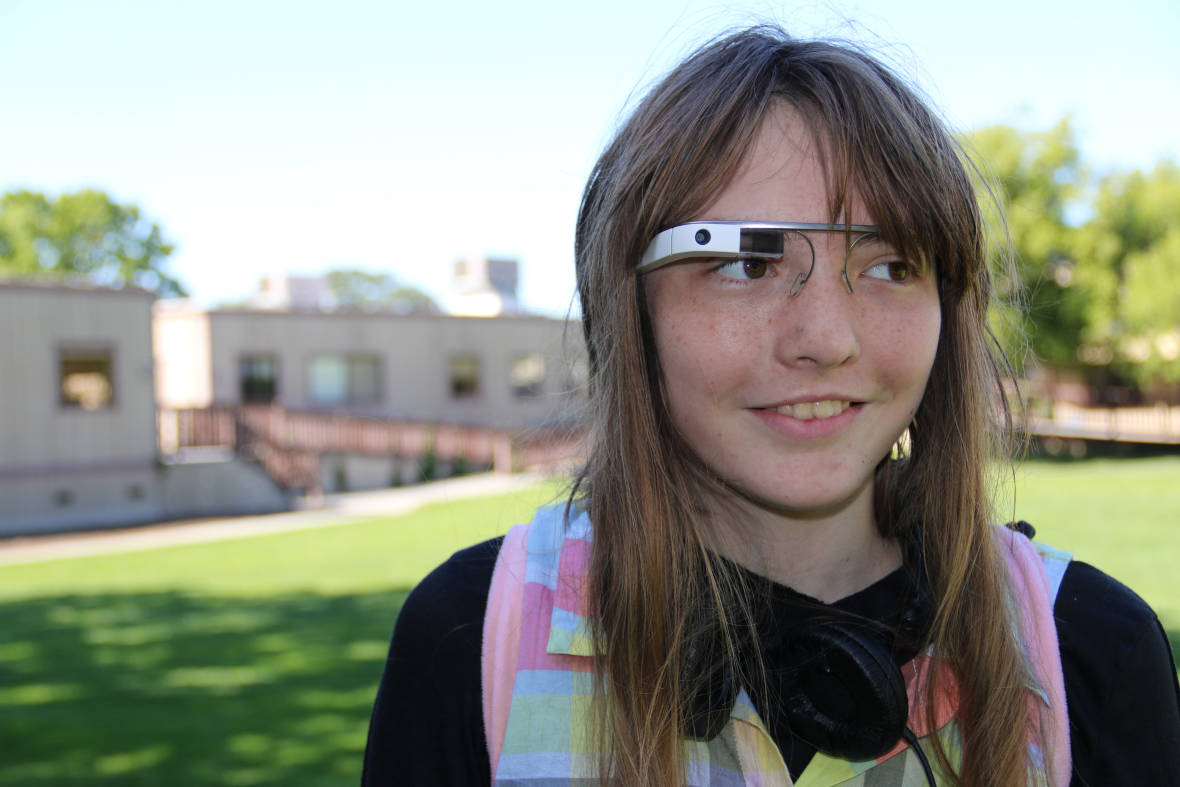
"caption": "Gabby Warner is a participant in Stanford's Google Glass Autism study. She hopes the project morphs into a commercial enterprise that will sell learning aids \n to help kids with autism. ",
"description": null,
"title": "Gabby_feature image",
"credit": "Lindsey Hoshaw/KQED",
"status": "inherit",
"isLoading": false,
"fetchFailed": false
},
"futureofyou_166550": {
"type": "attachments",
"id": "futureofyou_166550",
"meta": {
"index": "attachments_1716263798",
"site": "futureofyou",
"id": "166550",
"found": true
},
"parent": 166123,
"imgSizes": {
"thumbnail": {
"file": "https://ww2.kqed.org/app/uploads/sites/13/2016/05/pear-400x244.jpg",
"width": 400,
"mimeType": "image/jpeg",
"height": 244
},
"post-thumbnail": {
"file": "https://ww2.kqed.org/app/uploads/sites/13/2016/05/pear-672x372.jpg",
"width": 672,
"mimeType": "image/jpeg",
"height": 372
},
"kqedFullSize": {
"file": "https://ww2.kqed.org/app/uploads/sites/13/2016/05/pear.jpg",
"width": 800,
"height": 488
},
"guest-author-50": {
"file": "https://ww2.kqed.org/app/uploads/sites/13/2016/05/pear-50x50.jpg",
"width": 50,
"mimeType": "image/jpeg",
"height": 50
},
"guest-author-96": {
"file": "https://ww2.kqed.org/app/uploads/sites/13/2016/05/pear-96x96.jpg",
"width": 96,
"mimeType": "image/jpeg",
"height": 96
},
"medium": {
"file": "https://ww2.kqed.org/app/uploads/sites/13/2016/05/pear-800x488.jpg",
"width": 800,
"mimeType": "image/jpeg",
"height": 488
},
"guest-author-64": {
"file": "https://ww2.kqed.org/app/uploads/sites/13/2016/05/pear-64x64.jpg",
"width": 64,
"mimeType": "image/jpeg",
"height": 64
},
"detail": {
"file": "https://ww2.kqed.org/app/uploads/sites/13/2016/05/pear-150x150.jpg",
"width": 150,
"mimeType": "image/jpeg",
"height": 150
},
"guest-author-32": {
"file": "https://ww2.kqed.org/app/uploads/sites/13/2016/05/pear-32x32.jpg",
"width": 32,
"mimeType": "image/jpeg",
"height": 32
},
"medium_large": {
"file": "https://ww2.kqed.org/app/uploads/sites/13/2016/05/pear-768x468.jpg",
"width": 768,
"mimeType": "image/jpeg",
"height": 468
},
"guest-author-128": {
"file": "https://ww2.kqed.org/app/uploads/sites/13/2016/05/pear-128x128.jpg",
"width": 128,
"mimeType": "image/jpeg",
"height": 128
}
},
"publishDate": 1463678755,
"modified": 1466701343,
"caption": "Pear Therapeutics smartphone app, which tracks medication. ",
"description": "Pear Therapeutics smartphone app, which tracks medication. ",
"title": "pear",
"credit": "Pear Therapeutics",
"status": "inherit",
"isLoading": false,
"fetchFailed": false
},
"futureofyou_185983": {
"type": "attachments",
"id": "futureofyou_185983",
"meta": {
"index": "attachments_1716263798",
"site": "futureofyou",
"id": "185983",
"found": true
},
"parent": 0,
"imgSizes": {
"thumbnail": {
"file": "https://ww2.kqed.org/app/uploads/sites/13/2016/06/DIY-crispr-400x226.jpg",
"width": 400,
"mimeType": "image/jpeg",
"height": 226
},
"post-thumbnail": {
"file": "https://ww2.kqed.org/app/uploads/sites/13/2016/06/DIY-crispr-672x372.jpg",
"width": 672,
"mimeType": "image/jpeg",
"height": 372
},
"kqedFullSize": {
"file": "https://ww2.kqed.org/app/uploads/sites/13/2016/06/DIY-crispr.jpg",
"width": 840,
"height": 474
},
"guest-author-50": {
"file": "https://ww2.kqed.org/app/uploads/sites/13/2016/06/DIY-crispr-50x50.jpg",
"width": 50,
"mimeType": "image/jpeg",
"height": 50
},
"guest-author-96": {
"file": "https://ww2.kqed.org/app/uploads/sites/13/2016/06/DIY-crispr-96x96.jpg",
"width": 96,
"mimeType": "image/jpeg",
"height": 96
},
"medium": {
"file": "https://ww2.kqed.org/app/uploads/sites/13/2016/06/DIY-crispr-800x451.jpg",
"width": 800,
"mimeType": "image/jpeg",
"height": 451
},
"guest-author-64": {
"file": "https://ww2.kqed.org/app/uploads/sites/13/2016/06/DIY-crispr-64x64.jpg",
"width": 64,
"mimeType": "image/jpeg",
"height": 64
},
"detail": {
"file": "https://ww2.kqed.org/app/uploads/sites/13/2016/06/DIY-crispr-150x150.jpg",
"width": 150,
"mimeType": "image/jpeg",
"height": 150
},
"guest-author-32": {
"file": "https://ww2.kqed.org/app/uploads/sites/13/2016/06/DIY-crispr-32x32.jpg",
"width": 32,
"mimeType": "image/jpeg",
"height": 32
},
"medium_large": {
"file": "https://ww2.kqed.org/app/uploads/sites/13/2016/06/DIY-crispr-768x433.jpg",
"width": 768,
"mimeType": "image/jpeg",
"height": 433
},
"guest-author-128": {
"file": "https://ww2.kqed.org/app/uploads/sites/13/2016/06/DIY-crispr-128x128.jpg",
"width": 128,
"mimeType": "image/jpeg",
"height": 128
}
},
"publishDate": 1466195908,
"modified": 1466198564,
"caption": "KQED's Jon Brooks and Danielle Venton try out a DIY Crispr gene-editing kit.",
"description": null,
"title": "DIY crispr",
"credit": "KQED",
"status": "inherit",
"isLoading": false,
"fetchFailed": false
},
"futureofyou_179728": {
"type": "attachments",
"id": "futureofyou_179728",
"meta": {
"index": "attachments_1716263798",
"site": "futureofyou",
"id": "179728",
"found": true
},
"parent": 179237,
"imgSizes": {
"twentyfourteen-full-width": {
"file": "https://ww2.kqed.org/app/uploads/sites/13/2016/06/iStock_73547551_XLARGE-1038x576.jpg",
"width": 1038,
"mimeType": "image/jpeg",
"height": 576
},
"thumbnail": {
"file": "https://ww2.kqed.org/app/uploads/sites/13/2016/06/iStock_73547551_XLARGE-400x267.jpg",
"width": 400,
"mimeType": "image/jpeg",
"height": 267
},
"fd-sm": {
"file": "https://ww2.kqed.org/app/uploads/sites/13/2016/06/iStock_73547551_XLARGE-960x640.jpg",
"width": 960,
"mimeType": "image/jpeg",
"height": 640
},
"post-thumbnail": {
"file": "https://ww2.kqed.org/app/uploads/sites/13/2016/06/iStock_73547551_XLARGE-672x372.jpg",
"width": 672,
"mimeType": "image/jpeg",
"height": 372
},
"kqedFullSize": {
"file": "https://ww2.kqed.org/app/uploads/sites/13/2016/06/iStock_73547551_XLARGE.jpg",
"width": 4752,
"height": 3168
},
"large": {
"file": "https://ww2.kqed.org/app/uploads/sites/13/2016/06/iStock_73547551_XLARGE-1180x787.jpg",
"width": 1180,
"mimeType": "image/jpeg",
"height": 787
},
"guest-author-50": {
"file": "https://ww2.kqed.org/app/uploads/sites/13/2016/06/iStock_73547551_XLARGE-50x50.jpg",
"width": 50,
"mimeType": "image/jpeg",
"height": 50
},
"guest-author-96": {
"file": "https://ww2.kqed.org/app/uploads/sites/13/2016/06/iStock_73547551_XLARGE-96x96.jpg",
"width": 96,
"mimeType": "image/jpeg",
"height": 96
},
"medium": {
"file": "https://ww2.kqed.org/app/uploads/sites/13/2016/06/iStock_73547551_XLARGE-800x533.jpg",
"width": 800,
"mimeType": "image/jpeg",
"height": 533
},
"guest-author-64": {
"file": "https://ww2.kqed.org/app/uploads/sites/13/2016/06/iStock_73547551_XLARGE-64x64.jpg",
"width": 64,
"mimeType": "image/jpeg",
"height": 64
},
"guest-author-32": {
"file": "https://ww2.kqed.org/app/uploads/sites/13/2016/06/iStock_73547551_XLARGE-32x32.jpg",
"width": 32,
"mimeType": "image/jpeg",
"height": 32
},
"fd-lrg": {
"file": "https://ww2.kqed.org/app/uploads/sites/13/2016/06/iStock_73547551_XLARGE-1920x1280.jpg",
"width": 1920,
"mimeType": "image/jpeg",
"height": 1280
},
"fd-med": {
"file": "https://ww2.kqed.org/app/uploads/sites/13/2016/06/iStock_73547551_XLARGE-1180x787.jpg",
"width": 1180,
"mimeType": "image/jpeg",
"height": 787
},
"detail": {
"file": "https://ww2.kqed.org/app/uploads/sites/13/2016/06/iStock_73547551_XLARGE-150x150.jpg",
"width": 150,
"mimeType": "image/jpeg",
"height": 150
},
"medium_large": {
"file": "https://ww2.kqed.org/app/uploads/sites/13/2016/06/iStock_73547551_XLARGE-768x512.jpg",
"width": 768,
"mimeType": "image/jpeg",
"height": 512
},
"guest-author-128": {
"file": "https://ww2.kqed.org/app/uploads/sites/13/2016/06/iStock_73547551_XLARGE-128x128.jpg",
"width": 128,
"mimeType": "image/jpeg",
"height": 128
}
},
"publishDate": 1465410419,
"modified": 1465410449,
"caption": null,
"description": null,
"title": "Hypertension",
"credit": "iStock",
"status": "inherit",
"isLoading": false,
"fetchFailed": false
},
"futureofyou_100908": {
"type": "attachments",
"id": "futureofyou_100908",
"meta": {
"index": "attachments_1716263798",
"site": "futureofyou",
"id": "100908",
"found": true
},
"parent": 100905,
"imgSizes": {
"twentyfourteen-full-width": {
"file": "https://ww2.kqed.org/app/uploads/sites/13/2016/01/drugs-1-1038x576.jpg",
"width": 1038,
"mimeType": "image/jpeg",
"height": 576
},
"thumbnail": {
"file": "https://ww2.kqed.org/app/uploads/sites/13/2016/01/drugs-1-400x267.jpg",
"width": 400,
"mimeType": "image/jpeg",
"height": 267
},
"fd-sm": {
"file": "https://ww2.kqed.org/app/uploads/sites/13/2016/01/drugs-1-960x640.jpg",
"width": 960,
"mimeType": "image/jpeg",
"height": 640
},
"post-thumbnail": {
"file": "https://ww2.kqed.org/app/uploads/sites/13/2016/01/drugs-1-672x372.jpg",
"width": 672,
"mimeType": "image/jpeg",
"height": 372
},
"kqedFullSize": {
"file": "https://ww2.kqed.org/app/uploads/sites/13/2016/01/drugs-1.jpg",
"width": 1920,
"height": 1280
},
"large": {
"file": "https://ww2.kqed.org/app/uploads/sites/13/2016/01/drugs-1-1180x787.jpg",
"width": 1180,
"mimeType": "image/jpeg",
"height": 787
},
"guest-author-96": {
"file": "https://ww2.kqed.org/app/uploads/sites/13/2016/01/drugs-1-96x96.jpg",
"width": 96,
"mimeType": "image/jpeg",
"height": 96
},
"medium": {
"file": "https://ww2.kqed.org/app/uploads/sites/13/2016/01/drugs-1-800x533.jpg",
"width": 800,
"mimeType": "image/jpeg",
"height": 533
},
"guest-author-64": {
"file": "https://ww2.kqed.org/app/uploads/sites/13/2016/01/drugs-1-64x64.jpg",
"width": 64,
"mimeType": "image/jpeg",
"height": 64
},
"guest-author-32": {
"file": "https://ww2.kqed.org/app/uploads/sites/13/2016/01/drugs-1-32x32.jpg",
"width": 32,
"mimeType": "image/jpeg",
"height": 32
},
"fd-lrg": {
"file": "https://ww2.kqed.org/app/uploads/sites/13/2016/01/drugs-1-1920x1280.jpg",
"width": 1920,
"mimeType": "image/jpeg",
"height": 1280
},
"fd-med": {
"file": "https://ww2.kqed.org/app/uploads/sites/13/2016/01/drugs-1-1180x787.jpg",
"width": 1180,
"mimeType": "image/jpeg",
"height": 787
},
"detail": {
"file": "https://ww2.kqed.org/app/uploads/sites/13/2016/01/drugs-1-75x75.jpg",
"width": 75,
"mimeType": "image/jpeg",
"height": 75
},
"medium_large": {
"file": "https://ww2.kqed.org/app/uploads/sites/13/2016/01/drugs-1-768x512.jpg",
"width": 768,
"mimeType": "image/jpeg",
"height": 512
},
"guest-author-128": {
"file": "https://ww2.kqed.org/app/uploads/sites/13/2016/01/drugs-1-128x128.jpg",
"width": 128,
"mimeType": "image/jpeg",
"height": 128
}
},
"publishDate": 1453395769,
"modified": 1453395794,
"caption": null,
"description": null,
"title": "drugs",
"credit": "Photo from iStock",
"status": "inherit",
"isLoading": false,
"fetchFailed": false
},
"futureofyou_170384": {
"type": "attachments",
"id": "futureofyou_170384",
"meta": {
"index": "attachments_1716263798",
"site": "futureofyou",
"id": "170384",
"found": true
},
"parent": 170383,
"imgSizes": {
"twentyfourteen-full-width": {
"file": "https://ww2.kqed.org/app/uploads/sites/13/2016/05/prehensile-still-eacc58e0d5f1f8be9862fbd8eef037113ba16128-1038x576.jpg",
"width": 1038,
"mimeType": "image/jpeg",
"height": 576
},
"thumbnail": {
"file": "https://ww2.kqed.org/app/uploads/sites/13/2016/05/prehensile-still-eacc58e0d5f1f8be9862fbd8eef037113ba16128-400x300.jpg",
"width": 400,
"mimeType": "image/jpeg",
"height": 300
},
"fd-sm": {
"file": "https://ww2.kqed.org/app/uploads/sites/13/2016/05/prehensile-still-eacc58e0d5f1f8be9862fbd8eef037113ba16128-960x720.jpg",
"width": 960,
"mimeType": "image/jpeg",
"height": 720
},
"post-thumbnail": {
"file": "https://ww2.kqed.org/app/uploads/sites/13/2016/05/prehensile-still-eacc58e0d5f1f8be9862fbd8eef037113ba16128-672x372.jpg",
"width": 672,
"mimeType": "image/jpeg",
"height": 372
},
"kqedFullSize": {
"file": "https://ww2.kqed.org/app/uploads/sites/13/2016/05/prehensile-still-eacc58e0d5f1f8be9862fbd8eef037113ba16128.jpg",
"width": 1223,
"height": 917
},
"large": {
"file": "https://ww2.kqed.org/app/uploads/sites/13/2016/05/prehensile-still-eacc58e0d5f1f8be9862fbd8eef037113ba16128-1180x885.jpg",
"width": 1180,
"mimeType": "image/jpeg",
"height": 885
},
"guest-author-50": {
"file": "https://ww2.kqed.org/app/uploads/sites/13/2016/05/prehensile-still-eacc58e0d5f1f8be9862fbd8eef037113ba16128-50x50.jpg",
"width": 50,
"mimeType": "image/jpeg",
"height": 50
},
"guest-author-96": {
"file": "https://ww2.kqed.org/app/uploads/sites/13/2016/05/prehensile-still-eacc58e0d5f1f8be9862fbd8eef037113ba16128-96x96.jpg",
"width": 96,
"mimeType": "image/jpeg",
"height": 96
},
"medium": {
"file": "https://ww2.kqed.org/app/uploads/sites/13/2016/05/prehensile-still-eacc58e0d5f1f8be9862fbd8eef037113ba16128-800x600.jpg",
"width": 800,
"mimeType": "image/jpeg",
"height": 600
},
"guest-author-64": {
"file": "https://ww2.kqed.org/app/uploads/sites/13/2016/05/prehensile-still-eacc58e0d5f1f8be9862fbd8eef037113ba16128-64x64.jpg",
"width": 64,
"mimeType": "image/jpeg",
"height": 64
},
"guest-author-32": {
"file": "https://ww2.kqed.org/app/uploads/sites/13/2016/05/prehensile-still-eacc58e0d5f1f8be9862fbd8eef037113ba16128-32x32.jpg",
"width": 32,
"mimeType": "image/jpeg",
"height": 32
},
"fd-med": {
"file": "https://ww2.kqed.org/app/uploads/sites/13/2016/05/prehensile-still-eacc58e0d5f1f8be9862fbd8eef037113ba16128-1180x885.jpg",
"width": 1180,
"mimeType": "image/jpeg",
"height": 885
},
"detail": {
"file": "https://ww2.kqed.org/app/uploads/sites/13/2016/05/prehensile-still-eacc58e0d5f1f8be9862fbd8eef037113ba16128-150x150.jpg",
"width": 150,
"mimeType": "image/jpeg",
"height": 150
},
"medium_large": {
"file": "https://ww2.kqed.org/app/uploads/sites/13/2016/05/prehensile-still-eacc58e0d5f1f8be9862fbd8eef037113ba16128-768x576.jpg",
"width": 768,
"mimeType": "image/jpeg",
"height": 576
},
"guest-author-128": {
"file": "https://ww2.kqed.org/app/uploads/sites/13/2016/05/prehensile-still-eacc58e0d5f1f8be9862fbd8eef037113ba16128-128x128.jpg",
"width": 128,
"mimeType": "image/jpeg",
"height": 128
}
},
"publishDate": 1464194024,
"modified": 1464194024,
"caption": null,
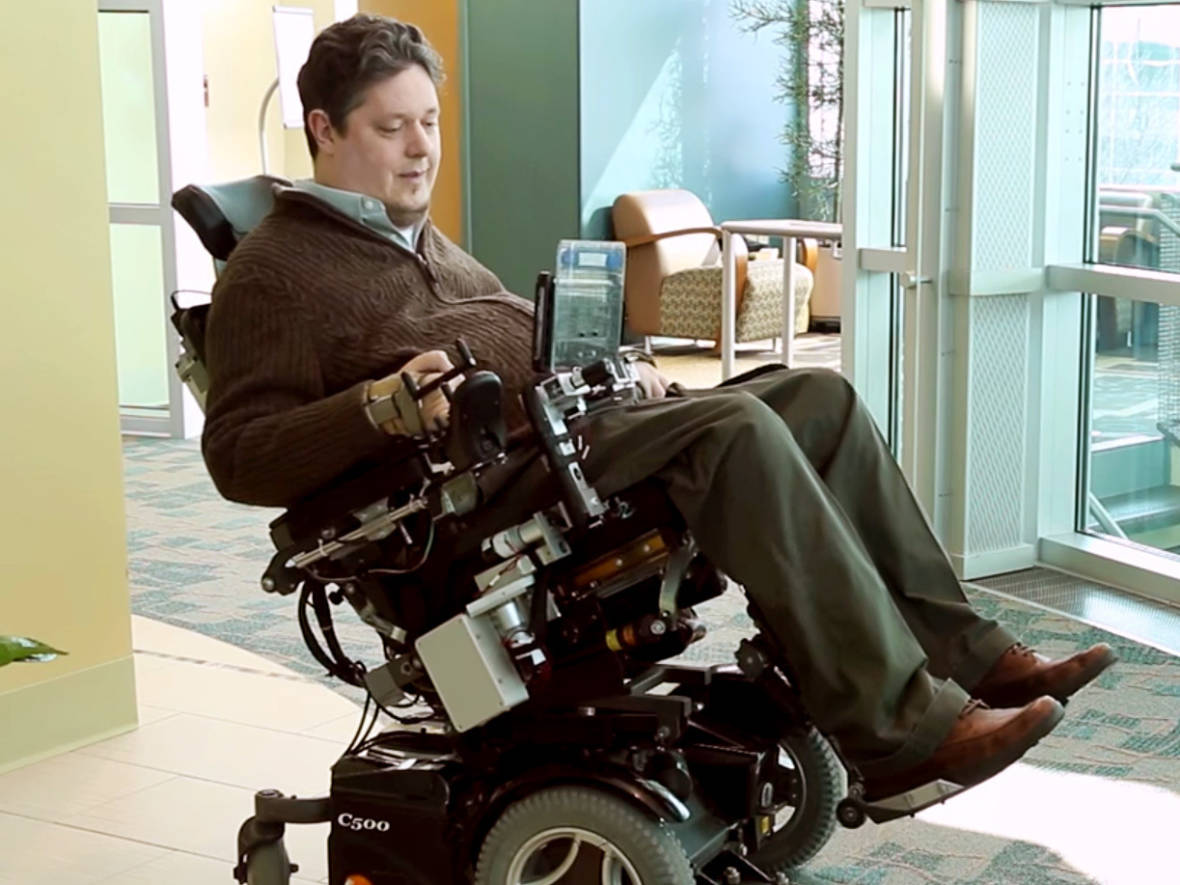
"description": "Brad Duerstock demonstrates the RoboDesk.",
"title": "Brad Duerstock demonstrates the RoboDesk.",
"credit": null,
"status": "inherit",
"isLoading": false,
"fetchFailed": false
},
"futureofyou_170350": {
"type": "attachments",
"id": "futureofyou_170350",
"meta": {
"index": "attachments_1716263798",
"site": "futureofyou",
"id": "170350",
"found": true
},
"parent": 170349,
"imgSizes": {
"thumbnail": {
"file": "https://ww2.kqed.org/app/uploads/sites/13/2016/05/2015_opternative-3b21029ca40fe5dfd58faa4a345f512e8b789036-400x300.jpg",
"width": 400,
"mimeType": "image/jpeg",
"height": 300
},
"post-thumbnail": {
"file": "https://ww2.kqed.org/app/uploads/sites/13/2016/05/2015_opternative-3b21029ca40fe5dfd58faa4a345f512e8b789036-672x372.jpg",
"width": 672,
"mimeType": "image/jpeg",
"height": 372
},
"kqedFullSize": {
"file": "https://ww2.kqed.org/app/uploads/sites/13/2016/05/2015_opternative-3b21029ca40fe5dfd58faa4a345f512e8b789036.jpg",
"width": 704,
"height": 528
},
"guest-author-50": {
"file": "https://ww2.kqed.org/app/uploads/sites/13/2016/05/2015_opternative-3b21029ca40fe5dfd58faa4a345f512e8b789036-50x50.jpg",
"width": 50,
"mimeType": "image/jpeg",
"height": 50
},
"guest-author-96": {
"file": "https://ww2.kqed.org/app/uploads/sites/13/2016/05/2015_opternative-3b21029ca40fe5dfd58faa4a345f512e8b789036-96x96.jpg",
"width": 96,
"mimeType": "image/jpeg",
"height": 96
},
"guest-author-64": {
"file": "https://ww2.kqed.org/app/uploads/sites/13/2016/05/2015_opternative-3b21029ca40fe5dfd58faa4a345f512e8b789036-64x64.jpg",
"width": 64,
"mimeType": "image/jpeg",
"height": 64
},
"detail": {
"file": "https://ww2.kqed.org/app/uploads/sites/13/2016/05/2015_opternative-3b21029ca40fe5dfd58faa4a345f512e8b789036-150x150.jpg",
"width": 150,
"mimeType": "image/jpeg",
"height": 150
},
"guest-author-32": {
"file": "https://ww2.kqed.org/app/uploads/sites/13/2016/05/2015_opternative-3b21029ca40fe5dfd58faa4a345f512e8b789036-32x32.jpg",
"width": 32,
"mimeType": "image/jpeg",
"height": 32
},
"guest-author-128": {
"file": "https://ww2.kqed.org/app/uploads/sites/13/2016/05/2015_opternative-3b21029ca40fe5dfd58faa4a345f512e8b789036-128x128.jpg",
"width": 128,
"mimeType": "image/jpeg",
"height": 128
}
},
"publishDate": 1464192091,
"modified": 1464192189,
"caption": null,
"description": "A startup called Opternative offers online vision tests using a computer and a smartphone.",
"title": "A startup called Opternative offers online vision tests using a computer and a smartphone.",
"credit": "Opternative",
"status": "inherit",
"isLoading": false,
"fetchFailed": false
},
"futureofyou_166621": {
"type": "attachments",
"id": "futureofyou_166621",
"meta": {
"index": "attachments_1716263798",
"site": "futureofyou",
"id": "166621",
"found": true
},
"parent": 166123,
"imgSizes": {
"twentyfourteen-full-width": {
"file": "https://ww2.kqed.org/app/uploads/sites/13/2016/05/Ana-Maiques-1038x576.jpg",
"width": 1038,
"mimeType": "image/jpeg",
"height": 576
},
"thumbnail": {
"file": "https://ww2.kqed.org/app/uploads/sites/13/2016/05/Ana-Maiques-400x300.jpg",
"width": 400,
"mimeType": "image/jpeg",
"height": 300
},
"fd-sm": {
"file": "https://ww2.kqed.org/app/uploads/sites/13/2016/05/Ana-Maiques-960x720.jpg",
"width": 960,
"mimeType": "image/jpeg",
"height": 720
},
"post-thumbnail": {
"file": "https://ww2.kqed.org/app/uploads/sites/13/2016/05/Ana-Maiques-672x372.jpg",
"width": 672,
"mimeType": "image/jpeg",
"height": 372
},
"kqedFullSize": {
"file": "https://ww2.kqed.org/app/uploads/sites/13/2016/05/Ana-Maiques.jpg",
"width": 4032,
"height": 3024
},
"large": {
"file": "https://ww2.kqed.org/app/uploads/sites/13/2016/05/Ana-Maiques-1180x885.jpg",
"width": 1180,
"mimeType": "image/jpeg",
"height": 885
},
"guest-author-50": {
"file": "https://ww2.kqed.org/app/uploads/sites/13/2016/05/Ana-Maiques-50x50.jpg",
"width": 50,
"mimeType": "image/jpeg",
"height": 50
},
"guest-author-96": {
"file": "https://ww2.kqed.org/app/uploads/sites/13/2016/05/Ana-Maiques-96x96.jpg",
"width": 96,
"mimeType": "image/jpeg",
"height": 96
},
"medium": {
"file": "https://ww2.kqed.org/app/uploads/sites/13/2016/05/Ana-Maiques-800x600.jpg",
"width": 800,
"mimeType": "image/jpeg",
"height": 600
},
"guest-author-64": {
"file": "https://ww2.kqed.org/app/uploads/sites/13/2016/05/Ana-Maiques-64x64.jpg",
"width": 64,
"mimeType": "image/jpeg",
"height": 64
},
"guest-author-32": {
"file": "https://ww2.kqed.org/app/uploads/sites/13/2016/05/Ana-Maiques-32x32.jpg",
"width": 32,
"mimeType": "image/jpeg",
"height": 32
},
"fd-lrg": {
"file": "https://ww2.kqed.org/app/uploads/sites/13/2016/05/Ana-Maiques-1920x1440.jpg",
"width": 1920,
"mimeType": "image/jpeg",
"height": 1440
},
"fd-med": {
"file": "https://ww2.kqed.org/app/uploads/sites/13/2016/05/Ana-Maiques-1180x885.jpg",
"width": 1180,
"mimeType": "image/jpeg",
"height": 885
},
"detail": {
"file": "https://ww2.kqed.org/app/uploads/sites/13/2016/05/Ana-Maiques-150x150.jpg",
"width": 150,
"mimeType": "image/jpeg",
"height": 150
},
"medium_large": {
"file": "https://ww2.kqed.org/app/uploads/sites/13/2016/05/Ana-Maiques-768x576.jpg",
"width": 768,
"mimeType": "image/jpeg",
"height": 576
},
"guest-author-128": {
"file": "https://ww2.kqed.org/app/uploads/sites/13/2016/05/Ana-Maiques-128x128.jpg",
"width": 128,
"mimeType": "image/jpeg",
"height": 128
}
},
"publishDate": 1463686058,
"modified": 1463701080,
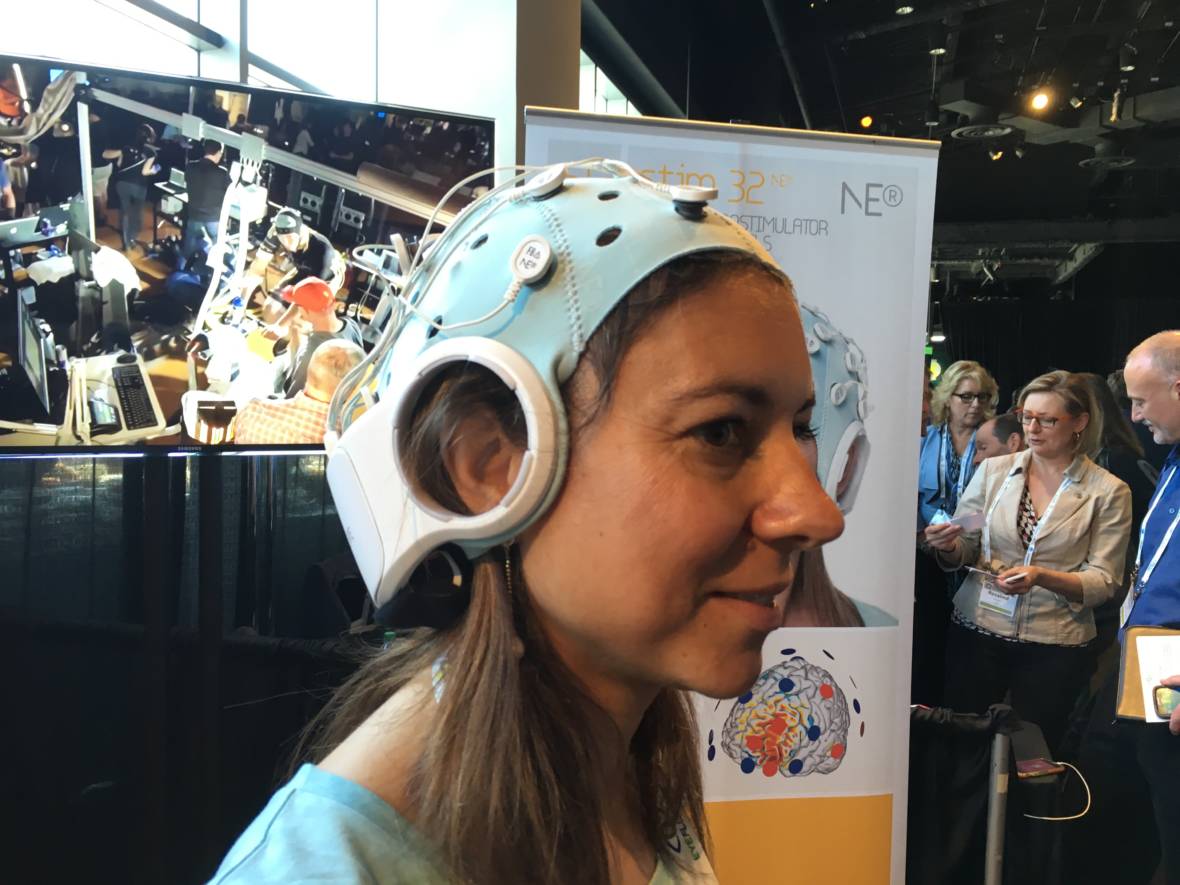
"caption": "Ana Maiques, CEO of Neuroelectrics, demonstrates the company's neoprene caps, which can measure and stimulate brain activity. ",
"description": null,
"title": "Ana Maiques",
"credit": "Lesley McClurg/KQED",
"status": "inherit",
"isLoading": false,
"fetchFailed": false
},
"futureofyou_165395": {
"type": "attachments",
"id": "futureofyou_165395",
"meta": {
"index": "attachments_1716263798",
"site": "futureofyou",
"id": "165395",
"found": true
},
"parent": 165394,
"imgSizes": {
"twentyfourteen-full-width": {
"file": "https://ww2.kqed.org/app/uploads/sites/13/2016/05/gloves_wide-12b601772c8a2b13c3d95743a902e6e5bbfdc57c-1038x576.jpg",
"width": 1038,
"mimeType": "image/jpeg",
"height": 576
},
"thumbnail": {
"file": "https://ww2.kqed.org/app/uploads/sites/13/2016/05/gloves_wide-12b601772c8a2b13c3d95743a902e6e5bbfdc57c-400x225.jpg",
"width": 400,
"mimeType": "image/jpeg",
"height": 225
},
"fd-sm": {
"file": "https://ww2.kqed.org/app/uploads/sites/13/2016/05/gloves_wide-12b601772c8a2b13c3d95743a902e6e5bbfdc57c-960x540.jpg",
"width": 960,
"mimeType": "image/jpeg",
"height": 540
},
"post-thumbnail": {
"file": "https://ww2.kqed.org/app/uploads/sites/13/2016/05/gloves_wide-12b601772c8a2b13c3d95743a902e6e5bbfdc57c-672x372.jpg",
"width": 672,
"mimeType": "image/jpeg",
"height": 372
},
"kqedFullSize": {
"file": "https://ww2.kqed.org/app/uploads/sites/13/2016/05/gloves_wide-12b601772c8a2b13c3d95743a902e6e5bbfdc57c.jpg",
"width": 1383,
"height": 778
},
"large": {
"file": "https://ww2.kqed.org/app/uploads/sites/13/2016/05/gloves_wide-12b601772c8a2b13c3d95743a902e6e5bbfdc57c-1180x664.jpg",
"width": 1180,
"mimeType": "image/jpeg",
"height": 664
},
"guest-author-50": {
"file": "https://ww2.kqed.org/app/uploads/sites/13/2016/05/gloves_wide-12b601772c8a2b13c3d95743a902e6e5bbfdc57c-50x50.jpg",
"width": 50,
"mimeType": "image/jpeg",
"height": 50
},
"guest-author-96": {
"file": "https://ww2.kqed.org/app/uploads/sites/13/2016/05/gloves_wide-12b601772c8a2b13c3d95743a902e6e5bbfdc57c-96x96.jpg",
"width": 96,
"mimeType": "image/jpeg",
"height": 96
},
"medium": {
"file": "https://ww2.kqed.org/app/uploads/sites/13/2016/05/gloves_wide-12b601772c8a2b13c3d95743a902e6e5bbfdc57c-800x450.jpg",
"width": 800,
"mimeType": "image/jpeg",
"height": 450
},
"guest-author-64": {
"file": "https://ww2.kqed.org/app/uploads/sites/13/2016/05/gloves_wide-12b601772c8a2b13c3d95743a902e6e5bbfdc57c-64x64.jpg",
"width": 64,
"mimeType": "image/jpeg",
"height": 64
},
"guest-author-32": {
"file": "https://ww2.kqed.org/app/uploads/sites/13/2016/05/gloves_wide-12b601772c8a2b13c3d95743a902e6e5bbfdc57c-32x32.jpg",
"width": 32,
"mimeType": "image/jpeg",
"height": 32
},
"fd-med": {
"file": "https://ww2.kqed.org/app/uploads/sites/13/2016/05/gloves_wide-12b601772c8a2b13c3d95743a902e6e5bbfdc57c-1180x664.jpg",
"width": 1180,
"mimeType": "image/jpeg",
"height": 664
},
"detail": {
"file": "https://ww2.kqed.org/app/uploads/sites/13/2016/05/gloves_wide-12b601772c8a2b13c3d95743a902e6e5bbfdc57c-150x150.jpg",
"width": 150,
"mimeType": "image/jpeg",
"height": 150
},
"medium_large": {
"file": "https://ww2.kqed.org/app/uploads/sites/13/2016/05/gloves_wide-12b601772c8a2b13c3d95743a902e6e5bbfdc57c-768x432.jpg",
"width": 768,
"mimeType": "image/jpeg",
"height": 432
},
"guest-author-128": {
"file": "https://ww2.kqed.org/app/uploads/sites/13/2016/05/gloves_wide-12b601772c8a2b13c3d95743a902e6e5bbfdc57c-128x128.jpg",
"width": 128,
"mimeType": "image/jpeg",
"height": 128
}
},
"publishDate": 1463517344,
"modified": 1463521845,
"caption": null,
"description": "SignAloud gloves translate sign language into text and speech.",
"title": "SignAloud gloves translate sign language into text and speech.",
"credit": "Conrado Tapado/Univ of Washington, CoMotion",
"status": "inherit",
"isLoading": false,
"fetchFailed": false
},
"futureofyou_162341": {
"type": "attachments",
"id": "futureofyou_162341",
"meta": {
"index": "attachments_1716263798",
"site": "futureofyou",
"id": "162341",
"found": true
},
"parent": 162340,
"imgSizes": {
"twentyfourteen-full-width": {
"file": "https://ww2.kqed.org/app/uploads/sites/13/2016/05/jetlag_enl-7263b92bcf7e20ee69c29c2715388b401ffe6baa-1038x576.jpg",
"width": 1038,
"mimeType": "image/jpeg",
"height": 576
},
"thumbnail": {
"file": "https://ww2.kqed.org/app/uploads/sites/13/2016/05/jetlag_enl-7263b92bcf7e20ee69c29c2715388b401ffe6baa-400x387.jpg",
"width": 400,
"mimeType": "image/jpeg",
"height": 387
},
"fd-sm": {
"file": "https://ww2.kqed.org/app/uploads/sites/13/2016/05/jetlag_enl-7263b92bcf7e20ee69c29c2715388b401ffe6baa-960x929.jpg",
"width": 960,
"mimeType": "image/jpeg",
"height": 929
},
"post-thumbnail": {
"file": "https://ww2.kqed.org/app/uploads/sites/13/2016/05/jetlag_enl-7263b92bcf7e20ee69c29c2715388b401ffe6baa-672x372.jpg",
"width": 672,
"mimeType": "image/jpeg",
"height": 372
},
"kqedFullSize": {
"file": "https://ww2.kqed.org/app/uploads/sites/13/2016/05/jetlag_enl-7263b92bcf7e20ee69c29c2715388b401ffe6baa-e1463076763903.jpg",
"width": 1920,
"height": 1858
},
"large": {
"file": "https://ww2.kqed.org/app/uploads/sites/13/2016/05/jetlag_enl-7263b92bcf7e20ee69c29c2715388b401ffe6baa-1180x1142.jpg",
"width": 1180,
"mimeType": "image/jpeg",
"height": 1142
},
"guest-author-96": {
"file": "https://ww2.kqed.org/app/uploads/sites/13/2016/05/jetlag_enl-7263b92bcf7e20ee69c29c2715388b401ffe6baa-96x96.jpg",
"width": 96,
"mimeType": "image/jpeg",
"height": 96
},
"medium": {
"file": "https://ww2.kqed.org/app/uploads/sites/13/2016/05/jetlag_enl-7263b92bcf7e20ee69c29c2715388b401ffe6baa-620x600.jpg",
"width": 620,
"mimeType": "image/jpeg",
"height": 600
},
"guest-author-64": {
"file": "https://ww2.kqed.org/app/uploads/sites/13/2016/05/jetlag_enl-7263b92bcf7e20ee69c29c2715388b401ffe6baa-64x64.jpg",
"width": 64,
"mimeType": "image/jpeg",
"height": 64
},
"guest-author-32": {
"file": "https://ww2.kqed.org/app/uploads/sites/13/2016/05/jetlag_enl-7263b92bcf7e20ee69c29c2715388b401ffe6baa-32x32.jpg",
"width": 32,
"mimeType": "image/jpeg",
"height": 32
},
"fd-lrg": {
"file": "https://ww2.kqed.org/app/uploads/sites/13/2016/05/jetlag_enl-7263b92bcf7e20ee69c29c2715388b401ffe6baa-1920x1858.jpg",
"width": 1920,
"mimeType": "image/jpeg",
"height": 1858
},
"fd-med": {
"file": "https://ww2.kqed.org/app/uploads/sites/13/2016/05/jetlag_enl-7263b92bcf7e20ee69c29c2715388b401ffe6baa-1180x1142.jpg",
"width": 1180,
"mimeType": "image/jpeg",
"height": 1142
},
"detail": {
"file": "https://ww2.kqed.org/app/uploads/sites/13/2016/05/jetlag_enl-7263b92bcf7e20ee69c29c2715388b401ffe6baa-150x150.jpg",
"width": 150,
"mimeType": "image/jpeg",
"height": 150
},
"medium_large": {
"file": "https://ww2.kqed.org/app/uploads/sites/13/2016/05/jetlag_enl-7263b92bcf7e20ee69c29c2715388b401ffe6baa-768x743.jpg",
"width": 768,
"mimeType": "image/jpeg",
"height": 743
},
"guest-author-128": {
"file": "https://ww2.kqed.org/app/uploads/sites/13/2016/05/jetlag_enl-7263b92bcf7e20ee69c29c2715388b401ffe6baa-128x128.jpg",
"width": 128,
"mimeType": "image/jpeg",
"height": 128
}
},
"publishDate": 1463076693,
"modified": 1463076757,
"caption": null,
"description": "What time is it?",
"title": "What time is it?",
"credit": "Doug Griswold/Bay Area News Group/MCT via Getty Images",
"status": "inherit",
"isLoading": false,
"fetchFailed": false
},
"futureofyou_161772": {
"type": "attachments",
"id": "futureofyou_161772",
"meta": {
"index": "attachments_1716263798",
"site": "futureofyou",
"id": "161772",
"found": true
},
"parent": 161769,
"imgSizes": {
"twentyfourteen-full-width": {
"file": "https://ww2.kqed.org/app/uploads/sites/13/2016/05/zoom-clinic-4-1038x576.jpg",
"width": 1038,
"mimeType": "image/jpeg",
"height": 576
},
"thumbnail": {
"file": "https://ww2.kqed.org/app/uploads/sites/13/2016/05/zoom-clinic-4-400x300.jpg",
"width": 400,
"mimeType": "image/jpeg",
"height": 300
},
"fd-sm": {
"file": "https://ww2.kqed.org/app/uploads/sites/13/2016/05/zoom-clinic-4-960x720.jpg",
"width": 960,
"mimeType": "image/jpeg",
"height": 720
},
"post-thumbnail": {
"file": "https://ww2.kqed.org/app/uploads/sites/13/2016/05/zoom-clinic-4-672x372.jpg",
"width": 672,
"mimeType": "image/jpeg",
"height": 372
},
"kqedFullSize": {
"file": "https://ww2.kqed.org/app/uploads/sites/13/2016/05/zoom-clinic-4-e1462986665704.jpg",
"width": 1920,
"height": 1440
},
"large": {
"file": "https://ww2.kqed.org/app/uploads/sites/13/2016/05/zoom-clinic-4-1180x885.jpg",
"width": 1180,
"mimeType": "image/jpeg",
"height": 885
},
"guest-author-96": {
"file": "https://ww2.kqed.org/app/uploads/sites/13/2016/05/zoom-clinic-4-96x96.jpg",
"width": 96,
"mimeType": "image/jpeg",
"height": 96
},
"medium": {
"file": "https://ww2.kqed.org/app/uploads/sites/13/2016/05/zoom-clinic-4-800x600.jpg",
"width": 800,
"mimeType": "image/jpeg",
"height": 600
},
"guest-author-64": {
"file": "https://ww2.kqed.org/app/uploads/sites/13/2016/05/zoom-clinic-4-64x64.jpg",
"width": 64,
"mimeType": "image/jpeg",
"height": 64
},
"guest-author-32": {
"file": "https://ww2.kqed.org/app/uploads/sites/13/2016/05/zoom-clinic-4-32x32.jpg",
"width": 32,
"mimeType": "image/jpeg",
"height": 32
},
"fd-lrg": {
"file": "https://ww2.kqed.org/app/uploads/sites/13/2016/05/zoom-clinic-4-1920x1440.jpg",
"width": 1920,
"mimeType": "image/jpeg",
"height": 1440
},
"fd-med": {
"file": "https://ww2.kqed.org/app/uploads/sites/13/2016/05/zoom-clinic-4-1180x885.jpg",
"width": 1180,
"mimeType": "image/jpeg",
"height": 885
},
"detail": {
"file": "https://ww2.kqed.org/app/uploads/sites/13/2016/05/zoom-clinic-4-150x150.jpg",
"width": 150,
"mimeType": "image/jpeg",
"height": 150
},
"medium_large": {
"file": "https://ww2.kqed.org/app/uploads/sites/13/2016/05/zoom-clinic-4-768x576.jpg",
"width": 768,
"mimeType": "image/jpeg",
"height": 576
},
"guest-author-128": {
"file": "https://ww2.kqed.org/app/uploads/sites/13/2016/05/zoom-clinic-4-128x128.jpg",
"width": 128,
"mimeType": "image/jpeg",
"height": 128
}
},
"publishDate": 1462986650,
"modified": 1462986789,
"caption": "Dr. Craig McDougall and Zoom patient Amy Cannon review her latest lab results. ",
"description": null,
"title": "zoom-clinic-4",
"credit": "Anna Gorman/KHN",
"status": "inherit",
"isLoading": false,
"fetchFailed": false
},
"futureofyou_161306": {
"type": "attachments",
"id": "futureofyou_161306",
"meta": {
"index": "attachments_1716263798",
"site": "futureofyou",
"id": "161306",
"found": true
},
"parent": 160842,
"imgSizes": {
"twentyfourteen-full-width": {
"file": "https://ww2.kqed.org/app/uploads/sites/13/2016/05/Tess-Bigelow-960x576.jpg",
"width": 960,
"mimeType": "image/jpeg",
"height": 576
},
"thumbnail": {
"file": "https://ww2.kqed.org/app/uploads/sites/13/2016/05/Tess-Bigelow-400x300.jpg",
"width": 400,
"mimeType": "image/jpeg",
"height": 300
},
"fd-sm": {
"file": "https://ww2.kqed.org/app/uploads/sites/13/2016/05/Tess-Bigelow-960x720.jpg",
"width": 960,
"mimeType": "image/jpeg",
"height": 720
},
"post-thumbnail": {
"file": "https://ww2.kqed.org/app/uploads/sites/13/2016/05/Tess-Bigelow-672x372.jpg",
"width": 672,
"mimeType": "image/jpeg",
"height": 372
},
"kqedFullSize": {
"file": "https://ww2.kqed.org/app/uploads/sites/13/2016/05/Tess-Bigelow.jpg",
"width": 960,
"height": 720
},
"guest-author-96": {
"file": "https://ww2.kqed.org/app/uploads/sites/13/2016/05/Tess-Bigelow-96x96.jpg",
"width": 96,
"mimeType": "image/jpeg",
"height": 96
},
"medium": {
"file": "https://ww2.kqed.org/app/uploads/sites/13/2016/05/Tess-Bigelow-800x600.jpg",
"width": 800,
"mimeType": "image/jpeg",
"height": 600
},
"guest-author-64": {
"file": "https://ww2.kqed.org/app/uploads/sites/13/2016/05/Tess-Bigelow-64x64.jpg",
"width": 64,
"mimeType": "image/jpeg",
"height": 64
},
"detail": {
"file": "https://ww2.kqed.org/app/uploads/sites/13/2016/05/Tess-Bigelow-150x150.jpg",
"width": 150,
"mimeType": "image/jpeg",
"height": 150
},
"guest-author-32": {
"file": "https://ww2.kqed.org/app/uploads/sites/13/2016/05/Tess-Bigelow-32x32.jpg",
"width": 32,
"mimeType": "image/jpeg",
"height": 32
},
"medium_large": {
"file": "https://ww2.kqed.org/app/uploads/sites/13/2016/05/Tess-Bigelow-768x576.jpg",
"width": 768,
"mimeType": "image/jpeg",
"height": 576
},
"guest-author-128": {
"file": "https://ww2.kqed.org/app/uploads/sites/13/2016/05/Tess-Bigelow-128x128.jpg",
"width": 128,
"mimeType": "image/jpeg",
"height": 128
}
},
"publishDate": 1462910454,
"modified": 1462910562,
"caption": "Tess Bigelow and her mother Kate.",
"description": null,
"title": "Tess Bigelow",
"credit": "Bo Bigelow/Facebook",
"status": "inherit",
"isLoading": false,
"fetchFailed": false
}
},
"audioPlayerReducer": {
"postId": "stream_live",
"isPaused": true,
"isPlaying": false,
"pfsActive": false,
"pledgeModalIsOpen": true,
"playerDrawerIsOpen": false,
"liveAudioPlayStartedAt": 0,
"liveAudioPlayContext": ""
},
"authorsReducer": {
"byline_futureofyou_189936": {
"type": "authors",
"id": "byline_futureofyou_189936",
"meta": {
"override": true
},
"slug": "byline_futureofyou_189936",
"name": "Barbara Feder Ostrov\u003cbr />Kaiser Health News",
"isLoading": false
},
"byline_futureofyou_183746": {
"type": "authors",
"id": "byline_futureofyou_183746",
"meta": {
"override": true
},
"slug": "byline_futureofyou_183746",
"name": "Danielle Venton",
"isLoading": false
},
"byline_futureofyou_175840": {
"type": "authors",
"id": "byline_futureofyou_175840",
"meta": {
"override": true
},
"slug": "byline_futureofyou_175840",
"name": "Matthew Perrone\u003cbr />Associated Press",
"isLoading": false
},
"byline_futureofyou_170383": {
"type": "authors",
"id": "byline_futureofyou_170383",
"meta": {
"override": true
},
"slug": "byline_futureofyou_170383",
"name": "Stan Jastrzebski\u003cbr />NPR All Tech Considered",
"isLoading": false
},
"byline_futureofyou_170349": {
"type": "authors",
"id": "byline_futureofyou_170349",
"meta": {
"override": true
},
"slug": "byline_futureofyou_170349",
"name": "Bradley George\u003cbr />NPR All Tech Considered",
"isLoading": false
},
"byline_futureofyou_165394": {
"type": "authors",
"id": "byline_futureofyou_165394",
"meta": {
"override": true
},
"slug": "byline_futureofyou_165394",
"name": "NPR All Tech Considered",
"isLoading": false
},
"byline_futureofyou_162340": {
"type": "authors",
"id": "byline_futureofyou_162340",
"meta": {
"override": true
},
"slug": "byline_futureofyou_162340",
"name": "Alan Yu\u003cbr />NPR Shots",
"isLoading": false
},
"byline_futureofyou_161769": {
"type": "authors",
"id": "byline_futureofyou_161769",
"meta": {
"override": true
},
"slug": "byline_futureofyou_161769",
"name": "Anna Gorman\u003cbr />Kaiser Health News",
"isLoading": false
},
"katsnow": {
"type": "authors",
"id": "235",
"meta": {
"index": "authors_1716337520",
"id": "235",
"found": true
},
"name": "Katrin Snow",
"firstName": "Katrin",
"lastName": "Snow",
"slug": "katsnow",
"email": "ksnow@kqed.org",
"display_author_email": true,
"staff_mastheads": [
"science"
],
"title": "Senior Editor",
"bio": "Kat started in radio in 1985 at KMUN in Astoria, Oregon, where the Columbia River meets the sea. She worked several years protecting monarch butterfly habitat in California with the Xerces Society, an invertebrate conservation organization, before a love for radio news drew her back into journalism. Kat came to KQED in 2002, and before that was a reporter and news director at KUER in Salt Lake City, covering the state legislature, the environment and health. Kat coaches reporters and others in embodied narration and public speaking. She is a certified teacher of Soul Motion®, a conscious dance practice, and can sometimes be found in the Mojave desert or the Eastern Sierra.",
"avatar": "https://secure.gravatar.com/avatar/fa6bf8a74a2692973a5484e64ebd2b52?s=600&d=blank&r=g",
"twitter": "cosmologicalkat",
"facebook": null,
"instagram": null,
"linkedin": null,
"sites": [
{
"site": "arts",
"roles": [
"contributor"
]
},
{
"site": "news",
"roles": [
"editor"
]
},
{
"site": "futureofyou",
"roles": [
"editor"
]
},
{
"site": "science",
"roles": [
"editor"
]
}
],
"headData": {
"title": "Katrin Snow | KQED",
"description": "Senior Editor",
"ogImgSrc": "https://secure.gravatar.com/avatar/fa6bf8a74a2692973a5484e64ebd2b52?s=600&d=blank&r=g",
"twImgSrc": "https://secure.gravatar.com/avatar/fa6bf8a74a2692973a5484e64ebd2b52?s=600&d=blank&r=g"
},
"isLoading": false,
"link": "/author/katsnow"
},
"lindseyhoshaw": {
"type": "authors",
"id": "5432",
"meta": {
"index": "authors_1716337520",
"id": "5432",
"found": true
},
"name": "Lindsey Hoshaw",
"firstName": "Lindsey",
"lastName": "Hoshaw",
"slug": "lindseyhoshaw",
"email": "lhoshaw@kqed.org",
"display_author_email": false,
"staff_mastheads": [],
"title": "KQED Contributor",
"bio": "Lindsey Hoshaw is a former interactive producer for KQED Science. Before joining KQED, Lindsey was a science correspondent for The New York Times, The Boston Globe, Forbes and Scientific American. On Twitter @lindseyhoshaw",
"avatar": "https://secure.gravatar.com/avatar/274b07694c998eaa8f26cfabaa941186?s=600&d=mm&r=g",
"twitter": "lindseyhoshaw",
"facebook": "lindsey.hoshaw.9",
"instagram": null,
"linkedin": null,
"sites": [
{
"site": "arts",
"roles": [
"author"
]
},
{
"site": "news",
"roles": [
"subscriber"
]
},
{
"site": "futureofyou",
"roles": [
"editor"
]
},
{
"site": "bayareabites",
"roles": [
"contributor"
]
},
{
"site": "stateofhealth",
"roles": [
"author"
]
},
{
"site": "science",
"roles": [
"edit_theme_options",
"subscriber"
]
},
{
"site": "quest",
"roles": [
"edit_post_subscriptions",
"edit_usergroups",
"unfiltered_html",
"unfiltered_upload",
"leadcoordinator",
"editor"
]
},
{
"site": "food",
"roles": []
}
],
"headData": {
"title": "Lindsey Hoshaw | KQED",
"description": "KQED Contributor",
"ogImgSrc": "https://secure.gravatar.com/avatar/274b07694c998eaa8f26cfabaa941186?s=600&d=mm&r=g",
"twImgSrc": "https://secure.gravatar.com/avatar/274b07694c998eaa8f26cfabaa941186?s=600&d=mm&r=g"
},
"isLoading": false,
"link": "/author/lindseyhoshaw"
},
"lesleymcclurg": {
"type": "authors",
"id": "11229",
"meta": {
"index": "authors_1716337520",
"id": "11229",
"found": true
},
"name": "Lesley McClurg",
"firstName": "Lesley",
"lastName": "McClurg",
"slug": "lesleymcclurg",
"email": "lmcclurg@KQED.org",
"display_author_email": false,
"staff_mastheads": [
"news",
"science"
],
"title": "KQED Health Correspondent",
"bio": "Lesley McClurg is a health correspondent and fill-in host whose work is regularly rebroadcast on NPR and PBS programs. She’s earned multiple regional Emmy awards, a national and a regional Edward R. Murrow award, and was named Best Beat Reporter by the Association of Health Care Journalists. The Society of Professional Journalists has recognized her work several times, and the Society of Environmental Journalists spotlighted her coverage of California’s historic drought.\r\n\r\nBefore joining KQED in 2016, Lesley covered food and sustainability for Capital Public Radio, environmental issues for Colorado Public Radio, and reported for KUOW and KCTS 9 in Seattle. Away from the newsroom, she loves skiing with her daughter, mountain biking with her partner, and playing with Ollie, the family’s goldendoodle. On deadline, she runs almost entirely on chocolate chips.\r\n\r\n ",
"avatar": "https://secure.gravatar.com/avatar/bab49e972ea10c774fe0f5e29dba1722b158f7c0d58a360923d1389d380b2978?s=600&d=blank&r=g",
"twitter": "lesleywmcclurg",
"bluesky": null,
"facebook": null,
"instagram": null,
"linkedin": null,
"sites": [
{
"site": "arts",
"roles": [
"author"
]
},
{
"site": "news",
"roles": [
"editor"
]
},
{
"site": "futureofyou",
"roles": [
"editor"
]
},
{
"site": "stateofhealth",
"roles": [
"author"
]
},
{
"site": "science",
"roles": [
"editor"
]
},
{
"site": "quest",
"roles": [
"subscriber"
]
},
{
"site": "forum",
"roles": [
"administrator"
]
},
{
"site": "liveblog",
"roles": [
"author"
]
}
],
"headData": {
"title": "Lesley McClurg | KQED",
"description": "KQED Health Correspondent",
"ogImgSrc": "https://secure.gravatar.com/avatar/bab49e972ea10c774fe0f5e29dba1722b158f7c0d58a360923d1389d380b2978?s=600&d=blank&r=g",
"twImgSrc": "https://secure.gravatar.com/avatar/bab49e972ea10c774fe0f5e29dba1722b158f7c0d58a360923d1389d380b2978?s=600&d=blank&r=g"
},
"isLoading": false,
"link": "/author/lesleymcclurg"
}
},
"pagesReducer": {
"futureofyou_category_diy-health": {
"type": "terms",
"id": "futureofyou_1060",
"meta": {
"index": "terms_1716263798",
"site": "futureofyou",
"id": "1060",
"score": 13.896381
},
"featImg": null,
"name": "DIY Health",
"description": null,
"taxonomy": "category",
"headData": {
"twImgId": null,
"twTitle": null,
"ogTitle": null,
"ogImgId": null,
"twDescription": null,
"description": null,
"title": "DIY Health Archives | KQED Arts",
"ogDescription": null
},
"ttid": 1060,
"slug": "diy-health",
"isLoading": false,
"title": "DIY Health",
"pageMeta": {
"site": "futureofyou",
"WpPageTemplate": "page-topic-editorial",
"currentPage": 16
},
"blocks": [
{
"blockName": "kqed/post-list",
"attrs": {
"layout": "cardArticle2",
"query": "posts/futureofyou?category=diy-health",
"seeMore": false,
"paginated": true,
"page": 16
}
},
{
"blockName": "kqed/ad"
}
]
}
},
"pfsSessionReducer": {},
"postsReducer": {
"stream_live": {
"type": "live",
"id": "stream_live",
"audioUrl": "https://streams.kqed.org/kqedradio",
"title": "Live Stream",
"excerpt": "Live Stream information currently unavailable.",
"link": "/radio",
"featImg": "",
"label": {
"name": "KQED Live",
"link": "/"
}
},
"stream_kqedNewscast": {
"type": "posts",
"id": "stream_kqedNewscast",
"audioUrl": "https://www.kqed.org/.stream/anon/radio/RDnews/newscast.mp3?_=1",
"title": "KQED Newscast",
"featImg": "",
"label": {
"name": "88.5 FM",
"link": "/"
}
},
"futureofyou_138396": {
"type": "posts",
"id": "futureofyou_138396",
"meta": {
"index": "posts_1716263798",
"site": "futureofyou",
"id": "138396",
"score": null,
"sort": [
1466715654000
]
},
"parent": 0,
"labelTerm": {},
"blocks": [],
"publishDate": 1466715654,
"format": "standard",
"disqusTitle": "Google Glass Flopped. But Kids With Autism Are Using It to Recognize Emotions",
"title": "Google Glass Flopped. But Kids With Autism Are Using It to Recognize Emotions",
"headTitle": "KQED Future of You | KQED Science",
"content": "\u003cp>Gabby Warner coveted a Google Glass headset when it first became available so she could search the web. But now, she's using it for a more profound\u003cb> \u003c/b>purpose.\u003c/p>\n\u003cp>\"It’s helped me to understand some people’s emotions,\" says Warner, who has autism. \"I can tell when a friend is upset better now than I could before.\"\u003c/p>\n\u003caside class=\"pullquote alignright\">“I can tell when a friend is upset better now than I could before.”\u003ccite>Gabby Warner\u003c/cite>\u003c/aside>\n\u003cp>The 14-year-old attends Westmont High School in Campbell, California and is one of the first study participants in Stanford's Autism Glass Project. Currently, children ages six to 17 are participating, and researchers are \u003ca href=\"http://autismglass.stanford.edu/\" target=\"_blank\">looking for\u003c/a> more volunteers for the next phase.\u003c/p>\n\u003cp>The goal is to validate the technology as a learning aid that helps students recognize human emotions.\u003c/p>\n\u003cp>Some children with autism struggle to understand social interactions, make eye contact or recognize facial expressions. So the Stanford researchers developed facial-recognition software specifically for Glass. The software acts as a coach, helping the kids search for and correctly identify emotions expressed on people's faces.\u003c/p>\n\u003cp>[ad fullwidth]\u003c/p>\n\u003cp>The technology could impact millions of children. In 2014, one in 68 children was diagnosed with autism, according to \u003ca href=\"http://www.cdc.gov/media/releases/2014/p0327-autism-spectrum-disorder.html\" target=\"_blank\">a report \u003c/a>from the Centers for Disease Control and Prevention. That's up about 30 percent from the previous estimate in 2012.\u003c/p>\n\u003cp>Early results of the Stanford study have shown benefits.\u003c/p>\n\u003cfigure id=\"attachment_141584\" class=\"wp-caption aligncenter\" style=\"max-width: 800px\">\u003ca href=\"http://ww2.kqed.org/futureofyou/wp-content/uploads/sites/13/2016/04/Gabby_tutorial_lighter.jpg\" rel=\"attachment wp-att-141584\">\u003cimg class=\"size-medium wp-image-141584\" src=\"http://ww2.kqed.org/futureofyou/wp-content/uploads/sites/13/2016/04/Gabby_tutorial_lighter-800x533.jpg\" alt=\"Study manager Beth McCarthy shows study participant Gabby Warner new features on the smartphone app that connects to Google Glass.\" width=\"800\" height=\"533\" srcset=\"https://ww2.kqed.org/app/uploads/sites/13/2016/04/Gabby_tutorial_lighter-800x533.jpg 800w, https://ww2.kqed.org/app/uploads/sites/13/2016/04/Gabby_tutorial_lighter-400x267.jpg 400w, https://ww2.kqed.org/app/uploads/sites/13/2016/04/Gabby_tutorial_lighter-768x512.jpg 768w, https://ww2.kqed.org/app/uploads/sites/13/2016/04/Gabby_tutorial_lighter-1180x787.jpg 1180w, https://ww2.kqed.org/app/uploads/sites/13/2016/04/Gabby_tutorial_lighter-1920x1280.jpg 1920w, https://ww2.kqed.org/app/uploads/sites/13/2016/04/Gabby_tutorial_lighter-960x640.jpg 960w\" sizes=\"(max-width: 800px) 100vw, 800px\">\u003c/a>\u003cfigcaption class=\"wp-caption-text\">Study manager Beth McCarthy shows study participant Gabby Warner new features on the smartphone app that connects to Google Glass. \u003ccite>(Lindsey Hoshaw/KQED)\u003c/cite>\u003c/figcaption>\u003c/figure>\n\u003cp>\"We are really seeing improvements in social acuity,\" says Stanford University associate professor of pediatrics Dennis Wall. Parents, he said, are also spending more focused therapeutic time with their kids.\u003c/p>\n\u003cp>Wall is leading the project with entrepreneur and Stanford University computer science undergrad Catalin Voss, at the \u003ca href=\"http://wall-lab.stanford.edu/\" target=\"_blank\">Wall Lab\u003c/a>, housed within \u003ca href=\"http://med.stanford.edu/\" target=\"_blank\">Stanford's School of Medicine\u003c/a>. The team started phase I clinical trials in February 2015 by having students wear Google Glass and an eye-tracker while they looked at a monitor.\u003c/p>\n\u003caside class=\"pullquote alignright\">Children in the study looked more frequently at people's faces and eyes and were better able to differentiate emotions.\u003c/aside>\n\u003cp>During phase I, the screen showed an image and then a list of seven emotions from which the kids could choose. The first round of images was used for a baseline test, where the kids tried to identify the emotions on their own; in the second round, Glass provided them with audio and visual cues, such as emoticons or playful sound effects, which were linked to different emotions.\u003c/p>\n\u003cp>In the third round, the students again identified the emotions on their own. Researchers wanted to see if they were any better at it having used Glass.\u003c/p>\n\u003cp>Wall said the participants could better differentiate the emotions they saw and were less likely to confuse emotions like surprise and fear. They also looked more frequently at people's faces and made more eye contact. (The researchers couldn't provide KQED statistics on the study because a published scientific paper is forthcoming.)\u003c/p>\n\u003cp>\"They were generally more socially confident,\" says Wall, \"and a side benefit is that they feel less isolated.\"\u003c/p>\n\u003cp>\u003cstrong>Taking Glass Home\u003c/strong>\u003c/p>\n\u003cp>But a lab setting is nothing like the real world. So the study is now sending children home with Glass to measure how they interact with their families and record changes in their social skills.\u003c/p>\n\u003cp>Over the course of four months, the kids and their families will participate in the therapy. During three 20-minute sessions per day, anything a child sees while wearing Glass is recorded and saved onto a smartphone app developed by the lab.\u003c/p>\n\u003cp>Kids and parents can then review the footage together, and the parents can point out the emotions they were feeling at specific moments. As this occurs, corresponding color-coded bars at the bottom of the screen are linked to those feelings. A red bar at the bottom of the screen means someone is upset, for example, and a yellow bar indicates they are happy. In the photo below, the blue dot is centered over a yellow bar.\u003c/p>\n\u003cfigure id=\"attachment_142201\" class=\"wp-caption aligncenter\" style=\"max-width: 800px\">\u003ca href=\"http://ww2.kqed.org/futureofyou/wp-content/uploads/sites/13/2016/04/Catalin_glass_app_color_corrected.jpg\" rel=\"attachment wp-att-142201\">\u003cimg class=\"size-medium wp-image-142201\" src=\"http://ww2.kqed.org/futureofyou/wp-content/uploads/sites/13/2016/04/Catalin_glass_app_color_corrected-800x450.jpg\" alt=\"The smartphone app that kids use to review human interaction color codes different facial expressions. \" width=\"800\" height=\"450\" srcset=\"https://ww2.kqed.org/app/uploads/sites/13/2016/04/Catalin_glass_app_color_corrected-800x450.jpg 800w, https://ww2.kqed.org/app/uploads/sites/13/2016/04/Catalin_glass_app_color_corrected-400x225.jpg 400w, https://ww2.kqed.org/app/uploads/sites/13/2016/04/Catalin_glass_app_color_corrected-768x432.jpg 768w, https://ww2.kqed.org/app/uploads/sites/13/2016/04/Catalin_glass_app_color_corrected-1180x664.jpg 1180w, https://ww2.kqed.org/app/uploads/sites/13/2016/04/Catalin_glass_app_color_corrected-1920x1080.jpg 1920w, https://ww2.kqed.org/app/uploads/sites/13/2016/04/Catalin_glass_app_color_corrected-960x540.jpg 960w\" sizes=\"(max-width: 800px) 100vw, 800px\">\u003c/a>\u003cfigcaption class=\"wp-caption-text\">The smartphone app that kids use to review human interaction color codes different facial expressions. \u003ccite>(Autism Glass Project)\u003c/cite>\u003c/figcaption>\u003c/figure>\n\u003cp>These color-coded videos help kids remember what emotions they saw and in what context.\u003c/p>\n\u003cp>\"As we do this face tracking, we start to develop some very quantifiable metrics that weren’t available in autism before,\" Voss says. \"Now we actually know how much you are looking at your mom.\" Potentially, he says, the lab could send a weekly eye contact report to families who want to know if there's been improvement.\u003c/p>\n\u003cp>Gabby Warner has been using Glass at home for almost two months, and it's helped her socialize at school.\u003c/p>\n\u003cp>\"I've been applying what I saw with the Google Glass to situations without the Google Glass,\" Warner says. \"I would see my friend’s face and it would look similar to one of the faces I saw on my parents when they were upset so then I could ask my friend, 'What happened?'”\u003c/p>\n\u003cp>The end goal is to make a product that is commercially available and medically reimbursable through health insurance. Researchers say they hope to have a new product could be on the market within two years.\u003c/p>\n\u003cp>\u003c/p>\n\u003cp>\"There are so many kids we have to reach,\" Wall says, \"not just kids in Silicon Valley but globally.\"\u003c/p>\n\n",
"disqusIdentifier": "138396 http://ww2.kqed.org/futureofyou/?p=138396",
"disqusUrl": "https://ww2.kqed.org/futureofyou/2016/06/23/google-glass-flopped-but-kids-with-autism-are-using-it-to-learn-emotions/",
"stats": {
"hasVideo": false,
"hasChartOrMap": false,
"hasAudio": false,
"hasPolis": false,
"wordCount": 949,
"hasGoogleForm": false,
"hasGallery": false,
"hasHearkenModule": false,
"iframeSrcs": [],
"paragraphCount": 25
},
"modified": 1512958766,
"excerpt": "Stanford University researchers hope a learning aid they are testing for kids with autism will be commercially available within two years.",
"headData": {
"twImgId": "",
"twTitle": "",
"ogTitle": "",
"ogImgId": "",
"twDescription": "",
"description": "Stanford University researchers hope a learning aid they are testing for kids with autism will be commercially available within two years.",
"title": "Google Glass Flopped. But Kids With Autism Are Using It to Recognize Emotions | KQED",
"ogDescription": "",
"schema": {
"@context": "https://schema.org",
"@type": "Article",
"headline": "Google Glass Flopped. But Kids With Autism Are Using It to Recognize Emotions",
"datePublished": "2016-06-23T14:00:54-07:00",
"dateModified": "2017-12-10T18:19:26-08:00",
"image": "https://cdn.kqed.org/wp-content/uploads/2020/02/KQED-OG-Image@1x.png"
}
},
"guestAuthors": [],
"slug": "google-glass-flopped-but-kids-with-autism-are-using-it-to-learn-emotions",
"status": "publish",
"customPermalink": "2016/04/08/google-glass-flopped-but-kids-with-autism-are-using-it-to-learn-emotions/",
"source": "Future of You",
"path": "/futureofyou/138396/google-glass-flopped-but-kids-with-autism-are-using-it-to-learn-emotions",
"audioTrackLength": null,
"parsedContent": [
{
"type": "contentString",
"content": "\u003cdiv class=\"post-body\">\u003cp>\u003cp>Gabby Warner coveted a Google Glass headset when it first became available so she could search the web. But now, she's using it for a more profound\u003cb> \u003c/b>purpose.\u003c/p>\n\u003cp>\"It’s helped me to understand some people’s emotions,\" says Warner, who has autism. \"I can tell when a friend is upset better now than I could before.\"\u003c/p>\n\u003caside class=\"pullquote alignright\">“I can tell when a friend is upset better now than I could before.”\u003ccite>Gabby Warner\u003c/cite>\u003c/aside>\n\u003cp>The 14-year-old attends Westmont High School in Campbell, California and is one of the first study participants in Stanford's Autism Glass Project. Currently, children ages six to 17 are participating, and researchers are \u003ca href=\"http://autismglass.stanford.edu/\" target=\"_blank\">looking for\u003c/a> more volunteers for the next phase.\u003c/p>\n\u003cp>The goal is to validate the technology as a learning aid that helps students recognize human emotions.\u003c/p>\n\u003cp>Some children with autism struggle to understand social interactions, make eye contact or recognize facial expressions. So the Stanford researchers developed facial-recognition software specifically for Glass. The software acts as a coach, helping the kids search for and correctly identify emotions expressed on people's faces.\u003c/p>\n\u003cp>\u003c/p>\u003c/div>",
"attributes": {
"named": {},
"numeric": []
}
},
{
"type": "component",
"content": "",
"name": "ad",
"attributes": {
"named": {
"label": "fullwidth"
},
"numeric": [
"fullwidth"
]
}
},
{
"type": "contentString",
"content": "\u003cdiv class=\"post-body\">\u003cp>\u003c/p>\n\u003cp>The technology could impact millions of children. In 2014, one in 68 children was diagnosed with autism, according to \u003ca href=\"http://www.cdc.gov/media/releases/2014/p0327-autism-spectrum-disorder.html\" target=\"_blank\">a report \u003c/a>from the Centers for Disease Control and Prevention. That's up about 30 percent from the previous estimate in 2012.\u003c/p>\n\u003cp>Early results of the Stanford study have shown benefits.\u003c/p>\n\u003cfigure id=\"attachment_141584\" class=\"wp-caption aligncenter\" style=\"max-width: 800px\">\u003ca href=\"http://ww2.kqed.org/futureofyou/wp-content/uploads/sites/13/2016/04/Gabby_tutorial_lighter.jpg\" rel=\"attachment wp-att-141584\">\u003cimg class=\"size-medium wp-image-141584\" src=\"http://ww2.kqed.org/futureofyou/wp-content/uploads/sites/13/2016/04/Gabby_tutorial_lighter-800x533.jpg\" alt=\"Study manager Beth McCarthy shows study participant Gabby Warner new features on the smartphone app that connects to Google Glass.\" width=\"800\" height=\"533\" srcset=\"https://ww2.kqed.org/app/uploads/sites/13/2016/04/Gabby_tutorial_lighter-800x533.jpg 800w, https://ww2.kqed.org/app/uploads/sites/13/2016/04/Gabby_tutorial_lighter-400x267.jpg 400w, https://ww2.kqed.org/app/uploads/sites/13/2016/04/Gabby_tutorial_lighter-768x512.jpg 768w, https://ww2.kqed.org/app/uploads/sites/13/2016/04/Gabby_tutorial_lighter-1180x787.jpg 1180w, https://ww2.kqed.org/app/uploads/sites/13/2016/04/Gabby_tutorial_lighter-1920x1280.jpg 1920w, https://ww2.kqed.org/app/uploads/sites/13/2016/04/Gabby_tutorial_lighter-960x640.jpg 960w\" sizes=\"(max-width: 800px) 100vw, 800px\">\u003c/a>\u003cfigcaption class=\"wp-caption-text\">Study manager Beth McCarthy shows study participant Gabby Warner new features on the smartphone app that connects to Google Glass. \u003ccite>(Lindsey Hoshaw/KQED)\u003c/cite>\u003c/figcaption>\u003c/figure>\n\u003cp>\"We are really seeing improvements in social acuity,\" says Stanford University associate professor of pediatrics Dennis Wall. Parents, he said, are also spending more focused therapeutic time with their kids.\u003c/p>\n\u003cp>Wall is leading the project with entrepreneur and Stanford University computer science undergrad Catalin Voss, at the \u003ca href=\"http://wall-lab.stanford.edu/\" target=\"_blank\">Wall Lab\u003c/a>, housed within \u003ca href=\"http://med.stanford.edu/\" target=\"_blank\">Stanford's School of Medicine\u003c/a>. The team started phase I clinical trials in February 2015 by having students wear Google Glass and an eye-tracker while they looked at a monitor.\u003c/p>\n\u003caside class=\"pullquote alignright\">Children in the study looked more frequently at people's faces and eyes and were better able to differentiate emotions.\u003c/aside>\n\u003cp>During phase I, the screen showed an image and then a list of seven emotions from which the kids could choose. The first round of images was used for a baseline test, where the kids tried to identify the emotions on their own; in the second round, Glass provided them with audio and visual cues, such as emoticons or playful sound effects, which were linked to different emotions.\u003c/p>\n\u003cp>In the third round, the students again identified the emotions on their own. Researchers wanted to see if they were any better at it having used Glass.\u003c/p>\n\u003cp>Wall said the participants could better differentiate the emotions they saw and were less likely to confuse emotions like surprise and fear. They also looked more frequently at people's faces and made more eye contact. (The researchers couldn't provide KQED statistics on the study because a published scientific paper is forthcoming.)\u003c/p>\n\u003cp>\"They were generally more socially confident,\" says Wall, \"and a side benefit is that they feel less isolated.\"\u003c/p>\n\u003cp>\u003cstrong>Taking Glass Home\u003c/strong>\u003c/p>\n\u003cp>But a lab setting is nothing like the real world. So the study is now sending children home with Glass to measure how they interact with their families and record changes in their social skills.\u003c/p>\n\u003cp>Over the course of four months, the kids and their families will participate in the therapy. During three 20-minute sessions per day, anything a child sees while wearing Glass is recorded and saved onto a smartphone app developed by the lab.\u003c/p>\n\u003cp>Kids and parents can then review the footage together, and the parents can point out the emotions they were feeling at specific moments. As this occurs, corresponding color-coded bars at the bottom of the screen are linked to those feelings. A red bar at the bottom of the screen means someone is upset, for example, and a yellow bar indicates they are happy. In the photo below, the blue dot is centered over a yellow bar.\u003c/p>\n\u003cfigure id=\"attachment_142201\" class=\"wp-caption aligncenter\" style=\"max-width: 800px\">\u003ca href=\"http://ww2.kqed.org/futureofyou/wp-content/uploads/sites/13/2016/04/Catalin_glass_app_color_corrected.jpg\" rel=\"attachment wp-att-142201\">\u003cimg class=\"size-medium wp-image-142201\" src=\"http://ww2.kqed.org/futureofyou/wp-content/uploads/sites/13/2016/04/Catalin_glass_app_color_corrected-800x450.jpg\" alt=\"The smartphone app that kids use to review human interaction color codes different facial expressions. \" width=\"800\" height=\"450\" srcset=\"https://ww2.kqed.org/app/uploads/sites/13/2016/04/Catalin_glass_app_color_corrected-800x450.jpg 800w, https://ww2.kqed.org/app/uploads/sites/13/2016/04/Catalin_glass_app_color_corrected-400x225.jpg 400w, https://ww2.kqed.org/app/uploads/sites/13/2016/04/Catalin_glass_app_color_corrected-768x432.jpg 768w, https://ww2.kqed.org/app/uploads/sites/13/2016/04/Catalin_glass_app_color_corrected-1180x664.jpg 1180w, https://ww2.kqed.org/app/uploads/sites/13/2016/04/Catalin_glass_app_color_corrected-1920x1080.jpg 1920w, https://ww2.kqed.org/app/uploads/sites/13/2016/04/Catalin_glass_app_color_corrected-960x540.jpg 960w\" sizes=\"(max-width: 800px) 100vw, 800px\">\u003c/a>\u003cfigcaption class=\"wp-caption-text\">The smartphone app that kids use to review human interaction color codes different facial expressions. \u003ccite>(Autism Glass Project)\u003c/cite>\u003c/figcaption>\u003c/figure>\n\u003cp>These color-coded videos help kids remember what emotions they saw and in what context.\u003c/p>\n\u003cp>\"As we do this face tracking, we start to develop some very quantifiable metrics that weren’t available in autism before,\" Voss says. \"Now we actually know how much you are looking at your mom.\" Potentially, he says, the lab could send a weekly eye contact report to families who want to know if there's been improvement.\u003c/p>\n\u003cp>Gabby Warner has been using Glass at home for almost two months, and it's helped her socialize at school.\u003c/p>\n\u003cp>\"I've been applying what I saw with the Google Glass to situations without the Google Glass,\" Warner says. \"I would see my friend’s face and it would look similar to one of the faces I saw on my parents when they were upset so then I could ask my friend, 'What happened?'”\u003c/p>\n\u003cp>The end goal is to make a product that is commercially available and medically reimbursable through health insurance. Researchers say they hope to have a new product could be on the market within two years.\u003c/p>\n\u003cp>\u003c/p>\n\u003cp>\"There are so many kids we have to reach,\" Wall says, \"not just kids in Silicon Valley but globally.\"\u003c/p>\n\n\u003c/div>\u003c/p>",
"attributes": {
"named": {},
"numeric": []
}
}
],
"link": "/futureofyou/138396/google-glass-flopped-but-kids-with-autism-are-using-it-to-learn-emotions",
"authors": [
"5432"
],
"categories": [
"futureofyou_1060"
],
"tags": [
"futureofyou_555",
"futureofyou_226"
],
"featImg": "futureofyou_138438",
"label": "source_futureofyou_138396"
},
"futureofyou_189936": {
"type": "posts",
"id": "futureofyou_189936",
"meta": {
"index": "posts_1716263798",
"site": "futureofyou",
"id": "189936",
"score": null,
"sort": [
1466702511000
]
},
"parent": 0,
"labelTerm": {},
"blocks": [],
"publishDate": 1466702511,
"format": "standard",
"disqusTitle": "Expanding Digital Health Beyond the Rich",
"title": "Expanding Digital Health Beyond the Rich",
"headTitle": "KQED Future of You | KQED Science",
"content": "\u003cp>When you hear the phrase \"digital health,\" you might think about a Fitbit, the healthy eating app on your smartphone, or maybe a new way to email the doctor.\u003c/p>\n\u003caside class=\"pullquote alignright\">“There is a disconnect between the problems of those who need the most help and the tech solutions they are being offered.”\u003c/aside>\n\u003cp>But Fitbits aren't particularly useful if you're homeless, and the nutrition app won't mean much to someone who struggles to pay for groceries. Same for emailing your doctor if you don't have a doctor or reliable Internet access.\u003c/p>\n\u003cp>\"There is a disconnect between the problems of those who need the most help and the tech solutions they are being offered,\" said Veenu Aulakh, executive director of the \u003ca href=\"http://www.careinnovations.org/who-we-are\">Center for Care Innovations\u003c/a>, an Oakland, California-based nonprofit that works to improve health care for underserved patients.\u003c/p>\n\u003cp>At most digital health \"pitchfests,\" it's pretty much white millennials hawking their technology to potential investors. \"It's about the shiny new object that really is targeted at solving problems for wealthy individuals, the '\u003ca href=\"http://quantifiedself.com/\">quantified-self' people\u003c/a> who already track their health,\" Aulakh said. \"Yet ....what if we could harness the energy of the larger innovation sector for some of these really critical issues facing vulnerable populations in this country?\"\u003c/p>\n\u003cp>A small but growing effort is underway to do just that. It's aimed at using digital technologies – particularly cellphones – to improve the health of Americans who live on the margins. They may be poor, homeless or have trouble getting or paying for medical care even when they have insurance.\u003c/p>\n\u003cp>[ad fullwidth]\u003c/p>\n\u003cp>The initiatives are gaining traction partly because of the growing use of mobile phones, particularly by lower-income people \u003ca href=\"http://www.pewinternet.org/2015/04/01/us-smartphone-use-in-2015/\">who may have little other access\u003c/a> to the Internet.\u003c/p>\n\u003cp>The Affordable Care Act and the expansion of Medicaid have added millions of previously uninsured people to the nation's health care system, including community health clinics that serve poor and largely minority populations, according to a California Health Care Foundation \u003ca href=\"http://www.chcf.org/~/media/MEDIA%20LIBRARY%20Files/PDF/PDF%20D/PDF%20DigitizingSafetyNet.pdf\">report\u003c/a>.\u003c/p>\n\u003cp>In California alone, the number of people on Medi-Cal, the state's version of the Medicaid program for the poor, \u003ca href=\"http://www.chcf.org/~/media/MEDIA%20LIBRARY%20Files/PDF/PDF%20M/PDF%20MediCalWinWinSurgingEnrollment.pdf\">rose from 7.5 million in 2010 to 12.4 million\u003c/a> by early 2015. Many Americans remain uninsured, however, because they live in states that have declined to expand Medicaid eligibility.\u003c/p>\n\u003cp>Health advocates say it's important to tailor digital health technologies to lower-income people not only to be fair, but because they're more likely to have chronic illnesses, like diabetes, that are expensive to treat.\u003c/p>\n\u003cp>Health-care providers have incentives as well. They are being rewarded financially under the Affordable Care Act, Medicare and Medicaid for keeping patients healthy, and this goes beyond simply performing medical procedures and prescribing drugs.\u003c/p>\n\u003cp>For now, experiments targeting low-income people are a tiny part of the digital health industry, which racked up \u003ca href=\"https://rockhealth.com/reports/digital-health-funding-2015-year-in-review/\">an estimated $4.5 billion\u003c/a> in venture funding in 2015 alone. Entrepreneurs are still trying to figure out how they're going to get paid by serving this population, and government health programs like Medicaid and Medicare \u003ca href=\"http://www.fiercehealthfinance.com/story/shift-fee-service-value-based-models-slower-expected/2015-09-30\">are taking a while to figure out\u003c/a> how they're going to pay providers for approaches that don't involve a doctors' visit.\u003c/p>\n\u003cp>But \u003ca href=\"http://www.janesarasohnkahn.com/about/\">Jane Sarasohn-Kahn\u003c/a>, author of the California Health Care Foundation report, says investors are getting more interested in digital health initiatives for low-income patients simply because there are so many of them.\u003c/p>\n\u003cp>Investors are eyeing the \"fortune at the bottom of the pyramid,\" she said, much as Walmart profits from selling low-priced items to millions.\u003c/p>\n\u003cp>\"It's now sexy to scale,\" she says. \"If you can have impact [on many people], inexpensively, you can make a lot of money. If we get it right, we can do well \u003cem>and\u003c/em> do good.\"\u003c/p>\n\u003cp>Some initiatives are simple and cheap, like \u003ca href=\"https://www.text4baby.org/\">Text4Baby\u003c/a>. The free text-messaging service for pregnant women and new moms offers information in English and Spanish about prenatal care, labor and delivery, breastfeeding, developmental milestones and immunizations. The specific texts are timed to the baby's due date.\u003c/p>\n\u003cp>Operated by the nonprofit \u003ca href=\"https://www.zerotothree.org/about/our-mission-and-vision\">Zero To Three\u003c/a> and the mobile health company Voxiva, Text4Baby has reached nearly 1 million women since starting in 2010. In \u003ca href=\"https://partners.text4baby.org/templates/beez_20/images/HMHB/final%20impact%20factsheet.pdf\">one survey\u003c/a>, more than half of them reported yearly incomes of less than $16,000.\u003c/p>\n\u003cp>Other experiments are far more elaborate. In California and Washington state, San Francisco-based \u003ca href=\"https://omadahealth.com/\">Omada Health\u003c/a> is testing a version of Prevent, a diabetes and heart disease prevention program that's been modified for \"underserved\" populations – basically people on Medicaid or who are uninsured. The free program offers patients a digital scale as well as behavior counseling and education, access to a personal health coach and an online peer network.\u003c/p>\n\u003cp>To adapt the program, the company made it available in Spanish and English and lowered its reading level from ninth grade to fifth grade. Bilingual health coaches were hired, and the educational materials now acknowledge potential food access, neighborhood safety and economic issues that participants may face, said Eliza Gibson, Omada's director of Medicaid and safety-net commercial development.\u003c/p>\n\u003cp>The scale doesn't require a wireless connection, and the patient just needs to be able to access the Internet for one hour each week, Gibson said.\u003c/p>\n\u003cp>Omada is enrolling 300 community clinic patients in Southern California and rural Washington in a year-long clinical trial of Prevent, in hopes that the program can demonstrably slow the progress of diabetes.\u003c/p>\n\u003cp>Patients at other community clinics in California will try out the program but won't be included in the clinical trial, Gibson said. Omada Health is also offering a version called \u003ca href=\"https://www.omadahealth.com/news/omada-health-launches-prevent-for-underserved-populations\">Prevent for Underserved Populations\u003c/a> that specifically targets low-income community clinic patients.\u003c/p>\n\u003cp>Among the people trying out the program is Susy Navarro, an elementary school substitute teacher who lives in the Spring Valley community east of San Diego. After being diagnosed with prediabetes, Navarro, 28, set an ambitious goal to lose 100 pounds. In the meantime, she is taking medication to stave off Type 2 diabetes.\u003c/p>\n\u003cp>\"You name it, I've probably tried it – Weight Watchers, low-fat, low carb, pills, injections, acupuncture,\" Navarro said. \"The first time I try things it goes very well, I feel like I'm very successful, then I wean off and I'm not successful. This program focuses more on life choices that are going to help us out long-term, not just for a little bit.\"\u003c/p>\n\u003cp>Navarro described the scale she was given as \"sophisticated looking – all black, flat, digital.\" It has been programmed to her weight profile (she is considered obese), and transmits her weight every morning to the program's counselors.\u003c/p>\n\u003cp>The program, with its daily weigh-ins, helps her pay attention to what she eats, and her blood sugar levels are declining, Navarro said. She also appreciates the ability to connect online with fellow patients on her \"team.\" \"It's very awesome – you get to know the other members and feel like it's a team effort.\"\u003c/p>\n\u003cp>As they continue to explore digital health possibilities for underserved patients, developers are learning more about what works and what doesn't, says Sarasohn-Kahn. For example, apps chew up a lot of cellphone data, so many community clinic patients prefer lower-cost text messaging.\u003c/p>\n\u003cp>At the Petaluma Health Center, a network of community clinics in Sonoma County, California, staffers offered free, simplified \"loaner\" digital devices to patients after a hospital stay to help them avoid complications that could land them back in the hospital.\u003c/p>\n\u003cp>They first offered an Android tablet to allow for a video visit with a health professional, but patients were reluctant to take it, saying it was hard to hide and could be stolen, said Dr. Danielle Oryn, the network's chief medical information officer.\u003c/p>\n\u003cp>Then they tried iPhones, in which everything was locked down except the ability to call 911 and a single button triggering the video visit. Those were more acceptable. Still, there were challenges. Would patients, some recuperating at homeless shelters, have access to electricity to charge their phones? Oryn said they had to learn by trial and error. She was surprised and pleased to see seniors accepting the technology. Every loaner iPhone was returned to the clinic.\u003c/p>\n\u003cp>Oryn's advice to the captains of the digital health industry?\u003c/p>\n\u003cp>They should \"not necessarily come in with too many assumptions. They should come with an open mind and a willingness to listen,\" Oryn said. \"Safety-net people are very excited to have these companies interested in them and to share their experiences.\"\u003c/p>\n\u003cp>[ad floatright]\u003c/p>\n\u003cp>\u003cem>This story was produced by \u003c/em>\u003ca href=\"http://khn.org/\" target=\"_blank\">Kaiser Health News\u003c/a>,\u003cem> which publishes \u003c/em>\u003ca href=\"http://www.californiahealthline.org/\" target=\"_blank\">California Healthline\u003c/a>,\u003cem> a service of the \u003c/em>\u003ca href=\"http://www.chcf.org/\" target=\"_blank\">California Health Care Foundation\u003c/a>. Follow Barbara Feder Ostrov on Twitter: \u003ca href=\"https://twitter.com/barbfederostrov\">@barbfederostrov\u003c/a>.\u003c/p>\n\n",
"disqusIdentifier": "189936 http://ww2.kqed.org/futureofyou/?p=189936",
"disqusUrl": "https://ww2.kqed.org/futureofyou/2016/06/23/expanding-digital-health-beyond-the-rich/",
"stats": {
"hasVideo": false,
"hasChartOrMap": false,
"hasAudio": false,
"hasPolis": false,
"wordCount": 1462,
"hasGoogleForm": false,
"hasGallery": false,
"hasHearkenModule": false,
"iframeSrcs": [],
"paragraphCount": 34
},
"modified": 1475120531,
"excerpt": "A small but growing effort is underway to use digital technologies – particularly cellphones – to improve the health of Americans who live on the margins.",
"headData": {
"twImgId": "",
"twTitle": "",
"ogTitle": "",
"ogImgId": "",
"twDescription": "",
"description": "A small but growing effort is underway to use digital technologies – particularly cellphones – to improve the health of Americans who live on the margins.",
"title": "Expanding Digital Health Beyond the Rich | KQED",
"ogDescription": "",
"schema": {
"@context": "https://schema.org",
"@type": "Article",
"headline": "Expanding Digital Health Beyond the Rich",
"datePublished": "2016-06-23T10:21:51-07:00",
"dateModified": "2016-09-28T20:42:11-07:00",
"image": "https://cdn.kqed.org/wp-content/uploads/2020/02/KQED-OG-Image@1x.png"
}
},
"guestAuthors": [],
"slug": "expanding-digital-health-beyond-the-rich",
"status": "publish",
"nprByline": "Barbara Feder Ostrov\u003cbr />Kaiser Health News",
"source": "Future of You",
"path": "/futureofyou/189936/expanding-digital-health-beyond-the-rich",
"audioTrackLength": null,
"parsedContent": [
{
"type": "contentString",
"content": "\u003cdiv class=\"post-body\">\u003cp>\u003cp>When you hear the phrase \"digital health,\" you might think about a Fitbit, the healthy eating app on your smartphone, or maybe a new way to email the doctor.\u003c/p>\n\u003caside class=\"pullquote alignright\">“There is a disconnect between the problems of those who need the most help and the tech solutions they are being offered.”\u003c/aside>\n\u003cp>But Fitbits aren't particularly useful if you're homeless, and the nutrition app won't mean much to someone who struggles to pay for groceries. Same for emailing your doctor if you don't have a doctor or reliable Internet access.\u003c/p>\n\u003cp>\"There is a disconnect between the problems of those who need the most help and the tech solutions they are being offered,\" said Veenu Aulakh, executive director of the \u003ca href=\"http://www.careinnovations.org/who-we-are\">Center for Care Innovations\u003c/a>, an Oakland, California-based nonprofit that works to improve health care for underserved patients.\u003c/p>\n\u003cp>At most digital health \"pitchfests,\" it's pretty much white millennials hawking their technology to potential investors. \"It's about the shiny new object that really is targeted at solving problems for wealthy individuals, the '\u003ca href=\"http://quantifiedself.com/\">quantified-self' people\u003c/a> who already track their health,\" Aulakh said. \"Yet ....what if we could harness the energy of the larger innovation sector for some of these really critical issues facing vulnerable populations in this country?\"\u003c/p>\n\u003cp>A small but growing effort is underway to do just that. It's aimed at using digital technologies – particularly cellphones – to improve the health of Americans who live on the margins. They may be poor, homeless or have trouble getting or paying for medical care even when they have insurance.\u003c/p>\n\u003cp>\u003c/p>\u003c/div>",
"attributes": {
"named": {},
"numeric": []
}
},
{
"type": "component",
"content": "",
"name": "ad",
"attributes": {
"named": {
"label": "fullwidth"
},
"numeric": [
"fullwidth"
]
}
},
{
"type": "contentString",
"content": "\u003cdiv class=\"post-body\">\u003cp>\u003c/p>\n\u003cp>The initiatives are gaining traction partly because of the growing use of mobile phones, particularly by lower-income people \u003ca href=\"http://www.pewinternet.org/2015/04/01/us-smartphone-use-in-2015/\">who may have little other access\u003c/a> to the Internet.\u003c/p>\n\u003cp>The Affordable Care Act and the expansion of Medicaid have added millions of previously uninsured people to the nation's health care system, including community health clinics that serve poor and largely minority populations, according to a California Health Care Foundation \u003ca href=\"http://www.chcf.org/~/media/MEDIA%20LIBRARY%20Files/PDF/PDF%20D/PDF%20DigitizingSafetyNet.pdf\">report\u003c/a>.\u003c/p>\n\u003cp>In California alone, the number of people on Medi-Cal, the state's version of the Medicaid program for the poor, \u003ca href=\"http://www.chcf.org/~/media/MEDIA%20LIBRARY%20Files/PDF/PDF%20M/PDF%20MediCalWinWinSurgingEnrollment.pdf\">rose from 7.5 million in 2010 to 12.4 million\u003c/a> by early 2015. Many Americans remain uninsured, however, because they live in states that have declined to expand Medicaid eligibility.\u003c/p>\n\u003cp>Health advocates say it's important to tailor digital health technologies to lower-income people not only to be fair, but because they're more likely to have chronic illnesses, like diabetes, that are expensive to treat.\u003c/p>\n\u003cp>Health-care providers have incentives as well. They are being rewarded financially under the Affordable Care Act, Medicare and Medicaid for keeping patients healthy, and this goes beyond simply performing medical procedures and prescribing drugs.\u003c/p>\n\u003cp>For now, experiments targeting low-income people are a tiny part of the digital health industry, which racked up \u003ca href=\"https://rockhealth.com/reports/digital-health-funding-2015-year-in-review/\">an estimated $4.5 billion\u003c/a> in venture funding in 2015 alone. Entrepreneurs are still trying to figure out how they're going to get paid by serving this population, and government health programs like Medicaid and Medicare \u003ca href=\"http://www.fiercehealthfinance.com/story/shift-fee-service-value-based-models-slower-expected/2015-09-30\">are taking a while to figure out\u003c/a> how they're going to pay providers for approaches that don't involve a doctors' visit.\u003c/p>\n\u003cp>But \u003ca href=\"http://www.janesarasohnkahn.com/about/\">Jane Sarasohn-Kahn\u003c/a>, author of the California Health Care Foundation report, says investors are getting more interested in digital health initiatives for low-income patients simply because there are so many of them.\u003c/p>\n\u003cp>Investors are eyeing the \"fortune at the bottom of the pyramid,\" she said, much as Walmart profits from selling low-priced items to millions.\u003c/p>\n\u003cp>\"It's now sexy to scale,\" she says. \"If you can have impact [on many people], inexpensively, you can make a lot of money. If we get it right, we can do well \u003cem>and\u003c/em> do good.\"\u003c/p>\n\u003cp>Some initiatives are simple and cheap, like \u003ca href=\"https://www.text4baby.org/\">Text4Baby\u003c/a>. The free text-messaging service for pregnant women and new moms offers information in English and Spanish about prenatal care, labor and delivery, breastfeeding, developmental milestones and immunizations. The specific texts are timed to the baby's due date.\u003c/p>\n\u003cp>Operated by the nonprofit \u003ca href=\"https://www.zerotothree.org/about/our-mission-and-vision\">Zero To Three\u003c/a> and the mobile health company Voxiva, Text4Baby has reached nearly 1 million women since starting in 2010. In \u003ca href=\"https://partners.text4baby.org/templates/beez_20/images/HMHB/final%20impact%20factsheet.pdf\">one survey\u003c/a>, more than half of them reported yearly incomes of less than $16,000.\u003c/p>\n\u003cp>Other experiments are far more elaborate. In California and Washington state, San Francisco-based \u003ca href=\"https://omadahealth.com/\">Omada Health\u003c/a> is testing a version of Prevent, a diabetes and heart disease prevention program that's been modified for \"underserved\" populations – basically people on Medicaid or who are uninsured. The free program offers patients a digital scale as well as behavior counseling and education, access to a personal health coach and an online peer network.\u003c/p>\n\u003cp>To adapt the program, the company made it available in Spanish and English and lowered its reading level from ninth grade to fifth grade. Bilingual health coaches were hired, and the educational materials now acknowledge potential food access, neighborhood safety and economic issues that participants may face, said Eliza Gibson, Omada's director of Medicaid and safety-net commercial development.\u003c/p>\n\u003cp>The scale doesn't require a wireless connection, and the patient just needs to be able to access the Internet for one hour each week, Gibson said.\u003c/p>\n\u003cp>Omada is enrolling 300 community clinic patients in Southern California and rural Washington in a year-long clinical trial of Prevent, in hopes that the program can demonstrably slow the progress of diabetes.\u003c/p>\n\u003cp>Patients at other community clinics in California will try out the program but won't be included in the clinical trial, Gibson said. Omada Health is also offering a version called \u003ca href=\"https://www.omadahealth.com/news/omada-health-launches-prevent-for-underserved-populations\">Prevent for Underserved Populations\u003c/a> that specifically targets low-income community clinic patients.\u003c/p>\n\u003cp>Among the people trying out the program is Susy Navarro, an elementary school substitute teacher who lives in the Spring Valley community east of San Diego. After being diagnosed with prediabetes, Navarro, 28, set an ambitious goal to lose 100 pounds. In the meantime, she is taking medication to stave off Type 2 diabetes.\u003c/p>\n\u003cp>\"You name it, I've probably tried it – Weight Watchers, low-fat, low carb, pills, injections, acupuncture,\" Navarro said. \"The first time I try things it goes very well, I feel like I'm very successful, then I wean off and I'm not successful. This program focuses more on life choices that are going to help us out long-term, not just for a little bit.\"\u003c/p>\n\u003cp>Navarro described the scale she was given as \"sophisticated looking – all black, flat, digital.\" It has been programmed to her weight profile (she is considered obese), and transmits her weight every morning to the program's counselors.\u003c/p>\n\u003cp>The program, with its daily weigh-ins, helps her pay attention to what she eats, and her blood sugar levels are declining, Navarro said. She also appreciates the ability to connect online with fellow patients on her \"team.\" \"It's very awesome – you get to know the other members and feel like it's a team effort.\"\u003c/p>\n\u003cp>As they continue to explore digital health possibilities for underserved patients, developers are learning more about what works and what doesn't, says Sarasohn-Kahn. For example, apps chew up a lot of cellphone data, so many community clinic patients prefer lower-cost text messaging.\u003c/p>\n\u003cp>At the Petaluma Health Center, a network of community clinics in Sonoma County, California, staffers offered free, simplified \"loaner\" digital devices to patients after a hospital stay to help them avoid complications that could land them back in the hospital.\u003c/p>\n\u003cp>They first offered an Android tablet to allow for a video visit with a health professional, but patients were reluctant to take it, saying it was hard to hide and could be stolen, said Dr. Danielle Oryn, the network's chief medical information officer.\u003c/p>\n\u003cp>Then they tried iPhones, in which everything was locked down except the ability to call 911 and a single button triggering the video visit. Those were more acceptable. Still, there were challenges. Would patients, some recuperating at homeless shelters, have access to electricity to charge their phones? Oryn said they had to learn by trial and error. She was surprised and pleased to see seniors accepting the technology. Every loaner iPhone was returned to the clinic.\u003c/p>\n\u003cp>Oryn's advice to the captains of the digital health industry?\u003c/p>\n\u003cp>They should \"not necessarily come in with too many assumptions. They should come with an open mind and a willingness to listen,\" Oryn said. \"Safety-net people are very excited to have these companies interested in them and to share their experiences.\"\u003c/p>\n\u003cp>\u003c/p>\u003c/div>",
"attributes": {
"named": {},
"numeric": []
}
},
{
"type": "component",
"content": "",
"name": "ad",
"attributes": {
"named": {
"label": "floatright"
},
"numeric": [
"floatright"
]
}
},
{
"type": "contentString",
"content": "\u003cdiv class=\"post-body\">\u003cp>\u003c/p>\n\u003cp>\u003cem>This story was produced by \u003c/em>\u003ca href=\"http://khn.org/\" target=\"_blank\">Kaiser Health News\u003c/a>,\u003cem> which publishes \u003c/em>\u003ca href=\"http://www.californiahealthline.org/\" target=\"_blank\">California Healthline\u003c/a>,\u003cem> a service of the \u003c/em>\u003ca href=\"http://www.chcf.org/\" target=\"_blank\">California Health Care Foundation\u003c/a>. Follow Barbara Feder Ostrov on Twitter: \u003ca href=\"https://twitter.com/barbfederostrov\">@barbfederostrov\u003c/a>.\u003c/p>\n\n\u003c/div>\u003c/p>",
"attributes": {
"named": {},
"numeric": []
}
}
],
"link": "/futureofyou/189936/expanding-digital-health-beyond-the-rich",
"authors": [
"byline_futureofyou_189936"
],
"categories": [
"futureofyou_1060"
],
"tags": [
"futureofyou_251"
],
"featImg": "futureofyou_166550",
"label": "source_futureofyou_189936"
},
"futureofyou_183746": {
"type": "posts",
"id": "futureofyou_183746",
"meta": {
"index": "posts_1716263798",
"site": "futureofyou",
"id": "183746",
"score": null,
"sort": [
1466199702000
]
},
"parent": 0,
"labelTerm": {},
"blocks": [],
"publishDate": 1466199702,
"format": "video",
"disqusTitle": "What Happened When KQED Used a CRISPR Kit to Hack DNA",
"title": "What Happened When KQED Used a CRISPR Kit to Hack DNA",
"headTitle": "Future of You | KQED Future of You | KQED Science",
"content": "\u003cp>In most scientific fields, getting your hands on cutting-edge technology is difficult to impossible. No DIY particle physicists are able to measure the mass of the Higgs Boson in their garage. Access to the most powerful telescopes is hard to come by even for professional astronomers. But this needn’t necessarily be the case in biology.\u003c/p>\n\u003caside class=\"pullquote alignright\">'You can learn about cutting-edge science by actually doing it.'\u003ccite>Josiah Zayner, Biologist\u003c/cite>\u003c/aside>\n\u003cp>A few months ago when I was reporting a piece for KQED\u003cem>,\u003c/em> about Silicon Valley \u003ca href=\"http://ww2.kqed.org/futureofyou/2016/02/22/gene-editing-coming-to-a-kitchen-counter-near-you/\" target=\"_blank\">entrepreneurs embracing\u003c/a> CRISPR/Cas9 gene editing technology, I came across a fascinating person. Josiah Zayner had recently left his job as a synthetic biologist at NASA in order to become a full-time “biohacker.” He now \u003ca href=\"http://www.the-odin.com/\" target=\"_blank\">sells kits\u003c/a> to bio-enthusiasts who, like him, yearn to tinker with bacterial or yeast DNA on their evenings and weekends.\u003c/p>\n\u003cp>\"When you read about CRISPR it just sounds like magic,\" he says. \"A lot of the time when you read about new science it's not actually tangible. In CRISPR I saw an opportunity. It's cutting-edge, yet it's so accessible that you can use it in your home, on your kitchen table. You can learn about cutting-edge science by actually doing it.\"\u003c/p>\n\u003cp>Zayner's kit, which sells for $140, has limited applications. You couldn't use the kit to alter your own genes, for example. It's basic citizen science that offers a lens into an innovative scientific process.\u003c/p>\n\u003cfigure id=\"attachment_188726\" class=\"wp-caption aligncenter\" style=\"max-width: 1216px\">\u003ca href=\"http://ww2.kqed.org/futureofyou/wp-content/uploads/sites/13/2016/06/CRISPRBacteriaKit-e1466545495673.jpg\">\u003cimg class=\"size-full wp-image-188726\" src=\"http://ww2.kqed.org/futureofyou/wp-content/uploads/sites/13/2016/06/CRISPRBacteriaKit-e1466545495673.jpg\" alt=\"The DIY bacterial CRISPR kit from ODIN sells for $140.\" width=\"1216\" height=\"988\" srcset=\"https://ww2.kqed.org/app/uploads/sites/13/2016/06/CRISPRBacteriaKit-e1466545495673.jpg 1216w, https://ww2.kqed.org/app/uploads/sites/13/2016/06/CRISPRBacteriaKit-e1466545495673-400x325.jpg 400w, https://ww2.kqed.org/app/uploads/sites/13/2016/06/CRISPRBacteriaKit-e1466545495673-738x600.jpg 738w, https://ww2.kqed.org/app/uploads/sites/13/2016/06/CRISPRBacteriaKit-e1466545495673-768x624.jpg 768w, https://ww2.kqed.org/app/uploads/sites/13/2016/06/CRISPRBacteriaKit-e1466545495673-1180x959.jpg 1180w, https://ww2.kqed.org/app/uploads/sites/13/2016/06/CRISPRBacteriaKit-e1466545495673-960x780.jpg 960w\" sizes=\"(max-width: 1216px) 100vw, 1216px\">\u003c/a>\u003cfigcaption class=\"wp-caption-text\">The DIY bacterial CRISPR kit from ODIN sells for $140. \u003ccite>(The ODIN)\u003c/cite>\u003c/figcaption>\u003c/figure>\n\u003cp>The CRISPR gene-editing technology, which allows scientists to make changes to specific cells, has created a lot of excitement in the scientific world. At its most basic, the CRISPR/Cas9 system has three components: the Cas9 enzyme which acts as a sort of molecular scissors, guide RNA to lead the scissors to the right spot to cut, and template DNA which takes the place of the 'old' DNA that has been snipped out.\u003c/p>\n\u003cp>[ad fullwidth]\u003c/p>\n\u003cp>In the three years since the first scientific papers on CRISPR were published, a number of applications have been researched. Want to breed more \u003ca href=\"http://www.fastcoexist.com/3059228/what-does-the-new-crispr-edited-mushroom-mean-for-agriculture\" target=\"_blank\">shelf-stable mushrooms or higher-yield corn\u003c/a>? CRISPR has helped with that. Want to \u003ca href=\"http://www.livescience.com/50275-bringing-back-woolly-mammoth-dna.html\" target=\"_blank\">bring back\u003c/a> wooly mammoths? CRISPR has edged scientists closer to that goal.\u003c/p>\n\u003cp>Many expect CRISPR will one day have a dramatic impact on medicine. It is being used to target HIV, Alzheimer's and various cancers. The gene editing tool has also raised concerns about creating \"designer babies.\" Experiments in Sweden, China and the United Kingdom have been approved to attempt the \u003ca href=\"http://www.nature.com/news/gene-editing-research-in-human-embryos-gains-momentum-1.19767\" target=\"_blank\">editing of\u003c/a> human embryos. One team wants to correct a mutation that causes a blood disease, another wants to introduce a mutation that makes humans resistant to HIV infection.\u003c/p>\n\u003cp>Setting aside for the moment the potential promise and peril of a future with genetically-designed organisms, we here at KQED thought it might be fun to give one of Zayner's DIY CRISPR kits a whirl.\u003c/p>\n\u003cp>He sent us a kit that lets you engineer E. coli bacteria so that they can live on a nutrient medium that they otherwise can't. To see the experiment in action watch the video at the top of this post.\u003c/p>\n\u003cfigure id=\"attachment_188727\" class=\"wp-caption aligncenter\" style=\"max-width: 691px\">\u003ca href=\"http://ww2.kqed.org/futureofyou/wp-content/uploads/sites/13/2016/06/DIY.jpg\">\u003cimg class=\"size-full wp-image-188727\" src=\"http://ww2.kqed.org/futureofyou/wp-content/uploads/sites/13/2016/06/DIY.jpg\" alt=\"After the first day, we showed the yeast could grow on the substance on the right (see the whitish lines?), but was unable to grow on the substance on the left. Next: alter the yeast’s DNA to make it able to grow on the toxic substance. \" width=\"691\" height=\"362\" srcset=\"https://ww2.kqed.org/app/uploads/sites/13/2016/06/DIY.jpg 691w, https://ww2.kqed.org/app/uploads/sites/13/2016/06/DIY-400x210.jpg 400w\" sizes=\"(max-width: 691px) 100vw, 691px\">\u003c/a>\u003cfigcaption class=\"wp-caption-text\">After the first day, we showed the yeast could grow on the substance on the right (see the whitish lines?), but was unable to grow on the substance on the left. Next: alter the yeast’s DNA to make it able to grow on the toxic substance. \u003ccite>(Adam Grossberg)\u003c/cite>\u003c/figcaption>\u003c/figure>\n\u003cp>A few questions you might be asking: Did their experiment really work? And is everything here totally safe?\u003c/p>\n\u003cp>To make sure we showed our results to Zayner, who confirmed that, yes, we had actually managed to transform the bacteria. (We cheered.)\u003c/p>\n\u003cp>Regarding safety, it's hard to guarantee anything is \"totally safe.\" That said, nothing sent to us in the box was a controlled substance. For example, the bacterial strain in the kit (\u003ca href=\"http://www.atcc.org/products/all/PTA-5187.aspx\" target=\"_blank\">\u003cem>E. coli\u003c/em> HME63\u003c/a>) is classified as Biosafety level 1, meaning it does not cause sickness in humans. Agar (the \"nutrient jello\") is a gel-like substance that comes from seaweed. It's used in Asian cooking and to treat diabetes and constipation.\u003c/p>\n\u003cp>We did wear protective gloves and cleaned our working space, trying to remember best practices from our college biology classes.\u003c/p>\n\u003cp>Now, Zayner's attitudes do differ from others in the DIY biological community. For example, his tutorial videos show lab material being stored in the freezer, refrigerator or kitchen countertop. Other members of the Do-It-Yourself Biology community are policing themselves under a \u003ca href=\"https://diybio.org/codes\" target=\"_blank\">code of conduct\u003c/a> developed in 2011 that \u003ca href=\"http://www.nature.com/news/governance-learn-from-diy-biologists-1.19507\" target=\"_blank\">frowns upon\u003c/a> such practices. Zayner dismisses these concerns as overly cautious. \"There is nothing here that can hurt you,\" he says.\u003c/p>\n\u003cp>\u003c/p>\n\u003cp>Discussions about how DIY biologists should behave will likely rage on, as will issues over how genetic engineering and its products \u003ca href=\"http://www.nature.com/news/policy-reboot-the-debate-on-genetic-engineering-1.19506\" target=\"_blank\">should be regulated\u003c/a>. Meanwhile, Zayner's company \"The Odin\" is struggling to keep up with demand.\u003c/p>\n\n",
"disqusIdentifier": "183746 http://ww2.kqed.org/futureofyou/?p=183746",
"disqusUrl": "https://ww2.kqed.org/futureofyou/2016/06/17/watch-kqed-hack-dna-with-a-home-science-kit/",
"stats": {
"hasVideo": false,
"hasChartOrMap": false,
"hasAudio": false,
"hasPolis": false,
"wordCount": 855,
"hasGoogleForm": false,
"hasGallery": false,
"hasHearkenModule": false,
"iframeSrcs": [],
"paragraphCount": 17
},
"modified": 1475120636,
"excerpt": "We wanted to see how a new DIY Crispr gene-editing kit worked and we learned a lot from our experiment.",
"headData": {
"twImgId": "",
"twTitle": "",
"ogTitle": "",
"ogImgId": "",
"twDescription": "",
"description": "We wanted to see how a new DIY Crispr gene-editing kit worked and we learned a lot from our experiment.",
"title": "What Happened When KQED Used a CRISPR Kit to Hack DNA | KQED",
"ogDescription": "",
"schema": {
"@context": "https://schema.org",
"@type": "Article",
"headline": "What Happened When KQED Used a CRISPR Kit to Hack DNA",
"datePublished": "2016-06-17T14:41:42-07:00",
"dateModified": "2016-09-28T20:43:56-07:00",
"image": "https://cdn.kqed.org/wp-content/uploads/2020/02/KQED-OG-Image@1x.png"
}
},
"guestAuthors": [],
"slug": "watch-kqed-hack-dna-with-a-home-science-kit",
"status": "publish",
"videoEmbed": "https://youtu.be/izT4W3cQ5ck",
"nprByline": "Danielle Venton",
"source": "Future of You",
"path": "/futureofyou/183746/watch-kqed-hack-dna-with-a-home-science-kit",
"audioTrackLength": null,
"parsedContent": [
{
"type": "contentString",
"content": "\u003cdiv class=\"post-body\">\u003cp>\u003cp>In most scientific fields, getting your hands on cutting-edge technology is difficult to impossible. No DIY particle physicists are able to measure the mass of the Higgs Boson in their garage. Access to the most powerful telescopes is hard to come by even for professional astronomers. But this needn’t necessarily be the case in biology.\u003c/p>\n\u003caside class=\"pullquote alignright\">'You can learn about cutting-edge science by actually doing it.'\u003ccite>Josiah Zayner, Biologist\u003c/cite>\u003c/aside>\n\u003cp>A few months ago when I was reporting a piece for KQED\u003cem>,\u003c/em> about Silicon Valley \u003ca href=\"http://ww2.kqed.org/futureofyou/2016/02/22/gene-editing-coming-to-a-kitchen-counter-near-you/\" target=\"_blank\">entrepreneurs embracing\u003c/a> CRISPR/Cas9 gene editing technology, I came across a fascinating person. Josiah Zayner had recently left his job as a synthetic biologist at NASA in order to become a full-time “biohacker.” He now \u003ca href=\"http://www.the-odin.com/\" target=\"_blank\">sells kits\u003c/a> to bio-enthusiasts who, like him, yearn to tinker with bacterial or yeast DNA on their evenings and weekends.\u003c/p>\n\u003cp>\"When you read about CRISPR it just sounds like magic,\" he says. \"A lot of the time when you read about new science it's not actually tangible. In CRISPR I saw an opportunity. It's cutting-edge, yet it's so accessible that you can use it in your home, on your kitchen table. You can learn about cutting-edge science by actually doing it.\"\u003c/p>\n\u003cp>Zayner's kit, which sells for $140, has limited applications. You couldn't use the kit to alter your own genes, for example. It's basic citizen science that offers a lens into an innovative scientific process.\u003c/p>\n\u003cfigure id=\"attachment_188726\" class=\"wp-caption aligncenter\" style=\"max-width: 1216px\">\u003ca href=\"http://ww2.kqed.org/futureofyou/wp-content/uploads/sites/13/2016/06/CRISPRBacteriaKit-e1466545495673.jpg\">\u003cimg class=\"size-full wp-image-188726\" src=\"http://ww2.kqed.org/futureofyou/wp-content/uploads/sites/13/2016/06/CRISPRBacteriaKit-e1466545495673.jpg\" alt=\"The DIY bacterial CRISPR kit from ODIN sells for $140.\" width=\"1216\" height=\"988\" srcset=\"https://ww2.kqed.org/app/uploads/sites/13/2016/06/CRISPRBacteriaKit-e1466545495673.jpg 1216w, https://ww2.kqed.org/app/uploads/sites/13/2016/06/CRISPRBacteriaKit-e1466545495673-400x325.jpg 400w, https://ww2.kqed.org/app/uploads/sites/13/2016/06/CRISPRBacteriaKit-e1466545495673-738x600.jpg 738w, https://ww2.kqed.org/app/uploads/sites/13/2016/06/CRISPRBacteriaKit-e1466545495673-768x624.jpg 768w, https://ww2.kqed.org/app/uploads/sites/13/2016/06/CRISPRBacteriaKit-e1466545495673-1180x959.jpg 1180w, https://ww2.kqed.org/app/uploads/sites/13/2016/06/CRISPRBacteriaKit-e1466545495673-960x780.jpg 960w\" sizes=\"(max-width: 1216px) 100vw, 1216px\">\u003c/a>\u003cfigcaption class=\"wp-caption-text\">The DIY bacterial CRISPR kit from ODIN sells for $140. \u003ccite>(The ODIN)\u003c/cite>\u003c/figcaption>\u003c/figure>\n\u003cp>The CRISPR gene-editing technology, which allows scientists to make changes to specific cells, has created a lot of excitement in the scientific world. At its most basic, the CRISPR/Cas9 system has three components: the Cas9 enzyme which acts as a sort of molecular scissors, guide RNA to lead the scissors to the right spot to cut, and template DNA which takes the place of the 'old' DNA that has been snipped out.\u003c/p>\n\u003cp>\u003c/p>\u003c/div>",
"attributes": {
"named": {},
"numeric": []
}
},
{
"type": "component",
"content": "",
"name": "ad",
"attributes": {
"named": {
"label": "fullwidth"
},
"numeric": [
"fullwidth"
]
}
},
{
"type": "contentString",
"content": "\u003cdiv class=\"post-body\">\u003cp>\u003c/p>\n\u003cp>In the three years since the first scientific papers on CRISPR were published, a number of applications have been researched. Want to breed more \u003ca href=\"http://www.fastcoexist.com/3059228/what-does-the-new-crispr-edited-mushroom-mean-for-agriculture\" target=\"_blank\">shelf-stable mushrooms or higher-yield corn\u003c/a>? CRISPR has helped with that. Want to \u003ca href=\"http://www.livescience.com/50275-bringing-back-woolly-mammoth-dna.html\" target=\"_blank\">bring back\u003c/a> wooly mammoths? CRISPR has edged scientists closer to that goal.\u003c/p>\n\u003cp>Many expect CRISPR will one day have a dramatic impact on medicine. It is being used to target HIV, Alzheimer's and various cancers. The gene editing tool has also raised concerns about creating \"designer babies.\" Experiments in Sweden, China and the United Kingdom have been approved to attempt the \u003ca href=\"http://www.nature.com/news/gene-editing-research-in-human-embryos-gains-momentum-1.19767\" target=\"_blank\">editing of\u003c/a> human embryos. One team wants to correct a mutation that causes a blood disease, another wants to introduce a mutation that makes humans resistant to HIV infection.\u003c/p>\n\u003cp>Setting aside for the moment the potential promise and peril of a future with genetically-designed organisms, we here at KQED thought it might be fun to give one of Zayner's DIY CRISPR kits a whirl.\u003c/p>\n\u003cp>He sent us a kit that lets you engineer E. coli bacteria so that they can live on a nutrient medium that they otherwise can't. To see the experiment in action watch the video at the top of this post.\u003c/p>\n\u003cfigure id=\"attachment_188727\" class=\"wp-caption aligncenter\" style=\"max-width: 691px\">\u003ca href=\"http://ww2.kqed.org/futureofyou/wp-content/uploads/sites/13/2016/06/DIY.jpg\">\u003cimg class=\"size-full wp-image-188727\" src=\"http://ww2.kqed.org/futureofyou/wp-content/uploads/sites/13/2016/06/DIY.jpg\" alt=\"After the first day, we showed the yeast could grow on the substance on the right (see the whitish lines?), but was unable to grow on the substance on the left. Next: alter the yeast’s DNA to make it able to grow on the toxic substance. \" width=\"691\" height=\"362\" srcset=\"https://ww2.kqed.org/app/uploads/sites/13/2016/06/DIY.jpg 691w, https://ww2.kqed.org/app/uploads/sites/13/2016/06/DIY-400x210.jpg 400w\" sizes=\"(max-width: 691px) 100vw, 691px\">\u003c/a>\u003cfigcaption class=\"wp-caption-text\">After the first day, we showed the yeast could grow on the substance on the right (see the whitish lines?), but was unable to grow on the substance on the left. Next: alter the yeast’s DNA to make it able to grow on the toxic substance. \u003ccite>(Adam Grossberg)\u003c/cite>\u003c/figcaption>\u003c/figure>\n\u003cp>A few questions you might be asking: Did their experiment really work? And is everything here totally safe?\u003c/p>\n\u003cp>To make sure we showed our results to Zayner, who confirmed that, yes, we had actually managed to transform the bacteria. (We cheered.)\u003c/p>\n\u003cp>Regarding safety, it's hard to guarantee anything is \"totally safe.\" That said, nothing sent to us in the box was a controlled substance. For example, the bacterial strain in the kit (\u003ca href=\"http://www.atcc.org/products/all/PTA-5187.aspx\" target=\"_blank\">\u003cem>E. coli\u003c/em> HME63\u003c/a>) is classified as Biosafety level 1, meaning it does not cause sickness in humans. Agar (the \"nutrient jello\") is a gel-like substance that comes from seaweed. It's used in Asian cooking and to treat diabetes and constipation.\u003c/p>\n\u003cp>We did wear protective gloves and cleaned our working space, trying to remember best practices from our college biology classes.\u003c/p>\n\u003cp>Now, Zayner's attitudes do differ from others in the DIY biological community. For example, his tutorial videos show lab material being stored in the freezer, refrigerator or kitchen countertop. Other members of the Do-It-Yourself Biology community are policing themselves under a \u003ca href=\"https://diybio.org/codes\" target=\"_blank\">code of conduct\u003c/a> developed in 2011 that \u003ca href=\"http://www.nature.com/news/governance-learn-from-diy-biologists-1.19507\" target=\"_blank\">frowns upon\u003c/a> such practices. Zayner dismisses these concerns as overly cautious. \"There is nothing here that can hurt you,\" he says.\u003c/p>\n\u003cp>\u003c/p>\n\u003cp>Discussions about how DIY biologists should behave will likely rage on, as will issues over how genetic engineering and its products \u003ca href=\"http://www.nature.com/news/policy-reboot-the-debate-on-genetic-engineering-1.19506\" target=\"_blank\">should be regulated\u003c/a>. Meanwhile, Zayner's company \"The Odin\" is struggling to keep up with demand.\u003c/p>\n\n\u003c/div>\u003c/p>",
"attributes": {
"named": {},
"numeric": []
}
}
],
"link": "/futureofyou/183746/watch-kqed-hack-dna-with-a-home-science-kit",
"authors": [
"byline_futureofyou_183746"
],
"programs": [
"futureofyou_54"
],
"categories": [
"futureofyou_1060"
],
"tags": [
"futureofyou_94",
"futureofyou_960",
"futureofyou_295"
],
"featImg": "futureofyou_185983",
"label": "source_futureofyou_183746"
},
"futureofyou_179237": {
"type": "posts",
"id": "futureofyou_179237",
"meta": {
"index": "posts_1716263798",
"site": "futureofyou",
"id": "179237",
"score": null,
"sort": [
1465417836000
]
},
"parent": 0,
"labelTerm": {
"site": "futureofyou"
},
"blocks": [],
"publishDate": 1465417836,
"format": "standard",
"disqusTitle": "5 Trends to Watch in Digital Health for People Over 50",
"title": "5 Trends to Watch in Digital Health for People Over 50",
"headTitle": "KQED Future of You | KQED Science",
"content": "\u003cp>Medical companies shouldn’t overlook older people when they design wearables or apps, according to new \u003ca href=\"http://www.aarp.org/technology/innovations/innovation-50-plus/research/#frontiers\" target=\"_blank\">findings\u003c/a> from AARP, the advocacy group for seniors.\u003c/p>\n\u003cp>Consumers 50 and over are moving away from traditional health care models that require face-to-face clinical appointments and extensive hospital tests, in favor of digital health care solutions like smart sensors and video appointments. AARP's \u003ca href=\"http://www.aarp.org/content/dam/aarp/home-and-family/personal-technology/2016/05/2016-Health-Innovation-Frontiers-Infographics-AARP.pdf\" target=\"_blank\">revenue forecast\u003c/a> for digital health care for the over-50 market is $34 Billion between 2015 and 2020.\u003c/p>\n\u003cp>Jody Holtzman, AARP's senior vice President for market innovation, spoke at this week's \u003ca href=\"https://summersummit.digitalhealthsummit.com/\" target=\"_blank\">Digital Health Summer Summit\u003c/a>, in downtown San Francisco. Here are five digital health trends he sees emerging in the over-50 market.\u003c/p>\n\u003cp style=\"text-align: left\">\u003cb>Trend No. 1: Ease of Hiring Caregivers \u003c/b>\u003c/p>\n\u003cp>Traditionally patients have contacted an agency to find a caregiver, but companies are disrupting this model by removing the middle man. A growing number of startups like \u003ca href=\"https://www.joinhonor.com/\" target=\"_blank\">Honor\u003c/a> and \u003ca href=\"https://www.carelinx.com/\" target=\"_blank\">CareLinx\u003c/a> offer online marketplaces connecting patients directly with service providers.\u003c/p>\n\u003cp>[ad fullwidth]\u003c/p>\n\u003cp>\u003cb>Trend No. 2: Technophobia Declines\u003c/b>\u003c/p>\n\u003cp>The data shows older people are no longer resisting screens -- in fact they're adopting technology in increasing numbers. \u003ca href=\"http://www.pewinternet.org/2014/04/03/older-adults-and-technology-use/\" target=\"_blank\">Pew Research Center\u003c/a> reports 79 percent of people between 50 and 64 go online every day. The rate for people 65 and older is 71 percent. That's up from 58 percent in \u003ca href=\"http://www.pewinternet.org/2010/12/16/generations-2010/\">2010\u003c/a>.\u003c/p>\n\u003cp>Holtzman says pedometers, which measure the number of steps people take, have always been popular with the elderly, who are now adopting digital devices like Fitbits, Jawbones and Misfit Shines. The most successful products will be designed for those who have less than perfect vision, he says. Think user friendly products with big font and simple visuals.\u003c/p>\n\u003cp>\u003cb>Trend No. 3: Siri and Alexa are the Future\u003c/b>\u003c/p>\n\u003cp>Even though older people are becoming more tech savvy, Holtzman says hands-free voice recognition devices like \u003ca href=\"http://www.apple.com/ios/siri/\" target=\"_blank\">Apple’s Siri\u003c/a> and \u003ca href=\"http://www.amazon.com/Amazon-Echo-Bluetooth-Speaker-with-WiFi-Alexa/dp/B00X4WHP5E\" target=\"_blank\">Amazon Echo’s Alexa\u003c/a> will be the real killer health apps for seniors.\u003c/p>\n\u003cp>“When you can just say, ‘Computer I took my medication,' or, ‘Computer order my meds.’ Imagine a day when you can order an autonomous vehicle that takes you to and from your doctor appointment. ... You are going to see exponential development and ease of use.”\u003c/p>\n\u003cp>\u003cb>Trend No. 4: Technology Plus Humans\u003c/b>\u003c/p>\n\u003cp>Patient behavior is more likely to change if a human being is involved. Holtzman cites \u003ca href=\"https://www.omadahealth.com/\" target=\"_blank\">Omada Health’s\u003c/a> diabetes management program, in which a patient receives a health \u003ca href=\"https://go.omadahealth.com/health-coaches\" target=\"_blank\">coach\u003c/a> who works in tandem with digital tracking systems like wireless scales, pedometers and apps to monitor diet, exercise and medicines. As the patient tracks daily habits, the coach offers support and recommendations.\u003c/p>\n\u003cp>\u003cb>Trend No. 5: Telemedicine \u003c/b>\u003c/p>\n\u003cp>An increasing number of physicians are offering patients remote care through online video appointments or email consultations. Not surprisingly, Holtzman predicts telemedicine will expand in rural communities and among patients who have physical limitations that make it difficult to travel.\u003c/p>\n\u003cp>\u003c/p>\n\u003cp> \u003c/p>\n\n",
"disqusIdentifier": "179237 http://ww2.kqed.org/futureofyou/?p=179237",
"disqusUrl": "https://ww2.kqed.org/futureofyou/2016/06/08/5-trends-to-watch-in-digital-health-for-people-over-50/",
"stats": {
"hasVideo": false,
"hasChartOrMap": false,
"hasAudio": false,
"hasPolis": false,
"wordCount": 524,
"hasGoogleForm": false,
"hasGallery": false,
"hasHearkenModule": false,
"iframeSrcs": [],
"paragraphCount": 16
},
"modified": 1475120958,
"excerpt": "People over 50 are a ripe market for digital health companies according to new findings from AARP.",
"headData": {
"twImgId": "",
"twTitle": "",
"ogTitle": "",
"ogImgId": "",
"twDescription": "",
"description": "People over 50 are a ripe market for digital health companies according to new findings from AARP.",
"title": "5 Trends to Watch in Digital Health for People Over 50 | KQED",
"ogDescription": "",
"schema": {
"@context": "https://schema.org",
"@type": "Article",
"headline": "5 Trends to Watch in Digital Health for People Over 50",
"datePublished": "2016-06-08T13:30:36-07:00",
"dateModified": "2016-09-28T20:49:18-07:00",
"image": "https://cdn.kqed.org/wp-content/uploads/2020/02/KQED-OG-Image@1x.png"
}
},
"guestAuthors": [],
"slug": "5-trends-to-watch-in-digital-health-for-people-over-50",
"status": "publish",
"path": "/futureofyou/179237/5-trends-to-watch-in-digital-health-for-people-over-50",
"audioTrackLength": null,
"parsedContent": [
{
"type": "contentString",
"content": "\u003cdiv class=\"post-body\">\u003cp>\u003cp>Medical companies shouldn’t overlook older people when they design wearables or apps, according to new \u003ca href=\"http://www.aarp.org/technology/innovations/innovation-50-plus/research/#frontiers\" target=\"_blank\">findings\u003c/a> from AARP, the advocacy group for seniors.\u003c/p>\n\u003cp>Consumers 50 and over are moving away from traditional health care models that require face-to-face clinical appointments and extensive hospital tests, in favor of digital health care solutions like smart sensors and video appointments. AARP's \u003ca href=\"http://www.aarp.org/content/dam/aarp/home-and-family/personal-technology/2016/05/2016-Health-Innovation-Frontiers-Infographics-AARP.pdf\" target=\"_blank\">revenue forecast\u003c/a> for digital health care for the over-50 market is $34 Billion between 2015 and 2020.\u003c/p>\n\u003cp>Jody Holtzman, AARP's senior vice President for market innovation, spoke at this week's \u003ca href=\"https://summersummit.digitalhealthsummit.com/\" target=\"_blank\">Digital Health Summer Summit\u003c/a>, in downtown San Francisco. Here are five digital health trends he sees emerging in the over-50 market.\u003c/p>\n\u003cp style=\"text-align: left\">\u003cb>Trend No. 1: Ease of Hiring Caregivers \u003c/b>\u003c/p>\n\u003cp>Traditionally patients have contacted an agency to find a caregiver, but companies are disrupting this model by removing the middle man. A growing number of startups like \u003ca href=\"https://www.joinhonor.com/\" target=\"_blank\">Honor\u003c/a> and \u003ca href=\"https://www.carelinx.com/\" target=\"_blank\">CareLinx\u003c/a> offer online marketplaces connecting patients directly with service providers.\u003c/p>\n\u003cp>\u003c/p>\u003c/div>",
"attributes": {
"named": {},
"numeric": []
}
},
{
"type": "component",
"content": "",
"name": "ad",
"attributes": {
"named": {
"label": "fullwidth"
},
"numeric": [
"fullwidth"
]
}
},
{
"type": "contentString",
"content": "\u003cdiv class=\"post-body\">\u003cp>\u003c/p>\n\u003cp>\u003cb>Trend No. 2: Technophobia Declines\u003c/b>\u003c/p>\n\u003cp>The data shows older people are no longer resisting screens -- in fact they're adopting technology in increasing numbers. \u003ca href=\"http://www.pewinternet.org/2014/04/03/older-adults-and-technology-use/\" target=\"_blank\">Pew Research Center\u003c/a> reports 79 percent of people between 50 and 64 go online every day. The rate for people 65 and older is 71 percent. That's up from 58 percent in \u003ca href=\"http://www.pewinternet.org/2010/12/16/generations-2010/\">2010\u003c/a>.\u003c/p>\n\u003cp>Holtzman says pedometers, which measure the number of steps people take, have always been popular with the elderly, who are now adopting digital devices like Fitbits, Jawbones and Misfit Shines. The most successful products will be designed for those who have less than perfect vision, he says. Think user friendly products with big font and simple visuals.\u003c/p>\n\u003cp>\u003cb>Trend No. 3: Siri and Alexa are the Future\u003c/b>\u003c/p>\n\u003cp>Even though older people are becoming more tech savvy, Holtzman says hands-free voice recognition devices like \u003ca href=\"http://www.apple.com/ios/siri/\" target=\"_blank\">Apple’s Siri\u003c/a> and \u003ca href=\"http://www.amazon.com/Amazon-Echo-Bluetooth-Speaker-with-WiFi-Alexa/dp/B00X4WHP5E\" target=\"_blank\">Amazon Echo’s Alexa\u003c/a> will be the real killer health apps for seniors.\u003c/p>\n\u003cp>“When you can just say, ‘Computer I took my medication,' or, ‘Computer order my meds.’ Imagine a day when you can order an autonomous vehicle that takes you to and from your doctor appointment. ... You are going to see exponential development and ease of use.”\u003c/p>\n\u003cp>\u003cb>Trend No. 4: Technology Plus Humans\u003c/b>\u003c/p>\n\u003cp>Patient behavior is more likely to change if a human being is involved. Holtzman cites \u003ca href=\"https://www.omadahealth.com/\" target=\"_blank\">Omada Health’s\u003c/a> diabetes management program, in which a patient receives a health \u003ca href=\"https://go.omadahealth.com/health-coaches\" target=\"_blank\">coach\u003c/a> who works in tandem with digital tracking systems like wireless scales, pedometers and apps to monitor diet, exercise and medicines. As the patient tracks daily habits, the coach offers support and recommendations.\u003c/p>\n\u003cp>\u003cb>Trend No. 5: Telemedicine \u003c/b>\u003c/p>\n\u003cp>An increasing number of physicians are offering patients remote care through online video appointments or email consultations. Not surprisingly, Holtzman predicts telemedicine will expand in rural communities and among patients who have physical limitations that make it difficult to travel.\u003c/p>\n\u003cp>\u003c/p>\n\u003cp> \u003c/p>\n\n\u003c/div>\u003c/p>",
"attributes": {
"named": {},
"numeric": []
}
}
],
"link": "/futureofyou/179237/5-trends-to-watch-in-digital-health-for-people-over-50",
"authors": [
"11229"
],
"categories": [
"futureofyou_1060"
],
"tags": [
"futureofyou_950",
"futureofyou_26",
"futureofyou_951",
"futureofyou_643",
"futureofyou_344"
],
"featImg": "futureofyou_179728",
"label": "futureofyou"
},
"futureofyou_175840": {
"type": "posts",
"id": "futureofyou_175840",
"meta": {
"index": "posts_1716263798",
"site": "futureofyou",
"id": "175840",
"score": null,
"sort": [
1465233066000
]
},
"parent": 0,
"labelTerm": {
"site": "futureofyou"
},
"blocks": [],
"publishDate": 1465233066,
"format": "standard",
"disqusTitle": "Consumers Finding Lowest Prescription Drug Prices via Apps",
"title": "Consumers Finding Lowest Prescription Drug Prices via Apps",
"headTitle": "KQED Future of You | KQED Science",
"content": "\u003cp>Most people don't shop for lower prescription drug prices. They should, especially now that there are easier ways to do so.\u003c/p>\n\u003cp>More than a dozen websites and apps are vying to help U.S. consumers find the lowest prices for prescription drugs by comparing prices and searching for deals, similar to the way Expedia looks for cheap airfare or Bankrate.com looks for low mortgage rates.\u003c/p>\n\u003caside class=\"pullquote alignright\">Recent studies show that more than one in five prescriptions in the U.S. go unfilled, in part due to financial hardship, yet only 17 percent of consumers are willing to check multiple pharmacies for lower drug prices.\u003c/aside>\n\u003cp>\"Patients want to see a pharmacy that says 'every-day low prices,' but most pharmacies can't achieve that because the way prices are configured is pure mayhem\" said Professor Darius Lakdawalla, a health economist at the University of Southern California. \"That's why consumers need to know: 'Where can I get my beta blocker for the best price?'\"\u003c/p>\n\u003cp>Recent studies show that more than one in five prescriptions in the U.S. go unfilled, in part due to financial hardship. Yet only 17 percent of U.S. consumers are willing to check multiple pharmacies for lower drug prices, according to a survey by Consumer Reports.\u003c/p>\n\u003cp>Q: What do these services do?\u003c/p>\n\u003cp>[ad fullwidth]\u003c/p>\n\u003cp>Websites and apps like GoodRx and WeRx are doing two basic things: searching local pharmacy prices and then applying various discounts and coupons available to customers. The search results will show, for example, that a 30-day supply of a common cholesterol drug is $11 at Wal-Mart and $13 at a Kroger pharmacy. In both cases the price is linked to a coupon which the app downloads so the customer can give it to the pharmacist.\u003c/p>\n\u003cp>The services are exploiting the complex, nearly-constant negotiations between pharmacies, drugmakers and pharmacy benefit managers that result in wide price disparities for commonly-used medications to find the best deals available that day.\u003c/p>\n\u003cp>\"We're trying to give you a baseline of information so that you can make the right decision,\" says Doug Hirsch, founder and CEO of GoodRx, the largest and oldest of the services.\u003c/p>\n\u003cp>GoodRx, founded in 2011, offers 25 million users access to discounts from pharmacies, drugmakers and pharmacy benefit managers. Newer services include BlinkHealth, which says it negotiates lower drug prices by pooling its users with customers of pharmacy benefit managers. Each of the companies claims to have the lowest prices available, so consumers may want to shop around.\u003c/p>\n\u003cp>Q: Who stands to benefit most from these services?\u003c/p>\n\u003cp>Patients who are taking several generic drugs and have no insurance or high co-pays. Most of the largest savings to be had are for generic drugs, where competition between multiple manufacturers and pharmacies leads to a wide range of prices.\u003c/p>\n\u003cp>Discounts on newer, branded drugs are harder to find, since they are typically produced by one company that doesn't have to cut prices to compete. Still, services like GoodRx can link to drugmaker coupons that bring down the price of even high-end drugs like Humira, an injectable treatment for psoriasis. These coupons irk insurers because they entice patients to opt for the branded drug by making the out-of-pocket cost to the patient comparable to that of a generic — but they don't reduce the higher cost the insurer has to pay for the medication. Still, it helps patients reduce the amount of money leaving their wallets.\u003c/p>\n\u003cp>Some of the priciest drugs won't appear on pharmacy apps at all. Specialty cancer drugs like Avastin, for example, must be administered at a doctor's office and aren't available at the pharmacy.\u003c/p>\n\u003cp>Q: How do these discounts work with my health insurance?\u003c/p>\n\u003cp>They don't. The prices quoted by apps need to be paid by the consumer and can't be used to lower your co-pay. However, the services' cash prices are often less than patients' co-pays, especially for those in high-deductible health plans. For example, it may be cheaper to fill a $4 prescription for a generic drug at Wal-Mart or Target than to use your insurance and pay a $12 co-pay. In these cases, pharmacy apps simply direct customer traffic to long-standing offers at big-box stores. In other cases, the services provide a streamlined way of obtaining coupons and discounts that consumers would otherwise have to juggle on their own.\u003c/p>\n\u003cp>Q: So where do these discounts come from?\u003c/p>\n\u003cp>In some ways, pharmacy apps are just updating a decades-old business. Many of the offers found on GoodRx and similar services come from discount programs offered by prescription benefit managers like MedImpact and OptumRx. Those companies are best known for negotiating lower drug prices on behalf of large employers and insurers, but they also have separate businesses offering discount pharmacy cards to consumers who pay cash. The cards have been distributed through the mail, newspapers and magazines for more than 20 years. Pharmacies like the programs because they ensure a steady stream of cash-paying customers. And the card programs pocket a small percent of each transaction, a sort-of finder's fee. This is also one of the ways that the new services make money.\u003c/p>\n\u003cp>GoodRx pulls together discounts offered by six pharmacy benefit companies. Consumers who don't want to use the website or the app can send away for a GoodRx pharmacy discount card.\u003c/p>\n\u003cp>\u003c/p>\n\u003cp>\"The vast majority of Americans just don't know there are all these tools available and there's so much room to save if only they know how to take advantage of them,\" says GoodRx's Hirsch.\u003c/p>\n\n",
"disqusIdentifier": "175840 http://ww2.kqed.org/futureofyou/?p=175840",
"disqusUrl": "https://ww2.kqed.org/futureofyou/2016/06/06/consumers-finding-lowest-prescription-drug-prices-via-apps/",
"stats": {
"hasVideo": false,
"hasChartOrMap": false,
"hasAudio": false,
"hasPolis": false,
"wordCount": 946,
"hasGoogleForm": false,
"hasGallery": false,
"hasHearkenModule": false,
"iframeSrcs": [],
"paragraphCount": 21
},
"modified": 1475121141,
"excerpt": "Websites and apps search local pharmacy prices and then apply various discounts and coupons available to customers. ",
"headData": {
"twImgId": "",
"twTitle": "",
"ogTitle": "",
"ogImgId": "",
"twDescription": "",
"description": "Websites and apps search local pharmacy prices and then apply various discounts and coupons available to customers. ",
"title": "Consumers Finding Lowest Prescription Drug Prices via Apps | KQED",
"ogDescription": "",
"schema": {
"@context": "https://schema.org",
"@type": "Article",
"headline": "Consumers Finding Lowest Prescription Drug Prices via Apps",
"datePublished": "2016-06-06T10:11:06-07:00",
"dateModified": "2016-09-28T20:52:21-07:00",
"image": "https://cdn.kqed.org/wp-content/uploads/2020/02/KQED-OG-Image@1x.png"
}
},
"guestAuthors": [],
"slug": "consumers-finding-lowest-prescription-drug-prices-via-apps",
"status": "publish",
"nprByline": "Matthew Perrone\u003cbr />Associated Press",
"path": "/futureofyou/175840/consumers-finding-lowest-prescription-drug-prices-via-apps",
"audioTrackLength": null,
"parsedContent": [
{
"type": "contentString",
"content": "\u003cdiv class=\"post-body\">\u003cp>\u003cp>Most people don't shop for lower prescription drug prices. They should, especially now that there are easier ways to do so.\u003c/p>\n\u003cp>More than a dozen websites and apps are vying to help U.S. consumers find the lowest prices for prescription drugs by comparing prices and searching for deals, similar to the way Expedia looks for cheap airfare or Bankrate.com looks for low mortgage rates.\u003c/p>\n\u003caside class=\"pullquote alignright\">Recent studies show that more than one in five prescriptions in the U.S. go unfilled, in part due to financial hardship, yet only 17 percent of consumers are willing to check multiple pharmacies for lower drug prices.\u003c/aside>\n\u003cp>\"Patients want to see a pharmacy that says 'every-day low prices,' but most pharmacies can't achieve that because the way prices are configured is pure mayhem\" said Professor Darius Lakdawalla, a health economist at the University of Southern California. \"That's why consumers need to know: 'Where can I get my beta blocker for the best price?'\"\u003c/p>\n\u003cp>Recent studies show that more than one in five prescriptions in the U.S. go unfilled, in part due to financial hardship. Yet only 17 percent of U.S. consumers are willing to check multiple pharmacies for lower drug prices, according to a survey by Consumer Reports.\u003c/p>\n\u003cp>Q: What do these services do?\u003c/p>\n\u003cp>\u003c/p>\u003c/div>",
"attributes": {
"named": {},
"numeric": []
}
},
{
"type": "component",
"content": "",
"name": "ad",
"attributes": {
"named": {
"label": "fullwidth"
},
"numeric": [
"fullwidth"
]
}
},
{
"type": "contentString",
"content": "\u003cdiv class=\"post-body\">\u003cp>\u003c/p>\n\u003cp>Websites and apps like GoodRx and WeRx are doing two basic things: searching local pharmacy prices and then applying various discounts and coupons available to customers. The search results will show, for example, that a 30-day supply of a common cholesterol drug is $11 at Wal-Mart and $13 at a Kroger pharmacy. In both cases the price is linked to a coupon which the app downloads so the customer can give it to the pharmacist.\u003c/p>\n\u003cp>The services are exploiting the complex, nearly-constant negotiations between pharmacies, drugmakers and pharmacy benefit managers that result in wide price disparities for commonly-used medications to find the best deals available that day.\u003c/p>\n\u003cp>\"We're trying to give you a baseline of information so that you can make the right decision,\" says Doug Hirsch, founder and CEO of GoodRx, the largest and oldest of the services.\u003c/p>\n\u003cp>GoodRx, founded in 2011, offers 25 million users access to discounts from pharmacies, drugmakers and pharmacy benefit managers. Newer services include BlinkHealth, which says it negotiates lower drug prices by pooling its users with customers of pharmacy benefit managers. Each of the companies claims to have the lowest prices available, so consumers may want to shop around.\u003c/p>\n\u003cp>Q: Who stands to benefit most from these services?\u003c/p>\n\u003cp>Patients who are taking several generic drugs and have no insurance or high co-pays. Most of the largest savings to be had are for generic drugs, where competition between multiple manufacturers and pharmacies leads to a wide range of prices.\u003c/p>\n\u003cp>Discounts on newer, branded drugs are harder to find, since they are typically produced by one company that doesn't have to cut prices to compete. Still, services like GoodRx can link to drugmaker coupons that bring down the price of even high-end drugs like Humira, an injectable treatment for psoriasis. These coupons irk insurers because they entice patients to opt for the branded drug by making the out-of-pocket cost to the patient comparable to that of a generic — but they don't reduce the higher cost the insurer has to pay for the medication. Still, it helps patients reduce the amount of money leaving their wallets.\u003c/p>\n\u003cp>Some of the priciest drugs won't appear on pharmacy apps at all. Specialty cancer drugs like Avastin, for example, must be administered at a doctor's office and aren't available at the pharmacy.\u003c/p>\n\u003cp>Q: How do these discounts work with my health insurance?\u003c/p>\n\u003cp>They don't. The prices quoted by apps need to be paid by the consumer and can't be used to lower your co-pay. However, the services' cash prices are often less than patients' co-pays, especially for those in high-deductible health plans. For example, it may be cheaper to fill a $4 prescription for a generic drug at Wal-Mart or Target than to use your insurance and pay a $12 co-pay. In these cases, pharmacy apps simply direct customer traffic to long-standing offers at big-box stores. In other cases, the services provide a streamlined way of obtaining coupons and discounts that consumers would otherwise have to juggle on their own.\u003c/p>\n\u003cp>Q: So where do these discounts come from?\u003c/p>\n\u003cp>In some ways, pharmacy apps are just updating a decades-old business. Many of the offers found on GoodRx and similar services come from discount programs offered by prescription benefit managers like MedImpact and OptumRx. Those companies are best known for negotiating lower drug prices on behalf of large employers and insurers, but they also have separate businesses offering discount pharmacy cards to consumers who pay cash. The cards have been distributed through the mail, newspapers and magazines for more than 20 years. Pharmacies like the programs because they ensure a steady stream of cash-paying customers. And the card programs pocket a small percent of each transaction, a sort-of finder's fee. This is also one of the ways that the new services make money.\u003c/p>\n\u003cp>GoodRx pulls together discounts offered by six pharmacy benefit companies. Consumers who don't want to use the website or the app can send away for a GoodRx pharmacy discount card.\u003c/p>\n\u003cp>\u003c/p>\n\u003cp>\"The vast majority of Americans just don't know there are all these tools available and there's so much room to save if only they know how to take advantage of them,\" says GoodRx's Hirsch.\u003c/p>\n\n\u003c/div>\u003c/p>",
"attributes": {
"named": {},
"numeric": []
}
}
],
"link": "/futureofyou/175840/consumers-finding-lowest-prescription-drug-prices-via-apps",
"authors": [
"byline_futureofyou_175840"
],
"categories": [
"futureofyou_1060"
],
"tags": [
"futureofyou_948",
"futureofyou_947"
],
"featImg": "futureofyou_100908",
"label": "futureofyou"
},
"futureofyou_170383": {
"type": "posts",
"id": "futureofyou_170383",
"meta": {
"index": "posts_1716263798",
"site": "futureofyou",
"id": "170383",
"score": null,
"sort": [
1464194775000
]
},
"parent": 0,
"labelTerm": {
"site": "futureofyou"
},
"blocks": [],
"publishDate": 1464194775,
"format": "standard",
"disqusTitle": "For Wheelchair Users, a RoboDesk For Electronic Devices (Video)",
"title": "For Wheelchair Users, a RoboDesk For Electronic Devices (Video)",
"headTitle": "KQED Future of You | KQED Science",
"content": "\u003cp>In a basement office at Purdue University in Indiana, associate professor of engineering practice Brad Duerstock has designed a special space.\u003c/p>\n\u003cp>His desk sits up on cinder blocks, slightly higher than all the rest. In the meeting area, tables have adjustable heights. And in the corner, a few feet away, there's an early version of one of his latest inventions, something he calls \u003ca href=\"http://www.purdue.edu/newsroom/releases/2015/Q4/purdue-startup-commercializes-assistive-wheelchair-technology,-develops-first-prototype.html\">RoboDesk\u003c/a>.\u003c/p>\n\u003cp>https://www.youtube.com/watch?v=VhLTE1EAtaQ\u003c/p>\n\u003cp>Behind all this is Duerstock's work to make his office space — and the college environment — easier to navigate for people who use wheelchairs. And having an easier way to use laptops or tablets in class has become an indispensable part of it.\u003c/p>\n\u003cp>RoboDesk is a motorized metal arm that attaches to a rail underneath a wheelchair, smoothly extending and retracting a sort of tray for an electronic device or a notebook — or anything else.\u003c/p>\n\u003caside class=\"pullquote alignright\">Inventor wants to make progress toward wheelchairs being as accepted a human augmentation as wearing glasses\u003c/aside>\n\u003cp>Duerstock, who's been using a wheelchair since he suffered a spinal cord injury as a teenager, was trying to improve on similar mounts that already exist. What he wanted was something that would be light and thin, and extend or fold away neatly in a way that wouldn't make the wheelchair bulkier or harder to maneuver, for instance, through a door or sliding under a desk.\"I've used mounting systems where I was so kind of physically away from the table, (that) I was more close to the table behind me than the table I was really involved with,\" Duerstock says. \"So it is excluding.\"\u003c/p>\n\u003cp>[ad fullwidth]\u003c/p>\n\u003cp>Duerstock says often, using a wheelchair also comes with a stigma, just because the person \u003cem>looks \u003c/em>different. \"The more they can do things, the more they can interact how people without disabilities interact, which is electronically, then yeah, those social barriers also drop,\" Duerstock says.\u003c/p>\n\u003cp>His goal is to make incremental progress toward wheelchairs being as accepted a human augmentation as wearing glasses, while also giving people with mobility challenges another way to be as productive and independent as possible.\u003c/p>\n\u003cp>\"What Brad's trying to do and the product itself could have great implications for the market,\" says Microsoft Chief Accessibility Officer \u003ca href=\"https://news.microsoft.com/stories/people/jenny-lay-flurrie.html\">Jenny Lay-Flurrie \u003c/a>.\u003c/p>\n\u003cp>\"I don't think, broadly, we — as in society — appreciate how big the segment of people with disabilities is in the world. It is \u003cem>huge\u003c/em>.\"\u003c/p>\n\u003cp>In fact, Lay-Flurrie says, the number, globally, is \u003ca href=\"http://www.who.int/mediacentre/factsheets/fs352/en/\">more than 1 billion people\u003c/a>. \"I think the scope and scale of the market here is pretty immense.\"\u003c/p>\n\u003cp>Microsoft and other tech companies regularly talk to or work with various inventors to make products for people with disabilities, often through a group called the \u003ca href=\"https://www.atia.org/\">Assistive Technology Industry Association\u003c/a>. Many of these inventors are often entrepreneurs who see a problem encountered by someone in the family, says ATIA CEO David Dikter.\u003c/p>\n\u003cp>But though the assistive technology is getting attention from inventors and the tech corporations, the education tech space is still underserved.\u003c/p>\n\u003cp>\"I think that no matter what, all of our companies — all of our manufacturers of technology — would likely agree that they're not reaching the number of students or adults or individuals with disabilities that we can be reaching,\" Dikter says.\u003c/p>\n\u003cp>The reason? Dikter and Duerstock agree: \"When you talk about people with disabilities, one size does not fit all,\" as Duerstock put it.\u003c/p>\n\u003cp>The RoboDesk creator has only one prototype right now, which he's testing through his company \u003ca href=\"http://purduefoundry.com/default/startup-single/prehensile-technologies-llc\">Prehensile Technologies\u003c/a>. Duerstock's goal is to mass produce his invention in a way that could be adapted to any wheelchair. He says the price would be around $1,000 to $2,000, which he says is a rough price of a standard physical mount system.\u003c/p>\n\u003cp>\u003c/p>\n\u003cp>Duerstock says he hasn't made any calls to companies like Apple (which declined an interview for this story) or Microsoft. But Microsoft's Lay-Flurrie says those are exactly the kind of phone calls she's happy to take.\u003c/p>\n\u003cdiv class=\"fullattribution\">Copyright 2016 WBAA-FM. To see more, visit \u003ca href=\"http://www.wbaa.org\">WBAA-FM\u003c/a>.\u003cimg src=\"http://www.google-analytics.com/__utm.gif?utmac=UA-5828686-4&utmdt=For+Wheelchair+Users%2C+A+RoboDesk+For+Electronic+Devices&utme=8(APIKey)9(MDAxOTAwOTE4MDEyMTkxMDAzNjczZDljZA004)\">\u003c/div>\n\n",
"disqusIdentifier": "170383 http://ww2.kqed.org/futureofyou/?p=170383",
"disqusUrl": "https://ww2.kqed.org/futureofyou/2016/05/25/for-wheelchair-users-a-robodesk-for-electronic-devices-video/",
"stats": {
"hasVideo": true,
"hasChartOrMap": false,
"hasAudio": false,
"hasPolis": false,
"wordCount": 687,
"hasGoogleForm": false,
"hasGallery": false,
"hasHearkenModule": false,
"iframeSrcs": [],
"paragraphCount": 18
},
"modified": 1476849815,
"excerpt": "An Indiana inventor hopes his tray mount will help eliminate some of the stigma associated with coming to class in a wheelchair.",
"headData": {
"twImgId": "",
"twTitle": "",
"ogTitle": "",
"ogImgId": "",
"twDescription": "",
"description": "An Indiana inventor hopes his tray mount will help eliminate some of the stigma associated with coming to class in a wheelchair.",
"title": "For Wheelchair Users, a RoboDesk For Electronic Devices (Video) | KQED",
"ogDescription": "",
"schema": {
"@context": "https://schema.org",
"@type": "Article",
"headline": "For Wheelchair Users, a RoboDesk For Electronic Devices (Video)",
"datePublished": "2016-05-25T09:46:15-07:00",
"dateModified": "2016-10-18T21:03:35-07:00",
"image": "https://cdn.kqed.org/wp-content/uploads/2020/02/KQED-OG-Image@1x.png"
}
},
"guestAuthors": [],
"slug": "for-wheelchair-users-a-robodesk-for-electronic-devices-video",
"status": "publish",
"nprApiLink": "http://api.npr.org/query?id=477023614&apiKey=MDAxOTAwOTE4MDEyMTkxMDAzNjczZDljZA004",
"nprByline": "Stan Jastrzebski\u003cbr />NPR All Tech Considered",
"nprStoryDate": "Thu, 19 May 2016 07:01:00 -0400",
"nprLastModifiedDate": "Thu, 19 May 2016 12:11:13 -0400",
"nprHtmlLink": "http://www.npr.org/sections/alltechconsidered/2016/05/19/477023614/for-wheelchair-users-a-robodesk-for-electronic-devices?ft=nprml&f=477023614",
"nprImageAgency": "Courtesy of Purdue Research Foundation/Screenshot by NPR",
"nprStoryId": "477023614",
"nprRetrievedStory": "1",
"nprPubDate": "Thu, 19 May 2016 12:11:00 -0400",
"path": "/futureofyou/170383/for-wheelchair-users-a-robodesk-for-electronic-devices-video",
"audioTrackLength": null,
"parsedContent": [
{
"type": "contentString",
"content": "\u003cdiv class=\"post-body\">\u003cp>\u003cp>In a basement office at Purdue University in Indiana, associate professor of engineering practice Brad Duerstock has designed a special space.\u003c/p>\n\u003cp>His desk sits up on cinder blocks, slightly higher than all the rest. In the meeting area, tables have adjustable heights. And in the corner, a few feet away, there's an early version of one of his latest inventions, something he calls \u003ca href=\"http://www.purdue.edu/newsroom/releases/2015/Q4/purdue-startup-commercializes-assistive-wheelchair-technology,-develops-first-prototype.html\">RoboDesk\u003c/a>.\u003c/p>\u003c/p>\u003cp>\u003cspan class='utils-parseShortcode-shortcodes-__youtubeShortcode__embedYoutube'>\n \u003cspan class='utils-parseShortcode-shortcodes-__youtubeShortcode__embedYoutubeInside'>\n \u003ciframe\n loading='lazy'\n class='utils-parseShortcode-shortcodes-__youtubeShortcode__youtubePlayer'\n type='text/html'\n src='//www.youtube.com/embed/VhLTE1EAtaQ'\n title='//www.youtube.com/embed/VhLTE1EAtaQ'\n allowfullscreen='true'\n style='border:0;'>\u003c/iframe>\n \u003c/span>\n \u003c/span>\u003c/p>\u003cp>\u003cp>Behind all this is Duerstock's work to make his office space — and the college environment — easier to navigate for people who use wheelchairs. And having an easier way to use laptops or tablets in class has become an indispensable part of it.\u003c/p>\n\u003cp>RoboDesk is a motorized metal arm that attaches to a rail underneath a wheelchair, smoothly extending and retracting a sort of tray for an electronic device or a notebook — or anything else.\u003c/p>\n\u003caside class=\"pullquote alignright\">Inventor wants to make progress toward wheelchairs being as accepted a human augmentation as wearing glasses\u003c/aside>\n\u003cp>Duerstock, who's been using a wheelchair since he suffered a spinal cord injury as a teenager, was trying to improve on similar mounts that already exist. What he wanted was something that would be light and thin, and extend or fold away neatly in a way that wouldn't make the wheelchair bulkier or harder to maneuver, for instance, through a door or sliding under a desk.\"I've used mounting systems where I was so kind of physically away from the table, (that) I was more close to the table behind me than the table I was really involved with,\" Duerstock says. \"So it is excluding.\"\u003c/p>\n\u003cp>\u003c/p>\u003c/div>",
"attributes": {
"named": {},
"numeric": []
}
},
{
"type": "component",
"content": "",
"name": "ad",
"attributes": {
"named": {
"label": "fullwidth"
},
"numeric": [
"fullwidth"
]
}
},
{
"type": "contentString",
"content": "\u003cdiv class=\"post-body\">\u003cp>\u003c/p>\n\u003cp>Duerstock says often, using a wheelchair also comes with a stigma, just because the person \u003cem>looks \u003c/em>different. \"The more they can do things, the more they can interact how people without disabilities interact, which is electronically, then yeah, those social barriers also drop,\" Duerstock says.\u003c/p>\n\u003cp>His goal is to make incremental progress toward wheelchairs being as accepted a human augmentation as wearing glasses, while also giving people with mobility challenges another way to be as productive and independent as possible.\u003c/p>\n\u003cp>\"What Brad's trying to do and the product itself could have great implications for the market,\" says Microsoft Chief Accessibility Officer \u003ca href=\"https://news.microsoft.com/stories/people/jenny-lay-flurrie.html\">Jenny Lay-Flurrie \u003c/a>.\u003c/p>\n\u003cp>\"I don't think, broadly, we — as in society — appreciate how big the segment of people with disabilities is in the world. It is \u003cem>huge\u003c/em>.\"\u003c/p>\n\u003cp>In fact, Lay-Flurrie says, the number, globally, is \u003ca href=\"http://www.who.int/mediacentre/factsheets/fs352/en/\">more than 1 billion people\u003c/a>. \"I think the scope and scale of the market here is pretty immense.\"\u003c/p>\n\u003cp>Microsoft and other tech companies regularly talk to or work with various inventors to make products for people with disabilities, often through a group called the \u003ca href=\"https://www.atia.org/\">Assistive Technology Industry Association\u003c/a>. Many of these inventors are often entrepreneurs who see a problem encountered by someone in the family, says ATIA CEO David Dikter.\u003c/p>\n\u003cp>But though the assistive technology is getting attention from inventors and the tech corporations, the education tech space is still underserved.\u003c/p>\n\u003cp>\"I think that no matter what, all of our companies — all of our manufacturers of technology — would likely agree that they're not reaching the number of students or adults or individuals with disabilities that we can be reaching,\" Dikter says.\u003c/p>\n\u003cp>The reason? Dikter and Duerstock agree: \"When you talk about people with disabilities, one size does not fit all,\" as Duerstock put it.\u003c/p>\n\u003cp>The RoboDesk creator has only one prototype right now, which he's testing through his company \u003ca href=\"http://purduefoundry.com/default/startup-single/prehensile-technologies-llc\">Prehensile Technologies\u003c/a>. Duerstock's goal is to mass produce his invention in a way that could be adapted to any wheelchair. He says the price would be around $1,000 to $2,000, which he says is a rough price of a standard physical mount system.\u003c/p>\n\u003cp>\u003c/p>\n\u003cp>Duerstock says he hasn't made any calls to companies like Apple (which declined an interview for this story) or Microsoft. But Microsoft's Lay-Flurrie says those are exactly the kind of phone calls she's happy to take.\u003c/p>\n\u003cdiv class=\"fullattribution\">Copyright 2016 WBAA-FM. To see more, visit \u003ca href=\"http://www.wbaa.org\">WBAA-FM\u003c/a>.\u003cimg src=\"http://www.google-analytics.com/__utm.gif?utmac=UA-5828686-4&utmdt=For+Wheelchair+Users%2C+A+RoboDesk+For+Electronic+Devices&utme=8(APIKey)9(MDAxOTAwOTE4MDEyMTkxMDAzNjczZDljZA004)\">\u003c/div>\n\n\u003c/div>\u003c/p>",
"attributes": {
"named": {},
"numeric": []
}
}
],
"link": "/futureofyou/170383/for-wheelchair-users-a-robodesk-for-electronic-devices-video",
"authors": [
"byline_futureofyou_170383"
],
"categories": [
"futureofyou_1060"
],
"tags": [
"futureofyou_587",
"futureofyou_933"
],
"featImg": "futureofyou_170384",
"label": "futureofyou"
},
"futureofyou_170349": {
"type": "posts",
"id": "futureofyou_170349",
"meta": {
"index": "posts_1716263798",
"site": "futureofyou",
"id": "170349",
"score": null,
"sort": [
1464192731000
]
},
"parent": 0,
"labelTerm": {
"site": "futureofyou"
},
"blocks": [],
"publishDate": 1464192731,
"format": "standard",
"disqusTitle": "Online Eye Exam Stirs Controversy",
"title": "Online Eye Exam Stirs Controversy",
"headTitle": "KQED Future of You | KQED Science",
"content": "\u003cp>All sorts of health information is now a few taps away on your smartphone, from how many steps you take — to how well you sleep at night. But what if you could use your phone and a computer to test your vision? A company is doing just that — and eye care professionals are upset. Some states have even banned it.\u003c/p>\n\u003caside class=\"pullquote alignright\">Opternative is banned or under scrutiny in several states.\u003c/aside>\n\u003cp>A Chicago-based company called \u003ca href=\"https://www.opternative.com/\" target=\"_blank\">Opternative\u003c/a> offers the test. The site asks some questions about your eyes and overall health; it also wants to know your shoe size to make sure you're the right distance from your computer monitor. You keep your smartphone in your hand and use the Web browser to answer questions about what you see on the computer screen.\u003c/p>\n\u003cp>Like a traditional eye test, there are shapes, lines and letters. It takes about 30 minutes.\u003c/p>\n\u003cp>\"We're trying to identify how bad your vision is, so we're kind of testing your vision to failure, is the way I would describe it,\" says Aaron Dallek, CEO of Opternative.\u003c/p>\n\u003cp>Dallek co-founded the company with an optometrist, who was searching for ways to offer eye exams online.\u003c/p>\n\u003cp>[ad fullwidth]\u003c/p>\n\u003cp>\"Me being a lifetime glasses and contact wearer, I was like 'Where do we start?' So, that was about 3 1/2 years ago, and we've been working on it ever since,\" Dallek says.\u003c/p>\n\u003cp>He says 65,000 patients have signed up for the test. It's free but costs $40 to have a doctor in the person's home state review the online results and email a prescription for glasses or contacts.\u003c/p>\n\u003cp>Eye care professionals, like Atlanta optometrist Minty Nguyen, have concerns. She took the test and likes that it asks patients health questions. But she says there's no substitute for going to an eye doctor.\u003c/p>\n\u003cp>\"And again, it's not for me to make any more money as an optometrist. It just kind of encourages patients to neglect the health portion of their exam, which is key,\" she says. \"You don't want to go blind. It's one of your most important senses.\"\u003c/p>\n\u003cp>\u003ca href=\"http://www.cdc.gov/features/healthyvision/\">Eye health exams\u003c/a> look for problems like glaucoma and cataracts.\u003c/p>\n\u003cp>Opternative is available in at least 34 states. But the company is \u003ca href=\"http://www.chicagotribune.com/bluesky/originals/ct-opternative-legislation-online-exams-bsi-20160405-story.html\">under scrutiny\u003c/a>. This year, Indiana outlawed the test and Michigan sent the company a cease-and-desist order.\u003c/p>\n\u003cp>Earlier this month, Georgia Gov. Nathan Deal signed a law to ban the test here. The sponsor, state Rep. Earl Ehrhart, ridiculed Opternative while speaking to a House committee.\u003c/p>\n\u003cp>\"They're required to use their computer and measure a certain distance away from their computer using their shoe. That's why the company claims for the exam to be accurate. That's fairly difficult to believe,\" he said. \"I think our trained optometric doctors under their current protocols and our ophthalmologists go a little bit further than the shoe standard.\"\u003c/p>\n\u003cp>Dallek says the company was never meant to replace a full eye exam. But he says state lawmakers shouldn't decide who gets to take medical tests.\u003c/p>\n\u003cp>\"We recommend patients get a comprehensive eye health exam every two years, and for some people maybe they choose to get it less often, but that's their choice. That's part of the free market, for patients to be able to kind of choose what's best for them,\" he says.\u003c/p>\n\u003cp>The American Academy of Ophthalmology says the test \u003ca href=\"http://www.aao.org/newsroom/news-releases/detail/american-academy-of-ophthalmology-provides-informa\">may be suitable\u003c/a> for 18- to 39-year-olds who just want to update their prescription, but only as a complement to regular visits with an eye doctor.\u003c/p>\n\u003cp>\u003c/p>\n\u003cp>The American Optometric Association has asked the Food and Drug Administration to pull Opternative \u003ca href=\"http://www.aoa.org/news/advocacy/aoa-files-expansive-fda-complaint-against-opternative?sso=y\">off the market\u003c/a>.\u003c/p>\n\u003cdiv class=\"fullattribution\">Copyright 2016 Georgia Public Broadcasting. To see more, visit \u003ca href=\"http://www.gpb.org/\">Georgia Public Broadcasting\u003c/a>.\u003cimg src=\"http://www.google-analytics.com/__utm.gif?utmac=UA-5828686-4&utmdt=Online+Eye+Exam+Site+Makes+Waves+In+Eye+Care+Industry&utme=8(APIKey)9(MDAxOTAwOTE4MDEyMTkxMDAzNjczZDljZA004)\">\u003c/div>\n\n",
"disqusIdentifier": "170349 http://ww2.kqed.org/futureofyou/?p=170349",
"disqusUrl": "https://ww2.kqed.org/futureofyou/2016/05/25/smartphone-eye-exam-stirs-controversy/",
"stats": {
"hasVideo": false,
"hasChartOrMap": false,
"hasAudio": false,
"hasPolis": false,
"wordCount": 635,
"hasGoogleForm": false,
"hasGallery": false,
"hasHearkenModule": false,
"iframeSrcs": [],
"paragraphCount": 19
},
"modified": 1476849839,
"excerpt": "Now you can get your vision tested with a smartphone and a computer, and eye care professionals have concerns.",
"headData": {
"twImgId": "",
"twTitle": "",
"ogTitle": "",
"ogImgId": "",
"twDescription": "",
"description": "Now you can get your vision tested with a smartphone and a computer, and eye care professionals have concerns.",
"title": "Online Eye Exam Stirs Controversy | KQED",
"ogDescription": "",
"schema": {
"@context": "https://schema.org",
"@type": "Article",
"headline": "Online Eye Exam Stirs Controversy",
"datePublished": "2016-05-25T09:12:11-07:00",
"dateModified": "2016-10-18T21:03:59-07:00",
"image": "https://cdn.kqed.org/wp-content/uploads/2020/02/KQED-OG-Image@1x.png"
}
},
"guestAuthors": [],
"slug": "smartphone-eye-exam-stirs-controversy",
"status": "publish",
"nprApiLink": "http://api.npr.org/query?id=479346651&apiKey=MDAxOTAwOTE4MDEyMTkxMDAzNjczZDljZA004",
"nprByline": "Bradley George\u003cbr />NPR All Tech Considered",
"nprStoryDate": "Wed, 25 May 2016 04:54:00 -0400",
"nprLastModifiedDate": "Wed, 25 May 2016 10:44:46 -0400",
"nprHtmlLink": "http://www.npr.org/sections/alltechconsidered/2016/05/25/479346651/online-eye-exam-site-makes-waves-in-eye-care-industry?ft=nprml&f=479346651",
"nprAudio": "http://pd.npr.org/anon.npr-mp3/npr/me/2016/05/20160525_me_online_eye_exam_site_makes_waves_in_eye_care_industry.mp3?orgId=448&topicId=1006&d=231&p=3&story=479346651&t=progseg&e=479419122&seg=7&ft=nprml&f=479346651",
"nprImageAgency": "Coutesy of Opternative",
"nprAudioM3u": "http://api.npr.org/m3u/1479421712-ae6e47.m3u?orgId=448&topicId=1006&d=231&p=3&story=479346651&t=progseg&e=479419122&seg=7&ft=nprml&f=479346651",
"nprStoryId": "479346651",
"nprRetrievedStory": "1",
"nprPubDate": "Wed, 25 May 2016 10:44:00 -0400",
"path": "/futureofyou/170349/smartphone-eye-exam-stirs-controversy",
"audioUrl": "http://pd.npr.org/anon.npr-mp3/npr/me/2016/05/20160525_me_online_eye_exam_site_makes_waves_in_eye_care_industry.mp3?orgId=448&topicId=1006&d=231&p=3&story=479346651&t=progseg&e=479419122&seg=7&ft=nprml&f=479346651",
"audioTrackLength": null,
"parsedContent": [
{
"type": "contentString",
"content": "\u003cdiv class=\"post-body\">\u003cp>\u003cp>All sorts of health information is now a few taps away on your smartphone, from how many steps you take — to how well you sleep at night. But what if you could use your phone and a computer to test your vision? A company is doing just that — and eye care professionals are upset. Some states have even banned it.\u003c/p>\n\u003caside class=\"pullquote alignright\">Opternative is banned or under scrutiny in several states.\u003c/aside>\n\u003cp>A Chicago-based company called \u003ca href=\"https://www.opternative.com/\" target=\"_blank\">Opternative\u003c/a> offers the test. The site asks some questions about your eyes and overall health; it also wants to know your shoe size to make sure you're the right distance from your computer monitor. You keep your smartphone in your hand and use the Web browser to answer questions about what you see on the computer screen.\u003c/p>\n\u003cp>Like a traditional eye test, there are shapes, lines and letters. It takes about 30 minutes.\u003c/p>\n\u003cp>\"We're trying to identify how bad your vision is, so we're kind of testing your vision to failure, is the way I would describe it,\" says Aaron Dallek, CEO of Opternative.\u003c/p>\n\u003cp>Dallek co-founded the company with an optometrist, who was searching for ways to offer eye exams online.\u003c/p>\n\u003cp>\u003c/p>\u003c/div>",
"attributes": {
"named": {},
"numeric": []
}
},
{
"type": "component",
"content": "",
"name": "ad",
"attributes": {
"named": {
"label": "fullwidth"
},
"numeric": [
"fullwidth"
]
}
},
{
"type": "contentString",
"content": "\u003cdiv class=\"post-body\">\u003cp>\u003c/p>\n\u003cp>\"Me being a lifetime glasses and contact wearer, I was like 'Where do we start?' So, that was about 3 1/2 years ago, and we've been working on it ever since,\" Dallek says.\u003c/p>\n\u003cp>He says 65,000 patients have signed up for the test. It's free but costs $40 to have a doctor in the person's home state review the online results and email a prescription for glasses or contacts.\u003c/p>\n\u003cp>Eye care professionals, like Atlanta optometrist Minty Nguyen, have concerns. She took the test and likes that it asks patients health questions. But she says there's no substitute for going to an eye doctor.\u003c/p>\n\u003cp>\"And again, it's not for me to make any more money as an optometrist. It just kind of encourages patients to neglect the health portion of their exam, which is key,\" she says. \"You don't want to go blind. It's one of your most important senses.\"\u003c/p>\n\u003cp>\u003ca href=\"http://www.cdc.gov/features/healthyvision/\">Eye health exams\u003c/a> look for problems like glaucoma and cataracts.\u003c/p>\n\u003cp>Opternative is available in at least 34 states. But the company is \u003ca href=\"http://www.chicagotribune.com/bluesky/originals/ct-opternative-legislation-online-exams-bsi-20160405-story.html\">under scrutiny\u003c/a>. This year, Indiana outlawed the test and Michigan sent the company a cease-and-desist order.\u003c/p>\n\u003cp>Earlier this month, Georgia Gov. Nathan Deal signed a law to ban the test here. The sponsor, state Rep. Earl Ehrhart, ridiculed Opternative while speaking to a House committee.\u003c/p>\n\u003cp>\"They're required to use their computer and measure a certain distance away from their computer using their shoe. That's why the company claims for the exam to be accurate. That's fairly difficult to believe,\" he said. \"I think our trained optometric doctors under their current protocols and our ophthalmologists go a little bit further than the shoe standard.\"\u003c/p>\n\u003cp>Dallek says the company was never meant to replace a full eye exam. But he says state lawmakers shouldn't decide who gets to take medical tests.\u003c/p>\n\u003cp>\"We recommend patients get a comprehensive eye health exam every two years, and for some people maybe they choose to get it less often, but that's their choice. That's part of the free market, for patients to be able to kind of choose what's best for them,\" he says.\u003c/p>\n\u003cp>The American Academy of Ophthalmology says the test \u003ca href=\"http://www.aao.org/newsroom/news-releases/detail/american-academy-of-ophthalmology-provides-informa\">may be suitable\u003c/a> for 18- to 39-year-olds who just want to update their prescription, but only as a complement to regular visits with an eye doctor.\u003c/p>\n\u003cp>\u003c/p>\n\u003cp>The American Optometric Association has asked the Food and Drug Administration to pull Opternative \u003ca href=\"http://www.aoa.org/news/advocacy/aoa-files-expansive-fda-complaint-against-opternative?sso=y\">off the market\u003c/a>.\u003c/p>\n\u003cdiv class=\"fullattribution\">Copyright 2016 Georgia Public Broadcasting. To see more, visit \u003ca href=\"http://www.gpb.org/\">Georgia Public Broadcasting\u003c/a>.\u003cimg src=\"http://www.google-analytics.com/__utm.gif?utmac=UA-5828686-4&utmdt=Online+Eye+Exam+Site+Makes+Waves+In+Eye+Care+Industry&utme=8(APIKey)9(MDAxOTAwOTE4MDEyMTkxMDAzNjczZDljZA004)\">\u003c/div>\n\n\u003c/div>\u003c/p>",
"attributes": {
"named": {},
"numeric": []
}
}
],
"link": "/futureofyou/170349/smartphone-eye-exam-stirs-controversy",
"authors": [
"byline_futureofyou_170349"
],
"categories": [
"futureofyou_1060"
],
"tags": [
"futureofyou_608"
],
"featImg": "futureofyou_170350",
"label": "futureofyou"
},
"futureofyou_166123": {
"type": "posts",
"id": "futureofyou_166123",
"meta": {
"index": "posts_1716263798",
"site": "futureofyou",
"id": "166123",
"score": null,
"sort": [
1463770522000
]
},
"parent": 0,
"labelTerm": {
"site": "futureofyou",
"term": 54
},
"blocks": [],
"publishDate": 1463770522,
"format": "standard",
"disqusTitle": "Getting FDA Approval is Hot Topic at Neurogaming Conference",
"title": "Getting FDA Approval is Hot Topic at Neurogaming Conference",
"headTitle": "Future of You | KQED Future of You | KQED Science",
"content": "\u003cp>Wandering through booths at a neurogaming conference in downtown San Francisco this week was a little like finding myself in a science fiction infomercial.\u003c/p>\n\u003cp>This was the the fourth annual \u003ca href=\"http://www.xtechexpo.com/\" target=\"_blank\">Experiential Technology & NeuroGaming Conference and Expo\u003c/a>, where I mingled with neuroscientists and inventors, eager to explain the technology behind their multiwired headsets or sleek brain gadgets.\u003c/p>\n\u003caside class=\"pullquote alignright\">'There is a lot of noise out there and there is really no way for patients, or clinicians or for anyone to know what works and what doesn’t. We really think that FDA is the gold standard to really speak to clinicians.'\u003ccite>Corey McCann, Pear Therapeutics\u003c/cite>\u003c/aside>\n\u003cp>Products fell into three primary categories:\u003c/p>\n\u003cul>\n\u003cli>\u003cstrong>This Product Will Improve Your Life:\u003c/strong> In the life enhancement category, there were a number of devices that reps claimed would help me meditate, focus or train more efficiently. In one booth, attendees sat on black leather cushions, eyes closed and listening to guided meditations on black headsets. When listeners became distracted -- as determined by brain wave tracking -- the volume increased. In another booth, athletes tested the virtual reality devices that Stanford quarterbacks are using to help them prepare for games.\u003c/li>\n\u003cli>\u003cstrong>For Entertainment Only:\u003c/strong> PlayStation sponsored the most popular entertainment booth, where a long line of people were buzzing about the upcoming fall release of the company's virtual reality games. When my turn came, the rep tightened my headset, and suddenly I was immersed in the deep of the ocean. When an animated shark opened its giant jaw and swam straight at me, I screamed.\u003c/li>\n\u003cli>\u003cstrong>This Product is Therapeutic:\u003c/strong> A number of companies are targeting the medical field through an emerging market called digital therapeutics. Devices, apps and video games were on display targeting more serious mental conditions like attention deficit hyperactivity disorder or autism. Some are even seeking approval from the FDA.\u003c/li>\n\u003c/ul>\n\u003cp>\u003cstrong>Apps Headed to Hospitals and Clinics\u003c/strong>\u003c/p>\n\u003cp>Here’s a round-up of four companies who attended. They're offering products your doctor may suggest or even \u003cem>prescribe\u003c/em> in the future.\u003c/p>\n\u003caside class=\"pullquote alignright\">'I think this is going to play out a lot like the drug versus supplement route.'\u003ccite>Corey McCann, Pear Therapeutics\u003c/cite>\u003c/aside>\n\u003cfigure id=\"attachment_166550\" class=\"wp-caption alignleft\" style=\"max-width: 250px\">\u003cimg class=\"wp-image-166550\" src=\"http://ww2.kqed.org/futureofyou/wp-content/uploads/sites/13/2016/05/pear-400x244.jpg\" alt=\"pear\" width=\"250\" height=\"153\" srcset=\"https://ww2.kqed.org/app/uploads/sites/13/2016/05/pear-400x244.jpg 400w, https://ww2.kqed.org/app/uploads/sites/13/2016/05/pear.jpg 800w, https://ww2.kqed.org/app/uploads/sites/13/2016/05/pear-768x468.jpg 768w\" sizes=\"(max-width: 250px) 100vw, 250px\">\u003cfigcaption class=\"wp-caption-text\">Users can track their medicine with Pear Therapeutics' smartphone app. \u003ccite>(Pear Therapeutics)\u003c/cite>\u003c/figcaption>\u003c/figure>\n\u003cp>\u003ca href=\"https://peartherapeutics.com/\">\u003cb>Pear Therapeutics'\u003c/b>\u003c/a> primary product is called Reset. It’s an app that a doctor must prescribe to treat substance abuse or addiction. Patients can log cravings, triggers and drugs, or take learning modules to train themselves in new behaviors. Clinicians can log on and follow the patient’s progress. The app isn't on the market yet because it's been submitted to the FDA for approval. The company has spent about $40 million on five clinical studies with about 1,500 patients. If all goes well, CEO Corey McCann says he expects approval sometime this year. “There is a lot of noise out there and there is really no way for patients, or clinicians or for anyone to know what works and what doesn’t,” says McCann. “We really think that FDA is the gold standard to really speak to clinicians.”\u003c/p>\n\u003cfigure id=\"attachment_166553\" class=\"wp-caption alignleft\" style=\"max-width: 250px\">\u003cimg class=\"wp-image-166553\" src=\"http://ww2.kqed.org/futureofyou/wp-content/uploads/sites/13/2016/05/Vivid_Vision_for_Amblyopia_Box_and_Bundle-400x184.png\" alt=\"The equipment (computer, headset and software) you'll need to use Vivid Vision. \" width=\"250\" height=\"115\" srcset=\"https://ww2.kqed.org/app/uploads/sites/13/2016/05/Vivid_Vision_for_Amblyopia_Box_and_Bundle-400x184.png 400w, https://ww2.kqed.org/app/uploads/sites/13/2016/05/Vivid_Vision_for_Amblyopia_Box_and_Bundle-800x367.png 800w, https://ww2.kqed.org/app/uploads/sites/13/2016/05/Vivid_Vision_for_Amblyopia_Box_and_Bundle-768x353.png 768w, https://ww2.kqed.org/app/uploads/sites/13/2016/05/Vivid_Vision_for_Amblyopia_Box_and_Bundle-1180x542.png 1180w, https://ww2.kqed.org/app/uploads/sites/13/2016/05/Vivid_Vision_for_Amblyopia_Box_and_Bundle-960x441.png 960w, https://ww2.kqed.org/app/uploads/sites/13/2016/05/Vivid_Vision_for_Amblyopia_Box_and_Bundle.png 1599w\" sizes=\"(max-width: 250px) 100vw, 250px\">\u003cfigcaption class=\"wp-caption-text\">The equipment (computer, headset and software) you'll need to use Vivid Vision. \u003ccite>(Vivid Vision)\u003c/cite>\u003c/figcaption>\u003c/figure>\n\u003cp>\u003ca href=\"https://www.seevividly.com/\">\u003cb>Vivid Vision\u003c/b>\u003c/a> offers 3-D video games for people with lazy eye, cross-eye or \u003ca href=\"http://www.convergenceinsufficiency.org/\" target=\"_blank\">convergence insufficiency\u003c/a>. When you visit the company's website, it directs you to the closest eye clinic that carries the software, which must be prescribed by a doctor. The company was a dream for CEO James Blaha, whose eyes don't align normally.\u003c/p>\n\u003cp>[ad fullwidth]\u003c/p>\n\u003cp>\"I am not a doctor and I haven't proven that my game will work for anyone,\" Blaha told \u003ca href=\"http://www.fastcompany.com/3025877/fast-feed/using-leap-motion-and-oculus-rift-this-game-tries-to-correct-lazy-eye\" target=\"_blank\">Fast Company\u003c/a>. \"That being said, I am working on doing studies to catalog any of the benefits of playing Diplopia, and playing it has improved the vision in my amblyopic eye substantially.\" He says the company eventually will pursue FDA approval because he'd like insurance carriers to be able to reimburse patients for the software.\u003c/p>\n\u003cfigure id=\"attachment_166554\" class=\"wp-caption alignleft\" style=\"max-width: 250px\">\u003cimg class=\"wp-image-166554\" src=\"http://ww2.kqed.org/futureofyou/wp-content/uploads/sites/13/2016/05/2d3d421c-patientvr.png\" alt=\"Patient watching AppliedVR game. \" width=\"250\" height=\"133\">\u003cfigcaption class=\"wp-caption-text\">Patient watching AppliedVR app. \u003ccite>(Applied VR)\u003c/cite>\u003c/figcaption>\u003c/figure>\n\u003cp>\u003ca href=\"http://www.appliedvr.net/\">\u003cb>AppliedVR\u003c/b>\u003c/a> offers two virtual reality apps aimed at reducing patient anxiety or pain through immersive distraction. The app leads a patient into another world to take their mind off a surgery before, during and after the procedure. The company is launching pilot studies in several medical facilities. “We have not yet taken steps toward FDA approval,\" says Josh Sackman, AppliedVR's president. \"We don't believe it's initially necessary given the types of applications we are launching.” He says he's considering seeking FDA approval in the future. Meanwhile, Sackman says the device is being tested in \u003ca href=\"http://www.fda.gov/RegulatoryInformation/Guidances/ucm126420.htm\">Institutional Review Board\u003c/a> approved clinical studies with Cedars-Sinai and Children’s Hospital Los Angeles.\u003c/p>\n\u003cfigure id=\"attachment_166555\" class=\"wp-caption alignleft\" style=\"max-width: 139px\">\u003cimg class=\"wp-image-166555\" src=\"http://ww2.kqed.org/futureofyou/wp-content/uploads/sites/13/2016/05/evo-phone-400x811.png\" alt=\"Akili's Project Evo smartphone video game.\" width=\"139\" height=\"282\" srcset=\"https://ww2.kqed.org/app/uploads/sites/13/2016/05/evo-phone-400x811.png 400w, https://ww2.kqed.org/app/uploads/sites/13/2016/05/evo-phone-296x600.png 296w, https://ww2.kqed.org/app/uploads/sites/13/2016/05/evo-phone.png 500w\" sizes=\"(max-width: 139px) 100vw, 139px\">\u003cfigcaption class=\"wp-caption-text\">Akili's Project Evo smartphone video game. \u003ccite>(Alkili)\u003c/cite>\u003c/figcaption>\u003c/figure>\n\u003cp>\u003ca href=\"http://www.akiliinteractive.com/\">\u003cb>Akili Interactive\u003c/b>\u003c/a> developed a video game called Project Evo, which is intended to help players ignore distractions and focus. The company is targeting patients with ADHD, autism, depression and traumatic brain injury. The premise is that improving cognitive skills will in turn, relieve painful symptoms associated with cognitive disorders. The product is in final FDA device trials at 10 clinical sites. CEO Eddie Martucci says the company chose the highly regulated route to assure the end user, clinicians and insurers that the product works.\u003c/p>\n\u003cp>\u003cstrong>Pros and Cons of the FDA Route\u003c/strong>\u003c/p>\n\u003cp>All four of the CEOs listed above were on a panel discussing the merits and risks of choosing FDA approval. They all agreed it depends on money, time and target market.\u003c/p>\n\u003cp>It's much quicker to penetrate the market and get your product in the hands of consumers if a company chooses the unregulated route. FDA approval of a medical device can take three to five years, and that's light years in the world of technology.\u003c/p>\n\u003cp>But the recent government crackdown on the company Lumos Labs points to another risk of not seeking government approval. The Federal Trade Commission penalized Lumos for falsely claiming its online games could delay cognitive impairments like Alzheimer's, dementia and memory loss. The company had to pay $2 million for partial customer refunds and is prohibited from “\u003ca href=\"https://www.ftc.gov/system/files/documents/public_statements/903353/160104lumositystatement.pdf\" target=\"_blank\">deceptive conduct in the future\u003c/a>.”\u003c/p>\n\u003cp>Future of You's Jon Brooks recently \u003ca href=\"http://ww2.kqed.org/futureofyou/2016/01/15/lumosity-cant-prove-claims-say-scientists-but-brain-training-worth-researching/\">reported\u003c/a> on Lumos Labs:\u003c/p>\n\u003cblockquote>\u003cp>“I think claims these companies have been making—and Lumosity is not alone—have been grossly exaggerated,” Dr. Laura Carstensen, founding director of the \u003ca href=\"http://longevity3.stanford.edu/\" target=\"_blank\">Stanford Center on Longevity\u003c/a> told KQED's Jon Brooks recently. “They’re trying to argue that we’re going to take you out of that active world … and that we’re going to put you in a room alone in front of a computer screen and you’ll play a game that will make you smarter, and you’re going to pay us to do it.”\u003c/p>\n\u003cp>This assessment is pretty much in line with the 2014 Stanford Center’s critique of the so-called brain-training industry. Called “\u003ca href=\"http://longevity3.stanford.edu/blog/2014/10/15/the-consensus-on-the-brain-training-industry-from-the-scientific-community-2/\" target=\"_blank\">A Consensus on the Brain Training Industry From the Scientific Community\u003c/a>,” it was signed by dozens of scientists in the field.\u003c/p>\n\u003cp>“To date, there is little evidence that playing brain games improves underlying broad cognitive abilities,” the analysis said, “or that it enables one to better navigate a complex realm of everyday life.”\u003c/p>\u003c/blockquote>\n\u003cp>[ad floatright]\u003c/p>\n\u003cp>\"I think this is going to play out a lot like the drug versus supplement route,\" says Corey McCann, CEO of Pear Therapeutics. \"There will be some products that have some data and there will probably be a premium price that is associated with them. Physicians will be comfortable using them, and payers will feel comfortable reimbursing for them. And you'll have other products that are not backed by data, and that's the more supplement approach or direct-to-consumer approach.\"\u003c/p>\n\n",
"disqusIdentifier": "166123 http://ww2.kqed.org/futureofyou/?p=166123",
"disqusUrl": "https://ww2.kqed.org/futureofyou/2016/05/20/to-fda-or-not-to-fda-is-hot-topic-at-neurogaming-conference/",
"stats": {
"hasVideo": false,
"hasChartOrMap": false,
"hasAudio": false,
"hasPolis": false,
"wordCount": 1327,
"hasGoogleForm": false,
"hasGallery": false,
"hasHearkenModule": false,
"iframeSrcs": [],
"paragraphCount": 21
},
"modified": 1476850163,
"excerpt": "New companies designing apps and video games for medical conditions weigh the benefits of going the FDA route. ",
"headData": {
"twImgId": "",
"twTitle": "",
"ogTitle": "",
"ogImgId": "",
"twDescription": "",
"description": "New companies designing apps and video games for medical conditions weigh the benefits of going the FDA route. ",
"title": "Getting FDA Approval is Hot Topic at Neurogaming Conference | KQED",
"ogDescription": "",
"schema": {
"@context": "https://schema.org",
"@type": "Article",
"headline": "Getting FDA Approval is Hot Topic at Neurogaming Conference",
"datePublished": "2016-05-20T11:55:22-07:00",
"dateModified": "2016-10-18T21:09:23-07:00",
"image": "https://cdn.kqed.org/wp-content/uploads/2020/02/KQED-OG-Image@1x.png"
}
},
"guestAuthors": [],
"slug": "to-fda-or-not-to-fda-is-hot-topic-at-neurogaming-conference",
"status": "publish",
"path": "/futureofyou/166123/to-fda-or-not-to-fda-is-hot-topic-at-neurogaming-conference",
"audioTrackLength": null,
"parsedContent": [
{
"type": "contentString",
"content": "\u003cdiv class=\"post-body\">\u003cp>\u003cp>Wandering through booths at a neurogaming conference in downtown San Francisco this week was a little like finding myself in a science fiction infomercial.\u003c/p>\n\u003cp>This was the the fourth annual \u003ca href=\"http://www.xtechexpo.com/\" target=\"_blank\">Experiential Technology & NeuroGaming Conference and Expo\u003c/a>, where I mingled with neuroscientists and inventors, eager to explain the technology behind their multiwired headsets or sleek brain gadgets.\u003c/p>\n\u003caside class=\"pullquote alignright\">'There is a lot of noise out there and there is really no way for patients, or clinicians or for anyone to know what works and what doesn’t. We really think that FDA is the gold standard to really speak to clinicians.'\u003ccite>Corey McCann, Pear Therapeutics\u003c/cite>\u003c/aside>\n\u003cp>Products fell into three primary categories:\u003c/p>\n\u003cul>\n\u003cli>\u003cstrong>This Product Will Improve Your Life:\u003c/strong> In the life enhancement category, there were a number of devices that reps claimed would help me meditate, focus or train more efficiently. In one booth, attendees sat on black leather cushions, eyes closed and listening to guided meditations on black headsets. When listeners became distracted -- as determined by brain wave tracking -- the volume increased. In another booth, athletes tested the virtual reality devices that Stanford quarterbacks are using to help them prepare for games.\u003c/li>\n\u003cli>\u003cstrong>For Entertainment Only:\u003c/strong> PlayStation sponsored the most popular entertainment booth, where a long line of people were buzzing about the upcoming fall release of the company's virtual reality games. When my turn came, the rep tightened my headset, and suddenly I was immersed in the deep of the ocean. When an animated shark opened its giant jaw and swam straight at me, I screamed.\u003c/li>\n\u003cli>\u003cstrong>This Product is Therapeutic:\u003c/strong> A number of companies are targeting the medical field through an emerging market called digital therapeutics. Devices, apps and video games were on display targeting more serious mental conditions like attention deficit hyperactivity disorder or autism. Some are even seeking approval from the FDA.\u003c/li>\n\u003c/ul>\n\u003cp>\u003cstrong>Apps Headed to Hospitals and Clinics\u003c/strong>\u003c/p>\n\u003cp>Here’s a round-up of four companies who attended. They're offering products your doctor may suggest or even \u003cem>prescribe\u003c/em> in the future.\u003c/p>\n\u003caside class=\"pullquote alignright\">'I think this is going to play out a lot like the drug versus supplement route.'\u003ccite>Corey McCann, Pear Therapeutics\u003c/cite>\u003c/aside>\n\u003cfigure id=\"attachment_166550\" class=\"wp-caption alignleft\" style=\"max-width: 250px\">\u003cimg class=\"wp-image-166550\" src=\"http://ww2.kqed.org/futureofyou/wp-content/uploads/sites/13/2016/05/pear-400x244.jpg\" alt=\"pear\" width=\"250\" height=\"153\" srcset=\"https://ww2.kqed.org/app/uploads/sites/13/2016/05/pear-400x244.jpg 400w, https://ww2.kqed.org/app/uploads/sites/13/2016/05/pear.jpg 800w, https://ww2.kqed.org/app/uploads/sites/13/2016/05/pear-768x468.jpg 768w\" sizes=\"(max-width: 250px) 100vw, 250px\">\u003cfigcaption class=\"wp-caption-text\">Users can track their medicine with Pear Therapeutics' smartphone app. \u003ccite>(Pear Therapeutics)\u003c/cite>\u003c/figcaption>\u003c/figure>\n\u003cp>\u003ca href=\"https://peartherapeutics.com/\">\u003cb>Pear Therapeutics'\u003c/b>\u003c/a> primary product is called Reset. It’s an app that a doctor must prescribe to treat substance abuse or addiction. Patients can log cravings, triggers and drugs, or take learning modules to train themselves in new behaviors. Clinicians can log on and follow the patient’s progress. The app isn't on the market yet because it's been submitted to the FDA for approval. The company has spent about $40 million on five clinical studies with about 1,500 patients. If all goes well, CEO Corey McCann says he expects approval sometime this year. “There is a lot of noise out there and there is really no way for patients, or clinicians or for anyone to know what works and what doesn’t,” says McCann. “We really think that FDA is the gold standard to really speak to clinicians.”\u003c/p>\n\u003cfigure id=\"attachment_166553\" class=\"wp-caption alignleft\" style=\"max-width: 250px\">\u003cimg class=\"wp-image-166553\" src=\"http://ww2.kqed.org/futureofyou/wp-content/uploads/sites/13/2016/05/Vivid_Vision_for_Amblyopia_Box_and_Bundle-400x184.png\" alt=\"The equipment (computer, headset and software) you'll need to use Vivid Vision. \" width=\"250\" height=\"115\" srcset=\"https://ww2.kqed.org/app/uploads/sites/13/2016/05/Vivid_Vision_for_Amblyopia_Box_and_Bundle-400x184.png 400w, https://ww2.kqed.org/app/uploads/sites/13/2016/05/Vivid_Vision_for_Amblyopia_Box_and_Bundle-800x367.png 800w, https://ww2.kqed.org/app/uploads/sites/13/2016/05/Vivid_Vision_for_Amblyopia_Box_and_Bundle-768x353.png 768w, https://ww2.kqed.org/app/uploads/sites/13/2016/05/Vivid_Vision_for_Amblyopia_Box_and_Bundle-1180x542.png 1180w, https://ww2.kqed.org/app/uploads/sites/13/2016/05/Vivid_Vision_for_Amblyopia_Box_and_Bundle-960x441.png 960w, https://ww2.kqed.org/app/uploads/sites/13/2016/05/Vivid_Vision_for_Amblyopia_Box_and_Bundle.png 1599w\" sizes=\"(max-width: 250px) 100vw, 250px\">\u003cfigcaption class=\"wp-caption-text\">The equipment (computer, headset and software) you'll need to use Vivid Vision. \u003ccite>(Vivid Vision)\u003c/cite>\u003c/figcaption>\u003c/figure>\n\u003cp>\u003ca href=\"https://www.seevividly.com/\">\u003cb>Vivid Vision\u003c/b>\u003c/a> offers 3-D video games for people with lazy eye, cross-eye or \u003ca href=\"http://www.convergenceinsufficiency.org/\" target=\"_blank\">convergence insufficiency\u003c/a>. When you visit the company's website, it directs you to the closest eye clinic that carries the software, which must be prescribed by a doctor. The company was a dream for CEO James Blaha, whose eyes don't align normally.\u003c/p>\n\u003cp>\u003c/p>\u003c/div>",
"attributes": {
"named": {},
"numeric": []
}
},
{
"type": "component",
"content": "",
"name": "ad",
"attributes": {
"named": {
"label": "fullwidth"
},
"numeric": [
"fullwidth"
]
}
},
{
"type": "contentString",
"content": "\u003cdiv class=\"post-body\">\u003cp>\u003c/p>\n\u003cp>\"I am not a doctor and I haven't proven that my game will work for anyone,\" Blaha told \u003ca href=\"http://www.fastcompany.com/3025877/fast-feed/using-leap-motion-and-oculus-rift-this-game-tries-to-correct-lazy-eye\" target=\"_blank\">Fast Company\u003c/a>. \"That being said, I am working on doing studies to catalog any of the benefits of playing Diplopia, and playing it has improved the vision in my amblyopic eye substantially.\" He says the company eventually will pursue FDA approval because he'd like insurance carriers to be able to reimburse patients for the software.\u003c/p>\n\u003cfigure id=\"attachment_166554\" class=\"wp-caption alignleft\" style=\"max-width: 250px\">\u003cimg class=\"wp-image-166554\" src=\"http://ww2.kqed.org/futureofyou/wp-content/uploads/sites/13/2016/05/2d3d421c-patientvr.png\" alt=\"Patient watching AppliedVR game. \" width=\"250\" height=\"133\">\u003cfigcaption class=\"wp-caption-text\">Patient watching AppliedVR app. \u003ccite>(Applied VR)\u003c/cite>\u003c/figcaption>\u003c/figure>\n\u003cp>\u003ca href=\"http://www.appliedvr.net/\">\u003cb>AppliedVR\u003c/b>\u003c/a> offers two virtual reality apps aimed at reducing patient anxiety or pain through immersive distraction. The app leads a patient into another world to take their mind off a surgery before, during and after the procedure. The company is launching pilot studies in several medical facilities. “We have not yet taken steps toward FDA approval,\" says Josh Sackman, AppliedVR's president. \"We don't believe it's initially necessary given the types of applications we are launching.” He says he's considering seeking FDA approval in the future. Meanwhile, Sackman says the device is being tested in \u003ca href=\"http://www.fda.gov/RegulatoryInformation/Guidances/ucm126420.htm\">Institutional Review Board\u003c/a> approved clinical studies with Cedars-Sinai and Children’s Hospital Los Angeles.\u003c/p>\n\u003cfigure id=\"attachment_166555\" class=\"wp-caption alignleft\" style=\"max-width: 139px\">\u003cimg class=\"wp-image-166555\" src=\"http://ww2.kqed.org/futureofyou/wp-content/uploads/sites/13/2016/05/evo-phone-400x811.png\" alt=\"Akili's Project Evo smartphone video game.\" width=\"139\" height=\"282\" srcset=\"https://ww2.kqed.org/app/uploads/sites/13/2016/05/evo-phone-400x811.png 400w, https://ww2.kqed.org/app/uploads/sites/13/2016/05/evo-phone-296x600.png 296w, https://ww2.kqed.org/app/uploads/sites/13/2016/05/evo-phone.png 500w\" sizes=\"(max-width: 139px) 100vw, 139px\">\u003cfigcaption class=\"wp-caption-text\">Akili's Project Evo smartphone video game. \u003ccite>(Alkili)\u003c/cite>\u003c/figcaption>\u003c/figure>\n\u003cp>\u003ca href=\"http://www.akiliinteractive.com/\">\u003cb>Akili Interactive\u003c/b>\u003c/a> developed a video game called Project Evo, which is intended to help players ignore distractions and focus. The company is targeting patients with ADHD, autism, depression and traumatic brain injury. The premise is that improving cognitive skills will in turn, relieve painful symptoms associated with cognitive disorders. The product is in final FDA device trials at 10 clinical sites. CEO Eddie Martucci says the company chose the highly regulated route to assure the end user, clinicians and insurers that the product works.\u003c/p>\n\u003cp>\u003cstrong>Pros and Cons of the FDA Route\u003c/strong>\u003c/p>\n\u003cp>All four of the CEOs listed above were on a panel discussing the merits and risks of choosing FDA approval. They all agreed it depends on money, time and target market.\u003c/p>\n\u003cp>It's much quicker to penetrate the market and get your product in the hands of consumers if a company chooses the unregulated route. FDA approval of a medical device can take three to five years, and that's light years in the world of technology.\u003c/p>\n\u003cp>But the recent government crackdown on the company Lumos Labs points to another risk of not seeking government approval. The Federal Trade Commission penalized Lumos for falsely claiming its online games could delay cognitive impairments like Alzheimer's, dementia and memory loss. The company had to pay $2 million for partial customer refunds and is prohibited from “\u003ca href=\"https://www.ftc.gov/system/files/documents/public_statements/903353/160104lumositystatement.pdf\" target=\"_blank\">deceptive conduct in the future\u003c/a>.”\u003c/p>\n\u003cp>Future of You's Jon Brooks recently \u003ca href=\"http://ww2.kqed.org/futureofyou/2016/01/15/lumosity-cant-prove-claims-say-scientists-but-brain-training-worth-researching/\">reported\u003c/a> on Lumos Labs:\u003c/p>\n\u003cblockquote>\u003cp>“I think claims these companies have been making—and Lumosity is not alone—have been grossly exaggerated,” Dr. Laura Carstensen, founding director of the \u003ca href=\"http://longevity3.stanford.edu/\" target=\"_blank\">Stanford Center on Longevity\u003c/a> told KQED's Jon Brooks recently. “They’re trying to argue that we’re going to take you out of that active world … and that we’re going to put you in a room alone in front of a computer screen and you’ll play a game that will make you smarter, and you’re going to pay us to do it.”\u003c/p>\n\u003cp>This assessment is pretty much in line with the 2014 Stanford Center’s critique of the so-called brain-training industry. Called “\u003ca href=\"http://longevity3.stanford.edu/blog/2014/10/15/the-consensus-on-the-brain-training-industry-from-the-scientific-community-2/\" target=\"_blank\">A Consensus on the Brain Training Industry From the Scientific Community\u003c/a>,” it was signed by dozens of scientists in the field.\u003c/p>\n\u003cp>“To date, there is little evidence that playing brain games improves underlying broad cognitive abilities,” the analysis said, “or that it enables one to better navigate a complex realm of everyday life.”\u003c/p>\u003c/blockquote>\n\u003cp>\u003c/p>\u003c/div>",
"attributes": {
"named": {},
"numeric": []
}
},
{
"type": "component",
"content": "",
"name": "ad",
"attributes": {
"named": {
"label": "floatright"
},
"numeric": [
"floatright"
]
}
},
{
"type": "contentString",
"content": "\u003cdiv class=\"post-body\">\u003cp>\u003c/p>\n\u003cp>\"I think this is going to play out a lot like the drug versus supplement route,\" says Corey McCann, CEO of Pear Therapeutics. \"There will be some products that have some data and there will probably be a premium price that is associated with them. Physicians will be comfortable using them, and payers will feel comfortable reimbursing for them. And you'll have other products that are not backed by data, and that's the more supplement approach or direct-to-consumer approach.\"\u003c/p>\n\n\u003c/div>\u003c/p>",
"attributes": {
"named": {},
"numeric": []
}
}
],
"link": "/futureofyou/166123/to-fda-or-not-to-fda-is-hot-topic-at-neurogaming-conference",
"authors": [
"11229"
],
"programs": [
"futureofyou_54"
],
"categories": [
"futureofyou_1060",
"futureofyou_1063",
"futureofyou_1061"
],
"tags": [
"futureofyou_930",
"futureofyou_929",
"futureofyou_928"
],
"featImg": "futureofyou_166621",
"label": "futureofyou_54"
},
"futureofyou_165394": {
"type": "posts",
"id": "futureofyou_165394",
"meta": {
"index": "posts_1716263798",
"site": "futureofyou",
"id": "165394",
"score": null,
"sort": [
1463524437000
]
},
"parent": 0,
"labelTerm": {
"site": "futureofyou"
},
"blocks": [],
"publishDate": 1463524437,
"format": "standard",
"disqusTitle": "Invention Translates Sign Language Into Speech; Deaf Community Unimpressed",
"title": "Invention Translates Sign Language Into Speech; Deaf Community Unimpressed",
"headTitle": "KQED Future of You | KQED Science",
"content": "\u003cp>For years, inventors have been trying to \u003ca href=\"https://www.nidcd.nih.gov/news/2002/teenage-inventor-brings-sign-translating-glove-nidcd\" target=\"_blank\">convert some sign language\u003c/a> words and letters into \u003ca href=\"http://www.dailymail.co.uk/sciencetech/article-2481515/Microsoft-Kinect-sensor-converts-sign-language-speech-text.html\" target=\"_blank\">text\u003c/a> and \u003ca href=\"http://www.dailymail.co.uk/sciencetech/article-2171677/Ukrainian-inventors-create-super-glove-converts-sign-language-speech.html\" target=\"_blank\">speech\u003c/a>. Now a pair of University of Washington undergraduates have created \u003ca href=\"http://www.washington.edu/news/2016/04/12/uw-undergraduate-team-wins-10000-lemelson-mit-student-prize-for-gloves-that-translate-sign-language/\">gloves called SignAloud\u003c/a>. Sensors attached to the gloves measure hand position and movement, data is sent to a computer via Bluetooth, and it's then converted into spoken word and text.\u003c/p>\n\u003caside class=\"pullquote alignright\">\"A lot of the feedback that we've been receiving goes down to this idea that we are not understanding the culture ...\"\u003c/aside>\n\u003cp>Theirs is one of seven inventions recently awarded a \u003ca href=\"http://lemelson.mit.edu/news/collegiate-inventors-awarded-lemelson-mit-student-prize\">Lemelson-MIT Student Prize\u003c/a>, with awards ranging from $10,000 to $15,000.\u003c/p>\n\u003cp>Inventors Navid Azodi and Thomas Pryor, both college sophomores, say the gloves will help create a \u003ca href=\"https://www.youtube.com/watch?v=l01sdzJHCCM\" target=\"_blank\">communication bridge\u003c/a> between deaf and hearing communities. The gloves, they say, will help deaf people better communicate with the rest of the world without changing the way they already interact with each other.\u003c/p>\n\u003cp>However, the invention has \u003ca href=\"https://www.facebook.com/RocketsAreCool/videos/869313316531534/\" target=\"_blank\">been met with criticism\u003c/a> that the bridge they want to create goes only one way — and it's not necessarily one the deaf community has been clamoring for.\u003c/p>\n\u003cp>\"A lot of the feedback that we've been receiving goes down to this idea that we are not understanding the culture — there's a whole deaf culture around this — and by no means are we trying to interfere or impose something in that culture or community,\" Azodi tells NPR's Renee Montagne.\u003c/p>\n\u003cp>[ad fullwidth]\u003c/p>\n\u003cp>https://www.youtube.com/watch?time_continue=145&v=l01sdzJHCCM\u003c/p>\n\u003cp>Azodi says he and Pryor are moving beyond their prototype and are working closer with those who use American Sign Language to develop new versions. They're also working on better understanding ASL, which is more than just hand movements; it also uses facial expressions and body language to convey meaning. For example, in ASL, shaking your head or frowning while signing something indicates a negative of that word.\u003c/p>\n\u003cp>\"That speaks to the complexities and nuances of American Sign Language,\" Azodi says. \"By no means have we completely tackled that but we are moving in that direction.\"\u003c/p>\n\u003cp>\u003c/p>\n\u003cp>Other 2016 Lemelson-MIT undergraduate winners include teams that created an \u003ca href=\"https://www.youtube.com/watch?v=nbU4bz1mHX4\" target=\"_blank\">all-automated restaurant called Spyce\u003c/a> as well as that created \u003ca href=\"https://www.youtube.com/watch?v=IBDhgqvxRa0\" target=\"_blank\">Highlight, a powdered additive\u003c/a> for disinfectants that helps the process of infectious disease decontamination. You can read about all \u003ca href=\"http://lemelson.mit.edu/winners_circle\" target=\"_blank\">seven 2016 winners here\u003c/a>.\u003c/p>\n\u003cdiv class=\"fullattribution\">Copyright 2016 NPR. To see more, visit http://www.npr.org/.\u003cimg src=\"http://www.google-analytics.com/__utm.gif?utmac=UA-5828686-4&utmdt=These+Gloves+Offer+A+Modern+Twist+On+Sign+Language&utme=8(APIKey)9(MDAxOTAwOTE4MDEyMTkxMDAzNjczZDljZA004)\">\u003c/div>\n\n",
"disqusIdentifier": "165394 http://ww2.kqed.org/futureofyou/?p=165394",
"disqusUrl": "https://ww2.kqed.org/futureofyou/2016/05/17/invention-translates-sign-language-into-speech-some-in-deaf-community-unimpressed/",
"stats": {
"hasVideo": true,
"hasChartOrMap": false,
"hasAudio": false,
"hasPolis": false,
"wordCount": 405,
"hasGoogleForm": false,
"hasGallery": false,
"hasHearkenModule": false,
"iframeSrcs": [],
"paragraphCount": 10
},
"modified": 1476850281,
"excerpt": "Two college students developed SignAloud, gloves that connect to a computer and convert some sign language words and letters into speech and text.",
"headData": {
"twImgId": "",
"twTitle": "",
"ogTitle": "",
"ogImgId": "",
"twDescription": "",
"description": "Two college students developed SignAloud, gloves that connect to a computer and convert some sign language words and letters into speech and text.",
"title": "Invention Translates Sign Language Into Speech; Deaf Community Unimpressed | KQED",
"ogDescription": "",
"schema": {
"@context": "https://schema.org",
"@type": "Article",
"headline": "Invention Translates Sign Language Into Speech; Deaf Community Unimpressed",
"datePublished": "2016-05-17T15:33:57-07:00",
"dateModified": "2016-10-18T21:11:21-07:00",
"image": "https://cdn.kqed.org/wp-content/uploads/2020/02/KQED-OG-Image@1x.png"
}
},
"guestAuthors": [],
"slug": "invention-translates-sign-language-into-speech-some-in-deaf-community-unimpressed",
"status": "publish",
"nprApiLink": "http://api.npr.org/query?id=478244421&apiKey=MDAxOTAwOTE4MDEyMTkxMDAzNjczZDljZA004",
"nprByline": "NPR All Tech Considered",
"nprStoryDate": "Tue, 17 May 2016 04:57:00 -0400",
"nprLastModifiedDate": "Tue, 17 May 2016 12:01:30 -0400",
"nprHtmlLink": "http://www.npr.org/sections/alltechconsidered/2016/05/17/478244421/these-gloves-offer-a-modern-twist-on-sign-language?ft=nprml&f=478244421",
"nprAudio": "http://pd.npr.org/anon.npr-mp3/npr/me/2016/05/20160517_me_these_gloves_offer_a_modern_twist_on_sign_language.mp3?orgId=1&topicId=1019&d=230&p=3&story=478244421&t=progseg&e=478337091&seg=7&ft=nprml&f=478244421",
"nprImageAgency": "Univ of Washington, CoMotion",
"nprImageCredit": "Conrado Tapado",
"nprAudioM3u": "http://api.npr.org/m3u/1478337194-aa1e0b.m3u?orgId=1&topicId=1019&d=230&p=3&story=478244421&t=progseg&e=478337091&seg=7&ft=nprml&f=478244421",
"nprStoryId": "478244421",
"nprRetrievedStory": "1",
"nprPubDate": "Tue, 17 May 2016 12:01:00 -0400",
"path": "/futureofyou/165394/invention-translates-sign-language-into-speech-some-in-deaf-community-unimpressed",
"audioUrl": "http://pd.npr.org/anon.npr-mp3/npr/me/2016/05/20160517_me_these_gloves_offer_a_modern_twist_on_sign_language.mp3?orgId=1&topicId=1019&d=230&p=3&story=478244421&t=progseg&e=478337091&seg=7&ft=nprml&f=478244421",
"audioTrackLength": null,
"parsedContent": [
{
"type": "contentString",
"content": "\u003cdiv class=\"post-body\">\u003cp>\u003cp>For years, inventors have been trying to \u003ca href=\"https://www.nidcd.nih.gov/news/2002/teenage-inventor-brings-sign-translating-glove-nidcd\" target=\"_blank\">convert some sign language\u003c/a> words and letters into \u003ca href=\"http://www.dailymail.co.uk/sciencetech/article-2481515/Microsoft-Kinect-sensor-converts-sign-language-speech-text.html\" target=\"_blank\">text\u003c/a> and \u003ca href=\"http://www.dailymail.co.uk/sciencetech/article-2171677/Ukrainian-inventors-create-super-glove-converts-sign-language-speech.html\" target=\"_blank\">speech\u003c/a>. Now a pair of University of Washington undergraduates have created \u003ca href=\"http://www.washington.edu/news/2016/04/12/uw-undergraduate-team-wins-10000-lemelson-mit-student-prize-for-gloves-that-translate-sign-language/\">gloves called SignAloud\u003c/a>. Sensors attached to the gloves measure hand position and movement, data is sent to a computer via Bluetooth, and it's then converted into spoken word and text.\u003c/p>\n\u003caside class=\"pullquote alignright\">\"A lot of the feedback that we've been receiving goes down to this idea that we are not understanding the culture ...\"\u003c/aside>\n\u003cp>Theirs is one of seven inventions recently awarded a \u003ca href=\"http://lemelson.mit.edu/news/collegiate-inventors-awarded-lemelson-mit-student-prize\">Lemelson-MIT Student Prize\u003c/a>, with awards ranging from $10,000 to $15,000.\u003c/p>\n\u003cp>Inventors Navid Azodi and Thomas Pryor, both college sophomores, say the gloves will help create a \u003ca href=\"https://www.youtube.com/watch?v=l01sdzJHCCM\" target=\"_blank\">communication bridge\u003c/a> between deaf and hearing communities. The gloves, they say, will help deaf people better communicate with the rest of the world without changing the way they already interact with each other.\u003c/p>\n\u003cp>However, the invention has \u003ca href=\"https://www.facebook.com/RocketsAreCool/videos/869313316531534/\" target=\"_blank\">been met with criticism\u003c/a> that the bridge they want to create goes only one way — and it's not necessarily one the deaf community has been clamoring for.\u003c/p>\n\u003cp>\"A lot of the feedback that we've been receiving goes down to this idea that we are not understanding the culture — there's a whole deaf culture around this — and by no means are we trying to interfere or impose something in that culture or community,\" Azodi tells NPR's Renee Montagne.\u003c/p>\n\u003cp>\u003c/p>\u003c/div>",
"attributes": {
"named": {},
"numeric": []
}
},
{
"type": "component",
"content": "",
"name": "ad",
"attributes": {
"named": {
"label": "fullwidth"
},
"numeric": [
"fullwidth"
]
}
},
{
"type": "contentString",
"content": "\u003cdiv class=\"post-body\">\u003cp>\u003c/p>\u003c/p>\u003cp>\u003cspan class='utils-parseShortcode-shortcodes-__youtubeShortcode__embedYoutube'>\n \u003cspan class='utils-parseShortcode-shortcodes-__youtubeShortcode__embedYoutubeInside'>\n \u003ciframe\n loading='lazy'\n class='utils-parseShortcode-shortcodes-__youtubeShortcode__youtubePlayer'\n type='text/html'\n src='//www.youtube.com/embed/l01sdzJHCCM'\n title='//www.youtube.com/embed/l01sdzJHCCM'\n allowfullscreen='true'\n style='border:0;'>\u003c/iframe>\n \u003c/span>\n \u003c/span>\u003c/p>\u003cp>\u003cp>Azodi says he and Pryor are moving beyond their prototype and are working closer with those who use American Sign Language to develop new versions. They're also working on better understanding ASL, which is more than just hand movements; it also uses facial expressions and body language to convey meaning. For example, in ASL, shaking your head or frowning while signing something indicates a negative of that word.\u003c/p>\n\u003cp>\"That speaks to the complexities and nuances of American Sign Language,\" Azodi says. \"By no means have we completely tackled that but we are moving in that direction.\"\u003c/p>\n\u003cp>\u003c/p>\n\u003cp>Other 2016 Lemelson-MIT undergraduate winners include teams that created an \u003ca href=\"https://www.youtube.com/watch?v=nbU4bz1mHX4\" target=\"_blank\">all-automated restaurant called Spyce\u003c/a> as well as that created \u003ca href=\"https://www.youtube.com/watch?v=IBDhgqvxRa0\" target=\"_blank\">Highlight, a powdered additive\u003c/a> for disinfectants that helps the process of infectious disease decontamination. You can read about all \u003ca href=\"http://lemelson.mit.edu/winners_circle\" target=\"_blank\">seven 2016 winners here\u003c/a>.\u003c/p>\n\u003cdiv class=\"fullattribution\">Copyright 2016 NPR. To see more, visit http://www.npr.org/.\u003cimg src=\"http://www.google-analytics.com/__utm.gif?utmac=UA-5828686-4&utmdt=These+Gloves+Offer+A+Modern+Twist+On+Sign+Language&utme=8(APIKey)9(MDAxOTAwOTE4MDEyMTkxMDAzNjczZDljZA004)\">\u003c/div>\n\n\u003c/div>\u003c/p>",
"attributes": {
"named": {},
"numeric": []
}
}
],
"link": "/futureofyou/165394/invention-translates-sign-language-into-speech-some-in-deaf-community-unimpressed",
"authors": [
"byline_futureofyou_165394"
],
"categories": [
"futureofyou_1060",
"futureofyou_1062"
],
"featImg": "futureofyou_165395",
"label": "futureofyou"
},
"futureofyou_162340": {
"type": "posts",
"id": "futureofyou_162340",
"meta": {
"index": "posts_1716263798",
"site": "futureofyou",
"id": "162340",
"score": null,
"sort": [
1463077293000
]
},
"parent": 0,
"labelTerm": {
"site": "futureofyou"
},
"blocks": [],
"publishDate": 1463077293,
"format": "standard",
"disqusTitle": "Can Big Data Help Solve Jet Lag?",
"title": "Can Big Data Help Solve Jet Lag?",
"headTitle": "KQED Future of You | KQED Science",
"content": "\u003cp>Companies like Google and Fitbit gather all kinds of data on how people behave. Why couldn't scientists use an app to do the same thing?\u003c/p>\n\u003cp>Two years ago, mathematicians at the University of Michigan released an app called \u003ca href=\"http://entrain.math.lsa.umich.edu/\">Entrain\u003c/a> to help people get over jet lag. Users entered data on their time zone, when they sleep, what kind of light they're exposed to, and the app gives them an ideal schedule to recover.\u003c/p>\n\u003cp>If app users consent, the data get sent back to the researchers. The trade-off — accurate data for useful jet lag advice — motivates people to send in accurate data, says \u003ca href=\"http://www-personal.umich.edu/~ojwalch/\">Olivia Walch\u003c/a>, a doctoral candidate working on the project. \"It's the path forward for academics,\" she says.\u003c/p>\n\u003cp>The researchers collected data from more than 5,000 users of the Entrain app from 100 countries. The \u003ca href=\"http://advances.sciencemag.org/content/2/5/e1501705\">analysis\u003c/a> was published last Friday in the journal \u003cem>Science Advances.\u003c/em>\u003c/p>\n\u003cp>Among the findings: Women schedule around 30 minutes more sleep than men; people who spend time in outdoor light tend to go to bed earlier and sleep more than people who spend most of their time in indoor light; and sleep patterns converge as people age, suggesting that there's a narrower window for when they can fall and stay asleep.\u003c/p>\n\u003cp>[ad fullwidth]\u003c/p>\n\u003cp>The authors and others say the work shows their app can accurately collect sleep data.\u003c/p>\n\u003cp>The approach has potential, says \u003ca href=\"http://www.ccmb.med.umich.edu/node/211\">Daniel Forger\u003c/a>, professor of mathematics and computational medicine and bioinformatics at the University of Michigan and one of the authors. \"You could call a million people up, most of those people won't answer your survey, and spend millions of dollars doing this,\" he says. \"But what was so remarkable was that — for almost no amount of money and almost instantaneously — we could collect this kind of data.\"\u003c/p>\n\u003cp>Typically, sleep researchers get data from controlled lab environments or large studies with subjects reporting back on what they did, says \u003ca href=\"https://med.stanford.edu/profiles/jamie-zeitzer\">Jamie Zeitzer\u003c/a> of the Stanford Center for Sleep Sciences and Medicine. An app bridges the two, he says.\u003c/p>\n\u003cp>\"This is real life, this is what's actually happening and ... especially in something like sleep, there's a dichotomy between what people remember they do ... and what they actually do,\" Zeitzer adds. \"This fits quite nicely into that gap and helps us understand actual behavioral patterns.\"\u003c/p>\n\u003cp>Other researchers wonder about generalizations drawn from the data. Among them: \u003ca href=\"http://health.bsd.uchicago.edu/people/lauderdale-diane\">Diane Lauderdale\u003c/a>, chair of the department of public health sciences at the University of Chicago and a sleep researcher, who says that while the patterns in this paper are plausible, she's not sure the data support some of the findings.\u003c/p>\n\u003cp>Her concern is that people who use the app — they have a smartphone, agree to send data back, presumably travel quite a bit — may not be representative of the people in their countries.\u003c/p>\n\u003cp>\"There's a general challenge as we move into big data sources about how to weigh the attractiveness of using these ... to answer questions ... that we have not been able to answer and the real limitation that we don't really have control over, or knowledge about, exactly who we're getting the data from,\" she says. \"It's not just unique to this study.\"\u003c/p>\n\u003cp>Michigan's Walch agrees, and she says she has spent nights stressing out over this potential selection bias. She points out the patterns they describe match what sleep researchers have previously established in more controlled studies.\u003c/p>\n\u003cp>\"The very first wave of data analysis we did, I was almost distraught,\" she says. \"A lot of our things are confirmatory, and I came to realize, 'No, this is great that they're confirmatory of these smaller studies with fewer people, because it tethers us to reality.' But then, stepping back, it's still a problem.\"\u003c/p>\n\u003cp>She says she hopes the spread of the technology and improvements in its ease of use will help.\u003c/p>\n\u003cp>\u003ca href=\"http://profiles.ucsf.edu/ida.sim\">Ida Sim\u003c/a>, co-director of biomedical informatics at the University of California, San Francisco Clinical and Translational Sciences Institute, shares Lauderdale's concern about selection bias and adds that big data researchers have to go out of their way to get a random representative sample.\u003c/p>\n\u003cp>They need to hold people's hands through tech problems, and motivate them to report good data, she said. As an example of something that could meet that standard, she points to the Precision Medicine Initiative from the National Institutes of Health, which aims to recruit 1 million or more people in the U.S. to study treatments that take into account different genes, environments and lifestyles. The president called for $215 million in 2016 for this program.\u003c/p>\n\u003cp>Sim says another issue is making sure that researchers are measuring the same thing. For instance, an app that reports a blood glucose value isn't very useful to other researchers unless they know whether it's fasting blood glucose level, a random level, an average over the past week or a single reading.\u003c/p>\n\u003cp>\"It's like if people are speaking different languages, and they all use a slightly different word ... and it turns out everybody's talking about the same thing, but the words are slightly different and so communication is impeded.\"\u003c/p>\n\u003cp>She co-founded a nonprofit called \u003ca href=\"http://www.openmhealth.org/\">Open mHealth\u003c/a> that aims to develop open common standards, taking inspiration from the Internet's open architecture, as \u003ca href=\"http://research.microsoft.com/en-us/um/beijing/events/ms_ubicomp11/mhealth_science.pdf\">explained in a 2010\u003c/a> article in \u003cem>Science.\u003c/em>\u003c/p>\n\u003cp>As for the study on sleep patterns, she says \"the findings weren't that earth-shattering, but the methods and approach are illustrative\" and that we can expect more big data research like this in the future.\u003c/p>\n\u003cp>\u003c/p>\n\u003cp>\u003cem>Alan Yu is a freelance reporter in Hong Kong who contributes regularly to the \u003c/em>South China Morning Post.\u003cem> You can follow him on Twitter: \u003c/em>\u003ca href=\"https://twitter.com/Alan_Yu039\">@Alan_Yu039\u003c/a>\u003c/p>\n\u003cdiv class=\"fullattribution\">Copyright 2016 NPR. To see more, visit http://www.npr.org/.\u003cimg src=\"http://www.google-analytics.com/__utm.gif?utmac=UA-5828686-4&utmdt=Researchers+Offer+Jet+Lag+Advice+In+Return+For+Data+About+Your+Sleep&utme=8(APIKey)9(MDAxOTAwOTE4MDEyMTkxMDAzNjczZDljZA004)\">\u003c/div>\n\n",
"disqusIdentifier": "162340 http://ww2.kqed.org/futureofyou/?p=162340",
"disqusUrl": "https://ww2.kqed.org/futureofyou/2016/05/12/can-big-data-help-solve-jet-lag/",
"stats": {
"hasVideo": false,
"hasChartOrMap": false,
"hasAudio": false,
"hasPolis": false,
"wordCount": 975,
"hasGoogleForm": false,
"hasGallery": false,
"hasHearkenModule": false,
"iframeSrcs": [],
"paragraphCount": 24
},
"modified": 1476850605,
"excerpt": "Users of an app designed to help with jet lag entered information that helped academics with their work. But is the approach valid?",
"headData": {
"twImgId": "",
"twTitle": "",
"ogTitle": "",
"ogImgId": "",
"twDescription": "",
"description": "Users of an app designed to help with jet lag entered information that helped academics with their work. But is the approach valid?",
"title": "Can Big Data Help Solve Jet Lag? | KQED",
"ogDescription": "",
"schema": {
"@context": "https://schema.org",
"@type": "Article",
"headline": "Can Big Data Help Solve Jet Lag?",
"datePublished": "2016-05-12T11:21:33-07:00",
"dateModified": "2016-10-18T21:16:45-07:00",
"image": "https://cdn.kqed.org/wp-content/uploads/2020/02/KQED-OG-Image@1x.png"
}
},
"guestAuthors": [],
"slug": "can-big-data-help-solve-jet-lag",
"status": "publish",
"nprApiLink": "http://api.npr.org/query?id=477526340&apiKey=MDAxOTAwOTE4MDEyMTkxMDAzNjczZDljZA004",
"nprByline": "Alan Yu\u003cbr />NPR Shots",
"nprStoryDate": "Thu, 12 May 2016 12:42:00 -0400",
"nprLastModifiedDate": "Thu, 12 May 2016 13:35:50 -0400",
"nprHtmlLink": "http://www.npr.org/sections/health-shots/2016/05/12/477526340/researchers-offer-jet-lag-advice-in-return-for-data-about-your-sleep?ft=nprml&f=477526340",
"nprImageAgency": "Bay Area News Group/MCT via Getty Images",
"nprImageCredit": "Doug Griswold",
"nprStoryId": "477526340",
"nprRetrievedStory": "1",
"nprPubDate": "Thu, 12 May 2016 13:35:00 -0400",
"path": "/futureofyou/162340/can-big-data-help-solve-jet-lag",
"audioTrackLength": null,
"parsedContent": [
{
"type": "contentString",
"content": "\u003cdiv class=\"post-body\">\u003cp>\u003cp>Companies like Google and Fitbit gather all kinds of data on how people behave. Why couldn't scientists use an app to do the same thing?\u003c/p>\n\u003cp>Two years ago, mathematicians at the University of Michigan released an app called \u003ca href=\"http://entrain.math.lsa.umich.edu/\">Entrain\u003c/a> to help people get over jet lag. Users entered data on their time zone, when they sleep, what kind of light they're exposed to, and the app gives them an ideal schedule to recover.\u003c/p>\n\u003cp>If app users consent, the data get sent back to the researchers. The trade-off — accurate data for useful jet lag advice — motivates people to send in accurate data, says \u003ca href=\"http://www-personal.umich.edu/~ojwalch/\">Olivia Walch\u003c/a>, a doctoral candidate working on the project. \"It's the path forward for academics,\" she says.\u003c/p>\n\u003cp>The researchers collected data from more than 5,000 users of the Entrain app from 100 countries. The \u003ca href=\"http://advances.sciencemag.org/content/2/5/e1501705\">analysis\u003c/a> was published last Friday in the journal \u003cem>Science Advances.\u003c/em>\u003c/p>\n\u003cp>Among the findings: Women schedule around 30 minutes more sleep than men; people who spend time in outdoor light tend to go to bed earlier and sleep more than people who spend most of their time in indoor light; and sleep patterns converge as people age, suggesting that there's a narrower window for when they can fall and stay asleep.\u003c/p>\n\u003cp>\u003c/p>\u003c/div>",
"attributes": {
"named": {},
"numeric": []
}
},
{
"type": "component",
"content": "",
"name": "ad",
"attributes": {
"named": {
"label": "fullwidth"
},
"numeric": [
"fullwidth"
]
}
},
{
"type": "contentString",
"content": "\u003cdiv class=\"post-body\">\u003cp>\u003c/p>\n\u003cp>The authors and others say the work shows their app can accurately collect sleep data.\u003c/p>\n\u003cp>The approach has potential, says \u003ca href=\"http://www.ccmb.med.umich.edu/node/211\">Daniel Forger\u003c/a>, professor of mathematics and computational medicine and bioinformatics at the University of Michigan and one of the authors. \"You could call a million people up, most of those people won't answer your survey, and spend millions of dollars doing this,\" he says. \"But what was so remarkable was that — for almost no amount of money and almost instantaneously — we could collect this kind of data.\"\u003c/p>\n\u003cp>Typically, sleep researchers get data from controlled lab environments or large studies with subjects reporting back on what they did, says \u003ca href=\"https://med.stanford.edu/profiles/jamie-zeitzer\">Jamie Zeitzer\u003c/a> of the Stanford Center for Sleep Sciences and Medicine. An app bridges the two, he says.\u003c/p>\n\u003cp>\"This is real life, this is what's actually happening and ... especially in something like sleep, there's a dichotomy between what people remember they do ... and what they actually do,\" Zeitzer adds. \"This fits quite nicely into that gap and helps us understand actual behavioral patterns.\"\u003c/p>\n\u003cp>Other researchers wonder about generalizations drawn from the data. Among them: \u003ca href=\"http://health.bsd.uchicago.edu/people/lauderdale-diane\">Diane Lauderdale\u003c/a>, chair of the department of public health sciences at the University of Chicago and a sleep researcher, who says that while the patterns in this paper are plausible, she's not sure the data support some of the findings.\u003c/p>\n\u003cp>Her concern is that people who use the app — they have a smartphone, agree to send data back, presumably travel quite a bit — may not be representative of the people in their countries.\u003c/p>\n\u003cp>\"There's a general challenge as we move into big data sources about how to weigh the attractiveness of using these ... to answer questions ... that we have not been able to answer and the real limitation that we don't really have control over, or knowledge about, exactly who we're getting the data from,\" she says. \"It's not just unique to this study.\"\u003c/p>\n\u003cp>Michigan's Walch agrees, and she says she has spent nights stressing out over this potential selection bias. She points out the patterns they describe match what sleep researchers have previously established in more controlled studies.\u003c/p>\n\u003cp>\"The very first wave of data analysis we did, I was almost distraught,\" she says. \"A lot of our things are confirmatory, and I came to realize, 'No, this is great that they're confirmatory of these smaller studies with fewer people, because it tethers us to reality.' But then, stepping back, it's still a problem.\"\u003c/p>\n\u003cp>She says she hopes the spread of the technology and improvements in its ease of use will help.\u003c/p>\n\u003cp>\u003ca href=\"http://profiles.ucsf.edu/ida.sim\">Ida Sim\u003c/a>, co-director of biomedical informatics at the University of California, San Francisco Clinical and Translational Sciences Institute, shares Lauderdale's concern about selection bias and adds that big data researchers have to go out of their way to get a random representative sample.\u003c/p>\n\u003cp>They need to hold people's hands through tech problems, and motivate them to report good data, she said. As an example of something that could meet that standard, she points to the Precision Medicine Initiative from the National Institutes of Health, which aims to recruit 1 million or more people in the U.S. to study treatments that take into account different genes, environments and lifestyles. The president called for $215 million in 2016 for this program.\u003c/p>\n\u003cp>Sim says another issue is making sure that researchers are measuring the same thing. For instance, an app that reports a blood glucose value isn't very useful to other researchers unless they know whether it's fasting blood glucose level, a random level, an average over the past week or a single reading.\u003c/p>\n\u003cp>\"It's like if people are speaking different languages, and they all use a slightly different word ... and it turns out everybody's talking about the same thing, but the words are slightly different and so communication is impeded.\"\u003c/p>\n\u003cp>She co-founded a nonprofit called \u003ca href=\"http://www.openmhealth.org/\">Open mHealth\u003c/a> that aims to develop open common standards, taking inspiration from the Internet's open architecture, as \u003ca href=\"http://research.microsoft.com/en-us/um/beijing/events/ms_ubicomp11/mhealth_science.pdf\">explained in a 2010\u003c/a> article in \u003cem>Science.\u003c/em>\u003c/p>\n\u003cp>As for the study on sleep patterns, she says \"the findings weren't that earth-shattering, but the methods and approach are illustrative\" and that we can expect more big data research like this in the future.\u003c/p>\n\u003cp>\u003c/p>\n\u003cp>\u003cem>Alan Yu is a freelance reporter in Hong Kong who contributes regularly to the \u003c/em>South China Morning Post.\u003cem> You can follow him on Twitter: \u003c/em>\u003ca href=\"https://twitter.com/Alan_Yu039\">@Alan_Yu039\u003c/a>\u003c/p>\n\u003cdiv class=\"fullattribution\">Copyright 2016 NPR. To see more, visit http://www.npr.org/.\u003cimg src=\"http://www.google-analytics.com/__utm.gif?utmac=UA-5828686-4&utmdt=Researchers+Offer+Jet+Lag+Advice+In+Return+For+Data+About+Your+Sleep&utme=8(APIKey)9(MDAxOTAwOTE4MDEyMTkxMDAzNjczZDljZA004)\">\u003c/div>\n\n\u003c/div>\u003c/p>",
"attributes": {
"named": {},
"numeric": []
}
}
],
"link": "/futureofyou/162340/can-big-data-help-solve-jet-lag",
"authors": [
"byline_futureofyou_162340"
],
"categories": [
"futureofyou_1060"
],
"tags": [
"futureofyou_919",
"futureofyou_763"
],
"featImg": "futureofyou_162341",
"label": "futureofyou"
},
"futureofyou_161769": {
"type": "posts",
"id": "futureofyou_161769",
"meta": {
"index": "posts_1716263798",
"site": "futureofyou",
"id": "161769",
"score": null,
"sort": [
1463003292000
]
},
"parent": 0,
"labelTerm": {
"site": "futureofyou"
},
"blocks": [],
"publishDate": 1463003292,
"format": "standard",
"disqusTitle": "Hip Health Care: Insurer Caters to Millennials",
"title": "Hip Health Care: Insurer Caters to Millennials",
"headTitle": "KQED Future of You | KQED Science",
"content": "\u003cp>Lacee Badgley, the mother of a 7-year-old, works full time as an insurance adjuster. Like most working parents, she finds making time for doctor’s appointments a challenge.\u003c/p>\n\u003caside class=\"pullquote alignright\">“It’s like the iPhone. Zoom changed the paradigm … The whole way of delivering care is very different.”\u003c/aside>\n\u003cp>“I don’t have the time or energy to drive around town and then wait,” she said.\u003c/p>\n\u003cp>That’s why Badgley, 36, switched from her previous doctors to Zoom+, a medical provider and health insurer that aims to give patients more control and transparency. She can make same-day appointments through a mobile app, and she’s usually in and out within 30 minutes.\u003c/p>\n\u003cp>“It’s one-stop shopping,” she said. “I am a big fan of getting everything quickly … I get my medication, my tests, everything in one visit.”\u003c/p>\n\u003cp>Zoom, which serves patients in Portland, Seattle and Vancouver, Washington, is trying to buck the traditional health care system by offering what it bills as convenient, affordable care in a hip and user-friendly environment. The retail clinics, painted a vibrant turquoise, are stylish and simple. The prices are posted on the walls.\u003c/p>\n\u003cp>[ad fullwidth]\u003c/p>\n\u003cp>Zoom was created by doctors Dave Sanders and Albert DiPiero to address problems that have plagued medical care for decades: rising costs, poor service and low quality, Sanders said. “We fundamentally wanted to change the system,” he said.\u003c/p>\n\u003cp>The company targets millennials, who have been at the forefront of change in other industries. Zoom is designed for an imaginary patient named Sarah, who is in her early thirties and wants to get her health care the same way she gets other services in her life — quickly and efficiently.\u003c/p>\n\u003cp>The waiting rooms clearly illustrate that dynamic: There are no magazines because patients don’t typically wait long enough to read.\u003c/p>\n\u003cp>Zoom started as a single clinic in Portland 10 years ago and now has more than 30 locations. Last year, the company expanded in Portland and now offers dental care, mental health services and chronic disease management, as well as appointments with cardiologists, dermatologists and other specialists.\u003c/p>\n\u003cfigure id=\"attachment_161818\" class=\"wp-caption alignright\" style=\"max-width: 640px\">\u003ca href=\"http://ww2.kqed.org/futureofyou/wp-content/uploads/sites/13/2016/05/zoom-clinic-5.jpg\">\u003cimg class=\"size-large wp-image-161818\" src=\"http://ww2.kqed.org/futureofyou/wp-content/uploads/sites/13/2016/05/zoom-clinic-5-1180x885.jpg\" alt=\"Zoom+ opened an emergency clinic in Portland to treat patients with broken bones and other accidents. The new clinic was part of an expansion that included adding primary care, specialist visits and an insurance plan.\" width=\"640\" height=\"480\" srcset=\"https://ww2.kqed.org/app/uploads/sites/13/2016/05/zoom-clinic-5-1180x885.jpg 1180w, https://ww2.kqed.org/app/uploads/sites/13/2016/05/zoom-clinic-5-400x300.jpg 400w, https://ww2.kqed.org/app/uploads/sites/13/2016/05/zoom-clinic-5-800x600.jpg 800w, https://ww2.kqed.org/app/uploads/sites/13/2016/05/zoom-clinic-5-768x576.jpg 768w, https://ww2.kqed.org/app/uploads/sites/13/2016/05/zoom-clinic-5-1920x1440.jpg 1920w, https://ww2.kqed.org/app/uploads/sites/13/2016/05/zoom-clinic-5-960x720.jpg 960w\" sizes=\"(max-width: 640px) 100vw, 640px\">\u003c/a>\u003cfigcaption class=\"wp-caption-text\">Zoom+ opened an emergency clinic in Portland to treat patients with broken bones and other accidents. The new clinic was part of an expansion that included adding primary care, specialist visits and an insurance plan. \u003ccite>(Anna Gorman/KHN)\u003c/cite>\u003c/figcaption>\u003c/figure>\n\u003cp>It also opened a “performance studio” to help people reach their fitness goals and a clinic that treats emergencies such as broken bones and concussions.\u003c/p>\n\u003cp>This year, Zoom began selling insurance through the Oregon health exchange. Sanders said that by having insurance members of its own, Zoom will be able to better assess its success at controlling expenses and improving care.\u003c/p>\n\u003cp>Only about 2,500 have signed up for Zoom’s insurance, Sanders said. He hopes to expand the insurance arm over time and believes the overall model could be replicated in other cities.\u003c/p>\n\u003cp>In some ways, Zoom is similar to Kaiser Permanente, which also provides medical care and insurance.\u003c/p>\n\u003cp>But Kaiser is a closed system: It only accepts Kaiser members. Zoom is more of a hybrid, treating not only Zoom insurance members but people with other health plans and self-paying patients as well. As a result, the company is both a partner and a competitor to some other insurers.\u003c/p>\n\u003cp>Of course, Kaiser is also a health care giant that operates in multiple states, while Zoom is much smaller and regionally contained.\u003c/p>\n\u003cp>People covered by Zoom insurance can get care at Zoom medical facilities or with Zoom partners, including Oregon Health & Science University hospitals.\u003c/p>\n\u003cp>In recent years, more health care providers have been offering insurance, but the vast majority of them are hospital systems, said Katherine Hempstead, director of coverage for the Robert Wood Johnson Foundation.\u003c/p>\n\u003cp>It’s unique for a network of retail clinics to add an insurance arm, and Zoom’s model is distinct because it is selling a branded experience to a specific population, Hempstead said. One Zoom poster says the complete health system is “designed to make you happier, healthier, smarter, faster, sexier, creativer.”\u003c/p>\n\u003cp>Hempstead said Zoom seems to be betting on the idea that young people are brand-loyal and view health much more broadly. As a result, they may be coming to Zoom not only to see a doctor but also to work with a fitness coach, get therapy or take cooking classes.\u003c/p>\n\u003cp>“It’s a totally new-school approach,” she said. “A company like this is saying, ‘We will be the destination of everything you think of when you want to stay healthy.’ The question is: Will the economics work out?”\u003c/p>\n\u003cp>That could be a challenge given how saturated the Portland insurance market is, said Sabrina Corlette, a research professor at Georgetown University’s Health Policy Institute. And some insurers on the exchange are much more established.\u003c/p>\n\u003cp>In addition, millennials aren’t typically heavy users of the health care system, though many come for regular checkups, she said. Zoom’s success as an insurer depends in part on convincing young people that insurance “is a valuable thing for them to get and maintain,” Corlette said. Attracting young, healthy consumers also helps balance out any older, sicker members.\u003c/p>\n\u003cp>\u003cstrong>Marketing to Millenials\u003c/strong>\u003c/p>\n\u003cp>Other health care companies are marketing to millennials also, including New York-based insurer Oscar, which attracts younger consumers with its user-friendly technology. Oscar started selling coverage through Covered California this year. Harken Health, a subsidiary of UnitedHealthcare, assigns members in Chicago and Atlanta to a personal health coach, and — like Zoom — it also offers classes in cooking and yoga.\u003c/p>\n\u003cp>Darcy Hoyt, a veterinarian, said she signed up for Zoom insurance after regularly using the clinics for the past few years. The monthly premiums to cover her and her two children are lower than what her previous insurer charged, and she appreciates knowing in advance how much everything will cost.\u003c/p>\n\u003cp>“So far, so good,” Hoyt said. “For the relatively young, healthy families with kids falling off bikes and getting common colds, it’s very streamlined.”\u003c/p>\n\u003cp>The model appeals to people who want a different approach to medicine that doesn’t have the “vestigial appendices of a health care system that has been around for 50 years,” said John McConnell, director of Oregon Health & Science University’s Center for Health Systems Effectiveness.\u003c/p>\n\u003cp>“It’s like the iPhone,” McConnell said. “Zoom changed the paradigm … The whole way of delivering care is very different.”\u003c/p>\n\u003cp>Zoom is selective about its patient population. While it sees privately insured patients and uninsured ones with the ability to pay, it doesn’t accept people who are on Medicaid or Medicare.\u003c/p>\n\u003cp>By limiting whom they serve, McConnell said, the company’s providers may be cherry-picking the least costly patients and leaving other medical groups and hospitals to deal with medically needier people.\u003c/p>\n\u003cp>Sanders countered that one company can’t be all things to all people and Zoom has decided to invest its resources in serving a population that was ignored by the health system before the Affordable Care Act came along.\u003c/p>\n\u003cp>Zoom keeps costs low by providing care in neighborhood clinics and avoiding unnecessary tests and procedures. It relies heavily on nurse practitioners and physician assistants, and maintains small staffs. It also has its own electronic health record system.\u003c/p>\n\u003cp>“The whole process has been stripped,” Sanders said. “We took out a lot of the people, we took out all the paper, we took out the whole Taj Mahal.”\u003c/p>\n\u003cp>To advance its mission, Zoom has taken on regulators and state policymakers. It successfully lobbied for laws in Oregon allowing nurse practitioners to dispense medication and insurers to reimburse for more telemedicine.\u003c/p>\n\u003cp>The emergency clinic is one place where doctors said they are able to avoid overhead and pass savings along to patients. For patients paying out of pocket, a visit costs under $300.\u003c/p>\n\u003cp>Badgley, who has private insurance, came in to the clinic recently because she had been in bed for days with what she thought was the flu but still felt horrible after returning to work. She only had to explain once why she was there.\u003c/p>\n\u003cp>In the exam room, Dr. Aviva Zigman pulled out a pen and wrote Badgley’s symptoms on an oversized white board, along with the tests she might need and how long the appointment would take. Soon afterward, Zigman quickly determined that Badgley had an ear infection and gave her some antibiotics.\u003c/p>\n\u003cp>Zigman said that as a provider, the Zoom model is much more efficient than a typical emergency room for routine ailments and her patients can get what they need quickly.\u003c/p>\n\u003cp>Another Zoom patient, Amy Cannon, 45, goes to the company’s new primary care clinic for management of her high cholesterol, prediabetes and high blood pressure. The clinic, which has a kitchen in the lobby, offers cooking and yoga classes on site. Cannon said it feels more like a private club than a doctor’s office, and the assistant greets her with a hug.\u003c/p>\n\u003cp>“It’s ‘Cheers’ for health care,” Cannon said. “Everybody knows your name.”\u003c/p>\n\u003cp>[ad floatright]\u003c/p>\n\u003cp>\u003cem>Blue Shield of California Foundation helps fund \u003ca href=\"http://khn.org/\" target=\"_blank\">KHN coverage\u003c/a> in California.\u003c/em>\u003c/p>\n\n",
"disqusIdentifier": "161769 http://ww2.kqed.org/futureofyou/?p=161769",
"disqusUrl": "https://ww2.kqed.org/futureofyou/2016/05/11/hip-health-care-insurer-caters-to-millenials/",
"stats": {
"hasVideo": false,
"hasChartOrMap": false,
"hasAudio": false,
"hasPolis": false,
"wordCount": 1590,
"hasGoogleForm": false,
"hasGallery": false,
"hasHearkenModule": false,
"iframeSrcs": [],
"paragraphCount": 43
},
"modified": 1476850692,
"excerpt": "Both a medical provider and health insurer, Zoom is designed for an imaginary patient in her early thirties.",
"headData": {
"twImgId": "",
"twTitle": "",
"ogTitle": "",
"ogImgId": "",
"twDescription": "",
"description": "Both a medical provider and health insurer, Zoom is designed for an imaginary patient in her early thirties.",
"title": "Hip Health Care: Insurer Caters to Millennials | KQED",
"ogDescription": "",
"schema": {
"@context": "https://schema.org",
"@type": "Article",
"headline": "Hip Health Care: Insurer Caters to Millennials",
"datePublished": "2016-05-11T14:48:12-07:00",
"dateModified": "2016-10-18T21:18:12-07:00",
"image": "https://cdn.kqed.org/wp-content/uploads/2020/02/KQED-OG-Image@1x.png"
}
},
"guestAuthors": [],
"slug": "hip-health-care-insurer-caters-to-millenials",
"status": "publish",
"nprByline": "Anna Gorman\u003cbr />Kaiser Health News",
"path": "/futureofyou/161769/hip-health-care-insurer-caters-to-millenials",
"audioTrackLength": null,
"parsedContent": [
{
"type": "contentString",
"content": "\u003cdiv class=\"post-body\">\u003cp>\u003cp>Lacee Badgley, the mother of a 7-year-old, works full time as an insurance adjuster. Like most working parents, she finds making time for doctor’s appointments a challenge.\u003c/p>\n\u003caside class=\"pullquote alignright\">“It’s like the iPhone. Zoom changed the paradigm … The whole way of delivering care is very different.”\u003c/aside>\n\u003cp>“I don’t have the time or energy to drive around town and then wait,” she said.\u003c/p>\n\u003cp>That’s why Badgley, 36, switched from her previous doctors to Zoom+, a medical provider and health insurer that aims to give patients more control and transparency. She can make same-day appointments through a mobile app, and she’s usually in and out within 30 minutes.\u003c/p>\n\u003cp>“It’s one-stop shopping,” she said. “I am a big fan of getting everything quickly … I get my medication, my tests, everything in one visit.”\u003c/p>\n\u003cp>Zoom, which serves patients in Portland, Seattle and Vancouver, Washington, is trying to buck the traditional health care system by offering what it bills as convenient, affordable care in a hip and user-friendly environment. The retail clinics, painted a vibrant turquoise, are stylish and simple. The prices are posted on the walls.\u003c/p>\n\u003cp>\u003c/p>\u003c/div>",
"attributes": {
"named": {},
"numeric": []
}
},
{
"type": "component",
"content": "",
"name": "ad",
"attributes": {
"named": {
"label": "fullwidth"
},
"numeric": [
"fullwidth"
]
}
},
{
"type": "contentString",
"content": "\u003cdiv class=\"post-body\">\u003cp>\u003c/p>\n\u003cp>Zoom was created by doctors Dave Sanders and Albert DiPiero to address problems that have plagued medical care for decades: rising costs, poor service and low quality, Sanders said. “We fundamentally wanted to change the system,” he said.\u003c/p>\n\u003cp>The company targets millennials, who have been at the forefront of change in other industries. Zoom is designed for an imaginary patient named Sarah, who is in her early thirties and wants to get her health care the same way she gets other services in her life — quickly and efficiently.\u003c/p>\n\u003cp>The waiting rooms clearly illustrate that dynamic: There are no magazines because patients don’t typically wait long enough to read.\u003c/p>\n\u003cp>Zoom started as a single clinic in Portland 10 years ago and now has more than 30 locations. Last year, the company expanded in Portland and now offers dental care, mental health services and chronic disease management, as well as appointments with cardiologists, dermatologists and other specialists.\u003c/p>\n\u003cfigure id=\"attachment_161818\" class=\"wp-caption alignright\" style=\"max-width: 640px\">\u003ca href=\"http://ww2.kqed.org/futureofyou/wp-content/uploads/sites/13/2016/05/zoom-clinic-5.jpg\">\u003cimg class=\"size-large wp-image-161818\" src=\"http://ww2.kqed.org/futureofyou/wp-content/uploads/sites/13/2016/05/zoom-clinic-5-1180x885.jpg\" alt=\"Zoom+ opened an emergency clinic in Portland to treat patients with broken bones and other accidents. The new clinic was part of an expansion that included adding primary care, specialist visits and an insurance plan.\" width=\"640\" height=\"480\" srcset=\"https://ww2.kqed.org/app/uploads/sites/13/2016/05/zoom-clinic-5-1180x885.jpg 1180w, https://ww2.kqed.org/app/uploads/sites/13/2016/05/zoom-clinic-5-400x300.jpg 400w, https://ww2.kqed.org/app/uploads/sites/13/2016/05/zoom-clinic-5-800x600.jpg 800w, https://ww2.kqed.org/app/uploads/sites/13/2016/05/zoom-clinic-5-768x576.jpg 768w, https://ww2.kqed.org/app/uploads/sites/13/2016/05/zoom-clinic-5-1920x1440.jpg 1920w, https://ww2.kqed.org/app/uploads/sites/13/2016/05/zoom-clinic-5-960x720.jpg 960w\" sizes=\"(max-width: 640px) 100vw, 640px\">\u003c/a>\u003cfigcaption class=\"wp-caption-text\">Zoom+ opened an emergency clinic in Portland to treat patients with broken bones and other accidents. The new clinic was part of an expansion that included adding primary care, specialist visits and an insurance plan. \u003ccite>(Anna Gorman/KHN)\u003c/cite>\u003c/figcaption>\u003c/figure>\n\u003cp>It also opened a “performance studio” to help people reach their fitness goals and a clinic that treats emergencies such as broken bones and concussions.\u003c/p>\n\u003cp>This year, Zoom began selling insurance through the Oregon health exchange. Sanders said that by having insurance members of its own, Zoom will be able to better assess its success at controlling expenses and improving care.\u003c/p>\n\u003cp>Only about 2,500 have signed up for Zoom’s insurance, Sanders said. He hopes to expand the insurance arm over time and believes the overall model could be replicated in other cities.\u003c/p>\n\u003cp>In some ways, Zoom is similar to Kaiser Permanente, which also provides medical care and insurance.\u003c/p>\n\u003cp>But Kaiser is a closed system: It only accepts Kaiser members. Zoom is more of a hybrid, treating not only Zoom insurance members but people with other health plans and self-paying patients as well. As a result, the company is both a partner and a competitor to some other insurers.\u003c/p>\n\u003cp>Of course, Kaiser is also a health care giant that operates in multiple states, while Zoom is much smaller and regionally contained.\u003c/p>\n\u003cp>People covered by Zoom insurance can get care at Zoom medical facilities or with Zoom partners, including Oregon Health & Science University hospitals.\u003c/p>\n\u003cp>In recent years, more health care providers have been offering insurance, but the vast majority of them are hospital systems, said Katherine Hempstead, director of coverage for the Robert Wood Johnson Foundation.\u003c/p>\n\u003cp>It’s unique for a network of retail clinics to add an insurance arm, and Zoom’s model is distinct because it is selling a branded experience to a specific population, Hempstead said. One Zoom poster says the complete health system is “designed to make you happier, healthier, smarter, faster, sexier, creativer.”\u003c/p>\n\u003cp>Hempstead said Zoom seems to be betting on the idea that young people are brand-loyal and view health much more broadly. As a result, they may be coming to Zoom not only to see a doctor but also to work with a fitness coach, get therapy or take cooking classes.\u003c/p>\n\u003cp>“It’s a totally new-school approach,” she said. “A company like this is saying, ‘We will be the destination of everything you think of when you want to stay healthy.’ The question is: Will the economics work out?”\u003c/p>\n\u003cp>That could be a challenge given how saturated the Portland insurance market is, said Sabrina Corlette, a research professor at Georgetown University’s Health Policy Institute. And some insurers on the exchange are much more established.\u003c/p>\n\u003cp>In addition, millennials aren’t typically heavy users of the health care system, though many come for regular checkups, she said. Zoom’s success as an insurer depends in part on convincing young people that insurance “is a valuable thing for them to get and maintain,” Corlette said. Attracting young, healthy consumers also helps balance out any older, sicker members.\u003c/p>\n\u003cp>\u003cstrong>Marketing to Millenials\u003c/strong>\u003c/p>\n\u003cp>Other health care companies are marketing to millennials also, including New York-based insurer Oscar, which attracts younger consumers with its user-friendly technology. Oscar started selling coverage through Covered California this year. Harken Health, a subsidiary of UnitedHealthcare, assigns members in Chicago and Atlanta to a personal health coach, and — like Zoom — it also offers classes in cooking and yoga.\u003c/p>\n\u003cp>Darcy Hoyt, a veterinarian, said she signed up for Zoom insurance after regularly using the clinics for the past few years. The monthly premiums to cover her and her two children are lower than what her previous insurer charged, and she appreciates knowing in advance how much everything will cost.\u003c/p>\n\u003cp>“So far, so good,” Hoyt said. “For the relatively young, healthy families with kids falling off bikes and getting common colds, it’s very streamlined.”\u003c/p>\n\u003cp>The model appeals to people who want a different approach to medicine that doesn’t have the “vestigial appendices of a health care system that has been around for 50 years,” said John McConnell, director of Oregon Health & Science University’s Center for Health Systems Effectiveness.\u003c/p>\n\u003cp>“It’s like the iPhone,” McConnell said. “Zoom changed the paradigm … The whole way of delivering care is very different.”\u003c/p>\n\u003cp>Zoom is selective about its patient population. While it sees privately insured patients and uninsured ones with the ability to pay, it doesn’t accept people who are on Medicaid or Medicare.\u003c/p>\n\u003cp>By limiting whom they serve, McConnell said, the company’s providers may be cherry-picking the least costly patients and leaving other medical groups and hospitals to deal with medically needier people.\u003c/p>\n\u003cp>Sanders countered that one company can’t be all things to all people and Zoom has decided to invest its resources in serving a population that was ignored by the health system before the Affordable Care Act came along.\u003c/p>\n\u003cp>Zoom keeps costs low by providing care in neighborhood clinics and avoiding unnecessary tests and procedures. It relies heavily on nurse practitioners and physician assistants, and maintains small staffs. It also has its own electronic health record system.\u003c/p>\n\u003cp>“The whole process has been stripped,” Sanders said. “We took out a lot of the people, we took out all the paper, we took out the whole Taj Mahal.”\u003c/p>\n\u003cp>To advance its mission, Zoom has taken on regulators and state policymakers. It successfully lobbied for laws in Oregon allowing nurse practitioners to dispense medication and insurers to reimburse for more telemedicine.\u003c/p>\n\u003cp>The emergency clinic is one place where doctors said they are able to avoid overhead and pass savings along to patients. For patients paying out of pocket, a visit costs under $300.\u003c/p>\n\u003cp>Badgley, who has private insurance, came in to the clinic recently because she had been in bed for days with what she thought was the flu but still felt horrible after returning to work. She only had to explain once why she was there.\u003c/p>\n\u003cp>In the exam room, Dr. Aviva Zigman pulled out a pen and wrote Badgley’s symptoms on an oversized white board, along with the tests she might need and how long the appointment would take. Soon afterward, Zigman quickly determined that Badgley had an ear infection and gave her some antibiotics.\u003c/p>\n\u003cp>Zigman said that as a provider, the Zoom model is much more efficient than a typical emergency room for routine ailments and her patients can get what they need quickly.\u003c/p>\n\u003cp>Another Zoom patient, Amy Cannon, 45, goes to the company’s new primary care clinic for management of her high cholesterol, prediabetes and high blood pressure. The clinic, which has a kitchen in the lobby, offers cooking and yoga classes on site. Cannon said it feels more like a private club than a doctor’s office, and the assistant greets her with a hug.\u003c/p>\n\u003cp>“It’s ‘Cheers’ for health care,” Cannon said. “Everybody knows your name.”\u003c/p>\n\u003cp>\u003c/p>\u003c/div>",
"attributes": {
"named": {},
"numeric": []
}
},
{
"type": "component",
"content": "",
"name": "ad",
"attributes": {
"named": {
"label": "floatright"
},
"numeric": [
"floatright"
]
}
},
{
"type": "contentString",
"content": "\u003cdiv class=\"post-body\">\u003cp>\u003c/p>\n\u003cp>\u003cem>Blue Shield of California Foundation helps fund \u003ca href=\"http://khn.org/\" target=\"_blank\">KHN coverage\u003c/a> in California.\u003c/em>\u003c/p>\n\n\u003c/div>\u003c/p>",
"attributes": {
"named": {},
"numeric": []
}
}
],
"link": "/futureofyou/161769/hip-health-care-insurer-caters-to-millenials",
"authors": [
"byline_futureofyou_161769"
],
"categories": [
"futureofyou_1060"
],
"tags": [
"futureofyou_419",
"futureofyou_918",
"futureofyou_917"
],
"featImg": "futureofyou_161772",
"label": "futureofyou"
},
"futureofyou_160842": {
"type": "posts",
"id": "futureofyou_160842",
"meta": {
"index": "posts_1716263798",
"site": "futureofyou",
"id": "160842",
"score": null,
"sort": [
1462916001000
]
},
"parent": 0,
"labelTerm": {
"site": "futureofyou"
},
"blocks": [],
"publishDate": 1462916001,
"format": "standard",
"disqusTitle": "Through Social Media, Family Connects to Rare Diagnosis – And Hope",
"title": "Through Social Media, Family Connects to Rare Diagnosis – And Hope",
"headTitle": "KQED Future of You | KQED Science",
"content": "\u003cp>If you are suffering from an illness fewer than a dozen people in the world are known to have, getting a proper diagnosis can start to feel like a hunt for something that doesn't exist.\u003c/p>\n\u003cp>That's the position one family found themselves in before they turned to social media in search of an answer, managing to discover in one day an answer that had eluded doctors for years.\u003c/p>\n\u003caside class=\"pullquote alignright\">'These days there are ribbons and awareness weeks for so many diseases, but when yours is ultra-rare, you feel completely isolated. You feel like you’re never going to hear another person say, ‘Us too!’ And being connected to other families changes all that.' \u003ccite>Bo Bigelow\u003c/cite>\u003c/aside>\n\u003cp>It's a story that illustrates the power of crowdsourcing. Tess Bigelow, six years old, became the eighth person in the world known to have a mutation of the gene called USP7. This defective gene could be the reason she functions at the level of an 18-month-old child, with developmental delays in basic functions such as walking and talking.\u003c/p>\n\u003cp>Last August, Bo Bigelow, Tess' father, put up \u003ca href=\"http://www.portlandrootsmedia.com/tess-genetic-mystery\" target=\"_blank\">a website\u003c/a> about his daughter's genetic mutation then posted it to Facebook and Twitter. From a \u003ca href=\"https://www.bcm.edu/news/genetics/diagnostic-discovery-through-social-media\" target=\"_blank\">press release\u003c/a> about the case sent out last September by Baylor College of Medicine in Houston:\u003c/p>\n\u003cblockquote>\u003cp>\"Help us find others like Tess.\" Bo Bigelow's plea jumps off the page of his blog, echoing across the continent from his leafy green home city of Portland, Maine.\u003c/p>\n\u003cp>When he posted his call to action, all he knew was that his young daughter has a mutation in her USP7 gene and that she has global developmental delay, hip dysplasia and visual impairment caused by her brain (not a problem in her eyes themselves) among other health issues.\u003c/p>\u003c/blockquote>\n\u003cp>Bo and his wife, Kate, who live in Maine, hoped to find other families affected by the same mutation.\u003c/p>\n\u003cp>[ad fullwidth]\u003c/p>\n\u003cp>\"We thought we were embarking on this months- or years-long odyssey to find at least one other person,\" says Bo Bigelow. \"And instead, by that evening we were on the horn with Baylor. They found us in less than 24 hours, and it’s from people being so great about spreading it and having their friends spread it.\"\u003c/p>\n\u003cp>It was a friend of Bigelow's brother-in-law who \u003ca href=\"https://www.reddit.com/r/genetics/comments/3gr6a8/hi_rgenetics_need_your_help_i_have_a_little/\" target=\"_blank\">posted\u003c/a> Tess' case on Reddit. That's where a worker at a Baylor lab spotted it -- a lab that is one of the few in the world studying USP7.\u003c/p>\n\u003cfigure id=\"attachment_161424\" class=\"wp-caption aligncenter\" style=\"max-width: 720px\">\u003ca href=\"http://ww2.kqed.org/futureofyou/wp-content/uploads/sites/13/2016/05/special-olympics-e1462926780310.jpg\">\u003cimg class=\"size-full wp-image-161424\" src=\"http://ww2.kqed.org/futureofyou/wp-content/uploads/sites/13/2016/05/special-olympics-e1462926780310.jpg\" alt=\"Tess walked 100 meters this spring in the Special Olympics. She needed some help staying in her lane, and had to stop to gather her stamina, but crossed the finish line to the cheers of her family. Her father did a podcast episode about the event.\" width=\"720\" height=\"592\" srcset=\"https://ww2.kqed.org/app/uploads/sites/13/2016/05/special-olympics-e1462926780310.jpg 720w, https://ww2.kqed.org/app/uploads/sites/13/2016/05/special-olympics-e1462926780310-400x329.jpg 400w\" sizes=\"(max-width: 720px) 100vw, 720px\">\u003c/a>\u003cfigcaption class=\"wp-caption-text\">Tess walked 100 meters this spring in the Special Olympics. She needed some help staying in her lane, and had to stop to gather her stamina, but crossed the finish line to the cheers of her family. Her father did a \u003ca href=\"http://www.portlandrootsmedia.com/strongerpodcast/2016/5/4/68-special-is-an-understatement\" target=\"_blank\">podcast episode\u003c/a> about the event. \u003ccite>(Bo Bigelow/Facebook)\u003c/cite>\u003c/figcaption>\u003c/figure>\n\u003cp>Most striking of all, Bigelow says, that first email from Mike Fountain, a predoctoral fellow in the lab, said the Baylor team had identified other families who had children affected by the same genetic mutation. Just connecting with them has eased Bo and Kate's worries.\u003c/p>\n\u003cp>\"These days there are ribbons and awareness-weeks for so many diseases,\" Bigelow says, \"but when yours is ultra-rare, you feel completely isolated. You feel like you're never going to hear another person say, 'Us too!' And being connected to other families changes all that.\"\u003c/p>\n\u003cp>Fountain's colleague, researcher and Baylor genetics professor Christian Schaaf, had already found seven children around the world with USP7 mutations and symptoms similar to Tess'. Schaaf and 18 of his colleagues were getting ready to publish \u003ca href=\"http://www.cell.com/molecular-cell/abstract/S1097-2765(15)00617-6?_returnURL=http%3A%2F%2Flinkinghub.elsevier.com%2Fretrieve%2Fpii%2FS1097276515006176%3Fshowall%3Dtrue\">research\u003c/a> in the journal \u003cem>Molecular Cell \u003c/em>describing how USP7 becomes a \"disease gene.\"\u003c/p>\n\u003cp>USP7 and two other genes are critical in the process of recycling and breaking down the proteins in a cell that are no longer of use. This process keeps all the work of our cells in balance; when it's out of whack, it can lead to cancers, neurodegenerative diseases or genetic disorders.\u003c/p>\n\u003cp>https://youtu.be/TF7zOV0KT0s\u003c/p>\n\u003cp>Bigelow says the family doesn't yet have official confirmation that Tess' symptoms are caused by her genetic mutation. Baylor researchers are examining that now and he expects to hear soon whether the lab will accept her for inclusion in potential treatments, now in development. Meanwhile, he says, Baylor asked him to use his website and social media skills to search out other families, and he's found two more who have children with a USP7 mutation.\u003c/p>\n\u003cp>\u003cstrong>Crowdsourcing Diagnoses Takes Hold\u003c/strong>\u003c/p>\n\u003cp>Patients or parents like Tess' who are seeking answers to seemingly unsolvable medical mysteries have new tools to reach out, not only on social media, but in crowdsourcing websites like \u003ca href=\"https://www.crowdmed.com/\" target=\"_blank\">CrowdMed\u003c/a>, a subscription service for people seeking answers to medical conundrums.\u003c/p>\n\u003cp>At CrowdMed, people who have symptoms but have yet to find a diagnosis seek opinions from the site's \"medical detectives,\" only some of whom are medical professionals.\u003c/p>\n\u003cp>The process involves patients posting their symptoms and other relevant data, opening their case up to the site's diagnostic community. When a diagnosis is offered, the other \"detectives\" vote on it, and that opinion moves up or down according to those votes and the weight assigned to each diagnostician, which is determined by their past accuracy.\u003c/p>\n\u003cp>\"We call it a stock market for diagnoses,\" CrowdMed co-founder Jessica Greenwalt told Future of You editor Jon Brooks at a University of San Francisco medical technology conference in March.\u003c/p>\n\u003cp>She said the site had resolved close to 800 cases in which the patient has reported the CrowdMed diagnosis was correct.\u003c/p>\n\u003cp>\"The nice thing about not limiting it to physicians,\" Greenwalt said, \"is we get people who are not stuck in the same method of thought training. Or they're not afraid to suggest the rare diagnosis. We see this a lot, where doctors are afraid to say it might be this rare condition.\"\u003c/p>\n\u003cp>A writer who \u003ca href=\"http://www.elle.com/culture/news/a28783/the-crowd-will-see-you-now/\" target=\"_blank\">reviewed C\u003c/a>rowdMed for Elle discovered one of the common pitfalls of self-diagnosis: worrying about a range of diseases she'd never heard of. But she also wrote she felt encouraged to do research about her health and supported by the care people offered in listening to and responding to her case.\u003c/p>\n\u003cp>\"While reporting this piece,\" wrote Molly Langmuir, \"I vacillated between viewing CrowdMed as a dire indictment of our medical system—things are so bad we've had to turn to a bunch of strangers who may or may not have had medical training—and a heartening sign of progress, a surprisingly effective way of putting the 'care' back into health\u003c/p>\n\u003cp>\u003ca href=\"https://www.mygene2.org/MyGene2/\" target=\"_blank\">MyGene2\u003c/a> is another crowdsourcing site. It serves as an information hub where those with rare genetic disorders can share information, and researchers and clinicians working with a particular condition or gene can contact people who may benefit from new treatments or ideas.\u003c/p>\n\u003cp>The site just went live this spring and already features more than 100 families and 87 different problematic genes.\u003c/p>\n\u003cp>[ad floatright]\u003c/p>\n\u003cp>\u003cem>Jon Brooks contributed to this post.\u003c/em>\u003c/p>\n\n",
"disqusIdentifier": "160842 http://ww2.kqed.org/futureofyou/?p=160842",
"disqusUrl": "https://ww2.kqed.org/futureofyou/2016/05/10/social-media-uncovers-rare-diagnosis-after-years-of-frustration/",
"stats": {
"hasVideo": false,
"hasChartOrMap": false,
"hasAudio": false,
"hasPolis": false,
"wordCount": 1210,
"hasGoogleForm": false,
"hasGallery": false,
"hasHearkenModule": false,
"iframeSrcs": [],
"paragraphCount": 28
},
"modified": 1476850729,
"excerpt": "Only after turning to social media did six-year-old Tess Bigelow's parents learn of a lab researching her rare genetic mutation.",
"headData": {
"twImgId": "",
"twTitle": "",
"ogTitle": "",
"ogImgId": "",
"twDescription": "",
"description": "Only after turning to social media did six-year-old Tess Bigelow's parents learn of a lab researching her rare genetic mutation.",
"title": "Through Social Media, Family Connects to Rare Diagnosis – And Hope | KQED",
"ogDescription": "",
"schema": {
"@context": "https://schema.org",
"@type": "Article",
"headline": "Through Social Media, Family Connects to Rare Diagnosis – And Hope",
"datePublished": "2016-05-10T14:33:21-07:00",
"dateModified": "2016-10-18T21:18:49-07:00",
"image": "https://cdn.kqed.org/wp-content/uploads/2020/02/KQED-OG-Image@1x.png"
}
},
"guestAuthors": [],
"slug": "social-media-uncovers-rare-diagnosis-after-years-of-frustration",
"status": "publish",
"path": "/futureofyou/160842/social-media-uncovers-rare-diagnosis-after-years-of-frustration",
"audioTrackLength": null,
"parsedContent": [
{
"type": "contentString",
"content": "\u003cdiv class=\"post-body\">\u003cp>\u003cp>If you are suffering from an illness fewer than a dozen people in the world are known to have, getting a proper diagnosis can start to feel like a hunt for something that doesn't exist.\u003c/p>\n\u003cp>That's the position one family found themselves in before they turned to social media in search of an answer, managing to discover in one day an answer that had eluded doctors for years.\u003c/p>\n\u003caside class=\"pullquote alignright\">'These days there are ribbons and awareness weeks for so many diseases, but when yours is ultra-rare, you feel completely isolated. You feel like you’re never going to hear another person say, ‘Us too!’ And being connected to other families changes all that.' \u003ccite>Bo Bigelow\u003c/cite>\u003c/aside>\n\u003cp>It's a story that illustrates the power of crowdsourcing. Tess Bigelow, six years old, became the eighth person in the world known to have a mutation of the gene called USP7. This defective gene could be the reason she functions at the level of an 18-month-old child, with developmental delays in basic functions such as walking and talking.\u003c/p>\n\u003cp>Last August, Bo Bigelow, Tess' father, put up \u003ca href=\"http://www.portlandrootsmedia.com/tess-genetic-mystery\" target=\"_blank\">a website\u003c/a> about his daughter's genetic mutation then posted it to Facebook and Twitter. From a \u003ca href=\"https://www.bcm.edu/news/genetics/diagnostic-discovery-through-social-media\" target=\"_blank\">press release\u003c/a> about the case sent out last September by Baylor College of Medicine in Houston:\u003c/p>\n\u003cblockquote>\u003cp>\"Help us find others like Tess.\" Bo Bigelow's plea jumps off the page of his blog, echoing across the continent from his leafy green home city of Portland, Maine.\u003c/p>\n\u003cp>When he posted his call to action, all he knew was that his young daughter has a mutation in her USP7 gene and that she has global developmental delay, hip dysplasia and visual impairment caused by her brain (not a problem in her eyes themselves) among other health issues.\u003c/p>\u003c/blockquote>\n\u003cp>Bo and his wife, Kate, who live in Maine, hoped to find other families affected by the same mutation.\u003c/p>\n\u003cp>\u003c/p>\u003c/div>",
"attributes": {
"named": {},
"numeric": []
}
},
{
"type": "component",
"content": "",
"name": "ad",
"attributes": {
"named": {
"label": "fullwidth"
},
"numeric": [
"fullwidth"
]
}
},
{
"type": "contentString",
"content": "\u003cdiv class=\"post-body\">\u003cp>\u003c/p>\n\u003cp>\"We thought we were embarking on this months- or years-long odyssey to find at least one other person,\" says Bo Bigelow. \"And instead, by that evening we were on the horn with Baylor. They found us in less than 24 hours, and it’s from people being so great about spreading it and having their friends spread it.\"\u003c/p>\n\u003cp>It was a friend of Bigelow's brother-in-law who \u003ca href=\"https://www.reddit.com/r/genetics/comments/3gr6a8/hi_rgenetics_need_your_help_i_have_a_little/\" target=\"_blank\">posted\u003c/a> Tess' case on Reddit. That's where a worker at a Baylor lab spotted it -- a lab that is one of the few in the world studying USP7.\u003c/p>\n\u003cfigure id=\"attachment_161424\" class=\"wp-caption aligncenter\" style=\"max-width: 720px\">\u003ca href=\"http://ww2.kqed.org/futureofyou/wp-content/uploads/sites/13/2016/05/special-olympics-e1462926780310.jpg\">\u003cimg class=\"size-full wp-image-161424\" src=\"http://ww2.kqed.org/futureofyou/wp-content/uploads/sites/13/2016/05/special-olympics-e1462926780310.jpg\" alt=\"Tess walked 100 meters this spring in the Special Olympics. She needed some help staying in her lane, and had to stop to gather her stamina, but crossed the finish line to the cheers of her family. Her father did a podcast episode about the event.\" width=\"720\" height=\"592\" srcset=\"https://ww2.kqed.org/app/uploads/sites/13/2016/05/special-olympics-e1462926780310.jpg 720w, https://ww2.kqed.org/app/uploads/sites/13/2016/05/special-olympics-e1462926780310-400x329.jpg 400w\" sizes=\"(max-width: 720px) 100vw, 720px\">\u003c/a>\u003cfigcaption class=\"wp-caption-text\">Tess walked 100 meters this spring in the Special Olympics. She needed some help staying in her lane, and had to stop to gather her stamina, but crossed the finish line to the cheers of her family. Her father did a \u003ca href=\"http://www.portlandrootsmedia.com/strongerpodcast/2016/5/4/68-special-is-an-understatement\" target=\"_blank\">podcast episode\u003c/a> about the event. \u003ccite>(Bo Bigelow/Facebook)\u003c/cite>\u003c/figcaption>\u003c/figure>\n\u003cp>Most striking of all, Bigelow says, that first email from Mike Fountain, a predoctoral fellow in the lab, said the Baylor team had identified other families who had children affected by the same genetic mutation. Just connecting with them has eased Bo and Kate's worries.\u003c/p>\n\u003cp>\"These days there are ribbons and awareness-weeks for so many diseases,\" Bigelow says, \"but when yours is ultra-rare, you feel completely isolated. You feel like you're never going to hear another person say, 'Us too!' And being connected to other families changes all that.\"\u003c/p>\n\u003cp>Fountain's colleague, researcher and Baylor genetics professor Christian Schaaf, had already found seven children around the world with USP7 mutations and symptoms similar to Tess'. Schaaf and 18 of his colleagues were getting ready to publish \u003ca href=\"http://www.cell.com/molecular-cell/abstract/S1097-2765(15)00617-6?_returnURL=http%3A%2F%2Flinkinghub.elsevier.com%2Fretrieve%2Fpii%2FS1097276515006176%3Fshowall%3Dtrue\">research\u003c/a> in the journal \u003cem>Molecular Cell \u003c/em>describing how USP7 becomes a \"disease gene.\"\u003c/p>\n\u003cp>USP7 and two other genes are critical in the process of recycling and breaking down the proteins in a cell that are no longer of use. This process keeps all the work of our cells in balance; when it's out of whack, it can lead to cancers, neurodegenerative diseases or genetic disorders.\u003c/p>\u003c/p>\u003cp>\u003cspan class='utils-parseShortcode-shortcodes-__youtubeShortcode__embedYoutube'>\n \u003cspan class='utils-parseShortcode-shortcodes-__youtubeShortcode__embedYoutubeInside'>\n \u003ciframe\n loading='lazy'\n class='utils-parseShortcode-shortcodes-__youtubeShortcode__youtubePlayer'\n type='text/html'\n src='//www.youtube.com/embed/TF7zOV0KT0s'\n title='//www.youtube.com/embed/TF7zOV0KT0s'\n allowfullscreen='true'\n style='border:0;'>\u003c/iframe>\n \u003c/span>\n \u003c/span>\u003c/p>\u003cp>\u003cp>Bigelow says the family doesn't yet have official confirmation that Tess' symptoms are caused by her genetic mutation. Baylor researchers are examining that now and he expects to hear soon whether the lab will accept her for inclusion in potential treatments, now in development. Meanwhile, he says, Baylor asked him to use his website and social media skills to search out other families, and he's found two more who have children with a USP7 mutation.\u003c/p>\n\u003cp>\u003cstrong>Crowdsourcing Diagnoses Takes Hold\u003c/strong>\u003c/p>\n\u003cp>Patients or parents like Tess' who are seeking answers to seemingly unsolvable medical mysteries have new tools to reach out, not only on social media, but in crowdsourcing websites like \u003ca href=\"https://www.crowdmed.com/\" target=\"_blank\">CrowdMed\u003c/a>, a subscription service for people seeking answers to medical conundrums.\u003c/p>\n\u003cp>At CrowdMed, people who have symptoms but have yet to find a diagnosis seek opinions from the site's \"medical detectives,\" only some of whom are medical professionals.\u003c/p>\n\u003cp>The process involves patients posting their symptoms and other relevant data, opening their case up to the site's diagnostic community. When a diagnosis is offered, the other \"detectives\" vote on it, and that opinion moves up or down according to those votes and the weight assigned to each diagnostician, which is determined by their past accuracy.\u003c/p>\n\u003cp>\"We call it a stock market for diagnoses,\" CrowdMed co-founder Jessica Greenwalt told Future of You editor Jon Brooks at a University of San Francisco medical technology conference in March.\u003c/p>\n\u003cp>She said the site had resolved close to 800 cases in which the patient has reported the CrowdMed diagnosis was correct.\u003c/p>\n\u003cp>\"The nice thing about not limiting it to physicians,\" Greenwalt said, \"is we get people who are not stuck in the same method of thought training. Or they're not afraid to suggest the rare diagnosis. We see this a lot, where doctors are afraid to say it might be this rare condition.\"\u003c/p>\n\u003cp>A writer who \u003ca href=\"http://www.elle.com/culture/news/a28783/the-crowd-will-see-you-now/\" target=\"_blank\">reviewed C\u003c/a>rowdMed for Elle discovered one of the common pitfalls of self-diagnosis: worrying about a range of diseases she'd never heard of. But she also wrote she felt encouraged to do research about her health and supported by the care people offered in listening to and responding to her case.\u003c/p>\n\u003cp>\"While reporting this piece,\" wrote Molly Langmuir, \"I vacillated between viewing CrowdMed as a dire indictment of our medical system—things are so bad we've had to turn to a bunch of strangers who may or may not have had medical training—and a heartening sign of progress, a surprisingly effective way of putting the 'care' back into health\u003c/p>\n\u003cp>\u003ca href=\"https://www.mygene2.org/MyGene2/\" target=\"_blank\">MyGene2\u003c/a> is another crowdsourcing site. It serves as an information hub where those with rare genetic disorders can share information, and researchers and clinicians working with a particular condition or gene can contact people who may benefit from new treatments or ideas.\u003c/p>\n\u003cp>The site just went live this spring and already features more than 100 families and 87 different problematic genes.\u003c/p>\n\u003cp>\u003c/p>\u003c/div>",
"attributes": {
"named": {},
"numeric": []
}
},
{
"type": "component",
"content": "",
"name": "ad",
"attributes": {
"named": {
"label": "floatright"
},
"numeric": [
"floatright"
]
}
},
{
"type": "contentString",
"content": "\u003cdiv class=\"post-body\">\u003cp>\u003c/p>\n\u003cp>\u003cem>Jon Brooks contributed to this post.\u003c/em>\u003c/p>\n\n\u003c/div>\u003c/p>",
"attributes": {
"named": {},
"numeric": []
}
}
],
"link": "/futureofyou/160842/social-media-uncovers-rare-diagnosis-after-years-of-frustration",
"authors": [
"235"
],
"categories": [
"futureofyou_1060"
],
"tags": [
"futureofyou_914",
"futureofyou_124",
"futureofyou_915",
"futureofyou_916"
],
"featImg": "futureofyou_161306",
"label": "futureofyou"
}
},
"podcastsReducer": {
"isFetching": false,
"fetchFailed": false,
"hasFetched": false,
"podcasts": {}
},
"radioProgramsReducer": {
"isFetching": false,
"fetchFailed": false,
"hasFetched": false,
"radioPrograms": {}
},
"radioSearchSegmentsReducer": {},
"programsReducer": {
"all-things-considered": {
"id": "all-things-considered",
"title": "All Things Considered",
"info": "Every weekday, \u003cem>All Things Considered\u003c/em> hosts Robert Siegel, Audie Cornish, Ari Shapiro, and Kelly McEvers present the program's trademark mix of news, interviews, commentaries, reviews, and offbeat features. Michel Martin hosts on the weekends.",
"airtime": "MON-FRI 1pm-2pm, 4:30pm-6:30pm\u003cbr />SAT-SUN 5pm-6pm",
"imageSrc": "https://cdn.kqed.org/wp-content/uploads/2024/04/All-Things-Considered-Podcast-Tile-360x360-1.jpg",
"officialWebsiteLink": "https://www.npr.org/programs/all-things-considered/",
"meta": {
"site": "news",
"source": "npr"
},
"link": "/radio/program/all-things-considered"
},
"american-suburb-podcast": {
"id": "american-suburb-podcast",
"title": "American Suburb: The Podcast",
"tagline": "The flip side of gentrification, told through one town",
"info": "Gentrification is changing cities across America, forcing people from neighborhoods they have long called home. Call them the displaced. Now those priced out of the Bay Area are looking for a better life in an unlikely place. American Suburb follows this migration to one California town along the Delta, 45 miles from San Francisco. But is this once sleepy suburb ready for them?",
"imageSrc": "https://cdn.kqed.org/wp-content/uploads/2024/04/American-Suburb-Podcast-Tile-703x703-1.jpg",
"officialWebsiteLink": "/news/series/american-suburb-podcast",
"meta": {
"site": "news",
"source": "kqed",
"order": 19
},
"link": "/news/series/american-suburb-podcast/",
"subscribe": {
"npr": "https://rpb3r.app.goo.gl/RBrW",
"apple": "https://itunes.apple.com/WebObjects/MZStore.woa/wa/viewPodcast?mt=2&id=1287748328",
"tuneIn": "https://tunein.com/radio/American-Suburb-p1086805/",
"rss": "https://ww2.kqed.org/news/series/american-suburb-podcast/feed/podcast",
"google": "https://podcasts.google.com/feed/aHR0cHM6Ly9mZWVkcy5tZWdhcGhvbmUuZm0vS1FJTkMzMDExODgxNjA5"
}
},
"baycurious": {
"id": "baycurious",
"title": "Bay Curious",
"tagline": "Exploring the Bay Area, one question at a time",
"info": "KQED’s new podcast, Bay Curious, gets to the bottom of the mysteries — both profound and peculiar — that give the Bay Area its unique identity. And we’ll do it with your help! You ask the questions. You decide what Bay Curious investigates. And you join us on the journey to find the answers.",
"imageSrc": "https://cdn.kqed.org/wp-content/uploads/2024/04/Bay-Curious-Podcast-Tile-703x703-1.jpg",
"imageAlt": "KQED Bay Curious",
"officialWebsiteLink": "/news/series/baycurious",
"meta": {
"site": "news",
"source": "kqed",
"order": 3
},
"link": "/podcasts/baycurious",
"subscribe": {
"apple": "https://podcasts.apple.com/us/podcast/bay-curious/id1172473406",
"npr": "https://www.npr.org/podcasts/500557090/bay-curious",
"rss": "https://ww2.kqed.org/news/category/bay-curious-podcast/feed/podcast",
"amazon": "https://music.amazon.com/podcasts/9a90d476-aa04-455d-9a4c-0871ed6216d4/bay-curious",
"stitcher": "https://www.stitcher.com/podcast/kqed/bay-curious",
"spotify": "https://open.spotify.com/show/6O76IdmhixfijmhTZLIJ8k"
}
},
"bbc-world-service": {
"id": "bbc-world-service",
"title": "BBC World Service",
"info": "The day's top stories from BBC News compiled twice daily in the week, once at weekends.",
"airtime": "MON-FRI 9pm-10pm, TUE-FRI 1am-2am",
"imageSrc": "https://cdn.kqed.org/wp-content/uploads/2024/04/BBC-World-Service-Podcast-Tile-360x360-1.jpg",
"officialWebsiteLink": "https://www.bbc.co.uk/sounds/play/live:bbc_world_service",
"meta": {
"site": "news",
"source": "BBC World Service"
},
"link": "/radio/program/bbc-world-service",
"subscribe": {
"apple": "https://itunes.apple.com/us/podcast/global-news-podcast/id135067274?mt=2",
"tuneIn": "https://tunein.com/radio/BBC-World-Service-p455581/",
"rss": "https://podcasts.files.bbci.co.uk/p02nq0gn.rss"
}
},
"californiareport": {
"id": "californiareport",
"title": "The California Report",
"tagline": "California, day by day",
"info": "KQED’s statewide radio news program providing daily coverage of issues, trends and public policy decisions.",
"imageSrc": "https://cdn.kqed.org/wp-content/uploads/2024/04/The-California-Report-Podcast-Tile-703x703-1.jpg",
"imageAlt": "KQED The California Report",
"officialWebsiteLink": "/californiareport",
"meta": {
"site": "news",
"source": "kqed",
"order": 8
},
"link": "/californiareport",
"subscribe": {
"apple": "https://podcasts.apple.com/us/podcast/kqeds-the-california-report/id79681292",
"amazon": "https://music.amazon.com/podcasts/26099305-72af-4542-9dde-ac1807fe36d5/kqed-s-the-california-report",
"npr": "https://www.npr.org/podcasts/432285393/the-california-report",
"stitcher": "https://www.stitcher.com/podcast/kqedfm-kqeds-the-california-report-podcast-8838",
"rss": "https://ww2.kqed.org/news/tag/tcram/feed/podcast"
}
},
"californiareportmagazine": {
"id": "californiareportmagazine",
"title": "The California Report Magazine",
"tagline": "Your state, your stories",
"info": "Every week, The California Report Magazine takes you on a road trip for the ears: to visit the places and meet the people who make California unique. The in-depth storytelling podcast from the California Report.",
"airtime": "FRI 4:30pm-5pm, 6:30pm-7pm, 11pm-11:30pm",
"imageSrc": "https://cdn.kqed.org/wp-content/uploads/2024/04/The-California-Report-Magazine-Podcast-Tile-703x703-1.jpg",
"imageAlt": "KQED The California Report Magazine",
"officialWebsiteLink": "/californiareportmagazine",
"meta": {
"site": "news",
"source": "kqed",
"order": 10
},
"link": "/californiareportmagazine",
"subscribe": {
"apple": "https://podcasts.apple.com/us/podcast/the-california-report-magazine/id1314750545",
"google": "https://podcasts.google.com/feed/aHR0cHM6Ly9mZWVkcy5tZWdhcGhvbmUuZm0vS1FJTkM3NjkwNjk1OTAz",
"npr": "https://www.npr.org/podcasts/564733126/the-california-report-magazine",
"stitcher": "https://www.stitcher.com/podcast/kqed/the-california-report-magazine",
"rss": "https://ww2.kqed.org/news/tag/tcrmag/feed/podcast"
}
},
"city-arts": {
"id": "city-arts",
"title": "City Arts & Lectures",
"info": "A one-hour radio program to hear celebrated writers, artists and thinkers address contemporary ideas and values, often discussing the creative process. Please note: tapes or transcripts are not available",
"imageSrc": "https://ww2.kqed.org/radio/wp-content/uploads/sites/50/2018/05/cityartsandlecture-300x300.jpg",
"officialWebsiteLink": "https://www.cityarts.net/",
"airtime": "SUN 1pm-2pm, TUE 10pm, WED 1am",
"meta": {
"site": "news",
"source": "City Arts & Lectures"
},
"link": "https://www.cityarts.net",
"subscribe": {
"tuneIn": "https://tunein.com/radio/City-Arts-and-Lectures-p692/",
"rss": "https://www.cityarts.net/feed/"
}
},
"closealltabs": {
"id": "closealltabs",
"title": "Close All Tabs",
"tagline": "Your irreverent guide to the trends redefining our world",
"info": "Close All Tabs breaks down how digital culture shapes our world through thoughtful insights and irreverent humor.",
"imageSrc": "https://cdn.kqed.org/wp-content/uploads/2025/02/CAT_2_Tile-scaled.jpg",
"imageAlt": "KQED Close All Tabs",
"officialWebsiteLink": "/podcasts/closealltabs",
"meta": {
"site": "news",
"source": "kqed",
"order": 1
},
"link": "/podcasts/closealltabs",
"subscribe": {
"apple": "https://podcasts.apple.com/us/podcast/close-all-tabs/id214663465",
"rss": "https://feeds.megaphone.fm/KQINC6993880386",
"amazon": "https://music.amazon.com/podcasts/92d9d4ac-67a3-4eed-b10a-fb45d45b1ef2/close-all-tabs",
"spotify": "https://open.spotify.com/show/6LAJFHnGK1pYXYzv6SIol6?si=deb0cae19813417c"
}
},
"code-switch-life-kit": {
"id": "code-switch-life-kit",
"title": "Code Switch / Life Kit",
"info": "\u003cem>Code Switch\u003c/em>, which listeners will hear in the first part of the hour, has fearless and much-needed conversations about race. Hosted by journalists of color, the show tackles the subject of race head-on, exploring how it impacts every part of society — from politics and pop culture to history, sports and more.\u003cbr />\u003cbr />\u003cem>Life Kit\u003c/em>, which will be in the second part of the hour, guides you through spaces and feelings no one prepares you for — from finances to mental health, from workplace microaggressions to imposter syndrome, from relationships to parenting. The show features experts with real world experience and shares their knowledge. Because everyone needs a little help being human.\u003cbr />\u003cbr />\u003ca href=\"https://www.npr.org/podcasts/510312/codeswitch\">\u003cem>Code Switch\u003c/em> offical site and podcast\u003c/a>\u003cbr />\u003ca href=\"https://www.npr.org/lifekit\">\u003cem>Life Kit\u003c/em> offical site and podcast\u003c/a>\u003cbr />",
"airtime": "SUN 9pm-10pm",
"imageSrc": "https://cdn.kqed.org/wp-content/uploads/2024/04/Code-Switch-Life-Kit-Podcast-Tile-360x360-1.jpg",
"meta": {
"site": "radio",
"source": "npr"
},
"link": "/radio/program/code-switch-life-kit",
"subscribe": {
"apple": "https://podcasts.apple.com/podcast/1112190608?mt=2&at=11l79Y&ct=nprdirectory",
"google": "https://podcasts.google.com/feed/aHR0cHM6Ly93d3cubnByLm9yZy9yc3MvcG9kY2FzdC5waHA_aWQ9NTEwMzEy",
"spotify": "https://open.spotify.com/show/3bExJ9JQpkwNhoHvaIIuyV",
"rss": "https://feeds.npr.org/510312/podcast.xml"
}
},
"commonwealth-club": {
"id": "commonwealth-club",
"title": "Commonwealth Club of California Podcast",
"info": "The Commonwealth Club of California is the nation's oldest and largest public affairs forum. As a non-partisan forum, The Club brings to the public airwaves diverse viewpoints on important topics. The Club's weekly radio broadcast - the oldest in the U.S., dating back to 1924 - is carried across the nation on public radio stations and is now podcasting. Our website archive features audio of our recent programs, as well as selected speeches from our long and distinguished history. This podcast feed is usually updated twice a week and is always un-edited.",
"airtime": "THU 10pm, FRI 1am",
"imageSrc": "https://cdn.kqed.org/wp-content/uploads/2024/04/Commonwealth-Club-Podcast-Tile-360x360-1.jpg",
"officialWebsiteLink": "https://www.commonwealthclub.org/podcasts",
"meta": {
"site": "news",
"source": "Commonwealth Club of California"
},
"link": "/radio/program/commonwealth-club",
"subscribe": {
"apple": "https://itunes.apple.com/us/podcast/commonwealth-club-of-california-podcast/id976334034?mt=2",
"google": "https://podcasts.google.com/feed/aHR0cDovL3d3dy5jb21tb253ZWFsdGhjbHViLm9yZy9hdWRpby9wb2RjYXN0L3dlZWtseS54bWw",
"tuneIn": "https://tunein.com/radio/Commonwealth-Club-of-California-p1060/"
}
},
"forum": {
"id": "forum",
"title": "Forum",
"tagline": "The conversation starts here",
"info": "KQED’s live call-in program discussing local, state, national and international issues, as well as in-depth interviews.",
"airtime": "MON-FRI 9am-11am, 10pm-11pm",
"imageSrc": "https://cdn.kqed.org/wp-content/uploads/2024/04/Forum-Podcast-Tile-703x703-1.jpg",
"imageAlt": "KQED Forum with Mina Kim and Alexis Madrigal",
"officialWebsiteLink": "/forum",
"meta": {
"site": "news",
"source": "kqed",
"order": 9
},
"link": "/forum",
"subscribe": {
"apple": "https://podcasts.apple.com/us/podcast/kqeds-forum/id73329719",
"google": "https://podcasts.google.com/feed/aHR0cHM6Ly9mZWVkcy5tZWdhcGhvbmUuZm0vS1FJTkM5NTU3MzgxNjMz",
"npr": "https://www.npr.org/podcasts/432307980/forum",
"stitcher": "https://www.stitcher.com/podcast/kqedfm-kqeds-forum-podcast",
"rss": "https://feeds.megaphone.fm/KQINC9557381633"
}
},
"freakonomics-radio": {
"id": "freakonomics-radio",
"title": "Freakonomics Radio",
"info": "Freakonomics Radio is a one-hour award-winning podcast and public-radio project hosted by Stephen Dubner, with co-author Steve Levitt as a regular guest. It is produced in partnership with WNYC.",
"imageSrc": "https://ww2.kqed.org/news/wp-content/uploads/sites/10/2018/05/freakonomicsRadio.png",
"officialWebsiteLink": "http://freakonomics.com/",
"airtime": "SUN 1am-2am, SAT 3pm-4pm",
"meta": {
"site": "radio",
"source": "WNYC"
},
"link": "/radio/program/freakonomics-radio",
"subscribe": {
"npr": "https://rpb3r.app.goo.gl/4s8b",
"apple": "https://itunes.apple.com/us/podcast/freakonomics-radio/id354668519",
"tuneIn": "https://tunein.com/podcasts/WNYC-Podcasts/Freakonomics-Radio-p272293/",
"rss": "https://feeds.feedburner.com/freakonomicsradio"
}
},
"fresh-air": {
"id": "fresh-air",
"title": "Fresh Air",
"info": "Hosted by Terry Gross, \u003cem>Fresh Air from WHYY\u003c/em> is the Peabody Award-winning weekday magazine of contemporary arts and issues. One of public radio's most popular programs, Fresh Air features intimate conversations with today's biggest luminaries.",
"airtime": "MON-FRI 7pm-8pm",
"imageSrc": "https://cdn.kqed.org/wp-content/uploads/2024/04/Fresh-Air-Podcast-Tile-360x360-1.jpg",
"officialWebsiteLink": "https://www.npr.org/programs/fresh-air/",
"meta": {
"site": "radio",
"source": "npr"
},
"link": "/radio/program/fresh-air",
"subscribe": {
"npr": "https://rpb3r.app.goo.gl/4s8b",
"apple": "https://itunes.apple.com/WebObjects/MZStore.woa/wa/viewPodcast?s=143441&mt=2&id=214089682&at=11l79Y&ct=nprdirectory",
"tuneIn": "https://tunein.com/radio/Fresh-Air-p17/",
"rss": "https://feeds.npr.org/381444908/podcast.xml"
}
},
"here-and-now": {
"id": "here-and-now",
"title": "Here & Now",
"info": "A live production of NPR and WBUR Boston, in collaboration with stations across the country, Here & Now reflects the fluid world of news as it's happening in the middle of the day, with timely, in-depth news, interviews and conversation. Hosted by Robin Young, Jeremy Hobson and Tonya Mosley.",
"airtime": "MON-THU 11am-12pm",
"imageSrc": "https://cdn.kqed.org/wp-content/uploads/2024/04/Here-And-Now-Podcast-Tile-360x360-1.jpg",
"officialWebsiteLink": "http://www.wbur.org/hereandnow",
"meta": {
"site": "news",
"source": "npr"
},
"link": "/radio/program/here-and-now",
"subsdcribe": {
"apple": "https://itunes.apple.com/WebObjects/MZStore.woa/wa/viewPodcast?mt=2&id=426698661",
"tuneIn": "https://tunein.com/radio/Here--Now-p211/",
"rss": "https://feeds.npr.org/510051/podcast.xml"
}
},
"hidden-brain": {
"id": "hidden-brain",
"title": "Hidden Brain",
"info": "Shankar Vedantam uses science and storytelling to reveal the unconscious patterns that drive human behavior, shape our choices and direct our relationships.",
"imageSrc": "https://ww2.kqed.org/radio/wp-content/uploads/sites/50/2018/05/hiddenbrain.jpg",
"officialWebsiteLink": "https://www.npr.org/series/423302056/hidden-brain",
"airtime": "SUN 7pm-8pm",
"meta": {
"site": "news",
"source": "NPR"
},
"link": "/radio/program/hidden-brain",
"subscribe": {
"apple": "https://itunes.apple.com/us/podcast/hidden-brain/id1028908750?mt=2",
"tuneIn": "https://tunein.com/podcasts/Science-Podcasts/Hidden-Brain-p787503/",
"rss": "https://feeds.npr.org/510308/podcast.xml"
}
},
"how-i-built-this": {
"id": "how-i-built-this",
"title": "How I Built This with Guy Raz",
"info": "Guy Raz dives into the stories behind some of the world's best known companies. How I Built This weaves a narrative journey about innovators, entrepreneurs and idealists—and the movements they built.",
"imageSrc": "https://ww2.kqed.org/news/wp-content/uploads/sites/10/2018/05/howIBuiltThis.png",
"officialWebsiteLink": "https://www.npr.org/podcasts/510313/how-i-built-this",
"airtime": "SUN 7:30pm-8pm",
"meta": {
"site": "news",
"source": "npr"
},
"link": "/radio/program/how-i-built-this",
"subscribe": {
"npr": "https://rpb3r.app.goo.gl/3zxy",
"apple": "https://itunes.apple.com/us/podcast/how-i-built-this-with-guy-raz/id1150510297?mt=2",
"tuneIn": "https://tunein.com/podcasts/Arts--Culture-Podcasts/How-I-Built-This-p910896/",
"rss": "https://feeds.npr.org/510313/podcast.xml"
}
},
"hyphenacion": {
"id": "hyphenacion",
"title": "Hyphenación",
"tagline": "Where conversation and cultura meet",
"info": "What kind of no sabo word is Hyphenación? For us, it’s about living within a hyphenation. Like being a third-gen Mexican-American from the Texas border now living that Bay Area Chicano life. Like Xorje! Each week we bring together a couple of hyphenated Latinos to talk all about personal life choices: family, careers, relationships, belonging … everything is on the table. ",
"imageSrc": "https://cdn.kqed.org/wp-content/uploads/2025/03/Hyphenacion_FinalAssets_PodcastTile.png",
"imageAlt": "KQED Hyphenación",
"officialWebsiteLink": "/podcasts/hyphenacion",
"meta": {
"site": "news",
"source": "kqed",
"order": 15
},
"link": "/podcasts/hyphenacion",
"subscribe": {
"apple": "https://podcasts.apple.com/us/podcast/hyphenaci%C3%B3n/id1191591838",
"spotify": "https://open.spotify.com/show/2p3Fifq96nw9BPcmFdIq0o?si=39209f7b25774f38",
"youtube": "https://www.youtube.com/c/kqedarts",
"amazon": "https://music.amazon.com/podcasts/6c3dd23c-93fb-4aab-97ba-1725fa6315f1/hyphenaci%C3%B3n",
"rss": "https://feeds.megaphone.fm/KQINC2275451163"
}
},
"jerrybrown": {
"id": "jerrybrown",
"title": "The Political Mind of Jerry Brown",
"tagline": "Lessons from a lifetime in politics",
"info": "The Political Mind of Jerry Brown brings listeners the wisdom of the former Governor, Mayor, and presidential candidate. Scott Shafer interviewed Brown for more than 40 hours, covering the former governor's life and half-century in the political game – and Brown has some lessons he'd like to share. ",
"imageSrc": "https://cdn.kqed.org/wp-content/uploads/2024/04/The-Political-Mind-of-Jerry-Brown-Podcast-Tile-703x703-1.jpg",
"imageAlt": "KQED The Political Mind of Jerry Brown",
"officialWebsiteLink": "/podcasts/jerrybrown",
"meta": {
"site": "news",
"source": "kqed",
"order": 18
},
"link": "/podcasts/jerrybrown",
"subscribe": {
"npr": "https://www.npr.org/podcasts/790253322/the-political-mind-of-jerry-brown",
"apple": "https://itunes.apple.com/us/podcast/id1492194549",
"rss": "https://ww2.kqed.org/news/series/jerrybrown/feed/podcast/",
"tuneIn": "http://tun.in/pjGcK",
"stitcher": "https://www.stitcher.com/podcast/kqed/the-political-mind-of-jerry-brown",
"spotify": "https://open.spotify.com/show/54C1dmuyFyKMFttY6X2j6r?si=K8SgRCoISNK6ZbjpXrX5-w",
"amazon": "https://music.amazon.com/podcasts/44420f75-3b0e-4301-ab3b-16da6b09e543/the-political-mind-of-jerry-brown"
}
},
"latino-usa": {
"id": "latino-usa",
"title": "Latino USA",
"airtime": "MON 1am-2am, SUN 6pm-7pm",
"info": "Latino USA, the radio journal of news and culture, is the only national, English-language radio program produced from a Latino perspective.",
"imageSrc": "https://ww2.kqed.org/radio/wp-content/uploads/sites/50/2018/04/latinoUsa.jpg",
"officialWebsiteLink": "http://latinousa.org/",
"meta": {
"site": "news",
"source": "npr"
},
"link": "/radio/program/latino-usa",
"subscribe": {
"npr": "https://rpb3r.app.goo.gl/xtTd",
"apple": "https://itunes.apple.com/WebObjects/MZStore.woa/wa/viewPodcast?s=143441&mt=2&id=79681317&at=11l79Y&ct=nprdirectory",
"tuneIn": "https://tunein.com/radio/Latino-USA-p621/",
"rss": "https://feeds.npr.org/510016/podcast.xml"
}
},
"marketplace": {
"id": "marketplace",
"title": "Marketplace",
"info": "Our flagship program, helmed by Kai Ryssdal, examines what the day in money delivered, through stories, conversations, newsworthy numbers and more. Updated Monday through Friday at about 3:30 p.m. PT.",
"airtime": "MON-FRI 4pm-4:30pm, MON-WED 6:30pm-7pm",
"imageSrc": "https://cdn.kqed.org/wp-content/uploads/2024/04/Marketplace-Podcast-Tile-360x360-1.jpg",
"officialWebsiteLink": "https://www.marketplace.org/",
"meta": {
"site": "news",
"source": "American Public Media"
},
"link": "/radio/program/marketplace",
"subscribe": {
"apple": "https://itunes.apple.com/WebObjects/MZStore.woa/wa/viewPodcast?s=143441&mt=2&id=201853034&at=11l79Y&ct=nprdirectory",
"tuneIn": "https://tunein.com/radio/APM-Marketplace-p88/",
"rss": "https://feeds.publicradio.org/public_feeds/marketplace-pm/rss/rss"
}
},
"masters-of-scale": {
"id": "masters-of-scale",
"title": "Masters of Scale",
"info": "Masters of Scale is an original podcast in which LinkedIn co-founder and Greylock Partner Reid Hoffman sets out to describe and prove theories that explain how great entrepreneurs take their companies from zero to a gazillion in ingenious fashion.",
"airtime": "Every other Wednesday June 12 through October 16 at 8pm (repeats Thursdays at 2am)",
"imageSrc": "https://cdn.kqed.org/wp-content/uploads/2024/04/Masters-of-Scale-Podcast-Tile-360x360-1.jpg",
"officialWebsiteLink": "https://mastersofscale.com/",
"meta": {
"site": "radio",
"source": "WaitWhat"
},
"link": "/radio/program/masters-of-scale",
"subscribe": {
"apple": "http://mastersofscale.app.link/",
"rss": "https://rss.art19.com/masters-of-scale"
}
},
"mindshift": {
"id": "mindshift",
"title": "MindShift",
"tagline": "A podcast about the future of learning and how we raise our kids",
"info": "The MindShift podcast explores the innovations in education that are shaping how kids learn. Hosts Ki Sung and Katrina Schwartz introduce listeners to educators, researchers, parents and students who are developing effective ways to improve how kids learn. We cover topics like how fed-up administrators are developing surprising tactics to deal with classroom disruptions; how listening to podcasts are helping kids develop reading skills; the consequences of overparenting; and why interdisciplinary learning can engage students on all ends of the traditional achievement spectrum. This podcast is part of the MindShift education site, a division of KQED News. KQED is an NPR/PBS member station based in San Francisco. You can also visit the MindShift website for episodes and supplemental blog posts or tweet us \u003ca href=\"https://twitter.com/MindShiftKQED\">@MindShiftKQED\u003c/a> or visit us at \u003ca href=\"/mindshift\">MindShift.KQED.org\u003c/a>",
"imageSrc": "https://cdn.kqed.org/wp-content/uploads/2024/04/Mindshift-Podcast-Tile-703x703-1.jpg",
"imageAlt": "KQED MindShift: How We Will Learn",
"officialWebsiteLink": "/mindshift/",
"meta": {
"site": "news",
"source": "kqed",
"order": 12
},
"link": "/podcasts/mindshift",
"subscribe": {
"apple": "https://podcasts.apple.com/us/podcast/mindshift-podcast/id1078765985",
"google": "https://podcasts.google.com/feed/aHR0cHM6Ly9mZWVkcy5tZWdhcGhvbmUuZm0vS1FJTkM1NzY0NjAwNDI5",
"npr": "https://www.npr.org/podcasts/464615685/mind-shift-podcast",
"stitcher": "https://www.stitcher.com/podcast/kqed/stories-teachers-share",
"spotify": "https://open.spotify.com/show/0MxSpNYZKNprFLCl7eEtyx"
}
},
"morning-edition": {
"id": "morning-edition",
"title": "Morning Edition",
"info": "\u003cem>Morning Edition\u003c/em> takes listeners around the country and the world with multi-faceted stories and commentaries every weekday. Hosts Steve Inskeep, David Greene and Rachel Martin bring you the latest breaking news and features to prepare you for the day.",
"airtime": "MON-FRI 3am-9am",
"imageSrc": "https://cdn.kqed.org/wp-content/uploads/2024/04/Morning-Edition-Podcast-Tile-360x360-1.jpg",
"officialWebsiteLink": "https://www.npr.org/programs/morning-edition/",
"meta": {
"site": "news",
"source": "npr"
},
"link": "/radio/program/morning-edition"
},
"onourwatch": {
"id": "onourwatch",
"title": "On Our Watch",
"tagline": "Deeply-reported investigative journalism",
"info": "For decades, the process for how police police themselves has been inconsistent – if not opaque. In some states, like California, these proceedings were completely hidden. After a new police transparency law unsealed scores of internal affairs files, our reporters set out to examine these cases and the shadow world of police discipline. On Our Watch brings listeners into the rooms where officers are questioned and witnesses are interrogated to find out who this system is really protecting. Is it the officers, or the public they've sworn to serve?",
"imageSrc": "https://cdn.kqed.org/wp-content/uploads/2024/04/On-Our-Watch-Podcast-Tile-703x703-1.jpg",
"imageAlt": "On Our Watch from NPR and KQED",
"officialWebsiteLink": "/podcasts/onourwatch",
"meta": {
"site": "news",
"source": "kqed",
"order": 11
},
"link": "/podcasts/onourwatch",
"subscribe": {
"apple": "https://podcasts.apple.com/podcast/id1567098962",
"google": "https://podcasts.google.com/feed/aHR0cHM6Ly9mZWVkcy5ucHIub3JnLzUxMDM2MC9wb2RjYXN0LnhtbD9zYz1nb29nbGVwb2RjYXN0cw",
"npr": "https://rpb3r.app.goo.gl/onourwatch",
"spotify": "https://open.spotify.com/show/0OLWoyizopu6tY1XiuX70x",
"tuneIn": "https://tunein.com/radio/On-Our-Watch-p1436229/",
"stitcher": "https://www.stitcher.com/show/on-our-watch",
"rss": "https://feeds.npr.org/510360/podcast.xml"
}
},
"on-the-media": {
"id": "on-the-media",
"title": "On The Media",
"info": "Our weekly podcast explores how the media 'sausage' is made, casts an incisive eye on fluctuations in the marketplace of ideas, and examines threats to the freedom of information and expression in America and abroad. For one hour a week, the show tries to lift the veil from the process of \"making media,\" especially news media, because it's through that lens that we see the world and the world sees us",
"airtime": "SUN 2pm-3pm, MON 12am-1am",
"imageSrc": "https://ww2.kqed.org/radio/wp-content/uploads/sites/50/2018/04/onTheMedia.png",
"officialWebsiteLink": "https://www.wnycstudios.org/shows/otm",
"meta": {
"site": "news",
"source": "wnyc"
},
"link": "/radio/program/on-the-media",
"subscribe": {
"apple": "https://itunes.apple.com/us/podcast/on-the-media/id73330715?mt=2",
"tuneIn": "https://tunein.com/radio/On-the-Media-p69/",
"rss": "http://feeds.wnyc.org/onthemedia"
}
},
"pbs-newshour": {
"id": "pbs-newshour",
"title": "PBS NewsHour",
"info": "Analysis, background reports and updates from the PBS NewsHour putting today's news in context.",
"airtime": "MON-FRI 3pm-4pm",
"imageSrc": "https://cdn.kqed.org/wp-content/uploads/2024/04/PBS-News-Hour-Podcast-Tile-360x360-1.jpg",
"officialWebsiteLink": "https://www.pbs.org/newshour/",
"meta": {
"site": "news",
"source": "pbs"
},
"link": "/radio/program/pbs-newshour",
"subscribe": {
"apple": "https://itunes.apple.com/us/podcast/pbs-newshour-full-show/id394432287?mt=2",
"tuneIn": "https://tunein.com/radio/PBS-NewsHour---Full-Show-p425698/",
"rss": "https://www.pbs.org/newshour/feeds/rss/podcasts/show"
}
},
"perspectives": {
"id": "perspectives",
"title": "Perspectives",
"tagline": "KQED's series of daily listener commentaries since 1991",
"info": "KQED's series of daily listener commentaries since 1991.",
"imageSrc": "https://cdn.kqed.org/wp-content/uploads/2025/01/Perspectives_Tile_Final.jpg",
"imageAlt": "KQED Perspectives",
"officialWebsiteLink": "/perspectives/",
"meta": {
"site": "radio",
"source": "kqed",
"order": 14
},
"link": "/perspectives",
"subscribe": {
"apple": "https://podcasts.apple.com/us/podcast/id73801135",
"npr": "https://www.npr.org/podcasts/432309616/perspectives",
"rss": "https://ww2.kqed.org/perspectives/category/perspectives/feed/",
"google": "https://podcasts.google.com/feed/aHR0cHM6Ly93dzIua3FlZC5vcmcvcGVyc3BlY3RpdmVzL2NhdGVnb3J5L3BlcnNwZWN0aXZlcy9mZWVkLw"
}
},
"planet-money": {
"id": "planet-money",
"title": "Planet Money",
"info": "The economy explained. Imagine you could call up a friend and say, Meet me at the bar and tell me what's going on with the economy. Now imagine that's actually a fun evening.",
"airtime": "SUN 3pm-4pm",
"imageSrc": "https://ww2.kqed.org/radio/wp-content/uploads/sites/50/2018/04/planetmoney.jpg",
"officialWebsiteLink": "https://www.npr.org/sections/money/",
"meta": {
"site": "news",
"source": "npr"
},
"link": "/radio/program/planet-money",
"subscribe": {
"npr": "https://rpb3r.app.goo.gl/M4f5",
"apple": "https://itunes.apple.com/us/podcast/planet-money/id290783428?mt=2",
"tuneIn": "https://tunein.com/podcasts/Business--Economics-Podcasts/Planet-Money-p164680/",
"rss": "https://feeds.npr.org/510289/podcast.xml"
}
},
"politicalbreakdown": {
"id": "politicalbreakdown",
"title": "Political Breakdown",
"tagline": "Politics from a personal perspective",
"info": "Political Breakdown is a new series that explores the political intersection of California and the nation. Each week hosts Scott Shafer and Marisa Lagos are joined with a new special guest to unpack politics -- with personality — and offer an insider’s glimpse at how politics happens.",
"airtime": "THU 6:30pm-7pm",
"imageSrc": "https://cdn.kqed.org/wp-content/uploads/2024/04/Political-Breakdown-2024-Podcast-Tile-703x703-1.jpg",
"imageAlt": "KQED Political Breakdown",
"officialWebsiteLink": "/podcasts/politicalbreakdown",
"meta": {
"site": "radio",
"source": "kqed",
"order": 5
},
"link": "/podcasts/politicalbreakdown",
"subscribe": {
"apple": "https://podcasts.apple.com/us/podcast/political-breakdown/id1327641087",
"amazon": "https://music.amazon.com/podcasts/e0c2d153-ad36-4c8d-901d-f1da6a724824/political-breakdown",
"npr": "https://www.npr.org/podcasts/572155894/political-breakdown",
"stitcher": "https://www.stitcher.com/podcast/kqed/political-breakdown",
"spotify": "https://open.spotify.com/show/07RVyIjIdk2WDuVehvBMoN",
"rss": "https://ww2.kqed.org/news/tag/political-breakdown/feed/podcast"
}
},
"possible": {
"id": "possible",
"title": "Possible",
"info": "Possible is hosted by entrepreneur Reid Hoffman and writer Aria Finger. Together in Possible, Hoffman and Finger lead enlightening discussions about building a brighter collective future. The show features interviews with visionary guests like Trevor Noah, Sam Altman and Janette Sadik-Khan. Possible paints an optimistic portrait of the world we can create through science, policy, business, art and our shared humanity. It asks: What if everything goes right for once? How can we get there? Each episode also includes a short fiction story generated by advanced AI GPT-4, serving as a thought-provoking springboard to speculate how humanity could leverage technology for good.",
"airtime": "SUN 2pm",
"imageSrc": "https://cdn.kqed.org/wp-content/uploads/2024/04/Possible-Podcast-Tile-360x360-1.jpg",
"officialWebsiteLink": "https://www.possible.fm/",
"meta": {
"site": "news",
"source": "Possible"
},
"link": "/radio/program/possible",
"subscribe": {
"apple": "https://podcasts.apple.com/us/podcast/possible/id1677184070",
"spotify": "https://open.spotify.com/show/730YpdUSNlMyPQwNnyjp4k"
}
},
"pri-the-world": {
"id": "pri-the-world",
"title": "PRI's The World: Latest Edition",
"info": "Each weekday, host Marco Werman and his team of producers bring you the world's most interesting stories in an hour of radio that reminds us just how small our planet really is.",
"airtime": "MON-FRI 2pm-3pm",
"imageSrc": "https://cdn.kqed.org/wp-content/uploads/2024/04/The-World-Podcast-Tile-360x360-1.jpg",
"officialWebsiteLink": "https://www.pri.org/programs/the-world",
"meta": {
"site": "news",
"source": "PRI"
},
"link": "/radio/program/pri-the-world",
"subscribe": {
"apple": "https://itunes.apple.com/us/podcast/pris-the-world-latest-edition/id278196007?mt=2",
"tuneIn": "https://tunein.com/podcasts/News--Politics-Podcasts/PRIs-The-World-p24/",
"rss": "http://feeds.feedburner.com/pri/theworld"
}
},
"radiolab": {
"id": "radiolab",
"title": "Radiolab",
"info": "A two-time Peabody Award-winner, Radiolab is an investigation told through sounds and stories, and centered around one big idea. In the Radiolab world, information sounds like music and science and culture collide. Hosted by Jad Abumrad and Robert Krulwich, the show is designed for listeners who demand skepticism, but appreciate wonder. WNYC Studios is the producer of other leading podcasts including Freakonomics Radio, Death, Sex & Money, On the Media and many more.",
"airtime": "SUN 12am-1am, SAT 2pm-3pm",
"imageSrc": "https://ww2.kqed.org/radio/wp-content/uploads/sites/50/2018/04/radiolab1400.png",
"officialWebsiteLink": "https://www.wnycstudios.org/shows/radiolab/",
"meta": {
"site": "science",
"source": "WNYC"
},
"link": "/radio/program/radiolab",
"subscribe": {
"apple": "https://itunes.apple.com/us/podcast/radiolab/id152249110?mt=2",
"tuneIn": "https://tunein.com/radio/RadioLab-p68032/",
"rss": "https://feeds.wnyc.org/radiolab"
}
},
"reveal": {
"id": "reveal",
"title": "Reveal",
"info": "Created by The Center for Investigative Reporting and PRX, Reveal is public radios first one-hour weekly radio show and podcast dedicated to investigative reporting. Credible, fact based and without a partisan agenda, Reveal combines the power and artistry of driveway moment storytelling with data-rich reporting on critically important issues. The result is stories that inform and inspire, arming our listeners with information to right injustices, hold the powerful accountable and improve lives.Reveal is hosted by Al Letson and showcases the award-winning work of CIR and newsrooms large and small across the nation. In a radio and podcast market crowded with choices, Reveal focuses on important and often surprising stories that illuminate the world for our listeners.",
"airtime": "SAT 4pm-5pm",
"imageSrc": "https://ww2.kqed.org/radio/wp-content/uploads/sites/50/2018/04/reveal300px.png",
"officialWebsiteLink": "https://www.revealnews.org/episodes/",
"meta": {
"site": "news",
"source": "npr"
},
"link": "/radio/program/reveal",
"subscribe": {
"apple": "https://itunes.apple.com/us/podcast/reveal/id886009669",
"tuneIn": "https://tunein.com/radio/Reveal-p679597/",
"rss": "http://feeds.revealradio.org/revealpodcast"
}
},
"rightnowish": {
"id": "rightnowish",
"title": "Rightnowish",
"tagline": "Art is where you find it",
"info": "Rightnowish digs into life in the Bay Area right now… ish. Journalist Pendarvis Harshaw takes us to galleries painted on the sides of liquor stores in West Oakland. We'll dance in warehouses in the Bayview, make smoothies with kids in South Berkeley, and listen to classical music in a 1984 Cutlass Supreme in Richmond. Every week, Pen talks to movers and shakers about how the Bay Area shapes what they create, and how they shape the place we call home.",
"imageSrc": "https://cdn.kqed.org/wp-content/uploads/2024/04/Rightnowish-Podcast-Tile-500x500-1.jpg",
"imageAlt": "KQED Rightnowish with Pendarvis Harshaw",
"officialWebsiteLink": "/podcasts/rightnowish",
"meta": {
"site": "arts",
"source": "kqed",
"order": 16
},
"link": "/podcasts/rightnowish",
"subscribe": {
"npr": "https://www.npr.org/podcasts/721590300/rightnowish",
"rss": "https://ww2.kqed.org/arts/programs/rightnowish/feed/podcast",
"apple": "https://podcasts.apple.com/us/podcast/rightnowish/id1482187648",
"stitcher": "https://www.stitcher.com/podcast/kqed/rightnowish",
"google": "https://podcasts.google.com/feed/aHR0cHM6Ly9mZWVkcy5tZWdhcGhvbmUuZm0vS1FJTkMxMjU5MTY3NDc4",
"spotify": "https://open.spotify.com/show/7kEJuafTzTVan7B78ttz1I"
}
},
"science-friday": {
"id": "science-friday",
"title": "Science Friday",
"info": "Science Friday is a weekly science talk show, broadcast live over public radio stations nationwide. Each week, the show focuses on science topics that are in the news and tries to bring an educated, balanced discussion to bear on the scientific issues at hand. Panels of expert guests join host Ira Flatow, a veteran science journalist, to discuss science and to take questions from listeners during the call-in portion of the program.",
"airtime": "FRI 11am-1pm",
"imageSrc": "https://cdn.kqed.org/wp-content/uploads/2024/04/Science-Friday-Podcast-Tile-360x360-1.jpg",
"officialWebsiteLink": "https://www.wnycstudios.org/shows/science-friday",
"meta": {
"site": "news",
"source": "npr"
},
"link": "/radio/program/science-friday",
"subscribe": {
"apple": "https://itunes.apple.com/WebObjects/MZStore.woa/wa/viewPodcast?s=143441&mt=2&id=73329284&at=11l79Y&ct=nprdirectory",
"tuneIn": "https://tunein.com/radio/Science-Friday-p394/",
"rss": "http://feeds.wnyc.org/science-friday"
}
},
"snap-judgment": {
"id": "snap-judgment",
"title": "Snap Judgment",
"tagline": "Real stories with killer beats",
"info": "The Snap Judgment radio show and podcast mixes real stories with killer beats to produce cinematic, dramatic radio. Snap's musical brand of storytelling dares listeners to see the world through the eyes of another. This is storytelling... with a BEAT!! Snap first aired on public radio stations nationwide in July 2010. Today, Snap Judgment airs on over 450 public radio stations and is brought to the airwaves by KQED & PRX.",
"airtime": "SAT 1pm-2pm, 9pm-10pm",
"imageSrc": "https://cdn.kqed.org/wp-content/uploads/2024/05/Snap-Judgment-Podcast-Tile-703x703-1.jpg",
"imageAlt": "KQED Snap Judgment",
"officialWebsiteLink": "https://snapjudgment.org",
"meta": {
"site": "arts",
"source": "kqed",
"order": 4
},
"link": "https://snapjudgment.org",
"subscribe": {
"apple": "https://podcasts.apple.com/us/podcast/snap-judgment/id283657561",
"npr": "https://www.npr.org/podcasts/449018144/snap-judgment",
"stitcher": "https://www.pandora.com/podcast/snap-judgment/PC:241?source=stitcher-sunset",
"spotify": "https://open.spotify.com/show/3Cct7ZWmxHNAtLgBTqjC5v",
"rss": "https://snap.feed.snapjudgment.org/"
}
},
"soldout": {
"id": "soldout",
"title": "SOLD OUT: Rethinking Housing in America",
"tagline": "A new future for housing",
"info": "Sold Out: Rethinking Housing in America",
"imageSrc": "https://cdn.kqed.org/wp-content/uploads/2024/04/Sold-Out-Podcast-Tile-703x703-1.jpg",
"imageAlt": "KQED Sold Out: Rethinking Housing in America",
"officialWebsiteLink": "/podcasts/soldout",
"meta": {
"site": "news",
"source": "kqed",
"order": 13
},
"link": "/podcasts/soldout",
"subscribe": {
"npr": "https://www.npr.org/podcasts/911586047/s-o-l-d-o-u-t-a-new-future-for-housing",
"apple": "https://podcasts.apple.com/us/podcast/introducing-sold-out-rethinking-housing-in-america/id1531354937",
"rss": "https://feeds.megaphone.fm/soldout",
"spotify": "https://open.spotify.com/show/38dTBSk2ISFoPiyYNoKn1X",
"stitcher": "https://www.stitcher.com/podcast/kqed/sold-out-rethinking-housing-in-america",
"tunein": "https://tunein.com/radio/SOLD-OUT-Rethinking-Housing-in-America-p1365871/"
}
},
"spooked": {
"id": "spooked",
"title": "Spooked",
"tagline": "True-life supernatural stories",
"info": "",
"imageSrc": "https://cdn.kqed.org/wp-content/uploads/2024/10/Spooked-Podcast-Tile-703x703-1.jpg",
"imageAlt": "KQED Spooked",
"officialWebsiteLink": "https://spookedpodcast.org/",
"meta": {
"site": "news",
"source": "kqed",
"order": 7
},
"link": "https://spookedpodcast.org/",
"subscribe": {
"apple": "https://podcasts.apple.com/us/podcast/spooked/id1279361017",
"npr": "https://www.npr.org/podcasts/549547848/snap-judgment-presents-spooked",
"spotify": "https://open.spotify.com/show/76571Rfl3m7PLJQZKQIGCT",
"rss": "https://feeds.simplecast.com/TBotaapn"
}
},
"tech-nation": {
"id": "tech-nation",
"title": "Tech Nation Radio Podcast",
"info": "Tech Nation is a weekly public radio program, hosted by Dr. Moira Gunn. Founded in 1993, it has grown from a simple interview show to a multi-faceted production, featuring conversations with noted technology and science leaders, and a weekly science and technology-related commentary.",
"airtime": "FRI 10pm",
"imageSrc": "https://cdn.kqed.org/wp-content/uploads/2024/04/Tech-Nation-Radio-Podcast-Tile-360x360-1.jpg",
"officialWebsiteLink": "http://technation.podomatic.com/",
"meta": {
"site": "science",
"source": "Tech Nation Media"
},
"link": "/radio/program/tech-nation",
"subscribe": {
"rss": "https://technation.podomatic.com/rss2.xml"
}
},
"ted-radio-hour": {
"id": "ted-radio-hour",
"title": "TED Radio Hour",
"info": "The TED Radio Hour is a journey through fascinating ideas, astonishing inventions, fresh approaches to old problems, and new ways to think and create.",
"airtime": "SUN 3pm-4pm, SAT 10pm-11pm",
"imageSrc": "https://ww2.kqed.org/radio/wp-content/uploads/sites/50/2018/04/tedRadioHour.jpg",
"officialWebsiteLink": "https://www.npr.org/programs/ted-radio-hour/?showDate=2018-06-22",
"meta": {
"site": "news",
"source": "npr"
},
"link": "/radio/program/ted-radio-hour",
"subscribe": {
"npr": "https://rpb3r.app.goo.gl/8vsS",
"apple": "https://itunes.apple.com/WebObjects/MZStore.woa/wa/viewPodcast?s=143441&mt=2&id=523121474&at=11l79Y&ct=nprdirectory",
"tuneIn": "https://tunein.com/radio/TED-Radio-Hour-p418021/",
"rss": "https://feeds.npr.org/510298/podcast.xml"
}
},
"thebay": {
"id": "thebay",
"title": "The Bay",
"tagline": "Local news to keep you rooted",
"info": "Host Devin Katayama walks you through the biggest story of the day with reporters and newsmakers.",
"imageSrc": "https://cdn.kqed.org/wp-content/uploads/2024/04/The-Bay-Podcast-Tile-703x703-1.jpg",
"imageAlt": "KQED The Bay",
"officialWebsiteLink": "/podcasts/thebay",
"meta": {
"site": "radio",
"source": "kqed",
"order": 2
},
"link": "/podcasts/thebay",
"subscribe": {
"apple": "https://podcasts.apple.com/us/podcast/the-bay/id1350043452",
"amazon": "https://music.amazon.com/podcasts/d800ea4c-7a2c-42f2-b861-edaf78a5db0b/the-bay",
"npr": "https://www.npr.org/podcasts/586725995/the-bay",
"stitcher": "https://www.stitcher.com/podcast/kqed/the-bay",
"spotify": "https://open.spotify.com/show/4BIKBKIujizLHlIlBNaAqQ",
"rss": "https://feeds.megaphone.fm/KQINC8259786327"
}
},
"thelatest": {
"id": "thelatest",
"title": "The Latest",
"tagline": "Trusted local news in real time",
"info": "",
"imageSrc": "https://cdn.kqed.org/wp-content/uploads/2025/05/The-Latest-2025-Podcast-Tile-703x703-1.jpg",
"imageAlt": "KQED The Latest",
"officialWebsiteLink": "/thelatest",
"meta": {
"site": "news",
"source": "kqed",
"order": 6
},
"link": "/thelatest",
"subscribe": {
"apple": "https://podcasts.apple.com/us/podcast/the-latest-from-kqed/id1197721799",
"npr": "https://www.npr.org/podcasts/1257949365/the-latest-from-k-q-e-d",
"spotify": "https://open.spotify.com/show/5KIIXMgM9GTi5AepwOYvIZ?si=bd3053fec7244dba",
"rss": "https://feeds.megaphone.fm/KQINC9137121918"
}
},
"theleap": {
"id": "theleap",
"title": "The Leap",
"tagline": "What if you closed your eyes, and jumped?",
"info": "Stories about people making dramatic, risky changes, told by award-winning public radio reporter Judy Campbell.",
"imageSrc": "https://cdn.kqed.org/wp-content/uploads/2024/04/The-Leap-Podcast-Tile-703x703-1.jpg",
"imageAlt": "KQED The Leap",
"officialWebsiteLink": "/podcasts/theleap",
"meta": {
"site": "news",
"source": "kqed",
"order": 17
},
"link": "/podcasts/theleap",
"subscribe": {
"apple": "https://podcasts.apple.com/us/podcast/the-leap/id1046668171",
"npr": "https://www.npr.org/podcasts/447248267/the-leap",
"stitcher": "https://www.stitcher.com/podcast/kqed/the-leap",
"spotify": "https://open.spotify.com/show/3sSlVHHzU0ytLwuGs1SD1U",
"rss": "https://ww2.kqed.org/news/programs/the-leap/feed/podcast"
}
},
"the-moth-radio-hour": {
"id": "the-moth-radio-hour",
"title": "The Moth Radio Hour",
"info": "Since its launch in 1997, The Moth has presented thousands of true stories, told live and without notes, to standing-room-only crowds worldwide. Moth storytellers stand alone, under a spotlight, with only a microphone and a roomful of strangers. The storyteller and the audience embark on a high-wire act of shared experience which is both terrifying and exhilarating. Since 2008, The Moth podcast has featured many of our favorite stories told live on Moth stages around the country. For information on all of our programs and live events, visit themoth.org.",
"airtime": "SAT 8pm-9pm and SUN 11am-12pm",
"imageSrc": "https://ww2.kqed.org/radio/wp-content/uploads/sites/50/2018/04/theMoth.jpg",
"officialWebsiteLink": "https://themoth.org/",
"meta": {
"site": "arts",
"source": "prx"
},
"link": "/radio/program/the-moth-radio-hour",
"subscribe": {
"apple": "https://itunes.apple.com/us/podcast/the-moth-podcast/id275699983?mt=2",
"tuneIn": "https://tunein.com/radio/The-Moth-p273888/",
"rss": "http://feeds.themoth.org/themothpodcast"
}
},
"the-new-yorker-radio-hour": {
"id": "the-new-yorker-radio-hour",
"title": "The New Yorker Radio Hour",
"info": "The New Yorker Radio Hour is a weekly program presented by the magazine's editor, David Remnick, and produced by WNYC Studios and The New Yorker. Each episode features a diverse mix of interviews, profiles, storytelling, and an occasional burst of humor inspired by the magazine, and shaped by its writers, artists, and editors. This isn't a radio version of a magazine, but something all its own, reflecting the rich possibilities of audio storytelling and conversation. Theme music for the show was composed and performed by Merrill Garbus of tUnE-YArDs.",
"airtime": "SAT 10am-11am",
"imageSrc": "https://cdn.kqed.org/wp-content/uploads/2024/04/The-New-Yorker-Podcast-Tile-360x360-1.jpg",
"officialWebsiteLink": "https://www.wnycstudios.org/shows/tnyradiohour",
"meta": {
"site": "arts",
"source": "WNYC"
},
"link": "/radio/program/the-new-yorker-radio-hour",
"subscribe": {
"apple": "https://itunes.apple.com/us/podcast/id1050430296",
"tuneIn": "https://tunein.com/podcasts/WNYC-Podcasts/New-Yorker-Radio-Hour-p803804/",
"rss": "https://feeds.feedburner.com/newyorkerradiohour"
}
},
"the-sam-sanders-show": {
"id": "the-sam-sanders-show",
"title": "The Sam Sanders Show",
"info": "One of public radio's most dynamic voices, Sam Sanders helped launch The NPR Politics Podcast and hosted NPR's hit show It's Been A Minute. Now, the award-winning host returns with something brand new, The Sam Sanders Show. Every week, Sam Sanders and friends dig into the culture that shapes our lives: what's driving the biggest trends, how artists really think, and even the memes you can't stop scrolling past. Sam is beloved for his way of unpacking the world and bringing you up close to fresh currents and engaging conversations. The Sam Sanders Show is smart, funny and always a good time.",
"airtime": "FRI 12-1pm AND SAT 11am-12pm",
"imageSrc": "https://cdn.kqed.org/wp-content/uploads/2025/11/The-Sam-Sanders-Show-Podcast-Tile-400x400-1.jpg",
"officialWebsiteLink": "https://www.kcrw.com/shows/the-sam-sanders-show/latest",
"meta": {
"site": "arts",
"source": "KCRW"
},
"link": "https://www.kcrw.com/shows/the-sam-sanders-show/latest",
"subscribe": {
"rss": "https://feed.cdnstream1.com/zjb/feed/download/ac/28/59/ac28594c-e1d0-4231-8728-61865cdc80e8.xml"
}
},
"the-splendid-table": {
"id": "the-splendid-table",
"title": "The Splendid Table",
"info": "\u003cem>The Splendid Table\u003c/em> hosts our nation's conversations about cooking, sustainability and food culture.",
"imageSrc": "https://cdn.kqed.org/wp-content/uploads/2024/04/The-Splendid-Table-Podcast-Tile-360x360-1.jpg",
"officialWebsiteLink": "https://www.splendidtable.org/",
"airtime": "SUN 10-11 pm",
"meta": {
"site": "radio",
"source": "npr"
},
"link": "/radio/program/the-splendid-table"
},
"this-american-life": {
"id": "this-american-life",
"title": "This American Life",
"info": "This American Life is a weekly public radio show, heard by 2.2 million people on more than 500 stations. Another 2.5 million people download the weekly podcast. It is hosted by Ira Glass, produced in collaboration with Chicago Public Media, delivered to stations by PRX The Public Radio Exchange, and has won all of the major broadcasting awards.",
"airtime": "SAT 12pm-1pm, 7pm-8pm",
"imageSrc": "https://ww2.kqed.org/radio/wp-content/uploads/sites/50/2018/04/thisAmericanLife.png",
"officialWebsiteLink": "https://www.thisamericanlife.org/",
"meta": {
"site": "news",
"source": "wbez"
},
"link": "/radio/program/this-american-life",
"subscribe": {
"apple": "https://itunes.apple.com/WebObjects/MZStore.woa/wa/viewPodcast?s=143441&mt=2&id=201671138&at=11l79Y&ct=nprdirectory",
"rss": "https://www.thisamericanlife.org/podcast/rss.xml"
}
},
"tinydeskradio": {
"id": "tinydeskradio",
"title": "Tiny Desk Radio",
"info": "We're bringing the best of Tiny Desk to the airwaves, only on public radio.",
"airtime": "SUN 8pm and SAT 9pm",
"imageSrc": "https://cdn.kqed.org/wp-content/uploads/2025/04/300x300-For-Member-Station-Logo-Tiny-Desk-Radio-@2x.png",
"officialWebsiteLink": "https://www.npr.org/series/g-s1-52030/tiny-desk-radio",
"meta": {
"site": "news",
"source": "npr"
},
"link": "/radio/program/tinydeskradio",
"subscribe": {
"rss": "https://feeds.npr.org/g-s1-52030/rss.xml"
}
},
"wait-wait-dont-tell-me": {
"id": "wait-wait-dont-tell-me",
"title": "Wait Wait... Don't Tell Me!",
"info": "Peter Sagal and Bill Kurtis host the weekly NPR News quiz show alongside some of the best and brightest news and entertainment personalities.",
"airtime": "SUN 10am-11am, SAT 11am-12pm, SAT 6pm-7pm",
"imageSrc": "https://cdn.kqed.org/wp-content/uploads/2024/04/Wait-Wait-Podcast-Tile-300x300-1.jpg",
"officialWebsiteLink": "https://www.npr.org/programs/wait-wait-dont-tell-me/",
"meta": {
"site": "news",
"source": "npr"
},
"link": "/radio/program/wait-wait-dont-tell-me",
"subscribe": {
"npr": "https://rpb3r.app.goo.gl/Xogv",
"apple": "https://itunes.apple.com/WebObjects/MZStore.woa/wa/viewPodcast?s=143441&mt=2&id=121493804&at=11l79Y&ct=nprdirectory",
"tuneIn": "https://tunein.com/radio/Wait-Wait-Dont-Tell-Me-p46/",
"rss": "https://feeds.npr.org/344098539/podcast.xml"
}
},
"weekend-edition-saturday": {
"id": "weekend-edition-saturday",
"title": "Weekend Edition Saturday",
"info": "Weekend Edition Saturday wraps up the week's news and offers a mix of analysis and features on a wide range of topics, including arts, sports, entertainment, and human interest stories. The two-hour program is hosted by NPR's Peabody Award-winning Scott Simon.",
"airtime": "SAT 5am-10am",
"imageSrc": "https://cdn.kqed.org/wp-content/uploads/2024/04/Weekend-Edition-Podcast-Tile-360x360-1.jpg",
"officialWebsiteLink": "https://www.npr.org/programs/weekend-edition-saturday/",
"meta": {
"site": "news",
"source": "npr"
},
"link": "/radio/program/weekend-edition-saturday"
},
"weekend-edition-sunday": {
"id": "weekend-edition-sunday",
"title": "Weekend Edition Sunday",
"info": "Weekend Edition Sunday features interviews with newsmakers, artists, scientists, politicians, musicians, writers, theologians and historians. The program has covered news events from Nelson Mandela's 1990 release from a South African prison to the capture of Saddam Hussein.",
"airtime": "SUN 5am-10am",
"imageSrc": "https://cdn.kqed.org/wp-content/uploads/2024/04/Weekend-Edition-Podcast-Tile-360x360-1.jpg",
"officialWebsiteLink": "https://www.npr.org/programs/weekend-edition-sunday/",
"meta": {
"site": "news",
"source": "npr"
},
"link": "/radio/program/weekend-edition-sunday"
}
},
"racesReducer": {},
"racesGenElectionReducer": {},
"racesGenElection2026Reducer": {},
"racesGenElection2026PresidentialReducer": {},
"radioSchedulesReducer": {},
"listsReducer": {
"posts/futureofyou?category=diy-health": {
"isFetching": false,
"latestQuery": {
"from": 180,
"size": 12
},
"vitalsOnly": false,
"totalRequested": 12,
"isLoading": false,
"isLoadingMore": true,
"total": {
"value": 290,
"relation": "eq"
},
"items": [
"futureofyou_138396",
"futureofyou_189936",
"futureofyou_183746",
"futureofyou_179237",
"futureofyou_175840",
"futureofyou_170383",
"futureofyou_170349",
"futureofyou_166123",
"futureofyou_165394",
"futureofyou_162340",
"futureofyou_161769",
"futureofyou_160842"
],
"complete": true
}
},
"recallGuideReducer": {
"intros": {},
"policy": {},
"candidates": {}
},
"savedArticleReducer": {
"articles": [],
"status": {}
},
"newslettersReducer": {
"isFetching": false,
"fetchFailed": false,
"hasFetched": false,
"newsletters": {},
"isSubscribing": false,
"isUnsubscribing": false,
"subscribedNewsletters": {}
},
"termsReducer": {
"about": {
"name": "About",
"type": "terms",
"id": "about",
"slug": "about",
"link": "/about",
"taxonomy": "site"
},
"arts": {
"name": "Arts & Culture",
"grouping": [
"arts",
"pop",
"trulyca"
],
"description": "KQED Arts provides daily in-depth coverage of the Bay Area's music, art, film, performing arts, literature and arts news, as well as cultural commentary and criticism.",
"type": "terms",
"id": "arts",
"slug": "arts",
"link": "/arts",
"taxonomy": "site"
},
"artschool": {
"name": "Art School",
"parent": "arts",
"type": "terms",
"id": "artschool",
"slug": "artschool",
"link": "/artschool",
"taxonomy": "site"
},
"bayareabites": {
"name": "KQED food",
"grouping": [
"food",
"bayareabites",
"checkplease"
],
"parent": "food",
"type": "terms",
"id": "bayareabites",
"slug": "bayareabites",
"link": "/food",
"taxonomy": "site"
},
"bayareahiphop": {
"name": "Bay Area Hiphop",
"type": "terms",
"id": "bayareahiphop",
"slug": "bayareahiphop",
"link": "/bayareahiphop",
"taxonomy": "site"
},
"campaign21": {
"name": "Campaign 21",
"type": "terms",
"id": "campaign21",
"slug": "campaign21",
"link": "/campaign21",
"taxonomy": "site"
},
"careers": {
"name": "Careers",
"type": "terms",
"id": "careers",
"slug": "careers",
"link": "/careers",
"taxonomy": "site"
},
"checkplease": {
"name": "KQED food",
"grouping": [
"food",
"bayareabites",
"checkplease"
],
"parent": "food",
"type": "terms",
"id": "checkplease",
"slug": "checkplease",
"link": "/food",
"taxonomy": "site"
},
"education": {
"name": "Education",
"grouping": [
"education"
],
"type": "terms",
"id": "education",
"slug": "education",
"link": "/education",
"taxonomy": "site"
},
"elections": {
"name": "Elections",
"type": "terms",
"id": "elections",
"slug": "elections",
"link": "/elections",
"taxonomy": "site"
},
"events": {
"name": "Events",
"type": "terms",
"id": "events",
"slug": "events",
"link": "/events",
"taxonomy": "site"
},
"event": {
"name": "Event",
"alias": "events",
"type": "terms",
"id": "event",
"slug": "event",
"link": "/event",
"taxonomy": "site"
},
"filmschoolshorts": {
"name": "Film School Shorts",
"type": "terms",
"id": "filmschoolshorts",
"slug": "filmschoolshorts",
"link": "/filmschoolshorts",
"taxonomy": "site"
},
"food": {
"name": "KQED food",
"grouping": [
"food",
"bayareabites",
"checkplease"
],
"type": "terms",
"id": "food",
"slug": "food",
"link": "/food",
"taxonomy": "site"
},
"forum": {
"name": "Forum",
"relatedContentQuery": "posts/forum?",
"parent": "news",
"type": "terms",
"id": "forum",
"slug": "forum",
"link": "/forum",
"taxonomy": "site"
},
"futureofyou": {
"name": "Future of You",
"grouping": [
"science",
"futureofyou"
],
"parent": "science",
"type": "terms",
"id": "futureofyou",
"slug": "futureofyou",
"link": "/futureofyou",
"taxonomy": "site"
},
"jpepinheart": {
"name": "KQED food",
"relatedContentQuery": "posts/food,bayareabites,checkplease",
"parent": "food",
"type": "terms",
"id": "jpepinheart",
"slug": "jpepinheart",
"link": "/food",
"taxonomy": "site"
},
"liveblog": {
"name": "Live Blog",
"type": "terms",
"id": "liveblog",
"slug": "liveblog",
"link": "/liveblog",
"taxonomy": "site"
},
"livetv": {
"name": "Live TV",
"parent": "tv",
"type": "terms",
"id": "livetv",
"slug": "livetv",
"link": "/livetv",
"taxonomy": "site"
},
"lowdown": {
"name": "The Lowdown",
"relatedContentQuery": "posts/lowdown?",
"parent": "news",
"type": "terms",
"id": "lowdown",
"slug": "lowdown",
"link": "/lowdown",
"taxonomy": "site"
},
"mindshift": {
"name": "Mindshift",
"parent": "news",
"description": "MindShift explores the future of education by highlighting the innovative – and sometimes counterintuitive – ways educators and parents are helping all children succeed.",
"type": "terms",
"id": "mindshift",
"slug": "mindshift",
"link": "/mindshift",
"taxonomy": "site"
},
"news": {
"name": "News",
"grouping": [
"news",
"forum"
],
"type": "terms",
"id": "news",
"slug": "news",
"link": "/news",
"taxonomy": "site"
},
"newsletters": {
"name": "newsletters",
"type": "terms",
"id": "newsletters",
"slug": "newsletters",
"link": "/newsletters",
"taxonomy": "site"
},
"perspectives": {
"name": "Perspectives",
"parent": "radio",
"type": "terms",
"id": "perspectives",
"slug": "perspectives",
"link": "/perspectives",
"taxonomy": "site"
},
"podcasts": {
"name": "Podcasts",
"type": "terms",
"id": "podcasts",
"slug": "podcasts",
"link": "/podcasts",
"taxonomy": "site"
},
"pop": {
"name": "Pop",
"parent": "arts",
"type": "terms",
"id": "pop",
"slug": "pop",
"link": "/pop",
"taxonomy": "site"
},
"pressroom": {
"name": "Pressroom",
"type": "terms",
"id": "pressroom",
"slug": "pressroom",
"link": "/pressroom",
"taxonomy": "site"
},
"quest": {
"name": "Quest",
"parent": "science",
"type": "terms",
"id": "quest",
"slug": "quest",
"link": "/quest",
"taxonomy": "site"
},
"radio": {
"name": "Radio",
"grouping": [
"forum",
"perspectives"
],
"description": "Listen to KQED Public Radio – home of Forum and The California Report – on 88.5 FM in San Francisco, 89.3 FM in Sacramento, 88.3 FM in Santa Rosa and 88.1 FM in Martinez.",
"type": "terms",
"id": "radio",
"slug": "radio",
"link": "/radio",
"taxonomy": "site"
},
"root": {
"name": "KQED",
"image": "https://ww2.kqed.org/app/uploads/2020/02/KQED-OG-Image@1x.png",
"imageWidth": 1200,
"imageHeight": 630,
"headData": {
"title": "KQED | News, Radio, Podcasts, TV | Public Media for Northern California",
"description": "KQED provides public radio, television, and independent reporting on issues that matter to the Bay Area. We’re the NPR and PBS member station for Northern California."
},
"type": "terms",
"id": "root",
"slug": "root",
"link": "/root",
"taxonomy": "site"
},
"science": {
"name": "Science",
"grouping": [
"science",
"futureofyou"
],
"description": "KQED Science brings you award-winning science and environment coverage from the Bay Area and beyond.",
"type": "terms",
"id": "science",
"slug": "science",
"link": "/science",
"taxonomy": "site"
},
"stateofhealth": {
"name": "State of Health",
"parent": "science",
"type": "terms",
"id": "stateofhealth",
"slug": "stateofhealth",
"link": "/stateofhealth",
"taxonomy": "site"
},
"support": {
"name": "Support",
"type": "terms",
"id": "support",
"slug": "support",
"link": "/support",
"taxonomy": "site"
},
"thedolist": {
"name": "The Do List",
"parent": "arts",
"type": "terms",
"id": "thedolist",
"slug": "thedolist",
"link": "/thedolist",
"taxonomy": "site"
},
"trulyca": {
"name": "Truly CA",
"grouping": [
"arts",
"pop",
"trulyca"
],
"parent": "arts",
"type": "terms",
"id": "trulyca",
"slug": "trulyca",
"link": "/trulyca",
"taxonomy": "site"
},
"tv": {
"name": "TV",
"type": "terms",
"id": "tv",
"slug": "tv",
"link": "/tv",
"taxonomy": "site"
},
"voterguide": {
"name": "Voter Guide",
"parent": "elections",
"alias": "elections",
"type": "terms",
"id": "voterguide",
"slug": "voterguide",
"link": "/voterguide",
"taxonomy": "site"
},
"guiaelectoral": {
"name": "Guia Electoral",
"parent": "elections",
"alias": "elections",
"type": "terms",
"id": "guiaelectoral",
"slug": "guiaelectoral",
"link": "/guiaelectoral",
"taxonomy": "site"
},
"futureofyou_category_diy-health": {
"isLoading": true
},
"futureofyou_1060": {
"type": "terms",
"id": "futureofyou_1060",
"meta": {
"index": "terms_1716263798",
"site": "futureofyou",
"id": "1060",
"found": true
},
"relationships": {},
"featImg": null,
"name": "DIY Health",
"description": null,
"taxonomy": "category",
"headData": {
"twImgId": null,
"twTitle": null,
"ogTitle": null,
"ogImgId": null,
"twDescription": null,
"description": null,
"title": "DIY Health Archives | KQED Arts",
"ogDescription": null
},
"ttid": 1060,
"slug": "diy-health",
"isLoading": false,
"link": "/futureofyou/category/diy-health"
},
"source_futureofyou_138396": {
"type": "terms",
"id": "source_futureofyou_138396",
"meta": {
"override": true
},
"name": "Future of You",
"isLoading": false
},
"source_futureofyou_189936": {
"type": "terms",
"id": "source_futureofyou_189936",
"meta": {
"override": true
},
"name": "Future of You",
"isLoading": false
},
"source_futureofyou_183746": {
"type": "terms",
"id": "source_futureofyou_183746",
"meta": {
"override": true
},
"name": "Future of You",
"isLoading": false
},
"futureofyou_555": {
"type": "terms",
"id": "futureofyou_555",
"meta": {
"index": "terms_1716263798",
"site": "futureofyou",
"id": "555",
"found": true
},
"relationships": {},
"featImg": null,
"name": "autism",
"description": null,
"taxonomy": "tag",
"headData": {
"twImgId": null,
"twTitle": null,
"ogTitle": null,
"ogImgId": null,
"twDescription": null,
"description": null,
"title": "autism Archives | KQED Arts",
"ogDescription": null
},
"ttid": 555,
"slug": "autism",
"isLoading": false,
"link": "/futureofyou/tag/autism"
},
"futureofyou_226": {
"type": "terms",
"id": "futureofyou_226",
"meta": {
"index": "terms_1716263798",
"site": "futureofyou",
"id": "226",
"found": true
},
"relationships": {},
"featImg": null,
"name": "google glass",
"description": null,
"taxonomy": "tag",
"headData": {
"twImgId": null,
"twTitle": null,
"ogTitle": null,
"ogImgId": null,
"twDescription": null,
"description": null,
"title": "google glass Archives | KQED Arts",
"ogDescription": null
},
"ttid": 226,
"slug": "google-glass",
"isLoading": false,
"link": "/futureofyou/tag/google-glass"
},
"futureofyou_251": {
"type": "terms",
"id": "futureofyou_251",
"meta": {
"index": "terms_1716263798",
"site": "futureofyou",
"id": "251",
"found": true
},
"relationships": {},
"featImg": null,
"name": "health apps",
"description": null,
"taxonomy": "tag",
"headData": {
"twImgId": null,
"twTitle": null,
"ogTitle": null,
"ogImgId": null,
"twDescription": null,
"description": null,
"title": "health apps Archives | KQED Arts",
"ogDescription": null
},
"ttid": 251,
"slug": "health-apps",
"isLoading": false,
"link": "/futureofyou/tag/health-apps"
},
"futureofyou_54": {
"type": "terms",
"id": "futureofyou_54",
"meta": {
"index": "terms_1716263798",
"site": "futureofyou",
"id": "54",
"found": true
},
"relationships": {},
"featImg": null,
"name": "Future of You",
"description": null,
"taxonomy": "program",
"headData": {
"twImgId": null,
"twTitle": null,
"ogTitle": null,
"ogImgId": null,
"twDescription": null,
"description": null,
"title": "Future of You Archives | KQED Arts",
"ogDescription": null
},
"ttid": 54,
"slug": "future-of-you",
"isLoading": false,
"link": "/futureofyou/program/future-of-you"
},
"futureofyou_94": {
"type": "terms",
"id": "futureofyou_94",
"meta": {
"index": "terms_1716263798",
"site": "futureofyou",
"id": "94",
"found": true
},
"relationships": {},
"featImg": null,
"name": "CRISPR",
"description": null,
"taxonomy": "tag",
"headData": {
"twImgId": null,
"twTitle": null,
"ogTitle": null,
"ogImgId": null,
"twDescription": null,
"description": null,
"title": "CRISPR Archives | KQED Arts",
"ogDescription": null
},
"ttid": 94,
"slug": "crispr",
"isLoading": false,
"link": "/futureofyou/tag/crispr"
},
"futureofyou_960": {
"type": "terms",
"id": "futureofyou_960",
"meta": {
"index": "terms_1716263798",
"site": "futureofyou",
"id": "960",
"found": true
},
"relationships": {},
"featImg": null,
"name": "diy kit",
"description": null,
"taxonomy": "tag",
"headData": {
"twImgId": null,
"twTitle": null,
"ogTitle": null,
"ogImgId": null,
"twDescription": null,
"description": null,
"title": "diy kit Archives | KQED Arts",
"ogDescription": null
},
"ttid": 960,
"slug": "diy-kit",
"isLoading": false,
"link": "/futureofyou/tag/diy-kit"
},
"futureofyou_295": {
"type": "terms",
"id": "futureofyou_295",
"meta": {
"index": "terms_1716263798",
"site": "futureofyou",
"id": "295",
"found": true
},
"relationships": {},
"featImg": null,
"name": "gene editing",
"description": null,
"taxonomy": "tag",
"headData": {
"twImgId": null,
"twTitle": null,
"ogTitle": null,
"ogImgId": null,
"twDescription": null,
"description": null,
"title": "gene editing Archives | KQED Arts",
"ogDescription": null
},
"ttid": 295,
"slug": "gene-editing",
"isLoading": false,
"link": "/futureofyou/tag/gene-editing"
},
"futureofyou_950": {
"type": "terms",
"id": "futureofyou_950",
"meta": {
"index": "terms_1716263798",
"site": "futureofyou",
"id": "950",
"found": true
},
"relationships": {},
"featImg": null,
"name": "aarp",
"description": null,
"taxonomy": "tag",
"headData": {
"twImgId": null,
"twTitle": null,
"ogTitle": null,
"ogImgId": null,
"twDescription": null,
"description": null,
"title": "aarp Archives | KQED Arts",
"ogDescription": null
},
"ttid": 950,
"slug": "aarp",
"isLoading": false,
"link": "/futureofyou/tag/aarp"
},
"futureofyou_26": {
"type": "terms",
"id": "futureofyou_26",
"meta": {
"index": "terms_1716263798",
"site": "futureofyou",
"id": "26",
"found": true
},
"relationships": {},
"featImg": null,
"name": "digital health",
"description": null,
"taxonomy": "tag",
"headData": {
"twImgId": null,
"twTitle": null,
"ogTitle": null,
"ogImgId": null,
"twDescription": null,
"description": null,
"title": "digital health Archives | KQED Arts",
"ogDescription": null
},
"ttid": 26,
"slug": "digital-health",
"isLoading": false,
"link": "/futureofyou/tag/digital-health"
},
"futureofyou_951": {
"type": "terms",
"id": "futureofyou_951",
"meta": {
"index": "terms_1716263798",
"site": "futureofyou",
"id": "951",
"found": true
},
"relationships": {},
"featImg": null,
"name": "Omada health",
"description": null,
"taxonomy": "tag",
"headData": {
"twImgId": null,
"twTitle": null,
"ogTitle": null,
"ogImgId": null,
"twDescription": null,
"description": null,
"title": "Omada health Archives | KQED Arts",
"ogDescription": null
},
"ttid": 951,
"slug": "omada-health",
"isLoading": false,
"link": "/futureofyou/tag/omada-health"
},
"futureofyou_643": {
"type": "terms",
"id": "futureofyou_643",
"meta": {
"index": "terms_1716263798",
"site": "futureofyou",
"id": "643",
"found": true
},
"relationships": {},
"featImg": null,
"name": "seniors",
"description": null,
"taxonomy": "tag",
"headData": {
"twImgId": null,
"twTitle": null,
"ogTitle": null,
"ogImgId": null,
"twDescription": null,
"description": null,
"title": "seniors Archives | KQED Arts",
"ogDescription": null
},
"ttid": 643,
"slug": "seniors",
"isLoading": false,
"link": "/futureofyou/tag/seniors"
},
"futureofyou_344": {
"type": "terms",
"id": "futureofyou_344",
"meta": {
"index": "terms_1716263798",
"site": "futureofyou",
"id": "344",
"found": true
},
"relationships": {},
"featImg": null,
"name": "telemedicine",
"description": null,
"taxonomy": "tag",
"headData": {
"twImgId": null,
"twTitle": null,
"ogTitle": null,
"ogImgId": null,
"twDescription": null,
"description": null,
"title": "telemedicine Archives | KQED Arts",
"ogDescription": null
},
"ttid": 344,
"slug": "telemedicine",
"isLoading": false,
"link": "/futureofyou/tag/telemedicine"
},
"futureofyou_948": {
"type": "terms",
"id": "futureofyou_948",
"meta": {
"index": "terms_1716263798",
"site": "futureofyou",
"id": "948",
"found": true
},
"relationships": {},
"featImg": null,
"name": "drug prices",
"description": null,
"taxonomy": "tag",
"headData": {
"twImgId": null,
"twTitle": null,
"ogTitle": null,
"ogImgId": null,
"twDescription": null,
"description": null,
"title": "drug prices Archives | KQED Arts",
"ogDescription": null
},
"ttid": 948,
"slug": "drug-prices",
"isLoading": false,
"link": "/futureofyou/tag/drug-prices"
},
"futureofyou_947": {
"type": "terms",
"id": "futureofyou_947",
"meta": {
"index": "terms_1716263798",
"site": "futureofyou",
"id": "947",
"found": true
},
"relationships": {},
"featImg": null,
"name": "prescriptions",
"description": null,
"taxonomy": "tag",
"headData": {
"twImgId": null,
"twTitle": null,
"ogTitle": null,
"ogImgId": null,
"twDescription": null,
"description": null,
"title": "prescriptions Archives | KQED Arts",
"ogDescription": null
},
"ttid": 947,
"slug": "prescriptions",
"isLoading": false,
"link": "/futureofyou/tag/prescriptions"
},
"futureofyou_587": {
"type": "terms",
"id": "futureofyou_587",
"meta": {
"index": "terms_1716263798",
"site": "futureofyou",
"id": "587",
"found": true
},
"relationships": {},
"featImg": null,
"name": "disabilities",
"description": null,
"taxonomy": "tag",
"headData": {
"twImgId": null,
"twTitle": null,
"ogTitle": null,
"ogImgId": null,
"twDescription": null,
"description": null,
"title": "disabilities Archives | KQED Arts",
"ogDescription": null
},
"ttid": 587,
"slug": "disabilities",
"isLoading": false,
"link": "/futureofyou/tag/disabilities"
},
"futureofyou_933": {
"type": "terms",
"id": "futureofyou_933",
"meta": {
"index": "terms_1716263798",
"site": "futureofyou",
"id": "933",
"found": true
},
"relationships": {},
"featImg": null,
"name": "robodesk",
"description": null,
"taxonomy": "tag",
"headData": {
"twImgId": null,
"twTitle": null,
"ogTitle": null,
"ogImgId": null,
"twDescription": null,
"description": null,
"title": "robodesk Archives | KQED Arts",
"ogDescription": null
},
"ttid": 933,
"slug": "robodesk",
"isLoading": false,
"link": "/futureofyou/tag/robodesk"
},
"futureofyou_608": {
"type": "terms",
"id": "futureofyou_608",
"meta": {
"index": "terms_1716263798",
"site": "futureofyou",
"id": "608",
"found": true
},
"relationships": {},
"featImg": null,
"name": "online eye exams",
"description": null,
"taxonomy": "tag",
"headData": {
"twImgId": null,
"twTitle": null,
"ogTitle": null,
"ogImgId": null,
"twDescription": null,
"description": null,
"title": "online eye exams Archives | KQED Arts",
"ogDescription": null
},
"ttid": 608,
"slug": "online-eye-exams",
"isLoading": false,
"link": "/futureofyou/tag/online-eye-exams"
},
"futureofyou_1063": {
"type": "terms",
"id": "futureofyou_1063",
"meta": {
"index": "terms_1716263798",
"site": "futureofyou",
"id": "1063",
"found": true
},
"relationships": {},
"featImg": null,
"name": "Virtual Reality",
"description": null,
"taxonomy": "category",
"headData": {
"twImgId": null,
"twTitle": null,
"ogTitle": null,
"ogImgId": null,
"twDescription": null,
"description": null,
"title": "Virtual Reality Archives | KQED Arts",
"ogDescription": null
},
"ttid": 1063,
"slug": "virtual-reality",
"isLoading": false,
"link": "/futureofyou/category/virtual-reality"
},
"futureofyou_1061": {
"type": "terms",
"id": "futureofyou_1061",
"meta": {
"index": "terms_1716263798",
"site": "futureofyou",
"id": "1061",
"found": true
},
"relationships": {},
"featImg": null,
"name": "Your Brain on Tech",
"description": null,
"taxonomy": "category",
"headData": {
"twImgId": null,
"twTitle": null,
"ogTitle": null,
"ogImgId": null,
"twDescription": null,
"description": null,
"title": "Your Brain on Tech Archives | KQED Arts",
"ogDescription": null
},
"ttid": 1061,
"slug": "your-brain-on-tech",
"isLoading": false,
"link": "/futureofyou/category/your-brain-on-tech"
},
"futureofyou_930": {
"type": "terms",
"id": "futureofyou_930",
"meta": {
"index": "terms_1716263798",
"site": "futureofyou",
"id": "930",
"found": true
},
"relationships": {},
"featImg": null,
"name": "digital therapeutics",
"description": null,
"taxonomy": "tag",
"headData": {
"twImgId": null,
"twTitle": null,
"ogTitle": null,
"ogImgId": null,
"twDescription": null,
"description": null,
"title": "digital therapeutics Archives | KQED Arts",
"ogDescription": null
},
"ttid": 930,
"slug": "digital-therapeutics",
"isLoading": false,
"link": "/futureofyou/tag/digital-therapeutics"
},
"futureofyou_929": {
"type": "terms",
"id": "futureofyou_929",
"meta": {
"index": "terms_1716263798",
"site": "futureofyou",
"id": "929",
"found": true
},
"relationships": {},
"featImg": null,
"name": "expo",
"description": null,
"taxonomy": "tag",
"headData": {
"twImgId": null,
"twTitle": null,
"ogTitle": null,
"ogImgId": null,
"twDescription": null,
"description": null,
"title": "expo Archives | KQED Arts",
"ogDescription": null
},
"ttid": 929,
"slug": "expo",
"isLoading": false,
"link": "/futureofyou/tag/expo"
},
"futureofyou_928": {
"type": "terms",
"id": "futureofyou_928",
"meta": {
"index": "terms_1716263798",
"site": "futureofyou",
"id": "928",
"found": true
},
"relationships": {},
"featImg": null,
"name": "neurogaming",
"description": null,
"taxonomy": "tag",
"headData": {
"twImgId": null,
"twTitle": null,
"ogTitle": null,
"ogImgId": null,
"twDescription": null,
"description": null,
"title": "neurogaming Archives | KQED Arts",
"ogDescription": null
},
"ttid": 928,
"slug": "neurogaming",
"isLoading": false,
"link": "/futureofyou/tag/neurogaming"
},
"futureofyou_1062": {
"type": "terms",
"id": "futureofyou_1062",
"meta": {
"index": "terms_1716263798",
"site": "futureofyou",
"id": "1062",
"found": true
},
"relationships": {},
"featImg": null,
"name": "Hope/Hype",
"description": null,
"taxonomy": "category",
"headData": {
"twImgId": null,
"twTitle": null,
"ogTitle": null,
"ogImgId": null,
"twDescription": null,
"description": null,
"title": "Hope/Hype Archives | KQED Arts",
"ogDescription": null
},
"ttid": 1062,
"slug": "hopehype",
"isLoading": false,
"link": "/futureofyou/category/hopehype"
},
"futureofyou_919": {
"type": "terms",
"id": "futureofyou_919",
"meta": {
"index": "terms_1716263798",
"site": "futureofyou",
"id": "919",
"found": true
},
"relationships": {},
"featImg": null,
"name": "Entrain",
"description": null,
"taxonomy": "tag",
"headData": {
"twImgId": null,
"twTitle": null,
"ogTitle": null,
"ogImgId": null,
"twDescription": null,
"description": null,
"title": "Entrain Archives | KQED Arts",
"ogDescription": null
},
"ttid": 919,
"slug": "entrain",
"isLoading": false,
"link": "/futureofyou/tag/entrain"
},
"futureofyou_763": {
"type": "terms",
"id": "futureofyou_763",
"meta": {
"index": "terms_1716263798",
"site": "futureofyou",
"id": "763",
"found": true
},
"relationships": {},
"featImg": null,
"name": "jet lag",
"description": null,
"taxonomy": "tag",
"headData": {
"twImgId": null,
"twTitle": null,
"ogTitle": null,
"ogImgId": null,
"twDescription": null,
"description": null,
"title": "jet lag Archives | KQED Arts",
"ogDescription": null
},
"ttid": 763,
"slug": "jet-lag",
"isLoading": false,
"link": "/futureofyou/tag/jet-lag"
},
"futureofyou_419": {
"type": "terms",
"id": "futureofyou_419",
"meta": {
"index": "terms_1716263798",
"site": "futureofyou",
"id": "419",
"found": true
},
"relationships": {},
"featImg": null,
"name": "health insurance",
"description": null,
"taxonomy": "tag",
"headData": {
"twImgId": null,
"twTitle": null,
"ogTitle": null,
"ogImgId": null,
"twDescription": null,
"description": null,
"title": "health insurance Archives | KQED Arts",
"ogDescription": null
},
"ttid": 419,
"slug": "health-insurance",
"isLoading": false,
"link": "/futureofyou/tag/health-insurance"
},
"futureofyou_918": {
"type": "terms",
"id": "futureofyou_918",
"meta": {
"index": "terms_1716263798",
"site": "futureofyou",
"id": "918",
"found": true
},
"relationships": {},
"featImg": null,
"name": "millenials",
"description": null,
"taxonomy": "tag",
"headData": {
"twImgId": null,
"twTitle": null,
"ogTitle": null,
"ogImgId": null,
"twDescription": null,
"description": null,
"title": "millenials Archives | KQED Arts",
"ogDescription": null
},
"ttid": 918,
"slug": "millenials",
"isLoading": false,
"link": "/futureofyou/tag/millenials"
},
"futureofyou_917": {
"type": "terms",
"id": "futureofyou_917",
"meta": {
"index": "terms_1716263798",
"site": "futureofyou",
"id": "917",
"found": true
},
"relationships": {},
"featImg": null,
"name": "Zoom",
"description": null,
"taxonomy": "tag",
"headData": {
"twImgId": null,
"twTitle": null,
"ogTitle": null,
"ogImgId": null,
"twDescription": null,
"description": null,
"title": "Zoom Archives | KQED Arts",
"ogDescription": null
},
"ttid": 917,
"slug": "zoom",
"isLoading": false,
"link": "/futureofyou/tag/zoom"
},
"futureofyou_914": {
"type": "terms",
"id": "futureofyou_914",
"meta": {
"index": "terms_1716263798",
"site": "futureofyou",
"id": "914",
"found": true
},
"relationships": {},
"featImg": null,
"name": "CrowdMed",
"description": null,
"taxonomy": "tag",
"headData": {
"twImgId": null,
"twTitle": null,
"ogTitle": null,
"ogImgId": null,
"twDescription": null,
"description": null,
"title": "CrowdMed Archives | KQED Arts",
"ogDescription": null
},
"ttid": 914,
"slug": "crowdmed",
"isLoading": false,
"link": "/futureofyou/tag/crowdmed"
},
"futureofyou_124": {
"type": "terms",
"id": "futureofyou_124",
"meta": {
"index": "terms_1716263798",
"site": "futureofyou",
"id": "124",
"found": true
},
"relationships": {},
"featImg": null,
"name": "crowdsourcing",
"description": null,
"taxonomy": "tag",
"headData": {
"twImgId": null,
"twTitle": null,
"ogTitle": null,
"ogImgId": null,
"twDescription": null,
"description": null,
"title": "crowdsourcing Archives | KQED Arts",
"ogDescription": null
},
"ttid": 124,
"slug": "crowdsourcing",
"isLoading": false,
"link": "/futureofyou/tag/crowdsourcing"
},
"futureofyou_915": {
"type": "terms",
"id": "futureofyou_915",
"meta": {
"index": "terms_1716263798",
"site": "futureofyou",
"id": "915",
"found": true
},
"relationships": {},
"featImg": null,
"name": "diagnosis",
"description": null,
"taxonomy": "tag",
"headData": {
"twImgId": null,
"twTitle": null,
"ogTitle": null,
"ogImgId": null,
"twDescription": null,
"description": null,
"title": "diagnosis Archives | KQED Arts",
"ogDescription": null
},
"ttid": 915,
"slug": "diagnosis",
"isLoading": false,
"link": "/futureofyou/tag/diagnosis"
},
"futureofyou_916": {
"type": "terms",
"id": "futureofyou_916",
"meta": {
"index": "terms_1716263798",
"site": "futureofyou",
"id": "916",
"found": true
},
"relationships": {},
"featImg": null,
"name": "genetic mutation",
"description": null,
"taxonomy": "tag",
"headData": {
"twImgId": null,
"twTitle": null,
"ogTitle": null,
"ogImgId": null,
"twDescription": null,
"description": null,
"title": "genetic mutation Archives | KQED Arts",
"ogDescription": null
},
"ttid": 916,
"slug": "genetic-mutation",
"isLoading": false,
"link": "/futureofyou/tag/genetic-mutation"
}
},
"userPermissionsReducer": {
"wpLoggedIn": false
},
"eventsReducer": {},
"fssReducer": {},
"tvDailyScheduleReducer": {},
"tvWeeklyScheduleReducer": {},
"tvPrimetimeScheduleReducer": {},
"tvMonthlyScheduleReducer": {},
"userAccountReducer": {
"user": {
"email": null,
"emailStatus": "EMAIL_UNVALIDATED",
"loggedStatus": "LOGGED_OUT",
"loggingChecked": false,
"articles": [],
"firstName": null,
"lastName": null,
"phoneNumber": null,
"fetchingMembership": false,
"membershipError": false,
"memberships": [
{
"id": null,
"startDate": null,
"firstName": null,
"lastName": null,
"familyNumber": null,
"memberNumber": null,
"memberSince": null,
"expirationDate": null,
"pfsEligible": false,
"isSustaining": false,
"membershipLevel": "Prospect",
"membershipStatus": "Non Member",
"lastGiftDate": null,
"renewalDate": null,
"lastDonationAmount": null
}
]
},
"authModal": {
"isOpen": false,
"view": "LANDING_VIEW"
},
"error": null
},
"youthMediaReducer": {},
"checkPleaseReducer": {
"filterData": {
"region": {
"key": "Restaurant Region",
"filters": [
"Any Region"
]
},
"cuisine": {
"key": "Restaurant Cuisine",
"filters": [
"Any Cuisine"
]
}
},
"restaurantDataById": {},
"restaurantIdsSorted": [],
"error": null
},
"userAgentReducer": {
"userAgent": "Mozilla/5.0 AppleWebKit/537.36 (KHTML, like Gecko; compatible; ClaudeBot/1.0; +claudebot@anthropic.com)",
"isBot": true
},
"requestOutcomesReducer": {
"notFound": []
}
}