Find lesson plans for high school and middle school that encourage critical thinking and are relevant to current events in social studies, science, and arts.
window.__IS_SSR__=true
window.__INITIAL_STATE__={
"attachmentsReducer": {
"audio_0": {
"type": "attachments",
"id": "audio_0",
"imgSizes": {
"kqedFullSize": {
"file": "https://ww2.kqed.org/news/wp-content/themes/KQED-unified/img/audio_bgs/background0.jpg"
}
}
},
"audio_1": {
"type": "attachments",
"id": "audio_1",
"imgSizes": {
"kqedFullSize": {
"file": "https://ww2.kqed.org/news/wp-content/themes/KQED-unified/img/audio_bgs/background1.jpg"
}
}
},
"audio_2": {
"type": "attachments",
"id": "audio_2",
"imgSizes": {
"kqedFullSize": {
"file": "https://ww2.kqed.org/news/wp-content/themes/KQED-unified/img/audio_bgs/background2.jpg"
}
}
},
"audio_3": {
"type": "attachments",
"id": "audio_3",
"imgSizes": {
"kqedFullSize": {
"file": "https://ww2.kqed.org/news/wp-content/themes/KQED-unified/img/audio_bgs/background3.jpg"
}
}
},
"audio_4": {
"type": "attachments",
"id": "audio_4",
"imgSizes": {
"kqedFullSize": {
"file": "https://ww2.kqed.org/news/wp-content/themes/KQED-unified/img/audio_bgs/background4.jpg"
}
}
},
"placeholder": {
"type": "attachments",
"id": "placeholder",
"imgSizes": {
"thumbnail": {
"file": "https://cdn.kqed.org/wp-content/uploads/2024/12/KQED-Default-Image-816638274-2000x1333-1-160x107.jpg",
"width": 160,
"height": 107,
"mimeType": "image/jpeg"
},
"medium": {
"file": "https://cdn.kqed.org/wp-content/uploads/2024/12/KQED-Default-Image-816638274-2000x1333-1-800x533.jpg",
"width": 800,
"height": 533,
"mimeType": "image/jpeg"
},
"medium_large": {
"file": "https://cdn.kqed.org/wp-content/uploads/2024/12/KQED-Default-Image-816638274-2000x1333-1-768x512.jpg",
"width": 768,
"height": 512,
"mimeType": "image/jpeg"
},
"large": {
"file": "https://cdn.kqed.org/wp-content/uploads/2024/12/KQED-Default-Image-816638274-2000x1333-1-1020x680.jpg",
"width": 1020,
"height": 680,
"mimeType": "image/jpeg"
},
"1536x1536": {
"file": "https://cdn.kqed.org/wp-content/uploads/2024/12/KQED-Default-Image-816638274-2000x1333-1-1536x1024.jpg",
"width": 1536,
"height": 1024,
"mimeType": "image/jpeg"
},
"fd-lrg": {
"file": "https://cdn.kqed.org/wp-content/uploads/2024/12/KQED-Default-Image-816638274-2000x1333-1-1536x1024.jpg",
"width": 1536,
"height": 1024,
"mimeType": "image/jpeg"
},
"fd-med": {
"file": "https://cdn.kqed.org/wp-content/uploads/2024/12/KQED-Default-Image-816638274-2000x1333-1-1020x680.jpg",
"width": 1020,
"height": 680,
"mimeType": "image/jpeg"
},
"fd-sm": {
"file": "https://cdn.kqed.org/wp-content/uploads/2024/12/KQED-Default-Image-816638274-2000x1333-1-800x533.jpg",
"width": 800,
"height": 533,
"mimeType": "image/jpeg"
},
"post-thumbnail": {
"file": "https://cdn.kqed.org/wp-content/uploads/2024/12/KQED-Default-Image-816638274-2000x1333-1-672x372.jpg",
"width": 672,
"height": 372,
"mimeType": "image/jpeg"
},
"twentyfourteen-full-width": {
"file": "https://cdn.kqed.org/wp-content/uploads/2024/12/KQED-Default-Image-816638274-2000x1333-1-1038x576.jpg",
"width": 1038,
"height": 576,
"mimeType": "image/jpeg"
},
"xxsmall": {
"file": "https://cdn.kqed.org/wp-content/uploads/2024/12/KQED-Default-Image-816638274-2000x1333-1-160x107.jpg",
"width": 160,
"height": 107,
"mimeType": "image/jpeg"
},
"xsmall": {
"file": "https://cdn.kqed.org/wp-content/uploads/2024/12/KQED-Default-Image-816638274-2000x1333-1-672x372.jpg",
"width": 672,
"height": 372,
"mimeType": "image/jpeg"
},
"small": {
"file": "https://cdn.kqed.org/wp-content/uploads/2024/12/KQED-Default-Image-816638274-2000x1333-1-672x372.jpg",
"width": 672,
"height": 372,
"mimeType": "image/jpeg"
},
"xlarge": {
"file": "https://cdn.kqed.org/wp-content/uploads/2024/12/KQED-Default-Image-816638274-2000x1333-1-1020x680.jpg",
"width": 1020,
"height": 680,
"mimeType": "image/jpeg"
},
"full-width": {
"file": "https://cdn.kqed.org/wp-content/uploads/2024/12/KQED-Default-Image-816638274-2000x1333-1-1920x1280.jpg",
"width": 1920,
"height": 1280,
"mimeType": "image/jpeg"
},
"guest-author-32": {
"file": "https://cdn.kqed.org/wp-content/uploads/2025/01/KQED-Default-Image-816638274-1333x1333-1-160x160.jpg",
"width": 32,
"height": 32,
"mimeType": "image/jpeg"
},
"guest-author-50": {
"file": "https://cdn.kqed.org/wp-content/uploads/2025/01/KQED-Default-Image-816638274-1333x1333-1-160x160.jpg",
"width": 50,
"height": 50,
"mimeType": "image/jpeg"
},
"guest-author-64": {
"file": "https://cdn.kqed.org/wp-content/uploads/2025/01/KQED-Default-Image-816638274-1333x1333-1-160x160.jpg",
"width": 64,
"height": 64,
"mimeType": "image/jpeg"
},
"guest-author-96": {
"file": "https://cdn.kqed.org/wp-content/uploads/2025/01/KQED-Default-Image-816638274-1333x1333-1-160x160.jpg",
"width": 96,
"height": 96,
"mimeType": "image/jpeg"
},
"guest-author-128": {
"file": "https://cdn.kqed.org/wp-content/uploads/2025/01/KQED-Default-Image-816638274-1333x1333-1-160x160.jpg",
"width": 128,
"height": 128,
"mimeType": "image/jpeg"
},
"detail": {
"file": "https://cdn.kqed.org/wp-content/uploads/2025/01/KQED-Default-Image-816638274-1333x1333-1-160x160.jpg",
"width": 160,
"height": 160,
"mimeType": "image/jpeg"
},
"kqedFullSize": {
"file": "https://cdn.kqed.org/wp-content/uploads/2024/12/KQED-Default-Image-816638274-2000x1333-1.jpg",
"width": 2000,
"height": 1333
}
}
},
"education_305402": {
"type": "attachments",
"id": "education_305402",
"meta": {
"index": "attachments_1716263798",
"site": "education",
"id": "305402",
"found": true
},
"parent": 304621,
"imgSizes": {
"twentyfourteen-full-width": {
"file": "https://ww2.kqed.org/app/uploads/sites/38/2016/10/Vegetarian-Meal-1-1038x576.jpg",
"width": 1038,
"mimeType": "image/jpeg",
"height": 576
},
"thumbnail": {
"file": "https://ww2.kqed.org/app/uploads/sites/38/2016/10/Vegetarian-Meal-1-400x267.jpg",
"width": 400,
"mimeType": "image/jpeg",
"height": 267
},
"fd-sm": {
"file": "https://ww2.kqed.org/app/uploads/sites/38/2016/10/Vegetarian-Meal-1-960x640.jpg",
"width": 960,
"mimeType": "image/jpeg",
"height": 640
},
"post-thumbnail": {
"file": "https://ww2.kqed.org/app/uploads/sites/38/2016/10/Vegetarian-Meal-1-672x372.jpg",
"width": 672,
"mimeType": "image/jpeg",
"height": 372
},
"kqedFullSize": {
"file": "https://ww2.kqed.org/app/uploads/sites/38/2016/10/Vegetarian-Meal-1-e1478199206355.jpg",
"width": 1920,
"height": 1280
},
"large": {
"file": "https://ww2.kqed.org/app/uploads/sites/38/2016/10/Vegetarian-Meal-1-1440x960.jpg",
"width": 1440,
"mimeType": "image/jpeg",
"height": 960
},
"guest-author-50": {
"file": "https://ww2.kqed.org/app/uploads/sites/38/2016/10/Vegetarian-Meal-1-50x50.jpg",
"width": 50,
"mimeType": "image/jpeg",
"height": 50
},
"guest-author-96": {
"file": "https://ww2.kqed.org/app/uploads/sites/38/2016/10/Vegetarian-Meal-1-96x96.jpg",
"width": 96,
"mimeType": "image/jpeg",
"height": 96
},
"medium": {
"file": "https://ww2.kqed.org/app/uploads/sites/38/2016/10/Vegetarian-Meal-1-800x533.jpg",
"width": 800,
"mimeType": "image/jpeg",
"height": 533
},
"guest-author-64": {
"file": "https://ww2.kqed.org/app/uploads/sites/38/2016/10/Vegetarian-Meal-1-64x64.jpg",
"width": 64,
"mimeType": "image/jpeg",
"height": 64
},
"guest-author-32": {
"file": "https://ww2.kqed.org/app/uploads/sites/38/2016/10/Vegetarian-Meal-1-32x32.jpg",
"width": 32,
"mimeType": "image/jpeg",
"height": 32
},
"fd-lrg": {
"file": "https://ww2.kqed.org/app/uploads/sites/38/2016/10/Vegetarian-Meal-1-1920x1280.jpg",
"width": 1920,
"mimeType": "image/jpeg",
"height": 1280
},
"fd-med": {
"file": "https://ww2.kqed.org/app/uploads/sites/38/2016/10/Vegetarian-Meal-1-1180x787.jpg",
"width": 1180,
"mimeType": "image/jpeg",
"height": 787
},
"detail": {
"file": "https://ww2.kqed.org/app/uploads/sites/38/2016/10/Vegetarian-Meal-1-150x150.jpg",
"width": 150,
"mimeType": "image/jpeg",
"height": 150
},
"medium_large": {
"file": "https://ww2.kqed.org/app/uploads/sites/38/2016/10/Vegetarian-Meal-1-768x512.jpg",
"width": 768,
"mimeType": "image/jpeg",
"height": 512
},
"guest-author-128": {
"file": "https://ww2.kqed.org/app/uploads/sites/38/2016/10/Vegetarian-Meal-1-128x128.jpg",
"width": 128,
"mimeType": "image/jpeg",
"height": 128
}
},
"publishDate": 1476283650,
"modified": 1476283682,
"caption": "A well-balanced vegetarian meal",
"description": null,
"title": "Vegetarian Meal",
"credit": "Hannah Feiten",
"status": "inherit",
"isLoading": false,
"fetchFailed": false
},
"lowdown_24202": {
"type": "attachments",
"id": "lowdown_24202",
"meta": {
"index": "attachments_1716263798",
"site": "lowdown",
"id": "24202",
"found": true
},
"parent": 14882,
"imgSizes": {
"thumbnail": {
"file": "https://ww2.kqed.org/app/uploads/sites/26/2016/10/props_featured-400x218.png",
"width": 400,
"mimeType": "image/png",
"height": 218
},
"kqedFullSize": {
"file": "https://ww2.kqed.org/app/uploads/sites/26/2016/10/props_featured.png",
"width": 620,
"height": 338
},
"guest-author-50": {
"file": "https://ww2.kqed.org/app/uploads/sites/26/2016/10/props_featured-50x50.png",
"width": 50,
"mimeType": "image/png",
"height": 50
},
"guest-author-96": {
"file": "https://ww2.kqed.org/app/uploads/sites/26/2016/10/props_featured-96x96.png",
"width": 96,
"mimeType": "image/png",
"height": 96
},
"guest-author-64": {
"file": "https://ww2.kqed.org/app/uploads/sites/26/2016/10/props_featured-64x64.png",
"width": 64,
"mimeType": "image/png",
"height": 64
},
"detail": {
"file": "https://ww2.kqed.org/app/uploads/sites/26/2016/10/props_featured-150x150.png",
"width": 150,
"mimeType": "image/png",
"height": 150
},
"guest-author-32": {
"file": "https://ww2.kqed.org/app/uploads/sites/26/2016/10/props_featured-32x32.png",
"width": 32,
"mimeType": "image/png",
"height": 32
},
"guest-author-128": {
"file": "https://ww2.kqed.org/app/uploads/sites/26/2016/10/props_featured-128x128.png",
"width": 128,
"mimeType": "image/png",
"height": 128
}
},
"publishDate": 1476726358,
"modified": 1476726358,
"caption": null,
"description": null,
"title": "props_featured",
"credit": null,
"status": "inherit",
"isLoading": false,
"fetchFailed": false
},
"education_106523": {
"type": "attachments",
"id": "education_106523",
"meta": {
"index": "attachments_1716263798",
"site": "education",
"id": "106523",
"found": true
},
"parent": 106304,
"imgSizes": {
"thumbnail": {
"file": "https://ww2.kqed.org/app/uploads/sites/38/2016/02/photography_web-400x225.jpg",
"width": 400,
"mimeType": "image/jpeg",
"height": 225
},
"kqedFullSize": {
"file": "https://ww2.kqed.org/app/uploads/sites/38/2016/02/photography_web.jpg",
"width": 639,
"height": 360
},
"guest-author-96": {
"file": "https://ww2.kqed.org/app/uploads/sites/38/2016/02/photography_web-96x96.jpg",
"width": 96,
"mimeType": "image/jpeg",
"height": 96
},
"guest-author-64": {
"file": "https://ww2.kqed.org/app/uploads/sites/38/2016/02/photography_web-64x64.jpg",
"width": 64,
"mimeType": "image/jpeg",
"height": 64
},
"detail": {
"file": "https://ww2.kqed.org/app/uploads/sites/38/2016/02/photography_web-75x75.jpg",
"width": 75,
"mimeType": "image/jpeg",
"height": 75
},
"guest-author-32": {
"file": "https://ww2.kqed.org/app/uploads/sites/38/2016/02/photography_web-32x32.jpg",
"width": 32,
"mimeType": "image/jpeg",
"height": 32
},
"guest-author-128": {
"file": "https://ww2.kqed.org/app/uploads/sites/38/2016/02/photography_web-128x128.jpg",
"width": 128,
"mimeType": "image/jpeg",
"height": 128
}
},
"publishDate": 1455065668,
"modified": 1455065705,
"caption": null,
"description": null,
"title": "photography_web",
"credit": null,
"status": "inherit",
"isLoading": false,
"fetchFailed": false
},
"education_293824": {
"type": "attachments",
"id": "education_293824",
"meta": {
"index": "attachments_1716263798",
"site": "education",
"id": "293824",
"found": true
},
"parent": 293428,
"imgSizes": {
"twentyfourteen-full-width": {
"file": "https://ww2.kqed.org/app/uploads/sites/38/2016/09/Yellowstone-Elk-1038x576.jpg",
"width": 1038,
"mimeType": "image/jpeg",
"height": 576
},
"thumbnail": {
"file": "https://ww2.kqed.org/app/uploads/sites/38/2016/09/Yellowstone-Elk-400x305.jpg",
"width": 400,
"mimeType": "image/jpeg",
"height": 305
},
"fd-sm": {
"file": "https://ww2.kqed.org/app/uploads/sites/38/2016/09/Yellowstone-Elk-960x732.jpg",
"width": 960,
"mimeType": "image/jpeg",
"height": 732
},
"post-thumbnail": {
"file": "https://ww2.kqed.org/app/uploads/sites/38/2016/09/Yellowstone-Elk-672x372.jpg",
"width": 672,
"mimeType": "image/jpeg",
"height": 372
},
"kqedFullSize": {
"file": "https://ww2.kqed.org/app/uploads/sites/38/2016/09/Yellowstone-Elk.jpg",
"width": 3707,
"height": 2828
},
"large": {
"file": "https://ww2.kqed.org/app/uploads/sites/38/2016/09/Yellowstone-Elk-1440x1099.jpg",
"width": 1440,
"mimeType": "image/jpeg",
"height": 1099
},
"guest-author-50": {
"file": "https://ww2.kqed.org/app/uploads/sites/38/2016/09/Yellowstone-Elk-50x50.jpg",
"width": 50,
"mimeType": "image/jpeg",
"height": 50
},
"guest-author-96": {
"file": "https://ww2.kqed.org/app/uploads/sites/38/2016/09/Yellowstone-Elk-96x96.jpg",
"width": 96,
"mimeType": "image/jpeg",
"height": 96
},
"medium": {
"file": "https://ww2.kqed.org/app/uploads/sites/38/2016/09/Yellowstone-Elk-800x610.jpg",
"width": 800,
"mimeType": "image/jpeg",
"height": 610
},
"guest-author-64": {
"file": "https://ww2.kqed.org/app/uploads/sites/38/2016/09/Yellowstone-Elk-64x64.jpg",
"width": 64,
"mimeType": "image/jpeg",
"height": 64
},
"guest-author-32": {
"file": "https://ww2.kqed.org/app/uploads/sites/38/2016/09/Yellowstone-Elk-32x32.jpg",
"width": 32,
"mimeType": "image/jpeg",
"height": 32
},
"fd-lrg": {
"file": "https://ww2.kqed.org/app/uploads/sites/38/2016/09/Yellowstone-Elk-1920x1465.jpg",
"width": 1920,
"mimeType": "image/jpeg",
"height": 1465
},
"fd-med": {
"file": "https://ww2.kqed.org/app/uploads/sites/38/2016/09/Yellowstone-Elk-1180x900.jpg",
"width": 1180,
"mimeType": "image/jpeg",
"height": 900
},
"detail": {
"file": "https://ww2.kqed.org/app/uploads/sites/38/2016/09/Yellowstone-Elk-150x150.jpg",
"width": 150,
"mimeType": "image/jpeg",
"height": 150
},
"medium_large": {
"file": "https://ww2.kqed.org/app/uploads/sites/38/2016/09/Yellowstone-Elk-768x586.jpg",
"width": 768,
"mimeType": "image/jpeg",
"height": 586
},
"guest-author-128": {
"file": "https://ww2.kqed.org/app/uploads/sites/38/2016/09/Yellowstone-Elk-128x128.jpg",
"width": 128,
"mimeType": "image/jpeg",
"height": 128
}
},
"publishDate": 1475121995,
"modified": 1475122109,
"caption": "Park ranger stopping traffic while bull elk crosses road in Mammoth Hot Springs.",
"description": null,
"title": null,
"credit": "Yellowstone National Park",
"status": "inherit",
"isLoading": false,
"fetchFailed": false
},
"lowdown_19569": {
"type": "attachments",
"id": "lowdown_19569",
"meta": {
"index": "attachments_1716263798",
"site": "lowdown",
"id": "19569",
"found": true
},
"parent": 19498,
"imgSizes": {
"twentyfourteen-full-width": {
"file": "https://ww2.kqed.org/app/uploads/sites/26/2015/09/logo-1038x576.jpg",
"width": 1038,
"mimeType": "image/jpeg",
"height": 576
},
"thumbnail": {
"file": "https://ww2.kqed.org/app/uploads/sites/26/2015/09/logo-400x225.jpg",
"width": 400,
"mimeType": "image/jpeg",
"height": 225
},
"fd-sm": {
"file": "https://ww2.kqed.org/app/uploads/sites/26/2015/09/logo-960x540.jpg",
"width": 960,
"mimeType": "image/jpeg",
"height": 540
},
"post-thumbnail": {
"file": "https://ww2.kqed.org/app/uploads/sites/26/2015/09/logo-672x372.jpg",
"width": 672,
"mimeType": "image/jpeg",
"height": 372
},
"kqedFullSize": {
"file": "https://ww2.kqed.org/app/uploads/sites/26/2015/09/logo.jpg",
"width": 1600,
"height": 900
},
"large": {
"file": "https://ww2.kqed.org/app/uploads/sites/26/2015/09/logo-1440x810.jpg",
"width": 1440,
"mimeType": "image/jpeg",
"height": 810
},
"guest-author-96": {
"file": "https://ww2.kqed.org/app/uploads/sites/26/2015/09/logo-96x96.jpg",
"width": 96,
"mimeType": "image/jpeg",
"height": 96
},
"medium": {
"file": "https://ww2.kqed.org/app/uploads/sites/26/2015/09/logo-800x450.jpg",
"width": 800,
"mimeType": "image/jpeg",
"height": 450
},
"guest-author-64": {
"file": "https://ww2.kqed.org/app/uploads/sites/26/2015/09/logo-64x64.jpg",
"width": 64,
"mimeType": "image/jpeg",
"height": 64
},
"guest-author-32": {
"file": "https://ww2.kqed.org/app/uploads/sites/26/2015/09/logo-32x32.jpg",
"width": 32,
"mimeType": "image/jpeg",
"height": 32
},
"fd-med": {
"file": "https://ww2.kqed.org/app/uploads/sites/26/2015/09/logo-1180x664.jpg",
"width": 1180,
"mimeType": "image/jpeg",
"height": 664
},
"detail": {
"file": "https://ww2.kqed.org/app/uploads/sites/26/2015/09/logo-75x75.jpg",
"width": 75,
"mimeType": "image/jpeg",
"height": 75
},
"guest-author-128": {
"file": "https://ww2.kqed.org/app/uploads/sites/26/2015/09/logo-128x128.jpg",
"width": 128,
"mimeType": "image/jpeg",
"height": 128
}
},
"publishDate": 1442423073,
"modified": 1442423073,
"caption": null,
"description": null,
"title": "logo",
"credit": null,
"status": "inherit",
"isLoading": false,
"fetchFailed": false
},
"education_282847": {
"type": "attachments",
"id": "education_282847",
"meta": {
"index": "attachments_1716263798",
"site": "education",
"id": "282847",
"found": true
},
"parent": 282182,
"imgSizes": {
"thumbnail": {
"file": "https://ww2.kqed.org/app/uploads/sites/38/2016/09/nativism-400x284.jpg",
"width": 400,
"mimeType": "image/jpeg",
"height": 284
},
"kqedFullSize": {
"file": "https://ww2.kqed.org/app/uploads/sites/38/2016/09/nativism.jpg",
"width": 462,
"height": 328
},
"guest-author-50": {
"file": "https://ww2.kqed.org/app/uploads/sites/38/2016/09/nativism-50x50.jpg",
"width": 50,
"mimeType": "image/jpeg",
"height": 50
},
"guest-author-96": {
"file": "https://ww2.kqed.org/app/uploads/sites/38/2016/09/nativism-96x96.jpg",
"width": 96,
"mimeType": "image/jpeg",
"height": 96
},
"guest-author-64": {
"file": "https://ww2.kqed.org/app/uploads/sites/38/2016/09/nativism-64x64.jpg",
"width": 64,
"mimeType": "image/jpeg",
"height": 64
},
"detail": {
"file": "https://ww2.kqed.org/app/uploads/sites/38/2016/09/nativism-150x150.jpg",
"width": 150,
"mimeType": "image/jpeg",
"height": 150
},
"guest-author-32": {
"file": "https://ww2.kqed.org/app/uploads/sites/38/2016/09/nativism-32x32.jpg",
"width": 32,
"mimeType": "image/jpeg",
"height": 32
},
"guest-author-128": {
"file": "https://ww2.kqed.org/app/uploads/sites/38/2016/09/nativism-128x128.jpg",
"width": 128,
"mimeType": "image/jpeg",
"height": 128
}
},
"publishDate": 1474039973,
"modified": 1474040050,
"caption": null,
"description": null,
"title": "Flag of the Know-Nothing Party, 1850",
"credit": null,
"status": "inherit",
"isLoading": false,
"fetchFailed": false
},
"education_278337": {
"type": "attachments",
"id": "education_278337",
"meta": {
"index": "attachments_1716263798",
"site": "education",
"id": "278337",
"found": true
},
"parent": 278271,
"imgSizes": {
"twentyfourteen-full-width": {
"file": "https://ww2.kqed.org/app/uploads/sites/38/2016/09/MQ-9-Reaper-Do-Now-U-1038x576.jpg",
"width": 1038,
"mimeType": "image/jpeg",
"height": 576
},
"thumbnail": {
"file": "https://ww2.kqed.org/app/uploads/sites/38/2016/09/MQ-9-Reaper-Do-Now-U-400x266.jpg",
"width": 400,
"mimeType": "image/jpeg",
"height": 266
},
"fd-sm": {
"file": "https://ww2.kqed.org/app/uploads/sites/38/2016/09/MQ-9-Reaper-Do-Now-U-960x639.jpg",
"width": 960,
"mimeType": "image/jpeg",
"height": 639
},
"post-thumbnail": {
"file": "https://ww2.kqed.org/app/uploads/sites/38/2016/09/MQ-9-Reaper-Do-Now-U-672x372.jpg",
"width": 672,
"mimeType": "image/jpeg",
"height": 372
},
"kqedFullSize": {
"file": "https://ww2.kqed.org/app/uploads/sites/38/2016/09/MQ-9-Reaper-Do-Now-U.jpg",
"width": 4256,
"height": 2832
},
"large": {
"file": "https://ww2.kqed.org/app/uploads/sites/38/2016/09/MQ-9-Reaper-Do-Now-U-1440x958.jpg",
"width": 1440,
"mimeType": "image/jpeg",
"height": 958
},
"guest-author-50": {
"file": "https://ww2.kqed.org/app/uploads/sites/38/2016/09/MQ-9-Reaper-Do-Now-U-50x50.jpg",
"width": 50,
"mimeType": "image/jpeg",
"height": 50
},
"guest-author-96": {
"file": "https://ww2.kqed.org/app/uploads/sites/38/2016/09/MQ-9-Reaper-Do-Now-U-96x96.jpg",
"width": 96,
"mimeType": "image/jpeg",
"height": 96
},
"medium": {
"file": "https://ww2.kqed.org/app/uploads/sites/38/2016/09/MQ-9-Reaper-Do-Now-U-800x532.jpg",
"width": 800,
"mimeType": "image/jpeg",
"height": 532
},
"guest-author-64": {
"file": "https://ww2.kqed.org/app/uploads/sites/38/2016/09/MQ-9-Reaper-Do-Now-U-64x64.jpg",
"width": 64,
"mimeType": "image/jpeg",
"height": 64
},
"guest-author-32": {
"file": "https://ww2.kqed.org/app/uploads/sites/38/2016/09/MQ-9-Reaper-Do-Now-U-32x32.jpg",
"width": 32,
"mimeType": "image/jpeg",
"height": 32
},
"fd-lrg": {
"file": "https://ww2.kqed.org/app/uploads/sites/38/2016/09/MQ-9-Reaper-Do-Now-U-1920x1278.jpg",
"width": 1920,
"mimeType": "image/jpeg",
"height": 1278
},
"fd-med": {
"file": "https://ww2.kqed.org/app/uploads/sites/38/2016/09/MQ-9-Reaper-Do-Now-U-1180x785.jpg",
"width": 1180,
"mimeType": "image/jpeg",
"height": 785
},
"detail": {
"file": "https://ww2.kqed.org/app/uploads/sites/38/2016/09/MQ-9-Reaper-Do-Now-U-150x150.jpg",
"width": 150,
"mimeType": "image/jpeg",
"height": 150
},
"medium_large": {
"file": "https://ww2.kqed.org/app/uploads/sites/38/2016/09/MQ-9-Reaper-Do-Now-U-768x511.jpg",
"width": 768,
"mimeType": "image/jpeg",
"height": 511
},
"guest-author-128": {
"file": "https://ww2.kqed.org/app/uploads/sites/38/2016/09/MQ-9-Reaper-Do-Now-U-128x128.jpg",
"width": 128,
"mimeType": "image/jpeg",
"height": 128
}
},
"publishDate": 1473468456,
"modified": 1473470061,
"caption": "An MQ-9 Reaper during its first air show demonstration May 29, 2016, at Cannon Air Force Base, N.M.",
"description": null,
"title": "MQ-9 Reaper",
"credit": "U.S. Air Force/Master Sgt. Dennis J. Henry Jr.",
"status": "inherit",
"isLoading": false,
"fetchFailed": false
},
"education_277676": {
"type": "attachments",
"id": "education_277676",
"meta": {
"index": "attachments_1716263798",
"site": "education",
"id": "277676",
"found": true
},
"parent": 277671,
"imgSizes": {
"twentyfourteen-full-width": {
"file": "https://ww2.kqed.org/app/uploads/sites/38/2016/09/WTC-Tribute-in-Light-1038x576.jpg",
"width": 1038,
"mimeType": "image/jpeg",
"height": 576
},
"thumbnail": {
"file": "https://ww2.kqed.org/app/uploads/sites/38/2016/09/WTC-Tribute-in-Light-400x267.jpg",
"width": 400,
"mimeType": "image/jpeg",
"height": 267
},
"fd-sm": {
"file": "https://ww2.kqed.org/app/uploads/sites/38/2016/09/WTC-Tribute-in-Light-960x640.jpg",
"width": 960,
"mimeType": "image/jpeg",
"height": 640
},
"post-thumbnail": {
"file": "https://ww2.kqed.org/app/uploads/sites/38/2016/09/WTC-Tribute-in-Light-672x372.jpg",
"width": 672,
"mimeType": "image/jpeg",
"height": 372
},
"kqedFullSize": {
"file": "https://ww2.kqed.org/app/uploads/sites/38/2016/09/WTC-Tribute-in-Light.jpg",
"width": 2048,
"height": 1365
},
"large": {
"file": "https://ww2.kqed.org/app/uploads/sites/38/2016/09/WTC-Tribute-in-Light-1440x960.jpg",
"width": 1440,
"mimeType": "image/jpeg",
"height": 960
},
"guest-author-50": {
"file": "https://ww2.kqed.org/app/uploads/sites/38/2016/09/WTC-Tribute-in-Light-50x50.jpg",
"width": 50,
"mimeType": "image/jpeg",
"height": 50
},
"guest-author-96": {
"file": "https://ww2.kqed.org/app/uploads/sites/38/2016/09/WTC-Tribute-in-Light-96x96.jpg",
"width": 96,
"mimeType": "image/jpeg",
"height": 96
},
"medium": {
"file": "https://ww2.kqed.org/app/uploads/sites/38/2016/09/WTC-Tribute-in-Light-800x533.jpg",
"width": 800,
"mimeType": "image/jpeg",
"height": 533
},
"guest-author-64": {
"file": "https://ww2.kqed.org/app/uploads/sites/38/2016/09/WTC-Tribute-in-Light-64x64.jpg",
"width": 64,
"mimeType": "image/jpeg",
"height": 64
},
"guest-author-32": {
"file": "https://ww2.kqed.org/app/uploads/sites/38/2016/09/WTC-Tribute-in-Light-32x32.jpg",
"width": 32,
"mimeType": "image/jpeg",
"height": 32
},
"fd-lrg": {
"file": "https://ww2.kqed.org/app/uploads/sites/38/2016/09/WTC-Tribute-in-Light-1920x1280.jpg",
"width": 1920,
"mimeType": "image/jpeg",
"height": 1280
},
"fd-med": {
"file": "https://ww2.kqed.org/app/uploads/sites/38/2016/09/WTC-Tribute-in-Light-1180x786.jpg",
"width": 1180,
"mimeType": "image/jpeg",
"height": 786
},
"detail": {
"file": "https://ww2.kqed.org/app/uploads/sites/38/2016/09/WTC-Tribute-in-Light-150x150.jpg",
"width": 150,
"mimeType": "image/jpeg",
"height": 150
},
"medium_large": {
"file": "https://ww2.kqed.org/app/uploads/sites/38/2016/09/WTC-Tribute-in-Light-768x512.jpg",
"width": 768,
"mimeType": "image/jpeg",
"height": 512
},
"guest-author-128": {
"file": "https://ww2.kqed.org/app/uploads/sites/38/2016/09/WTC-Tribute-in-Light-128x128.jpg",
"width": 128,
"mimeType": "image/jpeg",
"height": 128
}
},
"publishDate": 1473375469,
"modified": 1473375506,
"caption": null,
"description": null,
"title": "WTC Tribute in Light",
"credit": null,
"status": "inherit",
"isLoading": false,
"fetchFailed": false
},
"lowdown_23785": {
"type": "attachments",
"id": "lowdown_23785",
"meta": {
"index": "attachments_1716263798",
"site": "lowdown",
"id": "23785",
"found": true
},
"parent": 14066,
"imgSizes": {
"twentyfourteen-full-width": {
"file": "https://ww2.kqed.org/app/uploads/sites/26/2016/09/9-11_retuers-1-1038x576.jpg",
"width": 1038,
"mimeType": "image/jpeg",
"height": 576
},
"thumbnail": {
"file": "https://ww2.kqed.org/app/uploads/sites/26/2016/09/9-11_retuers-1-400x299.jpg",
"width": 400,
"mimeType": "image/jpeg",
"height": 299
},
"fd-sm": {
"file": "https://ww2.kqed.org/app/uploads/sites/26/2016/09/9-11_retuers-1-960x717.jpg",
"width": 960,
"mimeType": "image/jpeg",
"height": 717
},
"post-thumbnail": {
"file": "https://ww2.kqed.org/app/uploads/sites/26/2016/09/9-11_retuers-1-672x372.jpg",
"width": 672,
"mimeType": "image/jpeg",
"height": 372
},
"kqedFullSize": {
"file": "https://ww2.kqed.org/app/uploads/sites/26/2016/09/9-11_retuers-1.jpg",
"width": 2048,
"height": 1530
},
"large": {
"file": "https://ww2.kqed.org/app/uploads/sites/26/2016/09/9-11_retuers-1-1440x1076.jpg",
"width": 1440,
"mimeType": "image/jpeg",
"height": 1076
},
"guest-author-50": {
"file": "https://ww2.kqed.org/app/uploads/sites/26/2016/09/9-11_retuers-1-50x50.jpg",
"width": 50,
"mimeType": "image/jpeg",
"height": 50
},
"guest-author-96": {
"file": "https://ww2.kqed.org/app/uploads/sites/26/2016/09/9-11_retuers-1-96x96.jpg",
"width": 96,
"mimeType": "image/jpeg",
"height": 96
},
"medium": {
"file": "https://ww2.kqed.org/app/uploads/sites/26/2016/09/9-11_retuers-1-800x598.jpg",
"width": 800,
"mimeType": "image/jpeg",
"height": 598
},
"guest-author-64": {
"file": "https://ww2.kqed.org/app/uploads/sites/26/2016/09/9-11_retuers-1-64x64.jpg",
"width": 64,
"mimeType": "image/jpeg",
"height": 64
},
"guest-author-32": {
"file": "https://ww2.kqed.org/app/uploads/sites/26/2016/09/9-11_retuers-1-32x32.jpg",
"width": 32,
"mimeType": "image/jpeg",
"height": 32
},
"fd-lrg": {
"file": "https://ww2.kqed.org/app/uploads/sites/26/2016/09/9-11_retuers-1-1920x1434.jpg",
"width": 1920,
"mimeType": "image/jpeg",
"height": 1434
},
"fd-med": {
"file": "https://ww2.kqed.org/app/uploads/sites/26/2016/09/9-11_retuers-1-1180x882.jpg",
"width": 1180,
"mimeType": "image/jpeg",
"height": 882
},
"detail": {
"file": "https://ww2.kqed.org/app/uploads/sites/26/2016/09/9-11_retuers-1-150x150.jpg",
"width": 150,
"mimeType": "image/jpeg",
"height": 150
},
"medium_large": {
"file": "https://ww2.kqed.org/app/uploads/sites/26/2016/09/9-11_retuers-1-768x574.jpg",
"width": 768,
"mimeType": "image/jpeg",
"height": 574
},
"guest-author-128": {
"file": "https://ww2.kqed.org/app/uploads/sites/26/2016/09/9-11_retuers-1-128x128.jpg",
"width": 128,
"mimeType": "image/jpeg",
"height": 128
}
},
"publishDate": 1473720115,
"modified": 1473720214,
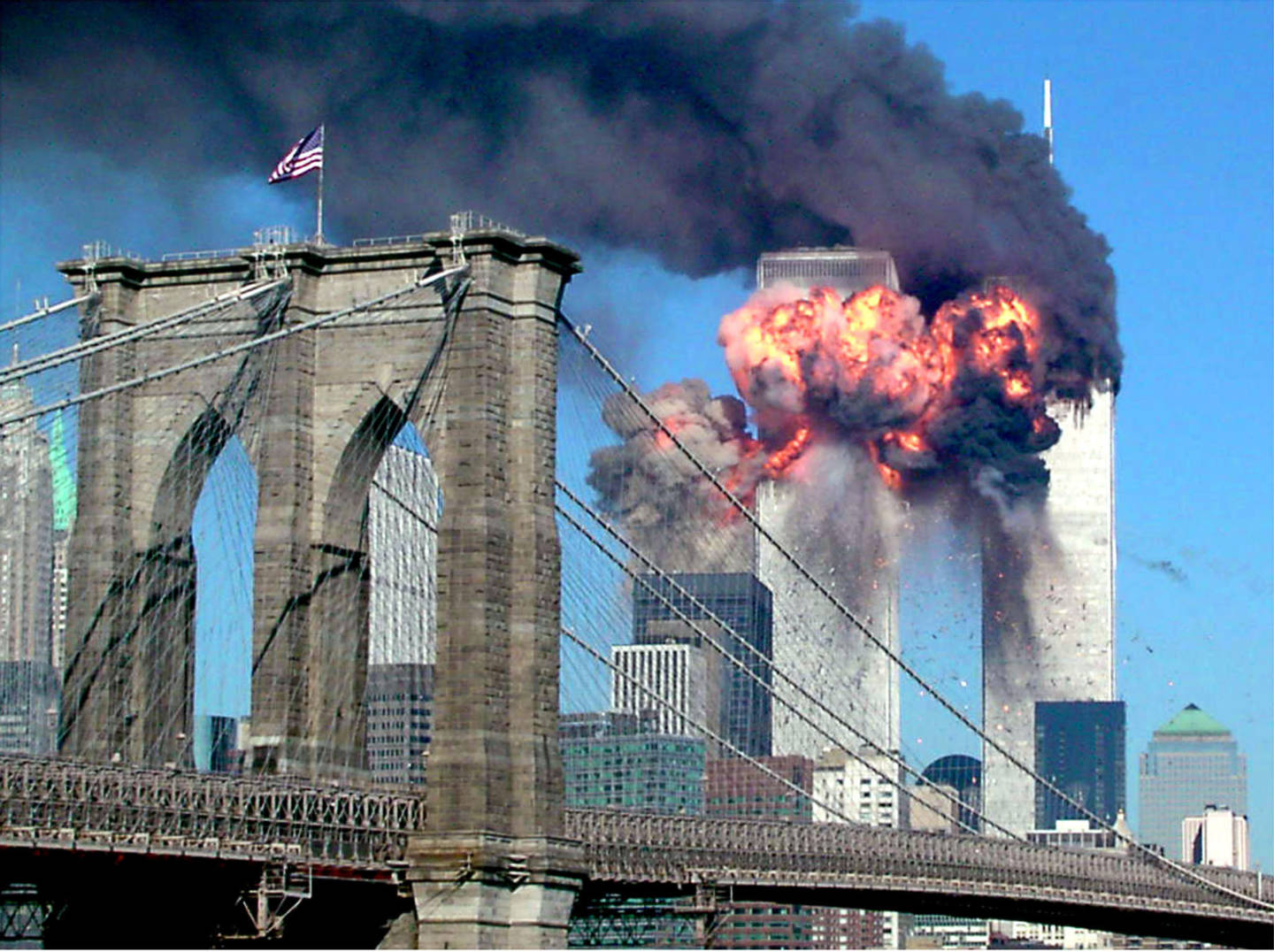
"caption": "The second tower of the World Trade Center bursts into flames after being hit by a hijacked airplane in New York on September 11, 2001.",
"description": null,
"title": "File photo of the second tower of the World Trade Center bursting into flames after being hit by an airplane in New York",
"credit": "REUTERS/Sara K. Schwittek",
"status": "inherit",
"isLoading": false,
"fetchFailed": false
}
},
"audioPlayerReducer": {
"postId": "stream_live",
"isPaused": true,
"isPlaying": false,
"pfsActive": false,
"pledgeModalIsOpen": true,
"playerDrawerIsOpen": false,
"liveAudioPlayStartedAt": 0,
"liveAudioPlayContext": ""
},
"authorsReducer": {
"byline_education_277671": {
"type": "authors",
"id": "byline_education_277671",
"meta": {
"override": true
},
"slug": "byline_education_277671",
"name": "Rachel Roberson",
"isLoading": false
},
"matthewgreen": {
"type": "authors",
"id": "1263",
"meta": {
"index": "authors_1716337520",
"id": "1263",
"found": true
},
"name": "Matthew Green",
"firstName": "Matthew",
"lastName": "Green",
"slug": "matthewgreen",
"email": "mgreen@kqed.org",
"display_author_email": false,
"staff_mastheads": [],
"title": "KQED Editor/Reporter",
"bio": "Matthew Green is a digital media producer for KQED News. He previously produced \u003ca href=\"http://www.kqed.org/lowdown\">The Lowdown\u003c/a>, KQED’s multimedia news education blog. Matthew's written for numerous Bay Area publications, including the Oakland Tribune and San Francisco Chronicle. He also taught journalism classes at Fremont High School in East Oakland.\r\n\r\nEmail: mgreen@kqed.org; Twitter: @MGreenKQED",
"avatar": "https://secure.gravatar.com/avatar/3bf498d1267ca02c8494f33d8cfc575e?s=600&d=blank&r=g",
"twitter": "MGreenKQED",
"facebook": null,
"instagram": null,
"linkedin": null,
"sites": [
{
"site": "news",
"roles": []
},
{
"site": "lowdown",
"roles": []
},
{
"site": "science",
"roles": []
},
{
"site": "education",
"roles": []
},
{
"site": "quest",
"roles": []
},
{
"site": "liveblog",
"roles": []
}
],
"headData": {
"title": "Matthew Green | KQED",
"description": "KQED Editor/Reporter",
"ogImgSrc": "https://secure.gravatar.com/avatar/3bf498d1267ca02c8494f33d8cfc575e?s=600&d=blank&r=g",
"twImgSrc": "https://secure.gravatar.com/avatar/3bf498d1267ca02c8494f33d8cfc575e?s=600&d=blank&r=g"
},
"isLoading": false,
"link": "/author/matthewgreen"
},
"kristinfarr": {
"type": "authors",
"id": "5254",
"meta": {
"index": "authors_1716337520",
"id": "5254",
"found": true
},
"name": "Kristin Farr",
"firstName": "Kristin",
"lastName": "Farr",
"slug": "kristinfarr",
"email": "kfarr@kqed.org",
"display_author_email": false,
"staff_mastheads": [],
"title": null,
"bio": "Kristin Farr is KQED's Arts Education Manager. She is the creator and producer of the Emmy Award-winning video series, Art School, which brings audiences into artists' studios to learn about contemporary art, and engages learners with ideas for new ways to get creative. She is also an artist and a contributing editor for Juxtapoz Magazine.",
"avatar": "https://secure.gravatar.com/avatar/96aae7842c46004b98e00051e9e0d71f?s=600&d=blank&r=g",
"twitter": "kristinfarr",
"facebook": null,
"instagram": null,
"linkedin": null,
"sites": [
{
"site": "bayareabites",
"roles": [
"contributor"
]
},
{
"site": "education",
"roles": [
"editor"
]
}
],
"headData": {
"title": "Kristin Farr | KQED",
"description": null,
"ogImgSrc": "https://secure.gravatar.com/avatar/96aae7842c46004b98e00051e9e0d71f?s=600&d=blank&r=g",
"twImgSrc": "https://secure.gravatar.com/avatar/96aae7842c46004b98e00051e9e0d71f?s=600&d=blank&r=g"
},
"isLoading": false,
"link": "/author/kristinfarr"
},
"andywarner": {
"type": "authors",
"id": "7506",
"meta": {
"index": "authors_1716337520",
"id": "7506",
"found": true
},
"name": "Andy Warner",
"firstName": "Andy",
"lastName": "Warner",
"slug": "andywarner",
"email": "eridisc@gmail.com",
"display_author_email": false,
"staff_mastheads": [],
"title": null,
"bio": "Andy Warner's comic journalism has been published by Symbolia, Slate, \u003ca href=\"http://popsci.com/\">popsci.com\u003c/a>, American Public Media, Campus Progress and more. You can see more of his work at: \u003ca href=\"http://andywarnercomics.com/\">andywarnercomics.com\u003c/a>.",
"avatar": "https://secure.gravatar.com/avatar/2983c68805617a24b2c98bc90911aa2b?s=600&d=blank&r=g",
"twitter": null,
"facebook": null,
"instagram": null,
"linkedin": null,
"sites": [
{
"site": "lowdown",
"roles": [
"author"
]
}
],
"headData": {
"title": "Andy Warner | KQED",
"description": null,
"ogImgSrc": "https://secure.gravatar.com/avatar/2983c68805617a24b2c98bc90911aa2b?s=600&d=blank&r=g",
"twImgSrc": "https://secure.gravatar.com/avatar/2983c68805617a24b2c98bc90911aa2b?s=600&d=blank&r=g"
},
"isLoading": false,
"link": "/author/andywarner"
},
"joeykahn": {
"type": "authors",
"id": "7610",
"meta": {
"index": "authors_1716337520",
"id": "7610",
"found": true
},
"name": "Joey Kahn",
"firstName": "Joey",
"lastName": "Kahn",
"slug": "joeykahn",
"email": "kahnjoey@gmail.com",
"display_author_email": false,
"staff_mastheads": [],
"title": null,
"bio": "Joey Kahn is a journalist covering everything from Chechnya to schools to the closing of adult movie theaters. He's worked for WTOP Radio in Washington DC, WYPR Radio in Baltimore, The Pulitzer Center on Crisis Reporting, and America Abroad Media.\r\n\r\nHis most difficult job though was when he taught 7th grade mathematics in inner-city Baltimore. \r\n\r\nJoey has returned to his San Francisco roots and is now a contributor for KQED's \"The Lowdown.\" Joey has a Masters in Urban Education, and he's scuba certified.",
"avatar": "https://secure.gravatar.com/avatar/35d728cd1054f607740bf621a50549b4?s=600&d=blank&r=g",
"twitter": null,
"facebook": null,
"instagram": null,
"linkedin": null,
"sites": [
{
"site": "lowdown",
"roles": [
"contributor"
]
}
],
"headData": {
"title": "Joey Kahn | KQED",
"description": null,
"ogImgSrc": "https://secure.gravatar.com/avatar/35d728cd1054f607740bf621a50549b4?s=600&d=blank&r=g",
"twImgSrc": "https://secure.gravatar.com/avatar/35d728cd1054f607740bf621a50549b4?s=600&d=blank&r=g"
},
"isLoading": false,
"link": "/author/joeykahn"
},
"sencer": {
"type": "authors",
"id": "9628",
"meta": {
"index": "authors_1716337520",
"id": "9628",
"found": true
},
"name": "SENCER",
"firstName": "SENCER",
"lastName": null,
"slug": "sencer",
"email": "scienceed@kqed.org",
"display_author_email": false,
"staff_mastheads": [],
"title": null,
"bio": null,
"avatar": "https://secure.gravatar.com/avatar/b6cc1c0f53a1420c02e9279b9405ec9a?s=600&d=blank&r=g",
"twitter": null,
"facebook": null,
"instagram": null,
"linkedin": null,
"sites": [
{
"site": "education",
"roles": [
"author"
]
}
],
"headData": {
"title": "SENCER | KQED",
"description": null,
"ogImgSrc": "https://secure.gravatar.com/avatar/b6cc1c0f53a1420c02e9279b9405ec9a?s=600&d=blank&r=g",
"twImgSrc": "https://secure.gravatar.com/avatar/b6cc1c0f53a1420c02e9279b9405ec9a?s=600&d=blank&r=g"
},
"isLoading": false,
"link": "/author/sencer"
},
"cignant": {
"type": "authors",
"id": "11207",
"meta": {
"index": "authors_1716337520",
"id": "11207",
"found": true
},
"name": "Chanelle Ignant",
"firstName": "Chanelle",
"lastName": "Ignant",
"slug": "cignant",
"email": "cignant@KQED.org",
"display_author_email": false,
"staff_mastheads": [],
"title": "KQED Contributor",
"bio": "Chanelle is the Youth Media Specialist for KQED. She has worked with various Bay Area youth media organizations and is an independent media maker.",
"avatar": "https://secure.gravatar.com/avatar/89efb7b8c7b3a7dc5b89a558612c83fc?s=600&d=mm&r=g",
"twitter": "chi_was_here",
"bluesky": null,
"facebook": null,
"instagram": null,
"linkedin": null,
"sites": [
{
"site": "news",
"roles": []
},
{
"site": "lowdown",
"roles": [
"editor"
]
},
{
"site": "education",
"roles": []
},
{
"site": "quest",
"roles": [
"editor"
]
}
],
"headData": {
"title": "Chanelle Ignant | KQED",
"description": "KQED Contributor",
"ogImgSrc": "https://secure.gravatar.com/avatar/89efb7b8c7b3a7dc5b89a558612c83fc?s=600&d=mm&r=g",
"twImgSrc": "https://secure.gravatar.com/avatar/89efb7b8c7b3a7dc5b89a558612c83fc?s=600&d=mm&r=g"
},
"isLoading": false,
"link": "/author/cignant"
}
},
"pagesReducer": {
"education_series_lesson-plans": {
"type": "terms",
"id": "education_2837",
"meta": {
"index": "terms_1716263798",
"site": "education",
"id": "2837",
"score": 14.649652
},
"featImg": null,
"name": "Lesson Plans",
"description": "Find lesson plans for high school and middle school that encourage critical thinking and are relevant to current events in social studies, science, and arts.",
"taxonomy": "series",
"headData": {
"twImgId": null,
"twTitle": null,
"ogTitle": null,
"ogImgId": null,
"twDescription": null,
"description": "Find lesson plans for high school and middle school that encourage critical thinking and are relevant to current events in social studies, science, and arts.",
"title": "Lesson Plans | KQED Education",
"ogDescription": null
},
"ttid": 2826,
"slug": "lesson-plans",
"isLoading": false,
"title": "Lesson Plans",
"pageMeta": {
"site": "education",
"WpPageTemplate": "page-topic-company",
"currentPage": 10
},
"blocks": [
{
"blockName": "kqed/company-paragraph",
"content": "Find lesson plans for high school and middle school that encourage critical thinking and are relevant to current events in social studies, science, and arts."
},
{
"blockName": "kqed/post-list",
"attrs": {
"layout": "cardCompany2",
"query": "posts/education?series=lesson-plans",
"seeMore": false,
"paginated": true,
"page": 10
}
},
{
"blockName": "kqed/ad"
}
]
}
},
"pfsSessionReducer": {},
"postsReducer": {
"stream_live": {
"type": "live",
"id": "stream_live",
"audioUrl": "https://streams.kqed.org/kqedradio",
"title": "Live Stream",
"excerpt": "Live Stream information currently unavailable.",
"link": "/radio",
"featImg": "",
"label": {
"name": "KQED Live",
"link": "/"
}
},
"stream_kqedNewscast": {
"type": "posts",
"id": "stream_kqedNewscast",
"audioUrl": "https://www.kqed.org/.stream/anon/radio/RDnews/newscast.mp3?_=1",
"title": "KQED Newscast",
"featImg": "",
"label": {
"name": "88.5 FM",
"link": "/"
}
},
"education_304621": {
"type": "posts",
"id": "education_304621",
"meta": {
"index": "posts_1716263798",
"site": "education",
"id": "304621",
"score": null,
"sort": [
1476273659000
]
},
"parent": 0,
"labelTerm": {
"site": "education",
"term": 2837
},
"blocks": [],
"publishDate": 1476273659,
"format": "standard",
"title": "Is It Healthier to Be a Vegetarian or an Omnivore?",
"headTitle": "Is It Healthier to Be a Vegetarian or an Omnivore? | KQED",
"content": "\u003cblockquote>\u003cp>\u003cstrong>Update: Our award-winning video series Above the Noise took a fresh look at the pros and cons of vegetarianism. Students can \u003ca href=\"https://ca.pbslearningmedia.org/resource/time-to-ditch-meat-and-dairy-video/above-the-noise/\">watch the video\u003c/a> to get a primer on the facts then write their own response.\u003c/strong>\u003c/p>\u003c/blockquote>\n\u003cp>\u003cem>This post is part of KQED’s \u003ca href=\"http://ww2.kqed.org/education/tag/do-now-u/\">Do Now U\u003c/a> project. Do Now U is a biweekly activity for students and the public to engage and respond to current issues using social media. Do Now U aims to build civic engagement and digital literacy for learners of all ages. This post was written by the following students from Autumn Marshall’s “Professional Orientation” course at Lipscomb University: Hannah Feiten, Riya Rana, Courtney Brenner, Erick Ramirez, Alexis Burchfield and Constance Fonseca.\u003c/em>\u003c/p>\n\u003cp>\u003c!-- iframe plugin v.4.3 wordpress.org/plugins/iframe/ -->\u003cbr>\n\u003ciframe loading=\"lazy\" width=\"560\" height=\"315\" src=\"https://www.youtube.com/embed/rrXgElc0Bb8\" frameborder=\"0\" scrolling=\"yes\" class=\"iframe-class\">\u003c/iframe>\u003c/p>\n\u003cp>\u003cstrong>Featured Media Resource\u003cbr>\nVIDEO: Big Think\u003c/strong>\u003cbr>\n\u003ca href=\"https://youtu.be/rrXgElc0Bb8\">How Healthy is Vegetarianism…Really?\u003c/a>\u003cbr>\nDr. Marion Nestle, a nutritionist, discusses diets and their impact on human and environmental health.\u003c/p>\n\u003chr>\n\u003ch2>\u003cstrong>Do Now U\u003c/strong>\u003c/h2>\n\u003cp>Is It Healthier to Be a Vegetarian or an Omnivore? \u003cstrong>#DoNowUOmnivore\u003c/strong>\u003c/p>\n\u003chr>\n\u003ch2>\u003cstrong>How to Do Now\u003c/strong>\u003c/h2>\n\u003cp>To respond to the Do Now U, you can comment below or post your response on Twitter. \u003cstrong>Just be sure to include \u003cem>#DoNowUOmnivore\u003c/em> and \u003cem>@KQEDedspace\u003c/em> in your posts.\u003c/strong>\u003c/p>\n\u003chr>\n\u003ch2>Learn More About Vegetarianism and Omnivorism\u003c/h2>\n\u003cp>\u003cspan style=\"font-weight: 400;\">The vegetarian-omnivore debate has been raging for decades, if not centuries. The world of healthcare continues to debate the health benefits, and the pros and cons of each side. In addition, many public figures, from medical professionals to professional athletes, have weighed in on the subject. To clarify terms, a vegetarian is defined as a person who does not eat any meat of any kind—poultry, game, fish, or shellfish. Some versions of vegetarianism allow some animal foods; for example, \u003c/span>\u003ca href=\"http://www.eatright.org/resource/food/nutrition/vegetarian-and-special-diets/vegetarianism-the-basic-facts\">\u003cspan style=\"font-weight: 400;\">lacto-ovo vegetarians\u003c/span>\u003c/a>\u003cspan style=\"font-weight: 400;\"> eat milk products and eggs, and \u003c/span>\u003ca href=\"http://www.eatright.org/resource/food/nutrition/vegetarian-and-special-diets/vegetarian-lifestyle\">\u003cspan style=\"font-weight: 400;\">flexitarians\u003c/span>\u003c/a>\u003cspan style=\"font-weight: 400;\"> occasionally eat meat, poultry, and fish. Depending on dietary preference, eggs, dairy and fish may not be included at all in this diet (\u003c/span>\u003ca href=\"http://www.eatright.org/resource/food/nutrition/vegetarian-and-special-diets/vegetarian-lifestyle\">\u003cspan style=\"font-weight: 400;\">veganism\u003c/span>\u003c/a>\u003cspan style=\"font-weight: 400;\"> means there are no animal products in the diet). An omnivore, on the other hand, is one who consumes a variety of meat and dairy foods as well as plant food groups, including fruit, vegetables and grains.\u003c/span>\u003c/p>\n\u003cp>[ad fullwidth]\u003c/p>\n\u003cp>\u003cspan style=\"font-weight: 400;\">A leading concern for those who prefer a vegetarian diet is making sure \u003c/span>\u003ca href=\"http://www.eatright.org/resource/food/nutrition/vegetarian-and-special-diets/food-sources-of-important-nutrients-for-vegetarians\">\u003cspan style=\"font-weight: 400;\">adequate nutrients\u003c/span>\u003c/a>\u003cspan style=\"font-weight: 400;\"> are supplied, particularly calories and protein. Due to the fact that meat—a main protein source in most Americans diets—is eliminated, vegetarians have to pursue other avenues to get adequate protein, like legumes, soy and nuts. Without meat in the diet, humans \u003c/span>\u003ca href=\"https://authoritynutrition.com/7-evidence-based-health-reasons-to-eat-meat/\">\u003cspan style=\"font-weight: 400;\">cut out vitamin B12 and limit DHA/EPA\u003c/span>\u003c/a>\u003cspan style=\"font-weight: 400;\"> (active forms of omega-3 fats), nutrients which promote brain health. In contrast, a vegetarian diet is shown to have a \u003c/span>\u003ca href=\"http://www.eatright.org/resource/food/nutrition/vegetarian-and-special-diets/vegetarianism-the-basic-facts\">\u003cspan style=\"font-weight: 400;\">lesser risk of certain diseases\u003c/span>\u003c/a>\u003cspan style=\"font-weight: 400;\">. With the increase in plant-based foods in the diet, more phytochemicals are consumed, thus \u003c/span>\u003ca href=\"http://www.eatright.org/resource/food/nutrition/vegetarian-and-special-diets/vegetarianism-the-basic-facts\">\u003cspan style=\"font-weight: 400;\">reducing risk of chronic diseases\u003c/span>\u003c/a>\u003cspan style=\"font-weight: 400;\"> linked with animal fats, such as overweight, obesity, cardiovascular disease and hypertension. Animal products are often high in cholesterol and saturated fat as well, so vegetarians benefit from reducing these unhealthy fats and thus reducing risk for cardiovascular and cerebrovascular disease.\u003c/span>\u003c/p>\n\u003cfigure id=\"attachment_305049\" class=\"wp-caption alignright\" style=\"max-width: 400px\">\u003ca href=\"http://ww2.kqed.org/education/wp-content/uploads/sites/38/2016/10/Omnivore-Meal.jpg\">\u003cimg loading=\"lazy\" decoding=\"async\" class=\"size-thumbnail wp-image-305049\" src=\"http://ww2.kqed.org/education/wp-content/uploads/sites/38/2016/10/Omnivore-Meal-400x267.jpg\" alt=\"A well-balanced omnivore plate\" width=\"400\" height=\"267\">\u003c/a>\u003cfigcaption class=\"wp-caption-text\">A well-balanced omnivore plate \u003ccite>(Hannah Feiten)\u003c/cite>\u003c/figcaption>\u003c/figure>\n\u003cp>\u003cspan style=\"font-weight: 400;\">On the other hand, studies have shown an \u003c/span>\u003ca href=\"http://www.eatright.org/resource/food/nutrition/vegetarian-and-special-diets/vegetarianism-the-basic-facts\">\u003cspan style=\"font-weight: 400;\">increased incidence of chronic disease among those who eat meat\u003c/span>\u003c/a>\u003cspan style=\"font-weight: 400;\">. Today, meat and poultry are often treated with \u003c/span>\u003ca href=\"http://portal.nifa.usda.gov/web/crisprojectpages/0181934-role-of-growth-hormone-gh-in-growth-and-metabolism-of-domestic-poultry.html\">\u003cspan style=\"font-weight: 400;\">hormones\u003c/span>\u003c/a>\u003cspan style=\"font-weight: 400;\"> to make the animals \u003c/span>\u003ca href=\"http://www.npr.org/templates/story/story.php?storyId=113314725\">\u003cspan style=\"font-weight: 400;\">grow faster and larger\u003c/span>\u003c/a>\u003cspan style=\"font-weight: 400;\">, and \u003c/span>\u003ca href=\"http://www.npr.org/templates/story/story.php?storyId=251330323\">\u003cspan style=\"font-weight: 400;\">antibiotics\u003c/span>\u003c/a>\u003cspan style=\"font-weight: 400;\"> are used not only to treat, but also to prevent, disease. These methods concern for some consumers. And yet, meat products contain creatine and carnosine, which are \u003c/span>\u003ca href=\"https://authoritynutrition.com/7-evidence-based-health-reasons-to-eat-meat/\">\u003cspan style=\"font-weight: 400;\">beneficial to the brain and muscles\u003c/span>\u003c/a>\u003cspan style=\"font-weight: 400;\">. Meat has demonstrated the capacity to improve bone health, which is beneficial as humans grow older. And, Vitamin B12 is essential to prevention of pernicious anemia, which affects the central nervous system; thus an omnivore’s diet helps to \u003c/span>\u003ca href=\"http://www.eatright.org/resource/health/wellness/preventing-illness/eat-right-for-life\">\u003cspan style=\"font-weight: 400;\">protect the brain\u003c/span>\u003c/a>\u003cspan style=\"font-weight: 400;\"> and nerves. The protein found in meat is complete, high biological value protein, which means the proteins are more easily absorbed and utilized by the body. Additionally, \u003c/span>\u003ca href=\"http://www.npr.org/sections/thesalt/2016/09/12/492433069/can-a-vegan-diet-give-you-all-you-need-german-nutritionists-say-nein\">\u003cspan style=\"font-weight: 400;\">omnivores are less likely to be deficient\u003c/span>\u003c/a>\u003cspan style=\"font-weight: 400;\"> in total calories, Vitamin B12, iron and zinc than their vegetarian counterparts.\u003c/span>\u003c/p>\n\u003cp>With pros and cons for each diet, the choice is up to you. What do you think? Is it healthier to be a vegetarian or an omnivore?\u003c/p>\n\u003chr>\n\u003ch2>\u003cstrong>More Resources\u003c/strong>\u003c/h2>\n\u003cp>\u003cstrong>Article: Authority Nutrition\u003c/strong>\u003cbr>\n\u003ca href=\"https://authoritynutrition.com/7-evidence-based-health-reasons-to-eat-meat/\">7 Reasons Not To Avoid Meat\u003c/a>\u003cbr>\nRead a nutrition researcher’s take on why meat is not bad for your diet, but why it’s not necessary either.\u003c/p>\n\u003cp>\u003cstrong>Website: ProCon.org\u003cbr>\n\u003c/strong>\u003ca href=\"http://vegetarian.procon.org/\">Should People Become Vegetarian?\u003c/a>\u003cbr>\nCheck out the top “pro” and “con” arguments for becoming vegetarian.\u003c/p>\n\u003cp>\u003cstrong>Infographic: Culinary Schools.org\u003cbr>\n\u003c/strong>\u003ca href=\"http://www.culinaryschools.org/yum/vegetables/\">Veganism and the Environment: By the Numbers\u003c/a>\u003cbr>\nLearn about how veganism has a reduced impact on environment versus a diet that contains meat.\u003c/p>\n\u003chr>\n\u003cp>Find\u003ca href=\"http://ww2.kqed.org/education/about-do-now/\"> best practices \u003c/a>for using Do Now, using \u003ca href=\"http://ww2.kqed.org/education/how-to-use-twitter-in-your-teaching-practice/\">Twitter for teaching\u003c/a>, and using other \u003ca href=\"http://ww2.kqed.org/education/category/tools/\">digital tools\u003c/a>.\u003c/p>\n\u003chr>\n\u003cp>\u003c/p>\n\u003cp>KQED Do Now U is a biweekly activity in collaboration with \u003ca href=\"http://sencer.net/\" target=\"_blank\" rel=\"noopener noreferrer\">SENCER\u003c/a>. SENCER is a community of transformation that consists of educators and administrators in the higher and informal education sectors. SENCER aims to create an intelligent, educated, and empowered citizenry through advancing knowledge in the STEM fields and beyond. SENCER courses show students the direct connections between subject content and the real world issues they care about, and invite students to use these connections to solve today’s most pressing problems.\u003c/p>\n\n",
"stats": {
"hasVideo": true,
"hasChartOrMap": false,
"hasAudio": false,
"hasPolis": false,
"wordCount": 899,
"hasGoogleForm": false,
"hasGallery": false,
"hasHearkenModule": false,
"iframeSrcs": [],
"paragraphCount": 17
},
"modified": 1704762263,
"excerpt": "The vegetarian-omnivore debate has been raging for decades, if not centuries. Which diet do you think is healthier?",
"headData": {
"twImgId": "",
"twTitle": "",
"ogTitle": "",
"ogImgId": "",
"twDescription": "",
"description": "The vegetarian-omnivore debate has been raging for decades, if not centuries. Which diet do you think is healthier?",
"title": "Is It Healthier to Be a Vegetarian or an Omnivore? | KQED",
"ogDescription": "",
"schema": {
"@context": "https://schema.org",
"@type": "Article",
"headline": "Is It Healthier to Be a Vegetarian or an Omnivore?",
"datePublished": "2016-10-12T05:00:59-07:00",
"dateModified": "2024-01-08T17:04:23-08:00",
"image": "https://cdn.kqed.org/wp-content/uploads/2020/02/KQED-OG-Image@1x.png"
}
},
"guestAuthors": [],
"slug": "is-it-healthier-to-be-a-vegetarian-or-an-omnivore",
"status": "publish",
"excludeFromSiteSearch": "Include",
"sticky": false,
"articleAge": "0",
"path": "/education/304621/is-it-healthier-to-be-a-vegetarian-or-an-omnivore",
"audioTrackLength": null,
"parsedContent": [
{
"type": "contentString",
"content": "\u003cdiv class=\"post-body\">\u003cp>\u003cblockquote>\u003cp>\u003cstrong>Update: Our award-winning video series Above the Noise took a fresh look at the pros and cons of vegetarianism. Students can \u003ca href=\"https://ca.pbslearningmedia.org/resource/time-to-ditch-meat-and-dairy-video/above-the-noise/\">watch the video\u003c/a> to get a primer on the facts then write their own response.\u003c/strong>\u003c/p>\u003c/blockquote>\n\u003cp>\u003cem>This post is part of KQED’s \u003ca href=\"http://ww2.kqed.org/education/tag/do-now-u/\">Do Now U\u003c/a> project. Do Now U is a biweekly activity for students and the public to engage and respond to current issues using social media. Do Now U aims to build civic engagement and digital literacy for learners of all ages. This post was written by the following students from Autumn Marshall’s “Professional Orientation” course at Lipscomb University: Hannah Feiten, Riya Rana, Courtney Brenner, Erick Ramirez, Alexis Burchfield and Constance Fonseca.\u003c/em>\u003c/p>\n\u003cp>\u003c!-- iframe plugin v.4.3 wordpress.org/plugins/iframe/ -->\u003cbr>\n\u003ciframe loading=\"lazy\" width=\"560\" height=\"315\" src=\"https://www.youtube.com/embed/rrXgElc0Bb8\" frameborder=\"0\" scrolling=\"yes\" class=\"iframe-class\">\u003c/iframe>\u003c/p>\n\u003cp>\u003cstrong>Featured Media Resource\u003cbr>\nVIDEO: Big Think\u003c/strong>\u003cbr>\n\u003ca href=\"https://youtu.be/rrXgElc0Bb8\">How Healthy is Vegetarianism…Really?\u003c/a>\u003cbr>\nDr. Marion Nestle, a nutritionist, discusses diets and their impact on human and environmental health.\u003c/p>\n\u003chr>\n\u003ch2>\u003cstrong>Do Now U\u003c/strong>\u003c/h2>\n\u003cp>Is It Healthier to Be a Vegetarian or an Omnivore? \u003cstrong>#DoNowUOmnivore\u003c/strong>\u003c/p>\n\u003chr>\n\u003ch2>\u003cstrong>How to Do Now\u003c/strong>\u003c/h2>\n\u003cp>To respond to the Do Now U, you can comment below or post your response on Twitter. \u003cstrong>Just be sure to include \u003cem>#DoNowUOmnivore\u003c/em> and \u003cem>@KQEDedspace\u003c/em> in your posts.\u003c/strong>\u003c/p>\n\u003chr>\n\u003ch2>Learn More About Vegetarianism and Omnivorism\u003c/h2>\n\u003cp>\u003cspan style=\"font-weight: 400;\">The vegetarian-omnivore debate has been raging for decades, if not centuries. The world of healthcare continues to debate the health benefits, and the pros and cons of each side. In addition, many public figures, from medical professionals to professional athletes, have weighed in on the subject. To clarify terms, a vegetarian is defined as a person who does not eat any meat of any kind—poultry, game, fish, or shellfish. Some versions of vegetarianism allow some animal foods; for example, \u003c/span>\u003ca href=\"http://www.eatright.org/resource/food/nutrition/vegetarian-and-special-diets/vegetarianism-the-basic-facts\">\u003cspan style=\"font-weight: 400;\">lacto-ovo vegetarians\u003c/span>\u003c/a>\u003cspan style=\"font-weight: 400;\"> eat milk products and eggs, and \u003c/span>\u003ca href=\"http://www.eatright.org/resource/food/nutrition/vegetarian-and-special-diets/vegetarian-lifestyle\">\u003cspan style=\"font-weight: 400;\">flexitarians\u003c/span>\u003c/a>\u003cspan style=\"font-weight: 400;\"> occasionally eat meat, poultry, and fish. Depending on dietary preference, eggs, dairy and fish may not be included at all in this diet (\u003c/span>\u003ca href=\"http://www.eatright.org/resource/food/nutrition/vegetarian-and-special-diets/vegetarian-lifestyle\">\u003cspan style=\"font-weight: 400;\">veganism\u003c/span>\u003c/a>\u003cspan style=\"font-weight: 400;\"> means there are no animal products in the diet). An omnivore, on the other hand, is one who consumes a variety of meat and dairy foods as well as plant food groups, including fruit, vegetables and grains.\u003c/span>\u003c/p>\n\u003cp>\u003c/p>\u003c/div>",
"attributes": {
"named": {},
"numeric": []
}
},
{
"type": "component",
"content": "",
"name": "ad",
"attributes": {
"named": {
"label": "fullwidth"
},
"numeric": [
"fullwidth"
]
}
},
{
"type": "contentString",
"content": "\u003cdiv class=\"post-body\">\u003cp>\u003c/p>\n\u003cp>\u003cspan style=\"font-weight: 400;\">A leading concern for those who prefer a vegetarian diet is making sure \u003c/span>\u003ca href=\"http://www.eatright.org/resource/food/nutrition/vegetarian-and-special-diets/food-sources-of-important-nutrients-for-vegetarians\">\u003cspan style=\"font-weight: 400;\">adequate nutrients\u003c/span>\u003c/a>\u003cspan style=\"font-weight: 400;\"> are supplied, particularly calories and protein. Due to the fact that meat—a main protein source in most Americans diets—is eliminated, vegetarians have to pursue other avenues to get adequate protein, like legumes, soy and nuts. Without meat in the diet, humans \u003c/span>\u003ca href=\"https://authoritynutrition.com/7-evidence-based-health-reasons-to-eat-meat/\">\u003cspan style=\"font-weight: 400;\">cut out vitamin B12 and limit DHA/EPA\u003c/span>\u003c/a>\u003cspan style=\"font-weight: 400;\"> (active forms of omega-3 fats), nutrients which promote brain health. In contrast, a vegetarian diet is shown to have a \u003c/span>\u003ca href=\"http://www.eatright.org/resource/food/nutrition/vegetarian-and-special-diets/vegetarianism-the-basic-facts\">\u003cspan style=\"font-weight: 400;\">lesser risk of certain diseases\u003c/span>\u003c/a>\u003cspan style=\"font-weight: 400;\">. With the increase in plant-based foods in the diet, more phytochemicals are consumed, thus \u003c/span>\u003ca href=\"http://www.eatright.org/resource/food/nutrition/vegetarian-and-special-diets/vegetarianism-the-basic-facts\">\u003cspan style=\"font-weight: 400;\">reducing risk of chronic diseases\u003c/span>\u003c/a>\u003cspan style=\"font-weight: 400;\"> linked with animal fats, such as overweight, obesity, cardiovascular disease and hypertension. Animal products are often high in cholesterol and saturated fat as well, so vegetarians benefit from reducing these unhealthy fats and thus reducing risk for cardiovascular and cerebrovascular disease.\u003c/span>\u003c/p>\n\u003cfigure id=\"attachment_305049\" class=\"wp-caption alignright\" style=\"max-width: 400px\">\u003ca href=\"http://ww2.kqed.org/education/wp-content/uploads/sites/38/2016/10/Omnivore-Meal.jpg\">\u003cimg loading=\"lazy\" decoding=\"async\" class=\"size-thumbnail wp-image-305049\" src=\"http://ww2.kqed.org/education/wp-content/uploads/sites/38/2016/10/Omnivore-Meal-400x267.jpg\" alt=\"A well-balanced omnivore plate\" width=\"400\" height=\"267\">\u003c/a>\u003cfigcaption class=\"wp-caption-text\">A well-balanced omnivore plate \u003ccite>(Hannah Feiten)\u003c/cite>\u003c/figcaption>\u003c/figure>\n\u003cp>\u003cspan style=\"font-weight: 400;\">On the other hand, studies have shown an \u003c/span>\u003ca href=\"http://www.eatright.org/resource/food/nutrition/vegetarian-and-special-diets/vegetarianism-the-basic-facts\">\u003cspan style=\"font-weight: 400;\">increased incidence of chronic disease among those who eat meat\u003c/span>\u003c/a>\u003cspan style=\"font-weight: 400;\">. Today, meat and poultry are often treated with \u003c/span>\u003ca href=\"http://portal.nifa.usda.gov/web/crisprojectpages/0181934-role-of-growth-hormone-gh-in-growth-and-metabolism-of-domestic-poultry.html\">\u003cspan style=\"font-weight: 400;\">hormones\u003c/span>\u003c/a>\u003cspan style=\"font-weight: 400;\"> to make the animals \u003c/span>\u003ca href=\"http://www.npr.org/templates/story/story.php?storyId=113314725\">\u003cspan style=\"font-weight: 400;\">grow faster and larger\u003c/span>\u003c/a>\u003cspan style=\"font-weight: 400;\">, and \u003c/span>\u003ca href=\"http://www.npr.org/templates/story/story.php?storyId=251330323\">\u003cspan style=\"font-weight: 400;\">antibiotics\u003c/span>\u003c/a>\u003cspan style=\"font-weight: 400;\"> are used not only to treat, but also to prevent, disease. These methods concern for some consumers. And yet, meat products contain creatine and carnosine, which are \u003c/span>\u003ca href=\"https://authoritynutrition.com/7-evidence-based-health-reasons-to-eat-meat/\">\u003cspan style=\"font-weight: 400;\">beneficial to the brain and muscles\u003c/span>\u003c/a>\u003cspan style=\"font-weight: 400;\">. Meat has demonstrated the capacity to improve bone health, which is beneficial as humans grow older. And, Vitamin B12 is essential to prevention of pernicious anemia, which affects the central nervous system; thus an omnivore’s diet helps to \u003c/span>\u003ca href=\"http://www.eatright.org/resource/health/wellness/preventing-illness/eat-right-for-life\">\u003cspan style=\"font-weight: 400;\">protect the brain\u003c/span>\u003c/a>\u003cspan style=\"font-weight: 400;\"> and nerves. The protein found in meat is complete, high biological value protein, which means the proteins are more easily absorbed and utilized by the body. Additionally, \u003c/span>\u003ca href=\"http://www.npr.org/sections/thesalt/2016/09/12/492433069/can-a-vegan-diet-give-you-all-you-need-german-nutritionists-say-nein\">\u003cspan style=\"font-weight: 400;\">omnivores are less likely to be deficient\u003c/span>\u003c/a>\u003cspan style=\"font-weight: 400;\"> in total calories, Vitamin B12, iron and zinc than their vegetarian counterparts.\u003c/span>\u003c/p>\n\u003cp>With pros and cons for each diet, the choice is up to you. What do you think? Is it healthier to be a vegetarian or an omnivore?\u003c/p>\n\u003chr>\n\u003ch2>\u003cstrong>More Resources\u003c/strong>\u003c/h2>\n\u003cp>\u003cstrong>Article: Authority Nutrition\u003c/strong>\u003cbr>\n\u003ca href=\"https://authoritynutrition.com/7-evidence-based-health-reasons-to-eat-meat/\">7 Reasons Not To Avoid Meat\u003c/a>\u003cbr>\nRead a nutrition researcher’s take on why meat is not bad for your diet, but why it’s not necessary either.\u003c/p>\n\u003cp>\u003cstrong>Website: ProCon.org\u003cbr>\n\u003c/strong>\u003ca href=\"http://vegetarian.procon.org/\">Should People Become Vegetarian?\u003c/a>\u003cbr>\nCheck out the top “pro” and “con” arguments for becoming vegetarian.\u003c/p>\n\u003cp>\u003cstrong>Infographic: Culinary Schools.org\u003cbr>\n\u003c/strong>\u003ca href=\"http://www.culinaryschools.org/yum/vegetables/\">Veganism and the Environment: By the Numbers\u003c/a>\u003cbr>\nLearn about how veganism has a reduced impact on environment versus a diet that contains meat.\u003c/p>\n\u003chr>\n\u003cp>Find\u003ca href=\"http://ww2.kqed.org/education/about-do-now/\"> best practices \u003c/a>for using Do Now, using \u003ca href=\"http://ww2.kqed.org/education/how-to-use-twitter-in-your-teaching-practice/\">Twitter for teaching\u003c/a>, and using other \u003ca href=\"http://ww2.kqed.org/education/category/tools/\">digital tools\u003c/a>.\u003c/p>\n\u003chr>\n\u003cp>\u003c/p>\n\u003cp>KQED Do Now U is a biweekly activity in collaboration with \u003ca href=\"http://sencer.net/\" target=\"_blank\" rel=\"noopener noreferrer\">SENCER\u003c/a>. SENCER is a community of transformation that consists of educators and administrators in the higher and informal education sectors. SENCER aims to create an intelligent, educated, and empowered citizenry through advancing knowledge in the STEM fields and beyond. SENCER courses show students the direct connections between subject content and the real world issues they care about, and invite students to use these connections to solve today’s most pressing problems.\u003c/p>\n\n\u003c/div>\u003c/p>",
"attributes": {
"named": {},
"numeric": []
}
}
],
"link": "/education/304621/is-it-healthier-to-be-a-vegetarian-or-an-omnivore",
"authors": [
"9628"
],
"series": [
"education_2837"
],
"categories": [
"education_1",
"education_49"
],
"tags": [
"education_2516",
"education_5"
],
"collections": [
"education_2403"
],
"featImg": "education_305402",
"label": "education_2837"
},
"lowdown_14882": {
"type": "posts",
"id": "lowdown_14882",
"meta": {
"index": "posts_1716263798",
"site": "lowdown",
"id": "14882",
"score": null,
"sort": [
1476126045000
]
},
"guestAuthors": [],
"slug": "majority-rules-how-propositions-make-it-on-the-ballot-in-california-infographic",
"title": "Majority Rules: California's Proposition Process Explained",
"publishDate": 1476126045,
"format": "aside",
"headTitle": "Majority Rules: California’s Proposition Process Explained | KQED",
"labelTerm": {
"site": "lowdown"
},
"content": "\u003cp>Love ’em or hate ’em, ballot propositions are deeply ingrained in California’s political system.\u003c/p>\n\u003cp>In nearly every statewide election, voters wade through a stew of local and statewide measures.\u003c/p>\n\u003cp>The state’s proposition process was adopted over a century ago to empower citizens through a form of direct democracy. Since then, voters have weighed in on more than 1,000 ballot measures, some super complicated, some controversial, and some just plain odd (like \u003ca href=\"https://ballotpedia.org/California_Proposition_6,_Prohibition_on_Slaughter_of_Horses_for_Human_Consumption_(1998)\">Proposition 6\u003c/a> in 1998, prohibiting the slaughter of horses and sale of horse meat for human consumption, which voters approved.\u003c/p>\n\u003cp>So how do propositions actually make it onto the ballot? What are the different types? And what’s the difference between and initiative and referendum? Comic journalist Andy Warner gets down to the nuts and bolts. And check out our accompanying \u003ca href=\"http://ww2.kqed.org/lowdown/wp-content/uploads/sites/26/2016/10/CA-Propositions-Lesson-Plan-1.pdf\" target=\"_blank\" rel=\"noopener noreferrer\">lesson plan\u003c/a>.\u003c/p>\n\u003cp>\u003ca href=\"https://ww2.kqed.org/lowdown/wp-content/uploads/sites/26/2016/10/Ballot_Initiatives_2016_revision.png\">\u003cimg loading=\"lazy\" decoding=\"async\" class=\"alignnone size-full wp-image-30713\" src=\"https://ww2.kqed.org/lowdown/wp-content/uploads/sites/26/2016/10/Ballot_Initiatives_2016_revision.png\" alt=\"\" width=\"620\" height=\"2846\" srcset=\"https://cdn.kqed.org/wp-content/uploads/sites/26/2016/10/Ballot_Initiatives_2016_revision.png 620w, https://cdn.kqed.org/wp-content/uploads/sites/26/2016/10/Ballot_Initiatives_2016_revision-160x734.png 160w, https://cdn.kqed.org/wp-content/uploads/sites/26/2016/10/Ballot_Initiatives_2016_revision-240x1102.png 240w, https://cdn.kqed.org/wp-content/uploads/sites/26/2016/10/Ballot_Initiatives_2016_revision-375x1721.png 375w, https://cdn.kqed.org/wp-content/uploads/sites/26/2016/10/Ballot_Initiatives_2016_revision-520x2387.png 520w\" sizes=\"(max-width: 620px) 100vw, 620px\">\u003c/a>\u003c/p>\n\u003ch4>Sources\u003c/h4>\n\u003cul>\n\u003cli>\u003ca style=\"font-size: medium;\" href=\"http://www.sos.ca.gov/elections/ballot-measures/how-qualify-initiative/\" target=\"_blank\" rel=\"noopener noreferrer\">California Secretary of State – How to Qualify an Initiative \u003c/a>\u003c/li>\n\u003cli>\u003ca style=\"font-size: medium;\" href=\"http://www.sos.ca.gov/elections/ballot-measures/how-qualify-initiative/initiative-guide/\" target=\"_blank\" rel=\"noopener noreferrer\">California Secretary of State – Statewide Initiative Guide\u003c/a>\u003c/li>\n\u003cli>\u003ca style=\"font-size: medium;\" href=\"http://www.iandrinstitute.org/\" target=\"_blank\" rel=\"noopener noreferrer\">Initiative and Referendum Institute\u003c/a>\u003c/li>\n\u003c/ul>\n\u003cp>[ad fullwidth]\u003c/p>\u003cp>\u003c/p>\n",
"blocks": [],
"excerpt": null,
"status": "publish",
"parent": 0,
"modified": 1728492345,
"stats": {
"hasAudio": false,
"hasVideo": false,
"hasChartOrMap": false,
"iframeSrcs": [],
"hasGoogleForm": false,
"hasGallery": false,
"hasHearkenModule": false,
"hasPolis": false,
"paragraphCount": 7,
"wordCount": 169
},
"headData": {
"title": "Majority Rules: California's Proposition Process Explained | KQED",
"description": "Love 'em or hate 'em, ballot propositions are deeply ingrained in California's political system. In nearly every statewide election, voters wade through a stew of local and statewide measures. The state's proposition process was adopted over a century ago to empower citizens through a form of direct democracy. Since then, voters have weighed in on more than 1,000 ballot measures, some super complicated, some controversial, and some just plain odd (like Proposition 6 in 1998, prohibiting the slaughter of horses and sale of horse meat for human consumption, which voters approved. So how do propositions actually make it onto the ballot?",
"ogTitle": "",
"ogDescription": "",
"ogImgId": "",
"twTitle": "",
"twDescription": "",
"twImgId": "",
"schema": {
"@context": "https://schema.org",
"@type": "Article",
"headline": "Majority Rules: California's Proposition Process Explained",
"datePublished": "2016-10-10T12:00:45-07:00",
"dateModified": "2024-10-09T09:45:45-07:00",
"image": "https://cdn.kqed.org/wp-content/uploads/2020/02/KQED-OG-Image@1x.png"
}
},
"sticky": false,
"excludeFromSiteSearch": "Include",
"articleAge": "0",
"path": "/lowdown/14882/majority-rules-how-propositions-make-it-on-the-ballot-in-california-infographic",
"audioTrackLength": null,
"parsedContent": [
{
"type": "contentString",
"content": "\u003cdiv class=\"post-body\">\u003cp>\u003cp>Love ’em or hate ’em, ballot propositions are deeply ingrained in California’s political system.\u003c/p>\n\u003cp>In nearly every statewide election, voters wade through a stew of local and statewide measures.\u003c/p>\n\u003cp>The state’s proposition process was adopted over a century ago to empower citizens through a form of direct democracy. Since then, voters have weighed in on more than 1,000 ballot measures, some super complicated, some controversial, and some just plain odd (like \u003ca href=\"https://ballotpedia.org/California_Proposition_6,_Prohibition_on_Slaughter_of_Horses_for_Human_Consumption_(1998)\">Proposition 6\u003c/a> in 1998, prohibiting the slaughter of horses and sale of horse meat for human consumption, which voters approved.\u003c/p>\n\u003cp>So how do propositions actually make it onto the ballot? What are the different types? And what’s the difference between and initiative and referendum? Comic journalist Andy Warner gets down to the nuts and bolts. And check out our accompanying \u003ca href=\"http://ww2.kqed.org/lowdown/wp-content/uploads/sites/26/2016/10/CA-Propositions-Lesson-Plan-1.pdf\" target=\"_blank\" rel=\"noopener noreferrer\">lesson plan\u003c/a>.\u003c/p>\n\u003cp>\u003ca href=\"https://ww2.kqed.org/lowdown/wp-content/uploads/sites/26/2016/10/Ballot_Initiatives_2016_revision.png\">\u003cimg loading=\"lazy\" decoding=\"async\" class=\"alignnone size-full wp-image-30713\" src=\"https://ww2.kqed.org/lowdown/wp-content/uploads/sites/26/2016/10/Ballot_Initiatives_2016_revision.png\" alt=\"\" width=\"620\" height=\"2846\" srcset=\"https://cdn.kqed.org/wp-content/uploads/sites/26/2016/10/Ballot_Initiatives_2016_revision.png 620w, https://cdn.kqed.org/wp-content/uploads/sites/26/2016/10/Ballot_Initiatives_2016_revision-160x734.png 160w, https://cdn.kqed.org/wp-content/uploads/sites/26/2016/10/Ballot_Initiatives_2016_revision-240x1102.png 240w, https://cdn.kqed.org/wp-content/uploads/sites/26/2016/10/Ballot_Initiatives_2016_revision-375x1721.png 375w, https://cdn.kqed.org/wp-content/uploads/sites/26/2016/10/Ballot_Initiatives_2016_revision-520x2387.png 520w\" sizes=\"(max-width: 620px) 100vw, 620px\">\u003c/a>\u003c/p>\n\u003ch4>Sources\u003c/h4>\n\u003cul>\n\u003cli>\u003ca style=\"font-size: medium;\" href=\"http://www.sos.ca.gov/elections/ballot-measures/how-qualify-initiative/\" target=\"_blank\" rel=\"noopener noreferrer\">California Secretary of State – How to Qualify an Initiative \u003c/a>\u003c/li>\n\u003cli>\u003ca style=\"font-size: medium;\" href=\"http://www.sos.ca.gov/elections/ballot-measures/how-qualify-initiative/initiative-guide/\" target=\"_blank\" rel=\"noopener noreferrer\">California Secretary of State – Statewide Initiative Guide\u003c/a>\u003c/li>\n\u003cli>\u003ca style=\"font-size: medium;\" href=\"http://www.iandrinstitute.org/\" target=\"_blank\" rel=\"noopener noreferrer\">Initiative and Referendum Institute\u003c/a>\u003c/li>\n\u003c/ul>\n\u003cp>\u003c/p>\u003c/div>",
"attributes": {
"named": {},
"numeric": []
}
},
{
"type": "component",
"content": "",
"name": "ad",
"attributes": {
"named": {
"label": "fullwidth"
},
"numeric": [
"fullwidth"
]
}
},
{
"type": "contentString",
"content": "\u003cdiv class=\"post-body\">\u003cp>\u003c/p>\u003cp>\u003c/p>\n\u003c/div>\u003c/p>",
"attributes": {
"named": {},
"numeric": []
}
}
],
"link": "/lowdown/14882/majority-rules-how-propositions-make-it-on-the-ballot-in-california-infographic",
"authors": [
"7506"
],
"categories": [
"lowdown_256",
"lowdown_588",
"lowdown_457",
"lowdown_2361"
],
"tags": [
"lowdown_545",
"lowdown_124",
"lowdown_2337",
"lowdown_179"
],
"featImg": "lowdown_24202",
"label": "lowdown"
},
"education_295113": {
"type": "posts",
"id": "education_295113",
"meta": {
"index": "posts_1716263798",
"site": "education",
"id": "295113",
"score": null,
"sort": [
1475253350000
]
},
"parent": 0,
"labelTerm": {},
"blocks": [],
"publishDate": 1475253350,
"format": "video",
"title": "How Can Photographs Help Create Social Change?",
"headTitle": "How Can Photographs Help Create Social Change? | KQED",
"content": "\u003ch2>\u003cstrong>Learn More About Documentary Photography \u003c/strong>\u003c/h2>\n\u003cp>Photographers often turn their lens toward disenfranchised or struggling areas to raise awareness about inequity and unfair policies. Photographer \u003ca href=\"http://www.paccarik.com/\">Paccarik Orue\u003c/a> moved to San Francisco in 2008 after struggling for a handful of years in Miami, Florida as a recent immigrant to the United States. Far from his birthplace in Lima, Peru, Orue found solace in and forged a connection to some of the Bay Area’s most neglected areas: Bayview-Hunter’s Point and the city of Richmond.\u003c/p>\n\u003cp>[media-credit id=9619 align=\"aligncenter\" width=\"640\"]\u003cimg loading=\"lazy\" decoding=\"async\" class=\"size-full wp-image-106524\" src=\"http://ww2.kqed.org/education/wp-content/uploads/sites/38/2016/02/Paccarik-Orue.jpg\" alt=\"Paccarik Orue\" width=\"640\" height=\"322\" srcset=\"https://cdn.kqed.org/wp-content/uploads/sites/38/2016/02/Paccarik-Orue.jpg 640w, https://cdn.kqed.org/wp-content/uploads/sites/38/2016/02/Paccarik-Orue-400x201.jpg 400w\" sizes=\"(max-width: 640px) 100vw, 640px\">[/media-credit]\u003c/p>\n\u003cp>From 2009-2011, Orue photographed residents and structures in Richmond for his book titled, \u003cem>\u003ca href=\"http://www.owlandtiger.com/books/there-is-nothing-beautiful-around-here\">There Is Nothing Beautiful Around Here\u003c/a>\u003c/em>. “Because of my own immigrant experience, I seek communities that may be struggling and experiencing things that I can relate to because of my background,” Orue said.\u003c/p>\n\u003caside class=\"alignright\">\n\u003ch3>\u003cstrong>\u003cspan style=\"color: #000000\">Teach with the Do Now Archive\u003c/span>\u003c/strong>\u003c/h3>\n\u003cdiv>\u003cimg loading=\"lazy\" decoding=\"async\" class=\"alignnone size-full wp-image-527117\" src=\"https://ww2.kqed.org/education/wp-content/uploads/sites/38/2016/09/DoNow-1.jpg\" alt=\"\" width=\"450\" height=\"113\" srcset=\"https://cdn.kqed.org/wp-content/uploads/sites/38/2016/09/DoNow-1.jpg 450w, https://cdn.kqed.org/wp-content/uploads/sites/38/2016/09/DoNow-1-160x40.jpg 160w, https://cdn.kqed.org/wp-content/uploads/sites/38/2016/09/DoNow-1-240x60.jpg 240w, https://cdn.kqed.org/wp-content/uploads/sites/38/2016/09/DoNow-1-375x94.jpg 375w\" sizes=\"(max-width: 450px) 100vw, 450px\">\u003c/div>\n\u003cp>This article is part of our archived \u003ca href=\"https://ww2.kqed.org/education/collections/do-now/\">Do Now activity series\u003c/a>. Use this abridged version to spark a classroom discussion around the prompt:\u003c/p>\n\u003cp>\u003cem>If you took a photo to represent one issue or community you care about, or a concern about something you believe is unfair, could sharing your image on social media make a difference? How? \u003c/em>\u003c/p>\n\u003c/aside>\n\u003cp>Photojournalist Matt Black wanted to capture images that represented income inequality. His photo essay “\u003ca href=\"https://www.globalonenessproject.org/library/photo-essays/geography-poverty\">The Geography of Poverty\u003c/a>,” featured on The Global Oneness Project website, highlights a California community in Tulare county that suffers from a lack of water and infrastructure. How do these images convey the challenges this community faces? Does the use of black-and-white photography affect the impact of the images? How or why?\u003c/p>\n\u003cp>Ken and Melanie Light \u003ca href=\"http://kenlight.com/gallery/valleyofshadowsanddreams/index.html\">spent five years documenting communities\u003c/a> in California’s Central Valley, capturing “manifestations of the lack of any sustainable or sensible water policy.” In the Central Valley, water is a major political issue with some businesses controlling more than their share, and improper farming practices have led to birth defects, among other challenges that have negatively affected farm workers and their families.\u003c/p>\n\u003cp>[ad fullwidth]\u003c/p>\n\u003cp>[media-credit name=\"Sebastião Salgado photo exhibition Genesis at National Museum of Singapore\" align=\"aligncenter\" width=\"640\"]\u003cimg loading=\"lazy\" decoding=\"async\" class=\"size-full wp-image-106527\" src=\"http://ww2.kqed.org/education/wp-content/uploads/sites/38/2016/02/Sebastiao-Salgado_web.jpg\" alt=\"Sebastiao Salgado_web\" width=\"640\" height=\"360\" srcset=\"https://cdn.kqed.org/wp-content/uploads/sites/38/2016/02/Sebastiao-Salgado_web.jpg 640w, https://cdn.kqed.org/wp-content/uploads/sites/38/2016/02/Sebastiao-Salgado_web-400x225.jpg 400w\" sizes=\"(max-width: 640px) 100vw, 640px\">[/media-credit]\u003c/p>\n\u003cp> \u003c/p>\n\u003caside class=\"alignright\">\n\u003ch3>FOR DISCUSSION\u003c/h3>\n\u003cfigure>\u003cimg decoding=\"async\" src=\"http://ww2.kqed.org/education/wp-content/uploads/sites/38/2015/11/csloan-header.jpg\" alt=\"\">\u003c/figure>\n\u003cp>Below are suggestions for discussion prompts to encourage deeper thinking about the Do Now topic:\u003c/p>\n\u003cul>\n\u003cli>Some photographers use positive, attractive imagery to highlight inequity, while others focus their lens on evidence of unfairness. Which approach do you think is more powerful?\u003c/li>\n\u003cli>Do you think there is a difference between documentary photography and photojournalism? If so, what is it?\u003c/li>\n\u003cli>How would you compare the potential for photographic images convey understanding of a social issue to that of written text, audio, or video?\u003c/li>\n\u003cli>What are the qualities of a photograph that makes you think more deeply about a social issue?\u003c/li>\n\u003c/ul>\n\u003c/aside>\n\u003cp>Sebastiao Salgado, featured in\u003ca href=\"https://www.ted.com/talks/sebastiao_salgado_the_silent_drama_of_photography?language=en\"> this TED Talk\u003c/a>, is another photographer who highlights disenfranchised communities through photography, creating gorgeous landscape and portrait photos that, upon closer examination, often highlight problems. He has captured some of the most poverty-stricken areas in the world, and some argue that creating beautiful photos of tortuous places can have a negative affect. These critics feel that making beautiful images of human suffering can encourage a sense of voyeurism rather than empathy.\u003c/p>\n\u003cp>A \u003ca href=\"http://www.csmonitor.com/The-Culture/Movies/2015/0327/The-Salt-of-the-Earth-does-justice-to-Sebastiao-Salgado-s-life-and-art\">\u003cem>Christian Science Monitor\u003c/em> article\u003c/a> about Salgado’s work references a critical essay:\u003c/p>\n\u003cp>“In an influential 1991 New Yorker essay, Ingrid Sischy wrote of his photographs: ‘[T]his beautification of tragedy results in pictures that ultimately reinforce our passivity toward the experience they reveal. To aestheticize is the fastest way to anesthetize the feeling of those who are witnessing it. Beauty is a call to admiration, not to action.”\u003c/p>\n\u003chr>\n\u003ch2>\u003cstrong>Learn More…\u003c/strong>\u003c/h2>\n\u003cp>\u003cstrong>LESSON PLAN: \u003ca href=\"https://www.globalonenessproject.org/resources/lesson-plans/citizen-photojournalism\">Citizen Photojournalism\u003c/a> (Global Oneness Project)\u003c/strong>\u003cbr>\nCalifornia has the highest poverty rate in the country. A widespread epidemic in the U.S., poverty affects health, access to education, homelessness, unemployment, and food security. This lesson plan examines how the photojournalism of Matt Black captures this reality, and how social media platforms can raise awareness about social issues.\u003c/p>\n\u003cp>\u003cstrong>ARTICLE: \u003ca href=\"The%20Complex%20Life%20of%20%E2%80%98California%E2%80%99s%20Heartland%E2%80%99%20On%20View%20at%20SF%20City%20Hall\">The Complex Life of ‘California’s Heartland’ On View at SF City Hall\u003c/a> (KQED Arts)\u003c/strong>\u003cbr>\nThis article describing the Valley/El Valle photo exhibit at San Francisco’s City Hall highlights the work of photographers who strive to capture the humanity of California’s Central Valley.\u003c/p>\n\u003cp>\u003cstrong>ARTICLE: \u003ca href=\"http://www.csmonitor.com/The-Culture/Movies/2015/0327/The-Salt-of-the-Earth-does-justice-to-Sebastiao-Salgado-s-life-and-arte\">The Salt of the Earth Does Justice to Sebastiao Salgado’s Life and Art”\u003c/a> (The Christian Monitor)\u003c/strong>\u003cbr>\nIn this film review, the author writes about how Sebastiao Salgado’s photography has captured some of the world’s most remote and tortuous locations, but claims that the film doesn’t really acknowledge the criticism his art has faced.\u003c/p>\n\u003cp>\u003c/p>\n\u003cp>\u003cstrong>VIDEO: \u003ca href=\"http://ww2.kqed.org/artschool/2016/01/22/collecting-lifes-remnants-with-nigel-poor/\">Collecting Life’s Remnants with Nigel Poor \u003c/a>\u003cstrong>(KQED Art School)\u003c/strong>\u003cbr>\n\u003c/strong>Nigel Poor’s activity ideas about photographing discarded items in your daily travels can help highlight the identity of a community.\u003c/p>\n\n",
"stats": {
"hasVideo": false,
"hasChartOrMap": false,
"hasAudio": false,
"hasPolis": false,
"wordCount": 836,
"hasGoogleForm": false,
"hasGallery": false,
"hasHearkenModule": false,
"iframeSrcs": [],
"paragraphCount": 18
},
"modified": 1704762288,
"excerpt": "Take a photo that represents one issue or community you care about, or a concern about something you believe is unfair. Could sharing your image on social media make a difference? How? #DoNowPhoto ",
"headData": {
"twImgId": "",
"twTitle": "",
"ogTitle": "",
"ogImgId": "",
"twDescription": "",
"description": "Take a photo that represents one issue or community you care about, or a concern about something you believe is unfair. Could sharing your image on social media make a difference? How? #DoNowPhoto ",
"title": "How Can Photographs Help Create Social Change? | KQED",
"ogDescription": "",
"schema": {
"@context": "https://schema.org",
"@type": "Article",
"headline": "How Can Photographs Help Create Social Change?",
"datePublished": "2016-09-30T09:35:50-07:00",
"dateModified": "2024-01-08T17:04:48-08:00",
"image": "https://cdn.kqed.org/wp-content/uploads/2020/02/KQED-OG-Image@1x.png"
}
},
"guestAuthors": [],
"slug": "how-can-photographs-help-create-social-change-2",
"status": "publish",
"sourceUrl": "https://ww2.kqed.org/education/category/do-now/art-and-popular-culture/",
"videoEmbed": "https://www.youtube.com/watch?v=n16hfWLLo9w",
"sticky": false,
"source": "Do Now Arts",
"path": "/education/295113/how-can-photographs-help-create-social-change-2",
"audioTrackLength": null,
"parsedContent": [
{
"type": "contentString",
"content": "\u003cdiv class=\"post-body\">\u003cp>\u003ch2>\u003cstrong>Learn More About Documentary Photography \u003c/strong>\u003c/h2>\n\u003cp>Photographers often turn their lens toward disenfranchised or struggling areas to raise awareness about inequity and unfair policies. Photographer \u003ca href=\"http://www.paccarik.com/\">Paccarik Orue\u003c/a> moved to San Francisco in 2008 after struggling for a handful of years in Miami, Florida as a recent immigrant to the United States. Far from his birthplace in Lima, Peru, Orue found solace in and forged a connection to some of the Bay Area’s most neglected areas: Bayview-Hunter’s Point and the city of Richmond.\u003c/p>\n\u003cp>[media-credit id=9619 align=\"aligncenter\" width=\"640\"]\u003cimg loading=\"lazy\" decoding=\"async\" class=\"size-full wp-image-106524\" src=\"http://ww2.kqed.org/education/wp-content/uploads/sites/38/2016/02/Paccarik-Orue.jpg\" alt=\"Paccarik Orue\" width=\"640\" height=\"322\" srcset=\"https://cdn.kqed.org/wp-content/uploads/sites/38/2016/02/Paccarik-Orue.jpg 640w, https://cdn.kqed.org/wp-content/uploads/sites/38/2016/02/Paccarik-Orue-400x201.jpg 400w\" sizes=\"(max-width: 640px) 100vw, 640px\">[/media-credit]\u003c/p>\n\u003cp>From 2009-2011, Orue photographed residents and structures in Richmond for his book titled, \u003cem>\u003ca href=\"http://www.owlandtiger.com/books/there-is-nothing-beautiful-around-here\">There Is Nothing Beautiful Around Here\u003c/a>\u003c/em>. “Because of my own immigrant experience, I seek communities that may be struggling and experiencing things that I can relate to because of my background,” Orue said.\u003c/p>\n\u003caside class=\"alignright\">\n\u003ch3>\u003cstrong>\u003cspan style=\"color: #000000\">Teach with the Do Now Archive\u003c/span>\u003c/strong>\u003c/h3>\n\u003cdiv>\u003cimg loading=\"lazy\" decoding=\"async\" class=\"alignnone size-full wp-image-527117\" src=\"https://ww2.kqed.org/education/wp-content/uploads/sites/38/2016/09/DoNow-1.jpg\" alt=\"\" width=\"450\" height=\"113\" srcset=\"https://cdn.kqed.org/wp-content/uploads/sites/38/2016/09/DoNow-1.jpg 450w, https://cdn.kqed.org/wp-content/uploads/sites/38/2016/09/DoNow-1-160x40.jpg 160w, https://cdn.kqed.org/wp-content/uploads/sites/38/2016/09/DoNow-1-240x60.jpg 240w, https://cdn.kqed.org/wp-content/uploads/sites/38/2016/09/DoNow-1-375x94.jpg 375w\" sizes=\"(max-width: 450px) 100vw, 450px\">\u003c/div>\n\u003cp>This article is part of our archived \u003ca href=\"https://ww2.kqed.org/education/collections/do-now/\">Do Now activity series\u003c/a>. Use this abridged version to spark a classroom discussion around the prompt:\u003c/p>\n\u003cp>\u003cem>If you took a photo to represent one issue or community you care about, or a concern about something you believe is unfair, could sharing your image on social media make a difference? How? \u003c/em>\u003c/p>\n\u003c/aside>\n\u003cp>Photojournalist Matt Black wanted to capture images that represented income inequality. His photo essay “\u003ca href=\"https://www.globalonenessproject.org/library/photo-essays/geography-poverty\">The Geography of Poverty\u003c/a>,” featured on The Global Oneness Project website, highlights a California community in Tulare county that suffers from a lack of water and infrastructure. How do these images convey the challenges this community faces? Does the use of black-and-white photography affect the impact of the images? How or why?\u003c/p>\n\u003cp>Ken and Melanie Light \u003ca href=\"http://kenlight.com/gallery/valleyofshadowsanddreams/index.html\">spent five years documenting communities\u003c/a> in California’s Central Valley, capturing “manifestations of the lack of any sustainable or sensible water policy.” In the Central Valley, water is a major political issue with some businesses controlling more than their share, and improper farming practices have led to birth defects, among other challenges that have negatively affected farm workers and their families.\u003c/p>\n\u003cp>\u003c/p>\u003c/div>",
"attributes": {
"named": {},
"numeric": []
}
},
{
"type": "component",
"content": "",
"name": "ad",
"attributes": {
"named": {
"label": "fullwidth"
},
"numeric": [
"fullwidth"
]
}
},
{
"type": "contentString",
"content": "\u003cdiv class=\"post-body\">\u003cp>\u003c/p>\n\u003cp>[media-credit name=\"Sebastião Salgado photo exhibition Genesis at National Museum of Singapore\" align=\"aligncenter\" width=\"640\"]\u003cimg loading=\"lazy\" decoding=\"async\" class=\"size-full wp-image-106527\" src=\"http://ww2.kqed.org/education/wp-content/uploads/sites/38/2016/02/Sebastiao-Salgado_web.jpg\" alt=\"Sebastiao Salgado_web\" width=\"640\" height=\"360\" srcset=\"https://cdn.kqed.org/wp-content/uploads/sites/38/2016/02/Sebastiao-Salgado_web.jpg 640w, https://cdn.kqed.org/wp-content/uploads/sites/38/2016/02/Sebastiao-Salgado_web-400x225.jpg 400w\" sizes=\"(max-width: 640px) 100vw, 640px\">[/media-credit]\u003c/p>\n\u003cp> \u003c/p>\n\u003caside class=\"alignright\">\n\u003ch3>FOR DISCUSSION\u003c/h3>\n\u003cfigure>\u003cimg decoding=\"async\" src=\"http://ww2.kqed.org/education/wp-content/uploads/sites/38/2015/11/csloan-header.jpg\" alt=\"\">\u003c/figure>\n\u003cp>Below are suggestions for discussion prompts to encourage deeper thinking about the Do Now topic:\u003c/p>\n\u003cul>\n\u003cli>Some photographers use positive, attractive imagery to highlight inequity, while others focus their lens on evidence of unfairness. Which approach do you think is more powerful?\u003c/li>\n\u003cli>Do you think there is a difference between documentary photography and photojournalism? If so, what is it?\u003c/li>\n\u003cli>How would you compare the potential for photographic images convey understanding of a social issue to that of written text, audio, or video?\u003c/li>\n\u003cli>What are the qualities of a photograph that makes you think more deeply about a social issue?\u003c/li>\n\u003c/ul>\n\u003c/aside>\n\u003cp>Sebastiao Salgado, featured in\u003ca href=\"https://www.ted.com/talks/sebastiao_salgado_the_silent_drama_of_photography?language=en\"> this TED Talk\u003c/a>, is another photographer who highlights disenfranchised communities through photography, creating gorgeous landscape and portrait photos that, upon closer examination, often highlight problems. He has captured some of the most poverty-stricken areas in the world, and some argue that creating beautiful photos of tortuous places can have a negative affect. These critics feel that making beautiful images of human suffering can encourage a sense of voyeurism rather than empathy.\u003c/p>\n\u003cp>A \u003ca href=\"http://www.csmonitor.com/The-Culture/Movies/2015/0327/The-Salt-of-the-Earth-does-justice-to-Sebastiao-Salgado-s-life-and-art\">\u003cem>Christian Science Monitor\u003c/em> article\u003c/a> about Salgado’s work references a critical essay:\u003c/p>\n\u003cp>“In an influential 1991 New Yorker essay, Ingrid Sischy wrote of his photographs: ‘[T]his beautification of tragedy results in pictures that ultimately reinforce our passivity toward the experience they reveal. To aestheticize is the fastest way to anesthetize the feeling of those who are witnessing it. Beauty is a call to admiration, not to action.”\u003c/p>\n\u003chr>\n\u003ch2>\u003cstrong>Learn More…\u003c/strong>\u003c/h2>\n\u003cp>\u003cstrong>LESSON PLAN: \u003ca href=\"https://www.globalonenessproject.org/resources/lesson-plans/citizen-photojournalism\">Citizen Photojournalism\u003c/a> (Global Oneness Project)\u003c/strong>\u003cbr>\nCalifornia has the highest poverty rate in the country. A widespread epidemic in the U.S., poverty affects health, access to education, homelessness, unemployment, and food security. This lesson plan examines how the photojournalism of Matt Black captures this reality, and how social media platforms can raise awareness about social issues.\u003c/p>\n\u003cp>\u003cstrong>ARTICLE: \u003ca href=\"The%20Complex%20Life%20of%20%E2%80%98California%E2%80%99s%20Heartland%E2%80%99%20On%20View%20at%20SF%20City%20Hall\">The Complex Life of ‘California’s Heartland’ On View at SF City Hall\u003c/a> (KQED Arts)\u003c/strong>\u003cbr>\nThis article describing the Valley/El Valle photo exhibit at San Francisco’s City Hall highlights the work of photographers who strive to capture the humanity of California’s Central Valley.\u003c/p>\n\u003cp>\u003cstrong>ARTICLE: \u003ca href=\"http://www.csmonitor.com/The-Culture/Movies/2015/0327/The-Salt-of-the-Earth-does-justice-to-Sebastiao-Salgado-s-life-and-arte\">The Salt of the Earth Does Justice to Sebastiao Salgado’s Life and Art”\u003c/a> (The Christian Monitor)\u003c/strong>\u003cbr>\nIn this film review, the author writes about how Sebastiao Salgado’s photography has captured some of the world’s most remote and tortuous locations, but claims that the film doesn’t really acknowledge the criticism his art has faced.\u003c/p>\n\u003cp>\u003c/p>\n\u003cp>\u003cstrong>VIDEO: \u003ca href=\"http://ww2.kqed.org/artschool/2016/01/22/collecting-lifes-remnants-with-nigel-poor/\">Collecting Life’s Remnants with Nigel Poor \u003c/a>\u003cstrong>(KQED Art School)\u003c/strong>\u003cbr>\n\u003c/strong>Nigel Poor’s activity ideas about photographing discarded items in your daily travels can help highlight the identity of a community.\u003c/p>\n\n\u003c/div>\u003c/p>",
"attributes": {
"named": {},
"numeric": []
}
}
],
"link": "/education/295113/how-can-photographs-help-create-social-change-2",
"authors": [
"5254"
],
"series": [
"education_2837"
],
"categories": [
"education_3"
],
"tags": [
"education_1320",
"education_882",
"education_1449"
],
"collections": [
"education_2403"
],
"featImg": "education_106523",
"label": "source_education_295113"
},
"education_293428": {
"type": "posts",
"id": "education_293428",
"meta": {
"index": "posts_1716263798",
"site": "education",
"id": "293428",
"score": null,
"sort": [
1475150440000
]
},
"parent": 0,
"labelTerm": {},
"blocks": [],
"publishDate": 1475150440,
"format": "standard",
"title": "Is Ecotourism Helping or Hurting Our National Parks?",
"headTitle": "Is Ecotourism Helping or Hurting Our National Parks? | KQED",
"content": "\u003cp>\u003cem>This post is part of KQED’s \u003ca href=\"http://ww2.kqed.org/education/tag/do-now-u/\">Do Now U\u003c/a> project. Do Now U is a biweekly activity for students and the public to engage and respond to current issues using social media. Do Now U aims to build civic engagement and digital literacy for learners of all ages. This post was written by the following students from Dr. Thomas Wood’s “Mysteries of Migration” course at George Mason University: Caroline Kittle, Elizabeth Rovira, Maria Larios, Clara Ben Ayed, Lauren Murray and Surraya Abbasi.\u003c/em>\u003c/p>\n\u003cp>\u003c!-- iframe plugin v.4.3 wordpress.org/plugins/iframe/ -->\u003cbr>\n\u003ciframe loading=\"lazy\" src=\"https://www.npr.org/player/embed/475631270/475631271\" width=\"100%\" height=\"290\" frameborder=\"0\" scrolling=\"no\" title=\"NPR embedded audio player\" class=\"iframe-class\">\u003c/iframe>\u003c/p>\n\u003cp>\u003cstrong>Featured Media Resource\u003cbr>\nAUDIO: NPR\u003c/strong>\u003cbr>\n\u003ca href=\"http://www.npr.org/2016/04/25/475631270/national-park-service-celebrates-100th-anniversary\">National Park Service Celebrates 100th Anniversary\u003c/a>\u003cbr>\nHear about some challenges facing our national parks 100 years after the creation of the National Park Service.\u003c/p>\n\u003chr>\n\u003ch2>\u003cstrong>Do Now U\u003c/strong>\u003c/h2>\n\u003cp>Is ecotourism helping or hurting our national parks? \u003cstrong>#DoNowUParks\u003c/strong>\u003c/p>\n\u003chr>\n\u003ch2>\u003cstrong>How to Do Now\u003c/strong>\u003c/h2>\n\u003cp>To respond to the Do Now U, you can comment below or post your response on Twitter. \u003cstrong>Just be sure to include \u003cem>#DoNowUParks\u003c/em> and \u003cem>@KQEDedspace\u003c/em> in your posts.\u003c/strong>\u003c/p>\n\u003chr>\n\u003ch2>Learn More About Ecotourism and Our National Parks\u003c/h2>\n\u003cp>\u003cspan style=\"font-weight: 400\">Our national parks have been described as \u003ca href=\"https://www.nps.gov/americasbestidea/\" target=\"_blank\" rel=\"noopener noreferrer\">America’s Best Idea\u003c/a>. They belong to all of us and provide tremendous opportunities, but require us to be responsible stewards as well. In 2015, America’s national parks saw their highest visitation rate yet, topping\u003c/span>\u003ca href=\"https://www.npca.org/articles/1138-visits-to-national-parks-in-2015-top-300-million-for-the-first-time\"> \u003cspan style=\"font-weight: 400\">300 million\u003c/span>\u003c/a>\u003cspan style=\"font-weight: 400\"> for the first time ever, just in time for the centennial of the National Park Service (NPS). The NPS used 2016 and the celebration of their hundred years of service as an opportunity to promote their \u003c/span>\u003ca href=\"https://www.nps.gov/subjects/centennial/findyourpark.htm\">\u003cspan style=\"font-weight: 400\">Find Your Park\u003c/span>\u003c/a>\u003cspan style=\"font-weight: 400\"> campaign, their latest effort to get more people outside to learn about and enjoy nature, as well as visit museums, local parks and historic places. In addition, the NPS launched the \u003c/span>\u003cspan style=\"font-weight: 400\">\u003ca href=\"http://everykidinapark.org/about/\">Every Kid in A Park\u003c/a> \u003c/span>\u003cspan style=\"font-weight: 400\">program, which provides every fourth grader and their family free entry to national parks for one year. Some wonder how increased visitation in recent and upcoming years may negatively and positively affect our wild lands, and how we might curb the negative impacts. \u003c/span>\u003c/p>\n\u003cp>[ad fullwidth]\u003c/p>\n\u003cp>\u003cspan style=\"font-weight: 400\">Ecotourism is an industry that promotes responsible travel to natural areas. It can provide income and promote conservation–rather than exploitation–of natural resources. Sometimes, \u003c/span>\u003ca href=\"https://www.ecotourism.org/what-is-ecotourism\">\u003cspan style=\"font-weight: 400\">ecotourism\u003c/span>\u003c/a>\u003cspan style=\"font-weight: 400\"> is looked at as a solution to a lack of political will or general apathy toward conservation issues. The idea of ecotourism is to enhance the conservation of wild spaces and species in an ecosystem through the promotion of natural resources as a tourist attraction. As an industry, it also has the potential to lead to some unintended consequences associated with bringing too many people to our wild places. Federal government agencies, including the National Park Service and U.S. Forest Service, use a \u003c/span>\u003ca href=\"http://www.fs.fed.us/cdt/carrying_capacity/verphandbook_1997.pdf\">\u003cspan style=\"font-weight: 400\">Visitor Experience Resource Protection (VERP)\u003c/span>\u003c/a>\u003cspan style=\"font-weight: 400\"> framework to help ensure an appropriate balance of visitation and protection, which can be difficult.\u003c/span>\u003c/p>\n\u003cp>\u003cspan style=\"font-weight: 400\">Ecotourism has many benefits. It boosts local economic growth, provides jobs and improves conservation awareness as it stimulates the desire to protect our parks. NPS activities provide \u003c/span>\u003ca href=\"https://www.nps.gov/yose/learn/news/localbenefits13.htm\">\u003cspan style=\"font-weight: 400\">more than 200,000 jobs\u003c/span>\u003c/a>\u003cspan style=\"font-weight: 400\"> and have $30 billion impact on the economy of the U.S. through visitor spending. Getting outside is also good for people’s physical and mental health, helping with everything from reducing stress to improving memory. Companies are recognizing these benefits for employees, and students’ performance can improve after spending time outside. In addition, our national parks provide a unique American experience, bringing people together to learn about our national heritage. Due to all of these benefits, many people support \u003c/span>\u003ca href=\"http://www.debate.org/opinions/does-ecotourism-inspire-more-people-to-vacation-in-areas-that-they-otherwise-would-not-visit\">\u003cspan style=\"font-weight: 400\">sustainable tourism\u003c/span>\u003c/a>\u003cspan style=\"font-weight: 400\">.\u003c/span>\u003c/p>\n\u003cfigure id=\"attachment_293863\" class=\"wp-caption alignright\" style=\"max-width: 400px\">\u003ca href=\"http://ww2.kqed.org/education/wp-content/uploads/sites/38/2016/09/Yellowstone-North-Entrance.jpg\">\u003cimg loading=\"lazy\" decoding=\"async\" class=\"size-thumbnail wp-image-293863\" src=\"http://ww2.kqed.org/education/wp-content/uploads/sites/38/2016/09/Yellowstone-North-Entrance-400x247.jpg\" alt=\"Vehicles lined up at North Entrance\" width=\"400\" height=\"247\" srcset=\"https://cdn.kqed.org/wp-content/uploads/sites/38/2016/09/Yellowstone-North-Entrance-400x247.jpg 400w, https://cdn.kqed.org/wp-content/uploads/sites/38/2016/09/Yellowstone-North-Entrance-800x494.jpg 800w, https://cdn.kqed.org/wp-content/uploads/sites/38/2016/09/Yellowstone-North-Entrance-768x474.jpg 768w, https://cdn.kqed.org/wp-content/uploads/sites/38/2016/09/Yellowstone-North-Entrance-1440x889.jpg 1440w, https://cdn.kqed.org/wp-content/uploads/sites/38/2016/09/Yellowstone-North-Entrance-1920x1186.jpg 1920w, https://cdn.kqed.org/wp-content/uploads/sites/38/2016/09/Yellowstone-North-Entrance-1180x729.jpg 1180w, https://cdn.kqed.org/wp-content/uploads/sites/38/2016/09/Yellowstone-North-Entrance-960x593.jpg 960w, https://cdn.kqed.org/wp-content/uploads/sites/38/2016/09/Yellowstone-North-Entrance.jpg 2048w\" sizes=\"(max-width: 400px) 100vw, 400px\">\u003c/a>\u003cfigcaption class=\"wp-caption-text\">Vehicles lined up at North Entrance \u003ccite>(Yellowstone National Park)\u003c/cite>\u003c/figcaption>\u003c/figure>\n\u003cp>\u003cspan style=\"font-weight: 400\">But let’s not fail to consider the \u003c/span>\u003ca href=\"http://www.gdrc.org/uem/eco-tour/envi/one.html\">\u003cspan style=\"font-weight: 400\">drawbacks\u003c/span>\u003c/a>\u003cspan style=\"font-weight: 400\"> as well. To make an area accessible to visitors, infrastructure has to be built and transportation has to be arranged. The revenue generated for local economies is often seasonal. Areas may start to cater to more tourists, over time changing the landscape that we are trying so hard to protect. There is also the issue of keeping wildlife “wild.” Sometimes increased human interaction with wildlife can be degrading or disruptive to the balance of a natural area’s systems. Wildlife can become \u003c/span>\u003ca href=\"http://www.npr.org/2016/05/11/477693489/wildlife-biologists-manage-bear-interactions-in-americas-national-parks\">\u003cspan style=\"font-weight: 400\">habituated to people\u003c/span>\u003c/a>\u003cspan style=\"font-weight: 400\">, or change their behavior to avoid people, decreasing their use of habitat around trails as more people come along. There is also the potential of impacting wildlife directly on roads or in remote areas. Recently, a bear with cubs \u003c/span>\u003ca href=\"http://www.whsv.com/content/news/Shenandoah-National-Park-closes-trail-after-bear-attack-389206592.html\">\u003cspan style=\"font-weight: 400\">killed a hiker’s dog\u003c/span>\u003c/a>\u003cspan style=\"font-weight: 400\"> in Shenandoah National Park when she encountered the bear near a hiking trail.\u003c/span>\u003c/p>\n\u003cp>\u003ca href=\"http://www.cbsnews.com/news/as-national-parks-mark-milestone-visitor-misbehavior-abounds/\">\u003cspan style=\"font-weight: 400\">Visitors’ poor behavior\u003c/span>\u003c/a>\u003cspan style=\"font-weight: 400\"> has been a growing problem, too. \u003c/span>\u003cspan style=\"font-weight: 400\">especially in national parks.\u003c/span>\u003cspan style=\"font-weight: 400\"> In the past couple of years, the national parks have made headlines several times because of human misbehavior. In 2015, a family interfered with a \u003c/span>\u003ca href=\"http://news.nationalgeographic.com/2016/05/160517-yellowstone-bison-calf-euthanized-danger-in-parks/\">\u003cspan style=\"font-weight: 400\">bison\u003c/span>\u003c/a>\u003cspan style=\"font-weight: 400\"> calf\u003c/span>\u003cspan style=\"font-weight: 400\"> in Yellowstone National Park, which they had presumed was in danger because it was alone in the snow. Bison are physiologically equipped to handle the harsh winters in the midwest. In the end, the family’s misjudgment cost the bison its life after attempts to reunite it with its herd failed. In another, more subtle case, Big Meadows, in Shenandoah National Park, faces a particular chronic human-wildlife conflict that affects meadow ecology with visitors frequently going off trail. This misstep causes a disruption of the plants in \u003c/span>\u003ca href=\"http://www.trailrunproject.com/gem/317\">\u003cspan style=\"font-weight: 400\">the meadow\u003c/span>\u003c/a>\u003cspan style=\"font-weight: 400\">, which is an especially big problem because \u003c/span>\u003ca href=\"http://www.guidetosnp.com/web/Extras/BigMeadows.aspx\">\u003cspan style=\"font-weight: 400\">Big Meadows\u003c/span>\u003c/a>\u003cspan style=\"font-weight: 400\"> is a unique type of wetland and host to the highest concentration of rare plants in Shenandoah National Park. Recently, a woman was sentenced for \u003c/span>\u003ca href=\"https://www.nps.gov/orgs/1563/nocket-sentenced-for-vandalism.htm\">\u003cspan style=\"font-weight: 400\">vandalizing sites in parks\u003c/span>\u003c/a>\u003cspan style=\"font-weight: 400\"> around the country, something that unfortunately has impacted many parks over the years. \u003c/span>\u003c/p>\n\u003cp>\u003cspan style=\"font-weight: 400\">Ecotourism provides benefits to visitors, local economies and our national identity. But it also has drawbacks, impacting wildlife, ecosystems and the historic heritage parks are designed to protect. What do you think? Is ecotourism helping or hurting our national parks?\u003c/span>\u003c/p>\n\u003chr>\n\u003ch2>\u003cstrong>More Resources\u003c/strong>\u003c/h2>\n\u003cp>\u003cstrong>Audio: NPR\u003c/strong>\u003cbr>\n\u003ca href=\"http://www.npr.org/2016/05/11/477693489/wildlife-biologists-manage-bear-interactions-in-americas-national-parks\">Keeping Bears Wild — Or Trying — At National Parks\u003c/a>\u003cbr>\nWith about 1,600 black bears in Great Smoky Mountains National Park and about 10.7 million people visiting every year, wildlife biologists have to balance educating people and protecting the bears.\u003c/p>\n\u003cp>\u003cstrong>Website: National Park Service\u003cbr>\n\u003c/strong>\u003ca href=\"https://www.nps.gov/shen/planyourvisit/leavenotrace.htm\">Leave No Trace\u003c/a>\u003cbr>\nWatch a video and read the seven principles of “Leave No Trace”–how to minimize human impacts on the environment.\u003c/p>\n\u003cp>\u003cstrong>Website: National Park Service and National Park Foundation\u003cbr>\n\u003c/strong>\u003ca href=\"http://findyourpark.com/\">Find Your Park\u003c/a>\u003cbr>\nFind a national park to visit!\u003c/p>\n\u003chr>\n\u003cp>Find\u003ca href=\"http://ww2.kqed.org/education/about-do-now/\"> best practices \u003c/a>for using Do Now, using \u003ca href=\"http://ww2.kqed.org/education/how-to-use-twitter-in-your-teaching-practice/\">Twitter for teaching\u003c/a>, and using other \u003ca href=\"http://ww2.kqed.org/education/category/tools/\">digital tools\u003c/a>.\u003c/p>\n\u003chr>\n\u003cp>[ad floatright]\u003c/p>\n\u003cp>KQED Do Now U is a biweekly activity in collaboration with \u003ca href=\"http://sencer.net/\" target=\"_blank\" rel=\"noopener noreferrer\">SENCER\u003c/a>. SENCER is a community of transformation that consists of educators and administrators in the higher and informal education sectors. SENCER aims to create an intelligent, educated, and empowered citizenry through advancing knowledge in the STEM fields and beyond. SENCER courses show students the direct connections between subject content and the real world issues they care about, and invite students to use these connections to solve today’s most pressing problems.\u003c/p>\n\n",
"stats": {
"hasVideo": false,
"hasChartOrMap": false,
"hasAudio": false,
"hasPolis": false,
"wordCount": 1176,
"hasGoogleForm": false,
"hasGallery": false,
"hasHearkenModule": false,
"iframeSrcs": [],
"paragraphCount": 18
},
"modified": 1704762301,
"excerpt": "Join the conversation: With the national park visitation rate at an all-time high, is this increase in ecotourism a benefit for our parks? ",
"headData": {
"twImgId": "",
"twTitle": "",
"ogTitle": "",
"ogImgId": "",
"twDescription": "",
"description": "Join the conversation: With the national park visitation rate at an all-time high, is this increase in ecotourism a benefit for our parks? ",
"title": "Is Ecotourism Helping or Hurting Our National Parks? | KQED",
"ogDescription": "",
"schema": {
"@context": "https://schema.org",
"@type": "Article",
"headline": "Is Ecotourism Helping or Hurting Our National Parks?",
"datePublished": "2016-09-29T05:00:40-07:00",
"dateModified": "2024-01-08T17:05:01-08:00",
"image": "https://cdn.kqed.org/wp-content/uploads/2020/02/KQED-OG-Image@1x.png"
}
},
"guestAuthors": [],
"slug": "is-ecotourism-helping-or-hurting-our-national-parks",
"status": "publish",
"sourceUrl": "http://ww2.kqed.org/education/tag/do-now-u/",
"sticky": false,
"source": "Do Now U",
"path": "/education/293428/is-ecotourism-helping-or-hurting-our-national-parks",
"audioTrackLength": null,
"parsedContent": [
{
"type": "contentString",
"content": "\u003cdiv class=\"post-body\">\u003cp>\u003cp>\u003cem>This post is part of KQED’s \u003ca href=\"http://ww2.kqed.org/education/tag/do-now-u/\">Do Now U\u003c/a> project. Do Now U is a biweekly activity for students and the public to engage and respond to current issues using social media. Do Now U aims to build civic engagement and digital literacy for learners of all ages. This post was written by the following students from Dr. Thomas Wood’s “Mysteries of Migration” course at George Mason University: Caroline Kittle, Elizabeth Rovira, Maria Larios, Clara Ben Ayed, Lauren Murray and Surraya Abbasi.\u003c/em>\u003c/p>\n\u003cp>\u003c!-- iframe plugin v.4.3 wordpress.org/plugins/iframe/ -->\u003cbr>\n\u003ciframe loading=\"lazy\" src=\"https://www.npr.org/player/embed/475631270/475631271\" width=\"100%\" height=\"290\" frameborder=\"0\" scrolling=\"no\" title=\"NPR embedded audio player\" class=\"iframe-class\">\u003c/iframe>\u003c/p>\n\u003cp>\u003cstrong>Featured Media Resource\u003cbr>\nAUDIO: NPR\u003c/strong>\u003cbr>\n\u003ca href=\"http://www.npr.org/2016/04/25/475631270/national-park-service-celebrates-100th-anniversary\">National Park Service Celebrates 100th Anniversary\u003c/a>\u003cbr>\nHear about some challenges facing our national parks 100 years after the creation of the National Park Service.\u003c/p>\n\u003chr>\n\u003ch2>\u003cstrong>Do Now U\u003c/strong>\u003c/h2>\n\u003cp>Is ecotourism helping or hurting our national parks? \u003cstrong>#DoNowUParks\u003c/strong>\u003c/p>\n\u003chr>\n\u003ch2>\u003cstrong>How to Do Now\u003c/strong>\u003c/h2>\n\u003cp>To respond to the Do Now U, you can comment below or post your response on Twitter. \u003cstrong>Just be sure to include \u003cem>#DoNowUParks\u003c/em> and \u003cem>@KQEDedspace\u003c/em> in your posts.\u003c/strong>\u003c/p>\n\u003chr>\n\u003ch2>Learn More About Ecotourism and Our National Parks\u003c/h2>\n\u003cp>\u003cspan style=\"font-weight: 400\">Our national parks have been described as \u003ca href=\"https://www.nps.gov/americasbestidea/\" target=\"_blank\" rel=\"noopener noreferrer\">America’s Best Idea\u003c/a>. They belong to all of us and provide tremendous opportunities, but require us to be responsible stewards as well. In 2015, America’s national parks saw their highest visitation rate yet, topping\u003c/span>\u003ca href=\"https://www.npca.org/articles/1138-visits-to-national-parks-in-2015-top-300-million-for-the-first-time\"> \u003cspan style=\"font-weight: 400\">300 million\u003c/span>\u003c/a>\u003cspan style=\"font-weight: 400\"> for the first time ever, just in time for the centennial of the National Park Service (NPS). The NPS used 2016 and the celebration of their hundred years of service as an opportunity to promote their \u003c/span>\u003ca href=\"https://www.nps.gov/subjects/centennial/findyourpark.htm\">\u003cspan style=\"font-weight: 400\">Find Your Park\u003c/span>\u003c/a>\u003cspan style=\"font-weight: 400\"> campaign, their latest effort to get more people outside to learn about and enjoy nature, as well as visit museums, local parks and historic places. In addition, the NPS launched the \u003c/span>\u003cspan style=\"font-weight: 400\">\u003ca href=\"http://everykidinapark.org/about/\">Every Kid in A Park\u003c/a> \u003c/span>\u003cspan style=\"font-weight: 400\">program, which provides every fourth grader and their family free entry to national parks for one year. Some wonder how increased visitation in recent and upcoming years may negatively and positively affect our wild lands, and how we might curb the negative impacts. \u003c/span>\u003c/p>\n\u003cp>\u003c/p>\u003c/div>",
"attributes": {
"named": {},
"numeric": []
}
},
{
"type": "component",
"content": "",
"name": "ad",
"attributes": {
"named": {
"label": "fullwidth"
},
"numeric": [
"fullwidth"
]
}
},
{
"type": "contentString",
"content": "\u003cdiv class=\"post-body\">\u003cp>\u003c/p>\n\u003cp>\u003cspan style=\"font-weight: 400\">Ecotourism is an industry that promotes responsible travel to natural areas. It can provide income and promote conservation–rather than exploitation–of natural resources. Sometimes, \u003c/span>\u003ca href=\"https://www.ecotourism.org/what-is-ecotourism\">\u003cspan style=\"font-weight: 400\">ecotourism\u003c/span>\u003c/a>\u003cspan style=\"font-weight: 400\"> is looked at as a solution to a lack of political will or general apathy toward conservation issues. The idea of ecotourism is to enhance the conservation of wild spaces and species in an ecosystem through the promotion of natural resources as a tourist attraction. As an industry, it also has the potential to lead to some unintended consequences associated with bringing too many people to our wild places. Federal government agencies, including the National Park Service and U.S. Forest Service, use a \u003c/span>\u003ca href=\"http://www.fs.fed.us/cdt/carrying_capacity/verphandbook_1997.pdf\">\u003cspan style=\"font-weight: 400\">Visitor Experience Resource Protection (VERP)\u003c/span>\u003c/a>\u003cspan style=\"font-weight: 400\"> framework to help ensure an appropriate balance of visitation and protection, which can be difficult.\u003c/span>\u003c/p>\n\u003cp>\u003cspan style=\"font-weight: 400\">Ecotourism has many benefits. It boosts local economic growth, provides jobs and improves conservation awareness as it stimulates the desire to protect our parks. NPS activities provide \u003c/span>\u003ca href=\"https://www.nps.gov/yose/learn/news/localbenefits13.htm\">\u003cspan style=\"font-weight: 400\">more than 200,000 jobs\u003c/span>\u003c/a>\u003cspan style=\"font-weight: 400\"> and have $30 billion impact on the economy of the U.S. through visitor spending. Getting outside is also good for people’s physical and mental health, helping with everything from reducing stress to improving memory. Companies are recognizing these benefits for employees, and students’ performance can improve after spending time outside. In addition, our national parks provide a unique American experience, bringing people together to learn about our national heritage. Due to all of these benefits, many people support \u003c/span>\u003ca href=\"http://www.debate.org/opinions/does-ecotourism-inspire-more-people-to-vacation-in-areas-that-they-otherwise-would-not-visit\">\u003cspan style=\"font-weight: 400\">sustainable tourism\u003c/span>\u003c/a>\u003cspan style=\"font-weight: 400\">.\u003c/span>\u003c/p>\n\u003cfigure id=\"attachment_293863\" class=\"wp-caption alignright\" style=\"max-width: 400px\">\u003ca href=\"http://ww2.kqed.org/education/wp-content/uploads/sites/38/2016/09/Yellowstone-North-Entrance.jpg\">\u003cimg loading=\"lazy\" decoding=\"async\" class=\"size-thumbnail wp-image-293863\" src=\"http://ww2.kqed.org/education/wp-content/uploads/sites/38/2016/09/Yellowstone-North-Entrance-400x247.jpg\" alt=\"Vehicles lined up at North Entrance\" width=\"400\" height=\"247\" srcset=\"https://cdn.kqed.org/wp-content/uploads/sites/38/2016/09/Yellowstone-North-Entrance-400x247.jpg 400w, https://cdn.kqed.org/wp-content/uploads/sites/38/2016/09/Yellowstone-North-Entrance-800x494.jpg 800w, https://cdn.kqed.org/wp-content/uploads/sites/38/2016/09/Yellowstone-North-Entrance-768x474.jpg 768w, https://cdn.kqed.org/wp-content/uploads/sites/38/2016/09/Yellowstone-North-Entrance-1440x889.jpg 1440w, https://cdn.kqed.org/wp-content/uploads/sites/38/2016/09/Yellowstone-North-Entrance-1920x1186.jpg 1920w, https://cdn.kqed.org/wp-content/uploads/sites/38/2016/09/Yellowstone-North-Entrance-1180x729.jpg 1180w, https://cdn.kqed.org/wp-content/uploads/sites/38/2016/09/Yellowstone-North-Entrance-960x593.jpg 960w, https://cdn.kqed.org/wp-content/uploads/sites/38/2016/09/Yellowstone-North-Entrance.jpg 2048w\" sizes=\"(max-width: 400px) 100vw, 400px\">\u003c/a>\u003cfigcaption class=\"wp-caption-text\">Vehicles lined up at North Entrance \u003ccite>(Yellowstone National Park)\u003c/cite>\u003c/figcaption>\u003c/figure>\n\u003cp>\u003cspan style=\"font-weight: 400\">But let’s not fail to consider the \u003c/span>\u003ca href=\"http://www.gdrc.org/uem/eco-tour/envi/one.html\">\u003cspan style=\"font-weight: 400\">drawbacks\u003c/span>\u003c/a>\u003cspan style=\"font-weight: 400\"> as well. To make an area accessible to visitors, infrastructure has to be built and transportation has to be arranged. The revenue generated for local economies is often seasonal. Areas may start to cater to more tourists, over time changing the landscape that we are trying so hard to protect. There is also the issue of keeping wildlife “wild.” Sometimes increased human interaction with wildlife can be degrading or disruptive to the balance of a natural area’s systems. Wildlife can become \u003c/span>\u003ca href=\"http://www.npr.org/2016/05/11/477693489/wildlife-biologists-manage-bear-interactions-in-americas-national-parks\">\u003cspan style=\"font-weight: 400\">habituated to people\u003c/span>\u003c/a>\u003cspan style=\"font-weight: 400\">, or change their behavior to avoid people, decreasing their use of habitat around trails as more people come along. There is also the potential of impacting wildlife directly on roads or in remote areas. Recently, a bear with cubs \u003c/span>\u003ca href=\"http://www.whsv.com/content/news/Shenandoah-National-Park-closes-trail-after-bear-attack-389206592.html\">\u003cspan style=\"font-weight: 400\">killed a hiker’s dog\u003c/span>\u003c/a>\u003cspan style=\"font-weight: 400\"> in Shenandoah National Park when she encountered the bear near a hiking trail.\u003c/span>\u003c/p>\n\u003cp>\u003ca href=\"http://www.cbsnews.com/news/as-national-parks-mark-milestone-visitor-misbehavior-abounds/\">\u003cspan style=\"font-weight: 400\">Visitors’ poor behavior\u003c/span>\u003c/a>\u003cspan style=\"font-weight: 400\"> has been a growing problem, too. \u003c/span>\u003cspan style=\"font-weight: 400\">especially in national parks.\u003c/span>\u003cspan style=\"font-weight: 400\"> In the past couple of years, the national parks have made headlines several times because of human misbehavior. In 2015, a family interfered with a \u003c/span>\u003ca href=\"http://news.nationalgeographic.com/2016/05/160517-yellowstone-bison-calf-euthanized-danger-in-parks/\">\u003cspan style=\"font-weight: 400\">bison\u003c/span>\u003c/a>\u003cspan style=\"font-weight: 400\"> calf\u003c/span>\u003cspan style=\"font-weight: 400\"> in Yellowstone National Park, which they had presumed was in danger because it was alone in the snow. Bison are physiologically equipped to handle the harsh winters in the midwest. In the end, the family’s misjudgment cost the bison its life after attempts to reunite it with its herd failed. In another, more subtle case, Big Meadows, in Shenandoah National Park, faces a particular chronic human-wildlife conflict that affects meadow ecology with visitors frequently going off trail. This misstep causes a disruption of the plants in \u003c/span>\u003ca href=\"http://www.trailrunproject.com/gem/317\">\u003cspan style=\"font-weight: 400\">the meadow\u003c/span>\u003c/a>\u003cspan style=\"font-weight: 400\">, which is an especially big problem because \u003c/span>\u003ca href=\"http://www.guidetosnp.com/web/Extras/BigMeadows.aspx\">\u003cspan style=\"font-weight: 400\">Big Meadows\u003c/span>\u003c/a>\u003cspan style=\"font-weight: 400\"> is a unique type of wetland and host to the highest concentration of rare plants in Shenandoah National Park. Recently, a woman was sentenced for \u003c/span>\u003ca href=\"https://www.nps.gov/orgs/1563/nocket-sentenced-for-vandalism.htm\">\u003cspan style=\"font-weight: 400\">vandalizing sites in parks\u003c/span>\u003c/a>\u003cspan style=\"font-weight: 400\"> around the country, something that unfortunately has impacted many parks over the years. \u003c/span>\u003c/p>\n\u003cp>\u003cspan style=\"font-weight: 400\">Ecotourism provides benefits to visitors, local economies and our national identity. But it also has drawbacks, impacting wildlife, ecosystems and the historic heritage parks are designed to protect. What do you think? Is ecotourism helping or hurting our national parks?\u003c/span>\u003c/p>\n\u003chr>\n\u003ch2>\u003cstrong>More Resources\u003c/strong>\u003c/h2>\n\u003cp>\u003cstrong>Audio: NPR\u003c/strong>\u003cbr>\n\u003ca href=\"http://www.npr.org/2016/05/11/477693489/wildlife-biologists-manage-bear-interactions-in-americas-national-parks\">Keeping Bears Wild — Or Trying — At National Parks\u003c/a>\u003cbr>\nWith about 1,600 black bears in Great Smoky Mountains National Park and about 10.7 million people visiting every year, wildlife biologists have to balance educating people and protecting the bears.\u003c/p>\n\u003cp>\u003cstrong>Website: National Park Service\u003cbr>\n\u003c/strong>\u003ca href=\"https://www.nps.gov/shen/planyourvisit/leavenotrace.htm\">Leave No Trace\u003c/a>\u003cbr>\nWatch a video and read the seven principles of “Leave No Trace”–how to minimize human impacts on the environment.\u003c/p>\n\u003cp>\u003cstrong>Website: National Park Service and National Park Foundation\u003cbr>\n\u003c/strong>\u003ca href=\"http://findyourpark.com/\">Find Your Park\u003c/a>\u003cbr>\nFind a national park to visit!\u003c/p>\n\u003chr>\n\u003cp>Find\u003ca href=\"http://ww2.kqed.org/education/about-do-now/\"> best practices \u003c/a>for using Do Now, using \u003ca href=\"http://ww2.kqed.org/education/how-to-use-twitter-in-your-teaching-practice/\">Twitter for teaching\u003c/a>, and using other \u003ca href=\"http://ww2.kqed.org/education/category/tools/\">digital tools\u003c/a>.\u003c/p>\n\u003chr>\n\u003cp>\u003c/p>\u003c/div>",
"attributes": {
"named": {},
"numeric": []
}
},
{
"type": "component",
"content": "",
"name": "ad",
"attributes": {
"named": {
"label": "floatright"
},
"numeric": [
"floatright"
]
}
},
{
"type": "contentString",
"content": "\u003cdiv class=\"post-body\">\u003cp>\u003c/p>\n\u003cp>KQED Do Now U is a biweekly activity in collaboration with \u003ca href=\"http://sencer.net/\" target=\"_blank\" rel=\"noopener noreferrer\">SENCER\u003c/a>. SENCER is a community of transformation that consists of educators and administrators in the higher and informal education sectors. SENCER aims to create an intelligent, educated, and empowered citizenry through advancing knowledge in the STEM fields and beyond. SENCER courses show students the direct connections between subject content and the real world issues they care about, and invite students to use these connections to solve today’s most pressing problems.\u003c/p>\n\n\u003c/div>\u003c/p>",
"attributes": {
"named": {},
"numeric": []
}
}
],
"link": "/education/293428/is-ecotourism-helping-or-hurting-our-national-parks",
"authors": [
"9628"
],
"series": [
"education_2837"
],
"categories": [
"education_49"
],
"tags": [
"education_2516",
"education_5"
],
"collections": [
"education_2403"
],
"featImg": "education_293824",
"label": "source_education_293428"
},
"lowdown_23908": {
"type": "posts",
"id": "lowdown_23908",
"meta": {
"index": "posts_1716263798",
"site": "lowdown",
"id": "23908",
"score": null,
"sort": [
1474348974000
]
},
"parent": 0,
"labelTerm": {
"site": "lowdown"
},
"blocks": [],
"publishDate": 1474348974,
"format": "aside",
"disqusTitle": "Where America's Third Parties Stand on the Big Issues of the 2016 Election (with Lesson Plan)",
"title": "Where America's Third Parties Stand on the Big Issues of the 2016 Election (with Lesson Plan)",
"headTitle": "The Lowdown | KQED News",
"content": "\u003cp>\u003c!--more-->\u003c/p>\n\u003cp>https://youtu.be/rqhw6W0K5t0\u003c/p>\n\u003cdiv>\n\u003caside class=\"alignright\">\u003cb>\u003cfont size=\"5\">\u003cfont color=\"#993300\">Teach with the Lowdown\u003c/font>\u003c/font>\u003c/b>\u003cbr>\n\u003cimg class=\"alignnone wp-image-22868\" src=\"http://ww2.kqed.org/lowdown/wp-content/uploads/sites/26/2016/07/hands-e1469568663680-400x143.jpg\" width=\"340\" height=\"122\" srcset=\"https://ww2.kqed.org/app/uploads/sites/26/2016/07/hands-e1469568663680-400x143.jpg 400w, https://ww2.kqed.org/app/uploads/sites/26/2016/07/hands-e1469568663680-800x286.jpg 800w, https://ww2.kqed.org/app/uploads/sites/26/2016/07/hands-e1469568663680-768x274.jpg 768w, https://ww2.kqed.org/app/uploads/sites/26/2016/07/hands-e1469568663680.jpg 957w\" sizes=\"(max-width: 340px) 100vw, 340px\">\n\u003cp>Suggestions for nonfiction analysis, writing/discussion prompts and multimedia projects. Browse our lesson plan collection \u003ca href=\"https://ww2.kqed.org/lowdown/category/lesson-plans-and-guides/\" target=\"_blank\">here\u003c/a>.\u003c/p>\n\u003cul>\n\u003cli>\u003ca href=\"http://ww2.kqed.org/lowdown/wp-content/uploads/sites/26/2016/09/Third-party-platform-lesson-plan.pdf\" target=\"_blank\">Third Party Platforms Lesson Plan (PDF)\u003c/a>\u003c/li>\n\u003c/ul>\n\u003c/aside>\n\u003c/div>\n\u003cp>The epic perennial battle between Republicans and Democrats that defines America's two-party political system makes it all-too-easy to forget that there are actually other parties out there crusading in the political wilderness.\u003c/p>\n\u003cp>Although largely overlooked today in mainstream political circles, third parties -- or minority parties -- have historically played a significant role in national politics.\u003c/p>\n\u003cp>None of the third-party candidates this year mustered the \u003ca href=\"http://www.npr.org/2016/09/16/494284705/johnson-stein-officially-dont-make-the-presidential-debate-cut\" target=\"_blank\">requisite polling percentages\u003c/a> (15 percent or higher) to qualify to participate in the upcoming presidential debates. However, thanks largely to the general unpopularity of Democrat Hillary Clinton and Republican Donald Trump -- and the ongoing influence of former candidate Bernie Sanders, who railed against the two-party system -- some third party candidates are getting a bit more attention than usual in this election.\u003c/p>\n\u003cp>[ad fullwidth]\u003c/p>\n\u003cp>[contextly_sidebar id=\"HgIu6NsbL3VYk4GquuPxtlQ6Yk3RfQxR\"]\u003c/p>\n\u003cp>This year, nearly 30 minority parties achieved ballot access in at least one state (including the \u003ca href=\"http://ballot-access.org/2016/02/26/american-shopping-party-qualifies-in-hawaii/\" target=\"_blank\">American Shopping Party\u003c/a>, which will be on the ballot in Hawaii).\u003c/p>\n\u003cp>Only three of them, however, are recognized in more than a handful of states:\u003c/p>\n\u003cul>\n\u003cli>The Libertarian Party, the largest third party, advocates for personal freedom and very limited government. This year, the party \u003ca href=\"https://ballotpedia.org/Ballot_access_for_presidential_candidates\" target=\"_blank\">qualified to be on the ballot\u003c/a> in every state. Its presidential nominee is \u003ca href=\"https://www.johnsonweld.com/\" target=\"_blank\">Gary Johnson\u003c/a> (who also ran in 2012), the former governor of New Mexico.\u003c/li>\n\u003cli>The Green Party, a left-leaning environmental and social justice party, has so far qualified to be on the ballot in 44 states. Its nominee is \u003ca href=\"http://www.jill2016.com/\" target=\"_blank\">Jill Stein\u003c/a> (who ran in 2012 as well), a physician from Massachusetts.\u003c/li>\n\u003cli>The Constitution Party, a right wing, religious-based party that believes in a literal interpretation of the Constitution, has so far qualified to be on the ballot in 24 states. Its nominee is \u003ca href=\"http://castle2016.com/home/\" target=\"_blank\">Darrell Castle\u003c/a>, an attorney from Tennessee.\u003c/li>\n\u003c/ul>\n\u003cp>Each party is wholly unique, but they all share a staunch belief in the need for alternatives to the presiding two-party system.\u003c/p>\n\u003cp>Embedded below, (and \u003ca href=\"http://ww2.kqed.org/lowdown/wp-content/uploads/sites/26/2015/09/ThirdPartyChart.pdf\">downloadable here as a PDF\u003c/a>), this chart compares the positions of America’s three largest minority parties on 12 key national issues. Excerpts are taken directly from each party's most recent platform.\u003c/p>\n\u003cp>[Article continues below chart ...]\u003c/p>\n\u003cp>\u003ciframe src=\"https://drive.google.com/a/kqed.org/file/d/0B2-1-PoBoCHiM1hQYU9FZ1J2dms/preview\" width=\"700\" height=\"600\">\u003c/iframe>\u003c/p>\n\u003ch4>Few and far between\u003c/h4>\n\u003cp>It’s been a hot minute since anyone besides a Republican or Democrat was president of the United States.\u003c/p>\n\u003cp>Not since 1853, in fact, when Millard Fillmore of the Whig Party departed the White House.\u003c/p>\n\u003cp>Today, third parties are relegated to the sidelines of the U.S. politics. Currently, only two U.S. senators identify as independent, including former presidential candidate Bernie Sanders from Vermont. The U.S. House of Representatives is currently composed of only Democrats and Republicans. And of the more than \u003ca href=\"https://ballotpedia.org/State_legislative_elections,_2016\" target=\"_blank\">7,000 representatives and senators\u003c/a> in state legislatures across the country, a tiny fraction are neither Republican or Democrat (most are independents). And among governors, only Bill Walker of Alaska identifies as an independent.\u003c/p>\n\u003cp>Yet, in a \u003ca href=\"http://www.gallup.com/poll/177284/americans-continue-say-third-political-party-needed.aspx\">2014 Gallup poll\u003c/a>, 58 percent of adults said that a third major U.S. political party is necessary because Republicans and Democrats “'do such a poor job’ representing the American people.”\u003c/p>\n\u003ch4>Winner-take-all\u003c/h4>\n\u003cp>So when Election Day rolls around, why do so few people usually vote for third party candidates?\u003c/p>\n\u003cp>For starters, the U.S. electoral system is winner-take-all. And that doesn’t make it too easy for the little guy to get anywhere (but home). It also dissuades voters from supporting a third party candidate they may support, as it may seem like a wasted vote.\u003c/p>\n\u003cp>In Canada, the United Kingdom, Australia and other parliamentary governments, \u003ca href=\"https://en.wikipedia.org/wiki/Proportional_representation\">proportional representation\u003c/a> opens the door for members of smaller political parties to win seats in government and gain influence.\u003c/p>\n\u003cp>Not so much in the U.S.\u003c/p>\n\u003ch4>Notable efforts\u003c/h4>\n\u003cp>America’s two-party mold, though, hasn’t prevented some notable third party efforts. Most recently, Ralph Nader’s 2000 presidential run as the Green Party candidate landed him a substantial 2.8 million votes. It’s widely believed that Nader’s relatively successful campaign took away critical votes from Al Gore, contributing to the Democratic candidate's loss in Florida, which ultimately cost him the election.\u003c/p>\n\u003cp>Similarly, in the 1992 presidential election, many believe that wealthy independent candidate Ross Perot hurt President George H.W. Bush’s re-election bid against Bill Clinton. Using his personal fortune to fund sprawling political infomercials, Perot was the last third party candidate to get high enough poll numbers to participate in the presidential debates. In the end, he amassed nearly 20 million votes – close to 19 percent of the electorate – many of whom would likely have otherwise voted for Bush. It marked the most successful third party run in recent history, inadvertently helping Clinton reach the White House.\u003c/p>\n\u003ch4>The once mighty Whigs\u003c/h4>\n\u003cp>There are several third parties that have historically had significant influence in national politics. Among them, the Socialist and Progressive parties of the early 1900s, both of whom championed labor rights and women’s suffrage. President Fillmore’s Whig Party, which rose to prominence in the 1830’s in opposition to the policies of President Andrew Jackson, won three presidential elections in the 1840s and 50s (although Fillmore was the fourth Whig president, he didn’t actually win an election – he was Zachary Taylor’s vice president and took the helm after Taylor's death).\u003c/p>\n\u003cp>\u003c/p>\n\u003cp>The Whig Party ultimately disintegrated in 1854, though, fracturing in large part over the increasingly divisive issue of slavery. The party’s demise led to the eventual emergence of the Republican Party, which under President Abraham Lincoln, became the most dominant force in American politics until the 1930s.\u003c/p>\n\n",
"disqusIdentifier": "23908 http://ww2.kqed.org/lowdown/?p=23908",
"disqusUrl": "https://ww2.kqed.org/lowdown/2016/09/19/where-americas-third-parties-stand-on-the-big-issues-of-the-2016-election-with-lesson-plan/",
"stats": {
"hasVideo": false,
"hasChartOrMap": true,
"hasAudio": false,
"hasPolis": false,
"wordCount": 992,
"hasGoogleForm": false,
"hasGallery": false,
"hasHearkenModule": false,
"iframeSrcs": [
"https://drive.google.com/a/kqed.org/file/d/0B2-1-PoBoCHiM1hQYU9FZ1J2dms/preview"
],
"paragraphCount": 26
},
"modified": 1476386611,
"excerpt": null,
"headData": {
"twImgId": "",
"twTitle": "",
"ogTitle": "",
"ogImgId": "",
"twDescription": "",
"description": "",
"title": "Where America's Third Parties Stand on the Big Issues of the 2016 Election (with Lesson Plan) | KQED",
"ogDescription": "",
"schema": {
"@context": "https://schema.org",
"@type": "Article",
"headline": "Where America's Third Parties Stand on the Big Issues of the 2016 Election (with Lesson Plan)",
"datePublished": "2016-09-19T22:22:54-07:00",
"dateModified": "2016-10-13T12:23:31-07:00",
"image": "https://cdn.kqed.org/wp-content/uploads/2020/02/KQED-OG-Image@1x.png"
}
},
"guestAuthors": [],
"slug": "where-americas-third-parties-stand-on-the-big-issues-of-the-2016-election-with-lesson-plan",
"status": "publish",
"path": "/lowdown/23908/where-americas-third-parties-stand-on-the-big-issues-of-the-2016-election-with-lesson-plan",
"audioTrackLength": null,
"parsedContent": [
{
"type": "contentString",
"content": "\u003cdiv class=\"post-body\">\u003cp>\u003cp>\u003c!--more-->\u003c/p>\u003c/p>\u003cp>\u003cspan class='utils-parseShortcode-shortcodes-__youtubeShortcode__embedYoutube'>\n \u003cspan class='utils-parseShortcode-shortcodes-__youtubeShortcode__embedYoutubeInside'>\n \u003ciframe\n loading='lazy'\n class='utils-parseShortcode-shortcodes-__youtubeShortcode__youtubePlayer'\n type='text/html'\n src='//www.youtube.com/embed/rqhw6W0K5t0'\n title='//www.youtube.com/embed/rqhw6W0K5t0'\n allowfullscreen='true'\n style='border:0;'>\u003c/iframe>\n \u003c/span>\n \u003c/span>\u003c/p>\u003cp>\u003cdiv>\n\u003caside class=\"alignright\">\u003cb>\u003cfont size=\"5\">\u003cfont color=\"#993300\">Teach with the Lowdown\u003c/font>\u003c/font>\u003c/b>\u003cbr>\n\u003cimg class=\"alignnone wp-image-22868\" src=\"http://ww2.kqed.org/lowdown/wp-content/uploads/sites/26/2016/07/hands-e1469568663680-400x143.jpg\" width=\"340\" height=\"122\" srcset=\"https://ww2.kqed.org/app/uploads/sites/26/2016/07/hands-e1469568663680-400x143.jpg 400w, https://ww2.kqed.org/app/uploads/sites/26/2016/07/hands-e1469568663680-800x286.jpg 800w, https://ww2.kqed.org/app/uploads/sites/26/2016/07/hands-e1469568663680-768x274.jpg 768w, https://ww2.kqed.org/app/uploads/sites/26/2016/07/hands-e1469568663680.jpg 957w\" sizes=\"(max-width: 340px) 100vw, 340px\">\n\u003cp>Suggestions for nonfiction analysis, writing/discussion prompts and multimedia projects. Browse our lesson plan collection \u003ca href=\"https://ww2.kqed.org/lowdown/category/lesson-plans-and-guides/\" target=\"_blank\">here\u003c/a>.\u003c/p>\n\u003cul>\n\u003cli>\u003ca href=\"http://ww2.kqed.org/lowdown/wp-content/uploads/sites/26/2016/09/Third-party-platform-lesson-plan.pdf\" target=\"_blank\">Third Party Platforms Lesson Plan (PDF)\u003c/a>\u003c/li>\n\u003c/ul>\n\u003c/aside>\n\u003c/div>\n\u003cp>The epic perennial battle between Republicans and Democrats that defines America's two-party political system makes it all-too-easy to forget that there are actually other parties out there crusading in the political wilderness.\u003c/p>\n\u003cp>Although largely overlooked today in mainstream political circles, third parties -- or minority parties -- have historically played a significant role in national politics.\u003c/p>\n\u003cp>None of the third-party candidates this year mustered the \u003ca href=\"http://www.npr.org/2016/09/16/494284705/johnson-stein-officially-dont-make-the-presidential-debate-cut\" target=\"_blank\">requisite polling percentages\u003c/a> (15 percent or higher) to qualify to participate in the upcoming presidential debates. However, thanks largely to the general unpopularity of Democrat Hillary Clinton and Republican Donald Trump -- and the ongoing influence of former candidate Bernie Sanders, who railed against the two-party system -- some third party candidates are getting a bit more attention than usual in this election.\u003c/p>\n\u003cp>\u003c/p>\u003c/div>",
"attributes": {
"named": {},
"numeric": []
}
},
{
"type": "component",
"content": "",
"name": "ad",
"attributes": {
"named": {
"label": "fullwidth"
},
"numeric": [
"fullwidth"
]
}
},
{
"type": "contentString",
"content": "\u003cdiv class=\"post-body\">\u003cp>\u003c/p>\n\u003cp>\u003c/p>\u003cp>\u003c/p>\u003cp>\u003c/p>\n\u003cp>This year, nearly 30 minority parties achieved ballot access in at least one state (including the \u003ca href=\"http://ballot-access.org/2016/02/26/american-shopping-party-qualifies-in-hawaii/\" target=\"_blank\">American Shopping Party\u003c/a>, which will be on the ballot in Hawaii).\u003c/p>\n\u003cp>Only three of them, however, are recognized in more than a handful of states:\u003c/p>\n\u003cul>\n\u003cli>The Libertarian Party, the largest third party, advocates for personal freedom and very limited government. This year, the party \u003ca href=\"https://ballotpedia.org/Ballot_access_for_presidential_candidates\" target=\"_blank\">qualified to be on the ballot\u003c/a> in every state. Its presidential nominee is \u003ca href=\"https://www.johnsonweld.com/\" target=\"_blank\">Gary Johnson\u003c/a> (who also ran in 2012), the former governor of New Mexico.\u003c/li>\n\u003cli>The Green Party, a left-leaning environmental and social justice party, has so far qualified to be on the ballot in 44 states. Its nominee is \u003ca href=\"http://www.jill2016.com/\" target=\"_blank\">Jill Stein\u003c/a> (who ran in 2012 as well), a physician from Massachusetts.\u003c/li>\n\u003cli>The Constitution Party, a right wing, religious-based party that believes in a literal interpretation of the Constitution, has so far qualified to be on the ballot in 24 states. Its nominee is \u003ca href=\"http://castle2016.com/home/\" target=\"_blank\">Darrell Castle\u003c/a>, an attorney from Tennessee.\u003c/li>\n\u003c/ul>\n\u003cp>Each party is wholly unique, but they all share a staunch belief in the need for alternatives to the presiding two-party system.\u003c/p>\n\u003cp>Embedded below, (and \u003ca href=\"http://ww2.kqed.org/lowdown/wp-content/uploads/sites/26/2015/09/ThirdPartyChart.pdf\">downloadable here as a PDF\u003c/a>), this chart compares the positions of America’s three largest minority parties on 12 key national issues. Excerpts are taken directly from each party's most recent platform.\u003c/p>\n\u003cp>[Article continues below chart ...]\u003c/p>\n\u003cp>\u003ciframe src=\"https://drive.google.com/a/kqed.org/file/d/0B2-1-PoBoCHiM1hQYU9FZ1J2dms/preview\" width=\"700\" height=\"600\">\u003c/iframe>\u003c/p>\n\u003ch4>Few and far between\u003c/h4>\n\u003cp>It’s been a hot minute since anyone besides a Republican or Democrat was president of the United States.\u003c/p>\n\u003cp>Not since 1853, in fact, when Millard Fillmore of the Whig Party departed the White House.\u003c/p>\n\u003cp>Today, third parties are relegated to the sidelines of the U.S. politics. Currently, only two U.S. senators identify as independent, including former presidential candidate Bernie Sanders from Vermont. The U.S. House of Representatives is currently composed of only Democrats and Republicans. And of the more than \u003ca href=\"https://ballotpedia.org/State_legislative_elections,_2016\" target=\"_blank\">7,000 representatives and senators\u003c/a> in state legislatures across the country, a tiny fraction are neither Republican or Democrat (most are independents). And among governors, only Bill Walker of Alaska identifies as an independent.\u003c/p>\n\u003cp>Yet, in a \u003ca href=\"http://www.gallup.com/poll/177284/americans-continue-say-third-political-party-needed.aspx\">2014 Gallup poll\u003c/a>, 58 percent of adults said that a third major U.S. political party is necessary because Republicans and Democrats “'do such a poor job’ representing the American people.”\u003c/p>\n\u003ch4>Winner-take-all\u003c/h4>\n\u003cp>So when Election Day rolls around, why do so few people usually vote for third party candidates?\u003c/p>\n\u003cp>For starters, the U.S. electoral system is winner-take-all. And that doesn’t make it too easy for the little guy to get anywhere (but home). It also dissuades voters from supporting a third party candidate they may support, as it may seem like a wasted vote.\u003c/p>\n\u003cp>In Canada, the United Kingdom, Australia and other parliamentary governments, \u003ca href=\"https://en.wikipedia.org/wiki/Proportional_representation\">proportional representation\u003c/a> opens the door for members of smaller political parties to win seats in government and gain influence.\u003c/p>\n\u003cp>Not so much in the U.S.\u003c/p>\n\u003ch4>Notable efforts\u003c/h4>\n\u003cp>America’s two-party mold, though, hasn’t prevented some notable third party efforts. Most recently, Ralph Nader’s 2000 presidential run as the Green Party candidate landed him a substantial 2.8 million votes. It’s widely believed that Nader’s relatively successful campaign took away critical votes from Al Gore, contributing to the Democratic candidate's loss in Florida, which ultimately cost him the election.\u003c/p>\n\u003cp>Similarly, in the 1992 presidential election, many believe that wealthy independent candidate Ross Perot hurt President George H.W. Bush’s re-election bid against Bill Clinton. Using his personal fortune to fund sprawling political infomercials, Perot was the last third party candidate to get high enough poll numbers to participate in the presidential debates. In the end, he amassed nearly 20 million votes – close to 19 percent of the electorate – many of whom would likely have otherwise voted for Bush. It marked the most successful third party run in recent history, inadvertently helping Clinton reach the White House.\u003c/p>\n\u003ch4>The once mighty Whigs\u003c/h4>\n\u003cp>There are several third parties that have historically had significant influence in national politics. Among them, the Socialist and Progressive parties of the early 1900s, both of whom championed labor rights and women’s suffrage. President Fillmore’s Whig Party, which rose to prominence in the 1830’s in opposition to the policies of President Andrew Jackson, won three presidential elections in the 1840s and 50s (although Fillmore was the fourth Whig president, he didn’t actually win an election – he was Zachary Taylor’s vice president and took the helm after Taylor's death).\u003c/p>\n\u003cp>\u003c/p>\n\u003cp>The Whig Party ultimately disintegrated in 1854, though, fracturing in large part over the increasingly divisive issue of slavery. The party’s demise led to the eventual emergence of the Republican Party, which under President Abraham Lincoln, became the most dominant force in American politics until the 1930s.\u003c/p>\n\n\u003c/div>\u003c/p>",
"attributes": {
"named": {},
"numeric": []
}
}
],
"link": "/lowdown/23908/where-americas-third-parties-stand-on-the-big-issues-of-the-2016-election-with-lesson-plan",
"authors": [
"7610"
],
"categories": [
"lowdown_2498",
"lowdown_2399",
"lowdown_1",
"lowdown_2392",
"lowdown_2391"
],
"tags": [
"lowdown_2337",
"lowdown_213",
"lowdown_2470"
],
"featImg": "lowdown_19569",
"label": "lowdown"
},
"education_282182": {
"type": "posts",
"id": "education_282182",
"meta": {
"index": "posts_1716263798",
"site": "education",
"id": "282182",
"score": null,
"sort": [
1474046360000
]
},
"parent": 0,
"labelTerm": {
"site": "education",
"term": 2837
},
"blocks": [],
"publishDate": 1474046360,
"format": "standard",
"title": "Are Immigrants More or Less Welcome Today in the U.S. Than in the Past?",
"headTitle": "Are Immigrants More or Less Welcome Today in the U.S. Than in the Past? | KQED",
"content": "\u003ch2>Immigration in the U.S.\u003c/h2>\n\u003cp>\u003cspan style=\"font-weight: 400\">The United States has historically been a major destination for immigrants. In 2014 alone, \u003c/span>\u003ca href=\"http://www.migrationpolicy.org/article/frequently-requested-statistics-immigrants-and-immigration-united-states#Current%20and%20Historical%20Numbers%20and%20Shares\">\u003cspan style=\"font-weight: 400\">1.3 million individuals immigrated\u003c/span>\u003c/a>\u003cspan style=\"font-weight: 400\"> here from all over the world to start a new life. \u003c/span>\u003c/p>\n\u003caside class=\"alignright\">\n\u003ch3>\u003cstrong>\u003cspan style=\"color: #000000\">Teach with the Do Now Archive\u003c/span>\u003c/strong>\u003c/h3>\n\u003cdiv>\u003cimg loading=\"lazy\" decoding=\"async\" class=\"alignnone size-full wp-image-527117\" src=\"https://ww2.kqed.org/education/wp-content/uploads/sites/38/2016/09/DoNow-1.jpg\" alt=\"\" width=\"450\" height=\"113\" srcset=\"https://cdn.kqed.org/wp-content/uploads/sites/38/2016/09/DoNow-1.jpg 450w, https://cdn.kqed.org/wp-content/uploads/sites/38/2016/09/DoNow-1-160x40.jpg 160w, https://cdn.kqed.org/wp-content/uploads/sites/38/2016/09/DoNow-1-240x60.jpg 240w, https://cdn.kqed.org/wp-content/uploads/sites/38/2016/09/DoNow-1-375x94.jpg 375w\" sizes=\"(max-width: 450px) 100vw, 450px\">\u003c/div>\n\u003cp>This article is part of our archived \u003ca href=\"https://ww2.kqed.org/education/collections/do-now/\">Do Now activity series\u003c/a>. Use this abridged version to spark a classroom discussion around the prompt:\u003c/p>\n\u003cp>\u003cem>Do you think immigrants are more or less welcome today in the United States than in the past?\u003c/em>\u003c/p>\n\u003c/aside>\n\u003cp>\u003cspan style=\"font-weight: 400\">However, in times of economic hardship and periods of instability around national security, immigrants become the target of nativism – \u003c/span>\u003cspan style=\"font-weight: 400\">the policy of protecting the interests of native-born or established inhabitants against those of immigrants.\u003c/span>\u003c/p>\n\u003cp>\u003cspan style=\"font-weight: 400\">Despite the U.S.’s long history of immigration, nativist sentiments among American politicians date as far back as the 1700’s\u003c/span>\u003cspan style=\"font-weight: 400\">. \u003cspan style=\"font-weight: 400\">Learn more about the impact of nativism on racial and immigrant groups in the United States in \u003ca href=\"https://ww2.kqed.org/lowdown/2016/09/12/fear-of-foreigners-a-cartoon-history-of-nativism-in-america/\">this cartoon from the Lowdown\u003c/a>.\u003c/span>\u003c/span>\u003c/p>\n\u003cp>\u003cimg loading=\"lazy\" decoding=\"async\" class=\"wp-image-282183 size-thumbnail\" src=\"http://ww2.kqed.org/education/wp-content/uploads/sites/38/2016/09/Ben-Frank-the-nativist1-400x232.png\" alt=\"Andy Warner\" width=\"400\" height=\"232\" srcset=\"https://cdn.kqed.org/wp-content/uploads/sites/38/2016/09/Ben-Frank-the-nativist1-400x232.png 400w, https://cdn.kqed.org/wp-content/uploads/sites/38/2016/09/Ben-Frank-the-nativist1.png 620w\" sizes=\"(max-width: 400px) 100vw, 400px\">\u003c/p>\n\u003cp>\u003cspan style=\"font-weight: 400\">Today, these nativist views are targeted largely toward Muslim and Mexican immigrants. We have seen a rise in these sentiments as the election approaches. Some politicians have used alarming rhetoric about the immigration experience while others look for a path to policy reform.\u003c/span>\u003c/p>\n\u003cp>[ad fullwidth]\u003c/p>\n\u003cp>\u003cimg loading=\"lazy\" decoding=\"async\" class=\"wp-image-282222 size-full\" src=\"http://ww2.kqed.org/education/wp-content/uploads/sites/38/2016/09/Trump-and-Muslims.png\" alt=\"Andy Warner\" width=\"620\" height=\"324\" srcset=\"https://cdn.kqed.org/wp-content/uploads/sites/38/2016/09/Trump-and-Muslims.png 620w, https://cdn.kqed.org/wp-content/uploads/sites/38/2016/09/Trump-and-Muslims-400x209.png 400w\" sizes=\"(max-width: 620px) 100vw, 620px\">\u003c/p>\n\u003cp>\u003cspan style=\"font-weight: 400\">Here’s where the \u003c/span>\u003ca href=\"https://ww2.kqed.org/lowdown/2016/08/15/where-republicans-and-democrats-stand-on-12-major-issues/\">\u003cspan style=\"font-weight: 400\">Democratic and Republican parties stand\u003c/span>\u003c/a>\u003cspan style=\"font-weight: 400\">, and how\u003c/span>\u003ca href=\"https://ww2.kqed.org/lowdown/2016/08/22/election-2016-where-clinton-and-trump-stand-on-the-major-issues-interactive/\">\u003cspan style=\"font-weight: 400\"> Hillary Clinton and Donald Trump\u003c/span>\u003c/a>\u003cspan style=\"font-weight: 400\"> have approached the issue over the course of the campaign. Note how the candidates’ views sometimes differ from the official party platforms. For example, Donald Trump’s call for a travel ban on Muslims is well known, but this stance doesn’t appear anywhere in the official Republican platform.\u003c/span>\u003c/p>\n\u003cp>Alternatively, there are efforts to make a more inclusive society for immigrants and look at the U.S.’s history of immigration as something to embrace. These initiatives include \u003ca href=\"http://www.fwd.us/\">FWD.us\u003c/a>, which seeks reform that grants opportunities for immigrant entrepreneurs, and “\u003ca href=\"https://www.raceforward.org/practice/tools/drop-i-word-campaign\">Drop the I-Word Campaign\u003c/a>“, which aims to shed negative perceptions of undocumented individuals in the media.\u003c/p>\n\u003cp>\u003cb>What do you think of the way immigrants are treated in the United States? Are immigrants more or less welcome today than in the past?\u003c/b>\u003c/p>\n\u003chr>\n\u003ch2>\u003cstrong>Learn More…\u003c/strong>\u003c/h2>\n\u003cp>\u003cstrong>Article: The Lowdown/KQED\u003cbr>\n\u003c/strong>\u003ca href=\"https://ww2.kqed.org/lowdown/2016/09/12/fear-of-foreigners-a-cartoon-history-of-nativism-in-america/\">Fear of Foreigners: A History of Nativism in America\u003c/a>\u003c/p>\n\u003cp>\u003cstrong>Article: The New York Times\u003cbr>\n\u003c/strong>\u003ca href=\"http://www.nytimes.com/2015/12/09/business/international/for-immigrants-america-is-still-more-welcoming-than-europe.html?_r=0\">For Immigrants, America Is Still More Welcoming Than Europe\u003c/a>\u003c/p>\n\u003cp>\u003cstrong>Article: Vox\u003cbr>\n\u003c/strong>\u003ca href=\"http://www.vox.com/2015/1/12/7474897/immigration-america-maps\">37 Maps That Explain How America is a Nation of Immigrants\u003c/a>\u003c/p>\n\u003cp>\u003c/p>\n\u003cp>\u003cstrong>Opinion: The New York Times\u003cbr>\n\u003c/strong>\u003ca href=\"http://opinionator.blogs.nytimes.com/2014/02/19/immigrants-welcome-here/\">Immigrants Welcome Here\u003c/a>\u003c/p>\n\n",
"stats": {
"hasVideo": false,
"hasChartOrMap": false,
"hasAudio": false,
"hasPolis": false,
"wordCount": 422,
"hasGoogleForm": false,
"hasGallery": false,
"hasHearkenModule": false,
"iframeSrcs": [],
"paragraphCount": 17
},
"modified": 1704762328,
"excerpt": "Join the conversation: Do you think immigrants are more or less welcome today in the United States than they were in the past?",
"headData": {
"twImgId": "",
"twTitle": "",
"ogTitle": "",
"ogImgId": "",
"twDescription": "",
"description": "Join the conversation: Do you think immigrants are more or less welcome today in the United States than they were in the past?",
"title": "Are Immigrants More or Less Welcome Today in the U.S. Than in the Past? | KQED",
"ogDescription": "",
"schema": {
"@context": "https://schema.org",
"@type": "Article",
"headline": "Are Immigrants More or Less Welcome Today in the U.S. Than in the Past?",
"datePublished": "2016-09-16T10:19:20-07:00",
"dateModified": "2024-01-08T17:05:28-08:00",
"image": "https://cdn.kqed.org/wp-content/uploads/2020/02/KQED-OG-Image@1x.png"
}
},
"guestAuthors": [],
"slug": "are-immigrants-more-or-less-welcome-today-in-the-u-s-than-they-were-in-the-past",
"status": "publish",
"sticky": false,
"path": "/education/282182/are-immigrants-more-or-less-welcome-today-in-the-u-s-than-they-were-in-the-past",
"audioTrackLength": null,
"parsedContent": [
{
"type": "contentString",
"content": "\u003cdiv class=\"post-body\">\u003cp>\u003ch2>Immigration in the U.S.\u003c/h2>\n\u003cp>\u003cspan style=\"font-weight: 400\">The United States has historically been a major destination for immigrants. In 2014 alone, \u003c/span>\u003ca href=\"http://www.migrationpolicy.org/article/frequently-requested-statistics-immigrants-and-immigration-united-states#Current%20and%20Historical%20Numbers%20and%20Shares\">\u003cspan style=\"font-weight: 400\">1.3 million individuals immigrated\u003c/span>\u003c/a>\u003cspan style=\"font-weight: 400\"> here from all over the world to start a new life. \u003c/span>\u003c/p>\n\u003caside class=\"alignright\">\n\u003ch3>\u003cstrong>\u003cspan style=\"color: #000000\">Teach with the Do Now Archive\u003c/span>\u003c/strong>\u003c/h3>\n\u003cdiv>\u003cimg loading=\"lazy\" decoding=\"async\" class=\"alignnone size-full wp-image-527117\" src=\"https://ww2.kqed.org/education/wp-content/uploads/sites/38/2016/09/DoNow-1.jpg\" alt=\"\" width=\"450\" height=\"113\" srcset=\"https://cdn.kqed.org/wp-content/uploads/sites/38/2016/09/DoNow-1.jpg 450w, https://cdn.kqed.org/wp-content/uploads/sites/38/2016/09/DoNow-1-160x40.jpg 160w, https://cdn.kqed.org/wp-content/uploads/sites/38/2016/09/DoNow-1-240x60.jpg 240w, https://cdn.kqed.org/wp-content/uploads/sites/38/2016/09/DoNow-1-375x94.jpg 375w\" sizes=\"(max-width: 450px) 100vw, 450px\">\u003c/div>\n\u003cp>This article is part of our archived \u003ca href=\"https://ww2.kqed.org/education/collections/do-now/\">Do Now activity series\u003c/a>. Use this abridged version to spark a classroom discussion around the prompt:\u003c/p>\n\u003cp>\u003cem>Do you think immigrants are more or less welcome today in the United States than in the past?\u003c/em>\u003c/p>\n\u003c/aside>\n\u003cp>\u003cspan style=\"font-weight: 400\">However, in times of economic hardship and periods of instability around national security, immigrants become the target of nativism – \u003c/span>\u003cspan style=\"font-weight: 400\">the policy of protecting the interests of native-born or established inhabitants against those of immigrants.\u003c/span>\u003c/p>\n\u003cp>\u003cspan style=\"font-weight: 400\">Despite the U.S.’s long history of immigration, nativist sentiments among American politicians date as far back as the 1700’s\u003c/span>\u003cspan style=\"font-weight: 400\">. \u003cspan style=\"font-weight: 400\">Learn more about the impact of nativism on racial and immigrant groups in the United States in \u003ca href=\"https://ww2.kqed.org/lowdown/2016/09/12/fear-of-foreigners-a-cartoon-history-of-nativism-in-america/\">this cartoon from the Lowdown\u003c/a>.\u003c/span>\u003c/span>\u003c/p>\n\u003cp>\u003cimg loading=\"lazy\" decoding=\"async\" class=\"wp-image-282183 size-thumbnail\" src=\"http://ww2.kqed.org/education/wp-content/uploads/sites/38/2016/09/Ben-Frank-the-nativist1-400x232.png\" alt=\"Andy Warner\" width=\"400\" height=\"232\" srcset=\"https://cdn.kqed.org/wp-content/uploads/sites/38/2016/09/Ben-Frank-the-nativist1-400x232.png 400w, https://cdn.kqed.org/wp-content/uploads/sites/38/2016/09/Ben-Frank-the-nativist1.png 620w\" sizes=\"(max-width: 400px) 100vw, 400px\">\u003c/p>\n\u003cp>\u003cspan style=\"font-weight: 400\">Today, these nativist views are targeted largely toward Muslim and Mexican immigrants. We have seen a rise in these sentiments as the election approaches. Some politicians have used alarming rhetoric about the immigration experience while others look for a path to policy reform.\u003c/span>\u003c/p>\n\u003cp>\u003c/p>\u003c/div>",
"attributes": {
"named": {},
"numeric": []
}
},
{
"type": "component",
"content": "",
"name": "ad",
"attributes": {
"named": {
"label": "fullwidth"
},
"numeric": [
"fullwidth"
]
}
},
{
"type": "contentString",
"content": "\u003cdiv class=\"post-body\">\u003cp>\u003c/p>\n\u003cp>\u003cimg loading=\"lazy\" decoding=\"async\" class=\"wp-image-282222 size-full\" src=\"http://ww2.kqed.org/education/wp-content/uploads/sites/38/2016/09/Trump-and-Muslims.png\" alt=\"Andy Warner\" width=\"620\" height=\"324\" srcset=\"https://cdn.kqed.org/wp-content/uploads/sites/38/2016/09/Trump-and-Muslims.png 620w, https://cdn.kqed.org/wp-content/uploads/sites/38/2016/09/Trump-and-Muslims-400x209.png 400w\" sizes=\"(max-width: 620px) 100vw, 620px\">\u003c/p>\n\u003cp>\u003cspan style=\"font-weight: 400\">Here’s where the \u003c/span>\u003ca href=\"https://ww2.kqed.org/lowdown/2016/08/15/where-republicans-and-democrats-stand-on-12-major-issues/\">\u003cspan style=\"font-weight: 400\">Democratic and Republican parties stand\u003c/span>\u003c/a>\u003cspan style=\"font-weight: 400\">, and how\u003c/span>\u003ca href=\"https://ww2.kqed.org/lowdown/2016/08/22/election-2016-where-clinton-and-trump-stand-on-the-major-issues-interactive/\">\u003cspan style=\"font-weight: 400\"> Hillary Clinton and Donald Trump\u003c/span>\u003c/a>\u003cspan style=\"font-weight: 400\"> have approached the issue over the course of the campaign. Note how the candidates’ views sometimes differ from the official party platforms. For example, Donald Trump’s call for a travel ban on Muslims is well known, but this stance doesn’t appear anywhere in the official Republican platform.\u003c/span>\u003c/p>\n\u003cp>Alternatively, there are efforts to make a more inclusive society for immigrants and look at the U.S.’s history of immigration as something to embrace. These initiatives include \u003ca href=\"http://www.fwd.us/\">FWD.us\u003c/a>, which seeks reform that grants opportunities for immigrant entrepreneurs, and “\u003ca href=\"https://www.raceforward.org/practice/tools/drop-i-word-campaign\">Drop the I-Word Campaign\u003c/a>“, which aims to shed negative perceptions of undocumented individuals in the media.\u003c/p>\n\u003cp>\u003cb>What do you think of the way immigrants are treated in the United States? Are immigrants more or less welcome today than in the past?\u003c/b>\u003c/p>\n\u003chr>\n\u003ch2>\u003cstrong>Learn More…\u003c/strong>\u003c/h2>\n\u003cp>\u003cstrong>Article: The Lowdown/KQED\u003cbr>\n\u003c/strong>\u003ca href=\"https://ww2.kqed.org/lowdown/2016/09/12/fear-of-foreigners-a-cartoon-history-of-nativism-in-america/\">Fear of Foreigners: A History of Nativism in America\u003c/a>\u003c/p>\n\u003cp>\u003cstrong>Article: The New York Times\u003cbr>\n\u003c/strong>\u003ca href=\"http://www.nytimes.com/2015/12/09/business/international/for-immigrants-america-is-still-more-welcoming-than-europe.html?_r=0\">For Immigrants, America Is Still More Welcoming Than Europe\u003c/a>\u003c/p>\n\u003cp>\u003cstrong>Article: Vox\u003cbr>\n\u003c/strong>\u003ca href=\"http://www.vox.com/2015/1/12/7474897/immigration-america-maps\">37 Maps That Explain How America is a Nation of Immigrants\u003c/a>\u003c/p>\n\u003cp>\u003c/p>\n\u003cp>\u003cstrong>Opinion: The New York Times\u003cbr>\n\u003c/strong>\u003ca href=\"http://opinionator.blogs.nytimes.com/2014/02/19/immigrants-welcome-here/\">Immigrants Welcome Here\u003c/a>\u003c/p>\n\n\u003c/div>\u003c/p>",
"attributes": {
"named": {},
"numeric": []
}
}
],
"link": "/education/282182/are-immigrants-more-or-less-welcome-today-in-the-u-s-than-they-were-in-the-past",
"authors": [
"11207"
],
"series": [
"education_2837"
],
"categories": [
"education_1"
],
"collections": [
"education_2403"
],
"featImg": "education_282847",
"label": "education_2837"
},
"education_278271": {
"type": "posts",
"id": "education_278271",
"meta": {
"index": "posts_1716263798",
"site": "education",
"id": "278271",
"score": null,
"sort": [
1473854413000
]
},
"parent": 0,
"labelTerm": {},
"blocks": [],
"publishDate": 1473854413,
"format": "standard",
"title": "Are Artificially Intelligent Military Systems Worth the Risk?",
"headTitle": "Are Artificially Intelligent Military Systems Worth the Risk? | KQED",
"content": "\u003cp>\u003cem>This post is part of KQED’s \u003ca href=\"http://ww2.kqed.org/education/tag/do-now-u/\">Do Now U\u003c/a> project. Do Now U is a biweekly activity for students and the public to engage and respond to current issues using social media. Do Now U aims to build civic engagement and digital literacy for learners of all ages. This post was written by Thaddeus Ng, who completed his MS in Computer Science at Southern Connecticut State University.\u003c/em>\u003c/p>\n\u003cp>\u003c!-- iframe plugin v.4.3 wordpress.org/plugins/iframe/ -->\u003cbr>\n\u003ciframe loading=\"lazy\" src=\"https://www.npr.org/player/embed/476055707/476060541\" width=\"100%\" height=\"290\" frameborder=\"0\" scrolling=\"no\" title=\"NPR embedded audio player\" class=\"iframe-class\">\u003c/iframe>\u003c/p>\n\u003cp>\u003cstrong>Featured Media Resource\u003cbr>\nAUDIO: NPR\u003c/strong>\u003cbr>\n\u003ca href=\"http://www.npr.org/sections/alltechconsidered/2016/04/28/476055707/weighing-the-good-and-the-bad-of-autonomous-killer-robots-in-battle\">Weighing The Good And The Bad Of Autonomous Killer Robots In Battle\u003c/a>\u003cbr>\nHear about ethical concerns regarding artificial intelligence in military platforms and steps that have been taken to help maintain meaningful control over these systems.\u003c/p>\n\u003chr>\n\u003ch2>\u003cstrong>Do Now U\u003c/strong>\u003c/h2>\n\u003cp>Are artificially intelligent military systems worth the risk? \u003cstrong>#DoNowUAI\u003c/strong>\u003c/p>\n\u003chr>\n\u003ch2>\u003cstrong>How to Do Now\u003c/strong>\u003c/h2>\n\u003cp>To respond to the Do Now U, you can comment below or post your response on Twitter. \u003cstrong>Just be sure to include \u003cem>#DoNowUAI\u003c/em> and \u003cem>@KQEDedspace\u003c/em> in your posts.\u003c/strong>\u003c/p>\n\u003chr>\n\u003ch2>Learn More About the Use of Artificial Intelligence in Military Systems\u003c/h2>\n\u003cp>In the constant race to maintain the military advantage, defense research is often at the forefront of cutting-edge research across a wide variety of fields. This can have longstanding impacts even outside of the armed forces. From radar systems to microwaves, many inventions had their roots in military applications. One field of interest to the military is artificial intelligence (AI), especially in regards to fully autonomous systems.\u003c/p>\n\u003cfigure id=\"attachment_278331\" class=\"wp-caption alignleft\" style=\"max-width: 400px\">\u003ca href=\"http://ww2.kqed.org/education/wp-content/uploads/sites/38/2016/09/MQ-1-Predator.jpg\">\u003cimg loading=\"lazy\" decoding=\"async\" class=\"size-thumbnail wp-image-278331\" src=\"http://ww2.kqed.org/education/wp-content/uploads/sites/38/2016/09/MQ-1-Predator-400x266.jpg\" alt=\"The MQ-1 Predator unmanned aircraft\" width=\"400\" height=\"266\" srcset=\"https://cdn.kqed.org/wp-content/uploads/sites/38/2016/09/MQ-1-Predator-400x266.jpg 400w, https://cdn.kqed.org/wp-content/uploads/sites/38/2016/09/MQ-1-Predator-800x531.jpg 800w, https://cdn.kqed.org/wp-content/uploads/sites/38/2016/09/MQ-1-Predator-768x510.jpg 768w, https://cdn.kqed.org/wp-content/uploads/sites/38/2016/09/MQ-1-Predator-1440x957.jpg 1440w, https://cdn.kqed.org/wp-content/uploads/sites/38/2016/09/MQ-1-Predator-1920x1276.jpg 1920w, https://cdn.kqed.org/wp-content/uploads/sites/38/2016/09/MQ-1-Predator-1180x784.jpg 1180w, https://cdn.kqed.org/wp-content/uploads/sites/38/2016/09/MQ-1-Predator-960x638.jpg 960w\" sizes=\"(max-width: 400px) 100vw, 400px\">\u003c/a>\u003cfigcaption class=\"wp-caption-text\">The MQ-1 Predator unmanned aircraft \u003ccite>(U.S. Air Force/Lt Col Leslie Pratt))\u003c/cite>\u003c/figcaption>\u003c/figure>\n\u003cp>Military technology has utilized autonomous weapons since World War II with \u003ca href=\"http://www.cnas.org/sites/default/files/publications-pdf/Ethical%20Autonomy%20Working%20Paper_021015_v02.pdf\" target=\"_blank\" rel=\"noopener noreferrer\">guided munitions\u003c/a>, however recent developments in technology have brought autonomous systems into the public eye. Drones and remote-controlled vehicles are regularly assigned tasks often considered too mundane or dangerous for humans, such as operating in the aftermath of \u003ca href=\"https://www.uscg.mil/leadership/docs/pdf/ELN/niccoli.pdf\" target=\"_blank\" rel=\"noopener noreferrer\">Hurricane Katrina\u003c/a>, and assessing and repairing the damage caused by the \u003ca href=\"https://www.uscg.mil/leadership/docs/pdf/ELN/niccoli.pdf\" target=\"_blank\" rel=\"noopener noreferrer\">Deepwater Horizon Oil Spill\u003c/a> off the Gulf of Mexico. Military drone systems, such as the \u003ca href=\"https://fas.org/irp/program/collect/predator.htm\" target=\"_blank\" rel=\"noopener noreferrer\">MQ-9 Reaper\u003c/a>, have been in broad operation by the CIA for intelligence gathering since 2000. The same drones were armed for military operations following the September 11 attacks. An armed unmanned \u003ca href=\"https://www.nhbar.org/uploads/pdf/bj-springsummer2013-vol54-no1-pg14.pdf\" target=\"_blank\" rel=\"noopener noreferrer\">Predator drone\u003c/a> performed a targeted killing for the first time on February 4, 2002. Research and usage of unmanned vehicles surged in the early part of this century with the United States military deploying 7,000 unmanned aerial vehicles and 8,000 unmanned ground vehicles \u003ca href=\"https://www.nhbar.org/uploads/pdf/bj-springsummer2013-vol54-no1-pg14.pdf\" target=\"_blank\" rel=\"noopener noreferrer\">by 2012\u003c/a>. While unmanned and capable of autonomous flight, there is a key distinction in that current drone systems operated by the U.S. are not fully autonomous. Drones are capable of independently patrolling routes and performing general information, however, platforms like the MQ-9 Reaper still require human authorization for certain actions such as tracking a suspect beyond the prescribed path or applications of lethal force.\u003c/p>\n\u003cp>[ad fullwidth]\u003c/p>\n\u003cp>Recent trends, however, are moving towards fully autonomous systems that eliminate human involvement. Many nations, in addition to the U.S., have already implemented automated weapons capable of tracking and, if authorized, firing on a target. These include South Korea’s Samsung SGR-A1 “Intelligent Surveillance and Security Guard Robot” deployed for perimeter defense at military installations, and Israel’s \u003ca href=\"http://www.defenseindustrydaily.com/israel-deploying-seeshoot-rws-along-gaza-03354/\" target=\"_blank\" rel=\"noopener noreferrer\">See-Shoot\u003c/a> border defense system capable of establishing a mile-deep kill zone along the Palestinian border.\u003c/p>\n\u003cp>Integrating AI weapon systems into military platforms has a broad range of applications, but numerous concerns, both practical and ethical. Autonomous weapon platforms have the potential to significantly reduce the manpower required to performing a myriad of tasks. This is important given that some of these tasks like patrolling and mine clearing, are exceptionally dirty, dull, or dangerous. Autonomous weapon systems can perform the same task for longer durations more reliably. They lack human limitations such as fatigue, boredom and injury. Furthermore, when placed in a combat situation, an autonomous system would have the ability to rapidly analyze data and react, without human limitations, including panic and injury.\u003c/p>\n\u003cfigure id=\"attachment_278306\" class=\"wp-caption alignright\" style=\"max-width: 300px\">\u003ca href=\"http://ww2.kqed.org/education/wp-content/uploads/sites/38/2016/09/Terminator.jpg\">\u003cimg loading=\"lazy\" decoding=\"async\" class=\"wp-image-278306\" src=\"http://ww2.kqed.org/education/wp-content/uploads/sites/38/2016/09/Terminator-400x533.jpg\" alt=\"The terminator, a popular symbol of unchecked artificial intelligence\" width=\"300\" height=\"400\" srcset=\"https://cdn.kqed.org/wp-content/uploads/sites/38/2016/09/Terminator-400x533.jpg 400w, https://cdn.kqed.org/wp-content/uploads/sites/38/2016/09/Terminator-800x1067.jpg 800w, https://cdn.kqed.org/wp-content/uploads/sites/38/2016/09/Terminator-768x1024.jpg 768w, https://cdn.kqed.org/wp-content/uploads/sites/38/2016/09/Terminator-1440x1920.jpg 1440w, https://cdn.kqed.org/wp-content/uploads/sites/38/2016/09/Terminator-1180x1573.jpg 1180w, https://cdn.kqed.org/wp-content/uploads/sites/38/2016/09/Terminator-960x1280.jpg 960w, https://cdn.kqed.org/wp-content/uploads/sites/38/2016/09/Terminator.jpg 1536w\" sizes=\"(max-width: 300px) 100vw, 300px\">\u003c/a>\u003cfigcaption class=\"wp-caption-text\">The terminator, a popular symbol of unchecked artificial intelligence \u003ccite>(Flickr/Dick Thomas Johnson)\u003c/cite>\u003c/figcaption>\u003c/figure>\n\u003cp>Paradoxically, many of the same benefits can be interpreted as causes of concern. War is financially expensive and imposes a significant human cost upon all parties involved. There are concerns that by using autonomous weapon systems that reduce the human cost of war, war becomes an increasingly more viable option instead of a choice of \u003ca href=\"https://www.theguardian.com/technology/2010/nov/21/military-robots-autonomous-machines\" target=\"_blank\" rel=\"noopener noreferrer\">last resort\u003c/a>. Furthermore, there are concerns about responsibility in the case of an accident. Traditionally, there is a chain of command in which all actions, especially regarding usage of lethal force, are given strict guidelines or are explicitly approved by the person in charge. Failure to adhere to these military laws are punishable by the military justice system. However, AI operates outside of this command structure by design. An artificially controlled weapon analyzes a situation and, based on existing data available to the computer, responds as it best sees fit. If an AI-controlled platform acts disproportionately, there is a lack of oversight, as the platform does not seek external validation for its \u003ca href=\"https://www.theguardian.com/technology/2010/nov/21/military-robots-autonomous-machines\" target=\"_blank\" rel=\"noopener noreferrer\">behavior\u003c/a>. The issue of responsibility is further exacerbated when a fully autonomous weapon platform has jurisdiction over the applications of lethal force. In Iraq, there have been \u003ca href=\"https://www.theguardian.com/technology/2010/nov/21/military-robots-autonomous-machines\" target=\"_blank\" rel=\"noopener noreferrer\">cases\u003c/a> where insurgents crouched in an alleyway were assessed as a threat until closer investigation showed they were either tending to the wounded or the deceased. The distinctions available to define a target as dangerous by AI are not always clear. While a person might realize something was different, which would cause them to hold fire, there are concerns whether a computer would be as discriminating, especially when it comes to lethal force.\u003c/p>\n\u003cp>Artificial intelligence can empower our automated platforms, simultaneously reducing the human costs of operation, and expanding the capabilities and tasks these systems are qualified to perform. However, with the numerous legal and ethical concerns about the impact of AI on warfare, is the military benefit gained from AI worth replacing the human behind the trigger?\u003c/p>\n\u003chr>\n\u003ch2>\u003cstrong>More Resources\u003c/strong>\u003c/h2>\n\u003cp>\u003cstrong>Video: PBS NewsHour\u003c/strong>\u003cbr>\n\u003ca href=\"http://www.pbs.org/newshour/bb/smart-todays-artificial-intelligence/\">How Smart Is Today’s Artificial Intelligence?\u003c/a>\u003cbr>\nArtificial intelligence is already in our everyday lives and continues to push boundaries. How big of a threat is AI currently? And how much of a threat will it be in the future, especially in autonomous weapons?\u003c/p>\n\u003cp>\u003cstrong>Video: Lockheed Martin\u003cbr>\n\u003c/strong>\u003ca href=\"http://www.military.com/video/forces/technologies/the-future-of-artificial-intelligence/2851612356001\">The Future of Artificial Intelligence\u003c/a>\u003cbr>\nHear about future possibilities for research and exploration using robots and artificial intelligence.\u003c/p>\n\u003cp>\u003cstrong>Article: MIT Technology Review\u003cbr>\n\u003c/strong>\u003ca href=\"https://www.technologyreview.com/s/539876/military-robots-armed-but-how-dangerous/\">Military Robots: Armed, but How Dangerous?\u003c/a>\u003cbr>\nAn open letter that calls for a ban on “offensive autonomous weapons beyond meaningful human control” has been signed by thousands of scientists and technologists, but experts are divided on the issue of using AI to control lethal weapons.\u003c/p>\n\u003cp>\u003cstrong>Article: NPR\u003cbr>\n\u003c/strong>\u003ca href=\"http://www.npr.org/sections/thetwo-way/2015/07/28/427189235/researchers-warn-against-autonomous-weapons-arms-race\">Researchers Warn Against ‘Autonomous Weapons’ Arms Race\u003c/a>\u003cbr>\nA broad look at the dangers posed by fully autonomous systems and the positive changes artificial intelligence can bring to our daily lives.\u003c/p>\n\u003chr>\n\u003cp>Find\u003ca href=\"http://ww2.kqed.org/education/about-do-now/\"> best practices \u003c/a>for using Do Now, using \u003ca href=\"http://ww2.kqed.org/education/how-to-use-twitter-in-your-teaching-practice/\">Twitter for teaching\u003c/a>, and using other \u003ca href=\"http://ww2.kqed.org/education/category/tools/\">digital tools\u003c/a>.\u003c/p>\n\u003chr>\n\u003cp>[ad floatright]\u003c/p>\n\u003cp>KQED Do Now U is a biweekly activity in collaboration with \u003ca href=\"http://sencer.net/\" target=\"_blank\" rel=\"noopener noreferrer\">SENCER\u003c/a>. SENCER is a community of transformation that consists of educators and administrators in the higher and informal education sectors. SENCER aims to create an intelligent, educated, and empowered citizenry through advancing knowledge in the STEM fields and beyond. SENCER courses show students the direct connections between subject content and the real world issues they care about, and invite students to use these connections to solve today’s most pressing problems.\u003c/p>\n\n",
"stats": {
"hasVideo": false,
"hasChartOrMap": false,
"hasAudio": false,
"hasPolis": false,
"wordCount": 1261,
"hasGoogleForm": false,
"hasGallery": false,
"hasHearkenModule": false,
"iframeSrcs": [],
"paragraphCount": 19
},
"modified": 1704762348,
"excerpt": "Join the conversation: With legal and ethical concerns over the impact of AI on warfare, is the military benefit gained from AI worth replacing the human behind the trigger?",
"headData": {
"twImgId": "",
"twTitle": "",
"ogTitle": "",
"ogImgId": "",
"twDescription": "",
"description": "Join the conversation: With legal and ethical concerns over the impact of AI on warfare, is the military benefit gained from AI worth replacing the human behind the trigger?",
"title": "Are Artificially Intelligent Military Systems Worth the Risk? | KQED",
"ogDescription": "",
"schema": {
"@context": "https://schema.org",
"@type": "Article",
"headline": "Are Artificially Intelligent Military Systems Worth the Risk?",
"datePublished": "2016-09-14T05:00:13-07:00",
"dateModified": "2024-01-08T17:05:48-08:00",
"image": "https://cdn.kqed.org/wp-content/uploads/2020/02/KQED-OG-Image@1x.png"
}
},
"guestAuthors": [],
"slug": "are-artificially-intelligent-military-systems-worth-the-risk",
"status": "publish",
"sourceUrl": "http://ww2.kqed.org/education/tag/do-now-u/",
"sticky": false,
"source": "Do Now U",
"path": "/education/278271/are-artificially-intelligent-military-systems-worth-the-risk",
"audioTrackLength": null,
"parsedContent": [
{
"type": "contentString",
"content": "\u003cdiv class=\"post-body\">\u003cp>\u003cp>\u003cem>This post is part of KQED’s \u003ca href=\"http://ww2.kqed.org/education/tag/do-now-u/\">Do Now U\u003c/a> project. Do Now U is a biweekly activity for students and the public to engage and respond to current issues using social media. Do Now U aims to build civic engagement and digital literacy for learners of all ages. This post was written by Thaddeus Ng, who completed his MS in Computer Science at Southern Connecticut State University.\u003c/em>\u003c/p>\n\u003cp>\u003c!-- iframe plugin v.4.3 wordpress.org/plugins/iframe/ -->\u003cbr>\n\u003ciframe loading=\"lazy\" src=\"https://www.npr.org/player/embed/476055707/476060541\" width=\"100%\" height=\"290\" frameborder=\"0\" scrolling=\"no\" title=\"NPR embedded audio player\" class=\"iframe-class\">\u003c/iframe>\u003c/p>\n\u003cp>\u003cstrong>Featured Media Resource\u003cbr>\nAUDIO: NPR\u003c/strong>\u003cbr>\n\u003ca href=\"http://www.npr.org/sections/alltechconsidered/2016/04/28/476055707/weighing-the-good-and-the-bad-of-autonomous-killer-robots-in-battle\">Weighing The Good And The Bad Of Autonomous Killer Robots In Battle\u003c/a>\u003cbr>\nHear about ethical concerns regarding artificial intelligence in military platforms and steps that have been taken to help maintain meaningful control over these systems.\u003c/p>\n\u003chr>\n\u003ch2>\u003cstrong>Do Now U\u003c/strong>\u003c/h2>\n\u003cp>Are artificially intelligent military systems worth the risk? \u003cstrong>#DoNowUAI\u003c/strong>\u003c/p>\n\u003chr>\n\u003ch2>\u003cstrong>How to Do Now\u003c/strong>\u003c/h2>\n\u003cp>To respond to the Do Now U, you can comment below or post your response on Twitter. \u003cstrong>Just be sure to include \u003cem>#DoNowUAI\u003c/em> and \u003cem>@KQEDedspace\u003c/em> in your posts.\u003c/strong>\u003c/p>\n\u003chr>\n\u003ch2>Learn More About the Use of Artificial Intelligence in Military Systems\u003c/h2>\n\u003cp>In the constant race to maintain the military advantage, defense research is often at the forefront of cutting-edge research across a wide variety of fields. This can have longstanding impacts even outside of the armed forces. From radar systems to microwaves, many inventions had their roots in military applications. One field of interest to the military is artificial intelligence (AI), especially in regards to fully autonomous systems.\u003c/p>\n\u003cfigure id=\"attachment_278331\" class=\"wp-caption alignleft\" style=\"max-width: 400px\">\u003ca href=\"http://ww2.kqed.org/education/wp-content/uploads/sites/38/2016/09/MQ-1-Predator.jpg\">\u003cimg loading=\"lazy\" decoding=\"async\" class=\"size-thumbnail wp-image-278331\" src=\"http://ww2.kqed.org/education/wp-content/uploads/sites/38/2016/09/MQ-1-Predator-400x266.jpg\" alt=\"The MQ-1 Predator unmanned aircraft\" width=\"400\" height=\"266\" srcset=\"https://cdn.kqed.org/wp-content/uploads/sites/38/2016/09/MQ-1-Predator-400x266.jpg 400w, https://cdn.kqed.org/wp-content/uploads/sites/38/2016/09/MQ-1-Predator-800x531.jpg 800w, https://cdn.kqed.org/wp-content/uploads/sites/38/2016/09/MQ-1-Predator-768x510.jpg 768w, https://cdn.kqed.org/wp-content/uploads/sites/38/2016/09/MQ-1-Predator-1440x957.jpg 1440w, https://cdn.kqed.org/wp-content/uploads/sites/38/2016/09/MQ-1-Predator-1920x1276.jpg 1920w, https://cdn.kqed.org/wp-content/uploads/sites/38/2016/09/MQ-1-Predator-1180x784.jpg 1180w, https://cdn.kqed.org/wp-content/uploads/sites/38/2016/09/MQ-1-Predator-960x638.jpg 960w\" sizes=\"(max-width: 400px) 100vw, 400px\">\u003c/a>\u003cfigcaption class=\"wp-caption-text\">The MQ-1 Predator unmanned aircraft \u003ccite>(U.S. Air Force/Lt Col Leslie Pratt))\u003c/cite>\u003c/figcaption>\u003c/figure>\n\u003cp>Military technology has utilized autonomous weapons since World War II with \u003ca href=\"http://www.cnas.org/sites/default/files/publications-pdf/Ethical%20Autonomy%20Working%20Paper_021015_v02.pdf\" target=\"_blank\" rel=\"noopener noreferrer\">guided munitions\u003c/a>, however recent developments in technology have brought autonomous systems into the public eye. Drones and remote-controlled vehicles are regularly assigned tasks often considered too mundane or dangerous for humans, such as operating in the aftermath of \u003ca href=\"https://www.uscg.mil/leadership/docs/pdf/ELN/niccoli.pdf\" target=\"_blank\" rel=\"noopener noreferrer\">Hurricane Katrina\u003c/a>, and assessing and repairing the damage caused by the \u003ca href=\"https://www.uscg.mil/leadership/docs/pdf/ELN/niccoli.pdf\" target=\"_blank\" rel=\"noopener noreferrer\">Deepwater Horizon Oil Spill\u003c/a> off the Gulf of Mexico. Military drone systems, such as the \u003ca href=\"https://fas.org/irp/program/collect/predator.htm\" target=\"_blank\" rel=\"noopener noreferrer\">MQ-9 Reaper\u003c/a>, have been in broad operation by the CIA for intelligence gathering since 2000. The same drones were armed for military operations following the September 11 attacks. An armed unmanned \u003ca href=\"https://www.nhbar.org/uploads/pdf/bj-springsummer2013-vol54-no1-pg14.pdf\" target=\"_blank\" rel=\"noopener noreferrer\">Predator drone\u003c/a> performed a targeted killing for the first time on February 4, 2002. Research and usage of unmanned vehicles surged in the early part of this century with the United States military deploying 7,000 unmanned aerial vehicles and 8,000 unmanned ground vehicles \u003ca href=\"https://www.nhbar.org/uploads/pdf/bj-springsummer2013-vol54-no1-pg14.pdf\" target=\"_blank\" rel=\"noopener noreferrer\">by 2012\u003c/a>. While unmanned and capable of autonomous flight, there is a key distinction in that current drone systems operated by the U.S. are not fully autonomous. Drones are capable of independently patrolling routes and performing general information, however, platforms like the MQ-9 Reaper still require human authorization for certain actions such as tracking a suspect beyond the prescribed path or applications of lethal force.\u003c/p>\n\u003cp>\u003c/p>\u003c/div>",
"attributes": {
"named": {},
"numeric": []
}
},
{
"type": "component",
"content": "",
"name": "ad",
"attributes": {
"named": {
"label": "fullwidth"
},
"numeric": [
"fullwidth"
]
}
},
{
"type": "contentString",
"content": "\u003cdiv class=\"post-body\">\u003cp>\u003c/p>\n\u003cp>Recent trends, however, are moving towards fully autonomous systems that eliminate human involvement. Many nations, in addition to the U.S., have already implemented automated weapons capable of tracking and, if authorized, firing on a target. These include South Korea’s Samsung SGR-A1 “Intelligent Surveillance and Security Guard Robot” deployed for perimeter defense at military installations, and Israel’s \u003ca href=\"http://www.defenseindustrydaily.com/israel-deploying-seeshoot-rws-along-gaza-03354/\" target=\"_blank\" rel=\"noopener noreferrer\">See-Shoot\u003c/a> border defense system capable of establishing a mile-deep kill zone along the Palestinian border.\u003c/p>\n\u003cp>Integrating AI weapon systems into military platforms has a broad range of applications, but numerous concerns, both practical and ethical. Autonomous weapon platforms have the potential to significantly reduce the manpower required to performing a myriad of tasks. This is important given that some of these tasks like patrolling and mine clearing, are exceptionally dirty, dull, or dangerous. Autonomous weapon systems can perform the same task for longer durations more reliably. They lack human limitations such as fatigue, boredom and injury. Furthermore, when placed in a combat situation, an autonomous system would have the ability to rapidly analyze data and react, without human limitations, including panic and injury.\u003c/p>\n\u003cfigure id=\"attachment_278306\" class=\"wp-caption alignright\" style=\"max-width: 300px\">\u003ca href=\"http://ww2.kqed.org/education/wp-content/uploads/sites/38/2016/09/Terminator.jpg\">\u003cimg loading=\"lazy\" decoding=\"async\" class=\"wp-image-278306\" src=\"http://ww2.kqed.org/education/wp-content/uploads/sites/38/2016/09/Terminator-400x533.jpg\" alt=\"The terminator, a popular symbol of unchecked artificial intelligence\" width=\"300\" height=\"400\" srcset=\"https://cdn.kqed.org/wp-content/uploads/sites/38/2016/09/Terminator-400x533.jpg 400w, https://cdn.kqed.org/wp-content/uploads/sites/38/2016/09/Terminator-800x1067.jpg 800w, https://cdn.kqed.org/wp-content/uploads/sites/38/2016/09/Terminator-768x1024.jpg 768w, https://cdn.kqed.org/wp-content/uploads/sites/38/2016/09/Terminator-1440x1920.jpg 1440w, https://cdn.kqed.org/wp-content/uploads/sites/38/2016/09/Terminator-1180x1573.jpg 1180w, https://cdn.kqed.org/wp-content/uploads/sites/38/2016/09/Terminator-960x1280.jpg 960w, https://cdn.kqed.org/wp-content/uploads/sites/38/2016/09/Terminator.jpg 1536w\" sizes=\"(max-width: 300px) 100vw, 300px\">\u003c/a>\u003cfigcaption class=\"wp-caption-text\">The terminator, a popular symbol of unchecked artificial intelligence \u003ccite>(Flickr/Dick Thomas Johnson)\u003c/cite>\u003c/figcaption>\u003c/figure>\n\u003cp>Paradoxically, many of the same benefits can be interpreted as causes of concern. War is financially expensive and imposes a significant human cost upon all parties involved. There are concerns that by using autonomous weapon systems that reduce the human cost of war, war becomes an increasingly more viable option instead of a choice of \u003ca href=\"https://www.theguardian.com/technology/2010/nov/21/military-robots-autonomous-machines\" target=\"_blank\" rel=\"noopener noreferrer\">last resort\u003c/a>. Furthermore, there are concerns about responsibility in the case of an accident. Traditionally, there is a chain of command in which all actions, especially regarding usage of lethal force, are given strict guidelines or are explicitly approved by the person in charge. Failure to adhere to these military laws are punishable by the military justice system. However, AI operates outside of this command structure by design. An artificially controlled weapon analyzes a situation and, based on existing data available to the computer, responds as it best sees fit. If an AI-controlled platform acts disproportionately, there is a lack of oversight, as the platform does not seek external validation for its \u003ca href=\"https://www.theguardian.com/technology/2010/nov/21/military-robots-autonomous-machines\" target=\"_blank\" rel=\"noopener noreferrer\">behavior\u003c/a>. The issue of responsibility is further exacerbated when a fully autonomous weapon platform has jurisdiction over the applications of lethal force. In Iraq, there have been \u003ca href=\"https://www.theguardian.com/technology/2010/nov/21/military-robots-autonomous-machines\" target=\"_blank\" rel=\"noopener noreferrer\">cases\u003c/a> where insurgents crouched in an alleyway were assessed as a threat until closer investigation showed they were either tending to the wounded or the deceased. The distinctions available to define a target as dangerous by AI are not always clear. While a person might realize something was different, which would cause them to hold fire, there are concerns whether a computer would be as discriminating, especially when it comes to lethal force.\u003c/p>\n\u003cp>Artificial intelligence can empower our automated platforms, simultaneously reducing the human costs of operation, and expanding the capabilities and tasks these systems are qualified to perform. However, with the numerous legal and ethical concerns about the impact of AI on warfare, is the military benefit gained from AI worth replacing the human behind the trigger?\u003c/p>\n\u003chr>\n\u003ch2>\u003cstrong>More Resources\u003c/strong>\u003c/h2>\n\u003cp>\u003cstrong>Video: PBS NewsHour\u003c/strong>\u003cbr>\n\u003ca href=\"http://www.pbs.org/newshour/bb/smart-todays-artificial-intelligence/\">How Smart Is Today’s Artificial Intelligence?\u003c/a>\u003cbr>\nArtificial intelligence is already in our everyday lives and continues to push boundaries. How big of a threat is AI currently? And how much of a threat will it be in the future, especially in autonomous weapons?\u003c/p>\n\u003cp>\u003cstrong>Video: Lockheed Martin\u003cbr>\n\u003c/strong>\u003ca href=\"http://www.military.com/video/forces/technologies/the-future-of-artificial-intelligence/2851612356001\">The Future of Artificial Intelligence\u003c/a>\u003cbr>\nHear about future possibilities for research and exploration using robots and artificial intelligence.\u003c/p>\n\u003cp>\u003cstrong>Article: MIT Technology Review\u003cbr>\n\u003c/strong>\u003ca href=\"https://www.technologyreview.com/s/539876/military-robots-armed-but-how-dangerous/\">Military Robots: Armed, but How Dangerous?\u003c/a>\u003cbr>\nAn open letter that calls for a ban on “offensive autonomous weapons beyond meaningful human control” has been signed by thousands of scientists and technologists, but experts are divided on the issue of using AI to control lethal weapons.\u003c/p>\n\u003cp>\u003cstrong>Article: NPR\u003cbr>\n\u003c/strong>\u003ca href=\"http://www.npr.org/sections/thetwo-way/2015/07/28/427189235/researchers-warn-against-autonomous-weapons-arms-race\">Researchers Warn Against ‘Autonomous Weapons’ Arms Race\u003c/a>\u003cbr>\nA broad look at the dangers posed by fully autonomous systems and the positive changes artificial intelligence can bring to our daily lives.\u003c/p>\n\u003chr>\n\u003cp>Find\u003ca href=\"http://ww2.kqed.org/education/about-do-now/\"> best practices \u003c/a>for using Do Now, using \u003ca href=\"http://ww2.kqed.org/education/how-to-use-twitter-in-your-teaching-practice/\">Twitter for teaching\u003c/a>, and using other \u003ca href=\"http://ww2.kqed.org/education/category/tools/\">digital tools\u003c/a>.\u003c/p>\n\u003chr>\n\u003cp>\u003c/p>\u003c/div>",
"attributes": {
"named": {},
"numeric": []
}
},
{
"type": "component",
"content": "",
"name": "ad",
"attributes": {
"named": {
"label": "floatright"
},
"numeric": [
"floatright"
]
}
},
{
"type": "contentString",
"content": "\u003cdiv class=\"post-body\">\u003cp>\u003c/p>\n\u003cp>KQED Do Now U is a biweekly activity in collaboration with \u003ca href=\"http://sencer.net/\" target=\"_blank\" rel=\"noopener noreferrer\">SENCER\u003c/a>. SENCER is a community of transformation that consists of educators and administrators in the higher and informal education sectors. SENCER aims to create an intelligent, educated, and empowered citizenry through advancing knowledge in the STEM fields and beyond. SENCER courses show students the direct connections between subject content and the real world issues they care about, and invite students to use these connections to solve today’s most pressing problems.\u003c/p>\n\n\u003c/div>\u003c/p>",
"attributes": {
"named": {},
"numeric": []
}
}
],
"link": "/education/278271/are-artificially-intelligent-military-systems-worth-the-risk",
"authors": [
"9628"
],
"series": [
"education_2837"
],
"categories": [
"education_49"
],
"tags": [
"education_2516"
],
"collections": [
"education_2403"
],
"featImg": "education_278337",
"label": "source_education_278271"
},
"education_277671": {
"type": "posts",
"id": "education_277671",
"meta": {
"index": "posts_1716263798",
"site": "education",
"id": "277671",
"score": null,
"sort": [
1473437194000
]
},
"parent": 0,
"labelTerm": {
"site": "education",
"term": 2837
},
"blocks": [],
"publishDate": 1473437194,
"format": "aside",
"title": "Do You Think It's Still Important To Talk About the Events of 9/11?",
"headTitle": "Do You Think It’s Still Important To Talk About the Events of 9/11? | KQED",
"content": "\u003cp>https://www.youtube.com/watch?v=zS0qENVESv0\u003c/p>\n\u003ch2>Fifteen Years Later\u003c/h2>\n\u003cp>\u003cspan style=\"font-weight: 400\">If you’re like most teens today, you aren’t old enough to remember Sept. 11, 2001, firsthand. You have little or no personal memory of learning about the attacks on the Twin Towers and the Pentagon as they were happening. You didn’t spend hours in front of the TV like your parents and older siblings watching images of burning buildings and twisted wreckage. You may have seen the movie Flight 93, but don’t remember the news reports of the doomed passengers who forced their plane to crash rather than allow it to hit the White House, widely reported as \u003c/span>\u003ca href=\"http://www.cbsnews.com/news/white-house-was-flight-93-target/\">\u003cspan style=\"font-weight: 400\">its intended destination\u003c/span>\u003c/a>\u003cspan style=\"font-weight: 400\">. \u003c/span>\u003c/p>\n\u003caside class=\"alignright\">\n\u003ch3>\u003cstrong>\u003cspan style=\"color: #000000\">Teach with the Do Now Archive\u003c/span>\u003c/strong>\u003c/h3>\n\u003cdiv>\u003cimg loading=\"lazy\" decoding=\"async\" class=\"alignnone size-full wp-image-527117\" src=\"https://ww2.kqed.org/education/wp-content/uploads/sites/38/2016/09/DoNow-1.jpg\" alt=\"\" width=\"450\" height=\"113\" srcset=\"https://cdn.kqed.org/wp-content/uploads/sites/38/2016/09/DoNow-1.jpg 450w, https://cdn.kqed.org/wp-content/uploads/sites/38/2016/09/DoNow-1-160x40.jpg 160w, https://cdn.kqed.org/wp-content/uploads/sites/38/2016/09/DoNow-1-240x60.jpg 240w, https://cdn.kqed.org/wp-content/uploads/sites/38/2016/09/DoNow-1-375x94.jpg 375w\" sizes=\"(max-width: 450px) 100vw, 450px\">\u003c/div>\n\u003cp>This article is part of our archived \u003ca href=\"https://ww2.kqed.org/education/collections/do-now/\">Do Now activity series\u003c/a>. Use this abridged version to spark a classroom discussion around the prompt:\u003c/p>\n\u003cp>\u003cem>\u003cstrong>\u003cspan style=\"font-weight: 400\">What is the significance of commemorating major historical events? Do you think it is still important to talk about the events of 9/11? Why or why not?\u003c/span>\u003c/strong>\u003c/em>\u003c/p>\n\u003cul>\n\u003cli>\u003ca href=\"#\">Lasting impacts of 9/11 lesson plan (PDF)\u003c/a>\u003c/li>\n\u003c/ul>\n\u003c/aside>\n\u003cp>\u003cspan style=\"font-weight: 400\">Shannon Murphy, 16, a junior at Piedmont High School near Oakland, learned about 9/11 from her mother, a firefighter, but has no personal memory of that day. “(My mother) would talk about people she knew and how that could have been scary for her to be in that situation,” Murphy says. “When I was in New York with my family, we visited the (9/11) memorial. My parents were definitely teary eyed and upset about the whole thing. My brother and I… he didn’t understand because we were so young when it happened. He wasn’t even born.”\u003c/span>\u003c/p>\n\u003cp>\u003cspan style=\"font-weight: 400\">Even as memories of the day recede,September 11, 2001, continues to have a major impact on American foreign and domestic policy and looms large in our collective consciousness. Even those of us not old enough to remember the day know the basic facts: On the morning of Sept. 11, 2001, 19 men affiliated with the Al-Qaeda terrorist group hijacked four commercial airplanes. Two of those airplanes were flown intentionally into the World Trade Center towers in New York City, destroying both buildings. One was crashed into the Pentagon. The passengers on the final airplane, Flight 93, overpowered the hijackers and intentionally crashed into a vacant Pennsylvania field. In all, 2,977 people died that day making it the worst terrorist attack in U.S. history.\u003c/span>\u003c/p>\n\u003cp>\u003cspan style=\"font-weight: 400\">Parents and siblings who remember the events of that day also remember the way the world was before–and what has changed. Soon after Sept. 11, 2001, the United States became involved in the War on Terror, sending troops first to Iraq, then to Afghanistan. On the domestic front, immigration regulations tightened and deportations skyrocketed. Congress passed the U.S. Patriot Act granting the government expanded power to conduct surveillance, and created the Department of Homeland Security. Attacks against Muslims and incidents of Islamophobia increased sharply. Muslims complained especially of being unfairly singled out at airports, where a security overhaul resulted in long lines and heavily regulated checkpoints. The Transportation Security Administration, founded after 9/11, now has a watch list of over 700,000 names of people who they say may pose a flight safety risk.\u003c/span>\u003c/p>\n\u003cp>[ad fullwidth]\u003c/p>\n\u003cp>\u003cspan style=\"font-weight: 400\">The events of 9/11 still have a major impact on our lives today, even as our memories of that day fade into history. What do you think? Should we continue to talk about 9/11? What do you think is the significance of commemorating historical events? \u003c/span>\u003c/p>\n\u003chr>\n\u003ch3> \u003cstrong>Learn More…\u003c/strong>\u003c/h3>\n\u003cp>\u003cstrong>BLOG: \u003cspan style=\"font-weight: 400\">\u003ca href=\"https://ww2.kqed.org/lowdown/2014/09/10/13-years-later-four-major-lasting-impacts-of-911/\">How 9/11 Changed America: Four Lasting Impacts\u003c/a> \u003c/span>(The Lowdown)\u003c/strong>\u003c/p>\n\u003cp>\u003cstrong>ARTICLE: \u003ca href=\"http://www.cnn.com/2013/07/27/us/september-11-anniversary-fast-facts/\">\u003cspan style=\"font-weight: 400\">September 11, 2001: Background and Timeline of the Attacks\u003c/span>\u003c/a>(CNN)\u003c/strong>\u003c/p>\n\u003cp>\u003cstrong>INTERACTIVE: \u003ca href=\"http://timeline.911memorial.org/#FrontPage\">\u003cspan style=\"font-weight: 400\">Two 9/11 interactive timelines, including embedded videos\u003c/span>\u003c/a>(The 9/11 Interactive Timeline)\u003c/strong>\u003cbr>\n\u003cem>Warning: The timeline contains graphic images and sensitive content due to the nature of events related to the September 11, 2001 attacks. \u003c/em>\u003c/p>\n\u003cp>\u003c/p>\n\u003cp>\u003cstrong>RESOURCE:\u003c/strong> \u003ca href=\"http://education.blogs.nytimes.com/2011/09/02/resources-teaching-and-learning-about-911-with-the-new-york-times/?_php=true&_type=blogs&_r=0\">Teaching and Learning About 9/11 With The New York Times\u003c/a>\u003cbr>\n\u003cstrong>\u003cspan style=\"font-weight: 400\">An extensive list of articles, videos and other resources from the New York Times,\u003c/span>\u003cspan style=\"font-weight: 400\"> including the immediate coverage of 9/11/01 and the aftermath. Contains national and international perspectives, War on Terror coverage and 9/11 anniversary follow up. \u003c/span>\u003c/strong>\u003c/p>\n\n",
"stats": {
"hasVideo": true,
"hasChartOrMap": false,
"hasAudio": false,
"hasPolis": false,
"wordCount": 723,
"hasGoogleForm": false,
"hasGallery": false,
"hasHearkenModule": false,
"iframeSrcs": [],
"paragraphCount": 13
},
"modified": 1704762359,
"excerpt": null,
"headData": {
"twImgId": "",
"twTitle": "",
"ogTitle": "",
"ogImgId": "",
"twDescription": "",
"description": "Fifteen Years Later If you’re like most teens today, you aren’t old enough to remember Sept. 11, 2001, firsthand. You have little or no personal memory of learning about the attacks on the Twin Towers and the Pentagon as they were happening. You didn’t spend hours in front of the TV like your parents and",
"title": "Do You Think It's Still Important To Talk About the Events of 9/11? | KQED",
"ogDescription": "",
"schema": {
"@context": "https://schema.org",
"@type": "Article",
"headline": "Do You Think It's Still Important To Talk About the Events of 9/11?",
"datePublished": "2016-09-09T09:06:34-07:00",
"dateModified": "2024-01-08T17:05:59-08:00",
"image": "https://cdn.kqed.org/wp-content/uploads/2020/02/KQED-OG-Image@1x.png"
}
},
"guestAuthors": [],
"slug": "do-you-think-its-still-important-to-talk-about-the-events-of-911",
"status": "publish",
"nprByline": "Rachel Roberson",
"sticky": false,
"path": "/education/277671/do-you-think-its-still-important-to-talk-about-the-events-of-911",
"audioTrackLength": null,
"parsedContent": [
{
"type": "contentString",
"content": "\u003cdiv class=\"post-body\">\u003cp>\u003c/p>\u003cp>\u003cspan class='utils-parseShortcode-shortcodes-__youtubeShortcode__embedYoutube'>\n \u003cspan class='utils-parseShortcode-shortcodes-__youtubeShortcode__embedYoutubeInside'>\n \u003ciframe\n loading='lazy'\n class='utils-parseShortcode-shortcodes-__youtubeShortcode__youtubePlayer'\n type='text/html'\n src='//www.youtube.com/embed/zS0qENVESv0'\n title='//www.youtube.com/embed/zS0qENVESv0'\n allowfullscreen='true'\n style='border:0;'>\u003c/iframe>\n \u003c/span>\n \u003c/span>\u003c/p>\u003cp>\u003ch2>Fifteen Years Later\u003c/h2>\n\u003cp>\u003cspan style=\"font-weight: 400\">If you’re like most teens today, you aren’t old enough to remember Sept. 11, 2001, firsthand. You have little or no personal memory of learning about the attacks on the Twin Towers and the Pentagon as they were happening. You didn’t spend hours in front of the TV like your parents and older siblings watching images of burning buildings and twisted wreckage. You may have seen the movie Flight 93, but don’t remember the news reports of the doomed passengers who forced their plane to crash rather than allow it to hit the White House, widely reported as \u003c/span>\u003ca href=\"http://www.cbsnews.com/news/white-house-was-flight-93-target/\">\u003cspan style=\"font-weight: 400\">its intended destination\u003c/span>\u003c/a>\u003cspan style=\"font-weight: 400\">. \u003c/span>\u003c/p>\n\u003caside class=\"alignright\">\n\u003ch3>\u003cstrong>\u003cspan style=\"color: #000000\">Teach with the Do Now Archive\u003c/span>\u003c/strong>\u003c/h3>\n\u003cdiv>\u003cimg loading=\"lazy\" decoding=\"async\" class=\"alignnone size-full wp-image-527117\" src=\"https://ww2.kqed.org/education/wp-content/uploads/sites/38/2016/09/DoNow-1.jpg\" alt=\"\" width=\"450\" height=\"113\" srcset=\"https://cdn.kqed.org/wp-content/uploads/sites/38/2016/09/DoNow-1.jpg 450w, https://cdn.kqed.org/wp-content/uploads/sites/38/2016/09/DoNow-1-160x40.jpg 160w, https://cdn.kqed.org/wp-content/uploads/sites/38/2016/09/DoNow-1-240x60.jpg 240w, https://cdn.kqed.org/wp-content/uploads/sites/38/2016/09/DoNow-1-375x94.jpg 375w\" sizes=\"(max-width: 450px) 100vw, 450px\">\u003c/div>\n\u003cp>This article is part of our archived \u003ca href=\"https://ww2.kqed.org/education/collections/do-now/\">Do Now activity series\u003c/a>. Use this abridged version to spark a classroom discussion around the prompt:\u003c/p>\n\u003cp>\u003cem>\u003cstrong>\u003cspan style=\"font-weight: 400\">What is the significance of commemorating major historical events? Do you think it is still important to talk about the events of 9/11? Why or why not?\u003c/span>\u003c/strong>\u003c/em>\u003c/p>\n\u003cul>\n\u003cli>\u003ca href=\"#\">Lasting impacts of 9/11 lesson plan (PDF)\u003c/a>\u003c/li>\n\u003c/ul>\n\u003c/aside>\n\u003cp>\u003cspan style=\"font-weight: 400\">Shannon Murphy, 16, a junior at Piedmont High School near Oakland, learned about 9/11 from her mother, a firefighter, but has no personal memory of that day. “(My mother) would talk about people she knew and how that could have been scary for her to be in that situation,” Murphy says. “When I was in New York with my family, we visited the (9/11) memorial. My parents were definitely teary eyed and upset about the whole thing. My brother and I… he didn’t understand because we were so young when it happened. He wasn’t even born.”\u003c/span>\u003c/p>\n\u003cp>\u003cspan style=\"font-weight: 400\">Even as memories of the day recede,September 11, 2001, continues to have a major impact on American foreign and domestic policy and looms large in our collective consciousness. Even those of us not old enough to remember the day know the basic facts: On the morning of Sept. 11, 2001, 19 men affiliated with the Al-Qaeda terrorist group hijacked four commercial airplanes. Two of those airplanes were flown intentionally into the World Trade Center towers in New York City, destroying both buildings. One was crashed into the Pentagon. The passengers on the final airplane, Flight 93, overpowered the hijackers and intentionally crashed into a vacant Pennsylvania field. In all, 2,977 people died that day making it the worst terrorist attack in U.S. history.\u003c/span>\u003c/p>\n\u003cp>\u003cspan style=\"font-weight: 400\">Parents and siblings who remember the events of that day also remember the way the world was before–and what has changed. Soon after Sept. 11, 2001, the United States became involved in the War on Terror, sending troops first to Iraq, then to Afghanistan. On the domestic front, immigration regulations tightened and deportations skyrocketed. Congress passed the U.S. Patriot Act granting the government expanded power to conduct surveillance, and created the Department of Homeland Security. Attacks against Muslims and incidents of Islamophobia increased sharply. Muslims complained especially of being unfairly singled out at airports, where a security overhaul resulted in long lines and heavily regulated checkpoints. The Transportation Security Administration, founded after 9/11, now has a watch list of over 700,000 names of people who they say may pose a flight safety risk.\u003c/span>\u003c/p>\n\u003cp>\u003c/p>\u003c/div>",
"attributes": {
"named": {},
"numeric": []
}
},
{
"type": "component",
"content": "",
"name": "ad",
"attributes": {
"named": {
"label": "fullwidth"
},
"numeric": [
"fullwidth"
]
}
},
{
"type": "contentString",
"content": "\u003cdiv class=\"post-body\">\u003cp>\u003c/p>\n\u003cp>\u003cspan style=\"font-weight: 400\">The events of 9/11 still have a major impact on our lives today, even as our memories of that day fade into history. What do you think? Should we continue to talk about 9/11? What do you think is the significance of commemorating historical events? \u003c/span>\u003c/p>\n\u003chr>\n\u003ch3> \u003cstrong>Learn More…\u003c/strong>\u003c/h3>\n\u003cp>\u003cstrong>BLOG: \u003cspan style=\"font-weight: 400\">\u003ca href=\"https://ww2.kqed.org/lowdown/2014/09/10/13-years-later-four-major-lasting-impacts-of-911/\">How 9/11 Changed America: Four Lasting Impacts\u003c/a> \u003c/span>(The Lowdown)\u003c/strong>\u003c/p>\n\u003cp>\u003cstrong>ARTICLE: \u003ca href=\"http://www.cnn.com/2013/07/27/us/september-11-anniversary-fast-facts/\">\u003cspan style=\"font-weight: 400\">September 11, 2001: Background and Timeline of the Attacks\u003c/span>\u003c/a>(CNN)\u003c/strong>\u003c/p>\n\u003cp>\u003cstrong>INTERACTIVE: \u003ca href=\"http://timeline.911memorial.org/#FrontPage\">\u003cspan style=\"font-weight: 400\">Two 9/11 interactive timelines, including embedded videos\u003c/span>\u003c/a>(The 9/11 Interactive Timeline)\u003c/strong>\u003cbr>\n\u003cem>Warning: The timeline contains graphic images and sensitive content due to the nature of events related to the September 11, 2001 attacks. \u003c/em>\u003c/p>\n\u003cp>\u003c/p>\n\u003cp>\u003cstrong>RESOURCE:\u003c/strong> \u003ca href=\"http://education.blogs.nytimes.com/2011/09/02/resources-teaching-and-learning-about-911-with-the-new-york-times/?_php=true&_type=blogs&_r=0\">Teaching and Learning About 9/11 With The New York Times\u003c/a>\u003cbr>\n\u003cstrong>\u003cspan style=\"font-weight: 400\">An extensive list of articles, videos and other resources from the New York Times,\u003c/span>\u003cspan style=\"font-weight: 400\"> including the immediate coverage of 9/11/01 and the aftermath. Contains national and international perspectives, War on Terror coverage and 9/11 anniversary follow up. \u003c/span>\u003c/strong>\u003c/p>\n\n\u003c/div>\u003c/p>",
"attributes": {
"named": {},
"numeric": []
}
}
],
"link": "/education/277671/do-you-think-its-still-important-to-talk-about-the-events-of-911",
"authors": [
"byline_education_277671"
],
"series": [
"education_2837"
],
"categories": [
"education_1",
"education_50"
],
"collections": [
"education_2403"
],
"featImg": "education_277676",
"label": "education_2837"
},
"lowdown_14066": {
"type": "posts",
"id": "lowdown_14066",
"meta": {
"index": "posts_1716263798",
"site": "lowdown",
"id": "14066",
"score": null,
"sort": [
1504893632000
]
},
"guestAuthors": [],
"slug": "13-years-later-four-major-lasting-impacts-of-911",
"title": "How 9/11 Changed America: Four Major Lasting Impacts (with Lesson Plan)",
"publishDate": 1504893632,
"format": "image",
"headTitle": "How 9/11 Changed America: Four Major Lasting Impacts (with Lesson Plan) | KQED",
"labelTerm": {
"site": "lowdown"
},
"content": "\u003cblockquote>\u003cp>TEACHERS: Your students are too young to have lived through the 9/11 attack, but that doesn’t mean it hasn’t impacted their lives. The \u003ca href=\"https://learn.kqed.org/challenges/teachers/perspectives/?utm_source=kqed-edu&utm_medium=blog&utm_campaign=lowdown\">Perspectives Youth Media Challenge\u003c/a> offers them a chance to tell their stories. Maybe they have a parent, older sibling or cousin who served in Afghanistan. Maybe they have seen anti-Muslim sentiment in their own communities. Invite them to share how 9/11 has affected their lives with the Perspectives Challenge. (Preview the \u003ca class=\"c-link\" href=\"https://learn.kqed.org/challenges/curriculum/perspectives/?utm_source=kqed-edu&utm_medium=blog&utm_campaign=lowdown\" target=\"_blank\" rel=\"noopener noreferrer\" data-sk=\"tooltip_parent\">curriculum here\u003c/a>.)\u003c/p>\u003c/blockquote>\n\u003cp>\u003cem>Updated Sept. 10, 2024\u003c/em>\u003c/p>\n\u003cp>Twenty-three years ago, the United States wasn’t officially engaged in any wars. Few of us had ever heard of al-Qaeda or Osama bin Laden, and ISIS didn’t even exist.\u003c/p>\n\u003cp>We deported half the number of people we do today. Our surveillance state was a fraction of its current size. And — perhaps hardest to believe — we didn’t have to take off our shoes to go through airport security.\u003c/p>\n\u003cp>America’s involvement in the War on Terror — prompted by the 9/11 terrorist attacks — resulted in a dramatic change in our nation’s attitudes and concerns about safety, vigilance and privacy.\u003c/p>\n\u003cp>It ushered in a new generation of policies like the \u003ca href=\"http://www.pbs.org/newshour/indepth_coverage/terrorism/homeland/patriotact.html\">USA Patriot Act\u003c/a>, prioritizing national security and defense, often at the expense of civil liberties.\u003c/p>\n\u003cdiv>\n\u003caside class=\"alignright\">\n\u003cdiv>\u003cb>\u003cspan style=\"font-size: x-large;\">\u003cspan style=\"color: #993300;\">Teach with the Lowdown\u003c/span>\u003c/span>\u003c/b>\u003cbr>\n\u003cimg loading=\"lazy\" decoding=\"async\" class=\"alignnone wp-image-22868\" src=\"http://ww2.kqed.org/lowdown/wp-content/uploads/sites/26/2016/07/hands-e1469568663680-400x143.jpg\" width=\"340\" height=\"122\" srcset=\"https://cdn.kqed.org/wp-content/uploads/sites/26/2016/07/hands-e1469568663680-400x143.jpg 400w, https://cdn.kqed.org/wp-content/uploads/sites/26/2016/07/hands-e1469568663680-800x286.jpg 800w, https://cdn.kqed.org/wp-content/uploads/sites/26/2016/07/hands-e1469568663680-768x274.jpg 768w, https://cdn.kqed.org/wp-content/uploads/sites/26/2016/07/hands-e1469568663680.jpg 957w\" sizes=\"(max-width: 340px) 100vw, 340px\">\u003c/div>\n\u003cp>Suggestions for nonfiction analysis, writing/discussion prompts and multimedia projects. Browse our entire lesson plan collection \u003ca href=\"https://ww2.kqed.org/lowdown/category/lesson-plans-and-guides/\" target=\"_blank\" rel=\"noopener noreferrer\">here\u003c/a>.\u003c/p>\n\u003cul>\n\u003cli>\u003ca href=\"https://ww2.kqed.org/lowdown/wp-content/uploads/sites/26/2017/09/Sept-11-lesson-plan-2017-1.pdf\" target=\"_blank\" rel=\"noopener noreferrer\">Lasting impacts of 9/11 lesson plan (PDF)\u003c/a>\u003c/li>\n\u003c/ul>\n\u003c/aside>\n\u003c/div>\n\u003cp>These changes continue to have ripple effects across the globe, particularly in the Middle East, where American-led military operations helped foment rebellions and ongoing warfare throughout the region.\u003c/p>\n\u003cp>Below are four of the many dramatic impacts — nationwide and in California — resulting from the events of that one tragic day.\u003c/p>\n\u003ch3>\u003cstrong>I. ‘Forever Wars’\u003cbr>\n\u003c/strong>\u003c/h3>\n\u003cp>Less than a month after 9/11, U.S. troops invaded Afghanistan in an attempt to dismantle al-Qaeda — the terrorist group that claimed responsibility for the attacks — and remove the Taliban government harboring it. Two years later, in March 2003, the United States invaded Iraq and deposed President Saddam Hussein. Although not directly linked to the terrorist attacks, Hussein was suspected of producing weapons of mass destruction (none were ever found). The invasion was a key part of America’s newly launched War on Terror, under the leadership of President George W. Bush.\u003c/p>\n\u003cp>Our military involvement in Afghanistan — which just ended calamitously last year, with the Taliban reclaiming control of the country — was the longest war in American history.\u003c/p>\n\u003cp>https://www.youtube.com/watch?v=zS0qENVESv0\u003c/p>\n\u003cp>In December 2011, remaining U.S. troops were pulled out of \u003ca href=\"http://www.cfr.org/iraq/timeline-iraq-war/p18876\" target=\"_blank\" rel=\"noopener noreferrer\">Iraq\u003c/a>, leaving that nation in a far more volatile state than when military operations first began in 2003. But the U.S. soon after resumed intermittent air strikes following the emergence of the Islamic State extremist group, which sprouted from the chaos of war and terrorized the region.\u003c/p>\n\u003cp>In 2002, the Bush Administration also opened the Guantanamo Bay detention center in Cuba, where it began sending suspected enemy combatants. Held indefinitely, prisoners were denied access to trials or legal representation, and were subject to brutal interrogation techniques. There were more than 650 foreign inmates at the facility by 2003.\u003c/p>\n\u003cp>Critics have long pushed to shut down the Guantanamo facility, calling it a gross violation of basic human rights and a stain on America’s image abroad. And although early in his first term, Obama vowed to close it — and significantly reduced the population\u003ca href=\"https://www.nytimes.com/interactive/projects/guantanamo/detainees?mcubz=1\" target=\"_blank\" rel=\"noopener noreferrer\"> \u003c/a>— he failed to completely shut it down. Former President Donald Trump was intent on keeping it open, and even sought, unsuccessfully, to refill it. Today, Guantanamo has \u003ca href=\"https://www.nytimes.com/interactive/2021/us/guantanamo-bay-detainees.html?mcubz=1\">fewer than 40 prisoners\u003c/a>, but still remains operational.\u003c/p>\n\u003cp>After 9/11, budgets for defense-related agencies skyrocketed: Homeland Security’s discretionary budget jumped from about $16 billion in 2002 to \u003ca href=\"http://www.dhs.gov/xlibrary/assets/budget-bib-fy2012.pdf\" target=\"_blank\" rel=\"noopener noreferrer\">more than $43 billion\u003c/a> in 2011. Meanwhile, the budgets of the Coast Guard, Transportation Security Administration and Border Patrol have all more than doubled since 2001.\u003c/p>\n\u003cp>Over the last 20 years, millions of young U.S. soldiers have been deployed overseas, thousands have been killed and many have returned home with debilitating physical and mental injuries.\u003c/p>\n\u003cp>Since the start of post-9/11 U.S. military operations, some 7,000 American troops have been killed in Afghanistan and Iraq, according to \u003ca href=\"https://www.defense.gov/casualty.pdf\">the latest figures\u003c/a> from the U.S. Department of Defense. That marks just a tiny fraction of total casualties in the two conflicts, which have claimed the lives of \u003ca href=\"https://watson.brown.edu/costsofwar/figures/2019/direct-war-death-toll-2001-801000\">hundreds of thousands\u003c/a> of Iraqi and Afghan civilians, as well as contractors, journalists, allied troops and opposition fighters.\u003c/p>\n\u003cp>Meanwhile, more than 52,000 U.S. troops in Afghanistan and Iraq have been wounded in action over the last 20 years. And many more have returned home physically intact but suffering from severe long-term mental health issues, like post-traumatic stress disorder (PTSD), depression and psychological ailments linked to traumatic brain injury (TBI). Thousands of veterans of the two conflicts have taken their own lives.\u003c/p>\n\u003cp>\u003cstrong>\u003cem>California impact\u003c/em>\u003c/strong>\u003c/p>\n\u003cp>California is second only to Texas in its contribution of recruits to the U.S. military.\u003c/p>\n\u003cp>As of this year, 776 men and women from across the state have been killed in Iraq and Afghanistan since 2001, accounting for 11% of total U.S. casualties — more than any other state — according to an\u003ca href=\"http://projects.latimes.com/wardead/\" target=\"_blank\" rel=\"noopener noreferrer\"> LA Times database\u003c/a>.\u003c/p>\n\u003cp>As the Times reports, “Nearly 20% of California’s war dead were old enough to die for their country but too young to buy a drink. They left behind 453 children.”\u003c/p>\n\u003cp>Four of the 13 U.S. troops killed In the \u003ca class=\"link\" href=\"https://www.latimes.com/politics/story/2021-08-26/us-troops-killed-afghanistan-airport-bombing\" target=\"_blank\" rel=\"noopener noreferrer\">Aug. 26 suicide bombing\u003c/a> at the Kabul airport gate were Marines from California. Occurring just days before the official end of U.S. military operations in Afghanistan, the attack also killed dozens of Afghan civilians — one of the deadliest bombings in the almost two decades since the U.S.-led invasion.\u003c/p>\n\u003cp>http://www.youtube.com/embed/iNUX8W5_oxk\u003c/p>\n\u003ch3>\u003cstrong>II. Immigration and Deportation\u003c/strong>\u003c/h3>\n\u003cp>The Bush Administration created the \u003ca href=\"http://www.dhs.gov/\" target=\"_blank\" rel=\"noopener noreferrer\">Department of Homeland Security\u003c/a> in 2002, a cabinet-level office that merged 22 government agencies. The Immigration and Naturalization Service and the U.S. Customs Service — both formerly part of the Department of Justice — were consolidated into the newly formed \u003ca title=\"Multimedia Resource Roundup\" href=\"https://www.ice.gov/\" target=\"_blank\" rel=\"noopener noreferrer\">U.S. Immigration and Customs Enforcement (ICE)\u003c/a>. The agency has overseen a massive increase in deportations; they have nearly doubled since 9/11.\u003c/p>\n\u003cp>According to the Department of Homeland Security’s\u003ca href=\"http://www.google.com/url?sa=t&rct=j&q=&esrc=s&source=web&cd=1&ved=0CCAQFjAA&url=http%3A%2F%2Fwww.dhs.gov%2Fyearbook-immigration-statistics&ei=NKxPUPu5K87hiwKn14HADQ&usg=AFQjCNFZCr-MNftShOtU3Ycc8HPUr1M1Zg&sig2=agIJsVoj7kiDoBqPasJOQQ\" target=\"_blank\" rel=\"noopener noreferrer\"> Yearbook of Immigration Statistics\u003c/a>, there were roughly 200,000 annual deportations a year between 1999 and 2001. While that number dropped slightly in 2002, it began to steadily climb the following year. In the first two years of the Obama Administration (2009 – 2010), deportations hit a record high: nearly 400,000 annually. About half of those deported during that period were convicted of a criminal offense, although mostly low-level, non-violent crimes.\u003c/p>\n\u003cp>[ad fullwidth]\u003c/p>\n\u003cp>The \u003ca href=\"http://www.ice.gov/secure_communities/\" target=\"_blank\" rel=\"noopener noreferrer\">Secure Communities\u003c/a> program, established in 2008 and officially phased out in 2014, allowed local law enforcement to check the immigration status of every person booked in a county or local jail — even if not ultimately convicted of a crime — by comparing fingerprints against federal immigration records. The program resulted in numerous instances of undocumented immigrants entering deportation proceedings after being stopped for minor infractions (like not using a turn signal while driving).\u003c/p>\n\u003cp>By 2014, when Obama announced plans to phase out the program, ICE had established Secure Communities partnerships with every single\u003ca href=\"https://www.ice.gov/doclib/secure-communities/pdf/sc-activated.pdf\" target=\"_blank\" rel=\"noopener noreferrer\"> law enforcement jurisdiction \u003c/a>in the nation (all 3,181 of them).\u003c/p>\n\u003cp>\u003cstrong>\u003cem>California impact\u003c/em>\u003c/strong>\u003c/p>\n\u003cp>In 2009, Jerry Brown — then California’s Attorney General — agreed to implement the Secure Communities. As of 2012, ICE reported it had taken nearly 48,000 “convicted criminal aliens” in California into custody. Almost half of them were deported, even though less than a quarter had been convicted of offenses considered “serious or violent.”\u003c/p>\n\u003cp>California is the primary destination for foreign nationals entering the country, and home to a quarter of America’s immigrant population. Of the nearly 10 million immigrants (both naturalized and undocumented) residing in the state, an estimated 4.3 million are Mexican, 28% of whom are naturalized, according to the \u003ca title=\"Multimedia Resource Roundup\" href=\"http://www.ppic.org\" target=\"_blank\" rel=\"noopener noreferrer\">Public Policy Institute of California\u003c/a>.\u003c/p>\n\u003cp>http://www.youtube.com/embed/XrKd_2MoKpE\u003c/p>\n\u003ch3>\u003cstrong>III. The Friendly-ish Skies\u003cbr>\n\u003c/strong>\u003c/h3>\n\u003cp>Long airport lines, full body scans, the occasional pat-down (for the lucky ones). It’s all par for the course when you fly these days. But not so long ago, it wasn’t unusual to show up at the airport a half-hour before a domestic flight, keep your shoes tied tight, and skip through the metal detector while sipping a Big Gulp, all without ever having to show an ID.\u003c/p>\n\u003cp>Before the advent of color-coded security threat warnings, pat downs were rare, liquids were allowed, and the notion of having to go through full-body scanners was the stuff of science fiction. Heck, prior to 9/11, some airport security teams even allowed passengers to take box cutters aboard (the supposed weapon used by the 9/11 hijackers). Any knife with a blade up to four inches long was permitted. And cigarette lighters? No problem!\u003c/p>\n\u003cp>In the wake of the terrorist attacks, airport security underwent a series of major overhauls. And a service that was once largely provided by private companies is now primarily overseen by the massive \u003ca href=\"http://www.tsa.gov/\" target=\"_blank\" rel=\"noopener noreferrer\">Transportation Security Administration\u003c/a>.\u003c/p>\n\u003cp>Created in the wake of the 9/11 attacks, the TSA is tasked with instituting new security procedures and managing screenings at every commercial airport checkpoint in the country (although, private contractors still operate at some airports). It marks the single largest federal start-up since the days of World War II. The agency is authorized to refer to watch lists of individuals who could pose flight safety risks.\u003c/p>\n\u003cp>Although advocates argue that the changes have made air travel safer, the additional security steps have also tacked on a significant amount of travel time for the average passenger, while sometimes infringing on privacy rights and, in many instances, increasing scrutiny of minority travelers, particularly those of Middle Eastern descent.\u003c/p>\n\u003cp>http://www.youtube.com/embed/HsDAvCOFT9M\u003c/p>\n\u003ch3>\u003cstrong>IV. Big surveillance\u003c/strong>\u003c/h3>\n\u003cp>The U.S. intelligence state boomed in the wake of 9/11. The growth resulted in a marked increase in government oversight, primarily through a vast, clandestine network of phone and web surveillance.\u003c/p>\n\u003cp>Classified documents that were leaked in 2013 by former government contractor Edward Snowden detail the expansion of a colossal surveillance state that’s seeped into the lives of millions of ordinary Americans. The exponential growth of this apparatus — armed with a $52.6 billion budget in 2013 — was brought to light when the \u003ca href=\"http://www.washingtonpost.com/world/national-security/black-budget-summary-details-us-spy-networks-successes-failures-and-objectives/2013/08/29/7e57bb78-10ab-11e3-8cdd-bcdc09410972_story.html\" target=\"_blank\" rel=\"noopener noreferrer\">Washington Post\u003c/a> obtained a “black budget” report from Snowden, detailing the bureaucratic and operational landscape of the 16 spy agencies and more than 107,000 employees that now make up the U.S. intelligence community.\u003c/p>\n\u003cp>Further audits reveal that the National Security Agency alone has annually scooped up as many as 56,000 emails and other communications by Americans with no connection to terrorism, and in doing so, had violated privacy laws thousands of times per year.\u003c/p>\n\u003cp>http://www.youtube.com/embed/S61eL_06RZ4\u003c/p>\n\u003cp>[ad floatright]\u003c/p>\n",
"blocks": [],
"excerpt": "America’s involvement in the War on Terror — prompted by the 9/11 terrorist attacks — resulted in dramatic changes in our nation's attitudes and concerns about safety, vigilance and privacy.",
"status": "publish",
"parent": 0,
"modified": 1726007754,
"stats": {
"hasAudio": false,
"hasVideo": true,
"hasChartOrMap": false,
"iframeSrcs": [],
"hasGoogleForm": false,
"hasGallery": false,
"hasHearkenModule": false,
"hasPolis": false,
"paragraphCount": 40,
"wordCount": 1927
},
"headData": {
"title": "How 9/11 Changed America: Four Major Lasting Impacts (with Lesson Plan) | KQED",
"description": "America’s involvement in the War on Terror — prompted by the 9/11 terrorist attacks — resulted in dramatic changes in our nation's attitudes and concerns about safety, vigilance and privacy.",
"ogTitle": "",
"ogDescription": "",
"ogImgId": "",
"twTitle": "",
"twDescription": "",
"twImgId": "",
"schema": {
"@context": "https://schema.org",
"@type": "Article",
"headline": "How 9/11 Changed America: Four Major Lasting Impacts (with Lesson Plan)",
"datePublished": "2017-09-08T11:00:32-07:00",
"dateModified": "2024-09-10T15:35:54-07:00",
"image": "https://cdn.kqed.org/wp-content/uploads/2020/02/KQED-OG-Image@1x.png"
}
},
"sticky": false,
"customPermalink": "2014/09/10/13-years-later-four-major-lasting-impacts-of-911/",
"templateType": "standard",
"featuredImageType": "standard",
"excludeFromSiteSearch": "Include",
"articleAge": "0",
"path": "/lowdown/14066/13-years-later-four-major-lasting-impacts-of-911",
"audioTrackLength": null,
"parsedContent": [
{
"type": "contentString",
"content": "\u003cdiv class=\"post-body\">\u003cp>\u003cblockquote>\u003cp>TEACHERS: Your students are too young to have lived through the 9/11 attack, but that doesn’t mean it hasn’t impacted their lives. The \u003ca href=\"https://learn.kqed.org/challenges/teachers/perspectives/?utm_source=kqed-edu&utm_medium=blog&utm_campaign=lowdown\">Perspectives Youth Media Challenge\u003c/a> offers them a chance to tell their stories. Maybe they have a parent, older sibling or cousin who served in Afghanistan. Maybe they have seen anti-Muslim sentiment in their own communities. Invite them to share how 9/11 has affected their lives with the Perspectives Challenge. (Preview the \u003ca class=\"c-link\" href=\"https://learn.kqed.org/challenges/curriculum/perspectives/?utm_source=kqed-edu&utm_medium=blog&utm_campaign=lowdown\" target=\"_blank\" rel=\"noopener noreferrer\" data-sk=\"tooltip_parent\">curriculum here\u003c/a>.)\u003c/p>\u003c/blockquote>\n\u003cp>\u003cem>Updated Sept. 10, 2024\u003c/em>\u003c/p>\n\u003cp>Twenty-three years ago, the United States wasn’t officially engaged in any wars. Few of us had ever heard of al-Qaeda or Osama bin Laden, and ISIS didn’t even exist.\u003c/p>\n\u003cp>We deported half the number of people we do today. Our surveillance state was a fraction of its current size. And — perhaps hardest to believe — we didn’t have to take off our shoes to go through airport security.\u003c/p>\n\u003cp>America’s involvement in the War on Terror — prompted by the 9/11 terrorist attacks — resulted in a dramatic change in our nation’s attitudes and concerns about safety, vigilance and privacy.\u003c/p>\n\u003cp>It ushered in a new generation of policies like the \u003ca href=\"http://www.pbs.org/newshour/indepth_coverage/terrorism/homeland/patriotact.html\">USA Patriot Act\u003c/a>, prioritizing national security and defense, often at the expense of civil liberties.\u003c/p>\n\u003cdiv>\n\u003caside class=\"alignright\">\n\u003cdiv>\u003cb>\u003cspan style=\"font-size: x-large;\">\u003cspan style=\"color: #993300;\">Teach with the Lowdown\u003c/span>\u003c/span>\u003c/b>\u003cbr>\n\u003cimg loading=\"lazy\" decoding=\"async\" class=\"alignnone wp-image-22868\" src=\"http://ww2.kqed.org/lowdown/wp-content/uploads/sites/26/2016/07/hands-e1469568663680-400x143.jpg\" width=\"340\" height=\"122\" srcset=\"https://cdn.kqed.org/wp-content/uploads/sites/26/2016/07/hands-e1469568663680-400x143.jpg 400w, https://cdn.kqed.org/wp-content/uploads/sites/26/2016/07/hands-e1469568663680-800x286.jpg 800w, https://cdn.kqed.org/wp-content/uploads/sites/26/2016/07/hands-e1469568663680-768x274.jpg 768w, https://cdn.kqed.org/wp-content/uploads/sites/26/2016/07/hands-e1469568663680.jpg 957w\" sizes=\"(max-width: 340px) 100vw, 340px\">\u003c/div>\n\u003cp>Suggestions for nonfiction analysis, writing/discussion prompts and multimedia projects. Browse our entire lesson plan collection \u003ca href=\"https://ww2.kqed.org/lowdown/category/lesson-plans-and-guides/\" target=\"_blank\" rel=\"noopener noreferrer\">here\u003c/a>.\u003c/p>\n\u003cul>\n\u003cli>\u003ca href=\"https://ww2.kqed.org/lowdown/wp-content/uploads/sites/26/2017/09/Sept-11-lesson-plan-2017-1.pdf\" target=\"_blank\" rel=\"noopener noreferrer\">Lasting impacts of 9/11 lesson plan (PDF)\u003c/a>\u003c/li>\n\u003c/ul>\n\u003c/aside>\n\u003c/div>\n\u003cp>These changes continue to have ripple effects across the globe, particularly in the Middle East, where American-led military operations helped foment rebellions and ongoing warfare throughout the region.\u003c/p>\n\u003cp>Below are four of the many dramatic impacts — nationwide and in California — resulting from the events of that one tragic day.\u003c/p>\n\u003ch3>\u003cstrong>I. ‘Forever Wars’\u003cbr>\n\u003c/strong>\u003c/h3>\n\u003cp>Less than a month after 9/11, U.S. troops invaded Afghanistan in an attempt to dismantle al-Qaeda — the terrorist group that claimed responsibility for the attacks — and remove the Taliban government harboring it. Two years later, in March 2003, the United States invaded Iraq and deposed President Saddam Hussein. Although not directly linked to the terrorist attacks, Hussein was suspected of producing weapons of mass destruction (none were ever found). The invasion was a key part of America’s newly launched War on Terror, under the leadership of President George W. Bush.\u003c/p>\n\u003cp>Our military involvement in Afghanistan — which just ended calamitously last year, with the Taliban reclaiming control of the country — was the longest war in American history.\u003c/p>\u003c/p>\u003cp>\u003cspan class='utils-parseShortcode-shortcodes-__youtubeShortcode__embedYoutube'>\n \u003cspan class='utils-parseShortcode-shortcodes-__youtubeShortcode__embedYoutubeInside'>\n \u003ciframe\n loading='lazy'\n class='utils-parseShortcode-shortcodes-__youtubeShortcode__youtubePlayer'\n type='text/html'\n src='//www.youtube.com/embed/zS0qENVESv0'\n title='//www.youtube.com/embed/zS0qENVESv0'\n allowfullscreen='true'\n style='border:0;'>\u003c/iframe>\n \u003c/span>\n \u003c/span>\u003c/p>\u003cp>\u003cp>In December 2011, remaining U.S. troops were pulled out of \u003ca href=\"http://www.cfr.org/iraq/timeline-iraq-war/p18876\" target=\"_blank\" rel=\"noopener noreferrer\">Iraq\u003c/a>, leaving that nation in a far more volatile state than when military operations first began in 2003. But the U.S. soon after resumed intermittent air strikes following the emergence of the Islamic State extremist group, which sprouted from the chaos of war and terrorized the region.\u003c/p>\n\u003cp>In 2002, the Bush Administration also opened the Guantanamo Bay detention center in Cuba, where it began sending suspected enemy combatants. Held indefinitely, prisoners were denied access to trials or legal representation, and were subject to brutal interrogation techniques. There were more than 650 foreign inmates at the facility by 2003.\u003c/p>\n\u003cp>Critics have long pushed to shut down the Guantanamo facility, calling it a gross violation of basic human rights and a stain on America’s image abroad. And although early in his first term, Obama vowed to close it — and significantly reduced the population\u003ca href=\"https://www.nytimes.com/interactive/projects/guantanamo/detainees?mcubz=1\" target=\"_blank\" rel=\"noopener noreferrer\"> \u003c/a>— he failed to completely shut it down. Former President Donald Trump was intent on keeping it open, and even sought, unsuccessfully, to refill it. Today, Guantanamo has \u003ca href=\"https://www.nytimes.com/interactive/2021/us/guantanamo-bay-detainees.html?mcubz=1\">fewer than 40 prisoners\u003c/a>, but still remains operational.\u003c/p>\n\u003cp>After 9/11, budgets for defense-related agencies skyrocketed: Homeland Security’s discretionary budget jumped from about $16 billion in 2002 to \u003ca href=\"http://www.dhs.gov/xlibrary/assets/budget-bib-fy2012.pdf\" target=\"_blank\" rel=\"noopener noreferrer\">more than $43 billion\u003c/a> in 2011. Meanwhile, the budgets of the Coast Guard, Transportation Security Administration and Border Patrol have all more than doubled since 2001.\u003c/p>\n\u003cp>Over the last 20 years, millions of young U.S. soldiers have been deployed overseas, thousands have been killed and many have returned home with debilitating physical and mental injuries.\u003c/p>\n\u003cp>Since the start of post-9/11 U.S. military operations, some 7,000 American troops have been killed in Afghanistan and Iraq, according to \u003ca href=\"https://www.defense.gov/casualty.pdf\">the latest figures\u003c/a> from the U.S. Department of Defense. That marks just a tiny fraction of total casualties in the two conflicts, which have claimed the lives of \u003ca href=\"https://watson.brown.edu/costsofwar/figures/2019/direct-war-death-toll-2001-801000\">hundreds of thousands\u003c/a> of Iraqi and Afghan civilians, as well as contractors, journalists, allied troops and opposition fighters.\u003c/p>\n\u003cp>Meanwhile, more than 52,000 U.S. troops in Afghanistan and Iraq have been wounded in action over the last 20 years. And many more have returned home physically intact but suffering from severe long-term mental health issues, like post-traumatic stress disorder (PTSD), depression and psychological ailments linked to traumatic brain injury (TBI). Thousands of veterans of the two conflicts have taken their own lives.\u003c/p>\n\u003cp>\u003cstrong>\u003cem>California impact\u003c/em>\u003c/strong>\u003c/p>\n\u003cp>California is second only to Texas in its contribution of recruits to the U.S. military.\u003c/p>\n\u003cp>As of this year, 776 men and women from across the state have been killed in Iraq and Afghanistan since 2001, accounting for 11% of total U.S. casualties — more than any other state — according to an\u003ca href=\"http://projects.latimes.com/wardead/\" target=\"_blank\" rel=\"noopener noreferrer\"> LA Times database\u003c/a>.\u003c/p>\n\u003cp>As the Times reports, “Nearly 20% of California’s war dead were old enough to die for their country but too young to buy a drink. They left behind 453 children.”\u003c/p>\n\u003cp>Four of the 13 U.S. troops killed In the \u003ca class=\"link\" href=\"https://www.latimes.com/politics/story/2021-08-26/us-troops-killed-afghanistan-airport-bombing\" target=\"_blank\" rel=\"noopener noreferrer\">Aug. 26 suicide bombing\u003c/a> at the Kabul airport gate were Marines from California. Occurring just days before the official end of U.S. military operations in Afghanistan, the attack also killed dozens of Afghan civilians — one of the deadliest bombings in the almost two decades since the U.S.-led invasion.\u003c/p>\u003c/p>\u003cp>\u003cspan class='utils-parseShortcode-shortcodes-__youtubeShortcode__embedYoutube'>\n \u003cspan class='utils-parseShortcode-shortcodes-__youtubeShortcode__embedYoutubeInside'>\n \u003ciframe\n loading='lazy'\n class='utils-parseShortcode-shortcodes-__youtubeShortcode__youtubePlayer'\n type='text/html'\n src='//www.youtube.com/embed/iNUX8W5_oxk'\n title='//www.youtube.com/embed/iNUX8W5_oxk'\n allowfullscreen='true'\n style='border:0;'>\u003c/iframe>\n \u003c/span>\n \u003c/span>\u003c/p>\u003cp>\u003ch3>\u003cstrong>II. Immigration and Deportation\u003c/strong>\u003c/h3>\n\u003cp>The Bush Administration created the \u003ca href=\"http://www.dhs.gov/\" target=\"_blank\" rel=\"noopener noreferrer\">Department of Homeland Security\u003c/a> in 2002, a cabinet-level office that merged 22 government agencies. The Immigration and Naturalization Service and the U.S. Customs Service — both formerly part of the Department of Justice — were consolidated into the newly formed \u003ca title=\"Multimedia Resource Roundup\" href=\"https://www.ice.gov/\" target=\"_blank\" rel=\"noopener noreferrer\">U.S. Immigration and Customs Enforcement (ICE)\u003c/a>. The agency has overseen a massive increase in deportations; they have nearly doubled since 9/11.\u003c/p>\n\u003cp>According to the Department of Homeland Security’s\u003ca href=\"http://www.google.com/url?sa=t&rct=j&q=&esrc=s&source=web&cd=1&ved=0CCAQFjAA&url=http%3A%2F%2Fwww.dhs.gov%2Fyearbook-immigration-statistics&ei=NKxPUPu5K87hiwKn14HADQ&usg=AFQjCNFZCr-MNftShOtU3Ycc8HPUr1M1Zg&sig2=agIJsVoj7kiDoBqPasJOQQ\" target=\"_blank\" rel=\"noopener noreferrer\"> Yearbook of Immigration Statistics\u003c/a>, there were roughly 200,000 annual deportations a year between 1999 and 2001. While that number dropped slightly in 2002, it began to steadily climb the following year. In the first two years of the Obama Administration (2009 – 2010), deportations hit a record high: nearly 400,000 annually. About half of those deported during that period were convicted of a criminal offense, although mostly low-level, non-violent crimes.\u003c/p>\n\u003cp>\u003c/p>\u003c/div>",
"attributes": {
"named": {},
"numeric": []
}
},
{
"type": "component",
"content": "",
"name": "ad",
"attributes": {
"named": {
"label": "fullwidth"
},
"numeric": [
"fullwidth"
]
}
},
{
"type": "contentString",
"content": "\u003cdiv class=\"post-body\">\u003cp>\u003c/p>\n\u003cp>The \u003ca href=\"http://www.ice.gov/secure_communities/\" target=\"_blank\" rel=\"noopener noreferrer\">Secure Communities\u003c/a> program, established in 2008 and officially phased out in 2014, allowed local law enforcement to check the immigration status of every person booked in a county or local jail — even if not ultimately convicted of a crime — by comparing fingerprints against federal immigration records. The program resulted in numerous instances of undocumented immigrants entering deportation proceedings after being stopped for minor infractions (like not using a turn signal while driving).\u003c/p>\n\u003cp>By 2014, when Obama announced plans to phase out the program, ICE had established Secure Communities partnerships with every single\u003ca href=\"https://www.ice.gov/doclib/secure-communities/pdf/sc-activated.pdf\" target=\"_blank\" rel=\"noopener noreferrer\"> law enforcement jurisdiction \u003c/a>in the nation (all 3,181 of them).\u003c/p>\n\u003cp>\u003cstrong>\u003cem>California impact\u003c/em>\u003c/strong>\u003c/p>\n\u003cp>In 2009, Jerry Brown — then California’s Attorney General — agreed to implement the Secure Communities. As of 2012, ICE reported it had taken nearly 48,000 “convicted criminal aliens” in California into custody. Almost half of them were deported, even though less than a quarter had been convicted of offenses considered “serious or violent.”\u003c/p>\n\u003cp>California is the primary destination for foreign nationals entering the country, and home to a quarter of America’s immigrant population. Of the nearly 10 million immigrants (both naturalized and undocumented) residing in the state, an estimated 4.3 million are Mexican, 28% of whom are naturalized, according to the \u003ca title=\"Multimedia Resource Roundup\" href=\"http://www.ppic.org\" target=\"_blank\" rel=\"noopener noreferrer\">Public Policy Institute of California\u003c/a>.\u003c/p>\u003c/p>\u003cp>\u003cspan class='utils-parseShortcode-shortcodes-__youtubeShortcode__embedYoutube'>\n \u003cspan class='utils-parseShortcode-shortcodes-__youtubeShortcode__embedYoutubeInside'>\n \u003ciframe\n loading='lazy'\n class='utils-parseShortcode-shortcodes-__youtubeShortcode__youtubePlayer'\n type='text/html'\n src='//www.youtube.com/embed/XrKd_2MoKpE'\n title='//www.youtube.com/embed/XrKd_2MoKpE'\n allowfullscreen='true'\n style='border:0;'>\u003c/iframe>\n \u003c/span>\n \u003c/span>\u003c/p>\u003cp>\u003ch3>\u003cstrong>III. The Friendly-ish Skies\u003cbr>\n\u003c/strong>\u003c/h3>\n\u003cp>Long airport lines, full body scans, the occasional pat-down (for the lucky ones). It’s all par for the course when you fly these days. But not so long ago, it wasn’t unusual to show up at the airport a half-hour before a domestic flight, keep your shoes tied tight, and skip through the metal detector while sipping a Big Gulp, all without ever having to show an ID.\u003c/p>\n\u003cp>Before the advent of color-coded security threat warnings, pat downs were rare, liquids were allowed, and the notion of having to go through full-body scanners was the stuff of science fiction. Heck, prior to 9/11, some airport security teams even allowed passengers to take box cutters aboard (the supposed weapon used by the 9/11 hijackers). Any knife with a blade up to four inches long was permitted. And cigarette lighters? No problem!\u003c/p>\n\u003cp>In the wake of the terrorist attacks, airport security underwent a series of major overhauls. And a service that was once largely provided by private companies is now primarily overseen by the massive \u003ca href=\"http://www.tsa.gov/\" target=\"_blank\" rel=\"noopener noreferrer\">Transportation Security Administration\u003c/a>.\u003c/p>\n\u003cp>Created in the wake of the 9/11 attacks, the TSA is tasked with instituting new security procedures and managing screenings at every commercial airport checkpoint in the country (although, private contractors still operate at some airports). It marks the single largest federal start-up since the days of World War II. The agency is authorized to refer to watch lists of individuals who could pose flight safety risks.\u003c/p>\n\u003cp>Although advocates argue that the changes have made air travel safer, the additional security steps have also tacked on a significant amount of travel time for the average passenger, while sometimes infringing on privacy rights and, in many instances, increasing scrutiny of minority travelers, particularly those of Middle Eastern descent.\u003c/p>\u003c/p>\u003cp>\u003cspan class='utils-parseShortcode-shortcodes-__youtubeShortcode__embedYoutube'>\n \u003cspan class='utils-parseShortcode-shortcodes-__youtubeShortcode__embedYoutubeInside'>\n \u003ciframe\n loading='lazy'\n class='utils-parseShortcode-shortcodes-__youtubeShortcode__youtubePlayer'\n type='text/html'\n src='//www.youtube.com/embed/HsDAvCOFT9M'\n title='//www.youtube.com/embed/HsDAvCOFT9M'\n allowfullscreen='true'\n style='border:0;'>\u003c/iframe>\n \u003c/span>\n \u003c/span>\u003c/p>\u003cp>\u003ch3>\u003cstrong>IV. Big surveillance\u003c/strong>\u003c/h3>\n\u003cp>The U.S. intelligence state boomed in the wake of 9/11. The growth resulted in a marked increase in government oversight, primarily through a vast, clandestine network of phone and web surveillance.\u003c/p>\n\u003cp>Classified documents that were leaked in 2013 by former government contractor Edward Snowden detail the expansion of a colossal surveillance state that’s seeped into the lives of millions of ordinary Americans. The exponential growth of this apparatus — armed with a $52.6 billion budget in 2013 — was brought to light when the \u003ca href=\"http://www.washingtonpost.com/world/national-security/black-budget-summary-details-us-spy-networks-successes-failures-and-objectives/2013/08/29/7e57bb78-10ab-11e3-8cdd-bcdc09410972_story.html\" target=\"_blank\" rel=\"noopener noreferrer\">Washington Post\u003c/a> obtained a “black budget” report from Snowden, detailing the bureaucratic and operational landscape of the 16 spy agencies and more than 107,000 employees that now make up the U.S. intelligence community.\u003c/p>\n\u003cp>Further audits reveal that the National Security Agency alone has annually scooped up as many as 56,000 emails and other communications by Americans with no connection to terrorism, and in doing so, had violated privacy laws thousands of times per year.\u003c/p>\u003c/p>\u003cp>\u003cspan class='utils-parseShortcode-shortcodes-__youtubeShortcode__embedYoutube'>\n \u003cspan class='utils-parseShortcode-shortcodes-__youtubeShortcode__embedYoutubeInside'>\n \u003ciframe\n loading='lazy'\n class='utils-parseShortcode-shortcodes-__youtubeShortcode__youtubePlayer'\n type='text/html'\n src='//www.youtube.com/embed/S61eL_06RZ4'\n title='//www.youtube.com/embed/S61eL_06RZ4'\n allowfullscreen='true'\n style='border:0;'>\u003c/iframe>\n \u003c/span>\n \u003c/span>\u003c/p>\u003cp>\u003cp>\u003c/p>\u003c/div>",
"attributes": {
"named": {},
"numeric": []
}
},
{
"type": "component",
"content": "",
"name": "ad",
"attributes": {
"named": {
"label": "floatright"
},
"numeric": [
"floatright"
]
}
},
{
"type": "contentString",
"content": "\u003cdiv class=\"post-body\">\u003cp>\u003c/p>\n\u003c/div>\u003c/p>",
"attributes": {
"named": {},
"numeric": []
}
}
],
"link": "/lowdown/14066/13-years-later-four-major-lasting-impacts-of-911",
"authors": [
"1263"
],
"categories": [
"lowdown_245",
"lowdown_509",
"lowdown_2362",
"lowdown_2399",
"lowdown_457",
"lowdown_2365",
"lowdown_2359",
"lowdown_2397"
],
"tags": [
"lowdown_168",
"lowdown_2337",
"lowdown_524"
],
"featImg": "lowdown_23785",
"label": "lowdown"
}
},
"podcastsReducer": {
"isFetching": false,
"fetchFailed": false,
"hasFetched": false,
"podcasts": {}
},
"radioProgramsReducer": {
"isFetching": false,
"fetchFailed": false,
"hasFetched": false,
"radioPrograms": {}
},
"radioSearchSegmentsReducer": {},
"programsReducer": {
"all-things-considered": {
"id": "all-things-considered",
"title": "All Things Considered",
"info": "Every weekday, \u003cem>All Things Considered\u003c/em> hosts Robert Siegel, Audie Cornish, Ari Shapiro, and Kelly McEvers present the program's trademark mix of news, interviews, commentaries, reviews, and offbeat features. Michel Martin hosts on the weekends.",
"airtime": "MON-FRI 1pm-2pm, 4:30pm-6:30pm\u003cbr />SAT-SUN 5pm-6pm",
"imageSrc": "https://cdn.kqed.org/wp-content/uploads/2024/04/All-Things-Considered-Podcast-Tile-360x360-1.jpg",
"officialWebsiteLink": "https://www.npr.org/programs/all-things-considered/",
"meta": {
"site": "news",
"source": "npr"
},
"link": "/radio/program/all-things-considered"
},
"american-suburb-podcast": {
"id": "american-suburb-podcast",
"title": "American Suburb: The Podcast",
"tagline": "The flip side of gentrification, told through one town",
"info": "Gentrification is changing cities across America, forcing people from neighborhoods they have long called home. Call them the displaced. Now those priced out of the Bay Area are looking for a better life in an unlikely place. American Suburb follows this migration to one California town along the Delta, 45 miles from San Francisco. But is this once sleepy suburb ready for them?",
"imageSrc": "https://cdn.kqed.org/wp-content/uploads/2024/04/American-Suburb-Podcast-Tile-703x703-1.jpg",
"officialWebsiteLink": "/news/series/american-suburb-podcast",
"meta": {
"site": "news",
"source": "kqed",
"order": 19
},
"link": "/news/series/american-suburb-podcast/",
"subscribe": {
"npr": "https://rpb3r.app.goo.gl/RBrW",
"apple": "https://itunes.apple.com/WebObjects/MZStore.woa/wa/viewPodcast?mt=2&id=1287748328",
"tuneIn": "https://tunein.com/radio/American-Suburb-p1086805/",
"rss": "https://ww2.kqed.org/news/series/american-suburb-podcast/feed/podcast",
"google": "https://podcasts.google.com/feed/aHR0cHM6Ly9mZWVkcy5tZWdhcGhvbmUuZm0vS1FJTkMzMDExODgxNjA5"
}
},
"baycurious": {
"id": "baycurious",
"title": "Bay Curious",
"tagline": "Exploring the Bay Area, one question at a time",
"info": "KQED’s new podcast, Bay Curious, gets to the bottom of the mysteries — both profound and peculiar — that give the Bay Area its unique identity. And we’ll do it with your help! You ask the questions. You decide what Bay Curious investigates. And you join us on the journey to find the answers.",
"imageSrc": "https://cdn.kqed.org/wp-content/uploads/2024/04/Bay-Curious-Podcast-Tile-703x703-1.jpg",
"imageAlt": "KQED Bay Curious",
"officialWebsiteLink": "/news/series/baycurious",
"meta": {
"site": "news",
"source": "kqed",
"order": 3
},
"link": "/podcasts/baycurious",
"subscribe": {
"apple": "https://podcasts.apple.com/us/podcast/bay-curious/id1172473406",
"npr": "https://www.npr.org/podcasts/500557090/bay-curious",
"rss": "https://ww2.kqed.org/news/category/bay-curious-podcast/feed/podcast",
"amazon": "https://music.amazon.com/podcasts/9a90d476-aa04-455d-9a4c-0871ed6216d4/bay-curious",
"stitcher": "https://www.stitcher.com/podcast/kqed/bay-curious",
"spotify": "https://open.spotify.com/show/6O76IdmhixfijmhTZLIJ8k"
}
},
"bbc-world-service": {
"id": "bbc-world-service",
"title": "BBC World Service",
"info": "The day's top stories from BBC News compiled twice daily in the week, once at weekends.",
"airtime": "MON-FRI 9pm-10pm, TUE-FRI 1am-2am",
"imageSrc": "https://cdn.kqed.org/wp-content/uploads/2024/04/BBC-World-Service-Podcast-Tile-360x360-1.jpg",
"officialWebsiteLink": "https://www.bbc.co.uk/sounds/play/live:bbc_world_service",
"meta": {
"site": "news",
"source": "BBC World Service"
},
"link": "/radio/program/bbc-world-service",
"subscribe": {
"apple": "https://itunes.apple.com/us/podcast/global-news-podcast/id135067274?mt=2",
"tuneIn": "https://tunein.com/radio/BBC-World-Service-p455581/",
"rss": "https://podcasts.files.bbci.co.uk/p02nq0gn.rss"
}
},
"californiareport": {
"id": "californiareport",
"title": "The California Report",
"tagline": "California, day by day",
"info": "KQED’s statewide radio news program providing daily coverage of issues, trends and public policy decisions.",
"imageSrc": "https://cdn.kqed.org/wp-content/uploads/2024/04/The-California-Report-Podcast-Tile-703x703-1.jpg",
"imageAlt": "KQED The California Report",
"officialWebsiteLink": "/californiareport",
"meta": {
"site": "news",
"source": "kqed",
"order": 8
},
"link": "/californiareport",
"subscribe": {
"apple": "https://podcasts.apple.com/us/podcast/kqeds-the-california-report/id79681292",
"amazon": "https://music.amazon.com/podcasts/26099305-72af-4542-9dde-ac1807fe36d5/kqed-s-the-california-report",
"npr": "https://www.npr.org/podcasts/432285393/the-california-report",
"stitcher": "https://www.stitcher.com/podcast/kqedfm-kqeds-the-california-report-podcast-8838",
"rss": "https://ww2.kqed.org/news/tag/tcram/feed/podcast"
}
},
"californiareportmagazine": {
"id": "californiareportmagazine",
"title": "The California Report Magazine",
"tagline": "Your state, your stories",
"info": "Every week, The California Report Magazine takes you on a road trip for the ears: to visit the places and meet the people who make California unique. The in-depth storytelling podcast from the California Report.",
"airtime": "FRI 4:30pm-5pm, 6:30pm-7pm, 11pm-11:30pm",
"imageSrc": "https://cdn.kqed.org/wp-content/uploads/2024/04/The-California-Report-Magazine-Podcast-Tile-703x703-1.jpg",
"imageAlt": "KQED The California Report Magazine",
"officialWebsiteLink": "/californiareportmagazine",
"meta": {
"site": "news",
"source": "kqed",
"order": 10
},
"link": "/californiareportmagazine",
"subscribe": {
"apple": "https://podcasts.apple.com/us/podcast/the-california-report-magazine/id1314750545",
"google": "https://podcasts.google.com/feed/aHR0cHM6Ly9mZWVkcy5tZWdhcGhvbmUuZm0vS1FJTkM3NjkwNjk1OTAz",
"npr": "https://www.npr.org/podcasts/564733126/the-california-report-magazine",
"stitcher": "https://www.stitcher.com/podcast/kqed/the-california-report-magazine",
"rss": "https://ww2.kqed.org/news/tag/tcrmag/feed/podcast"
}
},
"city-arts": {
"id": "city-arts",
"title": "City Arts & Lectures",
"info": "A one-hour radio program to hear celebrated writers, artists and thinkers address contemporary ideas and values, often discussing the creative process. Please note: tapes or transcripts are not available",
"imageSrc": "https://ww2.kqed.org/radio/wp-content/uploads/sites/50/2018/05/cityartsandlecture-300x300.jpg",
"officialWebsiteLink": "https://www.cityarts.net/",
"airtime": "SUN 1pm-2pm, TUE 10pm, WED 1am",
"meta": {
"site": "news",
"source": "City Arts & Lectures"
},
"link": "https://www.cityarts.net",
"subscribe": {
"tuneIn": "https://tunein.com/radio/City-Arts-and-Lectures-p692/",
"rss": "https://www.cityarts.net/feed/"
}
},
"closealltabs": {
"id": "closealltabs",
"title": "Close All Tabs",
"tagline": "Your irreverent guide to the trends redefining our world",
"info": "Close All Tabs breaks down how digital culture shapes our world through thoughtful insights and irreverent humor.",
"imageSrc": "https://cdn.kqed.org/wp-content/uploads/2025/02/CAT_2_Tile-scaled.jpg",
"imageAlt": "KQED Close All Tabs",
"officialWebsiteLink": "/podcasts/closealltabs",
"meta": {
"site": "news",
"source": "kqed",
"order": 1
},
"link": "/podcasts/closealltabs",
"subscribe": {
"apple": "https://podcasts.apple.com/us/podcast/close-all-tabs/id214663465",
"rss": "https://feeds.megaphone.fm/KQINC6993880386",
"amazon": "https://music.amazon.com/podcasts/92d9d4ac-67a3-4eed-b10a-fb45d45b1ef2/close-all-tabs",
"spotify": "https://open.spotify.com/show/6LAJFHnGK1pYXYzv6SIol6?si=deb0cae19813417c"
}
},
"code-switch-life-kit": {
"id": "code-switch-life-kit",
"title": "Code Switch / Life Kit",
"info": "\u003cem>Code Switch\u003c/em>, which listeners will hear in the first part of the hour, has fearless and much-needed conversations about race. Hosted by journalists of color, the show tackles the subject of race head-on, exploring how it impacts every part of society — from politics and pop culture to history, sports and more.\u003cbr />\u003cbr />\u003cem>Life Kit\u003c/em>, which will be in the second part of the hour, guides you through spaces and feelings no one prepares you for — from finances to mental health, from workplace microaggressions to imposter syndrome, from relationships to parenting. The show features experts with real world experience and shares their knowledge. Because everyone needs a little help being human.\u003cbr />\u003cbr />\u003ca href=\"https://www.npr.org/podcasts/510312/codeswitch\">\u003cem>Code Switch\u003c/em> offical site and podcast\u003c/a>\u003cbr />\u003ca href=\"https://www.npr.org/lifekit\">\u003cem>Life Kit\u003c/em> offical site and podcast\u003c/a>\u003cbr />",
"airtime": "SUN 9pm-10pm",
"imageSrc": "https://cdn.kqed.org/wp-content/uploads/2024/04/Code-Switch-Life-Kit-Podcast-Tile-360x360-1.jpg",
"meta": {
"site": "radio",
"source": "npr"
},
"link": "/radio/program/code-switch-life-kit",
"subscribe": {
"apple": "https://podcasts.apple.com/podcast/1112190608?mt=2&at=11l79Y&ct=nprdirectory",
"google": "https://podcasts.google.com/feed/aHR0cHM6Ly93d3cubnByLm9yZy9yc3MvcG9kY2FzdC5waHA_aWQ9NTEwMzEy",
"spotify": "https://open.spotify.com/show/3bExJ9JQpkwNhoHvaIIuyV",
"rss": "https://feeds.npr.org/510312/podcast.xml"
}
},
"commonwealth-club": {
"id": "commonwealth-club",
"title": "Commonwealth Club of California Podcast",
"info": "The Commonwealth Club of California is the nation's oldest and largest public affairs forum. As a non-partisan forum, The Club brings to the public airwaves diverse viewpoints on important topics. The Club's weekly radio broadcast - the oldest in the U.S., dating back to 1924 - is carried across the nation on public radio stations and is now podcasting. Our website archive features audio of our recent programs, as well as selected speeches from our long and distinguished history. This podcast feed is usually updated twice a week and is always un-edited.",
"airtime": "THU 10pm, FRI 1am",
"imageSrc": "https://cdn.kqed.org/wp-content/uploads/2024/04/Commonwealth-Club-Podcast-Tile-360x360-1.jpg",
"officialWebsiteLink": "https://www.commonwealthclub.org/podcasts",
"meta": {
"site": "news",
"source": "Commonwealth Club of California"
},
"link": "/radio/program/commonwealth-club",
"subscribe": {
"apple": "https://itunes.apple.com/us/podcast/commonwealth-club-of-california-podcast/id976334034?mt=2",
"google": "https://podcasts.google.com/feed/aHR0cDovL3d3dy5jb21tb253ZWFsdGhjbHViLm9yZy9hdWRpby9wb2RjYXN0L3dlZWtseS54bWw",
"tuneIn": "https://tunein.com/radio/Commonwealth-Club-of-California-p1060/"
}
},
"forum": {
"id": "forum",
"title": "Forum",
"tagline": "The conversation starts here",
"info": "KQED’s live call-in program discussing local, state, national and international issues, as well as in-depth interviews.",
"airtime": "MON-FRI 9am-11am, 10pm-11pm",
"imageSrc": "https://cdn.kqed.org/wp-content/uploads/2024/04/Forum-Podcast-Tile-703x703-1.jpg",
"imageAlt": "KQED Forum with Mina Kim and Alexis Madrigal",
"officialWebsiteLink": "/forum",
"meta": {
"site": "news",
"source": "kqed",
"order": 9
},
"link": "/forum",
"subscribe": {
"apple": "https://podcasts.apple.com/us/podcast/kqeds-forum/id73329719",
"google": "https://podcasts.google.com/feed/aHR0cHM6Ly9mZWVkcy5tZWdhcGhvbmUuZm0vS1FJTkM5NTU3MzgxNjMz",
"npr": "https://www.npr.org/podcasts/432307980/forum",
"stitcher": "https://www.stitcher.com/podcast/kqedfm-kqeds-forum-podcast",
"rss": "https://feeds.megaphone.fm/KQINC9557381633"
}
},
"freakonomics-radio": {
"id": "freakonomics-radio",
"title": "Freakonomics Radio",
"info": "Freakonomics Radio is a one-hour award-winning podcast and public-radio project hosted by Stephen Dubner, with co-author Steve Levitt as a regular guest. It is produced in partnership with WNYC.",
"imageSrc": "https://ww2.kqed.org/news/wp-content/uploads/sites/10/2018/05/freakonomicsRadio.png",
"officialWebsiteLink": "http://freakonomics.com/",
"airtime": "SUN 1am-2am, SAT 3pm-4pm",
"meta": {
"site": "radio",
"source": "WNYC"
},
"link": "/radio/program/freakonomics-radio",
"subscribe": {
"npr": "https://rpb3r.app.goo.gl/4s8b",
"apple": "https://itunes.apple.com/us/podcast/freakonomics-radio/id354668519",
"tuneIn": "https://tunein.com/podcasts/WNYC-Podcasts/Freakonomics-Radio-p272293/",
"rss": "https://feeds.feedburner.com/freakonomicsradio"
}
},
"fresh-air": {
"id": "fresh-air",
"title": "Fresh Air",
"info": "Hosted by Terry Gross, \u003cem>Fresh Air from WHYY\u003c/em> is the Peabody Award-winning weekday magazine of contemporary arts and issues. One of public radio's most popular programs, Fresh Air features intimate conversations with today's biggest luminaries.",
"airtime": "MON-FRI 7pm-8pm",
"imageSrc": "https://cdn.kqed.org/wp-content/uploads/2024/04/Fresh-Air-Podcast-Tile-360x360-1.jpg",
"officialWebsiteLink": "https://www.npr.org/programs/fresh-air/",
"meta": {
"site": "radio",
"source": "npr"
},
"link": "/radio/program/fresh-air",
"subscribe": {
"npr": "https://rpb3r.app.goo.gl/4s8b",
"apple": "https://itunes.apple.com/WebObjects/MZStore.woa/wa/viewPodcast?s=143441&mt=2&id=214089682&at=11l79Y&ct=nprdirectory",
"tuneIn": "https://tunein.com/radio/Fresh-Air-p17/",
"rss": "https://feeds.npr.org/381444908/podcast.xml"
}
},
"here-and-now": {
"id": "here-and-now",
"title": "Here & Now",
"info": "A live production of NPR and WBUR Boston, in collaboration with stations across the country, Here & Now reflects the fluid world of news as it's happening in the middle of the day, with timely, in-depth news, interviews and conversation. Hosted by Robin Young, Jeremy Hobson and Tonya Mosley.",
"airtime": "MON-THU 11am-12pm",
"imageSrc": "https://cdn.kqed.org/wp-content/uploads/2024/04/Here-And-Now-Podcast-Tile-360x360-1.jpg",
"officialWebsiteLink": "http://www.wbur.org/hereandnow",
"meta": {
"site": "news",
"source": "npr"
},
"link": "/radio/program/here-and-now",
"subsdcribe": {
"apple": "https://itunes.apple.com/WebObjects/MZStore.woa/wa/viewPodcast?mt=2&id=426698661",
"tuneIn": "https://tunein.com/radio/Here--Now-p211/",
"rss": "https://feeds.npr.org/510051/podcast.xml"
}
},
"hidden-brain": {
"id": "hidden-brain",
"title": "Hidden Brain",
"info": "Shankar Vedantam uses science and storytelling to reveal the unconscious patterns that drive human behavior, shape our choices and direct our relationships.",
"imageSrc": "https://ww2.kqed.org/radio/wp-content/uploads/sites/50/2018/05/hiddenbrain.jpg",
"officialWebsiteLink": "https://www.npr.org/series/423302056/hidden-brain",
"airtime": "SUN 7pm-8pm",
"meta": {
"site": "news",
"source": "NPR"
},
"link": "/radio/program/hidden-brain",
"subscribe": {
"apple": "https://itunes.apple.com/us/podcast/hidden-brain/id1028908750?mt=2",
"tuneIn": "https://tunein.com/podcasts/Science-Podcasts/Hidden-Brain-p787503/",
"rss": "https://feeds.npr.org/510308/podcast.xml"
}
},
"how-i-built-this": {
"id": "how-i-built-this",
"title": "How I Built This with Guy Raz",
"info": "Guy Raz dives into the stories behind some of the world's best known companies. How I Built This weaves a narrative journey about innovators, entrepreneurs and idealists—and the movements they built.",
"imageSrc": "https://ww2.kqed.org/news/wp-content/uploads/sites/10/2018/05/howIBuiltThis.png",
"officialWebsiteLink": "https://www.npr.org/podcasts/510313/how-i-built-this",
"airtime": "SUN 7:30pm-8pm",
"meta": {
"site": "news",
"source": "npr"
},
"link": "/radio/program/how-i-built-this",
"subscribe": {
"npr": "https://rpb3r.app.goo.gl/3zxy",
"apple": "https://itunes.apple.com/us/podcast/how-i-built-this-with-guy-raz/id1150510297?mt=2",
"tuneIn": "https://tunein.com/podcasts/Arts--Culture-Podcasts/How-I-Built-This-p910896/",
"rss": "https://feeds.npr.org/510313/podcast.xml"
}
},
"hyphenacion": {
"id": "hyphenacion",
"title": "Hyphenación",
"tagline": "Where conversation and cultura meet",
"info": "What kind of no sabo word is Hyphenación? For us, it’s about living within a hyphenation. Like being a third-gen Mexican-American from the Texas border now living that Bay Area Chicano life. Like Xorje! Each week we bring together a couple of hyphenated Latinos to talk all about personal life choices: family, careers, relationships, belonging … everything is on the table. ",
"imageSrc": "https://cdn.kqed.org/wp-content/uploads/2025/03/Hyphenacion_FinalAssets_PodcastTile.png",
"imageAlt": "KQED Hyphenación",
"officialWebsiteLink": "/podcasts/hyphenacion",
"meta": {
"site": "news",
"source": "kqed",
"order": 15
},
"link": "/podcasts/hyphenacion",
"subscribe": {
"apple": "https://podcasts.apple.com/us/podcast/hyphenaci%C3%B3n/id1191591838",
"spotify": "https://open.spotify.com/show/2p3Fifq96nw9BPcmFdIq0o?si=39209f7b25774f38",
"youtube": "https://www.youtube.com/c/kqedarts",
"amazon": "https://music.amazon.com/podcasts/6c3dd23c-93fb-4aab-97ba-1725fa6315f1/hyphenaci%C3%B3n",
"rss": "https://feeds.megaphone.fm/KQINC2275451163"
}
},
"jerrybrown": {
"id": "jerrybrown",
"title": "The Political Mind of Jerry Brown",
"tagline": "Lessons from a lifetime in politics",
"info": "The Political Mind of Jerry Brown brings listeners the wisdom of the former Governor, Mayor, and presidential candidate. Scott Shafer interviewed Brown for more than 40 hours, covering the former governor's life and half-century in the political game – and Brown has some lessons he'd like to share. ",
"imageSrc": "https://cdn.kqed.org/wp-content/uploads/2024/04/The-Political-Mind-of-Jerry-Brown-Podcast-Tile-703x703-1.jpg",
"imageAlt": "KQED The Political Mind of Jerry Brown",
"officialWebsiteLink": "/podcasts/jerrybrown",
"meta": {
"site": "news",
"source": "kqed",
"order": 18
},
"link": "/podcasts/jerrybrown",
"subscribe": {
"npr": "https://www.npr.org/podcasts/790253322/the-political-mind-of-jerry-brown",
"apple": "https://itunes.apple.com/us/podcast/id1492194549",
"rss": "https://ww2.kqed.org/news/series/jerrybrown/feed/podcast/",
"tuneIn": "http://tun.in/pjGcK",
"stitcher": "https://www.stitcher.com/podcast/kqed/the-political-mind-of-jerry-brown",
"spotify": "https://open.spotify.com/show/54C1dmuyFyKMFttY6X2j6r?si=K8SgRCoISNK6ZbjpXrX5-w",
"amazon": "https://music.amazon.com/podcasts/44420f75-3b0e-4301-ab3b-16da6b09e543/the-political-mind-of-jerry-brown"
}
},
"latino-usa": {
"id": "latino-usa",
"title": "Latino USA",
"airtime": "MON 1am-2am, SUN 6pm-7pm",
"info": "Latino USA, the radio journal of news and culture, is the only national, English-language radio program produced from a Latino perspective.",
"imageSrc": "https://ww2.kqed.org/radio/wp-content/uploads/sites/50/2018/04/latinoUsa.jpg",
"officialWebsiteLink": "http://latinousa.org/",
"meta": {
"site": "news",
"source": "npr"
},
"link": "/radio/program/latino-usa",
"subscribe": {
"npr": "https://rpb3r.app.goo.gl/xtTd",
"apple": "https://itunes.apple.com/WebObjects/MZStore.woa/wa/viewPodcast?s=143441&mt=2&id=79681317&at=11l79Y&ct=nprdirectory",
"tuneIn": "https://tunein.com/radio/Latino-USA-p621/",
"rss": "https://feeds.npr.org/510016/podcast.xml"
}
},
"marketplace": {
"id": "marketplace",
"title": "Marketplace",
"info": "Our flagship program, helmed by Kai Ryssdal, examines what the day in money delivered, through stories, conversations, newsworthy numbers and more. Updated Monday through Friday at about 3:30 p.m. PT.",
"airtime": "MON-FRI 4pm-4:30pm, MON-WED 6:30pm-7pm",
"imageSrc": "https://cdn.kqed.org/wp-content/uploads/2024/04/Marketplace-Podcast-Tile-360x360-1.jpg",
"officialWebsiteLink": "https://www.marketplace.org/",
"meta": {
"site": "news",
"source": "American Public Media"
},
"link": "/radio/program/marketplace",
"subscribe": {
"apple": "https://itunes.apple.com/WebObjects/MZStore.woa/wa/viewPodcast?s=143441&mt=2&id=201853034&at=11l79Y&ct=nprdirectory",
"tuneIn": "https://tunein.com/radio/APM-Marketplace-p88/",
"rss": "https://feeds.publicradio.org/public_feeds/marketplace-pm/rss/rss"
}
},
"masters-of-scale": {
"id": "masters-of-scale",
"title": "Masters of Scale",
"info": "Masters of Scale is an original podcast in which LinkedIn co-founder and Greylock Partner Reid Hoffman sets out to describe and prove theories that explain how great entrepreneurs take their companies from zero to a gazillion in ingenious fashion.",
"airtime": "Every other Wednesday June 12 through October 16 at 8pm (repeats Thursdays at 2am)",
"imageSrc": "https://cdn.kqed.org/wp-content/uploads/2024/04/Masters-of-Scale-Podcast-Tile-360x360-1.jpg",
"officialWebsiteLink": "https://mastersofscale.com/",
"meta": {
"site": "radio",
"source": "WaitWhat"
},
"link": "/radio/program/masters-of-scale",
"subscribe": {
"apple": "http://mastersofscale.app.link/",
"rss": "https://rss.art19.com/masters-of-scale"
}
},
"mindshift": {
"id": "mindshift",
"title": "MindShift",
"tagline": "A podcast about the future of learning and how we raise our kids",
"info": "The MindShift podcast explores the innovations in education that are shaping how kids learn. Hosts Ki Sung and Katrina Schwartz introduce listeners to educators, researchers, parents and students who are developing effective ways to improve how kids learn. We cover topics like how fed-up administrators are developing surprising tactics to deal with classroom disruptions; how listening to podcasts are helping kids develop reading skills; the consequences of overparenting; and why interdisciplinary learning can engage students on all ends of the traditional achievement spectrum. This podcast is part of the MindShift education site, a division of KQED News. KQED is an NPR/PBS member station based in San Francisco. You can also visit the MindShift website for episodes and supplemental blog posts or tweet us \u003ca href=\"https://twitter.com/MindShiftKQED\">@MindShiftKQED\u003c/a> or visit us at \u003ca href=\"/mindshift\">MindShift.KQED.org\u003c/a>",
"imageSrc": "https://cdn.kqed.org/wp-content/uploads/2024/04/Mindshift-Podcast-Tile-703x703-1.jpg",
"imageAlt": "KQED MindShift: How We Will Learn",
"officialWebsiteLink": "/mindshift/",
"meta": {
"site": "news",
"source": "kqed",
"order": 12
},
"link": "/podcasts/mindshift",
"subscribe": {
"apple": "https://podcasts.apple.com/us/podcast/mindshift-podcast/id1078765985",
"google": "https://podcasts.google.com/feed/aHR0cHM6Ly9mZWVkcy5tZWdhcGhvbmUuZm0vS1FJTkM1NzY0NjAwNDI5",
"npr": "https://www.npr.org/podcasts/464615685/mind-shift-podcast",
"stitcher": "https://www.stitcher.com/podcast/kqed/stories-teachers-share",
"spotify": "https://open.spotify.com/show/0MxSpNYZKNprFLCl7eEtyx"
}
},
"morning-edition": {
"id": "morning-edition",
"title": "Morning Edition",
"info": "\u003cem>Morning Edition\u003c/em> takes listeners around the country and the world with multi-faceted stories and commentaries every weekday. Hosts Steve Inskeep, David Greene and Rachel Martin bring you the latest breaking news and features to prepare you for the day.",
"airtime": "MON-FRI 3am-9am",
"imageSrc": "https://cdn.kqed.org/wp-content/uploads/2024/04/Morning-Edition-Podcast-Tile-360x360-1.jpg",
"officialWebsiteLink": "https://www.npr.org/programs/morning-edition/",
"meta": {
"site": "news",
"source": "npr"
},
"link": "/radio/program/morning-edition"
},
"onourwatch": {
"id": "onourwatch",
"title": "On Our Watch",
"tagline": "Deeply-reported investigative journalism",
"info": "For decades, the process for how police police themselves has been inconsistent – if not opaque. In some states, like California, these proceedings were completely hidden. After a new police transparency law unsealed scores of internal affairs files, our reporters set out to examine these cases and the shadow world of police discipline. On Our Watch brings listeners into the rooms where officers are questioned and witnesses are interrogated to find out who this system is really protecting. Is it the officers, or the public they've sworn to serve?",
"imageSrc": "https://cdn.kqed.org/wp-content/uploads/2024/04/On-Our-Watch-Podcast-Tile-703x703-1.jpg",
"imageAlt": "On Our Watch from NPR and KQED",
"officialWebsiteLink": "/podcasts/onourwatch",
"meta": {
"site": "news",
"source": "kqed",
"order": 11
},
"link": "/podcasts/onourwatch",
"subscribe": {
"apple": "https://podcasts.apple.com/podcast/id1567098962",
"google": "https://podcasts.google.com/feed/aHR0cHM6Ly9mZWVkcy5ucHIub3JnLzUxMDM2MC9wb2RjYXN0LnhtbD9zYz1nb29nbGVwb2RjYXN0cw",
"npr": "https://rpb3r.app.goo.gl/onourwatch",
"spotify": "https://open.spotify.com/show/0OLWoyizopu6tY1XiuX70x",
"tuneIn": "https://tunein.com/radio/On-Our-Watch-p1436229/",
"stitcher": "https://www.stitcher.com/show/on-our-watch",
"rss": "https://feeds.npr.org/510360/podcast.xml"
}
},
"on-the-media": {
"id": "on-the-media",
"title": "On The Media",
"info": "Our weekly podcast explores how the media 'sausage' is made, casts an incisive eye on fluctuations in the marketplace of ideas, and examines threats to the freedom of information and expression in America and abroad. For one hour a week, the show tries to lift the veil from the process of \"making media,\" especially news media, because it's through that lens that we see the world and the world sees us",
"airtime": "SUN 2pm-3pm, MON 12am-1am",
"imageSrc": "https://ww2.kqed.org/radio/wp-content/uploads/sites/50/2018/04/onTheMedia.png",
"officialWebsiteLink": "https://www.wnycstudios.org/shows/otm",
"meta": {
"site": "news",
"source": "wnyc"
},
"link": "/radio/program/on-the-media",
"subscribe": {
"apple": "https://itunes.apple.com/us/podcast/on-the-media/id73330715?mt=2",
"tuneIn": "https://tunein.com/radio/On-the-Media-p69/",
"rss": "http://feeds.wnyc.org/onthemedia"
}
},
"pbs-newshour": {
"id": "pbs-newshour",
"title": "PBS NewsHour",
"info": "Analysis, background reports and updates from the PBS NewsHour putting today's news in context.",
"airtime": "MON-FRI 3pm-4pm",
"imageSrc": "https://cdn.kqed.org/wp-content/uploads/2024/04/PBS-News-Hour-Podcast-Tile-360x360-1.jpg",
"officialWebsiteLink": "https://www.pbs.org/newshour/",
"meta": {
"site": "news",
"source": "pbs"
},
"link": "/radio/program/pbs-newshour",
"subscribe": {
"apple": "https://itunes.apple.com/us/podcast/pbs-newshour-full-show/id394432287?mt=2",
"tuneIn": "https://tunein.com/radio/PBS-NewsHour---Full-Show-p425698/",
"rss": "https://www.pbs.org/newshour/feeds/rss/podcasts/show"
}
},
"perspectives": {
"id": "perspectives",
"title": "Perspectives",
"tagline": "KQED's series of daily listener commentaries since 1991",
"info": "KQED's series of daily listener commentaries since 1991.",
"imageSrc": "https://cdn.kqed.org/wp-content/uploads/2025/01/Perspectives_Tile_Final.jpg",
"imageAlt": "KQED Perspectives",
"officialWebsiteLink": "/perspectives/",
"meta": {
"site": "radio",
"source": "kqed",
"order": 14
},
"link": "/perspectives",
"subscribe": {
"apple": "https://podcasts.apple.com/us/podcast/id73801135",
"npr": "https://www.npr.org/podcasts/432309616/perspectives",
"rss": "https://ww2.kqed.org/perspectives/category/perspectives/feed/",
"google": "https://podcasts.google.com/feed/aHR0cHM6Ly93dzIua3FlZC5vcmcvcGVyc3BlY3RpdmVzL2NhdGVnb3J5L3BlcnNwZWN0aXZlcy9mZWVkLw"
}
},
"planet-money": {
"id": "planet-money",
"title": "Planet Money",
"info": "The economy explained. Imagine you could call up a friend and say, Meet me at the bar and tell me what's going on with the economy. Now imagine that's actually a fun evening.",
"airtime": "SUN 3pm-4pm",
"imageSrc": "https://ww2.kqed.org/radio/wp-content/uploads/sites/50/2018/04/planetmoney.jpg",
"officialWebsiteLink": "https://www.npr.org/sections/money/",
"meta": {
"site": "news",
"source": "npr"
},
"link": "/radio/program/planet-money",
"subscribe": {
"npr": "https://rpb3r.app.goo.gl/M4f5",
"apple": "https://itunes.apple.com/us/podcast/planet-money/id290783428?mt=2",
"tuneIn": "https://tunein.com/podcasts/Business--Economics-Podcasts/Planet-Money-p164680/",
"rss": "https://feeds.npr.org/510289/podcast.xml"
}
},
"politicalbreakdown": {
"id": "politicalbreakdown",
"title": "Political Breakdown",
"tagline": "Politics from a personal perspective",
"info": "Political Breakdown is a new series that explores the political intersection of California and the nation. Each week hosts Scott Shafer and Marisa Lagos are joined with a new special guest to unpack politics -- with personality — and offer an insider’s glimpse at how politics happens.",
"airtime": "THU 6:30pm-7pm",
"imageSrc": "https://cdn.kqed.org/wp-content/uploads/2024/04/Political-Breakdown-2024-Podcast-Tile-703x703-1.jpg",
"imageAlt": "KQED Political Breakdown",
"officialWebsiteLink": "/podcasts/politicalbreakdown",
"meta": {
"site": "radio",
"source": "kqed",
"order": 5
},
"link": "/podcasts/politicalbreakdown",
"subscribe": {
"apple": "https://podcasts.apple.com/us/podcast/political-breakdown/id1327641087",
"amazon": "https://music.amazon.com/podcasts/e0c2d153-ad36-4c8d-901d-f1da6a724824/political-breakdown",
"npr": "https://www.npr.org/podcasts/572155894/political-breakdown",
"stitcher": "https://www.stitcher.com/podcast/kqed/political-breakdown",
"spotify": "https://open.spotify.com/show/07RVyIjIdk2WDuVehvBMoN",
"rss": "https://ww2.kqed.org/news/tag/political-breakdown/feed/podcast"
}
},
"possible": {
"id": "possible",
"title": "Possible",
"info": "Possible is hosted by entrepreneur Reid Hoffman and writer Aria Finger. Together in Possible, Hoffman and Finger lead enlightening discussions about building a brighter collective future. The show features interviews with visionary guests like Trevor Noah, Sam Altman and Janette Sadik-Khan. Possible paints an optimistic portrait of the world we can create through science, policy, business, art and our shared humanity. It asks: What if everything goes right for once? How can we get there? Each episode also includes a short fiction story generated by advanced AI GPT-4, serving as a thought-provoking springboard to speculate how humanity could leverage technology for good.",
"airtime": "SUN 2pm",
"imageSrc": "https://cdn.kqed.org/wp-content/uploads/2024/04/Possible-Podcast-Tile-360x360-1.jpg",
"officialWebsiteLink": "https://www.possible.fm/",
"meta": {
"site": "news",
"source": "Possible"
},
"link": "/radio/program/possible",
"subscribe": {
"apple": "https://podcasts.apple.com/us/podcast/possible/id1677184070",
"spotify": "https://open.spotify.com/show/730YpdUSNlMyPQwNnyjp4k"
}
},
"pri-the-world": {
"id": "pri-the-world",
"title": "PRI's The World: Latest Edition",
"info": "Each weekday, host Marco Werman and his team of producers bring you the world's most interesting stories in an hour of radio that reminds us just how small our planet really is.",
"airtime": "MON-FRI 2pm-3pm",
"imageSrc": "https://cdn.kqed.org/wp-content/uploads/2024/04/The-World-Podcast-Tile-360x360-1.jpg",
"officialWebsiteLink": "https://www.pri.org/programs/the-world",
"meta": {
"site": "news",
"source": "PRI"
},
"link": "/radio/program/pri-the-world",
"subscribe": {
"apple": "https://itunes.apple.com/us/podcast/pris-the-world-latest-edition/id278196007?mt=2",
"tuneIn": "https://tunein.com/podcasts/News--Politics-Podcasts/PRIs-The-World-p24/",
"rss": "http://feeds.feedburner.com/pri/theworld"
}
},
"radiolab": {
"id": "radiolab",
"title": "Radiolab",
"info": "A two-time Peabody Award-winner, Radiolab is an investigation told through sounds and stories, and centered around one big idea. In the Radiolab world, information sounds like music and science and culture collide. Hosted by Jad Abumrad and Robert Krulwich, the show is designed for listeners who demand skepticism, but appreciate wonder. WNYC Studios is the producer of other leading podcasts including Freakonomics Radio, Death, Sex & Money, On the Media and many more.",
"airtime": "SUN 12am-1am, SAT 2pm-3pm",
"imageSrc": "https://ww2.kqed.org/radio/wp-content/uploads/sites/50/2018/04/radiolab1400.png",
"officialWebsiteLink": "https://www.wnycstudios.org/shows/radiolab/",
"meta": {
"site": "science",
"source": "WNYC"
},
"link": "/radio/program/radiolab",
"subscribe": {
"apple": "https://itunes.apple.com/us/podcast/radiolab/id152249110?mt=2",
"tuneIn": "https://tunein.com/radio/RadioLab-p68032/",
"rss": "https://feeds.wnyc.org/radiolab"
}
},
"reveal": {
"id": "reveal",
"title": "Reveal",
"info": "Created by The Center for Investigative Reporting and PRX, Reveal is public radios first one-hour weekly radio show and podcast dedicated to investigative reporting. Credible, fact based and without a partisan agenda, Reveal combines the power and artistry of driveway moment storytelling with data-rich reporting on critically important issues. The result is stories that inform and inspire, arming our listeners with information to right injustices, hold the powerful accountable and improve lives.Reveal is hosted by Al Letson and showcases the award-winning work of CIR and newsrooms large and small across the nation. In a radio and podcast market crowded with choices, Reveal focuses on important and often surprising stories that illuminate the world for our listeners.",
"airtime": "SAT 4pm-5pm",
"imageSrc": "https://ww2.kqed.org/radio/wp-content/uploads/sites/50/2018/04/reveal300px.png",
"officialWebsiteLink": "https://www.revealnews.org/episodes/",
"meta": {
"site": "news",
"source": "npr"
},
"link": "/radio/program/reveal",
"subscribe": {
"apple": "https://itunes.apple.com/us/podcast/reveal/id886009669",
"tuneIn": "https://tunein.com/radio/Reveal-p679597/",
"rss": "http://feeds.revealradio.org/revealpodcast"
}
},
"rightnowish": {
"id": "rightnowish",
"title": "Rightnowish",
"tagline": "Art is where you find it",
"info": "Rightnowish digs into life in the Bay Area right now… ish. Journalist Pendarvis Harshaw takes us to galleries painted on the sides of liquor stores in West Oakland. We'll dance in warehouses in the Bayview, make smoothies with kids in South Berkeley, and listen to classical music in a 1984 Cutlass Supreme in Richmond. Every week, Pen talks to movers and shakers about how the Bay Area shapes what they create, and how they shape the place we call home.",
"imageSrc": "https://cdn.kqed.org/wp-content/uploads/2024/04/Rightnowish-Podcast-Tile-500x500-1.jpg",
"imageAlt": "KQED Rightnowish with Pendarvis Harshaw",
"officialWebsiteLink": "/podcasts/rightnowish",
"meta": {
"site": "arts",
"source": "kqed",
"order": 16
},
"link": "/podcasts/rightnowish",
"subscribe": {
"npr": "https://www.npr.org/podcasts/721590300/rightnowish",
"rss": "https://ww2.kqed.org/arts/programs/rightnowish/feed/podcast",
"apple": "https://podcasts.apple.com/us/podcast/rightnowish/id1482187648",
"stitcher": "https://www.stitcher.com/podcast/kqed/rightnowish",
"google": "https://podcasts.google.com/feed/aHR0cHM6Ly9mZWVkcy5tZWdhcGhvbmUuZm0vS1FJTkMxMjU5MTY3NDc4",
"spotify": "https://open.spotify.com/show/7kEJuafTzTVan7B78ttz1I"
}
},
"science-friday": {
"id": "science-friday",
"title": "Science Friday",
"info": "Science Friday is a weekly science talk show, broadcast live over public radio stations nationwide. Each week, the show focuses on science topics that are in the news and tries to bring an educated, balanced discussion to bear on the scientific issues at hand. Panels of expert guests join host Ira Flatow, a veteran science journalist, to discuss science and to take questions from listeners during the call-in portion of the program.",
"airtime": "FRI 11am-1pm",
"imageSrc": "https://cdn.kqed.org/wp-content/uploads/2024/04/Science-Friday-Podcast-Tile-360x360-1.jpg",
"officialWebsiteLink": "https://www.wnycstudios.org/shows/science-friday",
"meta": {
"site": "news",
"source": "npr"
},
"link": "/radio/program/science-friday",
"subscribe": {
"apple": "https://itunes.apple.com/WebObjects/MZStore.woa/wa/viewPodcast?s=143441&mt=2&id=73329284&at=11l79Y&ct=nprdirectory",
"tuneIn": "https://tunein.com/radio/Science-Friday-p394/",
"rss": "http://feeds.wnyc.org/science-friday"
}
},
"snap-judgment": {
"id": "snap-judgment",
"title": "Snap Judgment",
"tagline": "Real stories with killer beats",
"info": "The Snap Judgment radio show and podcast mixes real stories with killer beats to produce cinematic, dramatic radio. Snap's musical brand of storytelling dares listeners to see the world through the eyes of another. This is storytelling... with a BEAT!! Snap first aired on public radio stations nationwide in July 2010. Today, Snap Judgment airs on over 450 public radio stations and is brought to the airwaves by KQED & PRX.",
"airtime": "SAT 1pm-2pm, 9pm-10pm",
"imageSrc": "https://cdn.kqed.org/wp-content/uploads/2024/05/Snap-Judgment-Podcast-Tile-703x703-1.jpg",
"imageAlt": "KQED Snap Judgment",
"officialWebsiteLink": "https://snapjudgment.org",
"meta": {
"site": "arts",
"source": "kqed",
"order": 4
},
"link": "https://snapjudgment.org",
"subscribe": {
"apple": "https://podcasts.apple.com/us/podcast/snap-judgment/id283657561",
"npr": "https://www.npr.org/podcasts/449018144/snap-judgment",
"stitcher": "https://www.pandora.com/podcast/snap-judgment/PC:241?source=stitcher-sunset",
"spotify": "https://open.spotify.com/show/3Cct7ZWmxHNAtLgBTqjC5v",
"rss": "https://snap.feed.snapjudgment.org/"
}
},
"soldout": {
"id": "soldout",
"title": "SOLD OUT: Rethinking Housing in America",
"tagline": "A new future for housing",
"info": "Sold Out: Rethinking Housing in America",
"imageSrc": "https://cdn.kqed.org/wp-content/uploads/2024/04/Sold-Out-Podcast-Tile-703x703-1.jpg",
"imageAlt": "KQED Sold Out: Rethinking Housing in America",
"officialWebsiteLink": "/podcasts/soldout",
"meta": {
"site": "news",
"source": "kqed",
"order": 13
},
"link": "/podcasts/soldout",
"subscribe": {
"npr": "https://www.npr.org/podcasts/911586047/s-o-l-d-o-u-t-a-new-future-for-housing",
"apple": "https://podcasts.apple.com/us/podcast/introducing-sold-out-rethinking-housing-in-america/id1531354937",
"rss": "https://feeds.megaphone.fm/soldout",
"spotify": "https://open.spotify.com/show/38dTBSk2ISFoPiyYNoKn1X",
"stitcher": "https://www.stitcher.com/podcast/kqed/sold-out-rethinking-housing-in-america",
"tunein": "https://tunein.com/radio/SOLD-OUT-Rethinking-Housing-in-America-p1365871/"
}
},
"spooked": {
"id": "spooked",
"title": "Spooked",
"tagline": "True-life supernatural stories",
"info": "",
"imageSrc": "https://cdn.kqed.org/wp-content/uploads/2024/10/Spooked-Podcast-Tile-703x703-1.jpg",
"imageAlt": "KQED Spooked",
"officialWebsiteLink": "https://spookedpodcast.org/",
"meta": {
"site": "news",
"source": "kqed",
"order": 7
},
"link": "https://spookedpodcast.org/",
"subscribe": {
"apple": "https://podcasts.apple.com/us/podcast/spooked/id1279361017",
"npr": "https://www.npr.org/podcasts/549547848/snap-judgment-presents-spooked",
"spotify": "https://open.spotify.com/show/76571Rfl3m7PLJQZKQIGCT",
"rss": "https://feeds.simplecast.com/TBotaapn"
}
},
"tech-nation": {
"id": "tech-nation",
"title": "Tech Nation Radio Podcast",
"info": "Tech Nation is a weekly public radio program, hosted by Dr. Moira Gunn. Founded in 1993, it has grown from a simple interview show to a multi-faceted production, featuring conversations with noted technology and science leaders, and a weekly science and technology-related commentary.",
"airtime": "FRI 10pm",
"imageSrc": "https://cdn.kqed.org/wp-content/uploads/2024/04/Tech-Nation-Radio-Podcast-Tile-360x360-1.jpg",
"officialWebsiteLink": "http://technation.podomatic.com/",
"meta": {
"site": "science",
"source": "Tech Nation Media"
},
"link": "/radio/program/tech-nation",
"subscribe": {
"rss": "https://technation.podomatic.com/rss2.xml"
}
},
"ted-radio-hour": {
"id": "ted-radio-hour",
"title": "TED Radio Hour",
"info": "The TED Radio Hour is a journey through fascinating ideas, astonishing inventions, fresh approaches to old problems, and new ways to think and create.",
"airtime": "SUN 3pm-4pm, SAT 10pm-11pm",
"imageSrc": "https://ww2.kqed.org/radio/wp-content/uploads/sites/50/2018/04/tedRadioHour.jpg",
"officialWebsiteLink": "https://www.npr.org/programs/ted-radio-hour/?showDate=2018-06-22",
"meta": {
"site": "news",
"source": "npr"
},
"link": "/radio/program/ted-radio-hour",
"subscribe": {
"npr": "https://rpb3r.app.goo.gl/8vsS",
"apple": "https://itunes.apple.com/WebObjects/MZStore.woa/wa/viewPodcast?s=143441&mt=2&id=523121474&at=11l79Y&ct=nprdirectory",
"tuneIn": "https://tunein.com/radio/TED-Radio-Hour-p418021/",
"rss": "https://feeds.npr.org/510298/podcast.xml"
}
},
"thebay": {
"id": "thebay",
"title": "The Bay",
"tagline": "Local news to keep you rooted",
"info": "Host Devin Katayama walks you through the biggest story of the day with reporters and newsmakers.",
"imageSrc": "https://cdn.kqed.org/wp-content/uploads/2024/04/The-Bay-Podcast-Tile-703x703-1.jpg",
"imageAlt": "KQED The Bay",
"officialWebsiteLink": "/podcasts/thebay",
"meta": {
"site": "radio",
"source": "kqed",
"order": 2
},
"link": "/podcasts/thebay",
"subscribe": {
"apple": "https://podcasts.apple.com/us/podcast/the-bay/id1350043452",
"amazon": "https://music.amazon.com/podcasts/d800ea4c-7a2c-42f2-b861-edaf78a5db0b/the-bay",
"npr": "https://www.npr.org/podcasts/586725995/the-bay",
"stitcher": "https://www.stitcher.com/podcast/kqed/the-bay",
"spotify": "https://open.spotify.com/show/4BIKBKIujizLHlIlBNaAqQ",
"rss": "https://feeds.megaphone.fm/KQINC8259786327"
}
},
"thelatest": {
"id": "thelatest",
"title": "The Latest",
"tagline": "Trusted local news in real time",
"info": "",
"imageSrc": "https://cdn.kqed.org/wp-content/uploads/2025/05/The-Latest-2025-Podcast-Tile-703x703-1.jpg",
"imageAlt": "KQED The Latest",
"officialWebsiteLink": "/thelatest",
"meta": {
"site": "news",
"source": "kqed",
"order": 6
},
"link": "/thelatest",
"subscribe": {
"apple": "https://podcasts.apple.com/us/podcast/the-latest-from-kqed/id1197721799",
"npr": "https://www.npr.org/podcasts/1257949365/the-latest-from-k-q-e-d",
"spotify": "https://open.spotify.com/show/5KIIXMgM9GTi5AepwOYvIZ?si=bd3053fec7244dba",
"rss": "https://feeds.megaphone.fm/KQINC9137121918"
}
},
"theleap": {
"id": "theleap",
"title": "The Leap",
"tagline": "What if you closed your eyes, and jumped?",
"info": "Stories about people making dramatic, risky changes, told by award-winning public radio reporter Judy Campbell.",
"imageSrc": "https://cdn.kqed.org/wp-content/uploads/2024/04/The-Leap-Podcast-Tile-703x703-1.jpg",
"imageAlt": "KQED The Leap",
"officialWebsiteLink": "/podcasts/theleap",
"meta": {
"site": "news",
"source": "kqed",
"order": 17
},
"link": "/podcasts/theleap",
"subscribe": {
"apple": "https://podcasts.apple.com/us/podcast/the-leap/id1046668171",
"npr": "https://www.npr.org/podcasts/447248267/the-leap",
"stitcher": "https://www.stitcher.com/podcast/kqed/the-leap",
"spotify": "https://open.spotify.com/show/3sSlVHHzU0ytLwuGs1SD1U",
"rss": "https://ww2.kqed.org/news/programs/the-leap/feed/podcast"
}
},
"the-moth-radio-hour": {
"id": "the-moth-radio-hour",
"title": "The Moth Radio Hour",
"info": "Since its launch in 1997, The Moth has presented thousands of true stories, told live and without notes, to standing-room-only crowds worldwide. Moth storytellers stand alone, under a spotlight, with only a microphone and a roomful of strangers. The storyteller and the audience embark on a high-wire act of shared experience which is both terrifying and exhilarating. Since 2008, The Moth podcast has featured many of our favorite stories told live on Moth stages around the country. For information on all of our programs and live events, visit themoth.org.",
"airtime": "SAT 8pm-9pm and SUN 11am-12pm",
"imageSrc": "https://ww2.kqed.org/radio/wp-content/uploads/sites/50/2018/04/theMoth.jpg",
"officialWebsiteLink": "https://themoth.org/",
"meta": {
"site": "arts",
"source": "prx"
},
"link": "/radio/program/the-moth-radio-hour",
"subscribe": {
"apple": "https://itunes.apple.com/us/podcast/the-moth-podcast/id275699983?mt=2",
"tuneIn": "https://tunein.com/radio/The-Moth-p273888/",
"rss": "http://feeds.themoth.org/themothpodcast"
}
},
"the-new-yorker-radio-hour": {
"id": "the-new-yorker-radio-hour",
"title": "The New Yorker Radio Hour",
"info": "The New Yorker Radio Hour is a weekly program presented by the magazine's editor, David Remnick, and produced by WNYC Studios and The New Yorker. Each episode features a diverse mix of interviews, profiles, storytelling, and an occasional burst of humor inspired by the magazine, and shaped by its writers, artists, and editors. This isn't a radio version of a magazine, but something all its own, reflecting the rich possibilities of audio storytelling and conversation. Theme music for the show was composed and performed by Merrill Garbus of tUnE-YArDs.",
"airtime": "SAT 10am-11am",
"imageSrc": "https://cdn.kqed.org/wp-content/uploads/2024/04/The-New-Yorker-Podcast-Tile-360x360-1.jpg",
"officialWebsiteLink": "https://www.wnycstudios.org/shows/tnyradiohour",
"meta": {
"site": "arts",
"source": "WNYC"
},
"link": "/radio/program/the-new-yorker-radio-hour",
"subscribe": {
"apple": "https://itunes.apple.com/us/podcast/id1050430296",
"tuneIn": "https://tunein.com/podcasts/WNYC-Podcasts/New-Yorker-Radio-Hour-p803804/",
"rss": "https://feeds.feedburner.com/newyorkerradiohour"
}
},
"the-sam-sanders-show": {
"id": "the-sam-sanders-show",
"title": "The Sam Sanders Show",
"info": "One of public radio's most dynamic voices, Sam Sanders helped launch The NPR Politics Podcast and hosted NPR's hit show It's Been A Minute. Now, the award-winning host returns with something brand new, The Sam Sanders Show. Every week, Sam Sanders and friends dig into the culture that shapes our lives: what's driving the biggest trends, how artists really think, and even the memes you can't stop scrolling past. Sam is beloved for his way of unpacking the world and bringing you up close to fresh currents and engaging conversations. The Sam Sanders Show is smart, funny and always a good time.",
"airtime": "FRI 12-1pm AND SAT 11am-12pm",
"imageSrc": "https://cdn.kqed.org/wp-content/uploads/2025/11/The-Sam-Sanders-Show-Podcast-Tile-400x400-1.jpg",
"officialWebsiteLink": "https://www.kcrw.com/shows/the-sam-sanders-show/latest",
"meta": {
"site": "arts",
"source": "KCRW"
},
"link": "https://www.kcrw.com/shows/the-sam-sanders-show/latest",
"subscribe": {
"rss": "https://feed.cdnstream1.com/zjb/feed/download/ac/28/59/ac28594c-e1d0-4231-8728-61865cdc80e8.xml"
}
},
"the-splendid-table": {
"id": "the-splendid-table",
"title": "The Splendid Table",
"info": "\u003cem>The Splendid Table\u003c/em> hosts our nation's conversations about cooking, sustainability and food culture.",
"imageSrc": "https://cdn.kqed.org/wp-content/uploads/2024/04/The-Splendid-Table-Podcast-Tile-360x360-1.jpg",
"officialWebsiteLink": "https://www.splendidtable.org/",
"airtime": "SUN 10-11 pm",
"meta": {
"site": "radio",
"source": "npr"
},
"link": "/radio/program/the-splendid-table"
},
"this-american-life": {
"id": "this-american-life",
"title": "This American Life",
"info": "This American Life is a weekly public radio show, heard by 2.2 million people on more than 500 stations. Another 2.5 million people download the weekly podcast. It is hosted by Ira Glass, produced in collaboration with Chicago Public Media, delivered to stations by PRX The Public Radio Exchange, and has won all of the major broadcasting awards.",
"airtime": "SAT 12pm-1pm, 7pm-8pm",
"imageSrc": "https://ww2.kqed.org/radio/wp-content/uploads/sites/50/2018/04/thisAmericanLife.png",
"officialWebsiteLink": "https://www.thisamericanlife.org/",
"meta": {
"site": "news",
"source": "wbez"
},
"link": "/radio/program/this-american-life",
"subscribe": {
"apple": "https://itunes.apple.com/WebObjects/MZStore.woa/wa/viewPodcast?s=143441&mt=2&id=201671138&at=11l79Y&ct=nprdirectory",
"rss": "https://www.thisamericanlife.org/podcast/rss.xml"
}
},
"tinydeskradio": {
"id": "tinydeskradio",
"title": "Tiny Desk Radio",
"info": "We're bringing the best of Tiny Desk to the airwaves, only on public radio.",
"airtime": "SUN 8pm and SAT 9pm",
"imageSrc": "https://cdn.kqed.org/wp-content/uploads/2025/04/300x300-For-Member-Station-Logo-Tiny-Desk-Radio-@2x.png",
"officialWebsiteLink": "https://www.npr.org/series/g-s1-52030/tiny-desk-radio",
"meta": {
"site": "news",
"source": "npr"
},
"link": "/radio/program/tinydeskradio",
"subscribe": {
"rss": "https://feeds.npr.org/g-s1-52030/rss.xml"
}
},
"wait-wait-dont-tell-me": {
"id": "wait-wait-dont-tell-me",
"title": "Wait Wait... Don't Tell Me!",
"info": "Peter Sagal and Bill Kurtis host the weekly NPR News quiz show alongside some of the best and brightest news and entertainment personalities.",
"airtime": "SUN 10am-11am, SAT 11am-12pm, SAT 6pm-7pm",
"imageSrc": "https://cdn.kqed.org/wp-content/uploads/2024/04/Wait-Wait-Podcast-Tile-300x300-1.jpg",
"officialWebsiteLink": "https://www.npr.org/programs/wait-wait-dont-tell-me/",
"meta": {
"site": "news",
"source": "npr"
},
"link": "/radio/program/wait-wait-dont-tell-me",
"subscribe": {
"npr": "https://rpb3r.app.goo.gl/Xogv",
"apple": "https://itunes.apple.com/WebObjects/MZStore.woa/wa/viewPodcast?s=143441&mt=2&id=121493804&at=11l79Y&ct=nprdirectory",
"tuneIn": "https://tunein.com/radio/Wait-Wait-Dont-Tell-Me-p46/",
"rss": "https://feeds.npr.org/344098539/podcast.xml"
}
},
"weekend-edition-saturday": {
"id": "weekend-edition-saturday",
"title": "Weekend Edition Saturday",
"info": "Weekend Edition Saturday wraps up the week's news and offers a mix of analysis and features on a wide range of topics, including arts, sports, entertainment, and human interest stories. The two-hour program is hosted by NPR's Peabody Award-winning Scott Simon.",
"airtime": "SAT 5am-10am",
"imageSrc": "https://cdn.kqed.org/wp-content/uploads/2024/04/Weekend-Edition-Podcast-Tile-360x360-1.jpg",
"officialWebsiteLink": "https://www.npr.org/programs/weekend-edition-saturday/",
"meta": {
"site": "news",
"source": "npr"
},
"link": "/radio/program/weekend-edition-saturday"
},
"weekend-edition-sunday": {
"id": "weekend-edition-sunday",
"title": "Weekend Edition Sunday",
"info": "Weekend Edition Sunday features interviews with newsmakers, artists, scientists, politicians, musicians, writers, theologians and historians. The program has covered news events from Nelson Mandela's 1990 release from a South African prison to the capture of Saddam Hussein.",
"airtime": "SUN 5am-10am",
"imageSrc": "https://cdn.kqed.org/wp-content/uploads/2024/04/Weekend-Edition-Podcast-Tile-360x360-1.jpg",
"officialWebsiteLink": "https://www.npr.org/programs/weekend-edition-sunday/",
"meta": {
"site": "news",
"source": "npr"
},
"link": "/radio/program/weekend-edition-sunday"
}
},
"racesReducer": {},
"racesGenElectionReducer": {},
"racesGenElection2026Reducer": {},
"racesGenElection2026PresidentialReducer": {},
"radioSchedulesReducer": {},
"listsReducer": {
"posts/education?series=lesson-plans": {
"isFetching": false,
"latestQuery": {
"from": 81,
"size": 9
},
"vitalsOnly": false,
"totalRequested": 9,
"isLoading": false,
"isLoadingMore": true,
"total": {
"value": 143,
"relation": "eq"
},
"items": [
"education_304621",
"lowdown_14882",
"education_295113",
"education_293428",
"lowdown_23908",
"education_282182",
"education_278271",
"education_277671",
"lowdown_14066"
],
"complete": true
}
},
"recallGuideReducer": {
"intros": {},
"policy": {},
"candidates": {}
},
"savedArticleReducer": {
"articles": [],
"status": {}
},
"newslettersReducer": {
"isFetching": false,
"fetchFailed": false,
"hasFetched": false,
"newsletters": {},
"isSubscribing": false,
"isUnsubscribing": false,
"subscribedNewsletters": {}
},
"termsReducer": {
"about": {
"name": "About",
"type": "terms",
"id": "about",
"slug": "about",
"link": "/about",
"taxonomy": "site"
},
"arts": {
"name": "Arts & Culture",
"grouping": [
"arts",
"pop",
"trulyca"
],
"description": "KQED Arts provides daily in-depth coverage of the Bay Area's music, art, film, performing arts, literature and arts news, as well as cultural commentary and criticism.",
"type": "terms",
"id": "arts",
"slug": "arts",
"link": "/arts",
"taxonomy": "site"
},
"artschool": {
"name": "Art School",
"parent": "arts",
"type": "terms",
"id": "artschool",
"slug": "artschool",
"link": "/artschool",
"taxonomy": "site"
},
"bayareabites": {
"name": "KQED food",
"grouping": [
"food",
"bayareabites",
"checkplease"
],
"parent": "food",
"type": "terms",
"id": "bayareabites",
"slug": "bayareabites",
"link": "/food",
"taxonomy": "site"
},
"bayareahiphop": {
"name": "Bay Area Hiphop",
"type": "terms",
"id": "bayareahiphop",
"slug": "bayareahiphop",
"link": "/bayareahiphop",
"taxonomy": "site"
},
"campaign21": {
"name": "Campaign 21",
"type": "terms",
"id": "campaign21",
"slug": "campaign21",
"link": "/campaign21",
"taxonomy": "site"
},
"careers": {
"name": "Careers",
"type": "terms",
"id": "careers",
"slug": "careers",
"link": "/careers",
"taxonomy": "site"
},
"checkplease": {
"name": "KQED food",
"grouping": [
"food",
"bayareabites",
"checkplease"
],
"parent": "food",
"type": "terms",
"id": "checkplease",
"slug": "checkplease",
"link": "/food",
"taxonomy": "site"
},
"education": {
"name": "Education",
"grouping": [
"education"
],
"type": "terms",
"id": "education",
"slug": "education",
"link": "/education",
"taxonomy": "site"
},
"elections": {
"name": "Elections",
"type": "terms",
"id": "elections",
"slug": "elections",
"link": "/elections",
"taxonomy": "site"
},
"events": {
"name": "Events",
"type": "terms",
"id": "events",
"slug": "events",
"link": "/events",
"taxonomy": "site"
},
"event": {
"name": "Event",
"alias": "events",
"type": "terms",
"id": "event",
"slug": "event",
"link": "/event",
"taxonomy": "site"
},
"filmschoolshorts": {
"name": "Film School Shorts",
"type": "terms",
"id": "filmschoolshorts",
"slug": "filmschoolshorts",
"link": "/filmschoolshorts",
"taxonomy": "site"
},
"food": {
"name": "KQED food",
"grouping": [
"food",
"bayareabites",
"checkplease"
],
"type": "terms",
"id": "food",
"slug": "food",
"link": "/food",
"taxonomy": "site"
},
"forum": {
"name": "Forum",
"relatedContentQuery": "posts/forum?",
"parent": "news",
"type": "terms",
"id": "forum",
"slug": "forum",
"link": "/forum",
"taxonomy": "site"
},
"futureofyou": {
"name": "Future of You",
"grouping": [
"science",
"futureofyou"
],
"parent": "science",
"type": "terms",
"id": "futureofyou",
"slug": "futureofyou",
"link": "/futureofyou",
"taxonomy": "site"
},
"jpepinheart": {
"name": "KQED food",
"relatedContentQuery": "posts/food,bayareabites,checkplease",
"parent": "food",
"type": "terms",
"id": "jpepinheart",
"slug": "jpepinheart",
"link": "/food",
"taxonomy": "site"
},
"liveblog": {
"name": "Live Blog",
"type": "terms",
"id": "liveblog",
"slug": "liveblog",
"link": "/liveblog",
"taxonomy": "site"
},
"livetv": {
"name": "Live TV",
"parent": "tv",
"type": "terms",
"id": "livetv",
"slug": "livetv",
"link": "/livetv",
"taxonomy": "site"
},
"lowdown": {
"name": "The Lowdown",
"relatedContentQuery": "posts/lowdown?",
"parent": "news",
"type": "terms",
"id": "lowdown",
"slug": "lowdown",
"link": "/lowdown",
"taxonomy": "site"
},
"mindshift": {
"name": "Mindshift",
"parent": "news",
"description": "MindShift explores the future of education by highlighting the innovative – and sometimes counterintuitive – ways educators and parents are helping all children succeed.",
"type": "terms",
"id": "mindshift",
"slug": "mindshift",
"link": "/mindshift",
"taxonomy": "site"
},
"news": {
"name": "News",
"grouping": [
"news",
"forum"
],
"type": "terms",
"id": "news",
"slug": "news",
"link": "/news",
"taxonomy": "site"
},
"newsletters": {
"name": "newsletters",
"type": "terms",
"id": "newsletters",
"slug": "newsletters",
"link": "/newsletters",
"taxonomy": "site"
},
"perspectives": {
"name": "Perspectives",
"parent": "radio",
"type": "terms",
"id": "perspectives",
"slug": "perspectives",
"link": "/perspectives",
"taxonomy": "site"
},
"podcasts": {
"name": "Podcasts",
"type": "terms",
"id": "podcasts",
"slug": "podcasts",
"link": "/podcasts",
"taxonomy": "site"
},
"pop": {
"name": "Pop",
"parent": "arts",
"type": "terms",
"id": "pop",
"slug": "pop",
"link": "/pop",
"taxonomy": "site"
},
"pressroom": {
"name": "Pressroom",
"type": "terms",
"id": "pressroom",
"slug": "pressroom",
"link": "/pressroom",
"taxonomy": "site"
},
"quest": {
"name": "Quest",
"parent": "science",
"type": "terms",
"id": "quest",
"slug": "quest",
"link": "/quest",
"taxonomy": "site"
},
"radio": {
"name": "Radio",
"grouping": [
"forum",
"perspectives"
],
"description": "Listen to KQED Public Radio – home of Forum and The California Report – on 88.5 FM in San Francisco, 89.3 FM in Sacramento, 88.3 FM in Santa Rosa and 88.1 FM in Martinez.",
"type": "terms",
"id": "radio",
"slug": "radio",
"link": "/radio",
"taxonomy": "site"
},
"root": {
"name": "KQED",
"image": "https://ww2.kqed.org/app/uploads/2020/02/KQED-OG-Image@1x.png",
"imageWidth": 1200,
"imageHeight": 630,
"headData": {
"title": "KQED | News, Radio, Podcasts, TV | Public Media for Northern California",
"description": "KQED provides public radio, television, and independent reporting on issues that matter to the Bay Area. We’re the NPR and PBS member station for Northern California."
},
"type": "terms",
"id": "root",
"slug": "root",
"link": "/root",
"taxonomy": "site"
},
"science": {
"name": "Science",
"grouping": [
"science",
"futureofyou"
],
"description": "KQED Science brings you award-winning science and environment coverage from the Bay Area and beyond.",
"type": "terms",
"id": "science",
"slug": "science",
"link": "/science",
"taxonomy": "site"
},
"stateofhealth": {
"name": "State of Health",
"parent": "science",
"type": "terms",
"id": "stateofhealth",
"slug": "stateofhealth",
"link": "/stateofhealth",
"taxonomy": "site"
},
"support": {
"name": "Support",
"type": "terms",
"id": "support",
"slug": "support",
"link": "/support",
"taxonomy": "site"
},
"thedolist": {
"name": "The Do List",
"parent": "arts",
"type": "terms",
"id": "thedolist",
"slug": "thedolist",
"link": "/thedolist",
"taxonomy": "site"
},
"trulyca": {
"name": "Truly CA",
"grouping": [
"arts",
"pop",
"trulyca"
],
"parent": "arts",
"type": "terms",
"id": "trulyca",
"slug": "trulyca",
"link": "/trulyca",
"taxonomy": "site"
},
"tv": {
"name": "TV",
"type": "terms",
"id": "tv",
"slug": "tv",
"link": "/tv",
"taxonomy": "site"
},
"voterguide": {
"name": "Voter Guide",
"parent": "elections",
"alias": "elections",
"type": "terms",
"id": "voterguide",
"slug": "voterguide",
"link": "/voterguide",
"taxonomy": "site"
},
"guiaelectoral": {
"name": "Guia Electoral",
"parent": "elections",
"alias": "elections",
"type": "terms",
"id": "guiaelectoral",
"slug": "guiaelectoral",
"link": "/guiaelectoral",
"taxonomy": "site"
},
"education_series_lesson-plans": {
"isLoading": true
},
"education_2837": {
"type": "terms",
"id": "education_2837",
"meta": {
"index": "terms_1716263798",
"site": "education",
"id": "2837",
"found": true
},
"relationships": {},
"featImg": null,
"name": "Lesson Plans",
"description": "Find lesson plans for high school and middle school that encourage critical thinking and are relevant to current events in social studies, science, and arts.",
"taxonomy": "series",
"headData": {
"twImgId": null,
"twTitle": null,
"ogTitle": null,
"ogImgId": null,
"twDescription": null,
"description": "Find lesson plans for high school and middle school that encourage critical thinking and are relevant to current events in social studies, science, and arts.",
"title": "Lesson Plans | KQED Education",
"ogDescription": null
},
"ttid": 2826,
"slug": "lesson-plans",
"isLoading": false,
"link": "/education/series/lesson-plans"
},
"source_education_295113": {
"type": "terms",
"id": "source_education_295113",
"meta": {
"override": true
},
"name": "Do Now Arts",
"link": "https://ww2.kqed.org/education/category/do-now/art-and-popular-culture/",
"isLoading": false
},
"source_education_293428": {
"type": "terms",
"id": "source_education_293428",
"meta": {
"override": true
},
"name": "Do Now U",
"link": "http://ww2.kqed.org/education/tag/do-now-u/",
"isLoading": false
},
"source_education_278271": {
"type": "terms",
"id": "source_education_278271",
"meta": {
"override": true
},
"name": "Do Now U",
"link": "http://ww2.kqed.org/education/tag/do-now-u/",
"isLoading": false
},
"education_1": {
"type": "terms",
"id": "education_1",
"meta": {
"index": "terms_1716263798",
"site": "education",
"id": "1",
"found": true
},
"relationships": {},
"name": "Education Blog",
"slug": "blog",
"taxonomy": "category",
"description": "Sign up for the \u003ca href=\"https://www.kqed.org/newsletters/kqed-education\" target=\"_blank\" rel=\"noopener noreferrer\">KQED Education newsletter\u003c/a>.",
"featImg": null,
"headData": {
"title": "Bay Area Education Insights: Stories & Resources from KQED's Blog",
"description": "Discover insightful articles, captivating stories, and practical resources for educators, parents, and learners of all ages.",
"ogTitle": null,
"ogDescription": null,
"ogImgId": null,
"twTitle": null,
"twDescription": null,
"twImgId": null,
"socialTitle": "Bay Area Education Insights: Stories & Resources from KQED's Blog"
},
"ttid": 1,
"isLoading": false,
"link": "/education/category/blog"
},
"education_49": {
"type": "terms",
"id": "education_49",
"meta": {
"index": "terms_1716263798",
"site": "education",
"id": "49",
"found": true
},
"relationships": {},
"featImg": null,
"name": "Science",
"description": "Find science lesson plans and teaching resources for high school and middle school on topics like engineering, climate change, pollution, and more.",
"taxonomy": "category",
"headData": {
"twImgId": null,
"twTitle": null,
"ogTitle": null,
"ogImgId": null,
"twDescription": null,
"description": "Find science lesson plans and teaching resources for high school and middle school on topics like engineering, climate change, pollution, and more.",
"title": "Science | KQED Education",
"ogDescription": null
},
"ttid": 57,
"slug": "science-education",
"isLoading": false,
"link": "/education/category/science-education"
},
"education_2516": {
"type": "terms",
"id": "education_2516",
"meta": {
"index": "terms_1716263798",
"site": "education",
"id": "2516",
"found": true
},
"relationships": {},
"featImg": null,
"name": "Do Now U",
"description": null,
"taxonomy": "tag",
"headData": {
"twImgId": null,
"twTitle": null,
"ogTitle": null,
"ogImgId": null,
"twDescription": null,
"description": null,
"title": "Do Now U | KQED Education",
"ogDescription": null
},
"ttid": 2505,
"slug": "do-now-u",
"isLoading": false,
"link": "/education/tag/do-now-u"
},
"education_5": {
"type": "terms",
"id": "education_5",
"meta": {
"index": "terms_1716263798",
"site": "education",
"id": "5",
"found": true
},
"relationships": {},
"featImg": null,
"name": "featured",
"description": null,
"taxonomy": "tag",
"headData": {
"twImgId": null,
"twTitle": null,
"ogTitle": null,
"ogImgId": null,
"twDescription": null,
"description": null,
"title": "featured | KQED Education",
"ogDescription": null
},
"ttid": 6,
"slug": "featured",
"isLoading": false,
"link": "/education/tag/featured"
},
"education_2403": {
"type": "terms",
"id": "education_2403",
"meta": {
"index": "terms_1716263798",
"site": "education",
"id": "2403",
"found": true
},
"relationships": {},
"featImg": "https://ww2.kqed.org/app/uploads/sites/38/2015/11/DoNow.png",
"name": "Do Now",
"description": "As of summer 2017, we are no longer publishing new content for Do Now. If you enjoyed Do Now but want fresh, timely topics, please join us on our new student discussion platform \u003ca href=\"https://learn.kqed.org/\">KQED Learn\u003c/a>, where you'll find bi-weekly prompts and multimedia responses from students across the country.\r\n\r\nIf you need access to a specific Do Now post from our archive, please contact our Youth Media team at \u003ca href=\"mailto:donow@kqed.org\">donow@kqed.org\u003c/a>.\r\n\r\nFor more updates about our resources, sign up for our weekly newsletter using the form in the right column of this page.",
"taxonomy": "collection",
"headData": {
"twImgId": null,
"twTitle": null,
"ogTitle": null,
"ogImgId": null,
"twDescription": null,
"description": "As of summer 2017, we are no longer publishing new content for Do Now. If you enjoyed Do Now but want fresh, timely topics, please join us on our new student discussion platform KQED Learn, where you'll find bi-weekly prompts and multimedia responses from students across the country. If you need access to a specific Do Now post from our archive, please contact our Youth Media team at donow@kqed.org. For more updates about our resources, sign up for our weekly newsletter using the form in the right column of this page.",
"title": "Do Now | KQED Education",
"ogDescription": null
},
"ttid": 2403,
"slug": "do-now",
"isLoading": false,
"link": "/education/collection/do-now"
},
"lowdown_256": {
"type": "terms",
"id": "lowdown_256",
"meta": {
"index": "terms_1716263798",
"site": "lowdown",
"id": "256",
"found": true
},
"relationships": {},
"featImg": null,
"name": "Charts & Infographics",
"description": "Charts and infographics illustrating key statistics",
"taxonomy": "category",
"headData": {
"twImgId": null,
"twTitle": null,
"ogTitle": null,
"ogImgId": null,
"twDescription": null,
"description": "Charts and infographics illustrating key statistics",
"title": "Charts & Infographics Archives | KQED Arts",
"ogDescription": null
},
"ttid": 258,
"slug": "charts",
"isLoading": false,
"link": "/lowdown/category/charts"
},
"lowdown_588": {
"type": "terms",
"id": "lowdown_588",
"meta": {
"index": "terms_1716263798",
"site": "lowdown",
"id": "588",
"found": true
},
"relationships": {},
"featImg": null,
"name": "Comics",
"description": "A collection of comic journalism pieces by illustrator Andy Warner. ",
"taxonomy": "category",
"headData": {
"twImgId": null,
"twTitle": null,
"ogTitle": null,
"ogImgId": null,
"twDescription": null,
"description": "A collection of comic journalism pieces by illustrator Andy Warner.",
"title": "Comics Archives | KQED Arts",
"ogDescription": null
},
"ttid": 593,
"slug": "comic-journalism",
"isLoading": false,
"link": "/lowdown/category/comic-journalism"
},
"lowdown_457": {
"type": "terms",
"id": "lowdown_457",
"meta": {
"index": "terms_1716263798",
"site": "lowdown",
"id": "457",
"found": true
},
"relationships": {},
"featImg": null,
"name": "Multimedia",
"description": "A collection of original and featured multimedia resources ",
"taxonomy": "category",
"headData": {
"twImgId": null,
"twTitle": null,
"ogTitle": null,
"ogImgId": null,
"twDescription": null,
"description": "A collection of original and featured multimedia resources",
"title": "Multimedia Archives | KQED Arts",
"ogDescription": null
},
"ttid": 462,
"slug": "multimedia",
"isLoading": false,
"link": "/lowdown/category/multimedia"
},
"lowdown_2361": {
"type": "terms",
"id": "lowdown_2361",
"meta": {
"index": "terms_1716263798",
"site": "lowdown",
"id": "2361",
"found": true
},
"relationships": {},
"featImg": null,
"name": "State Politics and Elections",
"description": null,
"taxonomy": "category",
"headData": {
"twImgId": null,
"twTitle": null,
"ogTitle": null,
"ogImgId": null,
"twDescription": null,
"description": null,
"title": "State Politics and Elections Archives | KQED Arts",
"ogDescription": null
},
"ttid": 2373,
"slug": "california-elections",
"isLoading": false,
"link": "/lowdown/category/california-elections"
},
"lowdown_545": {
"type": "terms",
"id": "lowdown_545",
"meta": {
"index": "terms_1716263798",
"site": "lowdown",
"id": "545",
"found": true
},
"relationships": {},
"featImg": null,
"name": "ballot measures",
"description": null,
"taxonomy": "tag",
"headData": {
"twImgId": null,
"twTitle": null,
"ogTitle": null,
"ogImgId": null,
"twDescription": null,
"description": null,
"title": "ballot measures Archives | KQED Arts",
"ogDescription": null
},
"ttid": 550,
"slug": "ballot-measures",
"isLoading": false,
"link": "/lowdown/tag/ballot-measures"
},
"lowdown_124": {
"type": "terms",
"id": "lowdown_124",
"meta": {
"index": "terms_1716263798",
"site": "lowdown",
"id": "124",
"found": true
},
"relationships": {},
"featImg": null,
"name": "elections",
"description": null,
"taxonomy": "tag",
"headData": {
"twImgId": null,
"twTitle": null,
"ogTitle": null,
"ogImgId": null,
"twDescription": null,
"description": null,
"title": "elections Archives | KQED Arts",
"ogDescription": null
},
"ttid": 125,
"slug": "elections",
"isLoading": false,
"link": "/lowdown/tag/elections"
},
"lowdown_2337": {
"type": "terms",
"id": "lowdown_2337",
"meta": {
"index": "terms_1716263798",
"site": "lowdown",
"id": "2337",
"found": true
},
"relationships": {},
"featImg": null,
"name": "featured",
"description": null,
"taxonomy": "tag",
"headData": {
"twImgId": null,
"twTitle": null,
"ogTitle": null,
"ogImgId": null,
"twDescription": null,
"description": null,
"title": "featured Archives | KQED Arts",
"ogDescription": null
},
"ttid": 2349,
"slug": "featured",
"isLoading": false,
"link": "/lowdown/tag/featured"
},
"lowdown_179": {
"type": "terms",
"id": "lowdown_179",
"meta": {
"index": "terms_1716263798",
"site": "lowdown",
"id": "179",
"found": true
},
"relationships": {},
"featImg": null,
"name": "propositions",
"description": null,
"taxonomy": "tag",
"headData": {
"twImgId": null,
"twTitle": null,
"ogTitle": null,
"ogImgId": null,
"twDescription": null,
"description": null,
"title": "propositions Archives | KQED Arts",
"ogDescription": null
},
"ttid": 181,
"slug": "propositions",
"isLoading": false,
"link": "/lowdown/tag/propositions"
},
"education_3": {
"type": "terms",
"id": "education_3",
"meta": {
"index": "terms_1716263798",
"site": "education",
"id": "3",
"found": true
},
"relationships": {},
"featImg": null,
"name": "Arts",
"description": "Find art lesson plans and teaching resources for high school and middle school on subjects including photography, animation, design, and much more.",
"taxonomy": "category",
"headData": {
"twImgId": null,
"twTitle": null,
"ogTitle": null,
"ogImgId": null,
"twDescription": null,
"description": "Find art lesson plans and teaching resources for high school and middle school on subjects including photography, animation, design, and much more.",
"title": "Arts | KQED Education",
"ogDescription": null
},
"ttid": 3,
"slug": "arts-education",
"isLoading": false,
"link": "/education/category/arts-education"
},
"education_1320": {
"type": "terms",
"id": "education_1320",
"meta": {
"index": "terms_1716263798",
"site": "education",
"id": "1320",
"found": true
},
"relationships": {},
"featImg": null,
"name": "full-image",
"description": null,
"taxonomy": "tag",
"headData": {
"twImgId": null,
"twTitle": null,
"ogTitle": null,
"ogImgId": null,
"twDescription": null,
"description": null,
"title": "full-image | KQED Education",
"ogDescription": null
},
"ttid": 1334,
"slug": "full-image",
"isLoading": false,
"link": "/education/tag/full-image"
},
"education_882": {
"type": "terms",
"id": "education_882",
"meta": {
"index": "terms_1716263798",
"site": "education",
"id": "882",
"found": true
},
"relationships": {},
"featImg": null,
"name": "photography",
"description": null,
"taxonomy": "tag",
"headData": {
"twImgId": null,
"twTitle": null,
"ogTitle": null,
"ogImgId": null,
"twDescription": null,
"description": null,
"title": "photography | KQED Education",
"ogDescription": null
},
"ttid": 894,
"slug": "photography",
"isLoading": false,
"link": "/education/tag/photography"
},
"education_1449": {
"type": "terms",
"id": "education_1449",
"meta": {
"index": "terms_1716263798",
"site": "education",
"id": "1449",
"found": true
},
"relationships": {},
"featImg": null,
"name": "poverty",
"description": null,
"taxonomy": "tag",
"headData": {
"twImgId": null,
"twTitle": null,
"ogTitle": null,
"ogImgId": null,
"twDescription": null,
"description": null,
"title": "poverty | KQED Education",
"ogDescription": null
},
"ttid": 1464,
"slug": "poverty",
"isLoading": false,
"link": "/education/tag/poverty"
},
"lowdown_2498": {
"type": "terms",
"id": "lowdown_2498",
"meta": {
"index": "terms_1716263798",
"site": "lowdown",
"id": "2498",
"found": true
},
"relationships": {},
"featImg": null,
"name": "2016 Election",
"description": null,
"taxonomy": "category",
"headData": {
"twImgId": null,
"twTitle": null,
"ogTitle": null,
"ogImgId": null,
"twDescription": null,
"description": null,
"title": "2016 Election Archives | KQED Arts",
"ogDescription": null
},
"ttid": 2508,
"slug": "election-2016",
"isLoading": false,
"link": "/lowdown/category/election-2016"
},
"lowdown_2399": {
"type": "terms",
"id": "lowdown_2399",
"meta": {
"index": "terms_1716263798",
"site": "lowdown",
"id": "2399",
"found": true
},
"relationships": {},
"featImg": null,
"name": "Lesson Plans and Educator Guides",
"description": null,
"taxonomy": "category",
"headData": {
"twImgId": null,
"twTitle": null,
"ogTitle": null,
"ogImgId": null,
"twDescription": null,
"description": null,
"title": "Lesson Plans and Educator Guides Archives | KQED Arts",
"ogDescription": null
},
"ttid": 2409,
"slug": "lesson-plans-and-guides",
"isLoading": false,
"link": "/lowdown/category/lesson-plans-and-guides"
},
"lowdown_1": {
"type": "terms",
"id": "lowdown_1",
"meta": {
"index": "terms_1716263798",
"site": "lowdown",
"id": "1",
"found": true
},
"relationships": {},
"featImg": null,
"name": "Lowdown",
"description": null,
"taxonomy": "category",
"headData": {
"twImgId": null,
"twTitle": null,
"ogTitle": null,
"ogImgId": null,
"twDescription": null,
"description": null,
"title": "Lowdown Archives | KQED Arts",
"ogDescription": null
},
"ttid": 1,
"slug": "lowdown",
"isLoading": false,
"link": "/lowdown/category/lowdown"
},
"lowdown_2392": {
"type": "terms",
"id": "lowdown_2392",
"meta": {
"index": "terms_1716263798",
"site": "lowdown",
"id": "2392",
"found": true
},
"relationships": {},
"featImg": null,
"name": "Political Parties & Campaigns",
"description": null,
"taxonomy": "category",
"headData": {
"twImgId": null,
"twTitle": null,
"ogTitle": null,
"ogImgId": null,
"twDescription": null,
"description": null,
"title": "Political Parties & Campaigns Archives | KQED Arts",
"ogDescription": null
},
"ttid": 2402,
"slug": "the-parties",
"isLoading": false,
"link": "/lowdown/category/the-parties"
},
"lowdown_2391": {
"type": "terms",
"id": "lowdown_2391",
"meta": {
"index": "terms_1716263798",
"site": "lowdown",
"id": "2391",
"found": true
},
"relationships": {},
"featImg": null,
"name": "Politics & Elections",
"description": null,
"taxonomy": "category",
"headData": {
"twImgId": null,
"twTitle": null,
"ogTitle": null,
"ogImgId": null,
"twDescription": null,
"description": null,
"title": "Politics & Elections Archives | KQED Arts",
"ogDescription": null
},
"ttid": 2401,
"slug": "politics-and-elections",
"isLoading": false,
"link": "/lowdown/category/politics-and-elections"
},
"lowdown_213": {
"type": "terms",
"id": "lowdown_213",
"meta": {
"index": "terms_1716263798",
"site": "lowdown",
"id": "213",
"found": true
},
"relationships": {},
"featImg": null,
"name": "party platforms",
"description": null,
"taxonomy": "tag",
"headData": {
"twImgId": null,
"twTitle": null,
"ogTitle": null,
"ogImgId": null,
"twDescription": null,
"description": null,
"title": "party platforms Archives | KQED Arts",
"ogDescription": null
},
"ttid": 215,
"slug": "party-platforms",
"isLoading": false,
"link": "/lowdown/tag/party-platforms"
},
"lowdown_2470": {
"type": "terms",
"id": "lowdown_2470",
"meta": {
"index": "terms_1716263798",
"site": "lowdown",
"id": "2470",
"found": true
},
"relationships": {},
"featImg": null,
"name": "Third parties",
"description": null,
"taxonomy": "tag",
"headData": {
"twImgId": null,
"twTitle": null,
"ogTitle": null,
"ogImgId": null,
"twDescription": null,
"description": null,
"title": "Third parties Archives | KQED Arts",
"ogDescription": null
},
"ttid": 2480,
"slug": "third-parties",
"isLoading": false,
"link": "/lowdown/tag/third-parties"
},
"education_50": {
"type": "terms",
"id": "education_50",
"meta": {
"index": "terms_1716263798",
"site": "education",
"id": "50",
"found": true
},
"relationships": {},
"featImg": null,
"name": "News & Civics",
"description": "Find civics lesson plans and teaching resources for high school and middle school, including lesson plan ideas on the latest news topics.",
"taxonomy": "category",
"headData": {
"twImgId": null,
"twTitle": null,
"ogTitle": null,
"ogImgId": null,
"twDescription": null,
"description": "Find civics lesson plans and teaching resources for high school and middle school, including lesson plan ideas on the latest news topics.",
"title": "News & Civics | KQED Education",
"ogDescription": null
},
"ttid": 58,
"slug": "news-and-civics",
"isLoading": false,
"link": "/education/category/news-and-civics"
},
"lowdown_245": {
"type": "terms",
"id": "lowdown_245",
"meta": {
"index": "terms_1716263798",
"site": "lowdown",
"id": "245",
"found": true
},
"relationships": {},
"featImg": null,
"name": "All Videos",
"description": "A collection of embedded short news clips, animations, commentary and originally-produced videos ",
"taxonomy": "category",
"headData": {
"twImgId": null,
"twTitle": null,
"ogTitle": null,
"ogImgId": null,
"twDescription": null,
"description": "A collection of embedded short news clips, animations, commentary and originally-produced videos",
"title": "All Videos Archives | KQED Arts",
"ogDescription": null
},
"ttid": 247,
"slug": "video",
"isLoading": false,
"link": "/lowdown/category/video"
},
"lowdown_509": {
"type": "terms",
"id": "lowdown_509",
"meta": {
"index": "terms_1716263798",
"site": "lowdown",
"id": "509",
"found": true
},
"relationships": {},
"featImg": null,
"name": "Foreign Affairs",
"description": null,
"taxonomy": "category",
"headData": {
"twImgId": null,
"twTitle": null,
"ogTitle": null,
"ogImgId": null,
"twDescription": null,
"description": null,
"title": "Foreign Affairs Archives | KQED Arts",
"ogDescription": null
},
"ttid": 514,
"slug": "foreign-affairs",
"isLoading": false,
"link": "/lowdown/category/foreign-affairs"
},
"lowdown_2362": {
"type": "terms",
"id": "lowdown_2362",
"meta": {
"index": "terms_1716263798",
"site": "lowdown",
"id": "2362",
"found": true
},
"relationships": {},
"featImg": null,
"name": "Immigration",
"description": "America's complicated, ever-changing relationship with its most recent residents.",
"taxonomy": "category",
"headData": {
"twImgId": null,
"twTitle": null,
"ogTitle": null,
"ogImgId": null,
"twDescription": null,
"description": "America's complicated, ever-changing relationship with its most recent residents.",
"title": "Immigration Archives | KQED Arts",
"ogDescription": null
},
"ttid": 459,
"slug": "immigration",
"isLoading": false,
"link": "/lowdown/category/immigration"
},
"lowdown_2365": {
"type": "terms",
"id": "lowdown_2365",
"meta": {
"index": "terms_1716263798",
"site": "lowdown",
"id": "2365",
"found": true
},
"relationships": {},
"featImg": null,
"name": "National Policy",
"description": null,
"taxonomy": "category",
"headData": {
"twImgId": null,
"twTitle": null,
"ogTitle": null,
"ogImgId": null,
"twDescription": null,
"description": null,
"title": "National Policy Archives | KQED Arts",
"ogDescription": null
},
"ttid": 2376,
"slug": "domestic-policy",
"isLoading": false,
"link": "/lowdown/category/domestic-policy"
},
"lowdown_2359": {
"type": "terms",
"id": "lowdown_2359",
"meta": {
"index": "terms_1716263798",
"site": "lowdown",
"id": "2359",
"found": true
},
"relationships": {},
"featImg": null,
"name": "Privacy and Security",
"description": null,
"taxonomy": "category",
"headData": {
"twImgId": null,
"twTitle": null,
"ogTitle": null,
"ogImgId": null,
"twDescription": null,
"description": null,
"title": "Privacy and Security Archives | KQED Arts",
"ogDescription": null
},
"ttid": 2371,
"slug": "privacy-and-security",
"isLoading": false,
"link": "/lowdown/category/privacy-and-security"
},
"lowdown_2397": {
"type": "terms",
"id": "lowdown_2397",
"meta": {
"index": "terms_1716263798",
"site": "lowdown",
"id": "2397",
"found": true
},
"relationships": {},
"featImg": null,
"name": "U.S. Foreign Policy",
"description": null,
"taxonomy": "category",
"headData": {
"twImgId": null,
"twTitle": null,
"ogTitle": null,
"ogImgId": null,
"twDescription": null,
"description": null,
"title": "U.S. Foreign Policy Archives | KQED Arts",
"ogDescription": null
},
"ttid": 2407,
"slug": "u-s-foreign-policy",
"isLoading": false,
"link": "/lowdown/category/u-s-foreign-policy"
},
"lowdown_168": {
"type": "terms",
"id": "lowdown_168",
"meta": {
"index": "terms_1716263798",
"site": "lowdown",
"id": "168",
"found": true
},
"relationships": {},
"featImg": null,
"name": "9/11",
"description": null,
"taxonomy": "tag",
"headData": {
"twImgId": null,
"twTitle": null,
"ogTitle": null,
"ogImgId": null,
"twDescription": null,
"description": null,
"title": "9/11 Archives | KQED Arts",
"ogDescription": null
},
"ttid": 170,
"slug": "911",
"isLoading": false,
"link": "/lowdown/tag/911"
},
"lowdown_524": {
"type": "terms",
"id": "lowdown_524",
"meta": {
"index": "terms_1716263798",
"site": "lowdown",
"id": "524",
"found": true
},
"relationships": {},
"featImg": null,
"name": "major impacts",
"description": null,
"taxonomy": "tag",
"headData": {
"twImgId": null,
"twTitle": null,
"ogTitle": null,
"ogImgId": null,
"twDescription": null,
"description": null,
"title": "major impacts Archives | KQED Arts",
"ogDescription": null
},
"ttid": 529,
"slug": "major-impacts",
"isLoading": false,
"link": "/lowdown/tag/major-impacts"
}
},
"userPermissionsReducer": {
"wpLoggedIn": false
},
"eventsReducer": {},
"fssReducer": {},
"tvDailyScheduleReducer": {},
"tvWeeklyScheduleReducer": {},
"tvPrimetimeScheduleReducer": {},
"tvMonthlyScheduleReducer": {},
"userAccountReducer": {
"user": {
"email": null,
"emailStatus": "EMAIL_UNVALIDATED",
"loggedStatus": "LOGGED_OUT",
"loggingChecked": false,
"articles": [],
"firstName": null,
"lastName": null,
"phoneNumber": null,
"fetchingMembership": false,
"membershipError": false,
"memberships": [
{
"id": null,
"startDate": null,
"firstName": null,
"lastName": null,
"familyNumber": null,
"memberNumber": null,
"memberSince": null,
"expirationDate": null,
"pfsEligible": false,
"isSustaining": false,
"membershipLevel": "Prospect",
"membershipStatus": "Non Member",
"lastGiftDate": null,
"renewalDate": null,
"lastDonationAmount": null
}
]
},
"authModal": {
"isOpen": false,
"view": "LANDING_VIEW"
},
"error": null
},
"youthMediaReducer": {},
"checkPleaseReducer": {
"filterData": {
"region": {
"key": "Restaurant Region",
"filters": [
"Any Region"
]
},
"cuisine": {
"key": "Restaurant Cuisine",
"filters": [
"Any Cuisine"
]
}
},
"restaurantDataById": {},
"restaurantIdsSorted": [],
"error": null
},
"userAgentReducer": {
"userAgent": "Mozilla/5.0 AppleWebKit/537.36 (KHTML, like Gecko; compatible; ClaudeBot/1.0; +claudebot@anthropic.com)",
"isBot": true
},
"requestOutcomesReducer": {
"notFound": []
}
}