upper waypoint

Youth Media Challenge Spotlight: Alisha Lindsey

""

Alisha Lindsey is in her 25th year teaching, and she’s always looking to innovate. Last year, she jumped at the chance to pilot KQED’s new Constitution unit, Podcasting Democracy: Understanding the Constitution to Inspire Civic Change. This year, she’s about to start the unit with a new group of students. Why? Because making our Constitution real and relevant for her 8th graders was key to helping them discover and strengthen their civic voice.

At a Glance
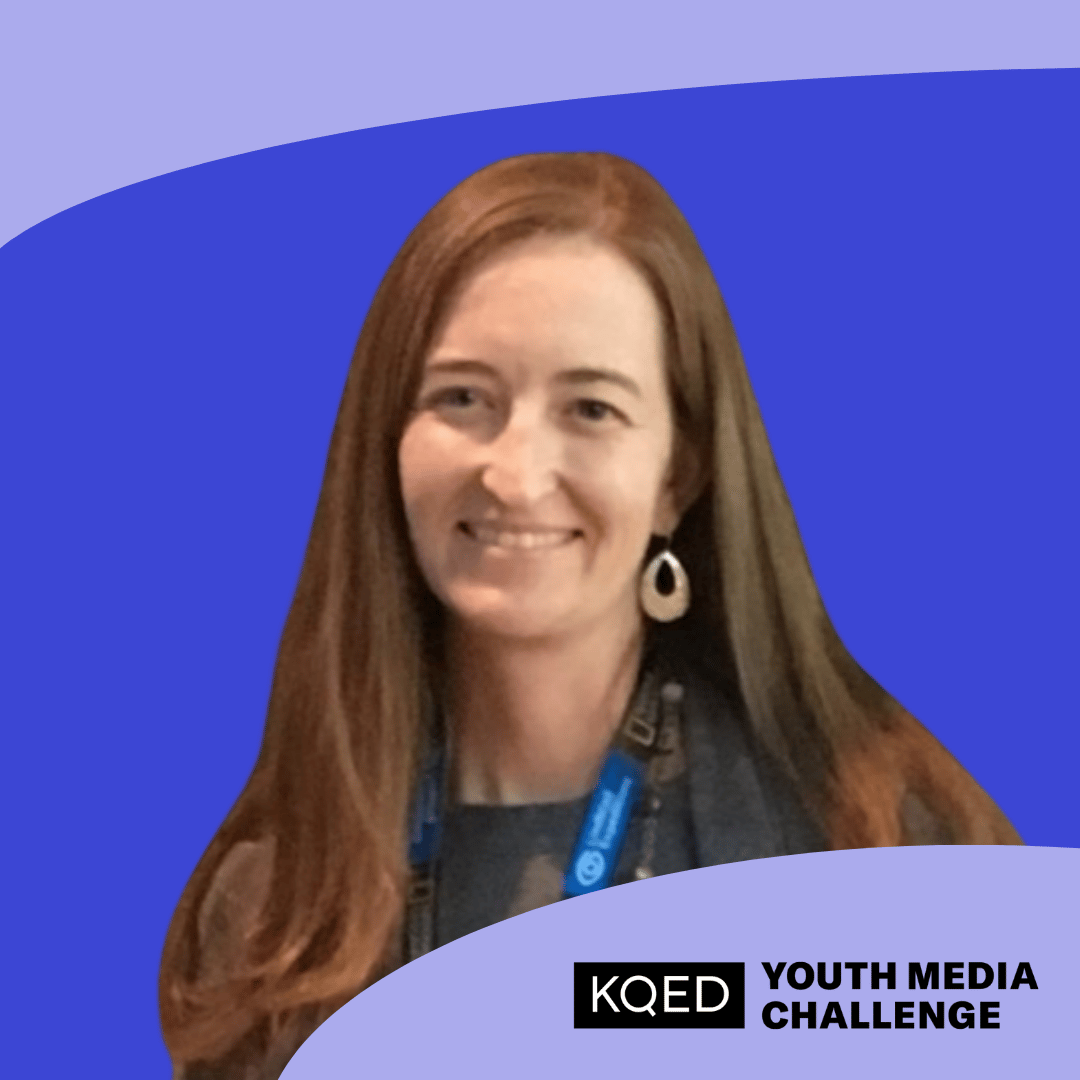
Alisha Lindsey

YMC Project: Podcasting Democracy, audio commentary connecting a current issue to a Constitutional principle  
Grade/Class: 8th grade U.S. history
School: Bradford K8 North
Location: Littleton, Colorado
Student media from Alisha’s class: Disability Rights in the USA, Training for the Future and Decreasing Work Hours for Stressed Teens


Inside Alisha’s Classroom

What inspired you to update your Constitution unit and jump into KQED’s Podcasting Democracy project?
I have been using Project-Based Learning (PBL) for 10 years, but I needed a new way to elevate the value and purpose of our Constitution. This project helped students see the value of their voice in our democracy. When I had the opportunity to pilot the new Podcasting Democracy curriculum in 2025, I immediately said yes because I wanted to elevate the student voice in our Constitution Unit. Now, I’m doing it again with a new group of students.

What makes Podcasting Democracy a good fit for your 8th graders?
8th grade is a unique year in middle school. Students are beginning to come into their own and find a strong sense of self. The podcasting project built into the Podcast Democracy unit allowed students to take a big step in using their civic voice. Students were able to accomplish this in several ways. First, they were able to express their ideas about an issue they had passion for. Second, they were able to use the Constitution to support their opinion on the issue. Last, they saw the value of their voice and were able to take a step to be civically engaged in their democracy. I hope as students progress through their lives they recognize how their ideas and voices are necessary and important for the continuation of our democracy.

How did the podcasting part of the project go?
During the process of creating their podcasts, students were consistently engaged, more so than other units we do. The combination of the curricular resources coupled with opportunities to choose their topic and build their final project allowed them to see the relevancy of the end product. Students were also invested in the work, as many of them knew they would share their podcast to KQED’s Youth Media Showcase through the Podcasting Democracy page.

Speaking of sharing, 90% of your students submitted their podcasts to KQED’s Youth Media Showcase! How did that work?
A huge majority of students were excited to share their work in this public space. I believe it gave them more agency in their final product as well as a determination to really articulate their ideas. As my students are on the border of being 13, I do have all parents determine if their child will post their work for any of our projects using the COPPA waiver provided in the unit. I feel this is a good way to cover my bases and ensure students/parents have a voice in that decision.

What are you changing as you teach the Podcasting Democracy unit again this year?
There are several areas I want to revise. First, I aim to do a deeper dive into the Bill of Rights. This is necessary so that students have a strong understanding of these early amendments, but it will also help students as they write their podcasts as they need to link their issue to an element of the Constitution. Second, we’ll spend more time on the peer and teacher revision process once students write the scripts for their podcasts. I allotted one day for each, and I needed two to improve the final written products. Finally, like many teachers, I did not leave sufficient time for our celebration to share our podcasts with each other.

Any final tips for teachers considering Podcasting Democracy or any Youth Media Challenge project?
Be gracious with the process. It may go according to plan, but there is a possibility that it could not. The key is to ensure students see they have a valuable voice and that they can contribute their ideas to a greater audience. The YMC is such an incredible venue for students to learn from each other as well as to share their voices!

lower waypoint
next waypoint
Player sponsored by