window.__IS_SSR__=true
window.__INITIAL_STATE__={
"attachmentsReducer": {
"audio_0": {
"type": "attachments",
"id": "audio_0",
"imgSizes": {
"kqedFullSize": {
"file": "https://ww2.kqed.org/news/wp-content/themes/KQED-unified/img/audio_bgs/background0.jpg"
}
}
},
"audio_1": {
"type": "attachments",
"id": "audio_1",
"imgSizes": {
"kqedFullSize": {
"file": "https://ww2.kqed.org/news/wp-content/themes/KQED-unified/img/audio_bgs/background1.jpg"
}
}
},
"audio_2": {
"type": "attachments",
"id": "audio_2",
"imgSizes": {
"kqedFullSize": {
"file": "https://ww2.kqed.org/news/wp-content/themes/KQED-unified/img/audio_bgs/background2.jpg"
}
}
},
"audio_3": {
"type": "attachments",
"id": "audio_3",
"imgSizes": {
"kqedFullSize": {
"file": "https://ww2.kqed.org/news/wp-content/themes/KQED-unified/img/audio_bgs/background3.jpg"
}
}
},
"audio_4": {
"type": "attachments",
"id": "audio_4",
"imgSizes": {
"kqedFullSize": {
"file": "https://ww2.kqed.org/news/wp-content/themes/KQED-unified/img/audio_bgs/background4.jpg"
}
}
},
"placeholder": {
"type": "attachments",
"id": "placeholder",
"imgSizes": {
"thumbnail": {
"file": "https://cdn.kqed.org/wp-content/uploads/2024/12/KQED-Default-Image-816638274-2000x1333-1-160x107.jpg",
"width": 160,
"height": 107,
"mimeType": "image/jpeg"
},
"medium": {
"file": "https://cdn.kqed.org/wp-content/uploads/2024/12/KQED-Default-Image-816638274-2000x1333-1-800x533.jpg",
"width": 800,
"height": 533,
"mimeType": "image/jpeg"
},
"medium_large": {
"file": "https://cdn.kqed.org/wp-content/uploads/2024/12/KQED-Default-Image-816638274-2000x1333-1-768x512.jpg",
"width": 768,
"height": 512,
"mimeType": "image/jpeg"
},
"large": {
"file": "https://cdn.kqed.org/wp-content/uploads/2024/12/KQED-Default-Image-816638274-2000x1333-1-1020x680.jpg",
"width": 1020,
"height": 680,
"mimeType": "image/jpeg"
},
"1536x1536": {
"file": "https://cdn.kqed.org/wp-content/uploads/2024/12/KQED-Default-Image-816638274-2000x1333-1-1536x1024.jpg",
"width": 1536,
"height": 1024,
"mimeType": "image/jpeg"
},
"fd-lrg": {
"file": "https://cdn.kqed.org/wp-content/uploads/2024/12/KQED-Default-Image-816638274-2000x1333-1-1536x1024.jpg",
"width": 1536,
"height": 1024,
"mimeType": "image/jpeg"
},
"fd-med": {
"file": "https://cdn.kqed.org/wp-content/uploads/2024/12/KQED-Default-Image-816638274-2000x1333-1-1020x680.jpg",
"width": 1020,
"height": 680,
"mimeType": "image/jpeg"
},
"fd-sm": {
"file": "https://cdn.kqed.org/wp-content/uploads/2024/12/KQED-Default-Image-816638274-2000x1333-1-800x533.jpg",
"width": 800,
"height": 533,
"mimeType": "image/jpeg"
},
"post-thumbnail": {
"file": "https://cdn.kqed.org/wp-content/uploads/2024/12/KQED-Default-Image-816638274-2000x1333-1-672x372.jpg",
"width": 672,
"height": 372,
"mimeType": "image/jpeg"
},
"twentyfourteen-full-width": {
"file": "https://cdn.kqed.org/wp-content/uploads/2024/12/KQED-Default-Image-816638274-2000x1333-1-1038x576.jpg",
"width": 1038,
"height": 576,
"mimeType": "image/jpeg"
},
"xxsmall": {
"file": "https://cdn.kqed.org/wp-content/uploads/2024/12/KQED-Default-Image-816638274-2000x1333-1-160x107.jpg",
"width": 160,
"height": 107,
"mimeType": "image/jpeg"
},
"xsmall": {
"file": "https://cdn.kqed.org/wp-content/uploads/2024/12/KQED-Default-Image-816638274-2000x1333-1-672x372.jpg",
"width": 672,
"height": 372,
"mimeType": "image/jpeg"
},
"small": {
"file": "https://cdn.kqed.org/wp-content/uploads/2024/12/KQED-Default-Image-816638274-2000x1333-1-672x372.jpg",
"width": 672,
"height": 372,
"mimeType": "image/jpeg"
},
"xlarge": {
"file": "https://cdn.kqed.org/wp-content/uploads/2024/12/KQED-Default-Image-816638274-2000x1333-1-1020x680.jpg",
"width": 1020,
"height": 680,
"mimeType": "image/jpeg"
},
"full-width": {
"file": "https://cdn.kqed.org/wp-content/uploads/2024/12/KQED-Default-Image-816638274-2000x1333-1-1920x1280.jpg",
"width": 1920,
"height": 1280,
"mimeType": "image/jpeg"
},
"guest-author-32": {
"file": "https://cdn.kqed.org/wp-content/uploads/2025/01/KQED-Default-Image-816638274-1333x1333-1-160x160.jpg",
"width": 32,
"height": 32,
"mimeType": "image/jpeg"
},
"guest-author-50": {
"file": "https://cdn.kqed.org/wp-content/uploads/2025/01/KQED-Default-Image-816638274-1333x1333-1-160x160.jpg",
"width": 50,
"height": 50,
"mimeType": "image/jpeg"
},
"guest-author-64": {
"file": "https://cdn.kqed.org/wp-content/uploads/2025/01/KQED-Default-Image-816638274-1333x1333-1-160x160.jpg",
"width": 64,
"height": 64,
"mimeType": "image/jpeg"
},
"guest-author-96": {
"file": "https://cdn.kqed.org/wp-content/uploads/2025/01/KQED-Default-Image-816638274-1333x1333-1-160x160.jpg",
"width": 96,
"height": 96,
"mimeType": "image/jpeg"
},
"guest-author-128": {
"file": "https://cdn.kqed.org/wp-content/uploads/2025/01/KQED-Default-Image-816638274-1333x1333-1-160x160.jpg",
"width": 128,
"height": 128,
"mimeType": "image/jpeg"
},
"detail": {
"file": "https://cdn.kqed.org/wp-content/uploads/2025/01/KQED-Default-Image-816638274-1333x1333-1-160x160.jpg",
"width": 160,
"height": 160,
"mimeType": "image/jpeg"
},
"kqedFullSize": {
"file": "https://cdn.kqed.org/wp-content/uploads/2024/12/KQED-Default-Image-816638274-2000x1333-1.jpg",
"width": 2000,
"height": 1333
}
}
},
"bayareabites_113617": {
"type": "attachments",
"id": "bayareabites_113617",
"meta": {
"index": "attachments_1716263798",
"site": "bayareabites",
"id": "113617",
"found": true
},
"parent": 113616,
"imgSizes": {
"small": {
"file": "https://ww2.kqed.org/app/uploads/sites/24/2016/11/wine-cheese-341b82af670681228500ecf8f21e53d9caabb8b1-520x390.jpg",
"width": 520,
"mimeType": "image/jpeg",
"height": 390
},
"twentyfourteen-full-width": {
"file": "https://ww2.kqed.org/app/uploads/sites/24/2016/11/wine-cheese-341b82af670681228500ecf8f21e53d9caabb8b1-1038x576.jpg",
"width": 1038,
"mimeType": "image/jpeg",
"height": 576
},
"thumbnail": {
"file": "https://ww2.kqed.org/app/uploads/sites/24/2016/11/wine-cheese-341b82af670681228500ecf8f21e53d9caabb8b1-160x120.jpg",
"width": 160,
"mimeType": "image/jpeg",
"height": 120
},
"fd-sm": {
"file": "https://ww2.kqed.org/app/uploads/sites/24/2016/11/wine-cheese-341b82af670681228500ecf8f21e53d9caabb8b1-960x720.jpg",
"width": 960,
"mimeType": "image/jpeg",
"height": 720
},
"post-thumbnail": {
"file": "https://ww2.kqed.org/app/uploads/sites/24/2016/11/wine-cheese-341b82af670681228500ecf8f21e53d9caabb8b1-672x372.jpg",
"width": 672,
"mimeType": "image/jpeg",
"height": 372
},
"xsmall": {
"file": "https://ww2.kqed.org/app/uploads/sites/24/2016/11/wine-cheese-341b82af670681228500ecf8f21e53d9caabb8b1-375x281.jpg",
"width": 375,
"mimeType": "image/jpeg",
"height": 281
},
"kqedFullSize": {
"file": "https://ww2.kqed.org/app/uploads/sites/24/2016/11/wine-cheese-341b82af670681228500ecf8f21e53d9caabb8b1.jpg",
"width": 1498,
"height": 1124
},
"large": {
"file": "https://ww2.kqed.org/app/uploads/sites/24/2016/11/wine-cheese-341b82af670681228500ecf8f21e53d9caabb8b1-1020x765.jpg",
"width": 1020,
"mimeType": "image/jpeg",
"height": 765
},
"xlarge": {
"file": "https://ww2.kqed.org/app/uploads/sites/24/2016/11/wine-cheese-341b82af670681228500ecf8f21e53d9caabb8b1-1180x885.jpg",
"width": 1180,
"mimeType": "image/jpeg",
"height": 885
},
"guest-author-50": {
"file": "https://ww2.kqed.org/app/uploads/sites/24/2016/11/wine-cheese-341b82af670681228500ecf8f21e53d9caabb8b1-50x50.jpg",
"width": 50,
"mimeType": "image/jpeg",
"height": 50
},
"guest-author-96": {
"file": "https://ww2.kqed.org/app/uploads/sites/24/2016/11/wine-cheese-341b82af670681228500ecf8f21e53d9caabb8b1-96x96.jpg",
"width": 96,
"mimeType": "image/jpeg",
"height": 96
},
"medium": {
"file": "https://ww2.kqed.org/app/uploads/sites/24/2016/11/wine-cheese-341b82af670681228500ecf8f21e53d9caabb8b1-800x600.jpg",
"width": 800,
"mimeType": "image/jpeg",
"height": 600
},
"guest-author-64": {
"file": "https://ww2.kqed.org/app/uploads/sites/24/2016/11/wine-cheese-341b82af670681228500ecf8f21e53d9caabb8b1-64x64.jpg",
"width": 64,
"mimeType": "image/jpeg",
"height": 64
},
"guest-author-32": {
"file": "https://ww2.kqed.org/app/uploads/sites/24/2016/11/wine-cheese-341b82af670681228500ecf8f21e53d9caabb8b1-32x32.jpg",
"width": 32,
"mimeType": "image/jpeg",
"height": 32
},
"fd-med": {
"file": "https://ww2.kqed.org/app/uploads/sites/24/2016/11/wine-cheese-341b82af670681228500ecf8f21e53d9caabb8b1-1180x885.jpg",
"width": 1180,
"mimeType": "image/jpeg",
"height": 885
},
"detail": {
"file": "https://ww2.kqed.org/app/uploads/sites/24/2016/11/wine-cheese-341b82af670681228500ecf8f21e53d9caabb8b1-150x150.jpg",
"width": 150,
"mimeType": "image/jpeg",
"height": 150
},
"medium_large": {
"file": "https://ww2.kqed.org/app/uploads/sites/24/2016/11/wine-cheese-341b82af670681228500ecf8f21e53d9caabb8b1-768x576.jpg",
"width": 768,
"mimeType": "image/jpeg",
"height": 576
},
"guest-author-128": {
"file": "https://ww2.kqed.org/app/uploads/sites/24/2016/11/wine-cheese-341b82af670681228500ecf8f21e53d9caabb8b1-128x128.jpg",
"width": 128,
"mimeType": "image/jpeg",
"height": 128
},
"xxsmall": {
"file": "https://ww2.kqed.org/app/uploads/sites/24/2016/11/wine-cheese-341b82af670681228500ecf8f21e53d9caabb8b1-240x180.jpg",
"width": 240,
"mimeType": "image/jpeg",
"height": 180
}
},
"publishDate": 1478660537,
"modified": 1478661132,
"caption": "Red and white wine in glasses with a cheese platter of a variety of cheeses with crackers and bread",
"description": "Red and white wine in glasses with a cheese platter of a variety of cheeses with crackers and bread",
"title": "Red and white wine in glasses with a cheese platter of a variety of cheeses with crackers and bread",
"credit": "Virginia Star/Getty Images",
"status": "inherit",
"isLoading": false,
"fetchFailed": false
},
"bayareabites_112347": {
"type": "attachments",
"id": "bayareabites_112347",
"meta": {
"index": "attachments_1716263798",
"site": "bayareabites",
"id": "112347",
"found": true
},
"parent": 112337,
"imgSizes": {
"twentyfourteen-full-width": {
"file": "https://ww2.kqed.org/app/uploads/sites/24/2016/09/crostini-1038x576.jpg",
"width": 1038,
"mimeType": "image/jpeg",
"height": 576
},
"thumbnail": {
"file": "https://ww2.kqed.org/app/uploads/sites/24/2016/09/crostini-400x300.jpg",
"width": 400,
"mimeType": "image/jpeg",
"height": 300
},
"fd-sm": {
"file": "https://ww2.kqed.org/app/uploads/sites/24/2016/09/crostini-960x720.jpg",
"width": 960,
"mimeType": "image/jpeg",
"height": 720
},
"post-thumbnail": {
"file": "https://ww2.kqed.org/app/uploads/sites/24/2016/09/crostini-672x372.jpg",
"width": 672,
"mimeType": "image/jpeg",
"height": 372
},
"kqedFullSize": {
"file": "https://ww2.kqed.org/app/uploads/sites/24/2016/09/crostini.jpg",
"width": 4032,
"height": 3024
},
"large": {
"file": "https://ww2.kqed.org/app/uploads/sites/24/2016/09/crostini-1440x1080.jpg",
"width": 1440,
"mimeType": "image/jpeg",
"height": 1080
},
"guest-author-50": {
"file": "https://ww2.kqed.org/app/uploads/sites/24/2016/09/crostini-50x50.jpg",
"width": 50,
"mimeType": "image/jpeg",
"height": 50
},
"guest-author-96": {
"file": "https://ww2.kqed.org/app/uploads/sites/24/2016/09/crostini-96x96.jpg",
"width": 96,
"mimeType": "image/jpeg",
"height": 96
},
"medium": {
"file": "https://ww2.kqed.org/app/uploads/sites/24/2016/09/crostini-800x600.jpg",
"width": 800,
"mimeType": "image/jpeg",
"height": 600
},
"guest-author-64": {
"file": "https://ww2.kqed.org/app/uploads/sites/24/2016/09/crostini-64x64.jpg",
"width": 64,
"mimeType": "image/jpeg",
"height": 64
},
"guest-author-32": {
"file": "https://ww2.kqed.org/app/uploads/sites/24/2016/09/crostini-32x32.jpg",
"width": 32,
"mimeType": "image/jpeg",
"height": 32
},
"cat_post_thumb_sizecategory-posts-2": {
"file": "https://ww2.kqed.org/app/uploads/sites/24/2016/09/crostini-150x150.jpg",
"width": 150,
"mimeType": "image/jpeg",
"height": 150
},
"fd-lrg": {
"file": "https://ww2.kqed.org/app/uploads/sites/24/2016/09/crostini-1920x1440.jpg",
"width": 1920,
"mimeType": "image/jpeg",
"height": 1440
},
"fd-med": {
"file": "https://ww2.kqed.org/app/uploads/sites/24/2016/09/crostini-1180x885.jpg",
"width": 1180,
"mimeType": "image/jpeg",
"height": 885
},
"detail": {
"file": "https://ww2.kqed.org/app/uploads/sites/24/2016/09/crostini-150x150.jpg",
"width": 150,
"mimeType": "image/jpeg",
"height": 150
},
"medium_large": {
"file": "https://ww2.kqed.org/app/uploads/sites/24/2016/09/crostini-768x576.jpg",
"width": 768,
"mimeType": "image/jpeg",
"height": 576
},
"guest-author-128": {
"file": "https://ww2.kqed.org/app/uploads/sites/24/2016/09/crostini-128x128.jpg",
"width": 128,
"mimeType": "image/jpeg",
"height": 128
}
},
"publishDate": 1475103260,
"modified": 1475181467,
"caption": "Crostini fixings at KQED Foodie Field Trip at Sociale",
"description": "Crostini fixings at KQED Foodie Field Trip at Sociale",
"title": "crostini",
"credit": "Siouxsie Oki",
"status": "inherit",
"isLoading": false,
"fetchFailed": false
},
"bayareabites_111498": {
"type": "attachments",
"id": "bayareabites_111498",
"meta": {
"index": "attachments_1716263798",
"site": "bayareabites",
"id": "111498",
"found": true
},
"parent": 0,
"imgSizes": {
"twentyfourteen-full-width": {
"file": "https://ww2.kqed.org/app/uploads/sites/24/2016/08/amerine-3625-bdee1a1d9eccae93612ad1c0a4437efacb8696c8-1038x576.jpg",
"width": 1038,
"mimeType": "image/jpeg",
"height": 576
},
"thumbnail": {
"file": "https://ww2.kqed.org/app/uploads/sites/24/2016/08/amerine-3625-bdee1a1d9eccae93612ad1c0a4437efacb8696c8-400x267.jpg",
"width": 400,
"mimeType": "image/jpeg",
"height": 267
},
"fd-sm": {
"file": "https://ww2.kqed.org/app/uploads/sites/24/2016/08/amerine-3625-bdee1a1d9eccae93612ad1c0a4437efacb8696c8-960x640.jpg",
"width": 960,
"mimeType": "image/jpeg",
"height": 640
},
"post-thumbnail": {
"file": "https://ww2.kqed.org/app/uploads/sites/24/2016/08/amerine-3625-bdee1a1d9eccae93612ad1c0a4437efacb8696c8-672x372.jpg",
"width": 672,
"mimeType": "image/jpeg",
"height": 372
},
"kqedFullSize": {
"file": "https://ww2.kqed.org/app/uploads/sites/24/2016/08/amerine-3625-bdee1a1d9eccae93612ad1c0a4437efacb8696c8.jpg",
"width": 2000,
"height": 1333
},
"large": {
"file": "https://ww2.kqed.org/app/uploads/sites/24/2016/08/amerine-3625-bdee1a1d9eccae93612ad1c0a4437efacb8696c8-1440x960.jpg",
"width": 1440,
"mimeType": "image/jpeg",
"height": 960
},
"guest-author-50": {
"file": "https://ww2.kqed.org/app/uploads/sites/24/2016/08/amerine-3625-bdee1a1d9eccae93612ad1c0a4437efacb8696c8-50x50.jpg",
"width": 50,
"mimeType": "image/jpeg",
"height": 50
},
"guest-author-96": {
"file": "https://ww2.kqed.org/app/uploads/sites/24/2016/08/amerine-3625-bdee1a1d9eccae93612ad1c0a4437efacb8696c8-96x96.jpg",
"width": 96,
"mimeType": "image/jpeg",
"height": 96
},
"medium": {
"file": "https://ww2.kqed.org/app/uploads/sites/24/2016/08/amerine-3625-bdee1a1d9eccae93612ad1c0a4437efacb8696c8-800x533.jpg",
"width": 800,
"mimeType": "image/jpeg",
"height": 533
},
"guest-author-64": {
"file": "https://ww2.kqed.org/app/uploads/sites/24/2016/08/amerine-3625-bdee1a1d9eccae93612ad1c0a4437efacb8696c8-64x64.jpg",
"width": 64,
"mimeType": "image/jpeg",
"height": 64
},
"guest-author-32": {
"file": "https://ww2.kqed.org/app/uploads/sites/24/2016/08/amerine-3625-bdee1a1d9eccae93612ad1c0a4437efacb8696c8-32x32.jpg",
"width": 32,
"mimeType": "image/jpeg",
"height": 32
},
"cat_post_thumb_sizecategory-posts-2": {
"file": "https://ww2.kqed.org/app/uploads/sites/24/2016/08/amerine-3625-bdee1a1d9eccae93612ad1c0a4437efacb8696c8-150x150.jpg",
"width": 150,
"mimeType": "image/jpeg",
"height": 150
},
"fd-lrg": {
"file": "https://ww2.kqed.org/app/uploads/sites/24/2016/08/amerine-3625-bdee1a1d9eccae93612ad1c0a4437efacb8696c8-1920x1280.jpg",
"width": 1920,
"mimeType": "image/jpeg",
"height": 1280
},
"fd-med": {
"file": "https://ww2.kqed.org/app/uploads/sites/24/2016/08/amerine-3625-bdee1a1d9eccae93612ad1c0a4437efacb8696c8-1180x786.jpg",
"width": 1180,
"mimeType": "image/jpeg",
"height": 786
},
"detail": {
"file": "https://ww2.kqed.org/app/uploads/sites/24/2016/08/amerine-3625-bdee1a1d9eccae93612ad1c0a4437efacb8696c8-150x150.jpg",
"width": 150,
"mimeType": "image/jpeg",
"height": 150
},
"medium_large": {
"file": "https://ww2.kqed.org/app/uploads/sites/24/2016/08/amerine-3625-bdee1a1d9eccae93612ad1c0a4437efacb8696c8-768x512.jpg",
"width": 768,
"mimeType": "image/jpeg",
"height": 512
},
"guest-author-128": {
"file": "https://ww2.kqed.org/app/uploads/sites/24/2016/08/amerine-3625-bdee1a1d9eccae93612ad1c0a4437efacb8696c8-128x128.jpg",
"width": 128,
"mimeType": "image/jpeg",
"height": 128
}
},
"publishDate": 1471453670,
"modified": 1471455305,
"caption": "A label for Big Tree Brand California wines",
"description": "A label for Big Tree Brand California wines",
"title": "A label for Big Tree Brand California wines",
"credit": null,
"status": "inherit",
"isLoading": false,
"fetchFailed": false
},
"bayareabites_111148": {
"type": "attachments",
"id": "bayareabites_111148",
"meta": {
"index": "attachments_1716263798",
"site": "bayareabites",
"id": "111148",
"found": true
},
"parent": 111075,
"imgSizes": {
"twentyfourteen-full-width": {
"file": "https://ww2.kqed.org/app/uploads/sites/24/2016/08/8483124318_4ad7edf6f2_k-1038x576.jpg",
"width": 1038,
"mimeType": "image/jpeg",
"height": 576
},
"thumbnail": {
"file": "https://ww2.kqed.org/app/uploads/sites/24/2016/08/8483124318_4ad7edf6f2_k-400x267.jpg",
"width": 400,
"mimeType": "image/jpeg",
"height": 267
},
"fd-sm": {
"file": "https://ww2.kqed.org/app/uploads/sites/24/2016/08/8483124318_4ad7edf6f2_k-960x640.jpg",
"width": 960,
"mimeType": "image/jpeg",
"height": 640
},
"post-thumbnail": {
"file": "https://ww2.kqed.org/app/uploads/sites/24/2016/08/8483124318_4ad7edf6f2_k-672x372.jpg",
"width": 672,
"mimeType": "image/jpeg",
"height": 372
},
"kqedFullSize": {
"file": "https://ww2.kqed.org/app/uploads/sites/24/2016/08/8483124318_4ad7edf6f2_k.jpg",
"width": 1920,
"height": 1280
},
"large": {
"file": "https://ww2.kqed.org/app/uploads/sites/24/2016/08/8483124318_4ad7edf6f2_k-1440x960.jpg",
"width": 1440,
"mimeType": "image/jpeg",
"height": 960
},
"guest-author-50": {
"file": "https://ww2.kqed.org/app/uploads/sites/24/2016/08/8483124318_4ad7edf6f2_k-50x50.jpg",
"width": 50,
"mimeType": "image/jpeg",
"height": 50
},
"guest-author-96": {
"file": "https://ww2.kqed.org/app/uploads/sites/24/2016/08/8483124318_4ad7edf6f2_k-96x96.jpg",
"width": 96,
"mimeType": "image/jpeg",
"height": 96
},
"medium": {
"file": "https://ww2.kqed.org/app/uploads/sites/24/2016/08/8483124318_4ad7edf6f2_k-800x533.jpg",
"width": 800,
"mimeType": "image/jpeg",
"height": 533
},
"guest-author-64": {
"file": "https://ww2.kqed.org/app/uploads/sites/24/2016/08/8483124318_4ad7edf6f2_k-64x64.jpg",
"width": 64,
"mimeType": "image/jpeg",
"height": 64
},
"guest-author-32": {
"file": "https://ww2.kqed.org/app/uploads/sites/24/2016/08/8483124318_4ad7edf6f2_k-32x32.jpg",
"width": 32,
"mimeType": "image/jpeg",
"height": 32
},
"cat_post_thumb_sizecategory-posts-2": {
"file": "https://ww2.kqed.org/app/uploads/sites/24/2016/08/8483124318_4ad7edf6f2_k-150x150.jpg",
"width": 150,
"mimeType": "image/jpeg",
"height": 150
},
"fd-lrg": {
"file": "https://ww2.kqed.org/app/uploads/sites/24/2016/08/8483124318_4ad7edf6f2_k-1920x1280.jpg",
"width": 1920,
"mimeType": "image/jpeg",
"height": 1280
},
"fd-med": {
"file": "https://ww2.kqed.org/app/uploads/sites/24/2016/08/8483124318_4ad7edf6f2_k-1180x787.jpg",
"width": 1180,
"mimeType": "image/jpeg",
"height": 787
},
"detail": {
"file": "https://ww2.kqed.org/app/uploads/sites/24/2016/08/8483124318_4ad7edf6f2_k-150x150.jpg",
"width": 150,
"mimeType": "image/jpeg",
"height": 150
},
"medium_large": {
"file": "https://ww2.kqed.org/app/uploads/sites/24/2016/08/8483124318_4ad7edf6f2_k-768x512.jpg",
"width": 768,
"mimeType": "image/jpeg",
"height": 512
},
"guest-author-128": {
"file": "https://ww2.kqed.org/app/uploads/sites/24/2016/08/8483124318_4ad7edf6f2_k-128x128.jpg",
"width": 128,
"mimeType": "image/jpeg",
"height": 128
}
},
"publishDate": 1470085072,
"modified": 1470085105,
"caption": "A wine tasting flight",
"description": "A wine tasting flight",
"title": "8483124318_4ad7edf6f2_k",
"credit": "Doniree Walker/Flickr",
"status": "inherit",
"isLoading": false,
"fetchFailed": false
},
"bayareabites_110838": {
"type": "attachments",
"id": "bayareabites_110838",
"meta": {
"index": "attachments_1716263798",
"site": "bayareabites",
"id": "110838",
"found": true
},
"parent": 110789,
"imgSizes": {
"twentyfourteen-full-width": {
"file": "https://ww2.kqed.org/app/uploads/sites/24/2016/07/scopo-interior1-1038x576.jpg",
"width": 1038,
"mimeType": "image/jpeg",
"height": 576
},
"thumbnail": {
"file": "https://ww2.kqed.org/app/uploads/sites/24/2016/07/scopo-interior1-400x267.jpg",
"width": 400,
"mimeType": "image/jpeg",
"height": 267
},
"fd-sm": {
"file": "https://ww2.kqed.org/app/uploads/sites/24/2016/07/scopo-interior1-960x640.jpg",
"width": 960,
"mimeType": "image/jpeg",
"height": 640
},
"post-thumbnail": {
"file": "https://ww2.kqed.org/app/uploads/sites/24/2016/07/scopo-interior1-672x372.jpg",
"width": 672,
"mimeType": "image/jpeg",
"height": 372
},
"kqedFullSize": {
"file": "https://ww2.kqed.org/app/uploads/sites/24/2016/07/scopo-interior1.jpg",
"width": 1920,
"height": 1280
},
"large": {
"file": "https://ww2.kqed.org/app/uploads/sites/24/2016/07/scopo-interior1-1440x960.jpg",
"width": 1440,
"mimeType": "image/jpeg",
"height": 960
},
"guest-author-50": {
"file": "https://ww2.kqed.org/app/uploads/sites/24/2016/07/scopo-interior1-50x50.jpg",
"width": 50,
"mimeType": "image/jpeg",
"height": 50
},
"guest-author-96": {
"file": "https://ww2.kqed.org/app/uploads/sites/24/2016/07/scopo-interior1-96x96.jpg",
"width": 96,
"mimeType": "image/jpeg",
"height": 96
},
"medium": {
"file": "https://ww2.kqed.org/app/uploads/sites/24/2016/07/scopo-interior1-800x533.jpg",
"width": 800,
"mimeType": "image/jpeg",
"height": 533
},
"guest-author-64": {
"file": "https://ww2.kqed.org/app/uploads/sites/24/2016/07/scopo-interior1-64x64.jpg",
"width": 64,
"mimeType": "image/jpeg",
"height": 64
},
"guest-author-32": {
"file": "https://ww2.kqed.org/app/uploads/sites/24/2016/07/scopo-interior1-32x32.jpg",
"width": 32,
"mimeType": "image/jpeg",
"height": 32
},
"cat_post_thumb_sizecategory-posts-2": {
"file": "https://ww2.kqed.org/app/uploads/sites/24/2016/07/scopo-interior1-150x150.jpg",
"width": 150,
"mimeType": "image/jpeg",
"height": 150
},
"fd-lrg": {
"file": "https://ww2.kqed.org/app/uploads/sites/24/2016/07/scopo-interior1-1920x1280.jpg",
"width": 1920,
"mimeType": "image/jpeg",
"height": 1280
},
"fd-med": {
"file": "https://ww2.kqed.org/app/uploads/sites/24/2016/07/scopo-interior1-1180x787.jpg",
"width": 1180,
"mimeType": "image/jpeg",
"height": 787
},
"detail": {
"file": "https://ww2.kqed.org/app/uploads/sites/24/2016/07/scopo-interior1-150x150.jpg",
"width": 150,
"mimeType": "image/jpeg",
"height": 150
},
"medium_large": {
"file": "https://ww2.kqed.org/app/uploads/sites/24/2016/07/scopo-interior1-768x512.jpg",
"width": 768,
"mimeType": "image/jpeg",
"height": 512
},
"guest-author-128": {
"file": "https://ww2.kqed.org/app/uploads/sites/24/2016/07/scopo-interior1-128x128.jpg",
"width": 128,
"mimeType": "image/jpeg",
"height": 128
}
},
"publishDate": 1468895910,
"modified": 1468896542,
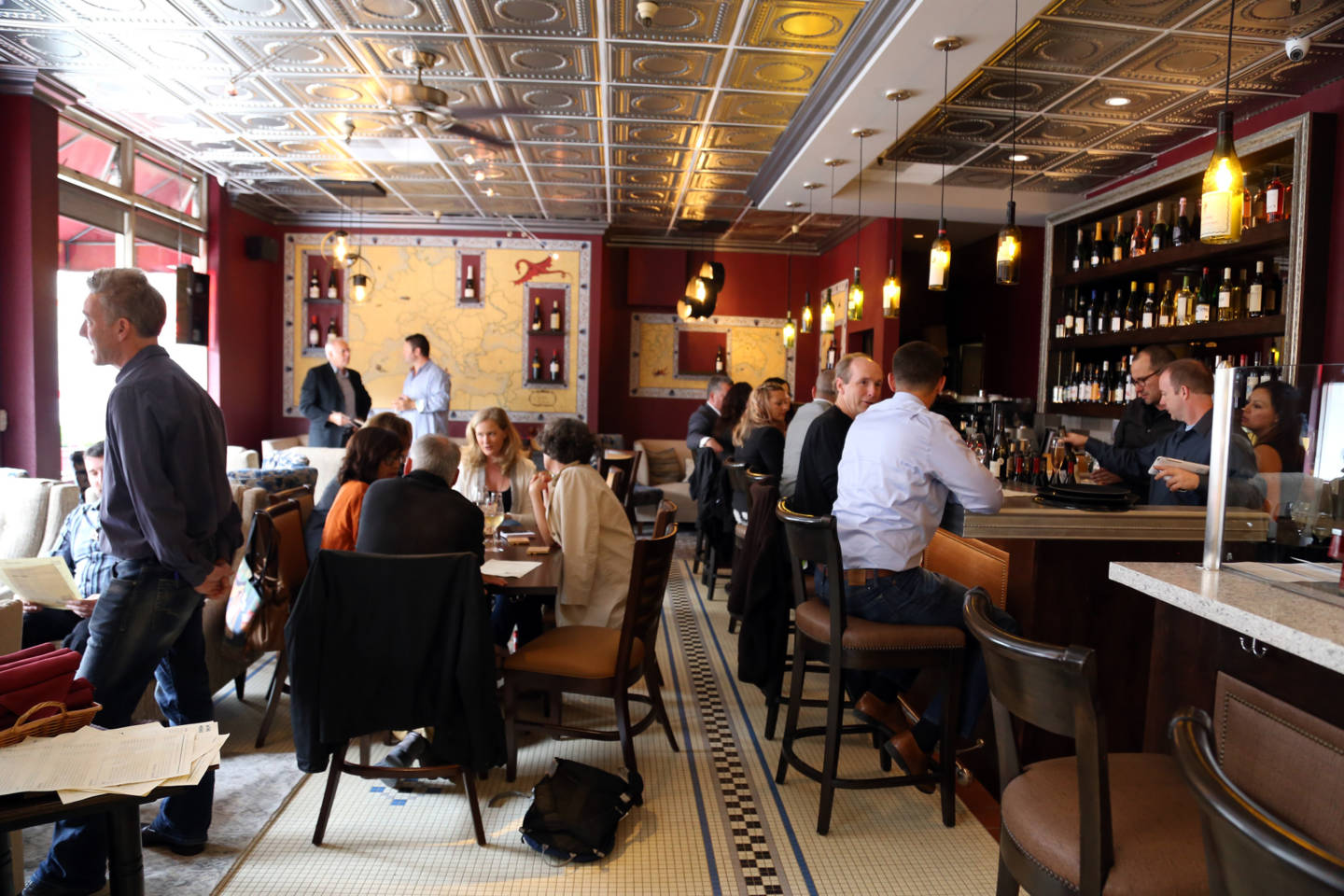
"caption": "Inside Scopo Divino",
"description": null,
"title": "scopo-interior1",
"credit": "Wendy Goodfriend",
"status": "inherit",
"isLoading": false,
"fetchFailed": false
},
"bayareabites_110306": {
"type": "attachments",
"id": "bayareabites_110306",
"meta": {
"index": "attachments_1716263798",
"site": "bayareabites",
"id": "110306",
"found": true
},
"parent": 110224,
"imgSizes": {
"twentyfourteen-full-width": {
"file": "https://ww2.kqed.org/app/uploads/sites/24/2016/06/pride-sangria-finish3-1038x576.jpg",
"width": 1038,
"mimeType": "image/jpeg",
"height": 576
},
"thumbnail": {
"file": "https://ww2.kqed.org/app/uploads/sites/24/2016/06/pride-sangria-finish3-400x600.jpg",
"width": 400,
"mimeType": "image/jpeg",
"height": 600
},
"fd-sm": {
"file": "https://ww2.kqed.org/app/uploads/sites/24/2016/06/pride-sangria-finish3-960x1440.jpg",
"width": 960,
"mimeType": "image/jpeg",
"height": 1440
},
"post-thumbnail": {
"file": "https://ww2.kqed.org/app/uploads/sites/24/2016/06/pride-sangria-finish3-672x372.jpg",
"width": 672,
"mimeType": "image/jpeg",
"height": 372
},
"kqedFullSize": {
"file": "https://ww2.kqed.org/app/uploads/sites/24/2016/06/pride-sangria-finish3.jpg",
"width": 1920,
"height": 2880
},
"large": {
"file": "https://ww2.kqed.org/app/uploads/sites/24/2016/06/pride-sangria-finish3-1440x2160.jpg",
"width": 1440,
"mimeType": "image/jpeg",
"height": 2160
},
"guest-author-50": {
"file": "https://ww2.kqed.org/app/uploads/sites/24/2016/06/pride-sangria-finish3-50x50.jpg",
"width": 50,
"mimeType": "image/jpeg",
"height": 50
},
"guest-author-96": {
"file": "https://ww2.kqed.org/app/uploads/sites/24/2016/06/pride-sangria-finish3-96x96.jpg",
"width": 96,
"mimeType": "image/jpeg",
"height": 96
},
"medium": {
"file": "https://ww2.kqed.org/app/uploads/sites/24/2016/06/pride-sangria-finish3-800x1200.jpg",
"width": 800,
"mimeType": "image/jpeg",
"height": 1200
},
"guest-author-64": {
"file": "https://ww2.kqed.org/app/uploads/sites/24/2016/06/pride-sangria-finish3-64x64.jpg",
"width": 64,
"mimeType": "image/jpeg",
"height": 64
},
"guest-author-32": {
"file": "https://ww2.kqed.org/app/uploads/sites/24/2016/06/pride-sangria-finish3-32x32.jpg",
"width": 32,
"mimeType": "image/jpeg",
"height": 32
},
"cat_post_thumb_sizecategory-posts-2": {
"file": "https://ww2.kqed.org/app/uploads/sites/24/2016/06/pride-sangria-finish3-150x150.jpg",
"width": 150,
"mimeType": "image/jpeg",
"height": 150
},
"fd-lrg": {
"file": "https://ww2.kqed.org/app/uploads/sites/24/2016/06/pride-sangria-finish3-1920x2880.jpg",
"width": 1920,
"mimeType": "image/jpeg",
"height": 2880
},
"fd-med": {
"file": "https://ww2.kqed.org/app/uploads/sites/24/2016/06/pride-sangria-finish3-1180x1770.jpg",
"width": 1180,
"mimeType": "image/jpeg",
"height": 1770
},
"detail": {
"file": "https://ww2.kqed.org/app/uploads/sites/24/2016/06/pride-sangria-finish3-150x150.jpg",
"width": 150,
"mimeType": "image/jpeg",
"height": 150
},
"medium_large": {
"file": "https://ww2.kqed.org/app/uploads/sites/24/2016/06/pride-sangria-finish3-768x1152.jpg",
"width": 768,
"mimeType": "image/jpeg",
"height": 1152
},
"guest-author-128": {
"file": "https://ww2.kqed.org/app/uploads/sites/24/2016/06/pride-sangria-finish3-128x128.jpg",
"width": 128,
"mimeType": "image/jpeg",
"height": 128
}
},
"publishDate": 1466725837,
"modified": 1466727054,
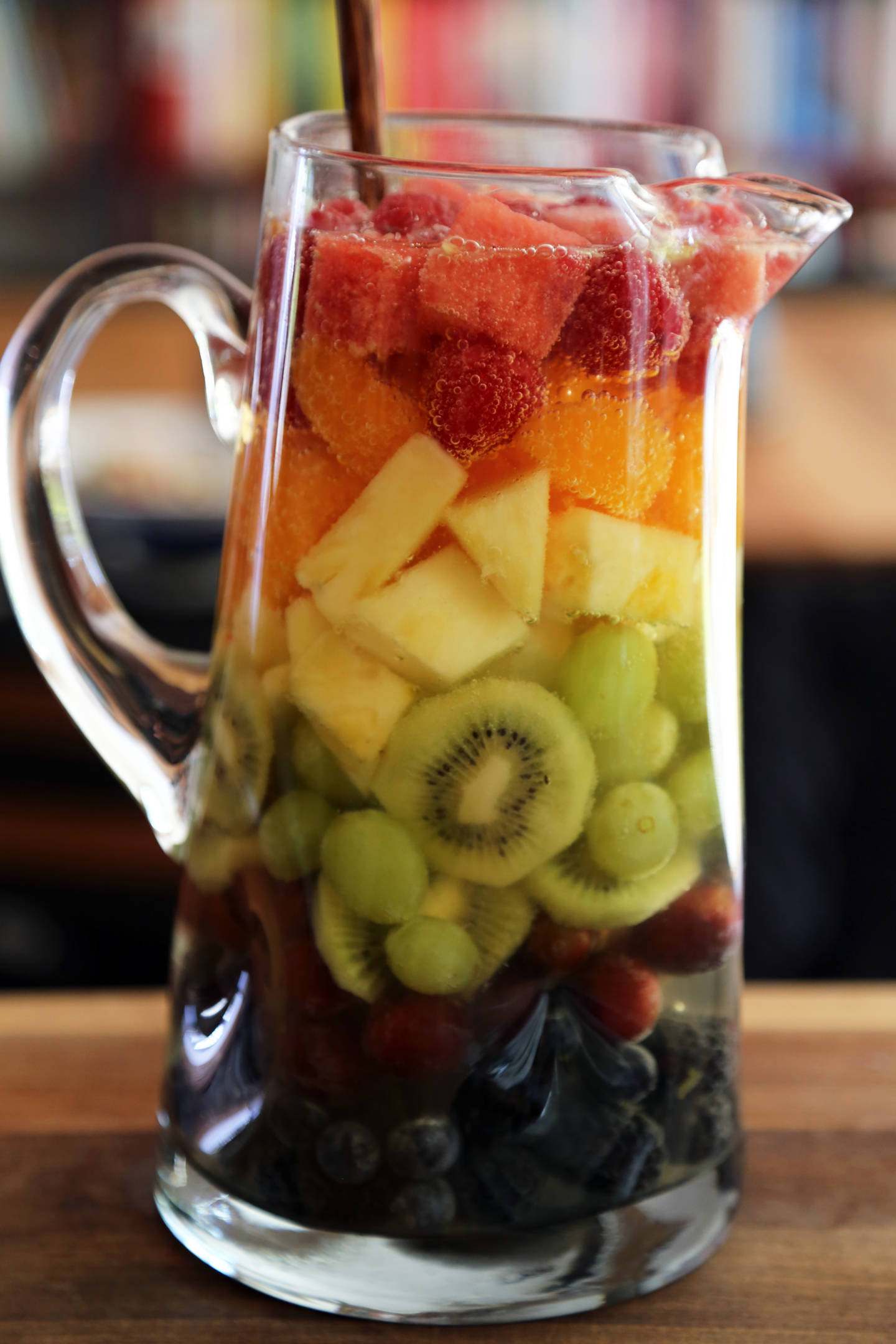
"caption": "Summer Rainbow Sangria",
"description": null,
"title": "pride-sangria-finish3",
"credit": "Wendy Goodfriend",
"status": "inherit",
"isLoading": false,
"fetchFailed": false
},
"bayareabites_110088": {
"type": "attachments",
"id": "bayareabites_110088",
"meta": {
"index": "attachments_1716263798",
"site": "bayareabites",
"id": "110088",
"found": true
},
"parent": 110087,
"imgSizes": {
"twentyfourteen-full-width": {
"file": "https://ww2.kqed.org/app/uploads/sites/24/2016/06/farnientewinery_enl-1a80ee77c0d8fd1db25a2bb3f87aff1de392f2ef-1038x576.jpg",
"width": 1038,
"mimeType": "image/jpeg",
"height": 576
},
"thumbnail": {
"file": "https://ww2.kqed.org/app/uploads/sites/24/2016/06/farnientewinery_enl-1a80ee77c0d8fd1db25a2bb3f87aff1de392f2ef-400x266.jpg",
"width": 400,
"mimeType": "image/jpeg",
"height": 266
},
"fd-sm": {
"file": "https://ww2.kqed.org/app/uploads/sites/24/2016/06/farnientewinery_enl-1a80ee77c0d8fd1db25a2bb3f87aff1de392f2ef-960x639.jpg",
"width": 960,
"mimeType": "image/jpeg",
"height": 639
},
"post-thumbnail": {
"file": "https://ww2.kqed.org/app/uploads/sites/24/2016/06/farnientewinery_enl-1a80ee77c0d8fd1db25a2bb3f87aff1de392f2ef-672x372.jpg",
"width": 672,
"mimeType": "image/jpeg",
"height": 372
},
"kqedFullSize": {
"file": "https://ww2.kqed.org/app/uploads/sites/24/2016/06/farnientewinery_enl-1a80ee77c0d8fd1db25a2bb3f87aff1de392f2ef.jpg",
"width": 2000,
"height": 1332
},
"large": {
"file": "https://ww2.kqed.org/app/uploads/sites/24/2016/06/farnientewinery_enl-1a80ee77c0d8fd1db25a2bb3f87aff1de392f2ef-1440x959.jpg",
"width": 1440,
"mimeType": "image/jpeg",
"height": 959
},
"guest-author-50": {
"file": "https://ww2.kqed.org/app/uploads/sites/24/2016/06/farnientewinery_enl-1a80ee77c0d8fd1db25a2bb3f87aff1de392f2ef-50x50.jpg",
"width": 50,
"mimeType": "image/jpeg",
"height": 50
},
"guest-author-96": {
"file": "https://ww2.kqed.org/app/uploads/sites/24/2016/06/farnientewinery_enl-1a80ee77c0d8fd1db25a2bb3f87aff1de392f2ef-96x96.jpg",
"width": 96,
"mimeType": "image/jpeg",
"height": 96
},
"medium": {
"file": "https://ww2.kqed.org/app/uploads/sites/24/2016/06/farnientewinery_enl-1a80ee77c0d8fd1db25a2bb3f87aff1de392f2ef-800x533.jpg",
"width": 800,
"mimeType": "image/jpeg",
"height": 533
},
"guest-author-64": {
"file": "https://ww2.kqed.org/app/uploads/sites/24/2016/06/farnientewinery_enl-1a80ee77c0d8fd1db25a2bb3f87aff1de392f2ef-64x64.jpg",
"width": 64,
"mimeType": "image/jpeg",
"height": 64
},
"guest-author-32": {
"file": "https://ww2.kqed.org/app/uploads/sites/24/2016/06/farnientewinery_enl-1a80ee77c0d8fd1db25a2bb3f87aff1de392f2ef-32x32.jpg",
"width": 32,
"mimeType": "image/jpeg",
"height": 32
},
"cat_post_thumb_sizecategory-posts-2": {
"file": "https://ww2.kqed.org/app/uploads/sites/24/2016/06/farnientewinery_enl-1a80ee77c0d8fd1db25a2bb3f87aff1de392f2ef-150x150.jpg",
"width": 150,
"mimeType": "image/jpeg",
"height": 150
},
"fd-lrg": {
"file": "https://ww2.kqed.org/app/uploads/sites/24/2016/06/farnientewinery_enl-1a80ee77c0d8fd1db25a2bb3f87aff1de392f2ef-1920x1279.jpg",
"width": 1920,
"mimeType": "image/jpeg",
"height": 1279
},
"fd-med": {
"file": "https://ww2.kqed.org/app/uploads/sites/24/2016/06/farnientewinery_enl-1a80ee77c0d8fd1db25a2bb3f87aff1de392f2ef-1180x786.jpg",
"width": 1180,
"mimeType": "image/jpeg",
"height": 786
},
"detail": {
"file": "https://ww2.kqed.org/app/uploads/sites/24/2016/06/farnientewinery_enl-1a80ee77c0d8fd1db25a2bb3f87aff1de392f2ef-150x150.jpg",
"width": 150,
"mimeType": "image/jpeg",
"height": 150
},
"medium_large": {
"file": "https://ww2.kqed.org/app/uploads/sites/24/2016/06/farnientewinery_enl-1a80ee77c0d8fd1db25a2bb3f87aff1de392f2ef-768x511.jpg",
"width": 768,
"mimeType": "image/jpeg",
"height": 511
},
"guest-author-128": {
"file": "https://ww2.kqed.org/app/uploads/sites/24/2016/06/farnientewinery_enl-1a80ee77c0d8fd1db25a2bb3f87aff1de392f2ef-128x128.jpg",
"width": 128,
"mimeType": "image/jpeg",
"height": 128
}
},
"publishDate": 1466195250,
"modified": 1466195826,
"caption": "The John C. Sullenger Vineyard at Nickel & Nickel Winery, Napa Valley, Calif. Nickel & Nickel collaborated with scientists to collect wine samples and identify the bacteria and fungi in them by sequencing microbial DNA.",
"description": "The John C. Sullenger Vineyard at Nickel",
"title": "The John C. Sullenger Vineyard at Nickel & Nickel Winery, Napa Valley, Calif. Nickel & Nickel collaborated with scientists to collect wine samples and identify the bacteria and fungi in them by sequencing microbial DNA.",
"credit": "Jason Tinacci/Courtesy of Nickel & Nickel",
"status": "inherit",
"isLoading": false,
"fetchFailed": false
},
"bayareabites_109709": {
"type": "attachments",
"id": "bayareabites_109709",
"meta": {
"index": "attachments_1716263798",
"site": "bayareabites",
"id": "109709",
"found": true
},
"parent": 109705,
"imgSizes": {
"twentyfourteen-full-width": {
"file": "https://ww2.kqed.org/app/uploads/sites/24/2016/05/jofp2_custom-995fe3dc9fc4aaf389abc408bac1439f698e1559-s1500-c85-897x576.jpg",
"width": 897,
"mimeType": "image/jpeg",
"height": 576
},
"thumbnail": {
"file": "https://ww2.kqed.org/app/uploads/sites/24/2016/05/jofp2_custom-995fe3dc9fc4aaf389abc408bac1439f698e1559-s1500-c85-400x264.jpg",
"width": 400,
"mimeType": "image/jpeg",
"height": 264
},
"post-thumbnail": {
"file": "https://ww2.kqed.org/app/uploads/sites/24/2016/05/jofp2_custom-995fe3dc9fc4aaf389abc408bac1439f698e1559-s1500-c85-672x372.jpg",
"width": 672,
"mimeType": "image/jpeg",
"height": 372
},
"kqedFullSize": {
"file": "https://ww2.kqed.org/app/uploads/sites/24/2016/05/jofp2_custom-995fe3dc9fc4aaf389abc408bac1439f698e1559-s1500-c85.jpg",
"width": 897,
"height": 591
},
"guest-author-50": {
"file": "https://ww2.kqed.org/app/uploads/sites/24/2016/05/jofp2_custom-995fe3dc9fc4aaf389abc408bac1439f698e1559-s1500-c85-50x50.jpg",
"width": 50,
"mimeType": "image/jpeg",
"height": 50
},
"guest-author-96": {
"file": "https://ww2.kqed.org/app/uploads/sites/24/2016/05/jofp2_custom-995fe3dc9fc4aaf389abc408bac1439f698e1559-s1500-c85-96x96.jpg",
"width": 96,
"mimeType": "image/jpeg",
"height": 96
},
"medium": {
"file": "https://ww2.kqed.org/app/uploads/sites/24/2016/05/jofp2_custom-995fe3dc9fc4aaf389abc408bac1439f698e1559-s1500-c85-800x527.jpg",
"width": 800,
"mimeType": "image/jpeg",
"height": 527
},
"guest-author-64": {
"file": "https://ww2.kqed.org/app/uploads/sites/24/2016/05/jofp2_custom-995fe3dc9fc4aaf389abc408bac1439f698e1559-s1500-c85-64x64.jpg",
"width": 64,
"mimeType": "image/jpeg",
"height": 64
},
"guest-author-32": {
"file": "https://ww2.kqed.org/app/uploads/sites/24/2016/05/jofp2_custom-995fe3dc9fc4aaf389abc408bac1439f698e1559-s1500-c85-32x32.jpg",
"width": 32,
"mimeType": "image/jpeg",
"height": 32
},
"cat_post_thumb_sizecategory-posts-2": {
"file": "https://ww2.kqed.org/app/uploads/sites/24/2016/05/jofp2_custom-995fe3dc9fc4aaf389abc408bac1439f698e1559-s1500-c85-150x150.jpg",
"width": 150,
"mimeType": "image/jpeg",
"height": 150
},
"detail": {
"file": "https://ww2.kqed.org/app/uploads/sites/24/2016/05/jofp2_custom-995fe3dc9fc4aaf389abc408bac1439f698e1559-s1500-c85-150x150.jpg",
"width": 150,
"mimeType": "image/jpeg",
"height": 150
},
"medium_large": {
"file": "https://ww2.kqed.org/app/uploads/sites/24/2016/05/jofp2_custom-995fe3dc9fc4aaf389abc408bac1439f698e1559-s1500-c85-768x506.jpg",
"width": 768,
"mimeType": "image/jpeg",
"height": 506
},
"guest-author-128": {
"file": "https://ww2.kqed.org/app/uploads/sites/24/2016/05/jofp2_custom-995fe3dc9fc4aaf389abc408bac1439f698e1559-s1500-c85-128x128.jpg",
"width": 128,
"mimeType": "image/jpeg",
"height": 128
}
},
"publishDate": 1464127768,
"modified": 1464127794,
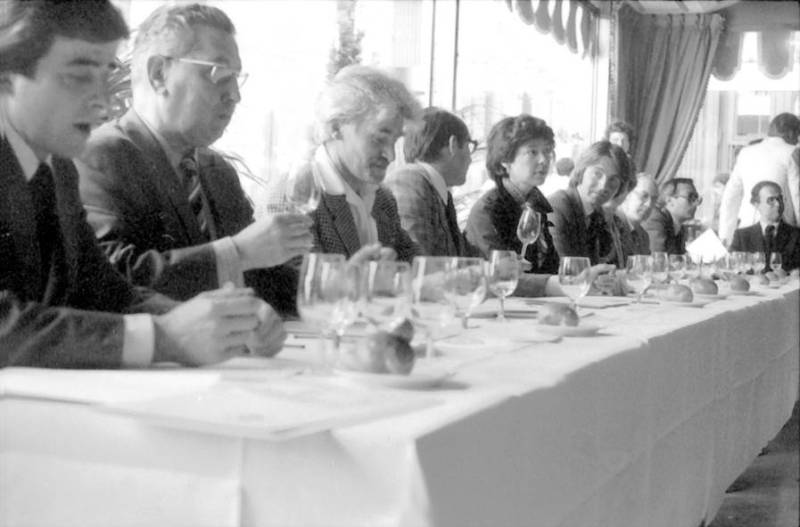
"caption": "On May 24, 1976, the Judgment of Paris pitted some of the finest wines in France against unknown California bottles in a blind taste test. Nine of the most respected names in French gastronomy sat in judgment.",
"description": "On May 24, 1976, the Judgment of Paris pitted some of the finest wines in France against unknown California bottles in a blind taste test. Nine of the most respected names in French gastronomy sat in judgment.",
"title": "jofp2_custom-995fe3dc9fc4aaf389abc408bac1439f698e1559-s1500-c85",
"credit": "Courtesy of Bella Spurrier",
"status": "inherit",
"isLoading": false,
"fetchFailed": false
},
"bayareabites_108818": {
"type": "attachments",
"id": "bayareabites_108818",
"meta": {
"index": "attachments_1716263798",
"site": "bayareabites",
"id": "108818",
"found": true
},
"parent": 108596,
"imgSizes": {
"twentyfourteen-full-width": {
"file": "https://ww2.kqed.org/app/uploads/sites/24/2016/04/home-vineyards-1038x576.jpg",
"width": 1038,
"mimeType": "image/jpeg",
"height": 576
},
"thumbnail": {
"file": "https://ww2.kqed.org/app/uploads/sites/24/2016/04/home-vineyards-400x286.jpg",
"width": 400,
"mimeType": "image/jpeg",
"height": 286
},
"fd-sm": {
"file": "https://ww2.kqed.org/app/uploads/sites/24/2016/04/home-vineyards-960x687.jpg",
"width": 960,
"mimeType": "image/jpeg",
"height": 687
},
"post-thumbnail": {
"file": "https://ww2.kqed.org/app/uploads/sites/24/2016/04/home-vineyards-672x372.jpg",
"width": 672,
"mimeType": "image/jpeg",
"height": 372
},
"kqedFullSize": {
"file": "https://ww2.kqed.org/app/uploads/sites/24/2016/04/home-vineyards.jpg",
"width": 1920,
"height": 1374
},
"large": {
"file": "https://ww2.kqed.org/app/uploads/sites/24/2016/04/home-vineyards-1440x1031.jpg",
"width": 1440,
"mimeType": "image/jpeg",
"height": 1031
},
"guest-author-96": {
"file": "https://ww2.kqed.org/app/uploads/sites/24/2016/04/home-vineyards-96x96.jpg",
"width": 96,
"mimeType": "image/jpeg",
"height": 96
},
"medium": {
"file": "https://ww2.kqed.org/app/uploads/sites/24/2016/04/home-vineyards-800x573.jpg",
"width": 800,
"mimeType": "image/jpeg",
"height": 573
},
"guest-author-64": {
"file": "https://ww2.kqed.org/app/uploads/sites/24/2016/04/home-vineyards-64x64.jpg",
"width": 64,
"mimeType": "image/jpeg",
"height": 64
},
"guest-author-32": {
"file": "https://ww2.kqed.org/app/uploads/sites/24/2016/04/home-vineyards-32x32.jpg",
"width": 32,
"mimeType": "image/jpeg",
"height": 32
},
"cat_post_thumb_sizecategory-posts-2": {
"file": "https://ww2.kqed.org/app/uploads/sites/24/2016/04/home-vineyards-150x150.jpg",
"width": 150,
"mimeType": "image/jpeg",
"height": 150
},
"fd-lrg": {
"file": "https://ww2.kqed.org/app/uploads/sites/24/2016/04/home-vineyards-1920x1374.jpg",
"width": 1920,
"mimeType": "image/jpeg",
"height": 1374
},
"fd-med": {
"file": "https://ww2.kqed.org/app/uploads/sites/24/2016/04/home-vineyards-1180x844.jpg",
"width": 1180,
"mimeType": "image/jpeg",
"height": 844
},
"detail": {
"file": "https://ww2.kqed.org/app/uploads/sites/24/2016/04/home-vineyards-75x75.jpg",
"width": 75,
"mimeType": "image/jpeg",
"height": 75
},
"medium_large": {
"file": "https://ww2.kqed.org/app/uploads/sites/24/2016/04/home-vineyards-768x550.jpg",
"width": 768,
"mimeType": "image/jpeg",
"height": 550
},
"guest-author-128": {
"file": "https://ww2.kqed.org/app/uploads/sites/24/2016/04/home-vineyards-128x128.jpg",
"width": 128,
"mimeType": "image/jpeg",
"height": 128
}
},
"publishDate": 1461285057,
"modified": 1463001097,
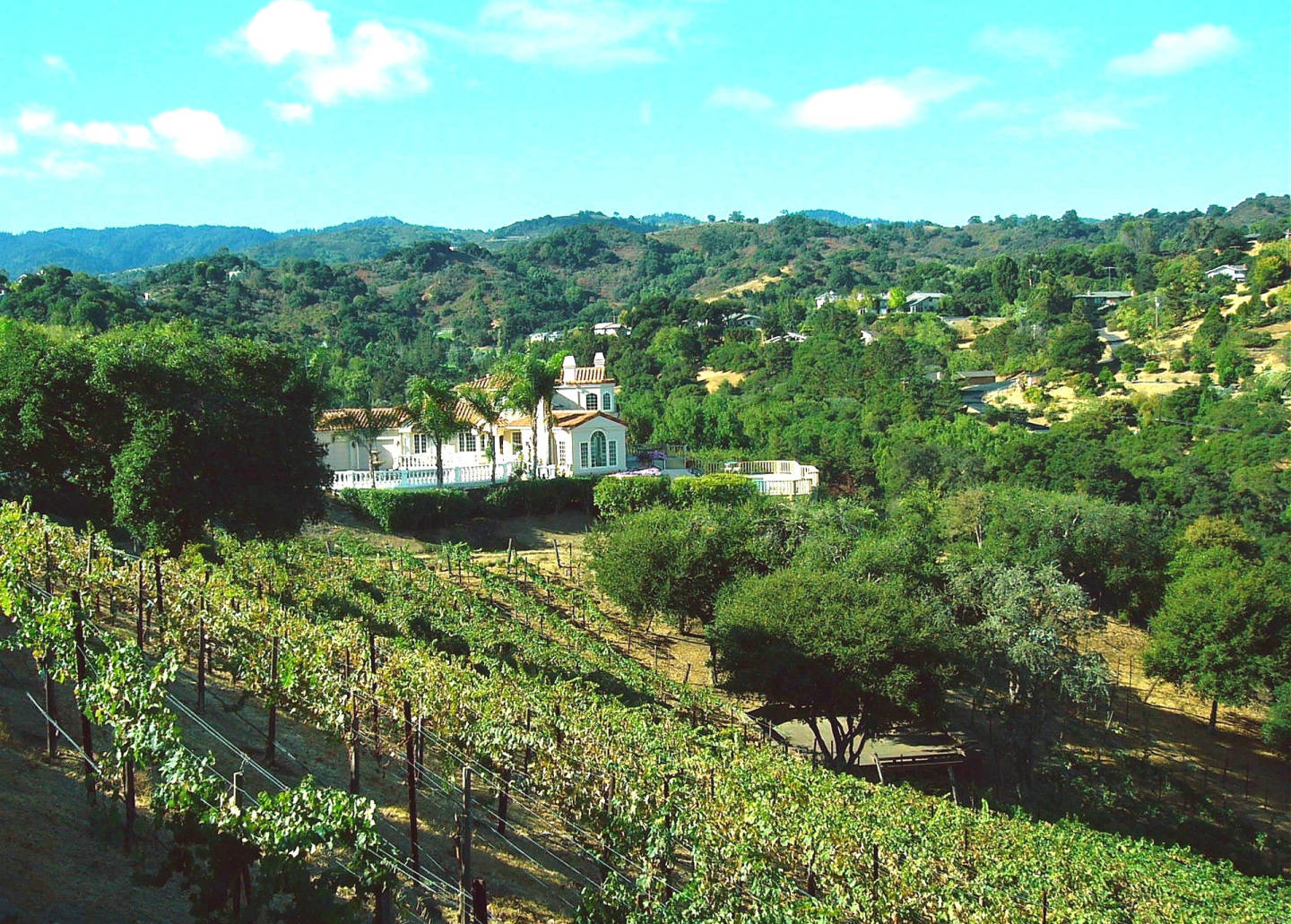
"caption": "Home vineyards",
"description": null,
"title": "home vineyards",
"credit": "CK Vines",
"status": "inherit",
"isLoading": false,
"fetchFailed": false
},
"bayareabites_107848": {
"type": "attachments",
"id": "bayareabites_107848",
"meta": {
"index": "attachments_1716263798",
"site": "bayareabites",
"id": "107848",
"found": true
},
"parent": 107847,
"imgSizes": {
"twentyfourteen-full-width": {
"file": "https://ww2.kqed.org/app/uploads/sites/24/2016/03/winegrapes_enl-24abb0a710e60f262997757c40bf35da573ab4f9-1038x576.jpg",
"width": 1038,
"mimeType": "image/jpeg",
"height": 576
},
"thumbnail": {
"file": "https://ww2.kqed.org/app/uploads/sites/24/2016/03/winegrapes_enl-24abb0a710e60f262997757c40bf35da573ab4f9-400x266.jpg",
"width": 400,
"mimeType": "image/jpeg",
"height": 266
},
"fd-sm": {
"file": "https://ww2.kqed.org/app/uploads/sites/24/2016/03/winegrapes_enl-24abb0a710e60f262997757c40bf35da573ab4f9-960x639.jpg",
"width": 960,
"mimeType": "image/jpeg",
"height": 639
},
"post-thumbnail": {
"file": "https://ww2.kqed.org/app/uploads/sites/24/2016/03/winegrapes_enl-24abb0a710e60f262997757c40bf35da573ab4f9-672x372.jpg",
"width": 672,
"mimeType": "image/jpeg",
"height": 372
},
"kqedFullSize": {
"file": "https://ww2.kqed.org/app/uploads/sites/24/2016/03/winegrapes_enl-24abb0a710e60f262997757c40bf35da573ab4f9.jpg",
"width": 2000,
"height": 1331
},
"large": {
"file": "https://ww2.kqed.org/app/uploads/sites/24/2016/03/winegrapes_enl-24abb0a710e60f262997757c40bf35da573ab4f9-1440x958.jpg",
"width": 1440,
"mimeType": "image/jpeg",
"height": 958
},
"guest-author-96": {
"file": "https://ww2.kqed.org/app/uploads/sites/24/2016/03/winegrapes_enl-24abb0a710e60f262997757c40bf35da573ab4f9-96x96.jpg",
"width": 96,
"mimeType": "image/jpeg",
"height": 96
},
"medium": {
"file": "https://ww2.kqed.org/app/uploads/sites/24/2016/03/winegrapes_enl-24abb0a710e60f262997757c40bf35da573ab4f9-800x532.jpg",
"width": 800,
"mimeType": "image/jpeg",
"height": 532
},
"guest-author-64": {
"file": "https://ww2.kqed.org/app/uploads/sites/24/2016/03/winegrapes_enl-24abb0a710e60f262997757c40bf35da573ab4f9-64x64.jpg",
"width": 64,
"mimeType": "image/jpeg",
"height": 64
},
"guest-author-32": {
"file": "https://ww2.kqed.org/app/uploads/sites/24/2016/03/winegrapes_enl-24abb0a710e60f262997757c40bf35da573ab4f9-32x32.jpg",
"width": 32,
"mimeType": "image/jpeg",
"height": 32
},
"cat_post_thumb_sizecategory-posts-2": {
"file": "https://ww2.kqed.org/app/uploads/sites/24/2016/03/winegrapes_enl-24abb0a710e60f262997757c40bf35da573ab4f9-150x150.jpg",
"width": 150,
"mimeType": "image/jpeg",
"height": 150
},
"fd-lrg": {
"file": "https://ww2.kqed.org/app/uploads/sites/24/2016/03/winegrapes_enl-24abb0a710e60f262997757c40bf35da573ab4f9-1920x1278.jpg",
"width": 1920,
"mimeType": "image/jpeg",
"height": 1278
},
"fd-med": {
"file": "https://ww2.kqed.org/app/uploads/sites/24/2016/03/winegrapes_enl-24abb0a710e60f262997757c40bf35da573ab4f9-1180x785.jpg",
"width": 1180,
"mimeType": "image/jpeg",
"height": 785
},
"detail": {
"file": "https://ww2.kqed.org/app/uploads/sites/24/2016/03/winegrapes_enl-24abb0a710e60f262997757c40bf35da573ab4f9-75x75.jpg",
"width": 75,
"mimeType": "image/jpeg",
"height": 75
},
"medium_large": {
"file": "https://ww2.kqed.org/app/uploads/sites/24/2016/03/winegrapes_enl-24abb0a710e60f262997757c40bf35da573ab4f9-768x511.jpg",
"width": 768,
"mimeType": "image/jpeg",
"height": 511
},
"guest-author-128": {
"file": "https://ww2.kqed.org/app/uploads/sites/24/2016/03/winegrapes_enl-24abb0a710e60f262997757c40bf35da573ab4f9-128x128.jpg",
"width": 128,
"mimeType": "image/jpeg",
"height": 128
}
},
"publishDate": 1458587647,
"modified": 1458587781,
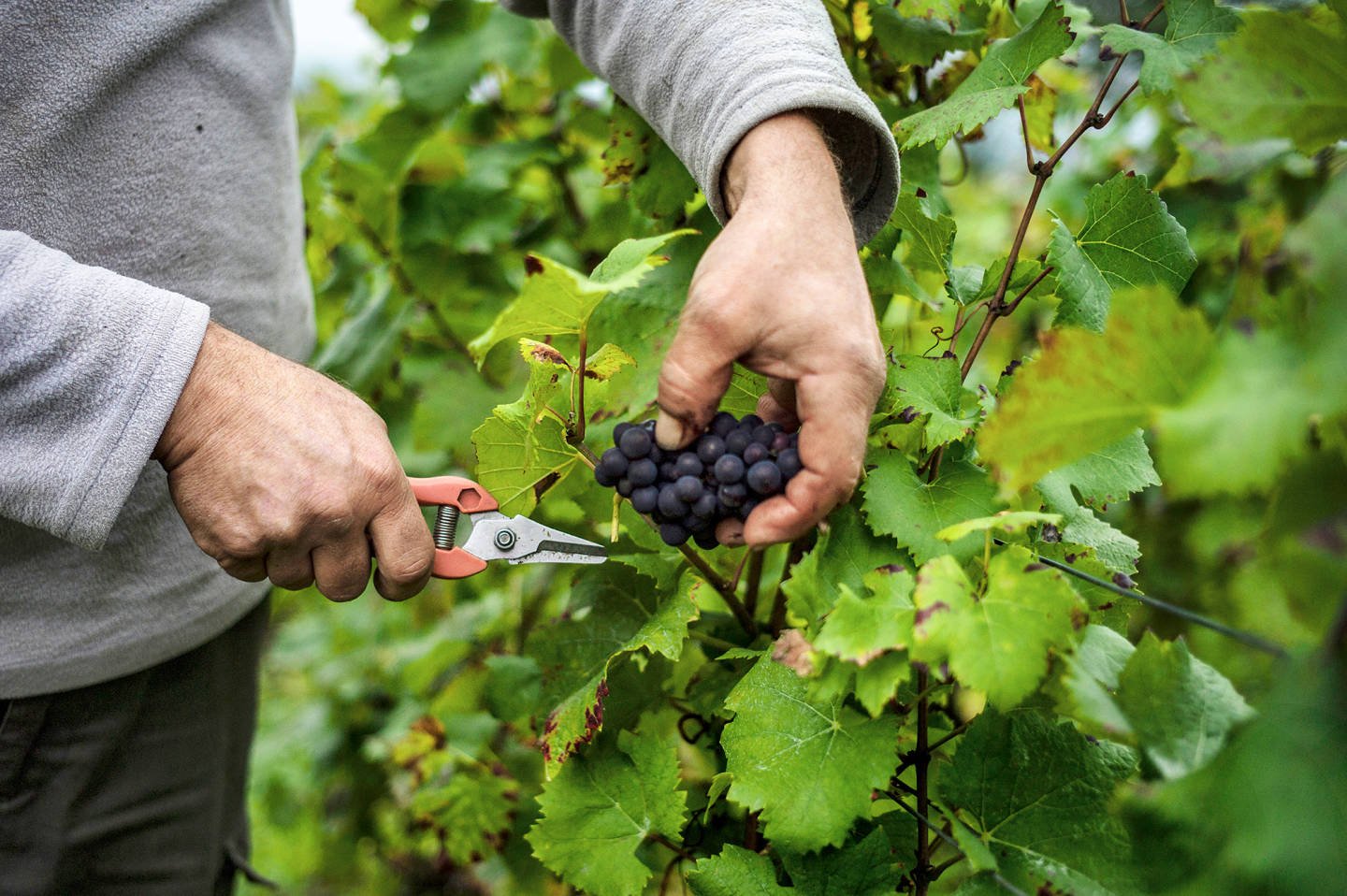
"caption": "A worker cuts a cluster of grapes in the Burgundy region of France during the harvest period. Global warming has made conditions historically associated with great wines more frequent in Bordeaux and Burgundy, a study finds. But things look less bright for California vineyards.",
"description": "A worker cuts a cluster of grapes in the Burgundy region of France during the harvest period. Global warming has made conditions historically associated with great wines more frequent in Bordeaux and Burgundy, a study finds. But things look less bright for California vineyard",
"title": "A worker cuts a cluster of grapes in the Burgundy region of France during the harvest period. Global warming has made conditions historically associated with great wines more frequent in Bordeaux and Burgundy, a study finds. But things look less bright for California vineyards.",
"credit": "Jeff Pachoud/AFP/Getty Images ",
"status": "inherit",
"isLoading": false,
"fetchFailed": false
},
"bayareabites_106865": {
"type": "attachments",
"id": "bayareabites_106865",
"meta": {
"index": "attachments_1716263798",
"site": "bayareabites",
"id": "106865",
"found": true
},
"parent": 106864,
"imgSizes": {
"twentyfourteen-full-width": {
"file": "https://ww2.kqed.org/app/uploads/sites/24/2016/02/img_9067_edited_enl-65a65298596d7d0b967d3e9e7517a5b1971bf49a-1038x576.jpg",
"width": 1038,
"mimeType": "image/jpeg",
"height": 576
},
"thumbnail": {
"file": "https://ww2.kqed.org/app/uploads/sites/24/2016/02/img_9067_edited_enl-65a65298596d7d0b967d3e9e7517a5b1971bf49a-400x328.jpg",
"width": 400,
"mimeType": "image/jpeg",
"height": 328
},
"fd-sm": {
"file": "https://ww2.kqed.org/app/uploads/sites/24/2016/02/img_9067_edited_enl-65a65298596d7d0b967d3e9e7517a5b1971bf49a-960x786.jpg",
"width": 960,
"mimeType": "image/jpeg",
"height": 786
},
"post-thumbnail": {
"file": "https://ww2.kqed.org/app/uploads/sites/24/2016/02/img_9067_edited_enl-65a65298596d7d0b967d3e9e7517a5b1971bf49a-672x372.jpg",
"width": 672,
"mimeType": "image/jpeg",
"height": 372
},
"kqedFullSize": {
"file": "https://ww2.kqed.org/app/uploads/sites/24/2016/02/img_9067_edited_enl-65a65298596d7d0b967d3e9e7517a5b1971bf49a.jpg",
"width": 2000,
"height": 1638
},
"large": {
"file": "https://ww2.kqed.org/app/uploads/sites/24/2016/02/img_9067_edited_enl-65a65298596d7d0b967d3e9e7517a5b1971bf49a-1440x1179.jpg",
"width": 1440,
"mimeType": "image/jpeg",
"height": 1179
},
"guest-author-96": {
"file": "https://ww2.kqed.org/app/uploads/sites/24/2016/02/img_9067_edited_enl-65a65298596d7d0b967d3e9e7517a5b1971bf49a-96x96.jpg",
"width": 96,
"mimeType": "image/jpeg",
"height": 96
},
"medium": {
"file": "https://ww2.kqed.org/app/uploads/sites/24/2016/02/img_9067_edited_enl-65a65298596d7d0b967d3e9e7517a5b1971bf49a-800x655.jpg",
"width": 800,
"mimeType": "image/jpeg",
"height": 655
},
"guest-author-64": {
"file": "https://ww2.kqed.org/app/uploads/sites/24/2016/02/img_9067_edited_enl-65a65298596d7d0b967d3e9e7517a5b1971bf49a-64x64.jpg",
"width": 64,
"mimeType": "image/jpeg",
"height": 64
},
"guest-author-32": {
"file": "https://ww2.kqed.org/app/uploads/sites/24/2016/02/img_9067_edited_enl-65a65298596d7d0b967d3e9e7517a5b1971bf49a-32x32.jpg",
"width": 32,
"mimeType": "image/jpeg",
"height": 32
},
"cat_post_thumb_sizecategory-posts-2": {
"file": "https://ww2.kqed.org/app/uploads/sites/24/2016/02/img_9067_edited_enl-65a65298596d7d0b967d3e9e7517a5b1971bf49a-150x150.jpg",
"width": 150,
"mimeType": "image/jpeg",
"height": 150
},
"fd-lrg": {
"file": "https://ww2.kqed.org/app/uploads/sites/24/2016/02/img_9067_edited_enl-65a65298596d7d0b967d3e9e7517a5b1971bf49a-1920x1572.jpg",
"width": 1920,
"mimeType": "image/jpeg",
"height": 1572
},
"fd-med": {
"file": "https://ww2.kqed.org/app/uploads/sites/24/2016/02/img_9067_edited_enl-65a65298596d7d0b967d3e9e7517a5b1971bf49a-1180x966.jpg",
"width": 1180,
"mimeType": "image/jpeg",
"height": 966
},
"detail": {
"file": "https://ww2.kqed.org/app/uploads/sites/24/2016/02/img_9067_edited_enl-65a65298596d7d0b967d3e9e7517a5b1971bf49a-75x75.jpg",
"width": 75,
"mimeType": "image/jpeg",
"height": 75
},
"medium_large": {
"file": "https://ww2.kqed.org/app/uploads/sites/24/2016/02/img_9067_edited_enl-65a65298596d7d0b967d3e9e7517a5b1971bf49a-768x629.jpg",
"width": 768,
"mimeType": "image/jpeg",
"height": 629
},
"guest-author-128": {
"file": "https://ww2.kqed.org/app/uploads/sites/24/2016/02/img_9067_edited_enl-65a65298596d7d0b967d3e9e7517a5b1971bf49a-128x128.jpg",
"width": 128,
"mimeType": "image/jpeg",
"height": 128
}
},
"publishDate": 1455310057,
"modified": 1455310994,
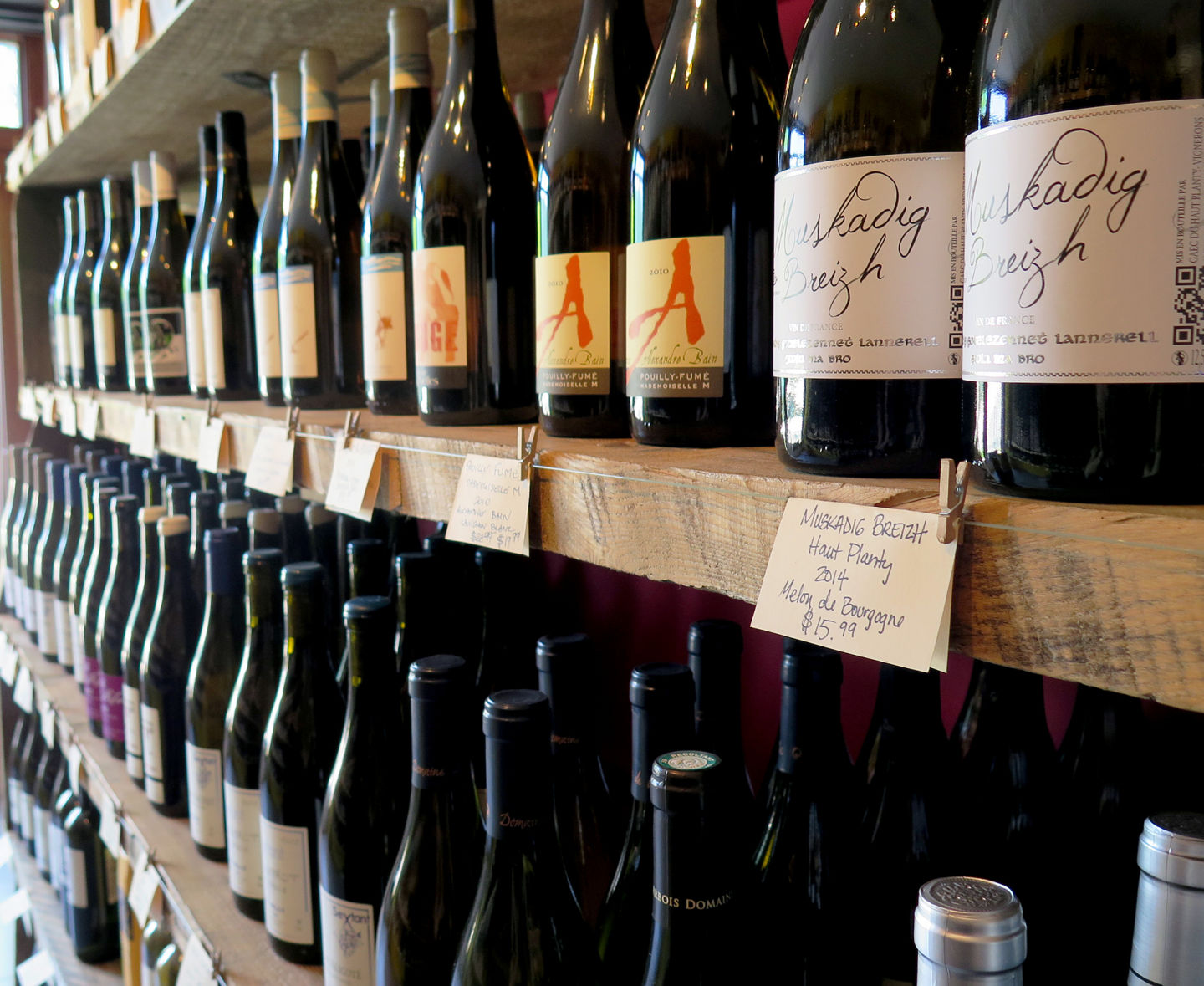
"caption": "Bottles for sale at Passage de la Fleur, a natural wine shop in Brooklyn, N.Y. For some, natural wines must be completely unadulterated — without the use of sugar, clarifiers or other additives common in modern winemaking. Other natural winemakers, however, will use a little sulfur dioxide or added yeast to correct problems, according to Stephen Meuse, a wine buyer in Massachusetts.",
"description": "Bottles for sale at Passage de la Fleur, a natural wine shop in Brooklyn, N.Y. For some, natural wines must be completely unadulterated — without the use of sugar, clarifiers or other additives common in modern winemaking. Other natural winemakers, however, will use a little sulfur dioxide or added yeast to correct problems, according to Stephen Meuse, a wine buyer in Massachusett",
"title": "Bottles for sale at Passage de la Fleur, a natural wine shop in Brooklyn, N.Y. For some, natural wines must be completely unadulterated — without the use of sugar, clarifiers or other additives common in modern winemaking. Other natural winemakers, however, will use a little sulfur dioxide or added yeast to correct problems, according to Stephen Meuse, a wine buyer in Massachusetts.",
"credit": "Andrea Shea for NPR",
"status": "inherit",
"isLoading": false,
"fetchFailed": false
},
"bayareabites_105376": {
"type": "attachments",
"id": "bayareabites_105376",
"meta": {
"index": "attachments_1716263798",
"site": "bayareabites",
"id": "105376",
"found": true
},
"parent": 105362,
"imgSizes": {
"twentyfourteen-full-width": {
"file": "https://ww2.kqed.org/app/uploads/sites/24/2015/12/sparkling-wine-1038x576.jpg",
"width": 1038,
"mimeType": "image/jpeg",
"height": 576
},
"thumbnail": {
"file": "https://ww2.kqed.org/app/uploads/sites/24/2015/12/sparkling-wine-400x241.jpg",
"width": 400,
"mimeType": "image/jpeg",
"height": 241
},
"fd-sm": {
"file": "https://ww2.kqed.org/app/uploads/sites/24/2015/12/sparkling-wine-960x579.jpg",
"width": 960,
"mimeType": "image/jpeg",
"height": 579
},
"post-thumbnail": {
"file": "https://ww2.kqed.org/app/uploads/sites/24/2015/12/sparkling-wine-672x372.jpg",
"width": 672,
"mimeType": "image/jpeg",
"height": 372
},
"kqedFullSize": {
"file": "https://ww2.kqed.org/app/uploads/sites/24/2015/12/sparkling-wine.jpg",
"width": 1920,
"height": 1157
},
"large": {
"file": "https://ww2.kqed.org/app/uploads/sites/24/2015/12/sparkling-wine-1440x868.jpg",
"width": 1440,
"mimeType": "image/jpeg",
"height": 868
},
"guest-author-96": {
"file": "https://ww2.kqed.org/app/uploads/sites/24/2015/12/sparkling-wine-96x96.jpg",
"width": 96,
"mimeType": "image/jpeg",
"height": 96
},
"medium": {
"file": "https://ww2.kqed.org/app/uploads/sites/24/2015/12/sparkling-wine-800x482.jpg",
"width": 800,
"mimeType": "image/jpeg",
"height": 482
},
"guest-author-64": {
"file": "https://ww2.kqed.org/app/uploads/sites/24/2015/12/sparkling-wine-64x64.jpg",
"width": 64,
"mimeType": "image/jpeg",
"height": 64
},
"guest-author-32": {
"file": "https://ww2.kqed.org/app/uploads/sites/24/2015/12/sparkling-wine-32x32.jpg",
"width": 32,
"mimeType": "image/jpeg",
"height": 32
},
"cat_post_thumb_sizecategory-posts-2": {
"file": "https://ww2.kqed.org/app/uploads/sites/24/2015/12/sparkling-wine-150x150.jpg",
"width": 150,
"mimeType": "image/jpeg",
"height": 150
},
"fd-lrg": {
"file": "https://ww2.kqed.org/app/uploads/sites/24/2015/12/sparkling-wine-1920x1157.jpg",
"width": 1920,
"mimeType": "image/jpeg",
"height": 1157
},
"fd-med": {
"file": "https://ww2.kqed.org/app/uploads/sites/24/2015/12/sparkling-wine-1180x711.jpg",
"width": 1180,
"mimeType": "image/jpeg",
"height": 711
},
"detail": {
"file": "https://ww2.kqed.org/app/uploads/sites/24/2015/12/sparkling-wine-75x75.jpg",
"width": 75,
"mimeType": "image/jpeg",
"height": 75
},
"medium_large": {
"file": "https://ww2.kqed.org/app/uploads/sites/24/2015/12/sparkling-wine-768x463.jpg",
"width": 768,
"mimeType": "image/jpeg",
"height": 463
},
"guest-author-128": {
"file": "https://ww2.kqed.org/app/uploads/sites/24/2015/12/sparkling-wine-128x128.jpg",
"width": 128,
"mimeType": "image/jpeg",
"height": 128
}
},
"publishDate": 1451067210,
"modified": 1451326406,
"caption": "Sparkling Wine",
"description": "Sparkling Wine",
"title": "sparkling-wine",
"credit": "iStock",
"status": "inherit",
"isLoading": false,
"fetchFailed": false
}
},
"audioPlayerReducer": {
"postId": "stream_live",
"isPaused": true,
"isPlaying": false,
"pfsActive": false,
"pledgeModalIsOpen": true,
"playerDrawerIsOpen": false,
"liveAudioPlayStartedAt": 0,
"liveAudioPlayContext": ""
},
"authorsReducer": {
"byline_bayareabites_113616": {
"type": "authors",
"id": "byline_bayareabites_113616",
"meta": {
"override": true
},
"slug": "byline_bayareabites_113616",
"name": "Jeremy Cherfas, \u003ca href=\"https://ww2.kqed.org/bayareabites/author/nprfood/\">NPR Food\u003c/a>",
"isLoading": false
},
"byline_bayareabites_111499": {
"type": "authors",
"id": "byline_bayareabites_111499",
"meta": {
"override": true
},
"slug": "byline_bayareabites_111499",
"name": "Gabriel Rosenberg, \u003ca href=\"https://ww2.kqed.org/bayareabites/author/nprfood/\">NPR Food\u003c/a> ",
"isLoading": false
},
"byline_bayareabites_110087": {
"type": "authors",
"id": "byline_bayareabites_110087",
"meta": {
"override": true
},
"slug": "byline_bayareabites_110087",
"name": "Carolyn Beans, \u003ca href=\"https://ww2.kqed.org/bayareabites/author/nprfood/\">NPR Food\u003c/a>",
"isLoading": false
},
"byline_bayareabites_109705": {
"type": "authors",
"id": "byline_bayareabites_109705",
"meta": {
"override": true
},
"slug": "byline_bayareabites_109705",
"name": "Maria Godoy, \u003ca href=\"http://ww2.kqed.org/bayareabites/author/nprfood/\">NPR Food\u003c/a>",
"isLoading": false
},
"byline_bayareabites_107847": {
"type": "authors",
"id": "byline_bayareabites_107847",
"meta": {
"override": true
},
"slug": "byline_bayareabites_107847",
"name": "Alastair Bland, \u003ca href=\"https://ww2.kqed.org/bayareabites/author/nprfood/\">NPR Food\u003c/a>",
"isLoading": false
},
"byline_bayareabites_106864": {
"type": "authors",
"id": "byline_bayareabites_106864",
"meta": {
"override": true
},
"slug": "byline_bayareabites_106864",
"name": "Andrea Shea, \u003ca href=\"https://ww2.kqed.org/bayareabites/author/nprfood/\">NPR Food\u003c/a> ",
"isLoading": false
},
"kdomara": {
"type": "authors",
"id": "1459",
"meta": {
"index": "authors_1716337520",
"id": "1459",
"found": true
},
"name": "Kelly O'Mara",
"firstName": "Kelly",
"lastName": "O'Mara",
"slug": "kdomara",
"email": "komara@kqed.org",
"display_author_email": false,
"staff_mastheads": [
"news"
],
"title": "KQED Contributor",
"bio": "Kelly O'Mara is a writer and reporter in the San Francisco Bay Area. She writes about food, health, sports, travel, business and California news. Her work has appeared on KQED, online for Outside Magazine, epsnW, VICE and in Competitor Magazine, among others. Follow Kelly on Twitter \u003ca href=\"https://twitter.com/kellydomara\">@kellydomara\u003c/a>.",
"avatar": "https://secure.gravatar.com/avatar/768fec7412028b72f13bdd0f5f9d8186?s=600&d=blank&r=g",
"twitter": null,
"facebook": null,
"instagram": null,
"linkedin": null,
"sites": [
{
"site": "arts",
"roles": []
},
{
"site": "news",
"roles": []
},
{
"site": "bayareabites",
"roles": []
},
{
"site": "stateofhealth",
"roles": []
},
{
"site": "science",
"roles": []
},
{
"site": "checkplease",
"roles": [
"editor"
]
},
{
"site": "food",
"roles": []
},
{
"site": "forum",
"roles": [
"editor"
]
},
{
"site": "liveblog",
"roles": [
"editor"
]
}
],
"headData": {
"title": "Kelly O'Mara | KQED",
"description": "KQED Contributor",
"ogImgSrc": "https://secure.gravatar.com/avatar/768fec7412028b72f13bdd0f5f9d8186?s=600&d=blank&r=g",
"twImgSrc": "https://secure.gravatar.com/avatar/768fec7412028b72f13bdd0f5f9d8186?s=600&d=blank&r=g"
},
"isLoading": false,
"link": "/author/kdomara"
},
"wendy-goodfriend": {
"type": "authors",
"id": "5014",
"meta": {
"index": "authors_1716337520",
"id": "5014",
"found": true
},
"name": "Wendy Goodfriend",
"firstName": "Wendy",
"lastName": "Goodfriend",
"slug": "wendy-goodfriend",
"email": "wendy@wendygoodfriend.com",
"display_author_email": false,
"staff_mastheads": [],
"title": "KQED Contributor",
"bio": "I was the Senior Digital Producer for KQED Food up until July, 2018. Since 2001, I designed, produced, managed and contributed to mostly food-related websites and blogs for KQED including: KQED.org; KQED Food; Bay Area Bites; Check, Please! Bay Area; Taste This; Celebrity Chefs; seven of Jacques Pepin's TV series websites; and Joanne Weir's Cooking in the City. I initiated the majority of KQED Food's social media feeds and maintained them up until 2017. As far as content creation, photography is my passion and I also shoot video and write stories. My photos have been used in articles for KQED Food, News, Arts, and Science as well as for promotional purposes in print and online. Professional education and training includes: clinical psychology, photography, commercial cooking, web design, information architecture and UX.",
"avatar": "https://secure.gravatar.com/avatar/dfba64372339cc34cf17e446e6f18fa8?s=600&d=blank&r=g",
"twitter": null,
"facebook": "bayareabites",
"instagram": null,
"linkedin": "wendygoodfriend",
"sites": [
{
"site": "jpepinheart",
"roles": []
},
{
"site": "about",
"roles": [
"editor"
]
},
{
"site": "bayareabites",
"roles": [
"subscriber"
]
},
{
"site": "science",
"roles": [
"administrator"
]
},
{
"site": "checkplease",
"roles": [
"subscriber"
]
},
{
"site": "food",
"roles": [
"author"
]
},
{
"site": "essentialpepin",
"roles": [
"administrator"
]
}
],
"headData": {
"title": "Wendy Goodfriend | KQED",
"description": "KQED Contributor",
"ogImgSrc": "https://secure.gravatar.com/avatar/dfba64372339cc34cf17e446e6f18fa8?s=600&d=blank&r=g",
"twImgSrc": "https://secure.gravatar.com/avatar/dfba64372339cc34cf17e446e6f18fa8?s=600&d=blank&r=g"
},
"isLoading": false,
"link": "/author/wendy-goodfriend"
},
"kim-laidlaw": {
"type": "authors",
"id": "5015",
"meta": {
"index": "authors_1716337520",
"id": "5015",
"found": true
},
"name": "Kim Laidlaw",
"firstName": "Kim",
"lastName": "Laidlaw",
"slug": "kim-laidlaw",
"email": "kim_laidlaw@yahoo.com",
"display_author_email": false,
"staff_mastheads": [],
"title": null,
"bio": "Kim Laidlaw is a cookbook author, editor, food writer, producer, project manager, and baker who has been in the kitchen covered in flour since she was big enough to stir the biscuit dough. She has over 16 years of experience in book and online publishing, and a lifetime of experience in the kitchen. \r\n\r\nHer first cookbook, Home Baked Comfort, was published in 2011; her second cookbook, Baby & Toddler On the Go, was published in April 2013; and her third cookbook, Williams-Sonoma Dessert of the Day, was published in October 2013. \r\n\r\nShe was the first blogger on KQED’s Bay Area Bites blog, which launched in 2005, and previously worked as a professional baker at La Farine French Bakery in Oakland, CA. She lives in Petaluma with her husband and their child, whom she cooks for everyday. Find out more at \u003ca href=\"http://www.kimlaidlaw.com\">http://www.kimlaidlaw.com\u003c/a>.",
"avatar": "https://secure.gravatar.com/avatar/284503bc296b6f7822eb38b816292376?s=600&d=blank&r=g",
"twitter": null,
"facebook": "kimilaw",
"instagram": null,
"linkedin": "kimlaidlaw",
"sites": [
{
"site": "bayareabites",
"roles": [
"contributor"
]
},
{
"site": "food",
"roles": [
"contributor"
]
}
],
"headData": {
"title": "Kim Laidlaw | KQED",
"description": null,
"ogImgSrc": "https://secure.gravatar.com/avatar/284503bc296b6f7822eb38b816292376?s=600&d=blank&r=g",
"twImgSrc": "https://secure.gravatar.com/avatar/284503bc296b6f7822eb38b816292376?s=600&d=blank&r=g"
},
"isLoading": false,
"link": "/author/kim-laidlaw"
},
"stephanie-rosenbaum": {
"type": "authors",
"id": "5038",
"meta": {
"index": "authors_1716337520",
"id": "5038",
"found": true
},
"name": "Stephanie Rosenbaum Klassen",
"firstName": "Stephanie",
"lastName": "Rosenbaum Klassen",
"slug": "stephanie-rosenbaum",
"email": "dixieday@aol.com",
"display_author_email": false,
"staff_mastheads": [],
"title": "KQED Contributor",
"bio": "Stephanie Rosenbaum Klassen is a longtime local food writer, author, and cook. Her books include The Art of Vintage Cocktails (Egg & Dart Press), World of Doughnuts (Egg & Dart Press); Kids in the Kitchen: Fun Food (Williams Sonoma); Honey from Flower to Table (Chronicle Books) and The Astrology Cookbook: A Cosmic Guide to Feasts of Love (Manic D Press). She has studied organic farming at UCSC and holds a certificate in Ecological Horticulture from the Center for Agroecology and Sustainable Food Systems. She does frequent cooking demonstrations at local farmers’ markets and has taught food writing at Media Alliance in San Francisco and the Continuing Education program at Stanford University. She has been the lead restaurant critic for the San Francisco Bay Guardian as well as for San Francisco magazine. She has been an assistant chef at the Headlands Center for the Arts, an artists' residency program located in the Marin Headlands, and a production cook at the Marin Sun Farms Cafe in Pt Reyes Station. After some 20 years in San Francisco interspersed with stints in Oakland, Santa Cruz, Brooklyn, and Manhattan, she recently moved to Sonoma county but still writes in San Francisco several days a week.",
"avatar": "https://secure.gravatar.com/avatar/26520681f950a766c2c0eb9872646dec42b88de07cc4cdd65958385671e93cf7?s=600&d=mm&r=g",
"twitter": "sjrosenbaum",
"bluesky": null,
"facebook": null,
"instagram": null,
"linkedin": null,
"sites": [
{
"site": "bayareabites",
"roles": [
"subscriber"
]
},
{
"site": "food",
"roles": [
"subscriber"
]
}
],
"headData": {
"title": "Stephanie Rosenbaum Klassen | KQED",
"description": "KQED Contributor",
"ogImgSrc": "https://secure.gravatar.com/avatar/26520681f950a766c2c0eb9872646dec42b88de07cc4cdd65958385671e93cf7?s=600&d=mm&r=g",
"twImgSrc": "https://secure.gravatar.com/avatar/26520681f950a766c2c0eb9872646dec42b88de07cc4cdd65958385671e93cf7?s=600&d=mm&r=g"
},
"isLoading": false,
"link": "/author/stephanie-rosenbaum"
},
"kimwesterman": {
"type": "authors",
"id": "5575",
"meta": {
"index": "authors_1716337520",
"id": "5575",
"found": true
},
"name": "Kim Westerman",
"firstName": "Kim",
"lastName": "Westerman",
"slug": "kimwesterman",
"email": "kim.westerman@gmail.com",
"display_author_email": false,
"staff_mastheads": [],
"title": null,
"bio": "Kim Westerman has been writing about food and wine for most of her adult life. Originally from North Carolina, she moved to Berkeley in 2006 to pursue the California dream, which, it turns out, is all it’s cracked up to be. She’s a farmers' market junkie, a lover of all things tomato, and Champagne-obsessed. She loves to cook with her kids, eight and three, and she makes frequent pilgrimages to International Boulevard in search of her next favorite Mexican dish. She spends an inordinate amount of time thinking about food and wine pairing, often starting with the wine and working backwards when planning menus. She is a Level I Sommelier and a Licensed Q-Grader. Her work has appeared in KQED's Bay Area Bites, Forbes.com, the New York Times, the San Francisco Chronicle, Tasting Table, Fodor’s Travel Guides, and lots of other publications. You can follow Kim on Twitter and Instagram @throughtraveler.",
"avatar": "https://secure.gravatar.com/avatar/2eb7f890ab19ead33f77fd8554ac4c39?s=600&d=blank&r=g",
"twitter": null,
"facebook": null,
"instagram": null,
"linkedin": null,
"sites": [
{
"site": "bayareabites",
"roles": [
"contributor"
]
},
{
"site": "food",
"roles": [
"contributor"
]
}
],
"headData": {
"title": "Kim Westerman | KQED",
"description": null,
"ogImgSrc": "https://secure.gravatar.com/avatar/2eb7f890ab19ead33f77fd8554ac4c39?s=600&d=blank&r=g",
"twImgSrc": "https://secure.gravatar.com/avatar/2eb7f890ab19ead33f77fd8554ac4c39?s=600&d=blank&r=g"
},
"isLoading": false,
"link": "/author/kimwesterman"
},
"susanhathaway": {
"type": "authors",
"id": "5578",
"meta": {
"index": "authors_1716337520",
"id": "5578",
"found": true
},
"name": "Susan Hathaway",
"firstName": "Susan",
"lastName": "Hathaway",
"slug": "susanhathaway",
"email": "susan@redpenassoc.com",
"display_author_email": false,
"staff_mastheads": [],
"title": "KQED Contributor",
"bio": "From making blob-shaped pancakes for her family at age 6 to presumptuously reinventing recipes from well-known chefs, Susan has had a life-long food love affair. You'll usually find her sniffing out great ingredient sources, locating intriguing food stories, inventing recipes and exercising like a demon as an antidote to her passion. This Bay Area native is a longtime food & wine journalist and blogger who has contributed to regional publications such as the San Jose Mercury News and its affiliates, Metro, San Francisco Chronicle, South Bay Accent, Urbanspoon and other epistles that are lucky enough not to have been killed off yet by the publishing crisis.",
"avatar": "https://secure.gravatar.com/avatar/50460b73cde689778bd54c5eb183c0993d24c99dd4ed52f8207c15a3af0d7a33?s=600&d=blank&r=g",
"twitter": null,
"bluesky": null,
"facebook": null,
"instagram": null,
"linkedin": null,
"sites": [
{
"site": "bayareabites",
"roles": [
"subscriber"
]
},
{
"site": "food",
"roles": [
"subscriber"
]
}
],
"headData": {
"title": "Susan Hathaway | KQED",
"description": "KQED Contributor",
"ogImgSrc": "https://secure.gravatar.com/avatar/50460b73cde689778bd54c5eb183c0993d24c99dd4ed52f8207c15a3af0d7a33?s=600&d=blank&r=g",
"twImgSrc": "https://secure.gravatar.com/avatar/50460b73cde689778bd54c5eb183c0993d24c99dd4ed52f8207c15a3af0d7a33?s=600&d=blank&r=g"
},
"isLoading": false,
"link": "/author/susanhathaway"
},
"tinasalter": {
"type": "authors",
"id": "11303",
"meta": {
"index": "authors_1716337520",
"id": "11303",
"found": true
},
"name": "Tina Salter",
"firstName": "Tina",
"lastName": "Salter",
"slug": "tinasalter",
"email": "tsalter@kqed.org",
"display_author_email": false,
"staff_mastheads": [],
"title": "KQED Contributor",
"bio": "Tina Salter is the Executive Producer for KQED Food and series producer for \u003cem>Taste This\u003c/em>, \u003ci>Jacques Pepin Heart & Soul\u003c/i> and \u003ci>Check, Please! Bay Area\u003c/i>, the Emmy and James Beard Award winning series now in its thirteenth season.",
"avatar": "https://secure.gravatar.com/avatar/9f83894893210f7405736994738510e82f8a8753fbd084dd7be1c04d1cdd9eb0?s=600&d=mm&r=g",
"twitter": null,
"bluesky": null,
"facebook": null,
"instagram": null,
"linkedin": null,
"sites": [
{
"site": "arts",
"roles": [
"subscriber"
]
},
{
"site": "bayareabites",
"roles": [
"subscriber"
]
},
{
"site": "food",
"roles": [
"subscriber"
]
}
],
"headData": {
"title": "Tina Salter | KQED",
"description": "KQED Contributor",
"ogImgSrc": "https://secure.gravatar.com/avatar/9f83894893210f7405736994738510e82f8a8753fbd084dd7be1c04d1cdd9eb0?s=600&d=mm&r=g",
"twImgSrc": "https://secure.gravatar.com/avatar/9f83894893210f7405736994738510e82f8a8753fbd084dd7be1c04d1cdd9eb0?s=600&d=mm&r=g"
},
"isLoading": false,
"link": "/author/tinasalter"
}
},
"pagesReducer": {
"bayareabites_category_wine": {
"type": "terms",
"id": "bayareabites_119",
"meta": {
"index": "terms_1716263798",
"site": "bayareabites",
"id": "119",
"score": 12.286945
},
"featImg": null,
"name": "wine",
"description": null,
"taxonomy": "category",
"headData": {
"twImgId": null,
"twTitle": null,
"ogTitle": null,
"ogImgId": null,
"twDescription": null,
"description": null,
"title": "wine Archives | KQED Bay Area Bites",
"ogDescription": null
},
"ttid": 83,
"slug": "wine",
"isLoading": false,
"title": "wine",
"pageMeta": {
"site": "bayareabites",
"WpPageTemplate": "page-topic-editorial",
"currentPage": 5
},
"blocks": [
{
"blockName": "kqed/post-list",
"attrs": {
"layout": "cardArticle2",
"query": "posts/bayareabites?category=wine",
"seeMore": false,
"paginated": true,
"page": 5
}
},
{
"blockName": "kqed/ad"
}
]
}
},
"pfsSessionReducer": {},
"postsReducer": {
"stream_live": {
"type": "live",
"id": "stream_live",
"audioUrl": "https://streams.kqed.org/kqedradio",
"title": "Live Stream",
"excerpt": "Live Stream information currently unavailable.",
"link": "/radio",
"featImg": "",
"label": {
"name": "KQED Live",
"link": "/"
}
},
"stream_kqedNewscast": {
"type": "posts",
"id": "stream_kqedNewscast",
"audioUrl": "https://www.kqed.org/.stream/anon/radio/RDnews/newscast.mp3?_=1",
"title": "KQED Newscast",
"featImg": "",
"label": {
"name": "88.5 FM",
"link": "/"
}
},
"bayareabites_113616": {
"type": "posts",
"id": "bayareabites_113616",
"meta": {
"index": "posts_1716263798",
"site": "bayareabites",
"id": "113616",
"score": null,
"sort": [
1478700038000
]
},
"parent": 0,
"labelTerm": {
"site": "bayareabites"
},
"blocks": [],
"publishDate": 1478700038,
"format": "standard",
"disqusTitle": "Pairing Wine And Cheese? Science Says White May Be A Better Choice Than Red",
"title": "Pairing Wine And Cheese? Science Says White May Be A Better Choice Than Red",
"headTitle": "Bay Area Bites | KQED Food",
"content": "\u003cp>Conventional wisdom would have you drink red wine with cheese. A new study, \u003ca href=\"http://onlinelibrary.wiley.com/doi/10.1111/1750-3841.13500/abstract\">published in the \u003cem>Journal of Food Science\u003c/em>\u003c/a>, only partially supports that pairing, and also adds a new tool to the scientific study of food combinations.\u003c/p>\n\u003cp>\"Red wine with cheese, it can either go really well or not that well,\" says Mara Galmarini, a sensory scientist at CONICET, the Argentinian National Scientific and Technical Research Council. \"A white wine, you have less risk.\"\u003c/p>\n\u003cp>Ed Behr, editor of the influential \u003ca href=\"http://artofeating.com/\">Art of Eating\u003c/a> newsletter, says he's not surprised. Behr has long argued that red wines and cheeses often fight, to the detriment of both.\u003c/p>\n\u003cp>\"There's no question in my mind that white wine goes better. And more often than not, depending on the cheese, a little sweetness makes things even easier,\" Behr told The Salt.\u003c/p>\n\u003cp>Galmarini spent two years exploring wine and cheese pairings at the Centre des Sciences du Goût et de l'Alimentation (\u003ca href=\"https://www2.dijon.inra.fr/csga/index_eng.php\">CGSA\u003c/a> – Centre for Taste and Feeding Behavior) in Dijon, France. Much of the work was to build on a new technique called temporal dominance of sensations (TDS) that researchers there developed to examine how taste evolves over time.\u003c/p>\n\u003cp>[ad fullwidth]\u003c/p>\n\u003cp>The problem with current methods, Galmarini says, is that they are static and singular. Expert tasters can accurately describe what is in their mouths, often giving a numerical rating to the intensity of each element of the flavor. That doesn't work to chart how the taste of a mouthful changes or how different foods and drinks affect one another.\u003c/p>\n\u003cp>TDS is designed to reveal how the taste of something evolves as you consume it. The taster sits down in front of a computer screen with a black glass of an unknown wine. On the screen are 11 words describing attributes or sensations such as sour, astringent, bitter, floral and so on.\u003c/p>\n\u003cfigure id=\"attachment_113618\" class=\"wp-caption aligncenter\" style=\"max-width: 2971px\">\u003ca href=\"http://ww2.kqed.org/bayareabites/wp-content/uploads/sites/24/2016/11/wine-cheese-eng-c00f52df92f522a8a67ba3bc1bd5e80d9b060419.jpg\">\u003cimg class=\"size-full wp-image-113618\" src=\"http://ww2.kqed.org/bayareabites/wp-content/uploads/sites/24/2016/11/wine-cheese-eng-c00f52df92f522a8a67ba3bc1bd5e80d9b060419.jpg\" alt=\"During the experiment, the taster rates a black glass of unknown wine, describing attributes or sensations such as sour, astringent, bitter, floral and so on.\" width=\"2971\" height=\"2228\" srcset=\"https://ww2.kqed.org/app/uploads/sites/24/2016/11/wine-cheese-eng-c00f52df92f522a8a67ba3bc1bd5e80d9b060419.jpg 2971w, https://ww2.kqed.org/app/uploads/sites/24/2016/11/wine-cheese-eng-c00f52df92f522a8a67ba3bc1bd5e80d9b060419-160x120.jpg 160w, https://ww2.kqed.org/app/uploads/sites/24/2016/11/wine-cheese-eng-c00f52df92f522a8a67ba3bc1bd5e80d9b060419-800x600.jpg 800w, https://ww2.kqed.org/app/uploads/sites/24/2016/11/wine-cheese-eng-c00f52df92f522a8a67ba3bc1bd5e80d9b060419-768x576.jpg 768w, https://ww2.kqed.org/app/uploads/sites/24/2016/11/wine-cheese-eng-c00f52df92f522a8a67ba3bc1bd5e80d9b060419-1020x765.jpg 1020w, https://ww2.kqed.org/app/uploads/sites/24/2016/11/wine-cheese-eng-c00f52df92f522a8a67ba3bc1bd5e80d9b060419-1180x885.jpg 1180w, https://ww2.kqed.org/app/uploads/sites/24/2016/11/wine-cheese-eng-c00f52df92f522a8a67ba3bc1bd5e80d9b060419-960x720.jpg 960w, https://ww2.kqed.org/app/uploads/sites/24/2016/11/wine-cheese-eng-c00f52df92f522a8a67ba3bc1bd5e80d9b060419-240x180.jpg 240w, https://ww2.kqed.org/app/uploads/sites/24/2016/11/wine-cheese-eng-c00f52df92f522a8a67ba3bc1bd5e80d9b060419-375x281.jpg 375w, https://ww2.kqed.org/app/uploads/sites/24/2016/11/wine-cheese-eng-c00f52df92f522a8a67ba3bc1bd5e80d9b060419-520x390.jpg 520w\" sizes=\"(max-width: 2971px) 100vw, 2971px\">\u003c/a>\u003cfigcaption class=\"wp-caption-text\">During the experiment, the taster rates a black glass of unknown wine, describing attributes or sensations such as sour, astringent, bitter, floral and so on. \u003ccite>(Courtesy CSGA, Dijon)\u003c/cite>\u003c/figcaption>\u003c/figure>\n\u003cp>Before the test, the tasters are given canonical examples of each sensation – such as a citric acid solution for \"sour\" and the scent of violets for \"floral\" – so that they understand exactly what each attribute means. The taster takes a sip and then clicks on whichever sensation is dominant at that moment. When the sensation changes — say, from \"sour\" to \"red fruits\" — the tester clicks the new attribute, until there is no sensation left.\u003c/p>\n\u003cp>Then the testers rate how much they like the wine. That's a purely subjective judgment, with no attempt to define what \"liking\" means. They take another sip and do it all again. After a final sip, the test is over.\u003c/p>\n\u003cp>While the TDS technique is relatively new, it is proving useful. Charles Spence, professor of experimental psychology at Oxford University and \u003ca href=\"https://www.psy.ox.ac.uk/team/charles-spence\">an expert on sensory evaluation\u003c/a>, told The Salt that \"it gives a finer degree of analysis.\"\u003c/p>\n\u003cp>The temporal evolution of tasting experiences, Spence says, \"has been kind of ignored previously, perhaps because it has been harder to get a dynamic sense of how perception is changing.\" TDS addresses that and, Spence says, is relatively easy. \"That's part of its appeal,\" he said.\u003c/p>\n\u003cp>For Galmarini, too, that is important. \"Providing that the attributes are simple enough and well explained,\" she says \"it can be used with consumers.\"\u003c/p>\n\u003cp>For the experiment, 31 regular consumers of wine and cheese assessed four different wines: a sweet white Pacherenc, a dry white Sancerre, a full-bodied red Bourgogne and a rather tannic red Madiran. Then they did it again, between each sip of wine eating a small bit of cheese, four in all, so each wine was paired with each cheese. The cheeses were a chewy, firm cow's milk Epoisses, a semi-hard cow's milk Comté, a salty, blue-veined sheep's milk Roquefort and a crumbly, goat's milk Crottin de Chavignol.\u003c/p>\n\u003cp>With so many combinations, the detailed results are complex. Nevertheless, Galmarini says there is a clear conclusion for certain sensations, such as sourness and astringency, which would probably be considered negative.\u003c/p>\n\u003cp>\"With cheese,\" she told The Salt, \"the sensation is reduced. It does not last so long in the mouth.\"\u003c/p>\n\u003cp>The reduction in negative sensations is mirrored by changes in likeability. Overall, tasters liked the wines more after the second and third sips with cheese than they did without cheese. The effect was most marked for the Madiran, which was also the wine that tasters liked least after the second and third sips.\u003c/p>\n\u003cp>\"I think that's because of an interaction with the fattiness of the cheese,\" Galmarini said. \"It makes a coating in the mouth which reduces the astringency.\"\u003c/p>\n\u003cp>Although the researchers did not set out to recommend specific pairings, The Salt pressed Dr. Galmarini. Her latest study, as yet unpublished, does offer some advice.\u003c/p>\n\u003cp>\"If you have many cheeses, better to serve a white wine,\" she says.\u003c/p>\n\u003cp>Behr points out that most red wines \"are completely unrefreshing.\" That's fine with a little cheese at the end of a structured meal, to finish the red wine. But Behr says, when the cheese is more than just a taste but \"maybe the central protein of the meal, what you want is a drink that's much more refreshing.\" In other words: a dry white.\u003c/p>\n\u003cp>Galmarini and her colleagues stress that the real value of their study is that it extends the new TDS method to study interactions with food.\u003c/p>\n\u003cp>Spence sees the value in that. \"Chefs are becoming more aware of the sequencing of sensations, rather than just combining flavors.\" The new method will help them understand why some of those sequences work and others don't.\u003c/p>\n\u003cp>For Galmarini, wine and cheese is just a starting point. Whiskey and cigars, wine and chocolate, tea and pastries – all are now in her sights.\u003c/p>\n\u003cp>\"There are so many of these traditional pairings that have no sensory science background,\" she said. \"Now we can study them with good data.\"\u003c/p>\n\u003cp>\u003c/p>\n\u003cp>\u003cem>\u003ca href=\"http://www.jeremycherfas.net/about/\">Jeremy Cherfas\u003c/a> is a biologist and science journalist based in Rome. Copyright 2016 \u003ca href=\"http://www.npr.org/\" target=\"_blank\">NPR\u003c/a>. \u003c/em>\u003c/p>\n\n",
"disqusIdentifier": "113616 http://ww2.kqed.org/bayareabites/?p=113616",
"disqusUrl": "https://ww2.kqed.org/bayareabites/2016/11/09/pairing-wine-and-cheese-science-says-white-may-be-a-better-choice-than-red/",
"stats": {
"hasVideo": false,
"hasChartOrMap": false,
"hasAudio": false,
"hasPolis": false,
"wordCount": 1025,
"hasGoogleForm": false,
"hasGallery": false,
"hasHearkenModule": false,
"iframeSrcs": [],
"paragraphCount": 27
},
"modified": 1480709068,
"excerpt": "A new technique that examines the evolution of taste suggests that the strong flavor of red wine may dominate the taste of some cheeses, while white varieties may be more versatile and refreshing.",
"headData": {
"twImgId": "",
"twTitle": "",
"ogTitle": "",
"ogImgId": "",
"twDescription": "",
"description": "A new technique that examines the evolution of taste suggests that the strong flavor of red wine may dominate the taste of some cheeses, while white varieties may be more versatile and refreshing.",
"title": "Pairing Wine And Cheese? Science Says White May Be A Better Choice Than Red | KQED",
"ogDescription": "",
"schema": {
"@context": "https://schema.org",
"@type": "Article",
"headline": "Pairing Wine And Cheese? Science Says White May Be A Better Choice Than Red",
"datePublished": "2016-11-09T06:00:38-08:00",
"dateModified": "2016-12-02T12:04:28-08:00",
"image": "https://cdn.kqed.org/wp-content/uploads/2020/02/KQED-OG-Image@1x.png"
}
},
"guestAuthors": [],
"slug": "pairing-wine-and-cheese-science-says-white-may-be-a-better-choice-than-red",
"status": "publish",
"nprApiLink": "http://api.npr.org/query?id=501073142&apiKey=MDAxOTAwOTE4MDEyMTkxMDAzNjczZDljZA004",
"nprByline": "Jeremy Cherfas, \u003ca href=\"https://ww2.kqed.org/bayareabites/author/nprfood/\">NPR Food\u003c/a>",
"nprStoryDate": "Tue, 08 Nov 2016 14:36:00 -0500",
"nprLastModifiedDate": "Tue, 08 Nov 2016 14:36:40 -0500",
"nprHtmlLink": "http://www.npr.org/sections/thesalt/2016/11/08/501073142/pairing-wine-and-cheese-science-says-white-may-be-a-better-choice-than-red?ft=nprml&f=501073142",
"nprImageAgency": "Getty Images",
"nprImageCredit": "Virginia Star",
"nprStoryId": "501073142",
"nprRetrievedStory": "1",
"nprPubDate": "Tue, 08 Nov 2016 14:36:00 -0500",
"path": "/bayareabites/113616/pairing-wine-and-cheese-science-says-white-may-be-a-better-choice-than-red",
"audioTrackLength": null,
"parsedContent": [
{
"type": "contentString",
"content": "\u003cdiv class=\"post-body\">\u003cp>\u003cp>Conventional wisdom would have you drink red wine with cheese. A new study, \u003ca href=\"http://onlinelibrary.wiley.com/doi/10.1111/1750-3841.13500/abstract\">published in the \u003cem>Journal of Food Science\u003c/em>\u003c/a>, only partially supports that pairing, and also adds a new tool to the scientific study of food combinations.\u003c/p>\n\u003cp>\"Red wine with cheese, it can either go really well or not that well,\" says Mara Galmarini, a sensory scientist at CONICET, the Argentinian National Scientific and Technical Research Council. \"A white wine, you have less risk.\"\u003c/p>\n\u003cp>Ed Behr, editor of the influential \u003ca href=\"http://artofeating.com/\">Art of Eating\u003c/a> newsletter, says he's not surprised. Behr has long argued that red wines and cheeses often fight, to the detriment of both.\u003c/p>\n\u003cp>\"There's no question in my mind that white wine goes better. And more often than not, depending on the cheese, a little sweetness makes things even easier,\" Behr told The Salt.\u003c/p>\n\u003cp>Galmarini spent two years exploring wine and cheese pairings at the Centre des Sciences du Goût et de l'Alimentation (\u003ca href=\"https://www2.dijon.inra.fr/csga/index_eng.php\">CGSA\u003c/a> – Centre for Taste and Feeding Behavior) in Dijon, France. Much of the work was to build on a new technique called temporal dominance of sensations (TDS) that researchers there developed to examine how taste evolves over time.\u003c/p>\n\u003cp>\u003c/p>\u003c/div>",
"attributes": {
"named": {},
"numeric": []
}
},
{
"type": "component",
"content": "",
"name": "ad",
"attributes": {
"named": {
"label": "fullwidth"
},
"numeric": [
"fullwidth"
]
}
},
{
"type": "contentString",
"content": "\u003cdiv class=\"post-body\">\u003cp>\u003c/p>\n\u003cp>The problem with current methods, Galmarini says, is that they are static and singular. Expert tasters can accurately describe what is in their mouths, often giving a numerical rating to the intensity of each element of the flavor. That doesn't work to chart how the taste of a mouthful changes or how different foods and drinks affect one another.\u003c/p>\n\u003cp>TDS is designed to reveal how the taste of something evolves as you consume it. The taster sits down in front of a computer screen with a black glass of an unknown wine. On the screen are 11 words describing attributes or sensations such as sour, astringent, bitter, floral and so on.\u003c/p>\n\u003cfigure id=\"attachment_113618\" class=\"wp-caption aligncenter\" style=\"max-width: 2971px\">\u003ca href=\"http://ww2.kqed.org/bayareabites/wp-content/uploads/sites/24/2016/11/wine-cheese-eng-c00f52df92f522a8a67ba3bc1bd5e80d9b060419.jpg\">\u003cimg class=\"size-full wp-image-113618\" src=\"http://ww2.kqed.org/bayareabites/wp-content/uploads/sites/24/2016/11/wine-cheese-eng-c00f52df92f522a8a67ba3bc1bd5e80d9b060419.jpg\" alt=\"During the experiment, the taster rates a black glass of unknown wine, describing attributes or sensations such as sour, astringent, bitter, floral and so on.\" width=\"2971\" height=\"2228\" srcset=\"https://ww2.kqed.org/app/uploads/sites/24/2016/11/wine-cheese-eng-c00f52df92f522a8a67ba3bc1bd5e80d9b060419.jpg 2971w, https://ww2.kqed.org/app/uploads/sites/24/2016/11/wine-cheese-eng-c00f52df92f522a8a67ba3bc1bd5e80d9b060419-160x120.jpg 160w, https://ww2.kqed.org/app/uploads/sites/24/2016/11/wine-cheese-eng-c00f52df92f522a8a67ba3bc1bd5e80d9b060419-800x600.jpg 800w, https://ww2.kqed.org/app/uploads/sites/24/2016/11/wine-cheese-eng-c00f52df92f522a8a67ba3bc1bd5e80d9b060419-768x576.jpg 768w, https://ww2.kqed.org/app/uploads/sites/24/2016/11/wine-cheese-eng-c00f52df92f522a8a67ba3bc1bd5e80d9b060419-1020x765.jpg 1020w, https://ww2.kqed.org/app/uploads/sites/24/2016/11/wine-cheese-eng-c00f52df92f522a8a67ba3bc1bd5e80d9b060419-1180x885.jpg 1180w, https://ww2.kqed.org/app/uploads/sites/24/2016/11/wine-cheese-eng-c00f52df92f522a8a67ba3bc1bd5e80d9b060419-960x720.jpg 960w, https://ww2.kqed.org/app/uploads/sites/24/2016/11/wine-cheese-eng-c00f52df92f522a8a67ba3bc1bd5e80d9b060419-240x180.jpg 240w, https://ww2.kqed.org/app/uploads/sites/24/2016/11/wine-cheese-eng-c00f52df92f522a8a67ba3bc1bd5e80d9b060419-375x281.jpg 375w, https://ww2.kqed.org/app/uploads/sites/24/2016/11/wine-cheese-eng-c00f52df92f522a8a67ba3bc1bd5e80d9b060419-520x390.jpg 520w\" sizes=\"(max-width: 2971px) 100vw, 2971px\">\u003c/a>\u003cfigcaption class=\"wp-caption-text\">During the experiment, the taster rates a black glass of unknown wine, describing attributes or sensations such as sour, astringent, bitter, floral and so on. \u003ccite>(Courtesy CSGA, Dijon)\u003c/cite>\u003c/figcaption>\u003c/figure>\n\u003cp>Before the test, the tasters are given canonical examples of each sensation – such as a citric acid solution for \"sour\" and the scent of violets for \"floral\" – so that they understand exactly what each attribute means. The taster takes a sip and then clicks on whichever sensation is dominant at that moment. When the sensation changes — say, from \"sour\" to \"red fruits\" — the tester clicks the new attribute, until there is no sensation left.\u003c/p>\n\u003cp>Then the testers rate how much they like the wine. That's a purely subjective judgment, with no attempt to define what \"liking\" means. They take another sip and do it all again. After a final sip, the test is over.\u003c/p>\n\u003cp>While the TDS technique is relatively new, it is proving useful. Charles Spence, professor of experimental psychology at Oxford University and \u003ca href=\"https://www.psy.ox.ac.uk/team/charles-spence\">an expert on sensory evaluation\u003c/a>, told The Salt that \"it gives a finer degree of analysis.\"\u003c/p>\n\u003cp>The temporal evolution of tasting experiences, Spence says, \"has been kind of ignored previously, perhaps because it has been harder to get a dynamic sense of how perception is changing.\" TDS addresses that and, Spence says, is relatively easy. \"That's part of its appeal,\" he said.\u003c/p>\n\u003cp>For Galmarini, too, that is important. \"Providing that the attributes are simple enough and well explained,\" she says \"it can be used with consumers.\"\u003c/p>\n\u003cp>For the experiment, 31 regular consumers of wine and cheese assessed four different wines: a sweet white Pacherenc, a dry white Sancerre, a full-bodied red Bourgogne and a rather tannic red Madiran. Then they did it again, between each sip of wine eating a small bit of cheese, four in all, so each wine was paired with each cheese. The cheeses were a chewy, firm cow's milk Epoisses, a semi-hard cow's milk Comté, a salty, blue-veined sheep's milk Roquefort and a crumbly, goat's milk Crottin de Chavignol.\u003c/p>\n\u003cp>With so many combinations, the detailed results are complex. Nevertheless, Galmarini says there is a clear conclusion for certain sensations, such as sourness and astringency, which would probably be considered negative.\u003c/p>\n\u003cp>\"With cheese,\" she told The Salt, \"the sensation is reduced. It does not last so long in the mouth.\"\u003c/p>\n\u003cp>The reduction in negative sensations is mirrored by changes in likeability. Overall, tasters liked the wines more after the second and third sips with cheese than they did without cheese. The effect was most marked for the Madiran, which was also the wine that tasters liked least after the second and third sips.\u003c/p>\n\u003cp>\"I think that's because of an interaction with the fattiness of the cheese,\" Galmarini said. \"It makes a coating in the mouth which reduces the astringency.\"\u003c/p>\n\u003cp>Although the researchers did not set out to recommend specific pairings, The Salt pressed Dr. Galmarini. Her latest study, as yet unpublished, does offer some advice.\u003c/p>\n\u003cp>\"If you have many cheeses, better to serve a white wine,\" she says.\u003c/p>\n\u003cp>Behr points out that most red wines \"are completely unrefreshing.\" That's fine with a little cheese at the end of a structured meal, to finish the red wine. But Behr says, when the cheese is more than just a taste but \"maybe the central protein of the meal, what you want is a drink that's much more refreshing.\" In other words: a dry white.\u003c/p>\n\u003cp>Galmarini and her colleagues stress that the real value of their study is that it extends the new TDS method to study interactions with food.\u003c/p>\n\u003cp>Spence sees the value in that. \"Chefs are becoming more aware of the sequencing of sensations, rather than just combining flavors.\" The new method will help them understand why some of those sequences work and others don't.\u003c/p>\n\u003cp>For Galmarini, wine and cheese is just a starting point. Whiskey and cigars, wine and chocolate, tea and pastries – all are now in her sights.\u003c/p>\n\u003cp>\"There are so many of these traditional pairings that have no sensory science background,\" she said. \"Now we can study them with good data.\"\u003c/p>\n\u003cp>\u003c/p>\n\u003cp>\u003cem>\u003ca href=\"http://www.jeremycherfas.net/about/\">Jeremy Cherfas\u003c/a> is a biologist and science journalist based in Rome. Copyright 2016 \u003ca href=\"http://www.npr.org/\" target=\"_blank\">NPR\u003c/a>. \u003c/em>\u003c/p>\n\n\u003c/div>\u003c/p>",
"attributes": {
"named": {},
"numeric": []
}
}
],
"link": "/bayareabites/113616/pairing-wine-and-cheese-science-says-white-may-be-a-better-choice-than-red",
"authors": [
"byline_bayareabites_113616"
],
"categories": [
"bayareabites_188",
"bayareabites_10916",
"bayareabites_119"
],
"tags": [
"bayareabites_14750",
"bayareabites_10124",
"bayareabites_3972",
"bayareabites_10201"
],
"featImg": "bayareabites_113617",
"label": "bayareabites"
},
"bayareabites_112337": {
"type": "posts",
"id": "bayareabites_112337",
"meta": {
"index": "posts_1716263798",
"site": "bayareabites",
"id": "112337",
"score": null,
"sort": [
1475185492000
]
},
"parent": 0,
"labelTerm": {},
"blocks": [],
"publishDate": 1475185492,
"format": "standard",
"disqusTitle": "Crostini Recipe from KQED Foodie Field Trip to Sociale",
"title": "Crostini Recipe from KQED Foodie Field Trip to Sociale",
"headTitle": "Bay Area Bites | KQED Food",
"content": "\u003cp>It was a tough assignment… I had to arrange a \u003ca href=\"https://ww2.kqed.org/bayareabites/2016/09/17/kqed-food-field-trip-wine-tasting-and-food-pairing-at-sociale-in-san-francisco/\" target=\"_blank\">field trip\u003c/a> for a small group, to a San Francisco restaurant to eat and drink.\u003c/p>\n\u003cp>As the producer of \u003ca href=\"https://ww2.kqed.org/checkplease/\" target=\"_blank\">Check, Please! Bay Area\u003c/a> and the new web series \u003ca href=\"https://ww2.kqed.org/food/series/taste-this/\" target=\"_blank\">Taste This\u003c/a>, the options were endless. But the hidden gem of \u003ca href=\"http://sfsociale.com/\" target=\"_blank\">Sociale\u003c/a> (So-CHI- aH-leh) called to me. Their small, but very well-chosen wine list, curated by wine director, Rebecca Fineman and owner, David Nichol, paired perfectly with chef/owner Tia Harrison’s food.\u003c/p>\n\u003cfigure id=\"attachment_112114\" class=\"wp-caption aligncenter\" style=\"max-width: 960px\">\u003cimg class=\"size-full wp-image-112114\" src=\"http://ww2.kqed.org/bayareabites/wp-content/uploads/sites/24/2016/09/sociale-field-trip.jpg\" alt=\"photo courtesy of Sociale\" width=\"960\" height=\"638\" srcset=\"https://ww2.kqed.org/app/uploads/sites/24/2016/09/sociale-field-trip.jpg 960w, https://ww2.kqed.org/app/uploads/sites/24/2016/09/sociale-field-trip-400x266.jpg 400w, https://ww2.kqed.org/app/uploads/sites/24/2016/09/sociale-field-trip-800x532.jpg 800w, https://ww2.kqed.org/app/uploads/sites/24/2016/09/sociale-field-trip-768x510.jpg 768w\" sizes=\"(max-width: 960px) 100vw, 960px\">\u003cfigcaption class=\"wp-caption-text\">photo courtesy of Sociale\u003c/figcaption>\u003c/figure>\n\u003cp>Introductions for the seventeen guests began at 6pm with a glass of what we learned was a special, very dry Prosecco, chosen for its crisp, almost yeasty similarity to Champagne. Not a bad way to begin a Tuesday evening as the fog rolled along outside on Sacramento Street.\u003c/p>\n\u003cp>Arneis, the only white wine of the three Piedmont wines that followed, was next. We learned that wine had texture and I likened this one to satin. Then a Barbera and a Barolo, each one so different that it’s hard to think that they grow so close together in the same region.\u003c/p>\n\u003cfigure id=\"attachment_112365\" class=\"wp-caption aligncenter\" style=\"max-width: 1920px\">\u003cimg src=\"http://ww2.kqed.org/bayareabites/wp-content/uploads/sites/24/2016/09/wines.jpg\" alt=\"Prosecco, Arneis, Barbera, Barolo at Sociale\" width=\"1920\" height=\"1440\" class=\"size-full wp-image-112365\" srcset=\"https://ww2.kqed.org/app/uploads/sites/24/2016/09/wines.jpg 1920w, https://ww2.kqed.org/app/uploads/sites/24/2016/09/wines-400x300.jpg 400w, https://ww2.kqed.org/app/uploads/sites/24/2016/09/wines-800x600.jpg 800w, https://ww2.kqed.org/app/uploads/sites/24/2016/09/wines-768x576.jpg 768w, https://ww2.kqed.org/app/uploads/sites/24/2016/09/wines-1440x1080.jpg 1440w, https://ww2.kqed.org/app/uploads/sites/24/2016/09/wines-1180x885.jpg 1180w, https://ww2.kqed.org/app/uploads/sites/24/2016/09/wines-960x720.jpg 960w\" sizes=\"(max-width: 1920px) 100vw, 1920px\">\u003cfigcaption class=\"wp-caption-text\">Prosecco, Arneis, Barbera, Barolo at Sociale \u003ccite>(Siouxsie Oki)\u003c/cite>\u003c/figcaption>\u003c/figure>\n\u003cp>Wine tasting makes you hungry and so I set everyone to the task of building the best crostini to pair with the Barbera. Prizes of bottles of wine and dinner-for-two at Sociale, were motivation for the competition. With plenty of ingredients, there were plenty of taste combinations possible.\u003c/p>\n\u003cp>[ad fullwidth]\u003c/p>\n\u003cp>You’ll find my and Sociale judges, David, Tia and Rebecca’s winning recipe from Molly Hovorka, Sophie Curtis, and Sebastian Von Nagel below.\u003c/p>\n\u003cp>https://www.instagram.com/p/BK4ie9-AvxE/?tagged=kqedfieldtrips\u003c/p>\n\u003cp>\u003c/p>\n\u003cp>\u003cstrong>Recipe: Winning Smoked Duck Breast Crostini\u003c/strong>\u003cbr>\nby Molly Hovorka, Sophie Curtis, Sebastian Von Nagel\u003cbr>\n\u003cem>Makes 6 crostini\u003c/em>\u003c/p>\n\u003cul>\n\u003cstrong>Ingredients:\u003c/strong> \n\u003cli>6 slices rustic bread such as ciabatta, about 1 inch thick, lightly toasted\u003c/li>\n\u003cli>6 tablespoons extra virgin olive oil\u003c/li>\n\u003cli>1 tablespoon minced chives\u003c/li>\n\u003cli>½ teaspoon freshly grated lemon zest\u003c/li>\n\u003cli>3 tablespoons finely grated ricotta salata cheese\u003c/li>\n\u003cli>1 large smoked duck breast, thinly sliced\u003c/li>\n\u003cli>Extra minced chives for garnish\u003c/li>\n\u003c/ul>\n\u003col>\n\u003cstrong>Instructions:\u003c/strong> \n\u003cli>To assemble, drizzle the oil over the toasted bread, and sprinkle generously with chives, lemon zest and cheese.\u003c/li>\n\u003cli>Arrange the duck breast on top. Garnish with extra chives. Serve immediately.\u003c/li>\n\u003c/ol>\n\n",
"disqusIdentifier": "112337 http://ww2.kqed.org/bayareabites/?p=112337",
"disqusUrl": "https://ww2.kqed.org/bayareabites/2016/09/29/crostini-recipe-from-our-kqed-foodie-field-trip-to-sociale/",
"stats": {
"hasVideo": false,
"hasChartOrMap": false,
"hasAudio": false,
"hasPolis": false,
"wordCount": 389,
"hasGoogleForm": false,
"hasGallery": false,
"hasHearkenModule": false,
"iframeSrcs": [],
"paragraphCount": 9
},
"modified": 1475185652,
"excerpt": "A KQED Food field trip resulted in 17 folks having fun tasting wine and participating in a crostini-making competition. Here is the story including the winning crostini recipe.",
"headData": {
"twImgId": "",
"twTitle": "",
"ogTitle": "",
"ogImgId": "",
"twDescription": "",
"description": "A KQED Food field trip resulted in 17 folks having fun tasting wine and participating in a crostini-making competition. Here is the story including the winning crostini recipe.",
"title": "Crostini Recipe from KQED Foodie Field Trip to Sociale | KQED",
"ogDescription": "",
"schema": {
"@context": "https://schema.org",
"@type": "Article",
"headline": "Crostini Recipe from KQED Foodie Field Trip to Sociale",
"datePublished": "2016-09-29T14:44:52-07:00",
"dateModified": "2016-09-29T14:47:32-07:00",
"image": "https://cdn.kqed.org/wp-content/uploads/2020/02/KQED-OG-Image@1x.png"
}
},
"guestAuthors": [],
"slug": "crostini-recipe-from-our-kqed-foodie-field-trip-to-sociale",
"status": "publish",
"sourceUrl": "https://ww2.kqed.org/bayareabites/category/recipes/",
"source": "Recipes",
"path": "/bayareabites/112337/crostini-recipe-from-our-kqed-foodie-field-trip-to-sociale",
"audioTrackLength": null,
"parsedContent": [
{
"type": "contentString",
"content": "\u003cdiv class=\"post-body\">\u003cp>\u003cp>It was a tough assignment… I had to arrange a \u003ca href=\"https://ww2.kqed.org/bayareabites/2016/09/17/kqed-food-field-trip-wine-tasting-and-food-pairing-at-sociale-in-san-francisco/\" target=\"_blank\">field trip\u003c/a> for a small group, to a San Francisco restaurant to eat and drink.\u003c/p>\n\u003cp>As the producer of \u003ca href=\"https://ww2.kqed.org/checkplease/\" target=\"_blank\">Check, Please! Bay Area\u003c/a> and the new web series \u003ca href=\"https://ww2.kqed.org/food/series/taste-this/\" target=\"_blank\">Taste This\u003c/a>, the options were endless. But the hidden gem of \u003ca href=\"http://sfsociale.com/\" target=\"_blank\">Sociale\u003c/a> (So-CHI- aH-leh) called to me. Their small, but very well-chosen wine list, curated by wine director, Rebecca Fineman and owner, David Nichol, paired perfectly with chef/owner Tia Harrison’s food.\u003c/p>\n\u003cfigure id=\"attachment_112114\" class=\"wp-caption aligncenter\" style=\"max-width: 960px\">\u003cimg class=\"size-full wp-image-112114\" src=\"http://ww2.kqed.org/bayareabites/wp-content/uploads/sites/24/2016/09/sociale-field-trip.jpg\" alt=\"photo courtesy of Sociale\" width=\"960\" height=\"638\" srcset=\"https://ww2.kqed.org/app/uploads/sites/24/2016/09/sociale-field-trip.jpg 960w, https://ww2.kqed.org/app/uploads/sites/24/2016/09/sociale-field-trip-400x266.jpg 400w, https://ww2.kqed.org/app/uploads/sites/24/2016/09/sociale-field-trip-800x532.jpg 800w, https://ww2.kqed.org/app/uploads/sites/24/2016/09/sociale-field-trip-768x510.jpg 768w\" sizes=\"(max-width: 960px) 100vw, 960px\">\u003cfigcaption class=\"wp-caption-text\">photo courtesy of Sociale\u003c/figcaption>\u003c/figure>\n\u003cp>Introductions for the seventeen guests began at 6pm with a glass of what we learned was a special, very dry Prosecco, chosen for its crisp, almost yeasty similarity to Champagne. Not a bad way to begin a Tuesday evening as the fog rolled along outside on Sacramento Street.\u003c/p>\n\u003cp>Arneis, the only white wine of the three Piedmont wines that followed, was next. We learned that wine had texture and I likened this one to satin. Then a Barbera and a Barolo, each one so different that it’s hard to think that they grow so close together in the same region.\u003c/p>\n\u003cfigure id=\"attachment_112365\" class=\"wp-caption aligncenter\" style=\"max-width: 1920px\">\u003cimg src=\"http://ww2.kqed.org/bayareabites/wp-content/uploads/sites/24/2016/09/wines.jpg\" alt=\"Prosecco, Arneis, Barbera, Barolo at Sociale\" width=\"1920\" height=\"1440\" class=\"size-full wp-image-112365\" srcset=\"https://ww2.kqed.org/app/uploads/sites/24/2016/09/wines.jpg 1920w, https://ww2.kqed.org/app/uploads/sites/24/2016/09/wines-400x300.jpg 400w, https://ww2.kqed.org/app/uploads/sites/24/2016/09/wines-800x600.jpg 800w, https://ww2.kqed.org/app/uploads/sites/24/2016/09/wines-768x576.jpg 768w, https://ww2.kqed.org/app/uploads/sites/24/2016/09/wines-1440x1080.jpg 1440w, https://ww2.kqed.org/app/uploads/sites/24/2016/09/wines-1180x885.jpg 1180w, https://ww2.kqed.org/app/uploads/sites/24/2016/09/wines-960x720.jpg 960w\" sizes=\"(max-width: 1920px) 100vw, 1920px\">\u003cfigcaption class=\"wp-caption-text\">Prosecco, Arneis, Barbera, Barolo at Sociale \u003ccite>(Siouxsie Oki)\u003c/cite>\u003c/figcaption>\u003c/figure>\n\u003cp>Wine tasting makes you hungry and so I set everyone to the task of building the best crostini to pair with the Barbera. Prizes of bottles of wine and dinner-for-two at Sociale, were motivation for the competition. With plenty of ingredients, there were plenty of taste combinations possible.\u003c/p>\n\u003cp>\u003c/p>\u003c/div>",
"attributes": {
"named": {},
"numeric": []
}
},
{
"type": "component",
"content": "",
"name": "ad",
"attributes": {
"named": {
"label": "fullwidth"
},
"numeric": [
"fullwidth"
]
}
},
{
"type": "contentString",
"content": "\u003cdiv class=\"post-body\">\u003cp>\u003c/p>\n\u003cp>You’ll find my and Sociale judges, David, Tia and Rebecca’s winning recipe from Molly Hovorka, Sophie Curtis, and Sebastian Von Nagel below.\u003c/p>\u003c/p>\u003c/div>",
"attributes": {
"named": {},
"numeric": []
}
},
{
"type": "component",
"content": "",
"name": "instagramLink",
"attributes": {
"named": {
"instagramUrl": "https://www.instagram.com/p/BK4ie9-AvxE/?tagged=kqedfieldtrips"
},
"numeric": []
}
},
{
"type": "contentString",
"content": "\u003cdiv class=\"post-body\">\u003cp>\u003cp>\u003c/p>\n\u003cp>\u003cstrong>Recipe: Winning Smoked Duck Breast Crostini\u003c/strong>\u003cbr>\nby Molly Hovorka, Sophie Curtis, Sebastian Von Nagel\u003cbr>\n\u003cem>Makes 6 crostini\u003c/em>\u003c/p>\n\u003cul>\n\u003cstrong>Ingredients:\u003c/strong> \n\u003cli>6 slices rustic bread such as ciabatta, about 1 inch thick, lightly toasted\u003c/li>\n\u003cli>6 tablespoons extra virgin olive oil\u003c/li>\n\u003cli>1 tablespoon minced chives\u003c/li>\n\u003cli>½ teaspoon freshly grated lemon zest\u003c/li>\n\u003cli>3 tablespoons finely grated ricotta salata cheese\u003c/li>\n\u003cli>1 large smoked duck breast, thinly sliced\u003c/li>\n\u003cli>Extra minced chives for garnish\u003c/li>\n\u003c/ul>\n\u003col>\n\u003cstrong>Instructions:\u003c/strong> \n\u003cli>To assemble, drizzle the oil over the toasted bread, and sprinkle generously with chives, lemon zest and cheese.\u003c/li>\n\u003cli>Arrange the duck breast on top. Garnish with extra chives. Serve immediately.\u003c/li>\n\u003c/ol>\n\n\u003c/div>\u003c/p>",
"attributes": {
"named": {},
"numeric": []
}
}
],
"link": "/bayareabites/112337/crostini-recipe-from-our-kqed-foodie-field-trip-to-sociale",
"authors": [
"11303"
],
"categories": [
"bayareabites_50",
"bayareabites_12",
"bayareabites_1807",
"bayareabites_90",
"bayareabites_119"
],
"tags": [
"bayareabites_11553",
"bayareabites_9591"
],
"featImg": "bayareabites_112347",
"label": "source_bayareabites_112337"
},
"bayareabites_111499": {
"type": "posts",
"id": "bayareabites_111499",
"meta": {
"index": "posts_1716263798",
"site": "bayareabites",
"id": "111499",
"score": null,
"sort": [
1471455966000
]
},
"parent": 0,
"labelTerm": {
"site": "bayareabites"
},
"blocks": [],
"publishDate": 1471455966,
"format": "aside",
"disqusTitle": "Distilling The Story Of California Wine, One Label At A Time",
"title": "Distilling The Story Of California Wine, One Label At A Time",
"headTitle": "Bay Area Bites | KQED Food",
"content": "\u003cul>[gallery type=\"slideshow\" link=\"none\" size=\"full\" ids=\"111507,111506,111505,111504,111503,111502,111500,111498,111497,111512\"]\u003c/ul>\n\u003cp>For the first half of the 20th century, nobody would have \u003ca href=\"http://www.npr.org/sections/thesalt/2016/05/24/479163882/the-judgment-of-paris-the-blind-taste-test-that-decanted-the-wine-world\">ever compared the wines\u003c/a> of California's Napa Valley to the great wines of France.\u003c/p>\n\u003cp>\"It's amazing when you think about it,\" says Amy Azzarito, online strategist at the University of California, Davis, library. \"California wines were a joke for a long time. And they're not anymore.\"\u003c/p>\n\u003cp>UC Davis and a man named Maynard Amerine are two central reasons for that turnaround. With a project called \u003ca href=\"https://labelthis.lib.ucdavis.edu/\">Label This\u003c/a>, The Peter J. Shields Library is asking the public to help them distill Amerine's legacy and trace the history of the wine industry in California and across the world.\u003c/p>\n\u003cp>A professor at UC Davis and a pioneer in the fields of wine-making and tasting, Amerine, who died in 1998, explored the world in the mid-1900s with the goal of helping California vineyards to grow better grapes.\u003c/p>\n\u003cp>\"He traveled around the state, he traveled to Europe, drinking wine, learning about wine,\" Azzarito says, \"and then relayed that to California growers to bring that level of production up to the standard that he was drinking in Europe.\"\u003c/p>\n\u003cp>[ad fullwidth]\u003c/p>\n\u003cp>The Peter J. Shields Library now has all of Amerine's papers and assembled artifacts, from his hiring to his retirement in 1974. That includes 5,200 wine bottle labels, which the library has recently digitized, spanning the late 1800s to the 1960s.\u003c/p>\n\u003cp>To determine exactly what its archives contain, the library recently launched a slick web app that allows anyone with Internet access to flip through Amerine's wine label collection. Users can draw a box over a label to mark any text or images; later, they'll be able to transcribe the text and identify the imagery.\u003c/p>\n\u003cp>Azzarito says the program uses a platform called \u003ca href=\"https://www.nypl.org/blog/2015/11/23/scribe-framework-community-transcription\">Scribe\u003c/a>, which was developed by the New York Public Library for a similar project Azzarito created in 2011.\u003c/p>\n\u003cp>That effort, \u003ca href=\"http://menus.nypl.org/\">\"What's on the menu?\",\u003c/a> asked users to transcribe some 9,000 historical restaurant menus and register prices, then geotag the restaurant locations. The library was then able to build a database of menus, tagged with keywords and searchable by date and location, for the librarians and other researchers to feast upon.\u003c/p>\n\u003cp>UC Davis librarians want to accomplish something similar: Create a database of wines sorted by variety, alcohol content, label design, manufacturer and vineyard location.\u003c/p>\n\u003cp>It's an appropriate project for The Peter J. Shields Library, which contains the largest wine research library in the world — 30,000 volumes in over 50 languages. Librarians there support academics and research at UC Davis's Department of Viticulture and Enology, viticulture being the science and study of grapes, and enology being the study of wines.\u003c/p>\n\u003cp>After the repeal of Prohibition in 1933, UC Davis — located an hour away from Napa Valley — was charged with conducting research for the recovering California wine industry and helping to improve the state's grape-growing efforts.\u003c/p>\n\u003cp>\"The university's goal isn't to create that one brilliant bottle of wine,\" says Axel Borg, a food and wine librarian at UC Davis. \"It's to create 9,999 bottles of good wine.\"\u003c/p>\n\u003cp>Amerine, a plant physiologist who grew up in Modesto, Calif. – home of \u003ca href=\"http://www.gallo.com/\">Gallo\u003c/a>, the world's largest winery – was one of the first people hired for this project. In 1935, he joined Alfred J. Winkler in the just-formed Department of Viticulture and Enology.\u003c/p>\n\u003cp>Amerine and Winkler's primary task was figuring out which wine-making grapes grow best in certain climates. Their \u003ca href=\"http://www.winewisdom.com/articles/facts-and-figures/winklers-climate-regions/\">1944 study\u003c/a> on grape zones essentially told farmers where to plant grapes for different types of wine, such as chardonnay or Cabernet.\u003c/p>\n\u003cp>Along with Edward Rossler, a statistician at UC Davis, Amerine was the first to apply sensory science to the wine field, writing the book – \u003ca href=\"https://www.amazon.com/Wines-Sensory-Evaluation-Maynard-Amerine/dp/0716714795\">literally\u003c/a> – on how to taste and evaluate wine.\u003c/p>\n\u003cp>\"If you did what Amerine told you,\" Azzarito says, \"you would make great wine.\"\u003c/p>\n\u003cp>Turning wine-making into a science required a lot of wine-drinking. As his wine-label collection shows, Amerine was a methodical collector. He kept wine labels in a notebook, often grading them and noting whom he drank with.\u003c/p>\n\u003cp>Those grades were no light judgments.\u003c/p>\n\u003cp>\"If these are the pinot noirs that he thinks are an A, he's coming back to California to say this is what our pinots should be like,\" Azzarito says.\u003c/p>\n\u003cp>Azzarito and Borg hope that, by sorting through Amerine's labels – just the surface of the library's historical artifacts – they can begin to understand the forces that shaped California's wine industry into the global powerhouse it is today.\u003c/p>\n\u003cp>Because what Amerine wanted, California made. And the world consumed.\u003c/p>\n\u003cp>\u003c/p>\n\u003cp> \u003cem>Copyright 2016 \u003ca href=\"http://www.npr.org/\" target=\"_blank\">NPR\u003c/a>.\u003c/em>\u003c/p>\n\n",
"disqusIdentifier": "111499 http://ww2.kqed.org/bayareabites/?p=111499",
"disqusUrl": "https://ww2.kqed.org/bayareabites/2016/08/17/distilling-the-story-of-california-wine-one-label-at-a-time/",
"stats": {
"hasVideo": false,
"hasChartOrMap": false,
"hasAudio": false,
"hasPolis": false,
"wordCount": 810,
"hasGoogleForm": false,
"hasGallery": true,
"hasHearkenModule": false,
"iframeSrcs": [],
"paragraphCount": 25
},
"modified": 1471465049,
"excerpt": "At the world's largest wine research library — inside UC Davis — librarians are crowd-sourcing their archives to understand the forces that shaped California's wine industry into a global powerhouse.",
"headData": {
"twImgId": "",
"twTitle": "",
"ogTitle": "",
"ogImgId": "",
"twDescription": "",
"description": "At the world's largest wine research library — inside UC Davis — librarians are crowd-sourcing their archives to understand the forces that shaped California's wine industry into a global powerhouse.",
"title": "Distilling The Story Of California Wine, One Label At A Time | KQED",
"ogDescription": "",
"schema": {
"@context": "https://schema.org",
"@type": "Article",
"headline": "Distilling The Story Of California Wine, One Label At A Time",
"datePublished": "2016-08-17T10:46:06-07:00",
"dateModified": "2016-08-17T13:17:29-07:00",
"image": "https://cdn.kqed.org/wp-content/uploads/2020/02/KQED-OG-Image@1x.png"
}
},
"guestAuthors": [],
"slug": "distilling-the-story-of-california-wine-one-label-at-a-time",
"status": "publish",
"nprByline": "Gabriel Rosenberg, \u003ca href=\"https://ww2.kqed.org/bayareabites/author/nprfood/\">NPR Food\u003c/a> ",
"path": "/bayareabites/111499/distilling-the-story-of-california-wine-one-label-at-a-time",
"audioTrackLength": null,
"parsedContent": [
{
"type": "contentString",
"content": "\u003cdiv class=\"post-body\">\u003cp>\u003cul>\u003c/p>\u003c/div>",
"attributes": {
"named": {},
"numeric": []
}
},
{
"type": "component",
"content": "",
"name": "gallery",
"attributes": {
"named": {
"type": "slideshow",
"link": "none",
"size": "full",
"ids": "111507,111506,111505,111504,111503,111502,111500,111498,111497,111512",
"label": ""
},
"numeric": []
}
},
{
"type": "contentString",
"content": "\u003cdiv class=\"post-body\">\u003cp>\u003c/ul>\n\u003cp>For the first half of the 20th century, nobody would have \u003ca href=\"http://www.npr.org/sections/thesalt/2016/05/24/479163882/the-judgment-of-paris-the-blind-taste-test-that-decanted-the-wine-world\">ever compared the wines\u003c/a> of California's Napa Valley to the great wines of France.\u003c/p>\n\u003cp>\"It's amazing when you think about it,\" says Amy Azzarito, online strategist at the University of California, Davis, library. \"California wines were a joke for a long time. And they're not anymore.\"\u003c/p>\n\u003cp>UC Davis and a man named Maynard Amerine are two central reasons for that turnaround. With a project called \u003ca href=\"https://labelthis.lib.ucdavis.edu/\">Label This\u003c/a>, The Peter J. Shields Library is asking the public to help them distill Amerine's legacy and trace the history of the wine industry in California and across the world.\u003c/p>\n\u003cp>A professor at UC Davis and a pioneer in the fields of wine-making and tasting, Amerine, who died in 1998, explored the world in the mid-1900s with the goal of helping California vineyards to grow better grapes.\u003c/p>\n\u003cp>\"He traveled around the state, he traveled to Europe, drinking wine, learning about wine,\" Azzarito says, \"and then relayed that to California growers to bring that level of production up to the standard that he was drinking in Europe.\"\u003c/p>\n\u003cp>\u003c/p>\u003c/div>",
"attributes": {
"named": {},
"numeric": []
}
},
{
"type": "component",
"content": "",
"name": "ad",
"attributes": {
"named": {
"label": "fullwidth"
},
"numeric": [
"fullwidth"
]
}
},
{
"type": "contentString",
"content": "\u003cdiv class=\"post-body\">\u003cp>\u003c/p>\n\u003cp>The Peter J. Shields Library now has all of Amerine's papers and assembled artifacts, from his hiring to his retirement in 1974. That includes 5,200 wine bottle labels, which the library has recently digitized, spanning the late 1800s to the 1960s.\u003c/p>\n\u003cp>To determine exactly what its archives contain, the library recently launched a slick web app that allows anyone with Internet access to flip through Amerine's wine label collection. Users can draw a box over a label to mark any text or images; later, they'll be able to transcribe the text and identify the imagery.\u003c/p>\n\u003cp>Azzarito says the program uses a platform called \u003ca href=\"https://www.nypl.org/blog/2015/11/23/scribe-framework-community-transcription\">Scribe\u003c/a>, which was developed by the New York Public Library for a similar project Azzarito created in 2011.\u003c/p>\n\u003cp>That effort, \u003ca href=\"http://menus.nypl.org/\">\"What's on the menu?\",\u003c/a> asked users to transcribe some 9,000 historical restaurant menus and register prices, then geotag the restaurant locations. The library was then able to build a database of menus, tagged with keywords and searchable by date and location, for the librarians and other researchers to feast upon.\u003c/p>\n\u003cp>UC Davis librarians want to accomplish something similar: Create a database of wines sorted by variety, alcohol content, label design, manufacturer and vineyard location.\u003c/p>\n\u003cp>It's an appropriate project for The Peter J. Shields Library, which contains the largest wine research library in the world — 30,000 volumes in over 50 languages. Librarians there support academics and research at UC Davis's Department of Viticulture and Enology, viticulture being the science and study of grapes, and enology being the study of wines.\u003c/p>\n\u003cp>After the repeal of Prohibition in 1933, UC Davis — located an hour away from Napa Valley — was charged with conducting research for the recovering California wine industry and helping to improve the state's grape-growing efforts.\u003c/p>\n\u003cp>\"The university's goal isn't to create that one brilliant bottle of wine,\" says Axel Borg, a food and wine librarian at UC Davis. \"It's to create 9,999 bottles of good wine.\"\u003c/p>\n\u003cp>Amerine, a plant physiologist who grew up in Modesto, Calif. – home of \u003ca href=\"http://www.gallo.com/\">Gallo\u003c/a>, the world's largest winery – was one of the first people hired for this project. In 1935, he joined Alfred J. Winkler in the just-formed Department of Viticulture and Enology.\u003c/p>\n\u003cp>Amerine and Winkler's primary task was figuring out which wine-making grapes grow best in certain climates. Their \u003ca href=\"http://www.winewisdom.com/articles/facts-and-figures/winklers-climate-regions/\">1944 study\u003c/a> on grape zones essentially told farmers where to plant grapes for different types of wine, such as chardonnay or Cabernet.\u003c/p>\n\u003cp>Along with Edward Rossler, a statistician at UC Davis, Amerine was the first to apply sensory science to the wine field, writing the book – \u003ca href=\"https://www.amazon.com/Wines-Sensory-Evaluation-Maynard-Amerine/dp/0716714795\">literally\u003c/a> – on how to taste and evaluate wine.\u003c/p>\n\u003cp>\"If you did what Amerine told you,\" Azzarito says, \"you would make great wine.\"\u003c/p>\n\u003cp>Turning wine-making into a science required a lot of wine-drinking. As his wine-label collection shows, Amerine was a methodical collector. He kept wine labels in a notebook, often grading them and noting whom he drank with.\u003c/p>\n\u003cp>Those grades were no light judgments.\u003c/p>\n\u003cp>\"If these are the pinot noirs that he thinks are an A, he's coming back to California to say this is what our pinots should be like,\" Azzarito says.\u003c/p>\n\u003cp>Azzarito and Borg hope that, by sorting through Amerine's labels – just the surface of the library's historical artifacts – they can begin to understand the forces that shaped California's wine industry into the global powerhouse it is today.\u003c/p>\n\u003cp>Because what Amerine wanted, California made. And the world consumed.\u003c/p>\n\u003cp>\u003c/p>\n\u003cp> \u003cem>Copyright 2016 \u003ca href=\"http://www.npr.org/\" target=\"_blank\">NPR\u003c/a>.\u003c/em>\u003c/p>\n\n\u003c/div>\u003c/p>",
"attributes": {
"named": {},
"numeric": []
}
}
],
"link": "/bayareabites/111499/distilling-the-story-of-california-wine-one-label-at-a-time",
"authors": [
"byline_bayareabites_111499"
],
"categories": [
"bayareabites_11028",
"bayareabites_10028",
"bayareabites_119"
],
"tags": [
"bayareabites_12529",
"bayareabites_13161",
"bayareabites_15573"
],
"featImg": "bayareabites_111498",
"label": "bayareabites"
},
"bayareabites_111075": {
"type": "posts",
"id": "bayareabites_111075",
"meta": {
"index": "posts_1716263798",
"site": "bayareabites",
"id": "111075",
"score": null,
"sort": [
1470778217000
]
},
"parent": 0,
"labelTerm": {
"site": "bayareabites"
},
"blocks": [],
"publishDate": 1470778217,
"format": "standard",
"disqusTitle": "Bay Area Bites Guide to Wine Bars in San Francisco and the East Bay",
"title": "Bay Area Bites Guide to Wine Bars in San Francisco and the East Bay",
"headTitle": "Bay Area Bites | KQED Food",
"content": "\u003cp>Sure, plenty of people think summer is all about \u003ca href=\"http://ww2.kqed.org/bayareabites/2016/06/20/bay-area-bites-guide-to-best-spots-to-drink-beer-this-summer/\" target=\"_blank\">beer\u003c/a>. But when the fog rolls in, it starts to feel like time for a glass of wine. (And, really, when is it not time for a glass of wine?)\u003c/p>\n\u003cp>Wine bars have been popping up everywhere in the last few years, to the point that the trend has almost become passé. That doesn't mean wine isn't still delicious, but it does mean it can make it hard to find the good spots. Are you looking for local wines? International wines? Sustainable wines? Wines by the bottle or by the glass?\u003c/p>\n\u003cp>You can find it all in the Bay Area. We are, after all, a wine region. But if you're not sure where to start, here are some of our favorites in San Francisco and the East Bay. This is, of course, not a comprehensive list of Bay Area wine bars. If we forgot your favorite, add it in the comments below.\u003c/p>\n\u003cfigure id=\"attachment_111147\" class=\"wp-caption aligncenter\" style=\"max-width: 1920px\">\u003ca href=\"http://ww2.kqed.org/bayareabites/wp-content/uploads/sites/24/2016/08/scopo-interior1-1920x1280.jpg\">\u003cimg class=\"size-full wp-image-111147\" src=\"http://ww2.kqed.org/bayareabites/wp-content/uploads/sites/24/2016/08/scopo-interior1-1920x1280.jpg\" alt=\"Scopo Divino \" width=\"1920\" height=\"1280\" srcset=\"https://ww2.kqed.org/app/uploads/sites/24/2016/08/scopo-interior1-1920x1280.jpg 1920w, https://ww2.kqed.org/app/uploads/sites/24/2016/08/scopo-interior1-1920x1280-400x267.jpg 400w, https://ww2.kqed.org/app/uploads/sites/24/2016/08/scopo-interior1-1920x1280-800x533.jpg 800w, https://ww2.kqed.org/app/uploads/sites/24/2016/08/scopo-interior1-1920x1280-768x512.jpg 768w, https://ww2.kqed.org/app/uploads/sites/24/2016/08/scopo-interior1-1920x1280-1440x960.jpg 1440w, https://ww2.kqed.org/app/uploads/sites/24/2016/08/scopo-interior1-1920x1280-1180x787.jpg 1180w, https://ww2.kqed.org/app/uploads/sites/24/2016/08/scopo-interior1-1920x1280-960x640.jpg 960w\" sizes=\"(max-width: 1920px) 100vw, 1920px\">\u003c/a>\u003cfigcaption class=\"wp-caption-text\">Scopo Divino \u003ccite>(Wendy Goodfriend)\u003c/cite>\u003c/figcaption>\u003c/figure>\n\u003ch3>San Francisco:\u003c/h3>\n\u003cul>\n\u003cli>\u003ca href=\"http://www.scopodivino.com/\" target=\"_blank\">Scopo Divino\u003c/a> (Pacific Heights): Scopo Divino \u003ca href=\"http://ww2.kqed.org/bayareabites/2016/07/19/scopo-divino-new-wine-bar-opens-in-pacific-heights/\" target=\"_blank\">opened in July\u003c/a>, but the classic wine bar is already drawing fans. There are 35 wines available by glass -- with a focus on the name-brand varietals from the regions best known for them -- and another 1,000 bottles in the collection. You can also become a monthly member and get discounts, if you plan on drinking there regularly.\u003c/li>\n\u003cli>\u003ca href=\"http://www.ameliewinebar.com/\" target=\"_blank\">Amelie\u003c/a> (Nob Hill): More of a wine \u003cem>lounge\u003c/em>, Amelie draws a crowd for its daily happy hours and inexpensive flights. Pick three samples for $10-15 (depending on the wines). The international list is extensive, with French tendencies, and the food is delicious. The small space gets crowded on weekend evenings though, so make reservations before you go.\u003c/li>\n\u003cli>\u003ca href=\"http://www.hotelbiron.com/\" target=\"_blank\">Hotel Biron\u003c/a> (Hayes Valley): Not actually a hotel, Hotel Biron is down a small alley off Gough Street. Though not as secret as it perhaps once was, the wine bar/art gallery still cultivates a speakeasy style and decor. There are about 50-60 wines available, many by the glass, as well as artisanal beers, coffee, and cheese plates.\u003c/li>\n\u003cli>\u003ca href=\"http://www.yieldandpause.com/\" target=\"_blank\">Yield\u003c/a> (The Dogpatch): With a focus on sustainable and organic wines, Yield opened 10 years ago in what was, at the time, an underserved neighborhood. Now, it's a popular spot for a low-key drink with a menu of local wines that change regularly, interesting vegan and vegetarian plates, and half-off carafes during happy hour. (It's sister wine bar, Pause, which opened in Hayes Valley in 2011, is also worth checking out, but expect a bit of a flashier scene.)\u003c/li>\n\u003cli>\u003ca href=\"http://www.thehiddenvine.com/\" target=\"_blank\">The Hidden Vine\u003c/a> (Downtown): The Hidden Vine started out in a genuinely hidden spot, but it was so popular the wine bar moved to a larger location in the financial district. Now, it's a hot spot for the professional crowds, who love the hundreds of bottles of wine, small plates and salads often made with ingredients from the nearby farmers market, and the hidden inside courtyard that houses a bocce ball court. Note: There's a $100 minimum for an hour of bocce, so get to drinking.\u003c/li>\n\u003cli>\u003ca href=\"http://20spot.com/\" target=\"_blank\">20 Spot\u003c/a> (Mission): It may be called a wine bar, but 20 Spot is probably just as well known for its food. The menu goes beyond your usual cheese and charcuterie. Expect oysters, deviled eggs with smoked salmon, and octopus with potatoes. Actually, don't expect exactly those things; the menu changes regularly. And, of course, there's also nearly 100 bottles and a selection of wine and beer available by glass in this ground floor of an old Victorian.\u003c/li>\n\u003cli>\u003ca href=\"http://www.birbawine.com/\" target=\"_blank\">Birba\u003c/a> (Hayes Valley): Yes, there are a lot of wine bars in Hayes Valley, but the small neighborhood spot Birba was a welcome addition when it opened in the spring of 2015. It's a tiny bare space, with concrete walls, but the feel is laid-back. You'll find a wide range of primarily European wines, and a few cocktails and beers. You can even order a gift box, which you might want to do for some of the particularly one-of-a-kind bottles. Try the tapas and sandwiches, and save room for the salted caramel pot de creme.\u003c/li>\n\u003cli>\u003ca href=\"http://terroirsf.com/\" target=\"_blank\">Terroir Natural Wine Merchant\u003c/a> (SoMa): When it opened in late 2007, Terroir was something new and unheard of at the time: a wine bar that offered only natural wines, made with no pesticides, herbicides, or sulfur. Since then, it's become a bit of a pioneer. While the focus is on French wines, the spot also has added California varietals over the years -- always unique, tasty, and at times obscure. The spot is kitschy and welcoming, with shelves filled with hundreds of bottles.\u003c/li>\n\u003cli>\u003ca href=\"http://inovinosf.com/\" target=\"_blank\">InoVino\u003c/a> (Cole Valley): Owned and run by Tuscan sommelier Claudio Villani, InoVino unsurprisingly focuses on a fleshed-out list of hundreds of Italian wines and Tuscan-inspired food. The place has space for about 30 people at tables, counter seats, and spots out on the sidewalk. Not sure where to start? Try a flight of three pours, a half carafe, or go to the apertivo hour, where bites are paired with wine and cocktails.\u003c/li>\n\u003cli>\u003ca href=\"http://www.californiawinemerchant.com/\" target=\"_blank\">California Wine Merchant\u003c/a> (Marina): Maybe the name gives it away, but California Wine Merchant is the place to go if you're looking for small-batch California wines. Since it opened in 1974, the shop has offered hand-picked Golden State wines for sale in its retail shop. When it moved locations in the 2000s, that was the perfect time to add a casual wine bar to the set-up. The bar is primarily a bar, with just a small selection of food offered. Glasses range from $7-$25, and you can join the wine club to have California wines shipped to your house regularly.\u003c/li>\n\u003cli>\u003ca href=\"http://www.jambersf.com/\" target=\"_blank\">Jamber Wine Pub\u003c/a> (SoMa): What is a wine pub? Well. It's less snooty than your stereotypical wine bar, and here it means everything's on tap. Jamber offers California wines all on tap; pick from four different sizes. There are also beers -- also all from California, also all on tap. Comfort foods, often made with local farmers market ingredients, flesh out the pub-like feel. Try the mac n' cheese pizza, the tater tots, or the meatloaf sandwich. Be extra sustainable (and avoid drunk driving) by biking to the wine pub and using the bike racks out front.\u003c/li>\n\u003c/ul>\n\u003cfigure id=\"attachment_111150\" class=\"wp-caption aligncenter\" style=\"max-width: 640px\">\u003ca href=\"http://ww2.kqed.org/bayareabites/wp-content/uploads/sites/24/2016/08/1486828_626258920745199_453347550_n.jpg\">\u003cimg class=\"size-full wp-image-111150\" src=\"http://ww2.kqed.org/bayareabites/wp-content/uploads/sites/24/2016/08/1486828_626258920745199_453347550_n.jpg\" alt=\"Wines line the shelves at Ordinaire\" width=\"640\" height=\"640\" srcset=\"https://ww2.kqed.org/app/uploads/sites/24/2016/08/1486828_626258920745199_453347550_n.jpg 640w, https://ww2.kqed.org/app/uploads/sites/24/2016/08/1486828_626258920745199_453347550_n-400x400.jpg 400w, https://ww2.kqed.org/app/uploads/sites/24/2016/08/1486828_626258920745199_453347550_n-150x150.jpg 150w, https://ww2.kqed.org/app/uploads/sites/24/2016/08/1486828_626258920745199_453347550_n-32x32.jpg 32w, https://ww2.kqed.org/app/uploads/sites/24/2016/08/1486828_626258920745199_453347550_n-50x50.jpg 50w, https://ww2.kqed.org/app/uploads/sites/24/2016/08/1486828_626258920745199_453347550_n-64x64.jpg 64w, https://ww2.kqed.org/app/uploads/sites/24/2016/08/1486828_626258920745199_453347550_n-96x96.jpg 96w, https://ww2.kqed.org/app/uploads/sites/24/2016/08/1486828_626258920745199_453347550_n-128x128.jpg 128w\" sizes=\"(max-width: 640px) 100vw, 640px\">\u003c/a>\u003cfigcaption class=\"wp-caption-text\">Wines line the shelves at Ordinaire \u003ccite>(Courtesy of Ordinaire)\u003c/cite>\u003c/figcaption>\u003c/figure>\n\u003ch3>East Bay\u003c/h3>\n\u003cul>\n\u003cli>\u003ca href=\"http://www.punchdownwine.com/\" target=\"_blank\">The Punchdown\u003c/a> (Oakland): The original Punchdown lost its lease in uptown Oakland back in 2013. But when it reopened in January this year, it was bigger and better than before. The new space has retail, a cold storage, a kitchen, and, of course, a bar. The menu has been expanded to include soups, hot sandwiches, and a dinner special each night. But the focus remains on natural wines from biodynamic vineyards with minimal interventions.\u003c/li>\n\u003cli>\u003ca href=\"http://ordinairewine.com/\" target=\"_blank\">Ordinaire\u003c/a> (Oakland): Started by a PhD student at UC Berkeley, Ordinaire is quirky and eclectic and all about natural wine. There are typically about a dozen wines available by glass, and another handful on tap. You can also purchase a bottle from the retail shop -- where the price is written in chalk above the label -- and drink it in-house for a $10 corkage fee. There's also cheese, charcuterie, and sardines.\u003c/li>\n\u003cli>\u003ca href=\"http://www.barrelroomsf.com/\" target=\"_blank\">The Barrel Room\u003c/a> (Oakland): OK, yes, the Barrel Room started in the Tenderloin and that spot is still much loved. But try the Rockridge location on College Avenue, which is a bit more understated. The wine bar changes the regional focus of its offerings every three months, but there are always about 50 wines available by glass from all over the world. The food and spirits are not exactly an afterthought either -- there's a full dinner and lunch menu that would make your mouth water -- but the focus is first and foremost on being a traditional, low-key wine bar.\u003c/li>\n\u003cli>\u003ca href=\"http://www.rockwallwines.com/\" target=\"_blank\">Rock Wall Wine Company\u003c/a> (Alameda): It's a winery, not a wine bar, but Rock Wall Wine Company's tasting room at the former Naval Air Station is worth a visit. Run by father-daughter duo, Shauna and Kent Rosenblum, the winery offers flights of five wines to be enjoyed as you sit on the patio and admire the view of San Francisco across the Bay. \u003ca href=\"http://www.scolarisgoodeats.com/point/\" target=\"_blank\">Scolari's Good Eats\u003c/a> has a spot next door, so you can order food to go with your wine. And extra bonus: \u003ca href=\"https://www.rosenblumcellars.com\" target=\"_blank\">Rosenblum Cellars\u003c/a>, which was sold by Kent in 2008 and has turned its warehouse into a unique tasting room, is just a few block away.\u003c/li>\n\u003c/ul>\n\u003cp>[ad fullwidth]\u003c/p>\u003cp>[ad floatright]\u003c/p>\n",
"disqusIdentifier": "111075 http://ww2.kqed.org/bayareabites/?p=111075",
"disqusUrl": "https://ww2.kqed.org/bayareabites/2016/08/09/bay-area-bites-guide-to-wine-bars-in-san-francisco-and-the-east-bay/",
"stats": {
"hasVideo": false,
"hasChartOrMap": false,
"hasAudio": false,
"hasPolis": false,
"wordCount": 1476,
"hasGoogleForm": false,
"hasGallery": false,
"hasHearkenModule": false,
"iframeSrcs": [],
"paragraphCount": 5
},
"modified": 1471101872,
"excerpt": "Looking for a place to enjoy a glass of wine? Try these local favorites.",
"headData": {
"twImgId": "",
"twTitle": "",
"ogTitle": "",
"ogImgId": "",
"twDescription": "",
"description": "Looking for a place to enjoy a glass of wine? Try these local favorites.",
"title": "Bay Area Bites Guide to Wine Bars in San Francisco and the East Bay | KQED",
"ogDescription": "",
"schema": {
"@context": "https://schema.org",
"@type": "Article",
"headline": "Bay Area Bites Guide to Wine Bars in San Francisco and the East Bay",
"datePublished": "2016-08-09T14:30:17-07:00",
"dateModified": "2016-08-13T08:24:32-07:00",
"image": "https://cdn.kqed.org/wp-content/uploads/2020/02/KQED-OG-Image@1x.png"
}
},
"guestAuthors": [],
"slug": "bay-area-bites-guide-to-wine-bars-in-san-francisco-and-the-east-bay",
"status": "publish",
"path": "/bayareabites/111075/bay-area-bites-guide-to-wine-bars-in-san-francisco-and-the-east-bay",
"audioTrackLength": null,
"parsedContent": [
{
"type": "contentString",
"content": "\u003cdiv class=\"post-body\">\u003cp>\u003cp>Sure, plenty of people think summer is all about \u003ca href=\"http://ww2.kqed.org/bayareabites/2016/06/20/bay-area-bites-guide-to-best-spots-to-drink-beer-this-summer/\" target=\"_blank\">beer\u003c/a>. But when the fog rolls in, it starts to feel like time for a glass of wine. (And, really, when is it not time for a glass of wine?)\u003c/p>\n\u003cp>Wine bars have been popping up everywhere in the last few years, to the point that the trend has almost become passé. That doesn't mean wine isn't still delicious, but it does mean it can make it hard to find the good spots. Are you looking for local wines? International wines? Sustainable wines? Wines by the bottle or by the glass?\u003c/p>\n\u003cp>You can find it all in the Bay Area. We are, after all, a wine region. But if you're not sure where to start, here are some of our favorites in San Francisco and the East Bay. This is, of course, not a comprehensive list of Bay Area wine bars. If we forgot your favorite, add it in the comments below.\u003c/p>\n\u003cfigure id=\"attachment_111147\" class=\"wp-caption aligncenter\" style=\"max-width: 1920px\">\u003ca href=\"http://ww2.kqed.org/bayareabites/wp-content/uploads/sites/24/2016/08/scopo-interior1-1920x1280.jpg\">\u003cimg class=\"size-full wp-image-111147\" src=\"http://ww2.kqed.org/bayareabites/wp-content/uploads/sites/24/2016/08/scopo-interior1-1920x1280.jpg\" alt=\"Scopo Divino \" width=\"1920\" height=\"1280\" srcset=\"https://ww2.kqed.org/app/uploads/sites/24/2016/08/scopo-interior1-1920x1280.jpg 1920w, https://ww2.kqed.org/app/uploads/sites/24/2016/08/scopo-interior1-1920x1280-400x267.jpg 400w, https://ww2.kqed.org/app/uploads/sites/24/2016/08/scopo-interior1-1920x1280-800x533.jpg 800w, https://ww2.kqed.org/app/uploads/sites/24/2016/08/scopo-interior1-1920x1280-768x512.jpg 768w, https://ww2.kqed.org/app/uploads/sites/24/2016/08/scopo-interior1-1920x1280-1440x960.jpg 1440w, https://ww2.kqed.org/app/uploads/sites/24/2016/08/scopo-interior1-1920x1280-1180x787.jpg 1180w, https://ww2.kqed.org/app/uploads/sites/24/2016/08/scopo-interior1-1920x1280-960x640.jpg 960w\" sizes=\"(max-width: 1920px) 100vw, 1920px\">\u003c/a>\u003cfigcaption class=\"wp-caption-text\">Scopo Divino \u003ccite>(Wendy Goodfriend)\u003c/cite>\u003c/figcaption>\u003c/figure>\n\u003ch3>San Francisco:\u003c/h3>\n\u003cul>\n\u003cli>\u003ca href=\"http://www.scopodivino.com/\" target=\"_blank\">Scopo Divino\u003c/a> (Pacific Heights): Scopo Divino \u003ca href=\"http://ww2.kqed.org/bayareabites/2016/07/19/scopo-divino-new-wine-bar-opens-in-pacific-heights/\" target=\"_blank\">opened in July\u003c/a>, but the classic wine bar is already drawing fans. There are 35 wines available by glass -- with a focus on the name-brand varietals from the regions best known for them -- and another 1,000 bottles in the collection. You can also become a monthly member and get discounts, if you plan on drinking there regularly.\u003c/li>\n\u003cli>\u003ca href=\"http://www.ameliewinebar.com/\" target=\"_blank\">Amelie\u003c/a> (Nob Hill): More of a wine \u003cem>lounge\u003c/em>, Amelie draws a crowd for its daily happy hours and inexpensive flights. Pick three samples for $10-15 (depending on the wines). The international list is extensive, with French tendencies, and the food is delicious. The small space gets crowded on weekend evenings though, so make reservations before you go.\u003c/li>\n\u003cli>\u003ca href=\"http://www.hotelbiron.com/\" target=\"_blank\">Hotel Biron\u003c/a> (Hayes Valley): Not actually a hotel, Hotel Biron is down a small alley off Gough Street. Though not as secret as it perhaps once was, the wine bar/art gallery still cultivates a speakeasy style and decor. There are about 50-60 wines available, many by the glass, as well as artisanal beers, coffee, and cheese plates.\u003c/li>\n\u003cli>\u003ca href=\"http://www.yieldandpause.com/\" target=\"_blank\">Yield\u003c/a> (The Dogpatch): With a focus on sustainable and organic wines, Yield opened 10 years ago in what was, at the time, an underserved neighborhood. Now, it's a popular spot for a low-key drink with a menu of local wines that change regularly, interesting vegan and vegetarian plates, and half-off carafes during happy hour. (It's sister wine bar, Pause, which opened in Hayes Valley in 2011, is also worth checking out, but expect a bit of a flashier scene.)\u003c/li>\n\u003cli>\u003ca href=\"http://www.thehiddenvine.com/\" target=\"_blank\">The Hidden Vine\u003c/a> (Downtown): The Hidden Vine started out in a genuinely hidden spot, but it was so popular the wine bar moved to a larger location in the financial district. Now, it's a hot spot for the professional crowds, who love the hundreds of bottles of wine, small plates and salads often made with ingredients from the nearby farmers market, and the hidden inside courtyard that houses a bocce ball court. Note: There's a $100 minimum for an hour of bocce, so get to drinking.\u003c/li>\n\u003cli>\u003ca href=\"http://20spot.com/\" target=\"_blank\">20 Spot\u003c/a> (Mission): It may be called a wine bar, but 20 Spot is probably just as well known for its food. The menu goes beyond your usual cheese and charcuterie. Expect oysters, deviled eggs with smoked salmon, and octopus with potatoes. Actually, don't expect exactly those things; the menu changes regularly. And, of course, there's also nearly 100 bottles and a selection of wine and beer available by glass in this ground floor of an old Victorian.\u003c/li>\n\u003cli>\u003ca href=\"http://www.birbawine.com/\" target=\"_blank\">Birba\u003c/a> (Hayes Valley): Yes, there are a lot of wine bars in Hayes Valley, but the small neighborhood spot Birba was a welcome addition when it opened in the spring of 2015. It's a tiny bare space, with concrete walls, but the feel is laid-back. You'll find a wide range of primarily European wines, and a few cocktails and beers. You can even order a gift box, which you might want to do for some of the particularly one-of-a-kind bottles. Try the tapas and sandwiches, and save room for the salted caramel pot de creme.\u003c/li>\n\u003cli>\u003ca href=\"http://terroirsf.com/\" target=\"_blank\">Terroir Natural Wine Merchant\u003c/a> (SoMa): When it opened in late 2007, Terroir was something new and unheard of at the time: a wine bar that offered only natural wines, made with no pesticides, herbicides, or sulfur. Since then, it's become a bit of a pioneer. While the focus is on French wines, the spot also has added California varietals over the years -- always unique, tasty, and at times obscure. The spot is kitschy and welcoming, with shelves filled with hundreds of bottles.\u003c/li>\n\u003cli>\u003ca href=\"http://inovinosf.com/\" target=\"_blank\">InoVino\u003c/a> (Cole Valley): Owned and run by Tuscan sommelier Claudio Villani, InoVino unsurprisingly focuses on a fleshed-out list of hundreds of Italian wines and Tuscan-inspired food. The place has space for about 30 people at tables, counter seats, and spots out on the sidewalk. Not sure where to start? Try a flight of three pours, a half carafe, or go to the apertivo hour, where bites are paired with wine and cocktails.\u003c/li>\n\u003cli>\u003ca href=\"http://www.californiawinemerchant.com/\" target=\"_blank\">California Wine Merchant\u003c/a> (Marina): Maybe the name gives it away, but California Wine Merchant is the place to go if you're looking for small-batch California wines. Since it opened in 1974, the shop has offered hand-picked Golden State wines for sale in its retail shop. When it moved locations in the 2000s, that was the perfect time to add a casual wine bar to the set-up. The bar is primarily a bar, with just a small selection of food offered. Glasses range from $7-$25, and you can join the wine club to have California wines shipped to your house regularly.\u003c/li>\n\u003cli>\u003ca href=\"http://www.jambersf.com/\" target=\"_blank\">Jamber Wine Pub\u003c/a> (SoMa): What is a wine pub? Well. It's less snooty than your stereotypical wine bar, and here it means everything's on tap. Jamber offers California wines all on tap; pick from four different sizes. There are also beers -- also all from California, also all on tap. Comfort foods, often made with local farmers market ingredients, flesh out the pub-like feel. Try the mac n' cheese pizza, the tater tots, or the meatloaf sandwich. Be extra sustainable (and avoid drunk driving) by biking to the wine pub and using the bike racks out front.\u003c/li>\n\u003c/ul>\n\u003cfigure id=\"attachment_111150\" class=\"wp-caption aligncenter\" style=\"max-width: 640px\">\u003ca href=\"http://ww2.kqed.org/bayareabites/wp-content/uploads/sites/24/2016/08/1486828_626258920745199_453347550_n.jpg\">\u003cimg class=\"size-full wp-image-111150\" src=\"http://ww2.kqed.org/bayareabites/wp-content/uploads/sites/24/2016/08/1486828_626258920745199_453347550_n.jpg\" alt=\"Wines line the shelves at Ordinaire\" width=\"640\" height=\"640\" srcset=\"https://ww2.kqed.org/app/uploads/sites/24/2016/08/1486828_626258920745199_453347550_n.jpg 640w, https://ww2.kqed.org/app/uploads/sites/24/2016/08/1486828_626258920745199_453347550_n-400x400.jpg 400w, https://ww2.kqed.org/app/uploads/sites/24/2016/08/1486828_626258920745199_453347550_n-150x150.jpg 150w, https://ww2.kqed.org/app/uploads/sites/24/2016/08/1486828_626258920745199_453347550_n-32x32.jpg 32w, https://ww2.kqed.org/app/uploads/sites/24/2016/08/1486828_626258920745199_453347550_n-50x50.jpg 50w, https://ww2.kqed.org/app/uploads/sites/24/2016/08/1486828_626258920745199_453347550_n-64x64.jpg 64w, https://ww2.kqed.org/app/uploads/sites/24/2016/08/1486828_626258920745199_453347550_n-96x96.jpg 96w, https://ww2.kqed.org/app/uploads/sites/24/2016/08/1486828_626258920745199_453347550_n-128x128.jpg 128w\" sizes=\"(max-width: 640px) 100vw, 640px\">\u003c/a>\u003cfigcaption class=\"wp-caption-text\">Wines line the shelves at Ordinaire \u003ccite>(Courtesy of Ordinaire)\u003c/cite>\u003c/figcaption>\u003c/figure>\n\u003ch3>East Bay\u003c/h3>\n\u003cul>\n\u003cli>\u003ca href=\"http://www.punchdownwine.com/\" target=\"_blank\">The Punchdown\u003c/a> (Oakland): The original Punchdown lost its lease in uptown Oakland back in 2013. But when it reopened in January this year, it was bigger and better than before. The new space has retail, a cold storage, a kitchen, and, of course, a bar. The menu has been expanded to include soups, hot sandwiches, and a dinner special each night. But the focus remains on natural wines from biodynamic vineyards with minimal interventions.\u003c/li>\n\u003cli>\u003ca href=\"http://ordinairewine.com/\" target=\"_blank\">Ordinaire\u003c/a> (Oakland): Started by a PhD student at UC Berkeley, Ordinaire is quirky and eclectic and all about natural wine. There are typically about a dozen wines available by glass, and another handful on tap. You can also purchase a bottle from the retail shop -- where the price is written in chalk above the label -- and drink it in-house for a $10 corkage fee. There's also cheese, charcuterie, and sardines.\u003c/li>\n\u003cli>\u003ca href=\"http://www.barrelroomsf.com/\" target=\"_blank\">The Barrel Room\u003c/a> (Oakland): OK, yes, the Barrel Room started in the Tenderloin and that spot is still much loved. But try the Rockridge location on College Avenue, which is a bit more understated. The wine bar changes the regional focus of its offerings every three months, but there are always about 50 wines available by glass from all over the world. The food and spirits are not exactly an afterthought either -- there's a full dinner and lunch menu that would make your mouth water -- but the focus is first and foremost on being a traditional, low-key wine bar.\u003c/li>\n\u003cli>\u003ca href=\"http://www.rockwallwines.com/\" target=\"_blank\">Rock Wall Wine Company\u003c/a> (Alameda): It's a winery, not a wine bar, but Rock Wall Wine Company's tasting room at the former Naval Air Station is worth a visit. Run by father-daughter duo, Shauna and Kent Rosenblum, the winery offers flights of five wines to be enjoyed as you sit on the patio and admire the view of San Francisco across the Bay. \u003ca href=\"http://www.scolarisgoodeats.com/point/\" target=\"_blank\">Scolari's Good Eats\u003c/a> has a spot next door, so you can order food to go with your wine. And extra bonus: \u003ca href=\"https://www.rosenblumcellars.com\" target=\"_blank\">Rosenblum Cellars\u003c/a>, which was sold by Kent in 2008 and has turned its warehouse into a unique tasting room, is just a few block away.\u003c/li>\n\u003c/ul>\n\u003cp>\u003c/p>\u003c/div>",
"attributes": {
"named": {},
"numeric": []
}
},
{
"type": "component",
"content": "",
"name": "ad",
"attributes": {
"named": {
"label": "fullwidth"
},
"numeric": [
"fullwidth"
]
}
},
{
"type": "contentString",
"content": "\u003cdiv class=\"post-body\">\u003cp>\u003c/p>\u003cp>\u003c/p>\u003c/div>",
"attributes": {
"named": {},
"numeric": []
}
},
{
"type": "component",
"content": "",
"name": "ad",
"attributes": {
"named": {
"label": "floatright"
},
"numeric": [
"floatright"
]
}
},
{
"type": "contentString",
"content": "\u003cdiv class=\"post-body\">\u003cp>\u003c/p>\n\u003c/div>\u003c/p>",
"attributes": {
"named": {},
"numeric": []
}
}
],
"link": "/bayareabites/111075/bay-area-bites-guide-to-wine-bars-in-san-francisco-and-the-east-bay",
"authors": [
"1459"
],
"categories": [
"bayareabites_109",
"bayareabites_8770",
"bayareabites_13746",
"bayareabites_90",
"bayareabites_119"
],
"tags": [
"bayareabites_8771"
],
"featImg": "bayareabites_111148",
"label": "bayareabites"
},
"bayareabites_110789": {
"type": "posts",
"id": "bayareabites_110789",
"meta": {
"index": "posts_1716263798",
"site": "bayareabites",
"id": "110789",
"score": null,
"sort": [
1468968667000
]
},
"parent": 0,
"labelTerm": {},
"blocks": [],
"publishDate": 1468968667,
"format": "standard",
"disqusTitle": "Scopo Divino, New Wine Bar, Opens in Pacific Heights",
"title": "Scopo Divino, New Wine Bar, Opens in Pacific Heights",
"headTitle": "Bay Area Bites | KQED Food",
"content": "\u003cp>Cozy upholstered couches and velvety flocked chairs gather around close-packed tables. Walls the color of a glass of ripe Burgundy are adorned with gently glowing, hand-painted golden maps highlighting the wine-growing regions of Europe, California, South Africa, New Zealand and Australia. Dark wine wallpaper in an artichoke print inspired by \u003ca href=\"http://www.vam.ac.uk/page/w/william-morris/\" target=\"_blank\">William Morris\u003c/a> adds an Arts and Craft touch, while suspended wine bottles, lit from within, take the place of Edison bulbs as light fixtures over the bar stools. \u003c/p>\n\u003cp>Welcome to Pacific Heights' latest hangout spot, \u003ca href=\"http://www.scopodivino.com/\" target=\"_blank\">Scopo Divino\u003c/a>. While the rest of the country may be sweltering out on the sidewalk, longing only to slurp down yet another double frozen daiquiri, here in the foggy depths of a \u003ca href=\"http://www.sfgate.com/weather/article/july-sf-weather-winter-summer-climate-change-8343660.php\" target=\"_blank\">colder-than-February\u003c/a> San Francisco July, it's red-wine weather, cheese-plate-weather, drink-rosé-only-because-the-calendar-says-you-should weather. \u003c/p>\n\u003cfigure id=\"attachment_110837\" class=\"wp-caption aligncenter\" style=\"max-width: 1920px\">\u003cimg src=\"http://ww2.kqed.org/bayareabites/wp-content/uploads/sites/24/2016/07/scopo-interior.jpg\" alt=\"Scopo Divino interior\" width=\"1920\" height=\"1280\" class=\"size-full wp-image-110837\" srcset=\"https://ww2.kqed.org/app/uploads/sites/24/2016/07/scopo-interior.jpg 1920w, https://ww2.kqed.org/app/uploads/sites/24/2016/07/scopo-interior-400x267.jpg 400w, https://ww2.kqed.org/app/uploads/sites/24/2016/07/scopo-interior-800x533.jpg 800w, https://ww2.kqed.org/app/uploads/sites/24/2016/07/scopo-interior-768x512.jpg 768w, https://ww2.kqed.org/app/uploads/sites/24/2016/07/scopo-interior-1440x960.jpg 1440w, https://ww2.kqed.org/app/uploads/sites/24/2016/07/scopo-interior-1180x787.jpg 1180w, https://ww2.kqed.org/app/uploads/sites/24/2016/07/scopo-interior-960x640.jpg 960w\" sizes=\"(max-width: 1920px) 100vw, 1920px\">\u003cfigcaption class=\"wp-caption-text\">Scopo Divino interior \u003ccite>(Wendy Goodfriend)\u003c/cite>\u003c/figcaption>\u003c/figure>\n\u003cp>Wait, scratch that last one. The three rosés on offer here–Bonny Doon's much-loved Vin Gris de Cigare, a Bargemone pink from Provence, and Media Luna's Argentinian rosé–are worth drinking no matter how thickly \u003ca href=\"https://twitter.com/KarlTheFog\" target=\"_blank\">Karl the Fog\u003c/a> blankets the City outside. \u003c/p>\n\u003cfigure id=\"attachment_110842\" class=\"wp-caption aligncenter\" style=\"max-width: 1920px\">\u003cimg src=\"http://ww2.kqed.org/bayareabites/wp-content/uploads/sites/24/2016/07/tim.jpg\" alt=\"Owner Tim Hayman holding 2007 Domaine de Montbourgeau L'Etoile Vin Jaune, Jura, France\" width=\"1920\" height=\"1280\" class=\"size-full wp-image-110842\" srcset=\"https://ww2.kqed.org/app/uploads/sites/24/2016/07/tim.jpg 1920w, https://ww2.kqed.org/app/uploads/sites/24/2016/07/tim-400x267.jpg 400w, https://ww2.kqed.org/app/uploads/sites/24/2016/07/tim-800x533.jpg 800w, https://ww2.kqed.org/app/uploads/sites/24/2016/07/tim-768x512.jpg 768w, https://ww2.kqed.org/app/uploads/sites/24/2016/07/tim-1440x960.jpg 1440w, https://ww2.kqed.org/app/uploads/sites/24/2016/07/tim-1180x787.jpg 1180w, https://ww2.kqed.org/app/uploads/sites/24/2016/07/tim-960x640.jpg 960w\" sizes=\"(max-width: 1920px) 100vw, 1920px\">\u003cfigcaption class=\"wp-caption-text\">Owner Tim Hayman holding 2007 Domaine de Montbourgeau L'Etoile Vin Jaune, Jura, France \u003ccite>(Wendy Goodfriend)\u003c/cite>\u003c/figcaption>\u003c/figure>\n\u003cp>Owner Tim Hayman, formerly a marketing and advertising executive at the SF Weekly and the San Francisco Chronicle, has an enthusiast's passion for wine, with an affinity for Burgundy balanced with a third-generation Californian's love of the local juice. Growing up in Marin, he can remember his parents taking him along to the more rustic Sonoma county wineries of a few decades ago, with their laid-back feel and evocative cellar scents of earth, wine, and wood. A wine bar in an actual cellar was his first idea; but below-ground spaces being few and far between (those pesky seismic shocks), Hayman and restaurant/bar consultant Erik Reese, along with their team, took over the old Food Inc. space on the corner of California and Divisadero instead. With the much-loved \u003ca href=\"http://bpatisserie.com/\" target=\"_blank\">b.patisserie\u003c/a> right across the street, it's now possible to go from coffee and breakfast (and/or lunch) to happy hour (and/or dinner) without ever needing to even leave the block.\u003c/p>\n\u003cfigure id=\"attachment_110849\" class=\"wp-caption aligncenter\" style=\"max-width: 1920px\">\u003cimg src=\"http://ww2.kqed.org/bayareabites/wp-content/uploads/sites/24/2016/07/wine-storage.jpg\" alt=\"Library wine storage at Scopo Divino\" width=\"1920\" height=\"1280\" class=\"size-full wp-image-110849\" srcset=\"https://ww2.kqed.org/app/uploads/sites/24/2016/07/wine-storage.jpg 1920w, https://ww2.kqed.org/app/uploads/sites/24/2016/07/wine-storage-400x267.jpg 400w, https://ww2.kqed.org/app/uploads/sites/24/2016/07/wine-storage-800x533.jpg 800w, https://ww2.kqed.org/app/uploads/sites/24/2016/07/wine-storage-768x512.jpg 768w, https://ww2.kqed.org/app/uploads/sites/24/2016/07/wine-storage-1440x960.jpg 1440w, https://ww2.kqed.org/app/uploads/sites/24/2016/07/wine-storage-1180x787.jpg 1180w, https://ww2.kqed.org/app/uploads/sites/24/2016/07/wine-storage-960x640.jpg 960w\" sizes=\"(max-width: 1920px) 100vw, 1920px\">\u003cfigcaption class=\"wp-caption-text\">Library wine storage at Scopo Divino \u003ccite>(Wendy Goodfriend)\u003c/cite>\u003c/figcaption>\u003c/figure>\n\u003cfigure id=\"attachment_110847\" class=\"wp-caption aligncenter\" style=\"max-width: 1920px\">\u003cimg src=\"http://ww2.kqed.org/bayareabites/wp-content/uploads/sites/24/2016/07/joel-wine-pour.jpg\" alt=\" Wine Therapist and Educator, Joel S. Bachar, serves serving wine at the bar at Scopo Divino\" width=\"1920\" height=\"1280\" class=\"size-full wp-image-110847\" srcset=\"https://ww2.kqed.org/app/uploads/sites/24/2016/07/joel-wine-pour.jpg 1920w, https://ww2.kqed.org/app/uploads/sites/24/2016/07/joel-wine-pour-400x267.jpg 400w, https://ww2.kqed.org/app/uploads/sites/24/2016/07/joel-wine-pour-800x533.jpg 800w, https://ww2.kqed.org/app/uploads/sites/24/2016/07/joel-wine-pour-768x512.jpg 768w, https://ww2.kqed.org/app/uploads/sites/24/2016/07/joel-wine-pour-1440x960.jpg 1440w, https://ww2.kqed.org/app/uploads/sites/24/2016/07/joel-wine-pour-1180x787.jpg 1180w, https://ww2.kqed.org/app/uploads/sites/24/2016/07/joel-wine-pour-960x640.jpg 960w\" sizes=\"(max-width: 1920px) 100vw, 1920px\">\u003cfigcaption class=\"wp-caption-text\">Wine Therapist and Educator, Joel S. Bachar, serves wine at the bar at Scopo Divino \u003ccite>(Wendy Goodfriend)\u003c/cite>\u003c/figcaption>\u003c/figure>\n\u003cp>The list of 36 wines by the glass (or bottle; there's also a separate \"library\" list of bottle-only wines) is extensive without being esoteric; at the moment, this isn't the place to look for bragging rights on a Macedonian xinomavro or a Georgian saperavi, although there is a nod to recent trends with an \u003ca href=\"http://www.vogue.com/13357330/orange-wine-fall-drinking/\" target=\"_blank\">orange wine,\u003c/a> Monastero Suore Cistercensi \"Coenobium\" from Umbria. But there are plenty of interesting wines worth tasting, and enough choices to encourage return visits, like a lively vermentino from Cantina de Gallura in Sardinia, or Cleto Chiarli's light, festive sparkling rosé lambrusco. Right now, the sole California cabernet comes from Paso Robles, not Napa; instead, the famous valley represents with a zinfandel from Oakville Winery. While European wines dominate the list, there are close to a dozen New World offerings, from Argentina, Chile, Oregon, and California (plus two New Zealand picks). \u003c/p>\n\u003cfigure id=\"attachment_110857\" class=\"wp-caption aligncenter\" style=\"max-width: 1920px\">\u003cimg src=\"http://ww2.kqed.org/bayareabites/wp-content/uploads/sites/24/2016/07/hushpuppies.jpg\" alt=\"Corn and Smoked Chili Hush Puppies at Scopo Divino\" width=\"1920\" height=\"1280\" class=\"size-full wp-image-110857\" srcset=\"https://ww2.kqed.org/app/uploads/sites/24/2016/07/hushpuppies.jpg 1920w, https://ww2.kqed.org/app/uploads/sites/24/2016/07/hushpuppies-400x267.jpg 400w, https://ww2.kqed.org/app/uploads/sites/24/2016/07/hushpuppies-800x533.jpg 800w, https://ww2.kqed.org/app/uploads/sites/24/2016/07/hushpuppies-768x512.jpg 768w, https://ww2.kqed.org/app/uploads/sites/24/2016/07/hushpuppies-1440x960.jpg 1440w, https://ww2.kqed.org/app/uploads/sites/24/2016/07/hushpuppies-1180x787.jpg 1180w, https://ww2.kqed.org/app/uploads/sites/24/2016/07/hushpuppies-960x640.jpg 960w\" sizes=\"(max-width: 1920px) 100vw, 1920px\">\u003cfigcaption class=\"wp-caption-text\">Corn and Smoked Chili Hush Puppies at Scopo Divino \u003ccite>(Wendy Goodfriend)\u003c/cite>\u003c/figcaption>\u003c/figure>\n\u003cfigure id=\"attachment_110839\" class=\"wp-caption aligncenter\" style=\"max-width: 1920px\">\u003cimg src=\"http://ww2.kqed.org/bayareabites/wp-content/uploads/sites/24/2016/07/shrimp.jpg\" alt=\"Wild Gulf Shrimp a la Plancha\" width=\"1920\" height=\"1280\" class=\"size-full wp-image-110839\" srcset=\"https://ww2.kqed.org/app/uploads/sites/24/2016/07/shrimp.jpg 1920w, https://ww2.kqed.org/app/uploads/sites/24/2016/07/shrimp-400x267.jpg 400w, https://ww2.kqed.org/app/uploads/sites/24/2016/07/shrimp-800x533.jpg 800w, https://ww2.kqed.org/app/uploads/sites/24/2016/07/shrimp-768x512.jpg 768w, https://ww2.kqed.org/app/uploads/sites/24/2016/07/shrimp-1440x960.jpg 1440w, https://ww2.kqed.org/app/uploads/sites/24/2016/07/shrimp-1180x787.jpg 1180w, https://ww2.kqed.org/app/uploads/sites/24/2016/07/shrimp-960x640.jpg 960w\" sizes=\"(max-width: 1920px) 100vw, 1920px\">\u003cfigcaption class=\"wp-caption-text\">Wild Gulf Shrimp a la Plancha \u003ccite>(Wendy Goodfriend)\u003c/cite>\u003c/figcaption>\u003c/figure>\n\u003cp>Of course, you can get a suitably international cheese plate--Gouda from Holland, blue from Point Reyes, goat cheese from Humbolt, manchego from Spain--as well as a choice of house-made charcuterie. There are snacky fried things--olives, smoked pepper hush puppies, corn griddle cakes, along with popcorn lavished with truffle salt and the ubiquitous marcona almonds. But it's worth postponing the easy fill-up of grease and crunch for the \"small plates,\" which, for once, are more like entrees than doll-sized appetizers. Light entrees, admittedly, but for a clientele that might be ending the night early to be up for Pilates and barre class before work, this single mushroom-stuffed boneless quail with pea shoots, or this tidy chunk of salmon dotted with socca-like chickpea \"croutons\" and a length of charred romaine lettuce might be just enough. (The salmon looks raw but is cooked through and meltingly tender; the texture comes from a slow sous-vide poaching in olive oil.) Left to my own devices, I wouldn't share this bowl of house-made cavatelli pasta studded with small bites of lobster in a summery, pale green English pea sauce with anyone unless we also shared an address, and a bed (and even then, the phrase \"You know, you can get your own\" would not be far from my lips.)\u003c/p>\n\u003cfigure id=\"attachment_110836\" class=\"wp-caption aligncenter\" style=\"max-width: 1920px\">\u003cimg src=\"http://ww2.kqed.org/bayareabites/wp-content/uploads/sites/24/2016/07/salmon.jpg\" alt=\"Olive Oil Poached Salmon\" width=\"1920\" height=\"1280\" class=\"size-full wp-image-110836\" srcset=\"https://ww2.kqed.org/app/uploads/sites/24/2016/07/salmon.jpg 1920w, https://ww2.kqed.org/app/uploads/sites/24/2016/07/salmon-400x267.jpg 400w, https://ww2.kqed.org/app/uploads/sites/24/2016/07/salmon-800x533.jpg 800w, https://ww2.kqed.org/app/uploads/sites/24/2016/07/salmon-768x512.jpg 768w, https://ww2.kqed.org/app/uploads/sites/24/2016/07/salmon-1440x960.jpg 1440w, https://ww2.kqed.org/app/uploads/sites/24/2016/07/salmon-1180x787.jpg 1180w, https://ww2.kqed.org/app/uploads/sites/24/2016/07/salmon-960x640.jpg 960w\" sizes=\"(max-width: 1920px) 100vw, 1920px\">\u003cfigcaption class=\"wp-caption-text\">Olive Oil Poached Salmon \u003ccite>(Wendy Goodfriend)\u003c/cite>\u003c/figcaption>\u003c/figure>\n\u003cfigure id=\"attachment_110835\" class=\"wp-caption aligncenter\" style=\"max-width: 1920px\">\u003cimg src=\"http://ww2.kqed.org/bayareabites/wp-content/uploads/sites/24/2016/07/pasta-lobster.jpg\" alt=\"Lobster Cavatelli\" width=\"1920\" height=\"1280\" class=\"size-full wp-image-110835\" srcset=\"https://ww2.kqed.org/app/uploads/sites/24/2016/07/pasta-lobster.jpg 1920w, https://ww2.kqed.org/app/uploads/sites/24/2016/07/pasta-lobster-400x267.jpg 400w, https://ww2.kqed.org/app/uploads/sites/24/2016/07/pasta-lobster-800x533.jpg 800w, https://ww2.kqed.org/app/uploads/sites/24/2016/07/pasta-lobster-768x512.jpg 768w, https://ww2.kqed.org/app/uploads/sites/24/2016/07/pasta-lobster-1440x960.jpg 1440w, https://ww2.kqed.org/app/uploads/sites/24/2016/07/pasta-lobster-1180x787.jpg 1180w, https://ww2.kqed.org/app/uploads/sites/24/2016/07/pasta-lobster-960x640.jpg 960w\" sizes=\"(max-width: 1920px) 100vw, 1920px\">\u003cfigcaption class=\"wp-caption-text\">Lobster Cavatelli \u003ccite>(Wendy Goodfriend)\u003c/cite>\u003c/figcaption>\u003c/figure>\n\u003cfigure id=\"attachment_110848\" class=\"wp-caption aligncenter\" style=\"max-width: 1920px\">\u003cimg src=\"http://ww2.kqed.org/bayareabites/wp-content/uploads/sites/24/2016/07/cauliflower-scallops.jpg\" alt=\"Cauliflower a La Plancha with Barnegat Bay Scallop\" width=\"1920\" height=\"1280\" class=\"size-full wp-image-110848\" srcset=\"https://ww2.kqed.org/app/uploads/sites/24/2016/07/cauliflower-scallops.jpg 1920w, https://ww2.kqed.org/app/uploads/sites/24/2016/07/cauliflower-scallops-400x267.jpg 400w, https://ww2.kqed.org/app/uploads/sites/24/2016/07/cauliflower-scallops-800x533.jpg 800w, https://ww2.kqed.org/app/uploads/sites/24/2016/07/cauliflower-scallops-768x512.jpg 768w, https://ww2.kqed.org/app/uploads/sites/24/2016/07/cauliflower-scallops-1440x960.jpg 1440w, https://ww2.kqed.org/app/uploads/sites/24/2016/07/cauliflower-scallops-1180x787.jpg 1180w, https://ww2.kqed.org/app/uploads/sites/24/2016/07/cauliflower-scallops-960x640.jpg 960w\" sizes=\"(max-width: 1920px) 100vw, 1920px\">\u003cfigcaption class=\"wp-caption-text\">Cauliflower a La Plancha with Barnegat Bay Scallop \u003ccite>(Wendy Goodfriend)\u003c/cite>\u003c/figcaption>\u003c/figure>\n\u003cp>So, come early and nab a couch, order a quail (or two), pop a seared scallop atop your roasted cauliflower, and curl up with a glass of red. After all, summer--true September/October San Francisco summer--is still a long, gray, chilly month away. \u003c/p>\n\u003cfigure id=\"attachment_110877\" class=\"wp-caption aligncenter\" style=\"max-width: 1920px\">\u003cimg src=\"http://ww2.kqed.org/bayareabites/wp-content/uploads/sites/24/2016/07/quail.jpg\" alt=\"Mushroom Stuffed Quail with Stir Fried Pea Greens\" width=\"1920\" height=\"1280\" class=\"size-full wp-image-110877\" srcset=\"https://ww2.kqed.org/app/uploads/sites/24/2016/07/quail.jpg 1920w, https://ww2.kqed.org/app/uploads/sites/24/2016/07/quail-400x267.jpg 400w, https://ww2.kqed.org/app/uploads/sites/24/2016/07/quail-800x533.jpg 800w, https://ww2.kqed.org/app/uploads/sites/24/2016/07/quail-768x512.jpg 768w, https://ww2.kqed.org/app/uploads/sites/24/2016/07/quail-1440x960.jpg 1440w, https://ww2.kqed.org/app/uploads/sites/24/2016/07/quail-1180x787.jpg 1180w, https://ww2.kqed.org/app/uploads/sites/24/2016/07/quail-960x640.jpg 960w\" sizes=\"(max-width: 1920px) 100vw, 1920px\">\u003cfigcaption class=\"wp-caption-text\">Mushroom Stuffed Quail with Stir Fried Pea Greens \u003ccite>(Wendy Goodfriend)\u003c/cite>\u003c/figcaption>\u003c/figure>\n\u003cfigure id=\"attachment_110856\" class=\"wp-caption aligncenter\" style=\"max-width: 1920px\">\u003cimg src=\"http://ww2.kqed.org/bayareabites/wp-content/uploads/sites/24/2016/07/wine-bottle-tile.jpg\" alt=\"The interior of Scopo Divino with wine bottle tiled floor.\" width=\"1920\" height=\"2880\" class=\"size-full wp-image-110856\" srcset=\"https://ww2.kqed.org/app/uploads/sites/24/2016/07/wine-bottle-tile.jpg 1920w, https://ww2.kqed.org/app/uploads/sites/24/2016/07/wine-bottle-tile-400x600.jpg 400w, https://ww2.kqed.org/app/uploads/sites/24/2016/07/wine-bottle-tile-800x1200.jpg 800w, https://ww2.kqed.org/app/uploads/sites/24/2016/07/wine-bottle-tile-768x1152.jpg 768w, https://ww2.kqed.org/app/uploads/sites/24/2016/07/wine-bottle-tile-1440x2160.jpg 1440w, https://ww2.kqed.org/app/uploads/sites/24/2016/07/wine-bottle-tile-1180x1770.jpg 1180w, https://ww2.kqed.org/app/uploads/sites/24/2016/07/wine-bottle-tile-960x1440.jpg 960w\" sizes=\"(max-width: 1920px) 100vw, 1920px\">\u003cfigcaption class=\"wp-caption-text\">The interior of Scopo Divino with wine bottle tiled floor. \u003ccite>(Wendy Goodfriend)\u003c/cite>\u003c/figcaption>\u003c/figure>\n\u003cp>\u003ca href=\"http://www.scopodivino.com\" target=\"_blank\">\u003cstrong>Scopo Divino\u003c/strong>\u003c/a> (Grand Opening 7/20)\u003cbr>\n2800 California Street [\u003ca href=\"https://goo.gl/FjOeen\" target=\"_blank\">Map\u003c/a>]\u003cbr>\nSan Francisco, CA 94115\u003cbr>\nPh: (415) 928-3728\u003cbr>\nHours: Wed-Sun 3-11pm (kitchen closes at 10pm), Happy Hour: Wed-Sun 3-6pm (dollar oysters)\u003cbr>\nFacebook: \u003ca href=\"https://www.facebook.com/ScopoDivino/\" target=\"_blank\">Scopo Divino\u003c/a>\u003cbr>\nTwitter: \u003ca href=\"https://twitter.com/Scopo_Divino\" target=\"_blank\">@Scopo_Divino\u003c/a>\u003cbr>\nInstagram: \u003ca href=\"https://www.instagram.com/scopodivino/?hl=en\" target=\"_blank\">scopodivino\u003c/a>\u003c/p>\n\u003cp>[ad fullwidth]\u003c/p>\u003cp>\u003c/p>\n",
"disqusIdentifier": "110789 http://ww2.kqed.org/bayareabites/?p=110789",
"disqusUrl": "https://ww2.kqed.org/bayareabites/2016/07/19/scopo-divino-new-wine-bar-opens-in-pacific-heights/",
"stats": {
"hasVideo": false,
"hasChartOrMap": false,
"hasAudio": false,
"hasPolis": false,
"wordCount": 933,
"hasGoogleForm": false,
"hasGallery": false,
"hasHearkenModule": false,
"iframeSrcs": [],
"paragraphCount": 10
},
"modified": 1469145196,
"excerpt": "It's cold, it's gray: the perfect time to curl up on a cozy couch, open a bottle of red, and enjoy Pacific Heights' newest wine bar, Scopo Divino. ",
"headData": {
"twImgId": "",
"twTitle": "",
"ogTitle": "",
"ogImgId": "",
"twDescription": "",
"description": "It's cold, it's gray: the perfect time to curl up on a cozy couch, open a bottle of red, and enjoy Pacific Heights' newest wine bar, Scopo Divino. ",
"title": "Scopo Divino, New Wine Bar, Opens in Pacific Heights | KQED",
"ogDescription": "",
"schema": {
"@context": "https://schema.org",
"@type": "Article",
"headline": "Scopo Divino, New Wine Bar, Opens in Pacific Heights",
"datePublished": "2016-07-19T15:51:07-07:00",
"dateModified": "2016-07-21T16:53:16-07:00",
"image": "https://cdn.kqed.org/wp-content/uploads/2020/02/KQED-OG-Image@1x.png"
}
},
"guestAuthors": [],
"slug": "scopo-divino-new-wine-bar-opens-in-pacific-heights",
"status": "publish",
"sourceUrl": "https://ww2.kqed.org/bayareabites/category/restaurants-and-bars/",
"source": "Wine Bar",
"path": "/bayareabites/110789/scopo-divino-new-wine-bar-opens-in-pacific-heights",
"audioTrackLength": null,
"parsedContent": [
{
"type": "contentString",
"content": "\u003cdiv class=\"post-body\">\u003cp>\u003cp>Cozy upholstered couches and velvety flocked chairs gather around close-packed tables. Walls the color of a glass of ripe Burgundy are adorned with gently glowing, hand-painted golden maps highlighting the wine-growing regions of Europe, California, South Africa, New Zealand and Australia. Dark wine wallpaper in an artichoke print inspired by \u003ca href=\"http://www.vam.ac.uk/page/w/william-morris/\" target=\"_blank\">William Morris\u003c/a> adds an Arts and Craft touch, while suspended wine bottles, lit from within, take the place of Edison bulbs as light fixtures over the bar stools. \u003c/p>\n\u003cp>Welcome to Pacific Heights' latest hangout spot, \u003ca href=\"http://www.scopodivino.com/\" target=\"_blank\">Scopo Divino\u003c/a>. While the rest of the country may be sweltering out on the sidewalk, longing only to slurp down yet another double frozen daiquiri, here in the foggy depths of a \u003ca href=\"http://www.sfgate.com/weather/article/july-sf-weather-winter-summer-climate-change-8343660.php\" target=\"_blank\">colder-than-February\u003c/a> San Francisco July, it's red-wine weather, cheese-plate-weather, drink-rosé-only-because-the-calendar-says-you-should weather. \u003c/p>\n\u003cfigure id=\"attachment_110837\" class=\"wp-caption aligncenter\" style=\"max-width: 1920px\">\u003cimg src=\"http://ww2.kqed.org/bayareabites/wp-content/uploads/sites/24/2016/07/scopo-interior.jpg\" alt=\"Scopo Divino interior\" width=\"1920\" height=\"1280\" class=\"size-full wp-image-110837\" srcset=\"https://ww2.kqed.org/app/uploads/sites/24/2016/07/scopo-interior.jpg 1920w, https://ww2.kqed.org/app/uploads/sites/24/2016/07/scopo-interior-400x267.jpg 400w, https://ww2.kqed.org/app/uploads/sites/24/2016/07/scopo-interior-800x533.jpg 800w, https://ww2.kqed.org/app/uploads/sites/24/2016/07/scopo-interior-768x512.jpg 768w, https://ww2.kqed.org/app/uploads/sites/24/2016/07/scopo-interior-1440x960.jpg 1440w, https://ww2.kqed.org/app/uploads/sites/24/2016/07/scopo-interior-1180x787.jpg 1180w, https://ww2.kqed.org/app/uploads/sites/24/2016/07/scopo-interior-960x640.jpg 960w\" sizes=\"(max-width: 1920px) 100vw, 1920px\">\u003cfigcaption class=\"wp-caption-text\">Scopo Divino interior \u003ccite>(Wendy Goodfriend)\u003c/cite>\u003c/figcaption>\u003c/figure>\n\u003cp>Wait, scratch that last one. The three rosés on offer here–Bonny Doon's much-loved Vin Gris de Cigare, a Bargemone pink from Provence, and Media Luna's Argentinian rosé–are worth drinking no matter how thickly \u003ca href=\"https://twitter.com/KarlTheFog\" target=\"_blank\">Karl the Fog\u003c/a> blankets the City outside. \u003c/p>\n\u003cfigure id=\"attachment_110842\" class=\"wp-caption aligncenter\" style=\"max-width: 1920px\">\u003cimg src=\"http://ww2.kqed.org/bayareabites/wp-content/uploads/sites/24/2016/07/tim.jpg\" alt=\"Owner Tim Hayman holding 2007 Domaine de Montbourgeau L'Etoile Vin Jaune, Jura, France\" width=\"1920\" height=\"1280\" class=\"size-full wp-image-110842\" srcset=\"https://ww2.kqed.org/app/uploads/sites/24/2016/07/tim.jpg 1920w, https://ww2.kqed.org/app/uploads/sites/24/2016/07/tim-400x267.jpg 400w, https://ww2.kqed.org/app/uploads/sites/24/2016/07/tim-800x533.jpg 800w, https://ww2.kqed.org/app/uploads/sites/24/2016/07/tim-768x512.jpg 768w, https://ww2.kqed.org/app/uploads/sites/24/2016/07/tim-1440x960.jpg 1440w, https://ww2.kqed.org/app/uploads/sites/24/2016/07/tim-1180x787.jpg 1180w, https://ww2.kqed.org/app/uploads/sites/24/2016/07/tim-960x640.jpg 960w\" sizes=\"(max-width: 1920px) 100vw, 1920px\">\u003cfigcaption class=\"wp-caption-text\">Owner Tim Hayman holding 2007 Domaine de Montbourgeau L'Etoile Vin Jaune, Jura, France \u003ccite>(Wendy Goodfriend)\u003c/cite>\u003c/figcaption>\u003c/figure>\n\u003cp>Owner Tim Hayman, formerly a marketing and advertising executive at the SF Weekly and the San Francisco Chronicle, has an enthusiast's passion for wine, with an affinity for Burgundy balanced with a third-generation Californian's love of the local juice. Growing up in Marin, he can remember his parents taking him along to the more rustic Sonoma county wineries of a few decades ago, with their laid-back feel and evocative cellar scents of earth, wine, and wood. A wine bar in an actual cellar was his first idea; but below-ground spaces being few and far between (those pesky seismic shocks), Hayman and restaurant/bar consultant Erik Reese, along with their team, took over the old Food Inc. space on the corner of California and Divisadero instead. With the much-loved \u003ca href=\"http://bpatisserie.com/\" target=\"_blank\">b.patisserie\u003c/a> right across the street, it's now possible to go from coffee and breakfast (and/or lunch) to happy hour (and/or dinner) without ever needing to even leave the block.\u003c/p>\n\u003cfigure id=\"attachment_110849\" class=\"wp-caption aligncenter\" style=\"max-width: 1920px\">\u003cimg src=\"http://ww2.kqed.org/bayareabites/wp-content/uploads/sites/24/2016/07/wine-storage.jpg\" alt=\"Library wine storage at Scopo Divino\" width=\"1920\" height=\"1280\" class=\"size-full wp-image-110849\" srcset=\"https://ww2.kqed.org/app/uploads/sites/24/2016/07/wine-storage.jpg 1920w, https://ww2.kqed.org/app/uploads/sites/24/2016/07/wine-storage-400x267.jpg 400w, https://ww2.kqed.org/app/uploads/sites/24/2016/07/wine-storage-800x533.jpg 800w, https://ww2.kqed.org/app/uploads/sites/24/2016/07/wine-storage-768x512.jpg 768w, https://ww2.kqed.org/app/uploads/sites/24/2016/07/wine-storage-1440x960.jpg 1440w, https://ww2.kqed.org/app/uploads/sites/24/2016/07/wine-storage-1180x787.jpg 1180w, https://ww2.kqed.org/app/uploads/sites/24/2016/07/wine-storage-960x640.jpg 960w\" sizes=\"(max-width: 1920px) 100vw, 1920px\">\u003cfigcaption class=\"wp-caption-text\">Library wine storage at Scopo Divino \u003ccite>(Wendy Goodfriend)\u003c/cite>\u003c/figcaption>\u003c/figure>\n\u003cfigure id=\"attachment_110847\" class=\"wp-caption aligncenter\" style=\"max-width: 1920px\">\u003cimg src=\"http://ww2.kqed.org/bayareabites/wp-content/uploads/sites/24/2016/07/joel-wine-pour.jpg\" alt=\" Wine Therapist and Educator, Joel S. Bachar, serves serving wine at the bar at Scopo Divino\" width=\"1920\" height=\"1280\" class=\"size-full wp-image-110847\" srcset=\"https://ww2.kqed.org/app/uploads/sites/24/2016/07/joel-wine-pour.jpg 1920w, https://ww2.kqed.org/app/uploads/sites/24/2016/07/joel-wine-pour-400x267.jpg 400w, https://ww2.kqed.org/app/uploads/sites/24/2016/07/joel-wine-pour-800x533.jpg 800w, https://ww2.kqed.org/app/uploads/sites/24/2016/07/joel-wine-pour-768x512.jpg 768w, https://ww2.kqed.org/app/uploads/sites/24/2016/07/joel-wine-pour-1440x960.jpg 1440w, https://ww2.kqed.org/app/uploads/sites/24/2016/07/joel-wine-pour-1180x787.jpg 1180w, https://ww2.kqed.org/app/uploads/sites/24/2016/07/joel-wine-pour-960x640.jpg 960w\" sizes=\"(max-width: 1920px) 100vw, 1920px\">\u003cfigcaption class=\"wp-caption-text\">Wine Therapist and Educator, Joel S. Bachar, serves wine at the bar at Scopo Divino \u003ccite>(Wendy Goodfriend)\u003c/cite>\u003c/figcaption>\u003c/figure>\n\u003cp>The list of 36 wines by the glass (or bottle; there's also a separate \"library\" list of bottle-only wines) is extensive without being esoteric; at the moment, this isn't the place to look for bragging rights on a Macedonian xinomavro or a Georgian saperavi, although there is a nod to recent trends with an \u003ca href=\"http://www.vogue.com/13357330/orange-wine-fall-drinking/\" target=\"_blank\">orange wine,\u003c/a> Monastero Suore Cistercensi \"Coenobium\" from Umbria. But there are plenty of interesting wines worth tasting, and enough choices to encourage return visits, like a lively vermentino from Cantina de Gallura in Sardinia, or Cleto Chiarli's light, festive sparkling rosé lambrusco. Right now, the sole California cabernet comes from Paso Robles, not Napa; instead, the famous valley represents with a zinfandel from Oakville Winery. While European wines dominate the list, there are close to a dozen New World offerings, from Argentina, Chile, Oregon, and California (plus two New Zealand picks). \u003c/p>\n\u003cfigure id=\"attachment_110857\" class=\"wp-caption aligncenter\" style=\"max-width: 1920px\">\u003cimg src=\"http://ww2.kqed.org/bayareabites/wp-content/uploads/sites/24/2016/07/hushpuppies.jpg\" alt=\"Corn and Smoked Chili Hush Puppies at Scopo Divino\" width=\"1920\" height=\"1280\" class=\"size-full wp-image-110857\" srcset=\"https://ww2.kqed.org/app/uploads/sites/24/2016/07/hushpuppies.jpg 1920w, https://ww2.kqed.org/app/uploads/sites/24/2016/07/hushpuppies-400x267.jpg 400w, https://ww2.kqed.org/app/uploads/sites/24/2016/07/hushpuppies-800x533.jpg 800w, https://ww2.kqed.org/app/uploads/sites/24/2016/07/hushpuppies-768x512.jpg 768w, https://ww2.kqed.org/app/uploads/sites/24/2016/07/hushpuppies-1440x960.jpg 1440w, https://ww2.kqed.org/app/uploads/sites/24/2016/07/hushpuppies-1180x787.jpg 1180w, https://ww2.kqed.org/app/uploads/sites/24/2016/07/hushpuppies-960x640.jpg 960w\" sizes=\"(max-width: 1920px) 100vw, 1920px\">\u003cfigcaption class=\"wp-caption-text\">Corn and Smoked Chili Hush Puppies at Scopo Divino \u003ccite>(Wendy Goodfriend)\u003c/cite>\u003c/figcaption>\u003c/figure>\n\u003cfigure id=\"attachment_110839\" class=\"wp-caption aligncenter\" style=\"max-width: 1920px\">\u003cimg src=\"http://ww2.kqed.org/bayareabites/wp-content/uploads/sites/24/2016/07/shrimp.jpg\" alt=\"Wild Gulf Shrimp a la Plancha\" width=\"1920\" height=\"1280\" class=\"size-full wp-image-110839\" srcset=\"https://ww2.kqed.org/app/uploads/sites/24/2016/07/shrimp.jpg 1920w, https://ww2.kqed.org/app/uploads/sites/24/2016/07/shrimp-400x267.jpg 400w, https://ww2.kqed.org/app/uploads/sites/24/2016/07/shrimp-800x533.jpg 800w, https://ww2.kqed.org/app/uploads/sites/24/2016/07/shrimp-768x512.jpg 768w, https://ww2.kqed.org/app/uploads/sites/24/2016/07/shrimp-1440x960.jpg 1440w, https://ww2.kqed.org/app/uploads/sites/24/2016/07/shrimp-1180x787.jpg 1180w, https://ww2.kqed.org/app/uploads/sites/24/2016/07/shrimp-960x640.jpg 960w\" sizes=\"(max-width: 1920px) 100vw, 1920px\">\u003cfigcaption class=\"wp-caption-text\">Wild Gulf Shrimp a la Plancha \u003ccite>(Wendy Goodfriend)\u003c/cite>\u003c/figcaption>\u003c/figure>\n\u003cp>Of course, you can get a suitably international cheese plate--Gouda from Holland, blue from Point Reyes, goat cheese from Humbolt, manchego from Spain--as well as a choice of house-made charcuterie. There are snacky fried things--olives, smoked pepper hush puppies, corn griddle cakes, along with popcorn lavished with truffle salt and the ubiquitous marcona almonds. But it's worth postponing the easy fill-up of grease and crunch for the \"small plates,\" which, for once, are more like entrees than doll-sized appetizers. Light entrees, admittedly, but for a clientele that might be ending the night early to be up for Pilates and barre class before work, this single mushroom-stuffed boneless quail with pea shoots, or this tidy chunk of salmon dotted with socca-like chickpea \"croutons\" and a length of charred romaine lettuce might be just enough. (The salmon looks raw but is cooked through and meltingly tender; the texture comes from a slow sous-vide poaching in olive oil.) Left to my own devices, I wouldn't share this bowl of house-made cavatelli pasta studded with small bites of lobster in a summery, pale green English pea sauce with anyone unless we also shared an address, and a bed (and even then, the phrase \"You know, you can get your own\" would not be far from my lips.)\u003c/p>\n\u003cfigure id=\"attachment_110836\" class=\"wp-caption aligncenter\" style=\"max-width: 1920px\">\u003cimg src=\"http://ww2.kqed.org/bayareabites/wp-content/uploads/sites/24/2016/07/salmon.jpg\" alt=\"Olive Oil Poached Salmon\" width=\"1920\" height=\"1280\" class=\"size-full wp-image-110836\" srcset=\"https://ww2.kqed.org/app/uploads/sites/24/2016/07/salmon.jpg 1920w, https://ww2.kqed.org/app/uploads/sites/24/2016/07/salmon-400x267.jpg 400w, https://ww2.kqed.org/app/uploads/sites/24/2016/07/salmon-800x533.jpg 800w, https://ww2.kqed.org/app/uploads/sites/24/2016/07/salmon-768x512.jpg 768w, https://ww2.kqed.org/app/uploads/sites/24/2016/07/salmon-1440x960.jpg 1440w, https://ww2.kqed.org/app/uploads/sites/24/2016/07/salmon-1180x787.jpg 1180w, https://ww2.kqed.org/app/uploads/sites/24/2016/07/salmon-960x640.jpg 960w\" sizes=\"(max-width: 1920px) 100vw, 1920px\">\u003cfigcaption class=\"wp-caption-text\">Olive Oil Poached Salmon \u003ccite>(Wendy Goodfriend)\u003c/cite>\u003c/figcaption>\u003c/figure>\n\u003cfigure id=\"attachment_110835\" class=\"wp-caption aligncenter\" style=\"max-width: 1920px\">\u003cimg src=\"http://ww2.kqed.org/bayareabites/wp-content/uploads/sites/24/2016/07/pasta-lobster.jpg\" alt=\"Lobster Cavatelli\" width=\"1920\" height=\"1280\" class=\"size-full wp-image-110835\" srcset=\"https://ww2.kqed.org/app/uploads/sites/24/2016/07/pasta-lobster.jpg 1920w, https://ww2.kqed.org/app/uploads/sites/24/2016/07/pasta-lobster-400x267.jpg 400w, https://ww2.kqed.org/app/uploads/sites/24/2016/07/pasta-lobster-800x533.jpg 800w, https://ww2.kqed.org/app/uploads/sites/24/2016/07/pasta-lobster-768x512.jpg 768w, https://ww2.kqed.org/app/uploads/sites/24/2016/07/pasta-lobster-1440x960.jpg 1440w, https://ww2.kqed.org/app/uploads/sites/24/2016/07/pasta-lobster-1180x787.jpg 1180w, https://ww2.kqed.org/app/uploads/sites/24/2016/07/pasta-lobster-960x640.jpg 960w\" sizes=\"(max-width: 1920px) 100vw, 1920px\">\u003cfigcaption class=\"wp-caption-text\">Lobster Cavatelli \u003ccite>(Wendy Goodfriend)\u003c/cite>\u003c/figcaption>\u003c/figure>\n\u003cfigure id=\"attachment_110848\" class=\"wp-caption aligncenter\" style=\"max-width: 1920px\">\u003cimg src=\"http://ww2.kqed.org/bayareabites/wp-content/uploads/sites/24/2016/07/cauliflower-scallops.jpg\" alt=\"Cauliflower a La Plancha with Barnegat Bay Scallop\" width=\"1920\" height=\"1280\" class=\"size-full wp-image-110848\" srcset=\"https://ww2.kqed.org/app/uploads/sites/24/2016/07/cauliflower-scallops.jpg 1920w, https://ww2.kqed.org/app/uploads/sites/24/2016/07/cauliflower-scallops-400x267.jpg 400w, https://ww2.kqed.org/app/uploads/sites/24/2016/07/cauliflower-scallops-800x533.jpg 800w, https://ww2.kqed.org/app/uploads/sites/24/2016/07/cauliflower-scallops-768x512.jpg 768w, https://ww2.kqed.org/app/uploads/sites/24/2016/07/cauliflower-scallops-1440x960.jpg 1440w, https://ww2.kqed.org/app/uploads/sites/24/2016/07/cauliflower-scallops-1180x787.jpg 1180w, https://ww2.kqed.org/app/uploads/sites/24/2016/07/cauliflower-scallops-960x640.jpg 960w\" sizes=\"(max-width: 1920px) 100vw, 1920px\">\u003cfigcaption class=\"wp-caption-text\">Cauliflower a La Plancha with Barnegat Bay Scallop \u003ccite>(Wendy Goodfriend)\u003c/cite>\u003c/figcaption>\u003c/figure>\n\u003cp>So, come early and nab a couch, order a quail (or two), pop a seared scallop atop your roasted cauliflower, and curl up with a glass of red. After all, summer--true September/October San Francisco summer--is still a long, gray, chilly month away. \u003c/p>\n\u003cfigure id=\"attachment_110877\" class=\"wp-caption aligncenter\" style=\"max-width: 1920px\">\u003cimg src=\"http://ww2.kqed.org/bayareabites/wp-content/uploads/sites/24/2016/07/quail.jpg\" alt=\"Mushroom Stuffed Quail with Stir Fried Pea Greens\" width=\"1920\" height=\"1280\" class=\"size-full wp-image-110877\" srcset=\"https://ww2.kqed.org/app/uploads/sites/24/2016/07/quail.jpg 1920w, https://ww2.kqed.org/app/uploads/sites/24/2016/07/quail-400x267.jpg 400w, https://ww2.kqed.org/app/uploads/sites/24/2016/07/quail-800x533.jpg 800w, https://ww2.kqed.org/app/uploads/sites/24/2016/07/quail-768x512.jpg 768w, https://ww2.kqed.org/app/uploads/sites/24/2016/07/quail-1440x960.jpg 1440w, https://ww2.kqed.org/app/uploads/sites/24/2016/07/quail-1180x787.jpg 1180w, https://ww2.kqed.org/app/uploads/sites/24/2016/07/quail-960x640.jpg 960w\" sizes=\"(max-width: 1920px) 100vw, 1920px\">\u003cfigcaption class=\"wp-caption-text\">Mushroom Stuffed Quail with Stir Fried Pea Greens \u003ccite>(Wendy Goodfriend)\u003c/cite>\u003c/figcaption>\u003c/figure>\n\u003cfigure id=\"attachment_110856\" class=\"wp-caption aligncenter\" style=\"max-width: 1920px\">\u003cimg src=\"http://ww2.kqed.org/bayareabites/wp-content/uploads/sites/24/2016/07/wine-bottle-tile.jpg\" alt=\"The interior of Scopo Divino with wine bottle tiled floor.\" width=\"1920\" height=\"2880\" class=\"size-full wp-image-110856\" srcset=\"https://ww2.kqed.org/app/uploads/sites/24/2016/07/wine-bottle-tile.jpg 1920w, https://ww2.kqed.org/app/uploads/sites/24/2016/07/wine-bottle-tile-400x600.jpg 400w, https://ww2.kqed.org/app/uploads/sites/24/2016/07/wine-bottle-tile-800x1200.jpg 800w, https://ww2.kqed.org/app/uploads/sites/24/2016/07/wine-bottle-tile-768x1152.jpg 768w, https://ww2.kqed.org/app/uploads/sites/24/2016/07/wine-bottle-tile-1440x2160.jpg 1440w, https://ww2.kqed.org/app/uploads/sites/24/2016/07/wine-bottle-tile-1180x1770.jpg 1180w, https://ww2.kqed.org/app/uploads/sites/24/2016/07/wine-bottle-tile-960x1440.jpg 960w\" sizes=\"(max-width: 1920px) 100vw, 1920px\">\u003cfigcaption class=\"wp-caption-text\">The interior of Scopo Divino with wine bottle tiled floor. \u003ccite>(Wendy Goodfriend)\u003c/cite>\u003c/figcaption>\u003c/figure>\n\u003cp>\u003ca href=\"http://www.scopodivino.com\" target=\"_blank\">\u003cstrong>Scopo Divino\u003c/strong>\u003c/a> (Grand Opening 7/20)\u003cbr>\n2800 California Street [\u003ca href=\"https://goo.gl/FjOeen\" target=\"_blank\">Map\u003c/a>]\u003cbr>\nSan Francisco, CA 94115\u003cbr>\nPh: (415) 928-3728\u003cbr>\nHours: Wed-Sun 3-11pm (kitchen closes at 10pm), Happy Hour: Wed-Sun 3-6pm (dollar oysters)\u003cbr>\nFacebook: \u003ca href=\"https://www.facebook.com/ScopoDivino/\" target=\"_blank\">Scopo Divino\u003c/a>\u003cbr>\nTwitter: \u003ca href=\"https://twitter.com/Scopo_Divino\" target=\"_blank\">@Scopo_Divino\u003c/a>\u003cbr>\nInstagram: \u003ca href=\"https://www.instagram.com/scopodivino/?hl=en\" target=\"_blank\">scopodivino\u003c/a>\u003c/p>\n\u003cp>\u003c/p>\u003c/div>",
"attributes": {
"named": {},
"numeric": []
}
},
{
"type": "component",
"content": "",
"name": "ad",
"attributes": {
"named": {
"label": "fullwidth"
},
"numeric": [
"fullwidth"
]
}
},
{
"type": "contentString",
"content": "\u003cdiv class=\"post-body\">\u003cp>\u003c/p>\u003cp>\u003c/p>\n\u003c/div>\u003c/p>",
"attributes": {
"named": {},
"numeric": []
}
}
],
"link": "/bayareabites/110789/scopo-divino-new-wine-bar-opens-in-pacific-heights",
"authors": [
"5038",
"5014"
],
"categories": [
"bayareabites_109",
"bayareabites_1807",
"bayareabites_10",
"bayareabites_90",
"bayareabites_119"
],
"tags": [
"bayareabites_9429",
"bayareabites_10531",
"bayareabites_14745",
"bayareabites_14748",
"bayareabites_2829"
],
"featImg": "bayareabites_110838",
"label": "source_bayareabites_110789"
},
"bayareabites_110224": {
"type": "posts",
"id": "bayareabites_110224",
"meta": {
"index": "posts_1716263798",
"site": "bayareabites",
"id": "110224",
"score": null,
"sort": [
1466790811000
]
},
"parent": 0,
"labelTerm": {},
"blocks": [],
"publishDate": 1466790811,
"format": "standard",
"disqusTitle": "Celebrate Pride with Summer Rainbow Sangria!",
"title": "Celebrate Pride with Summer Rainbow Sangria!",
"headTitle": "Bay Area Bites | KQED Food",
"content": "\u003cp>Fruit-sweet and flavorful, this white sangria knows how to party. Layers of fresh seasonal summer fruit create a stunning rainbow of color in a large glass pitcher, making a striking presentation.\u003c/p>\n\u003cp>You can use any type of fruit you like to create the rainbow effect, just make sure to choose ripe, fragrant fruit. And be sure to layer it in proper rainbow order: purple/blue, then green, then yellow, orange, and red. Of course, you can add any number of other hues from the fruit world if you like – indigo, pink, etc.\u003c/p>\n\u003cp>I layered mine in a tall glass pitcher, but you can also layer the fruit in individual tall glasses and then pour each serving over the fruit, then top it with a little club soda. \u003c/p>\n\u003cp>If you let the fruit sit for a few hours in the fridge it will soak up some of the alcohol from the wine, which makes a nice adult-only treat while you sip your cocktail.\u003c/p>\n\u003cfigure id=\"attachment_110308\" class=\"wp-caption aligncenter\" style=\"max-width: 1920px\">\u003cimg src=\"http://ww2.kqed.org/bayareabites/wp-content/uploads/sites/24/2016/06/pride-sangria-top.jpg\" alt=\"Summer Rainbow Sangria\" width=\"1920\" height=\"2880\" class=\"size-full wp-image-110308\" srcset=\"https://ww2.kqed.org/app/uploads/sites/24/2016/06/pride-sangria-top.jpg 1920w, https://ww2.kqed.org/app/uploads/sites/24/2016/06/pride-sangria-top-400x600.jpg 400w, https://ww2.kqed.org/app/uploads/sites/24/2016/06/pride-sangria-top-800x1200.jpg 800w, https://ww2.kqed.org/app/uploads/sites/24/2016/06/pride-sangria-top-768x1152.jpg 768w, https://ww2.kqed.org/app/uploads/sites/24/2016/06/pride-sangria-top-1440x2160.jpg 1440w, https://ww2.kqed.org/app/uploads/sites/24/2016/06/pride-sangria-top-1180x1770.jpg 1180w, https://ww2.kqed.org/app/uploads/sites/24/2016/06/pride-sangria-top-960x1440.jpg 960w\" sizes=\"(max-width: 1920px) 100vw, 1920px\">\u003cfigcaption class=\"wp-caption-text\">Summer Rainbow Sangria \u003ccite>(Wendy Goodfriend)\u003c/cite>\u003c/figcaption>\u003c/figure>\n\u003ch3>Recipe: Summer Rainbow Sangria\u003c/h3>\n\u003cp>\u003cem>Makes about 8 servings\u003c/em>\u003c/p>\n\u003cul>\n\u003cstrong>Ingredients:\u003c/strong>\n\u003cli>1 bottle chilled dry white wine\u003c/li>\n\u003cli>About 3 fl oz peach brandy\u003c/li>\n\u003cli>1 tbsp agave syrup, or to taste\u003c/li>\n\u003cli>2 tbsp cold lime juice\u003c/li>\n\u003c/ul>\n\u003cul>\n\u003cli>1 pint blackberries\u003c/li>\n\u003cli>1/2 cup blueberries\u003c/li>\n\u003cli>3/4 cup red grapes\u003c/li>\n\u003cli>2 kiwi, peeled and sliced\u003c/li>\n\u003cli>3/4 cup green grapes\u003c/li>\n\u003cli>3/4 cup fresh pineapple chunks\u003c/li>\n\u003cli>1 can mandarin orange segments, drained\u003c/li>\n\u003cli>1 cup strawberries and/or raspberries\u003c/li>\n\u003c/ul>\n\u003cul>\n\u003cli>1 bottle chilled club soda (optional)\u003c/li>\n\u003c/ul>\n\u003col>\n\u003cstrong>Instructions:\u003c/strong>\n\u003cli>In a bowl, stir together the wine, brandy, agave, and lime juice. In a large glass pitcher, add layers of fruit in the order of the ingredient list. Pour the wine mixture into the pitcher over the fruit. Refrigerate for 2 hours.\u003c/li>\n\u003cfigure id=\"attachment_110302\" class=\"wp-caption aligncenter\" style=\"max-width: 1920px\">\u003cimg src=\"http://ww2.kqed.org/bayareabites/wp-content/uploads/sites/24/2016/06/pride-sangria-add-kiwi.jpg\" alt=\"In a large glass pitcher, add layers of fruit in the order of the ingredient list.\" width=\"1920\" height=\"1280\" class=\"size-full wp-image-110302\" srcset=\"https://ww2.kqed.org/app/uploads/sites/24/2016/06/pride-sangria-add-kiwi.jpg 1920w, https://ww2.kqed.org/app/uploads/sites/24/2016/06/pride-sangria-add-kiwi-400x267.jpg 400w, https://ww2.kqed.org/app/uploads/sites/24/2016/06/pride-sangria-add-kiwi-800x533.jpg 800w, https://ww2.kqed.org/app/uploads/sites/24/2016/06/pride-sangria-add-kiwi-768x512.jpg 768w, https://ww2.kqed.org/app/uploads/sites/24/2016/06/pride-sangria-add-kiwi-1440x960.jpg 1440w, https://ww2.kqed.org/app/uploads/sites/24/2016/06/pride-sangria-add-kiwi-1180x787.jpg 1180w, https://ww2.kqed.org/app/uploads/sites/24/2016/06/pride-sangria-add-kiwi-960x640.jpg 960w\" sizes=\"(max-width: 1920px) 100vw, 1920px\">\u003cfigcaption class=\"wp-caption-text\">In a large glass pitcher, add layers of fruit in the order of the ingredient list. \u003ccite>(Wendy Goodfriend)\u003c/cite>\u003c/figcaption>\u003c/figure>\n\u003cfigure id=\"attachment_110312\" class=\"wp-caption aligncenter\" style=\"max-width: 1920px\">\u003cimg src=\"http://ww2.kqed.org/bayareabites/wp-content/uploads/sites/24/2016/06/pride-sangria-wine.jpg\" alt=\"Pour the wine mixture into the pitcher over the fruit.\" width=\"1920\" height=\"2880\" class=\"size-full wp-image-110312\" srcset=\"https://ww2.kqed.org/app/uploads/sites/24/2016/06/pride-sangria-wine.jpg 1920w, https://ww2.kqed.org/app/uploads/sites/24/2016/06/pride-sangria-wine-400x600.jpg 400w, https://ww2.kqed.org/app/uploads/sites/24/2016/06/pride-sangria-wine-800x1200.jpg 800w, https://ww2.kqed.org/app/uploads/sites/24/2016/06/pride-sangria-wine-768x1152.jpg 768w, https://ww2.kqed.org/app/uploads/sites/24/2016/06/pride-sangria-wine-1440x2160.jpg 1440w, https://ww2.kqed.org/app/uploads/sites/24/2016/06/pride-sangria-wine-1180x1770.jpg 1180w, https://ww2.kqed.org/app/uploads/sites/24/2016/06/pride-sangria-wine-960x1440.jpg 960w\" sizes=\"(max-width: 1920px) 100vw, 1920px\">\u003cfigcaption class=\"wp-caption-text\">Pour the wine mixture into the pitcher over the fruit. \u003ccite>(Wendy Goodfriend)\u003c/cite>\u003c/figcaption>\u003c/figure>\n\u003cli>To serve the sangria, using a small ladle, scoop out some of the fruit into individual glasses, then fill with sangria. Top with a little club soda if you like.\u003c/li>\n\u003cfigure id=\"attachment_110311\" class=\"wp-caption aligncenter\" style=\"max-width: 1920px\">\u003cimg src=\"http://ww2.kqed.org/bayareabites/wp-content/uploads/sites/24/2016/06/pride-sangria-top3.jpg\" alt=\"Rainbow Sangria ready to serve!\" width=\"1920\" height=\"2880\" class=\"size-full wp-image-110311\" srcset=\"https://ww2.kqed.org/app/uploads/sites/24/2016/06/pride-sangria-top3.jpg 1920w, https://ww2.kqed.org/app/uploads/sites/24/2016/06/pride-sangria-top3-400x600.jpg 400w, https://ww2.kqed.org/app/uploads/sites/24/2016/06/pride-sangria-top3-800x1200.jpg 800w, https://ww2.kqed.org/app/uploads/sites/24/2016/06/pride-sangria-top3-768x1152.jpg 768w, https://ww2.kqed.org/app/uploads/sites/24/2016/06/pride-sangria-top3-1440x2160.jpg 1440w, https://ww2.kqed.org/app/uploads/sites/24/2016/06/pride-sangria-top3-1180x1770.jpg 1180w, https://ww2.kqed.org/app/uploads/sites/24/2016/06/pride-sangria-top3-960x1440.jpg 960w\" sizes=\"(max-width: 1920px) 100vw, 1920px\">\u003cfigcaption class=\"wp-caption-text\">Rainbow Sangria ready to serve! \u003ccite>(Wendy Goodfriend)\u003c/cite>\u003c/figcaption>\u003c/figure>\n\u003c/ol>\n\u003cp>[ad fullwidth]\u003c/p>\u003cp>\u003c/p>\n",
"disqusIdentifier": "110224 http://ww2.kqed.org/bayareabites/?p=110224",
"disqusUrl": "https://ww2.kqed.org/bayareabites/2016/06/24/celebrate-pride-with-summer-rainbow-sangria/",
"stats": {
"hasVideo": false,
"hasChartOrMap": false,
"hasAudio": false,
"hasPolis": false,
"wordCount": 361,
"hasGoogleForm": false,
"hasGallery": false,
"hasHearkenModule": false,
"iframeSrcs": [],
"paragraphCount": 7
},
"modified": 1466790811,
"excerpt": "Layered with a rainbow of summer fruit, this festive sangria will be the belle of your Pride party.",
"headData": {
"twImgId": "",
"twTitle": "",
"ogTitle": "",
"ogImgId": "",
"twDescription": "",
"description": "Layered with a rainbow of summer fruit, this festive sangria will be the belle of your Pride party.",
"title": "Celebrate Pride with Summer Rainbow Sangria! | KQED",
"ogDescription": "",
"schema": {
"@context": "https://schema.org",
"@type": "Article",
"headline": "Celebrate Pride with Summer Rainbow Sangria!",
"datePublished": "2016-06-24T10:53:31-07:00",
"dateModified": "2016-06-24T10:53:31-07:00",
"image": "https://cdn.kqed.org/wp-content/uploads/2020/02/KQED-OG-Image@1x.png"
}
},
"guestAuthors": [],
"slug": "celebrate-pride-with-summer-rainbow-sangria",
"status": "publish",
"sourceUrl": "https://ww2.kqed.org/bayareabites/category/beverages-2/cocktails-and-spirits/",
"source": "Cocktails and Spirits",
"path": "/bayareabites/110224/celebrate-pride-with-summer-rainbow-sangria",
"audioTrackLength": null,
"parsedContent": [
{
"type": "contentString",
"content": "\u003cdiv class=\"post-body\">\u003cp>\u003cp>Fruit-sweet and flavorful, this white sangria knows how to party. Layers of fresh seasonal summer fruit create a stunning rainbow of color in a large glass pitcher, making a striking presentation.\u003c/p>\n\u003cp>You can use any type of fruit you like to create the rainbow effect, just make sure to choose ripe, fragrant fruit. And be sure to layer it in proper rainbow order: purple/blue, then green, then yellow, orange, and red. Of course, you can add any number of other hues from the fruit world if you like – indigo, pink, etc.\u003c/p>\n\u003cp>I layered mine in a tall glass pitcher, but you can also layer the fruit in individual tall glasses and then pour each serving over the fruit, then top it with a little club soda. \u003c/p>\n\u003cp>If you let the fruit sit for a few hours in the fridge it will soak up some of the alcohol from the wine, which makes a nice adult-only treat while you sip your cocktail.\u003c/p>\n\u003cfigure id=\"attachment_110308\" class=\"wp-caption aligncenter\" style=\"max-width: 1920px\">\u003cimg src=\"http://ww2.kqed.org/bayareabites/wp-content/uploads/sites/24/2016/06/pride-sangria-top.jpg\" alt=\"Summer Rainbow Sangria\" width=\"1920\" height=\"2880\" class=\"size-full wp-image-110308\" srcset=\"https://ww2.kqed.org/app/uploads/sites/24/2016/06/pride-sangria-top.jpg 1920w, https://ww2.kqed.org/app/uploads/sites/24/2016/06/pride-sangria-top-400x600.jpg 400w, https://ww2.kqed.org/app/uploads/sites/24/2016/06/pride-sangria-top-800x1200.jpg 800w, https://ww2.kqed.org/app/uploads/sites/24/2016/06/pride-sangria-top-768x1152.jpg 768w, https://ww2.kqed.org/app/uploads/sites/24/2016/06/pride-sangria-top-1440x2160.jpg 1440w, https://ww2.kqed.org/app/uploads/sites/24/2016/06/pride-sangria-top-1180x1770.jpg 1180w, https://ww2.kqed.org/app/uploads/sites/24/2016/06/pride-sangria-top-960x1440.jpg 960w\" sizes=\"(max-width: 1920px) 100vw, 1920px\">\u003cfigcaption class=\"wp-caption-text\">Summer Rainbow Sangria \u003ccite>(Wendy Goodfriend)\u003c/cite>\u003c/figcaption>\u003c/figure>\n\u003ch3>Recipe: Summer Rainbow Sangria\u003c/h3>\n\u003cp>\u003cem>Makes about 8 servings\u003c/em>\u003c/p>\n\u003cul>\n\u003cstrong>Ingredients:\u003c/strong>\n\u003cli>1 bottle chilled dry white wine\u003c/li>\n\u003cli>About 3 fl oz peach brandy\u003c/li>\n\u003cli>1 tbsp agave syrup, or to taste\u003c/li>\n\u003cli>2 tbsp cold lime juice\u003c/li>\n\u003c/ul>\n\u003cul>\n\u003cli>1 pint blackberries\u003c/li>\n\u003cli>1/2 cup blueberries\u003c/li>\n\u003cli>3/4 cup red grapes\u003c/li>\n\u003cli>2 kiwi, peeled and sliced\u003c/li>\n\u003cli>3/4 cup green grapes\u003c/li>\n\u003cli>3/4 cup fresh pineapple chunks\u003c/li>\n\u003cli>1 can mandarin orange segments, drained\u003c/li>\n\u003cli>1 cup strawberries and/or raspberries\u003c/li>\n\u003c/ul>\n\u003cul>\n\u003cli>1 bottle chilled club soda (optional)\u003c/li>\n\u003c/ul>\n\u003col>\n\u003cstrong>Instructions:\u003c/strong>\n\u003cli>In a bowl, stir together the wine, brandy, agave, and lime juice. In a large glass pitcher, add layers of fruit in the order of the ingredient list. Pour the wine mixture into the pitcher over the fruit. Refrigerate for 2 hours.\u003c/li>\n\u003cfigure id=\"attachment_110302\" class=\"wp-caption aligncenter\" style=\"max-width: 1920px\">\u003cimg src=\"http://ww2.kqed.org/bayareabites/wp-content/uploads/sites/24/2016/06/pride-sangria-add-kiwi.jpg\" alt=\"In a large glass pitcher, add layers of fruit in the order of the ingredient list.\" width=\"1920\" height=\"1280\" class=\"size-full wp-image-110302\" srcset=\"https://ww2.kqed.org/app/uploads/sites/24/2016/06/pride-sangria-add-kiwi.jpg 1920w, https://ww2.kqed.org/app/uploads/sites/24/2016/06/pride-sangria-add-kiwi-400x267.jpg 400w, https://ww2.kqed.org/app/uploads/sites/24/2016/06/pride-sangria-add-kiwi-800x533.jpg 800w, https://ww2.kqed.org/app/uploads/sites/24/2016/06/pride-sangria-add-kiwi-768x512.jpg 768w, https://ww2.kqed.org/app/uploads/sites/24/2016/06/pride-sangria-add-kiwi-1440x960.jpg 1440w, https://ww2.kqed.org/app/uploads/sites/24/2016/06/pride-sangria-add-kiwi-1180x787.jpg 1180w, https://ww2.kqed.org/app/uploads/sites/24/2016/06/pride-sangria-add-kiwi-960x640.jpg 960w\" sizes=\"(max-width: 1920px) 100vw, 1920px\">\u003cfigcaption class=\"wp-caption-text\">In a large glass pitcher, add layers of fruit in the order of the ingredient list. \u003ccite>(Wendy Goodfriend)\u003c/cite>\u003c/figcaption>\u003c/figure>\n\u003cfigure id=\"attachment_110312\" class=\"wp-caption aligncenter\" style=\"max-width: 1920px\">\u003cimg src=\"http://ww2.kqed.org/bayareabites/wp-content/uploads/sites/24/2016/06/pride-sangria-wine.jpg\" alt=\"Pour the wine mixture into the pitcher over the fruit.\" width=\"1920\" height=\"2880\" class=\"size-full wp-image-110312\" srcset=\"https://ww2.kqed.org/app/uploads/sites/24/2016/06/pride-sangria-wine.jpg 1920w, https://ww2.kqed.org/app/uploads/sites/24/2016/06/pride-sangria-wine-400x600.jpg 400w, https://ww2.kqed.org/app/uploads/sites/24/2016/06/pride-sangria-wine-800x1200.jpg 800w, https://ww2.kqed.org/app/uploads/sites/24/2016/06/pride-sangria-wine-768x1152.jpg 768w, https://ww2.kqed.org/app/uploads/sites/24/2016/06/pride-sangria-wine-1440x2160.jpg 1440w, https://ww2.kqed.org/app/uploads/sites/24/2016/06/pride-sangria-wine-1180x1770.jpg 1180w, https://ww2.kqed.org/app/uploads/sites/24/2016/06/pride-sangria-wine-960x1440.jpg 960w\" sizes=\"(max-width: 1920px) 100vw, 1920px\">\u003cfigcaption class=\"wp-caption-text\">Pour the wine mixture into the pitcher over the fruit. \u003ccite>(Wendy Goodfriend)\u003c/cite>\u003c/figcaption>\u003c/figure>\n\u003cli>To serve the sangria, using a small ladle, scoop out some of the fruit into individual glasses, then fill with sangria. Top with a little club soda if you like.\u003c/li>\n\u003cfigure id=\"attachment_110311\" class=\"wp-caption aligncenter\" style=\"max-width: 1920px\">\u003cimg src=\"http://ww2.kqed.org/bayareabites/wp-content/uploads/sites/24/2016/06/pride-sangria-top3.jpg\" alt=\"Rainbow Sangria ready to serve!\" width=\"1920\" height=\"2880\" class=\"size-full wp-image-110311\" srcset=\"https://ww2.kqed.org/app/uploads/sites/24/2016/06/pride-sangria-top3.jpg 1920w, https://ww2.kqed.org/app/uploads/sites/24/2016/06/pride-sangria-top3-400x600.jpg 400w, https://ww2.kqed.org/app/uploads/sites/24/2016/06/pride-sangria-top3-800x1200.jpg 800w, https://ww2.kqed.org/app/uploads/sites/24/2016/06/pride-sangria-top3-768x1152.jpg 768w, https://ww2.kqed.org/app/uploads/sites/24/2016/06/pride-sangria-top3-1440x2160.jpg 1440w, https://ww2.kqed.org/app/uploads/sites/24/2016/06/pride-sangria-top3-1180x1770.jpg 1180w, https://ww2.kqed.org/app/uploads/sites/24/2016/06/pride-sangria-top3-960x1440.jpg 960w\" sizes=\"(max-width: 1920px) 100vw, 1920px\">\u003cfigcaption class=\"wp-caption-text\">Rainbow Sangria ready to serve! \u003ccite>(Wendy Goodfriend)\u003c/cite>\u003c/figcaption>\u003c/figure>\n\u003c/ol>\n\u003cp>\u003c/p>\u003c/div>",
"attributes": {
"named": {},
"numeric": []
}
},
{
"type": "component",
"content": "",
"name": "ad",
"attributes": {
"named": {
"label": "fullwidth"
},
"numeric": [
"fullwidth"
]
}
},
{
"type": "contentString",
"content": "\u003cdiv class=\"post-body\">\u003cp>\u003c/p>\u003cp>\u003c/p>\n\u003c/div>\u003c/p>",
"attributes": {
"named": {},
"numeric": []
}
}
],
"link": "/bayareabites/110224/celebrate-pride-with-summer-rainbow-sangria",
"authors": [
"5015",
"5014"
],
"categories": [
"bayareabites_13306",
"bayareabites_1244",
"bayareabites_12550",
"bayareabites_1763",
"bayareabites_12",
"bayareabites_14362",
"bayareabites_119"
],
"tags": [
"bayareabites_1104",
"bayareabites_2321",
"bayareabites_9445",
"bayareabites_2327",
"bayareabites_1100"
],
"featImg": "bayareabites_110306",
"label": "source_bayareabites_110224"
},
"bayareabites_110087": {
"type": "posts",
"id": "bayareabites_110087",
"meta": {
"index": "posts_1716263798",
"site": "bayareabites",
"id": "110087",
"score": null,
"sort": [
1466196093000
]
},
"parent": 0,
"labelTerm": {
"site": "bayareabites"
},
"blocks": [],
"publishDate": 1466196093,
"format": "standard",
"disqusTitle": "Demystifying Terroir: Maybe Its The Microbes Making Magic In Your Wine",
"title": "Demystifying Terroir: Maybe Its The Microbes Making Magic In Your Wine",
"headTitle": "Bay Area Bites | KQED Food",
"content": "\u003cp>A wine's \u003cem>terroir\u003c/em> is what makes it special, says Greg Allen. He's a California winemaker who has studied and worked in the industry for 20 years.\u003c/p>\n\u003cp>\"There's a rush of emotion when I think of terroir,\" he says. A wine's terroir may recall the slope of the hill where lush grapes grow — and maybe the angle of sunlight that warmed those grapes on that hill, or the way water moves through the soil that nourished them.\u003c/p>\n\u003cp>But when Allen thinks of terroir, he also think about microbes — about bacteria and fungi.\u003c/p>\n\u003cp>See, for centuries now, vintners and wine enthusiasts alike have puzzled over what gives wines their unique flavor profiles, which come from grapes grown in a specific geographic location.\u003c/p>\n\u003cp>Scientists and winemakers like Allen are now recognizing that part of what makes a wine-growing region special may be its resident microbes. A \u003ca href=\"http://mbio.asm.org/content/7/3/e00631-16\">study\u003c/a> published Tuesday in the journal \u003cem>mBio\u003c/em> found that the collection of bacteria and fungi, or \"microbiome,\" on pressed grapes can help predict the flavor profile of a finished wine.\u003c/p>\n\u003cp>[ad fullwidth]\u003c/p>\n\u003cp>\"We know that humans can detect something in wine that allows us to separate it out by region,\" says David Mills, a microbiologist at the University of California, Davis and the study's senior researcher. \"What that something is, is something that we can apply science to figure out.\"\u003c/p>\n\u003cp>Mills and his research team already knew from \u003ca href=\"http://www.pnas.org/content/111/1/E139.full\">previous research\u003c/a> that the microbes on grapes vary across broad growing regions. Cabernet sauvignon grapes grown in Sonoma, Calif., for example, carry different microbes than the same grapes grown about 150 miles south on the Central Coast.\u003c/p>\n\u003cp>The scientists also knew from other research that metabolites — the chemical compounds that shape the flavor and texture of wines — vary regionally.\u003c/p>\n\u003cp>What they did not know was whether microbes and metabolites differ at the finer scale of neighboring vineyards, and whether a grape's microbial community had any connection to the flavor metabolites in the finished wine.\u003c/p>\n\u003cp>To figure it out, Mills and his U.C. Davis colleagues teamed up with \u003ca href=\"http://farniente.com\">Far Niente\u003c/a> and \u003ca href=\"http://nickelandnickel.com\">Nickel & Nickel\u003c/a> wineries in Oakville, Calif., to study chardonnay and cabernet sauvignon grapes from across Napa and Sonoma counties.\u003c/p>\n\u003cp>Allen, a former graduate student of Mills and a winemaker for another winery in the Far Niente and Nickel & Nickel family, led efforts to collect more than 700 samples of wine in progress during the 2011 season.\u003c/p>\n\u003cp>The team then identified the groups of bacteria and fungi in each sample by sequencing the microbial DNA. They also used a chemical analysis to identify collections of flavor metabolites in the final products.\u003c/p>\n\u003cfigure id=\"attachment_110089\" class=\"wp-caption aligncenter\" style=\"max-width: 2000px\">\u003cimg src=\"http://ww2.kqed.org/bayareabites/wp-content/uploads/sites/24/2016/06/n-nbarrelcellar_enl-034ba56b6f90f50a2babdd9bbfd0a4ccedf6a2c0.jpg\" alt=\"The barrel cellar at Nickel & Nickel winery, Napa Valley, Calif. Some of the wine samples for the study were selected from the barrels in the cellar.\" width=\"2000\" height=\"1422\" class=\"size-full wp-image-110089\" srcset=\"https://ww2.kqed.org/app/uploads/sites/24/2016/06/n-nbarrelcellar_enl-034ba56b6f90f50a2babdd9bbfd0a4ccedf6a2c0.jpg 2000w, https://ww2.kqed.org/app/uploads/sites/24/2016/06/n-nbarrelcellar_enl-034ba56b6f90f50a2babdd9bbfd0a4ccedf6a2c0-400x284.jpg 400w, https://ww2.kqed.org/app/uploads/sites/24/2016/06/n-nbarrelcellar_enl-034ba56b6f90f50a2babdd9bbfd0a4ccedf6a2c0-800x569.jpg 800w, https://ww2.kqed.org/app/uploads/sites/24/2016/06/n-nbarrelcellar_enl-034ba56b6f90f50a2babdd9bbfd0a4ccedf6a2c0-768x546.jpg 768w, https://ww2.kqed.org/app/uploads/sites/24/2016/06/n-nbarrelcellar_enl-034ba56b6f90f50a2babdd9bbfd0a4ccedf6a2c0-1440x1024.jpg 1440w, https://ww2.kqed.org/app/uploads/sites/24/2016/06/n-nbarrelcellar_enl-034ba56b6f90f50a2babdd9bbfd0a4ccedf6a2c0-1180x839.jpg 1180w, https://ww2.kqed.org/app/uploads/sites/24/2016/06/n-nbarrelcellar_enl-034ba56b6f90f50a2babdd9bbfd0a4ccedf6a2c0-960x683.jpg 960w\" sizes=\"(max-width: 2000px) 100vw, 2000px\">\u003cfigcaption class=\"wp-caption-text\">The barrel cellar at Nickel & Nickel winery, Napa Valley, Calif. Some of the wine samples for the study were selected from the barrels in the cellar. \u003ccite>(Courtesy of Nickel & Nickel)\u003c/cite>\u003c/figcaption>\u003c/figure>\n\u003cp>They discovered that neighboring vineyards often harbor unique collections of microbes, as well as unique groups of flavor metabolites in the finished wines. They also found that they could use the microbial community of the pressed grapes to predict which collections of flavor metabolites would end up in the finished wine.\u003c/p>\n\u003cp>The scientists now want to know whether the microbes directly impact flavor metabolites or whether the two are merely correlated.\u003c/p>\n\u003cp>Either way, a winemaker in the future could test the microbiome of grapes to determine whether a particular growing site will produce desirable metabolites in the wine, or to identify possible microbial issues early in the fermentation process.\u003c/p>\n\u003cfigure id=\"attachment_110090\" class=\"wp-caption aligncenter\" style=\"max-width: 2000px\">\u003cimg src=\"http://ww2.kqed.org/bayareabites/wp-content/uploads/sites/24/2016/06/barboursvillegrapes_enl-27997d161c5eb5d662c91a279c8f121fb8ad1dee.jpg\" alt=\"Grapes are gathered and sorted by hand for processing at Barboursville Vineyards in Virginia.\" width=\"2000\" height=\"1332\" class=\"size-full wp-image-110090\" srcset=\"https://ww2.kqed.org/app/uploads/sites/24/2016/06/barboursvillegrapes_enl-27997d161c5eb5d662c91a279c8f121fb8ad1dee.jpg 2000w, https://ww2.kqed.org/app/uploads/sites/24/2016/06/barboursvillegrapes_enl-27997d161c5eb5d662c91a279c8f121fb8ad1dee-400x266.jpg 400w, https://ww2.kqed.org/app/uploads/sites/24/2016/06/barboursvillegrapes_enl-27997d161c5eb5d662c91a279c8f121fb8ad1dee-800x533.jpg 800w, https://ww2.kqed.org/app/uploads/sites/24/2016/06/barboursvillegrapes_enl-27997d161c5eb5d662c91a279c8f121fb8ad1dee-768x511.jpg 768w, https://ww2.kqed.org/app/uploads/sites/24/2016/06/barboursvillegrapes_enl-27997d161c5eb5d662c91a279c8f121fb8ad1dee-1440x959.jpg 1440w, https://ww2.kqed.org/app/uploads/sites/24/2016/06/barboursvillegrapes_enl-27997d161c5eb5d662c91a279c8f121fb8ad1dee-1180x786.jpg 1180w, https://ww2.kqed.org/app/uploads/sites/24/2016/06/barboursvillegrapes_enl-27997d161c5eb5d662c91a279c8f121fb8ad1dee-960x639.jpg 960w\" sizes=\"(max-width: 2000px) 100vw, 2000px\">\u003cfigcaption class=\"wp-caption-text\">Grapes are gathered and sorted by hand for processing at Barboursville Vineyards in Virginia. \u003ccite>(April Greer/The Washington Post/Getty Images)\u003c/cite>\u003c/figcaption>\u003c/figure>\n\u003cp>\"I think this is a really cool study,\" says \u003ca href=\"https://foodscience.cals.cornell.edu/people/anna-mansfield\">Anna Katharine Mansfield\u003c/a>, a wine scientist at Cornell University. \"Measuring as much as you can measure, even in a wine you are happy with, gives you a baseline and a way to guess what went wrong if the flavor changes,\" she says. \"Wine is an art and a science. But if the art can be informed by the science, then we have a broader palette to paint with.\"\u003c/p>\n\u003cp>Daniele Tessaro, a vintner at Barboursville Vineyards in Virginia, agrees. But he says it is unlikely that he'll be analyzing microbiomes any time soon. \"You always have to decide whether testing something is worth your time and money,\" he says.\u003c/p>\n\u003cp>Does demystifying terroir with science detract at all from the romantic qualities of a good wine? Greg Allen doesn't think so: \"I'll have a little extra satisfaction in my next glass of wine knowing that the microbes that contributed to the final product were unique to a specific vineyard.\" \u003c/p>\n\u003cp>\u003c/p>\n\u003cp> \u003cem>Copyright 2016 \u003ca href=\"http://www.npr.org/\" target=\"_blank\">NPR\u003c/a>.\u003c/em> \u003c/p>\n\n",
"disqusIdentifier": "110087 http://ww2.kqed.org/bayareabites/?p=110087",
"disqusUrl": "https://ww2.kqed.org/bayareabites/2016/06/17/demystifying-terroir-maybe-its-the-microbes-making-magic-in-your-wine/",
"stats": {
"hasVideo": false,
"hasChartOrMap": false,
"hasAudio": false,
"hasPolis": false,
"wordCount": 779,
"hasGoogleForm": false,
"hasGallery": false,
"hasHearkenModule": false,
"iframeSrcs": [],
"paragraphCount": 21
},
"modified": 1466196152,
"excerpt": "Part of what makes a wine-growing region special may be its microbes. A study finds that the collection of bacteria and fungi on pressed grapes can help predict the flavor profile of a finished wine.",
"headData": {
"twImgId": "",
"twTitle": "",
"ogTitle": "",
"ogImgId": "",
"twDescription": "",
"description": "Part of what makes a wine-growing region special may be its microbes. A study finds that the collection of bacteria and fungi on pressed grapes can help predict the flavor profile of a finished wine.",
"title": "Demystifying Terroir: Maybe Its The Microbes Making Magic In Your Wine | KQED",
"ogDescription": "",
"schema": {
"@context": "https://schema.org",
"@type": "Article",
"headline": "Demystifying Terroir: Maybe Its The Microbes Making Magic In Your Wine",
"datePublished": "2016-06-17T13:41:33-07:00",
"dateModified": "2016-06-17T13:42:32-07:00",
"image": "https://cdn.kqed.org/wp-content/uploads/2020/02/KQED-OG-Image@1x.png"
}
},
"guestAuthors": [],
"slug": "demystifying-terroir-maybe-its-the-microbes-making-magic-in-your-wine",
"status": "publish",
"nprApiLink": "http://api.npr.org/query?id=482315073&apiKey=MDAxOTAwOTE4MDEyMTkxMDAzNjczZDljZA004",
"nprByline": "Carolyn Beans, \u003ca href=\"https://ww2.kqed.org/bayareabites/author/nprfood/\">NPR Food\u003c/a>",
"nprStoryDate": "Fri, 17 Jun 2016 14:51:00 -0400",
"nprLastModifiedDate": "Fri, 17 Jun 2016 14:52:08 -0400",
"nprHtmlLink": "http://www.npr.org/sections/thesalt/2016/06/17/482315073/demystifying-terroir-maybe-its-the-microbes-making-magic-in-your-wine?ft=nprml&f=482315073",
"nprImageAgency": "Courtesy of Nickel & Nickel",
"nprImageCredit": "Jason Tinacci",
"nprStoryId": "482315073",
"nprRetrievedStory": "1",
"nprPubDate": "Fri, 17 Jun 2016 14:51:00 -0400",
"path": "/bayareabites/110087/demystifying-terroir-maybe-its-the-microbes-making-magic-in-your-wine",
"audioTrackLength": null,
"parsedContent": [
{
"type": "contentString",
"content": "\u003cdiv class=\"post-body\">\u003cp>\u003cp>A wine's \u003cem>terroir\u003c/em> is what makes it special, says Greg Allen. He's a California winemaker who has studied and worked in the industry for 20 years.\u003c/p>\n\u003cp>\"There's a rush of emotion when I think of terroir,\" he says. A wine's terroir may recall the slope of the hill where lush grapes grow — and maybe the angle of sunlight that warmed those grapes on that hill, or the way water moves through the soil that nourished them.\u003c/p>\n\u003cp>But when Allen thinks of terroir, he also think about microbes — about bacteria and fungi.\u003c/p>\n\u003cp>See, for centuries now, vintners and wine enthusiasts alike have puzzled over what gives wines their unique flavor profiles, which come from grapes grown in a specific geographic location.\u003c/p>\n\u003cp>Scientists and winemakers like Allen are now recognizing that part of what makes a wine-growing region special may be its resident microbes. A \u003ca href=\"http://mbio.asm.org/content/7/3/e00631-16\">study\u003c/a> published Tuesday in the journal \u003cem>mBio\u003c/em> found that the collection of bacteria and fungi, or \"microbiome,\" on pressed grapes can help predict the flavor profile of a finished wine.\u003c/p>\n\u003cp>\u003c/p>\u003c/div>",
"attributes": {
"named": {},
"numeric": []
}
},
{
"type": "component",
"content": "",
"name": "ad",
"attributes": {
"named": {
"label": "fullwidth"
},
"numeric": [
"fullwidth"
]
}
},
{
"type": "contentString",
"content": "\u003cdiv class=\"post-body\">\u003cp>\u003c/p>\n\u003cp>\"We know that humans can detect something in wine that allows us to separate it out by region,\" says David Mills, a microbiologist at the University of California, Davis and the study's senior researcher. \"What that something is, is something that we can apply science to figure out.\"\u003c/p>\n\u003cp>Mills and his research team already knew from \u003ca href=\"http://www.pnas.org/content/111/1/E139.full\">previous research\u003c/a> that the microbes on grapes vary across broad growing regions. Cabernet sauvignon grapes grown in Sonoma, Calif., for example, carry different microbes than the same grapes grown about 150 miles south on the Central Coast.\u003c/p>\n\u003cp>The scientists also knew from other research that metabolites — the chemical compounds that shape the flavor and texture of wines — vary regionally.\u003c/p>\n\u003cp>What they did not know was whether microbes and metabolites differ at the finer scale of neighboring vineyards, and whether a grape's microbial community had any connection to the flavor metabolites in the finished wine.\u003c/p>\n\u003cp>To figure it out, Mills and his U.C. Davis colleagues teamed up with \u003ca href=\"http://farniente.com\">Far Niente\u003c/a> and \u003ca href=\"http://nickelandnickel.com\">Nickel & Nickel\u003c/a> wineries in Oakville, Calif., to study chardonnay and cabernet sauvignon grapes from across Napa and Sonoma counties.\u003c/p>\n\u003cp>Allen, a former graduate student of Mills and a winemaker for another winery in the Far Niente and Nickel & Nickel family, led efforts to collect more than 700 samples of wine in progress during the 2011 season.\u003c/p>\n\u003cp>The team then identified the groups of bacteria and fungi in each sample by sequencing the microbial DNA. They also used a chemical analysis to identify collections of flavor metabolites in the final products.\u003c/p>\n\u003cfigure id=\"attachment_110089\" class=\"wp-caption aligncenter\" style=\"max-width: 2000px\">\u003cimg src=\"http://ww2.kqed.org/bayareabites/wp-content/uploads/sites/24/2016/06/n-nbarrelcellar_enl-034ba56b6f90f50a2babdd9bbfd0a4ccedf6a2c0.jpg\" alt=\"The barrel cellar at Nickel & Nickel winery, Napa Valley, Calif. Some of the wine samples for the study were selected from the barrels in the cellar.\" width=\"2000\" height=\"1422\" class=\"size-full wp-image-110089\" srcset=\"https://ww2.kqed.org/app/uploads/sites/24/2016/06/n-nbarrelcellar_enl-034ba56b6f90f50a2babdd9bbfd0a4ccedf6a2c0.jpg 2000w, https://ww2.kqed.org/app/uploads/sites/24/2016/06/n-nbarrelcellar_enl-034ba56b6f90f50a2babdd9bbfd0a4ccedf6a2c0-400x284.jpg 400w, https://ww2.kqed.org/app/uploads/sites/24/2016/06/n-nbarrelcellar_enl-034ba56b6f90f50a2babdd9bbfd0a4ccedf6a2c0-800x569.jpg 800w, https://ww2.kqed.org/app/uploads/sites/24/2016/06/n-nbarrelcellar_enl-034ba56b6f90f50a2babdd9bbfd0a4ccedf6a2c0-768x546.jpg 768w, https://ww2.kqed.org/app/uploads/sites/24/2016/06/n-nbarrelcellar_enl-034ba56b6f90f50a2babdd9bbfd0a4ccedf6a2c0-1440x1024.jpg 1440w, https://ww2.kqed.org/app/uploads/sites/24/2016/06/n-nbarrelcellar_enl-034ba56b6f90f50a2babdd9bbfd0a4ccedf6a2c0-1180x839.jpg 1180w, https://ww2.kqed.org/app/uploads/sites/24/2016/06/n-nbarrelcellar_enl-034ba56b6f90f50a2babdd9bbfd0a4ccedf6a2c0-960x683.jpg 960w\" sizes=\"(max-width: 2000px) 100vw, 2000px\">\u003cfigcaption class=\"wp-caption-text\">The barrel cellar at Nickel & Nickel winery, Napa Valley, Calif. Some of the wine samples for the study were selected from the barrels in the cellar. \u003ccite>(Courtesy of Nickel & Nickel)\u003c/cite>\u003c/figcaption>\u003c/figure>\n\u003cp>They discovered that neighboring vineyards often harbor unique collections of microbes, as well as unique groups of flavor metabolites in the finished wines. They also found that they could use the microbial community of the pressed grapes to predict which collections of flavor metabolites would end up in the finished wine.\u003c/p>\n\u003cp>The scientists now want to know whether the microbes directly impact flavor metabolites or whether the two are merely correlated.\u003c/p>\n\u003cp>Either way, a winemaker in the future could test the microbiome of grapes to determine whether a particular growing site will produce desirable metabolites in the wine, or to identify possible microbial issues early in the fermentation process.\u003c/p>\n\u003cfigure id=\"attachment_110090\" class=\"wp-caption aligncenter\" style=\"max-width: 2000px\">\u003cimg src=\"http://ww2.kqed.org/bayareabites/wp-content/uploads/sites/24/2016/06/barboursvillegrapes_enl-27997d161c5eb5d662c91a279c8f121fb8ad1dee.jpg\" alt=\"Grapes are gathered and sorted by hand for processing at Barboursville Vineyards in Virginia.\" width=\"2000\" height=\"1332\" class=\"size-full wp-image-110090\" srcset=\"https://ww2.kqed.org/app/uploads/sites/24/2016/06/barboursvillegrapes_enl-27997d161c5eb5d662c91a279c8f121fb8ad1dee.jpg 2000w, https://ww2.kqed.org/app/uploads/sites/24/2016/06/barboursvillegrapes_enl-27997d161c5eb5d662c91a279c8f121fb8ad1dee-400x266.jpg 400w, https://ww2.kqed.org/app/uploads/sites/24/2016/06/barboursvillegrapes_enl-27997d161c5eb5d662c91a279c8f121fb8ad1dee-800x533.jpg 800w, https://ww2.kqed.org/app/uploads/sites/24/2016/06/barboursvillegrapes_enl-27997d161c5eb5d662c91a279c8f121fb8ad1dee-768x511.jpg 768w, https://ww2.kqed.org/app/uploads/sites/24/2016/06/barboursvillegrapes_enl-27997d161c5eb5d662c91a279c8f121fb8ad1dee-1440x959.jpg 1440w, https://ww2.kqed.org/app/uploads/sites/24/2016/06/barboursvillegrapes_enl-27997d161c5eb5d662c91a279c8f121fb8ad1dee-1180x786.jpg 1180w, https://ww2.kqed.org/app/uploads/sites/24/2016/06/barboursvillegrapes_enl-27997d161c5eb5d662c91a279c8f121fb8ad1dee-960x639.jpg 960w\" sizes=\"(max-width: 2000px) 100vw, 2000px\">\u003cfigcaption class=\"wp-caption-text\">Grapes are gathered and sorted by hand for processing at Barboursville Vineyards in Virginia. \u003ccite>(April Greer/The Washington Post/Getty Images)\u003c/cite>\u003c/figcaption>\u003c/figure>\n\u003cp>\"I think this is a really cool study,\" says \u003ca href=\"https://foodscience.cals.cornell.edu/people/anna-mansfield\">Anna Katharine Mansfield\u003c/a>, a wine scientist at Cornell University. \"Measuring as much as you can measure, even in a wine you are happy with, gives you a baseline and a way to guess what went wrong if the flavor changes,\" she says. \"Wine is an art and a science. But if the art can be informed by the science, then we have a broader palette to paint with.\"\u003c/p>\n\u003cp>Daniele Tessaro, a vintner at Barboursville Vineyards in Virginia, agrees. But he says it is unlikely that he'll be analyzing microbiomes any time soon. \"You always have to decide whether testing something is worth your time and money,\" he says.\u003c/p>\n\u003cp>Does demystifying terroir with science detract at all from the romantic qualities of a good wine? Greg Allen doesn't think so: \"I'll have a little extra satisfaction in my next glass of wine knowing that the microbes that contributed to the final product were unique to a specific vineyard.\" \u003c/p>\n\u003cp>\u003c/p>\n\u003cp> \u003cem>Copyright 2016 \u003ca href=\"http://www.npr.org/\" target=\"_blank\">NPR\u003c/a>.\u003c/em> \u003c/p>\n\n\u003c/div>\u003c/p>",
"attributes": {
"named": {},
"numeric": []
}
}
],
"link": "/bayareabites/110087/demystifying-terroir-maybe-its-the-microbes-making-magic-in-your-wine",
"authors": [
"byline_bayareabites_110087"
],
"categories": [
"bayareabites_358",
"bayareabites_119"
],
"tags": [
"bayareabites_11176",
"bayareabites_9293",
"bayareabites_14748"
],
"featImg": "bayareabites_110088",
"label": "bayareabites"
},
"bayareabites_109705": {
"type": "posts",
"id": "bayareabites_109705",
"meta": {
"index": "posts_1716263798",
"site": "bayareabites",
"id": "109705",
"score": null,
"sort": [
1464133740000
]
},
"parent": 0,
"labelTerm": {
"site": "bayareabites"
},
"blocks": [],
"publishDate": 1464133740,
"format": "audio",
"disqusTitle": "The Judgment Of Paris: The Blind Taste Test That Decanted The Wine World",
"title": "The Judgment Of Paris: The Blind Taste Test That Decanted The Wine World",
"headTitle": "Bay Area Bites | KQED Food",
"content": "\u003cp>\u003cstrong>Listen to the story on All Things Considered:\u003c/strong> \u003cbr>\nhttp://pd.npr.org/anon.npr-mp3/npr/atc/2016/05/20160524_atc_forty_years_ago_the_judgment_of_paris_revolutionized_the_wine_industry.mp3\u003c/p>\n\u003cp>It was the tasting that revolutionized the wine world.\u003c/p>\n\u003cp>Forty years ago today, the crème de la crème of the French wine establishment sat in judgment for a blind tasting that pitted some of the finest wines in France against unknown California bottles. Only one journalist bothered to show up – the outcome was considered a foregone conclusion.\u003c/p>\n\u003cp>\"Obviously, the French wines were going to win,\" says journalist George Taber, who was then a correspondent for TIME magazine in Paris. He says everyone thought \"it's going to be a non-story.\"\u003c/p>\n\u003cp>Taber did show up — as a favor to the organizers. And he ended up getting the biggest story of his career: To everyone's amazement, the California wines – reds and whites — beat out their French competitors.\u003c/p>\n\u003cp>[ad fullwidth]\u003c/p>\n\u003cp>\"It turned out to be the most important event, because it broke the myth that only in France could you make great wine. It opened the door for this phenomenon today of the globalization of wine,\" Taber says.\u003c/p>\n\u003cp>The Judgment of Paris, as that May 24, 1976, wine tasting has come to be known, began as a publicity stunt. Steven Spurrier, an Englishman who owned a wine shop in Paris, wanted to drum up business. So, prompted by Patricia Gallagher, his American associate, Spurrier decided to stage a competition that highlighted the new California wines they'd been hearing so much about.\u003c/p>\n\u003cp>Spurrier tapped nine of the most respected names in French gastronomy for the job. They included sommeliers from the best French restaurants in Paris, the head of a highly regarded French vineyard, and Odette Kahn, the editor of the influential \u003cem>Revue du vin de France\u003c/em> (The French Wine Review.)\u003c/p>\n\u003cp>As the sole journalist present, Taber had a lot of access, and he had a list of the order of the wines being served during the tasting. The judges didn't. He watched as they swirled and spat.\u003c/p>\n\u003cp>At one point, Taber says, a judge – Raymond Oliver, chef and owner of Le Grand Véfour, one of Paris' great restaurants — sampled a white. \"And then he smelled it, then he tasted it and he held it up again, [and] he said, \"Ah, back to France!\" Taber recalls.\u003c/p>\n\u003cfigure id=\"attachment_109710\" class=\"wp-caption aligncenter\" style=\"max-width: 897px\">\u003ca href=\"http://ww2.kqed.org/bayareabites/wp-content/uploads/sites/24/2016/05/jofp3_custom-ec02cff2c01f4008cb1f3dc2593ec7d50d71233b-s1500-c85.jpg\">\u003cimg class=\"size-full wp-image-109710\" src=\"http://ww2.kqed.org/bayareabites/wp-content/uploads/sites/24/2016/05/jofp3_custom-ec02cff2c01f4008cb1f3dc2593ec7d50d71233b-s1500-c85.jpg\" alt=\"From left: Patricia Gallagher, who first proposed the tasting, wine merchant Steven Spurrier, and influential French wine editor Odette Kahn. After the results were announced, Kahn is said to have demanded her scorecard back. "She wanted to make sure that the world didn't know what her scores were," says George Taber, the only journalist present that day.\" width=\"897\" height=\"597\" srcset=\"https://ww2.kqed.org/app/uploads/sites/24/2016/05/jofp3_custom-ec02cff2c01f4008cb1f3dc2593ec7d50d71233b-s1500-c85.jpg 897w, https://ww2.kqed.org/app/uploads/sites/24/2016/05/jofp3_custom-ec02cff2c01f4008cb1f3dc2593ec7d50d71233b-s1500-c85-400x266.jpg 400w, https://ww2.kqed.org/app/uploads/sites/24/2016/05/jofp3_custom-ec02cff2c01f4008cb1f3dc2593ec7d50d71233b-s1500-c85-800x532.jpg 800w, https://ww2.kqed.org/app/uploads/sites/24/2016/05/jofp3_custom-ec02cff2c01f4008cb1f3dc2593ec7d50d71233b-s1500-c85-768x511.jpg 768w\" sizes=\"(max-width: 897px) 100vw, 897px\">\u003c/a>\u003cfigcaption class=\"wp-caption-text\">From left: Patricia Gallagher, who first proposed the tasting, wine merchant Steven Spurrier, and influential French wine editor Odette Kahn. After the results were announced, Kahn is said to have demanded her scorecard back. \"She wanted to make sure that the world didn't know what her scores were,\" says George Taber, the only journalist present that day. \u003ccite>(Courtesy of Bella Spurrier)\u003c/cite>\u003c/figcaption>\u003c/figure>\n\u003cp>Except it was a Napa Valley Chardonnay. The judge didn't know that. \"But I knew,\" Taber says. And once he realized what was happening, Taber says, \"I thought, hey, maybe I got a story here.\" Decades later, he penned \u003cem>The Judgment of Paris\u003c/em>, an account of that day and its aftermath.\u003c/p>\n\u003cp>When the scores were tallied, the top honors went not to France's best vintners but to a California white and red – the 1973 Chardonnay from Chateau Montelena and the 1973 Cabernet Sauvignon from Stag's Leap Wine Cellars. (A bottle of each now resides at the Smithsonian's National Museum of American History.)\u003c/p>\n\u003cp>Taber says the results shocked everyone. When it was over, Kahn unsuccessfully demanded her scorecard back – according to Taber, \"she wanted to make sure that the world didn't know what her scores were.\"\u003c/p>\n\u003cp>Wine writer David White says the tasting was a major turning point for the wine industry. \"The 1976 judgment totally changed the game,\" says White, who writes the popular wine blog \u003ca href=\"http://www.terroirist.com/\">Terroirist\u003c/a> and is the author of the forthcoming book, \u003cem>But First, Champagne: A Modern Guide to the World's Favorite Wine\u003c/em>.\u003c/p>\n\u003cp>While winemaker Robert Mondavi played a major role in making California the wine powerhouse it is today, the Paris tasting was equally influential, White says. As the late Jim Barrett, part owner of Napa Valley's Chateau Montelena, told Taber back in 1976, the results were \"not bad for kids from the sticks.\"\u003c/p>\n\u003cp>And it wasn't just California that was transformed. The results \"gave winemakers everywhere a reason to believe that they too could take on the greatest wines in the world,\" White says.\u003c/p>\n\u003cp>In the aftermath of the tasting, new vineyards bloomed around the U.S. (think Oregon, Washington and Virginia) and the world — from Argentina to Australia.\u003c/p>\n\u003cp>The Judgment of Paris prompted the world's winemakers to start sharing and comparing in a way they hadn't done before, says Warren Winiarski, the Polish-American founder of Stag's Leap, whose Cabernet Sauvignon took top honors among the reds in Paris.\u003c/p>\n\u003cp>As a result, he said at a recent Smithsonian event in honor of that long-ago tasting, \"the wines of the world are better, the wines of France are better.\"\u003c/p>\n\u003cp>Which means the world's wine lovers were the real winners that day.\u003c/p>\n\u003cp>\u003c/p>\n\u003cp>\u003cem>Copyright 2016 \u003ca href=\"http://www.npr.org/\" target=\"_blank\">NPR\u003c/a>. \u003c/em>\u003c/p>\n\n",
"disqusIdentifier": "109705 http://ww2.kqed.org/bayareabites/?p=109705",
"disqusUrl": "https://ww2.kqed.org/bayareabites/2016/05/24/the-judgment-of-paris-the-blind-taste-test-that-decanted-the-wine-world/",
"stats": {
"hasVideo": false,
"hasChartOrMap": false,
"hasAudio": false,
"hasPolis": false,
"wordCount": 857,
"hasGoogleForm": false,
"hasGallery": false,
"hasHearkenModule": false,
"iframeSrcs": [],
"paragraphCount": 23
},
"modified": 1464140696,
"excerpt": "Forty years ago, the top names in French food and wine judged a blind tasting pitting the finest French wines against unknown California bottles. The results revolutionized the wine industry.",
"headData": {
"twImgId": "",
"twTitle": "",
"ogTitle": "",
"ogImgId": "",
"twDescription": "",
"description": "Forty years ago, the top names in French food and wine judged a blind tasting pitting the finest French wines against unknown California bottles. The results revolutionized the wine industry.",
"title": "The Judgment Of Paris: The Blind Taste Test That Decanted The Wine World | KQED",
"ogDescription": "",
"schema": {
"@context": "https://schema.org",
"@type": "Article",
"headline": "The Judgment Of Paris: The Blind Taste Test That Decanted The Wine World",
"datePublished": "2016-05-24T16:49:00-07:00",
"dateModified": "2016-05-24T18:44:56-07:00",
"image": "https://cdn.kqed.org/wp-content/uploads/2020/02/KQED-OG-Image@1x.png"
}
},
"guestAuthors": [],
"slug": "the-judgment-of-paris-the-blind-taste-test-that-decanted-the-wine-world",
"status": "publish",
"nprApiLink": "http://api.npr.org/query?id=479163882&apiKey=MDAxOTAwOTE4MDEyMTkxMDAzNjczZDljZA004",
"nprByline": "Maria Godoy, \u003ca href=\"http://ww2.kqed.org/bayareabites/author/nprfood/\">NPR Food\u003c/a>",
"nprStoryDate": "Tue, 24 May 2016 16:49:00 -0400",
"nprLastModifiedDate": "Tue, 24 May 2016 17:39:10 -0400",
"nprHtmlLink": "http://www.npr.org/sections/thesalt/2016/05/24/479163882/the-judgment-of-paris-the-blind-taste-test-that-decanted-the-wine-world?ft=nprml&f=479163882",
"nprAudio": "http://pd.npr.org/anon.npr-mp3/npr/atc/2016/05/20160524_atc_forty_years_ago_the_judgment_of_paris_revolutionized_the_wine_industry.mp3?orgId=1&topicId=1053&d=144&p=2&story=479163882&t=progseg&e=479289476&seg=11&ft=nprml&f=479163882",
"nprImageAgency": "Courtesy of Bella Spurrier",
"nprAudioM3u": "http://api.npr.org/m3u/1479358647-7a2767.m3u?orgId=1&topicId=1053&d=144&p=2&story=479163882&t=progseg&e=479289476&seg=11&ft=nprml&f=479163882",
"nprStoryId": "479163882",
"nprRetrievedStory": "1",
"nprPubDate": "Tue, 24 May 2016 19:28:00 -0400",
"path": "/bayareabites/109705/the-judgment-of-paris-the-blind-taste-test-that-decanted-the-wine-world",
"audioUrl": "http://pd.npr.org/anon.npr-mp3/npr/atc/2016/05/20160524_atc_forty_years_ago_the_judgment_of_paris_revolutionized_the_wine_industry.mp3",
"audioDuration": null,
"audioTrackLength": null,
"parsedContent": [
{
"type": "contentString",
"content": "\u003cdiv class=\"post-body\">\u003cp>\u003cp>\u003cstrong>Listen to the story on All Things Considered:\u003c/strong> \u003cbr>\nhttp://pd.npr.org/anon.npr-mp3/npr/atc/2016/05/20160524_atc_forty_years_ago_the_judgment_of_paris_revolutionized_the_wine_industry.mp3\u003c/p>\n\u003cp>It was the tasting that revolutionized the wine world.\u003c/p>\n\u003cp>Forty years ago today, the crème de la crème of the French wine establishment sat in judgment for a blind tasting that pitted some of the finest wines in France against unknown California bottles. Only one journalist bothered to show up – the outcome was considered a foregone conclusion.\u003c/p>\n\u003cp>\"Obviously, the French wines were going to win,\" says journalist George Taber, who was then a correspondent for TIME magazine in Paris. He says everyone thought \"it's going to be a non-story.\"\u003c/p>\n\u003cp>Taber did show up — as a favor to the organizers. And he ended up getting the biggest story of his career: To everyone's amazement, the California wines – reds and whites — beat out their French competitors.\u003c/p>\n\u003cp>\u003c/p>\u003c/div>",
"attributes": {
"named": {},
"numeric": []
}
},
{
"type": "component",
"content": "",
"name": "ad",
"attributes": {
"named": {
"label": "fullwidth"
},
"numeric": [
"fullwidth"
]
}
},
{
"type": "contentString",
"content": "\u003cdiv class=\"post-body\">\u003cp>\u003c/p>\n\u003cp>\"It turned out to be the most important event, because it broke the myth that only in France could you make great wine. It opened the door for this phenomenon today of the globalization of wine,\" Taber says.\u003c/p>\n\u003cp>The Judgment of Paris, as that May 24, 1976, wine tasting has come to be known, began as a publicity stunt. Steven Spurrier, an Englishman who owned a wine shop in Paris, wanted to drum up business. So, prompted by Patricia Gallagher, his American associate, Spurrier decided to stage a competition that highlighted the new California wines they'd been hearing so much about.\u003c/p>\n\u003cp>Spurrier tapped nine of the most respected names in French gastronomy for the job. They included sommeliers from the best French restaurants in Paris, the head of a highly regarded French vineyard, and Odette Kahn, the editor of the influential \u003cem>Revue du vin de France\u003c/em> (The French Wine Review.)\u003c/p>\n\u003cp>As the sole journalist present, Taber had a lot of access, and he had a list of the order of the wines being served during the tasting. The judges didn't. He watched as they swirled and spat.\u003c/p>\n\u003cp>At one point, Taber says, a judge – Raymond Oliver, chef and owner of Le Grand Véfour, one of Paris' great restaurants — sampled a white. \"And then he smelled it, then he tasted it and he held it up again, [and] he said, \"Ah, back to France!\" Taber recalls.\u003c/p>\n\u003cfigure id=\"attachment_109710\" class=\"wp-caption aligncenter\" style=\"max-width: 897px\">\u003ca href=\"http://ww2.kqed.org/bayareabites/wp-content/uploads/sites/24/2016/05/jofp3_custom-ec02cff2c01f4008cb1f3dc2593ec7d50d71233b-s1500-c85.jpg\">\u003cimg class=\"size-full wp-image-109710\" src=\"http://ww2.kqed.org/bayareabites/wp-content/uploads/sites/24/2016/05/jofp3_custom-ec02cff2c01f4008cb1f3dc2593ec7d50d71233b-s1500-c85.jpg\" alt=\"From left: Patricia Gallagher, who first proposed the tasting, wine merchant Steven Spurrier, and influential French wine editor Odette Kahn. After the results were announced, Kahn is said to have demanded her scorecard back. "She wanted to make sure that the world didn't know what her scores were," says George Taber, the only journalist present that day.\" width=\"897\" height=\"597\" srcset=\"https://ww2.kqed.org/app/uploads/sites/24/2016/05/jofp3_custom-ec02cff2c01f4008cb1f3dc2593ec7d50d71233b-s1500-c85.jpg 897w, https://ww2.kqed.org/app/uploads/sites/24/2016/05/jofp3_custom-ec02cff2c01f4008cb1f3dc2593ec7d50d71233b-s1500-c85-400x266.jpg 400w, https://ww2.kqed.org/app/uploads/sites/24/2016/05/jofp3_custom-ec02cff2c01f4008cb1f3dc2593ec7d50d71233b-s1500-c85-800x532.jpg 800w, https://ww2.kqed.org/app/uploads/sites/24/2016/05/jofp3_custom-ec02cff2c01f4008cb1f3dc2593ec7d50d71233b-s1500-c85-768x511.jpg 768w\" sizes=\"(max-width: 897px) 100vw, 897px\">\u003c/a>\u003cfigcaption class=\"wp-caption-text\">From left: Patricia Gallagher, who first proposed the tasting, wine merchant Steven Spurrier, and influential French wine editor Odette Kahn. After the results were announced, Kahn is said to have demanded her scorecard back. \"She wanted to make sure that the world didn't know what her scores were,\" says George Taber, the only journalist present that day. \u003ccite>(Courtesy of Bella Spurrier)\u003c/cite>\u003c/figcaption>\u003c/figure>\n\u003cp>Except it was a Napa Valley Chardonnay. The judge didn't know that. \"But I knew,\" Taber says. And once he realized what was happening, Taber says, \"I thought, hey, maybe I got a story here.\" Decades later, he penned \u003cem>The Judgment of Paris\u003c/em>, an account of that day and its aftermath.\u003c/p>\n\u003cp>When the scores were tallied, the top honors went not to France's best vintners but to a California white and red – the 1973 Chardonnay from Chateau Montelena and the 1973 Cabernet Sauvignon from Stag's Leap Wine Cellars. (A bottle of each now resides at the Smithsonian's National Museum of American History.)\u003c/p>\n\u003cp>Taber says the results shocked everyone. When it was over, Kahn unsuccessfully demanded her scorecard back – according to Taber, \"she wanted to make sure that the world didn't know what her scores were.\"\u003c/p>\n\u003cp>Wine writer David White says the tasting was a major turning point for the wine industry. \"The 1976 judgment totally changed the game,\" says White, who writes the popular wine blog \u003ca href=\"http://www.terroirist.com/\">Terroirist\u003c/a> and is the author of the forthcoming book, \u003cem>But First, Champagne: A Modern Guide to the World's Favorite Wine\u003c/em>.\u003c/p>\n\u003cp>While winemaker Robert Mondavi played a major role in making California the wine powerhouse it is today, the Paris tasting was equally influential, White says. As the late Jim Barrett, part owner of Napa Valley's Chateau Montelena, told Taber back in 1976, the results were \"not bad for kids from the sticks.\"\u003c/p>\n\u003cp>And it wasn't just California that was transformed. The results \"gave winemakers everywhere a reason to believe that they too could take on the greatest wines in the world,\" White says.\u003c/p>\n\u003cp>In the aftermath of the tasting, new vineyards bloomed around the U.S. (think Oregon, Washington and Virginia) and the world — from Argentina to Australia.\u003c/p>\n\u003cp>The Judgment of Paris prompted the world's winemakers to start sharing and comparing in a way they hadn't done before, says Warren Winiarski, the Polish-American founder of Stag's Leap, whose Cabernet Sauvignon took top honors among the reds in Paris.\u003c/p>\n\u003cp>As a result, he said at a recent Smithsonian event in honor of that long-ago tasting, \"the wines of the world are better, the wines of France are better.\"\u003c/p>\n\u003cp>Which means the world's wine lovers were the real winners that day.\u003c/p>\n\u003cp>\u003c/p>\n\u003cp>\u003cem>Copyright 2016 \u003ca href=\"http://www.npr.org/\" target=\"_blank\">NPR\u003c/a>. \u003c/em>\u003c/p>\n\n\u003c/div>\u003c/p>",
"attributes": {
"named": {},
"numeric": []
}
}
],
"link": "/bayareabites/109705/the-judgment-of-paris-the-blind-taste-test-that-decanted-the-wine-world",
"authors": [
"byline_bayareabites_109705"
],
"categories": [
"bayareabites_109",
"bayareabites_2090",
"bayareabites_15155",
"bayareabites_119"
],
"tags": [
"bayareabites_12529",
"bayareabites_11772",
"bayareabites_187",
"bayareabites_289"
],
"featImg": "bayareabites_109709",
"label": "bayareabites"
},
"bayareabites_108596": {
"type": "posts",
"id": "bayareabites_108596",
"meta": {
"index": "posts_1716263798",
"site": "bayareabites",
"id": "108596",
"score": null,
"sort": [
1463091931000
]
},
"parent": 0,
"labelTerm": {
"site": "bayareabites"
},
"blocks": [],
"publishDate": 1463091931,
"format": "image",
"disqusTitle": "The Magic of Wine Country is Popping Up in Wealthy Hamlets Across the Bay Area",
"title": "The Magic of Wine Country is Popping Up in Wealthy Hamlets Across the Bay Area",
"headTitle": "Bay Area Bites | KQED Food",
"content": "\u003cp>A growing number of Bay Area residents are so enamored of the concept of Wine Country that they've created one in their backyard. Literally. \u003c/p>\n\u003cp>Suburban vineyards have become a more fashionable form of landscaping for well-heeled residents in posh zip codes around the region, with cabernet sauvignon and pinot noir replacing ground cover while homeowners get an up-close-and-personal taste of the wine lifestyle.\u003c/p>\n\u003cp>Locals have counted more than 100 home vineyards of late in exclusive \u003ca href=\"https://en.wikipedia.org/wiki/Los_Altos_Hills,_California\" target=\"_blank\">Los Altos Hills\u003c/a> on the Peninsula while nearby wealthy hamlets like \u003ca href=\"https://en.wikipedia.org/wiki/Saratoga,_California\" target=\"_blank\">Saratoga\u003c/a>, \u003ca href=\"https://en.wikipedia.org/wiki/Woodside,_California\" target=\"_blank\">Woodside\u003c/a> and \u003ca href=\"https://en.wikipedia.org/wiki/Portola_Valley,_California\" target=\"_blank\">Portola Valley\u003c/a> are studded with grapevines spreading over expansive properties that also contain multi-million-dollar houses. Another booming suburban wine country is the East Bay's \u003ca href=\"https://en.wikipedia.org/wiki/Lamorinda\" target=\"_blank\">Lamorinda\u003c/a> (Lafayette, Moraga, Orinda), where numerous homeowners have planted vineyards in a region that recently obtained its \u003ca href=\"http://captainvineyards.com/2016/02/say-hello-to-californias-newest-ava-lamorinda/\" target=\"_blank\">own AVA\u003c/a>.\u003c/p>\n\u003cfigure id=\"attachment_108820\" class=\"wp-caption aligncenter\" style=\"max-width: 1920px\">\u003cimg src=\"http://ww2.kqed.org/bayareabites/wp-content/uploads/sites/24/2016/04/Moraga-vineyard.jpg\" alt=\"This Lamorinda home vineyard sits next to the deck, where homeowners can admire their orderly rows of cabernet and syrah vines, which grow well in the region.\" width=\"1920\" height=\"2363\" class=\"size-full wp-image-108820\" srcset=\"https://ww2.kqed.org/app/uploads/sites/24/2016/04/Moraga-vineyard.jpg 1920w, https://ww2.kqed.org/app/uploads/sites/24/2016/04/Moraga-vineyard-400x492.jpg 400w, https://ww2.kqed.org/app/uploads/sites/24/2016/04/Moraga-vineyard-800x985.jpg 800w, https://ww2.kqed.org/app/uploads/sites/24/2016/04/Moraga-vineyard-768x945.jpg 768w, https://ww2.kqed.org/app/uploads/sites/24/2016/04/Moraga-vineyard-1440x1772.jpg 1440w, https://ww2.kqed.org/app/uploads/sites/24/2016/04/Moraga-vineyard-1180x1452.jpg 1180w, https://ww2.kqed.org/app/uploads/sites/24/2016/04/Moraga-vineyard-960x1182.jpg 960w\" sizes=\"(max-width: 1920px) 100vw, 1920px\">\u003cfigcaption class=\"wp-caption-text\">This Lamorinda home vineyard sits next to the deck, where homeowners can admire their orderly rows of cabernet and syrah vines, which grow well in the region. \u003ccite>(Carol Haag)\u003c/cite>\u003c/figcaption>\u003c/figure>\n\u003cp>\"I'm lovin' it!\" says a Los Altos Hills vineyard owner about his wine avocation. Romance aside, however, vineyard hobbyists soon realize that tending to \u003ca href=\"https://en.wikipedia.org/wiki/Vitis_vinifera\" target=\"_blank\">vitus vinifera\u003c/a> grapes and addressing the resulting winemaking required can be a demanding, costly, time-intensive activity. Coming to the rescue in the Bay Area is a retinue of vineyard managers, personal winemakers and consultants who take over these chores for those with better things to do.\u003c/p>\n\u003cp>As winemaker Katie Fox of \u003ca href=\"http://privatevinewines.com/\" target=\"_blank\">Private Vine Wines\u003c/a> in Santa Cruz explains it, \"They're farmers now and the cows keep needing to be milked. Every fall, they'll have a lot of grapes. What are they going to do with them? They're not going to make jam. I try to take the pain away because most of them work so much that they're never home. Everybody is doing something to make a lot of money to be able to afford these places.\"\u003c/p>\n\u003cfigure id=\"attachment_108819\" class=\"wp-caption aligncenter\" style=\"max-width: 1920px\">\u003cimg src=\"http://ww2.kqed.org/bayareabites/wp-content/uploads/sites/24/2016/04/Katie-Fox-and-partner.jpg\" alt=\"Winemaker Katie Fox and business partner Dan Santa craft wines for home vineyard owners who are often located in wealthy towns in the Santa Cruz Mountains area on each side of the range that faces the coast and the valley.\" width=\"1920\" height=\"1746\" class=\"size-full wp-image-108819\" srcset=\"https://ww2.kqed.org/app/uploads/sites/24/2016/04/Katie-Fox-and-partner.jpg 1920w, https://ww2.kqed.org/app/uploads/sites/24/2016/04/Katie-Fox-and-partner-400x364.jpg 400w, https://ww2.kqed.org/app/uploads/sites/24/2016/04/Katie-Fox-and-partner-800x728.jpg 800w, https://ww2.kqed.org/app/uploads/sites/24/2016/04/Katie-Fox-and-partner-768x698.jpg 768w, https://ww2.kqed.org/app/uploads/sites/24/2016/04/Katie-Fox-and-partner-1440x1310.jpg 1440w, https://ww2.kqed.org/app/uploads/sites/24/2016/04/Katie-Fox-and-partner-1180x1073.jpg 1180w, https://ww2.kqed.org/app/uploads/sites/24/2016/04/Katie-Fox-and-partner-960x873.jpg 960w\" sizes=\"(max-width: 1920px) 100vw, 1920px\">\u003cfigcaption class=\"wp-caption-text\">Winemaker Katie Fox and business partner Dan Santa craft wines for home vineyard owners who are often located in wealthy towns in the Santa Cruz Mountains area on each side of the range that faces the coast and the valley. \u003ccite>(Private Vine Wines)\u003c/cite>\u003c/figcaption>\u003c/figure>\n\u003cp>The main task of her company, which is also a \u003ca href=\"http://www.kenswineguide.com/wine.php?word=127\" target=\"_blank\">bonded winery\u003c/a>, is to do all the work required to make the wine for clients from their grapes, providing the space, equipment, barrels, corks, storage and know-how, then delivering finished bottles of wine. \"We get some lots that are so small that we don't use our equipment. I just jump in there like \u003ca href=\"https://www.youtube.com/watch?v=fUxjOS3g6Uc\" target=\"_blank\">Lucille Ball\u003c/a> and crush them because it takes, like, two hours to clean our crusher.\"\u003c/p>\n\u003cfigure id=\"attachment_108826\" class=\"wp-caption aligncenter\" style=\"max-width: 1920px\">\u003cimg src=\"http://ww2.kqed.org/bayareabites/wp-content/uploads/sites/24/2016/04/vineyard-with-netting.jpg\" alt=\"This vineyard in Portola Valley belongs to a well-known billionaire, who like most home vineyard owners, puts up nets to protect grapes from ravaging birds. Such owners guard their privacy when it comes to their wine activities.\" width=\"1920\" height=\"1271\" class=\"size-full wp-image-108826\" srcset=\"https://ww2.kqed.org/app/uploads/sites/24/2016/04/vineyard-with-netting.jpg 1920w, https://ww2.kqed.org/app/uploads/sites/24/2016/04/vineyard-with-netting-400x265.jpg 400w, https://ww2.kqed.org/app/uploads/sites/24/2016/04/vineyard-with-netting-800x530.jpg 800w, https://ww2.kqed.org/app/uploads/sites/24/2016/04/vineyard-with-netting-768x508.jpg 768w, https://ww2.kqed.org/app/uploads/sites/24/2016/04/vineyard-with-netting-1440x953.jpg 1440w, https://ww2.kqed.org/app/uploads/sites/24/2016/04/vineyard-with-netting-1180x781.jpg 1180w, https://ww2.kqed.org/app/uploads/sites/24/2016/04/vineyard-with-netting-960x636.jpg 960w\" sizes=\"(max-width: 1920px) 100vw, 1920px\">\u003cfigcaption class=\"wp-caption-text\">This vineyard in Portola Valley belongs to a well-known billionaire, who like most home vineyard owners, puts up nets to protect grapes from ravaging birds. Such owners guard their privacy when it comes to their wine activities. \u003ccite>(Private Vine Wines)\u003c/cite>\u003c/figcaption>\u003c/figure>\n\u003cp>Fox also does a lot of hand holding, extracting details about the kinds of wines clients like and connecting them to other professionals who can assist with viticulture issues and other tasks. She relates the tale of one client -- a top tech executive -- who decided he wanted to start doing his own winemaking. He purchased pricey equipment for that purpose, only to come back to Private Vine Wines. \"You can't be flying off to South Korea all the time and be a winemaker,\" Fox explains.\u003c/p>\n\u003cfigure id=\"attachment_108815\" class=\"wp-caption aligncenter\" style=\"max-width: 1920px\">\u003cimg src=\"http://ww2.kqed.org/bayareabites/wp-content/uploads/sites/24/2016/04/customer-label.jpg\" alt=\"Private Vine Wines clients usually have special labels made for the wines that are produced from their home vineyards that sometimes reflect their cultural heritage.\" width=\"1920\" height=\"1738\" class=\"size-full wp-image-108815\" srcset=\"https://ww2.kqed.org/app/uploads/sites/24/2016/04/customer-label.jpg 1920w, https://ww2.kqed.org/app/uploads/sites/24/2016/04/customer-label-400x362.jpg 400w, https://ww2.kqed.org/app/uploads/sites/24/2016/04/customer-label-800x724.jpg 800w, https://ww2.kqed.org/app/uploads/sites/24/2016/04/customer-label-768x695.jpg 768w, https://ww2.kqed.org/app/uploads/sites/24/2016/04/customer-label-1440x1304.jpg 1440w, https://ww2.kqed.org/app/uploads/sites/24/2016/04/customer-label-1180x1068.jpg 1180w, https://ww2.kqed.org/app/uploads/sites/24/2016/04/customer-label-960x869.jpg 960w\" sizes=\"(max-width: 1920px) 100vw, 1920px\">\u003cfigcaption class=\"wp-caption-text\">Private Vine Wines clients usually have special labels made for the wines that are produced from their home vineyards that sometimes reflect their cultural heritage. \u003ccite>(Private Vine Wines)\u003c/cite>\u003c/figcaption>\u003c/figure>\n\u003cp>While she says many of her clients are surprised at the price of outsourcing the winemaking, colleague Ron Mosley, proprietor of Vinescape in Gilroy, reports that his clients \"don't care what it costs.\" He manages 80 vineyards-- most of them non-commercial-- from Woodside to Gilroy, also performing winemaking and whatever else clients require. Many of Mosley's clients are high-powered CEOs who are used to giving orders, he says. \"That four-letter word 'done' is now part of my mantra,\" he notes. \u003c/p>\n\u003cfigure id=\"attachment_108822\" class=\"wp-caption aligncenter\" style=\"max-width: 1920px\">\u003cimg src=\"http://ww2.kqed.org/bayareabites/wp-content/uploads/sites/24/2016/04/Ron-Mosley-photo.jpg\" alt=\"Winemaker Ron Mosley has been making wine for over 30 years and currently manages 80 vineyards located from Woodside to Gilroy, where his winery is located.\" width=\"1920\" height=\"1280\" class=\"size-full wp-image-108822\" srcset=\"https://ww2.kqed.org/app/uploads/sites/24/2016/04/Ron-Mosley-photo.jpg 1920w, https://ww2.kqed.org/app/uploads/sites/24/2016/04/Ron-Mosley-photo-400x267.jpg 400w, https://ww2.kqed.org/app/uploads/sites/24/2016/04/Ron-Mosley-photo-800x533.jpg 800w, https://ww2.kqed.org/app/uploads/sites/24/2016/04/Ron-Mosley-photo-768x512.jpg 768w, https://ww2.kqed.org/app/uploads/sites/24/2016/04/Ron-Mosley-photo-1440x960.jpg 1440w, https://ww2.kqed.org/app/uploads/sites/24/2016/04/Ron-Mosley-photo-1180x787.jpg 1180w, https://ww2.kqed.org/app/uploads/sites/24/2016/04/Ron-Mosley-photo-960x640.jpg 960w\" sizes=\"(max-width: 1920px) 100vw, 1920px\">\u003cfigcaption class=\"wp-caption-text\">Winemaker Ron Mosley has been making wine for over 30 years and currently manages 80 vineyards located from Woodside to Gilroy, where his winery is located. \u003ccite>(Kevin Jones)\u003c/cite>\u003c/figcaption>\u003c/figure>\n\u003cp>This client attitude extends to some vineyard aspects that would be non-issues in a commercial winery. Say, after Mosley's vineyard workers haven't adequately manicured the rows to country-club standards. \"I'll go pull the three weeds they left and then the client is happy,\" he says. But Mosley puts his foot down regarding certain requests, like moving the harvest date to accommodate a client's trip to Italy, which can negatively impact wine quality.\u003c/p>\n\u003cp>[ad fullwidth]\u003c/p>\n\u003cp>He's learned to be crafty to maintain harmony, like scheduling the \u003ca href=\"http://www.enologyinternational.com/yield/yieldvsq3.html\" target=\"_blank\">fruit thinning\u003c/a> that high-end vineyards often need. Seeing grapes on the ground horrifies clients so now Mosley says, \"I ask, 'When are you going on vacation?' That's when we go in and thin and take the fruit out of there in buckets.\" Before implementing this strategy, his crews would thin in the usual way, leaving the fruit. Says Mosley, \"Oh god, did I get phone calls!\"\u003c/p>\n\u003cfigure id=\"attachment_108821\" class=\"wp-caption aligncenter\" style=\"max-width: 1920px\">\u003cimg src=\"http://ww2.kqed.org/bayareabites/wp-content/uploads/sites/24/2016/04/Nancy-Friere.jpg\" alt=\"Vineyard manager/winemaker Nancy Freire specified and planted this pinot noir vineyard in a cool spot in Portola Valley, where the vines surround a large estate and pool.\" width=\"1920\" height=\"1273\" class=\"size-full wp-image-108821\" srcset=\"https://ww2.kqed.org/app/uploads/sites/24/2016/04/Nancy-Friere.jpg 1920w, https://ww2.kqed.org/app/uploads/sites/24/2016/04/Nancy-Friere-400x265.jpg 400w, https://ww2.kqed.org/app/uploads/sites/24/2016/04/Nancy-Friere-800x530.jpg 800w, https://ww2.kqed.org/app/uploads/sites/24/2016/04/Nancy-Friere-768x509.jpg 768w, https://ww2.kqed.org/app/uploads/sites/24/2016/04/Nancy-Friere-1440x955.jpg 1440w, https://ww2.kqed.org/app/uploads/sites/24/2016/04/Nancy-Friere-1180x782.jpg 1180w, https://ww2.kqed.org/app/uploads/sites/24/2016/04/Nancy-Friere-960x637.jpg 960w\" sizes=\"(max-width: 1920px) 100vw, 1920px\">\u003cfigcaption class=\"wp-caption-text\">Vineyard manager/winemaker Nancy Freire specified and planted this pinot noir vineyard in a cool spot in Portola Valley, where the vines surround a large estate and pool. \u003ccite>(Susan Hathaway)\u003c/cite>\u003c/figcaption>\u003c/figure>\n\u003cp>To avoid the drama, vineyard manager/winemaker Nancy Freire has just a handful of carefully chosen clients on the Peninsula and in the South Bay who give her carte blanche to produce wine as good as possible from vineyards that, ideally, she specified and planted. Her company, \u003ca href=\"http://www.vinofinoconsulting.com/\" target=\"_blank\">Vino Fino Consulting\u003c/a>, \"specializes in what I would call estate wines where the family loves having the vineyard on their property and they love the concept of having wine made from their vineyard only. But they don't have the time or knowledge to do it themselves.\"\u003c/p>\n\u003cp>Some competing services can \u003ca href=\"http://www.merriam-webster.com/dictionary/vinify\" target=\"_blank\">vinify\u003c/a> grapes together that come from different properties-- a less costly approach-- thus not delivering true estate wines to clients. But Freire says not everyone wants to pay for her high-end method. \"A lot of people who buy homes with vineyards on them are not prepared to drop $12,000 a year or more to have their own wine made,\" she explains. Even at that, \"Nobody's getting rich off making wine,\" says the former Silicon Valley engineer. \u003c/p>\n\u003cp>Although agriculture certainly isn't as controllable as high-tech manufacturing-- \"In 2008, the vines froze in March so there was no fruit,\" Freire recalls-- one of the many aha aspects of becoming a gentleman farmer is the possible excess product. \"Even if you only have half an acre, if you end up with a decent crop, you're gonna have two barrels\" of wine, she reports. That translates to roughly 120 gallons or around 576 bottles of wine for just one year. That's a lot of Christmas gifts.\u003c/p>\n\u003cfigure id=\"attachment_108825\" class=\"wp-caption aligncenter\" style=\"max-width: 1920px\">\u003cimg src=\"http://ww2.kqed.org/bayareabites/wp-content/uploads/sites/24/2016/04/vineyard-and-tennis-court.jpg\" alt=\"Home vineyards on private estates might also serve as the backdrop for the pool or the family tennis court, like at this Portola Valley property.\" width=\"1920\" height=\"1142\" class=\"size-full wp-image-108825\" srcset=\"https://ww2.kqed.org/app/uploads/sites/24/2016/04/vineyard-and-tennis-court.jpg 1920w, https://ww2.kqed.org/app/uploads/sites/24/2016/04/vineyard-and-tennis-court-400x238.jpg 400w, https://ww2.kqed.org/app/uploads/sites/24/2016/04/vineyard-and-tennis-court-800x476.jpg 800w, https://ww2.kqed.org/app/uploads/sites/24/2016/04/vineyard-and-tennis-court-768x457.jpg 768w, https://ww2.kqed.org/app/uploads/sites/24/2016/04/vineyard-and-tennis-court-1440x857.jpg 1440w, https://ww2.kqed.org/app/uploads/sites/24/2016/04/vineyard-and-tennis-court-1180x702.jpg 1180w, https://ww2.kqed.org/app/uploads/sites/24/2016/04/vineyard-and-tennis-court-960x571.jpg 960w\" sizes=\"(max-width: 1920px) 100vw, 1920px\">\u003cfigcaption class=\"wp-caption-text\">Home vineyards on private estates might also serve as the backdrop for the pool or the family tennis court, like at this Portola Valley property. \u003ccite>(Susan Hathaway)\u003c/cite>\u003c/figcaption>\u003c/figure>\n\u003cp>Most consultants like Freire and Mosley can help clients sell their excess-- fruit or wine-- to bonded wineries. In fact, Mosley's recently established \u003ca href=\"http://www.americanwineryguide.com/wineries/tass-vineyards-and-winery/\" target=\"_blank\">TASS Winery\u003c/a> in Gilroy will sell blended wines from client grapes in the near future. Meanwhile, some existing commercial operations have secondary businesses that suck up the surfeit. San Martin's \u003ca href=\"http://clos.com/\" target=\"_blank\">Clos LaChance Winery\u003c/a> has a division called \u003ca href=\"http://209.160.5.6/ckvines.com/aboutus.html\" target=\"_blank\">CK Vines\u003c/a> that offers a \"soil to sipping\" service that does it all for clients, as does \u003ca href=\"http://postandtrellis.com/\" target=\"_blank\">Post & Trellis\u003c/a>, part of \u003ca href=\"http://www.lahondawinery.com/\" target=\"_blank\">La Honda Winery\u003c/a> in Redwood City. These companies usually use client grapes in commercial wines under the wineries' label, returning some bottles of wine to the vineyard owners. Wines from locally grown grapes can be tasted at these wineries.\u003c/p>\n\u003cp>Those wanting their grapes put into estate wines are also accommodated -- for a price. According to the Post & Trellis website, the charge for such estate wines will work out to $20 to $36 per bottle depending on various options. In general, \"Selling grapes to wineries is not a super-profitable market,\" explains consultant \u003ca href=\"http://foxxviticulture.com/\" target=\"_blank\">Prudy Foxx\u003c/a>, a viticulture expert who's been called \"\u003ca href=\"http://www.mercurynews.com/ci_21562999/\" target=\"_blank\">the Grape Whisperer\u003c/a>\" because she fixes the many things that can go wrong during the grape-growing process.\u003c/p>\n\u003cfigure id=\"attachment_108823\" class=\"wp-caption aligncenter\" style=\"max-width: 1920px\">\u003cimg src=\"http://ww2.kqed.org/bayareabites/wp-content/uploads/sites/24/2016/04/Saratoga-wine-estate.jpg\" alt='At this Saratoga property, a vineyard lies dormant during the winter. It overlooks the patio and mansion. Conscientious owners will hire experienced vineyard managers rather than the cheaper \"mow and blow\" operators that deliver minimal attention to the vines.' width=\"1920\" height=\"1440\" class=\"size-full wp-image-108823\" srcset=\"https://ww2.kqed.org/app/uploads/sites/24/2016/04/Saratoga-wine-estate.jpg 1920w, https://ww2.kqed.org/app/uploads/sites/24/2016/04/Saratoga-wine-estate-400x300.jpg 400w, https://ww2.kqed.org/app/uploads/sites/24/2016/04/Saratoga-wine-estate-800x600.jpg 800w, https://ww2.kqed.org/app/uploads/sites/24/2016/04/Saratoga-wine-estate-768x576.jpg 768w, https://ww2.kqed.org/app/uploads/sites/24/2016/04/Saratoga-wine-estate-1440x1080.jpg 1440w, https://ww2.kqed.org/app/uploads/sites/24/2016/04/Saratoga-wine-estate-1180x885.jpg 1180w, https://ww2.kqed.org/app/uploads/sites/24/2016/04/Saratoga-wine-estate-960x720.jpg 960w\" sizes=\"(max-width: 1920px) 100vw, 1920px\">\u003cfigcaption class=\"wp-caption-text\">At this Saratoga property, a vineyard lies dormant during the winter. It overlooks the patio and mansion. Conscientious owners will hire experienced vineyard managers rather than the cheaper \"mow and blow\" operators that deliver minimal attention to the vines. \u003ccite>(Private Vine Wines)\u003c/cite>\u003c/figcaption>\u003c/figure>\n\u003cp>\"Nobody calls me because they're happy,\" explains Foxx, who is one of the specialists frequently tapped by homeowners and their vineyard managers. \"Some people don't realize how much work it is and don't have the commitment to the timing aspects,\" she says. \"If you miss those early sprays, you're messed up for the whole year. There's nothing more depressing than a bunch of \u003ca href=\"https://en.wikipedia.org/wiki/Downy_mildew\" target=\"_blank\">mildewed grapes\u003c/a>.\"\u003c/p>\n\u003cp>Foxx often has to reset some of her clients' erroneous ideas, like what \"organic\" means. \"They think it means you don't have to do anything,\" she explains. If true, that would certainly be easier and cheaper for homeowners but, \"In reality, it means you use organic products,\" Foxx explains. \u003c/p>\n\u003cp>Another common fallacy is that making vineyards suffer produces better wine. \"I see lots of vineyards that weren't planted in good sites and aren't well cared for because people have this misguided idea that a tortured vineyard is a good vineyard. That stress is good,\" she reports. \u003c/p>\n\u003cp>According to Foxx, many mistakes can be made by home vineyard owners. \"They could have an unsuitable site. Poor drainage, a cold spot-- there's any number of things that could make it not suitable. Those are the ones who I recommend should buy a really nice wine cellar. Take the money they would have invested in that vineyard and take a high-quality trip to Bordeaux and buy nice wines,\" she says.\u003c/p>\n\u003cfigure id=\"attachment_108816\" class=\"wp-caption aligncenter\" style=\"max-width: 1920px\">\u003cimg src=\"http://ww2.kqed.org/bayareabites/wp-content/uploads/sites/24/2016/04/gated-vineyard-Woodside.jpg\" alt=\"Home vineyards in many parts of the Bay Area -- like this one in Woodside -- are on gated estates and are almost always fenced to keep out deer and other predators.\" width=\"1920\" height=\"1217\" class=\"size-full wp-image-108816\" srcset=\"https://ww2.kqed.org/app/uploads/sites/24/2016/04/gated-vineyard-Woodside.jpg 1920w, https://ww2.kqed.org/app/uploads/sites/24/2016/04/gated-vineyard-Woodside-400x254.jpg 400w, https://ww2.kqed.org/app/uploads/sites/24/2016/04/gated-vineyard-Woodside-800x507.jpg 800w, https://ww2.kqed.org/app/uploads/sites/24/2016/04/gated-vineyard-Woodside-768x487.jpg 768w, https://ww2.kqed.org/app/uploads/sites/24/2016/04/gated-vineyard-Woodside-1440x913.jpg 1440w, https://ww2.kqed.org/app/uploads/sites/24/2016/04/gated-vineyard-Woodside-1180x748.jpg 1180w, https://ww2.kqed.org/app/uploads/sites/24/2016/04/gated-vineyard-Woodside-960x609.jpg 960w\" sizes=\"(max-width: 1920px) 100vw, 1920px\">\u003cfigcaption class=\"wp-caption-text\">Home vineyards in many parts of the Bay Area -- like this one in Woodside -- are on gated estates and are almost always fenced to keep out deer and other predators. \u003ccite>(Susan Hathaway)\u003c/cite>\u003c/figcaption>\u003c/figure>\n\u003cp>Fellow consultant \u003ca href=\"http://www.yeastwhisperer.com/\" target=\"_blank\">Shea Comfort\u003c/a> is a fermentation expert in Walnut Creek who often works with the growing number of home vineyard owners in Lamorinda. Some of his clients have had manicured vineyards that mainly functioned as trendy landscaping-- and they didn't usually keep the resulting not-so-great wine. But since it's Comfort's job to maximize the wine that each site can produce, \"Those who have worked to improve grape quality are often amazed when they taste the resulting wine afterward,\" he says, noting that their common reaction is, \"Wow, this is what I've been giving away?\" \u003c/p>\n\u003cp>But the forceful one-percenters who can afford home vineyards sometimes persist in their fantasies, like insisting on planting their favorite varietals on their property, regardless of the site characteristics. To a pinot noir-loving client with an estate in hot Brentwood, he might ask, \"'Why are you doing this?' 'Because I like pinot.' That's the wrong answer. Pinot doesn't like Brentwood,'\" Comfort explains to them. \"I ask them, 'Do you want to make really nice wine or do you want to struggle with something because you like it and never be happy with it?'\"\u003c/p>\n\u003cp>Comfort and his fellow experts are unanimous about the terrible economics of home wine growing, with properly maintaining small vineyards requiring the same financial outlays as doing so on the larger scale of a commercial vineyard. But this hardly deters those with money who fall in love with the idea of planting vineyards and having their own wine. \u003c/p>\n\u003cfigure id=\"attachment_108817\" class=\"wp-caption aligncenter\" style=\"max-width: 1920px\">\u003cimg src=\"http://ww2.kqed.org/bayareabites/wp-content/uploads/sites/24/2016/04/Haag-vineyard-and-pool.jpg\" alt=\"Carol Haag's Moraga vineyard is the place where marauding raccoons once stripped all the fruit then washed up in her pool, leaving a red mess behind.\" width=\"1920\" height=\"1434\" class=\"size-full wp-image-108817\" srcset=\"https://ww2.kqed.org/app/uploads/sites/24/2016/04/Haag-vineyard-and-pool.jpg 1920w, https://ww2.kqed.org/app/uploads/sites/24/2016/04/Haag-vineyard-and-pool-400x299.jpg 400w, https://ww2.kqed.org/app/uploads/sites/24/2016/04/Haag-vineyard-and-pool-800x598.jpg 800w, https://ww2.kqed.org/app/uploads/sites/24/2016/04/Haag-vineyard-and-pool-768x574.jpg 768w, https://ww2.kqed.org/app/uploads/sites/24/2016/04/Haag-vineyard-and-pool-1440x1076.jpg 1440w, https://ww2.kqed.org/app/uploads/sites/24/2016/04/Haag-vineyard-and-pool-1180x881.jpg 1180w, https://ww2.kqed.org/app/uploads/sites/24/2016/04/Haag-vineyard-and-pool-960x717.jpg 960w\" sizes=\"(max-width: 1920px) 100vw, 1920px\">\u003cfigcaption class=\"wp-caption-text\">Carol Haag's Moraga vineyard is the place where marauding raccoons once stripped all the fruit then washed up in her pool, leaving a red mess behind. \u003ccite>(Carol Haag)\u003c/cite>\u003c/figcaption>\u003c/figure>\n\u003cp>Count Moraga home vineyard owner Carol Haag and her husband as part of the converted. They pay skilled vineyard managers and a local winemaker to do the hard work, reveling in the resulting wine, which she says is quite good. Admits Haag: \"We figured that for what we pay, a bottle of our wine would be $80. We're not in it to make money but to enjoy it.\" \u003c/p>\n\u003cp>But farming being farming, things can still go wrong. \"The second year, we had all these wild critters, primarily raccoons, that ate all our grapes and had the nerve to swim in our pool afterwards and left all this purple residue everywhere. So we literally lost the first harvest,\" Haag recalls. She also keeps an eye out for the birds that are always waiting to swoop down for a grape treat. \u003c/p>\n\u003cp>Like other Bay Area home vineyard owners, the joy outweighs the challenges for Haag. \"It's fun,\" she says. \"A real feeling of accomplishment. You feel like a farmer because you're out in the elements.\" And the deeply pleasurable aspects can carry away some suburban grape growers, who begin nourishing \u003ca href=\"https://www.guidantfinancial.com/article/a-guide-to-opening-a-vineyard-and-entering-the-wine-industry/\" target=\"_blank\">dreams of going commercial\u003c/a> and making a living at it. \"Good luck with that is what I say,\" Haag states. \"I'll just be a little grape grower.\"\u003c/p>\n\u003cfigure id=\"attachment_108824\" class=\"wp-caption aligncenter\" style=\"max-width: 1920px\">\u003cimg src=\"http://ww2.kqed.org/bayareabites/wp-content/uploads/sites/24/2016/04/Scott-Bryan.jpg\" alt=\"Scott Bryan has done all the work himself on clearing and planting his vineyard and performs all the winemaking. He even constructed a small winery building on his property with stone walls.\" width=\"1920\" height=\"1373\" class=\"size-full wp-image-108824\" srcset=\"https://ww2.kqed.org/app/uploads/sites/24/2016/04/Scott-Bryan.jpg 1920w, https://ww2.kqed.org/app/uploads/sites/24/2016/04/Scott-Bryan-400x286.jpg 400w, https://ww2.kqed.org/app/uploads/sites/24/2016/04/Scott-Bryan-800x572.jpg 800w, https://ww2.kqed.org/app/uploads/sites/24/2016/04/Scott-Bryan-768x549.jpg 768w, https://ww2.kqed.org/app/uploads/sites/24/2016/04/Scott-Bryan-1440x1030.jpg 1440w, https://ww2.kqed.org/app/uploads/sites/24/2016/04/Scott-Bryan-1180x844.jpg 1180w, https://ww2.kqed.org/app/uploads/sites/24/2016/04/Scott-Bryan-960x687.jpg 960w\" sizes=\"(max-width: 1920px) 100vw, 1920px\">\u003cfigcaption class=\"wp-caption-text\">Scott Bryan has done all the work himself on clearing and planting his vineyard and performs all the winemaking. He even constructed a small winery building on his property with stone walls. \u003ccite>(Susan Hathaway)\u003c/cite>\u003c/figcaption>\u003c/figure>\n\u003cp>The many challenges inherent in making good wine are onerous enough for bonded wineries, so most home vineyard owners hire professionals to do the work. But a small subset of passionate residents are stepping up to the plate and doing everything themselves. Retired semiconductor executive Scott Bryan of Los Altos Hills has \"made about every mistake you can make in the planting, growing and making of wine,\" he reports. Snails and rodents have consumed his plants, powdery mildew has ruined his crop, birds and deer are ever watchful for a free meal.\u003c/p>\n\u003cp>But after reading \"hundreds of papers,\" taking classes at UC Davis and addressing vineyard management and winemaking as yet another engineering problem, he seems to have muscled his way to a satisfying and successful result. After being pushed by his adult children to enter a home winemaking contest, four of six wines from his 2013 vintage were awarded medals, including a hard-to-get double gold. Now he's seriously hooked. \u003c/p>\n\u003cfigure id=\"attachment_108814\" class=\"wp-caption aligncenter\" style=\"max-width: 1920px\">\u003cimg src=\"http://ww2.kqed.org/bayareabites/wp-content/uploads/sites/24/2016/04/Bryan-wines.jpg\" alt=\"Scott Bryan's serious winemaking hobby has earned him medals at home winemaking competitions. His wines have humorous names like Goofy Gopher, Quirky Quail and Dad's Blend.\" width=\"1920\" height=\"1273\" class=\"size-full wp-image-108814\" srcset=\"https://ww2.kqed.org/app/uploads/sites/24/2016/04/Bryan-wines.jpg 1920w, https://ww2.kqed.org/app/uploads/sites/24/2016/04/Bryan-wines-400x265.jpg 400w, https://ww2.kqed.org/app/uploads/sites/24/2016/04/Bryan-wines-800x530.jpg 800w, https://ww2.kqed.org/app/uploads/sites/24/2016/04/Bryan-wines-768x509.jpg 768w, https://ww2.kqed.org/app/uploads/sites/24/2016/04/Bryan-wines-1440x955.jpg 1440w, https://ww2.kqed.org/app/uploads/sites/24/2016/04/Bryan-wines-1180x782.jpg 1180w, https://ww2.kqed.org/app/uploads/sites/24/2016/04/Bryan-wines-960x637.jpg 960w\" sizes=\"(max-width: 1920px) 100vw, 1920px\">\u003cfigcaption class=\"wp-caption-text\">Scott Bryan's serious winemaking hobby has earned him medals at home winemaking competitions. His wines have humorous names like Goofy Gopher, Quirky Quail and Dad's Blend. \u003ccite>(Susan Hathaway)\u003c/cite>\u003c/figcaption>\u003c/figure>\n\u003cp>When he pours his rich reds at wine events in town, tasters frequently want to buy some. But despite the flattery, he easily ignores the siren song of going commercial. \"This is my retirement job -- but I don't consider it much of a job. It's a hobby. I spend a lot of time out here,\" he says, pointing at the orderly vines marching down from his hilltop site.\u003c/p>\n\u003cp>[ad floatright]\u003c/p>\n\u003cp>As consultant Shea Comfort explains, \"Most of the hobby guys are doing it for love. It's beautiful. They make wine they can share. They're proud of it. Some guys, when they start making nice wines, they go, 'Oh, maybe I want to start a winery.' I say, 'You should think again about that. Seriously, let's sit down and let your head cool off.'\"\u003c/p>\n\u003cfigure id=\"attachment_108813\" class=\"wp-caption aligncenter\" style=\"max-width: 1920px\">\u003cimg src=\"http://ww2.kqed.org/bayareabites/wp-content/uploads/sites/24/2016/04/Bryan-view.jpg\" alt=\"Scott Bryan's 300 vines and five varietals in Los Altos Hills overlooks some neighboring wine estates in this town where vineyards are booming.\" width=\"1920\" height=\"1273\" class=\"size-full wp-image-108813\" srcset=\"https://ww2.kqed.org/app/uploads/sites/24/2016/04/Bryan-view.jpg 1920w, https://ww2.kqed.org/app/uploads/sites/24/2016/04/Bryan-view-400x265.jpg 400w, https://ww2.kqed.org/app/uploads/sites/24/2016/04/Bryan-view-800x530.jpg 800w, https://ww2.kqed.org/app/uploads/sites/24/2016/04/Bryan-view-768x509.jpg 768w, https://ww2.kqed.org/app/uploads/sites/24/2016/04/Bryan-view-1440x955.jpg 1440w, https://ww2.kqed.org/app/uploads/sites/24/2016/04/Bryan-view-1180x782.jpg 1180w, https://ww2.kqed.org/app/uploads/sites/24/2016/04/Bryan-view-960x637.jpg 960w\" sizes=\"(max-width: 1920px) 100vw, 1920px\">\u003cfigcaption class=\"wp-caption-text\">Scott Bryan's 300 vines and five varietals in Los Altos Hills overlooks some neighboring wine estates in this town where vineyards are booming. \u003ccite>(Susan Hathaway)\u003c/cite>\u003c/figcaption>\u003c/figure>\n\u003cul>\n\u003cstrong>Where to taste locally grown wines:\u003c/strong>\n\u003cli>\u003ca href=\"http://www.lahondawinery.com/\" target=\"_blank\">La Honda Winery\u003c/a>, 2645 Fair Oaks Ave., Redwood City. Private tours and tastings can be scheduled and monthly events are held for wine club members. (650) 366-4104\u003c/li>\n\u003cli>\u003ca href=\"http://clos.com/\" target=\"_blank\">Clos LaChance Winery\u003c/a>, 1 Hummingbird Lane, San Martin. The tasting room is open most of the year from 11 to 4:30. (800) 487-9463\u003c/li>\n\u003cli>\u003ca href=\"http://www.americanwineryguide.com/wineries/tass-vineyards-and-winery/\" target=\"_blank\">TASS Winery\u003c/a>, 3200-A Dryden Ave., Gilroy. Currently, some locally grown blends can be sampled at barrel tastings by appointment only. The winery will officially open in June. (408) 858-1862\u003c/li>\n\u003cli>Public tastings of wines made from home vineyards in Los Altos Hills are held periodically at \"Vines & Wines\" events. To see event listings, go to the town's \u003ca href=\"http://www.losaltoshills.ca.gov/calendar.aspx\" target=\"_blank\">community calendar\u003c/a>. The next scheduled activity is a Vintner’s Appreciation Day on July 10, 2016, from 3-6 p.m. at the Los Altos Hills Town Hall.\u003c/li>\n\u003c/ul>\n\n",
"disqusIdentifier": "108596 http://ww2.kqed.org/bayareabites/?p=108596",
"disqusUrl": "https://ww2.kqed.org/bayareabites/2016/05/12/the-magic-of-wine-country-is-popping-up-in-wealthy-hamlets-across-the-bay-area/",
"stats": {
"hasVideo": false,
"hasChartOrMap": false,
"hasAudio": false,
"hasPolis": false,
"wordCount": 2764,
"hasGoogleForm": false,
"hasGallery": false,
"hasHearkenModule": false,
"iframeSrcs": [],
"paragraphCount": 31
},
"modified": 1463413045,
"excerpt": "A growing number of one-percenters in the Bay Area are replacing their lawns with grapevines and shooting for more-than-just-drinkable vintages. While these homeowners soon learn that lots of things can go wrong in farming, the siren song of Wine Country is hard to extinguish. ",
"headData": {
"twImgId": "",
"twTitle": "",
"ogTitle": "",
"ogImgId": "",
"twDescription": "",
"description": "A growing number of one-percenters in the Bay Area are replacing their lawns with grapevines and shooting for more-than-just-drinkable vintages. While these homeowners soon learn that lots of things can go wrong in farming, the siren song of Wine Country is hard to extinguish. ",
"title": "The Magic of Wine Country is Popping Up in Wealthy Hamlets Across the Bay Area | KQED",
"ogDescription": "",
"schema": {
"@context": "https://schema.org",
"@type": "Article",
"headline": "The Magic of Wine Country is Popping Up in Wealthy Hamlets Across the Bay Area",
"datePublished": "2016-05-12T15:25:31-07:00",
"dateModified": "2016-05-16T08:37:25-07:00",
"image": "https://cdn.kqed.org/wp-content/uploads/2020/02/KQED-OG-Image@1x.png"
}
},
"guestAuthors": [],
"slug": "the-magic-of-wine-country-is-popping-up-in-wealthy-hamlets-across-the-bay-area",
"status": "publish",
"path": "/bayareabites/108596/the-magic-of-wine-country-is-popping-up-in-wealthy-hamlets-across-the-bay-area",
"audioTrackLength": null,
"parsedContent": [
{
"type": "contentString",
"content": "\u003cdiv class=\"post-body\">\u003cp>\u003cp>A growing number of Bay Area residents are so enamored of the concept of Wine Country that they've created one in their backyard. Literally. \u003c/p>\n\u003cp>Suburban vineyards have become a more fashionable form of landscaping for well-heeled residents in posh zip codes around the region, with cabernet sauvignon and pinot noir replacing ground cover while homeowners get an up-close-and-personal taste of the wine lifestyle.\u003c/p>\n\u003cp>Locals have counted more than 100 home vineyards of late in exclusive \u003ca href=\"https://en.wikipedia.org/wiki/Los_Altos_Hills,_California\" target=\"_blank\">Los Altos Hills\u003c/a> on the Peninsula while nearby wealthy hamlets like \u003ca href=\"https://en.wikipedia.org/wiki/Saratoga,_California\" target=\"_blank\">Saratoga\u003c/a>, \u003ca href=\"https://en.wikipedia.org/wiki/Woodside,_California\" target=\"_blank\">Woodside\u003c/a> and \u003ca href=\"https://en.wikipedia.org/wiki/Portola_Valley,_California\" target=\"_blank\">Portola Valley\u003c/a> are studded with grapevines spreading over expansive properties that also contain multi-million-dollar houses. Another booming suburban wine country is the East Bay's \u003ca href=\"https://en.wikipedia.org/wiki/Lamorinda\" target=\"_blank\">Lamorinda\u003c/a> (Lafayette, Moraga, Orinda), where numerous homeowners have planted vineyards in a region that recently obtained its \u003ca href=\"http://captainvineyards.com/2016/02/say-hello-to-californias-newest-ava-lamorinda/\" target=\"_blank\">own AVA\u003c/a>.\u003c/p>\n\u003cfigure id=\"attachment_108820\" class=\"wp-caption aligncenter\" style=\"max-width: 1920px\">\u003cimg src=\"http://ww2.kqed.org/bayareabites/wp-content/uploads/sites/24/2016/04/Moraga-vineyard.jpg\" alt=\"This Lamorinda home vineyard sits next to the deck, where homeowners can admire their orderly rows of cabernet and syrah vines, which grow well in the region.\" width=\"1920\" height=\"2363\" class=\"size-full wp-image-108820\" srcset=\"https://ww2.kqed.org/app/uploads/sites/24/2016/04/Moraga-vineyard.jpg 1920w, https://ww2.kqed.org/app/uploads/sites/24/2016/04/Moraga-vineyard-400x492.jpg 400w, https://ww2.kqed.org/app/uploads/sites/24/2016/04/Moraga-vineyard-800x985.jpg 800w, https://ww2.kqed.org/app/uploads/sites/24/2016/04/Moraga-vineyard-768x945.jpg 768w, https://ww2.kqed.org/app/uploads/sites/24/2016/04/Moraga-vineyard-1440x1772.jpg 1440w, https://ww2.kqed.org/app/uploads/sites/24/2016/04/Moraga-vineyard-1180x1452.jpg 1180w, https://ww2.kqed.org/app/uploads/sites/24/2016/04/Moraga-vineyard-960x1182.jpg 960w\" sizes=\"(max-width: 1920px) 100vw, 1920px\">\u003cfigcaption class=\"wp-caption-text\">This Lamorinda home vineyard sits next to the deck, where homeowners can admire their orderly rows of cabernet and syrah vines, which grow well in the region. \u003ccite>(Carol Haag)\u003c/cite>\u003c/figcaption>\u003c/figure>\n\u003cp>\"I'm lovin' it!\" says a Los Altos Hills vineyard owner about his wine avocation. Romance aside, however, vineyard hobbyists soon realize that tending to \u003ca href=\"https://en.wikipedia.org/wiki/Vitis_vinifera\" target=\"_blank\">vitus vinifera\u003c/a> grapes and addressing the resulting winemaking required can be a demanding, costly, time-intensive activity. Coming to the rescue in the Bay Area is a retinue of vineyard managers, personal winemakers and consultants who take over these chores for those with better things to do.\u003c/p>\n\u003cp>As winemaker Katie Fox of \u003ca href=\"http://privatevinewines.com/\" target=\"_blank\">Private Vine Wines\u003c/a> in Santa Cruz explains it, \"They're farmers now and the cows keep needing to be milked. Every fall, they'll have a lot of grapes. What are they going to do with them? They're not going to make jam. I try to take the pain away because most of them work so much that they're never home. Everybody is doing something to make a lot of money to be able to afford these places.\"\u003c/p>\n\u003cfigure id=\"attachment_108819\" class=\"wp-caption aligncenter\" style=\"max-width: 1920px\">\u003cimg src=\"http://ww2.kqed.org/bayareabites/wp-content/uploads/sites/24/2016/04/Katie-Fox-and-partner.jpg\" alt=\"Winemaker Katie Fox and business partner Dan Santa craft wines for home vineyard owners who are often located in wealthy towns in the Santa Cruz Mountains area on each side of the range that faces the coast and the valley.\" width=\"1920\" height=\"1746\" class=\"size-full wp-image-108819\" srcset=\"https://ww2.kqed.org/app/uploads/sites/24/2016/04/Katie-Fox-and-partner.jpg 1920w, https://ww2.kqed.org/app/uploads/sites/24/2016/04/Katie-Fox-and-partner-400x364.jpg 400w, https://ww2.kqed.org/app/uploads/sites/24/2016/04/Katie-Fox-and-partner-800x728.jpg 800w, https://ww2.kqed.org/app/uploads/sites/24/2016/04/Katie-Fox-and-partner-768x698.jpg 768w, https://ww2.kqed.org/app/uploads/sites/24/2016/04/Katie-Fox-and-partner-1440x1310.jpg 1440w, https://ww2.kqed.org/app/uploads/sites/24/2016/04/Katie-Fox-and-partner-1180x1073.jpg 1180w, https://ww2.kqed.org/app/uploads/sites/24/2016/04/Katie-Fox-and-partner-960x873.jpg 960w\" sizes=\"(max-width: 1920px) 100vw, 1920px\">\u003cfigcaption class=\"wp-caption-text\">Winemaker Katie Fox and business partner Dan Santa craft wines for home vineyard owners who are often located in wealthy towns in the Santa Cruz Mountains area on each side of the range that faces the coast and the valley. \u003ccite>(Private Vine Wines)\u003c/cite>\u003c/figcaption>\u003c/figure>\n\u003cp>The main task of her company, which is also a \u003ca href=\"http://www.kenswineguide.com/wine.php?word=127\" target=\"_blank\">bonded winery\u003c/a>, is to do all the work required to make the wine for clients from their grapes, providing the space, equipment, barrels, corks, storage and know-how, then delivering finished bottles of wine. \"We get some lots that are so small that we don't use our equipment. I just jump in there like \u003ca href=\"https://www.youtube.com/watch?v=fUxjOS3g6Uc\" target=\"_blank\">Lucille Ball\u003c/a> and crush them because it takes, like, two hours to clean our crusher.\"\u003c/p>\n\u003cfigure id=\"attachment_108826\" class=\"wp-caption aligncenter\" style=\"max-width: 1920px\">\u003cimg src=\"http://ww2.kqed.org/bayareabites/wp-content/uploads/sites/24/2016/04/vineyard-with-netting.jpg\" alt=\"This vineyard in Portola Valley belongs to a well-known billionaire, who like most home vineyard owners, puts up nets to protect grapes from ravaging birds. Such owners guard their privacy when it comes to their wine activities.\" width=\"1920\" height=\"1271\" class=\"size-full wp-image-108826\" srcset=\"https://ww2.kqed.org/app/uploads/sites/24/2016/04/vineyard-with-netting.jpg 1920w, https://ww2.kqed.org/app/uploads/sites/24/2016/04/vineyard-with-netting-400x265.jpg 400w, https://ww2.kqed.org/app/uploads/sites/24/2016/04/vineyard-with-netting-800x530.jpg 800w, https://ww2.kqed.org/app/uploads/sites/24/2016/04/vineyard-with-netting-768x508.jpg 768w, https://ww2.kqed.org/app/uploads/sites/24/2016/04/vineyard-with-netting-1440x953.jpg 1440w, https://ww2.kqed.org/app/uploads/sites/24/2016/04/vineyard-with-netting-1180x781.jpg 1180w, https://ww2.kqed.org/app/uploads/sites/24/2016/04/vineyard-with-netting-960x636.jpg 960w\" sizes=\"(max-width: 1920px) 100vw, 1920px\">\u003cfigcaption class=\"wp-caption-text\">This vineyard in Portola Valley belongs to a well-known billionaire, who like most home vineyard owners, puts up nets to protect grapes from ravaging birds. Such owners guard their privacy when it comes to their wine activities. \u003ccite>(Private Vine Wines)\u003c/cite>\u003c/figcaption>\u003c/figure>\n\u003cp>Fox also does a lot of hand holding, extracting details about the kinds of wines clients like and connecting them to other professionals who can assist with viticulture issues and other tasks. She relates the tale of one client -- a top tech executive -- who decided he wanted to start doing his own winemaking. He purchased pricey equipment for that purpose, only to come back to Private Vine Wines. \"You can't be flying off to South Korea all the time and be a winemaker,\" Fox explains.\u003c/p>\n\u003cfigure id=\"attachment_108815\" class=\"wp-caption aligncenter\" style=\"max-width: 1920px\">\u003cimg src=\"http://ww2.kqed.org/bayareabites/wp-content/uploads/sites/24/2016/04/customer-label.jpg\" alt=\"Private Vine Wines clients usually have special labels made for the wines that are produced from their home vineyards that sometimes reflect their cultural heritage.\" width=\"1920\" height=\"1738\" class=\"size-full wp-image-108815\" srcset=\"https://ww2.kqed.org/app/uploads/sites/24/2016/04/customer-label.jpg 1920w, https://ww2.kqed.org/app/uploads/sites/24/2016/04/customer-label-400x362.jpg 400w, https://ww2.kqed.org/app/uploads/sites/24/2016/04/customer-label-800x724.jpg 800w, https://ww2.kqed.org/app/uploads/sites/24/2016/04/customer-label-768x695.jpg 768w, https://ww2.kqed.org/app/uploads/sites/24/2016/04/customer-label-1440x1304.jpg 1440w, https://ww2.kqed.org/app/uploads/sites/24/2016/04/customer-label-1180x1068.jpg 1180w, https://ww2.kqed.org/app/uploads/sites/24/2016/04/customer-label-960x869.jpg 960w\" sizes=\"(max-width: 1920px) 100vw, 1920px\">\u003cfigcaption class=\"wp-caption-text\">Private Vine Wines clients usually have special labels made for the wines that are produced from their home vineyards that sometimes reflect their cultural heritage. \u003ccite>(Private Vine Wines)\u003c/cite>\u003c/figcaption>\u003c/figure>\n\u003cp>While she says many of her clients are surprised at the price of outsourcing the winemaking, colleague Ron Mosley, proprietor of Vinescape in Gilroy, reports that his clients \"don't care what it costs.\" He manages 80 vineyards-- most of them non-commercial-- from Woodside to Gilroy, also performing winemaking and whatever else clients require. Many of Mosley's clients are high-powered CEOs who are used to giving orders, he says. \"That four-letter word 'done' is now part of my mantra,\" he notes. \u003c/p>\n\u003cfigure id=\"attachment_108822\" class=\"wp-caption aligncenter\" style=\"max-width: 1920px\">\u003cimg src=\"http://ww2.kqed.org/bayareabites/wp-content/uploads/sites/24/2016/04/Ron-Mosley-photo.jpg\" alt=\"Winemaker Ron Mosley has been making wine for over 30 years and currently manages 80 vineyards located from Woodside to Gilroy, where his winery is located.\" width=\"1920\" height=\"1280\" class=\"size-full wp-image-108822\" srcset=\"https://ww2.kqed.org/app/uploads/sites/24/2016/04/Ron-Mosley-photo.jpg 1920w, https://ww2.kqed.org/app/uploads/sites/24/2016/04/Ron-Mosley-photo-400x267.jpg 400w, https://ww2.kqed.org/app/uploads/sites/24/2016/04/Ron-Mosley-photo-800x533.jpg 800w, https://ww2.kqed.org/app/uploads/sites/24/2016/04/Ron-Mosley-photo-768x512.jpg 768w, https://ww2.kqed.org/app/uploads/sites/24/2016/04/Ron-Mosley-photo-1440x960.jpg 1440w, https://ww2.kqed.org/app/uploads/sites/24/2016/04/Ron-Mosley-photo-1180x787.jpg 1180w, https://ww2.kqed.org/app/uploads/sites/24/2016/04/Ron-Mosley-photo-960x640.jpg 960w\" sizes=\"(max-width: 1920px) 100vw, 1920px\">\u003cfigcaption class=\"wp-caption-text\">Winemaker Ron Mosley has been making wine for over 30 years and currently manages 80 vineyards located from Woodside to Gilroy, where his winery is located. \u003ccite>(Kevin Jones)\u003c/cite>\u003c/figcaption>\u003c/figure>\n\u003cp>This client attitude extends to some vineyard aspects that would be non-issues in a commercial winery. Say, after Mosley's vineyard workers haven't adequately manicured the rows to country-club standards. \"I'll go pull the three weeds they left and then the client is happy,\" he says. But Mosley puts his foot down regarding certain requests, like moving the harvest date to accommodate a client's trip to Italy, which can negatively impact wine quality.\u003c/p>\n\u003cp>\u003c/p>\u003c/div>",
"attributes": {
"named": {},
"numeric": []
}
},
{
"type": "component",
"content": "",
"name": "ad",
"attributes": {
"named": {
"label": "fullwidth"
},
"numeric": [
"fullwidth"
]
}
},
{
"type": "contentString",
"content": "\u003cdiv class=\"post-body\">\u003cp>\u003c/p>\n\u003cp>He's learned to be crafty to maintain harmony, like scheduling the \u003ca href=\"http://www.enologyinternational.com/yield/yieldvsq3.html\" target=\"_blank\">fruit thinning\u003c/a> that high-end vineyards often need. Seeing grapes on the ground horrifies clients so now Mosley says, \"I ask, 'When are you going on vacation?' That's when we go in and thin and take the fruit out of there in buckets.\" Before implementing this strategy, his crews would thin in the usual way, leaving the fruit. Says Mosley, \"Oh god, did I get phone calls!\"\u003c/p>\n\u003cfigure id=\"attachment_108821\" class=\"wp-caption aligncenter\" style=\"max-width: 1920px\">\u003cimg src=\"http://ww2.kqed.org/bayareabites/wp-content/uploads/sites/24/2016/04/Nancy-Friere.jpg\" alt=\"Vineyard manager/winemaker Nancy Freire specified and planted this pinot noir vineyard in a cool spot in Portola Valley, where the vines surround a large estate and pool.\" width=\"1920\" height=\"1273\" class=\"size-full wp-image-108821\" srcset=\"https://ww2.kqed.org/app/uploads/sites/24/2016/04/Nancy-Friere.jpg 1920w, https://ww2.kqed.org/app/uploads/sites/24/2016/04/Nancy-Friere-400x265.jpg 400w, https://ww2.kqed.org/app/uploads/sites/24/2016/04/Nancy-Friere-800x530.jpg 800w, https://ww2.kqed.org/app/uploads/sites/24/2016/04/Nancy-Friere-768x509.jpg 768w, https://ww2.kqed.org/app/uploads/sites/24/2016/04/Nancy-Friere-1440x955.jpg 1440w, https://ww2.kqed.org/app/uploads/sites/24/2016/04/Nancy-Friere-1180x782.jpg 1180w, https://ww2.kqed.org/app/uploads/sites/24/2016/04/Nancy-Friere-960x637.jpg 960w\" sizes=\"(max-width: 1920px) 100vw, 1920px\">\u003cfigcaption class=\"wp-caption-text\">Vineyard manager/winemaker Nancy Freire specified and planted this pinot noir vineyard in a cool spot in Portola Valley, where the vines surround a large estate and pool. \u003ccite>(Susan Hathaway)\u003c/cite>\u003c/figcaption>\u003c/figure>\n\u003cp>To avoid the drama, vineyard manager/winemaker Nancy Freire has just a handful of carefully chosen clients on the Peninsula and in the South Bay who give her carte blanche to produce wine as good as possible from vineyards that, ideally, she specified and planted. Her company, \u003ca href=\"http://www.vinofinoconsulting.com/\" target=\"_blank\">Vino Fino Consulting\u003c/a>, \"specializes in what I would call estate wines where the family loves having the vineyard on their property and they love the concept of having wine made from their vineyard only. But they don't have the time or knowledge to do it themselves.\"\u003c/p>\n\u003cp>Some competing services can \u003ca href=\"http://www.merriam-webster.com/dictionary/vinify\" target=\"_blank\">vinify\u003c/a> grapes together that come from different properties-- a less costly approach-- thus not delivering true estate wines to clients. But Freire says not everyone wants to pay for her high-end method. \"A lot of people who buy homes with vineyards on them are not prepared to drop $12,000 a year or more to have their own wine made,\" she explains. Even at that, \"Nobody's getting rich off making wine,\" says the former Silicon Valley engineer. \u003c/p>\n\u003cp>Although agriculture certainly isn't as controllable as high-tech manufacturing-- \"In 2008, the vines froze in March so there was no fruit,\" Freire recalls-- one of the many aha aspects of becoming a gentleman farmer is the possible excess product. \"Even if you only have half an acre, if you end up with a decent crop, you're gonna have two barrels\" of wine, she reports. That translates to roughly 120 gallons or around 576 bottles of wine for just one year. That's a lot of Christmas gifts.\u003c/p>\n\u003cfigure id=\"attachment_108825\" class=\"wp-caption aligncenter\" style=\"max-width: 1920px\">\u003cimg src=\"http://ww2.kqed.org/bayareabites/wp-content/uploads/sites/24/2016/04/vineyard-and-tennis-court.jpg\" alt=\"Home vineyards on private estates might also serve as the backdrop for the pool or the family tennis court, like at this Portola Valley property.\" width=\"1920\" height=\"1142\" class=\"size-full wp-image-108825\" srcset=\"https://ww2.kqed.org/app/uploads/sites/24/2016/04/vineyard-and-tennis-court.jpg 1920w, https://ww2.kqed.org/app/uploads/sites/24/2016/04/vineyard-and-tennis-court-400x238.jpg 400w, https://ww2.kqed.org/app/uploads/sites/24/2016/04/vineyard-and-tennis-court-800x476.jpg 800w, https://ww2.kqed.org/app/uploads/sites/24/2016/04/vineyard-and-tennis-court-768x457.jpg 768w, https://ww2.kqed.org/app/uploads/sites/24/2016/04/vineyard-and-tennis-court-1440x857.jpg 1440w, https://ww2.kqed.org/app/uploads/sites/24/2016/04/vineyard-and-tennis-court-1180x702.jpg 1180w, https://ww2.kqed.org/app/uploads/sites/24/2016/04/vineyard-and-tennis-court-960x571.jpg 960w\" sizes=\"(max-width: 1920px) 100vw, 1920px\">\u003cfigcaption class=\"wp-caption-text\">Home vineyards on private estates might also serve as the backdrop for the pool or the family tennis court, like at this Portola Valley property. \u003ccite>(Susan Hathaway)\u003c/cite>\u003c/figcaption>\u003c/figure>\n\u003cp>Most consultants like Freire and Mosley can help clients sell their excess-- fruit or wine-- to bonded wineries. In fact, Mosley's recently established \u003ca href=\"http://www.americanwineryguide.com/wineries/tass-vineyards-and-winery/\" target=\"_blank\">TASS Winery\u003c/a> in Gilroy will sell blended wines from client grapes in the near future. Meanwhile, some existing commercial operations have secondary businesses that suck up the surfeit. San Martin's \u003ca href=\"http://clos.com/\" target=\"_blank\">Clos LaChance Winery\u003c/a> has a division called \u003ca href=\"http://209.160.5.6/ckvines.com/aboutus.html\" target=\"_blank\">CK Vines\u003c/a> that offers a \"soil to sipping\" service that does it all for clients, as does \u003ca href=\"http://postandtrellis.com/\" target=\"_blank\">Post & Trellis\u003c/a>, part of \u003ca href=\"http://www.lahondawinery.com/\" target=\"_blank\">La Honda Winery\u003c/a> in Redwood City. These companies usually use client grapes in commercial wines under the wineries' label, returning some bottles of wine to the vineyard owners. Wines from locally grown grapes can be tasted at these wineries.\u003c/p>\n\u003cp>Those wanting their grapes put into estate wines are also accommodated -- for a price. According to the Post & Trellis website, the charge for such estate wines will work out to $20 to $36 per bottle depending on various options. In general, \"Selling grapes to wineries is not a super-profitable market,\" explains consultant \u003ca href=\"http://foxxviticulture.com/\" target=\"_blank\">Prudy Foxx\u003c/a>, a viticulture expert who's been called \"\u003ca href=\"http://www.mercurynews.com/ci_21562999/\" target=\"_blank\">the Grape Whisperer\u003c/a>\" because she fixes the many things that can go wrong during the grape-growing process.\u003c/p>\n\u003cfigure id=\"attachment_108823\" class=\"wp-caption aligncenter\" style=\"max-width: 1920px\">\u003cimg src=\"http://ww2.kqed.org/bayareabites/wp-content/uploads/sites/24/2016/04/Saratoga-wine-estate.jpg\" alt='At this Saratoga property, a vineyard lies dormant during the winter. It overlooks the patio and mansion. Conscientious owners will hire experienced vineyard managers rather than the cheaper \"mow and blow\" operators that deliver minimal attention to the vines.' width=\"1920\" height=\"1440\" class=\"size-full wp-image-108823\" srcset=\"https://ww2.kqed.org/app/uploads/sites/24/2016/04/Saratoga-wine-estate.jpg 1920w, https://ww2.kqed.org/app/uploads/sites/24/2016/04/Saratoga-wine-estate-400x300.jpg 400w, https://ww2.kqed.org/app/uploads/sites/24/2016/04/Saratoga-wine-estate-800x600.jpg 800w, https://ww2.kqed.org/app/uploads/sites/24/2016/04/Saratoga-wine-estate-768x576.jpg 768w, https://ww2.kqed.org/app/uploads/sites/24/2016/04/Saratoga-wine-estate-1440x1080.jpg 1440w, https://ww2.kqed.org/app/uploads/sites/24/2016/04/Saratoga-wine-estate-1180x885.jpg 1180w, https://ww2.kqed.org/app/uploads/sites/24/2016/04/Saratoga-wine-estate-960x720.jpg 960w\" sizes=\"(max-width: 1920px) 100vw, 1920px\">\u003cfigcaption class=\"wp-caption-text\">At this Saratoga property, a vineyard lies dormant during the winter. It overlooks the patio and mansion. Conscientious owners will hire experienced vineyard managers rather than the cheaper \"mow and blow\" operators that deliver minimal attention to the vines. \u003ccite>(Private Vine Wines)\u003c/cite>\u003c/figcaption>\u003c/figure>\n\u003cp>\"Nobody calls me because they're happy,\" explains Foxx, who is one of the specialists frequently tapped by homeowners and their vineyard managers. \"Some people don't realize how much work it is and don't have the commitment to the timing aspects,\" she says. \"If you miss those early sprays, you're messed up for the whole year. There's nothing more depressing than a bunch of \u003ca href=\"https://en.wikipedia.org/wiki/Downy_mildew\" target=\"_blank\">mildewed grapes\u003c/a>.\"\u003c/p>\n\u003cp>Foxx often has to reset some of her clients' erroneous ideas, like what \"organic\" means. \"They think it means you don't have to do anything,\" she explains. If true, that would certainly be easier and cheaper for homeowners but, \"In reality, it means you use organic products,\" Foxx explains. \u003c/p>\n\u003cp>Another common fallacy is that making vineyards suffer produces better wine. \"I see lots of vineyards that weren't planted in good sites and aren't well cared for because people have this misguided idea that a tortured vineyard is a good vineyard. That stress is good,\" she reports. \u003c/p>\n\u003cp>According to Foxx, many mistakes can be made by home vineyard owners. \"They could have an unsuitable site. Poor drainage, a cold spot-- there's any number of things that could make it not suitable. Those are the ones who I recommend should buy a really nice wine cellar. Take the money they would have invested in that vineyard and take a high-quality trip to Bordeaux and buy nice wines,\" she says.\u003c/p>\n\u003cfigure id=\"attachment_108816\" class=\"wp-caption aligncenter\" style=\"max-width: 1920px\">\u003cimg src=\"http://ww2.kqed.org/bayareabites/wp-content/uploads/sites/24/2016/04/gated-vineyard-Woodside.jpg\" alt=\"Home vineyards in many parts of the Bay Area -- like this one in Woodside -- are on gated estates and are almost always fenced to keep out deer and other predators.\" width=\"1920\" height=\"1217\" class=\"size-full wp-image-108816\" srcset=\"https://ww2.kqed.org/app/uploads/sites/24/2016/04/gated-vineyard-Woodside.jpg 1920w, https://ww2.kqed.org/app/uploads/sites/24/2016/04/gated-vineyard-Woodside-400x254.jpg 400w, https://ww2.kqed.org/app/uploads/sites/24/2016/04/gated-vineyard-Woodside-800x507.jpg 800w, https://ww2.kqed.org/app/uploads/sites/24/2016/04/gated-vineyard-Woodside-768x487.jpg 768w, https://ww2.kqed.org/app/uploads/sites/24/2016/04/gated-vineyard-Woodside-1440x913.jpg 1440w, https://ww2.kqed.org/app/uploads/sites/24/2016/04/gated-vineyard-Woodside-1180x748.jpg 1180w, https://ww2.kqed.org/app/uploads/sites/24/2016/04/gated-vineyard-Woodside-960x609.jpg 960w\" sizes=\"(max-width: 1920px) 100vw, 1920px\">\u003cfigcaption class=\"wp-caption-text\">Home vineyards in many parts of the Bay Area -- like this one in Woodside -- are on gated estates and are almost always fenced to keep out deer and other predators. \u003ccite>(Susan Hathaway)\u003c/cite>\u003c/figcaption>\u003c/figure>\n\u003cp>Fellow consultant \u003ca href=\"http://www.yeastwhisperer.com/\" target=\"_blank\">Shea Comfort\u003c/a> is a fermentation expert in Walnut Creek who often works with the growing number of home vineyard owners in Lamorinda. Some of his clients have had manicured vineyards that mainly functioned as trendy landscaping-- and they didn't usually keep the resulting not-so-great wine. But since it's Comfort's job to maximize the wine that each site can produce, \"Those who have worked to improve grape quality are often amazed when they taste the resulting wine afterward,\" he says, noting that their common reaction is, \"Wow, this is what I've been giving away?\" \u003c/p>\n\u003cp>But the forceful one-percenters who can afford home vineyards sometimes persist in their fantasies, like insisting on planting their favorite varietals on their property, regardless of the site characteristics. To a pinot noir-loving client with an estate in hot Brentwood, he might ask, \"'Why are you doing this?' 'Because I like pinot.' That's the wrong answer. Pinot doesn't like Brentwood,'\" Comfort explains to them. \"I ask them, 'Do you want to make really nice wine or do you want to struggle with something because you like it and never be happy with it?'\"\u003c/p>\n\u003cp>Comfort and his fellow experts are unanimous about the terrible economics of home wine growing, with properly maintaining small vineyards requiring the same financial outlays as doing so on the larger scale of a commercial vineyard. But this hardly deters those with money who fall in love with the idea of planting vineyards and having their own wine. \u003c/p>\n\u003cfigure id=\"attachment_108817\" class=\"wp-caption aligncenter\" style=\"max-width: 1920px\">\u003cimg src=\"http://ww2.kqed.org/bayareabites/wp-content/uploads/sites/24/2016/04/Haag-vineyard-and-pool.jpg\" alt=\"Carol Haag's Moraga vineyard is the place where marauding raccoons once stripped all the fruit then washed up in her pool, leaving a red mess behind.\" width=\"1920\" height=\"1434\" class=\"size-full wp-image-108817\" srcset=\"https://ww2.kqed.org/app/uploads/sites/24/2016/04/Haag-vineyard-and-pool.jpg 1920w, https://ww2.kqed.org/app/uploads/sites/24/2016/04/Haag-vineyard-and-pool-400x299.jpg 400w, https://ww2.kqed.org/app/uploads/sites/24/2016/04/Haag-vineyard-and-pool-800x598.jpg 800w, https://ww2.kqed.org/app/uploads/sites/24/2016/04/Haag-vineyard-and-pool-768x574.jpg 768w, https://ww2.kqed.org/app/uploads/sites/24/2016/04/Haag-vineyard-and-pool-1440x1076.jpg 1440w, https://ww2.kqed.org/app/uploads/sites/24/2016/04/Haag-vineyard-and-pool-1180x881.jpg 1180w, https://ww2.kqed.org/app/uploads/sites/24/2016/04/Haag-vineyard-and-pool-960x717.jpg 960w\" sizes=\"(max-width: 1920px) 100vw, 1920px\">\u003cfigcaption class=\"wp-caption-text\">Carol Haag's Moraga vineyard is the place where marauding raccoons once stripped all the fruit then washed up in her pool, leaving a red mess behind. \u003ccite>(Carol Haag)\u003c/cite>\u003c/figcaption>\u003c/figure>\n\u003cp>Count Moraga home vineyard owner Carol Haag and her husband as part of the converted. They pay skilled vineyard managers and a local winemaker to do the hard work, reveling in the resulting wine, which she says is quite good. Admits Haag: \"We figured that for what we pay, a bottle of our wine would be $80. We're not in it to make money but to enjoy it.\" \u003c/p>\n\u003cp>But farming being farming, things can still go wrong. \"The second year, we had all these wild critters, primarily raccoons, that ate all our grapes and had the nerve to swim in our pool afterwards and left all this purple residue everywhere. So we literally lost the first harvest,\" Haag recalls. She also keeps an eye out for the birds that are always waiting to swoop down for a grape treat. \u003c/p>\n\u003cp>Like other Bay Area home vineyard owners, the joy outweighs the challenges for Haag. \"It's fun,\" she says. \"A real feeling of accomplishment. You feel like a farmer because you're out in the elements.\" And the deeply pleasurable aspects can carry away some suburban grape growers, who begin nourishing \u003ca href=\"https://www.guidantfinancial.com/article/a-guide-to-opening-a-vineyard-and-entering-the-wine-industry/\" target=\"_blank\">dreams of going commercial\u003c/a> and making a living at it. \"Good luck with that is what I say,\" Haag states. \"I'll just be a little grape grower.\"\u003c/p>\n\u003cfigure id=\"attachment_108824\" class=\"wp-caption aligncenter\" style=\"max-width: 1920px\">\u003cimg src=\"http://ww2.kqed.org/bayareabites/wp-content/uploads/sites/24/2016/04/Scott-Bryan.jpg\" alt=\"Scott Bryan has done all the work himself on clearing and planting his vineyard and performs all the winemaking. He even constructed a small winery building on his property with stone walls.\" width=\"1920\" height=\"1373\" class=\"size-full wp-image-108824\" srcset=\"https://ww2.kqed.org/app/uploads/sites/24/2016/04/Scott-Bryan.jpg 1920w, https://ww2.kqed.org/app/uploads/sites/24/2016/04/Scott-Bryan-400x286.jpg 400w, https://ww2.kqed.org/app/uploads/sites/24/2016/04/Scott-Bryan-800x572.jpg 800w, https://ww2.kqed.org/app/uploads/sites/24/2016/04/Scott-Bryan-768x549.jpg 768w, https://ww2.kqed.org/app/uploads/sites/24/2016/04/Scott-Bryan-1440x1030.jpg 1440w, https://ww2.kqed.org/app/uploads/sites/24/2016/04/Scott-Bryan-1180x844.jpg 1180w, https://ww2.kqed.org/app/uploads/sites/24/2016/04/Scott-Bryan-960x687.jpg 960w\" sizes=\"(max-width: 1920px) 100vw, 1920px\">\u003cfigcaption class=\"wp-caption-text\">Scott Bryan has done all the work himself on clearing and planting his vineyard and performs all the winemaking. He even constructed a small winery building on his property with stone walls. \u003ccite>(Susan Hathaway)\u003c/cite>\u003c/figcaption>\u003c/figure>\n\u003cp>The many challenges inherent in making good wine are onerous enough for bonded wineries, so most home vineyard owners hire professionals to do the work. But a small subset of passionate residents are stepping up to the plate and doing everything themselves. Retired semiconductor executive Scott Bryan of Los Altos Hills has \"made about every mistake you can make in the planting, growing and making of wine,\" he reports. Snails and rodents have consumed his plants, powdery mildew has ruined his crop, birds and deer are ever watchful for a free meal.\u003c/p>\n\u003cp>But after reading \"hundreds of papers,\" taking classes at UC Davis and addressing vineyard management and winemaking as yet another engineering problem, he seems to have muscled his way to a satisfying and successful result. After being pushed by his adult children to enter a home winemaking contest, four of six wines from his 2013 vintage were awarded medals, including a hard-to-get double gold. Now he's seriously hooked. \u003c/p>\n\u003cfigure id=\"attachment_108814\" class=\"wp-caption aligncenter\" style=\"max-width: 1920px\">\u003cimg src=\"http://ww2.kqed.org/bayareabites/wp-content/uploads/sites/24/2016/04/Bryan-wines.jpg\" alt=\"Scott Bryan's serious winemaking hobby has earned him medals at home winemaking competitions. His wines have humorous names like Goofy Gopher, Quirky Quail and Dad's Blend.\" width=\"1920\" height=\"1273\" class=\"size-full wp-image-108814\" srcset=\"https://ww2.kqed.org/app/uploads/sites/24/2016/04/Bryan-wines.jpg 1920w, https://ww2.kqed.org/app/uploads/sites/24/2016/04/Bryan-wines-400x265.jpg 400w, https://ww2.kqed.org/app/uploads/sites/24/2016/04/Bryan-wines-800x530.jpg 800w, https://ww2.kqed.org/app/uploads/sites/24/2016/04/Bryan-wines-768x509.jpg 768w, https://ww2.kqed.org/app/uploads/sites/24/2016/04/Bryan-wines-1440x955.jpg 1440w, https://ww2.kqed.org/app/uploads/sites/24/2016/04/Bryan-wines-1180x782.jpg 1180w, https://ww2.kqed.org/app/uploads/sites/24/2016/04/Bryan-wines-960x637.jpg 960w\" sizes=\"(max-width: 1920px) 100vw, 1920px\">\u003cfigcaption class=\"wp-caption-text\">Scott Bryan's serious winemaking hobby has earned him medals at home winemaking competitions. His wines have humorous names like Goofy Gopher, Quirky Quail and Dad's Blend. \u003ccite>(Susan Hathaway)\u003c/cite>\u003c/figcaption>\u003c/figure>\n\u003cp>When he pours his rich reds at wine events in town, tasters frequently want to buy some. But despite the flattery, he easily ignores the siren song of going commercial. \"This is my retirement job -- but I don't consider it much of a job. It's a hobby. I spend a lot of time out here,\" he says, pointing at the orderly vines marching down from his hilltop site.\u003c/p>\n\u003cp>\u003c/p>\u003c/div>",
"attributes": {
"named": {},
"numeric": []
}
},
{
"type": "component",
"content": "",
"name": "ad",
"attributes": {
"named": {
"label": "floatright"
},
"numeric": [
"floatright"
]
}
},
{
"type": "contentString",
"content": "\u003cdiv class=\"post-body\">\u003cp>\u003c/p>\n\u003cp>As consultant Shea Comfort explains, \"Most of the hobby guys are doing it for love. It's beautiful. They make wine they can share. They're proud of it. Some guys, when they start making nice wines, they go, 'Oh, maybe I want to start a winery.' I say, 'You should think again about that. Seriously, let's sit down and let your head cool off.'\"\u003c/p>\n\u003cfigure id=\"attachment_108813\" class=\"wp-caption aligncenter\" style=\"max-width: 1920px\">\u003cimg src=\"http://ww2.kqed.org/bayareabites/wp-content/uploads/sites/24/2016/04/Bryan-view.jpg\" alt=\"Scott Bryan's 300 vines and five varietals in Los Altos Hills overlooks some neighboring wine estates in this town where vineyards are booming.\" width=\"1920\" height=\"1273\" class=\"size-full wp-image-108813\" srcset=\"https://ww2.kqed.org/app/uploads/sites/24/2016/04/Bryan-view.jpg 1920w, https://ww2.kqed.org/app/uploads/sites/24/2016/04/Bryan-view-400x265.jpg 400w, https://ww2.kqed.org/app/uploads/sites/24/2016/04/Bryan-view-800x530.jpg 800w, https://ww2.kqed.org/app/uploads/sites/24/2016/04/Bryan-view-768x509.jpg 768w, https://ww2.kqed.org/app/uploads/sites/24/2016/04/Bryan-view-1440x955.jpg 1440w, https://ww2.kqed.org/app/uploads/sites/24/2016/04/Bryan-view-1180x782.jpg 1180w, https://ww2.kqed.org/app/uploads/sites/24/2016/04/Bryan-view-960x637.jpg 960w\" sizes=\"(max-width: 1920px) 100vw, 1920px\">\u003cfigcaption class=\"wp-caption-text\">Scott Bryan's 300 vines and five varietals in Los Altos Hills overlooks some neighboring wine estates in this town where vineyards are booming. \u003ccite>(Susan Hathaway)\u003c/cite>\u003c/figcaption>\u003c/figure>\n\u003cul>\n\u003cstrong>Where to taste locally grown wines:\u003c/strong>\n\u003cli>\u003ca href=\"http://www.lahondawinery.com/\" target=\"_blank\">La Honda Winery\u003c/a>, 2645 Fair Oaks Ave., Redwood City. Private tours and tastings can be scheduled and monthly events are held for wine club members. (650) 366-4104\u003c/li>\n\u003cli>\u003ca href=\"http://clos.com/\" target=\"_blank\">Clos LaChance Winery\u003c/a>, 1 Hummingbird Lane, San Martin. The tasting room is open most of the year from 11 to 4:30. (800) 487-9463\u003c/li>\n\u003cli>\u003ca href=\"http://www.americanwineryguide.com/wineries/tass-vineyards-and-winery/\" target=\"_blank\">TASS Winery\u003c/a>, 3200-A Dryden Ave., Gilroy. Currently, some locally grown blends can be sampled at barrel tastings by appointment only. The winery will officially open in June. (408) 858-1862\u003c/li>\n\u003cli>Public tastings of wines made from home vineyards in Los Altos Hills are held periodically at \"Vines & Wines\" events. To see event listings, go to the town's \u003ca href=\"http://www.losaltoshills.ca.gov/calendar.aspx\" target=\"_blank\">community calendar\u003c/a>. The next scheduled activity is a Vintner’s Appreciation Day on July 10, 2016, from 3-6 p.m. at the Los Altos Hills Town Hall.\u003c/li>\n\u003c/ul>\n\n\u003c/div>\u003c/p>",
"attributes": {
"named": {},
"numeric": []
}
}
],
"link": "/bayareabites/108596/the-magic-of-wine-country-is-popping-up-in-wealthy-hamlets-across-the-bay-area",
"authors": [
"5578"
],
"categories": [
"bayareabites_119"
],
"tags": [
"bayareabites_15430",
"bayareabites_14748"
],
"featImg": "bayareabites_108818",
"label": "bayareabites"
},
"bayareabites_107847": {
"type": "posts",
"id": "bayareabites_107847",
"meta": {
"index": "posts_1716263798",
"site": "bayareabites",
"id": "107847",
"score": null,
"sort": [
1458588040000
]
},
"parent": 0,
"labelTerm": {
"site": "bayareabites"
},
"blocks": [],
"publishDate": 1458588040,
"format": "standard",
"disqusTitle": "An Upside To Climate Change? Better French Wine",
"title": "An Upside To Climate Change? Better French Wine",
"headTitle": "Bay Area Bites | KQED Food",
"content": "\u003cp>While climate change threatens coastal cities and generates extreme weather, the effects of global warming could bring good news to some of France's most esteemed vineyards.\u003c/p>\n\u003cp>Here, the conditions needed to produce early-ripening fruit – which is historically associated with highly rated wines – have become more frequent, according to \u003ca href=\"http://www.nature.com/nclimate/journal/vaop/ncurrent/full/nclimate2960.html\">research\u003c/a> published online Monday in the journal \u003cem>Nature Climate Change.\u003c/em>\u003c/p>\n\u003cp>\"Before 1980, you basically needed a drought to generate the heat to get a really early harvest,\" says the study's co-author, Benjamin Cook, a climate scientist with NASA's Goddard Institute for Space Studies in New York City. \"But since 1980, it's been so warm because of climate change that you can get the hot summers and really early harvests without needing a drought.\"\u003c/p>\n\u003cp>In other words, human-induced warming has become so pronounced that even drenching summer rains cannot always absorb, and reduce, the heat that helps ripening grapes develop sugars, acids and tannins.\u003c/p>\n\u003cp>Overall, this has meant earlier-than-average harvests, more frequently. That's potentially a good thing for winemakers in the Bordeaux and Burgundy regions, where Cook and his co-author, Harvard University's \u003ca href=\"http://www.arboretum.harvard.edu/people/elizabeth-wolkovich/\" target=\"_blank\">Elizabeth M. Wolkovich\u003c/a>, focused their research.\u003c/p>\n\u003cp>[ad fullwidth]\u003c/p>\n\u003cp>\"There is a very clear signal that the earlier the harvest, the much more likely that you're going to have high-quality wines,\" Cook says.\u003c/p>\n\u003cp>But Cook says the traditional reasoning that hotter weather, and an earlier harvest, means better wine may only hold true to a point. He notes that in 2003 an extremely dry, warm growing season preceded one of France's earliest harvests on record. Grape growers were harvesting their fruit in mid- to late-August – several weeks earlier than usual.\u003c/p>\n\u003cp>\"But the wine quality was kind of middling,\" Cook says. \"That suggests that after a certain point, it could just get to be so warm, and the harvest so early, that you move into a situation where the old rules no longer apply.\"\u003c/p>\n\u003cp>In fact, other research has predicted that global warming could redraw the entire global winemaking map. A \u003ca href=\"http://www.pnas.org/content/110/17/6907.abstract\" target=\"_blank\">paper published in 2013\u003c/a> in the journal \u003cem>Proceedings of the National Academy of Sciences\u003c/em> warned that grape growers may need to \u003ca href=\"http://www.npr.org/sections/thesalt/2013/05/06/181684846/with-warming-climes-how-long-will-a-bordeaux-be-a-bordeaux\" target=\"_blank\">move their vineyards to higher latitudes and higher elevations\u003c/a> to beat the heat of global warming.\u003c/p>\n\u003cp>But \u003ca href=\"http://www.bren.ucsb.edu/people/Faculty/lee_hannah.htm\" target=\"_blank\">Lee Hannah\u003c/a>, a co-author of that study, says the results of his work don't necessarily conflict with the results of Cook's research. The differing results are a result of the global, rather than localized, view that he and his colleagues took in gathering their data and running their climate models, says Hannah, who is a University of California, Santa Barbara-based climate change biologist with Conservation International.\u003c/p>\n\u003cp>Hannah says warming trends will almost certainly force winemakers to make adjustments to how they operate.\u003c/p>\n\u003cp>\"But the devil is in the details for each particular region in how that exactly plays out, and there may be winners and losers,\" Hannah says. \"In Europe, things could be more moderate than what our model suggested, and possibly in California, things will be more extreme.\"\u003c/p>\n\u003cp>In California, Hannah notes, escalating temperatures have come in tandem with drought – whereas in Europe, as Cook's study found, drought and temperature have become decoupled. For California winemakers, this could mean extreme conditions that make regions known for fine wine, like Napa and Sonoma counties, too hot to produce premium wines in the future.\u003c/p>\n\u003cp>\"People have been very worried about what this latest drought could mean for wine production in California,\" Hannah says.\u003c/p>\n\u003cp>\u003ca href=\"http://www.sou.edu/envirostudies/faculty/jones.html\">Gregory Jones\u003c/a>, a professor of environmental science and policy at Southern Oregon University, tells us that the climate trends observed in Cook's study, which Jones helped review, could make California winemakers more dependent on irrigation.\u003c/p>\n\u003cp>Cook, too, believes some facets of winemaking will need to change from place to place as the planet warms.\u003c/p>\n\u003cp>But the point of his and Wolkovich's study, he says, was partly to provide winemakers with information that could help them adapt to warmer future conditions, rather than flee from them.\u003c/p>\n\u003cp>\"At the end of the day, people are still going to want to grow wine in Bordeaux in the future,\" Cook says. \"So, we wanted to get more information about what is happening here [due to climate change], so that people could use that information. Winemakers do not need to be complete slaves to what the environment does.\"\u003c/p>\n\u003chr>\n\u003cp>\u003cem>Alastair Bland is a freelance writer based in San Francisco who covers food, agriculture and the environment.\u003c/em> \u003c/p>\n\u003cp>\u003c/p>\n\u003cp>\u003cem>Copyright 2016 \u003ca href=\"http://www.npr.org/\" target=\"_blank\">NPR\u003c/a>.\u003c/em>\u003c/p>\n\n",
"disqusIdentifier": "107847 http://ww2.kqed.org/bayareabites/?p=107847",
"disqusUrl": "https://ww2.kqed.org/bayareabites/2016/03/21/an-upside-to-climate-change-better-french-wine/",
"stats": {
"hasVideo": false,
"hasChartOrMap": false,
"hasAudio": false,
"hasPolis": false,
"wordCount": 758,
"hasGoogleForm": false,
"hasGallery": false,
"hasHearkenModule": false,
"iframeSrcs": [],
"paragraphCount": 22
},
"modified": 1458588040,
"excerpt": "Global warming has made conditions historically associated with great wines more frequent in Bordeaux and Burgundy, a study finds. But things look less bright for California vineyards.",
"headData": {
"twImgId": "",
"twTitle": "",
"ogTitle": "",
"ogImgId": "",
"twDescription": "",
"description": "Global warming has made conditions historically associated with great wines more frequent in Bordeaux and Burgundy, a study finds. But things look less bright for California vineyards.",
"title": "An Upside To Climate Change? Better French Wine | KQED",
"ogDescription": "",
"schema": {
"@context": "https://schema.org",
"@type": "Article",
"headline": "An Upside To Climate Change? Better French Wine",
"datePublished": "2016-03-21T12:20:40-07:00",
"dateModified": "2016-03-21T12:20:40-07:00",
"image": "https://cdn.kqed.org/wp-content/uploads/2020/02/KQED-OG-Image@1x.png"
}
},
"guestAuthors": [],
"slug": "an-upside-to-climate-change-better-french-wine",
"status": "publish",
"nprApiLink": "http://api.npr.org/query?id=470872883&apiKey=MDAxOTAwOTE4MDEyMTkxMDAzNjczZDljZA004",
"nprByline": "Alastair Bland, \u003ca href=\"https://ww2.kqed.org/bayareabites/author/nprfood/\">NPR Food\u003c/a>",
"nprStoryDate": "Mon, 21 Mar 2016 13:06:00 -0400",
"nprLastModifiedDate": "Mon, 21 Mar 2016 14:14:19 -0400",
"nprHtmlLink": "http://www.npr.org/sections/thesalt/2016/03/21/470872883/an-upside-to-climate-change-better-french-wine?ft=nprml&f=470872883",
"nprImageAgency": "AFP/Getty Images",
"nprImageCredit": "Jeff Pachoud",
"nprStoryId": "470872883",
"nprRetrievedStory": "1",
"nprPubDate": "Mon, 21 Mar 2016 14:14:00 -0400",
"path": "/bayareabites/107847/an-upside-to-climate-change-better-french-wine",
"audioTrackLength": null,
"parsedContent": [
{
"type": "contentString",
"content": "\u003cdiv class=\"post-body\">\u003cp>\u003cp>While climate change threatens coastal cities and generates extreme weather, the effects of global warming could bring good news to some of France's most esteemed vineyards.\u003c/p>\n\u003cp>Here, the conditions needed to produce early-ripening fruit – which is historically associated with highly rated wines – have become more frequent, according to \u003ca href=\"http://www.nature.com/nclimate/journal/vaop/ncurrent/full/nclimate2960.html\">research\u003c/a> published online Monday in the journal \u003cem>Nature Climate Change.\u003c/em>\u003c/p>\n\u003cp>\"Before 1980, you basically needed a drought to generate the heat to get a really early harvest,\" says the study's co-author, Benjamin Cook, a climate scientist with NASA's Goddard Institute for Space Studies in New York City. \"But since 1980, it's been so warm because of climate change that you can get the hot summers and really early harvests without needing a drought.\"\u003c/p>\n\u003cp>In other words, human-induced warming has become so pronounced that even drenching summer rains cannot always absorb, and reduce, the heat that helps ripening grapes develop sugars, acids and tannins.\u003c/p>\n\u003cp>Overall, this has meant earlier-than-average harvests, more frequently. That's potentially a good thing for winemakers in the Bordeaux and Burgundy regions, where Cook and his co-author, Harvard University's \u003ca href=\"http://www.arboretum.harvard.edu/people/elizabeth-wolkovich/\" target=\"_blank\">Elizabeth M. Wolkovich\u003c/a>, focused their research.\u003c/p>\n\u003cp>\u003c/p>\u003c/div>",
"attributes": {
"named": {},
"numeric": []
}
},
{
"type": "component",
"content": "",
"name": "ad",
"attributes": {
"named": {
"label": "fullwidth"
},
"numeric": [
"fullwidth"
]
}
},
{
"type": "contentString",
"content": "\u003cdiv class=\"post-body\">\u003cp>\u003c/p>\n\u003cp>\"There is a very clear signal that the earlier the harvest, the much more likely that you're going to have high-quality wines,\" Cook says.\u003c/p>\n\u003cp>But Cook says the traditional reasoning that hotter weather, and an earlier harvest, means better wine may only hold true to a point. He notes that in 2003 an extremely dry, warm growing season preceded one of France's earliest harvests on record. Grape growers were harvesting their fruit in mid- to late-August – several weeks earlier than usual.\u003c/p>\n\u003cp>\"But the wine quality was kind of middling,\" Cook says. \"That suggests that after a certain point, it could just get to be so warm, and the harvest so early, that you move into a situation where the old rules no longer apply.\"\u003c/p>\n\u003cp>In fact, other research has predicted that global warming could redraw the entire global winemaking map. A \u003ca href=\"http://www.pnas.org/content/110/17/6907.abstract\" target=\"_blank\">paper published in 2013\u003c/a> in the journal \u003cem>Proceedings of the National Academy of Sciences\u003c/em> warned that grape growers may need to \u003ca href=\"http://www.npr.org/sections/thesalt/2013/05/06/181684846/with-warming-climes-how-long-will-a-bordeaux-be-a-bordeaux\" target=\"_blank\">move their vineyards to higher latitudes and higher elevations\u003c/a> to beat the heat of global warming.\u003c/p>\n\u003cp>But \u003ca href=\"http://www.bren.ucsb.edu/people/Faculty/lee_hannah.htm\" target=\"_blank\">Lee Hannah\u003c/a>, a co-author of that study, says the results of his work don't necessarily conflict with the results of Cook's research. The differing results are a result of the global, rather than localized, view that he and his colleagues took in gathering their data and running their climate models, says Hannah, who is a University of California, Santa Barbara-based climate change biologist with Conservation International.\u003c/p>\n\u003cp>Hannah says warming trends will almost certainly force winemakers to make adjustments to how they operate.\u003c/p>\n\u003cp>\"But the devil is in the details for each particular region in how that exactly plays out, and there may be winners and losers,\" Hannah says. \"In Europe, things could be more moderate than what our model suggested, and possibly in California, things will be more extreme.\"\u003c/p>\n\u003cp>In California, Hannah notes, escalating temperatures have come in tandem with drought – whereas in Europe, as Cook's study found, drought and temperature have become decoupled. For California winemakers, this could mean extreme conditions that make regions known for fine wine, like Napa and Sonoma counties, too hot to produce premium wines in the future.\u003c/p>\n\u003cp>\"People have been very worried about what this latest drought could mean for wine production in California,\" Hannah says.\u003c/p>\n\u003cp>\u003ca href=\"http://www.sou.edu/envirostudies/faculty/jones.html\">Gregory Jones\u003c/a>, a professor of environmental science and policy at Southern Oregon University, tells us that the climate trends observed in Cook's study, which Jones helped review, could make California winemakers more dependent on irrigation.\u003c/p>\n\u003cp>Cook, too, believes some facets of winemaking will need to change from place to place as the planet warms.\u003c/p>\n\u003cp>But the point of his and Wolkovich's study, he says, was partly to provide winemakers with information that could help them adapt to warmer future conditions, rather than flee from them.\u003c/p>\n\u003cp>\"At the end of the day, people are still going to want to grow wine in Bordeaux in the future,\" Cook says. \"So, we wanted to get more information about what is happening here [due to climate change], so that people could use that information. Winemakers do not need to be complete slaves to what the environment does.\"\u003c/p>\n\u003chr>\n\u003cp>\u003cem>Alastair Bland is a freelance writer based in San Francisco who covers food, agriculture and the environment.\u003c/em> \u003c/p>\n\u003cp>\u003c/p>\n\u003cp>\u003cem>Copyright 2016 \u003ca href=\"http://www.npr.org/\" target=\"_blank\">NPR\u003c/a>.\u003c/em>\u003c/p>\n\n\u003c/div>\u003c/p>",
"attributes": {
"named": {},
"numeric": []
}
}
],
"link": "/bayareabites/107847/an-upside-to-climate-change-better-french-wine",
"authors": [
"byline_bayareabites_107847"
],
"categories": [
"bayareabites_358",
"bayareabites_60",
"bayareabites_119"
],
"tags": [
"bayareabites_14958",
"bayareabites_836",
"bayareabites_11813",
"bayareabites_11772",
"bayareabites_12139",
"bayareabites_14748"
],
"featImg": "bayareabites_107848",
"label": "bayareabites"
},
"bayareabites_106864": {
"type": "posts",
"id": "bayareabites_106864",
"meta": {
"index": "posts_1716263798",
"site": "bayareabites",
"id": "106864",
"score": null,
"sort": [
1455311536000
]
},
"parent": 0,
"labelTerm": {
"site": "bayareabites"
},
"blocks": [],
"publishDate": 1455311536,
"format": "standard",
"disqusTitle": "What The Heck Is Natural Wine? Here's A Taste",
"title": "What The Heck Is Natural Wine? Here's A Taste",
"headTitle": "Bay Area Bites | KQED Food",
"content": "\u003cp>If you follow the vast world of fermented grapes, you may have noticed an influx of so-called natural wines. I fell under their spell a few years ago. Apparently, I'm not alone. There's something of a natural wine cult blooming in shops, bars and restaurants around the U.S.\u003c/p>\n\u003cp>Natural wines can be mystifying: The first time you drink them, they may be off-putting and nose-wrinkling. Some (especially the whites and roses) can be darker than usual, a little fizzy, cloudy or with good-sized clumps of yeast floating about. They're often rough, which some people find charming. Others think they're unsophisticated.\u003c/p>\n\u003cp>This quirky style of wine is quietly trending. So I reached out to a few experts to compile a primer of sorts.\u003c/p>\n\u003cp>\u003cstrong>Defining Natural Wine\u003c/strong>\u003c/p>\n\u003cp>\"This is the most interesting thing happening in wine right now,\" says Stephen Meuse.\u003cstrong> \u003c/strong>He's the senior wine buyer at Formaggio Kitchen, a specialty food shop in Cambridge, Mass. Meuse also \u003ca href=\"http://www.thewineidea.com/2015/08/%5d\">blogs\u003c/a>, contributes to America's Test Kitchen Radio and was a \u003cem>Boston Globe\u003c/em> wine columnist for 15 years.\u003c/p>\n\u003cp>[ad fullwidth]\u003c/p>\n\u003cp>He says natural wine is hard to define. \"In theory, it's taking fruit that is grown at least organically, then taking it into the cellar and adding nothing, while also not taking anything away.\"\u003c/p>\n\u003cp>But to really understand natural wine, Meuse says you first need to understand how most modern wine is made.\u003c/p>\n\u003cp>\u003cstrong>Natural Wine Vs. Modern Wine\u003c/strong>\u003c/p>\n\u003cp>Most winemakers use additives to create consistent outcomes. For instance, carefully chosen, cultured yeasts are routinely relied on for fermentation. This gives the vintners the ability to control the process and customize flavor profiles. Those raspberry/banana notes\u003cstrong> \u003c/strong>you can find in a\u003cstrong> \u003c/strong>Beaujolais Nouveau? Specific yeasts help produce them.\u003c/p>\n\u003cp>Modern winemakers also make generous use of sulfur dioxide to prevent oxidation and bacterial growth. It also helps wine keep its brightness and snap, Meuse says. By some accounts, sulfur dioxide has been used in winemaking since the 15th century.\u003c/p>\n\u003cfigure id=\"attachment_106866\" class=\"wp-caption aligncenter\" style=\"max-width: 1998px\">\u003cimg src=\"http://ww2.kqed.org/bayareabites/wp-content/uploads/sites/24/2016/02/img_9070_edited-b7a141098c23c51309e67e7cc9d679df078725bc.jpg\" alt=\"A close-up of Terre di Marca, a natural Prosecco from Italy sold at the Passage de la Fleur wine shop in Brooklyn, N.Y. The wine is unfiltered, and the sediment collected in the bottle's bottom is yeast.\" width=\"1998\" height=\"1499\" class=\"size-full wp-image-106866\" srcset=\"https://ww2.kqed.org/app/uploads/sites/24/2016/02/img_9070_edited-b7a141098c23c51309e67e7cc9d679df078725bc.jpg 1998w, https://ww2.kqed.org/app/uploads/sites/24/2016/02/img_9070_edited-b7a141098c23c51309e67e7cc9d679df078725bc-400x300.jpg 400w, https://ww2.kqed.org/app/uploads/sites/24/2016/02/img_9070_edited-b7a141098c23c51309e67e7cc9d679df078725bc-800x600.jpg 800w, https://ww2.kqed.org/app/uploads/sites/24/2016/02/img_9070_edited-b7a141098c23c51309e67e7cc9d679df078725bc-768x576.jpg 768w, https://ww2.kqed.org/app/uploads/sites/24/2016/02/img_9070_edited-b7a141098c23c51309e67e7cc9d679df078725bc-1440x1080.jpg 1440w, https://ww2.kqed.org/app/uploads/sites/24/2016/02/img_9070_edited-b7a141098c23c51309e67e7cc9d679df078725bc-1180x885.jpg 1180w, https://ww2.kqed.org/app/uploads/sites/24/2016/02/img_9070_edited-b7a141098c23c51309e67e7cc9d679df078725bc-960x720.jpg 960w\" sizes=\"(max-width: 1998px) 100vw, 1998px\">\u003cfigcaption class=\"wp-caption-text\">A close-up of Terre di Marca, a natural Prosecco from Italy sold at the Passage de la Fleur wine shop in Brooklyn, N.Y. The wine is unfiltered, and the sediment collected in the bottle's bottom is yeast. \u003ccite>(Andrea Shea for NPR )\u003c/cite>\u003c/figcaption>\u003c/figure>\n\u003cp>As for the naturalist winemakers, \"On one end, you have people trying to edge themselves toward fewer additives, no additives, organic fruit — but then [they] will rely on a little sulfur or added yeast to correct problems,\" Meuse says. \"And then, way out on the extreme end, are people who farm organically and then insist on letting the wine completely take its own direction. They're OK with organic matter in the bottle. And their wines take on different flavors. ... tangy, cloudy, yeasty.\" In the most extreme examples, Meuse adds, \"you get wines that can remind you more of cider than wine.\"\u003c/p>\n\u003cp>Natural, unfiltered wines are still alive and can exhibit yeasty, microbial action. It's fun to observe their character changing as it sits in your glass.\u003c/p>\n\u003cp>\u003cstrong>'Organic' Does Not Mean Natural\u003c/strong>\u003c/p>\n\u003cp>But not all wine that's labeled organic would be considered \"natural,\" says Philippe Essome, who goes by the name Fe Fe. He opened \u003ca href=\"http://passagedelafleur.com/?age-verified=2664bcfad5\">Passage de la Fleur\u003c/a>, a natural wine shop in New York, about three years ago. And here's how he defines the difference:\u003c/p>\n\u003cp>\"Organic wine is wine made without any chemicals in the vineyard. Then the issue is that after vinification [the conversion of fruit into fermented wine], the makers have no limitation.\" For instance, organic winemakers can add sugar and clarifiers (aka fining agents) made with fish and animal products, including egg whites, Essome says.\u003c/p>\n\u003cp>In his view, natural wine must be unadulterated. But Essome says there isn't much of a way to verify what's behind an organic or natural wine label. While a rigorous certification process exists for labeling organic food, that's \"not something that's happening yet in the wine business,\" he says, adding, \"People are trying to fight for that.\"\u003c/p>\n\u003cp>That's why he calls the natural wine business something of a Wild West.\u003c/p>\n\u003cp>\"Natural wine is about 1 percent of the wine produced in the world,\" Essome says, \"so it's a fairly big amount. It involves thousands of people, but it's still a work in progress.\"\u003c/p>\n\u003cp>\u003cstrong>A 'Pre-Industrial' Natural Wine\u003c/strong>\u003c/p>\n\u003cp>Some vintners take a more hardcore view of how a natural wine should be made. Brian Smith founded \u003ca href=\"http://www.oysterriverwine.com/\">Oyster River Winegrowers\u003c/a>, a \"horse-powered vineyard\" in Maine. He calls his natural wine a \"pre-industrial wine\" and explains his approach.\u003c/p>\n\u003cp>\"Pre-industrial wine[making], to me, is making wines with the same tools as were used in pre-industrial times,\" he says, continuing, \"No tractors, locally available, plant-based teas sprayed for pest control and fertilization, no temperature control, no acidification/de-acidification, no fining, native yeasts where they make sense, no filtering, and bottling with little or no SO\u003csub>2\u003c/sub> (sulfur dioxide) additions.\"\u003c/p>\n\u003cp>Smith works in a winery/barn heated with wood harvested from the farm and hauled by the same horses that plow the vineyards. Oyster River currently produces about 1,200 cases of wine and cider per year.\u003c/p>\n\u003cp>As for the natural wine trend, Smith says, \"The marketplace is definitely interested. It is niche right now, and maybe it always will be. But increasingly, people are becoming more aware and caring about what is in their food. Wine, because there are no ingredient labeling requirements, seems to be one of the final frontiers.\"\u003c/p>\n\u003cp>\u003cstrong>Learning To Love Natural Wines?\u003c/strong>\u003c/p>\n\u003cp>Orenda Hale and her husband, Peter, include some Oyster River Winegrowers products in their portfolio of 350 natural wines at \u003ca href=\"http://www.maineandloire.com/\">Maine & Loire\u003c/a>, their shop in Portland, Maine. Before venturing to Maine, the Hales worked in New York City, where Orenda says natural wine's fan base continues to grow. \u003cstrong>\u003c/strong>\u003c/p>\n\u003cp>She says the key to helping people appreciate natural wines is to provide customers with the proper context and help them get in tune with their palate. \"We want the shop to feel kind of like a record store, with a dialogue that expands and deepens,\" she says.\u003c/p>\n\u003cp>But not all natural wines are worth knowing, says Dave Saul, the wine manager at \u003ca href=\"http://thespiritedgourmet.com/\">The Spirited Gourmet\u003c/a> in Belmont, Mass. He says plenty of vintners \"use natural wine as an excuse for inconsistent, faulty wine.\" The hands-off approach can yield inconsistent, volatile results, he says. \"But when it's great, there's nothing better than natural wine.\"\u003c/p>\n\u003cp>Consumers aren't always keen to familiarize themselves with this unusual style of wine. Stephen Meuse told me he's offered a few natural wine lectures/tastings at Formaggio Kitchen in Cambridge. \"They didn't sell, and I had to cancel,\" he recalls.\u003c/p>\n\u003cfigure id=\"attachment_106867\" class=\"wp-caption alignright\" style=\"max-width: 498px\">\u003cimg src=\"http://ww2.kqed.org/bayareabites/wp-content/uploads/sites/24/2016/02/don-in-vineyard_edited-7647334d2ac18f114474c7b0762ace6f883dccf0.jpg\" alt='Oyster River Winegrowers is a \"horse-powered vineyard\" in Maine. Founder Brian Smith calls his natural wine a \"pre-industrial wine.\"' width=\"498\" height=\"374\" class=\"size-full wp-image-106867\" srcset=\"https://ww2.kqed.org/app/uploads/sites/24/2016/02/don-in-vineyard_edited-7647334d2ac18f114474c7b0762ace6f883dccf0.jpg 498w, https://ww2.kqed.org/app/uploads/sites/24/2016/02/don-in-vineyard_edited-7647334d2ac18f114474c7b0762ace6f883dccf0-400x300.jpg 400w\" sizes=\"(max-width: 498px) 100vw, 498px\">\u003cfigcaption class=\"wp-caption-text\">Oyster River Winegrowers is a \"horse-powered vineyard\" in Maine. Founder Brian Smith calls his natural wine a \"pre-industrial wine.\" \u003ccite>(Courtesy of Oyster River Winegrowers )\u003c/cite>\u003c/figcaption>\u003c/figure>\n\u003cp>While Meuse believes natural wine is titillating to many, he acknowledges there's a steep learning curve — \"for winemakers for sure, and there's a steep appreciation curve for customers.\"\u003c/p>\n\u003cp>Natural wines can come across as faulty, Meuse adds. He says they can be full of aldehydes — chemical compounds formed by oxidation, which can be desirable or faulty, depending on the style of wine. These wines \"can be dark, oxidized, flat on the fruit, broad in texture.\"\u003c/p>\n\u003cp>\"But it's a different way of doing it,\" he notes. \"It's like people looking at a Picasso and saying, 'This guy can't draw.' \"\u003c/p>\n\u003chr>\n\u003cp>\u003cem>Andrea Shea is arts and culture reporter for WBUR in Boston and was a professional brewer for two years in the 1990s.\u003c/em> \u003c/p>\n\u003cp>[ad floatright]\u003c/p>\n\u003cp>\u003cem>Copyright 2016 \u003ca href=\"http://www.npr.org/\" target=\"_blank\">NPR\u003c/a>.\u003c/em>\u003c/p>\n\n",
"disqusIdentifier": "106864 http://ww2.kqed.org/bayareabites/?p=106864",
"disqusUrl": "https://ww2.kqed.org/bayareabites/2016/02/12/what-the-heck-is-natural-wine-heres-a-taste/",
"stats": {
"hasVideo": false,
"hasChartOrMap": false,
"hasAudio": false,
"hasPolis": false,
"wordCount": 1286,
"hasGoogleForm": false,
"hasGallery": false,
"hasHearkenModule": false,
"iframeSrcs": [],
"paragraphCount": 35
},
"modified": 1455311536,
"excerpt": "Natural wines can be off-putting at first: perhaps darker than usual, a little fizzy or cloudy. Some find them charming, others unsophisticated. Here's a guide to this trending, quirky style of wine.",
"headData": {
"twImgId": "",
"twTitle": "",
"ogTitle": "",
"ogImgId": "",
"twDescription": "",
"description": "Natural wines can be off-putting at first: perhaps darker than usual, a little fizzy or cloudy. Some find them charming, others unsophisticated. Here's a guide to this trending, quirky style of wine.",
"title": "What The Heck Is Natural Wine? Here's A Taste | KQED",
"ogDescription": "",
"schema": {
"@context": "https://schema.org",
"@type": "Article",
"headline": "What The Heck Is Natural Wine? Here's A Taste",
"datePublished": "2016-02-12T13:12:16-08:00",
"dateModified": "2016-02-12T13:12:16-08:00",
"image": "https://cdn.kqed.org/wp-content/uploads/2020/02/KQED-OG-Image@1x.png"
}
},
"guestAuthors": [],
"slug": "what-the-heck-is-natural-wine-heres-a-taste",
"status": "publish",
"nprApiLink": "http://api.npr.org/query?id=466284145&apiKey=MDAxOTAwOTE4MDEyMTkxMDAzNjczZDljZA004",
"nprByline": "Andrea Shea, \u003ca href=\"https://ww2.kqed.org/bayareabites/author/nprfood/\">NPR Food\u003c/a> ",
"nprStoryDate": "Fri, 12 Feb 2016 12:38:00 -0500",
"nprLastModifiedDate": "Fri, 12 Feb 2016 15:13:47 -0500",
"nprHtmlLink": "http://www.npr.org/sections/thesalt/2016/02/12/466284145/what-the-heck-is-natural-wine-heres-a-taste?ft=nprml&f=466284145",
"nprImageAgency": "Andrea Shea for NPR",
"nprStoryId": "466284145",
"nprRetrievedStory": "1",
"nprPubDate": "Fri, 12 Feb 2016 15:13:00 -0500",
"path": "/bayareabites/106864/what-the-heck-is-natural-wine-heres-a-taste",
"audioTrackLength": null,
"parsedContent": [
{
"type": "contentString",
"content": "\u003cdiv class=\"post-body\">\u003cp>\u003cp>If you follow the vast world of fermented grapes, you may have noticed an influx of so-called natural wines. I fell under their spell a few years ago. Apparently, I'm not alone. There's something of a natural wine cult blooming in shops, bars and restaurants around the U.S.\u003c/p>\n\u003cp>Natural wines can be mystifying: The first time you drink them, they may be off-putting and nose-wrinkling. Some (especially the whites and roses) can be darker than usual, a little fizzy, cloudy or with good-sized clumps of yeast floating about. They're often rough, which some people find charming. Others think they're unsophisticated.\u003c/p>\n\u003cp>This quirky style of wine is quietly trending. So I reached out to a few experts to compile a primer of sorts.\u003c/p>\n\u003cp>\u003cstrong>Defining Natural Wine\u003c/strong>\u003c/p>\n\u003cp>\"This is the most interesting thing happening in wine right now,\" says Stephen Meuse.\u003cstrong> \u003c/strong>He's the senior wine buyer at Formaggio Kitchen, a specialty food shop in Cambridge, Mass. Meuse also \u003ca href=\"http://www.thewineidea.com/2015/08/%5d\">blogs\u003c/a>, contributes to America's Test Kitchen Radio and was a \u003cem>Boston Globe\u003c/em> wine columnist for 15 years.\u003c/p>\n\u003cp>\u003c/p>\u003c/div>",
"attributes": {
"named": {},
"numeric": []
}
},
{
"type": "component",
"content": "",
"name": "ad",
"attributes": {
"named": {
"label": "fullwidth"
},
"numeric": [
"fullwidth"
]
}
},
{
"type": "contentString",
"content": "\u003cdiv class=\"post-body\">\u003cp>\u003c/p>\n\u003cp>He says natural wine is hard to define. \"In theory, it's taking fruit that is grown at least organically, then taking it into the cellar and adding nothing, while also not taking anything away.\"\u003c/p>\n\u003cp>But to really understand natural wine, Meuse says you first need to understand how most modern wine is made.\u003c/p>\n\u003cp>\u003cstrong>Natural Wine Vs. Modern Wine\u003c/strong>\u003c/p>\n\u003cp>Most winemakers use additives to create consistent outcomes. For instance, carefully chosen, cultured yeasts are routinely relied on for fermentation. This gives the vintners the ability to control the process and customize flavor profiles. Those raspberry/banana notes\u003cstrong> \u003c/strong>you can find in a\u003cstrong> \u003c/strong>Beaujolais Nouveau? Specific yeasts help produce them.\u003c/p>\n\u003cp>Modern winemakers also make generous use of sulfur dioxide to prevent oxidation and bacterial growth. It also helps wine keep its brightness and snap, Meuse says. By some accounts, sulfur dioxide has been used in winemaking since the 15th century.\u003c/p>\n\u003cfigure id=\"attachment_106866\" class=\"wp-caption aligncenter\" style=\"max-width: 1998px\">\u003cimg src=\"http://ww2.kqed.org/bayareabites/wp-content/uploads/sites/24/2016/02/img_9070_edited-b7a141098c23c51309e67e7cc9d679df078725bc.jpg\" alt=\"A close-up of Terre di Marca, a natural Prosecco from Italy sold at the Passage de la Fleur wine shop in Brooklyn, N.Y. The wine is unfiltered, and the sediment collected in the bottle's bottom is yeast.\" width=\"1998\" height=\"1499\" class=\"size-full wp-image-106866\" srcset=\"https://ww2.kqed.org/app/uploads/sites/24/2016/02/img_9070_edited-b7a141098c23c51309e67e7cc9d679df078725bc.jpg 1998w, https://ww2.kqed.org/app/uploads/sites/24/2016/02/img_9070_edited-b7a141098c23c51309e67e7cc9d679df078725bc-400x300.jpg 400w, https://ww2.kqed.org/app/uploads/sites/24/2016/02/img_9070_edited-b7a141098c23c51309e67e7cc9d679df078725bc-800x600.jpg 800w, https://ww2.kqed.org/app/uploads/sites/24/2016/02/img_9070_edited-b7a141098c23c51309e67e7cc9d679df078725bc-768x576.jpg 768w, https://ww2.kqed.org/app/uploads/sites/24/2016/02/img_9070_edited-b7a141098c23c51309e67e7cc9d679df078725bc-1440x1080.jpg 1440w, https://ww2.kqed.org/app/uploads/sites/24/2016/02/img_9070_edited-b7a141098c23c51309e67e7cc9d679df078725bc-1180x885.jpg 1180w, https://ww2.kqed.org/app/uploads/sites/24/2016/02/img_9070_edited-b7a141098c23c51309e67e7cc9d679df078725bc-960x720.jpg 960w\" sizes=\"(max-width: 1998px) 100vw, 1998px\">\u003cfigcaption class=\"wp-caption-text\">A close-up of Terre di Marca, a natural Prosecco from Italy sold at the Passage de la Fleur wine shop in Brooklyn, N.Y. The wine is unfiltered, and the sediment collected in the bottle's bottom is yeast. \u003ccite>(Andrea Shea for NPR )\u003c/cite>\u003c/figcaption>\u003c/figure>\n\u003cp>As for the naturalist winemakers, \"On one end, you have people trying to edge themselves toward fewer additives, no additives, organic fruit — but then [they] will rely on a little sulfur or added yeast to correct problems,\" Meuse says. \"And then, way out on the extreme end, are people who farm organically and then insist on letting the wine completely take its own direction. They're OK with organic matter in the bottle. And their wines take on different flavors. ... tangy, cloudy, yeasty.\" In the most extreme examples, Meuse adds, \"you get wines that can remind you more of cider than wine.\"\u003c/p>\n\u003cp>Natural, unfiltered wines are still alive and can exhibit yeasty, microbial action. It's fun to observe their character changing as it sits in your glass.\u003c/p>\n\u003cp>\u003cstrong>'Organic' Does Not Mean Natural\u003c/strong>\u003c/p>\n\u003cp>But not all wine that's labeled organic would be considered \"natural,\" says Philippe Essome, who goes by the name Fe Fe. He opened \u003ca href=\"http://passagedelafleur.com/?age-verified=2664bcfad5\">Passage de la Fleur\u003c/a>, a natural wine shop in New York, about three years ago. And here's how he defines the difference:\u003c/p>\n\u003cp>\"Organic wine is wine made without any chemicals in the vineyard. Then the issue is that after vinification [the conversion of fruit into fermented wine], the makers have no limitation.\" For instance, organic winemakers can add sugar and clarifiers (aka fining agents) made with fish and animal products, including egg whites, Essome says.\u003c/p>\n\u003cp>In his view, natural wine must be unadulterated. But Essome says there isn't much of a way to verify what's behind an organic or natural wine label. While a rigorous certification process exists for labeling organic food, that's \"not something that's happening yet in the wine business,\" he says, adding, \"People are trying to fight for that.\"\u003c/p>\n\u003cp>That's why he calls the natural wine business something of a Wild West.\u003c/p>\n\u003cp>\"Natural wine is about 1 percent of the wine produced in the world,\" Essome says, \"so it's a fairly big amount. It involves thousands of people, but it's still a work in progress.\"\u003c/p>\n\u003cp>\u003cstrong>A 'Pre-Industrial' Natural Wine\u003c/strong>\u003c/p>\n\u003cp>Some vintners take a more hardcore view of how a natural wine should be made. Brian Smith founded \u003ca href=\"http://www.oysterriverwine.com/\">Oyster River Winegrowers\u003c/a>, a \"horse-powered vineyard\" in Maine. He calls his natural wine a \"pre-industrial wine\" and explains his approach.\u003c/p>\n\u003cp>\"Pre-industrial wine[making], to me, is making wines with the same tools as were used in pre-industrial times,\" he says, continuing, \"No tractors, locally available, plant-based teas sprayed for pest control and fertilization, no temperature control, no acidification/de-acidification, no fining, native yeasts where they make sense, no filtering, and bottling with little or no SO\u003csub>2\u003c/sub> (sulfur dioxide) additions.\"\u003c/p>\n\u003cp>Smith works in a winery/barn heated with wood harvested from the farm and hauled by the same horses that plow the vineyards. Oyster River currently produces about 1,200 cases of wine and cider per year.\u003c/p>\n\u003cp>As for the natural wine trend, Smith says, \"The marketplace is definitely interested. It is niche right now, and maybe it always will be. But increasingly, people are becoming more aware and caring about what is in their food. Wine, because there are no ingredient labeling requirements, seems to be one of the final frontiers.\"\u003c/p>\n\u003cp>\u003cstrong>Learning To Love Natural Wines?\u003c/strong>\u003c/p>\n\u003cp>Orenda Hale and her husband, Peter, include some Oyster River Winegrowers products in their portfolio of 350 natural wines at \u003ca href=\"http://www.maineandloire.com/\">Maine & Loire\u003c/a>, their shop in Portland, Maine. Before venturing to Maine, the Hales worked in New York City, where Orenda says natural wine's fan base continues to grow. \u003cstrong>\u003c/strong>\u003c/p>\n\u003cp>She says the key to helping people appreciate natural wines is to provide customers with the proper context and help them get in tune with their palate. \"We want the shop to feel kind of like a record store, with a dialogue that expands and deepens,\" she says.\u003c/p>\n\u003cp>But not all natural wines are worth knowing, says Dave Saul, the wine manager at \u003ca href=\"http://thespiritedgourmet.com/\">The Spirited Gourmet\u003c/a> in Belmont, Mass. He says plenty of vintners \"use natural wine as an excuse for inconsistent, faulty wine.\" The hands-off approach can yield inconsistent, volatile results, he says. \"But when it's great, there's nothing better than natural wine.\"\u003c/p>\n\u003cp>Consumers aren't always keen to familiarize themselves with this unusual style of wine. Stephen Meuse told me he's offered a few natural wine lectures/tastings at Formaggio Kitchen in Cambridge. \"They didn't sell, and I had to cancel,\" he recalls.\u003c/p>\n\u003cfigure id=\"attachment_106867\" class=\"wp-caption alignright\" style=\"max-width: 498px\">\u003cimg src=\"http://ww2.kqed.org/bayareabites/wp-content/uploads/sites/24/2016/02/don-in-vineyard_edited-7647334d2ac18f114474c7b0762ace6f883dccf0.jpg\" alt='Oyster River Winegrowers is a \"horse-powered vineyard\" in Maine. Founder Brian Smith calls his natural wine a \"pre-industrial wine.\"' width=\"498\" height=\"374\" class=\"size-full wp-image-106867\" srcset=\"https://ww2.kqed.org/app/uploads/sites/24/2016/02/don-in-vineyard_edited-7647334d2ac18f114474c7b0762ace6f883dccf0.jpg 498w, https://ww2.kqed.org/app/uploads/sites/24/2016/02/don-in-vineyard_edited-7647334d2ac18f114474c7b0762ace6f883dccf0-400x300.jpg 400w\" sizes=\"(max-width: 498px) 100vw, 498px\">\u003cfigcaption class=\"wp-caption-text\">Oyster River Winegrowers is a \"horse-powered vineyard\" in Maine. Founder Brian Smith calls his natural wine a \"pre-industrial wine.\" \u003ccite>(Courtesy of Oyster River Winegrowers )\u003c/cite>\u003c/figcaption>\u003c/figure>\n\u003cp>While Meuse believes natural wine is titillating to many, he acknowledges there's a steep learning curve — \"for winemakers for sure, and there's a steep appreciation curve for customers.\"\u003c/p>\n\u003cp>Natural wines can come across as faulty, Meuse adds. He says they can be full of aldehydes — chemical compounds formed by oxidation, which can be desirable or faulty, depending on the style of wine. These wines \"can be dark, oxidized, flat on the fruit, broad in texture.\"\u003c/p>\n\u003cp>\"But it's a different way of doing it,\" he notes. \"It's like people looking at a Picasso and saying, 'This guy can't draw.' \"\u003c/p>\n\u003chr>\n\u003cp>\u003cem>Andrea Shea is arts and culture reporter for WBUR in Boston and was a professional brewer for two years in the 1990s.\u003c/em> \u003c/p>\n\u003cp>\u003c/p>\u003c/div>",
"attributes": {
"named": {},
"numeric": []
}
},
{
"type": "component",
"content": "",
"name": "ad",
"attributes": {
"named": {
"label": "floatright"
},
"numeric": [
"floatright"
]
}
},
{
"type": "contentString",
"content": "\u003cdiv class=\"post-body\">\u003cp>\u003c/p>\n\u003cp>\u003cem>Copyright 2016 \u003ca href=\"http://www.npr.org/\" target=\"_blank\">NPR\u003c/a>.\u003c/em>\u003c/p>\n\n\u003c/div>\u003c/p>",
"attributes": {
"named": {},
"numeric": []
}
}
],
"link": "/bayareabites/106864/what-the-heck-is-natural-wine-heres-a-taste",
"authors": [
"byline_bayareabites_106864"
],
"categories": [
"bayareabites_119"
],
"tags": [
"bayareabites_15289",
"bayareabites_2217",
"bayareabites_14748"
],
"featImg": "bayareabites_106865",
"label": "bayareabites"
},
"bayareabites_105362": {
"type": "posts",
"id": "bayareabites_105362",
"meta": {
"index": "posts_1716263798",
"site": "bayareabites",
"id": "105362",
"score": null,
"sort": [
1451322489000
]
},
"parent": 0,
"labelTerm": {},
"blocks": [],
"publishDate": 1451322489,
"format": "image",
"disqusTitle": "10 Under-the-Radar and Affordable Sparkling Wines for New Year's Eve",
"title": "10 Under-the-Radar and Affordable Sparkling Wines for New Year's Eve",
"headTitle": "Bay Area Bites | KQED Food",
"content": "\u003cp>Around this time of year the cyber-airwaves are filled with Champagne. That is, they are brimming with recommendations for the one alcoholic beverage most Americans save for special occasions, such as New Year’s Eve: sparkling wine. But in many cultures, sparkling wine is just a variation on the theme of fermented grape juice, designed to be enjoyed year-round with food or as an apéritif. While you can easily find decent, run-of-the-mill Prosecco, Cremant de Bourgogne and Cava on supermarket shelves, this year brings an abundance of more obscure choices in local wine shops. They are mostly \u003ca href=\"https://en.wikipedia.org/wiki/Natural_wine\" target=\"_blank\">natural wines\u003c/a>, which are wines that have been manipulated as little as possible in order to retain the unique qualities specific to each grape varietal that produced them, as well as their \u003ca href=\"https://en.wikipedia.org/wiki/Terroir\" target=\"_blank\">terroir\u003c/a>. \u003c/p>\n\u003cp>Natural wines have been trending in New York, Los Angeles and San Francisco slowly over the last few years, but the Bay Area has recently seen a marked increase in the variety of natural wines available locally. While there aren’t any legal parameters that formally guide what constitutes “natural” wine, a bottling can typically claim that distinction with authority if it is made using native yeasts, with the addition of minimal sulfur dioxide in the process. Many are organic or biodynamic (two legal certifications) as well, and a large percentage are unfined and unfiltered, resulting in wines that have diverse aroma and flavor profiles that the average wine drinker might find unusual, from a tart or sour finish to a bonafide funkiness. Others are classically elegant and more recognizable to most palates. \u003c/p>\n\u003cp>These ten wines range in price from $16-$34, and all have something to offer that is a bit different this season from the usual effervescent suspects. Prices are from the three shops where I discovered these bottles — \u003ca href=\"http://biondivino.com/\" target=\"_blank\">Biondivino\u003c/a> in San Francisco, \u003ca href=\"http://ordinairewine.com/\" target=\"_blank\">Ordinaire\u003c/a> in Oakland, and \u003ca href=\"http://www.vintageberkeley.com/\" target=\"_blank\">Vintage Wine\u003c/a> in Berkeley — but might be available at different retail prices in other local or online wine stores.\u003c/p>\n\u003cp>The \u003cstrong>2013 Vigneto Orsi San Vito Sui Liveiti\u003c/strong> ($18 at Biondivino), from Emilia Romagna in Italy, is made from the Pignoletto grape (97%) with a tiny bit of Riesling for acidity and aged on the lees (“sui lieviti”), meaning that the wine is left to age with the natural sediment in the bottle, which is typically removed through a filtering process. It’s also a pétillant naturel, or “pét-nat,” as the hipsters call it, which indicates that it’s been bottled before the primary fermentation is complete. In terms of flavor, this wine is more akin to a dry cider than what most of us associate with wine. It’s crisp, with notes of grapefruit, Asian pear and lychee and would pair well with young goat cheese, ceviche or vegetarian pasta or risotto dish.\u003c/p>\n\u003cfigure id=\"attachment_105384\" class=\"wp-caption aligncenter\" style=\"max-width: 1920px\">\u003cimg src=\"http://ww2.kqed.org/bayareabites/wp-content/uploads/sites/24/2015/12/Orsi1920.jpg\" alt=\"Orsi: 2013 Vigneto Orsi San Vito Sui Liveiti\" width=\"1920\" height=\"1280\" class=\"size-full wp-image-105384\" srcset=\"https://ww2.kqed.org/app/uploads/sites/24/2015/12/Orsi1920.jpg 1920w, https://ww2.kqed.org/app/uploads/sites/24/2015/12/Orsi1920-400x267.jpg 400w, https://ww2.kqed.org/app/uploads/sites/24/2015/12/Orsi1920-800x533.jpg 800w, https://ww2.kqed.org/app/uploads/sites/24/2015/12/Orsi1920-768x512.jpg 768w, https://ww2.kqed.org/app/uploads/sites/24/2015/12/Orsi1920-1440x960.jpg 1440w, https://ww2.kqed.org/app/uploads/sites/24/2015/12/Orsi1920-1180x787.jpg 1180w, https://ww2.kqed.org/app/uploads/sites/24/2015/12/Orsi1920-960x640.jpg 960w\" sizes=\"(max-width: 1920px) 100vw, 1920px\">\u003cfigcaption class=\"wp-caption-text\">Orsi: 2013 Vigneto Orsi San Vito Sui Liveiti \u003ccite>(Kim Westerman)\u003c/cite>\u003c/figcaption>\u003c/figure>\n\u003cp>\u003cstrong>Pere Mata Cupado Rosé Non-Vintage\u003c/strong> ($24 at Vintage Berkeley) is made up of three little-known grapes: Macabeau (35%), Xarello (20%) and Parellada (20%), along with the more famous Monastrell (25%). The whole package is a twist on Spanish Cava and leads with musky apple notes on the nose that shift to a deep yeastiness on the palate. This organic, small-production wine, named after the winemaker, is first fermented in stainless steel for up to three weeks, then transferred to bottle, where it undergoes secondary fermentation for another month or more. It’s a lovely apéritif wine with salty nuts or olives or slices of Serrano ham.\u003c/p>\n\u003cfigure id=\"attachment_105385\" class=\"wp-caption aligncenter\" style=\"max-width: 1920px\">\u003cimg src=\"http://ww2.kqed.org/bayareabites/wp-content/uploads/sites/24/2015/12/PereMata1920.jpg\" alt=\"PereMata: Pere Mata Cupado Rosé Non-Vintage\" width=\"1920\" height=\"1280\" class=\"size-full wp-image-105385\" srcset=\"https://ww2.kqed.org/app/uploads/sites/24/2015/12/PereMata1920.jpg 1920w, https://ww2.kqed.org/app/uploads/sites/24/2015/12/PereMata1920-400x267.jpg 400w, https://ww2.kqed.org/app/uploads/sites/24/2015/12/PereMata1920-800x533.jpg 800w, https://ww2.kqed.org/app/uploads/sites/24/2015/12/PereMata1920-768x512.jpg 768w, https://ww2.kqed.org/app/uploads/sites/24/2015/12/PereMata1920-1440x960.jpg 1440w, https://ww2.kqed.org/app/uploads/sites/24/2015/12/PereMata1920-1180x787.jpg 1180w, https://ww2.kqed.org/app/uploads/sites/24/2015/12/PereMata1920-960x640.jpg 960w\" sizes=\"(max-width: 1920px) 100vw, 1920px\">\u003cfigcaption class=\"wp-caption-text\">PereMata: Pere Mata Cupado Rosé Non-Vintage \u003ccite>(Kim Westerman)\u003c/cite>\u003c/figcaption>\u003c/figure>\n\u003cp>Having never been a big fan of sparkling red wines, I was delighted when Ceri Smith, owner of Biondivino, recommended the \u003cstrong>2011 Croci Gutturnio Frizzante\u003c/strong> ($20.70), a berry-laden, tannic mouthful of delight that would be delicious with pizza, all manner of salumi, and pastas with cream- and butter-based sauces. Another wine from Emilia Romagna, which Smith maintains is the hottest region in Italy right now, the Gutturnio is made from Barbera and Bonarda, biodynamically grown and aged sur lie. Think Lambrusco with a large brain and a more serious expression on its face, but lush with brambly forest fruits. And even though it’s a red, it’s designed to be served chilled.\u003c/p>\n\u003cfigure id=\"attachment_105377\" class=\"wp-caption aligncenter\" style=\"max-width: 1920px\">\u003cimg src=\"http://ww2.kqed.org/bayareabites/wp-content/uploads/sites/24/2015/12/Croci1920.jpg\" alt=\"Croci: 2011 Croci Gutturnio Frizzante\" width=\"1920\" height=\"1280\" class=\"size-full wp-image-105377\" srcset=\"https://ww2.kqed.org/app/uploads/sites/24/2015/12/Croci1920.jpg 1920w, https://ww2.kqed.org/app/uploads/sites/24/2015/12/Croci1920-400x267.jpg 400w, https://ww2.kqed.org/app/uploads/sites/24/2015/12/Croci1920-800x533.jpg 800w, https://ww2.kqed.org/app/uploads/sites/24/2015/12/Croci1920-768x512.jpg 768w, https://ww2.kqed.org/app/uploads/sites/24/2015/12/Croci1920-1440x960.jpg 1440w, https://ww2.kqed.org/app/uploads/sites/24/2015/12/Croci1920-1180x787.jpg 1180w, https://ww2.kqed.org/app/uploads/sites/24/2015/12/Croci1920-960x640.jpg 960w\" sizes=\"(max-width: 1920px) 100vw, 1920px\">\u003cfigcaption class=\"wp-caption-text\">Croci: 2011 Croci Gutturnio Frizzante \u003ccite>(Kim Westerman)\u003c/cite>\u003c/figcaption>\u003c/figure>\n\u003cp>Also from Biondivino, the \u003cstrong>Folicello Emilia Bianco Frizzante\u003c/strong> ($16.20) is a white Lambrusco that is bone dry, very fizzy, and redolent of baked green apple (a nice balance of sweet and tart). Made of 90% Pignoletto and 10% Montuni, it’s both organic and biodynamic, with no added sulfites. Good pairings include lightly smoked fish, dishes that feature olives, and young cheeses.\u003c/p>\n\u003cfigure id=\"attachment_105380\" class=\"wp-caption aligncenter\" style=\"max-width: 1920px\">\u003cimg src=\"http://ww2.kqed.org/bayareabites/wp-content/uploads/sites/24/2015/12/Folicello1920.jpg\" alt=\"Folicello: Folicello Emilia Bianco Frizzante\" width=\"1920\" height=\"1280\" class=\"size-full wp-image-105380\" srcset=\"https://ww2.kqed.org/app/uploads/sites/24/2015/12/Folicello1920.jpg 1920w, https://ww2.kqed.org/app/uploads/sites/24/2015/12/Folicello1920-400x267.jpg 400w, https://ww2.kqed.org/app/uploads/sites/24/2015/12/Folicello1920-800x533.jpg 800w, https://ww2.kqed.org/app/uploads/sites/24/2015/12/Folicello1920-768x512.jpg 768w, https://ww2.kqed.org/app/uploads/sites/24/2015/12/Folicello1920-1440x960.jpg 1440w, https://ww2.kqed.org/app/uploads/sites/24/2015/12/Folicello1920-1180x787.jpg 1180w, https://ww2.kqed.org/app/uploads/sites/24/2015/12/Folicello1920-960x640.jpg 960w\" sizes=\"(max-width: 1920px) 100vw, 1920px\">\u003cfigcaption class=\"wp-caption-text\">Folicello: Folicello Emilia Bianco Frizzante \u003ccite>(Kim Westerman)\u003c/cite>\u003c/figcaption>\u003c/figure>\n\u003cp>California makes the cut with a rambunctious \u003cstrong>2014 J. Brix Cobolorum Riesling\u003c/strong> ($24 at Ordinaire), a Santa Barbara production that is the most péttilant of the pét-nats on this list — so fizzy that you’ll need to wait for it to calm down before you pour it. Aside from faint petrol notes associated with fine Riesling, you’d be hard-pressed to guess the grape here because we hardly ever taste it unfiltered. This one is also undisgorged, with no added sulfites. You’ve heard of beer for wine-lovers? This is a wine for beer-lovers, and would work well with sushi, spicy gazpacho, or ceviche.\u003c/p>\n\u003cfigure id=\"attachment_105381\" class=\"wp-caption aligncenter\" style=\"max-width: 1920px\">\u003cimg src=\"http://ww2.kqed.org/bayareabites/wp-content/uploads/sites/24/2015/12/JBrix1920.jpg\" alt=\"JBrix: J. Brix Cobolorum Riesling\" width=\"1920\" height=\"1280\" class=\"size-full wp-image-105381\" srcset=\"https://ww2.kqed.org/app/uploads/sites/24/2015/12/JBrix1920.jpg 1920w, https://ww2.kqed.org/app/uploads/sites/24/2015/12/JBrix1920-400x267.jpg 400w, https://ww2.kqed.org/app/uploads/sites/24/2015/12/JBrix1920-800x533.jpg 800w, https://ww2.kqed.org/app/uploads/sites/24/2015/12/JBrix1920-768x512.jpg 768w, https://ww2.kqed.org/app/uploads/sites/24/2015/12/JBrix1920-1440x960.jpg 1440w, https://ww2.kqed.org/app/uploads/sites/24/2015/12/JBrix1920-1180x787.jpg 1180w, https://ww2.kqed.org/app/uploads/sites/24/2015/12/JBrix1920-960x640.jpg 960w\" sizes=\"(max-width: 1920px) 100vw, 1920px\">\u003cfigcaption class=\"wp-caption-text\">JBrix: J. Brix Cobolorum Riesling \u003ccite>(Kim Westerman)\u003c/cite>\u003c/figcaption>\u003c/figure>\n\u003cp>A lovely version of the well-known Crémant du Jura is the \u003cstrong>Champ Divin Zero Dosage\u003c/strong> ($25 at Vintage Berkeley) wine, made from 70% Chardonnay and 30% Pinot Noir. Even though these are familiar grapes to Champagne drinkers, the no-dosage method gives the wine an elegant restraint not to be confused with austerity, as it is also fruit-driven. Of all the wines mentioned here, this one goes best with raw oysters or other raw or lightly cooked shellfish because of its inherent minerality. This is one of the most manipulated wines on the list, but it is made with indigenous yeasts and only lightly filtered.\u003c/p>\n\u003cfigure id=\"attachment_105378\" class=\"wp-caption aligncenter\" style=\"max-width: 1920px\">\u003cimg src=\"http://ww2.kqed.org/bayareabites/wp-content/uploads/sites/24/2015/12/Divin1920.jpg\" alt=\"Divin: Champ Divin Zero Dosage\" width=\"1920\" height=\"1280\" class=\"size-full wp-image-105378\" srcset=\"https://ww2.kqed.org/app/uploads/sites/24/2015/12/Divin1920.jpg 1920w, https://ww2.kqed.org/app/uploads/sites/24/2015/12/Divin1920-400x267.jpg 400w, https://ww2.kqed.org/app/uploads/sites/24/2015/12/Divin1920-800x533.jpg 800w, https://ww2.kqed.org/app/uploads/sites/24/2015/12/Divin1920-768x512.jpg 768w, https://ww2.kqed.org/app/uploads/sites/24/2015/12/Divin1920-1440x960.jpg 1440w, https://ww2.kqed.org/app/uploads/sites/24/2015/12/Divin1920-1180x787.jpg 1180w, https://ww2.kqed.org/app/uploads/sites/24/2015/12/Divin1920-960x640.jpg 960w\" sizes=\"(max-width: 1920px) 100vw, 1920px\">\u003cfigcaption class=\"wp-caption-text\">Divin: Champ Divin Zero Dosage \u003ccite>(Kim Westerman)\u003c/cite>\u003c/figcaption>\u003c/figure>\n\u003cp>The one terrific natural wine I found from Spain is the \u003cstrong>Viña Enebro Rosé\u003c/strong> ($18 at Biondivino), another pét-nat made from Tempranillo grapes, which give the wine a saturated tawny-pink hue. From a farm that grows olive and almond trees, as well as grapes, this production is certified organic. Because the red grapes impart more tannins than white grapes, this bubbly is suitable for meat dishes and will stand up even to heavy stews and aged cheeses. It’s also great as a pre-dinner wine with salumi.\u003c/p>\n\u003cfigure id=\"attachment_105379\" class=\"wp-caption aligncenter\" style=\"max-width: 1920px\">\u003cimg src=\"http://ww2.kqed.org/bayareabites/wp-content/uploads/sites/24/2015/12/Enebro1920.jpg\" alt=\"Enebro: Viña Enebro Rosé\" width=\"1920\" height=\"1280\" class=\"size-full wp-image-105379\" srcset=\"https://ww2.kqed.org/app/uploads/sites/24/2015/12/Enebro1920.jpg 1920w, https://ww2.kqed.org/app/uploads/sites/24/2015/12/Enebro1920-400x267.jpg 400w, https://ww2.kqed.org/app/uploads/sites/24/2015/12/Enebro1920-800x533.jpg 800w, https://ww2.kqed.org/app/uploads/sites/24/2015/12/Enebro1920-768x512.jpg 768w, https://ww2.kqed.org/app/uploads/sites/24/2015/12/Enebro1920-1440x960.jpg 1440w, https://ww2.kqed.org/app/uploads/sites/24/2015/12/Enebro1920-1180x787.jpg 1180w, https://ww2.kqed.org/app/uploads/sites/24/2015/12/Enebro1920-960x640.jpg 960w\" sizes=\"(max-width: 1920px) 100vw, 1920px\">\u003cfigcaption class=\"wp-caption-text\">Enebro: Viña Enebro Rosé \u003ccite>(Kim Westerman)\u003c/cite>\u003c/figcaption>\u003c/figure>\n\u003cp>Famed natural winemaker Jean-Pierre Robinot has made a compelling \u003cstrong>L’Opera Des Vins Les Années Folles\u003c/strong> ($30 at Ordinaire) from 80% Pineau d'Aunis and 20% Chenin Blanc grapes in his vineyards in the tiny village of Chahaignes, near Angers (in the Jasnières AOC). This area is known well for Chenin Blanc, but the driving force of this wine is the Pineau d'Aunis, a red grape variety that lends an appealing funkiness to the nose and tannic structure to the mouthfeel, with a decidedly peppery-strawberry flavor taking the lead on the palate. Serve it with aged goat cheese, sweeter dishes in the Thai, Chinese or Vietnamese repertoire, or cured meats of any kind.\u003c/p>\n\u003cfigure id=\"attachment_105382\" class=\"wp-caption aligncenter\" style=\"max-width: 1920px\">\u003cimg src=\"http://ww2.kqed.org/bayareabites/wp-content/uploads/sites/24/2015/12/lesannees1920.jpg\" alt=\"LesAnnees: Robinot L’Opera Des Vins Les Années Folles\" width=\"1920\" height=\"1280\" class=\"size-full wp-image-105382\" srcset=\"https://ww2.kqed.org/app/uploads/sites/24/2015/12/lesannees1920.jpg 1920w, https://ww2.kqed.org/app/uploads/sites/24/2015/12/lesannees1920-400x267.jpg 400w, https://ww2.kqed.org/app/uploads/sites/24/2015/12/lesannees1920-800x533.jpg 800w, https://ww2.kqed.org/app/uploads/sites/24/2015/12/lesannees1920-768x512.jpg 768w, https://ww2.kqed.org/app/uploads/sites/24/2015/12/lesannees1920-1440x960.jpg 1440w, https://ww2.kqed.org/app/uploads/sites/24/2015/12/lesannees1920-1180x787.jpg 1180w, https://ww2.kqed.org/app/uploads/sites/24/2015/12/lesannees1920-960x640.jpg 960w\" sizes=\"(max-width: 1920px) 100vw, 1920px\">\u003cfigcaption class=\"wp-caption-text\">LesAnnees: Robinot L’Opera Des Vins Les Années Folles \u003ccite>(Kim Westerman)\u003c/cite>\u003c/figcaption>\u003c/figure>\n\u003cp>Another lush and delicious sur lie wine is the \u003cstrong>2014 Menti Roncaie\u003c/strong> ($18.50 at Vintage Berkeley) from Italy’s Veneto region, made from 100% Garganega. The secondary fermentation in the bottle is precipitated by the addition of Albina juice (resonated Garganega), with only natural yeasts and no added sulfites. Because of its citrus and nut aromas and flavors, I especially like this wine with simple crostini before dinner or a first course of vegetarian pasta or risotto.\u003c/p>\n\u003cfigure id=\"attachment_105383\" class=\"wp-caption aligncenter\" style=\"max-width: 1920px\">\u003cimg src=\"http://ww2.kqed.org/bayareabites/wp-content/uploads/sites/24/2015/12/Menti1920.jpg\" alt=\"Menti: 2014 Menti Roncaie Sui Lieviti\" width=\"1920\" height=\"1280\" class=\"size-full wp-image-105383\" srcset=\"https://ww2.kqed.org/app/uploads/sites/24/2015/12/Menti1920.jpg 1920w, https://ww2.kqed.org/app/uploads/sites/24/2015/12/Menti1920-400x267.jpg 400w, https://ww2.kqed.org/app/uploads/sites/24/2015/12/Menti1920-800x533.jpg 800w, https://ww2.kqed.org/app/uploads/sites/24/2015/12/Menti1920-768x512.jpg 768w, https://ww2.kqed.org/app/uploads/sites/24/2015/12/Menti1920-1440x960.jpg 1440w, https://ww2.kqed.org/app/uploads/sites/24/2015/12/Menti1920-1180x787.jpg 1180w, https://ww2.kqed.org/app/uploads/sites/24/2015/12/Menti1920-960x640.jpg 960w\" sizes=\"(max-width: 1920px) 100vw, 1920px\">\u003cfigcaption class=\"wp-caption-text\">Menti: 2014 Menti Roncaie Sui Lieviti\u003cbr> \u003ccite>(Kim Westerman)\u003c/cite>\u003c/figcaption>\u003c/figure>\n\u003cp>The one Austrian contender here is the \u003cstrong>Strohmeier Schilcher Frizzante\u003c/strong> ($35 at Ordinaire), a rosé made from 100% Blauer Wildbacher, a little-planted grape with crisp acidity, white pepper notes, and grassy undertones. The farmer-winemakers Christine and Franz Strohmeier use natural methods in the vineyards as much as possible, including the use of whey instead of copper sulfite to ward off downy mildew. This sparkler is excellent alongside triple-cream cheeses, wild boar salumi, and other foods high in fat.\u003c/p>\n\u003cfigure id=\"attachment_105386\" class=\"wp-caption aligncenter\" style=\"max-width: 1920px\">\u003cimg src=\"http://ww2.kqed.org/bayareabites/wp-content/uploads/sites/24/2015/12/Strohmeier1920.jpg\" alt=\"Strohmeier: Strohmeier Schilcher Frizzante\" width=\"1920\" height=\"1280\" class=\"size-full wp-image-105386\" srcset=\"https://ww2.kqed.org/app/uploads/sites/24/2015/12/Strohmeier1920.jpg 1920w, https://ww2.kqed.org/app/uploads/sites/24/2015/12/Strohmeier1920-400x267.jpg 400w, https://ww2.kqed.org/app/uploads/sites/24/2015/12/Strohmeier1920-800x533.jpg 800w, https://ww2.kqed.org/app/uploads/sites/24/2015/12/Strohmeier1920-768x512.jpg 768w, https://ww2.kqed.org/app/uploads/sites/24/2015/12/Strohmeier1920-1440x960.jpg 1440w, https://ww2.kqed.org/app/uploads/sites/24/2015/12/Strohmeier1920-1180x787.jpg 1180w, https://ww2.kqed.org/app/uploads/sites/24/2015/12/Strohmeier1920-960x640.jpg 960w\" sizes=\"(max-width: 1920px) 100vw, 1920px\">\u003cfigcaption class=\"wp-caption-text\">Strohmeier: Strohmeier Schilcher Frizzante \u003ccite>(Kim Westerman)\u003c/cite>\u003c/figcaption>\u003c/figure>\n\u003cp>\u003ca href=\"http://biondivino.com/\" target=\"_blank\">\u003cstrong>Biondivino Wine Boutique\u003c/strong>\u003c/a>\u003cbr>\n1415 Green St. [\u003ca href=\"https://goo.gl/HTvX5l\" target=\"_blank\">Map\u003c/a>]\u003cbr>\nSan Francisco, CA 94109\u003cbr>\n(415) 673-2320\u003cbr>\nHours: Mon-Wed, 11am-8pm; Thu-Sat, 11am-10pm; Sun, noon-7pm\u003cbr>\nFacebook: \u003ca href=\"https://www.facebook.com/biondivino\" target=\"_blank\">Biondivino Wine Boutique\u003c/a>\u003cbr>\nTwitter: \u003ca href=\"https://twitter.com/biondivino\" target=\"_blank\">@biodivino\u003c/a> \u003c/p>\n\u003cp>[ad fullwidth]\u003c/p>\n\u003cp>\u003ca href=\"http://ordinairewine.com/\" target=\"_blank\">\u003cstrong>Ordinaire\u003c/strong>\u003c/a>\u003cbr>\n3354 Grand Ave. [\u003ca href=\"https://goo.gl/6d56jL\" target=\"_blank\">Map\u003c/a>]\u003cbr>\nOakland, CA 94610\u003cbr>\n(510) 629-3944\u003cbr>\nHours: Tues-Sat, noon-10pm; Sun, noon-5pm; closed Mon\u003cbr>\nFacebook: \u003ca href=\"https://www.facebook.com/ordinairewine\" target=\"_blank\">Ordinaire\u003c/a>\u003cbr>\nTwitter: \u003ca href=\"https://twitter.com/ordinairewine\" target=\"_blank\">@ordinairewine\u003c/a>\u003cbr>\nTumblr: \u003ca href=\"http://ordinairewine.tumblr.com/\" target=\"_blank\">Ordinaire\u003c/a> \u003c/p>\n\u003cp>[ad floatright]\u003c/p>\n\u003cp>\u003ca href=\"http://www.vintageberkeley.com/\" target=\"_blank\">\u003cstrong>Vintage Berkeley\u003c/strong>\u003c/a> (two locations)\u003cbr>\n2949 College Ave. [\u003ca href=\"https://goo.gl/YGnvGi\" target=\"_blank\">Map\u003c/a>]\u003cbr>\nBerkeley, CA 94705\u003cbr>\n(510) 549-9501\u003cbr>\nHours: Mon-Sat, 11am-8pm; Sun, 11am-6pm\u003cbr>\n2113 Vine St. [\u003ca href=\"https://goo.gl/JEOMWs\" target=\"_blank\">Map\u003c/a>]\u003cbr>\nBerkeley, CA 94709\u003cbr>\n(510) 665-8600\u003cbr>\nHours: Mon-Sat, 11am-8pm; Sun, 11am-6pm\u003cbr>\nFacebook: \u003ca href=\"https://www.facebook.com/Vintage-Berkeley-306773196651/\" target=\"_blank\">Vintage Berkeley\u003c/a>\u003cbr>\nTwitter: \u003ca href=\"https://twitter.com/VintageBerkeley\" target=\"_blank\">@VintageBerkeley\u003c/a>\u003cbr>\nTumblr: \u003ca href=\"http://vintageberkeley.tumblr.com/\" target=\"_blank\">Vintage Berkeley\u003c/a> \u003c/p>\n\n",
"disqusIdentifier": "105362 http://ww2.kqed.org/bayareabites/?p=105362",
"disqusUrl": "https://ww2.kqed.org/bayareabites/2015/12/28/10-under-the-radar-and-affordable-sparkling-wines-for-new-years-eve/",
"stats": {
"hasVideo": false,
"hasChartOrMap": false,
"hasAudio": false,
"hasPolis": false,
"wordCount": 1581,
"hasGoogleForm": false,
"hasGallery": false,
"hasHearkenModule": false,
"iframeSrcs": [],
"paragraphCount": 18
},
"modified": 1451417074,
"excerpt": "Celebrate the New Year with a natural bubbly that won’t break the bank.\r\n\r\n",
"headData": {
"twImgId": "",
"twTitle": "",
"ogTitle": "",
"ogImgId": "",
"twDescription": "",
"description": "Celebrate the New Year with a natural bubbly that won’t break the bank.\r\n\r\n",
"title": "10 Under-the-Radar and Affordable Sparkling Wines for New Year's Eve | KQED",
"ogDescription": "",
"schema": {
"@context": "https://schema.org",
"@type": "Article",
"headline": "10 Under-the-Radar and Affordable Sparkling Wines for New Year's Eve",
"datePublished": "2015-12-28T09:08:09-08:00",
"dateModified": "2015-12-29T11:24:34-08:00",
"image": "https://cdn.kqed.org/wp-content/uploads/2020/02/KQED-OG-Image@1x.png"
}
},
"guestAuthors": [],
"slug": "10-under-the-radar-and-affordable-sparkling-wines-for-new-years-eve",
"status": "publish",
"sourceUrl": "https://ww2.kqed.org/bayareabites/category/guides-2/",
"source": "Holiday Guide",
"path": "/bayareabites/105362/10-under-the-radar-and-affordable-sparkling-wines-for-new-years-eve",
"audioTrackLength": null,
"parsedContent": [
{
"type": "contentString",
"content": "\u003cdiv class=\"post-body\">\u003cp>\u003cp>Around this time of year the cyber-airwaves are filled with Champagne. That is, they are brimming with recommendations for the one alcoholic beverage most Americans save for special occasions, such as New Year’s Eve: sparkling wine. But in many cultures, sparkling wine is just a variation on the theme of fermented grape juice, designed to be enjoyed year-round with food or as an apéritif. While you can easily find decent, run-of-the-mill Prosecco, Cremant de Bourgogne and Cava on supermarket shelves, this year brings an abundance of more obscure choices in local wine shops. They are mostly \u003ca href=\"https://en.wikipedia.org/wiki/Natural_wine\" target=\"_blank\">natural wines\u003c/a>, which are wines that have been manipulated as little as possible in order to retain the unique qualities specific to each grape varietal that produced them, as well as their \u003ca href=\"https://en.wikipedia.org/wiki/Terroir\" target=\"_blank\">terroir\u003c/a>. \u003c/p>\n\u003cp>Natural wines have been trending in New York, Los Angeles and San Francisco slowly over the last few years, but the Bay Area has recently seen a marked increase in the variety of natural wines available locally. While there aren’t any legal parameters that formally guide what constitutes “natural” wine, a bottling can typically claim that distinction with authority if it is made using native yeasts, with the addition of minimal sulfur dioxide in the process. Many are organic or biodynamic (two legal certifications) as well, and a large percentage are unfined and unfiltered, resulting in wines that have diverse aroma and flavor profiles that the average wine drinker might find unusual, from a tart or sour finish to a bonafide funkiness. Others are classically elegant and more recognizable to most palates. \u003c/p>\n\u003cp>These ten wines range in price from $16-$34, and all have something to offer that is a bit different this season from the usual effervescent suspects. Prices are from the three shops where I discovered these bottles — \u003ca href=\"http://biondivino.com/\" target=\"_blank\">Biondivino\u003c/a> in San Francisco, \u003ca href=\"http://ordinairewine.com/\" target=\"_blank\">Ordinaire\u003c/a> in Oakland, and \u003ca href=\"http://www.vintageberkeley.com/\" target=\"_blank\">Vintage Wine\u003c/a> in Berkeley — but might be available at different retail prices in other local or online wine stores.\u003c/p>\n\u003cp>The \u003cstrong>2013 Vigneto Orsi San Vito Sui Liveiti\u003c/strong> ($18 at Biondivino), from Emilia Romagna in Italy, is made from the Pignoletto grape (97%) with a tiny bit of Riesling for acidity and aged on the lees (“sui lieviti”), meaning that the wine is left to age with the natural sediment in the bottle, which is typically removed through a filtering process. It’s also a pétillant naturel, or “pét-nat,” as the hipsters call it, which indicates that it’s been bottled before the primary fermentation is complete. In terms of flavor, this wine is more akin to a dry cider than what most of us associate with wine. It’s crisp, with notes of grapefruit, Asian pear and lychee and would pair well with young goat cheese, ceviche or vegetarian pasta or risotto dish.\u003c/p>\n\u003cfigure id=\"attachment_105384\" class=\"wp-caption aligncenter\" style=\"max-width: 1920px\">\u003cimg src=\"http://ww2.kqed.org/bayareabites/wp-content/uploads/sites/24/2015/12/Orsi1920.jpg\" alt=\"Orsi: 2013 Vigneto Orsi San Vito Sui Liveiti\" width=\"1920\" height=\"1280\" class=\"size-full wp-image-105384\" srcset=\"https://ww2.kqed.org/app/uploads/sites/24/2015/12/Orsi1920.jpg 1920w, https://ww2.kqed.org/app/uploads/sites/24/2015/12/Orsi1920-400x267.jpg 400w, https://ww2.kqed.org/app/uploads/sites/24/2015/12/Orsi1920-800x533.jpg 800w, https://ww2.kqed.org/app/uploads/sites/24/2015/12/Orsi1920-768x512.jpg 768w, https://ww2.kqed.org/app/uploads/sites/24/2015/12/Orsi1920-1440x960.jpg 1440w, https://ww2.kqed.org/app/uploads/sites/24/2015/12/Orsi1920-1180x787.jpg 1180w, https://ww2.kqed.org/app/uploads/sites/24/2015/12/Orsi1920-960x640.jpg 960w\" sizes=\"(max-width: 1920px) 100vw, 1920px\">\u003cfigcaption class=\"wp-caption-text\">Orsi: 2013 Vigneto Orsi San Vito Sui Liveiti \u003ccite>(Kim Westerman)\u003c/cite>\u003c/figcaption>\u003c/figure>\n\u003cp>\u003cstrong>Pere Mata Cupado Rosé Non-Vintage\u003c/strong> ($24 at Vintage Berkeley) is made up of three little-known grapes: Macabeau (35%), Xarello (20%) and Parellada (20%), along with the more famous Monastrell (25%). The whole package is a twist on Spanish Cava and leads with musky apple notes on the nose that shift to a deep yeastiness on the palate. This organic, small-production wine, named after the winemaker, is first fermented in stainless steel for up to three weeks, then transferred to bottle, where it undergoes secondary fermentation for another month or more. It’s a lovely apéritif wine with salty nuts or olives or slices of Serrano ham.\u003c/p>\n\u003cfigure id=\"attachment_105385\" class=\"wp-caption aligncenter\" style=\"max-width: 1920px\">\u003cimg src=\"http://ww2.kqed.org/bayareabites/wp-content/uploads/sites/24/2015/12/PereMata1920.jpg\" alt=\"PereMata: Pere Mata Cupado Rosé Non-Vintage\" width=\"1920\" height=\"1280\" class=\"size-full wp-image-105385\" srcset=\"https://ww2.kqed.org/app/uploads/sites/24/2015/12/PereMata1920.jpg 1920w, https://ww2.kqed.org/app/uploads/sites/24/2015/12/PereMata1920-400x267.jpg 400w, https://ww2.kqed.org/app/uploads/sites/24/2015/12/PereMata1920-800x533.jpg 800w, https://ww2.kqed.org/app/uploads/sites/24/2015/12/PereMata1920-768x512.jpg 768w, https://ww2.kqed.org/app/uploads/sites/24/2015/12/PereMata1920-1440x960.jpg 1440w, https://ww2.kqed.org/app/uploads/sites/24/2015/12/PereMata1920-1180x787.jpg 1180w, https://ww2.kqed.org/app/uploads/sites/24/2015/12/PereMata1920-960x640.jpg 960w\" sizes=\"(max-width: 1920px) 100vw, 1920px\">\u003cfigcaption class=\"wp-caption-text\">PereMata: Pere Mata Cupado Rosé Non-Vintage \u003ccite>(Kim Westerman)\u003c/cite>\u003c/figcaption>\u003c/figure>\n\u003cp>Having never been a big fan of sparkling red wines, I was delighted when Ceri Smith, owner of Biondivino, recommended the \u003cstrong>2011 Croci Gutturnio Frizzante\u003c/strong> ($20.70), a berry-laden, tannic mouthful of delight that would be delicious with pizza, all manner of salumi, and pastas with cream- and butter-based sauces. Another wine from Emilia Romagna, which Smith maintains is the hottest region in Italy right now, the Gutturnio is made from Barbera and Bonarda, biodynamically grown and aged sur lie. Think Lambrusco with a large brain and a more serious expression on its face, but lush with brambly forest fruits. And even though it’s a red, it’s designed to be served chilled.\u003c/p>\n\u003cfigure id=\"attachment_105377\" class=\"wp-caption aligncenter\" style=\"max-width: 1920px\">\u003cimg src=\"http://ww2.kqed.org/bayareabites/wp-content/uploads/sites/24/2015/12/Croci1920.jpg\" alt=\"Croci: 2011 Croci Gutturnio Frizzante\" width=\"1920\" height=\"1280\" class=\"size-full wp-image-105377\" srcset=\"https://ww2.kqed.org/app/uploads/sites/24/2015/12/Croci1920.jpg 1920w, https://ww2.kqed.org/app/uploads/sites/24/2015/12/Croci1920-400x267.jpg 400w, https://ww2.kqed.org/app/uploads/sites/24/2015/12/Croci1920-800x533.jpg 800w, https://ww2.kqed.org/app/uploads/sites/24/2015/12/Croci1920-768x512.jpg 768w, https://ww2.kqed.org/app/uploads/sites/24/2015/12/Croci1920-1440x960.jpg 1440w, https://ww2.kqed.org/app/uploads/sites/24/2015/12/Croci1920-1180x787.jpg 1180w, https://ww2.kqed.org/app/uploads/sites/24/2015/12/Croci1920-960x640.jpg 960w\" sizes=\"(max-width: 1920px) 100vw, 1920px\">\u003cfigcaption class=\"wp-caption-text\">Croci: 2011 Croci Gutturnio Frizzante \u003ccite>(Kim Westerman)\u003c/cite>\u003c/figcaption>\u003c/figure>\n\u003cp>Also from Biondivino, the \u003cstrong>Folicello Emilia Bianco Frizzante\u003c/strong> ($16.20) is a white Lambrusco that is bone dry, very fizzy, and redolent of baked green apple (a nice balance of sweet and tart). Made of 90% Pignoletto and 10% Montuni, it’s both organic and biodynamic, with no added sulfites. Good pairings include lightly smoked fish, dishes that feature olives, and young cheeses.\u003c/p>\n\u003cfigure id=\"attachment_105380\" class=\"wp-caption aligncenter\" style=\"max-width: 1920px\">\u003cimg src=\"http://ww2.kqed.org/bayareabites/wp-content/uploads/sites/24/2015/12/Folicello1920.jpg\" alt=\"Folicello: Folicello Emilia Bianco Frizzante\" width=\"1920\" height=\"1280\" class=\"size-full wp-image-105380\" srcset=\"https://ww2.kqed.org/app/uploads/sites/24/2015/12/Folicello1920.jpg 1920w, https://ww2.kqed.org/app/uploads/sites/24/2015/12/Folicello1920-400x267.jpg 400w, https://ww2.kqed.org/app/uploads/sites/24/2015/12/Folicello1920-800x533.jpg 800w, https://ww2.kqed.org/app/uploads/sites/24/2015/12/Folicello1920-768x512.jpg 768w, https://ww2.kqed.org/app/uploads/sites/24/2015/12/Folicello1920-1440x960.jpg 1440w, https://ww2.kqed.org/app/uploads/sites/24/2015/12/Folicello1920-1180x787.jpg 1180w, https://ww2.kqed.org/app/uploads/sites/24/2015/12/Folicello1920-960x640.jpg 960w\" sizes=\"(max-width: 1920px) 100vw, 1920px\">\u003cfigcaption class=\"wp-caption-text\">Folicello: Folicello Emilia Bianco Frizzante \u003ccite>(Kim Westerman)\u003c/cite>\u003c/figcaption>\u003c/figure>\n\u003cp>California makes the cut with a rambunctious \u003cstrong>2014 J. Brix Cobolorum Riesling\u003c/strong> ($24 at Ordinaire), a Santa Barbara production that is the most péttilant of the pét-nats on this list — so fizzy that you’ll need to wait for it to calm down before you pour it. Aside from faint petrol notes associated with fine Riesling, you’d be hard-pressed to guess the grape here because we hardly ever taste it unfiltered. This one is also undisgorged, with no added sulfites. You’ve heard of beer for wine-lovers? This is a wine for beer-lovers, and would work well with sushi, spicy gazpacho, or ceviche.\u003c/p>\n\u003cfigure id=\"attachment_105381\" class=\"wp-caption aligncenter\" style=\"max-width: 1920px\">\u003cimg src=\"http://ww2.kqed.org/bayareabites/wp-content/uploads/sites/24/2015/12/JBrix1920.jpg\" alt=\"JBrix: J. Brix Cobolorum Riesling\" width=\"1920\" height=\"1280\" class=\"size-full wp-image-105381\" srcset=\"https://ww2.kqed.org/app/uploads/sites/24/2015/12/JBrix1920.jpg 1920w, https://ww2.kqed.org/app/uploads/sites/24/2015/12/JBrix1920-400x267.jpg 400w, https://ww2.kqed.org/app/uploads/sites/24/2015/12/JBrix1920-800x533.jpg 800w, https://ww2.kqed.org/app/uploads/sites/24/2015/12/JBrix1920-768x512.jpg 768w, https://ww2.kqed.org/app/uploads/sites/24/2015/12/JBrix1920-1440x960.jpg 1440w, https://ww2.kqed.org/app/uploads/sites/24/2015/12/JBrix1920-1180x787.jpg 1180w, https://ww2.kqed.org/app/uploads/sites/24/2015/12/JBrix1920-960x640.jpg 960w\" sizes=\"(max-width: 1920px) 100vw, 1920px\">\u003cfigcaption class=\"wp-caption-text\">JBrix: J. Brix Cobolorum Riesling \u003ccite>(Kim Westerman)\u003c/cite>\u003c/figcaption>\u003c/figure>\n\u003cp>A lovely version of the well-known Crémant du Jura is the \u003cstrong>Champ Divin Zero Dosage\u003c/strong> ($25 at Vintage Berkeley) wine, made from 70% Chardonnay and 30% Pinot Noir. Even though these are familiar grapes to Champagne drinkers, the no-dosage method gives the wine an elegant restraint not to be confused with austerity, as it is also fruit-driven. Of all the wines mentioned here, this one goes best with raw oysters or other raw or lightly cooked shellfish because of its inherent minerality. This is one of the most manipulated wines on the list, but it is made with indigenous yeasts and only lightly filtered.\u003c/p>\n\u003cfigure id=\"attachment_105378\" class=\"wp-caption aligncenter\" style=\"max-width: 1920px\">\u003cimg src=\"http://ww2.kqed.org/bayareabites/wp-content/uploads/sites/24/2015/12/Divin1920.jpg\" alt=\"Divin: Champ Divin Zero Dosage\" width=\"1920\" height=\"1280\" class=\"size-full wp-image-105378\" srcset=\"https://ww2.kqed.org/app/uploads/sites/24/2015/12/Divin1920.jpg 1920w, https://ww2.kqed.org/app/uploads/sites/24/2015/12/Divin1920-400x267.jpg 400w, https://ww2.kqed.org/app/uploads/sites/24/2015/12/Divin1920-800x533.jpg 800w, https://ww2.kqed.org/app/uploads/sites/24/2015/12/Divin1920-768x512.jpg 768w, https://ww2.kqed.org/app/uploads/sites/24/2015/12/Divin1920-1440x960.jpg 1440w, https://ww2.kqed.org/app/uploads/sites/24/2015/12/Divin1920-1180x787.jpg 1180w, https://ww2.kqed.org/app/uploads/sites/24/2015/12/Divin1920-960x640.jpg 960w\" sizes=\"(max-width: 1920px) 100vw, 1920px\">\u003cfigcaption class=\"wp-caption-text\">Divin: Champ Divin Zero Dosage \u003ccite>(Kim Westerman)\u003c/cite>\u003c/figcaption>\u003c/figure>\n\u003cp>The one terrific natural wine I found from Spain is the \u003cstrong>Viña Enebro Rosé\u003c/strong> ($18 at Biondivino), another pét-nat made from Tempranillo grapes, which give the wine a saturated tawny-pink hue. From a farm that grows olive and almond trees, as well as grapes, this production is certified organic. Because the red grapes impart more tannins than white grapes, this bubbly is suitable for meat dishes and will stand up even to heavy stews and aged cheeses. It’s also great as a pre-dinner wine with salumi.\u003c/p>\n\u003cfigure id=\"attachment_105379\" class=\"wp-caption aligncenter\" style=\"max-width: 1920px\">\u003cimg src=\"http://ww2.kqed.org/bayareabites/wp-content/uploads/sites/24/2015/12/Enebro1920.jpg\" alt=\"Enebro: Viña Enebro Rosé\" width=\"1920\" height=\"1280\" class=\"size-full wp-image-105379\" srcset=\"https://ww2.kqed.org/app/uploads/sites/24/2015/12/Enebro1920.jpg 1920w, https://ww2.kqed.org/app/uploads/sites/24/2015/12/Enebro1920-400x267.jpg 400w, https://ww2.kqed.org/app/uploads/sites/24/2015/12/Enebro1920-800x533.jpg 800w, https://ww2.kqed.org/app/uploads/sites/24/2015/12/Enebro1920-768x512.jpg 768w, https://ww2.kqed.org/app/uploads/sites/24/2015/12/Enebro1920-1440x960.jpg 1440w, https://ww2.kqed.org/app/uploads/sites/24/2015/12/Enebro1920-1180x787.jpg 1180w, https://ww2.kqed.org/app/uploads/sites/24/2015/12/Enebro1920-960x640.jpg 960w\" sizes=\"(max-width: 1920px) 100vw, 1920px\">\u003cfigcaption class=\"wp-caption-text\">Enebro: Viña Enebro Rosé \u003ccite>(Kim Westerman)\u003c/cite>\u003c/figcaption>\u003c/figure>\n\u003cp>Famed natural winemaker Jean-Pierre Robinot has made a compelling \u003cstrong>L’Opera Des Vins Les Années Folles\u003c/strong> ($30 at Ordinaire) from 80% Pineau d'Aunis and 20% Chenin Blanc grapes in his vineyards in the tiny village of Chahaignes, near Angers (in the Jasnières AOC). This area is known well for Chenin Blanc, but the driving force of this wine is the Pineau d'Aunis, a red grape variety that lends an appealing funkiness to the nose and tannic structure to the mouthfeel, with a decidedly peppery-strawberry flavor taking the lead on the palate. Serve it with aged goat cheese, sweeter dishes in the Thai, Chinese or Vietnamese repertoire, or cured meats of any kind.\u003c/p>\n\u003cfigure id=\"attachment_105382\" class=\"wp-caption aligncenter\" style=\"max-width: 1920px\">\u003cimg src=\"http://ww2.kqed.org/bayareabites/wp-content/uploads/sites/24/2015/12/lesannees1920.jpg\" alt=\"LesAnnees: Robinot L’Opera Des Vins Les Années Folles\" width=\"1920\" height=\"1280\" class=\"size-full wp-image-105382\" srcset=\"https://ww2.kqed.org/app/uploads/sites/24/2015/12/lesannees1920.jpg 1920w, https://ww2.kqed.org/app/uploads/sites/24/2015/12/lesannees1920-400x267.jpg 400w, https://ww2.kqed.org/app/uploads/sites/24/2015/12/lesannees1920-800x533.jpg 800w, https://ww2.kqed.org/app/uploads/sites/24/2015/12/lesannees1920-768x512.jpg 768w, https://ww2.kqed.org/app/uploads/sites/24/2015/12/lesannees1920-1440x960.jpg 1440w, https://ww2.kqed.org/app/uploads/sites/24/2015/12/lesannees1920-1180x787.jpg 1180w, https://ww2.kqed.org/app/uploads/sites/24/2015/12/lesannees1920-960x640.jpg 960w\" sizes=\"(max-width: 1920px) 100vw, 1920px\">\u003cfigcaption class=\"wp-caption-text\">LesAnnees: Robinot L’Opera Des Vins Les Années Folles \u003ccite>(Kim Westerman)\u003c/cite>\u003c/figcaption>\u003c/figure>\n\u003cp>Another lush and delicious sur lie wine is the \u003cstrong>2014 Menti Roncaie\u003c/strong> ($18.50 at Vintage Berkeley) from Italy’s Veneto region, made from 100% Garganega. The secondary fermentation in the bottle is precipitated by the addition of Albina juice (resonated Garganega), with only natural yeasts and no added sulfites. Because of its citrus and nut aromas and flavors, I especially like this wine with simple crostini before dinner or a first course of vegetarian pasta or risotto.\u003c/p>\n\u003cfigure id=\"attachment_105383\" class=\"wp-caption aligncenter\" style=\"max-width: 1920px\">\u003cimg src=\"http://ww2.kqed.org/bayareabites/wp-content/uploads/sites/24/2015/12/Menti1920.jpg\" alt=\"Menti: 2014 Menti Roncaie Sui Lieviti\" width=\"1920\" height=\"1280\" class=\"size-full wp-image-105383\" srcset=\"https://ww2.kqed.org/app/uploads/sites/24/2015/12/Menti1920.jpg 1920w, https://ww2.kqed.org/app/uploads/sites/24/2015/12/Menti1920-400x267.jpg 400w, https://ww2.kqed.org/app/uploads/sites/24/2015/12/Menti1920-800x533.jpg 800w, https://ww2.kqed.org/app/uploads/sites/24/2015/12/Menti1920-768x512.jpg 768w, https://ww2.kqed.org/app/uploads/sites/24/2015/12/Menti1920-1440x960.jpg 1440w, https://ww2.kqed.org/app/uploads/sites/24/2015/12/Menti1920-1180x787.jpg 1180w, https://ww2.kqed.org/app/uploads/sites/24/2015/12/Menti1920-960x640.jpg 960w\" sizes=\"(max-width: 1920px) 100vw, 1920px\">\u003cfigcaption class=\"wp-caption-text\">Menti: 2014 Menti Roncaie Sui Lieviti\u003cbr> \u003ccite>(Kim Westerman)\u003c/cite>\u003c/figcaption>\u003c/figure>\n\u003cp>The one Austrian contender here is the \u003cstrong>Strohmeier Schilcher Frizzante\u003c/strong> ($35 at Ordinaire), a rosé made from 100% Blauer Wildbacher, a little-planted grape with crisp acidity, white pepper notes, and grassy undertones. The farmer-winemakers Christine and Franz Strohmeier use natural methods in the vineyards as much as possible, including the use of whey instead of copper sulfite to ward off downy mildew. This sparkler is excellent alongside triple-cream cheeses, wild boar salumi, and other foods high in fat.\u003c/p>\n\u003cfigure id=\"attachment_105386\" class=\"wp-caption aligncenter\" style=\"max-width: 1920px\">\u003cimg src=\"http://ww2.kqed.org/bayareabites/wp-content/uploads/sites/24/2015/12/Strohmeier1920.jpg\" alt=\"Strohmeier: Strohmeier Schilcher Frizzante\" width=\"1920\" height=\"1280\" class=\"size-full wp-image-105386\" srcset=\"https://ww2.kqed.org/app/uploads/sites/24/2015/12/Strohmeier1920.jpg 1920w, https://ww2.kqed.org/app/uploads/sites/24/2015/12/Strohmeier1920-400x267.jpg 400w, https://ww2.kqed.org/app/uploads/sites/24/2015/12/Strohmeier1920-800x533.jpg 800w, https://ww2.kqed.org/app/uploads/sites/24/2015/12/Strohmeier1920-768x512.jpg 768w, https://ww2.kqed.org/app/uploads/sites/24/2015/12/Strohmeier1920-1440x960.jpg 1440w, https://ww2.kqed.org/app/uploads/sites/24/2015/12/Strohmeier1920-1180x787.jpg 1180w, https://ww2.kqed.org/app/uploads/sites/24/2015/12/Strohmeier1920-960x640.jpg 960w\" sizes=\"(max-width: 1920px) 100vw, 1920px\">\u003cfigcaption class=\"wp-caption-text\">Strohmeier: Strohmeier Schilcher Frizzante \u003ccite>(Kim Westerman)\u003c/cite>\u003c/figcaption>\u003c/figure>\n\u003cp>\u003ca href=\"http://biondivino.com/\" target=\"_blank\">\u003cstrong>Biondivino Wine Boutique\u003c/strong>\u003c/a>\u003cbr>\n1415 Green St. [\u003ca href=\"https://goo.gl/HTvX5l\" target=\"_blank\">Map\u003c/a>]\u003cbr>\nSan Francisco, CA 94109\u003cbr>\n(415) 673-2320\u003cbr>\nHours: Mon-Wed, 11am-8pm; Thu-Sat, 11am-10pm; Sun, noon-7pm\u003cbr>\nFacebook: \u003ca href=\"https://www.facebook.com/biondivino\" target=\"_blank\">Biondivino Wine Boutique\u003c/a>\u003cbr>\nTwitter: \u003ca href=\"https://twitter.com/biondivino\" target=\"_blank\">@biodivino\u003c/a> \u003c/p>\n\u003cp>\u003c/p>\u003c/div>",
"attributes": {
"named": {},
"numeric": []
}
},
{
"type": "component",
"content": "",
"name": "ad",
"attributes": {
"named": {
"label": "fullwidth"
},
"numeric": [
"fullwidth"
]
}
},
{
"type": "contentString",
"content": "\u003cdiv class=\"post-body\">\u003cp>\u003c/p>\n\u003cp>\u003ca href=\"http://ordinairewine.com/\" target=\"_blank\">\u003cstrong>Ordinaire\u003c/strong>\u003c/a>\u003cbr>\n3354 Grand Ave. [\u003ca href=\"https://goo.gl/6d56jL\" target=\"_blank\">Map\u003c/a>]\u003cbr>\nOakland, CA 94610\u003cbr>\n(510) 629-3944\u003cbr>\nHours: Tues-Sat, noon-10pm; Sun, noon-5pm; closed Mon\u003cbr>\nFacebook: \u003ca href=\"https://www.facebook.com/ordinairewine\" target=\"_blank\">Ordinaire\u003c/a>\u003cbr>\nTwitter: \u003ca href=\"https://twitter.com/ordinairewine\" target=\"_blank\">@ordinairewine\u003c/a>\u003cbr>\nTumblr: \u003ca href=\"http://ordinairewine.tumblr.com/\" target=\"_blank\">Ordinaire\u003c/a> \u003c/p>\n\u003cp>\u003c/p>\u003c/div>",
"attributes": {
"named": {},
"numeric": []
}
},
{
"type": "component",
"content": "",
"name": "ad",
"attributes": {
"named": {
"label": "floatright"
},
"numeric": [
"floatright"
]
}
},
{
"type": "contentString",
"content": "\u003cdiv class=\"post-body\">\u003cp>\u003c/p>\n\u003cp>\u003ca href=\"http://www.vintageberkeley.com/\" target=\"_blank\">\u003cstrong>Vintage Berkeley\u003c/strong>\u003c/a> (two locations)\u003cbr>\n2949 College Ave. [\u003ca href=\"https://goo.gl/YGnvGi\" target=\"_blank\">Map\u003c/a>]\u003cbr>\nBerkeley, CA 94705\u003cbr>\n(510) 549-9501\u003cbr>\nHours: Mon-Sat, 11am-8pm; Sun, 11am-6pm\u003cbr>\n2113 Vine St. [\u003ca href=\"https://goo.gl/JEOMWs\" target=\"_blank\">Map\u003c/a>]\u003cbr>\nBerkeley, CA 94709\u003cbr>\n(510) 665-8600\u003cbr>\nHours: Mon-Sat, 11am-8pm; Sun, 11am-6pm\u003cbr>\nFacebook: \u003ca href=\"https://www.facebook.com/Vintage-Berkeley-306773196651/\" target=\"_blank\">Vintage Berkeley\u003c/a>\u003cbr>\nTwitter: \u003ca href=\"https://twitter.com/VintageBerkeley\" target=\"_blank\">@VintageBerkeley\u003c/a>\u003cbr>\nTumblr: \u003ca href=\"http://vintageberkeley.tumblr.com/\" target=\"_blank\">Vintage Berkeley\u003c/a> \u003c/p>\n\n\u003c/div>\u003c/p>",
"attributes": {
"named": {},
"numeric": []
}
}
],
"link": "/bayareabites/105362/10-under-the-radar-and-affordable-sparkling-wines-for-new-years-eve",
"authors": [
"5575"
],
"categories": [
"bayareabites_109",
"bayareabites_13306",
"bayareabites_13746",
"bayareabites_1763",
"bayareabites_1875",
"bayareabites_119"
],
"tags": [
"bayareabites_1693",
"bayareabites_3202",
"bayareabites_1686",
"bayareabites_8657"
],
"featImg": "bayareabites_105376",
"label": "source_bayareabites_105362"
}
},
"podcastsReducer": {
"isFetching": false,
"fetchFailed": false,
"hasFetched": false,
"podcasts": {}
},
"radioProgramsReducer": {
"isFetching": false,
"fetchFailed": false,
"hasFetched": false,
"radioPrograms": {}
},
"radioSearchSegmentsReducer": {},
"programsReducer": {
"all-things-considered": {
"id": "all-things-considered",
"title": "All Things Considered",
"info": "Every weekday, \u003cem>All Things Considered\u003c/em> hosts Robert Siegel, Audie Cornish, Ari Shapiro, and Kelly McEvers present the program's trademark mix of news, interviews, commentaries, reviews, and offbeat features. Michel Martin hosts on the weekends.",
"airtime": "MON-FRI 1pm-2pm, 4:30pm-6:30pm\u003cbr />SAT-SUN 5pm-6pm",
"imageSrc": "https://cdn.kqed.org/wp-content/uploads/2024/04/All-Things-Considered-Podcast-Tile-360x360-1.jpg",
"officialWebsiteLink": "https://www.npr.org/programs/all-things-considered/",
"meta": {
"site": "news",
"source": "npr"
},
"link": "/radio/program/all-things-considered"
},
"american-suburb-podcast": {
"id": "american-suburb-podcast",
"title": "American Suburb: The Podcast",
"tagline": "The flip side of gentrification, told through one town",
"info": "Gentrification is changing cities across America, forcing people from neighborhoods they have long called home. Call them the displaced. Now those priced out of the Bay Area are looking for a better life in an unlikely place. American Suburb follows this migration to one California town along the Delta, 45 miles from San Francisco. But is this once sleepy suburb ready for them?",
"imageSrc": "https://cdn.kqed.org/wp-content/uploads/2024/04/American-Suburb-Podcast-Tile-703x703-1.jpg",
"officialWebsiteLink": "/news/series/american-suburb-podcast",
"meta": {
"site": "news",
"source": "kqed",
"order": 19
},
"link": "/news/series/american-suburb-podcast/",
"subscribe": {
"npr": "https://rpb3r.app.goo.gl/RBrW",
"apple": "https://itunes.apple.com/WebObjects/MZStore.woa/wa/viewPodcast?mt=2&id=1287748328",
"tuneIn": "https://tunein.com/radio/American-Suburb-p1086805/",
"rss": "https://ww2.kqed.org/news/series/american-suburb-podcast/feed/podcast",
"google": "https://podcasts.google.com/feed/aHR0cHM6Ly9mZWVkcy5tZWdhcGhvbmUuZm0vS1FJTkMzMDExODgxNjA5"
}
},
"baycurious": {
"id": "baycurious",
"title": "Bay Curious",
"tagline": "Exploring the Bay Area, one question at a time",
"info": "KQED’s new podcast, Bay Curious, gets to the bottom of the mysteries — both profound and peculiar — that give the Bay Area its unique identity. And we’ll do it with your help! You ask the questions. You decide what Bay Curious investigates. And you join us on the journey to find the answers.",
"imageSrc": "https://cdn.kqed.org/wp-content/uploads/2024/04/Bay-Curious-Podcast-Tile-703x703-1.jpg",
"imageAlt": "KQED Bay Curious",
"officialWebsiteLink": "/news/series/baycurious",
"meta": {
"site": "news",
"source": "kqed",
"order": 3
},
"link": "/podcasts/baycurious",
"subscribe": {
"apple": "https://podcasts.apple.com/us/podcast/bay-curious/id1172473406",
"npr": "https://www.npr.org/podcasts/500557090/bay-curious",
"rss": "https://ww2.kqed.org/news/category/bay-curious-podcast/feed/podcast",
"amazon": "https://music.amazon.com/podcasts/9a90d476-aa04-455d-9a4c-0871ed6216d4/bay-curious",
"stitcher": "https://www.stitcher.com/podcast/kqed/bay-curious",
"spotify": "https://open.spotify.com/show/6O76IdmhixfijmhTZLIJ8k"
}
},
"bbc-world-service": {
"id": "bbc-world-service",
"title": "BBC World Service",
"info": "The day's top stories from BBC News compiled twice daily in the week, once at weekends.",
"airtime": "MON-FRI 9pm-10pm, TUE-FRI 1am-2am",
"imageSrc": "https://cdn.kqed.org/wp-content/uploads/2024/04/BBC-World-Service-Podcast-Tile-360x360-1.jpg",
"officialWebsiteLink": "https://www.bbc.co.uk/sounds/play/live:bbc_world_service",
"meta": {
"site": "news",
"source": "BBC World Service"
},
"link": "/radio/program/bbc-world-service",
"subscribe": {
"apple": "https://itunes.apple.com/us/podcast/global-news-podcast/id135067274?mt=2",
"tuneIn": "https://tunein.com/radio/BBC-World-Service-p455581/",
"rss": "https://podcasts.files.bbci.co.uk/p02nq0gn.rss"
}
},
"californiareport": {
"id": "californiareport",
"title": "The California Report",
"tagline": "California, day by day",
"info": "KQED’s statewide radio news program providing daily coverage of issues, trends and public policy decisions.",
"imageSrc": "https://cdn.kqed.org/wp-content/uploads/2024/04/The-California-Report-Podcast-Tile-703x703-1.jpg",
"imageAlt": "KQED The California Report",
"officialWebsiteLink": "/californiareport",
"meta": {
"site": "news",
"source": "kqed",
"order": 8
},
"link": "/californiareport",
"subscribe": {
"apple": "https://podcasts.apple.com/us/podcast/kqeds-the-california-report/id79681292",
"amazon": "https://music.amazon.com/podcasts/26099305-72af-4542-9dde-ac1807fe36d5/kqed-s-the-california-report",
"npr": "https://www.npr.org/podcasts/432285393/the-california-report",
"stitcher": "https://www.stitcher.com/podcast/kqedfm-kqeds-the-california-report-podcast-8838",
"rss": "https://ww2.kqed.org/news/tag/tcram/feed/podcast"
}
},
"californiareportmagazine": {
"id": "californiareportmagazine",
"title": "The California Report Magazine",
"tagline": "Your state, your stories",
"info": "Every week, The California Report Magazine takes you on a road trip for the ears: to visit the places and meet the people who make California unique. The in-depth storytelling podcast from the California Report.",
"airtime": "FRI 4:30pm-5pm, 6:30pm-7pm, 11pm-11:30pm",
"imageSrc": "https://cdn.kqed.org/wp-content/uploads/2024/04/The-California-Report-Magazine-Podcast-Tile-703x703-1.jpg",
"imageAlt": "KQED The California Report Magazine",
"officialWebsiteLink": "/californiareportmagazine",
"meta": {
"site": "news",
"source": "kqed",
"order": 10
},
"link": "/californiareportmagazine",
"subscribe": {
"apple": "https://podcasts.apple.com/us/podcast/the-california-report-magazine/id1314750545",
"google": "https://podcasts.google.com/feed/aHR0cHM6Ly9mZWVkcy5tZWdhcGhvbmUuZm0vS1FJTkM3NjkwNjk1OTAz",
"npr": "https://www.npr.org/podcasts/564733126/the-california-report-magazine",
"stitcher": "https://www.stitcher.com/podcast/kqed/the-california-report-magazine",
"rss": "https://ww2.kqed.org/news/tag/tcrmag/feed/podcast"
}
},
"city-arts": {
"id": "city-arts",
"title": "City Arts & Lectures",
"info": "A one-hour radio program to hear celebrated writers, artists and thinkers address contemporary ideas and values, often discussing the creative process. Please note: tapes or transcripts are not available",
"imageSrc": "https://ww2.kqed.org/radio/wp-content/uploads/sites/50/2018/05/cityartsandlecture-300x300.jpg",
"officialWebsiteLink": "https://www.cityarts.net/",
"airtime": "SUN 1pm-2pm, TUE 10pm, WED 1am",
"meta": {
"site": "news",
"source": "City Arts & Lectures"
},
"link": "https://www.cityarts.net",
"subscribe": {
"tuneIn": "https://tunein.com/radio/City-Arts-and-Lectures-p692/",
"rss": "https://www.cityarts.net/feed/"
}
},
"closealltabs": {
"id": "closealltabs",
"title": "Close All Tabs",
"tagline": "Your irreverent guide to the trends redefining our world",
"info": "Close All Tabs breaks down how digital culture shapes our world through thoughtful insights and irreverent humor.",
"imageSrc": "https://cdn.kqed.org/wp-content/uploads/2025/02/CAT_2_Tile-scaled.jpg",
"imageAlt": "KQED Close All Tabs",
"officialWebsiteLink": "/podcasts/closealltabs",
"meta": {
"site": "news",
"source": "kqed",
"order": 1
},
"link": "/podcasts/closealltabs",
"subscribe": {
"apple": "https://podcasts.apple.com/us/podcast/close-all-tabs/id214663465",
"rss": "https://feeds.megaphone.fm/KQINC6993880386",
"amazon": "https://music.amazon.com/podcasts/92d9d4ac-67a3-4eed-b10a-fb45d45b1ef2/close-all-tabs",
"spotify": "https://open.spotify.com/show/6LAJFHnGK1pYXYzv6SIol6?si=deb0cae19813417c"
}
},
"code-switch-life-kit": {
"id": "code-switch-life-kit",
"title": "Code Switch / Life Kit",
"info": "\u003cem>Code Switch\u003c/em>, which listeners will hear in the first part of the hour, has fearless and much-needed conversations about race. Hosted by journalists of color, the show tackles the subject of race head-on, exploring how it impacts every part of society — from politics and pop culture to history, sports and more.\u003cbr />\u003cbr />\u003cem>Life Kit\u003c/em>, which will be in the second part of the hour, guides you through spaces and feelings no one prepares you for — from finances to mental health, from workplace microaggressions to imposter syndrome, from relationships to parenting. The show features experts with real world experience and shares their knowledge. Because everyone needs a little help being human.\u003cbr />\u003cbr />\u003ca href=\"https://www.npr.org/podcasts/510312/codeswitch\">\u003cem>Code Switch\u003c/em> offical site and podcast\u003c/a>\u003cbr />\u003ca href=\"https://www.npr.org/lifekit\">\u003cem>Life Kit\u003c/em> offical site and podcast\u003c/a>\u003cbr />",
"airtime": "SUN 9pm-10pm",
"imageSrc": "https://cdn.kqed.org/wp-content/uploads/2024/04/Code-Switch-Life-Kit-Podcast-Tile-360x360-1.jpg",
"meta": {
"site": "radio",
"source": "npr"
},
"link": "/radio/program/code-switch-life-kit",
"subscribe": {
"apple": "https://podcasts.apple.com/podcast/1112190608?mt=2&at=11l79Y&ct=nprdirectory",
"google": "https://podcasts.google.com/feed/aHR0cHM6Ly93d3cubnByLm9yZy9yc3MvcG9kY2FzdC5waHA_aWQ9NTEwMzEy",
"spotify": "https://open.spotify.com/show/3bExJ9JQpkwNhoHvaIIuyV",
"rss": "https://feeds.npr.org/510312/podcast.xml"
}
},
"commonwealth-club": {
"id": "commonwealth-club",
"title": "Commonwealth Club of California Podcast",
"info": "The Commonwealth Club of California is the nation's oldest and largest public affairs forum. As a non-partisan forum, The Club brings to the public airwaves diverse viewpoints on important topics. The Club's weekly radio broadcast - the oldest in the U.S., dating back to 1924 - is carried across the nation on public radio stations and is now podcasting. Our website archive features audio of our recent programs, as well as selected speeches from our long and distinguished history. This podcast feed is usually updated twice a week and is always un-edited.",
"airtime": "THU 10pm, FRI 1am",
"imageSrc": "https://cdn.kqed.org/wp-content/uploads/2024/04/Commonwealth-Club-Podcast-Tile-360x360-1.jpg",
"officialWebsiteLink": "https://www.commonwealthclub.org/podcasts",
"meta": {
"site": "news",
"source": "Commonwealth Club of California"
},
"link": "/radio/program/commonwealth-club",
"subscribe": {
"apple": "https://itunes.apple.com/us/podcast/commonwealth-club-of-california-podcast/id976334034?mt=2",
"google": "https://podcasts.google.com/feed/aHR0cDovL3d3dy5jb21tb253ZWFsdGhjbHViLm9yZy9hdWRpby9wb2RjYXN0L3dlZWtseS54bWw",
"tuneIn": "https://tunein.com/radio/Commonwealth-Club-of-California-p1060/"
}
},
"forum": {
"id": "forum",
"title": "Forum",
"tagline": "The conversation starts here",
"info": "KQED’s live call-in program discussing local, state, national and international issues, as well as in-depth interviews.",
"airtime": "MON-FRI 9am-11am, 10pm-11pm",
"imageSrc": "https://cdn.kqed.org/wp-content/uploads/2024/04/Forum-Podcast-Tile-703x703-1.jpg",
"imageAlt": "KQED Forum with Mina Kim and Alexis Madrigal",
"officialWebsiteLink": "/forum",
"meta": {
"site": "news",
"source": "kqed",
"order": 9
},
"link": "/forum",
"subscribe": {
"apple": "https://podcasts.apple.com/us/podcast/kqeds-forum/id73329719",
"google": "https://podcasts.google.com/feed/aHR0cHM6Ly9mZWVkcy5tZWdhcGhvbmUuZm0vS1FJTkM5NTU3MzgxNjMz",
"npr": "https://www.npr.org/podcasts/432307980/forum",
"stitcher": "https://www.stitcher.com/podcast/kqedfm-kqeds-forum-podcast",
"rss": "https://feeds.megaphone.fm/KQINC9557381633"
}
},
"freakonomics-radio": {
"id": "freakonomics-radio",
"title": "Freakonomics Radio",
"info": "Freakonomics Radio is a one-hour award-winning podcast and public-radio project hosted by Stephen Dubner, with co-author Steve Levitt as a regular guest. It is produced in partnership with WNYC.",
"imageSrc": "https://ww2.kqed.org/news/wp-content/uploads/sites/10/2018/05/freakonomicsRadio.png",
"officialWebsiteLink": "http://freakonomics.com/",
"airtime": "SUN 1am-2am, SAT 3pm-4pm",
"meta": {
"site": "radio",
"source": "WNYC"
},
"link": "/radio/program/freakonomics-radio",
"subscribe": {
"npr": "https://rpb3r.app.goo.gl/4s8b",
"apple": "https://itunes.apple.com/us/podcast/freakonomics-radio/id354668519",
"tuneIn": "https://tunein.com/podcasts/WNYC-Podcasts/Freakonomics-Radio-p272293/",
"rss": "https://feeds.feedburner.com/freakonomicsradio"
}
},
"fresh-air": {
"id": "fresh-air",
"title": "Fresh Air",
"info": "Hosted by Terry Gross, \u003cem>Fresh Air from WHYY\u003c/em> is the Peabody Award-winning weekday magazine of contemporary arts and issues. One of public radio's most popular programs, Fresh Air features intimate conversations with today's biggest luminaries.",
"airtime": "MON-FRI 7pm-8pm",
"imageSrc": "https://cdn.kqed.org/wp-content/uploads/2024/04/Fresh-Air-Podcast-Tile-360x360-1.jpg",
"officialWebsiteLink": "https://www.npr.org/programs/fresh-air/",
"meta": {
"site": "radio",
"source": "npr"
},
"link": "/radio/program/fresh-air",
"subscribe": {
"npr": "https://rpb3r.app.goo.gl/4s8b",
"apple": "https://itunes.apple.com/WebObjects/MZStore.woa/wa/viewPodcast?s=143441&mt=2&id=214089682&at=11l79Y&ct=nprdirectory",
"tuneIn": "https://tunein.com/radio/Fresh-Air-p17/",
"rss": "https://feeds.npr.org/381444908/podcast.xml"
}
},
"here-and-now": {
"id": "here-and-now",
"title": "Here & Now",
"info": "A live production of NPR and WBUR Boston, in collaboration with stations across the country, Here & Now reflects the fluid world of news as it's happening in the middle of the day, with timely, in-depth news, interviews and conversation. Hosted by Robin Young, Jeremy Hobson and Tonya Mosley.",
"airtime": "MON-THU 11am-12pm",
"imageSrc": "https://cdn.kqed.org/wp-content/uploads/2024/04/Here-And-Now-Podcast-Tile-360x360-1.jpg",
"officialWebsiteLink": "http://www.wbur.org/hereandnow",
"meta": {
"site": "news",
"source": "npr"
},
"link": "/radio/program/here-and-now",
"subsdcribe": {
"apple": "https://itunes.apple.com/WebObjects/MZStore.woa/wa/viewPodcast?mt=2&id=426698661",
"tuneIn": "https://tunein.com/radio/Here--Now-p211/",
"rss": "https://feeds.npr.org/510051/podcast.xml"
}
},
"hidden-brain": {
"id": "hidden-brain",
"title": "Hidden Brain",
"info": "Shankar Vedantam uses science and storytelling to reveal the unconscious patterns that drive human behavior, shape our choices and direct our relationships.",
"imageSrc": "https://ww2.kqed.org/radio/wp-content/uploads/sites/50/2018/05/hiddenbrain.jpg",
"officialWebsiteLink": "https://www.npr.org/series/423302056/hidden-brain",
"airtime": "SUN 7pm-8pm",
"meta": {
"site": "news",
"source": "NPR"
},
"link": "/radio/program/hidden-brain",
"subscribe": {
"apple": "https://itunes.apple.com/us/podcast/hidden-brain/id1028908750?mt=2",
"tuneIn": "https://tunein.com/podcasts/Science-Podcasts/Hidden-Brain-p787503/",
"rss": "https://feeds.npr.org/510308/podcast.xml"
}
},
"how-i-built-this": {
"id": "how-i-built-this",
"title": "How I Built This with Guy Raz",
"info": "Guy Raz dives into the stories behind some of the world's best known companies. How I Built This weaves a narrative journey about innovators, entrepreneurs and idealists—and the movements they built.",
"imageSrc": "https://ww2.kqed.org/news/wp-content/uploads/sites/10/2018/05/howIBuiltThis.png",
"officialWebsiteLink": "https://www.npr.org/podcasts/510313/how-i-built-this",
"airtime": "SUN 7:30pm-8pm",
"meta": {
"site": "news",
"source": "npr"
},
"link": "/radio/program/how-i-built-this",
"subscribe": {
"npr": "https://rpb3r.app.goo.gl/3zxy",
"apple": "https://itunes.apple.com/us/podcast/how-i-built-this-with-guy-raz/id1150510297?mt=2",
"tuneIn": "https://tunein.com/podcasts/Arts--Culture-Podcasts/How-I-Built-This-p910896/",
"rss": "https://feeds.npr.org/510313/podcast.xml"
}
},
"hyphenacion": {
"id": "hyphenacion",
"title": "Hyphenación",
"tagline": "Where conversation and cultura meet",
"info": "What kind of no sabo word is Hyphenación? For us, it’s about living within a hyphenation. Like being a third-gen Mexican-American from the Texas border now living that Bay Area Chicano life. Like Xorje! Each week we bring together a couple of hyphenated Latinos to talk all about personal life choices: family, careers, relationships, belonging … everything is on the table. ",
"imageSrc": "https://cdn.kqed.org/wp-content/uploads/2025/03/Hyphenacion_FinalAssets_PodcastTile.png",
"imageAlt": "KQED Hyphenación",
"officialWebsiteLink": "/podcasts/hyphenacion",
"meta": {
"site": "news",
"source": "kqed",
"order": 15
},
"link": "/podcasts/hyphenacion",
"subscribe": {
"apple": "https://podcasts.apple.com/us/podcast/hyphenaci%C3%B3n/id1191591838",
"spotify": "https://open.spotify.com/show/2p3Fifq96nw9BPcmFdIq0o?si=39209f7b25774f38",
"youtube": "https://www.youtube.com/c/kqedarts",
"amazon": "https://music.amazon.com/podcasts/6c3dd23c-93fb-4aab-97ba-1725fa6315f1/hyphenaci%C3%B3n",
"rss": "https://feeds.megaphone.fm/KQINC2275451163"
}
},
"jerrybrown": {
"id": "jerrybrown",
"title": "The Political Mind of Jerry Brown",
"tagline": "Lessons from a lifetime in politics",
"info": "The Political Mind of Jerry Brown brings listeners the wisdom of the former Governor, Mayor, and presidential candidate. Scott Shafer interviewed Brown for more than 40 hours, covering the former governor's life and half-century in the political game – and Brown has some lessons he'd like to share. ",
"imageSrc": "https://cdn.kqed.org/wp-content/uploads/2024/04/The-Political-Mind-of-Jerry-Brown-Podcast-Tile-703x703-1.jpg",
"imageAlt": "KQED The Political Mind of Jerry Brown",
"officialWebsiteLink": "/podcasts/jerrybrown",
"meta": {
"site": "news",
"source": "kqed",
"order": 18
},
"link": "/podcasts/jerrybrown",
"subscribe": {
"npr": "https://www.npr.org/podcasts/790253322/the-political-mind-of-jerry-brown",
"apple": "https://itunes.apple.com/us/podcast/id1492194549",
"rss": "https://ww2.kqed.org/news/series/jerrybrown/feed/podcast/",
"tuneIn": "http://tun.in/pjGcK",
"stitcher": "https://www.stitcher.com/podcast/kqed/the-political-mind-of-jerry-brown",
"spotify": "https://open.spotify.com/show/54C1dmuyFyKMFttY6X2j6r?si=K8SgRCoISNK6ZbjpXrX5-w",
"amazon": "https://music.amazon.com/podcasts/44420f75-3b0e-4301-ab3b-16da6b09e543/the-political-mind-of-jerry-brown"
}
},
"latino-usa": {
"id": "latino-usa",
"title": "Latino USA",
"airtime": "MON 1am-2am, SUN 6pm-7pm",
"info": "Latino USA, the radio journal of news and culture, is the only national, English-language radio program produced from a Latino perspective.",
"imageSrc": "https://ww2.kqed.org/radio/wp-content/uploads/sites/50/2018/04/latinoUsa.jpg",
"officialWebsiteLink": "http://latinousa.org/",
"meta": {
"site": "news",
"source": "npr"
},
"link": "/radio/program/latino-usa",
"subscribe": {
"npr": "https://rpb3r.app.goo.gl/xtTd",
"apple": "https://itunes.apple.com/WebObjects/MZStore.woa/wa/viewPodcast?s=143441&mt=2&id=79681317&at=11l79Y&ct=nprdirectory",
"tuneIn": "https://tunein.com/radio/Latino-USA-p621/",
"rss": "https://feeds.npr.org/510016/podcast.xml"
}
},
"marketplace": {
"id": "marketplace",
"title": "Marketplace",
"info": "Our flagship program, helmed by Kai Ryssdal, examines what the day in money delivered, through stories, conversations, newsworthy numbers and more. Updated Monday through Friday at about 3:30 p.m. PT.",
"airtime": "MON-FRI 4pm-4:30pm, MON-WED 6:30pm-7pm",
"imageSrc": "https://cdn.kqed.org/wp-content/uploads/2024/04/Marketplace-Podcast-Tile-360x360-1.jpg",
"officialWebsiteLink": "https://www.marketplace.org/",
"meta": {
"site": "news",
"source": "American Public Media"
},
"link": "/radio/program/marketplace",
"subscribe": {
"apple": "https://itunes.apple.com/WebObjects/MZStore.woa/wa/viewPodcast?s=143441&mt=2&id=201853034&at=11l79Y&ct=nprdirectory",
"tuneIn": "https://tunein.com/radio/APM-Marketplace-p88/",
"rss": "https://feeds.publicradio.org/public_feeds/marketplace-pm/rss/rss"
}
},
"masters-of-scale": {
"id": "masters-of-scale",
"title": "Masters of Scale",
"info": "Masters of Scale is an original podcast in which LinkedIn co-founder and Greylock Partner Reid Hoffman sets out to describe and prove theories that explain how great entrepreneurs take their companies from zero to a gazillion in ingenious fashion.",
"airtime": "Every other Wednesday June 12 through October 16 at 8pm (repeats Thursdays at 2am)",
"imageSrc": "https://cdn.kqed.org/wp-content/uploads/2024/04/Masters-of-Scale-Podcast-Tile-360x360-1.jpg",
"officialWebsiteLink": "https://mastersofscale.com/",
"meta": {
"site": "radio",
"source": "WaitWhat"
},
"link": "/radio/program/masters-of-scale",
"subscribe": {
"apple": "http://mastersofscale.app.link/",
"rss": "https://rss.art19.com/masters-of-scale"
}
},
"mindshift": {
"id": "mindshift",
"title": "MindShift",
"tagline": "A podcast about the future of learning and how we raise our kids",
"info": "The MindShift podcast explores the innovations in education that are shaping how kids learn. Hosts Ki Sung and Katrina Schwartz introduce listeners to educators, researchers, parents and students who are developing effective ways to improve how kids learn. We cover topics like how fed-up administrators are developing surprising tactics to deal with classroom disruptions; how listening to podcasts are helping kids develop reading skills; the consequences of overparenting; and why interdisciplinary learning can engage students on all ends of the traditional achievement spectrum. This podcast is part of the MindShift education site, a division of KQED News. KQED is an NPR/PBS member station based in San Francisco. You can also visit the MindShift website for episodes and supplemental blog posts or tweet us \u003ca href=\"https://twitter.com/MindShiftKQED\">@MindShiftKQED\u003c/a> or visit us at \u003ca href=\"/mindshift\">MindShift.KQED.org\u003c/a>",
"imageSrc": "https://cdn.kqed.org/wp-content/uploads/2024/04/Mindshift-Podcast-Tile-703x703-1.jpg",
"imageAlt": "KQED MindShift: How We Will Learn",
"officialWebsiteLink": "/mindshift/",
"meta": {
"site": "news",
"source": "kqed",
"order": 12
},
"link": "/podcasts/mindshift",
"subscribe": {
"apple": "https://podcasts.apple.com/us/podcast/mindshift-podcast/id1078765985",
"google": "https://podcasts.google.com/feed/aHR0cHM6Ly9mZWVkcy5tZWdhcGhvbmUuZm0vS1FJTkM1NzY0NjAwNDI5",
"npr": "https://www.npr.org/podcasts/464615685/mind-shift-podcast",
"stitcher": "https://www.stitcher.com/podcast/kqed/stories-teachers-share",
"spotify": "https://open.spotify.com/show/0MxSpNYZKNprFLCl7eEtyx"
}
},
"morning-edition": {
"id": "morning-edition",
"title": "Morning Edition",
"info": "\u003cem>Morning Edition\u003c/em> takes listeners around the country and the world with multi-faceted stories and commentaries every weekday. Hosts Steve Inskeep, David Greene and Rachel Martin bring you the latest breaking news and features to prepare you for the day.",
"airtime": "MON-FRI 3am-9am",
"imageSrc": "https://cdn.kqed.org/wp-content/uploads/2024/04/Morning-Edition-Podcast-Tile-360x360-1.jpg",
"officialWebsiteLink": "https://www.npr.org/programs/morning-edition/",
"meta": {
"site": "news",
"source": "npr"
},
"link": "/radio/program/morning-edition"
},
"onourwatch": {
"id": "onourwatch",
"title": "On Our Watch",
"tagline": "Deeply-reported investigative journalism",
"info": "For decades, the process for how police police themselves has been inconsistent – if not opaque. In some states, like California, these proceedings were completely hidden. After a new police transparency law unsealed scores of internal affairs files, our reporters set out to examine these cases and the shadow world of police discipline. On Our Watch brings listeners into the rooms where officers are questioned and witnesses are interrogated to find out who this system is really protecting. Is it the officers, or the public they've sworn to serve?",
"imageSrc": "https://cdn.kqed.org/wp-content/uploads/2024/04/On-Our-Watch-Podcast-Tile-703x703-1.jpg",
"imageAlt": "On Our Watch from NPR and KQED",
"officialWebsiteLink": "/podcasts/onourwatch",
"meta": {
"site": "news",
"source": "kqed",
"order": 11
},
"link": "/podcasts/onourwatch",
"subscribe": {
"apple": "https://podcasts.apple.com/podcast/id1567098962",
"google": "https://podcasts.google.com/feed/aHR0cHM6Ly9mZWVkcy5ucHIub3JnLzUxMDM2MC9wb2RjYXN0LnhtbD9zYz1nb29nbGVwb2RjYXN0cw",
"npr": "https://rpb3r.app.goo.gl/onourwatch",
"spotify": "https://open.spotify.com/show/0OLWoyizopu6tY1XiuX70x",
"tuneIn": "https://tunein.com/radio/On-Our-Watch-p1436229/",
"stitcher": "https://www.stitcher.com/show/on-our-watch",
"rss": "https://feeds.npr.org/510360/podcast.xml"
}
},
"on-the-media": {
"id": "on-the-media",
"title": "On The Media",
"info": "Our weekly podcast explores how the media 'sausage' is made, casts an incisive eye on fluctuations in the marketplace of ideas, and examines threats to the freedom of information and expression in America and abroad. For one hour a week, the show tries to lift the veil from the process of \"making media,\" especially news media, because it's through that lens that we see the world and the world sees us",
"airtime": "SUN 2pm-3pm, MON 12am-1am",
"imageSrc": "https://ww2.kqed.org/radio/wp-content/uploads/sites/50/2018/04/onTheMedia.png",
"officialWebsiteLink": "https://www.wnycstudios.org/shows/otm",
"meta": {
"site": "news",
"source": "wnyc"
},
"link": "/radio/program/on-the-media",
"subscribe": {
"apple": "https://itunes.apple.com/us/podcast/on-the-media/id73330715?mt=2",
"tuneIn": "https://tunein.com/radio/On-the-Media-p69/",
"rss": "http://feeds.wnyc.org/onthemedia"
}
},
"pbs-newshour": {
"id": "pbs-newshour",
"title": "PBS NewsHour",
"info": "Analysis, background reports and updates from the PBS NewsHour putting today's news in context.",
"airtime": "MON-FRI 3pm-4pm",
"imageSrc": "https://cdn.kqed.org/wp-content/uploads/2024/04/PBS-News-Hour-Podcast-Tile-360x360-1.jpg",
"officialWebsiteLink": "https://www.pbs.org/newshour/",
"meta": {
"site": "news",
"source": "pbs"
},
"link": "/radio/program/pbs-newshour",
"subscribe": {
"apple": "https://itunes.apple.com/us/podcast/pbs-newshour-full-show/id394432287?mt=2",
"tuneIn": "https://tunein.com/radio/PBS-NewsHour---Full-Show-p425698/",
"rss": "https://www.pbs.org/newshour/feeds/rss/podcasts/show"
}
},
"perspectives": {
"id": "perspectives",
"title": "Perspectives",
"tagline": "KQED's series of daily listener commentaries since 1991",
"info": "KQED's series of daily listener commentaries since 1991.",
"imageSrc": "https://cdn.kqed.org/wp-content/uploads/2025/01/Perspectives_Tile_Final.jpg",
"imageAlt": "KQED Perspectives",
"officialWebsiteLink": "/perspectives/",
"meta": {
"site": "radio",
"source": "kqed",
"order": 14
},
"link": "/perspectives",
"subscribe": {
"apple": "https://podcasts.apple.com/us/podcast/id73801135",
"npr": "https://www.npr.org/podcasts/432309616/perspectives",
"rss": "https://ww2.kqed.org/perspectives/category/perspectives/feed/",
"google": "https://podcasts.google.com/feed/aHR0cHM6Ly93dzIua3FlZC5vcmcvcGVyc3BlY3RpdmVzL2NhdGVnb3J5L3BlcnNwZWN0aXZlcy9mZWVkLw"
}
},
"planet-money": {
"id": "planet-money",
"title": "Planet Money",
"info": "The economy explained. Imagine you could call up a friend and say, Meet me at the bar and tell me what's going on with the economy. Now imagine that's actually a fun evening.",
"airtime": "SUN 3pm-4pm",
"imageSrc": "https://ww2.kqed.org/radio/wp-content/uploads/sites/50/2018/04/planetmoney.jpg",
"officialWebsiteLink": "https://www.npr.org/sections/money/",
"meta": {
"site": "news",
"source": "npr"
},
"link": "/radio/program/planet-money",
"subscribe": {
"npr": "https://rpb3r.app.goo.gl/M4f5",
"apple": "https://itunes.apple.com/us/podcast/planet-money/id290783428?mt=2",
"tuneIn": "https://tunein.com/podcasts/Business--Economics-Podcasts/Planet-Money-p164680/",
"rss": "https://feeds.npr.org/510289/podcast.xml"
}
},
"politicalbreakdown": {
"id": "politicalbreakdown",
"title": "Political Breakdown",
"tagline": "Politics from a personal perspective",
"info": "Political Breakdown is a new series that explores the political intersection of California and the nation. Each week hosts Scott Shafer and Marisa Lagos are joined with a new special guest to unpack politics -- with personality — and offer an insider’s glimpse at how politics happens.",
"airtime": "THU 6:30pm-7pm",
"imageSrc": "https://cdn.kqed.org/wp-content/uploads/2024/04/Political-Breakdown-2024-Podcast-Tile-703x703-1.jpg",
"imageAlt": "KQED Political Breakdown",
"officialWebsiteLink": "/podcasts/politicalbreakdown",
"meta": {
"site": "radio",
"source": "kqed",
"order": 5
},
"link": "/podcasts/politicalbreakdown",
"subscribe": {
"apple": "https://podcasts.apple.com/us/podcast/political-breakdown/id1327641087",
"amazon": "https://music.amazon.com/podcasts/e0c2d153-ad36-4c8d-901d-f1da6a724824/political-breakdown",
"npr": "https://www.npr.org/podcasts/572155894/political-breakdown",
"stitcher": "https://www.stitcher.com/podcast/kqed/political-breakdown",
"spotify": "https://open.spotify.com/show/07RVyIjIdk2WDuVehvBMoN",
"rss": "https://ww2.kqed.org/news/tag/political-breakdown/feed/podcast"
}
},
"possible": {
"id": "possible",
"title": "Possible",
"info": "Possible is hosted by entrepreneur Reid Hoffman and writer Aria Finger. Together in Possible, Hoffman and Finger lead enlightening discussions about building a brighter collective future. The show features interviews with visionary guests like Trevor Noah, Sam Altman and Janette Sadik-Khan. Possible paints an optimistic portrait of the world we can create through science, policy, business, art and our shared humanity. It asks: What if everything goes right for once? How can we get there? Each episode also includes a short fiction story generated by advanced AI GPT-4, serving as a thought-provoking springboard to speculate how humanity could leverage technology for good.",
"airtime": "SUN 2pm",
"imageSrc": "https://cdn.kqed.org/wp-content/uploads/2024/04/Possible-Podcast-Tile-360x360-1.jpg",
"officialWebsiteLink": "https://www.possible.fm/",
"meta": {
"site": "news",
"source": "Possible"
},
"link": "/radio/program/possible",
"subscribe": {
"apple": "https://podcasts.apple.com/us/podcast/possible/id1677184070",
"spotify": "https://open.spotify.com/show/730YpdUSNlMyPQwNnyjp4k"
}
},
"pri-the-world": {
"id": "pri-the-world",
"title": "PRI's The World: Latest Edition",
"info": "Each weekday, host Marco Werman and his team of producers bring you the world's most interesting stories in an hour of radio that reminds us just how small our planet really is.",
"airtime": "MON-FRI 2pm-3pm",
"imageSrc": "https://cdn.kqed.org/wp-content/uploads/2024/04/The-World-Podcast-Tile-360x360-1.jpg",
"officialWebsiteLink": "https://www.pri.org/programs/the-world",
"meta": {
"site": "news",
"source": "PRI"
},
"link": "/radio/program/pri-the-world",
"subscribe": {
"apple": "https://itunes.apple.com/us/podcast/pris-the-world-latest-edition/id278196007?mt=2",
"tuneIn": "https://tunein.com/podcasts/News--Politics-Podcasts/PRIs-The-World-p24/",
"rss": "http://feeds.feedburner.com/pri/theworld"
}
},
"radiolab": {
"id": "radiolab",
"title": "Radiolab",
"info": "A two-time Peabody Award-winner, Radiolab is an investigation told through sounds and stories, and centered around one big idea. In the Radiolab world, information sounds like music and science and culture collide. Hosted by Jad Abumrad and Robert Krulwich, the show is designed for listeners who demand skepticism, but appreciate wonder. WNYC Studios is the producer of other leading podcasts including Freakonomics Radio, Death, Sex & Money, On the Media and many more.",
"airtime": "SUN 12am-1am, SAT 2pm-3pm",
"imageSrc": "https://ww2.kqed.org/radio/wp-content/uploads/sites/50/2018/04/radiolab1400.png",
"officialWebsiteLink": "https://www.wnycstudios.org/shows/radiolab/",
"meta": {
"site": "science",
"source": "WNYC"
},
"link": "/radio/program/radiolab",
"subscribe": {
"apple": "https://itunes.apple.com/us/podcast/radiolab/id152249110?mt=2",
"tuneIn": "https://tunein.com/radio/RadioLab-p68032/",
"rss": "https://feeds.wnyc.org/radiolab"
}
},
"reveal": {
"id": "reveal",
"title": "Reveal",
"info": "Created by The Center for Investigative Reporting and PRX, Reveal is public radios first one-hour weekly radio show and podcast dedicated to investigative reporting. Credible, fact based and without a partisan agenda, Reveal combines the power and artistry of driveway moment storytelling with data-rich reporting on critically important issues. The result is stories that inform and inspire, arming our listeners with information to right injustices, hold the powerful accountable and improve lives.Reveal is hosted by Al Letson and showcases the award-winning work of CIR and newsrooms large and small across the nation. In a radio and podcast market crowded with choices, Reveal focuses on important and often surprising stories that illuminate the world for our listeners.",
"airtime": "SAT 4pm-5pm",
"imageSrc": "https://ww2.kqed.org/radio/wp-content/uploads/sites/50/2018/04/reveal300px.png",
"officialWebsiteLink": "https://www.revealnews.org/episodes/",
"meta": {
"site": "news",
"source": "npr"
},
"link": "/radio/program/reveal",
"subscribe": {
"apple": "https://itunes.apple.com/us/podcast/reveal/id886009669",
"tuneIn": "https://tunein.com/radio/Reveal-p679597/",
"rss": "http://feeds.revealradio.org/revealpodcast"
}
},
"rightnowish": {
"id": "rightnowish",
"title": "Rightnowish",
"tagline": "Art is where you find it",
"info": "Rightnowish digs into life in the Bay Area right now… ish. Journalist Pendarvis Harshaw takes us to galleries painted on the sides of liquor stores in West Oakland. We'll dance in warehouses in the Bayview, make smoothies with kids in South Berkeley, and listen to classical music in a 1984 Cutlass Supreme in Richmond. Every week, Pen talks to movers and shakers about how the Bay Area shapes what they create, and how they shape the place we call home.",
"imageSrc": "https://cdn.kqed.org/wp-content/uploads/2024/04/Rightnowish-Podcast-Tile-500x500-1.jpg",
"imageAlt": "KQED Rightnowish with Pendarvis Harshaw",
"officialWebsiteLink": "/podcasts/rightnowish",
"meta": {
"site": "arts",
"source": "kqed",
"order": 16
},
"link": "/podcasts/rightnowish",
"subscribe": {
"npr": "https://www.npr.org/podcasts/721590300/rightnowish",
"rss": "https://ww2.kqed.org/arts/programs/rightnowish/feed/podcast",
"apple": "https://podcasts.apple.com/us/podcast/rightnowish/id1482187648",
"stitcher": "https://www.stitcher.com/podcast/kqed/rightnowish",
"google": "https://podcasts.google.com/feed/aHR0cHM6Ly9mZWVkcy5tZWdhcGhvbmUuZm0vS1FJTkMxMjU5MTY3NDc4",
"spotify": "https://open.spotify.com/show/7kEJuafTzTVan7B78ttz1I"
}
},
"science-friday": {
"id": "science-friday",
"title": "Science Friday",
"info": "Science Friday is a weekly science talk show, broadcast live over public radio stations nationwide. Each week, the show focuses on science topics that are in the news and tries to bring an educated, balanced discussion to bear on the scientific issues at hand. Panels of expert guests join host Ira Flatow, a veteran science journalist, to discuss science and to take questions from listeners during the call-in portion of the program.",
"airtime": "FRI 11am-1pm",
"imageSrc": "https://cdn.kqed.org/wp-content/uploads/2024/04/Science-Friday-Podcast-Tile-360x360-1.jpg",
"officialWebsiteLink": "https://www.wnycstudios.org/shows/science-friday",
"meta": {
"site": "news",
"source": "npr"
},
"link": "/radio/program/science-friday",
"subscribe": {
"apple": "https://itunes.apple.com/WebObjects/MZStore.woa/wa/viewPodcast?s=143441&mt=2&id=73329284&at=11l79Y&ct=nprdirectory",
"tuneIn": "https://tunein.com/radio/Science-Friday-p394/",
"rss": "http://feeds.wnyc.org/science-friday"
}
},
"snap-judgment": {
"id": "snap-judgment",
"title": "Snap Judgment",
"tagline": "Real stories with killer beats",
"info": "The Snap Judgment radio show and podcast mixes real stories with killer beats to produce cinematic, dramatic radio. Snap's musical brand of storytelling dares listeners to see the world through the eyes of another. This is storytelling... with a BEAT!! Snap first aired on public radio stations nationwide in July 2010. Today, Snap Judgment airs on over 450 public radio stations and is brought to the airwaves by KQED & PRX.",
"airtime": "SAT 1pm-2pm, 9pm-10pm",
"imageSrc": "https://cdn.kqed.org/wp-content/uploads/2024/05/Snap-Judgment-Podcast-Tile-703x703-1.jpg",
"imageAlt": "KQED Snap Judgment",
"officialWebsiteLink": "https://snapjudgment.org",
"meta": {
"site": "arts",
"source": "kqed",
"order": 4
},
"link": "https://snapjudgment.org",
"subscribe": {
"apple": "https://podcasts.apple.com/us/podcast/snap-judgment/id283657561",
"npr": "https://www.npr.org/podcasts/449018144/snap-judgment",
"stitcher": "https://www.pandora.com/podcast/snap-judgment/PC:241?source=stitcher-sunset",
"spotify": "https://open.spotify.com/show/3Cct7ZWmxHNAtLgBTqjC5v",
"rss": "https://snap.feed.snapjudgment.org/"
}
},
"soldout": {
"id": "soldout",
"title": "SOLD OUT: Rethinking Housing in America",
"tagline": "A new future for housing",
"info": "Sold Out: Rethinking Housing in America",
"imageSrc": "https://cdn.kqed.org/wp-content/uploads/2024/04/Sold-Out-Podcast-Tile-703x703-1.jpg",
"imageAlt": "KQED Sold Out: Rethinking Housing in America",
"officialWebsiteLink": "/podcasts/soldout",
"meta": {
"site": "news",
"source": "kqed",
"order": 13
},
"link": "/podcasts/soldout",
"subscribe": {
"npr": "https://www.npr.org/podcasts/911586047/s-o-l-d-o-u-t-a-new-future-for-housing",
"apple": "https://podcasts.apple.com/us/podcast/introducing-sold-out-rethinking-housing-in-america/id1531354937",
"rss": "https://feeds.megaphone.fm/soldout",
"spotify": "https://open.spotify.com/show/38dTBSk2ISFoPiyYNoKn1X",
"stitcher": "https://www.stitcher.com/podcast/kqed/sold-out-rethinking-housing-in-america",
"tunein": "https://tunein.com/radio/SOLD-OUT-Rethinking-Housing-in-America-p1365871/"
}
},
"spooked": {
"id": "spooked",
"title": "Spooked",
"tagline": "True-life supernatural stories",
"info": "",
"imageSrc": "https://cdn.kqed.org/wp-content/uploads/2024/10/Spooked-Podcast-Tile-703x703-1.jpg",
"imageAlt": "KQED Spooked",
"officialWebsiteLink": "https://spookedpodcast.org/",
"meta": {
"site": "news",
"source": "kqed",
"order": 7
},
"link": "https://spookedpodcast.org/",
"subscribe": {
"apple": "https://podcasts.apple.com/us/podcast/spooked/id1279361017",
"npr": "https://www.npr.org/podcasts/549547848/snap-judgment-presents-spooked",
"spotify": "https://open.spotify.com/show/76571Rfl3m7PLJQZKQIGCT",
"rss": "https://feeds.simplecast.com/TBotaapn"
}
},
"tech-nation": {
"id": "tech-nation",
"title": "Tech Nation Radio Podcast",
"info": "Tech Nation is a weekly public radio program, hosted by Dr. Moira Gunn. Founded in 1993, it has grown from a simple interview show to a multi-faceted production, featuring conversations with noted technology and science leaders, and a weekly science and technology-related commentary.",
"airtime": "FRI 10pm",
"imageSrc": "https://cdn.kqed.org/wp-content/uploads/2024/04/Tech-Nation-Radio-Podcast-Tile-360x360-1.jpg",
"officialWebsiteLink": "http://technation.podomatic.com/",
"meta": {
"site": "science",
"source": "Tech Nation Media"
},
"link": "/radio/program/tech-nation",
"subscribe": {
"rss": "https://technation.podomatic.com/rss2.xml"
}
},
"ted-radio-hour": {
"id": "ted-radio-hour",
"title": "TED Radio Hour",
"info": "The TED Radio Hour is a journey through fascinating ideas, astonishing inventions, fresh approaches to old problems, and new ways to think and create.",
"airtime": "SUN 3pm-4pm, SAT 10pm-11pm",
"imageSrc": "https://ww2.kqed.org/radio/wp-content/uploads/sites/50/2018/04/tedRadioHour.jpg",
"officialWebsiteLink": "https://www.npr.org/programs/ted-radio-hour/?showDate=2018-06-22",
"meta": {
"site": "news",
"source": "npr"
},
"link": "/radio/program/ted-radio-hour",
"subscribe": {
"npr": "https://rpb3r.app.goo.gl/8vsS",
"apple": "https://itunes.apple.com/WebObjects/MZStore.woa/wa/viewPodcast?s=143441&mt=2&id=523121474&at=11l79Y&ct=nprdirectory",
"tuneIn": "https://tunein.com/radio/TED-Radio-Hour-p418021/",
"rss": "https://feeds.npr.org/510298/podcast.xml"
}
},
"thebay": {
"id": "thebay",
"title": "The Bay",
"tagline": "Local news to keep you rooted",
"info": "Host Devin Katayama walks you through the biggest story of the day with reporters and newsmakers.",
"imageSrc": "https://cdn.kqed.org/wp-content/uploads/2024/04/The-Bay-Podcast-Tile-703x703-1.jpg",
"imageAlt": "KQED The Bay",
"officialWebsiteLink": "/podcasts/thebay",
"meta": {
"site": "radio",
"source": "kqed",
"order": 2
},
"link": "/podcasts/thebay",
"subscribe": {
"apple": "https://podcasts.apple.com/us/podcast/the-bay/id1350043452",
"amazon": "https://music.amazon.com/podcasts/d800ea4c-7a2c-42f2-b861-edaf78a5db0b/the-bay",
"npr": "https://www.npr.org/podcasts/586725995/the-bay",
"stitcher": "https://www.stitcher.com/podcast/kqed/the-bay",
"spotify": "https://open.spotify.com/show/4BIKBKIujizLHlIlBNaAqQ",
"rss": "https://feeds.megaphone.fm/KQINC8259786327"
}
},
"thelatest": {
"id": "thelatest",
"title": "The Latest",
"tagline": "Trusted local news in real time",
"info": "",
"imageSrc": "https://cdn.kqed.org/wp-content/uploads/2025/05/The-Latest-2025-Podcast-Tile-703x703-1.jpg",
"imageAlt": "KQED The Latest",
"officialWebsiteLink": "/thelatest",
"meta": {
"site": "news",
"source": "kqed",
"order": 6
},
"link": "/thelatest",
"subscribe": {
"apple": "https://podcasts.apple.com/us/podcast/the-latest-from-kqed/id1197721799",
"npr": "https://www.npr.org/podcasts/1257949365/the-latest-from-k-q-e-d",
"spotify": "https://open.spotify.com/show/5KIIXMgM9GTi5AepwOYvIZ?si=bd3053fec7244dba",
"rss": "https://feeds.megaphone.fm/KQINC9137121918"
}
},
"theleap": {
"id": "theleap",
"title": "The Leap",
"tagline": "What if you closed your eyes, and jumped?",
"info": "Stories about people making dramatic, risky changes, told by award-winning public radio reporter Judy Campbell.",
"imageSrc": "https://cdn.kqed.org/wp-content/uploads/2024/04/The-Leap-Podcast-Tile-703x703-1.jpg",
"imageAlt": "KQED The Leap",
"officialWebsiteLink": "/podcasts/theleap",
"meta": {
"site": "news",
"source": "kqed",
"order": 17
},
"link": "/podcasts/theleap",
"subscribe": {
"apple": "https://podcasts.apple.com/us/podcast/the-leap/id1046668171",
"npr": "https://www.npr.org/podcasts/447248267/the-leap",
"stitcher": "https://www.stitcher.com/podcast/kqed/the-leap",
"spotify": "https://open.spotify.com/show/3sSlVHHzU0ytLwuGs1SD1U",
"rss": "https://ww2.kqed.org/news/programs/the-leap/feed/podcast"
}
},
"the-moth-radio-hour": {
"id": "the-moth-radio-hour",
"title": "The Moth Radio Hour",
"info": "Since its launch in 1997, The Moth has presented thousands of true stories, told live and without notes, to standing-room-only crowds worldwide. Moth storytellers stand alone, under a spotlight, with only a microphone and a roomful of strangers. The storyteller and the audience embark on a high-wire act of shared experience which is both terrifying and exhilarating. Since 2008, The Moth podcast has featured many of our favorite stories told live on Moth stages around the country. For information on all of our programs and live events, visit themoth.org.",
"airtime": "SAT 8pm-9pm and SUN 11am-12pm",
"imageSrc": "https://ww2.kqed.org/radio/wp-content/uploads/sites/50/2018/04/theMoth.jpg",
"officialWebsiteLink": "https://themoth.org/",
"meta": {
"site": "arts",
"source": "prx"
},
"link": "/radio/program/the-moth-radio-hour",
"subscribe": {
"apple": "https://itunes.apple.com/us/podcast/the-moth-podcast/id275699983?mt=2",
"tuneIn": "https://tunein.com/radio/The-Moth-p273888/",
"rss": "http://feeds.themoth.org/themothpodcast"
}
},
"the-new-yorker-radio-hour": {
"id": "the-new-yorker-radio-hour",
"title": "The New Yorker Radio Hour",
"info": "The New Yorker Radio Hour is a weekly program presented by the magazine's editor, David Remnick, and produced by WNYC Studios and The New Yorker. Each episode features a diverse mix of interviews, profiles, storytelling, and an occasional burst of humor inspired by the magazine, and shaped by its writers, artists, and editors. This isn't a radio version of a magazine, but something all its own, reflecting the rich possibilities of audio storytelling and conversation. Theme music for the show was composed and performed by Merrill Garbus of tUnE-YArDs.",
"airtime": "SAT 10am-11am",
"imageSrc": "https://cdn.kqed.org/wp-content/uploads/2024/04/The-New-Yorker-Podcast-Tile-360x360-1.jpg",
"officialWebsiteLink": "https://www.wnycstudios.org/shows/tnyradiohour",
"meta": {
"site": "arts",
"source": "WNYC"
},
"link": "/radio/program/the-new-yorker-radio-hour",
"subscribe": {
"apple": "https://itunes.apple.com/us/podcast/id1050430296",
"tuneIn": "https://tunein.com/podcasts/WNYC-Podcasts/New-Yorker-Radio-Hour-p803804/",
"rss": "https://feeds.feedburner.com/newyorkerradiohour"
}
},
"the-sam-sanders-show": {
"id": "the-sam-sanders-show",
"title": "The Sam Sanders Show",
"info": "One of public radio's most dynamic voices, Sam Sanders helped launch The NPR Politics Podcast and hosted NPR's hit show It's Been A Minute. Now, the award-winning host returns with something brand new, The Sam Sanders Show. Every week, Sam Sanders and friends dig into the culture that shapes our lives: what's driving the biggest trends, how artists really think, and even the memes you can't stop scrolling past. Sam is beloved for his way of unpacking the world and bringing you up close to fresh currents and engaging conversations. The Sam Sanders Show is smart, funny and always a good time.",
"airtime": "FRI 12-1pm AND SAT 11am-12pm",
"imageSrc": "https://cdn.kqed.org/wp-content/uploads/2025/11/The-Sam-Sanders-Show-Podcast-Tile-400x400-1.jpg",
"officialWebsiteLink": "https://www.kcrw.com/shows/the-sam-sanders-show/latest",
"meta": {
"site": "arts",
"source": "KCRW"
},
"link": "https://www.kcrw.com/shows/the-sam-sanders-show/latest",
"subscribe": {
"rss": "https://feed.cdnstream1.com/zjb/feed/download/ac/28/59/ac28594c-e1d0-4231-8728-61865cdc80e8.xml"
}
},
"the-splendid-table": {
"id": "the-splendid-table",
"title": "The Splendid Table",
"info": "\u003cem>The Splendid Table\u003c/em> hosts our nation's conversations about cooking, sustainability and food culture.",
"imageSrc": "https://cdn.kqed.org/wp-content/uploads/2024/04/The-Splendid-Table-Podcast-Tile-360x360-1.jpg",
"officialWebsiteLink": "https://www.splendidtable.org/",
"airtime": "SUN 10-11 pm",
"meta": {
"site": "radio",
"source": "npr"
},
"link": "/radio/program/the-splendid-table"
},
"this-american-life": {
"id": "this-american-life",
"title": "This American Life",
"info": "This American Life is a weekly public radio show, heard by 2.2 million people on more than 500 stations. Another 2.5 million people download the weekly podcast. It is hosted by Ira Glass, produced in collaboration with Chicago Public Media, delivered to stations by PRX The Public Radio Exchange, and has won all of the major broadcasting awards.",
"airtime": "SAT 12pm-1pm, 7pm-8pm",
"imageSrc": "https://ww2.kqed.org/radio/wp-content/uploads/sites/50/2018/04/thisAmericanLife.png",
"officialWebsiteLink": "https://www.thisamericanlife.org/",
"meta": {
"site": "news",
"source": "wbez"
},
"link": "/radio/program/this-american-life",
"subscribe": {
"apple": "https://itunes.apple.com/WebObjects/MZStore.woa/wa/viewPodcast?s=143441&mt=2&id=201671138&at=11l79Y&ct=nprdirectory",
"rss": "https://www.thisamericanlife.org/podcast/rss.xml"
}
},
"tinydeskradio": {
"id": "tinydeskradio",
"title": "Tiny Desk Radio",
"info": "We're bringing the best of Tiny Desk to the airwaves, only on public radio.",
"airtime": "SUN 8pm and SAT 9pm",
"imageSrc": "https://cdn.kqed.org/wp-content/uploads/2025/04/300x300-For-Member-Station-Logo-Tiny-Desk-Radio-@2x.png",
"officialWebsiteLink": "https://www.npr.org/series/g-s1-52030/tiny-desk-radio",
"meta": {
"site": "news",
"source": "npr"
},
"link": "/radio/program/tinydeskradio",
"subscribe": {
"rss": "https://feeds.npr.org/g-s1-52030/rss.xml"
}
},
"wait-wait-dont-tell-me": {
"id": "wait-wait-dont-tell-me",
"title": "Wait Wait... Don't Tell Me!",
"info": "Peter Sagal and Bill Kurtis host the weekly NPR News quiz show alongside some of the best and brightest news and entertainment personalities.",
"airtime": "SUN 10am-11am, SAT 11am-12pm, SAT 6pm-7pm",
"imageSrc": "https://cdn.kqed.org/wp-content/uploads/2024/04/Wait-Wait-Podcast-Tile-300x300-1.jpg",
"officialWebsiteLink": "https://www.npr.org/programs/wait-wait-dont-tell-me/",
"meta": {
"site": "news",
"source": "npr"
},
"link": "/radio/program/wait-wait-dont-tell-me",
"subscribe": {
"npr": "https://rpb3r.app.goo.gl/Xogv",
"apple": "https://itunes.apple.com/WebObjects/MZStore.woa/wa/viewPodcast?s=143441&mt=2&id=121493804&at=11l79Y&ct=nprdirectory",
"tuneIn": "https://tunein.com/radio/Wait-Wait-Dont-Tell-Me-p46/",
"rss": "https://feeds.npr.org/344098539/podcast.xml"
}
},
"weekend-edition-saturday": {
"id": "weekend-edition-saturday",
"title": "Weekend Edition Saturday",
"info": "Weekend Edition Saturday wraps up the week's news and offers a mix of analysis and features on a wide range of topics, including arts, sports, entertainment, and human interest stories. The two-hour program is hosted by NPR's Peabody Award-winning Scott Simon.",
"airtime": "SAT 5am-10am",
"imageSrc": "https://cdn.kqed.org/wp-content/uploads/2024/04/Weekend-Edition-Podcast-Tile-360x360-1.jpg",
"officialWebsiteLink": "https://www.npr.org/programs/weekend-edition-saturday/",
"meta": {
"site": "news",
"source": "npr"
},
"link": "/radio/program/weekend-edition-saturday"
},
"weekend-edition-sunday": {
"id": "weekend-edition-sunday",
"title": "Weekend Edition Sunday",
"info": "Weekend Edition Sunday features interviews with newsmakers, artists, scientists, politicians, musicians, writers, theologians and historians. The program has covered news events from Nelson Mandela's 1990 release from a South African prison to the capture of Saddam Hussein.",
"airtime": "SUN 5am-10am",
"imageSrc": "https://cdn.kqed.org/wp-content/uploads/2024/04/Weekend-Edition-Podcast-Tile-360x360-1.jpg",
"officialWebsiteLink": "https://www.npr.org/programs/weekend-edition-sunday/",
"meta": {
"site": "news",
"source": "npr"
},
"link": "/radio/program/weekend-edition-sunday"
}
},
"racesReducer": {},
"racesGenElectionReducer": {},
"racesGenElection2026Reducer": {},
"racesGenElection2026PresidentialReducer": {},
"radioSchedulesReducer": {},
"listsReducer": {
"posts/bayareabites?category=wine": {
"isFetching": false,
"latestQuery": {
"from": 48,
"size": 12
},
"vitalsOnly": false,
"totalRequested": 12,
"isLoading": false,
"isLoadingMore": true,
"total": {
"value": 243,
"relation": "eq"
},
"items": [
"bayareabites_113616",
"bayareabites_112337",
"bayareabites_111499",
"bayareabites_111075",
"bayareabites_110789",
"bayareabites_110224",
"bayareabites_110087",
"bayareabites_109705",
"bayareabites_108596",
"bayareabites_107847",
"bayareabites_106864",
"bayareabites_105362"
],
"complete": true
}
},
"recallGuideReducer": {
"intros": {},
"policy": {},
"candidates": {}
},
"savedArticleReducer": {
"articles": [],
"status": {}
},
"newslettersReducer": {
"isFetching": false,
"fetchFailed": false,
"hasFetched": false,
"newsletters": {},
"isSubscribing": false,
"isUnsubscribing": false,
"subscribedNewsletters": {}
},
"termsReducer": {
"about": {
"name": "About",
"type": "terms",
"id": "about",
"slug": "about",
"link": "/about",
"taxonomy": "site"
},
"arts": {
"name": "Arts & Culture",
"grouping": [
"arts",
"pop",
"trulyca"
],
"description": "KQED Arts provides daily in-depth coverage of the Bay Area's music, art, film, performing arts, literature and arts news, as well as cultural commentary and criticism.",
"type": "terms",
"id": "arts",
"slug": "arts",
"link": "/arts",
"taxonomy": "site"
},
"artschool": {
"name": "Art School",
"parent": "arts",
"type": "terms",
"id": "artschool",
"slug": "artschool",
"link": "/artschool",
"taxonomy": "site"
},
"bayareabites": {
"name": "KQED food",
"grouping": [
"food",
"bayareabites",
"checkplease"
],
"parent": "food",
"type": "terms",
"id": "bayareabites",
"slug": "bayareabites",
"link": "/food",
"taxonomy": "site"
},
"bayareahiphop": {
"name": "Bay Area Hiphop",
"type": "terms",
"id": "bayareahiphop",
"slug": "bayareahiphop",
"link": "/bayareahiphop",
"taxonomy": "site"
},
"campaign21": {
"name": "Campaign 21",
"type": "terms",
"id": "campaign21",
"slug": "campaign21",
"link": "/campaign21",
"taxonomy": "site"
},
"careers": {
"name": "Careers",
"type": "terms",
"id": "careers",
"slug": "careers",
"link": "/careers",
"taxonomy": "site"
},
"checkplease": {
"name": "KQED food",
"grouping": [
"food",
"bayareabites",
"checkplease"
],
"parent": "food",
"type": "terms",
"id": "checkplease",
"slug": "checkplease",
"link": "/food",
"taxonomy": "site"
},
"education": {
"name": "Education",
"grouping": [
"education"
],
"type": "terms",
"id": "education",
"slug": "education",
"link": "/education",
"taxonomy": "site"
},
"elections": {
"name": "Elections",
"type": "terms",
"id": "elections",
"slug": "elections",
"link": "/elections",
"taxonomy": "site"
},
"events": {
"name": "Events",
"type": "terms",
"id": "events",
"slug": "events",
"link": "/events",
"taxonomy": "site"
},
"event": {
"name": "Event",
"alias": "events",
"type": "terms",
"id": "event",
"slug": "event",
"link": "/event",
"taxonomy": "site"
},
"filmschoolshorts": {
"name": "Film School Shorts",
"type": "terms",
"id": "filmschoolshorts",
"slug": "filmschoolshorts",
"link": "/filmschoolshorts",
"taxonomy": "site"
},
"food": {
"name": "KQED food",
"grouping": [
"food",
"bayareabites",
"checkplease"
],
"type": "terms",
"id": "food",
"slug": "food",
"link": "/food",
"taxonomy": "site"
},
"forum": {
"name": "Forum",
"relatedContentQuery": "posts/forum?",
"parent": "news",
"type": "terms",
"id": "forum",
"slug": "forum",
"link": "/forum",
"taxonomy": "site"
},
"futureofyou": {
"name": "Future of You",
"grouping": [
"science",
"futureofyou"
],
"parent": "science",
"type": "terms",
"id": "futureofyou",
"slug": "futureofyou",
"link": "/futureofyou",
"taxonomy": "site"
},
"jpepinheart": {
"name": "KQED food",
"relatedContentQuery": "posts/food,bayareabites,checkplease",
"parent": "food",
"type": "terms",
"id": "jpepinheart",
"slug": "jpepinheart",
"link": "/food",
"taxonomy": "site"
},
"liveblog": {
"name": "Live Blog",
"type": "terms",
"id": "liveblog",
"slug": "liveblog",
"link": "/liveblog",
"taxonomy": "site"
},
"livetv": {
"name": "Live TV",
"parent": "tv",
"type": "terms",
"id": "livetv",
"slug": "livetv",
"link": "/livetv",
"taxonomy": "site"
},
"lowdown": {
"name": "The Lowdown",
"relatedContentQuery": "posts/lowdown?",
"parent": "news",
"type": "terms",
"id": "lowdown",
"slug": "lowdown",
"link": "/lowdown",
"taxonomy": "site"
},
"mindshift": {
"name": "Mindshift",
"parent": "news",
"description": "MindShift explores the future of education by highlighting the innovative – and sometimes counterintuitive – ways educators and parents are helping all children succeed.",
"type": "terms",
"id": "mindshift",
"slug": "mindshift",
"link": "/mindshift",
"taxonomy": "site"
},
"news": {
"name": "News",
"grouping": [
"news",
"forum"
],
"type": "terms",
"id": "news",
"slug": "news",
"link": "/news",
"taxonomy": "site"
},
"newsletters": {
"name": "newsletters",
"type": "terms",
"id": "newsletters",
"slug": "newsletters",
"link": "/newsletters",
"taxonomy": "site"
},
"perspectives": {
"name": "Perspectives",
"parent": "radio",
"type": "terms",
"id": "perspectives",
"slug": "perspectives",
"link": "/perspectives",
"taxonomy": "site"
},
"podcasts": {
"name": "Podcasts",
"type": "terms",
"id": "podcasts",
"slug": "podcasts",
"link": "/podcasts",
"taxonomy": "site"
},
"pop": {
"name": "Pop",
"parent": "arts",
"type": "terms",
"id": "pop",
"slug": "pop",
"link": "/pop",
"taxonomy": "site"
},
"pressroom": {
"name": "Pressroom",
"type": "terms",
"id": "pressroom",
"slug": "pressroom",
"link": "/pressroom",
"taxonomy": "site"
},
"quest": {
"name": "Quest",
"parent": "science",
"type": "terms",
"id": "quest",
"slug": "quest",
"link": "/quest",
"taxonomy": "site"
},
"radio": {
"name": "Radio",
"grouping": [
"forum",
"perspectives"
],
"description": "Listen to KQED Public Radio – home of Forum and The California Report – on 88.5 FM in San Francisco, 89.3 FM in Sacramento, 88.3 FM in Santa Rosa and 88.1 FM in Martinez.",
"type": "terms",
"id": "radio",
"slug": "radio",
"link": "/radio",
"taxonomy": "site"
},
"root": {
"name": "KQED",
"image": "https://ww2.kqed.org/app/uploads/2020/02/KQED-OG-Image@1x.png",
"imageWidth": 1200,
"imageHeight": 630,
"headData": {
"title": "KQED | News, Radio, Podcasts, TV | Public Media for Northern California",
"description": "KQED provides public radio, television, and independent reporting on issues that matter to the Bay Area. We’re the NPR and PBS member station for Northern California."
},
"type": "terms",
"id": "root",
"slug": "root",
"link": "/root",
"taxonomy": "site"
},
"science": {
"name": "Science",
"grouping": [
"science",
"futureofyou"
],
"description": "KQED Science brings you award-winning science and environment coverage from the Bay Area and beyond.",
"type": "terms",
"id": "science",
"slug": "science",
"link": "/science",
"taxonomy": "site"
},
"stateofhealth": {
"name": "State of Health",
"parent": "science",
"type": "terms",
"id": "stateofhealth",
"slug": "stateofhealth",
"link": "/stateofhealth",
"taxonomy": "site"
},
"support": {
"name": "Support",
"type": "terms",
"id": "support",
"slug": "support",
"link": "/support",
"taxonomy": "site"
},
"thedolist": {
"name": "The Do List",
"parent": "arts",
"type": "terms",
"id": "thedolist",
"slug": "thedolist",
"link": "/thedolist",
"taxonomy": "site"
},
"trulyca": {
"name": "Truly CA",
"grouping": [
"arts",
"pop",
"trulyca"
],
"parent": "arts",
"type": "terms",
"id": "trulyca",
"slug": "trulyca",
"link": "/trulyca",
"taxonomy": "site"
},
"tv": {
"name": "TV",
"type": "terms",
"id": "tv",
"slug": "tv",
"link": "/tv",
"taxonomy": "site"
},
"voterguide": {
"name": "Voter Guide",
"parent": "elections",
"alias": "elections",
"type": "terms",
"id": "voterguide",
"slug": "voterguide",
"link": "/voterguide",
"taxonomy": "site"
},
"guiaelectoral": {
"name": "Guia Electoral",
"parent": "elections",
"alias": "elections",
"type": "terms",
"id": "guiaelectoral",
"slug": "guiaelectoral",
"link": "/guiaelectoral",
"taxonomy": "site"
},
"bayareabites_category_wine": {
"isLoading": true
},
"bayareabites_119": {
"type": "terms",
"id": "bayareabites_119",
"meta": {
"index": "terms_1716263798",
"site": "bayareabites",
"id": "119",
"found": true
},
"relationships": {},
"featImg": null,
"name": "wine",
"description": null,
"taxonomy": "category",
"headData": {
"twImgId": null,
"twTitle": null,
"ogTitle": null,
"ogImgId": null,
"twDescription": null,
"description": null,
"title": "wine Archives | KQED Bay Area Bites",
"ogDescription": null
},
"ttid": 83,
"slug": "wine",
"isLoading": false,
"link": "/bayareabites/category/wine"
},
"source_bayareabites_112337": {
"type": "terms",
"id": "source_bayareabites_112337",
"meta": {
"override": true
},
"name": "Recipes",
"link": "https://ww2.kqed.org/bayareabites/category/recipes/",
"isLoading": false
},
"source_bayareabites_110789": {
"type": "terms",
"id": "source_bayareabites_110789",
"meta": {
"override": true
},
"name": "Wine Bar",
"link": "https://ww2.kqed.org/bayareabites/category/restaurants-and-bars/",
"isLoading": false
},
"source_bayareabites_110224": {
"type": "terms",
"id": "source_bayareabites_110224",
"meta": {
"override": true
},
"name": "Cocktails and Spirits",
"link": "https://ww2.kqed.org/bayareabites/category/beverages-2/cocktails-and-spirits/",
"isLoading": false
},
"source_bayareabites_105362": {
"type": "terms",
"id": "source_bayareabites_105362",
"meta": {
"override": true
},
"name": "Holiday Guide",
"link": "https://ww2.kqed.org/bayareabites/category/guides-2/",
"isLoading": false
},
"bayareabites_188": {
"type": "terms",
"id": "bayareabites_188",
"meta": {
"index": "terms_1716263798",
"site": "bayareabites",
"id": "188",
"found": true
},
"relationships": {},
"featImg": null,
"name": "cheese",
"description": null,
"taxonomy": "category",
"headData": {
"twImgId": null,
"twTitle": null,
"ogTitle": null,
"ogImgId": null,
"twDescription": null,
"description": null,
"title": "cheese Archives | KQED Bay Area Bites",
"ogDescription": null
},
"ttid": 5989,
"slug": "cheese",
"isLoading": false,
"link": "/bayareabites/category/cheese"
},
"bayareabites_10916": {
"type": "terms",
"id": "bayareabites_10916",
"meta": {
"index": "terms_1716263798",
"site": "bayareabites",
"id": "10916",
"found": true
},
"relationships": {},
"featImg": null,
"name": "NPR food",
"description": null,
"taxonomy": "category",
"headData": {
"twImgId": null,
"twTitle": null,
"ogTitle": null,
"ogImgId": null,
"twDescription": null,
"description": null,
"title": "NPR food Archives | KQED Bay Area Bites",
"ogDescription": null
},
"ttid": 5375,
"slug": "npr-food",
"isLoading": false,
"link": "/bayareabites/category/npr-food"
},
"bayareabites_14750": {
"type": "terms",
"id": "bayareabites_14750",
"meta": {
"index": "terms_1716263798",
"site": "bayareabites",
"id": "14750",
"found": true
},
"relationships": {},
"featImg": null,
"name": "cheese",
"description": null,
"taxonomy": "tag",
"headData": {
"twImgId": null,
"twTitle": null,
"ogTitle": null,
"ogImgId": null,
"twDescription": null,
"description": null,
"title": "cheese Archives | KQED Bay Area Bites",
"ogDescription": null
},
"ttid": 153,
"slug": "cheese",
"isLoading": false,
"link": "/bayareabites/tag/cheese"
},
"bayareabites_10124": {
"type": "terms",
"id": "bayareabites_10124",
"meta": {
"index": "terms_1716263798",
"site": "bayareabites",
"id": "10124",
"found": true
},
"relationships": {},
"featImg": null,
"name": "red wine",
"description": null,
"taxonomy": "tag",
"headData": {
"twImgId": null,
"twTitle": null,
"ogTitle": null,
"ogImgId": null,
"twDescription": null,
"description": null,
"title": "red wine Archives | KQED Bay Area Bites",
"ogDescription": null
},
"ttid": 4578,
"slug": "red-wine",
"isLoading": false,
"link": "/bayareabites/tag/red-wine"
},
"bayareabites_3972": {
"type": "terms",
"id": "bayareabites_3972",
"meta": {
"index": "terms_1716263798",
"site": "bayareabites",
"id": "3972",
"found": true
},
"relationships": {},
"featImg": null,
"name": "taste",
"description": null,
"taxonomy": "tag",
"headData": {
"twImgId": null,
"twTitle": null,
"ogTitle": null,
"ogImgId": null,
"twDescription": null,
"description": null,
"title": "taste Archives | KQED Bay Area Bites",
"ogDescription": null
},
"ttid": 2519,
"slug": "taste",
"isLoading": false,
"link": "/bayareabites/tag/taste"
},
"bayareabites_10201": {
"type": "terms",
"id": "bayareabites_10201",
"meta": {
"index": "terms_1716263798",
"site": "bayareabites",
"id": "10201",
"found": true
},
"relationships": {},
"featImg": null,
"name": "white wine",
"description": null,
"taxonomy": "tag",
"headData": {
"twImgId": null,
"twTitle": null,
"ogTitle": null,
"ogImgId": null,
"twDescription": null,
"description": null,
"title": "white wine Archives | KQED Bay Area Bites",
"ogDescription": null
},
"ttid": 4655,
"slug": "white-wine",
"isLoading": false,
"link": "/bayareabites/tag/white-wine"
},
"bayareabites_50": {
"type": "terms",
"id": "bayareabites_50",
"meta": {
"index": "terms_1716263798",
"site": "bayareabites",
"id": "50",
"found": true
},
"relationships": {},
"featImg": null,
"name": "events",
"description": null,
"taxonomy": "category",
"headData": {
"twImgId": null,
"twTitle": null,
"ogTitle": null,
"ogImgId": null,
"twDescription": null,
"description": null,
"title": "events Archives | KQED Bay Area Bites",
"ogDescription": null
},
"ttid": 750,
"slug": "events",
"isLoading": false,
"link": "/bayareabites/category/events"
},
"bayareabites_12": {
"type": "terms",
"id": "bayareabites_12",
"meta": {
"index": "terms_1716263798",
"site": "bayareabites",
"id": "12",
"found": true
},
"relationships": {},
"featImg": null,
"name": "recipes",
"description": null,
"taxonomy": "category",
"headData": {
"twImgId": null,
"twTitle": null,
"ogTitle": null,
"ogImgId": null,
"twDescription": null,
"description": null,
"title": "recipes Archives | KQED Bay Area Bites",
"ogDescription": null
},
"ttid": 10,
"slug": "recipes",
"isLoading": false,
"link": "/bayareabites/category/recipes"
},
"bayareabites_1807": {
"type": "terms",
"id": "bayareabites_1807",
"meta": {
"index": "terms_1716263798",
"site": "bayareabites",
"id": "1807",
"found": true
},
"relationships": {},
"featImg": null,
"name": "restaurants, bars, cafes, pop-ups",
"description": null,
"taxonomy": "category",
"headData": {
"twImgId": null,
"twTitle": null,
"ogTitle": null,
"ogImgId": null,
"twDescription": null,
"description": null,
"title": "restaurants, bars, cafes, pop-ups Archives | KQED Bay Area Bites",
"ogDescription": null
},
"ttid": 56,
"slug": "restaurants-and-bars",
"isLoading": false,
"link": "/bayareabites/category/restaurants-and-bars"
},
"bayareabites_90": {
"type": "terms",
"id": "bayareabites_90",
"meta": {
"index": "terms_1716263798",
"site": "bayareabites",
"id": "90",
"found": true
},
"relationships": {},
"featImg": null,
"name": "san francisco",
"description": null,
"taxonomy": "category",
"headData": {
"twImgId": null,
"twTitle": null,
"ogTitle": null,
"ogImgId": null,
"twDescription": null,
"description": null,
"title": "san francisco Archives | KQED Bay Area Bites",
"ogDescription": null
},
"ttid": 54,
"slug": "san-francisco",
"isLoading": false,
"link": "/bayareabites/category/san-francisco"
},
"bayareabites_11553": {
"type": "terms",
"id": "bayareabites_11553",
"meta": {
"index": "terms_1716263798",
"site": "bayareabites",
"id": "11553",
"found": true
},
"relationships": {},
"featImg": null,
"name": "crostini",
"description": null,
"taxonomy": "tag",
"headData": {
"twImgId": null,
"twTitle": null,
"ogTitle": null,
"ogImgId": null,
"twDescription": null,
"description": null,
"title": "crostini Archives | KQED Bay Area Bites",
"ogDescription": null
},
"ttid": 6015,
"slug": "crostini",
"isLoading": false,
"link": "/bayareabites/tag/crostini"
},
"bayareabites_9591": {
"type": "terms",
"id": "bayareabites_9591",
"meta": {
"index": "terms_1716263798",
"site": "bayareabites",
"id": "9591",
"found": true
},
"relationships": {},
"featImg": null,
"name": "Sociale",
"description": null,
"taxonomy": "tag",
"headData": {
"twImgId": null,
"twTitle": null,
"ogTitle": null,
"ogImgId": null,
"twDescription": null,
"description": null,
"title": "Sociale Archives | KQED Bay Area Bites",
"ogDescription": null
},
"ttid": 4045,
"slug": "sociale",
"isLoading": false,
"link": "/bayareabites/tag/sociale"
},
"bayareabites_11028": {
"type": "terms",
"id": "bayareabites_11028",
"meta": {
"index": "terms_1716263798",
"site": "bayareabites",
"id": "11028",
"found": true
},
"relationships": {},
"featImg": null,
"name": "food art",
"description": null,
"taxonomy": "category",
"headData": {
"twImgId": null,
"twTitle": null,
"ogTitle": null,
"ogImgId": null,
"twDescription": null,
"description": null,
"title": "food art Archives | KQED Bay Area Bites",
"ogDescription": null
},
"ttid": 7736,
"slug": "food-art",
"isLoading": false,
"link": "/bayareabites/category/food-art"
},
"bayareabites_10028": {
"type": "terms",
"id": "bayareabites_10028",
"meta": {
"index": "terms_1716263798",
"site": "bayareabites",
"id": "10028",
"found": true
},
"relationships": {},
"featImg": null,
"name": "food news",
"description": null,
"taxonomy": "category",
"headData": {
"twImgId": null,
"twTitle": null,
"ogTitle": null,
"ogImgId": null,
"twDescription": null,
"description": null,
"title": "food news Archives | KQED Bay Area Bites",
"ogDescription": null
},
"ttid": 8301,
"slug": "food-news",
"isLoading": false,
"link": "/bayareabites/category/food-news"
},
"bayareabites_12529": {
"type": "terms",
"id": "bayareabites_12529",
"meta": {
"index": "terms_1716263798",
"site": "bayareabites",
"id": "12529",
"found": true
},
"relationships": {},
"featImg": null,
"name": "california wine",
"description": null,
"taxonomy": "tag",
"headData": {
"twImgId": null,
"twTitle": null,
"ogTitle": null,
"ogImgId": null,
"twDescription": null,
"description": null,
"title": "california wine Archives | KQED Bay Area Bites",
"ogDescription": null
},
"ttid": 6992,
"slug": "california-wine",
"isLoading": false,
"link": "/bayareabites/tag/california-wine"
},
"bayareabites_13161": {
"type": "terms",
"id": "bayareabites_13161",
"meta": {
"index": "terms_1716263798",
"site": "bayareabites",
"id": "13161",
"found": true
},
"relationships": {},
"featImg": null,
"name": "UC Davis",
"description": null,
"taxonomy": "tag",
"headData": {
"twImgId": null,
"twTitle": null,
"ogTitle": null,
"ogImgId": null,
"twDescription": null,
"description": null,
"title": "UC Davis Archives | KQED Bay Area Bites",
"ogDescription": null
},
"ttid": 7624,
"slug": "uc-davis",
"isLoading": false,
"link": "/bayareabites/tag/uc-davis"
},
"bayareabites_15573": {
"type": "terms",
"id": "bayareabites_15573",
"meta": {
"index": "terms_1716263798",
"site": "bayareabites",
"id": "15573",
"found": true
},
"relationships": {},
"featImg": null,
"name": "wine research library",
"description": null,
"taxonomy": "tag",
"headData": {
"twImgId": null,
"twTitle": null,
"ogTitle": null,
"ogImgId": null,
"twDescription": null,
"description": null,
"title": "wine research library Archives | KQED Bay Area Bites",
"ogDescription": null
},
"ttid": 99903,
"slug": "wine-research-library",
"isLoading": false,
"link": "/bayareabites/tag/wine-research-library"
},
"bayareabites_109": {
"type": "terms",
"id": "bayareabites_109",
"meta": {
"index": "terms_1716263798",
"site": "bayareabites",
"id": "109",
"found": true
},
"relationships": {},
"featImg": null,
"name": "bay area",
"description": null,
"taxonomy": "category",
"headData": {
"twImgId": null,
"twTitle": null,
"ogTitle": null,
"ogImgId": null,
"twDescription": null,
"description": null,
"title": "bay area Archives | KQED Bay Area Bites",
"ogDescription": null
},
"ttid": 73,
"slug": "bay-area",
"isLoading": false,
"link": "/bayareabites/category/bay-area"
},
"bayareabites_8770": {
"type": "terms",
"id": "bayareabites_8770",
"meta": {
"index": "terms_1716263798",
"site": "bayareabites",
"id": "8770",
"found": true
},
"relationships": {},
"featImg": null,
"name": "east bay",
"description": null,
"taxonomy": "category",
"headData": {
"twImgId": null,
"twTitle": null,
"ogTitle": null,
"ogImgId": null,
"twDescription": null,
"description": null,
"title": "east bay Archives | KQED Bay Area Bites",
"ogDescription": null
},
"ttid": 7634,
"slug": "east-bay",
"isLoading": false,
"link": "/bayareabites/category/east-bay"
},
"bayareabites_13746": {
"type": "terms",
"id": "bayareabites_13746",
"meta": {
"index": "terms_1716263798",
"site": "bayareabites",
"id": "13746",
"found": true
},
"relationships": {},
"featImg": null,
"name": "guides",
"description": null,
"taxonomy": "category",
"headData": {
"twImgId": null,
"twTitle": null,
"ogTitle": null,
"ogImgId": null,
"twDescription": null,
"description": null,
"title": "guides Archives | KQED Bay Area Bites",
"ogDescription": null
},
"ttid": 8219,
"slug": "guides-2",
"isLoading": false,
"link": "/bayareabites/category/guides-2"
},
"bayareabites_8771": {
"type": "terms",
"id": "bayareabites_8771",
"meta": {
"index": "terms_1716263798",
"site": "bayareabites",
"id": "8771",
"found": true
},
"relationships": {},
"featImg": null,
"name": "wine bars",
"description": null,
"taxonomy": "tag",
"headData": {
"twImgId": null,
"twTitle": null,
"ogTitle": null,
"ogImgId": null,
"twDescription": null,
"description": null,
"title": "wine bars Archives | KQED Bay Area Bites",
"ogDescription": null
},
"ttid": 3224,
"slug": "wine-bars",
"isLoading": false,
"link": "/bayareabites/tag/wine-bars"
},
"bayareabites_10": {
"type": "terms",
"id": "bayareabites_10",
"meta": {
"index": "terms_1716263798",
"site": "bayareabites",
"id": "10",
"found": true
},
"relationships": {},
"featImg": null,
"name": "reviews",
"description": null,
"taxonomy": "category",
"headData": {
"twImgId": null,
"twTitle": null,
"ogTitle": null,
"ogImgId": null,
"twDescription": null,
"description": null,
"title": "reviews Archives | KQED Bay Area Bites",
"ogDescription": null
},
"ttid": 24,
"slug": "reviews",
"isLoading": false,
"link": "/bayareabites/category/reviews"
},
"bayareabites_9429": {
"type": "terms",
"id": "bayareabites_9429",
"meta": {
"index": "terms_1716263798",
"site": "bayareabites",
"id": "9429",
"found": true
},
"relationships": {},
"featImg": null,
"name": "happy hour",
"description": null,
"taxonomy": "tag",
"headData": {
"twImgId": null,
"twTitle": null,
"ogTitle": null,
"ogImgId": null,
"twDescription": null,
"description": null,
"title": "happy hour Archives | KQED Bay Area Bites",
"ogDescription": null
},
"ttid": 3883,
"slug": "happy-hour",
"isLoading": false,
"link": "/bayareabites/tag/happy-hour"
},
"bayareabites_10531": {
"type": "terms",
"id": "bayareabites_10531",
"meta": {
"index": "terms_1716263798",
"site": "bayareabites",
"id": "10531",
"found": true
},
"relationships": {},
"featImg": null,
"name": "pacific heights",
"description": null,
"taxonomy": "tag",
"headData": {
"twImgId": null,
"twTitle": null,
"ogTitle": null,
"ogImgId": null,
"twDescription": null,
"description": null,
"title": "pacific heights Archives | KQED Bay Area Bites",
"ogDescription": null
},
"ttid": 4985,
"slug": "pacific-heights",
"isLoading": false,
"link": "/bayareabites/tag/pacific-heights"
},
"bayareabites_14745": {
"type": "terms",
"id": "bayareabites_14745",
"meta": {
"index": "terms_1716263798",
"site": "bayareabites",
"id": "14745",
"found": true
},
"relationships": {},
"featImg": null,
"name": "san francisco",
"description": null,
"taxonomy": "tag",
"headData": {
"twImgId": null,
"twTitle": null,
"ogTitle": null,
"ogImgId": null,
"twDescription": null,
"description": null,
"title": "san francisco Archives | KQED Bay Area Bites",
"ogDescription": null
},
"ttid": 817,
"slug": "san-francisco",
"isLoading": false,
"link": "/bayareabites/tag/san-francisco"
},
"bayareabites_14748": {
"type": "terms",
"id": "bayareabites_14748",
"meta": {
"index": "terms_1716263798",
"site": "bayareabites",
"id": "14748",
"found": true
},
"relationships": {},
"featImg": null,
"name": "wine",
"description": null,
"taxonomy": "tag",
"headData": {
"twImgId": null,
"twTitle": null,
"ogTitle": null,
"ogImgId": null,
"twDescription": null,
"description": null,
"title": "wine Archives | KQED Bay Area Bites",
"ogDescription": null
},
"ttid": 930,
"slug": "wine",
"isLoading": false,
"link": "/bayareabites/tag/wine"
},
"bayareabites_2829": {
"type": "terms",
"id": "bayareabites_2829",
"meta": {
"index": "terms_1716263798",
"site": "bayareabites",
"id": "2829",
"found": true
},
"relationships": {},
"featImg": null,
"name": "wine bar",
"description": null,
"taxonomy": "tag",
"headData": {
"twImgId": null,
"twTitle": null,
"ogTitle": null,
"ogImgId": null,
"twDescription": null,
"description": null,
"title": "wine bar Archives | KQED Bay Area Bites",
"ogDescription": null
},
"ttid": 1985,
"slug": "wine-bar",
"isLoading": false,
"link": "/bayareabites/tag/wine-bar"
},
"bayareabites_13306": {
"type": "terms",
"id": "bayareabites_13306",
"meta": {
"index": "terms_1716263798",
"site": "bayareabites",
"id": "13306",
"found": true
},
"relationships": {},
"featImg": null,
"name": "beverages",
"description": null,
"taxonomy": "category",
"headData": {
"twImgId": null,
"twTitle": null,
"ogTitle": null,
"ogImgId": null,
"twDescription": null,
"description": null,
"title": "beverages Archives | KQED Bay Area Bites",
"ogDescription": null
},
"ttid": 7773,
"slug": "beverages",
"isLoading": false,
"link": "/bayareabites/category/beverages"
},
"bayareabites_1244": {
"type": "terms",
"id": "bayareabites_1244",
"meta": {
"index": "terms_1716263798",
"site": "bayareabites",
"id": "1244",
"found": true
},
"relationships": {},
"featImg": null,
"name": "cocktails and spirits",
"description": null,
"taxonomy": "category",
"headData": {
"twImgId": null,
"twTitle": null,
"ogTitle": null,
"ogImgId": null,
"twDescription": null,
"description": null,
"title": "cocktails and spirits Archives | KQED Bay Area Bites",
"ogDescription": null
},
"ttid": 53,
"slug": "cocktails-and-spirits",
"isLoading": false,
"link": "/bayareabites/category/cocktails-and-spirits"
},
"bayareabites_12550": {
"type": "terms",
"id": "bayareabites_12550",
"meta": {
"index": "terms_1716263798",
"site": "bayareabites",
"id": "12550",
"found": true
},
"relationships": {},
"featImg": null,
"name": "holiday recipes",
"description": null,
"taxonomy": "category",
"headData": {
"twImgId": null,
"twTitle": null,
"ogTitle": null,
"ogImgId": null,
"twDescription": null,
"description": null,
"title": "holiday recipes Archives | KQED Bay Area Bites",
"ogDescription": null
},
"ttid": 7013,
"slug": "holiday-recipes",
"isLoading": false,
"link": "/bayareabites/category/holiday-recipes"
},
"bayareabites_1763": {
"type": "terms",
"id": "bayareabites_1763",
"meta": {
"index": "terms_1716263798",
"site": "bayareabites",
"id": "1763",
"found": true
},
"relationships": {},
"featImg": null,
"name": "holidays and traditions",
"description": null,
"taxonomy": "category",
"headData": {
"twImgId": null,
"twTitle": null,
"ogTitle": null,
"ogImgId": null,
"twDescription": null,
"description": null,
"title": "holidays and traditions Archives | KQED Bay Area Bites",
"ogDescription": null
},
"ttid": 1254,
"slug": "holidays-and-traditions",
"isLoading": false,
"link": "/bayareabites/category/holidays-and-traditions"
},
"bayareabites_14362": {
"type": "terms",
"id": "bayareabites_14362",
"meta": {
"index": "terms_1716263798",
"site": "bayareabites",
"id": "14362",
"found": true
},
"relationships": {},
"featImg": null,
"name": "seasonal recipes",
"description": null,
"taxonomy": "category",
"headData": {
"twImgId": null,
"twTitle": null,
"ogTitle": null,
"ogImgId": null,
"twDescription": null,
"description": null,
"title": "seasonal recipes Archives | KQED Bay Area Bites",
"ogDescription": null
},
"ttid": 98738,
"slug": "seasonal-recipes",
"isLoading": false,
"link": "/bayareabites/category/seasonal-recipes"
},
"bayareabites_1104": {
"type": "terms",
"id": "bayareabites_1104",
"meta": {
"index": "terms_1716263798",
"site": "bayareabites",
"id": "1104",
"found": true
},
"relationships": {},
"featImg": null,
"name": "gay",
"description": null,
"taxonomy": "tag",
"headData": {
"twImgId": null,
"twTitle": null,
"ogTitle": null,
"ogImgId": null,
"twDescription": null,
"description": null,
"title": "gay Archives | KQED Bay Area Bites",
"ogDescription": null
},
"ttid": 987,
"slug": "gay",
"isLoading": false,
"link": "/bayareabites/tag/gay"
},
"bayareabites_2321": {
"type": "terms",
"id": "bayareabites_2321",
"meta": {
"index": "terms_1716263798",
"site": "bayareabites",
"id": "2321",
"found": true
},
"relationships": {},
"featImg": null,
"name": "gay pride",
"description": null,
"taxonomy": "tag",
"headData": {
"twImgId": null,
"twTitle": null,
"ogTitle": null,
"ogImgId": null,
"twDescription": null,
"description": null,
"title": "gay pride Archives | KQED Bay Area Bites",
"ogDescription": null
},
"ttid": 1730,
"slug": "gay-pride",
"isLoading": false,
"link": "/bayareabites/tag/gay-pride"
},
"bayareabites_9445": {
"type": "terms",
"id": "bayareabites_9445",
"meta": {
"index": "terms_1716263798",
"site": "bayareabites",
"id": "9445",
"found": true
},
"relationships": {},
"featImg": null,
"name": "LGBT Pride",
"description": null,
"taxonomy": "tag",
"headData": {
"twImgId": null,
"twTitle": null,
"ogTitle": null,
"ogImgId": null,
"twDescription": null,
"description": null,
"title": "LGBT Pride Archives | KQED Bay Area Bites",
"ogDescription": null
},
"ttid": 3899,
"slug": "lgbt-pride",
"isLoading": false,
"link": "/bayareabites/tag/lgbt-pride"
},
"bayareabites_2327": {
"type": "terms",
"id": "bayareabites_2327",
"meta": {
"index": "terms_1716263798",
"site": "bayareabites",
"id": "2327",
"found": true
},
"relationships": {},
"featImg": null,
"name": "pride",
"description": null,
"taxonomy": "tag",
"headData": {
"twImgId": null,
"twTitle": null,
"ogTitle": null,
"ogImgId": null,
"twDescription": null,
"description": null,
"title": "pride Archives | KQED Bay Area Bites",
"ogDescription": null
},
"ttid": 1731,
"slug": "pride",
"isLoading": false,
"link": "/bayareabites/tag/pride"
},
"bayareabites_1100": {
"type": "terms",
"id": "bayareabites_1100",
"meta": {
"index": "terms_1716263798",
"site": "bayareabites",
"id": "1100",
"found": true
},
"relationships": {},
"featImg": null,
"name": "sangria",
"description": null,
"taxonomy": "tag",
"headData": {
"twImgId": null,
"twTitle": null,
"ogTitle": null,
"ogImgId": null,
"twDescription": null,
"description": null,
"title": "sangria Archives | KQED Bay Area Bites",
"ogDescription": null
},
"ttid": 985,
"slug": "sangria",
"isLoading": false,
"link": "/bayareabites/tag/sangria"
},
"bayareabites_358": {
"type": "terms",
"id": "bayareabites_358",
"meta": {
"index": "terms_1716263798",
"site": "bayareabites",
"id": "358",
"found": true
},
"relationships": {},
"featImg": null,
"name": "science",
"description": null,
"taxonomy": "category",
"headData": {
"twImgId": null,
"twTitle": null,
"ogTitle": null,
"ogImgId": null,
"twDescription": null,
"description": null,
"title": "science Archives | KQED Bay Area Bites",
"ogDescription": null
},
"ttid": 7943,
"slug": "science",
"isLoading": false,
"link": "/bayareabites/category/science"
},
"bayareabites_11176": {
"type": "terms",
"id": "bayareabites_11176",
"meta": {
"index": "terms_1716263798",
"site": "bayareabites",
"id": "11176",
"found": true
},
"relationships": {},
"featImg": null,
"name": "microbes",
"description": null,
"taxonomy": "tag",
"headData": {
"twImgId": null,
"twTitle": null,
"ogTitle": null,
"ogImgId": null,
"twDescription": null,
"description": null,
"title": "microbes Archives | KQED Bay Area Bites",
"ogDescription": null
},
"ttid": 5635,
"slug": "microbes",
"isLoading": false,
"link": "/bayareabites/tag/microbes"
},
"bayareabites_9293": {
"type": "terms",
"id": "bayareabites_9293",
"meta": {
"index": "terms_1716263798",
"site": "bayareabites",
"id": "9293",
"found": true
},
"relationships": {},
"featImg": null,
"name": "terroir",
"description": null,
"taxonomy": "tag",
"headData": {
"twImgId": null,
"twTitle": null,
"ogTitle": null,
"ogImgId": null,
"twDescription": null,
"description": null,
"title": "terroir Archives | KQED Bay Area Bites",
"ogDescription": null
},
"ttid": 3747,
"slug": "terroir",
"isLoading": false,
"link": "/bayareabites/tag/terroir"
},
"bayareabites_2090": {
"type": "terms",
"id": "bayareabites_2090",
"meta": {
"index": "terms_1716263798",
"site": "bayareabites",
"id": "2090",
"found": true
},
"relationships": {},
"featImg": null,
"name": "food history and celebrities",
"description": null,
"taxonomy": "category",
"headData": {
"twImgId": null,
"twTitle": null,
"ogTitle": null,
"ogImgId": null,
"twDescription": null,
"description": null,
"title": "food history and celebrities Archives | KQED Bay Area Bites",
"ogDescription": null
},
"ttid": 1561,
"slug": "food-history-and-celebrities",
"isLoading": false,
"link": "/bayareabites/category/food-history-and-celebrities"
},
"bayareabites_15155": {
"type": "terms",
"id": "bayareabites_15155",
"meta": {
"index": "terms_1716263798",
"site": "bayareabites",
"id": "15155",
"found": true
},
"relationships": {},
"featImg": null,
"name": "north bay",
"description": null,
"taxonomy": "category",
"headData": {
"twImgId": null,
"twTitle": null,
"ogTitle": null,
"ogImgId": null,
"twDescription": null,
"description": null,
"title": "north bay Archives | KQED Bay Area Bites",
"ogDescription": null
},
"ttid": 99485,
"slug": "north-bay",
"isLoading": false,
"link": "/bayareabites/category/north-bay"
},
"bayareabites_11772": {
"type": "terms",
"id": "bayareabites_11772",
"meta": {
"index": "terms_1716263798",
"site": "bayareabites",
"id": "11772",
"found": true
},
"relationships": {},
"featImg": null,
"name": "french wine",
"description": null,
"taxonomy": "tag",
"headData": {
"twImgId": null,
"twTitle": null,
"ogTitle": null,
"ogImgId": null,
"twDescription": null,
"description": null,
"title": "french wine Archives | KQED Bay Area Bites",
"ogDescription": null
},
"ttid": 6234,
"slug": "french-wine",
"isLoading": false,
"link": "/bayareabites/tag/french-wine"
},
"bayareabites_187": {
"type": "terms",
"id": "bayareabites_187",
"meta": {
"index": "terms_1716263798",
"site": "bayareabites",
"id": "187",
"found": true
},
"relationships": {},
"featImg": null,
"name": "Napa",
"description": null,
"taxonomy": "tag",
"headData": {
"twImgId": null,
"twTitle": null,
"ogTitle": null,
"ogImgId": null,
"twDescription": null,
"description": null,
"title": "Napa Archives | KQED Bay Area Bites",
"ogDescription": null
},
"ttid": 152,
"slug": "napa",
"isLoading": false,
"link": "/bayareabites/tag/napa"
},
"bayareabites_289": {
"type": "terms",
"id": "bayareabites_289",
"meta": {
"index": "terms_1716263798",
"site": "bayareabites",
"id": "289",
"found": true
},
"relationships": {},
"featImg": null,
"name": "news",
"description": null,
"taxonomy": "tag",
"headData": {
"twImgId": null,
"twTitle": null,
"ogTitle": null,
"ogImgId": null,
"twDescription": null,
"description": null,
"title": "news Archives | KQED Bay Area Bites",
"ogDescription": null
},
"ttid": 254,
"slug": "news",
"isLoading": false,
"link": "/bayareabites/tag/news"
},
"bayareabites_15430": {
"type": "terms",
"id": "bayareabites_15430",
"meta": {
"index": "terms_1716263798",
"site": "bayareabites",
"id": "15430",
"found": true
},
"relationships": {},
"featImg": null,
"name": "home vineyards",
"description": null,
"taxonomy": "tag",
"headData": {
"twImgId": null,
"twTitle": null,
"ogTitle": null,
"ogImgId": null,
"twDescription": null,
"description": null,
"title": "home vineyards Archives | KQED Bay Area Bites",
"ogDescription": null
},
"ttid": 99760,
"slug": "home-vineyards",
"isLoading": false,
"link": "/bayareabites/tag/home-vineyards"
},
"bayareabites_60": {
"type": "terms",
"id": "bayareabites_60",
"meta": {
"index": "terms_1716263798",
"site": "bayareabites",
"id": "60",
"found": true
},
"relationships": {},
"featImg": null,
"name": "sustainability, environment, climate change",
"description": null,
"taxonomy": "category",
"headData": {
"twImgId": null,
"twTitle": null,
"ogTitle": null,
"ogImgId": null,
"twDescription": null,
"description": null,
"title": "sustainability, environment, climate change Archives | KQED Bay Area Bites",
"ogDescription": null
},
"ttid": 23,
"slug": "sustainability",
"isLoading": false,
"link": "/bayareabites/category/sustainability"
},
"bayareabites_14958": {
"type": "terms",
"id": "bayareabites_14958",
"meta": {
"index": "terms_1716263798",
"site": "bayareabites",
"id": "14958",
"found": true
},
"relationships": {},
"featImg": null,
"name": "CA drought",
"description": null,
"taxonomy": "tag",
"headData": {
"twImgId": null,
"twTitle": null,
"ogTitle": null,
"ogImgId": null,
"twDescription": null,
"description": null,
"title": "CA drought Archives | KQED Bay Area Bites",
"ogDescription": null
},
"ttid": 99288,
"slug": "ca-drought",
"isLoading": false,
"link": "/bayareabites/tag/ca-drought"
},
"bayareabites_836": {
"type": "terms",
"id": "bayareabites_836",
"meta": {
"index": "terms_1716263798",
"site": "bayareabites",
"id": "836",
"found": true
},
"relationships": {},
"featImg": null,
"name": "climate change",
"description": null,
"taxonomy": "tag",
"headData": {
"twImgId": null,
"twTitle": null,
"ogTitle": null,
"ogImgId": null,
"twDescription": null,
"description": null,
"title": "climate change Archives | KQED Bay Area Bites",
"ogDescription": null
},
"ttid": 834,
"slug": "climate-change",
"isLoading": false,
"link": "/bayareabites/tag/climate-change"
},
"bayareabites_11813": {
"type": "terms",
"id": "bayareabites_11813",
"meta": {
"index": "terms_1716263798",
"site": "bayareabites",
"id": "11813",
"found": true
},
"relationships": {},
"featImg": null,
"name": "drought",
"description": null,
"taxonomy": "tag",
"headData": {
"twImgId": null,
"twTitle": null,
"ogTitle": null,
"ogImgId": null,
"twDescription": null,
"description": null,
"title": "drought Archives | KQED Bay Area Bites",
"ogDescription": null
},
"ttid": 6275,
"slug": "drought",
"isLoading": false,
"link": "/bayareabites/tag/drought"
},
"bayareabites_12139": {
"type": "terms",
"id": "bayareabites_12139",
"meta": {
"index": "terms_1716263798",
"site": "bayareabites",
"id": "12139",
"found": true
},
"relationships": {},
"featImg": null,
"name": "research",
"description": null,
"taxonomy": "tag",
"headData": {
"twImgId": null,
"twTitle": null,
"ogTitle": null,
"ogImgId": null,
"twDescription": null,
"description": null,
"title": "research Archives | KQED Bay Area Bites",
"ogDescription": null
},
"ttid": 6601,
"slug": "research",
"isLoading": false,
"link": "/bayareabites/tag/research"
},
"bayareabites_15289": {
"type": "terms",
"id": "bayareabites_15289",
"meta": {
"index": "terms_1716263798",
"site": "bayareabites",
"id": "15289",
"found": true
},
"relationships": {},
"featImg": null,
"name": "natural wine",
"description": null,
"taxonomy": "tag",
"headData": {
"twImgId": null,
"twTitle": null,
"ogTitle": null,
"ogImgId": null,
"twDescription": null,
"description": null,
"title": "natural wine Archives | KQED Bay Area Bites",
"ogDescription": null
},
"ttid": 99619,
"slug": "natural-wine",
"isLoading": false,
"link": "/bayareabites/tag/natural-wine"
},
"bayareabites_2217": {
"type": "terms",
"id": "bayareabites_2217",
"meta": {
"index": "terms_1716263798",
"site": "bayareabites",
"id": "2217",
"found": true
},
"relationships": {},
"featImg": null,
"name": "organic wine",
"description": null,
"taxonomy": "tag",
"headData": {
"twImgId": null,
"twTitle": null,
"ogTitle": null,
"ogImgId": null,
"twDescription": null,
"description": null,
"title": "organic wine Archives | KQED Bay Area Bites",
"ogDescription": null
},
"ttid": 1649,
"slug": "organic-wine",
"isLoading": false,
"link": "/bayareabites/tag/organic-wine"
},
"bayareabites_1875": {
"type": "terms",
"id": "bayareabites_1875",
"meta": {
"index": "terms_1716263798",
"site": "bayareabites",
"id": "1875",
"found": true
},
"relationships": {},
"featImg": null,
"name": "local food businesses",
"description": null,
"taxonomy": "category",
"headData": {
"twImgId": null,
"twTitle": null,
"ogTitle": null,
"ogImgId": null,
"twDescription": null,
"description": null,
"title": "local food businesses Archives | KQED Bay Area Bites",
"ogDescription": null
},
"ttid": 1453,
"slug": "local-food-businesses",
"isLoading": false,
"link": "/bayareabites/category/local-food-businesses"
},
"bayareabites_1693": {
"type": "terms",
"id": "bayareabites_1693",
"meta": {
"index": "terms_1716263798",
"site": "bayareabites",
"id": "1693",
"found": true
},
"relationships": {},
"featImg": null,
"name": "champagne",
"description": null,
"taxonomy": "tag",
"headData": {
"twImgId": null,
"twTitle": null,
"ogTitle": null,
"ogImgId": null,
"twDescription": null,
"description": null,
"title": "champagne Archives | KQED Bay Area Bites",
"ogDescription": null
},
"ttid": 1351,
"slug": "champagne",
"isLoading": false,
"link": "/bayareabites/tag/champagne"
},
"bayareabites_3202": {
"type": "terms",
"id": "bayareabites_3202",
"meta": {
"index": "terms_1716263798",
"site": "bayareabites",
"id": "3202",
"found": true
},
"relationships": {},
"featImg": null,
"name": "new year's eve",
"description": null,
"taxonomy": "tag",
"headData": {
"twImgId": null,
"twTitle": null,
"ogTitle": null,
"ogImgId": null,
"twDescription": null,
"description": null,
"title": "new year's eve Archives | KQED Bay Area Bites",
"ogDescription": null
},
"ttid": 2195,
"slug": "new-years-eve",
"isLoading": false,
"link": "/bayareabites/tag/new-years-eve"
},
"bayareabites_1686": {
"type": "terms",
"id": "bayareabites_1686",
"meta": {
"index": "terms_1716263798",
"site": "bayareabites",
"id": "1686",
"found": true
},
"relationships": {},
"featImg": null,
"name": "new years",
"description": null,
"taxonomy": "tag",
"headData": {
"twImgId": null,
"twTitle": null,
"ogTitle": null,
"ogImgId": null,
"twDescription": null,
"description": null,
"title": "new years Archives | KQED Bay Area Bites",
"ogDescription": null
},
"ttid": 1347,
"slug": "new-years",
"isLoading": false,
"link": "/bayareabites/tag/new-years"
},
"bayareabites_8657": {
"type": "terms",
"id": "bayareabites_8657",
"meta": {
"index": "terms_1716263798",
"site": "bayareabites",
"id": "8657",
"found": true
},
"relationships": {},
"featImg": null,
"name": "sparkling wine",
"description": null,
"taxonomy": "tag",
"headData": {
"twImgId": null,
"twTitle": null,
"ogTitle": null,
"ogImgId": null,
"twDescription": null,
"description": null,
"title": "sparkling wine Archives | KQED Bay Area Bites",
"ogDescription": null
},
"ttid": 3110,
"slug": "sparkling-wine",
"isLoading": false,
"link": "/bayareabites/tag/sparkling-wine"
}
},
"userPermissionsReducer": {
"wpLoggedIn": false
},
"eventsReducer": {},
"fssReducer": {},
"tvDailyScheduleReducer": {},
"tvWeeklyScheduleReducer": {},
"tvPrimetimeScheduleReducer": {},
"tvMonthlyScheduleReducer": {},
"userAccountReducer": {
"user": {
"email": null,
"emailStatus": "EMAIL_UNVALIDATED",
"loggedStatus": "LOGGED_OUT",
"loggingChecked": false,
"articles": [],
"firstName": null,
"lastName": null,
"phoneNumber": null,
"fetchingMembership": false,
"membershipError": false,
"memberships": [
{
"id": null,
"startDate": null,
"firstName": null,
"lastName": null,
"familyNumber": null,
"memberNumber": null,
"memberSince": null,
"expirationDate": null,
"pfsEligible": false,
"isSustaining": false,
"membershipLevel": "Prospect",
"membershipStatus": "Non Member",
"lastGiftDate": null,
"renewalDate": null,
"lastDonationAmount": null
}
]
},
"authModal": {
"isOpen": false,
"view": "LANDING_VIEW"
},
"error": null
},
"youthMediaReducer": {},
"checkPleaseReducer": {
"filterData": {
"region": {
"key": "Restaurant Region",
"filters": [
"Any Region"
]
},
"cuisine": {
"key": "Restaurant Cuisine",
"filters": [
"Any Cuisine"
]
}
},
"restaurantDataById": {},
"restaurantIdsSorted": [],
"error": null
},
"userAgentReducer": {
"userAgent": "Mozilla/5.0 AppleWebKit/537.36 (KHTML, like Gecko; compatible; ClaudeBot/1.0; +claudebot@anthropic.com)",
"isBot": true
},
"requestOutcomesReducer": {
"notFound": []
}
}