window.__IS_SSR__=true
window.__INITIAL_STATE__={
"attachmentsReducer": {
"audio_0": {
"type": "attachments",
"id": "audio_0",
"imgSizes": {
"kqedFullSize": {
"file": "https://ww2.kqed.org/news/wp-content/themes/KQED-unified/img/audio_bgs/background0.jpg"
}
}
},
"audio_1": {
"type": "attachments",
"id": "audio_1",
"imgSizes": {
"kqedFullSize": {
"file": "https://ww2.kqed.org/news/wp-content/themes/KQED-unified/img/audio_bgs/background1.jpg"
}
}
},
"audio_2": {
"type": "attachments",
"id": "audio_2",
"imgSizes": {
"kqedFullSize": {
"file": "https://ww2.kqed.org/news/wp-content/themes/KQED-unified/img/audio_bgs/background2.jpg"
}
}
},
"audio_3": {
"type": "attachments",
"id": "audio_3",
"imgSizes": {
"kqedFullSize": {
"file": "https://ww2.kqed.org/news/wp-content/themes/KQED-unified/img/audio_bgs/background3.jpg"
}
}
},
"audio_4": {
"type": "attachments",
"id": "audio_4",
"imgSizes": {
"kqedFullSize": {
"file": "https://ww2.kqed.org/news/wp-content/themes/KQED-unified/img/audio_bgs/background4.jpg"
}
}
},
"placeholder": {
"type": "attachments",
"id": "placeholder",
"imgSizes": {
"thumbnail": {
"file": "https://cdn.kqed.org/wp-content/uploads/2024/12/KQED-Default-Image-816638274-2000x1333-1-160x107.jpg",
"width": 160,
"height": 107,
"mimeType": "image/jpeg"
},
"medium": {
"file": "https://cdn.kqed.org/wp-content/uploads/2024/12/KQED-Default-Image-816638274-2000x1333-1-800x533.jpg",
"width": 800,
"height": 533,
"mimeType": "image/jpeg"
},
"medium_large": {
"file": "https://cdn.kqed.org/wp-content/uploads/2024/12/KQED-Default-Image-816638274-2000x1333-1-768x512.jpg",
"width": 768,
"height": 512,
"mimeType": "image/jpeg"
},
"large": {
"file": "https://cdn.kqed.org/wp-content/uploads/2024/12/KQED-Default-Image-816638274-2000x1333-1-1020x680.jpg",
"width": 1020,
"height": 680,
"mimeType": "image/jpeg"
},
"1536x1536": {
"file": "https://cdn.kqed.org/wp-content/uploads/2024/12/KQED-Default-Image-816638274-2000x1333-1-1536x1024.jpg",
"width": 1536,
"height": 1024,
"mimeType": "image/jpeg"
},
"fd-lrg": {
"file": "https://cdn.kqed.org/wp-content/uploads/2024/12/KQED-Default-Image-816638274-2000x1333-1-1536x1024.jpg",
"width": 1536,
"height": 1024,
"mimeType": "image/jpeg"
},
"fd-med": {
"file": "https://cdn.kqed.org/wp-content/uploads/2024/12/KQED-Default-Image-816638274-2000x1333-1-1020x680.jpg",
"width": 1020,
"height": 680,
"mimeType": "image/jpeg"
},
"fd-sm": {
"file": "https://cdn.kqed.org/wp-content/uploads/2024/12/KQED-Default-Image-816638274-2000x1333-1-800x533.jpg",
"width": 800,
"height": 533,
"mimeType": "image/jpeg"
},
"post-thumbnail": {
"file": "https://cdn.kqed.org/wp-content/uploads/2024/12/KQED-Default-Image-816638274-2000x1333-1-672x372.jpg",
"width": 672,
"height": 372,
"mimeType": "image/jpeg"
},
"twentyfourteen-full-width": {
"file": "https://cdn.kqed.org/wp-content/uploads/2024/12/KQED-Default-Image-816638274-2000x1333-1-1038x576.jpg",
"width": 1038,
"height": 576,
"mimeType": "image/jpeg"
},
"xxsmall": {
"file": "https://cdn.kqed.org/wp-content/uploads/2024/12/KQED-Default-Image-816638274-2000x1333-1-160x107.jpg",
"width": 160,
"height": 107,
"mimeType": "image/jpeg"
},
"xsmall": {
"file": "https://cdn.kqed.org/wp-content/uploads/2024/12/KQED-Default-Image-816638274-2000x1333-1-672x372.jpg",
"width": 672,
"height": 372,
"mimeType": "image/jpeg"
},
"small": {
"file": "https://cdn.kqed.org/wp-content/uploads/2024/12/KQED-Default-Image-816638274-2000x1333-1-672x372.jpg",
"width": 672,
"height": 372,
"mimeType": "image/jpeg"
},
"xlarge": {
"file": "https://cdn.kqed.org/wp-content/uploads/2024/12/KQED-Default-Image-816638274-2000x1333-1-1020x680.jpg",
"width": 1020,
"height": 680,
"mimeType": "image/jpeg"
},
"full-width": {
"file": "https://cdn.kqed.org/wp-content/uploads/2024/12/KQED-Default-Image-816638274-2000x1333-1-1920x1280.jpg",
"width": 1920,
"height": 1280,
"mimeType": "image/jpeg"
},
"guest-author-32": {
"file": "https://cdn.kqed.org/wp-content/uploads/2025/01/KQED-Default-Image-816638274-1333x1333-1-160x160.jpg",
"width": 32,
"height": 32,
"mimeType": "image/jpeg"
},
"guest-author-50": {
"file": "https://cdn.kqed.org/wp-content/uploads/2025/01/KQED-Default-Image-816638274-1333x1333-1-160x160.jpg",
"width": 50,
"height": 50,
"mimeType": "image/jpeg"
},
"guest-author-64": {
"file": "https://cdn.kqed.org/wp-content/uploads/2025/01/KQED-Default-Image-816638274-1333x1333-1-160x160.jpg",
"width": 64,
"height": 64,
"mimeType": "image/jpeg"
},
"guest-author-96": {
"file": "https://cdn.kqed.org/wp-content/uploads/2025/01/KQED-Default-Image-816638274-1333x1333-1-160x160.jpg",
"width": 96,
"height": 96,
"mimeType": "image/jpeg"
},
"guest-author-128": {
"file": "https://cdn.kqed.org/wp-content/uploads/2025/01/KQED-Default-Image-816638274-1333x1333-1-160x160.jpg",
"width": 128,
"height": 128,
"mimeType": "image/jpeg"
},
"detail": {
"file": "https://cdn.kqed.org/wp-content/uploads/2025/01/KQED-Default-Image-816638274-1333x1333-1-160x160.jpg",
"width": 160,
"height": 160,
"mimeType": "image/jpeg"
},
"kqedFullSize": {
"file": "https://cdn.kqed.org/wp-content/uploads/2024/12/KQED-Default-Image-816638274-2000x1333-1.jpg",
"width": 2000,
"height": 1333
}
}
},
"bayareabites_124219": {
"type": "attachments",
"id": "bayareabites_124219",
"meta": {
"index": "attachments_1716263798",
"site": "bayareabites",
"id": "124219",
"found": true
},
"parent": 124214,
"imgSizes": {
"small": {
"file": "https://ww2.kqed.org/app/uploads/sites/24/2017/12/GettyImages-107806936-1-520x757.jpg",
"width": 520,
"mimeType": "image/jpeg",
"height": 757
},
"twentyfourteen-full-width": {
"file": "https://ww2.kqed.org/app/uploads/sites/24/2017/12/GettyImages-107806936-1-1038x576.jpg",
"width": 1038,
"mimeType": "image/jpeg",
"height": 576
},
"thumbnail": {
"file": "https://ww2.kqed.org/app/uploads/sites/24/2017/12/GettyImages-107806936-1-160x233.jpg",
"width": 160,
"mimeType": "image/jpeg",
"height": 233
},
"fd-sm": {
"file": "https://ww2.kqed.org/app/uploads/sites/24/2017/12/GettyImages-107806936-1-960x1397.jpg",
"width": 960,
"mimeType": "image/jpeg",
"height": 1397
},
"post-thumbnail": {
"file": "https://ww2.kqed.org/app/uploads/sites/24/2017/12/GettyImages-107806936-1-672x372.jpg",
"width": 672,
"mimeType": "image/jpeg",
"height": 372
},
"xsmall": {
"file": "https://ww2.kqed.org/app/uploads/sites/24/2017/12/GettyImages-107806936-1-375x546.jpg",
"width": 375,
"mimeType": "image/jpeg",
"height": 546
},
"kqedFullSize": {
"file": "https://ww2.kqed.org/app/uploads/sites/24/2017/12/GettyImages-107806936-1-e1514559447616.jpg",
"width": 500,
"height": 728
},
"large": {
"file": "https://ww2.kqed.org/app/uploads/sites/24/2017/12/GettyImages-107806936-1-1020x1485.jpg",
"width": 1020,
"mimeType": "image/jpeg",
"height": 1485
},
"xlarge": {
"file": "https://ww2.kqed.org/app/uploads/sites/24/2017/12/GettyImages-107806936-1-1180x1718.jpg",
"width": 1180,
"mimeType": "image/jpeg",
"height": 1718
},
"guest-author-50": {
"file": "https://ww2.kqed.org/app/uploads/sites/24/2017/12/GettyImages-107806936-1-50x50.jpg",
"width": 50,
"mimeType": "image/jpeg",
"height": 50
},
"guest-author-96": {
"file": "https://ww2.kqed.org/app/uploads/sites/24/2017/12/GettyImages-107806936-1-96x96.jpg",
"width": 96,
"mimeType": "image/jpeg",
"height": 96
},
"medium": {
"file": "https://ww2.kqed.org/app/uploads/sites/24/2017/12/GettyImages-107806936-1-800x1164.jpg",
"width": 800,
"mimeType": "image/jpeg",
"height": 1164
},
"guest-author-64": {
"file": "https://ww2.kqed.org/app/uploads/sites/24/2017/12/GettyImages-107806936-1-64x64.jpg",
"width": 64,
"mimeType": "image/jpeg",
"height": 64
},
"guest-author-32": {
"file": "https://ww2.kqed.org/app/uploads/sites/24/2017/12/GettyImages-107806936-1-32x32.jpg",
"width": 32,
"mimeType": "image/jpeg",
"height": 32
},
"fd-med": {
"file": "https://ww2.kqed.org/app/uploads/sites/24/2017/12/GettyImages-107806936-1-1180x1718.jpg",
"width": 1180,
"mimeType": "image/jpeg",
"height": 1718
},
"detail": {
"file": "https://ww2.kqed.org/app/uploads/sites/24/2017/12/GettyImages-107806936-1-150x150.jpg",
"width": 150,
"mimeType": "image/jpeg",
"height": 150
},
"medium_large": {
"file": "https://ww2.kqed.org/app/uploads/sites/24/2017/12/GettyImages-107806936-1-768x1118.jpg",
"width": 768,
"mimeType": "image/jpeg",
"height": 1118
},
"guest-author-128": {
"file": "https://ww2.kqed.org/app/uploads/sites/24/2017/12/GettyImages-107806936-1-128x128.jpg",
"width": 128,
"mimeType": "image/jpeg",
"height": 128
},
"xxsmall": {
"file": "https://ww2.kqed.org/app/uploads/sites/24/2017/12/GettyImages-107806936-1-240x349.jpg",
"width": 240,
"mimeType": "image/jpeg",
"height": 349
}
},
"publishDate": 1514559262,
"modified": 1514559353,
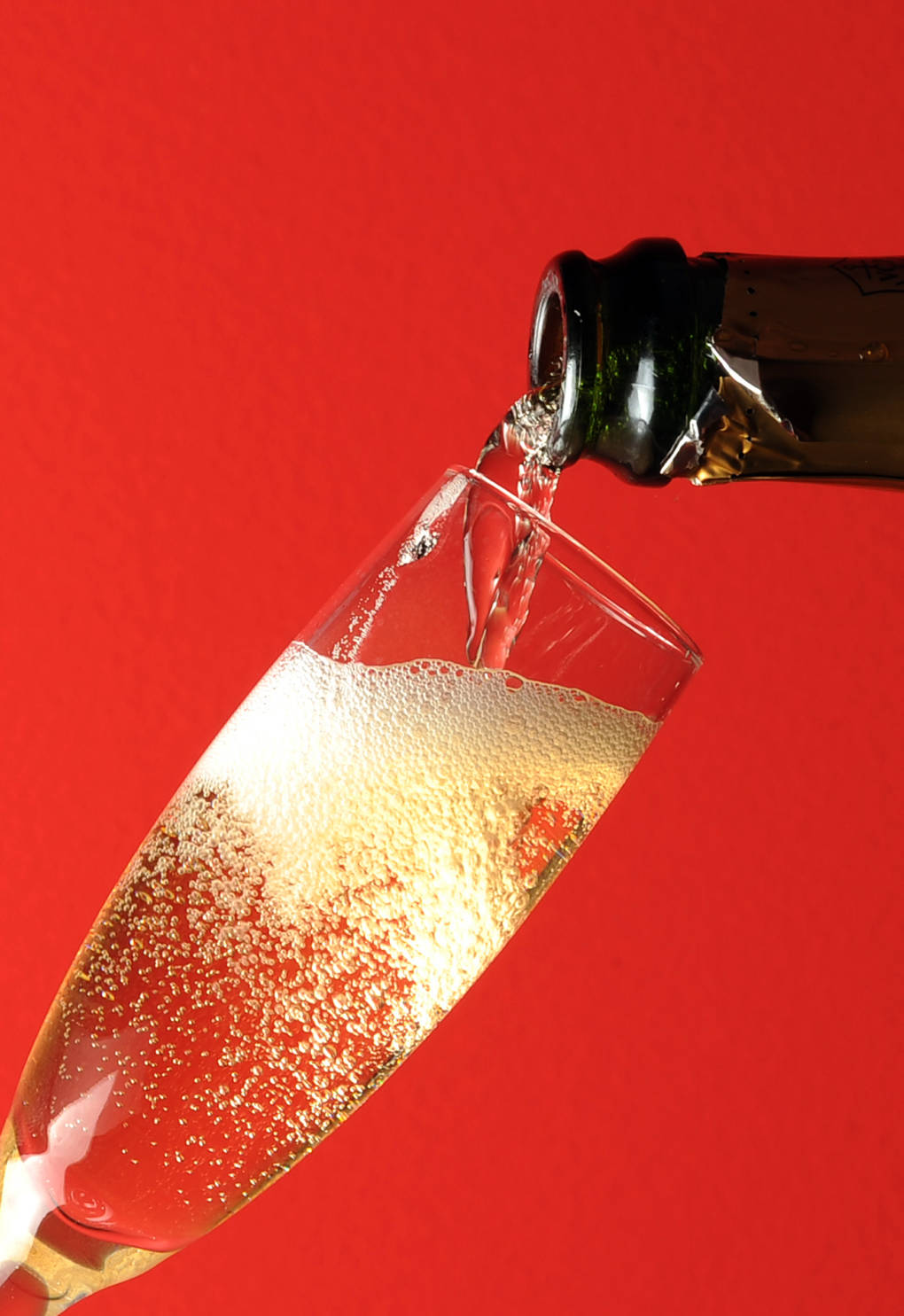
"caption": "The smaller the bubble in that glass of champagne, the higher the pitch — and the price.",
"description": null,
"title": "A picture taken on December 29, 2010 in",
"credit": "Miguel Medina /AFP/Getty Images",
"status": "inherit",
"isLoading": false,
"fetchFailed": false
},
"food_1328876": {
"type": "attachments",
"id": "food_1328876",
"meta": {
"index": "attachments_1716263798",
"site": "food",
"id": "1328876",
"found": true
},
"parent": 1328872,
"imgSizes": {
"small": {
"file": "https://ww2.kqed.org/app/uploads/sites/41/2017/11/taste-this-cava-520x284.jpg",
"width": 520,
"mimeType": "image/jpeg",
"height": 284
},
"twentyfourteen-full-width": {
"file": "https://ww2.kqed.org/app/uploads/sites/41/2017/11/taste-this-cava-1038x576.jpg",
"width": 1038,
"mimeType": "image/jpeg",
"height": 576
},
"thumbnail": {
"file": "https://ww2.kqed.org/app/uploads/sites/41/2017/11/taste-this-cava-160x87.jpg",
"width": 160,
"mimeType": "image/jpeg",
"height": 87
},
"fd-sm": {
"file": "https://ww2.kqed.org/app/uploads/sites/41/2017/11/taste-this-cava-960x524.jpg",
"width": 960,
"mimeType": "image/jpeg",
"height": 524
},
"post-thumbnail": {
"file": "https://ww2.kqed.org/app/uploads/sites/41/2017/11/taste-this-cava-672x372.jpg",
"width": 672,
"mimeType": "image/jpeg",
"height": 372
},
"xsmall": {
"file": "https://ww2.kqed.org/app/uploads/sites/41/2017/11/taste-this-cava-375x204.jpg",
"width": 375,
"mimeType": "image/jpeg",
"height": 204
},
"kqedFullSize": {
"file": "https://ww2.kqed.org/app/uploads/sites/41/2017/11/taste-this-cava.jpg",
"width": 1920,
"height": 1047
},
"large": {
"file": "https://ww2.kqed.org/app/uploads/sites/41/2017/11/taste-this-cava-1020x556.jpg",
"width": 1020,
"mimeType": "image/jpeg",
"height": 556
},
"xlarge": {
"file": "https://ww2.kqed.org/app/uploads/sites/41/2017/11/taste-this-cava-1180x643.jpg",
"width": 1180,
"mimeType": "image/jpeg",
"height": 643
},
"guest-author-50": {
"file": "https://ww2.kqed.org/app/uploads/sites/41/2017/11/taste-this-cava-50x50.jpg",
"width": 50,
"mimeType": "image/jpeg",
"height": 50
},
"guest-author-96": {
"file": "https://ww2.kqed.org/app/uploads/sites/41/2017/11/taste-this-cava-96x96.jpg",
"width": 96,
"mimeType": "image/jpeg",
"height": 96
},
"medium": {
"file": "https://ww2.kqed.org/app/uploads/sites/41/2017/11/taste-this-cava-800x436.jpg",
"width": 800,
"mimeType": "image/jpeg",
"height": 436
},
"guest-author-64": {
"file": "https://ww2.kqed.org/app/uploads/sites/41/2017/11/taste-this-cava-64x64.jpg",
"width": 64,
"mimeType": "image/jpeg",
"height": 64
},
"guest-author-32": {
"file": "https://ww2.kqed.org/app/uploads/sites/41/2017/11/taste-this-cava-32x32.jpg",
"width": 32,
"mimeType": "image/jpeg",
"height": 32
},
"fd-lrg": {
"file": "https://ww2.kqed.org/app/uploads/sites/41/2017/11/taste-this-cava-1920x1047.jpg",
"width": 1920,
"mimeType": "image/jpeg",
"height": 1047
},
"fd-med": {
"file": "https://ww2.kqed.org/app/uploads/sites/41/2017/11/taste-this-cava-1180x643.jpg",
"width": 1180,
"mimeType": "image/jpeg",
"height": 643
},
"full-width": {
"file": "https://ww2.kqed.org/app/uploads/sites/41/2017/11/taste-this-cava-1920x1047.jpg",
"width": 1920,
"mimeType": "image/jpeg",
"height": 1047
},
"detail": {
"file": "https://ww2.kqed.org/app/uploads/sites/41/2017/11/taste-this-cava-150x150.jpg",
"width": 150,
"mimeType": "image/jpeg",
"height": 150
},
"medium_large": {
"file": "https://ww2.kqed.org/app/uploads/sites/41/2017/11/taste-this-cava-768x419.jpg",
"width": 768,
"mimeType": "image/jpeg",
"height": 419
},
"guest-author-128": {
"file": "https://ww2.kqed.org/app/uploads/sites/41/2017/11/taste-this-cava-128x128.jpg",
"width": 128,
"mimeType": "image/jpeg",
"height": 128
},
"xxsmall": {
"file": "https://ww2.kqed.org/app/uploads/sites/41/2017/11/taste-this-cava-240x131.jpg",
"width": 240,
"mimeType": "image/jpeg",
"height": 131
}
},
"publishDate": 1511396469,
"modified": 1511396469,
"caption": null,
"description": null,
"title": "taste-this-cava",
"credit": null,
"status": "inherit",
"isLoading": false,
"fetchFailed": false
},
"bayareabites_122541": {
"type": "attachments",
"id": "bayareabites_122541",
"meta": {
"index": "attachments_1716263798",
"site": "bayareabites",
"id": "122541",
"found": true
},
"parent": 122537,
"imgSizes": {
"small": {
"file": "https://ww2.kqed.org/app/uploads/sites/24/2017/11/trophy-wines-BAB-520x387.jpg",
"width": 520,
"mimeType": "image/jpeg",
"height": 387
},
"twentyfourteen-full-width": {
"file": "https://ww2.kqed.org/app/uploads/sites/24/2017/11/trophy-wines-BAB-1038x576.jpg",
"width": 1038,
"mimeType": "image/jpeg",
"height": 576
},
"thumbnail": {
"file": "https://ww2.kqed.org/app/uploads/sites/24/2017/11/trophy-wines-BAB-160x119.jpg",
"width": 160,
"mimeType": "image/jpeg",
"height": 119
},
"fd-sm": {
"file": "https://ww2.kqed.org/app/uploads/sites/24/2017/11/trophy-wines-BAB-960x715.jpg",
"width": 960,
"mimeType": "image/jpeg",
"height": 715
},
"post-thumbnail": {
"file": "https://ww2.kqed.org/app/uploads/sites/24/2017/11/trophy-wines-BAB-672x372.jpg",
"width": 672,
"mimeType": "image/jpeg",
"height": 372
},
"xsmall": {
"file": "https://ww2.kqed.org/app/uploads/sites/24/2017/11/trophy-wines-BAB-375x279.jpg",
"width": 375,
"mimeType": "image/jpeg",
"height": 279
},
"kqedFullSize": {
"file": "https://ww2.kqed.org/app/uploads/sites/24/2017/11/trophy-wines-BAB.jpg",
"width": 1920,
"height": 1429
},
"large": {
"file": "https://ww2.kqed.org/app/uploads/sites/24/2017/11/trophy-wines-BAB-1020x759.jpg",
"width": 1020,
"mimeType": "image/jpeg",
"height": 759
},
"xlarge": {
"file": "https://ww2.kqed.org/app/uploads/sites/24/2017/11/trophy-wines-BAB-1180x878.jpg",
"width": 1180,
"mimeType": "image/jpeg",
"height": 878
},
"guest-author-50": {
"file": "https://ww2.kqed.org/app/uploads/sites/24/2017/11/trophy-wines-BAB-50x50.jpg",
"width": 50,
"mimeType": "image/jpeg",
"height": 50
},
"guest-author-96": {
"file": "https://ww2.kqed.org/app/uploads/sites/24/2017/11/trophy-wines-BAB-96x96.jpg",
"width": 96,
"mimeType": "image/jpeg",
"height": 96
},
"medium": {
"file": "https://ww2.kqed.org/app/uploads/sites/24/2017/11/trophy-wines-BAB-800x595.jpg",
"width": 800,
"mimeType": "image/jpeg",
"height": 595
},
"guest-author-64": {
"file": "https://ww2.kqed.org/app/uploads/sites/24/2017/11/trophy-wines-BAB-64x64.jpg",
"width": 64,
"mimeType": "image/jpeg",
"height": 64
},
"guest-author-32": {
"file": "https://ww2.kqed.org/app/uploads/sites/24/2017/11/trophy-wines-BAB-32x32.jpg",
"width": 32,
"mimeType": "image/jpeg",
"height": 32
},
"fd-lrg": {
"file": "https://ww2.kqed.org/app/uploads/sites/24/2017/11/trophy-wines-BAB-1920x1429.jpg",
"width": 1920,
"mimeType": "image/jpeg",
"height": 1429
},
"fd-med": {
"file": "https://ww2.kqed.org/app/uploads/sites/24/2017/11/trophy-wines-BAB-1180x878.jpg",
"width": 1180,
"mimeType": "image/jpeg",
"height": 878
},
"full-width": {
"file": "https://ww2.kqed.org/app/uploads/sites/24/2017/11/trophy-wines-BAB-1920x1429.jpg",
"width": 1920,
"mimeType": "image/jpeg",
"height": 1429
},
"detail": {
"file": "https://ww2.kqed.org/app/uploads/sites/24/2017/11/trophy-wines-BAB-150x150.jpg",
"width": 150,
"mimeType": "image/jpeg",
"height": 150
},
"medium_large": {
"file": "https://ww2.kqed.org/app/uploads/sites/24/2017/11/trophy-wines-BAB-768x572.jpg",
"width": 768,
"mimeType": "image/jpeg",
"height": 572
},
"guest-author-128": {
"file": "https://ww2.kqed.org/app/uploads/sites/24/2017/11/trophy-wines-BAB-128x128.jpg",
"width": 128,
"mimeType": "image/jpeg",
"height": 128
},
"xxsmall": {
"file": "https://ww2.kqed.org/app/uploads/sites/24/2017/11/trophy-wines-BAB-240x179.jpg",
"width": 240,
"mimeType": "image/jpeg",
"height": 179
}
},
"publishDate": 1510749920,
"modified": 1510750226,
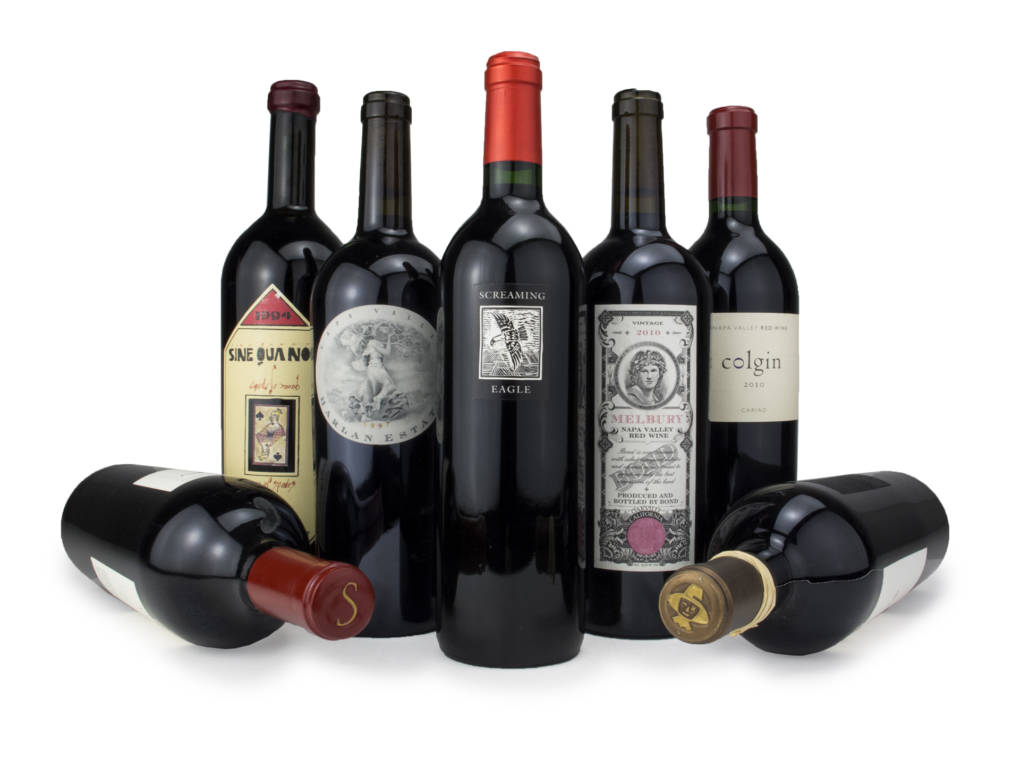
"caption": "Cult wines in California have become money printers for the wineries that make them, with bottles from stars like Sine Qua Non, Screaming Eagle, Harlan Estate, Colgin and others commanding dizzying prices on the secondary market, which is the only place they can realistically be found for most consumers. Alas, the secondary market is now the place where one must go to find many non-trophy wines, too.",
"description": "Cult wines in California have become money printers for the wineries that make them, with bottles from stars like Sine Qua Non, Screaming Eagle, Harlan Estate, Colgin and others commanding dizzying prices on the secondary market, which is the only place they can realistically be found for most consumers. Alas, the secondary market is now the place where one must go to find many non-trophy wines, too.",
"title": "trophy wines BAB",
"credit": "Benchmark Wine Group",
"status": "inherit",
"isLoading": false,
"fetchFailed": false
},
"bayareabites_122503": {
"type": "attachments",
"id": "bayareabites_122503",
"meta": {
"index": "attachments_1716263798",
"site": "bayareabites",
"id": "122503",
"found": true
},
"parent": 122502,
"imgSizes": {
"small": {
"file": "https://ww2.kqed.org/app/uploads/sites/24/2017/11/new-wine-rules_144_145_wide-0b1b83fbac9d595581bcb41e37898d04dc58bb39-520x292.jpg",
"width": 520,
"mimeType": "image/jpeg",
"height": 292
},
"twentyfourteen-full-width": {
"file": "https://ww2.kqed.org/app/uploads/sites/24/2017/11/new-wine-rules_144_145_wide-0b1b83fbac9d595581bcb41e37898d04dc58bb39-1038x576.jpg",
"width": 1038,
"mimeType": "image/jpeg",
"height": 576
},
"thumbnail": {
"file": "https://ww2.kqed.org/app/uploads/sites/24/2017/11/new-wine-rules_144_145_wide-0b1b83fbac9d595581bcb41e37898d04dc58bb39-160x90.jpg",
"width": 160,
"mimeType": "image/jpeg",
"height": 90
},
"fd-sm": {
"file": "https://ww2.kqed.org/app/uploads/sites/24/2017/11/new-wine-rules_144_145_wide-0b1b83fbac9d595581bcb41e37898d04dc58bb39-960x540.jpg",
"width": 960,
"mimeType": "image/jpeg",
"height": 540
},
"post-thumbnail": {
"file": "https://ww2.kqed.org/app/uploads/sites/24/2017/11/new-wine-rules_144_145_wide-0b1b83fbac9d595581bcb41e37898d04dc58bb39-672x372.jpg",
"width": 672,
"mimeType": "image/jpeg",
"height": 372
},
"xsmall": {
"file": "https://ww2.kqed.org/app/uploads/sites/24/2017/11/new-wine-rules_144_145_wide-0b1b83fbac9d595581bcb41e37898d04dc58bb39-375x211.jpg",
"width": 375,
"mimeType": "image/jpeg",
"height": 211
},
"kqedFullSize": {
"file": "https://ww2.kqed.org/app/uploads/sites/24/2017/11/new-wine-rules_144_145_wide-0b1b83fbac9d595581bcb41e37898d04dc58bb39.jpg",
"width": 3085,
"height": 1734
},
"large": {
"file": "https://ww2.kqed.org/app/uploads/sites/24/2017/11/new-wine-rules_144_145_wide-0b1b83fbac9d595581bcb41e37898d04dc58bb39-1020x573.jpg",
"width": 1020,
"mimeType": "image/jpeg",
"height": 573
},
"xlarge": {
"file": "https://ww2.kqed.org/app/uploads/sites/24/2017/11/new-wine-rules_144_145_wide-0b1b83fbac9d595581bcb41e37898d04dc58bb39-1180x663.jpg",
"width": 1180,
"mimeType": "image/jpeg",
"height": 663
},
"guest-author-50": {
"file": "https://ww2.kqed.org/app/uploads/sites/24/2017/11/new-wine-rules_144_145_wide-0b1b83fbac9d595581bcb41e37898d04dc58bb39-50x50.jpg",
"width": 50,
"mimeType": "image/jpeg",
"height": 50
},
"guest-author-96": {
"file": "https://ww2.kqed.org/app/uploads/sites/24/2017/11/new-wine-rules_144_145_wide-0b1b83fbac9d595581bcb41e37898d04dc58bb39-96x96.jpg",
"width": 96,
"mimeType": "image/jpeg",
"height": 96
},
"medium": {
"file": "https://ww2.kqed.org/app/uploads/sites/24/2017/11/new-wine-rules_144_145_wide-0b1b83fbac9d595581bcb41e37898d04dc58bb39-800x450.jpg",
"width": 800,
"mimeType": "image/jpeg",
"height": 450
},
"guest-author-64": {
"file": "https://ww2.kqed.org/app/uploads/sites/24/2017/11/new-wine-rules_144_145_wide-0b1b83fbac9d595581bcb41e37898d04dc58bb39-64x64.jpg",
"width": 64,
"mimeType": "image/jpeg",
"height": 64
},
"guest-author-32": {
"file": "https://ww2.kqed.org/app/uploads/sites/24/2017/11/new-wine-rules_144_145_wide-0b1b83fbac9d595581bcb41e37898d04dc58bb39-32x32.jpg",
"width": 32,
"mimeType": "image/jpeg",
"height": 32
},
"fd-lrg": {
"file": "https://ww2.kqed.org/app/uploads/sites/24/2017/11/new-wine-rules_144_145_wide-0b1b83fbac9d595581bcb41e37898d04dc58bb39-1920x1079.jpg",
"width": 1920,
"mimeType": "image/jpeg",
"height": 1079
},
"fd-med": {
"file": "https://ww2.kqed.org/app/uploads/sites/24/2017/11/new-wine-rules_144_145_wide-0b1b83fbac9d595581bcb41e37898d04dc58bb39-1180x663.jpg",
"width": 1180,
"mimeType": "image/jpeg",
"height": 663
},
"full-width": {
"file": "https://ww2.kqed.org/app/uploads/sites/24/2017/11/new-wine-rules_144_145_wide-0b1b83fbac9d595581bcb41e37898d04dc58bb39-1920x1079.jpg",
"width": 1920,
"mimeType": "image/jpeg",
"height": 1079
},
"detail": {
"file": "https://ww2.kqed.org/app/uploads/sites/24/2017/11/new-wine-rules_144_145_wide-0b1b83fbac9d595581bcb41e37898d04dc58bb39-150x150.jpg",
"width": 150,
"mimeType": "image/jpeg",
"height": 150
},
"medium_large": {
"file": "https://ww2.kqed.org/app/uploads/sites/24/2017/11/new-wine-rules_144_145_wide-0b1b83fbac9d595581bcb41e37898d04dc58bb39-768x432.jpg",
"width": 768,
"mimeType": "image/jpeg",
"height": 432
},
"guest-author-128": {
"file": "https://ww2.kqed.org/app/uploads/sites/24/2017/11/new-wine-rules_144_145_wide-0b1b83fbac9d595581bcb41e37898d04dc58bb39-128x128.jpg",
"width": 128,
"mimeType": "image/jpeg",
"height": 128
},
"xxsmall": {
"file": "https://ww2.kqed.org/app/uploads/sites/24/2017/11/new-wine-rules_144_145_wide-0b1b83fbac9d595581bcb41e37898d04dc58bb39-240x135.jpg",
"width": 240,
"mimeType": "image/jpeg",
"height": 135
}
},
"publishDate": 1510693428,
"modified": 1510694134,
"caption": "The New Wine Rules",
"description": "The New Wine Rules",
"title": "The New Wine Rules",
"credit": "Maria Herguetta/Courtesy of Ten Speed Press",
"status": "inherit",
"isLoading": false,
"fetchFailed": false
},
"bayareabites_120930": {
"type": "attachments",
"id": "bayareabites_120930",
"meta": {
"index": "attachments_1716263798",
"site": "bayareabites",
"id": "120930",
"found": true
},
"parent": 120897,
"imgSizes": {
"small": {
"file": "https://ww2.kqed.org/app/uploads/sites/24/2017/09/IMG_6862-new-520x347.jpg",
"width": 520,
"mimeType": "image/jpeg",
"height": 347
},
"twentyfourteen-full-width": {
"file": "https://ww2.kqed.org/app/uploads/sites/24/2017/09/IMG_6862-new-1038x576.jpg",
"width": 1038,
"mimeType": "image/jpeg",
"height": 576
},
"thumbnail": {
"file": "https://ww2.kqed.org/app/uploads/sites/24/2017/09/IMG_6862-new-160x107.jpg",
"width": 160,
"mimeType": "image/jpeg",
"height": 107
},
"fd-sm": {
"file": "https://ww2.kqed.org/app/uploads/sites/24/2017/09/IMG_6862-new-960x640.jpg",
"width": 960,
"mimeType": "image/jpeg",
"height": 640
},
"post-thumbnail": {
"file": "https://ww2.kqed.org/app/uploads/sites/24/2017/09/IMG_6862-new-672x372.jpg",
"width": 672,
"mimeType": "image/jpeg",
"height": 372
},
"xsmall": {
"file": "https://ww2.kqed.org/app/uploads/sites/24/2017/09/IMG_6862-new-375x250.jpg",
"width": 375,
"mimeType": "image/jpeg",
"height": 250
},
"kqedFullSize": {
"file": "https://ww2.kqed.org/app/uploads/sites/24/2017/09/IMG_6862-new.jpg",
"width": 1920,
"height": 1280
},
"large": {
"file": "https://ww2.kqed.org/app/uploads/sites/24/2017/09/IMG_6862-new-1020x680.jpg",
"width": 1020,
"mimeType": "image/jpeg",
"height": 680
},
"xlarge": {
"file": "https://ww2.kqed.org/app/uploads/sites/24/2017/09/IMG_6862-new-1180x787.jpg",
"width": 1180,
"mimeType": "image/jpeg",
"height": 787
},
"guest-author-50": {
"file": "https://ww2.kqed.org/app/uploads/sites/24/2017/09/IMG_6862-new-50x50.jpg",
"width": 50,
"mimeType": "image/jpeg",
"height": 50
},
"guest-author-96": {
"file": "https://ww2.kqed.org/app/uploads/sites/24/2017/09/IMG_6862-new-96x96.jpg",
"width": 96,
"mimeType": "image/jpeg",
"height": 96
},
"medium": {
"file": "https://ww2.kqed.org/app/uploads/sites/24/2017/09/IMG_6862-new-800x533.jpg",
"width": 800,
"mimeType": "image/jpeg",
"height": 533
},
"guest-author-64": {
"file": "https://ww2.kqed.org/app/uploads/sites/24/2017/09/IMG_6862-new-64x64.jpg",
"width": 64,
"mimeType": "image/jpeg",
"height": 64
},
"guest-author-32": {
"file": "https://ww2.kqed.org/app/uploads/sites/24/2017/09/IMG_6862-new-32x32.jpg",
"width": 32,
"mimeType": "image/jpeg",
"height": 32
},
"fd-lrg": {
"file": "https://ww2.kqed.org/app/uploads/sites/24/2017/09/IMG_6862-new-1920x1280.jpg",
"width": 1920,
"mimeType": "image/jpeg",
"height": 1280
},
"fd-med": {
"file": "https://ww2.kqed.org/app/uploads/sites/24/2017/09/IMG_6862-new-1180x787.jpg",
"width": 1180,
"mimeType": "image/jpeg",
"height": 787
},
"full-width": {
"file": "https://ww2.kqed.org/app/uploads/sites/24/2017/09/IMG_6862-new-1920x1280.jpg",
"width": 1920,
"mimeType": "image/jpeg",
"height": 1280
},
"detail": {
"file": "https://ww2.kqed.org/app/uploads/sites/24/2017/09/IMG_6862-new-150x150.jpg",
"width": 150,
"mimeType": "image/jpeg",
"height": 150
},
"medium_large": {
"file": "https://ww2.kqed.org/app/uploads/sites/24/2017/09/IMG_6862-new-768x512.jpg",
"width": 768,
"mimeType": "image/jpeg",
"height": 512
},
"guest-author-128": {
"file": "https://ww2.kqed.org/app/uploads/sites/24/2017/09/IMG_6862-new-128x128.jpg",
"width": 128,
"mimeType": "image/jpeg",
"height": 128
},
"xxsmall": {
"file": "https://ww2.kqed.org/app/uploads/sites/24/2017/09/IMG_6862-new-240x160.jpg",
"width": 240,
"mimeType": "image/jpeg",
"height": 160
}
},
"publishDate": 1506400006,
"modified": 1506448787,
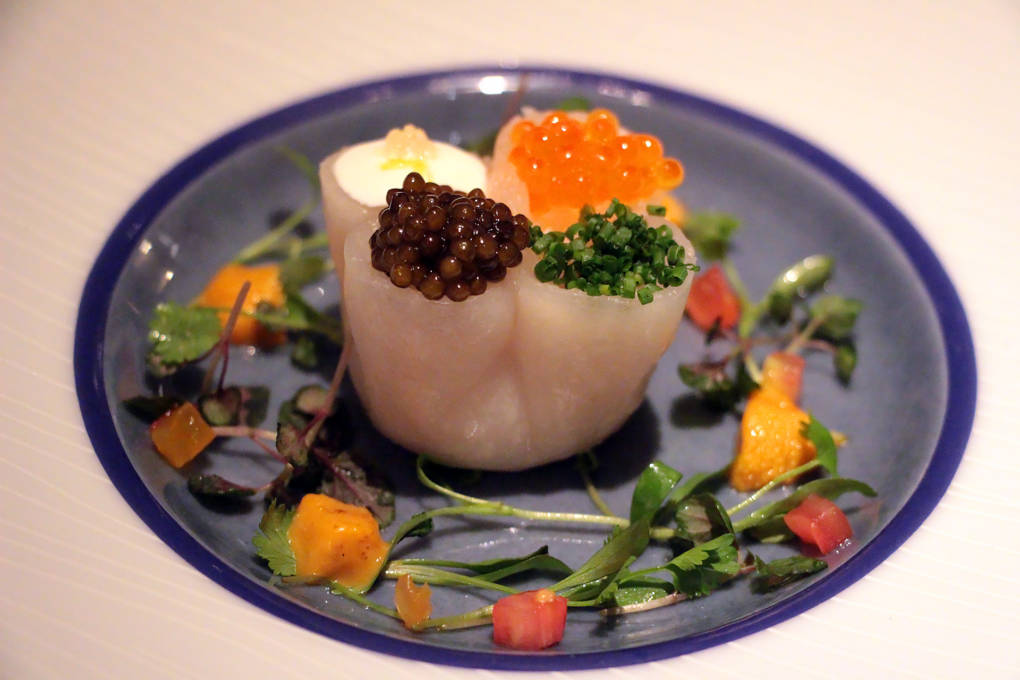
"caption": "Four Seas Dumpling - Russian Golden Osetra, Sea Urchin, Heirloom Salad",
"description": "Four Seas Dumpling - Russian Golden Osetra, Sea Urchin, Heirloom Salad",
"title": "IMG_6862-new",
"credit": "Photo: Wendy Goodfriend, Video: Vic Chin",
"status": "inherit",
"isLoading": false,
"fetchFailed": false
},
"bayareabites_119113": {
"type": "attachments",
"id": "bayareabites_119113",
"meta": {
"index": "attachments_1716263798",
"site": "bayareabites",
"id": "119113",
"found": true
},
"parent": 119112,
"imgSizes": {
"small": {
"file": "https://ww2.kqed.org/app/uploads/sites/24/2017/07/ho-po_sq-127369c2e65bc54adcb3d96966979fa6b30cbb26-520x520.jpg",
"width": 520,
"mimeType": "image/jpeg",
"height": 520
},
"twentyfourteen-full-width": {
"file": "https://ww2.kqed.org/app/uploads/sites/24/2017/07/ho-po_sq-127369c2e65bc54adcb3d96966979fa6b30cbb26-1038x576.jpg",
"width": 1038,
"mimeType": "image/jpeg",
"height": 576
},
"thumbnail": {
"file": "https://ww2.kqed.org/app/uploads/sites/24/2017/07/ho-po_sq-127369c2e65bc54adcb3d96966979fa6b30cbb26-160x160.jpg",
"width": 160,
"mimeType": "image/jpeg",
"height": 160
},
"fd-sm": {
"file": "https://ww2.kqed.org/app/uploads/sites/24/2017/07/ho-po_sq-127369c2e65bc54adcb3d96966979fa6b30cbb26-960x960.jpg",
"width": 960,
"mimeType": "image/jpeg",
"height": 960
},
"post-thumbnail": {
"file": "https://ww2.kqed.org/app/uploads/sites/24/2017/07/ho-po_sq-127369c2e65bc54adcb3d96966979fa6b30cbb26-672x372.jpg",
"width": 672,
"mimeType": "image/jpeg",
"height": 372
},
"xsmall": {
"file": "https://ww2.kqed.org/app/uploads/sites/24/2017/07/ho-po_sq-127369c2e65bc54adcb3d96966979fa6b30cbb26-375x375.jpg",
"width": 375,
"mimeType": "image/jpeg",
"height": 375
},
"kqedFullSize": {
"file": "https://ww2.kqed.org/app/uploads/sites/24/2017/07/ho-po_sq-127369c2e65bc54adcb3d96966979fa6b30cbb26-e1499978486820.jpg",
"width": 1920,
"height": 1921
},
"large": {
"file": "https://ww2.kqed.org/app/uploads/sites/24/2017/07/ho-po_sq-127369c2e65bc54adcb3d96966979fa6b30cbb26-1020x1021.jpg",
"width": 1020,
"mimeType": "image/jpeg",
"height": 1021
},
"xlarge": {
"file": "https://ww2.kqed.org/app/uploads/sites/24/2017/07/ho-po_sq-127369c2e65bc54adcb3d96966979fa6b30cbb26-1180x1181.jpg",
"width": 1180,
"mimeType": "image/jpeg",
"height": 1181
},
"guest-author-50": {
"file": "https://ww2.kqed.org/app/uploads/sites/24/2017/07/ho-po_sq-127369c2e65bc54adcb3d96966979fa6b30cbb26-50x50.jpg",
"width": 50,
"mimeType": "image/jpeg",
"height": 50
},
"guest-author-96": {
"file": "https://ww2.kqed.org/app/uploads/sites/24/2017/07/ho-po_sq-127369c2e65bc54adcb3d96966979fa6b30cbb26-96x96.jpg",
"width": 96,
"mimeType": "image/jpeg",
"height": 96
},
"medium": {
"file": "https://ww2.kqed.org/app/uploads/sites/24/2017/07/ho-po_sq-127369c2e65bc54adcb3d96966979fa6b30cbb26-800x800.jpg",
"width": 800,
"mimeType": "image/jpeg",
"height": 800
},
"guest-author-64": {
"file": "https://ww2.kqed.org/app/uploads/sites/24/2017/07/ho-po_sq-127369c2e65bc54adcb3d96966979fa6b30cbb26-64x64.jpg",
"width": 64,
"mimeType": "image/jpeg",
"height": 64
},
"guest-author-32": {
"file": "https://ww2.kqed.org/app/uploads/sites/24/2017/07/ho-po_sq-127369c2e65bc54adcb3d96966979fa6b30cbb26-32x32.jpg",
"width": 32,
"mimeType": "image/jpeg",
"height": 32
},
"fd-lrg": {
"file": "https://ww2.kqed.org/app/uploads/sites/24/2017/07/ho-po_sq-127369c2e65bc54adcb3d96966979fa6b30cbb26-1920x1921.jpg",
"width": 1920,
"mimeType": "image/jpeg",
"height": 1921
},
"fd-med": {
"file": "https://ww2.kqed.org/app/uploads/sites/24/2017/07/ho-po_sq-127369c2e65bc54adcb3d96966979fa6b30cbb26-1180x1181.jpg",
"width": 1180,
"mimeType": "image/jpeg",
"height": 1181
},
"full-width": {
"file": "https://ww2.kqed.org/app/uploads/sites/24/2017/07/ho-po_sq-127369c2e65bc54adcb3d96966979fa6b30cbb26-1920x1921.jpg",
"width": 1920,
"mimeType": "image/jpeg",
"height": 1921
},
"detail": {
"file": "https://ww2.kqed.org/app/uploads/sites/24/2017/07/ho-po_sq-127369c2e65bc54adcb3d96966979fa6b30cbb26-150x150.jpg",
"width": 150,
"mimeType": "image/jpeg",
"height": 150
},
"medium_large": {
"file": "https://ww2.kqed.org/app/uploads/sites/24/2017/07/ho-po_sq-127369c2e65bc54adcb3d96966979fa6b30cbb26-768x768.jpg",
"width": 768,
"mimeType": "image/jpeg",
"height": 768
},
"guest-author-128": {
"file": "https://ww2.kqed.org/app/uploads/sites/24/2017/07/ho-po_sq-127369c2e65bc54adcb3d96966979fa6b30cbb26-128x128.jpg",
"width": 128,
"mimeType": "image/jpeg",
"height": 128
},
"xxsmall": {
"file": "https://ww2.kqed.org/app/uploads/sites/24/2017/07/ho-po_sq-127369c2e65bc54adcb3d96966979fa6b30cbb26-240x240.jpg",
"width": 240,
"mimeType": "image/jpeg",
"height": 240
}
},
"publishDate": 1499978104,
"modified": 1499978478,
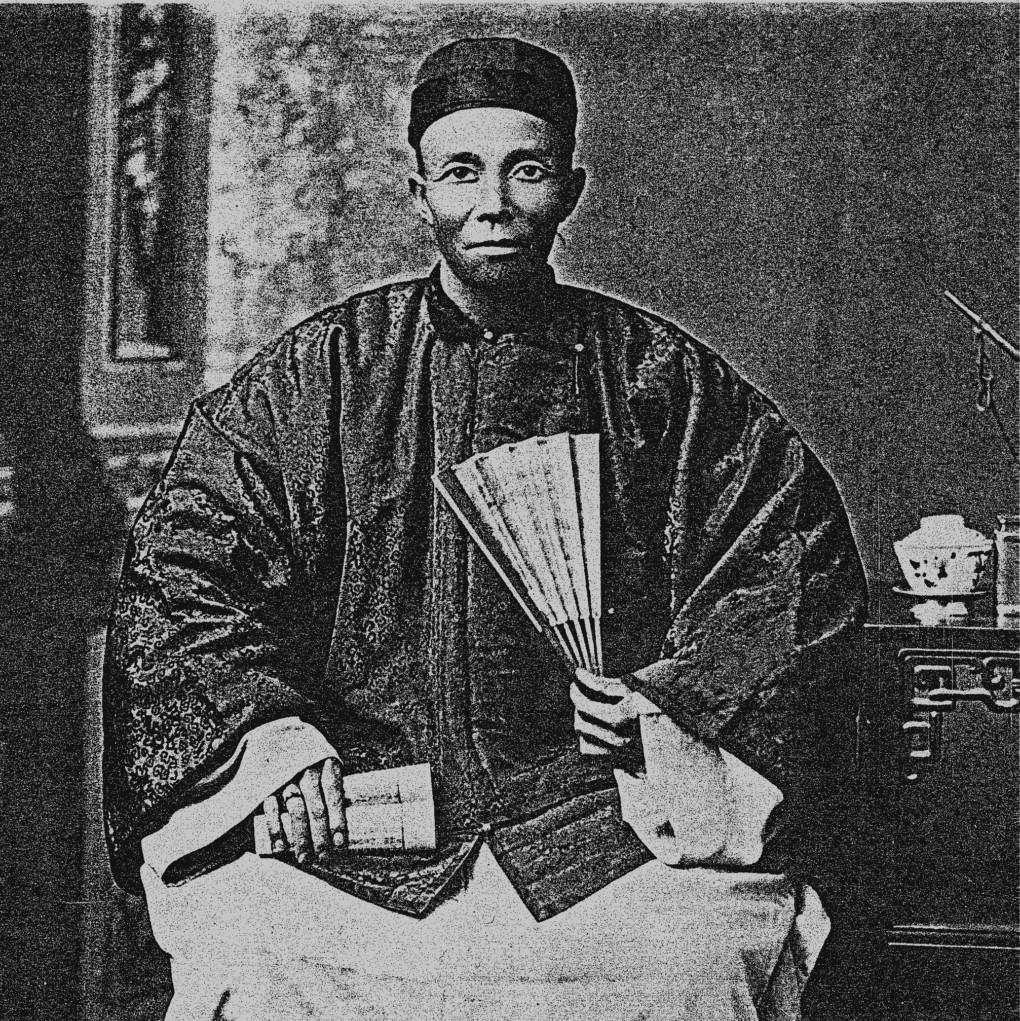
"caption": "Ho Po, a Chinese labor contractor from San Francisco, sent 150 of his countrymen to build Buena Vista.",
"description": "Ho Po, a Chinese labor contractor from San Francisco, sent 150 of his countrymen to build Buena Vista.",
"title": "Ho Po, a Chinese labor contractor from San Francisco, sent 150 of his countrymen to build Buena Vista.",
"credit": "Courtesy of Buena Vista winery",
"status": "inherit",
"isLoading": false,
"fetchFailed": false
},
"bayareabites_118984": {
"type": "attachments",
"id": "bayareabites_118984",
"meta": {
"index": "attachments_1716263798",
"site": "bayareabites",
"id": "118984",
"found": true
},
"parent": 118983,
"imgSizes": {
"small": {
"file": "https://ww2.kqed.org/app/uploads/sites/24/2017/07/img_7568_custom-c3de9d59e9c34f653c6e10b891d9c324183160c0-520x346.jpg",
"width": 520,
"mimeType": "image/jpeg",
"height": 346
},
"twentyfourteen-full-width": {
"file": "https://ww2.kqed.org/app/uploads/sites/24/2017/07/img_7568_custom-c3de9d59e9c34f653c6e10b891d9c324183160c0-1038x576.jpg",
"width": 1038,
"mimeType": "image/jpeg",
"height": 576
},
"thumbnail": {
"file": "https://ww2.kqed.org/app/uploads/sites/24/2017/07/img_7568_custom-c3de9d59e9c34f653c6e10b891d9c324183160c0-160x107.jpg",
"width": 160,
"mimeType": "image/jpeg",
"height": 107
},
"fd-sm": {
"file": "https://ww2.kqed.org/app/uploads/sites/24/2017/07/img_7568_custom-c3de9d59e9c34f653c6e10b891d9c324183160c0-960x639.jpg",
"width": 960,
"mimeType": "image/jpeg",
"height": 639
},
"post-thumbnail": {
"file": "https://ww2.kqed.org/app/uploads/sites/24/2017/07/img_7568_custom-c3de9d59e9c34f653c6e10b891d9c324183160c0-672x372.jpg",
"width": 672,
"mimeType": "image/jpeg",
"height": 372
},
"xsmall": {
"file": "https://ww2.kqed.org/app/uploads/sites/24/2017/07/img_7568_custom-c3de9d59e9c34f653c6e10b891d9c324183160c0-375x250.jpg",
"width": 375,
"mimeType": "image/jpeg",
"height": 250
},
"kqedFullSize": {
"file": "https://ww2.kqed.org/app/uploads/sites/24/2017/07/img_7568_custom-c3de9d59e9c34f653c6e10b891d9c324183160c0.jpg",
"width": 2000,
"height": 1332
},
"large": {
"file": "https://ww2.kqed.org/app/uploads/sites/24/2017/07/img_7568_custom-c3de9d59e9c34f653c6e10b891d9c324183160c0-1020x679.jpg",
"width": 1020,
"mimeType": "image/jpeg",
"height": 679
},
"xlarge": {
"file": "https://ww2.kqed.org/app/uploads/sites/24/2017/07/img_7568_custom-c3de9d59e9c34f653c6e10b891d9c324183160c0-1180x786.jpg",
"width": 1180,
"mimeType": "image/jpeg",
"height": 786
},
"guest-author-50": {
"file": "https://ww2.kqed.org/app/uploads/sites/24/2017/07/img_7568_custom-c3de9d59e9c34f653c6e10b891d9c324183160c0-50x50.jpg",
"width": 50,
"mimeType": "image/jpeg",
"height": 50
},
"guest-author-96": {
"file": "https://ww2.kqed.org/app/uploads/sites/24/2017/07/img_7568_custom-c3de9d59e9c34f653c6e10b891d9c324183160c0-96x96.jpg",
"width": 96,
"mimeType": "image/jpeg",
"height": 96
},
"medium": {
"file": "https://ww2.kqed.org/app/uploads/sites/24/2017/07/img_7568_custom-c3de9d59e9c34f653c6e10b891d9c324183160c0-800x533.jpg",
"width": 800,
"mimeType": "image/jpeg",
"height": 533
},
"guest-author-64": {
"file": "https://ww2.kqed.org/app/uploads/sites/24/2017/07/img_7568_custom-c3de9d59e9c34f653c6e10b891d9c324183160c0-64x64.jpg",
"width": 64,
"mimeType": "image/jpeg",
"height": 64
},
"guest-author-32": {
"file": "https://ww2.kqed.org/app/uploads/sites/24/2017/07/img_7568_custom-c3de9d59e9c34f653c6e10b891d9c324183160c0-32x32.jpg",
"width": 32,
"mimeType": "image/jpeg",
"height": 32
},
"fd-lrg": {
"file": "https://ww2.kqed.org/app/uploads/sites/24/2017/07/img_7568_custom-c3de9d59e9c34f653c6e10b891d9c324183160c0-1920x1279.jpg",
"width": 1920,
"mimeType": "image/jpeg",
"height": 1279
},
"fd-med": {
"file": "https://ww2.kqed.org/app/uploads/sites/24/2017/07/img_7568_custom-c3de9d59e9c34f653c6e10b891d9c324183160c0-1180x786.jpg",
"width": 1180,
"mimeType": "image/jpeg",
"height": 786
},
"full-width": {
"file": "https://ww2.kqed.org/app/uploads/sites/24/2017/07/img_7568_custom-c3de9d59e9c34f653c6e10b891d9c324183160c0-1920x1279.jpg",
"width": 1920,
"mimeType": "image/jpeg",
"height": 1279
},
"detail": {
"file": "https://ww2.kqed.org/app/uploads/sites/24/2017/07/img_7568_custom-c3de9d59e9c34f653c6e10b891d9c324183160c0-150x150.jpg",
"width": 150,
"mimeType": "image/jpeg",
"height": 150
},
"medium_large": {
"file": "https://ww2.kqed.org/app/uploads/sites/24/2017/07/img_7568_custom-c3de9d59e9c34f653c6e10b891d9c324183160c0-768x511.jpg",
"width": 768,
"mimeType": "image/jpeg",
"height": 511
},
"guest-author-128": {
"file": "https://ww2.kqed.org/app/uploads/sites/24/2017/07/img_7568_custom-c3de9d59e9c34f653c6e10b891d9c324183160c0-128x128.jpg",
"width": 128,
"mimeType": "image/jpeg",
"height": 128
},
"xxsmall": {
"file": "https://ww2.kqed.org/app/uploads/sites/24/2017/07/img_7568_custom-c3de9d59e9c34f653c6e10b891d9c324183160c0-240x160.jpg",
"width": 240,
"mimeType": "image/jpeg",
"height": 160
}
},
"publishDate": 1499712206,
"modified": 1499712516,
"caption": "Proponents of the emerging pot-for-pleasure industry want to grab a share of the nearly $2 billion tourism business in Sonoma County with events like dinners that incorporate marijuana.",
"description": "Proponents of the emerging pot-for-pleasure industry want to grab a share of the nearly $2 billion tourism business in Sonoma County with events like dinners that incorporate marijuana.",
"title": "Proponents of the emerging pot-for-pleasure industry want to grab a share of the nearly $2 billion tourism business in Sonoma County with events like dinners that incorporate marijuana.",
"credit": "Courtesy of Sonoma Cannabis Company/Kristen Jeanne",
"status": "inherit",
"isLoading": false,
"fetchFailed": false
},
"bayareabites_118816": {
"type": "attachments",
"id": "bayareabites_118816",
"meta": {
"index": "attachments_1716263798",
"site": "bayareabites",
"id": "118816",
"found": true
},
"parent": 118815,
"imgSizes": {
"small": {
"file": "https://ww2.kqed.org/app/uploads/sites/24/2017/07/gettyimages-186863907_custom-05fd965d0d91d19b3f74052a3a2f4affdcbe1208-520x345.jpg",
"width": 520,
"mimeType": "image/jpeg",
"height": 345
},
"twentyfourteen-full-width": {
"file": "https://ww2.kqed.org/app/uploads/sites/24/2017/07/gettyimages-186863907_custom-05fd965d0d91d19b3f74052a3a2f4affdcbe1208-1038x576.jpg",
"width": 1038,
"mimeType": "image/jpeg",
"height": 576
},
"thumbnail": {
"file": "https://ww2.kqed.org/app/uploads/sites/24/2017/07/gettyimages-186863907_custom-05fd965d0d91d19b3f74052a3a2f4affdcbe1208-160x106.jpg",
"width": 160,
"mimeType": "image/jpeg",
"height": 106
},
"fd-sm": {
"file": "https://ww2.kqed.org/app/uploads/sites/24/2017/07/gettyimages-186863907_custom-05fd965d0d91d19b3f74052a3a2f4affdcbe1208-960x637.jpg",
"width": 960,
"mimeType": "image/jpeg",
"height": 637
},
"post-thumbnail": {
"file": "https://ww2.kqed.org/app/uploads/sites/24/2017/07/gettyimages-186863907_custom-05fd965d0d91d19b3f74052a3a2f4affdcbe1208-672x372.jpg",
"width": 672,
"mimeType": "image/jpeg",
"height": 372
},
"xsmall": {
"file": "https://ww2.kqed.org/app/uploads/sites/24/2017/07/gettyimages-186863907_custom-05fd965d0d91d19b3f74052a3a2f4affdcbe1208-375x249.jpg",
"width": 375,
"mimeType": "image/jpeg",
"height": 249
},
"kqedFullSize": {
"file": "https://ww2.kqed.org/app/uploads/sites/24/2017/07/gettyimages-186863907_custom-05fd965d0d91d19b3f74052a3a2f4affdcbe1208.jpg",
"width": 2000,
"height": 1328
},
"large": {
"file": "https://ww2.kqed.org/app/uploads/sites/24/2017/07/gettyimages-186863907_custom-05fd965d0d91d19b3f74052a3a2f4affdcbe1208-1020x677.jpg",
"width": 1020,
"mimeType": "image/jpeg",
"height": 677
},
"xlarge": {
"file": "https://ww2.kqed.org/app/uploads/sites/24/2017/07/gettyimages-186863907_custom-05fd965d0d91d19b3f74052a3a2f4affdcbe1208-1180x784.jpg",
"width": 1180,
"mimeType": "image/jpeg",
"height": 784
},
"guest-author-50": {
"file": "https://ww2.kqed.org/app/uploads/sites/24/2017/07/gettyimages-186863907_custom-05fd965d0d91d19b3f74052a3a2f4affdcbe1208-50x50.jpg",
"width": 50,
"mimeType": "image/jpeg",
"height": 50
},
"guest-author-96": {
"file": "https://ww2.kqed.org/app/uploads/sites/24/2017/07/gettyimages-186863907_custom-05fd965d0d91d19b3f74052a3a2f4affdcbe1208-96x96.jpg",
"width": 96,
"mimeType": "image/jpeg",
"height": 96
},
"medium": {
"file": "https://ww2.kqed.org/app/uploads/sites/24/2017/07/gettyimages-186863907_custom-05fd965d0d91d19b3f74052a3a2f4affdcbe1208-800x531.jpg",
"width": 800,
"mimeType": "image/jpeg",
"height": 531
},
"guest-author-64": {
"file": "https://ww2.kqed.org/app/uploads/sites/24/2017/07/gettyimages-186863907_custom-05fd965d0d91d19b3f74052a3a2f4affdcbe1208-64x64.jpg",
"width": 64,
"mimeType": "image/jpeg",
"height": 64
},
"guest-author-32": {
"file": "https://ww2.kqed.org/app/uploads/sites/24/2017/07/gettyimages-186863907_custom-05fd965d0d91d19b3f74052a3a2f4affdcbe1208-32x32.jpg",
"width": 32,
"mimeType": "image/jpeg",
"height": 32
},
"fd-lrg": {
"file": "https://ww2.kqed.org/app/uploads/sites/24/2017/07/gettyimages-186863907_custom-05fd965d0d91d19b3f74052a3a2f4affdcbe1208-1920x1275.jpg",
"width": 1920,
"mimeType": "image/jpeg",
"height": 1275
},
"fd-med": {
"file": "https://ww2.kqed.org/app/uploads/sites/24/2017/07/gettyimages-186863907_custom-05fd965d0d91d19b3f74052a3a2f4affdcbe1208-1180x784.jpg",
"width": 1180,
"mimeType": "image/jpeg",
"height": 784
},
"full-width": {
"file": "https://ww2.kqed.org/app/uploads/sites/24/2017/07/gettyimages-186863907_custom-05fd965d0d91d19b3f74052a3a2f4affdcbe1208-1920x1275.jpg",
"width": 1920,
"mimeType": "image/jpeg",
"height": 1275
},
"detail": {
"file": "https://ww2.kqed.org/app/uploads/sites/24/2017/07/gettyimages-186863907_custom-05fd965d0d91d19b3f74052a3a2f4affdcbe1208-150x150.jpg",
"width": 150,
"mimeType": "image/jpeg",
"height": 150
},
"medium_large": {
"file": "https://ww2.kqed.org/app/uploads/sites/24/2017/07/gettyimages-186863907_custom-05fd965d0d91d19b3f74052a3a2f4affdcbe1208-768x510.jpg",
"width": 768,
"mimeType": "image/jpeg",
"height": 510
},
"guest-author-128": {
"file": "https://ww2.kqed.org/app/uploads/sites/24/2017/07/gettyimages-186863907_custom-05fd965d0d91d19b3f74052a3a2f4affdcbe1208-128x128.jpg",
"width": 128,
"mimeType": "image/jpeg",
"height": 128
},
"xxsmall": {
"file": "https://ww2.kqed.org/app/uploads/sites/24/2017/07/gettyimages-186863907_custom-05fd965d0d91d19b3f74052a3a2f4affdcbe1208-240x159.jpg",
"width": 240,
"mimeType": "image/jpeg",
"height": 159
}
},
"publishDate": 1499282273,
"modified": 1499283103,
"caption": "A vineyard in Napa Valley, Calif.",
"description": "A vineyard in Napa Valley, Calif.",
"title": "A vineyard in Napa Valley, Calif.",
"credit": "Getty Images",
"status": "inherit",
"isLoading": false,
"fetchFailed": false
},
"bayareabites_117405": {
"type": "attachments",
"id": "bayareabites_117405",
"meta": {
"index": "attachments_1716263798",
"site": "bayareabites",
"id": "117405",
"found": true
},
"parent": 117390,
"imgSizes": {
"small": {
"file": "https://ww2.kqed.org/app/uploads/sites/24/2017/05/RipponBAB-520x308.jpg",
"width": 520,
"mimeType": "image/jpeg",
"height": 308
},
"twentyfourteen-full-width": {
"file": "https://ww2.kqed.org/app/uploads/sites/24/2017/05/RipponBAB-1038x576.jpg",
"width": 1038,
"mimeType": "image/jpeg",
"height": 576
},
"thumbnail": {
"file": "https://ww2.kqed.org/app/uploads/sites/24/2017/05/RipponBAB-160x95.jpg",
"width": 160,
"mimeType": "image/jpeg",
"height": 95
},
"fd-sm": {
"file": "https://ww2.kqed.org/app/uploads/sites/24/2017/05/RipponBAB-960x569.jpg",
"width": 960,
"mimeType": "image/jpeg",
"height": 569
},
"post-thumbnail": {
"file": "https://ww2.kqed.org/app/uploads/sites/24/2017/05/RipponBAB-672x372.jpg",
"width": 672,
"mimeType": "image/jpeg",
"height": 372
},
"xsmall": {
"file": "https://ww2.kqed.org/app/uploads/sites/24/2017/05/RipponBAB-375x222.jpg",
"width": 375,
"mimeType": "image/jpeg",
"height": 222
},
"kqedFullSize": {
"file": "https://ww2.kqed.org/app/uploads/sites/24/2017/05/RipponBAB.jpg",
"width": 1920,
"height": 1137
},
"large": {
"file": "https://ww2.kqed.org/app/uploads/sites/24/2017/05/RipponBAB-1020x604.jpg",
"width": 1020,
"mimeType": "image/jpeg",
"height": 604
},
"xlarge": {
"file": "https://ww2.kqed.org/app/uploads/sites/24/2017/05/RipponBAB-1180x699.jpg",
"width": 1180,
"mimeType": "image/jpeg",
"height": 699
},
"guest-author-50": {
"file": "https://ww2.kqed.org/app/uploads/sites/24/2017/05/RipponBAB-50x50.jpg",
"width": 50,
"mimeType": "image/jpeg",
"height": 50
},
"guest-author-96": {
"file": "https://ww2.kqed.org/app/uploads/sites/24/2017/05/RipponBAB-96x96.jpg",
"width": 96,
"mimeType": "image/jpeg",
"height": 96
},
"medium": {
"file": "https://ww2.kqed.org/app/uploads/sites/24/2017/05/RipponBAB-800x474.jpg",
"width": 800,
"mimeType": "image/jpeg",
"height": 474
},
"guest-author-64": {
"file": "https://ww2.kqed.org/app/uploads/sites/24/2017/05/RipponBAB-64x64.jpg",
"width": 64,
"mimeType": "image/jpeg",
"height": 64
},
"guest-author-32": {
"file": "https://ww2.kqed.org/app/uploads/sites/24/2017/05/RipponBAB-32x32.jpg",
"width": 32,
"mimeType": "image/jpeg",
"height": 32
},
"fd-lrg": {
"file": "https://ww2.kqed.org/app/uploads/sites/24/2017/05/RipponBAB-1920x1137.jpg",
"width": 1920,
"mimeType": "image/jpeg",
"height": 1137
},
"fd-med": {
"file": "https://ww2.kqed.org/app/uploads/sites/24/2017/05/RipponBAB-1180x699.jpg",
"width": 1180,
"mimeType": "image/jpeg",
"height": 699
},
"full-width": {
"file": "https://ww2.kqed.org/app/uploads/sites/24/2017/05/RipponBAB-1920x1137.jpg",
"width": 1920,
"mimeType": "image/jpeg",
"height": 1137
},
"detail": {
"file": "https://ww2.kqed.org/app/uploads/sites/24/2017/05/RipponBAB-150x150.jpg",
"width": 150,
"mimeType": "image/jpeg",
"height": 150
},
"medium_large": {
"file": "https://ww2.kqed.org/app/uploads/sites/24/2017/05/RipponBAB-768x455.jpg",
"width": 768,
"mimeType": "image/jpeg",
"height": 455
},
"guest-author-128": {
"file": "https://ww2.kqed.org/app/uploads/sites/24/2017/05/RipponBAB-128x128.jpg",
"width": 128,
"mimeType": "image/jpeg",
"height": 128
},
"xxsmall": {
"file": "https://ww2.kqed.org/app/uploads/sites/24/2017/05/RipponBAB-240x142.jpg",
"width": 240,
"mimeType": "image/jpeg",
"height": 142
}
},
"publishDate": 1494880718,
"modified": 1495183696,
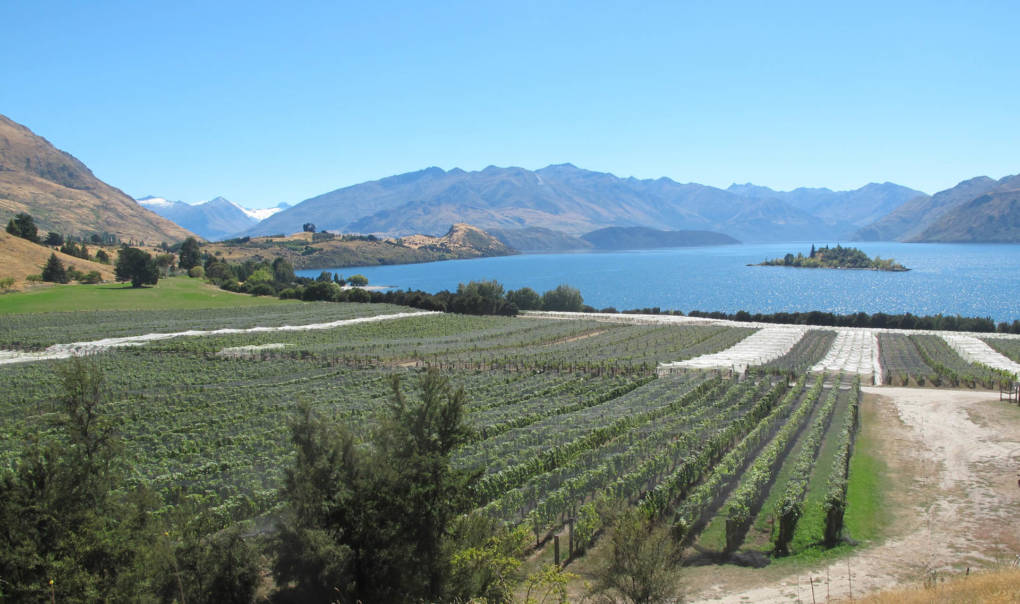
"caption": "One of the world's most picturesque vineyards is that of Rippon in New Zealand's Central Otago region.",
"description": null,
"title": "RipponBAB",
"credit": "Susan Hathaway",
"status": "inherit",
"isLoading": false,
"fetchFailed": false
},
"bayareabites_116953": {
"type": "attachments",
"id": "bayareabites_116953",
"meta": {
"index": "attachments_1716263798",
"site": "bayareabites",
"id": "116953",
"found": true
},
"parent": 116952,
"imgSizes": {
"small": {
"file": "https://ww2.kqed.org/app/uploads/sites/24/2017/04/gettyimages-521729610_custom-5a18efbae788d3a613faca583f530a43d9730cbc-520x350.jpg",
"width": 520,
"mimeType": "image/jpeg",
"height": 350
},
"twentyfourteen-full-width": {
"file": "https://ww2.kqed.org/app/uploads/sites/24/2017/04/gettyimages-521729610_custom-5a18efbae788d3a613faca583f530a43d9730cbc-1038x576.jpg",
"width": 1038,
"mimeType": "image/jpeg",
"height": 576
},
"thumbnail": {
"file": "https://ww2.kqed.org/app/uploads/sites/24/2017/04/gettyimages-521729610_custom-5a18efbae788d3a613faca583f530a43d9730cbc-160x108.jpg",
"width": 160,
"mimeType": "image/jpeg",
"height": 108
},
"fd-sm": {
"file": "https://ww2.kqed.org/app/uploads/sites/24/2017/04/gettyimages-521729610_custom-5a18efbae788d3a613faca583f530a43d9730cbc-960x646.jpg",
"width": 960,
"mimeType": "image/jpeg",
"height": 646
},
"post-thumbnail": {
"file": "https://ww2.kqed.org/app/uploads/sites/24/2017/04/gettyimages-521729610_custom-5a18efbae788d3a613faca583f530a43d9730cbc-672x372.jpg",
"width": 672,
"mimeType": "image/jpeg",
"height": 372
},
"xsmall": {
"file": "https://ww2.kqed.org/app/uploads/sites/24/2017/04/gettyimages-521729610_custom-5a18efbae788d3a613faca583f530a43d9730cbc-375x252.jpg",
"width": 375,
"mimeType": "image/jpeg",
"height": 252
},
"kqedFullSize": {
"file": "https://ww2.kqed.org/app/uploads/sites/24/2017/04/gettyimages-521729610_custom-5a18efbae788d3a613faca583f530a43d9730cbc.jpg",
"width": 1798,
"height": 1210
},
"large": {
"file": "https://ww2.kqed.org/app/uploads/sites/24/2017/04/gettyimages-521729610_custom-5a18efbae788d3a613faca583f530a43d9730cbc-1020x686.jpg",
"width": 1020,
"mimeType": "image/jpeg",
"height": 686
},
"xlarge": {
"file": "https://ww2.kqed.org/app/uploads/sites/24/2017/04/gettyimages-521729610_custom-5a18efbae788d3a613faca583f530a43d9730cbc-1180x794.jpg",
"width": 1180,
"mimeType": "image/jpeg",
"height": 794
},
"guest-author-50": {
"file": "https://ww2.kqed.org/app/uploads/sites/24/2017/04/gettyimages-521729610_custom-5a18efbae788d3a613faca583f530a43d9730cbc-50x50.jpg",
"width": 50,
"mimeType": "image/jpeg",
"height": 50
},
"guest-author-96": {
"file": "https://ww2.kqed.org/app/uploads/sites/24/2017/04/gettyimages-521729610_custom-5a18efbae788d3a613faca583f530a43d9730cbc-96x96.jpg",
"width": 96,
"mimeType": "image/jpeg",
"height": 96
},
"medium": {
"file": "https://ww2.kqed.org/app/uploads/sites/24/2017/04/gettyimages-521729610_custom-5a18efbae788d3a613faca583f530a43d9730cbc-800x538.jpg",
"width": 800,
"mimeType": "image/jpeg",
"height": 538
},
"guest-author-64": {
"file": "https://ww2.kqed.org/app/uploads/sites/24/2017/04/gettyimages-521729610_custom-5a18efbae788d3a613faca583f530a43d9730cbc-64x64.jpg",
"width": 64,
"mimeType": "image/jpeg",
"height": 64
},
"guest-author-32": {
"file": "https://ww2.kqed.org/app/uploads/sites/24/2017/04/gettyimages-521729610_custom-5a18efbae788d3a613faca583f530a43d9730cbc-32x32.jpg",
"width": 32,
"mimeType": "image/jpeg",
"height": 32
},
"fd-med": {
"file": "https://ww2.kqed.org/app/uploads/sites/24/2017/04/gettyimages-521729610_custom-5a18efbae788d3a613faca583f530a43d9730cbc-1180x794.jpg",
"width": 1180,
"mimeType": "image/jpeg",
"height": 794
},
"detail": {
"file": "https://ww2.kqed.org/app/uploads/sites/24/2017/04/gettyimages-521729610_custom-5a18efbae788d3a613faca583f530a43d9730cbc-150x150.jpg",
"width": 150,
"mimeType": "image/jpeg",
"height": 150
},
"medium_large": {
"file": "https://ww2.kqed.org/app/uploads/sites/24/2017/04/gettyimages-521729610_custom-5a18efbae788d3a613faca583f530a43d9730cbc-768x517.jpg",
"width": 768,
"mimeType": "image/jpeg",
"height": 517
},
"guest-author-128": {
"file": "https://ww2.kqed.org/app/uploads/sites/24/2017/04/gettyimages-521729610_custom-5a18efbae788d3a613faca583f530a43d9730cbc-128x128.jpg",
"width": 128,
"mimeType": "image/jpeg",
"height": 128
},
"xxsmall": {
"file": "https://ww2.kqed.org/app/uploads/sites/24/2017/04/gettyimages-521729610_custom-5a18efbae788d3a613faca583f530a43d9730cbc-240x162.jpg",
"width": 240,
"mimeType": "image/jpeg",
"height": 162
}
},
"publishDate": 1493048713,
"modified": 1493048977,
"caption": null,
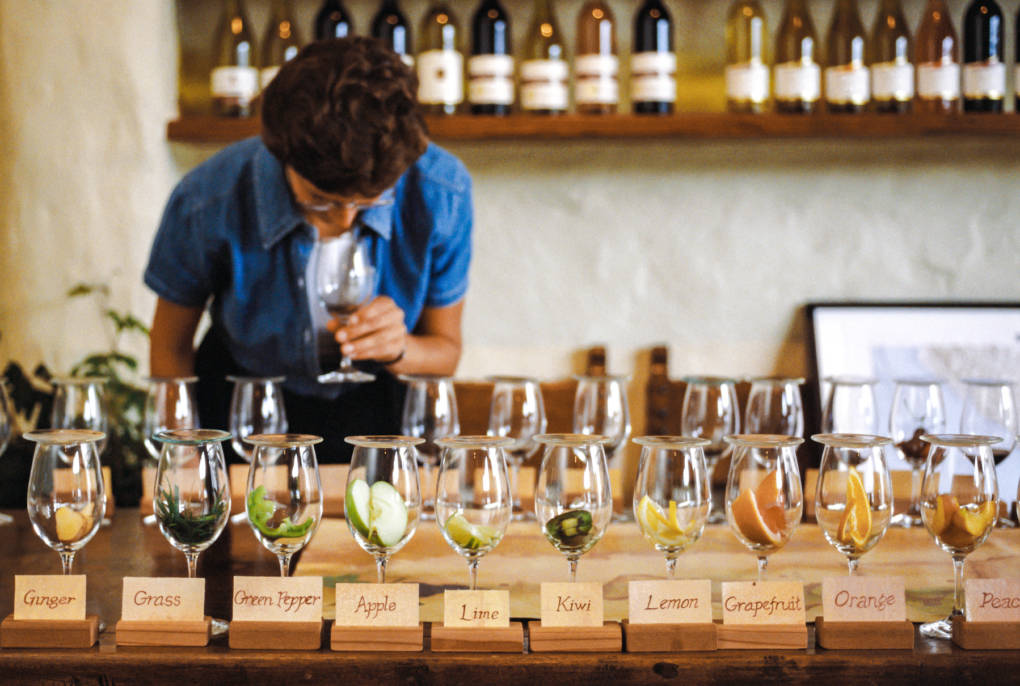
"description": "A visitor to the Robert Mondavi Winery in Napa Valley, Calif., attends a wine tasting class. Unlike food — which gives us sensory cues like crunchy and hot, as well as tasting, say, salty — with wine, it's all about tiny differences in taste and smell. The danger is in getting too p",
"title": "A visitor to the Robert Mondavi Winery in Napa Valley, Calif., attends a wine tasting class. Unlike food — which gives us sensory cues like crunchy and hot, as well as tasting, say, salty — with wine, it's all about tiny differences in taste and smell. The danger is in getting too poetic.",
"credit": "Charles O'Rear/Getty Images",
"status": "inherit",
"isLoading": false,
"fetchFailed": false
},
"bayareabites_116521": {
"type": "attachments",
"id": "bayareabites_116521",
"meta": {
"index": "attachments_1716263798",
"site": "bayareabites",
"id": "116521",
"found": true
},
"parent": 116520,
"imgSizes": {
"small": {
"file": "https://ww2.kqed.org/app/uploads/sites/24/2017/04/winebrain_final_wide-d1f7a954e2e6c125980644d4718dac924de88f86-520x292.jpe",
"width": 520,
"mimeType": "image/jpeg",
"height": 292
},
"twentyfourteen-full-width": {
"file": "https://ww2.kqed.org/app/uploads/sites/24/2017/04/winebrain_final_wide-d1f7a954e2e6c125980644d4718dac924de88f86-1038x576.jpe",
"width": 1038,
"mimeType": "image/jpeg",
"height": 576
},
"thumbnail": {
"file": "https://ww2.kqed.org/app/uploads/sites/24/2017/04/winebrain_final_wide-d1f7a954e2e6c125980644d4718dac924de88f86-160x90.jpe",
"width": 160,
"mimeType": "image/jpeg",
"height": 90
},
"fd-sm": {
"file": "https://ww2.kqed.org/app/uploads/sites/24/2017/04/winebrain_final_wide-d1f7a954e2e6c125980644d4718dac924de88f86-960x540.jpe",
"width": 960,
"mimeType": "image/jpeg",
"height": 540
},
"post-thumbnail": {
"file": "https://ww2.kqed.org/app/uploads/sites/24/2017/04/winebrain_final_wide-d1f7a954e2e6c125980644d4718dac924de88f86-672x372.jpe",
"width": 672,
"mimeType": "image/jpeg",
"height": 372
},
"xsmall": {
"file": "https://ww2.kqed.org/app/uploads/sites/24/2017/04/winebrain_final_wide-d1f7a954e2e6c125980644d4718dac924de88f86-375x211.jpe",
"width": 375,
"mimeType": "image/jpeg",
"height": 211
},
"kqedFullSize": {
"file": "https://ww2.kqed.org/app/uploads/sites/24/2017/04/winebrain_final_wide-d1f7a954e2e6c125980644d4718dac924de88f86.jpe",
"width": 2045,
"height": 1150
},
"large": {
"file": "https://ww2.kqed.org/app/uploads/sites/24/2017/04/winebrain_final_wide-d1f7a954e2e6c125980644d4718dac924de88f86-1020x574.jpe",
"width": 1020,
"mimeType": "image/jpeg",
"height": 574
},
"xlarge": {
"file": "https://ww2.kqed.org/app/uploads/sites/24/2017/04/winebrain_final_wide-d1f7a954e2e6c125980644d4718dac924de88f86-1180x664.jpe",
"width": 1180,
"mimeType": "image/jpeg",
"height": 664
},
"guest-author-50": {
"file": "https://ww2.kqed.org/app/uploads/sites/24/2017/04/winebrain_final_wide-d1f7a954e2e6c125980644d4718dac924de88f86-50x50.jpe",
"width": 50,
"mimeType": "image/jpeg",
"height": 50
},
"guest-author-96": {
"file": "https://ww2.kqed.org/app/uploads/sites/24/2017/04/winebrain_final_wide-d1f7a954e2e6c125980644d4718dac924de88f86-96x96.jpe",
"width": 96,
"mimeType": "image/jpeg",
"height": 96
},
"medium": {
"file": "https://ww2.kqed.org/app/uploads/sites/24/2017/04/winebrain_final_wide-d1f7a954e2e6c125980644d4718dac924de88f86-800x450.jpe",
"width": 800,
"mimeType": "image/jpeg",
"height": 450
},
"guest-author-64": {
"file": "https://ww2.kqed.org/app/uploads/sites/24/2017/04/winebrain_final_wide-d1f7a954e2e6c125980644d4718dac924de88f86-64x64.jpe",
"width": 64,
"mimeType": "image/jpeg",
"height": 64
},
"guest-author-32": {
"file": "https://ww2.kqed.org/app/uploads/sites/24/2017/04/winebrain_final_wide-d1f7a954e2e6c125980644d4718dac924de88f86-32x32.jpe",
"width": 32,
"mimeType": "image/jpeg",
"height": 32
},
"fd-lrg": {
"file": "https://ww2.kqed.org/app/uploads/sites/24/2017/04/winebrain_final_wide-d1f7a954e2e6c125980644d4718dac924de88f86-1920x1080.jpe",
"width": 1920,
"mimeType": "image/jpeg",
"height": 1080
},
"fd-med": {
"file": "https://ww2.kqed.org/app/uploads/sites/24/2017/04/winebrain_final_wide-d1f7a954e2e6c125980644d4718dac924de88f86-1180x664.jpe",
"width": 1180,
"mimeType": "image/jpeg",
"height": 664
},
"full-width": {
"file": "https://ww2.kqed.org/app/uploads/sites/24/2017/04/winebrain_final_wide-d1f7a954e2e6c125980644d4718dac924de88f86-1920x1080.jpe",
"width": 1920,
"mimeType": "image/jpeg",
"height": 1080
},
"detail": {
"file": "https://ww2.kqed.org/app/uploads/sites/24/2017/04/winebrain_final_wide-d1f7a954e2e6c125980644d4718dac924de88f86-150x150.jpe",
"width": 150,
"mimeType": "image/jpeg",
"height": 150
},
"medium_large": {
"file": "https://ww2.kqed.org/app/uploads/sites/24/2017/04/winebrain_final_wide-d1f7a954e2e6c125980644d4718dac924de88f86-768x432.jpe",
"width": 768,
"mimeType": "image/jpeg",
"height": 432
},
"guest-author-128": {
"file": "https://ww2.kqed.org/app/uploads/sites/24/2017/04/winebrain_final_wide-d1f7a954e2e6c125980644d4718dac924de88f86-128x128.jpe",
"width": 128,
"mimeType": "image/jpeg",
"height": 128
},
"xxsmall": {
"file": "https://ww2.kqed.org/app/uploads/sites/24/2017/04/winebrain_final_wide-d1f7a954e2e6c125980644d4718dac924de88f86-240x135.jpe",
"width": 240,
"mimeType": "image/jpeg",
"height": 135
}
},
"publishDate": 1491257969,
"modified": 1491258481,
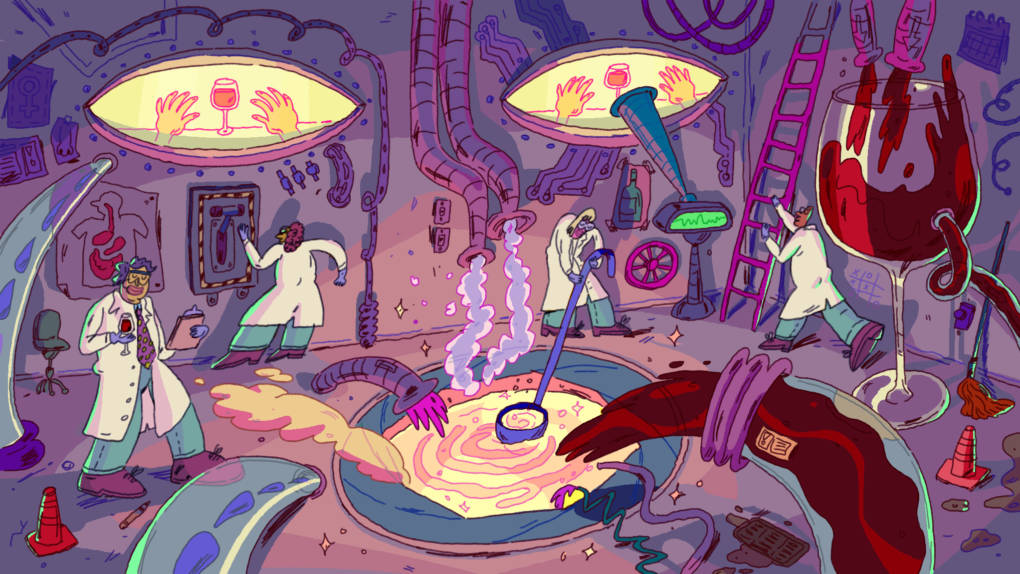
"caption": "Molecules in wine stimulate thousands of taste and odor receptors, sending a flavor signal to the brain that triggers massive cognitive computation involving pattern recognition, memory, value judgment, emotion and, of course, pleasure.",
"description": "Molecules in wine stimulate thousands of taste and odor receptors, sending a flavor signal to the brain that triggers massive cognitive computation involving pattern recognition, memory, value judgment, emotion and, of course, pleasure.",
"title": "Molecules in wine stimulate thousands of taste and odor receptors, sending a flavor signal to the brain that triggers massive cognitive computation involving pattern recognition, memory, value judgment, emotion and, of course, pleasure.",
"credit": "Alex Reynolds/NPR",
"status": "inherit",
"isLoading": false,
"fetchFailed": false
},
"bayareabites_116183": {
"type": "attachments",
"id": "bayareabites_116183",
"meta": {
"index": "attachments_1716263798",
"site": "bayareabites",
"id": "116183",
"found": true
},
"parent": 116168,
"imgSizes": {
"small": {
"file": "https://ww2.kqed.org/app/uploads/sites/24/2017/03/Rootstockwine-520x390.jpg",
"width": 520,
"mimeType": "image/jpeg",
"height": 390
},
"twentyfourteen-full-width": {
"file": "https://ww2.kqed.org/app/uploads/sites/24/2017/03/Rootstockwine-1038x576.jpg",
"width": 1038,
"mimeType": "image/jpeg",
"height": 576
},
"thumbnail": {
"file": "https://ww2.kqed.org/app/uploads/sites/24/2017/03/Rootstockwine-160x120.jpg",
"width": 160,
"mimeType": "image/jpeg",
"height": 120
},
"fd-sm": {
"file": "https://ww2.kqed.org/app/uploads/sites/24/2017/03/Rootstockwine-960x720.jpg",
"width": 960,
"mimeType": "image/jpeg",
"height": 720
},
"post-thumbnail": {
"file": "https://ww2.kqed.org/app/uploads/sites/24/2017/03/Rootstockwine-672x372.jpg",
"width": 672,
"mimeType": "image/jpeg",
"height": 372
},
"xsmall": {
"file": "https://ww2.kqed.org/app/uploads/sites/24/2017/03/Rootstockwine-375x281.jpg",
"width": 375,
"mimeType": "image/jpeg",
"height": 281
},
"kqedFullSize": {
"file": "https://ww2.kqed.org/app/uploads/sites/24/2017/03/Rootstockwine.jpg",
"width": 1920,
"height": 1440
},
"large": {
"file": "https://ww2.kqed.org/app/uploads/sites/24/2017/03/Rootstockwine-1020x765.jpg",
"width": 1020,
"mimeType": "image/jpeg",
"height": 765
},
"xlarge": {
"file": "https://ww2.kqed.org/app/uploads/sites/24/2017/03/Rootstockwine-1180x885.jpg",
"width": 1180,
"mimeType": "image/jpeg",
"height": 885
},
"guest-author-50": {
"file": "https://ww2.kqed.org/app/uploads/sites/24/2017/03/Rootstockwine-50x50.jpg",
"width": 50,
"mimeType": "image/jpeg",
"height": 50
},
"guest-author-96": {
"file": "https://ww2.kqed.org/app/uploads/sites/24/2017/03/Rootstockwine-96x96.jpg",
"width": 96,
"mimeType": "image/jpeg",
"height": 96
},
"medium": {
"file": "https://ww2.kqed.org/app/uploads/sites/24/2017/03/Rootstockwine-800x600.jpg",
"width": 800,
"mimeType": "image/jpeg",
"height": 600
},
"guest-author-64": {
"file": "https://ww2.kqed.org/app/uploads/sites/24/2017/03/Rootstockwine-64x64.jpg",
"width": 64,
"mimeType": "image/jpeg",
"height": 64
},
"guest-author-32": {
"file": "https://ww2.kqed.org/app/uploads/sites/24/2017/03/Rootstockwine-32x32.jpg",
"width": 32,
"mimeType": "image/jpeg",
"height": 32
},
"fd-lrg": {
"file": "https://ww2.kqed.org/app/uploads/sites/24/2017/03/Rootstockwine-1920x1440.jpg",
"width": 1920,
"mimeType": "image/jpeg",
"height": 1440
},
"fd-med": {
"file": "https://ww2.kqed.org/app/uploads/sites/24/2017/03/Rootstockwine-1180x885.jpg",
"width": 1180,
"mimeType": "image/jpeg",
"height": 885
},
"full-width": {
"file": "https://ww2.kqed.org/app/uploads/sites/24/2017/03/Rootstockwine-1920x1440.jpg",
"width": 1920,
"mimeType": "image/jpeg",
"height": 1440
},
"detail": {
"file": "https://ww2.kqed.org/app/uploads/sites/24/2017/03/Rootstockwine-150x150.jpg",
"width": 150,
"mimeType": "image/jpeg",
"height": 150
},
"medium_large": {
"file": "https://ww2.kqed.org/app/uploads/sites/24/2017/03/Rootstockwine-768x576.jpg",
"width": 768,
"mimeType": "image/jpeg",
"height": 576
},
"guest-author-128": {
"file": "https://ww2.kqed.org/app/uploads/sites/24/2017/03/Rootstockwine-128x128.jpg",
"width": 128,
"mimeType": "image/jpeg",
"height": 128
},
"xxsmall": {
"file": "https://ww2.kqed.org/app/uploads/sites/24/2017/03/Rootstockwine-240x180.jpg",
"width": 240,
"mimeType": "image/jpeg",
"height": 180
}
},
"publishDate": 1490137861,
"modified": 1490138076,
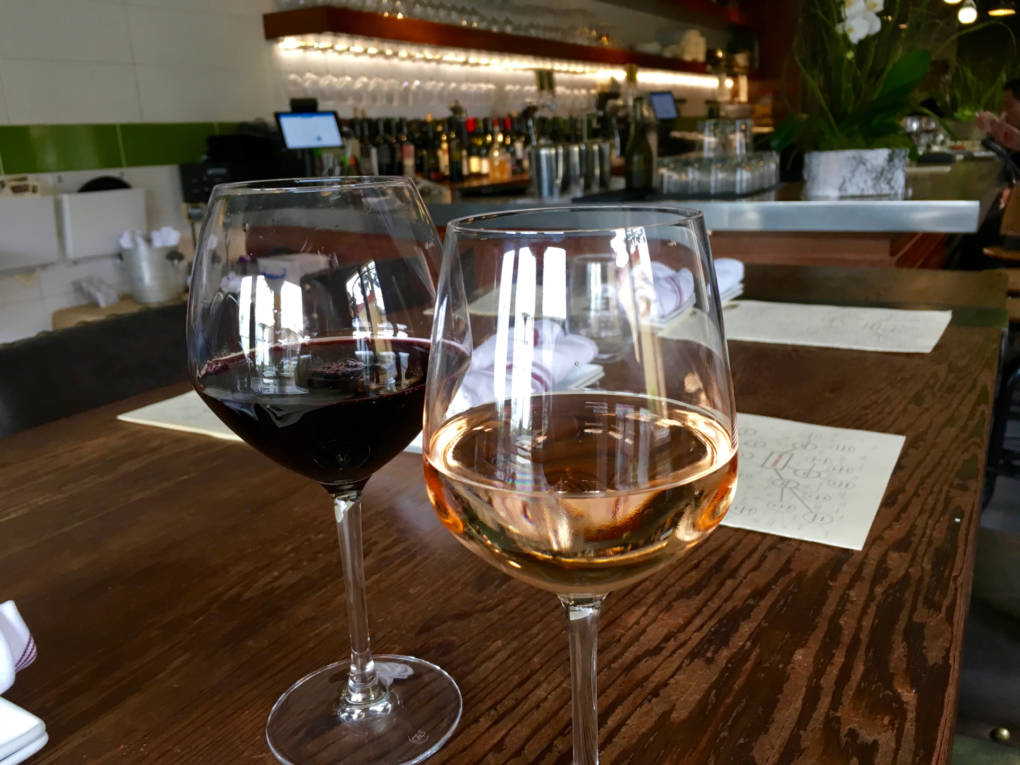
"caption": "A glass of zinfandel and rose at Rootstock Wine Bar. ",
"description": null,
"title": "Rootstockwine",
"credit": "Jeff Cianci",
"status": "inherit",
"isLoading": false,
"fetchFailed": false
}
},
"audioPlayerReducer": {
"postId": "stream_live",
"isPaused": true,
"isPlaying": false,
"pfsActive": false,
"pledgeModalIsOpen": true,
"playerDrawerIsOpen": false,
"liveAudioPlayStartedAt": 0,
"liveAudioPlayContext": ""
},
"authorsReducer": {
"byline_bayareabites_124214": {
"type": "authors",
"id": "byline_bayareabites_124214",
"meta": {
"override": true
},
"slug": "byline_bayareabites_124214",
"name": "April Fulton, \u003ca href=\"https://ww2.kqed.org/bayareabites/author/nprfood/\">NPR Food\u003c/a>",
"isLoading": false
},
"byline_bayareabites_122502": {
"type": "authors",
"id": "byline_bayareabites_122502",
"meta": {
"override": true
},
"slug": "byline_bayareabites_122502",
"name": "Alicia Cypress, NPR Food",
"isLoading": false
},
"byline_bayareabites_119112": {
"type": "authors",
"id": "byline_bayareabites_119112",
"meta": {
"override": true
},
"slug": "byline_bayareabites_119112",
"name": "Grace Hwang Lynch, \u003ca href=\"https://ww2.kqed.org/bayareabites/author/nprfood/\">NPR Food\u003c/a>",
"isLoading": false
},
"byline_bayareabites_118983": {
"type": "authors",
"id": "byline_bayareabites_118983",
"meta": {
"override": true
},
"slug": "byline_bayareabites_118983",
"name": "John Burnett, NPR Food",
"isLoading": false
},
"byline_bayareabites_118815": {
"type": "authors",
"id": "byline_bayareabites_118815",
"meta": {
"override": true
},
"slug": "byline_bayareabites_118815",
"name": "Kristen Hartke, \u003ca href=\"https://ww2.kqed.org/bayareabites/author/nprfood/\">NPR Food\u003c/a>",
"isLoading": false
},
"byline_bayareabites_116952": {
"type": "authors",
"id": "byline_bayareabites_116952",
"meta": {
"override": true
},
"slug": "byline_bayareabites_116952",
"name": "Tove Danovich, \u003cstrong>\u003ca href=\"http://www.npr.org/sections/thesalt/2017/04/10/522748035/oaky-with-notes-of-bs-why-wine-tasting-struggles-to-get-it-on-the-nose\">NPR Food\u003c/a>\u003c/strong>",
"isLoading": false
},
"byline_bayareabites_116520": {
"type": "authors",
"id": "byline_bayareabites_116520",
"meta": {
"override": true
},
"slug": "byline_bayareabites_116520",
"name": "Mark Schatzker, \u003ca href=\"https://ww2.kqed.org/bayareabites/author/nprfood/\">NPR Food\u003c/a>",
"isLoading": false
},
"wendy-goodfriend": {
"type": "authors",
"id": "5014",
"meta": {
"index": "authors_1716337520",
"id": "5014",
"found": true
},
"name": "Wendy Goodfriend",
"firstName": "Wendy",
"lastName": "Goodfriend",
"slug": "wendy-goodfriend",
"email": "wendy@wendygoodfriend.com",
"display_author_email": false,
"staff_mastheads": [],
"title": "KQED Contributor",
"bio": "I was the Senior Digital Producer for KQED Food up until July, 2018. Since 2001, I designed, produced, managed and contributed to mostly food-related websites and blogs for KQED including: KQED.org; KQED Food; Bay Area Bites; Check, Please! Bay Area; Taste This; Celebrity Chefs; seven of Jacques Pepin's TV series websites; and Joanne Weir's Cooking in the City. I initiated the majority of KQED Food's social media feeds and maintained them up until 2017. As far as content creation, photography is my passion and I also shoot video and write stories. My photos have been used in articles for KQED Food, News, Arts, and Science as well as for promotional purposes in print and online. Professional education and training includes: clinical psychology, photography, commercial cooking, web design, information architecture and UX.",
"avatar": "https://secure.gravatar.com/avatar/dfba64372339cc34cf17e446e6f18fa8?s=600&d=blank&r=g",
"twitter": null,
"facebook": "bayareabites",
"instagram": null,
"linkedin": "wendygoodfriend",
"sites": [
{
"site": "jpepinheart",
"roles": []
},
{
"site": "about",
"roles": [
"editor"
]
},
{
"site": "bayareabites",
"roles": [
"subscriber"
]
},
{
"site": "science",
"roles": [
"administrator"
]
},
{
"site": "checkplease",
"roles": [
"subscriber"
]
},
{
"site": "food",
"roles": [
"author"
]
},
{
"site": "essentialpepin",
"roles": [
"administrator"
]
}
],
"headData": {
"title": "Wendy Goodfriend | KQED",
"description": "KQED Contributor",
"ogImgSrc": "https://secure.gravatar.com/avatar/dfba64372339cc34cf17e446e6f18fa8?s=600&d=blank&r=g",
"twImgSrc": "https://secure.gravatar.com/avatar/dfba64372339cc34cf17e446e6f18fa8?s=600&d=blank&r=g"
},
"isLoading": false,
"link": "/author/wendy-goodfriend"
},
"kimwesterman": {
"type": "authors",
"id": "5575",
"meta": {
"index": "authors_1716337520",
"id": "5575",
"found": true
},
"name": "Kim Westerman",
"firstName": "Kim",
"lastName": "Westerman",
"slug": "kimwesterman",
"email": "kim.westerman@gmail.com",
"display_author_email": false,
"staff_mastheads": [],
"title": null,
"bio": "Kim Westerman has been writing about food and wine for most of her adult life. Originally from North Carolina, she moved to Berkeley in 2006 to pursue the California dream, which, it turns out, is all it’s cracked up to be. She’s a farmers' market junkie, a lover of all things tomato, and Champagne-obsessed. She loves to cook with her kids, eight and three, and she makes frequent pilgrimages to International Boulevard in search of her next favorite Mexican dish. She spends an inordinate amount of time thinking about food and wine pairing, often starting with the wine and working backwards when planning menus. She is a Level I Sommelier and a Licensed Q-Grader. Her work has appeared in KQED's Bay Area Bites, Forbes.com, the New York Times, the San Francisco Chronicle, Tasting Table, Fodor’s Travel Guides, and lots of other publications. You can follow Kim on Twitter and Instagram @throughtraveler.",
"avatar": "https://secure.gravatar.com/avatar/2eb7f890ab19ead33f77fd8554ac4c39?s=600&d=blank&r=g",
"twitter": null,
"facebook": null,
"instagram": null,
"linkedin": null,
"sites": [
{
"site": "bayareabites",
"roles": [
"contributor"
]
},
{
"site": "food",
"roles": [
"contributor"
]
}
],
"headData": {
"title": "Kim Westerman | KQED",
"description": null,
"ogImgSrc": "https://secure.gravatar.com/avatar/2eb7f890ab19ead33f77fd8554ac4c39?s=600&d=blank&r=g",
"twImgSrc": "https://secure.gravatar.com/avatar/2eb7f890ab19ead33f77fd8554ac4c39?s=600&d=blank&r=g"
},
"isLoading": false,
"link": "/author/kimwesterman"
},
"susanhathaway": {
"type": "authors",
"id": "5578",
"meta": {
"index": "authors_1716337520",
"id": "5578",
"found": true
},
"name": "Susan Hathaway",
"firstName": "Susan",
"lastName": "Hathaway",
"slug": "susanhathaway",
"email": "susan@redpenassoc.com",
"display_author_email": false,
"staff_mastheads": [],
"title": "KQED Contributor",
"bio": "From making blob-shaped pancakes for her family at age 6 to presumptuously reinventing recipes from well-known chefs, Susan has had a life-long food love affair. You'll usually find her sniffing out great ingredient sources, locating intriguing food stories, inventing recipes and exercising like a demon as an antidote to her passion. This Bay Area native is a longtime food & wine journalist and blogger who has contributed to regional publications such as the San Jose Mercury News and its affiliates, Metro, San Francisco Chronicle, South Bay Accent, Urbanspoon and other epistles that are lucky enough not to have been killed off yet by the publishing crisis.",
"avatar": "https://secure.gravatar.com/avatar/50460b73cde689778bd54c5eb183c0993d24c99dd4ed52f8207c15a3af0d7a33?s=600&d=blank&r=g",
"twitter": null,
"bluesky": null,
"facebook": null,
"instagram": null,
"linkedin": null,
"sites": [
{
"site": "bayareabites",
"roles": [
"subscriber"
]
},
{
"site": "food",
"roles": [
"subscriber"
]
}
],
"headData": {
"title": "Susan Hathaway | KQED",
"description": "KQED Contributor",
"ogImgSrc": "https://secure.gravatar.com/avatar/50460b73cde689778bd54c5eb183c0993d24c99dd4ed52f8207c15a3af0d7a33?s=600&d=blank&r=g",
"twImgSrc": "https://secure.gravatar.com/avatar/50460b73cde689778bd54c5eb183c0993d24c99dd4ed52f8207c15a3af0d7a33?s=600&d=blank&r=g"
},
"isLoading": false,
"link": "/author/susanhathaway"
},
"jeffcianci": {
"type": "authors",
"id": "5580",
"meta": {
"index": "authors_1716337520",
"id": "5580",
"found": true
},
"name": "Jeff Cianci",
"firstName": "Jeff",
"lastName": "Cianci",
"slug": "jeffcianci",
"email": "jcianci610@gmail.com",
"display_author_email": false,
"staff_mastheads": [],
"title": null,
"bio": "Jeff Cianci is a freelance food writer based in San Jose. While studying journalism in college, Jeff’s curiosity landed him at a busy California bistro where he experienced a crash course in culinary training over two summer breaks, learning on the job with a very patient chef as his mentor. Around the same time, Jeff married his journalism degree to his appreciation for the restaurant world and determined food writing would be his career path. In his work Jeff most enjoys profiling chefs and learning their background, finding a new favorite restaurant and sharing his experiences with others through his reviews and social media. In addition to KQED's Bay Area Bites, Jeff writes restaurant reviews for Metro Silicon Valley and new restaurant guides for Eater National. Follow Jeff on Twitter \u003ca href=\"https://twitter.com/Cheffreycianci\" target=_blank\">@Cheffreycianci\u003c/a>.",
"avatar": "https://secure.gravatar.com/avatar/153d8e37568b0912b46a21bfecf27feb?s=600&d=blank&r=g",
"twitter": null,
"facebook": null,
"instagram": null,
"linkedin": "jeffcianci",
"sites": [
{
"site": "bayareabites",
"roles": [
"contributor"
]
},
{
"site": "food",
"roles": [
"contributor"
]
}
],
"headData": {
"title": "Jeff Cianci | KQED",
"description": null,
"ogImgSrc": "https://secure.gravatar.com/avatar/153d8e37568b0912b46a21bfecf27feb?s=600&d=blank&r=g",
"twImgSrc": "https://secure.gravatar.com/avatar/153d8e37568b0912b46a21bfecf27feb?s=600&d=blank&r=g"
},
"isLoading": false,
"link": "/author/jeffcianci"
},
"tinasalter": {
"type": "authors",
"id": "11303",
"meta": {
"index": "authors_1716337520",
"id": "11303",
"found": true
},
"name": "Tina Salter",
"firstName": "Tina",
"lastName": "Salter",
"slug": "tinasalter",
"email": "tsalter@kqed.org",
"display_author_email": false,
"staff_mastheads": [],
"title": "KQED Contributor",
"bio": "Tina Salter is the Executive Producer for KQED Food and series producer for \u003cem>Taste This\u003c/em>, \u003ci>Jacques Pepin Heart & Soul\u003c/i> and \u003ci>Check, Please! Bay Area\u003c/i>, the Emmy and James Beard Award winning series now in its thirteenth season.",
"avatar": "https://secure.gravatar.com/avatar/9f83894893210f7405736994738510e82f8a8753fbd084dd7be1c04d1cdd9eb0?s=600&d=mm&r=g",
"twitter": null,
"bluesky": null,
"facebook": null,
"instagram": null,
"linkedin": null,
"sites": [
{
"site": "arts",
"roles": [
"subscriber"
]
},
{
"site": "bayareabites",
"roles": [
"subscriber"
]
},
{
"site": "food",
"roles": [
"subscriber"
]
}
],
"headData": {
"title": "Tina Salter | KQED",
"description": "KQED Contributor",
"ogImgSrc": "https://secure.gravatar.com/avatar/9f83894893210f7405736994738510e82f8a8753fbd084dd7be1c04d1cdd9eb0?s=600&d=mm&r=g",
"twImgSrc": "https://secure.gravatar.com/avatar/9f83894893210f7405736994738510e82f8a8753fbd084dd7be1c04d1cdd9eb0?s=600&d=mm&r=g"
},
"isLoading": false,
"link": "/author/tinasalter"
}
},
"pagesReducer": {
"bayareabites_category_wine": {
"type": "terms",
"id": "bayareabites_119",
"meta": {
"index": "terms_1716263798",
"site": "bayareabites",
"id": "119",
"score": 12.286945
},
"featImg": null,
"name": "wine",
"description": null,
"taxonomy": "category",
"headData": {
"twImgId": null,
"twTitle": null,
"ogTitle": null,
"ogImgId": null,
"twDescription": null,
"description": null,
"title": "wine Archives | KQED Bay Area Bites",
"ogDescription": null
},
"ttid": 83,
"slug": "wine",
"isLoading": false,
"title": "wine",
"pageMeta": {
"site": "bayareabites",
"WpPageTemplate": "page-topic-editorial",
"currentPage": 4
},
"blocks": [
{
"blockName": "kqed/post-list",
"attrs": {
"layout": "cardArticle2",
"query": "posts/bayareabites?category=wine",
"seeMore": false,
"paginated": true,
"page": 4
}
},
{
"blockName": "kqed/ad"
}
]
}
},
"pfsSessionReducer": {},
"postsReducer": {
"stream_live": {
"type": "live",
"id": "stream_live",
"audioUrl": "https://streams.kqed.org/kqedradio",
"title": "Live Stream",
"excerpt": "Live Stream information currently unavailable.",
"link": "/radio",
"featImg": "",
"label": {
"name": "KQED Live",
"link": "/"
}
},
"stream_kqedNewscast": {
"type": "posts",
"id": "stream_kqedNewscast",
"audioUrl": "https://www.kqed.org/.stream/anon/radio/RDnews/newscast.mp3?_=1",
"title": "KQED Newscast",
"featImg": "",
"label": {
"name": "88.5 FM",
"link": "/"
}
},
"bayareabites_124214": {
"type": "posts",
"id": "bayareabites_124214",
"meta": {
"index": "posts_1716263798",
"site": "bayareabites",
"id": "124214",
"score": null,
"sort": [
1514559824000
]
},
"parent": 0,
"labelTerm": {
"site": "bayareabites"
},
"blocks": [],
"publishDate": 1514559824,
"format": "standard",
"disqusTitle": "Size (And Sound) Matters When It Comes To Bubbles In Your Sparkling Wine",
"title": "Size (And Sound) Matters When It Comes To Bubbles In Your Sparkling Wine",
"headTitle": "Bay Area Bites | KQED Food",
"content": "\u003cp>Oenophiles have debated the most desirable characteristics of bubbles in champagne and sparkling wines for centuries, with most purists swearing that the smaller the bubble, the better the wine. But up until recently, few thought to listen to the bubbles themselves for answers.\u003c/p>\n\u003cp>Scientists at the \u003ca href=\"https://www.arlut.utexas.edu\">Applied Research Laboratories\u003c/a> at the University of Texas in Austin normally measure the sound of inflating fish bladders and \u003ca href=\"https://news.nationalgeographic.com/news/energy/2012/02/120207-bubble-curtains-to-protect-whales/\">bubble curtains\u003c/a> that dampen noise from underwater drilling. This time, they decided to listen in on champagne bubbles. \"It was just nerdy curiosity,\" says \u003ca href=\"https://www.researchgate.net/scientific-contributions/58935023_Kyle_S_Spratt\">Kyle Spratt\u003c/a>, who led the research at UT.\u003c/p>\n\u003cp>\"Our first inclination was to drop a hydrophone (underwater microphone) into a glass and see what sort of sounds we heard,\" Spratt says.\u003c/p>\n\u003cp>And, how do sparkling wine bubbles sound? With the right listening equipment, \"they ring like bells,\" he says. And the more expensive bottle did indeed have smaller bubbles, he found.\u003c/p>\n\u003cp>He presented his findings earlier this month at the \u003ca href=\"http://acousticalsociety.org/content/174th-meeting-acoustical-society-america#overlay-context=content/174th-meeting-acoustical-society-america\">Acoustical Society of America\u003c/a>'s annual meeting in New Orleans.\u003c/p>\n\u003cp>[ad fullwidth]\u003c/p>\n\u003cp>Spratt and his team listened to the bubbles and analyzed their sounds to determine bubble size and distribution in the glass. \"The pitch at which a bubble rings is related to its size: The smaller the bubble, the higher the pitch,\" he said in his presentation.\u003c/p>\n\u003cp>By tracking how bubbles form and bounce off the glass to ring at various frequencies and pitches, Spratt and his team were able to get a sense of the range of bubble sizes within the individual wines.\u003c/p>\n\u003cp>But the bubbles weren't so simple to measure. The hydrophone had to be extremely small. And the scientists figured out pretty quickly that the vessel holding the sparkling wine had to be a proper flute.\u003c/p>\n\u003cp>Bubbles behave differently on different surfaces, like glass as opposed to Styrofoam, explains Spratt. \"In particular, Styrofoam isn't a smooth surface, but rather, has a bunch of little pockets in it, and because of this, bubbles stick to the surface for longer before breaking off,\" he says. The bubbles in a Styrofoam cup are larger and fewer, and therefore sound very different.\u003c/p>\n\u003cp>As an aside, Spratt says his methods irked some French scientists who were in the room when he presented his findings. \"They were all basically horrified that we'd even think to put champagne into a Styrofoam cup!\"\u003c/p>\n\u003cp>\u003ciframe src=\"https://www.npr.org/player/embed/573855931/573894314\" width=\"100%\" height=\"290\" frameborder=\"0\" scrolling=\"no\" title=\"NPR embedded audio player\">\u003c/iframe>\u003cbr>\nFor simplicity's sake, Spratt and his colleagues only looked at two wines — the pricey French Moët & Chandon champagne and a cheaper California bubbly by Cook's. While you can't tell much difference with the naked ear (see if you can tell the difference in the raw sound clips), they analyzed them and discovered that the Moët & Chandon had slightly smaller bubbles (about 5 percent smaller), slightly less variation in bubble size and three times the amount of overall bubble \"activity,\" i.e. movement in the glass.\u003c/p>\n\u003cp>\u003ciframe src=\"https://www.npr.org/player/embed/573855931/573894990\" width=\"100%\" height=\"290\" frameborder=\"0\" scrolling=\"no\" title=\"NPR embedded audio player\">\u003c/iframe>\u003cbr>\nBut sound alone doesn't tell you everything. There are other potential factors in determining wine quality based on bubbles. \u003ca href=\"https://www.npr.org/sections/thesalt/2012/12/31/167825026/cheap-bubbly-or-expensive-sparkling-wine-look-to-the-bubbles-for-clues\">The pour\u003c/a>, for one, can make a difference in how many busy bubbles you get in the glass.\u003c/p>\n\u003cp>Also, the age of the bottle can make a difference. \"Old champagnes always show tiny bubbles, mainly because they have aged several years and lost a significant amount of dissolved CO2, the gas that produces the bubbles,\" French chemist \u003ca href=\"http://press.princeton.edu/titles/7811.html\">Gerard Liger-Belair\u003c/a>, author of \u003cem>Uncorked: The Science of Champagne,\u003c/em> told us a few years back.\u003c/p>\n\u003cp>So what if you can only afford the $10 sparkling wine this New Year's Eve? It turns out that bigger bubbles in your wine is not necessarily a bad thing. A \u003ca href=\"https://link.springer.com/article/10.1140%2Fepjst%2Fe2017-02678-7\">recent French study\u003c/a> indicates that when bigger bubbles pop, they give off more aromas.\u003c/p>\n\u003cp>Spratt acknowledges that his data on the bubble acoustics of sparkling wine and champagne is preliminary, but he sees the sound measurement effort becoming a useful quality assurance tool for winemakers.\u003c/p>\n\u003chr>\n\u003cp>\u003cem>April Fulton is a freelance writer and editor and the former host of The Salt. Find her on Twitter \u003c/em>\u003ca href=\"https://twitter.com/fultonhere\">\u003cem>@fultonhere\u003c/em>\u003c/a>\u003cem>.\u003c/em> \u003c/p>\n\u003cp>\u003c/p>\n\u003cp>\u003cem>Copyright 2017 \u003ca href=\"http://www.npr.org/\">NPR\u003c/a>.\u003c/em> \u003c/p>\n\n",
"disqusIdentifier": "124214 https://ww2.kqed.org/bayareabites/?p=124214",
"disqusUrl": "https://ww2.kqed.org/bayareabites/2017/12/29/size-and-sound-matters-when-it-comes-to-bubbles-in-your-sparkling-wine/",
"stats": {
"hasVideo": false,
"hasChartOrMap": true,
"hasAudio": false,
"hasPolis": false,
"wordCount": 679,
"hasGoogleForm": false,
"hasGallery": false,
"hasHearkenModule": false,
"iframeSrcs": [
"https://www.npr.org/player/embed/573855931/573894314",
"https://www.npr.org/player/embed/573855931/573894990"
],
"paragraphCount": 19
},
"modified": 1514559824,
"excerpt": "Scientists at the University of Texas listened to the bubbles in a champagne and a sparkling wine and found that the more expensive product had smaller, busier bubbles.",
"headData": {
"twImgId": "",
"twTitle": "",
"ogTitle": "",
"ogImgId": "",
"twDescription": "",
"description": "Scientists at the University of Texas listened to the bubbles in a champagne and a sparkling wine and found that the more expensive product had smaller, busier bubbles.",
"title": "Size (And Sound) Matters When It Comes To Bubbles In Your Sparkling Wine | KQED",
"ogDescription": "",
"schema": {
"@context": "https://schema.org",
"@type": "Article",
"headline": "Size (And Sound) Matters When It Comes To Bubbles In Your Sparkling Wine",
"datePublished": "2017-12-29T07:03:44-08:00",
"dateModified": "2017-12-29T07:03:44-08:00",
"image": "https://cdn.kqed.org/wp-content/uploads/2020/02/KQED-OG-Image@1x.png"
}
},
"guestAuthors": [],
"slug": "size-and-sound-matters-when-it-comes-to-bubbles-in-your-sparkling-wine",
"status": "publish",
"nprApiLink": "http://api.npr.org/query?id=573855931&apiKey=MDAxOTAwOTE4MDEyMTkxMDAzNjczZDljZA004",
"nprByline": "April Fulton, \u003ca href=\"https://ww2.kqed.org/bayareabites/author/nprfood/\">NPR Food\u003c/a>",
"nprStoryDate": "Thu, 28 Dec 2017 11:17:25 -0500",
"nprLastModifiedDate": "Thu, 28 Dec 2017 12:50:05 -0500",
"nprHtmlLink": "https://www.npr.org/sections/thesalt/2017/12/28/573855931/size-and-sound-matters-when-it-comes-to-bubbles-in-your-sparkling-wine?ft=nprml&f=573855931",
"nprImageAgency": "Getty Images/EyeEm",
"nprImageCredit": "Viktoria Rodriguez",
"nprStoryId": "573855931",
"nprRetrievedStory": "1",
"nprPubDate": "Thu, 28 Dec 2017 12:50:00 -0500",
"path": "/bayareabites/124214/size-and-sound-matters-when-it-comes-to-bubbles-in-your-sparkling-wine",
"audioTrackLength": null,
"parsedContent": [
{
"type": "contentString",
"content": "\u003cdiv class=\"post-body\">\u003cp>\u003cp>Oenophiles have debated the most desirable characteristics of bubbles in champagne and sparkling wines for centuries, with most purists swearing that the smaller the bubble, the better the wine. But up until recently, few thought to listen to the bubbles themselves for answers.\u003c/p>\n\u003cp>Scientists at the \u003ca href=\"https://www.arlut.utexas.edu\">Applied Research Laboratories\u003c/a> at the University of Texas in Austin normally measure the sound of inflating fish bladders and \u003ca href=\"https://news.nationalgeographic.com/news/energy/2012/02/120207-bubble-curtains-to-protect-whales/\">bubble curtains\u003c/a> that dampen noise from underwater drilling. This time, they decided to listen in on champagne bubbles. \"It was just nerdy curiosity,\" says \u003ca href=\"https://www.researchgate.net/scientific-contributions/58935023_Kyle_S_Spratt\">Kyle Spratt\u003c/a>, who led the research at UT.\u003c/p>\n\u003cp>\"Our first inclination was to drop a hydrophone (underwater microphone) into a glass and see what sort of sounds we heard,\" Spratt says.\u003c/p>\n\u003cp>And, how do sparkling wine bubbles sound? With the right listening equipment, \"they ring like bells,\" he says. And the more expensive bottle did indeed have smaller bubbles, he found.\u003c/p>\n\u003cp>He presented his findings earlier this month at the \u003ca href=\"http://acousticalsociety.org/content/174th-meeting-acoustical-society-america#overlay-context=content/174th-meeting-acoustical-society-america\">Acoustical Society of America\u003c/a>'s annual meeting in New Orleans.\u003c/p>\n\u003cp>\u003c/p>\u003c/div>",
"attributes": {
"named": {},
"numeric": []
}
},
{
"type": "component",
"content": "",
"name": "ad",
"attributes": {
"named": {
"label": "fullwidth"
},
"numeric": [
"fullwidth"
]
}
},
{
"type": "contentString",
"content": "\u003cdiv class=\"post-body\">\u003cp>\u003c/p>\n\u003cp>Spratt and his team listened to the bubbles and analyzed their sounds to determine bubble size and distribution in the glass. \"The pitch at which a bubble rings is related to its size: The smaller the bubble, the higher the pitch,\" he said in his presentation.\u003c/p>\n\u003cp>By tracking how bubbles form and bounce off the glass to ring at various frequencies and pitches, Spratt and his team were able to get a sense of the range of bubble sizes within the individual wines.\u003c/p>\n\u003cp>But the bubbles weren't so simple to measure. The hydrophone had to be extremely small. And the scientists figured out pretty quickly that the vessel holding the sparkling wine had to be a proper flute.\u003c/p>\n\u003cp>Bubbles behave differently on different surfaces, like glass as opposed to Styrofoam, explains Spratt. \"In particular, Styrofoam isn't a smooth surface, but rather, has a bunch of little pockets in it, and because of this, bubbles stick to the surface for longer before breaking off,\" he says. The bubbles in a Styrofoam cup are larger and fewer, and therefore sound very different.\u003c/p>\n\u003cp>As an aside, Spratt says his methods irked some French scientists who were in the room when he presented his findings. \"They were all basically horrified that we'd even think to put champagne into a Styrofoam cup!\"\u003c/p>\n\u003cp>\u003ciframe src=\"https://www.npr.org/player/embed/573855931/573894314\" width=\"100%\" height=\"290\" frameborder=\"0\" scrolling=\"no\" title=\"NPR embedded audio player\">\u003c/iframe>\u003cbr>\nFor simplicity's sake, Spratt and his colleagues only looked at two wines — the pricey French Moët & Chandon champagne and a cheaper California bubbly by Cook's. While you can't tell much difference with the naked ear (see if you can tell the difference in the raw sound clips), they analyzed them and discovered that the Moët & Chandon had slightly smaller bubbles (about 5 percent smaller), slightly less variation in bubble size and three times the amount of overall bubble \"activity,\" i.e. movement in the glass.\u003c/p>\n\u003cp>\u003ciframe src=\"https://www.npr.org/player/embed/573855931/573894990\" width=\"100%\" height=\"290\" frameborder=\"0\" scrolling=\"no\" title=\"NPR embedded audio player\">\u003c/iframe>\u003cbr>\nBut sound alone doesn't tell you everything. There are other potential factors in determining wine quality based on bubbles. \u003ca href=\"https://www.npr.org/sections/thesalt/2012/12/31/167825026/cheap-bubbly-or-expensive-sparkling-wine-look-to-the-bubbles-for-clues\">The pour\u003c/a>, for one, can make a difference in how many busy bubbles you get in the glass.\u003c/p>\n\u003cp>Also, the age of the bottle can make a difference. \"Old champagnes always show tiny bubbles, mainly because they have aged several years and lost a significant amount of dissolved CO2, the gas that produces the bubbles,\" French chemist \u003ca href=\"http://press.princeton.edu/titles/7811.html\">Gerard Liger-Belair\u003c/a>, author of \u003cem>Uncorked: The Science of Champagne,\u003c/em> told us a few years back.\u003c/p>\n\u003cp>So what if you can only afford the $10 sparkling wine this New Year's Eve? It turns out that bigger bubbles in your wine is not necessarily a bad thing. A \u003ca href=\"https://link.springer.com/article/10.1140%2Fepjst%2Fe2017-02678-7\">recent French study\u003c/a> indicates that when bigger bubbles pop, they give off more aromas.\u003c/p>\n\u003cp>Spratt acknowledges that his data on the bubble acoustics of sparkling wine and champagne is preliminary, but he sees the sound measurement effort becoming a useful quality assurance tool for winemakers.\u003c/p>\n\u003chr>\n\u003cp>\u003cem>April Fulton is a freelance writer and editor and the former host of The Salt. Find her on Twitter \u003c/em>\u003ca href=\"https://twitter.com/fultonhere\">\u003cem>@fultonhere\u003c/em>\u003c/a>\u003cem>.\u003c/em> \u003c/p>\n\u003cp>\u003c/p>\n\u003cp>\u003cem>Copyright 2017 \u003ca href=\"http://www.npr.org/\">NPR\u003c/a>.\u003c/em> \u003c/p>\n\n\u003c/div>\u003c/p>",
"attributes": {
"named": {},
"numeric": []
}
}
],
"link": "/bayareabites/124214/size-and-sound-matters-when-it-comes-to-bubbles-in-your-sparkling-wine",
"authors": [
"byline_bayareabites_124214"
],
"categories": [
"bayareabites_4084",
"bayareabites_1763",
"bayareabites_358",
"bayareabites_119"
],
"tags": [
"bayareabites_1693",
"bayareabites_3202",
"bayareabites_8657"
],
"featImg": "bayareabites_124219",
"label": "bayareabites"
},
"food_1328872": {
"type": "posts",
"id": "food_1328872",
"meta": {
"index": "posts_1716263798",
"site": "food",
"id": "1328872",
"score": null,
"sort": [
1511883958000
]
},
"parent": 0,
"labelTerm": {
"site": "food",
"term": 51
},
"blocks": [],
"publishDate": 1511883958,
"format": "video",
"disqusTitle": "Taste This: Learning About Cava and Food Pairings at Gloria Ferrer in Sonoma",
"title": "Taste This: Learning About Cava and Food Pairings at Gloria Ferrer in Sonoma",
"headTitle": "Taste This | KQED Food",
"content": "\u003cp>Leslie Sbrocco, host of \u003ca href=\"https://ww2.kqed.org/food/series/taste-this/\">\u003cem>Taste This\u003c/em>\u003c/a>, basks in the beauty of wine country with Eva Bertran of \u003ca href=\"https://www.gloriaferrer.com/\">Gloria Ferrer Caves & Vineyards\u003c/a>. The two share their knowledge of Spanish sparkling wines and dish on their favorite savory pairings. \u003c/p>\n\u003cul>\n\u003cstrong>Cava Info:\u003c/strong>\n\u003cli>While more familiar grape varieties such as Chardonnay are sometime used in the making of cava, Xarel-lo, Macabeo, and Paralleda are the indigenous grape varieties unique to creating the structure and acidity of the wine.\u003c/li>\n\u003cli>The name “cava” comes from the Catalan word meaning \"cave\" or \"cellar\" - where the wine was traditionally aged.\n\u003c/li>\n\u003cli>Cava is made using the same process as Champagne, where a second fermentation occurs in the bottle when sugar and yeast are added to the still wine and then corked.\u003c/li>\n\u003cli>Up until 1970, cava was called \"Spanish Champagne.\" Cava producers changed the name due to the law forbidding the use of the term for sparkling wine produced outside the Champagne region of France.\n\u003c/li>\n\u003c/ul>\n\u003cp>[ad fullwidth]\u003c/p>\u003cp>\u003c/p>\n",
"disqusIdentifier": "1328872 https://ww2.kqed.org/food/?p=1328872",
"disqusUrl": "https://ww2.kqed.org/food/2017/11/28/taste-this-learning-about-cava-and-food-pairings-at-gloria-ferrer-in-sonoma/",
"stats": {
"hasVideo": false,
"hasChartOrMap": false,
"hasAudio": false,
"hasPolis": false,
"wordCount": 161,
"hasGoogleForm": false,
"hasGallery": false,
"hasHearkenModule": false,
"iframeSrcs": [],
"paragraphCount": 3
},
"modified": 1512067856,
"excerpt": "Leslie Sbrocco, host of \u003cem>Taste This,\u003c/em> basks in the beauty of wine country with Eva Bertran of Gloria Ferrer Caves & Vineyards. The two share their knowledge of Spanish sparkling wines and dish on their favorite savory pairings.\r\n\r\n",
"headData": {
"twImgId": "",
"twTitle": "",
"ogTitle": "",
"ogImgId": "",
"twDescription": "",
"description": "Leslie Sbrocco, host of Taste This, basks in the beauty of wine country with Eva Bertran of Gloria Ferrer Caves & Vineyards. The two share their knowledge of Spanish sparkling wines and dish on their favorite savory pairings.\r\n\r\n",
"title": "Taste This: Learning About Cava and Food Pairings at Gloria Ferrer in Sonoma | KQED",
"ogDescription": "",
"schema": {
"@context": "https://schema.org",
"@type": "Article",
"headline": "Taste This: Learning About Cava and Food Pairings at Gloria Ferrer in Sonoma",
"datePublished": "2017-11-28T07:45:58-08:00",
"dateModified": "2017-11-30T10:50:56-08:00",
"image": "https://cdn.kqed.org/wp-content/uploads/2020/02/KQED-OG-Image@1x.png"
}
},
"guestAuthors": [],
"slug": "taste-this-learning-about-cava-and-food-pairings-at-gloria-ferrer-in-sonoma",
"status": "publish",
"videoEmbed": "https://youtu.be/VjIsntxCPFk",
"path": "/food/1328872/taste-this-learning-about-cava-and-food-pairings-at-gloria-ferrer-in-sonoma",
"audioTrackLength": null,
"parsedContent": [
{
"type": "contentString",
"content": "\u003cdiv class=\"post-body\">\u003cp>\u003cp>Leslie Sbrocco, host of \u003ca href=\"https://ww2.kqed.org/food/series/taste-this/\">\u003cem>Taste This\u003c/em>\u003c/a>, basks in the beauty of wine country with Eva Bertran of \u003ca href=\"https://www.gloriaferrer.com/\">Gloria Ferrer Caves & Vineyards\u003c/a>. The two share their knowledge of Spanish sparkling wines and dish on their favorite savory pairings. \u003c/p>\n\u003cul>\n\u003cstrong>Cava Info:\u003c/strong>\n\u003cli>While more familiar grape varieties such as Chardonnay are sometime used in the making of cava, Xarel-lo, Macabeo, and Paralleda are the indigenous grape varieties unique to creating the structure and acidity of the wine.\u003c/li>\n\u003cli>The name “cava” comes from the Catalan word meaning \"cave\" or \"cellar\" - where the wine was traditionally aged.\n\u003c/li>\n\u003cli>Cava is made using the same process as Champagne, where a second fermentation occurs in the bottle when sugar and yeast are added to the still wine and then corked.\u003c/li>\n\u003cli>Up until 1970, cava was called \"Spanish Champagne.\" Cava producers changed the name due to the law forbidding the use of the term for sparkling wine produced outside the Champagne region of France.\n\u003c/li>\n\u003c/ul>\n\u003cp>\u003c/p>\u003c/div>",
"attributes": {
"named": {},
"numeric": []
}
},
{
"type": "component",
"content": "",
"name": "ad",
"attributes": {
"named": {
"label": "fullwidth"
},
"numeric": [
"fullwidth"
]
}
},
{
"type": "contentString",
"content": "\u003cdiv class=\"post-body\">\u003cp>\u003c/p>\u003cp>\u003c/p>\n\u003c/div>\u003c/p>",
"attributes": {
"named": {},
"numeric": []
}
}
],
"link": "/food/1328872/taste-this-learning-about-cava-and-food-pairings-at-gloria-ferrer-in-sonoma",
"authors": [
"11303"
],
"series": [
"food_51"
],
"categories": [
"food_1"
],
"tags": [
"food_86"
],
"featImg": "food_1328876",
"label": "food_51"
},
"bayareabites_122537": {
"type": "posts",
"id": "bayareabites_122537",
"meta": {
"index": "posts_1716263798",
"site": "bayareabites",
"id": "122537",
"score": null,
"sort": [
1510756536000
]
},
"parent": 0,
"labelTerm": {},
"blocks": [],
"publishDate": 1510756536,
"format": "standard",
"disqusTitle": "The Insider's Guide to Finding and Buying High-End Wines",
"title": "The Insider's Guide to Finding and Buying High-End Wines",
"headTitle": "Bay Area Bites | KQED Food",
"content": "\u003cp>\u003cem>The best wines from Northern California's wine country often sound irresistible in descriptions from wine critics but actually locating and buying these wines can be a challenge. Understanding how the gray market works is the best strategy for finding many great wines today.\u003c/em>\u003c/p>\n\u003cp>Pursuing an interest in wine could be one of those rare areas where ignorance is bliss -- at least, when it comes to your wallet. As experts have noted, the \u003ca href=\"https://ilesschaeve.wordpress.com/2011/01/17/how-do-our-wine-preferences-evolve-during-our-lifetime/\">usual evolution\u003c/a> in wine appreciation often begins with sweeter, inexpensive wines and grows from there into more complex, dry wines. And those who stick with it typically find that they're paying more and more for the wines they consume as their tastes become more discriminating.\u003c/p>\n\u003cp>As with any hobby, wine buffs typically educate themselves on wine, also visiting wineries, perhaps attending tastings and seeking out specific wines they might have read about or tried in a restaurant. Of course, those pursuing this hobby better have the disposable income required to make fine wine their beloved beverage of choice!\u003c/p>\n\u003ch2>Buying wine then and now\u003c/h2>\n\u003cp>Buying wine in the Bay Area used to be a simple process in the days when the \u003ca href=\"https://en.wikipedia.org/wiki/Three-tier_system_(alcohol_distribution)\">three-tiered system\u003c/a> that grew out of Prohibition defined how wine got to consumers via retailers' shelves. In fact, for many mid-range and lower-priced wines, this system is mostly still in effect, if widely \u003ca href=\"https://www.forbes.com/sites/thomaspellechia/2017/07/27/beverage-alcohols-three-tier-system-eats-its-own/#31f54d5a3f5b\">criticized\u003c/a>.\u003c/p>\n\u003cp>But an interesting thing happened a few decades ago as the market for California wine kept growing at the same time that wine critics and their increasingly influential rankings began impacting the wine scene, avidly followed by wine buffs looking for the latest hot wines (which doesn't necessarily refer to alcohol content). Wineries making in-demand wines realized they could bypass distributors and retailers, selling their wines at retail prices directly to consumers through mailing lists, with consumers usually picking up shipping costs to boot.\u003c/p>\n\u003cfigure id=\"attachment_122539\" class=\"wp-caption aligncenter\" style=\"max-width: 1920px\">\u003cimg src=\"https://ww2.kqed.org/bayareabites/wp-content/uploads/sites/24/2017/11/Jackass-Hill-BAB.jpg\" alt=\"The most expensive and hard-to-get California zindandel -- not typically a pricey varietal compared to cabernet and some others -- is the Jackass Hill from Martinelli Winery, grown on a super-steep Russian River Valley vineyard planted in the 1890s. According to Wine-Searcher, bottles of this wine sell for well above $100 on the secondary market.\" width=\"1920\" height=\"2749\" class=\"size-full wp-image-122539\" srcset=\"https://ww2.kqed.org/app/uploads/sites/24/2017/11/Jackass-Hill-BAB.jpg 1920w, https://ww2.kqed.org/app/uploads/sites/24/2017/11/Jackass-Hill-BAB-160x229.jpg 160w, https://ww2.kqed.org/app/uploads/sites/24/2017/11/Jackass-Hill-BAB-800x1145.jpg 800w, https://ww2.kqed.org/app/uploads/sites/24/2017/11/Jackass-Hill-BAB-768x1100.jpg 768w, https://ww2.kqed.org/app/uploads/sites/24/2017/11/Jackass-Hill-BAB-1020x1460.jpg 1020w, https://ww2.kqed.org/app/uploads/sites/24/2017/11/Jackass-Hill-BAB-1180x1689.jpg 1180w, https://ww2.kqed.org/app/uploads/sites/24/2017/11/Jackass-Hill-BAB-960x1375.jpg 960w, https://ww2.kqed.org/app/uploads/sites/24/2017/11/Jackass-Hill-BAB-240x344.jpg 240w, https://ww2.kqed.org/app/uploads/sites/24/2017/11/Jackass-Hill-BAB-375x537.jpg 375w, https://ww2.kqed.org/app/uploads/sites/24/2017/11/Jackass-Hill-BAB-520x745.jpg 520w\" sizes=\"(max-width: 1920px) 100vw, 1920px\">\u003cfigcaption class=\"wp-caption-text\">The most expensive and hard-to-get California zindandel -- not typically a pricey varietal compared to cabernet and some others -- is the Jackass Hill from Martinelli Winery, grown on a super-steep Russian River Valley vineyard planted in the 1890s. According to Wine-Searcher, bottles of this wine sell for well above $100 on the secondary market. \u003ccite>(Susan Hathaway)\u003c/cite>\u003c/figcaption>\u003c/figure>\n\u003cp>This profitable -- for the wineries -- move has since come to define how higher-end wine -- and even some mid-range wine from better wine regions -- is sold in wine-producing states, with consumers being the losers in terms of what they can buy and how much they pay for it in the case of the collectable wines. Mailing lists are not the same as \u003ca href=\"https://en.wikipedia.org/wiki/Wine_clubs\">wine clubs\u003c/a>, which are offered by wineries or retailers and deliver specific wines to members on a regular basis. The mailing list concept is a bit like the wine \u003ca href=\"http://blog.vinfolio.com/2016/02/19/wine-futures-vs-pre-arrivals-knowing-the-difference-takes-the-stress-out-of-wine-presales/\">\"futures\"\u003c/a> popular among some French vintners in that the wine is paid for prior to release. But mailing lists can be insidious when it comes to the most sought-after wines.\u003c/p>\n\u003cp>[ad fullwidth]\u003c/p>\n\u003cp>What makes for the desirability of high-end California wines is \"supply and demand, production and scores,\" according to Joe Zugelder, a Napa wine appraiser and longtime buyer and seller of old and rare wine. Coveted wines tend to be produced in small quantities with their value established largely through the rankings of \u003ca href=\"https://en.wikipedia.org/wiki/Wine_critic\">critics\u003c/a> like Robert Parker, James Laube, Allen Meadows, Antonio Galloni and others, who often use a 100-point \u003ca href=\"https://en.wikipedia.org/wiki/Wine_rating\">scale\u003c/a>. These determinates have put high-scoring wines into a category in which the price of the wine is whatever people are willing to pay, says Zugelder.\u003c/p>\n\u003ch2>The mailing list conundrum\u003c/h2>\n\u003cp>Having a mailing list has become de rigueur for many California wineries, in which customers receive a list of upcoming wines and select what they want to purchase, paying in advance of release. If only it were so simple for the super-premium wineries making the \u003ca href=\"https://californiawineryadvisor.com/most-expensive-california-wines/\">cult wines\u003c/a> desired by wine freaks. You just sign up and wait for the list to arrive so you can order your few bottles of \u003ca href=\"https://en.wikipedia.org/wiki/Screaming_Eagle_Winery_and_Vineyards\">Screaming Eagle\u003c/a> cabernet or \u003ca href=\"http://www.princeofpinot.com/winery/614/\">Marcassin\u003c/a> pinot noir, right? Not quite.\u003c/p>\n\u003cfigure id=\"attachment_122557\" class=\"wp-caption aligncenter\" style=\"max-width: 1000px\">\u003cimg src=\"https://ww2.kqed.org/bayareabites/wp-content/uploads/sites/24/2017/11/Marcassin-BAB-new.jpg\" alt=\"While most of the cult wines in California are Napa cabernets and cabernet blends, Marcassin Vineyards, whose grapes are grown on the Sonoma Coast, makes pinot noirs and chardonnays that are craved by some aficionados of these cool-climate varietals.\" width=\"1000\" height=\"1669\" class=\"size-full wp-image-122557\" srcset=\"https://ww2.kqed.org/app/uploads/sites/24/2017/11/Marcassin-BAB-new.jpg 1000w, https://ww2.kqed.org/app/uploads/sites/24/2017/11/Marcassin-BAB-new-160x267.jpg 160w, https://ww2.kqed.org/app/uploads/sites/24/2017/11/Marcassin-BAB-new-800x1335.jpg 800w, https://ww2.kqed.org/app/uploads/sites/24/2017/11/Marcassin-BAB-new-768x1282.jpg 768w, https://ww2.kqed.org/app/uploads/sites/24/2017/11/Marcassin-BAB-new-960x1602.jpg 960w, https://ww2.kqed.org/app/uploads/sites/24/2017/11/Marcassin-BAB-new-240x401.jpg 240w, https://ww2.kqed.org/app/uploads/sites/24/2017/11/Marcassin-BAB-new-375x626.jpg 375w, https://ww2.kqed.org/app/uploads/sites/24/2017/11/Marcassin-BAB-new-520x868.jpg 520w\" sizes=\"(max-width: 1000px) 100vw, 1000px\">\u003cfigcaption class=\"wp-caption-text\">While most of the cult wines in California are Napa cabernets and cabernet blends, Marcassin Vineyards, whose grapes are grown on the Sonoma Coast, makes pinot noirs and chardonnays that are craved by some aficionados of these cool-climate varietals. \u003ccite>(Susan Hathaway)\u003c/cite>\u003c/figcaption>\u003c/figure>\n\u003cp>Those tippy-top wineries that are even accepting new members might well have a waiting list for their mailing list, with 10-year waits or longer not unusual. \u003ca href=\"http://blog.vinfolio.com/2017/08/25/ultimate-strategy-getting-best-california-wine-mailing-lists/\">Strategies abound\u003c/a> for getting on these lists but the combination of scarcity, desirability and the internet have ushered in a new era in which there's a powerful secondary market for \"pre-owned\" wine -- sometimes called the gray market -- comprised of online and brick-and-mortar stores as well as auction houses that deal in such wines.\u003c/p>\n\u003cp>Serious wine collectors as well as those with modest home cellars who have some higher-end wines to sell are the source of the wines on the gray market, notes Mike Sai, director of marketing at \u003ca href=\"https://www.benchmarkwine.com/\">Benchmark Wine Group\u003c/a>, an online operation in the Bay Area that at any given time has 4,000 to 6,000 individual wines on its site.\u003c/p>\n\u003cp>He explains that his company typically acquires private collections rather than cherry-picking a few trophy wines from a for-sale batch.\"Maybe a person has 1,000 bottles and one day the doctor tells him, 'Hey, you can't drink anymore.' So suddenly all that wine becomes a commodity,\" Sai says. \"Or there's a death or divorce or distress -- that sort of thing. Or it's a matter of tastes changing. Somebody got into wines through a big trip to Napa and bought a lot of Napa wines but then they get turned onto Burgundy and that's all they want to drink.\"\u003c/p>\n\u003cfigure id=\"attachment_122544\" class=\"wp-caption aligncenter\" style=\"max-width: 1920px\">\u003cimg src=\"https://ww2.kqed.org/bayareabites/wp-content/uploads/sites/24/2017/11/Mike-Sai-BAB.jpg\" alt=\"Mike Sai is director of marketing at Benchmark Wine Group, a big local player in the secondary market for wine.\" width=\"1920\" height=\"1280\" class=\"size-full wp-image-122544\" srcset=\"https://ww2.kqed.org/app/uploads/sites/24/2017/11/Mike-Sai-BAB.jpg 1920w, https://ww2.kqed.org/app/uploads/sites/24/2017/11/Mike-Sai-BAB-160x107.jpg 160w, https://ww2.kqed.org/app/uploads/sites/24/2017/11/Mike-Sai-BAB-800x533.jpg 800w, https://ww2.kqed.org/app/uploads/sites/24/2017/11/Mike-Sai-BAB-768x512.jpg 768w, https://ww2.kqed.org/app/uploads/sites/24/2017/11/Mike-Sai-BAB-1020x680.jpg 1020w, https://ww2.kqed.org/app/uploads/sites/24/2017/11/Mike-Sai-BAB-1180x787.jpg 1180w, https://ww2.kqed.org/app/uploads/sites/24/2017/11/Mike-Sai-BAB-960x640.jpg 960w, https://ww2.kqed.org/app/uploads/sites/24/2017/11/Mike-Sai-BAB-240x160.jpg 240w, https://ww2.kqed.org/app/uploads/sites/24/2017/11/Mike-Sai-BAB-375x250.jpg 375w, https://ww2.kqed.org/app/uploads/sites/24/2017/11/Mike-Sai-BAB-520x347.jpg 520w\" sizes=\"(max-width: 1920px) 100vw, 1920px\">\u003cfigcaption class=\"wp-caption-text\">Mike Sai is director of marketing at Benchmark Wine Group, a big local player in the secondary market for wine. \u003ccite>(Benchmark Wine Group)\u003c/cite>\u003c/figcaption>\u003c/figure>\n\u003cp>The mark-ups from release price on the secondary market can be quite astounding for the highest-ranked wines. Those \u003ca href=\"https://www.wine-searcher.com/robertparker.lml\">releases that get 100 points\u003c/a> from critics like Parker instantly command stratospheric prices, like the 2014 \u003ca href=\"https://en.wikipedia.org/wiki/Scarecrow_(wine)\">Scarecrow\u003c/a> Napa cabernet. Current prices on Wine-Searcher range from a low of $600 up to $1,000 per bottle.\u003c/p>\n\u003cp>Pros like Sai and Zugelder explain that this situation has led wineries to rapidly increase the release prices of trophy wines to head-spinning levels, which goes up even further once they hit the secondary market -- and many bottles inevitably do right after release. \"Screaming Eagle is a good example,\" notes Zugelder. \"It's one of the few sure things now. On the mailing list, it's probably $800 or something like that. Then list members can turn around and potentially double their money\" on the gray market, he says.\u003c/p>\n\u003cp>This makes it seem like speculating in collectable wine should become a lucrative hobby but Sai is quick to disagree. The low production levels of the trophy wines and vicissitudes of the wine scene put a cap on potential profits. \"You might do really well but you can also lose money,\" he says. \"At the end of the day, I recommend people not look at wine as an investment.\"\u003c/p>\n\u003cp>\"Some people have unrealistic expectations\" of \u003ca href=\"http://blog.vinfolio.com/2017/03/16/much-wine-worth-determining-resale-value-fine-wine/\">what their wines should fetch\u003c/a> on the secondary market, reports Tomas Mieres, managing director of the Wine Bank in Menlo Park, which sells wine at a commission of 17% for the clients who have wine lockers at the facility. \"We're seeing more and more cases of people selling their wine for less than they paid for it,\" he says. \"Some of the Napa wines are very hot when they're released if they get high scores from Parker but several years down the road, people might be chasing a different cult wine.\"\u003c/p>\n\u003cp>One thing seems assured; wine will continue to arrive on the gray market due to the addictive nature of collecting wine for many well-heeled individuals. Wine storage and sales companies see this all the time. As Mieres describes it, \"We have clients who, every six months or a year, will need more space because they keep buying more wine than they can consume.\"\u003c/p>\n\u003cfigure id=\"attachment_122543\" class=\"wp-caption aligncenter\" style=\"max-width: 1920px\">\u003cimg src=\"https://ww2.kqed.org/bayareabites/wp-content/uploads/sites/24/2017/11/fall-wine-country-BAB.jpg\" alt=\"Thanksgiving is the beginning of the most active season for buying wine, experts say, as consumers purchase bottles for holiday consumption as well as special gifts for wine-loving friends and family.\" width=\"1920\" height=\"1189\" class=\"size-full wp-image-122543\" srcset=\"https://ww2.kqed.org/app/uploads/sites/24/2017/11/fall-wine-country-BAB.jpg 1920w, https://ww2.kqed.org/app/uploads/sites/24/2017/11/fall-wine-country-BAB-160x99.jpg 160w, https://ww2.kqed.org/app/uploads/sites/24/2017/11/fall-wine-country-BAB-800x495.jpg 800w, https://ww2.kqed.org/app/uploads/sites/24/2017/11/fall-wine-country-BAB-768x476.jpg 768w, https://ww2.kqed.org/app/uploads/sites/24/2017/11/fall-wine-country-BAB-1020x632.jpg 1020w, https://ww2.kqed.org/app/uploads/sites/24/2017/11/fall-wine-country-BAB-1180x731.jpg 1180w, https://ww2.kqed.org/app/uploads/sites/24/2017/11/fall-wine-country-BAB-960x595.jpg 960w, https://ww2.kqed.org/app/uploads/sites/24/2017/11/fall-wine-country-BAB-240x149.jpg 240w, https://ww2.kqed.org/app/uploads/sites/24/2017/11/fall-wine-country-BAB-375x232.jpg 375w, https://ww2.kqed.org/app/uploads/sites/24/2017/11/fall-wine-country-BAB-520x322.jpg 520w\" sizes=\"(max-width: 1920px) 100vw, 1920px\">\u003cfigcaption class=\"wp-caption-text\">Thanksgiving is the beginning of the most active season for buying wine, experts say, as consumers purchase bottles for holiday consumption as well as special gifts for wine-loving friends and family. \u003ccite>(Susan Hathaway)\u003c/cite>\u003c/figcaption>\u003c/figure>\n\u003ch2>Secondary market offers more than trophy wines\u003c/h2>\n\u003cp>Our discussion so far of trophy wines and the avid collectors who seek them on the secondary market at any price is a universe apart from everyday wine consumers. Or is it? While cult-wine hunters will continue to look for rarities, the secondary market is a great place to buy all kinds of wines. Perhaps a consumer had a delicious bottle in a restaurant that isn't sold in retail shops, or fell in love with an older vintage at a dinner party or wants more bottles of a beloved older wine that is now just a pleasant memory. Like with a favorite author, some wine consumers discover a specific wine and want to buy additional vintages. Then there's the common occurrence of buying a special wine to be given as a gift, the biggest season for which will soon be upon us.\u003c/p>\n\u003cp>Since the pros report that many wines can be found on the secondary market for less than release price, having a strategy for using this market is worthwhile for those buying wine. There are many online sellers like Benchmark, \u003ca href=\"https://www.vinfolio.com/\">Vinfolio\u003c/a>, \u003ca href=\"https://www.jjbuckley.com/\">JJ Buckley\u003c/a> and others in the Bay Area alone, with \u003ca href=\"http://www.foodandwine.com/articles/10-best-online-wine-shops\">many more\u003c/a> nationwide. Making it easy for consumers is the price aggregating site, \u003ca href=\"https://www.wine-searcher.com/\">Wine-Searcher\u003c/a>, which displays the prices available for a specific wine from a wealth of stores, online and otherwise -- some 90,257 merchants around the world in total. The New Zealand-based site typically lists more than 9,000,000 wines from all over the globe.\u003c/p>\n\u003cfigure id=\"attachment_122545\" class=\"wp-caption aligncenter\" style=\"max-width: 1920px\">\u003cimg src=\"https://ww2.kqed.org/bayareabites/wp-content/uploads/sites/24/2017/11/wine-country-visitors-BAB.jpg\" alt=\"Visiting wine country and sampling bottles is still an enjoyable way to find wines deserving of purchase, with gorgeous scenery as a plus.\" width=\"1920\" height=\"1484\" class=\"size-full wp-image-122545\" srcset=\"https://ww2.kqed.org/app/uploads/sites/24/2017/11/wine-country-visitors-BAB.jpg 1920w, https://ww2.kqed.org/app/uploads/sites/24/2017/11/wine-country-visitors-BAB-160x124.jpg 160w, https://ww2.kqed.org/app/uploads/sites/24/2017/11/wine-country-visitors-BAB-800x618.jpg 800w, https://ww2.kqed.org/app/uploads/sites/24/2017/11/wine-country-visitors-BAB-768x594.jpg 768w, https://ww2.kqed.org/app/uploads/sites/24/2017/11/wine-country-visitors-BAB-1020x788.jpg 1020w, https://ww2.kqed.org/app/uploads/sites/24/2017/11/wine-country-visitors-BAB-1180x912.jpg 1180w, https://ww2.kqed.org/app/uploads/sites/24/2017/11/wine-country-visitors-BAB-960x742.jpg 960w, https://ww2.kqed.org/app/uploads/sites/24/2017/11/wine-country-visitors-BAB-240x186.jpg 240w, https://ww2.kqed.org/app/uploads/sites/24/2017/11/wine-country-visitors-BAB-375x290.jpg 375w, https://ww2.kqed.org/app/uploads/sites/24/2017/11/wine-country-visitors-BAB-520x402.jpg 520w\" sizes=\"(max-width: 1920px) 100vw, 1920px\">\u003cfigcaption class=\"wp-caption-text\">Visiting wine country and sampling bottles is still an enjoyable way to find wines deserving of purchase, with gorgeous scenery as a plus. \u003ccite>(Susan Hathaway)\u003c/cite>\u003c/figcaption>\u003c/figure>\n\u003cp>While some wine drinkers chase critics scores as a guide to making purchases, the specific \u003ca href=\"http://www.academicwino.com/2014/07/consensus-among-wine-critics.html/\">taste biases\u003c/a> of these influential people might not correlate with every palate. Fortunately, there are many blogs, websites, magazines and other sources putting out wine reviews, with a particularly helpful source being \u003ca href=\"https://www.cellartracker.com/\">CellarTracker\u003c/a>, which provides a vast assortment of wine reviews and tasting notes from wine lovers on millions of wines.\u003c/p>\n\u003cp>Says Mike Sai: \"The savviest guys are using Wine-Searcher in combination with CellarTracker. You'll see people use CellarTracker to get up-to-date consumer reviews of those wines or get any info at all. They'll get an inkling about something, then they'll do some research to suss out what the market price is,\" he explains. Besides the online shops, gray-market wines are available from some Bay Area brick-and-mortar retailers like \u003ca href=\"http://www.thewineclub.com/\">The Wine Club\u003c/a> and \u003ca href=\"http://www.klwines.com\">K&L Wine Merchants\u003c/a> that resell wine purchased from private cellars. Retail shops, online sellers and auction houses are all listed on Wine-Searcher.\u003c/p>\n\u003ch2>Other strategies for wine lovers\u003c/h2>\n\u003cp>Auction houses are another entity in the secondary market, although for trophy wines, many experts say the prices can be higher than other channels. This might not necessarily be true for other wines but \"it depends\" remains the mantra of how much any wine will cost on the secondary market.\u003c/p>\n\u003cp>Auction houses vary from brick-and-mortar locations such as \u003ca href=\"http://www.sothebys.com/en/departments/wine.html\">Sotheby's\u003c/a> and auctions held by some local retailers to the online auction site, \u003ca href=\"https://www.winebid.com/\">WineBid\u003c/a>, as well as many charity auctions, with the best known being \u003ca href=\"https://auctionnapavalley.org/\">Auction Napa Valley\u003c/a>. Prospective bidders should be aware that they'll be paying a buyer's premium of up to 23%, shipping and other possible costs for wines purchased at auction, so \u003ca href=\"http://www.winespectator.com/webfeature/show/id/45518\">having a strategy\u003c/a> going in is worthwhile.\u003c/p>\n\u003cp>Buyers of any wines purchased on the secondary market should be assured of the \"provenance\" of the wine, says Mike Sai. This means guarantees that the wine was properly stored, thus maintaining its value. He suggests looking for other buyer benefits. \"Will they take it back when it's cooked or corked?\" asks Sai. \"Depending on the shop, they might work with customers on that or not.\"\u003c/p>\n\u003cp>Any avid wine drinker should sign up on the mailing list for their favorite wineries, say the pros. This includes even the trophy wines with long waiting lists, notes Joe Zugelder. \"Don't even think about it; start today. People drop out of these things sometimes.\"\u003c/p>\n\u003cfigure id=\"attachment_122542\" class=\"wp-caption aligncenter\" style=\"max-width: 1920px\">\u003cimg src=\"https://ww2.kqed.org/bayareabites/wp-content/uploads/sites/24/2017/11/fall-grapevines-BAB.jpg\" alt=\"Fall is a beautiful time to go to wine country and after the recent devastating fires, merchants in Napa, Sonoma and Mendocino counties could use the financial support of visitors.\" width=\"1920\" height=\"1273\" class=\"size-full wp-image-122542\" srcset=\"https://ww2.kqed.org/app/uploads/sites/24/2017/11/fall-grapevines-BAB.jpg 1920w, https://ww2.kqed.org/app/uploads/sites/24/2017/11/fall-grapevines-BAB-160x106.jpg 160w, https://ww2.kqed.org/app/uploads/sites/24/2017/11/fall-grapevines-BAB-800x530.jpg 800w, https://ww2.kqed.org/app/uploads/sites/24/2017/11/fall-grapevines-BAB-768x509.jpg 768w, https://ww2.kqed.org/app/uploads/sites/24/2017/11/fall-grapevines-BAB-1020x676.jpg 1020w, https://ww2.kqed.org/app/uploads/sites/24/2017/11/fall-grapevines-BAB-1180x782.jpg 1180w, https://ww2.kqed.org/app/uploads/sites/24/2017/11/fall-grapevines-BAB-960x637.jpg 960w, https://ww2.kqed.org/app/uploads/sites/24/2017/11/fall-grapevines-BAB-240x159.jpg 240w, https://ww2.kqed.org/app/uploads/sites/24/2017/11/fall-grapevines-BAB-375x249.jpg 375w, https://ww2.kqed.org/app/uploads/sites/24/2017/11/fall-grapevines-BAB-520x345.jpg 520w\" sizes=\"(max-width: 1920px) 100vw, 1920px\">\u003cfigcaption class=\"wp-caption-text\">Fall is a beautiful time to go to wine country and after the recent devastating fires, merchants in Napa, Sonoma and Mendocino counties could use the financial support of visitors. \u003ccite>(Susan Hathaway)\u003c/cite>\u003c/figcaption>\u003c/figure>\n\u003cp>Zugelder suggests more strategies for finding particularly tasty wines priced well below trophy levels. \"A lot of people play 'follow the winemaker,'\" he says. Quite a few winemaker stars consult for other wineries, producing terrific wines that can cost less than the heralded bottles from their best-known winery. He mentions Heidi Barrett, Mia Klein, Thomas Rivers Brown and Philippe Melka, for starters. Worth adding to that list are Aaron Pott, Celia Welch, Steve Matthiasson and Justin Smith.\u003c/p>\n\u003cp>According to Tomas Mieres, prices seem to fall when high-end California wines reach a certain age, which doesn't necessarily mean they aren't still delicious. \"That's particularly true for chardonnay,\" he says. \"A chardonnay that's about 10 years of age will dip in price quite a bit. Those who like the taste of older wines can get a good deal.\" Again, the best rule of thumb is to check prices on Wine-Searcher for older vintages and consult with sites like CellarTracker to see what consumers say about specific older wines.\u003c/p>\n\u003cp>[ad floatright]\u003c/p>\n\u003cp>Joining local tasting groups and reading wine publications are still good actions for those who like wine and want exposure to bottles that personally resonate. Best of all -- particularly given the economic impact of the recent devastating wine country fires -- is to visit Northern California wineries at the source and revel in the gorgeous fall weather with a glass in hand.\u003c/p>\n\n",
"disqusIdentifier": "122537 https://ww2.kqed.org/bayareabites/?p=122537",
"disqusUrl": "https://ww2.kqed.org/bayareabites/2017/11/15/the-insiders-guide-to-finding-and-buying-high-end-wines/",
"stats": {
"hasVideo": false,
"hasChartOrMap": false,
"hasAudio": false,
"hasPolis": false,
"wordCount": 2400,
"hasGoogleForm": false,
"hasGallery": false,
"hasHearkenModule": false,
"iframeSrcs": [],
"paragraphCount": 29
},
"modified": 1510858286,
"excerpt": "The best wines from Northern California's wine country often sound irresistible in descriptions from wine critics but actually locating and buying these wines can be a challenge. Understanding how the gray market works is the best strategy for finding many great wines today. ",
"headData": {
"twImgId": "",
"twTitle": "",
"ogTitle": "",
"ogImgId": "",
"twDescription": "",
"description": "The best wines from Northern California's wine country often sound irresistible in descriptions from wine critics but actually locating and buying these wines can be a challenge. Understanding how the gray market works is the best strategy for finding many great wines today. ",
"title": "The Insider's Guide to Finding and Buying High-End Wines | KQED",
"ogDescription": "",
"schema": {
"@context": "https://schema.org",
"@type": "Article",
"headline": "The Insider's Guide to Finding and Buying High-End Wines",
"datePublished": "2017-11-15T06:35:36-08:00",
"dateModified": "2017-11-16T10:51:26-08:00",
"image": "https://cdn.kqed.org/wp-content/uploads/2020/02/KQED-OG-Image@1x.png"
}
},
"guestAuthors": [],
"slug": "the-insiders-guide-to-finding-and-buying-high-end-wines",
"status": "publish",
"sourceUrl": "https://ww2.kqed.org/bayareabites/category/beverages-2/wine/",
"source": "Wine",
"path": "/bayareabites/122537/the-insiders-guide-to-finding-and-buying-high-end-wines",
"audioTrackLength": null,
"parsedContent": [
{
"type": "contentString",
"content": "\u003cdiv class=\"post-body\">\u003cp>\u003cp>\u003cem>The best wines from Northern California's wine country often sound irresistible in descriptions from wine critics but actually locating and buying these wines can be a challenge. Understanding how the gray market works is the best strategy for finding many great wines today.\u003c/em>\u003c/p>\n\u003cp>Pursuing an interest in wine could be one of those rare areas where ignorance is bliss -- at least, when it comes to your wallet. As experts have noted, the \u003ca href=\"https://ilesschaeve.wordpress.com/2011/01/17/how-do-our-wine-preferences-evolve-during-our-lifetime/\">usual evolution\u003c/a> in wine appreciation often begins with sweeter, inexpensive wines and grows from there into more complex, dry wines. And those who stick with it typically find that they're paying more and more for the wines they consume as their tastes become more discriminating.\u003c/p>\n\u003cp>As with any hobby, wine buffs typically educate themselves on wine, also visiting wineries, perhaps attending tastings and seeking out specific wines they might have read about or tried in a restaurant. Of course, those pursuing this hobby better have the disposable income required to make fine wine their beloved beverage of choice!\u003c/p>\n\u003ch2>Buying wine then and now\u003c/h2>\n\u003cp>Buying wine in the Bay Area used to be a simple process in the days when the \u003ca href=\"https://en.wikipedia.org/wiki/Three-tier_system_(alcohol_distribution)\">three-tiered system\u003c/a> that grew out of Prohibition defined how wine got to consumers via retailers' shelves. In fact, for many mid-range and lower-priced wines, this system is mostly still in effect, if widely \u003ca href=\"https://www.forbes.com/sites/thomaspellechia/2017/07/27/beverage-alcohols-three-tier-system-eats-its-own/#31f54d5a3f5b\">criticized\u003c/a>.\u003c/p>\n\u003cp>But an interesting thing happened a few decades ago as the market for California wine kept growing at the same time that wine critics and their increasingly influential rankings began impacting the wine scene, avidly followed by wine buffs looking for the latest hot wines (which doesn't necessarily refer to alcohol content). Wineries making in-demand wines realized they could bypass distributors and retailers, selling their wines at retail prices directly to consumers through mailing lists, with consumers usually picking up shipping costs to boot.\u003c/p>\n\u003cfigure id=\"attachment_122539\" class=\"wp-caption aligncenter\" style=\"max-width: 1920px\">\u003cimg src=\"https://ww2.kqed.org/bayareabites/wp-content/uploads/sites/24/2017/11/Jackass-Hill-BAB.jpg\" alt=\"The most expensive and hard-to-get California zindandel -- not typically a pricey varietal compared to cabernet and some others -- is the Jackass Hill from Martinelli Winery, grown on a super-steep Russian River Valley vineyard planted in the 1890s. According to Wine-Searcher, bottles of this wine sell for well above $100 on the secondary market.\" width=\"1920\" height=\"2749\" class=\"size-full wp-image-122539\" srcset=\"https://ww2.kqed.org/app/uploads/sites/24/2017/11/Jackass-Hill-BAB.jpg 1920w, https://ww2.kqed.org/app/uploads/sites/24/2017/11/Jackass-Hill-BAB-160x229.jpg 160w, https://ww2.kqed.org/app/uploads/sites/24/2017/11/Jackass-Hill-BAB-800x1145.jpg 800w, https://ww2.kqed.org/app/uploads/sites/24/2017/11/Jackass-Hill-BAB-768x1100.jpg 768w, https://ww2.kqed.org/app/uploads/sites/24/2017/11/Jackass-Hill-BAB-1020x1460.jpg 1020w, https://ww2.kqed.org/app/uploads/sites/24/2017/11/Jackass-Hill-BAB-1180x1689.jpg 1180w, https://ww2.kqed.org/app/uploads/sites/24/2017/11/Jackass-Hill-BAB-960x1375.jpg 960w, https://ww2.kqed.org/app/uploads/sites/24/2017/11/Jackass-Hill-BAB-240x344.jpg 240w, https://ww2.kqed.org/app/uploads/sites/24/2017/11/Jackass-Hill-BAB-375x537.jpg 375w, https://ww2.kqed.org/app/uploads/sites/24/2017/11/Jackass-Hill-BAB-520x745.jpg 520w\" sizes=\"(max-width: 1920px) 100vw, 1920px\">\u003cfigcaption class=\"wp-caption-text\">The most expensive and hard-to-get California zindandel -- not typically a pricey varietal compared to cabernet and some others -- is the Jackass Hill from Martinelli Winery, grown on a super-steep Russian River Valley vineyard planted in the 1890s. According to Wine-Searcher, bottles of this wine sell for well above $100 on the secondary market. \u003ccite>(Susan Hathaway)\u003c/cite>\u003c/figcaption>\u003c/figure>\n\u003cp>This profitable -- for the wineries -- move has since come to define how higher-end wine -- and even some mid-range wine from better wine regions -- is sold in wine-producing states, with consumers being the losers in terms of what they can buy and how much they pay for it in the case of the collectable wines. Mailing lists are not the same as \u003ca href=\"https://en.wikipedia.org/wiki/Wine_clubs\">wine clubs\u003c/a>, which are offered by wineries or retailers and deliver specific wines to members on a regular basis. The mailing list concept is a bit like the wine \u003ca href=\"http://blog.vinfolio.com/2016/02/19/wine-futures-vs-pre-arrivals-knowing-the-difference-takes-the-stress-out-of-wine-presales/\">\"futures\"\u003c/a> popular among some French vintners in that the wine is paid for prior to release. But mailing lists can be insidious when it comes to the most sought-after wines.\u003c/p>\n\u003cp>\u003c/p>\u003c/div>",
"attributes": {
"named": {},
"numeric": []
}
},
{
"type": "component",
"content": "",
"name": "ad",
"attributes": {
"named": {
"label": "fullwidth"
},
"numeric": [
"fullwidth"
]
}
},
{
"type": "contentString",
"content": "\u003cdiv class=\"post-body\">\u003cp>\u003c/p>\n\u003cp>What makes for the desirability of high-end California wines is \"supply and demand, production and scores,\" according to Joe Zugelder, a Napa wine appraiser and longtime buyer and seller of old and rare wine. Coveted wines tend to be produced in small quantities with their value established largely through the rankings of \u003ca href=\"https://en.wikipedia.org/wiki/Wine_critic\">critics\u003c/a> like Robert Parker, James Laube, Allen Meadows, Antonio Galloni and others, who often use a 100-point \u003ca href=\"https://en.wikipedia.org/wiki/Wine_rating\">scale\u003c/a>. These determinates have put high-scoring wines into a category in which the price of the wine is whatever people are willing to pay, says Zugelder.\u003c/p>\n\u003ch2>The mailing list conundrum\u003c/h2>\n\u003cp>Having a mailing list has become de rigueur for many California wineries, in which customers receive a list of upcoming wines and select what they want to purchase, paying in advance of release. If only it were so simple for the super-premium wineries making the \u003ca href=\"https://californiawineryadvisor.com/most-expensive-california-wines/\">cult wines\u003c/a> desired by wine freaks. You just sign up and wait for the list to arrive so you can order your few bottles of \u003ca href=\"https://en.wikipedia.org/wiki/Screaming_Eagle_Winery_and_Vineyards\">Screaming Eagle\u003c/a> cabernet or \u003ca href=\"http://www.princeofpinot.com/winery/614/\">Marcassin\u003c/a> pinot noir, right? Not quite.\u003c/p>\n\u003cfigure id=\"attachment_122557\" class=\"wp-caption aligncenter\" style=\"max-width: 1000px\">\u003cimg src=\"https://ww2.kqed.org/bayareabites/wp-content/uploads/sites/24/2017/11/Marcassin-BAB-new.jpg\" alt=\"While most of the cult wines in California are Napa cabernets and cabernet blends, Marcassin Vineyards, whose grapes are grown on the Sonoma Coast, makes pinot noirs and chardonnays that are craved by some aficionados of these cool-climate varietals.\" width=\"1000\" height=\"1669\" class=\"size-full wp-image-122557\" srcset=\"https://ww2.kqed.org/app/uploads/sites/24/2017/11/Marcassin-BAB-new.jpg 1000w, https://ww2.kqed.org/app/uploads/sites/24/2017/11/Marcassin-BAB-new-160x267.jpg 160w, https://ww2.kqed.org/app/uploads/sites/24/2017/11/Marcassin-BAB-new-800x1335.jpg 800w, https://ww2.kqed.org/app/uploads/sites/24/2017/11/Marcassin-BAB-new-768x1282.jpg 768w, https://ww2.kqed.org/app/uploads/sites/24/2017/11/Marcassin-BAB-new-960x1602.jpg 960w, https://ww2.kqed.org/app/uploads/sites/24/2017/11/Marcassin-BAB-new-240x401.jpg 240w, https://ww2.kqed.org/app/uploads/sites/24/2017/11/Marcassin-BAB-new-375x626.jpg 375w, https://ww2.kqed.org/app/uploads/sites/24/2017/11/Marcassin-BAB-new-520x868.jpg 520w\" sizes=\"(max-width: 1000px) 100vw, 1000px\">\u003cfigcaption class=\"wp-caption-text\">While most of the cult wines in California are Napa cabernets and cabernet blends, Marcassin Vineyards, whose grapes are grown on the Sonoma Coast, makes pinot noirs and chardonnays that are craved by some aficionados of these cool-climate varietals. \u003ccite>(Susan Hathaway)\u003c/cite>\u003c/figcaption>\u003c/figure>\n\u003cp>Those tippy-top wineries that are even accepting new members might well have a waiting list for their mailing list, with 10-year waits or longer not unusual. \u003ca href=\"http://blog.vinfolio.com/2017/08/25/ultimate-strategy-getting-best-california-wine-mailing-lists/\">Strategies abound\u003c/a> for getting on these lists but the combination of scarcity, desirability and the internet have ushered in a new era in which there's a powerful secondary market for \"pre-owned\" wine -- sometimes called the gray market -- comprised of online and brick-and-mortar stores as well as auction houses that deal in such wines.\u003c/p>\n\u003cp>Serious wine collectors as well as those with modest home cellars who have some higher-end wines to sell are the source of the wines on the gray market, notes Mike Sai, director of marketing at \u003ca href=\"https://www.benchmarkwine.com/\">Benchmark Wine Group\u003c/a>, an online operation in the Bay Area that at any given time has 4,000 to 6,000 individual wines on its site.\u003c/p>\n\u003cp>He explains that his company typically acquires private collections rather than cherry-picking a few trophy wines from a for-sale batch.\"Maybe a person has 1,000 bottles and one day the doctor tells him, 'Hey, you can't drink anymore.' So suddenly all that wine becomes a commodity,\" Sai says. \"Or there's a death or divorce or distress -- that sort of thing. Or it's a matter of tastes changing. Somebody got into wines through a big trip to Napa and bought a lot of Napa wines but then they get turned onto Burgundy and that's all they want to drink.\"\u003c/p>\n\u003cfigure id=\"attachment_122544\" class=\"wp-caption aligncenter\" style=\"max-width: 1920px\">\u003cimg src=\"https://ww2.kqed.org/bayareabites/wp-content/uploads/sites/24/2017/11/Mike-Sai-BAB.jpg\" alt=\"Mike Sai is director of marketing at Benchmark Wine Group, a big local player in the secondary market for wine.\" width=\"1920\" height=\"1280\" class=\"size-full wp-image-122544\" srcset=\"https://ww2.kqed.org/app/uploads/sites/24/2017/11/Mike-Sai-BAB.jpg 1920w, https://ww2.kqed.org/app/uploads/sites/24/2017/11/Mike-Sai-BAB-160x107.jpg 160w, https://ww2.kqed.org/app/uploads/sites/24/2017/11/Mike-Sai-BAB-800x533.jpg 800w, https://ww2.kqed.org/app/uploads/sites/24/2017/11/Mike-Sai-BAB-768x512.jpg 768w, https://ww2.kqed.org/app/uploads/sites/24/2017/11/Mike-Sai-BAB-1020x680.jpg 1020w, https://ww2.kqed.org/app/uploads/sites/24/2017/11/Mike-Sai-BAB-1180x787.jpg 1180w, https://ww2.kqed.org/app/uploads/sites/24/2017/11/Mike-Sai-BAB-960x640.jpg 960w, https://ww2.kqed.org/app/uploads/sites/24/2017/11/Mike-Sai-BAB-240x160.jpg 240w, https://ww2.kqed.org/app/uploads/sites/24/2017/11/Mike-Sai-BAB-375x250.jpg 375w, https://ww2.kqed.org/app/uploads/sites/24/2017/11/Mike-Sai-BAB-520x347.jpg 520w\" sizes=\"(max-width: 1920px) 100vw, 1920px\">\u003cfigcaption class=\"wp-caption-text\">Mike Sai is director of marketing at Benchmark Wine Group, a big local player in the secondary market for wine. \u003ccite>(Benchmark Wine Group)\u003c/cite>\u003c/figcaption>\u003c/figure>\n\u003cp>The mark-ups from release price on the secondary market can be quite astounding for the highest-ranked wines. Those \u003ca href=\"https://www.wine-searcher.com/robertparker.lml\">releases that get 100 points\u003c/a> from critics like Parker instantly command stratospheric prices, like the 2014 \u003ca href=\"https://en.wikipedia.org/wiki/Scarecrow_(wine)\">Scarecrow\u003c/a> Napa cabernet. Current prices on Wine-Searcher range from a low of $600 up to $1,000 per bottle.\u003c/p>\n\u003cp>Pros like Sai and Zugelder explain that this situation has led wineries to rapidly increase the release prices of trophy wines to head-spinning levels, which goes up even further once they hit the secondary market -- and many bottles inevitably do right after release. \"Screaming Eagle is a good example,\" notes Zugelder. \"It's one of the few sure things now. On the mailing list, it's probably $800 or something like that. Then list members can turn around and potentially double their money\" on the gray market, he says.\u003c/p>\n\u003cp>This makes it seem like speculating in collectable wine should become a lucrative hobby but Sai is quick to disagree. The low production levels of the trophy wines and vicissitudes of the wine scene put a cap on potential profits. \"You might do really well but you can also lose money,\" he says. \"At the end of the day, I recommend people not look at wine as an investment.\"\u003c/p>\n\u003cp>\"Some people have unrealistic expectations\" of \u003ca href=\"http://blog.vinfolio.com/2017/03/16/much-wine-worth-determining-resale-value-fine-wine/\">what their wines should fetch\u003c/a> on the secondary market, reports Tomas Mieres, managing director of the Wine Bank in Menlo Park, which sells wine at a commission of 17% for the clients who have wine lockers at the facility. \"We're seeing more and more cases of people selling their wine for less than they paid for it,\" he says. \"Some of the Napa wines are very hot when they're released if they get high scores from Parker but several years down the road, people might be chasing a different cult wine.\"\u003c/p>\n\u003cp>One thing seems assured; wine will continue to arrive on the gray market due to the addictive nature of collecting wine for many well-heeled individuals. Wine storage and sales companies see this all the time. As Mieres describes it, \"We have clients who, every six months or a year, will need more space because they keep buying more wine than they can consume.\"\u003c/p>\n\u003cfigure id=\"attachment_122543\" class=\"wp-caption aligncenter\" style=\"max-width: 1920px\">\u003cimg src=\"https://ww2.kqed.org/bayareabites/wp-content/uploads/sites/24/2017/11/fall-wine-country-BAB.jpg\" alt=\"Thanksgiving is the beginning of the most active season for buying wine, experts say, as consumers purchase bottles for holiday consumption as well as special gifts for wine-loving friends and family.\" width=\"1920\" height=\"1189\" class=\"size-full wp-image-122543\" srcset=\"https://ww2.kqed.org/app/uploads/sites/24/2017/11/fall-wine-country-BAB.jpg 1920w, https://ww2.kqed.org/app/uploads/sites/24/2017/11/fall-wine-country-BAB-160x99.jpg 160w, https://ww2.kqed.org/app/uploads/sites/24/2017/11/fall-wine-country-BAB-800x495.jpg 800w, https://ww2.kqed.org/app/uploads/sites/24/2017/11/fall-wine-country-BAB-768x476.jpg 768w, https://ww2.kqed.org/app/uploads/sites/24/2017/11/fall-wine-country-BAB-1020x632.jpg 1020w, https://ww2.kqed.org/app/uploads/sites/24/2017/11/fall-wine-country-BAB-1180x731.jpg 1180w, https://ww2.kqed.org/app/uploads/sites/24/2017/11/fall-wine-country-BAB-960x595.jpg 960w, https://ww2.kqed.org/app/uploads/sites/24/2017/11/fall-wine-country-BAB-240x149.jpg 240w, https://ww2.kqed.org/app/uploads/sites/24/2017/11/fall-wine-country-BAB-375x232.jpg 375w, https://ww2.kqed.org/app/uploads/sites/24/2017/11/fall-wine-country-BAB-520x322.jpg 520w\" sizes=\"(max-width: 1920px) 100vw, 1920px\">\u003cfigcaption class=\"wp-caption-text\">Thanksgiving is the beginning of the most active season for buying wine, experts say, as consumers purchase bottles for holiday consumption as well as special gifts for wine-loving friends and family. \u003ccite>(Susan Hathaway)\u003c/cite>\u003c/figcaption>\u003c/figure>\n\u003ch2>Secondary market offers more than trophy wines\u003c/h2>\n\u003cp>Our discussion so far of trophy wines and the avid collectors who seek them on the secondary market at any price is a universe apart from everyday wine consumers. Or is it? While cult-wine hunters will continue to look for rarities, the secondary market is a great place to buy all kinds of wines. Perhaps a consumer had a delicious bottle in a restaurant that isn't sold in retail shops, or fell in love with an older vintage at a dinner party or wants more bottles of a beloved older wine that is now just a pleasant memory. Like with a favorite author, some wine consumers discover a specific wine and want to buy additional vintages. Then there's the common occurrence of buying a special wine to be given as a gift, the biggest season for which will soon be upon us.\u003c/p>\n\u003cp>Since the pros report that many wines can be found on the secondary market for less than release price, having a strategy for using this market is worthwhile for those buying wine. There are many online sellers like Benchmark, \u003ca href=\"https://www.vinfolio.com/\">Vinfolio\u003c/a>, \u003ca href=\"https://www.jjbuckley.com/\">JJ Buckley\u003c/a> and others in the Bay Area alone, with \u003ca href=\"http://www.foodandwine.com/articles/10-best-online-wine-shops\">many more\u003c/a> nationwide. Making it easy for consumers is the price aggregating site, \u003ca href=\"https://www.wine-searcher.com/\">Wine-Searcher\u003c/a>, which displays the prices available for a specific wine from a wealth of stores, online and otherwise -- some 90,257 merchants around the world in total. The New Zealand-based site typically lists more than 9,000,000 wines from all over the globe.\u003c/p>\n\u003cfigure id=\"attachment_122545\" class=\"wp-caption aligncenter\" style=\"max-width: 1920px\">\u003cimg src=\"https://ww2.kqed.org/bayareabites/wp-content/uploads/sites/24/2017/11/wine-country-visitors-BAB.jpg\" alt=\"Visiting wine country and sampling bottles is still an enjoyable way to find wines deserving of purchase, with gorgeous scenery as a plus.\" width=\"1920\" height=\"1484\" class=\"size-full wp-image-122545\" srcset=\"https://ww2.kqed.org/app/uploads/sites/24/2017/11/wine-country-visitors-BAB.jpg 1920w, https://ww2.kqed.org/app/uploads/sites/24/2017/11/wine-country-visitors-BAB-160x124.jpg 160w, https://ww2.kqed.org/app/uploads/sites/24/2017/11/wine-country-visitors-BAB-800x618.jpg 800w, https://ww2.kqed.org/app/uploads/sites/24/2017/11/wine-country-visitors-BAB-768x594.jpg 768w, https://ww2.kqed.org/app/uploads/sites/24/2017/11/wine-country-visitors-BAB-1020x788.jpg 1020w, https://ww2.kqed.org/app/uploads/sites/24/2017/11/wine-country-visitors-BAB-1180x912.jpg 1180w, https://ww2.kqed.org/app/uploads/sites/24/2017/11/wine-country-visitors-BAB-960x742.jpg 960w, https://ww2.kqed.org/app/uploads/sites/24/2017/11/wine-country-visitors-BAB-240x186.jpg 240w, https://ww2.kqed.org/app/uploads/sites/24/2017/11/wine-country-visitors-BAB-375x290.jpg 375w, https://ww2.kqed.org/app/uploads/sites/24/2017/11/wine-country-visitors-BAB-520x402.jpg 520w\" sizes=\"(max-width: 1920px) 100vw, 1920px\">\u003cfigcaption class=\"wp-caption-text\">Visiting wine country and sampling bottles is still an enjoyable way to find wines deserving of purchase, with gorgeous scenery as a plus. \u003ccite>(Susan Hathaway)\u003c/cite>\u003c/figcaption>\u003c/figure>\n\u003cp>While some wine drinkers chase critics scores as a guide to making purchases, the specific \u003ca href=\"http://www.academicwino.com/2014/07/consensus-among-wine-critics.html/\">taste biases\u003c/a> of these influential people might not correlate with every palate. Fortunately, there are many blogs, websites, magazines and other sources putting out wine reviews, with a particularly helpful source being \u003ca href=\"https://www.cellartracker.com/\">CellarTracker\u003c/a>, which provides a vast assortment of wine reviews and tasting notes from wine lovers on millions of wines.\u003c/p>\n\u003cp>Says Mike Sai: \"The savviest guys are using Wine-Searcher in combination with CellarTracker. You'll see people use CellarTracker to get up-to-date consumer reviews of those wines or get any info at all. They'll get an inkling about something, then they'll do some research to suss out what the market price is,\" he explains. Besides the online shops, gray-market wines are available from some Bay Area brick-and-mortar retailers like \u003ca href=\"http://www.thewineclub.com/\">The Wine Club\u003c/a> and \u003ca href=\"http://www.klwines.com\">K&L Wine Merchants\u003c/a> that resell wine purchased from private cellars. Retail shops, online sellers and auction houses are all listed on Wine-Searcher.\u003c/p>\n\u003ch2>Other strategies for wine lovers\u003c/h2>\n\u003cp>Auction houses are another entity in the secondary market, although for trophy wines, many experts say the prices can be higher than other channels. This might not necessarily be true for other wines but \"it depends\" remains the mantra of how much any wine will cost on the secondary market.\u003c/p>\n\u003cp>Auction houses vary from brick-and-mortar locations such as \u003ca href=\"http://www.sothebys.com/en/departments/wine.html\">Sotheby's\u003c/a> and auctions held by some local retailers to the online auction site, \u003ca href=\"https://www.winebid.com/\">WineBid\u003c/a>, as well as many charity auctions, with the best known being \u003ca href=\"https://auctionnapavalley.org/\">Auction Napa Valley\u003c/a>. Prospective bidders should be aware that they'll be paying a buyer's premium of up to 23%, shipping and other possible costs for wines purchased at auction, so \u003ca href=\"http://www.winespectator.com/webfeature/show/id/45518\">having a strategy\u003c/a> going in is worthwhile.\u003c/p>\n\u003cp>Buyers of any wines purchased on the secondary market should be assured of the \"provenance\" of the wine, says Mike Sai. This means guarantees that the wine was properly stored, thus maintaining its value. He suggests looking for other buyer benefits. \"Will they take it back when it's cooked or corked?\" asks Sai. \"Depending on the shop, they might work with customers on that or not.\"\u003c/p>\n\u003cp>Any avid wine drinker should sign up on the mailing list for their favorite wineries, say the pros. This includes even the trophy wines with long waiting lists, notes Joe Zugelder. \"Don't even think about it; start today. People drop out of these things sometimes.\"\u003c/p>\n\u003cfigure id=\"attachment_122542\" class=\"wp-caption aligncenter\" style=\"max-width: 1920px\">\u003cimg src=\"https://ww2.kqed.org/bayareabites/wp-content/uploads/sites/24/2017/11/fall-grapevines-BAB.jpg\" alt=\"Fall is a beautiful time to go to wine country and after the recent devastating fires, merchants in Napa, Sonoma and Mendocino counties could use the financial support of visitors.\" width=\"1920\" height=\"1273\" class=\"size-full wp-image-122542\" srcset=\"https://ww2.kqed.org/app/uploads/sites/24/2017/11/fall-grapevines-BAB.jpg 1920w, https://ww2.kqed.org/app/uploads/sites/24/2017/11/fall-grapevines-BAB-160x106.jpg 160w, https://ww2.kqed.org/app/uploads/sites/24/2017/11/fall-grapevines-BAB-800x530.jpg 800w, https://ww2.kqed.org/app/uploads/sites/24/2017/11/fall-grapevines-BAB-768x509.jpg 768w, https://ww2.kqed.org/app/uploads/sites/24/2017/11/fall-grapevines-BAB-1020x676.jpg 1020w, https://ww2.kqed.org/app/uploads/sites/24/2017/11/fall-grapevines-BAB-1180x782.jpg 1180w, https://ww2.kqed.org/app/uploads/sites/24/2017/11/fall-grapevines-BAB-960x637.jpg 960w, https://ww2.kqed.org/app/uploads/sites/24/2017/11/fall-grapevines-BAB-240x159.jpg 240w, https://ww2.kqed.org/app/uploads/sites/24/2017/11/fall-grapevines-BAB-375x249.jpg 375w, https://ww2.kqed.org/app/uploads/sites/24/2017/11/fall-grapevines-BAB-520x345.jpg 520w\" sizes=\"(max-width: 1920px) 100vw, 1920px\">\u003cfigcaption class=\"wp-caption-text\">Fall is a beautiful time to go to wine country and after the recent devastating fires, merchants in Napa, Sonoma and Mendocino counties could use the financial support of visitors. \u003ccite>(Susan Hathaway)\u003c/cite>\u003c/figcaption>\u003c/figure>\n\u003cp>Zugelder suggests more strategies for finding particularly tasty wines priced well below trophy levels. \"A lot of people play 'follow the winemaker,'\" he says. Quite a few winemaker stars consult for other wineries, producing terrific wines that can cost less than the heralded bottles from their best-known winery. He mentions Heidi Barrett, Mia Klein, Thomas Rivers Brown and Philippe Melka, for starters. Worth adding to that list are Aaron Pott, Celia Welch, Steve Matthiasson and Justin Smith.\u003c/p>\n\u003cp>According to Tomas Mieres, prices seem to fall when high-end California wines reach a certain age, which doesn't necessarily mean they aren't still delicious. \"That's particularly true for chardonnay,\" he says. \"A chardonnay that's about 10 years of age will dip in price quite a bit. Those who like the taste of older wines can get a good deal.\" Again, the best rule of thumb is to check prices on Wine-Searcher for older vintages and consult with sites like CellarTracker to see what consumers say about specific older wines.\u003c/p>\n\u003cp>\u003c/p>\u003c/div>",
"attributes": {
"named": {},
"numeric": []
}
},
{
"type": "component",
"content": "",
"name": "ad",
"attributes": {
"named": {
"label": "floatright"
},
"numeric": [
"floatright"
]
}
},
{
"type": "contentString",
"content": "\u003cdiv class=\"post-body\">\u003cp>\u003c/p>\n\u003cp>Joining local tasting groups and reading wine publications are still good actions for those who like wine and want exposure to bottles that personally resonate. Best of all -- particularly given the economic impact of the recent devastating wine country fires -- is to visit Northern California wineries at the source and revel in the gorgeous fall weather with a glass in hand.\u003c/p>\n\n\u003c/div>\u003c/p>",
"attributes": {
"named": {},
"numeric": []
}
}
],
"link": "/bayareabites/122537/the-insiders-guide-to-finding-and-buying-high-end-wines",
"authors": [
"5578"
],
"categories": [
"bayareabites_11028",
"bayareabites_119"
],
"tags": [
"bayareabites_15996",
"bayareabites_16020"
],
"featImg": "bayareabites_122541",
"label": "source_bayareabites_122537"
},
"bayareabites_122502": {
"type": "posts",
"id": "bayareabites_122502",
"meta": {
"index": "posts_1716263798",
"site": "bayareabites",
"id": "122502",
"score": null,
"sort": [
1510694297000
]
},
"parent": 0,
"labelTerm": {
"site": "bayareabites"
},
"blocks": [],
"publishDate": 1510694297,
"format": "standard",
"disqusTitle": "Book Of 'New Rules' Flows With Tippling Tips To Demystify Wine",
"title": "Book Of 'New Rules' Flows With Tippling Tips To Demystify Wine",
"headTitle": "Bay Area Bites | KQED Food",
"content": "\u003cp>Just in time to worry about all the guests who will descend upon your house for the holidays — or perhaps all the wine you'll want to drink to avoid them — a new book aims to help you soothe your stress while still enjoying wine to the fullest.\u003c/p>\n\u003cp>Wine writer \u003ca href=\"https://jonbonne.com/\">Jon Bonné's\u003c/a> latest, \u003ca href=\"https://www.amazon.com/New-Wine-Rules-Genuinely-Everything/dp/039957980X\">\u003cem>The New Rules of Wine\u003c/em>\u003c/a>, navigates a complicated wine world by offering tips to ease any trepidation or confusion, and in some cases, even remind you that there are no rules.\u003c/p>\n\u003cp>Most introductory wine books, Bonné says, cover the basics in a way that \"If you knew anything about wine, you felt like someone was wine-splaining you. You're not trying to become an expert necessarily, you're just trying to figure out how to like wine enough so you can enjoy it in your life.\"\u003c/p>\n\u003cp>Bonné gives 89 tips on everything from how to save money (Rule 11: You only need five essential tools for your wine life), talk to a sommelier (Rule 75: Ordering wine is a conversation, not a test) and teaches you how not to ruin wine (Rule 54: Throw away your kitchen wine rack, or Rule 56: Cars are wine killers.)\u003c/p>\n\u003cp>He tries to dispel popular myths (Rule 17: Stop worrying about sulfites) and assure you that your obsessions are perfectly fine (Rule 47: You can drink rosé any time of the year.) The pocket-size book nicely organizes other good-to-know topics, such as understanding wine faults, how wine is produced and what kind of glasses to use.\u003c/p>\n\u003cp>[ad fullwidth]\u003c/p>\n\u003cp>But if wine has been around since the early civilizations, why do we need new rules now? Or have thousands of winemakers, wine critics and sommeliers just failed to communicate effectively?\u003c/p>\n\u003cp>Bonné, who is the \u003ca href=\"http://insidescoopsf.sfgate.com/blog/section/jon-bonne/\">former wine editor and critic\u003c/a> for the \u003cem>San Francisco Chronicle\u003c/em>, author of \u003cem>The New California Wine\u003c/em>, and the forthcoming book, \u003cem>The New French Wine\u003c/em> (detect a theme here?), says that with a new generation of wine drinkers and an increasingly diverse dinner menu, much of what we've learned about wine in the past no longer applies. (Even the \u003ca href=\"https://punchdrink.com/articles/stop-fetishizing-expertise-new-wine-rules-jon-bonne/\">role of wine experts\u003c/a> is changing, says Bonné.)\u003c/p>\n\u003cp>So I asked him about about his new rules, why he feels there is a need for this book, and where we are as wine drinkers in the United States.\u003c/p>\n\u003cp>\u003cem>This interview has been edited for length and clarity.\u003c/em>\u003c/p>\n\u003ch3>Interview Highlights\u003c/h3>\n\u003cp>\u003cstrong>On wine's changing image \u003cbr>\u003c/strong>\u003c/p>\n\u003cp>Wine is still, and I think wrongly viewed, as a very snobby, elitist pursuit, when in fact that's not really how most people drink wine and it's not that fancy of a thing. There's this false divide that people have between the fancy wine that's made in an artisan way, and the supermarket table wine that nobody really pays a lot of attention to. But there's this huge middle that's actually where most people live their wine lives.\u003c/p>\n\u003cp>But because everyone's so used to talking about wine as an elitist thing, it's hard to just throw that away and say, \"You know what? This is you enjoying an agriculture product that brings you pleasure, and is a nice aesthetic choice you can make in your life.\" And I think a younger generation of drinkers in America pretty much has this down. They don't see it as snobby or elitist, but their parents did, and so it's getting rid of that rhetoric.\u003c/p>\n\u003cfigure id=\"attachment_122507\" class=\"wp-caption alignright\" style=\"max-width: 311px\">\u003ca href=\"https://www.npr.org/books/titles/562822626/the-new-wine-rules-a-genuinely-helpful-guide-to-everything-you-need-to-know\">\u003cimg src=\"https://ww2.kqed.org/bayareabites/wp-content/uploads/sites/24/2017/11/9780399579806_custom-84cb258557b6caff8b67c95153fd1c7053403dc3-s700-c85.jpg\" alt=\"The New Wine Rules A Genuinely Helpful Guide to Everything You Need to Know by Jon Bonne\" width=\"311\" height=\"432\" class=\"size-full wp-image-122507\" srcset=\"https://ww2.kqed.org/app/uploads/sites/24/2017/11/9780399579806_custom-84cb258557b6caff8b67c95153fd1c7053403dc3-s700-c85.jpg 311w, https://ww2.kqed.org/app/uploads/sites/24/2017/11/9780399579806_custom-84cb258557b6caff8b67c95153fd1c7053403dc3-s700-c85-160x222.jpg 160w, https://ww2.kqed.org/app/uploads/sites/24/2017/11/9780399579806_custom-84cb258557b6caff8b67c95153fd1c7053403dc3-s700-c85-240x333.jpg 240w\" sizes=\"(max-width: 311px) 100vw, 311px\">\u003c/a>\u003cfigcaption class=\"wp-caption-text\">\u003ca href=\"https://www.npr.org/books/titles/562822626/the-new-wine-rules-a-genuinely-helpful-guide-to-everything-you-need-to-know\">The New Wine Rules\u003c/a>\u003cbr>A Genuinely Helpful Guide to Everything You Need to Know\u003cbr>by Jon Bonne\u003c/figcaption>\u003c/figure>\n\u003cp>\u003cstrong>On how to talk about wine \u003c/strong>\u003c/p>\n\u003cp>There are so many words. You see really educated wine people using jargon and deliberate lowbrow language because it's their way of popularizing wine. I've reached a point where it doesn't feel comfortable to me. A lot of wine talk is just complete garbage, and frankly, if you're not going to be a super wine expert, you don't need to know a ton of terms. You don't need to throw the fruit salad out there when you're trying to describe a wine. Just talk in ways that are comfortable.\u003c/p>\n\u003cp>\u003cstrong>On why you don't need all those wine gadgets \u003c/strong>\u003c/p>\n\u003cp>People are so inclined to spend money on these bad wine racks, on garbage corkscrews, aeration systems and novelty decanters, most of which do absolutely nothing. Because people tend to be fearful of wine, and feel like they're in over their heads, they don't think through the process of buying stuff that is, for the most part, totally useless and in some cases even going to be damaging to the wine.\u003c/p>\n\u003cp>\u003cstrong>On why wine pairing \"rules\" can be disproven \u003c/strong>\u003c/p>\n\u003cp>I think born maybe out of the late 1970s and 80s, [there's] this idea that you had to provide a pairing for people, because wine went with food and you had to harmonize and find this mysterious beauty — and that's great. I think that happens sometimes, but I also think most people go about their lives and drink the wine they want to drink, and eat the food they want to eat, and don't freak out about it. In general, things will work relatively well, and there are a lot of pairings that wouldn't fall into the traditional category, with things like Thai food, that have more to do with texture, spice and acidity and less to do with traditional pairings.\u003c/p>\n\u003cp>Those traditional pairings were really born out of Western European food traditions, and it's just not how we eat anymore. In this country, as in most countries, there's a real diversity of flavors and cultural influences. To simply think about wine as though you're a French person isn't going to work anymore, because the forms of cooking are different, the spice is different, the balance in the dishes is different. And that's why we put things [in the book] like Beaujolais and falafel, and one of my favorites, which is Loire Cabernet Franc and Szechuan cooking ... which would have no particular reference in traditional wine-pairing literature.\u003c/p>\n\u003cfigure id=\"attachment_122504\" class=\"wp-caption aligncenter\" style=\"max-width: 1776px\">\u003cimg src=\"https://ww2.kqed.org/bayareabites/wp-content/uploads/sites/24/2017/11/jonboone-1-c97d80458dae3bbec7ce17a9d4f7e5416cf3688e.jpg\" alt='Author Jon Bonné says that while wine can be confusing, \"Nothing fits easily into the old small categories, so just embrace the chaos.\"' width=\"1776\" height=\"1331\" class=\"size-full wp-image-122504\" srcset=\"https://ww2.kqed.org/app/uploads/sites/24/2017/11/jonboone-1-c97d80458dae3bbec7ce17a9d4f7e5416cf3688e.jpg 1776w, https://ww2.kqed.org/app/uploads/sites/24/2017/11/jonboone-1-c97d80458dae3bbec7ce17a9d4f7e5416cf3688e-160x120.jpg 160w, https://ww2.kqed.org/app/uploads/sites/24/2017/11/jonboone-1-c97d80458dae3bbec7ce17a9d4f7e5416cf3688e-800x600.jpg 800w, https://ww2.kqed.org/app/uploads/sites/24/2017/11/jonboone-1-c97d80458dae3bbec7ce17a9d4f7e5416cf3688e-768x576.jpg 768w, https://ww2.kqed.org/app/uploads/sites/24/2017/11/jonboone-1-c97d80458dae3bbec7ce17a9d4f7e5416cf3688e-1020x764.jpg 1020w, https://ww2.kqed.org/app/uploads/sites/24/2017/11/jonboone-1-c97d80458dae3bbec7ce17a9d4f7e5416cf3688e-1180x884.jpg 1180w, https://ww2.kqed.org/app/uploads/sites/24/2017/11/jonboone-1-c97d80458dae3bbec7ce17a9d4f7e5416cf3688e-960x719.jpg 960w, https://ww2.kqed.org/app/uploads/sites/24/2017/11/jonboone-1-c97d80458dae3bbec7ce17a9d4f7e5416cf3688e-240x180.jpg 240w, https://ww2.kqed.org/app/uploads/sites/24/2017/11/jonboone-1-c97d80458dae3bbec7ce17a9d4f7e5416cf3688e-375x281.jpg 375w, https://ww2.kqed.org/app/uploads/sites/24/2017/11/jonboone-1-c97d80458dae3bbec7ce17a9d4f7e5416cf3688e-520x390.jpg 520w\" sizes=\"(max-width: 1776px) 100vw, 1776px\">\u003cfigcaption class=\"wp-caption-text\">Author Jon Bonné says that while wine can be confusing, \"Nothing fits easily into the old small categories, so just embrace the chaos.\" \u003ccite>(Erik Castro)\u003c/cite>\u003c/figcaption>\u003c/figure>\n\u003cp>\u003cstrong>On wine's complexities, diversity and assuaging fears\u003cbr>\u003c/strong>\u003c/p>\n\u003cp>Even if you are a wine expert, it still needs to be something that boils down, very simply, to pleasure. In the end, people have to, with clear eyes, see the pleasure that's in wine even with all the many things that complicate it. We have to make sure that people don't see it with fear, because I think fear is what got us into this very messy, somewhat overly simplistic place that wine was in 10 or 15 years ago, and I think that's not part of wine's future. There's this huge, diverse wine world out there, and these little boxes that people used to put things into just don't work. The big rule is to stop thinking about the boxes, stop worrying about taxonomy, and just accept that it's kind of confusing. On this spectrum, nothing fits easily into the old small categories, so just embrace the chaos.\u003c/p>\n\u003cp>\u003cstrong>On the one rule he wants his readers to remember \u003c/strong>\u003c/p>\n\u003cp>If I can achieve nothing else, if I can get everyone to throw out their horrible winged corkscrews and just buy \u003ca href=\"https://gizmodo.com/5878740/the-waiters-friend-the-only-tool-you-need-to-get-drunk\">a cheap waiter's friend\u003c/a>, then I feel like I will have made my lifetime contribution to the world of wine. And we will have alleviated untold thousands of hours of frustration across the country just by having people not trying to put these ridiculous badly engineered contraptions onto wine bottles and perform feats of physics that should never have to be. \u003c/p>\n\u003cp>[ad floatright]\u003c/p>\n\u003cp>\u003cem>Copyright 2017 \u003ca href=\"http://www.npr.org/\">NPR\u003c/a>.\u003c/em> \u003c/p>\n\n",
"disqusIdentifier": "122502 https://ww2.kqed.org/bayareabites/?p=122502",
"disqusUrl": "https://ww2.kqed.org/bayareabites/2017/11/14/book-of-new-rules-flows-with-tippling-tips-to-demystify-wine/",
"stats": {
"hasVideo": false,
"hasChartOrMap": false,
"hasAudio": false,
"hasPolis": false,
"wordCount": 1324,
"hasGoogleForm": false,
"hasGallery": false,
"hasHearkenModule": false,
"iframeSrcs": [],
"paragraphCount": 26
},
"modified": 1510694297,
"excerpt": "Wine writer Jon Bonné says that the traditional ways of thinking about wine no longer fit today's diversity of flavors and cultural influences — and that drinking it should be mainly about pleasure.",
"headData": {
"twImgId": "",
"twTitle": "",
"ogTitle": "",
"ogImgId": "",
"twDescription": "",
"description": "Wine writer Jon Bonné says that the traditional ways of thinking about wine no longer fit today's diversity of flavors and cultural influences — and that drinking it should be mainly about pleasure.",
"title": "Book Of 'New Rules' Flows With Tippling Tips To Demystify Wine | KQED",
"ogDescription": "",
"schema": {
"@context": "https://schema.org",
"@type": "Article",
"headline": "Book Of 'New Rules' Flows With Tippling Tips To Demystify Wine",
"datePublished": "2017-11-14T13:18:17-08:00",
"dateModified": "2017-11-14T13:18:17-08:00",
"image": "https://cdn.kqed.org/wp-content/uploads/2020/02/KQED-OG-Image@1x.png"
}
},
"guestAuthors": [],
"slug": "book-of-new-rules-flows-with-tippling-tips-to-demystify-wine",
"status": "publish",
"nprApiLink": "http://api.npr.org/query?id=562554012&apiKey=MDAxOTAwOTE4MDEyMTkxMDAzNjczZDljZA004",
"nprByline": "Alicia Cypress, NPR Food",
"nprStoryDate": "Tue, 14 Nov 2017 08:00:01 -0500",
"nprLastModifiedDate": "Tue, 14 Nov 2017 08:00:01 -0500",
"nprHtmlLink": "https://www.npr.org/sections/thesalt/2017/11/14/562554012/book-of-new-rules-flows-with-tippling-tips-to-demystify-wine?ft=nprml&f=562554012",
"nprImageAgency": "Courtesy of Ten Speed Press ",
"nprImageCredit": "Maria Herguetta",
"nprStoryId": "562554012",
"nprRetrievedStory": "1",
"nprPubDate": "Tue, 14 Nov 2017 08:00:00 -0500",
"path": "/bayareabites/122502/book-of-new-rules-flows-with-tippling-tips-to-demystify-wine",
"audioTrackLength": null,
"parsedContent": [
{
"type": "contentString",
"content": "\u003cdiv class=\"post-body\">\u003cp>\u003cp>Just in time to worry about all the guests who will descend upon your house for the holidays — or perhaps all the wine you'll want to drink to avoid them — a new book aims to help you soothe your stress while still enjoying wine to the fullest.\u003c/p>\n\u003cp>Wine writer \u003ca href=\"https://jonbonne.com/\">Jon Bonné's\u003c/a> latest, \u003ca href=\"https://www.amazon.com/New-Wine-Rules-Genuinely-Everything/dp/039957980X\">\u003cem>The New Rules of Wine\u003c/em>\u003c/a>, navigates a complicated wine world by offering tips to ease any trepidation or confusion, and in some cases, even remind you that there are no rules.\u003c/p>\n\u003cp>Most introductory wine books, Bonné says, cover the basics in a way that \"If you knew anything about wine, you felt like someone was wine-splaining you. You're not trying to become an expert necessarily, you're just trying to figure out how to like wine enough so you can enjoy it in your life.\"\u003c/p>\n\u003cp>Bonné gives 89 tips on everything from how to save money (Rule 11: You only need five essential tools for your wine life), talk to a sommelier (Rule 75: Ordering wine is a conversation, not a test) and teaches you how not to ruin wine (Rule 54: Throw away your kitchen wine rack, or Rule 56: Cars are wine killers.)\u003c/p>\n\u003cp>He tries to dispel popular myths (Rule 17: Stop worrying about sulfites) and assure you that your obsessions are perfectly fine (Rule 47: You can drink rosé any time of the year.) The pocket-size book nicely organizes other good-to-know topics, such as understanding wine faults, how wine is produced and what kind of glasses to use.\u003c/p>\n\u003cp>\u003c/p>\u003c/div>",
"attributes": {
"named": {},
"numeric": []
}
},
{
"type": "component",
"content": "",
"name": "ad",
"attributes": {
"named": {
"label": "fullwidth"
},
"numeric": [
"fullwidth"
]
}
},
{
"type": "contentString",
"content": "\u003cdiv class=\"post-body\">\u003cp>\u003c/p>\n\u003cp>But if wine has been around since the early civilizations, why do we need new rules now? Or have thousands of winemakers, wine critics and sommeliers just failed to communicate effectively?\u003c/p>\n\u003cp>Bonné, who is the \u003ca href=\"http://insidescoopsf.sfgate.com/blog/section/jon-bonne/\">former wine editor and critic\u003c/a> for the \u003cem>San Francisco Chronicle\u003c/em>, author of \u003cem>The New California Wine\u003c/em>, and the forthcoming book, \u003cem>The New French Wine\u003c/em> (detect a theme here?), says that with a new generation of wine drinkers and an increasingly diverse dinner menu, much of what we've learned about wine in the past no longer applies. (Even the \u003ca href=\"https://punchdrink.com/articles/stop-fetishizing-expertise-new-wine-rules-jon-bonne/\">role of wine experts\u003c/a> is changing, says Bonné.)\u003c/p>\n\u003cp>So I asked him about about his new rules, why he feels there is a need for this book, and where we are as wine drinkers in the United States.\u003c/p>\n\u003cp>\u003cem>This interview has been edited for length and clarity.\u003c/em>\u003c/p>\n\u003ch3>Interview Highlights\u003c/h3>\n\u003cp>\u003cstrong>On wine's changing image \u003cbr>\u003c/strong>\u003c/p>\n\u003cp>Wine is still, and I think wrongly viewed, as a very snobby, elitist pursuit, when in fact that's not really how most people drink wine and it's not that fancy of a thing. There's this false divide that people have between the fancy wine that's made in an artisan way, and the supermarket table wine that nobody really pays a lot of attention to. But there's this huge middle that's actually where most people live their wine lives.\u003c/p>\n\u003cp>But because everyone's so used to talking about wine as an elitist thing, it's hard to just throw that away and say, \"You know what? This is you enjoying an agriculture product that brings you pleasure, and is a nice aesthetic choice you can make in your life.\" And I think a younger generation of drinkers in America pretty much has this down. They don't see it as snobby or elitist, but their parents did, and so it's getting rid of that rhetoric.\u003c/p>\n\u003cfigure id=\"attachment_122507\" class=\"wp-caption alignright\" style=\"max-width: 311px\">\u003ca href=\"https://www.npr.org/books/titles/562822626/the-new-wine-rules-a-genuinely-helpful-guide-to-everything-you-need-to-know\">\u003cimg src=\"https://ww2.kqed.org/bayareabites/wp-content/uploads/sites/24/2017/11/9780399579806_custom-84cb258557b6caff8b67c95153fd1c7053403dc3-s700-c85.jpg\" alt=\"The New Wine Rules A Genuinely Helpful Guide to Everything You Need to Know by Jon Bonne\" width=\"311\" height=\"432\" class=\"size-full wp-image-122507\" srcset=\"https://ww2.kqed.org/app/uploads/sites/24/2017/11/9780399579806_custom-84cb258557b6caff8b67c95153fd1c7053403dc3-s700-c85.jpg 311w, https://ww2.kqed.org/app/uploads/sites/24/2017/11/9780399579806_custom-84cb258557b6caff8b67c95153fd1c7053403dc3-s700-c85-160x222.jpg 160w, https://ww2.kqed.org/app/uploads/sites/24/2017/11/9780399579806_custom-84cb258557b6caff8b67c95153fd1c7053403dc3-s700-c85-240x333.jpg 240w\" sizes=\"(max-width: 311px) 100vw, 311px\">\u003c/a>\u003cfigcaption class=\"wp-caption-text\">\u003ca href=\"https://www.npr.org/books/titles/562822626/the-new-wine-rules-a-genuinely-helpful-guide-to-everything-you-need-to-know\">The New Wine Rules\u003c/a>\u003cbr>A Genuinely Helpful Guide to Everything You Need to Know\u003cbr>by Jon Bonne\u003c/figcaption>\u003c/figure>\n\u003cp>\u003cstrong>On how to talk about wine \u003c/strong>\u003c/p>\n\u003cp>There are so many words. You see really educated wine people using jargon and deliberate lowbrow language because it's their way of popularizing wine. I've reached a point where it doesn't feel comfortable to me. A lot of wine talk is just complete garbage, and frankly, if you're not going to be a super wine expert, you don't need to know a ton of terms. You don't need to throw the fruit salad out there when you're trying to describe a wine. Just talk in ways that are comfortable.\u003c/p>\n\u003cp>\u003cstrong>On why you don't need all those wine gadgets \u003c/strong>\u003c/p>\n\u003cp>People are so inclined to spend money on these bad wine racks, on garbage corkscrews, aeration systems and novelty decanters, most of which do absolutely nothing. Because people tend to be fearful of wine, and feel like they're in over their heads, they don't think through the process of buying stuff that is, for the most part, totally useless and in some cases even going to be damaging to the wine.\u003c/p>\n\u003cp>\u003cstrong>On why wine pairing \"rules\" can be disproven \u003c/strong>\u003c/p>\n\u003cp>I think born maybe out of the late 1970s and 80s, [there's] this idea that you had to provide a pairing for people, because wine went with food and you had to harmonize and find this mysterious beauty — and that's great. I think that happens sometimes, but I also think most people go about their lives and drink the wine they want to drink, and eat the food they want to eat, and don't freak out about it. In general, things will work relatively well, and there are a lot of pairings that wouldn't fall into the traditional category, with things like Thai food, that have more to do with texture, spice and acidity and less to do with traditional pairings.\u003c/p>\n\u003cp>Those traditional pairings were really born out of Western European food traditions, and it's just not how we eat anymore. In this country, as in most countries, there's a real diversity of flavors and cultural influences. To simply think about wine as though you're a French person isn't going to work anymore, because the forms of cooking are different, the spice is different, the balance in the dishes is different. And that's why we put things [in the book] like Beaujolais and falafel, and one of my favorites, which is Loire Cabernet Franc and Szechuan cooking ... which would have no particular reference in traditional wine-pairing literature.\u003c/p>\n\u003cfigure id=\"attachment_122504\" class=\"wp-caption aligncenter\" style=\"max-width: 1776px\">\u003cimg src=\"https://ww2.kqed.org/bayareabites/wp-content/uploads/sites/24/2017/11/jonboone-1-c97d80458dae3bbec7ce17a9d4f7e5416cf3688e.jpg\" alt='Author Jon Bonné says that while wine can be confusing, \"Nothing fits easily into the old small categories, so just embrace the chaos.\"' width=\"1776\" height=\"1331\" class=\"size-full wp-image-122504\" srcset=\"https://ww2.kqed.org/app/uploads/sites/24/2017/11/jonboone-1-c97d80458dae3bbec7ce17a9d4f7e5416cf3688e.jpg 1776w, https://ww2.kqed.org/app/uploads/sites/24/2017/11/jonboone-1-c97d80458dae3bbec7ce17a9d4f7e5416cf3688e-160x120.jpg 160w, https://ww2.kqed.org/app/uploads/sites/24/2017/11/jonboone-1-c97d80458dae3bbec7ce17a9d4f7e5416cf3688e-800x600.jpg 800w, https://ww2.kqed.org/app/uploads/sites/24/2017/11/jonboone-1-c97d80458dae3bbec7ce17a9d4f7e5416cf3688e-768x576.jpg 768w, https://ww2.kqed.org/app/uploads/sites/24/2017/11/jonboone-1-c97d80458dae3bbec7ce17a9d4f7e5416cf3688e-1020x764.jpg 1020w, https://ww2.kqed.org/app/uploads/sites/24/2017/11/jonboone-1-c97d80458dae3bbec7ce17a9d4f7e5416cf3688e-1180x884.jpg 1180w, https://ww2.kqed.org/app/uploads/sites/24/2017/11/jonboone-1-c97d80458dae3bbec7ce17a9d4f7e5416cf3688e-960x719.jpg 960w, https://ww2.kqed.org/app/uploads/sites/24/2017/11/jonboone-1-c97d80458dae3bbec7ce17a9d4f7e5416cf3688e-240x180.jpg 240w, https://ww2.kqed.org/app/uploads/sites/24/2017/11/jonboone-1-c97d80458dae3bbec7ce17a9d4f7e5416cf3688e-375x281.jpg 375w, https://ww2.kqed.org/app/uploads/sites/24/2017/11/jonboone-1-c97d80458dae3bbec7ce17a9d4f7e5416cf3688e-520x390.jpg 520w\" sizes=\"(max-width: 1776px) 100vw, 1776px\">\u003cfigcaption class=\"wp-caption-text\">Author Jon Bonné says that while wine can be confusing, \"Nothing fits easily into the old small categories, so just embrace the chaos.\" \u003ccite>(Erik Castro)\u003c/cite>\u003c/figcaption>\u003c/figure>\n\u003cp>\u003cstrong>On wine's complexities, diversity and assuaging fears\u003cbr>\u003c/strong>\u003c/p>\n\u003cp>Even if you are a wine expert, it still needs to be something that boils down, very simply, to pleasure. In the end, people have to, with clear eyes, see the pleasure that's in wine even with all the many things that complicate it. We have to make sure that people don't see it with fear, because I think fear is what got us into this very messy, somewhat overly simplistic place that wine was in 10 or 15 years ago, and I think that's not part of wine's future. There's this huge, diverse wine world out there, and these little boxes that people used to put things into just don't work. The big rule is to stop thinking about the boxes, stop worrying about taxonomy, and just accept that it's kind of confusing. On this spectrum, nothing fits easily into the old small categories, so just embrace the chaos.\u003c/p>\n\u003cp>\u003cstrong>On the one rule he wants his readers to remember \u003c/strong>\u003c/p>\n\u003cp>If I can achieve nothing else, if I can get everyone to throw out their horrible winged corkscrews and just buy \u003ca href=\"https://gizmodo.com/5878740/the-waiters-friend-the-only-tool-you-need-to-get-drunk\">a cheap waiter's friend\u003c/a>, then I feel like I will have made my lifetime contribution to the world of wine. And we will have alleviated untold thousands of hours of frustration across the country just by having people not trying to put these ridiculous badly engineered contraptions onto wine bottles and perform feats of physics that should never have to be. \u003c/p>\n\u003cp>\u003c/p>\u003c/div>",
"attributes": {
"named": {},
"numeric": []
}
},
{
"type": "component",
"content": "",
"name": "ad",
"attributes": {
"named": {
"label": "floatright"
},
"numeric": [
"floatright"
]
}
},
{
"type": "contentString",
"content": "\u003cdiv class=\"post-body\">\u003cp>\u003c/p>\n\u003cp>\u003cem>Copyright 2017 \u003ca href=\"http://www.npr.org/\">NPR\u003c/a>.\u003c/em> \u003c/p>\n\n\u003c/div>\u003c/p>",
"attributes": {
"named": {},
"numeric": []
}
}
],
"link": "/bayareabites/122502/book-of-new-rules-flows-with-tippling-tips-to-demystify-wine",
"authors": [
"byline_bayareabites_122502"
],
"categories": [
"bayareabites_2254",
"bayareabites_11028",
"bayareabites_119"
],
"tags": [
"bayareabites_11545"
],
"featImg": "bayareabites_122503",
"label": "bayareabites"
},
"bayareabites_120897": {
"type": "posts",
"id": "bayareabites_120897",
"meta": {
"index": "posts_1716263798",
"site": "bayareabites",
"id": "120897",
"score": null,
"sort": [
1506447545000
]
},
"parent": 0,
"labelTerm": {},
"blocks": [],
"publishDate": 1506447545,
"format": "video",
"disqusTitle": "Master Chef George Chen Opens Eight Tables, China Live’s Crown Jewel",
"title": "Master Chef George Chen Opens Eight Tables, China Live’s Crown Jewel",
"headTitle": "Bay Area Bites | KQED Food",
"content": "\u003cp>\u003cem>Eight Tables video by Vic Chin\u003c/em>\u003c/p>\n\u003cp>\u003cem>\u003cstrong>An elaborate 10-course tasting menu invites diners into the world of shi fan tsai, private chateau-style dining.\u003c/strong>\u003c/em>\u003c/p>\n\u003cp>Chinese cuisine is known for elaborate banquet spreads, and private dining is the elite flipside of the social hierarchy. Banquets tend to feature an array of different foods, often heavy, concluding with lots of rice, noodles and other starches in case you didn’t get your fill from proteins and other more expensive foods. \u003cem>Shi fan tsai\u003c/em>, on the other hand, is what you might be offered at the home of a wealthy family with a private chef: many small courses, plated individually, coursed out over a leisurely evening.\u003c/p>\n\u003cfigure id=\"attachment_120956\" class=\"wp-caption aligncenter\" style=\"max-width: 1920px\">\u003cimg class=\"size-full wp-image-120956\" src=\"https://ww2.kqed.org/bayareabites/wp-content/uploads/sites/24/2017/09/IMG_6724-new.jpg\" alt=\"Table setting at Eight Tables\" width=\"1920\" height=\"1280\" srcset=\"https://ww2.kqed.org/app/uploads/sites/24/2017/09/IMG_6724-new.jpg 1920w, https://ww2.kqed.org/app/uploads/sites/24/2017/09/IMG_6724-new-160x107.jpg 160w, https://ww2.kqed.org/app/uploads/sites/24/2017/09/IMG_6724-new-800x533.jpg 800w, https://ww2.kqed.org/app/uploads/sites/24/2017/09/IMG_6724-new-768x512.jpg 768w, https://ww2.kqed.org/app/uploads/sites/24/2017/09/IMG_6724-new-1020x680.jpg 1020w, https://ww2.kqed.org/app/uploads/sites/24/2017/09/IMG_6724-new-1180x787.jpg 1180w, https://ww2.kqed.org/app/uploads/sites/24/2017/09/IMG_6724-new-960x640.jpg 960w, https://ww2.kqed.org/app/uploads/sites/24/2017/09/IMG_6724-new-240x160.jpg 240w, https://ww2.kqed.org/app/uploads/sites/24/2017/09/IMG_6724-new-375x250.jpg 375w, https://ww2.kqed.org/app/uploads/sites/24/2017/09/IMG_6724-new-520x347.jpg 520w\" sizes=\"(max-width: 1920px) 100vw, 1920px\">\u003cfigcaption class=\"wp-caption-text\">Table setting at Eight Tables \u003ccite>(Wendy Goodfriend)\u003c/cite>\u003c/figcaption>\u003c/figure>\n\u003cp>The entrance to \u003ca href=\"http://chinalivesf.com/fine-dining-in-san-francisco/\">Eight Tables\u003c/a> is on Kenneth Rexroth Lane in San Francisco’s Chinatown, an alley in back of a wrought-iron gate. After fighting for parking, we were greeted at the gate by two young women in black dresses. I looked to my left, and the woman asked, “May I see your prescription?” I looked to my right, and the other woman said, “Are you here to visit Eight Tables?” Relief.\u003c/p>\n\u003cfigure id=\"attachment_120938\" class=\"wp-caption aligncenter\" style=\"max-width: 500px\">\u003cimg class=\"size-full wp-image-120938\" src=\"https://ww2.kqed.org/bayareabites/wp-content/uploads/sites/24/2017/09/IMG_1447-new.jpg\" alt=\"Entrance to Eight Tables\" width=\"500\" srcset=\"https://ww2.kqed.org/app/uploads/sites/24/2017/09/IMG_1447-new.jpg 1000w, https://ww2.kqed.org/app/uploads/sites/24/2017/09/IMG_1447-new-160x213.jpg 160w, https://ww2.kqed.org/app/uploads/sites/24/2017/09/IMG_1447-new-800x1066.jpg 800w, https://ww2.kqed.org/app/uploads/sites/24/2017/09/IMG_1447-new-768x1024.jpg 768w, https://ww2.kqed.org/app/uploads/sites/24/2017/09/IMG_1447-new-960x1280.jpg 960w, https://ww2.kqed.org/app/uploads/sites/24/2017/09/IMG_1447-new-240x320.jpg 240w, https://ww2.kqed.org/app/uploads/sites/24/2017/09/IMG_1447-new-375x500.jpg 375w, https://ww2.kqed.org/app/uploads/sites/24/2017/09/IMG_1447-new-520x693.jpg 520w\" sizes=\"(max-width: 1000px) 100vw, 1000px\">\u003cfigcaption class=\"wp-caption-text\">Entrance to Eight Tables \u003ccite>(Wendy Goodfriend)\u003c/cite>\u003c/figcaption>\u003c/figure>\n\u003cp>An elevator ride to the second floor delivers us to another world, one of timeless, restrained decadence.\u003c/p>\n\u003cfigure id=\"attachment_121024\" class=\"wp-caption aligncenter\" style=\"max-width: 1920px\">\u003cimg class=\"size-full wp-image-121024\" src=\"https://ww2.kqed.org/bayareabites/wp-content/uploads/sites/24/2017/09/IMG_7384-new.jpg\" alt=\"An elevator takes you upstairs to the dining area\" width=\"1920\" height=\"1280\" srcset=\"https://ww2.kqed.org/app/uploads/sites/24/2017/09/IMG_7384-new.jpg 1920w, https://ww2.kqed.org/app/uploads/sites/24/2017/09/IMG_7384-new-160x107.jpg 160w, https://ww2.kqed.org/app/uploads/sites/24/2017/09/IMG_7384-new-800x533.jpg 800w, https://ww2.kqed.org/app/uploads/sites/24/2017/09/IMG_7384-new-768x512.jpg 768w, https://ww2.kqed.org/app/uploads/sites/24/2017/09/IMG_7384-new-1020x680.jpg 1020w, https://ww2.kqed.org/app/uploads/sites/24/2017/09/IMG_7384-new-1180x787.jpg 1180w, https://ww2.kqed.org/app/uploads/sites/24/2017/09/IMG_7384-new-960x640.jpg 960w, https://ww2.kqed.org/app/uploads/sites/24/2017/09/IMG_7384-new-240x160.jpg 240w, https://ww2.kqed.org/app/uploads/sites/24/2017/09/IMG_7384-new-375x250.jpg 375w, https://ww2.kqed.org/app/uploads/sites/24/2017/09/IMG_7384-new-520x347.jpg 520w\" sizes=\"(max-width: 1920px) 100vw, 1920px\">\u003cfigcaption class=\"wp-caption-text\">An elevator takes you upstairs to the dining area \u003ccite>(Wendy Goodfriend)\u003c/cite>\u003c/figcaption>\u003c/figure>\n\u003cp>\u003cstrong>Executive Chef George Chen\u003c/strong> is well known for his legendary Betelnut restaurant in the Marina District, which closed in 2015 after a 20-year run, as well as the upscale Shanghai 1930 in the Financial District, which closed in 2010, and several other San Francisco and Shanghai restaurants. \u003ca href=\"https://ww2.kqed.org/bayareabites/2017/03/18/china-lives-lunch-is-the-new-sf-power-lunch/\">China Live\u003c/a> is Chen’s 20,000-square-foot Chinese food emporium, along the lines of Eataly in New York (and now Chicago and Boston). Other players on this star-studded team include two Saison alums, \u003cstrong>Andrew Fuentes\u003c/strong> at the front of the house and mixologist \u003cstrong>Andrew Keels\u003c/strong> behind the bar. \u003cstrong>Tony Kim\u003c/strong>, most recently of the Redwood Room at The Clift Hotel, leads the wine program. \u003cstrong>Luis Villavelazquez\u003c/strong>, formerly of Absinthe, is the mastermind of the elaborate dessert creations to come.\u003c/p>\n\u003cfigure id=\"attachment_120965\" class=\"wp-caption aligncenter\" style=\"max-width: 1920px\">\u003cimg class=\"size-full wp-image-120965\" src=\"https://ww2.kqed.org/bayareabites/wp-content/uploads/sites/24/2017/09/IMG_6753-new.jpg\" alt=\"Chef George Chen\" width=\"1920\" height=\"1672\" srcset=\"https://ww2.kqed.org/app/uploads/sites/24/2017/09/IMG_6753-new.jpg 1920w, https://ww2.kqed.org/app/uploads/sites/24/2017/09/IMG_6753-new-160x139.jpg 160w, https://ww2.kqed.org/app/uploads/sites/24/2017/09/IMG_6753-new-800x697.jpg 800w, https://ww2.kqed.org/app/uploads/sites/24/2017/09/IMG_6753-new-768x669.jpg 768w, https://ww2.kqed.org/app/uploads/sites/24/2017/09/IMG_6753-new-1020x888.jpg 1020w, https://ww2.kqed.org/app/uploads/sites/24/2017/09/IMG_6753-new-1180x1028.jpg 1180w, https://ww2.kqed.org/app/uploads/sites/24/2017/09/IMG_6753-new-960x836.jpg 960w, https://ww2.kqed.org/app/uploads/sites/24/2017/09/IMG_6753-new-240x209.jpg 240w, https://ww2.kqed.org/app/uploads/sites/24/2017/09/IMG_6753-new-375x327.jpg 375w, https://ww2.kqed.org/app/uploads/sites/24/2017/09/IMG_6753-new-520x453.jpg 520w\" sizes=\"(max-width: 1920px) 100vw, 1920px\">\u003cfigcaption class=\"wp-caption-text\">Chef George Chen \u003ccite>(Wendy Goodfriend)\u003c/cite>\u003c/figcaption>\u003c/figure>\n\u003cp>The luxurious Eight Tables space, on the second floor of China Live, all cream and golden in hue, was designed by \u003ca href=\"http://www.avroko.com/\">AvroKO\u003c/a>, which won a 2017 James Beard Award for \u003ca href=\"https://www.singlethreadfarms.com/\">Single Thread\u003c/a> in Healdsburg.\u003c/p>\n\u003cp>[ad fullwidth]\u003c/p>\n\u003cp>In the reception lounge, we were offered warm towels as we took off our coats. Behind us hung a large-format, crisply focused photo of Chen and his parents, the kind of photograph you might see in the private home of a family of means in China.\u003c/p>\n\u003cfigure id=\"attachment_121097\" class=\"wp-caption aligncenter\" style=\"max-width: 1920px\">\u003cimg src=\"https://ww2.kqed.org/bayareabites/wp-content/uploads/sites/24/2017/09/IMG_7378-new.jpg\" alt=\"Reception area with photo of George Chen and his parents.\" width=\"1920\" height=\"1280\" class=\"size-full wp-image-121097\" srcset=\"https://ww2.kqed.org/app/uploads/sites/24/2017/09/IMG_7378-new.jpg 1920w, https://ww2.kqed.org/app/uploads/sites/24/2017/09/IMG_7378-new-160x107.jpg 160w, https://ww2.kqed.org/app/uploads/sites/24/2017/09/IMG_7378-new-800x533.jpg 800w, https://ww2.kqed.org/app/uploads/sites/24/2017/09/IMG_7378-new-768x512.jpg 768w, https://ww2.kqed.org/app/uploads/sites/24/2017/09/IMG_7378-new-1020x680.jpg 1020w, https://ww2.kqed.org/app/uploads/sites/24/2017/09/IMG_7378-new-1180x787.jpg 1180w, https://ww2.kqed.org/app/uploads/sites/24/2017/09/IMG_7378-new-960x640.jpg 960w, https://ww2.kqed.org/app/uploads/sites/24/2017/09/IMG_7378-new-240x160.jpg 240w, https://ww2.kqed.org/app/uploads/sites/24/2017/09/IMG_7378-new-375x250.jpg 375w, https://ww2.kqed.org/app/uploads/sites/24/2017/09/IMG_7378-new-520x347.jpg 520w\" sizes=\"(max-width: 1920px) 100vw, 1920px\">\u003cfigcaption class=\"wp-caption-text\">Reception area with photo of George Chen and his parents. \u003ccite>(Wendy Goodfriend)\u003c/cite>\u003c/figcaption>\u003c/figure>\n\u003cul>[gallery type=\"slideshow\" link=\"none\" size=\"full\" ids=\"120948,120949,120951,120952,120947,120954\"]\u003c/ul>\n\u003cp>As we were escorted to our seats, we paused at the bar to ooh and aah at the mobile cart where Keels stands at the ready to dispense a cocktail. We had decided to do the wine pairings instead, designed by sommelier Kim to highlight the range of possibilities for pairing wine with classic Chinese flavors, a practice that isn’t terribly common.\u003c/p>\n\u003cfigure id=\"attachment_120955\" class=\"wp-caption aligncenter\" style=\"max-width: 1920px\">\u003cimg class=\"size-full wp-image-120955\" src=\"https://ww2.kqed.org/bayareabites/wp-content/uploads/sites/24/2017/09/IMG_6722-new.jpg\" alt=\"Cocktail utensils atop rabbit fur at the mobile bar.\" width=\"1920\" height=\"1280\" srcset=\"https://ww2.kqed.org/app/uploads/sites/24/2017/09/IMG_6722-new.jpg 1920w, https://ww2.kqed.org/app/uploads/sites/24/2017/09/IMG_6722-new-160x107.jpg 160w, https://ww2.kqed.org/app/uploads/sites/24/2017/09/IMG_6722-new-800x533.jpg 800w, https://ww2.kqed.org/app/uploads/sites/24/2017/09/IMG_6722-new-768x512.jpg 768w, https://ww2.kqed.org/app/uploads/sites/24/2017/09/IMG_6722-new-1020x680.jpg 1020w, https://ww2.kqed.org/app/uploads/sites/24/2017/09/IMG_6722-new-1180x787.jpg 1180w, https://ww2.kqed.org/app/uploads/sites/24/2017/09/IMG_6722-new-960x640.jpg 960w, https://ww2.kqed.org/app/uploads/sites/24/2017/09/IMG_6722-new-240x160.jpg 240w, https://ww2.kqed.org/app/uploads/sites/24/2017/09/IMG_6722-new-375x250.jpg 375w, https://ww2.kqed.org/app/uploads/sites/24/2017/09/IMG_6722-new-520x347.jpg 520w\" sizes=\"(max-width: 1920px) 100vw, 1920px\">\u003cfigcaption class=\"wp-caption-text\">Cocktail utensils atop rabbit fur at the mobile bar. \u003ccite>(Wendy Goodfriend)\u003c/cite>\u003c/figcaption>\u003c/figure>\n\u003cp>One stunning detail is the textured walls. Chef Chen explains that the process involved using antique fabric from Chinese wedding dresses, pressed into wet plaster, and allowed to partially dry—enough to leave the pattern behind, while not tearing the material.\u003c/p>\n\u003cfigure id=\"attachment_120962\" class=\"wp-caption aligncenter\" style=\"max-width: 1920px\">\u003cimg class=\"size-full wp-image-120962\" src=\"https://ww2.kqed.org/bayareabites/wp-content/uploads/sites/24/2017/09/IMG_6744-new.jpg\" alt=\"Textured walls were made using fabric from antique Chinese wedding dresses.\" width=\"1920\" height=\"1280\" srcset=\"https://ww2.kqed.org/app/uploads/sites/24/2017/09/IMG_6744-new.jpg 1920w, https://ww2.kqed.org/app/uploads/sites/24/2017/09/IMG_6744-new-160x107.jpg 160w, https://ww2.kqed.org/app/uploads/sites/24/2017/09/IMG_6744-new-800x533.jpg 800w, https://ww2.kqed.org/app/uploads/sites/24/2017/09/IMG_6744-new-768x512.jpg 768w, https://ww2.kqed.org/app/uploads/sites/24/2017/09/IMG_6744-new-1020x680.jpg 1020w, https://ww2.kqed.org/app/uploads/sites/24/2017/09/IMG_6744-new-1180x787.jpg 1180w, https://ww2.kqed.org/app/uploads/sites/24/2017/09/IMG_6744-new-960x640.jpg 960w, https://ww2.kqed.org/app/uploads/sites/24/2017/09/IMG_6744-new-240x160.jpg 240w, https://ww2.kqed.org/app/uploads/sites/24/2017/09/IMG_6744-new-375x250.jpg 375w, https://ww2.kqed.org/app/uploads/sites/24/2017/09/IMG_6744-new-520x347.jpg 520w\" sizes=\"(max-width: 1920px) 100vw, 1920px\">\u003cfigcaption class=\"wp-caption-text\">Textured walls were made using fabric from antique Chinese wedding dresses. \u003ccite>(Wendy Goodfriend)\u003c/cite>\u003c/figcaption>\u003c/figure>\n\u003cp>There are eight tables in the graciously appointed room, a number considered to be the luckiest in Chinese culture. Servers in fawn-colored suits appear and disappear in choreographed, ballet-like motion throughout the night.\u003c/p>\n\u003cfigure id=\"attachment_121021\" class=\"wp-caption aligncenter\" style=\"max-width: 1920px\">\u003cimg class=\"size-full wp-image-121021\" src=\"https://ww2.kqed.org/bayareabites/wp-content/uploads/sites/24/2017/09/IMG_7372-new.jpg\" alt=\"One of the eight tables\" width=\"1920\" height=\"1280\" srcset=\"https://ww2.kqed.org/app/uploads/sites/24/2017/09/IMG_7372-new.jpg 1920w, https://ww2.kqed.org/app/uploads/sites/24/2017/09/IMG_7372-new-160x107.jpg 160w, https://ww2.kqed.org/app/uploads/sites/24/2017/09/IMG_7372-new-800x533.jpg 800w, https://ww2.kqed.org/app/uploads/sites/24/2017/09/IMG_7372-new-768x512.jpg 768w, https://ww2.kqed.org/app/uploads/sites/24/2017/09/IMG_7372-new-1020x680.jpg 1020w, https://ww2.kqed.org/app/uploads/sites/24/2017/09/IMG_7372-new-1180x787.jpg 1180w, https://ww2.kqed.org/app/uploads/sites/24/2017/09/IMG_7372-new-960x640.jpg 960w, https://ww2.kqed.org/app/uploads/sites/24/2017/09/IMG_7372-new-240x160.jpg 240w, https://ww2.kqed.org/app/uploads/sites/24/2017/09/IMG_7372-new-375x250.jpg 375w, https://ww2.kqed.org/app/uploads/sites/24/2017/09/IMG_7372-new-520x347.jpg 520w\" sizes=\"(max-width: 1920px) 100vw, 1920px\">\u003cfigcaption class=\"wp-caption-text\">One of the eight tables \u003ccite>(Wendy Goodfriend)\u003c/cite>\u003c/figcaption>\u003c/figure>\n\u003cfigure id=\"attachment_120990\" class=\"wp-caption aligncenter\" style=\"max-width: 1920px\">\u003cimg class=\"size-full wp-image-120990\" src=\"https://ww2.kqed.org/bayareabites/wp-content/uploads/sites/24/2017/09/IMG_6942-new.jpg\" alt=\"Courses are presented in a choreographed manner. Mixologist Andrew Keels (L) and general manager Andrew Fuentes (R) participated in serving the meal.\" width=\"1920\" height=\"1280\" srcset=\"https://ww2.kqed.org/app/uploads/sites/24/2017/09/IMG_6942-new.jpg 1920w, https://ww2.kqed.org/app/uploads/sites/24/2017/09/IMG_6942-new-160x107.jpg 160w, https://ww2.kqed.org/app/uploads/sites/24/2017/09/IMG_6942-new-800x533.jpg 800w, https://ww2.kqed.org/app/uploads/sites/24/2017/09/IMG_6942-new-768x512.jpg 768w, https://ww2.kqed.org/app/uploads/sites/24/2017/09/IMG_6942-new-1020x680.jpg 1020w, https://ww2.kqed.org/app/uploads/sites/24/2017/09/IMG_6942-new-1180x787.jpg 1180w, https://ww2.kqed.org/app/uploads/sites/24/2017/09/IMG_6942-new-960x640.jpg 960w, https://ww2.kqed.org/app/uploads/sites/24/2017/09/IMG_6942-new-240x160.jpg 240w, https://ww2.kqed.org/app/uploads/sites/24/2017/09/IMG_6942-new-375x250.jpg 375w, https://ww2.kqed.org/app/uploads/sites/24/2017/09/IMG_6942-new-520x347.jpg 520w\" sizes=\"(max-width: 1920px) 100vw, 1920px\">\u003cfigcaption class=\"wp-caption-text\">Courses are presented in a choreographed manner. Mixologist Andrew Keels (L) and general manager Andrew Fuentes (R) participated in serving the meal. \u003ccite>(Wendy Goodfriend)\u003c/cite>\u003c/figcaption>\u003c/figure>\n\u003cp>Chen’s cooking, further developed and executed by \u003cstrong>Chef de Cuisine Robin Lin\u003c/strong>, translates this luxury to gathering at table for a lyrical and carefully crafted meal.\u003c/p>\n\u003cp>\u003cem>Jiu gong ge\u003c/em>, or nine essential flavors, is the name of the first course, and from a sensory perspective, it’s a microcosm of the other nine courses to follow, as it represents the full spectrum of possible flavors: sweet, salty, sour, bitter, numbing, spicy, nutty, sharp, and smoky. Each elegant bite is plated on dishes made for just the occasion and arranged in a complex numerology that forms a \u003cem>lo shu\u003c/em> grid, which adds up to 15 vertically, horizontally and diagonally, considered very lucky, even magical.\u003c/p>\n\u003cfigure id=\"attachment_120935\" class=\"wp-caption aligncenter\" style=\"max-width: 1920px\">\u003cimg class=\"size-full wp-image-120935\" src=\"https://ww2.kqed.org/bayareabites/wp-content/uploads/sites/24/2017/09/IMG_6824-new.jpg\" alt=\"Jiu Gong Ge - Nine Essential Flavors\" width=\"1920\" height=\"1280\" srcset=\"https://ww2.kqed.org/app/uploads/sites/24/2017/09/IMG_6824-new.jpg 1920w, https://ww2.kqed.org/app/uploads/sites/24/2017/09/IMG_6824-new-160x107.jpg 160w, https://ww2.kqed.org/app/uploads/sites/24/2017/09/IMG_6824-new-800x533.jpg 800w, https://ww2.kqed.org/app/uploads/sites/24/2017/09/IMG_6824-new-768x512.jpg 768w, https://ww2.kqed.org/app/uploads/sites/24/2017/09/IMG_6824-new-1020x680.jpg 1020w, https://ww2.kqed.org/app/uploads/sites/24/2017/09/IMG_6824-new-1180x787.jpg 1180w, https://ww2.kqed.org/app/uploads/sites/24/2017/09/IMG_6824-new-960x640.jpg 960w, https://ww2.kqed.org/app/uploads/sites/24/2017/09/IMG_6824-new-240x160.jpg 240w, https://ww2.kqed.org/app/uploads/sites/24/2017/09/IMG_6824-new-375x250.jpg 375w, https://ww2.kqed.org/app/uploads/sites/24/2017/09/IMG_6824-new-520x347.jpg 520w\" sizes=\"(max-width: 1920px) 100vw, 1920px\">\u003cfigcaption class=\"wp-caption-text\">Jiu Gong Ge - Nine Essential Flavors \u003ccite>(Wendy Goodfriend)\u003c/cite>\u003c/figcaption>\u003c/figure>\n\u003cp>You will have your favorite of the bites, as well as a logic for proceeding through them. The four people at our table all chose different paths through the maze. One preferred to save the sweet jujube stuffed with glutinous rice and chickpea hearts for the last bite, while another preferred to end with a local anchovy wok-smoked with black sugar and tea. We all placed the \u003cem>ma\u003c/em> (numbing) and \u003cem>la\u003c/em> (spicy), often combined, but distinct dishes here, in the middle of the experience. Each dish represented its category precisely and creatively. My own favorites were the “sharp” clam marinated in soy sauce with ginger and scallions and the gelatin of pork shank with (sour) vinegar and thin slices of ginger. The strangest and most interesting was a little (nutty) roulade of nori and yuba (tofu noodles). A tiny stack of bitter melon slices was bracing, as intended.\u003c/p>\n\u003cul>[gallery type=\"slideshow\" link=\"none\" size=\"full\" ids=\"120971,120972,120973,120974,120975,120976,120979,120978,120977\"]\u003c/ul>\n\u003cp>The wine selected for pairing with this course was the sparkling \u003ca href=\"https://www.kermitlynch.com/our-wines/champagne-j-lassalle/\">Cuvée Angeline Brut Champagne\u003c/a> from \u003ca href=\"http://www.champagne-jlassalle.com/en/\">J. Lassalle\u003c/a>, whose crisp brightness stands up to the intense flavors and whose sweetness gives ballast to the spicier end of things.\u003c/p>\n\u003cfigure id=\"attachment_120961\" class=\"wp-caption aligncenter\" style=\"max-width: 1920px\">\u003cimg class=\"size-full wp-image-120961\" src=\"https://ww2.kqed.org/bayareabites/wp-content/uploads/sites/24/2017/09/IMG_6739-new.jpg\" alt=\"Sommelier Tony Kim pours Cuvée Angeline Brut Champagne from J. Lassalle\" width=\"1920\" height=\"1280\" srcset=\"https://ww2.kqed.org/app/uploads/sites/24/2017/09/IMG_6739-new.jpg 1920w, https://ww2.kqed.org/app/uploads/sites/24/2017/09/IMG_6739-new-160x107.jpg 160w, https://ww2.kqed.org/app/uploads/sites/24/2017/09/IMG_6739-new-800x533.jpg 800w, https://ww2.kqed.org/app/uploads/sites/24/2017/09/IMG_6739-new-768x512.jpg 768w, https://ww2.kqed.org/app/uploads/sites/24/2017/09/IMG_6739-new-1020x680.jpg 1020w, https://ww2.kqed.org/app/uploads/sites/24/2017/09/IMG_6739-new-1180x787.jpg 1180w, https://ww2.kqed.org/app/uploads/sites/24/2017/09/IMG_6739-new-960x640.jpg 960w, https://ww2.kqed.org/app/uploads/sites/24/2017/09/IMG_6739-new-240x160.jpg 240w, https://ww2.kqed.org/app/uploads/sites/24/2017/09/IMG_6739-new-375x250.jpg 375w, https://ww2.kqed.org/app/uploads/sites/24/2017/09/IMG_6739-new-520x347.jpg 520w\" sizes=\"(max-width: 1920px) 100vw, 1920px\">\u003cfigcaption class=\"wp-caption-text\">Sommelier Tony Kim pours Cuvée Angeline Brut Champagne from J. Lassalle \u003ccite>(Wendy Goodfriend)\u003c/cite>\u003c/figcaption>\u003c/figure>\n\u003cp>Perhaps the unanimous favorite dish of the night, course number two was a four-pronged shrimp dumpling topped with Osetra caviar, trout roe, sour cream topped with finger lime, and scallions, all in their respective quadrants and surrounded by micro-greens and Santa Barbara sea urchin on the plate.\u003c/p>\n\u003cfigure id=\"attachment_120983\" class=\"wp-caption aligncenter\" style=\"max-width: 1920px\">\u003cimg class=\"size-full wp-image-120983\" src=\"https://ww2.kqed.org/bayareabites/wp-content/uploads/sites/24/2017/09/IMG_6876-new-1.jpg\" alt=\"Four Seas Dumpling - Russian Golden Osetra, Sea Urchin, Heirloom Salad\" width=\"1920\" height=\"1280\" srcset=\"https://ww2.kqed.org/app/uploads/sites/24/2017/09/IMG_6876-new-1.jpg 1920w, https://ww2.kqed.org/app/uploads/sites/24/2017/09/IMG_6876-new-1-160x107.jpg 160w, https://ww2.kqed.org/app/uploads/sites/24/2017/09/IMG_6876-new-1-800x533.jpg 800w, https://ww2.kqed.org/app/uploads/sites/24/2017/09/IMG_6876-new-1-768x512.jpg 768w, https://ww2.kqed.org/app/uploads/sites/24/2017/09/IMG_6876-new-1-1020x680.jpg 1020w, https://ww2.kqed.org/app/uploads/sites/24/2017/09/IMG_6876-new-1-1180x787.jpg 1180w, https://ww2.kqed.org/app/uploads/sites/24/2017/09/IMG_6876-new-1-960x640.jpg 960w, https://ww2.kqed.org/app/uploads/sites/24/2017/09/IMG_6876-new-1-240x160.jpg 240w, https://ww2.kqed.org/app/uploads/sites/24/2017/09/IMG_6876-new-1-375x250.jpg 375w, https://ww2.kqed.org/app/uploads/sites/24/2017/09/IMG_6876-new-1-520x347.jpg 520w\" sizes=\"(max-width: 1920px) 100vw, 1920px\">\u003cfigcaption class=\"wp-caption-text\">Four Seas Dumpling - Russian Golden Osetra, Sea Urchin, Heirloom Salad \u003ccite>(Wendy Goodfriend)\u003c/cite>\u003c/figcaption>\u003c/figure>\n\u003cp>A brilliant wine pairing was the unusual \u003ca href=\"https://www.winex.com/product/33091/Valdespino_Palomino_Fino_Ojo_de_Gallo_2016.html\">Palomino Fino from Valdespino\u003c/a>, essentially unfortified sherry. It’s dry, but with a glimmer of sherry-toned fruit sweetness.\u003c/p>\n\u003cp>Barbecue “Shao Kao” features Kaluga caviar farmed in China! Though most diners might not have heard of it, this sturgeon caviar is being served by Lufthansa in its first-class cabins and has been vetted for sustainability and cleanliness (as China isn’t always known for environmental practices). Iberico pork (rather than the ham most of us are familiar with) is served chashu style alongside crispy duck skin and amazing little pearls of apple caviar made by Chen’s wife, Cindy.\u003c/p>\n\u003cfigure id=\"attachment_120942\" class=\"wp-caption aligncenter\" style=\"max-width: 1920px\">\u003cimg class=\"size-full wp-image-120942\" src=\"https://ww2.kqed.org/bayareabites/wp-content/uploads/sites/24/2017/09/IMG_1475-new.jpg\" alt=\"Barbecue “Shao Kao” - Kaluga on Peking Duck Skin, Iberico Char Siu\" width=\"1920\" height=\"1440\" srcset=\"https://ww2.kqed.org/app/uploads/sites/24/2017/09/IMG_1475-new.jpg 1920w, https://ww2.kqed.org/app/uploads/sites/24/2017/09/IMG_1475-new-160x120.jpg 160w, https://ww2.kqed.org/app/uploads/sites/24/2017/09/IMG_1475-new-800x600.jpg 800w, https://ww2.kqed.org/app/uploads/sites/24/2017/09/IMG_1475-new-768x576.jpg 768w, https://ww2.kqed.org/app/uploads/sites/24/2017/09/IMG_1475-new-1020x765.jpg 1020w, https://ww2.kqed.org/app/uploads/sites/24/2017/09/IMG_1475-new-1180x885.jpg 1180w, https://ww2.kqed.org/app/uploads/sites/24/2017/09/IMG_1475-new-960x720.jpg 960w, https://ww2.kqed.org/app/uploads/sites/24/2017/09/IMG_1475-new-240x180.jpg 240w, https://ww2.kqed.org/app/uploads/sites/24/2017/09/IMG_1475-new-375x281.jpg 375w, https://ww2.kqed.org/app/uploads/sites/24/2017/09/IMG_1475-new-520x390.jpg 520w\" sizes=\"(max-width: 1920px) 100vw, 1920px\">\u003cfigcaption class=\"wp-caption-text\">Barbecue “Shao Kao” - Kaluga on Peking Duck Skin, Iberico Char Siu \u003ccite>(Wendy Goodfriend)\u003c/cite>\u003c/figcaption>\u003c/figure>\n\u003cfigure id=\"attachment_120988\" class=\"wp-caption aligncenter\" style=\"max-width: 1920px\">\u003cimg class=\"size-full wp-image-120988\" src=\"https://ww2.kqed.org/bayareabites/wp-content/uploads/sites/24/2017/09/IMG_6913-new.jpg\" alt=\"Mini pork sandwich\" width=\"1920\" height=\"1280\" srcset=\"https://ww2.kqed.org/app/uploads/sites/24/2017/09/IMG_6913-new.jpg 1920w, https://ww2.kqed.org/app/uploads/sites/24/2017/09/IMG_6913-new-160x107.jpg 160w, https://ww2.kqed.org/app/uploads/sites/24/2017/09/IMG_6913-new-800x533.jpg 800w, https://ww2.kqed.org/app/uploads/sites/24/2017/09/IMG_6913-new-768x512.jpg 768w, https://ww2.kqed.org/app/uploads/sites/24/2017/09/IMG_6913-new-1020x680.jpg 1020w, https://ww2.kqed.org/app/uploads/sites/24/2017/09/IMG_6913-new-1180x787.jpg 1180w, https://ww2.kqed.org/app/uploads/sites/24/2017/09/IMG_6913-new-960x640.jpg 960w, https://ww2.kqed.org/app/uploads/sites/24/2017/09/IMG_6913-new-240x160.jpg 240w, https://ww2.kqed.org/app/uploads/sites/24/2017/09/IMG_6913-new-375x250.jpg 375w, https://ww2.kqed.org/app/uploads/sites/24/2017/09/IMG_6913-new-520x347.jpg 520w\" sizes=\"(max-width: 1920px) 100vw, 1920px\">\u003cfigcaption class=\"wp-caption-text\">Mini pork sandwich \u003ccite>(Wendy Goodfriend)\u003c/cite>\u003c/figcaption>\u003c/figure>\n\u003cp>The wine course here was a dry \u003ca href=\"http://www.cavicchioli.it/ing/vini.php?mcat=53&cat=63&id=279\">Lambrusco\u003c/a>, the sparkling Italian red wine that has reclaimed its rightful place at the table over the last decade.\u003c/p>\n\u003cp>After much intensity on the palate, a gentler course comes next: gulf prawn consommé with glass noodles, a prawn ball and single peppery nasturtium leaf, paired with a Chardonnay from Santa Maria Valley (\u003ca href=\"http://www.nielsonwines.com/buy.asp\">Nielson by Byron\u003c/a>), buttery to the consommé’s salty sweetness. A whole fried shrimp wrapped in sea grass comes on the side; I could’ve eaten a bowl of just these.\u003c/p>\n\u003cfigure id=\"attachment_120991\" class=\"wp-caption aligncenter\" style=\"max-width: 1920px\">\u003cimg class=\"size-full wp-image-120991\" src=\"https://ww2.kqed.org/bayareabites/wp-content/uploads/sites/24/2017/09/IMG_6951-new.jpg\" alt=\"Gulf Prawn Consommé - Glass Noodles, Prawn Ball, Nasturtium\" width=\"1920\" height=\"1280\" srcset=\"https://ww2.kqed.org/app/uploads/sites/24/2017/09/IMG_6951-new.jpg 1920w, https://ww2.kqed.org/app/uploads/sites/24/2017/09/IMG_6951-new-160x107.jpg 160w, https://ww2.kqed.org/app/uploads/sites/24/2017/09/IMG_6951-new-800x533.jpg 800w, https://ww2.kqed.org/app/uploads/sites/24/2017/09/IMG_6951-new-768x512.jpg 768w, https://ww2.kqed.org/app/uploads/sites/24/2017/09/IMG_6951-new-1020x680.jpg 1020w, https://ww2.kqed.org/app/uploads/sites/24/2017/09/IMG_6951-new-1180x787.jpg 1180w, https://ww2.kqed.org/app/uploads/sites/24/2017/09/IMG_6951-new-960x640.jpg 960w, https://ww2.kqed.org/app/uploads/sites/24/2017/09/IMG_6951-new-240x160.jpg 240w, https://ww2.kqed.org/app/uploads/sites/24/2017/09/IMG_6951-new-375x250.jpg 375w, https://ww2.kqed.org/app/uploads/sites/24/2017/09/IMG_6951-new-520x347.jpg 520w\" sizes=\"(max-width: 1920px) 100vw, 1920px\">\u003cfigcaption class=\"wp-caption-text\">Gulf Prawn Consommé - Glass Noodles, Prawn Ball, Nasturtium \u003ccite>(Wendy Goodfriend)\u003c/cite>\u003c/figcaption>\u003c/figure>\n\u003cfigure id=\"attachment_120992\" class=\"wp-caption aligncenter\" style=\"max-width: 1920px\">\u003cimg class=\"size-full wp-image-120992\" src=\"https://ww2.kqed.org/bayareabites/wp-content/uploads/sites/24/2017/09/IMG_6957-new.jpg\" alt=\"Fried shrimp wrapped in sea grass.\" width=\"1920\" height=\"1280\" srcset=\"https://ww2.kqed.org/app/uploads/sites/24/2017/09/IMG_6957-new.jpg 1920w, https://ww2.kqed.org/app/uploads/sites/24/2017/09/IMG_6957-new-160x107.jpg 160w, https://ww2.kqed.org/app/uploads/sites/24/2017/09/IMG_6957-new-800x533.jpg 800w, https://ww2.kqed.org/app/uploads/sites/24/2017/09/IMG_6957-new-768x512.jpg 768w, https://ww2.kqed.org/app/uploads/sites/24/2017/09/IMG_6957-new-1020x680.jpg 1020w, https://ww2.kqed.org/app/uploads/sites/24/2017/09/IMG_6957-new-1180x787.jpg 1180w, https://ww2.kqed.org/app/uploads/sites/24/2017/09/IMG_6957-new-960x640.jpg 960w, https://ww2.kqed.org/app/uploads/sites/24/2017/09/IMG_6957-new-240x160.jpg 240w, https://ww2.kqed.org/app/uploads/sites/24/2017/09/IMG_6957-new-375x250.jpg 375w, https://ww2.kqed.org/app/uploads/sites/24/2017/09/IMG_6957-new-520x347.jpg 520w\" sizes=\"(max-width: 1920px) 100vw, 1920px\">\u003cfigcaption class=\"wp-caption-text\">Fried shrimp wrapped in sea grass. \u003ccite>(Wendy Goodfriend)\u003c/cite>\u003c/figcaption>\u003c/figure>\n\u003cp>The other contender for my personal favorite dish was a Norwegian cod steamed in banana leaf with pickled white melon and bamboo “cannelloni” tucked inside, a slice of earthy-crisp lotus root on the bottom. The Champagne comes back out for this course—something I adore about this restaurant, sommelier Kim’s willingness to move in non-linear ways throughout the pairings—\u003ca href=\"http://www.champagne-gosset.com/eng\">a Gosset Brut\u003c/a>, classic non-vintage bubbly with notes of Fall fruits and tropical florals.\u003c/p>\n\u003cfigure id=\"attachment_120995\" class=\"wp-caption aligncenter\" style=\"max-width: 1920px\">\u003cimg class=\"size-full wp-image-120995\" src=\"https://ww2.kqed.org/bayareabites/wp-content/uploads/sites/24/2017/09/IMG_7046-new.jpg\" alt=\"Black Cod Wrapped in Banana Leaf - Picked White Melon, Bamboo 'Cannelloni'\" width=\"1920\" height=\"1280\" srcset=\"https://ww2.kqed.org/app/uploads/sites/24/2017/09/IMG_7046-new.jpg 1920w, https://ww2.kqed.org/app/uploads/sites/24/2017/09/IMG_7046-new-160x107.jpg 160w, https://ww2.kqed.org/app/uploads/sites/24/2017/09/IMG_7046-new-800x533.jpg 800w, https://ww2.kqed.org/app/uploads/sites/24/2017/09/IMG_7046-new-768x512.jpg 768w, https://ww2.kqed.org/app/uploads/sites/24/2017/09/IMG_7046-new-1020x680.jpg 1020w, https://ww2.kqed.org/app/uploads/sites/24/2017/09/IMG_7046-new-1180x787.jpg 1180w, https://ww2.kqed.org/app/uploads/sites/24/2017/09/IMG_7046-new-960x640.jpg 960w, https://ww2.kqed.org/app/uploads/sites/24/2017/09/IMG_7046-new-240x160.jpg 240w, https://ww2.kqed.org/app/uploads/sites/24/2017/09/IMG_7046-new-375x250.jpg 375w, https://ww2.kqed.org/app/uploads/sites/24/2017/09/IMG_7046-new-520x347.jpg 520w\" sizes=\"(max-width: 1920px) 100vw, 1920px\">\u003cfigcaption class=\"wp-caption-text\">Black Cod Wrapped in Banana Leaf - Picked White Melon, Bamboo 'Cannelloni' \u003ccite>(Wendy Goodfriend)\u003c/cite>\u003c/figcaption>\u003c/figure>\n\u003cp>Velvet chicken, the next course, is surely unlike any version you’ve ever tried, made here with early-season truffles from Burgundy and matsutake mushrooms with veal \u003cem>jus\u003c/em>. We dip into red wine with a \u003ca href=\"http://m.henryfessy.com/en/wine/fleurie-2010.php\">Fleurie Crus Beaujolais by Henry Fessy\u003c/a>, fruit-forward and high-toned.\u003c/p>\n\u003cp>It comes with a handmade savory dumpling, much like a dinner roll in a Western restaurant.\u003c/p>\n\u003cfigure id=\"attachment_120999\" class=\"wp-caption aligncenter\" style=\"max-width: 1920px\">\u003cimg class=\"size-full wp-image-120999\" src=\"https://ww2.kqed.org/bayareabites/wp-content/uploads/sites/24/2017/09/IMG_7097-new.jpg\" alt=\"Velvet Chicken - Burgundy Truffles, Trumpet Mushrooms, Veal Jus\" width=\"1920\" height=\"1280\" srcset=\"https://ww2.kqed.org/app/uploads/sites/24/2017/09/IMG_7097-new.jpg 1920w, https://ww2.kqed.org/app/uploads/sites/24/2017/09/IMG_7097-new-160x107.jpg 160w, https://ww2.kqed.org/app/uploads/sites/24/2017/09/IMG_7097-new-800x533.jpg 800w, https://ww2.kqed.org/app/uploads/sites/24/2017/09/IMG_7097-new-768x512.jpg 768w, https://ww2.kqed.org/app/uploads/sites/24/2017/09/IMG_7097-new-1020x680.jpg 1020w, https://ww2.kqed.org/app/uploads/sites/24/2017/09/IMG_7097-new-1180x787.jpg 1180w, https://ww2.kqed.org/app/uploads/sites/24/2017/09/IMG_7097-new-960x640.jpg 960w, https://ww2.kqed.org/app/uploads/sites/24/2017/09/IMG_7097-new-240x160.jpg 240w, https://ww2.kqed.org/app/uploads/sites/24/2017/09/IMG_7097-new-375x250.jpg 375w, https://ww2.kqed.org/app/uploads/sites/24/2017/09/IMG_7097-new-520x347.jpg 520w\" sizes=\"(max-width: 1920px) 100vw, 1920px\">\u003cfigcaption class=\"wp-caption-text\">Velvet Chicken - Burgundy Truffles, Trumpet Mushrooms, Veal Jus \u003ccite>(Wendy Goodfriend)\u003c/cite>\u003c/figcaption>\u003c/figure>\n\u003cfigure id=\"attachment_120997\" class=\"wp-caption aligncenter\" style=\"max-width: 1920px\">\u003cimg class=\"size-full wp-image-120997\" src=\"https://ww2.kqed.org/bayareabites/wp-content/uploads/sites/24/2017/09/IMG_7083-new.jpg\" alt=\"Handmade savory dumpling\" width=\"1920\" height=\"1280\" srcset=\"https://ww2.kqed.org/app/uploads/sites/24/2017/09/IMG_7083-new.jpg 1920w, https://ww2.kqed.org/app/uploads/sites/24/2017/09/IMG_7083-new-160x107.jpg 160w, https://ww2.kqed.org/app/uploads/sites/24/2017/09/IMG_7083-new-800x533.jpg 800w, https://ww2.kqed.org/app/uploads/sites/24/2017/09/IMG_7083-new-768x512.jpg 768w, https://ww2.kqed.org/app/uploads/sites/24/2017/09/IMG_7083-new-1020x680.jpg 1020w, https://ww2.kqed.org/app/uploads/sites/24/2017/09/IMG_7083-new-1180x787.jpg 1180w, https://ww2.kqed.org/app/uploads/sites/24/2017/09/IMG_7083-new-960x640.jpg 960w, https://ww2.kqed.org/app/uploads/sites/24/2017/09/IMG_7083-new-240x160.jpg 240w, https://ww2.kqed.org/app/uploads/sites/24/2017/09/IMG_7083-new-375x250.jpg 375w, https://ww2.kqed.org/app/uploads/sites/24/2017/09/IMG_7083-new-520x347.jpg 520w\" sizes=\"(max-width: 1920px) 100vw, 1920px\">\u003cfigcaption class=\"wp-caption-text\">Handmade savory dumpling \u003ccite>(Wendy Goodfriend)\u003c/cite>\u003c/figcaption>\u003c/figure>\n\u003cp>I was, at this point, quite honestly full, but I persisted on to the red braised pork, a rectangle of long-cooked meat with crispy skin served with a tea egg, fava beans and little strands of yuba noodles tied up into knots. A bowl of fried rice with tiny pieces of egg and a crisped-rice garnish is served alongside. The sweetness of this dish requires a bigger red wine, and the \u003ca href=\"http://www.petermichaelwinery.com/Wines/Les-Pavots/\">Peter Michael Les Pavots Bordeaux Blend\u003c/a> did the job, refusing to be overwhelmed by the sweetness, but also not obscuring it.\u003c/p>\n\u003cfigure id=\"attachment_121002\" class=\"wp-caption aligncenter\" style=\"max-width: 1920px\">\u003cimg class=\"size-full wp-image-121002\" src=\"https://ww2.kqed.org/bayareabites/wp-content/uploads/sites/24/2017/09/IMG_7137-new.jpg\" alt=\"Red Braised Pork - Tea Egg, Fava Beans, Tofu Knots\" width=\"1920\" height=\"1280\" srcset=\"https://ww2.kqed.org/app/uploads/sites/24/2017/09/IMG_7137-new.jpg 1920w, https://ww2.kqed.org/app/uploads/sites/24/2017/09/IMG_7137-new-160x107.jpg 160w, https://ww2.kqed.org/app/uploads/sites/24/2017/09/IMG_7137-new-800x533.jpg 800w, https://ww2.kqed.org/app/uploads/sites/24/2017/09/IMG_7137-new-768x512.jpg 768w, https://ww2.kqed.org/app/uploads/sites/24/2017/09/IMG_7137-new-1020x680.jpg 1020w, https://ww2.kqed.org/app/uploads/sites/24/2017/09/IMG_7137-new-1180x787.jpg 1180w, https://ww2.kqed.org/app/uploads/sites/24/2017/09/IMG_7137-new-960x640.jpg 960w, https://ww2.kqed.org/app/uploads/sites/24/2017/09/IMG_7137-new-240x160.jpg 240w, https://ww2.kqed.org/app/uploads/sites/24/2017/09/IMG_7137-new-375x250.jpg 375w, https://ww2.kqed.org/app/uploads/sites/24/2017/09/IMG_7137-new-520x347.jpg 520w\" sizes=\"(max-width: 1920px) 100vw, 1920px\">\u003cfigcaption class=\"wp-caption-text\">Red Braised Pork - Tea Egg, Fava Beans, Tofu Knots \u003ccite>(Wendy Goodfriend)\u003c/cite>\u003c/figcaption>\u003c/figure>\n\u003cfigure id=\"attachment_121004\" class=\"wp-caption aligncenter\" style=\"max-width: 1920px\">\u003cimg class=\"size-full wp-image-121004\" src=\"https://ww2.kqed.org/bayareabites/wp-content/uploads/sites/24/2017/09/IMG_7149-new.jpg\" alt=\"A bowl of fried rice with tiny pieces of egg and a crisped-rice garnish.\" width=\"1920\" height=\"1280\" srcset=\"https://ww2.kqed.org/app/uploads/sites/24/2017/09/IMG_7149-new.jpg 1920w, https://ww2.kqed.org/app/uploads/sites/24/2017/09/IMG_7149-new-160x107.jpg 160w, https://ww2.kqed.org/app/uploads/sites/24/2017/09/IMG_7149-new-800x533.jpg 800w, https://ww2.kqed.org/app/uploads/sites/24/2017/09/IMG_7149-new-768x512.jpg 768w, https://ww2.kqed.org/app/uploads/sites/24/2017/09/IMG_7149-new-1020x680.jpg 1020w, https://ww2.kqed.org/app/uploads/sites/24/2017/09/IMG_7149-new-1180x787.jpg 1180w, https://ww2.kqed.org/app/uploads/sites/24/2017/09/IMG_7149-new-960x640.jpg 960w, https://ww2.kqed.org/app/uploads/sites/24/2017/09/IMG_7149-new-240x160.jpg 240w, https://ww2.kqed.org/app/uploads/sites/24/2017/09/IMG_7149-new-375x250.jpg 375w, https://ww2.kqed.org/app/uploads/sites/24/2017/09/IMG_7149-new-520x347.jpg 520w\" sizes=\"(max-width: 1920px) 100vw, 1920px\">\u003cfigcaption class=\"wp-caption-text\">A bowl of fried rice with tiny pieces of egg and a crisped-rice garnish. \u003ccite>(Wendy Goodfriend)\u003c/cite>\u003c/figcaption>\u003c/figure>\n\u003cp>Perhaps the most clever and successful pairing of all was the Hudson Valley foie gras potsticker in beef noodle soup alongside a quite surprising wine choice: a pétillant naturel Chenin Blanc made in the little-known AVA of Clarksburg in, of all places, the Sacramento Valley (\u003ca href=\"https://haarmeyerwinecellars.com/\">Haarmeyer Wine Cellars, St. Rey\u003c/a>). But work it did, the rather funky, sweet-toned but crisp, lightly bubbly wine in harmony with the equally funky but directionally opposite duck liver.\u003c/p>\n\u003cfigure id=\"attachment_121006\" class=\"wp-caption aligncenter\" style=\"max-width: 1920px\">\u003cimg class=\"size-full wp-image-121006\" src=\"https://ww2.kqed.org/bayareabites/wp-content/uploads/sites/24/2017/09/IMG_7245-new.jpg\" alt=\"Hudson Valley Foie Gras Potsticker - Beef Noodle Soup\" width=\"1920\" height=\"1280\" srcset=\"https://ww2.kqed.org/app/uploads/sites/24/2017/09/IMG_7245-new.jpg 1920w, https://ww2.kqed.org/app/uploads/sites/24/2017/09/IMG_7245-new-160x107.jpg 160w, https://ww2.kqed.org/app/uploads/sites/24/2017/09/IMG_7245-new-800x533.jpg 800w, https://ww2.kqed.org/app/uploads/sites/24/2017/09/IMG_7245-new-768x512.jpg 768w, https://ww2.kqed.org/app/uploads/sites/24/2017/09/IMG_7245-new-1020x680.jpg 1020w, https://ww2.kqed.org/app/uploads/sites/24/2017/09/IMG_7245-new-1180x787.jpg 1180w, https://ww2.kqed.org/app/uploads/sites/24/2017/09/IMG_7245-new-960x640.jpg 960w, https://ww2.kqed.org/app/uploads/sites/24/2017/09/IMG_7245-new-240x160.jpg 240w, https://ww2.kqed.org/app/uploads/sites/24/2017/09/IMG_7245-new-375x250.jpg 375w, https://ww2.kqed.org/app/uploads/sites/24/2017/09/IMG_7245-new-520x347.jpg 520w\" sizes=\"(max-width: 1920px) 100vw, 1920px\">\u003cfigcaption class=\"wp-caption-text\">Hudson Valley Foie Gras Potsticker - Beef Noodle Soup \u003ccite>(Wendy Goodfriend)\u003c/cite>\u003c/figcaption>\u003c/figure>\n\u003cfigure id=\"attachment_121047\" class=\"wp-caption aligncenter\" style=\"max-width: 500px\">\u003cimg class=\"size-full wp-image-121047\" src=\"https://ww2.kqed.org/bayareabites/wp-content/uploads/sites/24/2017/09/IMG_7233-new.jpg\" alt=\"Hudson Valley Foie Gras Potsticker\" width=\"500\" srcset=\"https://ww2.kqed.org/app/uploads/sites/24/2017/09/IMG_7233-new.jpg 1000w, https://ww2.kqed.org/app/uploads/sites/24/2017/09/IMG_7233-new-160x240.jpg 160w, https://ww2.kqed.org/app/uploads/sites/24/2017/09/IMG_7233-new-800x1200.jpg 800w, https://ww2.kqed.org/app/uploads/sites/24/2017/09/IMG_7233-new-768x1152.jpg 768w, https://ww2.kqed.org/app/uploads/sites/24/2017/09/IMG_7233-new-960x1440.jpg 960w, https://ww2.kqed.org/app/uploads/sites/24/2017/09/IMG_7233-new-240x360.jpg 240w, https://ww2.kqed.org/app/uploads/sites/24/2017/09/IMG_7233-new-375x563.jpg 375w, https://ww2.kqed.org/app/uploads/sites/24/2017/09/IMG_7233-new-520x780.jpg 520w\" sizes=\"(max-width: 1000px) 100vw, 1000px\">\u003cfigcaption class=\"wp-caption-text\">Hudson Valley Foie Gras Potsticker\u003c/figcaption>\u003c/figure>\n\u003cp>Two dessert courses by Villavelaquez wrap up the meal, the first a palate cleanser of chrysanthemum granita with yogurt and preserved plum, and the latter a strange \u003cem>tour-de-force\u003c/em> of mesquite bubbles with fried seaweed and passion fruit cream. The seaweed and passion fruit made a beautiful marriage, while the mesquite foam went a long way on aroma alone. Its taste was perhaps more overwhelming than intended, but it worked as an aromatic accompaniment. The last glass of the night was a discrete counterpoint among the sweet-savory-smoky elements: a \u003ca href=\"https://www.rarewineco.com/rare-wine-co-historic-series-madeira\">Madeira from The Rare Wine Co., a Charleston Sercial\u003c/a> named for the Southern U.S. city where the dry style of Madeira caught on in the early 19\u003csup>th\u003c/sup> century.\u003c/p>\n\u003cfigure id=\"attachment_121011\" class=\"wp-caption aligncenter\" style=\"max-width: 1920px\">\u003cimg class=\"size-full wp-image-121011\" src=\"https://ww2.kqed.org/bayareabites/wp-content/uploads/sites/24/2017/09/IMG_7267-new.jpg\" alt=\"Chrysanthemum Granita - Yogurt, Preserved Plum\" width=\"1920\" height=\"1280\" srcset=\"https://ww2.kqed.org/app/uploads/sites/24/2017/09/IMG_7267-new.jpg 1920w, https://ww2.kqed.org/app/uploads/sites/24/2017/09/IMG_7267-new-160x107.jpg 160w, https://ww2.kqed.org/app/uploads/sites/24/2017/09/IMG_7267-new-800x533.jpg 800w, https://ww2.kqed.org/app/uploads/sites/24/2017/09/IMG_7267-new-768x512.jpg 768w, https://ww2.kqed.org/app/uploads/sites/24/2017/09/IMG_7267-new-1020x680.jpg 1020w, https://ww2.kqed.org/app/uploads/sites/24/2017/09/IMG_7267-new-1180x787.jpg 1180w, https://ww2.kqed.org/app/uploads/sites/24/2017/09/IMG_7267-new-960x640.jpg 960w, https://ww2.kqed.org/app/uploads/sites/24/2017/09/IMG_7267-new-240x160.jpg 240w, https://ww2.kqed.org/app/uploads/sites/24/2017/09/IMG_7267-new-375x250.jpg 375w, https://ww2.kqed.org/app/uploads/sites/24/2017/09/IMG_7267-new-520x347.jpg 520w\" sizes=\"(max-width: 1920px) 100vw, 1920px\">\u003cfigcaption class=\"wp-caption-text\">Chrysanthemum Granita - Yogurt, Preserved Plum \u003ccite>(Wendy Goodfriend)\u003c/cite>\u003c/figcaption>\u003c/figure>\n\u003cfigure id=\"attachment_121013\" class=\"wp-caption aligncenter\" style=\"max-width: 1920px\">\u003cimg class=\"size-full wp-image-121013\" src=\"https://ww2.kqed.org/bayareabites/wp-content/uploads/sites/24/2017/09/IMG_7302-new.jpg\" alt=\"Chinese Sea Grass - Passion Fruit, Mesquite Bubbles\" width=\"1920\" height=\"1280\" srcset=\"https://ww2.kqed.org/app/uploads/sites/24/2017/09/IMG_7302-new.jpg 1920w, https://ww2.kqed.org/app/uploads/sites/24/2017/09/IMG_7302-new-160x107.jpg 160w, https://ww2.kqed.org/app/uploads/sites/24/2017/09/IMG_7302-new-800x533.jpg 800w, https://ww2.kqed.org/app/uploads/sites/24/2017/09/IMG_7302-new-768x512.jpg 768w, https://ww2.kqed.org/app/uploads/sites/24/2017/09/IMG_7302-new-1020x680.jpg 1020w, https://ww2.kqed.org/app/uploads/sites/24/2017/09/IMG_7302-new-1180x787.jpg 1180w, https://ww2.kqed.org/app/uploads/sites/24/2017/09/IMG_7302-new-960x640.jpg 960w, https://ww2.kqed.org/app/uploads/sites/24/2017/09/IMG_7302-new-240x160.jpg 240w, https://ww2.kqed.org/app/uploads/sites/24/2017/09/IMG_7302-new-375x250.jpg 375w, https://ww2.kqed.org/app/uploads/sites/24/2017/09/IMG_7302-new-520x347.jpg 520w\" sizes=\"(max-width: 1920px) 100vw, 1920px\">\u003cfigcaption class=\"wp-caption-text\">Chinese Sea Grass - Passion Fruit, Mesquite Bubbles \u003ccite>(Wendy Goodfriend)\u003c/cite>\u003c/figcaption>\u003c/figure>\n\u003cp>The check comes stashed in the pages of a book by the aforementioned \u003ca href=\"https://en.wikipedia.org/wiki/Kenneth_Rexroth\">Kenneth Rexroth\u003c/a>, an eminent translator of Chinese poetry, coming back around full-circle to the alley entrance that bears his name.\u003c/p>\n\u003cfigure id=\"attachment_121017\" class=\"wp-caption aligncenter\" style=\"max-width: 1920px\">\u003cimg class=\"size-full wp-image-121017\" src=\"https://ww2.kqed.org/bayareabites/wp-content/uploads/sites/24/2017/09/IMG_7328-new.jpg\" alt=\"The check is delivered in a Kenneth Rexroth book.\" width=\"1920\" height=\"1280\" srcset=\"https://ww2.kqed.org/app/uploads/sites/24/2017/09/IMG_7328-new.jpg 1920w, https://ww2.kqed.org/app/uploads/sites/24/2017/09/IMG_7328-new-160x107.jpg 160w, https://ww2.kqed.org/app/uploads/sites/24/2017/09/IMG_7328-new-800x533.jpg 800w, https://ww2.kqed.org/app/uploads/sites/24/2017/09/IMG_7328-new-768x512.jpg 768w, https://ww2.kqed.org/app/uploads/sites/24/2017/09/IMG_7328-new-1020x680.jpg 1020w, https://ww2.kqed.org/app/uploads/sites/24/2017/09/IMG_7328-new-1180x787.jpg 1180w, https://ww2.kqed.org/app/uploads/sites/24/2017/09/IMG_7328-new-960x640.jpg 960w, https://ww2.kqed.org/app/uploads/sites/24/2017/09/IMG_7328-new-240x160.jpg 240w, https://ww2.kqed.org/app/uploads/sites/24/2017/09/IMG_7328-new-375x250.jpg 375w, https://ww2.kqed.org/app/uploads/sites/24/2017/09/IMG_7328-new-520x347.jpg 520w\" sizes=\"(max-width: 1920px) 100vw, 1920px\">\u003cfigcaption class=\"wp-caption-text\">The check is delivered in a Kenneth Rexroth book. \u003ccite>(Wendy Goodfriend)\u003c/cite>\u003c/figcaption>\u003c/figure>\n\u003cp>We were sent home with beautiful boxes of microbatch bonbons by Oakland chocolatier \u003ca href=\"http://www.flyingnoir.net/\">Karen Urbanek\u003c/a>, stamped with symbols representing the four winds, and chopsticks with our names stamped into the enamel.\u003c/p>\n\u003cfigure id=\"attachment_121015\" class=\"wp-caption aligncenter\" style=\"max-width: 1920px\">\u003cimg class=\"size-full wp-image-121015\" src=\"https://ww2.kqed.org/bayareabites/wp-content/uploads/sites/24/2017/09/IMG_7320-new.jpg\" alt=\"Microbatch bonbons by Oakland chocolatier Karen Urbanek\" width=\"1920\" height=\"1280\" srcset=\"https://ww2.kqed.org/app/uploads/sites/24/2017/09/IMG_7320-new.jpg 1920w, https://ww2.kqed.org/app/uploads/sites/24/2017/09/IMG_7320-new-160x107.jpg 160w, https://ww2.kqed.org/app/uploads/sites/24/2017/09/IMG_7320-new-800x533.jpg 800w, https://ww2.kqed.org/app/uploads/sites/24/2017/09/IMG_7320-new-768x512.jpg 768w, https://ww2.kqed.org/app/uploads/sites/24/2017/09/IMG_7320-new-1020x680.jpg 1020w, https://ww2.kqed.org/app/uploads/sites/24/2017/09/IMG_7320-new-1180x787.jpg 1180w, https://ww2.kqed.org/app/uploads/sites/24/2017/09/IMG_7320-new-960x640.jpg 960w, https://ww2.kqed.org/app/uploads/sites/24/2017/09/IMG_7320-new-240x160.jpg 240w, https://ww2.kqed.org/app/uploads/sites/24/2017/09/IMG_7320-new-375x250.jpg 375w, https://ww2.kqed.org/app/uploads/sites/24/2017/09/IMG_7320-new-520x347.jpg 520w\" sizes=\"(max-width: 1920px) 100vw, 1920px\">\u003cfigcaption class=\"wp-caption-text\">Microbatch bonbons by Oakland chocolatier Karen Urbanek \u003ccite>(Wendy Goodfriend)\u003c/cite>\u003c/figcaption>\u003c/figure>\n\u003cfigure id=\"attachment_121026\" class=\"wp-caption aligncenter\" style=\"max-width: 1920px\">\u003cimg class=\"size-full wp-image-121026\" src=\"https://ww2.kqed.org/bayareabites/wp-content/uploads/sites/24/2017/09/IMG_7399-new.jpg\" alt=\"Chocolates stamped with symbols representing the four winds.\" width=\"1920\" height=\"1280\" srcset=\"https://ww2.kqed.org/app/uploads/sites/24/2017/09/IMG_7399-new.jpg 1920w, https://ww2.kqed.org/app/uploads/sites/24/2017/09/IMG_7399-new-160x107.jpg 160w, https://ww2.kqed.org/app/uploads/sites/24/2017/09/IMG_7399-new-800x533.jpg 800w, https://ww2.kqed.org/app/uploads/sites/24/2017/09/IMG_7399-new-768x512.jpg 768w, https://ww2.kqed.org/app/uploads/sites/24/2017/09/IMG_7399-new-1020x680.jpg 1020w, https://ww2.kqed.org/app/uploads/sites/24/2017/09/IMG_7399-new-1180x787.jpg 1180w, https://ww2.kqed.org/app/uploads/sites/24/2017/09/IMG_7399-new-960x640.jpg 960w, https://ww2.kqed.org/app/uploads/sites/24/2017/09/IMG_7399-new-240x160.jpg 240w, https://ww2.kqed.org/app/uploads/sites/24/2017/09/IMG_7399-new-375x250.jpg 375w, https://ww2.kqed.org/app/uploads/sites/24/2017/09/IMG_7399-new-520x347.jpg 520w\" sizes=\"(max-width: 1920px) 100vw, 1920px\">\u003cfigcaption class=\"wp-caption-text\">Chocolates stamped with symbols representing the four winds. \u003ccite>(Wendy Goodfriend)\u003c/cite>\u003c/figcaption>\u003c/figure>\n\u003cp>And so we were carried out that evening and swept back in to the bustling streets of the city and our busy lives, taking with us the memory of culinary completeness—and full for days.\u003c/p>\n\u003cfigure id=\"attachment_121063\" class=\"wp-caption aligncenter\" style=\"max-width: 600px\">\u003cimg src=\"https://ww2.kqed.org/bayareabites/wp-content/uploads/sites/24/2017/09/IMG_1454-new.jpg\" alt=\"Eight Tables\" width=\"600\" class=\"size-full wp-image-121063\" srcset=\"https://ww2.kqed.org/app/uploads/sites/24/2017/09/IMG_1454-new.jpg 1920w, https://ww2.kqed.org/app/uploads/sites/24/2017/09/IMG_1454-new-160x182.jpg 160w, https://ww2.kqed.org/app/uploads/sites/24/2017/09/IMG_1454-new-800x908.jpg 800w, https://ww2.kqed.org/app/uploads/sites/24/2017/09/IMG_1454-new-768x871.jpg 768w, https://ww2.kqed.org/app/uploads/sites/24/2017/09/IMG_1454-new-1020x1157.jpg 1020w, https://ww2.kqed.org/app/uploads/sites/24/2017/09/IMG_1454-new-1180x1339.jpg 1180w, https://ww2.kqed.org/app/uploads/sites/24/2017/09/IMG_1454-new-960x1089.jpg 960w, https://ww2.kqed.org/app/uploads/sites/24/2017/09/IMG_1454-new-240x272.jpg 240w, https://ww2.kqed.org/app/uploads/sites/24/2017/09/IMG_1454-new-375x425.jpg 375w, https://ww2.kqed.org/app/uploads/sites/24/2017/09/IMG_1454-new-520x590.jpg 520w\" sizes=\"(max-width: 1920px) 100vw, 1920px\">\u003cfigcaption class=\"wp-caption-text\">Eight Tables \u003ccite>(Wendy Goodfriend)\u003c/cite>\u003c/figcaption>\u003c/figure>\n\u003cp>[ad floatright]\u003c/p>\n\u003cp>\u003ca href=\"http://chinalivesf.com/fine-dining-in-san-francisco/\">\u003cstrong>Eight Tables\u003c/strong>\u003c/a>\u003cbr>\n8 Kenneth Rexroth Place\u003cbr>\nSan Francisco, CA 94133 [\u003ca href=\"https://goo.gl/SBLpKz\">Map\u003c/a>]\u003cbr>\nPh: (415) 788-8788\u003cbr>\nHours: Dinner, Tue-Sat, 5:30pm-9:30pm\u003cbr>\nPrice Range: $$$$ (tasting menu $225; wine pairings $125)\u003cbr>\nFacebook: \u003ca href=\"https://www.facebook.com/ChinaLiveSF/\">China Live\u003c/a>\u003cbr>\nTwitter: \u003ca href=\"https://twitter.com/ChinaLiveSF\">@ChinaLiveSF\u003c/a>\u003cbr>\nInstagram: \u003ca href=\"https://www.instagram.com/chinalivesf/\">@chinalivesf\u003c/a>\u003c/p>\n\n",
"disqusIdentifier": "120897 https://ww2.kqed.org/bayareabites/?p=120897",
"disqusUrl": "https://ww2.kqed.org/bayareabites/2017/09/26/master-chef-george-chen-opens-eight-tables-china-lives-crown-jewel/",
"stats": {
"hasVideo": false,
"hasChartOrMap": false,
"hasAudio": false,
"hasPolis": false,
"wordCount": 2029,
"hasGoogleForm": false,
"hasGallery": true,
"hasHearkenModule": false,
"iframeSrcs": [],
"paragraphCount": 32
},
"modified": 1523299339,
"excerpt": "An elaborate 10-course tasting menu invites diners into the world of shi fan tsai, private chateau-style dining.\r\n",
"headData": {
"twImgId": "",
"twTitle": "",
"ogTitle": "",
"ogImgId": "",
"twDescription": "",
"description": "An elaborate 10-course tasting menu invites diners into the world of shi fan tsai, private chateau-style dining.\r\n",
"title": "Master Chef George Chen Opens Eight Tables, China Live’s Crown Jewel | KQED",
"ogDescription": "",
"schema": {
"@context": "https://schema.org",
"@type": "Article",
"headline": "Master Chef George Chen Opens Eight Tables, China Live’s Crown Jewel",
"datePublished": "2017-09-26T10:39:05-07:00",
"dateModified": "2018-04-09T11:42:19-07:00",
"image": "https://cdn.kqed.org/wp-content/uploads/2020/02/KQED-OG-Image@1x.png"
}
},
"guestAuthors": [],
"slug": "master-chef-george-chen-opens-eight-tables-china-lives-crown-jewel",
"status": "publish",
"sourceUrl": "https://ww2.kqed.org/bayareabites/category/asian-food-and-drink/",
"videoEmbed": "https://youtu.be/VQJ4bianswI",
"source": "Asian Food and Drink",
"path": "/bayareabites/120897/master-chef-george-chen-opens-eight-tables-china-lives-crown-jewel",
"audioTrackLength": null,
"parsedContent": [
{
"type": "contentString",
"content": "\u003cdiv class=\"post-body\">\u003cp>\u003cp>\u003cem>Eight Tables video by Vic Chin\u003c/em>\u003c/p>\n\u003cp>\u003cem>\u003cstrong>An elaborate 10-course tasting menu invites diners into the world of shi fan tsai, private chateau-style dining.\u003c/strong>\u003c/em>\u003c/p>\n\u003cp>Chinese cuisine is known for elaborate banquet spreads, and private dining is the elite flipside of the social hierarchy. Banquets tend to feature an array of different foods, often heavy, concluding with lots of rice, noodles and other starches in case you didn’t get your fill from proteins and other more expensive foods. \u003cem>Shi fan tsai\u003c/em>, on the other hand, is what you might be offered at the home of a wealthy family with a private chef: many small courses, plated individually, coursed out over a leisurely evening.\u003c/p>\n\u003cfigure id=\"attachment_120956\" class=\"wp-caption aligncenter\" style=\"max-width: 1920px\">\u003cimg class=\"size-full wp-image-120956\" src=\"https://ww2.kqed.org/bayareabites/wp-content/uploads/sites/24/2017/09/IMG_6724-new.jpg\" alt=\"Table setting at Eight Tables\" width=\"1920\" height=\"1280\" srcset=\"https://ww2.kqed.org/app/uploads/sites/24/2017/09/IMG_6724-new.jpg 1920w, https://ww2.kqed.org/app/uploads/sites/24/2017/09/IMG_6724-new-160x107.jpg 160w, https://ww2.kqed.org/app/uploads/sites/24/2017/09/IMG_6724-new-800x533.jpg 800w, https://ww2.kqed.org/app/uploads/sites/24/2017/09/IMG_6724-new-768x512.jpg 768w, https://ww2.kqed.org/app/uploads/sites/24/2017/09/IMG_6724-new-1020x680.jpg 1020w, https://ww2.kqed.org/app/uploads/sites/24/2017/09/IMG_6724-new-1180x787.jpg 1180w, https://ww2.kqed.org/app/uploads/sites/24/2017/09/IMG_6724-new-960x640.jpg 960w, https://ww2.kqed.org/app/uploads/sites/24/2017/09/IMG_6724-new-240x160.jpg 240w, https://ww2.kqed.org/app/uploads/sites/24/2017/09/IMG_6724-new-375x250.jpg 375w, https://ww2.kqed.org/app/uploads/sites/24/2017/09/IMG_6724-new-520x347.jpg 520w\" sizes=\"(max-width: 1920px) 100vw, 1920px\">\u003cfigcaption class=\"wp-caption-text\">Table setting at Eight Tables \u003ccite>(Wendy Goodfriend)\u003c/cite>\u003c/figcaption>\u003c/figure>\n\u003cp>The entrance to \u003ca href=\"http://chinalivesf.com/fine-dining-in-san-francisco/\">Eight Tables\u003c/a> is on Kenneth Rexroth Lane in San Francisco’s Chinatown, an alley in back of a wrought-iron gate. After fighting for parking, we were greeted at the gate by two young women in black dresses. I looked to my left, and the woman asked, “May I see your prescription?” I looked to my right, and the other woman said, “Are you here to visit Eight Tables?” Relief.\u003c/p>\n\u003cfigure id=\"attachment_120938\" class=\"wp-caption aligncenter\" style=\"max-width: 500px\">\u003cimg class=\"size-full wp-image-120938\" src=\"https://ww2.kqed.org/bayareabites/wp-content/uploads/sites/24/2017/09/IMG_1447-new.jpg\" alt=\"Entrance to Eight Tables\" width=\"500\" srcset=\"https://ww2.kqed.org/app/uploads/sites/24/2017/09/IMG_1447-new.jpg 1000w, https://ww2.kqed.org/app/uploads/sites/24/2017/09/IMG_1447-new-160x213.jpg 160w, https://ww2.kqed.org/app/uploads/sites/24/2017/09/IMG_1447-new-800x1066.jpg 800w, https://ww2.kqed.org/app/uploads/sites/24/2017/09/IMG_1447-new-768x1024.jpg 768w, https://ww2.kqed.org/app/uploads/sites/24/2017/09/IMG_1447-new-960x1280.jpg 960w, https://ww2.kqed.org/app/uploads/sites/24/2017/09/IMG_1447-new-240x320.jpg 240w, https://ww2.kqed.org/app/uploads/sites/24/2017/09/IMG_1447-new-375x500.jpg 375w, https://ww2.kqed.org/app/uploads/sites/24/2017/09/IMG_1447-new-520x693.jpg 520w\" sizes=\"(max-width: 1000px) 100vw, 1000px\">\u003cfigcaption class=\"wp-caption-text\">Entrance to Eight Tables \u003ccite>(Wendy Goodfriend)\u003c/cite>\u003c/figcaption>\u003c/figure>\n\u003cp>An elevator ride to the second floor delivers us to another world, one of timeless, restrained decadence.\u003c/p>\n\u003cfigure id=\"attachment_121024\" class=\"wp-caption aligncenter\" style=\"max-width: 1920px\">\u003cimg class=\"size-full wp-image-121024\" src=\"https://ww2.kqed.org/bayareabites/wp-content/uploads/sites/24/2017/09/IMG_7384-new.jpg\" alt=\"An elevator takes you upstairs to the dining area\" width=\"1920\" height=\"1280\" srcset=\"https://ww2.kqed.org/app/uploads/sites/24/2017/09/IMG_7384-new.jpg 1920w, https://ww2.kqed.org/app/uploads/sites/24/2017/09/IMG_7384-new-160x107.jpg 160w, https://ww2.kqed.org/app/uploads/sites/24/2017/09/IMG_7384-new-800x533.jpg 800w, https://ww2.kqed.org/app/uploads/sites/24/2017/09/IMG_7384-new-768x512.jpg 768w, https://ww2.kqed.org/app/uploads/sites/24/2017/09/IMG_7384-new-1020x680.jpg 1020w, https://ww2.kqed.org/app/uploads/sites/24/2017/09/IMG_7384-new-1180x787.jpg 1180w, https://ww2.kqed.org/app/uploads/sites/24/2017/09/IMG_7384-new-960x640.jpg 960w, https://ww2.kqed.org/app/uploads/sites/24/2017/09/IMG_7384-new-240x160.jpg 240w, https://ww2.kqed.org/app/uploads/sites/24/2017/09/IMG_7384-new-375x250.jpg 375w, https://ww2.kqed.org/app/uploads/sites/24/2017/09/IMG_7384-new-520x347.jpg 520w\" sizes=\"(max-width: 1920px) 100vw, 1920px\">\u003cfigcaption class=\"wp-caption-text\">An elevator takes you upstairs to the dining area \u003ccite>(Wendy Goodfriend)\u003c/cite>\u003c/figcaption>\u003c/figure>\n\u003cp>\u003cstrong>Executive Chef George Chen\u003c/strong> is well known for his legendary Betelnut restaurant in the Marina District, which closed in 2015 after a 20-year run, as well as the upscale Shanghai 1930 in the Financial District, which closed in 2010, and several other San Francisco and Shanghai restaurants. \u003ca href=\"https://ww2.kqed.org/bayareabites/2017/03/18/china-lives-lunch-is-the-new-sf-power-lunch/\">China Live\u003c/a> is Chen’s 20,000-square-foot Chinese food emporium, along the lines of Eataly in New York (and now Chicago and Boston). Other players on this star-studded team include two Saison alums, \u003cstrong>Andrew Fuentes\u003c/strong> at the front of the house and mixologist \u003cstrong>Andrew Keels\u003c/strong> behind the bar. \u003cstrong>Tony Kim\u003c/strong>, most recently of the Redwood Room at The Clift Hotel, leads the wine program. \u003cstrong>Luis Villavelazquez\u003c/strong>, formerly of Absinthe, is the mastermind of the elaborate dessert creations to come.\u003c/p>\n\u003cfigure id=\"attachment_120965\" class=\"wp-caption aligncenter\" style=\"max-width: 1920px\">\u003cimg class=\"size-full wp-image-120965\" src=\"https://ww2.kqed.org/bayareabites/wp-content/uploads/sites/24/2017/09/IMG_6753-new.jpg\" alt=\"Chef George Chen\" width=\"1920\" height=\"1672\" srcset=\"https://ww2.kqed.org/app/uploads/sites/24/2017/09/IMG_6753-new.jpg 1920w, https://ww2.kqed.org/app/uploads/sites/24/2017/09/IMG_6753-new-160x139.jpg 160w, https://ww2.kqed.org/app/uploads/sites/24/2017/09/IMG_6753-new-800x697.jpg 800w, https://ww2.kqed.org/app/uploads/sites/24/2017/09/IMG_6753-new-768x669.jpg 768w, https://ww2.kqed.org/app/uploads/sites/24/2017/09/IMG_6753-new-1020x888.jpg 1020w, https://ww2.kqed.org/app/uploads/sites/24/2017/09/IMG_6753-new-1180x1028.jpg 1180w, https://ww2.kqed.org/app/uploads/sites/24/2017/09/IMG_6753-new-960x836.jpg 960w, https://ww2.kqed.org/app/uploads/sites/24/2017/09/IMG_6753-new-240x209.jpg 240w, https://ww2.kqed.org/app/uploads/sites/24/2017/09/IMG_6753-new-375x327.jpg 375w, https://ww2.kqed.org/app/uploads/sites/24/2017/09/IMG_6753-new-520x453.jpg 520w\" sizes=\"(max-width: 1920px) 100vw, 1920px\">\u003cfigcaption class=\"wp-caption-text\">Chef George Chen \u003ccite>(Wendy Goodfriend)\u003c/cite>\u003c/figcaption>\u003c/figure>\n\u003cp>The luxurious Eight Tables space, on the second floor of China Live, all cream and golden in hue, was designed by \u003ca href=\"http://www.avroko.com/\">AvroKO\u003c/a>, which won a 2017 James Beard Award for \u003ca href=\"https://www.singlethreadfarms.com/\">Single Thread\u003c/a> in Healdsburg.\u003c/p>\n\u003cp>\u003c/p>\u003c/div>",
"attributes": {
"named": {},
"numeric": []
}
},
{
"type": "component",
"content": "",
"name": "ad",
"attributes": {
"named": {
"label": "fullwidth"
},
"numeric": [
"fullwidth"
]
}
},
{
"type": "contentString",
"content": "\u003cdiv class=\"post-body\">\u003cp>\u003c/p>\n\u003cp>In the reception lounge, we were offered warm towels as we took off our coats. Behind us hung a large-format, crisply focused photo of Chen and his parents, the kind of photograph you might see in the private home of a family of means in China.\u003c/p>\n\u003cfigure id=\"attachment_121097\" class=\"wp-caption aligncenter\" style=\"max-width: 1920px\">\u003cimg src=\"https://ww2.kqed.org/bayareabites/wp-content/uploads/sites/24/2017/09/IMG_7378-new.jpg\" alt=\"Reception area with photo of George Chen and his parents.\" width=\"1920\" height=\"1280\" class=\"size-full wp-image-121097\" srcset=\"https://ww2.kqed.org/app/uploads/sites/24/2017/09/IMG_7378-new.jpg 1920w, https://ww2.kqed.org/app/uploads/sites/24/2017/09/IMG_7378-new-160x107.jpg 160w, https://ww2.kqed.org/app/uploads/sites/24/2017/09/IMG_7378-new-800x533.jpg 800w, https://ww2.kqed.org/app/uploads/sites/24/2017/09/IMG_7378-new-768x512.jpg 768w, https://ww2.kqed.org/app/uploads/sites/24/2017/09/IMG_7378-new-1020x680.jpg 1020w, https://ww2.kqed.org/app/uploads/sites/24/2017/09/IMG_7378-new-1180x787.jpg 1180w, https://ww2.kqed.org/app/uploads/sites/24/2017/09/IMG_7378-new-960x640.jpg 960w, https://ww2.kqed.org/app/uploads/sites/24/2017/09/IMG_7378-new-240x160.jpg 240w, https://ww2.kqed.org/app/uploads/sites/24/2017/09/IMG_7378-new-375x250.jpg 375w, https://ww2.kqed.org/app/uploads/sites/24/2017/09/IMG_7378-new-520x347.jpg 520w\" sizes=\"(max-width: 1920px) 100vw, 1920px\">\u003cfigcaption class=\"wp-caption-text\">Reception area with photo of George Chen and his parents. \u003ccite>(Wendy Goodfriend)\u003c/cite>\u003c/figcaption>\u003c/figure>\n\u003cul>\u003c/p>\u003c/div>",
"attributes": {
"named": {},
"numeric": []
}
},
{
"type": "component",
"content": "",
"name": "gallery",
"attributes": {
"named": {
"type": "slideshow",
"link": "none",
"size": "full",
"ids": "120948,120949,120951,120952,120947,120954",
"label": ""
},
"numeric": []
}
},
{
"type": "contentString",
"content": "\u003cdiv class=\"post-body\">\u003cp>\u003c/ul>\n\u003cp>As we were escorted to our seats, we paused at the bar to ooh and aah at the mobile cart where Keels stands at the ready to dispense a cocktail. We had decided to do the wine pairings instead, designed by sommelier Kim to highlight the range of possibilities for pairing wine with classic Chinese flavors, a practice that isn’t terribly common.\u003c/p>\n\u003cfigure id=\"attachment_120955\" class=\"wp-caption aligncenter\" style=\"max-width: 1920px\">\u003cimg class=\"size-full wp-image-120955\" src=\"https://ww2.kqed.org/bayareabites/wp-content/uploads/sites/24/2017/09/IMG_6722-new.jpg\" alt=\"Cocktail utensils atop rabbit fur at the mobile bar.\" width=\"1920\" height=\"1280\" srcset=\"https://ww2.kqed.org/app/uploads/sites/24/2017/09/IMG_6722-new.jpg 1920w, https://ww2.kqed.org/app/uploads/sites/24/2017/09/IMG_6722-new-160x107.jpg 160w, https://ww2.kqed.org/app/uploads/sites/24/2017/09/IMG_6722-new-800x533.jpg 800w, https://ww2.kqed.org/app/uploads/sites/24/2017/09/IMG_6722-new-768x512.jpg 768w, https://ww2.kqed.org/app/uploads/sites/24/2017/09/IMG_6722-new-1020x680.jpg 1020w, https://ww2.kqed.org/app/uploads/sites/24/2017/09/IMG_6722-new-1180x787.jpg 1180w, https://ww2.kqed.org/app/uploads/sites/24/2017/09/IMG_6722-new-960x640.jpg 960w, https://ww2.kqed.org/app/uploads/sites/24/2017/09/IMG_6722-new-240x160.jpg 240w, https://ww2.kqed.org/app/uploads/sites/24/2017/09/IMG_6722-new-375x250.jpg 375w, https://ww2.kqed.org/app/uploads/sites/24/2017/09/IMG_6722-new-520x347.jpg 520w\" sizes=\"(max-width: 1920px) 100vw, 1920px\">\u003cfigcaption class=\"wp-caption-text\">Cocktail utensils atop rabbit fur at the mobile bar. \u003ccite>(Wendy Goodfriend)\u003c/cite>\u003c/figcaption>\u003c/figure>\n\u003cp>One stunning detail is the textured walls. Chef Chen explains that the process involved using antique fabric from Chinese wedding dresses, pressed into wet plaster, and allowed to partially dry—enough to leave the pattern behind, while not tearing the material.\u003c/p>\n\u003cfigure id=\"attachment_120962\" class=\"wp-caption aligncenter\" style=\"max-width: 1920px\">\u003cimg class=\"size-full wp-image-120962\" src=\"https://ww2.kqed.org/bayareabites/wp-content/uploads/sites/24/2017/09/IMG_6744-new.jpg\" alt=\"Textured walls were made using fabric from antique Chinese wedding dresses.\" width=\"1920\" height=\"1280\" srcset=\"https://ww2.kqed.org/app/uploads/sites/24/2017/09/IMG_6744-new.jpg 1920w, https://ww2.kqed.org/app/uploads/sites/24/2017/09/IMG_6744-new-160x107.jpg 160w, https://ww2.kqed.org/app/uploads/sites/24/2017/09/IMG_6744-new-800x533.jpg 800w, https://ww2.kqed.org/app/uploads/sites/24/2017/09/IMG_6744-new-768x512.jpg 768w, https://ww2.kqed.org/app/uploads/sites/24/2017/09/IMG_6744-new-1020x680.jpg 1020w, https://ww2.kqed.org/app/uploads/sites/24/2017/09/IMG_6744-new-1180x787.jpg 1180w, https://ww2.kqed.org/app/uploads/sites/24/2017/09/IMG_6744-new-960x640.jpg 960w, https://ww2.kqed.org/app/uploads/sites/24/2017/09/IMG_6744-new-240x160.jpg 240w, https://ww2.kqed.org/app/uploads/sites/24/2017/09/IMG_6744-new-375x250.jpg 375w, https://ww2.kqed.org/app/uploads/sites/24/2017/09/IMG_6744-new-520x347.jpg 520w\" sizes=\"(max-width: 1920px) 100vw, 1920px\">\u003cfigcaption class=\"wp-caption-text\">Textured walls were made using fabric from antique Chinese wedding dresses. \u003ccite>(Wendy Goodfriend)\u003c/cite>\u003c/figcaption>\u003c/figure>\n\u003cp>There are eight tables in the graciously appointed room, a number considered to be the luckiest in Chinese culture. Servers in fawn-colored suits appear and disappear in choreographed, ballet-like motion throughout the night.\u003c/p>\n\u003cfigure id=\"attachment_121021\" class=\"wp-caption aligncenter\" style=\"max-width: 1920px\">\u003cimg class=\"size-full wp-image-121021\" src=\"https://ww2.kqed.org/bayareabites/wp-content/uploads/sites/24/2017/09/IMG_7372-new.jpg\" alt=\"One of the eight tables\" width=\"1920\" height=\"1280\" srcset=\"https://ww2.kqed.org/app/uploads/sites/24/2017/09/IMG_7372-new.jpg 1920w, https://ww2.kqed.org/app/uploads/sites/24/2017/09/IMG_7372-new-160x107.jpg 160w, https://ww2.kqed.org/app/uploads/sites/24/2017/09/IMG_7372-new-800x533.jpg 800w, https://ww2.kqed.org/app/uploads/sites/24/2017/09/IMG_7372-new-768x512.jpg 768w, https://ww2.kqed.org/app/uploads/sites/24/2017/09/IMG_7372-new-1020x680.jpg 1020w, https://ww2.kqed.org/app/uploads/sites/24/2017/09/IMG_7372-new-1180x787.jpg 1180w, https://ww2.kqed.org/app/uploads/sites/24/2017/09/IMG_7372-new-960x640.jpg 960w, https://ww2.kqed.org/app/uploads/sites/24/2017/09/IMG_7372-new-240x160.jpg 240w, https://ww2.kqed.org/app/uploads/sites/24/2017/09/IMG_7372-new-375x250.jpg 375w, https://ww2.kqed.org/app/uploads/sites/24/2017/09/IMG_7372-new-520x347.jpg 520w\" sizes=\"(max-width: 1920px) 100vw, 1920px\">\u003cfigcaption class=\"wp-caption-text\">One of the eight tables \u003ccite>(Wendy Goodfriend)\u003c/cite>\u003c/figcaption>\u003c/figure>\n\u003cfigure id=\"attachment_120990\" class=\"wp-caption aligncenter\" style=\"max-width: 1920px\">\u003cimg class=\"size-full wp-image-120990\" src=\"https://ww2.kqed.org/bayareabites/wp-content/uploads/sites/24/2017/09/IMG_6942-new.jpg\" alt=\"Courses are presented in a choreographed manner. Mixologist Andrew Keels (L) and general manager Andrew Fuentes (R) participated in serving the meal.\" width=\"1920\" height=\"1280\" srcset=\"https://ww2.kqed.org/app/uploads/sites/24/2017/09/IMG_6942-new.jpg 1920w, https://ww2.kqed.org/app/uploads/sites/24/2017/09/IMG_6942-new-160x107.jpg 160w, https://ww2.kqed.org/app/uploads/sites/24/2017/09/IMG_6942-new-800x533.jpg 800w, https://ww2.kqed.org/app/uploads/sites/24/2017/09/IMG_6942-new-768x512.jpg 768w, https://ww2.kqed.org/app/uploads/sites/24/2017/09/IMG_6942-new-1020x680.jpg 1020w, https://ww2.kqed.org/app/uploads/sites/24/2017/09/IMG_6942-new-1180x787.jpg 1180w, https://ww2.kqed.org/app/uploads/sites/24/2017/09/IMG_6942-new-960x640.jpg 960w, https://ww2.kqed.org/app/uploads/sites/24/2017/09/IMG_6942-new-240x160.jpg 240w, https://ww2.kqed.org/app/uploads/sites/24/2017/09/IMG_6942-new-375x250.jpg 375w, https://ww2.kqed.org/app/uploads/sites/24/2017/09/IMG_6942-new-520x347.jpg 520w\" sizes=\"(max-width: 1920px) 100vw, 1920px\">\u003cfigcaption class=\"wp-caption-text\">Courses are presented in a choreographed manner. Mixologist Andrew Keels (L) and general manager Andrew Fuentes (R) participated in serving the meal. \u003ccite>(Wendy Goodfriend)\u003c/cite>\u003c/figcaption>\u003c/figure>\n\u003cp>Chen’s cooking, further developed and executed by \u003cstrong>Chef de Cuisine Robin Lin\u003c/strong>, translates this luxury to gathering at table for a lyrical and carefully crafted meal.\u003c/p>\n\u003cp>\u003cem>Jiu gong ge\u003c/em>, or nine essential flavors, is the name of the first course, and from a sensory perspective, it’s a microcosm of the other nine courses to follow, as it represents the full spectrum of possible flavors: sweet, salty, sour, bitter, numbing, spicy, nutty, sharp, and smoky. Each elegant bite is plated on dishes made for just the occasion and arranged in a complex numerology that forms a \u003cem>lo shu\u003c/em> grid, which adds up to 15 vertically, horizontally and diagonally, considered very lucky, even magical.\u003c/p>\n\u003cfigure id=\"attachment_120935\" class=\"wp-caption aligncenter\" style=\"max-width: 1920px\">\u003cimg class=\"size-full wp-image-120935\" src=\"https://ww2.kqed.org/bayareabites/wp-content/uploads/sites/24/2017/09/IMG_6824-new.jpg\" alt=\"Jiu Gong Ge - Nine Essential Flavors\" width=\"1920\" height=\"1280\" srcset=\"https://ww2.kqed.org/app/uploads/sites/24/2017/09/IMG_6824-new.jpg 1920w, https://ww2.kqed.org/app/uploads/sites/24/2017/09/IMG_6824-new-160x107.jpg 160w, https://ww2.kqed.org/app/uploads/sites/24/2017/09/IMG_6824-new-800x533.jpg 800w, https://ww2.kqed.org/app/uploads/sites/24/2017/09/IMG_6824-new-768x512.jpg 768w, https://ww2.kqed.org/app/uploads/sites/24/2017/09/IMG_6824-new-1020x680.jpg 1020w, https://ww2.kqed.org/app/uploads/sites/24/2017/09/IMG_6824-new-1180x787.jpg 1180w, https://ww2.kqed.org/app/uploads/sites/24/2017/09/IMG_6824-new-960x640.jpg 960w, https://ww2.kqed.org/app/uploads/sites/24/2017/09/IMG_6824-new-240x160.jpg 240w, https://ww2.kqed.org/app/uploads/sites/24/2017/09/IMG_6824-new-375x250.jpg 375w, https://ww2.kqed.org/app/uploads/sites/24/2017/09/IMG_6824-new-520x347.jpg 520w\" sizes=\"(max-width: 1920px) 100vw, 1920px\">\u003cfigcaption class=\"wp-caption-text\">Jiu Gong Ge - Nine Essential Flavors \u003ccite>(Wendy Goodfriend)\u003c/cite>\u003c/figcaption>\u003c/figure>\n\u003cp>You will have your favorite of the bites, as well as a logic for proceeding through them. The four people at our table all chose different paths through the maze. One preferred to save the sweet jujube stuffed with glutinous rice and chickpea hearts for the last bite, while another preferred to end with a local anchovy wok-smoked with black sugar and tea. We all placed the \u003cem>ma\u003c/em> (numbing) and \u003cem>la\u003c/em> (spicy), often combined, but distinct dishes here, in the middle of the experience. Each dish represented its category precisely and creatively. My own favorites were the “sharp” clam marinated in soy sauce with ginger and scallions and the gelatin of pork shank with (sour) vinegar and thin slices of ginger. The strangest and most interesting was a little (nutty) roulade of nori and yuba (tofu noodles). A tiny stack of bitter melon slices was bracing, as intended.\u003c/p>\n\u003cul>\u003c/p>\u003c/div>",
"attributes": {
"named": {},
"numeric": []
}
},
{
"type": "component",
"content": "",
"name": "gallery",
"attributes": {
"named": {
"type": "slideshow",
"link": "none",
"size": "full",
"ids": "120971,120972,120973,120974,120975,120976,120979,120978,120977",
"label": ""
},
"numeric": []
}
},
{
"type": "contentString",
"content": "\u003cdiv class=\"post-body\">\u003cp>\u003c/ul>\n\u003cp>The wine selected for pairing with this course was the sparkling \u003ca href=\"https://www.kermitlynch.com/our-wines/champagne-j-lassalle/\">Cuvée Angeline Brut Champagne\u003c/a> from \u003ca href=\"http://www.champagne-jlassalle.com/en/\">J. Lassalle\u003c/a>, whose crisp brightness stands up to the intense flavors and whose sweetness gives ballast to the spicier end of things.\u003c/p>\n\u003cfigure id=\"attachment_120961\" class=\"wp-caption aligncenter\" style=\"max-width: 1920px\">\u003cimg class=\"size-full wp-image-120961\" src=\"https://ww2.kqed.org/bayareabites/wp-content/uploads/sites/24/2017/09/IMG_6739-new.jpg\" alt=\"Sommelier Tony Kim pours Cuvée Angeline Brut Champagne from J. Lassalle\" width=\"1920\" height=\"1280\" srcset=\"https://ww2.kqed.org/app/uploads/sites/24/2017/09/IMG_6739-new.jpg 1920w, https://ww2.kqed.org/app/uploads/sites/24/2017/09/IMG_6739-new-160x107.jpg 160w, https://ww2.kqed.org/app/uploads/sites/24/2017/09/IMG_6739-new-800x533.jpg 800w, https://ww2.kqed.org/app/uploads/sites/24/2017/09/IMG_6739-new-768x512.jpg 768w, https://ww2.kqed.org/app/uploads/sites/24/2017/09/IMG_6739-new-1020x680.jpg 1020w, https://ww2.kqed.org/app/uploads/sites/24/2017/09/IMG_6739-new-1180x787.jpg 1180w, https://ww2.kqed.org/app/uploads/sites/24/2017/09/IMG_6739-new-960x640.jpg 960w, https://ww2.kqed.org/app/uploads/sites/24/2017/09/IMG_6739-new-240x160.jpg 240w, https://ww2.kqed.org/app/uploads/sites/24/2017/09/IMG_6739-new-375x250.jpg 375w, https://ww2.kqed.org/app/uploads/sites/24/2017/09/IMG_6739-new-520x347.jpg 520w\" sizes=\"(max-width: 1920px) 100vw, 1920px\">\u003cfigcaption class=\"wp-caption-text\">Sommelier Tony Kim pours Cuvée Angeline Brut Champagne from J. Lassalle \u003ccite>(Wendy Goodfriend)\u003c/cite>\u003c/figcaption>\u003c/figure>\n\u003cp>Perhaps the unanimous favorite dish of the night, course number two was a four-pronged shrimp dumpling topped with Osetra caviar, trout roe, sour cream topped with finger lime, and scallions, all in their respective quadrants and surrounded by micro-greens and Santa Barbara sea urchin on the plate.\u003c/p>\n\u003cfigure id=\"attachment_120983\" class=\"wp-caption aligncenter\" style=\"max-width: 1920px\">\u003cimg class=\"size-full wp-image-120983\" src=\"https://ww2.kqed.org/bayareabites/wp-content/uploads/sites/24/2017/09/IMG_6876-new-1.jpg\" alt=\"Four Seas Dumpling - Russian Golden Osetra, Sea Urchin, Heirloom Salad\" width=\"1920\" height=\"1280\" srcset=\"https://ww2.kqed.org/app/uploads/sites/24/2017/09/IMG_6876-new-1.jpg 1920w, https://ww2.kqed.org/app/uploads/sites/24/2017/09/IMG_6876-new-1-160x107.jpg 160w, https://ww2.kqed.org/app/uploads/sites/24/2017/09/IMG_6876-new-1-800x533.jpg 800w, https://ww2.kqed.org/app/uploads/sites/24/2017/09/IMG_6876-new-1-768x512.jpg 768w, https://ww2.kqed.org/app/uploads/sites/24/2017/09/IMG_6876-new-1-1020x680.jpg 1020w, https://ww2.kqed.org/app/uploads/sites/24/2017/09/IMG_6876-new-1-1180x787.jpg 1180w, https://ww2.kqed.org/app/uploads/sites/24/2017/09/IMG_6876-new-1-960x640.jpg 960w, https://ww2.kqed.org/app/uploads/sites/24/2017/09/IMG_6876-new-1-240x160.jpg 240w, https://ww2.kqed.org/app/uploads/sites/24/2017/09/IMG_6876-new-1-375x250.jpg 375w, https://ww2.kqed.org/app/uploads/sites/24/2017/09/IMG_6876-new-1-520x347.jpg 520w\" sizes=\"(max-width: 1920px) 100vw, 1920px\">\u003cfigcaption class=\"wp-caption-text\">Four Seas Dumpling - Russian Golden Osetra, Sea Urchin, Heirloom Salad \u003ccite>(Wendy Goodfriend)\u003c/cite>\u003c/figcaption>\u003c/figure>\n\u003cp>A brilliant wine pairing was the unusual \u003ca href=\"https://www.winex.com/product/33091/Valdespino_Palomino_Fino_Ojo_de_Gallo_2016.html\">Palomino Fino from Valdespino\u003c/a>, essentially unfortified sherry. It’s dry, but with a glimmer of sherry-toned fruit sweetness.\u003c/p>\n\u003cp>Barbecue “Shao Kao” features Kaluga caviar farmed in China! Though most diners might not have heard of it, this sturgeon caviar is being served by Lufthansa in its first-class cabins and has been vetted for sustainability and cleanliness (as China isn’t always known for environmental practices). Iberico pork (rather than the ham most of us are familiar with) is served chashu style alongside crispy duck skin and amazing little pearls of apple caviar made by Chen’s wife, Cindy.\u003c/p>\n\u003cfigure id=\"attachment_120942\" class=\"wp-caption aligncenter\" style=\"max-width: 1920px\">\u003cimg class=\"size-full wp-image-120942\" src=\"https://ww2.kqed.org/bayareabites/wp-content/uploads/sites/24/2017/09/IMG_1475-new.jpg\" alt=\"Barbecue “Shao Kao” - Kaluga on Peking Duck Skin, Iberico Char Siu\" width=\"1920\" height=\"1440\" srcset=\"https://ww2.kqed.org/app/uploads/sites/24/2017/09/IMG_1475-new.jpg 1920w, https://ww2.kqed.org/app/uploads/sites/24/2017/09/IMG_1475-new-160x120.jpg 160w, https://ww2.kqed.org/app/uploads/sites/24/2017/09/IMG_1475-new-800x600.jpg 800w, https://ww2.kqed.org/app/uploads/sites/24/2017/09/IMG_1475-new-768x576.jpg 768w, https://ww2.kqed.org/app/uploads/sites/24/2017/09/IMG_1475-new-1020x765.jpg 1020w, https://ww2.kqed.org/app/uploads/sites/24/2017/09/IMG_1475-new-1180x885.jpg 1180w, https://ww2.kqed.org/app/uploads/sites/24/2017/09/IMG_1475-new-960x720.jpg 960w, https://ww2.kqed.org/app/uploads/sites/24/2017/09/IMG_1475-new-240x180.jpg 240w, https://ww2.kqed.org/app/uploads/sites/24/2017/09/IMG_1475-new-375x281.jpg 375w, https://ww2.kqed.org/app/uploads/sites/24/2017/09/IMG_1475-new-520x390.jpg 520w\" sizes=\"(max-width: 1920px) 100vw, 1920px\">\u003cfigcaption class=\"wp-caption-text\">Barbecue “Shao Kao” - Kaluga on Peking Duck Skin, Iberico Char Siu \u003ccite>(Wendy Goodfriend)\u003c/cite>\u003c/figcaption>\u003c/figure>\n\u003cfigure id=\"attachment_120988\" class=\"wp-caption aligncenter\" style=\"max-width: 1920px\">\u003cimg class=\"size-full wp-image-120988\" src=\"https://ww2.kqed.org/bayareabites/wp-content/uploads/sites/24/2017/09/IMG_6913-new.jpg\" alt=\"Mini pork sandwich\" width=\"1920\" height=\"1280\" srcset=\"https://ww2.kqed.org/app/uploads/sites/24/2017/09/IMG_6913-new.jpg 1920w, https://ww2.kqed.org/app/uploads/sites/24/2017/09/IMG_6913-new-160x107.jpg 160w, https://ww2.kqed.org/app/uploads/sites/24/2017/09/IMG_6913-new-800x533.jpg 800w, https://ww2.kqed.org/app/uploads/sites/24/2017/09/IMG_6913-new-768x512.jpg 768w, https://ww2.kqed.org/app/uploads/sites/24/2017/09/IMG_6913-new-1020x680.jpg 1020w, https://ww2.kqed.org/app/uploads/sites/24/2017/09/IMG_6913-new-1180x787.jpg 1180w, https://ww2.kqed.org/app/uploads/sites/24/2017/09/IMG_6913-new-960x640.jpg 960w, https://ww2.kqed.org/app/uploads/sites/24/2017/09/IMG_6913-new-240x160.jpg 240w, https://ww2.kqed.org/app/uploads/sites/24/2017/09/IMG_6913-new-375x250.jpg 375w, https://ww2.kqed.org/app/uploads/sites/24/2017/09/IMG_6913-new-520x347.jpg 520w\" sizes=\"(max-width: 1920px) 100vw, 1920px\">\u003cfigcaption class=\"wp-caption-text\">Mini pork sandwich \u003ccite>(Wendy Goodfriend)\u003c/cite>\u003c/figcaption>\u003c/figure>\n\u003cp>The wine course here was a dry \u003ca href=\"http://www.cavicchioli.it/ing/vini.php?mcat=53&cat=63&id=279\">Lambrusco\u003c/a>, the sparkling Italian red wine that has reclaimed its rightful place at the table over the last decade.\u003c/p>\n\u003cp>After much intensity on the palate, a gentler course comes next: gulf prawn consommé with glass noodles, a prawn ball and single peppery nasturtium leaf, paired with a Chardonnay from Santa Maria Valley (\u003ca href=\"http://www.nielsonwines.com/buy.asp\">Nielson by Byron\u003c/a>), buttery to the consommé’s salty sweetness. A whole fried shrimp wrapped in sea grass comes on the side; I could’ve eaten a bowl of just these.\u003c/p>\n\u003cfigure id=\"attachment_120991\" class=\"wp-caption aligncenter\" style=\"max-width: 1920px\">\u003cimg class=\"size-full wp-image-120991\" src=\"https://ww2.kqed.org/bayareabites/wp-content/uploads/sites/24/2017/09/IMG_6951-new.jpg\" alt=\"Gulf Prawn Consommé - Glass Noodles, Prawn Ball, Nasturtium\" width=\"1920\" height=\"1280\" srcset=\"https://ww2.kqed.org/app/uploads/sites/24/2017/09/IMG_6951-new.jpg 1920w, https://ww2.kqed.org/app/uploads/sites/24/2017/09/IMG_6951-new-160x107.jpg 160w, https://ww2.kqed.org/app/uploads/sites/24/2017/09/IMG_6951-new-800x533.jpg 800w, https://ww2.kqed.org/app/uploads/sites/24/2017/09/IMG_6951-new-768x512.jpg 768w, https://ww2.kqed.org/app/uploads/sites/24/2017/09/IMG_6951-new-1020x680.jpg 1020w, https://ww2.kqed.org/app/uploads/sites/24/2017/09/IMG_6951-new-1180x787.jpg 1180w, https://ww2.kqed.org/app/uploads/sites/24/2017/09/IMG_6951-new-960x640.jpg 960w, https://ww2.kqed.org/app/uploads/sites/24/2017/09/IMG_6951-new-240x160.jpg 240w, https://ww2.kqed.org/app/uploads/sites/24/2017/09/IMG_6951-new-375x250.jpg 375w, https://ww2.kqed.org/app/uploads/sites/24/2017/09/IMG_6951-new-520x347.jpg 520w\" sizes=\"(max-width: 1920px) 100vw, 1920px\">\u003cfigcaption class=\"wp-caption-text\">Gulf Prawn Consommé - Glass Noodles, Prawn Ball, Nasturtium \u003ccite>(Wendy Goodfriend)\u003c/cite>\u003c/figcaption>\u003c/figure>\n\u003cfigure id=\"attachment_120992\" class=\"wp-caption aligncenter\" style=\"max-width: 1920px\">\u003cimg class=\"size-full wp-image-120992\" src=\"https://ww2.kqed.org/bayareabites/wp-content/uploads/sites/24/2017/09/IMG_6957-new.jpg\" alt=\"Fried shrimp wrapped in sea grass.\" width=\"1920\" height=\"1280\" srcset=\"https://ww2.kqed.org/app/uploads/sites/24/2017/09/IMG_6957-new.jpg 1920w, https://ww2.kqed.org/app/uploads/sites/24/2017/09/IMG_6957-new-160x107.jpg 160w, https://ww2.kqed.org/app/uploads/sites/24/2017/09/IMG_6957-new-800x533.jpg 800w, https://ww2.kqed.org/app/uploads/sites/24/2017/09/IMG_6957-new-768x512.jpg 768w, https://ww2.kqed.org/app/uploads/sites/24/2017/09/IMG_6957-new-1020x680.jpg 1020w, https://ww2.kqed.org/app/uploads/sites/24/2017/09/IMG_6957-new-1180x787.jpg 1180w, https://ww2.kqed.org/app/uploads/sites/24/2017/09/IMG_6957-new-960x640.jpg 960w, https://ww2.kqed.org/app/uploads/sites/24/2017/09/IMG_6957-new-240x160.jpg 240w, https://ww2.kqed.org/app/uploads/sites/24/2017/09/IMG_6957-new-375x250.jpg 375w, https://ww2.kqed.org/app/uploads/sites/24/2017/09/IMG_6957-new-520x347.jpg 520w\" sizes=\"(max-width: 1920px) 100vw, 1920px\">\u003cfigcaption class=\"wp-caption-text\">Fried shrimp wrapped in sea grass. \u003ccite>(Wendy Goodfriend)\u003c/cite>\u003c/figcaption>\u003c/figure>\n\u003cp>The other contender for my personal favorite dish was a Norwegian cod steamed in banana leaf with pickled white melon and bamboo “cannelloni” tucked inside, a slice of earthy-crisp lotus root on the bottom. The Champagne comes back out for this course—something I adore about this restaurant, sommelier Kim’s willingness to move in non-linear ways throughout the pairings—\u003ca href=\"http://www.champagne-gosset.com/eng\">a Gosset Brut\u003c/a>, classic non-vintage bubbly with notes of Fall fruits and tropical florals.\u003c/p>\n\u003cfigure id=\"attachment_120995\" class=\"wp-caption aligncenter\" style=\"max-width: 1920px\">\u003cimg class=\"size-full wp-image-120995\" src=\"https://ww2.kqed.org/bayareabites/wp-content/uploads/sites/24/2017/09/IMG_7046-new.jpg\" alt=\"Black Cod Wrapped in Banana Leaf - Picked White Melon, Bamboo 'Cannelloni'\" width=\"1920\" height=\"1280\" srcset=\"https://ww2.kqed.org/app/uploads/sites/24/2017/09/IMG_7046-new.jpg 1920w, https://ww2.kqed.org/app/uploads/sites/24/2017/09/IMG_7046-new-160x107.jpg 160w, https://ww2.kqed.org/app/uploads/sites/24/2017/09/IMG_7046-new-800x533.jpg 800w, https://ww2.kqed.org/app/uploads/sites/24/2017/09/IMG_7046-new-768x512.jpg 768w, https://ww2.kqed.org/app/uploads/sites/24/2017/09/IMG_7046-new-1020x680.jpg 1020w, https://ww2.kqed.org/app/uploads/sites/24/2017/09/IMG_7046-new-1180x787.jpg 1180w, https://ww2.kqed.org/app/uploads/sites/24/2017/09/IMG_7046-new-960x640.jpg 960w, https://ww2.kqed.org/app/uploads/sites/24/2017/09/IMG_7046-new-240x160.jpg 240w, https://ww2.kqed.org/app/uploads/sites/24/2017/09/IMG_7046-new-375x250.jpg 375w, https://ww2.kqed.org/app/uploads/sites/24/2017/09/IMG_7046-new-520x347.jpg 520w\" sizes=\"(max-width: 1920px) 100vw, 1920px\">\u003cfigcaption class=\"wp-caption-text\">Black Cod Wrapped in Banana Leaf - Picked White Melon, Bamboo 'Cannelloni' \u003ccite>(Wendy Goodfriend)\u003c/cite>\u003c/figcaption>\u003c/figure>\n\u003cp>Velvet chicken, the next course, is surely unlike any version you’ve ever tried, made here with early-season truffles from Burgundy and matsutake mushrooms with veal \u003cem>jus\u003c/em>. We dip into red wine with a \u003ca href=\"http://m.henryfessy.com/en/wine/fleurie-2010.php\">Fleurie Crus Beaujolais by Henry Fessy\u003c/a>, fruit-forward and high-toned.\u003c/p>\n\u003cp>It comes with a handmade savory dumpling, much like a dinner roll in a Western restaurant.\u003c/p>\n\u003cfigure id=\"attachment_120999\" class=\"wp-caption aligncenter\" style=\"max-width: 1920px\">\u003cimg class=\"size-full wp-image-120999\" src=\"https://ww2.kqed.org/bayareabites/wp-content/uploads/sites/24/2017/09/IMG_7097-new.jpg\" alt=\"Velvet Chicken - Burgundy Truffles, Trumpet Mushrooms, Veal Jus\" width=\"1920\" height=\"1280\" srcset=\"https://ww2.kqed.org/app/uploads/sites/24/2017/09/IMG_7097-new.jpg 1920w, https://ww2.kqed.org/app/uploads/sites/24/2017/09/IMG_7097-new-160x107.jpg 160w, https://ww2.kqed.org/app/uploads/sites/24/2017/09/IMG_7097-new-800x533.jpg 800w, https://ww2.kqed.org/app/uploads/sites/24/2017/09/IMG_7097-new-768x512.jpg 768w, https://ww2.kqed.org/app/uploads/sites/24/2017/09/IMG_7097-new-1020x680.jpg 1020w, https://ww2.kqed.org/app/uploads/sites/24/2017/09/IMG_7097-new-1180x787.jpg 1180w, https://ww2.kqed.org/app/uploads/sites/24/2017/09/IMG_7097-new-960x640.jpg 960w, https://ww2.kqed.org/app/uploads/sites/24/2017/09/IMG_7097-new-240x160.jpg 240w, https://ww2.kqed.org/app/uploads/sites/24/2017/09/IMG_7097-new-375x250.jpg 375w, https://ww2.kqed.org/app/uploads/sites/24/2017/09/IMG_7097-new-520x347.jpg 520w\" sizes=\"(max-width: 1920px) 100vw, 1920px\">\u003cfigcaption class=\"wp-caption-text\">Velvet Chicken - Burgundy Truffles, Trumpet Mushrooms, Veal Jus \u003ccite>(Wendy Goodfriend)\u003c/cite>\u003c/figcaption>\u003c/figure>\n\u003cfigure id=\"attachment_120997\" class=\"wp-caption aligncenter\" style=\"max-width: 1920px\">\u003cimg class=\"size-full wp-image-120997\" src=\"https://ww2.kqed.org/bayareabites/wp-content/uploads/sites/24/2017/09/IMG_7083-new.jpg\" alt=\"Handmade savory dumpling\" width=\"1920\" height=\"1280\" srcset=\"https://ww2.kqed.org/app/uploads/sites/24/2017/09/IMG_7083-new.jpg 1920w, https://ww2.kqed.org/app/uploads/sites/24/2017/09/IMG_7083-new-160x107.jpg 160w, https://ww2.kqed.org/app/uploads/sites/24/2017/09/IMG_7083-new-800x533.jpg 800w, https://ww2.kqed.org/app/uploads/sites/24/2017/09/IMG_7083-new-768x512.jpg 768w, https://ww2.kqed.org/app/uploads/sites/24/2017/09/IMG_7083-new-1020x680.jpg 1020w, https://ww2.kqed.org/app/uploads/sites/24/2017/09/IMG_7083-new-1180x787.jpg 1180w, https://ww2.kqed.org/app/uploads/sites/24/2017/09/IMG_7083-new-960x640.jpg 960w, https://ww2.kqed.org/app/uploads/sites/24/2017/09/IMG_7083-new-240x160.jpg 240w, https://ww2.kqed.org/app/uploads/sites/24/2017/09/IMG_7083-new-375x250.jpg 375w, https://ww2.kqed.org/app/uploads/sites/24/2017/09/IMG_7083-new-520x347.jpg 520w\" sizes=\"(max-width: 1920px) 100vw, 1920px\">\u003cfigcaption class=\"wp-caption-text\">Handmade savory dumpling \u003ccite>(Wendy Goodfriend)\u003c/cite>\u003c/figcaption>\u003c/figure>\n\u003cp>I was, at this point, quite honestly full, but I persisted on to the red braised pork, a rectangle of long-cooked meat with crispy skin served with a tea egg, fava beans and little strands of yuba noodles tied up into knots. A bowl of fried rice with tiny pieces of egg and a crisped-rice garnish is served alongside. The sweetness of this dish requires a bigger red wine, and the \u003ca href=\"http://www.petermichaelwinery.com/Wines/Les-Pavots/\">Peter Michael Les Pavots Bordeaux Blend\u003c/a> did the job, refusing to be overwhelmed by the sweetness, but also not obscuring it.\u003c/p>\n\u003cfigure id=\"attachment_121002\" class=\"wp-caption aligncenter\" style=\"max-width: 1920px\">\u003cimg class=\"size-full wp-image-121002\" src=\"https://ww2.kqed.org/bayareabites/wp-content/uploads/sites/24/2017/09/IMG_7137-new.jpg\" alt=\"Red Braised Pork - Tea Egg, Fava Beans, Tofu Knots\" width=\"1920\" height=\"1280\" srcset=\"https://ww2.kqed.org/app/uploads/sites/24/2017/09/IMG_7137-new.jpg 1920w, https://ww2.kqed.org/app/uploads/sites/24/2017/09/IMG_7137-new-160x107.jpg 160w, https://ww2.kqed.org/app/uploads/sites/24/2017/09/IMG_7137-new-800x533.jpg 800w, https://ww2.kqed.org/app/uploads/sites/24/2017/09/IMG_7137-new-768x512.jpg 768w, https://ww2.kqed.org/app/uploads/sites/24/2017/09/IMG_7137-new-1020x680.jpg 1020w, https://ww2.kqed.org/app/uploads/sites/24/2017/09/IMG_7137-new-1180x787.jpg 1180w, https://ww2.kqed.org/app/uploads/sites/24/2017/09/IMG_7137-new-960x640.jpg 960w, https://ww2.kqed.org/app/uploads/sites/24/2017/09/IMG_7137-new-240x160.jpg 240w, https://ww2.kqed.org/app/uploads/sites/24/2017/09/IMG_7137-new-375x250.jpg 375w, https://ww2.kqed.org/app/uploads/sites/24/2017/09/IMG_7137-new-520x347.jpg 520w\" sizes=\"(max-width: 1920px) 100vw, 1920px\">\u003cfigcaption class=\"wp-caption-text\">Red Braised Pork - Tea Egg, Fava Beans, Tofu Knots \u003ccite>(Wendy Goodfriend)\u003c/cite>\u003c/figcaption>\u003c/figure>\n\u003cfigure id=\"attachment_121004\" class=\"wp-caption aligncenter\" style=\"max-width: 1920px\">\u003cimg class=\"size-full wp-image-121004\" src=\"https://ww2.kqed.org/bayareabites/wp-content/uploads/sites/24/2017/09/IMG_7149-new.jpg\" alt=\"A bowl of fried rice with tiny pieces of egg and a crisped-rice garnish.\" width=\"1920\" height=\"1280\" srcset=\"https://ww2.kqed.org/app/uploads/sites/24/2017/09/IMG_7149-new.jpg 1920w, https://ww2.kqed.org/app/uploads/sites/24/2017/09/IMG_7149-new-160x107.jpg 160w, https://ww2.kqed.org/app/uploads/sites/24/2017/09/IMG_7149-new-800x533.jpg 800w, https://ww2.kqed.org/app/uploads/sites/24/2017/09/IMG_7149-new-768x512.jpg 768w, https://ww2.kqed.org/app/uploads/sites/24/2017/09/IMG_7149-new-1020x680.jpg 1020w, https://ww2.kqed.org/app/uploads/sites/24/2017/09/IMG_7149-new-1180x787.jpg 1180w, https://ww2.kqed.org/app/uploads/sites/24/2017/09/IMG_7149-new-960x640.jpg 960w, https://ww2.kqed.org/app/uploads/sites/24/2017/09/IMG_7149-new-240x160.jpg 240w, https://ww2.kqed.org/app/uploads/sites/24/2017/09/IMG_7149-new-375x250.jpg 375w, https://ww2.kqed.org/app/uploads/sites/24/2017/09/IMG_7149-new-520x347.jpg 520w\" sizes=\"(max-width: 1920px) 100vw, 1920px\">\u003cfigcaption class=\"wp-caption-text\">A bowl of fried rice with tiny pieces of egg and a crisped-rice garnish. \u003ccite>(Wendy Goodfriend)\u003c/cite>\u003c/figcaption>\u003c/figure>\n\u003cp>Perhaps the most clever and successful pairing of all was the Hudson Valley foie gras potsticker in beef noodle soup alongside a quite surprising wine choice: a pétillant naturel Chenin Blanc made in the little-known AVA of Clarksburg in, of all places, the Sacramento Valley (\u003ca href=\"https://haarmeyerwinecellars.com/\">Haarmeyer Wine Cellars, St. Rey\u003c/a>). But work it did, the rather funky, sweet-toned but crisp, lightly bubbly wine in harmony with the equally funky but directionally opposite duck liver.\u003c/p>\n\u003cfigure id=\"attachment_121006\" class=\"wp-caption aligncenter\" style=\"max-width: 1920px\">\u003cimg class=\"size-full wp-image-121006\" src=\"https://ww2.kqed.org/bayareabites/wp-content/uploads/sites/24/2017/09/IMG_7245-new.jpg\" alt=\"Hudson Valley Foie Gras Potsticker - Beef Noodle Soup\" width=\"1920\" height=\"1280\" srcset=\"https://ww2.kqed.org/app/uploads/sites/24/2017/09/IMG_7245-new.jpg 1920w, https://ww2.kqed.org/app/uploads/sites/24/2017/09/IMG_7245-new-160x107.jpg 160w, https://ww2.kqed.org/app/uploads/sites/24/2017/09/IMG_7245-new-800x533.jpg 800w, https://ww2.kqed.org/app/uploads/sites/24/2017/09/IMG_7245-new-768x512.jpg 768w, https://ww2.kqed.org/app/uploads/sites/24/2017/09/IMG_7245-new-1020x680.jpg 1020w, https://ww2.kqed.org/app/uploads/sites/24/2017/09/IMG_7245-new-1180x787.jpg 1180w, https://ww2.kqed.org/app/uploads/sites/24/2017/09/IMG_7245-new-960x640.jpg 960w, https://ww2.kqed.org/app/uploads/sites/24/2017/09/IMG_7245-new-240x160.jpg 240w, https://ww2.kqed.org/app/uploads/sites/24/2017/09/IMG_7245-new-375x250.jpg 375w, https://ww2.kqed.org/app/uploads/sites/24/2017/09/IMG_7245-new-520x347.jpg 520w\" sizes=\"(max-width: 1920px) 100vw, 1920px\">\u003cfigcaption class=\"wp-caption-text\">Hudson Valley Foie Gras Potsticker - Beef Noodle Soup \u003ccite>(Wendy Goodfriend)\u003c/cite>\u003c/figcaption>\u003c/figure>\n\u003cfigure id=\"attachment_121047\" class=\"wp-caption aligncenter\" style=\"max-width: 500px\">\u003cimg class=\"size-full wp-image-121047\" src=\"https://ww2.kqed.org/bayareabites/wp-content/uploads/sites/24/2017/09/IMG_7233-new.jpg\" alt=\"Hudson Valley Foie Gras Potsticker\" width=\"500\" srcset=\"https://ww2.kqed.org/app/uploads/sites/24/2017/09/IMG_7233-new.jpg 1000w, https://ww2.kqed.org/app/uploads/sites/24/2017/09/IMG_7233-new-160x240.jpg 160w, https://ww2.kqed.org/app/uploads/sites/24/2017/09/IMG_7233-new-800x1200.jpg 800w, https://ww2.kqed.org/app/uploads/sites/24/2017/09/IMG_7233-new-768x1152.jpg 768w, https://ww2.kqed.org/app/uploads/sites/24/2017/09/IMG_7233-new-960x1440.jpg 960w, https://ww2.kqed.org/app/uploads/sites/24/2017/09/IMG_7233-new-240x360.jpg 240w, https://ww2.kqed.org/app/uploads/sites/24/2017/09/IMG_7233-new-375x563.jpg 375w, https://ww2.kqed.org/app/uploads/sites/24/2017/09/IMG_7233-new-520x780.jpg 520w\" sizes=\"(max-width: 1000px) 100vw, 1000px\">\u003cfigcaption class=\"wp-caption-text\">Hudson Valley Foie Gras Potsticker\u003c/figcaption>\u003c/figure>\n\u003cp>Two dessert courses by Villavelaquez wrap up the meal, the first a palate cleanser of chrysanthemum granita with yogurt and preserved plum, and the latter a strange \u003cem>tour-de-force\u003c/em> of mesquite bubbles with fried seaweed and passion fruit cream. The seaweed and passion fruit made a beautiful marriage, while the mesquite foam went a long way on aroma alone. Its taste was perhaps more overwhelming than intended, but it worked as an aromatic accompaniment. The last glass of the night was a discrete counterpoint among the sweet-savory-smoky elements: a \u003ca href=\"https://www.rarewineco.com/rare-wine-co-historic-series-madeira\">Madeira from The Rare Wine Co., a Charleston Sercial\u003c/a> named for the Southern U.S. city where the dry style of Madeira caught on in the early 19\u003csup>th\u003c/sup> century.\u003c/p>\n\u003cfigure id=\"attachment_121011\" class=\"wp-caption aligncenter\" style=\"max-width: 1920px\">\u003cimg class=\"size-full wp-image-121011\" src=\"https://ww2.kqed.org/bayareabites/wp-content/uploads/sites/24/2017/09/IMG_7267-new.jpg\" alt=\"Chrysanthemum Granita - Yogurt, Preserved Plum\" width=\"1920\" height=\"1280\" srcset=\"https://ww2.kqed.org/app/uploads/sites/24/2017/09/IMG_7267-new.jpg 1920w, https://ww2.kqed.org/app/uploads/sites/24/2017/09/IMG_7267-new-160x107.jpg 160w, https://ww2.kqed.org/app/uploads/sites/24/2017/09/IMG_7267-new-800x533.jpg 800w, https://ww2.kqed.org/app/uploads/sites/24/2017/09/IMG_7267-new-768x512.jpg 768w, https://ww2.kqed.org/app/uploads/sites/24/2017/09/IMG_7267-new-1020x680.jpg 1020w, https://ww2.kqed.org/app/uploads/sites/24/2017/09/IMG_7267-new-1180x787.jpg 1180w, https://ww2.kqed.org/app/uploads/sites/24/2017/09/IMG_7267-new-960x640.jpg 960w, https://ww2.kqed.org/app/uploads/sites/24/2017/09/IMG_7267-new-240x160.jpg 240w, https://ww2.kqed.org/app/uploads/sites/24/2017/09/IMG_7267-new-375x250.jpg 375w, https://ww2.kqed.org/app/uploads/sites/24/2017/09/IMG_7267-new-520x347.jpg 520w\" sizes=\"(max-width: 1920px) 100vw, 1920px\">\u003cfigcaption class=\"wp-caption-text\">Chrysanthemum Granita - Yogurt, Preserved Plum \u003ccite>(Wendy Goodfriend)\u003c/cite>\u003c/figcaption>\u003c/figure>\n\u003cfigure id=\"attachment_121013\" class=\"wp-caption aligncenter\" style=\"max-width: 1920px\">\u003cimg class=\"size-full wp-image-121013\" src=\"https://ww2.kqed.org/bayareabites/wp-content/uploads/sites/24/2017/09/IMG_7302-new.jpg\" alt=\"Chinese Sea Grass - Passion Fruit, Mesquite Bubbles\" width=\"1920\" height=\"1280\" srcset=\"https://ww2.kqed.org/app/uploads/sites/24/2017/09/IMG_7302-new.jpg 1920w, https://ww2.kqed.org/app/uploads/sites/24/2017/09/IMG_7302-new-160x107.jpg 160w, https://ww2.kqed.org/app/uploads/sites/24/2017/09/IMG_7302-new-800x533.jpg 800w, https://ww2.kqed.org/app/uploads/sites/24/2017/09/IMG_7302-new-768x512.jpg 768w, https://ww2.kqed.org/app/uploads/sites/24/2017/09/IMG_7302-new-1020x680.jpg 1020w, https://ww2.kqed.org/app/uploads/sites/24/2017/09/IMG_7302-new-1180x787.jpg 1180w, https://ww2.kqed.org/app/uploads/sites/24/2017/09/IMG_7302-new-960x640.jpg 960w, https://ww2.kqed.org/app/uploads/sites/24/2017/09/IMG_7302-new-240x160.jpg 240w, https://ww2.kqed.org/app/uploads/sites/24/2017/09/IMG_7302-new-375x250.jpg 375w, https://ww2.kqed.org/app/uploads/sites/24/2017/09/IMG_7302-new-520x347.jpg 520w\" sizes=\"(max-width: 1920px) 100vw, 1920px\">\u003cfigcaption class=\"wp-caption-text\">Chinese Sea Grass - Passion Fruit, Mesquite Bubbles \u003ccite>(Wendy Goodfriend)\u003c/cite>\u003c/figcaption>\u003c/figure>\n\u003cp>The check comes stashed in the pages of a book by the aforementioned \u003ca href=\"https://en.wikipedia.org/wiki/Kenneth_Rexroth\">Kenneth Rexroth\u003c/a>, an eminent translator of Chinese poetry, coming back around full-circle to the alley entrance that bears his name.\u003c/p>\n\u003cfigure id=\"attachment_121017\" class=\"wp-caption aligncenter\" style=\"max-width: 1920px\">\u003cimg class=\"size-full wp-image-121017\" src=\"https://ww2.kqed.org/bayareabites/wp-content/uploads/sites/24/2017/09/IMG_7328-new.jpg\" alt=\"The check is delivered in a Kenneth Rexroth book.\" width=\"1920\" height=\"1280\" srcset=\"https://ww2.kqed.org/app/uploads/sites/24/2017/09/IMG_7328-new.jpg 1920w, https://ww2.kqed.org/app/uploads/sites/24/2017/09/IMG_7328-new-160x107.jpg 160w, https://ww2.kqed.org/app/uploads/sites/24/2017/09/IMG_7328-new-800x533.jpg 800w, https://ww2.kqed.org/app/uploads/sites/24/2017/09/IMG_7328-new-768x512.jpg 768w, https://ww2.kqed.org/app/uploads/sites/24/2017/09/IMG_7328-new-1020x680.jpg 1020w, https://ww2.kqed.org/app/uploads/sites/24/2017/09/IMG_7328-new-1180x787.jpg 1180w, https://ww2.kqed.org/app/uploads/sites/24/2017/09/IMG_7328-new-960x640.jpg 960w, https://ww2.kqed.org/app/uploads/sites/24/2017/09/IMG_7328-new-240x160.jpg 240w, https://ww2.kqed.org/app/uploads/sites/24/2017/09/IMG_7328-new-375x250.jpg 375w, https://ww2.kqed.org/app/uploads/sites/24/2017/09/IMG_7328-new-520x347.jpg 520w\" sizes=\"(max-width: 1920px) 100vw, 1920px\">\u003cfigcaption class=\"wp-caption-text\">The check is delivered in a Kenneth Rexroth book. \u003ccite>(Wendy Goodfriend)\u003c/cite>\u003c/figcaption>\u003c/figure>\n\u003cp>We were sent home with beautiful boxes of microbatch bonbons by Oakland chocolatier \u003ca href=\"http://www.flyingnoir.net/\">Karen Urbanek\u003c/a>, stamped with symbols representing the four winds, and chopsticks with our names stamped into the enamel.\u003c/p>\n\u003cfigure id=\"attachment_121015\" class=\"wp-caption aligncenter\" style=\"max-width: 1920px\">\u003cimg class=\"size-full wp-image-121015\" src=\"https://ww2.kqed.org/bayareabites/wp-content/uploads/sites/24/2017/09/IMG_7320-new.jpg\" alt=\"Microbatch bonbons by Oakland chocolatier Karen Urbanek\" width=\"1920\" height=\"1280\" srcset=\"https://ww2.kqed.org/app/uploads/sites/24/2017/09/IMG_7320-new.jpg 1920w, https://ww2.kqed.org/app/uploads/sites/24/2017/09/IMG_7320-new-160x107.jpg 160w, https://ww2.kqed.org/app/uploads/sites/24/2017/09/IMG_7320-new-800x533.jpg 800w, https://ww2.kqed.org/app/uploads/sites/24/2017/09/IMG_7320-new-768x512.jpg 768w, https://ww2.kqed.org/app/uploads/sites/24/2017/09/IMG_7320-new-1020x680.jpg 1020w, https://ww2.kqed.org/app/uploads/sites/24/2017/09/IMG_7320-new-1180x787.jpg 1180w, https://ww2.kqed.org/app/uploads/sites/24/2017/09/IMG_7320-new-960x640.jpg 960w, https://ww2.kqed.org/app/uploads/sites/24/2017/09/IMG_7320-new-240x160.jpg 240w, https://ww2.kqed.org/app/uploads/sites/24/2017/09/IMG_7320-new-375x250.jpg 375w, https://ww2.kqed.org/app/uploads/sites/24/2017/09/IMG_7320-new-520x347.jpg 520w\" sizes=\"(max-width: 1920px) 100vw, 1920px\">\u003cfigcaption class=\"wp-caption-text\">Microbatch bonbons by Oakland chocolatier Karen Urbanek \u003ccite>(Wendy Goodfriend)\u003c/cite>\u003c/figcaption>\u003c/figure>\n\u003cfigure id=\"attachment_121026\" class=\"wp-caption aligncenter\" style=\"max-width: 1920px\">\u003cimg class=\"size-full wp-image-121026\" src=\"https://ww2.kqed.org/bayareabites/wp-content/uploads/sites/24/2017/09/IMG_7399-new.jpg\" alt=\"Chocolates stamped with symbols representing the four winds.\" width=\"1920\" height=\"1280\" srcset=\"https://ww2.kqed.org/app/uploads/sites/24/2017/09/IMG_7399-new.jpg 1920w, https://ww2.kqed.org/app/uploads/sites/24/2017/09/IMG_7399-new-160x107.jpg 160w, https://ww2.kqed.org/app/uploads/sites/24/2017/09/IMG_7399-new-800x533.jpg 800w, https://ww2.kqed.org/app/uploads/sites/24/2017/09/IMG_7399-new-768x512.jpg 768w, https://ww2.kqed.org/app/uploads/sites/24/2017/09/IMG_7399-new-1020x680.jpg 1020w, https://ww2.kqed.org/app/uploads/sites/24/2017/09/IMG_7399-new-1180x787.jpg 1180w, https://ww2.kqed.org/app/uploads/sites/24/2017/09/IMG_7399-new-960x640.jpg 960w, https://ww2.kqed.org/app/uploads/sites/24/2017/09/IMG_7399-new-240x160.jpg 240w, https://ww2.kqed.org/app/uploads/sites/24/2017/09/IMG_7399-new-375x250.jpg 375w, https://ww2.kqed.org/app/uploads/sites/24/2017/09/IMG_7399-new-520x347.jpg 520w\" sizes=\"(max-width: 1920px) 100vw, 1920px\">\u003cfigcaption class=\"wp-caption-text\">Chocolates stamped with symbols representing the four winds. \u003ccite>(Wendy Goodfriend)\u003c/cite>\u003c/figcaption>\u003c/figure>\n\u003cp>And so we were carried out that evening and swept back in to the bustling streets of the city and our busy lives, taking with us the memory of culinary completeness—and full for days.\u003c/p>\n\u003cfigure id=\"attachment_121063\" class=\"wp-caption aligncenter\" style=\"max-width: 600px\">\u003cimg src=\"https://ww2.kqed.org/bayareabites/wp-content/uploads/sites/24/2017/09/IMG_1454-new.jpg\" alt=\"Eight Tables\" width=\"600\" class=\"size-full wp-image-121063\" srcset=\"https://ww2.kqed.org/app/uploads/sites/24/2017/09/IMG_1454-new.jpg 1920w, https://ww2.kqed.org/app/uploads/sites/24/2017/09/IMG_1454-new-160x182.jpg 160w, https://ww2.kqed.org/app/uploads/sites/24/2017/09/IMG_1454-new-800x908.jpg 800w, https://ww2.kqed.org/app/uploads/sites/24/2017/09/IMG_1454-new-768x871.jpg 768w, https://ww2.kqed.org/app/uploads/sites/24/2017/09/IMG_1454-new-1020x1157.jpg 1020w, https://ww2.kqed.org/app/uploads/sites/24/2017/09/IMG_1454-new-1180x1339.jpg 1180w, https://ww2.kqed.org/app/uploads/sites/24/2017/09/IMG_1454-new-960x1089.jpg 960w, https://ww2.kqed.org/app/uploads/sites/24/2017/09/IMG_1454-new-240x272.jpg 240w, https://ww2.kqed.org/app/uploads/sites/24/2017/09/IMG_1454-new-375x425.jpg 375w, https://ww2.kqed.org/app/uploads/sites/24/2017/09/IMG_1454-new-520x590.jpg 520w\" sizes=\"(max-width: 1920px) 100vw, 1920px\">\u003cfigcaption class=\"wp-caption-text\">Eight Tables \u003ccite>(Wendy Goodfriend)\u003c/cite>\u003c/figcaption>\u003c/figure>\n\u003cp>\u003c/p>\u003c/div>",
"attributes": {
"named": {},
"numeric": []
}
},
{
"type": "component",
"content": "",
"name": "ad",
"attributes": {
"named": {
"label": "floatright"
},
"numeric": [
"floatright"
]
}
},
{
"type": "contentString",
"content": "\u003cdiv class=\"post-body\">\u003cp>\u003c/p>\n\u003cp>\u003ca href=\"http://chinalivesf.com/fine-dining-in-san-francisco/\">\u003cstrong>Eight Tables\u003c/strong>\u003c/a>\u003cbr>\n8 Kenneth Rexroth Place\u003cbr>\nSan Francisco, CA 94133 [\u003ca href=\"https://goo.gl/SBLpKz\">Map\u003c/a>]\u003cbr>\nPh: (415) 788-8788\u003cbr>\nHours: Dinner, Tue-Sat, 5:30pm-9:30pm\u003cbr>\nPrice Range: $$$$ (tasting menu $225; wine pairings $125)\u003cbr>\nFacebook: \u003ca href=\"https://www.facebook.com/ChinaLiveSF/\">China Live\u003c/a>\u003cbr>\nTwitter: \u003ca href=\"https://twitter.com/ChinaLiveSF\">@ChinaLiveSF\u003c/a>\u003cbr>\nInstagram: \u003ca href=\"https://www.instagram.com/chinalivesf/\">@chinalivesf\u003c/a>\u003c/p>\n\n\u003c/div>\u003c/p>",
"attributes": {
"named": {},
"numeric": []
}
}
],
"link": "/bayareabites/120897/master-chef-george-chen-opens-eight-tables-china-lives-crown-jewel",
"authors": [
"5575",
"5014",
"11350"
],
"categories": [
"bayareabites_2998",
"bayareabites_109",
"bayareabites_11028",
"bayareabites_4084",
"bayareabites_1875",
"bayareabites_10",
"bayareabites_90",
"bayareabites_316",
"bayareabites_119"
],
"tags": [
"bayareabites_15787",
"bayareabites_1269",
"bayareabites_475",
"bayareabites_2386",
"bayareabites_15975",
"bayareabites_15976"
],
"featImg": "bayareabites_120930",
"label": "source_bayareabites_120897"
},
"bayareabites_119112": {
"type": "posts",
"id": "bayareabites_119112",
"meta": {
"index": "posts_1716263798",
"site": "bayareabites",
"id": "119112",
"score": null,
"sort": [
1499978802000
]
},
"parent": 0,
"labelTerm": {},
"blocks": [],
"publishDate": 1499978802,
"format": "aside",
"disqusTitle": "Chinese Laborers Built Sonoma's Wineries. Racist Neighbors Drove Them Out",
"title": "Chinese Laborers Built Sonoma's Wineries. Racist Neighbors Drove Them Out",
"headTitle": "Bay Area Bites | KQED Food",
"content": "\u003cfigure id=\"attachment_119114\" class=\"wp-caption aligncenter\" style=\"max-width: 1920px\">\u003cimg src=\"https://ww2.kqed.org/bayareabites/wp-content/uploads/sites/24/2017/07/transporting-wine-95f9af075d22ecf0aef6d5e5429b26f9702c44ff-e1499978410695.jpg\" alt=\"Chinese workers transport wine at Buena Vista, the oldest winery in California's Sonoma County, built in the mid-1800s. From the backbreaking labor of clearing roads and digging out caves to highly skilled horticultural work, Chinese laborers helped build Sonoma's wine country.\" width=\"1920\" height=\"1439\" class=\"size-full wp-image-119114\">\u003cfigcaption class=\"wp-caption-text\">Chinese workers transport wine at Buena Vista, the oldest winery in California's Sonoma County, built in the mid-1800s. From the backbreaking labor of clearing roads and digging out caves to highly skilled horticultural work, Chinese laborers helped build Sonoma's wine country. \u003ccite>(Courtesy of Buena Vista winery)\u003c/cite>\u003c/figcaption>\u003c/figure>\n\u003cp>In Sonoma Valley about an hour north of San Francisco, there are many reminders of the immigrants who built California's wine industry: tasting rooms that look like Italian villas or signs bearing French names. But you won't see any vestiges of the group that made up an estimated 80 percent of the workforce that first put Sonoma vineyards on the map: the Chinese.\u003c/p>\n\u003cp>\"Not many Chinese people in this little town now,\" says Jack Ding, an immigrant from Jiangsu, China, who has been living in Sonoma since 2008. \"But some of my neighbors and friends said, 'Hey Jack, you're Chinese. Let me tell you stories of Chinese who lived here 50, 100 or 150 years ago.' These were verbal stories from the family, generation by generation.\"\u003c/p>\n\u003cp>One of those friends was Gordon Phillips, a retired attorney and local historian who spent nine years researching the history of Chinese in Sonoma, poring over books, census data and old newspapers searching for articles, editorials and political advertisements mentioning Chinese workers. \"All these vintners were making money off these initial Chinese workers and nobody knows about it,\" Phillips says.\u003c/p>\n\u003cp>To understand how Chinese workers arrived in California's wine country, one must look to the east — to the Sierra Nevada. As the Gold Rush of the mid-1800s petered out and the construction of the transcontinental railroad neared completion, there were Chinese immigrants looking for work. That's where two key immigrants came into play. In 1857, a wealthy Hungarian named Agoston Haraszthy purchased a ranch in Sonoma Valley and named it Buena Vista, with the vision of introducing winemaking techniques from his homeland. Historian Charles L. Sullivan, author of numerous books about California's wine industry, calls Haraszthy \"the great supporter of Chinese labor in the vineyards.\"\u003c/p>\n\u003cfigure id=\"attachment_119113\" class=\"wp-caption aligncenter\" style=\"max-width: 1920px\">\u003cimg src=\"https://ww2.kqed.org/bayareabites/wp-content/uploads/sites/24/2017/07/ho-po_sq-127369c2e65bc54adcb3d96966979fa6b30cbb26-e1499978486820.jpg\" alt=\"Ho Po, a Chinese labor contractor from San Francisco, sent 150 of his countrymen to build Buena Vista.\" width=\"1920\" height=\"1921\" class=\"size-full wp-image-119113\">\u003cfigcaption class=\"wp-caption-text\">Ho Po, a Chinese labor contractor from San Francisco, sent 150 of his countrymen to build Buena Vista. \u003ccite>(Courtesy of Buena Vista winery)\u003c/cite>\u003c/figcaption>\u003c/figure>\n\u003cp>Haraszthy turned to Ho Po, a Chinese labor contractor from San Francisco, who sent 150 of his countrymen to build Buena Vista, Sonoma's oldest commercial winery.\u003c/p>\n\u003cp>[ad fullwidth]\u003c/p>\n\u003cp>Those caves are still in use today at Buena Vista winery, where visitors can tour the 15-by-30-foot spaces carved out of rock. \"Workers literally dug the caves by hand,\" says Tom Blackwood, general manager of Buena Vista Winery. \"They still have the original markings. Those were the same skills they were using through the railroad.\"\u003c/p>\n\u003cp>Photos of Chinese men working in the fields and bottling wine are displayed in Buena Vista's tasting room. \"We feel it's more important than ever to talk about the reason we exist and the people who contributed to it — Chinese, Hungarian, French,\" says Jean-Charles Boisset, whose family company, Boisset Collection, bought the winery in 2011.\u003c/p>\n\u003cp>Cecilia Tsu, a history professor at the University of California, Davis who studies Asian-Americans in the West, points out that winemaking is much more labor-intensive than wheat or other crops grown earlier in the state.\u003c/p>\n\u003cfigure id=\"attachment_119115\" class=\"wp-caption aligncenter\" style=\"max-width: 641px\">\u003cimg src=\"https://ww2.kqed.org/bayareabites/wp-content/uploads/sites/24/2017/07/bottlingatbuenavista_sq-f6d676a14a65b0faf288d661312b4ccec578023c.jpg\" alt=\"Photos of Chinese men working in the fields and bottling wine are displayed in Buena Vista's tasting room. "We feel it's more important than ever to talk about the reason we exist and the people who contributed to it − Chinese, Hungarian, French," says Jean-Charles Boisset, whose family company, Boisset Collection, bought the winery in 2011.\" width=\"641\" height=\"641\" class=\"size-full wp-image-119115\" srcset=\"https://ww2.kqed.org/app/uploads/sites/24/2017/07/bottlingatbuenavista_sq-f6d676a14a65b0faf288d661312b4ccec578023c.jpg 641w, https://ww2.kqed.org/app/uploads/sites/24/2017/07/bottlingatbuenavista_sq-f6d676a14a65b0faf288d661312b4ccec578023c-160x160.jpg 160w, https://ww2.kqed.org/app/uploads/sites/24/2017/07/bottlingatbuenavista_sq-f6d676a14a65b0faf288d661312b4ccec578023c-240x240.jpg 240w, https://ww2.kqed.org/app/uploads/sites/24/2017/07/bottlingatbuenavista_sq-f6d676a14a65b0faf288d661312b4ccec578023c-375x375.jpg 375w, https://ww2.kqed.org/app/uploads/sites/24/2017/07/bottlingatbuenavista_sq-f6d676a14a65b0faf288d661312b4ccec578023c-520x520.jpg 520w, https://ww2.kqed.org/app/uploads/sites/24/2017/07/bottlingatbuenavista_sq-f6d676a14a65b0faf288d661312b4ccec578023c-32x32.jpg 32w, https://ww2.kqed.org/app/uploads/sites/24/2017/07/bottlingatbuenavista_sq-f6d676a14a65b0faf288d661312b4ccec578023c-50x50.jpg 50w, https://ww2.kqed.org/app/uploads/sites/24/2017/07/bottlingatbuenavista_sq-f6d676a14a65b0faf288d661312b4ccec578023c-64x64.jpg 64w, https://ww2.kqed.org/app/uploads/sites/24/2017/07/bottlingatbuenavista_sq-f6d676a14a65b0faf288d661312b4ccec578023c-96x96.jpg 96w, https://ww2.kqed.org/app/uploads/sites/24/2017/07/bottlingatbuenavista_sq-f6d676a14a65b0faf288d661312b4ccec578023c-128x128.jpg 128w, https://ww2.kqed.org/app/uploads/sites/24/2017/07/bottlingatbuenavista_sq-f6d676a14a65b0faf288d661312b4ccec578023c-150x150.jpg 150w\" sizes=\"(max-width: 641px) 100vw, 641px\">\u003cfigcaption class=\"wp-caption-text\">Photos of Chinese men working in the fields and bottling wine are displayed in Buena Vista's tasting room. \"We feel it's more important than ever to talk about the reason we exist and the people who contributed to it − Chinese, Hungarian, French,\" says Jean-Charles Boisset, whose family company, Boisset Collection, bought the winery in 2011. \u003ccite>( Eadweard Muybridge/Courtesy of Buena Vista winery)\u003c/cite>\u003c/figcaption>\u003c/figure>\n\u003cp>\"Chinese immigrants were indispensable on multiple levels,\" says Tsu. \"They built roads; cleared land for farming; planted, pruned and harvested grapes. They did backbreaking, physical labor, as well as horticultural work that required significant knowledge and skill.\"\u003c/p>\n\u003cp>Without Chinese workers, perhaps California wouldn't be famous for its most popular varietals. In his 2004 book \u003cem>The Beasts of the Field,\u003c/em> Richard Steven Street notes that between 1856 and 1869, Chinese planted the majority of Sonoma County's 3.2 million grapevines. \"The Chinese also played a key role in improving wine quality by ripping out old mission grape vineyards and replanting them with Riesling, Muscatel, Traminer, Black Hamburg, Cabernet Sauvignon, Chardonnay, and other fine French and European varieties,\" writes Street.\u003c/p>\n\u003cp>However, as the vineyards grew, so did backlash against the Chinese on the West Coast. Anti-Chinese leagues were formed in many counties, with whites accusing Chinese of undercutting wages. Asians were paid about $30 per month, while white workers were paid up to $50 monthly. Others complained that the Chinese were unable to assimilate into local culture. Racism was common in nearby wine-producing areas, such as Napa and the Russian River Valley, although the Sonoma Valley might have been more hospitable.\u003c/p>\n\u003cp>\"There was virtually no organized anti-Chinese agitation in the Sonoma Valley during the 1870s, much unlike what was common throughout much of the Bay Area, particularly in San Jose, Santa Rosa and Petaluma, even Napa,\" writes Sullivan in a \u003ca href=\"http://waywardtendrils.com/pdfs/vol.24_2014.pdf\">2014 article in the Wayward Tendrils Quarterly\u003c/a>. Haraszthy refused to stop employing Chinese at Buena Vista, despite the growing political opposition. He began carrying a gun to protect himself, and in 1868, he fled to Nicaragua to produce rum.\u003c/p>\n\u003cp>Meanwhile in wine country, nativist sentiments continued to take root. By 1877, lawmakers in Washington, D.C., debated a bill to stop Chinese immigration. Sonoma Valley grape grower John Hill testified in Congress to defend Chinese labor. \"He explained that Sonoma Valley grape growers depended on the 500 Chinese laborers employed in his 'neighborhood,' \" Phillips wrote in his 2015 thesis for his master's degree from Sonoma State University.\u003c/p>\n\u003cp>But spurred on by Denis Kearney's Workingmen's Party, a labor-oriented political group that supported nativist policies, Congress eventually passed the Chinese Exclusion Act in 1882, barring nearly all immigration from China. And whites drove out Chinese from many rural areas throughout the West. \"There was a movement to forcibly remove all the Chinese from Sonoma by starving them out — don't hire, don't patronize any shops that hire Chinese. During that period, a lot of Chinese left Sonoma. They were chewing on weeds down by the riverbanks, things got so bad,\" explains Phillips. According to U.S. Census data, the Chinese population in Sonoma County dropped \u003ca href=\"https://www2.census.gov/prod2/decennial/documents/1890a_v1-13.pdf\">from 1,145 in 1890\u003c/a> to \u003ca href=\"https://www2.census.gov/prod2/decennial/documents/1890a_v1-13.pdf\">fewer than 200 in 1930\u003c/a>.\u003c/p>\n\u003cp>That ugly past isn't always highlighted in the popular lore of the West. Nor are the contributions of the Chinese. \"We tend to assume that native-born American growers and maybe some European immigrants were pioneers of viticulture in California,\" Tsu says. \"[But] in reality, they were utterly dependent on Chinese immigrant labor.\"\u003c/p>\n\u003cp>That erasure bothers Ding. \"It feels bad,\" he says. \"I went to a bookstore to look at Sonoma history books. I bought one, and I didn't see any pictures of the Chinese laborers.\"\u003c/p>\n\u003cp>Recently, there's been a movement to call attention to the Chinese legacy in wine country. Last fall, Phillips and Ding — along with the Sonoma-Penglai Sister City Committee — went before the Sonoma City Council to propose the building of a monument to the early Chinese. The council unanimously voted to approve the construction of a \u003cem>ting\u003c/em> (a tile-roofed covered pavilion) in a city park. \"It's a physical object that people can see is Chinese,\" explains Phillips. \"It'll attract their attention to something Chinese. When they read the plaque, they'll realize the vineyards are here based on a lot of Chinese labor.\"\u003c/p>\n\u003cp>However, the city isn't funding the $75,000 cost of construction. The northeastern Chinese city of Penglai, also known for wine production, is donating $25,000. With other \u003ca href=\"https://sonomasistercitiesassociation.org/donors-to-the-wine-country-chinese-legacy-project-we-thank-you/\">fundraising\u003c/a>, the volunteers have raised $50,000. Construction is expected to begin as soon as the remainder of the money is raised.\u003c/p>\n\u003chr>\n\u003cp>\u003cem>Grace Hwang Lynch is a multimedia journalist based in the San Francisco Bay Area. She is currently working on a memoir about food, identity and caretaking. Follow her blog, \u003c/em>\u003ca href=\"http://hapamama.com/\">HapaMama.com\u003c/a>\u003cem>, or on Twitter @GraceHwangLynch.\u003c/em> \u003c/p>\n\u003cp>[ad floatright]\u003c/p>\n\u003cp>Copyright 2017 \u003ca href=\"http://www.npr.org/\">NPR\u003c/a>. \u003c/p>\n\n",
"disqusIdentifier": "119112 https://ww2.kqed.org/bayareabites/?p=119112",
"disqusUrl": "https://ww2.kqed.org/bayareabites/2017/07/13/chinese-laborers-built-sonomas-wineries-racist-neighbors-drove-them-out/",
"stats": {
"hasVideo": false,
"hasChartOrMap": false,
"hasAudio": false,
"hasPolis": false,
"wordCount": 1380,
"hasGoogleForm": false,
"hasGallery": false,
"hasHearkenModule": false,
"iframeSrcs": [],
"paragraphCount": 22
},
"modified": 1499978802,
"excerpt": "Enjoying a chardonnay or cabernet sauvignon? In the 1800s, Chinese immigrants helped introduce those iconic varietals to California's wine country. But as vineyards grew, so did anti-Chinese fervor.",
"headData": {
"twImgId": "",
"twTitle": "",
"ogTitle": "",
"ogImgId": "",
"twDescription": "",
"description": "Enjoying a chardonnay or cabernet sauvignon? In the 1800s, Chinese immigrants helped introduce those iconic varietals to California's wine country. But as vineyards grew, so did anti-Chinese fervor.",
"title": "Chinese Laborers Built Sonoma's Wineries. Racist Neighbors Drove Them Out | KQED",
"ogDescription": "",
"schema": {
"@context": "https://schema.org",
"@type": "Article",
"headline": "Chinese Laborers Built Sonoma's Wineries. Racist Neighbors Drove Them Out",
"datePublished": "2017-07-13T13:46:42-07:00",
"dateModified": "2017-07-13T13:46:42-07:00",
"image": "https://cdn.kqed.org/wp-content/uploads/2020/02/KQED-OG-Image@1x.png"
}
},
"guestAuthors": [],
"slug": "chinese-laborers-built-sonomas-wineries-racist-neighbors-drove-them-out",
"status": "publish",
"sourceUrl": "https://ww2.kqed.org/bayareabites/category/food-history-and-celebrities/",
"nprApiLink": "http://api.npr.org/query?id=536822541&apiKey=MDAxOTAwOTE4MDEyMTkxMDAzNjczZDljZA004",
"nprByline": "Grace Hwang Lynch, \u003ca href=\"https://ww2.kqed.org/bayareabites/author/nprfood/\">NPR Food\u003c/a>",
"nprStoryDate": "Thu, 13 Jul 2017 13:51:00 -0400",
"nprLastModifiedDate": "Thu, 13 Jul 2017 16:04:48 -0400",
"nprHtmlLink": "http://www.npr.org/sections/thesalt/2017/07/13/536822541/the-forgotten-chinese-who-built-sonoma-s-wineries?ft=nprml&f=536822541",
"nprImageAgency": "Courtesy of Buena Vista winery",
"source": "Food History",
"nprStoryId": "536822541",
"nprRetrievedStory": "1",
"nprPubDate": "Thu, 13 Jul 2017 16:04:00 -0400",
"path": "/bayareabites/119112/chinese-laborers-built-sonomas-wineries-racist-neighbors-drove-them-out",
"audioTrackLength": null,
"parsedContent": [
{
"type": "contentString",
"content": "\u003cdiv class=\"post-body\">\u003cp>\u003cfigure id=\"attachment_119114\" class=\"wp-caption aligncenter\" style=\"max-width: 1920px\">\u003cimg src=\"https://ww2.kqed.org/bayareabites/wp-content/uploads/sites/24/2017/07/transporting-wine-95f9af075d22ecf0aef6d5e5429b26f9702c44ff-e1499978410695.jpg\" alt=\"Chinese workers transport wine at Buena Vista, the oldest winery in California's Sonoma County, built in the mid-1800s. From the backbreaking labor of clearing roads and digging out caves to highly skilled horticultural work, Chinese laborers helped build Sonoma's wine country.\" width=\"1920\" height=\"1439\" class=\"size-full wp-image-119114\">\u003cfigcaption class=\"wp-caption-text\">Chinese workers transport wine at Buena Vista, the oldest winery in California's Sonoma County, built in the mid-1800s. From the backbreaking labor of clearing roads and digging out caves to highly skilled horticultural work, Chinese laborers helped build Sonoma's wine country. \u003ccite>(Courtesy of Buena Vista winery)\u003c/cite>\u003c/figcaption>\u003c/figure>\n\u003cp>In Sonoma Valley about an hour north of San Francisco, there are many reminders of the immigrants who built California's wine industry: tasting rooms that look like Italian villas or signs bearing French names. But you won't see any vestiges of the group that made up an estimated 80 percent of the workforce that first put Sonoma vineyards on the map: the Chinese.\u003c/p>\n\u003cp>\"Not many Chinese people in this little town now,\" says Jack Ding, an immigrant from Jiangsu, China, who has been living in Sonoma since 2008. \"But some of my neighbors and friends said, 'Hey Jack, you're Chinese. Let me tell you stories of Chinese who lived here 50, 100 or 150 years ago.' These were verbal stories from the family, generation by generation.\"\u003c/p>\n\u003cp>One of those friends was Gordon Phillips, a retired attorney and local historian who spent nine years researching the history of Chinese in Sonoma, poring over books, census data and old newspapers searching for articles, editorials and political advertisements mentioning Chinese workers. \"All these vintners were making money off these initial Chinese workers and nobody knows about it,\" Phillips says.\u003c/p>\n\u003cp>To understand how Chinese workers arrived in California's wine country, one must look to the east — to the Sierra Nevada. As the Gold Rush of the mid-1800s petered out and the construction of the transcontinental railroad neared completion, there were Chinese immigrants looking for work. That's where two key immigrants came into play. In 1857, a wealthy Hungarian named Agoston Haraszthy purchased a ranch in Sonoma Valley and named it Buena Vista, with the vision of introducing winemaking techniques from his homeland. Historian Charles L. Sullivan, author of numerous books about California's wine industry, calls Haraszthy \"the great supporter of Chinese labor in the vineyards.\"\u003c/p>\n\u003cfigure id=\"attachment_119113\" class=\"wp-caption aligncenter\" style=\"max-width: 1920px\">\u003cimg src=\"https://ww2.kqed.org/bayareabites/wp-content/uploads/sites/24/2017/07/ho-po_sq-127369c2e65bc54adcb3d96966979fa6b30cbb26-e1499978486820.jpg\" alt=\"Ho Po, a Chinese labor contractor from San Francisco, sent 150 of his countrymen to build Buena Vista.\" width=\"1920\" height=\"1921\" class=\"size-full wp-image-119113\">\u003cfigcaption class=\"wp-caption-text\">Ho Po, a Chinese labor contractor from San Francisco, sent 150 of his countrymen to build Buena Vista. \u003ccite>(Courtesy of Buena Vista winery)\u003c/cite>\u003c/figcaption>\u003c/figure>\n\u003cp>Haraszthy turned to Ho Po, a Chinese labor contractor from San Francisco, who sent 150 of his countrymen to build Buena Vista, Sonoma's oldest commercial winery.\u003c/p>\n\u003cp>\u003c/p>\u003c/div>",
"attributes": {
"named": {},
"numeric": []
}
},
{
"type": "component",
"content": "",
"name": "ad",
"attributes": {
"named": {
"label": "fullwidth"
},
"numeric": [
"fullwidth"
]
}
},
{
"type": "contentString",
"content": "\u003cdiv class=\"post-body\">\u003cp>\u003c/p>\n\u003cp>Those caves are still in use today at Buena Vista winery, where visitors can tour the 15-by-30-foot spaces carved out of rock. \"Workers literally dug the caves by hand,\" says Tom Blackwood, general manager of Buena Vista Winery. \"They still have the original markings. Those were the same skills they were using through the railroad.\"\u003c/p>\n\u003cp>Photos of Chinese men working in the fields and bottling wine are displayed in Buena Vista's tasting room. \"We feel it's more important than ever to talk about the reason we exist and the people who contributed to it — Chinese, Hungarian, French,\" says Jean-Charles Boisset, whose family company, Boisset Collection, bought the winery in 2011.\u003c/p>\n\u003cp>Cecilia Tsu, a history professor at the University of California, Davis who studies Asian-Americans in the West, points out that winemaking is much more labor-intensive than wheat or other crops grown earlier in the state.\u003c/p>\n\u003cfigure id=\"attachment_119115\" class=\"wp-caption aligncenter\" style=\"max-width: 641px\">\u003cimg src=\"https://ww2.kqed.org/bayareabites/wp-content/uploads/sites/24/2017/07/bottlingatbuenavista_sq-f6d676a14a65b0faf288d661312b4ccec578023c.jpg\" alt=\"Photos of Chinese men working in the fields and bottling wine are displayed in Buena Vista's tasting room. "We feel it's more important than ever to talk about the reason we exist and the people who contributed to it − Chinese, Hungarian, French," says Jean-Charles Boisset, whose family company, Boisset Collection, bought the winery in 2011.\" width=\"641\" height=\"641\" class=\"size-full wp-image-119115\" srcset=\"https://ww2.kqed.org/app/uploads/sites/24/2017/07/bottlingatbuenavista_sq-f6d676a14a65b0faf288d661312b4ccec578023c.jpg 641w, https://ww2.kqed.org/app/uploads/sites/24/2017/07/bottlingatbuenavista_sq-f6d676a14a65b0faf288d661312b4ccec578023c-160x160.jpg 160w, https://ww2.kqed.org/app/uploads/sites/24/2017/07/bottlingatbuenavista_sq-f6d676a14a65b0faf288d661312b4ccec578023c-240x240.jpg 240w, https://ww2.kqed.org/app/uploads/sites/24/2017/07/bottlingatbuenavista_sq-f6d676a14a65b0faf288d661312b4ccec578023c-375x375.jpg 375w, https://ww2.kqed.org/app/uploads/sites/24/2017/07/bottlingatbuenavista_sq-f6d676a14a65b0faf288d661312b4ccec578023c-520x520.jpg 520w, https://ww2.kqed.org/app/uploads/sites/24/2017/07/bottlingatbuenavista_sq-f6d676a14a65b0faf288d661312b4ccec578023c-32x32.jpg 32w, https://ww2.kqed.org/app/uploads/sites/24/2017/07/bottlingatbuenavista_sq-f6d676a14a65b0faf288d661312b4ccec578023c-50x50.jpg 50w, https://ww2.kqed.org/app/uploads/sites/24/2017/07/bottlingatbuenavista_sq-f6d676a14a65b0faf288d661312b4ccec578023c-64x64.jpg 64w, https://ww2.kqed.org/app/uploads/sites/24/2017/07/bottlingatbuenavista_sq-f6d676a14a65b0faf288d661312b4ccec578023c-96x96.jpg 96w, https://ww2.kqed.org/app/uploads/sites/24/2017/07/bottlingatbuenavista_sq-f6d676a14a65b0faf288d661312b4ccec578023c-128x128.jpg 128w, https://ww2.kqed.org/app/uploads/sites/24/2017/07/bottlingatbuenavista_sq-f6d676a14a65b0faf288d661312b4ccec578023c-150x150.jpg 150w\" sizes=\"(max-width: 641px) 100vw, 641px\">\u003cfigcaption class=\"wp-caption-text\">Photos of Chinese men working in the fields and bottling wine are displayed in Buena Vista's tasting room. \"We feel it's more important than ever to talk about the reason we exist and the people who contributed to it − Chinese, Hungarian, French,\" says Jean-Charles Boisset, whose family company, Boisset Collection, bought the winery in 2011. \u003ccite>( Eadweard Muybridge/Courtesy of Buena Vista winery)\u003c/cite>\u003c/figcaption>\u003c/figure>\n\u003cp>\"Chinese immigrants were indispensable on multiple levels,\" says Tsu. \"They built roads; cleared land for farming; planted, pruned and harvested grapes. They did backbreaking, physical labor, as well as horticultural work that required significant knowledge and skill.\"\u003c/p>\n\u003cp>Without Chinese workers, perhaps California wouldn't be famous for its most popular varietals. In his 2004 book \u003cem>The Beasts of the Field,\u003c/em> Richard Steven Street notes that between 1856 and 1869, Chinese planted the majority of Sonoma County's 3.2 million grapevines. \"The Chinese also played a key role in improving wine quality by ripping out old mission grape vineyards and replanting them with Riesling, Muscatel, Traminer, Black Hamburg, Cabernet Sauvignon, Chardonnay, and other fine French and European varieties,\" writes Street.\u003c/p>\n\u003cp>However, as the vineyards grew, so did backlash against the Chinese on the West Coast. Anti-Chinese leagues were formed in many counties, with whites accusing Chinese of undercutting wages. Asians were paid about $30 per month, while white workers were paid up to $50 monthly. Others complained that the Chinese were unable to assimilate into local culture. Racism was common in nearby wine-producing areas, such as Napa and the Russian River Valley, although the Sonoma Valley might have been more hospitable.\u003c/p>\n\u003cp>\"There was virtually no organized anti-Chinese agitation in the Sonoma Valley during the 1870s, much unlike what was common throughout much of the Bay Area, particularly in San Jose, Santa Rosa and Petaluma, even Napa,\" writes Sullivan in a \u003ca href=\"http://waywardtendrils.com/pdfs/vol.24_2014.pdf\">2014 article in the Wayward Tendrils Quarterly\u003c/a>. Haraszthy refused to stop employing Chinese at Buena Vista, despite the growing political opposition. He began carrying a gun to protect himself, and in 1868, he fled to Nicaragua to produce rum.\u003c/p>\n\u003cp>Meanwhile in wine country, nativist sentiments continued to take root. By 1877, lawmakers in Washington, D.C., debated a bill to stop Chinese immigration. Sonoma Valley grape grower John Hill testified in Congress to defend Chinese labor. \"He explained that Sonoma Valley grape growers depended on the 500 Chinese laborers employed in his 'neighborhood,' \" Phillips wrote in his 2015 thesis for his master's degree from Sonoma State University.\u003c/p>\n\u003cp>But spurred on by Denis Kearney's Workingmen's Party, a labor-oriented political group that supported nativist policies, Congress eventually passed the Chinese Exclusion Act in 1882, barring nearly all immigration from China. And whites drove out Chinese from many rural areas throughout the West. \"There was a movement to forcibly remove all the Chinese from Sonoma by starving them out — don't hire, don't patronize any shops that hire Chinese. During that period, a lot of Chinese left Sonoma. They were chewing on weeds down by the riverbanks, things got so bad,\" explains Phillips. According to U.S. Census data, the Chinese population in Sonoma County dropped \u003ca href=\"https://www2.census.gov/prod2/decennial/documents/1890a_v1-13.pdf\">from 1,145 in 1890\u003c/a> to \u003ca href=\"https://www2.census.gov/prod2/decennial/documents/1890a_v1-13.pdf\">fewer than 200 in 1930\u003c/a>.\u003c/p>\n\u003cp>That ugly past isn't always highlighted in the popular lore of the West. Nor are the contributions of the Chinese. \"We tend to assume that native-born American growers and maybe some European immigrants were pioneers of viticulture in California,\" Tsu says. \"[But] in reality, they were utterly dependent on Chinese immigrant labor.\"\u003c/p>\n\u003cp>That erasure bothers Ding. \"It feels bad,\" he says. \"I went to a bookstore to look at Sonoma history books. I bought one, and I didn't see any pictures of the Chinese laborers.\"\u003c/p>\n\u003cp>Recently, there's been a movement to call attention to the Chinese legacy in wine country. Last fall, Phillips and Ding — along with the Sonoma-Penglai Sister City Committee — went before the Sonoma City Council to propose the building of a monument to the early Chinese. The council unanimously voted to approve the construction of a \u003cem>ting\u003c/em> (a tile-roofed covered pavilion) in a city park. \"It's a physical object that people can see is Chinese,\" explains Phillips. \"It'll attract their attention to something Chinese. When they read the plaque, they'll realize the vineyards are here based on a lot of Chinese labor.\"\u003c/p>\n\u003cp>However, the city isn't funding the $75,000 cost of construction. The northeastern Chinese city of Penglai, also known for wine production, is donating $25,000. With other \u003ca href=\"https://sonomasistercitiesassociation.org/donors-to-the-wine-country-chinese-legacy-project-we-thank-you/\">fundraising\u003c/a>, the volunteers have raised $50,000. Construction is expected to begin as soon as the remainder of the money is raised.\u003c/p>\n\u003chr>\n\u003cp>\u003cem>Grace Hwang Lynch is a multimedia journalist based in the San Francisco Bay Area. She is currently working on a memoir about food, identity and caretaking. Follow her blog, \u003c/em>\u003ca href=\"http://hapamama.com/\">HapaMama.com\u003c/a>\u003cem>, or on Twitter @GraceHwangLynch.\u003c/em> \u003c/p>\n\u003cp>\u003c/p>\u003c/div>",
"attributes": {
"named": {},
"numeric": []
}
},
{
"type": "component",
"content": "",
"name": "ad",
"attributes": {
"named": {
"label": "floatright"
},
"numeric": [
"floatright"
]
}
},
{
"type": "contentString",
"content": "\u003cdiv class=\"post-body\">\u003cp>\u003c/p>\n\u003cp>Copyright 2017 \u003ca href=\"http://www.npr.org/\">NPR\u003c/a>. \u003c/p>\n\n\u003c/div>\u003c/p>",
"attributes": {
"named": {},
"numeric": []
}
}
],
"link": "/bayareabites/119112/chinese-laborers-built-sonomas-wineries-racist-neighbors-drove-them-out",
"authors": [
"byline_bayareabites_119112"
],
"categories": [
"bayareabites_2998",
"bayareabites_109",
"bayareabites_11028",
"bayareabites_2090",
"bayareabites_10028",
"bayareabites_15155",
"bayareabites_2035",
"bayareabites_119"
],
"tags": [
"bayareabites_475"
],
"featImg": "bayareabites_119113",
"label": "source_bayareabites_119112"
},
"bayareabites_118983": {
"type": "posts",
"id": "bayareabites_118983",
"meta": {
"index": "posts_1716263798",
"site": "bayareabites",
"id": "118983",
"score": null,
"sort": [
1499712907000
]
},
"parent": 0,
"labelTerm": {},
"blocks": [],
"publishDate": 1499712907,
"format": "standard",
"disqusTitle": "Pairing Wine And Weed: Is It A California Dream Or Nightmare?",
"title": "Pairing Wine And Weed: Is It A California Dream Or Nightmare?",
"headTitle": "Bay Area Bites | KQED Food",
"content": "\u003cp>In the epicurean world, Northern California is famous for two intoxicants — wine and weed. With recreational marijuana about to be legal in the Golden State, some cannabis entrepreneurs are looking to the wine industry as a model.\u003c/p>\n\u003cp>On the elegant terrace of a winery overlooking the vineyard-covered hills of Sonoma County, north of San Francisco, a dozen invited guests are sipping pinot noir, nibbling hors d'oeuvres and taking hits off a water pipe.\u003c/p>\n\u003cp>They have come for a farm-to-table meal of kale salad, roasted vegetables and grilled flatiron steak paired with wine and certain types of marijuana.\u003c/p>\n\u003cp>\"What we've found so far is that sativas go well with whites, indicas go well with reds,\" says Sam Edwards, president of the \u003ca href=\"http://sonomacannabisco.com/\">Sonoma Cannabis Company\u003c/a>.\u003c/p>\n\u003cp>He's part of the emerging pot-for-pleasure industry that seeks to grab a share of the nearly $2 billion tourism business in Sonoma Valley with events like this.\u003c/p>\n\u003cp>[ad fullwidth]\u003c/p>\n\u003cp>\"What we're beginning is melding cannabis with wine and food in a curated meal that offers the best of all worlds,\" says Edwards.\u003c/p>\n\u003cfigure id=\"attachment_118985\" class=\"wp-caption aligncenter\" style=\"max-width: 1993px\">\u003cimg src=\"https://ww2.kqed.org/bayareabites/wp-content/uploads/sites/24/2017/07/img_7675_custom-6f11f3fae9429034dcfea14316cf44dba9a675c3.jpg\" alt=\"Cannabis entrepreneurs are pairing food and marijuana to create dining experiences much like the ones found at Northern California wineries.\" width=\"1993\" height=\"1325\" class=\"size-full wp-image-118985\" srcset=\"https://ww2.kqed.org/app/uploads/sites/24/2017/07/img_7675_custom-6f11f3fae9429034dcfea14316cf44dba9a675c3.jpg 1993w, https://ww2.kqed.org/app/uploads/sites/24/2017/07/img_7675_custom-6f11f3fae9429034dcfea14316cf44dba9a675c3-160x106.jpg 160w, https://ww2.kqed.org/app/uploads/sites/24/2017/07/img_7675_custom-6f11f3fae9429034dcfea14316cf44dba9a675c3-800x532.jpg 800w, https://ww2.kqed.org/app/uploads/sites/24/2017/07/img_7675_custom-6f11f3fae9429034dcfea14316cf44dba9a675c3-768x511.jpg 768w, https://ww2.kqed.org/app/uploads/sites/24/2017/07/img_7675_custom-6f11f3fae9429034dcfea14316cf44dba9a675c3-1020x678.jpg 1020w, https://ww2.kqed.org/app/uploads/sites/24/2017/07/img_7675_custom-6f11f3fae9429034dcfea14316cf44dba9a675c3-1180x784.jpg 1180w, https://ww2.kqed.org/app/uploads/sites/24/2017/07/img_7675_custom-6f11f3fae9429034dcfea14316cf44dba9a675c3-960x638.jpg 960w, https://ww2.kqed.org/app/uploads/sites/24/2017/07/img_7675_custom-6f11f3fae9429034dcfea14316cf44dba9a675c3-240x160.jpg 240w, https://ww2.kqed.org/app/uploads/sites/24/2017/07/img_7675_custom-6f11f3fae9429034dcfea14316cf44dba9a675c3-375x249.jpg 375w, https://ww2.kqed.org/app/uploads/sites/24/2017/07/img_7675_custom-6f11f3fae9429034dcfea14316cf44dba9a675c3-520x346.jpg 520w\" sizes=\"(max-width: 1993px) 100vw, 1993px\">\u003cfigcaption class=\"wp-caption-text\">Cannabis entrepreneurs are pairing food and marijuana to create dining experiences much like the ones found at Northern California wineries. \u003ccite>(Courtesy of Sonoma Cannabis Company/ Kristen Jeanne)\u003c/cite>\u003c/figcaption>\u003c/figure>\n\u003cp>Recreational marijuana \u003ca href=\"http://www.governing.com/gov-data/state-marijuana-laws-map-medical-recreational.html\">is now legal\u003c/a> in eight states and the District of Colombia.\u003c/p>\n\u003cp>But the prize is California, where American cannabis has the deepest historical, cultural and agronomic roots. California was the first state to legalize medical marijuana 21 years ago; in November, voters gave the green light to cannabis for fun.\u003c/p>\n\u003cp>Northern California's legendary \u003ca href=\"http://hightimes.com/culture/10-shots-of-harvest-season-in-the-emerald-triangle/\">Emerald Triangle\u003c/a> of Humboldt, Mendocino and Trinity counties produces some of the world's most sought-after pot.\u003c/p>\n\u003cp>As it happens, just south of the Triangle lie the state's famed wine-growing counties of Sonoma and Napa.\u003c/p>\n\u003cp>\"I think that the wine industry is going to really want to be part of the cannabis industry, because I feel like there's probably a secure future in that,\" says Domi Heckei, a 32-year-old special education teacher who attended the wine-and-weed dinner.\u003c/p>\n\u003cp>While cannabis people are excited to co-market with wine, wine people are taking a wait-and-see approach. Few of the wine trade associations contacted for this story wanted to comment on the coming of cannabis. One longtime Sonoma winemaker acknowledged \"a certain level of apprehension\" among his peers.\u003c/p>\n\u003cp>Erin Gore markets cannabis-infused confections for women, under the name \u003ca href=\"http://www.thegardensociety.com/ourproducts/\">\u003cem>Garden\u003c/em> \u003cem>Society\u003c/em>\u003c/a>. She married into a family of grape growers, and this is \u003cem>her\u003c/em> take on why those in Sonoma County may be apprehensive:\u003c/p>\n\u003cp>\"Going down (U.S. Highway) 101 are ... all the vineyards going to get ripped out and it's only going to be pot? How bad is it going to smell? A big thing is, everyone's going to get robbed. A lot of people are worried about marijuana-stoned driving.\"\u003c/p>\n\u003cp>In fact, Sonoma is already struggling to accommodate its 469 wineries. Though wine tourism is the lifeblood of the economy, residents complain about the endless special events at wineries, the congested roads and tipsy drivers. Adding cannabis to the mix just heightens those concerns.\u003c/p>\n\u003cp>\"We have some challenges, some cumulative impacts from wineries and tasting rooms,\" says First District County Supervisor Susan Gorin. \"And now here comes cannabis.\"\u003c/p>\n\u003cp>Oregon, where recreational pot has been legal for two years, has had some cross-pollination between wine and cannabis, but the big experiment is here on the north coast of California.\u003c/p>\n\u003cp>Sonoma County expects so many applications for cannabis land-use permits that it has hired 14 additional regulators. There are \u003ca href=\"http://sonomacounty.ca.gov/Cannabis-Program/\">rules\u003c/a> for groundwater management, mandatory use of renewable energy, setbacks from highways and schools, and requirements for elaborate security plans.\u003c/p>\n\u003cp>\"Without a shadow of a doubt, cannabis is going to be the most difficult crop to grow in Sonoma County,\" says Fifth District County Supervisor Lynda Hopkins.\u003c/p>\n\u003cp>The vineyards own all the good land, and no one knows if they'll want to expand into cannabis cultivation, as a handful have done in Oregon.\u003c/p>\n\u003cp>Tom Rodrigues, who owns \u003ca href=\"http://www.maplecreekwine.com/opencart/\">Maple Creek Winery\u003c/a> in the hills of neighboring Mendocino County, is bullish on the regulated commercial cannabis market. Rodrigues sits on two advisory boards — one for cannabis, one for wine.\u003c/p>\n\u003cfigure id=\"attachment_118986\" class=\"wp-caption aligncenter\" style=\"max-width: 2000px\">\u003cimg src=\"https://ww2.kqed.org/bayareabites/wp-content/uploads/sites/24/2017/07/tom_custom-2c6e5c9c9e936e88bca758ba611de38f2c0cb800.jpg\" alt=\"Tom Rodrigues, owner of Maple Creek Winery in Mendocino County, thinks wine and weed will make a good marriage. He says visitors to his tasting room are starting to ask where they can get some cannabis.\" width=\"2000\" height=\"1499\" class=\"size-full wp-image-118986\" srcset=\"https://ww2.kqed.org/app/uploads/sites/24/2017/07/tom_custom-2c6e5c9c9e936e88bca758ba611de38f2c0cb800.jpg 2000w, https://ww2.kqed.org/app/uploads/sites/24/2017/07/tom_custom-2c6e5c9c9e936e88bca758ba611de38f2c0cb800-160x120.jpg 160w, https://ww2.kqed.org/app/uploads/sites/24/2017/07/tom_custom-2c6e5c9c9e936e88bca758ba611de38f2c0cb800-800x600.jpg 800w, https://ww2.kqed.org/app/uploads/sites/24/2017/07/tom_custom-2c6e5c9c9e936e88bca758ba611de38f2c0cb800-768x576.jpg 768w, https://ww2.kqed.org/app/uploads/sites/24/2017/07/tom_custom-2c6e5c9c9e936e88bca758ba611de38f2c0cb800-1020x764.jpg 1020w, https://ww2.kqed.org/app/uploads/sites/24/2017/07/tom_custom-2c6e5c9c9e936e88bca758ba611de38f2c0cb800-1180x884.jpg 1180w, https://ww2.kqed.org/app/uploads/sites/24/2017/07/tom_custom-2c6e5c9c9e936e88bca758ba611de38f2c0cb800-960x720.jpg 960w, https://ww2.kqed.org/app/uploads/sites/24/2017/07/tom_custom-2c6e5c9c9e936e88bca758ba611de38f2c0cb800-240x180.jpg 240w, https://ww2.kqed.org/app/uploads/sites/24/2017/07/tom_custom-2c6e5c9c9e936e88bca758ba611de38f2c0cb800-375x281.jpg 375w, https://ww2.kqed.org/app/uploads/sites/24/2017/07/tom_custom-2c6e5c9c9e936e88bca758ba611de38f2c0cb800-520x390.jpg 520w\" sizes=\"(max-width: 2000px) 100vw, 2000px\">\u003cfigcaption class=\"wp-caption-text\">Tom Rodrigues, owner of Maple Creek Winery in Mendocino County, thinks wine and weed will make a good marriage. He says visitors to his tasting room are starting to ask where they can get some cannabis. \u003ccite>(John Burnett/NPR)\u003c/cite>\u003c/figcaption>\u003c/figure>\n\u003cp>He says he grows pot for personal use, but has no plans to slap the Maple Creek label on the green, resinous buds.\u003c/p>\n\u003cp>\"My first passion is the wine,\" he says. \"If the laws were different I could grow (cannabis) because I have 164 acres here. But I would have to move my tasting room off the property, because the law is that you cannot be selling alcohol and growing cannabis on the same property.\"\u003c/p>\n\u003cp>In terms of the market, Rodrigues thinks fine wine drinkers are a natural clientele for Emerald Triangle cannabis.\u003c/p>\n\u003cp>\"I speak to people every day here in the tasting room and people want to know about it. It's no longer hush-hush. 'I'm from Iowa, I've heard Mendocino County has great cannabis. Where can I get some?' \" Rodrigues says.\u003c/p>\n\u003cp>They'll have to wait until Jan. 1. That's when retail recreational marijuana opens for business in California.\u003c/p>\n\u003cfigure id=\"attachment_118992\" class=\"wp-caption alignright\" style=\"max-width: 400px\">\u003cimg src=\"https://ww2.kqed.org/bayareabites/wp-content/uploads/sites/24/2017/07/img_3552_custom-8a299db6660ab4f2c849c042e138bbf39797cfdb-s400-c85.jpg\" alt=\"At a wine and weed dinner held at a Northern California winery, the offerings on an hors d'oeuvres table include cannabis lemonade.\" width=\"400\" height=\"533\" class=\"size-full wp-image-118992\" srcset=\"https://ww2.kqed.org/app/uploads/sites/24/2017/07/img_3552_custom-8a299db6660ab4f2c849c042e138bbf39797cfdb-s400-c85.jpg 400w, https://ww2.kqed.org/app/uploads/sites/24/2017/07/img_3552_custom-8a299db6660ab4f2c849c042e138bbf39797cfdb-s400-c85-160x213.jpg 160w, https://ww2.kqed.org/app/uploads/sites/24/2017/07/img_3552_custom-8a299db6660ab4f2c849c042e138bbf39797cfdb-s400-c85-240x320.jpg 240w, https://ww2.kqed.org/app/uploads/sites/24/2017/07/img_3552_custom-8a299db6660ab4f2c849c042e138bbf39797cfdb-s400-c85-375x500.jpg 375w\" sizes=\"(max-width: 400px) 100vw, 400px\">\u003cfigcaption class=\"wp-caption-text\">At a wine and weed dinner held at a Northern California winery, the offerings on an hors d'oeuvres table include cannabis lemonade. \u003ccite>(John Burnett/NPR)\u003c/cite>\u003c/figcaption>\u003c/figure>\n\u003cp>A preview was available at the recent \u003ca href=\"http://www.cannabisbusinesssummit.com/oakland-2017/\">Cannabis Business Summit & Expo\u003c/a> down the highway in Oakland. Vendors were there hawking the latest in cannabis farm security, insurance, fertilizers, grow lights, potting soils and consumables. \u003cem> \u003c/em>\u003c/p>\n\u003cp>Humberto Torres is the COO of \u003ca href=\"https://www.cannabisreports.com/producer-reports/gfarma-labs\">GFarma Labs\u003c/a>, a company that infuses chocolates and lemonades, as well as sells marijuana bud.\u003c/p>\n\u003cp>In Sonoma County, the talk is all about the marriage of wine and cannabis, but at the trade show, Torres sees alcohol as the competition. \"Instead of coming home and pouring myself a glass of chardonnay,\" he says, \"I'd make a (cannabis) tea, 2 ½ milligrams, and take that and try to take the edge off.\"\u003c/p>\n\u003cp>The two industries will come together next month for the first time at the \u003ca href=\"http://wine-weed.com/\">Wine & Weed Symposium\u003c/a> in the city of Santa Rosa to explore cooperation and competition.\u003c/p>\n\u003cp>What will north coast tourists be looking for: a wine with notes of berry, leather, and a hint of quince or\u003cem> \u003c/em>a joint that delivers a calming body buzz with a cerebral creative boost — or \u003cem>both\u003c/em>? \u003c/p>\n\u003cp>[ad floatright]\u003c/p>\n\u003cp> \u003cem>Copyright 2017 \u003ca href=\"http://www.npr.org/\">NPR\u003c/a>.\u003c/em> \u003c/p>\n\n",
"disqusIdentifier": "118983 https://ww2.kqed.org/bayareabites/?p=118983",
"disqusUrl": "https://ww2.kqed.org/bayareabites/2017/07/10/pairing-wine-and-weed-is-it-a-california-dream-or-nightmare/",
"stats": {
"hasVideo": false,
"hasChartOrMap": false,
"hasAudio": false,
"hasPolis": false,
"wordCount": 1120,
"hasGoogleForm": false,
"hasGallery": false,
"hasHearkenModule": false,
"iframeSrcs": [],
"paragraphCount": 34
},
"modified": 1499713007,
"excerpt": "Cannabis entrepreneurs hope to capitalize on the state's wine tourism industry by melding marijuana with meals and snagging some fertile land. But many winemakers are taking a wait-and-see approach.",
"headData": {
"twImgId": "",
"twTitle": "",
"ogTitle": "",
"ogImgId": "",
"twDescription": "",
"description": "Cannabis entrepreneurs hope to capitalize on the state's wine tourism industry by melding marijuana with meals and snagging some fertile land. But many winemakers are taking a wait-and-see approach.",
"title": "Pairing Wine And Weed: Is It A California Dream Or Nightmare? | KQED",
"ogDescription": "",
"schema": {
"@context": "https://schema.org",
"@type": "Article",
"headline": "Pairing Wine And Weed: Is It A California Dream Or Nightmare?",
"datePublished": "2017-07-10T11:55:07-07:00",
"dateModified": "2017-07-10T11:56:47-07:00",
"image": "https://cdn.kqed.org/wp-content/uploads/2020/02/KQED-OG-Image@1x.png"
}
},
"guestAuthors": [],
"slug": "pairing-wine-and-weed-is-it-a-california-dream-or-nightmare",
"status": "publish",
"sourceUrl": "https://ww2.kqed.org/bayareabites/category/cannabis-marijuana/",
"nprApiLink": "http://api.npr.org/query?id=535822257&apiKey=MDAxOTAwOTE4MDEyMTkxMDAzNjczZDljZA004",
"nprByline": "John Burnett, NPR Food",
"nprStoryDate": "Mon, 10 Jul 2017 12:44:00 -0400",
"nprLastModifiedDate": "Mon, 10 Jul 2017 12:44:59 -0400",
"nprHtmlLink": "http://www.npr.org/sections/thesalt/2017/07/10/535822257/pairing-wine-and-weed-is-it-a-california-dream-or-nightmare?ft=nprml&f=535822257",
"nprImageAgency": "Courtesy of Sonoma Cannabis Company/Kristen Jeanne",
"source": "Cannabis, Marijuana",
"nprStoryId": "535822257",
"nprRetrievedStory": "1",
"nprPubDate": "Mon, 10 Jul 2017 12:44:00 -0400",
"path": "/bayareabites/118983/pairing-wine-and-weed-is-it-a-california-dream-or-nightmare",
"audioTrackLength": null,
"parsedContent": [
{
"type": "contentString",
"content": "\u003cdiv class=\"post-body\">\u003cp>\u003cp>In the epicurean world, Northern California is famous for two intoxicants — wine and weed. With recreational marijuana about to be legal in the Golden State, some cannabis entrepreneurs are looking to the wine industry as a model.\u003c/p>\n\u003cp>On the elegant terrace of a winery overlooking the vineyard-covered hills of Sonoma County, north of San Francisco, a dozen invited guests are sipping pinot noir, nibbling hors d'oeuvres and taking hits off a water pipe.\u003c/p>\n\u003cp>They have come for a farm-to-table meal of kale salad, roasted vegetables and grilled flatiron steak paired with wine and certain types of marijuana.\u003c/p>\n\u003cp>\"What we've found so far is that sativas go well with whites, indicas go well with reds,\" says Sam Edwards, president of the \u003ca href=\"http://sonomacannabisco.com/\">Sonoma Cannabis Company\u003c/a>.\u003c/p>\n\u003cp>He's part of the emerging pot-for-pleasure industry that seeks to grab a share of the nearly $2 billion tourism business in Sonoma Valley with events like this.\u003c/p>\n\u003cp>\u003c/p>\u003c/div>",
"attributes": {
"named": {},
"numeric": []
}
},
{
"type": "component",
"content": "",
"name": "ad",
"attributes": {
"named": {
"label": "fullwidth"
},
"numeric": [
"fullwidth"
]
}
},
{
"type": "contentString",
"content": "\u003cdiv class=\"post-body\">\u003cp>\u003c/p>\n\u003cp>\"What we're beginning is melding cannabis with wine and food in a curated meal that offers the best of all worlds,\" says Edwards.\u003c/p>\n\u003cfigure id=\"attachment_118985\" class=\"wp-caption aligncenter\" style=\"max-width: 1993px\">\u003cimg src=\"https://ww2.kqed.org/bayareabites/wp-content/uploads/sites/24/2017/07/img_7675_custom-6f11f3fae9429034dcfea14316cf44dba9a675c3.jpg\" alt=\"Cannabis entrepreneurs are pairing food and marijuana to create dining experiences much like the ones found at Northern California wineries.\" width=\"1993\" height=\"1325\" class=\"size-full wp-image-118985\" srcset=\"https://ww2.kqed.org/app/uploads/sites/24/2017/07/img_7675_custom-6f11f3fae9429034dcfea14316cf44dba9a675c3.jpg 1993w, https://ww2.kqed.org/app/uploads/sites/24/2017/07/img_7675_custom-6f11f3fae9429034dcfea14316cf44dba9a675c3-160x106.jpg 160w, https://ww2.kqed.org/app/uploads/sites/24/2017/07/img_7675_custom-6f11f3fae9429034dcfea14316cf44dba9a675c3-800x532.jpg 800w, https://ww2.kqed.org/app/uploads/sites/24/2017/07/img_7675_custom-6f11f3fae9429034dcfea14316cf44dba9a675c3-768x511.jpg 768w, https://ww2.kqed.org/app/uploads/sites/24/2017/07/img_7675_custom-6f11f3fae9429034dcfea14316cf44dba9a675c3-1020x678.jpg 1020w, https://ww2.kqed.org/app/uploads/sites/24/2017/07/img_7675_custom-6f11f3fae9429034dcfea14316cf44dba9a675c3-1180x784.jpg 1180w, https://ww2.kqed.org/app/uploads/sites/24/2017/07/img_7675_custom-6f11f3fae9429034dcfea14316cf44dba9a675c3-960x638.jpg 960w, https://ww2.kqed.org/app/uploads/sites/24/2017/07/img_7675_custom-6f11f3fae9429034dcfea14316cf44dba9a675c3-240x160.jpg 240w, https://ww2.kqed.org/app/uploads/sites/24/2017/07/img_7675_custom-6f11f3fae9429034dcfea14316cf44dba9a675c3-375x249.jpg 375w, https://ww2.kqed.org/app/uploads/sites/24/2017/07/img_7675_custom-6f11f3fae9429034dcfea14316cf44dba9a675c3-520x346.jpg 520w\" sizes=\"(max-width: 1993px) 100vw, 1993px\">\u003cfigcaption class=\"wp-caption-text\">Cannabis entrepreneurs are pairing food and marijuana to create dining experiences much like the ones found at Northern California wineries. \u003ccite>(Courtesy of Sonoma Cannabis Company/ Kristen Jeanne)\u003c/cite>\u003c/figcaption>\u003c/figure>\n\u003cp>Recreational marijuana \u003ca href=\"http://www.governing.com/gov-data/state-marijuana-laws-map-medical-recreational.html\">is now legal\u003c/a> in eight states and the District of Colombia.\u003c/p>\n\u003cp>But the prize is California, where American cannabis has the deepest historical, cultural and agronomic roots. California was the first state to legalize medical marijuana 21 years ago; in November, voters gave the green light to cannabis for fun.\u003c/p>\n\u003cp>Northern California's legendary \u003ca href=\"http://hightimes.com/culture/10-shots-of-harvest-season-in-the-emerald-triangle/\">Emerald Triangle\u003c/a> of Humboldt, Mendocino and Trinity counties produces some of the world's most sought-after pot.\u003c/p>\n\u003cp>As it happens, just south of the Triangle lie the state's famed wine-growing counties of Sonoma and Napa.\u003c/p>\n\u003cp>\"I think that the wine industry is going to really want to be part of the cannabis industry, because I feel like there's probably a secure future in that,\" says Domi Heckei, a 32-year-old special education teacher who attended the wine-and-weed dinner.\u003c/p>\n\u003cp>While cannabis people are excited to co-market with wine, wine people are taking a wait-and-see approach. Few of the wine trade associations contacted for this story wanted to comment on the coming of cannabis. One longtime Sonoma winemaker acknowledged \"a certain level of apprehension\" among his peers.\u003c/p>\n\u003cp>Erin Gore markets cannabis-infused confections for women, under the name \u003ca href=\"http://www.thegardensociety.com/ourproducts/\">\u003cem>Garden\u003c/em> \u003cem>Society\u003c/em>\u003c/a>. She married into a family of grape growers, and this is \u003cem>her\u003c/em> take on why those in Sonoma County may be apprehensive:\u003c/p>\n\u003cp>\"Going down (U.S. Highway) 101 are ... all the vineyards going to get ripped out and it's only going to be pot? How bad is it going to smell? A big thing is, everyone's going to get robbed. A lot of people are worried about marijuana-stoned driving.\"\u003c/p>\n\u003cp>In fact, Sonoma is already struggling to accommodate its 469 wineries. Though wine tourism is the lifeblood of the economy, residents complain about the endless special events at wineries, the congested roads and tipsy drivers. Adding cannabis to the mix just heightens those concerns.\u003c/p>\n\u003cp>\"We have some challenges, some cumulative impacts from wineries and tasting rooms,\" says First District County Supervisor Susan Gorin. \"And now here comes cannabis.\"\u003c/p>\n\u003cp>Oregon, where recreational pot has been legal for two years, has had some cross-pollination between wine and cannabis, but the big experiment is here on the north coast of California.\u003c/p>\n\u003cp>Sonoma County expects so many applications for cannabis land-use permits that it has hired 14 additional regulators. There are \u003ca href=\"http://sonomacounty.ca.gov/Cannabis-Program/\">rules\u003c/a> for groundwater management, mandatory use of renewable energy, setbacks from highways and schools, and requirements for elaborate security plans.\u003c/p>\n\u003cp>\"Without a shadow of a doubt, cannabis is going to be the most difficult crop to grow in Sonoma County,\" says Fifth District County Supervisor Lynda Hopkins.\u003c/p>\n\u003cp>The vineyards own all the good land, and no one knows if they'll want to expand into cannabis cultivation, as a handful have done in Oregon.\u003c/p>\n\u003cp>Tom Rodrigues, who owns \u003ca href=\"http://www.maplecreekwine.com/opencart/\">Maple Creek Winery\u003c/a> in the hills of neighboring Mendocino County, is bullish on the regulated commercial cannabis market. Rodrigues sits on two advisory boards — one for cannabis, one for wine.\u003c/p>\n\u003cfigure id=\"attachment_118986\" class=\"wp-caption aligncenter\" style=\"max-width: 2000px\">\u003cimg src=\"https://ww2.kqed.org/bayareabites/wp-content/uploads/sites/24/2017/07/tom_custom-2c6e5c9c9e936e88bca758ba611de38f2c0cb800.jpg\" alt=\"Tom Rodrigues, owner of Maple Creek Winery in Mendocino County, thinks wine and weed will make a good marriage. He says visitors to his tasting room are starting to ask where they can get some cannabis.\" width=\"2000\" height=\"1499\" class=\"size-full wp-image-118986\" srcset=\"https://ww2.kqed.org/app/uploads/sites/24/2017/07/tom_custom-2c6e5c9c9e936e88bca758ba611de38f2c0cb800.jpg 2000w, https://ww2.kqed.org/app/uploads/sites/24/2017/07/tom_custom-2c6e5c9c9e936e88bca758ba611de38f2c0cb800-160x120.jpg 160w, https://ww2.kqed.org/app/uploads/sites/24/2017/07/tom_custom-2c6e5c9c9e936e88bca758ba611de38f2c0cb800-800x600.jpg 800w, https://ww2.kqed.org/app/uploads/sites/24/2017/07/tom_custom-2c6e5c9c9e936e88bca758ba611de38f2c0cb800-768x576.jpg 768w, https://ww2.kqed.org/app/uploads/sites/24/2017/07/tom_custom-2c6e5c9c9e936e88bca758ba611de38f2c0cb800-1020x764.jpg 1020w, https://ww2.kqed.org/app/uploads/sites/24/2017/07/tom_custom-2c6e5c9c9e936e88bca758ba611de38f2c0cb800-1180x884.jpg 1180w, https://ww2.kqed.org/app/uploads/sites/24/2017/07/tom_custom-2c6e5c9c9e936e88bca758ba611de38f2c0cb800-960x720.jpg 960w, https://ww2.kqed.org/app/uploads/sites/24/2017/07/tom_custom-2c6e5c9c9e936e88bca758ba611de38f2c0cb800-240x180.jpg 240w, https://ww2.kqed.org/app/uploads/sites/24/2017/07/tom_custom-2c6e5c9c9e936e88bca758ba611de38f2c0cb800-375x281.jpg 375w, https://ww2.kqed.org/app/uploads/sites/24/2017/07/tom_custom-2c6e5c9c9e936e88bca758ba611de38f2c0cb800-520x390.jpg 520w\" sizes=\"(max-width: 2000px) 100vw, 2000px\">\u003cfigcaption class=\"wp-caption-text\">Tom Rodrigues, owner of Maple Creek Winery in Mendocino County, thinks wine and weed will make a good marriage. He says visitors to his tasting room are starting to ask where they can get some cannabis. \u003ccite>(John Burnett/NPR)\u003c/cite>\u003c/figcaption>\u003c/figure>\n\u003cp>He says he grows pot for personal use, but has no plans to slap the Maple Creek label on the green, resinous buds.\u003c/p>\n\u003cp>\"My first passion is the wine,\" he says. \"If the laws were different I could grow (cannabis) because I have 164 acres here. But I would have to move my tasting room off the property, because the law is that you cannot be selling alcohol and growing cannabis on the same property.\"\u003c/p>\n\u003cp>In terms of the market, Rodrigues thinks fine wine drinkers are a natural clientele for Emerald Triangle cannabis.\u003c/p>\n\u003cp>\"I speak to people every day here in the tasting room and people want to know about it. It's no longer hush-hush. 'I'm from Iowa, I've heard Mendocino County has great cannabis. Where can I get some?' \" Rodrigues says.\u003c/p>\n\u003cp>They'll have to wait until Jan. 1. That's when retail recreational marijuana opens for business in California.\u003c/p>\n\u003cfigure id=\"attachment_118992\" class=\"wp-caption alignright\" style=\"max-width: 400px\">\u003cimg src=\"https://ww2.kqed.org/bayareabites/wp-content/uploads/sites/24/2017/07/img_3552_custom-8a299db6660ab4f2c849c042e138bbf39797cfdb-s400-c85.jpg\" alt=\"At a wine and weed dinner held at a Northern California winery, the offerings on an hors d'oeuvres table include cannabis lemonade.\" width=\"400\" height=\"533\" class=\"size-full wp-image-118992\" srcset=\"https://ww2.kqed.org/app/uploads/sites/24/2017/07/img_3552_custom-8a299db6660ab4f2c849c042e138bbf39797cfdb-s400-c85.jpg 400w, https://ww2.kqed.org/app/uploads/sites/24/2017/07/img_3552_custom-8a299db6660ab4f2c849c042e138bbf39797cfdb-s400-c85-160x213.jpg 160w, https://ww2.kqed.org/app/uploads/sites/24/2017/07/img_3552_custom-8a299db6660ab4f2c849c042e138bbf39797cfdb-s400-c85-240x320.jpg 240w, https://ww2.kqed.org/app/uploads/sites/24/2017/07/img_3552_custom-8a299db6660ab4f2c849c042e138bbf39797cfdb-s400-c85-375x500.jpg 375w\" sizes=\"(max-width: 400px) 100vw, 400px\">\u003cfigcaption class=\"wp-caption-text\">At a wine and weed dinner held at a Northern California winery, the offerings on an hors d'oeuvres table include cannabis lemonade. \u003ccite>(John Burnett/NPR)\u003c/cite>\u003c/figcaption>\u003c/figure>\n\u003cp>A preview was available at the recent \u003ca href=\"http://www.cannabisbusinesssummit.com/oakland-2017/\">Cannabis Business Summit & Expo\u003c/a> down the highway in Oakland. Vendors were there hawking the latest in cannabis farm security, insurance, fertilizers, grow lights, potting soils and consumables. \u003cem> \u003c/em>\u003c/p>\n\u003cp>Humberto Torres is the COO of \u003ca href=\"https://www.cannabisreports.com/producer-reports/gfarma-labs\">GFarma Labs\u003c/a>, a company that infuses chocolates and lemonades, as well as sells marijuana bud.\u003c/p>\n\u003cp>In Sonoma County, the talk is all about the marriage of wine and cannabis, but at the trade show, Torres sees alcohol as the competition. \"Instead of coming home and pouring myself a glass of chardonnay,\" he says, \"I'd make a (cannabis) tea, 2 ½ milligrams, and take that and try to take the edge off.\"\u003c/p>\n\u003cp>The two industries will come together next month for the first time at the \u003ca href=\"http://wine-weed.com/\">Wine & Weed Symposium\u003c/a> in the city of Santa Rosa to explore cooperation and competition.\u003c/p>\n\u003cp>What will north coast tourists be looking for: a wine with notes of berry, leather, and a hint of quince or\u003cem> \u003c/em>a joint that delivers a calming body buzz with a cerebral creative boost — or \u003cem>both\u003c/em>? \u003c/p>\n\u003cp>\u003c/p>\u003c/div>",
"attributes": {
"named": {},
"numeric": []
}
},
{
"type": "component",
"content": "",
"name": "ad",
"attributes": {
"named": {
"label": "floatright"
},
"numeric": [
"floatright"
]
}
},
{
"type": "contentString",
"content": "\u003cdiv class=\"post-body\">\u003cp>\u003c/p>\n\u003cp> \u003cem>Copyright 2017 \u003ca href=\"http://www.npr.org/\">NPR\u003c/a>.\u003c/em> \u003c/p>\n\n\u003c/div>\u003c/p>",
"attributes": {
"named": {},
"numeric": []
}
}
],
"link": "/bayareabites/118983/pairing-wine-and-weed-is-it-a-california-dream-or-nightmare",
"authors": [
"byline_bayareabites_118983"
],
"categories": [
"bayareabites_13306",
"bayareabites_15908",
"bayareabites_11028",
"bayareabites_10028",
"bayareabites_4084",
"bayareabites_358",
"bayareabites_119"
],
"tags": [
"bayareabites_14076",
"bayareabites_11746",
"bayareabites_12897",
"bayareabites_12754"
],
"featImg": "bayareabites_118984",
"label": "source_bayareabites_118983"
},
"bayareabites_118815": {
"type": "posts",
"id": "bayareabites_118815",
"meta": {
"index": "posts_1716263798",
"site": "bayareabites",
"id": "118815",
"score": null,
"sort": [
1499283264000
]
},
"parent": 0,
"labelTerm": {
"site": "bayareabites"
},
"blocks": [],
"publishDate": 1499283264,
"format": "video",
"disqusTitle": "'The Sideways Effect:' How A Wine-Obsessed Film Reshaped The Industry",
"title": "'The Sideways Effect:' How A Wine-Obsessed Film Reshaped The Industry",
"headTitle": "Bay Area Bites | KQED Food",
"content": "\u003cp>Thin-skinned. Temperamental. In need of constant care and attention.\u003c/p>\n\u003cp>In the film \u003cem>Sideways\u003c/em>, which earned an Academy Award in 2005 for Best Adapted Screenplay and boosted the careers of Thomas Haden Church, Virginia Madsen and Sandra Oh, those descriptive words aptly captured the character of angst-ridden, wine-obsessed protagonist Miles Raymond, played with self-flagellating glee by Paul Giamatti.\u003c/p>\n\u003cp>The same words also tell the story of an equally important, but liquid, character in the film: pinot noir. A dozen years later, pinot noir has become a mainstay of the California wine industry, and winemakers credit the film with bringing deserved attention to the varietal, calling it \"The Sideways Effect.\"\u003c/p>\n\u003cp>\"Pinot noir production in California has increased roughly 170 percent since \u003cem>Sideways \u003c/em>was released,\" says wine industry analyst Gabriel Froymovich of Vineyard Financial Associates, noting that total wine production has increased 7-8 percent during the same time. \"I think people who were into wine saw the passion for pinot noir in the movie, decided to explore that variety a bit, and realized how lovely a wine that grape makes.\"\u003c/p>\n\u003cp>The Sideways Effect is generally credited with depressing the market for merlot wine, based on a memorable line from the movie when Miles colorfully proclaims his disdain for the wine — the back story is that his ex-wife liked merlot — declaring, \"No, if anyone orders merlot, I'm leaving. I am NOT drinking any f****** merlot!\"\u003c/p>\n\u003cp>[ad fullwidth]\u003c/p>\n\u003cp>https://youtu.be/KXXDC5FarhE\u003c/p>\n\u003cp>That line apparently echoed beyond the cineplex: In a 2009 case study, Dr. Steven Cuellar, an economics professor at Sonoma State University, found a measurable decline in merlot sales of about 2 percent from January 2005 (the film was released in October 2004) through 2008. During that same time period, pinot noir sales increased 16 percent — it's now the second-most planted varietal in California's Sonoma County.\u003c/p>\n\u003cp>\"Poor merlot,\" says winemaker Billy Dim, owner of Blendtique Wine Company in Los Olivos, Calif. \"Merlot is one of the best grapes on the planet and the movie did some damage to its reputation.\"\u003c/p>\n\u003cp>Still, Dim himself is partial to pinot noir. \"The movie certainly highlighted it as the pinnacle of complexity. It's a remarkable variety, producing structurally lighter reds; in its elegance and subtlety lie some of the most intricate and appealing flavors.\"\u003c/p>\n\u003cp>Winemakers do wax poetic when it comes to pinot noir, much as Miles does in \u003cem>Sideways\u003c/em> when he opines, \"It's not a survivor like cabernet, which can just grow anywhere and thrive, even when it's neglected. No, pinot needs constant care and attention. You know? And in fact it can only grow in these really specific, little, tucked away corners of the world. And, and only the most patient and nurturing of growers can do it, really. Only somebody who really takes the time to understand pinot's potential can then coax it into its fullest expression. Then, I mean, oh, its flavors, they're just the most haunting and brilliant and thrilling and subtle and ancient on the planet.\"\u003c/p>\n\u003cfigure id=\"attachment_118816\" class=\"wp-caption aligncenter\" style=\"max-width: 2000px\">\u003cimg src=\"https://ww2.kqed.org/bayareabites/wp-content/uploads/sites/24/2017/07/gettyimages-186863907_custom-05fd965d0d91d19b3f74052a3a2f4affdcbe1208.jpg\" alt=\"A vineyard in Napa Valley, Calif.\" width=\"2000\" height=\"1328\" class=\"size-full wp-image-118816\" srcset=\"https://ww2.kqed.org/app/uploads/sites/24/2017/07/gettyimages-186863907_custom-05fd965d0d91d19b3f74052a3a2f4affdcbe1208.jpg 2000w, https://ww2.kqed.org/app/uploads/sites/24/2017/07/gettyimages-186863907_custom-05fd965d0d91d19b3f74052a3a2f4affdcbe1208-160x106.jpg 160w, https://ww2.kqed.org/app/uploads/sites/24/2017/07/gettyimages-186863907_custom-05fd965d0d91d19b3f74052a3a2f4affdcbe1208-800x531.jpg 800w, https://ww2.kqed.org/app/uploads/sites/24/2017/07/gettyimages-186863907_custom-05fd965d0d91d19b3f74052a3a2f4affdcbe1208-768x510.jpg 768w, https://ww2.kqed.org/app/uploads/sites/24/2017/07/gettyimages-186863907_custom-05fd965d0d91d19b3f74052a3a2f4affdcbe1208-1020x677.jpg 1020w, https://ww2.kqed.org/app/uploads/sites/24/2017/07/gettyimages-186863907_custom-05fd965d0d91d19b3f74052a3a2f4affdcbe1208-1180x784.jpg 1180w, https://ww2.kqed.org/app/uploads/sites/24/2017/07/gettyimages-186863907_custom-05fd965d0d91d19b3f74052a3a2f4affdcbe1208-960x637.jpg 960w, https://ww2.kqed.org/app/uploads/sites/24/2017/07/gettyimages-186863907_custom-05fd965d0d91d19b3f74052a3a2f4affdcbe1208-240x159.jpg 240w, https://ww2.kqed.org/app/uploads/sites/24/2017/07/gettyimages-186863907_custom-05fd965d0d91d19b3f74052a3a2f4affdcbe1208-375x249.jpg 375w, https://ww2.kqed.org/app/uploads/sites/24/2017/07/gettyimages-186863907_custom-05fd965d0d91d19b3f74052a3a2f4affdcbe1208-520x345.jpg 520w\" sizes=\"(max-width: 2000px) 100vw, 2000px\">\u003cfigcaption class=\"wp-caption-text\">A vineyard in Napa Valley, Calif. \u003ccite>(Getty Images)\u003c/cite>\u003c/figcaption>\u003c/figure>\n\u003cp>Partial to the cooler coastal climates found along California's central coast, pinot noir does require more TLC than many other grapes. \"Pinot noir is very delicate and likes to grow in a narrower range of environment, so there are fewer places it will thrive,\" says Dim. \"Too much sun will blister the thin skin and too little, it will struggle to ripen. Think of it as the Goldilocks of varieties in that it wants things to be 'just right.' \"\u003c/p>\n\u003cp>\"Like all wines, pinot noir is all about terroir,\" says Michael Haney, director of membership for Sonoma County Vintners, referring to the impact that the local soil, water and air can have on grapes, creating flavors that range from dark and earthy to light and mineral. \"For example, in the Russian River Valley, the warm sun-filled days and cool foggy evening temperatures during the growing season encourage increased 'hang time' for grapes, leading to sophisticated multi layers of rich flavors, textures and aromas. Closer to the coast, the cooler growing temperatures produce a more subtle, elegant, stylistic approach.\"\u003c/p>\n\u003cp>Of course, many of us are less versed in the language and flavors of pinot noir, perhaps leaning more toward Miles' buddy Jack in \u003cem>Sideways\u003c/em>, who pretty much thinks anything in a wine glass tastes good. Jack is the merlot — big, agreeable, full-bodied — to Miles' more challenging pinot noir.\u003c/p>\n\u003cp>Says Bruce Cakebread of Cakebread Cellars in Rutherford, Calif., \"There's no room for error with pinot noir, because what you're drinking is 100 percent pinot grapes. With merlot, you can blend other varieties and tweak it, add a little cabernet for complexity, for instance. With pinot noir, you're playing with a thinner margin.\"\u003c/p>\n\u003cp>Still, while Cakebread, Dim and other winemakers don't think merlot should be ignored — Dim calls it \"tannic, fleshy, rich, an all-around delicious day in the park\" — they also say don't be intimidated by pinot noir's notorious subtleties.\u003c/p>\n\u003cp>\"Pinot noir has that flexibility to go with a lot of different foods,\" says Cakebread. \"There's a wide range, from heavier, bigger wines to ones that are very delicate, so consumers can go up and down that scale according to their preferences. Start trying different regions with each meal: Central Coast, Sonoma, all the way up to Oregon. It's armchair traveling with wine and food, like reading a travel book at the dinner table.\"\u003c/p>\n\u003cp>And, as Miles would advise, \"Stick your nose in it. Don't be shy, really get your nose in there.\" \u003c/p>\n\u003cp>\u003c/p>\n\u003cp>\u003cem>Copyright 2017 \u003ca href=\"http://www.npr.org/\" target=\"_blank\">NPR\u003c/a>.\u003c/em> \u003c/p>\n\n",
"disqusIdentifier": "118815 https://ww2.kqed.org/bayareabites/?p=118815",
"disqusUrl": "https://ww2.kqed.org/bayareabites/2017/07/05/the-sideways-effect-how-a-wine-obsessed-film-reshaped-the-industry/",
"stats": {
"hasVideo": false,
"hasChartOrMap": false,
"hasAudio": false,
"hasPolis": false,
"wordCount": 950,
"hasGoogleForm": false,
"hasGallery": false,
"hasHearkenModule": false,
"iframeSrcs": [],
"paragraphCount": 19
},
"modified": 1499290166,
"excerpt": "The 2004 movie about an obsessive wine snob helped boost California's pinot noir production by 170 percent.",
"headData": {
"twImgId": "",
"twTitle": "",
"ogTitle": "",
"ogImgId": "",
"twDescription": "",
"description": "The 2004 movie about an obsessive wine snob helped boost California's pinot noir production by 170 percent.",
"title": "'The Sideways Effect:' How A Wine-Obsessed Film Reshaped The Industry | KQED",
"ogDescription": "",
"schema": {
"@context": "https://schema.org",
"@type": "Article",
"headline": "'The Sideways Effect:' How A Wine-Obsessed Film Reshaped The Industry",
"datePublished": "2017-07-05T12:34:24-07:00",
"dateModified": "2017-07-05T14:29:26-07:00",
"image": "https://cdn.kqed.org/wp-content/uploads/2020/02/KQED-OG-Image@1x.png"
}
},
"guestAuthors": [],
"slug": "the-sideways-effect-how-a-wine-obsessed-film-reshaped-the-industry",
"status": "publish",
"nprApiLink": "http://api.npr.org/query?id=535038513&apiKey=MDAxOTAwOTE4MDEyMTkxMDAzNjczZDljZA004",
"videoEmbed": "https://youtu.be/XKXCZhA328A",
"nprByline": "Kristen Hartke, \u003ca href=\"https://ww2.kqed.org/bayareabites/author/nprfood/\">NPR Food\u003c/a>",
"nprStoryDate": "Wed, 05 Jul 2017 14:46:00 -0400",
"nprLastModifiedDate": "Wed, 05 Jul 2017 14:57:30 -0400",
"nprHtmlLink": "http://www.npr.org/sections/thesalt/2017/07/05/535038513/the-sideways-effect-how-a-wine-obsessed-film-reshaped-the-industry?ft=nprml&f=535038513",
"nprImageAgency": "Getty Images",
"nprStoryId": "535038513",
"nprRetrievedStory": "1",
"nprPubDate": "Wed, 05 Jul 2017 14:57:00 -0400",
"path": "/bayareabites/118815/the-sideways-effect-how-a-wine-obsessed-film-reshaped-the-industry",
"audioTrackLength": null,
"parsedContent": [
{
"type": "contentString",
"content": "\u003cdiv class=\"post-body\">\u003cp>\u003cp>Thin-skinned. Temperamental. In need of constant care and attention.\u003c/p>\n\u003cp>In the film \u003cem>Sideways\u003c/em>, which earned an Academy Award in 2005 for Best Adapted Screenplay and boosted the careers of Thomas Haden Church, Virginia Madsen and Sandra Oh, those descriptive words aptly captured the character of angst-ridden, wine-obsessed protagonist Miles Raymond, played with self-flagellating glee by Paul Giamatti.\u003c/p>\n\u003cp>The same words also tell the story of an equally important, but liquid, character in the film: pinot noir. A dozen years later, pinot noir has become a mainstay of the California wine industry, and winemakers credit the film with bringing deserved attention to the varietal, calling it \"The Sideways Effect.\"\u003c/p>\n\u003cp>\"Pinot noir production in California has increased roughly 170 percent since \u003cem>Sideways \u003c/em>was released,\" says wine industry analyst Gabriel Froymovich of Vineyard Financial Associates, noting that total wine production has increased 7-8 percent during the same time. \"I think people who were into wine saw the passion for pinot noir in the movie, decided to explore that variety a bit, and realized how lovely a wine that grape makes.\"\u003c/p>\n\u003cp>The Sideways Effect is generally credited with depressing the market for merlot wine, based on a memorable line from the movie when Miles colorfully proclaims his disdain for the wine — the back story is that his ex-wife liked merlot — declaring, \"No, if anyone orders merlot, I'm leaving. I am NOT drinking any f****** merlot!\"\u003c/p>\n\u003cp>\u003c/p>\u003c/div>",
"attributes": {
"named": {},
"numeric": []
}
},
{
"type": "component",
"content": "",
"name": "ad",
"attributes": {
"named": {
"label": "fullwidth"
},
"numeric": [
"fullwidth"
]
}
},
{
"type": "contentString",
"content": "\u003cdiv class=\"post-body\">\u003cp>\u003c/p>\u003c/p>\u003cp>\u003cspan class='utils-parseShortcode-shortcodes-__youtubeShortcode__embedYoutube'>\n \u003cspan class='utils-parseShortcode-shortcodes-__youtubeShortcode__embedYoutubeInside'>\n \u003ciframe\n loading='lazy'\n class='utils-parseShortcode-shortcodes-__youtubeShortcode__youtubePlayer'\n type='text/html'\n src='//www.youtube.com/embed/KXXDC5FarhE'\n title='//www.youtube.com/embed/KXXDC5FarhE'\n allowfullscreen='true'\n style='border:0;'>\u003c/iframe>\n \u003c/span>\n \u003c/span>\u003c/p>\u003cp>\u003cp>That line apparently echoed beyond the cineplex: In a 2009 case study, Dr. Steven Cuellar, an economics professor at Sonoma State University, found a measurable decline in merlot sales of about 2 percent from January 2005 (the film was released in October 2004) through 2008. During that same time period, pinot noir sales increased 16 percent — it's now the second-most planted varietal in California's Sonoma County.\u003c/p>\n\u003cp>\"Poor merlot,\" says winemaker Billy Dim, owner of Blendtique Wine Company in Los Olivos, Calif. \"Merlot is one of the best grapes on the planet and the movie did some damage to its reputation.\"\u003c/p>\n\u003cp>Still, Dim himself is partial to pinot noir. \"The movie certainly highlighted it as the pinnacle of complexity. It's a remarkable variety, producing structurally lighter reds; in its elegance and subtlety lie some of the most intricate and appealing flavors.\"\u003c/p>\n\u003cp>Winemakers do wax poetic when it comes to pinot noir, much as Miles does in \u003cem>Sideways\u003c/em> when he opines, \"It's not a survivor like cabernet, which can just grow anywhere and thrive, even when it's neglected. No, pinot needs constant care and attention. You know? And in fact it can only grow in these really specific, little, tucked away corners of the world. And, and only the most patient and nurturing of growers can do it, really. Only somebody who really takes the time to understand pinot's potential can then coax it into its fullest expression. Then, I mean, oh, its flavors, they're just the most haunting and brilliant and thrilling and subtle and ancient on the planet.\"\u003c/p>\n\u003cfigure id=\"attachment_118816\" class=\"wp-caption aligncenter\" style=\"max-width: 2000px\">\u003cimg src=\"https://ww2.kqed.org/bayareabites/wp-content/uploads/sites/24/2017/07/gettyimages-186863907_custom-05fd965d0d91d19b3f74052a3a2f4affdcbe1208.jpg\" alt=\"A vineyard in Napa Valley, Calif.\" width=\"2000\" height=\"1328\" class=\"size-full wp-image-118816\" srcset=\"https://ww2.kqed.org/app/uploads/sites/24/2017/07/gettyimages-186863907_custom-05fd965d0d91d19b3f74052a3a2f4affdcbe1208.jpg 2000w, https://ww2.kqed.org/app/uploads/sites/24/2017/07/gettyimages-186863907_custom-05fd965d0d91d19b3f74052a3a2f4affdcbe1208-160x106.jpg 160w, https://ww2.kqed.org/app/uploads/sites/24/2017/07/gettyimages-186863907_custom-05fd965d0d91d19b3f74052a3a2f4affdcbe1208-800x531.jpg 800w, https://ww2.kqed.org/app/uploads/sites/24/2017/07/gettyimages-186863907_custom-05fd965d0d91d19b3f74052a3a2f4affdcbe1208-768x510.jpg 768w, https://ww2.kqed.org/app/uploads/sites/24/2017/07/gettyimages-186863907_custom-05fd965d0d91d19b3f74052a3a2f4affdcbe1208-1020x677.jpg 1020w, https://ww2.kqed.org/app/uploads/sites/24/2017/07/gettyimages-186863907_custom-05fd965d0d91d19b3f74052a3a2f4affdcbe1208-1180x784.jpg 1180w, https://ww2.kqed.org/app/uploads/sites/24/2017/07/gettyimages-186863907_custom-05fd965d0d91d19b3f74052a3a2f4affdcbe1208-960x637.jpg 960w, https://ww2.kqed.org/app/uploads/sites/24/2017/07/gettyimages-186863907_custom-05fd965d0d91d19b3f74052a3a2f4affdcbe1208-240x159.jpg 240w, https://ww2.kqed.org/app/uploads/sites/24/2017/07/gettyimages-186863907_custom-05fd965d0d91d19b3f74052a3a2f4affdcbe1208-375x249.jpg 375w, https://ww2.kqed.org/app/uploads/sites/24/2017/07/gettyimages-186863907_custom-05fd965d0d91d19b3f74052a3a2f4affdcbe1208-520x345.jpg 520w\" sizes=\"(max-width: 2000px) 100vw, 2000px\">\u003cfigcaption class=\"wp-caption-text\">A vineyard in Napa Valley, Calif. \u003ccite>(Getty Images)\u003c/cite>\u003c/figcaption>\u003c/figure>\n\u003cp>Partial to the cooler coastal climates found along California's central coast, pinot noir does require more TLC than many other grapes. \"Pinot noir is very delicate and likes to grow in a narrower range of environment, so there are fewer places it will thrive,\" says Dim. \"Too much sun will blister the thin skin and too little, it will struggle to ripen. Think of it as the Goldilocks of varieties in that it wants things to be 'just right.' \"\u003c/p>\n\u003cp>\"Like all wines, pinot noir is all about terroir,\" says Michael Haney, director of membership for Sonoma County Vintners, referring to the impact that the local soil, water and air can have on grapes, creating flavors that range from dark and earthy to light and mineral. \"For example, in the Russian River Valley, the warm sun-filled days and cool foggy evening temperatures during the growing season encourage increased 'hang time' for grapes, leading to sophisticated multi layers of rich flavors, textures and aromas. Closer to the coast, the cooler growing temperatures produce a more subtle, elegant, stylistic approach.\"\u003c/p>\n\u003cp>Of course, many of us are less versed in the language and flavors of pinot noir, perhaps leaning more toward Miles' buddy Jack in \u003cem>Sideways\u003c/em>, who pretty much thinks anything in a wine glass tastes good. Jack is the merlot — big, agreeable, full-bodied — to Miles' more challenging pinot noir.\u003c/p>\n\u003cp>Says Bruce Cakebread of Cakebread Cellars in Rutherford, Calif., \"There's no room for error with pinot noir, because what you're drinking is 100 percent pinot grapes. With merlot, you can blend other varieties and tweak it, add a little cabernet for complexity, for instance. With pinot noir, you're playing with a thinner margin.\"\u003c/p>\n\u003cp>Still, while Cakebread, Dim and other winemakers don't think merlot should be ignored — Dim calls it \"tannic, fleshy, rich, an all-around delicious day in the park\" — they also say don't be intimidated by pinot noir's notorious subtleties.\u003c/p>\n\u003cp>\"Pinot noir has that flexibility to go with a lot of different foods,\" says Cakebread. \"There's a wide range, from heavier, bigger wines to ones that are very delicate, so consumers can go up and down that scale according to their preferences. Start trying different regions with each meal: Central Coast, Sonoma, all the way up to Oregon. It's armchair traveling with wine and food, like reading a travel book at the dinner table.\"\u003c/p>\n\u003cp>And, as Miles would advise, \"Stick your nose in it. Don't be shy, really get your nose in there.\" \u003c/p>\n\u003cp>\u003c/p>\n\u003cp>\u003cem>Copyright 2017 \u003ca href=\"http://www.npr.org/\" target=\"_blank\">NPR\u003c/a>.\u003c/em> \u003c/p>\n\n\u003c/div>\u003c/p>",
"attributes": {
"named": {},
"numeric": []
}
}
],
"link": "/bayareabites/118815/the-sideways-effect-how-a-wine-obsessed-film-reshaped-the-industry",
"authors": [
"byline_bayareabites_118815"
],
"categories": [
"bayareabites_13306",
"bayareabites_11028",
"bayareabites_4084",
"bayareabites_119"
],
"tags": [
"bayareabites_15904",
"bayareabites_289",
"bayareabites_2692",
"bayareabites_290"
],
"featImg": "bayareabites_118816",
"label": "bayareabites"
},
"bayareabites_117390": {
"type": "posts",
"id": "bayareabites_117390",
"meta": {
"index": "posts_1716263798",
"site": "bayareabites",
"id": "117390",
"score": null,
"sort": [
1495201526000
]
},
"parent": 0,
"labelTerm": {
"site": "bayareabites"
},
"blocks": [],
"publishDate": 1495201526,
"format": "standard",
"disqusTitle": "The Luscious Wines of New Zealand Are Enchanting Bay Area Imbibers",
"title": "The Luscious Wines of New Zealand Are Enchanting Bay Area Imbibers",
"headTitle": "Bay Area Bites | KQED Food",
"content": "\u003cp>Hobbits, misty mountains, crystalline lakes, outdoor adventures and now wine. Beautiful New Zealand was largely an asterisk in the minds of many Americans until \u003ca href=\"https://en.wikipedia.org/wiki/The_Lord_of_the_Rings_(film_series)\" target=\"_blank\">Peter Jackson's Tolkien films\u003c/a> and the America's Cup began sending beguiling outdoor images across our screens but now this magical land down under is captivating a new audience of wine lovers. \u003c/p>\n\u003cp>When the first Lord of the Rings film was released in 2001, \u003ca href=\"https://en.wikipedia.org/wiki/New_Zealand_wine\" target=\"_blank\">New Zealand's wine industry\u003c/a> happened to be gearing up for its biggest surge. Since then, it's been as unstoppable as a raging \u003ca href=\"https://en.wikipedia.org/wiki/Orc\" target=\"_blank\">orc\u003c/a> sniffing manflesh. According to wine industry analysts Gomberg-Fredrikson, New Zealand's wine exports to the United States have moved into \u003ca href=\"http://www.stuff.co.nz/business/90254974/new-zealand-now-worlds-top-3-wine-import-into-usa-by-value\" target=\"_blank\">third place\u003c/a> in value behind Italy and France, which is quite remarkable given the fact that New Zealand produces less than 1% of the world's wine. \u003c/p>\n\u003cfigure id=\"attachment_117406\" class=\"wp-caption aligncenter\" style=\"max-width: 1920px\">\u003cimg src=\"https://ww2.kqed.org/bayareabites/wp-content/uploads/sites/24/2017/05/WaiparaBAB.jpg\" alt=\"The up-and-coming Waipara wine region north of Christchurch is like many Kiwi wine areas in that wine touring by bike is popular. \" width=\"1920\" height=\"1280\" class=\"size-full wp-image-117406\" srcset=\"https://ww2.kqed.org/app/uploads/sites/24/2017/05/WaiparaBAB.jpg 1920w, https://ww2.kqed.org/app/uploads/sites/24/2017/05/WaiparaBAB-160x107.jpg 160w, https://ww2.kqed.org/app/uploads/sites/24/2017/05/WaiparaBAB-800x533.jpg 800w, https://ww2.kqed.org/app/uploads/sites/24/2017/05/WaiparaBAB-768x512.jpg 768w, https://ww2.kqed.org/app/uploads/sites/24/2017/05/WaiparaBAB-1020x680.jpg 1020w, https://ww2.kqed.org/app/uploads/sites/24/2017/05/WaiparaBAB-1180x787.jpg 1180w, https://ww2.kqed.org/app/uploads/sites/24/2017/05/WaiparaBAB-960x640.jpg 960w, https://ww2.kqed.org/app/uploads/sites/24/2017/05/WaiparaBAB-240x160.jpg 240w, https://ww2.kqed.org/app/uploads/sites/24/2017/05/WaiparaBAB-375x250.jpg 375w, https://ww2.kqed.org/app/uploads/sites/24/2017/05/WaiparaBAB-520x347.jpg 520w\" sizes=\"(max-width: 1920px) 100vw, 1920px\">\u003cfigcaption class=\"wp-caption-text\">The up-and-coming Waipara wine region north of Christchurch is like many Kiwi wine areas in that wine touring by bike is popular. \u003ccite>(Mt. Beautiful Wines)\u003c/cite>\u003c/figcaption>\u003c/figure>\n\u003cp>\u003ca href=\"http://www.nzwine.com/media-centre-1/statistics-information/\" target=\"_blank\">New Zealand's U.S. wine exports\u003c/a> rose by 24% last year, to $327 million, with close to $1.14 billion of total wine exports worldwide. And heading the list as one of our country's two largest markets for Kiwi wine is Northern California, sharing the honor with metropolitan New York, according to David Strada, San Francisco-based U.S. marketing manager for the \u003ca href=\"http://www.nzwine.com/\" target=\"_blank\">New Zealand Winegrowers\u003c/a>. \"I think it's because there's such a well-developed wine culture here,\" he explains. \"People are interested in what's new and different.\" \u003c/p>\n\u003cp>Bay Area wine lovers are finding more than novelty in Kiwi wines. \"They're fabulous,\" says Laurie Lumenti of San Mateo about New Zealand wines. \"There are so many good ones that it's hard to pick which one to serve on the weekends; one's more fantastic than the next,\" she opines.\u003c/p>\n\u003cfigure id=\"attachment_117404\" class=\"wp-caption aligncenter\" style=\"max-width: 1920px\">\u003cimg src=\"https://ww2.kqed.org/bayareabites/wp-content/uploads/sites/24/2017/05/MarlboroughBAB.jpg\" alt=\"New Zealand's version of Napa Valley is the expansive Marlborough region, which produces 66% of the country's wine and is the home of famous Cloudy Bay.\" width=\"1920\" height=\"1107\" class=\"size-full wp-image-117404\" srcset=\"https://ww2.kqed.org/app/uploads/sites/24/2017/05/MarlboroughBAB.jpg 1920w, https://ww2.kqed.org/app/uploads/sites/24/2017/05/MarlboroughBAB-160x92.jpg 160w, https://ww2.kqed.org/app/uploads/sites/24/2017/05/MarlboroughBAB-800x461.jpg 800w, https://ww2.kqed.org/app/uploads/sites/24/2017/05/MarlboroughBAB-768x443.jpg 768w, https://ww2.kqed.org/app/uploads/sites/24/2017/05/MarlboroughBAB-1020x588.jpg 1020w, https://ww2.kqed.org/app/uploads/sites/24/2017/05/MarlboroughBAB-1180x680.jpg 1180w, https://ww2.kqed.org/app/uploads/sites/24/2017/05/MarlboroughBAB-960x554.jpg 960w, https://ww2.kqed.org/app/uploads/sites/24/2017/05/MarlboroughBAB-240x138.jpg 240w, https://ww2.kqed.org/app/uploads/sites/24/2017/05/MarlboroughBAB-375x216.jpg 375w, https://ww2.kqed.org/app/uploads/sites/24/2017/05/MarlboroughBAB-520x300.jpg 520w\" sizes=\"(max-width: 1920px) 100vw, 1920px\">\u003cfigcaption class=\"wp-caption-text\">New Zealand's version of Napa Valley is the expansive Marlborough region, which produces 66% of the country's wine and is the home of famous Cloudy Bay. \u003ccite>(Susan Hathaway)\u003c/cite>\u003c/figcaption>\u003c/figure>\n\u003cp>Mack Daniels of Menlo Park agrees, adding value to the equation. \"New Zealand wines can be very, very good at an excellent price. It's fun to find wines that beat California and France in terms of being really good and more affordable. I believe emerging wine locales are better price performers than the well-recognized locales.\" \u003c/p>\n\u003cp>[ad fullwidth]\u003c/p>\n\u003cp>Daniels, Lumenti and many other wine drinkers first made note of Kiwi wines after fruit-forward, grapefruity, delightfully tart \u003ca href=\"https://www.cloudybay.co.nz/\" target=\"_blank\">Cloudy Bay\u003c/a> sauvignon blanc burst on the scene years ago, which turned out to be the pivotal point in the New Zealand wine industry. This set off worldwide demand for Kiwi sauvignon blanc that continues to this day. In fact, the varietal still makes up 72% of the wine produced there, says Strada.\u003c/p>\n\u003cp>Kiwi \"savvies,\" as those in the trade call them, still command wide attention but what's been dazzling many local new-to-New-Zealand-wine drinkers are other varieties like pinot noir, cabernet blends, syrah, chardonnay and what Kiwis call \"aromatics,\" which refer to alluringly fruity whites like riesling, pinot gris, gewürztraminer and others.\u003c/p>\n\u003cfigure id=\"attachment_117407\" class=\"wp-caption aligncenter\" style=\"max-width: 1920px\">\u003cimg src=\"https://ww2.kqed.org/bayareabites/wp-content/uploads/sites/24/2017/05/wine-mapBAB.jpg\" alt=\"Although smaller than California, New Zealand now has 10 main wine regions, most of them near the coast except for Central Otago.\" width=\"1920\" height=\"2716\" class=\"size-full wp-image-117407\" srcset=\"https://ww2.kqed.org/app/uploads/sites/24/2017/05/wine-mapBAB.jpg 1920w, https://ww2.kqed.org/app/uploads/sites/24/2017/05/wine-mapBAB-160x226.jpg 160w, https://ww2.kqed.org/app/uploads/sites/24/2017/05/wine-mapBAB-800x1132.jpg 800w, https://ww2.kqed.org/app/uploads/sites/24/2017/05/wine-mapBAB-768x1086.jpg 768w, https://ww2.kqed.org/app/uploads/sites/24/2017/05/wine-mapBAB-1020x1443.jpg 1020w, https://ww2.kqed.org/app/uploads/sites/24/2017/05/wine-mapBAB-1180x1669.jpg 1180w, https://ww2.kqed.org/app/uploads/sites/24/2017/05/wine-mapBAB-960x1358.jpg 960w, https://ww2.kqed.org/app/uploads/sites/24/2017/05/wine-mapBAB-240x340.jpg 240w, https://ww2.kqed.org/app/uploads/sites/24/2017/05/wine-mapBAB-375x530.jpg 375w, https://ww2.kqed.org/app/uploads/sites/24/2017/05/wine-mapBAB-520x736.jpg 520w\" sizes=\"(max-width: 1920px) 100vw, 1920px\">\u003cfigcaption class=\"wp-caption-text\">Although smaller than California, New Zealand now has 10 main wine regions, most of them near the coast except for Central Otago. \u003ccite>(New Zealand Winegrowers)\u003c/cite>\u003c/figcaption>\u003c/figure>\n\u003cp>According to Ryan Woodhouse, the New Zealand wine buyer at \u003ca href=\"http://www.klwines.com/\" target=\"_blank\">K&L Wine Merchants\u003c/a>, customers who find their way to his well-stocked shelves are rarely disappointed in any New Zealand wine they try. \"The wines have pure fruit intensity and an open, expressive nature but also, in general, have great acidity, are food friendly and vibrant,\" he notes. And in an era when consumers are starting to turn away from the high-alcohol California fruit bombs championed by a few wine critics, \"New Zealand wines have fruit concentration and texture without necessarily being really big and over the top,\" says Woodhouse. \"There's a refreshing vitality to the wines.\"\u003c/p>\n\u003cp>Interestingly, big-wine lover and wine critic Robert Parker called a pinot noir from New Zealand's \u003ca href=\"https://www.feltonroad.com/\" target=\"_blank\">Felton Road\u003c/a> \"a dead ringer for a grand-cru Burgundy\" after a blind tasting of pricey French wines back in 2002 that included one down-under pinot from this Kiwi star. Meanwhile, notable German winemaker Ernst Loosen compared a Kiwi riesling to the best Mosel from the best German producer. And British wine writer Jancis Robinson put New Zealand's \u003ca href=\"http://www.nzwine.com/regions/central-otago/\" target=\"_blank\">Central Otago\u003c/a> region on the list of the world's top pinot noir-producing areas.\u003c/p>\n\u003cfigure id=\"attachment_117403\" class=\"wp-caption aligncenter\" style=\"max-width: 1920px\">\u003cimg src=\"https://ww2.kqed.org/bayareabites/wp-content/uploads/sites/24/2017/05/Felton-RoadBAB-1.jpg\" alt=\"Legendary Felton Road is in a lovely part of Central Otago called Bannockburn and makes some of the top pinot noirs in New Zealand.\" width=\"1920\" height=\"1239\" class=\"size-full wp-image-117403\" srcset=\"https://ww2.kqed.org/app/uploads/sites/24/2017/05/Felton-RoadBAB-1.jpg 1920w, https://ww2.kqed.org/app/uploads/sites/24/2017/05/Felton-RoadBAB-1-160x103.jpg 160w, https://ww2.kqed.org/app/uploads/sites/24/2017/05/Felton-RoadBAB-1-800x516.jpg 800w, https://ww2.kqed.org/app/uploads/sites/24/2017/05/Felton-RoadBAB-1-768x496.jpg 768w, https://ww2.kqed.org/app/uploads/sites/24/2017/05/Felton-RoadBAB-1-1020x658.jpg 1020w, https://ww2.kqed.org/app/uploads/sites/24/2017/05/Felton-RoadBAB-1-1180x761.jpg 1180w, https://ww2.kqed.org/app/uploads/sites/24/2017/05/Felton-RoadBAB-1-960x620.jpg 960w, https://ww2.kqed.org/app/uploads/sites/24/2017/05/Felton-RoadBAB-1-240x155.jpg 240w, https://ww2.kqed.org/app/uploads/sites/24/2017/05/Felton-RoadBAB-1-375x242.jpg 375w, https://ww2.kqed.org/app/uploads/sites/24/2017/05/Felton-RoadBAB-1-520x336.jpg 520w\" sizes=\"(max-width: 1920px) 100vw, 1920px\">\u003cfigcaption class=\"wp-caption-text\">Legendary Felton Road is in a lovely part of Central Otago called Bannockburn and makes some of the top pinot noirs in New Zealand. \u003ccite>(Susan Hathaway)\u003c/cite>\u003c/figcaption>\u003c/figure>\n\u003cp>As small and young as New Zealand's wine industry might be, it's well ahead of the big boys when it comes to environmental practices. As of last year, 98% of the country's wine producers were \u003ca href=\"http://www.nzwine.com/sustainability/towards-100-sustainability-1/\" target=\"_blank\">certified sustainable\u003c/a> with a goal to reach 100% by 2020. At the same time, a growing number of wineries are certified organic and \u003ca href=\"https://en.wikipedia.org/wiki/Biodynamic_wine\" target=\"_blank\">biodynamic farming\u003c/a> methods are increasingly being used by the top producers.\u003c/p>\n\u003cp>New Zealand wines generally aren't costly -- although the line-up of higher-priced \"\u003ca href=\"https://www.jamessuckling.com/wine-tasting-reports/top-50-new-zealand-wines-2016/\" target=\"_blank\">trophy wines\u003c/a>\" sought out by collectors is quickly increasing -- but it would be a mistake to equate the screw-cap closures on most Kiwi wines with cheapness. \"It was all about quality,\" explains Strada from the New Zealand Winegrowers when describing the mass movement away from corks in the early 2000s. Winemakers didn't want their wines to have \"\u003ca href=\"https://winejournal.robertparker.com/corked-wine-reality-check\" target=\"_blank\">cork taint\u003c/a>,\" something that can occur in as many as 8% of cork-closed bottles and is an ongoing frustration for wine drinkers who buy wines from other parts of the world.\u003c/p>\n\u003cfigure id=\"attachment_117408\" class=\"wp-caption aligncenter\" style=\"max-width: 1920px\">\u003cimg src=\"https://ww2.kqed.org/bayareabites/wp-content/uploads/sites/24/2017/05/QueenstownBAB.jpg\" alt=\"Adventure-travel hotspot Queenstown on Lake Wakatipu is a jumping-off spot for tours of the Central Otago wine region.\" width=\"1920\" height=\"1280\" class=\"size-full wp-image-117408\" srcset=\"https://ww2.kqed.org/app/uploads/sites/24/2017/05/QueenstownBAB.jpg 1920w, https://ww2.kqed.org/app/uploads/sites/24/2017/05/QueenstownBAB-160x107.jpg 160w, https://ww2.kqed.org/app/uploads/sites/24/2017/05/QueenstownBAB-800x533.jpg 800w, https://ww2.kqed.org/app/uploads/sites/24/2017/05/QueenstownBAB-768x512.jpg 768w, https://ww2.kqed.org/app/uploads/sites/24/2017/05/QueenstownBAB-1020x680.jpg 1020w, https://ww2.kqed.org/app/uploads/sites/24/2017/05/QueenstownBAB-1180x787.jpg 1180w, https://ww2.kqed.org/app/uploads/sites/24/2017/05/QueenstownBAB-960x640.jpg 960w, https://ww2.kqed.org/app/uploads/sites/24/2017/05/QueenstownBAB-240x160.jpg 240w, https://ww2.kqed.org/app/uploads/sites/24/2017/05/QueenstownBAB-375x250.jpg 375w, https://ww2.kqed.org/app/uploads/sites/24/2017/05/QueenstownBAB-520x347.jpg 520w\" sizes=\"(max-width: 1920px) 100vw, 1920px\">\u003cfigcaption class=\"wp-caption-text\">Adventure-travel hotspot Queenstown on Lake Wakatipu is a jumping-off spot for tours of the Central Otago wine region. \u003ccite>(Susan Hathaway)\u003c/cite>\u003c/figcaption>\u003c/figure>\n\u003cp>While New Zealand's wine industry has been on a roll for the last 20 years or so, the country itself is just two-thirds the size of California, with two long coastlines on two skinny islands. There are seven sheep for every one of the 4.7 million Kiwis in this agrarian country. Nevertheless, New Zealand has 10 main wine regions with additional sub-regions and developing areas, notes Strada. \u003c/p>\n\u003cp>These regions are invariably gorgeous, with green valleys full of grapevines backed by jagged volcanic hills. \u003ca href=\"http://www.nzwine.com/regions/marlborough/\" target=\"_blank\">Marlborough\u003c/a>, the biggest region, has massive plantings of sauvignon blanc and other varietals. Central Otago is the up-and-coming place for killer pinot noir. \u003ca href=\"http://www.nzwine.com/regions/hawkes-bay/\" target=\"_blank\">Hawke's Bay\u003c/a> and beautiful \u003ca href=\"http://www.waihekewine.co.nz/\" target=\"_blank\">Waiheke Island\u003c/a> are known for fine Bordeaux-style reds and syrahs. The fast-growing Waipara region is having success with pinot noir and the aromatics. Pinot noir and various other varieties have brought attention to the \u003ca href=\"http://www.nzwine.com/regions/wairarapa/\" target=\"_blank\">Martinborough\u003c/a> region. As highly respected \u003ca href=\"http://www.decanter.com/features/the-decanter-september-interview-ted-lemon-246032/\" target=\"_blank\">Sonoma County winemaker Ted Lemon\u003c/a> explains it, \"There is a wide range of wines and wine styles produced\" in New Zealand, which makes the discovery process fun for consumers.\u003c/p>\n\u003cfigure id=\"attachment_117402\" class=\"wp-caption aligncenter\" style=\"max-width: 1920px\">\u003cimg src=\"https://ww2.kqed.org/bayareabites/wp-content/uploads/sites/24/2017/05/LemonBAB.jpg\" alt=\"Superstar Sonoma Coast winemaker Ted Lemon of Littorai has made great wine in France's Burgundy region, in California and now in New Zealand's Central Otago.\" width=\"1920\" height=\"1278\" class=\"size-full wp-image-117402\" srcset=\"https://ww2.kqed.org/app/uploads/sites/24/2017/05/LemonBAB.jpg 1920w, https://ww2.kqed.org/app/uploads/sites/24/2017/05/LemonBAB-160x107.jpg 160w, https://ww2.kqed.org/app/uploads/sites/24/2017/05/LemonBAB-800x533.jpg 800w, https://ww2.kqed.org/app/uploads/sites/24/2017/05/LemonBAB-768x511.jpg 768w, https://ww2.kqed.org/app/uploads/sites/24/2017/05/LemonBAB-1020x679.jpg 1020w, https://ww2.kqed.org/app/uploads/sites/24/2017/05/LemonBAB-1180x785.jpg 1180w, https://ww2.kqed.org/app/uploads/sites/24/2017/05/LemonBAB-960x639.jpg 960w, https://ww2.kqed.org/app/uploads/sites/24/2017/05/LemonBAB-240x160.jpg 240w, https://ww2.kqed.org/app/uploads/sites/24/2017/05/LemonBAB-375x250.jpg 375w, https://ww2.kqed.org/app/uploads/sites/24/2017/05/LemonBAB-520x346.jpg 520w\" sizes=\"(max-width: 1920px) 100vw, 1920px\">\u003cfigcaption class=\"wp-caption-text\">Superstar Sonoma Coast winemaker Ted Lemon of Littorai has made great wine in France's Burgundy region, in California and now in New Zealand's Central Otago. \u003ccite>(Erik Castro )\u003c/cite>\u003c/figcaption>\u003c/figure>\n\u003cp>Lemon is particularly savvy about Kiwi wines because during the off-season of his heralded Sebastopol winery \u003ca href=\"http://www.littorai.com/\" target=\"_blank\">Littorai\u003c/a>, he helms the winemaking at Central Otago's \u003ca href=\"https://www.burncottage.com/\" target=\"_blank\">Burn Cottage\u003c/a>, whose elegant, complex pinot noirs are now coveted by wine buffs in both hemispheres. Just as he was a pioneer winemaker on the Sonoma Coast -- now one of California's most storied regions -- he was early to see the potential in New Zealand. Today, he believes that \"exceptional wines are being produced\" in many regions of New Zealand. \"I see no reason why Kiwi pinot noir cannot compete with the best in the world,\" Lemon states. \u003c/p>\n\u003cp>The country's \"great geologic and climatic diversity,\" less ego-driven winemakers, growers and owners compared to the United States, and the industry's awareness that \"it must engage and enchant palates all over the world\" to drive sales forward are among the country's attributes, Lemon says. But he notes that the young Kiwi wine industry still has a lot of growing to do and challenges ahead to grab consumer attention away from the California and European wine they typically drink. \u003c/p>\n\u003cfigure id=\"attachment_117401\" class=\"wp-caption aligncenter\" style=\"max-width: 1920px\">\u003cimg src=\"https://ww2.kqed.org/bayareabites/wp-content/uploads/sites/24/2017/05/Francis-HuttBAB.jpg\" alt=\"Young winemaker Francis Hutt explains that the many large producers of his country's sauvignon blanc brands "pay for a lot of our research and science and help develop markets," benefitting the whole industry.\" width=\"1920\" height=\"2880\" class=\"size-full wp-image-117401\" srcset=\"https://ww2.kqed.org/app/uploads/sites/24/2017/05/Francis-HuttBAB.jpg 1920w, https://ww2.kqed.org/app/uploads/sites/24/2017/05/Francis-HuttBAB-160x240.jpg 160w, https://ww2.kqed.org/app/uploads/sites/24/2017/05/Francis-HuttBAB-800x1200.jpg 800w, https://ww2.kqed.org/app/uploads/sites/24/2017/05/Francis-HuttBAB-768x1152.jpg 768w, https://ww2.kqed.org/app/uploads/sites/24/2017/05/Francis-HuttBAB-1020x1530.jpg 1020w, https://ww2.kqed.org/app/uploads/sites/24/2017/05/Francis-HuttBAB-1180x1770.jpg 1180w, https://ww2.kqed.org/app/uploads/sites/24/2017/05/Francis-HuttBAB-960x1440.jpg 960w, https://ww2.kqed.org/app/uploads/sites/24/2017/05/Francis-HuttBAB-240x360.jpg 240w, https://ww2.kqed.org/app/uploads/sites/24/2017/05/Francis-HuttBAB-375x563.jpg 375w, https://ww2.kqed.org/app/uploads/sites/24/2017/05/Francis-HuttBAB-520x780.jpg 520w\" sizes=\"(max-width: 1920px) 100vw, 1920px\">\u003cfigcaption class=\"wp-caption-text\">Young winemaker Francis Hutt explains that the many large producers of his country's sauvignon blanc brands \"pay for a lot of our research and science and help develop markets,\" benefitting the whole industry. \u003ccite>(Susan Hathaway)\u003c/cite>\u003c/figcaption>\u003c/figure>\n\u003cp>When he's down under, Lemon's top Central Otago winemaking brethren -- usually wearing the Kiwi uniform of shorts and t-shirt -- are an energetic, perceptive crew. Francis Hutt, winemaker at \u003ca href=\"https://www.carrick.co.nz/\" target=\"_blank\">Carrick Wines\u003c/a> and considered one of the young up-and-comers in New Zealand, reports: \"The U.S. is a great market but it's far away and we spend a lot of time educating people. No, we're not part of Australia. At low tide, I can't walk across to Sydney and go shopping,\" he jokes. \u003c/p>\n\u003cp>Winemaker Duncan Forsyth of \u003ca href=\"http://www.mountedward.co.nz/\" target=\"_blank\">Mount Edward Winery\u003c/a> says producers like him aren't stuck on tradition. \"We want to experiment and see what works for us. There are no native grape varieties in New Zealand, so who's to say? Pinot noir and riesling are our mainstays here but we planted grüner veltliner, albariño, gamay, chardonnay and chenin blanc,\" he explains, with mostly positive results.\u003c/p>\n\u003cfigure id=\"attachment_117400\" class=\"wp-caption aligncenter\" style=\"max-width: 1920px\">\u003cimg src=\"https://ww2.kqed.org/bayareabites/wp-content/uploads/sites/24/2017/05/DuncanBAB.jpg\" alt=\"Winemaker Duncan Forsyth of Mount Edward says New Zealand produces a higher percentage of organic wine than does California but different standards prevent this showing up on the labels of bottles consumed here.\" width=\"1920\" height=\"2743\" class=\"size-full wp-image-117400\" srcset=\"https://ww2.kqed.org/app/uploads/sites/24/2017/05/DuncanBAB.jpg 1920w, https://ww2.kqed.org/app/uploads/sites/24/2017/05/DuncanBAB-160x229.jpg 160w, https://ww2.kqed.org/app/uploads/sites/24/2017/05/DuncanBAB-800x1143.jpg 800w, https://ww2.kqed.org/app/uploads/sites/24/2017/05/DuncanBAB-768x1097.jpg 768w, https://ww2.kqed.org/app/uploads/sites/24/2017/05/DuncanBAB-1020x1457.jpg 1020w, https://ww2.kqed.org/app/uploads/sites/24/2017/05/DuncanBAB-1180x1686.jpg 1180w, https://ww2.kqed.org/app/uploads/sites/24/2017/05/DuncanBAB-960x1372.jpg 960w, https://ww2.kqed.org/app/uploads/sites/24/2017/05/DuncanBAB-240x343.jpg 240w, https://ww2.kqed.org/app/uploads/sites/24/2017/05/DuncanBAB-375x536.jpg 375w, https://ww2.kqed.org/app/uploads/sites/24/2017/05/DuncanBAB-520x743.jpg 520w\" sizes=\"(max-width: 1920px) 100vw, 1920px\">\u003cfigcaption class=\"wp-caption-text\">Winemaker Duncan Forsyth of Mount Edward says New Zealand produces a higher percentage of organic wine than does California but different standards prevent this showing up on the labels of bottles consumed here. \u003ccite>(Susan Hathaway)\u003c/cite>\u003c/figcaption>\u003c/figure>\n\u003cp>Kiwi wineries might be creating their own traditions but utilizing the best parts of the old world of wine can create a winning strategy. The crew at star winery \u003ca href=\"http://www.atarangi.co.nz/\" target=\"_blank\">Ata Rangi\u003c/a> near Wellington often describes how this early producer in the region planted its first vineyards using the so-called \"\u003ca href=\"http://www.atarangi.co.nz/index.php/the-gumboot-clone\" target=\"_blank\">gumboot clone\u003c/a>,\" which consisted of unauthorized cuttings from the renowned \u003ca href=\"http://www.yourwineiq.com/kindsofwine/winebyregion/europe/france/burgundy/cotedenuits/vosneromanee/latache.html\" target=\"_blank\">La Tâche\u003c/a> vineyard of France's \u003ca href=\"https://en.wikipedia.org/wiki/Roman%C3%A9e-Conti\" target=\"_blank\">Romanée-Conti\u003c/a> that had been smuggled into New Zealand in a traveler's rubber boots. As the story goes, the cuttings were seized at the airport but eventually made their way into the vineyard, now producing the silky tannins, cherry fruit and brooding quality found in this most famous of all pinot noir vineyards.\u003c/p>\n\u003cp>Often the most passionate New Zealand wine consumers in the Bay Area are those who have explored the wines while traveling across this ravishing country on vacation. Kiwi wine touring, describes Ryan Woodhouse of K&L, can take some time because wineries usually aren't grouped together like in some Northern Hemisphere regions. But there's another factor involved. \"The countryside is stunning,\" he says. \"It takes you forever to go anywhere because you keep pulling over to take photos.\"\u003c/p>\n\u003cfigure id=\"attachment_117396\" class=\"wp-caption aligncenter\" style=\"max-width: 1920px\">\u003cimg src=\"https://ww2.kqed.org/bayareabites/wp-content/uploads/sites/24/2017/05/Gibbston-ValleyBAB.jpg\" alt=\"Gibbston Valley near Queenstown is home to fine wineries like Mount Edward and also demonstrates the beauty of the New Zealand countryside.\" width=\"1920\" height=\"1440\" class=\"size-full wp-image-117396\" srcset=\"https://ww2.kqed.org/app/uploads/sites/24/2017/05/Gibbston-ValleyBAB.jpg 1920w, https://ww2.kqed.org/app/uploads/sites/24/2017/05/Gibbston-ValleyBAB-160x120.jpg 160w, https://ww2.kqed.org/app/uploads/sites/24/2017/05/Gibbston-ValleyBAB-800x600.jpg 800w, https://ww2.kqed.org/app/uploads/sites/24/2017/05/Gibbston-ValleyBAB-768x576.jpg 768w, https://ww2.kqed.org/app/uploads/sites/24/2017/05/Gibbston-ValleyBAB-1020x765.jpg 1020w, https://ww2.kqed.org/app/uploads/sites/24/2017/05/Gibbston-ValleyBAB-1180x885.jpg 1180w, https://ww2.kqed.org/app/uploads/sites/24/2017/05/Gibbston-ValleyBAB-960x720.jpg 960w, https://ww2.kqed.org/app/uploads/sites/24/2017/05/Gibbston-ValleyBAB-240x180.jpg 240w, https://ww2.kqed.org/app/uploads/sites/24/2017/05/Gibbston-ValleyBAB-375x281.jpg 375w, https://ww2.kqed.org/app/uploads/sites/24/2017/05/Gibbston-ValleyBAB-520x390.jpg 520w\" sizes=\"(max-width: 1920px) 100vw, 1920px\">\u003cfigcaption class=\"wp-caption-text\">Gibbston Valley near Queenstown is home to fine wineries like Mount Edward and also demonstrates the beauty of the New Zealand countryside. \u003ccite>(Wild Irishman Wines - Alan Brady)\u003c/cite>\u003c/figcaption>\u003c/figure>\n\u003cp>Just like Kiwi wine consumption in Northern California, \u003ca href=\"http://www.newshub.co.nz/home/new-zealand/2016/05/nz-tourism-growth-exceeds-forecasts.html\" target=\"_blank\">tourism in New Zealand\u003c/a> is leapfrogging forward, with American visitors finding plenty to do when not sipping wine. Biking -- sometimes between wineries -- and hiking are popular pastimes among visitors, while more daredevil activities like bungee jumping, kayaking, skiing and jet boating have given New Zealand a reputation for adventure travel.\u003c/p>\n\u003cp>According to recently returned visitor Jo Worth of Menlo Park, her Kiwi vacation \"was just about perfect!\" The scenery was \"stunningly beautiful,\" she says, and she loved the challenging hikes, cruising the fjords, the free museums and national parks and, in particular, the divine wines and relatively large number of good winery restaurants -- something seldom seen in California wine country. In addition, even many of the top-tier New Zealand wineries are open to the public, which isn't quite as prevalent here in California.\u003c/p>\n\u003cfigure id=\"attachment_117395\" class=\"wp-caption aligncenter\" style=\"max-width: 1920px\">\u003cimg src=\"https://ww2.kqed.org/bayareabites/wp-content/uploads/sites/24/2017/05/Ata-RangiBAB.jpg\" alt=\"Like most New Zealand wineries, superstar Ata Rangi nets its vineyards to prevent voracious, non-native birds from consuming the whole crop.\" width=\"1920\" height=\"1279\" class=\"size-full wp-image-117395\" srcset=\"https://ww2.kqed.org/app/uploads/sites/24/2017/05/Ata-RangiBAB.jpg 1920w, https://ww2.kqed.org/app/uploads/sites/24/2017/05/Ata-RangiBAB-160x107.jpg 160w, https://ww2.kqed.org/app/uploads/sites/24/2017/05/Ata-RangiBAB-800x533.jpg 800w, https://ww2.kqed.org/app/uploads/sites/24/2017/05/Ata-RangiBAB-768x512.jpg 768w, https://ww2.kqed.org/app/uploads/sites/24/2017/05/Ata-RangiBAB-1020x679.jpg 1020w, https://ww2.kqed.org/app/uploads/sites/24/2017/05/Ata-RangiBAB-1180x786.jpg 1180w, https://ww2.kqed.org/app/uploads/sites/24/2017/05/Ata-RangiBAB-960x640.jpg 960w, https://ww2.kqed.org/app/uploads/sites/24/2017/05/Ata-RangiBAB-240x160.jpg 240w, https://ww2.kqed.org/app/uploads/sites/24/2017/05/Ata-RangiBAB-375x250.jpg 375w, https://ww2.kqed.org/app/uploads/sites/24/2017/05/Ata-RangiBAB-520x346.jpg 520w\" sizes=\"(max-width: 1920px) 100vw, 1920px\">\u003cfigcaption class=\"wp-caption-text\">Like most New Zealand wineries, superstar Ata Rangi nets its vineyards to prevent voracious, non-native birds from consuming the whole crop. \u003ccite>(Pete Monk)\u003c/cite>\u003c/figcaption>\u003c/figure>\n\u003cp>Palo Alto resident Edward Murray also recently enjoyed the gorgeous vistas, convivial wine touring, great food and plentitude of outdoor activities in New Zealand, he explains, adding a plug for the New Zealanders themselves. \"The people are warm and friendly and always very helpful. You don't have to wait more than 30 seconds looking at a map on a street and somebody will come up and volunteer to assist you,\" he recalls. \u003c/p>\n\u003cp>The only disappointment for Bay Area wine lovers who've recently visited New Zealand is that some of the exciting wines they sampled don't make it into local wine shops -- at least, the entire portfolios from the Kiwi wineries they came to love down under. According to Woodhouse of K&L, \"There's an ocean of stuff out there and only a tiny amount gets on the shelves.\" \u003c/p>\n\u003cfigure id=\"attachment_117397\" class=\"wp-caption aligncenter\" style=\"max-width: 1920px\">\u003cimg src=\"https://ww2.kqed.org/bayareabites/wp-content/uploads/sites/24/2017/05/Top-Kiwi-winesBAB.jpg\" alt=\"Although a small percentage of New Zealand wines makes it to the Bay Area, merchants here carry many of the country's top wines.\" width=\"1920\" height=\"2310\" class=\"size-full wp-image-117397\" srcset=\"https://ww2.kqed.org/app/uploads/sites/24/2017/05/Top-Kiwi-winesBAB.jpg 1920w, https://ww2.kqed.org/app/uploads/sites/24/2017/05/Top-Kiwi-winesBAB-160x193.jpg 160w, https://ww2.kqed.org/app/uploads/sites/24/2017/05/Top-Kiwi-winesBAB-800x963.jpg 800w, https://ww2.kqed.org/app/uploads/sites/24/2017/05/Top-Kiwi-winesBAB-768x924.jpg 768w, https://ww2.kqed.org/app/uploads/sites/24/2017/05/Top-Kiwi-winesBAB-1020x1227.jpg 1020w, https://ww2.kqed.org/app/uploads/sites/24/2017/05/Top-Kiwi-winesBAB-1180x1420.jpg 1180w, https://ww2.kqed.org/app/uploads/sites/24/2017/05/Top-Kiwi-winesBAB-960x1155.jpg 960w, https://ww2.kqed.org/app/uploads/sites/24/2017/05/Top-Kiwi-winesBAB-240x289.jpg 240w, https://ww2.kqed.org/app/uploads/sites/24/2017/05/Top-Kiwi-winesBAB-375x451.jpg 375w, https://ww2.kqed.org/app/uploads/sites/24/2017/05/Top-Kiwi-winesBAB-520x626.jpg 520w\" sizes=\"(max-width: 1920px) 100vw, 1920px\">\u003cfigcaption class=\"wp-caption-text\">Although a small percentage of New Zealand wines makes it to the Bay Area, merchants here carry many of the country's top wines. \u003ccite>(Susan Hathaway)\u003c/cite>\u003c/figcaption>\u003c/figure>\n\u003cp>David Strada from the New Zealand Winegrowers concurs that -- despite the rapid increase in Kiwi wine availability in America -- \"My guess would be that only about 15% of wineries export to the United States.\" But that doesn't mean Bay Area wine buyers can't sample some remarkable wines. At K&L, for example, Woodhouse cherry-picks \u003ca href=\"https://www.jamessuckling.com/wine-tasting-reports/top-50-new-zealand-wines-2016/\" target=\"_blank\">the best-of-breed\u003c/a> wines from the top New Zealand producers, thus giving customers a good overview of what the country's industry has achieved. \"Most of the iconic wines of New Zealand's regions are here,\" he proudly states.\u003c/p>\n\u003cp>Not just on Bay Area retail shelves but for a good price. Due to the removal of Kiwi in-country taxes and the determination of New Zealand winery owners to expand their overseas markets, some ballyhooed wines can actually be cheaper here than if purchased at the winery 7,000 miles away from us. Notes Woodhouse: \"I've sold wine in London and here and I think the Bay Area is one of the most competitive places, price wise.\" Indeed, bargains abound at other Bay Area wine shops as well.\u003c/p>\n\u003cfigure id=\"attachment_117398\" class=\"wp-caption aligncenter\" style=\"max-width: 1920px\">\u003cimg src=\"https://ww2.kqed.org/bayareabites/wp-content/uploads/sites/24/2017/05/WaihekeBAB.jpg\" alt='Terrific syrahs and Bordeaux blends are found on gorgeous Waiheke Island near Auckland, called \"the island of wine\" and popular with visitors who like to taste wine, dine, hike and bike.' width=\"1920\" height=\"1230\" class=\"size-full wp-image-117398\" srcset=\"https://ww2.kqed.org/app/uploads/sites/24/2017/05/WaihekeBAB.jpg 1920w, https://ww2.kqed.org/app/uploads/sites/24/2017/05/WaihekeBAB-160x103.jpg 160w, https://ww2.kqed.org/app/uploads/sites/24/2017/05/WaihekeBAB-800x513.jpg 800w, https://ww2.kqed.org/app/uploads/sites/24/2017/05/WaihekeBAB-768x492.jpg 768w, https://ww2.kqed.org/app/uploads/sites/24/2017/05/WaihekeBAB-1020x653.jpg 1020w, https://ww2.kqed.org/app/uploads/sites/24/2017/05/WaihekeBAB-1180x756.jpg 1180w, https://ww2.kqed.org/app/uploads/sites/24/2017/05/WaihekeBAB-960x615.jpg 960w, https://ww2.kqed.org/app/uploads/sites/24/2017/05/WaihekeBAB-240x154.jpg 240w, https://ww2.kqed.org/app/uploads/sites/24/2017/05/WaihekeBAB-375x240.jpg 375w, https://ww2.kqed.org/app/uploads/sites/24/2017/05/WaihekeBAB-520x333.jpg 520w\" sizes=\"(max-width: 1920px) 100vw, 1920px\">\u003cfigcaption class=\"wp-caption-text\">Terrific syrahs and Bordeaux blends are found on gorgeous Waiheke Island near Auckland, called \"the island of wine\" and popular with visitors who like to taste wine, dine, hike and bike. \u003ccite>(Susan Hathaway)\u003c/cite>\u003c/figcaption>\u003c/figure>\n\u003cp>As more Bay Area wine drinkers discover all that New Zealand wines have to offer, the supply will inevitably get larger. Although he's only referring to the variety that has made his considerable reputation, what Sonoma Coast winemaker Ted Lemon says about the New Zealand wine industry could apply across the board. \"It's early days for Kiwi pinot noir in the states although that is changing fast,\" Lemon reports. \"There's amazing potential still to be uncovered. The sky is the limit for New Zealand.\"\u003c/p>\n\u003cp>\u003cstrong>New Zealand wineries/wines to look for by wine region:\u003c/strong>\u003c/p>\n\u003cul>\n\u003cstrong>Central Otago\u003c/strong>\n\u003cli>Felton Road - pinot noir, chardonnay, riesling\u003c/li>\n\u003cli>Burn Cottage - pinot noir\u003c/li>\n\u003cli>Mount Edward - pinot noir\u003c/li>\n\u003cli>Carrick - pinot noir, chardonnay, pinot gris, sauvignon blanc\u003c/li>\n\u003cli>Rippon - pinot noir, riesling\u003c/li>\n\u003cli>Amisfield - pinot noir, pinot gris, sauvignon blanc\u003c/li>\n\u003cli>Quartz Reef - pinot noir, sparkling wine\u003c/li>\n\u003cli>Mt. Difficulty - pinot noir\u003c/li>\n\u003c/ul>\n\u003cul>\n\u003cstrong>Marlborough\u003c/strong>\n\u003cli>Cloudy Bay - sauvignon blanc, pinot noir, chardonnay\u003c/li>\n\u003cli>TWR - sauvignon blanc, pinot noir\u003c/li>\n\u003cli>Clos Henri - sauvignon blanc, pinot noir\u003c/li>\n\u003cli>Fromm - pinot noir\u003c/li>\n\u003cli>Dog Point - sauvignon blanc, chardonnay, pinot noir\u003c/li>\n\u003cli>Greywacke - sauvignon blanc, pinot noir, pinot gris, chardonnay\u003c/li>\n\u003cli>Peregrine - sauvignon blanc\u003c/li>\n\u003c/ul>\n\u003cul>\n\u003cstrong>Waipara\u003c/strong>\n\u003cli>Pegasus Bay - sauvignon blanc, riesling, pinot noir\u003c/li>\n\u003cli>Pyramid Valley - pinot noir, chardonnay\u003c/li>\n\u003cli>Tongue in Groove - pinot noir, chardonnay\u003c/li>\n\u003cli>Thistle Ridge - pinot noir\u003c/li>\n\u003c/ul>\n\u003cul>\n\u003cstrong>Martinborough\u003c/strong>\n\u003cli>Ata Rangi - pinot noir, sauvignon blanc\u003c/li>\n\u003cli>Escarpment - pinot noir, sauvignon blanc\u003c/li>\n\u003cli>Palliser Estate - pinot noir, sauvignon blanc\u003c/li>\n\u003cli>Nga Waka - pinot noir, sauvignon blanc\u003c/li>\n\u003cli>Dry River - chardonnay\u003c/li>\n\u003c/ul>\n\u003cul>\n\u003cp>\u003cstrong>Hawke's Bay\u003c/strong>\u003c/p>\n\u003cli>Te Mata - syrah, Bordeaux blends, chardonnay\u003c/li>\n\u003cli>Trinity Hill - syrah\u003c/li>\n\u003cli>Craggy Range - syrah, Bordeaux blends, pinot noir, chardonnay\u003c/li>\n\u003cli>Elephant Hill - syrah, Bordeaux blends, sauvignon blanc, chardonnay\u003c/li>\n\u003cli>Paritua - syrah, chardonnay\u003c/li>\n\u003c/ul>\n\u003cp>\u003cstrong>Local sources of New Zealand wines:\u003c/strong> \u003c/p>\n\u003cp>\u003ca href=\"http://www.klwines.com\" target=\"_blank\">\u003cstrong>K&L Wine Merchants\u003c/strong>\u003c/a>\u003cbr>\n855 Harrison St., San Francisco [\u003ca href=\"https://www.google.com/maps/place/K%26L+Wine+Merchants/@37.7796724,-122.4028036,17z/data=!3m1!4b1!4m5!3m4!1s0x808f7fd5dc530c19:0x3d3a00524d97c1b2!8m2!3d37.7796724!4d-122.4006149\" target=\"_blank\">Map\u003c/a>]\u003cbr>\nPh: (415) 896-1734\u003cbr>\nHours: Mon-Fri, 10am-7pm; Sat, 9am-6pm; Sun, 11am-6pm\u003c/p>\n\u003cp>3005 El Camino Real, Redwood City [\u003ca href=\"https://www.google.com/maps/place/K%26L+Wine+Merchants/@37.4684844,-122.2124257,17z/data=!3m1!4b1!4m5!3m4!1s0x808fa37226b4a69d:0x9a731275d174755b!8m2!3d37.4684844!4d-122.210237\" target=\"_blank\">Map\u003c/a>]\u003cbr>\nPh: (650) 364-8544\u003cbr>\nHours: Mon-Fri, 10am-7pm; Sat, 9am-7pm; Sun, 11am-6pm\u003cbr>\nFacebook: \u003ca href=\"https://www.facebook.com/klwines\" target=\"_blank\">K&L Wine Merchants\u003c/a>\u003cbr>\nInstagram: \u003ca href=\"https://www.instagram.com/klwines/\" target=\"_blank\">klwines\u003c/a>\u003cbr>\nTwitter: \u003ca href=\"https://twitter.com/klwines\" target=\"_blank\">@klwines\u003c/a> \u003c/p>\n\u003cp>\u003ca href=\"http://thejugshop.com\" target=\"_blank\">\u003cstrong>Jug Shop\u003c/strong>\u003c/a>\u003cbr>\n1590 Pacific Ave., San Francisco [\u003ca href=\"https://www.google.com/maps/place/The+Jug+Shop/@37.795401,-122.4236507,17z/data=!3m1!4b1!4m5!3m4!1s0x808580ea2b9ebba7:0x71fd228b5ef92f24!8m2!3d37.795401!4d-122.421462\" target=\"_blank\">Map\u003c/a>]\u003cbr>\nPh: (415) 885-2922\u003cbr>\nHours: Mon-Sat, 9am-9pm; Su., 10am-7pm\u003cbr>\nFacebook: \u003ca href=\"https://www.facebook.com/TheJugShopSF/\" target=\"_blank\">The Jug Shop\u003c/a>\u003cbr>\nTwitter: \u003ca href=\"https://twitter.com/jugshop\" target=\"_blank\">@JugShop\u003c/a>\u003c/p>\n\u003cp>\u003ca href=\"https://www.thewineclub.com/\" target=\"_blank\">\u003cstrong>The Wine Club\u003c/strong>\u003c/a>\u003cbr>\n953 Harrison St., San Francisco [\u003ca href=\"https://www.google.com/maps/place/The+Wine+Club/@37.777974,-122.4051613,17z/data=!3m1!4b1!4m5!3m4!1s0x808580803d5e0521:0x81f762c34586da34!8m2!3d37.777974!4d-122.4029726\" target=\"_blank\">Map\u003c/a>]\u003cbr>\nPh: (415) 512-9086\u003c/p>\n\u003cp>[ad floatright]\u003c/p>\n\u003cp>1200 Coleman Ave., Santa Clara [\u003ca href=\"https://www.google.com/maps/place/The+Wine+Club/@37.357151,-121.9345917,17z/data=!3m1!4b1!4m5!3m4!1s0x808fcbbb1aaca341:0x32d9d6228f1c8906!8m2!3d37.357151!4d-121.932403\" target=\"_blank\">Map\u003c/a>]\u003cbr>\nPh: (408) 567-0900\u003cbr>\nHours: Mon- Fri, 10am-7pm; Sat-Sun, 10am-6pm\u003cbr>\nFacebook: \u003ca href=\"https://www.facebook.com/thewineclub\" target=\"_blank\">The Wine Club\u003c/a>\u003cbr>\nTwitter: \u003ca href=\"https://twitter.com/thewineclubca\" target=\"_blank\">@thewineclubca\u003c/a> \u003c/p>\n\u003cul>\n\u003cstrong>Online wine retailers:\u003c/strong>\n\u003cli>\u003ca href=\"http://www.wine.com/\" target=\"_blank\">Wine.com\u003c/a>\u003c/li>\n\u003cli>\u003ca href=\"https://www.jjbuckley.com/\" target=\"_blank\">JJ Buckley\u003c/a>\u003c/li>\n\u003c/ul>\n\u003cul>\n\u003cstrong>Multi-location wine chains:\u003c/strong>\n\u003cli>\u003ca href=\"http://www.totalwine.com\" target=\"_blank\">Total Wine\u003c/a>\u003c/li>\n\u003cli>\u003ca href=\"http://www.bevmo.com/\" target=\"_blank\">Bev Mo\u003c/a>\u003c/li>\n\u003c/ul>\n\n",
"disqusIdentifier": "117390 https://ww2.kqed.org/bayareabites/?p=117390",
"disqusUrl": "https://ww2.kqed.org/bayareabites/2017/05/19/the-luscious-wines-of-new-zealand-are-enchanting-bay-area-imbibers/",
"stats": {
"hasVideo": false,
"hasChartOrMap": false,
"hasAudio": false,
"hasPolis": false,
"wordCount": 2813,
"hasGoogleForm": false,
"hasGallery": false,
"hasHearkenModule": false,
"iframeSrcs": [],
"paragraphCount": 36
},
"modified": 1495500294,
"excerpt": "Northern California is now the world's biggest importer of New Zealand wines because local wine nuts are discovering the country's expressive, vibrant varietals -- including pinot noir, syrah and cabernet blends -- are not just great price performers but come from a beautiful place at the forefront of sustainable winemaking. ",
"headData": {
"twImgId": "",
"twTitle": "",
"ogTitle": "",
"ogImgId": "",
"twDescription": "",
"description": "Northern California is now the world's biggest importer of New Zealand wines because local wine nuts are discovering the country's expressive, vibrant varietals -- including pinot noir, syrah and cabernet blends -- are not just great price performers but come from a beautiful place at the forefront of sustainable winemaking. ",
"title": "The Luscious Wines of New Zealand Are Enchanting Bay Area Imbibers | KQED",
"ogDescription": "",
"schema": {
"@context": "https://schema.org",
"@type": "Article",
"headline": "The Luscious Wines of New Zealand Are Enchanting Bay Area Imbibers",
"datePublished": "2017-05-19T06:45:26-07:00",
"dateModified": "2017-05-22T17:44:54-07:00",
"image": "https://cdn.kqed.org/wp-content/uploads/2020/02/KQED-OG-Image@1x.png"
}
},
"guestAuthors": [],
"slug": "the-luscious-wines-of-new-zealand-are-enchanting-bay-area-imbibers",
"status": "publish",
"path": "/bayareabites/117390/the-luscious-wines-of-new-zealand-are-enchanting-bay-area-imbibers",
"audioTrackLength": null,
"parsedContent": [
{
"type": "contentString",
"content": "\u003cdiv class=\"post-body\">\u003cp>\u003cp>Hobbits, misty mountains, crystalline lakes, outdoor adventures and now wine. Beautiful New Zealand was largely an asterisk in the minds of many Americans until \u003ca href=\"https://en.wikipedia.org/wiki/The_Lord_of_the_Rings_(film_series)\" target=\"_blank\">Peter Jackson's Tolkien films\u003c/a> and the America's Cup began sending beguiling outdoor images across our screens but now this magical land down under is captivating a new audience of wine lovers. \u003c/p>\n\u003cp>When the first Lord of the Rings film was released in 2001, \u003ca href=\"https://en.wikipedia.org/wiki/New_Zealand_wine\" target=\"_blank\">New Zealand's wine industry\u003c/a> happened to be gearing up for its biggest surge. Since then, it's been as unstoppable as a raging \u003ca href=\"https://en.wikipedia.org/wiki/Orc\" target=\"_blank\">orc\u003c/a> sniffing manflesh. According to wine industry analysts Gomberg-Fredrikson, New Zealand's wine exports to the United States have moved into \u003ca href=\"http://www.stuff.co.nz/business/90254974/new-zealand-now-worlds-top-3-wine-import-into-usa-by-value\" target=\"_blank\">third place\u003c/a> in value behind Italy and France, which is quite remarkable given the fact that New Zealand produces less than 1% of the world's wine. \u003c/p>\n\u003cfigure id=\"attachment_117406\" class=\"wp-caption aligncenter\" style=\"max-width: 1920px\">\u003cimg src=\"https://ww2.kqed.org/bayareabites/wp-content/uploads/sites/24/2017/05/WaiparaBAB.jpg\" alt=\"The up-and-coming Waipara wine region north of Christchurch is like many Kiwi wine areas in that wine touring by bike is popular. \" width=\"1920\" height=\"1280\" class=\"size-full wp-image-117406\" srcset=\"https://ww2.kqed.org/app/uploads/sites/24/2017/05/WaiparaBAB.jpg 1920w, https://ww2.kqed.org/app/uploads/sites/24/2017/05/WaiparaBAB-160x107.jpg 160w, https://ww2.kqed.org/app/uploads/sites/24/2017/05/WaiparaBAB-800x533.jpg 800w, https://ww2.kqed.org/app/uploads/sites/24/2017/05/WaiparaBAB-768x512.jpg 768w, https://ww2.kqed.org/app/uploads/sites/24/2017/05/WaiparaBAB-1020x680.jpg 1020w, https://ww2.kqed.org/app/uploads/sites/24/2017/05/WaiparaBAB-1180x787.jpg 1180w, https://ww2.kqed.org/app/uploads/sites/24/2017/05/WaiparaBAB-960x640.jpg 960w, https://ww2.kqed.org/app/uploads/sites/24/2017/05/WaiparaBAB-240x160.jpg 240w, https://ww2.kqed.org/app/uploads/sites/24/2017/05/WaiparaBAB-375x250.jpg 375w, https://ww2.kqed.org/app/uploads/sites/24/2017/05/WaiparaBAB-520x347.jpg 520w\" sizes=\"(max-width: 1920px) 100vw, 1920px\">\u003cfigcaption class=\"wp-caption-text\">The up-and-coming Waipara wine region north of Christchurch is like many Kiwi wine areas in that wine touring by bike is popular. \u003ccite>(Mt. Beautiful Wines)\u003c/cite>\u003c/figcaption>\u003c/figure>\n\u003cp>\u003ca href=\"http://www.nzwine.com/media-centre-1/statistics-information/\" target=\"_blank\">New Zealand's U.S. wine exports\u003c/a> rose by 24% last year, to $327 million, with close to $1.14 billion of total wine exports worldwide. And heading the list as one of our country's two largest markets for Kiwi wine is Northern California, sharing the honor with metropolitan New York, according to David Strada, San Francisco-based U.S. marketing manager for the \u003ca href=\"http://www.nzwine.com/\" target=\"_blank\">New Zealand Winegrowers\u003c/a>. \"I think it's because there's such a well-developed wine culture here,\" he explains. \"People are interested in what's new and different.\" \u003c/p>\n\u003cp>Bay Area wine lovers are finding more than novelty in Kiwi wines. \"They're fabulous,\" says Laurie Lumenti of San Mateo about New Zealand wines. \"There are so many good ones that it's hard to pick which one to serve on the weekends; one's more fantastic than the next,\" she opines.\u003c/p>\n\u003cfigure id=\"attachment_117404\" class=\"wp-caption aligncenter\" style=\"max-width: 1920px\">\u003cimg src=\"https://ww2.kqed.org/bayareabites/wp-content/uploads/sites/24/2017/05/MarlboroughBAB.jpg\" alt=\"New Zealand's version of Napa Valley is the expansive Marlborough region, which produces 66% of the country's wine and is the home of famous Cloudy Bay.\" width=\"1920\" height=\"1107\" class=\"size-full wp-image-117404\" srcset=\"https://ww2.kqed.org/app/uploads/sites/24/2017/05/MarlboroughBAB.jpg 1920w, https://ww2.kqed.org/app/uploads/sites/24/2017/05/MarlboroughBAB-160x92.jpg 160w, https://ww2.kqed.org/app/uploads/sites/24/2017/05/MarlboroughBAB-800x461.jpg 800w, https://ww2.kqed.org/app/uploads/sites/24/2017/05/MarlboroughBAB-768x443.jpg 768w, https://ww2.kqed.org/app/uploads/sites/24/2017/05/MarlboroughBAB-1020x588.jpg 1020w, https://ww2.kqed.org/app/uploads/sites/24/2017/05/MarlboroughBAB-1180x680.jpg 1180w, https://ww2.kqed.org/app/uploads/sites/24/2017/05/MarlboroughBAB-960x554.jpg 960w, https://ww2.kqed.org/app/uploads/sites/24/2017/05/MarlboroughBAB-240x138.jpg 240w, https://ww2.kqed.org/app/uploads/sites/24/2017/05/MarlboroughBAB-375x216.jpg 375w, https://ww2.kqed.org/app/uploads/sites/24/2017/05/MarlboroughBAB-520x300.jpg 520w\" sizes=\"(max-width: 1920px) 100vw, 1920px\">\u003cfigcaption class=\"wp-caption-text\">New Zealand's version of Napa Valley is the expansive Marlborough region, which produces 66% of the country's wine and is the home of famous Cloudy Bay. \u003ccite>(Susan Hathaway)\u003c/cite>\u003c/figcaption>\u003c/figure>\n\u003cp>Mack Daniels of Menlo Park agrees, adding value to the equation. \"New Zealand wines can be very, very good at an excellent price. It's fun to find wines that beat California and France in terms of being really good and more affordable. I believe emerging wine locales are better price performers than the well-recognized locales.\" \u003c/p>\n\u003cp>\u003c/p>\u003c/div>",
"attributes": {
"named": {},
"numeric": []
}
},
{
"type": "component",
"content": "",
"name": "ad",
"attributes": {
"named": {
"label": "fullwidth"
},
"numeric": [
"fullwidth"
]
}
},
{
"type": "contentString",
"content": "\u003cdiv class=\"post-body\">\u003cp>\u003c/p>\n\u003cp>Daniels, Lumenti and many other wine drinkers first made note of Kiwi wines after fruit-forward, grapefruity, delightfully tart \u003ca href=\"https://www.cloudybay.co.nz/\" target=\"_blank\">Cloudy Bay\u003c/a> sauvignon blanc burst on the scene years ago, which turned out to be the pivotal point in the New Zealand wine industry. This set off worldwide demand for Kiwi sauvignon blanc that continues to this day. In fact, the varietal still makes up 72% of the wine produced there, says Strada.\u003c/p>\n\u003cp>Kiwi \"savvies,\" as those in the trade call them, still command wide attention but what's been dazzling many local new-to-New-Zealand-wine drinkers are other varieties like pinot noir, cabernet blends, syrah, chardonnay and what Kiwis call \"aromatics,\" which refer to alluringly fruity whites like riesling, pinot gris, gewürztraminer and others.\u003c/p>\n\u003cfigure id=\"attachment_117407\" class=\"wp-caption aligncenter\" style=\"max-width: 1920px\">\u003cimg src=\"https://ww2.kqed.org/bayareabites/wp-content/uploads/sites/24/2017/05/wine-mapBAB.jpg\" alt=\"Although smaller than California, New Zealand now has 10 main wine regions, most of them near the coast except for Central Otago.\" width=\"1920\" height=\"2716\" class=\"size-full wp-image-117407\" srcset=\"https://ww2.kqed.org/app/uploads/sites/24/2017/05/wine-mapBAB.jpg 1920w, https://ww2.kqed.org/app/uploads/sites/24/2017/05/wine-mapBAB-160x226.jpg 160w, https://ww2.kqed.org/app/uploads/sites/24/2017/05/wine-mapBAB-800x1132.jpg 800w, https://ww2.kqed.org/app/uploads/sites/24/2017/05/wine-mapBAB-768x1086.jpg 768w, https://ww2.kqed.org/app/uploads/sites/24/2017/05/wine-mapBAB-1020x1443.jpg 1020w, https://ww2.kqed.org/app/uploads/sites/24/2017/05/wine-mapBAB-1180x1669.jpg 1180w, https://ww2.kqed.org/app/uploads/sites/24/2017/05/wine-mapBAB-960x1358.jpg 960w, https://ww2.kqed.org/app/uploads/sites/24/2017/05/wine-mapBAB-240x340.jpg 240w, https://ww2.kqed.org/app/uploads/sites/24/2017/05/wine-mapBAB-375x530.jpg 375w, https://ww2.kqed.org/app/uploads/sites/24/2017/05/wine-mapBAB-520x736.jpg 520w\" sizes=\"(max-width: 1920px) 100vw, 1920px\">\u003cfigcaption class=\"wp-caption-text\">Although smaller than California, New Zealand now has 10 main wine regions, most of them near the coast except for Central Otago. \u003ccite>(New Zealand Winegrowers)\u003c/cite>\u003c/figcaption>\u003c/figure>\n\u003cp>According to Ryan Woodhouse, the New Zealand wine buyer at \u003ca href=\"http://www.klwines.com/\" target=\"_blank\">K&L Wine Merchants\u003c/a>, customers who find their way to his well-stocked shelves are rarely disappointed in any New Zealand wine they try. \"The wines have pure fruit intensity and an open, expressive nature but also, in general, have great acidity, are food friendly and vibrant,\" he notes. And in an era when consumers are starting to turn away from the high-alcohol California fruit bombs championed by a few wine critics, \"New Zealand wines have fruit concentration and texture without necessarily being really big and over the top,\" says Woodhouse. \"There's a refreshing vitality to the wines.\"\u003c/p>\n\u003cp>Interestingly, big-wine lover and wine critic Robert Parker called a pinot noir from New Zealand's \u003ca href=\"https://www.feltonroad.com/\" target=\"_blank\">Felton Road\u003c/a> \"a dead ringer for a grand-cru Burgundy\" after a blind tasting of pricey French wines back in 2002 that included one down-under pinot from this Kiwi star. Meanwhile, notable German winemaker Ernst Loosen compared a Kiwi riesling to the best Mosel from the best German producer. And British wine writer Jancis Robinson put New Zealand's \u003ca href=\"http://www.nzwine.com/regions/central-otago/\" target=\"_blank\">Central Otago\u003c/a> region on the list of the world's top pinot noir-producing areas.\u003c/p>\n\u003cfigure id=\"attachment_117403\" class=\"wp-caption aligncenter\" style=\"max-width: 1920px\">\u003cimg src=\"https://ww2.kqed.org/bayareabites/wp-content/uploads/sites/24/2017/05/Felton-RoadBAB-1.jpg\" alt=\"Legendary Felton Road is in a lovely part of Central Otago called Bannockburn and makes some of the top pinot noirs in New Zealand.\" width=\"1920\" height=\"1239\" class=\"size-full wp-image-117403\" srcset=\"https://ww2.kqed.org/app/uploads/sites/24/2017/05/Felton-RoadBAB-1.jpg 1920w, https://ww2.kqed.org/app/uploads/sites/24/2017/05/Felton-RoadBAB-1-160x103.jpg 160w, https://ww2.kqed.org/app/uploads/sites/24/2017/05/Felton-RoadBAB-1-800x516.jpg 800w, https://ww2.kqed.org/app/uploads/sites/24/2017/05/Felton-RoadBAB-1-768x496.jpg 768w, https://ww2.kqed.org/app/uploads/sites/24/2017/05/Felton-RoadBAB-1-1020x658.jpg 1020w, https://ww2.kqed.org/app/uploads/sites/24/2017/05/Felton-RoadBAB-1-1180x761.jpg 1180w, https://ww2.kqed.org/app/uploads/sites/24/2017/05/Felton-RoadBAB-1-960x620.jpg 960w, https://ww2.kqed.org/app/uploads/sites/24/2017/05/Felton-RoadBAB-1-240x155.jpg 240w, https://ww2.kqed.org/app/uploads/sites/24/2017/05/Felton-RoadBAB-1-375x242.jpg 375w, https://ww2.kqed.org/app/uploads/sites/24/2017/05/Felton-RoadBAB-1-520x336.jpg 520w\" sizes=\"(max-width: 1920px) 100vw, 1920px\">\u003cfigcaption class=\"wp-caption-text\">Legendary Felton Road is in a lovely part of Central Otago called Bannockburn and makes some of the top pinot noirs in New Zealand. \u003ccite>(Susan Hathaway)\u003c/cite>\u003c/figcaption>\u003c/figure>\n\u003cp>As small and young as New Zealand's wine industry might be, it's well ahead of the big boys when it comes to environmental practices. As of last year, 98% of the country's wine producers were \u003ca href=\"http://www.nzwine.com/sustainability/towards-100-sustainability-1/\" target=\"_blank\">certified sustainable\u003c/a> with a goal to reach 100% by 2020. At the same time, a growing number of wineries are certified organic and \u003ca href=\"https://en.wikipedia.org/wiki/Biodynamic_wine\" target=\"_blank\">biodynamic farming\u003c/a> methods are increasingly being used by the top producers.\u003c/p>\n\u003cp>New Zealand wines generally aren't costly -- although the line-up of higher-priced \"\u003ca href=\"https://www.jamessuckling.com/wine-tasting-reports/top-50-new-zealand-wines-2016/\" target=\"_blank\">trophy wines\u003c/a>\" sought out by collectors is quickly increasing -- but it would be a mistake to equate the screw-cap closures on most Kiwi wines with cheapness. \"It was all about quality,\" explains Strada from the New Zealand Winegrowers when describing the mass movement away from corks in the early 2000s. Winemakers didn't want their wines to have \"\u003ca href=\"https://winejournal.robertparker.com/corked-wine-reality-check\" target=\"_blank\">cork taint\u003c/a>,\" something that can occur in as many as 8% of cork-closed bottles and is an ongoing frustration for wine drinkers who buy wines from other parts of the world.\u003c/p>\n\u003cfigure id=\"attachment_117408\" class=\"wp-caption aligncenter\" style=\"max-width: 1920px\">\u003cimg src=\"https://ww2.kqed.org/bayareabites/wp-content/uploads/sites/24/2017/05/QueenstownBAB.jpg\" alt=\"Adventure-travel hotspot Queenstown on Lake Wakatipu is a jumping-off spot for tours of the Central Otago wine region.\" width=\"1920\" height=\"1280\" class=\"size-full wp-image-117408\" srcset=\"https://ww2.kqed.org/app/uploads/sites/24/2017/05/QueenstownBAB.jpg 1920w, https://ww2.kqed.org/app/uploads/sites/24/2017/05/QueenstownBAB-160x107.jpg 160w, https://ww2.kqed.org/app/uploads/sites/24/2017/05/QueenstownBAB-800x533.jpg 800w, https://ww2.kqed.org/app/uploads/sites/24/2017/05/QueenstownBAB-768x512.jpg 768w, https://ww2.kqed.org/app/uploads/sites/24/2017/05/QueenstownBAB-1020x680.jpg 1020w, https://ww2.kqed.org/app/uploads/sites/24/2017/05/QueenstownBAB-1180x787.jpg 1180w, https://ww2.kqed.org/app/uploads/sites/24/2017/05/QueenstownBAB-960x640.jpg 960w, https://ww2.kqed.org/app/uploads/sites/24/2017/05/QueenstownBAB-240x160.jpg 240w, https://ww2.kqed.org/app/uploads/sites/24/2017/05/QueenstownBAB-375x250.jpg 375w, https://ww2.kqed.org/app/uploads/sites/24/2017/05/QueenstownBAB-520x347.jpg 520w\" sizes=\"(max-width: 1920px) 100vw, 1920px\">\u003cfigcaption class=\"wp-caption-text\">Adventure-travel hotspot Queenstown on Lake Wakatipu is a jumping-off spot for tours of the Central Otago wine region. \u003ccite>(Susan Hathaway)\u003c/cite>\u003c/figcaption>\u003c/figure>\n\u003cp>While New Zealand's wine industry has been on a roll for the last 20 years or so, the country itself is just two-thirds the size of California, with two long coastlines on two skinny islands. There are seven sheep for every one of the 4.7 million Kiwis in this agrarian country. Nevertheless, New Zealand has 10 main wine regions with additional sub-regions and developing areas, notes Strada. \u003c/p>\n\u003cp>These regions are invariably gorgeous, with green valleys full of grapevines backed by jagged volcanic hills. \u003ca href=\"http://www.nzwine.com/regions/marlborough/\" target=\"_blank\">Marlborough\u003c/a>, the biggest region, has massive plantings of sauvignon blanc and other varietals. Central Otago is the up-and-coming place for killer pinot noir. \u003ca href=\"http://www.nzwine.com/regions/hawkes-bay/\" target=\"_blank\">Hawke's Bay\u003c/a> and beautiful \u003ca href=\"http://www.waihekewine.co.nz/\" target=\"_blank\">Waiheke Island\u003c/a> are known for fine Bordeaux-style reds and syrahs. The fast-growing Waipara region is having success with pinot noir and the aromatics. Pinot noir and various other varieties have brought attention to the \u003ca href=\"http://www.nzwine.com/regions/wairarapa/\" target=\"_blank\">Martinborough\u003c/a> region. As highly respected \u003ca href=\"http://www.decanter.com/features/the-decanter-september-interview-ted-lemon-246032/\" target=\"_blank\">Sonoma County winemaker Ted Lemon\u003c/a> explains it, \"There is a wide range of wines and wine styles produced\" in New Zealand, which makes the discovery process fun for consumers.\u003c/p>\n\u003cfigure id=\"attachment_117402\" class=\"wp-caption aligncenter\" style=\"max-width: 1920px\">\u003cimg src=\"https://ww2.kqed.org/bayareabites/wp-content/uploads/sites/24/2017/05/LemonBAB.jpg\" alt=\"Superstar Sonoma Coast winemaker Ted Lemon of Littorai has made great wine in France's Burgundy region, in California and now in New Zealand's Central Otago.\" width=\"1920\" height=\"1278\" class=\"size-full wp-image-117402\" srcset=\"https://ww2.kqed.org/app/uploads/sites/24/2017/05/LemonBAB.jpg 1920w, https://ww2.kqed.org/app/uploads/sites/24/2017/05/LemonBAB-160x107.jpg 160w, https://ww2.kqed.org/app/uploads/sites/24/2017/05/LemonBAB-800x533.jpg 800w, https://ww2.kqed.org/app/uploads/sites/24/2017/05/LemonBAB-768x511.jpg 768w, https://ww2.kqed.org/app/uploads/sites/24/2017/05/LemonBAB-1020x679.jpg 1020w, https://ww2.kqed.org/app/uploads/sites/24/2017/05/LemonBAB-1180x785.jpg 1180w, https://ww2.kqed.org/app/uploads/sites/24/2017/05/LemonBAB-960x639.jpg 960w, https://ww2.kqed.org/app/uploads/sites/24/2017/05/LemonBAB-240x160.jpg 240w, https://ww2.kqed.org/app/uploads/sites/24/2017/05/LemonBAB-375x250.jpg 375w, https://ww2.kqed.org/app/uploads/sites/24/2017/05/LemonBAB-520x346.jpg 520w\" sizes=\"(max-width: 1920px) 100vw, 1920px\">\u003cfigcaption class=\"wp-caption-text\">Superstar Sonoma Coast winemaker Ted Lemon of Littorai has made great wine in France's Burgundy region, in California and now in New Zealand's Central Otago. \u003ccite>(Erik Castro )\u003c/cite>\u003c/figcaption>\u003c/figure>\n\u003cp>Lemon is particularly savvy about Kiwi wines because during the off-season of his heralded Sebastopol winery \u003ca href=\"http://www.littorai.com/\" target=\"_blank\">Littorai\u003c/a>, he helms the winemaking at Central Otago's \u003ca href=\"https://www.burncottage.com/\" target=\"_blank\">Burn Cottage\u003c/a>, whose elegant, complex pinot noirs are now coveted by wine buffs in both hemispheres. Just as he was a pioneer winemaker on the Sonoma Coast -- now one of California's most storied regions -- he was early to see the potential in New Zealand. Today, he believes that \"exceptional wines are being produced\" in many regions of New Zealand. \"I see no reason why Kiwi pinot noir cannot compete with the best in the world,\" Lemon states. \u003c/p>\n\u003cp>The country's \"great geologic and climatic diversity,\" less ego-driven winemakers, growers and owners compared to the United States, and the industry's awareness that \"it must engage and enchant palates all over the world\" to drive sales forward are among the country's attributes, Lemon says. But he notes that the young Kiwi wine industry still has a lot of growing to do and challenges ahead to grab consumer attention away from the California and European wine they typically drink. \u003c/p>\n\u003cfigure id=\"attachment_117401\" class=\"wp-caption aligncenter\" style=\"max-width: 1920px\">\u003cimg src=\"https://ww2.kqed.org/bayareabites/wp-content/uploads/sites/24/2017/05/Francis-HuttBAB.jpg\" alt=\"Young winemaker Francis Hutt explains that the many large producers of his country's sauvignon blanc brands "pay for a lot of our research and science and help develop markets," benefitting the whole industry.\" width=\"1920\" height=\"2880\" class=\"size-full wp-image-117401\" srcset=\"https://ww2.kqed.org/app/uploads/sites/24/2017/05/Francis-HuttBAB.jpg 1920w, https://ww2.kqed.org/app/uploads/sites/24/2017/05/Francis-HuttBAB-160x240.jpg 160w, https://ww2.kqed.org/app/uploads/sites/24/2017/05/Francis-HuttBAB-800x1200.jpg 800w, https://ww2.kqed.org/app/uploads/sites/24/2017/05/Francis-HuttBAB-768x1152.jpg 768w, https://ww2.kqed.org/app/uploads/sites/24/2017/05/Francis-HuttBAB-1020x1530.jpg 1020w, https://ww2.kqed.org/app/uploads/sites/24/2017/05/Francis-HuttBAB-1180x1770.jpg 1180w, https://ww2.kqed.org/app/uploads/sites/24/2017/05/Francis-HuttBAB-960x1440.jpg 960w, https://ww2.kqed.org/app/uploads/sites/24/2017/05/Francis-HuttBAB-240x360.jpg 240w, https://ww2.kqed.org/app/uploads/sites/24/2017/05/Francis-HuttBAB-375x563.jpg 375w, https://ww2.kqed.org/app/uploads/sites/24/2017/05/Francis-HuttBAB-520x780.jpg 520w\" sizes=\"(max-width: 1920px) 100vw, 1920px\">\u003cfigcaption class=\"wp-caption-text\">Young winemaker Francis Hutt explains that the many large producers of his country's sauvignon blanc brands \"pay for a lot of our research and science and help develop markets,\" benefitting the whole industry. \u003ccite>(Susan Hathaway)\u003c/cite>\u003c/figcaption>\u003c/figure>\n\u003cp>When he's down under, Lemon's top Central Otago winemaking brethren -- usually wearing the Kiwi uniform of shorts and t-shirt -- are an energetic, perceptive crew. Francis Hutt, winemaker at \u003ca href=\"https://www.carrick.co.nz/\" target=\"_blank\">Carrick Wines\u003c/a> and considered one of the young up-and-comers in New Zealand, reports: \"The U.S. is a great market but it's far away and we spend a lot of time educating people. No, we're not part of Australia. At low tide, I can't walk across to Sydney and go shopping,\" he jokes. \u003c/p>\n\u003cp>Winemaker Duncan Forsyth of \u003ca href=\"http://www.mountedward.co.nz/\" target=\"_blank\">Mount Edward Winery\u003c/a> says producers like him aren't stuck on tradition. \"We want to experiment and see what works for us. There are no native grape varieties in New Zealand, so who's to say? Pinot noir and riesling are our mainstays here but we planted grüner veltliner, albariño, gamay, chardonnay and chenin blanc,\" he explains, with mostly positive results.\u003c/p>\n\u003cfigure id=\"attachment_117400\" class=\"wp-caption aligncenter\" style=\"max-width: 1920px\">\u003cimg src=\"https://ww2.kqed.org/bayareabites/wp-content/uploads/sites/24/2017/05/DuncanBAB.jpg\" alt=\"Winemaker Duncan Forsyth of Mount Edward says New Zealand produces a higher percentage of organic wine than does California but different standards prevent this showing up on the labels of bottles consumed here.\" width=\"1920\" height=\"2743\" class=\"size-full wp-image-117400\" srcset=\"https://ww2.kqed.org/app/uploads/sites/24/2017/05/DuncanBAB.jpg 1920w, https://ww2.kqed.org/app/uploads/sites/24/2017/05/DuncanBAB-160x229.jpg 160w, https://ww2.kqed.org/app/uploads/sites/24/2017/05/DuncanBAB-800x1143.jpg 800w, https://ww2.kqed.org/app/uploads/sites/24/2017/05/DuncanBAB-768x1097.jpg 768w, https://ww2.kqed.org/app/uploads/sites/24/2017/05/DuncanBAB-1020x1457.jpg 1020w, https://ww2.kqed.org/app/uploads/sites/24/2017/05/DuncanBAB-1180x1686.jpg 1180w, https://ww2.kqed.org/app/uploads/sites/24/2017/05/DuncanBAB-960x1372.jpg 960w, https://ww2.kqed.org/app/uploads/sites/24/2017/05/DuncanBAB-240x343.jpg 240w, https://ww2.kqed.org/app/uploads/sites/24/2017/05/DuncanBAB-375x536.jpg 375w, https://ww2.kqed.org/app/uploads/sites/24/2017/05/DuncanBAB-520x743.jpg 520w\" sizes=\"(max-width: 1920px) 100vw, 1920px\">\u003cfigcaption class=\"wp-caption-text\">Winemaker Duncan Forsyth of Mount Edward says New Zealand produces a higher percentage of organic wine than does California but different standards prevent this showing up on the labels of bottles consumed here. \u003ccite>(Susan Hathaway)\u003c/cite>\u003c/figcaption>\u003c/figure>\n\u003cp>Kiwi wineries might be creating their own traditions but utilizing the best parts of the old world of wine can create a winning strategy. The crew at star winery \u003ca href=\"http://www.atarangi.co.nz/\" target=\"_blank\">Ata Rangi\u003c/a> near Wellington often describes how this early producer in the region planted its first vineyards using the so-called \"\u003ca href=\"http://www.atarangi.co.nz/index.php/the-gumboot-clone\" target=\"_blank\">gumboot clone\u003c/a>,\" which consisted of unauthorized cuttings from the renowned \u003ca href=\"http://www.yourwineiq.com/kindsofwine/winebyregion/europe/france/burgundy/cotedenuits/vosneromanee/latache.html\" target=\"_blank\">La Tâche\u003c/a> vineyard of France's \u003ca href=\"https://en.wikipedia.org/wiki/Roman%C3%A9e-Conti\" target=\"_blank\">Romanée-Conti\u003c/a> that had been smuggled into New Zealand in a traveler's rubber boots. As the story goes, the cuttings were seized at the airport but eventually made their way into the vineyard, now producing the silky tannins, cherry fruit and brooding quality found in this most famous of all pinot noir vineyards.\u003c/p>\n\u003cp>Often the most passionate New Zealand wine consumers in the Bay Area are those who have explored the wines while traveling across this ravishing country on vacation. Kiwi wine touring, describes Ryan Woodhouse of K&L, can take some time because wineries usually aren't grouped together like in some Northern Hemisphere regions. But there's another factor involved. \"The countryside is stunning,\" he says. \"It takes you forever to go anywhere because you keep pulling over to take photos.\"\u003c/p>\n\u003cfigure id=\"attachment_117396\" class=\"wp-caption aligncenter\" style=\"max-width: 1920px\">\u003cimg src=\"https://ww2.kqed.org/bayareabites/wp-content/uploads/sites/24/2017/05/Gibbston-ValleyBAB.jpg\" alt=\"Gibbston Valley near Queenstown is home to fine wineries like Mount Edward and also demonstrates the beauty of the New Zealand countryside.\" width=\"1920\" height=\"1440\" class=\"size-full wp-image-117396\" srcset=\"https://ww2.kqed.org/app/uploads/sites/24/2017/05/Gibbston-ValleyBAB.jpg 1920w, https://ww2.kqed.org/app/uploads/sites/24/2017/05/Gibbston-ValleyBAB-160x120.jpg 160w, https://ww2.kqed.org/app/uploads/sites/24/2017/05/Gibbston-ValleyBAB-800x600.jpg 800w, https://ww2.kqed.org/app/uploads/sites/24/2017/05/Gibbston-ValleyBAB-768x576.jpg 768w, https://ww2.kqed.org/app/uploads/sites/24/2017/05/Gibbston-ValleyBAB-1020x765.jpg 1020w, https://ww2.kqed.org/app/uploads/sites/24/2017/05/Gibbston-ValleyBAB-1180x885.jpg 1180w, https://ww2.kqed.org/app/uploads/sites/24/2017/05/Gibbston-ValleyBAB-960x720.jpg 960w, https://ww2.kqed.org/app/uploads/sites/24/2017/05/Gibbston-ValleyBAB-240x180.jpg 240w, https://ww2.kqed.org/app/uploads/sites/24/2017/05/Gibbston-ValleyBAB-375x281.jpg 375w, https://ww2.kqed.org/app/uploads/sites/24/2017/05/Gibbston-ValleyBAB-520x390.jpg 520w\" sizes=\"(max-width: 1920px) 100vw, 1920px\">\u003cfigcaption class=\"wp-caption-text\">Gibbston Valley near Queenstown is home to fine wineries like Mount Edward and also demonstrates the beauty of the New Zealand countryside. \u003ccite>(Wild Irishman Wines - Alan Brady)\u003c/cite>\u003c/figcaption>\u003c/figure>\n\u003cp>Just like Kiwi wine consumption in Northern California, \u003ca href=\"http://www.newshub.co.nz/home/new-zealand/2016/05/nz-tourism-growth-exceeds-forecasts.html\" target=\"_blank\">tourism in New Zealand\u003c/a> is leapfrogging forward, with American visitors finding plenty to do when not sipping wine. Biking -- sometimes between wineries -- and hiking are popular pastimes among visitors, while more daredevil activities like bungee jumping, kayaking, skiing and jet boating have given New Zealand a reputation for adventure travel.\u003c/p>\n\u003cp>According to recently returned visitor Jo Worth of Menlo Park, her Kiwi vacation \"was just about perfect!\" The scenery was \"stunningly beautiful,\" she says, and she loved the challenging hikes, cruising the fjords, the free museums and national parks and, in particular, the divine wines and relatively large number of good winery restaurants -- something seldom seen in California wine country. In addition, even many of the top-tier New Zealand wineries are open to the public, which isn't quite as prevalent here in California.\u003c/p>\n\u003cfigure id=\"attachment_117395\" class=\"wp-caption aligncenter\" style=\"max-width: 1920px\">\u003cimg src=\"https://ww2.kqed.org/bayareabites/wp-content/uploads/sites/24/2017/05/Ata-RangiBAB.jpg\" alt=\"Like most New Zealand wineries, superstar Ata Rangi nets its vineyards to prevent voracious, non-native birds from consuming the whole crop.\" width=\"1920\" height=\"1279\" class=\"size-full wp-image-117395\" srcset=\"https://ww2.kqed.org/app/uploads/sites/24/2017/05/Ata-RangiBAB.jpg 1920w, https://ww2.kqed.org/app/uploads/sites/24/2017/05/Ata-RangiBAB-160x107.jpg 160w, https://ww2.kqed.org/app/uploads/sites/24/2017/05/Ata-RangiBAB-800x533.jpg 800w, https://ww2.kqed.org/app/uploads/sites/24/2017/05/Ata-RangiBAB-768x512.jpg 768w, https://ww2.kqed.org/app/uploads/sites/24/2017/05/Ata-RangiBAB-1020x679.jpg 1020w, https://ww2.kqed.org/app/uploads/sites/24/2017/05/Ata-RangiBAB-1180x786.jpg 1180w, https://ww2.kqed.org/app/uploads/sites/24/2017/05/Ata-RangiBAB-960x640.jpg 960w, https://ww2.kqed.org/app/uploads/sites/24/2017/05/Ata-RangiBAB-240x160.jpg 240w, https://ww2.kqed.org/app/uploads/sites/24/2017/05/Ata-RangiBAB-375x250.jpg 375w, https://ww2.kqed.org/app/uploads/sites/24/2017/05/Ata-RangiBAB-520x346.jpg 520w\" sizes=\"(max-width: 1920px) 100vw, 1920px\">\u003cfigcaption class=\"wp-caption-text\">Like most New Zealand wineries, superstar Ata Rangi nets its vineyards to prevent voracious, non-native birds from consuming the whole crop. \u003ccite>(Pete Monk)\u003c/cite>\u003c/figcaption>\u003c/figure>\n\u003cp>Palo Alto resident Edward Murray also recently enjoyed the gorgeous vistas, convivial wine touring, great food and plentitude of outdoor activities in New Zealand, he explains, adding a plug for the New Zealanders themselves. \"The people are warm and friendly and always very helpful. You don't have to wait more than 30 seconds looking at a map on a street and somebody will come up and volunteer to assist you,\" he recalls. \u003c/p>\n\u003cp>The only disappointment for Bay Area wine lovers who've recently visited New Zealand is that some of the exciting wines they sampled don't make it into local wine shops -- at least, the entire portfolios from the Kiwi wineries they came to love down under. According to Woodhouse of K&L, \"There's an ocean of stuff out there and only a tiny amount gets on the shelves.\" \u003c/p>\n\u003cfigure id=\"attachment_117397\" class=\"wp-caption aligncenter\" style=\"max-width: 1920px\">\u003cimg src=\"https://ww2.kqed.org/bayareabites/wp-content/uploads/sites/24/2017/05/Top-Kiwi-winesBAB.jpg\" alt=\"Although a small percentage of New Zealand wines makes it to the Bay Area, merchants here carry many of the country's top wines.\" width=\"1920\" height=\"2310\" class=\"size-full wp-image-117397\" srcset=\"https://ww2.kqed.org/app/uploads/sites/24/2017/05/Top-Kiwi-winesBAB.jpg 1920w, https://ww2.kqed.org/app/uploads/sites/24/2017/05/Top-Kiwi-winesBAB-160x193.jpg 160w, https://ww2.kqed.org/app/uploads/sites/24/2017/05/Top-Kiwi-winesBAB-800x963.jpg 800w, https://ww2.kqed.org/app/uploads/sites/24/2017/05/Top-Kiwi-winesBAB-768x924.jpg 768w, https://ww2.kqed.org/app/uploads/sites/24/2017/05/Top-Kiwi-winesBAB-1020x1227.jpg 1020w, https://ww2.kqed.org/app/uploads/sites/24/2017/05/Top-Kiwi-winesBAB-1180x1420.jpg 1180w, https://ww2.kqed.org/app/uploads/sites/24/2017/05/Top-Kiwi-winesBAB-960x1155.jpg 960w, https://ww2.kqed.org/app/uploads/sites/24/2017/05/Top-Kiwi-winesBAB-240x289.jpg 240w, https://ww2.kqed.org/app/uploads/sites/24/2017/05/Top-Kiwi-winesBAB-375x451.jpg 375w, https://ww2.kqed.org/app/uploads/sites/24/2017/05/Top-Kiwi-winesBAB-520x626.jpg 520w\" sizes=\"(max-width: 1920px) 100vw, 1920px\">\u003cfigcaption class=\"wp-caption-text\">Although a small percentage of New Zealand wines makes it to the Bay Area, merchants here carry many of the country's top wines. \u003ccite>(Susan Hathaway)\u003c/cite>\u003c/figcaption>\u003c/figure>\n\u003cp>David Strada from the New Zealand Winegrowers concurs that -- despite the rapid increase in Kiwi wine availability in America -- \"My guess would be that only about 15% of wineries export to the United States.\" But that doesn't mean Bay Area wine buyers can't sample some remarkable wines. At K&L, for example, Woodhouse cherry-picks \u003ca href=\"https://www.jamessuckling.com/wine-tasting-reports/top-50-new-zealand-wines-2016/\" target=\"_blank\">the best-of-breed\u003c/a> wines from the top New Zealand producers, thus giving customers a good overview of what the country's industry has achieved. \"Most of the iconic wines of New Zealand's regions are here,\" he proudly states.\u003c/p>\n\u003cp>Not just on Bay Area retail shelves but for a good price. Due to the removal of Kiwi in-country taxes and the determination of New Zealand winery owners to expand their overseas markets, some ballyhooed wines can actually be cheaper here than if purchased at the winery 7,000 miles away from us. Notes Woodhouse: \"I've sold wine in London and here and I think the Bay Area is one of the most competitive places, price wise.\" Indeed, bargains abound at other Bay Area wine shops as well.\u003c/p>\n\u003cfigure id=\"attachment_117398\" class=\"wp-caption aligncenter\" style=\"max-width: 1920px\">\u003cimg src=\"https://ww2.kqed.org/bayareabites/wp-content/uploads/sites/24/2017/05/WaihekeBAB.jpg\" alt='Terrific syrahs and Bordeaux blends are found on gorgeous Waiheke Island near Auckland, called \"the island of wine\" and popular with visitors who like to taste wine, dine, hike and bike.' width=\"1920\" height=\"1230\" class=\"size-full wp-image-117398\" srcset=\"https://ww2.kqed.org/app/uploads/sites/24/2017/05/WaihekeBAB.jpg 1920w, https://ww2.kqed.org/app/uploads/sites/24/2017/05/WaihekeBAB-160x103.jpg 160w, https://ww2.kqed.org/app/uploads/sites/24/2017/05/WaihekeBAB-800x513.jpg 800w, https://ww2.kqed.org/app/uploads/sites/24/2017/05/WaihekeBAB-768x492.jpg 768w, https://ww2.kqed.org/app/uploads/sites/24/2017/05/WaihekeBAB-1020x653.jpg 1020w, https://ww2.kqed.org/app/uploads/sites/24/2017/05/WaihekeBAB-1180x756.jpg 1180w, https://ww2.kqed.org/app/uploads/sites/24/2017/05/WaihekeBAB-960x615.jpg 960w, https://ww2.kqed.org/app/uploads/sites/24/2017/05/WaihekeBAB-240x154.jpg 240w, https://ww2.kqed.org/app/uploads/sites/24/2017/05/WaihekeBAB-375x240.jpg 375w, https://ww2.kqed.org/app/uploads/sites/24/2017/05/WaihekeBAB-520x333.jpg 520w\" sizes=\"(max-width: 1920px) 100vw, 1920px\">\u003cfigcaption class=\"wp-caption-text\">Terrific syrahs and Bordeaux blends are found on gorgeous Waiheke Island near Auckland, called \"the island of wine\" and popular with visitors who like to taste wine, dine, hike and bike. \u003ccite>(Susan Hathaway)\u003c/cite>\u003c/figcaption>\u003c/figure>\n\u003cp>As more Bay Area wine drinkers discover all that New Zealand wines have to offer, the supply will inevitably get larger. Although he's only referring to the variety that has made his considerable reputation, what Sonoma Coast winemaker Ted Lemon says about the New Zealand wine industry could apply across the board. \"It's early days for Kiwi pinot noir in the states although that is changing fast,\" Lemon reports. \"There's amazing potential still to be uncovered. The sky is the limit for New Zealand.\"\u003c/p>\n\u003cp>\u003cstrong>New Zealand wineries/wines to look for by wine region:\u003c/strong>\u003c/p>\n\u003cul>\n\u003cstrong>Central Otago\u003c/strong>\n\u003cli>Felton Road - pinot noir, chardonnay, riesling\u003c/li>\n\u003cli>Burn Cottage - pinot noir\u003c/li>\n\u003cli>Mount Edward - pinot noir\u003c/li>\n\u003cli>Carrick - pinot noir, chardonnay, pinot gris, sauvignon blanc\u003c/li>\n\u003cli>Rippon - pinot noir, riesling\u003c/li>\n\u003cli>Amisfield - pinot noir, pinot gris, sauvignon blanc\u003c/li>\n\u003cli>Quartz Reef - pinot noir, sparkling wine\u003c/li>\n\u003cli>Mt. Difficulty - pinot noir\u003c/li>\n\u003c/ul>\n\u003cul>\n\u003cstrong>Marlborough\u003c/strong>\n\u003cli>Cloudy Bay - sauvignon blanc, pinot noir, chardonnay\u003c/li>\n\u003cli>TWR - sauvignon blanc, pinot noir\u003c/li>\n\u003cli>Clos Henri - sauvignon blanc, pinot noir\u003c/li>\n\u003cli>Fromm - pinot noir\u003c/li>\n\u003cli>Dog Point - sauvignon blanc, chardonnay, pinot noir\u003c/li>\n\u003cli>Greywacke - sauvignon blanc, pinot noir, pinot gris, chardonnay\u003c/li>\n\u003cli>Peregrine - sauvignon blanc\u003c/li>\n\u003c/ul>\n\u003cul>\n\u003cstrong>Waipara\u003c/strong>\n\u003cli>Pegasus Bay - sauvignon blanc, riesling, pinot noir\u003c/li>\n\u003cli>Pyramid Valley - pinot noir, chardonnay\u003c/li>\n\u003cli>Tongue in Groove - pinot noir, chardonnay\u003c/li>\n\u003cli>Thistle Ridge - pinot noir\u003c/li>\n\u003c/ul>\n\u003cul>\n\u003cstrong>Martinborough\u003c/strong>\n\u003cli>Ata Rangi - pinot noir, sauvignon blanc\u003c/li>\n\u003cli>Escarpment - pinot noir, sauvignon blanc\u003c/li>\n\u003cli>Palliser Estate - pinot noir, sauvignon blanc\u003c/li>\n\u003cli>Nga Waka - pinot noir, sauvignon blanc\u003c/li>\n\u003cli>Dry River - chardonnay\u003c/li>\n\u003c/ul>\n\u003cul>\n\u003cp>\u003cstrong>Hawke's Bay\u003c/strong>\u003c/p>\n\u003cli>Te Mata - syrah, Bordeaux blends, chardonnay\u003c/li>\n\u003cli>Trinity Hill - syrah\u003c/li>\n\u003cli>Craggy Range - syrah, Bordeaux blends, pinot noir, chardonnay\u003c/li>\n\u003cli>Elephant Hill - syrah, Bordeaux blends, sauvignon blanc, chardonnay\u003c/li>\n\u003cli>Paritua - syrah, chardonnay\u003c/li>\n\u003c/ul>\n\u003cp>\u003cstrong>Local sources of New Zealand wines:\u003c/strong> \u003c/p>\n\u003cp>\u003ca href=\"http://www.klwines.com\" target=\"_blank\">\u003cstrong>K&L Wine Merchants\u003c/strong>\u003c/a>\u003cbr>\n855 Harrison St., San Francisco [\u003ca href=\"https://www.google.com/maps/place/K%26L+Wine+Merchants/@37.7796724,-122.4028036,17z/data=!3m1!4b1!4m5!3m4!1s0x808f7fd5dc530c19:0x3d3a00524d97c1b2!8m2!3d37.7796724!4d-122.4006149\" target=\"_blank\">Map\u003c/a>]\u003cbr>\nPh: (415) 896-1734\u003cbr>\nHours: Mon-Fri, 10am-7pm; Sat, 9am-6pm; Sun, 11am-6pm\u003c/p>\n\u003cp>3005 El Camino Real, Redwood City [\u003ca href=\"https://www.google.com/maps/place/K%26L+Wine+Merchants/@37.4684844,-122.2124257,17z/data=!3m1!4b1!4m5!3m4!1s0x808fa37226b4a69d:0x9a731275d174755b!8m2!3d37.4684844!4d-122.210237\" target=\"_blank\">Map\u003c/a>]\u003cbr>\nPh: (650) 364-8544\u003cbr>\nHours: Mon-Fri, 10am-7pm; Sat, 9am-7pm; Sun, 11am-6pm\u003cbr>\nFacebook: \u003ca href=\"https://www.facebook.com/klwines\" target=\"_blank\">K&L Wine Merchants\u003c/a>\u003cbr>\nInstagram: \u003ca href=\"https://www.instagram.com/klwines/\" target=\"_blank\">klwines\u003c/a>\u003cbr>\nTwitter: \u003ca href=\"https://twitter.com/klwines\" target=\"_blank\">@klwines\u003c/a> \u003c/p>\n\u003cp>\u003ca href=\"http://thejugshop.com\" target=\"_blank\">\u003cstrong>Jug Shop\u003c/strong>\u003c/a>\u003cbr>\n1590 Pacific Ave., San Francisco [\u003ca href=\"https://www.google.com/maps/place/The+Jug+Shop/@37.795401,-122.4236507,17z/data=!3m1!4b1!4m5!3m4!1s0x808580ea2b9ebba7:0x71fd228b5ef92f24!8m2!3d37.795401!4d-122.421462\" target=\"_blank\">Map\u003c/a>]\u003cbr>\nPh: (415) 885-2922\u003cbr>\nHours: Mon-Sat, 9am-9pm; Su., 10am-7pm\u003cbr>\nFacebook: \u003ca href=\"https://www.facebook.com/TheJugShopSF/\" target=\"_blank\">The Jug Shop\u003c/a>\u003cbr>\nTwitter: \u003ca href=\"https://twitter.com/jugshop\" target=\"_blank\">@JugShop\u003c/a>\u003c/p>\n\u003cp>\u003ca href=\"https://www.thewineclub.com/\" target=\"_blank\">\u003cstrong>The Wine Club\u003c/strong>\u003c/a>\u003cbr>\n953 Harrison St., San Francisco [\u003ca href=\"https://www.google.com/maps/place/The+Wine+Club/@37.777974,-122.4051613,17z/data=!3m1!4b1!4m5!3m4!1s0x808580803d5e0521:0x81f762c34586da34!8m2!3d37.777974!4d-122.4029726\" target=\"_blank\">Map\u003c/a>]\u003cbr>\nPh: (415) 512-9086\u003c/p>\n\u003cp>\u003c/p>\u003c/div>",
"attributes": {
"named": {},
"numeric": []
}
},
{
"type": "component",
"content": "",
"name": "ad",
"attributes": {
"named": {
"label": "floatright"
},
"numeric": [
"floatright"
]
}
},
{
"type": "contentString",
"content": "\u003cdiv class=\"post-body\">\u003cp>\u003c/p>\n\u003cp>1200 Coleman Ave., Santa Clara [\u003ca href=\"https://www.google.com/maps/place/The+Wine+Club/@37.357151,-121.9345917,17z/data=!3m1!4b1!4m5!3m4!1s0x808fcbbb1aaca341:0x32d9d6228f1c8906!8m2!3d37.357151!4d-121.932403\" target=\"_blank\">Map\u003c/a>]\u003cbr>\nPh: (408) 567-0900\u003cbr>\nHours: Mon- Fri, 10am-7pm; Sat-Sun, 10am-6pm\u003cbr>\nFacebook: \u003ca href=\"https://www.facebook.com/thewineclub\" target=\"_blank\">The Wine Club\u003c/a>\u003cbr>\nTwitter: \u003ca href=\"https://twitter.com/thewineclubca\" target=\"_blank\">@thewineclubca\u003c/a> \u003c/p>\n\u003cul>\n\u003cstrong>Online wine retailers:\u003c/strong>\n\u003cli>\u003ca href=\"http://www.wine.com/\" target=\"_blank\">Wine.com\u003c/a>\u003c/li>\n\u003cli>\u003ca href=\"https://www.jjbuckley.com/\" target=\"_blank\">JJ Buckley\u003c/a>\u003c/li>\n\u003c/ul>\n\u003cul>\n\u003cstrong>Multi-location wine chains:\u003c/strong>\n\u003cli>\u003ca href=\"http://www.totalwine.com\" target=\"_blank\">Total Wine\u003c/a>\u003c/li>\n\u003cli>\u003ca href=\"http://www.bevmo.com/\" target=\"_blank\">Bev Mo\u003c/a>\u003c/li>\n\u003c/ul>\n\n\u003c/div>\u003c/p>",
"attributes": {
"named": {},
"numeric": []
}
}
],
"link": "/bayareabites/117390/the-luscious-wines-of-new-zealand-are-enchanting-bay-area-imbibers",
"authors": [
"5578"
],
"categories": [
"bayareabites_13306",
"bayareabites_119"
],
"tags": [
"bayareabites_13297"
],
"featImg": "bayareabites_117405",
"label": "bayareabites"
},
"bayareabites_116952": {
"type": "posts",
"id": "bayareabites_116952",
"meta": {
"index": "posts_1716263798",
"site": "bayareabites",
"id": "116952",
"score": null,
"sort": [
1493049137000
]
},
"parent": 0,
"labelTerm": {
"site": "bayareabites"
},
"blocks": [],
"publishDate": 1493049137,
"format": "standard",
"disqusTitle": "Oaky, With Notes Of BS: Why Wine Tasting Struggles To Get It On The Nose",
"title": "Oaky, With Notes Of BS: Why Wine Tasting Struggles To Get It On The Nose",
"headTitle": "Bay Area Bites | KQED Food",
"content": "\u003cp>To get you to buy a bottle of champagne, M. Cole Chilton, the face who was always behind the counter of my neighborhood wine store in Brooklyn, would send out emails with elaborate descriptions: \"I taste like sunshine, and I tell of brighter days ahead. I will make you forget that three people cheated on you last year. I will make you forget that you didn't contribute anything to your 401(k). I will make you forget that dog sitting is not as easy as it sounds.\"\u003c/p>\n\u003cp>Rarely have I gotten so much enjoyment from a newsletter, but also, rarely have I been so confused. Did I want to buy these wines that smelled like \"Bing cherries burnt by a flaming walrus tusk and washed down with gulp of bitter Iron Goddess tea?\" Yes, yes I did. Did I know what any of that meant or what to expect when I opened a bottle? God, no.\u003c/p>\n\u003cp>This is a common problem with the average wine consumer. In her new \u003ca href=\"https://www.amazon.com/Cork-Dork-Wine-Fueled-Sommeliers-Scientists/dp/0143128094\">book\u003c/a>, \u003cem>Cork Dork, \u003c/em>writer and certified sommelier Bianca Bosker says you can teach yourself to taste.\u003c/p>\n\u003cp>She traces her wine education from being a total novice working as a cellar rat in a New York restaurant to becoming someone who could blind taste with impressive accuracy. Though the book is very much a glimpse into the strange world of wine, it's even more about taste — how to do it, how to describe it, and whether anyone knows what they're doing at all.\u003c/p>\n\u003cp>Bosker describes having a \"crisis of confidence\" after bringing a blind-smelling exercise to her fellow sommeliers. She filled six plastic cups with herbs, covered them in foil, and poked holes into the top. \"If the somms could smell chervil in their wine, surely they could smell chervil in chervil?\" Bosker writes.\u003c/p>\n\u003cp>[ad fullwidth]\u003c/p>\n\u003cp>Unfortunately, this was not the case.\u003c/p>\n\u003cp>According to a theory she notes elsewhere in the book, perhaps instead of real chervil, the aroma these sommeliers were noting was simply something they'd heard others describe as chervil in the past — a game of telephone for the nose.\u003c/p>\n\u003cp>Tasting notes, which are meant to be a helpful guide, might just be creating new confusion for the lay drinker. \"If you're a [wine] critic and you say you smell 'peppered raspberry' and 'pomegranate' and you, the drinker, don't sense them, you'll think there's something wrong with the wine or something wrong with you,\" Bosker tells NPR.\u003c/p>\n\u003cp>While we may know as many as 30,000 words in our native language, we're not nearly so good at defining the hundreds of thousands of distinct smells our brains process.\u003c/p>\n\u003cp>\"There's an incredible richness of information we're neglecting and we can remedy that by teaching ourselves how to taste,\" Bosker says.\u003c/p>\n\u003cp>In the 1980s, \u003ca href=\"http://wineserver.ucdavis.edu/people/emeriti/noble.html\">Ann Noble\u003c/a>, a professor at the University of California, Davis, came up with a solution to this challenge, at least for wine. Frustrated by the lack of accountability in tasting notes — especially with impossible-to-define descriptions like \"skyscraper-like texture,\" \"elegant,\" or \"romantic\" — Noble developed an \u003ca href=\"http://www.winearomawheel.com/\">aroma wheel\u003c/a>, which culled and categorized some of the most common aromas identified by the wine industry.\u003c/p>\n\u003cp>Does the wine seem reminiscent of tropical fruit? Take it a step further and try to identify whether it's more like bubblegum or kiwi. If there's a hint of vanilla, the aroma wheel hints that it's likely to be caused by oak aging. It's hard to state how influential this wheel has been. Variations of it can now be found to help identify distinct aromas in coffee, olive oil, honey and chocolate.\u003c/p>\n\u003cp>\"You used to have all these emotional sort of words that would be off-putting to someone who didn't know what it meant — 'esoteric' or 'exclusive,' \" Noble says of pre-aroma wheel tasting notes. \"Now you see more specific terminology.\"\u003c/p>\n\u003cp>Speaking the same language, whether in wine or life, is important for communication. For many consumers, a sommelier's saying a wine is \"bold\" means as much as saying it's gobbeldygook. And these words are important.\u003c/p>\n\u003cp>Unlike food — which gives us multiple sensory cues like crunchy, hot, squishy or stringy in addition to tasting salty or like apricot — with wine, it's all about minute differences between taste and smell.\u003c/p>\n\u003cp>In the interest of selling wine or passing sommelier exams, Bosker said, people sometimes take the poetry of wine too far without understanding where these words come from and how to use them. The terms we use to describe wine have often been representative of the times we live in.\u003c/p>\n\u003cp>For example, in the '80s there were a lot of terms like \"svelte and lithe and muscular,\" Bosker says, reflecting a cultural attachment to spandex and Jazzercise. Today the foodie movement has led to terms like \"organic rutabaga,\" while a need to \"quantify our hedonism\" has started some tasters down a path of referring to the chemicals that we're smelling like pyrazine (found in bell pepper) or mercaptans (the culprit behind the smell of odorous socks or rotten cabbage).\u003c/p>\n\u003cp>\"Wine tasting, yes, it helps you appreciate wine, but it's a discipline that can teach you how to appreciate anything in life more whether it's a walk in the park or,\" Bosker says, laughing, \"the smells of the subway.\"\u003c/p>\n\u003cp>All this isn't to say that the poetry of wine should be lost forever. Perhaps it's time wine was marketed more like food: Start with an objective list of ingredients and then use marketing language to make consumers feel a certain way to buy it. A wine can taste of red fruit and leather at the same time it makes you feel like you're in a cabin listening to love songs on the radio. Now that's a wine I'd like to drink.\u003c/p>\n\u003chr>\n\u003cp>\u003ca href=\"http://www.twitter.com/tkdano\">Tove K. Danovich\u003c/a> \u003cem>is a journalist based in Portland, Ore\u003c/em>. \u003c/p>\n\u003cp>\u003c/p>\n\u003cp>\u003cem>Copyright 2017 \u003ca href=\"http://www.npr.org/\" target=\"_blank\">NPR\u003c/a>. \u003c/em>\u003c/p>\n\n",
"disqusIdentifier": "116952 https://ww2.kqed.org/bayareabites/?p=116952",
"disqusUrl": "https://ww2.kqed.org/bayareabites/2017/04/24/oaky-with-notes-of-bs-why-wine-tasting-struggles-to-get-it-on-the-nose/",
"stats": {
"hasVideo": false,
"hasChartOrMap": false,
"hasAudio": false,
"hasPolis": false,
"wordCount": 1004,
"hasGoogleForm": false,
"hasGallery": false,
"hasHearkenModule": false,
"iframeSrcs": [],
"paragraphCount": 23
},
"modified": 1493049137,
"excerpt": "Unlike food — which gives us sensory cues like crunchy and hot, as well as tasting, say, salty — with wine, it's all about tiny differences in taste and smell. The danger is in getting too poetic.",
"headData": {
"twImgId": "",
"twTitle": "",
"ogTitle": "",
"ogImgId": "",
"twDescription": "",
"description": "Unlike food — which gives us sensory cues like crunchy and hot, as well as tasting, say, salty — with wine, it's all about tiny differences in taste and smell. The danger is in getting too poetic.",
"title": "Oaky, With Notes Of BS: Why Wine Tasting Struggles To Get It On The Nose | KQED",
"ogDescription": "",
"schema": {
"@context": "https://schema.org",
"@type": "Article",
"headline": "Oaky, With Notes Of BS: Why Wine Tasting Struggles To Get It On The Nose",
"datePublished": "2017-04-24T08:52:17-07:00",
"dateModified": "2017-04-24T08:52:17-07:00",
"image": "https://cdn.kqed.org/wp-content/uploads/2020/02/KQED-OG-Image@1x.png"
}
},
"guestAuthors": [],
"slug": "oaky-with-notes-of-bs-why-wine-tasting-struggles-to-get-it-on-the-nose",
"status": "publish",
"nprApiLink": "http://api.npr.org/query?id=522748035&apiKey=MDAxOTAwOTE4MDEyMTkxMDAzNjczZDljZA004",
"nprByline": "Tove Danovich, \u003cstrong>\u003ca href=\"http://www.npr.org/sections/thesalt/2017/04/10/522748035/oaky-with-notes-of-bs-why-wine-tasting-struggles-to-get-it-on-the-nose\">NPR Food\u003c/a>\u003c/strong>",
"nprStoryDate": "Mon, 10 Apr 2017 09:00:00 -0400",
"nprLastModifiedDate": "Wed, 19 Apr 2017 15:39:42 -0400",
"nprHtmlLink": "http://www.npr.org/sections/thesalt/2017/04/10/522748035/oaky-with-notes-of-bs-why-wine-tasting-struggles-to-get-it-on-the-nose?ft=nprml&f=522748035",
"nprImageAgency": "Charles O'Rear/Getty Images",
"nprStoryId": "522748035",
"nprRetrievedStory": "1",
"nprPubDate": "Wed, 19 Apr 2017 15:39:00 -0400",
"path": "/bayareabites/116952/oaky-with-notes-of-bs-why-wine-tasting-struggles-to-get-it-on-the-nose",
"audioTrackLength": null,
"parsedContent": [
{
"type": "contentString",
"content": "\u003cdiv class=\"post-body\">\u003cp>\u003cp>To get you to buy a bottle of champagne, M. Cole Chilton, the face who was always behind the counter of my neighborhood wine store in Brooklyn, would send out emails with elaborate descriptions: \"I taste like sunshine, and I tell of brighter days ahead. I will make you forget that three people cheated on you last year. I will make you forget that you didn't contribute anything to your 401(k). I will make you forget that dog sitting is not as easy as it sounds.\"\u003c/p>\n\u003cp>Rarely have I gotten so much enjoyment from a newsletter, but also, rarely have I been so confused. Did I want to buy these wines that smelled like \"Bing cherries burnt by a flaming walrus tusk and washed down with gulp of bitter Iron Goddess tea?\" Yes, yes I did. Did I know what any of that meant or what to expect when I opened a bottle? God, no.\u003c/p>\n\u003cp>This is a common problem with the average wine consumer. In her new \u003ca href=\"https://www.amazon.com/Cork-Dork-Wine-Fueled-Sommeliers-Scientists/dp/0143128094\">book\u003c/a>, \u003cem>Cork Dork, \u003c/em>writer and certified sommelier Bianca Bosker says you can teach yourself to taste.\u003c/p>\n\u003cp>She traces her wine education from being a total novice working as a cellar rat in a New York restaurant to becoming someone who could blind taste with impressive accuracy. Though the book is very much a glimpse into the strange world of wine, it's even more about taste — how to do it, how to describe it, and whether anyone knows what they're doing at all.\u003c/p>\n\u003cp>Bosker describes having a \"crisis of confidence\" after bringing a blind-smelling exercise to her fellow sommeliers. She filled six plastic cups with herbs, covered them in foil, and poked holes into the top. \"If the somms could smell chervil in their wine, surely they could smell chervil in chervil?\" Bosker writes.\u003c/p>\n\u003cp>\u003c/p>\u003c/div>",
"attributes": {
"named": {},
"numeric": []
}
},
{
"type": "component",
"content": "",
"name": "ad",
"attributes": {
"named": {
"label": "fullwidth"
},
"numeric": [
"fullwidth"
]
}
},
{
"type": "contentString",
"content": "\u003cdiv class=\"post-body\">\u003cp>\u003c/p>\n\u003cp>Unfortunately, this was not the case.\u003c/p>\n\u003cp>According to a theory she notes elsewhere in the book, perhaps instead of real chervil, the aroma these sommeliers were noting was simply something they'd heard others describe as chervil in the past — a game of telephone for the nose.\u003c/p>\n\u003cp>Tasting notes, which are meant to be a helpful guide, might just be creating new confusion for the lay drinker. \"If you're a [wine] critic and you say you smell 'peppered raspberry' and 'pomegranate' and you, the drinker, don't sense them, you'll think there's something wrong with the wine or something wrong with you,\" Bosker tells NPR.\u003c/p>\n\u003cp>While we may know as many as 30,000 words in our native language, we're not nearly so good at defining the hundreds of thousands of distinct smells our brains process.\u003c/p>\n\u003cp>\"There's an incredible richness of information we're neglecting and we can remedy that by teaching ourselves how to taste,\" Bosker says.\u003c/p>\n\u003cp>In the 1980s, \u003ca href=\"http://wineserver.ucdavis.edu/people/emeriti/noble.html\">Ann Noble\u003c/a>, a professor at the University of California, Davis, came up with a solution to this challenge, at least for wine. Frustrated by the lack of accountability in tasting notes — especially with impossible-to-define descriptions like \"skyscraper-like texture,\" \"elegant,\" or \"romantic\" — Noble developed an \u003ca href=\"http://www.winearomawheel.com/\">aroma wheel\u003c/a>, which culled and categorized some of the most common aromas identified by the wine industry.\u003c/p>\n\u003cp>Does the wine seem reminiscent of tropical fruit? Take it a step further and try to identify whether it's more like bubblegum or kiwi. If there's a hint of vanilla, the aroma wheel hints that it's likely to be caused by oak aging. It's hard to state how influential this wheel has been. Variations of it can now be found to help identify distinct aromas in coffee, olive oil, honey and chocolate.\u003c/p>\n\u003cp>\"You used to have all these emotional sort of words that would be off-putting to someone who didn't know what it meant — 'esoteric' or 'exclusive,' \" Noble says of pre-aroma wheel tasting notes. \"Now you see more specific terminology.\"\u003c/p>\n\u003cp>Speaking the same language, whether in wine or life, is important for communication. For many consumers, a sommelier's saying a wine is \"bold\" means as much as saying it's gobbeldygook. And these words are important.\u003c/p>\n\u003cp>Unlike food — which gives us multiple sensory cues like crunchy, hot, squishy or stringy in addition to tasting salty or like apricot — with wine, it's all about minute differences between taste and smell.\u003c/p>\n\u003cp>In the interest of selling wine or passing sommelier exams, Bosker said, people sometimes take the poetry of wine too far without understanding where these words come from and how to use them. The terms we use to describe wine have often been representative of the times we live in.\u003c/p>\n\u003cp>For example, in the '80s there were a lot of terms like \"svelte and lithe and muscular,\" Bosker says, reflecting a cultural attachment to spandex and Jazzercise. Today the foodie movement has led to terms like \"organic rutabaga,\" while a need to \"quantify our hedonism\" has started some tasters down a path of referring to the chemicals that we're smelling like pyrazine (found in bell pepper) or mercaptans (the culprit behind the smell of odorous socks or rotten cabbage).\u003c/p>\n\u003cp>\"Wine tasting, yes, it helps you appreciate wine, but it's a discipline that can teach you how to appreciate anything in life more whether it's a walk in the park or,\" Bosker says, laughing, \"the smells of the subway.\"\u003c/p>\n\u003cp>All this isn't to say that the poetry of wine should be lost forever. Perhaps it's time wine was marketed more like food: Start with an objective list of ingredients and then use marketing language to make consumers feel a certain way to buy it. A wine can taste of red fruit and leather at the same time it makes you feel like you're in a cabin listening to love songs on the radio. Now that's a wine I'd like to drink.\u003c/p>\n\u003chr>\n\u003cp>\u003ca href=\"http://www.twitter.com/tkdano\">Tove K. Danovich\u003c/a> \u003cem>is a journalist based in Portland, Ore\u003c/em>. \u003c/p>\n\u003cp>\u003c/p>\n\u003cp>\u003cem>Copyright 2017 \u003ca href=\"http://www.npr.org/\" target=\"_blank\">NPR\u003c/a>. \u003c/em>\u003c/p>\n\n\u003c/div>\u003c/p>",
"attributes": {
"named": {},
"numeric": []
}
}
],
"link": "/bayareabites/116952/oaky-with-notes-of-bs-why-wine-tasting-struggles-to-get-it-on-the-nose",
"authors": [
"byline_bayareabites_116952"
],
"categories": [
"bayareabites_2254",
"bayareabites_10916",
"bayareabites_119"
],
"tags": [
"bayareabites_14748",
"bayareabites_1605"
],
"featImg": "bayareabites_116953",
"label": "bayareabites"
},
"bayareabites_116520": {
"type": "posts",
"id": "bayareabites_116520",
"meta": {
"index": "posts_1716263798",
"site": "bayareabites",
"id": "116520",
"score": null,
"sort": [
1491259268000
]
},
"parent": 0,
"labelTerm": {
"site": "bayareabites"
},
"blocks": [],
"publishDate": 1491259268,
"format": "standard",
"disqusTitle": "The Taste Of Wine Isn't All In Your Head, But Your Brain Sure Helps",
"title": "The Taste Of Wine Isn't All In Your Head, But Your Brain Sure Helps",
"headTitle": "Bay Area Bites | KQED Food",
"content": "\u003cp>What do listening to music, hitting a baseball and solving a complex math problem have in common? They all activate \u003cem>less\u003c/em> gray matter than drinking wine.\u003c/p>\n\u003cp>According to Yale neuroscientist Gordon Shepherd, the flavor of wine \"engages more of our brain than any other human behavior.\" The apparently simple act of sipping Merlot involves a complex interplay of air and liquid controlled by coordinated movements of the the tongue, jaw, diaphragm and throat. Inside the mouth, molecules in wine stimulate thousands of taste and odor receptors, sending a flavor signal to the brain that triggers massive cognitive computation involving pattern recognition, memory, value judgment, emotion and of course, pleasure.\u003c/p>\n\u003cp>Whereas most wine writers tend to focus on the various elements that go into the wine itself — the grape, the oak, terroir, the winemaker — Shepherd's subject is the drinker. He explores biomechanics, physiology and neuroscience to describe a journey that begins as wine passes the lips and ends with a lingering \"finish\" that can last for minutes.\u003c/p>\n\u003cfigure id=\"attachment_116526\" class=\"wp-caption alignright\" style=\"max-width: 400px\">\u003ca href=\"http://www.npr.org/books/titles/521820145/neuroenology-how-the-brain-creates-the-taste-of-wine\">\u003cimg src=\"https://ww2.kqed.org/bayareabites/wp-content/uploads/sites/24/2017/04/9780231177009_custom-631b6fcea5673e831800a02a6d11e9a6348aa71b-s400-c85.jpg\" alt=\"Neuroenology How the Brain Creates the Taste of Wine by Gordon M. Shepherd\" width=\"400\" height=\"600\" class=\"size-full wp-image-116526\" srcset=\"https://ww2.kqed.org/app/uploads/sites/24/2017/04/9780231177009_custom-631b6fcea5673e831800a02a6d11e9a6348aa71b-s400-c85.jpg 400w, https://ww2.kqed.org/app/uploads/sites/24/2017/04/9780231177009_custom-631b6fcea5673e831800a02a6d11e9a6348aa71b-s400-c85-160x240.jpg 160w, https://ww2.kqed.org/app/uploads/sites/24/2017/04/9780231177009_custom-631b6fcea5673e831800a02a6d11e9a6348aa71b-s400-c85-240x360.jpg 240w, https://ww2.kqed.org/app/uploads/sites/24/2017/04/9780231177009_custom-631b6fcea5673e831800a02a6d11e9a6348aa71b-s400-c85-375x563.jpg 375w\" sizes=\"(max-width: 400px) 100vw, 400px\">\u003c/a>\u003cfigcaption class=\"wp-caption-text\">Neuroenology\u003cbr>How the Brain Creates the Taste of Wine\u003cbr>by Gordon M. Shepherd\u003c/figcaption>\u003c/figure>\n\u003cp>If you've ever wondered how many muscles there are in the tongue (eight), if a high-fat diet can affect the perception of wine (it can), or if it's possible to experience the full flavor of a wine that's been spat out (it is not), Shepherd has answers — extraordinarily detailed, scientifically rigorous answers. I spoke to Shepherd about his new book, \u003cem>Neuroenology: How the Brain Creates the Taste of Wine.\u003c/em> Our interview has been condensed and edited.\u003c/p>\n\u003cp>\u003cstrong>The subtitle of your book is \"How the Brain Creates the Taste of Wine.\" Can you explain what that means?\u003c/strong>\u003c/p>\n\u003cp>[ad fullwidth]\u003c/p>\n\u003cp>The analogy one can use is color. The objects we see don't have color themselves — light hits them and bounces off. It's when light strikes our eyes that it activates systems in the brain that create color from those different wavelengths. Similarly, the molecules in wine don't have taste or flavor, but when they stimulate our brains, the brain creates flavor the same way it creates color.\u003c/p>\n\u003cp>\u003cstrong>Chapter one is on fluid dynamics, a subject you almost never hear mentioned by wine connoisseurs. How does fluid dynamics inform our understanding of wine?\u003c/strong>\u003c/p>\n\u003cp>You don't just put wine in your mouth and leave it there. You move it about and then swallow it, which is a very complex motor act. If you search on YouTube for anyone doing serious wine tasting, they are working it with their mouths. It's a very active process. So to understand the physiology of tasting wine, it's necessary to give people a whole new context of how wine sensing and wine tasting takes place.\u003c/p>\n\u003cp>\u003cstrong>You talk about a \"hidden force\" in wine tasting. What is it?\u003c/strong>\u003c/p>\n\u003cp>When you sniff wine in the glass, you appreciate the bouquet. That's called \"orthonasal\" smell — the external smelling we're all familiar with. But what most people are unaware of is that when you take wine in your mouth and experience the flavor, most of that flavor is due to a kind of internal smelling. The air comes in from the throat, not your nostrils. That's called \"retronasal\" smell. The molecules are carried to the same receptor cells in the nose, but from the opposite direction. This is very important when it comes to wine flavor. An example is the famous jelly bean test. If you put a jelly bean in your mouth and plug your nose and sense it with your tongue, all you sense is sweet from the sugar. But if you then unplug your nose, suddenly you're flooded with the full flavor experience, and it's because you're smelling through the back of your nose.\u003c/p>\n\u003cp>\u003cstrong>One thing you write about that I've never read elsewhere is the effect saliva has on wine.\u003c/strong>\u003c/p>\n\u003cp>Our bodies produce saliva all the time, and saliva has stuff in it — stuff that both dilutes the wine and interacts with it. So as soon as the wine enters your mouth, it immediately begins to change. For example, saliva contains enzymes that break down the molecules in the wine to create compounds that effervesce into the air to stimulate the smell receptors in your nose. This produces new compounds that were not originally in the wine — they were created by this interaction.\u003c/p>\n\u003cp>\u003cstrong>The amount of saliva a person produces can affect their perception of wine. So can things like age, gender, or even the amount of acetone — a byproduct of energy metabolism — in a person's breath.\u003c/strong>\u003c/p>\n\u003cp>And the time of day. And whether or not they're depressed. If we're talking about smell, we have about 350 different kinds of olfactory receptors. They are not the same between individuals — yours will be different than mine. And they're not always the same over the course of months or years. As the cells turn over, they can change.\u003c/p>\n\u003cp>\u003cstrong>Given all these subjective variables, and the fact that the brain \"creates\" the taste of wine, is it possible for two people to experience the same wine in the same way?\u003c/strong>\u003c/p>\n\u003cp>There is still a commonality. We all know it's a liquid, after all. We all know it comes from fruit. We all know it contains alcohol. And we all have saliva that is more or less the same. So probably 90 percent is the same and 10 percent is different. That's part of the pleasure of wine —comparing your pleasure.\u003c/p>\n\u003cp>\u003cstrong>Does your research suggest wine drinkers are doing anything wrong?\u003c/strong>\u003c/p>\n\u003cp>Within a few sips or drinks, people are just downing the stuff. There needs to be more to it than that. If you take too large a sip, you've saturated your system.\u003c/p>\n\u003cp>\u003cstrong>Is expensive stemware worth it?\u003c/strong>\u003c/p>\n\u003cp>My wife and I have a sit-down meal every night. We used to use modest stemware, but we would occasionally knock it over and it would break, so now we use plain water glasses. But if we're having a proper sort of dinner, we use some kind of glass with a bowl so you can capture the aroma. Just fill the bottom few cubic centimeters, because if you fill up a glass you don't get much aroma. The reason for having a large bowl is that it amplifies the headspace for sniffing in the bouquet and you take small sips. But once you understand the flow dynamics that I describe, you can make your own choice as to how important the glass will be.\u003c/p>\n\u003cp>\u003cstrong>I will end with what may be the most enduring question in science. What's the best value in wine for under $20?\u003c/strong>\u003c/p>\n\u003cp>For table wine, we stick to around $10 or $12 per bottle, and it's a fun challenge to find a wine in that range. I don't want to mention any names, because that would give someone a commercial advantage. For more interesting wines, we like Sancerre\u003cstrong> \u003c/strong>because it seems to have an edge to it. [\u003cem>Editor's note: Sancerre is a designated wine district in the eastern Loire Valley known mostly for wines made from Sauvignon Blanc.\u003c/em>] One of the reasons I prefer European wines is they have a slightly lower alcoholic content. There is research that shows people prefer wines with less alcohol. This is important, because global warming is driving alcohol content up, not down.\u003c/p>\n\u003chr>\n\u003cp>\u003cem>Mark Schatzker is the author of \u003c/em>The Dorito Effect: The Surprising New Truth About Food and Flavor. \u003c/p>\n\u003cp>[ad floatright]\u003c/p>\n\u003cp>\u003cem>Copyright 2017 \u003ca href=\"http://www.npr.org/\" target=\"_blank\">NPR\u003c/a>.\u003c/em> \u003c/p>\n\n",
"disqusIdentifier": "116520 https://ww2.kqed.org/bayareabites/?p=116520",
"disqusUrl": "https://ww2.kqed.org/bayareabites/2017/04/03/the-taste-of-wine-isnt-all-in-your-head-but-your-brain-sure-helps/",
"stats": {
"hasVideo": false,
"hasChartOrMap": false,
"hasAudio": false,
"hasPolis": false,
"wordCount": 1269,
"hasGoogleForm": false,
"hasGallery": false,
"hasHearkenModule": false,
"iframeSrcs": [],
"paragraphCount": 26
},
"modified": 1491259268,
"excerpt": "Savoring the flavor of wine activates more gray matter than solving a complex math problem, according to neuroscientist Gordon Shepherd. His new book, \u003cem>Neurenology, \u003c/em>explores your brain on wine.",
"headData": {
"twImgId": "",
"twTitle": "",
"ogTitle": "",
"ogImgId": "",
"twDescription": "",
"description": "Savoring the flavor of wine activates more gray matter than solving a complex math problem, according to neuroscientist Gordon Shepherd. His new book, Neurenology, explores your brain on wine.",
"title": "The Taste Of Wine Isn't All In Your Head, But Your Brain Sure Helps | KQED",
"ogDescription": "",
"schema": {
"@context": "https://schema.org",
"@type": "Article",
"headline": "The Taste Of Wine Isn't All In Your Head, But Your Brain Sure Helps",
"datePublished": "2017-04-03T15:41:08-07:00",
"dateModified": "2017-04-03T15:41:08-07:00",
"image": "https://cdn.kqed.org/wp-content/uploads/2020/02/KQED-OG-Image@1x.png"
}
},
"guestAuthors": [],
"slug": "the-taste-of-wine-isnt-all-in-your-head-but-your-brain-sure-helps",
"status": "publish",
"nprApiLink": "http://api.npr.org/query?id=521415892&apiKey=MDAxOTAwOTE4MDEyMTkxMDAzNjczZDljZA004",
"nprByline": "Mark Schatzker, \u003ca href=\"https://ww2.kqed.org/bayareabites/author/nprfood/\">NPR Food\u003c/a>",
"nprStoryDate": "Mon, 03 Apr 2017 15:13:00 -0400",
"nprLastModifiedDate": "Mon, 03 Apr 2017 15:17:01 -0400",
"nprHtmlLink": "http://www.npr.org/sections/thesalt/2017/04/03/521415892/the-taste-of-wine-isnt-all-in-your-head-but-your-brain-sure-helps?ft=nprml&f=521415892",
"nprImageAgency": "Alex Reynolds/NPR",
"nprStoryId": "521415892",
"nprRetrievedStory": "1",
"nprPubDate": "Mon, 03 Apr 2017 15:17:00 -0400",
"path": "/bayareabites/116520/the-taste-of-wine-isnt-all-in-your-head-but-your-brain-sure-helps",
"audioTrackLength": null,
"parsedContent": [
{
"type": "contentString",
"content": "\u003cdiv class=\"post-body\">\u003cp>\u003cp>What do listening to music, hitting a baseball and solving a complex math problem have in common? They all activate \u003cem>less\u003c/em> gray matter than drinking wine.\u003c/p>\n\u003cp>According to Yale neuroscientist Gordon Shepherd, the flavor of wine \"engages more of our brain than any other human behavior.\" The apparently simple act of sipping Merlot involves a complex interplay of air and liquid controlled by coordinated movements of the the tongue, jaw, diaphragm and throat. Inside the mouth, molecules in wine stimulate thousands of taste and odor receptors, sending a flavor signal to the brain that triggers massive cognitive computation involving pattern recognition, memory, value judgment, emotion and of course, pleasure.\u003c/p>\n\u003cp>Whereas most wine writers tend to focus on the various elements that go into the wine itself — the grape, the oak, terroir, the winemaker — Shepherd's subject is the drinker. He explores biomechanics, physiology and neuroscience to describe a journey that begins as wine passes the lips and ends with a lingering \"finish\" that can last for minutes.\u003c/p>\n\u003cfigure id=\"attachment_116526\" class=\"wp-caption alignright\" style=\"max-width: 400px\">\u003ca href=\"http://www.npr.org/books/titles/521820145/neuroenology-how-the-brain-creates-the-taste-of-wine\">\u003cimg src=\"https://ww2.kqed.org/bayareabites/wp-content/uploads/sites/24/2017/04/9780231177009_custom-631b6fcea5673e831800a02a6d11e9a6348aa71b-s400-c85.jpg\" alt=\"Neuroenology How the Brain Creates the Taste of Wine by Gordon M. Shepherd\" width=\"400\" height=\"600\" class=\"size-full wp-image-116526\" srcset=\"https://ww2.kqed.org/app/uploads/sites/24/2017/04/9780231177009_custom-631b6fcea5673e831800a02a6d11e9a6348aa71b-s400-c85.jpg 400w, https://ww2.kqed.org/app/uploads/sites/24/2017/04/9780231177009_custom-631b6fcea5673e831800a02a6d11e9a6348aa71b-s400-c85-160x240.jpg 160w, https://ww2.kqed.org/app/uploads/sites/24/2017/04/9780231177009_custom-631b6fcea5673e831800a02a6d11e9a6348aa71b-s400-c85-240x360.jpg 240w, https://ww2.kqed.org/app/uploads/sites/24/2017/04/9780231177009_custom-631b6fcea5673e831800a02a6d11e9a6348aa71b-s400-c85-375x563.jpg 375w\" sizes=\"(max-width: 400px) 100vw, 400px\">\u003c/a>\u003cfigcaption class=\"wp-caption-text\">Neuroenology\u003cbr>How the Brain Creates the Taste of Wine\u003cbr>by Gordon M. Shepherd\u003c/figcaption>\u003c/figure>\n\u003cp>If you've ever wondered how many muscles there are in the tongue (eight), if a high-fat diet can affect the perception of wine (it can), or if it's possible to experience the full flavor of a wine that's been spat out (it is not), Shepherd has answers — extraordinarily detailed, scientifically rigorous answers. I spoke to Shepherd about his new book, \u003cem>Neuroenology: How the Brain Creates the Taste of Wine.\u003c/em> Our interview has been condensed and edited.\u003c/p>\n\u003cp>\u003cstrong>The subtitle of your book is \"How the Brain Creates the Taste of Wine.\" Can you explain what that means?\u003c/strong>\u003c/p>\n\u003cp>\u003c/p>\u003c/div>",
"attributes": {
"named": {},
"numeric": []
}
},
{
"type": "component",
"content": "",
"name": "ad",
"attributes": {
"named": {
"label": "fullwidth"
},
"numeric": [
"fullwidth"
]
}
},
{
"type": "contentString",
"content": "\u003cdiv class=\"post-body\">\u003cp>\u003c/p>\n\u003cp>The analogy one can use is color. The objects we see don't have color themselves — light hits them and bounces off. It's when light strikes our eyes that it activates systems in the brain that create color from those different wavelengths. Similarly, the molecules in wine don't have taste or flavor, but when they stimulate our brains, the brain creates flavor the same way it creates color.\u003c/p>\n\u003cp>\u003cstrong>Chapter one is on fluid dynamics, a subject you almost never hear mentioned by wine connoisseurs. How does fluid dynamics inform our understanding of wine?\u003c/strong>\u003c/p>\n\u003cp>You don't just put wine in your mouth and leave it there. You move it about and then swallow it, which is a very complex motor act. If you search on YouTube for anyone doing serious wine tasting, they are working it with their mouths. It's a very active process. So to understand the physiology of tasting wine, it's necessary to give people a whole new context of how wine sensing and wine tasting takes place.\u003c/p>\n\u003cp>\u003cstrong>You talk about a \"hidden force\" in wine tasting. What is it?\u003c/strong>\u003c/p>\n\u003cp>When you sniff wine in the glass, you appreciate the bouquet. That's called \"orthonasal\" smell — the external smelling we're all familiar with. But what most people are unaware of is that when you take wine in your mouth and experience the flavor, most of that flavor is due to a kind of internal smelling. The air comes in from the throat, not your nostrils. That's called \"retronasal\" smell. The molecules are carried to the same receptor cells in the nose, but from the opposite direction. This is very important when it comes to wine flavor. An example is the famous jelly bean test. If you put a jelly bean in your mouth and plug your nose and sense it with your tongue, all you sense is sweet from the sugar. But if you then unplug your nose, suddenly you're flooded with the full flavor experience, and it's because you're smelling through the back of your nose.\u003c/p>\n\u003cp>\u003cstrong>One thing you write about that I've never read elsewhere is the effect saliva has on wine.\u003c/strong>\u003c/p>\n\u003cp>Our bodies produce saliva all the time, and saliva has stuff in it — stuff that both dilutes the wine and interacts with it. So as soon as the wine enters your mouth, it immediately begins to change. For example, saliva contains enzymes that break down the molecules in the wine to create compounds that effervesce into the air to stimulate the smell receptors in your nose. This produces new compounds that were not originally in the wine — they were created by this interaction.\u003c/p>\n\u003cp>\u003cstrong>The amount of saliva a person produces can affect their perception of wine. So can things like age, gender, or even the amount of acetone — a byproduct of energy metabolism — in a person's breath.\u003c/strong>\u003c/p>\n\u003cp>And the time of day. And whether or not they're depressed. If we're talking about smell, we have about 350 different kinds of olfactory receptors. They are not the same between individuals — yours will be different than mine. And they're not always the same over the course of months or years. As the cells turn over, they can change.\u003c/p>\n\u003cp>\u003cstrong>Given all these subjective variables, and the fact that the brain \"creates\" the taste of wine, is it possible for two people to experience the same wine in the same way?\u003c/strong>\u003c/p>\n\u003cp>There is still a commonality. We all know it's a liquid, after all. We all know it comes from fruit. We all know it contains alcohol. And we all have saliva that is more or less the same. So probably 90 percent is the same and 10 percent is different. That's part of the pleasure of wine —comparing your pleasure.\u003c/p>\n\u003cp>\u003cstrong>Does your research suggest wine drinkers are doing anything wrong?\u003c/strong>\u003c/p>\n\u003cp>Within a few sips or drinks, people are just downing the stuff. There needs to be more to it than that. If you take too large a sip, you've saturated your system.\u003c/p>\n\u003cp>\u003cstrong>Is expensive stemware worth it?\u003c/strong>\u003c/p>\n\u003cp>My wife and I have a sit-down meal every night. We used to use modest stemware, but we would occasionally knock it over and it would break, so now we use plain water glasses. But if we're having a proper sort of dinner, we use some kind of glass with a bowl so you can capture the aroma. Just fill the bottom few cubic centimeters, because if you fill up a glass you don't get much aroma. The reason for having a large bowl is that it amplifies the headspace for sniffing in the bouquet and you take small sips. But once you understand the flow dynamics that I describe, you can make your own choice as to how important the glass will be.\u003c/p>\n\u003cp>\u003cstrong>I will end with what may be the most enduring question in science. What's the best value in wine for under $20?\u003c/strong>\u003c/p>\n\u003cp>For table wine, we stick to around $10 or $12 per bottle, and it's a fun challenge to find a wine in that range. I don't want to mention any names, because that would give someone a commercial advantage. For more interesting wines, we like Sancerre\u003cstrong> \u003c/strong>because it seems to have an edge to it. [\u003cem>Editor's note: Sancerre is a designated wine district in the eastern Loire Valley known mostly for wines made from Sauvignon Blanc.\u003c/em>] One of the reasons I prefer European wines is they have a slightly lower alcoholic content. There is research that shows people prefer wines with less alcohol. This is important, because global warming is driving alcohol content up, not down.\u003c/p>\n\u003chr>\n\u003cp>\u003cem>Mark Schatzker is the author of \u003c/em>The Dorito Effect: The Surprising New Truth About Food and Flavor. \u003c/p>\n\u003cp>\u003c/p>\u003c/div>",
"attributes": {
"named": {},
"numeric": []
}
},
{
"type": "component",
"content": "",
"name": "ad",
"attributes": {
"named": {
"label": "floatright"
},
"numeric": [
"floatright"
]
}
},
{
"type": "contentString",
"content": "\u003cdiv class=\"post-body\">\u003cp>\u003c/p>\n\u003cp>\u003cem>Copyright 2017 \u003ca href=\"http://www.npr.org/\" target=\"_blank\">NPR\u003c/a>.\u003c/em> \u003c/p>\n\n\u003c/div>\u003c/p>",
"attributes": {
"named": {},
"numeric": []
}
}
],
"link": "/bayareabites/116520/the-taste-of-wine-isnt-all-in-your-head-but-your-brain-sure-helps",
"authors": [
"byline_bayareabites_116520"
],
"categories": [
"bayareabites_13306",
"bayareabites_2254",
"bayareabites_11028",
"bayareabites_10028",
"bayareabites_4084",
"bayareabites_358",
"bayareabites_119"
],
"tags": [
"bayareabites_12709",
"bayareabites_15809",
"bayareabites_14748"
],
"featImg": "bayareabites_116521",
"label": "bayareabites"
},
"bayareabites_116168": {
"type": "posts",
"id": "bayareabites_116168",
"meta": {
"index": "posts_1716263798",
"site": "bayareabites",
"id": "116168",
"score": null,
"sort": [
1490204438000
]
},
"parent": 0,
"labelTerm": {
"site": "bayareabites"
},
"blocks": [],
"publishDate": 1490204438,
"format": "standard",
"disqusTitle": "Bay Area Bites Guide to Five Popular Wine Bars South of San Francisco",
"title": "Bay Area Bites Guide to Five Popular Wine Bars South of San Francisco",
"headTitle": "Bay Area Bites | KQED Food",
"content": "\u003cp>Swirl, sip, snack and repeat. What could be better than spending the afternoon with friends at a wine bar tasting and toasting in between bites of bruschetta? With the help of friendly and knowledgeable staff, wine bars provide a great opportunity to sample and explore the countless wine varietals available, plus a menu of small plates to pair with your wine makes the experience all the better. Whether you are a sommelier in training or just looking to a find a new favorite wine to enjoy with cheese, here are five popular wine bars South of San Francisco pouring glasses of wine alongside a menu of tasty bar bites. If we missed your favorite, please be sure to share it in the comments.\u003c/p>\n\u003ch2>B Street & Vine\u003c/h2>\n\u003cfigure id=\"attachment_116172\" class=\"wp-caption aligncenter\" style=\"max-width: 1920px\">\u003cimg src=\"https://ww2.kqed.org/bayareabites/wp-content/uploads/sites/24/2017/03/BStreet_VineBruschetta.jpg\" alt=\"A glass of pinot noir and a selection of savory and sweet bruschetta at B Street & Vine.\" width=\"1920\" height=\"1440\" class=\"size-full wp-image-116172\" srcset=\"https://ww2.kqed.org/app/uploads/sites/24/2017/03/BStreet_VineBruschetta.jpg 1920w, https://ww2.kqed.org/app/uploads/sites/24/2017/03/BStreet_VineBruschetta-160x120.jpg 160w, https://ww2.kqed.org/app/uploads/sites/24/2017/03/BStreet_VineBruschetta-800x600.jpg 800w, https://ww2.kqed.org/app/uploads/sites/24/2017/03/BStreet_VineBruschetta-768x576.jpg 768w, https://ww2.kqed.org/app/uploads/sites/24/2017/03/BStreet_VineBruschetta-1020x765.jpg 1020w, https://ww2.kqed.org/app/uploads/sites/24/2017/03/BStreet_VineBruschetta-1180x885.jpg 1180w, https://ww2.kqed.org/app/uploads/sites/24/2017/03/BStreet_VineBruschetta-960x720.jpg 960w, https://ww2.kqed.org/app/uploads/sites/24/2017/03/BStreet_VineBruschetta-240x180.jpg 240w, https://ww2.kqed.org/app/uploads/sites/24/2017/03/BStreet_VineBruschetta-375x281.jpg 375w, https://ww2.kqed.org/app/uploads/sites/24/2017/03/BStreet_VineBruschetta-520x390.jpg 520w\" sizes=\"(max-width: 1920px) 100vw, 1920px\">\u003cfigcaption class=\"wp-caption-text\">A glass of pinot noir and a selection of savory and sweet bruschetta at B Street & Vine. \u003ccite>(Jeff Cianci)\u003c/cite>\u003c/figcaption>\u003c/figure>\n\u003cp>Located among numerous restaurants in downtown San Mateo, B Street & Vine stands out as a popular spot for enjoying a glass of wine and a plate of bruschetta. The restaurant menu includes a variety of sandwiches and dinner salads but is best known for the selection of bruschetta that are both savory and sweet. The most popular bruschetta creations are: prosciutto with figs and mascarpone; Tuscan bean with sun-dried tomatoes; and ricotta with dates and pistachios. With regard to wine, B Street & Vine offers a number of different wines by the glass and bottle, with the option to build your own flight of half glasses.\u003c/p>\n\u003cfigure id=\"attachment_116171\" class=\"wp-caption aligncenter\" style=\"max-width: 1920px\">\u003cimg src=\"https://ww2.kqed.org/bayareabites/wp-content/uploads/sites/24/2017/03/BStreet_VineBar.jpg\" alt=\"Customers at the bar inside B Street & Vine in San Mateo.\" width=\"1920\" height=\"1371\" class=\"size-full wp-image-116171\" srcset=\"https://ww2.kqed.org/app/uploads/sites/24/2017/03/BStreet_VineBar.jpg 1920w, https://ww2.kqed.org/app/uploads/sites/24/2017/03/BStreet_VineBar-160x114.jpg 160w, https://ww2.kqed.org/app/uploads/sites/24/2017/03/BStreet_VineBar-800x571.jpg 800w, https://ww2.kqed.org/app/uploads/sites/24/2017/03/BStreet_VineBar-768x548.jpg 768w, https://ww2.kqed.org/app/uploads/sites/24/2017/03/BStreet_VineBar-1020x728.jpg 1020w, https://ww2.kqed.org/app/uploads/sites/24/2017/03/BStreet_VineBar-1180x843.jpg 1180w, https://ww2.kqed.org/app/uploads/sites/24/2017/03/BStreet_VineBar-960x686.jpg 960w, https://ww2.kqed.org/app/uploads/sites/24/2017/03/BStreet_VineBar-240x171.jpg 240w, https://ww2.kqed.org/app/uploads/sites/24/2017/03/BStreet_VineBar-375x268.jpg 375w, https://ww2.kqed.org/app/uploads/sites/24/2017/03/BStreet_VineBar-520x371.jpg 520w\" sizes=\"(max-width: 1920px) 100vw, 1920px\">\u003cfigcaption class=\"wp-caption-text\">Customers at the bar inside B Street & Vine in San Mateo. \u003ccite>(Jeff Cianci)\u003c/cite>\u003c/figcaption>\u003c/figure>\n\u003cfigure id=\"attachment_116173\" class=\"wp-caption aligncenter\" style=\"max-width: 1920px\">\u003cimg src=\"https://ww2.kqed.org/bayareabites/wp-content/uploads/sites/24/2017/03/BStreet_VineSauvBlanc.jpg\" alt=\"A glass of sauvignon blanc at B Street & Vine.\" width=\"1920\" height=\"2560\" class=\"size-full wp-image-116173\" srcset=\"https://ww2.kqed.org/app/uploads/sites/24/2017/03/BStreet_VineSauvBlanc.jpg 1920w, https://ww2.kqed.org/app/uploads/sites/24/2017/03/BStreet_VineSauvBlanc-160x213.jpg 160w, https://ww2.kqed.org/app/uploads/sites/24/2017/03/BStreet_VineSauvBlanc-800x1067.jpg 800w, https://ww2.kqed.org/app/uploads/sites/24/2017/03/BStreet_VineSauvBlanc-768x1024.jpg 768w, https://ww2.kqed.org/app/uploads/sites/24/2017/03/BStreet_VineSauvBlanc-1020x1360.jpg 1020w, https://ww2.kqed.org/app/uploads/sites/24/2017/03/BStreet_VineSauvBlanc-1180x1573.jpg 1180w, https://ww2.kqed.org/app/uploads/sites/24/2017/03/BStreet_VineSauvBlanc-960x1280.jpg 960w, https://ww2.kqed.org/app/uploads/sites/24/2017/03/BStreet_VineSauvBlanc-240x320.jpg 240w, https://ww2.kqed.org/app/uploads/sites/24/2017/03/BStreet_VineSauvBlanc-375x500.jpg 375w, https://ww2.kqed.org/app/uploads/sites/24/2017/03/BStreet_VineSauvBlanc-520x693.jpg 520w\" sizes=\"(max-width: 1920px) 100vw, 1920px\">\u003cfigcaption class=\"wp-caption-text\">A glass of sauvignon blanc at B Street & Vine. \u003ccite>(Jeff Cianci)\u003c/cite>\u003c/figcaption>\u003c/figure>\n\u003cp>\u003ca href=\"http://bstreetandvine.com/\" target=\"_blank\">\u003cstrong>B Street & Vine\u003c/strong>\u003c/a>\u003cbr>\n320 S B St. [\u003ca href=\"https://goo.gl/FllaK4\" target=\"_blank\">map\u003c/a>]\u003cbr>\nSan Mateo, CA 94401\u003cbr>\nPh: (650) 347-8463\u003cbr>\nHours: Mon-Tues 11:30am-9pm; Wed-Sat 11:30am-10pm; Sun 2-9pm\u003cbr>\nFacebook: \u003ca href=\"https://www.facebook.com/bstreetandvine/\" target=\"_blank\">B Street and Vine\u003c/a>\u003cbr>\nTwitter: \u003ca href=\"https://twitter.com/BStreetandVine\" target=\"_blank\">@BStreetandVine\u003c/a>\u003cbr>\nPrice Range: $$ Entrees ($11-$17)\u003c/p>\n\u003ch2>Enoteca La Storia\u003c/h2>\n\u003cfigure id=\"attachment_116180\" class=\"wp-caption aligncenter\" style=\"max-width: 1920px\">\u003cimg src=\"https://ww2.kqed.org/bayareabites/wp-content/uploads/sites/24/2017/03/EnotecaLaStoriaCrostini.jpg\" alt=\"A crostini sampler at Enoteca La Storia.\" width=\"1920\" height=\"1440\" class=\"size-full wp-image-116180\" srcset=\"https://ww2.kqed.org/app/uploads/sites/24/2017/03/EnotecaLaStoriaCrostini.jpg 1920w, https://ww2.kqed.org/app/uploads/sites/24/2017/03/EnotecaLaStoriaCrostini-160x120.jpg 160w, https://ww2.kqed.org/app/uploads/sites/24/2017/03/EnotecaLaStoriaCrostini-800x600.jpg 800w, https://ww2.kqed.org/app/uploads/sites/24/2017/03/EnotecaLaStoriaCrostini-768x576.jpg 768w, https://ww2.kqed.org/app/uploads/sites/24/2017/03/EnotecaLaStoriaCrostini-1020x765.jpg 1020w, https://ww2.kqed.org/app/uploads/sites/24/2017/03/EnotecaLaStoriaCrostini-1180x885.jpg 1180w, https://ww2.kqed.org/app/uploads/sites/24/2017/03/EnotecaLaStoriaCrostini-960x720.jpg 960w, https://ww2.kqed.org/app/uploads/sites/24/2017/03/EnotecaLaStoriaCrostini-240x180.jpg 240w, https://ww2.kqed.org/app/uploads/sites/24/2017/03/EnotecaLaStoriaCrostini-375x281.jpg 375w, https://ww2.kqed.org/app/uploads/sites/24/2017/03/EnotecaLaStoriaCrostini-520x390.jpg 520w\" sizes=\"(max-width: 1920px) 100vw, 1920px\">\u003cfigcaption class=\"wp-caption-text\">A crostini sampler at Enoteca La Storia. \u003ccite>(Jeff Cianci)\u003c/cite>\u003c/figcaption>\u003c/figure>\n\u003cp>Taking its name \"enoteca\" from the Italian word for wine shop, this wine bar and restaurant in Los Gatos pours from a wine list with an Italian accent and offers a menu of Italian small plates and pasta. Serving both wines by the glass and a large collection of bottles for purchase, Enoteca La Storia is a comfortable place to enjoy wine whether you’re a connoisseur or casual sipper. The restaurant serves several crostinis with toppings such as spicy salami and truffle honey, a housemade fig spread with spec and mascarpone, and offers a sampling of all five if you can’t make a decision. Enoteca La Storia will soon be expanding to a second location in San Jose’s Little Italy neighborhood.\u003c/p>\n\u003cfigure id=\"attachment_116178\" class=\"wp-caption aligncenter\" style=\"max-width: 1920px\">\u003cimg src=\"https://ww2.kqed.org/bayareabites/wp-content/uploads/sites/24/2017/03/EnotecaLaStoria.jpg\" alt=\"Inside Enoteca La Storia in Los Gatos.\" width=\"1920\" height=\"1440\" class=\"size-full wp-image-116178\" srcset=\"https://ww2.kqed.org/app/uploads/sites/24/2017/03/EnotecaLaStoria.jpg 1920w, https://ww2.kqed.org/app/uploads/sites/24/2017/03/EnotecaLaStoria-160x120.jpg 160w, https://ww2.kqed.org/app/uploads/sites/24/2017/03/EnotecaLaStoria-800x600.jpg 800w, https://ww2.kqed.org/app/uploads/sites/24/2017/03/EnotecaLaStoria-768x576.jpg 768w, https://ww2.kqed.org/app/uploads/sites/24/2017/03/EnotecaLaStoria-1020x765.jpg 1020w, https://ww2.kqed.org/app/uploads/sites/24/2017/03/EnotecaLaStoria-1180x885.jpg 1180w, https://ww2.kqed.org/app/uploads/sites/24/2017/03/EnotecaLaStoria-960x720.jpg 960w, https://ww2.kqed.org/app/uploads/sites/24/2017/03/EnotecaLaStoria-240x180.jpg 240w, https://ww2.kqed.org/app/uploads/sites/24/2017/03/EnotecaLaStoria-375x281.jpg 375w, https://ww2.kqed.org/app/uploads/sites/24/2017/03/EnotecaLaStoria-520x390.jpg 520w\" sizes=\"(max-width: 1920px) 100vw, 1920px\">\u003cfigcaption class=\"wp-caption-text\">Inside Enoteca La Storia in Los Gatos. \u003ccite>(Jeff Cianci)\u003c/cite>\u003c/figcaption>\u003c/figure>\n\u003cfigure id=\"attachment_116179\" class=\"wp-caption aligncenter\" style=\"max-width: 1920px\">\u003cimg src=\"https://ww2.kqed.org/bayareabites/wp-content/uploads/sites/24/2017/03/EnotecaLaStoriaCheese.jpg\" alt=\"Gorgonzola dolcelatte with Acme bread and accompaniments at Enoteca La Storia.\" width=\"1920\" height=\"1440\" class=\"size-full wp-image-116179\" srcset=\"https://ww2.kqed.org/app/uploads/sites/24/2017/03/EnotecaLaStoriaCheese.jpg 1920w, https://ww2.kqed.org/app/uploads/sites/24/2017/03/EnotecaLaStoriaCheese-160x120.jpg 160w, https://ww2.kqed.org/app/uploads/sites/24/2017/03/EnotecaLaStoriaCheese-800x600.jpg 800w, https://ww2.kqed.org/app/uploads/sites/24/2017/03/EnotecaLaStoriaCheese-768x576.jpg 768w, https://ww2.kqed.org/app/uploads/sites/24/2017/03/EnotecaLaStoriaCheese-1020x765.jpg 1020w, https://ww2.kqed.org/app/uploads/sites/24/2017/03/EnotecaLaStoriaCheese-1180x885.jpg 1180w, https://ww2.kqed.org/app/uploads/sites/24/2017/03/EnotecaLaStoriaCheese-960x720.jpg 960w, https://ww2.kqed.org/app/uploads/sites/24/2017/03/EnotecaLaStoriaCheese-240x180.jpg 240w, https://ww2.kqed.org/app/uploads/sites/24/2017/03/EnotecaLaStoriaCheese-375x281.jpg 375w, https://ww2.kqed.org/app/uploads/sites/24/2017/03/EnotecaLaStoriaCheese-520x390.jpg 520w\" sizes=\"(max-width: 1920px) 100vw, 1920px\">\u003cfigcaption class=\"wp-caption-text\">Gorgonzola dolcelatte with Acme bread and accompaniments at Enoteca La Storia. \u003ccite>(Jeff Cianci)\u003c/cite>\u003c/figcaption>\u003c/figure>\n\u003cfigure id=\"attachment_116181\" class=\"wp-caption aligncenter\" style=\"max-width: 1920px\">\u003cimg src=\"https://ww2.kqed.org/bayareabites/wp-content/uploads/sites/24/2017/03/EnotecaLaStoriaWine.jpg\" alt=\"A glass of nero d'avola and rioja blanco at Enoteca La Storia.\" width=\"1920\" height=\"2560\" class=\"size-full wp-image-116181\" srcset=\"https://ww2.kqed.org/app/uploads/sites/24/2017/03/EnotecaLaStoriaWine.jpg 1920w, https://ww2.kqed.org/app/uploads/sites/24/2017/03/EnotecaLaStoriaWine-160x213.jpg 160w, https://ww2.kqed.org/app/uploads/sites/24/2017/03/EnotecaLaStoriaWine-800x1067.jpg 800w, https://ww2.kqed.org/app/uploads/sites/24/2017/03/EnotecaLaStoriaWine-768x1024.jpg 768w, https://ww2.kqed.org/app/uploads/sites/24/2017/03/EnotecaLaStoriaWine-1020x1360.jpg 1020w, https://ww2.kqed.org/app/uploads/sites/24/2017/03/EnotecaLaStoriaWine-1180x1573.jpg 1180w, https://ww2.kqed.org/app/uploads/sites/24/2017/03/EnotecaLaStoriaWine-960x1280.jpg 960w, https://ww2.kqed.org/app/uploads/sites/24/2017/03/EnotecaLaStoriaWine-240x320.jpg 240w, https://ww2.kqed.org/app/uploads/sites/24/2017/03/EnotecaLaStoriaWine-375x500.jpg 375w, https://ww2.kqed.org/app/uploads/sites/24/2017/03/EnotecaLaStoriaWine-520x693.jpg 520w\" sizes=\"(max-width: 1920px) 100vw, 1920px\">\u003cfigcaption class=\"wp-caption-text\">A glass of nero d'avola and rioja blanco at Enoteca La Storia. \u003ccite>(Jeff Cianci)\u003c/cite>\u003c/figcaption>\u003c/figure>\n\u003cp>\u003ca href=\"http://www.enotecalastoria.com/\" target=\"_blank\">\u003cstrong>Enoteca La Storia\u003c/strong>\u003c/a>\u003cbr>\n416 North Santa Cruz Ave. [\u003ca href=\"https://goo.gl/2B7v5q\" target=\"_blank\">map\u003c/a>]\u003cbr>\nLos Gatos, California 95030\u003cbr>\nPh: (408) 625-7272\u003cbr>\nHours: Mon 12-9pm; Tue-Thu 12-10pm; Fri-Sat 12-11pm; Sun 12-8pm\u003cbr>\nFacebook: \u003ca href=\"https://www.facebook.com/EnotecaLaStoria/\" target=\"_blank\">Enoteca La Storia\u003c/a>\u003cbr>\nTwitter: \u003ca href=\"https://twitter.com/EnotecaLaStoria\" target=\"_blank\">@EnotecaLaStoria\u003c/a>\u003cbr>\nPrice Range: $$ Entrees ($11-$17)\u003c/p>\n\u003ch2>Rootstock Wine Bar Los Gatos\u003c/h2>\n\u003cfigure id=\"attachment_116183\" class=\"wp-caption aligncenter\" style=\"max-width: 1920px\">\u003cimg src=\"https://ww2.kqed.org/bayareabites/wp-content/uploads/sites/24/2017/03/Rootstockwine.jpg\" alt=\"A glass of zinfandel and rose at Rootstock Wine Bar.\" width=\"1920\" height=\"1440\" class=\"size-full wp-image-116183\" srcset=\"https://ww2.kqed.org/app/uploads/sites/24/2017/03/Rootstockwine.jpg 1920w, https://ww2.kqed.org/app/uploads/sites/24/2017/03/Rootstockwine-160x120.jpg 160w, https://ww2.kqed.org/app/uploads/sites/24/2017/03/Rootstockwine-800x600.jpg 800w, https://ww2.kqed.org/app/uploads/sites/24/2017/03/Rootstockwine-768x576.jpg 768w, https://ww2.kqed.org/app/uploads/sites/24/2017/03/Rootstockwine-1020x765.jpg 1020w, https://ww2.kqed.org/app/uploads/sites/24/2017/03/Rootstockwine-1180x885.jpg 1180w, https://ww2.kqed.org/app/uploads/sites/24/2017/03/Rootstockwine-960x720.jpg 960w, https://ww2.kqed.org/app/uploads/sites/24/2017/03/Rootstockwine-240x180.jpg 240w, https://ww2.kqed.org/app/uploads/sites/24/2017/03/Rootstockwine-375x281.jpg 375w, https://ww2.kqed.org/app/uploads/sites/24/2017/03/Rootstockwine-520x390.jpg 520w\" sizes=\"(max-width: 1920px) 100vw, 1920px\">\u003cfigcaption class=\"wp-caption-text\">A glass of zinfandel and rose at Rootstock Wine Bar. \u003ccite>(Jeff Cianci)\u003c/cite>\u003c/figcaption>\u003c/figure>\n\u003cp>Located at the base of the Santa Cruz mountains in downtown Los Gatos, Rootstock Wine Bar showcases local wineries as well as selections from around the globe. To complement the lengthy wine list, Rootstock offers a menu of small plates prepared with local ingredients, including empanadas, bruschettas, salads and sandwiches. Keeping with the local-driven wine list, Rootstock serves a selection of artisanal California cheeses such as the truffle tremor goat cheese by Cypress Grove which pairs beautifully with the silky pinot noirs from Santa Cruz and the central coast. Rootstock has recently expanded to a second location in Cupertino.\u003c/p>\n\u003cfigure id=\"attachment_116182\" class=\"wp-caption aligncenter\" style=\"max-width: 1920px\">\u003cimg src=\"https://ww2.kqed.org/bayareabites/wp-content/uploads/sites/24/2017/03/Rootstockcheeseboard.jpg\" alt=\"A cheeseboard at Rootstock Wine Bar with Marin French triple cream brie, Cypress Grove truffle tremor, pork rillette and Acme bread.\" width=\"1920\" height=\"1440\" class=\"size-full wp-image-116182\" srcset=\"https://ww2.kqed.org/app/uploads/sites/24/2017/03/Rootstockcheeseboard.jpg 1920w, https://ww2.kqed.org/app/uploads/sites/24/2017/03/Rootstockcheeseboard-160x120.jpg 160w, https://ww2.kqed.org/app/uploads/sites/24/2017/03/Rootstockcheeseboard-800x600.jpg 800w, https://ww2.kqed.org/app/uploads/sites/24/2017/03/Rootstockcheeseboard-768x576.jpg 768w, https://ww2.kqed.org/app/uploads/sites/24/2017/03/Rootstockcheeseboard-1020x765.jpg 1020w, https://ww2.kqed.org/app/uploads/sites/24/2017/03/Rootstockcheeseboard-1180x885.jpg 1180w, https://ww2.kqed.org/app/uploads/sites/24/2017/03/Rootstockcheeseboard-960x720.jpg 960w, https://ww2.kqed.org/app/uploads/sites/24/2017/03/Rootstockcheeseboard-240x180.jpg 240w, https://ww2.kqed.org/app/uploads/sites/24/2017/03/Rootstockcheeseboard-375x281.jpg 375w, https://ww2.kqed.org/app/uploads/sites/24/2017/03/Rootstockcheeseboard-520x390.jpg 520w\" sizes=\"(max-width: 1920px) 100vw, 1920px\">\u003cfigcaption class=\"wp-caption-text\">A cheeseboard at Rootstock Wine Bar with Marin French triple cream brie, Cypress Grove truffle tremor, pork rillette and Acme bread. \u003ccite>(Jeff Cianci)\u003c/cite>\u003c/figcaption>\u003c/figure>\n\u003cfigure id=\"attachment_116184\" class=\"wp-caption aligncenter\" style=\"max-width: 1920px\">\u003cimg src=\"https://ww2.kqed.org/bayareabites/wp-content/uploads/sites/24/2017/03/RootstockWineBar.jpg\" alt=\"Inside Rootstock Wine Bar in Los Gatos.\" width=\"1920\" height=\"1440\" class=\"size-full wp-image-116184\" srcset=\"https://ww2.kqed.org/app/uploads/sites/24/2017/03/RootstockWineBar.jpg 1920w, https://ww2.kqed.org/app/uploads/sites/24/2017/03/RootstockWineBar-160x120.jpg 160w, https://ww2.kqed.org/app/uploads/sites/24/2017/03/RootstockWineBar-800x600.jpg 800w, https://ww2.kqed.org/app/uploads/sites/24/2017/03/RootstockWineBar-768x576.jpg 768w, https://ww2.kqed.org/app/uploads/sites/24/2017/03/RootstockWineBar-1020x765.jpg 1020w, https://ww2.kqed.org/app/uploads/sites/24/2017/03/RootstockWineBar-1180x885.jpg 1180w, https://ww2.kqed.org/app/uploads/sites/24/2017/03/RootstockWineBar-960x720.jpg 960w, https://ww2.kqed.org/app/uploads/sites/24/2017/03/RootstockWineBar-240x180.jpg 240w, https://ww2.kqed.org/app/uploads/sites/24/2017/03/RootstockWineBar-375x281.jpg 375w, https://ww2.kqed.org/app/uploads/sites/24/2017/03/RootstockWineBar-520x390.jpg 520w\" sizes=\"(max-width: 1920px) 100vw, 1920px\">\u003cfigcaption class=\"wp-caption-text\">Inside Rootstock Wine Bar in Los Gatos. \u003ccite>(Jeff Cianci)\u003c/cite>\u003c/figcaption>\u003c/figure>\n\u003cp>\u003ca href=\"http://www.rootstockwinebar.com/\" target=\"_blank\">\u003cstrong>Rootstock Wine Bar Los Gatos\u003c/strong>\u003c/a>\u003cbr>\n217 N Santa Cruz Ave. [\u003ca href=\"https://goo.gl/T8KnM7\" target=\"_blank\">map\u003c/a>]\u003cbr>\nLos Gatos, CA 95030\u003cbr>\nPh: (408) 354-7668\u003cbr>\nHours: Mon-Wed 3-9pm; Thu 3-11pm; Fri-Sat 11:30am-12am; Sun 11:30am-9pm\u003cbr>\nFacebook: \u003ca href=\"https://www.facebook.com/rootstocklg/\" target=\"_blank\">Rootstock Wine Bar\u003c/a>\u003cbr>\nTwitter: \u003ca href=\"https://twitter.com/RootstockLG\" target=\"_blank\">@RootstockLG\u003c/a>\u003cbr>\nPrice Range: $$ Entrees ($11-$17)\u003c/p>\n\u003ch2>Vintage Wine Bar\u003c/h2>\n\u003cfigure id=\"attachment_116186\" class=\"wp-caption aligncenter\" style=\"max-width: 1920px\">\u003cimg src=\"https://ww2.kqed.org/bayareabites/wp-content/uploads/sites/24/2017/03/VintageWineBarCheese.jpg\" alt=\"A cheese plate at Vintage Wine Bar.\" width=\"1920\" height=\"1440\" class=\"size-full wp-image-116186\" srcset=\"https://ww2.kqed.org/app/uploads/sites/24/2017/03/VintageWineBarCheese.jpg 1920w, https://ww2.kqed.org/app/uploads/sites/24/2017/03/VintageWineBarCheese-160x120.jpg 160w, https://ww2.kqed.org/app/uploads/sites/24/2017/03/VintageWineBarCheese-800x600.jpg 800w, https://ww2.kqed.org/app/uploads/sites/24/2017/03/VintageWineBarCheese-768x576.jpg 768w, https://ww2.kqed.org/app/uploads/sites/24/2017/03/VintageWineBarCheese-1020x765.jpg 1020w, https://ww2.kqed.org/app/uploads/sites/24/2017/03/VintageWineBarCheese-1180x885.jpg 1180w, https://ww2.kqed.org/app/uploads/sites/24/2017/03/VintageWineBarCheese-960x720.jpg 960w, https://ww2.kqed.org/app/uploads/sites/24/2017/03/VintageWineBarCheese-240x180.jpg 240w, https://ww2.kqed.org/app/uploads/sites/24/2017/03/VintageWineBarCheese-375x281.jpg 375w, https://ww2.kqed.org/app/uploads/sites/24/2017/03/VintageWineBarCheese-520x390.jpg 520w\" sizes=\"(max-width: 1920px) 100vw, 1920px\">\u003cfigcaption class=\"wp-caption-text\">A cheese plate at Vintage Wine Bar. \u003ccite>(Jeff Cianci)\u003c/cite>\u003c/figcaption>\u003c/figure>\n\u003cp>Located in the Santana Row shopping mall in San Jose, Vintage Wine Bar is the perfect destination to relax and enjoy people watching with friends over a glass of wine. The wine bar is located in a small building in the center courtyard of Santana Row, but has ample seating with a larger patio space. Vintage Wine Bar pours a number of whimsically named wine flights, such as the Party Chardy, as well as offering an extensive list of bottled wines and by the glass offerings with a strong Napa Valley representation. Foodwise, Vintage has a small menu that includes artisanal cheese plates and charcuterie. In addition to the wine bar, the nearby Vintage Wine Merchants sells an impressive selection of wine as well as hosting wine tastings and classes.\u003c/p>\n\u003cfigure id=\"attachment_116185\" class=\"wp-caption aligncenter\" style=\"max-width: 1920px\">\u003cimg src=\"https://ww2.kqed.org/bayareabites/wp-content/uploads/sites/24/2017/03/VintageWineBar.jpg\" alt=\"Inside Vintage Wine Bar on Santana Row in San Jose.\" width=\"1920\" height=\"1440\" class=\"size-full wp-image-116185\" srcset=\"https://ww2.kqed.org/app/uploads/sites/24/2017/03/VintageWineBar.jpg 1920w, https://ww2.kqed.org/app/uploads/sites/24/2017/03/VintageWineBar-160x120.jpg 160w, https://ww2.kqed.org/app/uploads/sites/24/2017/03/VintageWineBar-800x600.jpg 800w, https://ww2.kqed.org/app/uploads/sites/24/2017/03/VintageWineBar-768x576.jpg 768w, https://ww2.kqed.org/app/uploads/sites/24/2017/03/VintageWineBar-1020x765.jpg 1020w, https://ww2.kqed.org/app/uploads/sites/24/2017/03/VintageWineBar-1180x885.jpg 1180w, https://ww2.kqed.org/app/uploads/sites/24/2017/03/VintageWineBar-960x720.jpg 960w, https://ww2.kqed.org/app/uploads/sites/24/2017/03/VintageWineBar-240x180.jpg 240w, https://ww2.kqed.org/app/uploads/sites/24/2017/03/VintageWineBar-375x281.jpg 375w, https://ww2.kqed.org/app/uploads/sites/24/2017/03/VintageWineBar-520x390.jpg 520w\" sizes=\"(max-width: 1920px) 100vw, 1920px\">\u003cfigcaption class=\"wp-caption-text\">Inside Vintage Wine Bar on Santana Row in San Jose. \u003ccite>(Jeff Cianci)\u003c/cite>\u003c/figcaption>\u003c/figure>\n\u003cfigure id=\"attachment_116187\" class=\"wp-caption aligncenter\" style=\"max-width: 1920px\">\u003cimg src=\"https://ww2.kqed.org/bayareabites/wp-content/uploads/sites/24/2017/03/VintageWineBarWine.jpg\" alt=\"A glass of zinfandel and sparkling rose at Vintage Wine Bar.\" width=\"1920\" height=\"2399\" class=\"size-full wp-image-116187\" srcset=\"https://ww2.kqed.org/app/uploads/sites/24/2017/03/VintageWineBarWine.jpg 1920w, https://ww2.kqed.org/app/uploads/sites/24/2017/03/VintageWineBarWine-160x200.jpg 160w, https://ww2.kqed.org/app/uploads/sites/24/2017/03/VintageWineBarWine-800x1000.jpg 800w, https://ww2.kqed.org/app/uploads/sites/24/2017/03/VintageWineBarWine-768x960.jpg 768w, https://ww2.kqed.org/app/uploads/sites/24/2017/03/VintageWineBarWine-1020x1274.jpg 1020w, https://ww2.kqed.org/app/uploads/sites/24/2017/03/VintageWineBarWine-1180x1474.jpg 1180w, https://ww2.kqed.org/app/uploads/sites/24/2017/03/VintageWineBarWine-960x1200.jpg 960w, https://ww2.kqed.org/app/uploads/sites/24/2017/03/VintageWineBarWine-240x300.jpg 240w, https://ww2.kqed.org/app/uploads/sites/24/2017/03/VintageWineBarWine-375x469.jpg 375w, https://ww2.kqed.org/app/uploads/sites/24/2017/03/VintageWineBarWine-520x650.jpg 520w\" sizes=\"(max-width: 1920px) 100vw, 1920px\">\u003cfigcaption class=\"wp-caption-text\">A glass of zinfandel and sparkling rose at Vintage Wine Bar. \u003ccite>(Jeff Cianci)\u003c/cite>\u003c/figcaption>\u003c/figure>\n\u003cp>\u003ca href=\"http://www.vintagewinemerchants.com/\" target=\"_blank\">\u003cstrong>Vintage Wine Bar\u003c/strong>\u003c/a>\u003cbr>\n368 Santana Row [\u003ca href=\"https://goo.gl/5TfsrI\" target=\"_blank\">map\u003c/a>]\u003cbr>\nSan Jose, CA 95128\u003cbr>\nPh: (408) 260-1115\u003cbr>\nHours: Mon-Wed 12-9pm; Thu 12-10pm; Fri-Sat 12-11pm; Sun 12-8pm\u003cbr>\nFacebook: \u003ca href=\"https://www.facebook.com/VintageWineMerchants/\" target=\"_blank\">Vintage Wine Merchants \u003c/a>\u003cbr>\nTwitter: \u003ca href=\"https://twitter.com/VintageWineSR\" target=\"_blank\">@VintageWineSR\u003c/a>\u003cbr>\nPrice Range: $$ Entrees ($11-$17)\u003c/p>\n\u003ch2>Cin-Cin Wine Bar & Restaurant\u003c/h2>\n\u003cfigure id=\"attachment_116175\" class=\"wp-caption aligncenter\" style=\"max-width: 1920px\">\u003cimg src=\"https://ww2.kqed.org/bayareabites/wp-content/uploads/sites/24/2017/03/CinCinWineBar-KFC.jpg\" alt=\"The Korean fried chicken at Cin-Cin Wine Bar & Restaurant.\" width=\"1920\" height=\"1372\" class=\"size-full wp-image-116175\" srcset=\"https://ww2.kqed.org/app/uploads/sites/24/2017/03/CinCinWineBar-KFC.jpg 1920w, https://ww2.kqed.org/app/uploads/sites/24/2017/03/CinCinWineBar-KFC-160x114.jpg 160w, https://ww2.kqed.org/app/uploads/sites/24/2017/03/CinCinWineBar-KFC-800x572.jpg 800w, https://ww2.kqed.org/app/uploads/sites/24/2017/03/CinCinWineBar-KFC-768x549.jpg 768w, https://ww2.kqed.org/app/uploads/sites/24/2017/03/CinCinWineBar-KFC-1020x729.jpg 1020w, https://ww2.kqed.org/app/uploads/sites/24/2017/03/CinCinWineBar-KFC-1180x843.jpg 1180w, https://ww2.kqed.org/app/uploads/sites/24/2017/03/CinCinWineBar-KFC-960x686.jpg 960w, https://ww2.kqed.org/app/uploads/sites/24/2017/03/CinCinWineBar-KFC-240x172.jpg 240w, https://ww2.kqed.org/app/uploads/sites/24/2017/03/CinCinWineBar-KFC-375x268.jpg 375w, https://ww2.kqed.org/app/uploads/sites/24/2017/03/CinCinWineBar-KFC-520x372.jpg 520w\" sizes=\"(max-width: 1920px) 100vw, 1920px\">\u003cfigcaption class=\"wp-caption-text\">The Korean fried chicken at Cin-Cin Wine Bar & Restaurant. \u003ccite>(Jeff Cianci)\u003c/cite>\u003c/figcaption>\u003c/figure>\n\u003cp>Tucked away off the main drag of downtown Los Gatos, Cin-Cin Wine Bar & Restaurant has been awarded with numerous recognitions by Wine Spectator as well as being recommended in the 2015 San Francisco Michelin Guide. Popular happy hour specials include several wines by the glass, as well as cocktails and an eclectic menu of small plates including Korean fried chicken and truffled French fries. Alongside the regular menu, the restaurant serves an award-winning wine list with bottles and by-the-glass offerings from around the world, including a number of special flights.\u003c/p>\n\u003cfigure id=\"attachment_116174\" class=\"wp-caption aligncenter\" style=\"max-width: 1920px\">\u003cimg src=\"https://ww2.kqed.org/bayareabites/wp-content/uploads/sites/24/2017/03/CinCinWineBar-CheesePlate.jpg\" alt=\"A cheese plate at Cin-Cin Wine Bar & Restaurant with Brillat-Savarin, Ewe-nique and Dutch Gouda.\" width=\"1920\" height=\"1372\" class=\"size-full wp-image-116174\" srcset=\"https://ww2.kqed.org/app/uploads/sites/24/2017/03/CinCinWineBar-CheesePlate.jpg 1920w, https://ww2.kqed.org/app/uploads/sites/24/2017/03/CinCinWineBar-CheesePlate-160x114.jpg 160w, https://ww2.kqed.org/app/uploads/sites/24/2017/03/CinCinWineBar-CheesePlate-800x572.jpg 800w, https://ww2.kqed.org/app/uploads/sites/24/2017/03/CinCinWineBar-CheesePlate-768x549.jpg 768w, https://ww2.kqed.org/app/uploads/sites/24/2017/03/CinCinWineBar-CheesePlate-1020x729.jpg 1020w, https://ww2.kqed.org/app/uploads/sites/24/2017/03/CinCinWineBar-CheesePlate-1180x843.jpg 1180w, https://ww2.kqed.org/app/uploads/sites/24/2017/03/CinCinWineBar-CheesePlate-960x686.jpg 960w, https://ww2.kqed.org/app/uploads/sites/24/2017/03/CinCinWineBar-CheesePlate-240x172.jpg 240w, https://ww2.kqed.org/app/uploads/sites/24/2017/03/CinCinWineBar-CheesePlate-375x268.jpg 375w, https://ww2.kqed.org/app/uploads/sites/24/2017/03/CinCinWineBar-CheesePlate-520x372.jpg 520w\" sizes=\"(max-width: 1920px) 100vw, 1920px\">\u003cfigcaption class=\"wp-caption-text\">A cheese plate at Cin-Cin Wine Bar & Restaurant with Brillat-Savarin, Ewe-nique and Dutch Gouda. \u003ccite>(Jeff Cianci)\u003c/cite>\u003c/figcaption>\u003c/figure>\n\u003cfigure id=\"attachment_116177\" class=\"wp-caption aligncenter\" style=\"max-width: 1920px\">\u003cimg src=\"https://ww2.kqed.org/bayareabites/wp-content/uploads/sites/24/2017/03/CinCinWineBarHappyHour.jpg\" alt=\"Customers enjoying happy hour at Cin-Cin Wine Bar & Restaurant.\" width=\"1920\" height=\"1371\" class=\"size-full wp-image-116177\" srcset=\"https://ww2.kqed.org/app/uploads/sites/24/2017/03/CinCinWineBarHappyHour.jpg 1920w, https://ww2.kqed.org/app/uploads/sites/24/2017/03/CinCinWineBarHappyHour-160x114.jpg 160w, https://ww2.kqed.org/app/uploads/sites/24/2017/03/CinCinWineBarHappyHour-800x571.jpg 800w, https://ww2.kqed.org/app/uploads/sites/24/2017/03/CinCinWineBarHappyHour-768x548.jpg 768w, https://ww2.kqed.org/app/uploads/sites/24/2017/03/CinCinWineBarHappyHour-1020x728.jpg 1020w, https://ww2.kqed.org/app/uploads/sites/24/2017/03/CinCinWineBarHappyHour-1180x843.jpg 1180w, https://ww2.kqed.org/app/uploads/sites/24/2017/03/CinCinWineBarHappyHour-960x686.jpg 960w, https://ww2.kqed.org/app/uploads/sites/24/2017/03/CinCinWineBarHappyHour-240x171.jpg 240w, https://ww2.kqed.org/app/uploads/sites/24/2017/03/CinCinWineBarHappyHour-375x268.jpg 375w, https://ww2.kqed.org/app/uploads/sites/24/2017/03/CinCinWineBarHappyHour-520x371.jpg 520w\" sizes=\"(max-width: 1920px) 100vw, 1920px\">\u003cfigcaption class=\"wp-caption-text\">Customers enjoying happy hour at Cin-Cin Wine Bar & Restaurant. \u003ccite>(Jeff Cianci)\u003c/cite>\u003c/figcaption>\u003c/figure>\n\u003cfigure id=\"attachment_116176\" class=\"wp-caption aligncenter\" style=\"max-width: 1920px\">\u003cimg src=\"https://ww2.kqed.org/bayareabites/wp-content/uploads/sites/24/2017/03/CinCinWineBar-Wine.jpg\" alt=\"A glass of prosecco and cabernet sauvignon at Cin-Cin Wine Bar & Restaurant.\" width=\"1920\" height=\"1440\" class=\"size-full wp-image-116176\" srcset=\"https://ww2.kqed.org/app/uploads/sites/24/2017/03/CinCinWineBar-Wine.jpg 1920w, https://ww2.kqed.org/app/uploads/sites/24/2017/03/CinCinWineBar-Wine-160x120.jpg 160w, https://ww2.kqed.org/app/uploads/sites/24/2017/03/CinCinWineBar-Wine-800x600.jpg 800w, https://ww2.kqed.org/app/uploads/sites/24/2017/03/CinCinWineBar-Wine-768x576.jpg 768w, https://ww2.kqed.org/app/uploads/sites/24/2017/03/CinCinWineBar-Wine-1020x765.jpg 1020w, https://ww2.kqed.org/app/uploads/sites/24/2017/03/CinCinWineBar-Wine-1180x885.jpg 1180w, https://ww2.kqed.org/app/uploads/sites/24/2017/03/CinCinWineBar-Wine-960x720.jpg 960w, https://ww2.kqed.org/app/uploads/sites/24/2017/03/CinCinWineBar-Wine-240x180.jpg 240w, https://ww2.kqed.org/app/uploads/sites/24/2017/03/CinCinWineBar-Wine-375x281.jpg 375w, https://ww2.kqed.org/app/uploads/sites/24/2017/03/CinCinWineBar-Wine-520x390.jpg 520w\" sizes=\"(max-width: 1920px) 100vw, 1920px\">\u003cfigcaption class=\"wp-caption-text\">A glass of prosecco and cabernet sauvignon at Cin-Cin Wine Bar & Restaurant. \u003ccite>(Jeff Cianci)\u003c/cite>\u003c/figcaption>\u003c/figure>\n\u003cp>\u003ca href=\"http://www.cincinwinebar.com/\" target=\"_blank\">\u003cstrong>Cin-Cin Wine Bar & Restaurant\u003c/strong>\u003c/a>\u003cbr>\n368 Village Ln. [\u003ca href=\"https://goo.gl/sMOvQX\" target=\"_blank\">map\u003c/a>]\u003cbr>\nLos Gatos, CA 95030\u003cbr>\nPh: (408) 354-8006\u003cbr>\nHours: Mon-Thu 4-10pm; Fri-Sat 4-11pm; Closed on Sunday\u003cbr>\nFacebook: \u003ca href=\"https://www.facebook.com/Cin-Cin-Winebar-Restaurant-39890896568/\" target=\"_blank\">Cin-Cin Wine Bar & Restaurant\u003c/a>\u003cbr>\nTwitter: \u003ca href=\"https://twitter.com/CinCinwinebar\" target=\"_blank\">@CinCinwinebar\u003c/a>\u003cbr>\nPrice Range: $$ Entrees ($11-$17)\u003c/p>\n\u003cp>[ad fullwidth]\u003c/p>\u003cp>[ad floatright]\u003c/p>\n",
"disqusIdentifier": "116168 https://ww2.kqed.org/bayareabites/?p=116168",
"disqusUrl": "https://ww2.kqed.org/bayareabites/2017/03/22/bay-area-bites-guide-to-five-popular-wine-bars-south-of-san-francisco/",
"stats": {
"hasVideo": false,
"hasChartOrMap": false,
"hasAudio": false,
"hasPolis": false,
"wordCount": 1158,
"hasGoogleForm": false,
"hasGallery": false,
"hasHearkenModule": false,
"iframeSrcs": [],
"paragraphCount": 13
},
"modified": 1490394845,
"excerpt": "Swirl, sip, snack and repeat. What could be better than spending the afternoon with friends at a wine bar tasting and toasting in between bites of bruschetta? ",
"headData": {
"twImgId": "",
"twTitle": "",
"ogTitle": "",
"ogImgId": "",
"twDescription": "",
"description": "Swirl, sip, snack and repeat. What could be better than spending the afternoon with friends at a wine bar tasting and toasting in between bites of bruschetta? ",
"title": "Bay Area Bites Guide to Five Popular Wine Bars South of San Francisco | KQED",
"ogDescription": "",
"schema": {
"@context": "https://schema.org",
"@type": "Article",
"headline": "Bay Area Bites Guide to Five Popular Wine Bars South of San Francisco",
"datePublished": "2017-03-22T10:40:38-07:00",
"dateModified": "2017-03-24T15:34:05-07:00",
"image": "https://cdn.kqed.org/wp-content/uploads/2020/02/KQED-OG-Image@1x.png"
}
},
"guestAuthors": [],
"slug": "bay-area-bites-guide-to-five-popular-wine-bars-south-of-san-francisco",
"status": "publish",
"path": "/bayareabites/116168/bay-area-bites-guide-to-five-popular-wine-bars-south-of-san-francisco",
"audioTrackLength": null,
"parsedContent": [
{
"type": "contentString",
"content": "\u003cdiv class=\"post-body\">\u003cp>\u003cp>Swirl, sip, snack and repeat. What could be better than spending the afternoon with friends at a wine bar tasting and toasting in between bites of bruschetta? With the help of friendly and knowledgeable staff, wine bars provide a great opportunity to sample and explore the countless wine varietals available, plus a menu of small plates to pair with your wine makes the experience all the better. Whether you are a sommelier in training or just looking to a find a new favorite wine to enjoy with cheese, here are five popular wine bars South of San Francisco pouring glasses of wine alongside a menu of tasty bar bites. If we missed your favorite, please be sure to share it in the comments.\u003c/p>\n\u003ch2>B Street & Vine\u003c/h2>\n\u003cfigure id=\"attachment_116172\" class=\"wp-caption aligncenter\" style=\"max-width: 1920px\">\u003cimg src=\"https://ww2.kqed.org/bayareabites/wp-content/uploads/sites/24/2017/03/BStreet_VineBruschetta.jpg\" alt=\"A glass of pinot noir and a selection of savory and sweet bruschetta at B Street & Vine.\" width=\"1920\" height=\"1440\" class=\"size-full wp-image-116172\" srcset=\"https://ww2.kqed.org/app/uploads/sites/24/2017/03/BStreet_VineBruschetta.jpg 1920w, https://ww2.kqed.org/app/uploads/sites/24/2017/03/BStreet_VineBruschetta-160x120.jpg 160w, https://ww2.kqed.org/app/uploads/sites/24/2017/03/BStreet_VineBruschetta-800x600.jpg 800w, https://ww2.kqed.org/app/uploads/sites/24/2017/03/BStreet_VineBruschetta-768x576.jpg 768w, https://ww2.kqed.org/app/uploads/sites/24/2017/03/BStreet_VineBruschetta-1020x765.jpg 1020w, https://ww2.kqed.org/app/uploads/sites/24/2017/03/BStreet_VineBruschetta-1180x885.jpg 1180w, https://ww2.kqed.org/app/uploads/sites/24/2017/03/BStreet_VineBruschetta-960x720.jpg 960w, https://ww2.kqed.org/app/uploads/sites/24/2017/03/BStreet_VineBruschetta-240x180.jpg 240w, https://ww2.kqed.org/app/uploads/sites/24/2017/03/BStreet_VineBruschetta-375x281.jpg 375w, https://ww2.kqed.org/app/uploads/sites/24/2017/03/BStreet_VineBruschetta-520x390.jpg 520w\" sizes=\"(max-width: 1920px) 100vw, 1920px\">\u003cfigcaption class=\"wp-caption-text\">A glass of pinot noir and a selection of savory and sweet bruschetta at B Street & Vine. \u003ccite>(Jeff Cianci)\u003c/cite>\u003c/figcaption>\u003c/figure>\n\u003cp>Located among numerous restaurants in downtown San Mateo, B Street & Vine stands out as a popular spot for enjoying a glass of wine and a plate of bruschetta. The restaurant menu includes a variety of sandwiches and dinner salads but is best known for the selection of bruschetta that are both savory and sweet. The most popular bruschetta creations are: prosciutto with figs and mascarpone; Tuscan bean with sun-dried tomatoes; and ricotta with dates and pistachios. With regard to wine, B Street & Vine offers a number of different wines by the glass and bottle, with the option to build your own flight of half glasses.\u003c/p>\n\u003cfigure id=\"attachment_116171\" class=\"wp-caption aligncenter\" style=\"max-width: 1920px\">\u003cimg src=\"https://ww2.kqed.org/bayareabites/wp-content/uploads/sites/24/2017/03/BStreet_VineBar.jpg\" alt=\"Customers at the bar inside B Street & Vine in San Mateo.\" width=\"1920\" height=\"1371\" class=\"size-full wp-image-116171\" srcset=\"https://ww2.kqed.org/app/uploads/sites/24/2017/03/BStreet_VineBar.jpg 1920w, https://ww2.kqed.org/app/uploads/sites/24/2017/03/BStreet_VineBar-160x114.jpg 160w, https://ww2.kqed.org/app/uploads/sites/24/2017/03/BStreet_VineBar-800x571.jpg 800w, https://ww2.kqed.org/app/uploads/sites/24/2017/03/BStreet_VineBar-768x548.jpg 768w, https://ww2.kqed.org/app/uploads/sites/24/2017/03/BStreet_VineBar-1020x728.jpg 1020w, https://ww2.kqed.org/app/uploads/sites/24/2017/03/BStreet_VineBar-1180x843.jpg 1180w, https://ww2.kqed.org/app/uploads/sites/24/2017/03/BStreet_VineBar-960x686.jpg 960w, https://ww2.kqed.org/app/uploads/sites/24/2017/03/BStreet_VineBar-240x171.jpg 240w, https://ww2.kqed.org/app/uploads/sites/24/2017/03/BStreet_VineBar-375x268.jpg 375w, https://ww2.kqed.org/app/uploads/sites/24/2017/03/BStreet_VineBar-520x371.jpg 520w\" sizes=\"(max-width: 1920px) 100vw, 1920px\">\u003cfigcaption class=\"wp-caption-text\">Customers at the bar inside B Street & Vine in San Mateo. \u003ccite>(Jeff Cianci)\u003c/cite>\u003c/figcaption>\u003c/figure>\n\u003cfigure id=\"attachment_116173\" class=\"wp-caption aligncenter\" style=\"max-width: 1920px\">\u003cimg src=\"https://ww2.kqed.org/bayareabites/wp-content/uploads/sites/24/2017/03/BStreet_VineSauvBlanc.jpg\" alt=\"A glass of sauvignon blanc at B Street & Vine.\" width=\"1920\" height=\"2560\" class=\"size-full wp-image-116173\" srcset=\"https://ww2.kqed.org/app/uploads/sites/24/2017/03/BStreet_VineSauvBlanc.jpg 1920w, https://ww2.kqed.org/app/uploads/sites/24/2017/03/BStreet_VineSauvBlanc-160x213.jpg 160w, https://ww2.kqed.org/app/uploads/sites/24/2017/03/BStreet_VineSauvBlanc-800x1067.jpg 800w, https://ww2.kqed.org/app/uploads/sites/24/2017/03/BStreet_VineSauvBlanc-768x1024.jpg 768w, https://ww2.kqed.org/app/uploads/sites/24/2017/03/BStreet_VineSauvBlanc-1020x1360.jpg 1020w, https://ww2.kqed.org/app/uploads/sites/24/2017/03/BStreet_VineSauvBlanc-1180x1573.jpg 1180w, https://ww2.kqed.org/app/uploads/sites/24/2017/03/BStreet_VineSauvBlanc-960x1280.jpg 960w, https://ww2.kqed.org/app/uploads/sites/24/2017/03/BStreet_VineSauvBlanc-240x320.jpg 240w, https://ww2.kqed.org/app/uploads/sites/24/2017/03/BStreet_VineSauvBlanc-375x500.jpg 375w, https://ww2.kqed.org/app/uploads/sites/24/2017/03/BStreet_VineSauvBlanc-520x693.jpg 520w\" sizes=\"(max-width: 1920px) 100vw, 1920px\">\u003cfigcaption class=\"wp-caption-text\">A glass of sauvignon blanc at B Street & Vine. \u003ccite>(Jeff Cianci)\u003c/cite>\u003c/figcaption>\u003c/figure>\n\u003cp>\u003ca href=\"http://bstreetandvine.com/\" target=\"_blank\">\u003cstrong>B Street & Vine\u003c/strong>\u003c/a>\u003cbr>\n320 S B St. [\u003ca href=\"https://goo.gl/FllaK4\" target=\"_blank\">map\u003c/a>]\u003cbr>\nSan Mateo, CA 94401\u003cbr>\nPh: (650) 347-8463\u003cbr>\nHours: Mon-Tues 11:30am-9pm; Wed-Sat 11:30am-10pm; Sun 2-9pm\u003cbr>\nFacebook: \u003ca href=\"https://www.facebook.com/bstreetandvine/\" target=\"_blank\">B Street and Vine\u003c/a>\u003cbr>\nTwitter: \u003ca href=\"https://twitter.com/BStreetandVine\" target=\"_blank\">@BStreetandVine\u003c/a>\u003cbr>\nPrice Range: $$ Entrees ($11-$17)\u003c/p>\n\u003ch2>Enoteca La Storia\u003c/h2>\n\u003cfigure id=\"attachment_116180\" class=\"wp-caption aligncenter\" style=\"max-width: 1920px\">\u003cimg src=\"https://ww2.kqed.org/bayareabites/wp-content/uploads/sites/24/2017/03/EnotecaLaStoriaCrostini.jpg\" alt=\"A crostini sampler at Enoteca La Storia.\" width=\"1920\" height=\"1440\" class=\"size-full wp-image-116180\" srcset=\"https://ww2.kqed.org/app/uploads/sites/24/2017/03/EnotecaLaStoriaCrostini.jpg 1920w, https://ww2.kqed.org/app/uploads/sites/24/2017/03/EnotecaLaStoriaCrostini-160x120.jpg 160w, https://ww2.kqed.org/app/uploads/sites/24/2017/03/EnotecaLaStoriaCrostini-800x600.jpg 800w, https://ww2.kqed.org/app/uploads/sites/24/2017/03/EnotecaLaStoriaCrostini-768x576.jpg 768w, https://ww2.kqed.org/app/uploads/sites/24/2017/03/EnotecaLaStoriaCrostini-1020x765.jpg 1020w, https://ww2.kqed.org/app/uploads/sites/24/2017/03/EnotecaLaStoriaCrostini-1180x885.jpg 1180w, https://ww2.kqed.org/app/uploads/sites/24/2017/03/EnotecaLaStoriaCrostini-960x720.jpg 960w, https://ww2.kqed.org/app/uploads/sites/24/2017/03/EnotecaLaStoriaCrostini-240x180.jpg 240w, https://ww2.kqed.org/app/uploads/sites/24/2017/03/EnotecaLaStoriaCrostini-375x281.jpg 375w, https://ww2.kqed.org/app/uploads/sites/24/2017/03/EnotecaLaStoriaCrostini-520x390.jpg 520w\" sizes=\"(max-width: 1920px) 100vw, 1920px\">\u003cfigcaption class=\"wp-caption-text\">A crostini sampler at Enoteca La Storia. \u003ccite>(Jeff Cianci)\u003c/cite>\u003c/figcaption>\u003c/figure>\n\u003cp>Taking its name \"enoteca\" from the Italian word for wine shop, this wine bar and restaurant in Los Gatos pours from a wine list with an Italian accent and offers a menu of Italian small plates and pasta. Serving both wines by the glass and a large collection of bottles for purchase, Enoteca La Storia is a comfortable place to enjoy wine whether you’re a connoisseur or casual sipper. The restaurant serves several crostinis with toppings such as spicy salami and truffle honey, a housemade fig spread with spec and mascarpone, and offers a sampling of all five if you can’t make a decision. Enoteca La Storia will soon be expanding to a second location in San Jose’s Little Italy neighborhood.\u003c/p>\n\u003cfigure id=\"attachment_116178\" class=\"wp-caption aligncenter\" style=\"max-width: 1920px\">\u003cimg src=\"https://ww2.kqed.org/bayareabites/wp-content/uploads/sites/24/2017/03/EnotecaLaStoria.jpg\" alt=\"Inside Enoteca La Storia in Los Gatos.\" width=\"1920\" height=\"1440\" class=\"size-full wp-image-116178\" srcset=\"https://ww2.kqed.org/app/uploads/sites/24/2017/03/EnotecaLaStoria.jpg 1920w, https://ww2.kqed.org/app/uploads/sites/24/2017/03/EnotecaLaStoria-160x120.jpg 160w, https://ww2.kqed.org/app/uploads/sites/24/2017/03/EnotecaLaStoria-800x600.jpg 800w, https://ww2.kqed.org/app/uploads/sites/24/2017/03/EnotecaLaStoria-768x576.jpg 768w, https://ww2.kqed.org/app/uploads/sites/24/2017/03/EnotecaLaStoria-1020x765.jpg 1020w, https://ww2.kqed.org/app/uploads/sites/24/2017/03/EnotecaLaStoria-1180x885.jpg 1180w, https://ww2.kqed.org/app/uploads/sites/24/2017/03/EnotecaLaStoria-960x720.jpg 960w, https://ww2.kqed.org/app/uploads/sites/24/2017/03/EnotecaLaStoria-240x180.jpg 240w, https://ww2.kqed.org/app/uploads/sites/24/2017/03/EnotecaLaStoria-375x281.jpg 375w, https://ww2.kqed.org/app/uploads/sites/24/2017/03/EnotecaLaStoria-520x390.jpg 520w\" sizes=\"(max-width: 1920px) 100vw, 1920px\">\u003cfigcaption class=\"wp-caption-text\">Inside Enoteca La Storia in Los Gatos. \u003ccite>(Jeff Cianci)\u003c/cite>\u003c/figcaption>\u003c/figure>\n\u003cfigure id=\"attachment_116179\" class=\"wp-caption aligncenter\" style=\"max-width: 1920px\">\u003cimg src=\"https://ww2.kqed.org/bayareabites/wp-content/uploads/sites/24/2017/03/EnotecaLaStoriaCheese.jpg\" alt=\"Gorgonzola dolcelatte with Acme bread and accompaniments at Enoteca La Storia.\" width=\"1920\" height=\"1440\" class=\"size-full wp-image-116179\" srcset=\"https://ww2.kqed.org/app/uploads/sites/24/2017/03/EnotecaLaStoriaCheese.jpg 1920w, https://ww2.kqed.org/app/uploads/sites/24/2017/03/EnotecaLaStoriaCheese-160x120.jpg 160w, https://ww2.kqed.org/app/uploads/sites/24/2017/03/EnotecaLaStoriaCheese-800x600.jpg 800w, https://ww2.kqed.org/app/uploads/sites/24/2017/03/EnotecaLaStoriaCheese-768x576.jpg 768w, https://ww2.kqed.org/app/uploads/sites/24/2017/03/EnotecaLaStoriaCheese-1020x765.jpg 1020w, https://ww2.kqed.org/app/uploads/sites/24/2017/03/EnotecaLaStoriaCheese-1180x885.jpg 1180w, https://ww2.kqed.org/app/uploads/sites/24/2017/03/EnotecaLaStoriaCheese-960x720.jpg 960w, https://ww2.kqed.org/app/uploads/sites/24/2017/03/EnotecaLaStoriaCheese-240x180.jpg 240w, https://ww2.kqed.org/app/uploads/sites/24/2017/03/EnotecaLaStoriaCheese-375x281.jpg 375w, https://ww2.kqed.org/app/uploads/sites/24/2017/03/EnotecaLaStoriaCheese-520x390.jpg 520w\" sizes=\"(max-width: 1920px) 100vw, 1920px\">\u003cfigcaption class=\"wp-caption-text\">Gorgonzola dolcelatte with Acme bread and accompaniments at Enoteca La Storia. \u003ccite>(Jeff Cianci)\u003c/cite>\u003c/figcaption>\u003c/figure>\n\u003cfigure id=\"attachment_116181\" class=\"wp-caption aligncenter\" style=\"max-width: 1920px\">\u003cimg src=\"https://ww2.kqed.org/bayareabites/wp-content/uploads/sites/24/2017/03/EnotecaLaStoriaWine.jpg\" alt=\"A glass of nero d'avola and rioja blanco at Enoteca La Storia.\" width=\"1920\" height=\"2560\" class=\"size-full wp-image-116181\" srcset=\"https://ww2.kqed.org/app/uploads/sites/24/2017/03/EnotecaLaStoriaWine.jpg 1920w, https://ww2.kqed.org/app/uploads/sites/24/2017/03/EnotecaLaStoriaWine-160x213.jpg 160w, https://ww2.kqed.org/app/uploads/sites/24/2017/03/EnotecaLaStoriaWine-800x1067.jpg 800w, https://ww2.kqed.org/app/uploads/sites/24/2017/03/EnotecaLaStoriaWine-768x1024.jpg 768w, https://ww2.kqed.org/app/uploads/sites/24/2017/03/EnotecaLaStoriaWine-1020x1360.jpg 1020w, https://ww2.kqed.org/app/uploads/sites/24/2017/03/EnotecaLaStoriaWine-1180x1573.jpg 1180w, https://ww2.kqed.org/app/uploads/sites/24/2017/03/EnotecaLaStoriaWine-960x1280.jpg 960w, https://ww2.kqed.org/app/uploads/sites/24/2017/03/EnotecaLaStoriaWine-240x320.jpg 240w, https://ww2.kqed.org/app/uploads/sites/24/2017/03/EnotecaLaStoriaWine-375x500.jpg 375w, https://ww2.kqed.org/app/uploads/sites/24/2017/03/EnotecaLaStoriaWine-520x693.jpg 520w\" sizes=\"(max-width: 1920px) 100vw, 1920px\">\u003cfigcaption class=\"wp-caption-text\">A glass of nero d'avola and rioja blanco at Enoteca La Storia. \u003ccite>(Jeff Cianci)\u003c/cite>\u003c/figcaption>\u003c/figure>\n\u003cp>\u003ca href=\"http://www.enotecalastoria.com/\" target=\"_blank\">\u003cstrong>Enoteca La Storia\u003c/strong>\u003c/a>\u003cbr>\n416 North Santa Cruz Ave. [\u003ca href=\"https://goo.gl/2B7v5q\" target=\"_blank\">map\u003c/a>]\u003cbr>\nLos Gatos, California 95030\u003cbr>\nPh: (408) 625-7272\u003cbr>\nHours: Mon 12-9pm; Tue-Thu 12-10pm; Fri-Sat 12-11pm; Sun 12-8pm\u003cbr>\nFacebook: \u003ca href=\"https://www.facebook.com/EnotecaLaStoria/\" target=\"_blank\">Enoteca La Storia\u003c/a>\u003cbr>\nTwitter: \u003ca href=\"https://twitter.com/EnotecaLaStoria\" target=\"_blank\">@EnotecaLaStoria\u003c/a>\u003cbr>\nPrice Range: $$ Entrees ($11-$17)\u003c/p>\n\u003ch2>Rootstock Wine Bar Los Gatos\u003c/h2>\n\u003cfigure id=\"attachment_116183\" class=\"wp-caption aligncenter\" style=\"max-width: 1920px\">\u003cimg src=\"https://ww2.kqed.org/bayareabites/wp-content/uploads/sites/24/2017/03/Rootstockwine.jpg\" alt=\"A glass of zinfandel and rose at Rootstock Wine Bar.\" width=\"1920\" height=\"1440\" class=\"size-full wp-image-116183\" srcset=\"https://ww2.kqed.org/app/uploads/sites/24/2017/03/Rootstockwine.jpg 1920w, https://ww2.kqed.org/app/uploads/sites/24/2017/03/Rootstockwine-160x120.jpg 160w, https://ww2.kqed.org/app/uploads/sites/24/2017/03/Rootstockwine-800x600.jpg 800w, https://ww2.kqed.org/app/uploads/sites/24/2017/03/Rootstockwine-768x576.jpg 768w, https://ww2.kqed.org/app/uploads/sites/24/2017/03/Rootstockwine-1020x765.jpg 1020w, https://ww2.kqed.org/app/uploads/sites/24/2017/03/Rootstockwine-1180x885.jpg 1180w, https://ww2.kqed.org/app/uploads/sites/24/2017/03/Rootstockwine-960x720.jpg 960w, https://ww2.kqed.org/app/uploads/sites/24/2017/03/Rootstockwine-240x180.jpg 240w, https://ww2.kqed.org/app/uploads/sites/24/2017/03/Rootstockwine-375x281.jpg 375w, https://ww2.kqed.org/app/uploads/sites/24/2017/03/Rootstockwine-520x390.jpg 520w\" sizes=\"(max-width: 1920px) 100vw, 1920px\">\u003cfigcaption class=\"wp-caption-text\">A glass of zinfandel and rose at Rootstock Wine Bar. \u003ccite>(Jeff Cianci)\u003c/cite>\u003c/figcaption>\u003c/figure>\n\u003cp>Located at the base of the Santa Cruz mountains in downtown Los Gatos, Rootstock Wine Bar showcases local wineries as well as selections from around the globe. To complement the lengthy wine list, Rootstock offers a menu of small plates prepared with local ingredients, including empanadas, bruschettas, salads and sandwiches. Keeping with the local-driven wine list, Rootstock serves a selection of artisanal California cheeses such as the truffle tremor goat cheese by Cypress Grove which pairs beautifully with the silky pinot noirs from Santa Cruz and the central coast. Rootstock has recently expanded to a second location in Cupertino.\u003c/p>\n\u003cfigure id=\"attachment_116182\" class=\"wp-caption aligncenter\" style=\"max-width: 1920px\">\u003cimg src=\"https://ww2.kqed.org/bayareabites/wp-content/uploads/sites/24/2017/03/Rootstockcheeseboard.jpg\" alt=\"A cheeseboard at Rootstock Wine Bar with Marin French triple cream brie, Cypress Grove truffle tremor, pork rillette and Acme bread.\" width=\"1920\" height=\"1440\" class=\"size-full wp-image-116182\" srcset=\"https://ww2.kqed.org/app/uploads/sites/24/2017/03/Rootstockcheeseboard.jpg 1920w, https://ww2.kqed.org/app/uploads/sites/24/2017/03/Rootstockcheeseboard-160x120.jpg 160w, https://ww2.kqed.org/app/uploads/sites/24/2017/03/Rootstockcheeseboard-800x600.jpg 800w, https://ww2.kqed.org/app/uploads/sites/24/2017/03/Rootstockcheeseboard-768x576.jpg 768w, https://ww2.kqed.org/app/uploads/sites/24/2017/03/Rootstockcheeseboard-1020x765.jpg 1020w, https://ww2.kqed.org/app/uploads/sites/24/2017/03/Rootstockcheeseboard-1180x885.jpg 1180w, https://ww2.kqed.org/app/uploads/sites/24/2017/03/Rootstockcheeseboard-960x720.jpg 960w, https://ww2.kqed.org/app/uploads/sites/24/2017/03/Rootstockcheeseboard-240x180.jpg 240w, https://ww2.kqed.org/app/uploads/sites/24/2017/03/Rootstockcheeseboard-375x281.jpg 375w, https://ww2.kqed.org/app/uploads/sites/24/2017/03/Rootstockcheeseboard-520x390.jpg 520w\" sizes=\"(max-width: 1920px) 100vw, 1920px\">\u003cfigcaption class=\"wp-caption-text\">A cheeseboard at Rootstock Wine Bar with Marin French triple cream brie, Cypress Grove truffle tremor, pork rillette and Acme bread. \u003ccite>(Jeff Cianci)\u003c/cite>\u003c/figcaption>\u003c/figure>\n\u003cfigure id=\"attachment_116184\" class=\"wp-caption aligncenter\" style=\"max-width: 1920px\">\u003cimg src=\"https://ww2.kqed.org/bayareabites/wp-content/uploads/sites/24/2017/03/RootstockWineBar.jpg\" alt=\"Inside Rootstock Wine Bar in Los Gatos.\" width=\"1920\" height=\"1440\" class=\"size-full wp-image-116184\" srcset=\"https://ww2.kqed.org/app/uploads/sites/24/2017/03/RootstockWineBar.jpg 1920w, https://ww2.kqed.org/app/uploads/sites/24/2017/03/RootstockWineBar-160x120.jpg 160w, https://ww2.kqed.org/app/uploads/sites/24/2017/03/RootstockWineBar-800x600.jpg 800w, https://ww2.kqed.org/app/uploads/sites/24/2017/03/RootstockWineBar-768x576.jpg 768w, https://ww2.kqed.org/app/uploads/sites/24/2017/03/RootstockWineBar-1020x765.jpg 1020w, https://ww2.kqed.org/app/uploads/sites/24/2017/03/RootstockWineBar-1180x885.jpg 1180w, https://ww2.kqed.org/app/uploads/sites/24/2017/03/RootstockWineBar-960x720.jpg 960w, https://ww2.kqed.org/app/uploads/sites/24/2017/03/RootstockWineBar-240x180.jpg 240w, https://ww2.kqed.org/app/uploads/sites/24/2017/03/RootstockWineBar-375x281.jpg 375w, https://ww2.kqed.org/app/uploads/sites/24/2017/03/RootstockWineBar-520x390.jpg 520w\" sizes=\"(max-width: 1920px) 100vw, 1920px\">\u003cfigcaption class=\"wp-caption-text\">Inside Rootstock Wine Bar in Los Gatos. \u003ccite>(Jeff Cianci)\u003c/cite>\u003c/figcaption>\u003c/figure>\n\u003cp>\u003ca href=\"http://www.rootstockwinebar.com/\" target=\"_blank\">\u003cstrong>Rootstock Wine Bar Los Gatos\u003c/strong>\u003c/a>\u003cbr>\n217 N Santa Cruz Ave. [\u003ca href=\"https://goo.gl/T8KnM7\" target=\"_blank\">map\u003c/a>]\u003cbr>\nLos Gatos, CA 95030\u003cbr>\nPh: (408) 354-7668\u003cbr>\nHours: Mon-Wed 3-9pm; Thu 3-11pm; Fri-Sat 11:30am-12am; Sun 11:30am-9pm\u003cbr>\nFacebook: \u003ca href=\"https://www.facebook.com/rootstocklg/\" target=\"_blank\">Rootstock Wine Bar\u003c/a>\u003cbr>\nTwitter: \u003ca href=\"https://twitter.com/RootstockLG\" target=\"_blank\">@RootstockLG\u003c/a>\u003cbr>\nPrice Range: $$ Entrees ($11-$17)\u003c/p>\n\u003ch2>Vintage Wine Bar\u003c/h2>\n\u003cfigure id=\"attachment_116186\" class=\"wp-caption aligncenter\" style=\"max-width: 1920px\">\u003cimg src=\"https://ww2.kqed.org/bayareabites/wp-content/uploads/sites/24/2017/03/VintageWineBarCheese.jpg\" alt=\"A cheese plate at Vintage Wine Bar.\" width=\"1920\" height=\"1440\" class=\"size-full wp-image-116186\" srcset=\"https://ww2.kqed.org/app/uploads/sites/24/2017/03/VintageWineBarCheese.jpg 1920w, https://ww2.kqed.org/app/uploads/sites/24/2017/03/VintageWineBarCheese-160x120.jpg 160w, https://ww2.kqed.org/app/uploads/sites/24/2017/03/VintageWineBarCheese-800x600.jpg 800w, https://ww2.kqed.org/app/uploads/sites/24/2017/03/VintageWineBarCheese-768x576.jpg 768w, https://ww2.kqed.org/app/uploads/sites/24/2017/03/VintageWineBarCheese-1020x765.jpg 1020w, https://ww2.kqed.org/app/uploads/sites/24/2017/03/VintageWineBarCheese-1180x885.jpg 1180w, https://ww2.kqed.org/app/uploads/sites/24/2017/03/VintageWineBarCheese-960x720.jpg 960w, https://ww2.kqed.org/app/uploads/sites/24/2017/03/VintageWineBarCheese-240x180.jpg 240w, https://ww2.kqed.org/app/uploads/sites/24/2017/03/VintageWineBarCheese-375x281.jpg 375w, https://ww2.kqed.org/app/uploads/sites/24/2017/03/VintageWineBarCheese-520x390.jpg 520w\" sizes=\"(max-width: 1920px) 100vw, 1920px\">\u003cfigcaption class=\"wp-caption-text\">A cheese plate at Vintage Wine Bar. \u003ccite>(Jeff Cianci)\u003c/cite>\u003c/figcaption>\u003c/figure>\n\u003cp>Located in the Santana Row shopping mall in San Jose, Vintage Wine Bar is the perfect destination to relax and enjoy people watching with friends over a glass of wine. The wine bar is located in a small building in the center courtyard of Santana Row, but has ample seating with a larger patio space. Vintage Wine Bar pours a number of whimsically named wine flights, such as the Party Chardy, as well as offering an extensive list of bottled wines and by the glass offerings with a strong Napa Valley representation. Foodwise, Vintage has a small menu that includes artisanal cheese plates and charcuterie. In addition to the wine bar, the nearby Vintage Wine Merchants sells an impressive selection of wine as well as hosting wine tastings and classes.\u003c/p>\n\u003cfigure id=\"attachment_116185\" class=\"wp-caption aligncenter\" style=\"max-width: 1920px\">\u003cimg src=\"https://ww2.kqed.org/bayareabites/wp-content/uploads/sites/24/2017/03/VintageWineBar.jpg\" alt=\"Inside Vintage Wine Bar on Santana Row in San Jose.\" width=\"1920\" height=\"1440\" class=\"size-full wp-image-116185\" srcset=\"https://ww2.kqed.org/app/uploads/sites/24/2017/03/VintageWineBar.jpg 1920w, https://ww2.kqed.org/app/uploads/sites/24/2017/03/VintageWineBar-160x120.jpg 160w, https://ww2.kqed.org/app/uploads/sites/24/2017/03/VintageWineBar-800x600.jpg 800w, https://ww2.kqed.org/app/uploads/sites/24/2017/03/VintageWineBar-768x576.jpg 768w, https://ww2.kqed.org/app/uploads/sites/24/2017/03/VintageWineBar-1020x765.jpg 1020w, https://ww2.kqed.org/app/uploads/sites/24/2017/03/VintageWineBar-1180x885.jpg 1180w, https://ww2.kqed.org/app/uploads/sites/24/2017/03/VintageWineBar-960x720.jpg 960w, https://ww2.kqed.org/app/uploads/sites/24/2017/03/VintageWineBar-240x180.jpg 240w, https://ww2.kqed.org/app/uploads/sites/24/2017/03/VintageWineBar-375x281.jpg 375w, https://ww2.kqed.org/app/uploads/sites/24/2017/03/VintageWineBar-520x390.jpg 520w\" sizes=\"(max-width: 1920px) 100vw, 1920px\">\u003cfigcaption class=\"wp-caption-text\">Inside Vintage Wine Bar on Santana Row in San Jose. \u003ccite>(Jeff Cianci)\u003c/cite>\u003c/figcaption>\u003c/figure>\n\u003cfigure id=\"attachment_116187\" class=\"wp-caption aligncenter\" style=\"max-width: 1920px\">\u003cimg src=\"https://ww2.kqed.org/bayareabites/wp-content/uploads/sites/24/2017/03/VintageWineBarWine.jpg\" alt=\"A glass of zinfandel and sparkling rose at Vintage Wine Bar.\" width=\"1920\" height=\"2399\" class=\"size-full wp-image-116187\" srcset=\"https://ww2.kqed.org/app/uploads/sites/24/2017/03/VintageWineBarWine.jpg 1920w, https://ww2.kqed.org/app/uploads/sites/24/2017/03/VintageWineBarWine-160x200.jpg 160w, https://ww2.kqed.org/app/uploads/sites/24/2017/03/VintageWineBarWine-800x1000.jpg 800w, https://ww2.kqed.org/app/uploads/sites/24/2017/03/VintageWineBarWine-768x960.jpg 768w, https://ww2.kqed.org/app/uploads/sites/24/2017/03/VintageWineBarWine-1020x1274.jpg 1020w, https://ww2.kqed.org/app/uploads/sites/24/2017/03/VintageWineBarWine-1180x1474.jpg 1180w, https://ww2.kqed.org/app/uploads/sites/24/2017/03/VintageWineBarWine-960x1200.jpg 960w, https://ww2.kqed.org/app/uploads/sites/24/2017/03/VintageWineBarWine-240x300.jpg 240w, https://ww2.kqed.org/app/uploads/sites/24/2017/03/VintageWineBarWine-375x469.jpg 375w, https://ww2.kqed.org/app/uploads/sites/24/2017/03/VintageWineBarWine-520x650.jpg 520w\" sizes=\"(max-width: 1920px) 100vw, 1920px\">\u003cfigcaption class=\"wp-caption-text\">A glass of zinfandel and sparkling rose at Vintage Wine Bar. \u003ccite>(Jeff Cianci)\u003c/cite>\u003c/figcaption>\u003c/figure>\n\u003cp>\u003ca href=\"http://www.vintagewinemerchants.com/\" target=\"_blank\">\u003cstrong>Vintage Wine Bar\u003c/strong>\u003c/a>\u003cbr>\n368 Santana Row [\u003ca href=\"https://goo.gl/5TfsrI\" target=\"_blank\">map\u003c/a>]\u003cbr>\nSan Jose, CA 95128\u003cbr>\nPh: (408) 260-1115\u003cbr>\nHours: Mon-Wed 12-9pm; Thu 12-10pm; Fri-Sat 12-11pm; Sun 12-8pm\u003cbr>\nFacebook: \u003ca href=\"https://www.facebook.com/VintageWineMerchants/\" target=\"_blank\">Vintage Wine Merchants \u003c/a>\u003cbr>\nTwitter: \u003ca href=\"https://twitter.com/VintageWineSR\" target=\"_blank\">@VintageWineSR\u003c/a>\u003cbr>\nPrice Range: $$ Entrees ($11-$17)\u003c/p>\n\u003ch2>Cin-Cin Wine Bar & Restaurant\u003c/h2>\n\u003cfigure id=\"attachment_116175\" class=\"wp-caption aligncenter\" style=\"max-width: 1920px\">\u003cimg src=\"https://ww2.kqed.org/bayareabites/wp-content/uploads/sites/24/2017/03/CinCinWineBar-KFC.jpg\" alt=\"The Korean fried chicken at Cin-Cin Wine Bar & Restaurant.\" width=\"1920\" height=\"1372\" class=\"size-full wp-image-116175\" srcset=\"https://ww2.kqed.org/app/uploads/sites/24/2017/03/CinCinWineBar-KFC.jpg 1920w, https://ww2.kqed.org/app/uploads/sites/24/2017/03/CinCinWineBar-KFC-160x114.jpg 160w, https://ww2.kqed.org/app/uploads/sites/24/2017/03/CinCinWineBar-KFC-800x572.jpg 800w, https://ww2.kqed.org/app/uploads/sites/24/2017/03/CinCinWineBar-KFC-768x549.jpg 768w, https://ww2.kqed.org/app/uploads/sites/24/2017/03/CinCinWineBar-KFC-1020x729.jpg 1020w, https://ww2.kqed.org/app/uploads/sites/24/2017/03/CinCinWineBar-KFC-1180x843.jpg 1180w, https://ww2.kqed.org/app/uploads/sites/24/2017/03/CinCinWineBar-KFC-960x686.jpg 960w, https://ww2.kqed.org/app/uploads/sites/24/2017/03/CinCinWineBar-KFC-240x172.jpg 240w, https://ww2.kqed.org/app/uploads/sites/24/2017/03/CinCinWineBar-KFC-375x268.jpg 375w, https://ww2.kqed.org/app/uploads/sites/24/2017/03/CinCinWineBar-KFC-520x372.jpg 520w\" sizes=\"(max-width: 1920px) 100vw, 1920px\">\u003cfigcaption class=\"wp-caption-text\">The Korean fried chicken at Cin-Cin Wine Bar & Restaurant. \u003ccite>(Jeff Cianci)\u003c/cite>\u003c/figcaption>\u003c/figure>\n\u003cp>Tucked away off the main drag of downtown Los Gatos, Cin-Cin Wine Bar & Restaurant has been awarded with numerous recognitions by Wine Spectator as well as being recommended in the 2015 San Francisco Michelin Guide. Popular happy hour specials include several wines by the glass, as well as cocktails and an eclectic menu of small plates including Korean fried chicken and truffled French fries. Alongside the regular menu, the restaurant serves an award-winning wine list with bottles and by-the-glass offerings from around the world, including a number of special flights.\u003c/p>\n\u003cfigure id=\"attachment_116174\" class=\"wp-caption aligncenter\" style=\"max-width: 1920px\">\u003cimg src=\"https://ww2.kqed.org/bayareabites/wp-content/uploads/sites/24/2017/03/CinCinWineBar-CheesePlate.jpg\" alt=\"A cheese plate at Cin-Cin Wine Bar & Restaurant with Brillat-Savarin, Ewe-nique and Dutch Gouda.\" width=\"1920\" height=\"1372\" class=\"size-full wp-image-116174\" srcset=\"https://ww2.kqed.org/app/uploads/sites/24/2017/03/CinCinWineBar-CheesePlate.jpg 1920w, https://ww2.kqed.org/app/uploads/sites/24/2017/03/CinCinWineBar-CheesePlate-160x114.jpg 160w, https://ww2.kqed.org/app/uploads/sites/24/2017/03/CinCinWineBar-CheesePlate-800x572.jpg 800w, https://ww2.kqed.org/app/uploads/sites/24/2017/03/CinCinWineBar-CheesePlate-768x549.jpg 768w, https://ww2.kqed.org/app/uploads/sites/24/2017/03/CinCinWineBar-CheesePlate-1020x729.jpg 1020w, https://ww2.kqed.org/app/uploads/sites/24/2017/03/CinCinWineBar-CheesePlate-1180x843.jpg 1180w, https://ww2.kqed.org/app/uploads/sites/24/2017/03/CinCinWineBar-CheesePlate-960x686.jpg 960w, https://ww2.kqed.org/app/uploads/sites/24/2017/03/CinCinWineBar-CheesePlate-240x172.jpg 240w, https://ww2.kqed.org/app/uploads/sites/24/2017/03/CinCinWineBar-CheesePlate-375x268.jpg 375w, https://ww2.kqed.org/app/uploads/sites/24/2017/03/CinCinWineBar-CheesePlate-520x372.jpg 520w\" sizes=\"(max-width: 1920px) 100vw, 1920px\">\u003cfigcaption class=\"wp-caption-text\">A cheese plate at Cin-Cin Wine Bar & Restaurant with Brillat-Savarin, Ewe-nique and Dutch Gouda. \u003ccite>(Jeff Cianci)\u003c/cite>\u003c/figcaption>\u003c/figure>\n\u003cfigure id=\"attachment_116177\" class=\"wp-caption aligncenter\" style=\"max-width: 1920px\">\u003cimg src=\"https://ww2.kqed.org/bayareabites/wp-content/uploads/sites/24/2017/03/CinCinWineBarHappyHour.jpg\" alt=\"Customers enjoying happy hour at Cin-Cin Wine Bar & Restaurant.\" width=\"1920\" height=\"1371\" class=\"size-full wp-image-116177\" srcset=\"https://ww2.kqed.org/app/uploads/sites/24/2017/03/CinCinWineBarHappyHour.jpg 1920w, https://ww2.kqed.org/app/uploads/sites/24/2017/03/CinCinWineBarHappyHour-160x114.jpg 160w, https://ww2.kqed.org/app/uploads/sites/24/2017/03/CinCinWineBarHappyHour-800x571.jpg 800w, https://ww2.kqed.org/app/uploads/sites/24/2017/03/CinCinWineBarHappyHour-768x548.jpg 768w, https://ww2.kqed.org/app/uploads/sites/24/2017/03/CinCinWineBarHappyHour-1020x728.jpg 1020w, https://ww2.kqed.org/app/uploads/sites/24/2017/03/CinCinWineBarHappyHour-1180x843.jpg 1180w, https://ww2.kqed.org/app/uploads/sites/24/2017/03/CinCinWineBarHappyHour-960x686.jpg 960w, https://ww2.kqed.org/app/uploads/sites/24/2017/03/CinCinWineBarHappyHour-240x171.jpg 240w, https://ww2.kqed.org/app/uploads/sites/24/2017/03/CinCinWineBarHappyHour-375x268.jpg 375w, https://ww2.kqed.org/app/uploads/sites/24/2017/03/CinCinWineBarHappyHour-520x371.jpg 520w\" sizes=\"(max-width: 1920px) 100vw, 1920px\">\u003cfigcaption class=\"wp-caption-text\">Customers enjoying happy hour at Cin-Cin Wine Bar & Restaurant. \u003ccite>(Jeff Cianci)\u003c/cite>\u003c/figcaption>\u003c/figure>\n\u003cfigure id=\"attachment_116176\" class=\"wp-caption aligncenter\" style=\"max-width: 1920px\">\u003cimg src=\"https://ww2.kqed.org/bayareabites/wp-content/uploads/sites/24/2017/03/CinCinWineBar-Wine.jpg\" alt=\"A glass of prosecco and cabernet sauvignon at Cin-Cin Wine Bar & Restaurant.\" width=\"1920\" height=\"1440\" class=\"size-full wp-image-116176\" srcset=\"https://ww2.kqed.org/app/uploads/sites/24/2017/03/CinCinWineBar-Wine.jpg 1920w, https://ww2.kqed.org/app/uploads/sites/24/2017/03/CinCinWineBar-Wine-160x120.jpg 160w, https://ww2.kqed.org/app/uploads/sites/24/2017/03/CinCinWineBar-Wine-800x600.jpg 800w, https://ww2.kqed.org/app/uploads/sites/24/2017/03/CinCinWineBar-Wine-768x576.jpg 768w, https://ww2.kqed.org/app/uploads/sites/24/2017/03/CinCinWineBar-Wine-1020x765.jpg 1020w, https://ww2.kqed.org/app/uploads/sites/24/2017/03/CinCinWineBar-Wine-1180x885.jpg 1180w, https://ww2.kqed.org/app/uploads/sites/24/2017/03/CinCinWineBar-Wine-960x720.jpg 960w, https://ww2.kqed.org/app/uploads/sites/24/2017/03/CinCinWineBar-Wine-240x180.jpg 240w, https://ww2.kqed.org/app/uploads/sites/24/2017/03/CinCinWineBar-Wine-375x281.jpg 375w, https://ww2.kqed.org/app/uploads/sites/24/2017/03/CinCinWineBar-Wine-520x390.jpg 520w\" sizes=\"(max-width: 1920px) 100vw, 1920px\">\u003cfigcaption class=\"wp-caption-text\">A glass of prosecco and cabernet sauvignon at Cin-Cin Wine Bar & Restaurant. \u003ccite>(Jeff Cianci)\u003c/cite>\u003c/figcaption>\u003c/figure>\n\u003cp>\u003ca href=\"http://www.cincinwinebar.com/\" target=\"_blank\">\u003cstrong>Cin-Cin Wine Bar & Restaurant\u003c/strong>\u003c/a>\u003cbr>\n368 Village Ln. [\u003ca href=\"https://goo.gl/sMOvQX\" target=\"_blank\">map\u003c/a>]\u003cbr>\nLos Gatos, CA 95030\u003cbr>\nPh: (408) 354-8006\u003cbr>\nHours: Mon-Thu 4-10pm; Fri-Sat 4-11pm; Closed on Sunday\u003cbr>\nFacebook: \u003ca href=\"https://www.facebook.com/Cin-Cin-Winebar-Restaurant-39890896568/\" target=\"_blank\">Cin-Cin Wine Bar & Restaurant\u003c/a>\u003cbr>\nTwitter: \u003ca href=\"https://twitter.com/CinCinwinebar\" target=\"_blank\">@CinCinwinebar\u003c/a>\u003cbr>\nPrice Range: $$ Entrees ($11-$17)\u003c/p>\n\u003cp>\u003c/p>\u003c/div>",
"attributes": {
"named": {},
"numeric": []
}
},
{
"type": "component",
"content": "",
"name": "ad",
"attributes": {
"named": {
"label": "fullwidth"
},
"numeric": [
"fullwidth"
]
}
},
{
"type": "contentString",
"content": "\u003cdiv class=\"post-body\">\u003cp>\u003c/p>\u003cp>\u003c/p>\u003c/div>",
"attributes": {
"named": {},
"numeric": []
}
},
{
"type": "component",
"content": "",
"name": "ad",
"attributes": {
"named": {
"label": "floatright"
},
"numeric": [
"floatright"
]
}
},
{
"type": "contentString",
"content": "\u003cdiv class=\"post-body\">\u003cp>\u003c/p>\n\u003c/div>\u003c/p>",
"attributes": {
"named": {},
"numeric": []
}
}
],
"link": "/bayareabites/116168/bay-area-bites-guide-to-five-popular-wine-bars-south-of-san-francisco",
"authors": [
"5580"
],
"categories": [
"bayareabites_109",
"bayareabites_13306",
"bayareabites_188",
"bayareabites_13746",
"bayareabites_1875",
"bayareabites_1807",
"bayareabites_10",
"bayareabites_265",
"bayareabites_91",
"bayareabites_119"
],
"tags": [
"bayareabites_2829"
],
"featImg": "bayareabites_116183",
"label": "bayareabites"
}
},
"podcastsReducer": {
"isFetching": false,
"fetchFailed": false,
"hasFetched": false,
"podcasts": {}
},
"radioProgramsReducer": {
"isFetching": false,
"fetchFailed": false,
"hasFetched": false,
"radioPrograms": {}
},
"radioSearchSegmentsReducer": {},
"programsReducer": {
"all-things-considered": {
"id": "all-things-considered",
"title": "All Things Considered",
"info": "Every weekday, \u003cem>All Things Considered\u003c/em> hosts Robert Siegel, Audie Cornish, Ari Shapiro, and Kelly McEvers present the program's trademark mix of news, interviews, commentaries, reviews, and offbeat features. Michel Martin hosts on the weekends.",
"airtime": "MON-FRI 1pm-2pm, 4:30pm-6:30pm\u003cbr />SAT-SUN 5pm-6pm",
"imageSrc": "https://cdn.kqed.org/wp-content/uploads/2024/04/All-Things-Considered-Podcast-Tile-360x360-1.jpg",
"officialWebsiteLink": "https://www.npr.org/programs/all-things-considered/",
"meta": {
"site": "news",
"source": "npr"
},
"link": "/radio/program/all-things-considered"
},
"american-suburb-podcast": {
"id": "american-suburb-podcast",
"title": "American Suburb: The Podcast",
"tagline": "The flip side of gentrification, told through one town",
"info": "Gentrification is changing cities across America, forcing people from neighborhoods they have long called home. Call them the displaced. Now those priced out of the Bay Area are looking for a better life in an unlikely place. American Suburb follows this migration to one California town along the Delta, 45 miles from San Francisco. But is this once sleepy suburb ready for them?",
"imageSrc": "https://cdn.kqed.org/wp-content/uploads/2024/04/American-Suburb-Podcast-Tile-703x703-1.jpg",
"officialWebsiteLink": "/news/series/american-suburb-podcast",
"meta": {
"site": "news",
"source": "kqed",
"order": 19
},
"link": "/news/series/american-suburb-podcast/",
"subscribe": {
"npr": "https://rpb3r.app.goo.gl/RBrW",
"apple": "https://itunes.apple.com/WebObjects/MZStore.woa/wa/viewPodcast?mt=2&id=1287748328",
"tuneIn": "https://tunein.com/radio/American-Suburb-p1086805/",
"rss": "https://ww2.kqed.org/news/series/american-suburb-podcast/feed/podcast",
"google": "https://podcasts.google.com/feed/aHR0cHM6Ly9mZWVkcy5tZWdhcGhvbmUuZm0vS1FJTkMzMDExODgxNjA5"
}
},
"baycurious": {
"id": "baycurious",
"title": "Bay Curious",
"tagline": "Exploring the Bay Area, one question at a time",
"info": "KQED’s new podcast, Bay Curious, gets to the bottom of the mysteries — both profound and peculiar — that give the Bay Area its unique identity. And we’ll do it with your help! You ask the questions. You decide what Bay Curious investigates. And you join us on the journey to find the answers.",
"imageSrc": "https://cdn.kqed.org/wp-content/uploads/2024/04/Bay-Curious-Podcast-Tile-703x703-1.jpg",
"imageAlt": "KQED Bay Curious",
"officialWebsiteLink": "/news/series/baycurious",
"meta": {
"site": "news",
"source": "kqed",
"order": 3
},
"link": "/podcasts/baycurious",
"subscribe": {
"apple": "https://podcasts.apple.com/us/podcast/bay-curious/id1172473406",
"npr": "https://www.npr.org/podcasts/500557090/bay-curious",
"rss": "https://ww2.kqed.org/news/category/bay-curious-podcast/feed/podcast",
"amazon": "https://music.amazon.com/podcasts/9a90d476-aa04-455d-9a4c-0871ed6216d4/bay-curious",
"stitcher": "https://www.stitcher.com/podcast/kqed/bay-curious",
"spotify": "https://open.spotify.com/show/6O76IdmhixfijmhTZLIJ8k"
}
},
"bbc-world-service": {
"id": "bbc-world-service",
"title": "BBC World Service",
"info": "The day's top stories from BBC News compiled twice daily in the week, once at weekends.",
"airtime": "MON-FRI 9pm-10pm, TUE-FRI 1am-2am",
"imageSrc": "https://cdn.kqed.org/wp-content/uploads/2024/04/BBC-World-Service-Podcast-Tile-360x360-1.jpg",
"officialWebsiteLink": "https://www.bbc.co.uk/sounds/play/live:bbc_world_service",
"meta": {
"site": "news",
"source": "BBC World Service"
},
"link": "/radio/program/bbc-world-service",
"subscribe": {
"apple": "https://itunes.apple.com/us/podcast/global-news-podcast/id135067274?mt=2",
"tuneIn": "https://tunein.com/radio/BBC-World-Service-p455581/",
"rss": "https://podcasts.files.bbci.co.uk/p02nq0gn.rss"
}
},
"californiareport": {
"id": "californiareport",
"title": "The California Report",
"tagline": "California, day by day",
"info": "KQED’s statewide radio news program providing daily coverage of issues, trends and public policy decisions.",
"imageSrc": "https://cdn.kqed.org/wp-content/uploads/2024/04/The-California-Report-Podcast-Tile-703x703-1.jpg",
"imageAlt": "KQED The California Report",
"officialWebsiteLink": "/californiareport",
"meta": {
"site": "news",
"source": "kqed",
"order": 8
},
"link": "/californiareport",
"subscribe": {
"apple": "https://podcasts.apple.com/us/podcast/kqeds-the-california-report/id79681292",
"amazon": "https://music.amazon.com/podcasts/26099305-72af-4542-9dde-ac1807fe36d5/kqed-s-the-california-report",
"npr": "https://www.npr.org/podcasts/432285393/the-california-report",
"stitcher": "https://www.stitcher.com/podcast/kqedfm-kqeds-the-california-report-podcast-8838",
"rss": "https://ww2.kqed.org/news/tag/tcram/feed/podcast"
}
},
"californiareportmagazine": {
"id": "californiareportmagazine",
"title": "The California Report Magazine",
"tagline": "Your state, your stories",
"info": "Every week, The California Report Magazine takes you on a road trip for the ears: to visit the places and meet the people who make California unique. The in-depth storytelling podcast from the California Report.",
"airtime": "FRI 4:30pm-5pm, 6:30pm-7pm, 11pm-11:30pm",
"imageSrc": "https://cdn.kqed.org/wp-content/uploads/2024/04/The-California-Report-Magazine-Podcast-Tile-703x703-1.jpg",
"imageAlt": "KQED The California Report Magazine",
"officialWebsiteLink": "/californiareportmagazine",
"meta": {
"site": "news",
"source": "kqed",
"order": 10
},
"link": "/californiareportmagazine",
"subscribe": {
"apple": "https://podcasts.apple.com/us/podcast/the-california-report-magazine/id1314750545",
"google": "https://podcasts.google.com/feed/aHR0cHM6Ly9mZWVkcy5tZWdhcGhvbmUuZm0vS1FJTkM3NjkwNjk1OTAz",
"npr": "https://www.npr.org/podcasts/564733126/the-california-report-magazine",
"stitcher": "https://www.stitcher.com/podcast/kqed/the-california-report-magazine",
"rss": "https://ww2.kqed.org/news/tag/tcrmag/feed/podcast"
}
},
"city-arts": {
"id": "city-arts",
"title": "City Arts & Lectures",
"info": "A one-hour radio program to hear celebrated writers, artists and thinkers address contemporary ideas and values, often discussing the creative process. Please note: tapes or transcripts are not available",
"imageSrc": "https://ww2.kqed.org/radio/wp-content/uploads/sites/50/2018/05/cityartsandlecture-300x300.jpg",
"officialWebsiteLink": "https://www.cityarts.net/",
"airtime": "SUN 1pm-2pm, TUE 10pm, WED 1am",
"meta": {
"site": "news",
"source": "City Arts & Lectures"
},
"link": "https://www.cityarts.net",
"subscribe": {
"tuneIn": "https://tunein.com/radio/City-Arts-and-Lectures-p692/",
"rss": "https://www.cityarts.net/feed/"
}
},
"closealltabs": {
"id": "closealltabs",
"title": "Close All Tabs",
"tagline": "Your irreverent guide to the trends redefining our world",
"info": "Close All Tabs breaks down how digital culture shapes our world through thoughtful insights and irreverent humor.",
"imageSrc": "https://cdn.kqed.org/wp-content/uploads/2025/02/CAT_2_Tile-scaled.jpg",
"imageAlt": "KQED Close All Tabs",
"officialWebsiteLink": "/podcasts/closealltabs",
"meta": {
"site": "news",
"source": "kqed",
"order": 1
},
"link": "/podcasts/closealltabs",
"subscribe": {
"apple": "https://podcasts.apple.com/us/podcast/close-all-tabs/id214663465",
"rss": "https://feeds.megaphone.fm/KQINC6993880386",
"amazon": "https://music.amazon.com/podcasts/92d9d4ac-67a3-4eed-b10a-fb45d45b1ef2/close-all-tabs",
"spotify": "https://open.spotify.com/show/6LAJFHnGK1pYXYzv6SIol6?si=deb0cae19813417c"
}
},
"code-switch-life-kit": {
"id": "code-switch-life-kit",
"title": "Code Switch / Life Kit",
"info": "\u003cem>Code Switch\u003c/em>, which listeners will hear in the first part of the hour, has fearless and much-needed conversations about race. Hosted by journalists of color, the show tackles the subject of race head-on, exploring how it impacts every part of society — from politics and pop culture to history, sports and more.\u003cbr />\u003cbr />\u003cem>Life Kit\u003c/em>, which will be in the second part of the hour, guides you through spaces and feelings no one prepares you for — from finances to mental health, from workplace microaggressions to imposter syndrome, from relationships to parenting. The show features experts with real world experience and shares their knowledge. Because everyone needs a little help being human.\u003cbr />\u003cbr />\u003ca href=\"https://www.npr.org/podcasts/510312/codeswitch\">\u003cem>Code Switch\u003c/em> offical site and podcast\u003c/a>\u003cbr />\u003ca href=\"https://www.npr.org/lifekit\">\u003cem>Life Kit\u003c/em> offical site and podcast\u003c/a>\u003cbr />",
"airtime": "SUN 9pm-10pm",
"imageSrc": "https://cdn.kqed.org/wp-content/uploads/2024/04/Code-Switch-Life-Kit-Podcast-Tile-360x360-1.jpg",
"meta": {
"site": "radio",
"source": "npr"
},
"link": "/radio/program/code-switch-life-kit",
"subscribe": {
"apple": "https://podcasts.apple.com/podcast/1112190608?mt=2&at=11l79Y&ct=nprdirectory",
"google": "https://podcasts.google.com/feed/aHR0cHM6Ly93d3cubnByLm9yZy9yc3MvcG9kY2FzdC5waHA_aWQ9NTEwMzEy",
"spotify": "https://open.spotify.com/show/3bExJ9JQpkwNhoHvaIIuyV",
"rss": "https://feeds.npr.org/510312/podcast.xml"
}
},
"commonwealth-club": {
"id": "commonwealth-club",
"title": "Commonwealth Club of California Podcast",
"info": "The Commonwealth Club of California is the nation's oldest and largest public affairs forum. As a non-partisan forum, The Club brings to the public airwaves diverse viewpoints on important topics. The Club's weekly radio broadcast - the oldest in the U.S., dating back to 1924 - is carried across the nation on public radio stations and is now podcasting. Our website archive features audio of our recent programs, as well as selected speeches from our long and distinguished history. This podcast feed is usually updated twice a week and is always un-edited.",
"airtime": "THU 10pm, FRI 1am",
"imageSrc": "https://cdn.kqed.org/wp-content/uploads/2024/04/Commonwealth-Club-Podcast-Tile-360x360-1.jpg",
"officialWebsiteLink": "https://www.commonwealthclub.org/podcasts",
"meta": {
"site": "news",
"source": "Commonwealth Club of California"
},
"link": "/radio/program/commonwealth-club",
"subscribe": {
"apple": "https://itunes.apple.com/us/podcast/commonwealth-club-of-california-podcast/id976334034?mt=2",
"google": "https://podcasts.google.com/feed/aHR0cDovL3d3dy5jb21tb253ZWFsdGhjbHViLm9yZy9hdWRpby9wb2RjYXN0L3dlZWtseS54bWw",
"tuneIn": "https://tunein.com/radio/Commonwealth-Club-of-California-p1060/"
}
},
"forum": {
"id": "forum",
"title": "Forum",
"tagline": "The conversation starts here",
"info": "KQED’s live call-in program discussing local, state, national and international issues, as well as in-depth interviews.",
"airtime": "MON-FRI 9am-11am, 10pm-11pm",
"imageSrc": "https://cdn.kqed.org/wp-content/uploads/2024/04/Forum-Podcast-Tile-703x703-1.jpg",
"imageAlt": "KQED Forum with Mina Kim and Alexis Madrigal",
"officialWebsiteLink": "/forum",
"meta": {
"site": "news",
"source": "kqed",
"order": 9
},
"link": "/forum",
"subscribe": {
"apple": "https://podcasts.apple.com/us/podcast/kqeds-forum/id73329719",
"google": "https://podcasts.google.com/feed/aHR0cHM6Ly9mZWVkcy5tZWdhcGhvbmUuZm0vS1FJTkM5NTU3MzgxNjMz",
"npr": "https://www.npr.org/podcasts/432307980/forum",
"stitcher": "https://www.stitcher.com/podcast/kqedfm-kqeds-forum-podcast",
"rss": "https://feeds.megaphone.fm/KQINC9557381633"
}
},
"freakonomics-radio": {
"id": "freakonomics-radio",
"title": "Freakonomics Radio",
"info": "Freakonomics Radio is a one-hour award-winning podcast and public-radio project hosted by Stephen Dubner, with co-author Steve Levitt as a regular guest. It is produced in partnership with WNYC.",
"imageSrc": "https://ww2.kqed.org/news/wp-content/uploads/sites/10/2018/05/freakonomicsRadio.png",
"officialWebsiteLink": "http://freakonomics.com/",
"airtime": "SUN 1am-2am, SAT 3pm-4pm",
"meta": {
"site": "radio",
"source": "WNYC"
},
"link": "/radio/program/freakonomics-radio",
"subscribe": {
"npr": "https://rpb3r.app.goo.gl/4s8b",
"apple": "https://itunes.apple.com/us/podcast/freakonomics-radio/id354668519",
"tuneIn": "https://tunein.com/podcasts/WNYC-Podcasts/Freakonomics-Radio-p272293/",
"rss": "https://feeds.feedburner.com/freakonomicsradio"
}
},
"fresh-air": {
"id": "fresh-air",
"title": "Fresh Air",
"info": "Hosted by Terry Gross, \u003cem>Fresh Air from WHYY\u003c/em> is the Peabody Award-winning weekday magazine of contemporary arts and issues. One of public radio's most popular programs, Fresh Air features intimate conversations with today's biggest luminaries.",
"airtime": "MON-FRI 7pm-8pm",
"imageSrc": "https://cdn.kqed.org/wp-content/uploads/2024/04/Fresh-Air-Podcast-Tile-360x360-1.jpg",
"officialWebsiteLink": "https://www.npr.org/programs/fresh-air/",
"meta": {
"site": "radio",
"source": "npr"
},
"link": "/radio/program/fresh-air",
"subscribe": {
"npr": "https://rpb3r.app.goo.gl/4s8b",
"apple": "https://itunes.apple.com/WebObjects/MZStore.woa/wa/viewPodcast?s=143441&mt=2&id=214089682&at=11l79Y&ct=nprdirectory",
"tuneIn": "https://tunein.com/radio/Fresh-Air-p17/",
"rss": "https://feeds.npr.org/381444908/podcast.xml"
}
},
"here-and-now": {
"id": "here-and-now",
"title": "Here & Now",
"info": "A live production of NPR and WBUR Boston, in collaboration with stations across the country, Here & Now reflects the fluid world of news as it's happening in the middle of the day, with timely, in-depth news, interviews and conversation. Hosted by Robin Young, Jeremy Hobson and Tonya Mosley.",
"airtime": "MON-THU 11am-12pm",
"imageSrc": "https://cdn.kqed.org/wp-content/uploads/2024/04/Here-And-Now-Podcast-Tile-360x360-1.jpg",
"officialWebsiteLink": "http://www.wbur.org/hereandnow",
"meta": {
"site": "news",
"source": "npr"
},
"link": "/radio/program/here-and-now",
"subsdcribe": {
"apple": "https://itunes.apple.com/WebObjects/MZStore.woa/wa/viewPodcast?mt=2&id=426698661",
"tuneIn": "https://tunein.com/radio/Here--Now-p211/",
"rss": "https://feeds.npr.org/510051/podcast.xml"
}
},
"hidden-brain": {
"id": "hidden-brain",
"title": "Hidden Brain",
"info": "Shankar Vedantam uses science and storytelling to reveal the unconscious patterns that drive human behavior, shape our choices and direct our relationships.",
"imageSrc": "https://ww2.kqed.org/radio/wp-content/uploads/sites/50/2018/05/hiddenbrain.jpg",
"officialWebsiteLink": "https://www.npr.org/series/423302056/hidden-brain",
"airtime": "SUN 7pm-8pm",
"meta": {
"site": "news",
"source": "NPR"
},
"link": "/radio/program/hidden-brain",
"subscribe": {
"apple": "https://itunes.apple.com/us/podcast/hidden-brain/id1028908750?mt=2",
"tuneIn": "https://tunein.com/podcasts/Science-Podcasts/Hidden-Brain-p787503/",
"rss": "https://feeds.npr.org/510308/podcast.xml"
}
},
"how-i-built-this": {
"id": "how-i-built-this",
"title": "How I Built This with Guy Raz",
"info": "Guy Raz dives into the stories behind some of the world's best known companies. How I Built This weaves a narrative journey about innovators, entrepreneurs and idealists—and the movements they built.",
"imageSrc": "https://ww2.kqed.org/news/wp-content/uploads/sites/10/2018/05/howIBuiltThis.png",
"officialWebsiteLink": "https://www.npr.org/podcasts/510313/how-i-built-this",
"airtime": "SUN 7:30pm-8pm",
"meta": {
"site": "news",
"source": "npr"
},
"link": "/radio/program/how-i-built-this",
"subscribe": {
"npr": "https://rpb3r.app.goo.gl/3zxy",
"apple": "https://itunes.apple.com/us/podcast/how-i-built-this-with-guy-raz/id1150510297?mt=2",
"tuneIn": "https://tunein.com/podcasts/Arts--Culture-Podcasts/How-I-Built-This-p910896/",
"rss": "https://feeds.npr.org/510313/podcast.xml"
}
},
"hyphenacion": {
"id": "hyphenacion",
"title": "Hyphenación",
"tagline": "Where conversation and cultura meet",
"info": "What kind of no sabo word is Hyphenación? For us, it’s about living within a hyphenation. Like being a third-gen Mexican-American from the Texas border now living that Bay Area Chicano life. Like Xorje! Each week we bring together a couple of hyphenated Latinos to talk all about personal life choices: family, careers, relationships, belonging … everything is on the table. ",
"imageSrc": "https://cdn.kqed.org/wp-content/uploads/2025/03/Hyphenacion_FinalAssets_PodcastTile.png",
"imageAlt": "KQED Hyphenación",
"officialWebsiteLink": "/podcasts/hyphenacion",
"meta": {
"site": "news",
"source": "kqed",
"order": 15
},
"link": "/podcasts/hyphenacion",
"subscribe": {
"apple": "https://podcasts.apple.com/us/podcast/hyphenaci%C3%B3n/id1191591838",
"spotify": "https://open.spotify.com/show/2p3Fifq96nw9BPcmFdIq0o?si=39209f7b25774f38",
"youtube": "https://www.youtube.com/c/kqedarts",
"amazon": "https://music.amazon.com/podcasts/6c3dd23c-93fb-4aab-97ba-1725fa6315f1/hyphenaci%C3%B3n",
"rss": "https://feeds.megaphone.fm/KQINC2275451163"
}
},
"jerrybrown": {
"id": "jerrybrown",
"title": "The Political Mind of Jerry Brown",
"tagline": "Lessons from a lifetime in politics",
"info": "The Political Mind of Jerry Brown brings listeners the wisdom of the former Governor, Mayor, and presidential candidate. Scott Shafer interviewed Brown for more than 40 hours, covering the former governor's life and half-century in the political game – and Brown has some lessons he'd like to share. ",
"imageSrc": "https://cdn.kqed.org/wp-content/uploads/2024/04/The-Political-Mind-of-Jerry-Brown-Podcast-Tile-703x703-1.jpg",
"imageAlt": "KQED The Political Mind of Jerry Brown",
"officialWebsiteLink": "/podcasts/jerrybrown",
"meta": {
"site": "news",
"source": "kqed",
"order": 18
},
"link": "/podcasts/jerrybrown",
"subscribe": {
"npr": "https://www.npr.org/podcasts/790253322/the-political-mind-of-jerry-brown",
"apple": "https://itunes.apple.com/us/podcast/id1492194549",
"rss": "https://ww2.kqed.org/news/series/jerrybrown/feed/podcast/",
"tuneIn": "http://tun.in/pjGcK",
"stitcher": "https://www.stitcher.com/podcast/kqed/the-political-mind-of-jerry-brown",
"spotify": "https://open.spotify.com/show/54C1dmuyFyKMFttY6X2j6r?si=K8SgRCoISNK6ZbjpXrX5-w",
"amazon": "https://music.amazon.com/podcasts/44420f75-3b0e-4301-ab3b-16da6b09e543/the-political-mind-of-jerry-brown"
}
},
"latino-usa": {
"id": "latino-usa",
"title": "Latino USA",
"airtime": "MON 1am-2am, SUN 6pm-7pm",
"info": "Latino USA, the radio journal of news and culture, is the only national, English-language radio program produced from a Latino perspective.",
"imageSrc": "https://ww2.kqed.org/radio/wp-content/uploads/sites/50/2018/04/latinoUsa.jpg",
"officialWebsiteLink": "http://latinousa.org/",
"meta": {
"site": "news",
"source": "npr"
},
"link": "/radio/program/latino-usa",
"subscribe": {
"npr": "https://rpb3r.app.goo.gl/xtTd",
"apple": "https://itunes.apple.com/WebObjects/MZStore.woa/wa/viewPodcast?s=143441&mt=2&id=79681317&at=11l79Y&ct=nprdirectory",
"tuneIn": "https://tunein.com/radio/Latino-USA-p621/",
"rss": "https://feeds.npr.org/510016/podcast.xml"
}
},
"marketplace": {
"id": "marketplace",
"title": "Marketplace",
"info": "Our flagship program, helmed by Kai Ryssdal, examines what the day in money delivered, through stories, conversations, newsworthy numbers and more. Updated Monday through Friday at about 3:30 p.m. PT.",
"airtime": "MON-FRI 4pm-4:30pm, MON-WED 6:30pm-7pm",
"imageSrc": "https://cdn.kqed.org/wp-content/uploads/2024/04/Marketplace-Podcast-Tile-360x360-1.jpg",
"officialWebsiteLink": "https://www.marketplace.org/",
"meta": {
"site": "news",
"source": "American Public Media"
},
"link": "/radio/program/marketplace",
"subscribe": {
"apple": "https://itunes.apple.com/WebObjects/MZStore.woa/wa/viewPodcast?s=143441&mt=2&id=201853034&at=11l79Y&ct=nprdirectory",
"tuneIn": "https://tunein.com/radio/APM-Marketplace-p88/",
"rss": "https://feeds.publicradio.org/public_feeds/marketplace-pm/rss/rss"
}
},
"masters-of-scale": {
"id": "masters-of-scale",
"title": "Masters of Scale",
"info": "Masters of Scale is an original podcast in which LinkedIn co-founder and Greylock Partner Reid Hoffman sets out to describe and prove theories that explain how great entrepreneurs take their companies from zero to a gazillion in ingenious fashion.",
"airtime": "Every other Wednesday June 12 through October 16 at 8pm (repeats Thursdays at 2am)",
"imageSrc": "https://cdn.kqed.org/wp-content/uploads/2024/04/Masters-of-Scale-Podcast-Tile-360x360-1.jpg",
"officialWebsiteLink": "https://mastersofscale.com/",
"meta": {
"site": "radio",
"source": "WaitWhat"
},
"link": "/radio/program/masters-of-scale",
"subscribe": {
"apple": "http://mastersofscale.app.link/",
"rss": "https://rss.art19.com/masters-of-scale"
}
},
"mindshift": {
"id": "mindshift",
"title": "MindShift",
"tagline": "A podcast about the future of learning and how we raise our kids",
"info": "The MindShift podcast explores the innovations in education that are shaping how kids learn. Hosts Ki Sung and Katrina Schwartz introduce listeners to educators, researchers, parents and students who are developing effective ways to improve how kids learn. We cover topics like how fed-up administrators are developing surprising tactics to deal with classroom disruptions; how listening to podcasts are helping kids develop reading skills; the consequences of overparenting; and why interdisciplinary learning can engage students on all ends of the traditional achievement spectrum. This podcast is part of the MindShift education site, a division of KQED News. KQED is an NPR/PBS member station based in San Francisco. You can also visit the MindShift website for episodes and supplemental blog posts or tweet us \u003ca href=\"https://twitter.com/MindShiftKQED\">@MindShiftKQED\u003c/a> or visit us at \u003ca href=\"/mindshift\">MindShift.KQED.org\u003c/a>",
"imageSrc": "https://cdn.kqed.org/wp-content/uploads/2024/04/Mindshift-Podcast-Tile-703x703-1.jpg",
"imageAlt": "KQED MindShift: How We Will Learn",
"officialWebsiteLink": "/mindshift/",
"meta": {
"site": "news",
"source": "kqed",
"order": 12
},
"link": "/podcasts/mindshift",
"subscribe": {
"apple": "https://podcasts.apple.com/us/podcast/mindshift-podcast/id1078765985",
"google": "https://podcasts.google.com/feed/aHR0cHM6Ly9mZWVkcy5tZWdhcGhvbmUuZm0vS1FJTkM1NzY0NjAwNDI5",
"npr": "https://www.npr.org/podcasts/464615685/mind-shift-podcast",
"stitcher": "https://www.stitcher.com/podcast/kqed/stories-teachers-share",
"spotify": "https://open.spotify.com/show/0MxSpNYZKNprFLCl7eEtyx"
}
},
"morning-edition": {
"id": "morning-edition",
"title": "Morning Edition",
"info": "\u003cem>Morning Edition\u003c/em> takes listeners around the country and the world with multi-faceted stories and commentaries every weekday. Hosts Steve Inskeep, David Greene and Rachel Martin bring you the latest breaking news and features to prepare you for the day.",
"airtime": "MON-FRI 3am-9am",
"imageSrc": "https://cdn.kqed.org/wp-content/uploads/2024/04/Morning-Edition-Podcast-Tile-360x360-1.jpg",
"officialWebsiteLink": "https://www.npr.org/programs/morning-edition/",
"meta": {
"site": "news",
"source": "npr"
},
"link": "/radio/program/morning-edition"
},
"onourwatch": {
"id": "onourwatch",
"title": "On Our Watch",
"tagline": "Deeply-reported investigative journalism",
"info": "For decades, the process for how police police themselves has been inconsistent – if not opaque. In some states, like California, these proceedings were completely hidden. After a new police transparency law unsealed scores of internal affairs files, our reporters set out to examine these cases and the shadow world of police discipline. On Our Watch brings listeners into the rooms where officers are questioned and witnesses are interrogated to find out who this system is really protecting. Is it the officers, or the public they've sworn to serve?",
"imageSrc": "https://cdn.kqed.org/wp-content/uploads/2024/04/On-Our-Watch-Podcast-Tile-703x703-1.jpg",
"imageAlt": "On Our Watch from NPR and KQED",
"officialWebsiteLink": "/podcasts/onourwatch",
"meta": {
"site": "news",
"source": "kqed",
"order": 11
},
"link": "/podcasts/onourwatch",
"subscribe": {
"apple": "https://podcasts.apple.com/podcast/id1567098962",
"google": "https://podcasts.google.com/feed/aHR0cHM6Ly9mZWVkcy5ucHIub3JnLzUxMDM2MC9wb2RjYXN0LnhtbD9zYz1nb29nbGVwb2RjYXN0cw",
"npr": "https://rpb3r.app.goo.gl/onourwatch",
"spotify": "https://open.spotify.com/show/0OLWoyizopu6tY1XiuX70x",
"tuneIn": "https://tunein.com/radio/On-Our-Watch-p1436229/",
"stitcher": "https://www.stitcher.com/show/on-our-watch",
"rss": "https://feeds.npr.org/510360/podcast.xml"
}
},
"on-the-media": {
"id": "on-the-media",
"title": "On The Media",
"info": "Our weekly podcast explores how the media 'sausage' is made, casts an incisive eye on fluctuations in the marketplace of ideas, and examines threats to the freedom of information and expression in America and abroad. For one hour a week, the show tries to lift the veil from the process of \"making media,\" especially news media, because it's through that lens that we see the world and the world sees us",
"airtime": "SUN 2pm-3pm, MON 12am-1am",
"imageSrc": "https://ww2.kqed.org/radio/wp-content/uploads/sites/50/2018/04/onTheMedia.png",
"officialWebsiteLink": "https://www.wnycstudios.org/shows/otm",
"meta": {
"site": "news",
"source": "wnyc"
},
"link": "/radio/program/on-the-media",
"subscribe": {
"apple": "https://itunes.apple.com/us/podcast/on-the-media/id73330715?mt=2",
"tuneIn": "https://tunein.com/radio/On-the-Media-p69/",
"rss": "http://feeds.wnyc.org/onthemedia"
}
},
"pbs-newshour": {
"id": "pbs-newshour",
"title": "PBS NewsHour",
"info": "Analysis, background reports and updates from the PBS NewsHour putting today's news in context.",
"airtime": "MON-FRI 3pm-4pm",
"imageSrc": "https://cdn.kqed.org/wp-content/uploads/2024/04/PBS-News-Hour-Podcast-Tile-360x360-1.jpg",
"officialWebsiteLink": "https://www.pbs.org/newshour/",
"meta": {
"site": "news",
"source": "pbs"
},
"link": "/radio/program/pbs-newshour",
"subscribe": {
"apple": "https://itunes.apple.com/us/podcast/pbs-newshour-full-show/id394432287?mt=2",
"tuneIn": "https://tunein.com/radio/PBS-NewsHour---Full-Show-p425698/",
"rss": "https://www.pbs.org/newshour/feeds/rss/podcasts/show"
}
},
"perspectives": {
"id": "perspectives",
"title": "Perspectives",
"tagline": "KQED's series of daily listener commentaries since 1991",
"info": "KQED's series of daily listener commentaries since 1991.",
"imageSrc": "https://cdn.kqed.org/wp-content/uploads/2025/01/Perspectives_Tile_Final.jpg",
"imageAlt": "KQED Perspectives",
"officialWebsiteLink": "/perspectives/",
"meta": {
"site": "radio",
"source": "kqed",
"order": 14
},
"link": "/perspectives",
"subscribe": {
"apple": "https://podcasts.apple.com/us/podcast/id73801135",
"npr": "https://www.npr.org/podcasts/432309616/perspectives",
"rss": "https://ww2.kqed.org/perspectives/category/perspectives/feed/",
"google": "https://podcasts.google.com/feed/aHR0cHM6Ly93dzIua3FlZC5vcmcvcGVyc3BlY3RpdmVzL2NhdGVnb3J5L3BlcnNwZWN0aXZlcy9mZWVkLw"
}
},
"planet-money": {
"id": "planet-money",
"title": "Planet Money",
"info": "The economy explained. Imagine you could call up a friend and say, Meet me at the bar and tell me what's going on with the economy. Now imagine that's actually a fun evening.",
"airtime": "SUN 3pm-4pm",
"imageSrc": "https://ww2.kqed.org/radio/wp-content/uploads/sites/50/2018/04/planetmoney.jpg",
"officialWebsiteLink": "https://www.npr.org/sections/money/",
"meta": {
"site": "news",
"source": "npr"
},
"link": "/radio/program/planet-money",
"subscribe": {
"npr": "https://rpb3r.app.goo.gl/M4f5",
"apple": "https://itunes.apple.com/us/podcast/planet-money/id290783428?mt=2",
"tuneIn": "https://tunein.com/podcasts/Business--Economics-Podcasts/Planet-Money-p164680/",
"rss": "https://feeds.npr.org/510289/podcast.xml"
}
},
"politicalbreakdown": {
"id": "politicalbreakdown",
"title": "Political Breakdown",
"tagline": "Politics from a personal perspective",
"info": "Political Breakdown is a new series that explores the political intersection of California and the nation. Each week hosts Scott Shafer and Marisa Lagos are joined with a new special guest to unpack politics -- with personality — and offer an insider’s glimpse at how politics happens.",
"airtime": "THU 6:30pm-7pm",
"imageSrc": "https://cdn.kqed.org/wp-content/uploads/2024/04/Political-Breakdown-2024-Podcast-Tile-703x703-1.jpg",
"imageAlt": "KQED Political Breakdown",
"officialWebsiteLink": "/podcasts/politicalbreakdown",
"meta": {
"site": "radio",
"source": "kqed",
"order": 5
},
"link": "/podcasts/politicalbreakdown",
"subscribe": {
"apple": "https://podcasts.apple.com/us/podcast/political-breakdown/id1327641087",
"amazon": "https://music.amazon.com/podcasts/e0c2d153-ad36-4c8d-901d-f1da6a724824/political-breakdown",
"npr": "https://www.npr.org/podcasts/572155894/political-breakdown",
"stitcher": "https://www.stitcher.com/podcast/kqed/political-breakdown",
"spotify": "https://open.spotify.com/show/07RVyIjIdk2WDuVehvBMoN",
"rss": "https://ww2.kqed.org/news/tag/political-breakdown/feed/podcast"
}
},
"possible": {
"id": "possible",
"title": "Possible",
"info": "Possible is hosted by entrepreneur Reid Hoffman and writer Aria Finger. Together in Possible, Hoffman and Finger lead enlightening discussions about building a brighter collective future. The show features interviews with visionary guests like Trevor Noah, Sam Altman and Janette Sadik-Khan. Possible paints an optimistic portrait of the world we can create through science, policy, business, art and our shared humanity. It asks: What if everything goes right for once? How can we get there? Each episode also includes a short fiction story generated by advanced AI GPT-4, serving as a thought-provoking springboard to speculate how humanity could leverage technology for good.",
"airtime": "SUN 2pm",
"imageSrc": "https://cdn.kqed.org/wp-content/uploads/2024/04/Possible-Podcast-Tile-360x360-1.jpg",
"officialWebsiteLink": "https://www.possible.fm/",
"meta": {
"site": "news",
"source": "Possible"
},
"link": "/radio/program/possible",
"subscribe": {
"apple": "https://podcasts.apple.com/us/podcast/possible/id1677184070",
"spotify": "https://open.spotify.com/show/730YpdUSNlMyPQwNnyjp4k"
}
},
"pri-the-world": {
"id": "pri-the-world",
"title": "PRI's The World: Latest Edition",
"info": "Each weekday, host Marco Werman and his team of producers bring you the world's most interesting stories in an hour of radio that reminds us just how small our planet really is.",
"airtime": "MON-FRI 2pm-3pm",
"imageSrc": "https://cdn.kqed.org/wp-content/uploads/2024/04/The-World-Podcast-Tile-360x360-1.jpg",
"officialWebsiteLink": "https://www.pri.org/programs/the-world",
"meta": {
"site": "news",
"source": "PRI"
},
"link": "/radio/program/pri-the-world",
"subscribe": {
"apple": "https://itunes.apple.com/us/podcast/pris-the-world-latest-edition/id278196007?mt=2",
"tuneIn": "https://tunein.com/podcasts/News--Politics-Podcasts/PRIs-The-World-p24/",
"rss": "http://feeds.feedburner.com/pri/theworld"
}
},
"radiolab": {
"id": "radiolab",
"title": "Radiolab",
"info": "A two-time Peabody Award-winner, Radiolab is an investigation told through sounds and stories, and centered around one big idea. In the Radiolab world, information sounds like music and science and culture collide. Hosted by Jad Abumrad and Robert Krulwich, the show is designed for listeners who demand skepticism, but appreciate wonder. WNYC Studios is the producer of other leading podcasts including Freakonomics Radio, Death, Sex & Money, On the Media and many more.",
"airtime": "SUN 12am-1am, SAT 2pm-3pm",
"imageSrc": "https://ww2.kqed.org/radio/wp-content/uploads/sites/50/2018/04/radiolab1400.png",
"officialWebsiteLink": "https://www.wnycstudios.org/shows/radiolab/",
"meta": {
"site": "science",
"source": "WNYC"
},
"link": "/radio/program/radiolab",
"subscribe": {
"apple": "https://itunes.apple.com/us/podcast/radiolab/id152249110?mt=2",
"tuneIn": "https://tunein.com/radio/RadioLab-p68032/",
"rss": "https://feeds.wnyc.org/radiolab"
}
},
"reveal": {
"id": "reveal",
"title": "Reveal",
"info": "Created by The Center for Investigative Reporting and PRX, Reveal is public radios first one-hour weekly radio show and podcast dedicated to investigative reporting. Credible, fact based and without a partisan agenda, Reveal combines the power and artistry of driveway moment storytelling with data-rich reporting on critically important issues. The result is stories that inform and inspire, arming our listeners with information to right injustices, hold the powerful accountable and improve lives.Reveal is hosted by Al Letson and showcases the award-winning work of CIR and newsrooms large and small across the nation. In a radio and podcast market crowded with choices, Reveal focuses on important and often surprising stories that illuminate the world for our listeners.",
"airtime": "SAT 4pm-5pm",
"imageSrc": "https://ww2.kqed.org/radio/wp-content/uploads/sites/50/2018/04/reveal300px.png",
"officialWebsiteLink": "https://www.revealnews.org/episodes/",
"meta": {
"site": "news",
"source": "npr"
},
"link": "/radio/program/reveal",
"subscribe": {
"apple": "https://itunes.apple.com/us/podcast/reveal/id886009669",
"tuneIn": "https://tunein.com/radio/Reveal-p679597/",
"rss": "http://feeds.revealradio.org/revealpodcast"
}
},
"rightnowish": {
"id": "rightnowish",
"title": "Rightnowish",
"tagline": "Art is where you find it",
"info": "Rightnowish digs into life in the Bay Area right now… ish. Journalist Pendarvis Harshaw takes us to galleries painted on the sides of liquor stores in West Oakland. We'll dance in warehouses in the Bayview, make smoothies with kids in South Berkeley, and listen to classical music in a 1984 Cutlass Supreme in Richmond. Every week, Pen talks to movers and shakers about how the Bay Area shapes what they create, and how they shape the place we call home.",
"imageSrc": "https://cdn.kqed.org/wp-content/uploads/2024/04/Rightnowish-Podcast-Tile-500x500-1.jpg",
"imageAlt": "KQED Rightnowish with Pendarvis Harshaw",
"officialWebsiteLink": "/podcasts/rightnowish",
"meta": {
"site": "arts",
"source": "kqed",
"order": 16
},
"link": "/podcasts/rightnowish",
"subscribe": {
"npr": "https://www.npr.org/podcasts/721590300/rightnowish",
"rss": "https://ww2.kqed.org/arts/programs/rightnowish/feed/podcast",
"apple": "https://podcasts.apple.com/us/podcast/rightnowish/id1482187648",
"stitcher": "https://www.stitcher.com/podcast/kqed/rightnowish",
"google": "https://podcasts.google.com/feed/aHR0cHM6Ly9mZWVkcy5tZWdhcGhvbmUuZm0vS1FJTkMxMjU5MTY3NDc4",
"spotify": "https://open.spotify.com/show/7kEJuafTzTVan7B78ttz1I"
}
},
"science-friday": {
"id": "science-friday",
"title": "Science Friday",
"info": "Science Friday is a weekly science talk show, broadcast live over public radio stations nationwide. Each week, the show focuses on science topics that are in the news and tries to bring an educated, balanced discussion to bear on the scientific issues at hand. Panels of expert guests join host Ira Flatow, a veteran science journalist, to discuss science and to take questions from listeners during the call-in portion of the program.",
"airtime": "FRI 11am-1pm",
"imageSrc": "https://cdn.kqed.org/wp-content/uploads/2024/04/Science-Friday-Podcast-Tile-360x360-1.jpg",
"officialWebsiteLink": "https://www.wnycstudios.org/shows/science-friday",
"meta": {
"site": "news",
"source": "npr"
},
"link": "/radio/program/science-friday",
"subscribe": {
"apple": "https://itunes.apple.com/WebObjects/MZStore.woa/wa/viewPodcast?s=143441&mt=2&id=73329284&at=11l79Y&ct=nprdirectory",
"tuneIn": "https://tunein.com/radio/Science-Friday-p394/",
"rss": "http://feeds.wnyc.org/science-friday"
}
},
"snap-judgment": {
"id": "snap-judgment",
"title": "Snap Judgment",
"tagline": "Real stories with killer beats",
"info": "The Snap Judgment radio show and podcast mixes real stories with killer beats to produce cinematic, dramatic radio. Snap's musical brand of storytelling dares listeners to see the world through the eyes of another. This is storytelling... with a BEAT!! Snap first aired on public radio stations nationwide in July 2010. Today, Snap Judgment airs on over 450 public radio stations and is brought to the airwaves by KQED & PRX.",
"airtime": "SAT 1pm-2pm, 9pm-10pm",
"imageSrc": "https://cdn.kqed.org/wp-content/uploads/2024/05/Snap-Judgment-Podcast-Tile-703x703-1.jpg",
"imageAlt": "KQED Snap Judgment",
"officialWebsiteLink": "https://snapjudgment.org",
"meta": {
"site": "arts",
"source": "kqed",
"order": 4
},
"link": "https://snapjudgment.org",
"subscribe": {
"apple": "https://podcasts.apple.com/us/podcast/snap-judgment/id283657561",
"npr": "https://www.npr.org/podcasts/449018144/snap-judgment",
"stitcher": "https://www.pandora.com/podcast/snap-judgment/PC:241?source=stitcher-sunset",
"spotify": "https://open.spotify.com/show/3Cct7ZWmxHNAtLgBTqjC5v",
"rss": "https://snap.feed.snapjudgment.org/"
}
},
"soldout": {
"id": "soldout",
"title": "SOLD OUT: Rethinking Housing in America",
"tagline": "A new future for housing",
"info": "Sold Out: Rethinking Housing in America",
"imageSrc": "https://cdn.kqed.org/wp-content/uploads/2024/04/Sold-Out-Podcast-Tile-703x703-1.jpg",
"imageAlt": "KQED Sold Out: Rethinking Housing in America",
"officialWebsiteLink": "/podcasts/soldout",
"meta": {
"site": "news",
"source": "kqed",
"order": 13
},
"link": "/podcasts/soldout",
"subscribe": {
"npr": "https://www.npr.org/podcasts/911586047/s-o-l-d-o-u-t-a-new-future-for-housing",
"apple": "https://podcasts.apple.com/us/podcast/introducing-sold-out-rethinking-housing-in-america/id1531354937",
"rss": "https://feeds.megaphone.fm/soldout",
"spotify": "https://open.spotify.com/show/38dTBSk2ISFoPiyYNoKn1X",
"stitcher": "https://www.stitcher.com/podcast/kqed/sold-out-rethinking-housing-in-america",
"tunein": "https://tunein.com/radio/SOLD-OUT-Rethinking-Housing-in-America-p1365871/"
}
},
"spooked": {
"id": "spooked",
"title": "Spooked",
"tagline": "True-life supernatural stories",
"info": "",
"imageSrc": "https://cdn.kqed.org/wp-content/uploads/2024/10/Spooked-Podcast-Tile-703x703-1.jpg",
"imageAlt": "KQED Spooked",
"officialWebsiteLink": "https://spookedpodcast.org/",
"meta": {
"site": "news",
"source": "kqed",
"order": 7
},
"link": "https://spookedpodcast.org/",
"subscribe": {
"apple": "https://podcasts.apple.com/us/podcast/spooked/id1279361017",
"npr": "https://www.npr.org/podcasts/549547848/snap-judgment-presents-spooked",
"spotify": "https://open.spotify.com/show/76571Rfl3m7PLJQZKQIGCT",
"rss": "https://feeds.simplecast.com/TBotaapn"
}
},
"tech-nation": {
"id": "tech-nation",
"title": "Tech Nation Radio Podcast",
"info": "Tech Nation is a weekly public radio program, hosted by Dr. Moira Gunn. Founded in 1993, it has grown from a simple interview show to a multi-faceted production, featuring conversations with noted technology and science leaders, and a weekly science and technology-related commentary.",
"airtime": "FRI 10pm",
"imageSrc": "https://cdn.kqed.org/wp-content/uploads/2024/04/Tech-Nation-Radio-Podcast-Tile-360x360-1.jpg",
"officialWebsiteLink": "http://technation.podomatic.com/",
"meta": {
"site": "science",
"source": "Tech Nation Media"
},
"link": "/radio/program/tech-nation",
"subscribe": {
"rss": "https://technation.podomatic.com/rss2.xml"
}
},
"ted-radio-hour": {
"id": "ted-radio-hour",
"title": "TED Radio Hour",
"info": "The TED Radio Hour is a journey through fascinating ideas, astonishing inventions, fresh approaches to old problems, and new ways to think and create.",
"airtime": "SUN 3pm-4pm, SAT 10pm-11pm",
"imageSrc": "https://ww2.kqed.org/radio/wp-content/uploads/sites/50/2018/04/tedRadioHour.jpg",
"officialWebsiteLink": "https://www.npr.org/programs/ted-radio-hour/?showDate=2018-06-22",
"meta": {
"site": "news",
"source": "npr"
},
"link": "/radio/program/ted-radio-hour",
"subscribe": {
"npr": "https://rpb3r.app.goo.gl/8vsS",
"apple": "https://itunes.apple.com/WebObjects/MZStore.woa/wa/viewPodcast?s=143441&mt=2&id=523121474&at=11l79Y&ct=nprdirectory",
"tuneIn": "https://tunein.com/radio/TED-Radio-Hour-p418021/",
"rss": "https://feeds.npr.org/510298/podcast.xml"
}
},
"thebay": {
"id": "thebay",
"title": "The Bay",
"tagline": "Local news to keep you rooted",
"info": "Host Devin Katayama walks you through the biggest story of the day with reporters and newsmakers.",
"imageSrc": "https://cdn.kqed.org/wp-content/uploads/2024/04/The-Bay-Podcast-Tile-703x703-1.jpg",
"imageAlt": "KQED The Bay",
"officialWebsiteLink": "/podcasts/thebay",
"meta": {
"site": "radio",
"source": "kqed",
"order": 2
},
"link": "/podcasts/thebay",
"subscribe": {
"apple": "https://podcasts.apple.com/us/podcast/the-bay/id1350043452",
"amazon": "https://music.amazon.com/podcasts/d800ea4c-7a2c-42f2-b861-edaf78a5db0b/the-bay",
"npr": "https://www.npr.org/podcasts/586725995/the-bay",
"stitcher": "https://www.stitcher.com/podcast/kqed/the-bay",
"spotify": "https://open.spotify.com/show/4BIKBKIujizLHlIlBNaAqQ",
"rss": "https://feeds.megaphone.fm/KQINC8259786327"
}
},
"thelatest": {
"id": "thelatest",
"title": "The Latest",
"tagline": "Trusted local news in real time",
"info": "",
"imageSrc": "https://cdn.kqed.org/wp-content/uploads/2025/05/The-Latest-2025-Podcast-Tile-703x703-1.jpg",
"imageAlt": "KQED The Latest",
"officialWebsiteLink": "/thelatest",
"meta": {
"site": "news",
"source": "kqed",
"order": 6
},
"link": "/thelatest",
"subscribe": {
"apple": "https://podcasts.apple.com/us/podcast/the-latest-from-kqed/id1197721799",
"npr": "https://www.npr.org/podcasts/1257949365/the-latest-from-k-q-e-d",
"spotify": "https://open.spotify.com/show/5KIIXMgM9GTi5AepwOYvIZ?si=bd3053fec7244dba",
"rss": "https://feeds.megaphone.fm/KQINC9137121918"
}
},
"theleap": {
"id": "theleap",
"title": "The Leap",
"tagline": "What if you closed your eyes, and jumped?",
"info": "Stories about people making dramatic, risky changes, told by award-winning public radio reporter Judy Campbell.",
"imageSrc": "https://cdn.kqed.org/wp-content/uploads/2024/04/The-Leap-Podcast-Tile-703x703-1.jpg",
"imageAlt": "KQED The Leap",
"officialWebsiteLink": "/podcasts/theleap",
"meta": {
"site": "news",
"source": "kqed",
"order": 17
},
"link": "/podcasts/theleap",
"subscribe": {
"apple": "https://podcasts.apple.com/us/podcast/the-leap/id1046668171",
"npr": "https://www.npr.org/podcasts/447248267/the-leap",
"stitcher": "https://www.stitcher.com/podcast/kqed/the-leap",
"spotify": "https://open.spotify.com/show/3sSlVHHzU0ytLwuGs1SD1U",
"rss": "https://ww2.kqed.org/news/programs/the-leap/feed/podcast"
}
},
"the-moth-radio-hour": {
"id": "the-moth-radio-hour",
"title": "The Moth Radio Hour",
"info": "Since its launch in 1997, The Moth has presented thousands of true stories, told live and without notes, to standing-room-only crowds worldwide. Moth storytellers stand alone, under a spotlight, with only a microphone and a roomful of strangers. The storyteller and the audience embark on a high-wire act of shared experience which is both terrifying and exhilarating. Since 2008, The Moth podcast has featured many of our favorite stories told live on Moth stages around the country. For information on all of our programs and live events, visit themoth.org.",
"airtime": "SAT 8pm-9pm and SUN 11am-12pm",
"imageSrc": "https://ww2.kqed.org/radio/wp-content/uploads/sites/50/2018/04/theMoth.jpg",
"officialWebsiteLink": "https://themoth.org/",
"meta": {
"site": "arts",
"source": "prx"
},
"link": "/radio/program/the-moth-radio-hour",
"subscribe": {
"apple": "https://itunes.apple.com/us/podcast/the-moth-podcast/id275699983?mt=2",
"tuneIn": "https://tunein.com/radio/The-Moth-p273888/",
"rss": "http://feeds.themoth.org/themothpodcast"
}
},
"the-new-yorker-radio-hour": {
"id": "the-new-yorker-radio-hour",
"title": "The New Yorker Radio Hour",
"info": "The New Yorker Radio Hour is a weekly program presented by the magazine's editor, David Remnick, and produced by WNYC Studios and The New Yorker. Each episode features a diverse mix of interviews, profiles, storytelling, and an occasional burst of humor inspired by the magazine, and shaped by its writers, artists, and editors. This isn't a radio version of a magazine, but something all its own, reflecting the rich possibilities of audio storytelling and conversation. Theme music for the show was composed and performed by Merrill Garbus of tUnE-YArDs.",
"airtime": "SAT 10am-11am",
"imageSrc": "https://cdn.kqed.org/wp-content/uploads/2024/04/The-New-Yorker-Podcast-Tile-360x360-1.jpg",
"officialWebsiteLink": "https://www.wnycstudios.org/shows/tnyradiohour",
"meta": {
"site": "arts",
"source": "WNYC"
},
"link": "/radio/program/the-new-yorker-radio-hour",
"subscribe": {
"apple": "https://itunes.apple.com/us/podcast/id1050430296",
"tuneIn": "https://tunein.com/podcasts/WNYC-Podcasts/New-Yorker-Radio-Hour-p803804/",
"rss": "https://feeds.feedburner.com/newyorkerradiohour"
}
},
"the-sam-sanders-show": {
"id": "the-sam-sanders-show",
"title": "The Sam Sanders Show",
"info": "One of public radio's most dynamic voices, Sam Sanders helped launch The NPR Politics Podcast and hosted NPR's hit show It's Been A Minute. Now, the award-winning host returns with something brand new, The Sam Sanders Show. Every week, Sam Sanders and friends dig into the culture that shapes our lives: what's driving the biggest trends, how artists really think, and even the memes you can't stop scrolling past. Sam is beloved for his way of unpacking the world and bringing you up close to fresh currents and engaging conversations. The Sam Sanders Show is smart, funny and always a good time.",
"airtime": "FRI 12-1pm AND SAT 11am-12pm",
"imageSrc": "https://cdn.kqed.org/wp-content/uploads/2025/11/The-Sam-Sanders-Show-Podcast-Tile-400x400-1.jpg",
"officialWebsiteLink": "https://www.kcrw.com/shows/the-sam-sanders-show/latest",
"meta": {
"site": "arts",
"source": "KCRW"
},
"link": "https://www.kcrw.com/shows/the-sam-sanders-show/latest",
"subscribe": {
"rss": "https://feed.cdnstream1.com/zjb/feed/download/ac/28/59/ac28594c-e1d0-4231-8728-61865cdc80e8.xml"
}
},
"the-splendid-table": {
"id": "the-splendid-table",
"title": "The Splendid Table",
"info": "\u003cem>The Splendid Table\u003c/em> hosts our nation's conversations about cooking, sustainability and food culture.",
"imageSrc": "https://cdn.kqed.org/wp-content/uploads/2024/04/The-Splendid-Table-Podcast-Tile-360x360-1.jpg",
"officialWebsiteLink": "https://www.splendidtable.org/",
"airtime": "SUN 10-11 pm",
"meta": {
"site": "radio",
"source": "npr"
},
"link": "/radio/program/the-splendid-table"
},
"this-american-life": {
"id": "this-american-life",
"title": "This American Life",
"info": "This American Life is a weekly public radio show, heard by 2.2 million people on more than 500 stations. Another 2.5 million people download the weekly podcast. It is hosted by Ira Glass, produced in collaboration with Chicago Public Media, delivered to stations by PRX The Public Radio Exchange, and has won all of the major broadcasting awards.",
"airtime": "SAT 12pm-1pm, 7pm-8pm",
"imageSrc": "https://ww2.kqed.org/radio/wp-content/uploads/sites/50/2018/04/thisAmericanLife.png",
"officialWebsiteLink": "https://www.thisamericanlife.org/",
"meta": {
"site": "news",
"source": "wbez"
},
"link": "/radio/program/this-american-life",
"subscribe": {
"apple": "https://itunes.apple.com/WebObjects/MZStore.woa/wa/viewPodcast?s=143441&mt=2&id=201671138&at=11l79Y&ct=nprdirectory",
"rss": "https://www.thisamericanlife.org/podcast/rss.xml"
}
},
"tinydeskradio": {
"id": "tinydeskradio",
"title": "Tiny Desk Radio",
"info": "We're bringing the best of Tiny Desk to the airwaves, only on public radio.",
"airtime": "SUN 8pm and SAT 9pm",
"imageSrc": "https://cdn.kqed.org/wp-content/uploads/2025/04/300x300-For-Member-Station-Logo-Tiny-Desk-Radio-@2x.png",
"officialWebsiteLink": "https://www.npr.org/series/g-s1-52030/tiny-desk-radio",
"meta": {
"site": "news",
"source": "npr"
},
"link": "/radio/program/tinydeskradio",
"subscribe": {
"rss": "https://feeds.npr.org/g-s1-52030/rss.xml"
}
},
"wait-wait-dont-tell-me": {
"id": "wait-wait-dont-tell-me",
"title": "Wait Wait... Don't Tell Me!",
"info": "Peter Sagal and Bill Kurtis host the weekly NPR News quiz show alongside some of the best and brightest news and entertainment personalities.",
"airtime": "SUN 10am-11am, SAT 11am-12pm, SAT 6pm-7pm",
"imageSrc": "https://cdn.kqed.org/wp-content/uploads/2024/04/Wait-Wait-Podcast-Tile-300x300-1.jpg",
"officialWebsiteLink": "https://www.npr.org/programs/wait-wait-dont-tell-me/",
"meta": {
"site": "news",
"source": "npr"
},
"link": "/radio/program/wait-wait-dont-tell-me",
"subscribe": {
"npr": "https://rpb3r.app.goo.gl/Xogv",
"apple": "https://itunes.apple.com/WebObjects/MZStore.woa/wa/viewPodcast?s=143441&mt=2&id=121493804&at=11l79Y&ct=nprdirectory",
"tuneIn": "https://tunein.com/radio/Wait-Wait-Dont-Tell-Me-p46/",
"rss": "https://feeds.npr.org/344098539/podcast.xml"
}
},
"weekend-edition-saturday": {
"id": "weekend-edition-saturday",
"title": "Weekend Edition Saturday",
"info": "Weekend Edition Saturday wraps up the week's news and offers a mix of analysis and features on a wide range of topics, including arts, sports, entertainment, and human interest stories. The two-hour program is hosted by NPR's Peabody Award-winning Scott Simon.",
"airtime": "SAT 5am-10am",
"imageSrc": "https://cdn.kqed.org/wp-content/uploads/2024/04/Weekend-Edition-Podcast-Tile-360x360-1.jpg",
"officialWebsiteLink": "https://www.npr.org/programs/weekend-edition-saturday/",
"meta": {
"site": "news",
"source": "npr"
},
"link": "/radio/program/weekend-edition-saturday"
},
"weekend-edition-sunday": {
"id": "weekend-edition-sunday",
"title": "Weekend Edition Sunday",
"info": "Weekend Edition Sunday features interviews with newsmakers, artists, scientists, politicians, musicians, writers, theologians and historians. The program has covered news events from Nelson Mandela's 1990 release from a South African prison to the capture of Saddam Hussein.",
"airtime": "SUN 5am-10am",
"imageSrc": "https://cdn.kqed.org/wp-content/uploads/2024/04/Weekend-Edition-Podcast-Tile-360x360-1.jpg",
"officialWebsiteLink": "https://www.npr.org/programs/weekend-edition-sunday/",
"meta": {
"site": "news",
"source": "npr"
},
"link": "/radio/program/weekend-edition-sunday"
}
},
"racesReducer": {},
"racesGenElectionReducer": {},
"racesGenElection2026Reducer": {},
"racesGenElection2026PresidentialReducer": {},
"radioSchedulesReducer": {},
"listsReducer": {
"posts/bayareabites?category=wine": {
"isFetching": false,
"latestQuery": {
"from": 36,
"size": 12
},
"vitalsOnly": false,
"totalRequested": 12,
"isLoading": false,
"isLoadingMore": true,
"total": {
"value": 243,
"relation": "eq"
},
"items": [
"bayareabites_124214",
"food_1328872",
"bayareabites_122537",
"bayareabites_122502",
"bayareabites_120897",
"bayareabites_119112",
"bayareabites_118983",
"bayareabites_118815",
"bayareabites_117390",
"bayareabites_116952",
"bayareabites_116520",
"bayareabites_116168"
],
"complete": true
}
},
"recallGuideReducer": {
"intros": {},
"policy": {},
"candidates": {}
},
"savedArticleReducer": {
"articles": [],
"status": {}
},
"newslettersReducer": {
"isFetching": false,
"fetchFailed": false,
"hasFetched": false,
"newsletters": {},
"isSubscribing": false,
"isUnsubscribing": false,
"subscribedNewsletters": {}
},
"termsReducer": {
"about": {
"name": "About",
"type": "terms",
"id": "about",
"slug": "about",
"link": "/about",
"taxonomy": "site"
},
"arts": {
"name": "Arts & Culture",
"grouping": [
"arts",
"pop",
"trulyca"
],
"description": "KQED Arts provides daily in-depth coverage of the Bay Area's music, art, film, performing arts, literature and arts news, as well as cultural commentary and criticism.",
"type": "terms",
"id": "arts",
"slug": "arts",
"link": "/arts",
"taxonomy": "site"
},
"artschool": {
"name": "Art School",
"parent": "arts",
"type": "terms",
"id": "artschool",
"slug": "artschool",
"link": "/artschool",
"taxonomy": "site"
},
"bayareabites": {
"name": "KQED food",
"grouping": [
"food",
"bayareabites",
"checkplease"
],
"parent": "food",
"type": "terms",
"id": "bayareabites",
"slug": "bayareabites",
"link": "/food",
"taxonomy": "site"
},
"bayareahiphop": {
"name": "Bay Area Hiphop",
"type": "terms",
"id": "bayareahiphop",
"slug": "bayareahiphop",
"link": "/bayareahiphop",
"taxonomy": "site"
},
"campaign21": {
"name": "Campaign 21",
"type": "terms",
"id": "campaign21",
"slug": "campaign21",
"link": "/campaign21",
"taxonomy": "site"
},
"careers": {
"name": "Careers",
"type": "terms",
"id": "careers",
"slug": "careers",
"link": "/careers",
"taxonomy": "site"
},
"checkplease": {
"name": "KQED food",
"grouping": [
"food",
"bayareabites",
"checkplease"
],
"parent": "food",
"type": "terms",
"id": "checkplease",
"slug": "checkplease",
"link": "/food",
"taxonomy": "site"
},
"education": {
"name": "Education",
"grouping": [
"education"
],
"type": "terms",
"id": "education",
"slug": "education",
"link": "/education",
"taxonomy": "site"
},
"elections": {
"name": "Elections",
"type": "terms",
"id": "elections",
"slug": "elections",
"link": "/elections",
"taxonomy": "site"
},
"events": {
"name": "Events",
"type": "terms",
"id": "events",
"slug": "events",
"link": "/events",
"taxonomy": "site"
},
"event": {
"name": "Event",
"alias": "events",
"type": "terms",
"id": "event",
"slug": "event",
"link": "/event",
"taxonomy": "site"
},
"filmschoolshorts": {
"name": "Film School Shorts",
"type": "terms",
"id": "filmschoolshorts",
"slug": "filmschoolshorts",
"link": "/filmschoolshorts",
"taxonomy": "site"
},
"food": {
"name": "KQED food",
"grouping": [
"food",
"bayareabites",
"checkplease"
],
"type": "terms",
"id": "food",
"slug": "food",
"link": "/food",
"taxonomy": "site"
},
"forum": {
"name": "Forum",
"relatedContentQuery": "posts/forum?",
"parent": "news",
"type": "terms",
"id": "forum",
"slug": "forum",
"link": "/forum",
"taxonomy": "site"
},
"futureofyou": {
"name": "Future of You",
"grouping": [
"science",
"futureofyou"
],
"parent": "science",
"type": "terms",
"id": "futureofyou",
"slug": "futureofyou",
"link": "/futureofyou",
"taxonomy": "site"
},
"jpepinheart": {
"name": "KQED food",
"relatedContentQuery": "posts/food,bayareabites,checkplease",
"parent": "food",
"type": "terms",
"id": "jpepinheart",
"slug": "jpepinheart",
"link": "/food",
"taxonomy": "site"
},
"liveblog": {
"name": "Live Blog",
"type": "terms",
"id": "liveblog",
"slug": "liveblog",
"link": "/liveblog",
"taxonomy": "site"
},
"livetv": {
"name": "Live TV",
"parent": "tv",
"type": "terms",
"id": "livetv",
"slug": "livetv",
"link": "/livetv",
"taxonomy": "site"
},
"lowdown": {
"name": "The Lowdown",
"relatedContentQuery": "posts/lowdown?",
"parent": "news",
"type": "terms",
"id": "lowdown",
"slug": "lowdown",
"link": "/lowdown",
"taxonomy": "site"
},
"mindshift": {
"name": "Mindshift",
"parent": "news",
"description": "MindShift explores the future of education by highlighting the innovative – and sometimes counterintuitive – ways educators and parents are helping all children succeed.",
"type": "terms",
"id": "mindshift",
"slug": "mindshift",
"link": "/mindshift",
"taxonomy": "site"
},
"news": {
"name": "News",
"grouping": [
"news",
"forum"
],
"type": "terms",
"id": "news",
"slug": "news",
"link": "/news",
"taxonomy": "site"
},
"newsletters": {
"name": "newsletters",
"type": "terms",
"id": "newsletters",
"slug": "newsletters",
"link": "/newsletters",
"taxonomy": "site"
},
"perspectives": {
"name": "Perspectives",
"parent": "radio",
"type": "terms",
"id": "perspectives",
"slug": "perspectives",
"link": "/perspectives",
"taxonomy": "site"
},
"podcasts": {
"name": "Podcasts",
"type": "terms",
"id": "podcasts",
"slug": "podcasts",
"link": "/podcasts",
"taxonomy": "site"
},
"pop": {
"name": "Pop",
"parent": "arts",
"type": "terms",
"id": "pop",
"slug": "pop",
"link": "/pop",
"taxonomy": "site"
},
"pressroom": {
"name": "Pressroom",
"type": "terms",
"id": "pressroom",
"slug": "pressroom",
"link": "/pressroom",
"taxonomy": "site"
},
"quest": {
"name": "Quest",
"parent": "science",
"type": "terms",
"id": "quest",
"slug": "quest",
"link": "/quest",
"taxonomy": "site"
},
"radio": {
"name": "Radio",
"grouping": [
"forum",
"perspectives"
],
"description": "Listen to KQED Public Radio – home of Forum and The California Report – on 88.5 FM in San Francisco, 89.3 FM in Sacramento, 88.3 FM in Santa Rosa and 88.1 FM in Martinez.",
"type": "terms",
"id": "radio",
"slug": "radio",
"link": "/radio",
"taxonomy": "site"
},
"root": {
"name": "KQED",
"image": "https://ww2.kqed.org/app/uploads/2020/02/KQED-OG-Image@1x.png",
"imageWidth": 1200,
"imageHeight": 630,
"headData": {
"title": "KQED | News, Radio, Podcasts, TV | Public Media for Northern California",
"description": "KQED provides public radio, television, and independent reporting on issues that matter to the Bay Area. We’re the NPR and PBS member station for Northern California."
},
"type": "terms",
"id": "root",
"slug": "root",
"link": "/root",
"taxonomy": "site"
},
"science": {
"name": "Science",
"grouping": [
"science",
"futureofyou"
],
"description": "KQED Science brings you award-winning science and environment coverage from the Bay Area and beyond.",
"type": "terms",
"id": "science",
"slug": "science",
"link": "/science",
"taxonomy": "site"
},
"stateofhealth": {
"name": "State of Health",
"parent": "science",
"type": "terms",
"id": "stateofhealth",
"slug": "stateofhealth",
"link": "/stateofhealth",
"taxonomy": "site"
},
"support": {
"name": "Support",
"type": "terms",
"id": "support",
"slug": "support",
"link": "/support",
"taxonomy": "site"
},
"thedolist": {
"name": "The Do List",
"parent": "arts",
"type": "terms",
"id": "thedolist",
"slug": "thedolist",
"link": "/thedolist",
"taxonomy": "site"
},
"trulyca": {
"name": "Truly CA",
"grouping": [
"arts",
"pop",
"trulyca"
],
"parent": "arts",
"type": "terms",
"id": "trulyca",
"slug": "trulyca",
"link": "/trulyca",
"taxonomy": "site"
},
"tv": {
"name": "TV",
"type": "terms",
"id": "tv",
"slug": "tv",
"link": "/tv",
"taxonomy": "site"
},
"voterguide": {
"name": "Voter Guide",
"parent": "elections",
"alias": "elections",
"type": "terms",
"id": "voterguide",
"slug": "voterguide",
"link": "/voterguide",
"taxonomy": "site"
},
"guiaelectoral": {
"name": "Guia Electoral",
"parent": "elections",
"alias": "elections",
"type": "terms",
"id": "guiaelectoral",
"slug": "guiaelectoral",
"link": "/guiaelectoral",
"taxonomy": "site"
},
"bayareabites_category_wine": {
"isLoading": true
},
"bayareabites_119": {
"type": "terms",
"id": "bayareabites_119",
"meta": {
"index": "terms_1716263798",
"site": "bayareabites",
"id": "119",
"found": true
},
"relationships": {},
"featImg": null,
"name": "wine",
"description": null,
"taxonomy": "category",
"headData": {
"twImgId": null,
"twTitle": null,
"ogTitle": null,
"ogImgId": null,
"twDescription": null,
"description": null,
"title": "wine Archives | KQED Bay Area Bites",
"ogDescription": null
},
"ttid": 83,
"slug": "wine",
"isLoading": false,
"link": "/bayareabites/category/wine"
},
"source_bayareabites_122537": {
"type": "terms",
"id": "source_bayareabites_122537",
"meta": {
"override": true
},
"name": "Wine",
"link": "https://ww2.kqed.org/bayareabites/category/beverages-2/wine/",
"isLoading": false
},
"source_bayareabites_120897": {
"type": "terms",
"id": "source_bayareabites_120897",
"meta": {
"override": true
},
"name": "Asian Food and Drink",
"link": "https://ww2.kqed.org/bayareabites/category/asian-food-and-drink/",
"isLoading": false
},
"source_bayareabites_119112": {
"type": "terms",
"id": "source_bayareabites_119112",
"meta": {
"override": true
},
"name": "Food History",
"link": "https://ww2.kqed.org/bayareabites/category/food-history-and-celebrities/",
"isLoading": false
},
"source_bayareabites_118983": {
"type": "terms",
"id": "source_bayareabites_118983",
"meta": {
"override": true
},
"name": "Cannabis, Marijuana",
"link": "https://ww2.kqed.org/bayareabites/category/cannabis-marijuana/",
"isLoading": false
},
"bayareabites_4084": {
"type": "terms",
"id": "bayareabites_4084",
"meta": {
"index": "terms_1716263798",
"site": "bayareabites",
"id": "4084",
"found": true
},
"relationships": {},
"featImg": null,
"name": "food trends and technology",
"description": null,
"taxonomy": "category",
"headData": {
"twImgId": null,
"twTitle": null,
"ogTitle": null,
"ogImgId": null,
"twDescription": null,
"description": null,
"title": "food trends and technology Archives | KQED Bay Area Bites",
"ogDescription": null
},
"ttid": 2573,
"slug": "food-and-technology",
"isLoading": false,
"link": "/bayareabites/category/food-and-technology"
},
"bayareabites_1763": {
"type": "terms",
"id": "bayareabites_1763",
"meta": {
"index": "terms_1716263798",
"site": "bayareabites",
"id": "1763",
"found": true
},
"relationships": {},
"featImg": null,
"name": "holidays and traditions",
"description": null,
"taxonomy": "category",
"headData": {
"twImgId": null,
"twTitle": null,
"ogTitle": null,
"ogImgId": null,
"twDescription": null,
"description": null,
"title": "holidays and traditions Archives | KQED Bay Area Bites",
"ogDescription": null
},
"ttid": 1254,
"slug": "holidays-and-traditions",
"isLoading": false,
"link": "/bayareabites/category/holidays-and-traditions"
},
"bayareabites_358": {
"type": "terms",
"id": "bayareabites_358",
"meta": {
"index": "terms_1716263798",
"site": "bayareabites",
"id": "358",
"found": true
},
"relationships": {},
"featImg": null,
"name": "science",
"description": null,
"taxonomy": "category",
"headData": {
"twImgId": null,
"twTitle": null,
"ogTitle": null,
"ogImgId": null,
"twDescription": null,
"description": null,
"title": "science Archives | KQED Bay Area Bites",
"ogDescription": null
},
"ttid": 7943,
"slug": "science",
"isLoading": false,
"link": "/bayareabites/category/science"
},
"bayareabites_1693": {
"type": "terms",
"id": "bayareabites_1693",
"meta": {
"index": "terms_1716263798",
"site": "bayareabites",
"id": "1693",
"found": true
},
"relationships": {},
"featImg": null,
"name": "champagne",
"description": null,
"taxonomy": "tag",
"headData": {
"twImgId": null,
"twTitle": null,
"ogTitle": null,
"ogImgId": null,
"twDescription": null,
"description": null,
"title": "champagne Archives | KQED Bay Area Bites",
"ogDescription": null
},
"ttid": 1351,
"slug": "champagne",
"isLoading": false,
"link": "/bayareabites/tag/champagne"
},
"bayareabites_3202": {
"type": "terms",
"id": "bayareabites_3202",
"meta": {
"index": "terms_1716263798",
"site": "bayareabites",
"id": "3202",
"found": true
},
"relationships": {},
"featImg": null,
"name": "new year's eve",
"description": null,
"taxonomy": "tag",
"headData": {
"twImgId": null,
"twTitle": null,
"ogTitle": null,
"ogImgId": null,
"twDescription": null,
"description": null,
"title": "new year's eve Archives | KQED Bay Area Bites",
"ogDescription": null
},
"ttid": 2195,
"slug": "new-years-eve",
"isLoading": false,
"link": "/bayareabites/tag/new-years-eve"
},
"bayareabites_8657": {
"type": "terms",
"id": "bayareabites_8657",
"meta": {
"index": "terms_1716263798",
"site": "bayareabites",
"id": "8657",
"found": true
},
"relationships": {},
"featImg": null,
"name": "sparkling wine",
"description": null,
"taxonomy": "tag",
"headData": {
"twImgId": null,
"twTitle": null,
"ogTitle": null,
"ogImgId": null,
"twDescription": null,
"description": null,
"title": "sparkling wine Archives | KQED Bay Area Bites",
"ogDescription": null
},
"ttid": 3110,
"slug": "sparkling-wine",
"isLoading": false,
"link": "/bayareabites/tag/sparkling-wine"
},
"food_51": {
"type": "terms",
"id": "food_51",
"meta": {
"index": "terms_1716263798",
"site": "food",
"id": "51",
"found": true
},
"relationships": {},
"featImg": "https://ww2.kqed.org/app/uploads/sites/41/2016/09/TasteThis_Logo_CMYK_V2-new.jpg",
"name": "Taste This",
"description": "\u003cstrong>Taste This\u003c/strong> is a new online video series that takes Check, Please! Bay Area’s \u003ca href=\"https://ww2.kqed.org/checkplease/host-biography/\" target=\"_blank\" rel=\"noopener noreferrer\">Leslie Sbrocco\u003c/a> out of the studio and into the fields, vineyards and kitchens of some of the Bay Area’s finest beverage producers. Watch weekly as she meets, drinks and eats with an array of guests, including winemakers, distillers, growers, mixologists, chefs and more.",
"taxonomy": "series",
"headData": {
"twImgId": null,
"twTitle": null,
"ogTitle": null,
"ogImgId": null,
"twDescription": null,
"description": "Taste This is a new online video series that takes Check, Please! Bay Area’s Leslie Sbrocco out of the studio and into the fields, vineyards and kitchens of some of the Bay Area’s finest beverage producers. Watch weekly as she meets, drinks and eats with an array of guests, including winemakers, distillers, growers, mixologists, chefs and more.",
"title": "Taste This Archives | KQED Food",
"ogDescription": null
},
"ttid": 51,
"slug": "taste-this",
"isLoading": false,
"link": "/food/series/taste-this"
},
"food_1": {
"type": "terms",
"id": "food_1",
"meta": {
"index": "terms_1716263798",
"site": "food",
"id": "1",
"found": true
},
"relationships": {},
"featImg": null,
"name": "food",
"description": null,
"taxonomy": "category",
"headData": {
"twImgId": null,
"twTitle": null,
"ogTitle": null,
"ogImgId": null,
"twDescription": null,
"description": null,
"title": "food Archives - KQED Food",
"ogDescription": null
},
"ttid": 1,
"slug": "food",
"isLoading": false,
"link": "/food/category/food"
},
"food_86": {
"type": "terms",
"id": "food_86",
"meta": {
"index": "terms_1716263798",
"site": "food",
"id": "86",
"found": true
},
"relationships": {},
"featImg": null,
"name": "cava",
"description": null,
"taxonomy": "tag",
"headData": {
"twImgId": null,
"twTitle": null,
"ogTitle": null,
"ogImgId": null,
"twDescription": null,
"description": null,
"title": "cava Archives | KQED Food",
"ogDescription": null
},
"ttid": 86,
"slug": "cava",
"isLoading": false,
"link": "/food/tag/cava"
},
"bayareabites_11028": {
"type": "terms",
"id": "bayareabites_11028",
"meta": {
"index": "terms_1716263798",
"site": "bayareabites",
"id": "11028",
"found": true
},
"relationships": {},
"featImg": null,
"name": "food art",
"description": null,
"taxonomy": "category",
"headData": {
"twImgId": null,
"twTitle": null,
"ogTitle": null,
"ogImgId": null,
"twDescription": null,
"description": null,
"title": "food art Archives | KQED Bay Area Bites",
"ogDescription": null
},
"ttid": 7736,
"slug": "food-art",
"isLoading": false,
"link": "/bayareabites/category/food-art"
},
"bayareabites_15996": {
"type": "terms",
"id": "bayareabites_15996",
"meta": {
"index": "terms_1716263798",
"site": "bayareabites",
"id": "15996",
"found": true
},
"relationships": {},
"featImg": null,
"name": "north bay fires",
"description": null,
"taxonomy": "tag",
"headData": {
"twImgId": null,
"twTitle": null,
"ogTitle": null,
"ogImgId": null,
"twDescription": null,
"description": null,
"title": "north bay fires Archives | KQED Bay Area Bites",
"ogDescription": null
},
"ttid": 100326,
"slug": "north-bay-fires",
"isLoading": false,
"link": "/bayareabites/tag/north-bay-fires"
},
"bayareabites_16020": {
"type": "terms",
"id": "bayareabites_16020",
"meta": {
"index": "terms_1716263798",
"site": "bayareabites",
"id": "16020",
"found": true
},
"relationships": {},
"featImg": null,
"name": "trophy wine",
"description": null,
"taxonomy": "tag",
"headData": {
"twImgId": null,
"twTitle": null,
"ogTitle": null,
"ogImgId": null,
"twDescription": null,
"description": null,
"title": "trophy wine Archives | KQED Bay Area Bites",
"ogDescription": null
},
"ttid": 100350,
"slug": "trophy-wine",
"isLoading": false,
"link": "/bayareabites/tag/trophy-wine"
},
"bayareabites_2254": {
"type": "terms",
"id": "bayareabites_2254",
"meta": {
"index": "terms_1716263798",
"site": "bayareabites",
"id": "2254",
"found": true
},
"relationships": {},
"featImg": null,
"name": "books, magazines, newspapers",
"description": null,
"taxonomy": "category",
"headData": {
"twImgId": null,
"twTitle": null,
"ogTitle": null,
"ogImgId": null,
"twDescription": null,
"description": null,
"title": "books, magazines, newspapers Archives | KQED Bay Area Bites",
"ogDescription": null
},
"ttid": 11,
"slug": "books-and-magazines",
"isLoading": false,
"link": "/bayareabites/category/books-and-magazines"
},
"bayareabites_11545": {
"type": "terms",
"id": "bayareabites_11545",
"meta": {
"index": "terms_1716263798",
"site": "bayareabites",
"id": "11545",
"found": true
},
"relationships": {},
"featImg": null,
"name": "jon bonne",
"description": null,
"taxonomy": "tag",
"headData": {
"twImgId": null,
"twTitle": null,
"ogTitle": null,
"ogImgId": null,
"twDescription": null,
"description": null,
"title": "jon bonne Archives | KQED Bay Area Bites",
"ogDescription": null
},
"ttid": 6007,
"slug": "jon-bonne",
"isLoading": false,
"link": "/bayareabites/tag/jon-bonne"
},
"bayareabites_2998": {
"type": "terms",
"id": "bayareabites_2998",
"meta": {
"index": "terms_1716263798",
"site": "bayareabites",
"id": "2998",
"found": true
},
"relationships": {},
"featImg": null,
"name": "asian food and drink",
"description": null,
"taxonomy": "category",
"headData": {
"twImgId": null,
"twTitle": null,
"ogTitle": null,
"ogImgId": null,
"twDescription": null,
"description": null,
"title": "asian food and drink Archives | KQED Bay Area Bites",
"ogDescription": null
},
"ttid": 58,
"slug": "asian-food-and-drink",
"isLoading": false,
"link": "/bayareabites/category/asian-food-and-drink"
},
"bayareabites_109": {
"type": "terms",
"id": "bayareabites_109",
"meta": {
"index": "terms_1716263798",
"site": "bayareabites",
"id": "109",
"found": true
},
"relationships": {},
"featImg": null,
"name": "bay area",
"description": null,
"taxonomy": "category",
"headData": {
"twImgId": null,
"twTitle": null,
"ogTitle": null,
"ogImgId": null,
"twDescription": null,
"description": null,
"title": "bay area Archives | KQED Bay Area Bites",
"ogDescription": null
},
"ttid": 73,
"slug": "bay-area",
"isLoading": false,
"link": "/bayareabites/category/bay-area"
},
"bayareabites_1875": {
"type": "terms",
"id": "bayareabites_1875",
"meta": {
"index": "terms_1716263798",
"site": "bayareabites",
"id": "1875",
"found": true
},
"relationships": {},
"featImg": null,
"name": "local food businesses",
"description": null,
"taxonomy": "category",
"headData": {
"twImgId": null,
"twTitle": null,
"ogTitle": null,
"ogImgId": null,
"twDescription": null,
"description": null,
"title": "local food businesses Archives | KQED Bay Area Bites",
"ogDescription": null
},
"ttid": 1453,
"slug": "local-food-businesses",
"isLoading": false,
"link": "/bayareabites/category/local-food-businesses"
},
"bayareabites_10": {
"type": "terms",
"id": "bayareabites_10",
"meta": {
"index": "terms_1716263798",
"site": "bayareabites",
"id": "10",
"found": true
},
"relationships": {},
"featImg": null,
"name": "reviews",
"description": null,
"taxonomy": "category",
"headData": {
"twImgId": null,
"twTitle": null,
"ogTitle": null,
"ogImgId": null,
"twDescription": null,
"description": null,
"title": "reviews Archives | KQED Bay Area Bites",
"ogDescription": null
},
"ttid": 24,
"slug": "reviews",
"isLoading": false,
"link": "/bayareabites/category/reviews"
},
"bayareabites_90": {
"type": "terms",
"id": "bayareabites_90",
"meta": {
"index": "terms_1716263798",
"site": "bayareabites",
"id": "90",
"found": true
},
"relationships": {},
"featImg": null,
"name": "san francisco",
"description": null,
"taxonomy": "category",
"headData": {
"twImgId": null,
"twTitle": null,
"ogTitle": null,
"ogImgId": null,
"twDescription": null,
"description": null,
"title": "san francisco Archives | KQED Bay Area Bites",
"ogDescription": null
},
"ttid": 54,
"slug": "san-francisco",
"isLoading": false,
"link": "/bayareabites/category/san-francisco"
},
"bayareabites_316": {
"type": "terms",
"id": "bayareabites_316",
"meta": {
"index": "terms_1716263798",
"site": "bayareabites",
"id": "316",
"found": true
},
"relationships": {},
"featImg": null,
"name": "video",
"description": null,
"taxonomy": "category",
"headData": {
"twImgId": null,
"twTitle": null,
"ogTitle": null,
"ogImgId": null,
"twDescription": null,
"description": null,
"title": "video Archives | KQED Bay Area Bites",
"ogDescription": null
},
"ttid": 5360,
"slug": "video",
"isLoading": false,
"link": "/bayareabites/category/video"
},
"bayareabites_15787": {
"type": "terms",
"id": "bayareabites_15787",
"meta": {
"index": "terms_1716263798",
"site": "bayareabites",
"id": "15787",
"found": true
},
"relationships": {},
"featImg": null,
"name": "China Live",
"description": null,
"taxonomy": "tag",
"headData": {
"twImgId": null,
"twTitle": null,
"ogTitle": null,
"ogImgId": null,
"twDescription": null,
"description": null,
"title": "China Live Archives | KQED Bay Area Bites",
"ogDescription": null
},
"ttid": 100117,
"slug": "china-live",
"isLoading": false,
"link": "/bayareabites/tag/china-live"
},
"bayareabites_1269": {
"type": "terms",
"id": "bayareabites_1269",
"meta": {
"index": "terms_1716263798",
"site": "bayareabites",
"id": "1269",
"found": true
},
"relationships": {},
"featImg": null,
"name": "chinatown",
"description": null,
"taxonomy": "tag",
"headData": {
"twImgId": null,
"twTitle": null,
"ogTitle": null,
"ogImgId": null,
"twDescription": null,
"description": null,
"title": "chinatown Archives | KQED Bay Area Bites",
"ogDescription": null
},
"ttid": 1112,
"slug": "chinatown",
"isLoading": false,
"link": "/bayareabites/tag/chinatown"
},
"bayareabites_475": {
"type": "terms",
"id": "bayareabites_475",
"meta": {
"index": "terms_1716263798",
"site": "bayareabites",
"id": "475",
"found": true
},
"relationships": {},
"featImg": null,
"name": "chinese",
"description": null,
"taxonomy": "tag",
"headData": {
"twImgId": null,
"twTitle": null,
"ogTitle": null,
"ogImgId": null,
"twDescription": null,
"description": null,
"title": "chinese Archives | KQED Bay Area Bites",
"ogDescription": null
},
"ttid": 440,
"slug": "chinese",
"isLoading": false,
"link": "/bayareabites/tag/chinese"
},
"bayareabites_2386": {
"type": "terms",
"id": "bayareabites_2386",
"meta": {
"index": "terms_1716263798",
"site": "bayareabites",
"id": "2386",
"found": true
},
"relationships": {},
"featImg": null,
"name": "chinese food",
"description": null,
"taxonomy": "tag",
"headData": {
"twImgId": null,
"twTitle": null,
"ogTitle": null,
"ogImgId": null,
"twDescription": null,
"description": null,
"title": "chinese food Archives | KQED Bay Area Bites",
"ogDescription": null
},
"ttid": 1773,
"slug": "chinese-food",
"isLoading": false,
"link": "/bayareabites/tag/chinese-food"
},
"bayareabites_15975": {
"type": "terms",
"id": "bayareabites_15975",
"meta": {
"index": "terms_1716263798",
"site": "bayareabites",
"id": "15975",
"found": true
},
"relationships": {},
"featImg": null,
"name": "Eight Tables",
"description": null,
"taxonomy": "tag",
"headData": {
"twImgId": null,
"twTitle": null,
"ogTitle": null,
"ogImgId": null,
"twDescription": null,
"description": null,
"title": "Eight Tables Archives | KQED Bay Area Bites",
"ogDescription": null
},
"ttid": 100305,
"slug": "eight-tables",
"isLoading": false,
"link": "/bayareabites/tag/eight-tables"
},
"bayareabites_15976": {
"type": "terms",
"id": "bayareabites_15976",
"meta": {
"index": "terms_1716263798",
"site": "bayareabites",
"id": "15976",
"found": true
},
"relationships": {},
"featImg": null,
"name": "George Chen",
"description": null,
"taxonomy": "tag",
"headData": {
"twImgId": null,
"twTitle": null,
"ogTitle": null,
"ogImgId": null,
"twDescription": null,
"description": null,
"title": "George Chen Archives | KQED Bay Area Bites",
"ogDescription": null
},
"ttid": 100306,
"slug": "george-chen",
"isLoading": false,
"link": "/bayareabites/tag/george-chen"
},
"bayareabites_2090": {
"type": "terms",
"id": "bayareabites_2090",
"meta": {
"index": "terms_1716263798",
"site": "bayareabites",
"id": "2090",
"found": true
},
"relationships": {},
"featImg": null,
"name": "food history and celebrities",
"description": null,
"taxonomy": "category",
"headData": {
"twImgId": null,
"twTitle": null,
"ogTitle": null,
"ogImgId": null,
"twDescription": null,
"description": null,
"title": "food history and celebrities Archives | KQED Bay Area Bites",
"ogDescription": null
},
"ttid": 1561,
"slug": "food-history-and-celebrities",
"isLoading": false,
"link": "/bayareabites/category/food-history-and-celebrities"
},
"bayareabites_10028": {
"type": "terms",
"id": "bayareabites_10028",
"meta": {
"index": "terms_1716263798",
"site": "bayareabites",
"id": "10028",
"found": true
},
"relationships": {},
"featImg": null,
"name": "food news",
"description": null,
"taxonomy": "category",
"headData": {
"twImgId": null,
"twTitle": null,
"ogTitle": null,
"ogImgId": null,
"twDescription": null,
"description": null,
"title": "food news Archives | KQED Bay Area Bites",
"ogDescription": null
},
"ttid": 8301,
"slug": "food-news",
"isLoading": false,
"link": "/bayareabites/category/food-news"
},
"bayareabites_15155": {
"type": "terms",
"id": "bayareabites_15155",
"meta": {
"index": "terms_1716263798",
"site": "bayareabites",
"id": "15155",
"found": true
},
"relationships": {},
"featImg": null,
"name": "north bay",
"description": null,
"taxonomy": "category",
"headData": {
"twImgId": null,
"twTitle": null,
"ogTitle": null,
"ogImgId": null,
"twDescription": null,
"description": null,
"title": "north bay Archives | KQED Bay Area Bites",
"ogDescription": null
},
"ttid": 99485,
"slug": "north-bay",
"isLoading": false,
"link": "/bayareabites/category/north-bay"
},
"bayareabites_2035": {
"type": "terms",
"id": "bayareabites_2035",
"meta": {
"index": "terms_1716263798",
"site": "bayareabites",
"id": "2035",
"found": true
},
"relationships": {},
"featImg": null,
"name": "politics, activism, food safety",
"description": null,
"taxonomy": "category",
"headData": {
"twImgId": null,
"twTitle": null,
"ogTitle": null,
"ogImgId": null,
"twDescription": null,
"description": null,
"title": "politics, activism, food safety Archives | KQED Bay Area Bites",
"ogDescription": null
},
"ttid": 943,
"slug": "politics-activism-food-safety",
"isLoading": false,
"link": "/bayareabites/category/politics-activism-food-safety"
},
"bayareabites_13306": {
"type": "terms",
"id": "bayareabites_13306",
"meta": {
"index": "terms_1716263798",
"site": "bayareabites",
"id": "13306",
"found": true
},
"relationships": {},
"featImg": null,
"name": "beverages",
"description": null,
"taxonomy": "category",
"headData": {
"twImgId": null,
"twTitle": null,
"ogTitle": null,
"ogImgId": null,
"twDescription": null,
"description": null,
"title": "beverages Archives | KQED Bay Area Bites",
"ogDescription": null
},
"ttid": 7773,
"slug": "beverages",
"isLoading": false,
"link": "/bayareabites/category/beverages"
},
"bayareabites_15908": {
"type": "terms",
"id": "bayareabites_15908",
"meta": {
"index": "terms_1716263798",
"site": "bayareabites",
"id": "15908",
"found": true
},
"relationships": {},
"featImg": null,
"name": "cannabis, marijuana",
"description": null,
"taxonomy": "category",
"headData": {
"twImgId": null,
"twTitle": null,
"ogTitle": null,
"ogImgId": null,
"twDescription": null,
"description": null,
"title": "cannabis, marijuana Archives | KQED Bay Area Bites",
"ogDescription": null
},
"ttid": 100238,
"slug": "cannabis-marijuana",
"isLoading": false,
"link": "/bayareabites/category/cannabis-marijuana"
},
"bayareabites_14076": {
"type": "terms",
"id": "bayareabites_14076",
"meta": {
"index": "terms_1716263798",
"site": "bayareabites",
"id": "14076",
"found": true
},
"relationships": {},
"featImg": null,
"name": "cannabis",
"description": null,
"taxonomy": "tag",
"headData": {
"twImgId": null,
"twTitle": null,
"ogTitle": null,
"ogImgId": null,
"twDescription": null,
"description": null,
"title": "cannabis Archives | KQED Bay Area Bites",
"ogDescription": null
},
"ttid": 8551,
"slug": "cannabis",
"isLoading": false,
"link": "/bayareabites/tag/cannabis"
},
"bayareabites_11746": {
"type": "terms",
"id": "bayareabites_11746",
"meta": {
"index": "terms_1716263798",
"site": "bayareabites",
"id": "11746",
"found": true
},
"relationships": {},
"featImg": null,
"name": "marijuana",
"description": null,
"taxonomy": "tag",
"headData": {
"twImgId": null,
"twTitle": null,
"ogTitle": null,
"ogImgId": null,
"twDescription": null,
"description": null,
"title": "marijuana Archives | KQED Bay Area Bites",
"ogDescription": null
},
"ttid": 6208,
"slug": "marijuana",
"isLoading": false,
"link": "/bayareabites/tag/marijuana"
},
"bayareabites_12897": {
"type": "terms",
"id": "bayareabites_12897",
"meta": {
"index": "terms_1716263798",
"site": "bayareabites",
"id": "12897",
"found": true
},
"relationships": {},
"featImg": null,
"name": "marijuana edibles",
"description": null,
"taxonomy": "tag",
"headData": {
"twImgId": null,
"twTitle": null,
"ogTitle": null,
"ogImgId": null,
"twDescription": null,
"description": null,
"title": "marijuana edibles Archives | KQED Bay Area Bites",
"ogDescription": null
},
"ttid": 7360,
"slug": "marijuana-edibles",
"isLoading": false,
"link": "/bayareabites/tag/marijuana-edibles"
},
"bayareabites_12754": {
"type": "terms",
"id": "bayareabites_12754",
"meta": {
"index": "terms_1716263798",
"site": "bayareabites",
"id": "12754",
"found": true
},
"relationships": {},
"featImg": null,
"name": "medical marijuana",
"description": null,
"taxonomy": "tag",
"headData": {
"twImgId": null,
"twTitle": null,
"ogTitle": null,
"ogImgId": null,
"twDescription": null,
"description": null,
"title": "medical marijuana Archives | KQED Bay Area Bites",
"ogDescription": null
},
"ttid": 7217,
"slug": "medical-marijuana",
"isLoading": false,
"link": "/bayareabites/tag/medical-marijuana"
},
"bayareabites_15904": {
"type": "terms",
"id": "bayareabites_15904",
"meta": {
"index": "terms_1716263798",
"site": "bayareabites",
"id": "15904",
"found": true
},
"relationships": {},
"featImg": null,
"name": "merlot",
"description": null,
"taxonomy": "tag",
"headData": {
"twImgId": null,
"twTitle": null,
"ogTitle": null,
"ogImgId": null,
"twDescription": null,
"description": null,
"title": "merlot Archives | KQED Bay Area Bites",
"ogDescription": null
},
"ttid": 100234,
"slug": "merlot",
"isLoading": false,
"link": "/bayareabites/tag/merlot"
},
"bayareabites_289": {
"type": "terms",
"id": "bayareabites_289",
"meta": {
"index": "terms_1716263798",
"site": "bayareabites",
"id": "289",
"found": true
},
"relationships": {},
"featImg": null,
"name": "news",
"description": null,
"taxonomy": "tag",
"headData": {
"twImgId": null,
"twTitle": null,
"ogTitle": null,
"ogImgId": null,
"twDescription": null,
"description": null,
"title": "news Archives | KQED Bay Area Bites",
"ogDescription": null
},
"ttid": 254,
"slug": "news",
"isLoading": false,
"link": "/bayareabites/tag/news"
},
"bayareabites_2692": {
"type": "terms",
"id": "bayareabites_2692",
"meta": {
"index": "terms_1716263798",
"site": "bayareabites",
"id": "2692",
"found": true
},
"relationships": {},
"featImg": null,
"name": "pinot noir",
"description": null,
"taxonomy": "tag",
"headData": {
"twImgId": null,
"twTitle": null,
"ogTitle": null,
"ogImgId": null,
"twDescription": null,
"description": null,
"title": "pinot noir Archives | KQED Bay Area Bites",
"ogDescription": null
},
"ttid": 1902,
"slug": "pinot-noir",
"isLoading": false,
"link": "/bayareabites/tag/pinot-noir"
},
"bayareabites_290": {
"type": "terms",
"id": "bayareabites_290",
"meta": {
"index": "terms_1716263798",
"site": "bayareabites",
"id": "290",
"found": true
},
"relationships": {},
"featImg": null,
"name": "sideways",
"description": null,
"taxonomy": "tag",
"headData": {
"twImgId": null,
"twTitle": null,
"ogTitle": null,
"ogImgId": null,
"twDescription": null,
"description": null,
"title": "sideways Archives | KQED Bay Area Bites",
"ogDescription": null
},
"ttid": 255,
"slug": "sideways",
"isLoading": false,
"link": "/bayareabites/tag/sideways"
},
"bayareabites_13297": {
"type": "terms",
"id": "bayareabites_13297",
"meta": {
"index": "terms_1716263798",
"site": "bayareabites",
"id": "13297",
"found": true
},
"relationships": {},
"featImg": null,
"name": "new zealand wine",
"description": null,
"taxonomy": "tag",
"headData": {
"twImgId": null,
"twTitle": null,
"ogTitle": null,
"ogImgId": null,
"twDescription": null,
"description": null,
"title": "new zealand wine Archives | KQED Bay Area Bites",
"ogDescription": null
},
"ttid": 7764,
"slug": "new-zealand-wine",
"isLoading": false,
"link": "/bayareabites/tag/new-zealand-wine"
},
"bayareabites_10916": {
"type": "terms",
"id": "bayareabites_10916",
"meta": {
"index": "terms_1716263798",
"site": "bayareabites",
"id": "10916",
"found": true
},
"relationships": {},
"featImg": null,
"name": "NPR food",
"description": null,
"taxonomy": "category",
"headData": {
"twImgId": null,
"twTitle": null,
"ogTitle": null,
"ogImgId": null,
"twDescription": null,
"description": null,
"title": "NPR food Archives | KQED Bay Area Bites",
"ogDescription": null
},
"ttid": 5375,
"slug": "npr-food",
"isLoading": false,
"link": "/bayareabites/category/npr-food"
},
"bayareabites_14748": {
"type": "terms",
"id": "bayareabites_14748",
"meta": {
"index": "terms_1716263798",
"site": "bayareabites",
"id": "14748",
"found": true
},
"relationships": {},
"featImg": null,
"name": "wine",
"description": null,
"taxonomy": "tag",
"headData": {
"twImgId": null,
"twTitle": null,
"ogTitle": null,
"ogImgId": null,
"twDescription": null,
"description": null,
"title": "wine Archives | KQED Bay Area Bites",
"ogDescription": null
},
"ttid": 930,
"slug": "wine",
"isLoading": false,
"link": "/bayareabites/tag/wine"
},
"bayareabites_1605": {
"type": "terms",
"id": "bayareabites_1605",
"meta": {
"index": "terms_1716263798",
"site": "bayareabites",
"id": "1605",
"found": true
},
"relationships": {},
"featImg": null,
"name": "Wine Tasting",
"description": null,
"taxonomy": "tag",
"headData": {
"twImgId": null,
"twTitle": null,
"ogTitle": null,
"ogImgId": null,
"twDescription": null,
"description": null,
"title": "Wine Tasting Archives | KQED Bay Area Bites",
"ogDescription": null
},
"ttid": 1307,
"slug": "wine-tasting",
"isLoading": false,
"link": "/bayareabites/tag/wine-tasting"
},
"bayareabites_12709": {
"type": "terms",
"id": "bayareabites_12709",
"meta": {
"index": "terms_1716263798",
"site": "bayareabites",
"id": "12709",
"found": true
},
"relationships": {},
"featImg": null,
"name": "brain",
"description": null,
"taxonomy": "tag",
"headData": {
"twImgId": null,
"twTitle": null,
"ogTitle": null,
"ogImgId": null,
"twDescription": null,
"description": null,
"title": "brain Archives | KQED Bay Area Bites",
"ogDescription": null
},
"ttid": 7172,
"slug": "brain",
"isLoading": false,
"link": "/bayareabites/tag/brain"
},
"bayareabites_15809": {
"type": "terms",
"id": "bayareabites_15809",
"meta": {
"index": "terms_1716263798",
"site": "bayareabites",
"id": "15809",
"found": true
},
"relationships": {},
"featImg": null,
"name": "Neurenology",
"description": null,
"taxonomy": "tag",
"headData": {
"twImgId": null,
"twTitle": null,
"ogTitle": null,
"ogImgId": null,
"twDescription": null,
"description": null,
"title": "Neurenology Archives | KQED Bay Area Bites",
"ogDescription": null
},
"ttid": 100139,
"slug": "neurenology",
"isLoading": false,
"link": "/bayareabites/tag/neurenology"
},
"bayareabites_188": {
"type": "terms",
"id": "bayareabites_188",
"meta": {
"index": "terms_1716263798",
"site": "bayareabites",
"id": "188",
"found": true
},
"relationships": {},
"featImg": null,
"name": "cheese",
"description": null,
"taxonomy": "category",
"headData": {
"twImgId": null,
"twTitle": null,
"ogTitle": null,
"ogImgId": null,
"twDescription": null,
"description": null,
"title": "cheese Archives | KQED Bay Area Bites",
"ogDescription": null
},
"ttid": 5989,
"slug": "cheese",
"isLoading": false,
"link": "/bayareabites/category/cheese"
},
"bayareabites_13746": {
"type": "terms",
"id": "bayareabites_13746",
"meta": {
"index": "terms_1716263798",
"site": "bayareabites",
"id": "13746",
"found": true
},
"relationships": {},
"featImg": null,
"name": "guides",
"description": null,
"taxonomy": "category",
"headData": {
"twImgId": null,
"twTitle": null,
"ogTitle": null,
"ogImgId": null,
"twDescription": null,
"description": null,
"title": "guides Archives | KQED Bay Area Bites",
"ogDescription": null
},
"ttid": 8219,
"slug": "guides-2",
"isLoading": false,
"link": "/bayareabites/category/guides-2"
},
"bayareabites_1807": {
"type": "terms",
"id": "bayareabites_1807",
"meta": {
"index": "terms_1716263798",
"site": "bayareabites",
"id": "1807",
"found": true
},
"relationships": {},
"featImg": null,
"name": "restaurants, bars, cafes, pop-ups",
"description": null,
"taxonomy": "category",
"headData": {
"twImgId": null,
"twTitle": null,
"ogTitle": null,
"ogImgId": null,
"twDescription": null,
"description": null,
"title": "restaurants, bars, cafes, pop-ups Archives | KQED Bay Area Bites",
"ogDescription": null
},
"ttid": 56,
"slug": "restaurants-and-bars",
"isLoading": false,
"link": "/bayareabites/category/restaurants-and-bars"
},
"bayareabites_265": {
"type": "terms",
"id": "bayareabites_265",
"meta": {
"index": "terms_1716263798",
"site": "bayareabites",
"id": "265",
"found": true
},
"relationships": {},
"featImg": null,
"name": "san jose",
"description": null,
"taxonomy": "category",
"headData": {
"twImgId": null,
"twTitle": null,
"ogTitle": null,
"ogImgId": null,
"twDescription": null,
"description": null,
"title": "san jose Archives | KQED Bay Area Bites",
"ogDescription": null
},
"ttid": 8158,
"slug": "san-jose",
"isLoading": false,
"link": "/bayareabites/category/san-jose"
},
"bayareabites_91": {
"type": "terms",
"id": "bayareabites_91",
"meta": {
"index": "terms_1716263798",
"site": "bayareabites",
"id": "91",
"found": true
},
"relationships": {},
"featImg": null,
"name": "south bay",
"description": null,
"taxonomy": "category",
"headData": {
"twImgId": null,
"twTitle": null,
"ogTitle": null,
"ogImgId": null,
"twDescription": null,
"description": null,
"title": "south bay Archives | KQED Bay Area Bites",
"ogDescription": null
},
"ttid": 8157,
"slug": "south-bay",
"isLoading": false,
"link": "/bayareabites/category/south-bay"
},
"bayareabites_2829": {
"type": "terms",
"id": "bayareabites_2829",
"meta": {
"index": "terms_1716263798",
"site": "bayareabites",
"id": "2829",
"found": true
},
"relationships": {},
"featImg": null,
"name": "wine bar",
"description": null,
"taxonomy": "tag",
"headData": {
"twImgId": null,
"twTitle": null,
"ogTitle": null,
"ogImgId": null,
"twDescription": null,
"description": null,
"title": "wine bar Archives | KQED Bay Area Bites",
"ogDescription": null
},
"ttid": 1985,
"slug": "wine-bar",
"isLoading": false,
"link": "/bayareabites/tag/wine-bar"
}
},
"userPermissionsReducer": {
"wpLoggedIn": false
},
"eventsReducer": {},
"fssReducer": {},
"tvDailyScheduleReducer": {},
"tvWeeklyScheduleReducer": {},
"tvPrimetimeScheduleReducer": {},
"tvMonthlyScheduleReducer": {},
"userAccountReducer": {
"user": {
"email": null,
"emailStatus": "EMAIL_UNVALIDATED",
"loggedStatus": "LOGGED_OUT",
"loggingChecked": false,
"articles": [],
"firstName": null,
"lastName": null,
"phoneNumber": null,
"fetchingMembership": false,
"membershipError": false,
"memberships": [
{
"id": null,
"startDate": null,
"firstName": null,
"lastName": null,
"familyNumber": null,
"memberNumber": null,
"memberSince": null,
"expirationDate": null,
"pfsEligible": false,
"isSustaining": false,
"membershipLevel": "Prospect",
"membershipStatus": "Non Member",
"lastGiftDate": null,
"renewalDate": null,
"lastDonationAmount": null
}
]
},
"authModal": {
"isOpen": false,
"view": "LANDING_VIEW"
},
"error": null
},
"youthMediaReducer": {},
"checkPleaseReducer": {
"filterData": {
"region": {
"key": "Restaurant Region",
"filters": [
"Any Region"
]
},
"cuisine": {
"key": "Restaurant Cuisine",
"filters": [
"Any Cuisine"
]
}
},
"restaurantDataById": {},
"restaurantIdsSorted": [],
"error": null
},
"userAgentReducer": {
"userAgent": "Mozilla/5.0 AppleWebKit/537.36 (KHTML, like Gecko; compatible; ClaudeBot/1.0; +claudebot@anthropic.com)",
"isBot": true
},
"requestOutcomesReducer": {
"notFound": []
}
}