window.__IS_SSR__=true
window.__INITIAL_STATE__={
"attachmentsReducer": {
"audio_0": {
"type": "attachments",
"id": "audio_0",
"imgSizes": {
"kqedFullSize": {
"file": "https://ww2.kqed.org/news/wp-content/themes/KQED-unified/img/audio_bgs/background0.jpg"
}
}
},
"audio_1": {
"type": "attachments",
"id": "audio_1",
"imgSizes": {
"kqedFullSize": {
"file": "https://ww2.kqed.org/news/wp-content/themes/KQED-unified/img/audio_bgs/background1.jpg"
}
}
},
"audio_2": {
"type": "attachments",
"id": "audio_2",
"imgSizes": {
"kqedFullSize": {
"file": "https://ww2.kqed.org/news/wp-content/themes/KQED-unified/img/audio_bgs/background2.jpg"
}
}
},
"audio_3": {
"type": "attachments",
"id": "audio_3",
"imgSizes": {
"kqedFullSize": {
"file": "https://ww2.kqed.org/news/wp-content/themes/KQED-unified/img/audio_bgs/background3.jpg"
}
}
},
"audio_4": {
"type": "attachments",
"id": "audio_4",
"imgSizes": {
"kqedFullSize": {
"file": "https://ww2.kqed.org/news/wp-content/themes/KQED-unified/img/audio_bgs/background4.jpg"
}
}
},
"placeholder": {
"type": "attachments",
"id": "placeholder",
"imgSizes": {
"thumbnail": {
"file": "https://cdn.kqed.org/wp-content/uploads/2024/12/KQED-Default-Image-816638274-2000x1333-1-160x107.jpg",
"width": 160,
"height": 107,
"mimeType": "image/jpeg"
},
"medium": {
"file": "https://cdn.kqed.org/wp-content/uploads/2024/12/KQED-Default-Image-816638274-2000x1333-1-800x533.jpg",
"width": 800,
"height": 533,
"mimeType": "image/jpeg"
},
"medium_large": {
"file": "https://cdn.kqed.org/wp-content/uploads/2024/12/KQED-Default-Image-816638274-2000x1333-1-768x512.jpg",
"width": 768,
"height": 512,
"mimeType": "image/jpeg"
},
"large": {
"file": "https://cdn.kqed.org/wp-content/uploads/2024/12/KQED-Default-Image-816638274-2000x1333-1-1020x680.jpg",
"width": 1020,
"height": 680,
"mimeType": "image/jpeg"
},
"1536x1536": {
"file": "https://cdn.kqed.org/wp-content/uploads/2024/12/KQED-Default-Image-816638274-2000x1333-1-1536x1024.jpg",
"width": 1536,
"height": 1024,
"mimeType": "image/jpeg"
},
"fd-lrg": {
"file": "https://cdn.kqed.org/wp-content/uploads/2024/12/KQED-Default-Image-816638274-2000x1333-1-1536x1024.jpg",
"width": 1536,
"height": 1024,
"mimeType": "image/jpeg"
},
"fd-med": {
"file": "https://cdn.kqed.org/wp-content/uploads/2024/12/KQED-Default-Image-816638274-2000x1333-1-1020x680.jpg",
"width": 1020,
"height": 680,
"mimeType": "image/jpeg"
},
"fd-sm": {
"file": "https://cdn.kqed.org/wp-content/uploads/2024/12/KQED-Default-Image-816638274-2000x1333-1-800x533.jpg",
"width": 800,
"height": 533,
"mimeType": "image/jpeg"
},
"post-thumbnail": {
"file": "https://cdn.kqed.org/wp-content/uploads/2024/12/KQED-Default-Image-816638274-2000x1333-1-672x372.jpg",
"width": 672,
"height": 372,
"mimeType": "image/jpeg"
},
"twentyfourteen-full-width": {
"file": "https://cdn.kqed.org/wp-content/uploads/2024/12/KQED-Default-Image-816638274-2000x1333-1-1038x576.jpg",
"width": 1038,
"height": 576,
"mimeType": "image/jpeg"
},
"xxsmall": {
"file": "https://cdn.kqed.org/wp-content/uploads/2024/12/KQED-Default-Image-816638274-2000x1333-1-160x107.jpg",
"width": 160,
"height": 107,
"mimeType": "image/jpeg"
},
"xsmall": {
"file": "https://cdn.kqed.org/wp-content/uploads/2024/12/KQED-Default-Image-816638274-2000x1333-1-672x372.jpg",
"width": 672,
"height": 372,
"mimeType": "image/jpeg"
},
"small": {
"file": "https://cdn.kqed.org/wp-content/uploads/2024/12/KQED-Default-Image-816638274-2000x1333-1-672x372.jpg",
"width": 672,
"height": 372,
"mimeType": "image/jpeg"
},
"xlarge": {
"file": "https://cdn.kqed.org/wp-content/uploads/2024/12/KQED-Default-Image-816638274-2000x1333-1-1020x680.jpg",
"width": 1020,
"height": 680,
"mimeType": "image/jpeg"
},
"full-width": {
"file": "https://cdn.kqed.org/wp-content/uploads/2024/12/KQED-Default-Image-816638274-2000x1333-1-1920x1280.jpg",
"width": 1920,
"height": 1280,
"mimeType": "image/jpeg"
},
"guest-author-32": {
"file": "https://cdn.kqed.org/wp-content/uploads/2025/01/KQED-Default-Image-816638274-1333x1333-1-160x160.jpg",
"width": 32,
"height": 32,
"mimeType": "image/jpeg"
},
"guest-author-50": {
"file": "https://cdn.kqed.org/wp-content/uploads/2025/01/KQED-Default-Image-816638274-1333x1333-1-160x160.jpg",
"width": 50,
"height": 50,
"mimeType": "image/jpeg"
},
"guest-author-64": {
"file": "https://cdn.kqed.org/wp-content/uploads/2025/01/KQED-Default-Image-816638274-1333x1333-1-160x160.jpg",
"width": 64,
"height": 64,
"mimeType": "image/jpeg"
},
"guest-author-96": {
"file": "https://cdn.kqed.org/wp-content/uploads/2025/01/KQED-Default-Image-816638274-1333x1333-1-160x160.jpg",
"width": 96,
"height": 96,
"mimeType": "image/jpeg"
},
"guest-author-128": {
"file": "https://cdn.kqed.org/wp-content/uploads/2025/01/KQED-Default-Image-816638274-1333x1333-1-160x160.jpg",
"width": 128,
"height": 128,
"mimeType": "image/jpeg"
},
"detail": {
"file": "https://cdn.kqed.org/wp-content/uploads/2025/01/KQED-Default-Image-816638274-1333x1333-1-160x160.jpg",
"width": 160,
"height": 160,
"mimeType": "image/jpeg"
},
"kqedFullSize": {
"file": "https://cdn.kqed.org/wp-content/uploads/2024/12/KQED-Default-Image-816638274-2000x1333-1.jpg",
"width": 2000,
"height": 1333
}
}
},
"bayareabites_130301": {
"type": "attachments",
"id": "bayareabites_130301",
"meta": {
"index": "attachments_1716263798",
"site": "bayareabites",
"id": "130301",
"found": true
},
"parent": 130299,
"imgSizes": {
"small": {
"file": "https://ww2.kqed.org/app/uploads/sites/24/2018/09/180906-warren-weber-top-1-520x347.jpg",
"width": 520,
"mimeType": "image/jpeg",
"height": 347
},
"twentyfourteen-full-width": {
"file": "https://ww2.kqed.org/app/uploads/sites/24/2018/09/180906-warren-weber-top-1-1038x576.jpg",
"width": 1038,
"mimeType": "image/jpeg",
"height": 576
},
"thumbnail": {
"file": "https://ww2.kqed.org/app/uploads/sites/24/2018/09/180906-warren-weber-top-1-160x107.jpg",
"width": 160,
"mimeType": "image/jpeg",
"height": 107
},
"fd-sm": {
"file": "https://ww2.kqed.org/app/uploads/sites/24/2018/09/180906-warren-weber-top-1-960x640.jpg",
"width": 960,
"mimeType": "image/jpeg",
"height": 640
},
"post-thumbnail": {
"file": "https://ww2.kqed.org/app/uploads/sites/24/2018/09/180906-warren-weber-top-1-672x372.jpg",
"width": 672,
"mimeType": "image/jpeg",
"height": 372
},
"xsmall": {
"file": "https://ww2.kqed.org/app/uploads/sites/24/2018/09/180906-warren-weber-top-1-375x250.jpg",
"width": 375,
"mimeType": "image/jpeg",
"height": 250
},
"kqedFullSize": {
"file": "https://ww2.kqed.org/app/uploads/sites/24/2018/09/180906-warren-weber-top-1.jpg",
"width": 1200,
"height": 800
},
"large": {
"file": "https://ww2.kqed.org/app/uploads/sites/24/2018/09/180906-warren-weber-top-1-1020x680.jpg",
"width": 1020,
"mimeType": "image/jpeg",
"height": 680
},
"xlarge": {
"file": "https://ww2.kqed.org/app/uploads/sites/24/2018/09/180906-warren-weber-top-1-1180x787.jpg",
"width": 1180,
"mimeType": "image/jpeg",
"height": 787
},
"complete_open_graph": {
"file": "https://ww2.kqed.org/app/uploads/sites/24/2018/09/180906-warren-weber-top-1-1200x800.jpg",
"width": 1200,
"mimeType": "image/jpeg",
"height": 800
},
"guest-author-50": {
"file": "https://ww2.kqed.org/app/uploads/sites/24/2018/09/180906-warren-weber-top-1-50x50.jpg",
"width": 50,
"mimeType": "image/jpeg",
"height": 50
},
"guest-author-96": {
"file": "https://ww2.kqed.org/app/uploads/sites/24/2018/09/180906-warren-weber-top-1-96x96.jpg",
"width": 96,
"mimeType": "image/jpeg",
"height": 96
},
"medium": {
"file": "https://ww2.kqed.org/app/uploads/sites/24/2018/09/180906-warren-weber-top-1-800x533.jpg",
"width": 800,
"mimeType": "image/jpeg",
"height": 533
},
"guest-author-64": {
"file": "https://ww2.kqed.org/app/uploads/sites/24/2018/09/180906-warren-weber-top-1-64x64.jpg",
"width": 64,
"mimeType": "image/jpeg",
"height": 64
},
"guest-author-32": {
"file": "https://ww2.kqed.org/app/uploads/sites/24/2018/09/180906-warren-weber-top-1-32x32.jpg",
"width": 32,
"mimeType": "image/jpeg",
"height": 32
},
"fd-med": {
"file": "https://ww2.kqed.org/app/uploads/sites/24/2018/09/180906-warren-weber-top-1-1180x787.jpg",
"width": 1180,
"mimeType": "image/jpeg",
"height": 787
},
"detail": {
"file": "https://ww2.kqed.org/app/uploads/sites/24/2018/09/180906-warren-weber-top-1-150x150.jpg",
"width": 150,
"mimeType": "image/jpeg",
"height": 150
},
"medium_large": {
"file": "https://ww2.kqed.org/app/uploads/sites/24/2018/09/180906-warren-weber-top-1-768x512.jpg",
"width": 768,
"mimeType": "image/jpeg",
"height": 512
},
"guest-author-128": {
"file": "https://ww2.kqed.org/app/uploads/sites/24/2018/09/180906-warren-weber-top-1-128x128.jpg",
"width": 128,
"mimeType": "image/jpeg",
"height": 128
},
"xxsmall": {
"file": "https://ww2.kqed.org/app/uploads/sites/24/2018/09/180906-warren-weber-top-1-240x160.jpg",
"width": 240,
"mimeType": "image/jpeg",
"height": 160
}
},
"publishDate": 1536352123,
"modified": 1536352159,
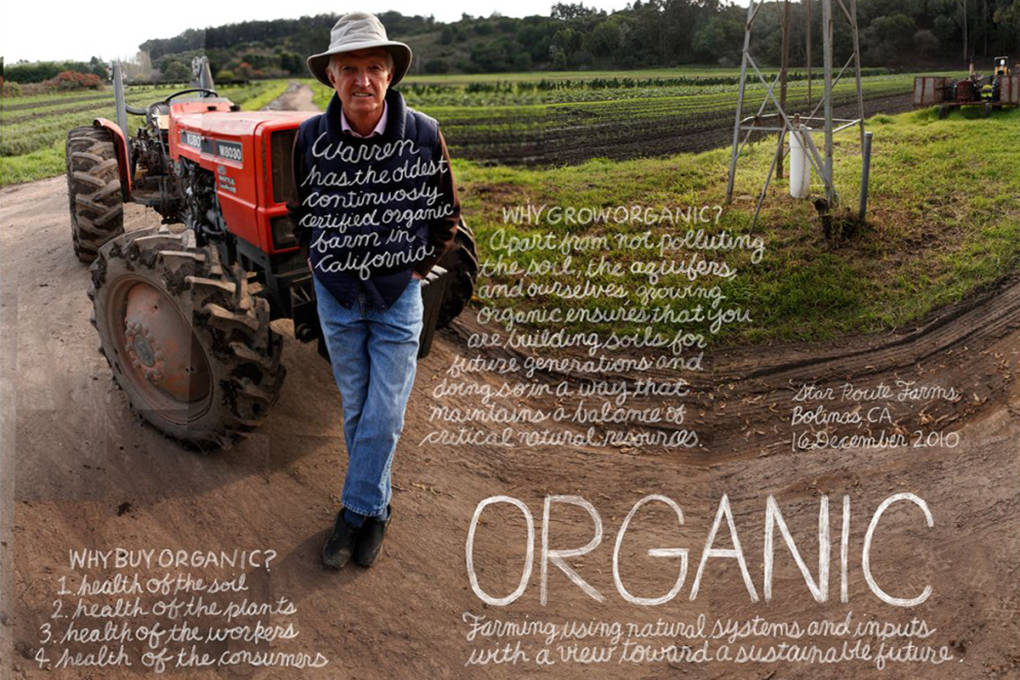
"caption": "Warren Weber, profiled in The Lexicon of Food.",
"description": "Warren Weber, profiled in The Lexicon of Food.",
"title": "Warren Weber, profiled in The Lexicon of Food.",
"credit": "The Lexicon of Food",
"status": "inherit",
"isLoading": false,
"fetchFailed": false
},
"bayareabites_130287": {
"type": "attachments",
"id": "bayareabites_130287",
"meta": {
"index": "attachments_1716263798",
"site": "bayareabites",
"id": "130287",
"found": true
},
"parent": 130286,
"imgSizes": {
"small": {
"file": "https://ww2.kqed.org/app/uploads/sites/24/2018/09/botany_enl-78cc0fa243da8371c9a588d8ebb662f20d0500ab-520x346.jpg",
"width": 520,
"mimeType": "image/jpeg",
"height": 346
},
"twentyfourteen-full-width": {
"file": "https://ww2.kqed.org/app/uploads/sites/24/2018/09/botany_enl-78cc0fa243da8371c9a588d8ebb662f20d0500ab-1038x576.jpg",
"width": 1038,
"mimeType": "image/jpeg",
"height": 576
},
"thumbnail": {
"file": "https://ww2.kqed.org/app/uploads/sites/24/2018/09/botany_enl-78cc0fa243da8371c9a588d8ebb662f20d0500ab-160x107.jpg",
"width": 160,
"mimeType": "image/jpeg",
"height": 107
},
"fd-sm": {
"file": "https://ww2.kqed.org/app/uploads/sites/24/2018/09/botany_enl-78cc0fa243da8371c9a588d8ebb662f20d0500ab-960x639.jpg",
"width": 960,
"mimeType": "image/jpeg",
"height": 639
},
"post-thumbnail": {
"file": "https://ww2.kqed.org/app/uploads/sites/24/2018/09/botany_enl-78cc0fa243da8371c9a588d8ebb662f20d0500ab-672x372.jpg",
"width": 672,
"mimeType": "image/jpeg",
"height": 372
},
"xsmall": {
"file": "https://ww2.kqed.org/app/uploads/sites/24/2018/09/botany_enl-78cc0fa243da8371c9a588d8ebb662f20d0500ab-375x250.jpg",
"width": 375,
"mimeType": "image/jpeg",
"height": 250
},
"kqedFullSize": {
"file": "https://ww2.kqed.org/app/uploads/sites/24/2018/09/botany_enl-78cc0fa243da8371c9a588d8ebb662f20d0500ab-e1536185530481.jpg",
"width": 1920,
"height": 1279
},
"large": {
"file": "https://ww2.kqed.org/app/uploads/sites/24/2018/09/botany_enl-78cc0fa243da8371c9a588d8ebb662f20d0500ab-1020x679.jpg",
"width": 1020,
"mimeType": "image/jpeg",
"height": 679
},
"xlarge": {
"file": "https://ww2.kqed.org/app/uploads/sites/24/2018/09/botany_enl-78cc0fa243da8371c9a588d8ebb662f20d0500ab-1180x786.jpg",
"width": 1180,
"mimeType": "image/jpeg",
"height": 786
},
"complete_open_graph": {
"file": "https://ww2.kqed.org/app/uploads/sites/24/2018/09/botany_enl-78cc0fa243da8371c9a588d8ebb662f20d0500ab-1200x799.jpg",
"width": 1200,
"mimeType": "image/jpeg",
"height": 799
},
"guest-author-50": {
"file": "https://ww2.kqed.org/app/uploads/sites/24/2018/09/botany_enl-78cc0fa243da8371c9a588d8ebb662f20d0500ab-50x50.jpg",
"width": 50,
"mimeType": "image/jpeg",
"height": 50
},
"guest-author-96": {
"file": "https://ww2.kqed.org/app/uploads/sites/24/2018/09/botany_enl-78cc0fa243da8371c9a588d8ebb662f20d0500ab-96x96.jpg",
"width": 96,
"mimeType": "image/jpeg",
"height": 96
},
"medium": {
"file": "https://ww2.kqed.org/app/uploads/sites/24/2018/09/botany_enl-78cc0fa243da8371c9a588d8ebb662f20d0500ab-800x533.jpg",
"width": 800,
"mimeType": "image/jpeg",
"height": 533
},
"guest-author-64": {
"file": "https://ww2.kqed.org/app/uploads/sites/24/2018/09/botany_enl-78cc0fa243da8371c9a588d8ebb662f20d0500ab-64x64.jpg",
"width": 64,
"mimeType": "image/jpeg",
"height": 64
},
"guest-author-32": {
"file": "https://ww2.kqed.org/app/uploads/sites/24/2018/09/botany_enl-78cc0fa243da8371c9a588d8ebb662f20d0500ab-32x32.jpg",
"width": 32,
"mimeType": "image/jpeg",
"height": 32
},
"fd-lrg": {
"file": "https://ww2.kqed.org/app/uploads/sites/24/2018/09/botany_enl-78cc0fa243da8371c9a588d8ebb662f20d0500ab-1920x1279.jpg",
"width": 1920,
"mimeType": "image/jpeg",
"height": 1279
},
"fd-med": {
"file": "https://ww2.kqed.org/app/uploads/sites/24/2018/09/botany_enl-78cc0fa243da8371c9a588d8ebb662f20d0500ab-1180x786.jpg",
"width": 1180,
"mimeType": "image/jpeg",
"height": 786
},
"full-width": {
"file": "https://ww2.kqed.org/app/uploads/sites/24/2018/09/botany_enl-78cc0fa243da8371c9a588d8ebb662f20d0500ab-1920x1279.jpg",
"width": 1920,
"mimeType": "image/jpeg",
"height": 1279
},
"detail": {
"file": "https://ww2.kqed.org/app/uploads/sites/24/2018/09/botany_enl-78cc0fa243da8371c9a588d8ebb662f20d0500ab-150x150.jpg",
"width": 150,
"mimeType": "image/jpeg",
"height": 150
},
"medium_large": {
"file": "https://ww2.kqed.org/app/uploads/sites/24/2018/09/botany_enl-78cc0fa243da8371c9a588d8ebb662f20d0500ab-768x511.jpg",
"width": 768,
"mimeType": "image/jpeg",
"height": 511
},
"guest-author-128": {
"file": "https://ww2.kqed.org/app/uploads/sites/24/2018/09/botany_enl-78cc0fa243da8371c9a588d8ebb662f20d0500ab-128x128.jpg",
"width": 128,
"mimeType": "image/jpeg",
"height": 128
},
"xxsmall": {
"file": "https://ww2.kqed.org/app/uploads/sites/24/2018/09/botany_enl-78cc0fa243da8371c9a588d8ebb662f20d0500ab-240x160.jpg",
"width": 240,
"mimeType": "image/jpeg",
"height": 160
}
},
"publishDate": 1536185449,
"modified": 1536185539,
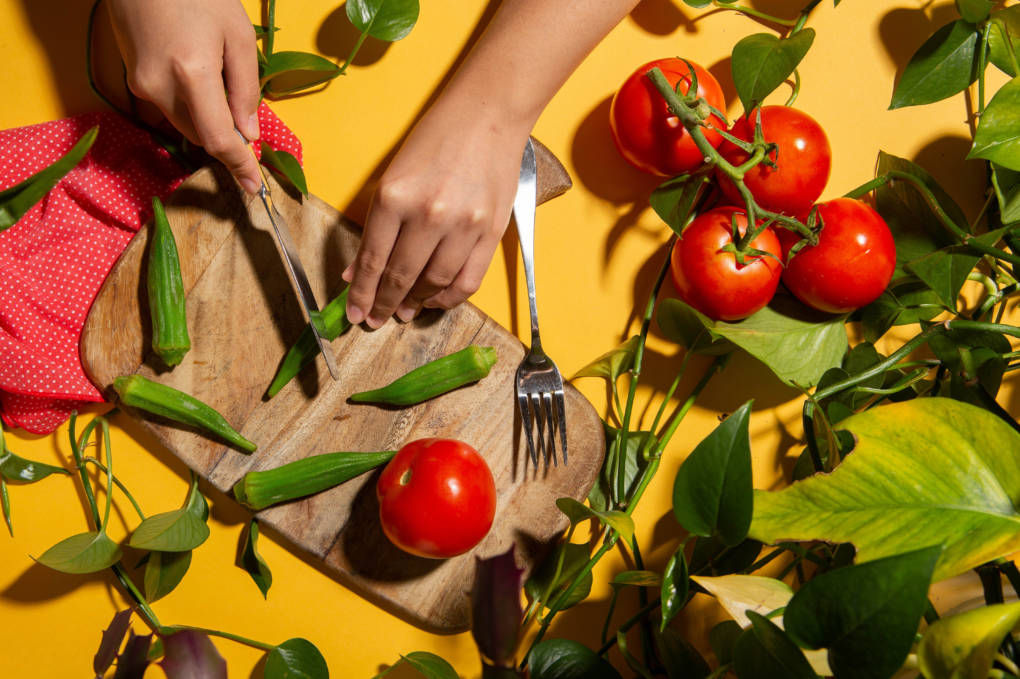
"caption": "Okra slime changes when its pH changes. To make okra less slimy, says botanist Katherine Preston, cook it with an acid, which changes the properties of the molecules in the mucilage and renders it far less viscous. Southerners cook okra with tomatoes, which provide plenty of acid.",
"description": "Okra slime changes when its pH changes. To make okra less slimy, says botanist Katherine Preston, cook it with an acid, which changes the properties of the molecules in the mucilage and renders it far less viscous. Southerners cook okra with tomatoes, which provide plenty of acid.",
"title": "Okra slime changes when its pH changes. To make okra less slimy, says botanist Katherine Preston, cook it with an acid, which changes the properties of the molecules in the mucilage and renders it far less viscous. Southerners cook okra with tomatoes, which provide plenty of acid.",
"credit": "Mary Mathis/NPR",
"status": "inherit",
"isLoading": false,
"fetchFailed": false
},
"bayareabites_130219": {
"type": "attachments",
"id": "bayareabites_130219",
"meta": {
"index": "attachments_1716263798",
"site": "bayareabites",
"id": "130219",
"found": true
},
"parent": 130218,
"imgSizes": {
"small": {
"file": "https://ww2.kqed.org/app/uploads/sites/24/2018/08/gettyimages-584817942_wide-64627d925556e15df880b0e7f4fb0f68b3188f21-520x293.jpg",
"width": 520,
"mimeType": "image/jpeg",
"height": 293
},
"twentyfourteen-full-width": {
"file": "https://ww2.kqed.org/app/uploads/sites/24/2018/08/gettyimages-584817942_wide-64627d925556e15df880b0e7f4fb0f68b3188f21-1038x576.jpg",
"width": 1038,
"mimeType": "image/jpeg",
"height": 576
},
"thumbnail": {
"file": "https://ww2.kqed.org/app/uploads/sites/24/2018/08/gettyimages-584817942_wide-64627d925556e15df880b0e7f4fb0f68b3188f21-160x90.jpg",
"width": 160,
"mimeType": "image/jpeg",
"height": 90
},
"fd-sm": {
"file": "https://ww2.kqed.org/app/uploads/sites/24/2018/08/gettyimages-584817942_wide-64627d925556e15df880b0e7f4fb0f68b3188f21-960x540.jpg",
"width": 960,
"mimeType": "image/jpeg",
"height": 540
},
"post-thumbnail": {
"file": "https://ww2.kqed.org/app/uploads/sites/24/2018/08/gettyimages-584817942_wide-64627d925556e15df880b0e7f4fb0f68b3188f21-672x372.jpg",
"width": 672,
"mimeType": "image/jpeg",
"height": 372
},
"xsmall": {
"file": "https://ww2.kqed.org/app/uploads/sites/24/2018/08/gettyimages-584817942_wide-64627d925556e15df880b0e7f4fb0f68b3188f21-375x211.jpg",
"width": 375,
"mimeType": "image/jpeg",
"height": 211
},
"kqedFullSize": {
"file": "https://ww2.kqed.org/app/uploads/sites/24/2018/08/gettyimages-584817942_wide-64627d925556e15df880b0e7f4fb0f68b3188f21-e1535564534222.jpg",
"width": 1920,
"height": 1080
},
"large": {
"file": "https://ww2.kqed.org/app/uploads/sites/24/2018/08/gettyimages-584817942_wide-64627d925556e15df880b0e7f4fb0f68b3188f21-1020x574.jpg",
"width": 1020,
"mimeType": "image/jpeg",
"height": 574
},
"xlarge": {
"file": "https://ww2.kqed.org/app/uploads/sites/24/2018/08/gettyimages-584817942_wide-64627d925556e15df880b0e7f4fb0f68b3188f21-1180x664.jpg",
"width": 1180,
"mimeType": "image/jpeg",
"height": 664
},
"complete_open_graph": {
"file": "https://ww2.kqed.org/app/uploads/sites/24/2018/08/gettyimages-584817942_wide-64627d925556e15df880b0e7f4fb0f68b3188f21-1200x675.jpg",
"width": 1200,
"mimeType": "image/jpeg",
"height": 675
},
"guest-author-50": {
"file": "https://ww2.kqed.org/app/uploads/sites/24/2018/08/gettyimages-584817942_wide-64627d925556e15df880b0e7f4fb0f68b3188f21-50x50.jpg",
"width": 50,
"mimeType": "image/jpeg",
"height": 50
},
"guest-author-96": {
"file": "https://ww2.kqed.org/app/uploads/sites/24/2018/08/gettyimages-584817942_wide-64627d925556e15df880b0e7f4fb0f68b3188f21-96x96.jpg",
"width": 96,
"mimeType": "image/jpeg",
"height": 96
},
"medium": {
"file": "https://ww2.kqed.org/app/uploads/sites/24/2018/08/gettyimages-584817942_wide-64627d925556e15df880b0e7f4fb0f68b3188f21-800x450.jpg",
"width": 800,
"mimeType": "image/jpeg",
"height": 450
},
"guest-author-64": {
"file": "https://ww2.kqed.org/app/uploads/sites/24/2018/08/gettyimages-584817942_wide-64627d925556e15df880b0e7f4fb0f68b3188f21-64x64.jpg",
"width": 64,
"mimeType": "image/jpeg",
"height": 64
},
"guest-author-32": {
"file": "https://ww2.kqed.org/app/uploads/sites/24/2018/08/gettyimages-584817942_wide-64627d925556e15df880b0e7f4fb0f68b3188f21-32x32.jpg",
"width": 32,
"mimeType": "image/jpeg",
"height": 32
},
"fd-lrg": {
"file": "https://ww2.kqed.org/app/uploads/sites/24/2018/08/gettyimages-584817942_wide-64627d925556e15df880b0e7f4fb0f68b3188f21-1920x1080.jpg",
"width": 1920,
"mimeType": "image/jpeg",
"height": 1080
},
"fd-med": {
"file": "https://ww2.kqed.org/app/uploads/sites/24/2018/08/gettyimages-584817942_wide-64627d925556e15df880b0e7f4fb0f68b3188f21-1180x664.jpg",
"width": 1180,
"mimeType": "image/jpeg",
"height": 664
},
"full-width": {
"file": "https://ww2.kqed.org/app/uploads/sites/24/2018/08/gettyimages-584817942_wide-64627d925556e15df880b0e7f4fb0f68b3188f21-1920x1080.jpg",
"width": 1920,
"mimeType": "image/jpeg",
"height": 1080
},
"detail": {
"file": "https://ww2.kqed.org/app/uploads/sites/24/2018/08/gettyimages-584817942_wide-64627d925556e15df880b0e7f4fb0f68b3188f21-150x150.jpg",
"width": 150,
"mimeType": "image/jpeg",
"height": 150
},
"medium_large": {
"file": "https://ww2.kqed.org/app/uploads/sites/24/2018/08/gettyimages-584817942_wide-64627d925556e15df880b0e7f4fb0f68b3188f21-768x432.jpg",
"width": 768,
"mimeType": "image/jpeg",
"height": 432
},
"guest-author-128": {
"file": "https://ww2.kqed.org/app/uploads/sites/24/2018/08/gettyimages-584817942_wide-64627d925556e15df880b0e7f4fb0f68b3188f21-128x128.jpg",
"width": 128,
"mimeType": "image/jpeg",
"height": 128
},
"xxsmall": {
"file": "https://ww2.kqed.org/app/uploads/sites/24/2018/08/gettyimages-584817942_wide-64627d925556e15df880b0e7f4fb0f68b3188f21-240x135.jpg",
"width": 240,
"mimeType": "image/jpeg",
"height": 135
}
},
"publishDate": 1535564469,
"modified": 1535564522,
"caption": "Assistant chef Michael Monteleone puts a finishing touch on cannabis-infused vegetable tarts. As more states legalize the use of recreational marijuana, the California chef is aiming to elevate haute cuisine to a new level.",
"description": "Assistant chef Michael Monteleone puts a finishing touch on cannabis-infused vegetable tarts. As more states legalize the use of recreational marijuana, the California chef is aiming to elevate haute cuisine to a new level.",
"title": "Assistant chef Michael Monteleone puts a finishing touch on cannabis-infused vegetable tarts. As more states legalize the use of recreational marijuana, the California chef is aiming to elevate haute cuisine to a new level.",
"credit": "Jason Redmond/AFP/Getty Images",
"status": "inherit",
"isLoading": false,
"fetchFailed": false
},
"bayareabites_130211": {
"type": "attachments",
"id": "bayareabites_130211",
"meta": {
"index": "attachments_1716263798",
"site": "bayareabites",
"id": "130211",
"found": true
},
"parent": 130202,
"imgSizes": {
"small": {
"file": "https://ww2.kqed.org/app/uploads/sites/24/2018/08/sprig-520x347.jpg",
"width": 520,
"mimeType": "image/jpeg",
"height": 347
},
"twentyfourteen-full-width": {
"file": "https://ww2.kqed.org/app/uploads/sites/24/2018/08/sprig-1024x576.jpg",
"width": 1024,
"mimeType": "image/jpeg",
"height": 576
},
"thumbnail": {
"file": "https://ww2.kqed.org/app/uploads/sites/24/2018/08/sprig-160x107.jpg",
"width": 160,
"mimeType": "image/jpeg",
"height": 107
},
"fd-sm": {
"file": "https://ww2.kqed.org/app/uploads/sites/24/2018/08/sprig-960x640.jpg",
"width": 960,
"mimeType": "image/jpeg",
"height": 640
},
"post-thumbnail": {
"file": "https://ww2.kqed.org/app/uploads/sites/24/2018/08/sprig-672x372.jpg",
"width": 672,
"mimeType": "image/jpeg",
"height": 372
},
"xsmall": {
"file": "https://ww2.kqed.org/app/uploads/sites/24/2018/08/sprig-375x250.jpg",
"width": 375,
"mimeType": "image/jpeg",
"height": 250
},
"kqedFullSize": {
"file": "https://ww2.kqed.org/app/uploads/sites/24/2018/08/sprig.jpg",
"width": 1024,
"height": 683
},
"large": {
"file": "https://ww2.kqed.org/app/uploads/sites/24/2018/08/sprig-1020x680.jpg",
"width": 1020,
"mimeType": "image/jpeg",
"height": 680
},
"guest-author-50": {
"file": "https://ww2.kqed.org/app/uploads/sites/24/2018/08/sprig-50x50.jpg",
"width": 50,
"mimeType": "image/jpeg",
"height": 50
},
"guest-author-96": {
"file": "https://ww2.kqed.org/app/uploads/sites/24/2018/08/sprig-96x96.jpg",
"width": 96,
"mimeType": "image/jpeg",
"height": 96
},
"medium": {
"file": "https://ww2.kqed.org/app/uploads/sites/24/2018/08/sprig-800x534.jpg",
"width": 800,
"mimeType": "image/jpeg",
"height": 534
},
"guest-author-64": {
"file": "https://ww2.kqed.org/app/uploads/sites/24/2018/08/sprig-64x64.jpg",
"width": 64,
"mimeType": "image/jpeg",
"height": 64
},
"guest-author-32": {
"file": "https://ww2.kqed.org/app/uploads/sites/24/2018/08/sprig-32x32.jpg",
"width": 32,
"mimeType": "image/jpeg",
"height": 32
},
"detail": {
"file": "https://ww2.kqed.org/app/uploads/sites/24/2018/08/sprig-150x150.jpg",
"width": 150,
"mimeType": "image/jpeg",
"height": 150
},
"medium_large": {
"file": "https://ww2.kqed.org/app/uploads/sites/24/2018/08/sprig-768x512.jpg",
"width": 768,
"mimeType": "image/jpeg",
"height": 512
},
"guest-author-128": {
"file": "https://ww2.kqed.org/app/uploads/sites/24/2018/08/sprig-128x128.jpg",
"width": 128,
"mimeType": "image/jpeg",
"height": 128
},
"xxsmall": {
"file": "https://ww2.kqed.org/app/uploads/sites/24/2018/08/sprig-240x160.jpg",
"width": 240,
"mimeType": "image/jpeg",
"height": 160
}
},
"publishDate": 1535494480,
"modified": 1535494527,
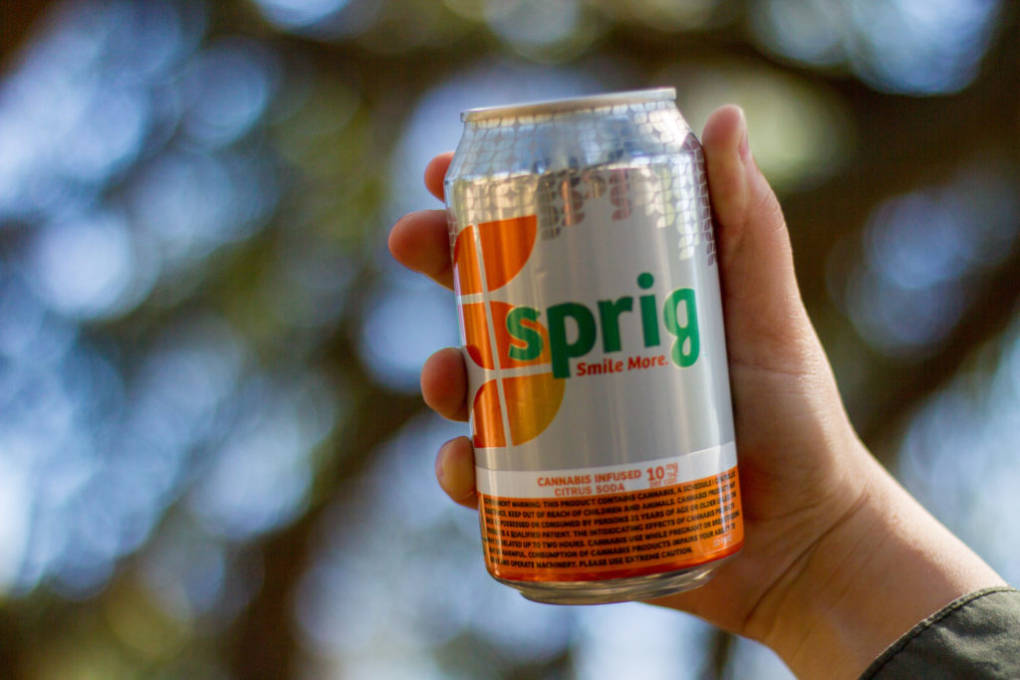
"caption": "Sprig's Citrus Cannabis-Infused Soda",
"description": null,
"title": "Sprig's Citrus Cannabis-Infused Soda",
"credit": "Sprig",
"status": "inherit",
"isLoading": false,
"fetchFailed": false
},
"bayareabites_130197": {
"type": "attachments",
"id": "bayareabites_130197",
"meta": {
"index": "attachments_1716263798",
"site": "bayareabites",
"id": "130197",
"found": true
},
"parent": 130196,
"imgSizes": {
"small": {
"file": "https://ww2.kqed.org/app/uploads/sites/24/2018/08/bugbites_id-0310-chefandhostcuttingtarantulas_custom-665a63715a8eb294cd994511dd344e849106bbe6-520x292.jpg",
"width": 520,
"mimeType": "image/jpeg",
"height": 292
},
"twentyfourteen-full-width": {
"file": "https://ww2.kqed.org/app/uploads/sites/24/2018/08/bugbites_id-0310-chefandhostcuttingtarantulas_custom-665a63715a8eb294cd994511dd344e849106bbe6-1038x576.jpg",
"width": 1038,
"mimeType": "image/jpeg",
"height": 576
},
"thumbnail": {
"file": "https://ww2.kqed.org/app/uploads/sites/24/2018/08/bugbites_id-0310-chefandhostcuttingtarantulas_custom-665a63715a8eb294cd994511dd344e849106bbe6-160x90.jpg",
"width": 160,
"mimeType": "image/jpeg",
"height": 90
},
"fd-sm": {
"file": "https://ww2.kqed.org/app/uploads/sites/24/2018/08/bugbites_id-0310-chefandhostcuttingtarantulas_custom-665a63715a8eb294cd994511dd344e849106bbe6-960x539.jpg",
"width": 960,
"mimeType": "image/jpeg",
"height": 539
},
"post-thumbnail": {
"file": "https://ww2.kqed.org/app/uploads/sites/24/2018/08/bugbites_id-0310-chefandhostcuttingtarantulas_custom-665a63715a8eb294cd994511dd344e849106bbe6-672x372.jpg",
"width": 672,
"mimeType": "image/jpeg",
"height": 372
},
"xsmall": {
"file": "https://ww2.kqed.org/app/uploads/sites/24/2018/08/bugbites_id-0310-chefandhostcuttingtarantulas_custom-665a63715a8eb294cd994511dd344e849106bbe6-375x211.jpg",
"width": 375,
"mimeType": "image/jpeg",
"height": 211
},
"kqedFullSize": {
"file": "https://ww2.kqed.org/app/uploads/sites/24/2018/08/bugbites_id-0310-chefandhostcuttingtarantulas_custom-665a63715a8eb294cd994511dd344e849106bbe6-e1535485948742.jpg",
"width": 1920,
"height": 1079
},
"large": {
"file": "https://ww2.kqed.org/app/uploads/sites/24/2018/08/bugbites_id-0310-chefandhostcuttingtarantulas_custom-665a63715a8eb294cd994511dd344e849106bbe6-1020x573.jpg",
"width": 1020,
"mimeType": "image/jpeg",
"height": 573
},
"xlarge": {
"file": "https://ww2.kqed.org/app/uploads/sites/24/2018/08/bugbites_id-0310-chefandhostcuttingtarantulas_custom-665a63715a8eb294cd994511dd344e849106bbe6-1180x663.jpg",
"width": 1180,
"mimeType": "image/jpeg",
"height": 663
},
"complete_open_graph": {
"file": "https://ww2.kqed.org/app/uploads/sites/24/2018/08/bugbites_id-0310-chefandhostcuttingtarantulas_custom-665a63715a8eb294cd994511dd344e849106bbe6-1200x674.jpg",
"width": 1200,
"mimeType": "image/jpeg",
"height": 674
},
"guest-author-50": {
"file": "https://ww2.kqed.org/app/uploads/sites/24/2018/08/bugbites_id-0310-chefandhostcuttingtarantulas_custom-665a63715a8eb294cd994511dd344e849106bbe6-50x50.jpg",
"width": 50,
"mimeType": "image/jpeg",
"height": 50
},
"guest-author-96": {
"file": "https://ww2.kqed.org/app/uploads/sites/24/2018/08/bugbites_id-0310-chefandhostcuttingtarantulas_custom-665a63715a8eb294cd994511dd344e849106bbe6-96x96.jpg",
"width": 96,
"mimeType": "image/jpeg",
"height": 96
},
"medium": {
"file": "https://ww2.kqed.org/app/uploads/sites/24/2018/08/bugbites_id-0310-chefandhostcuttingtarantulas_custom-665a63715a8eb294cd994511dd344e849106bbe6-800x449.jpg",
"width": 800,
"mimeType": "image/jpeg",
"height": 449
},
"guest-author-64": {
"file": "https://ww2.kqed.org/app/uploads/sites/24/2018/08/bugbites_id-0310-chefandhostcuttingtarantulas_custom-665a63715a8eb294cd994511dd344e849106bbe6-64x64.jpg",
"width": 64,
"mimeType": "image/jpeg",
"height": 64
},
"guest-author-32": {
"file": "https://ww2.kqed.org/app/uploads/sites/24/2018/08/bugbites_id-0310-chefandhostcuttingtarantulas_custom-665a63715a8eb294cd994511dd344e849106bbe6-32x32.jpg",
"width": 32,
"mimeType": "image/jpeg",
"height": 32
},
"fd-lrg": {
"file": "https://ww2.kqed.org/app/uploads/sites/24/2018/08/bugbites_id-0310-chefandhostcuttingtarantulas_custom-665a63715a8eb294cd994511dd344e849106bbe6-1920x1079.jpg",
"width": 1920,
"mimeType": "image/jpeg",
"height": 1079
},
"fd-med": {
"file": "https://ww2.kqed.org/app/uploads/sites/24/2018/08/bugbites_id-0310-chefandhostcuttingtarantulas_custom-665a63715a8eb294cd994511dd344e849106bbe6-1180x663.jpg",
"width": 1180,
"mimeType": "image/jpeg",
"height": 663
},
"full-width": {
"file": "https://ww2.kqed.org/app/uploads/sites/24/2018/08/bugbites_id-0310-chefandhostcuttingtarantulas_custom-665a63715a8eb294cd994511dd344e849106bbe6-1920x1079.jpg",
"width": 1920,
"mimeType": "image/jpeg",
"height": 1079
},
"detail": {
"file": "https://ww2.kqed.org/app/uploads/sites/24/2018/08/bugbites_id-0310-chefandhostcuttingtarantulas_custom-665a63715a8eb294cd994511dd344e849106bbe6-150x150.jpg",
"width": 150,
"mimeType": "image/jpeg",
"height": 150
},
"medium_large": {
"file": "https://ww2.kqed.org/app/uploads/sites/24/2018/08/bugbites_id-0310-chefandhostcuttingtarantulas_custom-665a63715a8eb294cd994511dd344e849106bbe6-768x431.jpg",
"width": 768,
"mimeType": "image/jpeg",
"height": 431
},
"guest-author-128": {
"file": "https://ww2.kqed.org/app/uploads/sites/24/2018/08/bugbites_id-0310-chefandhostcuttingtarantulas_custom-665a63715a8eb294cd994511dd344e849106bbe6-128x128.jpg",
"width": 128,
"mimeType": "image/jpeg",
"height": 128
},
"xxsmall": {
"file": "https://ww2.kqed.org/app/uploads/sites/24/2018/08/bugbites_id-0310-chefandhostcuttingtarantulas_custom-665a63715a8eb294cd994511dd344e849106bbe6-240x135.jpg",
"width": 240,
"mimeType": "image/jpeg",
"height": 135
}
},
"publishDate": 1535485898,
"modified": 1535485962,
"caption": "Chef David George Gordon shows biologist and host Haley Chamberlain Nelson how to prepare a tarantula meal on Bug Bites. The new five-part cooking show from Smithsonian Channel makes insects the star ingredient.",
"description": "Chef David George Gordon shows biologist and host Haley Chamberlain Nelson how to prepare a tarantula meal on \u003cem>Bug Bites\u003c/em>. The new five-part cooking show from Smithsonian Channel makes insects the star ingredient.",
"title": "Chef David George Gordon shows biologist and host Haley Chamberlain Nelson how to prepare a tarantula meal on Bug Bites. The new five-part cooking show from Smithsonian Channel makes insects the star ingredient.",
"credit": "Smithsonian Networks",
"status": "inherit",
"isLoading": false,
"fetchFailed": false
},
"bayareabites_130153": {
"type": "attachments",
"id": "bayareabites_130153",
"meta": {
"index": "attachments_1716263798",
"site": "bayareabites",
"id": "130153",
"found": true
},
"parent": 130151,
"imgSizes": {
"small": {
"file": "https://ww2.kqed.org/app/uploads/sites/24/2018/08/1808_creator_-shumphreyphoto_7504-5d61c87ff42a7a70dcc1749352c30414857a59aa-520x390.jpg",
"width": 520,
"mimeType": "image/jpeg",
"height": 390
},
"twentyfourteen-full-width": {
"file": "https://ww2.kqed.org/app/uploads/sites/24/2018/08/1808_creator_-shumphreyphoto_7504-5d61c87ff42a7a70dcc1749352c30414857a59aa-1038x576.jpg",
"width": 1038,
"mimeType": "image/jpeg",
"height": 576
},
"thumbnail": {
"file": "https://ww2.kqed.org/app/uploads/sites/24/2018/08/1808_creator_-shumphreyphoto_7504-5d61c87ff42a7a70dcc1749352c30414857a59aa-160x120.jpg",
"width": 160,
"mimeType": "image/jpeg",
"height": 120
},
"fd-sm": {
"file": "https://ww2.kqed.org/app/uploads/sites/24/2018/08/1808_creator_-shumphreyphoto_7504-5d61c87ff42a7a70dcc1749352c30414857a59aa-960x720.jpg",
"width": 960,
"mimeType": "image/jpeg",
"height": 720
},
"post-thumbnail": {
"file": "https://ww2.kqed.org/app/uploads/sites/24/2018/08/1808_creator_-shumphreyphoto_7504-5d61c87ff42a7a70dcc1749352c30414857a59aa-672x372.jpg",
"width": 672,
"mimeType": "image/jpeg",
"height": 372
},
"xsmall": {
"file": "https://ww2.kqed.org/app/uploads/sites/24/2018/08/1808_creator_-shumphreyphoto_7504-5d61c87ff42a7a70dcc1749352c30414857a59aa-375x281.jpg",
"width": 375,
"mimeType": "image/jpeg",
"height": 281
},
"kqedFullSize": {
"file": "https://ww2.kqed.org/app/uploads/sites/24/2018/08/1808_creator_-shumphreyphoto_7504-5d61c87ff42a7a70dcc1749352c30414857a59aa.jpg",
"width": 1691,
"height": 1268
},
"large": {
"file": "https://ww2.kqed.org/app/uploads/sites/24/2018/08/1808_creator_-shumphreyphoto_7504-5d61c87ff42a7a70dcc1749352c30414857a59aa-1020x765.jpg",
"width": 1020,
"mimeType": "image/jpeg",
"height": 765
},
"xlarge": {
"file": "https://ww2.kqed.org/app/uploads/sites/24/2018/08/1808_creator_-shumphreyphoto_7504-5d61c87ff42a7a70dcc1749352c30414857a59aa-1180x885.jpg",
"width": 1180,
"mimeType": "image/jpeg",
"height": 885
},
"complete_open_graph": {
"file": "https://ww2.kqed.org/app/uploads/sites/24/2018/08/1808_creator_-shumphreyphoto_7504-5d61c87ff42a7a70dcc1749352c30414857a59aa-1200x900.jpg",
"width": 1200,
"mimeType": "image/jpeg",
"height": 900
},
"guest-author-50": {
"file": "https://ww2.kqed.org/app/uploads/sites/24/2018/08/1808_creator_-shumphreyphoto_7504-5d61c87ff42a7a70dcc1749352c30414857a59aa-50x50.jpg",
"width": 50,
"mimeType": "image/jpeg",
"height": 50
},
"guest-author-96": {
"file": "https://ww2.kqed.org/app/uploads/sites/24/2018/08/1808_creator_-shumphreyphoto_7504-5d61c87ff42a7a70dcc1749352c30414857a59aa-96x96.jpg",
"width": 96,
"mimeType": "image/jpeg",
"height": 96
},
"medium": {
"file": "https://ww2.kqed.org/app/uploads/sites/24/2018/08/1808_creator_-shumphreyphoto_7504-5d61c87ff42a7a70dcc1749352c30414857a59aa-800x600.jpg",
"width": 800,
"mimeType": "image/jpeg",
"height": 600
},
"guest-author-64": {
"file": "https://ww2.kqed.org/app/uploads/sites/24/2018/08/1808_creator_-shumphreyphoto_7504-5d61c87ff42a7a70dcc1749352c30414857a59aa-64x64.jpg",
"width": 64,
"mimeType": "image/jpeg",
"height": 64
},
"guest-author-32": {
"file": "https://ww2.kqed.org/app/uploads/sites/24/2018/08/1808_creator_-shumphreyphoto_7504-5d61c87ff42a7a70dcc1749352c30414857a59aa-32x32.jpg",
"width": 32,
"mimeType": "image/jpeg",
"height": 32
},
"fd-med": {
"file": "https://ww2.kqed.org/app/uploads/sites/24/2018/08/1808_creator_-shumphreyphoto_7504-5d61c87ff42a7a70dcc1749352c30414857a59aa-1180x885.jpg",
"width": 1180,
"mimeType": "image/jpeg",
"height": 885
},
"detail": {
"file": "https://ww2.kqed.org/app/uploads/sites/24/2018/08/1808_creator_-shumphreyphoto_7504-5d61c87ff42a7a70dcc1749352c30414857a59aa-150x150.jpg",
"width": 150,
"mimeType": "image/jpeg",
"height": 150
},
"medium_large": {
"file": "https://ww2.kqed.org/app/uploads/sites/24/2018/08/1808_creator_-shumphreyphoto_7504-5d61c87ff42a7a70dcc1749352c30414857a59aa-768x576.jpg",
"width": 768,
"mimeType": "image/jpeg",
"height": 576
},
"guest-author-128": {
"file": "https://ww2.kqed.org/app/uploads/sites/24/2018/08/1808_creator_-shumphreyphoto_7504-5d61c87ff42a7a70dcc1749352c30414857a59aa-128x128.jpg",
"width": 128,
"mimeType": "image/jpeg",
"height": 128
},
"xxsmall": {
"file": "https://ww2.kqed.org/app/uploads/sites/24/2018/08/1808_creator_-shumphreyphoto_7504-5d61c87ff42a7a70dcc1749352c30414857a59aa-240x180.jpg",
"width": 240,
"mimeType": "image/jpeg",
"height": 180
}
},
"publishDate": 1535135911,
"modified": 1535135966,
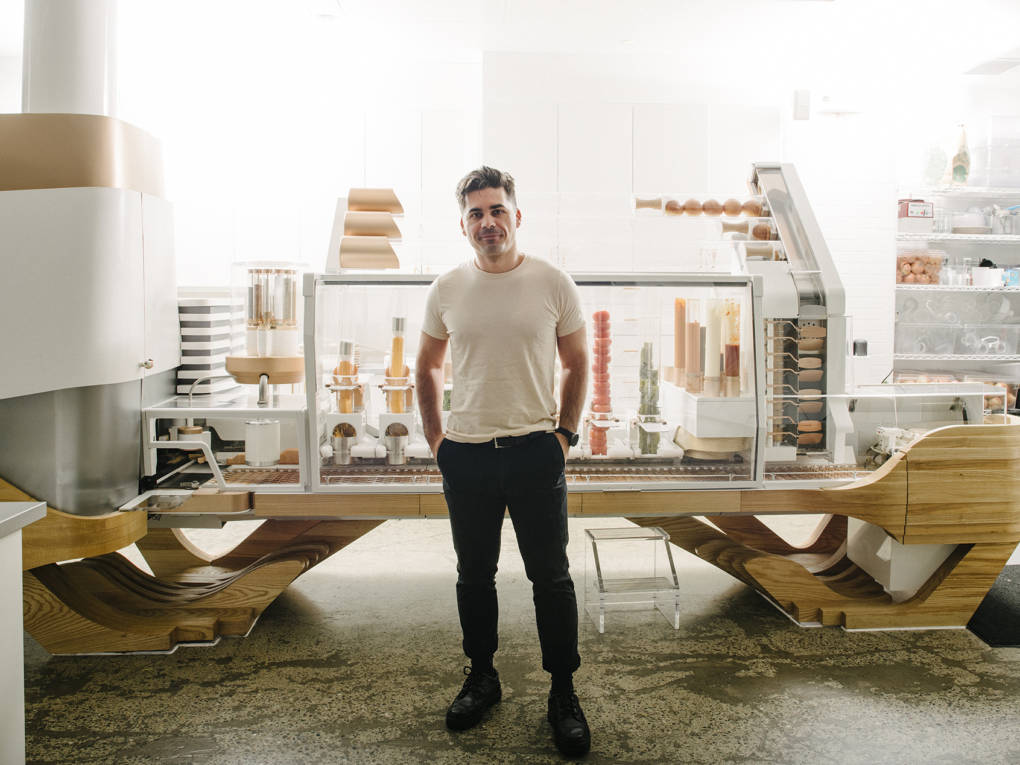
"caption": "Alex Vardakostas had a dream about creating a robot burger-maker in college. He's now poised to open a restaurant with his Creator Burger robot in September.",
"description": "Alex Vardakostas had a dream about creating a robot burger-maker in college. He's now poised to open a restaurant with his Creator Burger robot in September.",
"title": "Alex Vardakostas had a dream about creating a robot burger-maker in college. He's now poised to open a restaurant with his Creator Burger robot in September.",
"credit": "Saroyan Humphrey",
"status": "inherit",
"isLoading": false,
"fetchFailed": false
},
"bayareabites_130126": {
"type": "attachments",
"id": "bayareabites_130126",
"meta": {
"index": "attachments_1716263798",
"site": "bayareabites",
"id": "130126",
"found": true
},
"parent": 130124,
"imgSizes": {
"small": {
"file": "https://ww2.kqed.org/app/uploads/sites/24/2018/08/micro-plastics-3-46067ed8a6176d049fc040a53163230d1bf4bd88-520x390.jpg",
"width": 520,
"mimeType": "image/jpeg",
"height": 390
},
"twentyfourteen-full-width": {
"file": "https://ww2.kqed.org/app/uploads/sites/24/2018/08/micro-plastics-3-46067ed8a6176d049fc040a53163230d1bf4bd88-1038x576.jpg",
"width": 1038,
"mimeType": "image/jpeg",
"height": 576
},
"thumbnail": {
"file": "https://ww2.kqed.org/app/uploads/sites/24/2018/08/micro-plastics-3-46067ed8a6176d049fc040a53163230d1bf4bd88-160x120.jpg",
"width": 160,
"mimeType": "image/jpeg",
"height": 120
},
"fd-sm": {
"file": "https://ww2.kqed.org/app/uploads/sites/24/2018/08/micro-plastics-3-46067ed8a6176d049fc040a53163230d1bf4bd88-960x720.jpg",
"width": 960,
"mimeType": "image/jpeg",
"height": 720
},
"post-thumbnail": {
"file": "https://ww2.kqed.org/app/uploads/sites/24/2018/08/micro-plastics-3-46067ed8a6176d049fc040a53163230d1bf4bd88-672x372.jpg",
"width": 672,
"mimeType": "image/jpeg",
"height": 372
},
"xsmall": {
"file": "https://ww2.kqed.org/app/uploads/sites/24/2018/08/micro-plastics-3-46067ed8a6176d049fc040a53163230d1bf4bd88-375x281.jpg",
"width": 375,
"mimeType": "image/jpeg",
"height": 281
},
"kqedFullSize": {
"file": "https://ww2.kqed.org/app/uploads/sites/24/2018/08/micro-plastics-3-46067ed8a6176d049fc040a53163230d1bf4bd88-e1534786632786.jpg",
"width": 1920,
"height": 1440
},
"large": {
"file": "https://ww2.kqed.org/app/uploads/sites/24/2018/08/micro-plastics-3-46067ed8a6176d049fc040a53163230d1bf4bd88-1020x765.jpg",
"width": 1020,
"mimeType": "image/jpeg",
"height": 765
},
"xlarge": {
"file": "https://ww2.kqed.org/app/uploads/sites/24/2018/08/micro-plastics-3-46067ed8a6176d049fc040a53163230d1bf4bd88-1180x885.jpg",
"width": 1180,
"mimeType": "image/jpeg",
"height": 885
},
"complete_open_graph": {
"file": "https://ww2.kqed.org/app/uploads/sites/24/2018/08/micro-plastics-3-46067ed8a6176d049fc040a53163230d1bf4bd88-1200x900.jpg",
"width": 1200,
"mimeType": "image/jpeg",
"height": 900
},
"guest-author-50": {
"file": "https://ww2.kqed.org/app/uploads/sites/24/2018/08/micro-plastics-3-46067ed8a6176d049fc040a53163230d1bf4bd88-50x50.jpg",
"width": 50,
"mimeType": "image/jpeg",
"height": 50
},
"guest-author-96": {
"file": "https://ww2.kqed.org/app/uploads/sites/24/2018/08/micro-plastics-3-46067ed8a6176d049fc040a53163230d1bf4bd88-96x96.jpg",
"width": 96,
"mimeType": "image/jpeg",
"height": 96
},
"medium": {
"file": "https://ww2.kqed.org/app/uploads/sites/24/2018/08/micro-plastics-3-46067ed8a6176d049fc040a53163230d1bf4bd88-800x600.jpg",
"width": 800,
"mimeType": "image/jpeg",
"height": 600
},
"guest-author-64": {
"file": "https://ww2.kqed.org/app/uploads/sites/24/2018/08/micro-plastics-3-46067ed8a6176d049fc040a53163230d1bf4bd88-64x64.jpg",
"width": 64,
"mimeType": "image/jpeg",
"height": 64
},
"guest-author-32": {
"file": "https://ww2.kqed.org/app/uploads/sites/24/2018/08/micro-plastics-3-46067ed8a6176d049fc040a53163230d1bf4bd88-32x32.jpg",
"width": 32,
"mimeType": "image/jpeg",
"height": 32
},
"fd-lrg": {
"file": "https://ww2.kqed.org/app/uploads/sites/24/2018/08/micro-plastics-3-46067ed8a6176d049fc040a53163230d1bf4bd88-1920x1440.jpg",
"width": 1920,
"mimeType": "image/jpeg",
"height": 1440
},
"fd-med": {
"file": "https://ww2.kqed.org/app/uploads/sites/24/2018/08/micro-plastics-3-46067ed8a6176d049fc040a53163230d1bf4bd88-1180x885.jpg",
"width": 1180,
"mimeType": "image/jpeg",
"height": 885
},
"full-width": {
"file": "https://ww2.kqed.org/app/uploads/sites/24/2018/08/micro-plastics-3-46067ed8a6176d049fc040a53163230d1bf4bd88-1920x1440.jpg",
"width": 1920,
"mimeType": "image/jpeg",
"height": 1440
},
"detail": {
"file": "https://ww2.kqed.org/app/uploads/sites/24/2018/08/micro-plastics-3-46067ed8a6176d049fc040a53163230d1bf4bd88-150x150.jpg",
"width": 150,
"mimeType": "image/jpeg",
"height": 150
},
"medium_large": {
"file": "https://ww2.kqed.org/app/uploads/sites/24/2018/08/micro-plastics-3-46067ed8a6176d049fc040a53163230d1bf4bd88-768x576.jpg",
"width": 768,
"mimeType": "image/jpeg",
"height": 576
},
"guest-author-128": {
"file": "https://ww2.kqed.org/app/uploads/sites/24/2018/08/micro-plastics-3-46067ed8a6176d049fc040a53163230d1bf4bd88-128x128.jpg",
"width": 128,
"mimeType": "image/jpeg",
"height": 128
},
"xxsmall": {
"file": "https://ww2.kqed.org/app/uploads/sites/24/2018/08/micro-plastics-3-46067ed8a6176d049fc040a53163230d1bf4bd88-240x180.jpg",
"width": 240,
"mimeType": "image/jpeg",
"height": 180
}
},
"publishDate": 1534786074,
"modified": 1534786689,
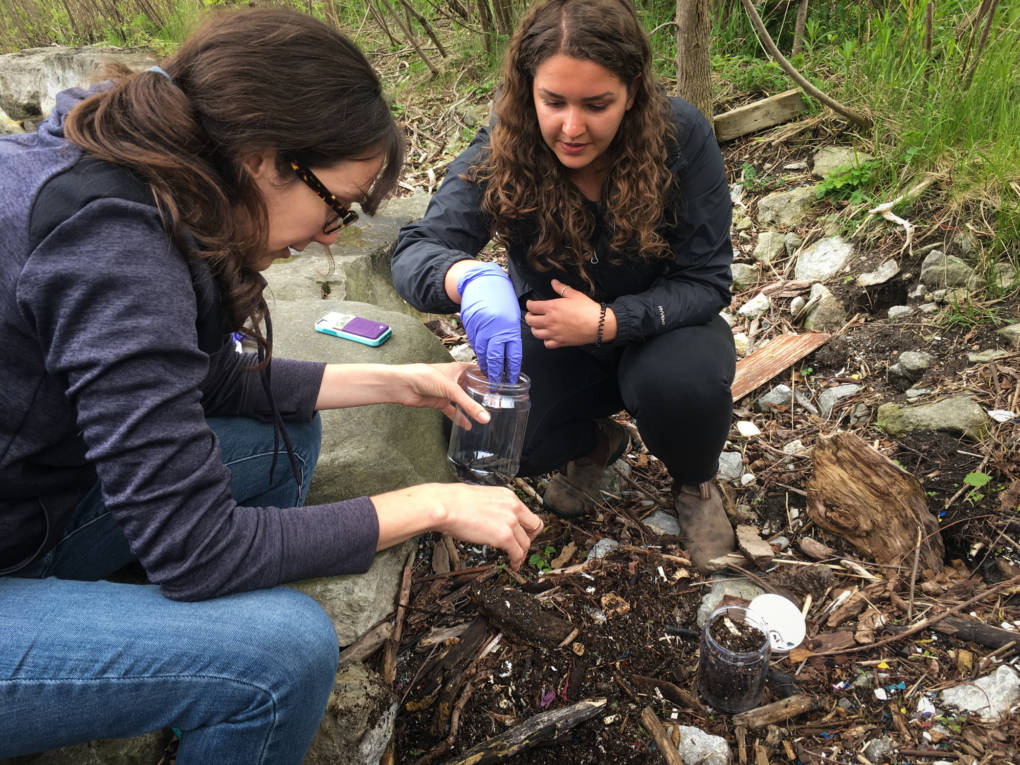
"caption": "Ecologist Chelsea Rochman (left) and researcher Kennedy Bucci dig through washed-up debris along Lake Ontario. They're looking for small particles of plastic that make their way into oceans, rivers and lakes.",
"description": "Ecologist Chelsea Rochman (left) and researcher Kennedy Bucci dig through washed-up debris along Lake Ontario. They're looking for small particles of plastic that make their way into oceans, rivers and lakes.",
"title": "Ecologist Chelsea Rochman (left) and researcher Kennedy Bucci dig through washed-up debris along Lake Ontario. They're looking for small particles of plastic that make their way into oceans, rivers and lakes.",
"credit": "Chris Joyce/NPR",
"status": "inherit",
"isLoading": false,
"fetchFailed": false
},
"bayareabites_130033": {
"type": "attachments",
"id": "bayareabites_130033",
"meta": {
"index": "attachments_1716263798",
"site": "bayareabites",
"id": "130033",
"found": true
},
"parent": 130032,
"imgSizes": {
"small": {
"file": "https://ww2.kqed.org/app/uploads/sites/24/2018/08/trainingsessionchicks_wide-86f74c7cc5c796463e27105bf70851965045124c-520x293.jpg",
"width": 520,
"mimeType": "image/jpeg",
"height": 293
},
"twentyfourteen-full-width": {
"file": "https://ww2.kqed.org/app/uploads/sites/24/2018/08/trainingsessionchicks_wide-86f74c7cc5c796463e27105bf70851965045124c-1038x576.jpg",
"width": 1038,
"mimeType": "image/jpeg",
"height": 576
},
"thumbnail": {
"file": "https://ww2.kqed.org/app/uploads/sites/24/2018/08/trainingsessionchicks_wide-86f74c7cc5c796463e27105bf70851965045124c-160x90.jpg",
"width": 160,
"mimeType": "image/jpeg",
"height": 90
},
"fd-sm": {
"file": "https://ww2.kqed.org/app/uploads/sites/24/2018/08/trainingsessionchicks_wide-86f74c7cc5c796463e27105bf70851965045124c-960x540.jpg",
"width": 960,
"mimeType": "image/jpeg",
"height": 540
},
"post-thumbnail": {
"file": "https://ww2.kqed.org/app/uploads/sites/24/2018/08/trainingsessionchicks_wide-86f74c7cc5c796463e27105bf70851965045124c-672x372.jpg",
"width": 672,
"mimeType": "image/jpeg",
"height": 372
},
"xsmall": {
"file": "https://ww2.kqed.org/app/uploads/sites/24/2018/08/trainingsessionchicks_wide-86f74c7cc5c796463e27105bf70851965045124c-375x211.jpg",
"width": 375,
"mimeType": "image/jpeg",
"height": 211
},
"kqedFullSize": {
"file": "https://ww2.kqed.org/app/uploads/sites/24/2018/08/trainingsessionchicks_wide-86f74c7cc5c796463e27105bf70851965045124c-e1533845654508.jpg",
"width": 1920,
"height": 1080
},
"large": {
"file": "https://ww2.kqed.org/app/uploads/sites/24/2018/08/trainingsessionchicks_wide-86f74c7cc5c796463e27105bf70851965045124c-1020x574.jpg",
"width": 1020,
"mimeType": "image/jpeg",
"height": 574
},
"xlarge": {
"file": "https://ww2.kqed.org/app/uploads/sites/24/2018/08/trainingsessionchicks_wide-86f74c7cc5c796463e27105bf70851965045124c-1180x664.jpg",
"width": 1180,
"mimeType": "image/jpeg",
"height": 664
},
"complete_open_graph": {
"file": "https://ww2.kqed.org/app/uploads/sites/24/2018/08/trainingsessionchicks_wide-86f74c7cc5c796463e27105bf70851965045124c-1200x675.jpg",
"width": 1200,
"mimeType": "image/jpeg",
"height": 675
},
"guest-author-50": {
"file": "https://ww2.kqed.org/app/uploads/sites/24/2018/08/trainingsessionchicks_wide-86f74c7cc5c796463e27105bf70851965045124c-50x50.jpg",
"width": 50,
"mimeType": "image/jpeg",
"height": 50
},
"guest-author-96": {
"file": "https://ww2.kqed.org/app/uploads/sites/24/2018/08/trainingsessionchicks_wide-86f74c7cc5c796463e27105bf70851965045124c-96x96.jpg",
"width": 96,
"mimeType": "image/jpeg",
"height": 96
},
"medium": {
"file": "https://ww2.kqed.org/app/uploads/sites/24/2018/08/trainingsessionchicks_wide-86f74c7cc5c796463e27105bf70851965045124c-800x450.jpg",
"width": 800,
"mimeType": "image/jpeg",
"height": 450
},
"guest-author-64": {
"file": "https://ww2.kqed.org/app/uploads/sites/24/2018/08/trainingsessionchicks_wide-86f74c7cc5c796463e27105bf70851965045124c-64x64.jpg",
"width": 64,
"mimeType": "image/jpeg",
"height": 64
},
"guest-author-32": {
"file": "https://ww2.kqed.org/app/uploads/sites/24/2018/08/trainingsessionchicks_wide-86f74c7cc5c796463e27105bf70851965045124c-32x32.jpg",
"width": 32,
"mimeType": "image/jpeg",
"height": 32
},
"fd-lrg": {
"file": "https://ww2.kqed.org/app/uploads/sites/24/2018/08/trainingsessionchicks_wide-86f74c7cc5c796463e27105bf70851965045124c-1920x1080.jpg",
"width": 1920,
"mimeType": "image/jpeg",
"height": 1080
},
"fd-med": {
"file": "https://ww2.kqed.org/app/uploads/sites/24/2018/08/trainingsessionchicks_wide-86f74c7cc5c796463e27105bf70851965045124c-1180x664.jpg",
"width": 1180,
"mimeType": "image/jpeg",
"height": 664
},
"full-width": {
"file": "https://ww2.kqed.org/app/uploads/sites/24/2018/08/trainingsessionchicks_wide-86f74c7cc5c796463e27105bf70851965045124c-1920x1080.jpg",
"width": 1920,
"mimeType": "image/jpeg",
"height": 1080
},
"detail": {
"file": "https://ww2.kqed.org/app/uploads/sites/24/2018/08/trainingsessionchicks_wide-86f74c7cc5c796463e27105bf70851965045124c-150x150.jpg",
"width": 150,
"mimeType": "image/jpeg",
"height": 150
},
"medium_large": {
"file": "https://ww2.kqed.org/app/uploads/sites/24/2018/08/trainingsessionchicks_wide-86f74c7cc5c796463e27105bf70851965045124c-768x432.jpg",
"width": 768,
"mimeType": "image/jpeg",
"height": 432
},
"guest-author-128": {
"file": "https://ww2.kqed.org/app/uploads/sites/24/2018/08/trainingsessionchicks_wide-86f74c7cc5c796463e27105bf70851965045124c-128x128.jpg",
"width": 128,
"mimeType": "image/jpeg",
"height": 128
},
"xxsmall": {
"file": "https://ww2.kqed.org/app/uploads/sites/24/2018/08/trainingsessionchicks_wide-86f74c7cc5c796463e27105bf70851965045124c-240x135.jpg",
"width": 240,
"mimeType": "image/jpeg",
"height": 135
}
},
"publishDate": 1533845528,
"modified": 1533845762,
"caption": "The Feed the Future Tworore Inkoko, Twunguke project hosts a meeting in the Gataraga sector of Rwanda to recruit farmers to grow chickens. If the farmers commit to four days of training and pass a competency test, they are given a backyard coop worth about $625, as well as the means to obtain 100 day-old chicks, vaccines, feed and technical advice.",
"description": "The Feed the Future Tworore Inkoko, Twunguke project hosts a meeting in the Gataraga sector of Rwanda to recruit farmers to grow chickens. If the farmers commit to four days of training and pass a competency test, they are given a backyard coop worth about $625, as well as the means to obtain 100 day-old chicks, vaccines, feed and technical advice.",
"title": "The Feed the Future Tworore Inkoko, Twunguke project hosts a meeting in the Gataraga sector of Rwanda to recruit farmers to grow chickens. If the farmers commit to four days of training and pass a competency test, they are given a backyard coop worth about $625, as well as the means to obtain 100 day-old chicks, vaccines, feed and technical advice.",
"credit": "Emily Urban/NPR",
"status": "inherit",
"isLoading": false,
"fetchFailed": false
},
"bayareabites_130028": {
"type": "attachments",
"id": "bayareabites_130028",
"meta": {
"index": "attachments_1716263798",
"site": "bayareabites",
"id": "130028",
"found": true
},
"parent": 130027,
"imgSizes": {
"small": {
"file": "https://ww2.kqed.org/app/uploads/sites/24/2018/08/gettyimages-165659053-9e0a4dbfbd2b893ce99ee5715b3529a8a4b45886-520x390.jpg",
"width": 520,
"mimeType": "image/jpeg",
"height": 390
},
"twentyfourteen-full-width": {
"file": "https://ww2.kqed.org/app/uploads/sites/24/2018/08/gettyimages-165659053-9e0a4dbfbd2b893ce99ee5715b3529a8a4b45886-1038x576.jpg",
"width": 1038,
"mimeType": "image/jpeg",
"height": 576
},
"thumbnail": {
"file": "https://ww2.kqed.org/app/uploads/sites/24/2018/08/gettyimages-165659053-9e0a4dbfbd2b893ce99ee5715b3529a8a4b45886-160x120.jpg",
"width": 160,
"mimeType": "image/jpeg",
"height": 120
},
"fd-sm": {
"file": "https://ww2.kqed.org/app/uploads/sites/24/2018/08/gettyimages-165659053-9e0a4dbfbd2b893ce99ee5715b3529a8a4b45886-960x720.jpg",
"width": 960,
"mimeType": "image/jpeg",
"height": 720
},
"post-thumbnail": {
"file": "https://ww2.kqed.org/app/uploads/sites/24/2018/08/gettyimages-165659053-9e0a4dbfbd2b893ce99ee5715b3529a8a4b45886-672x372.jpg",
"width": 672,
"mimeType": "image/jpeg",
"height": 372
},
"xsmall": {
"file": "https://ww2.kqed.org/app/uploads/sites/24/2018/08/gettyimages-165659053-9e0a4dbfbd2b893ce99ee5715b3529a8a4b45886-375x281.jpg",
"width": 375,
"mimeType": "image/jpeg",
"height": 281
},
"kqedFullSize": {
"file": "https://ww2.kqed.org/app/uploads/sites/24/2018/08/gettyimages-165659053-9e0a4dbfbd2b893ce99ee5715b3529a8a4b45886-e1533584264902.jpg",
"width": 1920,
"height": 1440
},
"large": {
"file": "https://ww2.kqed.org/app/uploads/sites/24/2018/08/gettyimages-165659053-9e0a4dbfbd2b893ce99ee5715b3529a8a4b45886-1020x765.jpg",
"width": 1020,
"mimeType": "image/jpeg",
"height": 765
},
"xlarge": {
"file": "https://ww2.kqed.org/app/uploads/sites/24/2018/08/gettyimages-165659053-9e0a4dbfbd2b893ce99ee5715b3529a8a4b45886-1180x885.jpg",
"width": 1180,
"mimeType": "image/jpeg",
"height": 885
},
"complete_open_graph": {
"file": "https://ww2.kqed.org/app/uploads/sites/24/2018/08/gettyimages-165659053-9e0a4dbfbd2b893ce99ee5715b3529a8a4b45886-1200x900.jpg",
"width": 1200,
"mimeType": "image/jpeg",
"height": 900
},
"guest-author-50": {
"file": "https://ww2.kqed.org/app/uploads/sites/24/2018/08/gettyimages-165659053-9e0a4dbfbd2b893ce99ee5715b3529a8a4b45886-50x50.jpg",
"width": 50,
"mimeType": "image/jpeg",
"height": 50
},
"guest-author-96": {
"file": "https://ww2.kqed.org/app/uploads/sites/24/2018/08/gettyimages-165659053-9e0a4dbfbd2b893ce99ee5715b3529a8a4b45886-96x96.jpg",
"width": 96,
"mimeType": "image/jpeg",
"height": 96
},
"medium": {
"file": "https://ww2.kqed.org/app/uploads/sites/24/2018/08/gettyimages-165659053-9e0a4dbfbd2b893ce99ee5715b3529a8a4b45886-800x600.jpg",
"width": 800,
"mimeType": "image/jpeg",
"height": 600
},
"guest-author-64": {
"file": "https://ww2.kqed.org/app/uploads/sites/24/2018/08/gettyimages-165659053-9e0a4dbfbd2b893ce99ee5715b3529a8a4b45886-64x64.jpg",
"width": 64,
"mimeType": "image/jpeg",
"height": 64
},
"guest-author-32": {
"file": "https://ww2.kqed.org/app/uploads/sites/24/2018/08/gettyimages-165659053-9e0a4dbfbd2b893ce99ee5715b3529a8a4b45886-32x32.jpg",
"width": 32,
"mimeType": "image/jpeg",
"height": 32
},
"fd-lrg": {
"file": "https://ww2.kqed.org/app/uploads/sites/24/2018/08/gettyimages-165659053-9e0a4dbfbd2b893ce99ee5715b3529a8a4b45886-1920x1440.jpg",
"width": 1920,
"mimeType": "image/jpeg",
"height": 1440
},
"fd-med": {
"file": "https://ww2.kqed.org/app/uploads/sites/24/2018/08/gettyimages-165659053-9e0a4dbfbd2b893ce99ee5715b3529a8a4b45886-1180x885.jpg",
"width": 1180,
"mimeType": "image/jpeg",
"height": 885
},
"full-width": {
"file": "https://ww2.kqed.org/app/uploads/sites/24/2018/08/gettyimages-165659053-9e0a4dbfbd2b893ce99ee5715b3529a8a4b45886-1920x1440.jpg",
"width": 1920,
"mimeType": "image/jpeg",
"height": 1440
},
"detail": {
"file": "https://ww2.kqed.org/app/uploads/sites/24/2018/08/gettyimages-165659053-9e0a4dbfbd2b893ce99ee5715b3529a8a4b45886-150x150.jpg",
"width": 150,
"mimeType": "image/jpeg",
"height": 150
},
"medium_large": {
"file": "https://ww2.kqed.org/app/uploads/sites/24/2018/08/gettyimages-165659053-9e0a4dbfbd2b893ce99ee5715b3529a8a4b45886-768x576.jpg",
"width": 768,
"mimeType": "image/jpeg",
"height": 576
},
"guest-author-128": {
"file": "https://ww2.kqed.org/app/uploads/sites/24/2018/08/gettyimages-165659053-9e0a4dbfbd2b893ce99ee5715b3529a8a4b45886-128x128.jpg",
"width": 128,
"mimeType": "image/jpeg",
"height": 128
},
"xxsmall": {
"file": "https://ww2.kqed.org/app/uploads/sites/24/2018/08/gettyimages-165659053-9e0a4dbfbd2b893ce99ee5715b3529a8a4b45886-240x180.jpg",
"width": 240,
"mimeType": "image/jpeg",
"height": 180
}
},
"publishDate": 1533584151,
"modified": 1533584297,
"caption": "A small new study shows that successful dieters had an abundance of a bacteria called Phascolarctobacterium, whereas another bacteria, Dialister, was associated with a failure to lose weight.",
"description": "A small new study shows that successful dieters had an abundance of a bacteria called Phascolarctobacterium, whereas another bacteria, Dialister, was associated with a failure to lose weight.",
"title": "A small new study shows that successful dieters had an abundance of a bacteria called Phascolarctobacterium, whereas another bacteria, Dialister, was associated with a failure to lose weight.",
"credit": "sorbetto/Getty Images",
"status": "inherit",
"isLoading": false,
"fetchFailed": false
},
"bayareabites_129950": {
"type": "attachments",
"id": "bayareabites_129950",
"meta": {
"index": "attachments_1716263798",
"site": "bayareabites",
"id": "129950",
"found": true
},
"parent": 129949,
"imgSizes": {
"small": {
"file": "https://ww2.kqed.org/app/uploads/sites/24/2018/07/gettyimages-140889761-e27f78dc9b3bf6f60b12dca4d96588e3b52c0743-520x390.jpg",
"width": 520,
"mimeType": "image/jpeg",
"height": 390
},
"twentyfourteen-full-width": {
"file": "https://ww2.kqed.org/app/uploads/sites/24/2018/07/gettyimages-140889761-e27f78dc9b3bf6f60b12dca4d96588e3b52c0743-1038x576.jpg",
"width": 1038,
"mimeType": "image/jpeg",
"height": 576
},
"thumbnail": {
"file": "https://ww2.kqed.org/app/uploads/sites/24/2018/07/gettyimages-140889761-e27f78dc9b3bf6f60b12dca4d96588e3b52c0743-160x120.jpg",
"width": 160,
"mimeType": "image/jpeg",
"height": 120
},
"fd-sm": {
"file": "https://ww2.kqed.org/app/uploads/sites/24/2018/07/gettyimages-140889761-e27f78dc9b3bf6f60b12dca4d96588e3b52c0743-960x720.jpg",
"width": 960,
"mimeType": "image/jpeg",
"height": 720
},
"post-thumbnail": {
"file": "https://ww2.kqed.org/app/uploads/sites/24/2018/07/gettyimages-140889761-e27f78dc9b3bf6f60b12dca4d96588e3b52c0743-672x372.jpg",
"width": 672,
"mimeType": "image/jpeg",
"height": 372
},
"xsmall": {
"file": "https://ww2.kqed.org/app/uploads/sites/24/2018/07/gettyimages-140889761-e27f78dc9b3bf6f60b12dca4d96588e3b52c0743-375x281.jpg",
"width": 375,
"mimeType": "image/jpeg",
"height": 281
},
"kqedFullSize": {
"file": "https://ww2.kqed.org/app/uploads/sites/24/2018/07/gettyimages-140889761-e27f78dc9b3bf6f60b12dca4d96588e3b52c0743.jpg",
"width": 1887,
"height": 1415
},
"large": {
"file": "https://ww2.kqed.org/app/uploads/sites/24/2018/07/gettyimages-140889761-e27f78dc9b3bf6f60b12dca4d96588e3b52c0743-1020x765.jpg",
"width": 1020,
"mimeType": "image/jpeg",
"height": 765
},
"xlarge": {
"file": "https://ww2.kqed.org/app/uploads/sites/24/2018/07/gettyimages-140889761-e27f78dc9b3bf6f60b12dca4d96588e3b52c0743-1180x885.jpg",
"width": 1180,
"mimeType": "image/jpeg",
"height": 885
},
"complete_open_graph": {
"file": "https://ww2.kqed.org/app/uploads/sites/24/2018/07/gettyimages-140889761-e27f78dc9b3bf6f60b12dca4d96588e3b52c0743-1200x900.jpg",
"width": 1200,
"mimeType": "image/jpeg",
"height": 900
},
"guest-author-50": {
"file": "https://ww2.kqed.org/app/uploads/sites/24/2018/07/gettyimages-140889761-e27f78dc9b3bf6f60b12dca4d96588e3b52c0743-50x50.jpg",
"width": 50,
"mimeType": "image/jpeg",
"height": 50
},
"guest-author-96": {
"file": "https://ww2.kqed.org/app/uploads/sites/24/2018/07/gettyimages-140889761-e27f78dc9b3bf6f60b12dca4d96588e3b52c0743-96x96.jpg",
"width": 96,
"mimeType": "image/jpeg",
"height": 96
},
"medium": {
"file": "https://ww2.kqed.org/app/uploads/sites/24/2018/07/gettyimages-140889761-e27f78dc9b3bf6f60b12dca4d96588e3b52c0743-800x600.jpg",
"width": 800,
"mimeType": "image/jpeg",
"height": 600
},
"guest-author-64": {
"file": "https://ww2.kqed.org/app/uploads/sites/24/2018/07/gettyimages-140889761-e27f78dc9b3bf6f60b12dca4d96588e3b52c0743-64x64.jpg",
"width": 64,
"mimeType": "image/jpeg",
"height": 64
},
"guest-author-32": {
"file": "https://ww2.kqed.org/app/uploads/sites/24/2018/07/gettyimages-140889761-e27f78dc9b3bf6f60b12dca4d96588e3b52c0743-32x32.jpg",
"width": 32,
"mimeType": "image/jpeg",
"height": 32
},
"fd-med": {
"file": "https://ww2.kqed.org/app/uploads/sites/24/2018/07/gettyimages-140889761-e27f78dc9b3bf6f60b12dca4d96588e3b52c0743-1180x885.jpg",
"width": 1180,
"mimeType": "image/jpeg",
"height": 885
},
"detail": {
"file": "https://ww2.kqed.org/app/uploads/sites/24/2018/07/gettyimages-140889761-e27f78dc9b3bf6f60b12dca4d96588e3b52c0743-150x150.jpg",
"width": 150,
"mimeType": "image/jpeg",
"height": 150
},
"medium_large": {
"file": "https://ww2.kqed.org/app/uploads/sites/24/2018/07/gettyimages-140889761-e27f78dc9b3bf6f60b12dca4d96588e3b52c0743-768x576.jpg",
"width": 768,
"mimeType": "image/jpeg",
"height": 576
},
"guest-author-128": {
"file": "https://ww2.kqed.org/app/uploads/sites/24/2018/07/gettyimages-140889761-e27f78dc9b3bf6f60b12dca4d96588e3b52c0743-128x128.jpg",
"width": 128,
"mimeType": "image/jpeg",
"height": 128
},
"xxsmall": {
"file": "https://ww2.kqed.org/app/uploads/sites/24/2018/07/gettyimages-140889761-e27f78dc9b3bf6f60b12dca4d96588e3b52c0743-240x180.jpg",
"width": 240,
"mimeType": "image/jpeg",
"height": 180
}
},
"publishDate": 1532971484,
"modified": 1532971577,
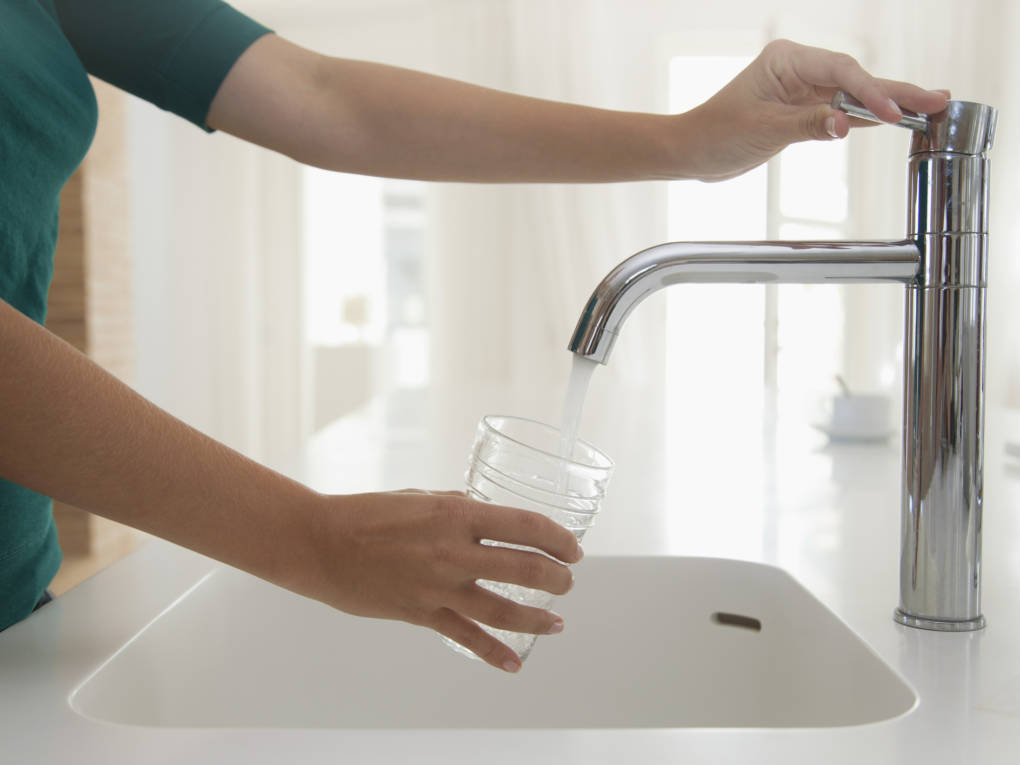
"caption": "While some water filters are designed to screen out potentially deadly lead, many filters and bottled water with added minerals simply improve the taste of water",
"description": "While some water filters are designed to screen out potentially deadly lead, many filters and bottled water with added minerals simply improve the taste of water",
"title": "While some water filters are designed to screen out potentially deadly lead, many filters and bottled water with added minerals simply improve the taste of water.",
"credit": "PhotoAlto/Antoine Arraou/Getty Images",
"status": "inherit",
"isLoading": false,
"fetchFailed": false
},
"bayareabites_129917": {
"type": "attachments",
"id": "bayareabites_129917",
"meta": {
"index": "attachments_1716263798",
"site": "bayareabites",
"id": "129917",
"found": true
},
"parent": 129373,
"imgSizes": {
"small": {
"file": "https://ww2.kqed.org/app/uploads/sites/24/2018/07/la-cocina-5-graduates1a-520x347.jpg",
"width": 520,
"mimeType": "image/jpeg",
"height": 347
},
"twentyfourteen-full-width": {
"file": "https://ww2.kqed.org/app/uploads/sites/24/2018/07/la-cocina-5-graduates1a-1038x576.jpg",
"width": 1038,
"mimeType": "image/jpeg",
"height": 576
},
"thumbnail": {
"file": "https://ww2.kqed.org/app/uploads/sites/24/2018/07/la-cocina-5-graduates1a-160x107.jpg",
"width": 160,
"mimeType": "image/jpeg",
"height": 107
},
"fd-sm": {
"file": "https://ww2.kqed.org/app/uploads/sites/24/2018/07/la-cocina-5-graduates1a-960x640.jpg",
"width": 960,
"mimeType": "image/jpeg",
"height": 640
},
"post-thumbnail": {
"file": "https://ww2.kqed.org/app/uploads/sites/24/2018/07/la-cocina-5-graduates1a-672x372.jpg",
"width": 672,
"mimeType": "image/jpeg",
"height": 372
},
"xsmall": {
"file": "https://ww2.kqed.org/app/uploads/sites/24/2018/07/la-cocina-5-graduates1a-375x250.jpg",
"width": 375,
"mimeType": "image/jpeg",
"height": 250
},
"kqedFullSize": {
"file": "https://ww2.kqed.org/app/uploads/sites/24/2018/07/la-cocina-5-graduates1a.jpg",
"width": 1920,
"height": 1280
},
"large": {
"file": "https://ww2.kqed.org/app/uploads/sites/24/2018/07/la-cocina-5-graduates1a-1020x680.jpg",
"width": 1020,
"mimeType": "image/jpeg",
"height": 680
},
"xlarge": {
"file": "https://ww2.kqed.org/app/uploads/sites/24/2018/07/la-cocina-5-graduates1a-1180x787.jpg",
"width": 1180,
"mimeType": "image/jpeg",
"height": 787
},
"complete_open_graph": {
"file": "https://ww2.kqed.org/app/uploads/sites/24/2018/07/la-cocina-5-graduates1a-1200x800.jpg",
"width": 1200,
"mimeType": "image/jpeg",
"height": 800
},
"guest-author-50": {
"file": "https://ww2.kqed.org/app/uploads/sites/24/2018/07/la-cocina-5-graduates1a-50x50.jpg",
"width": 50,
"mimeType": "image/jpeg",
"height": 50
},
"guest-author-96": {
"file": "https://ww2.kqed.org/app/uploads/sites/24/2018/07/la-cocina-5-graduates1a-96x96.jpg",
"width": 96,
"mimeType": "image/jpeg",
"height": 96
},
"medium": {
"file": "https://ww2.kqed.org/app/uploads/sites/24/2018/07/la-cocina-5-graduates1a-800x533.jpg",
"width": 800,
"mimeType": "image/jpeg",
"height": 533
},
"guest-author-64": {
"file": "https://ww2.kqed.org/app/uploads/sites/24/2018/07/la-cocina-5-graduates1a-64x64.jpg",
"width": 64,
"mimeType": "image/jpeg",
"height": 64
},
"guest-author-32": {
"file": "https://ww2.kqed.org/app/uploads/sites/24/2018/07/la-cocina-5-graduates1a-32x32.jpg",
"width": 32,
"mimeType": "image/jpeg",
"height": 32
},
"fd-lrg": {
"file": "https://ww2.kqed.org/app/uploads/sites/24/2018/07/la-cocina-5-graduates1a-1920x1280.jpg",
"width": 1920,
"mimeType": "image/jpeg",
"height": 1280
},
"fd-med": {
"file": "https://ww2.kqed.org/app/uploads/sites/24/2018/07/la-cocina-5-graduates1a-1180x787.jpg",
"width": 1180,
"mimeType": "image/jpeg",
"height": 787
},
"full-width": {
"file": "https://ww2.kqed.org/app/uploads/sites/24/2018/07/la-cocina-5-graduates1a-1920x1280.jpg",
"width": 1920,
"mimeType": "image/jpeg",
"height": 1280
},
"detail": {
"file": "https://ww2.kqed.org/app/uploads/sites/24/2018/07/la-cocina-5-graduates1a-150x150.jpg",
"width": 150,
"mimeType": "image/jpeg",
"height": 150
},
"medium_large": {
"file": "https://ww2.kqed.org/app/uploads/sites/24/2018/07/la-cocina-5-graduates1a-768x512.jpg",
"width": 768,
"mimeType": "image/jpeg",
"height": 512
},
"guest-author-128": {
"file": "https://ww2.kqed.org/app/uploads/sites/24/2018/07/la-cocina-5-graduates1a-128x128.jpg",
"width": 128,
"mimeType": "image/jpeg",
"height": 128
},
"xxsmall": {
"file": "https://ww2.kqed.org/app/uploads/sites/24/2018/07/la-cocina-5-graduates1a-240x160.jpg",
"width": 240,
"mimeType": "image/jpeg",
"height": 160
}
},
"publishDate": 1532659760,
"modified": 1532660081,
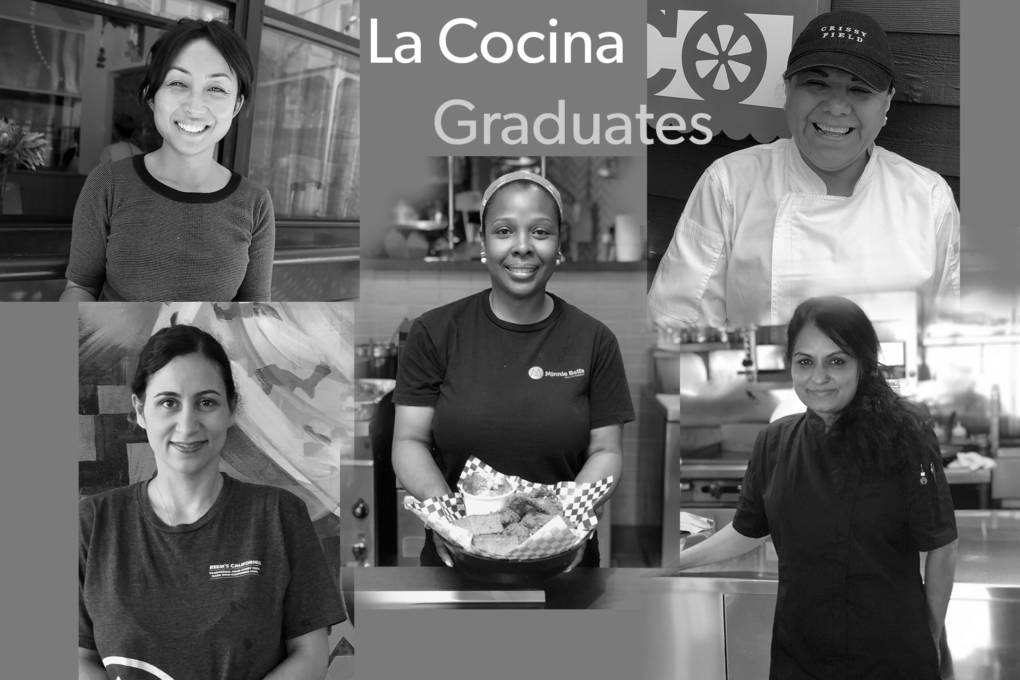
"caption": "Five La Cocina Graduates",
"description": null,
"title": "la-cocina-5-graduates1a",
"credit": "Wendy Goodfriend",
"status": "inherit",
"isLoading": false,
"fetchFailed": false
},
"bayareabites_129694": {
"type": "attachments",
"id": "bayareabites_129694",
"meta": {
"index": "attachments_1716263798",
"site": "bayareabites",
"id": "129694",
"found": true
},
"parent": 129693,
"imgSizes": {
"small": {
"file": "https://ww2.kqed.org/app/uploads/sites/24/2018/07/the-4-400-year-old-charred-bread-crumb-enlarged-_custom-5b1a657e388ac68f562b89fc1c7f84d85592f3a7-520x514.jpg",
"width": 520,
"mimeType": "image/jpeg",
"height": 514
},
"twentyfourteen-full-width": {
"file": "https://ww2.kqed.org/app/uploads/sites/24/2018/07/the-4-400-year-old-charred-bread-crumb-enlarged-_custom-5b1a657e388ac68f562b89fc1c7f84d85592f3a7-1038x576.jpg",
"width": 1038,
"mimeType": "image/jpeg",
"height": 576
},
"thumbnail": {
"file": "https://ww2.kqed.org/app/uploads/sites/24/2018/07/the-4-400-year-old-charred-bread-crumb-enlarged-_custom-5b1a657e388ac68f562b89fc1c7f84d85592f3a7-160x158.jpg",
"width": 160,
"mimeType": "image/jpeg",
"height": 158
},
"fd-sm": {
"file": "https://ww2.kqed.org/app/uploads/sites/24/2018/07/the-4-400-year-old-charred-bread-crumb-enlarged-_custom-5b1a657e388ac68f562b89fc1c7f84d85592f3a7-960x950.jpg",
"width": 960,
"mimeType": "image/jpeg",
"height": 950
},
"post-thumbnail": {
"file": "https://ww2.kqed.org/app/uploads/sites/24/2018/07/the-4-400-year-old-charred-bread-crumb-enlarged-_custom-5b1a657e388ac68f562b89fc1c7f84d85592f3a7-672x372.jpg",
"width": 672,
"mimeType": "image/jpeg",
"height": 372
},
"xsmall": {
"file": "https://ww2.kqed.org/app/uploads/sites/24/2018/07/the-4-400-year-old-charred-bread-crumb-enlarged-_custom-5b1a657e388ac68f562b89fc1c7f84d85592f3a7-375x371.jpg",
"width": 375,
"mimeType": "image/jpeg",
"height": 371
},
"kqedFullSize": {
"file": "https://ww2.kqed.org/app/uploads/sites/24/2018/07/the-4-400-year-old-charred-bread-crumb-enlarged-_custom-5b1a657e388ac68f562b89fc1c7f84d85592f3a7-e1532537295712.jpg",
"width": 1920,
"height": 1899
},
"large": {
"file": "https://ww2.kqed.org/app/uploads/sites/24/2018/07/the-4-400-year-old-charred-bread-crumb-enlarged-_custom-5b1a657e388ac68f562b89fc1c7f84d85592f3a7-1020x1009.jpg",
"width": 1020,
"mimeType": "image/jpeg",
"height": 1009
},
"xlarge": {
"file": "https://ww2.kqed.org/app/uploads/sites/24/2018/07/the-4-400-year-old-charred-bread-crumb-enlarged-_custom-5b1a657e388ac68f562b89fc1c7f84d85592f3a7-1180x1167.jpg",
"width": 1180,
"mimeType": "image/jpeg",
"height": 1167
},
"complete_open_graph": {
"file": "https://ww2.kqed.org/app/uploads/sites/24/2018/07/the-4-400-year-old-charred-bread-crumb-enlarged-_custom-5b1a657e388ac68f562b89fc1c7f84d85592f3a7-1200x1187.jpg",
"width": 1200,
"mimeType": "image/jpeg",
"height": 1187
},
"guest-author-50": {
"file": "https://ww2.kqed.org/app/uploads/sites/24/2018/07/the-4-400-year-old-charred-bread-crumb-enlarged-_custom-5b1a657e388ac68f562b89fc1c7f84d85592f3a7-50x50.jpg",
"width": 50,
"mimeType": "image/jpeg",
"height": 50
},
"guest-author-96": {
"file": "https://ww2.kqed.org/app/uploads/sites/24/2018/07/the-4-400-year-old-charred-bread-crumb-enlarged-_custom-5b1a657e388ac68f562b89fc1c7f84d85592f3a7-96x96.jpg",
"width": 96,
"mimeType": "image/jpeg",
"height": 96
},
"medium": {
"file": "https://ww2.kqed.org/app/uploads/sites/24/2018/07/the-4-400-year-old-charred-bread-crumb-enlarged-_custom-5b1a657e388ac68f562b89fc1c7f84d85592f3a7-800x791.jpg",
"width": 800,
"mimeType": "image/jpeg",
"height": 791
},
"guest-author-64": {
"file": "https://ww2.kqed.org/app/uploads/sites/24/2018/07/the-4-400-year-old-charred-bread-crumb-enlarged-_custom-5b1a657e388ac68f562b89fc1c7f84d85592f3a7-64x64.jpg",
"width": 64,
"mimeType": "image/jpeg",
"height": 64
},
"guest-author-32": {
"file": "https://ww2.kqed.org/app/uploads/sites/24/2018/07/the-4-400-year-old-charred-bread-crumb-enlarged-_custom-5b1a657e388ac68f562b89fc1c7f84d85592f3a7-32x32.jpg",
"width": 32,
"mimeType": "image/jpeg",
"height": 32
},
"fd-lrg": {
"file": "https://ww2.kqed.org/app/uploads/sites/24/2018/07/the-4-400-year-old-charred-bread-crumb-enlarged-_custom-5b1a657e388ac68f562b89fc1c7f84d85592f3a7-1920x1899.jpg",
"width": 1920,
"mimeType": "image/jpeg",
"height": 1899
},
"fd-med": {
"file": "https://ww2.kqed.org/app/uploads/sites/24/2018/07/the-4-400-year-old-charred-bread-crumb-enlarged-_custom-5b1a657e388ac68f562b89fc1c7f84d85592f3a7-1180x1167.jpg",
"width": 1180,
"mimeType": "image/jpeg",
"height": 1167
},
"full-width": {
"file": "https://ww2.kqed.org/app/uploads/sites/24/2018/07/the-4-400-year-old-charred-bread-crumb-enlarged-_custom-5b1a657e388ac68f562b89fc1c7f84d85592f3a7-1920x1899.jpg",
"width": 1920,
"mimeType": "image/jpeg",
"height": 1899
},
"detail": {
"file": "https://ww2.kqed.org/app/uploads/sites/24/2018/07/the-4-400-year-old-charred-bread-crumb-enlarged-_custom-5b1a657e388ac68f562b89fc1c7f84d85592f3a7-150x150.jpg",
"width": 150,
"mimeType": "image/jpeg",
"height": 150
},
"medium_large": {
"file": "https://ww2.kqed.org/app/uploads/sites/24/2018/07/the-4-400-year-old-charred-bread-crumb-enlarged-_custom-5b1a657e388ac68f562b89fc1c7f84d85592f3a7-768x760.jpg",
"width": 768,
"mimeType": "image/jpeg",
"height": 760
},
"guest-author-128": {
"file": "https://ww2.kqed.org/app/uploads/sites/24/2018/07/the-4-400-year-old-charred-bread-crumb-enlarged-_custom-5b1a657e388ac68f562b89fc1c7f84d85592f3a7-128x128.jpg",
"width": 128,
"mimeType": "image/jpeg",
"height": 128
},
"xxsmall": {
"file": "https://ww2.kqed.org/app/uploads/sites/24/2018/07/the-4-400-year-old-charred-bread-crumb-enlarged-_custom-5b1a657e388ac68f562b89fc1c7f84d85592f3a7-240x237.jpg",
"width": 240,
"mimeType": "image/jpeg",
"height": 237
}
},
"publishDate": 1532536366,
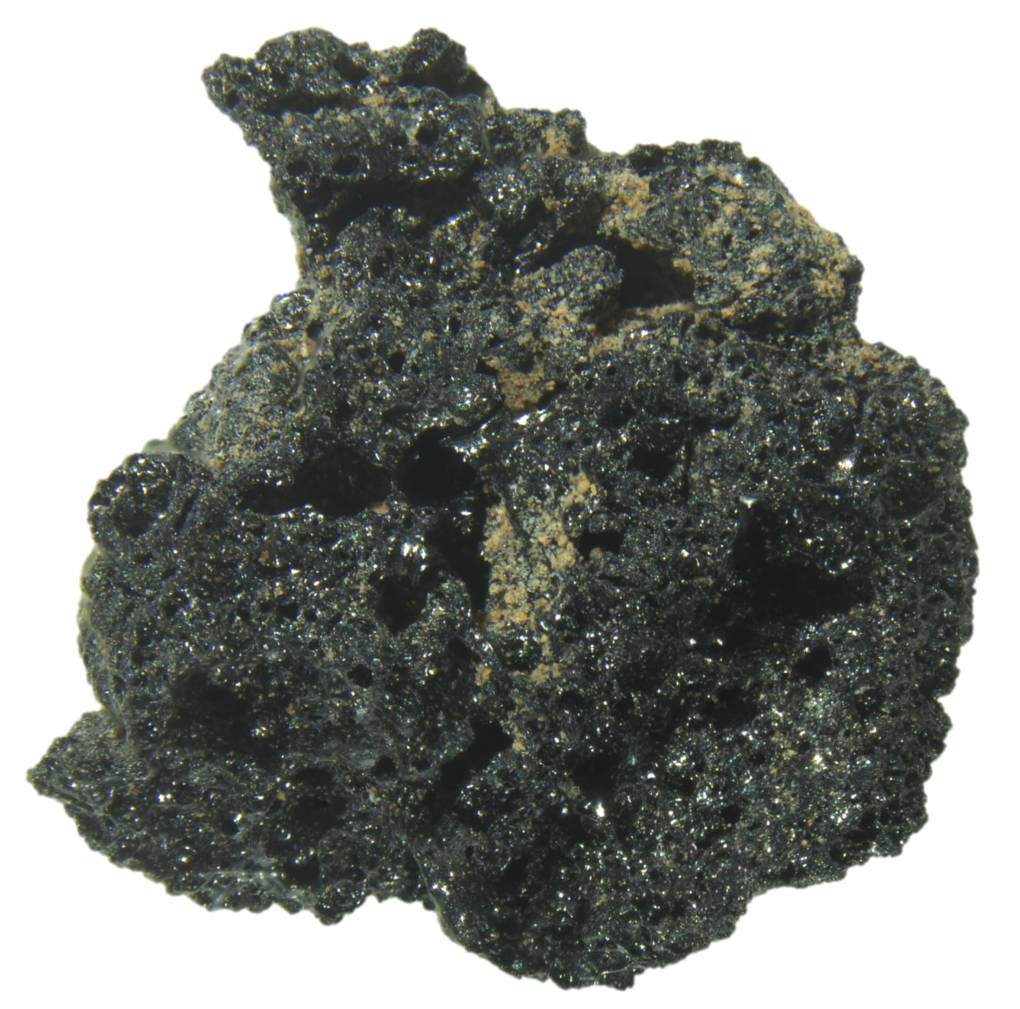
"modified": 1532536604,
"caption": "This ancient piece of bread, more than 14,000 years old, is changing what archaeologists thought they knew about the history of food and agriculture.",
"description": "This ancient piece of bread, more than 14,000 years old, is changing what archaeologists thought they knew about the history of food and agriculture.",
"title": "This ancient piece of bread, more than 14,000 years old, is changing what archaeologists thought they knew about the history of food and agriculture.",
"credit": "Amaia Arranz-Otaegui",
"status": "inherit",
"isLoading": false,
"fetchFailed": false
}
},
"audioPlayerReducer": {
"postId": "stream_live",
"isPaused": true,
"isPlaying": false,
"pfsActive": false,
"pledgeModalIsOpen": true,
"playerDrawerIsOpen": false,
"liveAudioPlayStartedAt": 0,
"liveAudioPlayContext": ""
},
"authorsReducer": {
"byline_bayareabites_130299": {
"type": "authors",
"id": "byline_bayareabites_130299",
"meta": {
"override": true
},
"slug": "byline_bayareabites_130299",
"name": "Naomi Starkman, \u003ca href=\"https://www.kqed.org/author/civileat\">Civil Eats\u003c/a>",
"isLoading": false
},
"byline_bayareabites_130286": {
"type": "authors",
"id": "byline_bayareabites_130286",
"meta": {
"override": true
},
"slug": "byline_bayareabites_130286",
"name": "Jill Neimark, NPR Food",
"isLoading": false
},
"byline_bayareabites_130218": {
"type": "authors",
"id": "byline_bayareabites_130218",
"meta": {
"override": true
},
"slug": "byline_bayareabites_130218",
"name": "Neda Ulaby, NPR Food",
"isLoading": false
},
"byline_bayareabites_130196": {
"type": "authors",
"id": "byline_bayareabites_130196",
"meta": {
"override": true
},
"slug": "byline_bayareabites_130196",
"name": "Kristen Hartke, NPR Food",
"isLoading": false
},
"byline_bayareabites_130151": {
"type": "authors",
"id": "byline_bayareabites_130151",
"meta": {
"override": true
},
"slug": "byline_bayareabites_130151",
"name": "Anna Mantzaris, NPR Food",
"isLoading": false
},
"byline_bayareabites_130124": {
"type": "authors",
"id": "byline_bayareabites_130124",
"meta": {
"override": true
},
"slug": "byline_bayareabites_130124",
"name": "Christopher Joyce, NPR Food",
"isLoading": false
},
"byline_bayareabites_130032": {
"type": "authors",
"id": "byline_bayareabites_130032",
"meta": {
"override": true
},
"slug": "byline_bayareabites_130032",
"name": "Marc Gunther, NPR",
"isLoading": false
},
"byline_bayareabites_130027": {
"type": "authors",
"id": "byline_bayareabites_130027",
"meta": {
"override": true
},
"slug": "byline_bayareabites_130027",
"name": "Allison Aubrey, \u003ca href=\"https://www.npr.org/programs/morning-edition/2018/08/06/635904259/morning-edition-for-august-6-2018\">Morning Edition\u003c/a>",
"isLoading": false
},
"byline_bayareabites_129949": {
"type": "authors",
"id": "byline_bayareabites_129949",
"meta": {
"override": true
},
"slug": "byline_bayareabites_129949",
"name": "Sara Kiley Watson, NPR Food",
"isLoading": false
},
"byline_bayareabites_129373": {
"type": "authors",
"id": "byline_bayareabites_129373",
"meta": {
"override": true
},
"slug": "byline_bayareabites_129373",
"name": "\u003ca href=\"https://www.kqed.org/author/trevorfelch\">Trevor Felch\u003c/a> (writer), \u003ca href=\"https://www.kqed.org/author/wendy-goodfriend\">Wendy Goodfriend\u003c/a> (photos/video)",
"isLoading": false
},
"byline_bayareabites_129693": {
"type": "authors",
"id": "byline_bayareabites_129693",
"meta": {
"override": true
},
"slug": "byline_bayareabites_129693",
"name": "Lina Zeldovich, NPR Food",
"isLoading": false
},
"marciagagliardi": {
"type": "authors",
"id": "11398",
"meta": {
"index": "authors_1716337520",
"id": "11398",
"found": true
},
"name": "Marcia Gagliardi",
"firstName": "Marcia",
"lastName": "Gagliardi",
"slug": "marciagagliardi",
"email": "marcia@tablehopper.com",
"display_author_email": false,
"staff_mastheads": [],
"title": null,
"bio": "\u003cstrong>Marcia Gagliardi\u003c/strong> writes a popular insider e-column about the SF dining and drinking scene, get all the latest news at \u003ca href=\"http://www.tablehopper.com\">tablehopper.com\u003c/a>. Follow @tablehopper on \u003ca href=\"https://twitter.com/tablehopper\">Twitter\u003c/a> and \u003ca href=\"https://instagram.com/tablehopper/\">Instagram\u003c/a> for more culinary finds! She also writes about low-dose and high-quality cannabis products in her weekly mymilligram newsletter at \u003ca href=\"http://www.mymilligram.com\">mymilligram.com\u003c/a>.",
"avatar": "https://secure.gravatar.com/avatar/5d0caa5ce4f7e7b9746d41093f503928?s=600&d=blank&r=g",
"twitter": null,
"facebook": null,
"instagram": null,
"linkedin": null,
"sites": [
{
"site": "bayareabites",
"roles": [
"contributor"
]
},
{
"site": "food",
"roles": [
"contributor"
]
}
],
"headData": {
"title": "Marcia Gagliardi | KQED",
"description": null,
"ogImgSrc": "https://secure.gravatar.com/avatar/5d0caa5ce4f7e7b9746d41093f503928?s=600&d=blank&r=g",
"twImgSrc": "https://secure.gravatar.com/avatar/5d0caa5ce4f7e7b9746d41093f503928?s=600&d=blank&r=g"
},
"isLoading": false,
"link": "/author/marciagagliardi"
}
},
"pagesReducer": {
"bayareabites_category_science": {
"type": "terms",
"id": "bayareabites_358",
"meta": {
"index": "terms_1716263798",
"site": "bayareabites",
"id": "358",
"score": 10.851818
},
"featImg": null,
"name": "science",
"description": null,
"taxonomy": "category",
"headData": {
"twImgId": null,
"twTitle": null,
"ogTitle": null,
"ogImgId": null,
"twDescription": null,
"description": null,
"title": "science Archives | KQED Bay Area Bites",
"ogDescription": null
},
"ttid": 7943,
"slug": "science",
"isLoading": false,
"title": "science",
"pageMeta": {
"site": "bayareabites",
"WpPageTemplate": "page-topic-editorial",
"currentPage": 7
},
"blocks": [
{
"blockName": "kqed/post-list",
"attrs": {
"layout": "cardArticle2",
"query": "posts/bayareabites?category=science",
"seeMore": false,
"paginated": true,
"page": 7
}
},
{
"blockName": "kqed/ad"
}
]
}
},
"pfsSessionReducer": {},
"postsReducer": {
"stream_live": {
"type": "live",
"id": "stream_live",
"audioUrl": "https://streams.kqed.org/kqedradio",
"title": "Live Stream",
"excerpt": "Live Stream information currently unavailable.",
"link": "/radio",
"featImg": "",
"label": {
"name": "KQED Live",
"link": "/"
}
},
"stream_kqedNewscast": {
"type": "posts",
"id": "stream_kqedNewscast",
"audioUrl": "https://www.kqed.org/.stream/anon/radio/RDnews/newscast.mp3?_=1",
"title": "KQED Newscast",
"featImg": "",
"label": {
"name": "88.5 FM",
"link": "/"
}
},
"bayareabites_130299": {
"type": "posts",
"id": "bayareabites_130299",
"meta": {
"index": "posts_1716263798",
"site": "bayareabites",
"id": "130299",
"score": null,
"sort": [
1536353068000
]
},
"parent": 0,
"labelTerm": {
"site": "bayareabites"
},
"blocks": [],
"publishDate": 1536353068,
"format": "standard",
"disqusTitle": "The Godfather of California Organics is Optimistic About the Future of Food",
"title": "The Godfather of California Organics is Optimistic About the Future of Food",
"headTitle": "Bay Area Bites | KQED Food",
"content": "\u003cp>If you’re a farm nerd like me, Warren Weber is something of a rock star. Weber, now 77 and semi-retired after decades of organic farming in California, doesn’t remember me fawning over him more than 15 years ago as I made a cross-country pilgrimage to visit his jewel-like \u003ca href=\"http://www.starroutefarms.com/\">Star Route Farms\u003c/a>, the oldest organic farm in the state, nestled in the tiny, oceanside town of Bolinas, California.\u003c/p>\n\u003cp>But for me, and many people, Weber—who founded the farm in 1974, and a year before helped craft the state’s first organic certification standards—defines the history of organic farming in California. His commitment to sustainable practices, and his involvement in organizations such as \u003ca href=\"https://www.ccof.org/\">California Certified Organic Farmers\u003c/a> (CCOF), the \u003ca href=\"http://ofrf.org/\">Organic Farming Research Foundation\u003c/a> (OFRF), \u003ca href=\"https://marinorganic.org/\">Marin Organic\u003c/a>, and the \u003ca href=\"https://www.malt.org/\">Marin Agricultural Land Trust\u003c/a> (MALT), make him a hero to many.\u003c/p>\n\u003cp>Last year, Weber and his wife Amy \u003ca href=\"https://www.sfchronicle.com/food/article/Star-Route-Farms-sold-to-University-of-San-11742257.php\">sold\u003c/a> the 100-acre farm to the University of San Francisco (USF) for $10.4 million, and when I spoke to him recently, he was happy to report that the entire operation, including the staff, farmworkers, crops, and accounts remain the same a year later. USF will utilize Star Route Farms for occasional academic use (faculty will use it for teaching purposes, field trips, etc.) beginning in spring 2019.\u003c/p>\n\u003cfigure id=\"attachment_130302\" class=\"wp-caption aligncenter\" style=\"max-width: 700px\">\u003cimg src=\"https://ww2.kqed.org/bayareabites/wp-content/uploads/sites/24/2018/09/180906-warren-weber-hoop-house-1.jpg\" alt=\"A hoop house at Star Route Farms in Bolinas.\" width=\"700\" height=\"525\" class=\"size-full wp-image-130302\" srcset=\"https://ww2.kqed.org/app/uploads/sites/24/2018/09/180906-warren-weber-hoop-house-1.jpg 700w, https://ww2.kqed.org/app/uploads/sites/24/2018/09/180906-warren-weber-hoop-house-1-160x120.jpg 160w, https://ww2.kqed.org/app/uploads/sites/24/2018/09/180906-warren-weber-hoop-house-1-240x180.jpg 240w, https://ww2.kqed.org/app/uploads/sites/24/2018/09/180906-warren-weber-hoop-house-1-375x281.jpg 375w, https://ww2.kqed.org/app/uploads/sites/24/2018/09/180906-warren-weber-hoop-house-1-520x390.jpg 520w\" sizes=\"(max-width: 700px) 100vw, 700px\">\u003cfigcaption class=\"wp-caption-text\">A hoop house at Star Route Farms in Bolinas. \u003ccite>(Star Route Farms)\u003c/cite>\u003c/figcaption>\u003c/figure>\n\u003cp>Since then, Weber has moved off the property, but continues to \u003ca href=\"http://starroutefarms.com/thermal.php\">lease their land in Coachella Valley\u003c/a> and spends his time consulting with farmers on succession and other farming issues. He wants people to know he’s for available to consult for hire and pro bono; he’s eager to help continue to forge the future of food in California. Anyone who cares about agriculture in California should put Weber on speed dial.\u003c/p>\n\u003cp>Weber \u003ca href=\"https://cuesa.org/event/2018/ripe-californias-organic-farmers-plan-next-generation\">spoke on a panel\u003c/a> last month at the \u003ca href=\"https://cuesa.org/\">Center for Urban Education about Sustainable Agriculture\u003c/a> (CUESA) with Alice Waters, third-generation peach farmer Nikiko Masumoto (who is also the daughter of author and peach farmer \u003ca href=\"https://civileats.com/2009/08/31/harvesting-legacies-from-the-land-david-mas-masumoto-and-multi-generational-farmers/\">Mas Masumoto\u003c/a>), and others about the future of organic farming in California, the challenges of farming in the state, and what it takes to make it as a farmer in 21st-century California.\u003c/p>\n\u003cp>[ad fullwidth]\u003c/p>\n\u003cp>Civil Eats spoke with Weber after the panel about what’s keeping him busy, if he misses farming, what his life is like now, and what’s next.\u003c/p>\n\u003cp>\u003cb>Your farm sold for $10 million. Do you think that raises questions about the larger landscape and what it takes to keep high-dollar land in agriculture?\u003c/b>\u003c/p>\n\u003cp>It’s a challenge, but it also depends on what part of the state you’re in. The market value of land has typically always been ahead of its agricultural value. It’s one of the reasons that commercial agriculture land is leased out; we have a lot of commercial farm land that’s leased out in the state. The best way to operate as a farmer is to lease. It works because people can get long-term leases (five or 10 years) and that’s long enough to establish yourself. If you’re doing permanent crops, like orchards or grapes, it’s harder to justify a shorter lease.\u003c/p>\n\u003cp>I did this in the desert in late ‘80s, early ‘90s; I started leasing there, as the business developed, and then I was able to take on a mortgage, and have enough profits to own the land. But a farmer may end up leasing forever.\u003c/p>\n\u003cp>The Bolinas farm is really an urban farm, and it drove up the cost. It didn’t have to be an institutional buyer; it could have been a family, but if they wouldn’t have known how to farm, they could have leased it out. We looked for a long time for a buyer, [we talked to] land trusts and other individuals; I went through a lot of different scenarios.\u003c/p>\n\u003cp>There are all sort of different kinds of farms. And there was no reason that Star Route needed to be replicated by the next person; it didn’t need to be the university to do so. There was a lot of different potential there and a lot of possibility to grow lots of different crops. I had an idea of growing mushrooms in the extensive woods there. And we thought a lot about creating a \u003ca href=\"https://www.stonebarnscenter.org/\">Stone Barns Center for Food & Agriculture\u003c/a>, with a chef like Dan Barber there as well.\u003c/p>\n\u003cp>\u003cb>What advice would you give to a new or young farmer today?\u003c/b>\u003c/p>\n\u003cp>At any level of farming, it has its challenges. The margins are difficult because of the nature of the price of food. It’s a sustainable nut to crack. [I’d advise a new farmer to] look at how you’re really doing [financially] and be aware of it. You could be caught short at the wrong time when something happens, either in the marketplace or on your expense side or if you lose your crop, or there’s competition. If you can live with those margins, it’ll work out. But you’ve got to be a good business person. That’s one of things that \u003ca href=\"https://www.californiafarmlink.org/\">Farmlink\u003c/a> does so well; they’re focused on helping farmers to be better business people.\u003c/p>\n\u003cp>\u003cb>What’s your take on food tech?\u003c/b>\u003c/p>\n\u003cp>On one level, it’s kind of scary. I just believe that we really need nature in our agriculture. Organic farming is based on soil organisms creating nutritious and healthy food. These high-tech efforts—growing in a \u003ca href=\"https://civileats.com/2016/07/28/if-your-veggies-were-grown-hydroponic-can-they-be-organic/\">soil-less medium\u003c/a>, or \u003ca href=\"https://civileats.com/2018/07/02/can-vertical-farms-reap-their-harvest-its-anyones-bet/\">inside of a factory with artificial light\u003c/a>, just giving the plant the spectrum of light it “needs”—that’s a brave new world and I’m not too fond of it. There’s “culture” in agriculture and that means biodiversity in our farming. I’m just old-school, I guess.\u003c/p>\n\u003cfigure id=\"attachment_130303\" class=\"wp-caption aligncenter\" style=\"max-width: 700px\">\u003cimg src=\"https://ww2.kqed.org/bayareabites/wp-content/uploads/sites/24/2018/09/180906-warren-weber-pumpkins-1.jpg\" alt=\"Pumpkin Harvest in Bolinas\" width=\"700\" height=\"525\" class=\"size-full wp-image-130303\" srcset=\"https://ww2.kqed.org/app/uploads/sites/24/2018/09/180906-warren-weber-pumpkins-1.jpg 700w, https://ww2.kqed.org/app/uploads/sites/24/2018/09/180906-warren-weber-pumpkins-1-160x120.jpg 160w, https://ww2.kqed.org/app/uploads/sites/24/2018/09/180906-warren-weber-pumpkins-1-240x180.jpg 240w, https://ww2.kqed.org/app/uploads/sites/24/2018/09/180906-warren-weber-pumpkins-1-375x281.jpg 375w, https://ww2.kqed.org/app/uploads/sites/24/2018/09/180906-warren-weber-pumpkins-1-520x390.jpg 520w\" sizes=\"(max-width: 700px) 100vw, 700px\">\u003cfigcaption class=\"wp-caption-text\">Pumpkin Harvest in Bolinas \u003ccite>(Star Route Farms)\u003c/cite>\u003c/figcaption>\u003c/figure>\n\u003cp>There’s always been tension between agriculture and environmentalists. And there are folks who think that growing food like this is better for the environment, but we need to find a balance between our natural resources and those used for food production. I don’t know how that battle will play out.\u003c/p>\n\u003cp>\u003cb>How do you feel about not farming every day?\u003c/b>\u003c/p>\n\u003cp>I miss the farm. A lot of it was the aesthetics of the farm, but I miss the people. I do not miss the responsibilities, however; it got to be too overwhelming. Especially in California; the regulatory environment is difficult, and so are labor, water, and environmental issues.\u003c/p>\n\u003cp>\u003cb>What do you see as the future of food and farming in California?\u003c/b>\u003c/p>\n\u003cp>People eat. Unless we start eating pills and ersatz food, people are going to want to continue to eat organic food. It has challenges, but it has a great future ahead of it. Fashions and business cycles swing. We might swing into some unfortunate phase, but organic agriculture has really proven itself. We can look back and say, yes, we can grow organic crops commercially, and we can grow almost every crop, and from a cultural point of view, we’ll always have young people who will want to do it. And that’s all we need, young people who want to do this. I’m optimistic.\u003c/p>\n\u003cp>[ad floatright]\u003c/p>\n\u003cp>\u003ci>This article originally appeared on \u003ca href=\"https://civileats.com/2018/09/06/the-godfather-of-california-organics-is-optimistic-about-the-future-of-food/?mc_cid=b243ed8a1d&mc_eid=4c925fae74\">Civil Eats\u003c/a>.\u003c/i>\u003c/p>\n\n",
"disqusIdentifier": "130299 https://ww2.kqed.org/bayareabites/?p=130299",
"disqusUrl": "https://ww2.kqed.org/bayareabites/2018/09/07/the-godfather-of-california-organics-is-optimistic-about-the-future-of-food/",
"stats": {
"hasVideo": false,
"hasChartOrMap": false,
"hasAudio": false,
"hasPolis": false,
"wordCount": 1270,
"hasGoogleForm": false,
"hasGallery": false,
"hasHearkenModule": false,
"iframeSrcs": [],
"paragraphCount": 23
},
"modified": 1536353138,
"excerpt": "After selling his legendary Star Route farms for $10 million to the University of San Francisco last year, Warren Weber is ready for his next gig.",
"headData": {
"twImgId": "",
"twTitle": "",
"ogTitle": "",
"ogImgId": "",
"twDescription": "",
"description": "After selling his legendary Star Route farms for $10 million to the University of San Francisco last year, Warren Weber is ready for his next gig.",
"title": "The Godfather of California Organics is Optimistic About the Future of Food | KQED",
"ogDescription": "",
"schema": {
"@context": "https://schema.org",
"@type": "Article",
"headline": "The Godfather of California Organics is Optimistic About the Future of Food",
"datePublished": "2018-09-07T13:44:28-07:00",
"dateModified": "2018-09-07T13:45:38-07:00",
"image": "https://cdn.kqed.org/wp-content/uploads/2020/02/KQED-OG-Image@1x.png"
}
},
"guestAuthors": [],
"slug": "the-godfather-of-california-organics-is-optimistic-about-the-future-of-food",
"status": "publish",
"nprByline": "Naomi Starkman, \u003ca href=\"https://www.kqed.org/author/civileat\">Civil Eats\u003c/a>",
"path": "/bayareabites/130299/the-godfather-of-california-organics-is-optimistic-about-the-future-of-food",
"audioTrackLength": null,
"parsedContent": [
{
"type": "contentString",
"content": "\u003cdiv class=\"post-body\">\u003cp>\u003cp>If you’re a farm nerd like me, Warren Weber is something of a rock star. Weber, now 77 and semi-retired after decades of organic farming in California, doesn’t remember me fawning over him more than 15 years ago as I made a cross-country pilgrimage to visit his jewel-like \u003ca href=\"http://www.starroutefarms.com/\">Star Route Farms\u003c/a>, the oldest organic farm in the state, nestled in the tiny, oceanside town of Bolinas, California.\u003c/p>\n\u003cp>But for me, and many people, Weber—who founded the farm in 1974, and a year before helped craft the state’s first organic certification standards—defines the history of organic farming in California. His commitment to sustainable practices, and his involvement in organizations such as \u003ca href=\"https://www.ccof.org/\">California Certified Organic Farmers\u003c/a> (CCOF), the \u003ca href=\"http://ofrf.org/\">Organic Farming Research Foundation\u003c/a> (OFRF), \u003ca href=\"https://marinorganic.org/\">Marin Organic\u003c/a>, and the \u003ca href=\"https://www.malt.org/\">Marin Agricultural Land Trust\u003c/a> (MALT), make him a hero to many.\u003c/p>\n\u003cp>Last year, Weber and his wife Amy \u003ca href=\"https://www.sfchronicle.com/food/article/Star-Route-Farms-sold-to-University-of-San-11742257.php\">sold\u003c/a> the 100-acre farm to the University of San Francisco (USF) for $10.4 million, and when I spoke to him recently, he was happy to report that the entire operation, including the staff, farmworkers, crops, and accounts remain the same a year later. USF will utilize Star Route Farms for occasional academic use (faculty will use it for teaching purposes, field trips, etc.) beginning in spring 2019.\u003c/p>\n\u003cfigure id=\"attachment_130302\" class=\"wp-caption aligncenter\" style=\"max-width: 700px\">\u003cimg src=\"https://ww2.kqed.org/bayareabites/wp-content/uploads/sites/24/2018/09/180906-warren-weber-hoop-house-1.jpg\" alt=\"A hoop house at Star Route Farms in Bolinas.\" width=\"700\" height=\"525\" class=\"size-full wp-image-130302\" srcset=\"https://ww2.kqed.org/app/uploads/sites/24/2018/09/180906-warren-weber-hoop-house-1.jpg 700w, https://ww2.kqed.org/app/uploads/sites/24/2018/09/180906-warren-weber-hoop-house-1-160x120.jpg 160w, https://ww2.kqed.org/app/uploads/sites/24/2018/09/180906-warren-weber-hoop-house-1-240x180.jpg 240w, https://ww2.kqed.org/app/uploads/sites/24/2018/09/180906-warren-weber-hoop-house-1-375x281.jpg 375w, https://ww2.kqed.org/app/uploads/sites/24/2018/09/180906-warren-weber-hoop-house-1-520x390.jpg 520w\" sizes=\"(max-width: 700px) 100vw, 700px\">\u003cfigcaption class=\"wp-caption-text\">A hoop house at Star Route Farms in Bolinas. \u003ccite>(Star Route Farms)\u003c/cite>\u003c/figcaption>\u003c/figure>\n\u003cp>Since then, Weber has moved off the property, but continues to \u003ca href=\"http://starroutefarms.com/thermal.php\">lease their land in Coachella Valley\u003c/a> and spends his time consulting with farmers on succession and other farming issues. He wants people to know he’s for available to consult for hire and pro bono; he’s eager to help continue to forge the future of food in California. Anyone who cares about agriculture in California should put Weber on speed dial.\u003c/p>\n\u003cp>Weber \u003ca href=\"https://cuesa.org/event/2018/ripe-californias-organic-farmers-plan-next-generation\">spoke on a panel\u003c/a> last month at the \u003ca href=\"https://cuesa.org/\">Center for Urban Education about Sustainable Agriculture\u003c/a> (CUESA) with Alice Waters, third-generation peach farmer Nikiko Masumoto (who is also the daughter of author and peach farmer \u003ca href=\"https://civileats.com/2009/08/31/harvesting-legacies-from-the-land-david-mas-masumoto-and-multi-generational-farmers/\">Mas Masumoto\u003c/a>), and others about the future of organic farming in California, the challenges of farming in the state, and what it takes to make it as a farmer in 21st-century California.\u003c/p>\n\u003cp>\u003c/p>\u003c/div>",
"attributes": {
"named": {},
"numeric": []
}
},
{
"type": "component",
"content": "",
"name": "ad",
"attributes": {
"named": {
"label": "fullwidth"
},
"numeric": [
"fullwidth"
]
}
},
{
"type": "contentString",
"content": "\u003cdiv class=\"post-body\">\u003cp>\u003c/p>\n\u003cp>Civil Eats spoke with Weber after the panel about what’s keeping him busy, if he misses farming, what his life is like now, and what’s next.\u003c/p>\n\u003cp>\u003cb>Your farm sold for $10 million. Do you think that raises questions about the larger landscape and what it takes to keep high-dollar land in agriculture?\u003c/b>\u003c/p>\n\u003cp>It’s a challenge, but it also depends on what part of the state you’re in. The market value of land has typically always been ahead of its agricultural value. It’s one of the reasons that commercial agriculture land is leased out; we have a lot of commercial farm land that’s leased out in the state. The best way to operate as a farmer is to lease. It works because people can get long-term leases (five or 10 years) and that’s long enough to establish yourself. If you’re doing permanent crops, like orchards or grapes, it’s harder to justify a shorter lease.\u003c/p>\n\u003cp>I did this in the desert in late ‘80s, early ‘90s; I started leasing there, as the business developed, and then I was able to take on a mortgage, and have enough profits to own the land. But a farmer may end up leasing forever.\u003c/p>\n\u003cp>The Bolinas farm is really an urban farm, and it drove up the cost. It didn’t have to be an institutional buyer; it could have been a family, but if they wouldn’t have known how to farm, they could have leased it out. We looked for a long time for a buyer, [we talked to] land trusts and other individuals; I went through a lot of different scenarios.\u003c/p>\n\u003cp>There are all sort of different kinds of farms. And there was no reason that Star Route needed to be replicated by the next person; it didn’t need to be the university to do so. There was a lot of different potential there and a lot of possibility to grow lots of different crops. I had an idea of growing mushrooms in the extensive woods there. And we thought a lot about creating a \u003ca href=\"https://www.stonebarnscenter.org/\">Stone Barns Center for Food & Agriculture\u003c/a>, with a chef like Dan Barber there as well.\u003c/p>\n\u003cp>\u003cb>What advice would you give to a new or young farmer today?\u003c/b>\u003c/p>\n\u003cp>At any level of farming, it has its challenges. The margins are difficult because of the nature of the price of food. It’s a sustainable nut to crack. [I’d advise a new farmer to] look at how you’re really doing [financially] and be aware of it. You could be caught short at the wrong time when something happens, either in the marketplace or on your expense side or if you lose your crop, or there’s competition. If you can live with those margins, it’ll work out. But you’ve got to be a good business person. That’s one of things that \u003ca href=\"https://www.californiafarmlink.org/\">Farmlink\u003c/a> does so well; they’re focused on helping farmers to be better business people.\u003c/p>\n\u003cp>\u003cb>What’s your take on food tech?\u003c/b>\u003c/p>\n\u003cp>On one level, it’s kind of scary. I just believe that we really need nature in our agriculture. Organic farming is based on soil organisms creating nutritious and healthy food. These high-tech efforts—growing in a \u003ca href=\"https://civileats.com/2016/07/28/if-your-veggies-were-grown-hydroponic-can-they-be-organic/\">soil-less medium\u003c/a>, or \u003ca href=\"https://civileats.com/2018/07/02/can-vertical-farms-reap-their-harvest-its-anyones-bet/\">inside of a factory with artificial light\u003c/a>, just giving the plant the spectrum of light it “needs”—that’s a brave new world and I’m not too fond of it. There’s “culture” in agriculture and that means biodiversity in our farming. I’m just old-school, I guess.\u003c/p>\n\u003cfigure id=\"attachment_130303\" class=\"wp-caption aligncenter\" style=\"max-width: 700px\">\u003cimg src=\"https://ww2.kqed.org/bayareabites/wp-content/uploads/sites/24/2018/09/180906-warren-weber-pumpkins-1.jpg\" alt=\"Pumpkin Harvest in Bolinas\" width=\"700\" height=\"525\" class=\"size-full wp-image-130303\" srcset=\"https://ww2.kqed.org/app/uploads/sites/24/2018/09/180906-warren-weber-pumpkins-1.jpg 700w, https://ww2.kqed.org/app/uploads/sites/24/2018/09/180906-warren-weber-pumpkins-1-160x120.jpg 160w, https://ww2.kqed.org/app/uploads/sites/24/2018/09/180906-warren-weber-pumpkins-1-240x180.jpg 240w, https://ww2.kqed.org/app/uploads/sites/24/2018/09/180906-warren-weber-pumpkins-1-375x281.jpg 375w, https://ww2.kqed.org/app/uploads/sites/24/2018/09/180906-warren-weber-pumpkins-1-520x390.jpg 520w\" sizes=\"(max-width: 700px) 100vw, 700px\">\u003cfigcaption class=\"wp-caption-text\">Pumpkin Harvest in Bolinas \u003ccite>(Star Route Farms)\u003c/cite>\u003c/figcaption>\u003c/figure>\n\u003cp>There’s always been tension between agriculture and environmentalists. And there are folks who think that growing food like this is better for the environment, but we need to find a balance between our natural resources and those used for food production. I don’t know how that battle will play out.\u003c/p>\n\u003cp>\u003cb>How do you feel about not farming every day?\u003c/b>\u003c/p>\n\u003cp>I miss the farm. A lot of it was the aesthetics of the farm, but I miss the people. I do not miss the responsibilities, however; it got to be too overwhelming. Especially in California; the regulatory environment is difficult, and so are labor, water, and environmental issues.\u003c/p>\n\u003cp>\u003cb>What do you see as the future of food and farming in California?\u003c/b>\u003c/p>\n\u003cp>People eat. Unless we start eating pills and ersatz food, people are going to want to continue to eat organic food. It has challenges, but it has a great future ahead of it. Fashions and business cycles swing. We might swing into some unfortunate phase, but organic agriculture has really proven itself. We can look back and say, yes, we can grow organic crops commercially, and we can grow almost every crop, and from a cultural point of view, we’ll always have young people who will want to do it. And that’s all we need, young people who want to do this. I’m optimistic.\u003c/p>\n\u003cp>\u003c/p>\u003c/div>",
"attributes": {
"named": {},
"numeric": []
}
},
{
"type": "component",
"content": "",
"name": "ad",
"attributes": {
"named": {
"label": "floatright"
},
"numeric": [
"floatright"
]
}
},
{
"type": "contentString",
"content": "\u003cdiv class=\"post-body\">\u003cp>\u003c/p>\n\u003cp>\u003ci>This article originally appeared on \u003ca href=\"https://civileats.com/2018/09/06/the-godfather-of-california-organics-is-optimistic-about-the-future-of-food/?mc_cid=b243ed8a1d&mc_eid=4c925fae74\">Civil Eats\u003c/a>.\u003c/i>\u003c/p>\n\n\u003c/div>\u003c/p>",
"attributes": {
"named": {},
"numeric": []
}
}
],
"link": "/bayareabites/130299/the-godfather-of-california-organics-is-optimistic-about-the-future-of-food",
"authors": [
"byline_bayareabites_130299"
],
"categories": [
"bayareabites_13718",
"bayareabites_1874",
"bayareabites_11028",
"bayareabites_10028",
"bayareabites_2554",
"bayareabites_358",
"bayareabites_60"
],
"tags": [
"bayareabites_2143"
],
"featImg": "bayareabites_130301",
"label": "bayareabites"
},
"bayareabites_130286": {
"type": "posts",
"id": "bayareabites_130286",
"meta": {
"index": "posts_1716263798",
"site": "bayareabites",
"id": "130286",
"score": null,
"sort": [
1536185837000
]
},
"parent": 0,
"labelTerm": {
"site": "bayareabites"
},
"blocks": [],
"publishDate": 1536185837,
"format": "standard",
"disqusTitle": "Leave It To Botanists To Turn Cooking Into A Science Lesson",
"title": "Leave It To Botanists To Turn Cooking Into A Science Lesson",
"headTitle": "Bay Area Bites | KQED Food",
"content": "\u003cp>Have you ever wondered why kiwi fruits are green instead of red? Why okra is slimy but cooking it with tomatoes cuts the goo factor? Or how artichokes became giant balls of thick, spiny leaves endlessly furled over a small, soft heart? If so, you're not alone.\u003c/p>\n\u003cp>In 2012 two botanists, \u003ca href=\"https://web.stanford.edu/~kap1/profile.htm\">Katherine Preston\u003c/a> of Stanford University and Jeanne Osnas of the \u003ca href=\"http://accs.uaa.alaska.edu/\">Alaska Center for Conservation Science\u003c/a>, started a blog called \u003ca href=\"https://botanistinthekitchen.blog/\">The Botanist in the Kitchen\u003c/a> to answer exactly those kinds of questions.\u003c/p>\n\u003cp>You might think that botanists spend most of their time exploring fields, forests, parks, farms or wilderness areas, working to identify, study and protect the rich bounty of the plant world. In contrast, the kitchen, that warm hub of domesticity, might not seem like an obvious place for a botany lesson. But it offers many opportunities for culinary and botanical exploration. Imagine a botanist exploring the intricacies of plant science while preparing peach mint jam, fried okra with mole sauce, or almond cake. That's exactly what this blog does.\u003c/p>\n\u003cp>How did they get started? Osnas took one of Preston's botany courses at Stanford, where she taught her students in part by having them study fruits. The two realized that one great way to teach people about the subject was through the plants they love to eat. Botanical information in books, they found, was often full of dense science and technical lingo that was too difficult for the lay reader.\u003c/p>\n\u003cp>\"We're a good writing pair,\" explains Preston, \"because I'm really interested in morphology and anatomy.\"\u003c/p>\n\u003cp>[ad fullwidth]\u003c/p>\n\u003cp>\"And I,\" says Osnas, \"am deeply interested in evolutionary relationships, how evolution creates the same flavors and tastes again and again.\"\u003c/p>\n\u003cp>Why, for instance, does nature love lemon so much? In a \u003ca href=\"https://botanistinthekitchen.blog/2013/09/02/evolution-of-lemon-flavor/\">post on the evolution of lemon flavor\u003c/a>, Osnas notes that nature produces lemons (the fruit) along with lemon balm, lemon verbena, lemon basil, lemon thyme, lemon mint, lemon myrtle, lemongrass, and more. Lemon flavor derives from just a few essential oils: citral, linalool, limonene, geraniol, and citronellal. These oils have evolved multiple times on different branches of the evolutionary tree.\u003c/p>\n\u003cp>The essential oils of all these plants contain lemony \"terpenoids,\" compounds that protect them from pests. \"When you rub a verbena or mint-family leaf between your fingers,\" says Osnas, \"you rupture the hair-like growths, called glandular trichomes, and release some of the most fragrant substances this planet has to offer. They may be repellent to bugs, but hardly to us.\"\u003c/p>\n\u003cp>To make a sweet syrup out of these lemony plants, Osnas first massages the fresh leaves with sugar for a few minutes to release the essential oil. She then adds boiling water, strains the liquid, brings it to a boil again and lets the syrup cool. Adding vodka extends its shelf life. \"I add it to club soda, and drizzle it over ice cream or an almond cake,\" Osnas says.\u003c/p>\n\u003cp>What about artichokes? They're one of the strangest-looking vegetables around. You'll understand them far better, says Preston, once you realize they actually belong to the sunflower family, which itself contains more than 20,000 species. All those spiny \"leaves\" closing over the interior, like fronds hiding a secret? They are hiding a head that, if you let it keep growing, will sprout hundreds of florets. The spiny leaves (called bracts) open and a spray of purple tubular florets fan out. \"Each of those tubes is a tiny flower,\" explains Preston, \"and in principle could make one single seed, just like a seed you get from sunflowers.\" Why so many flowers instead of just one? Pollinators are more attracted to a cluster, which from a distance looks like a single huge flower.\u003c/p>\n\u003cp>As for recipes, Preston says, \"although artichokes are notoriously ill-suited to wine, many experts recommend pairing them with an acidic dry white. I like to sip on \u003ca href=\"http://www.navarrowine.com/\">Navarro gewürztraminer\u003c/a> because of its distinct citrus notes.\"\u003c/p>\n\u003cp>Another plant and culinary riddle: \u003ca href=\"https://botanistinthekitchen.blog/2018/06/12/kiwifruit-2-why-are-they-green/\">Why are kiwis green when ripe?\u003c/a> Fruits are like the leaves of a tree — green until they shut off their chlorophyll, at which point they turn brilliant hues of red, orange, purple, blue to entice predators to eat them and poop out their seeds.\u003c/p>\n\u003cfigure id=\"attachment_130288\" class=\"wp-caption aligncenter\" style=\"max-width: 1920px\">\u003cimg src=\"https://ww2.kqed.org/bayareabites/wp-content/uploads/sites/24/2018/09/botany2_enl-6cac3f0a0b4c86a1559934136c3327e5568badce-e1536185609290.jpg\" alt=\"Another plant and culinary riddle: Why are kiwis green when ripe?\" width=\"1920\" height=\"1492\" class=\"size-full wp-image-130288\">\u003cfigcaption class=\"wp-caption-text\">Another plant and culinary riddle: Why are kiwis green when ripe? \u003ccite>(Mary Mathis/NPR)\u003c/cite>\u003c/figcaption>\u003c/figure>\n\u003cp>But kiwis, avocados and honeydew melons stay green. Wouldn't that keep predators away, since green usually signals a fruit is not yet ripe? Preston and Osnas have a possible answer, at least where kiwis are concerned: In Chinese the fruits are called \u003cem>mihoutao\u003c/em>, or \"monkey peach,\" for the monkeys that are their primary predators. Monkeys often eat fruit that is green, brown or yellowish-orange. Perhaps kiwis didn't have to turn red or purple, so they didn't bother. (That doesn't quite explain green grapes and honeydew melons, however.)\u003c/p>\n\u003cp>One of the most common questions the botanists get: Why is okra slimy? \"The slime is a mucilage\" – a gummy secretion \"that helps the plant store water in the hot places it likes to grow,\" explains Preston.\u003c/p>\n\u003cp>Okra slime changes when its pH changes. To make okra less slimy, says Preston, cook it with an acid, which changes the properties of the molecules in the mucilage, and renders it far less viscous. Southerners cook okra with tomatoes, which provide plenty of acid. Some people, however, prefer okra in its slimier form.\u003c/p>\n\u003cp>\"There are African recipes that add a base like baking soda, instead of an acid. The okra stew will be even more slimy,\" says Preston.\u003c/p>\n\u003cp>Preston's favorite recipe? \"Brown the okra a little, then put in tomatoes, cinnamon and cayenne to play up the muskiness of okra. Cook until the tomatoes are completely reduced and most of the slime is gone.\" Or, roll them in batter, which, like baking soda, is a base, and deep fry them fast and at high heat. \"That has a tendency to maintain the slime,\" she says, \"so you bite into this crispy outside and get this juicy, slimy inside. People like the contrast.\"\u003c/p>\n\u003cp>Preston and Osnas always come back to one simple and encompassing insight: All things sweet and savory, creamy and crunchy, florid and brilliant and juicy and sour, all the culinary delights of the plant world come from the relationship of plants to their predators, pollinators and caretakers. Without those relationships, they'd probably all just taste like chlorophyll.\u003c/p>\n\u003cp>\"Many of the flavors we love come from compounds meant to protect a plant from rotting or being devoured too soon,\" explains Preston. For instance, she notes, the heat of cayenne and mustards and radishes deters bugs. Antioxidants that help keep us healthy originated as plant defenses.\u003c/p>\n\u003cp>\"In the end,\" says Preston, \"the ways plants taste and behave in our kitchens are inextricable from the whole of evolutionary history.\"\u003c/p>\n\u003chr>\n\u003cp>[ad floatright]\u003c/p>\n\u003cp>\u003cem>Jill Neimark is an Atlanta-based writer whose work has been featured in \u003c/em>Discover, Scientific American, Science, Nautilus, Aeon, Psychology Today\u003cem> \u003cem>and\u003c/em> \u003c/em>The New York Times. \u003c/p>\n\u003cdiv class=\"fullattribution\">Copyright 2018 NPR. To see more, visit http://www.npr.org/.\u003cimg src=\"https://www.google-analytics.com/__utm.gif?utmac=UA-5828686-4&utmdt=Leave+It+To+Botanists+To+Turn+Cooking+Into+A+Science+Lesson&utme=8(APIKey)9(MDAxOTAwOTE4MDEyMTkxMDAzNjczZDljZA004)\">\u003c/div>\n\n",
"disqusIdentifier": "130286 https://ww2.kqed.org/bayareabites/?p=130286",
"disqusUrl": "https://ww2.kqed.org/bayareabites/2018/09/05/leave-it-to-botanists-to-turn-cooking-into-a-science-lesson/",
"stats": {
"hasVideo": false,
"hasChartOrMap": false,
"hasAudio": false,
"hasPolis": false,
"wordCount": 1183,
"hasGoogleForm": false,
"hasGallery": false,
"hasHearkenModule": false,
"iframeSrcs": [],
"paragraphCount": 23
},
"modified": 1536185837,
"excerpt": "Why do artichokes look so strange? What makes okra so slimy – and how can science help you turn that attribute into a taste sensation? Two botanists take plant science into the kitchen.",
"headData": {
"twImgId": "",
"twTitle": "",
"ogTitle": "",
"ogImgId": "",
"twDescription": "",
"description": "Why do artichokes look so strange? What makes okra so slimy – and how can science help you turn that attribute into a taste sensation? Two botanists take plant science into the kitchen.",
"title": "Leave It To Botanists To Turn Cooking Into A Science Lesson | KQED",
"ogDescription": "",
"schema": {
"@context": "https://schema.org",
"@type": "Article",
"headline": "Leave It To Botanists To Turn Cooking Into A Science Lesson",
"datePublished": "2018-09-05T15:17:17-07:00",
"dateModified": "2018-09-05T15:17:17-07:00",
"image": "https://cdn.kqed.org/wp-content/uploads/2020/02/KQED-OG-Image@1x.png"
}
},
"guestAuthors": [],
"slug": "leave-it-to-botanists-to-turn-cooking-into-a-science-lesson",
"status": "publish",
"nprApiLink": "http://api.npr.org/query?id=641615142&apiKey=MDAxOTAwOTE4MDEyMTkxMDAzNjczZDljZA004",
"nprByline": "Jill Neimark, NPR Food",
"nprStoryDate": "Wed, 05 Sep 2018 08:02:00 -0400",
"nprLastModifiedDate": "Wed, 05 Sep 2018 16:59:06 -0400",
"nprHtmlLink": "https://www.npr.org/sections/thesalt/2018/09/05/641615142/leave-it-to-botanists-to-turn-cooking-into-a-science-lesson?ft=nprml&f=641615142",
"nprImageAgency": "Mary Mathis/NPR",
"nprStoryId": "641615142",
"nprRetrievedStory": "1",
"nprPubDate": "Wed, 05 Sep 2018 16:59:00 -0400",
"path": "/bayareabites/130286/leave-it-to-botanists-to-turn-cooking-into-a-science-lesson",
"audioTrackLength": null,
"parsedContent": [
{
"type": "contentString",
"content": "\u003cdiv class=\"post-body\">\u003cp>\u003cp>Have you ever wondered why kiwi fruits are green instead of red? Why okra is slimy but cooking it with tomatoes cuts the goo factor? Or how artichokes became giant balls of thick, spiny leaves endlessly furled over a small, soft heart? If so, you're not alone.\u003c/p>\n\u003cp>In 2012 two botanists, \u003ca href=\"https://web.stanford.edu/~kap1/profile.htm\">Katherine Preston\u003c/a> of Stanford University and Jeanne Osnas of the \u003ca href=\"http://accs.uaa.alaska.edu/\">Alaska Center for Conservation Science\u003c/a>, started a blog called \u003ca href=\"https://botanistinthekitchen.blog/\">The Botanist in the Kitchen\u003c/a> to answer exactly those kinds of questions.\u003c/p>\n\u003cp>You might think that botanists spend most of their time exploring fields, forests, parks, farms or wilderness areas, working to identify, study and protect the rich bounty of the plant world. In contrast, the kitchen, that warm hub of domesticity, might not seem like an obvious place for a botany lesson. But it offers many opportunities for culinary and botanical exploration. Imagine a botanist exploring the intricacies of plant science while preparing peach mint jam, fried okra with mole sauce, or almond cake. That's exactly what this blog does.\u003c/p>\n\u003cp>How did they get started? Osnas took one of Preston's botany courses at Stanford, where she taught her students in part by having them study fruits. The two realized that one great way to teach people about the subject was through the plants they love to eat. Botanical information in books, they found, was often full of dense science and technical lingo that was too difficult for the lay reader.\u003c/p>\n\u003cp>\"We're a good writing pair,\" explains Preston, \"because I'm really interested in morphology and anatomy.\"\u003c/p>\n\u003cp>\u003c/p>\u003c/div>",
"attributes": {
"named": {},
"numeric": []
}
},
{
"type": "component",
"content": "",
"name": "ad",
"attributes": {
"named": {
"label": "fullwidth"
},
"numeric": [
"fullwidth"
]
}
},
{
"type": "contentString",
"content": "\u003cdiv class=\"post-body\">\u003cp>\u003c/p>\n\u003cp>\"And I,\" says Osnas, \"am deeply interested in evolutionary relationships, how evolution creates the same flavors and tastes again and again.\"\u003c/p>\n\u003cp>Why, for instance, does nature love lemon so much? In a \u003ca href=\"https://botanistinthekitchen.blog/2013/09/02/evolution-of-lemon-flavor/\">post on the evolution of lemon flavor\u003c/a>, Osnas notes that nature produces lemons (the fruit) along with lemon balm, lemon verbena, lemon basil, lemon thyme, lemon mint, lemon myrtle, lemongrass, and more. Lemon flavor derives from just a few essential oils: citral, linalool, limonene, geraniol, and citronellal. These oils have evolved multiple times on different branches of the evolutionary tree.\u003c/p>\n\u003cp>The essential oils of all these plants contain lemony \"terpenoids,\" compounds that protect them from pests. \"When you rub a verbena or mint-family leaf between your fingers,\" says Osnas, \"you rupture the hair-like growths, called glandular trichomes, and release some of the most fragrant substances this planet has to offer. They may be repellent to bugs, but hardly to us.\"\u003c/p>\n\u003cp>To make a sweet syrup out of these lemony plants, Osnas first massages the fresh leaves with sugar for a few minutes to release the essential oil. She then adds boiling water, strains the liquid, brings it to a boil again and lets the syrup cool. Adding vodka extends its shelf life. \"I add it to club soda, and drizzle it over ice cream or an almond cake,\" Osnas says.\u003c/p>\n\u003cp>What about artichokes? They're one of the strangest-looking vegetables around. You'll understand them far better, says Preston, once you realize they actually belong to the sunflower family, which itself contains more than 20,000 species. All those spiny \"leaves\" closing over the interior, like fronds hiding a secret? They are hiding a head that, if you let it keep growing, will sprout hundreds of florets. The spiny leaves (called bracts) open and a spray of purple tubular florets fan out. \"Each of those tubes is a tiny flower,\" explains Preston, \"and in principle could make one single seed, just like a seed you get from sunflowers.\" Why so many flowers instead of just one? Pollinators are more attracted to a cluster, which from a distance looks like a single huge flower.\u003c/p>\n\u003cp>As for recipes, Preston says, \"although artichokes are notoriously ill-suited to wine, many experts recommend pairing them with an acidic dry white. I like to sip on \u003ca href=\"http://www.navarrowine.com/\">Navarro gewürztraminer\u003c/a> because of its distinct citrus notes.\"\u003c/p>\n\u003cp>Another plant and culinary riddle: \u003ca href=\"https://botanistinthekitchen.blog/2018/06/12/kiwifruit-2-why-are-they-green/\">Why are kiwis green when ripe?\u003c/a> Fruits are like the leaves of a tree — green until they shut off their chlorophyll, at which point they turn brilliant hues of red, orange, purple, blue to entice predators to eat them and poop out their seeds.\u003c/p>\n\u003cfigure id=\"attachment_130288\" class=\"wp-caption aligncenter\" style=\"max-width: 1920px\">\u003cimg src=\"https://ww2.kqed.org/bayareabites/wp-content/uploads/sites/24/2018/09/botany2_enl-6cac3f0a0b4c86a1559934136c3327e5568badce-e1536185609290.jpg\" alt=\"Another plant and culinary riddle: Why are kiwis green when ripe?\" width=\"1920\" height=\"1492\" class=\"size-full wp-image-130288\">\u003cfigcaption class=\"wp-caption-text\">Another plant and culinary riddle: Why are kiwis green when ripe? \u003ccite>(Mary Mathis/NPR)\u003c/cite>\u003c/figcaption>\u003c/figure>\n\u003cp>But kiwis, avocados and honeydew melons stay green. Wouldn't that keep predators away, since green usually signals a fruit is not yet ripe? Preston and Osnas have a possible answer, at least where kiwis are concerned: In Chinese the fruits are called \u003cem>mihoutao\u003c/em>, or \"monkey peach,\" for the monkeys that are their primary predators. Monkeys often eat fruit that is green, brown or yellowish-orange. Perhaps kiwis didn't have to turn red or purple, so they didn't bother. (That doesn't quite explain green grapes and honeydew melons, however.)\u003c/p>\n\u003cp>One of the most common questions the botanists get: Why is okra slimy? \"The slime is a mucilage\" – a gummy secretion \"that helps the plant store water in the hot places it likes to grow,\" explains Preston.\u003c/p>\n\u003cp>Okra slime changes when its pH changes. To make okra less slimy, says Preston, cook it with an acid, which changes the properties of the molecules in the mucilage, and renders it far less viscous. Southerners cook okra with tomatoes, which provide plenty of acid. Some people, however, prefer okra in its slimier form.\u003c/p>\n\u003cp>\"There are African recipes that add a base like baking soda, instead of an acid. The okra stew will be even more slimy,\" says Preston.\u003c/p>\n\u003cp>Preston's favorite recipe? \"Brown the okra a little, then put in tomatoes, cinnamon and cayenne to play up the muskiness of okra. Cook until the tomatoes are completely reduced and most of the slime is gone.\" Or, roll them in batter, which, like baking soda, is a base, and deep fry them fast and at high heat. \"That has a tendency to maintain the slime,\" she says, \"so you bite into this crispy outside and get this juicy, slimy inside. People like the contrast.\"\u003c/p>\n\u003cp>Preston and Osnas always come back to one simple and encompassing insight: All things sweet and savory, creamy and crunchy, florid and brilliant and juicy and sour, all the culinary delights of the plant world come from the relationship of plants to their predators, pollinators and caretakers. Without those relationships, they'd probably all just taste like chlorophyll.\u003c/p>\n\u003cp>\"Many of the flavors we love come from compounds meant to protect a plant from rotting or being devoured too soon,\" explains Preston. For instance, she notes, the heat of cayenne and mustards and radishes deters bugs. Antioxidants that help keep us healthy originated as plant defenses.\u003c/p>\n\u003cp>\"In the end,\" says Preston, \"the ways plants taste and behave in our kitchens are inextricable from the whole of evolutionary history.\"\u003c/p>\n\u003chr>\n\u003cp>\u003c/p>\u003c/div>",
"attributes": {
"named": {},
"numeric": []
}
},
{
"type": "component",
"content": "",
"name": "ad",
"attributes": {
"named": {
"label": "floatright"
},
"numeric": [
"floatright"
]
}
},
{
"type": "contentString",
"content": "\u003cdiv class=\"post-body\">\u003cp>\u003c/p>\n\u003cp>\u003cem>Jill Neimark is an Atlanta-based writer whose work has been featured in \u003c/em>Discover, Scientific American, Science, Nautilus, Aeon, Psychology Today\u003cem> \u003cem>and\u003c/em> \u003c/em>The New York Times. \u003c/p>\n\u003cdiv class=\"fullattribution\">Copyright 2018 NPR. To see more, visit http://www.npr.org/.\u003cimg src=\"https://www.google-analytics.com/__utm.gif?utmac=UA-5828686-4&utmdt=Leave+It+To+Botanists+To+Turn+Cooking+Into+A+Science+Lesson&utme=8(APIKey)9(MDAxOTAwOTE4MDEyMTkxMDAzNjczZDljZA004)\">\u003c/div>\n\n\u003c/div>\u003c/p>",
"attributes": {
"named": {},
"numeric": []
}
}
],
"link": "/bayareabites/130286/leave-it-to-botanists-to-turn-cooking-into-a-science-lesson",
"authors": [
"byline_bayareabites_130286"
],
"categories": [
"bayareabites_11028",
"bayareabites_10028",
"bayareabites_10916",
"bayareabites_358"
],
"tags": [
"bayareabites_16227",
"bayareabites_13504"
],
"featImg": "bayareabites_130287",
"label": "bayareabites"
},
"bayareabites_130218": {
"type": "posts",
"id": "bayareabites_130218",
"meta": {
"index": "posts_1716263798",
"site": "bayareabites",
"id": "130218",
"score": null,
"sort": [
1535564742000
]
},
"parent": 0,
"labelTerm": {
"site": "bayareabites"
},
"blocks": [],
"publishDate": 1535564742,
"format": "standard",
"disqusTitle": "Haute Pot: How High-End California Chefs Are Cashing In On Marijuana",
"title": "Haute Pot: How High-End California Chefs Are Cashing In On Marijuana",
"headTitle": "Bay Area Bites | KQED Food",
"content": "\u003cp>Leave it to California to combine high-end cuisine with the kind of ingredients that might actually get you high. It's an increasingly lucrative niche for chefs in San Francisco and Los Angeles — cities already well known for trendy food culture.\u003c/p>\n\u003cp>Chefs and entrepreneurs making cannabis-infused foie gras and \"stoner souffles\" have been featured on not one but two series devoted to gourmet ganja: the Netflix competition program, \u003cem>Cooking On High\u003c/em>, and the Viceland show \u003cem>Bong Appetit\u003c/em>.\u003c/p>\n\u003cp>[contextly_sidebar id=\"rq427ndtD0s85yIorUyjD9Sgu9FKoJOe\"]\u003c/p>\n\u003cp>\u003cem>Bong Appetit\u003c/em> is coming out \u003ca href=\"https://www.amazon.com/Bong-App%C3%A9tit-Mastering-Cooking-Weed/dp/0399580107\">with a cookbook\u003c/a> this fall. One of its contributors, co-host Vanessa Lavorato, owns Marigold Sweets, a \"cannabis confiserie\" in Los Angeles specializing in handmade, organic, pot-infused truffles. She says a challenge for chefs working with legal cannabis is the newfangled alchemy of dosing.\u003c/p>\n\u003cp>\"It's just to add a little bit of herb,\" Lavorato says. \"It doesn't even need to get you high. It shouldn't overwhelm you.\"\u003c/p>\n\u003cp>[ad fullwidth]\u003c/p>\n\u003cp>Laverato says the musky flavor long associated with weed was once thought to drown out other ingredients. But that's changed, thanks to new cultivation and processing techniques by all of the cannabis companies that have sprung up in the wake of legalization.\u003c/p>\n\u003cp>\"You don't have to taste anything if you don't want to,\" she says. \"They have distillates. They have different concentrates that concentrate it down to THC or CBD.\"\u003c/p>\n\u003cp>THC is the cannabis compound that can get users high. CBD is different. It's another cannabis compound that lacks psychoactive properties. Fans believe CBD relieves anxiety and pain, and it's become a popular ingredient in cocktails. One upscale restaurant in downtown Los Angeles has dedicated an entire menu to it. The \u003ca href=\"https://springlosangeles.com/menus/power-lunch-menu/\">pre-fixe \"power lunch\"\u003c/a> at \u003ca href=\"https://springlosangeles.com/menus/power-lunch-menu/\">Spring\u003c/a> features CBD in such dishes as English pea soup, branzino with piquillo and Espelette, and peach panna cotta.\u003c/p>\n\u003cp>\"It's like putting hemp seeds on a salad, which people do,\" says proprietor Yassmin Sarmadi. She says she and her husband, chef Tony Esnault, take CBD every day to feel more balanced and healthy.\u003c/p>\n\u003cp>It's easier legally to serve gourmet food with CBD than THC. But state and local laws are changing so quickly, it's tricky to keep up. Pot-focused chefs have to grapple with everything from child-proof containers to where you can actually consume your fancy edibles.\u003c/p>\n\u003cfigure id=\"attachment_130220\" class=\"wp-caption aligncenter\" style=\"max-width: 1920px\">\u003cimg class=\"size-full wp-image-130220\" src=\"https://ww2.kqed.org/bayareabites/wp-content/uploads/sites/24/2018/08/pot1_vert-8cacb47cbd23234bf1837ad14b92ae22a0671830-e1535564628237.jpg\" alt=\"A lemon pepper lobster tail by Andrea Drummer, winner of Netflix's first episode of Cooking on High.\" width=\"1920\" height=\"2561\">\u003cfigcaption class=\"wp-caption-text\">A lemon pepper lobster tail by Andrea Drummer, winner of Netflix's first episode of Cooking on High. \u003ccite>(Andrea Drummer/NPR)\u003c/cite>\u003c/figcaption>\u003c/figure>\n\u003cp>California chefs interested in creating Michelin-worthy pot restaurants have been hampered, for example, by regulations forbidding customers from buying and consuming cannabis in the same place. (There are a \u003ca href=\"https://www.mercurynews.com/2018/03/15/san-francisco-embraces-amsterdam-style-marijuana-lounges/\">few exceptions\u003c/a>.) But this year, West Hollywood is granting a \u003ca href=\"https://la.eater.com/2018/4/5/17203326/west-hollywood-screening-cannabis-consumption-lounge\">few new licenses\u003c/a> for cannabis consumption areas that might transform the city into a destination for upscale cannabis tourists. Imagine a high-end West Coast Amsterdam, says Vanessa Lavorato.\u003c/p>\n\u003cp>\"West Hollywood is saying you can do restaurants. You can do a spa. You can have a café,\" she says. \"It's really going to be exciting to see who gets the licenses and what they do with these licenses.\"\u003c/p>\n\u003cp>But those questions are politicized ones in a country that's incarcerated hundreds of thousands of people for marijuana-related crimes. Andrea Drummer is \u003ca href=\"https://www.elevationvip.com/\">a private cannabis chef\u003c/a> who has catered dinners for Hollywood stars, and created \u003ca href=\"https://www.urbandaddy.com/articles/42504/new-york/the-james-hotel-just-launched-an-entirely-cbd-infused-menu\">a room service CBD menu\u003c/a> for the James Hotel in New York. She plans to one day open a fancy cannabis restaurant of her own.\u003c/p>\n\u003cp>\"I would love to employ people that have been pardoned or are coming out of jail for nonviolent marijuana crimes,\" she says. \"I would love to be able to give people jobs, people that look like me, black and brown people that should have some part in this industry.\"\u003c/p>\n\u003cp>Before working with cannabis, Drummer worked as an anti-drug prevention counselor for many years. She had a bad experience smoking pot as a young teenager and ended up having to do community service. As an adult, she attended Le Cordon Bleu College of Culinary Arts in Pasadena and found herself first interested in cannabis when she made pot brownies as a favor for a friend. And Drummer says cannabis relieved the pain she experienced after so many hours of working on her feet.\u003c/p>\n\u003cp>Drummer won the first episode of the Netflix show \u003cem>Cooking on High\u003c/em> with a cod cake sandwich. When I met her in Los Angeles, she made me a blue cheese salad with roasted pear dressing. Her dishes are based on cannabis-infused butters and oils that she makes from scratch. She enjoys working with the flavor profiles that come with different varieties of weed.\u003c/p>\n\u003cp>\"The notes you find in sour diesel are different from lemon haze, are different from OG Kush,\" she explains.\u003c/p>\n\u003cp>\u003c/p>\n\u003cp>Drummer thinks of weed as just different seasonings for a different kind of foodie. One who puts the \"pharm\" in farm to table.\u003c/p>\n\u003cdiv class=\"fullattribution\">Copyright 2018 NPR. To see more, visit http://www.npr.org/.\u003cimg src=\"https://www.google-analytics.com/__utm.gif?utmac=UA-5828686-4&utmdt=Haute+Pot%3A+How+High-End+California+Chefs+Are+Cashing+In+On+Marijuana&utme=8(APIKey)9(MDAxOTAwOTE4MDEyMTkxMDAzNjczZDljZA004)\">\u003c/div>\n\n",
"disqusIdentifier": "130218 https://ww2.kqed.org/bayareabites/?p=130218",
"disqusUrl": "https://ww2.kqed.org/bayareabites/2018/08/29/haute-pot-how-high-end-california-chefs-are-cashing-in-on-marijuana/",
"stats": {
"hasVideo": false,
"hasChartOrMap": false,
"hasAudio": false,
"hasPolis": false,
"wordCount": 837,
"hasGoogleForm": false,
"hasGallery": false,
"hasHearkenModule": false,
"iframeSrcs": [],
"paragraphCount": 20
},
"modified": 1573080316,
"excerpt": "From TV series to cookbooks to cannabis-infused menus at upscale restaurants, pot cuisine is becoming an increasingly lucrative niche — and state and local laws are struggling to catch up.",
"headData": {
"twImgId": "",
"twTitle": "",
"ogTitle": "",
"ogImgId": "",
"twDescription": "",
"description": "From TV series to cookbooks to cannabis-infused menus at upscale restaurants, pot cuisine is becoming an increasingly lucrative niche — and state and local laws are struggling to catch up.",
"title": "Haute Pot: How High-End California Chefs Are Cashing In On Marijuana | KQED",
"ogDescription": "",
"schema": {
"@context": "https://schema.org",
"@type": "Article",
"headline": "Haute Pot: How High-End California Chefs Are Cashing In On Marijuana",
"datePublished": "2018-08-29T10:45:42-07:00",
"dateModified": "2019-11-06T14:45:16-08:00",
"image": "https://cdn.kqed.org/wp-content/uploads/2020/02/KQED-OG-Image@1x.png"
}
},
"guestAuthors": [],
"slug": "haute-pot-how-high-end-california-chefs-are-cashing-in-on-marijuana",
"status": "publish",
"nprApiLink": "http://api.npr.org/query?id=638587970&apiKey=MDAxOTAwOTE4MDEyMTkxMDAzNjczZDljZA004",
"nprStoryDate": "Tue, 28 Aug 2018 04:52:00 -0400",
"nprLastModifiedDate": "Tue, 28 Aug 2018 13:12:30 -0400",
"nprHtmlLink": "https://www.npr.org/sections/thesalt/2018/08/28/638587970/haute-pot-how-high-end-california-chefs-are-cashing-in-on-marijuana?ft=nprml&f=638587970",
"nprAudio": "https://ondemand.npr.org/anon.npr-mp3/npr/me/2018/08/20180828_me_haute_pot_how_high-end_california_chefs_are_cashing_in_on_marijuana.mp3?orgId=1&topicId=1053&d=260&p=3&story=638587970&ft=nprml&f=638587970",
"nprImageAgency": "AFP/Getty Images",
"nprAudioM3u": "http://api.npr.org/m3u/1642496711-8c5427.m3u?orgId=1&topicId=1053&d=260&p=3&story=638587970&ft=nprml&f=638587970",
"nprStoryId": "638587970",
"nprByline": "Neda Ulaby, NPR Food",
"audioTrackLength": 261,
"nprImageCredit": "Jason Redmond",
"nprRetrievedStory": "1",
"nprPubDate": "Tue, 28 Aug 2018 13:12:00 -0400",
"path": "/bayareabites/130218/haute-pot-how-high-end-california-chefs-are-cashing-in-on-marijuana",
"audioUrl": "https://ondemand.npr.org/anon.npr-mp3/npr/me/2018/08/20180828_me_haute_pot_how_high-end_california_chefs_are_cashing_in_on_marijuana.mp3?orgId=1&topicId=1053&d=260&p=3&story=638587970&ft=nprml&f=638587970",
"parsedContent": [
{
"type": "contentString",
"content": "\u003cdiv class=\"post-body\">\u003cp>\u003cp>Leave it to California to combine high-end cuisine with the kind of ingredients that might actually get you high. It's an increasingly lucrative niche for chefs in San Francisco and Los Angeles — cities already well known for trendy food culture.\u003c/p>\n\u003cp>Chefs and entrepreneurs making cannabis-infused foie gras and \"stoner souffles\" have been featured on not one but two series devoted to gourmet ganja: the Netflix competition program, \u003cem>Cooking On High\u003c/em>, and the Viceland show \u003cem>Bong Appetit\u003c/em>.\u003c/p>\n\u003cp>\u003c/p>\u003cp>\u003c/p>\u003cp>\u003c/p>\n\u003cp>\u003cem>Bong Appetit\u003c/em> is coming out \u003ca href=\"https://www.amazon.com/Bong-App%C3%A9tit-Mastering-Cooking-Weed/dp/0399580107\">with a cookbook\u003c/a> this fall. One of its contributors, co-host Vanessa Lavorato, owns Marigold Sweets, a \"cannabis confiserie\" in Los Angeles specializing in handmade, organic, pot-infused truffles. She says a challenge for chefs working with legal cannabis is the newfangled alchemy of dosing.\u003c/p>\n\u003cp>\"It's just to add a little bit of herb,\" Lavorato says. \"It doesn't even need to get you high. It shouldn't overwhelm you.\"\u003c/p>\n\u003cp>\u003c/p>\u003c/div>",
"attributes": {
"named": {},
"numeric": []
}
},
{
"type": "component",
"content": "",
"name": "ad",
"attributes": {
"named": {
"label": "fullwidth"
},
"numeric": [
"fullwidth"
]
}
},
{
"type": "contentString",
"content": "\u003cdiv class=\"post-body\">\u003cp>\u003c/p>\n\u003cp>Laverato says the musky flavor long associated with weed was once thought to drown out other ingredients. But that's changed, thanks to new cultivation and processing techniques by all of the cannabis companies that have sprung up in the wake of legalization.\u003c/p>\n\u003cp>\"You don't have to taste anything if you don't want to,\" she says. \"They have distillates. They have different concentrates that concentrate it down to THC or CBD.\"\u003c/p>\n\u003cp>THC is the cannabis compound that can get users high. CBD is different. It's another cannabis compound that lacks psychoactive properties. Fans believe CBD relieves anxiety and pain, and it's become a popular ingredient in cocktails. One upscale restaurant in downtown Los Angeles has dedicated an entire menu to it. The \u003ca href=\"https://springlosangeles.com/menus/power-lunch-menu/\">pre-fixe \"power lunch\"\u003c/a> at \u003ca href=\"https://springlosangeles.com/menus/power-lunch-menu/\">Spring\u003c/a> features CBD in such dishes as English pea soup, branzino with piquillo and Espelette, and peach panna cotta.\u003c/p>\n\u003cp>\"It's like putting hemp seeds on a salad, which people do,\" says proprietor Yassmin Sarmadi. She says she and her husband, chef Tony Esnault, take CBD every day to feel more balanced and healthy.\u003c/p>\n\u003cp>It's easier legally to serve gourmet food with CBD than THC. But state and local laws are changing so quickly, it's tricky to keep up. Pot-focused chefs have to grapple with everything from child-proof containers to where you can actually consume your fancy edibles.\u003c/p>\n\u003cfigure id=\"attachment_130220\" class=\"wp-caption aligncenter\" style=\"max-width: 1920px\">\u003cimg class=\"size-full wp-image-130220\" src=\"https://ww2.kqed.org/bayareabites/wp-content/uploads/sites/24/2018/08/pot1_vert-8cacb47cbd23234bf1837ad14b92ae22a0671830-e1535564628237.jpg\" alt=\"A lemon pepper lobster tail by Andrea Drummer, winner of Netflix's first episode of Cooking on High.\" width=\"1920\" height=\"2561\">\u003cfigcaption class=\"wp-caption-text\">A lemon pepper lobster tail by Andrea Drummer, winner of Netflix's first episode of Cooking on High. \u003ccite>(Andrea Drummer/NPR)\u003c/cite>\u003c/figcaption>\u003c/figure>\n\u003cp>California chefs interested in creating Michelin-worthy pot restaurants have been hampered, for example, by regulations forbidding customers from buying and consuming cannabis in the same place. (There are a \u003ca href=\"https://www.mercurynews.com/2018/03/15/san-francisco-embraces-amsterdam-style-marijuana-lounges/\">few exceptions\u003c/a>.) But this year, West Hollywood is granting a \u003ca href=\"https://la.eater.com/2018/4/5/17203326/west-hollywood-screening-cannabis-consumption-lounge\">few new licenses\u003c/a> for cannabis consumption areas that might transform the city into a destination for upscale cannabis tourists. Imagine a high-end West Coast Amsterdam, says Vanessa Lavorato.\u003c/p>\n\u003cp>\"West Hollywood is saying you can do restaurants. You can do a spa. You can have a café,\" she says. \"It's really going to be exciting to see who gets the licenses and what they do with these licenses.\"\u003c/p>\n\u003cp>But those questions are politicized ones in a country that's incarcerated hundreds of thousands of people for marijuana-related crimes. Andrea Drummer is \u003ca href=\"https://www.elevationvip.com/\">a private cannabis chef\u003c/a> who has catered dinners for Hollywood stars, and created \u003ca href=\"https://www.urbandaddy.com/articles/42504/new-york/the-james-hotel-just-launched-an-entirely-cbd-infused-menu\">a room service CBD menu\u003c/a> for the James Hotel in New York. She plans to one day open a fancy cannabis restaurant of her own.\u003c/p>\n\u003cp>\"I would love to employ people that have been pardoned or are coming out of jail for nonviolent marijuana crimes,\" she says. \"I would love to be able to give people jobs, people that look like me, black and brown people that should have some part in this industry.\"\u003c/p>\n\u003cp>Before working with cannabis, Drummer worked as an anti-drug prevention counselor for many years. She had a bad experience smoking pot as a young teenager and ended up having to do community service. As an adult, she attended Le Cordon Bleu College of Culinary Arts in Pasadena and found herself first interested in cannabis when she made pot brownies as a favor for a friend. And Drummer says cannabis relieved the pain she experienced after so many hours of working on her feet.\u003c/p>\n\u003cp>Drummer won the first episode of the Netflix show \u003cem>Cooking on High\u003c/em> with a cod cake sandwich. When I met her in Los Angeles, she made me a blue cheese salad with roasted pear dressing. Her dishes are based on cannabis-infused butters and oils that she makes from scratch. She enjoys working with the flavor profiles that come with different varieties of weed.\u003c/p>\n\u003cp>\"The notes you find in sour diesel are different from lemon haze, are different from OG Kush,\" she explains.\u003c/p>\n\u003cp>\u003c/p>\n\u003cp>Drummer thinks of weed as just different seasonings for a different kind of foodie. One who puts the \"pharm\" in farm to table.\u003c/p>\n\u003cdiv class=\"fullattribution\">Copyright 2018 NPR. To see more, visit http://www.npr.org/.\u003cimg src=\"https://www.google-analytics.com/__utm.gif?utmac=UA-5828686-4&utmdt=Haute+Pot%3A+How+High-End+California+Chefs+Are+Cashing+In+On+Marijuana&utme=8(APIKey)9(MDAxOTAwOTE4MDEyMTkxMDAzNjczZDljZA004)\">\u003c/div>\n\n\u003c/div>\u003c/p>",
"attributes": {
"named": {},
"numeric": []
}
}
],
"link": "/bayareabites/130218/haute-pot-how-high-end-california-chefs-are-cashing-in-on-marijuana",
"authors": [
"byline_bayareabites_130218"
],
"categories": [
"bayareabites_15908",
"bayareabites_64",
"bayareabites_11028",
"bayareabites_10028",
"bayareabites_10916",
"bayareabites_358"
],
"featImg": "bayareabites_130219",
"label": "bayareabites"
},
"bayareabites_130202": {
"type": "posts",
"id": "bayareabites_130202",
"meta": {
"index": "posts_1716263798",
"site": "bayareabites",
"id": "130202",
"score": null,
"sort": [
1535562957000
]
},
"parent": 0,
"labelTerm": {
"site": "bayareabites"
},
"blocks": [],
"publishDate": 1535562957,
"format": "standard",
"disqusTitle": "5 Cannabis Beverages to Keep You High-Drated",
"title": "5 Cannabis Beverages to Keep You High-Drated",
"headTitle": "Bay Area Bites | KQED Food",
"content": "\u003cp>Cannabis—you can smoke it, vaporize it, eat it, consume it in sublingual tablets and strips and tinctures and capsules, apply it topically, take a bath in it, and now one of the most exciting and booming categories is how you can drink it. The novelty of being able to drink THC-infused beverages is proving to be wildly popular in the new adult use recreational market, especially beverages that mimic wine or beer (but, to be clear, absolutely no alcohol can be present in any beverages that contain cannabis).\u003c/p>\n\u003cp>[contextly_sidebar id=\"9V5hZFN9rKl0NIaVcfsOGBx3ZpTec3W4\"]\u003c/p>\n\u003cp>Cannabis and beverages were definitely a hot topic at August’s second Wine & Weed Symposium in Santa Rosa, with CannaCraft’s CEO Bill Silver giving the opening remarks and celebrating his company’s release of Hi-Fi Hops in partnership with Lagunitas that week (more on that below). With Constellation Brands—which owns big beer, wine, and spirits brands, including Corona and Kim Crawford—investing $190 million and then another cool $4 billion in Canada’s Canopy Growth (the world’s largest medical cannabis company), you can bet this is just the tip of the iceberg for cannabis beverage innovation and releases. You’ll see many new beverages hitting the Colorado and Nevada legal markets too, but here are five of the latest Californian and compliant cannabis beverages to try.\u003c/p>\n\u003cp>\u003cb>A note on consumption:\u003c/b> if you are new (or returning) to cannabis, you should know that psychoactive effects can occur from consuming around 2 to 2.5mg of THC. 2.5mg is a good place to begin, you can always consume more later—give yourself a couple hours to see how you feel after a first dose. Keep it low and go slow. With beverages, they tend to have a quicker onset. You can expect to start feeling a bit lifted and euphoric effects around 10–15 minutes or so (although everyone is different, so give it time).\u003c/p>\n\u003cp>[contextly_sidebar id=\"hqTHMAMYpcvThHmuTWYiG1RDP4RNmAsz\"]\u003c/p>\n\u003cp>At 10mg per bottle (and more), some of these beverages are built to share, especially if you’re just getting started exploring cannabis. Here’s one of my favorite tricks: if you’ve had enough but want to save the rest of your beverage, try putting the leftovers into ice cubes in big silicone trays (divide it equally so you have an idea of dosage), and you can enjoy them later. It works especially well with carbonated beverages.\u003c/p>\n\u003cp>[ad fullwidth]\u003c/p>\n\u003cp>Save the mixing of these beverages with alcohol for experienced cannabis consumers: alcohol potentiates the effects of cannabis, and vice versa, so tread very carefully in this area. Cross-fading is a slippery slope.\u003c/p>\n\u003ch2>\u003ca href=\"https://lagunitas.com/hifihops\">Hi-Fi Hops by Lagunitas and CannaCraft\u003c/a>\u003c/h2>\n\u003cfigure id=\"attachment_130206\" class=\"wp-caption aligncenter\" style=\"max-width: 1920px\">\u003cimg class=\"size-full wp-image-130206\" src=\"https://ww2.kqed.org/bayareabites/wp-content/uploads/sites/24/2018/08/ABX-Lagunitas-Hi-Fi-Hops-lifestyle3-e1535491627795.jpg\" alt=\"Meet Hi-Fi-Hops, the sparkling THC “beer” from Lagunitas and AbsoluteXtracts.\" width=\"1920\" height=\"1280\">\u003cfigcaption class=\"wp-caption-text\">Meet Hi-Fi-Hops, the sparkling THC “beer” from Lagunitas and AbsoluteXtracts. \u003ccite>(CannaCraft)\u003c/cite>\u003c/figcaption>\u003c/figure>\n\u003cp>One of the biggest sensations to just hit the beverage market is this new cannabis “beer” from a partnership between Lagunitas and CannaCraft (one of their brands is AbsoluteXtracts, famed for their vape cartridges). This nonalcoholic beverage is made with IPA-inspired, hop-flavored sparkling water by Lagunitas and is then infused with sun-grown cannabis by CannaCraft. The line of Hi-Fi Hops includes one can with 5mg of THC and 5mg of CBD (perfect for beginners and microdosers, especially since CBD helps mitigate the effects of THC), while the other can features a dose of 10mg of THC.\u003c/p>\n\u003cp>There’s an easy synergy of flavors from and between cannabis and hops, which is why Lagunitas and AbsoluteXtracts partnered last year on their one-off SuperCritical ale release. It was like \u003ci>Freaky Friday\u003c/i>: Lagunitas brewed an IPA with cannabis terpenes (the aromatic compounds), and ABX released a cannabis vape cartridge with hop terpenes (which is still available).\u003c/p>\n\u003cp>In the case of Hi-Fi Hops, the hoppy palate is light and clean, fizzy like a LaCroix, and a little lemony and dry, like a tonic—it’s a lot like drinking a shandy. What’s remarkable about this faux beer is that it’s carb-free and has zero calories, so there’s no beer bloat, but it certainly has its own kind of buzz. It comes on quickly—I started feeling a little pleasantly fizzy in my head after 10 minutes of drinking the 5mg version. Hi-Fi Hops has turned out to be a tremendous hit, and, just a month after the release, CannaCraft has had to quadruple production.\u003c/p>\n\u003cp>Find a list of dispensaries \u003ca href=\"https://www.abx.org/hifi-hops\">here\u003c/a>.\u003c/p>\n\u003ch2>\u003ca href=\"https://definitelynotrebelcoastwinery.com/\">Rebel Coast Winery\u003c/a>\u003c/h2>\n\u003cfigure id=\"attachment_130208\" class=\"wp-caption aligncenter\" style=\"max-width: 1920px\">\u003cimg class=\"size-full wp-image-130208\" src=\"https://ww2.kqed.org/bayareabites/wp-content/uploads/sites/24/2018/08/rebel-coast-LC-High-res-bottle-shot-e1535492525127.jpg\" alt=\"Rebel Coast Winery’s THC-infused sauvignon blanc.\" width=\"1920\" height=\"2880\">\u003cfigcaption class=\"wp-caption-text\">Rebel Coast Winery’s THC-infused sauvignon blanc. \u003ccite>(Rebel Coast Winery)\u003c/cite>\u003c/figcaption>\u003c/figure>\n\u003cp>This company is the first to release a THC-infused Sauvignon Blanc. Business partners Chip Forsythe (\u003ca href=\"https://rebelcoast.com/pages/wine\">the winemaker\u003c/a>) and Josh Lizotte made the S.B. in Sonoma, removed the alcohol, and then added in uplifting, sativa-dominant strains (the THC extract is provided and powered by \u003ca href=\"https://www.ebbu.com/\">ebbu\u003c/a>, and utilizes their HydroPS solution), plus grape juice concentrate, fruit juice, purified water, and potassium metabisulfite, a preservative agent.\u003c/p>\n\u003cp>It reportedly has a crisp, citrusy, and clean flavor, and comes with some giggles too. Unfortunately I wasn’t able to taste the wine personally because they’ve run out of stock and are looking at another 90 days before it’s available again (so, plan on the end of 2018).\u003c/p>\n\u003cp>The “wine” comes in a 20mg bottle, and the label handily has 5mg markers along the side (go slow). Here’s a bonus: it’s only 35 calories per glass (removing the alcohol also removes the calories, yay). Rebel Coast is reportedly working on releasing a cannabis-infused rosé and sparkling wine as well, and is planning distribution to other legal states and Canada in 2019.\u003c/p>\n\u003ch2>The Fizz by \u003ca>Manzanita and Madrone\u003c/a>\u003c/h2>\n\u003cfigure id=\"attachment_130216\" class=\"wp-caption aligncenter\" style=\"max-width: 1920px\">\u003cimg class=\"size-full wp-image-130216\" src=\"https://ww2.kqed.org/bayareabites/wp-content/uploads/sites/24/2018/08/3BottlesLedge-e1535495625469.png\" alt=\"The three THC-infused flavors of The Fizz from Manzanita and Madrone.\" width=\"1920\" height=\"1847\">\u003cfigcaption class=\"wp-caption-text\">The three THC-infused flavors of The Fizz from Manzanita and Madrone. \u003ccite>(Manzanita and Madrone)\u003c/cite>\u003c/figcaption>\u003c/figure>\n\u003cp>One of the first cannabis sodas to hit the shelves of California dispensaries back in 2017, The Fizz is a line of three all-natural sodas: natural cola, ginger root, and lemon lime. They just rebranded and altered the dosage—each bottle now contains 10mg of THC. Manzanita and Madrone’s brewmasters have over 40 combined years of experience with craft and herbal beverages, which makes these small-batch sodas a cut above others with their refined technique and quality ingredients. For example, instead of using chemicals like sodium benzoate, they use quillaja bark extract (native to Chile) to emulsify their premium, CO2-extracted THC.\u003c/p>\n\u003cp>The ginger root has a great bite and kick (mellowed with a touch of tropical sweetness from pineapple), while the lemon-lime is super quenching like a Sprite. The flavorful and spiced natural cola is made using kola nut, which incidentally is the origin of the term “cola.” Since these sodas are made with respect to their ingredients’ medicinal properties, I recommend trying the ginger when you’re fighting a cold (you can even warm it up), and the grapefruit seed extract in the cola has antioxidant benefits. They taste delicious right out of the bottle (just keep an eye on your consumption) or over ice.\u003c/p>\n\u003cp>Find The Fizz stockists \u003ca href=\"https://www.manzamadrone.com/copy-of-contact\">here\u003c/a>.\u003c/p>\n\u003ch2>\u003ca href=\"https://drinkdreamin.com/\">California Dreamin’\u003c/a>\u003c/h2>\n\u003cfigure id=\"attachment_130209\" class=\"wp-caption aligncenter\" style=\"max-width: 1920px\">\u003cimg class=\"size-full wp-image-130209\" src=\"https://ww2.kqed.org/bayareabites/wp-content/uploads/sites/24/2018/08/CA-Dreamin-4pack-e1535493991994.jpg\" alt=\"California Dreamin’ has a line of four fruity, THC-infused sodas.\" width=\"1920\" height=\"1279\">\u003cfigcaption class=\"wp-caption-text\">California Dreamin’ has a line of four fruity, THC-infused sodas. \u003ccite>(mymilligram.com)\u003c/cite>\u003c/figcaption>\u003c/figure>\n\u003cp>This new line of bottled sodas from couple Amy Ludlum and Peter Bishop features four flavors: grapefruit, tangerine, pomegranate, and cranberry apple. Each soda is made with sparkling water and fruit juice, with no sugar added, and they feature a nice tartness and dryness, while the tangerine is a little sweeter than the other three. Each bottle contains a friendly 10mg each, using a concentrate of sativa-dominant strains, so the experience is uplifting and perfect for daytime recreational use (like hanging out with friends and listening to music). Enjoy California Dreamin’ over ice, and they mix well with LaCroix, club soda, and other sodas—you can add fruit garnish to your glass, too.\u003c/p>\n\u003cp>Find retailers \u003ca href=\"https://drinkdreamin.com/pages/buy-california-dreamin\">here\u003c/a>.\u003c/p>\n\u003ch2>\u003ca href=\"https://drinksprig.com/\">Sprig\u003c/a>\u003c/h2>\n\u003cfigure id=\"attachment_130210\" class=\"wp-caption aligncenter\" style=\"max-width: 1920px\">\u003cimg class=\"size-full wp-image-130210\" src=\"https://ww2.kqed.org/bayareabites/wp-content/uploads/sites/24/2018/08/CBD-ICE-ALL-FLAVORS-e1535494173158.jpg\" alt=\"Sprig offers both THC-infused and CBD sodas in a can. \" width=\"1920\" height=\"1280\">\u003cfigcaption class=\"wp-caption-text\">Sprig offers both THC-infused and CBD sodas in a can. \u003ccite>(Sprig)\u003c/cite>\u003c/figcaption>\u003c/figure>\n\u003cp>With one look at these cheerful sodas in a can, it’s hard to believe they contain 10mg of THC each, so cannabis newcomers should consider splitting it with a friend—and they don’t look like an obvious THC beverage, so make sure people know what they’re pulling out of a cooler and drinking! The Citrus Original soda is sweetened with cane sugar (but still has 1/3 fewer calories than a can of Coca-Cola), while the Citrus Zero Sugar is sweetened with stevia and erythritol (a sugar alcohol substitute). As someone who prefers cane sugar over substitutes (like stevia), I’d stick with the original, but to each their own. If you want some beverage inspiration, they have a page of recipes \u003ca href=\"https://drinksprig.com/blogs/blog/sprig-s-summer-cocktail-concoctions\">here\u003c/a>, and these sodas are perfect for beach days and barbecues.\u003c/p>\n\u003cp>Find retailers \u003ca href=\"https://drinksprig.com/pages/store-locator\">here\u003c/a>.\u003c/p>\n\u003cp>Sprig also has a line of \u003ca href=\"https://drinksprig.com/pages/shop-cbd-infused-soda\">CBD sodas\u003c/a> (featuring CBD derived from Colorado-grown hemp), including sparkling citrus (either in the original flavor with cane sugar or sugar-free), along with sugar-free sparkling lemon tea and melon soda. Each can contains 20mg of CBD, enough to deliver relaxed and calm feelings (it’s chillax in a can). These sodas would come in handy after work or a workout, when you want to unwind at home, or even when a hangover strikes. The sparkling lemon tea (which is caffeine-free) made my four-hour road trip a mellow affair (it’s also built for an Arnold Palmer). Bonus: you can order the CBD sodas on their site.\u003c/p>\n\u003ch2>Coming soon\u003c/h2>\n\u003cp>Here are a couple beverages to keep your eye on, and all made by women:\u003c/p>\n\u003cp>\u003ca href=\"https://www.lagrandeur.co/\">La Grandeur\u003c/a>, a crisp, sparkling cranberry beverage (5mg THC per bottle) is due to come back to dispensary shelves in mid-October (it’s perfect for Thanksgiving!).\u003c/p>\n\u003cp>[ad floatright]\u003c/p>\n\u003cp>\u003ca href=\"http://tsosonoma.com/\">TSO Sonoma\u003c/a> will be launching a THC-infused, non-alcoholic, low-dose rosé that will come in a bottle and a can in 2019. Look for the TSO Infused wine to be served at their \u003ca href=\"https://www.instagram.com/tsoelevatedevents/\">TSO Elevated Events\u003c/a> first.\u003c/p>\n\n",
"disqusIdentifier": "130202 https://ww2.kqed.org/bayareabites/?p=130202",
"disqusUrl": "https://ww2.kqed.org/bayareabites/2018/08/29/5-cannabis-beverages-to-keep-you-high-drated/",
"stats": {
"hasVideo": false,
"hasChartOrMap": false,
"hasAudio": false,
"hasPolis": false,
"wordCount": 1710,
"hasGoogleForm": false,
"hasGallery": false,
"hasHearkenModule": false,
"iframeSrcs": [],
"paragraphCount": 27
},
"modified": 1547056348,
"excerpt": "Check out the latest cannabis beverages to hit Northern California.",
"headData": {
"twImgId": "",
"twTitle": "",
"ogTitle": "",
"ogImgId": "",
"twDescription": "",
"description": "Check out the latest cannabis beverages to hit Northern California.",
"title": "5 Cannabis Beverages to Keep You High-Drated | KQED",
"ogDescription": "",
"schema": {
"@context": "https://schema.org",
"@type": "Article",
"headline": "5 Cannabis Beverages to Keep You High-Drated",
"datePublished": "2018-08-29T10:15:57-07:00",
"dateModified": "2019-01-09T09:52:28-08:00",
"image": "https://cdn.kqed.org/wp-content/uploads/2020/02/KQED-OG-Image@1x.png"
}
},
"guestAuthors": [],
"slug": "5-cannabis-beverages-to-keep-you-high-drated",
"status": "publish",
"path": "/bayareabites/130202/5-cannabis-beverages-to-keep-you-high-drated",
"audioTrackLength": null,
"parsedContent": [
{
"type": "contentString",
"content": "\u003cdiv class=\"post-body\">\u003cp>\u003cp>Cannabis—you can smoke it, vaporize it, eat it, consume it in sublingual tablets and strips and tinctures and capsules, apply it topically, take a bath in it, and now one of the most exciting and booming categories is how you can drink it. The novelty of being able to drink THC-infused beverages is proving to be wildly popular in the new adult use recreational market, especially beverages that mimic wine or beer (but, to be clear, absolutely no alcohol can be present in any beverages that contain cannabis).\u003c/p>\n\u003cp>\u003c/p>\u003cp>\u003c/p>\u003cp>\u003c/p>\n\u003cp>Cannabis and beverages were definitely a hot topic at August’s second Wine & Weed Symposium in Santa Rosa, with CannaCraft’s CEO Bill Silver giving the opening remarks and celebrating his company’s release of Hi-Fi Hops in partnership with Lagunitas that week (more on that below). With Constellation Brands—which owns big beer, wine, and spirits brands, including Corona and Kim Crawford—investing $190 million and then another cool $4 billion in Canada’s Canopy Growth (the world’s largest medical cannabis company), you can bet this is just the tip of the iceberg for cannabis beverage innovation and releases. You’ll see many new beverages hitting the Colorado and Nevada legal markets too, but here are five of the latest Californian and compliant cannabis beverages to try.\u003c/p>\n\u003cp>\u003cb>A note on consumption:\u003c/b> if you are new (or returning) to cannabis, you should know that psychoactive effects can occur from consuming around 2 to 2.5mg of THC. 2.5mg is a good place to begin, you can always consume more later—give yourself a couple hours to see how you feel after a first dose. Keep it low and go slow. With beverages, they tend to have a quicker onset. You can expect to start feeling a bit lifted and euphoric effects around 10–15 minutes or so (although everyone is different, so give it time).\u003c/p>\n\u003cp>\u003c/p>\u003cp>\u003c/p>\u003cp>\u003c/p>\n\u003cp>At 10mg per bottle (and more), some of these beverages are built to share, especially if you’re just getting started exploring cannabis. Here’s one of my favorite tricks: if you’ve had enough but want to save the rest of your beverage, try putting the leftovers into ice cubes in big silicone trays (divide it equally so you have an idea of dosage), and you can enjoy them later. It works especially well with carbonated beverages.\u003c/p>\n\u003cp>\u003c/p>\u003c/div>",
"attributes": {
"named": {},
"numeric": []
}
},
{
"type": "component",
"content": "",
"name": "ad",
"attributes": {
"named": {
"label": "fullwidth"
},
"numeric": [
"fullwidth"
]
}
},
{
"type": "contentString",
"content": "\u003cdiv class=\"post-body\">\u003cp>\u003c/p>\n\u003cp>Save the mixing of these beverages with alcohol for experienced cannabis consumers: alcohol potentiates the effects of cannabis, and vice versa, so tread very carefully in this area. Cross-fading is a slippery slope.\u003c/p>\n\u003ch2>\u003ca href=\"https://lagunitas.com/hifihops\">Hi-Fi Hops by Lagunitas and CannaCraft\u003c/a>\u003c/h2>\n\u003cfigure id=\"attachment_130206\" class=\"wp-caption aligncenter\" style=\"max-width: 1920px\">\u003cimg class=\"size-full wp-image-130206\" src=\"https://ww2.kqed.org/bayareabites/wp-content/uploads/sites/24/2018/08/ABX-Lagunitas-Hi-Fi-Hops-lifestyle3-e1535491627795.jpg\" alt=\"Meet Hi-Fi-Hops, the sparkling THC “beer” from Lagunitas and AbsoluteXtracts.\" width=\"1920\" height=\"1280\">\u003cfigcaption class=\"wp-caption-text\">Meet Hi-Fi-Hops, the sparkling THC “beer” from Lagunitas and AbsoluteXtracts. \u003ccite>(CannaCraft)\u003c/cite>\u003c/figcaption>\u003c/figure>\n\u003cp>One of the biggest sensations to just hit the beverage market is this new cannabis “beer” from a partnership between Lagunitas and CannaCraft (one of their brands is AbsoluteXtracts, famed for their vape cartridges). This nonalcoholic beverage is made with IPA-inspired, hop-flavored sparkling water by Lagunitas and is then infused with sun-grown cannabis by CannaCraft. The line of Hi-Fi Hops includes one can with 5mg of THC and 5mg of CBD (perfect for beginners and microdosers, especially since CBD helps mitigate the effects of THC), while the other can features a dose of 10mg of THC.\u003c/p>\n\u003cp>There’s an easy synergy of flavors from and between cannabis and hops, which is why Lagunitas and AbsoluteXtracts partnered last year on their one-off SuperCritical ale release. It was like \u003ci>Freaky Friday\u003c/i>: Lagunitas brewed an IPA with cannabis terpenes (the aromatic compounds), and ABX released a cannabis vape cartridge with hop terpenes (which is still available).\u003c/p>\n\u003cp>In the case of Hi-Fi Hops, the hoppy palate is light and clean, fizzy like a LaCroix, and a little lemony and dry, like a tonic—it’s a lot like drinking a shandy. What’s remarkable about this faux beer is that it’s carb-free and has zero calories, so there’s no beer bloat, but it certainly has its own kind of buzz. It comes on quickly—I started feeling a little pleasantly fizzy in my head after 10 minutes of drinking the 5mg version. Hi-Fi Hops has turned out to be a tremendous hit, and, just a month after the release, CannaCraft has had to quadruple production.\u003c/p>\n\u003cp>Find a list of dispensaries \u003ca href=\"https://www.abx.org/hifi-hops\">here\u003c/a>.\u003c/p>\n\u003ch2>\u003ca href=\"https://definitelynotrebelcoastwinery.com/\">Rebel Coast Winery\u003c/a>\u003c/h2>\n\u003cfigure id=\"attachment_130208\" class=\"wp-caption aligncenter\" style=\"max-width: 1920px\">\u003cimg class=\"size-full wp-image-130208\" src=\"https://ww2.kqed.org/bayareabites/wp-content/uploads/sites/24/2018/08/rebel-coast-LC-High-res-bottle-shot-e1535492525127.jpg\" alt=\"Rebel Coast Winery’s THC-infused sauvignon blanc.\" width=\"1920\" height=\"2880\">\u003cfigcaption class=\"wp-caption-text\">Rebel Coast Winery’s THC-infused sauvignon blanc. \u003ccite>(Rebel Coast Winery)\u003c/cite>\u003c/figcaption>\u003c/figure>\n\u003cp>This company is the first to release a THC-infused Sauvignon Blanc. Business partners Chip Forsythe (\u003ca href=\"https://rebelcoast.com/pages/wine\">the winemaker\u003c/a>) and Josh Lizotte made the S.B. in Sonoma, removed the alcohol, and then added in uplifting, sativa-dominant strains (the THC extract is provided and powered by \u003ca href=\"https://www.ebbu.com/\">ebbu\u003c/a>, and utilizes their HydroPS solution), plus grape juice concentrate, fruit juice, purified water, and potassium metabisulfite, a preservative agent.\u003c/p>\n\u003cp>It reportedly has a crisp, citrusy, and clean flavor, and comes with some giggles too. Unfortunately I wasn’t able to taste the wine personally because they’ve run out of stock and are looking at another 90 days before it’s available again (so, plan on the end of 2018).\u003c/p>\n\u003cp>The “wine” comes in a 20mg bottle, and the label handily has 5mg markers along the side (go slow). Here’s a bonus: it’s only 35 calories per glass (removing the alcohol also removes the calories, yay). Rebel Coast is reportedly working on releasing a cannabis-infused rosé and sparkling wine as well, and is planning distribution to other legal states and Canada in 2019.\u003c/p>\n\u003ch2>The Fizz by \u003ca>Manzanita and Madrone\u003c/a>\u003c/h2>\n\u003cfigure id=\"attachment_130216\" class=\"wp-caption aligncenter\" style=\"max-width: 1920px\">\u003cimg class=\"size-full wp-image-130216\" src=\"https://ww2.kqed.org/bayareabites/wp-content/uploads/sites/24/2018/08/3BottlesLedge-e1535495625469.png\" alt=\"The three THC-infused flavors of The Fizz from Manzanita and Madrone.\" width=\"1920\" height=\"1847\">\u003cfigcaption class=\"wp-caption-text\">The three THC-infused flavors of The Fizz from Manzanita and Madrone. \u003ccite>(Manzanita and Madrone)\u003c/cite>\u003c/figcaption>\u003c/figure>\n\u003cp>One of the first cannabis sodas to hit the shelves of California dispensaries back in 2017, The Fizz is a line of three all-natural sodas: natural cola, ginger root, and lemon lime. They just rebranded and altered the dosage—each bottle now contains 10mg of THC. Manzanita and Madrone’s brewmasters have over 40 combined years of experience with craft and herbal beverages, which makes these small-batch sodas a cut above others with their refined technique and quality ingredients. For example, instead of using chemicals like sodium benzoate, they use quillaja bark extract (native to Chile) to emulsify their premium, CO2-extracted THC.\u003c/p>\n\u003cp>The ginger root has a great bite and kick (mellowed with a touch of tropical sweetness from pineapple), while the lemon-lime is super quenching like a Sprite. The flavorful and spiced natural cola is made using kola nut, which incidentally is the origin of the term “cola.” Since these sodas are made with respect to their ingredients’ medicinal properties, I recommend trying the ginger when you’re fighting a cold (you can even warm it up), and the grapefruit seed extract in the cola has antioxidant benefits. They taste delicious right out of the bottle (just keep an eye on your consumption) or over ice.\u003c/p>\n\u003cp>Find The Fizz stockists \u003ca href=\"https://www.manzamadrone.com/copy-of-contact\">here\u003c/a>.\u003c/p>\n\u003ch2>\u003ca href=\"https://drinkdreamin.com/\">California Dreamin’\u003c/a>\u003c/h2>\n\u003cfigure id=\"attachment_130209\" class=\"wp-caption aligncenter\" style=\"max-width: 1920px\">\u003cimg class=\"size-full wp-image-130209\" src=\"https://ww2.kqed.org/bayareabites/wp-content/uploads/sites/24/2018/08/CA-Dreamin-4pack-e1535493991994.jpg\" alt=\"California Dreamin’ has a line of four fruity, THC-infused sodas.\" width=\"1920\" height=\"1279\">\u003cfigcaption class=\"wp-caption-text\">California Dreamin’ has a line of four fruity, THC-infused sodas. \u003ccite>(mymilligram.com)\u003c/cite>\u003c/figcaption>\u003c/figure>\n\u003cp>This new line of bottled sodas from couple Amy Ludlum and Peter Bishop features four flavors: grapefruit, tangerine, pomegranate, and cranberry apple. Each soda is made with sparkling water and fruit juice, with no sugar added, and they feature a nice tartness and dryness, while the tangerine is a little sweeter than the other three. Each bottle contains a friendly 10mg each, using a concentrate of sativa-dominant strains, so the experience is uplifting and perfect for daytime recreational use (like hanging out with friends and listening to music). Enjoy California Dreamin’ over ice, and they mix well with LaCroix, club soda, and other sodas—you can add fruit garnish to your glass, too.\u003c/p>\n\u003cp>Find retailers \u003ca href=\"https://drinkdreamin.com/pages/buy-california-dreamin\">here\u003c/a>.\u003c/p>\n\u003ch2>\u003ca href=\"https://drinksprig.com/\">Sprig\u003c/a>\u003c/h2>\n\u003cfigure id=\"attachment_130210\" class=\"wp-caption aligncenter\" style=\"max-width: 1920px\">\u003cimg class=\"size-full wp-image-130210\" src=\"https://ww2.kqed.org/bayareabites/wp-content/uploads/sites/24/2018/08/CBD-ICE-ALL-FLAVORS-e1535494173158.jpg\" alt=\"Sprig offers both THC-infused and CBD sodas in a can. \" width=\"1920\" height=\"1280\">\u003cfigcaption class=\"wp-caption-text\">Sprig offers both THC-infused and CBD sodas in a can. \u003ccite>(Sprig)\u003c/cite>\u003c/figcaption>\u003c/figure>\n\u003cp>With one look at these cheerful sodas in a can, it’s hard to believe they contain 10mg of THC each, so cannabis newcomers should consider splitting it with a friend—and they don’t look like an obvious THC beverage, so make sure people know what they’re pulling out of a cooler and drinking! The Citrus Original soda is sweetened with cane sugar (but still has 1/3 fewer calories than a can of Coca-Cola), while the Citrus Zero Sugar is sweetened with stevia and erythritol (a sugar alcohol substitute). As someone who prefers cane sugar over substitutes (like stevia), I’d stick with the original, but to each their own. If you want some beverage inspiration, they have a page of recipes \u003ca href=\"https://drinksprig.com/blogs/blog/sprig-s-summer-cocktail-concoctions\">here\u003c/a>, and these sodas are perfect for beach days and barbecues.\u003c/p>\n\u003cp>Find retailers \u003ca href=\"https://drinksprig.com/pages/store-locator\">here\u003c/a>.\u003c/p>\n\u003cp>Sprig also has a line of \u003ca href=\"https://drinksprig.com/pages/shop-cbd-infused-soda\">CBD sodas\u003c/a> (featuring CBD derived from Colorado-grown hemp), including sparkling citrus (either in the original flavor with cane sugar or sugar-free), along with sugar-free sparkling lemon tea and melon soda. Each can contains 20mg of CBD, enough to deliver relaxed and calm feelings (it’s chillax in a can). These sodas would come in handy after work or a workout, when you want to unwind at home, or even when a hangover strikes. The sparkling lemon tea (which is caffeine-free) made my four-hour road trip a mellow affair (it’s also built for an Arnold Palmer). Bonus: you can order the CBD sodas on their site.\u003c/p>\n\u003ch2>Coming soon\u003c/h2>\n\u003cp>Here are a couple beverages to keep your eye on, and all made by women:\u003c/p>\n\u003cp>\u003ca href=\"https://www.lagrandeur.co/\">La Grandeur\u003c/a>, a crisp, sparkling cranberry beverage (5mg THC per bottle) is due to come back to dispensary shelves in mid-October (it’s perfect for Thanksgiving!).\u003c/p>\n\u003cp>\u003c/p>\u003c/div>",
"attributes": {
"named": {},
"numeric": []
}
},
{
"type": "component",
"content": "",
"name": "ad",
"attributes": {
"named": {
"label": "floatright"
},
"numeric": [
"floatright"
]
}
},
{
"type": "contentString",
"content": "\u003cdiv class=\"post-body\">\u003cp>\u003c/p>\n\u003cp>\u003ca href=\"http://tsosonoma.com/\">TSO Sonoma\u003c/a> will be launching a THC-infused, non-alcoholic, low-dose rosé that will come in a bottle and a can in 2019. Look for the TSO Infused wine to be served at their \u003ca href=\"https://www.instagram.com/tsoelevatedevents/\">TSO Elevated Events\u003c/a> first.\u003c/p>\n\n\u003c/div>\u003c/p>",
"attributes": {
"named": {},
"numeric": []
}
}
],
"link": "/bayareabites/130202/5-cannabis-beverages-to-keep-you-high-drated",
"authors": [
"11398"
],
"categories": [
"bayareabites_301",
"bayareabites_13306",
"bayareabites_15908",
"bayareabites_11028",
"bayareabites_10028",
"bayareabites_4084",
"bayareabites_1846",
"bayareabites_358",
"bayareabites_119"
],
"tags": [
"bayareabites_504",
"bayareabites_16247",
"bayareabites_13419",
"bayareabites_16221",
"bayareabites_16222",
"bayareabites_16250"
],
"featImg": "bayareabites_130211",
"label": "bayareabites"
},
"bayareabites_130196": {
"type": "posts",
"id": "bayareabites_130196",
"meta": {
"index": "posts_1716263798",
"site": "bayareabites",
"id": "130196",
"score": null,
"sort": [
1535486095000
]
},
"parent": 0,
"labelTerm": {
"site": "bayareabites"
},
"blocks": [],
"publishDate": 1535486095,
"format": "aside",
"disqusTitle": "Don't Bug Out! The Smithsonian Channel Is Going To Show You How To Cook Insects",
"title": "Don't Bug Out! The Smithsonian Channel Is Going To Show You How To Cook Insects",
"headTitle": "Bay Area Bites | KQED Food",
"content": "\u003cfigure id=\"attachment_130198\" class=\"wp-caption aligncenter\" style=\"max-width: 1920px\">\u003cimg src=\"https://ww2.kqed.org/bayareabites/wp-content/uploads/sites/24/2018/08/bugbites_id-0138-tarantuladish_custom-b600d3ab99285d9d93494b02be48960fff3fec59-e1535485993707.jpg\" alt=\"Deep-fried tarantula. Hungry yet?\" width=\"1920\" height=\"1075\" class=\"size-full wp-image-130198\">\u003cfigcaption class=\"wp-caption-text\">Deep-fried tarantula. Hungry yet? \u003ccite>(Smithsonian Networks)\u003c/cite>\u003c/figcaption>\u003c/figure>\n\u003cp>In a classic episode of \u003cem>Seinfeld\u003c/em> from 1991, Jerry famously declares that he thinks the worst part about being blind would be \"not being able to tell if there was bugs in my food. How could you ever enjoy a meal like that?\"\u003c/p>\n\u003cp>Fast forward nearly three decades and opinions, at least here in the United States and also in Europe, haven't changed much. Insects are meant to be eradicated, not fricasseed, and on the rare occasion that they're ingested, it's either because of a mistake or a dare. But Joseph Giraldi, executive producer of \u003cem>Bug Bites\u003c/em>, a series of short cooking videos where insects feature as the main ingredient, thinks Westerners' attitudes — and palates — are finally catching up with the rest of the world.\u003c/p>\n\u003cp>\"The idea behind \u003cem>Bug Bites\u003c/em> was to expand our audience's awareness of something that, to many of the world's cultures, is actually quite common – eating insects,\" says Giraldi. \"We thought an exciting way to tell this story was through bite-size, easily digestible, five-minute episodes featuring some of the country's foremost experts in bug cooking, showcasing their recipes using a variety of insects.\"\u003c/p>\n\u003cp>The five-part series will be available for streaming starting Monday on SmithsonianChannel.com and Smithsonian Earth. For the chefs who are cooking up bugs in the five-minute episodes, the rise in \"foodie culture\" and environmentally friendly food sources may be helping to pave the way for insect acceptance.\u003c/p>\n\u003cp>\"In Western countries, the aversion to bugs is out of proportion,\" says David George Gordon, author of \u003cem>The Eat-a-Bug Cookbook\u003c/em>. \"There's also a misguided perception that in the cultures where bugs are eaten, that they are eaten only out of desperation. The truth is that these insects are prized in other parts of the world, they aren't regarded as creepy-crawlies.\" Escamoles, the larvae and pupae of a specific type of ant native to parts of Mexico and the Southwest, are a good example: The ant eggs are a delicacy with a price tag to match, sometimes up to $100 per serving in a fine-dining restaurant.\u003c/p>\n\u003cp>[ad fullwidth]\u003c/p>\n\u003cp>On \u003cem>Bug Bites — \u003c/em>which is hosted by biologist Haley Chamberlain Nelson — Gordon prepares a deep-fried tarantula, singeing the hair off with a kitchen torch to improve its texture and dusting it with smoked paprika just before serving. His focus is on showcasing the critter — in this case, an arachnid, not an insect — as a tasty protein, rather than hiding it in a sauce.\u003c/p>\n\u003cp>\"I want people to be really aware of the fact that they are eating bugs,\" he says. \"Martha Stewart says that we eat with our eyes, and, if you think about it, a cricket doesn't look offensive. It looks like a crawfish, and people love to eat crawfish.\" When you consider that crawfish are often referred to as \"mud bugs,\" the leap to eating crickets is not that far-fetched.\u003c/p>\n\u003cfigure id=\"attachment_130199\" class=\"wp-caption aligncenter\" style=\"max-width: 3834px\">\u003cimg src=\"https://ww2.kqed.org/bayareabites/wp-content/uploads/sites/24/2018/08/bugbites_id-0202-cricketsonpizzacloseup_wide-9e114fc832d4ea95d611229eca6b65f5e806b782.jpg\" alt='Crickets on a pizza? Chef David George Gordon likens the insects to crawfish. Chef Joseph Yoon agrees, calling them \"gateway bugs.\"' width=\"3834\" height=\"2157\" class=\"size-full wp-image-130199\" srcset=\"https://ww2.kqed.org/app/uploads/sites/24/2018/08/bugbites_id-0202-cricketsonpizzacloseup_wide-9e114fc832d4ea95d611229eca6b65f5e806b782.jpg 3834w, https://ww2.kqed.org/app/uploads/sites/24/2018/08/bugbites_id-0202-cricketsonpizzacloseup_wide-9e114fc832d4ea95d611229eca6b65f5e806b782-160x90.jpg 160w, https://ww2.kqed.org/app/uploads/sites/24/2018/08/bugbites_id-0202-cricketsonpizzacloseup_wide-9e114fc832d4ea95d611229eca6b65f5e806b782-800x450.jpg 800w, https://ww2.kqed.org/app/uploads/sites/24/2018/08/bugbites_id-0202-cricketsonpizzacloseup_wide-9e114fc832d4ea95d611229eca6b65f5e806b782-768x432.jpg 768w, https://ww2.kqed.org/app/uploads/sites/24/2018/08/bugbites_id-0202-cricketsonpizzacloseup_wide-9e114fc832d4ea95d611229eca6b65f5e806b782-1020x574.jpg 1020w, https://ww2.kqed.org/app/uploads/sites/24/2018/08/bugbites_id-0202-cricketsonpizzacloseup_wide-9e114fc832d4ea95d611229eca6b65f5e806b782-1200x675.jpg 1200w, https://ww2.kqed.org/app/uploads/sites/24/2018/08/bugbites_id-0202-cricketsonpizzacloseup_wide-9e114fc832d4ea95d611229eca6b65f5e806b782-1180x664.jpg 1180w, https://ww2.kqed.org/app/uploads/sites/24/2018/08/bugbites_id-0202-cricketsonpizzacloseup_wide-9e114fc832d4ea95d611229eca6b65f5e806b782-960x540.jpg 960w, https://ww2.kqed.org/app/uploads/sites/24/2018/08/bugbites_id-0202-cricketsonpizzacloseup_wide-9e114fc832d4ea95d611229eca6b65f5e806b782-240x135.jpg 240w, https://ww2.kqed.org/app/uploads/sites/24/2018/08/bugbites_id-0202-cricketsonpizzacloseup_wide-9e114fc832d4ea95d611229eca6b65f5e806b782-375x211.jpg 375w, https://ww2.kqed.org/app/uploads/sites/24/2018/08/bugbites_id-0202-cricketsonpizzacloseup_wide-9e114fc832d4ea95d611229eca6b65f5e806b782-520x293.jpg 520w\" sizes=\"(max-width: 3834px) 100vw, 3834px\">\u003cfigcaption class=\"wp-caption-text\">Crickets on a pizza? Chef David George Gordon likens the insects to crawfish. Chef Joseph Yoon agrees, calling them \"gateway bugs.\" \u003ccite>(Smithsonian Networks)\u003c/cite>\u003c/figcaption>\u003c/figure>\n\u003cp>Joseph Yoon, chef and founder of Brooklyn Bugs, agrees, calling crickets \"gateway bugs.\" The protein he chose to prepare on \u003cem>Bug Bites\u003c/em>, however, was dried Manchurian scorpions, whose flavor he likens to brined shrimp or softshell crab.\u003c/p>\n\u003cp>\"What fascinates me most,\" says Yoon, \"is that there are over 1,900 edible insects. The sheer amount of different flavors and textures is incredible. It's a real wealth of new protein product available to chefs.\"\u003c/p>\n\u003cp>Edible insects are, indeed, an excellent source of protein, when compared to more traditional sources like cattle and fish, as \u003ca href=\"http://www.fao.org/edible-insects/84625/en/\">noted\u003c/a> by the Food and Agriculture Organization of the United Nations. Caterpillars, for instance, have been shown to have the \u003ca href=\"https://www.ent.iastate.edu/misc/insectnutrition.html\">same amount\u003c/a> of protein per 100 grams, or even more, as lean ground beef or cod, and can be raised in large numbers, with far less environmental impact than is \u003ca href=\"https://www.npr.org/sections/thesalt/2014/10/16/356648390/do-we-need-a-new-environmental-impact-label-for-beef\">often associated with common farming methods\u003c/a>.\u003c/p>\n\u003cp>But for the handful of chefs championing insects as ingredients, it ultimately comes down to just cooking food that people want to eat.\u003c/p>\n\u003cp>\"If we think of it as a novelty, not as food,\" says Gordon, \"then we're missing the point. These are just tasty ingredients and we need to treat them that way.\"\u003c/p>\n\u003cp>For instance, Gordon points out that mealworms have a flavor that's similar to mushrooms, so it doesn't make a whole lot of sense to use mealworms as a garnish for, say, ice cream. Would you put mushrooms on top of your ice cream sundae? Probably not.\u003c/p>\n\u003cp>Both Gordon and Yoon would like to see more professional chefs cooking with bugs for the simple reason that they are trained in cooking techniques and flavor profiles. They hope that \u003cem>Bug Bites\u003c/em> will be inspirational to chefs as well as home cooks and curious foodies.\u003c/p>\n\u003cp>\"Chefs are the missing factor,\" Gordon says. \"They could be such an ally, especially because we actually have a younger generation who are really open to the idea of edible insects. They are interested in the spices and flavors coming from cultures all over the world and aren't afraid of new ingredients.\"\u003c/p>\n\u003cp>\u003c/p>\n\u003cp>Yoon concurs, pointing out that something like the citric note of black ants can add a new burst of flavor to a simple green salad. \"It's really a matter of being creative and innovative,\" he says, \"not sitting down to eat a massive mound of mealworms.\" \u003c/p>\n\u003cdiv class=\"fullattribution\">Copyright 2018 NPR. To see more, visit http://www.npr.org/.\u003cimg src=\"https://www.google-analytics.com/__utm.gif?utmac=UA-5828686-4&utmdt=Don%27t+Bug+Out%21+The+Smithsonian+Channel+Is+Going+To+Show+You+How+To+Cook+Insects&utme=8(APIKey)9(MDAxOTAwOTE4MDEyMTkxMDAzNjczZDljZA004)\">\u003c/div>\n\n",
"disqusIdentifier": "130196 https://ww2.kqed.org/bayareabites/?p=130196",
"disqusUrl": "https://ww2.kqed.org/bayareabites/2018/08/28/dont-bug-out-the-smithsonian-channel-is-going-to-show-you-how-to-cook-insects/",
"stats": {
"hasVideo": false,
"hasChartOrMap": false,
"hasAudio": false,
"hasPolis": false,
"wordCount": 940,
"hasGoogleForm": false,
"hasGallery": false,
"hasHearkenModule": false,
"iframeSrcs": [],
"paragraphCount": 18
},
"modified": 1573080323,
"excerpt": "Dried Manchurian scorpions? Think softshell crabs. Crickets? They're not far from crawfish. A new series aims to showcase the flavors of edible insects — prized ingredients in parts of the world.",
"headData": {
"twImgId": "",
"twTitle": "",
"ogTitle": "",
"ogImgId": "",
"twDescription": "",
"description": "Dried Manchurian scorpions? Think softshell crabs. Crickets? They're not far from crawfish. A new series aims to showcase the flavors of edible insects — prized ingredients in parts of the world.",
"title": "Don't Bug Out! The Smithsonian Channel Is Going To Show You How To Cook Insects | KQED",
"ogDescription": "",
"schema": {
"@context": "https://schema.org",
"@type": "Article",
"headline": "Don't Bug Out! The Smithsonian Channel Is Going To Show You How To Cook Insects",
"datePublished": "2018-08-28T12:54:55-07:00",
"dateModified": "2019-11-06T14:45:23-08:00",
"image": "https://cdn.kqed.org/wp-content/uploads/2020/02/KQED-OG-Image@1x.png"
}
},
"guestAuthors": [],
"slug": "dont-bug-out-the-smithsonian-channel-is-going-to-show-you-how-to-cook-insects",
"status": "publish",
"nprApiLink": "http://api.npr.org/query?id=641739593&apiKey=MDAxOTAwOTE4MDEyMTkxMDAzNjczZDljZA004",
"nprByline": "Kristen Hartke, NPR Food",
"nprStoryDate": "Mon, 27 Aug 2018 08:23:00 -0400",
"nprLastModifiedDate": "Mon, 27 Aug 2018 14:41:42 -0400",
"nprHtmlLink": "https://www.npr.org/sections/thesalt/2018/08/27/641739593/dont-bug-out-the-smithsonian-channel-is-going-to-show-you-how-to-cook-insects?ft=nprml&f=641739593",
"nprImageAgency": "Smithsonian Networks",
"nprStoryId": "641739593",
"nprRetrievedStory": "1",
"nprPubDate": "Mon, 27 Aug 2018 14:41:00 -0400",
"path": "/bayareabites/130196/dont-bug-out-the-smithsonian-channel-is-going-to-show-you-how-to-cook-insects",
"audioTrackLength": null,
"parsedContent": [
{
"type": "contentString",
"content": "\u003cdiv class=\"post-body\">\u003cp>\u003cfigure id=\"attachment_130198\" class=\"wp-caption aligncenter\" style=\"max-width: 1920px\">\u003cimg src=\"https://ww2.kqed.org/bayareabites/wp-content/uploads/sites/24/2018/08/bugbites_id-0138-tarantuladish_custom-b600d3ab99285d9d93494b02be48960fff3fec59-e1535485993707.jpg\" alt=\"Deep-fried tarantula. Hungry yet?\" width=\"1920\" height=\"1075\" class=\"size-full wp-image-130198\">\u003cfigcaption class=\"wp-caption-text\">Deep-fried tarantula. Hungry yet? \u003ccite>(Smithsonian Networks)\u003c/cite>\u003c/figcaption>\u003c/figure>\n\u003cp>In a classic episode of \u003cem>Seinfeld\u003c/em> from 1991, Jerry famously declares that he thinks the worst part about being blind would be \"not being able to tell if there was bugs in my food. How could you ever enjoy a meal like that?\"\u003c/p>\n\u003cp>Fast forward nearly three decades and opinions, at least here in the United States and also in Europe, haven't changed much. Insects are meant to be eradicated, not fricasseed, and on the rare occasion that they're ingested, it's either because of a mistake or a dare. But Joseph Giraldi, executive producer of \u003cem>Bug Bites\u003c/em>, a series of short cooking videos where insects feature as the main ingredient, thinks Westerners' attitudes — and palates — are finally catching up with the rest of the world.\u003c/p>\n\u003cp>\"The idea behind \u003cem>Bug Bites\u003c/em> was to expand our audience's awareness of something that, to many of the world's cultures, is actually quite common – eating insects,\" says Giraldi. \"We thought an exciting way to tell this story was through bite-size, easily digestible, five-minute episodes featuring some of the country's foremost experts in bug cooking, showcasing their recipes using a variety of insects.\"\u003c/p>\n\u003cp>The five-part series will be available for streaming starting Monday on SmithsonianChannel.com and Smithsonian Earth. For the chefs who are cooking up bugs in the five-minute episodes, the rise in \"foodie culture\" and environmentally friendly food sources may be helping to pave the way for insect acceptance.\u003c/p>\n\u003cp>\"In Western countries, the aversion to bugs is out of proportion,\" says David George Gordon, author of \u003cem>The Eat-a-Bug Cookbook\u003c/em>. \"There's also a misguided perception that in the cultures where bugs are eaten, that they are eaten only out of desperation. The truth is that these insects are prized in other parts of the world, they aren't regarded as creepy-crawlies.\" Escamoles, the larvae and pupae of a specific type of ant native to parts of Mexico and the Southwest, are a good example: The ant eggs are a delicacy with a price tag to match, sometimes up to $100 per serving in a fine-dining restaurant.\u003c/p>\n\u003cp>\u003c/p>\u003c/div>",
"attributes": {
"named": {},
"numeric": []
}
},
{
"type": "component",
"content": "",
"name": "ad",
"attributes": {
"named": {
"label": "fullwidth"
},
"numeric": [
"fullwidth"
]
}
},
{
"type": "contentString",
"content": "\u003cdiv class=\"post-body\">\u003cp>\u003c/p>\n\u003cp>On \u003cem>Bug Bites — \u003c/em>which is hosted by biologist Haley Chamberlain Nelson — Gordon prepares a deep-fried tarantula, singeing the hair off with a kitchen torch to improve its texture and dusting it with smoked paprika just before serving. His focus is on showcasing the critter — in this case, an arachnid, not an insect — as a tasty protein, rather than hiding it in a sauce.\u003c/p>\n\u003cp>\"I want people to be really aware of the fact that they are eating bugs,\" he says. \"Martha Stewart says that we eat with our eyes, and, if you think about it, a cricket doesn't look offensive. It looks like a crawfish, and people love to eat crawfish.\" When you consider that crawfish are often referred to as \"mud bugs,\" the leap to eating crickets is not that far-fetched.\u003c/p>\n\u003cfigure id=\"attachment_130199\" class=\"wp-caption aligncenter\" style=\"max-width: 3834px\">\u003cimg src=\"https://ww2.kqed.org/bayareabites/wp-content/uploads/sites/24/2018/08/bugbites_id-0202-cricketsonpizzacloseup_wide-9e114fc832d4ea95d611229eca6b65f5e806b782.jpg\" alt='Crickets on a pizza? Chef David George Gordon likens the insects to crawfish. Chef Joseph Yoon agrees, calling them \"gateway bugs.\"' width=\"3834\" height=\"2157\" class=\"size-full wp-image-130199\" srcset=\"https://ww2.kqed.org/app/uploads/sites/24/2018/08/bugbites_id-0202-cricketsonpizzacloseup_wide-9e114fc832d4ea95d611229eca6b65f5e806b782.jpg 3834w, https://ww2.kqed.org/app/uploads/sites/24/2018/08/bugbites_id-0202-cricketsonpizzacloseup_wide-9e114fc832d4ea95d611229eca6b65f5e806b782-160x90.jpg 160w, https://ww2.kqed.org/app/uploads/sites/24/2018/08/bugbites_id-0202-cricketsonpizzacloseup_wide-9e114fc832d4ea95d611229eca6b65f5e806b782-800x450.jpg 800w, https://ww2.kqed.org/app/uploads/sites/24/2018/08/bugbites_id-0202-cricketsonpizzacloseup_wide-9e114fc832d4ea95d611229eca6b65f5e806b782-768x432.jpg 768w, https://ww2.kqed.org/app/uploads/sites/24/2018/08/bugbites_id-0202-cricketsonpizzacloseup_wide-9e114fc832d4ea95d611229eca6b65f5e806b782-1020x574.jpg 1020w, https://ww2.kqed.org/app/uploads/sites/24/2018/08/bugbites_id-0202-cricketsonpizzacloseup_wide-9e114fc832d4ea95d611229eca6b65f5e806b782-1200x675.jpg 1200w, https://ww2.kqed.org/app/uploads/sites/24/2018/08/bugbites_id-0202-cricketsonpizzacloseup_wide-9e114fc832d4ea95d611229eca6b65f5e806b782-1180x664.jpg 1180w, https://ww2.kqed.org/app/uploads/sites/24/2018/08/bugbites_id-0202-cricketsonpizzacloseup_wide-9e114fc832d4ea95d611229eca6b65f5e806b782-960x540.jpg 960w, https://ww2.kqed.org/app/uploads/sites/24/2018/08/bugbites_id-0202-cricketsonpizzacloseup_wide-9e114fc832d4ea95d611229eca6b65f5e806b782-240x135.jpg 240w, https://ww2.kqed.org/app/uploads/sites/24/2018/08/bugbites_id-0202-cricketsonpizzacloseup_wide-9e114fc832d4ea95d611229eca6b65f5e806b782-375x211.jpg 375w, https://ww2.kqed.org/app/uploads/sites/24/2018/08/bugbites_id-0202-cricketsonpizzacloseup_wide-9e114fc832d4ea95d611229eca6b65f5e806b782-520x293.jpg 520w\" sizes=\"(max-width: 3834px) 100vw, 3834px\">\u003cfigcaption class=\"wp-caption-text\">Crickets on a pizza? Chef David George Gordon likens the insects to crawfish. Chef Joseph Yoon agrees, calling them \"gateway bugs.\" \u003ccite>(Smithsonian Networks)\u003c/cite>\u003c/figcaption>\u003c/figure>\n\u003cp>Joseph Yoon, chef and founder of Brooklyn Bugs, agrees, calling crickets \"gateway bugs.\" The protein he chose to prepare on \u003cem>Bug Bites\u003c/em>, however, was dried Manchurian scorpions, whose flavor he likens to brined shrimp or softshell crab.\u003c/p>\n\u003cp>\"What fascinates me most,\" says Yoon, \"is that there are over 1,900 edible insects. The sheer amount of different flavors and textures is incredible. It's a real wealth of new protein product available to chefs.\"\u003c/p>\n\u003cp>Edible insects are, indeed, an excellent source of protein, when compared to more traditional sources like cattle and fish, as \u003ca href=\"http://www.fao.org/edible-insects/84625/en/\">noted\u003c/a> by the Food and Agriculture Organization of the United Nations. Caterpillars, for instance, have been shown to have the \u003ca href=\"https://www.ent.iastate.edu/misc/insectnutrition.html\">same amount\u003c/a> of protein per 100 grams, or even more, as lean ground beef or cod, and can be raised in large numbers, with far less environmental impact than is \u003ca href=\"https://www.npr.org/sections/thesalt/2014/10/16/356648390/do-we-need-a-new-environmental-impact-label-for-beef\">often associated with common farming methods\u003c/a>.\u003c/p>\n\u003cp>But for the handful of chefs championing insects as ingredients, it ultimately comes down to just cooking food that people want to eat.\u003c/p>\n\u003cp>\"If we think of it as a novelty, not as food,\" says Gordon, \"then we're missing the point. These are just tasty ingredients and we need to treat them that way.\"\u003c/p>\n\u003cp>For instance, Gordon points out that mealworms have a flavor that's similar to mushrooms, so it doesn't make a whole lot of sense to use mealworms as a garnish for, say, ice cream. Would you put mushrooms on top of your ice cream sundae? Probably not.\u003c/p>\n\u003cp>Both Gordon and Yoon would like to see more professional chefs cooking with bugs for the simple reason that they are trained in cooking techniques and flavor profiles. They hope that \u003cem>Bug Bites\u003c/em> will be inspirational to chefs as well as home cooks and curious foodies.\u003c/p>\n\u003cp>\"Chefs are the missing factor,\" Gordon says. \"They could be such an ally, especially because we actually have a younger generation who are really open to the idea of edible insects. They are interested in the spices and flavors coming from cultures all over the world and aren't afraid of new ingredients.\"\u003c/p>\n\u003cp>\u003c/p>\n\u003cp>Yoon concurs, pointing out that something like the citric note of black ants can add a new burst of flavor to a simple green salad. \"It's really a matter of being creative and innovative,\" he says, \"not sitting down to eat a massive mound of mealworms.\" \u003c/p>\n\u003cdiv class=\"fullattribution\">Copyright 2018 NPR. To see more, visit http://www.npr.org/.\u003cimg src=\"https://www.google-analytics.com/__utm.gif?utmac=UA-5828686-4&utmdt=Don%27t+Bug+Out%21+The+Smithsonian+Channel+Is+Going+To+Show+You+How+To+Cook+Insects&utme=8(APIKey)9(MDAxOTAwOTE4MDEyMTkxMDAzNjczZDljZA004)\">\u003c/div>\n\n\u003c/div>\u003c/p>",
"attributes": {
"named": {},
"numeric": []
}
}
],
"link": "/bayareabites/130196/dont-bug-out-the-smithsonian-channel-is-going-to-show-you-how-to-cook-insects",
"authors": [
"byline_bayareabites_130196"
],
"categories": [
"bayareabites_11028",
"bayareabites_10028",
"bayareabites_10916",
"bayareabites_358",
"bayareabites_1593"
],
"featImg": "bayareabites_130197",
"label": "bayareabites"
},
"bayareabites_130151": {
"type": "posts",
"id": "bayareabites_130151",
"meta": {
"index": "posts_1716263798",
"site": "bayareabites",
"id": "130151",
"score": null,
"sort": [
1535136133000
]
},
"parent": 0,
"labelTerm": {
"site": "bayareabites"
},
"blocks": [],
"publishDate": 1535136133,
"format": "standard",
"disqusTitle": "Fad Or The Future? Robot-Made Burgers Wow The Crowds In San Francisco",
"title": "Fad Or The Future? Robot-Made Burgers Wow The Crowds In San Francisco",
"headTitle": "Bay Area Bites | KQED Food",
"content": "\u003cp>An audience gathers around the transparent 14-foot-long \"culinary instrument\" in a restaurant called \u003ca href=\"http://creator.rest/\" target=\"_blank\">Creator\u003c/a> in San Francisco's SoMa neighborhood.\u003c/p>\n\u003cp>Brioche buns are sliced, buttered and toasted by paddles moving like waves in the ocean. They land in specially designed, compostable hamburger boxes. The buns are topped with fresh produce, sourced from local farms, which is sliced on the spot. Cheese is shredded from blocks and added. The in-machine meat grinder has been calibrated to vertically align the meat with diner's incisors. The 4.5-ounce beef patties are ground from brisket and cooked using the induction method, both sides at once, then slid into the boxes.\u003c/p>\n\u003cp>And the fumes from cooking? They are cleaned inside the machine.\u003c/p>\n\u003cp>The sleek hamburger-producing machine, featuring organic curves and copper detail, fits in perfectly with Creator's airy 2,200 square-foot space, white walls and high ceiling. It attracted a waitlist this summer for its bi-weekly lunches, and will open full time in September. It fits with the city as well — the restaurant is just two miles away from where the Elon Musk-founded OpenAI lab recently tested a \u003ca href=\"https://www.technologyreview.com/s/611724/artificial-intelligence-driven-robot-hand-spends-a-hundred-years-teaching-itself-to-rotate/\" target=\"_blank\">robot hand named Dactyl\u003c/a>.\u003c/p>\n\u003cfigure id=\"attachment_130152\" class=\"wp-caption aligncenter\" style=\"max-width: 1708px\">\u003cimg src=\"https://ww2.kqed.org/bayareabites/wp-content/uploads/sites/24/2018/08/1808_creator_-shumphreyphoto_9371-09d2899532dbbf0716d1d5a87ace84ed3797fb0b.jpg\" alt=\"A Creator Burger fresh out of the robot that toasted the buns, sliced the produce, shredded the cheese, and cooked the beef.\" width=\"1708\" height=\"1280\" class=\"size-full wp-image-130152\" srcset=\"https://ww2.kqed.org/app/uploads/sites/24/2018/08/1808_creator_-shumphreyphoto_9371-09d2899532dbbf0716d1d5a87ace84ed3797fb0b.jpg 1708w, https://ww2.kqed.org/app/uploads/sites/24/2018/08/1808_creator_-shumphreyphoto_9371-09d2899532dbbf0716d1d5a87ace84ed3797fb0b-160x120.jpg 160w, https://ww2.kqed.org/app/uploads/sites/24/2018/08/1808_creator_-shumphreyphoto_9371-09d2899532dbbf0716d1d5a87ace84ed3797fb0b-800x600.jpg 800w, https://ww2.kqed.org/app/uploads/sites/24/2018/08/1808_creator_-shumphreyphoto_9371-09d2899532dbbf0716d1d5a87ace84ed3797fb0b-768x576.jpg 768w, https://ww2.kqed.org/app/uploads/sites/24/2018/08/1808_creator_-shumphreyphoto_9371-09d2899532dbbf0716d1d5a87ace84ed3797fb0b-1020x764.jpg 1020w, https://ww2.kqed.org/app/uploads/sites/24/2018/08/1808_creator_-shumphreyphoto_9371-09d2899532dbbf0716d1d5a87ace84ed3797fb0b-1200x899.jpg 1200w, https://ww2.kqed.org/app/uploads/sites/24/2018/08/1808_creator_-shumphreyphoto_9371-09d2899532dbbf0716d1d5a87ace84ed3797fb0b-1180x884.jpg 1180w, https://ww2.kqed.org/app/uploads/sites/24/2018/08/1808_creator_-shumphreyphoto_9371-09d2899532dbbf0716d1d5a87ace84ed3797fb0b-960x719.jpg 960w, https://ww2.kqed.org/app/uploads/sites/24/2018/08/1808_creator_-shumphreyphoto_9371-09d2899532dbbf0716d1d5a87ace84ed3797fb0b-240x180.jpg 240w, https://ww2.kqed.org/app/uploads/sites/24/2018/08/1808_creator_-shumphreyphoto_9371-09d2899532dbbf0716d1d5a87ace84ed3797fb0b-375x281.jpg 375w, https://ww2.kqed.org/app/uploads/sites/24/2018/08/1808_creator_-shumphreyphoto_9371-09d2899532dbbf0716d1d5a87ace84ed3797fb0b-520x390.jpg 520w\" sizes=\"(max-width: 1708px) 100vw, 1708px\">\u003cfigcaption class=\"wp-caption-text\">A Creator Burger fresh out of the robot that toasted the buns, sliced the produce, shredded the cheese, and cooked the beef. \u003ccite>(Saroyan Humphrey)\u003c/cite>\u003c/figcaption>\u003c/figure>\n\u003cp>Creator's parent company is a culinary robotics firm founded by 33-year-old Alex Vardakostas, who grew up in the burger business in Southern California. \"I really got going on the griddle when I was like 14, 15,\" says Vardakostas, whose family owns the two Orange County \u003ca href=\"http://asburgersrestaurant.com\" target=\"_blank\">A's Burgers\u003c/a> locations.\u003c/p>\n\u003cp>[ad fullwidth]\u003c/p>\n\u003cp>The inspiration struck Vardakostas while he was a junior at the University of California, Santa Barbara, studying physics. He woke up at 4 a.m. with the idea for a robot-made burger. \"A lot of people don't talk about this or realize it, but it is incredibly unhealthy — inhaling grease-laden vapors and soot all day. So that was this really exciting idea for me, where I could just have this beautiful instrument and I could take control of it,\" says Vardakostas. (The World Health Organization has \u003ca href=\"https://wedocs.unep.org/bitstream/handle/20.500.11822/8676/Select_pollutants_guidelines.pdf?sequence=2&isAllowed=y\" target=\"_blank\">identified\u003c/a> a number of hazardous compounds released into the air by cooking, and while many oven hoods in \u003ca href=\"https://www.ijsr.net/archive/v5i10/ART20162453.pdf\" target=\"_blank\">commercial\u003c/a> and residential kitchens filter some of the bad stuff out, some do a \u003ca href=\"https://wedocs.unep.org/bitstream/handle/20.500.11822/8676/Select_pollutants_guidelines.pdf?sequence=2&isAllowed=y\" target=\"_blank\">better job\u003c/a> than others.)\u003c/p>\n\u003cp>Since then, Vardakostas has focused on creating a healthier work environment and developing a better way to make high-quality food at a reasonable price. Four years after he had his bot-burger vision, he built his first hamburger-making robot in his childhood garage. \"I would drive up to Menlo Park and get machine parts at TechShop and drive all the way back down to Orange County and hope they fit together and try to make it work,\" he says.\u003c/p>\n\u003cp>A move to San Francisco and a collaboration with 32-year-old Steve Frehn, now Creator's co-founder and COO, led to the second rendition of the burger machine. Now on version four, the machine, comprised of food-safe plastic tubes and over 350 sensors run by software and 20 computers, is fully operational. It is stocked with carefully sourced produce, bread and meat.\u003c/p>\n\u003cp>David Bordow, 32, culinary lead and experience designer, emphasizes the importance of quality and carefully chosen seasonal ingredients. \"The philosophy is, 'Let's find the best stuff that is available,' \" he says. The beef is antibiotic- and hormone-free, sourced from \u003ca href=\"https://www.countrynaturalbeef.com/\" target=\"_blank\">Country Natural Beef\u003c/a>, a family ranch owned co-op.\u003c/p>\n\u003cp>At Creator, there's more to the staff than just a robot. All burger sides are human-made. The obligatory fries are on the menu, along with seasonal salads and vegetables.\u003c/p>\n\u003cp>There are currently four kinds of burgers, including the Tumami, created by \u003cem>Top Chef\u003c/em>'s Tu David Phu, which features an oyster aioli and shiitake mushroom sauce.\u003c/p>\n\u003cp>Eventually, customers will get to control how much sauce and seasonings they want the robot to add. \"The nice thing about using a machine is that it's very precise, so if someone has a sodium limit, or something like that, we can track that sort of thing and provide a little customization,\" says Frehn.\u003c/p>\n\u003cp>In a city of pricy \u003ca href=\"https://www.npr.org/sections/thesalt/2018/07/30/634086689/bubble-tea-sellers-say-plastic-straw-ban-won-t-be-good-for-business\" target=\"_blank\">boba drinks\u003c/a> and marked up avocado toast, Vardakostas says Creator's mission is to improve food quality and make it accessible. Burgers are $6. \"We want everyone to be able to partake,\" he says.\u003c/p>\n\u003cp>Word is spreading. Los Angeles-based high school student Moses Rosales heard about Creator on YouTube and convinced his mom and aunt to dine there during a two-day trip to the Bay Area. \"It was amazing to see how a robot made a burger,\" Rosales says. \"I didn't know how far you could go with it. Now I'm seeing it's a really high-end burger.\"\u003c/p>\n\u003cp>For now, Creator is the only home to two burger-making robotic machines, although Frehn says they hope to expand.\u003c/p>\n\u003cp>On the ground floor of the San Francisco building that's also home to offices for Microsoft and Riverbed, approximately 10 Creator staffers worked the soft-launch lunch shift this summer. Employees, who start at $16 an hour, are allowed to spend 5 percent of their time on the clock reading or learning a new skill. Bookstore-style \"staff picks\" fill the three bookshelves, with titles including Alice Waters' \u003cem>The Art of Simple Food\u003c/em> and Michael Pollan's \u003cem>The\u003c/em> \u003cem>Omnivore's Dilemma.\u003c/em>\u003c/p>\n\u003cp>Creator is focused on the service and culinary side of the business, too. \"We've been pretty firm about not having an automated ordering process, with kiosks or something like that,\" says Vardakostas. \"So we have people, and that costs us money. But at the end of the day, that makes for a better guest experience and it's a more human-centered restaurant.\"\u003c/p>\n\u003cp>Creator is not the only restaurant to feature a food-making robot while also making an effort to retain its humanity. \u003ca href=\"https://cafexapp.com/\" target=\"_blank\">Cafe X\u003c/a> has three San Francisco locations. Each features a robotic coffee-making arm that can produce drinks in 30 to 40 seconds. Customers retrieve their beverages by punching in a texted code sent to their phone.\u003c/p>\n\u003cp>Opal Franklin, a recent college grad working at the Market Street Cafe X location, walks the small space on a Friday afternoon\u003cstrong>.\u003c/strong> She offers customers and curiosity-seekers oat milk samples before explaining, \"Often times people say that we take away barista jobs, but we in a sense shift the job. The robot is very precise and it's very practical, so we have a product specialist on site to answer questions and help people out and make it more humanistic.\"\u003c/p>\n\u003cp>While still in their early days, culinary robots are starting to pop up beyond San Francisco. In nearby Silicon Valley, \u003ca href=\"https://zumepizza.com/\" target=\"_blank\">Zume Pizza\u003c/a> delivers pies pressed by a \"Doughbot\" in nine seconds. Across the pond in Paris, startup \u003ca href=\"https://ekim.fr/\" target=\"_blank\">Ekim\u003c/a> has created a three-armed robot that makes pizzas from start to finish. On the East Coast, four MIT grads opened \u003ca href=\"https://www.spyce.com/\" target=\"_blank\">Spyce\u003c/a> in Boston in May, which features robotic tumbling woks that create customized bowls, under the culinary direction of renowned French chef and restaurateur Daniel Boulud.\u003c/p>\n\u003cp>While the culinary robotics show at Creator wows, this isn't a novelty to the team. \"We put a lot of care and effort into making sure this would have a positive effect on consumers,\" says Frehn. \"And we worked to create a better retail job as well.\"\u003c/p>\n\u003cp>[ad floatright]\u003c/p>\n\u003cp>\u003cem>Anna Mantzaris is a San Francisco-based writer.\u003c/em> \u003c/p>\n\u003cdiv class=\"fullattribution\">Copyright 2018 NPR. To see more, visit http://www.npr.org/.\u003cimg src=\"https://www.google-analytics.com/__utm.gif?utmac=UA-5828686-4&utmdt=Fad+Or+The+Future%3F+Robot-Made+Burgers+Wow+The+Crowds+In+San+Francisco&utme=8(APIKey)9(MDAxOTAwOTE4MDEyMTkxMDAzNjczZDljZA004)\">\u003c/div>\n\n",
"disqusIdentifier": "130151 https://ww2.kqed.org/bayareabites/?p=130151",
"disqusUrl": "https://ww2.kqed.org/bayareabites/2018/08/24/fad-or-the-future-robot-made-burgers-wow-the-crowds-in-san-francisco/",
"stats": {
"hasVideo": false,
"hasChartOrMap": false,
"hasAudio": false,
"hasPolis": false,
"wordCount": 1278,
"hasGoogleForm": false,
"hasGallery": false,
"hasHearkenModule": false,
"iframeSrcs": [],
"paragraphCount": 24
},
"modified": 1535136133,
"excerpt": "As more culinary robots find their way into commercial food prep, one restaurant in San Francisco called Creator is hoping to strike a balance between high tech and the human touch.",
"headData": {
"twImgId": "",
"twTitle": "",
"ogTitle": "",
"ogImgId": "",
"twDescription": "",
"description": "As more culinary robots find their way into commercial food prep, one restaurant in San Francisco called Creator is hoping to strike a balance between high tech and the human touch.",
"title": "Fad Or The Future? Robot-Made Burgers Wow The Crowds In San Francisco | KQED",
"ogDescription": "",
"schema": {
"@context": "https://schema.org",
"@type": "Article",
"headline": "Fad Or The Future? Robot-Made Burgers Wow The Crowds In San Francisco",
"datePublished": "2018-08-24T11:42:13-07:00",
"dateModified": "2018-08-24T11:42:13-07:00",
"image": "https://cdn.kqed.org/wp-content/uploads/2020/02/KQED-OG-Image@1x.png"
}
},
"guestAuthors": [],
"slug": "fad-or-the-future-robot-made-burgers-wow-the-crowds-in-san-francisco",
"status": "publish",
"nprApiLink": "http://api.npr.org/query?id=640511068&apiKey=MDAxOTAwOTE4MDEyMTkxMDAzNjczZDljZA004",
"nprByline": "Anna Mantzaris, NPR Food",
"nprStoryDate": "Fri, 24 Aug 2018 08:02:00 -0400",
"nprLastModifiedDate": "Fri, 24 Aug 2018 10:51:21 -0400",
"nprHtmlLink": "https://www.npr.org/sections/thesalt/2018/08/24/640511068/fad-or-the-future-robot-made-burgers-wow-the-crowds-in-san-francisco?ft=nprml&f=640511068",
"nprImageAgency": "Saroyan Humphrey",
"nprStoryId": "640511068",
"nprRetrievedStory": "1",
"nprPubDate": "Fri, 24 Aug 2018 10:51:00 -0400",
"path": "/bayareabites/130151/fad-or-the-future-robot-made-burgers-wow-the-crowds-in-san-francisco",
"audioTrackLength": null,
"parsedContent": [
{
"type": "contentString",
"content": "\u003cdiv class=\"post-body\">\u003cp>\u003cp>An audience gathers around the transparent 14-foot-long \"culinary instrument\" in a restaurant called \u003ca href=\"http://creator.rest/\" target=\"_blank\">Creator\u003c/a> in San Francisco's SoMa neighborhood.\u003c/p>\n\u003cp>Brioche buns are sliced, buttered and toasted by paddles moving like waves in the ocean. They land in specially designed, compostable hamburger boxes. The buns are topped with fresh produce, sourced from local farms, which is sliced on the spot. Cheese is shredded from blocks and added. The in-machine meat grinder has been calibrated to vertically align the meat with diner's incisors. The 4.5-ounce beef patties are ground from brisket and cooked using the induction method, both sides at once, then slid into the boxes.\u003c/p>\n\u003cp>And the fumes from cooking? They are cleaned inside the machine.\u003c/p>\n\u003cp>The sleek hamburger-producing machine, featuring organic curves and copper detail, fits in perfectly with Creator's airy 2,200 square-foot space, white walls and high ceiling. It attracted a waitlist this summer for its bi-weekly lunches, and will open full time in September. It fits with the city as well — the restaurant is just two miles away from where the Elon Musk-founded OpenAI lab recently tested a \u003ca href=\"https://www.technologyreview.com/s/611724/artificial-intelligence-driven-robot-hand-spends-a-hundred-years-teaching-itself-to-rotate/\" target=\"_blank\">robot hand named Dactyl\u003c/a>.\u003c/p>\n\u003cfigure id=\"attachment_130152\" class=\"wp-caption aligncenter\" style=\"max-width: 1708px\">\u003cimg src=\"https://ww2.kqed.org/bayareabites/wp-content/uploads/sites/24/2018/08/1808_creator_-shumphreyphoto_9371-09d2899532dbbf0716d1d5a87ace84ed3797fb0b.jpg\" alt=\"A Creator Burger fresh out of the robot that toasted the buns, sliced the produce, shredded the cheese, and cooked the beef.\" width=\"1708\" height=\"1280\" class=\"size-full wp-image-130152\" srcset=\"https://ww2.kqed.org/app/uploads/sites/24/2018/08/1808_creator_-shumphreyphoto_9371-09d2899532dbbf0716d1d5a87ace84ed3797fb0b.jpg 1708w, https://ww2.kqed.org/app/uploads/sites/24/2018/08/1808_creator_-shumphreyphoto_9371-09d2899532dbbf0716d1d5a87ace84ed3797fb0b-160x120.jpg 160w, https://ww2.kqed.org/app/uploads/sites/24/2018/08/1808_creator_-shumphreyphoto_9371-09d2899532dbbf0716d1d5a87ace84ed3797fb0b-800x600.jpg 800w, https://ww2.kqed.org/app/uploads/sites/24/2018/08/1808_creator_-shumphreyphoto_9371-09d2899532dbbf0716d1d5a87ace84ed3797fb0b-768x576.jpg 768w, https://ww2.kqed.org/app/uploads/sites/24/2018/08/1808_creator_-shumphreyphoto_9371-09d2899532dbbf0716d1d5a87ace84ed3797fb0b-1020x764.jpg 1020w, https://ww2.kqed.org/app/uploads/sites/24/2018/08/1808_creator_-shumphreyphoto_9371-09d2899532dbbf0716d1d5a87ace84ed3797fb0b-1200x899.jpg 1200w, https://ww2.kqed.org/app/uploads/sites/24/2018/08/1808_creator_-shumphreyphoto_9371-09d2899532dbbf0716d1d5a87ace84ed3797fb0b-1180x884.jpg 1180w, https://ww2.kqed.org/app/uploads/sites/24/2018/08/1808_creator_-shumphreyphoto_9371-09d2899532dbbf0716d1d5a87ace84ed3797fb0b-960x719.jpg 960w, https://ww2.kqed.org/app/uploads/sites/24/2018/08/1808_creator_-shumphreyphoto_9371-09d2899532dbbf0716d1d5a87ace84ed3797fb0b-240x180.jpg 240w, https://ww2.kqed.org/app/uploads/sites/24/2018/08/1808_creator_-shumphreyphoto_9371-09d2899532dbbf0716d1d5a87ace84ed3797fb0b-375x281.jpg 375w, https://ww2.kqed.org/app/uploads/sites/24/2018/08/1808_creator_-shumphreyphoto_9371-09d2899532dbbf0716d1d5a87ace84ed3797fb0b-520x390.jpg 520w\" sizes=\"(max-width: 1708px) 100vw, 1708px\">\u003cfigcaption class=\"wp-caption-text\">A Creator Burger fresh out of the robot that toasted the buns, sliced the produce, shredded the cheese, and cooked the beef. \u003ccite>(Saroyan Humphrey)\u003c/cite>\u003c/figcaption>\u003c/figure>\n\u003cp>Creator's parent company is a culinary robotics firm founded by 33-year-old Alex Vardakostas, who grew up in the burger business in Southern California. \"I really got going on the griddle when I was like 14, 15,\" says Vardakostas, whose family owns the two Orange County \u003ca href=\"http://asburgersrestaurant.com\" target=\"_blank\">A's Burgers\u003c/a> locations.\u003c/p>\n\u003cp>\u003c/p>\u003c/div>",
"attributes": {
"named": {},
"numeric": []
}
},
{
"type": "component",
"content": "",
"name": "ad",
"attributes": {
"named": {
"label": "fullwidth"
},
"numeric": [
"fullwidth"
]
}
},
{
"type": "contentString",
"content": "\u003cdiv class=\"post-body\">\u003cp>\u003c/p>\n\u003cp>The inspiration struck Vardakostas while he was a junior at the University of California, Santa Barbara, studying physics. He woke up at 4 a.m. with the idea for a robot-made burger. \"A lot of people don't talk about this or realize it, but it is incredibly unhealthy — inhaling grease-laden vapors and soot all day. So that was this really exciting idea for me, where I could just have this beautiful instrument and I could take control of it,\" says Vardakostas. (The World Health Organization has \u003ca href=\"https://wedocs.unep.org/bitstream/handle/20.500.11822/8676/Select_pollutants_guidelines.pdf?sequence=2&isAllowed=y\" target=\"_blank\">identified\u003c/a> a number of hazardous compounds released into the air by cooking, and while many oven hoods in \u003ca href=\"https://www.ijsr.net/archive/v5i10/ART20162453.pdf\" target=\"_blank\">commercial\u003c/a> and residential kitchens filter some of the bad stuff out, some do a \u003ca href=\"https://wedocs.unep.org/bitstream/handle/20.500.11822/8676/Select_pollutants_guidelines.pdf?sequence=2&isAllowed=y\" target=\"_blank\">better job\u003c/a> than others.)\u003c/p>\n\u003cp>Since then, Vardakostas has focused on creating a healthier work environment and developing a better way to make high-quality food at a reasonable price. Four years after he had his bot-burger vision, he built his first hamburger-making robot in his childhood garage. \"I would drive up to Menlo Park and get machine parts at TechShop and drive all the way back down to Orange County and hope they fit together and try to make it work,\" he says.\u003c/p>\n\u003cp>A move to San Francisco and a collaboration with 32-year-old Steve Frehn, now Creator's co-founder and COO, led to the second rendition of the burger machine. Now on version four, the machine, comprised of food-safe plastic tubes and over 350 sensors run by software and 20 computers, is fully operational. It is stocked with carefully sourced produce, bread and meat.\u003c/p>\n\u003cp>David Bordow, 32, culinary lead and experience designer, emphasizes the importance of quality and carefully chosen seasonal ingredients. \"The philosophy is, 'Let's find the best stuff that is available,' \" he says. The beef is antibiotic- and hormone-free, sourced from \u003ca href=\"https://www.countrynaturalbeef.com/\" target=\"_blank\">Country Natural Beef\u003c/a>, a family ranch owned co-op.\u003c/p>\n\u003cp>At Creator, there's more to the staff than just a robot. All burger sides are human-made. The obligatory fries are on the menu, along with seasonal salads and vegetables.\u003c/p>\n\u003cp>There are currently four kinds of burgers, including the Tumami, created by \u003cem>Top Chef\u003c/em>'s Tu David Phu, which features an oyster aioli and shiitake mushroom sauce.\u003c/p>\n\u003cp>Eventually, customers will get to control how much sauce and seasonings they want the robot to add. \"The nice thing about using a machine is that it's very precise, so if someone has a sodium limit, or something like that, we can track that sort of thing and provide a little customization,\" says Frehn.\u003c/p>\n\u003cp>In a city of pricy \u003ca href=\"https://www.npr.org/sections/thesalt/2018/07/30/634086689/bubble-tea-sellers-say-plastic-straw-ban-won-t-be-good-for-business\" target=\"_blank\">boba drinks\u003c/a> and marked up avocado toast, Vardakostas says Creator's mission is to improve food quality and make it accessible. Burgers are $6. \"We want everyone to be able to partake,\" he says.\u003c/p>\n\u003cp>Word is spreading. Los Angeles-based high school student Moses Rosales heard about Creator on YouTube and convinced his mom and aunt to dine there during a two-day trip to the Bay Area. \"It was amazing to see how a robot made a burger,\" Rosales says. \"I didn't know how far you could go with it. Now I'm seeing it's a really high-end burger.\"\u003c/p>\n\u003cp>For now, Creator is the only home to two burger-making robotic machines, although Frehn says they hope to expand.\u003c/p>\n\u003cp>On the ground floor of the San Francisco building that's also home to offices for Microsoft and Riverbed, approximately 10 Creator staffers worked the soft-launch lunch shift this summer. Employees, who start at $16 an hour, are allowed to spend 5 percent of their time on the clock reading or learning a new skill. Bookstore-style \"staff picks\" fill the three bookshelves, with titles including Alice Waters' \u003cem>The Art of Simple Food\u003c/em> and Michael Pollan's \u003cem>The\u003c/em> \u003cem>Omnivore's Dilemma.\u003c/em>\u003c/p>\n\u003cp>Creator is focused on the service and culinary side of the business, too. \"We've been pretty firm about not having an automated ordering process, with kiosks or something like that,\" says Vardakostas. \"So we have people, and that costs us money. But at the end of the day, that makes for a better guest experience and it's a more human-centered restaurant.\"\u003c/p>\n\u003cp>Creator is not the only restaurant to feature a food-making robot while also making an effort to retain its humanity. \u003ca href=\"https://cafexapp.com/\" target=\"_blank\">Cafe X\u003c/a> has three San Francisco locations. Each features a robotic coffee-making arm that can produce drinks in 30 to 40 seconds. Customers retrieve their beverages by punching in a texted code sent to their phone.\u003c/p>\n\u003cp>Opal Franklin, a recent college grad working at the Market Street Cafe X location, walks the small space on a Friday afternoon\u003cstrong>.\u003c/strong> She offers customers and curiosity-seekers oat milk samples before explaining, \"Often times people say that we take away barista jobs, but we in a sense shift the job. The robot is very precise and it's very practical, so we have a product specialist on site to answer questions and help people out and make it more humanistic.\"\u003c/p>\n\u003cp>While still in their early days, culinary robots are starting to pop up beyond San Francisco. In nearby Silicon Valley, \u003ca href=\"https://zumepizza.com/\" target=\"_blank\">Zume Pizza\u003c/a> delivers pies pressed by a \"Doughbot\" in nine seconds. Across the pond in Paris, startup \u003ca href=\"https://ekim.fr/\" target=\"_blank\">Ekim\u003c/a> has created a three-armed robot that makes pizzas from start to finish. On the East Coast, four MIT grads opened \u003ca href=\"https://www.spyce.com/\" target=\"_blank\">Spyce\u003c/a> in Boston in May, which features robotic tumbling woks that create customized bowls, under the culinary direction of renowned French chef and restaurateur Daniel Boulud.\u003c/p>\n\u003cp>While the culinary robotics show at Creator wows, this isn't a novelty to the team. \"We put a lot of care and effort into making sure this would have a positive effect on consumers,\" says Frehn. \"And we worked to create a better retail job as well.\"\u003c/p>\n\u003cp>\u003c/p>\u003c/div>",
"attributes": {
"named": {},
"numeric": []
}
},
{
"type": "component",
"content": "",
"name": "ad",
"attributes": {
"named": {
"label": "floatright"
},
"numeric": [
"floatright"
]
}
},
{
"type": "contentString",
"content": "\u003cdiv class=\"post-body\">\u003cp>\u003c/p>\n\u003cp>\u003cem>Anna Mantzaris is a San Francisco-based writer.\u003c/em> \u003c/p>\n\u003cdiv class=\"fullattribution\">Copyright 2018 NPR. To see more, visit http://www.npr.org/.\u003cimg src=\"https://www.google-analytics.com/__utm.gif?utmac=UA-5828686-4&utmdt=Fad+Or+The+Future%3F+Robot-Made+Burgers+Wow+The+Crowds+In+San+Francisco&utme=8(APIKey)9(MDAxOTAwOTE4MDEyMTkxMDAzNjczZDljZA004)\">\u003c/div>\n\n\u003c/div>\u003c/p>",
"attributes": {
"named": {},
"numeric": []
}
}
],
"link": "/bayareabites/130151/fad-or-the-future-robot-made-burgers-wow-the-crowds-in-san-francisco",
"authors": [
"byline_bayareabites_130151"
],
"categories": [
"bayareabites_109",
"bayareabites_11028",
"bayareabites_10028",
"bayareabites_4084",
"bayareabites_1245",
"bayareabites_10916",
"bayareabites_1807",
"bayareabites_90",
"bayareabites_358",
"bayareabites_181"
],
"tags": [
"bayareabites_401",
"bayareabites_16070"
],
"featImg": "bayareabites_130153",
"label": "bayareabites"
},
"bayareabites_130124": {
"type": "posts",
"id": "bayareabites_130124",
"meta": {
"index": "posts_1716263798",
"site": "bayareabites",
"id": "130124",
"score": null,
"sort": [
1534787059000
]
},
"parent": 0,
"labelTerm": {
"site": "bayareabites"
},
"blocks": [],
"publishDate": 1534787059,
"format": "standard",
"disqusTitle": "Beer, Drinking Water And Fish: Tiny Plastic Is Everywhere",
"title": "Beer, Drinking Water And Fish: Tiny Plastic Is Everywhere",
"headTitle": "Bay Area Bites | KQED Food",
"content": "\u003cp>Plastic trash is littering the land and fouling rivers and oceans. But what we can see is only a small fraction of what's out there.\u003c/p>\n\u003cp>Since modern plastic was first mass-produced, \u003ca href=\"https://eurekalert.org/pub_releases/2017-07/uog-sct071417.php\">8 billion tons\u003c/a> have been manufactured. And when it's thrown away, it doesn't just disappear. Much of it crumbles into small pieces.\u003c/p>\n\u003cp>Scientists call the tiny pieces \"microplastics\" and define them as objects smaller than 5 millimeters — about the size of one of the letters on a computer keyboard. Researchers started to pay serious attention to microplastics in the environment about 15 years ago. They're in oceans, rivers and lakes. They're also in soil. Recent \u003ca href=\"https://www.npr.org/search?query=joyce%20plastic&page=1\">research\u003c/a> in Germany found that fertilizer made from composted household waste contains microplastics.\u003c/p>\n\u003cp>And, even more concerning, microplastics are in drinking water. \u003ca href=\"http://journals.plos.org/plosone/article?id=10.1371/journal.pone.0194970#sec023\">In beer\u003c/a>. In sea salt. In \u003ca href=\"http://www.expeditionmed.eu/fr/wp-content/uploads/sites/6/2015/02/Van-Cauwenberghe-2014-microplastics-in-cultured-shellfish1.pdf\">fish and shellfish\u003c/a>. How microplastics get into animals is something of a mystery, and \u003ca href=\"https://rochmanlab.com/people/\">Chelsea Rochman\u003c/a> is trying to solve it.\u003c/p>\n\u003cp>Rochman is an ecologist at the University of Toronto. She studies how plastic works its way into the food chain, from tiny plankton to fish larvae to fish, including fish we eat.\u003c/p>\n\u003cp>[ad fullwidth]\u003c/p>\n\u003cp>She says understanding how plastic gets into fish matters not just to the fish, but to us. \"We eat fish that eat plastic,\" she says. \"Are there things that transfer to the tissue? Does the plastic itself transfer to the tissue? Do the chemicals associated with the plastic transfer to the tissue?\"\u003c/p>\n\u003cfigure id=\"attachment_130127\" class=\"wp-caption aligncenter\" style=\"max-width: 1920px\">\u003cimg src=\"https://ww2.kqed.org/bayareabites/wp-content/uploads/sites/24/2018/08/micro-plastics-1-3788df03f392dd729423409c777db92a036554cc-e1534786746868.jpg\" alt=\"Bucci uses a microscope to look at a fathead minnow larva that has ingested plastic particles.\" width=\"1920\" height=\"1440\" class=\"size-full wp-image-130127\">\u003cfigcaption class=\"wp-caption-text\">Bucci uses a microscope to look at a fathead minnow larva that has ingested plastic particles. \u003ccite>(Chris Joyce/NPR)\u003c/cite>\u003c/figcaption>\u003c/figure>\n\u003cp>Rochman says she has always loved cleaning up. She remembers how, as a 6-year-old, she puzzled her parents by volunteering to clean the house.\u003c/p>\n\u003cp>In high school in Arizona she got even more ambitious. \"I used to take my friends into the desert and clean up a mile of trash every Earth Day,\" she says. \"I remember finding weird old dolls and strange old toys that I thought were creepy, but that I would also keep.\"\u003c/p>\n\u003cp>As a graduate student, she landed a spot on a research vessel to visit the \u003ca href=\"https://www.npr.org/sections/thetwo-way/2018/03/22/596142560/the-trash-patch-in-the-pacific-is-many-times-bigger-than-we-thought\">infamous floating garbage patch\u003c/a> in the Pacific Ocean. She and the other scientists on the trip were supposed to count the plastic as it drifted by.\u003c/p>\n\u003cp>She remembers the moment they sailed into the patch, \"Everyone runs up to the bow and says, 'There's trash, there's trash, everyone start counting the trash.' And so we all start counting the trash.\"\u003c/p>\n\u003cp>But something was wrong. \"We're looking and it's, like, basically a soup of confetti, of tiny little plastic bits everywhere,\" she remembers. \"Everyone just stops counting. [They] sat there, their backs up against the wall and said, 'OK, this is a real issue, [and it's] not an island of trash you can pick up.\"\u003c/p>\n\u003cp>To Rochman, a third thing was also clear: \"The tiny stuff, for me as an ecologist, this is really getting into the food chain. You could spend a career studying this stuff.\"\u003c/p>\n\u003cp>So she did.\u003c/p>\n\u003cfigure id=\"attachment_130125\" class=\"wp-caption aligncenter\" style=\"max-width: 1920px\">\u003cimg src=\"https://ww2.kqed.org/bayareabites/wp-content/uploads/sites/24/2018/08/micro-plastics-5_enl-8a99c5bafed71a9aa9accbc7ca91115b34c6041b-e1534786704166.jpg\" alt=\"Microplastics found along Lake Ontario by Rochman's team\" width=\"1920\" height=\"1928\" class=\"size-full wp-image-130125\">\u003cfigcaption class=\"wp-caption-text\">Microplastics found along Lake Ontario by Rochman's team \u003ccite>(Chris Joyce/NPR)\u003c/cite>\u003c/figcaption>\u003c/figure>\n\u003cp>\u003cstrong>A world of plastic\u003c/strong>\u003c/p>\n\u003cp>A typical day for Rochman might start alongside sparkling Lake Ontario, where parks line the shore and joggers and picnickers enjoy the shoreline scenery. The lake, however, hides a mostly invisible menace.\u003c/p>\n\u003cp>To see it, Rochman's student, Kennedy Bucci, brings us to an inlet that's ankle-deep in washed-up debris. An apartment building looms overhead. They squat down, reach into the muck and quickly find what they're looking for. \"I'm digging and just finding more and more,\" Rochman says. \"Like whole bottle caps. This is insane.\"\u003c/p>\n\u003cp>\"It's so ingrained in the soil,\" says Bucci.\u003c/p>\n\u003cp>She comes here regularly to collect plastic for Rochman's research. They work quickly, filling a jar with bits of plastic. Rochman, who's not wearing gloves, inadvertently picks up something she wishes she hadn't. \"Oh!\" she laughs, flinging it aside. \"That's why you've got gloves on,\" she tells Bucci, and then gets right back to digging.\u003c/p>\n\u003cp>Since she started studying microplastics, Rochman has found them in the outflow from sewage treatment plants. And they've \u003ca href=\"https://www.npr.org/sections/thesalt/2018/04/06/600174922/another-place-plastics-are-turning-up-organic-fertilizer-from-food-waste\">shown up\u003c/a> in insects, worms, clams, fish and birds.\u003c/p>\n\u003cfigure id=\"attachment_130128\" class=\"wp-caption alignright\" style=\"max-width: 1496px\">\u003cimg src=\"https://ww2.kqed.org/bayareabites/wp-content/uploads/sites/24/2018/08/micro-plastics-2_enl-2b570f6c97d4a88c63f65f89dae84fd53f7c3430.jpg\" alt=\"Rochman's scientific team drops a net into a stream in Toronto to collect tiny floating pieces of plastic.\" width=\"1496\" height=\"1992\" class=\"size-full wp-image-130128\" srcset=\"https://ww2.kqed.org/app/uploads/sites/24/2018/08/micro-plastics-2_enl-2b570f6c97d4a88c63f65f89dae84fd53f7c3430.jpg 1496w, https://ww2.kqed.org/app/uploads/sites/24/2018/08/micro-plastics-2_enl-2b570f6c97d4a88c63f65f89dae84fd53f7c3430-160x213.jpg 160w, https://ww2.kqed.org/app/uploads/sites/24/2018/08/micro-plastics-2_enl-2b570f6c97d4a88c63f65f89dae84fd53f7c3430-800x1065.jpg 800w, https://ww2.kqed.org/app/uploads/sites/24/2018/08/micro-plastics-2_enl-2b570f6c97d4a88c63f65f89dae84fd53f7c3430-768x1023.jpg 768w, https://ww2.kqed.org/app/uploads/sites/24/2018/08/micro-plastics-2_enl-2b570f6c97d4a88c63f65f89dae84fd53f7c3430-1020x1358.jpg 1020w, https://ww2.kqed.org/app/uploads/sites/24/2018/08/micro-plastics-2_enl-2b570f6c97d4a88c63f65f89dae84fd53f7c3430-901x1200.jpg 901w, https://ww2.kqed.org/app/uploads/sites/24/2018/08/micro-plastics-2_enl-2b570f6c97d4a88c63f65f89dae84fd53f7c3430-1180x1571.jpg 1180w, https://ww2.kqed.org/app/uploads/sites/24/2018/08/micro-plastics-2_enl-2b570f6c97d4a88c63f65f89dae84fd53f7c3430-960x1278.jpg 960w, https://ww2.kqed.org/app/uploads/sites/24/2018/08/micro-plastics-2_enl-2b570f6c97d4a88c63f65f89dae84fd53f7c3430-240x320.jpg 240w, https://ww2.kqed.org/app/uploads/sites/24/2018/08/micro-plastics-2_enl-2b570f6c97d4a88c63f65f89dae84fd53f7c3430-375x499.jpg 375w, https://ww2.kqed.org/app/uploads/sites/24/2018/08/micro-plastics-2_enl-2b570f6c97d4a88c63f65f89dae84fd53f7c3430-520x692.jpg 520w\" sizes=\"(max-width: 1496px) 100vw, 1496px\">\u003cfigcaption class=\"wp-caption-text\">Rochman's scientific team drops a net into a stream in Toronto to collect tiny floating pieces of plastic. \u003ccite>(Chris Joyce/NPR)\u003c/cite>\u003c/figcaption>\u003c/figure>\n\u003cp>To study how that happens, Bucci makes her own microplastics from the morning's collection. She takes a postage stamp-size piece of black plastic from the jar, and grinds it into particles using a coffee grinder. \"So this is the plastic that I feed to the fish,\" she says.\u003c/p>\n\u003cp>The plastic particles go into beakers of water containing fish larvae from fathead minnows, the test-animals of choice in marine toxicology. Tanks full of them line the walls of the lab.\u003c/p>\n\u003cp>Bucci uses a pipette to draw out a bunch of larvae that have already been exposed to these ground-up plastic particles. The larva's gut is translucent. We can see right into it.\u003c/p>\n\u003cp>\"You can see kind of a line of black, weirdly shaped black things,\" she points out. \"Those are the microplastics.\" The larva has ingested them.\u003c/p>\n\u003cp>Rochman says microplastic particles can sicken or even kill larvae and fish in their experiments.\u003c/p>\n\u003cp>Plastic can also get into fish tissue, particularly plastic fibers from clothing such as fleece. Rochman found fleece fibers in fish from San Francisco Bay. She also looked in fish from Indonesia, a tropical country whose residents are not known for dressing in fleece. She \u003ca href=\"https://www.nature.com/articles/srep14340\">found plastic\u003c/a> in Indonesian fish guts, but no fibers, suggesting that fish bodies tell a story about what kind of plastic resides in local waters.\u003c/p>\n\u003cp>Rochman took this line of research a step further when she bought a washing machine for her lab and washed fleece clothing. Lots of plastic fibers came out in the filter she added to collect the wastewater. In fact, she has found microplastics floating in the air. \"If you put a piece of double-sided sticky tape on a lab bench for an hour, you come back and it's got four plastic fibers on it,\" she says.\u003c/p>\n\u003cp>\u003cstrong>Resilient, durable and potentially dangerous\u003c/strong>\u003c/p>\n\u003cp>Most plastic is inert; it does not readily react chemically with other substances, and that's one reason it has been so successful. Plastic is resilient, durable and doesn't easily degrade. It's a vital part of medical equipment and has revolutionized packaging, especially food storage.\u003c/p>\n\u003cp>But, over time, plastic can break down and shed the chemicals that make it useful, such as \u003ca href=\"https://www.cdc.gov/biomonitoring/Phthalates_FactSheet.html\">phthalates\u003c/a> and \u003ca href=\"https://www.niehs.nih.gov/health/topics/agents/sya-bpa/index.cfm\">bisphenol A\u003c/a>. These substances are\u003cstrong> \u003c/strong>common in the environment and their effects on human health are of concern to public health scientists and advocates, but few large-scale, definitive studies have been done. \u003c/p>\n\u003cp>Plastic also \u003ca href=\"http://rstb.royalsocietypublishing.org/content/364/1526\">attracts other chemicals\u003c/a> in the water that latch onto it, including toxic industrial compounds like polychlorinated biphenyls, or PCBs. Plastic becomes a chemical Trojan horse.\u003c/p>\n\u003cfigure id=\"attachment_130129\" class=\"wp-caption alignright\" style=\"max-width: 1500px\">\u003cimg src=\"https://ww2.kqed.org/bayareabites/wp-content/uploads/sites/24/2018/08/micro-plastics-4_enl-3afcc42d56bf847e94d477e8225f08d9b2065fd7.jpg\" alt=\"Researcher Kennedy Bucci collects plastics from the shore of Lake Ontario in Toronto.\" width=\"1500\" height=\"2000\" class=\"size-full wp-image-130129\" srcset=\"https://ww2.kqed.org/app/uploads/sites/24/2018/08/micro-plastics-4_enl-3afcc42d56bf847e94d477e8225f08d9b2065fd7.jpg 1500w, https://ww2.kqed.org/app/uploads/sites/24/2018/08/micro-plastics-4_enl-3afcc42d56bf847e94d477e8225f08d9b2065fd7-160x213.jpg 160w, https://ww2.kqed.org/app/uploads/sites/24/2018/08/micro-plastics-4_enl-3afcc42d56bf847e94d477e8225f08d9b2065fd7-800x1067.jpg 800w, https://ww2.kqed.org/app/uploads/sites/24/2018/08/micro-plastics-4_enl-3afcc42d56bf847e94d477e8225f08d9b2065fd7-768x1024.jpg 768w, https://ww2.kqed.org/app/uploads/sites/24/2018/08/micro-plastics-4_enl-3afcc42d56bf847e94d477e8225f08d9b2065fd7-1020x1360.jpg 1020w, https://ww2.kqed.org/app/uploads/sites/24/2018/08/micro-plastics-4_enl-3afcc42d56bf847e94d477e8225f08d9b2065fd7-900x1200.jpg 900w, https://ww2.kqed.org/app/uploads/sites/24/2018/08/micro-plastics-4_enl-3afcc42d56bf847e94d477e8225f08d9b2065fd7-1180x1573.jpg 1180w, https://ww2.kqed.org/app/uploads/sites/24/2018/08/micro-plastics-4_enl-3afcc42d56bf847e94d477e8225f08d9b2065fd7-960x1280.jpg 960w, https://ww2.kqed.org/app/uploads/sites/24/2018/08/micro-plastics-4_enl-3afcc42d56bf847e94d477e8225f08d9b2065fd7-240x320.jpg 240w, https://ww2.kqed.org/app/uploads/sites/24/2018/08/micro-plastics-4_enl-3afcc42d56bf847e94d477e8225f08d9b2065fd7-375x500.jpg 375w, https://ww2.kqed.org/app/uploads/sites/24/2018/08/micro-plastics-4_enl-3afcc42d56bf847e94d477e8225f08d9b2065fd7-520x693.jpg 520w\" sizes=\"(max-width: 1500px) 100vw, 1500px\">\u003cfigcaption class=\"wp-caption-text\">Researcher Kennedy Bucci collects plastics from the shore of Lake Ontario in Toronto. \u003ccite>(Chris Joyce/NPR)\u003c/cite>\u003c/figcaption>\u003c/figure>\n\u003cp>Tracking all those chemicals is researcher Clara Thaysen's job.\u003c/p>\n\u003cp>\"Right now we're starting with the common types of plastic, so polyethylene, polypropylene [and] polystyrene,\" she explains.\u003c/p>\n\u003cp>\"But, there's...\" she pauses and sighs. \"There's tons.\" Plastic comes in many forms, with a wide variety of chemical additives depending on how the plastic is used. What happens to plastic over decades just hasn't been studied deeply.\u003c/p>\n\u003cp>\"This happens all the time,\" says Thaysen. \"We invent something that seems really great and ... we don't think and we become so dependent on it.\"\u003c/p>\n\u003cp>Rochman notes that this kind of research is relatively new; most of the environmental studies on microplastics have come out within the past 10 years.\u003c/p>\n\u003cp>\"The things we don't know,\" she says, are daunting. \"What are all the sources where it's coming from, so that we can think about where to turn it off? And once it gets in the ocean, where does it go? Which is super-important because then we can understand how it impacts wildlife and humans.\"\u003c/p>\n\u003cp>[ad floatright]\u003c/p>\n\u003cp>She says she's ready to spend the rest of her career finding out. \u003c/p>\n\u003cdiv class=\"fullattribution\">Copyright 2018 NPR. To see more, visit http://www.npr.org/.\u003cimg src=\"https://www.google-analytics.com/__utm.gif?utmac=UA-5828686-4&utmdt=Beer%2C+Drinking+Water+And+Fish%3A+Tiny+Plastic+Is+Everywhere&utme=8(APIKey)9(MDAxOTAwOTE4MDEyMTkxMDAzNjczZDljZA004)\">\u003c/div>\n\n",
"disqusIdentifier": "130124 https://ww2.kqed.org/bayareabites/?p=130124",
"disqusUrl": "https://ww2.kqed.org/bayareabites/2018/08/20/beer-drinking-water-and-fish-tiny-plastic-is-everywhere/",
"stats": {
"hasVideo": false,
"hasChartOrMap": false,
"hasAudio": false,
"hasPolis": false,
"wordCount": 1395,
"hasGoogleForm": false,
"hasGallery": false,
"hasHearkenModule": false,
"iframeSrcs": [],
"paragraphCount": 39
},
"modified": 1534787359,
"excerpt": "Plastic trash less than 5 millimeters long is in the things we eat and drink, and the air we breathe. Scientists are just beginning to study where it comes from and how it might affect our health.",
"headData": {
"twImgId": "",
"twTitle": "",
"ogTitle": "",
"ogImgId": "",
"twDescription": "",
"description": "Plastic trash less than 5 millimeters long is in the things we eat and drink, and the air we breathe. Scientists are just beginning to study where it comes from and how it might affect our health.",
"title": "Beer, Drinking Water And Fish: Tiny Plastic Is Everywhere | KQED",
"ogDescription": "",
"schema": {
"@context": "https://schema.org",
"@type": "Article",
"headline": "Beer, Drinking Water And Fish: Tiny Plastic Is Everywhere",
"datePublished": "2018-08-20T10:44:19-07:00",
"dateModified": "2018-08-20T10:49:19-07:00",
"image": "https://cdn.kqed.org/wp-content/uploads/2020/02/KQED-OG-Image@1x.png"
}
},
"guestAuthors": [],
"slug": "beer-drinking-water-and-fish-tiny-plastic-is-everywhere",
"status": "publish",
"nprApiLink": "http://api.npr.org/query?id=636845604&apiKey=MDAxOTAwOTE4MDEyMTkxMDAzNjczZDljZA004",
"nprByline": "Christopher Joyce, NPR Food",
"nprStoryDate": "Mon, 20 Aug 2018 11:57:55 -0400",
"nprLastModifiedDate": "Mon, 20 Aug 2018 11:59:01 -0400",
"nprHtmlLink": "https://www.npr.org/sections/thesalt/2018/08/20/636845604/beer-drinking-water-and-fish-tiny-plastic-is-everywhere?ft=nprml&f=636845604",
"nprImageAgency": "Chris Joyce/NPR",
"nprStoryId": "636845604",
"nprRetrievedStory": "1",
"nprPubDate": "Mon, 20 Aug 2018 11:57:00 -0400",
"path": "/bayareabites/130124/beer-drinking-water-and-fish-tiny-plastic-is-everywhere",
"audioTrackLength": null,
"parsedContent": [
{
"type": "contentString",
"content": "\u003cdiv class=\"post-body\">\u003cp>\u003cp>Plastic trash is littering the land and fouling rivers and oceans. But what we can see is only a small fraction of what's out there.\u003c/p>\n\u003cp>Since modern plastic was first mass-produced, \u003ca href=\"https://eurekalert.org/pub_releases/2017-07/uog-sct071417.php\">8 billion tons\u003c/a> have been manufactured. And when it's thrown away, it doesn't just disappear. Much of it crumbles into small pieces.\u003c/p>\n\u003cp>Scientists call the tiny pieces \"microplastics\" and define them as objects smaller than 5 millimeters — about the size of one of the letters on a computer keyboard. Researchers started to pay serious attention to microplastics in the environment about 15 years ago. They're in oceans, rivers and lakes. They're also in soil. Recent \u003ca href=\"https://www.npr.org/search?query=joyce%20plastic&page=1\">research\u003c/a> in Germany found that fertilizer made from composted household waste contains microplastics.\u003c/p>\n\u003cp>And, even more concerning, microplastics are in drinking water. \u003ca href=\"http://journals.plos.org/plosone/article?id=10.1371/journal.pone.0194970#sec023\">In beer\u003c/a>. In sea salt. In \u003ca href=\"http://www.expeditionmed.eu/fr/wp-content/uploads/sites/6/2015/02/Van-Cauwenberghe-2014-microplastics-in-cultured-shellfish1.pdf\">fish and shellfish\u003c/a>. How microplastics get into animals is something of a mystery, and \u003ca href=\"https://rochmanlab.com/people/\">Chelsea Rochman\u003c/a> is trying to solve it.\u003c/p>\n\u003cp>Rochman is an ecologist at the University of Toronto. She studies how plastic works its way into the food chain, from tiny plankton to fish larvae to fish, including fish we eat.\u003c/p>\n\u003cp>\u003c/p>\u003c/div>",
"attributes": {
"named": {},
"numeric": []
}
},
{
"type": "component",
"content": "",
"name": "ad",
"attributes": {
"named": {
"label": "fullwidth"
},
"numeric": [
"fullwidth"
]
}
},
{
"type": "contentString",
"content": "\u003cdiv class=\"post-body\">\u003cp>\u003c/p>\n\u003cp>She says understanding how plastic gets into fish matters not just to the fish, but to us. \"We eat fish that eat plastic,\" she says. \"Are there things that transfer to the tissue? Does the plastic itself transfer to the tissue? Do the chemicals associated with the plastic transfer to the tissue?\"\u003c/p>\n\u003cfigure id=\"attachment_130127\" class=\"wp-caption aligncenter\" style=\"max-width: 1920px\">\u003cimg src=\"https://ww2.kqed.org/bayareabites/wp-content/uploads/sites/24/2018/08/micro-plastics-1-3788df03f392dd729423409c777db92a036554cc-e1534786746868.jpg\" alt=\"Bucci uses a microscope to look at a fathead minnow larva that has ingested plastic particles.\" width=\"1920\" height=\"1440\" class=\"size-full wp-image-130127\">\u003cfigcaption class=\"wp-caption-text\">Bucci uses a microscope to look at a fathead minnow larva that has ingested plastic particles. \u003ccite>(Chris Joyce/NPR)\u003c/cite>\u003c/figcaption>\u003c/figure>\n\u003cp>Rochman says she has always loved cleaning up. She remembers how, as a 6-year-old, she puzzled her parents by volunteering to clean the house.\u003c/p>\n\u003cp>In high school in Arizona she got even more ambitious. \"I used to take my friends into the desert and clean up a mile of trash every Earth Day,\" she says. \"I remember finding weird old dolls and strange old toys that I thought were creepy, but that I would also keep.\"\u003c/p>\n\u003cp>As a graduate student, she landed a spot on a research vessel to visit the \u003ca href=\"https://www.npr.org/sections/thetwo-way/2018/03/22/596142560/the-trash-patch-in-the-pacific-is-many-times-bigger-than-we-thought\">infamous floating garbage patch\u003c/a> in the Pacific Ocean. She and the other scientists on the trip were supposed to count the plastic as it drifted by.\u003c/p>\n\u003cp>She remembers the moment they sailed into the patch, \"Everyone runs up to the bow and says, 'There's trash, there's trash, everyone start counting the trash.' And so we all start counting the trash.\"\u003c/p>\n\u003cp>But something was wrong. \"We're looking and it's, like, basically a soup of confetti, of tiny little plastic bits everywhere,\" she remembers. \"Everyone just stops counting. [They] sat there, their backs up against the wall and said, 'OK, this is a real issue, [and it's] not an island of trash you can pick up.\"\u003c/p>\n\u003cp>To Rochman, a third thing was also clear: \"The tiny stuff, for me as an ecologist, this is really getting into the food chain. You could spend a career studying this stuff.\"\u003c/p>\n\u003cp>So she did.\u003c/p>\n\u003cfigure id=\"attachment_130125\" class=\"wp-caption aligncenter\" style=\"max-width: 1920px\">\u003cimg src=\"https://ww2.kqed.org/bayareabites/wp-content/uploads/sites/24/2018/08/micro-plastics-5_enl-8a99c5bafed71a9aa9accbc7ca91115b34c6041b-e1534786704166.jpg\" alt=\"Microplastics found along Lake Ontario by Rochman's team\" width=\"1920\" height=\"1928\" class=\"size-full wp-image-130125\">\u003cfigcaption class=\"wp-caption-text\">Microplastics found along Lake Ontario by Rochman's team \u003ccite>(Chris Joyce/NPR)\u003c/cite>\u003c/figcaption>\u003c/figure>\n\u003cp>\u003cstrong>A world of plastic\u003c/strong>\u003c/p>\n\u003cp>A typical day for Rochman might start alongside sparkling Lake Ontario, where parks line the shore and joggers and picnickers enjoy the shoreline scenery. The lake, however, hides a mostly invisible menace.\u003c/p>\n\u003cp>To see it, Rochman's student, Kennedy Bucci, brings us to an inlet that's ankle-deep in washed-up debris. An apartment building looms overhead. They squat down, reach into the muck and quickly find what they're looking for. \"I'm digging and just finding more and more,\" Rochman says. \"Like whole bottle caps. This is insane.\"\u003c/p>\n\u003cp>\"It's so ingrained in the soil,\" says Bucci.\u003c/p>\n\u003cp>She comes here regularly to collect plastic for Rochman's research. They work quickly, filling a jar with bits of plastic. Rochman, who's not wearing gloves, inadvertently picks up something she wishes she hadn't. \"Oh!\" she laughs, flinging it aside. \"That's why you've got gloves on,\" she tells Bucci, and then gets right back to digging.\u003c/p>\n\u003cp>Since she started studying microplastics, Rochman has found them in the outflow from sewage treatment plants. And they've \u003ca href=\"https://www.npr.org/sections/thesalt/2018/04/06/600174922/another-place-plastics-are-turning-up-organic-fertilizer-from-food-waste\">shown up\u003c/a> in insects, worms, clams, fish and birds.\u003c/p>\n\u003cfigure id=\"attachment_130128\" class=\"wp-caption alignright\" style=\"max-width: 1496px\">\u003cimg src=\"https://ww2.kqed.org/bayareabites/wp-content/uploads/sites/24/2018/08/micro-plastics-2_enl-2b570f6c97d4a88c63f65f89dae84fd53f7c3430.jpg\" alt=\"Rochman's scientific team drops a net into a stream in Toronto to collect tiny floating pieces of plastic.\" width=\"1496\" height=\"1992\" class=\"size-full wp-image-130128\" srcset=\"https://ww2.kqed.org/app/uploads/sites/24/2018/08/micro-plastics-2_enl-2b570f6c97d4a88c63f65f89dae84fd53f7c3430.jpg 1496w, https://ww2.kqed.org/app/uploads/sites/24/2018/08/micro-plastics-2_enl-2b570f6c97d4a88c63f65f89dae84fd53f7c3430-160x213.jpg 160w, https://ww2.kqed.org/app/uploads/sites/24/2018/08/micro-plastics-2_enl-2b570f6c97d4a88c63f65f89dae84fd53f7c3430-800x1065.jpg 800w, https://ww2.kqed.org/app/uploads/sites/24/2018/08/micro-plastics-2_enl-2b570f6c97d4a88c63f65f89dae84fd53f7c3430-768x1023.jpg 768w, https://ww2.kqed.org/app/uploads/sites/24/2018/08/micro-plastics-2_enl-2b570f6c97d4a88c63f65f89dae84fd53f7c3430-1020x1358.jpg 1020w, https://ww2.kqed.org/app/uploads/sites/24/2018/08/micro-plastics-2_enl-2b570f6c97d4a88c63f65f89dae84fd53f7c3430-901x1200.jpg 901w, https://ww2.kqed.org/app/uploads/sites/24/2018/08/micro-plastics-2_enl-2b570f6c97d4a88c63f65f89dae84fd53f7c3430-1180x1571.jpg 1180w, https://ww2.kqed.org/app/uploads/sites/24/2018/08/micro-plastics-2_enl-2b570f6c97d4a88c63f65f89dae84fd53f7c3430-960x1278.jpg 960w, https://ww2.kqed.org/app/uploads/sites/24/2018/08/micro-plastics-2_enl-2b570f6c97d4a88c63f65f89dae84fd53f7c3430-240x320.jpg 240w, https://ww2.kqed.org/app/uploads/sites/24/2018/08/micro-plastics-2_enl-2b570f6c97d4a88c63f65f89dae84fd53f7c3430-375x499.jpg 375w, https://ww2.kqed.org/app/uploads/sites/24/2018/08/micro-plastics-2_enl-2b570f6c97d4a88c63f65f89dae84fd53f7c3430-520x692.jpg 520w\" sizes=\"(max-width: 1496px) 100vw, 1496px\">\u003cfigcaption class=\"wp-caption-text\">Rochman's scientific team drops a net into a stream in Toronto to collect tiny floating pieces of plastic. \u003ccite>(Chris Joyce/NPR)\u003c/cite>\u003c/figcaption>\u003c/figure>\n\u003cp>To study how that happens, Bucci makes her own microplastics from the morning's collection. She takes a postage stamp-size piece of black plastic from the jar, and grinds it into particles using a coffee grinder. \"So this is the plastic that I feed to the fish,\" she says.\u003c/p>\n\u003cp>The plastic particles go into beakers of water containing fish larvae from fathead minnows, the test-animals of choice in marine toxicology. Tanks full of them line the walls of the lab.\u003c/p>\n\u003cp>Bucci uses a pipette to draw out a bunch of larvae that have already been exposed to these ground-up plastic particles. The larva's gut is translucent. We can see right into it.\u003c/p>\n\u003cp>\"You can see kind of a line of black, weirdly shaped black things,\" she points out. \"Those are the microplastics.\" The larva has ingested them.\u003c/p>\n\u003cp>Rochman says microplastic particles can sicken or even kill larvae and fish in their experiments.\u003c/p>\n\u003cp>Plastic can also get into fish tissue, particularly plastic fibers from clothing such as fleece. Rochman found fleece fibers in fish from San Francisco Bay. She also looked in fish from Indonesia, a tropical country whose residents are not known for dressing in fleece. She \u003ca href=\"https://www.nature.com/articles/srep14340\">found plastic\u003c/a> in Indonesian fish guts, but no fibers, suggesting that fish bodies tell a story about what kind of plastic resides in local waters.\u003c/p>\n\u003cp>Rochman took this line of research a step further when she bought a washing machine for her lab and washed fleece clothing. Lots of plastic fibers came out in the filter she added to collect the wastewater. In fact, she has found microplastics floating in the air. \"If you put a piece of double-sided sticky tape on a lab bench for an hour, you come back and it's got four plastic fibers on it,\" she says.\u003c/p>\n\u003cp>\u003cstrong>Resilient, durable and potentially dangerous\u003c/strong>\u003c/p>\n\u003cp>Most plastic is inert; it does not readily react chemically with other substances, and that's one reason it has been so successful. Plastic is resilient, durable and doesn't easily degrade. It's a vital part of medical equipment and has revolutionized packaging, especially food storage.\u003c/p>\n\u003cp>But, over time, plastic can break down and shed the chemicals that make it useful, such as \u003ca href=\"https://www.cdc.gov/biomonitoring/Phthalates_FactSheet.html\">phthalates\u003c/a> and \u003ca href=\"https://www.niehs.nih.gov/health/topics/agents/sya-bpa/index.cfm\">bisphenol A\u003c/a>. These substances are\u003cstrong> \u003c/strong>common in the environment and their effects on human health are of concern to public health scientists and advocates, but few large-scale, definitive studies have been done. \u003c/p>\n\u003cp>Plastic also \u003ca href=\"http://rstb.royalsocietypublishing.org/content/364/1526\">attracts other chemicals\u003c/a> in the water that latch onto it, including toxic industrial compounds like polychlorinated biphenyls, or PCBs. Plastic becomes a chemical Trojan horse.\u003c/p>\n\u003cfigure id=\"attachment_130129\" class=\"wp-caption alignright\" style=\"max-width: 1500px\">\u003cimg src=\"https://ww2.kqed.org/bayareabites/wp-content/uploads/sites/24/2018/08/micro-plastics-4_enl-3afcc42d56bf847e94d477e8225f08d9b2065fd7.jpg\" alt=\"Researcher Kennedy Bucci collects plastics from the shore of Lake Ontario in Toronto.\" width=\"1500\" height=\"2000\" class=\"size-full wp-image-130129\" srcset=\"https://ww2.kqed.org/app/uploads/sites/24/2018/08/micro-plastics-4_enl-3afcc42d56bf847e94d477e8225f08d9b2065fd7.jpg 1500w, https://ww2.kqed.org/app/uploads/sites/24/2018/08/micro-plastics-4_enl-3afcc42d56bf847e94d477e8225f08d9b2065fd7-160x213.jpg 160w, https://ww2.kqed.org/app/uploads/sites/24/2018/08/micro-plastics-4_enl-3afcc42d56bf847e94d477e8225f08d9b2065fd7-800x1067.jpg 800w, https://ww2.kqed.org/app/uploads/sites/24/2018/08/micro-plastics-4_enl-3afcc42d56bf847e94d477e8225f08d9b2065fd7-768x1024.jpg 768w, https://ww2.kqed.org/app/uploads/sites/24/2018/08/micro-plastics-4_enl-3afcc42d56bf847e94d477e8225f08d9b2065fd7-1020x1360.jpg 1020w, https://ww2.kqed.org/app/uploads/sites/24/2018/08/micro-plastics-4_enl-3afcc42d56bf847e94d477e8225f08d9b2065fd7-900x1200.jpg 900w, https://ww2.kqed.org/app/uploads/sites/24/2018/08/micro-plastics-4_enl-3afcc42d56bf847e94d477e8225f08d9b2065fd7-1180x1573.jpg 1180w, https://ww2.kqed.org/app/uploads/sites/24/2018/08/micro-plastics-4_enl-3afcc42d56bf847e94d477e8225f08d9b2065fd7-960x1280.jpg 960w, https://ww2.kqed.org/app/uploads/sites/24/2018/08/micro-plastics-4_enl-3afcc42d56bf847e94d477e8225f08d9b2065fd7-240x320.jpg 240w, https://ww2.kqed.org/app/uploads/sites/24/2018/08/micro-plastics-4_enl-3afcc42d56bf847e94d477e8225f08d9b2065fd7-375x500.jpg 375w, https://ww2.kqed.org/app/uploads/sites/24/2018/08/micro-plastics-4_enl-3afcc42d56bf847e94d477e8225f08d9b2065fd7-520x693.jpg 520w\" sizes=\"(max-width: 1500px) 100vw, 1500px\">\u003cfigcaption class=\"wp-caption-text\">Researcher Kennedy Bucci collects plastics from the shore of Lake Ontario in Toronto. \u003ccite>(Chris Joyce/NPR)\u003c/cite>\u003c/figcaption>\u003c/figure>\n\u003cp>Tracking all those chemicals is researcher Clara Thaysen's job.\u003c/p>\n\u003cp>\"Right now we're starting with the common types of plastic, so polyethylene, polypropylene [and] polystyrene,\" she explains.\u003c/p>\n\u003cp>\"But, there's...\" she pauses and sighs. \"There's tons.\" Plastic comes in many forms, with a wide variety of chemical additives depending on how the plastic is used. What happens to plastic over decades just hasn't been studied deeply.\u003c/p>\n\u003cp>\"This happens all the time,\" says Thaysen. \"We invent something that seems really great and ... we don't think and we become so dependent on it.\"\u003c/p>\n\u003cp>Rochman notes that this kind of research is relatively new; most of the environmental studies on microplastics have come out within the past 10 years.\u003c/p>\n\u003cp>\"The things we don't know,\" she says, are daunting. \"What are all the sources where it's coming from, so that we can think about where to turn it off? And once it gets in the ocean, where does it go? Which is super-important because then we can understand how it impacts wildlife and humans.\"\u003c/p>\n\u003cp>\u003c/p>\u003c/div>",
"attributes": {
"named": {},
"numeric": []
}
},
{
"type": "component",
"content": "",
"name": "ad",
"attributes": {
"named": {
"label": "floatright"
},
"numeric": [
"floatright"
]
}
},
{
"type": "contentString",
"content": "\u003cdiv class=\"post-body\">\u003cp>\u003c/p>\n\u003cp>She says she's ready to spend the rest of her career finding out. \u003c/p>\n\u003cdiv class=\"fullattribution\">Copyright 2018 NPR. To see more, visit http://www.npr.org/.\u003cimg src=\"https://www.google-analytics.com/__utm.gif?utmac=UA-5828686-4&utmdt=Beer%2C+Drinking+Water+And+Fish%3A+Tiny+Plastic+Is+Everywhere&utme=8(APIKey)9(MDAxOTAwOTE4MDEyMTkxMDAzNjczZDljZA004)\">\u003c/div>\n\n\u003c/div>\u003c/p>",
"attributes": {
"named": {},
"numeric": []
}
}
],
"link": "/bayareabites/130124/beer-drinking-water-and-fish-tiny-plastic-is-everywhere",
"authors": [
"byline_bayareabites_130124"
],
"categories": [
"bayareabites_13306",
"bayareabites_10028",
"bayareabites_4084",
"bayareabites_1245",
"bayareabites_10916",
"bayareabites_2035",
"bayareabites_358",
"bayareabites_60"
],
"tags": [
"bayareabites_16224",
"bayareabites_3707",
"bayareabites_9720",
"bayareabites_12790"
],
"featImg": "bayareabites_130126",
"label": "bayareabites"
},
"bayareabites_130032": {
"type": "posts",
"id": "bayareabites_130032",
"meta": {
"index": "posts_1716263798",
"site": "bayareabites",
"id": "130032",
"score": null,
"sort": [
1533846165000
]
},
"parent": 0,
"labelTerm": {
"site": "bayareabites"
},
"blocks": [],
"publishDate": 1533846165,
"format": "standard",
"disqusTitle": "Former Tyson Foods CEO Brings Chicken Farming To Rwanda — But Can It Last?",
"title": "Former Tyson Foods CEO Brings Chicken Farming To Rwanda — But Can It Last?",
"headTitle": "Bay Area Bites | KQED Food",
"content": "\u003cp>The chicken business has been very, very good to Donnie Smith, the former chief executive of Tyson Foods. Now Smith, 58, wants to share his wealth — and his fervent belief in the power of chickens — with subsistence farmers in Musanze, a poverty-stricken district of Rwanda.\u003c/p>\n\u003cp>With USAID and the University of Tennessee, where he is a trustee, Smith is the driving force behind a $2 million program called \u003ca href=\"https://ag.tennessee.edu/international/Pages/Rwanda.aspx\">Feed the Future Tworore Inkoko, Twunguke\u003c/a>, which means \"Let's raise chickens and make a profit.\" Its immediate goal is to lift the incomes and improve the nutrition of about 750 rural farmers; if all goes according to plan, many thousands of farmers will follow the original cohort.\u003c/p>\n\u003cp>All has not gone according to plan.\u003c/p>\n\u003cp>Instead, the effort is a textbook example of what can go awry when experts arrive in a distant place with good intentions and a solid understanding of what works in the U.S., but without much grounding in a local economy or culture. Rwandan farmers, for example, are more likely to own \u003ca href=\"http://rwanda.opendataforafrica.org/qotbhrf/possession-of-livestock-by-livestock-type\">goats than poultry\u003c/a>, so they had to be taught to raise chickens. (Many had never eaten chicken.) More important, this small, landlocked central African nation lacks the physical and economic infrastructure needed to support a modern chicken industry. So it's hard to see how the farmers will be able to raise chickens for profit once aid money goes away.\u003c/p>\n\u003cp>What's more, the entire undertaking is expensive — it will cost more than $2,300 per farmer, assuming that the target of reaching 750 farm families can be met. Nearly halfway through its three-year lifespan, the project has signed up about 170 farmers.\u003c/p>\n\u003cp>[ad fullwidth]\u003c/p>\n\u003cp>\"At the end of the day, I don't know if this is going to work,\" says Tom Gill, who oversees the project and holds the Smith Chair for International Sustainable Agriculture at the University of Tennessee.\u003c/p>\n\u003cp>\u003cstrong>The Smith family foundation\u003c/strong>\u003c/p>\n\u003cp>Yes, that's the Smith Chair as in Donnie Smith, who with his wife Terry — they're both Tennessee grads — endowed the faculty position with a \u003ca href=\"https://ag.tennessee.edu/news/Pages/NR-2015-02-UTIAapptsGill.aspx\">$3.2 million gift\u003c/a>. Smith spent his entire 30-year career at Tyson, rising to become CEO for more than seven years before retiring in 2016. So strongly does he believe in chickens that he started a family foundation, called the \u003ca href=\"https://sustainableagafrica.org/\">African Sustainable Agriculture Project\u003c/a>, which aims to bring the chicken business to Africa, beginning in Rwanda's northern province.\u003c/p>\n\u003cp>\"I have always had a place in my heart for Africa and for the poor and to see the hungry fed,\" Smith says.\u003c/p>\n\u003cp>His imprint is all over the nascent chicken business in Rwanda. The Smiths' charitable foundation owns and operates a 10,000-hen layer farm in Rwanda that supplies \u003ca href=\"https://www.oneegg.org/\">OneEgg\u003c/a>, a faith-based nonprofit that provides an egg a day to preschool students. Thanks to his ties with Tyson, the company — which, to be clear, does not operate in Rwanda — developed a curriculum to train Rwandan chicken farmers and designed their backyard coops. Tyson also supports OneEgg.\u003c/p>\n\u003cp>At the very least, the Rwanda project will provide new data in a long-running debate about the role of livestock in helping the world's extreme poor. Two years ago, in a blog post headlined \u003ca href=\"https://www.gatesnotes.com/Development/Why-I-Would-Raise-Chickens\">Why I Would Raise Chickens\u003c/a>, Microsoft-founder and philanthropist Bill Gates wrote that \"just about anyone who's living in extreme poverty is better off if they have chickens.\" Through \u003ca href=\"https://www.heifer.org/gift-catalog/animals-nutrition/index.html?msource=KIK1j16GP1004&gclid=CjwKCAjwkYDbBRB6EiwAR0T_-trPkbD6AP3cWMlkws9EZg1O-Tc71FoKqfcwM0xpgQ08aMbYbTf3-RoCWrUQAvD_BwE\">Heifer International\u003c/a>, the best known of many charities that give livestock and training to the poor, Gates gave away 100,000 chickens to poor Africans.\u003c/p>\n\u003cp>Responding \u003ca href=\"https://www.vox.com/the-big-idea/2017/3/14/14914996/bill-gates-chickens-cash-africa-poor-development\">via an essay in Vox\u003c/a>, Chris Blattman, a prominent development economist, cried foul. Blattman argued that distributing livestock is expensive, that \"cash is easier and cheaper to hand out than chickens or skills,\" and that \"the poor make good investment choices\" when they are given money and allowed to decide how to spend it.\u003c/p>\n\u003cfigure id=\"attachment_130034\" class=\"wp-caption aligncenter\" style=\"max-width: 1920px\">\u003cimg src=\"https://ww2.kqed.org/bayareabites/wp-content/uploads/sites/24/2018/08/verticalchicktender_custom-55e045159f654ae3799577a5e41dee0c63e36db9-e1533845712901.jpg\" alt=\"A former Tysons CEO started a program in Rwanda teaching farmers how to raise chickens, but it faces several challenges, including the fact that the country has no infrastructure to support it.\" width=\"1920\" height=\"3430\" class=\"size-full wp-image-130034\">\u003cfigcaption class=\"wp-caption-text\">A former Tysons CEO started a program in Rwanda teaching farmers how to raise chickens, but it faces several challenges, including the fact that the country has no infrastructure to support it. \u003ccite>(David Ader)\u003c/cite>\u003c/figcaption>\u003c/figure>\n\u003cp>The Rwanda chicken project took root in Arkansas, home to Tyson Foods and to Smith's family foundation. There, a handful of well-to-do businessmen, motivated by their Christian faith, have organized \"a significant movement that has been \u003ca href=\"http://www.littlerocksoiree.com/post/92722/how-dale-dawson-left-stephens-inc-to-join-an-arkansas-movement-transforming-rwanda\">building a bridge\u003c/a> from Arkansas to Rwanda,\" according to Dale Dawson, the former head of investment banking at Stevens Inc., a Little Rock-based firm whose clients included Tyson. Dawson is the founder and CEO of a nonprofit called \u003ca href=\"https://www.bridge2rwanda.org/\">Bridge2Rwanda\u003c/a>, which brings Rwandan students to the U.S. to attend college; he persuaded Smith to visit Rwanda in 2012. \"Dale is a great, great conduit and resource for the nation of Rwanda,\" Smith says.\u003c/p>\n\u003cp>Two Bridge2Rwanda students, the husband-and-wife team of Matthew Karugarma and Ritah Nshuti, now oversee the chicken business in Rwanda as the executives in charge of \u003ca href=\"http://www.zamurafeeds.rw/\">Zamura Feeds\u003c/a>, a for-profit animal-feed mill owned by Smith's foundation. Both studied at the University of Arkansas, after which Smith, as Tyson's CEO, set them up with an internship at Tyson designed to teach them how to run a mill.\u003c/p>\n\u003cp>Nshuti oversees the USAID project. The farmers who participate get a good deal. If they commit to four days of training and pass a competency test, they are given a backyard coop worth about $625. They take out a line of credit, worth about $250, to buy a supply of 100 day-old chicks, vaccines and all the feed they need.\u003c/p>\n\u003cp>Technical experts visit the farmers every two weeks, and provide advice via cell phone. Once the chicks have grown to maturity, the farmers sell them back to Zamura, using the proceeds to repay their line of credit. Then the cycle begins again.\u003c/p>\n\u003cp>\u003cstrong>Farmers are reaping profits\u003c/strong>\u003c/p>\n\u003cp>The farmers are doing well, by all accounts. Most learn how to turn day-old chicks into plump broilers in six weeks. They're rewarded with a nice profit that averages between $40 and $55 for each six-week cycle. That's real money for these poor farmers who, before the project began, earned less than $1 a day, a \u003ca href=\"https://drive.google.com/file/d/0Bz9CTBvmTnzTRVZ5R1V6VnJ4M2h4RnR2NG93QUI4aUctR0FN/view?usp=sharing\">survey by USAID\u003c/a> found.\u003c/p>\n\u003cp>Twizerimana Francois, a 47-year-old father of seven, ages 2 to 22, is a typical chicken farmer. His flock provides him with income to pay for his children's school fees and supplies, as well as manure to fertilize his vegetable garden. \"My tomatoes have never flourished like this before,\" he says through an interpreter.\u003c/p>\n\u003cp>Nizeyimana Frosine, another newly minted poultry farmer, is a 34-year-old mother of three and a tailor who works from home. She and her husband have used their earnings from chickens to buy a calf that, she hopes, will grow up to provide milk for her family. \"Our children will always have access to nutritious meals, unlike before,\" she says.\u003c/p>\n\u003cp>Says Donnie Smith: \"It's just been so cool to see how much impact chickens can have.\"\u003c/p>\n\u003cp>This production model is not without controversy. It relies on so-called improved breeds of broilers — specifically, \u003ca href=\"http://www.cobb-vantress.com/products/cobb-500\">the Cobb 500\u003c/a>, or comparable breeds, which have been bred to grow bigger and faster, while consuming less feed. Animal-welfare advocates object, saying fast-growing chickens suffer terribly because their bodies have outgrown the capacity of their bones, joints and muscles to support them.\u003c/p>\n\u003cp>\u003cstrong>Dependence on large producers\u003c/strong>\u003c/p>\n\u003cp>Farmers are dependent on Zamura Feeds, just as most chicken farmers in the U.S., who work as contract farmers for the big producers, depend on giant companies like Tyson, Pilgrim's Pride, Sanderson Farms and Perdue Farms. Zamura provides the chicks, feed and vaccines, even as it has struggled to cobble together the rest of a chicken-industry supply chain.\u003c/p>\n\u003cp>Eggs, for example, must be flown in from Europe because there's no reliable local supply. The only nearby hatchery, where the eggs are then incubated at precise temperatures for 21 days until they hatch, has aging equipment. \"It shut down for two months,\" Nshuti says.\u003c/p>\n\u003cp>Smith says his foundation might have to build a hatchery — at a cost of about $1 million — so that farmers can get a reliable supply of baby chicks. \"We've got to solve this baby chick issue,\" he says. Otherwise, Zamura's institutional customers can't be provided with regular shipments of chicken.\u003c/p>\n\u003cp>Then there's the corn for chicken feed — it costs twice as much in Rwanda as it does in the U.S. because agricultural productivity is low. Meanwhile, the lack of a modern processing facility has forced Zamura to get into the processing business, at least for now.\u003c/p>\n\u003cp>Hardest of all has been selling chickens. \"Our biggest challenge has been building up the market,\" says Tennessee's Gill, an expert in tropical agriculture with a PhD in ecology. \"I don't know how to sell chickens in Rwanda.\" Demand is growing, but as recently as five years ago, few locals ate chicken.\u003c/p>\n\u003cp>\"Rwanda is quite small,\" Nshuti says. \"You don't want to saturate the market.\" She hopes to secure steady customers from hotels and restaurants in the capital, Kigali, which serve expats as well as Rwandans, as well as export some chickens to the Democratic Republic of the Congo.\u003c/p>\n\u003cp>\"Africa's just hard,\" Smith says. It lacks the energy supply, roads, railways, banks and business climate that helped Tyson grow into a $25 billion company on his watch.\u003c/p>\n\u003cp>\u003cstrong>Is it sustainable?\u003c/strong>\u003c/p>\n\u003cp>None of these obstacles should have come as a shock. A 2014 report on family poultry production from the U.N.'s Food and Agriculture Organization says that teaching farmers to grow chickens isn't enough: \"To achieve success and sustainability ... the formation of producer groups needs to be combined with a value chain approach.\"\u003c/p>\n\u003cp>Unclear, for now, is how the program will be sustained or expanded after the USAID grant runs out at the end of 2019. \"That's a big question that we hope to have to have an answer to,\" Gill says. \"We don't know yet.\"\u003c/p>\n\u003cp>Nshuti is optimistic. With its temperate climate and cool breezes, Rwanda is \"a very good environment to grow chickens,\" she says. \"We want these families to stay in the business forever.\"\u003c/p>\n\u003cp>Smith, too, takes the long view. \"I'm going to spend the rest of my life ... developing the chicken business in Africa,\" he says.\u003c/p>\n\u003cp>\u003cem>Marc Gunther writes about philanthropy at \u003ca href=\"http://nonprofitchronicles.com/\" target=\"_blank\">NonprofitChronicles.com\u003c/a>.\u003c/em>\u003c/p>\n\u003cp>[ad floatright]\u003c/p>\n\u003cp>\u003cem>This story was made possible by the Pulitzer Center on Crisis Reporting.\u003c/em> \u003c/p>\n\u003cdiv class=\"fullattribution\">Copyright 2018 NPR. To see more, visit http://www.npr.org/.\u003cimg src=\"https://www.google-analytics.com/__utm.gif?utmac=UA-5828686-4&utmdt=Former+Tyson+Foods+CEO+Brings+Chicken+Farming+To+Rwanda+%E2%80%94+But+Can+It+Last%3F&utme=8(APIKey)9(MDAxOTAwOTE4MDEyMTkxMDAzNjczZDljZA004)\">\u003c/div>\n\n",
"disqusIdentifier": "130032 https://ww2.kqed.org/bayareabites/?p=130032",
"disqusUrl": "https://ww2.kqed.org/bayareabites/2018/08/09/former-tyson-foods-ceo-brings-chicken-farming-to-rwanda-but-can-it-last/",
"stats": {
"hasVideo": false,
"hasChartOrMap": false,
"hasAudio": false,
"hasPolis": false,
"wordCount": 1784,
"hasGoogleForm": false,
"hasGallery": false,
"hasHearkenModule": false,
"iframeSrcs": [],
"paragraphCount": 39
},
"modified": 1533846165,
"excerpt": "The Smith family foundation aims to build a chicken business in Africa, but the extensive project is costly and difficult, and Rwanda cannot yet support a modern poultry industry without aid money.",
"headData": {
"twImgId": "",
"twTitle": "",
"ogTitle": "",
"ogImgId": "",
"twDescription": "",
"description": "The Smith family foundation aims to build a chicken business in Africa, but the extensive project is costly and difficult, and Rwanda cannot yet support a modern poultry industry without aid money.",
"title": "Former Tyson Foods CEO Brings Chicken Farming To Rwanda — But Can It Last? | KQED",
"ogDescription": "",
"schema": {
"@context": "https://schema.org",
"@type": "Article",
"headline": "Former Tyson Foods CEO Brings Chicken Farming To Rwanda — But Can It Last?",
"datePublished": "2018-08-09T13:22:45-07:00",
"dateModified": "2018-08-09T13:22:45-07:00",
"image": "https://cdn.kqed.org/wp-content/uploads/2020/02/KQED-OG-Image@1x.png"
}
},
"guestAuthors": [],
"slug": "former-tyson-foods-ceo-brings-chicken-farming-to-rwanda-but-can-it-last",
"status": "publish",
"nprApiLink": "http://api.npr.org/query?id=634351544&apiKey=MDAxOTAwOTE4MDEyMTkxMDAzNjczZDljZA004",
"nprByline": "Marc Gunther, NPR",
"nprStoryDate": "Thu, 09 Aug 2018 10:47:00 -0400",
"nprLastModifiedDate": "Thu, 09 Aug 2018 10:47:38 -0400",
"nprHtmlLink": "https://www.npr.org/sections/thesalt/2018/08/09/634351544/former-tyson-foods-ceo-brings-chicken-farming-to-rwanda-but-can-it-last?ft=nprml&f=634351544",
"nprImageAgency": "NPR",
"nprImageCredit": "Emily Urban",
"nprStoryId": "634351544",
"nprRetrievedStory": "1",
"nprPubDate": "Thu, 09 Aug 2018 10:47:00 -0400",
"path": "/bayareabites/130032/former-tyson-foods-ceo-brings-chicken-farming-to-rwanda-but-can-it-last",
"audioTrackLength": null,
"parsedContent": [
{
"type": "contentString",
"content": "\u003cdiv class=\"post-body\">\u003cp>\u003cp>The chicken business has been very, very good to Donnie Smith, the former chief executive of Tyson Foods. Now Smith, 58, wants to share his wealth — and his fervent belief in the power of chickens — with subsistence farmers in Musanze, a poverty-stricken district of Rwanda.\u003c/p>\n\u003cp>With USAID and the University of Tennessee, where he is a trustee, Smith is the driving force behind a $2 million program called \u003ca href=\"https://ag.tennessee.edu/international/Pages/Rwanda.aspx\">Feed the Future Tworore Inkoko, Twunguke\u003c/a>, which means \"Let's raise chickens and make a profit.\" Its immediate goal is to lift the incomes and improve the nutrition of about 750 rural farmers; if all goes according to plan, many thousands of farmers will follow the original cohort.\u003c/p>\n\u003cp>All has not gone according to plan.\u003c/p>\n\u003cp>Instead, the effort is a textbook example of what can go awry when experts arrive in a distant place with good intentions and a solid understanding of what works in the U.S., but without much grounding in a local economy or culture. Rwandan farmers, for example, are more likely to own \u003ca href=\"http://rwanda.opendataforafrica.org/qotbhrf/possession-of-livestock-by-livestock-type\">goats than poultry\u003c/a>, so they had to be taught to raise chickens. (Many had never eaten chicken.) More important, this small, landlocked central African nation lacks the physical and economic infrastructure needed to support a modern chicken industry. So it's hard to see how the farmers will be able to raise chickens for profit once aid money goes away.\u003c/p>\n\u003cp>What's more, the entire undertaking is expensive — it will cost more than $2,300 per farmer, assuming that the target of reaching 750 farm families can be met. Nearly halfway through its three-year lifespan, the project has signed up about 170 farmers.\u003c/p>\n\u003cp>\u003c/p>\u003c/div>",
"attributes": {
"named": {},
"numeric": []
}
},
{
"type": "component",
"content": "",
"name": "ad",
"attributes": {
"named": {
"label": "fullwidth"
},
"numeric": [
"fullwidth"
]
}
},
{
"type": "contentString",
"content": "\u003cdiv class=\"post-body\">\u003cp>\u003c/p>\n\u003cp>\"At the end of the day, I don't know if this is going to work,\" says Tom Gill, who oversees the project and holds the Smith Chair for International Sustainable Agriculture at the University of Tennessee.\u003c/p>\n\u003cp>\u003cstrong>The Smith family foundation\u003c/strong>\u003c/p>\n\u003cp>Yes, that's the Smith Chair as in Donnie Smith, who with his wife Terry — they're both Tennessee grads — endowed the faculty position with a \u003ca href=\"https://ag.tennessee.edu/news/Pages/NR-2015-02-UTIAapptsGill.aspx\">$3.2 million gift\u003c/a>. Smith spent his entire 30-year career at Tyson, rising to become CEO for more than seven years before retiring in 2016. So strongly does he believe in chickens that he started a family foundation, called the \u003ca href=\"https://sustainableagafrica.org/\">African Sustainable Agriculture Project\u003c/a>, which aims to bring the chicken business to Africa, beginning in Rwanda's northern province.\u003c/p>\n\u003cp>\"I have always had a place in my heart for Africa and for the poor and to see the hungry fed,\" Smith says.\u003c/p>\n\u003cp>His imprint is all over the nascent chicken business in Rwanda. The Smiths' charitable foundation owns and operates a 10,000-hen layer farm in Rwanda that supplies \u003ca href=\"https://www.oneegg.org/\">OneEgg\u003c/a>, a faith-based nonprofit that provides an egg a day to preschool students. Thanks to his ties with Tyson, the company — which, to be clear, does not operate in Rwanda — developed a curriculum to train Rwandan chicken farmers and designed their backyard coops. Tyson also supports OneEgg.\u003c/p>\n\u003cp>At the very least, the Rwanda project will provide new data in a long-running debate about the role of livestock in helping the world's extreme poor. Two years ago, in a blog post headlined \u003ca href=\"https://www.gatesnotes.com/Development/Why-I-Would-Raise-Chickens\">Why I Would Raise Chickens\u003c/a>, Microsoft-founder and philanthropist Bill Gates wrote that \"just about anyone who's living in extreme poverty is better off if they have chickens.\" Through \u003ca href=\"https://www.heifer.org/gift-catalog/animals-nutrition/index.html?msource=KIK1j16GP1004&gclid=CjwKCAjwkYDbBRB6EiwAR0T_-trPkbD6AP3cWMlkws9EZg1O-Tc71FoKqfcwM0xpgQ08aMbYbTf3-RoCWrUQAvD_BwE\">Heifer International\u003c/a>, the best known of many charities that give livestock and training to the poor, Gates gave away 100,000 chickens to poor Africans.\u003c/p>\n\u003cp>Responding \u003ca href=\"https://www.vox.com/the-big-idea/2017/3/14/14914996/bill-gates-chickens-cash-africa-poor-development\">via an essay in Vox\u003c/a>, Chris Blattman, a prominent development economist, cried foul. Blattman argued that distributing livestock is expensive, that \"cash is easier and cheaper to hand out than chickens or skills,\" and that \"the poor make good investment choices\" when they are given money and allowed to decide how to spend it.\u003c/p>\n\u003cfigure id=\"attachment_130034\" class=\"wp-caption aligncenter\" style=\"max-width: 1920px\">\u003cimg src=\"https://ww2.kqed.org/bayareabites/wp-content/uploads/sites/24/2018/08/verticalchicktender_custom-55e045159f654ae3799577a5e41dee0c63e36db9-e1533845712901.jpg\" alt=\"A former Tysons CEO started a program in Rwanda teaching farmers how to raise chickens, but it faces several challenges, including the fact that the country has no infrastructure to support it.\" width=\"1920\" height=\"3430\" class=\"size-full wp-image-130034\">\u003cfigcaption class=\"wp-caption-text\">A former Tysons CEO started a program in Rwanda teaching farmers how to raise chickens, but it faces several challenges, including the fact that the country has no infrastructure to support it. \u003ccite>(David Ader)\u003c/cite>\u003c/figcaption>\u003c/figure>\n\u003cp>The Rwanda chicken project took root in Arkansas, home to Tyson Foods and to Smith's family foundation. There, a handful of well-to-do businessmen, motivated by their Christian faith, have organized \"a significant movement that has been \u003ca href=\"http://www.littlerocksoiree.com/post/92722/how-dale-dawson-left-stephens-inc-to-join-an-arkansas-movement-transforming-rwanda\">building a bridge\u003c/a> from Arkansas to Rwanda,\" according to Dale Dawson, the former head of investment banking at Stevens Inc., a Little Rock-based firm whose clients included Tyson. Dawson is the founder and CEO of a nonprofit called \u003ca href=\"https://www.bridge2rwanda.org/\">Bridge2Rwanda\u003c/a>, which brings Rwandan students to the U.S. to attend college; he persuaded Smith to visit Rwanda in 2012. \"Dale is a great, great conduit and resource for the nation of Rwanda,\" Smith says.\u003c/p>\n\u003cp>Two Bridge2Rwanda students, the husband-and-wife team of Matthew Karugarma and Ritah Nshuti, now oversee the chicken business in Rwanda as the executives in charge of \u003ca href=\"http://www.zamurafeeds.rw/\">Zamura Feeds\u003c/a>, a for-profit animal-feed mill owned by Smith's foundation. Both studied at the University of Arkansas, after which Smith, as Tyson's CEO, set them up with an internship at Tyson designed to teach them how to run a mill.\u003c/p>\n\u003cp>Nshuti oversees the USAID project. The farmers who participate get a good deal. If they commit to four days of training and pass a competency test, they are given a backyard coop worth about $625. They take out a line of credit, worth about $250, to buy a supply of 100 day-old chicks, vaccines and all the feed they need.\u003c/p>\n\u003cp>Technical experts visit the farmers every two weeks, and provide advice via cell phone. Once the chicks have grown to maturity, the farmers sell them back to Zamura, using the proceeds to repay their line of credit. Then the cycle begins again.\u003c/p>\n\u003cp>\u003cstrong>Farmers are reaping profits\u003c/strong>\u003c/p>\n\u003cp>The farmers are doing well, by all accounts. Most learn how to turn day-old chicks into plump broilers in six weeks. They're rewarded with a nice profit that averages between $40 and $55 for each six-week cycle. That's real money for these poor farmers who, before the project began, earned less than $1 a day, a \u003ca href=\"https://drive.google.com/file/d/0Bz9CTBvmTnzTRVZ5R1V6VnJ4M2h4RnR2NG93QUI4aUctR0FN/view?usp=sharing\">survey by USAID\u003c/a> found.\u003c/p>\n\u003cp>Twizerimana Francois, a 47-year-old father of seven, ages 2 to 22, is a typical chicken farmer. His flock provides him with income to pay for his children's school fees and supplies, as well as manure to fertilize his vegetable garden. \"My tomatoes have never flourished like this before,\" he says through an interpreter.\u003c/p>\n\u003cp>Nizeyimana Frosine, another newly minted poultry farmer, is a 34-year-old mother of three and a tailor who works from home. She and her husband have used their earnings from chickens to buy a calf that, she hopes, will grow up to provide milk for her family. \"Our children will always have access to nutritious meals, unlike before,\" she says.\u003c/p>\n\u003cp>Says Donnie Smith: \"It's just been so cool to see how much impact chickens can have.\"\u003c/p>\n\u003cp>This production model is not without controversy. It relies on so-called improved breeds of broilers — specifically, \u003ca href=\"http://www.cobb-vantress.com/products/cobb-500\">the Cobb 500\u003c/a>, or comparable breeds, which have been bred to grow bigger and faster, while consuming less feed. Animal-welfare advocates object, saying fast-growing chickens suffer terribly because their bodies have outgrown the capacity of their bones, joints and muscles to support them.\u003c/p>\n\u003cp>\u003cstrong>Dependence on large producers\u003c/strong>\u003c/p>\n\u003cp>Farmers are dependent on Zamura Feeds, just as most chicken farmers in the U.S., who work as contract farmers for the big producers, depend on giant companies like Tyson, Pilgrim's Pride, Sanderson Farms and Perdue Farms. Zamura provides the chicks, feed and vaccines, even as it has struggled to cobble together the rest of a chicken-industry supply chain.\u003c/p>\n\u003cp>Eggs, for example, must be flown in from Europe because there's no reliable local supply. The only nearby hatchery, where the eggs are then incubated at precise temperatures for 21 days until they hatch, has aging equipment. \"It shut down for two months,\" Nshuti says.\u003c/p>\n\u003cp>Smith says his foundation might have to build a hatchery — at a cost of about $1 million — so that farmers can get a reliable supply of baby chicks. \"We've got to solve this baby chick issue,\" he says. Otherwise, Zamura's institutional customers can't be provided with regular shipments of chicken.\u003c/p>\n\u003cp>Then there's the corn for chicken feed — it costs twice as much in Rwanda as it does in the U.S. because agricultural productivity is low. Meanwhile, the lack of a modern processing facility has forced Zamura to get into the processing business, at least for now.\u003c/p>\n\u003cp>Hardest of all has been selling chickens. \"Our biggest challenge has been building up the market,\" says Tennessee's Gill, an expert in tropical agriculture with a PhD in ecology. \"I don't know how to sell chickens in Rwanda.\" Demand is growing, but as recently as five years ago, few locals ate chicken.\u003c/p>\n\u003cp>\"Rwanda is quite small,\" Nshuti says. \"You don't want to saturate the market.\" She hopes to secure steady customers from hotels and restaurants in the capital, Kigali, which serve expats as well as Rwandans, as well as export some chickens to the Democratic Republic of the Congo.\u003c/p>\n\u003cp>\"Africa's just hard,\" Smith says. It lacks the energy supply, roads, railways, banks and business climate that helped Tyson grow into a $25 billion company on his watch.\u003c/p>\n\u003cp>\u003cstrong>Is it sustainable?\u003c/strong>\u003c/p>\n\u003cp>None of these obstacles should have come as a shock. A 2014 report on family poultry production from the U.N.'s Food and Agriculture Organization says that teaching farmers to grow chickens isn't enough: \"To achieve success and sustainability ... the formation of producer groups needs to be combined with a value chain approach.\"\u003c/p>\n\u003cp>Unclear, for now, is how the program will be sustained or expanded after the USAID grant runs out at the end of 2019. \"That's a big question that we hope to have to have an answer to,\" Gill says. \"We don't know yet.\"\u003c/p>\n\u003cp>Nshuti is optimistic. With its temperate climate and cool breezes, Rwanda is \"a very good environment to grow chickens,\" she says. \"We want these families to stay in the business forever.\"\u003c/p>\n\u003cp>Smith, too, takes the long view. \"I'm going to spend the rest of my life ... developing the chicken business in Africa,\" he says.\u003c/p>\n\u003cp>\u003cem>Marc Gunther writes about philanthropy at \u003ca href=\"http://nonprofitchronicles.com/\" target=\"_blank\">NonprofitChronicles.com\u003c/a>.\u003c/em>\u003c/p>\n\u003cp>\u003c/p>\u003c/div>",
"attributes": {
"named": {},
"numeric": []
}
},
{
"type": "component",
"content": "",
"name": "ad",
"attributes": {
"named": {
"label": "floatright"
},
"numeric": [
"floatright"
]
}
},
{
"type": "contentString",
"content": "\u003cdiv class=\"post-body\">\u003cp>\u003c/p>\n\u003cp>\u003cem>This story was made possible by the Pulitzer Center on Crisis Reporting.\u003c/em> \u003c/p>\n\u003cdiv class=\"fullattribution\">Copyright 2018 NPR. To see more, visit http://www.npr.org/.\u003cimg src=\"https://www.google-analytics.com/__utm.gif?utmac=UA-5828686-4&utmdt=Former+Tyson+Foods+CEO+Brings+Chicken+Farming+To+Rwanda+%E2%80%94+But+Can+It+Last%3F&utme=8(APIKey)9(MDAxOTAwOTE4MDEyMTkxMDAzNjczZDljZA004)\">\u003c/div>\n\n\u003c/div>\u003c/p>",
"attributes": {
"named": {},
"numeric": []
}
}
],
"link": "/bayareabites/130032/former-tyson-foods-ceo-brings-chicken-farming-to-rwanda-but-can-it-last",
"authors": [
"byline_bayareabites_130032"
],
"categories": [
"bayareabites_1962",
"bayareabites_10028",
"bayareabites_2554",
"bayareabites_10916",
"bayareabites_2035",
"bayareabites_358",
"bayareabites_60"
],
"featImg": "bayareabites_130033",
"label": "bayareabites"
},
"bayareabites_130027": {
"type": "posts",
"id": "bayareabites_130027",
"meta": {
"index": "posts_1716263798",
"site": "bayareabites",
"id": "130027",
"score": null,
"sort": [
1533584460000
]
},
"parent": 0,
"labelTerm": {
"site": "bayareabites"
},
"blocks": [],
"publishDate": 1533584460,
"format": "audio",
"disqusTitle": "Diet Hit A Snag? Your Gut Bacteria May Be Partly To Blame",
"title": "Diet Hit A Snag? Your Gut Bacteria May Be Partly To Blame",
"headTitle": "Bay Area Bites | KQED Food",
"content": "\u003cp>https://ondemand.npr.org/anon.npr-mp3/npr/me/2018/08/20180806_me_diet_hit_a_snag_your_gut_bacteria_may_be_partly_to_blame.mp3\u003c/p>\n\u003cp>Have you ever been on a diet but didn't hit your goal weight? Your gut bacteria may be part of the explanation.\u003c/p>\n\u003cp>New research suggests the mix of microbes in our guts can either help — or hinder — weight-loss efforts.\u003c/p>\n\u003cp>\"We started with the premise that people have different microbial makeups, and this could influence how well they do with dieting,\" explains \u003ca href=\"https://www.mayo.edu/research/faculty/kashyap-purna-c-m-b-b-s/bio-00092735\">Purna Kashyap\u003c/a>, a gastroenterologist at the Mayo Clinic in Rochester, Minn.\u003c/p>\n\u003cp>As part of the study, Kashyap and his collaborators tracked the progress of people who were enrolled in a lifestyle-intervention program for weight loss. The participants were advised to follow a low-calorie diet, and they were tracked closely for about three months.\u003c/p>\n\u003cp>[ad fullwidth]\u003c/p>\n\u003cp>\"We found that people who lost at least 5 percent of their body weight had a different gut bacteria as compared to those who did not lose 5 percent of their body weight,\" Kashyap explains. Their findings are \u003ca href=\"https://www.mayoclinicproceedings.org/article/S0025-6196(18)30148-4/abstract\">published\u003c/a> in the journal \u003cem>Mayo Clinic Proceedings\u003c/em>.\u003c/p>\n\u003cp>The successful dieters had an increased abundance of a bacteria called \u003ca href=\"https://www.ncbi.nlm.nih.gov/pmc/articles/PMC5585883/\">Phascolarctobacterium\u003c/a>, whereas another bacteria,\u003cem> Dialister\u003c/em>, was associated with a failure to lose the weight. And, Kashyap says it's likely that there are other types of bacteria that might influence dieting as well.\u003c/p>\n\u003cp>So, how might bacteria influence weight loss? It turns out we can get a significant number of calories from our microbes.\u003c/p>\n\u003cp>Here's how it works: Consider what happens when you eat an apple. You digest most of it.\u003c/p>\n\u003cp>\"But there's a certain part of the apple we can't absorb,\" explains \u003ca href=\"https://med.nyu.edu/faculty/martin-j-blaser\">Martin Blaser\u003c/a>, a professor in the Department of Microbiology at NYU Langone Medical Center. \"We don't have the right enzymes to digest every bit of [the apple], but our bacteria can.\"\u003c/p>\n\u003cp>Think of it this way: The bacteria eat what we can't.\u003c/p>\n\u003cp>And, in the process, they produce byproducts that we can digest. So these byproducts become another source of calories for us.\u003c/p>\n\u003cp>The new study suggests that certain bacteria — or mix of bacteria — may be more efficient at creating \"extra\" calories for us to digest.\u003c/p>\n\u003cp>\"Somewhere between 5 to 15 percent of all our calories come from that kind of digestion, where the microbes are providing energy for us, that we couldn't [otherwise] get,\" Blaser explains.\u003c/p>\n\u003cp>This calorie boost could be beneficial if food were scarce. \"If times were bad, if we were starving, we'd really welcome it,\" Blaser says.\u003c/p>\n\u003cp>But at a time when many people want to lose weight, these extra calories may be an unwanted gift.\u003c/p>\n\u003cp>But the study was small — just 26 participants. Now, researchers want to conduct a larger, follow-up study, including dieters from different geographic regions, to see if they can reproduce the results.\u003c/p>\n\u003cp>\"If two studies show the same thing, then we're on more solid ground,\" Blaser says. He was not involved in the research, but agreed to review the findings for NPR. For now, he says these findings are intriguing, but preliminary.\u003c/p>\n\u003cp>Down the road, if the results hold up in a larger group, it could lead to more tailored dieting approaches. \"What we would hope to do is to be able to individualize care for people,\" Kashyap says. \"And we'd also try to develop new probiotics, which we could use to change the microbial makeup.\"\u003c/p>\n\u003cp>Probiotics that are currently on the market would not be effective. The idea is to develop a new product that includes the specific types of bacteria linked to successful dieting.\u003c/p>\n\u003cp>But it's not so simple to manipulate the mix of microbes in our guts. Identifying the organism — or organisms — that are thought to be beneficial is just the first step.\u003c/p>\n\u003cp>Next, the organisms would need to be cultivated and mass-produced in order to create a new probiotic. \"Some bacteria are difficult to work with,\" so it could be challenging, says Blaser.\u003c/p>\n\u003cp>\u003c/p>\n\u003cp>So, if it's possible to produce a probiotic for dieters based on this research, \"it's at least some years off,\" Blaser says. \u003c/p>\n\u003cdiv class=\"fullattribution\">Copyright 2018 NPR. To see more, visit http://www.npr.org/.\u003cimg src=\"https://www.google-analytics.com/__utm.gif?utmac=UA-5828686-4&utmdt=Diet+Hit+A+Snag%3F+Your+Gut+Bacteria+May+Be+Partly+To+Blame&utme=8(APIKey)9(MDAxOTAwOTE4MDEyMTkxMDAzNjczZDljZA004)\">\u003c/div>\n\n",
"disqusIdentifier": "130027 https://ww2.kqed.org/bayareabites/?p=130027",
"disqusUrl": "https://ww2.kqed.org/bayareabites/2018/08/06/diet-hit-a-snag-your-gut-bacteria-may-be-partly-to-blame/",
"stats": {
"hasVideo": false,
"hasChartOrMap": false,
"hasAudio": false,
"hasPolis": false,
"wordCount": 702,
"hasGoogleForm": false,
"hasGallery": false,
"hasHearkenModule": false,
"iframeSrcs": [],
"paragraphCount": 24
},
"modified": 1533584460,
"excerpt": "Scientists are learning more about how our gut microbes may influence dieting. A small new study finds successful dieters have a different mix of bacteria than less-successful dieters.",
"headData": {
"twImgId": "",
"twTitle": "",
"ogTitle": "",
"ogImgId": "",
"twDescription": "",
"description": "Scientists are learning more about how our gut microbes may influence dieting. A small new study finds successful dieters have a different mix of bacteria than less-successful dieters.",
"title": "Diet Hit A Snag? Your Gut Bacteria May Be Partly To Blame | KQED",
"ogDescription": "",
"schema": {
"@context": "https://schema.org",
"@type": "Article",
"headline": "Diet Hit A Snag? Your Gut Bacteria May Be Partly To Blame",
"datePublished": "2018-08-06T12:41:00-07:00",
"dateModified": "2018-08-06T12:41:00-07:00",
"image": "https://cdn.kqed.org/wp-content/uploads/2020/02/KQED-OG-Image@1x.png"
}
},
"guestAuthors": [],
"slug": "diet-hit-a-snag-your-gut-bacteria-may-be-partly-to-blame",
"status": "publish",
"nprApiLink": "http://api.npr.org/query?id=635362706&apiKey=MDAxOTAwOTE4MDEyMTkxMDAzNjczZDljZA004",
"nprStoryDate": "Mon, 06 Aug 2018 04:58:00 -0400",
"nprLastModifiedDate": "Mon, 06 Aug 2018 10:33:51 -0400",
"nprHtmlLink": "https://www.npr.org/sections/thesalt/2018/08/06/635362706/diet-hit-a-snag-your-gut-bacteria-may-be-partly-to-blame?ft=nprml&f=635362706",
"nprAudio": "https://ondemand.npr.org/anon.npr-mp3/npr/me/2018/08/20180806_me_diet_hit_a_snag_your_gut_bacteria_may_be_partly_to_blame.mp3?orgId=1&topicId=1066&d=174&p=3&story=635362706&ft=nprml&f=635362706",
"nprImageAgency": "Getty Images",
"nprAudioM3u": "http://api.npr.org/m3u/1635907993-cb4d87.m3u?orgId=1&topicId=1066&d=174&p=3&story=635362706&ft=nprml&f=635362706",
"nprStoryId": "635362706",
"nprByline": "Allison Aubrey, \u003ca href=\"https://www.npr.org/programs/morning-edition/2018/08/06/635904259/morning-edition-for-august-6-2018\">Morning Edition\u003c/a>",
"audioTrackLength": 174,
"nprImageCredit": "sorbetto",
"nprRetrievedStory": "1",
"nprPubDate": "Mon, 06 Aug 2018 10:33:00 -0400",
"path": "/bayareabites/130027/diet-hit-a-snag-your-gut-bacteria-may-be-partly-to-blame",
"audioUrl": "https://ondemand.npr.org/anon.npr-mp3/npr/me/2018/08/20180806_me_diet_hit_a_snag_your_gut_bacteria_may_be_partly_to_blame.mp3?orgId=1&topicId=1066&d=174&p=3&story=635362706&ft=nprml&f=635362706",
"parsedContent": [
{
"type": "contentString",
"content": "\u003cdiv class=\"post-body\">\u003cp>\u003cp>\u003c/p>\u003c/div>",
"attributes": {
"named": {},
"numeric": []
}
},
{
"type": "component",
"content": "",
"name": "nprOneAudioLink",
"attributes": {
"named": {
"src": "https://ondemand.npr.org/anon.npr-mp3/npr/me/2018/08/20180806_me_diet_hit_a_snag_your_gut_bacteria_may_be_partly_to_blame.mp3"
},
"numeric": []
}
},
{
"type": "contentString",
"content": "\u003cdiv class=\"post-body\">\u003cp>\u003c/p>\n\u003cp>Have you ever been on a diet but didn't hit your goal weight? Your gut bacteria may be part of the explanation.\u003c/p>\n\u003cp>New research suggests the mix of microbes in our guts can either help — or hinder — weight-loss efforts.\u003c/p>\n\u003cp>\"We started with the premise that people have different microbial makeups, and this could influence how well they do with dieting,\" explains \u003ca href=\"https://www.mayo.edu/research/faculty/kashyap-purna-c-m-b-b-s/bio-00092735\">Purna Kashyap\u003c/a>, a gastroenterologist at the Mayo Clinic in Rochester, Minn.\u003c/p>\n\u003cp>As part of the study, Kashyap and his collaborators tracked the progress of people who were enrolled in a lifestyle-intervention program for weight loss. The participants were advised to follow a low-calorie diet, and they were tracked closely for about three months.\u003c/p>\n\u003cp>\u003c/p>\u003c/div>",
"attributes": {
"named": {},
"numeric": []
}
},
{
"type": "component",
"content": "",
"name": "ad",
"attributes": {
"named": {
"label": "fullwidth"
},
"numeric": [
"fullwidth"
]
}
},
{
"type": "contentString",
"content": "\u003cdiv class=\"post-body\">\u003cp>\u003c/p>\n\u003cp>\"We found that people who lost at least 5 percent of their body weight had a different gut bacteria as compared to those who did not lose 5 percent of their body weight,\" Kashyap explains. Their findings are \u003ca href=\"https://www.mayoclinicproceedings.org/article/S0025-6196(18)30148-4/abstract\">published\u003c/a> in the journal \u003cem>Mayo Clinic Proceedings\u003c/em>.\u003c/p>\n\u003cp>The successful dieters had an increased abundance of a bacteria called \u003ca href=\"https://www.ncbi.nlm.nih.gov/pmc/articles/PMC5585883/\">Phascolarctobacterium\u003c/a>, whereas another bacteria,\u003cem> Dialister\u003c/em>, was associated with a failure to lose the weight. And, Kashyap says it's likely that there are other types of bacteria that might influence dieting as well.\u003c/p>\n\u003cp>So, how might bacteria influence weight loss? It turns out we can get a significant number of calories from our microbes.\u003c/p>\n\u003cp>Here's how it works: Consider what happens when you eat an apple. You digest most of it.\u003c/p>\n\u003cp>\"But there's a certain part of the apple we can't absorb,\" explains \u003ca href=\"https://med.nyu.edu/faculty/martin-j-blaser\">Martin Blaser\u003c/a>, a professor in the Department of Microbiology at NYU Langone Medical Center. \"We don't have the right enzymes to digest every bit of [the apple], but our bacteria can.\"\u003c/p>\n\u003cp>Think of it this way: The bacteria eat what we can't.\u003c/p>\n\u003cp>And, in the process, they produce byproducts that we can digest. So these byproducts become another source of calories for us.\u003c/p>\n\u003cp>The new study suggests that certain bacteria — or mix of bacteria — may be more efficient at creating \"extra\" calories for us to digest.\u003c/p>\n\u003cp>\"Somewhere between 5 to 15 percent of all our calories come from that kind of digestion, where the microbes are providing energy for us, that we couldn't [otherwise] get,\" Blaser explains.\u003c/p>\n\u003cp>This calorie boost could be beneficial if food were scarce. \"If times were bad, if we were starving, we'd really welcome it,\" Blaser says.\u003c/p>\n\u003cp>But at a time when many people want to lose weight, these extra calories may be an unwanted gift.\u003c/p>\n\u003cp>But the study was small — just 26 participants. Now, researchers want to conduct a larger, follow-up study, including dieters from different geographic regions, to see if they can reproduce the results.\u003c/p>\n\u003cp>\"If two studies show the same thing, then we're on more solid ground,\" Blaser says. He was not involved in the research, but agreed to review the findings for NPR. For now, he says these findings are intriguing, but preliminary.\u003c/p>\n\u003cp>Down the road, if the results hold up in a larger group, it could lead to more tailored dieting approaches. \"What we would hope to do is to be able to individualize care for people,\" Kashyap says. \"And we'd also try to develop new probiotics, which we could use to change the microbial makeup.\"\u003c/p>\n\u003cp>Probiotics that are currently on the market would not be effective. The idea is to develop a new product that includes the specific types of bacteria linked to successful dieting.\u003c/p>\n\u003cp>But it's not so simple to manipulate the mix of microbes in our guts. Identifying the organism — or organisms — that are thought to be beneficial is just the first step.\u003c/p>\n\u003cp>Next, the organisms would need to be cultivated and mass-produced in order to create a new probiotic. \"Some bacteria are difficult to work with,\" so it could be challenging, says Blaser.\u003c/p>\n\u003cp>\u003c/p>\n\u003cp>So, if it's possible to produce a probiotic for dieters based on this research, \"it's at least some years off,\" Blaser says. \u003c/p>\n\u003cdiv class=\"fullattribution\">Copyright 2018 NPR. To see more, visit http://www.npr.org/.\u003cimg src=\"https://www.google-analytics.com/__utm.gif?utmac=UA-5828686-4&utmdt=Diet+Hit+A+Snag%3F+Your+Gut+Bacteria+May+Be+Partly+To+Blame&utme=8(APIKey)9(MDAxOTAwOTE4MDEyMTkxMDAzNjczZDljZA004)\">\u003c/div>\n\n\u003c/div>\u003c/p>",
"attributes": {
"named": {},
"numeric": []
}
}
],
"link": "/bayareabites/130027/diet-hit-a-snag-your-gut-bacteria-may-be-partly-to-blame",
"authors": [
"byline_bayareabites_130027"
],
"categories": [
"bayareabites_10028",
"bayareabites_1245",
"bayareabites_358"
],
"tags": [
"bayareabites_663",
"bayareabites_12708"
],
"featImg": "bayareabites_130028",
"label": "bayareabites"
},
"bayareabites_129949": {
"type": "posts",
"id": "bayareabites_129949",
"meta": {
"index": "posts_1716263798",
"site": "bayareabites",
"id": "129949",
"score": null,
"sort": [
1532971827000
]
},
"parent": 0,
"labelTerm": {
"site": "bayareabites"
},
"blocks": [],
"publishDate": 1532971827,
"format": "standard",
"disqusTitle": "Which Water Is Best For Health? Hint: Don't Discount The Tap",
"title": "Which Water Is Best For Health? Hint: Don't Discount The Tap",
"headTitle": "Bay Area Bites | KQED Food",
"content": "\u003cp>You can buy water with electrolytes, minerals or completely \"purified.\" You can buy it with the pH changed to make it alkaline. You can purify your own tap water or even add nutrients back into it. But after seeing a video of a \u003ca href=\"https://mitte.co\">pricey, high-tech filter\u003c/a> (about \u003ca href=\"https://mitte.co/get-your-mitte/\">$400 U.S.\u003c/a> on sale) that you can monitor with your phone, we wondered, how much of our water filtration fixation is healthy, and how much of it is hype?\u003c/p>\n\u003cp>As it turns out, scientists say that most tap water in the U.S. is just as good as the water in bottles or streaming out of a filter.\u003c/p>\n\u003cp>\"Assuming that the [tap] water satisfies all health and safety codes for the community, yeah, it's perfectly fine,\" says \u003ca href=\"http://www.montana.edu/hhd/facultyandstaff/dheil.html\">Dan Heil\u003c/a>, a professor of health and human performance at Montana State University.\u003c/p>\n\u003cp>U.S. tap water is regulated by the \u003ca href=\"https://www.epa.gov/ground-water-and-drinking-water/national-primary-drinking-water-regulations#Microorganisms\">Environmental Protection Agency\u003c/a>, which sets safety thresholds for the amount of microorganisms, chemicals and other contaminants in the water. \"In general, the drinking water quality in the U.S. is very good,\" says \u003ca href=\"https://sph.umich.edu/faculty-profiles/batterman-stuart.html\">Stuart Batterman\u003c/a>, a professor of environmental health sciences at University of Michigan.\u003c/p>\n\u003cp>Of course, there are exceptions, the most glaring being the \u003ca href=\"https://www.npr.org/sections/thetwo-way/2016/04/20/465545378/lead-laced-water-in-flint-a-step-by-step-look-at-the-makings-of-a-crisis\">lead pollution of Flint, Michigan's\u003c/a> water brought on by crumbling infrastructure and government mismanagement. The toxic effects of lead can be especially troublesome in children, and even \u003ca href=\"https://www.epa.gov/ground-water-and-drinking-water/basic-information-about-lead-drinking-water#health\">low levels of lead exposure\u003c/a> have been linked to nervous system damage, learning disabilities, short stature and impaired hearing.\u003c/p>\n\u003cp>[ad fullwidth]\u003c/p>\n\u003cp>In a situation like that, there are \u003ca href=\"https://www.ewg.org/tapwater/water-filter-guide.php?filtertype=All+filter+types&technology=All+filter+technologies&claim=Lead#findfilter\">quite a few filters\u003c/a> that can remove lead from the water, according to the Environmental Working Group. Back in 2016, NPR \u003ca href=\"https://www.npr.org/sections/health-shots/2016/06/24/481090373/are-your-pipes-made-of-lead-heres-a-quick-way-to-find-out\">created a test\u003c/a> you can use to check if you have lead pipes in your home. If you want to investigate the safety of your water further, \u003ca href=\"https://www.ewg.org/tapwater/#.W1c4HlVKhpg\">this tool\u003c/a> can show you if your water is in compliance with federal drinking water standards.\u003c/p>\n\u003cp>But say you live somewhere with safe water and want to run your tap water through a filter before drinking it. All that's really doing, Heil says, is making it more palatable by changing the odor or the taste. There's nothing really wrong with that, he says. If liking the taste of your water makes you drink more, then go for it.\u003c/p>\n\u003cp>When it comes to health, \u003ca href=\"https://research4kids.ucalgary.ca/profiles/tanis-fenton\">Tanis Fenton\u003c/a>, a registered dietitian and epidemiologist at Cumming School of Medicine at the University of Calgary, says the typical water filter sitting in your fridge won't really do anything. It probably won't even do that much for safety, since she says microbiological decontamination generally requires a sterilization step using UV light or sterilization chemicals.\u003c/p>\n\u003cp>\"Water can be contaminated with bacteria, or viruses, or amoeba ... which would cause disease,\" she says. \"These filters don't do anything to make water safer with respect to those things.\"\u003c/p>\n\u003cp>There's also no benefit to taking the naturally dissolved minerals out of municipally regulated tap water, Fenton says.\u003c/p>\n\u003cp>There actually might even be a bit of a risk if people over-purify their water, says \u003ca href=\"https://www.surrey.ac.uk/people/neil-i-ward\">Neil Ward\u003c/a>, an analytical chemistry professor at the University of Surrey in the U.K. If you constantly drink sterilized water, your gut flora could become used to that. And then in the off chance you drink water that isn't sterilized, he says your gut could react even more dramatically (and unpleasantly)\u003cstrong> \u003c/strong>to microbes or nitrates in the water.\u003c/p>\n\u003cp>\"A lot of that has been brought about because we have become very specialized in removing things from our normal diet,\" Ward says. \"When we are exposed to untreated things, we have reactions to it.\"\u003c/p>\n\u003cp>But what about adding minerals like calcium, potassium and magnesium to the water, like the filter from the video? If you're trying to replace all of the minerals from a healthy diet with mineralized water, Heil says it's probably just not going to happen. He says you'd have to drink gallons upon gallons of mineralized water before any health benefits are realized.\u003c/p>\n\u003cp>\"Rather than relying first on some fancy, expensive water, the first thing would be to modify your diet so that you are getting in all of the essential minerals and nutrients that your diet should be able to provide on it's own,\" he says.\u003c/p>\n\u003cp>Extra minerals from water won't hurt you, he says, but you'll probably just end up peeing them out if you are already getting enough nutrients in your diet.\u003c/p>\n\u003cp>Another confusing water option lining the shelves of grocery stores is alkaline water. Alkaline is a fancy way of saying \"basic,\" and this water's pH is a bit higher than standard tap water. \u003ca href=\"https://www.mayoclinic.org/healthy-lifestyle/nutrition-and-healthy-eating/expert-answers/alkaline-water/faq-20058029\">Some proponents say\u003c/a> this water can neutralize acid in your bloodstream or help prevent cancer and heart disease, but there's not a lot of research to back that up.\u003c/p>\n\u003cp>Fenton says there are no health benefits to alkaline water, but there have been instances of side effects, like reduced gallbladder emptying and toxic reactions. Baby rats given alkaline water even showed \u003ca href=\"https://www.ncbi.nlm.nih.gov/pubmed/11493345\">low body weight \u003c/a>and \u003ca href=\"https://www.ncbi.nlm.nih.gov/pubmed/9198011\">cardiac problems\u003c/a>.\u003c/p>\n\u003cp>\"Those things are really worrying,\" Fenton says. \"When there's no health benefits, it's really questionable why anyone would want alkaline water.\"\u003c/p>\n\u003cp>Water, just like cars, cell phones and shoes, is a part of the commercial market, says Ward. Purifying or adding minerals to water are ways to convince customers that one product is better than its competitors, even if in reality the only thing that changes about the water is the taste.\u003c/p>\n\u003cp>People also tend to like the idea of a quick and easy way to take the \"healthy\" route, says Heil, and buying a bottle of water with minerals in it is easier than uprooting a diet to make it more nutritious.\u003c/p>\n\u003cp>\"Everybody's got to drink,\" he says. \"Water all by itself isn't incredibly sexy, and we're all attracted to sexy new things. With a health outcome attached to it, people like that idea.\"\u003c/p>\n\u003cp>Filter manufacturers often use an environmental angle to sell their products, asking their audience to think about all the \u003ca href=\"https://www.npr.org/sections/thesalt/2013/10/28/241419373/how-much-water-actually-goes-into-making-a-bottle-of-water\">plastic bottles of water you could stop using\u003c/a> if you could just create perfect water in your own home. But cartridges and filters must be replaced, and then disposed of or recycled in some way. For a Brita pitcher, that's \u003ca href=\"https://www.brita.com/water-pitcher-support/\">every 40 gallons\u003c/a> or about every two months that you are tossing out a filter or \u003ca href=\"https://www.brita.com/recycling-filters/\">shipping it off to be recycled into a bike rack or watering can. \u003c/a>\u003c/p>\n\u003cp>At the end of the day, if you are trying to improve your health, help the planet, and save your wallet, filling up a reusable water bottle with tap water is a good way to start.\u003c/p>\n\u003cp>\"Tap water has, I think, become underrated as a source of healthy water,\" says Heil. Not to mention that it's basically free and creates less waste than the alternatives.\u003c/p>\n\u003cp>But water filter manufacturers urge a cautious approach. Faebian Bastiman, the chief technical officer of the high-tech water filter company Mitte, featured in the video mentioned above, argues that the water delivered to your house only has to legally comply with not having \"significant amounts of bad stuff in it.\" He also says municipal governments don't regulate the pipes inside your house or apartment complex. Having a filter, he argues, could be a last line of defense if there's something gross hanging out in those pipes.\u003c/p>\n\u003cp>However, the University of Michigan's Batterman notes that water utilities design and operate their systems to maintain a residual level of disinfectants to be in the water at the tap that should prevent microbial growth or biofilms. A water filter should only provide the last treatment or \"polishing,\" he says.\u003c/p>\n\u003cp>[ad floatright]\u003c/p>\n\u003cp>And at the end of the day, the most crucial thing is \u003ca href=\"https://www.npr.org/templates/story/story.php?storyId=11744838\">to actually drink water\u003c/a> and help your body stay hydrated. \u003c/p>\n\u003cdiv class=\"fullattribution\">Copyright 2018 NPR. To see more, visit http://www.npr.org/.\u003cimg src=\"https://www.google-analytics.com/__utm.gif?utmac=UA-5828686-4&utmdt=Which+Water+Is+Best+For+Health%3F+Hint%3A+Don%27t+Discount+The+Tap&utme=8(APIKey)9(MDAxOTAwOTE4MDEyMTkxMDAzNjczZDljZA004)\">\u003c/div>\n\n",
"disqusIdentifier": "129949 https://ww2.kqed.org/bayareabites/?p=129949",
"disqusUrl": "https://ww2.kqed.org/bayareabites/2018/07/30/which-water-is-best-for-health-hint-dont-discount-the-tap/",
"stats": {
"hasVideo": false,
"hasChartOrMap": false,
"hasAudio": false,
"hasPolis": false,
"wordCount": 1333,
"hasGoogleForm": false,
"hasGallery": false,
"hasHearkenModule": false,
"iframeSrcs": [],
"paragraphCount": 29
},
"modified": 1532971873,
"excerpt": "Scientists weigh in on whether Americans really need to pay for alkalinized, mineralized, or purified water from filters or bottles.",
"headData": {
"twImgId": "",
"twTitle": "",
"ogTitle": "",
"ogImgId": "",
"twDescription": "",
"description": "Scientists weigh in on whether Americans really need to pay for alkalinized, mineralized, or purified water from filters or bottles.",
"title": "Which Water Is Best For Health? Hint: Don't Discount The Tap | KQED",
"ogDescription": "",
"schema": {
"@context": "https://schema.org",
"@type": "Article",
"headline": "Which Water Is Best For Health? Hint: Don't Discount The Tap",
"datePublished": "2018-07-30T10:30:27-07:00",
"dateModified": "2018-07-30T10:31:13-07:00",
"image": "https://cdn.kqed.org/wp-content/uploads/2020/02/KQED-OG-Image@1x.png"
}
},
"guestAuthors": [],
"slug": "which-water-is-best-for-health-hint-dont-discount-the-tap",
"status": "publish",
"nprApiLink": "http://api.npr.org/query?id=632393234&apiKey=MDAxOTAwOTE4MDEyMTkxMDAzNjczZDljZA004",
"nprByline": "Sara Kiley Watson, NPR Food",
"nprStoryDate": "Fri, 27 Jul 2018 08:02:46 -0400",
"nprLastModifiedDate": "Fri, 27 Jul 2018 08:02:46 -0400",
"nprHtmlLink": "https://www.npr.org/sections/thesalt/2018/07/27/632393234/which-water-is-best-for-health-hint-dont-discount-the-tap?ft=nprml&f=632393234",
"nprImageAgency": "Getty Images",
"nprImageCredit": "PhotoAlto/Antoine Arraou",
"nprStoryId": "632393234",
"nprRetrievedStory": "1",
"nprPubDate": "Fri, 27 Jul 2018 08:02:00 -0400",
"path": "/bayareabites/129949/which-water-is-best-for-health-hint-dont-discount-the-tap",
"audioTrackLength": null,
"parsedContent": [
{
"type": "contentString",
"content": "\u003cdiv class=\"post-body\">\u003cp>\u003cp>You can buy water with electrolytes, minerals or completely \"purified.\" You can buy it with the pH changed to make it alkaline. You can purify your own tap water or even add nutrients back into it. But after seeing a video of a \u003ca href=\"https://mitte.co\">pricey, high-tech filter\u003c/a> (about \u003ca href=\"https://mitte.co/get-your-mitte/\">$400 U.S.\u003c/a> on sale) that you can monitor with your phone, we wondered, how much of our water filtration fixation is healthy, and how much of it is hype?\u003c/p>\n\u003cp>As it turns out, scientists say that most tap water in the U.S. is just as good as the water in bottles or streaming out of a filter.\u003c/p>\n\u003cp>\"Assuming that the [tap] water satisfies all health and safety codes for the community, yeah, it's perfectly fine,\" says \u003ca href=\"http://www.montana.edu/hhd/facultyandstaff/dheil.html\">Dan Heil\u003c/a>, a professor of health and human performance at Montana State University.\u003c/p>\n\u003cp>U.S. tap water is regulated by the \u003ca href=\"https://www.epa.gov/ground-water-and-drinking-water/national-primary-drinking-water-regulations#Microorganisms\">Environmental Protection Agency\u003c/a>, which sets safety thresholds for the amount of microorganisms, chemicals and other contaminants in the water. \"In general, the drinking water quality in the U.S. is very good,\" says \u003ca href=\"https://sph.umich.edu/faculty-profiles/batterman-stuart.html\">Stuart Batterman\u003c/a>, a professor of environmental health sciences at University of Michigan.\u003c/p>\n\u003cp>Of course, there are exceptions, the most glaring being the \u003ca href=\"https://www.npr.org/sections/thetwo-way/2016/04/20/465545378/lead-laced-water-in-flint-a-step-by-step-look-at-the-makings-of-a-crisis\">lead pollution of Flint, Michigan's\u003c/a> water brought on by crumbling infrastructure and government mismanagement. The toxic effects of lead can be especially troublesome in children, and even \u003ca href=\"https://www.epa.gov/ground-water-and-drinking-water/basic-information-about-lead-drinking-water#health\">low levels of lead exposure\u003c/a> have been linked to nervous system damage, learning disabilities, short stature and impaired hearing.\u003c/p>\n\u003cp>\u003c/p>\u003c/div>",
"attributes": {
"named": {},
"numeric": []
}
},
{
"type": "component",
"content": "",
"name": "ad",
"attributes": {
"named": {
"label": "fullwidth"
},
"numeric": [
"fullwidth"
]
}
},
{
"type": "contentString",
"content": "\u003cdiv class=\"post-body\">\u003cp>\u003c/p>\n\u003cp>In a situation like that, there are \u003ca href=\"https://www.ewg.org/tapwater/water-filter-guide.php?filtertype=All+filter+types&technology=All+filter+technologies&claim=Lead#findfilter\">quite a few filters\u003c/a> that can remove lead from the water, according to the Environmental Working Group. Back in 2016, NPR \u003ca href=\"https://www.npr.org/sections/health-shots/2016/06/24/481090373/are-your-pipes-made-of-lead-heres-a-quick-way-to-find-out\">created a test\u003c/a> you can use to check if you have lead pipes in your home. If you want to investigate the safety of your water further, \u003ca href=\"https://www.ewg.org/tapwater/#.W1c4HlVKhpg\">this tool\u003c/a> can show you if your water is in compliance with federal drinking water standards.\u003c/p>\n\u003cp>But say you live somewhere with safe water and want to run your tap water through a filter before drinking it. All that's really doing, Heil says, is making it more palatable by changing the odor or the taste. There's nothing really wrong with that, he says. If liking the taste of your water makes you drink more, then go for it.\u003c/p>\n\u003cp>When it comes to health, \u003ca href=\"https://research4kids.ucalgary.ca/profiles/tanis-fenton\">Tanis Fenton\u003c/a>, a registered dietitian and epidemiologist at Cumming School of Medicine at the University of Calgary, says the typical water filter sitting in your fridge won't really do anything. It probably won't even do that much for safety, since she says microbiological decontamination generally requires a sterilization step using UV light or sterilization chemicals.\u003c/p>\n\u003cp>\"Water can be contaminated with bacteria, or viruses, or amoeba ... which would cause disease,\" she says. \"These filters don't do anything to make water safer with respect to those things.\"\u003c/p>\n\u003cp>There's also no benefit to taking the naturally dissolved minerals out of municipally regulated tap water, Fenton says.\u003c/p>\n\u003cp>There actually might even be a bit of a risk if people over-purify their water, says \u003ca href=\"https://www.surrey.ac.uk/people/neil-i-ward\">Neil Ward\u003c/a>, an analytical chemistry professor at the University of Surrey in the U.K. If you constantly drink sterilized water, your gut flora could become used to that. And then in the off chance you drink water that isn't sterilized, he says your gut could react even more dramatically (and unpleasantly)\u003cstrong> \u003c/strong>to microbes or nitrates in the water.\u003c/p>\n\u003cp>\"A lot of that has been brought about because we have become very specialized in removing things from our normal diet,\" Ward says. \"When we are exposed to untreated things, we have reactions to it.\"\u003c/p>\n\u003cp>But what about adding minerals like calcium, potassium and magnesium to the water, like the filter from the video? If you're trying to replace all of the minerals from a healthy diet with mineralized water, Heil says it's probably just not going to happen. He says you'd have to drink gallons upon gallons of mineralized water before any health benefits are realized.\u003c/p>\n\u003cp>\"Rather than relying first on some fancy, expensive water, the first thing would be to modify your diet so that you are getting in all of the essential minerals and nutrients that your diet should be able to provide on it's own,\" he says.\u003c/p>\n\u003cp>Extra minerals from water won't hurt you, he says, but you'll probably just end up peeing them out if you are already getting enough nutrients in your diet.\u003c/p>\n\u003cp>Another confusing water option lining the shelves of grocery stores is alkaline water. Alkaline is a fancy way of saying \"basic,\" and this water's pH is a bit higher than standard tap water. \u003ca href=\"https://www.mayoclinic.org/healthy-lifestyle/nutrition-and-healthy-eating/expert-answers/alkaline-water/faq-20058029\">Some proponents say\u003c/a> this water can neutralize acid in your bloodstream or help prevent cancer and heart disease, but there's not a lot of research to back that up.\u003c/p>\n\u003cp>Fenton says there are no health benefits to alkaline water, but there have been instances of side effects, like reduced gallbladder emptying and toxic reactions. Baby rats given alkaline water even showed \u003ca href=\"https://www.ncbi.nlm.nih.gov/pubmed/11493345\">low body weight \u003c/a>and \u003ca href=\"https://www.ncbi.nlm.nih.gov/pubmed/9198011\">cardiac problems\u003c/a>.\u003c/p>\n\u003cp>\"Those things are really worrying,\" Fenton says. \"When there's no health benefits, it's really questionable why anyone would want alkaline water.\"\u003c/p>\n\u003cp>Water, just like cars, cell phones and shoes, is a part of the commercial market, says Ward. Purifying or adding minerals to water are ways to convince customers that one product is better than its competitors, even if in reality the only thing that changes about the water is the taste.\u003c/p>\n\u003cp>People also tend to like the idea of a quick and easy way to take the \"healthy\" route, says Heil, and buying a bottle of water with minerals in it is easier than uprooting a diet to make it more nutritious.\u003c/p>\n\u003cp>\"Everybody's got to drink,\" he says. \"Water all by itself isn't incredibly sexy, and we're all attracted to sexy new things. With a health outcome attached to it, people like that idea.\"\u003c/p>\n\u003cp>Filter manufacturers often use an environmental angle to sell their products, asking their audience to think about all the \u003ca href=\"https://www.npr.org/sections/thesalt/2013/10/28/241419373/how-much-water-actually-goes-into-making-a-bottle-of-water\">plastic bottles of water you could stop using\u003c/a> if you could just create perfect water in your own home. But cartridges and filters must be replaced, and then disposed of or recycled in some way. For a Brita pitcher, that's \u003ca href=\"https://www.brita.com/water-pitcher-support/\">every 40 gallons\u003c/a> or about every two months that you are tossing out a filter or \u003ca href=\"https://www.brita.com/recycling-filters/\">shipping it off to be recycled into a bike rack or watering can. \u003c/a>\u003c/p>\n\u003cp>At the end of the day, if you are trying to improve your health, help the planet, and save your wallet, filling up a reusable water bottle with tap water is a good way to start.\u003c/p>\n\u003cp>\"Tap water has, I think, become underrated as a source of healthy water,\" says Heil. Not to mention that it's basically free and creates less waste than the alternatives.\u003c/p>\n\u003cp>But water filter manufacturers urge a cautious approach. Faebian Bastiman, the chief technical officer of the high-tech water filter company Mitte, featured in the video mentioned above, argues that the water delivered to your house only has to legally comply with not having \"significant amounts of bad stuff in it.\" He also says municipal governments don't regulate the pipes inside your house or apartment complex. Having a filter, he argues, could be a last line of defense if there's something gross hanging out in those pipes.\u003c/p>\n\u003cp>However, the University of Michigan's Batterman notes that water utilities design and operate their systems to maintain a residual level of disinfectants to be in the water at the tap that should prevent microbial growth or biofilms. A water filter should only provide the last treatment or \"polishing,\" he says.\u003c/p>\n\u003cp>\u003c/p>\u003c/div>",
"attributes": {
"named": {},
"numeric": []
}
},
{
"type": "component",
"content": "",
"name": "ad",
"attributes": {
"named": {
"label": "floatright"
},
"numeric": [
"floatright"
]
}
},
{
"type": "contentString",
"content": "\u003cdiv class=\"post-body\">\u003cp>\u003c/p>\n\u003cp>And at the end of the day, the most crucial thing is \u003ca href=\"https://www.npr.org/templates/story/story.php?storyId=11744838\">to actually drink water\u003c/a> and help your body stay hydrated. \u003c/p>\n\u003cdiv class=\"fullattribution\">Copyright 2018 NPR. To see more, visit http://www.npr.org/.\u003cimg src=\"https://www.google-analytics.com/__utm.gif?utmac=UA-5828686-4&utmdt=Which+Water+Is+Best+For+Health%3F+Hint%3A+Don%27t+Discount+The+Tap&utme=8(APIKey)9(MDAxOTAwOTE4MDEyMTkxMDAzNjczZDljZA004)\">\u003c/div>\n\n\u003c/div>\u003c/p>",
"attributes": {
"named": {},
"numeric": []
}
}
],
"link": "/bayareabites/129949/which-water-is-best-for-health-hint-dont-discount-the-tap",
"authors": [
"byline_bayareabites_129949"
],
"categories": [
"bayareabites_13306",
"bayareabites_10028",
"bayareabites_1245",
"bayareabites_358"
],
"tags": [
"bayareabites_16218",
"bayareabites_402",
"bayareabites_16217",
"bayareabites_16216",
"bayareabites_1344"
],
"featImg": "bayareabites_129950",
"label": "bayareabites"
},
"bayareabites_129373": {
"type": "posts",
"id": "bayareabites_129373",
"meta": {
"index": "posts_1716263798",
"site": "bayareabites",
"id": "129373",
"score": null,
"sort": [
1532699550000
]
},
"parent": 0,
"labelTerm": {
"site": "bayareabites",
"term": 16196
},
"blocks": [],
"publishDate": 1532699550,
"format": "image",
"disqusTitle": "Five La Cocina Graduates Who Now Have Brick-and-Mortar Food Businesses",
"title": "Five La Cocina Graduates Who Now Have Brick-and-Mortar Food Businesses",
"headTitle": "New Restaurants 2018 | Bay Area Bites | KQED Food",
"content": "\u003cp>When you step inside the Outer Mission complex that houses the \u003ca href=\"https://www.lacocinasf.org/\">La Cocina\u003c/a> food business incubator kitchen and offices on a regular weekday afternoon, it’s easy to be overwhelmed by the busy chefs, the delicious smells of baked goods and roasting meats, and the constant whirl of activity in preparation for the various markets, kiosks and catering events coming up in a few hours. There are spots for eight participants in this kitchen and it definitely seems like a ninth would be impossible to squeeze in. \u003c/p>\n\u003cfigure id=\"attachment_129706\" class=\"wp-caption aligncenter\" style=\"max-width: 1920px\">\u003cimg src=\"https://ww2.kqed.org/bayareabites/wp-content/uploads/sites/24/2018/07/IMG_8310-new.jpg\" alt=\"In the busy kitchen at La Cocina headquarters.\" width=\"1920\" height=\"1280\" class=\"size-full wp-image-129706\" srcset=\"https://ww2.kqed.org/app/uploads/sites/24/2018/07/IMG_8310-new.jpg 1920w, https://ww2.kqed.org/app/uploads/sites/24/2018/07/IMG_8310-new-160x107.jpg 160w, https://ww2.kqed.org/app/uploads/sites/24/2018/07/IMG_8310-new-800x533.jpg 800w, https://ww2.kqed.org/app/uploads/sites/24/2018/07/IMG_8310-new-768x512.jpg 768w, https://ww2.kqed.org/app/uploads/sites/24/2018/07/IMG_8310-new-1020x680.jpg 1020w, https://ww2.kqed.org/app/uploads/sites/24/2018/07/IMG_8310-new-1200x800.jpg 1200w, https://ww2.kqed.org/app/uploads/sites/24/2018/07/IMG_8310-new-1180x787.jpg 1180w, https://ww2.kqed.org/app/uploads/sites/24/2018/07/IMG_8310-new-960x640.jpg 960w, https://ww2.kqed.org/app/uploads/sites/24/2018/07/IMG_8310-new-240x160.jpg 240w, https://ww2.kqed.org/app/uploads/sites/24/2018/07/IMG_8310-new-375x250.jpg 375w, https://ww2.kqed.org/app/uploads/sites/24/2018/07/IMG_8310-new-520x347.jpg 520w\" sizes=\"(max-width: 1920px) 100vw, 1920px\">\u003cfigcaption class=\"wp-caption-text\">In the busy kitchen at La Cocina headquarters. \u003ccite>(Wendy Goodfriend)\u003c/cite>\u003c/figcaption>\u003c/figure>\n\u003cp>The space might be tight but the goals for the nonprofit are admirably enormous. Its mission is to find talented low-income food entrepreneurs, generally women of color and immigrant communities (a handful of men have been in the program, including the very successful \u003ca href=\"http://www.onigilly.com/\">Onigilly\u003c/a> concept). \u003c/p>\n\u003cp>\u003ca href=\"https://www.lacocinasf.org/people\">Caleb Zigas\u003c/a>, La Cocina’s Executive Director who has been involved since it debuted in 2005, told us that the incubator’s 11 staff members avoid using words like “teach” or “empower.” These women have already identified a product that they excel at and a worthy price for it — they aren’t starting from scratch concept-wise, but they usually are just cooking for friends or selling from home. Zigas pointed out that, “They know everything there is to know about business. What they may not know is how to formalize that business into a marketplace that intentionally throws up barriers.”\u003c/p>\n\u003cfigure id=\"attachment_129715\" class=\"wp-caption aligncenter\" style=\"max-width: 1920px\">\u003cimg src=\"https://ww2.kqed.org/bayareabites/wp-content/uploads/sites/24/2018/07/IMG_5205-new1.jpg\" alt=\"La Cocina's Executive Director Caleb Zigas in the kitchen at La Cocina headquarters.\" width=\"1920\" height=\"1588\" class=\"size-full wp-image-129715\" srcset=\"https://ww2.kqed.org/app/uploads/sites/24/2018/07/IMG_5205-new1.jpg 1920w, https://ww2.kqed.org/app/uploads/sites/24/2018/07/IMG_5205-new1-160x132.jpg 160w, https://ww2.kqed.org/app/uploads/sites/24/2018/07/IMG_5205-new1-800x662.jpg 800w, https://ww2.kqed.org/app/uploads/sites/24/2018/07/IMG_5205-new1-768x635.jpg 768w, https://ww2.kqed.org/app/uploads/sites/24/2018/07/IMG_5205-new1-1020x844.jpg 1020w, https://ww2.kqed.org/app/uploads/sites/24/2018/07/IMG_5205-new1-1200x993.jpg 1200w, https://ww2.kqed.org/app/uploads/sites/24/2018/07/IMG_5205-new1-1180x976.jpg 1180w, https://ww2.kqed.org/app/uploads/sites/24/2018/07/IMG_5205-new1-960x794.jpg 960w, https://ww2.kqed.org/app/uploads/sites/24/2018/07/IMG_5205-new1-240x199.jpg 240w, https://ww2.kqed.org/app/uploads/sites/24/2018/07/IMG_5205-new1-375x310.jpg 375w, https://ww2.kqed.org/app/uploads/sites/24/2018/07/IMG_5205-new1-520x430.jpg 520w\" sizes=\"(max-width: 1920px) 100vw, 1920px\">\u003cfigcaption class=\"wp-caption-text\">La Cocina's Executive Director Caleb Zigas in the kitchen at La Cocina headquarters. \u003ccite>(Wendy Goodfriend)\u003c/cite>\u003c/figcaption>\u003c/figure>\n\u003cp>We talked with five of La Cocina’s graduates who now have brick-and-mortar restaurants or kiosks. There were universal problems acknowledged by all where they could never possibly have defeated certain barriers without La Cocina’s assistance — the surging real estate prices, not speaking English well or looking a certain way being chief among them. Even La Cocina itself faces some of these problems for its proposed food hall planned for the heart of the struggling Tenderloin in 2019. \u003c/p>\n\u003cp>La Cocina’s program has three application deadlines a year and information orientations for interested individuals every other month. Once you’re in the program, it can take up to eight years to go through pre-incubation planning, the incubation period, finding capital and space, the exit to that space, and finally “graduation” when the business is self-sufficient. Yes, it can be as brisk as a one-year degree in theory but is much more likely to be a lengthy medical school and residency-type of time frame.\u003c/p>\n\u003cp>[ad fullwidth]\u003c/p>\n\u003cp>La Cocina graduates have had incredible success in a wide variety of cuisines and business types. We talked with women serving Cambodian, Southern, Mexican, Arab and Gujarat (Indian) cooking. The current class includes Nepalese, Jamaican, Japanese and Salvadoran-themed businesses. Over 30 brick-and-mortars from graduates exist around the Bay Area (a handful are commissary kitchens).\u003c/p>\n\u003cp>Those present entrepreneurs in the La Cocina kitchen are following in the esteemed footsteps of women who never thought they would ever call a restaurant their own. Here are the stories of five graduates who are now navigating the Bay Area restaurant scene with their own businesses.\u003c/p>\n\u003ch2>\u003ca href=\"https://www.besharamrestaurant.com/\">Besharam\u003c/a>\u003c/h2>\n\u003cp>\u003ca href=\"https://www.google.com/maps/place/Besharam/@37.754276,-122.3916646,17z/data=!3m1!4b1!4m5!3m4!1s0x808f7f0ce31950a5:0x7718a923d0103fe2!8m2!3d37.7542718!4d-122.3894705\">1275 Minnesota St., San Francisco\u003c/a>\u003c/p>\n\u003cfigure id=\"attachment_129719\" class=\"wp-caption aligncenter\" style=\"max-width: 1920px\">\u003cimg src=\"https://ww2.kqed.org/bayareabites/wp-content/uploads/sites/24/2018/07/IMG_7175-new.jpg\" alt=\"Besharam interior.\" width=\"1920\" height=\"1280\" class=\"size-full wp-image-129719\" srcset=\"https://ww2.kqed.org/app/uploads/sites/24/2018/07/IMG_7175-new.jpg 1920w, https://ww2.kqed.org/app/uploads/sites/24/2018/07/IMG_7175-new-160x107.jpg 160w, https://ww2.kqed.org/app/uploads/sites/24/2018/07/IMG_7175-new-800x533.jpg 800w, https://ww2.kqed.org/app/uploads/sites/24/2018/07/IMG_7175-new-768x512.jpg 768w, https://ww2.kqed.org/app/uploads/sites/24/2018/07/IMG_7175-new-1020x680.jpg 1020w, https://ww2.kqed.org/app/uploads/sites/24/2018/07/IMG_7175-new-1200x800.jpg 1200w, https://ww2.kqed.org/app/uploads/sites/24/2018/07/IMG_7175-new-1180x787.jpg 1180w, https://ww2.kqed.org/app/uploads/sites/24/2018/07/IMG_7175-new-960x640.jpg 960w, https://ww2.kqed.org/app/uploads/sites/24/2018/07/IMG_7175-new-240x160.jpg 240w, https://ww2.kqed.org/app/uploads/sites/24/2018/07/IMG_7175-new-375x250.jpg 375w, https://ww2.kqed.org/app/uploads/sites/24/2018/07/IMG_7175-new-520x347.jpg 520w\" sizes=\"(max-width: 1920px) 100vw, 1920px\">\u003cfigcaption class=\"wp-caption-text\">Besharam interior. \u003ccite>(Wendy Goodfriend)\u003c/cite>\u003c/figcaption>\u003c/figure>\n\u003cp>Barely 45 diners can fit into the serene, colorful dining room of Besharam, a spunky newcomer located in the Minnesota Street Project art gallery complex, in a far industrial corner of the Dogpatch. Despite the small size and isolated location, Besharam screams with relentless character that can be as boisterous as the heat in the spiced garlic sauce served with the grilled chicken kebab and hand-rolled flatbread at lunch. \u003cstrong>Chef and co-owner Heena Patel\u003c/strong> decided on the name, “shameless” in Hindi, because she knows she’s different than everyone else — in her family, in the Bay Area, in the world — and she isn’t afraid to show that, hey, she’s running the show at a restaurant in San Francisco and never in a million years would she have expected that while growing up as the second of five daughters in the Gujarat state of India.\u003c/p>\n\u003cp>There is bleu cheese naan with wasabi raita on the menu and a giant pop-art mural by \u003ca href=\"https://hatecopy.com/\">HateCopy’s Maria Qamar\u003c/a> next to the open kitchen with a Hindi woman drinking a cocktail. The soundtrack is bumping all lunch and dinner-long with Michael Jackson, Indian pop and seemingly everything in between. It’s definitely Heena’s restaurant.\u003c/p>\n\u003cfigure id=\"attachment_129731\" class=\"wp-caption aligncenter\" style=\"max-width: 1920px\">\u003cimg src=\"https://ww2.kqed.org/bayareabites/wp-content/uploads/sites/24/2018/07/IMG_4328-new1.jpg\" alt=\"Chef and Partner Heena Patel in front of pop-art mural by HateCopy’s Maria Qamar\" width=\"1920\" height=\"2560\" class=\"size-full wp-image-129731\" srcset=\"https://ww2.kqed.org/app/uploads/sites/24/2018/07/IMG_4328-new1.jpg 1920w, https://ww2.kqed.org/app/uploads/sites/24/2018/07/IMG_4328-new1-160x213.jpg 160w, https://ww2.kqed.org/app/uploads/sites/24/2018/07/IMG_4328-new1-800x1067.jpg 800w, https://ww2.kqed.org/app/uploads/sites/24/2018/07/IMG_4328-new1-768x1024.jpg 768w, https://ww2.kqed.org/app/uploads/sites/24/2018/07/IMG_4328-new1-1020x1360.jpg 1020w, https://ww2.kqed.org/app/uploads/sites/24/2018/07/IMG_4328-new1-900x1200.jpg 900w, https://ww2.kqed.org/app/uploads/sites/24/2018/07/IMG_4328-new1-1180x1573.jpg 1180w, https://ww2.kqed.org/app/uploads/sites/24/2018/07/IMG_4328-new1-960x1280.jpg 960w, https://ww2.kqed.org/app/uploads/sites/24/2018/07/IMG_4328-new1-240x320.jpg 240w, https://ww2.kqed.org/app/uploads/sites/24/2018/07/IMG_4328-new1-375x500.jpg 375w, https://ww2.kqed.org/app/uploads/sites/24/2018/07/IMG_4328-new1-520x693.jpg 520w\" sizes=\"(max-width: 1920px) 100vw, 1920px\">\u003cfigcaption class=\"wp-caption-text\">Chef and Partner Heena Patel in front of pop-art mural by HateCopy’s Maria Qamar. \u003ccite>(Wendy Goodfriend)\u003c/cite>\u003c/figcaption>\u003c/figure>\n\u003cp>So, there are pavs (sliders, a classic street food) served with little gems and pickled shiitake mushrooms on the menu, co-existing with a grilled zucchini salad and fish moilee with coconut curry and turmeric rice. In the evening, there are shishito peppers stuffed with a tamarind and chickpea filling; edamame dumplings in a lentil broth; paratha tacos accented by a strawberry-mint chutney; and ghee-roasted pork chops. Heema puts her Gujarat-meets-world philosophy about the always hotly debated “authenticity” question very bluntly: “You can take it or leave it.”\u003c/p>\n\u003cfigure id=\"attachment_129740\" class=\"wp-caption aligncenter\" style=\"max-width: 1920px\">\u003cimg src=\"https://ww2.kqed.org/bayareabites/wp-content/uploads/sites/24/2018/07/IMG_7312-new.jpg\" alt=\"Grilled Chicken Kabobs: Hand-rolled flatbread, spiced garlic chutney. \" width=\"1920\" height=\"1280\" class=\"size-full wp-image-129740\" srcset=\"https://ww2.kqed.org/app/uploads/sites/24/2018/07/IMG_7312-new.jpg 1920w, https://ww2.kqed.org/app/uploads/sites/24/2018/07/IMG_7312-new-160x107.jpg 160w, https://ww2.kqed.org/app/uploads/sites/24/2018/07/IMG_7312-new-800x533.jpg 800w, https://ww2.kqed.org/app/uploads/sites/24/2018/07/IMG_7312-new-768x512.jpg 768w, https://ww2.kqed.org/app/uploads/sites/24/2018/07/IMG_7312-new-1020x680.jpg 1020w, https://ww2.kqed.org/app/uploads/sites/24/2018/07/IMG_7312-new-1200x800.jpg 1200w, https://ww2.kqed.org/app/uploads/sites/24/2018/07/IMG_7312-new-1180x787.jpg 1180w, https://ww2.kqed.org/app/uploads/sites/24/2018/07/IMG_7312-new-960x640.jpg 960w, https://ww2.kqed.org/app/uploads/sites/24/2018/07/IMG_7312-new-240x160.jpg 240w, https://ww2.kqed.org/app/uploads/sites/24/2018/07/IMG_7312-new-375x250.jpg 375w, https://ww2.kqed.org/app/uploads/sites/24/2018/07/IMG_7312-new-520x347.jpg 520w\" sizes=\"(max-width: 1920px) 100vw, 1920px\">\u003cfigcaption class=\"wp-caption-text\">Grilled Chicken Kabobs: Hand-rolled flatbread, spiced garlic chutney. \u003ccite>(Wendy Goodfriend)\u003c/cite>\u003c/figcaption>\u003c/figure>\n\u003cp>After all, she’s come all the way to this point from Gujarat to London to Marin County to full-time restaurant in San Francisco. She defeated the odds and has earned the right to cook what she wants to cook.\u003c/p>\n\u003cfigure id=\"attachment_129737\" class=\"wp-caption aligncenter\" style=\"max-width: 1920px\">\u003cimg src=\"https://ww2.kqed.org/bayareabites/wp-content/uploads/sites/24/2018/07/IMG_7156-new.jpg\" alt=\"Heena Patel rolls dough for flatbread in back kitchen.\" width=\"1920\" height=\"1280\" class=\"size-full wp-image-129737\" srcset=\"https://ww2.kqed.org/app/uploads/sites/24/2018/07/IMG_7156-new.jpg 1920w, https://ww2.kqed.org/app/uploads/sites/24/2018/07/IMG_7156-new-160x107.jpg 160w, https://ww2.kqed.org/app/uploads/sites/24/2018/07/IMG_7156-new-800x533.jpg 800w, https://ww2.kqed.org/app/uploads/sites/24/2018/07/IMG_7156-new-768x512.jpg 768w, https://ww2.kqed.org/app/uploads/sites/24/2018/07/IMG_7156-new-1020x680.jpg 1020w, https://ww2.kqed.org/app/uploads/sites/24/2018/07/IMG_7156-new-1200x800.jpg 1200w, https://ww2.kqed.org/app/uploads/sites/24/2018/07/IMG_7156-new-1180x787.jpg 1180w, https://ww2.kqed.org/app/uploads/sites/24/2018/07/IMG_7156-new-960x640.jpg 960w, https://ww2.kqed.org/app/uploads/sites/24/2018/07/IMG_7156-new-240x160.jpg 240w, https://ww2.kqed.org/app/uploads/sites/24/2018/07/IMG_7156-new-375x250.jpg 375w, https://ww2.kqed.org/app/uploads/sites/24/2018/07/IMG_7156-new-520x347.jpg 520w\" sizes=\"(max-width: 1920px) 100vw, 1920px\">\u003cfigcaption class=\"wp-caption-text\">Heena Patel rolls dough for flatbread in back kitchen. \u003ccite>(Wendy Goodfriend)\u003c/cite>\u003c/figcaption>\u003c/figure>\n\u003cp>She got a home-science degree from Mumbai University and was given the common “a or b” decision from her father — continue studying and get a master’s degree, or go to London and find a man to marry. She elected for the latter and amidst all the boys who lined up for her, she found her husband, Paresh, after two weeks. When she was 25-years old and Paresh was 30, the couple and their then three-year old daughter moved from London to Marin County on a business visa. The two ran an adjacent liquor store and flower shop in Terra Linda (by San Rafael) for 20 years. \u003c/p>\n\u003cfigure id=\"attachment_129738\" class=\"wp-caption aligncenter\" style=\"max-width: 1920px\">\u003cimg src=\"https://ww2.kqed.org/bayareabites/wp-content/uploads/sites/24/2018/07/IMG_7346-new.jpg\" alt=\"Grilled Paneer Kabobs: Hand rolled flatbread, spiced garlic chutney.\" width=\"1920\" height=\"1280\" class=\"size-full wp-image-129738\" srcset=\"https://ww2.kqed.org/app/uploads/sites/24/2018/07/IMG_7346-new.jpg 1920w, https://ww2.kqed.org/app/uploads/sites/24/2018/07/IMG_7346-new-160x107.jpg 160w, https://ww2.kqed.org/app/uploads/sites/24/2018/07/IMG_7346-new-800x533.jpg 800w, https://ww2.kqed.org/app/uploads/sites/24/2018/07/IMG_7346-new-768x512.jpg 768w, https://ww2.kqed.org/app/uploads/sites/24/2018/07/IMG_7346-new-1020x680.jpg 1020w, https://ww2.kqed.org/app/uploads/sites/24/2018/07/IMG_7346-new-1200x800.jpg 1200w, https://ww2.kqed.org/app/uploads/sites/24/2018/07/IMG_7346-new-1180x787.jpg 1180w, https://ww2.kqed.org/app/uploads/sites/24/2018/07/IMG_7346-new-960x640.jpg 960w, https://ww2.kqed.org/app/uploads/sites/24/2018/07/IMG_7346-new-240x160.jpg 240w, https://ww2.kqed.org/app/uploads/sites/24/2018/07/IMG_7346-new-375x250.jpg 375w, https://ww2.kqed.org/app/uploads/sites/24/2018/07/IMG_7346-new-520x347.jpg 520w\" sizes=\"(max-width: 1920px) 100vw, 1920px\">\u003cfigcaption class=\"wp-caption-text\">Grilled Paneer Kabobs: Hand rolled flatbread, spiced garlic chutney. \u003ccite>(Wendy Goodfriend)\u003c/cite>\u003c/figcaption>\u003c/figure>\n\u003cp>It wasn’t easy upon arriving in California for Heena, being someone who looks differently, speaks differently and didn’t know a word of English at the time. In 1992, Heena would struggle on the phone at the shops, answering calls and unable to communicate clearly, despite her best efforts. On the other end of the line, one particularly disrespectful man screamed at her for her lack of English and to this day gets her worked up emotionally. It was not a welcoming way for her to step into a supposedly welcoming country. \u003c/p>\n\u003cp>Sitting down with La Cocina alums in the past few weeks, we’ve found a theme in how there was a mutual connection that led the chef/entrepreneur to the program. That happened in 2013 for Heena where she self-admittedly had “zero idea of the food business” but “checked off all the boxes” for what La Cocina looks for. Heena really wanted to open a concept for serving her style of traditional and not-so-traditional Gujarati cuisine, and the program helped her craft a 90-page business plan…for the truck. \u003c/p>\n\u003cfigure id=\"attachment_129742\" class=\"wp-caption aligncenter\" style=\"max-width: 1920px\">\u003cimg src=\"https://ww2.kqed.org/bayareabites/wp-content/uploads/sites/24/2018/07/IMG_4297-new.jpg\" alt=\"Besharam Lunch Menu.\" width=\"1920\" height=\"2560\" class=\"size-full wp-image-129742\" srcset=\"https://ww2.kqed.org/app/uploads/sites/24/2018/07/IMG_4297-new.jpg 1920w, https://ww2.kqed.org/app/uploads/sites/24/2018/07/IMG_4297-new-160x213.jpg 160w, https://ww2.kqed.org/app/uploads/sites/24/2018/07/IMG_4297-new-800x1067.jpg 800w, https://ww2.kqed.org/app/uploads/sites/24/2018/07/IMG_4297-new-768x1024.jpg 768w, https://ww2.kqed.org/app/uploads/sites/24/2018/07/IMG_4297-new-1020x1360.jpg 1020w, https://ww2.kqed.org/app/uploads/sites/24/2018/07/IMG_4297-new-900x1200.jpg 900w, https://ww2.kqed.org/app/uploads/sites/24/2018/07/IMG_4297-new-1180x1573.jpg 1180w, https://ww2.kqed.org/app/uploads/sites/24/2018/07/IMG_4297-new-960x1280.jpg 960w, https://ww2.kqed.org/app/uploads/sites/24/2018/07/IMG_4297-new-240x320.jpg 240w, https://ww2.kqed.org/app/uploads/sites/24/2018/07/IMG_4297-new-375x500.jpg 375w, https://ww2.kqed.org/app/uploads/sites/24/2018/07/IMG_4297-new-520x693.jpg 520w\" sizes=\"(max-width: 1920px) 100vw, 1920px\">\u003cfigcaption class=\"wp-caption-text\">Besharam Lunch Menu. \u003ccite>(Wendy Goodfriend)\u003c/cite>\u003c/figcaption>\u003c/figure>\n\u003cp>Have you seen that truck around San Francisco? Nope, we didn’t think so, because it never ended up happening. Instead, she started “Rasoi,” a Ferry Building farmers' market vendor concept. Heena also held pop-ups at the likes of Jardinière and State Bird Provisions. At the latter, she served a dessert to chef and co-owner Stuart Brioza, who was beyond thrilled with his first taste, seemingly having a life-altering epiphany. Talk about the ultimate compliment and confidence booster for a shy, upstart cook like Heena.\u003c/p>\n\u003cfigure id=\"attachment_129746\" class=\"wp-caption aligncenter\" style=\"max-width: 1920px\">\u003cimg src=\"https://ww2.kqed.org/bayareabites/wp-content/uploads/sites/24/2018/07/IMG_4379-new.jpg\" alt=\"A tray of Besharam desserts.\" width=\"1920\" height=\"1440\" class=\"size-full wp-image-129746\" srcset=\"https://ww2.kqed.org/app/uploads/sites/24/2018/07/IMG_4379-new.jpg 1920w, https://ww2.kqed.org/app/uploads/sites/24/2018/07/IMG_4379-new-160x120.jpg 160w, https://ww2.kqed.org/app/uploads/sites/24/2018/07/IMG_4379-new-800x600.jpg 800w, https://ww2.kqed.org/app/uploads/sites/24/2018/07/IMG_4379-new-768x576.jpg 768w, https://ww2.kqed.org/app/uploads/sites/24/2018/07/IMG_4379-new-1020x765.jpg 1020w, https://ww2.kqed.org/app/uploads/sites/24/2018/07/IMG_4379-new-1200x900.jpg 1200w, https://ww2.kqed.org/app/uploads/sites/24/2018/07/IMG_4379-new-1180x885.jpg 1180w, https://ww2.kqed.org/app/uploads/sites/24/2018/07/IMG_4379-new-960x720.jpg 960w, https://ww2.kqed.org/app/uploads/sites/24/2018/07/IMG_4379-new-240x180.jpg 240w, https://ww2.kqed.org/app/uploads/sites/24/2018/07/IMG_4379-new-375x281.jpg 375w, https://ww2.kqed.org/app/uploads/sites/24/2018/07/IMG_4379-new-520x390.jpg 520w\" sizes=\"(max-width: 1920px) 100vw, 1920px\">\u003cfigcaption class=\"wp-caption-text\">A tray of Besharam desserts. \u003ccite>(Wendy Goodfriend)\u003c/cite>\u003c/figcaption>\u003c/figure>\n\u003cp>Then it all happened so fast with the restaurateur Daniel Patterson after La Cocina connected the two and she was invited to have lunch with him at his restaurant, Alta, in the Minnesota Street Project. Yes, that Daniel Patterson, the chef known for high-end cooking at San Francisco fine dining stalwarts like the now-closed Elisabeth Daniel and Coi. Heena was skeptical and even admitted to us, “I googled him — who is Daniel Patterson?” Recently, Patterson has become instrumental in championing socioeconomic diversity by working with Restaurants Opportunities Center United and helping aspiring restaurateurs, like Heena, defeat the odds. \u003c/p>\n\u003cp>At the lunch, Patterson offered the Alta space to Heena. It swept her off her feet. She could cook and do what she does so well, and be helped in what she’s less experienced with. Now, two months since opening, Heena has even more respect for Patterson than before she went into business with him. Simply put — the system of passionate chef, La Cocina education and renowned chef mentor/business system is working.\u003c/p>\n\u003cp>https://youtu.be/qITc3R1akO0\u003c/p>\n\u003cp>To date, the biggest question from diners for Heena has been, “Where is the chicken tikka masala?”, pigeon-holing the most well-known Indian dish to Americans that isn’t even a traditional Indian dish. (Answer: not at this restaurant). Heena has also been shocked by how savvy her customers are, estimating about 90% have an open mind (and don’t care about the lack of tikka masala) and love her adorably different, somewhat quirky concept. She also is hugely surprised by how many Indian customers just keep coming and coming, often with big groups of non-Indian colleagues and friends. \u003c/p>\n\u003cp>Indeed, it has been quite the journey from Gujarat to the Dogpatch for Heena and Paresh. Their 29-year old daughter is studying for the bar exam and their 21-year old son is an aspiring journalist, studying at Vassar College in New York. Everyone chips in to help at Besharam, whether on the floor or from afar. Both kids help their mom with something that is definitely not one of her biggest strengths: social media. Meanwhile, at the restaurant, Paresh helps with the front-of-house and also assists on the wine and newly-launched cocktail program with Alta Group Beverage Director, Aaron Paul. \u003c/p>\n\u003cp>Paresh should also get lots of credit for allowing San Francisco to have the privilege of knowing what he’s known for decades — how talented a chef Heena is. Once, when she was doubting if a restaurant would ever happen, he assured her that “what you serve is basic but people are hungry for it.” He was very correct, though bleu cheese naan is definitely not basic. San Francisco was starving for the open-minded style of cooking that Heena brings to the table.\u003c/p>\n\u003cfigure id=\"attachment_129728\" class=\"wp-caption aligncenter\" style=\"max-width: 1920px\">\u003cimg src=\"https://ww2.kqed.org/bayareabites/wp-content/uploads/sites/24/2018/07/IMG_7293-new.jpg\" alt=\"Besharam signage on the front door.\" width=\"1920\" height=\"1280\" class=\"size-full wp-image-129728\" srcset=\"https://ww2.kqed.org/app/uploads/sites/24/2018/07/IMG_7293-new.jpg 1920w, https://ww2.kqed.org/app/uploads/sites/24/2018/07/IMG_7293-new-160x107.jpg 160w, https://ww2.kqed.org/app/uploads/sites/24/2018/07/IMG_7293-new-800x533.jpg 800w, https://ww2.kqed.org/app/uploads/sites/24/2018/07/IMG_7293-new-768x512.jpg 768w, https://ww2.kqed.org/app/uploads/sites/24/2018/07/IMG_7293-new-1020x680.jpg 1020w, https://ww2.kqed.org/app/uploads/sites/24/2018/07/IMG_7293-new-1200x800.jpg 1200w, https://ww2.kqed.org/app/uploads/sites/24/2018/07/IMG_7293-new-1180x787.jpg 1180w, https://ww2.kqed.org/app/uploads/sites/24/2018/07/IMG_7293-new-960x640.jpg 960w, https://ww2.kqed.org/app/uploads/sites/24/2018/07/IMG_7293-new-240x160.jpg 240w, https://ww2.kqed.org/app/uploads/sites/24/2018/07/IMG_7293-new-375x250.jpg 375w, https://ww2.kqed.org/app/uploads/sites/24/2018/07/IMG_7293-new-520x347.jpg 520w\" sizes=\"(max-width: 1920px) 100vw, 1920px\">\u003cfigcaption class=\"wp-caption-text\">Besharam signage on the front door. \u003ccite>(Wendy Goodfriend)\u003c/cite>\u003c/figcaption>\u003c/figure>\n\u003ch2>\u003ca href=\"https://www.huaracheloco.com/\">El Huarache Loco\u003c/a>\u003c/h2>\n\u003cp>\u003ca href=\"https://www.google.com/maps/place/El+Huarache+Loco/@37.9474025,-122.5116057,17z/data=!3m1!4b1!4m5!3m4!1s0x80859a43f733d57f:0xdf3b9d5506983993!8m2!3d37.9473983!4d-122.5094116\">1803 Larkspur Landing Circle, Larkspur\u003c/a>\u003c/p>\n\u003cfigure id=\"attachment_129756\" class=\"wp-caption aligncenter\" style=\"max-width: 1920px\">\u003cimg src=\"https://ww2.kqed.org/bayareabites/wp-content/uploads/sites/24/2018/07/IMG_4594-new.jpg\" alt=\"Owner/Chef Veronica Salazar at El Huarache Loco.\" width=\"1920\" height=\"1440\" class=\"size-full wp-image-129756\" srcset=\"https://ww2.kqed.org/app/uploads/sites/24/2018/07/IMG_4594-new.jpg 1920w, https://ww2.kqed.org/app/uploads/sites/24/2018/07/IMG_4594-new-160x120.jpg 160w, https://ww2.kqed.org/app/uploads/sites/24/2018/07/IMG_4594-new-800x600.jpg 800w, https://ww2.kqed.org/app/uploads/sites/24/2018/07/IMG_4594-new-768x576.jpg 768w, https://ww2.kqed.org/app/uploads/sites/24/2018/07/IMG_4594-new-1020x765.jpg 1020w, https://ww2.kqed.org/app/uploads/sites/24/2018/07/IMG_4594-new-1200x900.jpg 1200w, https://ww2.kqed.org/app/uploads/sites/24/2018/07/IMG_4594-new-1180x885.jpg 1180w, https://ww2.kqed.org/app/uploads/sites/24/2018/07/IMG_4594-new-960x720.jpg 960w, https://ww2.kqed.org/app/uploads/sites/24/2018/07/IMG_4594-new-240x180.jpg 240w, https://ww2.kqed.org/app/uploads/sites/24/2018/07/IMG_4594-new-375x281.jpg 375w, https://ww2.kqed.org/app/uploads/sites/24/2018/07/IMG_4594-new-520x390.jpg 520w\" sizes=\"(max-width: 1920px) 100vw, 1920px\">\u003cfigcaption class=\"wp-caption-text\">Owner/Chef Veronica Salazar at El Huarache Loco. \u003ccite>(Wendy Goodfriend)\u003c/cite>\u003c/figcaption>\u003c/figure>\n\u003cp>No, there are no burritos on the menu at \u003cstrong>Veronica Salazar’s\u003c/strong> restaurant inside Larkspur’s tony Marin Country Mart. Of course, that’s one of the first things a good percentage of her diners notice on an initial visit and ask about. For Salazar, it’s pretty simple why there are no burritos to be found at El Huarache Loco — burritos aren’t really something people eat in Mexico. “Find them at Walmart” is her advice if you want a burrito in Mexico City because they serve them in the frozen food aisle (though she can’t vouch for if they’re delicious at all). \u003c/p>\n\u003cfigure id=\"attachment_129759\" class=\"wp-caption aligncenter\" style=\"max-width: 1920px\">\u003cimg src=\"https://ww2.kqed.org/bayareabites/wp-content/uploads/sites/24/2018/07/IMG_7618-new.jpg\" alt=\"Huarache Con Costillo\" width=\"1920\" height=\"1280\" class=\"size-full wp-image-129759\" srcset=\"https://ww2.kqed.org/app/uploads/sites/24/2018/07/IMG_7618-new.jpg 1920w, https://ww2.kqed.org/app/uploads/sites/24/2018/07/IMG_7618-new-160x107.jpg 160w, https://ww2.kqed.org/app/uploads/sites/24/2018/07/IMG_7618-new-800x533.jpg 800w, https://ww2.kqed.org/app/uploads/sites/24/2018/07/IMG_7618-new-768x512.jpg 768w, https://ww2.kqed.org/app/uploads/sites/24/2018/07/IMG_7618-new-1020x680.jpg 1020w, https://ww2.kqed.org/app/uploads/sites/24/2018/07/IMG_7618-new-1200x800.jpg 1200w, https://ww2.kqed.org/app/uploads/sites/24/2018/07/IMG_7618-new-1180x787.jpg 1180w, https://ww2.kqed.org/app/uploads/sites/24/2018/07/IMG_7618-new-960x640.jpg 960w, https://ww2.kqed.org/app/uploads/sites/24/2018/07/IMG_7618-new-240x160.jpg 240w, https://ww2.kqed.org/app/uploads/sites/24/2018/07/IMG_7618-new-375x250.jpg 375w, https://ww2.kqed.org/app/uploads/sites/24/2018/07/IMG_7618-new-520x347.jpg 520w\" sizes=\"(max-width: 1920px) 100vw, 1920px\">\u003cfigcaption class=\"wp-caption-text\">Huarache Con Costillo \u003ccite>(Wendy Goodfriend)\u003c/cite>\u003c/figcaption>\u003c/figure>\n\u003cp>However, diners will find a thrilling roster of Mexico City street food and home cooking staples at El Huarache Loco, beginning with the namesake huaraches. They are thin-pressed, oval-shaped masa “tortillas” that are often thought of as “sandal-shaped.” If you’re still having trouble, just picture a flattened tamale, minus the banana leaf and with the fillings on top of the masa, and you’re kind of on the right track. The huarache is a platform for all kinds of toppings from ham, bacon and chorizo to tender rib meat (“costilla”) to the must-try nopales salad (cactus!). There is a thin layer of black bean paste between the tortilla and the toppings, then crowning garnishes of a rustic-zesty red salsa, cilantro, onions, cheese and the all-important squiggles of cool crema. Yes, it’s all kind of crazy but really it’s just downright delicious. (The “loco” in the name, by the way, is because it’s a fun word and El Huarache Loco is a common restaurant name in Mexico.) \u003c/p>\n\u003cp>Trust us, you’ll be wishing every burrito place served huaraches after your first one from Salazar.\u003c/p>\n\u003cfigure id=\"attachment_129852\" class=\"wp-caption aligncenter\" style=\"max-width: 1920px\">\u003cimg src=\"https://ww2.kqed.org/bayareabites/wp-content/uploads/sites/24/2018/07/IMG_4517-new.jpg\" alt=\"Owner/Chef Veronica Salazar at work in the open kitchen.\" width=\"1920\" height=\"2560\" class=\"size-full wp-image-129852\" srcset=\"https://ww2.kqed.org/app/uploads/sites/24/2018/07/IMG_4517-new.jpg 1920w, https://ww2.kqed.org/app/uploads/sites/24/2018/07/IMG_4517-new-160x213.jpg 160w, https://ww2.kqed.org/app/uploads/sites/24/2018/07/IMG_4517-new-800x1067.jpg 800w, https://ww2.kqed.org/app/uploads/sites/24/2018/07/IMG_4517-new-768x1024.jpg 768w, https://ww2.kqed.org/app/uploads/sites/24/2018/07/IMG_4517-new-1020x1360.jpg 1020w, https://ww2.kqed.org/app/uploads/sites/24/2018/07/IMG_4517-new-900x1200.jpg 900w, https://ww2.kqed.org/app/uploads/sites/24/2018/07/IMG_4517-new-1180x1573.jpg 1180w, https://ww2.kqed.org/app/uploads/sites/24/2018/07/IMG_4517-new-960x1280.jpg 960w, https://ww2.kqed.org/app/uploads/sites/24/2018/07/IMG_4517-new-240x320.jpg 240w, https://ww2.kqed.org/app/uploads/sites/24/2018/07/IMG_4517-new-375x500.jpg 375w, https://ww2.kqed.org/app/uploads/sites/24/2018/07/IMG_4517-new-520x693.jpg 520w\" sizes=\"(max-width: 1920px) 100vw, 1920px\">\u003cfigcaption class=\"wp-caption-text\">Owner/Chef Veronica Salazar at work in the open kitchen. \u003ccite>(Wendy Goodfriend)\u003c/cite>\u003c/figcaption>\u003c/figure>\n\u003cp>She has been cooking them each Saturday morning at the Alemany Farmers' Market (the “People’s Market”) since 2006, just a year after joining the La Cocina program. Since coming to the Bay Area in 1995 with her husband, she had been cooking food at home for friends, family and pretty much anyone who wanted a taste of the CDMX (Ciudad de Mexico, the name Mexico City is often referred to in Mexico). Salazar first heard about a kitchen for low-income women from a news story on Univision and was soon in touch with La Cocina thanks to one of her customers. Salazar also was involved with the now-shuttered Women’s Initiative for Self Employment (also known as ALAS), who helped her hatch the all-important business plan.\u003c/p>\n\u003cfigure id=\"attachment_129765\" class=\"wp-caption aligncenter\" style=\"max-width: 1920px\">\u003cimg src=\"https://ww2.kqed.org/bayareabites/wp-content/uploads/sites/24/2018/07/IMG_7629-new.jpg\" alt=\"Quesadilla Chilanga with Huitlacoche\" width=\"1920\" height=\"1280\" class=\"size-full wp-image-129765\" srcset=\"https://ww2.kqed.org/app/uploads/sites/24/2018/07/IMG_7629-new.jpg 1920w, https://ww2.kqed.org/app/uploads/sites/24/2018/07/IMG_7629-new-160x107.jpg 160w, https://ww2.kqed.org/app/uploads/sites/24/2018/07/IMG_7629-new-800x533.jpg 800w, https://ww2.kqed.org/app/uploads/sites/24/2018/07/IMG_7629-new-768x512.jpg 768w, https://ww2.kqed.org/app/uploads/sites/24/2018/07/IMG_7629-new-1020x680.jpg 1020w, https://ww2.kqed.org/app/uploads/sites/24/2018/07/IMG_7629-new-1200x800.jpg 1200w, https://ww2.kqed.org/app/uploads/sites/24/2018/07/IMG_7629-new-1180x787.jpg 1180w, https://ww2.kqed.org/app/uploads/sites/24/2018/07/IMG_7629-new-960x640.jpg 960w, https://ww2.kqed.org/app/uploads/sites/24/2018/07/IMG_7629-new-240x160.jpg 240w, https://ww2.kqed.org/app/uploads/sites/24/2018/07/IMG_7629-new-375x250.jpg 375w, https://ww2.kqed.org/app/uploads/sites/24/2018/07/IMG_7629-new-520x347.jpg 520w\" sizes=\"(max-width: 1920px) 100vw, 1920px\">\u003cfigcaption class=\"wp-caption-text\">Quesadilla Chilanga with Huitlacoche \u003ccite>(Wendy Goodfriend)\u003c/cite>\u003c/figcaption>\u003c/figure>\n\u003cp>Fast-forward to 2012 and Salazar’s popularity at Alemany made her a favorite of critics and diners alike (count this writer as one who visited in the early days and became an enormous fan). A developer in Marin County was looking for a chef to run a Mexican restaurant in their new rustic, high-end shopping complex by the Larkspur Ferry Terminal. Salazar noted to us recently that it was a pretty “ugly, lonely looking place” at first. But, she believed in it. The commute wouldn’t be so bad (after all, from her home in San Francisco, it takes just as long to get to La Cocina as it does to drive to Larkspur) and the crowds would come just like at Alemany.\u003c/p>\n\u003cfigure id=\"attachment_129762\" class=\"wp-caption aligncenter\" style=\"max-width: 1920px\">\u003cimg src=\"https://ww2.kqed.org/bayareabites/wp-content/uploads/sites/24/2018/07/IMG_7632-new.jpg\" alt=\"Fish taco\" width=\"1920\" height=\"1280\" class=\"size-full wp-image-129762\" srcset=\"https://ww2.kqed.org/app/uploads/sites/24/2018/07/IMG_7632-new.jpg 1920w, https://ww2.kqed.org/app/uploads/sites/24/2018/07/IMG_7632-new-160x107.jpg 160w, https://ww2.kqed.org/app/uploads/sites/24/2018/07/IMG_7632-new-800x533.jpg 800w, https://ww2.kqed.org/app/uploads/sites/24/2018/07/IMG_7632-new-768x512.jpg 768w, https://ww2.kqed.org/app/uploads/sites/24/2018/07/IMG_7632-new-1020x680.jpg 1020w, https://ww2.kqed.org/app/uploads/sites/24/2018/07/IMG_7632-new-1200x800.jpg 1200w, https://ww2.kqed.org/app/uploads/sites/24/2018/07/IMG_7632-new-1180x787.jpg 1180w, https://ww2.kqed.org/app/uploads/sites/24/2018/07/IMG_7632-new-960x640.jpg 960w, https://ww2.kqed.org/app/uploads/sites/24/2018/07/IMG_7632-new-240x160.jpg 240w, https://ww2.kqed.org/app/uploads/sites/24/2018/07/IMG_7632-new-375x250.jpg 375w, https://ww2.kqed.org/app/uploads/sites/24/2018/07/IMG_7632-new-520x347.jpg 520w\" sizes=\"(max-width: 1920px) 100vw, 1920px\">\u003cfigcaption class=\"wp-caption-text\">Fish taco \u003ccite>(Wendy Goodfriend)\u003c/cite>\u003c/figcaption>\u003c/figure>\n\u003cp>The risk clearly worked as El Huarache Loco became the first restaurant opened by a La Cocina alum. Salazar pays homage to her La Cocina roots with a 2011 picture of her in the incubator’s kitchen with three fellow chefs, all of whom have successful full-time concepts today. \u003c/p>\n\u003cfigure id=\"attachment_129767\" class=\"wp-caption aligncenter\" style=\"max-width: 1920px\">\u003cimg src=\"https://ww2.kqed.org/bayareabites/wp-content/uploads/sites/24/2018/07/IMG_7552-new.jpg\" alt=\"Inside El Huarache Loco with 2011 photo of her in La Cocina incubator’s kitchen on the wall.\" width=\"1920\" height=\"1280\" class=\"size-full wp-image-129767\" srcset=\"https://ww2.kqed.org/app/uploads/sites/24/2018/07/IMG_7552-new.jpg 1920w, https://ww2.kqed.org/app/uploads/sites/24/2018/07/IMG_7552-new-160x107.jpg 160w, https://ww2.kqed.org/app/uploads/sites/24/2018/07/IMG_7552-new-800x533.jpg 800w, https://ww2.kqed.org/app/uploads/sites/24/2018/07/IMG_7552-new-768x512.jpg 768w, https://ww2.kqed.org/app/uploads/sites/24/2018/07/IMG_7552-new-1020x680.jpg 1020w, https://ww2.kqed.org/app/uploads/sites/24/2018/07/IMG_7552-new-1200x800.jpg 1200w, https://ww2.kqed.org/app/uploads/sites/24/2018/07/IMG_7552-new-1180x787.jpg 1180w, https://ww2.kqed.org/app/uploads/sites/24/2018/07/IMG_7552-new-960x640.jpg 960w, https://ww2.kqed.org/app/uploads/sites/24/2018/07/IMG_7552-new-240x160.jpg 240w, https://ww2.kqed.org/app/uploads/sites/24/2018/07/IMG_7552-new-375x250.jpg 375w, https://ww2.kqed.org/app/uploads/sites/24/2018/07/IMG_7552-new-520x347.jpg 520w\" sizes=\"(max-width: 1920px) 100vw, 1920px\">\u003cfigcaption class=\"wp-caption-text\">Inside El Huarache Loco with 2011 photo of her in La Cocina incubator’s kitchen on the wall. \u003ccite>(Wendy Goodfriend)\u003c/cite>\u003c/figcaption>\u003c/figure>\n\u003cp>Around the restaurant, she also has many distinct nods to her Mexico City home and her family — a family that has run a restaurant, Caldos Rivera, for more than 60 years in the heart of the chaotic city. Salazar told us that as a woman in Mexico, “To live, you have to learn how to cook.” These dishes have been with her forever. Beyond huaraches, the menu in Larkspur includes “antojitos” (CDMX specials and appetizers), like a delicate, curled huitlacoche-filled (dark black corn fungus) quesadilla that is nothing like the greasy, cheesy, flat Tex-Mex quesadillas you’ve surely tried. There are other unfamiliar names to most Bay Area diners like pambazos, sopes, gorditas and tostadas. Breakfast features huevos rancheros and chilaquiles. There are also more familiar tacos in myriad formats and fillings, along with daily specials and enchiladas that are again not recognizable to most diners in the audience. Salazar honors her mother in the chop-like house “Doña Luz” salad with a smorgasbord of great ingredients because her mother was so great at tying together surplus ingredients into a salad.\u003c/p>\n\u003cfigure id=\"attachment_129760\" class=\"wp-caption aligncenter\" style=\"max-width: 1920px\">\u003cimg src=\"https://ww2.kqed.org/bayareabites/wp-content/uploads/sites/24/2018/07/IMG_7622-new.jpg\" alt=\"Ensalada Doña Luz\" width=\"1920\" height=\"1280\" class=\"size-full wp-image-129760\" srcset=\"https://ww2.kqed.org/app/uploads/sites/24/2018/07/IMG_7622-new.jpg 1920w, https://ww2.kqed.org/app/uploads/sites/24/2018/07/IMG_7622-new-160x107.jpg 160w, https://ww2.kqed.org/app/uploads/sites/24/2018/07/IMG_7622-new-800x533.jpg 800w, https://ww2.kqed.org/app/uploads/sites/24/2018/07/IMG_7622-new-768x512.jpg 768w, https://ww2.kqed.org/app/uploads/sites/24/2018/07/IMG_7622-new-1020x680.jpg 1020w, https://ww2.kqed.org/app/uploads/sites/24/2018/07/IMG_7622-new-1200x800.jpg 1200w, https://ww2.kqed.org/app/uploads/sites/24/2018/07/IMG_7622-new-1180x787.jpg 1180w, https://ww2.kqed.org/app/uploads/sites/24/2018/07/IMG_7622-new-960x640.jpg 960w, https://ww2.kqed.org/app/uploads/sites/24/2018/07/IMG_7622-new-240x160.jpg 240w, https://ww2.kqed.org/app/uploads/sites/24/2018/07/IMG_7622-new-375x250.jpg 375w, https://ww2.kqed.org/app/uploads/sites/24/2018/07/IMG_7622-new-520x347.jpg 520w\" sizes=\"(max-width: 1920px) 100vw, 1920px\">\u003cfigcaption class=\"wp-caption-text\">Ensalada Doña Luz \u003ccite>(Wendy Goodfriend)\u003c/cite>\u003c/figcaption>\u003c/figure>\n\u003cp>Salazar doesn’t cut any corners. She makes her own masa for the tortillas; fantastic and not-too-sweet agua frescas are housemade; and the guacamole is prepared from scratch, along with a half-dozen types of salsa. She has had to adapt a bit for the Marin audience. Remember, while there are lots of adventurous diners ready to eat anything, anywhere — there are also plenty of soccer moms and rushed ferry commuters stopping by. So, tripe-filled menudo quickly left the menu. There is no tongue amongst the taco meats. There is, however, alphabet soup on the kid’s menu.\u003c/p>\n\u003cfigure id=\"attachment_129764\" class=\"wp-caption aligncenter\" style=\"max-width: 1920px\">\u003cimg src=\"https://ww2.kqed.org/bayareabites/wp-content/uploads/sites/24/2018/07/IMG_7649-new.jpg\" alt=\"Agua frescas are housemade: jimica (hibiscus), pineapple and watermelon.\" width=\"1920\" height=\"1280\" class=\"size-full wp-image-129764\" srcset=\"https://ww2.kqed.org/app/uploads/sites/24/2018/07/IMG_7649-new.jpg 1920w, https://ww2.kqed.org/app/uploads/sites/24/2018/07/IMG_7649-new-160x107.jpg 160w, https://ww2.kqed.org/app/uploads/sites/24/2018/07/IMG_7649-new-800x533.jpg 800w, https://ww2.kqed.org/app/uploads/sites/24/2018/07/IMG_7649-new-768x512.jpg 768w, https://ww2.kqed.org/app/uploads/sites/24/2018/07/IMG_7649-new-1020x680.jpg 1020w, https://ww2.kqed.org/app/uploads/sites/24/2018/07/IMG_7649-new-1200x800.jpg 1200w, https://ww2.kqed.org/app/uploads/sites/24/2018/07/IMG_7649-new-1180x787.jpg 1180w, https://ww2.kqed.org/app/uploads/sites/24/2018/07/IMG_7649-new-960x640.jpg 960w, https://ww2.kqed.org/app/uploads/sites/24/2018/07/IMG_7649-new-240x160.jpg 240w, https://ww2.kqed.org/app/uploads/sites/24/2018/07/IMG_7649-new-375x250.jpg 375w, https://ww2.kqed.org/app/uploads/sites/24/2018/07/IMG_7649-new-520x347.jpg 520w\" sizes=\"(max-width: 1920px) 100vw, 1920px\">\u003cfigcaption class=\"wp-caption-text\">Agua frescas are housemade: jimica (hibiscus), pineapple and watermelon. \u003ccite>(Wendy Goodfriend)\u003c/cite>\u003c/figcaption>\u003c/figure>\n\u003cp>Salazar has found a home in a place that is about as far a 180-degree spin from hectic Mexico City as you can get. Inside El Huacache Loco, there are giant handmade rancho-style chairs and lots of the customary singing and dancing skeletons from Dia de los Muertos celebrations that you might find in her home city. Then walk outside and you’ll see a pond with koi and turtles, lots of relaxed locals who just left yoga class, and you’ll certainly notice how the exterior of El Huarache Loco is the same as everything else in the charming shopping area (freshly painted, chic farmhouse-looking). \u003c/p>\n\u003cfigure id=\"attachment_129766\" class=\"wp-caption aligncenter\" style=\"max-width: 1920px\">\u003cimg src=\"https://ww2.kqed.org/bayareabites/wp-content/uploads/sites/24/2018/07/IMG_7578-new.jpg\" alt=\"El Huarache Loco outside eating area.\" width=\"1920\" height=\"1280\" class=\"size-full wp-image-129766\" srcset=\"https://ww2.kqed.org/app/uploads/sites/24/2018/07/IMG_7578-new.jpg 1920w, https://ww2.kqed.org/app/uploads/sites/24/2018/07/IMG_7578-new-160x107.jpg 160w, https://ww2.kqed.org/app/uploads/sites/24/2018/07/IMG_7578-new-800x533.jpg 800w, https://ww2.kqed.org/app/uploads/sites/24/2018/07/IMG_7578-new-768x512.jpg 768w, https://ww2.kqed.org/app/uploads/sites/24/2018/07/IMG_7578-new-1020x680.jpg 1020w, https://ww2.kqed.org/app/uploads/sites/24/2018/07/IMG_7578-new-1200x800.jpg 1200w, https://ww2.kqed.org/app/uploads/sites/24/2018/07/IMG_7578-new-1180x787.jpg 1180w, https://ww2.kqed.org/app/uploads/sites/24/2018/07/IMG_7578-new-960x640.jpg 960w, https://ww2.kqed.org/app/uploads/sites/24/2018/07/IMG_7578-new-240x160.jpg 240w, https://ww2.kqed.org/app/uploads/sites/24/2018/07/IMG_7578-new-375x250.jpg 375w, https://ww2.kqed.org/app/uploads/sites/24/2018/07/IMG_7578-new-520x347.jpg 520w\" sizes=\"(max-width: 1920px) 100vw, 1920px\">\u003cfigcaption class=\"wp-caption-text\">El Huarache Loco outside eating area. \u003ccite>(Wendy Goodfriend)\u003c/cite>\u003c/figcaption>\u003c/figure>\n\u003cp>In bucolic Marin, Salazar is still trying to defeat the naysayers who claim that this isn’t “real Mexican food.” Quite simply, anyone can think what they want to think, but we know that they’re wrong. Salazar definitely knows that they’re wrong because she is one of the Bay Area’s great ambassadors of the cuisine from one of the world’s grandest and most culturally enriching cities. \u003c/p>\n\u003ch2>\u003ca href=\"https://www.minniebellssoul.com/\">Minnie Bell’s Soul Food Movement\u003c/a>\u003c/h2>\n\u003cp>\u003ca href=\"https://www.google.com/maps/place/Public+Market/@37.8412911,-122.2938373,15z/data=!4m5!3m4!1s0x0:0x68a7c0c0b72fc684!8m2!3d37.8412911!4d-122.2938373\">5959 Shellmound St., Emeryville\u003c/a> \u003c/p>\n\u003cfigure id=\"attachment_129780\" class=\"wp-caption aligncenter\" style=\"max-width: 1920px\">\u003cimg src=\"https://ww2.kqed.org/bayareabites/wp-content/uploads/sites/24/2018/07/IMG_4696-new.jpg\" alt=\"Fernay McPherson, the Chef-Owner of Minnie Bell’s Soul Movement.\" width=\"1920\" height=\"2560\" class=\"size-full wp-image-129780\" srcset=\"https://ww2.kqed.org/app/uploads/sites/24/2018/07/IMG_4696-new.jpg 1920w, https://ww2.kqed.org/app/uploads/sites/24/2018/07/IMG_4696-new-160x213.jpg 160w, https://ww2.kqed.org/app/uploads/sites/24/2018/07/IMG_4696-new-800x1067.jpg 800w, https://ww2.kqed.org/app/uploads/sites/24/2018/07/IMG_4696-new-768x1024.jpg 768w, https://ww2.kqed.org/app/uploads/sites/24/2018/07/IMG_4696-new-1020x1360.jpg 1020w, https://ww2.kqed.org/app/uploads/sites/24/2018/07/IMG_4696-new-900x1200.jpg 900w, https://ww2.kqed.org/app/uploads/sites/24/2018/07/IMG_4696-new-1180x1573.jpg 1180w, https://ww2.kqed.org/app/uploads/sites/24/2018/07/IMG_4696-new-960x1280.jpg 960w, https://ww2.kqed.org/app/uploads/sites/24/2018/07/IMG_4696-new-240x320.jpg 240w, https://ww2.kqed.org/app/uploads/sites/24/2018/07/IMG_4696-new-375x500.jpg 375w, https://ww2.kqed.org/app/uploads/sites/24/2018/07/IMG_4696-new-520x693.jpg 520w\" sizes=\"(max-width: 1920px) 100vw, 1920px\">\u003cfigcaption class=\"wp-caption-text\">Fernay McPherson, the Chef-Owner of Minnie Bell’s Soul Movement. \u003ccite>(Wendy Goodfriend)\u003c/cite>\u003c/figcaption>\u003c/figure>\n\u003cp>“Excuse me! I hate to interrupt, but may I just say that she makes THE best fried chicken I have ever had.”\u003c/p>\n\u003cp>A few seconds later, both the glowing customer and Fernay McPherson, the Chef-Owner of Minnie Bell’s Soul Movement, lightheartedly assure this food writer that this moment wasn’t staged for our interview. He genuinely feels that this crispy, succulent, rosemary-flecked plate of fried chicken was the greatest that he had ever encountered, even surpassing his longtime prior gold standard — of course, his own recipe.\u003c/p>\n\u003cfigure id=\"attachment_129784\" class=\"wp-caption aligncenter\" style=\"max-width: 1920px\">\u003cimg src=\"https://ww2.kqed.org/bayareabites/wp-content/uploads/sites/24/2018/07/IMG_7718-new-1.jpg\" alt=\"Millie Bell's Rosemary Fried Chicken and Cornbread.\" width=\"1920\" height=\"1280\" class=\"size-full wp-image-129784\" srcset=\"https://ww2.kqed.org/app/uploads/sites/24/2018/07/IMG_7718-new-1.jpg 1920w, https://ww2.kqed.org/app/uploads/sites/24/2018/07/IMG_7718-new-1-160x107.jpg 160w, https://ww2.kqed.org/app/uploads/sites/24/2018/07/IMG_7718-new-1-800x533.jpg 800w, https://ww2.kqed.org/app/uploads/sites/24/2018/07/IMG_7718-new-1-768x512.jpg 768w, https://ww2.kqed.org/app/uploads/sites/24/2018/07/IMG_7718-new-1-1020x680.jpg 1020w, https://ww2.kqed.org/app/uploads/sites/24/2018/07/IMG_7718-new-1-1200x800.jpg 1200w, https://ww2.kqed.org/app/uploads/sites/24/2018/07/IMG_7718-new-1-1180x787.jpg 1180w, https://ww2.kqed.org/app/uploads/sites/24/2018/07/IMG_7718-new-1-960x640.jpg 960w, https://ww2.kqed.org/app/uploads/sites/24/2018/07/IMG_7718-new-1-240x160.jpg 240w, https://ww2.kqed.org/app/uploads/sites/24/2018/07/IMG_7718-new-1-375x250.jpg 375w, https://ww2.kqed.org/app/uploads/sites/24/2018/07/IMG_7718-new-1-520x347.jpg 520w\" sizes=\"(max-width: 1920px) 100vw, 1920px\">\u003cfigcaption class=\"wp-caption-text\">Millie Bell's Rosemary Fried Chicken and Cornbread. \u003ccite>(Wendy Goodfriend)\u003c/cite>\u003c/figcaption>\u003c/figure>\n\u003cp>As an hour goes by with McPherson, nobody else stops the interview other than a coworker asking a fryer question or her 13-year old son, Eric, stopping by because his summer job right now is working for his mom’s Emeryville Public Market kiosk four-days-a-week (Eric’s mom informs us that his favorite part of the job is counting the hours he’s worked and charging those hours). \u003c/p>\n\u003cfigure id=\"attachment_129797\" class=\"wp-caption aligncenter\" style=\"max-width: 1920px\">\u003cimg src=\"https://ww2.kqed.org/bayareabites/wp-content/uploads/sites/24/2018/07/IMG_4690-new.jpg\" alt=\"Fernay McPherson, fellow employee and Fernay's son Eric (R) working at the Minnie Bell's kiosk.\" width=\"1920\" height=\"1440\" class=\"size-full wp-image-129797\" srcset=\"https://ww2.kqed.org/app/uploads/sites/24/2018/07/IMG_4690-new.jpg 1920w, https://ww2.kqed.org/app/uploads/sites/24/2018/07/IMG_4690-new-160x120.jpg 160w, https://ww2.kqed.org/app/uploads/sites/24/2018/07/IMG_4690-new-800x600.jpg 800w, https://ww2.kqed.org/app/uploads/sites/24/2018/07/IMG_4690-new-768x576.jpg 768w, https://ww2.kqed.org/app/uploads/sites/24/2018/07/IMG_4690-new-1020x765.jpg 1020w, https://ww2.kqed.org/app/uploads/sites/24/2018/07/IMG_4690-new-1200x900.jpg 1200w, https://ww2.kqed.org/app/uploads/sites/24/2018/07/IMG_4690-new-1180x885.jpg 1180w, https://ww2.kqed.org/app/uploads/sites/24/2018/07/IMG_4690-new-960x720.jpg 960w, https://ww2.kqed.org/app/uploads/sites/24/2018/07/IMG_4690-new-240x180.jpg 240w, https://ww2.kqed.org/app/uploads/sites/24/2018/07/IMG_4690-new-375x281.jpg 375w, https://ww2.kqed.org/app/uploads/sites/24/2018/07/IMG_4690-new-520x390.jpg 520w\" sizes=\"(max-width: 1920px) 100vw, 1920px\">\u003cfigcaption class=\"wp-caption-text\">Fernay McPherson, fellow employee and Fernay's son Eric (R) working at the Minnie Bell's kiosk. \u003ccite>(Wendy Goodfriend)\u003c/cite>\u003c/figcaption>\u003c/figure>\n\u003cp>But, once McPherson is back at her post in the tiny Minnie Bell’s space, roving between the cash register, the two fryers, the refrigerator full of Kool-Aid (a LOT of freshly-mixed, not exactly all-natural Kool-Aid), and the back’s prep areas, she’s receiving constant praise from happy customers of all ages and backgrounds. Maybe it’s the fact that the kiosk is in an isolated corner of a Public Market with constant construction? Maybe it’s McPherson’s ever-present upbeat charm? Maybe it’s because they’re all drinking the Minnie Bell’s Kool-Aid? Maybe…it’s the rosemary?\u003c/p>\n\u003cfigure id=\"attachment_129793\" class=\"wp-caption aligncenter\" style=\"max-width: 1920px\">\u003cimg src=\"https://ww2.kqed.org/bayareabites/wp-content/uploads/sites/24/2018/07/IMG_4707-new.jpg\" alt=\"A sprig of fried rosemary accompanies the Rosemary Fried Chicken.\" width=\"1920\" height=\"2560\" class=\"size-full wp-image-129793\" srcset=\"https://ww2.kqed.org/app/uploads/sites/24/2018/07/IMG_4707-new.jpg 1920w, https://ww2.kqed.org/app/uploads/sites/24/2018/07/IMG_4707-new-160x213.jpg 160w, https://ww2.kqed.org/app/uploads/sites/24/2018/07/IMG_4707-new-800x1067.jpg 800w, https://ww2.kqed.org/app/uploads/sites/24/2018/07/IMG_4707-new-768x1024.jpg 768w, https://ww2.kqed.org/app/uploads/sites/24/2018/07/IMG_4707-new-1020x1360.jpg 1020w, https://ww2.kqed.org/app/uploads/sites/24/2018/07/IMG_4707-new-900x1200.jpg 900w, https://ww2.kqed.org/app/uploads/sites/24/2018/07/IMG_4707-new-1180x1573.jpg 1180w, https://ww2.kqed.org/app/uploads/sites/24/2018/07/IMG_4707-new-960x1280.jpg 960w, https://ww2.kqed.org/app/uploads/sites/24/2018/07/IMG_4707-new-240x320.jpg 240w, https://ww2.kqed.org/app/uploads/sites/24/2018/07/IMG_4707-new-375x500.jpg 375w, https://ww2.kqed.org/app/uploads/sites/24/2018/07/IMG_4707-new-520x693.jpg 520w\" sizes=\"(max-width: 1920px) 100vw, 1920px\">\u003cfigcaption class=\"wp-caption-text\">A sprig of fried rosemary accompanies the Rosemary Fried Chicken. \u003ccite>(Wendy Goodfriend)\u003c/cite>\u003c/figcaption>\u003c/figure>\n\u003cp>Yes, the rosemary fried chicken. It’s everything that a legendary fried chicken should be with a crunchy, ready-to-shatter crust that is gleefully free of grease, and meat that is as juicy as a ripe summer peach, whether you’re munching on drumstick, wing, breast or thigh. Rosemary has been the recipe’s staple since her early adult cooking days when she had rosemary on hand and sampled with it. Her recipe has no seasoning nor any buttermilk or a second dredging of batter. McPherson’s key move is to give the chicken a rosemary-hot sauce marinade for 24 hours or more. Then she fries the chicken and rosemary in clean oil (the kiosk closes between lunch and dinner for a labor-intensive oil switch-out). \u003c/p>\n\u003cfigure id=\"attachment_129801\" class=\"wp-caption aligncenter\" style=\"max-width: 1920px\">\u003cimg src=\"https://ww2.kqed.org/bayareabites/wp-content/uploads/sites/24/2018/07/IMG_7769-new.jpg\" alt=\"The kiosk closes between lunch and dinner for a labor-intensive oil switch-out.\" width=\"1920\" height=\"1280\" class=\"size-full wp-image-129801\" srcset=\"https://ww2.kqed.org/app/uploads/sites/24/2018/07/IMG_7769-new.jpg 1920w, https://ww2.kqed.org/app/uploads/sites/24/2018/07/IMG_7769-new-160x107.jpg 160w, https://ww2.kqed.org/app/uploads/sites/24/2018/07/IMG_7769-new-800x533.jpg 800w, https://ww2.kqed.org/app/uploads/sites/24/2018/07/IMG_7769-new-768x512.jpg 768w, https://ww2.kqed.org/app/uploads/sites/24/2018/07/IMG_7769-new-1020x680.jpg 1020w, https://ww2.kqed.org/app/uploads/sites/24/2018/07/IMG_7769-new-1200x800.jpg 1200w, https://ww2.kqed.org/app/uploads/sites/24/2018/07/IMG_7769-new-1180x787.jpg 1180w, https://ww2.kqed.org/app/uploads/sites/24/2018/07/IMG_7769-new-960x640.jpg 960w, https://ww2.kqed.org/app/uploads/sites/24/2018/07/IMG_7769-new-240x160.jpg 240w, https://ww2.kqed.org/app/uploads/sites/24/2018/07/IMG_7769-new-375x250.jpg 375w, https://ww2.kqed.org/app/uploads/sites/24/2018/07/IMG_7769-new-520x347.jpg 520w\" sizes=\"(max-width: 1920px) 100vw, 1920px\">\u003cfigcaption class=\"wp-caption-text\">The kiosk closes between lunch and dinner for a labor-intensive oil switch-out. \u003ccite>(Wendy Goodfriend)\u003c/cite>\u003c/figcaption>\u003c/figure>\n\u003cp>With all of this chicken talk, Minnie Bell’s is by no means a one-hit wonder. The menu sticks to roughly a half-dozen supporting cast members, all of whom are vegetarian (no bacon, no lard). Well, the three-cheese mac & cheese with Parmesan, fontina and cheddar isn’t exactly a light selection, nor is the sweeter, fluffier-style of cornbread that McPherson makes with lots of brown butter. However, the smoky vegan red rice and beans and the red chili-accented braised greens are miles ahead of their peers in flavor complexity and a clean brightness that is never associated with them. \u003c/p>\n\u003cfigure id=\"attachment_129782\" class=\"wp-caption aligncenter\" style=\"max-width: 1920px\">\u003cimg src=\"https://ww2.kqed.org/bayareabites/wp-content/uploads/sites/24/2018/07/IMG_7732-new.jpg\" alt=\"Three-cheese Mac & Cheese with Parmesan.\" width=\"1920\" height=\"1280\" class=\"size-full wp-image-129782\" srcset=\"https://ww2.kqed.org/app/uploads/sites/24/2018/07/IMG_7732-new.jpg 1920w, https://ww2.kqed.org/app/uploads/sites/24/2018/07/IMG_7732-new-160x107.jpg 160w, https://ww2.kqed.org/app/uploads/sites/24/2018/07/IMG_7732-new-800x533.jpg 800w, https://ww2.kqed.org/app/uploads/sites/24/2018/07/IMG_7732-new-768x512.jpg 768w, https://ww2.kqed.org/app/uploads/sites/24/2018/07/IMG_7732-new-1020x680.jpg 1020w, https://ww2.kqed.org/app/uploads/sites/24/2018/07/IMG_7732-new-1200x800.jpg 1200w, https://ww2.kqed.org/app/uploads/sites/24/2018/07/IMG_7732-new-1180x787.jpg 1180w, https://ww2.kqed.org/app/uploads/sites/24/2018/07/IMG_7732-new-960x640.jpg 960w, https://ww2.kqed.org/app/uploads/sites/24/2018/07/IMG_7732-new-240x160.jpg 240w, https://ww2.kqed.org/app/uploads/sites/24/2018/07/IMG_7732-new-375x250.jpg 375w, https://ww2.kqed.org/app/uploads/sites/24/2018/07/IMG_7732-new-520x347.jpg 520w\" sizes=\"(max-width: 1920px) 100vw, 1920px\">\u003cfigcaption class=\"wp-caption-text\">Three-cheese Mac & Cheese with Parmesan. \u003ccite>(Wendy Goodfriend)\u003c/cite>\u003c/figcaption>\u003c/figure>\n\u003cfigure id=\"attachment_129804\" class=\"wp-caption aligncenter\" style=\"max-width: 1920px\">\u003cimg src=\"https://ww2.kqed.org/bayareabites/wp-content/uploads/sites/24/2018/07/IMG_7713-new.jpg\" alt=\"Braised Greens.\" width=\"1920\" height=\"1280\" class=\"size-full wp-image-129804\" srcset=\"https://ww2.kqed.org/app/uploads/sites/24/2018/07/IMG_7713-new.jpg 1920w, https://ww2.kqed.org/app/uploads/sites/24/2018/07/IMG_7713-new-160x107.jpg 160w, https://ww2.kqed.org/app/uploads/sites/24/2018/07/IMG_7713-new-800x533.jpg 800w, https://ww2.kqed.org/app/uploads/sites/24/2018/07/IMG_7713-new-768x512.jpg 768w, https://ww2.kqed.org/app/uploads/sites/24/2018/07/IMG_7713-new-1020x680.jpg 1020w, https://ww2.kqed.org/app/uploads/sites/24/2018/07/IMG_7713-new-1200x800.jpg 1200w, https://ww2.kqed.org/app/uploads/sites/24/2018/07/IMG_7713-new-1180x787.jpg 1180w, https://ww2.kqed.org/app/uploads/sites/24/2018/07/IMG_7713-new-960x640.jpg 960w, https://ww2.kqed.org/app/uploads/sites/24/2018/07/IMG_7713-new-240x160.jpg 240w, https://ww2.kqed.org/app/uploads/sites/24/2018/07/IMG_7713-new-375x250.jpg 375w, https://ww2.kqed.org/app/uploads/sites/24/2018/07/IMG_7713-new-520x347.jpg 520w\" sizes=\"(max-width: 1920px) 100vw, 1920px\">\u003cfigcaption class=\"wp-caption-text\">Braised Greens. \u003ccite>(Wendy Goodfriend)\u003c/cite>\u003c/figcaption>\u003c/figure>\n\u003cfigure id=\"attachment_129783\" class=\"wp-caption aligncenter\" style=\"max-width: 1920px\">\u003cimg src=\"https://ww2.kqed.org/bayareabites/wp-content/uploads/sites/24/2018/07/IMG_7733-new.jpg\" alt=\"Red Beans & Rice Salad.\" width=\"1920\" height=\"1280\" class=\"size-full wp-image-129783\" srcset=\"https://ww2.kqed.org/app/uploads/sites/24/2018/07/IMG_7733-new.jpg 1920w, https://ww2.kqed.org/app/uploads/sites/24/2018/07/IMG_7733-new-160x107.jpg 160w, https://ww2.kqed.org/app/uploads/sites/24/2018/07/IMG_7733-new-800x533.jpg 800w, https://ww2.kqed.org/app/uploads/sites/24/2018/07/IMG_7733-new-768x512.jpg 768w, https://ww2.kqed.org/app/uploads/sites/24/2018/07/IMG_7733-new-1020x680.jpg 1020w, https://ww2.kqed.org/app/uploads/sites/24/2018/07/IMG_7733-new-1200x800.jpg 1200w, https://ww2.kqed.org/app/uploads/sites/24/2018/07/IMG_7733-new-1180x787.jpg 1180w, https://ww2.kqed.org/app/uploads/sites/24/2018/07/IMG_7733-new-960x640.jpg 960w, https://ww2.kqed.org/app/uploads/sites/24/2018/07/IMG_7733-new-240x160.jpg 240w, https://ww2.kqed.org/app/uploads/sites/24/2018/07/IMG_7733-new-375x250.jpg 375w, https://ww2.kqed.org/app/uploads/sites/24/2018/07/IMG_7733-new-520x347.jpg 520w\" sizes=\"(max-width: 1920px) 100vw, 1920px\">\u003cfigcaption class=\"wp-caption-text\">Red Beans & Rice Salad. \u003ccite>(Wendy Goodfriend)\u003c/cite>\u003c/figcaption>\u003c/figure>\n\u003cp>McPherson’s family is originally from New Mexico and Texas, and came to California as part of the mid-century Great Migration, a period when the Fillmore was booming as the “Harlem of the West.” A generation later, McPherson has called the Fillmore “home” for all but a couple years when she attended cooking school in Sacramento. Sadly, she has witnessed that neighborhood boom steadily fade. She’s hoping that one day Minnie Bell’s can play a part in bringing back that vibrant heyday for the corridor.\u003c/p>\n\u003cfigure id=\"attachment_129789\" class=\"wp-caption aligncenter\" style=\"max-width: 1920px\">\u003cimg src=\"https://ww2.kqed.org/bayareabites/wp-content/uploads/sites/24/2018/07/IMG_4678-new.jpg\" alt=\"McPherson has called the Fillmore “home” and that is reflected on the back of Minnie Bell's T-shirts which say "EST. IN FILLMOE."\" width=\"1920\" height=\"1440\" class=\"size-full wp-image-129789\" srcset=\"https://ww2.kqed.org/app/uploads/sites/24/2018/07/IMG_4678-new.jpg 1920w, https://ww2.kqed.org/app/uploads/sites/24/2018/07/IMG_4678-new-160x120.jpg 160w, https://ww2.kqed.org/app/uploads/sites/24/2018/07/IMG_4678-new-800x600.jpg 800w, https://ww2.kqed.org/app/uploads/sites/24/2018/07/IMG_4678-new-768x576.jpg 768w, https://ww2.kqed.org/app/uploads/sites/24/2018/07/IMG_4678-new-1020x765.jpg 1020w, https://ww2.kqed.org/app/uploads/sites/24/2018/07/IMG_4678-new-1200x900.jpg 1200w, https://ww2.kqed.org/app/uploads/sites/24/2018/07/IMG_4678-new-1180x885.jpg 1180w, https://ww2.kqed.org/app/uploads/sites/24/2018/07/IMG_4678-new-960x720.jpg 960w, https://ww2.kqed.org/app/uploads/sites/24/2018/07/IMG_4678-new-240x180.jpg 240w, https://ww2.kqed.org/app/uploads/sites/24/2018/07/IMG_4678-new-375x281.jpg 375w, https://ww2.kqed.org/app/uploads/sites/24/2018/07/IMG_4678-new-520x390.jpg 520w\" sizes=\"(max-width: 1920px) 100vw, 1920px\">\u003cfigcaption class=\"wp-caption-text\">McPherson has called the Fillmore “home” and that is reflected on the back of Minnie Bell's T-shirts which say \"EST. IN FILLMOE.\" \u003ccite>(Wendy Goodfriend)\u003c/cite>\u003c/figcaption>\u003c/figure>\n\u003cp>At first, her role in the kitchen for the family was to grate cheese for mac ‘n’ cheese, an activity that she admittedly “dreaded.” The first recipe she had to master was a Betty Crocker Dinette Cake. She gradually learned how to cook her family’s soul food recipes from her late grandmother Lillie Bell and her great aunt Minnie (now 85 years old). Their impact on her personal and professional life years later are why both are the namesakes of Minnie Bell’s and, frankly, why she was compelled to become a chef.\u003c/p>\n\u003cfigure id=\"attachment_129781\" class=\"wp-caption aligncenter\" style=\"max-width: 1920px\">\u003cimg src=\"https://ww2.kqed.org/bayareabites/wp-content/uploads/sites/24/2018/07/IMG_4662-new.jpg\" alt=\"Fernay McPherson's late grandmother Lillie Bell (R) and her great aunt Minnie (now 85 years old)\" width=\"1920\" height=\"2560\" class=\"size-full wp-image-129781\" srcset=\"https://ww2.kqed.org/app/uploads/sites/24/2018/07/IMG_4662-new.jpg 1920w, https://ww2.kqed.org/app/uploads/sites/24/2018/07/IMG_4662-new-160x213.jpg 160w, https://ww2.kqed.org/app/uploads/sites/24/2018/07/IMG_4662-new-800x1067.jpg 800w, https://ww2.kqed.org/app/uploads/sites/24/2018/07/IMG_4662-new-768x1024.jpg 768w, https://ww2.kqed.org/app/uploads/sites/24/2018/07/IMG_4662-new-1020x1360.jpg 1020w, https://ww2.kqed.org/app/uploads/sites/24/2018/07/IMG_4662-new-900x1200.jpg 900w, https://ww2.kqed.org/app/uploads/sites/24/2018/07/IMG_4662-new-1180x1573.jpg 1180w, https://ww2.kqed.org/app/uploads/sites/24/2018/07/IMG_4662-new-960x1280.jpg 960w, https://ww2.kqed.org/app/uploads/sites/24/2018/07/IMG_4662-new-240x320.jpg 240w, https://ww2.kqed.org/app/uploads/sites/24/2018/07/IMG_4662-new-375x500.jpg 375w, https://ww2.kqed.org/app/uploads/sites/24/2018/07/IMG_4662-new-520x693.jpg 520w\" sizes=\"(max-width: 1920px) 100vw, 1920px\">\u003cfigcaption class=\"wp-caption-text\">Fernay McPherson's late grandmother Lillie Bell (R) and her great aunt Minnie (now 85 years old) \u003ccite>(Wendy Goodfriend)\u003c/cite>\u003c/figcaption>\u003c/figure>\n\u003cp>The concept launched as a mobile catering company, hence the Soul “Movement.” She joined La Cocina in 2011 and participated in the Fillmore Mobile Food Vendor and Artisan Marketplace program, a small business course that La Cocina taught with Urban Solutions, a nonprofit economic development organization. “Small businesses are what make the world go around,” McPherson tells us. Sadly, seven years later, the city is still “sleeping on the fact that we’re small businesses.”\u003c/p>\n\u003cp>During her time with La Cocina, Minnie Bell’s became increasingly in demand for catering and pop-ups, with the most notable of the latter being a substantial run at Wing Wings in the Lower Haight. Still, the permanent restaurant just wouldn’t come, but luckily a yearlong lease in the Emeryville Public Market emerged after fellow La Cocina alum Nyum Bai left.\u003c/p>\n\u003cfigure id=\"attachment_129812\" class=\"wp-caption aligncenter\" style=\"max-width: 1920px\">\u003cimg src=\"https://ww2.kqed.org/bayareabites/wp-content/uploads/sites/24/2018/07/IMG_4674-new.jpg\" alt=\""Nourish The Public + Nourish Yourself" signage at The Emeryville Public Market next to Minnie Bell's kiosk.\" width=\"1920\" height=\"1440\" class=\"size-full wp-image-129812\" srcset=\"https://ww2.kqed.org/app/uploads/sites/24/2018/07/IMG_4674-new.jpg 1920w, https://ww2.kqed.org/app/uploads/sites/24/2018/07/IMG_4674-new-160x120.jpg 160w, https://ww2.kqed.org/app/uploads/sites/24/2018/07/IMG_4674-new-800x600.jpg 800w, https://ww2.kqed.org/app/uploads/sites/24/2018/07/IMG_4674-new-768x576.jpg 768w, https://ww2.kqed.org/app/uploads/sites/24/2018/07/IMG_4674-new-1020x765.jpg 1020w, https://ww2.kqed.org/app/uploads/sites/24/2018/07/IMG_4674-new-1200x900.jpg 1200w, https://ww2.kqed.org/app/uploads/sites/24/2018/07/IMG_4674-new-1180x885.jpg 1180w, https://ww2.kqed.org/app/uploads/sites/24/2018/07/IMG_4674-new-960x720.jpg 960w, https://ww2.kqed.org/app/uploads/sites/24/2018/07/IMG_4674-new-240x180.jpg 240w, https://ww2.kqed.org/app/uploads/sites/24/2018/07/IMG_4674-new-375x281.jpg 375w, https://ww2.kqed.org/app/uploads/sites/24/2018/07/IMG_4674-new-520x390.jpg 520w\" sizes=\"(max-width: 1920px) 100vw, 1920px\">\u003cfigcaption class=\"wp-caption-text\">\"Nourish The Public + Nourish Yourself\" signage at The Emeryville Public Market next to Minnie Bell's kiosk. \u003ccite>(Wendy Goodfriend)\u003c/cite>\u003c/figcaption>\u003c/figure>\n\u003cp>The Fillmore is having huge dining growth, started by the blockbuster State Bird Provisions, and recently followed by the likes of \u003ca href=\"https://www.kqed.org/bayareabites/126767/avery-opens-on-fillmore-as-sfs-next-elaborate-tasting-menu-destination\">Avery\u003c/a>, Wise Sons and \u003ca href=\"https://www.kqed.org/bayareabites/128414/merchant-roots-daytime-grocer-and-imaginative-nighttime-tasting-menu-table-arrives-on-fillmore\">Merchant Roots\u003c/a>. All are delicious and small (ish) businesses — and all are not black-owned. For McPherson, the scene on Fillmore is “bittersweet” because these are very worthy and considerate additions to the neighborhood, but “it’s a mystery” to her and “an eyesore for the community” how there are still so many prominently vacant storefronts in the corridor. Real estate developers keep holding out for someone to pay bigger and bigger bucks. It’s about the money. It’s all about the money. In the meantime, the potentially vibrant culture and significant foot traffic is kept away, other than the nightly State Bird Provisions line.\u003c/p>\n\u003cp>Soon, McPherson will get her permanent restaurant because she is an immensely gifted chef with the fervently devoted following that she deserves like that raving diner who paused our interview. Those fans will follow Minnie Bell’s wherever its movement goes. \u003c/p>\n\u003cfigure id=\"attachment_129792\" class=\"wp-caption aligncenter\" style=\"max-width: 1920px\">\u003cimg src=\"https://ww2.kqed.org/bayareabites/wp-content/uploads/sites/24/2018/07/IMG_4663-new.jpg\" alt=\"Signage for Minnie Bell's Soul Movement.\" width=\"1920\" height=\"2560\" class=\"size-full wp-image-129792\" srcset=\"https://ww2.kqed.org/app/uploads/sites/24/2018/07/IMG_4663-new.jpg 1920w, https://ww2.kqed.org/app/uploads/sites/24/2018/07/IMG_4663-new-160x213.jpg 160w, https://ww2.kqed.org/app/uploads/sites/24/2018/07/IMG_4663-new-800x1067.jpg 800w, https://ww2.kqed.org/app/uploads/sites/24/2018/07/IMG_4663-new-768x1024.jpg 768w, https://ww2.kqed.org/app/uploads/sites/24/2018/07/IMG_4663-new-1020x1360.jpg 1020w, https://ww2.kqed.org/app/uploads/sites/24/2018/07/IMG_4663-new-900x1200.jpg 900w, https://ww2.kqed.org/app/uploads/sites/24/2018/07/IMG_4663-new-1180x1573.jpg 1180w, https://ww2.kqed.org/app/uploads/sites/24/2018/07/IMG_4663-new-960x1280.jpg 960w, https://ww2.kqed.org/app/uploads/sites/24/2018/07/IMG_4663-new-240x320.jpg 240w, https://ww2.kqed.org/app/uploads/sites/24/2018/07/IMG_4663-new-375x500.jpg 375w, https://ww2.kqed.org/app/uploads/sites/24/2018/07/IMG_4663-new-520x693.jpg 520w\" sizes=\"(max-width: 1920px) 100vw, 1920px\">\u003cfigcaption class=\"wp-caption-text\">Signage for Minnie Bell's Soul Movement. \u003ccite>(Wendy Goodfriend)\u003c/cite>\u003c/figcaption>\u003c/figure>\n\u003ch2>\u003ca href=\"http://www.nyumbai.com/\">Nyum Bai\u003c/a>\u003c/h2>\n\u003cp>\u003ca href=\"https://www.google.com/maps/place/Nyum+Bai/@37.7763222,-122.224679,15z/data=!4m2!3m1!1s0x0:0xc85f72f420fd5355?sa=X&ved=0ahUKEwjX94G4g63cAhVD7VQKHe60B8UQ_BIItAEwDQ\">3340 E 12th St., Oakland Suite 11\u003c/a>\u003c/p>\n\u003cp>Taste the steamed fish soufflé called “amok” and dip some exquisitely trimmed cucumbers into “prahok,” a homey and spicy ground pork dip, and you’ll simultaneously experience profound beauty and pain through a cuisine’s powerful story. \u003c/p>\n\u003cfigure id=\"attachment_129834\" class=\"wp-caption aligncenter\" style=\"max-width: 1920px\">\u003cimg src=\"https://ww2.kqed.org/bayareabites/wp-content/uploads/sites/24/2018/07/IMG_7994-new.jpg\" alt=\"Prahok Ktiss\" width=\"1920\" height=\"1280\" class=\"size-full wp-image-129834\" srcset=\"https://ww2.kqed.org/app/uploads/sites/24/2018/07/IMG_7994-new.jpg 1920w, https://ww2.kqed.org/app/uploads/sites/24/2018/07/IMG_7994-new-160x107.jpg 160w, https://ww2.kqed.org/app/uploads/sites/24/2018/07/IMG_7994-new-800x533.jpg 800w, https://ww2.kqed.org/app/uploads/sites/24/2018/07/IMG_7994-new-768x512.jpg 768w, https://ww2.kqed.org/app/uploads/sites/24/2018/07/IMG_7994-new-1020x680.jpg 1020w, https://ww2.kqed.org/app/uploads/sites/24/2018/07/IMG_7994-new-1200x800.jpg 1200w, https://ww2.kqed.org/app/uploads/sites/24/2018/07/IMG_7994-new-1180x787.jpg 1180w, https://ww2.kqed.org/app/uploads/sites/24/2018/07/IMG_7994-new-960x640.jpg 960w, https://ww2.kqed.org/app/uploads/sites/24/2018/07/IMG_7994-new-240x160.jpg 240w, https://ww2.kqed.org/app/uploads/sites/24/2018/07/IMG_7994-new-375x250.jpg 375w, https://ww2.kqed.org/app/uploads/sites/24/2018/07/IMG_7994-new-520x347.jpg 520w\" sizes=\"(max-width: 1920px) 100vw, 1920px\">\u003cfigcaption class=\"wp-caption-text\">Prahok Ktiss \u003ccite>(Wendy Goodfriend)\u003c/cite>\u003c/figcaption>\u003c/figure>\n\u003cp>There is so much joy in Cambodian cooking, whether starting with a banana blossom, cabbage and sweet basil “ngoum banana salad” or digging into the slightly sweet, profoundly earthy and balanced “kuy teav Phnom Penh” noodles in a seven-hour pork broth that tastes much more like a complex craft cocktail at Trick Dog than the rugged tonkotsu ramen broth you would be expecting. Along with the food, there is tremendous beauty in the stunning natural setting and rich culture of Cambodia, one that is not very well known to the Bay Area audience. As Nite Yun, the chef-owner of Oakland’s five-month old restaurant, Nyum Bai, unfortunately points out — everyone seems to know about Angkor Wat’s temples and the genocide, and that’s about it for Cambodia. She’s trying to change that one guest at a time.\u003c/p>\n\u003cfigure id=\"attachment_129825\" class=\"wp-caption aligncenter\" style=\"max-width: 1920px\">\u003cimg src=\"https://ww2.kqed.org/bayareabites/wp-content/uploads/sites/24/2018/07/IMG_7823-new.jpg\" alt=\"Nite Yun, the chef-owner of Nyum Bai making Ngoum Banana Salad.\" width=\"1920\" height=\"1280\" class=\"size-full wp-image-129825\" srcset=\"https://ww2.kqed.org/app/uploads/sites/24/2018/07/IMG_7823-new.jpg 1920w, https://ww2.kqed.org/app/uploads/sites/24/2018/07/IMG_7823-new-160x107.jpg 160w, https://ww2.kqed.org/app/uploads/sites/24/2018/07/IMG_7823-new-800x533.jpg 800w, https://ww2.kqed.org/app/uploads/sites/24/2018/07/IMG_7823-new-768x512.jpg 768w, https://ww2.kqed.org/app/uploads/sites/24/2018/07/IMG_7823-new-1020x680.jpg 1020w, https://ww2.kqed.org/app/uploads/sites/24/2018/07/IMG_7823-new-1200x800.jpg 1200w, https://ww2.kqed.org/app/uploads/sites/24/2018/07/IMG_7823-new-1180x787.jpg 1180w, https://ww2.kqed.org/app/uploads/sites/24/2018/07/IMG_7823-new-960x640.jpg 960w, https://ww2.kqed.org/app/uploads/sites/24/2018/07/IMG_7823-new-240x160.jpg 240w, https://ww2.kqed.org/app/uploads/sites/24/2018/07/IMG_7823-new-375x250.jpg 375w, https://ww2.kqed.org/app/uploads/sites/24/2018/07/IMG_7823-new-520x347.jpg 520w\" sizes=\"(max-width: 1920px) 100vw, 1920px\">\u003cfigcaption class=\"wp-caption-text\">Nite Yun, the chef-owner of Nyum Bai making Ngoum Banana Salad. \u003ccite>(Wendy Goodfriend)\u003c/cite>\u003c/figcaption>\u003c/figure>\n\u003cfigure id=\"attachment_129841\" class=\"wp-caption aligncenter\" style=\"max-width: 1920px\">\u003cimg src=\"https://ww2.kqed.org/bayareabites/wp-content/uploads/sites/24/2018/07/nite-bai-salad.jpg\" alt=\"Nite Yun in Nyum Bai kitchen carrying finished Ngoum Banana Salad.\" width=\"1920\" height=\"1077\" class=\"size-full wp-image-129841\" srcset=\"https://ww2.kqed.org/app/uploads/sites/24/2018/07/nite-bai-salad.jpg 1920w, https://ww2.kqed.org/app/uploads/sites/24/2018/07/nite-bai-salad-160x90.jpg 160w, https://ww2.kqed.org/app/uploads/sites/24/2018/07/nite-bai-salad-800x449.jpg 800w, https://ww2.kqed.org/app/uploads/sites/24/2018/07/nite-bai-salad-768x431.jpg 768w, https://ww2.kqed.org/app/uploads/sites/24/2018/07/nite-bai-salad-1020x572.jpg 1020w, https://ww2.kqed.org/app/uploads/sites/24/2018/07/nite-bai-salad-1200x673.jpg 1200w, https://ww2.kqed.org/app/uploads/sites/24/2018/07/nite-bai-salad-1180x662.jpg 1180w, https://ww2.kqed.org/app/uploads/sites/24/2018/07/nite-bai-salad-960x539.jpg 960w, https://ww2.kqed.org/app/uploads/sites/24/2018/07/nite-bai-salad-240x135.jpg 240w, https://ww2.kqed.org/app/uploads/sites/24/2018/07/nite-bai-salad-375x210.jpg 375w, https://ww2.kqed.org/app/uploads/sites/24/2018/07/nite-bai-salad-520x292.jpg 520w\" sizes=\"(max-width: 1920px) 100vw, 1920px\">\u003cfigcaption class=\"wp-caption-text\">Nite Yun in Nyum Bai kitchen carrying finished Ngoum Banana Salad. \u003ccite>(Wendy Goodfriend)\u003c/cite>\u003c/figcaption>\u003c/figure>\n\u003cfigure id=\"attachment_129829\" class=\"wp-caption aligncenter\" style=\"max-width: 1920px\">\u003cimg src=\"https://ww2.kqed.org/bayareabites/wp-content/uploads/sites/24/2018/07/IMG_7844-new.jpg\" alt=\"Ngoum Banana Salad\" width=\"1920\" height=\"1280\" class=\"size-full wp-image-129829\" srcset=\"https://ww2.kqed.org/app/uploads/sites/24/2018/07/IMG_7844-new.jpg 1920w, https://ww2.kqed.org/app/uploads/sites/24/2018/07/IMG_7844-new-160x107.jpg 160w, https://ww2.kqed.org/app/uploads/sites/24/2018/07/IMG_7844-new-800x533.jpg 800w, https://ww2.kqed.org/app/uploads/sites/24/2018/07/IMG_7844-new-768x512.jpg 768w, https://ww2.kqed.org/app/uploads/sites/24/2018/07/IMG_7844-new-1020x680.jpg 1020w, https://ww2.kqed.org/app/uploads/sites/24/2018/07/IMG_7844-new-1200x800.jpg 1200w, https://ww2.kqed.org/app/uploads/sites/24/2018/07/IMG_7844-new-1180x787.jpg 1180w, https://ww2.kqed.org/app/uploads/sites/24/2018/07/IMG_7844-new-960x640.jpg 960w, https://ww2.kqed.org/app/uploads/sites/24/2018/07/IMG_7844-new-240x160.jpg 240w, https://ww2.kqed.org/app/uploads/sites/24/2018/07/IMG_7844-new-375x250.jpg 375w, https://ww2.kqed.org/app/uploads/sites/24/2018/07/IMG_7844-new-520x347.jpg 520w\" sizes=\"(max-width: 1920px) 100vw, 1920px\">\u003cfigcaption class=\"wp-caption-text\">Ngoum Banana Salad \u003ccite>(Wendy Goodfriend)\u003c/cite>\u003c/figcaption>\u003c/figure>\n\u003cp>Nite’s earliest memories from her youth are eating rice with her hands on the floor of her family’s apartment in Stockton while mid-century Khmer rock and roll music played in the background. That was a common portrait of her life growing up in the Central Valley town, where she constantly grappled with the question of identity that countless immigrants in this country think about. Her life was nothing similar to her friends in high school — they probably didn’t even know where Cambodia was and definitely didn’t eat rice with their hands. On the flip side, she wasn’t really part of the Americana culture of eating hamburgers and watching TV shows all the time. Nite just focused on school and family, spending most of her time at home with her parents and two brothers (she’s the middle child). \u003c/p>\n\u003cfigure id=\"attachment_129820\" class=\"wp-caption aligncenter\" style=\"max-width: 1920px\">\u003cimg src=\"https://ww2.kqed.org/bayareabites/wp-content/uploads/sites/24/2018/07/IMG_4938-new.jpg\" alt=\"Kuy Teav Phnom Penh\" width=\"1920\" height=\"1440\" class=\"size-full wp-image-129820\" srcset=\"https://ww2.kqed.org/app/uploads/sites/24/2018/07/IMG_4938-new.jpg 1920w, https://ww2.kqed.org/app/uploads/sites/24/2018/07/IMG_4938-new-160x120.jpg 160w, https://ww2.kqed.org/app/uploads/sites/24/2018/07/IMG_4938-new-800x600.jpg 800w, https://ww2.kqed.org/app/uploads/sites/24/2018/07/IMG_4938-new-768x576.jpg 768w, https://ww2.kqed.org/app/uploads/sites/24/2018/07/IMG_4938-new-1020x765.jpg 1020w, https://ww2.kqed.org/app/uploads/sites/24/2018/07/IMG_4938-new-1200x900.jpg 1200w, https://ww2.kqed.org/app/uploads/sites/24/2018/07/IMG_4938-new-1180x885.jpg 1180w, https://ww2.kqed.org/app/uploads/sites/24/2018/07/IMG_4938-new-960x720.jpg 960w, https://ww2.kqed.org/app/uploads/sites/24/2018/07/IMG_4938-new-240x180.jpg 240w, https://ww2.kqed.org/app/uploads/sites/24/2018/07/IMG_4938-new-375x281.jpg 375w, https://ww2.kqed.org/app/uploads/sites/24/2018/07/IMG_4938-new-520x390.jpg 520w\" sizes=\"(max-width: 1920px) 100vw, 1920px\">\u003cfigcaption class=\"wp-caption-text\">Kuy Teav Phnom Penh \u003ccite>(Wendy Goodfriend)\u003c/cite>\u003c/figcaption>\u003c/figure>\n\u003cfigure id=\"attachment_129821\" class=\"wp-caption aligncenter\" style=\"max-width: 1920px\">\u003cimg src=\"https://ww2.kqed.org/bayareabites/wp-content/uploads/sites/24/2018/07/IMG_4946-new.jpg\" alt=\"Kuy Teav Phnom Penh with noodles displayed.\" width=\"1920\" height=\"2560\" class=\"size-full wp-image-129821\" srcset=\"https://ww2.kqed.org/app/uploads/sites/24/2018/07/IMG_4946-new.jpg 1920w, https://ww2.kqed.org/app/uploads/sites/24/2018/07/IMG_4946-new-160x213.jpg 160w, https://ww2.kqed.org/app/uploads/sites/24/2018/07/IMG_4946-new-800x1067.jpg 800w, https://ww2.kqed.org/app/uploads/sites/24/2018/07/IMG_4946-new-768x1024.jpg 768w, https://ww2.kqed.org/app/uploads/sites/24/2018/07/IMG_4946-new-1020x1360.jpg 1020w, https://ww2.kqed.org/app/uploads/sites/24/2018/07/IMG_4946-new-900x1200.jpg 900w, https://ww2.kqed.org/app/uploads/sites/24/2018/07/IMG_4946-new-1180x1573.jpg 1180w, https://ww2.kqed.org/app/uploads/sites/24/2018/07/IMG_4946-new-960x1280.jpg 960w, https://ww2.kqed.org/app/uploads/sites/24/2018/07/IMG_4946-new-240x320.jpg 240w, https://ww2.kqed.org/app/uploads/sites/24/2018/07/IMG_4946-new-375x500.jpg 375w, https://ww2.kqed.org/app/uploads/sites/24/2018/07/IMG_4946-new-520x693.jpg 520w\" sizes=\"(max-width: 1920px) 100vw, 1920px\">\u003cfigcaption class=\"wp-caption-text\">Kuy Teav Phnom Penh with noodles displayed. \u003ccite>(Wendy Goodfriend)\u003c/cite>\u003c/figcaption>\u003c/figure>\n\u003cp>She doesn’t have memories of before Stockton. \u003c/p>\n\u003cp>Nite’s parents dodged land mines, worked in labor camps and managed to flee the horrific genocide during the Khmer Rouge’s reign of terror in Cambodia during the late 1970s. Her parents spent five years in a refugee camp in Thailand where Nite was born. The family was sponsored by a church group in Texas and immigrated to the U.S. before quickly relocating to Stockton because of the large Cambodian expat community there. \u003c/p>\n\u003cp>Nite didn’t fully understand the scope of the genocide or why her parents didn’t open up much about their past until well into her youth. She acknowledges now that they struggled with a form of PTSD and that is a reason that she learned very little about her mysterious homeland of Cambodia until she grew older.\u003c/p>\n\u003cp>Trips back to Cambodia in her early adult years helped Nite better understand her heritage and planted the idea of Nyum Bai in her mind. At first, she spent four years at SF State in the nursing program but knew that wasn’t for her, telling us, “How could I be a nurse if I didn’t care? It was all compounded. Everything that was in the hospital I was so unhappy about, like learning about it was one thing, but actually working in the hospital, wearing scrubs [and] the lighting, the smells and everything, it was like, ‘Get me out of here!’”\u003c/p>\n\u003cp>It was on her third trip back to Cambodia, while eating a bowl of soup in a market, that she realized she should start her own food business. Through Nyum Bai, Nite says, she could open up her country by “sharing Cambodia [and] teaching people about Cambodia through the cuisine, but also a way for people to reunite with their roots.” \u003c/p>\n\u003cfigure id=\"attachment_129848\" class=\"wp-caption aligncenter\" style=\"max-width: 1920px\">\u003cimg src=\"https://ww2.kqed.org/bayareabites/wp-content/uploads/sites/24/2018/07/IMG_4899-new.jpg\" alt=\"The Take Away Window at Nyum Bai.\" width=\"1920\" height=\"1440\" class=\"size-full wp-image-129848\" srcset=\"https://ww2.kqed.org/app/uploads/sites/24/2018/07/IMG_4899-new.jpg 1920w, https://ww2.kqed.org/app/uploads/sites/24/2018/07/IMG_4899-new-160x120.jpg 160w, https://ww2.kqed.org/app/uploads/sites/24/2018/07/IMG_4899-new-800x600.jpg 800w, https://ww2.kqed.org/app/uploads/sites/24/2018/07/IMG_4899-new-768x576.jpg 768w, https://ww2.kqed.org/app/uploads/sites/24/2018/07/IMG_4899-new-1020x765.jpg 1020w, https://ww2.kqed.org/app/uploads/sites/24/2018/07/IMG_4899-new-1200x900.jpg 1200w, https://ww2.kqed.org/app/uploads/sites/24/2018/07/IMG_4899-new-1180x885.jpg 1180w, https://ww2.kqed.org/app/uploads/sites/24/2018/07/IMG_4899-new-960x720.jpg 960w, https://ww2.kqed.org/app/uploads/sites/24/2018/07/IMG_4899-new-240x180.jpg 240w, https://ww2.kqed.org/app/uploads/sites/24/2018/07/IMG_4899-new-375x281.jpg 375w, https://ww2.kqed.org/app/uploads/sites/24/2018/07/IMG_4899-new-520x390.jpg 520w\" sizes=\"(max-width: 1920px) 100vw, 1920px\">\u003cfigcaption class=\"wp-caption-text\">The Take Away Window at Nyum Bai. \u003ccite>(Wendy Goodfriend)\u003c/cite>\u003c/figcaption>\u003c/figure>\n\u003cp>She had no idea how this was going to actually be a business. She didn’t have any formal culinary training other than cooking extensively with her mom and then on her own at college when she started missing her mom’s recipes. Though she lacked the business plan, she definitely didn’t lack what she describes as “purpose.” Nite set about on her own doing recipe testing and held private dinners at her home. A visit to the 2009 La Cocina Street Food Festival convinced her to reach out to the organization but she didn’t feel ready to truly be an entrepreneur. She incorrectly doubted herself. After all, she even knew that one of her mom’s frequent sayings, “Nyum Bai,” (a Cambodian phrase for “Eat rice” or “Let’s eat!”) should be the name of this future concept. Instead of having a formal interview, Nite was asked to cater a board meeting for La Cocina and that become an informal interview — a “trick” she admits — and Nite joined in 2014. Nyum Bai found a stall in the Emeryville Public Market in early 2017 (now occupied by Minnie Bell’s) and that expansion made the entire Bay Area realize that Cambodian food should be, and thankfully now is, on the map of vital cuisines to sample and learn more about.\u003c/p>\n\u003cp>Emeryville gave her lessons that she badly needed for achieving that grander dream — her own spot. Some of the challenges she encountered and had to get past included “learning how to be a leader, scaling up recipes, sharing my stories and opening up to strangers.” It didn’t take long for the opportunity of a permanent Oakland spot to appear. \u003c/p>\n\u003cfigure id=\"attachment_129823\" class=\"wp-caption aligncenter\" style=\"max-width: 1920px\">\u003cimg src=\"https://ww2.kqed.org/bayareabites/wp-content/uploads/sites/24/2018/07/IMG_7804-new.jpg\" alt=\"Colorful Nyum Bai interior.\" width=\"1920\" height=\"1280\" class=\"size-full wp-image-129823\" srcset=\"https://ww2.kqed.org/app/uploads/sites/24/2018/07/IMG_7804-new.jpg 1920w, https://ww2.kqed.org/app/uploads/sites/24/2018/07/IMG_7804-new-160x107.jpg 160w, https://ww2.kqed.org/app/uploads/sites/24/2018/07/IMG_7804-new-800x533.jpg 800w, https://ww2.kqed.org/app/uploads/sites/24/2018/07/IMG_7804-new-768x512.jpg 768w, https://ww2.kqed.org/app/uploads/sites/24/2018/07/IMG_7804-new-1020x680.jpg 1020w, https://ww2.kqed.org/app/uploads/sites/24/2018/07/IMG_7804-new-1200x800.jpg 1200w, https://ww2.kqed.org/app/uploads/sites/24/2018/07/IMG_7804-new-1180x787.jpg 1180w, https://ww2.kqed.org/app/uploads/sites/24/2018/07/IMG_7804-new-960x640.jpg 960w, https://ww2.kqed.org/app/uploads/sites/24/2018/07/IMG_7804-new-240x160.jpg 240w, https://ww2.kqed.org/app/uploads/sites/24/2018/07/IMG_7804-new-375x250.jpg 375w, https://ww2.kqed.org/app/uploads/sites/24/2018/07/IMG_7804-new-520x347.jpg 520w\" sizes=\"(max-width: 1920px) 100vw, 1920px\">\u003cfigcaption class=\"wp-caption-text\">Colorful Nyum Bai interior. \u003ccite>(Wendy Goodfriend)\u003c/cite>\u003c/figcaption>\u003c/figure>\n\u003cp>The owner of the Fruitvale, Oakland burgers and craft beers spot, The Half Orange, was connected to La Cocina and informed the organization that he was going to be closing the business. Around the same time, Nite’s yearlong lease for Emeryville was winding down. It was a no-brainer match for Nyum Bai and Fruitvale (though her commute from West Oakland has gone from five minutes to fifteen minutes!). \u003c/p>\n\u003cfigure id=\"attachment_129831\" class=\"wp-caption aligncenter\" style=\"max-width: 1920px\">\u003cimg src=\"https://ww2.kqed.org/bayareabites/wp-content/uploads/sites/24/2018/07/IMG_7973-new.jpg\" alt=\"Nyum Bai interior.\" width=\"1920\" height=\"1280\" class=\"size-full wp-image-129831\" srcset=\"https://ww2.kqed.org/app/uploads/sites/24/2018/07/IMG_7973-new.jpg 1920w, https://ww2.kqed.org/app/uploads/sites/24/2018/07/IMG_7973-new-160x107.jpg 160w, https://ww2.kqed.org/app/uploads/sites/24/2018/07/IMG_7973-new-800x533.jpg 800w, https://ww2.kqed.org/app/uploads/sites/24/2018/07/IMG_7973-new-768x512.jpg 768w, https://ww2.kqed.org/app/uploads/sites/24/2018/07/IMG_7973-new-1020x680.jpg 1020w, https://ww2.kqed.org/app/uploads/sites/24/2018/07/IMG_7973-new-1200x800.jpg 1200w, https://ww2.kqed.org/app/uploads/sites/24/2018/07/IMG_7973-new-1180x787.jpg 1180w, https://ww2.kqed.org/app/uploads/sites/24/2018/07/IMG_7973-new-960x640.jpg 960w, https://ww2.kqed.org/app/uploads/sites/24/2018/07/IMG_7973-new-240x160.jpg 240w, https://ww2.kqed.org/app/uploads/sites/24/2018/07/IMG_7973-new-375x250.jpg 375w, https://ww2.kqed.org/app/uploads/sites/24/2018/07/IMG_7973-new-520x347.jpg 520w\" sizes=\"(max-width: 1920px) 100vw, 1920px\">\u003cfigcaption class=\"wp-caption-text\">Nyum Bai interior. \u003ccite>(Wendy Goodfriend)\u003c/cite>\u003c/figcaption>\u003c/figure>\n\u003cp>The Half Orange’s narrow space, open kitchen and charming patio area, plus Fruitvale’s diversity and constant energy just felt like Nyum Bai’s right home. The dining room has a striking pink neon and aquatic blue slatted fixture, cheery bursts of white and bright colored paints, and Khmer rock and roll albums on the walls. The outside patio is festive and bustling, feeling like it could be a roadside market with its narrow bench seating, but is also singularly “Oakland” via the neighboring market’s mariachi music and piñatas. \u003c/p>\n\u003cfigure id=\"attachment_129815\" class=\"wp-caption aligncenter\" style=\"max-width: 1920px\">\u003cimg src=\"https://ww2.kqed.org/bayareabites/wp-content/uploads/sites/24/2018/07/IMG_4901-new.jpg\" alt=\"Nyum Bai dinner and lunch menus.\" width=\"1920\" height=\"1440\" class=\"size-full wp-image-129815\" srcset=\"https://ww2.kqed.org/app/uploads/sites/24/2018/07/IMG_4901-new.jpg 1920w, https://ww2.kqed.org/app/uploads/sites/24/2018/07/IMG_4901-new-160x120.jpg 160w, https://ww2.kqed.org/app/uploads/sites/24/2018/07/IMG_4901-new-800x600.jpg 800w, https://ww2.kqed.org/app/uploads/sites/24/2018/07/IMG_4901-new-768x576.jpg 768w, https://ww2.kqed.org/app/uploads/sites/24/2018/07/IMG_4901-new-1020x765.jpg 1020w, https://ww2.kqed.org/app/uploads/sites/24/2018/07/IMG_4901-new-1200x900.jpg 1200w, https://ww2.kqed.org/app/uploads/sites/24/2018/07/IMG_4901-new-1180x885.jpg 1180w, https://ww2.kqed.org/app/uploads/sites/24/2018/07/IMG_4901-new-960x720.jpg 960w, https://ww2.kqed.org/app/uploads/sites/24/2018/07/IMG_4901-new-240x180.jpg 240w, https://ww2.kqed.org/app/uploads/sites/24/2018/07/IMG_4901-new-375x281.jpg 375w, https://ww2.kqed.org/app/uploads/sites/24/2018/07/IMG_4901-new-520x390.jpg 520w\" sizes=\"(max-width: 1920px) 100vw, 1920px\">\u003cfigcaption class=\"wp-caption-text\">Nyum Bai dinner and lunch menus. \u003ccite>(Wendy Goodfriend)\u003c/cite>\u003c/figcaption>\u003c/figure>\n\u003cp>The extensive dinner menu has three sections: starters like grilled beef skewers with a honey and “kroeung” (a Cambodian spice paste) dipping sauce, or taro, pork and glass noodle-filled crispy rolls; a trio of noodles dishes under their own heading; and “With Rice” dishes ranging from crispy catfish topped with green mango salad to the southern Khmer sweet and peppery pork belly stew called “koh.” Weekday lunch is counter-service and an abbreviated menu of noodles, rice plates, snacks and some intriguing salad and sandwich creations (new fried chicken sandwich alert!). \u003c/p>\n\u003cfigure id=\"attachment_129849\" class=\"wp-caption aligncenter\" style=\"max-width: 1920px\">\u003cimg src=\"https://ww2.kqed.org/bayareabites/wp-content/uploads/sites/24/2018/07/IMG_4902-new.jpg\" alt=\"Nyum Bai outdoor eating space.\" width=\"1920\" height=\"1440\" class=\"size-full wp-image-129849\" srcset=\"https://ww2.kqed.org/app/uploads/sites/24/2018/07/IMG_4902-new.jpg 1920w, https://ww2.kqed.org/app/uploads/sites/24/2018/07/IMG_4902-new-160x120.jpg 160w, https://ww2.kqed.org/app/uploads/sites/24/2018/07/IMG_4902-new-800x600.jpg 800w, https://ww2.kqed.org/app/uploads/sites/24/2018/07/IMG_4902-new-768x576.jpg 768w, https://ww2.kqed.org/app/uploads/sites/24/2018/07/IMG_4902-new-1020x765.jpg 1020w, https://ww2.kqed.org/app/uploads/sites/24/2018/07/IMG_4902-new-1200x900.jpg 1200w, https://ww2.kqed.org/app/uploads/sites/24/2018/07/IMG_4902-new-1180x885.jpg 1180w, https://ww2.kqed.org/app/uploads/sites/24/2018/07/IMG_4902-new-960x720.jpg 960w, https://ww2.kqed.org/app/uploads/sites/24/2018/07/IMG_4902-new-240x180.jpg 240w, https://ww2.kqed.org/app/uploads/sites/24/2018/07/IMG_4902-new-375x281.jpg 375w, https://ww2.kqed.org/app/uploads/sites/24/2018/07/IMG_4902-new-520x390.jpg 520w\" sizes=\"(max-width: 1920px) 100vw, 1920px\">\u003cfigcaption class=\"wp-caption-text\">Nyum Bai outdoor eating space. \u003ccite>(Wendy Goodfriend)\u003c/cite>\u003c/figcaption>\u003c/figure>\n\u003cp>Fruitvale has been unpredictable in the early going for business because foot traffic can be a challenge (it’s a block removed from the BART station) and there isn’t the natural pull of a built-in residential area. Nite has really enjoyed seeing the mix of travelers going to Cambodia or those who recently visited, the countless adventurous Bay Area diners always on the lookout for learning about global cuisines, and how the region’s Cambodian population has certainly embraced her concept. \u003c/p>\n\u003cp>Nyum Bai is a deeply personal restaurant that reaches back to before Nite was born. You can feel that pain from her country’s past but the joy in the country’s resilience since such unspeakable tragedy. She wanted to provide “a space for the old and the new generation of Cambodians to come together and start healing” and has accomplished that.\u003c/p>\n\u003cfigure id=\"attachment_129830\" class=\"wp-caption aligncenter\" style=\"max-width: 1920px\">\u003cimg src=\"https://ww2.kqed.org/bayareabites/wp-content/uploads/sites/24/2018/07/IMG_7960-new.jpg\" alt=\"Nite Yun, the chef-owner of Nyum Bai in Oakland.\" width=\"1920\" height=\"1280\" class=\"size-full wp-image-129830\" srcset=\"https://ww2.kqed.org/app/uploads/sites/24/2018/07/IMG_7960-new.jpg 1920w, https://ww2.kqed.org/app/uploads/sites/24/2018/07/IMG_7960-new-160x107.jpg 160w, https://ww2.kqed.org/app/uploads/sites/24/2018/07/IMG_7960-new-800x533.jpg 800w, https://ww2.kqed.org/app/uploads/sites/24/2018/07/IMG_7960-new-768x512.jpg 768w, https://ww2.kqed.org/app/uploads/sites/24/2018/07/IMG_7960-new-1020x680.jpg 1020w, https://ww2.kqed.org/app/uploads/sites/24/2018/07/IMG_7960-new-1200x800.jpg 1200w, https://ww2.kqed.org/app/uploads/sites/24/2018/07/IMG_7960-new-1180x787.jpg 1180w, https://ww2.kqed.org/app/uploads/sites/24/2018/07/IMG_7960-new-960x640.jpg 960w, https://ww2.kqed.org/app/uploads/sites/24/2018/07/IMG_7960-new-240x160.jpg 240w, https://ww2.kqed.org/app/uploads/sites/24/2018/07/IMG_7960-new-375x250.jpg 375w, https://ww2.kqed.org/app/uploads/sites/24/2018/07/IMG_7960-new-520x347.jpg 520w\" sizes=\"(max-width: 1920px) 100vw, 1920px\">\u003cfigcaption class=\"wp-caption-text\">Nite Yun, the chef-owner of Nyum Bai in Oakland. \u003ccite>(Wendy Goodfriend)\u003c/cite>\u003c/figcaption>\u003c/figure>\n\u003cp>“If you ever feel like giving up,” Nite says, “just remind yourself why you started the business in the first place.” Words can’t describe what her parents and her homeland went through. At least there is the warmth and beauty of food to connect generations and comfort each other.\u003c/p>\n\u003ch2>\u003ca href=\"http://reemscalifornia.com/\">Reem’s\u003c/a>\u003c/h2>\n\u003cp>\u003ca href=\"https://www.google.com/maps/place/Reem's+California/@37.7754485,-122.2247451,15z/data=!4m5!3m4!1s0x0:0x850f93f103291775!8m2!3d37.7754485!4d-122.2247451\">3301 E 12th St #133, Oakland\u003c/a> \u003c/p>\n\u003ch2>\u003ca href=\"http://dyafaoakland.com/\">Dyafa\u003c/a>\u003c/h2>\n\u003cp>\u003ca href=\"https://www.google.com/maps/place/Dyafa/@37.7936067,-122.2743699,15z/data=!4m5!3m4!1s0x0:0xe8e7c53f0e32d9ab!8m2!3d37.7936067!4d-122.2743699\">44 Webster St., Oakland\u003c/a> \u003c/p>\n\u003cfigure id=\"attachment_129869\" class=\"wp-caption aligncenter\" style=\"max-width: 1920px\">\u003cimg src=\"https://ww2.kqed.org/bayareabites/wp-content/uploads/sites/24/2018/07/IMG_8025-new.jpg\" alt=\"#FEELTHEWARMTH at Reem's. Reem Assil, the Chef-Owner wearing her restaurant's t-shirt.\" width=\"1920\" height=\"1280\" class=\"size-full wp-image-129869\" srcset=\"https://ww2.kqed.org/app/uploads/sites/24/2018/07/IMG_8025-new.jpg 1920w, https://ww2.kqed.org/app/uploads/sites/24/2018/07/IMG_8025-new-160x107.jpg 160w, https://ww2.kqed.org/app/uploads/sites/24/2018/07/IMG_8025-new-800x533.jpg 800w, https://ww2.kqed.org/app/uploads/sites/24/2018/07/IMG_8025-new-768x512.jpg 768w, https://ww2.kqed.org/app/uploads/sites/24/2018/07/IMG_8025-new-1020x680.jpg 1020w, https://ww2.kqed.org/app/uploads/sites/24/2018/07/IMG_8025-new-1200x800.jpg 1200w, https://ww2.kqed.org/app/uploads/sites/24/2018/07/IMG_8025-new-1180x787.jpg 1180w, https://ww2.kqed.org/app/uploads/sites/24/2018/07/IMG_8025-new-960x640.jpg 960w, https://ww2.kqed.org/app/uploads/sites/24/2018/07/IMG_8025-new-240x160.jpg 240w, https://ww2.kqed.org/app/uploads/sites/24/2018/07/IMG_8025-new-375x250.jpg 375w, https://ww2.kqed.org/app/uploads/sites/24/2018/07/IMG_8025-new-520x347.jpg 520w\" sizes=\"(max-width: 1920px) 100vw, 1920px\">\u003cfigcaption class=\"wp-caption-text\">#FEELTHEWARMTH at Reem's. Reem Assil, the Chef-Owner wearing her restaurant's t-shirt. \u003ccite>(Wendy Goodfriend)\u003c/cite>\u003c/figcaption>\u003c/figure>\n\u003cp>Oakland doesn’t have a Tony Bennett-style flowery ballad nor does it boast iconic and widely photographed pyramids, cable cars and curvy, steep, garden-decorated streets. That’s not Oakland. You don’t leave your heart in The Town; you give your heart to it. \u003c/p>\n\u003cfigure id=\"attachment_129888\" class=\"wp-caption aligncenter\" style=\"max-width: 1920px\">\u003cimg src=\"https://ww2.kqed.org/bayareabites/wp-content/uploads/sites/24/2018/07/IMG_5027-new.jpg\" alt=\"Reem Assil, the Chef-Owner of Reem’s.\" width=\"1920\" height=\"2560\" class=\"size-full wp-image-129888\" srcset=\"https://ww2.kqed.org/app/uploads/sites/24/2018/07/IMG_5027-new.jpg 1920w, https://ww2.kqed.org/app/uploads/sites/24/2018/07/IMG_5027-new-160x213.jpg 160w, https://ww2.kqed.org/app/uploads/sites/24/2018/07/IMG_5027-new-800x1067.jpg 800w, https://ww2.kqed.org/app/uploads/sites/24/2018/07/IMG_5027-new-768x1024.jpg 768w, https://ww2.kqed.org/app/uploads/sites/24/2018/07/IMG_5027-new-1020x1360.jpg 1020w, https://ww2.kqed.org/app/uploads/sites/24/2018/07/IMG_5027-new-900x1200.jpg 900w, https://ww2.kqed.org/app/uploads/sites/24/2018/07/IMG_5027-new-1180x1573.jpg 1180w, https://ww2.kqed.org/app/uploads/sites/24/2018/07/IMG_5027-new-960x1280.jpg 960w, https://ww2.kqed.org/app/uploads/sites/24/2018/07/IMG_5027-new-240x320.jpg 240w, https://ww2.kqed.org/app/uploads/sites/24/2018/07/IMG_5027-new-375x500.jpg 375w, https://ww2.kqed.org/app/uploads/sites/24/2018/07/IMG_5027-new-520x693.jpg 520w\" sizes=\"(max-width: 1920px) 100vw, 1920px\">\u003cfigcaption class=\"wp-caption-text\">Reem Assil, the Chef-Owner of Reem’s.\u003c/figcaption>\u003c/figure>\n\u003cp>That has been the case for Reem Assil, the Chef-Owner of Reem’s in Fruitvale and Chef-Partner with Dyafa in Jack London Square, since she moved to Oakland. Growing up in the small Arab community just outside Boston and attending nearby Tufts University, Massachusetts never felt like a place meant for her, for reasons well beyond the predictably harsh winters. Oakland finally felt like “home” with its diversity, its energy and its sense of community. \u003c/p>\n\u003cfigure id=\"attachment_129866\" class=\"wp-caption aligncenter\" style=\"max-width: 1920px\">\u003cimg src=\"https://ww2.kqed.org/bayareabites/wp-content/uploads/sites/24/2018/07/IMG_8013-new.jpg\" alt=\"Welcome sign at Reem's.\" width=\"1920\" height=\"1280\" class=\"size-full wp-image-129866\" srcset=\"https://ww2.kqed.org/app/uploads/sites/24/2018/07/IMG_8013-new.jpg 1920w, https://ww2.kqed.org/app/uploads/sites/24/2018/07/IMG_8013-new-160x107.jpg 160w, https://ww2.kqed.org/app/uploads/sites/24/2018/07/IMG_8013-new-800x533.jpg 800w, https://ww2.kqed.org/app/uploads/sites/24/2018/07/IMG_8013-new-768x512.jpg 768w, https://ww2.kqed.org/app/uploads/sites/24/2018/07/IMG_8013-new-1020x680.jpg 1020w, https://ww2.kqed.org/app/uploads/sites/24/2018/07/IMG_8013-new-1200x800.jpg 1200w, https://ww2.kqed.org/app/uploads/sites/24/2018/07/IMG_8013-new-1180x787.jpg 1180w, https://ww2.kqed.org/app/uploads/sites/24/2018/07/IMG_8013-new-960x640.jpg 960w, https://ww2.kqed.org/app/uploads/sites/24/2018/07/IMG_8013-new-240x160.jpg 240w, https://ww2.kqed.org/app/uploads/sites/24/2018/07/IMG_8013-new-375x250.jpg 375w, https://ww2.kqed.org/app/uploads/sites/24/2018/07/IMG_8013-new-520x347.jpg 520w\" sizes=\"(max-width: 1920px) 100vw, 1920px\">\u003cfigcaption class=\"wp-caption-text\">Welcome sign at Reem's. \u003ccite>(Wendy Goodfriend)\u003c/cite>\u003c/figcaption>\u003c/figure>\n\u003cp>Reem’s mother is Palestinian and her father is Syrian. The two met after both relocated to Beirut before coming to the United States together. All through her youth, Reem felt like a “stranger in a strange land,” trying to truly figure out her identity. She definitely didn’t think that identity was going to be as a chef — she actually wanted to be an actress and then shifted towards social justice and “trying to change the world” while at Tufts. \u003c/p>\n\u003cp>When Reem moved to the Bay Area in 2005 because she “was over Boston” and could crash on her uncle’s couch in Daly City, she ended up working at non-profits and as a community organizer in Oakland for a range of causes and issues from airport labor to urban development policies. It was on a trip in 2010 (just before the Arab Spring) to Lebanon and Syria when the idea for Reem’s was largely created after she absolutely adored the many street corner bakeries in Beirut and Damascus. She was struck not just by how delicious the pastries were, but also how these omnipresent bakeries were sort of like sanctuaries in a city full of constant turmoil — a situation not unlike Oakland, except her new home didn’t have those much-needed communal gathering spots. \u003c/p>\n\u003cfigure id=\"attachment_129868\" class=\"wp-caption aligncenter\" style=\"max-width: 1920px\">\u003cimg src=\"https://ww2.kqed.org/bayareabites/wp-content/uploads/sites/24/2018/07/IMG_8022-new.jpg\" alt=\"What's a Man'oushe?\" width=\"1920\" height=\"1280\" class=\"size-full wp-image-129868\" srcset=\"https://ww2.kqed.org/app/uploads/sites/24/2018/07/IMG_8022-new.jpg 1920w, https://ww2.kqed.org/app/uploads/sites/24/2018/07/IMG_8022-new-160x107.jpg 160w, https://ww2.kqed.org/app/uploads/sites/24/2018/07/IMG_8022-new-800x533.jpg 800w, https://ww2.kqed.org/app/uploads/sites/24/2018/07/IMG_8022-new-768x512.jpg 768w, https://ww2.kqed.org/app/uploads/sites/24/2018/07/IMG_8022-new-1020x680.jpg 1020w, https://ww2.kqed.org/app/uploads/sites/24/2018/07/IMG_8022-new-1200x800.jpg 1200w, https://ww2.kqed.org/app/uploads/sites/24/2018/07/IMG_8022-new-1180x787.jpg 1180w, https://ww2.kqed.org/app/uploads/sites/24/2018/07/IMG_8022-new-960x640.jpg 960w, https://ww2.kqed.org/app/uploads/sites/24/2018/07/IMG_8022-new-240x160.jpg 240w, https://ww2.kqed.org/app/uploads/sites/24/2018/07/IMG_8022-new-375x250.jpg 375w, https://ww2.kqed.org/app/uploads/sites/24/2018/07/IMG_8022-new-520x347.jpg 520w\" sizes=\"(max-width: 1920px) 100vw, 1920px\">\u003cfigcaption class=\"wp-caption-text\">What's a Man'oushe? \u003ccite>(Wendy Goodfriend)\u003c/cite>\u003c/figcaption>\u003c/figure>\n\u003cfigure id=\"attachment_129876\" class=\"wp-caption aligncenter\" style=\"max-width: 1920px\">\u003cimg src=\"https://ww2.kqed.org/bayareabites/wp-content/uploads/sites/24/2018/07/IMG_8111-new.jpg\" alt=\"Za'atar Man'oushe.\" width=\"1920\" height=\"1280\" class=\"size-full wp-image-129876\" srcset=\"https://ww2.kqed.org/app/uploads/sites/24/2018/07/IMG_8111-new.jpg 1920w, https://ww2.kqed.org/app/uploads/sites/24/2018/07/IMG_8111-new-160x107.jpg 160w, https://ww2.kqed.org/app/uploads/sites/24/2018/07/IMG_8111-new-800x533.jpg 800w, https://ww2.kqed.org/app/uploads/sites/24/2018/07/IMG_8111-new-768x512.jpg 768w, https://ww2.kqed.org/app/uploads/sites/24/2018/07/IMG_8111-new-1020x680.jpg 1020w, https://ww2.kqed.org/app/uploads/sites/24/2018/07/IMG_8111-new-1200x800.jpg 1200w, https://ww2.kqed.org/app/uploads/sites/24/2018/07/IMG_8111-new-1180x787.jpg 1180w, https://ww2.kqed.org/app/uploads/sites/24/2018/07/IMG_8111-new-960x640.jpg 960w, https://ww2.kqed.org/app/uploads/sites/24/2018/07/IMG_8111-new-240x160.jpg 240w, https://ww2.kqed.org/app/uploads/sites/24/2018/07/IMG_8111-new-375x250.jpg 375w, https://ww2.kqed.org/app/uploads/sites/24/2018/07/IMG_8111-new-520x347.jpg 520w\" sizes=\"(max-width: 1920px) 100vw, 1920px\">\u003cfigcaption class=\"wp-caption-text\">Za'atar Man'oushe. \u003ccite>(Wendy Goodfriend)\u003c/cite>\u003c/figcaption>\u003c/figure>\n\u003cp>So, Reem signed up for baking and pastry classes at Laney College in Oakland, but left after six months to join the well-known, worker-owned Arizmendi Bakery and Pizzeria in Emeryville. After those formative days, there was no doubt where Reem’s career was heading. She was connected to La Cocina in 2014 through the Women’s Initiative Center and initially wanted to have a wood-fired oven attached to a truck à la \u003ca href=\"https://www.kqed.org/bayareabites/37826/jon-darskys-del-popolo-pizza-of-the-people\">Del Popolo\u003c/a> to cook her signature item, mana’eesh (puffy pita-like flatbreads). However, she points out that “out of practicality and learning how to run a food business, that concept changed.” Plus, her mom (incorrectly) had doubts about whether Americans would even like mana’eesh. The Reem’s concept pop-ups began first at the Mission Community Market and shortly thereafter she was a mega-hit at several farmers' markets, including the Ferry Building. Her production for the markets and catering was bursting at the seams of La Cocina. She essentially had to go. \u003c/p>\n\u003cfigure id=\"attachment_129880\" class=\"wp-caption aligncenter\" style=\"max-width: 1920px\">\u003cimg src=\"https://ww2.kqed.org/bayareabites/wp-content/uploads/sites/24/2018/07/IMG_8167-new.jpg\" alt=\"Cheese Man'Oushe with added Veg Mix and Farm Fresh Egg.\" width=\"1920\" height=\"1280\" class=\"size-full wp-image-129880\" srcset=\"https://ww2.kqed.org/app/uploads/sites/24/2018/07/IMG_8167-new.jpg 1920w, https://ww2.kqed.org/app/uploads/sites/24/2018/07/IMG_8167-new-160x107.jpg 160w, https://ww2.kqed.org/app/uploads/sites/24/2018/07/IMG_8167-new-800x533.jpg 800w, https://ww2.kqed.org/app/uploads/sites/24/2018/07/IMG_8167-new-768x512.jpg 768w, https://ww2.kqed.org/app/uploads/sites/24/2018/07/IMG_8167-new-1020x680.jpg 1020w, https://ww2.kqed.org/app/uploads/sites/24/2018/07/IMG_8167-new-1200x800.jpg 1200w, https://ww2.kqed.org/app/uploads/sites/24/2018/07/IMG_8167-new-1180x787.jpg 1180w, https://ww2.kqed.org/app/uploads/sites/24/2018/07/IMG_8167-new-960x640.jpg 960w, https://ww2.kqed.org/app/uploads/sites/24/2018/07/IMG_8167-new-240x160.jpg 240w, https://ww2.kqed.org/app/uploads/sites/24/2018/07/IMG_8167-new-375x250.jpg 375w, https://ww2.kqed.org/app/uploads/sites/24/2018/07/IMG_8167-new-520x347.jpg 520w\" sizes=\"(max-width: 1920px) 100vw, 1920px\">\u003cfigcaption class=\"wp-caption-text\">Cheese Man'Oushe with added Veg Mix and Farm Fresh Egg. \u003ccite>(Wendy Goodfriend)\u003c/cite>\u003c/figcaption>\u003c/figure>\n\u003cp>With fortuitous timing, Reem was connected to a former Chinese fast food restaurant space in busy Fruitvale Village as her production was surging. It was the perfect spot geographically and physically for Reem’s brick-and-mortar debut, complete with plenty of baking and mana'eesh oven space.\u003c/p>\n\u003cfigure id=\"attachment_129883\" class=\"wp-caption aligncenter\" style=\"max-width: 1920px\">\u003cimg src=\"https://ww2.kqed.org/bayareabites/wp-content/uploads/sites/24/2018/07/IMG_8198-new.jpg\" alt=\"Reem Assil's husband, J behind the front counter at Reem's. \" width=\"1920\" height=\"1280\" class=\"size-full wp-image-129883\" srcset=\"https://ww2.kqed.org/app/uploads/sites/24/2018/07/IMG_8198-new.jpg 1920w, https://ww2.kqed.org/app/uploads/sites/24/2018/07/IMG_8198-new-160x107.jpg 160w, https://ww2.kqed.org/app/uploads/sites/24/2018/07/IMG_8198-new-800x533.jpg 800w, https://ww2.kqed.org/app/uploads/sites/24/2018/07/IMG_8198-new-768x512.jpg 768w, https://ww2.kqed.org/app/uploads/sites/24/2018/07/IMG_8198-new-1020x680.jpg 1020w, https://ww2.kqed.org/app/uploads/sites/24/2018/07/IMG_8198-new-1200x800.jpg 1200w, https://ww2.kqed.org/app/uploads/sites/24/2018/07/IMG_8198-new-1180x787.jpg 1180w, https://ww2.kqed.org/app/uploads/sites/24/2018/07/IMG_8198-new-960x640.jpg 960w, https://ww2.kqed.org/app/uploads/sites/24/2018/07/IMG_8198-new-240x160.jpg 240w, https://ww2.kqed.org/app/uploads/sites/24/2018/07/IMG_8198-new-375x250.jpg 375w, https://ww2.kqed.org/app/uploads/sites/24/2018/07/IMG_8198-new-520x347.jpg 520w\" sizes=\"(max-width: 1920px) 100vw, 1920px\">\u003cfigcaption class=\"wp-caption-text\">Reem's husband, J behind the front counter sporting a shirt that says \"Freedom to STAY, Freedom to MOVE, Freedom to RETURN.\" \u003ccite>(Wendy Goodfriend)\u003c/cite>\u003c/figcaption>\u003c/figure>\n\u003cfigure id=\"attachment_129884\" class=\"wp-caption aligncenter\" style=\"max-width: 1920px\">\u003cimg src=\"https://ww2.kqed.org/bayareabites/wp-content/uploads/sites/24/2018/07/IMG_8201-new.jpg\" alt=\"Reem's entryway, mural, display case, open kitchen.\" width=\"1920\" height=\"1280\" class=\"size-full wp-image-129884\" srcset=\"https://ww2.kqed.org/app/uploads/sites/24/2018/07/IMG_8201-new.jpg 1920w, https://ww2.kqed.org/app/uploads/sites/24/2018/07/IMG_8201-new-160x107.jpg 160w, https://ww2.kqed.org/app/uploads/sites/24/2018/07/IMG_8201-new-800x533.jpg 800w, https://ww2.kqed.org/app/uploads/sites/24/2018/07/IMG_8201-new-768x512.jpg 768w, https://ww2.kqed.org/app/uploads/sites/24/2018/07/IMG_8201-new-1020x680.jpg 1020w, https://ww2.kqed.org/app/uploads/sites/24/2018/07/IMG_8201-new-1200x800.jpg 1200w, https://ww2.kqed.org/app/uploads/sites/24/2018/07/IMG_8201-new-1180x787.jpg 1180w, https://ww2.kqed.org/app/uploads/sites/24/2018/07/IMG_8201-new-960x640.jpg 960w, https://ww2.kqed.org/app/uploads/sites/24/2018/07/IMG_8201-new-240x160.jpg 240w, https://ww2.kqed.org/app/uploads/sites/24/2018/07/IMG_8201-new-375x250.jpg 375w, https://ww2.kqed.org/app/uploads/sites/24/2018/07/IMG_8201-new-520x347.jpg 520w\" sizes=\"(max-width: 1920px) 100vw, 1920px\">\u003cfigcaption class=\"wp-caption-text\">Reem's entryway, mural, display case, open kitchen. \u003ccite>(Wendy Goodfriend)\u003c/cite>\u003c/figcaption>\u003c/figure>\n\u003cfigure id=\"attachment_129870\" class=\"wp-caption aligncenter\" style=\"max-width: 1920px\">\u003cimg src=\"https://ww2.kqed.org/bayareabites/wp-content/uploads/sites/24/2018/07/IMG_8029-new.jpg\" alt=\"The dining area at Reem's.\" width=\"1920\" height=\"1280\" class=\"size-full wp-image-129870\" srcset=\"https://ww2.kqed.org/app/uploads/sites/24/2018/07/IMG_8029-new.jpg 1920w, https://ww2.kqed.org/app/uploads/sites/24/2018/07/IMG_8029-new-160x107.jpg 160w, https://ww2.kqed.org/app/uploads/sites/24/2018/07/IMG_8029-new-800x533.jpg 800w, https://ww2.kqed.org/app/uploads/sites/24/2018/07/IMG_8029-new-768x512.jpg 768w, https://ww2.kqed.org/app/uploads/sites/24/2018/07/IMG_8029-new-1020x680.jpg 1020w, https://ww2.kqed.org/app/uploads/sites/24/2018/07/IMG_8029-new-1200x800.jpg 1200w, https://ww2.kqed.org/app/uploads/sites/24/2018/07/IMG_8029-new-1180x787.jpg 1180w, https://ww2.kqed.org/app/uploads/sites/24/2018/07/IMG_8029-new-960x640.jpg 960w, https://ww2.kqed.org/app/uploads/sites/24/2018/07/IMG_8029-new-240x160.jpg 240w, https://ww2.kqed.org/app/uploads/sites/24/2018/07/IMG_8029-new-375x250.jpg 375w, https://ww2.kqed.org/app/uploads/sites/24/2018/07/IMG_8029-new-520x347.jpg 520w\" sizes=\"(max-width: 1920px) 100vw, 1920px\">\u003cfigcaption class=\"wp-caption-text\">The dining area at Reem's. \u003ccite>(Wendy Goodfriend)\u003c/cite>\u003c/figcaption>\u003c/figure>\n\u003cp>The bakery/café has become a fixture for a diverse range of customers, heavy on families in the daytime and commuters in the evening. They come together to enjoy Reem’s “unapologetically Arab street food” with “California love.” That means saj wraps (flatbreads cooked on a dome-shaped griddle) and oven-baked mana’eesh topped with anything from za’atar made in Jordan to avocado to falafel to sujuk (a beef sausage) to soft-yolk farm fresh eggs. Guests will also find various baked goods, fattoush, spreads, and handheld “mu’ajinaat” pastries in flavors like lamb, pomegranate and pine nut.\u003c/p>\n\u003cfigure id=\"attachment_129877\" class=\"wp-caption aligncenter\" style=\"max-width: 1920px\">\u003cimg src=\"https://ww2.kqed.org/bayareabites/wp-content/uploads/sites/24/2018/07/IMG_8138-new.jpg\" alt=\"Falafel Salad\" width=\"1920\" height=\"1280\" class=\"size-full wp-image-129877\" srcset=\"https://ww2.kqed.org/app/uploads/sites/24/2018/07/IMG_8138-new.jpg 1920w, https://ww2.kqed.org/app/uploads/sites/24/2018/07/IMG_8138-new-160x107.jpg 160w, https://ww2.kqed.org/app/uploads/sites/24/2018/07/IMG_8138-new-800x533.jpg 800w, https://ww2.kqed.org/app/uploads/sites/24/2018/07/IMG_8138-new-768x512.jpg 768w, https://ww2.kqed.org/app/uploads/sites/24/2018/07/IMG_8138-new-1020x680.jpg 1020w, https://ww2.kqed.org/app/uploads/sites/24/2018/07/IMG_8138-new-1200x800.jpg 1200w, https://ww2.kqed.org/app/uploads/sites/24/2018/07/IMG_8138-new-1180x787.jpg 1180w, https://ww2.kqed.org/app/uploads/sites/24/2018/07/IMG_8138-new-960x640.jpg 960w, https://ww2.kqed.org/app/uploads/sites/24/2018/07/IMG_8138-new-240x160.jpg 240w, https://ww2.kqed.org/app/uploads/sites/24/2018/07/IMG_8138-new-375x250.jpg 375w, https://ww2.kqed.org/app/uploads/sites/24/2018/07/IMG_8138-new-520x347.jpg 520w\" sizes=\"(max-width: 1920px) 100vw, 1920px\">\u003cfigcaption class=\"wp-caption-text\">Falafel Salad \u003ccite>(Wendy Goodfriend)\u003c/cite>\u003c/figcaption>\u003c/figure>\n\u003cfigure id=\"attachment_129873\" class=\"wp-caption aligncenter\" style=\"max-width: 1920px\">\u003cimg src=\"https://ww2.kqed.org/bayareabites/wp-content/uploads/sites/24/2018/07/IMG_8041-new.jpg\" alt=\"The baking area at Reem's is visible from outside and people can watch baking in action.\" width=\"1920\" height=\"1280\" class=\"size-full wp-image-129873\" srcset=\"https://ww2.kqed.org/app/uploads/sites/24/2018/07/IMG_8041-new.jpg 1920w, https://ww2.kqed.org/app/uploads/sites/24/2018/07/IMG_8041-new-160x107.jpg 160w, https://ww2.kqed.org/app/uploads/sites/24/2018/07/IMG_8041-new-800x533.jpg 800w, https://ww2.kqed.org/app/uploads/sites/24/2018/07/IMG_8041-new-768x512.jpg 768w, https://ww2.kqed.org/app/uploads/sites/24/2018/07/IMG_8041-new-1020x680.jpg 1020w, https://ww2.kqed.org/app/uploads/sites/24/2018/07/IMG_8041-new-1200x800.jpg 1200w, https://ww2.kqed.org/app/uploads/sites/24/2018/07/IMG_8041-new-1180x787.jpg 1180w, https://ww2.kqed.org/app/uploads/sites/24/2018/07/IMG_8041-new-960x640.jpg 960w, https://ww2.kqed.org/app/uploads/sites/24/2018/07/IMG_8041-new-240x160.jpg 240w, https://ww2.kqed.org/app/uploads/sites/24/2018/07/IMG_8041-new-375x250.jpg 375w, https://ww2.kqed.org/app/uploads/sites/24/2018/07/IMG_8041-new-520x347.jpg 520w\" sizes=\"(max-width: 1920px) 100vw, 1920px\">\u003cfigcaption class=\"wp-caption-text\">The baking area at Reem's is visible from outside and people can watch baking in action. \u003ccite>(Wendy Goodfriend)\u003c/cite>\u003c/figcaption>\u003c/figure>\n\u003cfigure id=\"attachment_129875\" class=\"wp-caption aligncenter\" style=\"max-width: 1920px\">\u003cimg src=\"https://ww2.kqed.org/bayareabites/wp-content/uploads/sites/24/2018/07/IMG_8069-new.jpg\" alt=\"Making Mana'eesh in the open kitchen area.\" width=\"1920\" height=\"1280\" class=\"size-full wp-image-129875\" srcset=\"https://ww2.kqed.org/app/uploads/sites/24/2018/07/IMG_8069-new.jpg 1920w, https://ww2.kqed.org/app/uploads/sites/24/2018/07/IMG_8069-new-160x107.jpg 160w, https://ww2.kqed.org/app/uploads/sites/24/2018/07/IMG_8069-new-800x533.jpg 800w, https://ww2.kqed.org/app/uploads/sites/24/2018/07/IMG_8069-new-768x512.jpg 768w, https://ww2.kqed.org/app/uploads/sites/24/2018/07/IMG_8069-new-1020x680.jpg 1020w, https://ww2.kqed.org/app/uploads/sites/24/2018/07/IMG_8069-new-1200x800.jpg 1200w, https://ww2.kqed.org/app/uploads/sites/24/2018/07/IMG_8069-new-1180x787.jpg 1180w, https://ww2.kqed.org/app/uploads/sites/24/2018/07/IMG_8069-new-960x640.jpg 960w, https://ww2.kqed.org/app/uploads/sites/24/2018/07/IMG_8069-new-240x160.jpg 240w, https://ww2.kqed.org/app/uploads/sites/24/2018/07/IMG_8069-new-375x250.jpg 375w, https://ww2.kqed.org/app/uploads/sites/24/2018/07/IMG_8069-new-520x347.jpg 520w\" sizes=\"(max-width: 1920px) 100vw, 1920px\">\u003cfigcaption class=\"wp-caption-text\">Making Mana'eesh in the open kitchen area. \u003ccite>(Wendy Goodfriend)\u003c/cite>\u003c/figcaption>\u003c/figure>\n\u003cp>The bakery took years to plan. The second restaurant took weeks.\u003c/p>\n\u003cp>Reem and the chef-restaurateur Daniel Patterson have both long been involved with \u003ca href=\"http://rocunited.org/\">Restaurants Opportunities Center United\u003c/a>, an organization devoted to improving working conditions, wages and diversity in restaurant labor. A few months ago, Patterson informed Reem that his Jack London Square restaurant Haven was going to pivot concepts. She pitched to Patterson the idea of Dyafa, a hipper, more ambitious take on Arab cuisine concept named for “hospitality.” Quickly, Dyafa came to fruition and opened in April 2018, just a month after her son Zain was born. Talk about a busy spring and current summer for Reem.\u003c/p>\n\u003cfigure id=\"attachment_129900\" class=\"wp-caption aligncenter\" style=\"max-width: 1920px\">\u003cimg src=\"https://ww2.kqed.org/bayareabites/wp-content/uploads/sites/24/2018/07/IMG_8238-new.jpg\" alt=\"Dyafa dining area.\" width=\"1920\" height=\"1280\" class=\"size-full wp-image-129900\" srcset=\"https://ww2.kqed.org/app/uploads/sites/24/2018/07/IMG_8238-new.jpg 1920w, https://ww2.kqed.org/app/uploads/sites/24/2018/07/IMG_8238-new-160x107.jpg 160w, https://ww2.kqed.org/app/uploads/sites/24/2018/07/IMG_8238-new-800x533.jpg 800w, https://ww2.kqed.org/app/uploads/sites/24/2018/07/IMG_8238-new-768x512.jpg 768w, https://ww2.kqed.org/app/uploads/sites/24/2018/07/IMG_8238-new-1020x680.jpg 1020w, https://ww2.kqed.org/app/uploads/sites/24/2018/07/IMG_8238-new-1200x800.jpg 1200w, https://ww2.kqed.org/app/uploads/sites/24/2018/07/IMG_8238-new-1180x787.jpg 1180w, https://ww2.kqed.org/app/uploads/sites/24/2018/07/IMG_8238-new-960x640.jpg 960w, https://ww2.kqed.org/app/uploads/sites/24/2018/07/IMG_8238-new-240x160.jpg 240w, https://ww2.kqed.org/app/uploads/sites/24/2018/07/IMG_8238-new-375x250.jpg 375w, https://ww2.kqed.org/app/uploads/sites/24/2018/07/IMG_8238-new-520x347.jpg 520w\" sizes=\"(max-width: 1920px) 100vw, 1920px\">\u003cfigcaption class=\"wp-caption-text\">Dyafa dining area. \u003ccite>(Wendy Goodfriend)\u003c/cite>\u003c/figcaption>\u003c/figure>\n\u003cfigure id=\"attachment_129902\" class=\"wp-caption aligncenter\" style=\"max-width: 1920px\">\u003cimg src=\"https://ww2.kqed.org/bayareabites/wp-content/uploads/sites/24/2018/07/IMG_8252-new.jpg\" alt=\"Open kitchen at Dyafa.\" width=\"1920\" height=\"1280\" class=\"size-full wp-image-129902\" srcset=\"https://ww2.kqed.org/app/uploads/sites/24/2018/07/IMG_8252-new.jpg 1920w, https://ww2.kqed.org/app/uploads/sites/24/2018/07/IMG_8252-new-160x107.jpg 160w, https://ww2.kqed.org/app/uploads/sites/24/2018/07/IMG_8252-new-800x533.jpg 800w, https://ww2.kqed.org/app/uploads/sites/24/2018/07/IMG_8252-new-768x512.jpg 768w, https://ww2.kqed.org/app/uploads/sites/24/2018/07/IMG_8252-new-1020x680.jpg 1020w, https://ww2.kqed.org/app/uploads/sites/24/2018/07/IMG_8252-new-1200x800.jpg 1200w, https://ww2.kqed.org/app/uploads/sites/24/2018/07/IMG_8252-new-1180x787.jpg 1180w, https://ww2.kqed.org/app/uploads/sites/24/2018/07/IMG_8252-new-960x640.jpg 960w, https://ww2.kqed.org/app/uploads/sites/24/2018/07/IMG_8252-new-240x160.jpg 240w, https://ww2.kqed.org/app/uploads/sites/24/2018/07/IMG_8252-new-375x250.jpg 375w, https://ww2.kqed.org/app/uploads/sites/24/2018/07/IMG_8252-new-520x347.jpg 520w\" sizes=\"(max-width: 1920px) 100vw, 1920px\">\u003cfigcaption class=\"wp-caption-text\">Open kitchen at Dyafa. \u003ccite>(Wendy Goodfriend)\u003c/cite>\u003c/figcaption>\u003c/figure>\n\u003cp>Dyafa is very much “of the moment,” part of a nationwide trend of chic and eclectic Middle Eastern fine dining restaurants. At lunch and dinner, diners at Dyafa usually start with an order of those same mezze spreads as at Reem’s, highlighted by a smoky baba ghanoush that is so smoky that you’d swear it has an ounce of mezcal in it. Lunch tends to be more simpler fare, led by saj wraps that might be the “shish tawook” filled with spicy chicken kebab or turmeric-spiced cauliflower, eggplant and feta cheese in the “Steph Curry.” The latter is obviously an Oakland must-order for the name alone. Dinner sports a much more extensive selection of cold mezze and hot mezze, plus large plates like sumac-spiced chicken confit and braised lamb shank with garlic yogurt. \u003c/p>\n\u003cfigure id=\"attachment_129903\" class=\"wp-caption aligncenter\" style=\"max-width: 1920px\">\u003cimg src=\"https://ww2.kqed.org/bayareabites/wp-content/uploads/sites/24/2018/07/IMG_8268-new.jpg\" alt=\"Mezze Sampler at Dyafa.\" width=\"1920\" height=\"1280\" class=\"size-full wp-image-129903\" srcset=\"https://ww2.kqed.org/app/uploads/sites/24/2018/07/IMG_8268-new.jpg 1920w, https://ww2.kqed.org/app/uploads/sites/24/2018/07/IMG_8268-new-160x107.jpg 160w, https://ww2.kqed.org/app/uploads/sites/24/2018/07/IMG_8268-new-800x533.jpg 800w, https://ww2.kqed.org/app/uploads/sites/24/2018/07/IMG_8268-new-768x512.jpg 768w, https://ww2.kqed.org/app/uploads/sites/24/2018/07/IMG_8268-new-1020x680.jpg 1020w, https://ww2.kqed.org/app/uploads/sites/24/2018/07/IMG_8268-new-1200x800.jpg 1200w, https://ww2.kqed.org/app/uploads/sites/24/2018/07/IMG_8268-new-1180x787.jpg 1180w, https://ww2.kqed.org/app/uploads/sites/24/2018/07/IMG_8268-new-960x640.jpg 960w, https://ww2.kqed.org/app/uploads/sites/24/2018/07/IMG_8268-new-240x160.jpg 240w, https://ww2.kqed.org/app/uploads/sites/24/2018/07/IMG_8268-new-375x250.jpg 375w, https://ww2.kqed.org/app/uploads/sites/24/2018/07/IMG_8268-new-520x347.jpg 520w\" sizes=\"(max-width: 1920px) 100vw, 1920px\">\u003cfigcaption class=\"wp-caption-text\">Mezze Sampler at Dyafa. \u003ccite>(Wendy Goodfriend)\u003c/cite>\u003c/figcaption>\u003c/figure>\n\u003cfigure id=\"attachment_129904\" class=\"wp-caption aligncenter\" style=\"max-width: 1920px\">\u003cimg src=\"https://ww2.kqed.org/bayareabites/wp-content/uploads/sites/24/2018/07/IMG_8279-new.jpg\" alt=\"Steph Curry saj: turmeric-spiced cauliflower, eggplant, feta, roasted garlic.\" width=\"1920\" height=\"1280\" class=\"size-full wp-image-129904\" srcset=\"https://ww2.kqed.org/app/uploads/sites/24/2018/07/IMG_8279-new.jpg 1920w, https://ww2.kqed.org/app/uploads/sites/24/2018/07/IMG_8279-new-160x107.jpg 160w, https://ww2.kqed.org/app/uploads/sites/24/2018/07/IMG_8279-new-800x533.jpg 800w, https://ww2.kqed.org/app/uploads/sites/24/2018/07/IMG_8279-new-768x512.jpg 768w, https://ww2.kqed.org/app/uploads/sites/24/2018/07/IMG_8279-new-1020x680.jpg 1020w, https://ww2.kqed.org/app/uploads/sites/24/2018/07/IMG_8279-new-1200x800.jpg 1200w, https://ww2.kqed.org/app/uploads/sites/24/2018/07/IMG_8279-new-1180x787.jpg 1180w, https://ww2.kqed.org/app/uploads/sites/24/2018/07/IMG_8279-new-960x640.jpg 960w, https://ww2.kqed.org/app/uploads/sites/24/2018/07/IMG_8279-new-240x160.jpg 240w, https://ww2.kqed.org/app/uploads/sites/24/2018/07/IMG_8279-new-375x250.jpg 375w, https://ww2.kqed.org/app/uploads/sites/24/2018/07/IMG_8279-new-520x347.jpg 520w\" sizes=\"(max-width: 1920px) 100vw, 1920px\">\u003cfigcaption class=\"wp-caption-text\">Dyafa's Steph Curry saj: turmeric-spiced cauliflower, eggplant, feta, roasted garlic. \u003ccite>(Wendy Goodfriend)\u003c/cite>\u003c/figcaption>\u003c/figure>\n\u003cp>The two restaurants reside in two complete opposite worlds view-wise. Dyafa looks at the Oakland Estuary’s leisurely boats and tourist scene, while Reem’s 40-seat dining room and vast patio gazes at the frenetic area around Fruitvale BART. Only Dyafa, though, has a popular bar with excellent Arab-leaning cocktails from Alta Group Beverage Director Aaron Paul that seem to be popular even at noon on a weekday, with witty names to boot like To Yaffa With Love (vodka, cara cara orange, curaçao, Grand Poppy liqueur). \u003c/p>\n\u003cfigure id=\"attachment_129908\" class=\"wp-caption aligncenter\" style=\"max-width: 1920px\">\u003cimg src=\"https://ww2.kqed.org/bayareabites/wp-content/uploads/sites/24/2018/07/IMG_8259-new.jpg\" alt=\"View of outdoor patio and Oakland Estuary in Jack London Square.\" width=\"1920\" height=\"1280\" class=\"size-full wp-image-129908\" srcset=\"https://ww2.kqed.org/app/uploads/sites/24/2018/07/IMG_8259-new.jpg 1920w, https://ww2.kqed.org/app/uploads/sites/24/2018/07/IMG_8259-new-160x107.jpg 160w, https://ww2.kqed.org/app/uploads/sites/24/2018/07/IMG_8259-new-800x533.jpg 800w, https://ww2.kqed.org/app/uploads/sites/24/2018/07/IMG_8259-new-768x512.jpg 768w, https://ww2.kqed.org/app/uploads/sites/24/2018/07/IMG_8259-new-1020x680.jpg 1020w, https://ww2.kqed.org/app/uploads/sites/24/2018/07/IMG_8259-new-1200x800.jpg 1200w, https://ww2.kqed.org/app/uploads/sites/24/2018/07/IMG_8259-new-1180x787.jpg 1180w, https://ww2.kqed.org/app/uploads/sites/24/2018/07/IMG_8259-new-960x640.jpg 960w, https://ww2.kqed.org/app/uploads/sites/24/2018/07/IMG_8259-new-240x160.jpg 240w, https://ww2.kqed.org/app/uploads/sites/24/2018/07/IMG_8259-new-375x250.jpg 375w, https://ww2.kqed.org/app/uploads/sites/24/2018/07/IMG_8259-new-520x347.jpg 520w\" sizes=\"(max-width: 1920px) 100vw, 1920px\">\u003cfigcaption class=\"wp-caption-text\">View of outdoor patio and Oakland Estuary in Jack London Square. \u003ccite>(Wendy Goodfriend)\u003c/cite>\u003c/figcaption>\u003c/figure>\n\u003cfigure id=\"attachment_129901\" class=\"wp-caption aligncenter\" style=\"max-width: 1920px\">\u003cimg src=\"https://ww2.kqed.org/bayareabites/wp-content/uploads/sites/24/2018/07/IMG_8240-new.jpg\" alt=\"Bar at Dyafa.\" width=\"1920\" height=\"1280\" class=\"size-full wp-image-129901\" srcset=\"https://ww2.kqed.org/app/uploads/sites/24/2018/07/IMG_8240-new.jpg 1920w, https://ww2.kqed.org/app/uploads/sites/24/2018/07/IMG_8240-new-160x107.jpg 160w, https://ww2.kqed.org/app/uploads/sites/24/2018/07/IMG_8240-new-800x533.jpg 800w, https://ww2.kqed.org/app/uploads/sites/24/2018/07/IMG_8240-new-768x512.jpg 768w, https://ww2.kqed.org/app/uploads/sites/24/2018/07/IMG_8240-new-1020x680.jpg 1020w, https://ww2.kqed.org/app/uploads/sites/24/2018/07/IMG_8240-new-1200x800.jpg 1200w, https://ww2.kqed.org/app/uploads/sites/24/2018/07/IMG_8240-new-1180x787.jpg 1180w, https://ww2.kqed.org/app/uploads/sites/24/2018/07/IMG_8240-new-960x640.jpg 960w, https://ww2.kqed.org/app/uploads/sites/24/2018/07/IMG_8240-new-240x160.jpg 240w, https://ww2.kqed.org/app/uploads/sites/24/2018/07/IMG_8240-new-375x250.jpg 375w, https://ww2.kqed.org/app/uploads/sites/24/2018/07/IMG_8240-new-520x347.jpg 520w\" sizes=\"(max-width: 1920px) 100vw, 1920px\">\u003cfigcaption class=\"wp-caption-text\">Bar at Dyafa. \u003ccite>(Wendy Goodfriend)\u003c/cite>\u003c/figcaption>\u003c/figure>\n\u003cfigure id=\"attachment_129905\" class=\"wp-caption aligncenter\" style=\"max-width: 1920px\">\u003cimg src=\"https://ww2.kqed.org/bayareabites/wp-content/uploads/sites/24/2018/07/IMG_5060-new.jpg\" alt=\"Dyafa's nature design with tree roots dangling from exposed rafters.\" width=\"1920\" height=\"2560\" class=\"size-full wp-image-129905\" srcset=\"https://ww2.kqed.org/app/uploads/sites/24/2018/07/IMG_5060-new.jpg 1920w, https://ww2.kqed.org/app/uploads/sites/24/2018/07/IMG_5060-new-160x213.jpg 160w, https://ww2.kqed.org/app/uploads/sites/24/2018/07/IMG_5060-new-800x1067.jpg 800w, https://ww2.kqed.org/app/uploads/sites/24/2018/07/IMG_5060-new-768x1024.jpg 768w, https://ww2.kqed.org/app/uploads/sites/24/2018/07/IMG_5060-new-1020x1360.jpg 1020w, https://ww2.kqed.org/app/uploads/sites/24/2018/07/IMG_5060-new-900x1200.jpg 900w, https://ww2.kqed.org/app/uploads/sites/24/2018/07/IMG_5060-new-1180x1573.jpg 1180w, https://ww2.kqed.org/app/uploads/sites/24/2018/07/IMG_5060-new-960x1280.jpg 960w, https://ww2.kqed.org/app/uploads/sites/24/2018/07/IMG_5060-new-240x320.jpg 240w, https://ww2.kqed.org/app/uploads/sites/24/2018/07/IMG_5060-new-375x500.jpg 375w, https://ww2.kqed.org/app/uploads/sites/24/2018/07/IMG_5060-new-520x693.jpg 520w\" sizes=\"(max-width: 1920px) 100vw, 1920px\">\u003cfigcaption class=\"wp-caption-text\">Dyafa's nature design with tree roots dangling from exposed rafters. \u003ccite>(Wendy Goodfriend)\u003c/cite>\u003c/figcaption>\u003c/figure>\n\u003cp>Dyafa also sports a sleek Middle East-meets-California nature design with tree roots dangling from exposed rafters and mosaic tiles on the floor. Reem’s is definitely not trying to be anything hip or lounge-like. Instead, the space is homey and charming as both a meal-gathering place and weekday freelance workforce office. It boasts bright colors (think light green, pink, yellow); Arabic script on the walls including the names of Kickstarter donors; a bakery case, open kitchen and ordering counter; and a mural of Rasmea Odeh and \u003ca href=\"https://en.wikipedia.org/wiki/Shooting_of_Oscar_Grant\">Oscar Grant\u003c/a> (the unarmed black man killed at Fruitvale BART in 2009).\u003c/p>\n\u003cfigure id=\"attachment_129863\" class=\"wp-caption aligncenter\" style=\"max-width: 1920px\">\u003cimg src=\"https://ww2.kqed.org/bayareabites/wp-content/uploads/sites/24/2018/07/IMG_5021-new.jpg\" alt=\"Reem Assil stands by the mural of Rasmea Odeh and Oscar Grant.\" width=\"1920\" height=\"2560\" class=\"size-full wp-image-129863\" srcset=\"https://ww2.kqed.org/app/uploads/sites/24/2018/07/IMG_5021-new.jpg 1920w, https://ww2.kqed.org/app/uploads/sites/24/2018/07/IMG_5021-new-160x213.jpg 160w, https://ww2.kqed.org/app/uploads/sites/24/2018/07/IMG_5021-new-800x1067.jpg 800w, https://ww2.kqed.org/app/uploads/sites/24/2018/07/IMG_5021-new-768x1024.jpg 768w, https://ww2.kqed.org/app/uploads/sites/24/2018/07/IMG_5021-new-1020x1360.jpg 1020w, https://ww2.kqed.org/app/uploads/sites/24/2018/07/IMG_5021-new-900x1200.jpg 900w, https://ww2.kqed.org/app/uploads/sites/24/2018/07/IMG_5021-new-1180x1573.jpg 1180w, https://ww2.kqed.org/app/uploads/sites/24/2018/07/IMG_5021-new-960x1280.jpg 960w, https://ww2.kqed.org/app/uploads/sites/24/2018/07/IMG_5021-new-240x320.jpg 240w, https://ww2.kqed.org/app/uploads/sites/24/2018/07/IMG_5021-new-375x500.jpg 375w, https://ww2.kqed.org/app/uploads/sites/24/2018/07/IMG_5021-new-520x693.jpg 520w\" sizes=\"(max-width: 1920px) 100vw, 1920px\">\u003cfigcaption class=\"wp-caption-text\">Reem Assil stands by the mural of Rasmea Odeh and Oscar Grant. \u003ccite>(Wendy Goodfriend)\u003c/cite>\u003c/figcaption>\u003c/figure>\n\u003cp>Ah, the mural. Much has been written about the controversy of the mural and Eater SF’s Andrew Dalton has a thorough breakdown of the situation last summer when “J., the Jewish News of California,” featured an op-ed denouncing the artwork’s meaning and a \u003ca href=\"https://sf.eater.com/2017/6/23/15820576/reems-arab-bakery-rasema-odeh-oakland-controversy\">large controversy\u003c/a> emerged. \u003c/p>\n\u003cfigure id=\"attachment_129874\" class=\"wp-caption aligncenter\" style=\"max-width: 1858px\">\u003cimg src=\"https://ww2.kqed.org/bayareabites/wp-content/uploads/sites/24/2018/07/IMG_8062-new.jpg\" alt=\"Statement about the mural.\" width=\"1858\" height=\"1239\" class=\"size-full wp-image-129874\" srcset=\"https://ww2.kqed.org/app/uploads/sites/24/2018/07/IMG_8062-new.jpg 1858w, https://ww2.kqed.org/app/uploads/sites/24/2018/07/IMG_8062-new-160x107.jpg 160w, https://ww2.kqed.org/app/uploads/sites/24/2018/07/IMG_8062-new-800x533.jpg 800w, https://ww2.kqed.org/app/uploads/sites/24/2018/07/IMG_8062-new-768x512.jpg 768w, https://ww2.kqed.org/app/uploads/sites/24/2018/07/IMG_8062-new-1020x680.jpg 1020w, https://ww2.kqed.org/app/uploads/sites/24/2018/07/IMG_8062-new-1200x800.jpg 1200w, https://ww2.kqed.org/app/uploads/sites/24/2018/07/IMG_8062-new-1180x787.jpg 1180w, https://ww2.kqed.org/app/uploads/sites/24/2018/07/IMG_8062-new-960x640.jpg 960w, https://ww2.kqed.org/app/uploads/sites/24/2018/07/IMG_8062-new-240x160.jpg 240w, https://ww2.kqed.org/app/uploads/sites/24/2018/07/IMG_8062-new-375x250.jpg 375w, https://ww2.kqed.org/app/uploads/sites/24/2018/07/IMG_8062-new-520x347.jpg 520w\" sizes=\"(max-width: 1858px) 100vw, 1858px\">\u003cfigcaption class=\"wp-caption-text\">Statement about the mural. \u003ccite>(Wendy Goodfriend)\u003c/cite>\u003c/figcaption>\u003c/figure>\n\u003cp>In the aftermath, there were death threats, a cascade of threatening Yelp reviews (mostly from non-diners), protesters, a need for Oakland police to be stationed outside, and even a star turn in, of all places, \u003ca href=\"https://www.breitbart.com/california/2017/06/20/oakland-bakery-pays-homage-to-convicted-soon-to-be-deported-palestinian-terrorist-rasmea-odeh/\">Breitbart\u003c/a>. \u003c/p>\n\u003cp>That all was definitely not in the business plan for a place that encourages to \u003cstrong>“#Feelthewarmth”\u003c/strong> and has a vision to “build strong, resilient community” in the power of food. \u003c/p>\n\u003cp>The mural is important to Reem because she sees Odeh, a Palestinian, as a “symbol of unfairness in immigration.” Odeh was convicted in 1969 of being involved in a supermarket bombing that killed two Israeli students in Jerusalem. After a decade in jail, she was freed in a prisoner exchange with the Palestinians and immigrated to the U.S. in the 1990s. She was instrumental in organizing the massive Women’s Marches of January 2017, but, because officials claimed that her conviction from 1969 was never reported to U.S. officials, Odeh was deported back to her homeland of Jordan last fall. \u003c/p>\n\u003cp>Reem continually seeks the healthy discussion that the topic badly needs, telling us “a lot of it wasn’t even about the mural. It was the fact that I was Palestinian and Arab.” She admits, “Naturally, that could’ve broken me down and forced me to be quiet, which, at the beginning I was afraid and didn’t know how to maneuver.” However, “the community came through ten times as much than the other side, like ‘we have your back.’ It created an opportunity for me to educate folks about who Rasmea is and why she’s important. And who Oscar Grant is and why the symbol of him on my wall is important.” \u003c/p>\n\u003cp>Race, religion, police actions, the question of Israel and Palestine, immigration — these are of course complex and touchy subjects, no doubt egged on by the current administration as Reem is quick to point out. Regardless of mural opinions, we all can agree that disrespectful Yelp reviews don’t help anything and that Reem’s model of worker fairness and community togetherness is a model that can — and should — defeat religious and political barriers. \u003c/p>\n\u003cp>At La Cocina, Reem realized that, yes, she wanted a small bakery but also be to big picture-minded. Remember “saving the world” at Tufts? She’s working at it. Reem and her peers are already making progress right at home in Fruitvale with a food and drink “ecosystem” between the bakery and neighbors \u003ca href=\"http://www.aleindustries.com/\">Ale Industries\u003c/a> and \u003ca href=\"https://www.redbaycoffee.com/\">Red Bay Coffee\u003c/a> (you can get both at Reem’s). She is hoping to make her own za’atar blend by hiring a group of refugees in the Bay Area to do the work. Who knows what else is on the horizon?\u003c/p>\n\u003cp>[ad floatright]\u003c/p>\n\u003cp>“So much of my restaurants are an homage to Oakland,” Reem acknowledges. Whether you’re dining at Reem’s restaurants in Fruitvale or Jack London Square, you know that you’re at a place trying to lift up its community and you’re very much in Oakland. \u003c/p>\n\n",
"disqusIdentifier": "129373 https://ww2.kqed.org/bayareabites/?p=129373",
"disqusUrl": "https://ww2.kqed.org/bayareabites/2018/07/27/five-la-cocina-graduates-who-now-have-brick-and-mortar-food-businesses/",
"stats": {
"hasVideo": false,
"hasChartOrMap": false,
"hasAudio": false,
"hasPolis": false,
"wordCount": 7842,
"hasGoogleForm": false,
"hasGallery": false,
"hasHearkenModule": false,
"iframeSrcs": [],
"paragraphCount": 86
},
"modified": 1532972453,
"excerpt": "A tour through the menus and remarkable stories of six Bay Area restaurants from five La Cocina kitchen incubator graduates.",
"headData": {
"twImgId": "",
"twTitle": "",
"ogTitle": "",
"ogImgId": "",
"twDescription": "",
"description": "A tour through the menus and remarkable stories of six Bay Area restaurants from five La Cocina kitchen incubator graduates.",
"title": "Five La Cocina Graduates Who Now Have Brick-and-Mortar Food Businesses | KQED",
"ogDescription": "",
"schema": {
"@context": "https://schema.org",
"@type": "Article",
"headline": "Five La Cocina Graduates Who Now Have Brick-and-Mortar Food Businesses",
"datePublished": "2018-07-27T06:52:30-07:00",
"dateModified": "2018-07-30T10:40:53-07:00",
"image": "https://cdn.kqed.org/wp-content/uploads/2020/02/KQED-OG-Image@1x.png"
}
},
"guestAuthors": [],
"slug": "five-la-cocina-graduates-who-now-have-brick-and-mortar-food-businesses",
"status": "publish",
"nprByline": "\u003ca href=\"https://www.kqed.org/author/trevorfelch\">Trevor Felch\u003c/a> (writer), \u003ca href=\"https://www.kqed.org/author/wendy-goodfriend\">Wendy Goodfriend\u003c/a> (photos/video)",
"path": "/bayareabites/129373/five-la-cocina-graduates-who-now-have-brick-and-mortar-food-businesses",
"audioTrackLength": null,
"parsedContent": [
{
"type": "contentString",
"content": "\u003cdiv class=\"post-body\">\u003cp>\u003cp>When you step inside the Outer Mission complex that houses the \u003ca href=\"https://www.lacocinasf.org/\">La Cocina\u003c/a> food business incubator kitchen and offices on a regular weekday afternoon, it’s easy to be overwhelmed by the busy chefs, the delicious smells of baked goods and roasting meats, and the constant whirl of activity in preparation for the various markets, kiosks and catering events coming up in a few hours. There are spots for eight participants in this kitchen and it definitely seems like a ninth would be impossible to squeeze in. \u003c/p>\n\u003cfigure id=\"attachment_129706\" class=\"wp-caption aligncenter\" style=\"max-width: 1920px\">\u003cimg src=\"https://ww2.kqed.org/bayareabites/wp-content/uploads/sites/24/2018/07/IMG_8310-new.jpg\" alt=\"In the busy kitchen at La Cocina headquarters.\" width=\"1920\" height=\"1280\" class=\"size-full wp-image-129706\" srcset=\"https://ww2.kqed.org/app/uploads/sites/24/2018/07/IMG_8310-new.jpg 1920w, https://ww2.kqed.org/app/uploads/sites/24/2018/07/IMG_8310-new-160x107.jpg 160w, https://ww2.kqed.org/app/uploads/sites/24/2018/07/IMG_8310-new-800x533.jpg 800w, https://ww2.kqed.org/app/uploads/sites/24/2018/07/IMG_8310-new-768x512.jpg 768w, https://ww2.kqed.org/app/uploads/sites/24/2018/07/IMG_8310-new-1020x680.jpg 1020w, https://ww2.kqed.org/app/uploads/sites/24/2018/07/IMG_8310-new-1200x800.jpg 1200w, https://ww2.kqed.org/app/uploads/sites/24/2018/07/IMG_8310-new-1180x787.jpg 1180w, https://ww2.kqed.org/app/uploads/sites/24/2018/07/IMG_8310-new-960x640.jpg 960w, https://ww2.kqed.org/app/uploads/sites/24/2018/07/IMG_8310-new-240x160.jpg 240w, https://ww2.kqed.org/app/uploads/sites/24/2018/07/IMG_8310-new-375x250.jpg 375w, https://ww2.kqed.org/app/uploads/sites/24/2018/07/IMG_8310-new-520x347.jpg 520w\" sizes=\"(max-width: 1920px) 100vw, 1920px\">\u003cfigcaption class=\"wp-caption-text\">In the busy kitchen at La Cocina headquarters. \u003ccite>(Wendy Goodfriend)\u003c/cite>\u003c/figcaption>\u003c/figure>\n\u003cp>The space might be tight but the goals for the nonprofit are admirably enormous. Its mission is to find talented low-income food entrepreneurs, generally women of color and immigrant communities (a handful of men have been in the program, including the very successful \u003ca href=\"http://www.onigilly.com/\">Onigilly\u003c/a> concept). \u003c/p>\n\u003cp>\u003ca href=\"https://www.lacocinasf.org/people\">Caleb Zigas\u003c/a>, La Cocina’s Executive Director who has been involved since it debuted in 2005, told us that the incubator’s 11 staff members avoid using words like “teach” or “empower.” These women have already identified a product that they excel at and a worthy price for it — they aren’t starting from scratch concept-wise, but they usually are just cooking for friends or selling from home. Zigas pointed out that, “They know everything there is to know about business. What they may not know is how to formalize that business into a marketplace that intentionally throws up barriers.”\u003c/p>\n\u003cfigure id=\"attachment_129715\" class=\"wp-caption aligncenter\" style=\"max-width: 1920px\">\u003cimg src=\"https://ww2.kqed.org/bayareabites/wp-content/uploads/sites/24/2018/07/IMG_5205-new1.jpg\" alt=\"La Cocina's Executive Director Caleb Zigas in the kitchen at La Cocina headquarters.\" width=\"1920\" height=\"1588\" class=\"size-full wp-image-129715\" srcset=\"https://ww2.kqed.org/app/uploads/sites/24/2018/07/IMG_5205-new1.jpg 1920w, https://ww2.kqed.org/app/uploads/sites/24/2018/07/IMG_5205-new1-160x132.jpg 160w, https://ww2.kqed.org/app/uploads/sites/24/2018/07/IMG_5205-new1-800x662.jpg 800w, https://ww2.kqed.org/app/uploads/sites/24/2018/07/IMG_5205-new1-768x635.jpg 768w, https://ww2.kqed.org/app/uploads/sites/24/2018/07/IMG_5205-new1-1020x844.jpg 1020w, https://ww2.kqed.org/app/uploads/sites/24/2018/07/IMG_5205-new1-1200x993.jpg 1200w, https://ww2.kqed.org/app/uploads/sites/24/2018/07/IMG_5205-new1-1180x976.jpg 1180w, https://ww2.kqed.org/app/uploads/sites/24/2018/07/IMG_5205-new1-960x794.jpg 960w, https://ww2.kqed.org/app/uploads/sites/24/2018/07/IMG_5205-new1-240x199.jpg 240w, https://ww2.kqed.org/app/uploads/sites/24/2018/07/IMG_5205-new1-375x310.jpg 375w, https://ww2.kqed.org/app/uploads/sites/24/2018/07/IMG_5205-new1-520x430.jpg 520w\" sizes=\"(max-width: 1920px) 100vw, 1920px\">\u003cfigcaption class=\"wp-caption-text\">La Cocina's Executive Director Caleb Zigas in the kitchen at La Cocina headquarters. \u003ccite>(Wendy Goodfriend)\u003c/cite>\u003c/figcaption>\u003c/figure>\n\u003cp>We talked with five of La Cocina’s graduates who now have brick-and-mortar restaurants or kiosks. There were universal problems acknowledged by all where they could never possibly have defeated certain barriers without La Cocina’s assistance — the surging real estate prices, not speaking English well or looking a certain way being chief among them. Even La Cocina itself faces some of these problems for its proposed food hall planned for the heart of the struggling Tenderloin in 2019. \u003c/p>\n\u003cp>La Cocina’s program has three application deadlines a year and information orientations for interested individuals every other month. Once you’re in the program, it can take up to eight years to go through pre-incubation planning, the incubation period, finding capital and space, the exit to that space, and finally “graduation” when the business is self-sufficient. Yes, it can be as brisk as a one-year degree in theory but is much more likely to be a lengthy medical school and residency-type of time frame.\u003c/p>\n\u003cp>\u003c/p>\u003c/div>",
"attributes": {
"named": {},
"numeric": []
}
},
{
"type": "component",
"content": "",
"name": "ad",
"attributes": {
"named": {
"label": "fullwidth"
},
"numeric": [
"fullwidth"
]
}
},
{
"type": "contentString",
"content": "\u003cdiv class=\"post-body\">\u003cp>\u003c/p>\n\u003cp>La Cocina graduates have had incredible success in a wide variety of cuisines and business types. We talked with women serving Cambodian, Southern, Mexican, Arab and Gujarat (Indian) cooking. The current class includes Nepalese, Jamaican, Japanese and Salvadoran-themed businesses. Over 30 brick-and-mortars from graduates exist around the Bay Area (a handful are commissary kitchens).\u003c/p>\n\u003cp>Those present entrepreneurs in the La Cocina kitchen are following in the esteemed footsteps of women who never thought they would ever call a restaurant their own. Here are the stories of five graduates who are now navigating the Bay Area restaurant scene with their own businesses.\u003c/p>\n\u003ch2>\u003ca href=\"https://www.besharamrestaurant.com/\">Besharam\u003c/a>\u003c/h2>\n\u003cp>\u003ca href=\"https://www.google.com/maps/place/Besharam/@37.754276,-122.3916646,17z/data=!3m1!4b1!4m5!3m4!1s0x808f7f0ce31950a5:0x7718a923d0103fe2!8m2!3d37.7542718!4d-122.3894705\">1275 Minnesota St., San Francisco\u003c/a>\u003c/p>\n\u003cfigure id=\"attachment_129719\" class=\"wp-caption aligncenter\" style=\"max-width: 1920px\">\u003cimg src=\"https://ww2.kqed.org/bayareabites/wp-content/uploads/sites/24/2018/07/IMG_7175-new.jpg\" alt=\"Besharam interior.\" width=\"1920\" height=\"1280\" class=\"size-full wp-image-129719\" srcset=\"https://ww2.kqed.org/app/uploads/sites/24/2018/07/IMG_7175-new.jpg 1920w, https://ww2.kqed.org/app/uploads/sites/24/2018/07/IMG_7175-new-160x107.jpg 160w, https://ww2.kqed.org/app/uploads/sites/24/2018/07/IMG_7175-new-800x533.jpg 800w, https://ww2.kqed.org/app/uploads/sites/24/2018/07/IMG_7175-new-768x512.jpg 768w, https://ww2.kqed.org/app/uploads/sites/24/2018/07/IMG_7175-new-1020x680.jpg 1020w, https://ww2.kqed.org/app/uploads/sites/24/2018/07/IMG_7175-new-1200x800.jpg 1200w, https://ww2.kqed.org/app/uploads/sites/24/2018/07/IMG_7175-new-1180x787.jpg 1180w, https://ww2.kqed.org/app/uploads/sites/24/2018/07/IMG_7175-new-960x640.jpg 960w, https://ww2.kqed.org/app/uploads/sites/24/2018/07/IMG_7175-new-240x160.jpg 240w, https://ww2.kqed.org/app/uploads/sites/24/2018/07/IMG_7175-new-375x250.jpg 375w, https://ww2.kqed.org/app/uploads/sites/24/2018/07/IMG_7175-new-520x347.jpg 520w\" sizes=\"(max-width: 1920px) 100vw, 1920px\">\u003cfigcaption class=\"wp-caption-text\">Besharam interior. \u003ccite>(Wendy Goodfriend)\u003c/cite>\u003c/figcaption>\u003c/figure>\n\u003cp>Barely 45 diners can fit into the serene, colorful dining room of Besharam, a spunky newcomer located in the Minnesota Street Project art gallery complex, in a far industrial corner of the Dogpatch. Despite the small size and isolated location, Besharam screams with relentless character that can be as boisterous as the heat in the spiced garlic sauce served with the grilled chicken kebab and hand-rolled flatbread at lunch. \u003cstrong>Chef and co-owner Heena Patel\u003c/strong> decided on the name, “shameless” in Hindi, because she knows she’s different than everyone else — in her family, in the Bay Area, in the world — and she isn’t afraid to show that, hey, she’s running the show at a restaurant in San Francisco and never in a million years would she have expected that while growing up as the second of five daughters in the Gujarat state of India.\u003c/p>\n\u003cp>There is bleu cheese naan with wasabi raita on the menu and a giant pop-art mural by \u003ca href=\"https://hatecopy.com/\">HateCopy’s Maria Qamar\u003c/a> next to the open kitchen with a Hindi woman drinking a cocktail. The soundtrack is bumping all lunch and dinner-long with Michael Jackson, Indian pop and seemingly everything in between. It’s definitely Heena’s restaurant.\u003c/p>\n\u003cfigure id=\"attachment_129731\" class=\"wp-caption aligncenter\" style=\"max-width: 1920px\">\u003cimg src=\"https://ww2.kqed.org/bayareabites/wp-content/uploads/sites/24/2018/07/IMG_4328-new1.jpg\" alt=\"Chef and Partner Heena Patel in front of pop-art mural by HateCopy’s Maria Qamar\" width=\"1920\" height=\"2560\" class=\"size-full wp-image-129731\" srcset=\"https://ww2.kqed.org/app/uploads/sites/24/2018/07/IMG_4328-new1.jpg 1920w, https://ww2.kqed.org/app/uploads/sites/24/2018/07/IMG_4328-new1-160x213.jpg 160w, https://ww2.kqed.org/app/uploads/sites/24/2018/07/IMG_4328-new1-800x1067.jpg 800w, https://ww2.kqed.org/app/uploads/sites/24/2018/07/IMG_4328-new1-768x1024.jpg 768w, https://ww2.kqed.org/app/uploads/sites/24/2018/07/IMG_4328-new1-1020x1360.jpg 1020w, https://ww2.kqed.org/app/uploads/sites/24/2018/07/IMG_4328-new1-900x1200.jpg 900w, https://ww2.kqed.org/app/uploads/sites/24/2018/07/IMG_4328-new1-1180x1573.jpg 1180w, https://ww2.kqed.org/app/uploads/sites/24/2018/07/IMG_4328-new1-960x1280.jpg 960w, https://ww2.kqed.org/app/uploads/sites/24/2018/07/IMG_4328-new1-240x320.jpg 240w, https://ww2.kqed.org/app/uploads/sites/24/2018/07/IMG_4328-new1-375x500.jpg 375w, https://ww2.kqed.org/app/uploads/sites/24/2018/07/IMG_4328-new1-520x693.jpg 520w\" sizes=\"(max-width: 1920px) 100vw, 1920px\">\u003cfigcaption class=\"wp-caption-text\">Chef and Partner Heena Patel in front of pop-art mural by HateCopy’s Maria Qamar. \u003ccite>(Wendy Goodfriend)\u003c/cite>\u003c/figcaption>\u003c/figure>\n\u003cp>So, there are pavs (sliders, a classic street food) served with little gems and pickled shiitake mushrooms on the menu, co-existing with a grilled zucchini salad and fish moilee with coconut curry and turmeric rice. In the evening, there are shishito peppers stuffed with a tamarind and chickpea filling; edamame dumplings in a lentil broth; paratha tacos accented by a strawberry-mint chutney; and ghee-roasted pork chops. Heema puts her Gujarat-meets-world philosophy about the always hotly debated “authenticity” question very bluntly: “You can take it or leave it.”\u003c/p>\n\u003cfigure id=\"attachment_129740\" class=\"wp-caption aligncenter\" style=\"max-width: 1920px\">\u003cimg src=\"https://ww2.kqed.org/bayareabites/wp-content/uploads/sites/24/2018/07/IMG_7312-new.jpg\" alt=\"Grilled Chicken Kabobs: Hand-rolled flatbread, spiced garlic chutney. \" width=\"1920\" height=\"1280\" class=\"size-full wp-image-129740\" srcset=\"https://ww2.kqed.org/app/uploads/sites/24/2018/07/IMG_7312-new.jpg 1920w, https://ww2.kqed.org/app/uploads/sites/24/2018/07/IMG_7312-new-160x107.jpg 160w, https://ww2.kqed.org/app/uploads/sites/24/2018/07/IMG_7312-new-800x533.jpg 800w, https://ww2.kqed.org/app/uploads/sites/24/2018/07/IMG_7312-new-768x512.jpg 768w, https://ww2.kqed.org/app/uploads/sites/24/2018/07/IMG_7312-new-1020x680.jpg 1020w, https://ww2.kqed.org/app/uploads/sites/24/2018/07/IMG_7312-new-1200x800.jpg 1200w, https://ww2.kqed.org/app/uploads/sites/24/2018/07/IMG_7312-new-1180x787.jpg 1180w, https://ww2.kqed.org/app/uploads/sites/24/2018/07/IMG_7312-new-960x640.jpg 960w, https://ww2.kqed.org/app/uploads/sites/24/2018/07/IMG_7312-new-240x160.jpg 240w, https://ww2.kqed.org/app/uploads/sites/24/2018/07/IMG_7312-new-375x250.jpg 375w, https://ww2.kqed.org/app/uploads/sites/24/2018/07/IMG_7312-new-520x347.jpg 520w\" sizes=\"(max-width: 1920px) 100vw, 1920px\">\u003cfigcaption class=\"wp-caption-text\">Grilled Chicken Kabobs: Hand-rolled flatbread, spiced garlic chutney. \u003ccite>(Wendy Goodfriend)\u003c/cite>\u003c/figcaption>\u003c/figure>\n\u003cp>After all, she’s come all the way to this point from Gujarat to London to Marin County to full-time restaurant in San Francisco. She defeated the odds and has earned the right to cook what she wants to cook.\u003c/p>\n\u003cfigure id=\"attachment_129737\" class=\"wp-caption aligncenter\" style=\"max-width: 1920px\">\u003cimg src=\"https://ww2.kqed.org/bayareabites/wp-content/uploads/sites/24/2018/07/IMG_7156-new.jpg\" alt=\"Heena Patel rolls dough for flatbread in back kitchen.\" width=\"1920\" height=\"1280\" class=\"size-full wp-image-129737\" srcset=\"https://ww2.kqed.org/app/uploads/sites/24/2018/07/IMG_7156-new.jpg 1920w, https://ww2.kqed.org/app/uploads/sites/24/2018/07/IMG_7156-new-160x107.jpg 160w, https://ww2.kqed.org/app/uploads/sites/24/2018/07/IMG_7156-new-800x533.jpg 800w, https://ww2.kqed.org/app/uploads/sites/24/2018/07/IMG_7156-new-768x512.jpg 768w, https://ww2.kqed.org/app/uploads/sites/24/2018/07/IMG_7156-new-1020x680.jpg 1020w, https://ww2.kqed.org/app/uploads/sites/24/2018/07/IMG_7156-new-1200x800.jpg 1200w, https://ww2.kqed.org/app/uploads/sites/24/2018/07/IMG_7156-new-1180x787.jpg 1180w, https://ww2.kqed.org/app/uploads/sites/24/2018/07/IMG_7156-new-960x640.jpg 960w, https://ww2.kqed.org/app/uploads/sites/24/2018/07/IMG_7156-new-240x160.jpg 240w, https://ww2.kqed.org/app/uploads/sites/24/2018/07/IMG_7156-new-375x250.jpg 375w, https://ww2.kqed.org/app/uploads/sites/24/2018/07/IMG_7156-new-520x347.jpg 520w\" sizes=\"(max-width: 1920px) 100vw, 1920px\">\u003cfigcaption class=\"wp-caption-text\">Heena Patel rolls dough for flatbread in back kitchen. \u003ccite>(Wendy Goodfriend)\u003c/cite>\u003c/figcaption>\u003c/figure>\n\u003cp>She got a home-science degree from Mumbai University and was given the common “a or b” decision from her father — continue studying and get a master’s degree, or go to London and find a man to marry. She elected for the latter and amidst all the boys who lined up for her, she found her husband, Paresh, after two weeks. When she was 25-years old and Paresh was 30, the couple and their then three-year old daughter moved from London to Marin County on a business visa. The two ran an adjacent liquor store and flower shop in Terra Linda (by San Rafael) for 20 years. \u003c/p>\n\u003cfigure id=\"attachment_129738\" class=\"wp-caption aligncenter\" style=\"max-width: 1920px\">\u003cimg src=\"https://ww2.kqed.org/bayareabites/wp-content/uploads/sites/24/2018/07/IMG_7346-new.jpg\" alt=\"Grilled Paneer Kabobs: Hand rolled flatbread, spiced garlic chutney.\" width=\"1920\" height=\"1280\" class=\"size-full wp-image-129738\" srcset=\"https://ww2.kqed.org/app/uploads/sites/24/2018/07/IMG_7346-new.jpg 1920w, https://ww2.kqed.org/app/uploads/sites/24/2018/07/IMG_7346-new-160x107.jpg 160w, https://ww2.kqed.org/app/uploads/sites/24/2018/07/IMG_7346-new-800x533.jpg 800w, https://ww2.kqed.org/app/uploads/sites/24/2018/07/IMG_7346-new-768x512.jpg 768w, https://ww2.kqed.org/app/uploads/sites/24/2018/07/IMG_7346-new-1020x680.jpg 1020w, https://ww2.kqed.org/app/uploads/sites/24/2018/07/IMG_7346-new-1200x800.jpg 1200w, https://ww2.kqed.org/app/uploads/sites/24/2018/07/IMG_7346-new-1180x787.jpg 1180w, https://ww2.kqed.org/app/uploads/sites/24/2018/07/IMG_7346-new-960x640.jpg 960w, https://ww2.kqed.org/app/uploads/sites/24/2018/07/IMG_7346-new-240x160.jpg 240w, https://ww2.kqed.org/app/uploads/sites/24/2018/07/IMG_7346-new-375x250.jpg 375w, https://ww2.kqed.org/app/uploads/sites/24/2018/07/IMG_7346-new-520x347.jpg 520w\" sizes=\"(max-width: 1920px) 100vw, 1920px\">\u003cfigcaption class=\"wp-caption-text\">Grilled Paneer Kabobs: Hand rolled flatbread, spiced garlic chutney. \u003ccite>(Wendy Goodfriend)\u003c/cite>\u003c/figcaption>\u003c/figure>\n\u003cp>It wasn’t easy upon arriving in California for Heena, being someone who looks differently, speaks differently and didn’t know a word of English at the time. In 1992, Heena would struggle on the phone at the shops, answering calls and unable to communicate clearly, despite her best efforts. On the other end of the line, one particularly disrespectful man screamed at her for her lack of English and to this day gets her worked up emotionally. It was not a welcoming way for her to step into a supposedly welcoming country. \u003c/p>\n\u003cp>Sitting down with La Cocina alums in the past few weeks, we’ve found a theme in how there was a mutual connection that led the chef/entrepreneur to the program. That happened in 2013 for Heena where she self-admittedly had “zero idea of the food business” but “checked off all the boxes” for what La Cocina looks for. Heena really wanted to open a concept for serving her style of traditional and not-so-traditional Gujarati cuisine, and the program helped her craft a 90-page business plan…for the truck. \u003c/p>\n\u003cfigure id=\"attachment_129742\" class=\"wp-caption aligncenter\" style=\"max-width: 1920px\">\u003cimg src=\"https://ww2.kqed.org/bayareabites/wp-content/uploads/sites/24/2018/07/IMG_4297-new.jpg\" alt=\"Besharam Lunch Menu.\" width=\"1920\" height=\"2560\" class=\"size-full wp-image-129742\" srcset=\"https://ww2.kqed.org/app/uploads/sites/24/2018/07/IMG_4297-new.jpg 1920w, https://ww2.kqed.org/app/uploads/sites/24/2018/07/IMG_4297-new-160x213.jpg 160w, https://ww2.kqed.org/app/uploads/sites/24/2018/07/IMG_4297-new-800x1067.jpg 800w, https://ww2.kqed.org/app/uploads/sites/24/2018/07/IMG_4297-new-768x1024.jpg 768w, https://ww2.kqed.org/app/uploads/sites/24/2018/07/IMG_4297-new-1020x1360.jpg 1020w, https://ww2.kqed.org/app/uploads/sites/24/2018/07/IMG_4297-new-900x1200.jpg 900w, https://ww2.kqed.org/app/uploads/sites/24/2018/07/IMG_4297-new-1180x1573.jpg 1180w, https://ww2.kqed.org/app/uploads/sites/24/2018/07/IMG_4297-new-960x1280.jpg 960w, https://ww2.kqed.org/app/uploads/sites/24/2018/07/IMG_4297-new-240x320.jpg 240w, https://ww2.kqed.org/app/uploads/sites/24/2018/07/IMG_4297-new-375x500.jpg 375w, https://ww2.kqed.org/app/uploads/sites/24/2018/07/IMG_4297-new-520x693.jpg 520w\" sizes=\"(max-width: 1920px) 100vw, 1920px\">\u003cfigcaption class=\"wp-caption-text\">Besharam Lunch Menu. \u003ccite>(Wendy Goodfriend)\u003c/cite>\u003c/figcaption>\u003c/figure>\n\u003cp>Have you seen that truck around San Francisco? Nope, we didn’t think so, because it never ended up happening. Instead, she started “Rasoi,” a Ferry Building farmers' market vendor concept. Heena also held pop-ups at the likes of Jardinière and State Bird Provisions. At the latter, she served a dessert to chef and co-owner Stuart Brioza, who was beyond thrilled with his first taste, seemingly having a life-altering epiphany. Talk about the ultimate compliment and confidence booster for a shy, upstart cook like Heena.\u003c/p>\n\u003cfigure id=\"attachment_129746\" class=\"wp-caption aligncenter\" style=\"max-width: 1920px\">\u003cimg src=\"https://ww2.kqed.org/bayareabites/wp-content/uploads/sites/24/2018/07/IMG_4379-new.jpg\" alt=\"A tray of Besharam desserts.\" width=\"1920\" height=\"1440\" class=\"size-full wp-image-129746\" srcset=\"https://ww2.kqed.org/app/uploads/sites/24/2018/07/IMG_4379-new.jpg 1920w, https://ww2.kqed.org/app/uploads/sites/24/2018/07/IMG_4379-new-160x120.jpg 160w, https://ww2.kqed.org/app/uploads/sites/24/2018/07/IMG_4379-new-800x600.jpg 800w, https://ww2.kqed.org/app/uploads/sites/24/2018/07/IMG_4379-new-768x576.jpg 768w, https://ww2.kqed.org/app/uploads/sites/24/2018/07/IMG_4379-new-1020x765.jpg 1020w, https://ww2.kqed.org/app/uploads/sites/24/2018/07/IMG_4379-new-1200x900.jpg 1200w, https://ww2.kqed.org/app/uploads/sites/24/2018/07/IMG_4379-new-1180x885.jpg 1180w, https://ww2.kqed.org/app/uploads/sites/24/2018/07/IMG_4379-new-960x720.jpg 960w, https://ww2.kqed.org/app/uploads/sites/24/2018/07/IMG_4379-new-240x180.jpg 240w, https://ww2.kqed.org/app/uploads/sites/24/2018/07/IMG_4379-new-375x281.jpg 375w, https://ww2.kqed.org/app/uploads/sites/24/2018/07/IMG_4379-new-520x390.jpg 520w\" sizes=\"(max-width: 1920px) 100vw, 1920px\">\u003cfigcaption class=\"wp-caption-text\">A tray of Besharam desserts. \u003ccite>(Wendy Goodfriend)\u003c/cite>\u003c/figcaption>\u003c/figure>\n\u003cp>Then it all happened so fast with the restaurateur Daniel Patterson after La Cocina connected the two and she was invited to have lunch with him at his restaurant, Alta, in the Minnesota Street Project. Yes, that Daniel Patterson, the chef known for high-end cooking at San Francisco fine dining stalwarts like the now-closed Elisabeth Daniel and Coi. Heena was skeptical and even admitted to us, “I googled him — who is Daniel Patterson?” Recently, Patterson has become instrumental in championing socioeconomic diversity by working with Restaurants Opportunities Center United and helping aspiring restaurateurs, like Heena, defeat the odds. \u003c/p>\n\u003cp>At the lunch, Patterson offered the Alta space to Heena. It swept her off her feet. She could cook and do what she does so well, and be helped in what she’s less experienced with. Now, two months since opening, Heena has even more respect for Patterson than before she went into business with him. Simply put — the system of passionate chef, La Cocina education and renowned chef mentor/business system is working.\u003c/p>\u003c/p>\u003cp>\u003cspan class='utils-parseShortcode-shortcodes-__youtubeShortcode__embedYoutube'>\n \u003cspan class='utils-parseShortcode-shortcodes-__youtubeShortcode__embedYoutubeInside'>\n \u003ciframe\n loading='lazy'\n class='utils-parseShortcode-shortcodes-__youtubeShortcode__youtubePlayer'\n type='text/html'\n src='//www.youtube.com/embed/qITc3R1akO0'\n title='//www.youtube.com/embed/qITc3R1akO0'\n allowfullscreen='true'\n style='border:0;'>\u003c/iframe>\n \u003c/span>\n \u003c/span>\u003c/p>\u003cp>\u003cp>To date, the biggest question from diners for Heena has been, “Where is the chicken tikka masala?”, pigeon-holing the most well-known Indian dish to Americans that isn’t even a traditional Indian dish. (Answer: not at this restaurant). Heena has also been shocked by how savvy her customers are, estimating about 90% have an open mind (and don’t care about the lack of tikka masala) and love her adorably different, somewhat quirky concept. She also is hugely surprised by how many Indian customers just keep coming and coming, often with big groups of non-Indian colleagues and friends. \u003c/p>\n\u003cp>Indeed, it has been quite the journey from Gujarat to the Dogpatch for Heena and Paresh. Their 29-year old daughter is studying for the bar exam and their 21-year old son is an aspiring journalist, studying at Vassar College in New York. Everyone chips in to help at Besharam, whether on the floor or from afar. Both kids help their mom with something that is definitely not one of her biggest strengths: social media. Meanwhile, at the restaurant, Paresh helps with the front-of-house and also assists on the wine and newly-launched cocktail program with Alta Group Beverage Director, Aaron Paul. \u003c/p>\n\u003cp>Paresh should also get lots of credit for allowing San Francisco to have the privilege of knowing what he’s known for decades — how talented a chef Heena is. Once, when she was doubting if a restaurant would ever happen, he assured her that “what you serve is basic but people are hungry for it.” He was very correct, though bleu cheese naan is definitely not basic. San Francisco was starving for the open-minded style of cooking that Heena brings to the table.\u003c/p>\n\u003cfigure id=\"attachment_129728\" class=\"wp-caption aligncenter\" style=\"max-width: 1920px\">\u003cimg src=\"https://ww2.kqed.org/bayareabites/wp-content/uploads/sites/24/2018/07/IMG_7293-new.jpg\" alt=\"Besharam signage on the front door.\" width=\"1920\" height=\"1280\" class=\"size-full wp-image-129728\" srcset=\"https://ww2.kqed.org/app/uploads/sites/24/2018/07/IMG_7293-new.jpg 1920w, https://ww2.kqed.org/app/uploads/sites/24/2018/07/IMG_7293-new-160x107.jpg 160w, https://ww2.kqed.org/app/uploads/sites/24/2018/07/IMG_7293-new-800x533.jpg 800w, https://ww2.kqed.org/app/uploads/sites/24/2018/07/IMG_7293-new-768x512.jpg 768w, https://ww2.kqed.org/app/uploads/sites/24/2018/07/IMG_7293-new-1020x680.jpg 1020w, https://ww2.kqed.org/app/uploads/sites/24/2018/07/IMG_7293-new-1200x800.jpg 1200w, https://ww2.kqed.org/app/uploads/sites/24/2018/07/IMG_7293-new-1180x787.jpg 1180w, https://ww2.kqed.org/app/uploads/sites/24/2018/07/IMG_7293-new-960x640.jpg 960w, https://ww2.kqed.org/app/uploads/sites/24/2018/07/IMG_7293-new-240x160.jpg 240w, https://ww2.kqed.org/app/uploads/sites/24/2018/07/IMG_7293-new-375x250.jpg 375w, https://ww2.kqed.org/app/uploads/sites/24/2018/07/IMG_7293-new-520x347.jpg 520w\" sizes=\"(max-width: 1920px) 100vw, 1920px\">\u003cfigcaption class=\"wp-caption-text\">Besharam signage on the front door. \u003ccite>(Wendy Goodfriend)\u003c/cite>\u003c/figcaption>\u003c/figure>\n\u003ch2>\u003ca href=\"https://www.huaracheloco.com/\">El Huarache Loco\u003c/a>\u003c/h2>\n\u003cp>\u003ca href=\"https://www.google.com/maps/place/El+Huarache+Loco/@37.9474025,-122.5116057,17z/data=!3m1!4b1!4m5!3m4!1s0x80859a43f733d57f:0xdf3b9d5506983993!8m2!3d37.9473983!4d-122.5094116\">1803 Larkspur Landing Circle, Larkspur\u003c/a>\u003c/p>\n\u003cfigure id=\"attachment_129756\" class=\"wp-caption aligncenter\" style=\"max-width: 1920px\">\u003cimg src=\"https://ww2.kqed.org/bayareabites/wp-content/uploads/sites/24/2018/07/IMG_4594-new.jpg\" alt=\"Owner/Chef Veronica Salazar at El Huarache Loco.\" width=\"1920\" height=\"1440\" class=\"size-full wp-image-129756\" srcset=\"https://ww2.kqed.org/app/uploads/sites/24/2018/07/IMG_4594-new.jpg 1920w, https://ww2.kqed.org/app/uploads/sites/24/2018/07/IMG_4594-new-160x120.jpg 160w, https://ww2.kqed.org/app/uploads/sites/24/2018/07/IMG_4594-new-800x600.jpg 800w, https://ww2.kqed.org/app/uploads/sites/24/2018/07/IMG_4594-new-768x576.jpg 768w, https://ww2.kqed.org/app/uploads/sites/24/2018/07/IMG_4594-new-1020x765.jpg 1020w, https://ww2.kqed.org/app/uploads/sites/24/2018/07/IMG_4594-new-1200x900.jpg 1200w, https://ww2.kqed.org/app/uploads/sites/24/2018/07/IMG_4594-new-1180x885.jpg 1180w, https://ww2.kqed.org/app/uploads/sites/24/2018/07/IMG_4594-new-960x720.jpg 960w, https://ww2.kqed.org/app/uploads/sites/24/2018/07/IMG_4594-new-240x180.jpg 240w, https://ww2.kqed.org/app/uploads/sites/24/2018/07/IMG_4594-new-375x281.jpg 375w, https://ww2.kqed.org/app/uploads/sites/24/2018/07/IMG_4594-new-520x390.jpg 520w\" sizes=\"(max-width: 1920px) 100vw, 1920px\">\u003cfigcaption class=\"wp-caption-text\">Owner/Chef Veronica Salazar at El Huarache Loco. \u003ccite>(Wendy Goodfriend)\u003c/cite>\u003c/figcaption>\u003c/figure>\n\u003cp>No, there are no burritos on the menu at \u003cstrong>Veronica Salazar’s\u003c/strong> restaurant inside Larkspur’s tony Marin Country Mart. Of course, that’s one of the first things a good percentage of her diners notice on an initial visit and ask about. For Salazar, it’s pretty simple why there are no burritos to be found at El Huarache Loco — burritos aren’t really something people eat in Mexico. “Find them at Walmart” is her advice if you want a burrito in Mexico City because they serve them in the frozen food aisle (though she can’t vouch for if they’re delicious at all). \u003c/p>\n\u003cfigure id=\"attachment_129759\" class=\"wp-caption aligncenter\" style=\"max-width: 1920px\">\u003cimg src=\"https://ww2.kqed.org/bayareabites/wp-content/uploads/sites/24/2018/07/IMG_7618-new.jpg\" alt=\"Huarache Con Costillo\" width=\"1920\" height=\"1280\" class=\"size-full wp-image-129759\" srcset=\"https://ww2.kqed.org/app/uploads/sites/24/2018/07/IMG_7618-new.jpg 1920w, https://ww2.kqed.org/app/uploads/sites/24/2018/07/IMG_7618-new-160x107.jpg 160w, https://ww2.kqed.org/app/uploads/sites/24/2018/07/IMG_7618-new-800x533.jpg 800w, https://ww2.kqed.org/app/uploads/sites/24/2018/07/IMG_7618-new-768x512.jpg 768w, https://ww2.kqed.org/app/uploads/sites/24/2018/07/IMG_7618-new-1020x680.jpg 1020w, https://ww2.kqed.org/app/uploads/sites/24/2018/07/IMG_7618-new-1200x800.jpg 1200w, https://ww2.kqed.org/app/uploads/sites/24/2018/07/IMG_7618-new-1180x787.jpg 1180w, https://ww2.kqed.org/app/uploads/sites/24/2018/07/IMG_7618-new-960x640.jpg 960w, https://ww2.kqed.org/app/uploads/sites/24/2018/07/IMG_7618-new-240x160.jpg 240w, https://ww2.kqed.org/app/uploads/sites/24/2018/07/IMG_7618-new-375x250.jpg 375w, https://ww2.kqed.org/app/uploads/sites/24/2018/07/IMG_7618-new-520x347.jpg 520w\" sizes=\"(max-width: 1920px) 100vw, 1920px\">\u003cfigcaption class=\"wp-caption-text\">Huarache Con Costillo \u003ccite>(Wendy Goodfriend)\u003c/cite>\u003c/figcaption>\u003c/figure>\n\u003cp>However, diners will find a thrilling roster of Mexico City street food and home cooking staples at El Huarache Loco, beginning with the namesake huaraches. They are thin-pressed, oval-shaped masa “tortillas” that are often thought of as “sandal-shaped.” If you’re still having trouble, just picture a flattened tamale, minus the banana leaf and with the fillings on top of the masa, and you’re kind of on the right track. The huarache is a platform for all kinds of toppings from ham, bacon and chorizo to tender rib meat (“costilla”) to the must-try nopales salad (cactus!). There is a thin layer of black bean paste between the tortilla and the toppings, then crowning garnishes of a rustic-zesty red salsa, cilantro, onions, cheese and the all-important squiggles of cool crema. Yes, it’s all kind of crazy but really it’s just downright delicious. (The “loco” in the name, by the way, is because it’s a fun word and El Huarache Loco is a common restaurant name in Mexico.) \u003c/p>\n\u003cp>Trust us, you’ll be wishing every burrito place served huaraches after your first one from Salazar.\u003c/p>\n\u003cfigure id=\"attachment_129852\" class=\"wp-caption aligncenter\" style=\"max-width: 1920px\">\u003cimg src=\"https://ww2.kqed.org/bayareabites/wp-content/uploads/sites/24/2018/07/IMG_4517-new.jpg\" alt=\"Owner/Chef Veronica Salazar at work in the open kitchen.\" width=\"1920\" height=\"2560\" class=\"size-full wp-image-129852\" srcset=\"https://ww2.kqed.org/app/uploads/sites/24/2018/07/IMG_4517-new.jpg 1920w, https://ww2.kqed.org/app/uploads/sites/24/2018/07/IMG_4517-new-160x213.jpg 160w, https://ww2.kqed.org/app/uploads/sites/24/2018/07/IMG_4517-new-800x1067.jpg 800w, https://ww2.kqed.org/app/uploads/sites/24/2018/07/IMG_4517-new-768x1024.jpg 768w, https://ww2.kqed.org/app/uploads/sites/24/2018/07/IMG_4517-new-1020x1360.jpg 1020w, https://ww2.kqed.org/app/uploads/sites/24/2018/07/IMG_4517-new-900x1200.jpg 900w, https://ww2.kqed.org/app/uploads/sites/24/2018/07/IMG_4517-new-1180x1573.jpg 1180w, https://ww2.kqed.org/app/uploads/sites/24/2018/07/IMG_4517-new-960x1280.jpg 960w, https://ww2.kqed.org/app/uploads/sites/24/2018/07/IMG_4517-new-240x320.jpg 240w, https://ww2.kqed.org/app/uploads/sites/24/2018/07/IMG_4517-new-375x500.jpg 375w, https://ww2.kqed.org/app/uploads/sites/24/2018/07/IMG_4517-new-520x693.jpg 520w\" sizes=\"(max-width: 1920px) 100vw, 1920px\">\u003cfigcaption class=\"wp-caption-text\">Owner/Chef Veronica Salazar at work in the open kitchen. \u003ccite>(Wendy Goodfriend)\u003c/cite>\u003c/figcaption>\u003c/figure>\n\u003cp>She has been cooking them each Saturday morning at the Alemany Farmers' Market (the “People’s Market”) since 2006, just a year after joining the La Cocina program. Since coming to the Bay Area in 1995 with her husband, she had been cooking food at home for friends, family and pretty much anyone who wanted a taste of the CDMX (Ciudad de Mexico, the name Mexico City is often referred to in Mexico). Salazar first heard about a kitchen for low-income women from a news story on Univision and was soon in touch with La Cocina thanks to one of her customers. Salazar also was involved with the now-shuttered Women’s Initiative for Self Employment (also known as ALAS), who helped her hatch the all-important business plan.\u003c/p>\n\u003cfigure id=\"attachment_129765\" class=\"wp-caption aligncenter\" style=\"max-width: 1920px\">\u003cimg src=\"https://ww2.kqed.org/bayareabites/wp-content/uploads/sites/24/2018/07/IMG_7629-new.jpg\" alt=\"Quesadilla Chilanga with Huitlacoche\" width=\"1920\" height=\"1280\" class=\"size-full wp-image-129765\" srcset=\"https://ww2.kqed.org/app/uploads/sites/24/2018/07/IMG_7629-new.jpg 1920w, https://ww2.kqed.org/app/uploads/sites/24/2018/07/IMG_7629-new-160x107.jpg 160w, https://ww2.kqed.org/app/uploads/sites/24/2018/07/IMG_7629-new-800x533.jpg 800w, https://ww2.kqed.org/app/uploads/sites/24/2018/07/IMG_7629-new-768x512.jpg 768w, https://ww2.kqed.org/app/uploads/sites/24/2018/07/IMG_7629-new-1020x680.jpg 1020w, https://ww2.kqed.org/app/uploads/sites/24/2018/07/IMG_7629-new-1200x800.jpg 1200w, https://ww2.kqed.org/app/uploads/sites/24/2018/07/IMG_7629-new-1180x787.jpg 1180w, https://ww2.kqed.org/app/uploads/sites/24/2018/07/IMG_7629-new-960x640.jpg 960w, https://ww2.kqed.org/app/uploads/sites/24/2018/07/IMG_7629-new-240x160.jpg 240w, https://ww2.kqed.org/app/uploads/sites/24/2018/07/IMG_7629-new-375x250.jpg 375w, https://ww2.kqed.org/app/uploads/sites/24/2018/07/IMG_7629-new-520x347.jpg 520w\" sizes=\"(max-width: 1920px) 100vw, 1920px\">\u003cfigcaption class=\"wp-caption-text\">Quesadilla Chilanga with Huitlacoche \u003ccite>(Wendy Goodfriend)\u003c/cite>\u003c/figcaption>\u003c/figure>\n\u003cp>Fast-forward to 2012 and Salazar’s popularity at Alemany made her a favorite of critics and diners alike (count this writer as one who visited in the early days and became an enormous fan). A developer in Marin County was looking for a chef to run a Mexican restaurant in their new rustic, high-end shopping complex by the Larkspur Ferry Terminal. Salazar noted to us recently that it was a pretty “ugly, lonely looking place” at first. But, she believed in it. The commute wouldn’t be so bad (after all, from her home in San Francisco, it takes just as long to get to La Cocina as it does to drive to Larkspur) and the crowds would come just like at Alemany.\u003c/p>\n\u003cfigure id=\"attachment_129762\" class=\"wp-caption aligncenter\" style=\"max-width: 1920px\">\u003cimg src=\"https://ww2.kqed.org/bayareabites/wp-content/uploads/sites/24/2018/07/IMG_7632-new.jpg\" alt=\"Fish taco\" width=\"1920\" height=\"1280\" class=\"size-full wp-image-129762\" srcset=\"https://ww2.kqed.org/app/uploads/sites/24/2018/07/IMG_7632-new.jpg 1920w, https://ww2.kqed.org/app/uploads/sites/24/2018/07/IMG_7632-new-160x107.jpg 160w, https://ww2.kqed.org/app/uploads/sites/24/2018/07/IMG_7632-new-800x533.jpg 800w, https://ww2.kqed.org/app/uploads/sites/24/2018/07/IMG_7632-new-768x512.jpg 768w, https://ww2.kqed.org/app/uploads/sites/24/2018/07/IMG_7632-new-1020x680.jpg 1020w, https://ww2.kqed.org/app/uploads/sites/24/2018/07/IMG_7632-new-1200x800.jpg 1200w, https://ww2.kqed.org/app/uploads/sites/24/2018/07/IMG_7632-new-1180x787.jpg 1180w, https://ww2.kqed.org/app/uploads/sites/24/2018/07/IMG_7632-new-960x640.jpg 960w, https://ww2.kqed.org/app/uploads/sites/24/2018/07/IMG_7632-new-240x160.jpg 240w, https://ww2.kqed.org/app/uploads/sites/24/2018/07/IMG_7632-new-375x250.jpg 375w, https://ww2.kqed.org/app/uploads/sites/24/2018/07/IMG_7632-new-520x347.jpg 520w\" sizes=\"(max-width: 1920px) 100vw, 1920px\">\u003cfigcaption class=\"wp-caption-text\">Fish taco \u003ccite>(Wendy Goodfriend)\u003c/cite>\u003c/figcaption>\u003c/figure>\n\u003cp>The risk clearly worked as El Huarache Loco became the first restaurant opened by a La Cocina alum. Salazar pays homage to her La Cocina roots with a 2011 picture of her in the incubator’s kitchen with three fellow chefs, all of whom have successful full-time concepts today. \u003c/p>\n\u003cfigure id=\"attachment_129767\" class=\"wp-caption aligncenter\" style=\"max-width: 1920px\">\u003cimg src=\"https://ww2.kqed.org/bayareabites/wp-content/uploads/sites/24/2018/07/IMG_7552-new.jpg\" alt=\"Inside El Huarache Loco with 2011 photo of her in La Cocina incubator’s kitchen on the wall.\" width=\"1920\" height=\"1280\" class=\"size-full wp-image-129767\" srcset=\"https://ww2.kqed.org/app/uploads/sites/24/2018/07/IMG_7552-new.jpg 1920w, https://ww2.kqed.org/app/uploads/sites/24/2018/07/IMG_7552-new-160x107.jpg 160w, https://ww2.kqed.org/app/uploads/sites/24/2018/07/IMG_7552-new-800x533.jpg 800w, https://ww2.kqed.org/app/uploads/sites/24/2018/07/IMG_7552-new-768x512.jpg 768w, https://ww2.kqed.org/app/uploads/sites/24/2018/07/IMG_7552-new-1020x680.jpg 1020w, https://ww2.kqed.org/app/uploads/sites/24/2018/07/IMG_7552-new-1200x800.jpg 1200w, https://ww2.kqed.org/app/uploads/sites/24/2018/07/IMG_7552-new-1180x787.jpg 1180w, https://ww2.kqed.org/app/uploads/sites/24/2018/07/IMG_7552-new-960x640.jpg 960w, https://ww2.kqed.org/app/uploads/sites/24/2018/07/IMG_7552-new-240x160.jpg 240w, https://ww2.kqed.org/app/uploads/sites/24/2018/07/IMG_7552-new-375x250.jpg 375w, https://ww2.kqed.org/app/uploads/sites/24/2018/07/IMG_7552-new-520x347.jpg 520w\" sizes=\"(max-width: 1920px) 100vw, 1920px\">\u003cfigcaption class=\"wp-caption-text\">Inside El Huarache Loco with 2011 photo of her in La Cocina incubator’s kitchen on the wall. \u003ccite>(Wendy Goodfriend)\u003c/cite>\u003c/figcaption>\u003c/figure>\n\u003cp>Around the restaurant, she also has many distinct nods to her Mexico City home and her family — a family that has run a restaurant, Caldos Rivera, for more than 60 years in the heart of the chaotic city. Salazar told us that as a woman in Mexico, “To live, you have to learn how to cook.” These dishes have been with her forever. Beyond huaraches, the menu in Larkspur includes “antojitos” (CDMX specials and appetizers), like a delicate, curled huitlacoche-filled (dark black corn fungus) quesadilla that is nothing like the greasy, cheesy, flat Tex-Mex quesadillas you’ve surely tried. There are other unfamiliar names to most Bay Area diners like pambazos, sopes, gorditas and tostadas. Breakfast features huevos rancheros and chilaquiles. There are also more familiar tacos in myriad formats and fillings, along with daily specials and enchiladas that are again not recognizable to most diners in the audience. Salazar honors her mother in the chop-like house “Doña Luz” salad with a smorgasbord of great ingredients because her mother was so great at tying together surplus ingredients into a salad.\u003c/p>\n\u003cfigure id=\"attachment_129760\" class=\"wp-caption aligncenter\" style=\"max-width: 1920px\">\u003cimg src=\"https://ww2.kqed.org/bayareabites/wp-content/uploads/sites/24/2018/07/IMG_7622-new.jpg\" alt=\"Ensalada Doña Luz\" width=\"1920\" height=\"1280\" class=\"size-full wp-image-129760\" srcset=\"https://ww2.kqed.org/app/uploads/sites/24/2018/07/IMG_7622-new.jpg 1920w, https://ww2.kqed.org/app/uploads/sites/24/2018/07/IMG_7622-new-160x107.jpg 160w, https://ww2.kqed.org/app/uploads/sites/24/2018/07/IMG_7622-new-800x533.jpg 800w, https://ww2.kqed.org/app/uploads/sites/24/2018/07/IMG_7622-new-768x512.jpg 768w, https://ww2.kqed.org/app/uploads/sites/24/2018/07/IMG_7622-new-1020x680.jpg 1020w, https://ww2.kqed.org/app/uploads/sites/24/2018/07/IMG_7622-new-1200x800.jpg 1200w, https://ww2.kqed.org/app/uploads/sites/24/2018/07/IMG_7622-new-1180x787.jpg 1180w, https://ww2.kqed.org/app/uploads/sites/24/2018/07/IMG_7622-new-960x640.jpg 960w, https://ww2.kqed.org/app/uploads/sites/24/2018/07/IMG_7622-new-240x160.jpg 240w, https://ww2.kqed.org/app/uploads/sites/24/2018/07/IMG_7622-new-375x250.jpg 375w, https://ww2.kqed.org/app/uploads/sites/24/2018/07/IMG_7622-new-520x347.jpg 520w\" sizes=\"(max-width: 1920px) 100vw, 1920px\">\u003cfigcaption class=\"wp-caption-text\">Ensalada Doña Luz \u003ccite>(Wendy Goodfriend)\u003c/cite>\u003c/figcaption>\u003c/figure>\n\u003cp>Salazar doesn’t cut any corners. She makes her own masa for the tortillas; fantastic and not-too-sweet agua frescas are housemade; and the guacamole is prepared from scratch, along with a half-dozen types of salsa. She has had to adapt a bit for the Marin audience. Remember, while there are lots of adventurous diners ready to eat anything, anywhere — there are also plenty of soccer moms and rushed ferry commuters stopping by. So, tripe-filled menudo quickly left the menu. There is no tongue amongst the taco meats. There is, however, alphabet soup on the kid’s menu.\u003c/p>\n\u003cfigure id=\"attachment_129764\" class=\"wp-caption aligncenter\" style=\"max-width: 1920px\">\u003cimg src=\"https://ww2.kqed.org/bayareabites/wp-content/uploads/sites/24/2018/07/IMG_7649-new.jpg\" alt=\"Agua frescas are housemade: jimica (hibiscus), pineapple and watermelon.\" width=\"1920\" height=\"1280\" class=\"size-full wp-image-129764\" srcset=\"https://ww2.kqed.org/app/uploads/sites/24/2018/07/IMG_7649-new.jpg 1920w, https://ww2.kqed.org/app/uploads/sites/24/2018/07/IMG_7649-new-160x107.jpg 160w, https://ww2.kqed.org/app/uploads/sites/24/2018/07/IMG_7649-new-800x533.jpg 800w, https://ww2.kqed.org/app/uploads/sites/24/2018/07/IMG_7649-new-768x512.jpg 768w, https://ww2.kqed.org/app/uploads/sites/24/2018/07/IMG_7649-new-1020x680.jpg 1020w, https://ww2.kqed.org/app/uploads/sites/24/2018/07/IMG_7649-new-1200x800.jpg 1200w, https://ww2.kqed.org/app/uploads/sites/24/2018/07/IMG_7649-new-1180x787.jpg 1180w, https://ww2.kqed.org/app/uploads/sites/24/2018/07/IMG_7649-new-960x640.jpg 960w, https://ww2.kqed.org/app/uploads/sites/24/2018/07/IMG_7649-new-240x160.jpg 240w, https://ww2.kqed.org/app/uploads/sites/24/2018/07/IMG_7649-new-375x250.jpg 375w, https://ww2.kqed.org/app/uploads/sites/24/2018/07/IMG_7649-new-520x347.jpg 520w\" sizes=\"(max-width: 1920px) 100vw, 1920px\">\u003cfigcaption class=\"wp-caption-text\">Agua frescas are housemade: jimica (hibiscus), pineapple and watermelon. \u003ccite>(Wendy Goodfriend)\u003c/cite>\u003c/figcaption>\u003c/figure>\n\u003cp>Salazar has found a home in a place that is about as far a 180-degree spin from hectic Mexico City as you can get. Inside El Huacache Loco, there are giant handmade rancho-style chairs and lots of the customary singing and dancing skeletons from Dia de los Muertos celebrations that you might find in her home city. Then walk outside and you’ll see a pond with koi and turtles, lots of relaxed locals who just left yoga class, and you’ll certainly notice how the exterior of El Huarache Loco is the same as everything else in the charming shopping area (freshly painted, chic farmhouse-looking). \u003c/p>\n\u003cfigure id=\"attachment_129766\" class=\"wp-caption aligncenter\" style=\"max-width: 1920px\">\u003cimg src=\"https://ww2.kqed.org/bayareabites/wp-content/uploads/sites/24/2018/07/IMG_7578-new.jpg\" alt=\"El Huarache Loco outside eating area.\" width=\"1920\" height=\"1280\" class=\"size-full wp-image-129766\" srcset=\"https://ww2.kqed.org/app/uploads/sites/24/2018/07/IMG_7578-new.jpg 1920w, https://ww2.kqed.org/app/uploads/sites/24/2018/07/IMG_7578-new-160x107.jpg 160w, https://ww2.kqed.org/app/uploads/sites/24/2018/07/IMG_7578-new-800x533.jpg 800w, https://ww2.kqed.org/app/uploads/sites/24/2018/07/IMG_7578-new-768x512.jpg 768w, https://ww2.kqed.org/app/uploads/sites/24/2018/07/IMG_7578-new-1020x680.jpg 1020w, https://ww2.kqed.org/app/uploads/sites/24/2018/07/IMG_7578-new-1200x800.jpg 1200w, https://ww2.kqed.org/app/uploads/sites/24/2018/07/IMG_7578-new-1180x787.jpg 1180w, https://ww2.kqed.org/app/uploads/sites/24/2018/07/IMG_7578-new-960x640.jpg 960w, https://ww2.kqed.org/app/uploads/sites/24/2018/07/IMG_7578-new-240x160.jpg 240w, https://ww2.kqed.org/app/uploads/sites/24/2018/07/IMG_7578-new-375x250.jpg 375w, https://ww2.kqed.org/app/uploads/sites/24/2018/07/IMG_7578-new-520x347.jpg 520w\" sizes=\"(max-width: 1920px) 100vw, 1920px\">\u003cfigcaption class=\"wp-caption-text\">El Huarache Loco outside eating area. \u003ccite>(Wendy Goodfriend)\u003c/cite>\u003c/figcaption>\u003c/figure>\n\u003cp>In bucolic Marin, Salazar is still trying to defeat the naysayers who claim that this isn’t “real Mexican food.” Quite simply, anyone can think what they want to think, but we know that they’re wrong. Salazar definitely knows that they’re wrong because she is one of the Bay Area’s great ambassadors of the cuisine from one of the world’s grandest and most culturally enriching cities. \u003c/p>\n\u003ch2>\u003ca href=\"https://www.minniebellssoul.com/\">Minnie Bell’s Soul Food Movement\u003c/a>\u003c/h2>\n\u003cp>\u003ca href=\"https://www.google.com/maps/place/Public+Market/@37.8412911,-122.2938373,15z/data=!4m5!3m4!1s0x0:0x68a7c0c0b72fc684!8m2!3d37.8412911!4d-122.2938373\">5959 Shellmound St., Emeryville\u003c/a> \u003c/p>\n\u003cfigure id=\"attachment_129780\" class=\"wp-caption aligncenter\" style=\"max-width: 1920px\">\u003cimg src=\"https://ww2.kqed.org/bayareabites/wp-content/uploads/sites/24/2018/07/IMG_4696-new.jpg\" alt=\"Fernay McPherson, the Chef-Owner of Minnie Bell’s Soul Movement.\" width=\"1920\" height=\"2560\" class=\"size-full wp-image-129780\" srcset=\"https://ww2.kqed.org/app/uploads/sites/24/2018/07/IMG_4696-new.jpg 1920w, https://ww2.kqed.org/app/uploads/sites/24/2018/07/IMG_4696-new-160x213.jpg 160w, https://ww2.kqed.org/app/uploads/sites/24/2018/07/IMG_4696-new-800x1067.jpg 800w, https://ww2.kqed.org/app/uploads/sites/24/2018/07/IMG_4696-new-768x1024.jpg 768w, https://ww2.kqed.org/app/uploads/sites/24/2018/07/IMG_4696-new-1020x1360.jpg 1020w, https://ww2.kqed.org/app/uploads/sites/24/2018/07/IMG_4696-new-900x1200.jpg 900w, https://ww2.kqed.org/app/uploads/sites/24/2018/07/IMG_4696-new-1180x1573.jpg 1180w, https://ww2.kqed.org/app/uploads/sites/24/2018/07/IMG_4696-new-960x1280.jpg 960w, https://ww2.kqed.org/app/uploads/sites/24/2018/07/IMG_4696-new-240x320.jpg 240w, https://ww2.kqed.org/app/uploads/sites/24/2018/07/IMG_4696-new-375x500.jpg 375w, https://ww2.kqed.org/app/uploads/sites/24/2018/07/IMG_4696-new-520x693.jpg 520w\" sizes=\"(max-width: 1920px) 100vw, 1920px\">\u003cfigcaption class=\"wp-caption-text\">Fernay McPherson, the Chef-Owner of Minnie Bell’s Soul Movement. \u003ccite>(Wendy Goodfriend)\u003c/cite>\u003c/figcaption>\u003c/figure>\n\u003cp>“Excuse me! I hate to interrupt, but may I just say that she makes THE best fried chicken I have ever had.”\u003c/p>\n\u003cp>A few seconds later, both the glowing customer and Fernay McPherson, the Chef-Owner of Minnie Bell’s Soul Movement, lightheartedly assure this food writer that this moment wasn’t staged for our interview. He genuinely feels that this crispy, succulent, rosemary-flecked plate of fried chicken was the greatest that he had ever encountered, even surpassing his longtime prior gold standard — of course, his own recipe.\u003c/p>\n\u003cfigure id=\"attachment_129784\" class=\"wp-caption aligncenter\" style=\"max-width: 1920px\">\u003cimg src=\"https://ww2.kqed.org/bayareabites/wp-content/uploads/sites/24/2018/07/IMG_7718-new-1.jpg\" alt=\"Millie Bell's Rosemary Fried Chicken and Cornbread.\" width=\"1920\" height=\"1280\" class=\"size-full wp-image-129784\" srcset=\"https://ww2.kqed.org/app/uploads/sites/24/2018/07/IMG_7718-new-1.jpg 1920w, https://ww2.kqed.org/app/uploads/sites/24/2018/07/IMG_7718-new-1-160x107.jpg 160w, https://ww2.kqed.org/app/uploads/sites/24/2018/07/IMG_7718-new-1-800x533.jpg 800w, https://ww2.kqed.org/app/uploads/sites/24/2018/07/IMG_7718-new-1-768x512.jpg 768w, https://ww2.kqed.org/app/uploads/sites/24/2018/07/IMG_7718-new-1-1020x680.jpg 1020w, https://ww2.kqed.org/app/uploads/sites/24/2018/07/IMG_7718-new-1-1200x800.jpg 1200w, https://ww2.kqed.org/app/uploads/sites/24/2018/07/IMG_7718-new-1-1180x787.jpg 1180w, https://ww2.kqed.org/app/uploads/sites/24/2018/07/IMG_7718-new-1-960x640.jpg 960w, https://ww2.kqed.org/app/uploads/sites/24/2018/07/IMG_7718-new-1-240x160.jpg 240w, https://ww2.kqed.org/app/uploads/sites/24/2018/07/IMG_7718-new-1-375x250.jpg 375w, https://ww2.kqed.org/app/uploads/sites/24/2018/07/IMG_7718-new-1-520x347.jpg 520w\" sizes=\"(max-width: 1920px) 100vw, 1920px\">\u003cfigcaption class=\"wp-caption-text\">Millie Bell's Rosemary Fried Chicken and Cornbread. \u003ccite>(Wendy Goodfriend)\u003c/cite>\u003c/figcaption>\u003c/figure>\n\u003cp>As an hour goes by with McPherson, nobody else stops the interview other than a coworker asking a fryer question or her 13-year old son, Eric, stopping by because his summer job right now is working for his mom’s Emeryville Public Market kiosk four-days-a-week (Eric’s mom informs us that his favorite part of the job is counting the hours he’s worked and charging those hours). \u003c/p>\n\u003cfigure id=\"attachment_129797\" class=\"wp-caption aligncenter\" style=\"max-width: 1920px\">\u003cimg src=\"https://ww2.kqed.org/bayareabites/wp-content/uploads/sites/24/2018/07/IMG_4690-new.jpg\" alt=\"Fernay McPherson, fellow employee and Fernay's son Eric (R) working at the Minnie Bell's kiosk.\" width=\"1920\" height=\"1440\" class=\"size-full wp-image-129797\" srcset=\"https://ww2.kqed.org/app/uploads/sites/24/2018/07/IMG_4690-new.jpg 1920w, https://ww2.kqed.org/app/uploads/sites/24/2018/07/IMG_4690-new-160x120.jpg 160w, https://ww2.kqed.org/app/uploads/sites/24/2018/07/IMG_4690-new-800x600.jpg 800w, https://ww2.kqed.org/app/uploads/sites/24/2018/07/IMG_4690-new-768x576.jpg 768w, https://ww2.kqed.org/app/uploads/sites/24/2018/07/IMG_4690-new-1020x765.jpg 1020w, https://ww2.kqed.org/app/uploads/sites/24/2018/07/IMG_4690-new-1200x900.jpg 1200w, https://ww2.kqed.org/app/uploads/sites/24/2018/07/IMG_4690-new-1180x885.jpg 1180w, https://ww2.kqed.org/app/uploads/sites/24/2018/07/IMG_4690-new-960x720.jpg 960w, https://ww2.kqed.org/app/uploads/sites/24/2018/07/IMG_4690-new-240x180.jpg 240w, https://ww2.kqed.org/app/uploads/sites/24/2018/07/IMG_4690-new-375x281.jpg 375w, https://ww2.kqed.org/app/uploads/sites/24/2018/07/IMG_4690-new-520x390.jpg 520w\" sizes=\"(max-width: 1920px) 100vw, 1920px\">\u003cfigcaption class=\"wp-caption-text\">Fernay McPherson, fellow employee and Fernay's son Eric (R) working at the Minnie Bell's kiosk. \u003ccite>(Wendy Goodfriend)\u003c/cite>\u003c/figcaption>\u003c/figure>\n\u003cp>But, once McPherson is back at her post in the tiny Minnie Bell’s space, roving between the cash register, the two fryers, the refrigerator full of Kool-Aid (a LOT of freshly-mixed, not exactly all-natural Kool-Aid), and the back’s prep areas, she’s receiving constant praise from happy customers of all ages and backgrounds. Maybe it’s the fact that the kiosk is in an isolated corner of a Public Market with constant construction? Maybe it’s McPherson’s ever-present upbeat charm? Maybe it’s because they’re all drinking the Minnie Bell’s Kool-Aid? Maybe…it’s the rosemary?\u003c/p>\n\u003cfigure id=\"attachment_129793\" class=\"wp-caption aligncenter\" style=\"max-width: 1920px\">\u003cimg src=\"https://ww2.kqed.org/bayareabites/wp-content/uploads/sites/24/2018/07/IMG_4707-new.jpg\" alt=\"A sprig of fried rosemary accompanies the Rosemary Fried Chicken.\" width=\"1920\" height=\"2560\" class=\"size-full wp-image-129793\" srcset=\"https://ww2.kqed.org/app/uploads/sites/24/2018/07/IMG_4707-new.jpg 1920w, https://ww2.kqed.org/app/uploads/sites/24/2018/07/IMG_4707-new-160x213.jpg 160w, https://ww2.kqed.org/app/uploads/sites/24/2018/07/IMG_4707-new-800x1067.jpg 800w, https://ww2.kqed.org/app/uploads/sites/24/2018/07/IMG_4707-new-768x1024.jpg 768w, https://ww2.kqed.org/app/uploads/sites/24/2018/07/IMG_4707-new-1020x1360.jpg 1020w, https://ww2.kqed.org/app/uploads/sites/24/2018/07/IMG_4707-new-900x1200.jpg 900w, https://ww2.kqed.org/app/uploads/sites/24/2018/07/IMG_4707-new-1180x1573.jpg 1180w, https://ww2.kqed.org/app/uploads/sites/24/2018/07/IMG_4707-new-960x1280.jpg 960w, https://ww2.kqed.org/app/uploads/sites/24/2018/07/IMG_4707-new-240x320.jpg 240w, https://ww2.kqed.org/app/uploads/sites/24/2018/07/IMG_4707-new-375x500.jpg 375w, https://ww2.kqed.org/app/uploads/sites/24/2018/07/IMG_4707-new-520x693.jpg 520w\" sizes=\"(max-width: 1920px) 100vw, 1920px\">\u003cfigcaption class=\"wp-caption-text\">A sprig of fried rosemary accompanies the Rosemary Fried Chicken. \u003ccite>(Wendy Goodfriend)\u003c/cite>\u003c/figcaption>\u003c/figure>\n\u003cp>Yes, the rosemary fried chicken. It’s everything that a legendary fried chicken should be with a crunchy, ready-to-shatter crust that is gleefully free of grease, and meat that is as juicy as a ripe summer peach, whether you’re munching on drumstick, wing, breast or thigh. Rosemary has been the recipe’s staple since her early adult cooking days when she had rosemary on hand and sampled with it. Her recipe has no seasoning nor any buttermilk or a second dredging of batter. McPherson’s key move is to give the chicken a rosemary-hot sauce marinade for 24 hours or more. Then she fries the chicken and rosemary in clean oil (the kiosk closes between lunch and dinner for a labor-intensive oil switch-out). \u003c/p>\n\u003cfigure id=\"attachment_129801\" class=\"wp-caption aligncenter\" style=\"max-width: 1920px\">\u003cimg src=\"https://ww2.kqed.org/bayareabites/wp-content/uploads/sites/24/2018/07/IMG_7769-new.jpg\" alt=\"The kiosk closes between lunch and dinner for a labor-intensive oil switch-out.\" width=\"1920\" height=\"1280\" class=\"size-full wp-image-129801\" srcset=\"https://ww2.kqed.org/app/uploads/sites/24/2018/07/IMG_7769-new.jpg 1920w, https://ww2.kqed.org/app/uploads/sites/24/2018/07/IMG_7769-new-160x107.jpg 160w, https://ww2.kqed.org/app/uploads/sites/24/2018/07/IMG_7769-new-800x533.jpg 800w, https://ww2.kqed.org/app/uploads/sites/24/2018/07/IMG_7769-new-768x512.jpg 768w, https://ww2.kqed.org/app/uploads/sites/24/2018/07/IMG_7769-new-1020x680.jpg 1020w, https://ww2.kqed.org/app/uploads/sites/24/2018/07/IMG_7769-new-1200x800.jpg 1200w, https://ww2.kqed.org/app/uploads/sites/24/2018/07/IMG_7769-new-1180x787.jpg 1180w, https://ww2.kqed.org/app/uploads/sites/24/2018/07/IMG_7769-new-960x640.jpg 960w, https://ww2.kqed.org/app/uploads/sites/24/2018/07/IMG_7769-new-240x160.jpg 240w, https://ww2.kqed.org/app/uploads/sites/24/2018/07/IMG_7769-new-375x250.jpg 375w, https://ww2.kqed.org/app/uploads/sites/24/2018/07/IMG_7769-new-520x347.jpg 520w\" sizes=\"(max-width: 1920px) 100vw, 1920px\">\u003cfigcaption class=\"wp-caption-text\">The kiosk closes between lunch and dinner for a labor-intensive oil switch-out. \u003ccite>(Wendy Goodfriend)\u003c/cite>\u003c/figcaption>\u003c/figure>\n\u003cp>With all of this chicken talk, Minnie Bell’s is by no means a one-hit wonder. The menu sticks to roughly a half-dozen supporting cast members, all of whom are vegetarian (no bacon, no lard). Well, the three-cheese mac & cheese with Parmesan, fontina and cheddar isn’t exactly a light selection, nor is the sweeter, fluffier-style of cornbread that McPherson makes with lots of brown butter. However, the smoky vegan red rice and beans and the red chili-accented braised greens are miles ahead of their peers in flavor complexity and a clean brightness that is never associated with them. \u003c/p>\n\u003cfigure id=\"attachment_129782\" class=\"wp-caption aligncenter\" style=\"max-width: 1920px\">\u003cimg src=\"https://ww2.kqed.org/bayareabites/wp-content/uploads/sites/24/2018/07/IMG_7732-new.jpg\" alt=\"Three-cheese Mac & Cheese with Parmesan.\" width=\"1920\" height=\"1280\" class=\"size-full wp-image-129782\" srcset=\"https://ww2.kqed.org/app/uploads/sites/24/2018/07/IMG_7732-new.jpg 1920w, https://ww2.kqed.org/app/uploads/sites/24/2018/07/IMG_7732-new-160x107.jpg 160w, https://ww2.kqed.org/app/uploads/sites/24/2018/07/IMG_7732-new-800x533.jpg 800w, https://ww2.kqed.org/app/uploads/sites/24/2018/07/IMG_7732-new-768x512.jpg 768w, https://ww2.kqed.org/app/uploads/sites/24/2018/07/IMG_7732-new-1020x680.jpg 1020w, https://ww2.kqed.org/app/uploads/sites/24/2018/07/IMG_7732-new-1200x800.jpg 1200w, https://ww2.kqed.org/app/uploads/sites/24/2018/07/IMG_7732-new-1180x787.jpg 1180w, https://ww2.kqed.org/app/uploads/sites/24/2018/07/IMG_7732-new-960x640.jpg 960w, https://ww2.kqed.org/app/uploads/sites/24/2018/07/IMG_7732-new-240x160.jpg 240w, https://ww2.kqed.org/app/uploads/sites/24/2018/07/IMG_7732-new-375x250.jpg 375w, https://ww2.kqed.org/app/uploads/sites/24/2018/07/IMG_7732-new-520x347.jpg 520w\" sizes=\"(max-width: 1920px) 100vw, 1920px\">\u003cfigcaption class=\"wp-caption-text\">Three-cheese Mac & Cheese with Parmesan. \u003ccite>(Wendy Goodfriend)\u003c/cite>\u003c/figcaption>\u003c/figure>\n\u003cfigure id=\"attachment_129804\" class=\"wp-caption aligncenter\" style=\"max-width: 1920px\">\u003cimg src=\"https://ww2.kqed.org/bayareabites/wp-content/uploads/sites/24/2018/07/IMG_7713-new.jpg\" alt=\"Braised Greens.\" width=\"1920\" height=\"1280\" class=\"size-full wp-image-129804\" srcset=\"https://ww2.kqed.org/app/uploads/sites/24/2018/07/IMG_7713-new.jpg 1920w, https://ww2.kqed.org/app/uploads/sites/24/2018/07/IMG_7713-new-160x107.jpg 160w, https://ww2.kqed.org/app/uploads/sites/24/2018/07/IMG_7713-new-800x533.jpg 800w, https://ww2.kqed.org/app/uploads/sites/24/2018/07/IMG_7713-new-768x512.jpg 768w, https://ww2.kqed.org/app/uploads/sites/24/2018/07/IMG_7713-new-1020x680.jpg 1020w, https://ww2.kqed.org/app/uploads/sites/24/2018/07/IMG_7713-new-1200x800.jpg 1200w, https://ww2.kqed.org/app/uploads/sites/24/2018/07/IMG_7713-new-1180x787.jpg 1180w, https://ww2.kqed.org/app/uploads/sites/24/2018/07/IMG_7713-new-960x640.jpg 960w, https://ww2.kqed.org/app/uploads/sites/24/2018/07/IMG_7713-new-240x160.jpg 240w, https://ww2.kqed.org/app/uploads/sites/24/2018/07/IMG_7713-new-375x250.jpg 375w, https://ww2.kqed.org/app/uploads/sites/24/2018/07/IMG_7713-new-520x347.jpg 520w\" sizes=\"(max-width: 1920px) 100vw, 1920px\">\u003cfigcaption class=\"wp-caption-text\">Braised Greens. \u003ccite>(Wendy Goodfriend)\u003c/cite>\u003c/figcaption>\u003c/figure>\n\u003cfigure id=\"attachment_129783\" class=\"wp-caption aligncenter\" style=\"max-width: 1920px\">\u003cimg src=\"https://ww2.kqed.org/bayareabites/wp-content/uploads/sites/24/2018/07/IMG_7733-new.jpg\" alt=\"Red Beans & Rice Salad.\" width=\"1920\" height=\"1280\" class=\"size-full wp-image-129783\" srcset=\"https://ww2.kqed.org/app/uploads/sites/24/2018/07/IMG_7733-new.jpg 1920w, https://ww2.kqed.org/app/uploads/sites/24/2018/07/IMG_7733-new-160x107.jpg 160w, https://ww2.kqed.org/app/uploads/sites/24/2018/07/IMG_7733-new-800x533.jpg 800w, https://ww2.kqed.org/app/uploads/sites/24/2018/07/IMG_7733-new-768x512.jpg 768w, https://ww2.kqed.org/app/uploads/sites/24/2018/07/IMG_7733-new-1020x680.jpg 1020w, https://ww2.kqed.org/app/uploads/sites/24/2018/07/IMG_7733-new-1200x800.jpg 1200w, https://ww2.kqed.org/app/uploads/sites/24/2018/07/IMG_7733-new-1180x787.jpg 1180w, https://ww2.kqed.org/app/uploads/sites/24/2018/07/IMG_7733-new-960x640.jpg 960w, https://ww2.kqed.org/app/uploads/sites/24/2018/07/IMG_7733-new-240x160.jpg 240w, https://ww2.kqed.org/app/uploads/sites/24/2018/07/IMG_7733-new-375x250.jpg 375w, https://ww2.kqed.org/app/uploads/sites/24/2018/07/IMG_7733-new-520x347.jpg 520w\" sizes=\"(max-width: 1920px) 100vw, 1920px\">\u003cfigcaption class=\"wp-caption-text\">Red Beans & Rice Salad. \u003ccite>(Wendy Goodfriend)\u003c/cite>\u003c/figcaption>\u003c/figure>\n\u003cp>McPherson’s family is originally from New Mexico and Texas, and came to California as part of the mid-century Great Migration, a period when the Fillmore was booming as the “Harlem of the West.” A generation later, McPherson has called the Fillmore “home” for all but a couple years when she attended cooking school in Sacramento. Sadly, she has witnessed that neighborhood boom steadily fade. She’s hoping that one day Minnie Bell’s can play a part in bringing back that vibrant heyday for the corridor.\u003c/p>\n\u003cfigure id=\"attachment_129789\" class=\"wp-caption aligncenter\" style=\"max-width: 1920px\">\u003cimg src=\"https://ww2.kqed.org/bayareabites/wp-content/uploads/sites/24/2018/07/IMG_4678-new.jpg\" alt=\"McPherson has called the Fillmore “home” and that is reflected on the back of Minnie Bell's T-shirts which say "EST. IN FILLMOE."\" width=\"1920\" height=\"1440\" class=\"size-full wp-image-129789\" srcset=\"https://ww2.kqed.org/app/uploads/sites/24/2018/07/IMG_4678-new.jpg 1920w, https://ww2.kqed.org/app/uploads/sites/24/2018/07/IMG_4678-new-160x120.jpg 160w, https://ww2.kqed.org/app/uploads/sites/24/2018/07/IMG_4678-new-800x600.jpg 800w, https://ww2.kqed.org/app/uploads/sites/24/2018/07/IMG_4678-new-768x576.jpg 768w, https://ww2.kqed.org/app/uploads/sites/24/2018/07/IMG_4678-new-1020x765.jpg 1020w, https://ww2.kqed.org/app/uploads/sites/24/2018/07/IMG_4678-new-1200x900.jpg 1200w, https://ww2.kqed.org/app/uploads/sites/24/2018/07/IMG_4678-new-1180x885.jpg 1180w, https://ww2.kqed.org/app/uploads/sites/24/2018/07/IMG_4678-new-960x720.jpg 960w, https://ww2.kqed.org/app/uploads/sites/24/2018/07/IMG_4678-new-240x180.jpg 240w, https://ww2.kqed.org/app/uploads/sites/24/2018/07/IMG_4678-new-375x281.jpg 375w, https://ww2.kqed.org/app/uploads/sites/24/2018/07/IMG_4678-new-520x390.jpg 520w\" sizes=\"(max-width: 1920px) 100vw, 1920px\">\u003cfigcaption class=\"wp-caption-text\">McPherson has called the Fillmore “home” and that is reflected on the back of Minnie Bell's T-shirts which say \"EST. IN FILLMOE.\" \u003ccite>(Wendy Goodfriend)\u003c/cite>\u003c/figcaption>\u003c/figure>\n\u003cp>At first, her role in the kitchen for the family was to grate cheese for mac ‘n’ cheese, an activity that she admittedly “dreaded.” The first recipe she had to master was a Betty Crocker Dinette Cake. She gradually learned how to cook her family’s soul food recipes from her late grandmother Lillie Bell and her great aunt Minnie (now 85 years old). Their impact on her personal and professional life years later are why both are the namesakes of Minnie Bell’s and, frankly, why she was compelled to become a chef.\u003c/p>\n\u003cfigure id=\"attachment_129781\" class=\"wp-caption aligncenter\" style=\"max-width: 1920px\">\u003cimg src=\"https://ww2.kqed.org/bayareabites/wp-content/uploads/sites/24/2018/07/IMG_4662-new.jpg\" alt=\"Fernay McPherson's late grandmother Lillie Bell (R) and her great aunt Minnie (now 85 years old)\" width=\"1920\" height=\"2560\" class=\"size-full wp-image-129781\" srcset=\"https://ww2.kqed.org/app/uploads/sites/24/2018/07/IMG_4662-new.jpg 1920w, https://ww2.kqed.org/app/uploads/sites/24/2018/07/IMG_4662-new-160x213.jpg 160w, https://ww2.kqed.org/app/uploads/sites/24/2018/07/IMG_4662-new-800x1067.jpg 800w, https://ww2.kqed.org/app/uploads/sites/24/2018/07/IMG_4662-new-768x1024.jpg 768w, https://ww2.kqed.org/app/uploads/sites/24/2018/07/IMG_4662-new-1020x1360.jpg 1020w, https://ww2.kqed.org/app/uploads/sites/24/2018/07/IMG_4662-new-900x1200.jpg 900w, https://ww2.kqed.org/app/uploads/sites/24/2018/07/IMG_4662-new-1180x1573.jpg 1180w, https://ww2.kqed.org/app/uploads/sites/24/2018/07/IMG_4662-new-960x1280.jpg 960w, https://ww2.kqed.org/app/uploads/sites/24/2018/07/IMG_4662-new-240x320.jpg 240w, https://ww2.kqed.org/app/uploads/sites/24/2018/07/IMG_4662-new-375x500.jpg 375w, https://ww2.kqed.org/app/uploads/sites/24/2018/07/IMG_4662-new-520x693.jpg 520w\" sizes=\"(max-width: 1920px) 100vw, 1920px\">\u003cfigcaption class=\"wp-caption-text\">Fernay McPherson's late grandmother Lillie Bell (R) and her great aunt Minnie (now 85 years old) \u003ccite>(Wendy Goodfriend)\u003c/cite>\u003c/figcaption>\u003c/figure>\n\u003cp>The concept launched as a mobile catering company, hence the Soul “Movement.” She joined La Cocina in 2011 and participated in the Fillmore Mobile Food Vendor and Artisan Marketplace program, a small business course that La Cocina taught with Urban Solutions, a nonprofit economic development organization. “Small businesses are what make the world go around,” McPherson tells us. Sadly, seven years later, the city is still “sleeping on the fact that we’re small businesses.”\u003c/p>\n\u003cp>During her time with La Cocina, Minnie Bell’s became increasingly in demand for catering and pop-ups, with the most notable of the latter being a substantial run at Wing Wings in the Lower Haight. Still, the permanent restaurant just wouldn’t come, but luckily a yearlong lease in the Emeryville Public Market emerged after fellow La Cocina alum Nyum Bai left.\u003c/p>\n\u003cfigure id=\"attachment_129812\" class=\"wp-caption aligncenter\" style=\"max-width: 1920px\">\u003cimg src=\"https://ww2.kqed.org/bayareabites/wp-content/uploads/sites/24/2018/07/IMG_4674-new.jpg\" alt=\""Nourish The Public + Nourish Yourself" signage at The Emeryville Public Market next to Minnie Bell's kiosk.\" width=\"1920\" height=\"1440\" class=\"size-full wp-image-129812\" srcset=\"https://ww2.kqed.org/app/uploads/sites/24/2018/07/IMG_4674-new.jpg 1920w, https://ww2.kqed.org/app/uploads/sites/24/2018/07/IMG_4674-new-160x120.jpg 160w, https://ww2.kqed.org/app/uploads/sites/24/2018/07/IMG_4674-new-800x600.jpg 800w, https://ww2.kqed.org/app/uploads/sites/24/2018/07/IMG_4674-new-768x576.jpg 768w, https://ww2.kqed.org/app/uploads/sites/24/2018/07/IMG_4674-new-1020x765.jpg 1020w, https://ww2.kqed.org/app/uploads/sites/24/2018/07/IMG_4674-new-1200x900.jpg 1200w, https://ww2.kqed.org/app/uploads/sites/24/2018/07/IMG_4674-new-1180x885.jpg 1180w, https://ww2.kqed.org/app/uploads/sites/24/2018/07/IMG_4674-new-960x720.jpg 960w, https://ww2.kqed.org/app/uploads/sites/24/2018/07/IMG_4674-new-240x180.jpg 240w, https://ww2.kqed.org/app/uploads/sites/24/2018/07/IMG_4674-new-375x281.jpg 375w, https://ww2.kqed.org/app/uploads/sites/24/2018/07/IMG_4674-new-520x390.jpg 520w\" sizes=\"(max-width: 1920px) 100vw, 1920px\">\u003cfigcaption class=\"wp-caption-text\">\"Nourish The Public + Nourish Yourself\" signage at The Emeryville Public Market next to Minnie Bell's kiosk. \u003ccite>(Wendy Goodfriend)\u003c/cite>\u003c/figcaption>\u003c/figure>\n\u003cp>The Fillmore is having huge dining growth, started by the blockbuster State Bird Provisions, and recently followed by the likes of \u003ca href=\"https://www.kqed.org/bayareabites/126767/avery-opens-on-fillmore-as-sfs-next-elaborate-tasting-menu-destination\">Avery\u003c/a>, Wise Sons and \u003ca href=\"https://www.kqed.org/bayareabites/128414/merchant-roots-daytime-grocer-and-imaginative-nighttime-tasting-menu-table-arrives-on-fillmore\">Merchant Roots\u003c/a>. All are delicious and small (ish) businesses — and all are not black-owned. For McPherson, the scene on Fillmore is “bittersweet” because these are very worthy and considerate additions to the neighborhood, but “it’s a mystery” to her and “an eyesore for the community” how there are still so many prominently vacant storefronts in the corridor. Real estate developers keep holding out for someone to pay bigger and bigger bucks. It’s about the money. It’s all about the money. In the meantime, the potentially vibrant culture and significant foot traffic is kept away, other than the nightly State Bird Provisions line.\u003c/p>\n\u003cp>Soon, McPherson will get her permanent restaurant because she is an immensely gifted chef with the fervently devoted following that she deserves like that raving diner who paused our interview. Those fans will follow Minnie Bell’s wherever its movement goes. \u003c/p>\n\u003cfigure id=\"attachment_129792\" class=\"wp-caption aligncenter\" style=\"max-width: 1920px\">\u003cimg src=\"https://ww2.kqed.org/bayareabites/wp-content/uploads/sites/24/2018/07/IMG_4663-new.jpg\" alt=\"Signage for Minnie Bell's Soul Movement.\" width=\"1920\" height=\"2560\" class=\"size-full wp-image-129792\" srcset=\"https://ww2.kqed.org/app/uploads/sites/24/2018/07/IMG_4663-new.jpg 1920w, https://ww2.kqed.org/app/uploads/sites/24/2018/07/IMG_4663-new-160x213.jpg 160w, https://ww2.kqed.org/app/uploads/sites/24/2018/07/IMG_4663-new-800x1067.jpg 800w, https://ww2.kqed.org/app/uploads/sites/24/2018/07/IMG_4663-new-768x1024.jpg 768w, https://ww2.kqed.org/app/uploads/sites/24/2018/07/IMG_4663-new-1020x1360.jpg 1020w, https://ww2.kqed.org/app/uploads/sites/24/2018/07/IMG_4663-new-900x1200.jpg 900w, https://ww2.kqed.org/app/uploads/sites/24/2018/07/IMG_4663-new-1180x1573.jpg 1180w, https://ww2.kqed.org/app/uploads/sites/24/2018/07/IMG_4663-new-960x1280.jpg 960w, https://ww2.kqed.org/app/uploads/sites/24/2018/07/IMG_4663-new-240x320.jpg 240w, https://ww2.kqed.org/app/uploads/sites/24/2018/07/IMG_4663-new-375x500.jpg 375w, https://ww2.kqed.org/app/uploads/sites/24/2018/07/IMG_4663-new-520x693.jpg 520w\" sizes=\"(max-width: 1920px) 100vw, 1920px\">\u003cfigcaption class=\"wp-caption-text\">Signage for Minnie Bell's Soul Movement. \u003ccite>(Wendy Goodfriend)\u003c/cite>\u003c/figcaption>\u003c/figure>\n\u003ch2>\u003ca href=\"http://www.nyumbai.com/\">Nyum Bai\u003c/a>\u003c/h2>\n\u003cp>\u003ca href=\"https://www.google.com/maps/place/Nyum+Bai/@37.7763222,-122.224679,15z/data=!4m2!3m1!1s0x0:0xc85f72f420fd5355?sa=X&ved=0ahUKEwjX94G4g63cAhVD7VQKHe60B8UQ_BIItAEwDQ\">3340 E 12th St., Oakland Suite 11\u003c/a>\u003c/p>\n\u003cp>Taste the steamed fish soufflé called “amok” and dip some exquisitely trimmed cucumbers into “prahok,” a homey and spicy ground pork dip, and you’ll simultaneously experience profound beauty and pain through a cuisine’s powerful story. \u003c/p>\n\u003cfigure id=\"attachment_129834\" class=\"wp-caption aligncenter\" style=\"max-width: 1920px\">\u003cimg src=\"https://ww2.kqed.org/bayareabites/wp-content/uploads/sites/24/2018/07/IMG_7994-new.jpg\" alt=\"Prahok Ktiss\" width=\"1920\" height=\"1280\" class=\"size-full wp-image-129834\" srcset=\"https://ww2.kqed.org/app/uploads/sites/24/2018/07/IMG_7994-new.jpg 1920w, https://ww2.kqed.org/app/uploads/sites/24/2018/07/IMG_7994-new-160x107.jpg 160w, https://ww2.kqed.org/app/uploads/sites/24/2018/07/IMG_7994-new-800x533.jpg 800w, https://ww2.kqed.org/app/uploads/sites/24/2018/07/IMG_7994-new-768x512.jpg 768w, https://ww2.kqed.org/app/uploads/sites/24/2018/07/IMG_7994-new-1020x680.jpg 1020w, https://ww2.kqed.org/app/uploads/sites/24/2018/07/IMG_7994-new-1200x800.jpg 1200w, https://ww2.kqed.org/app/uploads/sites/24/2018/07/IMG_7994-new-1180x787.jpg 1180w, https://ww2.kqed.org/app/uploads/sites/24/2018/07/IMG_7994-new-960x640.jpg 960w, https://ww2.kqed.org/app/uploads/sites/24/2018/07/IMG_7994-new-240x160.jpg 240w, https://ww2.kqed.org/app/uploads/sites/24/2018/07/IMG_7994-new-375x250.jpg 375w, https://ww2.kqed.org/app/uploads/sites/24/2018/07/IMG_7994-new-520x347.jpg 520w\" sizes=\"(max-width: 1920px) 100vw, 1920px\">\u003cfigcaption class=\"wp-caption-text\">Prahok Ktiss \u003ccite>(Wendy Goodfriend)\u003c/cite>\u003c/figcaption>\u003c/figure>\n\u003cp>There is so much joy in Cambodian cooking, whether starting with a banana blossom, cabbage and sweet basil “ngoum banana salad” or digging into the slightly sweet, profoundly earthy and balanced “kuy teav Phnom Penh” noodles in a seven-hour pork broth that tastes much more like a complex craft cocktail at Trick Dog than the rugged tonkotsu ramen broth you would be expecting. Along with the food, there is tremendous beauty in the stunning natural setting and rich culture of Cambodia, one that is not very well known to the Bay Area audience. As Nite Yun, the chef-owner of Oakland’s five-month old restaurant, Nyum Bai, unfortunately points out — everyone seems to know about Angkor Wat’s temples and the genocide, and that’s about it for Cambodia. She’s trying to change that one guest at a time.\u003c/p>\n\u003cfigure id=\"attachment_129825\" class=\"wp-caption aligncenter\" style=\"max-width: 1920px\">\u003cimg src=\"https://ww2.kqed.org/bayareabites/wp-content/uploads/sites/24/2018/07/IMG_7823-new.jpg\" alt=\"Nite Yun, the chef-owner of Nyum Bai making Ngoum Banana Salad.\" width=\"1920\" height=\"1280\" class=\"size-full wp-image-129825\" srcset=\"https://ww2.kqed.org/app/uploads/sites/24/2018/07/IMG_7823-new.jpg 1920w, https://ww2.kqed.org/app/uploads/sites/24/2018/07/IMG_7823-new-160x107.jpg 160w, https://ww2.kqed.org/app/uploads/sites/24/2018/07/IMG_7823-new-800x533.jpg 800w, https://ww2.kqed.org/app/uploads/sites/24/2018/07/IMG_7823-new-768x512.jpg 768w, https://ww2.kqed.org/app/uploads/sites/24/2018/07/IMG_7823-new-1020x680.jpg 1020w, https://ww2.kqed.org/app/uploads/sites/24/2018/07/IMG_7823-new-1200x800.jpg 1200w, https://ww2.kqed.org/app/uploads/sites/24/2018/07/IMG_7823-new-1180x787.jpg 1180w, https://ww2.kqed.org/app/uploads/sites/24/2018/07/IMG_7823-new-960x640.jpg 960w, https://ww2.kqed.org/app/uploads/sites/24/2018/07/IMG_7823-new-240x160.jpg 240w, https://ww2.kqed.org/app/uploads/sites/24/2018/07/IMG_7823-new-375x250.jpg 375w, https://ww2.kqed.org/app/uploads/sites/24/2018/07/IMG_7823-new-520x347.jpg 520w\" sizes=\"(max-width: 1920px) 100vw, 1920px\">\u003cfigcaption class=\"wp-caption-text\">Nite Yun, the chef-owner of Nyum Bai making Ngoum Banana Salad. \u003ccite>(Wendy Goodfriend)\u003c/cite>\u003c/figcaption>\u003c/figure>\n\u003cfigure id=\"attachment_129841\" class=\"wp-caption aligncenter\" style=\"max-width: 1920px\">\u003cimg src=\"https://ww2.kqed.org/bayareabites/wp-content/uploads/sites/24/2018/07/nite-bai-salad.jpg\" alt=\"Nite Yun in Nyum Bai kitchen carrying finished Ngoum Banana Salad.\" width=\"1920\" height=\"1077\" class=\"size-full wp-image-129841\" srcset=\"https://ww2.kqed.org/app/uploads/sites/24/2018/07/nite-bai-salad.jpg 1920w, https://ww2.kqed.org/app/uploads/sites/24/2018/07/nite-bai-salad-160x90.jpg 160w, https://ww2.kqed.org/app/uploads/sites/24/2018/07/nite-bai-salad-800x449.jpg 800w, https://ww2.kqed.org/app/uploads/sites/24/2018/07/nite-bai-salad-768x431.jpg 768w, https://ww2.kqed.org/app/uploads/sites/24/2018/07/nite-bai-salad-1020x572.jpg 1020w, https://ww2.kqed.org/app/uploads/sites/24/2018/07/nite-bai-salad-1200x673.jpg 1200w, https://ww2.kqed.org/app/uploads/sites/24/2018/07/nite-bai-salad-1180x662.jpg 1180w, https://ww2.kqed.org/app/uploads/sites/24/2018/07/nite-bai-salad-960x539.jpg 960w, https://ww2.kqed.org/app/uploads/sites/24/2018/07/nite-bai-salad-240x135.jpg 240w, https://ww2.kqed.org/app/uploads/sites/24/2018/07/nite-bai-salad-375x210.jpg 375w, https://ww2.kqed.org/app/uploads/sites/24/2018/07/nite-bai-salad-520x292.jpg 520w\" sizes=\"(max-width: 1920px) 100vw, 1920px\">\u003cfigcaption class=\"wp-caption-text\">Nite Yun in Nyum Bai kitchen carrying finished Ngoum Banana Salad. \u003ccite>(Wendy Goodfriend)\u003c/cite>\u003c/figcaption>\u003c/figure>\n\u003cfigure id=\"attachment_129829\" class=\"wp-caption aligncenter\" style=\"max-width: 1920px\">\u003cimg src=\"https://ww2.kqed.org/bayareabites/wp-content/uploads/sites/24/2018/07/IMG_7844-new.jpg\" alt=\"Ngoum Banana Salad\" width=\"1920\" height=\"1280\" class=\"size-full wp-image-129829\" srcset=\"https://ww2.kqed.org/app/uploads/sites/24/2018/07/IMG_7844-new.jpg 1920w, https://ww2.kqed.org/app/uploads/sites/24/2018/07/IMG_7844-new-160x107.jpg 160w, https://ww2.kqed.org/app/uploads/sites/24/2018/07/IMG_7844-new-800x533.jpg 800w, https://ww2.kqed.org/app/uploads/sites/24/2018/07/IMG_7844-new-768x512.jpg 768w, https://ww2.kqed.org/app/uploads/sites/24/2018/07/IMG_7844-new-1020x680.jpg 1020w, https://ww2.kqed.org/app/uploads/sites/24/2018/07/IMG_7844-new-1200x800.jpg 1200w, https://ww2.kqed.org/app/uploads/sites/24/2018/07/IMG_7844-new-1180x787.jpg 1180w, https://ww2.kqed.org/app/uploads/sites/24/2018/07/IMG_7844-new-960x640.jpg 960w, https://ww2.kqed.org/app/uploads/sites/24/2018/07/IMG_7844-new-240x160.jpg 240w, https://ww2.kqed.org/app/uploads/sites/24/2018/07/IMG_7844-new-375x250.jpg 375w, https://ww2.kqed.org/app/uploads/sites/24/2018/07/IMG_7844-new-520x347.jpg 520w\" sizes=\"(max-width: 1920px) 100vw, 1920px\">\u003cfigcaption class=\"wp-caption-text\">Ngoum Banana Salad \u003ccite>(Wendy Goodfriend)\u003c/cite>\u003c/figcaption>\u003c/figure>\n\u003cp>Nite’s earliest memories from her youth are eating rice with her hands on the floor of her family’s apartment in Stockton while mid-century Khmer rock and roll music played in the background. That was a common portrait of her life growing up in the Central Valley town, where she constantly grappled with the question of identity that countless immigrants in this country think about. Her life was nothing similar to her friends in high school — they probably didn’t even know where Cambodia was and definitely didn’t eat rice with their hands. On the flip side, she wasn’t really part of the Americana culture of eating hamburgers and watching TV shows all the time. Nite just focused on school and family, spending most of her time at home with her parents and two brothers (she’s the middle child). \u003c/p>\n\u003cfigure id=\"attachment_129820\" class=\"wp-caption aligncenter\" style=\"max-width: 1920px\">\u003cimg src=\"https://ww2.kqed.org/bayareabites/wp-content/uploads/sites/24/2018/07/IMG_4938-new.jpg\" alt=\"Kuy Teav Phnom Penh\" width=\"1920\" height=\"1440\" class=\"size-full wp-image-129820\" srcset=\"https://ww2.kqed.org/app/uploads/sites/24/2018/07/IMG_4938-new.jpg 1920w, https://ww2.kqed.org/app/uploads/sites/24/2018/07/IMG_4938-new-160x120.jpg 160w, https://ww2.kqed.org/app/uploads/sites/24/2018/07/IMG_4938-new-800x600.jpg 800w, https://ww2.kqed.org/app/uploads/sites/24/2018/07/IMG_4938-new-768x576.jpg 768w, https://ww2.kqed.org/app/uploads/sites/24/2018/07/IMG_4938-new-1020x765.jpg 1020w, https://ww2.kqed.org/app/uploads/sites/24/2018/07/IMG_4938-new-1200x900.jpg 1200w, https://ww2.kqed.org/app/uploads/sites/24/2018/07/IMG_4938-new-1180x885.jpg 1180w, https://ww2.kqed.org/app/uploads/sites/24/2018/07/IMG_4938-new-960x720.jpg 960w, https://ww2.kqed.org/app/uploads/sites/24/2018/07/IMG_4938-new-240x180.jpg 240w, https://ww2.kqed.org/app/uploads/sites/24/2018/07/IMG_4938-new-375x281.jpg 375w, https://ww2.kqed.org/app/uploads/sites/24/2018/07/IMG_4938-new-520x390.jpg 520w\" sizes=\"(max-width: 1920px) 100vw, 1920px\">\u003cfigcaption class=\"wp-caption-text\">Kuy Teav Phnom Penh \u003ccite>(Wendy Goodfriend)\u003c/cite>\u003c/figcaption>\u003c/figure>\n\u003cfigure id=\"attachment_129821\" class=\"wp-caption aligncenter\" style=\"max-width: 1920px\">\u003cimg src=\"https://ww2.kqed.org/bayareabites/wp-content/uploads/sites/24/2018/07/IMG_4946-new.jpg\" alt=\"Kuy Teav Phnom Penh with noodles displayed.\" width=\"1920\" height=\"2560\" class=\"size-full wp-image-129821\" srcset=\"https://ww2.kqed.org/app/uploads/sites/24/2018/07/IMG_4946-new.jpg 1920w, https://ww2.kqed.org/app/uploads/sites/24/2018/07/IMG_4946-new-160x213.jpg 160w, https://ww2.kqed.org/app/uploads/sites/24/2018/07/IMG_4946-new-800x1067.jpg 800w, https://ww2.kqed.org/app/uploads/sites/24/2018/07/IMG_4946-new-768x1024.jpg 768w, https://ww2.kqed.org/app/uploads/sites/24/2018/07/IMG_4946-new-1020x1360.jpg 1020w, https://ww2.kqed.org/app/uploads/sites/24/2018/07/IMG_4946-new-900x1200.jpg 900w, https://ww2.kqed.org/app/uploads/sites/24/2018/07/IMG_4946-new-1180x1573.jpg 1180w, https://ww2.kqed.org/app/uploads/sites/24/2018/07/IMG_4946-new-960x1280.jpg 960w, https://ww2.kqed.org/app/uploads/sites/24/2018/07/IMG_4946-new-240x320.jpg 240w, https://ww2.kqed.org/app/uploads/sites/24/2018/07/IMG_4946-new-375x500.jpg 375w, https://ww2.kqed.org/app/uploads/sites/24/2018/07/IMG_4946-new-520x693.jpg 520w\" sizes=\"(max-width: 1920px) 100vw, 1920px\">\u003cfigcaption class=\"wp-caption-text\">Kuy Teav Phnom Penh with noodles displayed. \u003ccite>(Wendy Goodfriend)\u003c/cite>\u003c/figcaption>\u003c/figure>\n\u003cp>She doesn’t have memories of before Stockton. \u003c/p>\n\u003cp>Nite’s parents dodged land mines, worked in labor camps and managed to flee the horrific genocide during the Khmer Rouge’s reign of terror in Cambodia during the late 1970s. Her parents spent five years in a refugee camp in Thailand where Nite was born. The family was sponsored by a church group in Texas and immigrated to the U.S. before quickly relocating to Stockton because of the large Cambodian expat community there. \u003c/p>\n\u003cp>Nite didn’t fully understand the scope of the genocide or why her parents didn’t open up much about their past until well into her youth. She acknowledges now that they struggled with a form of PTSD and that is a reason that she learned very little about her mysterious homeland of Cambodia until she grew older.\u003c/p>\n\u003cp>Trips back to Cambodia in her early adult years helped Nite better understand her heritage and planted the idea of Nyum Bai in her mind. At first, she spent four years at SF State in the nursing program but knew that wasn’t for her, telling us, “How could I be a nurse if I didn’t care? It was all compounded. Everything that was in the hospital I was so unhappy about, like learning about it was one thing, but actually working in the hospital, wearing scrubs [and] the lighting, the smells and everything, it was like, ‘Get me out of here!’”\u003c/p>\n\u003cp>It was on her third trip back to Cambodia, while eating a bowl of soup in a market, that she realized she should start her own food business. Through Nyum Bai, Nite says, she could open up her country by “sharing Cambodia [and] teaching people about Cambodia through the cuisine, but also a way for people to reunite with their roots.” \u003c/p>\n\u003cfigure id=\"attachment_129848\" class=\"wp-caption aligncenter\" style=\"max-width: 1920px\">\u003cimg src=\"https://ww2.kqed.org/bayareabites/wp-content/uploads/sites/24/2018/07/IMG_4899-new.jpg\" alt=\"The Take Away Window at Nyum Bai.\" width=\"1920\" height=\"1440\" class=\"size-full wp-image-129848\" srcset=\"https://ww2.kqed.org/app/uploads/sites/24/2018/07/IMG_4899-new.jpg 1920w, https://ww2.kqed.org/app/uploads/sites/24/2018/07/IMG_4899-new-160x120.jpg 160w, https://ww2.kqed.org/app/uploads/sites/24/2018/07/IMG_4899-new-800x600.jpg 800w, https://ww2.kqed.org/app/uploads/sites/24/2018/07/IMG_4899-new-768x576.jpg 768w, https://ww2.kqed.org/app/uploads/sites/24/2018/07/IMG_4899-new-1020x765.jpg 1020w, https://ww2.kqed.org/app/uploads/sites/24/2018/07/IMG_4899-new-1200x900.jpg 1200w, https://ww2.kqed.org/app/uploads/sites/24/2018/07/IMG_4899-new-1180x885.jpg 1180w, https://ww2.kqed.org/app/uploads/sites/24/2018/07/IMG_4899-new-960x720.jpg 960w, https://ww2.kqed.org/app/uploads/sites/24/2018/07/IMG_4899-new-240x180.jpg 240w, https://ww2.kqed.org/app/uploads/sites/24/2018/07/IMG_4899-new-375x281.jpg 375w, https://ww2.kqed.org/app/uploads/sites/24/2018/07/IMG_4899-new-520x390.jpg 520w\" sizes=\"(max-width: 1920px) 100vw, 1920px\">\u003cfigcaption class=\"wp-caption-text\">The Take Away Window at Nyum Bai. \u003ccite>(Wendy Goodfriend)\u003c/cite>\u003c/figcaption>\u003c/figure>\n\u003cp>She had no idea how this was going to actually be a business. She didn’t have any formal culinary training other than cooking extensively with her mom and then on her own at college when she started missing her mom’s recipes. Though she lacked the business plan, she definitely didn’t lack what she describes as “purpose.” Nite set about on her own doing recipe testing and held private dinners at her home. A visit to the 2009 La Cocina Street Food Festival convinced her to reach out to the organization but she didn’t feel ready to truly be an entrepreneur. She incorrectly doubted herself. After all, she even knew that one of her mom’s frequent sayings, “Nyum Bai,” (a Cambodian phrase for “Eat rice” or “Let’s eat!”) should be the name of this future concept. Instead of having a formal interview, Nite was asked to cater a board meeting for La Cocina and that become an informal interview — a “trick” she admits — and Nite joined in 2014. Nyum Bai found a stall in the Emeryville Public Market in early 2017 (now occupied by Minnie Bell’s) and that expansion made the entire Bay Area realize that Cambodian food should be, and thankfully now is, on the map of vital cuisines to sample and learn more about.\u003c/p>\n\u003cp>Emeryville gave her lessons that she badly needed for achieving that grander dream — her own spot. Some of the challenges she encountered and had to get past included “learning how to be a leader, scaling up recipes, sharing my stories and opening up to strangers.” It didn’t take long for the opportunity of a permanent Oakland spot to appear. \u003c/p>\n\u003cfigure id=\"attachment_129823\" class=\"wp-caption aligncenter\" style=\"max-width: 1920px\">\u003cimg src=\"https://ww2.kqed.org/bayareabites/wp-content/uploads/sites/24/2018/07/IMG_7804-new.jpg\" alt=\"Colorful Nyum Bai interior.\" width=\"1920\" height=\"1280\" class=\"size-full wp-image-129823\" srcset=\"https://ww2.kqed.org/app/uploads/sites/24/2018/07/IMG_7804-new.jpg 1920w, https://ww2.kqed.org/app/uploads/sites/24/2018/07/IMG_7804-new-160x107.jpg 160w, https://ww2.kqed.org/app/uploads/sites/24/2018/07/IMG_7804-new-800x533.jpg 800w, https://ww2.kqed.org/app/uploads/sites/24/2018/07/IMG_7804-new-768x512.jpg 768w, https://ww2.kqed.org/app/uploads/sites/24/2018/07/IMG_7804-new-1020x680.jpg 1020w, https://ww2.kqed.org/app/uploads/sites/24/2018/07/IMG_7804-new-1200x800.jpg 1200w, https://ww2.kqed.org/app/uploads/sites/24/2018/07/IMG_7804-new-1180x787.jpg 1180w, https://ww2.kqed.org/app/uploads/sites/24/2018/07/IMG_7804-new-960x640.jpg 960w, https://ww2.kqed.org/app/uploads/sites/24/2018/07/IMG_7804-new-240x160.jpg 240w, https://ww2.kqed.org/app/uploads/sites/24/2018/07/IMG_7804-new-375x250.jpg 375w, https://ww2.kqed.org/app/uploads/sites/24/2018/07/IMG_7804-new-520x347.jpg 520w\" sizes=\"(max-width: 1920px) 100vw, 1920px\">\u003cfigcaption class=\"wp-caption-text\">Colorful Nyum Bai interior. \u003ccite>(Wendy Goodfriend)\u003c/cite>\u003c/figcaption>\u003c/figure>\n\u003cp>The owner of the Fruitvale, Oakland burgers and craft beers spot, The Half Orange, was connected to La Cocina and informed the organization that he was going to be closing the business. Around the same time, Nite’s yearlong lease for Emeryville was winding down. It was a no-brainer match for Nyum Bai and Fruitvale (though her commute from West Oakland has gone from five minutes to fifteen minutes!). \u003c/p>\n\u003cfigure id=\"attachment_129831\" class=\"wp-caption aligncenter\" style=\"max-width: 1920px\">\u003cimg src=\"https://ww2.kqed.org/bayareabites/wp-content/uploads/sites/24/2018/07/IMG_7973-new.jpg\" alt=\"Nyum Bai interior.\" width=\"1920\" height=\"1280\" class=\"size-full wp-image-129831\" srcset=\"https://ww2.kqed.org/app/uploads/sites/24/2018/07/IMG_7973-new.jpg 1920w, https://ww2.kqed.org/app/uploads/sites/24/2018/07/IMG_7973-new-160x107.jpg 160w, https://ww2.kqed.org/app/uploads/sites/24/2018/07/IMG_7973-new-800x533.jpg 800w, https://ww2.kqed.org/app/uploads/sites/24/2018/07/IMG_7973-new-768x512.jpg 768w, https://ww2.kqed.org/app/uploads/sites/24/2018/07/IMG_7973-new-1020x680.jpg 1020w, https://ww2.kqed.org/app/uploads/sites/24/2018/07/IMG_7973-new-1200x800.jpg 1200w, https://ww2.kqed.org/app/uploads/sites/24/2018/07/IMG_7973-new-1180x787.jpg 1180w, https://ww2.kqed.org/app/uploads/sites/24/2018/07/IMG_7973-new-960x640.jpg 960w, https://ww2.kqed.org/app/uploads/sites/24/2018/07/IMG_7973-new-240x160.jpg 240w, https://ww2.kqed.org/app/uploads/sites/24/2018/07/IMG_7973-new-375x250.jpg 375w, https://ww2.kqed.org/app/uploads/sites/24/2018/07/IMG_7973-new-520x347.jpg 520w\" sizes=\"(max-width: 1920px) 100vw, 1920px\">\u003cfigcaption class=\"wp-caption-text\">Nyum Bai interior. \u003ccite>(Wendy Goodfriend)\u003c/cite>\u003c/figcaption>\u003c/figure>\n\u003cp>The Half Orange’s narrow space, open kitchen and charming patio area, plus Fruitvale’s diversity and constant energy just felt like Nyum Bai’s right home. The dining room has a striking pink neon and aquatic blue slatted fixture, cheery bursts of white and bright colored paints, and Khmer rock and roll albums on the walls. The outside patio is festive and bustling, feeling like it could be a roadside market with its narrow bench seating, but is also singularly “Oakland” via the neighboring market’s mariachi music and piñatas. \u003c/p>\n\u003cfigure id=\"attachment_129815\" class=\"wp-caption aligncenter\" style=\"max-width: 1920px\">\u003cimg src=\"https://ww2.kqed.org/bayareabites/wp-content/uploads/sites/24/2018/07/IMG_4901-new.jpg\" alt=\"Nyum Bai dinner and lunch menus.\" width=\"1920\" height=\"1440\" class=\"size-full wp-image-129815\" srcset=\"https://ww2.kqed.org/app/uploads/sites/24/2018/07/IMG_4901-new.jpg 1920w, https://ww2.kqed.org/app/uploads/sites/24/2018/07/IMG_4901-new-160x120.jpg 160w, https://ww2.kqed.org/app/uploads/sites/24/2018/07/IMG_4901-new-800x600.jpg 800w, https://ww2.kqed.org/app/uploads/sites/24/2018/07/IMG_4901-new-768x576.jpg 768w, https://ww2.kqed.org/app/uploads/sites/24/2018/07/IMG_4901-new-1020x765.jpg 1020w, https://ww2.kqed.org/app/uploads/sites/24/2018/07/IMG_4901-new-1200x900.jpg 1200w, https://ww2.kqed.org/app/uploads/sites/24/2018/07/IMG_4901-new-1180x885.jpg 1180w, https://ww2.kqed.org/app/uploads/sites/24/2018/07/IMG_4901-new-960x720.jpg 960w, https://ww2.kqed.org/app/uploads/sites/24/2018/07/IMG_4901-new-240x180.jpg 240w, https://ww2.kqed.org/app/uploads/sites/24/2018/07/IMG_4901-new-375x281.jpg 375w, https://ww2.kqed.org/app/uploads/sites/24/2018/07/IMG_4901-new-520x390.jpg 520w\" sizes=\"(max-width: 1920px) 100vw, 1920px\">\u003cfigcaption class=\"wp-caption-text\">Nyum Bai dinner and lunch menus. \u003ccite>(Wendy Goodfriend)\u003c/cite>\u003c/figcaption>\u003c/figure>\n\u003cp>The extensive dinner menu has three sections: starters like grilled beef skewers with a honey and “kroeung” (a Cambodian spice paste) dipping sauce, or taro, pork and glass noodle-filled crispy rolls; a trio of noodles dishes under their own heading; and “With Rice” dishes ranging from crispy catfish topped with green mango salad to the southern Khmer sweet and peppery pork belly stew called “koh.” Weekday lunch is counter-service and an abbreviated menu of noodles, rice plates, snacks and some intriguing salad and sandwich creations (new fried chicken sandwich alert!). \u003c/p>\n\u003cfigure id=\"attachment_129849\" class=\"wp-caption aligncenter\" style=\"max-width: 1920px\">\u003cimg src=\"https://ww2.kqed.org/bayareabites/wp-content/uploads/sites/24/2018/07/IMG_4902-new.jpg\" alt=\"Nyum Bai outdoor eating space.\" width=\"1920\" height=\"1440\" class=\"size-full wp-image-129849\" srcset=\"https://ww2.kqed.org/app/uploads/sites/24/2018/07/IMG_4902-new.jpg 1920w, https://ww2.kqed.org/app/uploads/sites/24/2018/07/IMG_4902-new-160x120.jpg 160w, https://ww2.kqed.org/app/uploads/sites/24/2018/07/IMG_4902-new-800x600.jpg 800w, https://ww2.kqed.org/app/uploads/sites/24/2018/07/IMG_4902-new-768x576.jpg 768w, https://ww2.kqed.org/app/uploads/sites/24/2018/07/IMG_4902-new-1020x765.jpg 1020w, https://ww2.kqed.org/app/uploads/sites/24/2018/07/IMG_4902-new-1200x900.jpg 1200w, https://ww2.kqed.org/app/uploads/sites/24/2018/07/IMG_4902-new-1180x885.jpg 1180w, https://ww2.kqed.org/app/uploads/sites/24/2018/07/IMG_4902-new-960x720.jpg 960w, https://ww2.kqed.org/app/uploads/sites/24/2018/07/IMG_4902-new-240x180.jpg 240w, https://ww2.kqed.org/app/uploads/sites/24/2018/07/IMG_4902-new-375x281.jpg 375w, https://ww2.kqed.org/app/uploads/sites/24/2018/07/IMG_4902-new-520x390.jpg 520w\" sizes=\"(max-width: 1920px) 100vw, 1920px\">\u003cfigcaption class=\"wp-caption-text\">Nyum Bai outdoor eating space. \u003ccite>(Wendy Goodfriend)\u003c/cite>\u003c/figcaption>\u003c/figure>\n\u003cp>Fruitvale has been unpredictable in the early going for business because foot traffic can be a challenge (it’s a block removed from the BART station) and there isn’t the natural pull of a built-in residential area. Nite has really enjoyed seeing the mix of travelers going to Cambodia or those who recently visited, the countless adventurous Bay Area diners always on the lookout for learning about global cuisines, and how the region’s Cambodian population has certainly embraced her concept. \u003c/p>\n\u003cp>Nyum Bai is a deeply personal restaurant that reaches back to before Nite was born. You can feel that pain from her country’s past but the joy in the country’s resilience since such unspeakable tragedy. She wanted to provide “a space for the old and the new generation of Cambodians to come together and start healing” and has accomplished that.\u003c/p>\n\u003cfigure id=\"attachment_129830\" class=\"wp-caption aligncenter\" style=\"max-width: 1920px\">\u003cimg src=\"https://ww2.kqed.org/bayareabites/wp-content/uploads/sites/24/2018/07/IMG_7960-new.jpg\" alt=\"Nite Yun, the chef-owner of Nyum Bai in Oakland.\" width=\"1920\" height=\"1280\" class=\"size-full wp-image-129830\" srcset=\"https://ww2.kqed.org/app/uploads/sites/24/2018/07/IMG_7960-new.jpg 1920w, https://ww2.kqed.org/app/uploads/sites/24/2018/07/IMG_7960-new-160x107.jpg 160w, https://ww2.kqed.org/app/uploads/sites/24/2018/07/IMG_7960-new-800x533.jpg 800w, https://ww2.kqed.org/app/uploads/sites/24/2018/07/IMG_7960-new-768x512.jpg 768w, https://ww2.kqed.org/app/uploads/sites/24/2018/07/IMG_7960-new-1020x680.jpg 1020w, https://ww2.kqed.org/app/uploads/sites/24/2018/07/IMG_7960-new-1200x800.jpg 1200w, https://ww2.kqed.org/app/uploads/sites/24/2018/07/IMG_7960-new-1180x787.jpg 1180w, https://ww2.kqed.org/app/uploads/sites/24/2018/07/IMG_7960-new-960x640.jpg 960w, https://ww2.kqed.org/app/uploads/sites/24/2018/07/IMG_7960-new-240x160.jpg 240w, https://ww2.kqed.org/app/uploads/sites/24/2018/07/IMG_7960-new-375x250.jpg 375w, https://ww2.kqed.org/app/uploads/sites/24/2018/07/IMG_7960-new-520x347.jpg 520w\" sizes=\"(max-width: 1920px) 100vw, 1920px\">\u003cfigcaption class=\"wp-caption-text\">Nite Yun, the chef-owner of Nyum Bai in Oakland. \u003ccite>(Wendy Goodfriend)\u003c/cite>\u003c/figcaption>\u003c/figure>\n\u003cp>“If you ever feel like giving up,” Nite says, “just remind yourself why you started the business in the first place.” Words can’t describe what her parents and her homeland went through. At least there is the warmth and beauty of food to connect generations and comfort each other.\u003c/p>\n\u003ch2>\u003ca href=\"http://reemscalifornia.com/\">Reem’s\u003c/a>\u003c/h2>\n\u003cp>\u003ca href=\"https://www.google.com/maps/place/Reem's+California/@37.7754485,-122.2247451,15z/data=!4m5!3m4!1s0x0:0x850f93f103291775!8m2!3d37.7754485!4d-122.2247451\">3301 E 12th St #133, Oakland\u003c/a> \u003c/p>\n\u003ch2>\u003ca href=\"http://dyafaoakland.com/\">Dyafa\u003c/a>\u003c/h2>\n\u003cp>\u003ca href=\"https://www.google.com/maps/place/Dyafa/@37.7936067,-122.2743699,15z/data=!4m5!3m4!1s0x0:0xe8e7c53f0e32d9ab!8m2!3d37.7936067!4d-122.2743699\">44 Webster St., Oakland\u003c/a> \u003c/p>\n\u003cfigure id=\"attachment_129869\" class=\"wp-caption aligncenter\" style=\"max-width: 1920px\">\u003cimg src=\"https://ww2.kqed.org/bayareabites/wp-content/uploads/sites/24/2018/07/IMG_8025-new.jpg\" alt=\"#FEELTHEWARMTH at Reem's. Reem Assil, the Chef-Owner wearing her restaurant's t-shirt.\" width=\"1920\" height=\"1280\" class=\"size-full wp-image-129869\" srcset=\"https://ww2.kqed.org/app/uploads/sites/24/2018/07/IMG_8025-new.jpg 1920w, https://ww2.kqed.org/app/uploads/sites/24/2018/07/IMG_8025-new-160x107.jpg 160w, https://ww2.kqed.org/app/uploads/sites/24/2018/07/IMG_8025-new-800x533.jpg 800w, https://ww2.kqed.org/app/uploads/sites/24/2018/07/IMG_8025-new-768x512.jpg 768w, https://ww2.kqed.org/app/uploads/sites/24/2018/07/IMG_8025-new-1020x680.jpg 1020w, https://ww2.kqed.org/app/uploads/sites/24/2018/07/IMG_8025-new-1200x800.jpg 1200w, https://ww2.kqed.org/app/uploads/sites/24/2018/07/IMG_8025-new-1180x787.jpg 1180w, https://ww2.kqed.org/app/uploads/sites/24/2018/07/IMG_8025-new-960x640.jpg 960w, https://ww2.kqed.org/app/uploads/sites/24/2018/07/IMG_8025-new-240x160.jpg 240w, https://ww2.kqed.org/app/uploads/sites/24/2018/07/IMG_8025-new-375x250.jpg 375w, https://ww2.kqed.org/app/uploads/sites/24/2018/07/IMG_8025-new-520x347.jpg 520w\" sizes=\"(max-width: 1920px) 100vw, 1920px\">\u003cfigcaption class=\"wp-caption-text\">#FEELTHEWARMTH at Reem's. Reem Assil, the Chef-Owner wearing her restaurant's t-shirt. \u003ccite>(Wendy Goodfriend)\u003c/cite>\u003c/figcaption>\u003c/figure>\n\u003cp>Oakland doesn’t have a Tony Bennett-style flowery ballad nor does it boast iconic and widely photographed pyramids, cable cars and curvy, steep, garden-decorated streets. That’s not Oakland. You don’t leave your heart in The Town; you give your heart to it. \u003c/p>\n\u003cfigure id=\"attachment_129888\" class=\"wp-caption aligncenter\" style=\"max-width: 1920px\">\u003cimg src=\"https://ww2.kqed.org/bayareabites/wp-content/uploads/sites/24/2018/07/IMG_5027-new.jpg\" alt=\"Reem Assil, the Chef-Owner of Reem’s.\" width=\"1920\" height=\"2560\" class=\"size-full wp-image-129888\" srcset=\"https://ww2.kqed.org/app/uploads/sites/24/2018/07/IMG_5027-new.jpg 1920w, https://ww2.kqed.org/app/uploads/sites/24/2018/07/IMG_5027-new-160x213.jpg 160w, https://ww2.kqed.org/app/uploads/sites/24/2018/07/IMG_5027-new-800x1067.jpg 800w, https://ww2.kqed.org/app/uploads/sites/24/2018/07/IMG_5027-new-768x1024.jpg 768w, https://ww2.kqed.org/app/uploads/sites/24/2018/07/IMG_5027-new-1020x1360.jpg 1020w, https://ww2.kqed.org/app/uploads/sites/24/2018/07/IMG_5027-new-900x1200.jpg 900w, https://ww2.kqed.org/app/uploads/sites/24/2018/07/IMG_5027-new-1180x1573.jpg 1180w, https://ww2.kqed.org/app/uploads/sites/24/2018/07/IMG_5027-new-960x1280.jpg 960w, https://ww2.kqed.org/app/uploads/sites/24/2018/07/IMG_5027-new-240x320.jpg 240w, https://ww2.kqed.org/app/uploads/sites/24/2018/07/IMG_5027-new-375x500.jpg 375w, https://ww2.kqed.org/app/uploads/sites/24/2018/07/IMG_5027-new-520x693.jpg 520w\" sizes=\"(max-width: 1920px) 100vw, 1920px\">\u003cfigcaption class=\"wp-caption-text\">Reem Assil, the Chef-Owner of Reem’s.\u003c/figcaption>\u003c/figure>\n\u003cp>That has been the case for Reem Assil, the Chef-Owner of Reem’s in Fruitvale and Chef-Partner with Dyafa in Jack London Square, since she moved to Oakland. Growing up in the small Arab community just outside Boston and attending nearby Tufts University, Massachusetts never felt like a place meant for her, for reasons well beyond the predictably harsh winters. Oakland finally felt like “home” with its diversity, its energy and its sense of community. \u003c/p>\n\u003cfigure id=\"attachment_129866\" class=\"wp-caption aligncenter\" style=\"max-width: 1920px\">\u003cimg src=\"https://ww2.kqed.org/bayareabites/wp-content/uploads/sites/24/2018/07/IMG_8013-new.jpg\" alt=\"Welcome sign at Reem's.\" width=\"1920\" height=\"1280\" class=\"size-full wp-image-129866\" srcset=\"https://ww2.kqed.org/app/uploads/sites/24/2018/07/IMG_8013-new.jpg 1920w, https://ww2.kqed.org/app/uploads/sites/24/2018/07/IMG_8013-new-160x107.jpg 160w, https://ww2.kqed.org/app/uploads/sites/24/2018/07/IMG_8013-new-800x533.jpg 800w, https://ww2.kqed.org/app/uploads/sites/24/2018/07/IMG_8013-new-768x512.jpg 768w, https://ww2.kqed.org/app/uploads/sites/24/2018/07/IMG_8013-new-1020x680.jpg 1020w, https://ww2.kqed.org/app/uploads/sites/24/2018/07/IMG_8013-new-1200x800.jpg 1200w, https://ww2.kqed.org/app/uploads/sites/24/2018/07/IMG_8013-new-1180x787.jpg 1180w, https://ww2.kqed.org/app/uploads/sites/24/2018/07/IMG_8013-new-960x640.jpg 960w, https://ww2.kqed.org/app/uploads/sites/24/2018/07/IMG_8013-new-240x160.jpg 240w, https://ww2.kqed.org/app/uploads/sites/24/2018/07/IMG_8013-new-375x250.jpg 375w, https://ww2.kqed.org/app/uploads/sites/24/2018/07/IMG_8013-new-520x347.jpg 520w\" sizes=\"(max-width: 1920px) 100vw, 1920px\">\u003cfigcaption class=\"wp-caption-text\">Welcome sign at Reem's. \u003ccite>(Wendy Goodfriend)\u003c/cite>\u003c/figcaption>\u003c/figure>\n\u003cp>Reem’s mother is Palestinian and her father is Syrian. The two met after both relocated to Beirut before coming to the United States together. All through her youth, Reem felt like a “stranger in a strange land,” trying to truly figure out her identity. She definitely didn’t think that identity was going to be as a chef — she actually wanted to be an actress and then shifted towards social justice and “trying to change the world” while at Tufts. \u003c/p>\n\u003cp>When Reem moved to the Bay Area in 2005 because she “was over Boston” and could crash on her uncle’s couch in Daly City, she ended up working at non-profits and as a community organizer in Oakland for a range of causes and issues from airport labor to urban development policies. It was on a trip in 2010 (just before the Arab Spring) to Lebanon and Syria when the idea for Reem’s was largely created after she absolutely adored the many street corner bakeries in Beirut and Damascus. She was struck not just by how delicious the pastries were, but also how these omnipresent bakeries were sort of like sanctuaries in a city full of constant turmoil — a situation not unlike Oakland, except her new home didn’t have those much-needed communal gathering spots. \u003c/p>\n\u003cfigure id=\"attachment_129868\" class=\"wp-caption aligncenter\" style=\"max-width: 1920px\">\u003cimg src=\"https://ww2.kqed.org/bayareabites/wp-content/uploads/sites/24/2018/07/IMG_8022-new.jpg\" alt=\"What's a Man'oushe?\" width=\"1920\" height=\"1280\" class=\"size-full wp-image-129868\" srcset=\"https://ww2.kqed.org/app/uploads/sites/24/2018/07/IMG_8022-new.jpg 1920w, https://ww2.kqed.org/app/uploads/sites/24/2018/07/IMG_8022-new-160x107.jpg 160w, https://ww2.kqed.org/app/uploads/sites/24/2018/07/IMG_8022-new-800x533.jpg 800w, https://ww2.kqed.org/app/uploads/sites/24/2018/07/IMG_8022-new-768x512.jpg 768w, https://ww2.kqed.org/app/uploads/sites/24/2018/07/IMG_8022-new-1020x680.jpg 1020w, https://ww2.kqed.org/app/uploads/sites/24/2018/07/IMG_8022-new-1200x800.jpg 1200w, https://ww2.kqed.org/app/uploads/sites/24/2018/07/IMG_8022-new-1180x787.jpg 1180w, https://ww2.kqed.org/app/uploads/sites/24/2018/07/IMG_8022-new-960x640.jpg 960w, https://ww2.kqed.org/app/uploads/sites/24/2018/07/IMG_8022-new-240x160.jpg 240w, https://ww2.kqed.org/app/uploads/sites/24/2018/07/IMG_8022-new-375x250.jpg 375w, https://ww2.kqed.org/app/uploads/sites/24/2018/07/IMG_8022-new-520x347.jpg 520w\" sizes=\"(max-width: 1920px) 100vw, 1920px\">\u003cfigcaption class=\"wp-caption-text\">What's a Man'oushe? \u003ccite>(Wendy Goodfriend)\u003c/cite>\u003c/figcaption>\u003c/figure>\n\u003cfigure id=\"attachment_129876\" class=\"wp-caption aligncenter\" style=\"max-width: 1920px\">\u003cimg src=\"https://ww2.kqed.org/bayareabites/wp-content/uploads/sites/24/2018/07/IMG_8111-new.jpg\" alt=\"Za'atar Man'oushe.\" width=\"1920\" height=\"1280\" class=\"size-full wp-image-129876\" srcset=\"https://ww2.kqed.org/app/uploads/sites/24/2018/07/IMG_8111-new.jpg 1920w, https://ww2.kqed.org/app/uploads/sites/24/2018/07/IMG_8111-new-160x107.jpg 160w, https://ww2.kqed.org/app/uploads/sites/24/2018/07/IMG_8111-new-800x533.jpg 800w, https://ww2.kqed.org/app/uploads/sites/24/2018/07/IMG_8111-new-768x512.jpg 768w, https://ww2.kqed.org/app/uploads/sites/24/2018/07/IMG_8111-new-1020x680.jpg 1020w, https://ww2.kqed.org/app/uploads/sites/24/2018/07/IMG_8111-new-1200x800.jpg 1200w, https://ww2.kqed.org/app/uploads/sites/24/2018/07/IMG_8111-new-1180x787.jpg 1180w, https://ww2.kqed.org/app/uploads/sites/24/2018/07/IMG_8111-new-960x640.jpg 960w, https://ww2.kqed.org/app/uploads/sites/24/2018/07/IMG_8111-new-240x160.jpg 240w, https://ww2.kqed.org/app/uploads/sites/24/2018/07/IMG_8111-new-375x250.jpg 375w, https://ww2.kqed.org/app/uploads/sites/24/2018/07/IMG_8111-new-520x347.jpg 520w\" sizes=\"(max-width: 1920px) 100vw, 1920px\">\u003cfigcaption class=\"wp-caption-text\">Za'atar Man'oushe. \u003ccite>(Wendy Goodfriend)\u003c/cite>\u003c/figcaption>\u003c/figure>\n\u003cp>So, Reem signed up for baking and pastry classes at Laney College in Oakland, but left after six months to join the well-known, worker-owned Arizmendi Bakery and Pizzeria in Emeryville. After those formative days, there was no doubt where Reem’s career was heading. She was connected to La Cocina in 2014 through the Women’s Initiative Center and initially wanted to have a wood-fired oven attached to a truck à la \u003ca href=\"https://www.kqed.org/bayareabites/37826/jon-darskys-del-popolo-pizza-of-the-people\">Del Popolo\u003c/a> to cook her signature item, mana’eesh (puffy pita-like flatbreads). However, she points out that “out of practicality and learning how to run a food business, that concept changed.” Plus, her mom (incorrectly) had doubts about whether Americans would even like mana’eesh. The Reem’s concept pop-ups began first at the Mission Community Market and shortly thereafter she was a mega-hit at several farmers' markets, including the Ferry Building. Her production for the markets and catering was bursting at the seams of La Cocina. She essentially had to go. \u003c/p>\n\u003cfigure id=\"attachment_129880\" class=\"wp-caption aligncenter\" style=\"max-width: 1920px\">\u003cimg src=\"https://ww2.kqed.org/bayareabites/wp-content/uploads/sites/24/2018/07/IMG_8167-new.jpg\" alt=\"Cheese Man'Oushe with added Veg Mix and Farm Fresh Egg.\" width=\"1920\" height=\"1280\" class=\"size-full wp-image-129880\" srcset=\"https://ww2.kqed.org/app/uploads/sites/24/2018/07/IMG_8167-new.jpg 1920w, https://ww2.kqed.org/app/uploads/sites/24/2018/07/IMG_8167-new-160x107.jpg 160w, https://ww2.kqed.org/app/uploads/sites/24/2018/07/IMG_8167-new-800x533.jpg 800w, https://ww2.kqed.org/app/uploads/sites/24/2018/07/IMG_8167-new-768x512.jpg 768w, https://ww2.kqed.org/app/uploads/sites/24/2018/07/IMG_8167-new-1020x680.jpg 1020w, https://ww2.kqed.org/app/uploads/sites/24/2018/07/IMG_8167-new-1200x800.jpg 1200w, https://ww2.kqed.org/app/uploads/sites/24/2018/07/IMG_8167-new-1180x787.jpg 1180w, https://ww2.kqed.org/app/uploads/sites/24/2018/07/IMG_8167-new-960x640.jpg 960w, https://ww2.kqed.org/app/uploads/sites/24/2018/07/IMG_8167-new-240x160.jpg 240w, https://ww2.kqed.org/app/uploads/sites/24/2018/07/IMG_8167-new-375x250.jpg 375w, https://ww2.kqed.org/app/uploads/sites/24/2018/07/IMG_8167-new-520x347.jpg 520w\" sizes=\"(max-width: 1920px) 100vw, 1920px\">\u003cfigcaption class=\"wp-caption-text\">Cheese Man'Oushe with added Veg Mix and Farm Fresh Egg. \u003ccite>(Wendy Goodfriend)\u003c/cite>\u003c/figcaption>\u003c/figure>\n\u003cp>With fortuitous timing, Reem was connected to a former Chinese fast food restaurant space in busy Fruitvale Village as her production was surging. It was the perfect spot geographically and physically for Reem’s brick-and-mortar debut, complete with plenty of baking and mana'eesh oven space.\u003c/p>\n\u003cfigure id=\"attachment_129883\" class=\"wp-caption aligncenter\" style=\"max-width: 1920px\">\u003cimg src=\"https://ww2.kqed.org/bayareabites/wp-content/uploads/sites/24/2018/07/IMG_8198-new.jpg\" alt=\"Reem Assil's husband, J behind the front counter at Reem's. \" width=\"1920\" height=\"1280\" class=\"size-full wp-image-129883\" srcset=\"https://ww2.kqed.org/app/uploads/sites/24/2018/07/IMG_8198-new.jpg 1920w, https://ww2.kqed.org/app/uploads/sites/24/2018/07/IMG_8198-new-160x107.jpg 160w, https://ww2.kqed.org/app/uploads/sites/24/2018/07/IMG_8198-new-800x533.jpg 800w, https://ww2.kqed.org/app/uploads/sites/24/2018/07/IMG_8198-new-768x512.jpg 768w, https://ww2.kqed.org/app/uploads/sites/24/2018/07/IMG_8198-new-1020x680.jpg 1020w, https://ww2.kqed.org/app/uploads/sites/24/2018/07/IMG_8198-new-1200x800.jpg 1200w, https://ww2.kqed.org/app/uploads/sites/24/2018/07/IMG_8198-new-1180x787.jpg 1180w, https://ww2.kqed.org/app/uploads/sites/24/2018/07/IMG_8198-new-960x640.jpg 960w, https://ww2.kqed.org/app/uploads/sites/24/2018/07/IMG_8198-new-240x160.jpg 240w, https://ww2.kqed.org/app/uploads/sites/24/2018/07/IMG_8198-new-375x250.jpg 375w, https://ww2.kqed.org/app/uploads/sites/24/2018/07/IMG_8198-new-520x347.jpg 520w\" sizes=\"(max-width: 1920px) 100vw, 1920px\">\u003cfigcaption class=\"wp-caption-text\">Reem's husband, J behind the front counter sporting a shirt that says \"Freedom to STAY, Freedom to MOVE, Freedom to RETURN.\" \u003ccite>(Wendy Goodfriend)\u003c/cite>\u003c/figcaption>\u003c/figure>\n\u003cfigure id=\"attachment_129884\" class=\"wp-caption aligncenter\" style=\"max-width: 1920px\">\u003cimg src=\"https://ww2.kqed.org/bayareabites/wp-content/uploads/sites/24/2018/07/IMG_8201-new.jpg\" alt=\"Reem's entryway, mural, display case, open kitchen.\" width=\"1920\" height=\"1280\" class=\"size-full wp-image-129884\" srcset=\"https://ww2.kqed.org/app/uploads/sites/24/2018/07/IMG_8201-new.jpg 1920w, https://ww2.kqed.org/app/uploads/sites/24/2018/07/IMG_8201-new-160x107.jpg 160w, https://ww2.kqed.org/app/uploads/sites/24/2018/07/IMG_8201-new-800x533.jpg 800w, https://ww2.kqed.org/app/uploads/sites/24/2018/07/IMG_8201-new-768x512.jpg 768w, https://ww2.kqed.org/app/uploads/sites/24/2018/07/IMG_8201-new-1020x680.jpg 1020w, https://ww2.kqed.org/app/uploads/sites/24/2018/07/IMG_8201-new-1200x800.jpg 1200w, https://ww2.kqed.org/app/uploads/sites/24/2018/07/IMG_8201-new-1180x787.jpg 1180w, https://ww2.kqed.org/app/uploads/sites/24/2018/07/IMG_8201-new-960x640.jpg 960w, https://ww2.kqed.org/app/uploads/sites/24/2018/07/IMG_8201-new-240x160.jpg 240w, https://ww2.kqed.org/app/uploads/sites/24/2018/07/IMG_8201-new-375x250.jpg 375w, https://ww2.kqed.org/app/uploads/sites/24/2018/07/IMG_8201-new-520x347.jpg 520w\" sizes=\"(max-width: 1920px) 100vw, 1920px\">\u003cfigcaption class=\"wp-caption-text\">Reem's entryway, mural, display case, open kitchen. \u003ccite>(Wendy Goodfriend)\u003c/cite>\u003c/figcaption>\u003c/figure>\n\u003cfigure id=\"attachment_129870\" class=\"wp-caption aligncenter\" style=\"max-width: 1920px\">\u003cimg src=\"https://ww2.kqed.org/bayareabites/wp-content/uploads/sites/24/2018/07/IMG_8029-new.jpg\" alt=\"The dining area at Reem's.\" width=\"1920\" height=\"1280\" class=\"size-full wp-image-129870\" srcset=\"https://ww2.kqed.org/app/uploads/sites/24/2018/07/IMG_8029-new.jpg 1920w, https://ww2.kqed.org/app/uploads/sites/24/2018/07/IMG_8029-new-160x107.jpg 160w, https://ww2.kqed.org/app/uploads/sites/24/2018/07/IMG_8029-new-800x533.jpg 800w, https://ww2.kqed.org/app/uploads/sites/24/2018/07/IMG_8029-new-768x512.jpg 768w, https://ww2.kqed.org/app/uploads/sites/24/2018/07/IMG_8029-new-1020x680.jpg 1020w, https://ww2.kqed.org/app/uploads/sites/24/2018/07/IMG_8029-new-1200x800.jpg 1200w, https://ww2.kqed.org/app/uploads/sites/24/2018/07/IMG_8029-new-1180x787.jpg 1180w, https://ww2.kqed.org/app/uploads/sites/24/2018/07/IMG_8029-new-960x640.jpg 960w, https://ww2.kqed.org/app/uploads/sites/24/2018/07/IMG_8029-new-240x160.jpg 240w, https://ww2.kqed.org/app/uploads/sites/24/2018/07/IMG_8029-new-375x250.jpg 375w, https://ww2.kqed.org/app/uploads/sites/24/2018/07/IMG_8029-new-520x347.jpg 520w\" sizes=\"(max-width: 1920px) 100vw, 1920px\">\u003cfigcaption class=\"wp-caption-text\">The dining area at Reem's. \u003ccite>(Wendy Goodfriend)\u003c/cite>\u003c/figcaption>\u003c/figure>\n\u003cp>The bakery/café has become a fixture for a diverse range of customers, heavy on families in the daytime and commuters in the evening. They come together to enjoy Reem’s “unapologetically Arab street food” with “California love.” That means saj wraps (flatbreads cooked on a dome-shaped griddle) and oven-baked mana’eesh topped with anything from za’atar made in Jordan to avocado to falafel to sujuk (a beef sausage) to soft-yolk farm fresh eggs. Guests will also find various baked goods, fattoush, spreads, and handheld “mu’ajinaat” pastries in flavors like lamb, pomegranate and pine nut.\u003c/p>\n\u003cfigure id=\"attachment_129877\" class=\"wp-caption aligncenter\" style=\"max-width: 1920px\">\u003cimg src=\"https://ww2.kqed.org/bayareabites/wp-content/uploads/sites/24/2018/07/IMG_8138-new.jpg\" alt=\"Falafel Salad\" width=\"1920\" height=\"1280\" class=\"size-full wp-image-129877\" srcset=\"https://ww2.kqed.org/app/uploads/sites/24/2018/07/IMG_8138-new.jpg 1920w, https://ww2.kqed.org/app/uploads/sites/24/2018/07/IMG_8138-new-160x107.jpg 160w, https://ww2.kqed.org/app/uploads/sites/24/2018/07/IMG_8138-new-800x533.jpg 800w, https://ww2.kqed.org/app/uploads/sites/24/2018/07/IMG_8138-new-768x512.jpg 768w, https://ww2.kqed.org/app/uploads/sites/24/2018/07/IMG_8138-new-1020x680.jpg 1020w, https://ww2.kqed.org/app/uploads/sites/24/2018/07/IMG_8138-new-1200x800.jpg 1200w, https://ww2.kqed.org/app/uploads/sites/24/2018/07/IMG_8138-new-1180x787.jpg 1180w, https://ww2.kqed.org/app/uploads/sites/24/2018/07/IMG_8138-new-960x640.jpg 960w, https://ww2.kqed.org/app/uploads/sites/24/2018/07/IMG_8138-new-240x160.jpg 240w, https://ww2.kqed.org/app/uploads/sites/24/2018/07/IMG_8138-new-375x250.jpg 375w, https://ww2.kqed.org/app/uploads/sites/24/2018/07/IMG_8138-new-520x347.jpg 520w\" sizes=\"(max-width: 1920px) 100vw, 1920px\">\u003cfigcaption class=\"wp-caption-text\">Falafel Salad \u003ccite>(Wendy Goodfriend)\u003c/cite>\u003c/figcaption>\u003c/figure>\n\u003cfigure id=\"attachment_129873\" class=\"wp-caption aligncenter\" style=\"max-width: 1920px\">\u003cimg src=\"https://ww2.kqed.org/bayareabites/wp-content/uploads/sites/24/2018/07/IMG_8041-new.jpg\" alt=\"The baking area at Reem's is visible from outside and people can watch baking in action.\" width=\"1920\" height=\"1280\" class=\"size-full wp-image-129873\" srcset=\"https://ww2.kqed.org/app/uploads/sites/24/2018/07/IMG_8041-new.jpg 1920w, https://ww2.kqed.org/app/uploads/sites/24/2018/07/IMG_8041-new-160x107.jpg 160w, https://ww2.kqed.org/app/uploads/sites/24/2018/07/IMG_8041-new-800x533.jpg 800w, https://ww2.kqed.org/app/uploads/sites/24/2018/07/IMG_8041-new-768x512.jpg 768w, https://ww2.kqed.org/app/uploads/sites/24/2018/07/IMG_8041-new-1020x680.jpg 1020w, https://ww2.kqed.org/app/uploads/sites/24/2018/07/IMG_8041-new-1200x800.jpg 1200w, https://ww2.kqed.org/app/uploads/sites/24/2018/07/IMG_8041-new-1180x787.jpg 1180w, https://ww2.kqed.org/app/uploads/sites/24/2018/07/IMG_8041-new-960x640.jpg 960w, https://ww2.kqed.org/app/uploads/sites/24/2018/07/IMG_8041-new-240x160.jpg 240w, https://ww2.kqed.org/app/uploads/sites/24/2018/07/IMG_8041-new-375x250.jpg 375w, https://ww2.kqed.org/app/uploads/sites/24/2018/07/IMG_8041-new-520x347.jpg 520w\" sizes=\"(max-width: 1920px) 100vw, 1920px\">\u003cfigcaption class=\"wp-caption-text\">The baking area at Reem's is visible from outside and people can watch baking in action. \u003ccite>(Wendy Goodfriend)\u003c/cite>\u003c/figcaption>\u003c/figure>\n\u003cfigure id=\"attachment_129875\" class=\"wp-caption aligncenter\" style=\"max-width: 1920px\">\u003cimg src=\"https://ww2.kqed.org/bayareabites/wp-content/uploads/sites/24/2018/07/IMG_8069-new.jpg\" alt=\"Making Mana'eesh in the open kitchen area.\" width=\"1920\" height=\"1280\" class=\"size-full wp-image-129875\" srcset=\"https://ww2.kqed.org/app/uploads/sites/24/2018/07/IMG_8069-new.jpg 1920w, https://ww2.kqed.org/app/uploads/sites/24/2018/07/IMG_8069-new-160x107.jpg 160w, https://ww2.kqed.org/app/uploads/sites/24/2018/07/IMG_8069-new-800x533.jpg 800w, https://ww2.kqed.org/app/uploads/sites/24/2018/07/IMG_8069-new-768x512.jpg 768w, https://ww2.kqed.org/app/uploads/sites/24/2018/07/IMG_8069-new-1020x680.jpg 1020w, https://ww2.kqed.org/app/uploads/sites/24/2018/07/IMG_8069-new-1200x800.jpg 1200w, https://ww2.kqed.org/app/uploads/sites/24/2018/07/IMG_8069-new-1180x787.jpg 1180w, https://ww2.kqed.org/app/uploads/sites/24/2018/07/IMG_8069-new-960x640.jpg 960w, https://ww2.kqed.org/app/uploads/sites/24/2018/07/IMG_8069-new-240x160.jpg 240w, https://ww2.kqed.org/app/uploads/sites/24/2018/07/IMG_8069-new-375x250.jpg 375w, https://ww2.kqed.org/app/uploads/sites/24/2018/07/IMG_8069-new-520x347.jpg 520w\" sizes=\"(max-width: 1920px) 100vw, 1920px\">\u003cfigcaption class=\"wp-caption-text\">Making Mana'eesh in the open kitchen area. \u003ccite>(Wendy Goodfriend)\u003c/cite>\u003c/figcaption>\u003c/figure>\n\u003cp>The bakery took years to plan. The second restaurant took weeks.\u003c/p>\n\u003cp>Reem and the chef-restaurateur Daniel Patterson have both long been involved with \u003ca href=\"http://rocunited.org/\">Restaurants Opportunities Center United\u003c/a>, an organization devoted to improving working conditions, wages and diversity in restaurant labor. A few months ago, Patterson informed Reem that his Jack London Square restaurant Haven was going to pivot concepts. She pitched to Patterson the idea of Dyafa, a hipper, more ambitious take on Arab cuisine concept named for “hospitality.” Quickly, Dyafa came to fruition and opened in April 2018, just a month after her son Zain was born. Talk about a busy spring and current summer for Reem.\u003c/p>\n\u003cfigure id=\"attachment_129900\" class=\"wp-caption aligncenter\" style=\"max-width: 1920px\">\u003cimg src=\"https://ww2.kqed.org/bayareabites/wp-content/uploads/sites/24/2018/07/IMG_8238-new.jpg\" alt=\"Dyafa dining area.\" width=\"1920\" height=\"1280\" class=\"size-full wp-image-129900\" srcset=\"https://ww2.kqed.org/app/uploads/sites/24/2018/07/IMG_8238-new.jpg 1920w, https://ww2.kqed.org/app/uploads/sites/24/2018/07/IMG_8238-new-160x107.jpg 160w, https://ww2.kqed.org/app/uploads/sites/24/2018/07/IMG_8238-new-800x533.jpg 800w, https://ww2.kqed.org/app/uploads/sites/24/2018/07/IMG_8238-new-768x512.jpg 768w, https://ww2.kqed.org/app/uploads/sites/24/2018/07/IMG_8238-new-1020x680.jpg 1020w, https://ww2.kqed.org/app/uploads/sites/24/2018/07/IMG_8238-new-1200x800.jpg 1200w, https://ww2.kqed.org/app/uploads/sites/24/2018/07/IMG_8238-new-1180x787.jpg 1180w, https://ww2.kqed.org/app/uploads/sites/24/2018/07/IMG_8238-new-960x640.jpg 960w, https://ww2.kqed.org/app/uploads/sites/24/2018/07/IMG_8238-new-240x160.jpg 240w, https://ww2.kqed.org/app/uploads/sites/24/2018/07/IMG_8238-new-375x250.jpg 375w, https://ww2.kqed.org/app/uploads/sites/24/2018/07/IMG_8238-new-520x347.jpg 520w\" sizes=\"(max-width: 1920px) 100vw, 1920px\">\u003cfigcaption class=\"wp-caption-text\">Dyafa dining area. \u003ccite>(Wendy Goodfriend)\u003c/cite>\u003c/figcaption>\u003c/figure>\n\u003cfigure id=\"attachment_129902\" class=\"wp-caption aligncenter\" style=\"max-width: 1920px\">\u003cimg src=\"https://ww2.kqed.org/bayareabites/wp-content/uploads/sites/24/2018/07/IMG_8252-new.jpg\" alt=\"Open kitchen at Dyafa.\" width=\"1920\" height=\"1280\" class=\"size-full wp-image-129902\" srcset=\"https://ww2.kqed.org/app/uploads/sites/24/2018/07/IMG_8252-new.jpg 1920w, https://ww2.kqed.org/app/uploads/sites/24/2018/07/IMG_8252-new-160x107.jpg 160w, https://ww2.kqed.org/app/uploads/sites/24/2018/07/IMG_8252-new-800x533.jpg 800w, https://ww2.kqed.org/app/uploads/sites/24/2018/07/IMG_8252-new-768x512.jpg 768w, https://ww2.kqed.org/app/uploads/sites/24/2018/07/IMG_8252-new-1020x680.jpg 1020w, https://ww2.kqed.org/app/uploads/sites/24/2018/07/IMG_8252-new-1200x800.jpg 1200w, https://ww2.kqed.org/app/uploads/sites/24/2018/07/IMG_8252-new-1180x787.jpg 1180w, https://ww2.kqed.org/app/uploads/sites/24/2018/07/IMG_8252-new-960x640.jpg 960w, https://ww2.kqed.org/app/uploads/sites/24/2018/07/IMG_8252-new-240x160.jpg 240w, https://ww2.kqed.org/app/uploads/sites/24/2018/07/IMG_8252-new-375x250.jpg 375w, https://ww2.kqed.org/app/uploads/sites/24/2018/07/IMG_8252-new-520x347.jpg 520w\" sizes=\"(max-width: 1920px) 100vw, 1920px\">\u003cfigcaption class=\"wp-caption-text\">Open kitchen at Dyafa. \u003ccite>(Wendy Goodfriend)\u003c/cite>\u003c/figcaption>\u003c/figure>\n\u003cp>Dyafa is very much “of the moment,” part of a nationwide trend of chic and eclectic Middle Eastern fine dining restaurants. At lunch and dinner, diners at Dyafa usually start with an order of those same mezze spreads as at Reem’s, highlighted by a smoky baba ghanoush that is so smoky that you’d swear it has an ounce of mezcal in it. Lunch tends to be more simpler fare, led by saj wraps that might be the “shish tawook” filled with spicy chicken kebab or turmeric-spiced cauliflower, eggplant and feta cheese in the “Steph Curry.” The latter is obviously an Oakland must-order for the name alone. Dinner sports a much more extensive selection of cold mezze and hot mezze, plus large plates like sumac-spiced chicken confit and braised lamb shank with garlic yogurt. \u003c/p>\n\u003cfigure id=\"attachment_129903\" class=\"wp-caption aligncenter\" style=\"max-width: 1920px\">\u003cimg src=\"https://ww2.kqed.org/bayareabites/wp-content/uploads/sites/24/2018/07/IMG_8268-new.jpg\" alt=\"Mezze Sampler at Dyafa.\" width=\"1920\" height=\"1280\" class=\"size-full wp-image-129903\" srcset=\"https://ww2.kqed.org/app/uploads/sites/24/2018/07/IMG_8268-new.jpg 1920w, https://ww2.kqed.org/app/uploads/sites/24/2018/07/IMG_8268-new-160x107.jpg 160w, https://ww2.kqed.org/app/uploads/sites/24/2018/07/IMG_8268-new-800x533.jpg 800w, https://ww2.kqed.org/app/uploads/sites/24/2018/07/IMG_8268-new-768x512.jpg 768w, https://ww2.kqed.org/app/uploads/sites/24/2018/07/IMG_8268-new-1020x680.jpg 1020w, https://ww2.kqed.org/app/uploads/sites/24/2018/07/IMG_8268-new-1200x800.jpg 1200w, https://ww2.kqed.org/app/uploads/sites/24/2018/07/IMG_8268-new-1180x787.jpg 1180w, https://ww2.kqed.org/app/uploads/sites/24/2018/07/IMG_8268-new-960x640.jpg 960w, https://ww2.kqed.org/app/uploads/sites/24/2018/07/IMG_8268-new-240x160.jpg 240w, https://ww2.kqed.org/app/uploads/sites/24/2018/07/IMG_8268-new-375x250.jpg 375w, https://ww2.kqed.org/app/uploads/sites/24/2018/07/IMG_8268-new-520x347.jpg 520w\" sizes=\"(max-width: 1920px) 100vw, 1920px\">\u003cfigcaption class=\"wp-caption-text\">Mezze Sampler at Dyafa. \u003ccite>(Wendy Goodfriend)\u003c/cite>\u003c/figcaption>\u003c/figure>\n\u003cfigure id=\"attachment_129904\" class=\"wp-caption aligncenter\" style=\"max-width: 1920px\">\u003cimg src=\"https://ww2.kqed.org/bayareabites/wp-content/uploads/sites/24/2018/07/IMG_8279-new.jpg\" alt=\"Steph Curry saj: turmeric-spiced cauliflower, eggplant, feta, roasted garlic.\" width=\"1920\" height=\"1280\" class=\"size-full wp-image-129904\" srcset=\"https://ww2.kqed.org/app/uploads/sites/24/2018/07/IMG_8279-new.jpg 1920w, https://ww2.kqed.org/app/uploads/sites/24/2018/07/IMG_8279-new-160x107.jpg 160w, https://ww2.kqed.org/app/uploads/sites/24/2018/07/IMG_8279-new-800x533.jpg 800w, https://ww2.kqed.org/app/uploads/sites/24/2018/07/IMG_8279-new-768x512.jpg 768w, https://ww2.kqed.org/app/uploads/sites/24/2018/07/IMG_8279-new-1020x680.jpg 1020w, https://ww2.kqed.org/app/uploads/sites/24/2018/07/IMG_8279-new-1200x800.jpg 1200w, https://ww2.kqed.org/app/uploads/sites/24/2018/07/IMG_8279-new-1180x787.jpg 1180w, https://ww2.kqed.org/app/uploads/sites/24/2018/07/IMG_8279-new-960x640.jpg 960w, https://ww2.kqed.org/app/uploads/sites/24/2018/07/IMG_8279-new-240x160.jpg 240w, https://ww2.kqed.org/app/uploads/sites/24/2018/07/IMG_8279-new-375x250.jpg 375w, https://ww2.kqed.org/app/uploads/sites/24/2018/07/IMG_8279-new-520x347.jpg 520w\" sizes=\"(max-width: 1920px) 100vw, 1920px\">\u003cfigcaption class=\"wp-caption-text\">Dyafa's Steph Curry saj: turmeric-spiced cauliflower, eggplant, feta, roasted garlic. \u003ccite>(Wendy Goodfriend)\u003c/cite>\u003c/figcaption>\u003c/figure>\n\u003cp>The two restaurants reside in two complete opposite worlds view-wise. Dyafa looks at the Oakland Estuary’s leisurely boats and tourist scene, while Reem’s 40-seat dining room and vast patio gazes at the frenetic area around Fruitvale BART. Only Dyafa, though, has a popular bar with excellent Arab-leaning cocktails from Alta Group Beverage Director Aaron Paul that seem to be popular even at noon on a weekday, with witty names to boot like To Yaffa With Love (vodka, cara cara orange, curaçao, Grand Poppy liqueur). \u003c/p>\n\u003cfigure id=\"attachment_129908\" class=\"wp-caption aligncenter\" style=\"max-width: 1920px\">\u003cimg src=\"https://ww2.kqed.org/bayareabites/wp-content/uploads/sites/24/2018/07/IMG_8259-new.jpg\" alt=\"View of outdoor patio and Oakland Estuary in Jack London Square.\" width=\"1920\" height=\"1280\" class=\"size-full wp-image-129908\" srcset=\"https://ww2.kqed.org/app/uploads/sites/24/2018/07/IMG_8259-new.jpg 1920w, https://ww2.kqed.org/app/uploads/sites/24/2018/07/IMG_8259-new-160x107.jpg 160w, https://ww2.kqed.org/app/uploads/sites/24/2018/07/IMG_8259-new-800x533.jpg 800w, https://ww2.kqed.org/app/uploads/sites/24/2018/07/IMG_8259-new-768x512.jpg 768w, https://ww2.kqed.org/app/uploads/sites/24/2018/07/IMG_8259-new-1020x680.jpg 1020w, https://ww2.kqed.org/app/uploads/sites/24/2018/07/IMG_8259-new-1200x800.jpg 1200w, https://ww2.kqed.org/app/uploads/sites/24/2018/07/IMG_8259-new-1180x787.jpg 1180w, https://ww2.kqed.org/app/uploads/sites/24/2018/07/IMG_8259-new-960x640.jpg 960w, https://ww2.kqed.org/app/uploads/sites/24/2018/07/IMG_8259-new-240x160.jpg 240w, https://ww2.kqed.org/app/uploads/sites/24/2018/07/IMG_8259-new-375x250.jpg 375w, https://ww2.kqed.org/app/uploads/sites/24/2018/07/IMG_8259-new-520x347.jpg 520w\" sizes=\"(max-width: 1920px) 100vw, 1920px\">\u003cfigcaption class=\"wp-caption-text\">View of outdoor patio and Oakland Estuary in Jack London Square. \u003ccite>(Wendy Goodfriend)\u003c/cite>\u003c/figcaption>\u003c/figure>\n\u003cfigure id=\"attachment_129901\" class=\"wp-caption aligncenter\" style=\"max-width: 1920px\">\u003cimg src=\"https://ww2.kqed.org/bayareabites/wp-content/uploads/sites/24/2018/07/IMG_8240-new.jpg\" alt=\"Bar at Dyafa.\" width=\"1920\" height=\"1280\" class=\"size-full wp-image-129901\" srcset=\"https://ww2.kqed.org/app/uploads/sites/24/2018/07/IMG_8240-new.jpg 1920w, https://ww2.kqed.org/app/uploads/sites/24/2018/07/IMG_8240-new-160x107.jpg 160w, https://ww2.kqed.org/app/uploads/sites/24/2018/07/IMG_8240-new-800x533.jpg 800w, https://ww2.kqed.org/app/uploads/sites/24/2018/07/IMG_8240-new-768x512.jpg 768w, https://ww2.kqed.org/app/uploads/sites/24/2018/07/IMG_8240-new-1020x680.jpg 1020w, https://ww2.kqed.org/app/uploads/sites/24/2018/07/IMG_8240-new-1200x800.jpg 1200w, https://ww2.kqed.org/app/uploads/sites/24/2018/07/IMG_8240-new-1180x787.jpg 1180w, https://ww2.kqed.org/app/uploads/sites/24/2018/07/IMG_8240-new-960x640.jpg 960w, https://ww2.kqed.org/app/uploads/sites/24/2018/07/IMG_8240-new-240x160.jpg 240w, https://ww2.kqed.org/app/uploads/sites/24/2018/07/IMG_8240-new-375x250.jpg 375w, https://ww2.kqed.org/app/uploads/sites/24/2018/07/IMG_8240-new-520x347.jpg 520w\" sizes=\"(max-width: 1920px) 100vw, 1920px\">\u003cfigcaption class=\"wp-caption-text\">Bar at Dyafa. \u003ccite>(Wendy Goodfriend)\u003c/cite>\u003c/figcaption>\u003c/figure>\n\u003cfigure id=\"attachment_129905\" class=\"wp-caption aligncenter\" style=\"max-width: 1920px\">\u003cimg src=\"https://ww2.kqed.org/bayareabites/wp-content/uploads/sites/24/2018/07/IMG_5060-new.jpg\" alt=\"Dyafa's nature design with tree roots dangling from exposed rafters.\" width=\"1920\" height=\"2560\" class=\"size-full wp-image-129905\" srcset=\"https://ww2.kqed.org/app/uploads/sites/24/2018/07/IMG_5060-new.jpg 1920w, https://ww2.kqed.org/app/uploads/sites/24/2018/07/IMG_5060-new-160x213.jpg 160w, https://ww2.kqed.org/app/uploads/sites/24/2018/07/IMG_5060-new-800x1067.jpg 800w, https://ww2.kqed.org/app/uploads/sites/24/2018/07/IMG_5060-new-768x1024.jpg 768w, https://ww2.kqed.org/app/uploads/sites/24/2018/07/IMG_5060-new-1020x1360.jpg 1020w, https://ww2.kqed.org/app/uploads/sites/24/2018/07/IMG_5060-new-900x1200.jpg 900w, https://ww2.kqed.org/app/uploads/sites/24/2018/07/IMG_5060-new-1180x1573.jpg 1180w, https://ww2.kqed.org/app/uploads/sites/24/2018/07/IMG_5060-new-960x1280.jpg 960w, https://ww2.kqed.org/app/uploads/sites/24/2018/07/IMG_5060-new-240x320.jpg 240w, https://ww2.kqed.org/app/uploads/sites/24/2018/07/IMG_5060-new-375x500.jpg 375w, https://ww2.kqed.org/app/uploads/sites/24/2018/07/IMG_5060-new-520x693.jpg 520w\" sizes=\"(max-width: 1920px) 100vw, 1920px\">\u003cfigcaption class=\"wp-caption-text\">Dyafa's nature design with tree roots dangling from exposed rafters. \u003ccite>(Wendy Goodfriend)\u003c/cite>\u003c/figcaption>\u003c/figure>\n\u003cp>Dyafa also sports a sleek Middle East-meets-California nature design with tree roots dangling from exposed rafters and mosaic tiles on the floor. Reem’s is definitely not trying to be anything hip or lounge-like. Instead, the space is homey and charming as both a meal-gathering place and weekday freelance workforce office. It boasts bright colors (think light green, pink, yellow); Arabic script on the walls including the names of Kickstarter donors; a bakery case, open kitchen and ordering counter; and a mural of Rasmea Odeh and \u003ca href=\"https://en.wikipedia.org/wiki/Shooting_of_Oscar_Grant\">Oscar Grant\u003c/a> (the unarmed black man killed at Fruitvale BART in 2009).\u003c/p>\n\u003cfigure id=\"attachment_129863\" class=\"wp-caption aligncenter\" style=\"max-width: 1920px\">\u003cimg src=\"https://ww2.kqed.org/bayareabites/wp-content/uploads/sites/24/2018/07/IMG_5021-new.jpg\" alt=\"Reem Assil stands by the mural of Rasmea Odeh and Oscar Grant.\" width=\"1920\" height=\"2560\" class=\"size-full wp-image-129863\" srcset=\"https://ww2.kqed.org/app/uploads/sites/24/2018/07/IMG_5021-new.jpg 1920w, https://ww2.kqed.org/app/uploads/sites/24/2018/07/IMG_5021-new-160x213.jpg 160w, https://ww2.kqed.org/app/uploads/sites/24/2018/07/IMG_5021-new-800x1067.jpg 800w, https://ww2.kqed.org/app/uploads/sites/24/2018/07/IMG_5021-new-768x1024.jpg 768w, https://ww2.kqed.org/app/uploads/sites/24/2018/07/IMG_5021-new-1020x1360.jpg 1020w, https://ww2.kqed.org/app/uploads/sites/24/2018/07/IMG_5021-new-900x1200.jpg 900w, https://ww2.kqed.org/app/uploads/sites/24/2018/07/IMG_5021-new-1180x1573.jpg 1180w, https://ww2.kqed.org/app/uploads/sites/24/2018/07/IMG_5021-new-960x1280.jpg 960w, https://ww2.kqed.org/app/uploads/sites/24/2018/07/IMG_5021-new-240x320.jpg 240w, https://ww2.kqed.org/app/uploads/sites/24/2018/07/IMG_5021-new-375x500.jpg 375w, https://ww2.kqed.org/app/uploads/sites/24/2018/07/IMG_5021-new-520x693.jpg 520w\" sizes=\"(max-width: 1920px) 100vw, 1920px\">\u003cfigcaption class=\"wp-caption-text\">Reem Assil stands by the mural of Rasmea Odeh and Oscar Grant. \u003ccite>(Wendy Goodfriend)\u003c/cite>\u003c/figcaption>\u003c/figure>\n\u003cp>Ah, the mural. Much has been written about the controversy of the mural and Eater SF’s Andrew Dalton has a thorough breakdown of the situation last summer when “J., the Jewish News of California,” featured an op-ed denouncing the artwork’s meaning and a \u003ca href=\"https://sf.eater.com/2017/6/23/15820576/reems-arab-bakery-rasema-odeh-oakland-controversy\">large controversy\u003c/a> emerged. \u003c/p>\n\u003cfigure id=\"attachment_129874\" class=\"wp-caption aligncenter\" style=\"max-width: 1858px\">\u003cimg src=\"https://ww2.kqed.org/bayareabites/wp-content/uploads/sites/24/2018/07/IMG_8062-new.jpg\" alt=\"Statement about the mural.\" width=\"1858\" height=\"1239\" class=\"size-full wp-image-129874\" srcset=\"https://ww2.kqed.org/app/uploads/sites/24/2018/07/IMG_8062-new.jpg 1858w, https://ww2.kqed.org/app/uploads/sites/24/2018/07/IMG_8062-new-160x107.jpg 160w, https://ww2.kqed.org/app/uploads/sites/24/2018/07/IMG_8062-new-800x533.jpg 800w, https://ww2.kqed.org/app/uploads/sites/24/2018/07/IMG_8062-new-768x512.jpg 768w, https://ww2.kqed.org/app/uploads/sites/24/2018/07/IMG_8062-new-1020x680.jpg 1020w, https://ww2.kqed.org/app/uploads/sites/24/2018/07/IMG_8062-new-1200x800.jpg 1200w, https://ww2.kqed.org/app/uploads/sites/24/2018/07/IMG_8062-new-1180x787.jpg 1180w, https://ww2.kqed.org/app/uploads/sites/24/2018/07/IMG_8062-new-960x640.jpg 960w, https://ww2.kqed.org/app/uploads/sites/24/2018/07/IMG_8062-new-240x160.jpg 240w, https://ww2.kqed.org/app/uploads/sites/24/2018/07/IMG_8062-new-375x250.jpg 375w, https://ww2.kqed.org/app/uploads/sites/24/2018/07/IMG_8062-new-520x347.jpg 520w\" sizes=\"(max-width: 1858px) 100vw, 1858px\">\u003cfigcaption class=\"wp-caption-text\">Statement about the mural. \u003ccite>(Wendy Goodfriend)\u003c/cite>\u003c/figcaption>\u003c/figure>\n\u003cp>In the aftermath, there were death threats, a cascade of threatening Yelp reviews (mostly from non-diners), protesters, a need for Oakland police to be stationed outside, and even a star turn in, of all places, \u003ca href=\"https://www.breitbart.com/california/2017/06/20/oakland-bakery-pays-homage-to-convicted-soon-to-be-deported-palestinian-terrorist-rasmea-odeh/\">Breitbart\u003c/a>. \u003c/p>\n\u003cp>That all was definitely not in the business plan for a place that encourages to \u003cstrong>“#Feelthewarmth”\u003c/strong> and has a vision to “build strong, resilient community” in the power of food. \u003c/p>\n\u003cp>The mural is important to Reem because she sees Odeh, a Palestinian, as a “symbol of unfairness in immigration.” Odeh was convicted in 1969 of being involved in a supermarket bombing that killed two Israeli students in Jerusalem. After a decade in jail, she was freed in a prisoner exchange with the Palestinians and immigrated to the U.S. in the 1990s. She was instrumental in organizing the massive Women’s Marches of January 2017, but, because officials claimed that her conviction from 1969 was never reported to U.S. officials, Odeh was deported back to her homeland of Jordan last fall. \u003c/p>\n\u003cp>Reem continually seeks the healthy discussion that the topic badly needs, telling us “a lot of it wasn’t even about the mural. It was the fact that I was Palestinian and Arab.” She admits, “Naturally, that could’ve broken me down and forced me to be quiet, which, at the beginning I was afraid and didn’t know how to maneuver.” However, “the community came through ten times as much than the other side, like ‘we have your back.’ It created an opportunity for me to educate folks about who Rasmea is and why she’s important. And who Oscar Grant is and why the symbol of him on my wall is important.” \u003c/p>\n\u003cp>Race, religion, police actions, the question of Israel and Palestine, immigration — these are of course complex and touchy subjects, no doubt egged on by the current administration as Reem is quick to point out. Regardless of mural opinions, we all can agree that disrespectful Yelp reviews don’t help anything and that Reem’s model of worker fairness and community togetherness is a model that can — and should — defeat religious and political barriers. \u003c/p>\n\u003cp>At La Cocina, Reem realized that, yes, she wanted a small bakery but also be to big picture-minded. Remember “saving the world” at Tufts? She’s working at it. Reem and her peers are already making progress right at home in Fruitvale with a food and drink “ecosystem” between the bakery and neighbors \u003ca href=\"http://www.aleindustries.com/\">Ale Industries\u003c/a> and \u003ca href=\"https://www.redbaycoffee.com/\">Red Bay Coffee\u003c/a> (you can get both at Reem’s). She is hoping to make her own za’atar blend by hiring a group of refugees in the Bay Area to do the work. Who knows what else is on the horizon?\u003c/p>\n\u003cp>\u003c/p>\u003c/div>",
"attributes": {
"named": {},
"numeric": []
}
},
{
"type": "component",
"content": "",
"name": "ad",
"attributes": {
"named": {
"label": "floatright"
},
"numeric": [
"floatright"
]
}
},
{
"type": "contentString",
"content": "\u003cdiv class=\"post-body\">\u003cp>\u003c/p>\n\u003cp>“So much of my restaurants are an homage to Oakland,” Reem acknowledges. Whether you’re dining at Reem’s restaurants in Fruitvale or Jack London Square, you know that you’re at a place trying to lift up its community and you’re very much in Oakland. \u003c/p>\n\n\u003c/div>\u003c/p>",
"attributes": {
"named": {},
"numeric": []
}
}
],
"link": "/bayareabites/129373/five-la-cocina-graduates-who-now-have-brick-and-mortar-food-businesses",
"authors": [
"byline_bayareabites_129373"
],
"series": [
"bayareabites_16196"
],
"categories": [
"bayareabites_109",
"bayareabites_63",
"bayareabites_8770",
"bayareabites_11028",
"bayareabites_10028",
"bayareabites_13746",
"bayareabites_1875",
"bayareabites_15155",
"bayareabites_366",
"bayareabites_90",
"bayareabites_358"
],
"tags": [
"bayareabites_16211",
"bayareabites_16212",
"bayareabites_9845",
"bayareabites_295",
"bayareabites_16213",
"bayareabites_15743",
"bayareabites_15551"
],
"featImg": "bayareabites_129917",
"label": "bayareabites_16196"
},
"bayareabites_129693": {
"type": "posts",
"id": "bayareabites_129693",
"meta": {
"index": "posts_1716263798",
"site": "bayareabites",
"id": "129693",
"score": null,
"sort": [
1532538393000
]
},
"parent": 0,
"labelTerm": {
"site": "bayareabites"
},
"blocks": [],
"publishDate": 1532538393,
"format": "standard",
"disqusTitle": "14,000-Year-Old Piece Of Bread Rewrites The History Of Baking And Farming",
"title": "14,000-Year-Old Piece Of Bread Rewrites The History Of Baking And Farming",
"headTitle": "Bay Area Bites | KQED Food",
"content": "\u003cp>When an archaeologist working on an excavation site in Jordan first swept up the tiny black particles scattered around an ancient fireplace, she had no idea they were going to change the history of food and agriculture.\u003c/p>\n\u003cp>Amaia Arranz-Otaegui is an archaeobotanist from the University of Copenhagen. She was collecting dinner leftovers of the Natufians, a hunter-gatherer tribe that lived in the area more than 14,000 years ago during the Epipaleolithic time — a period between the Paleolithic and Neolithic eras.\u003c/p>\n\u003cp>Natufians were hunters, which one could clearly tell from the bones of gazelles, sheep and hares that littered the cooking pit. But it turns out the Natufians were bakers, too --at a time well before scientists thought it was possible.\u003c/p>\n\u003cp>When Arranz-Otaegui sifted through the swept-up silt, the black particles appeared to be charred food remains. \"They looked like what we find in our toasters,\" she says — except no one ever heard of people making bread so early in human history. \"I could tell they were processed plants,\" Arranz-Otaegui says, \"but I didn't really know what they were.\"\u003c/p>\n\u003cp>So she took her burnt findings to a colleague, \u003ca href=\"https://blogs.ucl.ac.uk/researchers-in-museums/category/c-e/lara-gonzalez-carretero/\">Lara Gonzalez Carretero\u003c/a> at University College London Institute of Archaeology, whose specialty is identifying prehistoric food remains, bread in particular. She concluded that what Arranz-Otaegui had unearthed was a handful of truly primordial breadcrumbs.\u003c/p>\n\u003cp>[ad fullwidth]\u003c/p>\n\u003cp>\"We both realized we were looking at the oldest bread remains in the world,\" says Gonzalez Carretero. They were both quite surprised — with good reason.\u003c/p>\n\u003cfigure id=\"attachment_129695\" class=\"wp-caption aligncenter\" style=\"max-width: 1920px\">\u003cimg src=\"https://ww2.kqed.org/bayareabites/wp-content/uploads/sites/24/2018/07/175338_wide-a8640cb968770a59a637272ee4586099441b85ac-e1532537327992.jpg\" alt=\"A researcher gathers breadcrumbs at an excavation site in Jordan. The 14,000-year-old crumbs suggest that ancient tribes were quite adept at food-making techniques, and developed them earlier than we had given them credit for.\" width=\"1920\" height=\"1080\" class=\"size-full wp-image-129695\">\u003cfigcaption class=\"wp-caption-text\">A researcher gathers breadcrumbs at an excavation site in Jordan. The 14,000-year-old crumbs suggest that ancient tribes were quite adept at food-making techniques, and developed them earlier than we had given them credit for. \u003ccite>(Alexis Pantos)\u003c/cite>\u003c/figcaption>\u003c/figure>\n\u003cp>The established archaeological doctrine states that humans first began baking bread about 10,000 years ago. That was a pivotal time in our evolution. Humans gave up their nomadic way of life, settled down and began farming and growing cereals. Once they had various grains handy, they began milling them into flour and making bread. In other words, until now we thought that our ancestors were farmers first and bakers second. But Arranz-Otaegui's breadcrumbs predate the advent of agriculture by at least 4,000 years. That means that our ancestors were bakers first —and learned to farm afterwards.\u003c/p>\n\u003cp>\"Finding bread in this Epipaleolithic site was the last thing we expected!\" says Arranz-Otaegui. \"We used to think that the first bread appeared during the Neolithic times, when people started to cultivate cereal, but it now seems they learned to make bread earlier.\"\u003c/p>\n\u003cp>When you think about it, the idea that early humans learned to bake before settling down to farm is logical, the researchers behind the finding say. Making bread is a labor-intensive process that involves removing husks, grinding cereals, kneading the dough and then baking it. The fact that our ancestors were willing to invest so much effort into the prehistoric pastry suggests that they considered bread a special treat. Baking bread could have been reserved for special occasions or to impress important guests. The people's desire to indulge more often may have prompted them to begin cultivating cereals.\u003c/p>\n\u003cp>\"In our opinion, instead of domesticating cereals first, the bread-making culture could have been something that actually fueled the domestication of cereal,\" says Gonzalez Carretero. \"So maybe it was the other way around [from what we previously thought.]\" The \u003ca href=\"http://www.pnas.org/content/early/2018/07/10/1801071115\">research\u003c/a> appears in the \u003cem>Proceedings of the National Academy of Sciences.\u003c/em>\u003c/p>\n\u003cp>\u003ca href=\"https://www.oeaw.ac.at/oeai/das-institut/team/zentrale-wien/heiss-andreas-g/\">Andreas Heiss\u003c/a>, an archaeologist at the Austrian Academy of Science who is familiar with the project but not directly involved in the study, finds the discovery \"thrilling.\" He says it shows that ancient tribes were quite adept at food-making techniques, and developed them earlier than we had given them credit for.\u003c/p>\n\u003cp>\"It tells us that our ancestors were smart people who knew how to use their environment well,\" Heiss says. \"It also tells us that processing food is a much more basic technique in human history than we thought — maybe as old as hunting and gathering.\"\u003c/p>\n\u003cp>As the team analyzed the crumbs further, they found out that the Natufians were sophisticated cooks. Their flour was made from two different types of ingredients — wild wheat called einkorn and the roots of club-rush tubers, a type of a flowering plant. That particular combination allowed them to make pliable elastic dough that could be pressed onto the walls of their fireplace pits, much like flatbreads are baked today in tandoori overs — and baked to perfection. Besides the einkorn and tubers, the team also found traces of barley and oats.\u003c/p>\n\u003cp>The Natufians may have had rather developed taste buds, too. They liked to toss some spices and condiments into their dishes, particularly mustard seeds. \"We found a lot of wild mustard seeds, not in the bread but in the overall assemblage,\" says Gonzalez Carretero.\u003c/p>\n\u003cp>But, she adds, mustard seeds had also been found in some bread remains excavated from other sites, so it's possible that Natufians sprinkled a few on their own pastries. So far, the team has analyzed only 25 breadcrumbs with about 600 more to go, so they think chances are good that some charred pieces with mustard seeds might turn up. Arranz-Otaegui thinks it's possible. \"The seeds have [a] very particular taste, so why not use them?\"\u003c/p>\n\u003cp>Exactly how delicious was this special Natufian treat? It's hard to tell. Modern-day bread recipes don't include ancient wheat or roots of tuberous plants. But Arranz-Otaegui does want to find out how the Epipaleolithic bread played on the palate. She has been gathering the einkorn seeds, as well as peeling and grinding the tubers. She plans to partner up with a skilled chef and baker to reconstruct the exact mixture in correct proportions.\u003c/p>\n\u003cp>It will be the oldest bread recipe ever created by mankind.\u003c/p>\n\u003chr>\n\u003cp>\u003c/p>\n\u003cp>\u003cem>Lina Zeldovich is a science and food writer based in New York City.\u003c/em> \u003c/p>\n\u003cdiv class=\"fullattribution\">Copyright 2018 NPR. To see more, visit http://www.npr.org/.\u003cimg src=\"https://www.google-analytics.com/__utm.gif?utmac=UA-5828686-4&utmdt=14%2C000-Year-Old+Piece+Of+Bread+Rewrites+The+History+Of+Baking+And+Farming&utme=8(APIKey)9(MDAxOTAwOTE4MDEyMTkxMDAzNjczZDljZA004)\">\u003c/div>\n\n",
"disqusIdentifier": "129693 https://ww2.kqed.org/bayareabites/?p=129693",
"disqusUrl": "https://ww2.kqed.org/bayareabites/2018/07/25/14000-year-old-piece-of-bread-rewrites-the-history-of-baking-and-farming/",
"stats": {
"hasVideo": false,
"hasChartOrMap": false,
"hasAudio": false,
"hasPolis": false,
"wordCount": 1021,
"hasGoogleForm": false,
"hasGallery": false,
"hasHearkenModule": false,
"iframeSrcs": [],
"paragraphCount": 20
},
"modified": 1532538393,
"excerpt": "Breadcrumbs found at an excavation in Jordan reveal that humans were baking thousands of years earlier than previously believed. It may have even prompted them to settle down and plant cereals.",
"headData": {
"twImgId": "",
"twTitle": "",
"ogTitle": "",
"ogImgId": "",
"twDescription": "",
"description": "Breadcrumbs found at an excavation in Jordan reveal that humans were baking thousands of years earlier than previously believed. It may have even prompted them to settle down and plant cereals.",
"title": "14,000-Year-Old Piece Of Bread Rewrites The History Of Baking And Farming | KQED",
"ogDescription": "",
"schema": {
"@context": "https://schema.org",
"@type": "Article",
"headline": "14,000-Year-Old Piece Of Bread Rewrites The History Of Baking And Farming",
"datePublished": "2018-07-25T10:06:33-07:00",
"dateModified": "2018-07-25T10:06:33-07:00",
"image": "https://cdn.kqed.org/wp-content/uploads/2020/02/KQED-OG-Image@1x.png"
}
},
"guestAuthors": [],
"slug": "14000-year-old-piece-of-bread-rewrites-the-history-of-baking-and-farming",
"status": "publish",
"nprApiLink": "http://api.npr.org/query?id=631583427&apiKey=MDAxOTAwOTE4MDEyMTkxMDAzNjczZDljZA004",
"nprByline": "Lina Zeldovich, NPR Food",
"nprStoryDate": "Tue, 24 Jul 2018 11:57:00 -0400",
"nprLastModifiedDate": "Tue, 24 Jul 2018 13:41:16 -0400",
"nprHtmlLink": "https://www.npr.org/sections/thesalt/2018/07/24/631583427/14-000-year-old-piece-of-bread-rewrites-the-history-of-baking-and-farming?ft=nprml&f=631583427",
"nprImageAgency": "Amaia Arranz-Otaegui",
"nprStoryId": "631583427",
"nprRetrievedStory": "1",
"nprPubDate": "Tue, 24 Jul 2018 13:41:00 -0400",
"path": "/bayareabites/129693/14000-year-old-piece-of-bread-rewrites-the-history-of-baking-and-farming",
"audioTrackLength": null,
"parsedContent": [
{
"type": "contentString",
"content": "\u003cdiv class=\"post-body\">\u003cp>\u003cp>When an archaeologist working on an excavation site in Jordan first swept up the tiny black particles scattered around an ancient fireplace, she had no idea they were going to change the history of food and agriculture.\u003c/p>\n\u003cp>Amaia Arranz-Otaegui is an archaeobotanist from the University of Copenhagen. She was collecting dinner leftovers of the Natufians, a hunter-gatherer tribe that lived in the area more than 14,000 years ago during the Epipaleolithic time — a period between the Paleolithic and Neolithic eras.\u003c/p>\n\u003cp>Natufians were hunters, which one could clearly tell from the bones of gazelles, sheep and hares that littered the cooking pit. But it turns out the Natufians were bakers, too --at a time well before scientists thought it was possible.\u003c/p>\n\u003cp>When Arranz-Otaegui sifted through the swept-up silt, the black particles appeared to be charred food remains. \"They looked like what we find in our toasters,\" she says — except no one ever heard of people making bread so early in human history. \"I could tell they were processed plants,\" Arranz-Otaegui says, \"but I didn't really know what they were.\"\u003c/p>\n\u003cp>So she took her burnt findings to a colleague, \u003ca href=\"https://blogs.ucl.ac.uk/researchers-in-museums/category/c-e/lara-gonzalez-carretero/\">Lara Gonzalez Carretero\u003c/a> at University College London Institute of Archaeology, whose specialty is identifying prehistoric food remains, bread in particular. She concluded that what Arranz-Otaegui had unearthed was a handful of truly primordial breadcrumbs.\u003c/p>\n\u003cp>\u003c/p>\u003c/div>",
"attributes": {
"named": {},
"numeric": []
}
},
{
"type": "component",
"content": "",
"name": "ad",
"attributes": {
"named": {
"label": "fullwidth"
},
"numeric": [
"fullwidth"
]
}
},
{
"type": "contentString",
"content": "\u003cdiv class=\"post-body\">\u003cp>\u003c/p>\n\u003cp>\"We both realized we were looking at the oldest bread remains in the world,\" says Gonzalez Carretero. They were both quite surprised — with good reason.\u003c/p>\n\u003cfigure id=\"attachment_129695\" class=\"wp-caption aligncenter\" style=\"max-width: 1920px\">\u003cimg src=\"https://ww2.kqed.org/bayareabites/wp-content/uploads/sites/24/2018/07/175338_wide-a8640cb968770a59a637272ee4586099441b85ac-e1532537327992.jpg\" alt=\"A researcher gathers breadcrumbs at an excavation site in Jordan. The 14,000-year-old crumbs suggest that ancient tribes were quite adept at food-making techniques, and developed them earlier than we had given them credit for.\" width=\"1920\" height=\"1080\" class=\"size-full wp-image-129695\">\u003cfigcaption class=\"wp-caption-text\">A researcher gathers breadcrumbs at an excavation site in Jordan. The 14,000-year-old crumbs suggest that ancient tribes were quite adept at food-making techniques, and developed them earlier than we had given them credit for. \u003ccite>(Alexis Pantos)\u003c/cite>\u003c/figcaption>\u003c/figure>\n\u003cp>The established archaeological doctrine states that humans first began baking bread about 10,000 years ago. That was a pivotal time in our evolution. Humans gave up their nomadic way of life, settled down and began farming and growing cereals. Once they had various grains handy, they began milling them into flour and making bread. In other words, until now we thought that our ancestors were farmers first and bakers second. But Arranz-Otaegui's breadcrumbs predate the advent of agriculture by at least 4,000 years. That means that our ancestors were bakers first —and learned to farm afterwards.\u003c/p>\n\u003cp>\"Finding bread in this Epipaleolithic site was the last thing we expected!\" says Arranz-Otaegui. \"We used to think that the first bread appeared during the Neolithic times, when people started to cultivate cereal, but it now seems they learned to make bread earlier.\"\u003c/p>\n\u003cp>When you think about it, the idea that early humans learned to bake before settling down to farm is logical, the researchers behind the finding say. Making bread is a labor-intensive process that involves removing husks, grinding cereals, kneading the dough and then baking it. The fact that our ancestors were willing to invest so much effort into the prehistoric pastry suggests that they considered bread a special treat. Baking bread could have been reserved for special occasions or to impress important guests. The people's desire to indulge more often may have prompted them to begin cultivating cereals.\u003c/p>\n\u003cp>\"In our opinion, instead of domesticating cereals first, the bread-making culture could have been something that actually fueled the domestication of cereal,\" says Gonzalez Carretero. \"So maybe it was the other way around [from what we previously thought.]\" The \u003ca href=\"http://www.pnas.org/content/early/2018/07/10/1801071115\">research\u003c/a> appears in the \u003cem>Proceedings of the National Academy of Sciences.\u003c/em>\u003c/p>\n\u003cp>\u003ca href=\"https://www.oeaw.ac.at/oeai/das-institut/team/zentrale-wien/heiss-andreas-g/\">Andreas Heiss\u003c/a>, an archaeologist at the Austrian Academy of Science who is familiar with the project but not directly involved in the study, finds the discovery \"thrilling.\" He says it shows that ancient tribes were quite adept at food-making techniques, and developed them earlier than we had given them credit for.\u003c/p>\n\u003cp>\"It tells us that our ancestors were smart people who knew how to use their environment well,\" Heiss says. \"It also tells us that processing food is a much more basic technique in human history than we thought — maybe as old as hunting and gathering.\"\u003c/p>\n\u003cp>As the team analyzed the crumbs further, they found out that the Natufians were sophisticated cooks. Their flour was made from two different types of ingredients — wild wheat called einkorn and the roots of club-rush tubers, a type of a flowering plant. That particular combination allowed them to make pliable elastic dough that could be pressed onto the walls of their fireplace pits, much like flatbreads are baked today in tandoori overs — and baked to perfection. Besides the einkorn and tubers, the team also found traces of barley and oats.\u003c/p>\n\u003cp>The Natufians may have had rather developed taste buds, too. They liked to toss some spices and condiments into their dishes, particularly mustard seeds. \"We found a lot of wild mustard seeds, not in the bread but in the overall assemblage,\" says Gonzalez Carretero.\u003c/p>\n\u003cp>But, she adds, mustard seeds had also been found in some bread remains excavated from other sites, so it's possible that Natufians sprinkled a few on their own pastries. So far, the team has analyzed only 25 breadcrumbs with about 600 more to go, so they think chances are good that some charred pieces with mustard seeds might turn up. Arranz-Otaegui thinks it's possible. \"The seeds have [a] very particular taste, so why not use them?\"\u003c/p>\n\u003cp>Exactly how delicious was this special Natufian treat? It's hard to tell. Modern-day bread recipes don't include ancient wheat or roots of tuberous plants. But Arranz-Otaegui does want to find out how the Epipaleolithic bread played on the palate. She has been gathering the einkorn seeds, as well as peeling and grinding the tubers. She plans to partner up with a skilled chef and baker to reconstruct the exact mixture in correct proportions.\u003c/p>\n\u003cp>It will be the oldest bread recipe ever created by mankind.\u003c/p>\n\u003chr>\n\u003cp>\u003c/p>\n\u003cp>\u003cem>Lina Zeldovich is a science and food writer based in New York City.\u003c/em> \u003c/p>\n\u003cdiv class=\"fullattribution\">Copyright 2018 NPR. To see more, visit http://www.npr.org/.\u003cimg src=\"https://www.google-analytics.com/__utm.gif?utmac=UA-5828686-4&utmdt=14%2C000-Year-Old+Piece+Of+Bread+Rewrites+The+History+Of+Baking+And+Farming&utme=8(APIKey)9(MDAxOTAwOTE4MDEyMTkxMDAzNjczZDljZA004)\">\u003c/div>\n\n\u003c/div>\u003c/p>",
"attributes": {
"named": {},
"numeric": []
}
}
],
"link": "/bayareabites/129693/14000-year-old-piece-of-bread-rewrites-the-history-of-baking-and-farming",
"authors": [
"byline_bayareabites_129693"
],
"categories": [
"bayareabites_1516",
"bayareabites_11028",
"bayareabites_2090",
"bayareabites_10028",
"bayareabites_10916",
"bayareabites_358"
],
"tags": [
"bayareabites_11948",
"bayareabites_59",
"bayareabites_2143",
"bayareabites_16215",
"bayareabites_128",
"bayareabites_16214"
],
"featImg": "bayareabites_129694",
"label": "bayareabites"
}
},
"podcastsReducer": {
"isFetching": false,
"fetchFailed": false,
"hasFetched": false,
"podcasts": {}
},
"radioProgramsReducer": {
"isFetching": false,
"fetchFailed": false,
"hasFetched": false,
"radioPrograms": {}
},
"radioSearchSegmentsReducer": {},
"programsReducer": {
"all-things-considered": {
"id": "all-things-considered",
"title": "All Things Considered",
"info": "Every weekday, \u003cem>All Things Considered\u003c/em> hosts Robert Siegel, Audie Cornish, Ari Shapiro, and Kelly McEvers present the program's trademark mix of news, interviews, commentaries, reviews, and offbeat features. Michel Martin hosts on the weekends.",
"airtime": "MON-FRI 1pm-2pm, 4:30pm-6:30pm\u003cbr />SAT-SUN 5pm-6pm",
"imageSrc": "https://cdn.kqed.org/wp-content/uploads/2024/04/All-Things-Considered-Podcast-Tile-360x360-1.jpg",
"officialWebsiteLink": "https://www.npr.org/programs/all-things-considered/",
"meta": {
"site": "news",
"source": "npr"
},
"link": "/radio/program/all-things-considered"
},
"american-suburb-podcast": {
"id": "american-suburb-podcast",
"title": "American Suburb: The Podcast",
"tagline": "The flip side of gentrification, told through one town",
"info": "Gentrification is changing cities across America, forcing people from neighborhoods they have long called home. Call them the displaced. Now those priced out of the Bay Area are looking for a better life in an unlikely place. American Suburb follows this migration to one California town along the Delta, 45 miles from San Francisco. But is this once sleepy suburb ready for them?",
"imageSrc": "https://cdn.kqed.org/wp-content/uploads/2024/04/American-Suburb-Podcast-Tile-703x703-1.jpg",
"officialWebsiteLink": "/news/series/american-suburb-podcast",
"meta": {
"site": "news",
"source": "kqed",
"order": 19
},
"link": "/news/series/american-suburb-podcast/",
"subscribe": {
"npr": "https://rpb3r.app.goo.gl/RBrW",
"apple": "https://itunes.apple.com/WebObjects/MZStore.woa/wa/viewPodcast?mt=2&id=1287748328",
"tuneIn": "https://tunein.com/radio/American-Suburb-p1086805/",
"rss": "https://ww2.kqed.org/news/series/american-suburb-podcast/feed/podcast",
"google": "https://podcasts.google.com/feed/aHR0cHM6Ly9mZWVkcy5tZWdhcGhvbmUuZm0vS1FJTkMzMDExODgxNjA5"
}
},
"baycurious": {
"id": "baycurious",
"title": "Bay Curious",
"tagline": "Exploring the Bay Area, one question at a time",
"info": "KQED’s new podcast, Bay Curious, gets to the bottom of the mysteries — both profound and peculiar — that give the Bay Area its unique identity. And we’ll do it with your help! You ask the questions. You decide what Bay Curious investigates. And you join us on the journey to find the answers.",
"imageSrc": "https://cdn.kqed.org/wp-content/uploads/2024/04/Bay-Curious-Podcast-Tile-703x703-1.jpg",
"imageAlt": "KQED Bay Curious",
"officialWebsiteLink": "/news/series/baycurious",
"meta": {
"site": "news",
"source": "kqed",
"order": 3
},
"link": "/podcasts/baycurious",
"subscribe": {
"apple": "https://podcasts.apple.com/us/podcast/bay-curious/id1172473406",
"npr": "https://www.npr.org/podcasts/500557090/bay-curious",
"rss": "https://ww2.kqed.org/news/category/bay-curious-podcast/feed/podcast",
"amazon": "https://music.amazon.com/podcasts/9a90d476-aa04-455d-9a4c-0871ed6216d4/bay-curious",
"stitcher": "https://www.stitcher.com/podcast/kqed/bay-curious",
"spotify": "https://open.spotify.com/show/6O76IdmhixfijmhTZLIJ8k"
}
},
"bbc-world-service": {
"id": "bbc-world-service",
"title": "BBC World Service",
"info": "The day's top stories from BBC News compiled twice daily in the week, once at weekends.",
"airtime": "MON-FRI 9pm-10pm, TUE-FRI 1am-2am",
"imageSrc": "https://cdn.kqed.org/wp-content/uploads/2024/04/BBC-World-Service-Podcast-Tile-360x360-1.jpg",
"officialWebsiteLink": "https://www.bbc.co.uk/sounds/play/live:bbc_world_service",
"meta": {
"site": "news",
"source": "BBC World Service"
},
"link": "/radio/program/bbc-world-service",
"subscribe": {
"apple": "https://itunes.apple.com/us/podcast/global-news-podcast/id135067274?mt=2",
"tuneIn": "https://tunein.com/radio/BBC-World-Service-p455581/",
"rss": "https://podcasts.files.bbci.co.uk/p02nq0gn.rss"
}
},
"californiareport": {
"id": "californiareport",
"title": "The California Report",
"tagline": "California, day by day",
"info": "KQED’s statewide radio news program providing daily coverage of issues, trends and public policy decisions.",
"imageSrc": "https://cdn.kqed.org/wp-content/uploads/2024/04/The-California-Report-Podcast-Tile-703x703-1.jpg",
"imageAlt": "KQED The California Report",
"officialWebsiteLink": "/californiareport",
"meta": {
"site": "news",
"source": "kqed",
"order": 8
},
"link": "/californiareport",
"subscribe": {
"apple": "https://podcasts.apple.com/us/podcast/kqeds-the-california-report/id79681292",
"amazon": "https://music.amazon.com/podcasts/26099305-72af-4542-9dde-ac1807fe36d5/kqed-s-the-california-report",
"npr": "https://www.npr.org/podcasts/432285393/the-california-report",
"stitcher": "https://www.stitcher.com/podcast/kqedfm-kqeds-the-california-report-podcast-8838",
"rss": "https://ww2.kqed.org/news/tag/tcram/feed/podcast"
}
},
"californiareportmagazine": {
"id": "californiareportmagazine",
"title": "The California Report Magazine",
"tagline": "Your state, your stories",
"info": "Every week, The California Report Magazine takes you on a road trip for the ears: to visit the places and meet the people who make California unique. The in-depth storytelling podcast from the California Report.",
"airtime": "FRI 4:30pm-5pm, 6:30pm-7pm, 11pm-11:30pm",
"imageSrc": "https://cdn.kqed.org/wp-content/uploads/2024/04/The-California-Report-Magazine-Podcast-Tile-703x703-1.jpg",
"imageAlt": "KQED The California Report Magazine",
"officialWebsiteLink": "/californiareportmagazine",
"meta": {
"site": "news",
"source": "kqed",
"order": 10
},
"link": "/californiareportmagazine",
"subscribe": {
"apple": "https://podcasts.apple.com/us/podcast/the-california-report-magazine/id1314750545",
"google": "https://podcasts.google.com/feed/aHR0cHM6Ly9mZWVkcy5tZWdhcGhvbmUuZm0vS1FJTkM3NjkwNjk1OTAz",
"npr": "https://www.npr.org/podcasts/564733126/the-california-report-magazine",
"stitcher": "https://www.stitcher.com/podcast/kqed/the-california-report-magazine",
"rss": "https://ww2.kqed.org/news/tag/tcrmag/feed/podcast"
}
},
"city-arts": {
"id": "city-arts",
"title": "City Arts & Lectures",
"info": "A one-hour radio program to hear celebrated writers, artists and thinkers address contemporary ideas and values, often discussing the creative process. Please note: tapes or transcripts are not available",
"imageSrc": "https://ww2.kqed.org/radio/wp-content/uploads/sites/50/2018/05/cityartsandlecture-300x300.jpg",
"officialWebsiteLink": "https://www.cityarts.net/",
"airtime": "SUN 1pm-2pm, TUE 10pm, WED 1am",
"meta": {
"site": "news",
"source": "City Arts & Lectures"
},
"link": "https://www.cityarts.net",
"subscribe": {
"tuneIn": "https://tunein.com/radio/City-Arts-and-Lectures-p692/",
"rss": "https://www.cityarts.net/feed/"
}
},
"closealltabs": {
"id": "closealltabs",
"title": "Close All Tabs",
"tagline": "Your irreverent guide to the trends redefining our world",
"info": "Close All Tabs breaks down how digital culture shapes our world through thoughtful insights and irreverent humor.",
"imageSrc": "https://cdn.kqed.org/wp-content/uploads/2025/02/CAT_2_Tile-scaled.jpg",
"imageAlt": "KQED Close All Tabs",
"officialWebsiteLink": "/podcasts/closealltabs",
"meta": {
"site": "news",
"source": "kqed",
"order": 1
},
"link": "/podcasts/closealltabs",
"subscribe": {
"apple": "https://podcasts.apple.com/us/podcast/close-all-tabs/id214663465",
"rss": "https://feeds.megaphone.fm/KQINC6993880386",
"amazon": "https://music.amazon.com/podcasts/92d9d4ac-67a3-4eed-b10a-fb45d45b1ef2/close-all-tabs",
"spotify": "https://open.spotify.com/show/6LAJFHnGK1pYXYzv6SIol6?si=deb0cae19813417c"
}
},
"code-switch-life-kit": {
"id": "code-switch-life-kit",
"title": "Code Switch / Life Kit",
"info": "\u003cem>Code Switch\u003c/em>, which listeners will hear in the first part of the hour, has fearless and much-needed conversations about race. Hosted by journalists of color, the show tackles the subject of race head-on, exploring how it impacts every part of society — from politics and pop culture to history, sports and more.\u003cbr />\u003cbr />\u003cem>Life Kit\u003c/em>, which will be in the second part of the hour, guides you through spaces and feelings no one prepares you for — from finances to mental health, from workplace microaggressions to imposter syndrome, from relationships to parenting. The show features experts with real world experience and shares their knowledge. Because everyone needs a little help being human.\u003cbr />\u003cbr />\u003ca href=\"https://www.npr.org/podcasts/510312/codeswitch\">\u003cem>Code Switch\u003c/em> offical site and podcast\u003c/a>\u003cbr />\u003ca href=\"https://www.npr.org/lifekit\">\u003cem>Life Kit\u003c/em> offical site and podcast\u003c/a>\u003cbr />",
"airtime": "SUN 9pm-10pm",
"imageSrc": "https://cdn.kqed.org/wp-content/uploads/2024/04/Code-Switch-Life-Kit-Podcast-Tile-360x360-1.jpg",
"meta": {
"site": "radio",
"source": "npr"
},
"link": "/radio/program/code-switch-life-kit",
"subscribe": {
"apple": "https://podcasts.apple.com/podcast/1112190608?mt=2&at=11l79Y&ct=nprdirectory",
"google": "https://podcasts.google.com/feed/aHR0cHM6Ly93d3cubnByLm9yZy9yc3MvcG9kY2FzdC5waHA_aWQ9NTEwMzEy",
"spotify": "https://open.spotify.com/show/3bExJ9JQpkwNhoHvaIIuyV",
"rss": "https://feeds.npr.org/510312/podcast.xml"
}
},
"commonwealth-club": {
"id": "commonwealth-club",
"title": "Commonwealth Club of California Podcast",
"info": "The Commonwealth Club of California is the nation's oldest and largest public affairs forum. As a non-partisan forum, The Club brings to the public airwaves diverse viewpoints on important topics. The Club's weekly radio broadcast - the oldest in the U.S., dating back to 1924 - is carried across the nation on public radio stations and is now podcasting. Our website archive features audio of our recent programs, as well as selected speeches from our long and distinguished history. This podcast feed is usually updated twice a week and is always un-edited.",
"airtime": "THU 10pm, FRI 1am",
"imageSrc": "https://cdn.kqed.org/wp-content/uploads/2024/04/Commonwealth-Club-Podcast-Tile-360x360-1.jpg",
"officialWebsiteLink": "https://www.commonwealthclub.org/podcasts",
"meta": {
"site": "news",
"source": "Commonwealth Club of California"
},
"link": "/radio/program/commonwealth-club",
"subscribe": {
"apple": "https://itunes.apple.com/us/podcast/commonwealth-club-of-california-podcast/id976334034?mt=2",
"google": "https://podcasts.google.com/feed/aHR0cDovL3d3dy5jb21tb253ZWFsdGhjbHViLm9yZy9hdWRpby9wb2RjYXN0L3dlZWtseS54bWw",
"tuneIn": "https://tunein.com/radio/Commonwealth-Club-of-California-p1060/"
}
},
"forum": {
"id": "forum",
"title": "Forum",
"tagline": "The conversation starts here",
"info": "KQED’s live call-in program discussing local, state, national and international issues, as well as in-depth interviews.",
"airtime": "MON-FRI 9am-11am, 10pm-11pm",
"imageSrc": "https://cdn.kqed.org/wp-content/uploads/2024/04/Forum-Podcast-Tile-703x703-1.jpg",
"imageAlt": "KQED Forum with Mina Kim and Alexis Madrigal",
"officialWebsiteLink": "/forum",
"meta": {
"site": "news",
"source": "kqed",
"order": 9
},
"link": "/forum",
"subscribe": {
"apple": "https://podcasts.apple.com/us/podcast/kqeds-forum/id73329719",
"google": "https://podcasts.google.com/feed/aHR0cHM6Ly9mZWVkcy5tZWdhcGhvbmUuZm0vS1FJTkM5NTU3MzgxNjMz",
"npr": "https://www.npr.org/podcasts/432307980/forum",
"stitcher": "https://www.stitcher.com/podcast/kqedfm-kqeds-forum-podcast",
"rss": "https://feeds.megaphone.fm/KQINC9557381633"
}
},
"freakonomics-radio": {
"id": "freakonomics-radio",
"title": "Freakonomics Radio",
"info": "Freakonomics Radio is a one-hour award-winning podcast and public-radio project hosted by Stephen Dubner, with co-author Steve Levitt as a regular guest. It is produced in partnership with WNYC.",
"imageSrc": "https://ww2.kqed.org/news/wp-content/uploads/sites/10/2018/05/freakonomicsRadio.png",
"officialWebsiteLink": "http://freakonomics.com/",
"airtime": "SUN 1am-2am, SAT 3pm-4pm",
"meta": {
"site": "radio",
"source": "WNYC"
},
"link": "/radio/program/freakonomics-radio",
"subscribe": {
"npr": "https://rpb3r.app.goo.gl/4s8b",
"apple": "https://itunes.apple.com/us/podcast/freakonomics-radio/id354668519",
"tuneIn": "https://tunein.com/podcasts/WNYC-Podcasts/Freakonomics-Radio-p272293/",
"rss": "https://feeds.feedburner.com/freakonomicsradio"
}
},
"fresh-air": {
"id": "fresh-air",
"title": "Fresh Air",
"info": "Hosted by Terry Gross, \u003cem>Fresh Air from WHYY\u003c/em> is the Peabody Award-winning weekday magazine of contemporary arts and issues. One of public radio's most popular programs, Fresh Air features intimate conversations with today's biggest luminaries.",
"airtime": "MON-FRI 7pm-8pm",
"imageSrc": "https://cdn.kqed.org/wp-content/uploads/2024/04/Fresh-Air-Podcast-Tile-360x360-1.jpg",
"officialWebsiteLink": "https://www.npr.org/programs/fresh-air/",
"meta": {
"site": "radio",
"source": "npr"
},
"link": "/radio/program/fresh-air",
"subscribe": {
"npr": "https://rpb3r.app.goo.gl/4s8b",
"apple": "https://itunes.apple.com/WebObjects/MZStore.woa/wa/viewPodcast?s=143441&mt=2&id=214089682&at=11l79Y&ct=nprdirectory",
"tuneIn": "https://tunein.com/radio/Fresh-Air-p17/",
"rss": "https://feeds.npr.org/381444908/podcast.xml"
}
},
"here-and-now": {
"id": "here-and-now",
"title": "Here & Now",
"info": "A live production of NPR and WBUR Boston, in collaboration with stations across the country, Here & Now reflects the fluid world of news as it's happening in the middle of the day, with timely, in-depth news, interviews and conversation. Hosted by Robin Young, Jeremy Hobson and Tonya Mosley.",
"airtime": "MON-THU 11am-12pm",
"imageSrc": "https://cdn.kqed.org/wp-content/uploads/2024/04/Here-And-Now-Podcast-Tile-360x360-1.jpg",
"officialWebsiteLink": "http://www.wbur.org/hereandnow",
"meta": {
"site": "news",
"source": "npr"
},
"link": "/radio/program/here-and-now",
"subsdcribe": {
"apple": "https://itunes.apple.com/WebObjects/MZStore.woa/wa/viewPodcast?mt=2&id=426698661",
"tuneIn": "https://tunein.com/radio/Here--Now-p211/",
"rss": "https://feeds.npr.org/510051/podcast.xml"
}
},
"hidden-brain": {
"id": "hidden-brain",
"title": "Hidden Brain",
"info": "Shankar Vedantam uses science and storytelling to reveal the unconscious patterns that drive human behavior, shape our choices and direct our relationships.",
"imageSrc": "https://ww2.kqed.org/radio/wp-content/uploads/sites/50/2018/05/hiddenbrain.jpg",
"officialWebsiteLink": "https://www.npr.org/series/423302056/hidden-brain",
"airtime": "SUN 7pm-8pm",
"meta": {
"site": "news",
"source": "NPR"
},
"link": "/radio/program/hidden-brain",
"subscribe": {
"apple": "https://itunes.apple.com/us/podcast/hidden-brain/id1028908750?mt=2",
"tuneIn": "https://tunein.com/podcasts/Science-Podcasts/Hidden-Brain-p787503/",
"rss": "https://feeds.npr.org/510308/podcast.xml"
}
},
"how-i-built-this": {
"id": "how-i-built-this",
"title": "How I Built This with Guy Raz",
"info": "Guy Raz dives into the stories behind some of the world's best known companies. How I Built This weaves a narrative journey about innovators, entrepreneurs and idealists—and the movements they built.",
"imageSrc": "https://ww2.kqed.org/news/wp-content/uploads/sites/10/2018/05/howIBuiltThis.png",
"officialWebsiteLink": "https://www.npr.org/podcasts/510313/how-i-built-this",
"airtime": "SUN 7:30pm-8pm",
"meta": {
"site": "news",
"source": "npr"
},
"link": "/radio/program/how-i-built-this",
"subscribe": {
"npr": "https://rpb3r.app.goo.gl/3zxy",
"apple": "https://itunes.apple.com/us/podcast/how-i-built-this-with-guy-raz/id1150510297?mt=2",
"tuneIn": "https://tunein.com/podcasts/Arts--Culture-Podcasts/How-I-Built-This-p910896/",
"rss": "https://feeds.npr.org/510313/podcast.xml"
}
},
"hyphenacion": {
"id": "hyphenacion",
"title": "Hyphenación",
"tagline": "Where conversation and cultura meet",
"info": "What kind of no sabo word is Hyphenación? For us, it’s about living within a hyphenation. Like being a third-gen Mexican-American from the Texas border now living that Bay Area Chicano life. Like Xorje! Each week we bring together a couple of hyphenated Latinos to talk all about personal life choices: family, careers, relationships, belonging … everything is on the table. ",
"imageSrc": "https://cdn.kqed.org/wp-content/uploads/2025/03/Hyphenacion_FinalAssets_PodcastTile.png",
"imageAlt": "KQED Hyphenación",
"officialWebsiteLink": "/podcasts/hyphenacion",
"meta": {
"site": "news",
"source": "kqed",
"order": 15
},
"link": "/podcasts/hyphenacion",
"subscribe": {
"apple": "https://podcasts.apple.com/us/podcast/hyphenaci%C3%B3n/id1191591838",
"spotify": "https://open.spotify.com/show/2p3Fifq96nw9BPcmFdIq0o?si=39209f7b25774f38",
"youtube": "https://www.youtube.com/c/kqedarts",
"amazon": "https://music.amazon.com/podcasts/6c3dd23c-93fb-4aab-97ba-1725fa6315f1/hyphenaci%C3%B3n",
"rss": "https://feeds.megaphone.fm/KQINC2275451163"
}
},
"jerrybrown": {
"id": "jerrybrown",
"title": "The Political Mind of Jerry Brown",
"tagline": "Lessons from a lifetime in politics",
"info": "The Political Mind of Jerry Brown brings listeners the wisdom of the former Governor, Mayor, and presidential candidate. Scott Shafer interviewed Brown for more than 40 hours, covering the former governor's life and half-century in the political game – and Brown has some lessons he'd like to share. ",
"imageSrc": "https://cdn.kqed.org/wp-content/uploads/2024/04/The-Political-Mind-of-Jerry-Brown-Podcast-Tile-703x703-1.jpg",
"imageAlt": "KQED The Political Mind of Jerry Brown",
"officialWebsiteLink": "/podcasts/jerrybrown",
"meta": {
"site": "news",
"source": "kqed",
"order": 18
},
"link": "/podcasts/jerrybrown",
"subscribe": {
"npr": "https://www.npr.org/podcasts/790253322/the-political-mind-of-jerry-brown",
"apple": "https://itunes.apple.com/us/podcast/id1492194549",
"rss": "https://ww2.kqed.org/news/series/jerrybrown/feed/podcast/",
"tuneIn": "http://tun.in/pjGcK",
"stitcher": "https://www.stitcher.com/podcast/kqed/the-political-mind-of-jerry-brown",
"spotify": "https://open.spotify.com/show/54C1dmuyFyKMFttY6X2j6r?si=K8SgRCoISNK6ZbjpXrX5-w",
"amazon": "https://music.amazon.com/podcasts/44420f75-3b0e-4301-ab3b-16da6b09e543/the-political-mind-of-jerry-brown"
}
},
"latino-usa": {
"id": "latino-usa",
"title": "Latino USA",
"airtime": "MON 1am-2am, SUN 6pm-7pm",
"info": "Latino USA, the radio journal of news and culture, is the only national, English-language radio program produced from a Latino perspective.",
"imageSrc": "https://ww2.kqed.org/radio/wp-content/uploads/sites/50/2018/04/latinoUsa.jpg",
"officialWebsiteLink": "http://latinousa.org/",
"meta": {
"site": "news",
"source": "npr"
},
"link": "/radio/program/latino-usa",
"subscribe": {
"npr": "https://rpb3r.app.goo.gl/xtTd",
"apple": "https://itunes.apple.com/WebObjects/MZStore.woa/wa/viewPodcast?s=143441&mt=2&id=79681317&at=11l79Y&ct=nprdirectory",
"tuneIn": "https://tunein.com/radio/Latino-USA-p621/",
"rss": "https://feeds.npr.org/510016/podcast.xml"
}
},
"marketplace": {
"id": "marketplace",
"title": "Marketplace",
"info": "Our flagship program, helmed by Kai Ryssdal, examines what the day in money delivered, through stories, conversations, newsworthy numbers and more. Updated Monday through Friday at about 3:30 p.m. PT.",
"airtime": "MON-FRI 4pm-4:30pm, MON-WED 6:30pm-7pm",
"imageSrc": "https://cdn.kqed.org/wp-content/uploads/2024/04/Marketplace-Podcast-Tile-360x360-1.jpg",
"officialWebsiteLink": "https://www.marketplace.org/",
"meta": {
"site": "news",
"source": "American Public Media"
},
"link": "/radio/program/marketplace",
"subscribe": {
"apple": "https://itunes.apple.com/WebObjects/MZStore.woa/wa/viewPodcast?s=143441&mt=2&id=201853034&at=11l79Y&ct=nprdirectory",
"tuneIn": "https://tunein.com/radio/APM-Marketplace-p88/",
"rss": "https://feeds.publicradio.org/public_feeds/marketplace-pm/rss/rss"
}
},
"masters-of-scale": {
"id": "masters-of-scale",
"title": "Masters of Scale",
"info": "Masters of Scale is an original podcast in which LinkedIn co-founder and Greylock Partner Reid Hoffman sets out to describe and prove theories that explain how great entrepreneurs take their companies from zero to a gazillion in ingenious fashion.",
"airtime": "Every other Wednesday June 12 through October 16 at 8pm (repeats Thursdays at 2am)",
"imageSrc": "https://cdn.kqed.org/wp-content/uploads/2024/04/Masters-of-Scale-Podcast-Tile-360x360-1.jpg",
"officialWebsiteLink": "https://mastersofscale.com/",
"meta": {
"site": "radio",
"source": "WaitWhat"
},
"link": "/radio/program/masters-of-scale",
"subscribe": {
"apple": "http://mastersofscale.app.link/",
"rss": "https://rss.art19.com/masters-of-scale"
}
},
"mindshift": {
"id": "mindshift",
"title": "MindShift",
"tagline": "A podcast about the future of learning and how we raise our kids",
"info": "The MindShift podcast explores the innovations in education that are shaping how kids learn. Hosts Ki Sung and Katrina Schwartz introduce listeners to educators, researchers, parents and students who are developing effective ways to improve how kids learn. We cover topics like how fed-up administrators are developing surprising tactics to deal with classroom disruptions; how listening to podcasts are helping kids develop reading skills; the consequences of overparenting; and why interdisciplinary learning can engage students on all ends of the traditional achievement spectrum. This podcast is part of the MindShift education site, a division of KQED News. KQED is an NPR/PBS member station based in San Francisco. You can also visit the MindShift website for episodes and supplemental blog posts or tweet us \u003ca href=\"https://twitter.com/MindShiftKQED\">@MindShiftKQED\u003c/a> or visit us at \u003ca href=\"/mindshift\">MindShift.KQED.org\u003c/a>",
"imageSrc": "https://cdn.kqed.org/wp-content/uploads/2024/04/Mindshift-Podcast-Tile-703x703-1.jpg",
"imageAlt": "KQED MindShift: How We Will Learn",
"officialWebsiteLink": "/mindshift/",
"meta": {
"site": "news",
"source": "kqed",
"order": 12
},
"link": "/podcasts/mindshift",
"subscribe": {
"apple": "https://podcasts.apple.com/us/podcast/mindshift-podcast/id1078765985",
"google": "https://podcasts.google.com/feed/aHR0cHM6Ly9mZWVkcy5tZWdhcGhvbmUuZm0vS1FJTkM1NzY0NjAwNDI5",
"npr": "https://www.npr.org/podcasts/464615685/mind-shift-podcast",
"stitcher": "https://www.stitcher.com/podcast/kqed/stories-teachers-share",
"spotify": "https://open.spotify.com/show/0MxSpNYZKNprFLCl7eEtyx"
}
},
"morning-edition": {
"id": "morning-edition",
"title": "Morning Edition",
"info": "\u003cem>Morning Edition\u003c/em> takes listeners around the country and the world with multi-faceted stories and commentaries every weekday. Hosts Steve Inskeep, David Greene and Rachel Martin bring you the latest breaking news and features to prepare you for the day.",
"airtime": "MON-FRI 3am-9am",
"imageSrc": "https://cdn.kqed.org/wp-content/uploads/2024/04/Morning-Edition-Podcast-Tile-360x360-1.jpg",
"officialWebsiteLink": "https://www.npr.org/programs/morning-edition/",
"meta": {
"site": "news",
"source": "npr"
},
"link": "/radio/program/morning-edition"
},
"onourwatch": {
"id": "onourwatch",
"title": "On Our Watch",
"tagline": "Deeply-reported investigative journalism",
"info": "For decades, the process for how police police themselves has been inconsistent – if not opaque. In some states, like California, these proceedings were completely hidden. After a new police transparency law unsealed scores of internal affairs files, our reporters set out to examine these cases and the shadow world of police discipline. On Our Watch brings listeners into the rooms where officers are questioned and witnesses are interrogated to find out who this system is really protecting. Is it the officers, or the public they've sworn to serve?",
"imageSrc": "https://cdn.kqed.org/wp-content/uploads/2024/04/On-Our-Watch-Podcast-Tile-703x703-1.jpg",
"imageAlt": "On Our Watch from NPR and KQED",
"officialWebsiteLink": "/podcasts/onourwatch",
"meta": {
"site": "news",
"source": "kqed",
"order": 11
},
"link": "/podcasts/onourwatch",
"subscribe": {
"apple": "https://podcasts.apple.com/podcast/id1567098962",
"google": "https://podcasts.google.com/feed/aHR0cHM6Ly9mZWVkcy5ucHIub3JnLzUxMDM2MC9wb2RjYXN0LnhtbD9zYz1nb29nbGVwb2RjYXN0cw",
"npr": "https://rpb3r.app.goo.gl/onourwatch",
"spotify": "https://open.spotify.com/show/0OLWoyizopu6tY1XiuX70x",
"tuneIn": "https://tunein.com/radio/On-Our-Watch-p1436229/",
"stitcher": "https://www.stitcher.com/show/on-our-watch",
"rss": "https://feeds.npr.org/510360/podcast.xml"
}
},
"on-the-media": {
"id": "on-the-media",
"title": "On The Media",
"info": "Our weekly podcast explores how the media 'sausage' is made, casts an incisive eye on fluctuations in the marketplace of ideas, and examines threats to the freedom of information and expression in America and abroad. For one hour a week, the show tries to lift the veil from the process of \"making media,\" especially news media, because it's through that lens that we see the world and the world sees us",
"airtime": "SUN 2pm-3pm, MON 12am-1am",
"imageSrc": "https://ww2.kqed.org/radio/wp-content/uploads/sites/50/2018/04/onTheMedia.png",
"officialWebsiteLink": "https://www.wnycstudios.org/shows/otm",
"meta": {
"site": "news",
"source": "wnyc"
},
"link": "/radio/program/on-the-media",
"subscribe": {
"apple": "https://itunes.apple.com/us/podcast/on-the-media/id73330715?mt=2",
"tuneIn": "https://tunein.com/radio/On-the-Media-p69/",
"rss": "http://feeds.wnyc.org/onthemedia"
}
},
"pbs-newshour": {
"id": "pbs-newshour",
"title": "PBS NewsHour",
"info": "Analysis, background reports and updates from the PBS NewsHour putting today's news in context.",
"airtime": "MON-FRI 3pm-4pm",
"imageSrc": "https://cdn.kqed.org/wp-content/uploads/2024/04/PBS-News-Hour-Podcast-Tile-360x360-1.jpg",
"officialWebsiteLink": "https://www.pbs.org/newshour/",
"meta": {
"site": "news",
"source": "pbs"
},
"link": "/radio/program/pbs-newshour",
"subscribe": {
"apple": "https://itunes.apple.com/us/podcast/pbs-newshour-full-show/id394432287?mt=2",
"tuneIn": "https://tunein.com/radio/PBS-NewsHour---Full-Show-p425698/",
"rss": "https://www.pbs.org/newshour/feeds/rss/podcasts/show"
}
},
"perspectives": {
"id": "perspectives",
"title": "Perspectives",
"tagline": "KQED's series of daily listener commentaries since 1991",
"info": "KQED's series of daily listener commentaries since 1991.",
"imageSrc": "https://cdn.kqed.org/wp-content/uploads/2025/01/Perspectives_Tile_Final.jpg",
"imageAlt": "KQED Perspectives",
"officialWebsiteLink": "/perspectives/",
"meta": {
"site": "radio",
"source": "kqed",
"order": 14
},
"link": "/perspectives",
"subscribe": {
"apple": "https://podcasts.apple.com/us/podcast/id73801135",
"npr": "https://www.npr.org/podcasts/432309616/perspectives",
"rss": "https://ww2.kqed.org/perspectives/category/perspectives/feed/",
"google": "https://podcasts.google.com/feed/aHR0cHM6Ly93dzIua3FlZC5vcmcvcGVyc3BlY3RpdmVzL2NhdGVnb3J5L3BlcnNwZWN0aXZlcy9mZWVkLw"
}
},
"planet-money": {
"id": "planet-money",
"title": "Planet Money",
"info": "The economy explained. Imagine you could call up a friend and say, Meet me at the bar and tell me what's going on with the economy. Now imagine that's actually a fun evening.",
"airtime": "SUN 3pm-4pm",
"imageSrc": "https://ww2.kqed.org/radio/wp-content/uploads/sites/50/2018/04/planetmoney.jpg",
"officialWebsiteLink": "https://www.npr.org/sections/money/",
"meta": {
"site": "news",
"source": "npr"
},
"link": "/radio/program/planet-money",
"subscribe": {
"npr": "https://rpb3r.app.goo.gl/M4f5",
"apple": "https://itunes.apple.com/us/podcast/planet-money/id290783428?mt=2",
"tuneIn": "https://tunein.com/podcasts/Business--Economics-Podcasts/Planet-Money-p164680/",
"rss": "https://feeds.npr.org/510289/podcast.xml"
}
},
"politicalbreakdown": {
"id": "politicalbreakdown",
"title": "Political Breakdown",
"tagline": "Politics from a personal perspective",
"info": "Political Breakdown is a new series that explores the political intersection of California and the nation. Each week hosts Scott Shafer and Marisa Lagos are joined with a new special guest to unpack politics -- with personality — and offer an insider’s glimpse at how politics happens.",
"airtime": "THU 6:30pm-7pm",
"imageSrc": "https://cdn.kqed.org/wp-content/uploads/2024/04/Political-Breakdown-2024-Podcast-Tile-703x703-1.jpg",
"imageAlt": "KQED Political Breakdown",
"officialWebsiteLink": "/podcasts/politicalbreakdown",
"meta": {
"site": "radio",
"source": "kqed",
"order": 5
},
"link": "/podcasts/politicalbreakdown",
"subscribe": {
"apple": "https://podcasts.apple.com/us/podcast/political-breakdown/id1327641087",
"amazon": "https://music.amazon.com/podcasts/e0c2d153-ad36-4c8d-901d-f1da6a724824/political-breakdown",
"npr": "https://www.npr.org/podcasts/572155894/political-breakdown",
"stitcher": "https://www.stitcher.com/podcast/kqed/political-breakdown",
"spotify": "https://open.spotify.com/show/07RVyIjIdk2WDuVehvBMoN",
"rss": "https://ww2.kqed.org/news/tag/political-breakdown/feed/podcast"
}
},
"possible": {
"id": "possible",
"title": "Possible",
"info": "Possible is hosted by entrepreneur Reid Hoffman and writer Aria Finger. Together in Possible, Hoffman and Finger lead enlightening discussions about building a brighter collective future. The show features interviews with visionary guests like Trevor Noah, Sam Altman and Janette Sadik-Khan. Possible paints an optimistic portrait of the world we can create through science, policy, business, art and our shared humanity. It asks: What if everything goes right for once? How can we get there? Each episode also includes a short fiction story generated by advanced AI GPT-4, serving as a thought-provoking springboard to speculate how humanity could leverage technology for good.",
"airtime": "SUN 2pm",
"imageSrc": "https://cdn.kqed.org/wp-content/uploads/2024/04/Possible-Podcast-Tile-360x360-1.jpg",
"officialWebsiteLink": "https://www.possible.fm/",
"meta": {
"site": "news",
"source": "Possible"
},
"link": "/radio/program/possible",
"subscribe": {
"apple": "https://podcasts.apple.com/us/podcast/possible/id1677184070",
"spotify": "https://open.spotify.com/show/730YpdUSNlMyPQwNnyjp4k"
}
},
"pri-the-world": {
"id": "pri-the-world",
"title": "PRI's The World: Latest Edition",
"info": "Each weekday, host Marco Werman and his team of producers bring you the world's most interesting stories in an hour of radio that reminds us just how small our planet really is.",
"airtime": "MON-FRI 2pm-3pm",
"imageSrc": "https://cdn.kqed.org/wp-content/uploads/2024/04/The-World-Podcast-Tile-360x360-1.jpg",
"officialWebsiteLink": "https://www.pri.org/programs/the-world",
"meta": {
"site": "news",
"source": "PRI"
},
"link": "/radio/program/pri-the-world",
"subscribe": {
"apple": "https://itunes.apple.com/us/podcast/pris-the-world-latest-edition/id278196007?mt=2",
"tuneIn": "https://tunein.com/podcasts/News--Politics-Podcasts/PRIs-The-World-p24/",
"rss": "http://feeds.feedburner.com/pri/theworld"
}
},
"radiolab": {
"id": "radiolab",
"title": "Radiolab",
"info": "A two-time Peabody Award-winner, Radiolab is an investigation told through sounds and stories, and centered around one big idea. In the Radiolab world, information sounds like music and science and culture collide. Hosted by Jad Abumrad and Robert Krulwich, the show is designed for listeners who demand skepticism, but appreciate wonder. WNYC Studios is the producer of other leading podcasts including Freakonomics Radio, Death, Sex & Money, On the Media and many more.",
"airtime": "SUN 12am-1am, SAT 2pm-3pm",
"imageSrc": "https://ww2.kqed.org/radio/wp-content/uploads/sites/50/2018/04/radiolab1400.png",
"officialWebsiteLink": "https://www.wnycstudios.org/shows/radiolab/",
"meta": {
"site": "science",
"source": "WNYC"
},
"link": "/radio/program/radiolab",
"subscribe": {
"apple": "https://itunes.apple.com/us/podcast/radiolab/id152249110?mt=2",
"tuneIn": "https://tunein.com/radio/RadioLab-p68032/",
"rss": "https://feeds.wnyc.org/radiolab"
}
},
"reveal": {
"id": "reveal",
"title": "Reveal",
"info": "Created by The Center for Investigative Reporting and PRX, Reveal is public radios first one-hour weekly radio show and podcast dedicated to investigative reporting. Credible, fact based and without a partisan agenda, Reveal combines the power and artistry of driveway moment storytelling with data-rich reporting on critically important issues. The result is stories that inform and inspire, arming our listeners with information to right injustices, hold the powerful accountable and improve lives.Reveal is hosted by Al Letson and showcases the award-winning work of CIR and newsrooms large and small across the nation. In a radio and podcast market crowded with choices, Reveal focuses on important and often surprising stories that illuminate the world for our listeners.",
"airtime": "SAT 4pm-5pm",
"imageSrc": "https://ww2.kqed.org/radio/wp-content/uploads/sites/50/2018/04/reveal300px.png",
"officialWebsiteLink": "https://www.revealnews.org/episodes/",
"meta": {
"site": "news",
"source": "npr"
},
"link": "/radio/program/reveal",
"subscribe": {
"apple": "https://itunes.apple.com/us/podcast/reveal/id886009669",
"tuneIn": "https://tunein.com/radio/Reveal-p679597/",
"rss": "http://feeds.revealradio.org/revealpodcast"
}
},
"rightnowish": {
"id": "rightnowish",
"title": "Rightnowish",
"tagline": "Art is where you find it",
"info": "Rightnowish digs into life in the Bay Area right now… ish. Journalist Pendarvis Harshaw takes us to galleries painted on the sides of liquor stores in West Oakland. We'll dance in warehouses in the Bayview, make smoothies with kids in South Berkeley, and listen to classical music in a 1984 Cutlass Supreme in Richmond. Every week, Pen talks to movers and shakers about how the Bay Area shapes what they create, and how they shape the place we call home.",
"imageSrc": "https://cdn.kqed.org/wp-content/uploads/2024/04/Rightnowish-Podcast-Tile-500x500-1.jpg",
"imageAlt": "KQED Rightnowish with Pendarvis Harshaw",
"officialWebsiteLink": "/podcasts/rightnowish",
"meta": {
"site": "arts",
"source": "kqed",
"order": 16
},
"link": "/podcasts/rightnowish",
"subscribe": {
"npr": "https://www.npr.org/podcasts/721590300/rightnowish",
"rss": "https://ww2.kqed.org/arts/programs/rightnowish/feed/podcast",
"apple": "https://podcasts.apple.com/us/podcast/rightnowish/id1482187648",
"stitcher": "https://www.stitcher.com/podcast/kqed/rightnowish",
"google": "https://podcasts.google.com/feed/aHR0cHM6Ly9mZWVkcy5tZWdhcGhvbmUuZm0vS1FJTkMxMjU5MTY3NDc4",
"spotify": "https://open.spotify.com/show/7kEJuafTzTVan7B78ttz1I"
}
},
"science-friday": {
"id": "science-friday",
"title": "Science Friday",
"info": "Science Friday is a weekly science talk show, broadcast live over public radio stations nationwide. Each week, the show focuses on science topics that are in the news and tries to bring an educated, balanced discussion to bear on the scientific issues at hand. Panels of expert guests join host Ira Flatow, a veteran science journalist, to discuss science and to take questions from listeners during the call-in portion of the program.",
"airtime": "FRI 11am-1pm",
"imageSrc": "https://cdn.kqed.org/wp-content/uploads/2024/04/Science-Friday-Podcast-Tile-360x360-1.jpg",
"officialWebsiteLink": "https://www.wnycstudios.org/shows/science-friday",
"meta": {
"site": "news",
"source": "npr"
},
"link": "/radio/program/science-friday",
"subscribe": {
"apple": "https://itunes.apple.com/WebObjects/MZStore.woa/wa/viewPodcast?s=143441&mt=2&id=73329284&at=11l79Y&ct=nprdirectory",
"tuneIn": "https://tunein.com/radio/Science-Friday-p394/",
"rss": "http://feeds.wnyc.org/science-friday"
}
},
"snap-judgment": {
"id": "snap-judgment",
"title": "Snap Judgment",
"tagline": "Real stories with killer beats",
"info": "The Snap Judgment radio show and podcast mixes real stories with killer beats to produce cinematic, dramatic radio. Snap's musical brand of storytelling dares listeners to see the world through the eyes of another. This is storytelling... with a BEAT!! Snap first aired on public radio stations nationwide in July 2010. Today, Snap Judgment airs on over 450 public radio stations and is brought to the airwaves by KQED & PRX.",
"airtime": "SAT 1pm-2pm, 9pm-10pm",
"imageSrc": "https://cdn.kqed.org/wp-content/uploads/2024/05/Snap-Judgment-Podcast-Tile-703x703-1.jpg",
"imageAlt": "KQED Snap Judgment",
"officialWebsiteLink": "https://snapjudgment.org",
"meta": {
"site": "arts",
"source": "kqed",
"order": 4
},
"link": "https://snapjudgment.org",
"subscribe": {
"apple": "https://podcasts.apple.com/us/podcast/snap-judgment/id283657561",
"npr": "https://www.npr.org/podcasts/449018144/snap-judgment",
"stitcher": "https://www.pandora.com/podcast/snap-judgment/PC:241?source=stitcher-sunset",
"spotify": "https://open.spotify.com/show/3Cct7ZWmxHNAtLgBTqjC5v",
"rss": "https://snap.feed.snapjudgment.org/"
}
},
"soldout": {
"id": "soldout",
"title": "SOLD OUT: Rethinking Housing in America",
"tagline": "A new future for housing",
"info": "Sold Out: Rethinking Housing in America",
"imageSrc": "https://cdn.kqed.org/wp-content/uploads/2024/04/Sold-Out-Podcast-Tile-703x703-1.jpg",
"imageAlt": "KQED Sold Out: Rethinking Housing in America",
"officialWebsiteLink": "/podcasts/soldout",
"meta": {
"site": "news",
"source": "kqed",
"order": 13
},
"link": "/podcasts/soldout",
"subscribe": {
"npr": "https://www.npr.org/podcasts/911586047/s-o-l-d-o-u-t-a-new-future-for-housing",
"apple": "https://podcasts.apple.com/us/podcast/introducing-sold-out-rethinking-housing-in-america/id1531354937",
"rss": "https://feeds.megaphone.fm/soldout",
"spotify": "https://open.spotify.com/show/38dTBSk2ISFoPiyYNoKn1X",
"stitcher": "https://www.stitcher.com/podcast/kqed/sold-out-rethinking-housing-in-america",
"tunein": "https://tunein.com/radio/SOLD-OUT-Rethinking-Housing-in-America-p1365871/"
}
},
"spooked": {
"id": "spooked",
"title": "Spooked",
"tagline": "True-life supernatural stories",
"info": "",
"imageSrc": "https://cdn.kqed.org/wp-content/uploads/2024/10/Spooked-Podcast-Tile-703x703-1.jpg",
"imageAlt": "KQED Spooked",
"officialWebsiteLink": "https://spookedpodcast.org/",
"meta": {
"site": "news",
"source": "kqed",
"order": 7
},
"link": "https://spookedpodcast.org/",
"subscribe": {
"apple": "https://podcasts.apple.com/us/podcast/spooked/id1279361017",
"npr": "https://www.npr.org/podcasts/549547848/snap-judgment-presents-spooked",
"spotify": "https://open.spotify.com/show/76571Rfl3m7PLJQZKQIGCT",
"rss": "https://feeds.simplecast.com/TBotaapn"
}
},
"tech-nation": {
"id": "tech-nation",
"title": "Tech Nation Radio Podcast",
"info": "Tech Nation is a weekly public radio program, hosted by Dr. Moira Gunn. Founded in 1993, it has grown from a simple interview show to a multi-faceted production, featuring conversations with noted technology and science leaders, and a weekly science and technology-related commentary.",
"airtime": "FRI 10pm",
"imageSrc": "https://cdn.kqed.org/wp-content/uploads/2024/04/Tech-Nation-Radio-Podcast-Tile-360x360-1.jpg",
"officialWebsiteLink": "http://technation.podomatic.com/",
"meta": {
"site": "science",
"source": "Tech Nation Media"
},
"link": "/radio/program/tech-nation",
"subscribe": {
"rss": "https://technation.podomatic.com/rss2.xml"
}
},
"ted-radio-hour": {
"id": "ted-radio-hour",
"title": "TED Radio Hour",
"info": "The TED Radio Hour is a journey through fascinating ideas, astonishing inventions, fresh approaches to old problems, and new ways to think and create.",
"airtime": "SUN 3pm-4pm, SAT 10pm-11pm",
"imageSrc": "https://ww2.kqed.org/radio/wp-content/uploads/sites/50/2018/04/tedRadioHour.jpg",
"officialWebsiteLink": "https://www.npr.org/programs/ted-radio-hour/?showDate=2018-06-22",
"meta": {
"site": "news",
"source": "npr"
},
"link": "/radio/program/ted-radio-hour",
"subscribe": {
"npr": "https://rpb3r.app.goo.gl/8vsS",
"apple": "https://itunes.apple.com/WebObjects/MZStore.woa/wa/viewPodcast?s=143441&mt=2&id=523121474&at=11l79Y&ct=nprdirectory",
"tuneIn": "https://tunein.com/radio/TED-Radio-Hour-p418021/",
"rss": "https://feeds.npr.org/510298/podcast.xml"
}
},
"thebay": {
"id": "thebay",
"title": "The Bay",
"tagline": "Local news to keep you rooted",
"info": "Host Devin Katayama walks you through the biggest story of the day with reporters and newsmakers.",
"imageSrc": "https://cdn.kqed.org/wp-content/uploads/2024/04/The-Bay-Podcast-Tile-703x703-1.jpg",
"imageAlt": "KQED The Bay",
"officialWebsiteLink": "/podcasts/thebay",
"meta": {
"site": "radio",
"source": "kqed",
"order": 2
},
"link": "/podcasts/thebay",
"subscribe": {
"apple": "https://podcasts.apple.com/us/podcast/the-bay/id1350043452",
"amazon": "https://music.amazon.com/podcasts/d800ea4c-7a2c-42f2-b861-edaf78a5db0b/the-bay",
"npr": "https://www.npr.org/podcasts/586725995/the-bay",
"stitcher": "https://www.stitcher.com/podcast/kqed/the-bay",
"spotify": "https://open.spotify.com/show/4BIKBKIujizLHlIlBNaAqQ",
"rss": "https://feeds.megaphone.fm/KQINC8259786327"
}
},
"thelatest": {
"id": "thelatest",
"title": "The Latest",
"tagline": "Trusted local news in real time",
"info": "",
"imageSrc": "https://cdn.kqed.org/wp-content/uploads/2025/05/The-Latest-2025-Podcast-Tile-703x703-1.jpg",
"imageAlt": "KQED The Latest",
"officialWebsiteLink": "/thelatest",
"meta": {
"site": "news",
"source": "kqed",
"order": 6
},
"link": "/thelatest",
"subscribe": {
"apple": "https://podcasts.apple.com/us/podcast/the-latest-from-kqed/id1197721799",
"npr": "https://www.npr.org/podcasts/1257949365/the-latest-from-k-q-e-d",
"spotify": "https://open.spotify.com/show/5KIIXMgM9GTi5AepwOYvIZ?si=bd3053fec7244dba",
"rss": "https://feeds.megaphone.fm/KQINC9137121918"
}
},
"theleap": {
"id": "theleap",
"title": "The Leap",
"tagline": "What if you closed your eyes, and jumped?",
"info": "Stories about people making dramatic, risky changes, told by award-winning public radio reporter Judy Campbell.",
"imageSrc": "https://cdn.kqed.org/wp-content/uploads/2024/04/The-Leap-Podcast-Tile-703x703-1.jpg",
"imageAlt": "KQED The Leap",
"officialWebsiteLink": "/podcasts/theleap",
"meta": {
"site": "news",
"source": "kqed",
"order": 17
},
"link": "/podcasts/theleap",
"subscribe": {
"apple": "https://podcasts.apple.com/us/podcast/the-leap/id1046668171",
"npr": "https://www.npr.org/podcasts/447248267/the-leap",
"stitcher": "https://www.stitcher.com/podcast/kqed/the-leap",
"spotify": "https://open.spotify.com/show/3sSlVHHzU0ytLwuGs1SD1U",
"rss": "https://ww2.kqed.org/news/programs/the-leap/feed/podcast"
}
},
"the-moth-radio-hour": {
"id": "the-moth-radio-hour",
"title": "The Moth Radio Hour",
"info": "Since its launch in 1997, The Moth has presented thousands of true stories, told live and without notes, to standing-room-only crowds worldwide. Moth storytellers stand alone, under a spotlight, with only a microphone and a roomful of strangers. The storyteller and the audience embark on a high-wire act of shared experience which is both terrifying and exhilarating. Since 2008, The Moth podcast has featured many of our favorite stories told live on Moth stages around the country. For information on all of our programs and live events, visit themoth.org.",
"airtime": "SAT 8pm-9pm and SUN 11am-12pm",
"imageSrc": "https://ww2.kqed.org/radio/wp-content/uploads/sites/50/2018/04/theMoth.jpg",
"officialWebsiteLink": "https://themoth.org/",
"meta": {
"site": "arts",
"source": "prx"
},
"link": "/radio/program/the-moth-radio-hour",
"subscribe": {
"apple": "https://itunes.apple.com/us/podcast/the-moth-podcast/id275699983?mt=2",
"tuneIn": "https://tunein.com/radio/The-Moth-p273888/",
"rss": "http://feeds.themoth.org/themothpodcast"
}
},
"the-new-yorker-radio-hour": {
"id": "the-new-yorker-radio-hour",
"title": "The New Yorker Radio Hour",
"info": "The New Yorker Radio Hour is a weekly program presented by the magazine's editor, David Remnick, and produced by WNYC Studios and The New Yorker. Each episode features a diverse mix of interviews, profiles, storytelling, and an occasional burst of humor inspired by the magazine, and shaped by its writers, artists, and editors. This isn't a radio version of a magazine, but something all its own, reflecting the rich possibilities of audio storytelling and conversation. Theme music for the show was composed and performed by Merrill Garbus of tUnE-YArDs.",
"airtime": "SAT 10am-11am",
"imageSrc": "https://cdn.kqed.org/wp-content/uploads/2024/04/The-New-Yorker-Podcast-Tile-360x360-1.jpg",
"officialWebsiteLink": "https://www.wnycstudios.org/shows/tnyradiohour",
"meta": {
"site": "arts",
"source": "WNYC"
},
"link": "/radio/program/the-new-yorker-radio-hour",
"subscribe": {
"apple": "https://itunes.apple.com/us/podcast/id1050430296",
"tuneIn": "https://tunein.com/podcasts/WNYC-Podcasts/New-Yorker-Radio-Hour-p803804/",
"rss": "https://feeds.feedburner.com/newyorkerradiohour"
}
},
"the-sam-sanders-show": {
"id": "the-sam-sanders-show",
"title": "The Sam Sanders Show",
"info": "One of public radio's most dynamic voices, Sam Sanders helped launch The NPR Politics Podcast and hosted NPR's hit show It's Been A Minute. Now, the award-winning host returns with something brand new, The Sam Sanders Show. Every week, Sam Sanders and friends dig into the culture that shapes our lives: what's driving the biggest trends, how artists really think, and even the memes you can't stop scrolling past. Sam is beloved for his way of unpacking the world and bringing you up close to fresh currents and engaging conversations. The Sam Sanders Show is smart, funny and always a good time.",
"airtime": "FRI 12-1pm AND SAT 11am-12pm",
"imageSrc": "https://cdn.kqed.org/wp-content/uploads/2025/11/The-Sam-Sanders-Show-Podcast-Tile-400x400-1.jpg",
"officialWebsiteLink": "https://www.kcrw.com/shows/the-sam-sanders-show/latest",
"meta": {
"site": "arts",
"source": "KCRW"
},
"link": "https://www.kcrw.com/shows/the-sam-sanders-show/latest",
"subscribe": {
"rss": "https://feed.cdnstream1.com/zjb/feed/download/ac/28/59/ac28594c-e1d0-4231-8728-61865cdc80e8.xml"
}
},
"the-splendid-table": {
"id": "the-splendid-table",
"title": "The Splendid Table",
"info": "\u003cem>The Splendid Table\u003c/em> hosts our nation's conversations about cooking, sustainability and food culture.",
"imageSrc": "https://cdn.kqed.org/wp-content/uploads/2024/04/The-Splendid-Table-Podcast-Tile-360x360-1.jpg",
"officialWebsiteLink": "https://www.splendidtable.org/",
"airtime": "SUN 10-11 pm",
"meta": {
"site": "radio",
"source": "npr"
},
"link": "/radio/program/the-splendid-table"
},
"this-american-life": {
"id": "this-american-life",
"title": "This American Life",
"info": "This American Life is a weekly public radio show, heard by 2.2 million people on more than 500 stations. Another 2.5 million people download the weekly podcast. It is hosted by Ira Glass, produced in collaboration with Chicago Public Media, delivered to stations by PRX The Public Radio Exchange, and has won all of the major broadcasting awards.",
"airtime": "SAT 12pm-1pm, 7pm-8pm",
"imageSrc": "https://ww2.kqed.org/radio/wp-content/uploads/sites/50/2018/04/thisAmericanLife.png",
"officialWebsiteLink": "https://www.thisamericanlife.org/",
"meta": {
"site": "news",
"source": "wbez"
},
"link": "/radio/program/this-american-life",
"subscribe": {
"apple": "https://itunes.apple.com/WebObjects/MZStore.woa/wa/viewPodcast?s=143441&mt=2&id=201671138&at=11l79Y&ct=nprdirectory",
"rss": "https://www.thisamericanlife.org/podcast/rss.xml"
}
},
"tinydeskradio": {
"id": "tinydeskradio",
"title": "Tiny Desk Radio",
"info": "We're bringing the best of Tiny Desk to the airwaves, only on public radio.",
"airtime": "SUN 8pm and SAT 9pm",
"imageSrc": "https://cdn.kqed.org/wp-content/uploads/2025/04/300x300-For-Member-Station-Logo-Tiny-Desk-Radio-@2x.png",
"officialWebsiteLink": "https://www.npr.org/series/g-s1-52030/tiny-desk-radio",
"meta": {
"site": "news",
"source": "npr"
},
"link": "/radio/program/tinydeskradio",
"subscribe": {
"rss": "https://feeds.npr.org/g-s1-52030/rss.xml"
}
},
"wait-wait-dont-tell-me": {
"id": "wait-wait-dont-tell-me",
"title": "Wait Wait... Don't Tell Me!",
"info": "Peter Sagal and Bill Kurtis host the weekly NPR News quiz show alongside some of the best and brightest news and entertainment personalities.",
"airtime": "SUN 10am-11am, SAT 11am-12pm, SAT 6pm-7pm",
"imageSrc": "https://cdn.kqed.org/wp-content/uploads/2024/04/Wait-Wait-Podcast-Tile-300x300-1.jpg",
"officialWebsiteLink": "https://www.npr.org/programs/wait-wait-dont-tell-me/",
"meta": {
"site": "news",
"source": "npr"
},
"link": "/radio/program/wait-wait-dont-tell-me",
"subscribe": {
"npr": "https://rpb3r.app.goo.gl/Xogv",
"apple": "https://itunes.apple.com/WebObjects/MZStore.woa/wa/viewPodcast?s=143441&mt=2&id=121493804&at=11l79Y&ct=nprdirectory",
"tuneIn": "https://tunein.com/radio/Wait-Wait-Dont-Tell-Me-p46/",
"rss": "https://feeds.npr.org/344098539/podcast.xml"
}
},
"weekend-edition-saturday": {
"id": "weekend-edition-saturday",
"title": "Weekend Edition Saturday",
"info": "Weekend Edition Saturday wraps up the week's news and offers a mix of analysis and features on a wide range of topics, including arts, sports, entertainment, and human interest stories. The two-hour program is hosted by NPR's Peabody Award-winning Scott Simon.",
"airtime": "SAT 5am-10am",
"imageSrc": "https://cdn.kqed.org/wp-content/uploads/2024/04/Weekend-Edition-Podcast-Tile-360x360-1.jpg",
"officialWebsiteLink": "https://www.npr.org/programs/weekend-edition-saturday/",
"meta": {
"site": "news",
"source": "npr"
},
"link": "/radio/program/weekend-edition-saturday"
},
"weekend-edition-sunday": {
"id": "weekend-edition-sunday",
"title": "Weekend Edition Sunday",
"info": "Weekend Edition Sunday features interviews with newsmakers, artists, scientists, politicians, musicians, writers, theologians and historians. The program has covered news events from Nelson Mandela's 1990 release from a South African prison to the capture of Saddam Hussein.",
"airtime": "SUN 5am-10am",
"imageSrc": "https://cdn.kqed.org/wp-content/uploads/2024/04/Weekend-Edition-Podcast-Tile-360x360-1.jpg",
"officialWebsiteLink": "https://www.npr.org/programs/weekend-edition-sunday/",
"meta": {
"site": "news",
"source": "npr"
},
"link": "/radio/program/weekend-edition-sunday"
}
},
"racesReducer": {},
"racesGenElectionReducer": {},
"racesGenElection2026Reducer": {},
"racesGenElection2026PresidentialReducer": {},
"radioSchedulesReducer": {},
"listsReducer": {
"posts/bayareabites?category=science": {
"isFetching": false,
"latestQuery": {
"from": 72,
"size": 12
},
"vitalsOnly": false,
"totalRequested": 12,
"isLoading": false,
"isLoadingMore": true,
"total": {
"value": 418,
"relation": "eq"
},
"items": [
"bayareabites_130299",
"bayareabites_130286",
"bayareabites_130218",
"bayareabites_130202",
"bayareabites_130196",
"bayareabites_130151",
"bayareabites_130124",
"bayareabites_130032",
"bayareabites_130027",
"bayareabites_129949",
"bayareabites_129373",
"bayareabites_129693"
],
"complete": true
}
},
"recallGuideReducer": {
"intros": {},
"policy": {},
"candidates": {}
},
"savedArticleReducer": {
"articles": [],
"status": {}
},
"newslettersReducer": {
"isFetching": false,
"fetchFailed": false,
"hasFetched": false,
"newsletters": {},
"isSubscribing": false,
"isUnsubscribing": false,
"subscribedNewsletters": {}
},
"termsReducer": {
"about": {
"name": "About",
"type": "terms",
"id": "about",
"slug": "about",
"link": "/about",
"taxonomy": "site"
},
"arts": {
"name": "Arts & Culture",
"grouping": [
"arts",
"pop",
"trulyca"
],
"description": "KQED Arts provides daily in-depth coverage of the Bay Area's music, art, film, performing arts, literature and arts news, as well as cultural commentary and criticism.",
"type": "terms",
"id": "arts",
"slug": "arts",
"link": "/arts",
"taxonomy": "site"
},
"artschool": {
"name": "Art School",
"parent": "arts",
"type": "terms",
"id": "artschool",
"slug": "artschool",
"link": "/artschool",
"taxonomy": "site"
},
"bayareabites": {
"name": "KQED food",
"grouping": [
"food",
"bayareabites",
"checkplease"
],
"parent": "food",
"type": "terms",
"id": "bayareabites",
"slug": "bayareabites",
"link": "/food",
"taxonomy": "site"
},
"bayareahiphop": {
"name": "Bay Area Hiphop",
"type": "terms",
"id": "bayareahiphop",
"slug": "bayareahiphop",
"link": "/bayareahiphop",
"taxonomy": "site"
},
"campaign21": {
"name": "Campaign 21",
"type": "terms",
"id": "campaign21",
"slug": "campaign21",
"link": "/campaign21",
"taxonomy": "site"
},
"careers": {
"name": "Careers",
"type": "terms",
"id": "careers",
"slug": "careers",
"link": "/careers",
"taxonomy": "site"
},
"checkplease": {
"name": "KQED food",
"grouping": [
"food",
"bayareabites",
"checkplease"
],
"parent": "food",
"type": "terms",
"id": "checkplease",
"slug": "checkplease",
"link": "/food",
"taxonomy": "site"
},
"education": {
"name": "Education",
"grouping": [
"education"
],
"type": "terms",
"id": "education",
"slug": "education",
"link": "/education",
"taxonomy": "site"
},
"elections": {
"name": "Elections",
"type": "terms",
"id": "elections",
"slug": "elections",
"link": "/elections",
"taxonomy": "site"
},
"events": {
"name": "Events",
"type": "terms",
"id": "events",
"slug": "events",
"link": "/events",
"taxonomy": "site"
},
"event": {
"name": "Event",
"alias": "events",
"type": "terms",
"id": "event",
"slug": "event",
"link": "/event",
"taxonomy": "site"
},
"filmschoolshorts": {
"name": "Film School Shorts",
"type": "terms",
"id": "filmschoolshorts",
"slug": "filmschoolshorts",
"link": "/filmschoolshorts",
"taxonomy": "site"
},
"food": {
"name": "KQED food",
"grouping": [
"food",
"bayareabites",
"checkplease"
],
"type": "terms",
"id": "food",
"slug": "food",
"link": "/food",
"taxonomy": "site"
},
"forum": {
"name": "Forum",
"relatedContentQuery": "posts/forum?",
"parent": "news",
"type": "terms",
"id": "forum",
"slug": "forum",
"link": "/forum",
"taxonomy": "site"
},
"futureofyou": {
"name": "Future of You",
"grouping": [
"science",
"futureofyou"
],
"parent": "science",
"type": "terms",
"id": "futureofyou",
"slug": "futureofyou",
"link": "/futureofyou",
"taxonomy": "site"
},
"jpepinheart": {
"name": "KQED food",
"relatedContentQuery": "posts/food,bayareabites,checkplease",
"parent": "food",
"type": "terms",
"id": "jpepinheart",
"slug": "jpepinheart",
"link": "/food",
"taxonomy": "site"
},
"liveblog": {
"name": "Live Blog",
"type": "terms",
"id": "liveblog",
"slug": "liveblog",
"link": "/liveblog",
"taxonomy": "site"
},
"livetv": {
"name": "Live TV",
"parent": "tv",
"type": "terms",
"id": "livetv",
"slug": "livetv",
"link": "/livetv",
"taxonomy": "site"
},
"lowdown": {
"name": "The Lowdown",
"relatedContentQuery": "posts/lowdown?",
"parent": "news",
"type": "terms",
"id": "lowdown",
"slug": "lowdown",
"link": "/lowdown",
"taxonomy": "site"
},
"mindshift": {
"name": "Mindshift",
"parent": "news",
"description": "MindShift explores the future of education by highlighting the innovative – and sometimes counterintuitive – ways educators and parents are helping all children succeed.",
"type": "terms",
"id": "mindshift",
"slug": "mindshift",
"link": "/mindshift",
"taxonomy": "site"
},
"news": {
"name": "News",
"grouping": [
"news",
"forum"
],
"type": "terms",
"id": "news",
"slug": "news",
"link": "/news",
"taxonomy": "site"
},
"newsletters": {
"name": "newsletters",
"type": "terms",
"id": "newsletters",
"slug": "newsletters",
"link": "/newsletters",
"taxonomy": "site"
},
"perspectives": {
"name": "Perspectives",
"parent": "radio",
"type": "terms",
"id": "perspectives",
"slug": "perspectives",
"link": "/perspectives",
"taxonomy": "site"
},
"podcasts": {
"name": "Podcasts",
"type": "terms",
"id": "podcasts",
"slug": "podcasts",
"link": "/podcasts",
"taxonomy": "site"
},
"pop": {
"name": "Pop",
"parent": "arts",
"type": "terms",
"id": "pop",
"slug": "pop",
"link": "/pop",
"taxonomy": "site"
},
"pressroom": {
"name": "Pressroom",
"type": "terms",
"id": "pressroom",
"slug": "pressroom",
"link": "/pressroom",
"taxonomy": "site"
},
"quest": {
"name": "Quest",
"parent": "science",
"type": "terms",
"id": "quest",
"slug": "quest",
"link": "/quest",
"taxonomy": "site"
},
"radio": {
"name": "Radio",
"grouping": [
"forum",
"perspectives"
],
"description": "Listen to KQED Public Radio – home of Forum and The California Report – on 88.5 FM in San Francisco, 89.3 FM in Sacramento, 88.3 FM in Santa Rosa and 88.1 FM in Martinez.",
"type": "terms",
"id": "radio",
"slug": "radio",
"link": "/radio",
"taxonomy": "site"
},
"root": {
"name": "KQED",
"image": "https://ww2.kqed.org/app/uploads/2020/02/KQED-OG-Image@1x.png",
"imageWidth": 1200,
"imageHeight": 630,
"headData": {
"title": "KQED | News, Radio, Podcasts, TV | Public Media for Northern California",
"description": "KQED provides public radio, television, and independent reporting on issues that matter to the Bay Area. We’re the NPR and PBS member station for Northern California."
},
"type": "terms",
"id": "root",
"slug": "root",
"link": "/root",
"taxonomy": "site"
},
"science": {
"name": "Science",
"grouping": [
"science",
"futureofyou"
],
"description": "KQED Science brings you award-winning science and environment coverage from the Bay Area and beyond.",
"type": "terms",
"id": "science",
"slug": "science",
"link": "/science",
"taxonomy": "site"
},
"stateofhealth": {
"name": "State of Health",
"parent": "science",
"type": "terms",
"id": "stateofhealth",
"slug": "stateofhealth",
"link": "/stateofhealth",
"taxonomy": "site"
},
"support": {
"name": "Support",
"type": "terms",
"id": "support",
"slug": "support",
"link": "/support",
"taxonomy": "site"
},
"thedolist": {
"name": "The Do List",
"parent": "arts",
"type": "terms",
"id": "thedolist",
"slug": "thedolist",
"link": "/thedolist",
"taxonomy": "site"
},
"trulyca": {
"name": "Truly CA",
"grouping": [
"arts",
"pop",
"trulyca"
],
"parent": "arts",
"type": "terms",
"id": "trulyca",
"slug": "trulyca",
"link": "/trulyca",
"taxonomy": "site"
},
"tv": {
"name": "TV",
"type": "terms",
"id": "tv",
"slug": "tv",
"link": "/tv",
"taxonomy": "site"
},
"voterguide": {
"name": "Voter Guide",
"parent": "elections",
"alias": "elections",
"type": "terms",
"id": "voterguide",
"slug": "voterguide",
"link": "/voterguide",
"taxonomy": "site"
},
"guiaelectoral": {
"name": "Guia Electoral",
"parent": "elections",
"alias": "elections",
"type": "terms",
"id": "guiaelectoral",
"slug": "guiaelectoral",
"link": "/guiaelectoral",
"taxonomy": "site"
},
"bayareabites_category_science": {
"isLoading": true
},
"bayareabites_358": {
"type": "terms",
"id": "bayareabites_358",
"meta": {
"index": "terms_1716263798",
"site": "bayareabites",
"id": "358",
"found": true
},
"relationships": {},
"featImg": null,
"name": "science",
"description": null,
"taxonomy": "category",
"headData": {
"twImgId": null,
"twTitle": null,
"ogTitle": null,
"ogImgId": null,
"twDescription": null,
"description": null,
"title": "science Archives | KQED Bay Area Bites",
"ogDescription": null
},
"ttid": 7943,
"slug": "science",
"isLoading": false,
"link": "/bayareabites/category/science"
},
"bayareabites_13718": {
"type": "terms",
"id": "bayareabites_13718",
"meta": {
"index": "terms_1716263798",
"site": "bayareabites",
"id": "13718",
"found": true
},
"relationships": {},
"featImg": null,
"name": "Civil Eats",
"description": null,
"taxonomy": "category",
"headData": {
"twImgId": null,
"twTitle": null,
"ogTitle": null,
"ogImgId": null,
"twDescription": null,
"description": null,
"title": "Civil Eats Archives | KQED Bay Area Bites",
"ogDescription": null
},
"ttid": 8190,
"slug": "civil-eats",
"isLoading": false,
"link": "/bayareabites/category/civil-eats"
},
"bayareabites_1874": {
"type": "terms",
"id": "bayareabites_1874",
"meta": {
"index": "terms_1716263798",
"site": "bayareabites",
"id": "1874",
"found": true
},
"relationships": {},
"featImg": null,
"name": "farmers and farms",
"description": null,
"taxonomy": "category",
"headData": {
"twImgId": null,
"twTitle": null,
"ogTitle": null,
"ogImgId": null,
"twDescription": null,
"description": null,
"title": "farmers and farms Archives | KQED Bay Area Bites",
"ogDescription": null
},
"ttid": 1452,
"slug": "farmers-farmers-markets",
"isLoading": false,
"link": "/bayareabites/category/farmers-farmers-markets"
},
"bayareabites_11028": {
"type": "terms",
"id": "bayareabites_11028",
"meta": {
"index": "terms_1716263798",
"site": "bayareabites",
"id": "11028",
"found": true
},
"relationships": {},
"featImg": null,
"name": "food art",
"description": null,
"taxonomy": "category",
"headData": {
"twImgId": null,
"twTitle": null,
"ogTitle": null,
"ogImgId": null,
"twDescription": null,
"description": null,
"title": "food art Archives | KQED Bay Area Bites",
"ogDescription": null
},
"ttid": 7736,
"slug": "food-art",
"isLoading": false,
"link": "/bayareabites/category/food-art"
},
"bayareabites_10028": {
"type": "terms",
"id": "bayareabites_10028",
"meta": {
"index": "terms_1716263798",
"site": "bayareabites",
"id": "10028",
"found": true
},
"relationships": {},
"featImg": null,
"name": "food news",
"description": null,
"taxonomy": "category",
"headData": {
"twImgId": null,
"twTitle": null,
"ogTitle": null,
"ogImgId": null,
"twDescription": null,
"description": null,
"title": "food news Archives | KQED Bay Area Bites",
"ogDescription": null
},
"ttid": 8301,
"slug": "food-news",
"isLoading": false,
"link": "/bayareabites/category/food-news"
},
"bayareabites_2554": {
"type": "terms",
"id": "bayareabites_2554",
"meta": {
"index": "terms_1716263798",
"site": "bayareabites",
"id": "2554",
"found": true
},
"relationships": {},
"featImg": null,
"name": "gardening and urban farming",
"description": null,
"taxonomy": "category",
"headData": {
"twImgId": null,
"twTitle": null,
"ogTitle": null,
"ogImgId": null,
"twDescription": null,
"description": null,
"title": "gardening and urban farming Archives | KQED Bay Area Bites",
"ogDescription": null
},
"ttid": 1016,
"slug": "gardening-and-urban-farming",
"isLoading": false,
"link": "/bayareabites/category/gardening-and-urban-farming"
},
"bayareabites_60": {
"type": "terms",
"id": "bayareabites_60",
"meta": {
"index": "terms_1716263798",
"site": "bayareabites",
"id": "60",
"found": true
},
"relationships": {},
"featImg": null,
"name": "sustainability, environment, climate change",
"description": null,
"taxonomy": "category",
"headData": {
"twImgId": null,
"twTitle": null,
"ogTitle": null,
"ogImgId": null,
"twDescription": null,
"description": null,
"title": "sustainability, environment, climate change Archives | KQED Bay Area Bites",
"ogDescription": null
},
"ttid": 23,
"slug": "sustainability",
"isLoading": false,
"link": "/bayareabites/category/sustainability"
},
"bayareabites_2143": {
"type": "terms",
"id": "bayareabites_2143",
"meta": {
"index": "terms_1716263798",
"site": "bayareabites",
"id": "2143",
"found": true
},
"relationships": {},
"featImg": null,
"name": "farming",
"description": null,
"taxonomy": "tag",
"headData": {
"twImgId": null,
"twTitle": null,
"ogTitle": null,
"ogImgId": null,
"twDescription": null,
"description": null,
"title": "farming Archives | KQED Bay Area Bites",
"ogDescription": null
},
"ttid": 1597,
"slug": "farming",
"isLoading": false,
"link": "/bayareabites/tag/farming"
},
"bayareabites_10916": {
"type": "terms",
"id": "bayareabites_10916",
"meta": {
"index": "terms_1716263798",
"site": "bayareabites",
"id": "10916",
"found": true
},
"relationships": {},
"featImg": null,
"name": "NPR food",
"description": null,
"taxonomy": "category",
"headData": {
"twImgId": null,
"twTitle": null,
"ogTitle": null,
"ogImgId": null,
"twDescription": null,
"description": null,
"title": "NPR food Archives | KQED Bay Area Bites",
"ogDescription": null
},
"ttid": 5375,
"slug": "npr-food",
"isLoading": false,
"link": "/bayareabites/category/npr-food"
},
"bayareabites_16227": {
"type": "terms",
"id": "bayareabites_16227",
"meta": {
"index": "terms_1716263798",
"site": "bayareabites",
"id": "16227",
"found": true
},
"relationships": {},
"featImg": null,
"name": "cooking tips",
"description": null,
"taxonomy": "tag",
"headData": {
"twImgId": null,
"twTitle": null,
"ogTitle": null,
"ogImgId": null,
"twDescription": null,
"description": null,
"title": "cooking tips Archives | KQED Bay Area Bites",
"ogDescription": null
},
"ttid": 100557,
"slug": "cooking-tips",
"isLoading": false,
"link": "/bayareabites/tag/cooking-tips"
},
"bayareabites_13504": {
"type": "terms",
"id": "bayareabites_13504",
"meta": {
"index": "terms_1716263798",
"site": "bayareabites",
"id": "13504",
"found": true
},
"relationships": {},
"featImg": null,
"name": "food science",
"description": null,
"taxonomy": "tag",
"headData": {
"twImgId": null,
"twTitle": null,
"ogTitle": null,
"ogImgId": null,
"twDescription": null,
"description": null,
"title": "food science Archives | KQED Bay Area Bites",
"ogDescription": null
},
"ttid": 7974,
"slug": "food-science",
"isLoading": false,
"link": "/bayareabites/tag/food-science"
},
"bayareabites_15908": {
"type": "terms",
"id": "bayareabites_15908",
"meta": {
"index": "terms_1716263798",
"site": "bayareabites",
"id": "15908",
"found": true
},
"relationships": {},
"featImg": null,
"name": "cannabis, marijuana",
"description": null,
"taxonomy": "category",
"headData": {
"twImgId": null,
"twTitle": null,
"ogTitle": null,
"ogImgId": null,
"twDescription": null,
"description": null,
"title": "cannabis, marijuana Archives | KQED Bay Area Bites",
"ogDescription": null
},
"ttid": 100238,
"slug": "cannabis-marijuana",
"isLoading": false,
"link": "/bayareabites/category/cannabis-marijuana"
},
"bayareabites_64": {
"type": "terms",
"id": "bayareabites_64",
"meta": {
"index": "terms_1716263798",
"site": "bayareabites",
"id": "64",
"found": true
},
"relationships": {},
"featImg": null,
"name": "culinary education and classes",
"description": null,
"taxonomy": "category",
"headData": {
"twImgId": null,
"twTitle": null,
"ogTitle": null,
"ogImgId": null,
"twDescription": null,
"description": null,
"title": "culinary education and classes Archives | KQED Bay Area Bites",
"ogDescription": null
},
"ttid": 28,
"slug": "culinary-education",
"isLoading": false,
"link": "/bayareabites/category/culinary-education"
},
"bayareabites_301": {
"type": "terms",
"id": "bayareabites_301",
"meta": {
"index": "terms_1716263798",
"site": "bayareabites",
"id": "301",
"found": true
},
"relationships": {},
"featImg": null,
"name": "beer",
"description": "Beer",
"taxonomy": "category",
"headData": {
"twImgId": null,
"twTitle": null,
"ogTitle": null,
"ogImgId": null,
"twDescription": null,
"description": "beer",
"title": "beer Archives | KQED Bay Area Bites",
"ogDescription": null
},
"ttid": 1071,
"slug": "beer",
"isLoading": false,
"link": "/bayareabites/category/beer"
},
"bayareabites_13306": {
"type": "terms",
"id": "bayareabites_13306",
"meta": {
"index": "terms_1716263798",
"site": "bayareabites",
"id": "13306",
"found": true
},
"relationships": {},
"featImg": null,
"name": "beverages",
"description": null,
"taxonomy": "category",
"headData": {
"twImgId": null,
"twTitle": null,
"ogTitle": null,
"ogImgId": null,
"twDescription": null,
"description": null,
"title": "beverages Archives | KQED Bay Area Bites",
"ogDescription": null
},
"ttid": 7773,
"slug": "beverages",
"isLoading": false,
"link": "/bayareabites/category/beverages"
},
"bayareabites_4084": {
"type": "terms",
"id": "bayareabites_4084",
"meta": {
"index": "terms_1716263798",
"site": "bayareabites",
"id": "4084",
"found": true
},
"relationships": {},
"featImg": null,
"name": "food trends and technology",
"description": null,
"taxonomy": "category",
"headData": {
"twImgId": null,
"twTitle": null,
"ogTitle": null,
"ogImgId": null,
"twDescription": null,
"description": null,
"title": "food trends and technology Archives | KQED Bay Area Bites",
"ogDescription": null
},
"ttid": 2573,
"slug": "food-and-technology",
"isLoading": false,
"link": "/bayareabites/category/food-and-technology"
},
"bayareabites_1846": {
"type": "terms",
"id": "bayareabites_1846",
"meta": {
"index": "terms_1716263798",
"site": "bayareabites",
"id": "1846",
"found": true
},
"relationships": {},
"featImg": null,
"name": "near beer",
"description": null,
"taxonomy": "category",
"headData": {
"twImgId": null,
"twTitle": null,
"ogTitle": null,
"ogImgId": null,
"twDescription": null,
"description": null,
"title": "near beer Archives | KQED Bay Area Bites",
"ogDescription": null
},
"ttid": 1434,
"slug": "near-beer",
"isLoading": false,
"link": "/bayareabites/category/near-beer"
},
"bayareabites_119": {
"type": "terms",
"id": "bayareabites_119",
"meta": {
"index": "terms_1716263798",
"site": "bayareabites",
"id": "119",
"found": true
},
"relationships": {},
"featImg": null,
"name": "wine",
"description": null,
"taxonomy": "category",
"headData": {
"twImgId": null,
"twTitle": null,
"ogTitle": null,
"ogImgId": null,
"twDescription": null,
"description": null,
"title": "wine Archives | KQED Bay Area Bites",
"ogDescription": null
},
"ttid": 83,
"slug": "wine",
"isLoading": false,
"link": "/bayareabites/category/wine"
},
"bayareabites_504": {
"type": "terms",
"id": "bayareabites_504",
"meta": {
"index": "terms_1716263798",
"site": "bayareabites",
"id": "504",
"found": true
},
"relationships": {},
"featImg": null,
"name": "beverages",
"description": null,
"taxonomy": "tag",
"headData": {
"twImgId": null,
"twTitle": null,
"ogTitle": null,
"ogImgId": null,
"twDescription": null,
"description": null,
"title": "beverages Archives | KQED Bay Area Bites",
"ogDescription": null
},
"ttid": 469,
"slug": "beverages",
"isLoading": false,
"link": "/bayareabites/tag/beverages"
},
"bayareabites_16247": {
"type": "terms",
"id": "bayareabites_16247",
"meta": {
"index": "terms_1716263798",
"site": "bayareabites",
"id": "16247",
"found": true
},
"relationships": {},
"featImg": null,
"name": "cannabis edibles",
"description": null,
"taxonomy": "tag",
"headData": {
"twImgId": null,
"twTitle": null,
"ogTitle": null,
"ogImgId": null,
"twDescription": null,
"description": null,
"title": "cannabis edibles Archives | KQED Bay Area Bites",
"ogDescription": null
},
"ttid": 100577,
"slug": "cannabis-edibles",
"isLoading": false,
"link": "/bayareabites/tag/cannabis-edibles"
},
"bayareabites_13419": {
"type": "terms",
"id": "bayareabites_13419",
"meta": {
"index": "terms_1716263798",
"site": "bayareabites",
"id": "13419",
"found": true
},
"relationships": {},
"featImg": null,
"name": "guides",
"description": null,
"taxonomy": "tag",
"headData": {
"twImgId": null,
"twTitle": null,
"ogTitle": null,
"ogImgId": null,
"twDescription": null,
"description": null,
"title": "guides Archives | KQED Bay Area Bites",
"ogDescription": null
},
"ttid": 7888,
"slug": "guides",
"isLoading": false,
"link": "/bayareabites/tag/guides"
},
"bayareabites_16221": {
"type": "terms",
"id": "bayareabites_16221",
"meta": {
"index": "terms_1716263798",
"site": "bayareabites",
"id": "16221",
"found": true
},
"relationships": {},
"featImg": null,
"name": "low abv",
"description": null,
"taxonomy": "tag",
"headData": {
"twImgId": null,
"twTitle": null,
"ogTitle": null,
"ogImgId": null,
"twDescription": null,
"description": null,
"title": "low abv Archives | KQED Bay Area Bites",
"ogDescription": null
},
"ttid": 100551,
"slug": "low-abv",
"isLoading": false,
"link": "/bayareabites/tag/low-abv"
},
"bayareabites_16222": {
"type": "terms",
"id": "bayareabites_16222",
"meta": {
"index": "terms_1716263798",
"site": "bayareabites",
"id": "16222",
"found": true
},
"relationships": {},
"featImg": null,
"name": "no abv",
"description": null,
"taxonomy": "tag",
"headData": {
"twImgId": null,
"twTitle": null,
"ogTitle": null,
"ogImgId": null,
"twDescription": null,
"description": null,
"title": "no abv Archives | KQED Bay Area Bites",
"ogDescription": null
},
"ttid": 100552,
"slug": "no-abv",
"isLoading": false,
"link": "/bayareabites/tag/no-abv"
},
"bayareabites_16250": {
"type": "terms",
"id": "bayareabites_16250",
"meta": {
"index": "terms_1716263798",
"site": "bayareabites",
"id": "16250",
"found": true
},
"relationships": {},
"featImg": null,
"name": "shopping",
"description": null,
"taxonomy": "tag",
"headData": {
"twImgId": null,
"twTitle": null,
"ogTitle": null,
"ogImgId": null,
"twDescription": null,
"description": null,
"title": "shopping Archives | KQED Bay Area Bites",
"ogDescription": null
},
"ttid": 100580,
"slug": "shopping",
"isLoading": false,
"link": "/bayareabites/tag/shopping"
},
"bayareabites_1593": {
"type": "terms",
"id": "bayareabites_1593",
"meta": {
"index": "terms_1716263798",
"site": "bayareabites",
"id": "1593",
"found": true
},
"relationships": {},
"featImg": null,
"name": "tv, film, video, photography",
"description": null,
"taxonomy": "category",
"headData": {
"twImgId": null,
"twTitle": null,
"ogTitle": null,
"ogImgId": null,
"twDescription": null,
"description": null,
"title": "tv, film, video, photography Archives | KQED Bay Area Bites",
"ogDescription": null
},
"ttid": 9,
"slug": "tv-film-video",
"isLoading": false,
"link": "/bayareabites/category/tv-film-video"
},
"bayareabites_109": {
"type": "terms",
"id": "bayareabites_109",
"meta": {
"index": "terms_1716263798",
"site": "bayareabites",
"id": "109",
"found": true
},
"relationships": {},
"featImg": null,
"name": "bay area",
"description": null,
"taxonomy": "category",
"headData": {
"twImgId": null,
"twTitle": null,
"ogTitle": null,
"ogImgId": null,
"twDescription": null,
"description": null,
"title": "bay area Archives | KQED Bay Area Bites",
"ogDescription": null
},
"ttid": 73,
"slug": "bay-area",
"isLoading": false,
"link": "/bayareabites/category/bay-area"
},
"bayareabites_1245": {
"type": "terms",
"id": "bayareabites_1245",
"meta": {
"index": "terms_1716263798",
"site": "bayareabites",
"id": "1245",
"found": true
},
"relationships": {},
"featImg": null,
"name": "health and nutrition",
"description": null,
"taxonomy": "category",
"headData": {
"twImgId": null,
"twTitle": null,
"ogTitle": null,
"ogImgId": null,
"twDescription": null,
"description": null,
"title": "health and nutrition Archives | KQED Bay Area Bites",
"ogDescription": null
},
"ttid": 1078,
"slug": "health-and-nutrition",
"isLoading": false,
"link": "/bayareabites/category/health-and-nutrition"
},
"bayareabites_1807": {
"type": "terms",
"id": "bayareabites_1807",
"meta": {
"index": "terms_1716263798",
"site": "bayareabites",
"id": "1807",
"found": true
},
"relationships": {},
"featImg": null,
"name": "restaurants, bars, cafes, pop-ups",
"description": null,
"taxonomy": "category",
"headData": {
"twImgId": null,
"twTitle": null,
"ogTitle": null,
"ogImgId": null,
"twDescription": null,
"description": null,
"title": "restaurants, bars, cafes, pop-ups Archives | KQED Bay Area Bites",
"ogDescription": null
},
"ttid": 56,
"slug": "restaurants-and-bars",
"isLoading": false,
"link": "/bayareabites/category/restaurants-and-bars"
},
"bayareabites_90": {
"type": "terms",
"id": "bayareabites_90",
"meta": {
"index": "terms_1716263798",
"site": "bayareabites",
"id": "90",
"found": true
},
"relationships": {},
"featImg": null,
"name": "san francisco",
"description": null,
"taxonomy": "category",
"headData": {
"twImgId": null,
"twTitle": null,
"ogTitle": null,
"ogImgId": null,
"twDescription": null,
"description": null,
"title": "san francisco Archives | KQED Bay Area Bites",
"ogDescription": null
},
"ttid": 54,
"slug": "san-francisco",
"isLoading": false,
"link": "/bayareabites/category/san-francisco"
},
"bayareabites_181": {
"type": "terms",
"id": "bayareabites_181",
"meta": {
"index": "terms_1716263798",
"site": "bayareabites",
"id": "181",
"found": true
},
"relationships": {},
"featImg": null,
"name": "street food and fast food",
"description": null,
"taxonomy": "category",
"headData": {
"twImgId": null,
"twTitle": null,
"ogTitle": null,
"ogImgId": null,
"twDescription": null,
"description": null,
"title": "street food and fast food Archives | KQED Bay Area Bites",
"ogDescription": null
},
"ttid": 1872,
"slug": "street-food",
"isLoading": false,
"link": "/bayareabites/category/street-food"
},
"bayareabites_401": {
"type": "terms",
"id": "bayareabites_401",
"meta": {
"index": "terms_1716263798",
"site": "bayareabites",
"id": "401",
"found": true
},
"relationships": {},
"featImg": null,
"name": "burger",
"description": null,
"taxonomy": "tag",
"headData": {
"twImgId": null,
"twTitle": null,
"ogTitle": null,
"ogImgId": null,
"twDescription": null,
"description": null,
"title": "burger Archives | KQED Bay Area Bites",
"ogDescription": null
},
"ttid": 366,
"slug": "burger",
"isLoading": false,
"link": "/bayareabites/tag/burger"
},
"bayareabites_16070": {
"type": "terms",
"id": "bayareabites_16070",
"meta": {
"index": "terms_1716263798",
"site": "bayareabites",
"id": "16070",
"found": true
},
"relationships": {},
"featImg": null,
"name": "robot",
"description": null,
"taxonomy": "tag",
"headData": {
"twImgId": null,
"twTitle": null,
"ogTitle": null,
"ogImgId": null,
"twDescription": null,
"description": null,
"title": "robot Archives | KQED Bay Area Bites",
"ogDescription": null
},
"ttid": 100400,
"slug": "robot",
"isLoading": false,
"link": "/bayareabites/tag/robot"
},
"bayareabites_2035": {
"type": "terms",
"id": "bayareabites_2035",
"meta": {
"index": "terms_1716263798",
"site": "bayareabites",
"id": "2035",
"found": true
},
"relationships": {},
"featImg": null,
"name": "politics, activism, food safety",
"description": null,
"taxonomy": "category",
"headData": {
"twImgId": null,
"twTitle": null,
"ogTitle": null,
"ogImgId": null,
"twDescription": null,
"description": null,
"title": "politics, activism, food safety Archives | KQED Bay Area Bites",
"ogDescription": null
},
"ttid": 943,
"slug": "politics-activism-food-safety",
"isLoading": false,
"link": "/bayareabites/category/politics-activism-food-safety"
},
"bayareabites_16224": {
"type": "terms",
"id": "bayareabites_16224",
"meta": {
"index": "terms_1716263798",
"site": "bayareabites",
"id": "16224",
"found": true
},
"relationships": {},
"featImg": null,
"name": "food and environment",
"description": null,
"taxonomy": "tag",
"headData": {
"twImgId": null,
"twTitle": null,
"ogTitle": null,
"ogImgId": null,
"twDescription": null,
"description": null,
"title": "food and environment Archives | KQED Bay Area Bites",
"ogDescription": null
},
"ttid": 100554,
"slug": "food-and-environment",
"isLoading": false,
"link": "/bayareabites/tag/food-and-environment"
},
"bayareabites_3707": {
"type": "terms",
"id": "bayareabites_3707",
"meta": {
"index": "terms_1716263798",
"site": "bayareabites",
"id": "3707",
"found": true
},
"relationships": {},
"featImg": null,
"name": "food waste",
"description": null,
"taxonomy": "tag",
"headData": {
"twImgId": null,
"twTitle": null,
"ogTitle": null,
"ogImgId": null,
"twDescription": null,
"description": null,
"title": "food waste Archives | KQED Bay Area Bites",
"ogDescription": null
},
"ttid": 2448,
"slug": "food-waste",
"isLoading": false,
"link": "/bayareabites/tag/food-waste"
},
"bayareabites_9720": {
"type": "terms",
"id": "bayareabites_9720",
"meta": {
"index": "terms_1716263798",
"site": "bayareabites",
"id": "9720",
"found": true
},
"relationships": {},
"featImg": null,
"name": "plastic",
"description": null,
"taxonomy": "tag",
"headData": {
"twImgId": null,
"twTitle": null,
"ogTitle": null,
"ogImgId": null,
"twDescription": null,
"description": null,
"title": "plastic Archives | KQED Bay Area Bites",
"ogDescription": null
},
"ttid": 4174,
"slug": "plastic",
"isLoading": false,
"link": "/bayareabites/tag/plastic"
},
"bayareabites_12790": {
"type": "terms",
"id": "bayareabites_12790",
"meta": {
"index": "terms_1716263798",
"site": "bayareabites",
"id": "12790",
"found": true
},
"relationships": {},
"featImg": null,
"name": "pollution",
"description": null,
"taxonomy": "tag",
"headData": {
"twImgId": null,
"twTitle": null,
"ogTitle": null,
"ogImgId": null,
"twDescription": null,
"description": null,
"title": "pollution Archives | KQED Bay Area Bites",
"ogDescription": null
},
"ttid": 7253,
"slug": "pollution",
"isLoading": false,
"link": "/bayareabites/tag/pollution"
},
"bayareabites_1962": {
"type": "terms",
"id": "bayareabites_1962",
"meta": {
"index": "terms_1716263798",
"site": "bayareabites",
"id": "1962",
"found": true
},
"relationships": {},
"featImg": null,
"name": "economy and food costs",
"description": null,
"taxonomy": "category",
"headData": {
"twImgId": null,
"twTitle": null,
"ogTitle": null,
"ogImgId": null,
"twDescription": null,
"description": null,
"title": "economy and food costs Archives | KQED Bay Area Bites",
"ogDescription": null
},
"ttid": 1488,
"slug": "economy-and-food-costs",
"isLoading": false,
"link": "/bayareabites/category/economy-and-food-costs"
},
"bayareabites_663": {
"type": "terms",
"id": "bayareabites_663",
"meta": {
"index": "terms_1716263798",
"site": "bayareabites",
"id": "663",
"found": true
},
"relationships": {},
"featImg": null,
"name": "diet",
"description": null,
"taxonomy": "tag",
"headData": {
"twImgId": null,
"twTitle": null,
"ogTitle": null,
"ogImgId": null,
"twDescription": null,
"description": null,
"title": "diet Archives | KQED Bay Area Bites",
"ogDescription": null
},
"ttid": 628,
"slug": "diet",
"isLoading": false,
"link": "/bayareabites/tag/diet"
},
"bayareabites_12708": {
"type": "terms",
"id": "bayareabites_12708",
"meta": {
"index": "terms_1716263798",
"site": "bayareabites",
"id": "12708",
"found": true
},
"relationships": {},
"featImg": null,
"name": "gut bacteria",
"description": null,
"taxonomy": "tag",
"headData": {
"twImgId": null,
"twTitle": null,
"ogTitle": null,
"ogImgId": null,
"twDescription": null,
"description": null,
"title": "gut bacteria Archives | KQED Bay Area Bites",
"ogDescription": null
},
"ttid": 7171,
"slug": "gut-bacteria",
"isLoading": false,
"link": "/bayareabites/tag/gut-bacteria"
},
"bayareabites_16218": {
"type": "terms",
"id": "bayareabites_16218",
"meta": {
"index": "terms_1716263798",
"site": "bayareabites",
"id": "16218",
"found": true
},
"relationships": {},
"featImg": null,
"name": "alkaline water",
"description": null,
"taxonomy": "tag",
"headData": {
"twImgId": null,
"twTitle": null,
"ogTitle": null,
"ogImgId": null,
"twDescription": null,
"description": null,
"title": "alkaline water Archives | KQED Bay Area Bites",
"ogDescription": null
},
"ttid": 100548,
"slug": "alkaline-water",
"isLoading": false,
"link": "/bayareabites/tag/alkaline-water"
},
"bayareabites_402": {
"type": "terms",
"id": "bayareabites_402",
"meta": {
"index": "terms_1716263798",
"site": "bayareabites",
"id": "402",
"found": true
},
"relationships": {},
"featImg": null,
"name": "bottled water",
"description": null,
"taxonomy": "tag",
"headData": {
"twImgId": null,
"twTitle": null,
"ogTitle": null,
"ogImgId": null,
"twDescription": null,
"description": null,
"title": "bottled water Archives | KQED Bay Area Bites",
"ogDescription": null
},
"ttid": 367,
"slug": "bottled-water",
"isLoading": false,
"link": "/bayareabites/tag/bottled-water"
},
"bayareabites_16217": {
"type": "terms",
"id": "bayareabites_16217",
"meta": {
"index": "terms_1716263798",
"site": "bayareabites",
"id": "16217",
"found": true
},
"relationships": {},
"featImg": null,
"name": "filtered water",
"description": null,
"taxonomy": "tag",
"headData": {
"twImgId": null,
"twTitle": null,
"ogTitle": null,
"ogImgId": null,
"twDescription": null,
"description": null,
"title": "filtered water Archives | KQED Bay Area Bites",
"ogDescription": null
},
"ttid": 100547,
"slug": "filtered-water",
"isLoading": false,
"link": "/bayareabites/tag/filtered-water"
},
"bayareabites_16216": {
"type": "terms",
"id": "bayareabites_16216",
"meta": {
"index": "terms_1716263798",
"site": "bayareabites",
"id": "16216",
"found": true
},
"relationships": {},
"featImg": null,
"name": "tap water",
"description": null,
"taxonomy": "tag",
"headData": {
"twImgId": null,
"twTitle": null,
"ogTitle": null,
"ogImgId": null,
"twDescription": null,
"description": null,
"title": "tap water Archives | KQED Bay Area Bites",
"ogDescription": null
},
"ttid": 100546,
"slug": "tap-water",
"isLoading": false,
"link": "/bayareabites/tag/tap-water"
},
"bayareabites_1344": {
"type": "terms",
"id": "bayareabites_1344",
"meta": {
"index": "terms_1716263798",
"site": "bayareabites",
"id": "1344",
"found": true
},
"relationships": {},
"featImg": null,
"name": "water",
"description": null,
"taxonomy": "tag",
"headData": {
"twImgId": null,
"twTitle": null,
"ogTitle": null,
"ogImgId": null,
"twDescription": null,
"description": null,
"title": "water Archives | KQED Bay Area Bites",
"ogDescription": null
},
"ttid": 1295,
"slug": "water",
"isLoading": false,
"link": "/bayareabites/tag/water"
},
"bayareabites_16196": {
"type": "terms",
"id": "bayareabites_16196",
"meta": {
"index": "terms_1716263798",
"site": "bayareabites",
"id": "16196",
"found": true
},
"relationships": {},
"featImg": null,
"name": "New Restaurants 2018",
"description": null,
"taxonomy": "series",
"headData": {
"twImgId": null,
"twTitle": null,
"ogTitle": null,
"ogImgId": null,
"twDescription": null,
"description": null,
"title": "New Restaurants 2018 Archives | KQED Bay Area Bites",
"ogDescription": null
},
"ttid": 100526,
"slug": "new-restaurants-2018",
"isLoading": false,
"link": "/bayareabites/series/new-restaurants-2018"
},
"bayareabites_63": {
"type": "terms",
"id": "bayareabites_63",
"meta": {
"index": "terms_1716263798",
"site": "bayareabites",
"id": "63",
"found": true
},
"relationships": {},
"featImg": null,
"name": "chefs",
"description": null,
"taxonomy": "category",
"headData": {
"twImgId": null,
"twTitle": null,
"ogTitle": null,
"ogImgId": null,
"twDescription": null,
"description": null,
"title": "chefs Archives | KQED Bay Area Bites",
"ogDescription": null
},
"ttid": 27,
"slug": "chefs",
"isLoading": false,
"link": "/bayareabites/category/chefs"
},
"bayareabites_8770": {
"type": "terms",
"id": "bayareabites_8770",
"meta": {
"index": "terms_1716263798",
"site": "bayareabites",
"id": "8770",
"found": true
},
"relationships": {},
"featImg": null,
"name": "east bay",
"description": null,
"taxonomy": "category",
"headData": {
"twImgId": null,
"twTitle": null,
"ogTitle": null,
"ogImgId": null,
"twDescription": null,
"description": null,
"title": "east bay Archives | KQED Bay Area Bites",
"ogDescription": null
},
"ttid": 7634,
"slug": "east-bay",
"isLoading": false,
"link": "/bayareabites/category/east-bay"
},
"bayareabites_13746": {
"type": "terms",
"id": "bayareabites_13746",
"meta": {
"index": "terms_1716263798",
"site": "bayareabites",
"id": "13746",
"found": true
},
"relationships": {},
"featImg": null,
"name": "guides",
"description": null,
"taxonomy": "category",
"headData": {
"twImgId": null,
"twTitle": null,
"ogTitle": null,
"ogImgId": null,
"twDescription": null,
"description": null,
"title": "guides Archives | KQED Bay Area Bites",
"ogDescription": null
},
"ttid": 8219,
"slug": "guides-2",
"isLoading": false,
"link": "/bayareabites/category/guides-2"
},
"bayareabites_1875": {
"type": "terms",
"id": "bayareabites_1875",
"meta": {
"index": "terms_1716263798",
"site": "bayareabites",
"id": "1875",
"found": true
},
"relationships": {},
"featImg": null,
"name": "local food businesses",
"description": null,
"taxonomy": "category",
"headData": {
"twImgId": null,
"twTitle": null,
"ogTitle": null,
"ogImgId": null,
"twDescription": null,
"description": null,
"title": "local food businesses Archives | KQED Bay Area Bites",
"ogDescription": null
},
"ttid": 1453,
"slug": "local-food-businesses",
"isLoading": false,
"link": "/bayareabites/category/local-food-businesses"
},
"bayareabites_15155": {
"type": "terms",
"id": "bayareabites_15155",
"meta": {
"index": "terms_1716263798",
"site": "bayareabites",
"id": "15155",
"found": true
},
"relationships": {},
"featImg": null,
"name": "north bay",
"description": null,
"taxonomy": "category",
"headData": {
"twImgId": null,
"twTitle": null,
"ogTitle": null,
"ogImgId": null,
"twDescription": null,
"description": null,
"title": "north bay Archives | KQED Bay Area Bites",
"ogDescription": null
},
"ttid": 99485,
"slug": "north-bay",
"isLoading": false,
"link": "/bayareabites/category/north-bay"
},
"bayareabites_366": {
"type": "terms",
"id": "bayareabites_366",
"meta": {
"index": "terms_1716263798",
"site": "bayareabites",
"id": "366",
"found": true
},
"relationships": {},
"featImg": null,
"name": "oakland",
"description": null,
"taxonomy": "category",
"headData": {
"twImgId": null,
"twTitle": null,
"ogTitle": null,
"ogImgId": null,
"twDescription": null,
"description": null,
"title": "oakland Archives | KQED Bay Area Bites",
"ogDescription": null
},
"ttid": 7635,
"slug": "oakland",
"isLoading": false,
"link": "/bayareabites/category/oakland"
},
"bayareabites_16211": {
"type": "terms",
"id": "bayareabites_16211",
"meta": {
"index": "terms_1716263798",
"site": "bayareabites",
"id": "16211",
"found": true
},
"relationships": {},
"featImg": null,
"name": "Besharam",
"description": null,
"taxonomy": "tag",
"headData": {
"twImgId": null,
"twTitle": null,
"ogTitle": null,
"ogImgId": null,
"twDescription": null,
"description": null,
"title": "Besharam Archives | KQED Bay Area Bites",
"ogDescription": null
},
"ttid": 100541,
"slug": "besharam",
"isLoading": false,
"link": "/bayareabites/tag/besharam"
},
"bayareabites_16212": {
"type": "terms",
"id": "bayareabites_16212",
"meta": {
"index": "terms_1716263798",
"site": "bayareabites",
"id": "16212",
"found": true
},
"relationships": {},
"featImg": null,
"name": "Dyafa",
"description": null,
"taxonomy": "tag",
"headData": {
"twImgId": null,
"twTitle": null,
"ogTitle": null,
"ogImgId": null,
"twDescription": null,
"description": null,
"title": "Dyafa Archives | KQED Bay Area Bites",
"ogDescription": null
},
"ttid": 100542,
"slug": "dyafa",
"isLoading": false,
"link": "/bayareabites/tag/dyafa"
},
"bayareabites_9845": {
"type": "terms",
"id": "bayareabites_9845",
"meta": {
"index": "terms_1716263798",
"site": "bayareabites",
"id": "9845",
"found": true
},
"relationships": {},
"featImg": null,
"name": "El Huarache Loco",
"description": null,
"taxonomy": "tag",
"headData": {
"twImgId": null,
"twTitle": null,
"ogTitle": null,
"ogImgId": null,
"twDescription": null,
"description": null,
"title": "El Huarache Loco Archives | KQED Bay Area Bites",
"ogDescription": null
},
"ttid": 4299,
"slug": "el-huarache-loco",
"isLoading": false,
"link": "/bayareabites/tag/el-huarache-loco"
},
"bayareabites_295": {
"type": "terms",
"id": "bayareabites_295",
"meta": {
"index": "terms_1716263798",
"site": "bayareabites",
"id": "295",
"found": true
},
"relationships": {},
"featImg": null,
"name": "La Cocina",
"description": null,
"taxonomy": "tag",
"headData": {
"twImgId": null,
"twTitle": null,
"ogTitle": null,
"ogImgId": null,
"twDescription": null,
"description": null,
"title": "La Cocina Archives | KQED Bay Area Bites",
"ogDescription": null
},
"ttid": 260,
"slug": "la-cocina",
"isLoading": false,
"link": "/bayareabites/tag/la-cocina"
},
"bayareabites_16213": {
"type": "terms",
"id": "bayareabites_16213",
"meta": {
"index": "terms_1716263798",
"site": "bayareabites",
"id": "16213",
"found": true
},
"relationships": {},
"featImg": null,
"name": "Minnie Bell’s",
"description": null,
"taxonomy": "tag",
"headData": {
"twImgId": null,
"twTitle": null,
"ogTitle": null,
"ogImgId": null,
"twDescription": null,
"description": null,
"title": "Minnie Bell’s Archives | KQED Bay Area Bites",
"ogDescription": null
},
"ttid": 100543,
"slug": "minnie-bells",
"isLoading": false,
"link": "/bayareabites/tag/minnie-bells"
},
"bayareabites_15743": {
"type": "terms",
"id": "bayareabites_15743",
"meta": {
"index": "terms_1716263798",
"site": "bayareabites",
"id": "15743",
"found": true
},
"relationships": {},
"featImg": null,
"name": "Nyum Bai",
"description": null,
"taxonomy": "tag",
"headData": {
"twImgId": null,
"twTitle": null,
"ogTitle": null,
"ogImgId": null,
"twDescription": null,
"description": null,
"title": "Nyum Bai Archives | KQED Bay Area Bites",
"ogDescription": null
},
"ttid": 100073,
"slug": "nyum-bai",
"isLoading": false,
"link": "/bayareabites/tag/nyum-bai"
},
"bayareabites_15551": {
"type": "terms",
"id": "bayareabites_15551",
"meta": {
"index": "terms_1716263798",
"site": "bayareabites",
"id": "15551",
"found": true
},
"relationships": {},
"featImg": null,
"name": "Reem's",
"description": null,
"taxonomy": "tag",
"headData": {
"twImgId": null,
"twTitle": null,
"ogTitle": null,
"ogImgId": null,
"twDescription": null,
"description": null,
"title": "Reem's Archives | KQED Bay Area Bites",
"ogDescription": null
},
"ttid": 99881,
"slug": "reems",
"isLoading": false,
"link": "/bayareabites/tag/reems"
},
"bayareabites_1516": {
"type": "terms",
"id": "bayareabites_1516",
"meta": {
"index": "terms_1716263798",
"site": "bayareabites",
"id": "1516",
"found": true
},
"relationships": {},
"featImg": null,
"name": "baking and bakeries",
"description": null,
"taxonomy": "category",
"headData": {
"twImgId": null,
"twTitle": null,
"ogTitle": null,
"ogImgId": null,
"twDescription": null,
"description": null,
"title": "baking and bakeries Archives | KQED Bay Area Bites",
"ogDescription": null
},
"ttid": 1253,
"slug": "baking-and-bakeries",
"isLoading": false,
"link": "/bayareabites/category/baking-and-bakeries"
},
"bayareabites_2090": {
"type": "terms",
"id": "bayareabites_2090",
"meta": {
"index": "terms_1716263798",
"site": "bayareabites",
"id": "2090",
"found": true
},
"relationships": {},
"featImg": null,
"name": "food history and celebrities",
"description": null,
"taxonomy": "category",
"headData": {
"twImgId": null,
"twTitle": null,
"ogTitle": null,
"ogImgId": null,
"twDescription": null,
"description": null,
"title": "food history and celebrities Archives | KQED Bay Area Bites",
"ogDescription": null
},
"ttid": 1561,
"slug": "food-history-and-celebrities",
"isLoading": false,
"link": "/bayareabites/category/food-history-and-celebrities"
},
"bayareabites_11948": {
"type": "terms",
"id": "bayareabites_11948",
"meta": {
"index": "terms_1716263798",
"site": "bayareabites",
"id": "11948",
"found": true
},
"relationships": {},
"featImg": null,
"name": "archaeology",
"description": null,
"taxonomy": "tag",
"headData": {
"twImgId": null,
"twTitle": null,
"ogTitle": null,
"ogImgId": null,
"twDescription": null,
"description": null,
"title": "archaeology Archives | KQED Bay Area Bites",
"ogDescription": null
},
"ttid": 6410,
"slug": "archaeology",
"isLoading": false,
"link": "/bayareabites/tag/archaeology"
},
"bayareabites_59": {
"type": "terms",
"id": "bayareabites_59",
"meta": {
"index": "terms_1716263798",
"site": "bayareabites",
"id": "59",
"found": true
},
"relationships": {},
"featImg": null,
"name": "bread",
"description": null,
"taxonomy": "tag",
"headData": {
"twImgId": null,
"twTitle": null,
"ogTitle": null,
"ogImgId": null,
"twDescription": null,
"description": null,
"title": "bread Archives | KQED Bay Area Bites",
"ogDescription": null
},
"ttid": 22,
"slug": "bread",
"isLoading": false,
"link": "/bayareabites/tag/bread"
},
"bayareabites_16215": {
"type": "terms",
"id": "bayareabites_16215",
"meta": {
"index": "terms_1716263798",
"site": "bayareabites",
"id": "16215",
"found": true
},
"relationships": {},
"featImg": null,
"name": "food archaeology",
"description": null,
"taxonomy": "tag",
"headData": {
"twImgId": null,
"twTitle": null,
"ogTitle": null,
"ogImgId": null,
"twDescription": null,
"description": null,
"title": "food archaeology Archives | KQED Bay Area Bites",
"ogDescription": null
},
"ttid": 100545,
"slug": "food-archaeology",
"isLoading": false,
"link": "/bayareabites/tag/food-archaeology"
},
"bayareabites_128": {
"type": "terms",
"id": "bayareabites_128",
"meta": {
"index": "terms_1716263798",
"site": "bayareabites",
"id": "128",
"found": true
},
"relationships": {},
"featImg": null,
"name": "history",
"description": null,
"taxonomy": "tag",
"headData": {
"twImgId": null,
"twTitle": null,
"ogTitle": null,
"ogImgId": null,
"twDescription": null,
"description": null,
"title": "history Archives | KQED Bay Area Bites",
"ogDescription": null
},
"ttid": 92,
"slug": "history",
"isLoading": false,
"link": "/bayareabites/tag/history"
},
"bayareabites_16214": {
"type": "terms",
"id": "bayareabites_16214",
"meta": {
"index": "terms_1716263798",
"site": "bayareabites",
"id": "16214",
"found": true
},
"relationships": {},
"featImg": null,
"name": "Jordan",
"description": null,
"taxonomy": "tag",
"headData": {
"twImgId": null,
"twTitle": null,
"ogTitle": null,
"ogImgId": null,
"twDescription": null,
"description": null,
"title": "Jordan Archives | KQED Bay Area Bites",
"ogDescription": null
},
"ttid": 100544,
"slug": "jordan",
"isLoading": false,
"link": "/bayareabites/tag/jordan"
}
},
"userPermissionsReducer": {
"wpLoggedIn": false
},
"eventsReducer": {},
"fssReducer": {},
"tvDailyScheduleReducer": {},
"tvWeeklyScheduleReducer": {},
"tvPrimetimeScheduleReducer": {},
"tvMonthlyScheduleReducer": {},
"userAccountReducer": {
"user": {
"email": null,
"emailStatus": "EMAIL_UNVALIDATED",
"loggedStatus": "LOGGED_OUT",
"loggingChecked": false,
"articles": [],
"firstName": null,
"lastName": null,
"phoneNumber": null,
"fetchingMembership": false,
"membershipError": false,
"memberships": [
{
"id": null,
"startDate": null,
"firstName": null,
"lastName": null,
"familyNumber": null,
"memberNumber": null,
"memberSince": null,
"expirationDate": null,
"pfsEligible": false,
"isSustaining": false,
"membershipLevel": "Prospect",
"membershipStatus": "Non Member",
"lastGiftDate": null,
"renewalDate": null,
"lastDonationAmount": null
}
]
},
"authModal": {
"isOpen": false,
"view": "LANDING_VIEW"
},
"error": null
},
"youthMediaReducer": {},
"checkPleaseReducer": {
"filterData": {
"region": {
"key": "Restaurant Region",
"filters": [
"Any Region"
]
},
"cuisine": {
"key": "Restaurant Cuisine",
"filters": [
"Any Cuisine"
]
}
},
"restaurantDataById": {},
"restaurantIdsSorted": [],
"error": null
},
"userAgentReducer": {
"userAgent": "Mozilla/5.0 AppleWebKit/537.36 (KHTML, like Gecko; compatible; ClaudeBot/1.0; +claudebot@anthropic.com)",
"isBot": true
},
"requestOutcomesReducer": {
"notFound": []
}
}