window.__IS_SSR__=true
window.__INITIAL_STATE__={
"attachmentsReducer": {
"audio_0": {
"type": "attachments",
"id": "audio_0",
"imgSizes": {
"kqedFullSize": {
"file": "https://ww2.kqed.org/news/wp-content/themes/KQED-unified/img/audio_bgs/background0.jpg"
}
}
},
"audio_1": {
"type": "attachments",
"id": "audio_1",
"imgSizes": {
"kqedFullSize": {
"file": "https://ww2.kqed.org/news/wp-content/themes/KQED-unified/img/audio_bgs/background1.jpg"
}
}
},
"audio_2": {
"type": "attachments",
"id": "audio_2",
"imgSizes": {
"kqedFullSize": {
"file": "https://ww2.kqed.org/news/wp-content/themes/KQED-unified/img/audio_bgs/background2.jpg"
}
}
},
"audio_3": {
"type": "attachments",
"id": "audio_3",
"imgSizes": {
"kqedFullSize": {
"file": "https://ww2.kqed.org/news/wp-content/themes/KQED-unified/img/audio_bgs/background3.jpg"
}
}
},
"audio_4": {
"type": "attachments",
"id": "audio_4",
"imgSizes": {
"kqedFullSize": {
"file": "https://ww2.kqed.org/news/wp-content/themes/KQED-unified/img/audio_bgs/background4.jpg"
}
}
},
"placeholder": {
"type": "attachments",
"id": "placeholder",
"imgSizes": {
"thumbnail": {
"file": "https://cdn.kqed.org/wp-content/uploads/2024/12/KQED-Default-Image-816638274-2000x1333-1-160x107.jpg",
"width": 160,
"height": 107,
"mimeType": "image/jpeg"
},
"medium": {
"file": "https://cdn.kqed.org/wp-content/uploads/2024/12/KQED-Default-Image-816638274-2000x1333-1-800x533.jpg",
"width": 800,
"height": 533,
"mimeType": "image/jpeg"
},
"medium_large": {
"file": "https://cdn.kqed.org/wp-content/uploads/2024/12/KQED-Default-Image-816638274-2000x1333-1-768x512.jpg",
"width": 768,
"height": 512,
"mimeType": "image/jpeg"
},
"large": {
"file": "https://cdn.kqed.org/wp-content/uploads/2024/12/KQED-Default-Image-816638274-2000x1333-1-1020x680.jpg",
"width": 1020,
"height": 680,
"mimeType": "image/jpeg"
},
"1536x1536": {
"file": "https://cdn.kqed.org/wp-content/uploads/2024/12/KQED-Default-Image-816638274-2000x1333-1-1536x1024.jpg",
"width": 1536,
"height": 1024,
"mimeType": "image/jpeg"
},
"fd-lrg": {
"file": "https://cdn.kqed.org/wp-content/uploads/2024/12/KQED-Default-Image-816638274-2000x1333-1-1536x1024.jpg",
"width": 1536,
"height": 1024,
"mimeType": "image/jpeg"
},
"fd-med": {
"file": "https://cdn.kqed.org/wp-content/uploads/2024/12/KQED-Default-Image-816638274-2000x1333-1-1020x680.jpg",
"width": 1020,
"height": 680,
"mimeType": "image/jpeg"
},
"fd-sm": {
"file": "https://cdn.kqed.org/wp-content/uploads/2024/12/KQED-Default-Image-816638274-2000x1333-1-800x533.jpg",
"width": 800,
"height": 533,
"mimeType": "image/jpeg"
},
"post-thumbnail": {
"file": "https://cdn.kqed.org/wp-content/uploads/2024/12/KQED-Default-Image-816638274-2000x1333-1-672x372.jpg",
"width": 672,
"height": 372,
"mimeType": "image/jpeg"
},
"twentyfourteen-full-width": {
"file": "https://cdn.kqed.org/wp-content/uploads/2024/12/KQED-Default-Image-816638274-2000x1333-1-1038x576.jpg",
"width": 1038,
"height": 576,
"mimeType": "image/jpeg"
},
"xxsmall": {
"file": "https://cdn.kqed.org/wp-content/uploads/2024/12/KQED-Default-Image-816638274-2000x1333-1-160x107.jpg",
"width": 160,
"height": 107,
"mimeType": "image/jpeg"
},
"xsmall": {
"file": "https://cdn.kqed.org/wp-content/uploads/2024/12/KQED-Default-Image-816638274-2000x1333-1-672x372.jpg",
"width": 672,
"height": 372,
"mimeType": "image/jpeg"
},
"small": {
"file": "https://cdn.kqed.org/wp-content/uploads/2024/12/KQED-Default-Image-816638274-2000x1333-1-672x372.jpg",
"width": 672,
"height": 372,
"mimeType": "image/jpeg"
},
"xlarge": {
"file": "https://cdn.kqed.org/wp-content/uploads/2024/12/KQED-Default-Image-816638274-2000x1333-1-1020x680.jpg",
"width": 1020,
"height": 680,
"mimeType": "image/jpeg"
},
"full-width": {
"file": "https://cdn.kqed.org/wp-content/uploads/2024/12/KQED-Default-Image-816638274-2000x1333-1-1920x1280.jpg",
"width": 1920,
"height": 1280,
"mimeType": "image/jpeg"
},
"guest-author-32": {
"file": "https://cdn.kqed.org/wp-content/uploads/2025/01/KQED-Default-Image-816638274-1333x1333-1-160x160.jpg",
"width": 32,
"height": 32,
"mimeType": "image/jpeg"
},
"guest-author-50": {
"file": "https://cdn.kqed.org/wp-content/uploads/2025/01/KQED-Default-Image-816638274-1333x1333-1-160x160.jpg",
"width": 50,
"height": 50,
"mimeType": "image/jpeg"
},
"guest-author-64": {
"file": "https://cdn.kqed.org/wp-content/uploads/2025/01/KQED-Default-Image-816638274-1333x1333-1-160x160.jpg",
"width": 64,
"height": 64,
"mimeType": "image/jpeg"
},
"guest-author-96": {
"file": "https://cdn.kqed.org/wp-content/uploads/2025/01/KQED-Default-Image-816638274-1333x1333-1-160x160.jpg",
"width": 96,
"height": 96,
"mimeType": "image/jpeg"
},
"guest-author-128": {
"file": "https://cdn.kqed.org/wp-content/uploads/2025/01/KQED-Default-Image-816638274-1333x1333-1-160x160.jpg",
"width": 128,
"height": 128,
"mimeType": "image/jpeg"
},
"detail": {
"file": "https://cdn.kqed.org/wp-content/uploads/2025/01/KQED-Default-Image-816638274-1333x1333-1-160x160.jpg",
"width": 160,
"height": 160,
"mimeType": "image/jpeg"
},
"kqedFullSize": {
"file": "https://cdn.kqed.org/wp-content/uploads/2024/12/KQED-Default-Image-816638274-2000x1333-1.jpg",
"width": 2000,
"height": 1333
}
}
},
"bayareabites_97722": {
"type": "attachments",
"id": "bayareabites_97722",
"meta": {
"index": "attachments_1716263798",
"site": "bayareabites",
"id": "97722",
"found": true
},
"parent": 97562,
"imgSizes": {
"twentyfourteen-full-width": {
"file": "https://ww2.kqed.org/app/uploads/sites/24/2015/06/BAB_feature-3-new-1038x576.jpg",
"width": 1038,
"mimeType": "image/jpeg",
"height": 576
},
"thumbnail": {
"file": "https://ww2.kqed.org/app/uploads/sites/24/2015/06/BAB_feature-3-new-400x267.jpg",
"width": 400,
"mimeType": "image/jpeg",
"height": 267
},
"fd-sm": {
"file": "https://ww2.kqed.org/app/uploads/sites/24/2015/06/BAB_feature-3-new-960x640.jpg",
"width": 960,
"mimeType": "image/jpeg",
"height": 640
},
"post-thumbnail": {
"file": "https://ww2.kqed.org/app/uploads/sites/24/2015/06/BAB_feature-3-new-672x372.jpg",
"width": 672,
"mimeType": "image/jpeg",
"height": 372
},
"kqedFullSize": {
"file": "https://ww2.kqed.org/app/uploads/sites/24/2015/06/BAB_feature-3-new-e1437068926834.jpg",
"width": 1440,
"height": 960
},
"large": {
"file": "https://ww2.kqed.org/app/uploads/sites/24/2015/06/BAB_feature-3-new-1440x960.jpg",
"width": 1440,
"mimeType": "image/jpeg",
"height": 960
},
"guest-author-96": {
"file": "https://ww2.kqed.org/app/uploads/sites/24/2015/06/BAB_feature-3-new-96x96.jpg",
"width": 96,
"mimeType": "image/jpeg",
"height": 96
},
"medium": {
"file": "https://ww2.kqed.org/app/uploads/sites/24/2015/06/BAB_feature-3-new-800x533.jpg",
"width": 800,
"mimeType": "image/jpeg",
"height": 533
},
"guest-author-64": {
"file": "https://ww2.kqed.org/app/uploads/sites/24/2015/06/BAB_feature-3-new-64x64.jpg",
"width": 64,
"mimeType": "image/jpeg",
"height": 64
},
"guest-author-32": {
"file": "https://ww2.kqed.org/app/uploads/sites/24/2015/06/BAB_feature-3-new-32x32.jpg",
"width": 32,
"mimeType": "image/jpeg",
"height": 32
},
"cat_post_thumb_sizecategory-posts-2": {
"file": "https://ww2.kqed.org/app/uploads/sites/24/2015/06/BAB_feature-3-new-150x150.jpg",
"width": 150,
"mimeType": "image/jpeg",
"height": 150
},
"fd-med": {
"file": "https://ww2.kqed.org/app/uploads/sites/24/2015/06/BAB_feature-3-new-1180x787.jpg",
"width": 1180,
"mimeType": "image/jpeg",
"height": 787
},
"detail": {
"file": "https://ww2.kqed.org/app/uploads/sites/24/2015/06/BAB_feature-3-new-75x75.jpg",
"width": 75,
"mimeType": "image/jpeg",
"height": 75
},
"guest-author-128": {
"file": "https://ww2.kqed.org/app/uploads/sites/24/2015/06/BAB_feature-3-new-128x128.jpg",
"width": 128,
"mimeType": "image/jpeg",
"height": 128
}
},
"publishDate": 1436229366,
"modified": 1436231584,
"caption": "Foods That Fare Better in the Fridge",
"description": null,
"title": "Foods That Fare Better in the Fridge",
"credit": "Lisa Landers",
"status": "inherit",
"isLoading": false,
"fetchFailed": false
},
"bayareabites_97689": {
"type": "attachments",
"id": "bayareabites_97689",
"meta": {
"index": "attachments_1716263798",
"site": "bayareabites",
"id": "97689",
"found": true
},
"parent": 97688,
"imgSizes": {
"twentyfourteen-full-width": {
"file": "https://ww2.kqed.org/app/uploads/sites/24/2015/07/eval_custom-f72afff7ad3fb897b090203e87ef9b3e820a8177-1038x576.jpg",
"width": 1038,
"mimeType": "image/jpeg",
"height": 576
},
"thumbnail": {
"file": "https://ww2.kqed.org/app/uploads/sites/24/2015/07/eval_custom-f72afff7ad3fb897b090203e87ef9b3e820a8177-400x300.jpg",
"width": 400,
"mimeType": "image/jpeg",
"height": 300
},
"fd-sm": {
"file": "https://ww2.kqed.org/app/uploads/sites/24/2015/07/eval_custom-f72afff7ad3fb897b090203e87ef9b3e820a8177-960x719.jpg",
"width": 960,
"mimeType": "image/jpeg",
"height": 719
},
"post-thumbnail": {
"file": "https://ww2.kqed.org/app/uploads/sites/24/2015/07/eval_custom-f72afff7ad3fb897b090203e87ef9b3e820a8177-672x372.jpg",
"width": 672,
"mimeType": "image/jpeg",
"height": 372
},
"kqedFullSize": {
"file": "https://ww2.kqed.org/app/uploads/sites/24/2015/07/eval_custom-f72afff7ad3fb897b090203e87ef9b3e820a8177-e1436221325560.jpg",
"width": 1920,
"height": 1439
},
"large": {
"file": "https://ww2.kqed.org/app/uploads/sites/24/2015/07/eval_custom-f72afff7ad3fb897b090203e87ef9b3e820a8177-1440x1079.jpg",
"width": 1440,
"mimeType": "image/jpeg",
"height": 1079
},
"guest-author-96": {
"file": "https://ww2.kqed.org/app/uploads/sites/24/2015/07/eval_custom-f72afff7ad3fb897b090203e87ef9b3e820a8177-96x96.jpg",
"width": 96,
"mimeType": "image/jpeg",
"height": 96
},
"medium": {
"file": "https://ww2.kqed.org/app/uploads/sites/24/2015/07/eval_custom-f72afff7ad3fb897b090203e87ef9b3e820a8177-800x599.jpg",
"width": 800,
"mimeType": "image/jpeg",
"height": 599
},
"guest-author-64": {
"file": "https://ww2.kqed.org/app/uploads/sites/24/2015/07/eval_custom-f72afff7ad3fb897b090203e87ef9b3e820a8177-64x64.jpg",
"width": 64,
"mimeType": "image/jpeg",
"height": 64
},
"guest-author-32": {
"file": "https://ww2.kqed.org/app/uploads/sites/24/2015/07/eval_custom-f72afff7ad3fb897b090203e87ef9b3e820a8177-32x32.jpg",
"width": 32,
"mimeType": "image/jpeg",
"height": 32
},
"cat_post_thumb_sizecategory-posts-2": {
"file": "https://ww2.kqed.org/app/uploads/sites/24/2015/07/eval_custom-f72afff7ad3fb897b090203e87ef9b3e820a8177-150x150.jpg",
"width": 150,
"mimeType": "image/jpeg",
"height": 150
},
"fd-med": {
"file": "https://ww2.kqed.org/app/uploads/sites/24/2015/07/eval_custom-f72afff7ad3fb897b090203e87ef9b3e820a8177-1180x884.jpg",
"width": 1180,
"mimeType": "image/jpeg",
"height": 884
},
"detail": {
"file": "https://ww2.kqed.org/app/uploads/sites/24/2015/07/eval_custom-f72afff7ad3fb897b090203e87ef9b3e820a8177-75x75.jpg",
"width": 75,
"mimeType": "image/jpeg",
"height": 75
},
"guest-author-128": {
"file": "https://ww2.kqed.org/app/uploads/sites/24/2015/07/eval_custom-f72afff7ad3fb897b090203e87ef9b3e820a8177-128x128.jpg",
"width": 128,
"mimeType": "image/jpeg",
"height": 128
}
},
"publishDate": 1436039648,
"modified": 1436221351,
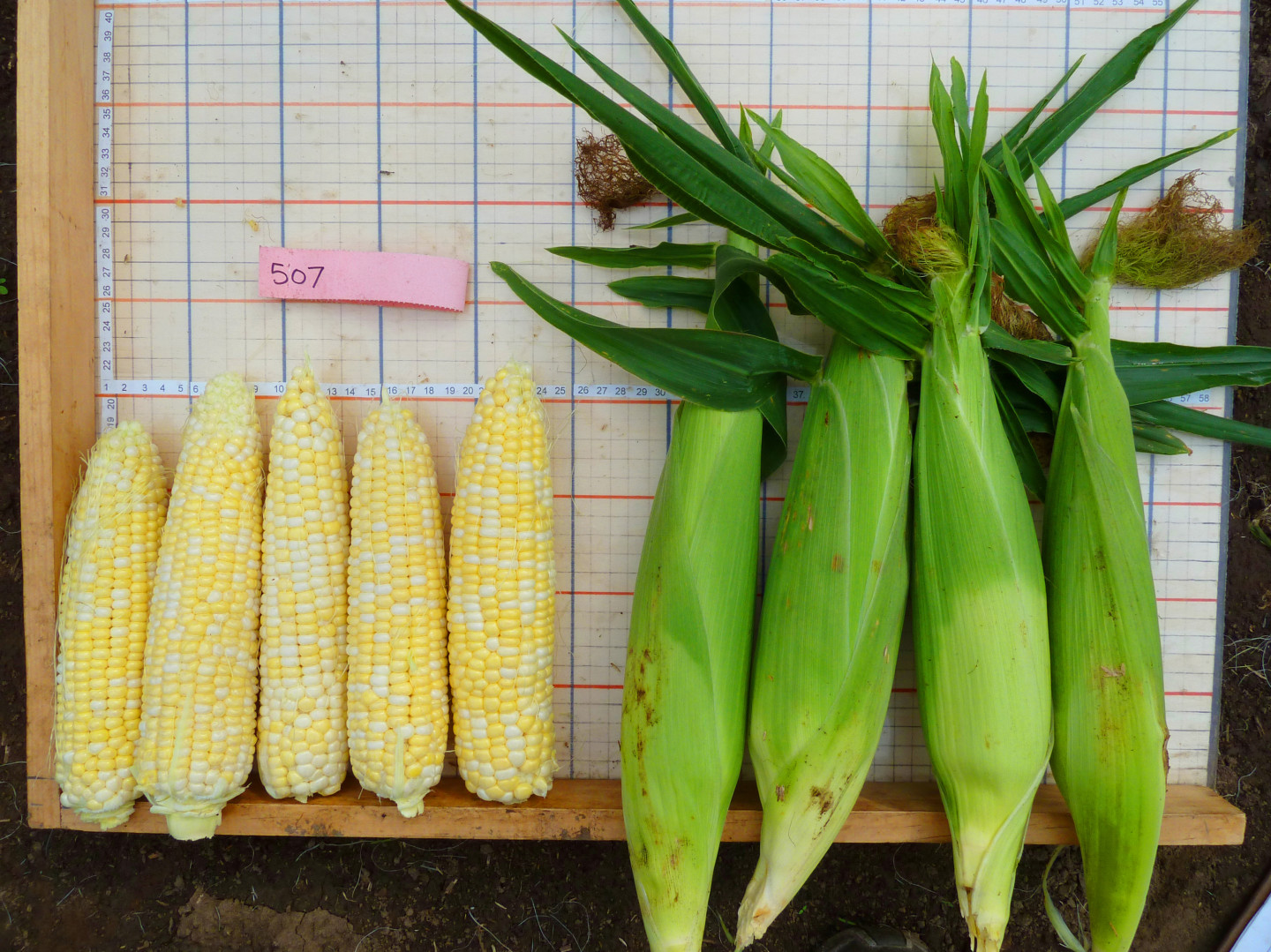
"caption": "\"Who Gets Kissed\" corn is a variety bred in Wisconsin specifically for organic farmers. It's named for an old game. At corn husking time, a lucky person who found a rare ear of corn with red kernels had the right to kiss anyone that he or she chose.",
"description": "\"Who Gets Kissed\" corn is a variety bred in Wisconsin specifically for organic farmers. It's named for an old game. At corn husking time, a lucky person who found a rare ear of corn with red kernels had the right to kiss anyone that he or she chose",
"title": "\"Who Gets Kissed\" corn is a variety bred in Wisconsin specifically for organic farmers. It's named for an old game. At corn husking time, a lucky person who found a rare ear of corn with red kernels had the right to kiss anyone that he or she chose.",
"credit": "Courtesy of Adrienne Shelton ",
"status": "inherit",
"isLoading": false,
"fetchFailed": false
},
"bayareabites_97439": {
"type": "attachments",
"id": "bayareabites_97439",
"meta": {
"index": "attachments_1716263798",
"site": "bayareabites",
"id": "97439",
"found": true
},
"parent": 97438,
"imgSizes": {
"twentyfourteen-full-width": {
"file": "https://ww2.kqed.org/app/uploads/sites/24/2015/06/olive-coconut-standard-e256c8bad1f8abea415e020d5e99f8f501576141-1038x576.jpg",
"width": 1038,
"mimeType": "image/jpeg",
"height": 576
},
"thumbnail": {
"file": "https://ww2.kqed.org/app/uploads/sites/24/2015/06/olive-coconut-standard-e256c8bad1f8abea415e020d5e99f8f501576141-400x300.jpg",
"width": 400,
"mimeType": "image/jpeg",
"height": 300
},
"fd-sm": {
"file": "https://ww2.kqed.org/app/uploads/sites/24/2015/06/olive-coconut-standard-e256c8bad1f8abea415e020d5e99f8f501576141-960x720.jpg",
"width": 960,
"mimeType": "image/jpeg",
"height": 720
},
"post-thumbnail": {
"file": "https://ww2.kqed.org/app/uploads/sites/24/2015/06/olive-coconut-standard-e256c8bad1f8abea415e020d5e99f8f501576141-672x372.jpg",
"width": 672,
"mimeType": "image/jpeg",
"height": 372
},
"kqedFullSize": {
"file": "https://ww2.kqed.org/app/uploads/sites/24/2015/06/olive-coconut-standard-e256c8bad1f8abea415e020d5e99f8f501576141.jpg",
"width": 1199,
"height": 899
},
"guest-author-96": {
"file": "https://ww2.kqed.org/app/uploads/sites/24/2015/06/olive-coconut-standard-e256c8bad1f8abea415e020d5e99f8f501576141-96x96.jpg",
"width": 96,
"mimeType": "image/jpeg",
"height": 96
},
"medium": {
"file": "https://ww2.kqed.org/app/uploads/sites/24/2015/06/olive-coconut-standard-e256c8bad1f8abea415e020d5e99f8f501576141-800x600.jpg",
"width": 800,
"mimeType": "image/jpeg",
"height": 600
},
"guest-author-64": {
"file": "https://ww2.kqed.org/app/uploads/sites/24/2015/06/olive-coconut-standard-e256c8bad1f8abea415e020d5e99f8f501576141-64x64.jpg",
"width": 64,
"mimeType": "image/jpeg",
"height": 64
},
"guest-author-32": {
"file": "https://ww2.kqed.org/app/uploads/sites/24/2015/06/olive-coconut-standard-e256c8bad1f8abea415e020d5e99f8f501576141-32x32.jpg",
"width": 32,
"mimeType": "image/jpeg",
"height": 32
},
"cat_post_thumb_sizecategory-posts-2": {
"file": "https://ww2.kqed.org/app/uploads/sites/24/2015/06/olive-coconut-standard-e256c8bad1f8abea415e020d5e99f8f501576141-150x150.jpg",
"width": 150,
"mimeType": "image/jpeg",
"height": 150
},
"fd-med": {
"file": "https://ww2.kqed.org/app/uploads/sites/24/2015/06/olive-coconut-standard-e256c8bad1f8abea415e020d5e99f8f501576141-1180x885.jpg",
"width": 1180,
"mimeType": "image/jpeg",
"height": 885
},
"detail": {
"file": "https://ww2.kqed.org/app/uploads/sites/24/2015/06/olive-coconut-standard-e256c8bad1f8abea415e020d5e99f8f501576141-75x75.jpg",
"width": 75,
"mimeType": "image/jpeg",
"height": 75
},
"guest-author-128": {
"file": "https://ww2.kqed.org/app/uploads/sites/24/2015/06/olive-coconut-standard-e256c8bad1f8abea415e020d5e99f8f501576141-128x128.jpg",
"width": 128,
"mimeType": "image/jpeg",
"height": 128
}
},
"publishDate": 1435272134,
"modified": 1435337322,
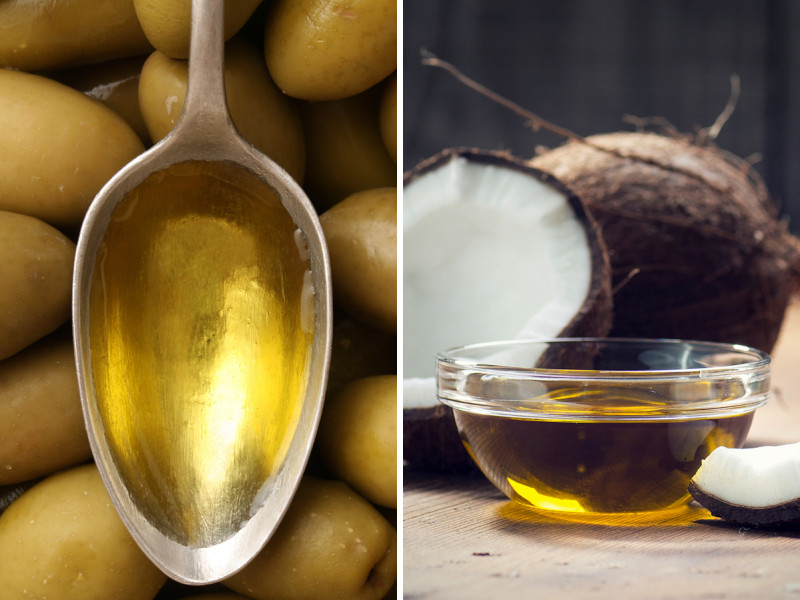
"caption": "On the left, olive oil, which is low in saturated fat and high in more monounsaturated fat, which may lower bad cholesterol levels. On the right, coconut oil, which is 90 percent saturated fat and may raise bad cholesterol levels.",
"description": "On the left, olive oil, which is low in saturated fat and high in more monounsaturated fat, which may lower bad cholesterol levels. On the right, coconut oil, which is 90 percent saturated fat and may raise bad cholesterol level",
"title": "On the left, olive oil, which is low in saturated fat and high in more monounsaturated fat, which may lower bad cholesterol levels. On the right, coconut oil, which is 90 percent saturated fat and may raise bad cholesterol levels.",
"credit": "iStockphoto ",
"status": "inherit",
"isLoading": false,
"fetchFailed": false
},
"bayareabites_97360": {
"type": "attachments",
"id": "bayareabites_97360",
"meta": {
"index": "attachments_1716263798",
"site": "bayareabites",
"id": "97360",
"found": true
},
"parent": 97359,
"imgSizes": {
"twentyfourteen-full-width": {
"file": "https://ww2.kqed.org/app/uploads/sites/24/2015/06/egg-salad-2-ed7dcd2ce5b6c287b94bafda4353aa268fd37ba9-1038x576.jpg",
"width": 1038,
"mimeType": "image/jpeg",
"height": 576
},
"thumbnail": {
"file": "https://ww2.kqed.org/app/uploads/sites/24/2015/06/egg-salad-2-ed7dcd2ce5b6c287b94bafda4353aa268fd37ba9-400x300.jpg",
"width": 400,
"mimeType": "image/jpeg",
"height": 300
},
"fd-sm": {
"file": "https://ww2.kqed.org/app/uploads/sites/24/2015/06/egg-salad-2-ed7dcd2ce5b6c287b94bafda4353aa268fd37ba9-960x720.jpg",
"width": 960,
"mimeType": "image/jpeg",
"height": 720
},
"post-thumbnail": {
"file": "https://ww2.kqed.org/app/uploads/sites/24/2015/06/egg-salad-2-ed7dcd2ce5b6c287b94bafda4353aa268fd37ba9-672x372.jpg",
"width": 672,
"mimeType": "image/jpeg",
"height": 372
},
"kqedFullSize": {
"file": "https://ww2.kqed.org/app/uploads/sites/24/2015/06/egg-salad-2-ed7dcd2ce5b6c287b94bafda4353aa268fd37ba9-e1435188941843.jpg",
"width": 1920,
"height": 1440
},
"large": {
"file": "https://ww2.kqed.org/app/uploads/sites/24/2015/06/egg-salad-2-ed7dcd2ce5b6c287b94bafda4353aa268fd37ba9-1440x1080.jpg",
"width": 1440,
"mimeType": "image/jpeg",
"height": 1080
},
"guest-author-96": {
"file": "https://ww2.kqed.org/app/uploads/sites/24/2015/06/egg-salad-2-ed7dcd2ce5b6c287b94bafda4353aa268fd37ba9-96x96.jpg",
"width": 96,
"mimeType": "image/jpeg",
"height": 96
},
"medium": {
"file": "https://ww2.kqed.org/app/uploads/sites/24/2015/06/egg-salad-2-ed7dcd2ce5b6c287b94bafda4353aa268fd37ba9-800x600.jpg",
"width": 800,
"mimeType": "image/jpeg",
"height": 600
},
"guest-author-64": {
"file": "https://ww2.kqed.org/app/uploads/sites/24/2015/06/egg-salad-2-ed7dcd2ce5b6c287b94bafda4353aa268fd37ba9-64x64.jpg",
"width": 64,
"mimeType": "image/jpeg",
"height": 64
},
"guest-author-32": {
"file": "https://ww2.kqed.org/app/uploads/sites/24/2015/06/egg-salad-2-ed7dcd2ce5b6c287b94bafda4353aa268fd37ba9-32x32.jpg",
"width": 32,
"mimeType": "image/jpeg",
"height": 32
},
"cat_post_thumb_sizecategory-posts-2": {
"file": "https://ww2.kqed.org/app/uploads/sites/24/2015/06/egg-salad-2-ed7dcd2ce5b6c287b94bafda4353aa268fd37ba9-150x150.jpg",
"width": 150,
"mimeType": "image/jpeg",
"height": 150
},
"fd-med": {
"file": "https://ww2.kqed.org/app/uploads/sites/24/2015/06/egg-salad-2-ed7dcd2ce5b6c287b94bafda4353aa268fd37ba9-1180x885.jpg",
"width": 1180,
"mimeType": "image/jpeg",
"height": 885
},
"detail": {
"file": "https://ww2.kqed.org/app/uploads/sites/24/2015/06/egg-salad-2-ed7dcd2ce5b6c287b94bafda4353aa268fd37ba9-75x75.jpg",
"width": 75,
"mimeType": "image/jpeg",
"height": 75
},
"guest-author-128": {
"file": "https://ww2.kqed.org/app/uploads/sites/24/2015/06/egg-salad-2-ed7dcd2ce5b6c287b94bafda4353aa268fd37ba9-128x128.jpg",
"width": 128,
"mimeType": "image/jpeg",
"height": 128
}
},
"publishDate": 1435187810,
"modified": 1435188965,
"caption": "Eating eggs with your salad helps boost absorption of carotenoids — the pigments in tomatoes and carrots",
"description": "Eating eggs with your salad helps boost absorption of carotenoids — the pigments in tomatoes and carro",
"title": "Eating eggs with your salad helps boost absorption of carotenoids — the pigments in tomatoes and carrots.",
"credit": "Photo illustration by Meredith Rizzo/NPR",
"status": "inherit",
"isLoading": false,
"fetchFailed": false
},
"bayareabites_97335": {
"type": "attachments",
"id": "bayareabites_97335",
"meta": {
"index": "attachments_1716263798",
"site": "bayareabites",
"id": "97335",
"found": true
},
"parent": 97334,
"imgSizes": {
"twentyfourteen-full-width": {
"file": "https://ww2.kqed.org/app/uploads/sites/24/2015/06/smuttynose_towle_farm_custom-14e94ec2a15123114b363e1f1dd20455e77820f7-1038x576.jpg",
"width": 1038,
"mimeType": "image/jpeg",
"height": 576
},
"thumbnail": {
"file": "https://ww2.kqed.org/app/uploads/sites/24/2015/06/smuttynose_towle_farm_custom-14e94ec2a15123114b363e1f1dd20455e77820f7-400x266.jpg",
"width": 400,
"mimeType": "image/jpeg",
"height": 266
},
"fd-sm": {
"file": "https://ww2.kqed.org/app/uploads/sites/24/2015/06/smuttynose_towle_farm_custom-14e94ec2a15123114b363e1f1dd20455e77820f7-960x639.jpg",
"width": 960,
"mimeType": "image/jpeg",
"height": 639
},
"post-thumbnail": {
"file": "https://ww2.kqed.org/app/uploads/sites/24/2015/06/smuttynose_towle_farm_custom-14e94ec2a15123114b363e1f1dd20455e77820f7-672x372.jpg",
"width": 672,
"mimeType": "image/jpeg",
"height": 372
},
"kqedFullSize": {
"file": "https://ww2.kqed.org/app/uploads/sites/24/2015/06/smuttynose_towle_farm_custom-14e94ec2a15123114b363e1f1dd20455e77820f7-e1435174922250.jpg",
"width": 1920,
"height": 1277
},
"large": {
"file": "https://ww2.kqed.org/app/uploads/sites/24/2015/06/smuttynose_towle_farm_custom-14e94ec2a15123114b363e1f1dd20455e77820f7-1440x958.jpg",
"width": 1440,
"mimeType": "image/jpeg",
"height": 958
},
"guest-author-96": {
"file": "https://ww2.kqed.org/app/uploads/sites/24/2015/06/smuttynose_towle_farm_custom-14e94ec2a15123114b363e1f1dd20455e77820f7-96x96.jpg",
"width": 96,
"mimeType": "image/jpeg",
"height": 96
},
"medium": {
"file": "https://ww2.kqed.org/app/uploads/sites/24/2015/06/smuttynose_towle_farm_custom-14e94ec2a15123114b363e1f1dd20455e77820f7-800x532.jpg",
"width": 800,
"mimeType": "image/jpeg",
"height": 532
},
"guest-author-64": {
"file": "https://ww2.kqed.org/app/uploads/sites/24/2015/06/smuttynose_towle_farm_custom-14e94ec2a15123114b363e1f1dd20455e77820f7-64x64.jpg",
"width": 64,
"mimeType": "image/jpeg",
"height": 64
},
"guest-author-32": {
"file": "https://ww2.kqed.org/app/uploads/sites/24/2015/06/smuttynose_towle_farm_custom-14e94ec2a15123114b363e1f1dd20455e77820f7-32x32.jpg",
"width": 32,
"mimeType": "image/jpeg",
"height": 32
},
"cat_post_thumb_sizecategory-posts-2": {
"file": "https://ww2.kqed.org/app/uploads/sites/24/2015/06/smuttynose_towle_farm_custom-14e94ec2a15123114b363e1f1dd20455e77820f7-150x150.jpg",
"width": 150,
"mimeType": "image/jpeg",
"height": 150
},
"fd-med": {
"file": "https://ww2.kqed.org/app/uploads/sites/24/2015/06/smuttynose_towle_farm_custom-14e94ec2a15123114b363e1f1dd20455e77820f7-1180x785.jpg",
"width": 1180,
"mimeType": "image/jpeg",
"height": 785
},
"detail": {
"file": "https://ww2.kqed.org/app/uploads/sites/24/2015/06/smuttynose_towle_farm_custom-14e94ec2a15123114b363e1f1dd20455e77820f7-75x75.jpg",
"width": 75,
"mimeType": "image/jpeg",
"height": 75
},
"guest-author-128": {
"file": "https://ww2.kqed.org/app/uploads/sites/24/2015/06/smuttynose_towle_farm_custom-14e94ec2a15123114b363e1f1dd20455e77820f7-128x128.jpg",
"width": 128,
"mimeType": "image/jpeg",
"height": 128
}
},
"publishDate": 1435174292,
"modified": 1435174944,
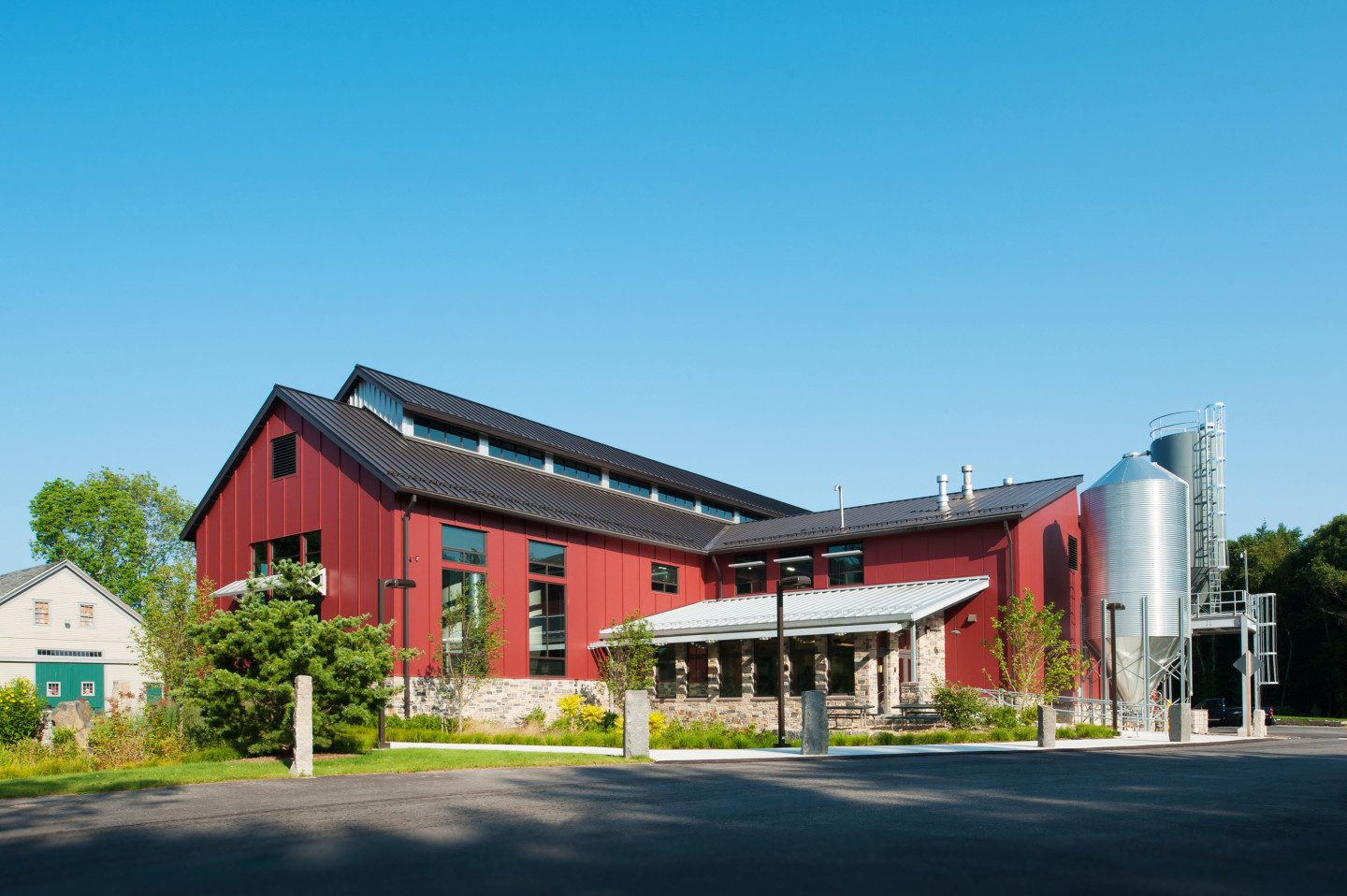
"caption": "The Smuttynose Towle Farm brewery in Hampton, N.H., has an invisible but tight envelope that keeps the interior temperature consistently cool or warm, prevents energy loss and ultimately saves money.",
"description": "The Smuttynose Towle Farm brewery in Hampton, N.H., has an invisible but tight envelope that keeps the interior temperature consistently cool or warm, prevents energy loss and ultimately saves money.",
"title": "The Smuttynose Towle Farm brewery in Hampton, N.H., has an invisible but tight envelope that keeps the interior temperature consistently cool or warm, prevents energy loss and ultimately saves money.",
"credit": "Courtesy of Smuttynose Brewing Company",
"status": "inherit",
"isLoading": false,
"fetchFailed": false
},
"bayareabites_97329": {
"type": "attachments",
"id": "bayareabites_97329",
"meta": {
"index": "attachments_1716263798",
"site": "bayareabites",
"id": "97329",
"found": true
},
"parent": 97328,
"imgSizes": {
"twentyfourteen-full-width": {
"file": "https://ww2.kqed.org/app/uploads/sites/24/2015/06/hres-aquadvantage-salmon-vs-non-transgenic-sibling-aquabounty-technologies_custom-dab83824d097156693ec3233cb0c7d0469badecd-1038x576.jpg",
"width": 1038,
"mimeType": "image/jpeg",
"height": 576
},
"thumbnail": {
"file": "https://ww2.kqed.org/app/uploads/sites/24/2015/06/hres-aquadvantage-salmon-vs-non-transgenic-sibling-aquabounty-technologies_custom-dab83824d097156693ec3233cb0c7d0469badecd-400x200.jpg",
"width": 400,
"mimeType": "image/jpeg",
"height": 200
},
"fd-sm": {
"file": "https://ww2.kqed.org/app/uploads/sites/24/2015/06/hres-aquadvantage-salmon-vs-non-transgenic-sibling-aquabounty-technologies_custom-dab83824d097156693ec3233cb0c7d0469badecd-960x481.jpg",
"width": 960,
"mimeType": "image/jpeg",
"height": 481
},
"post-thumbnail": {
"file": "https://ww2.kqed.org/app/uploads/sites/24/2015/06/hres-aquadvantage-salmon-vs-non-transgenic-sibling-aquabounty-technologies_custom-dab83824d097156693ec3233cb0c7d0469badecd-672x372.jpg",
"width": 672,
"mimeType": "image/jpeg",
"height": 372
},
"kqedFullSize": {
"file": "https://ww2.kqed.org/app/uploads/sites/24/2015/06/hres-aquadvantage-salmon-vs-non-transgenic-sibling-aquabounty-technologies_custom-dab83824d097156693ec3233cb0c7d0469badecd-e1435173749517.jpg",
"width": 1920,
"height": 961
},
"large": {
"file": "https://ww2.kqed.org/app/uploads/sites/24/2015/06/hres-aquadvantage-salmon-vs-non-transgenic-sibling-aquabounty-technologies_custom-dab83824d097156693ec3233cb0c7d0469badecd-1440x721.jpg",
"width": 1440,
"mimeType": "image/jpeg",
"height": 721
},
"guest-author-96": {
"file": "https://ww2.kqed.org/app/uploads/sites/24/2015/06/hres-aquadvantage-salmon-vs-non-transgenic-sibling-aquabounty-technologies_custom-dab83824d097156693ec3233cb0c7d0469badecd-96x96.jpg",
"width": 96,
"mimeType": "image/jpeg",
"height": 96
},
"medium": {
"file": "https://ww2.kqed.org/app/uploads/sites/24/2015/06/hres-aquadvantage-salmon-vs-non-transgenic-sibling-aquabounty-technologies_custom-dab83824d097156693ec3233cb0c7d0469badecd-800x401.jpg",
"width": 800,
"mimeType": "image/jpeg",
"height": 401
},
"guest-author-64": {
"file": "https://ww2.kqed.org/app/uploads/sites/24/2015/06/hres-aquadvantage-salmon-vs-non-transgenic-sibling-aquabounty-technologies_custom-dab83824d097156693ec3233cb0c7d0469badecd-64x64.jpg",
"width": 64,
"mimeType": "image/jpeg",
"height": 64
},
"guest-author-32": {
"file": "https://ww2.kqed.org/app/uploads/sites/24/2015/06/hres-aquadvantage-salmon-vs-non-transgenic-sibling-aquabounty-technologies_custom-dab83824d097156693ec3233cb0c7d0469badecd-32x32.jpg",
"width": 32,
"mimeType": "image/jpeg",
"height": 32
},
"cat_post_thumb_sizecategory-posts-2": {
"file": "https://ww2.kqed.org/app/uploads/sites/24/2015/06/hres-aquadvantage-salmon-vs-non-transgenic-sibling-aquabounty-technologies_custom-dab83824d097156693ec3233cb0c7d0469badecd-150x150.jpg",
"width": 150,
"mimeType": "image/jpeg",
"height": 150
},
"fd-med": {
"file": "https://ww2.kqed.org/app/uploads/sites/24/2015/06/hres-aquadvantage-salmon-vs-non-transgenic-sibling-aquabounty-technologies_custom-dab83824d097156693ec3233cb0c7d0469badecd-1180x591.jpg",
"width": 1180,
"mimeType": "image/jpeg",
"height": 591
},
"detail": {
"file": "https://ww2.kqed.org/app/uploads/sites/24/2015/06/hres-aquadvantage-salmon-vs-non-transgenic-sibling-aquabounty-technologies_custom-dab83824d097156693ec3233cb0c7d0469badecd-75x75.jpg",
"width": 75,
"mimeType": "image/jpeg",
"height": 75
},
"guest-author-128": {
"file": "https://ww2.kqed.org/app/uploads/sites/24/2015/06/hres-aquadvantage-salmon-vs-non-transgenic-sibling-aquabounty-technologies_custom-dab83824d097156693ec3233cb0c7d0469badecd-128x128.jpg",
"width": 128,
"mimeType": "image/jpeg",
"height": 128
}
},
"publishDate": 1435172681,
"modified": 1435173767,
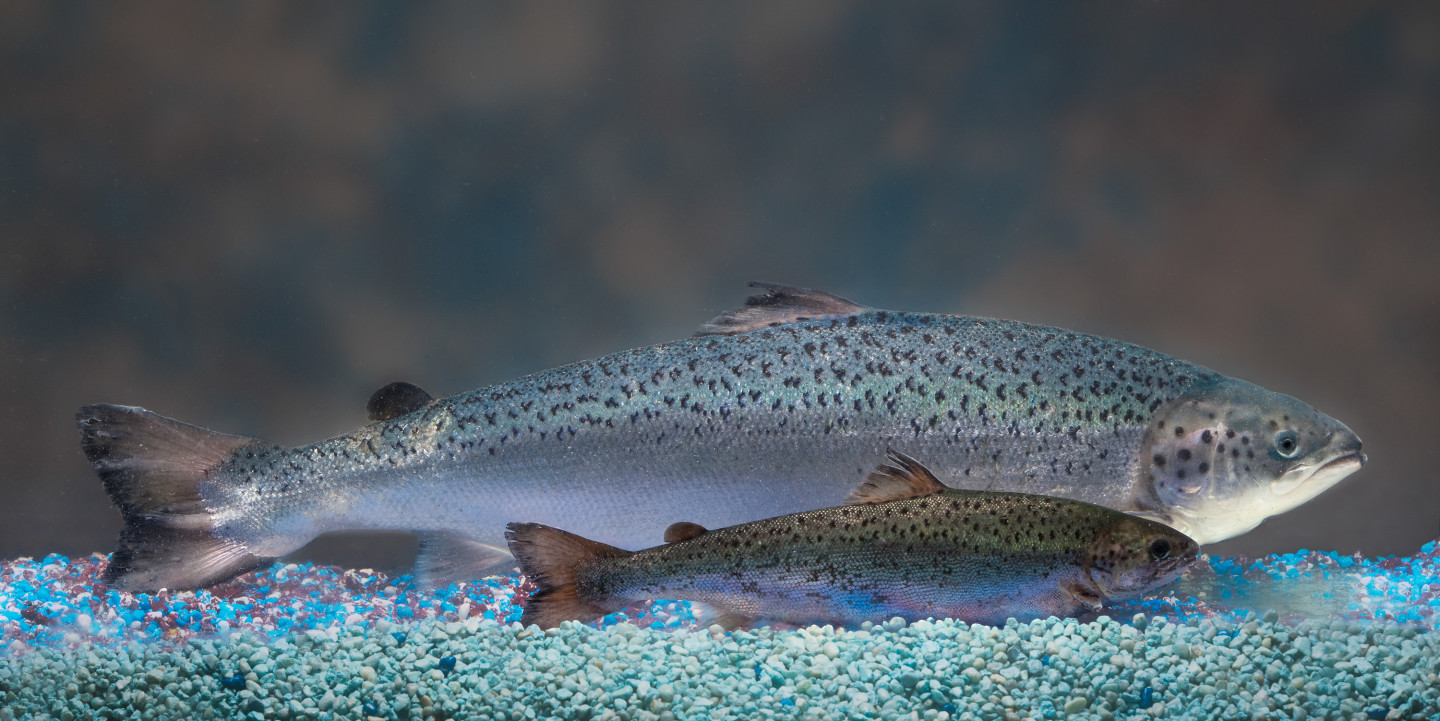
"caption": "AquaBounty's salmon (background) has been genetically modified to grow bigger and faster than a conventional Atlantic salmon of the same age (foreground.)\n",
"description": "AquaBounty’s salmon (background) has been genetically modified to grow bigger and faster than a conventional Atlantic salmon of the same age (foregroun",
"title": "AquaBounty's salmon (background) has been genetically modified to grow bigger and faster than a conventional Atlantic salmon of the same age (foreground.)",
"credit": "Courtesy of AquaBounty Technologies, Inc.",
"status": "inherit",
"isLoading": false,
"fetchFailed": false
},
"bayareabites_97184": {
"type": "attachments",
"id": "bayareabites_97184",
"meta": {
"index": "attachments_1716263798",
"site": "bayareabites",
"id": "97184",
"found": true
},
"parent": 97176,
"imgSizes": {
"thumbnail": {
"file": "https://ww2.kqed.org/app/uploads/sites/24/2015/06/chestnuts1-400x279.jpg",
"width": 400,
"mimeType": "image/jpeg",
"height": 279
},
"post-thumbnail": {
"file": "https://ww2.kqed.org/app/uploads/sites/24/2015/06/chestnuts1-672x372.jpg",
"width": 672,
"mimeType": "image/jpeg",
"height": 372
},
"kqedFullSize": {
"file": "https://ww2.kqed.org/app/uploads/sites/24/2015/06/chestnuts1.jpg",
"width": 800,
"height": 557
},
"cat_post_thumb_sizecategory-posts-2": {
"file": "https://ww2.kqed.org/app/uploads/sites/24/2015/06/chestnuts1-150x150.jpg",
"width": 150,
"mimeType": "image/jpeg",
"height": 150
},
"guest-author-96": {
"file": "https://ww2.kqed.org/app/uploads/sites/24/2015/06/chestnuts1-96x96.jpg",
"width": 96,
"mimeType": "image/jpeg",
"height": 96
},
"medium": {
"file": "https://ww2.kqed.org/app/uploads/sites/24/2015/06/chestnuts1-800x557.jpg",
"width": 800,
"mimeType": "image/jpeg",
"height": 557
},
"guest-author-64": {
"file": "https://ww2.kqed.org/app/uploads/sites/24/2015/06/chestnuts1-64x64.jpg",
"width": 64,
"mimeType": "image/jpeg",
"height": 64
},
"detail": {
"file": "https://ww2.kqed.org/app/uploads/sites/24/2015/06/chestnuts1-75x75.jpg",
"width": 75,
"mimeType": "image/jpeg",
"height": 75
},
"guest-author-32": {
"file": "https://ww2.kqed.org/app/uploads/sites/24/2015/06/chestnuts1-32x32.jpg",
"width": 32,
"mimeType": "image/jpeg",
"height": 32
},
"guest-author-128": {
"file": "https://ww2.kqed.org/app/uploads/sites/24/2015/06/chestnuts1-128x128.jpg",
"width": 128,
"mimeType": "image/jpeg",
"height": 128
}
},
"publishDate": 1434748944,
"modified": 1434749014,
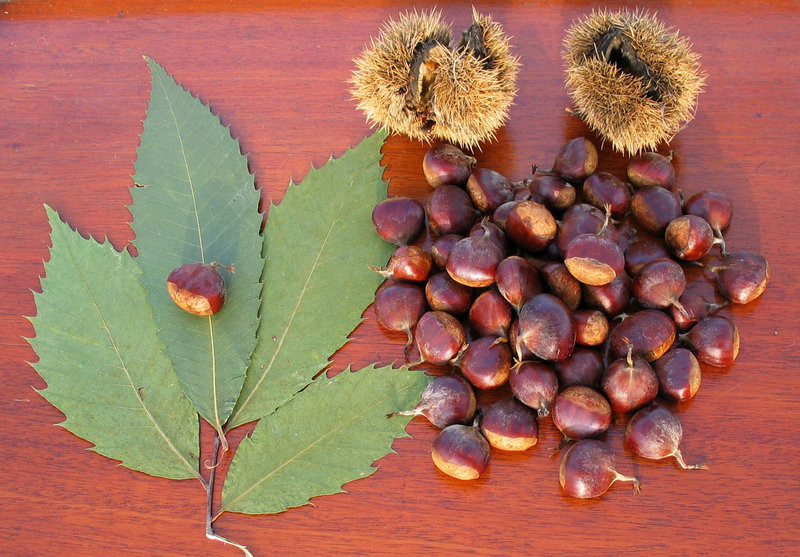
"caption": "Before blight decimated most of the American chestnut trees in the U.S., one of the great autumn pastimes was collecting the nuts and transforming them into pan-fried bread, porridge, pickles, preserves or cream pie.",
"description": "Before blight decimated most of the American chestnut trees in the U.S., one of the great autumn pastimes was collecting the nuts and transforming them into pan-fried bread, porridge, pickles, preserves or cream pie.",
"title": "Before blight decimated most of the American chestnut trees in the U.S., one of the great autumn pastimes was collecting the nuts and transforming them into pan-fried bread, porridge, pickles, preserves or cream pie.",
"credit": "\u003ca href=\"https://en.wikipedia.org/?title=American_chestnut#/media/File:American_Chestnut.JPG\">Timothy Van Vliet/Wikipedia\u003c/a>",
"status": "inherit",
"isLoading": false,
"fetchFailed": false
},
"bayareabites_97169": {
"type": "attachments",
"id": "bayareabites_97169",
"meta": {
"index": "attachments_1716263798",
"site": "bayareabites",
"id": "97169",
"found": true
},
"parent": 97168,
"imgSizes": {
"twentyfourteen-full-width": {
"file": "https://ww2.kqed.org/app/uploads/sites/24/2015/06/gettyimages-140986346_custom-ce94af27358a1c4515f8e36fe9ac88fdaa58ee25-1038x576.jpg",
"width": 1038,
"mimeType": "image/jpeg",
"height": 576
},
"thumbnail": {
"file": "https://ww2.kqed.org/app/uploads/sites/24/2015/06/gettyimages-140986346_custom-ce94af27358a1c4515f8e36fe9ac88fdaa58ee25-400x241.jpg",
"width": 400,
"mimeType": "image/jpeg",
"height": 241
},
"fd-sm": {
"file": "https://ww2.kqed.org/app/uploads/sites/24/2015/06/gettyimages-140986346_custom-ce94af27358a1c4515f8e36fe9ac88fdaa58ee25-960x577.jpg",
"width": 960,
"mimeType": "image/jpeg",
"height": 577
},
"post-thumbnail": {
"file": "https://ww2.kqed.org/app/uploads/sites/24/2015/06/gettyimages-140986346_custom-ce94af27358a1c4515f8e36fe9ac88fdaa58ee25-672x372.jpg",
"width": 672,
"mimeType": "image/jpeg",
"height": 372
},
"kqedFullSize": {
"file": "https://ww2.kqed.org/app/uploads/sites/24/2015/06/gettyimages-140986346_custom-ce94af27358a1c4515f8e36fe9ac88fdaa58ee25-e1434729616816.jpg",
"width": 1920,
"height": 1155
},
"large": {
"file": "https://ww2.kqed.org/app/uploads/sites/24/2015/06/gettyimages-140986346_custom-ce94af27358a1c4515f8e36fe9ac88fdaa58ee25-1440x866.jpg",
"width": 1440,
"mimeType": "image/jpeg",
"height": 866
},
"guest-author-96": {
"file": "https://ww2.kqed.org/app/uploads/sites/24/2015/06/gettyimages-140986346_custom-ce94af27358a1c4515f8e36fe9ac88fdaa58ee25-96x96.jpg",
"width": 96,
"mimeType": "image/jpeg",
"height": 96
},
"medium": {
"file": "https://ww2.kqed.org/app/uploads/sites/24/2015/06/gettyimages-140986346_custom-ce94af27358a1c4515f8e36fe9ac88fdaa58ee25-800x481.jpg",
"width": 800,
"mimeType": "image/jpeg",
"height": 481
},
"guest-author-64": {
"file": "https://ww2.kqed.org/app/uploads/sites/24/2015/06/gettyimages-140986346_custom-ce94af27358a1c4515f8e36fe9ac88fdaa58ee25-64x64.jpg",
"width": 64,
"mimeType": "image/jpeg",
"height": 64
},
"guest-author-32": {
"file": "https://ww2.kqed.org/app/uploads/sites/24/2015/06/gettyimages-140986346_custom-ce94af27358a1c4515f8e36fe9ac88fdaa58ee25-32x32.jpg",
"width": 32,
"mimeType": "image/jpeg",
"height": 32
},
"cat_post_thumb_sizecategory-posts-2": {
"file": "https://ww2.kqed.org/app/uploads/sites/24/2015/06/gettyimages-140986346_custom-ce94af27358a1c4515f8e36fe9ac88fdaa58ee25-150x150.jpg",
"width": 150,
"mimeType": "image/jpeg",
"height": 150
},
"fd-med": {
"file": "https://ww2.kqed.org/app/uploads/sites/24/2015/06/gettyimages-140986346_custom-ce94af27358a1c4515f8e36fe9ac88fdaa58ee25-1180x710.jpg",
"width": 1180,
"mimeType": "image/jpeg",
"height": 710
},
"detail": {
"file": "https://ww2.kqed.org/app/uploads/sites/24/2015/06/gettyimages-140986346_custom-ce94af27358a1c4515f8e36fe9ac88fdaa58ee25-75x75.jpg",
"width": 75,
"mimeType": "image/jpeg",
"height": 75
},
"guest-author-128": {
"file": "https://ww2.kqed.org/app/uploads/sites/24/2015/06/gettyimages-140986346_custom-ce94af27358a1c4515f8e36fe9ac88fdaa58ee25-128x128.jpg",
"width": 128,
"mimeType": "image/jpeg",
"height": 128
}
},
"publishDate": 1434729379,
"modified": 1434729639,
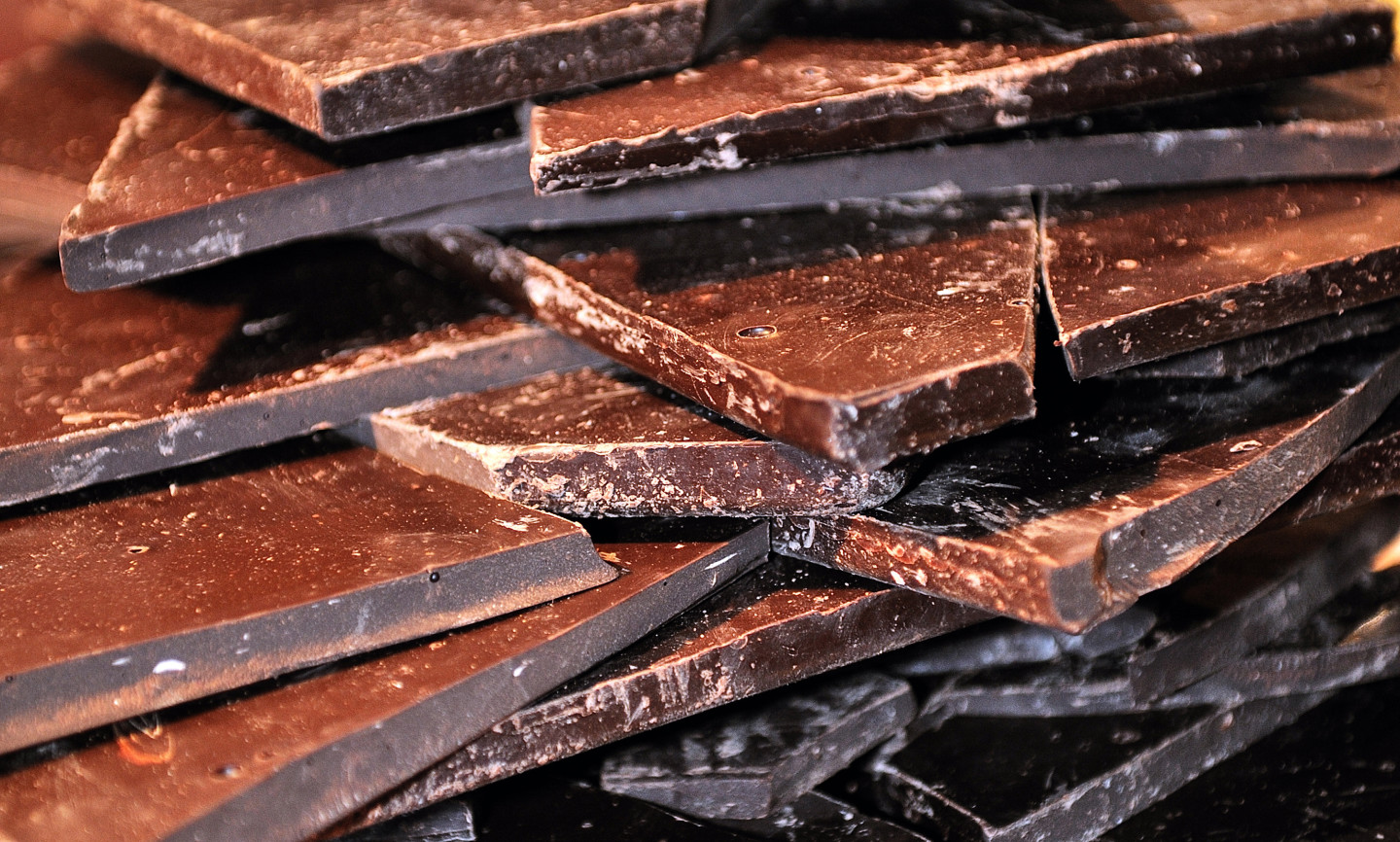
"caption": "There's a growing body of evidence suggesting that compounds found in cocoa beans, called polyphenols, may help protect against heart disease.",
"description": "There's a growing body of evidence suggesting that compounds found in cocoa beans, called polyphenols, may help protect against heart disease.",
"title": "There's a growing body of evidence suggesting that compounds found in cocoa beans, called polyphenols, may help protect against heart disease.",
"credit": "Philippe Huguen/AFP/Getty Images ",
"status": "inherit",
"isLoading": false,
"fetchFailed": false
},
"bayareabites_97068": {
"type": "attachments",
"id": "bayareabites_97068",
"meta": {
"index": "attachments_1716263798",
"site": "bayareabites",
"id": "97068",
"found": true
},
"parent": 97064,
"imgSizes": {
"twentyfourteen-full-width": {
"file": "https://ww2.kqed.org/app/uploads/sites/24/2015/06/img_0051-3-ee690549d2ce44565d08efb9501ac1fa7703902a-1038x576.jpg",
"width": 1038,
"mimeType": "image/jpeg",
"height": 576
},
"thumbnail": {
"file": "https://ww2.kqed.org/app/uploads/sites/24/2015/06/img_0051-3-ee690549d2ce44565d08efb9501ac1fa7703902a-400x300.jpg",
"width": 400,
"mimeType": "image/jpeg",
"height": 300
},
"fd-sm": {
"file": "https://ww2.kqed.org/app/uploads/sites/24/2015/06/img_0051-3-ee690549d2ce44565d08efb9501ac1fa7703902a-960x720.jpg",
"width": 960,
"mimeType": "image/jpeg",
"height": 720
},
"post-thumbnail": {
"file": "https://ww2.kqed.org/app/uploads/sites/24/2015/06/img_0051-3-ee690549d2ce44565d08efb9501ac1fa7703902a-672x372.jpg",
"width": 672,
"mimeType": "image/jpeg",
"height": 372
},
"kqedFullSize": {
"file": "https://ww2.kqed.org/app/uploads/sites/24/2015/06/img_0051-3-ee690549d2ce44565d08efb9501ac1fa7703902a.jpg",
"width": 1052,
"height": 789
},
"cat_post_thumb_sizecategory-posts-2": {
"file": "https://ww2.kqed.org/app/uploads/sites/24/2015/06/img_0051-3-ee690549d2ce44565d08efb9501ac1fa7703902a-150x150.jpg",
"width": 150,
"mimeType": "image/jpeg",
"height": 150
},
"guest-author-96": {
"file": "https://ww2.kqed.org/app/uploads/sites/24/2015/06/img_0051-3-ee690549d2ce44565d08efb9501ac1fa7703902a-96x96.jpg",
"width": 96,
"mimeType": "image/jpeg",
"height": 96
},
"medium": {
"file": "https://ww2.kqed.org/app/uploads/sites/24/2015/06/img_0051-3-ee690549d2ce44565d08efb9501ac1fa7703902a-800x600.jpg",
"width": 800,
"mimeType": "image/jpeg",
"height": 600
},
"guest-author-64": {
"file": "https://ww2.kqed.org/app/uploads/sites/24/2015/06/img_0051-3-ee690549d2ce44565d08efb9501ac1fa7703902a-64x64.jpg",
"width": 64,
"mimeType": "image/jpeg",
"height": 64
},
"detail": {
"file": "https://ww2.kqed.org/app/uploads/sites/24/2015/06/img_0051-3-ee690549d2ce44565d08efb9501ac1fa7703902a-75x75.jpg",
"width": 75,
"mimeType": "image/jpeg",
"height": 75
},
"guest-author-32": {
"file": "https://ww2.kqed.org/app/uploads/sites/24/2015/06/img_0051-3-ee690549d2ce44565d08efb9501ac1fa7703902a-32x32.jpg",
"width": 32,
"mimeType": "image/jpeg",
"height": 32
},
"guest-author-128": {
"file": "https://ww2.kqed.org/app/uploads/sites/24/2015/06/img_0051-3-ee690549d2ce44565d08efb9501ac1fa7703902a-128x128.jpg",
"width": 128,
"mimeType": "image/jpeg",
"height": 128
}
},
"publishDate": 1434578043,
"modified": 1434582623,
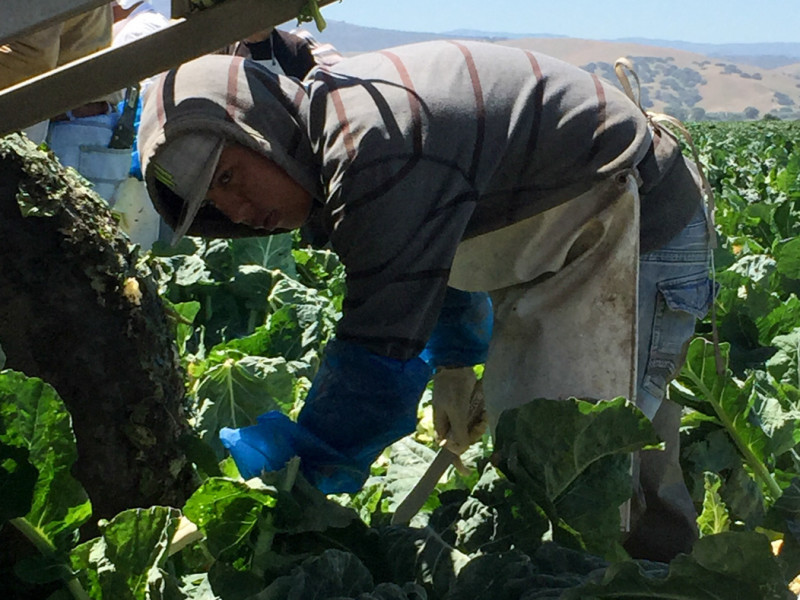
"caption": "The marketplace demands white, blemish-free, perfectly sized heads of cauliflower. So that's almost all of what workers pick.",
"description": "The marketplace demands white, blemish-free, perfectly sized heads of cauliflower. So that's almost all of what workers pick",
"title": "The marketplace demands white, blemish-free, perfectly sized heads of cauliflower. So that's almost all of what workers pick.",
"credit": "Allison Aubrey/NPR",
"status": "inherit",
"isLoading": false,
"fetchFailed": false
},
"bayareabites_96989": {
"type": "attachments",
"id": "bayareabites_96989",
"meta": {
"index": "attachments_1716263798",
"site": "bayareabites",
"id": "96989",
"found": true
},
"parent": 96988,
"imgSizes": {
"twentyfourteen-full-width": {
"file": "https://ww2.kqed.org/app/uploads/sites/24/2015/06/gelato1_enl-234b548d1bab9d6010a37c657cc561094dda9d59-1038x576.jpg",
"width": 1038,
"mimeType": "image/jpeg",
"height": 576
},
"thumbnail": {
"file": "https://ww2.kqed.org/app/uploads/sites/24/2015/06/gelato1_enl-234b548d1bab9d6010a37c657cc561094dda9d59-400x231.jpg",
"width": 400,
"mimeType": "image/jpeg",
"height": 231
},
"fd-sm": {
"file": "https://ww2.kqed.org/app/uploads/sites/24/2015/06/gelato1_enl-234b548d1bab9d6010a37c657cc561094dda9d59-960x554.jpg",
"width": 960,
"mimeType": "image/jpeg",
"height": 554
},
"post-thumbnail": {
"file": "https://ww2.kqed.org/app/uploads/sites/24/2015/06/gelato1_enl-234b548d1bab9d6010a37c657cc561094dda9d59-672x372.jpg",
"width": 672,
"mimeType": "image/jpeg",
"height": 372
},
"kqedFullSize": {
"file": "https://ww2.kqed.org/app/uploads/sites/24/2015/06/gelato1_enl-234b548d1bab9d6010a37c657cc561094dda9d59-e1434482117442.jpg",
"width": 1920,
"height": 1108
},
"large": {
"file": "https://ww2.kqed.org/app/uploads/sites/24/2015/06/gelato1_enl-234b548d1bab9d6010a37c657cc561094dda9d59-1440x831.jpg",
"width": 1440,
"mimeType": "image/jpeg",
"height": 831
},
"guest-author-96": {
"file": "https://ww2.kqed.org/app/uploads/sites/24/2015/06/gelato1_enl-234b548d1bab9d6010a37c657cc561094dda9d59-96x96.jpg",
"width": 96,
"mimeType": "image/jpeg",
"height": 96
},
"medium": {
"file": "https://ww2.kqed.org/app/uploads/sites/24/2015/06/gelato1_enl-234b548d1bab9d6010a37c657cc561094dda9d59-800x462.jpg",
"width": 800,
"mimeType": "image/jpeg",
"height": 462
},
"guest-author-64": {
"file": "https://ww2.kqed.org/app/uploads/sites/24/2015/06/gelato1_enl-234b548d1bab9d6010a37c657cc561094dda9d59-64x64.jpg",
"width": 64,
"mimeType": "image/jpeg",
"height": 64
},
"guest-author-32": {
"file": "https://ww2.kqed.org/app/uploads/sites/24/2015/06/gelato1_enl-234b548d1bab9d6010a37c657cc561094dda9d59-32x32.jpg",
"width": 32,
"mimeType": "image/jpeg",
"height": 32
},
"cat_post_thumb_sizecategory-posts-2": {
"file": "https://ww2.kqed.org/app/uploads/sites/24/2015/06/gelato1_enl-234b548d1bab9d6010a37c657cc561094dda9d59-150x150.jpg",
"width": 150,
"mimeType": "image/jpeg",
"height": 150
},
"fd-med": {
"file": "https://ww2.kqed.org/app/uploads/sites/24/2015/06/gelato1_enl-234b548d1bab9d6010a37c657cc561094dda9d59-1180x681.jpg",
"width": 1180,
"mimeType": "image/jpeg",
"height": 681
},
"detail": {
"file": "https://ww2.kqed.org/app/uploads/sites/24/2015/06/gelato1_enl-234b548d1bab9d6010a37c657cc561094dda9d59-75x75.jpg",
"width": 75,
"mimeType": "image/jpeg",
"height": 75
},
"guest-author-128": {
"file": "https://ww2.kqed.org/app/uploads/sites/24/2015/06/gelato1_enl-234b548d1bab9d6010a37c657cc561094dda9d59-128x128.jpg",
"width": 128,
"mimeType": "image/jpeg",
"height": 128
}
},
"publishDate": 1434482036,
"modified": 1434482111,
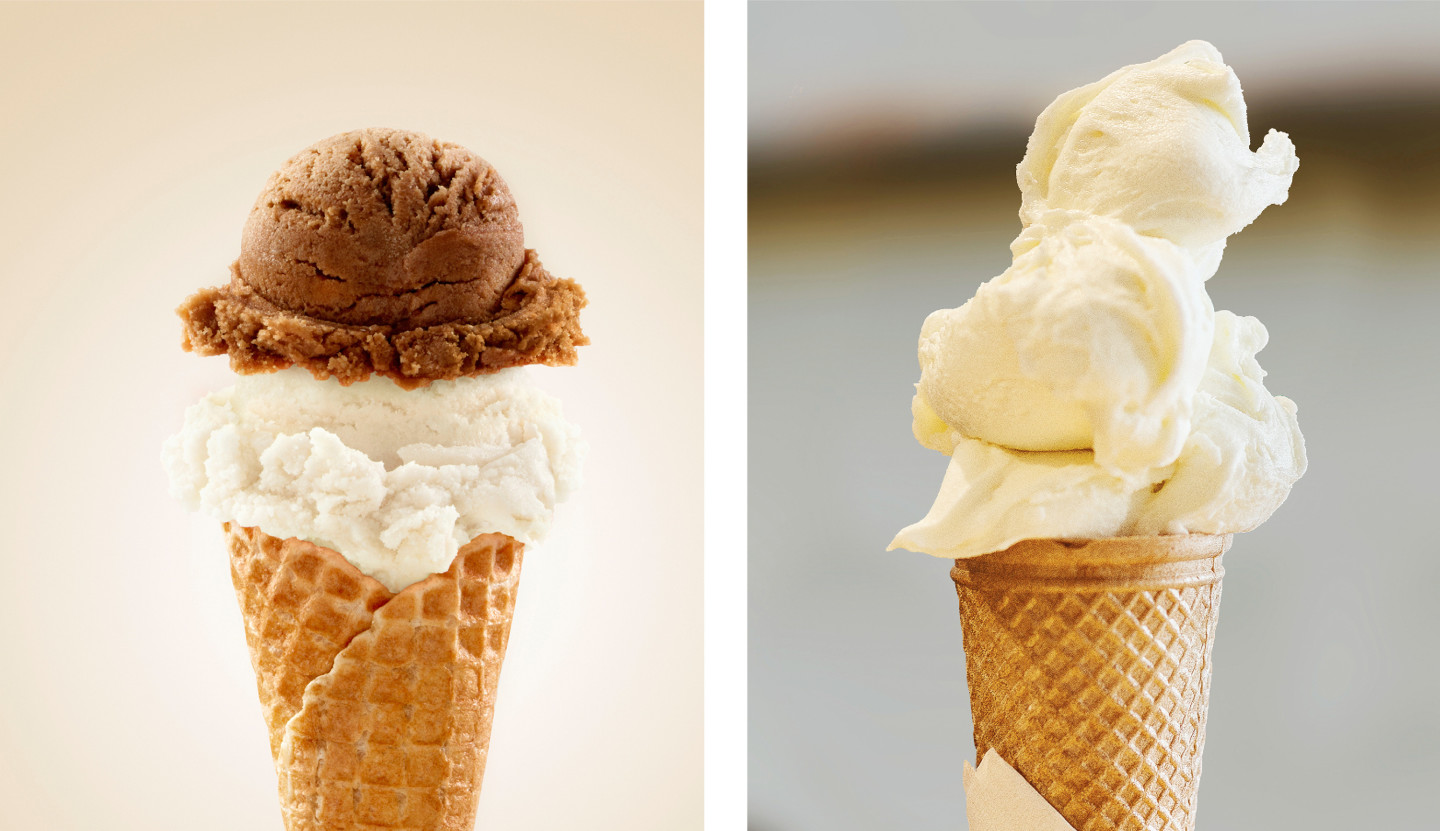
"caption": "Higher butterfat content makes ice cream thick and heavy, which is why you can get a nice, round, firm scoop of ice cream, shown at left. Gelato, at right, has less cream, which gives you softer drifts.",
"description": "Higher butterfat content makes ice cream thick and heavy, which is why you can get a nice, round, firm scoop of ice cream, shown at left. Gelato, at right, has less cream, which gives you softer drifts.",
"title": "Higher butterfat content makes ice cream thick and heavy, which is why you can get a nice, round, firm scoop of ice cream, shown at left. Gelato, at right, has less cream, which gives you softer drifts.",
"credit": "iStockphoto/The Art of Making Gelato, Race Point Publishing ",
"status": "inherit",
"isLoading": false,
"fetchFailed": false
},
"bayareabites_96916": {
"type": "attachments",
"id": "bayareabites_96916",
"meta": {
"index": "attachments_1716263798",
"site": "bayareabites",
"id": "96916",
"found": true
},
"parent": 96915,
"imgSizes": {
"twentyfourteen-full-width": {
"file": "https://ww2.kqed.org/app/uploads/sites/24/2015/06/microbes-21_enl-d73327494cca4044be42216ce4ea48b7ffe35df8-1038x576.jpg",
"width": 1038,
"mimeType": "image/jpeg",
"height": 576
},
"thumbnail": {
"file": "https://ww2.kqed.org/app/uploads/sites/24/2015/06/microbes-21_enl-d73327494cca4044be42216ce4ea48b7ffe35df8-400x266.jpg",
"width": 400,
"mimeType": "image/jpeg",
"height": 266
},
"fd-sm": {
"file": "https://ww2.kqed.org/app/uploads/sites/24/2015/06/microbes-21_enl-d73327494cca4044be42216ce4ea48b7ffe35df8-960x639.jpg",
"width": 960,
"mimeType": "image/jpeg",
"height": 639
},
"post-thumbnail": {
"file": "https://ww2.kqed.org/app/uploads/sites/24/2015/06/microbes-21_enl-d73327494cca4044be42216ce4ea48b7ffe35df8-672x372.jpg",
"width": 672,
"mimeType": "image/jpeg",
"height": 372
},
"kqedFullSize": {
"file": "https://ww2.kqed.org/app/uploads/sites/24/2015/06/microbes-21_enl-d73327494cca4044be42216ce4ea48b7ffe35df8-e1434150299425.jpg",
"width": 1920,
"height": 1279
},
"large": {
"file": "https://ww2.kqed.org/app/uploads/sites/24/2015/06/microbes-21_enl-d73327494cca4044be42216ce4ea48b7ffe35df8-1440x959.jpg",
"width": 1440,
"mimeType": "image/jpeg",
"height": 959
},
"guest-author-96": {
"file": "https://ww2.kqed.org/app/uploads/sites/24/2015/06/microbes-21_enl-d73327494cca4044be42216ce4ea48b7ffe35df8-96x96.jpg",
"width": 96,
"mimeType": "image/jpeg",
"height": 96
},
"medium": {
"file": "https://ww2.kqed.org/app/uploads/sites/24/2015/06/microbes-21_enl-d73327494cca4044be42216ce4ea48b7ffe35df8-800x533.jpg",
"width": 800,
"mimeType": "image/jpeg",
"height": 533
},
"guest-author-64": {
"file": "https://ww2.kqed.org/app/uploads/sites/24/2015/06/microbes-21_enl-d73327494cca4044be42216ce4ea48b7ffe35df8-64x64.jpg",
"width": 64,
"mimeType": "image/jpeg",
"height": 64
},
"guest-author-32": {
"file": "https://ww2.kqed.org/app/uploads/sites/24/2015/06/microbes-21_enl-d73327494cca4044be42216ce4ea48b7ffe35df8-32x32.jpg",
"width": 32,
"mimeType": "image/jpeg",
"height": 32
},
"cat_post_thumb_sizecategory-posts-2": {
"file": "https://ww2.kqed.org/app/uploads/sites/24/2015/06/microbes-21_enl-d73327494cca4044be42216ce4ea48b7ffe35df8-150x150.jpg",
"width": 150,
"mimeType": "image/jpeg",
"height": 150
},
"fd-med": {
"file": "https://ww2.kqed.org/app/uploads/sites/24/2015/06/microbes-21_enl-d73327494cca4044be42216ce4ea48b7ffe35df8-1180x786.jpg",
"width": 1180,
"mimeType": "image/jpeg",
"height": 786
},
"detail": {
"file": "https://ww2.kqed.org/app/uploads/sites/24/2015/06/microbes-21_enl-d73327494cca4044be42216ce4ea48b7ffe35df8-75x75.jpg",
"width": 75,
"mimeType": "image/jpeg",
"height": 75
},
"guest-author-128": {
"file": "https://ww2.kqed.org/app/uploads/sites/24/2015/06/microbes-21_enl-d73327494cca4044be42216ce4ea48b7ffe35df8-128x128.jpg",
"width": 128,
"mimeType": "image/jpeg",
"height": 128
}
},
"publishDate": 1434149351,
"modified": 1434150328,
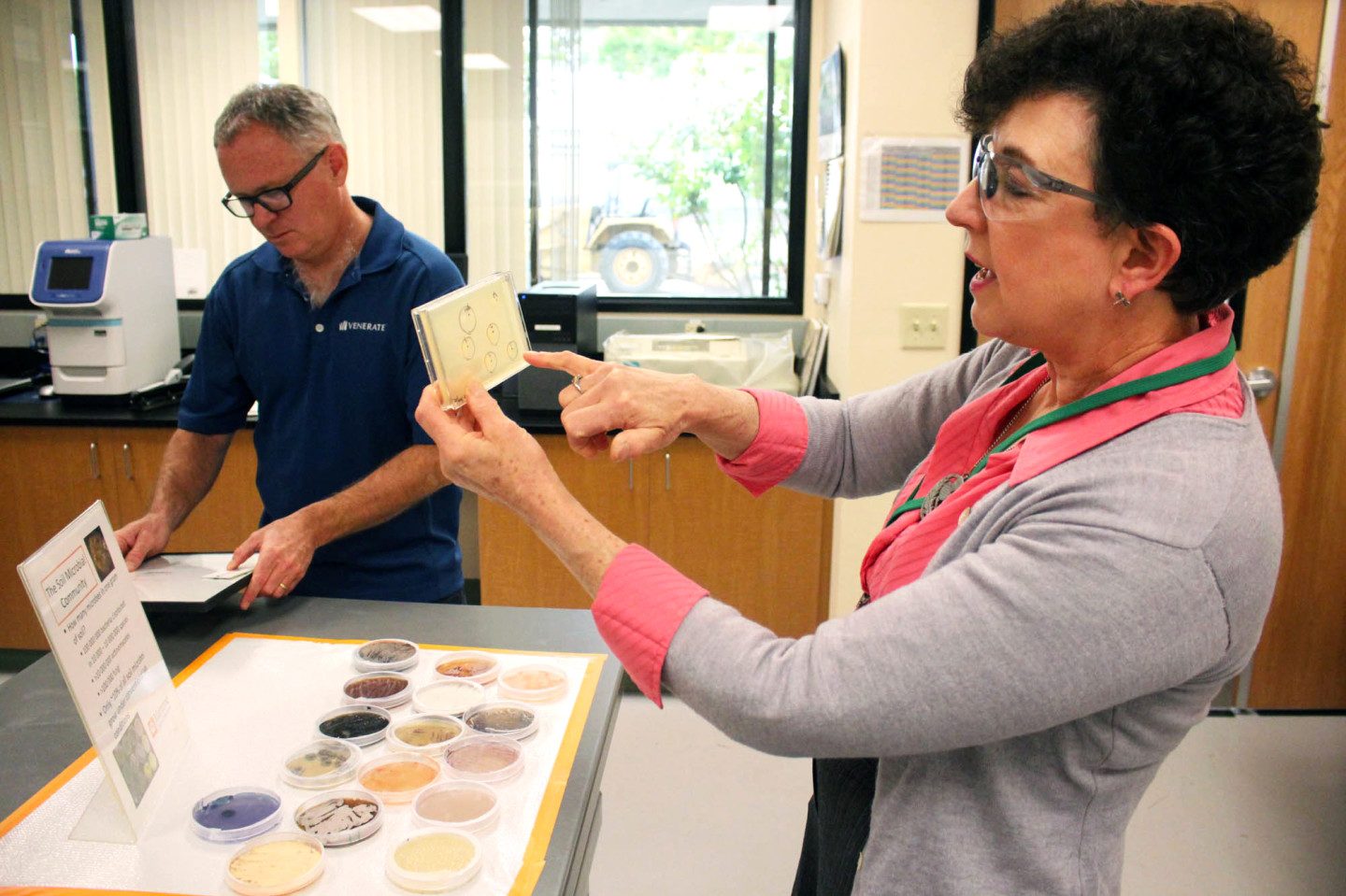
"caption": "Pam Marrone (right), founder and CEO of Marrone Bio Innovations, inspects some colonies of microbes. Marrone has spent most of her professional life prospecting for microbial pesticides and bringing them to market. ",
"description": "Pam Marrone (right), founder and CEO of Marrone Bio Innovations, inspects some colonies of microbes. Marrone has spent most of her professional life prospecting for microbial pesticides and bringing them to marke",
"title": "Pam Marrone (right), founder and CEO of Marrone Bio Innovations, inspects some colonies of microbes. Marrone has spent most of her professional life prospecting for microbial pesticides and bringing them to market.",
"credit": "Dan Charles/NPR ",
"status": "inherit",
"isLoading": false,
"fetchFailed": false
},
"bayareabites_96585": {
"type": "attachments",
"id": "bayareabites_96585",
"meta": {
"index": "attachments_1716263798",
"site": "bayareabites",
"id": "96585",
"found": true
},
"parent": 96584,
"imgSizes": {
"twentyfourteen-full-width": {
"file": "https://ww2.kqed.org/app/uploads/sites/24/2015/06/470892680-ce3652433301ebaa557aea7ac5a7ff89370c4b5e-1038x576.jpg",
"width": 1038,
"mimeType": "image/jpeg",
"height": 576
},
"thumbnail": {
"file": "https://ww2.kqed.org/app/uploads/sites/24/2015/06/470892680-ce3652433301ebaa557aea7ac5a7ff89370c4b5e-400x300.jpg",
"width": 400,
"mimeType": "image/jpeg",
"height": 300
},
"fd-sm": {
"file": "https://ww2.kqed.org/app/uploads/sites/24/2015/06/470892680-ce3652433301ebaa557aea7ac5a7ff89370c4b5e-960x719.jpg",
"width": 960,
"mimeType": "image/jpeg",
"height": 719
},
"post-thumbnail": {
"file": "https://ww2.kqed.org/app/uploads/sites/24/2015/06/470892680-ce3652433301ebaa557aea7ac5a7ff89370c4b5e-672x372.jpg",
"width": 672,
"mimeType": "image/jpeg",
"height": 372
},
"kqedFullSize": {
"file": "https://ww2.kqed.org/app/uploads/sites/24/2015/06/470892680-ce3652433301ebaa557aea7ac5a7ff89370c4b5e-e1433376109256.jpg",
"width": 1920,
"height": 1439
},
"large": {
"file": "https://ww2.kqed.org/app/uploads/sites/24/2015/06/470892680-ce3652433301ebaa557aea7ac5a7ff89370c4b5e-1440x1079.jpg",
"width": 1440,
"mimeType": "image/jpeg",
"height": 1079
},
"guest-author-96": {
"file": "https://ww2.kqed.org/app/uploads/sites/24/2015/06/470892680-ce3652433301ebaa557aea7ac5a7ff89370c4b5e-96x96.jpg",
"width": 96,
"mimeType": "image/jpeg",
"height": 96
},
"medium": {
"file": "https://ww2.kqed.org/app/uploads/sites/24/2015/06/470892680-ce3652433301ebaa557aea7ac5a7ff89370c4b5e-800x599.jpg",
"width": 800,
"mimeType": "image/jpeg",
"height": 599
},
"guest-author-64": {
"file": "https://ww2.kqed.org/app/uploads/sites/24/2015/06/470892680-ce3652433301ebaa557aea7ac5a7ff89370c4b5e-64x64.jpg",
"width": 64,
"mimeType": "image/jpeg",
"height": 64
},
"guest-author-32": {
"file": "https://ww2.kqed.org/app/uploads/sites/24/2015/06/470892680-ce3652433301ebaa557aea7ac5a7ff89370c4b5e-32x32.jpg",
"width": 32,
"mimeType": "image/jpeg",
"height": 32
},
"cat_post_thumb_sizecategory-posts-2": {
"file": "https://ww2.kqed.org/app/uploads/sites/24/2015/06/470892680-ce3652433301ebaa557aea7ac5a7ff89370c4b5e-150x150.jpg",
"width": 150,
"mimeType": "image/jpeg",
"height": 150
},
"fd-med": {
"file": "https://ww2.kqed.org/app/uploads/sites/24/2015/06/470892680-ce3652433301ebaa557aea7ac5a7ff89370c4b5e-1180x884.jpg",
"width": 1180,
"mimeType": "image/jpeg",
"height": 884
},
"detail": {
"file": "https://ww2.kqed.org/app/uploads/sites/24/2015/06/470892680-ce3652433301ebaa557aea7ac5a7ff89370c4b5e-75x75.jpg",
"width": 75,
"mimeType": "image/jpeg",
"height": 75
},
"guest-author-128": {
"file": "https://ww2.kqed.org/app/uploads/sites/24/2015/06/470892680-ce3652433301ebaa557aea7ac5a7ff89370c4b5e-128x128.jpg",
"width": 128,
"mimeType": "image/jpeg",
"height": 128
}
},
"publishDate": 1433375713,
"modified": 1433376141,
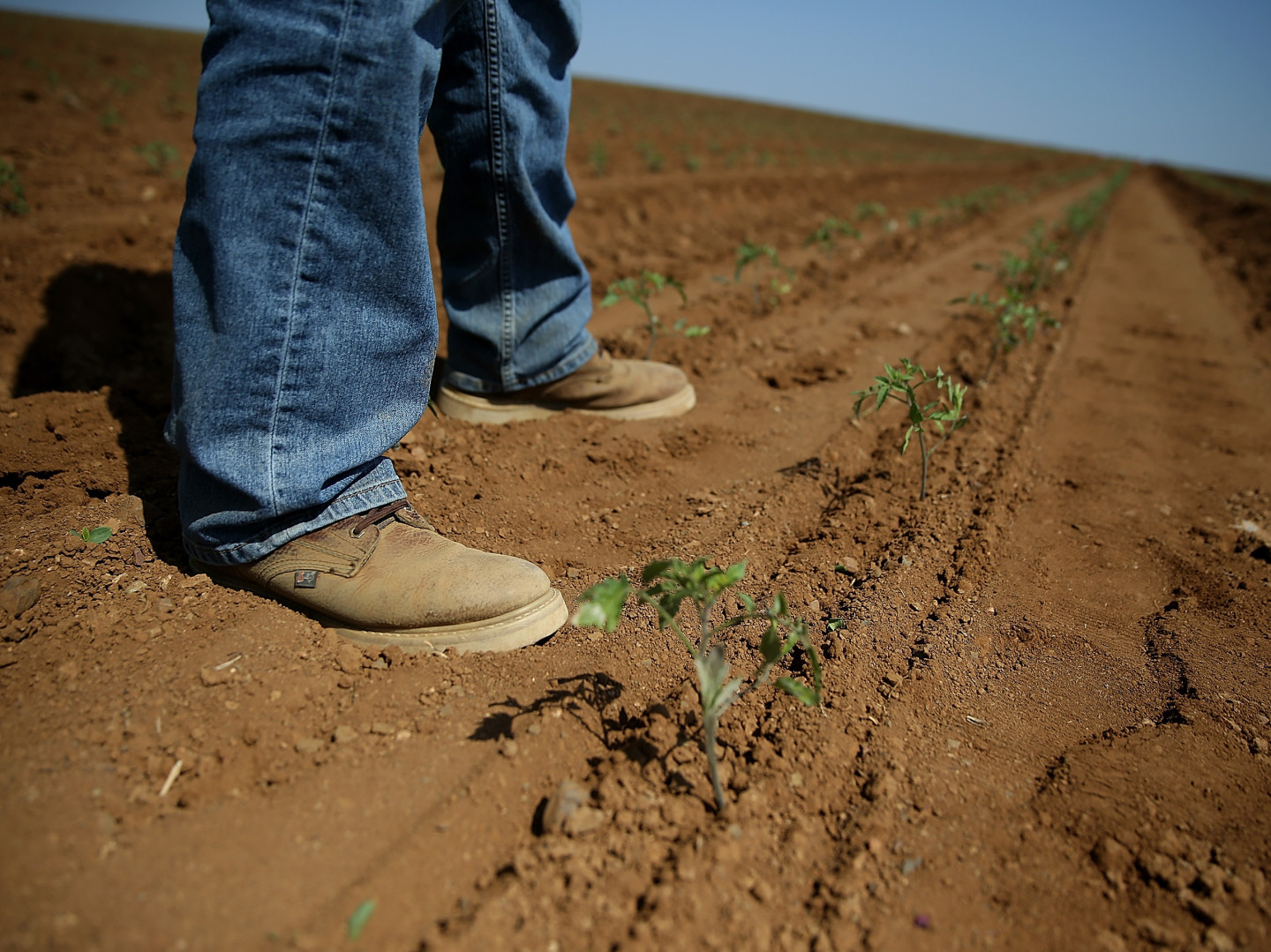
"caption": "A row of newly planted organic tomatoes on April 23, 2015 in Firebaugh, Calif. Some farmers are moving tomato production to the north of the state where water supplies are better.",
"description": "A row of newly planted organic tomatoes on April 23, 2015 in Firebaugh, Calif. Some farmers are moving tomato production to the north of the state where water supplies are better",
"title": "A row of newly planted organic tomatoes on April 23, 2015 in Firebaugh, Calif. Some farmers are moving tomato production to the north of the state where water supplies are better.",
"credit": "Justin Sullivan/Getty Images",
"status": "inherit",
"isLoading": false,
"fetchFailed": false
}
},
"audioPlayerReducer": {
"postId": "stream_live",
"isPaused": true,
"isPlaying": false,
"pfsActive": false,
"pledgeModalIsOpen": true,
"playerDrawerIsOpen": false,
"liveAudioPlayStartedAt": 0,
"liveAudioPlayContext": ""
},
"authorsReducer": {
"byline_bayareabites_97688": {
"type": "authors",
"id": "byline_bayareabites_97688",
"meta": {
"override": true
},
"slug": "byline_bayareabites_97688",
"name": "Dan Charles, \u003ca href=\"http://ww2.kqed.org/bayareabites/author/nprfood/\">NPR Food\u003c/a>",
"isLoading": false
},
"byline_bayareabites_97438": {
"type": "authors",
"id": "byline_bayareabites_97438",
"meta": {
"override": true
},
"slug": "byline_bayareabites_97438",
"name": "Eliza Barclay, \u003ca href=\"http://ww2.kqed.org/bayareabites/author/nprfood/\">NPR Food\u003c/a>",
"isLoading": false
},
"byline_bayareabites_97359": {
"type": "authors",
"id": "byline_bayareabites_97359",
"meta": {
"override": true
},
"slug": "byline_bayareabites_97359",
"name": "Eliza Barclay and Allison Aubrey, \u003ca href=\"http://ww2.kqed.org/bayareabites/author/nprfood/\">NPR Food\u003c/a>",
"isLoading": false
},
"byline_bayareabites_97334": {
"type": "authors",
"id": "byline_bayareabites_97334",
"meta": {
"override": true
},
"slug": "byline_bayareabites_97334",
"name": "Andrea Shea, \u003ca href=\"http://ww2.kqed.org/bayareabites/author/nprfood/\">NPR Food\u003c/a>",
"isLoading": false
},
"byline_bayareabites_97328": {
"type": "authors",
"id": "byline_bayareabites_97328",
"meta": {
"override": true
},
"slug": "byline_bayareabites_97328",
"name": "Jessie Rack, \u003ca href=\"http://ww2.kqed.org/bayareabites/author/nprfood/\">NPR Food\u003c/a>",
"isLoading": false
},
"byline_bayareabites_97176": {
"type": "authors",
"id": "byline_bayareabites_97176",
"meta": {
"override": true
},
"slug": "byline_bayareabites_97176",
"name": "Jill Neimark, \u003ca href=\"http://ww2.kqed.org/bayareabites/author/nprfood/\">NPR Food\u003c/a>",
"isLoading": false
},
"byline_bayareabites_97168": {
"type": "authors",
"id": "byline_bayareabites_97168",
"meta": {
"override": true
},
"slug": "byline_bayareabites_97168",
"name": "Allison Aubrey, \u003ca href=\"http://ww2.kqed.org/bayareabites/author/nprfood/\">NPR Food\u003c/a>",
"isLoading": false
},
"byline_bayareabites_97064": {
"type": "authors",
"id": "byline_bayareabites_97064",
"meta": {
"override": true
},
"slug": "byline_bayareabites_97064",
"name": "Allison Aubrey, \u003ca href=\"http://ww2.kqed.org/bayareabites/author/nprfood/\">NPR Food\u003c/a>",
"isLoading": false
},
"byline_bayareabites_96988": {
"type": "authors",
"id": "byline_bayareabites_96988",
"meta": {
"override": true
},
"slug": "byline_bayareabites_96988",
"name": "Linda Poon, \u003ca href=\"http://ww2.kqed.org/bayareabites/author/nprfood/\">NPR Food\u003c/a>",
"isLoading": false
},
"byline_bayareabites_96915": {
"type": "authors",
"id": "byline_bayareabites_96915",
"meta": {
"override": true
},
"slug": "byline_bayareabites_96915",
"name": "Dan Charles, \u003ca href=\"http://ww2.kqed.org/bayareabites/author/nprfood/\">NPR Food\u003c/a>",
"isLoading": false
},
"byline_bayareabites_96584": {
"type": "authors",
"id": "byline_bayareabites_96584",
"meta": {
"override": true
},
"slug": "byline_bayareabites_96584",
"name": "Sam Sanders, \u003ca href=\"http://ww2.kqed.org/bayareabites/author/nprfood/\">NPR Food\u003c/a>",
"isLoading": false
},
"lisalanders": {
"type": "authors",
"id": "5412",
"meta": {
"index": "authors_1716337520",
"id": "5412",
"found": true
},
"name": "Lisa Landers",
"firstName": "Lisa",
"lastName": "Landers",
"slug": "lisalanders",
"email": "llanders@KQED.org",
"display_author_email": false,
"staff_mastheads": [],
"title": "KQED Contributor",
"bio": "Lisa Landers is a producer and writer whose work includes documentaries, museum exhibitions, and educational multimedia. Her work has covered a diversity of subject matter including natural history, ecological and social issues, cultural exploration, food, music, and architecture. She’s developed and produced films for broadcasters such as National Geographic, Smithsonian Channel, and the Discovery Channel. Her work as an exhibition developer and multimedia producer has been featured at institutions including the American Museum of Natural History, the National Building Museum, and The Tech Museum. Her writing has also appeared in a wide variety of print and online publications.",
"avatar": "https://secure.gravatar.com/avatar/1e4aa08f6f0a92ea11a2779a453cb36d?s=600&d=blank&r=g",
"twitter": null,
"bluesky": null,
"facebook": null,
"instagram": null,
"linkedin": null,
"sites": [
{
"site": "bayareabites",
"roles": [
"contributor"
]
},
{
"site": "quest",
"roles": [
"leadcoordinator",
"edit_theme_options",
"subscriber"
]
},
{
"site": "food",
"roles": []
}
],
"headData": {
"title": "Lisa Landers | KQED",
"description": "KQED Contributor",
"ogImgSrc": "https://secure.gravatar.com/avatar/1e4aa08f6f0a92ea11a2779a453cb36d?s=600&d=blank&r=g",
"twImgSrc": "https://secure.gravatar.com/avatar/1e4aa08f6f0a92ea11a2779a453cb36d?s=600&d=blank&r=g"
},
"isLoading": false,
"link": "/author/lisalanders"
}
},
"pagesReducer": {
"bayareabites_category_science": {
"type": "terms",
"id": "bayareabites_358",
"meta": {
"index": "terms_1716263798",
"site": "bayareabites",
"id": "358",
"score": 10.85186
},
"featImg": null,
"name": "science",
"description": null,
"taxonomy": "category",
"headData": {
"twImgId": null,
"twTitle": null,
"ogTitle": null,
"ogImgId": null,
"twDescription": null,
"description": null,
"title": "science Archives | KQED Bay Area Bites",
"ogDescription": null
},
"ttid": 7943,
"slug": "science",
"isLoading": false,
"title": "science",
"pageMeta": {
"site": "bayareabites",
"WpPageTemplate": "page-topic-editorial",
"currentPage": 30
},
"blocks": [
{
"blockName": "kqed/post-list",
"attrs": {
"layout": "cardArticle2",
"query": "posts/bayareabites?category=science",
"seeMore": false,
"paginated": true,
"page": 30
}
},
{
"blockName": "kqed/ad"
}
]
}
},
"pfsSessionReducer": {},
"postsReducer": {
"stream_live": {
"type": "live",
"id": "stream_live",
"audioUrl": "https://streams.kqed.org/kqedradio",
"title": "Live Stream",
"excerpt": "Live Stream information currently unavailable.",
"link": "/radio",
"featImg": "",
"label": {
"name": "KQED Live",
"link": "/"
}
},
"stream_kqedNewscast": {
"type": "posts",
"id": "stream_kqedNewscast",
"audioUrl": "https://www.kqed.org/.stream/anon/radio/RDnews/newscast.mp3?_=1",
"title": "KQED Newscast",
"featImg": "",
"label": {
"name": "88.5 FM",
"link": "/"
}
},
"bayareabites_97562": {
"type": "posts",
"id": "bayareabites_97562",
"meta": {
"index": "posts_1716263798",
"site": "bayareabites",
"id": "97562",
"score": null,
"sort": [
1436293381000
]
},
"parent": 0,
"labelTerm": {
"site": "bayareabites"
},
"blocks": [],
"publishDate": 1436293381,
"format": "standard",
"disqusTitle": "Food Storage Tips: 9 Foods That Fare Better in the Fridge",
"title": "Food Storage Tips: 9 Foods That Fare Better in the Fridge",
"headTitle": "Bay Area Bites | KQED Food",
"content": "\u003cp>If I can avoid putting something in the fridge or freezer, I do. It’s largely because space is at premium in my overcrowded refrigerator. I’ve always had a hunch that leaving certain edibles in the pantry can hasten their demise, especially as my home heats up in the summer, but I’ve never been sure which items were truly worthy of refrigerator real estate.\u003c/p>\n\u003cp>[aside postID=\"bayareabites_92255\" label=\"5 Foods You Shouldn't Put in the Fridge\"]\u003c/p>\n\u003cp>For some things on our shopping lists, all we need to do is look at the label to know if they need to be refrigerated. But storage instructions can be hard to come by when we forgo pre-packaged, processed goods for whole foods from farmers' markets and artisanal shops, and dry foods from bulk bins. And even when we buy seemingly fresher foods, we rarely know how much of their shelf life has already been used up sitting around in the store or elsewhere. Deciding whether or not to keep something chilled also depends on how quickly we plan to eat it, requiring strategic forethought or a crystal ball.\u003c/p>\n\u003cp>Despite the variables, the foods listed below generally fare better in the fridge or freezer in most households. But no matter how much time has elapsed, what season it is, or where we choose to store our food, it’s always wise to take a good look and big sniff before digging in.\u003c/p>\n\u003ch3>Berries\n\u003ch3>\n\u003cfigure id=\"attachment_97709\" class=\"wp-caption aligncenter\" style=\"max-width: 1920px\">\u003cimg src=\"http://ww2.kqed.org/bayareabites/wp-content/uploads/sites/24/2015/06/BAB_berries.jpeg\" alt=\"Farmers' market strawberries and blueberries.\" width=\"1920\" height=\"1280\" class=\"size-full wp-image-97709\" srcset=\"https://ww2.kqed.org/app/uploads/sites/24/2015/06/BAB_berries.jpeg 1920w, https://ww2.kqed.org/app/uploads/sites/24/2015/06/BAB_berries-400x267.jpeg 400w, https://ww2.kqed.org/app/uploads/sites/24/2015/06/BAB_berries-800x533.jpeg 800w, https://ww2.kqed.org/app/uploads/sites/24/2015/06/BAB_berries-1440x960.jpeg 1440w, https://ww2.kqed.org/app/uploads/sites/24/2015/06/BAB_berries-1180x787.jpeg 1180w, https://ww2.kqed.org/app/uploads/sites/24/2015/06/BAB_berries-960x640.jpeg 960w\" sizes=\"(max-width: 1920px) 100vw, 1920px\">\u003cfigcaption class=\"wp-caption-text\">Farmers' market strawberries and blueberries. \u003ccite>(Lisa Landers)\u003c/cite>\u003c/figcaption>\u003c/figure>\n\u003c/h3>\u003c/h3>\u003cp>Whether you’re into strawberries, blueberries or blackberries this summer season, they will all last a few more days if kept in the fridge. Put them unwashed in an airtight container layered with paper towels to absorb excess moisture.\u003c/p>\n\u003ch3>Nuts\u003c/h3>\n\u003cfigure id=\"attachment_97718\" class=\"wp-caption aligncenter\" style=\"max-width: 1920px\">\u003cimg src=\"http://ww2.kqed.org/bayareabites/wp-content/uploads/sites/24/2015/06/BAB_nuts2.jpeg\" alt=\"Raw almonds.\" width=\"1920\" height=\"1443\" class=\"size-full wp-image-97718\" srcset=\"https://ww2.kqed.org/app/uploads/sites/24/2015/06/BAB_nuts2.jpeg 1920w, https://ww2.kqed.org/app/uploads/sites/24/2015/06/BAB_nuts2-400x301.jpeg 400w, https://ww2.kqed.org/app/uploads/sites/24/2015/06/BAB_nuts2-800x601.jpeg 800w, https://ww2.kqed.org/app/uploads/sites/24/2015/06/BAB_nuts2-1440x1082.jpeg 1440w, https://ww2.kqed.org/app/uploads/sites/24/2015/06/BAB_nuts2-1180x887.jpeg 1180w, https://ww2.kqed.org/app/uploads/sites/24/2015/06/BAB_nuts2-960x722.jpeg 960w\" sizes=\"(max-width: 1920px) 100vw, 1920px\">\u003cfigcaption class=\"wp-caption-text\">Raw almonds. \u003ccite>(Lisa Landers)\u003c/cite>\u003c/figcaption>\u003c/figure>\n\u003cp>According to the \u003ca href=\"http://ucfoodsafety.ucdavis.edu/files/44384.pdf\" target=\"_blank\">experts at University of California at Davis\u003c/a>, nuts can maintain their quality at room temperature for a few of months (less time in warmer climates). But even stored in an airtight container, nuts will go rancid more quickly in the pantry than if they are chilled. In the fridge, hulled nuts like almonds, cashews and walnuts can retain their quality for a year or more.\u003c/p>\n\u003ch3>Whole Grains (like Brown Rice, Quinoa and Millet)\u003c/h3>\n\u003cfigure id=\"attachment_97710\" class=\"wp-caption aligncenter\" style=\"max-width: 1920px\">\u003cimg src=\"http://ww2.kqed.org/bayareabites/wp-content/uploads/sites/24/2015/06/BAB_Brown-rice.jpeg\" alt=\"Brown rice.\" width=\"1920\" height=\"1440\" class=\"size-full wp-image-97710\" srcset=\"https://ww2.kqed.org/app/uploads/sites/24/2015/06/BAB_Brown-rice.jpeg 1920w, https://ww2.kqed.org/app/uploads/sites/24/2015/06/BAB_Brown-rice-400x300.jpeg 400w, https://ww2.kqed.org/app/uploads/sites/24/2015/06/BAB_Brown-rice-800x600.jpeg 800w, https://ww2.kqed.org/app/uploads/sites/24/2015/06/BAB_Brown-rice-1440x1080.jpeg 1440w, https://ww2.kqed.org/app/uploads/sites/24/2015/06/BAB_Brown-rice-1180x885.jpeg 1180w, https://ww2.kqed.org/app/uploads/sites/24/2015/06/BAB_Brown-rice-960x720.jpeg 960w\" sizes=\"(max-width: 1920px) 100vw, 1920px\">\u003cfigcaption class=\"wp-caption-text\">Brown rice. \u003ccite>(Lisa Landers)\u003c/cite>\u003c/figcaption>\u003c/figure>\n\u003cp>White rice can be stored for many years in a cool dry place, but whole grain brown rice will \u003ca href=\"https://www.usarice.com/index.php?option=com_content&view=article&id=70&Itemid=72\" target=\"_blank\">only last about 6 months\u003c/a> because of the oil contained in the bran layer. Storing brown rice in the fridge can extend the shelf life for up to a year. To maximize freshness and shelf life, the popular grain purveyor, \u003ca href=\"http://blog.bobsredmill.com/featured-articles/storing-whole-grains/\" target=\"_blank\">Bob’s Red Mill\u003c/a>, suggests storing rice, quinoa, millet and all other whole grains in the freezer if used less than once a month. According to their website, the icy temps can buy you an extra six months beyond the sell-by date on their packages. Freezing also reduces the risk of lingering insect eggs from hatching in your cupboard.\u003c/p>\n\u003ch3>Ground Flax Seeds\u003c/h3>\n\u003cfigure id=\"attachment_97716\" class=\"wp-caption aligncenter\" style=\"max-width: 1920px\">\u003cimg src=\"http://ww2.kqed.org/bayareabites/wp-content/uploads/sites/24/2015/06/BAB_flax.jpg\" alt=\"Flax seeds sold in bulk.\" width=\"1920\" height=\"1440\" class=\"size-full wp-image-97716\" srcset=\"https://ww2.kqed.org/app/uploads/sites/24/2015/06/BAB_flax.jpg 1920w, https://ww2.kqed.org/app/uploads/sites/24/2015/06/BAB_flax-400x300.jpg 400w, https://ww2.kqed.org/app/uploads/sites/24/2015/06/BAB_flax-800x600.jpg 800w, https://ww2.kqed.org/app/uploads/sites/24/2015/06/BAB_flax-1440x1080.jpg 1440w, https://ww2.kqed.org/app/uploads/sites/24/2015/06/BAB_flax-1180x885.jpg 1180w, https://ww2.kqed.org/app/uploads/sites/24/2015/06/BAB_flax-960x720.jpg 960w\" sizes=\"(max-width: 1920px) 100vw, 1920px\">\u003cfigcaption class=\"wp-caption-text\">Flax seeds sold in bulk. \u003ccite>(Lisa Landers)\u003c/cite>\u003c/figcaption>\u003c/figure>\n\u003cp>While whole flaxseeds last 6-12 months when stored in a dark, cool spot in your pantry, ground flax seeds only last a week or so before starting to turn. Sealed up in the fridge, the ground seeds can remain edible for \u003ca href=\"http://flaxcouncil.ca/the-council/faq/\" target=\"_blank\">up to 90 days\u003c/a>.\u003c/p>\n\u003ch3>Dried Fruit, Preservative-free\u003c/h3>\n\u003cfigure id=\"attachment_97711\" class=\"wp-caption aligncenter\" style=\"max-width: 1920px\">\u003cimg src=\"http://ww2.kqed.org/bayareabites/wp-content/uploads/sites/24/2015/06/BAB_driedfruit.jpeg\" alt=\"Dried mangos, cranberries and apricots.\" width=\"1920\" height=\"1280\" class=\"size-full wp-image-97711\" srcset=\"https://ww2.kqed.org/app/uploads/sites/24/2015/06/BAB_driedfruit.jpeg 1920w, https://ww2.kqed.org/app/uploads/sites/24/2015/06/BAB_driedfruit-400x267.jpeg 400w, https://ww2.kqed.org/app/uploads/sites/24/2015/06/BAB_driedfruit-800x533.jpeg 800w, https://ww2.kqed.org/app/uploads/sites/24/2015/06/BAB_driedfruit-1440x960.jpeg 1440w, https://ww2.kqed.org/app/uploads/sites/24/2015/06/BAB_driedfruit-1180x787.jpeg 1180w, https://ww2.kqed.org/app/uploads/sites/24/2015/06/BAB_driedfruit-960x640.jpeg 960w\" sizes=\"(max-width: 1920px) 100vw, 1920px\">\u003cfigcaption class=\"wp-caption-text\">Dried mangos, cranberries and apricots. \u003ccite>(Lisa Landers)\u003c/cite>\u003c/figcaption>\u003c/figure>\n\u003cp>If you’ve started buying dried apricots, mango and other dehydrated fruits that haven’t been treated with \u003ca href=\"http://healthyeating.sfgate.com/health-risks-sulfur-dioxide-dried-fruits-3921.html\" target=\"_blank\">sulfur dioxide (a preservative)\u003c/a>, your stash of sweet treats may not last as long before starting to degrade. But when sealed up, tucked into a dark corner and stored at room temp, the quality of preservative-free dried fruits will hold up for about 3-4 months, says Becky Courchesne, co-owner of \u003ca href=\"http://froghollow.myshopify.com/collections/dried-fruit\" target=\"_blank\">Frog Hollow Farms\u003c/a>. Shelf life can stretch to six months in the fridge and a year or more in the freezer. The key, says Courchesne, is making sure that absolutely no moisture gets in your package, which can happen if you take the bag in and out of the cold too often.\u003c/p>\n\u003ch3>Whole Wheat, Oat, Rye and Buckwheat Flours\u003c/h3>\n\u003cfigure id=\"attachment_97717\" class=\"wp-caption aligncenter\" style=\"max-width: 1920px\">\u003cimg src=\"http://ww2.kqed.org/bayareabites/wp-content/uploads/sites/24/2015/06/BAB_flour.jpg\" alt=\"Whole-wheat flour.\" width=\"1920\" height=\"1280\" class=\"size-full wp-image-97717\" srcset=\"https://ww2.kqed.org/app/uploads/sites/24/2015/06/BAB_flour.jpg 1920w, https://ww2.kqed.org/app/uploads/sites/24/2015/06/BAB_flour-400x267.jpg 400w, https://ww2.kqed.org/app/uploads/sites/24/2015/06/BAB_flour-800x533.jpg 800w, https://ww2.kqed.org/app/uploads/sites/24/2015/06/BAB_flour-1440x960.jpg 1440w, https://ww2.kqed.org/app/uploads/sites/24/2015/06/BAB_flour-1180x787.jpg 1180w, https://ww2.kqed.org/app/uploads/sites/24/2015/06/BAB_flour-960x640.jpg 960w\" sizes=\"(max-width: 1920px) 100vw, 1920px\">\u003cfigcaption class=\"wp-caption-text\">Whole-wheat flour. \u003ccite>(Lisa Landers)\u003c/cite>\u003c/figcaption>\u003c/figure>\n\u003cp>Unlike white flour, whole-wheat flour retains the wheat germ, making it much more prone to going rancid once exposed to air. Seal it up and stick it in the freezer if you want whole-wheat flour to last more than a few of months. Same goes for other flours made from unrefined grains and cereals such as oat, buckwheat and rye. The Whole Grains Council has a \u003ca href=\"http://wholegrainscouncil.org/recipes/storing-whole-grains\" target=\"_blank\">useful chart\u003c/a> to help you determine the shelf life of your favorite flours.\u003c/p>\n\u003ch3>Nut Butters\u003c/h3>\n\u003cfigure id=\"attachment_97720\" class=\"wp-caption aligncenter\" style=\"max-width: 1920px\">\u003cimg src=\"http://ww2.kqed.org/bayareabites/wp-content/uploads/sites/24/2015/06/BAB_peanutbutter.jpg\" alt=\"Preservative-free peanut butter.\" width=\"1920\" height=\"1280\" class=\"size-full wp-image-97720\" srcset=\"https://ww2.kqed.org/app/uploads/sites/24/2015/06/BAB_peanutbutter.jpg 1920w, https://ww2.kqed.org/app/uploads/sites/24/2015/06/BAB_peanutbutter-400x267.jpg 400w, https://ww2.kqed.org/app/uploads/sites/24/2015/06/BAB_peanutbutter-800x533.jpg 800w, https://ww2.kqed.org/app/uploads/sites/24/2015/06/BAB_peanutbutter-1440x960.jpg 1440w, https://ww2.kqed.org/app/uploads/sites/24/2015/06/BAB_peanutbutter-1180x787.jpg 1180w, https://ww2.kqed.org/app/uploads/sites/24/2015/06/BAB_peanutbutter-960x640.jpg 960w\" sizes=\"(max-width: 1920px) 100vw, 1920px\">\u003cfigcaption class=\"wp-caption-text\">Preservative-free peanut butter. \u003ccite>(Lisa Landers)\u003c/cite>\u003c/figcaption>\u003c/figure>\n\u003cp>The \u003ca href=\"http://www.fns.usda.gov/sites/default/files/100396_PeanutButterSmooth_5lb_2013.pdf\" target=\"_blank\">USDA recommends\u003c/a> storing all of your nut butters in the fridge, but this is especially important for pure nut butters that don’t contain added preservatives and stabilizers to help stave off mold and rancidness. Refrigeration can cause some natural nut butters to harden and the oil to separate, but if you stir well before chilling and let it sit out for an hour before digging in, it will become spreadable again.\u003c/p>\n\u003ch3>Green Onions\u003c/h3>\n\u003cfigure id=\"attachment_97719\" class=\"wp-caption aligncenter\" style=\"max-width: 1920px\">\u003cimg src=\"http://ww2.kqed.org/bayareabites/wp-content/uploads/sites/24/2015/06/BAB_onions.jpg\" alt=\"Green onions.\" width=\"1920\" height=\"1280\" class=\"size-full wp-image-97719\" srcset=\"https://ww2.kqed.org/app/uploads/sites/24/2015/06/BAB_onions.jpg 1920w, https://ww2.kqed.org/app/uploads/sites/24/2015/06/BAB_onions-400x267.jpg 400w, https://ww2.kqed.org/app/uploads/sites/24/2015/06/BAB_onions-800x533.jpg 800w, https://ww2.kqed.org/app/uploads/sites/24/2015/06/BAB_onions-1440x960.jpg 1440w, https://ww2.kqed.org/app/uploads/sites/24/2015/06/BAB_onions-1180x787.jpg 1180w, https://ww2.kqed.org/app/uploads/sites/24/2015/06/BAB_onions-960x640.jpg 960w\" sizes=\"(max-width: 1920px) 100vw, 1920px\">\u003cfigcaption class=\"wp-caption-text\">Green onions. \u003ccite>(Lisa Landers)\u003c/cite>\u003c/figcaption>\u003c/figure>\n\u003cp>Unlike other onions, green onions will start to perish within just a few days if not stored in the fridge. Stored in plastic bags and stashed in the crisper, they will last you \u003ca href=\"http://ucanr.edu/sites/Nutrition_BEST/files/73344.pdf\" target=\"_blank\">about a week\u003c/a>.\u003c/p>\n\u003ch3>Apples\u003c/h3>\n\u003cfigure id=\"attachment_97708\" class=\"wp-caption aligncenter\" style=\"max-width: 1920px\">\u003cimg src=\"http://ww2.kqed.org/bayareabites/wp-content/uploads/sites/24/2015/06/BAB_apples.jpg\" alt=\"Apples.\" width=\"1920\" height=\"1440\" class=\"size-full wp-image-97708\" srcset=\"https://ww2.kqed.org/app/uploads/sites/24/2015/06/BAB_apples.jpg 1920w, https://ww2.kqed.org/app/uploads/sites/24/2015/06/BAB_apples-400x300.jpg 400w, https://ww2.kqed.org/app/uploads/sites/24/2015/06/BAB_apples-800x600.jpg 800w, https://ww2.kqed.org/app/uploads/sites/24/2015/06/BAB_apples-1440x1080.jpg 1440w, https://ww2.kqed.org/app/uploads/sites/24/2015/06/BAB_apples-1180x885.jpg 1180w, https://ww2.kqed.org/app/uploads/sites/24/2015/06/BAB_apples-960x720.jpg 960w\" sizes=\"(max-width: 1920px) 100vw, 1920px\">\u003cfigcaption class=\"wp-caption-text\">Apples. \u003ccite>(Lisa Landers)\u003c/cite>\u003c/figcaption>\u003c/figure>\n\u003cp>Apples are \u003ca href=\"http://homeorchard.ucdavis.edu/8229.pdf\" target=\"_blank\">best kept in the crisper drawer\u003c/a> of your fridge. Unless you picked them from the tree yourself, chances are those fruits have been sitting around for a while. Leaving apples on the counter can cause them to go soft and shrivel within just a few days, but in the fridge they can last a few weeks or more. If you like your apples at room temperature, just take one out of the fridge an hour or so before you eat it.\u003c/p>\n\u003cp>[ad fullwidth]\u003c/p>\n\u003cp>\u003c/p>\n\u003cp>\u003cem>Disclaimer: These storage suggestions are intended only as general guidelines. The rate of food degradation can vary greatly depending on many variables, some of which are noted above.\u003c/em>\u003c/p>\n\n",
"disqusIdentifier": "97562 http://ww2.kqed.org/bayareabites/?p=97562",
"disqusUrl": "https://ww2.kqed.org/bayareabites/2015/07/07/9-foods-that-fare-better-in-the-fridge/",
"stats": {
"hasVideo": false,
"hasChartOrMap": false,
"hasAudio": false,
"hasPolis": false,
"wordCount": 1026,
"hasGoogleForm": false,
"hasGallery": false,
"hasHearkenModule": false,
"iframeSrcs": [],
"paragraphCount": 16
},
"modified": 1551909881,
"excerpt": "As summer temps heat up your kitchen pantry, so does the risk of certain foods going bad. Find out which foods are worth making space for in your fridge or freezer.",
"headData": {
"twImgId": "",
"twTitle": "",
"ogTitle": "",
"ogImgId": "",
"twDescription": "",
"description": "As summer temps heat up your kitchen pantry, so does the risk of certain foods going bad. Find out which foods are worth making space for in your fridge or freezer.",
"title": "Food Storage Tips: 9 Foods That Fare Better in the Fridge | KQED",
"ogDescription": "",
"schema": {
"@context": "https://schema.org",
"@type": "Article",
"headline": "Food Storage Tips: 9 Foods That Fare Better in the Fridge",
"datePublished": "2015-07-07T11:23:01-07:00",
"dateModified": "2019-03-06T14:04:41-08:00",
"image": "https://cdn.kqed.org/wp-content/uploads/2020/02/KQED-OG-Image@1x.png"
}
},
"guestAuthors": [],
"slug": "9-foods-that-fare-better-in-the-fridge",
"status": "publish",
"templateType": "standard",
"featuredImageType": "standard",
"path": "/bayareabites/97562/9-foods-that-fare-better-in-the-fridge",
"audioTrackLength": null,
"parsedContent": [
{
"type": "contentString",
"content": "\u003cdiv class=\"post-body\">\u003cp>\u003cp>If I can avoid putting something in the fridge or freezer, I do. It’s largely because space is at premium in my overcrowded refrigerator. I’ve always had a hunch that leaving certain edibles in the pantry can hasten their demise, especially as my home heats up in the summer, but I’ve never been sure which items were truly worthy of refrigerator real estate.\u003c/p>\n\u003cp>\u003c/p>\u003c/div>",
"attributes": {
"named": {},
"numeric": []
}
},
{
"type": "component",
"content": "",
"name": "aside",
"attributes": {
"named": {
"postid": "bayareabites_92255",
"label": "5 Foods You Shouldn't Put in the Fridge "
},
"numeric": []
}
},
{
"type": "contentString",
"content": "\u003cdiv class=\"post-body\">\u003cp>\u003c/p>\n\u003cp>For some things on our shopping lists, all we need to do is look at the label to know if they need to be refrigerated. But storage instructions can be hard to come by when we forgo pre-packaged, processed goods for whole foods from farmers' markets and artisanal shops, and dry foods from bulk bins. And even when we buy seemingly fresher foods, we rarely know how much of their shelf life has already been used up sitting around in the store or elsewhere. Deciding whether or not to keep something chilled also depends on how quickly we plan to eat it, requiring strategic forethought or a crystal ball.\u003c/p>\n\u003cp>Despite the variables, the foods listed below generally fare better in the fridge or freezer in most households. But no matter how much time has elapsed, what season it is, or where we choose to store our food, it’s always wise to take a good look and big sniff before digging in.\u003c/p>\n\u003ch3>Berries\n\u003ch3>\n\u003cfigure id=\"attachment_97709\" class=\"wp-caption aligncenter\" style=\"max-width: 1920px\">\u003cimg src=\"http://ww2.kqed.org/bayareabites/wp-content/uploads/sites/24/2015/06/BAB_berries.jpeg\" alt=\"Farmers' market strawberries and blueberries.\" width=\"1920\" height=\"1280\" class=\"size-full wp-image-97709\" srcset=\"https://ww2.kqed.org/app/uploads/sites/24/2015/06/BAB_berries.jpeg 1920w, https://ww2.kqed.org/app/uploads/sites/24/2015/06/BAB_berries-400x267.jpeg 400w, https://ww2.kqed.org/app/uploads/sites/24/2015/06/BAB_berries-800x533.jpeg 800w, https://ww2.kqed.org/app/uploads/sites/24/2015/06/BAB_berries-1440x960.jpeg 1440w, https://ww2.kqed.org/app/uploads/sites/24/2015/06/BAB_berries-1180x787.jpeg 1180w, https://ww2.kqed.org/app/uploads/sites/24/2015/06/BAB_berries-960x640.jpeg 960w\" sizes=\"(max-width: 1920px) 100vw, 1920px\">\u003cfigcaption class=\"wp-caption-text\">Farmers' market strawberries and blueberries. \u003ccite>(Lisa Landers)\u003c/cite>\u003c/figcaption>\u003c/figure>\n\u003c/h3>\u003c/h3>\u003cp>Whether you’re into strawberries, blueberries or blackberries this summer season, they will all last a few more days if kept in the fridge. Put them unwashed in an airtight container layered with paper towels to absorb excess moisture.\u003c/p>\n\u003ch3>Nuts\u003c/h3>\n\u003cfigure id=\"attachment_97718\" class=\"wp-caption aligncenter\" style=\"max-width: 1920px\">\u003cimg src=\"http://ww2.kqed.org/bayareabites/wp-content/uploads/sites/24/2015/06/BAB_nuts2.jpeg\" alt=\"Raw almonds.\" width=\"1920\" height=\"1443\" class=\"size-full wp-image-97718\" srcset=\"https://ww2.kqed.org/app/uploads/sites/24/2015/06/BAB_nuts2.jpeg 1920w, https://ww2.kqed.org/app/uploads/sites/24/2015/06/BAB_nuts2-400x301.jpeg 400w, https://ww2.kqed.org/app/uploads/sites/24/2015/06/BAB_nuts2-800x601.jpeg 800w, https://ww2.kqed.org/app/uploads/sites/24/2015/06/BAB_nuts2-1440x1082.jpeg 1440w, https://ww2.kqed.org/app/uploads/sites/24/2015/06/BAB_nuts2-1180x887.jpeg 1180w, https://ww2.kqed.org/app/uploads/sites/24/2015/06/BAB_nuts2-960x722.jpeg 960w\" sizes=\"(max-width: 1920px) 100vw, 1920px\">\u003cfigcaption class=\"wp-caption-text\">Raw almonds. \u003ccite>(Lisa Landers)\u003c/cite>\u003c/figcaption>\u003c/figure>\n\u003cp>According to the \u003ca href=\"http://ucfoodsafety.ucdavis.edu/files/44384.pdf\" target=\"_blank\">experts at University of California at Davis\u003c/a>, nuts can maintain their quality at room temperature for a few of months (less time in warmer climates). But even stored in an airtight container, nuts will go rancid more quickly in the pantry than if they are chilled. In the fridge, hulled nuts like almonds, cashews and walnuts can retain their quality for a year or more.\u003c/p>\n\u003ch3>Whole Grains (like Brown Rice, Quinoa and Millet)\u003c/h3>\n\u003cfigure id=\"attachment_97710\" class=\"wp-caption aligncenter\" style=\"max-width: 1920px\">\u003cimg src=\"http://ww2.kqed.org/bayareabites/wp-content/uploads/sites/24/2015/06/BAB_Brown-rice.jpeg\" alt=\"Brown rice.\" width=\"1920\" height=\"1440\" class=\"size-full wp-image-97710\" srcset=\"https://ww2.kqed.org/app/uploads/sites/24/2015/06/BAB_Brown-rice.jpeg 1920w, https://ww2.kqed.org/app/uploads/sites/24/2015/06/BAB_Brown-rice-400x300.jpeg 400w, https://ww2.kqed.org/app/uploads/sites/24/2015/06/BAB_Brown-rice-800x600.jpeg 800w, https://ww2.kqed.org/app/uploads/sites/24/2015/06/BAB_Brown-rice-1440x1080.jpeg 1440w, https://ww2.kqed.org/app/uploads/sites/24/2015/06/BAB_Brown-rice-1180x885.jpeg 1180w, https://ww2.kqed.org/app/uploads/sites/24/2015/06/BAB_Brown-rice-960x720.jpeg 960w\" sizes=\"(max-width: 1920px) 100vw, 1920px\">\u003cfigcaption class=\"wp-caption-text\">Brown rice. \u003ccite>(Lisa Landers)\u003c/cite>\u003c/figcaption>\u003c/figure>\n\u003cp>White rice can be stored for many years in a cool dry place, but whole grain brown rice will \u003ca href=\"https://www.usarice.com/index.php?option=com_content&view=article&id=70&Itemid=72\" target=\"_blank\">only last about 6 months\u003c/a> because of the oil contained in the bran layer. Storing brown rice in the fridge can extend the shelf life for up to a year. To maximize freshness and shelf life, the popular grain purveyor, \u003ca href=\"http://blog.bobsredmill.com/featured-articles/storing-whole-grains/\" target=\"_blank\">Bob’s Red Mill\u003c/a>, suggests storing rice, quinoa, millet and all other whole grains in the freezer if used less than once a month. According to their website, the icy temps can buy you an extra six months beyond the sell-by date on their packages. Freezing also reduces the risk of lingering insect eggs from hatching in your cupboard.\u003c/p>\n\u003ch3>Ground Flax Seeds\u003c/h3>\n\u003cfigure id=\"attachment_97716\" class=\"wp-caption aligncenter\" style=\"max-width: 1920px\">\u003cimg src=\"http://ww2.kqed.org/bayareabites/wp-content/uploads/sites/24/2015/06/BAB_flax.jpg\" alt=\"Flax seeds sold in bulk.\" width=\"1920\" height=\"1440\" class=\"size-full wp-image-97716\" srcset=\"https://ww2.kqed.org/app/uploads/sites/24/2015/06/BAB_flax.jpg 1920w, https://ww2.kqed.org/app/uploads/sites/24/2015/06/BAB_flax-400x300.jpg 400w, https://ww2.kqed.org/app/uploads/sites/24/2015/06/BAB_flax-800x600.jpg 800w, https://ww2.kqed.org/app/uploads/sites/24/2015/06/BAB_flax-1440x1080.jpg 1440w, https://ww2.kqed.org/app/uploads/sites/24/2015/06/BAB_flax-1180x885.jpg 1180w, https://ww2.kqed.org/app/uploads/sites/24/2015/06/BAB_flax-960x720.jpg 960w\" sizes=\"(max-width: 1920px) 100vw, 1920px\">\u003cfigcaption class=\"wp-caption-text\">Flax seeds sold in bulk. \u003ccite>(Lisa Landers)\u003c/cite>\u003c/figcaption>\u003c/figure>\n\u003cp>While whole flaxseeds last 6-12 months when stored in a dark, cool spot in your pantry, ground flax seeds only last a week or so before starting to turn. Sealed up in the fridge, the ground seeds can remain edible for \u003ca href=\"http://flaxcouncil.ca/the-council/faq/\" target=\"_blank\">up to 90 days\u003c/a>.\u003c/p>\n\u003ch3>Dried Fruit, Preservative-free\u003c/h3>\n\u003cfigure id=\"attachment_97711\" class=\"wp-caption aligncenter\" style=\"max-width: 1920px\">\u003cimg src=\"http://ww2.kqed.org/bayareabites/wp-content/uploads/sites/24/2015/06/BAB_driedfruit.jpeg\" alt=\"Dried mangos, cranberries and apricots.\" width=\"1920\" height=\"1280\" class=\"size-full wp-image-97711\" srcset=\"https://ww2.kqed.org/app/uploads/sites/24/2015/06/BAB_driedfruit.jpeg 1920w, https://ww2.kqed.org/app/uploads/sites/24/2015/06/BAB_driedfruit-400x267.jpeg 400w, https://ww2.kqed.org/app/uploads/sites/24/2015/06/BAB_driedfruit-800x533.jpeg 800w, https://ww2.kqed.org/app/uploads/sites/24/2015/06/BAB_driedfruit-1440x960.jpeg 1440w, https://ww2.kqed.org/app/uploads/sites/24/2015/06/BAB_driedfruit-1180x787.jpeg 1180w, https://ww2.kqed.org/app/uploads/sites/24/2015/06/BAB_driedfruit-960x640.jpeg 960w\" sizes=\"(max-width: 1920px) 100vw, 1920px\">\u003cfigcaption class=\"wp-caption-text\">Dried mangos, cranberries and apricots. \u003ccite>(Lisa Landers)\u003c/cite>\u003c/figcaption>\u003c/figure>\n\u003cp>If you’ve started buying dried apricots, mango and other dehydrated fruits that haven’t been treated with \u003ca href=\"http://healthyeating.sfgate.com/health-risks-sulfur-dioxide-dried-fruits-3921.html\" target=\"_blank\">sulfur dioxide (a preservative)\u003c/a>, your stash of sweet treats may not last as long before starting to degrade. But when sealed up, tucked into a dark corner and stored at room temp, the quality of preservative-free dried fruits will hold up for about 3-4 months, says Becky Courchesne, co-owner of \u003ca href=\"http://froghollow.myshopify.com/collections/dried-fruit\" target=\"_blank\">Frog Hollow Farms\u003c/a>. Shelf life can stretch to six months in the fridge and a year or more in the freezer. The key, says Courchesne, is making sure that absolutely no moisture gets in your package, which can happen if you take the bag in and out of the cold too often.\u003c/p>\n\u003ch3>Whole Wheat, Oat, Rye and Buckwheat Flours\u003c/h3>\n\u003cfigure id=\"attachment_97717\" class=\"wp-caption aligncenter\" style=\"max-width: 1920px\">\u003cimg src=\"http://ww2.kqed.org/bayareabites/wp-content/uploads/sites/24/2015/06/BAB_flour.jpg\" alt=\"Whole-wheat flour.\" width=\"1920\" height=\"1280\" class=\"size-full wp-image-97717\" srcset=\"https://ww2.kqed.org/app/uploads/sites/24/2015/06/BAB_flour.jpg 1920w, https://ww2.kqed.org/app/uploads/sites/24/2015/06/BAB_flour-400x267.jpg 400w, https://ww2.kqed.org/app/uploads/sites/24/2015/06/BAB_flour-800x533.jpg 800w, https://ww2.kqed.org/app/uploads/sites/24/2015/06/BAB_flour-1440x960.jpg 1440w, https://ww2.kqed.org/app/uploads/sites/24/2015/06/BAB_flour-1180x787.jpg 1180w, https://ww2.kqed.org/app/uploads/sites/24/2015/06/BAB_flour-960x640.jpg 960w\" sizes=\"(max-width: 1920px) 100vw, 1920px\">\u003cfigcaption class=\"wp-caption-text\">Whole-wheat flour. \u003ccite>(Lisa Landers)\u003c/cite>\u003c/figcaption>\u003c/figure>\n\u003cp>Unlike white flour, whole-wheat flour retains the wheat germ, making it much more prone to going rancid once exposed to air. Seal it up and stick it in the freezer if you want whole-wheat flour to last more than a few of months. Same goes for other flours made from unrefined grains and cereals such as oat, buckwheat and rye. The Whole Grains Council has a \u003ca href=\"http://wholegrainscouncil.org/recipes/storing-whole-grains\" target=\"_blank\">useful chart\u003c/a> to help you determine the shelf life of your favorite flours.\u003c/p>\n\u003ch3>Nut Butters\u003c/h3>\n\u003cfigure id=\"attachment_97720\" class=\"wp-caption aligncenter\" style=\"max-width: 1920px\">\u003cimg src=\"http://ww2.kqed.org/bayareabites/wp-content/uploads/sites/24/2015/06/BAB_peanutbutter.jpg\" alt=\"Preservative-free peanut butter.\" width=\"1920\" height=\"1280\" class=\"size-full wp-image-97720\" srcset=\"https://ww2.kqed.org/app/uploads/sites/24/2015/06/BAB_peanutbutter.jpg 1920w, https://ww2.kqed.org/app/uploads/sites/24/2015/06/BAB_peanutbutter-400x267.jpg 400w, https://ww2.kqed.org/app/uploads/sites/24/2015/06/BAB_peanutbutter-800x533.jpg 800w, https://ww2.kqed.org/app/uploads/sites/24/2015/06/BAB_peanutbutter-1440x960.jpg 1440w, https://ww2.kqed.org/app/uploads/sites/24/2015/06/BAB_peanutbutter-1180x787.jpg 1180w, https://ww2.kqed.org/app/uploads/sites/24/2015/06/BAB_peanutbutter-960x640.jpg 960w\" sizes=\"(max-width: 1920px) 100vw, 1920px\">\u003cfigcaption class=\"wp-caption-text\">Preservative-free peanut butter. \u003ccite>(Lisa Landers)\u003c/cite>\u003c/figcaption>\u003c/figure>\n\u003cp>The \u003ca href=\"http://www.fns.usda.gov/sites/default/files/100396_PeanutButterSmooth_5lb_2013.pdf\" target=\"_blank\">USDA recommends\u003c/a> storing all of your nut butters in the fridge, but this is especially important for pure nut butters that don’t contain added preservatives and stabilizers to help stave off mold and rancidness. Refrigeration can cause some natural nut butters to harden and the oil to separate, but if you stir well before chilling and let it sit out for an hour before digging in, it will become spreadable again.\u003c/p>\n\u003ch3>Green Onions\u003c/h3>\n\u003cfigure id=\"attachment_97719\" class=\"wp-caption aligncenter\" style=\"max-width: 1920px\">\u003cimg src=\"http://ww2.kqed.org/bayareabites/wp-content/uploads/sites/24/2015/06/BAB_onions.jpg\" alt=\"Green onions.\" width=\"1920\" height=\"1280\" class=\"size-full wp-image-97719\" srcset=\"https://ww2.kqed.org/app/uploads/sites/24/2015/06/BAB_onions.jpg 1920w, https://ww2.kqed.org/app/uploads/sites/24/2015/06/BAB_onions-400x267.jpg 400w, https://ww2.kqed.org/app/uploads/sites/24/2015/06/BAB_onions-800x533.jpg 800w, https://ww2.kqed.org/app/uploads/sites/24/2015/06/BAB_onions-1440x960.jpg 1440w, https://ww2.kqed.org/app/uploads/sites/24/2015/06/BAB_onions-1180x787.jpg 1180w, https://ww2.kqed.org/app/uploads/sites/24/2015/06/BAB_onions-960x640.jpg 960w\" sizes=\"(max-width: 1920px) 100vw, 1920px\">\u003cfigcaption class=\"wp-caption-text\">Green onions. \u003ccite>(Lisa Landers)\u003c/cite>\u003c/figcaption>\u003c/figure>\n\u003cp>Unlike other onions, green onions will start to perish within just a few days if not stored in the fridge. Stored in plastic bags and stashed in the crisper, they will last you \u003ca href=\"http://ucanr.edu/sites/Nutrition_BEST/files/73344.pdf\" target=\"_blank\">about a week\u003c/a>.\u003c/p>\n\u003ch3>Apples\u003c/h3>\n\u003cfigure id=\"attachment_97708\" class=\"wp-caption aligncenter\" style=\"max-width: 1920px\">\u003cimg src=\"http://ww2.kqed.org/bayareabites/wp-content/uploads/sites/24/2015/06/BAB_apples.jpg\" alt=\"Apples.\" width=\"1920\" height=\"1440\" class=\"size-full wp-image-97708\" srcset=\"https://ww2.kqed.org/app/uploads/sites/24/2015/06/BAB_apples.jpg 1920w, https://ww2.kqed.org/app/uploads/sites/24/2015/06/BAB_apples-400x300.jpg 400w, https://ww2.kqed.org/app/uploads/sites/24/2015/06/BAB_apples-800x600.jpg 800w, https://ww2.kqed.org/app/uploads/sites/24/2015/06/BAB_apples-1440x1080.jpg 1440w, https://ww2.kqed.org/app/uploads/sites/24/2015/06/BAB_apples-1180x885.jpg 1180w, https://ww2.kqed.org/app/uploads/sites/24/2015/06/BAB_apples-960x720.jpg 960w\" sizes=\"(max-width: 1920px) 100vw, 1920px\">\u003cfigcaption class=\"wp-caption-text\">Apples. \u003ccite>(Lisa Landers)\u003c/cite>\u003c/figcaption>\u003c/figure>\n\u003cp>Apples are \u003ca href=\"http://homeorchard.ucdavis.edu/8229.pdf\" target=\"_blank\">best kept in the crisper drawer\u003c/a> of your fridge. Unless you picked them from the tree yourself, chances are those fruits have been sitting around for a while. Leaving apples on the counter can cause them to go soft and shrivel within just a few days, but in the fridge they can last a few weeks or more. If you like your apples at room temperature, just take one out of the fridge an hour or so before you eat it.\u003c/p>\n\u003cp>\u003c/p>\u003c/div>",
"attributes": {
"named": {},
"numeric": []
}
},
{
"type": "component",
"content": "",
"name": "ad",
"attributes": {
"named": {
"label": "fullwidth"
},
"numeric": [
"fullwidth"
]
}
},
{
"type": "contentString",
"content": "\u003cdiv class=\"post-body\">\u003cp>\u003c/p>\n\u003cp>\u003c/p>\n\u003cp>\u003cem>Disclaimer: These storage suggestions are intended only as general guidelines. The rate of food degradation can vary greatly depending on many variables, some of which are noted above.\u003c/em>\u003c/p>\n\n\u003c/div>\u003c/p>",
"attributes": {
"named": {},
"numeric": []
}
}
],
"link": "/bayareabites/97562/9-foods-that-fare-better-in-the-fridge",
"authors": [
"5412"
],
"categories": [
"bayareabites_2695",
"bayareabites_13746",
"bayareabites_1245",
"bayareabites_358"
],
"tags": [
"bayareabites_14469",
"bayareabites_12240",
"bayareabites_14093",
"bayareabites_218"
],
"featImg": "bayareabites_97722",
"label": "bayareabites"
},
"bayareabites_97688": {
"type": "posts",
"id": "bayareabites_97688",
"meta": {
"index": "posts_1716263798",
"site": "bayareabites",
"id": "97688",
"score": null,
"sort": [
1436223037000
]
},
"parent": 0,
"labelTerm": {
"site": "bayareabites"
},
"blocks": [],
"publishDate": 1436223037,
"format": "standard",
"disqusTitle": "Do Organic Farmers Need Special Seeds And Money To Breed Them?",
"title": "Do Organic Farmers Need Special Seeds And Money To Breed Them?",
"headTitle": "Bay Area Bites | KQED Food",
"content": "\u003cp>Rearranging veggie genes is big business, and we're not even talking about biotechnology. Private companies and university researchers \u003ca href=\"http://www.ers.usda.gov/media/890776/aib772_002.pdf\">spend\u003c/a> hundreds of millions of dollars every year breeding better genetic varieties of food crops.\u003c/p>\n\u003cp>But organic farmers say those programs have a big blind spot when it comes to figuring out which new varieties are truly better. Few companies or researchers test those varieties under organic conditions.\u003c/p>\n\u003cp>\"The first axiom of plant breeding is, you breed for the environment of intended use,\" says \u003ca href=\"http://www.clifbarfamilyfoundation.org/about-us/friends-in-the-field\">Matthew Dillon\u003c/a>, who founded a group called the Organic Seed Alliance. The problem is, organic fields and conventional fields can be very different environments, thanks to big differences in the ways that farmers deal with weeds and insect pests.\u003c/p>\n\u003cp>For an organic farmer, Dillon says, the ideal bean variety would be one that's capable of fending for itself in a hostile environment. Perhaps it starts growing quickly enough to get a head start on the weeds, or finds a way to fend off insect pests, or develops a bigger root system to extract nutrients from the soil.\u003c/p>\n\u003cp>None of those genetic traits, though, would allow it to shine in a typical test plot where weeds are controlled with herbicides, nutrients come from synthetic fertilizer, and farmers fight off insects with standard insecticides.\u003c/p>\n\u003cp>[ad fullwidth]\u003c/p>\n\u003cp>As evidence, he points to an \u003ca href=\"http://digitalcommons.unl.edu/cgi/viewcontent.cgi?article=1427&context=usdaarsfacpub\">experiment\u003c/a> at Washington State University, where breeders tested experimental varieties of wheat in both conventional and organic fields. The varieties that did well in conventional fields did not exactly match the top performers in organic fields, although some varieties did perform well in both.\u003c/p>\n\u003cp>Dillon founded the Organic Seed Alliance to promote the development of seeds for organic farmers. To be clear, these seeds are different from certified organic seeds which are produced in organic fields, but in most cases were originally created and selected, by plant breeders, in conventional fields.\u003c/p>\n\u003cp>Dillon organization received some small grants from the Clif Bar Family Foundation, and eventually Clif Bar decided to give this cause a big boost.\u003c/p>\n\u003cp>\"Kit Crawford [the co-founder of Clif Bar] approached me and said, 'Hey, we're recognizing that, if we want to make change in the world of food and farming, we need to start with the seed,' \" Dillon recalls.\u003c/p>\n\u003cp>Dillon went to work for Clif Bar & Company, which uses a lot of organic ingredients, as director of agricultural policy. He's also in charge of a \"Seed Matters\" initiative at the Clif Bar Family Foundation. His new employer, \u003ca href=\"http://www.clifbar.com/newsroom/clif-bar-spearheads-10-million-investment-to-fund-five-endowed-chairs-focused-on-organic-agricultural-research\">has now promised\u003c/a> to fund organic breeding endowments at five universities, at a cost that could reach $10 million. The first $2 million endowment will be established at the University of Wisconsin-Madison. Organic Valley, a farmer cooperative based in Wisconsin, matched Clif Bar's contribution to the university.\u003c/p>\n\u003cfigure id=\"attachment_97690\" class=\"wp-caption aligncenter\" style=\"max-width: 500px\">\u003cimg src=\"http://ww2.kqed.org/bayareabites/wp-content/uploads/sites/24/2015/07/bill_custom-2a93afd7bc87bac3b0651d9052b3403c0aae0e23-e1436222642126.jpg\" alt='Bill Tracy, who breeds organic versions of sweet corn in Wisconsin, recently released one called \"Who Gets Kissed.\"' width=\"500\" class=\"size-full wp-image-97690\">\u003cfigcaption class=\"wp-caption-text\">Bill Tracy, who breeds organic versions of sweet corn in Wisconsin, recently released one called \"Who Gets Kissed.\" \u003ccite>(Courtesy of Kristina Hubbard )\u003c/cite>\u003c/figcaption>\u003c/figure>\n\u003cp>A few plant breeders at Wisconsin already have been working on seed varieties for organic farmers. \u003ca href=\"http://agronomy.wisc.edu/bill-tracy/\">Bill Tracy\u003c/a>, who breeds new versions of sweet corn, recently released a \u003ca href=\"http://www.highmowingseeds.com/blog/who-gets-kissed-corn/\">new one\u003c/a> called \"Who Gets Kissed.\" Among sweet corn breeders, \"I think I have the only organic seed program,\" Tracy says. Currently about 20 percent of Tracy's breeding program is aimed at organic farming.\u003c/p>\n\u003cp>The name of his new variety refers to an old game that was played in times when people grew corn that was genetically diverse. At corn husking time, a lucky person who found a rare ear of corn with red kernels had the right to kiss anyone that he or she chose.\u003c/p>\n\u003cp>This new variety, Tracy says, is particularly good at competing with weeds, and it has good resistance to diseases. It is also an old-style \"open-pollinated\" variety, rather than a hybrid. This means that farmers can use part of their harvest as seed for the next year.\u003c/p>\n\u003cp>In the future, Tracy says, he's hoping to create sweet corn varieties that are less prone to infestation by insects such as the corn ear worm. Biotech companies have created genetically engineered versions of corn with powerful insect resistance, but organic farmers have rejected the use of GMOs. Tracy hopes to find natural genetic resistance to insects in varieties of corn that grow in tropical regions, and introduce those genetic traits, through cross-pollination, into sweet corn varieties that American consumers like to eat. \"Flavor is most important,\" he says.\u003c/p>\n\u003cp>Tracy doesn't expect to achieve the same almost-total resistance to ear worms as GMOs offer, but \"I'd love to get to 50 percent resistance.\"\u003c/p>\n\u003cp>Breeders like Tracy will have the chance to apply for additional funding from the Clif Bar-funded endowment. And he says he's excited about the opportunity. The endowment will produce enough funding at least for an additional graduate student or field technician. \u003c/p>\n\u003cp>\u003c/p>\n\u003cp>\u003cem>Copyright 2015 \u003ca href=\"http://www.npr.org/\" target=\"_blank\">NPR\u003c/a>.\u003c/em>\u003c/p>\n\n",
"disqusIdentifier": "97688 http://ww2.kqed.org/bayareabites/?p=97688",
"disqusUrl": "https://ww2.kqed.org/bayareabites/2015/07/06/do-organic-farmers-need-special-seeds-and-money-to-breed-them/",
"stats": {
"hasVideo": false,
"hasChartOrMap": false,
"hasAudio": false,
"hasPolis": false,
"wordCount": 816,
"hasGoogleForm": false,
"hasGallery": false,
"hasHearkenModule": false,
"iframeSrcs": [],
"paragraphCount": 19
},
"modified": 1436223037,
"excerpt": "Organic farmers say they need crop varieties that were bred specifically for conditions on their farms. Clif Bar & Company decided to back their cause with up to $10 million in grants.",
"headData": {
"twImgId": "",
"twTitle": "",
"ogTitle": "",
"ogImgId": "",
"twDescription": "",
"description": "Organic farmers say they need crop varieties that were bred specifically for conditions on their farms. Clif Bar & Company decided to back their cause with up to $10 million in grants.",
"title": "Do Organic Farmers Need Special Seeds And Money To Breed Them? | KQED",
"ogDescription": "",
"schema": {
"@context": "https://schema.org",
"@type": "Article",
"headline": "Do Organic Farmers Need Special Seeds And Money To Breed Them?",
"datePublished": "2015-07-06T15:50:37-07:00",
"dateModified": "2015-07-06T15:50:37-07:00",
"image": "https://cdn.kqed.org/wp-content/uploads/2020/02/KQED-OG-Image@1x.png"
}
},
"guestAuthors": [],
"slug": "do-organic-farmers-need-special-seeds-and-money-to-breed-them",
"status": "publish",
"nprApiLink": "http://api.npr.org/query?id=419238479&apiKey=MDAxOTAwOTE4MDEyMTkxMDAzNjczZDljZA004",
"nprByline": "Dan Charles, \u003ca href=\"http://ww2.kqed.org/bayareabites/author/nprfood/\">NPR Food\u003c/a>",
"nprStoryDate": "Thu, 02 Jul 2015 15:03:00 -0400",
"nprLastModifiedDate": "Thu, 02 Jul 2015 15:16:17 -0400",
"nprHtmlLink": "http://www.npr.org/sections/thesalt/2015/07/02/419238479/do-organic-farmers-need-special-seeds-and-money-to-breed-them?ft=nprml&f=419238479",
"nprStoryId": "419238479",
"nprRetrievedStory": "1",
"nprPubDate": "Thu, 02 Jul 2015 15:16:00 -0400",
"path": "/bayareabites/97688/do-organic-farmers-need-special-seeds-and-money-to-breed-them",
"audioTrackLength": null,
"parsedContent": [
{
"type": "contentString",
"content": "\u003cdiv class=\"post-body\">\u003cp>\u003cp>Rearranging veggie genes is big business, and we're not even talking about biotechnology. Private companies and university researchers \u003ca href=\"http://www.ers.usda.gov/media/890776/aib772_002.pdf\">spend\u003c/a> hundreds of millions of dollars every year breeding better genetic varieties of food crops.\u003c/p>\n\u003cp>But organic farmers say those programs have a big blind spot when it comes to figuring out which new varieties are truly better. Few companies or researchers test those varieties under organic conditions.\u003c/p>\n\u003cp>\"The first axiom of plant breeding is, you breed for the environment of intended use,\" says \u003ca href=\"http://www.clifbarfamilyfoundation.org/about-us/friends-in-the-field\">Matthew Dillon\u003c/a>, who founded a group called the Organic Seed Alliance. The problem is, organic fields and conventional fields can be very different environments, thanks to big differences in the ways that farmers deal with weeds and insect pests.\u003c/p>\n\u003cp>For an organic farmer, Dillon says, the ideal bean variety would be one that's capable of fending for itself in a hostile environment. Perhaps it starts growing quickly enough to get a head start on the weeds, or finds a way to fend off insect pests, or develops a bigger root system to extract nutrients from the soil.\u003c/p>\n\u003cp>None of those genetic traits, though, would allow it to shine in a typical test plot where weeds are controlled with herbicides, nutrients come from synthetic fertilizer, and farmers fight off insects with standard insecticides.\u003c/p>\n\u003cp>\u003c/p>\u003c/div>",
"attributes": {
"named": {},
"numeric": []
}
},
{
"type": "component",
"content": "",
"name": "ad",
"attributes": {
"named": {
"label": "fullwidth"
},
"numeric": [
"fullwidth"
]
}
},
{
"type": "contentString",
"content": "\u003cdiv class=\"post-body\">\u003cp>\u003c/p>\n\u003cp>As evidence, he points to an \u003ca href=\"http://digitalcommons.unl.edu/cgi/viewcontent.cgi?article=1427&context=usdaarsfacpub\">experiment\u003c/a> at Washington State University, where breeders tested experimental varieties of wheat in both conventional and organic fields. The varieties that did well in conventional fields did not exactly match the top performers in organic fields, although some varieties did perform well in both.\u003c/p>\n\u003cp>Dillon founded the Organic Seed Alliance to promote the development of seeds for organic farmers. To be clear, these seeds are different from certified organic seeds which are produced in organic fields, but in most cases were originally created and selected, by plant breeders, in conventional fields.\u003c/p>\n\u003cp>Dillon organization received some small grants from the Clif Bar Family Foundation, and eventually Clif Bar decided to give this cause a big boost.\u003c/p>\n\u003cp>\"Kit Crawford [the co-founder of Clif Bar] approached me and said, 'Hey, we're recognizing that, if we want to make change in the world of food and farming, we need to start with the seed,' \" Dillon recalls.\u003c/p>\n\u003cp>Dillon went to work for Clif Bar & Company, which uses a lot of organic ingredients, as director of agricultural policy. He's also in charge of a \"Seed Matters\" initiative at the Clif Bar Family Foundation. His new employer, \u003ca href=\"http://www.clifbar.com/newsroom/clif-bar-spearheads-10-million-investment-to-fund-five-endowed-chairs-focused-on-organic-agricultural-research\">has now promised\u003c/a> to fund organic breeding endowments at five universities, at a cost that could reach $10 million. The first $2 million endowment will be established at the University of Wisconsin-Madison. Organic Valley, a farmer cooperative based in Wisconsin, matched Clif Bar's contribution to the university.\u003c/p>\n\u003cfigure id=\"attachment_97690\" class=\"wp-caption aligncenter\" style=\"max-width: 500px\">\u003cimg src=\"http://ww2.kqed.org/bayareabites/wp-content/uploads/sites/24/2015/07/bill_custom-2a93afd7bc87bac3b0651d9052b3403c0aae0e23-e1436222642126.jpg\" alt='Bill Tracy, who breeds organic versions of sweet corn in Wisconsin, recently released one called \"Who Gets Kissed.\"' width=\"500\" class=\"size-full wp-image-97690\">\u003cfigcaption class=\"wp-caption-text\">Bill Tracy, who breeds organic versions of sweet corn in Wisconsin, recently released one called \"Who Gets Kissed.\" \u003ccite>(Courtesy of Kristina Hubbard )\u003c/cite>\u003c/figcaption>\u003c/figure>\n\u003cp>A few plant breeders at Wisconsin already have been working on seed varieties for organic farmers. \u003ca href=\"http://agronomy.wisc.edu/bill-tracy/\">Bill Tracy\u003c/a>, who breeds new versions of sweet corn, recently released a \u003ca href=\"http://www.highmowingseeds.com/blog/who-gets-kissed-corn/\">new one\u003c/a> called \"Who Gets Kissed.\" Among sweet corn breeders, \"I think I have the only organic seed program,\" Tracy says. Currently about 20 percent of Tracy's breeding program is aimed at organic farming.\u003c/p>\n\u003cp>The name of his new variety refers to an old game that was played in times when people grew corn that was genetically diverse. At corn husking time, a lucky person who found a rare ear of corn with red kernels had the right to kiss anyone that he or she chose.\u003c/p>\n\u003cp>This new variety, Tracy says, is particularly good at competing with weeds, and it has good resistance to diseases. It is also an old-style \"open-pollinated\" variety, rather than a hybrid. This means that farmers can use part of their harvest as seed for the next year.\u003c/p>\n\u003cp>In the future, Tracy says, he's hoping to create sweet corn varieties that are less prone to infestation by insects such as the corn ear worm. Biotech companies have created genetically engineered versions of corn with powerful insect resistance, but organic farmers have rejected the use of GMOs. Tracy hopes to find natural genetic resistance to insects in varieties of corn that grow in tropical regions, and introduce those genetic traits, through cross-pollination, into sweet corn varieties that American consumers like to eat. \"Flavor is most important,\" he says.\u003c/p>\n\u003cp>Tracy doesn't expect to achieve the same almost-total resistance to ear worms as GMOs offer, but \"I'd love to get to 50 percent resistance.\"\u003c/p>\n\u003cp>Breeders like Tracy will have the chance to apply for additional funding from the Clif Bar-funded endowment. And he says he's excited about the opportunity. The endowment will produce enough funding at least for an additional graduate student or field technician. \u003c/p>\n\u003cp>\u003c/p>\n\u003cp>\u003cem>Copyright 2015 \u003ca href=\"http://www.npr.org/\" target=\"_blank\">NPR\u003c/a>.\u003c/em>\u003c/p>\n\n\u003c/div>\u003c/p>",
"attributes": {
"named": {},
"numeric": []
}
}
],
"link": "/bayareabites/97688/do-organic-farmers-need-special-seeds-and-money-to-breed-them",
"authors": [
"byline_bayareabites_97688"
],
"categories": [
"bayareabites_1874",
"bayareabites_4084",
"bayareabites_1245",
"bayareabites_10916",
"bayareabites_2035",
"bayareabites_358",
"bayareabites_60"
],
"tags": [
"bayareabites_14612",
"bayareabites_65",
"bayareabites_14614",
"bayareabites_14613",
"bayareabites_8523"
],
"featImg": "bayareabites_97689",
"label": "bayareabites"
},
"bayareabites_97438": {
"type": "posts",
"id": "bayareabites_97438",
"meta": {
"index": "posts_1716263798",
"site": "bayareabites",
"id": "97438",
"score": null,
"sort": [
1435340338000
]
},
"parent": 0,
"labelTerm": {
"site": "bayareabites"
},
"blocks": [],
"publishDate": 1435340338,
"format": "standard",
"disqusTitle": "Farewell, Low-Fat: Why Scientists Applaud Lifting A Ban On Fat",
"title": "Farewell, Low-Fat: Why Scientists Applaud Lifting A Ban On Fat",
"headTitle": "Bay Area Bites | KQED Food",
"content": "\u003cp>There were plenty of tasty tidbits packed into the Dietary Guidelines Advisory Committee report that came out back in February.\u003c/p>\n\u003cp>As we \u003ca href=\"http://www.npr.org/sections/thesalt/2015/02/19/387517506/nutrition-panel-egg-with-coffee-is-a-ok-but-skip-the-side-of-bacon\">reported\u003c/a>, the panel of nutrition experts that wrote the report said it was OK to eat an egg a day. The scientific evidence now shows it won't raise the amount of LDL cholesterol – the bad kind of cholesterol — in your blood or raise the risk of heart disease.\u003c/p>\n\u003cp>The panel, which advises the government on how to update the Dietary Guidelines every five years, also pushed the envelope a bit by recommending a plant-focused diet — not only because it promotes health, but because it's also \u003ca href=\"http://www.npr.org/blogs/thesalt/2014/12/15/370427441/congress-to-nutritionists-dont-talk-about-the-environment\">more environmentally sustainable\u003c/a>.\u003c/p>\n\u003cp>But as two leading nutrition researchers argue in an \u003ca href=\"http://jama.jamanetwork.com/article.aspx?articleid=2338262\">opinion\u003c/a> piece out this week in \u003cem>JAMA\u003c/em>, the journal of the American Medical Association, there was another, even more important recommendation in the committee's report that's largely been overlooked: It's all about fat.\u003c/p>\n\u003cp>For many years, the government has put a cap on how much fat we consume – recommending that we get only 20 to 35 percent of our daily calories from this nutrient.\u003c/p>\n\u003cp>[ad fullwidth]\u003c/p>\n\u003cp>What the new report advised instead was to \"put the emphasis on optimizing types of dietary fat and not reducing total fat.\" The advice to limit total fat to prevent obesity was also gutted.\u003c/p>\n\u003cp>This is a subtle but powerful change, Dariush Mozaffarian and David Ludwig write: \"With these quiet statements, the DGAC report reversed nearly four decades of nutrition policy that placed priority on reducing total fat consumption throughout the population.\"\u003c/p>\n\u003cp>\u003ca href=\"http://www.nutrition.tufts.edu/about/welcome-dean-mozaffarian\">Dariush Mozaffarian\u003c/a> is dean of the Friedman School of Nutrition Science and Policy at Tufts University, and \u003ca href=\"http://www.childrenshospital.org/researchers/david-ludwig\">David Ludwig\u003c/a> is a professor of pediatrics and nutrition at Harvard University and the director of the New Balance Foundation Obesity Prevention Center at Boston Children's Hospital. They've both authored research that has, over the years, done a lot to help shift the thinking on both macronutrients – like carbs and fat – and patterns of eating.\u003c/p>\n\u003cp>But let's back up a second. When and why did fat become such a big villain? As Allison Aubrey has \u003ca href=\"http://www.npr.org/sections/thesalt/2014/03/28/295332576/why-we-got-fatter-during-the-fat-free-food-boom\">reported\u003c/a>, it started back in the 1970s, and with the first set of dietary guidelines for Americans in 1980. The message was: Decrease fat and you'll decrease saturated fat.\u003c/p>\n\u003cp>Back then, scientists were mostly concerned with saturated fat. And indeed, the latest evidence shows that saturated fats can raise levels of artery-clogging LDL cholesterol. But demonizing all fat set off the fat-free boom, and a big increase in carbohydrate and sugar intake followed, which led to Americans becoming \u003ca href=\"http://www.npr.org/sections/thesalt/2014/03/28/295332576/why-we-got-fatter-during-the-fat-free-food-boom\">even fatter\u003c/a>.\u003c/p>\n\u003cp>And, as Mozaffarian and Ludwig point out, another problem with telling people to limit total fat is that people end up eating fewer monounsaturated and polyunsaturated fats – the kind found in nuts, vegetable oils and fish – which are really healthful.\u003c/p>\n\u003cp>Now, it seems, the government has an opportunity to set the record straight on fat. The U.S. Department of Agriculture and the Department of Health and Human Services are now reviewing the committee's report and will update the guidelines later this year.\u003c/p>\n\u003cp>\u003ca href=\"http://nutrition.hhd.psu.edu/directory/Bio.aspx?id=PennyKris-Etherton\">Penny Kris-Etherton\u003c/a>, professor of nutrition at Penn State and the chair of the American Heart Association's nutrition committee, says she thinks it's unlikely that lifting limits on total fat intake will be much of a sticking point. \"There is a pretty solid consensus now that it's the type of fat that's really important,\" she tells The Salt.\u003c/p>\n\u003cp>The American Heart Association still recommends \"selecting fat-free, 1 percent fat and low-fat dairy products\" on its \u003ca href=\"http://www.heart.org/HEARTORG/GettingHealthy/NutritionCenter/HealthyEating/The-American-Heart-Associations-Diet-and-Lifestyle-Recommendations_UCM_305855_Article.jsp\">website\u003c/a>. But Kris-Etherton says that advice is out of date. \"They need to change that,\" she says.\u003c/p>\n\u003cp>Kris-Etherton says that in practice, the association isn't defending the low-fat position anymore. The AHA's new lifestyle guideline implies that it's best to substitute polyunsaturated fats — found in things like almonds and avocados — for saturated fats.\u003c/p>\n\u003cp>\"A lot of people still look at how much fat [is in foods], and we're now saying don't focus on that: Look at the quality of fat you're consuming,\" she says. \u003c/p>\n\u003cp>\u003c/p>\n\u003cp>\u003cem>Copyright 2015 \u003ca href=\"http://www.npr.org/\" target=\"_blank\">NPR\u003c/a>.\u003c/em> \u003c/p>\n\n",
"disqusIdentifier": "97438 http://ww2.kqed.org/bayareabites/?p=97438",
"disqusUrl": "https://ww2.kqed.org/bayareabites/2015/06/26/farewell-low-fat-why-scientists-applaud-lifting-a-ban-on-fat/",
"stats": {
"hasVideo": false,
"hasChartOrMap": false,
"hasAudio": false,
"hasPolis": false,
"wordCount": 712,
"hasGoogleForm": false,
"hasGallery": false,
"hasHearkenModule": false,
"iframeSrcs": [],
"paragraphCount": 19
},
"modified": 1435340338,
"excerpt": "The Dietary Guidelines Advisory Committee report that came out in February contained some pretty game-changing advice that's largely been overlooked: Don't worry about the total amount of fat you eat.",
"headData": {
"twImgId": "",
"twTitle": "",
"ogTitle": "",
"ogImgId": "",
"twDescription": "",
"description": "The Dietary Guidelines Advisory Committee report that came out in February contained some pretty game-changing advice that's largely been overlooked: Don't worry about the total amount of fat you eat.",
"title": "Farewell, Low-Fat: Why Scientists Applaud Lifting A Ban On Fat | KQED",
"ogDescription": "",
"schema": {
"@context": "https://schema.org",
"@type": "Article",
"headline": "Farewell, Low-Fat: Why Scientists Applaud Lifting A Ban On Fat",
"datePublished": "2015-06-26T10:38:58-07:00",
"dateModified": "2015-06-26T10:38:58-07:00",
"image": "https://cdn.kqed.org/wp-content/uploads/2020/02/KQED-OG-Image@1x.png"
}
},
"guestAuthors": [],
"slug": "farewell-low-fat-why-scientists-applaud-lifting-a-ban-on-fat",
"status": "publish",
"nprApiLink": "http://api.npr.org/query?id=416936527&apiKey=MDAxOTAwOTE4MDEyMTkxMDAzNjczZDljZA004",
"nprByline": "Eliza Barclay, \u003ca href=\"http://ww2.kqed.org/bayareabites/author/nprfood/\">NPR Food\u003c/a>",
"nprStoryDate": "Thu, 25 Jun 2015 17:58:00 -0400",
"nprLastModifiedDate": "Thu, 25 Jun 2015 17:58:53 -0400",
"nprHtmlLink": "http://www.npr.org/sections/thesalt/2015/06/25/416936527/farewell-low-fat-why-scientists-applaud-lifting-a-ban-on-fat?ft=nprml&f=416936527",
"nprStoryId": "416936527",
"nprRetrievedStory": "1",
"nprPubDate": "Thu, 25 Jun 2015 17:58:00 -0400",
"path": "/bayareabites/97438/farewell-low-fat-why-scientists-applaud-lifting-a-ban-on-fat",
"audioTrackLength": null,
"parsedContent": [
{
"type": "contentString",
"content": "\u003cdiv class=\"post-body\">\u003cp>\u003cp>There were plenty of tasty tidbits packed into the Dietary Guidelines Advisory Committee report that came out back in February.\u003c/p>\n\u003cp>As we \u003ca href=\"http://www.npr.org/sections/thesalt/2015/02/19/387517506/nutrition-panel-egg-with-coffee-is-a-ok-but-skip-the-side-of-bacon\">reported\u003c/a>, the panel of nutrition experts that wrote the report said it was OK to eat an egg a day. The scientific evidence now shows it won't raise the amount of LDL cholesterol – the bad kind of cholesterol — in your blood or raise the risk of heart disease.\u003c/p>\n\u003cp>The panel, which advises the government on how to update the Dietary Guidelines every five years, also pushed the envelope a bit by recommending a plant-focused diet — not only because it promotes health, but because it's also \u003ca href=\"http://www.npr.org/blogs/thesalt/2014/12/15/370427441/congress-to-nutritionists-dont-talk-about-the-environment\">more environmentally sustainable\u003c/a>.\u003c/p>\n\u003cp>But as two leading nutrition researchers argue in an \u003ca href=\"http://jama.jamanetwork.com/article.aspx?articleid=2338262\">opinion\u003c/a> piece out this week in \u003cem>JAMA\u003c/em>, the journal of the American Medical Association, there was another, even more important recommendation in the committee's report that's largely been overlooked: It's all about fat.\u003c/p>\n\u003cp>For many years, the government has put a cap on how much fat we consume – recommending that we get only 20 to 35 percent of our daily calories from this nutrient.\u003c/p>\n\u003cp>\u003c/p>\u003c/div>",
"attributes": {
"named": {},
"numeric": []
}
},
{
"type": "component",
"content": "",
"name": "ad",
"attributes": {
"named": {
"label": "fullwidth"
},
"numeric": [
"fullwidth"
]
}
},
{
"type": "contentString",
"content": "\u003cdiv class=\"post-body\">\u003cp>\u003c/p>\n\u003cp>What the new report advised instead was to \"put the emphasis on optimizing types of dietary fat and not reducing total fat.\" The advice to limit total fat to prevent obesity was also gutted.\u003c/p>\n\u003cp>This is a subtle but powerful change, Dariush Mozaffarian and David Ludwig write: \"With these quiet statements, the DGAC report reversed nearly four decades of nutrition policy that placed priority on reducing total fat consumption throughout the population.\"\u003c/p>\n\u003cp>\u003ca href=\"http://www.nutrition.tufts.edu/about/welcome-dean-mozaffarian\">Dariush Mozaffarian\u003c/a> is dean of the Friedman School of Nutrition Science and Policy at Tufts University, and \u003ca href=\"http://www.childrenshospital.org/researchers/david-ludwig\">David Ludwig\u003c/a> is a professor of pediatrics and nutrition at Harvard University and the director of the New Balance Foundation Obesity Prevention Center at Boston Children's Hospital. They've both authored research that has, over the years, done a lot to help shift the thinking on both macronutrients – like carbs and fat – and patterns of eating.\u003c/p>\n\u003cp>But let's back up a second. When and why did fat become such a big villain? As Allison Aubrey has \u003ca href=\"http://www.npr.org/sections/thesalt/2014/03/28/295332576/why-we-got-fatter-during-the-fat-free-food-boom\">reported\u003c/a>, it started back in the 1970s, and with the first set of dietary guidelines for Americans in 1980. The message was: Decrease fat and you'll decrease saturated fat.\u003c/p>\n\u003cp>Back then, scientists were mostly concerned with saturated fat. And indeed, the latest evidence shows that saturated fats can raise levels of artery-clogging LDL cholesterol. But demonizing all fat set off the fat-free boom, and a big increase in carbohydrate and sugar intake followed, which led to Americans becoming \u003ca href=\"http://www.npr.org/sections/thesalt/2014/03/28/295332576/why-we-got-fatter-during-the-fat-free-food-boom\">even fatter\u003c/a>.\u003c/p>\n\u003cp>And, as Mozaffarian and Ludwig point out, another problem with telling people to limit total fat is that people end up eating fewer monounsaturated and polyunsaturated fats – the kind found in nuts, vegetable oils and fish – which are really healthful.\u003c/p>\n\u003cp>Now, it seems, the government has an opportunity to set the record straight on fat. The U.S. Department of Agriculture and the Department of Health and Human Services are now reviewing the committee's report and will update the guidelines later this year.\u003c/p>\n\u003cp>\u003ca href=\"http://nutrition.hhd.psu.edu/directory/Bio.aspx?id=PennyKris-Etherton\">Penny Kris-Etherton\u003c/a>, professor of nutrition at Penn State and the chair of the American Heart Association's nutrition committee, says she thinks it's unlikely that lifting limits on total fat intake will be much of a sticking point. \"There is a pretty solid consensus now that it's the type of fat that's really important,\" she tells The Salt.\u003c/p>\n\u003cp>The American Heart Association still recommends \"selecting fat-free, 1 percent fat and low-fat dairy products\" on its \u003ca href=\"http://www.heart.org/HEARTORG/GettingHealthy/NutritionCenter/HealthyEating/The-American-Heart-Associations-Diet-and-Lifestyle-Recommendations_UCM_305855_Article.jsp\">website\u003c/a>. But Kris-Etherton says that advice is out of date. \"They need to change that,\" she says.\u003c/p>\n\u003cp>Kris-Etherton says that in practice, the association isn't defending the low-fat position anymore. The AHA's new lifestyle guideline implies that it's best to substitute polyunsaturated fats — found in things like almonds and avocados — for saturated fats.\u003c/p>\n\u003cp>\"A lot of people still look at how much fat [is in foods], and we're now saying don't focus on that: Look at the quality of fat you're consuming,\" she says. \u003c/p>\n\u003cp>\u003c/p>\n\u003cp>\u003cem>Copyright 2015 \u003ca href=\"http://www.npr.org/\" target=\"_blank\">NPR\u003c/a>.\u003c/em> \u003c/p>\n\n\u003c/div>\u003c/p>",
"attributes": {
"named": {},
"numeric": []
}
}
],
"link": "/bayareabites/97438/farewell-low-fat-why-scientists-applaud-lifting-a-ban-on-fat",
"authors": [
"byline_bayareabites_97438"
],
"categories": [
"bayareabites_10028",
"bayareabites_1245",
"bayareabites_10916",
"bayareabites_358"
],
"tags": [
"bayareabites_12081",
"bayareabites_663",
"bayareabites_11518"
],
"featImg": "bayareabites_97439",
"label": "bayareabites"
},
"bayareabites_97359": {
"type": "posts",
"id": "bayareabites_97359",
"meta": {
"index": "posts_1716263798",
"site": "bayareabites",
"id": "97359",
"score": null,
"sort": [
1435260315000
]
},
"parent": 0,
"labelTerm": {
"site": "bayareabites"
},
"blocks": [],
"publishDate": 1435260315,
"format": "standard",
"disqusTitle": "Dynamic Duos: How To Get More Nutrition By Pairing Foods",
"title": "Dynamic Duos: How To Get More Nutrition By Pairing Foods",
"headTitle": "Bay Area Bites | KQED Food",
"content": "\u003cp>What are the makings of a great salad? You need fresh greens, of course, and then a layer of colorful vegetables like tomatoes and carrots.\u003c/p>\n\u003cp>That's a good start. But to help the body absorb more of the nutrients packed into this medley, you may want to add something else: a cooked egg.\u003c/p>\n\u003cp>A small \u003ca href=\"http://ajcn.nutrition.org/content/early/2015/05/27/ajcn.115.111062.abstract\">study\u003c/a> published in May in the \u003cem>American Journal of Clinical Nutrition\u003c/em> concludes that adding eggs to salads makes it easier to absorb the carotenoids in the raw vegetables. Carotenoids are the yellowish-red pigments that give carrots and tomatoes — and lots of other fruits and vegetables — their color. Two famous ones are beta carotene and lycopene. In addition to giving us those pretty colors, they're also beneficial phyonutrients that help fight inflammation.\u003c/p>\n\u003cp>For the study, the researchers gave 16 participants raw mixed-vegetable salad with no eggs, a salad with one and a half eggs and a salad with three eggs. They found that the absorption of carotenoids was 3.8-fold higher when the salad included three eggs compared to no eggs.\u003c/p>\n\u003cp>Now, we should point out that the study was funded by a grant from the American Egg Board's Egg Nutrition Center, which may raise eyebrows. But the scientists at Purdue University who carried out the study say they worked independently. And the findings hold up, since the scientific mechanism behind this phenomenon is well-documented in other studies.\u003c/p>\n\u003cp>[ad fullwidth]\u003c/p>\n\u003cp>It's the fat in the egg yolk that is responsible for upping the nutrient intake. And, as we've \u003ca href=\"http://www.npr.org/templates/story/story.php?storyId=106968683\">reported\u003c/a>, oil-based salad dressing helps accomplish the same goal.\u003c/p>\n\u003cfigure id=\"attachment_97361\" class=\"wp-caption aligncenter\" style=\"max-width: 2590px\">\u003cimg src=\"http://ww2.kqed.org/bayareabites/wp-content/uploads/sites/24/2015/06/yogurt-sunglasses-e6fd45851f178e80491da6094eabef44743d9648.jpg\" alt=\"If you want to take advantage of all that calcium in yogurt, you're going to need some vitamin D. So why not step outside to enjoy the creamy snack under the UV rays of the mid-day sun?\" width=\"2590\" height=\"1942\" class=\"size-full wp-image-97361\" srcset=\"https://ww2.kqed.org/app/uploads/sites/24/2015/06/yogurt-sunglasses-e6fd45851f178e80491da6094eabef44743d9648.jpg 2590w, https://ww2.kqed.org/app/uploads/sites/24/2015/06/yogurt-sunglasses-e6fd45851f178e80491da6094eabef44743d9648-400x300.jpg 400w, https://ww2.kqed.org/app/uploads/sites/24/2015/06/yogurt-sunglasses-e6fd45851f178e80491da6094eabef44743d9648-800x600.jpg 800w, https://ww2.kqed.org/app/uploads/sites/24/2015/06/yogurt-sunglasses-e6fd45851f178e80491da6094eabef44743d9648-1440x1080.jpg 1440w, https://ww2.kqed.org/app/uploads/sites/24/2015/06/yogurt-sunglasses-e6fd45851f178e80491da6094eabef44743d9648-1180x885.jpg 1180w, https://ww2.kqed.org/app/uploads/sites/24/2015/06/yogurt-sunglasses-e6fd45851f178e80491da6094eabef44743d9648-960x720.jpg 960w\" sizes=\"(max-width: 2590px) 100vw, 2590px\">\u003cfigcaption class=\"wp-caption-text\">If you want to take advantage of all that calcium in yogurt, you're going to need some vitamin D. So why not step outside to enjoy the creamy snack under the UV rays of the mid-day sun? \u003ccite>(Photo illustration by Meredith Rizzo/NPR)\u003c/cite>\u003c/figcaption>\u003c/figure>\n\u003cp>The dynamic duo of eggs and carrots (or any other \u003ca href=\"http://lpi.oregonstate.edu/mic/dietary-factors/phytochemicals/carotenoids\">vegetable or fruit high in carotenoids\u003c/a>) got us wondering about other food power couples. Turns out, they're not so hard to find.\u003c/p>\n\u003cp>\"The impact of consuming one food with another on the absorption of nutrients is well known in nutrition science,\" \u003ca href=\"http://www.purdue.edu/aging/faculty/?id=9\">Wayne Campbell\u003c/a>, professor of nutrition science at Purdue University and lead author of the egg and salad study, tells The Salt. \"Sometimes the impact may be positive and at other times negative.\"\u003c/p>\n\u003cfigure id=\"attachment_97362\" class=\"wp-caption aligncenter\" style=\"max-width: 1920px\">\u003cimg src=\"http://ww2.kqed.org/bayareabites/wp-content/uploads/sites/24/2015/06/black-beans-pepper-1-354f333763e6ee9b2c3ab0cd9a1357b5e3a3d202-e1435189498714.jpg\" alt=\"You'll get more plant-based iron from black beans if you eat them with something rich in vitamin C, like red pepper.\" width=\"1920\" height=\"1440\" class=\"size-full wp-image-97362\">\u003cfigcaption class=\"wp-caption-text\">You'll get more plant-based iron from black beans if you eat them with something rich in vitamin C, like red pepper. \u003ccite>(Photo illustration by Meredith Rizzo/NPR)\u003c/cite>\u003c/figcaption>\u003c/figure>\n\u003cp>A classic example: After corn is soaked in lime and water, then ground up, all kinds of nutrients in the corn are released and made available for absorption — calcium, iron, niacin and minerals. This is why corn tortillas have been one of the bedrocks of Mesoamerican cuisine for millennia.\u003c/p>\n\u003cp>So what about some other foods that you might as well throw together if you've got them on hand?\u003c/p>\n\u003cp>Campbell tells us that eating something high in vitamin C, like a red pepper, helps convert the nonheme iron in plant foods and iron-fortified foods into a chemical form that promotes absorption. (The other form of iron is \u003ca href=\"http://ods.od.nih.gov/factsheets/Iron-HealthProfessional/\">heme iron\u003c/a>, which is only found in meat and seafood.) Sounds like a good excuse to go Tex-Mex and stir some peppers into your black beans.\u003c/p>\n\u003cfigure id=\"attachment_97363\" class=\"wp-caption aligncenter\" style=\"max-width: 1920px\">\u003cimg src=\"http://ww2.kqed.org/bayareabites/wp-content/uploads/sites/24/2015/06/bread-hummus-c1294196cf5d4947f020dcc30eae681221d59026-e1435189478478.jpg\" alt=\"Why is this combo a vegetarian staple? Because hummus made with sesame seeds (in tahini) slathered on whole wheat bread gives you all the amino acids to form a complete protein.\" width=\"1920\" height=\"1440\" class=\"size-full wp-image-97363\">\u003cfigcaption class=\"wp-caption-text\">Why is this combo a vegetarian staple? Because hummus made with sesame seeds (in tahini) slathered on whole wheat bread gives you all the amino acids to form a complete protein. \u003ccite>(Photo illustration by Meredith Rizzo/NPR)\u003c/cite>\u003c/figcaption>\u003c/figure>\n\u003cp>And while we're on the subject of beans, why not eat your hummus with whole wheat bread? Oh, you already do? Good. Because it turns out that you get all the \u003ca href=\"https://www.nutrition.org/asn-blog/2011/03/protein-complementation/\">plant-based amino acids\u003c/a> you need from the chickpeas and sesame seeds (in the tahini) in the hummus if you combine them with whole wheat bread. This combo is a vegetarian staple for a reason: It's a complete protein.\u003c/p>\n\u003cp>If you're reaching for the turmeric to add to a curry, make sure you throw some black pepper in there, too. \u003ca href=\"http://asp.cumc.columbia.edu/facdb/profile_list.asp?uni=ar917&DepAffil=Psychiatry\">Drew Ramsey\u003c/a>, the Columbia University psychiatrist-turned-\u003ca href=\"http://nationalkaleday.org/about-team-kale#founders\">kale evangelist\u003c/a>, tells us that this combination makes \u003ca href=\"http://lpi.oregonstate.edu/mic/dietary-factors/phytochemicals/curcumin\">curcumin\u003c/a>, the pigment in turmeric that has anti-inflammatory and anticancer properties, easier for the body to access. One \u003ca href=\"http://www.ncbi.nlm.nih.gov/pubmed/9619120\">study\u003c/a> showed that the alkaloid in the pepper boosted the availability of curcumin in turmeric by 2,000 percent.\u003c/p>\n\u003cfigure id=\"attachment_97364\" class=\"wp-caption aligncenter\" style=\"max-width: 1920px\">\u003cimg src=\"http://ww2.kqed.org/bayareabites/wp-content/uploads/sites/24/2015/06/blackpepper-tumeric-66bfbe4fa335bbd17efb8855863bb509c6818628-e1435189469653.jpg\" alt=\"Turmeric is loaded with an anti-inflammatory and anticancer compound called curcumin. To reap all the curcumin you can get, mix turmeric with black pepper.\" width=\"1920\" height=\"1440\" class=\"size-full wp-image-97364\">\u003cfigcaption class=\"wp-caption-text\">Turmeric is loaded with an anti-inflammatory and anticancer compound called curcumin. To reap all the curcumin you can get, mix turmeric with black pepper. \u003ccite>(Photo illustration by Meredith Rizzo/NPR)\u003c/cite>\u003c/figcaption>\u003c/figure>\n\u003cp>Wondering why we paired yogurt with sunglasses? If you really want to take advantage of all the calcium that's in your yogurt, you're going to need some vitamin D. Campbell says calcium absorption depends on having enough vitamin D in your gut.\u003c/p>\n\u003cp>And as our pals at Shots have \u003ca href=\"http://www.npr.org/sections/health-shots/2014/11/24/366326677/vitamin-d-tests-arent-needed-for-everyone-federal-panel-says\">reported\u003c/a>, most people don't get enough sunshine to make vitamin D themselves. So why not eat your yogurt outside \u003ca href=\"http://www.vitamindcouncil.org/about-vitamin-d/how-do-i-get-the-vitamin-d-my-body-needs/\">for 15 minutes\u003c/a> under a bright midday sun?\u003c/p>\n\u003cp>Of course, not all pairings are beneficial. It turns out that phytates — a kind of acid — in things like tea and coffee may decrease the absorption of iron and zinc. So if you're having bacon with your morning coffee, you're not going to pick quite as many nutrients out of breakfast as you might otherwise. \u003c/p>\n\u003cp>\u003c/p>\n\u003cp>\u003cem>Copyright 2015 \u003ca href=\"http://www.npr.org/\" target=\"_blank\">NPR\u003c/a>.\u003c/em> \u003c/p>\n\n",
"disqusIdentifier": "97359 http://ww2.kqed.org/bayareabites/?p=97359",
"disqusUrl": "https://ww2.kqed.org/bayareabites/2015/06/25/dynamic-duos-how-to-get-more-nutrition-by-pairing-foods/",
"stats": {
"hasVideo": false,
"hasChartOrMap": false,
"hasAudio": false,
"hasPolis": false,
"wordCount": 923,
"hasGoogleForm": false,
"hasGallery": false,
"hasHearkenModule": false,
"iframeSrcs": [],
"paragraphCount": 19
},
"modified": 1435260315,
"excerpt": "Adding eggs to salads helps us absorb the beneficial pigments like beta carotene in the raw vegetables, a new study finds. Here are other foods that, when eaten together, pack a more nutritious punch.",
"headData": {
"twImgId": "",
"twTitle": "",
"ogTitle": "",
"ogImgId": "",
"twDescription": "",
"description": "Adding eggs to salads helps us absorb the beneficial pigments like beta carotene in the raw vegetables, a new study finds. Here are other foods that, when eaten together, pack a more nutritious punch.",
"title": "Dynamic Duos: How To Get More Nutrition By Pairing Foods | KQED",
"ogDescription": "",
"schema": {
"@context": "https://schema.org",
"@type": "Article",
"headline": "Dynamic Duos: How To Get More Nutrition By Pairing Foods",
"datePublished": "2015-06-25T12:25:15-07:00",
"dateModified": "2015-06-25T12:25:15-07:00",
"image": "https://cdn.kqed.org/wp-content/uploads/2020/02/KQED-OG-Image@1x.png"
}
},
"guestAuthors": [],
"slug": "dynamic-duos-how-to-get-more-nutrition-by-pairing-foods",
"status": "publish",
"nprApiLink": "http://api.npr.org/query?id=413122931&apiKey=MDAxOTAwOTE4MDEyMTkxMDAzNjczZDljZA004",
"nprByline": "Eliza Barclay and Allison Aubrey, \u003ca href=\"http://ww2.kqed.org/bayareabites/author/nprfood/\">NPR Food\u003c/a>",
"nprStoryDate": "Wed, 24 Jun 2015 17:51:00 -0400",
"nprLastModifiedDate": "Wed, 24 Jun 2015 18:27:16 -0400",
"nprHtmlLink": "http://www.npr.org/sections/thesalt/2015/06/24/413122931/dynamic-duos-how-to-get-more-nutrition-by-pairing-foods?ft=nprml&f=413122931",
"nprStoryId": "413122931",
"nprRetrievedStory": "1",
"nprPubDate": "Wed, 24 Jun 2015 18:27:00 -0400",
"path": "/bayareabites/97359/dynamic-duos-how-to-get-more-nutrition-by-pairing-foods",
"audioTrackLength": null,
"parsedContent": [
{
"type": "contentString",
"content": "\u003cdiv class=\"post-body\">\u003cp>\u003cp>What are the makings of a great salad? You need fresh greens, of course, and then a layer of colorful vegetables like tomatoes and carrots.\u003c/p>\n\u003cp>That's a good start. But to help the body absorb more of the nutrients packed into this medley, you may want to add something else: a cooked egg.\u003c/p>\n\u003cp>A small \u003ca href=\"http://ajcn.nutrition.org/content/early/2015/05/27/ajcn.115.111062.abstract\">study\u003c/a> published in May in the \u003cem>American Journal of Clinical Nutrition\u003c/em> concludes that adding eggs to salads makes it easier to absorb the carotenoids in the raw vegetables. Carotenoids are the yellowish-red pigments that give carrots and tomatoes — and lots of other fruits and vegetables — their color. Two famous ones are beta carotene and lycopene. In addition to giving us those pretty colors, they're also beneficial phyonutrients that help fight inflammation.\u003c/p>\n\u003cp>For the study, the researchers gave 16 participants raw mixed-vegetable salad with no eggs, a salad with one and a half eggs and a salad with three eggs. They found that the absorption of carotenoids was 3.8-fold higher when the salad included three eggs compared to no eggs.\u003c/p>\n\u003cp>Now, we should point out that the study was funded by a grant from the American Egg Board's Egg Nutrition Center, which may raise eyebrows. But the scientists at Purdue University who carried out the study say they worked independently. And the findings hold up, since the scientific mechanism behind this phenomenon is well-documented in other studies.\u003c/p>\n\u003cp>\u003c/p>\u003c/div>",
"attributes": {
"named": {},
"numeric": []
}
},
{
"type": "component",
"content": "",
"name": "ad",
"attributes": {
"named": {
"label": "fullwidth"
},
"numeric": [
"fullwidth"
]
}
},
{
"type": "contentString",
"content": "\u003cdiv class=\"post-body\">\u003cp>\u003c/p>\n\u003cp>It's the fat in the egg yolk that is responsible for upping the nutrient intake. And, as we've \u003ca href=\"http://www.npr.org/templates/story/story.php?storyId=106968683\">reported\u003c/a>, oil-based salad dressing helps accomplish the same goal.\u003c/p>\n\u003cfigure id=\"attachment_97361\" class=\"wp-caption aligncenter\" style=\"max-width: 2590px\">\u003cimg src=\"http://ww2.kqed.org/bayareabites/wp-content/uploads/sites/24/2015/06/yogurt-sunglasses-e6fd45851f178e80491da6094eabef44743d9648.jpg\" alt=\"If you want to take advantage of all that calcium in yogurt, you're going to need some vitamin D. So why not step outside to enjoy the creamy snack under the UV rays of the mid-day sun?\" width=\"2590\" height=\"1942\" class=\"size-full wp-image-97361\" srcset=\"https://ww2.kqed.org/app/uploads/sites/24/2015/06/yogurt-sunglasses-e6fd45851f178e80491da6094eabef44743d9648.jpg 2590w, https://ww2.kqed.org/app/uploads/sites/24/2015/06/yogurt-sunglasses-e6fd45851f178e80491da6094eabef44743d9648-400x300.jpg 400w, https://ww2.kqed.org/app/uploads/sites/24/2015/06/yogurt-sunglasses-e6fd45851f178e80491da6094eabef44743d9648-800x600.jpg 800w, https://ww2.kqed.org/app/uploads/sites/24/2015/06/yogurt-sunglasses-e6fd45851f178e80491da6094eabef44743d9648-1440x1080.jpg 1440w, https://ww2.kqed.org/app/uploads/sites/24/2015/06/yogurt-sunglasses-e6fd45851f178e80491da6094eabef44743d9648-1180x885.jpg 1180w, https://ww2.kqed.org/app/uploads/sites/24/2015/06/yogurt-sunglasses-e6fd45851f178e80491da6094eabef44743d9648-960x720.jpg 960w\" sizes=\"(max-width: 2590px) 100vw, 2590px\">\u003cfigcaption class=\"wp-caption-text\">If you want to take advantage of all that calcium in yogurt, you're going to need some vitamin D. So why not step outside to enjoy the creamy snack under the UV rays of the mid-day sun? \u003ccite>(Photo illustration by Meredith Rizzo/NPR)\u003c/cite>\u003c/figcaption>\u003c/figure>\n\u003cp>The dynamic duo of eggs and carrots (or any other \u003ca href=\"http://lpi.oregonstate.edu/mic/dietary-factors/phytochemicals/carotenoids\">vegetable or fruit high in carotenoids\u003c/a>) got us wondering about other food power couples. Turns out, they're not so hard to find.\u003c/p>\n\u003cp>\"The impact of consuming one food with another on the absorption of nutrients is well known in nutrition science,\" \u003ca href=\"http://www.purdue.edu/aging/faculty/?id=9\">Wayne Campbell\u003c/a>, professor of nutrition science at Purdue University and lead author of the egg and salad study, tells The Salt. \"Sometimes the impact may be positive and at other times negative.\"\u003c/p>\n\u003cfigure id=\"attachment_97362\" class=\"wp-caption aligncenter\" style=\"max-width: 1920px\">\u003cimg src=\"http://ww2.kqed.org/bayareabites/wp-content/uploads/sites/24/2015/06/black-beans-pepper-1-354f333763e6ee9b2c3ab0cd9a1357b5e3a3d202-e1435189498714.jpg\" alt=\"You'll get more plant-based iron from black beans if you eat them with something rich in vitamin C, like red pepper.\" width=\"1920\" height=\"1440\" class=\"size-full wp-image-97362\">\u003cfigcaption class=\"wp-caption-text\">You'll get more plant-based iron from black beans if you eat them with something rich in vitamin C, like red pepper. \u003ccite>(Photo illustration by Meredith Rizzo/NPR)\u003c/cite>\u003c/figcaption>\u003c/figure>\n\u003cp>A classic example: After corn is soaked in lime and water, then ground up, all kinds of nutrients in the corn are released and made available for absorption — calcium, iron, niacin and minerals. This is why corn tortillas have been one of the bedrocks of Mesoamerican cuisine for millennia.\u003c/p>\n\u003cp>So what about some other foods that you might as well throw together if you've got them on hand?\u003c/p>\n\u003cp>Campbell tells us that eating something high in vitamin C, like a red pepper, helps convert the nonheme iron in plant foods and iron-fortified foods into a chemical form that promotes absorption. (The other form of iron is \u003ca href=\"http://ods.od.nih.gov/factsheets/Iron-HealthProfessional/\">heme iron\u003c/a>, which is only found in meat and seafood.) Sounds like a good excuse to go Tex-Mex and stir some peppers into your black beans.\u003c/p>\n\u003cfigure id=\"attachment_97363\" class=\"wp-caption aligncenter\" style=\"max-width: 1920px\">\u003cimg src=\"http://ww2.kqed.org/bayareabites/wp-content/uploads/sites/24/2015/06/bread-hummus-c1294196cf5d4947f020dcc30eae681221d59026-e1435189478478.jpg\" alt=\"Why is this combo a vegetarian staple? Because hummus made with sesame seeds (in tahini) slathered on whole wheat bread gives you all the amino acids to form a complete protein.\" width=\"1920\" height=\"1440\" class=\"size-full wp-image-97363\">\u003cfigcaption class=\"wp-caption-text\">Why is this combo a vegetarian staple? Because hummus made with sesame seeds (in tahini) slathered on whole wheat bread gives you all the amino acids to form a complete protein. \u003ccite>(Photo illustration by Meredith Rizzo/NPR)\u003c/cite>\u003c/figcaption>\u003c/figure>\n\u003cp>And while we're on the subject of beans, why not eat your hummus with whole wheat bread? Oh, you already do? Good. Because it turns out that you get all the \u003ca href=\"https://www.nutrition.org/asn-blog/2011/03/protein-complementation/\">plant-based amino acids\u003c/a> you need from the chickpeas and sesame seeds (in the tahini) in the hummus if you combine them with whole wheat bread. This combo is a vegetarian staple for a reason: It's a complete protein.\u003c/p>\n\u003cp>If you're reaching for the turmeric to add to a curry, make sure you throw some black pepper in there, too. \u003ca href=\"http://asp.cumc.columbia.edu/facdb/profile_list.asp?uni=ar917&DepAffil=Psychiatry\">Drew Ramsey\u003c/a>, the Columbia University psychiatrist-turned-\u003ca href=\"http://nationalkaleday.org/about-team-kale#founders\">kale evangelist\u003c/a>, tells us that this combination makes \u003ca href=\"http://lpi.oregonstate.edu/mic/dietary-factors/phytochemicals/curcumin\">curcumin\u003c/a>, the pigment in turmeric that has anti-inflammatory and anticancer properties, easier for the body to access. One \u003ca href=\"http://www.ncbi.nlm.nih.gov/pubmed/9619120\">study\u003c/a> showed that the alkaloid in the pepper boosted the availability of curcumin in turmeric by 2,000 percent.\u003c/p>\n\u003cfigure id=\"attachment_97364\" class=\"wp-caption aligncenter\" style=\"max-width: 1920px\">\u003cimg src=\"http://ww2.kqed.org/bayareabites/wp-content/uploads/sites/24/2015/06/blackpepper-tumeric-66bfbe4fa335bbd17efb8855863bb509c6818628-e1435189469653.jpg\" alt=\"Turmeric is loaded with an anti-inflammatory and anticancer compound called curcumin. To reap all the curcumin you can get, mix turmeric with black pepper.\" width=\"1920\" height=\"1440\" class=\"size-full wp-image-97364\">\u003cfigcaption class=\"wp-caption-text\">Turmeric is loaded with an anti-inflammatory and anticancer compound called curcumin. To reap all the curcumin you can get, mix turmeric with black pepper. \u003ccite>(Photo illustration by Meredith Rizzo/NPR)\u003c/cite>\u003c/figcaption>\u003c/figure>\n\u003cp>Wondering why we paired yogurt with sunglasses? If you really want to take advantage of all the calcium that's in your yogurt, you're going to need some vitamin D. Campbell says calcium absorption depends on having enough vitamin D in your gut.\u003c/p>\n\u003cp>And as our pals at Shots have \u003ca href=\"http://www.npr.org/sections/health-shots/2014/11/24/366326677/vitamin-d-tests-arent-needed-for-everyone-federal-panel-says\">reported\u003c/a>, most people don't get enough sunshine to make vitamin D themselves. So why not eat your yogurt outside \u003ca href=\"http://www.vitamindcouncil.org/about-vitamin-d/how-do-i-get-the-vitamin-d-my-body-needs/\">for 15 minutes\u003c/a> under a bright midday sun?\u003c/p>\n\u003cp>Of course, not all pairings are beneficial. It turns out that phytates — a kind of acid — in things like tea and coffee may decrease the absorption of iron and zinc. So if you're having bacon with your morning coffee, you're not going to pick quite as many nutrients out of breakfast as you might otherwise. \u003c/p>\n\u003cp>\u003c/p>\n\u003cp>\u003cem>Copyright 2015 \u003ca href=\"http://www.npr.org/\" target=\"_blank\">NPR\u003c/a>.\u003c/em> \u003c/p>\n\n\u003c/div>\u003c/p>",
"attributes": {
"named": {},
"numeric": []
}
}
],
"link": "/bayareabites/97359/dynamic-duos-how-to-get-more-nutrition-by-pairing-foods",
"authors": [
"byline_bayareabites_97359"
],
"categories": [
"bayareabites_1245",
"bayareabites_10916",
"bayareabites_358"
],
"tags": [
"bayareabites_14588",
"bayareabites_449",
"bayareabites_14589"
],
"featImg": "bayareabites_97360",
"label": "bayareabites"
},
"bayareabites_97334": {
"type": "posts",
"id": "bayareabites_97334",
"meta": {
"index": "posts_1716263798",
"site": "bayareabites",
"id": "97334",
"score": null,
"sort": [
1435175322000
]
},
"parent": 0,
"labelTerm": {
"site": "bayareabites"
},
"blocks": [],
"publishDate": 1435175322,
"format": "standard",
"disqusTitle": "Survival Of The Greenest Beer? Breweries Adapt To A Changing Climate",
"title": "Survival Of The Greenest Beer? Breweries Adapt To A Changing Climate",
"headTitle": "Bay Area Bites | KQED Food",
"content": "\u003cp>When you hear the words \"green brewery,\" you might picture gleaming solar panels or aerodynamic wind turbines. But the most valuable piece of technology at the $24 million dollar \u003ca href=\"https://smuttynose.com/brewery/sustainability/\">LEED-Gold-certified headquarters\u003c/a> of Smuttynose Brewing Co. on the seacoast of New Hampshire isn't quite as sexy.\u003c/p>\n\u003cp>\"The place you have to start is the building envelope,\" says Smuttynose founder \u003ca href=\"https://smuttynose.com/about-us/our-people/\">Peter Egelston\u003c/a>.\u003c/p>\n\u003cp>That's the name for the interface between a building's interior and the outside world. It's basically the structural shell that's made up of exterior walls, windows, doors, the roof and foundation. Heating, ventilation and electrical work more efficiently in a tight building envelope, which keeps the interior temperature consistently cool or warm, prevents energy loss and ultimately saves money.\u003c/p>\n\u003cp>Homeowners understand all too well the payoff that comes with battening down the proverbial hatches, but the beer industry veteran says his team's motivation to tighten up was both an economic and a strategic response to Smuttynose's location.\u003c/p>\n\u003cp>New England has been battling some of the most brutal winters on record, forcing Egelston to reckon with the shifting power of Mother Nature. And he's not alone. Breweries around the country (and beyond) are grappling with their own climate and weather woes, and many are coming up with creative ways to adjust to their changing environments.\u003c/p>\n\u003cp>[ad fullwidth]\u003c/p>\n\u003cp>\"Being sustainable these days isn't only about reducing our carbon footprint or saving resources and money,\" Egelston says. \"It also means adapting to weather-related incidents — heat waves, freakishly snowy winters, heavy rains and drought. Sounds pretty grim when you rattle them off – but it's a new reality.\"\u003c/p>\n\u003cp>This new reality is hitting home in parts of California. Brewers there \u003ca href=\"http://www.npr.org/sections/thesalt/2014/02/19/279627234/california-brewers-fear-drought-could-leave-bad-taste-in-your-beer\">are reeling\u003c/a> in the face of a relentless drought, now in its fourth year. The lack of precipitation has cast a dark shadow on their growing industry because water is one of the four main ingredients in beer – along with barley, hops and yeast. Water is also essential to keeping brew house equipment clean and sanitized.\u003c/p>\n\u003cp>Some companies have even had to cut back on production \u003ca href=\"http://bearrepublic.com/bear-republic-brewing-co-made-decision-pull-state-massachusetts/\">due to limited water availability\u003c/a> from the drought. Bear Republic Brewing Company on the depleted Russian River in Sonoma County tells The Salt it has had to pull out of distributing to 27 retail markets across the U.S.\u003c/p>\n\u003cfigure id=\"attachment_97336\" class=\"wp-caption aligncenter\" style=\"max-width: 1920px\">\u003cimg src=\"http://ww2.kqed.org/bayareabites/wp-content/uploads/sites/24/2015/06/brewery_exterior_night_hires_custom-9b125e6ea27d6a4e3ec14ec82016893b83fde20b-e1435174986102.jpg\" alt=\"At its facility in Chico, Calif., Sierra Nevada Brewing Company has built a CO2 recovery system to capture the gas that's created during fermentation and recycle it back into operations.\" width=\"1920\" height=\"1235\" class=\"size-full wp-image-97336\">\u003cfigcaption class=\"wp-caption-text\">At its facility in Chico, Calif., Sierra Nevada Brewing Company has built a CO2 recovery system to capture the gas that's created during fermentation and recycle it back into operations. \u003ccite>(Courtesy of Sierra Nevada Brewing Co.)\u003c/cite>\u003c/figcaption>\u003c/figure>\n\u003cp>The enduring drought has certainly highlighted the critical need for adaptation, says Cheri Chastain, sustainability manager at the Sierra Nevada Brewing Company, headquartered in Chico, Calif. She's in charge of improving efficiency in every department at a brewery that sells about 1 million barrels of beer a year.\u003c/p>\n\u003cp>\"We've been trying to be good stewards and all of the low-hanging fruit has been picked – things like automating more systems, which reduces the risk of human error and waste, and making sure all of the brew house hoses have highly-controllable nozzles and flow meters so we can identify leaks,\" she says.\u003c/p>\n\u003cp>They've also built a CO2 recovery system to capture the gas that's created during fermentation and recycle it back into operations. \"This not only prevents CO2 from fermentation from immediately entering the atmosphere, but eliminates almost all of the need to purchase CO2 which eliminates a great deal of trucks from the road,\" she says.\u003c/p>\n\u003cp>Chastain is also helping raise awareness outside the walls of her own brewery as the co-chair of the national \u003ca href=\"https://www.brewersassociation.org/industry-updates/brewers-association-sustainability-subcommittee-adds-two-members/\">Brewers Association's sustainability subcommittee\u003c/a>, which meets monthly to strategize about solutions.\u003c/p>\n\u003cp>Jarrett Diamond of the non-profit \u003ca href=\"http://greenbreweryproject.org/\">Green Brewery Project\u003c/a> says it's essential for an industry that depends so much on natural resources to get serious about sustainability. His consulting venture focuses on helping craft brewers be more efficient through better facility design, water management and converting to renewable energy sources. Diamond says beer makers both mammoth and micro are taking heed of signs signaling a need for change.\u003c/p>\n\u003cfigure id=\"attachment_97337\" class=\"wp-caption aligncenter\" style=\"max-width: 1400px\">\u003cimg src=\"http://ww2.kqed.org/bayareabites/wp-content/uploads/sites/24/2015/06/sierranevadasolar_custom-9ffc65a447c8322cc88a535cb27adfb99defc3b5.jpg\" alt=\"Part of the solar array that covers much Sierra Nevada's brewery in Chico, Calif. The more than 10,500 panels that span the equivalent of 3.5 football fields supply about 20 percent of the brewery's electricity.\" width=\"1400\" height=\"917\" class=\"size-full wp-image-97337\" srcset=\"https://ww2.kqed.org/app/uploads/sites/24/2015/06/sierranevadasolar_custom-9ffc65a447c8322cc88a535cb27adfb99defc3b5.jpg 1400w, https://ww2.kqed.org/app/uploads/sites/24/2015/06/sierranevadasolar_custom-9ffc65a447c8322cc88a535cb27adfb99defc3b5-400x262.jpg 400w, https://ww2.kqed.org/app/uploads/sites/24/2015/06/sierranevadasolar_custom-9ffc65a447c8322cc88a535cb27adfb99defc3b5-800x524.jpg 800w, https://ww2.kqed.org/app/uploads/sites/24/2015/06/sierranevadasolar_custom-9ffc65a447c8322cc88a535cb27adfb99defc3b5-1180x773.jpg 1180w, https://ww2.kqed.org/app/uploads/sites/24/2015/06/sierranevadasolar_custom-9ffc65a447c8322cc88a535cb27adfb99defc3b5-960x629.jpg 960w\" sizes=\"(max-width: 1400px) 100vw, 1400px\">\u003cfigcaption class=\"wp-caption-text\">Part of the solar array that covers much Sierra Nevada's brewery in Chico, Calif. The more than 10,500 panels that span the equivalent of 3.5 football fields supply about 20 percent of the brewery's electricity. \u003ccite>(Courtesy of Sierra Nevada Brewing Co)\u003c/cite>\u003c/figcaption>\u003c/figure>\n\u003cp>One example he points to is SAB Miller (South African Brewers), the multinational company based in London that's responsible for brands including Grolsch, Miller Genuine Draft, Pilsner Urquell and Peroni. For its African beer Eagle, SAB Miller is experimenting with the indigenous and plentiful cassava root as a more sustainable, local and less expensive replacement for barley malt, which doesn't grow well in tropical climates.\u003c/p>\n\u003cp>According to Ceres, an environmental sustainability group that's working with the beer industry, warmer temperatures and extreme weather events are also hurting hops, which are cultivated mainly in the Pacific Northwest. \"Rising demand and lower yields have driven the price of hops up by more than 250 percent in the past decade,\" Ceres \u003ca href=\"http://www.ceres.org/press/press-releases/beer-companies-join-call-for-action-on-climate-change\">notes\u003c/a>.\u003c/p>\n\u003cp>In March, the group announced that 24 breweries had signed its \u003ca href=\"http://www.climatedeclaration.us/brewery\" target=\"_blank\">Brewery Climate Declaration\u003c/a>, aimed at calling attention \"to the specific risks and opportunities, of climate change on the $246 billion industry.\"\u003c/p>\n\u003cp>As for the hops, Diamond says some small farmers are stepping up to help breweries by growing hops so that they don't have to rely solely on the large hop producers in the Pacific Northwest hurt by their shifting climate.\u003c/p>\n\u003cp>Then there's \u003ca href=\"http://kbbrewing.com/pages/blog/blog_2.html\">Klamath Basin Brewing Company\u003c/a> in Oregon. Diamond says staff there are taking advantage of geothermal energy sources that are abundant in the northwest, and it's the only U.S. brewery using geothermal directly to produce beer.\u003c/p>\n\u003cp>Diamond also sings the praises of the Alaskan Brewing Company where brewers have begun turning a waste product — their spent grain — as an energy source. Rather than burn fossil fuels by shipping the byproduct to other states, the staff there built the world's first grain-burning furnace that reportedly cut fuel oil consumption by up to 70 percent.\u003c/p>\n\u003cp>Diamond says these types of forward-thinking adaptations will serve those breweries well in the in an uncertain future. And he sees a \"business climate change\" on the horizon that he believes will cause the growing craft beer market bubble to burst. The sustainability expert predicts only the greenest breweries will survive.\u003c/p>\n\u003cp>\"It's my theory that the breweries that are best equipped and have adapted to using fewer resources, less electric, natural gas, less water are going to be the ones that can sustain themselves through the coming sea change in the brewing industry,\" he says.\u003c/p>\n\u003chr>\n\u003cp>\u003cem>Andrea Shea is arts and culture reporter for WBUR in Boston and was a professional brewer for two years in the 1990s.\u003c/em> \u003c/p>\n\u003cp>[ad floatright]\u003c/p>\n\u003cp>\u003cem>Copyright 2015 \u003ca href=\"http://www.npr.org/\" target=\"_blank\">NPR\u003c/a>.\u003c/em>\u003c/p>\n\n",
"disqusIdentifier": "97334 http://ww2.kqed.org/bayareabites/?p=97334",
"disqusUrl": "https://ww2.kqed.org/bayareabites/2015/06/24/survival-of-the-greenest-beer-breweries-adapt-to-a-changing-climate/",
"stats": {
"hasVideo": false,
"hasChartOrMap": false,
"hasAudio": false,
"hasPolis": false,
"wordCount": 1161,
"hasGoogleForm": false,
"hasGallery": false,
"hasHearkenModule": false,
"iframeSrcs": [],
"paragraphCount": 25
},
"modified": 1435175322,
"excerpt": "Breweries are grappling with more weather extremes — heat waves, snowy winters, heavy rains and drought. Many are coming up with creative ways to adjust to their changing environments.",
"headData": {
"twImgId": "",
"twTitle": "",
"ogTitle": "",
"ogImgId": "",
"twDescription": "",
"description": "Breweries are grappling with more weather extremes — heat waves, snowy winters, heavy rains and drought. Many are coming up with creative ways to adjust to their changing environments.",
"title": "Survival Of The Greenest Beer? Breweries Adapt To A Changing Climate | KQED",
"ogDescription": "",
"schema": {
"@context": "https://schema.org",
"@type": "Article",
"headline": "Survival Of The Greenest Beer? Breweries Adapt To A Changing Climate",
"datePublished": "2015-06-24T12:48:42-07:00",
"dateModified": "2015-06-24T12:48:42-07:00",
"image": "https://cdn.kqed.org/wp-content/uploads/2020/02/KQED-OG-Image@1x.png"
}
},
"guestAuthors": [],
"slug": "survival-of-the-greenest-beer-breweries-adapt-to-a-changing-climate",
"status": "publish",
"nprApiLink": "http://api.npr.org/query?id=415538451&apiKey=MDAxOTAwOTE4MDEyMTkxMDAzNjczZDljZA004",
"nprByline": "Andrea Shea, \u003ca href=\"http://ww2.kqed.org/bayareabites/author/nprfood/\">NPR Food\u003c/a>",
"nprStoryDate": "Wed, 24 Jun 2015 11:51:00 -0400",
"nprLastModifiedDate": "Wed, 24 Jun 2015 12:32:46 -0400",
"nprHtmlLink": "http://www.npr.org/sections/thesalt/2015/06/24/415538451/survival-of-the-greenest-beer-breweries-adapt-to-a-changing-climate?ft=nprml&f=415538451",
"nprStoryId": "415538451",
"nprRetrievedStory": "1",
"nprPubDate": "Wed, 24 Jun 2015 12:32:00 -0400",
"path": "/bayareabites/97334/survival-of-the-greenest-beer-breweries-adapt-to-a-changing-climate",
"audioTrackLength": null,
"parsedContent": [
{
"type": "contentString",
"content": "\u003cdiv class=\"post-body\">\u003cp>\u003cp>When you hear the words \"green brewery,\" you might picture gleaming solar panels or aerodynamic wind turbines. But the most valuable piece of technology at the $24 million dollar \u003ca href=\"https://smuttynose.com/brewery/sustainability/\">LEED-Gold-certified headquarters\u003c/a> of Smuttynose Brewing Co. on the seacoast of New Hampshire isn't quite as sexy.\u003c/p>\n\u003cp>\"The place you have to start is the building envelope,\" says Smuttynose founder \u003ca href=\"https://smuttynose.com/about-us/our-people/\">Peter Egelston\u003c/a>.\u003c/p>\n\u003cp>That's the name for the interface between a building's interior and the outside world. It's basically the structural shell that's made up of exterior walls, windows, doors, the roof and foundation. Heating, ventilation and electrical work more efficiently in a tight building envelope, which keeps the interior temperature consistently cool or warm, prevents energy loss and ultimately saves money.\u003c/p>\n\u003cp>Homeowners understand all too well the payoff that comes with battening down the proverbial hatches, but the beer industry veteran says his team's motivation to tighten up was both an economic and a strategic response to Smuttynose's location.\u003c/p>\n\u003cp>New England has been battling some of the most brutal winters on record, forcing Egelston to reckon with the shifting power of Mother Nature. And he's not alone. Breweries around the country (and beyond) are grappling with their own climate and weather woes, and many are coming up with creative ways to adjust to their changing environments.\u003c/p>\n\u003cp>\u003c/p>\u003c/div>",
"attributes": {
"named": {},
"numeric": []
}
},
{
"type": "component",
"content": "",
"name": "ad",
"attributes": {
"named": {
"label": "fullwidth"
},
"numeric": [
"fullwidth"
]
}
},
{
"type": "contentString",
"content": "\u003cdiv class=\"post-body\">\u003cp>\u003c/p>\n\u003cp>\"Being sustainable these days isn't only about reducing our carbon footprint or saving resources and money,\" Egelston says. \"It also means adapting to weather-related incidents — heat waves, freakishly snowy winters, heavy rains and drought. Sounds pretty grim when you rattle them off – but it's a new reality.\"\u003c/p>\n\u003cp>This new reality is hitting home in parts of California. Brewers there \u003ca href=\"http://www.npr.org/sections/thesalt/2014/02/19/279627234/california-brewers-fear-drought-could-leave-bad-taste-in-your-beer\">are reeling\u003c/a> in the face of a relentless drought, now in its fourth year. The lack of precipitation has cast a dark shadow on their growing industry because water is one of the four main ingredients in beer – along with barley, hops and yeast. Water is also essential to keeping brew house equipment clean and sanitized.\u003c/p>\n\u003cp>Some companies have even had to cut back on production \u003ca href=\"http://bearrepublic.com/bear-republic-brewing-co-made-decision-pull-state-massachusetts/\">due to limited water availability\u003c/a> from the drought. Bear Republic Brewing Company on the depleted Russian River in Sonoma County tells The Salt it has had to pull out of distributing to 27 retail markets across the U.S.\u003c/p>\n\u003cfigure id=\"attachment_97336\" class=\"wp-caption aligncenter\" style=\"max-width: 1920px\">\u003cimg src=\"http://ww2.kqed.org/bayareabites/wp-content/uploads/sites/24/2015/06/brewery_exterior_night_hires_custom-9b125e6ea27d6a4e3ec14ec82016893b83fde20b-e1435174986102.jpg\" alt=\"At its facility in Chico, Calif., Sierra Nevada Brewing Company has built a CO2 recovery system to capture the gas that's created during fermentation and recycle it back into operations.\" width=\"1920\" height=\"1235\" class=\"size-full wp-image-97336\">\u003cfigcaption class=\"wp-caption-text\">At its facility in Chico, Calif., Sierra Nevada Brewing Company has built a CO2 recovery system to capture the gas that's created during fermentation and recycle it back into operations. \u003ccite>(Courtesy of Sierra Nevada Brewing Co.)\u003c/cite>\u003c/figcaption>\u003c/figure>\n\u003cp>The enduring drought has certainly highlighted the critical need for adaptation, says Cheri Chastain, sustainability manager at the Sierra Nevada Brewing Company, headquartered in Chico, Calif. She's in charge of improving efficiency in every department at a brewery that sells about 1 million barrels of beer a year.\u003c/p>\n\u003cp>\"We've been trying to be good stewards and all of the low-hanging fruit has been picked – things like automating more systems, which reduces the risk of human error and waste, and making sure all of the brew house hoses have highly-controllable nozzles and flow meters so we can identify leaks,\" she says.\u003c/p>\n\u003cp>They've also built a CO2 recovery system to capture the gas that's created during fermentation and recycle it back into operations. \"This not only prevents CO2 from fermentation from immediately entering the atmosphere, but eliminates almost all of the need to purchase CO2 which eliminates a great deal of trucks from the road,\" she says.\u003c/p>\n\u003cp>Chastain is also helping raise awareness outside the walls of her own brewery as the co-chair of the national \u003ca href=\"https://www.brewersassociation.org/industry-updates/brewers-association-sustainability-subcommittee-adds-two-members/\">Brewers Association's sustainability subcommittee\u003c/a>, which meets monthly to strategize about solutions.\u003c/p>\n\u003cp>Jarrett Diamond of the non-profit \u003ca href=\"http://greenbreweryproject.org/\">Green Brewery Project\u003c/a> says it's essential for an industry that depends so much on natural resources to get serious about sustainability. His consulting venture focuses on helping craft brewers be more efficient through better facility design, water management and converting to renewable energy sources. Diamond says beer makers both mammoth and micro are taking heed of signs signaling a need for change.\u003c/p>\n\u003cfigure id=\"attachment_97337\" class=\"wp-caption aligncenter\" style=\"max-width: 1400px\">\u003cimg src=\"http://ww2.kqed.org/bayareabites/wp-content/uploads/sites/24/2015/06/sierranevadasolar_custom-9ffc65a447c8322cc88a535cb27adfb99defc3b5.jpg\" alt=\"Part of the solar array that covers much Sierra Nevada's brewery in Chico, Calif. The more than 10,500 panels that span the equivalent of 3.5 football fields supply about 20 percent of the brewery's electricity.\" width=\"1400\" height=\"917\" class=\"size-full wp-image-97337\" srcset=\"https://ww2.kqed.org/app/uploads/sites/24/2015/06/sierranevadasolar_custom-9ffc65a447c8322cc88a535cb27adfb99defc3b5.jpg 1400w, https://ww2.kqed.org/app/uploads/sites/24/2015/06/sierranevadasolar_custom-9ffc65a447c8322cc88a535cb27adfb99defc3b5-400x262.jpg 400w, https://ww2.kqed.org/app/uploads/sites/24/2015/06/sierranevadasolar_custom-9ffc65a447c8322cc88a535cb27adfb99defc3b5-800x524.jpg 800w, https://ww2.kqed.org/app/uploads/sites/24/2015/06/sierranevadasolar_custom-9ffc65a447c8322cc88a535cb27adfb99defc3b5-1180x773.jpg 1180w, https://ww2.kqed.org/app/uploads/sites/24/2015/06/sierranevadasolar_custom-9ffc65a447c8322cc88a535cb27adfb99defc3b5-960x629.jpg 960w\" sizes=\"(max-width: 1400px) 100vw, 1400px\">\u003cfigcaption class=\"wp-caption-text\">Part of the solar array that covers much Sierra Nevada's brewery in Chico, Calif. The more than 10,500 panels that span the equivalent of 3.5 football fields supply about 20 percent of the brewery's electricity. \u003ccite>(Courtesy of Sierra Nevada Brewing Co)\u003c/cite>\u003c/figcaption>\u003c/figure>\n\u003cp>One example he points to is SAB Miller (South African Brewers), the multinational company based in London that's responsible for brands including Grolsch, Miller Genuine Draft, Pilsner Urquell and Peroni. For its African beer Eagle, SAB Miller is experimenting with the indigenous and plentiful cassava root as a more sustainable, local and less expensive replacement for barley malt, which doesn't grow well in tropical climates.\u003c/p>\n\u003cp>According to Ceres, an environmental sustainability group that's working with the beer industry, warmer temperatures and extreme weather events are also hurting hops, which are cultivated mainly in the Pacific Northwest. \"Rising demand and lower yields have driven the price of hops up by more than 250 percent in the past decade,\" Ceres \u003ca href=\"http://www.ceres.org/press/press-releases/beer-companies-join-call-for-action-on-climate-change\">notes\u003c/a>.\u003c/p>\n\u003cp>In March, the group announced that 24 breweries had signed its \u003ca href=\"http://www.climatedeclaration.us/brewery\" target=\"_blank\">Brewery Climate Declaration\u003c/a>, aimed at calling attention \"to the specific risks and opportunities, of climate change on the $246 billion industry.\"\u003c/p>\n\u003cp>As for the hops, Diamond says some small farmers are stepping up to help breweries by growing hops so that they don't have to rely solely on the large hop producers in the Pacific Northwest hurt by their shifting climate.\u003c/p>\n\u003cp>Then there's \u003ca href=\"http://kbbrewing.com/pages/blog/blog_2.html\">Klamath Basin Brewing Company\u003c/a> in Oregon. Diamond says staff there are taking advantage of geothermal energy sources that are abundant in the northwest, and it's the only U.S. brewery using geothermal directly to produce beer.\u003c/p>\n\u003cp>Diamond also sings the praises of the Alaskan Brewing Company where brewers have begun turning a waste product — their spent grain — as an energy source. Rather than burn fossil fuels by shipping the byproduct to other states, the staff there built the world's first grain-burning furnace that reportedly cut fuel oil consumption by up to 70 percent.\u003c/p>\n\u003cp>Diamond says these types of forward-thinking adaptations will serve those breweries well in the in an uncertain future. And he sees a \"business climate change\" on the horizon that he believes will cause the growing craft beer market bubble to burst. The sustainability expert predicts only the greenest breweries will survive.\u003c/p>\n\u003cp>\"It's my theory that the breweries that are best equipped and have adapted to using fewer resources, less electric, natural gas, less water are going to be the ones that can sustain themselves through the coming sea change in the brewing industry,\" he says.\u003c/p>\n\u003chr>\n\u003cp>\u003cem>Andrea Shea is arts and culture reporter for WBUR in Boston and was a professional brewer for two years in the 1990s.\u003c/em> \u003c/p>\n\u003cp>\u003c/p>\u003c/div>",
"attributes": {
"named": {},
"numeric": []
}
},
{
"type": "component",
"content": "",
"name": "ad",
"attributes": {
"named": {
"label": "floatright"
},
"numeric": [
"floatright"
]
}
},
{
"type": "contentString",
"content": "\u003cdiv class=\"post-body\">\u003cp>\u003c/p>\n\u003cp>\u003cem>Copyright 2015 \u003ca href=\"http://www.npr.org/\" target=\"_blank\">NPR\u003c/a>.\u003c/em>\u003c/p>\n\n\u003c/div>\u003c/p>",
"attributes": {
"named": {},
"numeric": []
}
}
],
"link": "/bayareabites/97334/survival-of-the-greenest-beer-breweries-adapt-to-a-changing-climate",
"authors": [
"byline_bayareabites_97334"
],
"categories": [
"bayareabites_301",
"bayareabites_13306",
"bayareabites_4084",
"bayareabites_10916",
"bayareabites_358",
"bayareabites_60"
],
"tags": [
"bayareabites_14753",
"bayareabites_14587",
"bayareabites_836"
],
"featImg": "bayareabites_97335",
"label": "bayareabites"
},
"bayareabites_97328": {
"type": "posts",
"id": "bayareabites_97328",
"meta": {
"index": "posts_1716263798",
"site": "bayareabites",
"id": "97328",
"score": null,
"sort": [
1435173885000
]
},
"parent": 0,
"labelTerm": {
"site": "bayareabites"
},
"blocks": [],
"publishDate": 1435173885,
"format": "standard",
"disqusTitle": "Genetically Modified Salmon: Coming To A River Near You?",
"title": "Genetically Modified Salmon: Coming To A River Near You?",
"headTitle": "Bay Area Bites | KQED Food",
"content": "\u003cp>While the debate over whether to label foods containing GMO ingredients plays out across the country, another engineered food has long been waiting to hit grocery stores: genetically modified salmon.\u003c/p>\n\u003cp>Produced by Massachusetts-based biotech firm \u003ca href=\"http://aquabounty.com/\">AquaBounty Technologies\u003c/a>, the fish is an Atlantic salmon engineered to grow twice as fast as its conventional, farm-raised counterpart. But AquaBounty's fish has been languishing in the regulatory process: The company has been trying to get the U.S. Food and Drug Administration to approve its salmon for sale for nearly 20 years.\u003c/p>\n\u003cp>One concern \u003ca href=\"http://www.npr.org/sections/thesalt/2011/12/12/143588609/safety-concerns-linger-around-genetically-modified-salmon\">repeatedly raised\u003c/a> by critics who don't want the FDA to give the transgenic fish the green light: What would happen if these fish got out of the land-based facilities where they're grown and escaped into the wild? Would genetically modified salmon push out their wild counterparts or permanently alter habitat? In a \u003ca href=\"http://bioscience.oxfordjournals.org/content/early/2015/06/05/biosci.biv068\">review paper\u003c/a> published this month in the journal \u003cem>BioScience\u003c/em>, scientists tackle that very question.\u003c/p>\n\u003cp>\u003ca href=\"http://www.meds-sdmm.dfo-mpo.gc.ca/sdb-bds/profile-profil.do?id=7&lang=eng\">Robert H. Devlin\u003c/a>, a scientist at Fisheries and Oceans Canada, led a team that reviewed more than 80 studies analyzing growth, behavior and other trait differences between genetically modified and unaltered fish. The scientists used this to predict what might happen if fish with modified traits were unleashed in nature.\u003c/p>\n\u003cp>Genetically modified salmon contain the growth hormone gene from one fish, combined with the promoter of an antifreeze gene from another. This combination both increases and speeds up growth, so the salmon reach a larger size faster.\u003c/p>\n\u003cp>[ad fullwidth]\u003c/p>\n\u003cp>Altering a fish's genes also changes other traits, the review found. Genetically modified salmon eat more food, spend more time near the surface of the water, and don't tend to associate in groups. They develop at a dramatically faster rate, and their immune function is reduced.\u003c/p>\n\u003cp>But would these altered traits help genetically modified salmon outcompete wild salmon, while at the same time making them less likely to thrive in nature? It's unclear, says\u003cstrong> \u003c/strong>\u003ca href=\"https://sites.google.com/site/fredsundstrom/\">Fredrik Sundström\u003c/a>, one of the study authors and an ecologist at Uppsala University in Sweden. He stresses that we can't assume genetically modified fish would perish quickly in nature, just because they didn't evolve there.\u003c/p>\n\u003cp>It's analogous, he says, to invasive species. \"Invasive species also didn't evolve in the environment where they are now invading, and they still are able to survive and flourish. We could argue along the same lines with the [genetically modified] fish.\"\u003c/p>\n\u003cp>Despite obvious differences between genetically engineered and wild salmon, predicting what could happen in a real escape is challenging. According to Sundström, \"it's very difficult to predict any ecological consequences before these fish are actually in nature, when it's kind of too late to do anything about it.\"\u003c/p>\n\u003cp>But how likely is an escape, really?\u003c/p>\n\u003cp>\"Virtually impossible,\" says Dave Conley, director of corporate communications for AquaBounty. \"We have in essence mitigated all the possible risk scenarios by combining biological and physical methods to reduce those risks to essentially zero,\" he tells The Salt via email.\u003c/p>\n\u003cp>AquaBounty grows its salmon in tanks on land, rather than in open-ocean tanks. According to the FDA's \u003ca href=\"http://www.fda.gov/AnimalVeterinary/DevelopmentApprovalProcess/GeneticEngineering/GeneticallyEngineeredAnimals/ucm280853.htm\">environmental assessment\u003c/a> of AquaBounty's fish,\u003cstrong> \u003c/strong>an additional combination of screens, filters and netting block access to drains and pipes that might provide means of escape.\u003c/p>\n\u003cp>What's more, AquaBounty says its salmon will be all-female and sterile, so if they do escape, they will fail to reproduce.\u003c/p>\n\u003cp>But critics remain unswayed by such assurances. Environmentalists \u003ca href=\"http://www.outsideonline.com/1900276/genetically-engineered-salmon-could-soon-run-wild\">question\u003c/a> just how dependable the company's containment methods are.\u003c/p>\n\u003cp>As Dana Perls of the environmental group \u003ca href=\"http://www.foe.org/\">Friends of the Earth\u003c/a> points out, \"Land-based doesn't mean not near a river.\" A fish egg production facility on Prince Edward Island is located next to an estuary, while another facility in Panama, where the fish are allowed to mature, is close to a river, according to the FDA documents. She calls escapes \"an unavoidable consequence\" of fish farming.\u003c/p>\n\u003cp>There are also questions about the process used to render the fish sterile. It carries a very small rate of failure, but if a large number of fish escaped at once, a few fertile fish could introduce the transgenes into the wild population.\u003c/p>\n\u003cp>Sundström attests that the risk of escape is, for the most part, in the future. \"We are expecting very little risk at the moment, because there are very few facilities that actually hold these fish. I think what's a worry to some people is if it becomes commercialized and you find these kind of fish in millions of hatcheries around the world.\"\u003c/p>\n\u003cp>If that were to happen, he says, the concern is that growers might become lax about containment methods, and then it would just be a matter of time before a fish — or a few — got out.\u003c/p>\n\u003cp>Sundström says scientists can't predict with absolute certainty what would happen in the event of an escape. The real world is just too complicated. \"You have to accept a certain amount of risk,\" he says.\u003c/p>\n\u003cp>And how much risk is too much? \"It's not my thing to answer.\" He says that's for regulators to decide. \u003c/p>\n\u003cp>\u003c/p>\n\u003cp>\u003cem>Copyright 2015 \u003ca href=\"http://www.npr.org/\" target=\"_blank\">NPR\u003c/a>.\u003c/em> \u003c/p>\n\n",
"disqusIdentifier": "97328 http://ww2.kqed.org/bayareabites/?p=97328",
"disqusUrl": "https://ww2.kqed.org/bayareabites/2015/06/24/genetically-modified-salmon-coming-to-a-river-near-you/",
"stats": {
"hasVideo": false,
"hasChartOrMap": false,
"hasAudio": false,
"hasPolis": false,
"wordCount": 872,
"hasGoogleForm": false,
"hasGallery": false,
"hasHearkenModule": false,
"iframeSrcs": [],
"paragraphCount": 23
},
"modified": 1435173885,
"excerpt": "Scientists are trying to predict what might happen if genetically modified salmon escaped growth facilities. It's a scenario often raised by critics who don't want the FDA to approve sale of the fish.",
"headData": {
"twImgId": "",
"twTitle": "",
"ogTitle": "",
"ogImgId": "",
"twDescription": "",
"description": "Scientists are trying to predict what might happen if genetically modified salmon escaped growth facilities. It's a scenario often raised by critics who don't want the FDA to approve sale of the fish.",
"title": "Genetically Modified Salmon: Coming To A River Near You? | KQED",
"ogDescription": "",
"schema": {
"@context": "https://schema.org",
"@type": "Article",
"headline": "Genetically Modified Salmon: Coming To A River Near You?",
"datePublished": "2015-06-24T12:24:45-07:00",
"dateModified": "2015-06-24T12:24:45-07:00",
"image": "https://cdn.kqed.org/wp-content/uploads/2020/02/KQED-OG-Image@1x.png"
}
},
"guestAuthors": [],
"slug": "genetically-modified-salmon-coming-to-a-river-near-you",
"status": "publish",
"nprApiLink": "http://api.npr.org/query?id=413755699&apiKey=MDAxOTAwOTE4MDEyMTkxMDAzNjczZDljZA004",
"nprByline": "Jessie Rack, \u003ca href=\"http://ww2.kqed.org/bayareabites/author/nprfood/\">NPR Food\u003c/a>",
"nprStoryDate": "Wed, 24 Jun 2015 12:08:00 -0400",
"nprLastModifiedDate": "Wed, 24 Jun 2015 12:11:09 -0400",
"nprHtmlLink": "http://www.npr.org/sections/thesalt/2015/06/24/413755699/genetically-modified-salmon-coming-to-a-river-near-you?ft=nprml&f=413755699",
"nprStoryId": "413755699",
"nprRetrievedStory": "1",
"nprPubDate": "Wed, 24 Jun 2015 12:11:00 -0400",
"path": "/bayareabites/97328/genetically-modified-salmon-coming-to-a-river-near-you",
"audioTrackLength": null,
"parsedContent": [
{
"type": "contentString",
"content": "\u003cdiv class=\"post-body\">\u003cp>\u003cp>While the debate over whether to label foods containing GMO ingredients plays out across the country, another engineered food has long been waiting to hit grocery stores: genetically modified salmon.\u003c/p>\n\u003cp>Produced by Massachusetts-based biotech firm \u003ca href=\"http://aquabounty.com/\">AquaBounty Technologies\u003c/a>, the fish is an Atlantic salmon engineered to grow twice as fast as its conventional, farm-raised counterpart. But AquaBounty's fish has been languishing in the regulatory process: The company has been trying to get the U.S. Food and Drug Administration to approve its salmon for sale for nearly 20 years.\u003c/p>\n\u003cp>One concern \u003ca href=\"http://www.npr.org/sections/thesalt/2011/12/12/143588609/safety-concerns-linger-around-genetically-modified-salmon\">repeatedly raised\u003c/a> by critics who don't want the FDA to give the transgenic fish the green light: What would happen if these fish got out of the land-based facilities where they're grown and escaped into the wild? Would genetically modified salmon push out their wild counterparts or permanently alter habitat? In a \u003ca href=\"http://bioscience.oxfordjournals.org/content/early/2015/06/05/biosci.biv068\">review paper\u003c/a> published this month in the journal \u003cem>BioScience\u003c/em>, scientists tackle that very question.\u003c/p>\n\u003cp>\u003ca href=\"http://www.meds-sdmm.dfo-mpo.gc.ca/sdb-bds/profile-profil.do?id=7&lang=eng\">Robert H. Devlin\u003c/a>, a scientist at Fisheries and Oceans Canada, led a team that reviewed more than 80 studies analyzing growth, behavior and other trait differences between genetically modified and unaltered fish. The scientists used this to predict what might happen if fish with modified traits were unleashed in nature.\u003c/p>\n\u003cp>Genetically modified salmon contain the growth hormone gene from one fish, combined with the promoter of an antifreeze gene from another. This combination both increases and speeds up growth, so the salmon reach a larger size faster.\u003c/p>\n\u003cp>\u003c/p>\u003c/div>",
"attributes": {
"named": {},
"numeric": []
}
},
{
"type": "component",
"content": "",
"name": "ad",
"attributes": {
"named": {
"label": "fullwidth"
},
"numeric": [
"fullwidth"
]
}
},
{
"type": "contentString",
"content": "\u003cdiv class=\"post-body\">\u003cp>\u003c/p>\n\u003cp>Altering a fish's genes also changes other traits, the review found. Genetically modified salmon eat more food, spend more time near the surface of the water, and don't tend to associate in groups. They develop at a dramatically faster rate, and their immune function is reduced.\u003c/p>\n\u003cp>But would these altered traits help genetically modified salmon outcompete wild salmon, while at the same time making them less likely to thrive in nature? It's unclear, says\u003cstrong> \u003c/strong>\u003ca href=\"https://sites.google.com/site/fredsundstrom/\">Fredrik Sundström\u003c/a>, one of the study authors and an ecologist at Uppsala University in Sweden. He stresses that we can't assume genetically modified fish would perish quickly in nature, just because they didn't evolve there.\u003c/p>\n\u003cp>It's analogous, he says, to invasive species. \"Invasive species also didn't evolve in the environment where they are now invading, and they still are able to survive and flourish. We could argue along the same lines with the [genetically modified] fish.\"\u003c/p>\n\u003cp>Despite obvious differences between genetically engineered and wild salmon, predicting what could happen in a real escape is challenging. According to Sundström, \"it's very difficult to predict any ecological consequences before these fish are actually in nature, when it's kind of too late to do anything about it.\"\u003c/p>\n\u003cp>But how likely is an escape, really?\u003c/p>\n\u003cp>\"Virtually impossible,\" says Dave Conley, director of corporate communications for AquaBounty. \"We have in essence mitigated all the possible risk scenarios by combining biological and physical methods to reduce those risks to essentially zero,\" he tells The Salt via email.\u003c/p>\n\u003cp>AquaBounty grows its salmon in tanks on land, rather than in open-ocean tanks. According to the FDA's \u003ca href=\"http://www.fda.gov/AnimalVeterinary/DevelopmentApprovalProcess/GeneticEngineering/GeneticallyEngineeredAnimals/ucm280853.htm\">environmental assessment\u003c/a> of AquaBounty's fish,\u003cstrong> \u003c/strong>an additional combination of screens, filters and netting block access to drains and pipes that might provide means of escape.\u003c/p>\n\u003cp>What's more, AquaBounty says its salmon will be all-female and sterile, so if they do escape, they will fail to reproduce.\u003c/p>\n\u003cp>But critics remain unswayed by such assurances. Environmentalists \u003ca href=\"http://www.outsideonline.com/1900276/genetically-engineered-salmon-could-soon-run-wild\">question\u003c/a> just how dependable the company's containment methods are.\u003c/p>\n\u003cp>As Dana Perls of the environmental group \u003ca href=\"http://www.foe.org/\">Friends of the Earth\u003c/a> points out, \"Land-based doesn't mean not near a river.\" A fish egg production facility on Prince Edward Island is located next to an estuary, while another facility in Panama, where the fish are allowed to mature, is close to a river, according to the FDA documents. She calls escapes \"an unavoidable consequence\" of fish farming.\u003c/p>\n\u003cp>There are also questions about the process used to render the fish sterile. It carries a very small rate of failure, but if a large number of fish escaped at once, a few fertile fish could introduce the transgenes into the wild population.\u003c/p>\n\u003cp>Sundström attests that the risk of escape is, for the most part, in the future. \"We are expecting very little risk at the moment, because there are very few facilities that actually hold these fish. I think what's a worry to some people is if it becomes commercialized and you find these kind of fish in millions of hatcheries around the world.\"\u003c/p>\n\u003cp>If that were to happen, he says, the concern is that growers might become lax about containment methods, and then it would just be a matter of time before a fish — or a few — got out.\u003c/p>\n\u003cp>Sundström says scientists can't predict with absolute certainty what would happen in the event of an escape. The real world is just too complicated. \"You have to accept a certain amount of risk,\" he says.\u003c/p>\n\u003cp>And how much risk is too much? \"It's not my thing to answer.\" He says that's for regulators to decide. \u003c/p>\n\u003cp>\u003c/p>\n\u003cp>\u003cem>Copyright 2015 \u003ca href=\"http://www.npr.org/\" target=\"_blank\">NPR\u003c/a>.\u003c/em> \u003c/p>\n\n\u003c/div>\u003c/p>",
"attributes": {
"named": {},
"numeric": []
}
}
],
"link": "/bayareabites/97328/genetically-modified-salmon-coming-to-a-river-near-you",
"authors": [
"byline_bayareabites_97328"
],
"categories": [
"bayareabites_10028",
"bayareabites_4084",
"bayareabites_1245",
"bayareabites_10916",
"bayareabites_2035",
"bayareabites_358",
"bayareabites_60"
],
"tags": [
"bayareabites_2608",
"bayareabites_14586",
"bayareabites_10771",
"bayareabites_80"
],
"featImg": "bayareabites_97329",
"label": "bayareabites"
},
"bayareabites_97176": {
"type": "posts",
"id": "bayareabites_97176",
"meta": {
"index": "posts_1716263798",
"site": "bayareabites",
"id": "97176",
"score": null,
"sort": [
1434749762000
]
},
"parent": 0,
"labelTerm": {
"site": "bayareabites"
},
"blocks": [],
"publishDate": 1434749762,
"format": "standard",
"disqusTitle": "Once And Future Nut: How Genetic Engineering May Bring Back Chestnuts",
"title": "Once And Future Nut: How Genetic Engineering May Bring Back Chestnuts",
"headTitle": "Bay Area Bites | KQED Food",
"content": "\u003cp>One of the great autumn pastimes of the 1800s was nutting — where families, friends and farmers went around clubbing stately chestnut trees, or shimmying up 100-foot tall trunks to pound the branches. A fusillade of nuts would fall to the ground and be scooped up instantly, to be transformed into pan-fried bread, porridge, pickles, preserves, cream pie — and countless other nutritious favorites of colonial times.\u003c/p>\n\u003cp>Then, in the early 1900s, a plague decimated American chestnut trees. The deadly fungus, known as blight, caught a ride to the U.S. on a much smaller and fungus-resistant Chinese chestnut. The stately, soaring American tree was utterly vulnerable. Almost overnight, a quarter of our Eastern forests — 4 billion trees – vanished and with the trees went a nut that for centuries had nourished wildlife and humans alike.\u003c/p>\n\u003cp>But now, the American chestnut could return as a bionic, blight-resistant tree, thanks to genetic engineering and a group of dedicated forest \"biotechnologists\" at the State University of New York College of Environmental Science and Forestry's \u003ca href=\"http://www.esf.edu/chestnut/\">American Chestnut Research & Restoration Project\u003c/a>.\u003c/p>\n\u003cfigure id=\"attachment_97183\" class=\"wp-caption alignright\" style=\"max-width: 400px\">\u003cimg src=\"http://ww2.kqed.org/bayareabites/wp-content/uploads/sites/24/2015/06/chestnut-tree.jpg\" alt=\"A photo from a 1917 textbook on mycology and plant pathology shows pustules of chestnut blight fungus in the crevices of bark of a fallen chestnut tree in 1913.\" width=\"400\" height=\"573\" class=\"size-full wp-image-97183\">\u003cfigcaption class=\"wp-caption-text\">A photo from a 1917 textbook on mycology and plant pathology shows pustules of chestnut blight fungus in the crevices of bark of a fallen chestnut tree in 1913. \u003ccite>(\u003ca href=\"https://www.flickr.com/photos/internetarchivebookimages/14765117012/in/photolist-ouK5SY-tk19up-tD9s1q-tmKCUY-tmV8RY-tn24C7-tBheAq-tn8HxH-tn3A5L-tDoa7R-tCAqf5-tCVovp-tAW7VG-tDjJpg-tz3P9h-tm8d13-tmJLAy-sFJa7W-sFUgVL-tm9Acq-sEAEbZ-tApAVS-sGe1JW-tmpooA-tmB4Es\">Internet Archive/Flickr\u003c/a>)\u003c/cite>\u003c/figcaption>\u003c/figure>\n\u003cp>Through a series of genetic tweaks worked out over a 25-year period, researchers have bequeathed the chestnut a highly protective gene that bananas, cocoa, wheat and barley have already evolved on their own. So far the transgenic seedlings are proving to be at least as resistant to blight as the hybrid or Chinese chestnuts currently under cultivation in the U.S.\u003c/p>\n\u003cp>This isn't the first attempt to save the American chestnut. Since 1983, the \u003ca href=\"http://www.acf.org/\">American Chestnut Foundation\u003c/a> has been carrying out a restoration project —selectively breeding a blend of resistant Chinese chestnuts with vulnerable American chestnuts, hoping to transfer enough genes from the Asian trees to create a blight-resistant American tree with the favored height and strength.\u003c/p>\n\u003cp>[ad fullwidth]\u003c/p>\n\u003cp>They have been slowed, though, by the fact that a panoply of seven genes protects the Asian tree, and all must transfer. Some chestnuts also only tend to succumb to blight after five or ten years, so the foundation must grow the latest generation of trees—which are only 1/16\u003csup>th\u003c/sup> Chinese—for at least a decade before they can feel confident enough to release seeds to the public.\u003c/p>\n\u003cp>At SUNY-ESF, in contrast, the scientists transplanted a gene that wheat, barley, cocoa and some fruits already use to protect themselves against fungus. The gene makes an enzyme to degrade an acid produced by the fungus, rendering the fungus harmless. Using special laboratory techniques, the scientists transplanted this gene into chestnut embryos, harvested the few cells that took up the gene, and used those cells to grow a new embryo, nourishing it with all the nutrients it needs to become a \"plantlet\" or seedling.\u003c/p>\n\u003cp>The first generations of plantlets proved hardy but not fully immune, so the scientists replaced a genetic \"dimmer\" switch inside the gene to turn it up so it would produce more enzyme. The latest generation of plantlets have proved more resistant than American chestnut seedlings and hybrid seedlings, according to SUNY forest biotechnologist Andy Newhouse. And, he says, the newer transgenic trees have a similar level of blight resistance as Chinese chestnuts.\u003c/p>\n\u003cp>\"We have about 1,000 plants now in the field,\" he says. \"The best ones are about six feet tall and 2-3 years old, and we've shown that the gene does transfer to the next generation.\"\u003c/p>\n\u003cfigure id=\"attachment_97177\" class=\"wp-caption alignright\" style=\"max-width: 516px\">\u003cimg src=\"http://ww2.kqed.org/bayareabites/wp-content/uploads/sites/24/2015/06/seedlings-81caad199b46ca0e3688f9de45ae5f39db579d38.jpe\" alt=\"Linda McGuigan, lab manager of the American Chestnut Research & Restoration Project, examines a batch of transgenic American chestnut plantlets in a high-light chamber.\" width=\"516\" height=\"387\" class=\"size-full wp-image-97177\" srcset=\"https://ww2.kqed.org/app/uploads/sites/24/2015/06/seedlings-81caad199b46ca0e3688f9de45ae5f39db579d38.jpe 516w, https://ww2.kqed.org/app/uploads/sites/24/2015/06/seedlings-81caad199b46ca0e3688f9de45ae5f39db579d38-400x300.jpe 400w\" sizes=\"(max-width: 516px) 100vw, 516px\">\u003cfigcaption class=\"wp-caption-text\">Linda McGuigan, lab manager of the American Chestnut Research & Restoration Project, examines a batch of transgenic American chestnut plantlets in a high-light chamber. \u003ccite>(Courtesy Charles Maynard/SUNY/College of Environmental Science and Forestry)\u003c/cite>\u003c/figcaption>\u003c/figure>\n\u003cp>The ultimate plan is to plant about 10,000 transgenic seedlings and grow them big enough to produce enough pollen to pollinate other \"wild\" and vulnerable American chestnuts. That's not cheap, so in 2014 the scientists organized the \u003ca href=\"https://fundly.com/10-000-chestnut-challenge\">Ten Thousand Chestnut Challenge\u003c/a> crowdfunding campaign. Their goal was $50,000, but they raised over $100,000. \"It was a wildly successful campaign,\" says Newhouse.\u003c/p>\n\u003cp>The U.S. Department of Agriculture, Environmental Protection Agency and the Food and Drug Administration are currently reviewing the research and will have to approve it for the plan to move forward.\u003c/p>\n\u003cp>Not everyone welcomes the idea of transgenic chestnuts, however. The Center for Food Safety, which is broadly anti-GMO, has voiced concern that something might go wrong with the trees after they have spread. A 2013 \u003ca href=\"http://www.centerforfoodsafety.org/files/ge-tress-one-page-spread-final_67649.pdf\">report\u003c/a> by the group noted that \"ecological consequences of fungal resistance traits will be difficult to test because so little is known about the American chestnut's normal ecological interactions which are likely to be specific to a site or region.\"\u003c/p>\n\u003cp>\u003ca href=\"http://www.biosci.ohio-state.edu/~asnowlab/home.html\">Allison Snow\u003c/a>, a plant population biologist at Ohio State University, says it's harder to evaluate GMO trees for possible ecological risks than crops because trees aren't domesticated and live for decades. \"In the case of a very rare species like the American chestnut, I can't think of ecological problems that might come up because of transgenic blight resistance,\" Snow tells The Salt in an email. \"It seems unlikely that these trees could become invasive or harmful to other species. But I would like to see published studies showing that these assumptions are correct.\"\u003c/p>\n\u003cp>Newhouse wants to reassure those who worry about the transgenic chestnuts. \"This gene is a common adaptation in nature,\" he says. \"It's so widespread already it's highly unlikely to do any harm. But just to be sure, we carried out metabolomic tests to examine changes in sugars, amino acids, and fatty acids. The changes we found were minor and actually less than natural variation between Chinese and American chestnuts.\" He estimates that in about five years, the transgenic tree will be approved, and released in the \"wild.\"\u003c/p>\n\u003cp>Until then, chestnut lovers must rely on nuts produced only seasonally (autumn) by specialty growers who have groves of either Chinese or \u003ca href=\"http://www.chestnuthilltreefarm.com/store/c/31-Dunstan-Chestnut-Trees.aspx\">Dunstan hybrid \u003c/a>trees. Glenn Roberts, founder of \u003ca href=\"http://ansonmills.com/products\">Anson Mills,\u003c/a> an heirloom grain and seed cooperative in Columbia, S.C., is one such purveyor—he produces stone ground grits and flour, along with nuts, every autumn.\u003c/p>\n\u003cp>\"To me, chestnuts have a kind of high plum tang layered over nutty and buttery flavors,\" Roberts says. \"I've made black skillet chestnut bread in bacon fat that has a phenomenal, kaleidoscopic flavor and fragrance.\" He says he's also a fan of chestnut-finished wild hog barbecue.\u003c/p>\n\u003cp>And there is always the most popular chestnut dessert of the 1800s—chestnuts preserved in boiling cane syrup topped with vanilla ice cream and whipped cream. If chestnuts ever become plentiful again, it perhaps could be served throughout the year once more.\u003c/p>\n\u003cp>\u003cem>Jill Neimark is an Atlanta-based writer whose work has been featured in Discover, Scientific American, Science, Nautilus, Aeon, Psychology Today and The New York Times.\u003c/em> \u003c/p>\n\u003cp>[ad floatright]\u003c/p>\n\u003cp> \u003cem>Copyright 2015 \u003ca href=\"http://www.npr.org/\" target=\"_blank\">NPR\u003c/a>.\u003c/em> \u003c/p>\n\n",
"disqusIdentifier": "97176 http://ww2.kqed.org/bayareabites/?p=97176",
"disqusUrl": "https://ww2.kqed.org/bayareabites/2015/06/19/once-and-future-nut-how-genetic-engineering-may-bring-back-chestnuts/",
"stats": {
"hasVideo": false,
"hasChartOrMap": false,
"hasAudio": false,
"hasPolis": false,
"wordCount": 1179,
"hasGoogleForm": false,
"hasGallery": false,
"hasHearkenModule": false,
"iframeSrcs": [],
"paragraphCount": 21
},
"modified": 1434749762,
"excerpt": "The American chestnut is poised to return — as a bionic, blight-resistant tree. Scientists hope to plant about 10,000 transgenic plantlets to pollinate trees in the \"wild.\"",
"headData": {
"twImgId": "",
"twTitle": "",
"ogTitle": "",
"ogImgId": "",
"twDescription": "",
"description": "The American chestnut is poised to return — as a bionic, blight-resistant tree. Scientists hope to plant about 10,000 transgenic plantlets to pollinate trees in the "wild."",
"title": "Once And Future Nut: How Genetic Engineering May Bring Back Chestnuts | KQED",
"ogDescription": "",
"schema": {
"@context": "https://schema.org",
"@type": "Article",
"headline": "Once And Future Nut: How Genetic Engineering May Bring Back Chestnuts",
"datePublished": "2015-06-19T14:36:02-07:00",
"dateModified": "2015-06-19T14:36:02-07:00",
"image": "https://cdn.kqed.org/wp-content/uploads/2020/02/KQED-OG-Image@1x.png"
}
},
"guestAuthors": [],
"slug": "once-and-future-nut-how-genetic-engineering-may-bring-back-chestnuts",
"status": "publish",
"nprApiLink": "http://api.npr.org/query?id=413183808&apiKey=MDAxOTAwOTE4MDEyMTkxMDAzNjczZDljZA004",
"nprByline": "Jill Neimark, \u003ca href=\"http://ww2.kqed.org/bayareabites/author/nprfood/\">NPR Food\u003c/a>",
"nprStoryDate": "Fri, 19 Jun 2015 08:28:00 -0400",
"nprLastModifiedDate": "Fri, 19 Jun 2015 11:01:11 -0400",
"nprHtmlLink": "http://www.npr.org/sections/thesalt/2015/06/19/413183808/once-and-future-nut-how-genetic-engineering-may-bring-back-chestnuts?ft=nprml&f=413183808",
"nprStoryId": "413183808",
"nprRetrievedStory": "1",
"nprPubDate": "Fri, 19 Jun 2015 11:01:00 -0400",
"path": "/bayareabites/97176/once-and-future-nut-how-genetic-engineering-may-bring-back-chestnuts",
"audioTrackLength": null,
"parsedContent": [
{
"type": "contentString",
"content": "\u003cdiv class=\"post-body\">\u003cp>\u003cp>One of the great autumn pastimes of the 1800s was nutting — where families, friends and farmers went around clubbing stately chestnut trees, or shimmying up 100-foot tall trunks to pound the branches. A fusillade of nuts would fall to the ground and be scooped up instantly, to be transformed into pan-fried bread, porridge, pickles, preserves, cream pie — and countless other nutritious favorites of colonial times.\u003c/p>\n\u003cp>Then, in the early 1900s, a plague decimated American chestnut trees. The deadly fungus, known as blight, caught a ride to the U.S. on a much smaller and fungus-resistant Chinese chestnut. The stately, soaring American tree was utterly vulnerable. Almost overnight, a quarter of our Eastern forests — 4 billion trees – vanished and with the trees went a nut that for centuries had nourished wildlife and humans alike.\u003c/p>\n\u003cp>But now, the American chestnut could return as a bionic, blight-resistant tree, thanks to genetic engineering and a group of dedicated forest \"biotechnologists\" at the State University of New York College of Environmental Science and Forestry's \u003ca href=\"http://www.esf.edu/chestnut/\">American Chestnut Research & Restoration Project\u003c/a>.\u003c/p>\n\u003cfigure id=\"attachment_97183\" class=\"wp-caption alignright\" style=\"max-width: 400px\">\u003cimg src=\"http://ww2.kqed.org/bayareabites/wp-content/uploads/sites/24/2015/06/chestnut-tree.jpg\" alt=\"A photo from a 1917 textbook on mycology and plant pathology shows pustules of chestnut blight fungus in the crevices of bark of a fallen chestnut tree in 1913.\" width=\"400\" height=\"573\" class=\"size-full wp-image-97183\">\u003cfigcaption class=\"wp-caption-text\">A photo from a 1917 textbook on mycology and plant pathology shows pustules of chestnut blight fungus in the crevices of bark of a fallen chestnut tree in 1913. \u003ccite>(\u003ca href=\"https://www.flickr.com/photos/internetarchivebookimages/14765117012/in/photolist-ouK5SY-tk19up-tD9s1q-tmKCUY-tmV8RY-tn24C7-tBheAq-tn8HxH-tn3A5L-tDoa7R-tCAqf5-tCVovp-tAW7VG-tDjJpg-tz3P9h-tm8d13-tmJLAy-sFJa7W-sFUgVL-tm9Acq-sEAEbZ-tApAVS-sGe1JW-tmpooA-tmB4Es\">Internet Archive/Flickr\u003c/a>)\u003c/cite>\u003c/figcaption>\u003c/figure>\n\u003cp>Through a series of genetic tweaks worked out over a 25-year period, researchers have bequeathed the chestnut a highly protective gene that bananas, cocoa, wheat and barley have already evolved on their own. So far the transgenic seedlings are proving to be at least as resistant to blight as the hybrid or Chinese chestnuts currently under cultivation in the U.S.\u003c/p>\n\u003cp>This isn't the first attempt to save the American chestnut. Since 1983, the \u003ca href=\"http://www.acf.org/\">American Chestnut Foundation\u003c/a> has been carrying out a restoration project —selectively breeding a blend of resistant Chinese chestnuts with vulnerable American chestnuts, hoping to transfer enough genes from the Asian trees to create a blight-resistant American tree with the favored height and strength.\u003c/p>\n\u003cp>\u003c/p>\u003c/div>",
"attributes": {
"named": {},
"numeric": []
}
},
{
"type": "component",
"content": "",
"name": "ad",
"attributes": {
"named": {
"label": "fullwidth"
},
"numeric": [
"fullwidth"
]
}
},
{
"type": "contentString",
"content": "\u003cdiv class=\"post-body\">\u003cp>\u003c/p>\n\u003cp>They have been slowed, though, by the fact that a panoply of seven genes protects the Asian tree, and all must transfer. Some chestnuts also only tend to succumb to blight after five or ten years, so the foundation must grow the latest generation of trees—which are only 1/16\u003csup>th\u003c/sup> Chinese—for at least a decade before they can feel confident enough to release seeds to the public.\u003c/p>\n\u003cp>At SUNY-ESF, in contrast, the scientists transplanted a gene that wheat, barley, cocoa and some fruits already use to protect themselves against fungus. The gene makes an enzyme to degrade an acid produced by the fungus, rendering the fungus harmless. Using special laboratory techniques, the scientists transplanted this gene into chestnut embryos, harvested the few cells that took up the gene, and used those cells to grow a new embryo, nourishing it with all the nutrients it needs to become a \"plantlet\" or seedling.\u003c/p>\n\u003cp>The first generations of plantlets proved hardy but not fully immune, so the scientists replaced a genetic \"dimmer\" switch inside the gene to turn it up so it would produce more enzyme. The latest generation of plantlets have proved more resistant than American chestnut seedlings and hybrid seedlings, according to SUNY forest biotechnologist Andy Newhouse. And, he says, the newer transgenic trees have a similar level of blight resistance as Chinese chestnuts.\u003c/p>\n\u003cp>\"We have about 1,000 plants now in the field,\" he says. \"The best ones are about six feet tall and 2-3 years old, and we've shown that the gene does transfer to the next generation.\"\u003c/p>\n\u003cfigure id=\"attachment_97177\" class=\"wp-caption alignright\" style=\"max-width: 516px\">\u003cimg src=\"http://ww2.kqed.org/bayareabites/wp-content/uploads/sites/24/2015/06/seedlings-81caad199b46ca0e3688f9de45ae5f39db579d38.jpe\" alt=\"Linda McGuigan, lab manager of the American Chestnut Research & Restoration Project, examines a batch of transgenic American chestnut plantlets in a high-light chamber.\" width=\"516\" height=\"387\" class=\"size-full wp-image-97177\" srcset=\"https://ww2.kqed.org/app/uploads/sites/24/2015/06/seedlings-81caad199b46ca0e3688f9de45ae5f39db579d38.jpe 516w, https://ww2.kqed.org/app/uploads/sites/24/2015/06/seedlings-81caad199b46ca0e3688f9de45ae5f39db579d38-400x300.jpe 400w\" sizes=\"(max-width: 516px) 100vw, 516px\">\u003cfigcaption class=\"wp-caption-text\">Linda McGuigan, lab manager of the American Chestnut Research & Restoration Project, examines a batch of transgenic American chestnut plantlets in a high-light chamber. \u003ccite>(Courtesy Charles Maynard/SUNY/College of Environmental Science and Forestry)\u003c/cite>\u003c/figcaption>\u003c/figure>\n\u003cp>The ultimate plan is to plant about 10,000 transgenic seedlings and grow them big enough to produce enough pollen to pollinate other \"wild\" and vulnerable American chestnuts. That's not cheap, so in 2014 the scientists organized the \u003ca href=\"https://fundly.com/10-000-chestnut-challenge\">Ten Thousand Chestnut Challenge\u003c/a> crowdfunding campaign. Their goal was $50,000, but they raised over $100,000. \"It was a wildly successful campaign,\" says Newhouse.\u003c/p>\n\u003cp>The U.S. Department of Agriculture, Environmental Protection Agency and the Food and Drug Administration are currently reviewing the research and will have to approve it for the plan to move forward.\u003c/p>\n\u003cp>Not everyone welcomes the idea of transgenic chestnuts, however. The Center for Food Safety, which is broadly anti-GMO, has voiced concern that something might go wrong with the trees after they have spread. A 2013 \u003ca href=\"http://www.centerforfoodsafety.org/files/ge-tress-one-page-spread-final_67649.pdf\">report\u003c/a> by the group noted that \"ecological consequences of fungal resistance traits will be difficult to test because so little is known about the American chestnut's normal ecological interactions which are likely to be specific to a site or region.\"\u003c/p>\n\u003cp>\u003ca href=\"http://www.biosci.ohio-state.edu/~asnowlab/home.html\">Allison Snow\u003c/a>, a plant population biologist at Ohio State University, says it's harder to evaluate GMO trees for possible ecological risks than crops because trees aren't domesticated and live for decades. \"In the case of a very rare species like the American chestnut, I can't think of ecological problems that might come up because of transgenic blight resistance,\" Snow tells The Salt in an email. \"It seems unlikely that these trees could become invasive or harmful to other species. But I would like to see published studies showing that these assumptions are correct.\"\u003c/p>\n\u003cp>Newhouse wants to reassure those who worry about the transgenic chestnuts. \"This gene is a common adaptation in nature,\" he says. \"It's so widespread already it's highly unlikely to do any harm. But just to be sure, we carried out metabolomic tests to examine changes in sugars, amino acids, and fatty acids. The changes we found were minor and actually less than natural variation between Chinese and American chestnuts.\" He estimates that in about five years, the transgenic tree will be approved, and released in the \"wild.\"\u003c/p>\n\u003cp>Until then, chestnut lovers must rely on nuts produced only seasonally (autumn) by specialty growers who have groves of either Chinese or \u003ca href=\"http://www.chestnuthilltreefarm.com/store/c/31-Dunstan-Chestnut-Trees.aspx\">Dunstan hybrid \u003c/a>trees. Glenn Roberts, founder of \u003ca href=\"http://ansonmills.com/products\">Anson Mills,\u003c/a> an heirloom grain and seed cooperative in Columbia, S.C., is one such purveyor—he produces stone ground grits and flour, along with nuts, every autumn.\u003c/p>\n\u003cp>\"To me, chestnuts have a kind of high plum tang layered over nutty and buttery flavors,\" Roberts says. \"I've made black skillet chestnut bread in bacon fat that has a phenomenal, kaleidoscopic flavor and fragrance.\" He says he's also a fan of chestnut-finished wild hog barbecue.\u003c/p>\n\u003cp>And there is always the most popular chestnut dessert of the 1800s—chestnuts preserved in boiling cane syrup topped with vanilla ice cream and whipped cream. If chestnuts ever become plentiful again, it perhaps could be served throughout the year once more.\u003c/p>\n\u003cp>\u003cem>Jill Neimark is an Atlanta-based writer whose work has been featured in Discover, Scientific American, Science, Nautilus, Aeon, Psychology Today and The New York Times.\u003c/em> \u003c/p>\n\u003cp>\u003c/p>\u003c/div>",
"attributes": {
"named": {},
"numeric": []
}
},
{
"type": "component",
"content": "",
"name": "ad",
"attributes": {
"named": {
"label": "floatright"
},
"numeric": [
"floatright"
]
}
},
{
"type": "contentString",
"content": "\u003cdiv class=\"post-body\">\u003cp>\u003c/p>\n\u003cp> \u003cem>Copyright 2015 \u003ca href=\"http://www.npr.org/\" target=\"_blank\">NPR\u003c/a>.\u003c/em> \u003c/p>\n\n\u003c/div>\u003c/p>",
"attributes": {
"named": {},
"numeric": []
}
}
],
"link": "/bayareabites/97176/once-and-future-nut-how-genetic-engineering-may-bring-back-chestnuts",
"authors": [
"byline_bayareabites_97176"
],
"categories": [
"bayareabites_4084",
"bayareabites_10916",
"bayareabites_358",
"bayareabites_60"
],
"tags": [
"bayareabites_14576",
"bayareabites_14577",
"bayareabites_1597",
"bayareabites_11952",
"bayareabites_2608",
"bayareabites_178",
"bayareabites_14575",
"bayareabites_8913"
],
"featImg": "bayareabites_97184",
"label": "bayareabites"
},
"bayareabites_97168": {
"type": "posts",
"id": "bayareabites_97168",
"meta": {
"index": "posts_1716263798",
"site": "bayareabites",
"id": "97168",
"score": null,
"sort": [
1434729704000
]
},
"parent": 0,
"labelTerm": {
"site": "bayareabites"
},
"blocks": [],
"publishDate": 1434729704,
"format": "audio",
"disqusTitle": "Chocolate, Chocolate, It's Good For Your Heart, Study Finds",
"title": "Chocolate, Chocolate, It's Good For Your Heart, Study Finds",
"headTitle": "Bay Area Bites | KQED Food",
"content": "\u003cp>\u003cstrong>Listen to the Story on Morning Edition:\u003c/strong>\u003cbr>\nhttp://pd.npr.org/anon.npr-mp3/npr/me/2015/06/20150619_me_chocolate_chocolate_its_good_for_your_heart_study_finds.mp3\u003c/p>\n\u003cp>Here's a sweet notion: Eat a little chocolate each day and you could be doing your heart a favor.\u003c/p>\n\u003cp>A new \u003ca href=\"http://heart.bmj.com/content/early/2015/05/20/heartjnl-2014-307050.short?g=w_heart_ahead_tab\">study\u003c/a> published in the journal \u003cem>Heart\u003c/em> found that habitual chocolate eaters had a lower risk of cardiovascular disease and strokes compared to people who didn't eat chocolate.\u003c/p>\n\u003cp>So, what is it about chocolate that could possibly lead to such a benefit? Well, when you strip out the sugar and milk that's added to chocolate, you're left with the cocoa bean. And it's the compounds in the cocoa that researchers are most interested in.\u003c/p>\n\u003cp>The study is part of a growing body of evidence that suggests the bioactive plant compounds found in cocoa beans, called polyphenols, may help protect against heart disease.\u003c/p>\n\u003cp>[ad fullwidth]\u003c/p>\n\u003cp>\"What we're learning is that polyphenols ... seem to improve the health of our \u003ca href=\"http://www.npr.org/sections/thesalt/2014/07/02/327775106/how-dark-chocolate-not-milk-chocolate-may-help-blood-flow\">blood vessels\u003c/a>,\" says \u003ca href=\"http://www.nutrition.tufts.edu/about/welcome-dean-mozaffarian\">Dariush Mozaffarian,\u003c/a> dean of the Friedman School of Nutrition Science and Policy at Tufts University.\u003c/p>\n\u003cp>As part of the new study, researchers tracked about 20,000 adults in England for some 12 years. Participants filled out food-frequency questionnaires. And the researchers gauged chocolate consumption from these surveys.\u003c/p>\n\u003cp>How much better did the chocolate eaters fare when it came to staving off heart disease? As Howard LeWine of the Harvard Health Blog \u003ca href=\"http://www.health.harvard.edu/blog/sweet-dreams-eating-chocolate-prevents-heart-disease-201506168087\">calculates\u003c/a>: \"Among those in the top tier of chocolate consumption, 12 percent developed or died of cardiovascular disease during the study, compared to 17.4 percent of those who didn't eat chocolate.\"\u003c/p>\n\u003cp>The reduction in risk is surprising, according to study author \u003ca href=\"http://www.researchgate.net/profile/Phyo_Myint\">Phyo Myint\u003c/a> of the University of Aberdeen. As part of the analysis, the chocolate eaters were broken down into groups based on how much they ate — from the heaviest consumers of chocolate to those who ate the least. \"The group with the greatest benefit generally ate 16 to 100 grams per day,\" Myint writes in an email. To put that into perspective, a standard-size Hershey bar has 43 grams.\u003c/p>\n\u003cp>Now, the rub with this kind of study is that the link between chocolate and health is just an association. \"It doesn't prove a cause-and-effect relationship between chocolate and reduced risk of heart disease and stroke,\" says \u003ca href=\"http://www.brighamandwomens.org/departments_and_services/womenshealth/hearthealth/who-we-are/bios/joann-manson/index.htm\">JoAnn Manson\u003c/a>, chief of the Division of Preventive Medicine at Brigham and Women's Hospital in Boston.\u003c/p>\n\u003cp>Manson and a group of other researchers are about to launch a large-scale \u003ca href=\"https://www.fredhutch.org/en/labs/phs/projects/cocoa-flavanols-multivitamin-supplements.html\">clinical trial\u003c/a> of the polyphenols — those bioactive compounds — in the cocoa bean.\u003c/p>\n\u003cp>\"We'll be testing them in a capsule form,\" Manson says. \"So, [none of] the sugar, fat and calories\" that you get from a candy bar.\u003c/p>\n\u003cp>Now, if you're like me and don't like the idea of chocolate pill, keep savoring chocolate the old-fashioned way.\u003c/p>\n\u003cp>\"Chocolate can be part of a healthy diet,\" Manson says. But don't overdo it. And stay tuned, Manson says, for the findings of new research intented to unravel this connection between cocoa and our health.\u003c/p>\n\u003cp>\u003c/p>\n\u003cp> \u003cem>Copyright 2015 \u003ca href=\"http://www.npr.org/\" target=\"_blank\">NPR\u003c/a>.\u003c/em> \u003c/p>\n\n",
"disqusIdentifier": "97168 http://ww2.kqed.org/bayareabites/?p=97168",
"disqusUrl": "https://ww2.kqed.org/bayareabites/2015/06/19/chocolate-chocolate-its-good-for-your-heart-study-finds/",
"stats": {
"hasVideo": false,
"hasChartOrMap": false,
"hasAudio": false,
"hasPolis": false,
"wordCount": 524,
"hasGoogleForm": false,
"hasGallery": false,
"hasHearkenModule": false,
"iframeSrcs": [],
"paragraphCount": 17
},
"modified": 1434730041,
"excerpt": "Regular chocolate eaters had a lower risk of cardiovascular disease and stroke compared to people who didn't eat chocolate. The researchers say it's more evidence that polyphenols may be protective.",
"headData": {
"twImgId": "",
"twTitle": "",
"ogTitle": "",
"ogImgId": "",
"twDescription": "",
"description": "Regular chocolate eaters had a lower risk of cardiovascular disease and stroke compared to people who didn't eat chocolate. The researchers say it's more evidence that polyphenols may be protective.",
"title": "Chocolate, Chocolate, It's Good For Your Heart, Study Finds | KQED",
"ogDescription": "",
"schema": {
"@context": "https://schema.org",
"@type": "Article",
"headline": "Chocolate, Chocolate, It's Good For Your Heart, Study Finds",
"datePublished": "2015-06-19T09:01:44-07:00",
"dateModified": "2015-06-19T09:07:21-07:00",
"image": "https://cdn.kqed.org/wp-content/uploads/2020/02/KQED-OG-Image@1x.png"
}
},
"guestAuthors": [],
"slug": "chocolate-chocolate-its-good-for-your-heart-study-finds",
"status": "publish",
"nprApiLink": "http://api.npr.org/query?id=415527652&apiKey=MDAxOTAwOTE4MDEyMTkxMDAzNjczZDljZA004",
"nprByline": "Allison Aubrey, \u003ca href=\"http://ww2.kqed.org/bayareabites/author/nprfood/\">NPR Food\u003c/a>",
"nprStoryDate": "Fri, 19 Jun 2015 05:03:00 -0400",
"nprLastModifiedDate": "Fri, 19 Jun 2015 08:52:24 -0400",
"nprHtmlLink": "http://www.npr.org/sections/thesalt/2015/06/19/415527652/chocolate-chocolate-its-good-for-your-heart-study-finds?ft=nprml&f=415527652",
"nprAudio": "http://pd.npr.org/anon.npr-mp3/npr/me/2015/06/20150619_me_chocolate_chocolate_its_good_for_your_heart_study_finds.mp3?orgId=1&topicId=1053&d=127&p=3&story=415527652&t=progseg&e=415671583&seg=5&ft=nprml&f=415527652",
"nprAudioM3u": "http://api.npr.org/m3u/1415671818-fe51f6.m3u?orgId=1&topicId=1053&d=127&p=3&story=415527652&t=progseg&e=415671583&seg=5&ft=nprml&f=415527652",
"nprStoryId": "415527652",
"nprRetrievedStory": "1",
"nprPubDate": "Fri, 19 Jun 2015 08:52:00 -0400",
"path": "/bayareabites/97168/chocolate-chocolate-its-good-for-your-heart-study-finds",
"audioUrl": "http://pd.npr.org/anon.npr-mp3/npr/me/2015/06/20150619_me_chocolate_chocolate_its_good_for_your_heart_study_finds.mp3?orgId=1&topicId=1053&d=127&p=3&story=415527652&t=progseg&e=415671583&seg=5&ft=nprml&f=415527652",
"audioTrackLength": null,
"parsedContent": [
{
"type": "contentString",
"content": "\u003cdiv class=\"post-body\">\u003cp>\u003cp>\u003cstrong>Listen to the Story on Morning Edition:\u003c/strong>\u003cbr>\nhttp://pd.npr.org/anon.npr-mp3/npr/me/2015/06/20150619_me_chocolate_chocolate_its_good_for_your_heart_study_finds.mp3\u003c/p>\n\u003cp>Here's a sweet notion: Eat a little chocolate each day and you could be doing your heart a favor.\u003c/p>\n\u003cp>A new \u003ca href=\"http://heart.bmj.com/content/early/2015/05/20/heartjnl-2014-307050.short?g=w_heart_ahead_tab\">study\u003c/a> published in the journal \u003cem>Heart\u003c/em> found that habitual chocolate eaters had a lower risk of cardiovascular disease and strokes compared to people who didn't eat chocolate.\u003c/p>\n\u003cp>So, what is it about chocolate that could possibly lead to such a benefit? Well, when you strip out the sugar and milk that's added to chocolate, you're left with the cocoa bean. And it's the compounds in the cocoa that researchers are most interested in.\u003c/p>\n\u003cp>The study is part of a growing body of evidence that suggests the bioactive plant compounds found in cocoa beans, called polyphenols, may help protect against heart disease.\u003c/p>\n\u003cp>\u003c/p>\u003c/div>",
"attributes": {
"named": {},
"numeric": []
}
},
{
"type": "component",
"content": "",
"name": "ad",
"attributes": {
"named": {
"label": "fullwidth"
},
"numeric": [
"fullwidth"
]
}
},
{
"type": "contentString",
"content": "\u003cdiv class=\"post-body\">\u003cp>\u003c/p>\n\u003cp>\"What we're learning is that polyphenols ... seem to improve the health of our \u003ca href=\"http://www.npr.org/sections/thesalt/2014/07/02/327775106/how-dark-chocolate-not-milk-chocolate-may-help-blood-flow\">blood vessels\u003c/a>,\" says \u003ca href=\"http://www.nutrition.tufts.edu/about/welcome-dean-mozaffarian\">Dariush Mozaffarian,\u003c/a> dean of the Friedman School of Nutrition Science and Policy at Tufts University.\u003c/p>\n\u003cp>As part of the new study, researchers tracked about 20,000 adults in England for some 12 years. Participants filled out food-frequency questionnaires. And the researchers gauged chocolate consumption from these surveys.\u003c/p>\n\u003cp>How much better did the chocolate eaters fare when it came to staving off heart disease? As Howard LeWine of the Harvard Health Blog \u003ca href=\"http://www.health.harvard.edu/blog/sweet-dreams-eating-chocolate-prevents-heart-disease-201506168087\">calculates\u003c/a>: \"Among those in the top tier of chocolate consumption, 12 percent developed or died of cardiovascular disease during the study, compared to 17.4 percent of those who didn't eat chocolate.\"\u003c/p>\n\u003cp>The reduction in risk is surprising, according to study author \u003ca href=\"http://www.researchgate.net/profile/Phyo_Myint\">Phyo Myint\u003c/a> of the University of Aberdeen. As part of the analysis, the chocolate eaters were broken down into groups based on how much they ate — from the heaviest consumers of chocolate to those who ate the least. \"The group with the greatest benefit generally ate 16 to 100 grams per day,\" Myint writes in an email. To put that into perspective, a standard-size Hershey bar has 43 grams.\u003c/p>\n\u003cp>Now, the rub with this kind of study is that the link between chocolate and health is just an association. \"It doesn't prove a cause-and-effect relationship between chocolate and reduced risk of heart disease and stroke,\" says \u003ca href=\"http://www.brighamandwomens.org/departments_and_services/womenshealth/hearthealth/who-we-are/bios/joann-manson/index.htm\">JoAnn Manson\u003c/a>, chief of the Division of Preventive Medicine at Brigham and Women's Hospital in Boston.\u003c/p>\n\u003cp>Manson and a group of other researchers are about to launch a large-scale \u003ca href=\"https://www.fredhutch.org/en/labs/phs/projects/cocoa-flavanols-multivitamin-supplements.html\">clinical trial\u003c/a> of the polyphenols — those bioactive compounds — in the cocoa bean.\u003c/p>\n\u003cp>\"We'll be testing them in a capsule form,\" Manson says. \"So, [none of] the sugar, fat and calories\" that you get from a candy bar.\u003c/p>\n\u003cp>Now, if you're like me and don't like the idea of chocolate pill, keep savoring chocolate the old-fashioned way.\u003c/p>\n\u003cp>\"Chocolate can be part of a healthy diet,\" Manson says. But don't overdo it. And stay tuned, Manson says, for the findings of new research intented to unravel this connection between cocoa and our health.\u003c/p>\n\u003cp>\u003c/p>\n\u003cp> \u003cem>Copyright 2015 \u003ca href=\"http://www.npr.org/\" target=\"_blank\">NPR\u003c/a>.\u003c/em> \u003c/p>\n\n\u003c/div>\u003c/p>",
"attributes": {
"named": {},
"numeric": []
}
}
],
"link": "/bayareabites/97168/chocolate-chocolate-its-good-for-your-heart-study-finds",
"authors": [
"byline_bayareabites_97168"
],
"categories": [
"bayareabites_1653",
"bayareabites_10028",
"bayareabites_1245",
"bayareabites_10916",
"bayareabites_34",
"bayareabites_358"
],
"tags": [
"bayareabites_147",
"bayareabites_11205",
"bayareabites_11333",
"bayareabites_12699",
"bayareabites_11263"
],
"featImg": "bayareabites_97169",
"label": "bayareabites"
},
"bayareabites_97064": {
"type": "posts",
"id": "bayareabites_97064",
"meta": {
"index": "posts_1716263798",
"site": "bayareabites",
"id": "97064",
"score": null,
"sort": [
1434583016000
]
},
"parent": 0,
"labelTerm": {
"site": "bayareabites"
},
"blocks": [],
"publishDate": 1434583016,
"format": "video",
"disqusTitle": "To Tackle Food Waste, Big Grocery Chain Will Sell Produce Rejects",
"title": "To Tackle Food Waste, Big Grocery Chain Will Sell Produce Rejects",
"headTitle": "Bay Area Bites | KQED Food",
"content": "\u003cp>It's easy to blame someone else for food waste. If this is really a $2.6 trillion issue, as the United Nations \u003ca href=\"http://www.fao.org/nr/sustainability/food-loss-and-waste/en/\">estimates\u003c/a>, then who's in charge of fixing it?\u003c/p>\n\u003cp>Turns out, we the eaters play a big role here.\u003c/p>\n\u003cp>When we shop with our eyeballs in the produce aisle, our expectations for perfection contribute to the problem.\u003c/p>\n\u003cp>We've come to expect a dazzling array of eye candy with beautiful displays of cosmetically perfect fruits and vegetables.\u003c/p>\n\u003cp>But, of course, nature serves up much more variation.\u003c/p>\n\u003cp>[ad fullwidth]\u003c/p>\n\u003cp>And now, a big grocery chain in the West called Raley's is taking a swing at the food waste problem by trying to get customers to embrace the differences.\u003c/p>\n\u003cp>Raley's announced Tuesday it will begin selling less-than-perfect fruits and vegetables in July.\u003c/p>\n\u003cp>But let's go back to where it all begins: the farm. As part of a \u003ca href=\"http://www.pbs.org/newshour/bb/almost-half-americas-food-go-waste/\">collaboration \u003c/a>with PBS NewsHour, we hit the fields of Salinas Valley, Calif., for a reality check.\u003c/p>\n\u003cp>In a cauliflower field, we found lots of slightly yellow heads of cauliflower.\u003c/p>\n\u003cp>\"You see how it just has that yellow tinge to it?\" Art Barrientos of Ocean Mist Farms points out. \"This is not marketable.\"\u003c/p>\n\u003cp>There's nothing wrong with these heads of cauliflower. The yellow tint comes from sun exposure. It's crunchy and every bit as nutritious as white cauliflower.\u003c/p>\n\u003cp>\"But this just doesn't meet our standards,\" Barrientos says as we give it a taste.\u003c/p>\n\u003cp>The marketplace demands white, blemish-free, perfectly sized heads. So, these heads are plowed under.\u003c/p>\n\u003cfigure id=\"attachment_97066\" class=\"wp-caption alignright\" style=\"max-width: 400px\">\u003cimg src=\"http://ww2.kqed.org/bayareabites/wp-content/uploads/sites/24/2015/06/img_0032-3-3f11b50e8ab45601f4ac3e90e0bfbbeb34ab356f-400x300.jpg\" alt=\"The yellow tint on this cauliflower comes from sun exposure. It's crunchy and every bit as nutritious as white cauliflower.\" width=\"400\" height=\"300\" class=\"size-thumbnail wp-image-97066\" srcset=\"https://ww2.kqed.org/app/uploads/sites/24/2015/06/img_0032-3-3f11b50e8ab45601f4ac3e90e0bfbbeb34ab356f-400x300.jpg 400w, https://ww2.kqed.org/app/uploads/sites/24/2015/06/img_0032-3-3f11b50e8ab45601f4ac3e90e0bfbbeb34ab356f-800x600.jpg 800w, https://ww2.kqed.org/app/uploads/sites/24/2015/06/img_0032-3-3f11b50e8ab45601f4ac3e90e0bfbbeb34ab356f-1440x1080.jpg 1440w, https://ww2.kqed.org/app/uploads/sites/24/2015/06/img_0032-3-3f11b50e8ab45601f4ac3e90e0bfbbeb34ab356f-1180x885.jpg 1180w, https://ww2.kqed.org/app/uploads/sites/24/2015/06/img_0032-3-3f11b50e8ab45601f4ac3e90e0bfbbeb34ab356f-960x720.jpg 960w\" sizes=\"(max-width: 400px) 100vw, 400px\">\u003cfigcaption class=\"wp-caption-text\">The yellow tint on this cauliflower comes from sun exposure. It's crunchy and every bit as nutritious as white cauliflower. \u003ccite>(Allison Aubrey/NPR)\u003c/cite>\u003c/figcaption>\u003c/figure>\n\u003cp>The story is similar with misshapen crowns of broccoli and peaches that aren't perfectly shaped or colored. Harold McLarty of \u003ca href=\"http://www.hmcfarms.com/welcome-to-hmc\">HMC Farms\u003c/a> in Kingsburg, Calif., says 35 percent of his crop never makes it to market. Much of his surplus goes to cattle feed.\u003c/p>\n\u003cp>The Natural Resources Defense Council estimates that depending on the crop, anywhere from 1 to 30 percent of food grown by farmers doesn't get to the grocery store.\u003c/p>\n\u003cp>And, as we've reported, food is wasted at every step in the supply chain — during transportation and processing and once it gets to our refrigerators.\u003c/p>\n\u003cp>And think of everything that goes into growing crop: the water, the fertilizer, the fuel to run the tractor.\u003c/p>\n\u003cp>\"Eighty percent of our water, 10 percent of our energy, 40 percent of our land is used to grow our food,\" says Peter Lehner of the NRDC. And, according to this NRDC \u003ca href=\"http://www.nrdc.org/food/files/wasted-food-ip.pdf\">report\u003c/a>, up to 40 percent of the food produced never gets eaten. \"It's crazy.\"\u003c/p>\n\u003cp>Food waste is among the biggest contributors to landfills in the U.S. Lehner says this creates another problem: \"When [food] rots, it emits methane, which is a very potent greenhouse gas.\" Food waste is responsible for a significant portion of methane emissions.\u003c/p>\n\u003cfigure id=\"attachment_97067\" class=\"wp-caption aligncenter\" style=\"max-width: 1996px\">\u003cimg src=\"http://ww2.kqed.org/bayareabites/wp-content/uploads/sites/24/2015/06/img_0060-3-1056322301084e8160be6f139271c6aa84398ff1.jpg\" alt=\"Cauliflower on the conveyor belt at Ocean Mist Farms in Salinas Valley, Calif.\" width=\"1996\" height=\"1497\" class=\"size-full wp-image-97067\" srcset=\"https://ww2.kqed.org/app/uploads/sites/24/2015/06/img_0060-3-1056322301084e8160be6f139271c6aa84398ff1.jpg 1996w, https://ww2.kqed.org/app/uploads/sites/24/2015/06/img_0060-3-1056322301084e8160be6f139271c6aa84398ff1-400x300.jpg 400w, https://ww2.kqed.org/app/uploads/sites/24/2015/06/img_0060-3-1056322301084e8160be6f139271c6aa84398ff1-800x600.jpg 800w, https://ww2.kqed.org/app/uploads/sites/24/2015/06/img_0060-3-1056322301084e8160be6f139271c6aa84398ff1-1440x1080.jpg 1440w, https://ww2.kqed.org/app/uploads/sites/24/2015/06/img_0060-3-1056322301084e8160be6f139271c6aa84398ff1-1180x885.jpg 1180w, https://ww2.kqed.org/app/uploads/sites/24/2015/06/img_0060-3-1056322301084e8160be6f139271c6aa84398ff1-960x720.jpg 960w\" sizes=\"(max-width: 1996px) 100vw, 1996px\">\u003cfigcaption class=\"wp-caption-text\">Cauliflower on the conveyor belt at Ocean Mist Farms in Salinas Valley, Calif. \u003ccite>(Allison Aubrey/NPR)\u003c/cite>\u003c/figcaption>\u003c/figure>\n\u003cp>There are new efforts underway to reduce food waste. The Environmental Protection Agency has a \u003ca href=\"http://www.epa.gov/smm/foodrecovery/participants.htm\">Food Recovery Challenge\u003c/a> that diverts about 375,000 tons of food waste.\u003c/p>\n\u003cp>And some producers, including Ocean Mist and HMC Farms, donate some of the less-than-perfect produce to California food banks.\u003c/p>\n\u003cp>Over the past decade, the California Association of Food Banks says it has doubled the amount of produce it distributes, thanks in part to these kinds of donations.\u003c/p>\n\u003cp>\"This year, we hope to grow the California Farm to Family program by over 70 million pounds,\" says Paul Ash, executive director of the San Francisco Marin Food Banks. He hopes to expand the program to other parts of the country.\u003c/p>\n\u003cfigure id=\"attachment_97068\" class=\"wp-caption alignright\" style=\"max-width: 400px\">\u003cimg src=\"http://ww2.kqed.org/bayareabites/wp-content/uploads/sites/24/2015/06/img_0051-3-ee690549d2ce44565d08efb9501ac1fa7703902a-400x300.jpg\" alt=\"The marketplace demands white, blemish-free, perfectly sized heads of cauliflower. So that's almost all of what workers pick.\" width=\"400\" height=\"300\" class=\"size-thumbnail wp-image-97068\" srcset=\"https://ww2.kqed.org/app/uploads/sites/24/2015/06/img_0051-3-ee690549d2ce44565d08efb9501ac1fa7703902a-400x300.jpg 400w, https://ww2.kqed.org/app/uploads/sites/24/2015/06/img_0051-3-ee690549d2ce44565d08efb9501ac1fa7703902a-800x600.jpg 800w, https://ww2.kqed.org/app/uploads/sites/24/2015/06/img_0051-3-ee690549d2ce44565d08efb9501ac1fa7703902a-960x720.jpg 960w, https://ww2.kqed.org/app/uploads/sites/24/2015/06/img_0051-3-ee690549d2ce44565d08efb9501ac1fa7703902a.jpg 1052w\" sizes=\"(max-width: 400px) 100vw, 400px\">\u003cfigcaption class=\"wp-caption-text\">The marketplace demands white, blemish-free, perfectly sized heads of cauliflower. So that's almost all of what workers pick. \u003ccite>(Allison Aubrey/NPR)\u003c/cite>\u003c/figcaption>\u003c/figure>\n\u003cp>Part of that growth has been fueled by a novel way of collecting surplus produce. For cauliflower and broccoli growers, who pack their products in the field as they're being harvested, there's now a co-packing system. As the workers slice and harvest the crop, they pack the premium heads in boxes headed to grocery stores. They separate out the less-than-perfect seconds and pack them in crates destined for the food banks.\u003c/p>\n\u003cp>It's a simple process, but it's tough to recruit more farmers to join in. Only three out of 25 broccoli and cauliflower growers in California participate.\u003c/p>\n\u003cp>Why? \"It's a lot easier and cheaper just to basically throw [unmarketable produce] away,\" says McLarty of HMC Farms. He says he'd like to donate more of his peaches to the food banks, but \"there's got to be an economic incentive.\"\u003c/p>\n\u003cp>California offers tax credits to farmers who donate produce, but the food banks are lobbying for bigger deductions. And there are only six other states besides California that give tax breaks to growers for donating food.\u003c/p>\n\u003cp>As food banks work to expand their programs, some entrepreneurs say there are so many seconds to go around, they see a whole new business model: selling imperfect produce at discounted prices.\u003c/p>\n\u003cfigure id=\"attachment_97065\" class=\"wp-caption alignright\" style=\"max-width: 356px\">\u003cimg src=\"http://ww2.kqed.org/bayareabites/wp-content/uploads/sites/24/2015/06/carrots-5f6d91b04096e6731378d025dc6376561ef5c18f.jpg\" alt=\"Imperfect Produce is a new venture that's sourcing funny-looking produce and partnering with the chain Raley's to sell it at discounted prices.\" width=\"356\" height=\"267\" class=\"size-full wp-image-97065\">\u003cfigcaption class=\"wp-caption-text\">Imperfect Produce is a new venture that's sourcing funny-looking produce and partnering with the chain Raley's to sell it at discounted prices. \u003ccite>(Courtesy of \u003chref>Imperfect Produce)\u003c/href>\u003c/cite>\u003c/figcaption>\u003c/figure>\n\u003cp>As we've \u003ca href=\"http://www.npr.org/sections/thesalt/2014/12/09/369613561/in-europe-ugly-sells-in-the-produce-aisle\">reported\u003c/a>, a French supermarket chain launched a campaign last year to sell what they dubbed \"the grotesque apple, and the ridiculous potato.\" The concept has so far worked well in France.\u003c/p>\n\u003cp>Here in the U.S., entrepreneurs behind a venture called \u003ca href=\"http://www.imperfectproduce.com/home.php\">Imperfect Produce\u003c/a> are betting they can turn Americans on to less-than-perfect produce, too.\u003c/p>\n\u003cp>In this \u003ca href=\"https://www.indiegogo.com/projects/imperfect-redefining-beauty-in-produce#/story\">promotional fundraising video\u003c/a>, the startup's co-founder Ben Simon explains how it works: \"You get a box of seasonal ugly produce delivered to your door every week, and because this produce looks a little funky on the outside you get it for 30 to 50 percent less.\" They plan to start delivery in the San Francisco area sometime this summer.\u003c/p>\n\u003cp>And it seems at least one major grocery chain may give it a go. Imperfect has just inked a deal with high-end chain \u003ca href=\"http://www.raleys.com/www/\">Raley's\u003c/a>, which has more than 100 stores in California and Nevada. The chain says it will launch a pilot program, \"Real Good\" produce, in 10 Northern California stores in mid-July.\u003c/p>\n\u003cp>Raley's Megan Burritt says she's working on in-store education. When customers are picking up a funky-looking double cherry or an apple that may look like a reject, she wants them to see it in a new way. Perhaps she'll market them as the underdogs of the produce aisle. \"Who doesn't love an underdog story!\" Burritt says. \u003c/p>\n\u003cp>[ad floatright]\u003c/p>\n\u003cp>\u003cem>Copyright 2015 \u003ca href=\"http://www.npr.org/\" target=\"_blank\">NPR\u003c/a>.\u003c/em> \u003c/p>\n\n",
"disqusIdentifier": "97064 http://ww2.kqed.org/bayareabites/?p=97064",
"disqusUrl": "https://ww2.kqed.org/bayareabites/2015/06/17/to-tackle-food-waste-big-grocery-chain-will-sell-produce-rejects/",
"stats": {
"hasVideo": false,
"hasChartOrMap": false,
"hasAudio": false,
"hasPolis": false,
"wordCount": 1144,
"hasGoogleForm": false,
"hasGallery": false,
"hasHearkenModule": false,
"iframeSrcs": [],
"paragraphCount": 36
},
"modified": 1434583016,
"excerpt": "If fruits and vegetables don't measure up to cosmetic standards, they're often plowed under in the field. One company wants to help change that by creating a market for less-than-perfect produce.",
"headData": {
"twImgId": "",
"twTitle": "",
"ogTitle": "",
"ogImgId": "",
"twDescription": "",
"description": "If fruits and vegetables don't measure up to cosmetic standards, they're often plowed under in the field. One company wants to help change that by creating a market for less-than-perfect produce.",
"title": "To Tackle Food Waste, Big Grocery Chain Will Sell Produce Rejects | KQED",
"ogDescription": "",
"schema": {
"@context": "https://schema.org",
"@type": "Article",
"headline": "To Tackle Food Waste, Big Grocery Chain Will Sell Produce Rejects",
"datePublished": "2015-06-17T16:16:56-07:00",
"dateModified": "2015-06-17T16:16:56-07:00",
"image": "https://cdn.kqed.org/wp-content/uploads/2020/02/KQED-OG-Image@1x.png"
}
},
"guestAuthors": [],
"slug": "to-tackle-food-waste-big-grocery-chain-will-sell-produce-rejects",
"status": "publish",
"nprApiLink": "http://api.npr.org/query?id=414986650&apiKey=MDAxOTAwOTE4MDEyMTkxMDAzNjczZDljZA004",
"videoEmbed": "https://www.youtube.com/embed/k8TDfjbpSBE",
"nprByline": "Allison Aubrey, \u003ca href=\"http://ww2.kqed.org/bayareabites/author/nprfood/\">NPR Food\u003c/a>",
"nprStoryDate": "Wed, 17 Jun 2015 13:45:00 -0400",
"nprLastModifiedDate": "Wed, 17 Jun 2015 16:45:01 -0400",
"nprHtmlLink": "http://www.npr.org/sections/thesalt/2015/06/17/414986650/to-tackle-food-waste-big-grocery-chain-will-sell-produce-rejects?ft=nprml&f=414986650",
"nprStoryId": "414986650",
"nprRetrievedStory": "1",
"nprPubDate": "Wed, 17 Jun 2015 16:45:00 -0400",
"path": "/bayareabites/97064/to-tackle-food-waste-big-grocery-chain-will-sell-produce-rejects",
"audioTrackLength": null,
"parsedContent": [
{
"type": "contentString",
"content": "\u003cdiv class=\"post-body\">\u003cp>\u003cp>It's easy to blame someone else for food waste. If this is really a $2.6 trillion issue, as the United Nations \u003ca href=\"http://www.fao.org/nr/sustainability/food-loss-and-waste/en/\">estimates\u003c/a>, then who's in charge of fixing it?\u003c/p>\n\u003cp>Turns out, we the eaters play a big role here.\u003c/p>\n\u003cp>When we shop with our eyeballs in the produce aisle, our expectations for perfection contribute to the problem.\u003c/p>\n\u003cp>We've come to expect a dazzling array of eye candy with beautiful displays of cosmetically perfect fruits and vegetables.\u003c/p>\n\u003cp>But, of course, nature serves up much more variation.\u003c/p>\n\u003cp>\u003c/p>\u003c/div>",
"attributes": {
"named": {},
"numeric": []
}
},
{
"type": "component",
"content": "",
"name": "ad",
"attributes": {
"named": {
"label": "fullwidth"
},
"numeric": [
"fullwidth"
]
}
},
{
"type": "contentString",
"content": "\u003cdiv class=\"post-body\">\u003cp>\u003c/p>\n\u003cp>And now, a big grocery chain in the West called Raley's is taking a swing at the food waste problem by trying to get customers to embrace the differences.\u003c/p>\n\u003cp>Raley's announced Tuesday it will begin selling less-than-perfect fruits and vegetables in July.\u003c/p>\n\u003cp>But let's go back to where it all begins: the farm. As part of a \u003ca href=\"http://www.pbs.org/newshour/bb/almost-half-americas-food-go-waste/\">collaboration \u003c/a>with PBS NewsHour, we hit the fields of Salinas Valley, Calif., for a reality check.\u003c/p>\n\u003cp>In a cauliflower field, we found lots of slightly yellow heads of cauliflower.\u003c/p>\n\u003cp>\"You see how it just has that yellow tinge to it?\" Art Barrientos of Ocean Mist Farms points out. \"This is not marketable.\"\u003c/p>\n\u003cp>There's nothing wrong with these heads of cauliflower. The yellow tint comes from sun exposure. It's crunchy and every bit as nutritious as white cauliflower.\u003c/p>\n\u003cp>\"But this just doesn't meet our standards,\" Barrientos says as we give it a taste.\u003c/p>\n\u003cp>The marketplace demands white, blemish-free, perfectly sized heads. So, these heads are plowed under.\u003c/p>\n\u003cfigure id=\"attachment_97066\" class=\"wp-caption alignright\" style=\"max-width: 400px\">\u003cimg src=\"http://ww2.kqed.org/bayareabites/wp-content/uploads/sites/24/2015/06/img_0032-3-3f11b50e8ab45601f4ac3e90e0bfbbeb34ab356f-400x300.jpg\" alt=\"The yellow tint on this cauliflower comes from sun exposure. It's crunchy and every bit as nutritious as white cauliflower.\" width=\"400\" height=\"300\" class=\"size-thumbnail wp-image-97066\" srcset=\"https://ww2.kqed.org/app/uploads/sites/24/2015/06/img_0032-3-3f11b50e8ab45601f4ac3e90e0bfbbeb34ab356f-400x300.jpg 400w, https://ww2.kqed.org/app/uploads/sites/24/2015/06/img_0032-3-3f11b50e8ab45601f4ac3e90e0bfbbeb34ab356f-800x600.jpg 800w, https://ww2.kqed.org/app/uploads/sites/24/2015/06/img_0032-3-3f11b50e8ab45601f4ac3e90e0bfbbeb34ab356f-1440x1080.jpg 1440w, https://ww2.kqed.org/app/uploads/sites/24/2015/06/img_0032-3-3f11b50e8ab45601f4ac3e90e0bfbbeb34ab356f-1180x885.jpg 1180w, https://ww2.kqed.org/app/uploads/sites/24/2015/06/img_0032-3-3f11b50e8ab45601f4ac3e90e0bfbbeb34ab356f-960x720.jpg 960w\" sizes=\"(max-width: 400px) 100vw, 400px\">\u003cfigcaption class=\"wp-caption-text\">The yellow tint on this cauliflower comes from sun exposure. It's crunchy and every bit as nutritious as white cauliflower. \u003ccite>(Allison Aubrey/NPR)\u003c/cite>\u003c/figcaption>\u003c/figure>\n\u003cp>The story is similar with misshapen crowns of broccoli and peaches that aren't perfectly shaped or colored. Harold McLarty of \u003ca href=\"http://www.hmcfarms.com/welcome-to-hmc\">HMC Farms\u003c/a> in Kingsburg, Calif., says 35 percent of his crop never makes it to market. Much of his surplus goes to cattle feed.\u003c/p>\n\u003cp>The Natural Resources Defense Council estimates that depending on the crop, anywhere from 1 to 30 percent of food grown by farmers doesn't get to the grocery store.\u003c/p>\n\u003cp>And, as we've reported, food is wasted at every step in the supply chain — during transportation and processing and once it gets to our refrigerators.\u003c/p>\n\u003cp>And think of everything that goes into growing crop: the water, the fertilizer, the fuel to run the tractor.\u003c/p>\n\u003cp>\"Eighty percent of our water, 10 percent of our energy, 40 percent of our land is used to grow our food,\" says Peter Lehner of the NRDC. And, according to this NRDC \u003ca href=\"http://www.nrdc.org/food/files/wasted-food-ip.pdf\">report\u003c/a>, up to 40 percent of the food produced never gets eaten. \"It's crazy.\"\u003c/p>\n\u003cp>Food waste is among the biggest contributors to landfills in the U.S. Lehner says this creates another problem: \"When [food] rots, it emits methane, which is a very potent greenhouse gas.\" Food waste is responsible for a significant portion of methane emissions.\u003c/p>\n\u003cfigure id=\"attachment_97067\" class=\"wp-caption aligncenter\" style=\"max-width: 1996px\">\u003cimg src=\"http://ww2.kqed.org/bayareabites/wp-content/uploads/sites/24/2015/06/img_0060-3-1056322301084e8160be6f139271c6aa84398ff1.jpg\" alt=\"Cauliflower on the conveyor belt at Ocean Mist Farms in Salinas Valley, Calif.\" width=\"1996\" height=\"1497\" class=\"size-full wp-image-97067\" srcset=\"https://ww2.kqed.org/app/uploads/sites/24/2015/06/img_0060-3-1056322301084e8160be6f139271c6aa84398ff1.jpg 1996w, https://ww2.kqed.org/app/uploads/sites/24/2015/06/img_0060-3-1056322301084e8160be6f139271c6aa84398ff1-400x300.jpg 400w, https://ww2.kqed.org/app/uploads/sites/24/2015/06/img_0060-3-1056322301084e8160be6f139271c6aa84398ff1-800x600.jpg 800w, https://ww2.kqed.org/app/uploads/sites/24/2015/06/img_0060-3-1056322301084e8160be6f139271c6aa84398ff1-1440x1080.jpg 1440w, https://ww2.kqed.org/app/uploads/sites/24/2015/06/img_0060-3-1056322301084e8160be6f139271c6aa84398ff1-1180x885.jpg 1180w, https://ww2.kqed.org/app/uploads/sites/24/2015/06/img_0060-3-1056322301084e8160be6f139271c6aa84398ff1-960x720.jpg 960w\" sizes=\"(max-width: 1996px) 100vw, 1996px\">\u003cfigcaption class=\"wp-caption-text\">Cauliflower on the conveyor belt at Ocean Mist Farms in Salinas Valley, Calif. \u003ccite>(Allison Aubrey/NPR)\u003c/cite>\u003c/figcaption>\u003c/figure>\n\u003cp>There are new efforts underway to reduce food waste. The Environmental Protection Agency has a \u003ca href=\"http://www.epa.gov/smm/foodrecovery/participants.htm\">Food Recovery Challenge\u003c/a> that diverts about 375,000 tons of food waste.\u003c/p>\n\u003cp>And some producers, including Ocean Mist and HMC Farms, donate some of the less-than-perfect produce to California food banks.\u003c/p>\n\u003cp>Over the past decade, the California Association of Food Banks says it has doubled the amount of produce it distributes, thanks in part to these kinds of donations.\u003c/p>\n\u003cp>\"This year, we hope to grow the California Farm to Family program by over 70 million pounds,\" says Paul Ash, executive director of the San Francisco Marin Food Banks. He hopes to expand the program to other parts of the country.\u003c/p>\n\u003cfigure id=\"attachment_97068\" class=\"wp-caption alignright\" style=\"max-width: 400px\">\u003cimg src=\"http://ww2.kqed.org/bayareabites/wp-content/uploads/sites/24/2015/06/img_0051-3-ee690549d2ce44565d08efb9501ac1fa7703902a-400x300.jpg\" alt=\"The marketplace demands white, blemish-free, perfectly sized heads of cauliflower. So that's almost all of what workers pick.\" width=\"400\" height=\"300\" class=\"size-thumbnail wp-image-97068\" srcset=\"https://ww2.kqed.org/app/uploads/sites/24/2015/06/img_0051-3-ee690549d2ce44565d08efb9501ac1fa7703902a-400x300.jpg 400w, https://ww2.kqed.org/app/uploads/sites/24/2015/06/img_0051-3-ee690549d2ce44565d08efb9501ac1fa7703902a-800x600.jpg 800w, https://ww2.kqed.org/app/uploads/sites/24/2015/06/img_0051-3-ee690549d2ce44565d08efb9501ac1fa7703902a-960x720.jpg 960w, https://ww2.kqed.org/app/uploads/sites/24/2015/06/img_0051-3-ee690549d2ce44565d08efb9501ac1fa7703902a.jpg 1052w\" sizes=\"(max-width: 400px) 100vw, 400px\">\u003cfigcaption class=\"wp-caption-text\">The marketplace demands white, blemish-free, perfectly sized heads of cauliflower. So that's almost all of what workers pick. \u003ccite>(Allison Aubrey/NPR)\u003c/cite>\u003c/figcaption>\u003c/figure>\n\u003cp>Part of that growth has been fueled by a novel way of collecting surplus produce. For cauliflower and broccoli growers, who pack their products in the field as they're being harvested, there's now a co-packing system. As the workers slice and harvest the crop, they pack the premium heads in boxes headed to grocery stores. They separate out the less-than-perfect seconds and pack them in crates destined for the food banks.\u003c/p>\n\u003cp>It's a simple process, but it's tough to recruit more farmers to join in. Only three out of 25 broccoli and cauliflower growers in California participate.\u003c/p>\n\u003cp>Why? \"It's a lot easier and cheaper just to basically throw [unmarketable produce] away,\" says McLarty of HMC Farms. He says he'd like to donate more of his peaches to the food banks, but \"there's got to be an economic incentive.\"\u003c/p>\n\u003cp>California offers tax credits to farmers who donate produce, but the food banks are lobbying for bigger deductions. And there are only six other states besides California that give tax breaks to growers for donating food.\u003c/p>\n\u003cp>As food banks work to expand their programs, some entrepreneurs say there are so many seconds to go around, they see a whole new business model: selling imperfect produce at discounted prices.\u003c/p>\n\u003cfigure id=\"attachment_97065\" class=\"wp-caption alignright\" style=\"max-width: 356px\">\u003cimg src=\"http://ww2.kqed.org/bayareabites/wp-content/uploads/sites/24/2015/06/carrots-5f6d91b04096e6731378d025dc6376561ef5c18f.jpg\" alt=\"Imperfect Produce is a new venture that's sourcing funny-looking produce and partnering with the chain Raley's to sell it at discounted prices.\" width=\"356\" height=\"267\" class=\"size-full wp-image-97065\">\u003cfigcaption class=\"wp-caption-text\">Imperfect Produce is a new venture that's sourcing funny-looking produce and partnering with the chain Raley's to sell it at discounted prices. \u003ccite>(Courtesy of \u003chref>Imperfect Produce)\u003c/href>\u003c/cite>\u003c/figcaption>\u003c/figure>\n\u003cp>As we've \u003ca href=\"http://www.npr.org/sections/thesalt/2014/12/09/369613561/in-europe-ugly-sells-in-the-produce-aisle\">reported\u003c/a>, a French supermarket chain launched a campaign last year to sell what they dubbed \"the grotesque apple, and the ridiculous potato.\" The concept has so far worked well in France.\u003c/p>\n\u003cp>Here in the U.S., entrepreneurs behind a venture called \u003ca href=\"http://www.imperfectproduce.com/home.php\">Imperfect Produce\u003c/a> are betting they can turn Americans on to less-than-perfect produce, too.\u003c/p>\n\u003cp>In this \u003ca href=\"https://www.indiegogo.com/projects/imperfect-redefining-beauty-in-produce#/story\">promotional fundraising video\u003c/a>, the startup's co-founder Ben Simon explains how it works: \"You get a box of seasonal ugly produce delivered to your door every week, and because this produce looks a little funky on the outside you get it for 30 to 50 percent less.\" They plan to start delivery in the San Francisco area sometime this summer.\u003c/p>\n\u003cp>And it seems at least one major grocery chain may give it a go. Imperfect has just inked a deal with high-end chain \u003ca href=\"http://www.raleys.com/www/\">Raley's\u003c/a>, which has more than 100 stores in California and Nevada. The chain says it will launch a pilot program, \"Real Good\" produce, in 10 Northern California stores in mid-July.\u003c/p>\n\u003cp>Raley's Megan Burritt says she's working on in-store education. When customers are picking up a funky-looking double cherry or an apple that may look like a reject, she wants them to see it in a new way. Perhaps she'll market them as the underdogs of the produce aisle. \"Who doesn't love an underdog story!\" Burritt says. \u003c/p>\n\u003cp>\u003c/p>\u003c/div>",
"attributes": {
"named": {},
"numeric": []
}
},
{
"type": "component",
"content": "",
"name": "ad",
"attributes": {
"named": {
"label": "floatright"
},
"numeric": [
"floatright"
]
}
},
{
"type": "contentString",
"content": "\u003cdiv class=\"post-body\">\u003cp>\u003c/p>\n\u003cp>\u003cem>Copyright 2015 \u003ca href=\"http://www.npr.org/\" target=\"_blank\">NPR\u003c/a>.\u003c/em> \u003c/p>\n\n\u003c/div>\u003c/p>",
"attributes": {
"named": {},
"numeric": []
}
}
],
"link": "/bayareabites/97064/to-tackle-food-waste-big-grocery-chain-will-sell-produce-rejects",
"authors": [
"byline_bayareabites_97064"
],
"categories": [
"bayareabites_1874",
"bayareabites_3032",
"bayareabites_10028",
"bayareabites_10916",
"bayareabites_2035",
"bayareabites_358",
"bayareabites_60",
"bayareabites_1593"
],
"tags": [
"bayareabites_250",
"bayareabites_3707",
"bayareabites_14572",
"bayareabites_10292",
"bayareabites_667",
"bayareabites_14571"
],
"featImg": "bayareabites_97068",
"label": "bayareabites"
},
"bayareabites_96988": {
"type": "posts",
"id": "bayareabites_96988",
"meta": {
"index": "posts_1716263798",
"site": "bayareabites",
"id": "96988",
"score": null,
"sort": [
1434482630000
]
},
"parent": 0,
"labelTerm": {
"site": "bayareabites"
},
"blocks": [],
"publishDate": 1434482630,
"format": "standard",
"disqusTitle": "Why Scream For Gelato Instead Of Ice Cream? Here's The Scoop",
"title": "Why Scream For Gelato Instead Of Ice Cream? Here's The Scoop",
"headTitle": "Bay Area Bites | KQED Food",
"content": "\u003cp>Back in the day, this saying applied to pretty much everyone: \"I scream, you scream, we all scream for ice cream.\"\u003c/p>\n\u003cp>Nowadays, though, one friend is probably screaming for gelato, another for a vegan frozen dessert and yet someone else for sherbet.\u003c/p>\n\u003cp>But it's gelato, ice cream's Italian cousin, that's keeping more customers coming back. Gelato sales rose from $11 million in 2009 to an estimated $214 million in 2014, which has kept frozen dessert sales afloat, according to the market research firm Mintel.\u003c/p>\n\u003cp>Gelato has gained ground in part because it's novel, says Beth Bloom, an analyst at Mintel. And, because we tend to think of gelato as \"this special thing \u003ca href=\"http://www.npr.org/templates/story/story.php?storyId=129545919\">made by artisans\u003c/a> in small, premium batches,\" she says.\u003c/p>\n\u003cp>But is gelato really all that different? I'll admit that whenever I take in a mouthful, I often wonder if I'm really just eating ice cream with an exotic name slapped on.\u003c/p>\n\u003cfigure id=\"attachment_96994\" class=\"wp-caption alignright\" style=\"max-width: 300px\">\u003cimg src=\"http://ww2.kqed.org/bayareabites/wp-content/uploads/sites/24/2015/06/gelato.jpg\" alt=\"Italian gelato is smoother and silkier than its American counterpart. It's also denser, but has elasticity and fluidity, says Morgan Morano, author of <em>The Art of Gelato</em>. \" width=\"300\" height=\"224\" class=\"size-full wp-image-96994\">\u003cfigcaption class=\"wp-caption-text\">Italian gelato is smoother and silkier than its American counterpart. It's also denser, but has elasticity and fluidity, says Morgan Morano, author of \u003cem>The Art of Gelato\u003c/em>. \u003ccite>(\u003ca href=\"https://www.flickr.com/photos/marc_buehler/10292036713/in/photolist-gFtnWR-nDmNF-8cep67-r4NrDR-r4NrGM-qMnAXZ-t3Yew-scQBqT-8ceyps-5aRFif-4NnVCW-4NiHW2-81WpNu-2tbF9t-5qQTw9-gFvpmm-8R39ct-dcNW7Y-8o9XYq-6Lmctx-imWVX-9WF25Q-54V5Ek-6sxQWE-894rRs-GjfN3-GjfNd-897\">Marc Buehler/Flickr\u003c/a> )\u003c/cite>\u003c/figcaption>\u003c/figure>\n\u003cp>They are, in fact, quite different, \u003ca href=\"http://www.moranogelato.com/about\">Morgan Morano\u003c/a> assures me. She's the author of the new book \u003cem>The Art of Making Gelato, \u003c/em>and was classically trained in Italy.\u003c/p>\n\u003cp>[ad fullwidth]\u003c/p>\n\u003cp>The first thing you'll notice, she says, is that gelato is a lot creamier. It's smoother and silkier than its American counterpart. It's also denser, yet it has that elasticity and fluidity that you can't get with ice cream.\u003c/p>\n\u003cp>Another difference: \"the actual recipe and ingredients used,\" she says. Both contain cream, milk and sugar. Ice cream, though, is heavier on the cream and typically uses egg yolks to pack the mixture together. Gelato, on the other hand, has more milk than cream. And authentic gelato rarely uses egg yolks, says Morano. Usually, if they're in there, it's just for a bit of flavor.\u003c/p>\n\u003cp>With more cream comes more butterfat. The Food and Drug Administration \u003ca href=\"http://www.accessdata.fda.gov/scripts/cdrh/cfdocs/cfcfr/cfrsearch.cfm?fr=135.110\">defines\u003c/a> ice cream as containing no less than 10 percent fat – though Morano says most ice cream tend to be 14 to 25 percent fat. Italian gelato, though, only has about 4 to 9 percent fat.\u003c/p>\n\u003cp>At the most basic level – the molecular level – any frozen dessert is a mix of water and fat molecules, according to a 2014 \u003ca href=\"https://www.youtube.com/watch?v=-rlapUkWCSM\">video\u003c/a> by the American Chemical Society. These molecules form crystals as the mixture freezes. And the longer it take for ice cream to freeze, the bigger the crystal, resulting in that crunchy mouthfeel.\u003c/p>\n\u003cp>https://youtu.be/-rlapUkWCSM\u003c/p>\n\u003cp>What the butterfat does, according to the ACS video, is keep ice crystals small by preventing water molecules from clumping together to form giant crystals. It also makes the mixture thick and heavy, which is why you can get a nice, round, firm scoop of ice cream. Scoops of gelato, on the other hand, are often soft fluid drifts.\u003c/p>\n\u003cp>But if fat is what makes the frozen treat creamy, how can gelato be creamier?\u003c/p>\n\u003cp>\"There is a lot less air churned into gelato than into American ice cream, [a process] known as overrun,\" Morano says. American ice cream can be up to 50 percent air. Air makes it soft and fluffy.\u003c/p>\n\u003cp>Since gelato has less butterfat, the mixture is light to begin with. So it only needs 20 to 30 percent air as it thickens and freezes. That keeps the product dense — and therefore creamy, Morano explains. It's also why her recipes suggest using a gelato machine, which churns at a slower rate, rather than an ice cream maker.\u003c/p>\n\u003cp>Lower fat also means the flavors in gelato come out better, Morano argues. \"Butterfat coats your palate,\" she says, \"and if you have less of it you can taste the flavors more quickly.\"\u003c/p>\n\u003cp>It also helps that authentic Italian gelato is typically served at 7 to 12 degrees Fahrenheit, about 10 to 15 degrees warmer than ice cream. As the YouTube video explains, the cold numbs your tongue so you don't taste as much of that sugary sweetness in ice cream. Because gelato is served warmer, you also get more of the flavor's intensity.\u003c/p>\n\u003cp>With the trend of gelato on the rise, shops have been popping up and commercial ice cream companies like Breyers and Haagen-Daz have been quick to \u003ca href=\"http://adage.com/article/cmo-strategy/mamma-mia-americans-finally-embrace-gelato/293015/\">jump on\u003c/a> the bandwagon. But Morano says there's one way to tell if a cup of gelato is made the traditional way or if it's just ice cream in a fancy suit.\u003c/p>\n\u003cp>She says traditional gelato shouldn't be served with an ice cream scoop. Instead, you have to use a spade, which is flatter — like a spatula. \"Not only can you work gelato with the spade to soften it up, but there's a whole artistry,\" she says. \"That's why I love the spade, it's an amazing tool and when you're using it to scoop gelato, people love seeing that.\"\u003c/p>\n\u003cp>When it comes to actually eating gelato, she says one thing matters most: \"Eat it fresh.\"\u003c/p>\n\u003cp>\"When you make anything at home, it never tastes the same the next day,\" she says. \"These recipes in my book — they're meant to be consumed within 24 hours.\" \u003c/p>\n\u003cp>\u003c/p>\n\u003cp> \u003cem>Copyright 2015 \u003ca href=\"http://www.npr.org/\" target=\"_blank\">NPR\u003c/a>.\u003c/em> \u003c/p>\n\n",
"disqusIdentifier": "96988 http://ww2.kqed.org/bayareabites/?p=96988",
"disqusUrl": "https://ww2.kqed.org/bayareabites/2015/06/16/why-scream-for-gelato-instead-of-ice-cream-heres-the-scoop/",
"stats": {
"hasVideo": false,
"hasChartOrMap": false,
"hasAudio": false,
"hasPolis": false,
"wordCount": 892,
"hasGoogleForm": false,
"hasGallery": false,
"hasHearkenModule": false,
"iframeSrcs": [],
"paragraphCount": 23
},
"modified": 1434482630,
"excerpt": "Ice cream's velvety Italian cousin is becoming one of America's favorite frozen desserts. It has less fat, but somehow tastes creamier and holds flavors better. So what's gelato's secret?",
"headData": {
"twImgId": "",
"twTitle": "",
"ogTitle": "",
"ogImgId": "",
"twDescription": "",
"description": "Ice cream's velvety Italian cousin is becoming one of America's favorite frozen desserts. It has less fat, but somehow tastes creamier and holds flavors better. So what's gelato's secret?",
"title": "Why Scream For Gelato Instead Of Ice Cream? Here's The Scoop | KQED",
"ogDescription": "",
"schema": {
"@context": "https://schema.org",
"@type": "Article",
"headline": "Why Scream For Gelato Instead Of Ice Cream? Here's The Scoop",
"datePublished": "2015-06-16T12:23:50-07:00",
"dateModified": "2015-06-16T12:23:50-07:00",
"image": "https://cdn.kqed.org/wp-content/uploads/2020/02/KQED-OG-Image@1x.png"
}
},
"guestAuthors": [],
"slug": "why-scream-for-gelato-instead-of-ice-cream-heres-the-scoop",
"status": "publish",
"nprApiLink": "http://api.npr.org/query?id=413223571&apiKey=MDAxOTAwOTE4MDEyMTkxMDAzNjczZDljZA004",
"nprByline": "Linda Poon, \u003ca href=\"http://ww2.kqed.org/bayareabites/author/nprfood/\">NPR Food\u003c/a>",
"nprStoryDate": "Tue, 16 Jun 2015 09:01:00 -0400",
"nprLastModifiedDate": "Tue, 16 Jun 2015 12:21:08 -0400",
"nprHtmlLink": "http://www.npr.org/sections/thesalt/2015/06/16/413223571/why-scream-for-gelato-instead-of-ice-cream-heres-the-scoop?ft=nprml&f=413223571",
"nprStoryId": "413223571",
"nprRetrievedStory": "1",
"nprPubDate": "Tue, 16 Jun 2015 12:21:00 -0400",
"path": "/bayareabites/96988/why-scream-for-gelato-instead-of-ice-cream-heres-the-scoop",
"audioTrackLength": null,
"parsedContent": [
{
"type": "contentString",
"content": "\u003cdiv class=\"post-body\">\u003cp>\u003cp>Back in the day, this saying applied to pretty much everyone: \"I scream, you scream, we all scream for ice cream.\"\u003c/p>\n\u003cp>Nowadays, though, one friend is probably screaming for gelato, another for a vegan frozen dessert and yet someone else for sherbet.\u003c/p>\n\u003cp>But it's gelato, ice cream's Italian cousin, that's keeping more customers coming back. Gelato sales rose from $11 million in 2009 to an estimated $214 million in 2014, which has kept frozen dessert sales afloat, according to the market research firm Mintel.\u003c/p>\n\u003cp>Gelato has gained ground in part because it's novel, says Beth Bloom, an analyst at Mintel. And, because we tend to think of gelato as \"this special thing \u003ca href=\"http://www.npr.org/templates/story/story.php?storyId=129545919\">made by artisans\u003c/a> in small, premium batches,\" she says.\u003c/p>\n\u003cp>But is gelato really all that different? I'll admit that whenever I take in a mouthful, I often wonder if I'm really just eating ice cream with an exotic name slapped on.\u003c/p>\n\u003cfigure id=\"attachment_96994\" class=\"wp-caption alignright\" style=\"max-width: 300px\">\u003cimg src=\"http://ww2.kqed.org/bayareabites/wp-content/uploads/sites/24/2015/06/gelato.jpg\" alt=\"Italian gelato is smoother and silkier than its American counterpart. It's also denser, but has elasticity and fluidity, says Morgan Morano, author of <em>The Art of Gelato</em>. \" width=\"300\" height=\"224\" class=\"size-full wp-image-96994\">\u003cfigcaption class=\"wp-caption-text\">Italian gelato is smoother and silkier than its American counterpart. It's also denser, but has elasticity and fluidity, says Morgan Morano, author of \u003cem>The Art of Gelato\u003c/em>. \u003ccite>(\u003ca href=\"https://www.flickr.com/photos/marc_buehler/10292036713/in/photolist-gFtnWR-nDmNF-8cep67-r4NrDR-r4NrGM-qMnAXZ-t3Yew-scQBqT-8ceyps-5aRFif-4NnVCW-4NiHW2-81WpNu-2tbF9t-5qQTw9-gFvpmm-8R39ct-dcNW7Y-8o9XYq-6Lmctx-imWVX-9WF25Q-54V5Ek-6sxQWE-894rRs-GjfN3-GjfNd-897\">Marc Buehler/Flickr\u003c/a> )\u003c/cite>\u003c/figcaption>\u003c/figure>\n\u003cp>They are, in fact, quite different, \u003ca href=\"http://www.moranogelato.com/about\">Morgan Morano\u003c/a> assures me. She's the author of the new book \u003cem>The Art of Making Gelato, \u003c/em>and was classically trained in Italy.\u003c/p>\n\u003cp>\u003c/p>\u003c/div>",
"attributes": {
"named": {},
"numeric": []
}
},
{
"type": "component",
"content": "",
"name": "ad",
"attributes": {
"named": {
"label": "fullwidth"
},
"numeric": [
"fullwidth"
]
}
},
{
"type": "contentString",
"content": "\u003cdiv class=\"post-body\">\u003cp>\u003c/p>\n\u003cp>The first thing you'll notice, she says, is that gelato is a lot creamier. It's smoother and silkier than its American counterpart. It's also denser, yet it has that elasticity and fluidity that you can't get with ice cream.\u003c/p>\n\u003cp>Another difference: \"the actual recipe and ingredients used,\" she says. Both contain cream, milk and sugar. Ice cream, though, is heavier on the cream and typically uses egg yolks to pack the mixture together. Gelato, on the other hand, has more milk than cream. And authentic gelato rarely uses egg yolks, says Morano. Usually, if they're in there, it's just for a bit of flavor.\u003c/p>\n\u003cp>With more cream comes more butterfat. The Food and Drug Administration \u003ca href=\"http://www.accessdata.fda.gov/scripts/cdrh/cfdocs/cfcfr/cfrsearch.cfm?fr=135.110\">defines\u003c/a> ice cream as containing no less than 10 percent fat – though Morano says most ice cream tend to be 14 to 25 percent fat. Italian gelato, though, only has about 4 to 9 percent fat.\u003c/p>\n\u003cp>At the most basic level – the molecular level – any frozen dessert is a mix of water and fat molecules, according to a 2014 \u003ca href=\"https://www.youtube.com/watch?v=-rlapUkWCSM\">video\u003c/a> by the American Chemical Society. These molecules form crystals as the mixture freezes. And the longer it take for ice cream to freeze, the bigger the crystal, resulting in that crunchy mouthfeel.\u003c/p>\u003c/p>\u003cp>\u003cspan class='utils-parseShortcode-shortcodes-__youtubeShortcode__embedYoutube'>\n \u003cspan class='utils-parseShortcode-shortcodes-__youtubeShortcode__embedYoutubeInside'>\n \u003ciframe\n loading='lazy'\n class='utils-parseShortcode-shortcodes-__youtubeShortcode__youtubePlayer'\n type='text/html'\n src='//www.youtube.com/embed/-rlapUkWCSM'\n title='//www.youtube.com/embed/-rlapUkWCSM'\n allowfullscreen='true'\n style='border:0;'>\u003c/iframe>\n \u003c/span>\n \u003c/span>\u003c/p>\u003cp>\u003cp>What the butterfat does, according to the ACS video, is keep ice crystals small by preventing water molecules from clumping together to form giant crystals. It also makes the mixture thick and heavy, which is why you can get a nice, round, firm scoop of ice cream. Scoops of gelato, on the other hand, are often soft fluid drifts.\u003c/p>\n\u003cp>But if fat is what makes the frozen treat creamy, how can gelato be creamier?\u003c/p>\n\u003cp>\"There is a lot less air churned into gelato than into American ice cream, [a process] known as overrun,\" Morano says. American ice cream can be up to 50 percent air. Air makes it soft and fluffy.\u003c/p>\n\u003cp>Since gelato has less butterfat, the mixture is light to begin with. So it only needs 20 to 30 percent air as it thickens and freezes. That keeps the product dense — and therefore creamy, Morano explains. It's also why her recipes suggest using a gelato machine, which churns at a slower rate, rather than an ice cream maker.\u003c/p>\n\u003cp>Lower fat also means the flavors in gelato come out better, Morano argues. \"Butterfat coats your palate,\" she says, \"and if you have less of it you can taste the flavors more quickly.\"\u003c/p>\n\u003cp>It also helps that authentic Italian gelato is typically served at 7 to 12 degrees Fahrenheit, about 10 to 15 degrees warmer than ice cream. As the YouTube video explains, the cold numbs your tongue so you don't taste as much of that sugary sweetness in ice cream. Because gelato is served warmer, you also get more of the flavor's intensity.\u003c/p>\n\u003cp>With the trend of gelato on the rise, shops have been popping up and commercial ice cream companies like Breyers and Haagen-Daz have been quick to \u003ca href=\"http://adage.com/article/cmo-strategy/mamma-mia-americans-finally-embrace-gelato/293015/\">jump on\u003c/a> the bandwagon. But Morano says there's one way to tell if a cup of gelato is made the traditional way or if it's just ice cream in a fancy suit.\u003c/p>\n\u003cp>She says traditional gelato shouldn't be served with an ice cream scoop. Instead, you have to use a spade, which is flatter — like a spatula. \"Not only can you work gelato with the spade to soften it up, but there's a whole artistry,\" she says. \"That's why I love the spade, it's an amazing tool and when you're using it to scoop gelato, people love seeing that.\"\u003c/p>\n\u003cp>When it comes to actually eating gelato, she says one thing matters most: \"Eat it fresh.\"\u003c/p>\n\u003cp>\"When you make anything at home, it never tastes the same the next day,\" she says. \"These recipes in my book — they're meant to be consumed within 24 hours.\" \u003c/p>\n\u003cp>\u003c/p>\n\u003cp> \u003cem>Copyright 2015 \u003ca href=\"http://www.npr.org/\" target=\"_blank\">NPR\u003c/a>.\u003c/em> \u003c/p>\n\n\u003c/div>\u003c/p>",
"attributes": {
"named": {},
"numeric": []
}
}
],
"link": "/bayareabites/96988/why-scream-for-gelato-instead-of-ice-cream-heres-the-scoop",
"authors": [
"byline_bayareabites_96988"
],
"categories": [
"bayareabites_1653",
"bayareabites_4084",
"bayareabites_10916",
"bayareabites_358"
],
"tags": [
"bayareabites_1298",
"bayareabites_312",
"bayareabites_766"
],
"featImg": "bayareabites_96989",
"label": "bayareabites"
},
"bayareabites_96915": {
"type": "posts",
"id": "bayareabites_96915",
"meta": {
"index": "posts_1716263798",
"site": "bayareabites",
"id": "96915",
"score": null,
"sort": [
1434150827000
]
},
"parent": 0,
"labelTerm": {
"site": "bayareabites"
},
"blocks": [],
"publishDate": 1434150827,
"format": "audio",
"disqusTitle": "Mighty Farming Microbes: Companies Harness Bacteria To Give Crops A Boost",
"title": "Mighty Farming Microbes: Companies Harness Bacteria To Give Crops A Boost",
"headTitle": "Bay Area Bites | KQED Food",
"content": "\u003cp>\u003cstrong>Listen to the Story on All Things Considered:\u003c/strong>\u003cbr>\nhttp://pd.npr.org/anon.npr-mp3/npr/atc/2015/06/20150612_atc_prospecting_for_microbes_to_give_crops_a_boost.mp3\u003c/p>\n\u003cp>What if farmers, instead of picking up some agricultural chemicals at their local dealer, picked up a load of agricultural microbes instead?\u003c/p>\n\u003cp>It's something to contemplate, because some big names in the pesticide business — like Bayer and Monsanto — are putting money behind attempts to turn soil microbes into tools that farmers can use to give their crops a boost.\u003c/p>\n\u003cp>It's a symptom of the soaring interest in the ways microbes affect all of life. In our bodies, they help fight off disease. In the soil, they help deliver nutrients to plants, and perhaps much more.\u003c/p>\n\u003cp>The most direct way to take advantage of microbes in farming — an approach that's been around for decades, in fact — is to deploy them as weapons against insects or weeds.\u003c/p>\n\u003cp>[ad fullwidth]\u003c/p>\n\u003cp>Pam Marrone, founder of \u003ca href=\"http://www.marronebioinnovations.com/\">Marrone Bio Innovations\u003c/a>, in Davis, Calif., has been spent most of her professional life looking for such microbial pesticides and bringing them to market.\u003c/p>\n\u003cp>She shows me a few of her newest candidates: colonies of microorganisms growing in little round petri dishes. Some are fuzzy; some are slimy. Marrone thinks they're beautiful. \"They're all different colors,\" she points out. \"You've got orange, blue, purple, black, boring tan and magenta.\"\u003c/p>\n\u003cfigure id=\"attachment_96917\" class=\"wp-caption aligncenter\" style=\"max-width: 1920px\">\u003cimg src=\"http://ww2.kqed.org/bayareabites/wp-content/uploads/sites/24/2015/06/microbes-1_custom-08fc68fda07264aa23c9f9ba295e360c77830ef5-e1434150438822.jpg\" alt=\"Petri dishes filled with colonies of microorganisms at Marrone Bio Innovations, in Davis, Calif.\" width=\"1920\" height=\"1279\" class=\"size-full wp-image-96917\">\u003cfigcaption class=\"wp-caption-text\">Petri dishes filled with colonies of microorganisms at Marrone Bio Innovations, in Davis, Calif. \u003ccite>(Dan Charles/NPR )\u003c/cite>\u003c/figcaption>\u003c/figure>\n\u003cp>The real test of their value, though, will be seeing whether they can kill a few other living creatures in this laboratory: crop-eating insects. The company maintains a collection of cabbage loopers, beet army worms, corn rootworms, green peach aphids, spider mites and a few others.\u003c/p>\n\u003cp>Marrone is also looking for microbes that kill weeds — and she thinks she may have found one. The company's scientists discovered it in soil collected from the garden of a Buddhist temple in Japan. It doesn't harm insects, but it kills many plants. Marrone thinks that it might eventually be a weedkiller that organic farmers can use. She says there's huge demand for such a thing.\u003c/p>\n\u003cp>\"I can go into a chemical distributor in the Central Valley of California and say, 'What's your greatest unmet need?' and honest to God, this chemical dealer will tell me it's organic weed control,\" she says. \"It's remarkable.\"\u003c/p>\n\u003cp>Marrone is hoping to submit a pile of data to the Environmental Protection Agency later this year, asking for approval to sell this microbe-produced herbicide to farmers.\u003c/p>\n\u003cp>Biopesticides have long been popular in small corners of agriculture, like organic farming.\u003c/p>\n\u003cp>Now big chemical companies are jumping in. That's partly because organic farming is growing. But even conventional farmers are under pressure to use fewer toxic chemicals.\u003c/p>\n\u003cp>And the search for useful microbes has now expanded to include a whole new way to use microbes on the farm. Some call it \"probiotics for crops.\" There are microbes that somehow seem to give crops a boost.\u003c/p>\n\u003cp>\"We don't know how they work, necessarily,\" says Matthew Ashby, the founder and chief scientist of a tiny startup company called \u003ca href=\"http://www.taxon.com/index.php\">Taxon Biosciences\u003c/a>, in Tiburon, Calif.\u003c/p>\n\u003cp>On the wall at Taxon there's a computer printout that reaches from ceiling to floor. It's a list of all the microbes Taxon found in about a hundred different soil samples. Each microbe was identified through its DNA sequence. The sheer number of microbes on the list is astounding.\u003c/p>\n\u003cfigure id=\"attachment_96918\" class=\"wp-caption alignright\" style=\"max-width: 400px\">\u003cimg src=\"http://ww2.kqed.org/bayareabites/wp-content/uploads/sites/24/2015/06/mark-ashby_enl-4a8107ea4efa1767bab5de2a55c617e45684d569-400x480.jpg\" alt=\"Matthew Ashby, co-founder and Chief Scientific Officer of Taxon Biosciences.\" width=\"400\" height=\"480\" class=\"size-thumbnail wp-image-96918\" srcset=\"https://ww2.kqed.org/app/uploads/sites/24/2015/06/mark-ashby_enl-4a8107ea4efa1767bab5de2a55c617e45684d569-400x480.jpg 400w, https://ww2.kqed.org/app/uploads/sites/24/2015/06/mark-ashby_enl-4a8107ea4efa1767bab5de2a55c617e45684d569-800x960.jpg 800w, https://ww2.kqed.org/app/uploads/sites/24/2015/06/mark-ashby_enl-4a8107ea4efa1767bab5de2a55c617e45684d569-960x1151.jpg 960w, https://ww2.kqed.org/app/uploads/sites/24/2015/06/mark-ashby_enl-4a8107ea4efa1767bab5de2a55c617e45684d569.jpg 1103w\" sizes=\"(max-width: 400px) 100vw, 400px\">\u003cfigcaption class=\"wp-caption-text\">Matthew Ashby, co-founder and Chief Scientific Officer of Taxon Biosciences. \u003ccite>(Dan Charles/NPR )\u003c/cite>\u003c/figcaption>\u003c/figure>\n\u003cp>\"I asked our sequencing manager to print out eight feet of this, so it would fit on the wall,\" Ashby says. \"If we printed out the entire data set, it would be over a mile long.\"\u003c/p>\n\u003cp>Ashby says if you take a close look at this overwhelming list, you find clues about what the microbes are doing. For instance, some microbes show up consistently in soil samples from fields that produce bumper harvests of corn.\u003c/p>\n\u003cp>\"When you always find a microbe there when a plant is doing well, there might be something to that,\" he says.\u003c/p>\n\u003cp>Maybe those microbes are making corn more productive. Maybe farmers could add those beneficial microbes to their fields, and see an effect.\u003c/p>\n\u003cp>A year and a half ago, DuPont, the giant multinational that sells pesticides and seeds, among many other things, paid a visit to Taxon. Frank DeGennaro, director of DuPont Biologicals, was on that trip. He says the delegation was really impressed; the car ride home was filled with excited chatter about possibilities, \"and I said, 'I think there's something here. I think we should have another discussion.' \"\u003c/p>\n\u003cp>In April, Dupont \u003ca href=\"http://www.dupont.com/corporate-functions/media-center/press-releases/dupont-acquires-taxon-biosciences.html\">announced\u003c/a> it was buying Taxon. This summer, at thousands of small plots across the Midwest, it's carrying out trials to see whether Taxon's microbes really do boost corn yields.\u003c/p>\n\u003cp>Other big companies that sell pesticides and seeds — like \u003ca href=\"http://news.monsanto.com/press-release/corporate/novozymes-and-monsanto-complete-closing-bioag-alliance\">Monsanto\u003c/a>, \u003ca href=\"http://beecare.bayer.com/media-center/press-releases/press-release-detail/bayer-cropscience-acquires-us-based-biological-company-agraquest-for-close-to-us-500-million\">Bayer Cropscience\u003c/a>, \u003ca href=\"https://www.syngenta.com/global/corporate/en/news-center/news-releases/Pages/120919.aspx\">Syngenta\u003c/a> — have made similar deals to boost their microbe-discovery capacity. Some, in fact, are much bigger than the Taxon deal. All of these companies are betting that the next great tool that farmers use to grow more food may be found in the soil under our feet. \u003c/p>\n\u003cp>\u003c/p>\n\u003cp>\u003cem>Copyright 2015 \u003ca href=\"http://www.npr.org/\" target=\"_blank\">NPR\u003c/a>.\u003c/em> \u003c/p>\n\n",
"disqusIdentifier": "96915 http://ww2.kqed.org/bayareabites/?p=96915",
"disqusUrl": "https://ww2.kqed.org/bayareabites/2015/06/12/mighty-farming-microbes-companies-harness-bacteria-to-give-crops-a-boost/",
"stats": {
"hasVideo": false,
"hasChartOrMap": false,
"hasAudio": false,
"hasPolis": false,
"wordCount": 889,
"hasGoogleForm": false,
"hasGallery": false,
"hasHearkenModule": false,
"iframeSrcs": [],
"paragraphCount": 26
},
"modified": 1434151370,
"excerpt": "Will agricultural chemical dealers start selling microbes? Some big pesticide companies are investing in efforts to turn soil bacteria into tools that farmers can use to grow more food.",
"headData": {
"twImgId": "",
"twTitle": "",
"ogTitle": "",
"ogImgId": "",
"twDescription": "",
"description": "Will agricultural chemical dealers start selling microbes? Some big pesticide companies are investing in efforts to turn soil bacteria into tools that farmers can use to grow more food.",
"title": "Mighty Farming Microbes: Companies Harness Bacteria To Give Crops A Boost | KQED",
"ogDescription": "",
"schema": {
"@context": "https://schema.org",
"@type": "Article",
"headline": "Mighty Farming Microbes: Companies Harness Bacteria To Give Crops A Boost",
"datePublished": "2015-06-12T16:13:47-07:00",
"dateModified": "2015-06-12T16:22:50-07:00",
"image": "https://cdn.kqed.org/wp-content/uploads/2020/02/KQED-OG-Image@1x.png"
}
},
"guestAuthors": [],
"slug": "mighty-farming-microbes-companies-harness-bacteria-to-give-crops-a-boost",
"status": "publish",
"nprApiLink": "http://api.npr.org/query?id=413692617&apiKey=MDAxOTAwOTE4MDEyMTkxMDAzNjczZDljZA004",
"nprByline": "Dan Charles, \u003ca href=\"http://ww2.kqed.org/bayareabites/author/nprfood/\">NPR Food\u003c/a>",
"nprStoryDate": "Fri, 12 Jun 2015 16:44:00 -0400",
"nprLastModifiedDate": "Fri, 12 Jun 2015 17:27:42 -0400",
"nprHtmlLink": "http://www.npr.org/sections/thesalt/2015/06/12/413692617/mighty-farming-microbes-companies-harness-bacteria-to-give-crops-a-boost?ft=nprml&f=413692617",
"nprAudio": "http://pd.npr.org/anon.npr-mp3/npr/atc/2015/06/20150612_atc_prospecting_for_microbes_to_give_crops_a_boost.mp3?orgId=1&topicId=1053&d=258&p=2&story=413692617&t=progseg&e=413811411&seg=13&ft=nprml&f=413692617",
"nprAudioM3u": "http://api.npr.org/m3u/1413995723-6ca2b1.m3u?orgId=1&topicId=1053&d=258&p=2&story=413692617&t=progseg&e=413811411&seg=13&ft=nprml&f=413692617",
"nprStoryId": "413692617",
"nprRetrievedStory": "1",
"nprPubDate": "Fri, 12 Jun 2015 18:33:00 -0400",
"path": "/bayareabites/96915/mighty-farming-microbes-companies-harness-bacteria-to-give-crops-a-boost",
"audioUrl": "http://pd.npr.org/anon.npr-mp3/npr/atc/2015/06/20150612_atc_prospecting_for_microbes_to_give_crops_a_boost.mp3?orgId=1&topicId=1053&d=258&p=2&story=413692617&t=progseg&e=413811411&seg=13&ft=nprml&f=413692617",
"audioTrackLength": null,
"parsedContent": [
{
"type": "contentString",
"content": "\u003cdiv class=\"post-body\">\u003cp>\u003cp>\u003cstrong>Listen to the Story on All Things Considered:\u003c/strong>\u003cbr>\nhttp://pd.npr.org/anon.npr-mp3/npr/atc/2015/06/20150612_atc_prospecting_for_microbes_to_give_crops_a_boost.mp3\u003c/p>\n\u003cp>What if farmers, instead of picking up some agricultural chemicals at their local dealer, picked up a load of agricultural microbes instead?\u003c/p>\n\u003cp>It's something to contemplate, because some big names in the pesticide business — like Bayer and Monsanto — are putting money behind attempts to turn soil microbes into tools that farmers can use to give their crops a boost.\u003c/p>\n\u003cp>It's a symptom of the soaring interest in the ways microbes affect all of life. In our bodies, they help fight off disease. In the soil, they help deliver nutrients to plants, and perhaps much more.\u003c/p>\n\u003cp>The most direct way to take advantage of microbes in farming — an approach that's been around for decades, in fact — is to deploy them as weapons against insects or weeds.\u003c/p>\n\u003cp>\u003c/p>\u003c/div>",
"attributes": {
"named": {},
"numeric": []
}
},
{
"type": "component",
"content": "",
"name": "ad",
"attributes": {
"named": {
"label": "fullwidth"
},
"numeric": [
"fullwidth"
]
}
},
{
"type": "contentString",
"content": "\u003cdiv class=\"post-body\">\u003cp>\u003c/p>\n\u003cp>Pam Marrone, founder of \u003ca href=\"http://www.marronebioinnovations.com/\">Marrone Bio Innovations\u003c/a>, in Davis, Calif., has been spent most of her professional life looking for such microbial pesticides and bringing them to market.\u003c/p>\n\u003cp>She shows me a few of her newest candidates: colonies of microorganisms growing in little round petri dishes. Some are fuzzy; some are slimy. Marrone thinks they're beautiful. \"They're all different colors,\" she points out. \"You've got orange, blue, purple, black, boring tan and magenta.\"\u003c/p>\n\u003cfigure id=\"attachment_96917\" class=\"wp-caption aligncenter\" style=\"max-width: 1920px\">\u003cimg src=\"http://ww2.kqed.org/bayareabites/wp-content/uploads/sites/24/2015/06/microbes-1_custom-08fc68fda07264aa23c9f9ba295e360c77830ef5-e1434150438822.jpg\" alt=\"Petri dishes filled with colonies of microorganisms at Marrone Bio Innovations, in Davis, Calif.\" width=\"1920\" height=\"1279\" class=\"size-full wp-image-96917\">\u003cfigcaption class=\"wp-caption-text\">Petri dishes filled with colonies of microorganisms at Marrone Bio Innovations, in Davis, Calif. \u003ccite>(Dan Charles/NPR )\u003c/cite>\u003c/figcaption>\u003c/figure>\n\u003cp>The real test of their value, though, will be seeing whether they can kill a few other living creatures in this laboratory: crop-eating insects. The company maintains a collection of cabbage loopers, beet army worms, corn rootworms, green peach aphids, spider mites and a few others.\u003c/p>\n\u003cp>Marrone is also looking for microbes that kill weeds — and she thinks she may have found one. The company's scientists discovered it in soil collected from the garden of a Buddhist temple in Japan. It doesn't harm insects, but it kills many plants. Marrone thinks that it might eventually be a weedkiller that organic farmers can use. She says there's huge demand for such a thing.\u003c/p>\n\u003cp>\"I can go into a chemical distributor in the Central Valley of California and say, 'What's your greatest unmet need?' and honest to God, this chemical dealer will tell me it's organic weed control,\" she says. \"It's remarkable.\"\u003c/p>\n\u003cp>Marrone is hoping to submit a pile of data to the Environmental Protection Agency later this year, asking for approval to sell this microbe-produced herbicide to farmers.\u003c/p>\n\u003cp>Biopesticides have long been popular in small corners of agriculture, like organic farming.\u003c/p>\n\u003cp>Now big chemical companies are jumping in. That's partly because organic farming is growing. But even conventional farmers are under pressure to use fewer toxic chemicals.\u003c/p>\n\u003cp>And the search for useful microbes has now expanded to include a whole new way to use microbes on the farm. Some call it \"probiotics for crops.\" There are microbes that somehow seem to give crops a boost.\u003c/p>\n\u003cp>\"We don't know how they work, necessarily,\" says Matthew Ashby, the founder and chief scientist of a tiny startup company called \u003ca href=\"http://www.taxon.com/index.php\">Taxon Biosciences\u003c/a>, in Tiburon, Calif.\u003c/p>\n\u003cp>On the wall at Taxon there's a computer printout that reaches from ceiling to floor. It's a list of all the microbes Taxon found in about a hundred different soil samples. Each microbe was identified through its DNA sequence. The sheer number of microbes on the list is astounding.\u003c/p>\n\u003cfigure id=\"attachment_96918\" class=\"wp-caption alignright\" style=\"max-width: 400px\">\u003cimg src=\"http://ww2.kqed.org/bayareabites/wp-content/uploads/sites/24/2015/06/mark-ashby_enl-4a8107ea4efa1767bab5de2a55c617e45684d569-400x480.jpg\" alt=\"Matthew Ashby, co-founder and Chief Scientific Officer of Taxon Biosciences.\" width=\"400\" height=\"480\" class=\"size-thumbnail wp-image-96918\" srcset=\"https://ww2.kqed.org/app/uploads/sites/24/2015/06/mark-ashby_enl-4a8107ea4efa1767bab5de2a55c617e45684d569-400x480.jpg 400w, https://ww2.kqed.org/app/uploads/sites/24/2015/06/mark-ashby_enl-4a8107ea4efa1767bab5de2a55c617e45684d569-800x960.jpg 800w, https://ww2.kqed.org/app/uploads/sites/24/2015/06/mark-ashby_enl-4a8107ea4efa1767bab5de2a55c617e45684d569-960x1151.jpg 960w, https://ww2.kqed.org/app/uploads/sites/24/2015/06/mark-ashby_enl-4a8107ea4efa1767bab5de2a55c617e45684d569.jpg 1103w\" sizes=\"(max-width: 400px) 100vw, 400px\">\u003cfigcaption class=\"wp-caption-text\">Matthew Ashby, co-founder and Chief Scientific Officer of Taxon Biosciences. \u003ccite>(Dan Charles/NPR )\u003c/cite>\u003c/figcaption>\u003c/figure>\n\u003cp>\"I asked our sequencing manager to print out eight feet of this, so it would fit on the wall,\" Ashby says. \"If we printed out the entire data set, it would be over a mile long.\"\u003c/p>\n\u003cp>Ashby says if you take a close look at this overwhelming list, you find clues about what the microbes are doing. For instance, some microbes show up consistently in soil samples from fields that produce bumper harvests of corn.\u003c/p>\n\u003cp>\"When you always find a microbe there when a plant is doing well, there might be something to that,\" he says.\u003c/p>\n\u003cp>Maybe those microbes are making corn more productive. Maybe farmers could add those beneficial microbes to their fields, and see an effect.\u003c/p>\n\u003cp>A year and a half ago, DuPont, the giant multinational that sells pesticides and seeds, among many other things, paid a visit to Taxon. Frank DeGennaro, director of DuPont Biologicals, was on that trip. He says the delegation was really impressed; the car ride home was filled with excited chatter about possibilities, \"and I said, 'I think there's something here. I think we should have another discussion.' \"\u003c/p>\n\u003cp>In April, Dupont \u003ca href=\"http://www.dupont.com/corporate-functions/media-center/press-releases/dupont-acquires-taxon-biosciences.html\">announced\u003c/a> it was buying Taxon. This summer, at thousands of small plots across the Midwest, it's carrying out trials to see whether Taxon's microbes really do boost corn yields.\u003c/p>\n\u003cp>Other big companies that sell pesticides and seeds — like \u003ca href=\"http://news.monsanto.com/press-release/corporate/novozymes-and-monsanto-complete-closing-bioag-alliance\">Monsanto\u003c/a>, \u003ca href=\"http://beecare.bayer.com/media-center/press-releases/press-release-detail/bayer-cropscience-acquires-us-based-biological-company-agraquest-for-close-to-us-500-million\">Bayer Cropscience\u003c/a>, \u003ca href=\"https://www.syngenta.com/global/corporate/en/news-center/news-releases/Pages/120919.aspx\">Syngenta\u003c/a> — have made similar deals to boost their microbe-discovery capacity. Some, in fact, are much bigger than the Taxon deal. All of these companies are betting that the next great tool that farmers use to grow more food may be found in the soil under our feet. \u003c/p>\n\u003cp>\u003c/p>\n\u003cp>\u003cem>Copyright 2015 \u003ca href=\"http://www.npr.org/\" target=\"_blank\">NPR\u003c/a>.\u003c/em> \u003c/p>\n\n\u003c/div>\u003c/p>",
"attributes": {
"named": {},
"numeric": []
}
}
],
"link": "/bayareabites/96915/mighty-farming-microbes-companies-harness-bacteria-to-give-crops-a-boost",
"authors": [
"byline_bayareabites_96915"
],
"categories": [
"bayareabites_1874",
"bayareabites_10028",
"bayareabites_4084",
"bayareabites_10916",
"bayareabites_2035",
"bayareabites_358",
"bayareabites_60"
],
"tags": [
"bayareabites_14563",
"bayareabites_14564",
"bayareabites_12209",
"bayareabites_11952",
"bayareabites_14565",
"bayareabites_11176",
"bayareabites_10773",
"bayareabites_184",
"bayareabites_14562"
],
"featImg": "bayareabites_96916",
"label": "bayareabites"
},
"bayareabites_96584": {
"type": "posts",
"id": "bayareabites_96584",
"meta": {
"index": "posts_1716263798",
"site": "bayareabites",
"id": "96584",
"score": null,
"sort": [
1433376692000
]
},
"parent": 0,
"labelTerm": {
"site": "bayareabites"
},
"blocks": [],
"publishDate": 1433376692,
"format": "standard",
"disqusTitle": "Drought May Cost California's Farmers Almost $3 Billion In 2015",
"title": "Drought May Cost California's Farmers Almost $3 Billion In 2015",
"headTitle": "Bay Area Bites | KQED Food",
"content": "\u003cp>California's drought isn't just turning green lawns brown or \u003ca href=\"https://twitter.com/hashtag/droughtshaming\">#droughtshaming\u003c/a> into a trending topic. It's taking a multi-billion dollar toll on the state's agricultural industry as well.\u003c/p>\n\u003cp>The University of California, Davis is out with a \u003ca href=\"https://watershed.ucdavis.edu/files/biblio/2015Drought_PrelimAnalysis.pdf\">new report\u003c/a>, and some of the numbers are steep. The study found that in 2015 alone, the drought will cost the state's farmers industry $2.7 billion dollars and more than 18,000 jobs, with 564,000 acres fallowed.\u003c/p>\n\u003cp>And that's just for one year. \"This study does not address long-term costs of groundwater overdraft, such as higher pumping costs and greater water scarcity,\" it reads. \"The socioeconomic impacts of an extended drought, in 2016 and beyond, could be much more severe.\"\u003c/p>\n\u003cp>But \u003ca href=\"https://watershed.ucdavis.edu/people/howitt\">Richard Howitt\u003c/a>, a professor emeritus at UC Davis, and one of the authors of the study, says the situation for farmers could be worse.\u003c/p>\n\u003cp>\"Despite really big cuts — 60 percent in the surface water supplies — access to underground water has allowed [farmers] to compensate for at least 70 percent of that,\" Howitt tells The Salt. \"So the net cut is around 8 percent of total water.\"\u003c/p>\n\u003cp>[ad fullwidth]\u003c/p>\n\u003cp>But groundwater is now running low as well, especially in the Central Valley of California, the heart of California farm country. \"This is concentrated in those areas that don't have access to underground water,\" Howitt says. \"These places are in what we call the Central Valley, the San Joaquin Valley. The impacts are hitting small farmers and farm workers [there].\"\u003c/p>\n\u003cp>Big Ag, Howitt says, has reserves to deal with the ongoing drought in a way that smaller farmers do not.\u003c/p>\n\u003cp>Howitt does say the agricultural industry is finding creative ways to deal with the drought. \"It's significantly worse than last year, but people have come up with cleverer ways of offsetting the effects,\" he said. \"The ... thing that surprised us a bit was how much the farmers are modifying and adapting to this situation.\"\u003c/p>\n\u003cp>For example, he says, they are moving crops around, like tomatoes. They are normally are grown in the south, but farmers are shifting production north, to where there are better water supplies. Howitt says farmers are also trying to focus on the highest value crops — like fruits, nuts and vegetables.\u003c/p>\n\u003cp>The report comes in the same week that statewide mandatory water cutbacks \u003ca href=\"http://www.npr.org/sections/thetwo-way/2015/04/01/396859879/california-governor-issues-1st-ever-statewide-mandatory-water-reductions\">took effect\u003c/a>, requiring a net 25 percent reduction in water use for California cities and towns.\u003c/p>\n\u003cp>But the state's agriculture industry is exempt from those mandatory cutbacks. And Howitt says that's appropriate. \"Ag has got a very, very bad supply,\" he notes. \"They've taken their cuts, and overall they're taking a bigger cut than 25 percent.\"\u003c/p>\n\u003cp>Nevertheless, some California farmers are already agreeing to voluntarily cut their water use. A group of farmers in the Central Valley has agreed to reduce water use by 25 percent from 2013 levels, or fallow 25 percent of their land. California's State Water Board said in a \u003ca href=\"http://www.swrcb.ca.gov/press_room/press_releases/2015/pr052215_riparian_proposal.pdf\">statement\u003c/a> it welcomes the farmers' proposal.\u003c/p>\n\u003cp>Howitt says UC Davis will update its study in July, with predictions for what he calls a \"worst-case scenario.\"\u003c/p>\n\u003cp>\u003c/p>\n\u003cp>\u003cem>Copyright 2015 \u003ca href=\"http://www.npr.org/\" target=\"_blank\" rel=\"noopener\">NPR\u003c/a>.\u003c/em>\u003c/p>\n\n",
"disqusIdentifier": "96584 http://ww2.kqed.org/bayareabites/?p=96584",
"disqusUrl": "https://ww2.kqed.org/bayareabites/2015/06/03/drought-may-cost-californias-farmers-almost-3-billion-in-2015/",
"stats": {
"hasVideo": false,
"hasChartOrMap": false,
"hasAudio": false,
"hasPolis": false,
"wordCount": 533,
"hasGoogleForm": false,
"hasGallery": false,
"hasHearkenModule": false,
"iframeSrcs": [],
"paragraphCount": 16
},
"modified": 1556745933,
"excerpt": "The state's farmers could be out $2.7 billion dollars and more than 18,000 jobs, with 564,000 acres fallowed by the end of 2015, researchers at UC Davis write in a new report.",
"headData": {
"twImgId": "",
"twTitle": "",
"ogTitle": "",
"ogImgId": "",
"twDescription": "",
"description": "The state's farmers could be out $2.7 billion dollars and more than 18,000 jobs, with 564,000 acres fallowed by the end of 2015, researchers at UC Davis write in a new report.",
"title": "Drought May Cost California's Farmers Almost $3 Billion In 2015 | KQED",
"ogDescription": "",
"schema": {
"@context": "https://schema.org",
"@type": "Article",
"headline": "Drought May Cost California's Farmers Almost $3 Billion In 2015",
"datePublished": "2015-06-03T17:11:32-07:00",
"dateModified": "2019-05-01T14:25:33-07:00",
"image": "https://cdn.kqed.org/wp-content/uploads/2020/02/KQED-OG-Image@1x.png"
}
},
"guestAuthors": [],
"slug": "drought-may-cost-californias-farmers-almost-3-billion-in-2015",
"status": "publish",
"nprApiLink": "http://api.npr.org/query?id=411802252&apiKey=MDAxOTAwOTE4MDEyMTkxMDAzNjczZDljZA004",
"nprByline": "Sam Sanders, \u003ca href=\"http://ww2.kqed.org/bayareabites/author/nprfood/\">NPR Food\u003c/a>",
"nprStoryDate": "Wed, 03 Jun 2015 17:46:00 -0400",
"nprLastModifiedDate": "Wed, 03 Jun 2015 17:46:30 -0400",
"nprHtmlLink": "http://www.npr.org/sections/thesalt/2015/06/03/411802252/drought-may-cost-californias-farmers-almost-3-billion-in-2015?ft=nprml&f=411802252",
"nprStoryId": "411802252",
"nprRetrievedStory": "1",
"nprPubDate": "Wed, 03 Jun 2015 17:46:00 -0400",
"path": "/bayareabites/96584/drought-may-cost-californias-farmers-almost-3-billion-in-2015",
"audioTrackLength": null,
"parsedContent": [
{
"type": "contentString",
"content": "\u003cdiv class=\"post-body\">\u003cp>\u003cp>California's drought isn't just turning green lawns brown or \u003ca href=\"https://twitter.com/hashtag/droughtshaming\">#droughtshaming\u003c/a> into a trending topic. It's taking a multi-billion dollar toll on the state's agricultural industry as well.\u003c/p>\n\u003cp>The University of California, Davis is out with a \u003ca href=\"https://watershed.ucdavis.edu/files/biblio/2015Drought_PrelimAnalysis.pdf\">new report\u003c/a>, and some of the numbers are steep. The study found that in 2015 alone, the drought will cost the state's farmers industry $2.7 billion dollars and more than 18,000 jobs, with 564,000 acres fallowed.\u003c/p>\n\u003cp>And that's just for one year. \"This study does not address long-term costs of groundwater overdraft, such as higher pumping costs and greater water scarcity,\" it reads. \"The socioeconomic impacts of an extended drought, in 2016 and beyond, could be much more severe.\"\u003c/p>\n\u003cp>But \u003ca href=\"https://watershed.ucdavis.edu/people/howitt\">Richard Howitt\u003c/a>, a professor emeritus at UC Davis, and one of the authors of the study, says the situation for farmers could be worse.\u003c/p>\n\u003cp>\"Despite really big cuts — 60 percent in the surface water supplies — access to underground water has allowed [farmers] to compensate for at least 70 percent of that,\" Howitt tells The Salt. \"So the net cut is around 8 percent of total water.\"\u003c/p>\n\u003cp>\u003c/p>\u003c/div>",
"attributes": {
"named": {},
"numeric": []
}
},
{
"type": "component",
"content": "",
"name": "ad",
"attributes": {
"named": {
"label": "fullwidth"
},
"numeric": [
"fullwidth"
]
}
},
{
"type": "contentString",
"content": "\u003cdiv class=\"post-body\">\u003cp>\u003c/p>\n\u003cp>But groundwater is now running low as well, especially in the Central Valley of California, the heart of California farm country. \"This is concentrated in those areas that don't have access to underground water,\" Howitt says. \"These places are in what we call the Central Valley, the San Joaquin Valley. The impacts are hitting small farmers and farm workers [there].\"\u003c/p>\n\u003cp>Big Ag, Howitt says, has reserves to deal with the ongoing drought in a way that smaller farmers do not.\u003c/p>\n\u003cp>Howitt does say the agricultural industry is finding creative ways to deal with the drought. \"It's significantly worse than last year, but people have come up with cleverer ways of offsetting the effects,\" he said. \"The ... thing that surprised us a bit was how much the farmers are modifying and adapting to this situation.\"\u003c/p>\n\u003cp>For example, he says, they are moving crops around, like tomatoes. They are normally are grown in the south, but farmers are shifting production north, to where there are better water supplies. Howitt says farmers are also trying to focus on the highest value crops — like fruits, nuts and vegetables.\u003c/p>\n\u003cp>The report comes in the same week that statewide mandatory water cutbacks \u003ca href=\"http://www.npr.org/sections/thetwo-way/2015/04/01/396859879/california-governor-issues-1st-ever-statewide-mandatory-water-reductions\">took effect\u003c/a>, requiring a net 25 percent reduction in water use for California cities and towns.\u003c/p>\n\u003cp>But the state's agriculture industry is exempt from those mandatory cutbacks. And Howitt says that's appropriate. \"Ag has got a very, very bad supply,\" he notes. \"They've taken their cuts, and overall they're taking a bigger cut than 25 percent.\"\u003c/p>\n\u003cp>Nevertheless, some California farmers are already agreeing to voluntarily cut their water use. A group of farmers in the Central Valley has agreed to reduce water use by 25 percent from 2013 levels, or fallow 25 percent of their land. California's State Water Board said in a \u003ca href=\"http://www.swrcb.ca.gov/press_room/press_releases/2015/pr052215_riparian_proposal.pdf\">statement\u003c/a> it welcomes the farmers' proposal.\u003c/p>\n\u003cp>Howitt says UC Davis will update its study in July, with predictions for what he calls a \"worst-case scenario.\"\u003c/p>\n\u003cp>\u003c/p>\n\u003cp>\u003cem>Copyright 2015 \u003ca href=\"http://www.npr.org/\" target=\"_blank\" rel=\"noopener\">NPR\u003c/a>.\u003c/em>\u003c/p>\n\n\u003c/div>\u003c/p>",
"attributes": {
"named": {},
"numeric": []
}
}
],
"link": "/bayareabites/96584/drought-may-cost-californias-farmers-almost-3-billion-in-2015",
"authors": [
"byline_bayareabites_96584"
],
"categories": [
"bayareabites_1874",
"bayareabites_10028",
"bayareabites_10916",
"bayareabites_358",
"bayareabites_60"
],
"tags": [
"bayareabites_129",
"bayareabites_2143",
"bayareabites_14775",
"bayareabites_11497"
],
"featImg": "bayareabites_96585",
"label": "bayareabites"
}
},
"podcastsReducer": {
"isFetching": false,
"fetchFailed": false,
"hasFetched": false,
"podcasts": {}
},
"radioProgramsReducer": {
"isFetching": false,
"fetchFailed": false,
"hasFetched": false,
"radioPrograms": {}
},
"radioSearchSegmentsReducer": {},
"programsReducer": {
"all-things-considered": {
"id": "all-things-considered",
"title": "All Things Considered",
"info": "Every weekday, \u003cem>All Things Considered\u003c/em> hosts Robert Siegel, Audie Cornish, Ari Shapiro, and Kelly McEvers present the program's trademark mix of news, interviews, commentaries, reviews, and offbeat features. Michel Martin hosts on the weekends.",
"airtime": "MON-FRI 1pm-2pm, 4:30pm-6:30pm\u003cbr />SAT-SUN 5pm-6pm",
"imageSrc": "https://cdn.kqed.org/wp-content/uploads/2024/04/All-Things-Considered-Podcast-Tile-360x360-1.jpg",
"officialWebsiteLink": "https://www.npr.org/programs/all-things-considered/",
"meta": {
"site": "news",
"source": "npr"
},
"link": "/radio/program/all-things-considered"
},
"american-suburb-podcast": {
"id": "american-suburb-podcast",
"title": "American Suburb: The Podcast",
"tagline": "The flip side of gentrification, told through one town",
"info": "Gentrification is changing cities across America, forcing people from neighborhoods they have long called home. Call them the displaced. Now those priced out of the Bay Area are looking for a better life in an unlikely place. American Suburb follows this migration to one California town along the Delta, 45 miles from San Francisco. But is this once sleepy suburb ready for them?",
"imageSrc": "https://cdn.kqed.org/wp-content/uploads/2024/04/American-Suburb-Podcast-Tile-703x703-1.jpg",
"officialWebsiteLink": "/news/series/american-suburb-podcast",
"meta": {
"site": "news",
"source": "kqed",
"order": 19
},
"link": "/news/series/american-suburb-podcast/",
"subscribe": {
"npr": "https://rpb3r.app.goo.gl/RBrW",
"apple": "https://itunes.apple.com/WebObjects/MZStore.woa/wa/viewPodcast?mt=2&id=1287748328",
"tuneIn": "https://tunein.com/radio/American-Suburb-p1086805/",
"rss": "https://ww2.kqed.org/news/series/american-suburb-podcast/feed/podcast",
"google": "https://podcasts.google.com/feed/aHR0cHM6Ly9mZWVkcy5tZWdhcGhvbmUuZm0vS1FJTkMzMDExODgxNjA5"
}
},
"baycurious": {
"id": "baycurious",
"title": "Bay Curious",
"tagline": "Exploring the Bay Area, one question at a time",
"info": "KQED’s new podcast, Bay Curious, gets to the bottom of the mysteries — both profound and peculiar — that give the Bay Area its unique identity. And we’ll do it with your help! You ask the questions. You decide what Bay Curious investigates. And you join us on the journey to find the answers.",
"imageSrc": "https://cdn.kqed.org/wp-content/uploads/2024/04/Bay-Curious-Podcast-Tile-703x703-1.jpg",
"imageAlt": "KQED Bay Curious",
"officialWebsiteLink": "/news/series/baycurious",
"meta": {
"site": "news",
"source": "kqed",
"order": 3
},
"link": "/podcasts/baycurious",
"subscribe": {
"apple": "https://podcasts.apple.com/us/podcast/bay-curious/id1172473406",
"npr": "https://www.npr.org/podcasts/500557090/bay-curious",
"rss": "https://ww2.kqed.org/news/category/bay-curious-podcast/feed/podcast",
"amazon": "https://music.amazon.com/podcasts/9a90d476-aa04-455d-9a4c-0871ed6216d4/bay-curious",
"stitcher": "https://www.stitcher.com/podcast/kqed/bay-curious",
"spotify": "https://open.spotify.com/show/6O76IdmhixfijmhTZLIJ8k"
}
},
"bbc-world-service": {
"id": "bbc-world-service",
"title": "BBC World Service",
"info": "The day's top stories from BBC News compiled twice daily in the week, once at weekends.",
"airtime": "MON-FRI 9pm-10pm, TUE-FRI 1am-2am",
"imageSrc": "https://cdn.kqed.org/wp-content/uploads/2024/04/BBC-World-Service-Podcast-Tile-360x360-1.jpg",
"officialWebsiteLink": "https://www.bbc.co.uk/sounds/play/live:bbc_world_service",
"meta": {
"site": "news",
"source": "BBC World Service"
},
"link": "/radio/program/bbc-world-service",
"subscribe": {
"apple": "https://itunes.apple.com/us/podcast/global-news-podcast/id135067274?mt=2",
"tuneIn": "https://tunein.com/radio/BBC-World-Service-p455581/",
"rss": "https://podcasts.files.bbci.co.uk/p02nq0gn.rss"
}
},
"californiareport": {
"id": "californiareport",
"title": "The California Report",
"tagline": "California, day by day",
"info": "KQED’s statewide radio news program providing daily coverage of issues, trends and public policy decisions.",
"imageSrc": "https://cdn.kqed.org/wp-content/uploads/2024/04/The-California-Report-Podcast-Tile-703x703-1.jpg",
"imageAlt": "KQED The California Report",
"officialWebsiteLink": "/californiareport",
"meta": {
"site": "news",
"source": "kqed",
"order": 8
},
"link": "/californiareport",
"subscribe": {
"apple": "https://podcasts.apple.com/us/podcast/kqeds-the-california-report/id79681292",
"amazon": "https://music.amazon.com/podcasts/26099305-72af-4542-9dde-ac1807fe36d5/kqed-s-the-california-report",
"npr": "https://www.npr.org/podcasts/432285393/the-california-report",
"stitcher": "https://www.stitcher.com/podcast/kqedfm-kqeds-the-california-report-podcast-8838",
"rss": "https://ww2.kqed.org/news/tag/tcram/feed/podcast"
}
},
"californiareportmagazine": {
"id": "californiareportmagazine",
"title": "The California Report Magazine",
"tagline": "Your state, your stories",
"info": "Every week, The California Report Magazine takes you on a road trip for the ears: to visit the places and meet the people who make California unique. The in-depth storytelling podcast from the California Report.",
"airtime": "FRI 4:30pm-5pm, 6:30pm-7pm, 11pm-11:30pm",
"imageSrc": "https://cdn.kqed.org/wp-content/uploads/2024/04/The-California-Report-Magazine-Podcast-Tile-703x703-1.jpg",
"imageAlt": "KQED The California Report Magazine",
"officialWebsiteLink": "/californiareportmagazine",
"meta": {
"site": "news",
"source": "kqed",
"order": 10
},
"link": "/californiareportmagazine",
"subscribe": {
"apple": "https://podcasts.apple.com/us/podcast/the-california-report-magazine/id1314750545",
"google": "https://podcasts.google.com/feed/aHR0cHM6Ly9mZWVkcy5tZWdhcGhvbmUuZm0vS1FJTkM3NjkwNjk1OTAz",
"npr": "https://www.npr.org/podcasts/564733126/the-california-report-magazine",
"stitcher": "https://www.stitcher.com/podcast/kqed/the-california-report-magazine",
"rss": "https://ww2.kqed.org/news/tag/tcrmag/feed/podcast"
}
},
"city-arts": {
"id": "city-arts",
"title": "City Arts & Lectures",
"info": "A one-hour radio program to hear celebrated writers, artists and thinkers address contemporary ideas and values, often discussing the creative process. Please note: tapes or transcripts are not available",
"imageSrc": "https://ww2.kqed.org/radio/wp-content/uploads/sites/50/2018/05/cityartsandlecture-300x300.jpg",
"officialWebsiteLink": "https://www.cityarts.net/",
"airtime": "SUN 1pm-2pm, TUE 10pm, WED 1am",
"meta": {
"site": "news",
"source": "City Arts & Lectures"
},
"link": "https://www.cityarts.net",
"subscribe": {
"tuneIn": "https://tunein.com/radio/City-Arts-and-Lectures-p692/",
"rss": "https://www.cityarts.net/feed/"
}
},
"closealltabs": {
"id": "closealltabs",
"title": "Close All Tabs",
"tagline": "Your irreverent guide to the trends redefining our world",
"info": "Close All Tabs breaks down how digital culture shapes our world through thoughtful insights and irreverent humor.",
"imageSrc": "https://cdn.kqed.org/wp-content/uploads/2025/02/CAT_2_Tile-scaled.jpg",
"imageAlt": "KQED Close All Tabs",
"officialWebsiteLink": "/podcasts/closealltabs",
"meta": {
"site": "news",
"source": "kqed",
"order": 1
},
"link": "/podcasts/closealltabs",
"subscribe": {
"apple": "https://podcasts.apple.com/us/podcast/close-all-tabs/id214663465",
"rss": "https://feeds.megaphone.fm/KQINC6993880386",
"amazon": "https://music.amazon.com/podcasts/92d9d4ac-67a3-4eed-b10a-fb45d45b1ef2/close-all-tabs",
"spotify": "https://open.spotify.com/show/6LAJFHnGK1pYXYzv6SIol6?si=deb0cae19813417c"
}
},
"code-switch-life-kit": {
"id": "code-switch-life-kit",
"title": "Code Switch / Life Kit",
"info": "\u003cem>Code Switch\u003c/em>, which listeners will hear in the first part of the hour, has fearless and much-needed conversations about race. Hosted by journalists of color, the show tackles the subject of race head-on, exploring how it impacts every part of society — from politics and pop culture to history, sports and more.\u003cbr />\u003cbr />\u003cem>Life Kit\u003c/em>, which will be in the second part of the hour, guides you through spaces and feelings no one prepares you for — from finances to mental health, from workplace microaggressions to imposter syndrome, from relationships to parenting. The show features experts with real world experience and shares their knowledge. Because everyone needs a little help being human.\u003cbr />\u003cbr />\u003ca href=\"https://www.npr.org/podcasts/510312/codeswitch\">\u003cem>Code Switch\u003c/em> offical site and podcast\u003c/a>\u003cbr />\u003ca href=\"https://www.npr.org/lifekit\">\u003cem>Life Kit\u003c/em> offical site and podcast\u003c/a>\u003cbr />",
"airtime": "SUN 9pm-10pm",
"imageSrc": "https://cdn.kqed.org/wp-content/uploads/2024/04/Code-Switch-Life-Kit-Podcast-Tile-360x360-1.jpg",
"meta": {
"site": "radio",
"source": "npr"
},
"link": "/radio/program/code-switch-life-kit",
"subscribe": {
"apple": "https://podcasts.apple.com/podcast/1112190608?mt=2&at=11l79Y&ct=nprdirectory",
"google": "https://podcasts.google.com/feed/aHR0cHM6Ly93d3cubnByLm9yZy9yc3MvcG9kY2FzdC5waHA_aWQ9NTEwMzEy",
"spotify": "https://open.spotify.com/show/3bExJ9JQpkwNhoHvaIIuyV",
"rss": "https://feeds.npr.org/510312/podcast.xml"
}
},
"commonwealth-club": {
"id": "commonwealth-club",
"title": "Commonwealth Club of California Podcast",
"info": "The Commonwealth Club of California is the nation's oldest and largest public affairs forum. As a non-partisan forum, The Club brings to the public airwaves diverse viewpoints on important topics. The Club's weekly radio broadcast - the oldest in the U.S., dating back to 1924 - is carried across the nation on public radio stations and is now podcasting. Our website archive features audio of our recent programs, as well as selected speeches from our long and distinguished history. This podcast feed is usually updated twice a week and is always un-edited.",
"airtime": "THU 10pm, FRI 1am",
"imageSrc": "https://cdn.kqed.org/wp-content/uploads/2024/04/Commonwealth-Club-Podcast-Tile-360x360-1.jpg",
"officialWebsiteLink": "https://www.commonwealthclub.org/podcasts",
"meta": {
"site": "news",
"source": "Commonwealth Club of California"
},
"link": "/radio/program/commonwealth-club",
"subscribe": {
"apple": "https://itunes.apple.com/us/podcast/commonwealth-club-of-california-podcast/id976334034?mt=2",
"google": "https://podcasts.google.com/feed/aHR0cDovL3d3dy5jb21tb253ZWFsdGhjbHViLm9yZy9hdWRpby9wb2RjYXN0L3dlZWtseS54bWw",
"tuneIn": "https://tunein.com/radio/Commonwealth-Club-of-California-p1060/"
}
},
"forum": {
"id": "forum",
"title": "Forum",
"tagline": "The conversation starts here",
"info": "KQED’s live call-in program discussing local, state, national and international issues, as well as in-depth interviews.",
"airtime": "MON-FRI 9am-11am, 10pm-11pm",
"imageSrc": "https://cdn.kqed.org/wp-content/uploads/2024/04/Forum-Podcast-Tile-703x703-1.jpg",
"imageAlt": "KQED Forum with Mina Kim and Alexis Madrigal",
"officialWebsiteLink": "/forum",
"meta": {
"site": "news",
"source": "kqed",
"order": 9
},
"link": "/forum",
"subscribe": {
"apple": "https://podcasts.apple.com/us/podcast/kqeds-forum/id73329719",
"google": "https://podcasts.google.com/feed/aHR0cHM6Ly9mZWVkcy5tZWdhcGhvbmUuZm0vS1FJTkM5NTU3MzgxNjMz",
"npr": "https://www.npr.org/podcasts/432307980/forum",
"stitcher": "https://www.stitcher.com/podcast/kqedfm-kqeds-forum-podcast",
"rss": "https://feeds.megaphone.fm/KQINC9557381633"
}
},
"freakonomics-radio": {
"id": "freakonomics-radio",
"title": "Freakonomics Radio",
"info": "Freakonomics Radio is a one-hour award-winning podcast and public-radio project hosted by Stephen Dubner, with co-author Steve Levitt as a regular guest. It is produced in partnership with WNYC.",
"imageSrc": "https://ww2.kqed.org/news/wp-content/uploads/sites/10/2018/05/freakonomicsRadio.png",
"officialWebsiteLink": "http://freakonomics.com/",
"airtime": "SUN 1am-2am, SAT 3pm-4pm",
"meta": {
"site": "radio",
"source": "WNYC"
},
"link": "/radio/program/freakonomics-radio",
"subscribe": {
"npr": "https://rpb3r.app.goo.gl/4s8b",
"apple": "https://itunes.apple.com/us/podcast/freakonomics-radio/id354668519",
"tuneIn": "https://tunein.com/podcasts/WNYC-Podcasts/Freakonomics-Radio-p272293/",
"rss": "https://feeds.feedburner.com/freakonomicsradio"
}
},
"fresh-air": {
"id": "fresh-air",
"title": "Fresh Air",
"info": "Hosted by Terry Gross, \u003cem>Fresh Air from WHYY\u003c/em> is the Peabody Award-winning weekday magazine of contemporary arts and issues. One of public radio's most popular programs, Fresh Air features intimate conversations with today's biggest luminaries.",
"airtime": "MON-FRI 7pm-8pm",
"imageSrc": "https://cdn.kqed.org/wp-content/uploads/2024/04/Fresh-Air-Podcast-Tile-360x360-1.jpg",
"officialWebsiteLink": "https://www.npr.org/programs/fresh-air/",
"meta": {
"site": "radio",
"source": "npr"
},
"link": "/radio/program/fresh-air",
"subscribe": {
"npr": "https://rpb3r.app.goo.gl/4s8b",
"apple": "https://itunes.apple.com/WebObjects/MZStore.woa/wa/viewPodcast?s=143441&mt=2&id=214089682&at=11l79Y&ct=nprdirectory",
"tuneIn": "https://tunein.com/radio/Fresh-Air-p17/",
"rss": "https://feeds.npr.org/381444908/podcast.xml"
}
},
"here-and-now": {
"id": "here-and-now",
"title": "Here & Now",
"info": "A live production of NPR and WBUR Boston, in collaboration with stations across the country, Here & Now reflects the fluid world of news as it's happening in the middle of the day, with timely, in-depth news, interviews and conversation. Hosted by Robin Young, Jeremy Hobson and Tonya Mosley.",
"airtime": "MON-THU 11am-12pm",
"imageSrc": "https://cdn.kqed.org/wp-content/uploads/2024/04/Here-And-Now-Podcast-Tile-360x360-1.jpg",
"officialWebsiteLink": "http://www.wbur.org/hereandnow",
"meta": {
"site": "news",
"source": "npr"
},
"link": "/radio/program/here-and-now",
"subsdcribe": {
"apple": "https://itunes.apple.com/WebObjects/MZStore.woa/wa/viewPodcast?mt=2&id=426698661",
"tuneIn": "https://tunein.com/radio/Here--Now-p211/",
"rss": "https://feeds.npr.org/510051/podcast.xml"
}
},
"hidden-brain": {
"id": "hidden-brain",
"title": "Hidden Brain",
"info": "Shankar Vedantam uses science and storytelling to reveal the unconscious patterns that drive human behavior, shape our choices and direct our relationships.",
"imageSrc": "https://ww2.kqed.org/radio/wp-content/uploads/sites/50/2018/05/hiddenbrain.jpg",
"officialWebsiteLink": "https://www.npr.org/series/423302056/hidden-brain",
"airtime": "SUN 7pm-8pm",
"meta": {
"site": "news",
"source": "NPR"
},
"link": "/radio/program/hidden-brain",
"subscribe": {
"apple": "https://itunes.apple.com/us/podcast/hidden-brain/id1028908750?mt=2",
"tuneIn": "https://tunein.com/podcasts/Science-Podcasts/Hidden-Brain-p787503/",
"rss": "https://feeds.npr.org/510308/podcast.xml"
}
},
"how-i-built-this": {
"id": "how-i-built-this",
"title": "How I Built This with Guy Raz",
"info": "Guy Raz dives into the stories behind some of the world's best known companies. How I Built This weaves a narrative journey about innovators, entrepreneurs and idealists—and the movements they built.",
"imageSrc": "https://ww2.kqed.org/news/wp-content/uploads/sites/10/2018/05/howIBuiltThis.png",
"officialWebsiteLink": "https://www.npr.org/podcasts/510313/how-i-built-this",
"airtime": "SUN 7:30pm-8pm",
"meta": {
"site": "news",
"source": "npr"
},
"link": "/radio/program/how-i-built-this",
"subscribe": {
"npr": "https://rpb3r.app.goo.gl/3zxy",
"apple": "https://itunes.apple.com/us/podcast/how-i-built-this-with-guy-raz/id1150510297?mt=2",
"tuneIn": "https://tunein.com/podcasts/Arts--Culture-Podcasts/How-I-Built-This-p910896/",
"rss": "https://feeds.npr.org/510313/podcast.xml"
}
},
"hyphenacion": {
"id": "hyphenacion",
"title": "Hyphenación",
"tagline": "Where conversation and cultura meet",
"info": "What kind of no sabo word is Hyphenación? For us, it’s about living within a hyphenation. Like being a third-gen Mexican-American from the Texas border now living that Bay Area Chicano life. Like Xorje! Each week we bring together a couple of hyphenated Latinos to talk all about personal life choices: family, careers, relationships, belonging … everything is on the table. ",
"imageSrc": "https://cdn.kqed.org/wp-content/uploads/2025/03/Hyphenacion_FinalAssets_PodcastTile.png",
"imageAlt": "KQED Hyphenación",
"officialWebsiteLink": "/podcasts/hyphenacion",
"meta": {
"site": "news",
"source": "kqed",
"order": 15
},
"link": "/podcasts/hyphenacion",
"subscribe": {
"apple": "https://podcasts.apple.com/us/podcast/hyphenaci%C3%B3n/id1191591838",
"spotify": "https://open.spotify.com/show/2p3Fifq96nw9BPcmFdIq0o?si=39209f7b25774f38",
"youtube": "https://www.youtube.com/c/kqedarts",
"amazon": "https://music.amazon.com/podcasts/6c3dd23c-93fb-4aab-97ba-1725fa6315f1/hyphenaci%C3%B3n",
"rss": "https://feeds.megaphone.fm/KQINC2275451163"
}
},
"jerrybrown": {
"id": "jerrybrown",
"title": "The Political Mind of Jerry Brown",
"tagline": "Lessons from a lifetime in politics",
"info": "The Political Mind of Jerry Brown brings listeners the wisdom of the former Governor, Mayor, and presidential candidate. Scott Shafer interviewed Brown for more than 40 hours, covering the former governor's life and half-century in the political game – and Brown has some lessons he'd like to share. ",
"imageSrc": "https://cdn.kqed.org/wp-content/uploads/2024/04/The-Political-Mind-of-Jerry-Brown-Podcast-Tile-703x703-1.jpg",
"imageAlt": "KQED The Political Mind of Jerry Brown",
"officialWebsiteLink": "/podcasts/jerrybrown",
"meta": {
"site": "news",
"source": "kqed",
"order": 18
},
"link": "/podcasts/jerrybrown",
"subscribe": {
"npr": "https://www.npr.org/podcasts/790253322/the-political-mind-of-jerry-brown",
"apple": "https://itunes.apple.com/us/podcast/id1492194549",
"rss": "https://ww2.kqed.org/news/series/jerrybrown/feed/podcast/",
"tuneIn": "http://tun.in/pjGcK",
"stitcher": "https://www.stitcher.com/podcast/kqed/the-political-mind-of-jerry-brown",
"spotify": "https://open.spotify.com/show/54C1dmuyFyKMFttY6X2j6r?si=K8SgRCoISNK6ZbjpXrX5-w",
"amazon": "https://music.amazon.com/podcasts/44420f75-3b0e-4301-ab3b-16da6b09e543/the-political-mind-of-jerry-brown"
}
},
"latino-usa": {
"id": "latino-usa",
"title": "Latino USA",
"airtime": "MON 1am-2am, SUN 6pm-7pm",
"info": "Latino USA, the radio journal of news and culture, is the only national, English-language radio program produced from a Latino perspective.",
"imageSrc": "https://ww2.kqed.org/radio/wp-content/uploads/sites/50/2018/04/latinoUsa.jpg",
"officialWebsiteLink": "http://latinousa.org/",
"meta": {
"site": "news",
"source": "npr"
},
"link": "/radio/program/latino-usa",
"subscribe": {
"npr": "https://rpb3r.app.goo.gl/xtTd",
"apple": "https://itunes.apple.com/WebObjects/MZStore.woa/wa/viewPodcast?s=143441&mt=2&id=79681317&at=11l79Y&ct=nprdirectory",
"tuneIn": "https://tunein.com/radio/Latino-USA-p621/",
"rss": "https://feeds.npr.org/510016/podcast.xml"
}
},
"marketplace": {
"id": "marketplace",
"title": "Marketplace",
"info": "Our flagship program, helmed by Kai Ryssdal, examines what the day in money delivered, through stories, conversations, newsworthy numbers and more. Updated Monday through Friday at about 3:30 p.m. PT.",
"airtime": "MON-FRI 4pm-4:30pm, MON-WED 6:30pm-7pm",
"imageSrc": "https://cdn.kqed.org/wp-content/uploads/2024/04/Marketplace-Podcast-Tile-360x360-1.jpg",
"officialWebsiteLink": "https://www.marketplace.org/",
"meta": {
"site": "news",
"source": "American Public Media"
},
"link": "/radio/program/marketplace",
"subscribe": {
"apple": "https://itunes.apple.com/WebObjects/MZStore.woa/wa/viewPodcast?s=143441&mt=2&id=201853034&at=11l79Y&ct=nprdirectory",
"tuneIn": "https://tunein.com/radio/APM-Marketplace-p88/",
"rss": "https://feeds.publicradio.org/public_feeds/marketplace-pm/rss/rss"
}
},
"masters-of-scale": {
"id": "masters-of-scale",
"title": "Masters of Scale",
"info": "Masters of Scale is an original podcast in which LinkedIn co-founder and Greylock Partner Reid Hoffman sets out to describe and prove theories that explain how great entrepreneurs take their companies from zero to a gazillion in ingenious fashion.",
"airtime": "Every other Wednesday June 12 through October 16 at 8pm (repeats Thursdays at 2am)",
"imageSrc": "https://cdn.kqed.org/wp-content/uploads/2024/04/Masters-of-Scale-Podcast-Tile-360x360-1.jpg",
"officialWebsiteLink": "https://mastersofscale.com/",
"meta": {
"site": "radio",
"source": "WaitWhat"
},
"link": "/radio/program/masters-of-scale",
"subscribe": {
"apple": "http://mastersofscale.app.link/",
"rss": "https://rss.art19.com/masters-of-scale"
}
},
"mindshift": {
"id": "mindshift",
"title": "MindShift",
"tagline": "A podcast about the future of learning and how we raise our kids",
"info": "The MindShift podcast explores the innovations in education that are shaping how kids learn. Hosts Ki Sung and Katrina Schwartz introduce listeners to educators, researchers, parents and students who are developing effective ways to improve how kids learn. We cover topics like how fed-up administrators are developing surprising tactics to deal with classroom disruptions; how listening to podcasts are helping kids develop reading skills; the consequences of overparenting; and why interdisciplinary learning can engage students on all ends of the traditional achievement spectrum. This podcast is part of the MindShift education site, a division of KQED News. KQED is an NPR/PBS member station based in San Francisco. You can also visit the MindShift website for episodes and supplemental blog posts or tweet us \u003ca href=\"https://twitter.com/MindShiftKQED\">@MindShiftKQED\u003c/a> or visit us at \u003ca href=\"/mindshift\">MindShift.KQED.org\u003c/a>",
"imageSrc": "https://cdn.kqed.org/wp-content/uploads/2024/04/Mindshift-Podcast-Tile-703x703-1.jpg",
"imageAlt": "KQED MindShift: How We Will Learn",
"officialWebsiteLink": "/mindshift/",
"meta": {
"site": "news",
"source": "kqed",
"order": 12
},
"link": "/podcasts/mindshift",
"subscribe": {
"apple": "https://podcasts.apple.com/us/podcast/mindshift-podcast/id1078765985",
"google": "https://podcasts.google.com/feed/aHR0cHM6Ly9mZWVkcy5tZWdhcGhvbmUuZm0vS1FJTkM1NzY0NjAwNDI5",
"npr": "https://www.npr.org/podcasts/464615685/mind-shift-podcast",
"stitcher": "https://www.stitcher.com/podcast/kqed/stories-teachers-share",
"spotify": "https://open.spotify.com/show/0MxSpNYZKNprFLCl7eEtyx"
}
},
"morning-edition": {
"id": "morning-edition",
"title": "Morning Edition",
"info": "\u003cem>Morning Edition\u003c/em> takes listeners around the country and the world with multi-faceted stories and commentaries every weekday. Hosts Steve Inskeep, David Greene and Rachel Martin bring you the latest breaking news and features to prepare you for the day.",
"airtime": "MON-FRI 3am-9am",
"imageSrc": "https://cdn.kqed.org/wp-content/uploads/2024/04/Morning-Edition-Podcast-Tile-360x360-1.jpg",
"officialWebsiteLink": "https://www.npr.org/programs/morning-edition/",
"meta": {
"site": "news",
"source": "npr"
},
"link": "/radio/program/morning-edition"
},
"onourwatch": {
"id": "onourwatch",
"title": "On Our Watch",
"tagline": "Deeply-reported investigative journalism",
"info": "For decades, the process for how police police themselves has been inconsistent – if not opaque. In some states, like California, these proceedings were completely hidden. After a new police transparency law unsealed scores of internal affairs files, our reporters set out to examine these cases and the shadow world of police discipline. On Our Watch brings listeners into the rooms where officers are questioned and witnesses are interrogated to find out who this system is really protecting. Is it the officers, or the public they've sworn to serve?",
"imageSrc": "https://cdn.kqed.org/wp-content/uploads/2024/04/On-Our-Watch-Podcast-Tile-703x703-1.jpg",
"imageAlt": "On Our Watch from NPR and KQED",
"officialWebsiteLink": "/podcasts/onourwatch",
"meta": {
"site": "news",
"source": "kqed",
"order": 11
},
"link": "/podcasts/onourwatch",
"subscribe": {
"apple": "https://podcasts.apple.com/podcast/id1567098962",
"google": "https://podcasts.google.com/feed/aHR0cHM6Ly9mZWVkcy5ucHIub3JnLzUxMDM2MC9wb2RjYXN0LnhtbD9zYz1nb29nbGVwb2RjYXN0cw",
"npr": "https://rpb3r.app.goo.gl/onourwatch",
"spotify": "https://open.spotify.com/show/0OLWoyizopu6tY1XiuX70x",
"tuneIn": "https://tunein.com/radio/On-Our-Watch-p1436229/",
"stitcher": "https://www.stitcher.com/show/on-our-watch",
"rss": "https://feeds.npr.org/510360/podcast.xml"
}
},
"on-the-media": {
"id": "on-the-media",
"title": "On The Media",
"info": "Our weekly podcast explores how the media 'sausage' is made, casts an incisive eye on fluctuations in the marketplace of ideas, and examines threats to the freedom of information and expression in America and abroad. For one hour a week, the show tries to lift the veil from the process of \"making media,\" especially news media, because it's through that lens that we see the world and the world sees us",
"airtime": "SUN 2pm-3pm, MON 12am-1am",
"imageSrc": "https://ww2.kqed.org/radio/wp-content/uploads/sites/50/2018/04/onTheMedia.png",
"officialWebsiteLink": "https://www.wnycstudios.org/shows/otm",
"meta": {
"site": "news",
"source": "wnyc"
},
"link": "/radio/program/on-the-media",
"subscribe": {
"apple": "https://itunes.apple.com/us/podcast/on-the-media/id73330715?mt=2",
"tuneIn": "https://tunein.com/radio/On-the-Media-p69/",
"rss": "http://feeds.wnyc.org/onthemedia"
}
},
"pbs-newshour": {
"id": "pbs-newshour",
"title": "PBS NewsHour",
"info": "Analysis, background reports and updates from the PBS NewsHour putting today's news in context.",
"airtime": "MON-FRI 3pm-4pm",
"imageSrc": "https://cdn.kqed.org/wp-content/uploads/2024/04/PBS-News-Hour-Podcast-Tile-360x360-1.jpg",
"officialWebsiteLink": "https://www.pbs.org/newshour/",
"meta": {
"site": "news",
"source": "pbs"
},
"link": "/radio/program/pbs-newshour",
"subscribe": {
"apple": "https://itunes.apple.com/us/podcast/pbs-newshour-full-show/id394432287?mt=2",
"tuneIn": "https://tunein.com/radio/PBS-NewsHour---Full-Show-p425698/",
"rss": "https://www.pbs.org/newshour/feeds/rss/podcasts/show"
}
},
"perspectives": {
"id": "perspectives",
"title": "Perspectives",
"tagline": "KQED's series of daily listener commentaries since 1991",
"info": "KQED's series of daily listener commentaries since 1991.",
"imageSrc": "https://cdn.kqed.org/wp-content/uploads/2025/01/Perspectives_Tile_Final.jpg",
"imageAlt": "KQED Perspectives",
"officialWebsiteLink": "/perspectives/",
"meta": {
"site": "radio",
"source": "kqed",
"order": 14
},
"link": "/perspectives",
"subscribe": {
"apple": "https://podcasts.apple.com/us/podcast/id73801135",
"npr": "https://www.npr.org/podcasts/432309616/perspectives",
"rss": "https://ww2.kqed.org/perspectives/category/perspectives/feed/",
"google": "https://podcasts.google.com/feed/aHR0cHM6Ly93dzIua3FlZC5vcmcvcGVyc3BlY3RpdmVzL2NhdGVnb3J5L3BlcnNwZWN0aXZlcy9mZWVkLw"
}
},
"planet-money": {
"id": "planet-money",
"title": "Planet Money",
"info": "The economy explained. Imagine you could call up a friend and say, Meet me at the bar and tell me what's going on with the economy. Now imagine that's actually a fun evening.",
"airtime": "SUN 3pm-4pm",
"imageSrc": "https://ww2.kqed.org/radio/wp-content/uploads/sites/50/2018/04/planetmoney.jpg",
"officialWebsiteLink": "https://www.npr.org/sections/money/",
"meta": {
"site": "news",
"source": "npr"
},
"link": "/radio/program/planet-money",
"subscribe": {
"npr": "https://rpb3r.app.goo.gl/M4f5",
"apple": "https://itunes.apple.com/us/podcast/planet-money/id290783428?mt=2",
"tuneIn": "https://tunein.com/podcasts/Business--Economics-Podcasts/Planet-Money-p164680/",
"rss": "https://feeds.npr.org/510289/podcast.xml"
}
},
"politicalbreakdown": {
"id": "politicalbreakdown",
"title": "Political Breakdown",
"tagline": "Politics from a personal perspective",
"info": "Political Breakdown is a new series that explores the political intersection of California and the nation. Each week hosts Scott Shafer and Marisa Lagos are joined with a new special guest to unpack politics -- with personality — and offer an insider’s glimpse at how politics happens.",
"airtime": "THU 6:30pm-7pm",
"imageSrc": "https://cdn.kqed.org/wp-content/uploads/2024/04/Political-Breakdown-2024-Podcast-Tile-703x703-1.jpg",
"imageAlt": "KQED Political Breakdown",
"officialWebsiteLink": "/podcasts/politicalbreakdown",
"meta": {
"site": "radio",
"source": "kqed",
"order": 5
},
"link": "/podcasts/politicalbreakdown",
"subscribe": {
"apple": "https://podcasts.apple.com/us/podcast/political-breakdown/id1327641087",
"amazon": "https://music.amazon.com/podcasts/e0c2d153-ad36-4c8d-901d-f1da6a724824/political-breakdown",
"npr": "https://www.npr.org/podcasts/572155894/political-breakdown",
"stitcher": "https://www.stitcher.com/podcast/kqed/political-breakdown",
"spotify": "https://open.spotify.com/show/07RVyIjIdk2WDuVehvBMoN",
"rss": "https://ww2.kqed.org/news/tag/political-breakdown/feed/podcast"
}
},
"possible": {
"id": "possible",
"title": "Possible",
"info": "Possible is hosted by entrepreneur Reid Hoffman and writer Aria Finger. Together in Possible, Hoffman and Finger lead enlightening discussions about building a brighter collective future. The show features interviews with visionary guests like Trevor Noah, Sam Altman and Janette Sadik-Khan. Possible paints an optimistic portrait of the world we can create through science, policy, business, art and our shared humanity. It asks: What if everything goes right for once? How can we get there? Each episode also includes a short fiction story generated by advanced AI GPT-4, serving as a thought-provoking springboard to speculate how humanity could leverage technology for good.",
"airtime": "SUN 2pm",
"imageSrc": "https://cdn.kqed.org/wp-content/uploads/2024/04/Possible-Podcast-Tile-360x360-1.jpg",
"officialWebsiteLink": "https://www.possible.fm/",
"meta": {
"site": "news",
"source": "Possible"
},
"link": "/radio/program/possible",
"subscribe": {
"apple": "https://podcasts.apple.com/us/podcast/possible/id1677184070",
"spotify": "https://open.spotify.com/show/730YpdUSNlMyPQwNnyjp4k"
}
},
"pri-the-world": {
"id": "pri-the-world",
"title": "PRI's The World: Latest Edition",
"info": "Each weekday, host Marco Werman and his team of producers bring you the world's most interesting stories in an hour of radio that reminds us just how small our planet really is.",
"airtime": "MON-FRI 2pm-3pm",
"imageSrc": "https://cdn.kqed.org/wp-content/uploads/2024/04/The-World-Podcast-Tile-360x360-1.jpg",
"officialWebsiteLink": "https://www.pri.org/programs/the-world",
"meta": {
"site": "news",
"source": "PRI"
},
"link": "/radio/program/pri-the-world",
"subscribe": {
"apple": "https://itunes.apple.com/us/podcast/pris-the-world-latest-edition/id278196007?mt=2",
"tuneIn": "https://tunein.com/podcasts/News--Politics-Podcasts/PRIs-The-World-p24/",
"rss": "http://feeds.feedburner.com/pri/theworld"
}
},
"radiolab": {
"id": "radiolab",
"title": "Radiolab",
"info": "A two-time Peabody Award-winner, Radiolab is an investigation told through sounds and stories, and centered around one big idea. In the Radiolab world, information sounds like music and science and culture collide. Hosted by Jad Abumrad and Robert Krulwich, the show is designed for listeners who demand skepticism, but appreciate wonder. WNYC Studios is the producer of other leading podcasts including Freakonomics Radio, Death, Sex & Money, On the Media and many more.",
"airtime": "SUN 12am-1am, SAT 2pm-3pm",
"imageSrc": "https://ww2.kqed.org/radio/wp-content/uploads/sites/50/2018/04/radiolab1400.png",
"officialWebsiteLink": "https://www.wnycstudios.org/shows/radiolab/",
"meta": {
"site": "science",
"source": "WNYC"
},
"link": "/radio/program/radiolab",
"subscribe": {
"apple": "https://itunes.apple.com/us/podcast/radiolab/id152249110?mt=2",
"tuneIn": "https://tunein.com/radio/RadioLab-p68032/",
"rss": "https://feeds.wnyc.org/radiolab"
}
},
"reveal": {
"id": "reveal",
"title": "Reveal",
"info": "Created by The Center for Investigative Reporting and PRX, Reveal is public radios first one-hour weekly radio show and podcast dedicated to investigative reporting. Credible, fact based and without a partisan agenda, Reveal combines the power and artistry of driveway moment storytelling with data-rich reporting on critically important issues. The result is stories that inform and inspire, arming our listeners with information to right injustices, hold the powerful accountable and improve lives.Reveal is hosted by Al Letson and showcases the award-winning work of CIR and newsrooms large and small across the nation. In a radio and podcast market crowded with choices, Reveal focuses on important and often surprising stories that illuminate the world for our listeners.",
"airtime": "SAT 4pm-5pm",
"imageSrc": "https://ww2.kqed.org/radio/wp-content/uploads/sites/50/2018/04/reveal300px.png",
"officialWebsiteLink": "https://www.revealnews.org/episodes/",
"meta": {
"site": "news",
"source": "npr"
},
"link": "/radio/program/reveal",
"subscribe": {
"apple": "https://itunes.apple.com/us/podcast/reveal/id886009669",
"tuneIn": "https://tunein.com/radio/Reveal-p679597/",
"rss": "http://feeds.revealradio.org/revealpodcast"
}
},
"rightnowish": {
"id": "rightnowish",
"title": "Rightnowish",
"tagline": "Art is where you find it",
"info": "Rightnowish digs into life in the Bay Area right now… ish. Journalist Pendarvis Harshaw takes us to galleries painted on the sides of liquor stores in West Oakland. We'll dance in warehouses in the Bayview, make smoothies with kids in South Berkeley, and listen to classical music in a 1984 Cutlass Supreme in Richmond. Every week, Pen talks to movers and shakers about how the Bay Area shapes what they create, and how they shape the place we call home.",
"imageSrc": "https://cdn.kqed.org/wp-content/uploads/2024/04/Rightnowish-Podcast-Tile-500x500-1.jpg",
"imageAlt": "KQED Rightnowish with Pendarvis Harshaw",
"officialWebsiteLink": "/podcasts/rightnowish",
"meta": {
"site": "arts",
"source": "kqed",
"order": 16
},
"link": "/podcasts/rightnowish",
"subscribe": {
"npr": "https://www.npr.org/podcasts/721590300/rightnowish",
"rss": "https://ww2.kqed.org/arts/programs/rightnowish/feed/podcast",
"apple": "https://podcasts.apple.com/us/podcast/rightnowish/id1482187648",
"stitcher": "https://www.stitcher.com/podcast/kqed/rightnowish",
"google": "https://podcasts.google.com/feed/aHR0cHM6Ly9mZWVkcy5tZWdhcGhvbmUuZm0vS1FJTkMxMjU5MTY3NDc4",
"spotify": "https://open.spotify.com/show/7kEJuafTzTVan7B78ttz1I"
}
},
"science-friday": {
"id": "science-friday",
"title": "Science Friday",
"info": "Science Friday is a weekly science talk show, broadcast live over public radio stations nationwide. Each week, the show focuses on science topics that are in the news and tries to bring an educated, balanced discussion to bear on the scientific issues at hand. Panels of expert guests join host Ira Flatow, a veteran science journalist, to discuss science and to take questions from listeners during the call-in portion of the program.",
"airtime": "FRI 11am-1pm",
"imageSrc": "https://cdn.kqed.org/wp-content/uploads/2024/04/Science-Friday-Podcast-Tile-360x360-1.jpg",
"officialWebsiteLink": "https://www.wnycstudios.org/shows/science-friday",
"meta": {
"site": "news",
"source": "npr"
},
"link": "/radio/program/science-friday",
"subscribe": {
"apple": "https://itunes.apple.com/WebObjects/MZStore.woa/wa/viewPodcast?s=143441&mt=2&id=73329284&at=11l79Y&ct=nprdirectory",
"tuneIn": "https://tunein.com/radio/Science-Friday-p394/",
"rss": "http://feeds.wnyc.org/science-friday"
}
},
"snap-judgment": {
"id": "snap-judgment",
"title": "Snap Judgment",
"tagline": "Real stories with killer beats",
"info": "The Snap Judgment radio show and podcast mixes real stories with killer beats to produce cinematic, dramatic radio. Snap's musical brand of storytelling dares listeners to see the world through the eyes of another. This is storytelling... with a BEAT!! Snap first aired on public radio stations nationwide in July 2010. Today, Snap Judgment airs on over 450 public radio stations and is brought to the airwaves by KQED & PRX.",
"airtime": "SAT 1pm-2pm, 9pm-10pm",
"imageSrc": "https://cdn.kqed.org/wp-content/uploads/2024/05/Snap-Judgment-Podcast-Tile-703x703-1.jpg",
"imageAlt": "KQED Snap Judgment",
"officialWebsiteLink": "https://snapjudgment.org",
"meta": {
"site": "arts",
"source": "kqed",
"order": 4
},
"link": "https://snapjudgment.org",
"subscribe": {
"apple": "https://podcasts.apple.com/us/podcast/snap-judgment/id283657561",
"npr": "https://www.npr.org/podcasts/449018144/snap-judgment",
"stitcher": "https://www.pandora.com/podcast/snap-judgment/PC:241?source=stitcher-sunset",
"spotify": "https://open.spotify.com/show/3Cct7ZWmxHNAtLgBTqjC5v",
"rss": "https://snap.feed.snapjudgment.org/"
}
},
"soldout": {
"id": "soldout",
"title": "SOLD OUT: Rethinking Housing in America",
"tagline": "A new future for housing",
"info": "Sold Out: Rethinking Housing in America",
"imageSrc": "https://cdn.kqed.org/wp-content/uploads/2024/04/Sold-Out-Podcast-Tile-703x703-1.jpg",
"imageAlt": "KQED Sold Out: Rethinking Housing in America",
"officialWebsiteLink": "/podcasts/soldout",
"meta": {
"site": "news",
"source": "kqed",
"order": 13
},
"link": "/podcasts/soldout",
"subscribe": {
"npr": "https://www.npr.org/podcasts/911586047/s-o-l-d-o-u-t-a-new-future-for-housing",
"apple": "https://podcasts.apple.com/us/podcast/introducing-sold-out-rethinking-housing-in-america/id1531354937",
"rss": "https://feeds.megaphone.fm/soldout",
"spotify": "https://open.spotify.com/show/38dTBSk2ISFoPiyYNoKn1X",
"stitcher": "https://www.stitcher.com/podcast/kqed/sold-out-rethinking-housing-in-america",
"tunein": "https://tunein.com/radio/SOLD-OUT-Rethinking-Housing-in-America-p1365871/"
}
},
"spooked": {
"id": "spooked",
"title": "Spooked",
"tagline": "True-life supernatural stories",
"info": "",
"imageSrc": "https://cdn.kqed.org/wp-content/uploads/2024/10/Spooked-Podcast-Tile-703x703-1.jpg",
"imageAlt": "KQED Spooked",
"officialWebsiteLink": "https://spookedpodcast.org/",
"meta": {
"site": "news",
"source": "kqed",
"order": 7
},
"link": "https://spookedpodcast.org/",
"subscribe": {
"apple": "https://podcasts.apple.com/us/podcast/spooked/id1279361017",
"npr": "https://www.npr.org/podcasts/549547848/snap-judgment-presents-spooked",
"spotify": "https://open.spotify.com/show/76571Rfl3m7PLJQZKQIGCT",
"rss": "https://feeds.simplecast.com/TBotaapn"
}
},
"tech-nation": {
"id": "tech-nation",
"title": "Tech Nation Radio Podcast",
"info": "Tech Nation is a weekly public radio program, hosted by Dr. Moira Gunn. Founded in 1993, it has grown from a simple interview show to a multi-faceted production, featuring conversations with noted technology and science leaders, and a weekly science and technology-related commentary.",
"airtime": "FRI 10pm",
"imageSrc": "https://cdn.kqed.org/wp-content/uploads/2024/04/Tech-Nation-Radio-Podcast-Tile-360x360-1.jpg",
"officialWebsiteLink": "http://technation.podomatic.com/",
"meta": {
"site": "science",
"source": "Tech Nation Media"
},
"link": "/radio/program/tech-nation",
"subscribe": {
"rss": "https://technation.podomatic.com/rss2.xml"
}
},
"ted-radio-hour": {
"id": "ted-radio-hour",
"title": "TED Radio Hour",
"info": "The TED Radio Hour is a journey through fascinating ideas, astonishing inventions, fresh approaches to old problems, and new ways to think and create.",
"airtime": "SUN 3pm-4pm, SAT 10pm-11pm",
"imageSrc": "https://ww2.kqed.org/radio/wp-content/uploads/sites/50/2018/04/tedRadioHour.jpg",
"officialWebsiteLink": "https://www.npr.org/programs/ted-radio-hour/?showDate=2018-06-22",
"meta": {
"site": "news",
"source": "npr"
},
"link": "/radio/program/ted-radio-hour",
"subscribe": {
"npr": "https://rpb3r.app.goo.gl/8vsS",
"apple": "https://itunes.apple.com/WebObjects/MZStore.woa/wa/viewPodcast?s=143441&mt=2&id=523121474&at=11l79Y&ct=nprdirectory",
"tuneIn": "https://tunein.com/radio/TED-Radio-Hour-p418021/",
"rss": "https://feeds.npr.org/510298/podcast.xml"
}
},
"thebay": {
"id": "thebay",
"title": "The Bay",
"tagline": "Local news to keep you rooted",
"info": "Host Devin Katayama walks you through the biggest story of the day with reporters and newsmakers.",
"imageSrc": "https://cdn.kqed.org/wp-content/uploads/2024/04/The-Bay-Podcast-Tile-703x703-1.jpg",
"imageAlt": "KQED The Bay",
"officialWebsiteLink": "/podcasts/thebay",
"meta": {
"site": "radio",
"source": "kqed",
"order": 2
},
"link": "/podcasts/thebay",
"subscribe": {
"apple": "https://podcasts.apple.com/us/podcast/the-bay/id1350043452",
"amazon": "https://music.amazon.com/podcasts/d800ea4c-7a2c-42f2-b861-edaf78a5db0b/the-bay",
"npr": "https://www.npr.org/podcasts/586725995/the-bay",
"stitcher": "https://www.stitcher.com/podcast/kqed/the-bay",
"spotify": "https://open.spotify.com/show/4BIKBKIujizLHlIlBNaAqQ",
"rss": "https://feeds.megaphone.fm/KQINC8259786327"
}
},
"thelatest": {
"id": "thelatest",
"title": "The Latest",
"tagline": "Trusted local news in real time",
"info": "",
"imageSrc": "https://cdn.kqed.org/wp-content/uploads/2025/05/The-Latest-2025-Podcast-Tile-703x703-1.jpg",
"imageAlt": "KQED The Latest",
"officialWebsiteLink": "/thelatest",
"meta": {
"site": "news",
"source": "kqed",
"order": 6
},
"link": "/thelatest",
"subscribe": {
"apple": "https://podcasts.apple.com/us/podcast/the-latest-from-kqed/id1197721799",
"npr": "https://www.npr.org/podcasts/1257949365/the-latest-from-k-q-e-d",
"spotify": "https://open.spotify.com/show/5KIIXMgM9GTi5AepwOYvIZ?si=bd3053fec7244dba",
"rss": "https://feeds.megaphone.fm/KQINC9137121918"
}
},
"theleap": {
"id": "theleap",
"title": "The Leap",
"tagline": "What if you closed your eyes, and jumped?",
"info": "Stories about people making dramatic, risky changes, told by award-winning public radio reporter Judy Campbell.",
"imageSrc": "https://cdn.kqed.org/wp-content/uploads/2024/04/The-Leap-Podcast-Tile-703x703-1.jpg",
"imageAlt": "KQED The Leap",
"officialWebsiteLink": "/podcasts/theleap",
"meta": {
"site": "news",
"source": "kqed",
"order": 17
},
"link": "/podcasts/theleap",
"subscribe": {
"apple": "https://podcasts.apple.com/us/podcast/the-leap/id1046668171",
"npr": "https://www.npr.org/podcasts/447248267/the-leap",
"stitcher": "https://www.stitcher.com/podcast/kqed/the-leap",
"spotify": "https://open.spotify.com/show/3sSlVHHzU0ytLwuGs1SD1U",
"rss": "https://ww2.kqed.org/news/programs/the-leap/feed/podcast"
}
},
"the-moth-radio-hour": {
"id": "the-moth-radio-hour",
"title": "The Moth Radio Hour",
"info": "Since its launch in 1997, The Moth has presented thousands of true stories, told live and without notes, to standing-room-only crowds worldwide. Moth storytellers stand alone, under a spotlight, with only a microphone and a roomful of strangers. The storyteller and the audience embark on a high-wire act of shared experience which is both terrifying and exhilarating. Since 2008, The Moth podcast has featured many of our favorite stories told live on Moth stages around the country. For information on all of our programs and live events, visit themoth.org.",
"airtime": "SAT 8pm-9pm and SUN 11am-12pm",
"imageSrc": "https://ww2.kqed.org/radio/wp-content/uploads/sites/50/2018/04/theMoth.jpg",
"officialWebsiteLink": "https://themoth.org/",
"meta": {
"site": "arts",
"source": "prx"
},
"link": "/radio/program/the-moth-radio-hour",
"subscribe": {
"apple": "https://itunes.apple.com/us/podcast/the-moth-podcast/id275699983?mt=2",
"tuneIn": "https://tunein.com/radio/The-Moth-p273888/",
"rss": "http://feeds.themoth.org/themothpodcast"
}
},
"the-new-yorker-radio-hour": {
"id": "the-new-yorker-radio-hour",
"title": "The New Yorker Radio Hour",
"info": "The New Yorker Radio Hour is a weekly program presented by the magazine's editor, David Remnick, and produced by WNYC Studios and The New Yorker. Each episode features a diverse mix of interviews, profiles, storytelling, and an occasional burst of humor inspired by the magazine, and shaped by its writers, artists, and editors. This isn't a radio version of a magazine, but something all its own, reflecting the rich possibilities of audio storytelling and conversation. Theme music for the show was composed and performed by Merrill Garbus of tUnE-YArDs.",
"airtime": "SAT 10am-11am",
"imageSrc": "https://cdn.kqed.org/wp-content/uploads/2024/04/The-New-Yorker-Podcast-Tile-360x360-1.jpg",
"officialWebsiteLink": "https://www.wnycstudios.org/shows/tnyradiohour",
"meta": {
"site": "arts",
"source": "WNYC"
},
"link": "/radio/program/the-new-yorker-radio-hour",
"subscribe": {
"apple": "https://itunes.apple.com/us/podcast/id1050430296",
"tuneIn": "https://tunein.com/podcasts/WNYC-Podcasts/New-Yorker-Radio-Hour-p803804/",
"rss": "https://feeds.feedburner.com/newyorkerradiohour"
}
},
"the-sam-sanders-show": {
"id": "the-sam-sanders-show",
"title": "The Sam Sanders Show",
"info": "One of public radio's most dynamic voices, Sam Sanders helped launch The NPR Politics Podcast and hosted NPR's hit show It's Been A Minute. Now, the award-winning host returns with something brand new, The Sam Sanders Show. Every week, Sam Sanders and friends dig into the culture that shapes our lives: what's driving the biggest trends, how artists really think, and even the memes you can't stop scrolling past. Sam is beloved for his way of unpacking the world and bringing you up close to fresh currents and engaging conversations. The Sam Sanders Show is smart, funny and always a good time.",
"airtime": "FRI 12-1pm AND SAT 11am-12pm",
"imageSrc": "https://cdn.kqed.org/wp-content/uploads/2025/11/The-Sam-Sanders-Show-Podcast-Tile-400x400-1.jpg",
"officialWebsiteLink": "https://www.kcrw.com/shows/the-sam-sanders-show/latest",
"meta": {
"site": "arts",
"source": "KCRW"
},
"link": "https://www.kcrw.com/shows/the-sam-sanders-show/latest",
"subscribe": {
"rss": "https://feed.cdnstream1.com/zjb/feed/download/ac/28/59/ac28594c-e1d0-4231-8728-61865cdc80e8.xml"
}
},
"the-splendid-table": {
"id": "the-splendid-table",
"title": "The Splendid Table",
"info": "\u003cem>The Splendid Table\u003c/em> hosts our nation's conversations about cooking, sustainability and food culture.",
"imageSrc": "https://cdn.kqed.org/wp-content/uploads/2024/04/The-Splendid-Table-Podcast-Tile-360x360-1.jpg",
"officialWebsiteLink": "https://www.splendidtable.org/",
"airtime": "SUN 10-11 pm",
"meta": {
"site": "radio",
"source": "npr"
},
"link": "/radio/program/the-splendid-table"
},
"this-american-life": {
"id": "this-american-life",
"title": "This American Life",
"info": "This American Life is a weekly public radio show, heard by 2.2 million people on more than 500 stations. Another 2.5 million people download the weekly podcast. It is hosted by Ira Glass, produced in collaboration with Chicago Public Media, delivered to stations by PRX The Public Radio Exchange, and has won all of the major broadcasting awards.",
"airtime": "SAT 12pm-1pm, 7pm-8pm",
"imageSrc": "https://ww2.kqed.org/radio/wp-content/uploads/sites/50/2018/04/thisAmericanLife.png",
"officialWebsiteLink": "https://www.thisamericanlife.org/",
"meta": {
"site": "news",
"source": "wbez"
},
"link": "/radio/program/this-american-life",
"subscribe": {
"apple": "https://itunes.apple.com/WebObjects/MZStore.woa/wa/viewPodcast?s=143441&mt=2&id=201671138&at=11l79Y&ct=nprdirectory",
"rss": "https://www.thisamericanlife.org/podcast/rss.xml"
}
},
"tinydeskradio": {
"id": "tinydeskradio",
"title": "Tiny Desk Radio",
"info": "We're bringing the best of Tiny Desk to the airwaves, only on public radio.",
"airtime": "SUN 8pm and SAT 9pm",
"imageSrc": "https://cdn.kqed.org/wp-content/uploads/2025/04/300x300-For-Member-Station-Logo-Tiny-Desk-Radio-@2x.png",
"officialWebsiteLink": "https://www.npr.org/series/g-s1-52030/tiny-desk-radio",
"meta": {
"site": "news",
"source": "npr"
},
"link": "/radio/program/tinydeskradio",
"subscribe": {
"rss": "https://feeds.npr.org/g-s1-52030/rss.xml"
}
},
"wait-wait-dont-tell-me": {
"id": "wait-wait-dont-tell-me",
"title": "Wait Wait... Don't Tell Me!",
"info": "Peter Sagal and Bill Kurtis host the weekly NPR News quiz show alongside some of the best and brightest news and entertainment personalities.",
"airtime": "SUN 10am-11am, SAT 11am-12pm, SAT 6pm-7pm",
"imageSrc": "https://cdn.kqed.org/wp-content/uploads/2024/04/Wait-Wait-Podcast-Tile-300x300-1.jpg",
"officialWebsiteLink": "https://www.npr.org/programs/wait-wait-dont-tell-me/",
"meta": {
"site": "news",
"source": "npr"
},
"link": "/radio/program/wait-wait-dont-tell-me",
"subscribe": {
"npr": "https://rpb3r.app.goo.gl/Xogv",
"apple": "https://itunes.apple.com/WebObjects/MZStore.woa/wa/viewPodcast?s=143441&mt=2&id=121493804&at=11l79Y&ct=nprdirectory",
"tuneIn": "https://tunein.com/radio/Wait-Wait-Dont-Tell-Me-p46/",
"rss": "https://feeds.npr.org/344098539/podcast.xml"
}
},
"weekend-edition-saturday": {
"id": "weekend-edition-saturday",
"title": "Weekend Edition Saturday",
"info": "Weekend Edition Saturday wraps up the week's news and offers a mix of analysis and features on a wide range of topics, including arts, sports, entertainment, and human interest stories. The two-hour program is hosted by NPR's Peabody Award-winning Scott Simon.",
"airtime": "SAT 5am-10am",
"imageSrc": "https://cdn.kqed.org/wp-content/uploads/2024/04/Weekend-Edition-Podcast-Tile-360x360-1.jpg",
"officialWebsiteLink": "https://www.npr.org/programs/weekend-edition-saturday/",
"meta": {
"site": "news",
"source": "npr"
},
"link": "/radio/program/weekend-edition-saturday"
},
"weekend-edition-sunday": {
"id": "weekend-edition-sunday",
"title": "Weekend Edition Sunday",
"info": "Weekend Edition Sunday features interviews with newsmakers, artists, scientists, politicians, musicians, writers, theologians and historians. The program has covered news events from Nelson Mandela's 1990 release from a South African prison to the capture of Saddam Hussein.",
"airtime": "SUN 5am-10am",
"imageSrc": "https://cdn.kqed.org/wp-content/uploads/2024/04/Weekend-Edition-Podcast-Tile-360x360-1.jpg",
"officialWebsiteLink": "https://www.npr.org/programs/weekend-edition-sunday/",
"meta": {
"site": "news",
"source": "npr"
},
"link": "/radio/program/weekend-edition-sunday"
}
},
"racesReducer": {},
"racesGenElectionReducer": {},
"racesGenElection2026Reducer": {},
"racesGenElection2026PresidentialReducer": {},
"radioSchedulesReducer": {},
"listsReducer": {
"posts/bayareabites?category=science": {
"isFetching": false,
"latestQuery": {
"from": 348,
"size": 12
},
"vitalsOnly": false,
"totalRequested": 12,
"isLoading": false,
"isLoadingMore": true,
"total": {
"value": 418,
"relation": "eq"
},
"items": [
"bayareabites_97562",
"bayareabites_97688",
"bayareabites_97438",
"bayareabites_97359",
"bayareabites_97334",
"bayareabites_97328",
"bayareabites_97176",
"bayareabites_97168",
"bayareabites_97064",
"bayareabites_96988",
"bayareabites_96915",
"bayareabites_96584"
],
"complete": true
}
},
"recallGuideReducer": {
"intros": {},
"policy": {},
"candidates": {}
},
"savedArticleReducer": {
"articles": [],
"status": {}
},
"newslettersReducer": {
"isFetching": false,
"fetchFailed": false,
"hasFetched": false,
"newsletters": {},
"isSubscribing": false,
"isUnsubscribing": false,
"subscribedNewsletters": {}
},
"termsReducer": {
"about": {
"name": "About",
"type": "terms",
"id": "about",
"slug": "about",
"link": "/about",
"taxonomy": "site"
},
"arts": {
"name": "Arts & Culture",
"grouping": [
"arts",
"pop",
"trulyca"
],
"description": "KQED Arts provides daily in-depth coverage of the Bay Area's music, art, film, performing arts, literature and arts news, as well as cultural commentary and criticism.",
"type": "terms",
"id": "arts",
"slug": "arts",
"link": "/arts",
"taxonomy": "site"
},
"artschool": {
"name": "Art School",
"parent": "arts",
"type": "terms",
"id": "artschool",
"slug": "artschool",
"link": "/artschool",
"taxonomy": "site"
},
"bayareabites": {
"name": "KQED food",
"grouping": [
"food",
"bayareabites",
"checkplease"
],
"parent": "food",
"type": "terms",
"id": "bayareabites",
"slug": "bayareabites",
"link": "/food",
"taxonomy": "site"
},
"bayareahiphop": {
"name": "Bay Area Hiphop",
"type": "terms",
"id": "bayareahiphop",
"slug": "bayareahiphop",
"link": "/bayareahiphop",
"taxonomy": "site"
},
"campaign21": {
"name": "Campaign 21",
"type": "terms",
"id": "campaign21",
"slug": "campaign21",
"link": "/campaign21",
"taxonomy": "site"
},
"careers": {
"name": "Careers",
"type": "terms",
"id": "careers",
"slug": "careers",
"link": "/careers",
"taxonomy": "site"
},
"checkplease": {
"name": "KQED food",
"grouping": [
"food",
"bayareabites",
"checkplease"
],
"parent": "food",
"type": "terms",
"id": "checkplease",
"slug": "checkplease",
"link": "/food",
"taxonomy": "site"
},
"education": {
"name": "Education",
"grouping": [
"education"
],
"type": "terms",
"id": "education",
"slug": "education",
"link": "/education",
"taxonomy": "site"
},
"elections": {
"name": "Elections",
"type": "terms",
"id": "elections",
"slug": "elections",
"link": "/elections",
"taxonomy": "site"
},
"events": {
"name": "Events",
"type": "terms",
"id": "events",
"slug": "events",
"link": "/events",
"taxonomy": "site"
},
"event": {
"name": "Event",
"alias": "events",
"type": "terms",
"id": "event",
"slug": "event",
"link": "/event",
"taxonomy": "site"
},
"filmschoolshorts": {
"name": "Film School Shorts",
"type": "terms",
"id": "filmschoolshorts",
"slug": "filmschoolshorts",
"link": "/filmschoolshorts",
"taxonomy": "site"
},
"food": {
"name": "KQED food",
"grouping": [
"food",
"bayareabites",
"checkplease"
],
"type": "terms",
"id": "food",
"slug": "food",
"link": "/food",
"taxonomy": "site"
},
"forum": {
"name": "Forum",
"relatedContentQuery": "posts/forum?",
"parent": "news",
"type": "terms",
"id": "forum",
"slug": "forum",
"link": "/forum",
"taxonomy": "site"
},
"futureofyou": {
"name": "Future of You",
"grouping": [
"science",
"futureofyou"
],
"parent": "science",
"type": "terms",
"id": "futureofyou",
"slug": "futureofyou",
"link": "/futureofyou",
"taxonomy": "site"
},
"jpepinheart": {
"name": "KQED food",
"relatedContentQuery": "posts/food,bayareabites,checkplease",
"parent": "food",
"type": "terms",
"id": "jpepinheart",
"slug": "jpepinheart",
"link": "/food",
"taxonomy": "site"
},
"liveblog": {
"name": "Live Blog",
"type": "terms",
"id": "liveblog",
"slug": "liveblog",
"link": "/liveblog",
"taxonomy": "site"
},
"livetv": {
"name": "Live TV",
"parent": "tv",
"type": "terms",
"id": "livetv",
"slug": "livetv",
"link": "/livetv",
"taxonomy": "site"
},
"lowdown": {
"name": "The Lowdown",
"relatedContentQuery": "posts/lowdown?",
"parent": "news",
"type": "terms",
"id": "lowdown",
"slug": "lowdown",
"link": "/lowdown",
"taxonomy": "site"
},
"mindshift": {
"name": "Mindshift",
"parent": "news",
"description": "MindShift explores the future of education by highlighting the innovative – and sometimes counterintuitive – ways educators and parents are helping all children succeed.",
"type": "terms",
"id": "mindshift",
"slug": "mindshift",
"link": "/mindshift",
"taxonomy": "site"
},
"news": {
"name": "News",
"grouping": [
"news",
"forum"
],
"type": "terms",
"id": "news",
"slug": "news",
"link": "/news",
"taxonomy": "site"
},
"newsletters": {
"name": "newsletters",
"type": "terms",
"id": "newsletters",
"slug": "newsletters",
"link": "/newsletters",
"taxonomy": "site"
},
"perspectives": {
"name": "Perspectives",
"parent": "radio",
"type": "terms",
"id": "perspectives",
"slug": "perspectives",
"link": "/perspectives",
"taxonomy": "site"
},
"podcasts": {
"name": "Podcasts",
"type": "terms",
"id": "podcasts",
"slug": "podcasts",
"link": "/podcasts",
"taxonomy": "site"
},
"pop": {
"name": "Pop",
"parent": "arts",
"type": "terms",
"id": "pop",
"slug": "pop",
"link": "/pop",
"taxonomy": "site"
},
"pressroom": {
"name": "Pressroom",
"type": "terms",
"id": "pressroom",
"slug": "pressroom",
"link": "/pressroom",
"taxonomy": "site"
},
"quest": {
"name": "Quest",
"parent": "science",
"type": "terms",
"id": "quest",
"slug": "quest",
"link": "/quest",
"taxonomy": "site"
},
"radio": {
"name": "Radio",
"grouping": [
"forum",
"perspectives"
],
"description": "Listen to KQED Public Radio – home of Forum and The California Report – on 88.5 FM in San Francisco, 89.3 FM in Sacramento, 88.3 FM in Santa Rosa and 88.1 FM in Martinez.",
"type": "terms",
"id": "radio",
"slug": "radio",
"link": "/radio",
"taxonomy": "site"
},
"root": {
"name": "KQED",
"image": "https://ww2.kqed.org/app/uploads/2020/02/KQED-OG-Image@1x.png",
"imageWidth": 1200,
"imageHeight": 630,
"headData": {
"title": "KQED | News, Radio, Podcasts, TV | Public Media for Northern California",
"description": "KQED provides public radio, television, and independent reporting on issues that matter to the Bay Area. We’re the NPR and PBS member station for Northern California."
},
"type": "terms",
"id": "root",
"slug": "root",
"link": "/root",
"taxonomy": "site"
},
"science": {
"name": "Science",
"grouping": [
"science",
"futureofyou"
],
"description": "KQED Science brings you award-winning science and environment coverage from the Bay Area and beyond.",
"type": "terms",
"id": "science",
"slug": "science",
"link": "/science",
"taxonomy": "site"
},
"stateofhealth": {
"name": "State of Health",
"parent": "science",
"type": "terms",
"id": "stateofhealth",
"slug": "stateofhealth",
"link": "/stateofhealth",
"taxonomy": "site"
},
"support": {
"name": "Support",
"type": "terms",
"id": "support",
"slug": "support",
"link": "/support",
"taxonomy": "site"
},
"thedolist": {
"name": "The Do List",
"parent": "arts",
"type": "terms",
"id": "thedolist",
"slug": "thedolist",
"link": "/thedolist",
"taxonomy": "site"
},
"trulyca": {
"name": "Truly CA",
"grouping": [
"arts",
"pop",
"trulyca"
],
"parent": "arts",
"type": "terms",
"id": "trulyca",
"slug": "trulyca",
"link": "/trulyca",
"taxonomy": "site"
},
"tv": {
"name": "TV",
"type": "terms",
"id": "tv",
"slug": "tv",
"link": "/tv",
"taxonomy": "site"
},
"voterguide": {
"name": "Voter Guide",
"parent": "elections",
"alias": "elections",
"type": "terms",
"id": "voterguide",
"slug": "voterguide",
"link": "/voterguide",
"taxonomy": "site"
},
"guiaelectoral": {
"name": "Guia Electoral",
"parent": "elections",
"alias": "elections",
"type": "terms",
"id": "guiaelectoral",
"slug": "guiaelectoral",
"link": "/guiaelectoral",
"taxonomy": "site"
},
"bayareabites_category_science": {
"isLoading": true
},
"bayareabites_358": {
"type": "terms",
"id": "bayareabites_358",
"meta": {
"index": "terms_1716263798",
"site": "bayareabites",
"id": "358",
"found": true
},
"relationships": {},
"featImg": null,
"name": "science",
"description": null,
"taxonomy": "category",
"headData": {
"twImgId": null,
"twTitle": null,
"ogTitle": null,
"ogImgId": null,
"twDescription": null,
"description": null,
"title": "science Archives | KQED Bay Area Bites",
"ogDescription": null
},
"ttid": 7943,
"slug": "science",
"isLoading": false,
"link": "/bayareabites/category/science"
},
"bayareabites_2695": {
"type": "terms",
"id": "bayareabites_2695",
"meta": {
"index": "terms_1716263798",
"site": "bayareabites",
"id": "2695",
"found": true
},
"relationships": {},
"featImg": null,
"name": "cooking techniques and tips",
"description": null,
"taxonomy": "category",
"headData": {
"twImgId": null,
"twTitle": null,
"ogTitle": null,
"ogImgId": null,
"twDescription": null,
"description": null,
"title": "cooking techniques and tips Archives | KQED Bay Area Bites",
"ogDescription": null
},
"ttid": 1905,
"slug": "cooking-techniques-and-tips",
"isLoading": false,
"link": "/bayareabites/category/cooking-techniques-and-tips"
},
"bayareabites_13746": {
"type": "terms",
"id": "bayareabites_13746",
"meta": {
"index": "terms_1716263798",
"site": "bayareabites",
"id": "13746",
"found": true
},
"relationships": {},
"featImg": null,
"name": "guides",
"description": null,
"taxonomy": "category",
"headData": {
"twImgId": null,
"twTitle": null,
"ogTitle": null,
"ogImgId": null,
"twDescription": null,
"description": null,
"title": "guides Archives | KQED Bay Area Bites",
"ogDescription": null
},
"ttid": 8219,
"slug": "guides-2",
"isLoading": false,
"link": "/bayareabites/category/guides-2"
},
"bayareabites_1245": {
"type": "terms",
"id": "bayareabites_1245",
"meta": {
"index": "terms_1716263798",
"site": "bayareabites",
"id": "1245",
"found": true
},
"relationships": {},
"featImg": null,
"name": "health and nutrition",
"description": null,
"taxonomy": "category",
"headData": {
"twImgId": null,
"twTitle": null,
"ogTitle": null,
"ogImgId": null,
"twDescription": null,
"description": null,
"title": "health and nutrition Archives | KQED Bay Area Bites",
"ogDescription": null
},
"ttid": 1078,
"slug": "health-and-nutrition",
"isLoading": false,
"link": "/bayareabites/category/health-and-nutrition"
},
"bayareabites_14469": {
"type": "terms",
"id": "bayareabites_14469",
"meta": {
"index": "terms_1716263798",
"site": "bayareabites",
"id": "14469",
"found": true
},
"relationships": {},
"featImg": null,
"name": "food storage",
"description": null,
"taxonomy": "tag",
"headData": {
"twImgId": null,
"twTitle": null,
"ogTitle": null,
"ogImgId": null,
"twDescription": null,
"description": null,
"title": "food storage Archives | KQED Bay Area Bites",
"ogDescription": null
},
"ttid": 98845,
"slug": "food-storage",
"isLoading": false,
"link": "/bayareabites/tag/food-storage"
},
"bayareabites_12240": {
"type": "terms",
"id": "bayareabites_12240",
"meta": {
"index": "terms_1716263798",
"site": "bayareabites",
"id": "12240",
"found": true
},
"relationships": {},
"featImg": null,
"name": "fridge",
"description": null,
"taxonomy": "tag",
"headData": {
"twImgId": null,
"twTitle": null,
"ogTitle": null,
"ogImgId": null,
"twDescription": null,
"description": null,
"title": "fridge Archives | KQED Bay Area Bites",
"ogDescription": null
},
"ttid": 6702,
"slug": "fridge",
"isLoading": false,
"link": "/bayareabites/tag/fridge"
},
"bayareabites_14093": {
"type": "terms",
"id": "bayareabites_14093",
"meta": {
"index": "terms_1716263798",
"site": "bayareabites",
"id": "14093",
"found": true
},
"relationships": {},
"featImg": null,
"name": "refrigerator",
"description": null,
"taxonomy": "tag",
"headData": {
"twImgId": null,
"twTitle": null,
"ogTitle": null,
"ogImgId": null,
"twDescription": null,
"description": null,
"title": "refrigerator Archives | KQED Bay Area Bites",
"ogDescription": null
},
"ttid": 8568,
"slug": "refrigerator",
"isLoading": false,
"link": "/bayareabites/tag/refrigerator"
},
"bayareabites_218": {
"type": "terms",
"id": "bayareabites_218",
"meta": {
"index": "terms_1716263798",
"site": "bayareabites",
"id": "218",
"found": true
},
"relationships": {},
"featImg": null,
"name": "summer",
"description": null,
"taxonomy": "tag",
"headData": {
"twImgId": null,
"twTitle": null,
"ogTitle": null,
"ogImgId": null,
"twDescription": null,
"description": null,
"title": "summer Archives | KQED Bay Area Bites",
"ogDescription": null
},
"ttid": 183,
"slug": "summer",
"isLoading": false,
"link": "/bayareabites/tag/summer"
},
"bayareabites_1874": {
"type": "terms",
"id": "bayareabites_1874",
"meta": {
"index": "terms_1716263798",
"site": "bayareabites",
"id": "1874",
"found": true
},
"relationships": {},
"featImg": null,
"name": "farmers and farms",
"description": null,
"taxonomy": "category",
"headData": {
"twImgId": null,
"twTitle": null,
"ogTitle": null,
"ogImgId": null,
"twDescription": null,
"description": null,
"title": "farmers and farms Archives | KQED Bay Area Bites",
"ogDescription": null
},
"ttid": 1452,
"slug": "farmers-farmers-markets",
"isLoading": false,
"link": "/bayareabites/category/farmers-farmers-markets"
},
"bayareabites_4084": {
"type": "terms",
"id": "bayareabites_4084",
"meta": {
"index": "terms_1716263798",
"site": "bayareabites",
"id": "4084",
"found": true
},
"relationships": {},
"featImg": null,
"name": "food trends and technology",
"description": null,
"taxonomy": "category",
"headData": {
"twImgId": null,
"twTitle": null,
"ogTitle": null,
"ogImgId": null,
"twDescription": null,
"description": null,
"title": "food trends and technology Archives | KQED Bay Area Bites",
"ogDescription": null
},
"ttid": 2573,
"slug": "food-and-technology",
"isLoading": false,
"link": "/bayareabites/category/food-and-technology"
},
"bayareabites_10916": {
"type": "terms",
"id": "bayareabites_10916",
"meta": {
"index": "terms_1716263798",
"site": "bayareabites",
"id": "10916",
"found": true
},
"relationships": {},
"featImg": null,
"name": "NPR food",
"description": null,
"taxonomy": "category",
"headData": {
"twImgId": null,
"twTitle": null,
"ogTitle": null,
"ogImgId": null,
"twDescription": null,
"description": null,
"title": "NPR food Archives | KQED Bay Area Bites",
"ogDescription": null
},
"ttid": 5375,
"slug": "npr-food",
"isLoading": false,
"link": "/bayareabites/category/npr-food"
},
"bayareabites_2035": {
"type": "terms",
"id": "bayareabites_2035",
"meta": {
"index": "terms_1716263798",
"site": "bayareabites",
"id": "2035",
"found": true
},
"relationships": {},
"featImg": null,
"name": "politics, activism, food safety",
"description": null,
"taxonomy": "category",
"headData": {
"twImgId": null,
"twTitle": null,
"ogTitle": null,
"ogImgId": null,
"twDescription": null,
"description": null,
"title": "politics, activism, food safety Archives | KQED Bay Area Bites",
"ogDescription": null
},
"ttid": 943,
"slug": "politics-activism-food-safety",
"isLoading": false,
"link": "/bayareabites/category/politics-activism-food-safety"
},
"bayareabites_60": {
"type": "terms",
"id": "bayareabites_60",
"meta": {
"index": "terms_1716263798",
"site": "bayareabites",
"id": "60",
"found": true
},
"relationships": {},
"featImg": null,
"name": "sustainability, environment, climate change",
"description": null,
"taxonomy": "category",
"headData": {
"twImgId": null,
"twTitle": null,
"ogTitle": null,
"ogImgId": null,
"twDescription": null,
"description": null,
"title": "sustainability, environment, climate change Archives | KQED Bay Area Bites",
"ogDescription": null
},
"ttid": 23,
"slug": "sustainability",
"isLoading": false,
"link": "/bayareabites/category/sustainability"
},
"bayareabites_14612": {
"type": "terms",
"id": "bayareabites_14612",
"meta": {
"index": "terms_1716263798",
"site": "bayareabites",
"id": "14612",
"found": true
},
"relationships": {},
"featImg": null,
"name": "Clif Bar & Company",
"description": null,
"taxonomy": "tag",
"headData": {
"twImgId": null,
"twTitle": null,
"ogTitle": null,
"ogImgId": null,
"twDescription": null,
"description": null,
"title": "Clif Bar & Company Archives | KQED Bay Area Bites",
"ogDescription": null
},
"ttid": 98988,
"slug": "clif-bar-company",
"isLoading": false,
"link": "/bayareabites/tag/clif-bar-company"
},
"bayareabites_65": {
"type": "terms",
"id": "bayareabites_65",
"meta": {
"index": "terms_1716263798",
"site": "bayareabites",
"id": "65",
"found": true
},
"relationships": {},
"featImg": null,
"name": "organic",
"description": null,
"taxonomy": "tag",
"headData": {
"twImgId": null,
"twTitle": null,
"ogTitle": null,
"ogImgId": null,
"twDescription": null,
"description": null,
"title": "organic Archives | KQED Bay Area Bites",
"ogDescription": null
},
"ttid": 29,
"slug": "organic",
"isLoading": false,
"link": "/bayareabites/tag/organic"
},
"bayareabites_14614": {
"type": "terms",
"id": "bayareabites_14614",
"meta": {
"index": "terms_1716263798",
"site": "bayareabites",
"id": "14614",
"found": true
},
"relationships": {},
"featImg": null,
"name": "Organic Seed Alliance",
"description": null,
"taxonomy": "tag",
"headData": {
"twImgId": null,
"twTitle": null,
"ogTitle": null,
"ogImgId": null,
"twDescription": null,
"description": null,
"title": "Organic Seed Alliance Archives | KQED Bay Area Bites",
"ogDescription": null
},
"ttid": 98990,
"slug": "organic-seed-alliance",
"isLoading": false,
"link": "/bayareabites/tag/organic-seed-alliance"
},
"bayareabites_14613": {
"type": "terms",
"id": "bayareabites_14613",
"meta": {
"index": "terms_1716263798",
"site": "bayareabites",
"id": "14613",
"found": true
},
"relationships": {},
"featImg": null,
"name": "organic seeds",
"description": null,
"taxonomy": "tag",
"headData": {
"twImgId": null,
"twTitle": null,
"ogTitle": null,
"ogImgId": null,
"twDescription": null,
"description": null,
"title": "organic seeds Archives | KQED Bay Area Bites",
"ogDescription": null
},
"ttid": 98989,
"slug": "organic-seeds",
"isLoading": false,
"link": "/bayareabites/tag/organic-seeds"
},
"bayareabites_8523": {
"type": "terms",
"id": "bayareabites_8523",
"meta": {
"index": "terms_1716263798",
"site": "bayareabites",
"id": "8523",
"found": true
},
"relationships": {},
"featImg": null,
"name": "seeds",
"description": null,
"taxonomy": "tag",
"headData": {
"twImgId": null,
"twTitle": null,
"ogTitle": null,
"ogImgId": null,
"twDescription": null,
"description": null,
"title": "seeds Archives | KQED Bay Area Bites",
"ogDescription": null
},
"ttid": 2976,
"slug": "seeds",
"isLoading": false,
"link": "/bayareabites/tag/seeds"
},
"bayareabites_10028": {
"type": "terms",
"id": "bayareabites_10028",
"meta": {
"index": "terms_1716263798",
"site": "bayareabites",
"id": "10028",
"found": true
},
"relationships": {},
"featImg": null,
"name": "food news",
"description": null,
"taxonomy": "category",
"headData": {
"twImgId": null,
"twTitle": null,
"ogTitle": null,
"ogImgId": null,
"twDescription": null,
"description": null,
"title": "food news Archives | KQED Bay Area Bites",
"ogDescription": null
},
"ttid": 8301,
"slug": "food-news",
"isLoading": false,
"link": "/bayareabites/category/food-news"
},
"bayareabites_12081": {
"type": "terms",
"id": "bayareabites_12081",
"meta": {
"index": "terms_1716263798",
"site": "bayareabites",
"id": "12081",
"found": true
},
"relationships": {},
"featImg": null,
"name": "cholesterol",
"description": null,
"taxonomy": "tag",
"headData": {
"twImgId": null,
"twTitle": null,
"ogTitle": null,
"ogImgId": null,
"twDescription": null,
"description": null,
"title": "cholesterol Archives | KQED Bay Area Bites",
"ogDescription": null
},
"ttid": 6543,
"slug": "cholesterol",
"isLoading": false,
"link": "/bayareabites/tag/cholesterol"
},
"bayareabites_663": {
"type": "terms",
"id": "bayareabites_663",
"meta": {
"index": "terms_1716263798",
"site": "bayareabites",
"id": "663",
"found": true
},
"relationships": {},
"featImg": null,
"name": "diet",
"description": null,
"taxonomy": "tag",
"headData": {
"twImgId": null,
"twTitle": null,
"ogTitle": null,
"ogImgId": null,
"twDescription": null,
"description": null,
"title": "diet Archives | KQED Bay Area Bites",
"ogDescription": null
},
"ttid": 628,
"slug": "diet",
"isLoading": false,
"link": "/bayareabites/tag/diet"
},
"bayareabites_11518": {
"type": "terms",
"id": "bayareabites_11518",
"meta": {
"index": "terms_1716263798",
"site": "bayareabites",
"id": "11518",
"found": true
},
"relationships": {},
"featImg": null,
"name": "fat",
"description": null,
"taxonomy": "tag",
"headData": {
"twImgId": null,
"twTitle": null,
"ogTitle": null,
"ogImgId": null,
"twDescription": null,
"description": null,
"title": "fat Archives | KQED Bay Area Bites",
"ogDescription": null
},
"ttid": 5979,
"slug": "fat",
"isLoading": false,
"link": "/bayareabites/tag/fat"
},
"bayareabites_14588": {
"type": "terms",
"id": "bayareabites_14588",
"meta": {
"index": "terms_1716263798",
"site": "bayareabites",
"id": "14588",
"found": true
},
"relationships": {},
"featImg": null,
"name": "food pairing",
"description": null,
"taxonomy": "tag",
"headData": {
"twImgId": null,
"twTitle": null,
"ogTitle": null,
"ogImgId": null,
"twDescription": null,
"description": null,
"title": "food pairing Archives | KQED Bay Area Bites",
"ogDescription": null
},
"ttid": 98964,
"slug": "food-pairing",
"isLoading": false,
"link": "/bayareabites/tag/food-pairing"
},
"bayareabites_449": {
"type": "terms",
"id": "bayareabites_449",
"meta": {
"index": "terms_1716263798",
"site": "bayareabites",
"id": "449",
"found": true
},
"relationships": {},
"featImg": null,
"name": "nutrition",
"description": null,
"taxonomy": "tag",
"headData": {
"twImgId": null,
"twTitle": null,
"ogTitle": null,
"ogImgId": null,
"twDescription": null,
"description": null,
"title": "nutrition Archives | KQED Bay Area Bites",
"ogDescription": null
},
"ttid": 414,
"slug": "nutrition",
"isLoading": false,
"link": "/bayareabites/tag/nutrition"
},
"bayareabites_14589": {
"type": "terms",
"id": "bayareabites_14589",
"meta": {
"index": "terms_1716263798",
"site": "bayareabites",
"id": "14589",
"found": true
},
"relationships": {},
"featImg": null,
"name": "Turmeric",
"description": null,
"taxonomy": "tag",
"headData": {
"twImgId": null,
"twTitle": null,
"ogTitle": null,
"ogImgId": null,
"twDescription": null,
"description": null,
"title": "Turmeric Archives | KQED Bay Area Bites",
"ogDescription": null
},
"ttid": 98965,
"slug": "turmeric",
"isLoading": false,
"link": "/bayareabites/tag/turmeric"
},
"bayareabites_301": {
"type": "terms",
"id": "bayareabites_301",
"meta": {
"index": "terms_1716263798",
"site": "bayareabites",
"id": "301",
"found": true
},
"relationships": {},
"featImg": null,
"name": "beer",
"description": "Beer",
"taxonomy": "category",
"headData": {
"twImgId": null,
"twTitle": null,
"ogTitle": null,
"ogImgId": null,
"twDescription": null,
"description": "beer",
"title": "beer Archives | KQED Bay Area Bites",
"ogDescription": null
},
"ttid": 1071,
"slug": "beer",
"isLoading": false,
"link": "/bayareabites/category/beer"
},
"bayareabites_13306": {
"type": "terms",
"id": "bayareabites_13306",
"meta": {
"index": "terms_1716263798",
"site": "bayareabites",
"id": "13306",
"found": true
},
"relationships": {},
"featImg": null,
"name": "beverages",
"description": null,
"taxonomy": "category",
"headData": {
"twImgId": null,
"twTitle": null,
"ogTitle": null,
"ogImgId": null,
"twDescription": null,
"description": null,
"title": "beverages Archives | KQED Bay Area Bites",
"ogDescription": null
},
"ttid": 7773,
"slug": "beverages",
"isLoading": false,
"link": "/bayareabites/category/beverages"
},
"bayareabites_14753": {
"type": "terms",
"id": "bayareabites_14753",
"meta": {
"index": "terms_1716263798",
"site": "bayareabites",
"id": "14753",
"found": true
},
"relationships": {},
"featImg": null,
"name": "beer",
"description": null,
"taxonomy": "tag",
"headData": {
"twImgId": null,
"twTitle": null,
"ogTitle": null,
"ogImgId": null,
"twDescription": null,
"description": null,
"title": "beer Archives | KQED Bay Area Bites",
"ogDescription": null
},
"ttid": 266,
"slug": "beer",
"isLoading": false,
"link": "/bayareabites/tag/beer"
},
"bayareabites_14587": {
"type": "terms",
"id": "bayareabites_14587",
"meta": {
"index": "terms_1716263798",
"site": "bayareabites",
"id": "14587",
"found": true
},
"relationships": {},
"featImg": null,
"name": "breweries",
"description": null,
"taxonomy": "tag",
"headData": {
"twImgId": null,
"twTitle": null,
"ogTitle": null,
"ogImgId": null,
"twDescription": null,
"description": null,
"title": "breweries Archives | KQED Bay Area Bites",
"ogDescription": null
},
"ttid": 98963,
"slug": "breweries",
"isLoading": false,
"link": "/bayareabites/tag/breweries"
},
"bayareabites_836": {
"type": "terms",
"id": "bayareabites_836",
"meta": {
"index": "terms_1716263798",
"site": "bayareabites",
"id": "836",
"found": true
},
"relationships": {},
"featImg": null,
"name": "climate change",
"description": null,
"taxonomy": "tag",
"headData": {
"twImgId": null,
"twTitle": null,
"ogTitle": null,
"ogImgId": null,
"twDescription": null,
"description": null,
"title": "climate change Archives | KQED Bay Area Bites",
"ogDescription": null
},
"ttid": 834,
"slug": "climate-change",
"isLoading": false,
"link": "/bayareabites/tag/climate-change"
},
"bayareabites_2608": {
"type": "terms",
"id": "bayareabites_2608",
"meta": {
"index": "terms_1716263798",
"site": "bayareabites",
"id": "2608",
"found": true
},
"relationships": {},
"featImg": null,
"name": "FDA",
"description": null,
"taxonomy": "tag",
"headData": {
"twImgId": null,
"twTitle": null,
"ogTitle": null,
"ogImgId": null,
"twDescription": null,
"description": null,
"title": "FDA Archives | KQED Bay Area Bites",
"ogDescription": null
},
"ttid": 1862,
"slug": "fda",
"isLoading": false,
"link": "/bayareabites/tag/fda"
},
"bayareabites_14586": {
"type": "terms",
"id": "bayareabites_14586",
"meta": {
"index": "terms_1716263798",
"site": "bayareabites",
"id": "14586",
"found": true
},
"relationships": {},
"featImg": null,
"name": "genetically modified",
"description": null,
"taxonomy": "tag",
"headData": {
"twImgId": null,
"twTitle": null,
"ogTitle": null,
"ogImgId": null,
"twDescription": null,
"description": null,
"title": "genetically modified Archives | KQED Bay Area Bites",
"ogDescription": null
},
"ttid": 98962,
"slug": "genetically-modified",
"isLoading": false,
"link": "/bayareabites/tag/genetically-modified"
},
"bayareabites_10771": {
"type": "terms",
"id": "bayareabites_10771",
"meta": {
"index": "terms_1716263798",
"site": "bayareabites",
"id": "10771",
"found": true
},
"relationships": {},
"featImg": null,
"name": "GMO",
"description": null,
"taxonomy": "tag",
"headData": {
"twImgId": null,
"twTitle": null,
"ogTitle": null,
"ogImgId": null,
"twDescription": null,
"description": null,
"title": "GMO Archives | KQED Bay Area Bites",
"ogDescription": null
},
"ttid": 5225,
"slug": "gmo",
"isLoading": false,
"link": "/bayareabites/tag/gmo"
},
"bayareabites_80": {
"type": "terms",
"id": "bayareabites_80",
"meta": {
"index": "terms_1716263798",
"site": "bayareabites",
"id": "80",
"found": true
},
"relationships": {},
"featImg": null,
"name": "salmon",
"description": null,
"taxonomy": "tag",
"headData": {
"twImgId": null,
"twTitle": null,
"ogTitle": null,
"ogImgId": null,
"twDescription": null,
"description": null,
"title": "salmon Archives | KQED Bay Area Bites",
"ogDescription": null
},
"ttid": 44,
"slug": "salmon",
"isLoading": false,
"link": "/bayareabites/tag/salmon"
},
"bayareabites_14576": {
"type": "terms",
"id": "bayareabites_14576",
"meta": {
"index": "terms_1716263798",
"site": "bayareabites",
"id": "14576",
"found": true
},
"relationships": {},
"featImg": null,
"name": "American Chestnut Research & Restoration Project",
"description": null,
"taxonomy": "tag",
"headData": {
"twImgId": null,
"twTitle": null,
"ogTitle": null,
"ogImgId": null,
"twDescription": null,
"description": null,
"title": "American Chestnut Research & Restoration Project Archives | KQED Bay Area Bites",
"ogDescription": null
},
"ttid": 98952,
"slug": "american-chestnut-research-restoration-project",
"isLoading": false,
"link": "/bayareabites/tag/american-chestnut-research-restoration-project"
},
"bayareabites_14577": {
"type": "terms",
"id": "bayareabites_14577",
"meta": {
"index": "terms_1716263798",
"site": "bayareabites",
"id": "14577",
"found": true
},
"relationships": {},
"featImg": null,
"name": "blight",
"description": null,
"taxonomy": "tag",
"headData": {
"twImgId": null,
"twTitle": null,
"ogTitle": null,
"ogImgId": null,
"twDescription": null,
"description": null,
"title": "blight Archives | KQED Bay Area Bites",
"ogDescription": null
},
"ttid": 98953,
"slug": "blight",
"isLoading": false,
"link": "/bayareabites/tag/blight"
},
"bayareabites_1597": {
"type": "terms",
"id": "bayareabites_1597",
"meta": {
"index": "terms_1716263798",
"site": "bayareabites",
"id": "1597",
"found": true
},
"relationships": {},
"featImg": null,
"name": "chestnuts",
"description": null,
"taxonomy": "tag",
"headData": {
"twImgId": null,
"twTitle": null,
"ogTitle": null,
"ogImgId": null,
"twDescription": null,
"description": null,
"title": "chestnuts Archives | KQED Bay Area Bites",
"ogDescription": null
},
"ttid": 1299,
"slug": "chestnuts",
"isLoading": false,
"link": "/bayareabites/tag/chestnuts"
},
"bayareabites_11952": {
"type": "terms",
"id": "bayareabites_11952",
"meta": {
"index": "terms_1716263798",
"site": "bayareabites",
"id": "11952",
"found": true
},
"relationships": {},
"featImg": null,
"name": "EPA",
"description": null,
"taxonomy": "tag",
"headData": {
"twImgId": null,
"twTitle": null,
"ogTitle": null,
"ogImgId": null,
"twDescription": null,
"description": null,
"title": "EPA Archives | KQED Bay Area Bites",
"ogDescription": null
},
"ttid": 6414,
"slug": "epa",
"isLoading": false,
"link": "/bayareabites/tag/epa"
},
"bayareabites_178": {
"type": "terms",
"id": "bayareabites_178",
"meta": {
"index": "terms_1716263798",
"site": "bayareabites",
"id": "178",
"found": true
},
"relationships": {},
"featImg": null,
"name": "fungus",
"description": null,
"taxonomy": "tag",
"headData": {
"twImgId": null,
"twTitle": null,
"ogTitle": null,
"ogImgId": null,
"twDescription": null,
"description": null,
"title": "fungus Archives | KQED Bay Area Bites",
"ogDescription": null
},
"ttid": 143,
"slug": "fungus",
"isLoading": false,
"link": "/bayareabites/tag/fungus"
},
"bayareabites_14575": {
"type": "terms",
"id": "bayareabites_14575",
"meta": {
"index": "terms_1716263798",
"site": "bayareabites",
"id": "14575",
"found": true
},
"relationships": {},
"featImg": null,
"name": "transgenic plantlets",
"description": null,
"taxonomy": "tag",
"headData": {
"twImgId": null,
"twTitle": null,
"ogTitle": null,
"ogImgId": null,
"twDescription": null,
"description": null,
"title": "transgenic plantlets Archives | KQED Bay Area Bites",
"ogDescription": null
},
"ttid": 98951,
"slug": "transgenic-plantlets",
"isLoading": false,
"link": "/bayareabites/tag/transgenic-plantlets"
},
"bayareabites_8913": {
"type": "terms",
"id": "bayareabites_8913",
"meta": {
"index": "terms_1716263798",
"site": "bayareabites",
"id": "8913",
"found": true
},
"relationships": {},
"featImg": null,
"name": "usda",
"description": null,
"taxonomy": "tag",
"headData": {
"twImgId": null,
"twTitle": null,
"ogTitle": null,
"ogImgId": null,
"twDescription": null,
"description": null,
"title": "usda Archives | KQED Bay Area Bites",
"ogDescription": null
},
"ttid": 3366,
"slug": "usda",
"isLoading": false,
"link": "/bayareabites/tag/usda"
},
"bayareabites_1653": {
"type": "terms",
"id": "bayareabites_1653",
"meta": {
"index": "terms_1716263798",
"site": "bayareabites",
"id": "1653",
"found": true
},
"relationships": {},
"featImg": null,
"name": "dessert and chocolate",
"description": null,
"taxonomy": "category",
"headData": {
"twImgId": null,
"twTitle": null,
"ogTitle": null,
"ogImgId": null,
"twDescription": null,
"description": null,
"title": "dessert and chocolate Archives | KQED Bay Area Bites",
"ogDescription": null
},
"ttid": 12,
"slug": "dessert-and-chocolate",
"isLoading": false,
"link": "/bayareabites/category/dessert-and-chocolate"
},
"bayareabites_34": {
"type": "terms",
"id": "bayareabites_34",
"meta": {
"index": "terms_1716263798",
"site": "bayareabites",
"id": "34",
"found": true
},
"relationships": {},
"featImg": null,
"name": "radio",
"description": null,
"taxonomy": "category",
"headData": {
"twImgId": null,
"twTitle": null,
"ogTitle": null,
"ogImgId": null,
"twDescription": null,
"description": null,
"title": "radio Archives | KQED Bay Area Bites",
"ogDescription": null
},
"ttid": 1158,
"slug": "radio",
"isLoading": false,
"link": "/bayareabites/category/radio"
},
"bayareabites_147": {
"type": "terms",
"id": "bayareabites_147",
"meta": {
"index": "terms_1716263798",
"site": "bayareabites",
"id": "147",
"found": true
},
"relationships": {},
"featImg": null,
"name": "chocolate",
"description": null,
"taxonomy": "tag",
"headData": {
"twImgId": null,
"twTitle": null,
"ogTitle": null,
"ogImgId": null,
"twDescription": null,
"description": null,
"title": "chocolate Archives | KQED Bay Area Bites",
"ogDescription": null
},
"ttid": 112,
"slug": "chocolate",
"isLoading": false,
"link": "/bayareabites/tag/chocolate"
},
"bayareabites_11205": {
"type": "terms",
"id": "bayareabites_11205",
"meta": {
"index": "terms_1716263798",
"site": "bayareabites",
"id": "11205",
"found": true
},
"relationships": {},
"featImg": null,
"name": "heart",
"description": null,
"taxonomy": "tag",
"headData": {
"twImgId": null,
"twTitle": null,
"ogTitle": null,
"ogImgId": null,
"twDescription": null,
"description": null,
"title": "heart Archives | KQED Bay Area Bites",
"ogDescription": null
},
"ttid": 5664,
"slug": "heart",
"isLoading": false,
"link": "/bayareabites/tag/heart"
},
"bayareabites_11333": {
"type": "terms",
"id": "bayareabites_11333",
"meta": {
"index": "terms_1716263798",
"site": "bayareabites",
"id": "11333",
"found": true
},
"relationships": {},
"featImg": null,
"name": "heart disease",
"description": null,
"taxonomy": "tag",
"headData": {
"twImgId": null,
"twTitle": null,
"ogTitle": null,
"ogImgId": null,
"twDescription": null,
"description": null,
"title": "heart disease Archives | KQED Bay Area Bites",
"ogDescription": null
},
"ttid": 5792,
"slug": "heart-disease",
"isLoading": false,
"link": "/bayareabites/tag/heart-disease"
},
"bayareabites_12699": {
"type": "terms",
"id": "bayareabites_12699",
"meta": {
"index": "terms_1716263798",
"site": "bayareabites",
"id": "12699",
"found": true
},
"relationships": {},
"featImg": null,
"name": "polyphenols",
"description": null,
"taxonomy": "tag",
"headData": {
"twImgId": null,
"twTitle": null,
"ogTitle": null,
"ogImgId": null,
"twDescription": null,
"description": null,
"title": "polyphenols Archives | KQED Bay Area Bites",
"ogDescription": null
},
"ttid": 7162,
"slug": "polyphenols",
"isLoading": false,
"link": "/bayareabites/tag/polyphenols"
},
"bayareabites_11263": {
"type": "terms",
"id": "bayareabites_11263",
"meta": {
"index": "terms_1716263798",
"site": "bayareabites",
"id": "11263",
"found": true
},
"relationships": {},
"featImg": null,
"name": "stroke",
"description": null,
"taxonomy": "tag",
"headData": {
"twImgId": null,
"twTitle": null,
"ogTitle": null,
"ogImgId": null,
"twDescription": null,
"description": null,
"title": "stroke Archives | KQED Bay Area Bites",
"ogDescription": null
},
"ttid": 5722,
"slug": "stroke",
"isLoading": false,
"link": "/bayareabites/tag/stroke"
},
"bayareabites_3032": {
"type": "terms",
"id": "bayareabites_3032",
"meta": {
"index": "terms_1716263798",
"site": "bayareabites",
"id": "3032",
"found": true
},
"relationships": {},
"featImg": null,
"name": "food banks, hunger, volunteer",
"description": null,
"taxonomy": "category",
"headData": {
"twImgId": null,
"twTitle": null,
"ogTitle": null,
"ogImgId": null,
"twDescription": null,
"description": null,
"title": "food banks, hunger, volunteer Archives | KQED Bay Area Bites",
"ogDescription": null
},
"ttid": 2109,
"slug": "food-banks-hunger-volunteer",
"isLoading": false,
"link": "/bayareabites/category/food-banks-hunger-volunteer"
},
"bayareabites_1593": {
"type": "terms",
"id": "bayareabites_1593",
"meta": {
"index": "terms_1716263798",
"site": "bayareabites",
"id": "1593",
"found": true
},
"relationships": {},
"featImg": null,
"name": "tv, film, video, photography",
"description": null,
"taxonomy": "category",
"headData": {
"twImgId": null,
"twTitle": null,
"ogTitle": null,
"ogImgId": null,
"twDescription": null,
"description": null,
"title": "tv, film, video, photography Archives | KQED Bay Area Bites",
"ogDescription": null
},
"ttid": 9,
"slug": "tv-film-video",
"isLoading": false,
"link": "/bayareabites/category/tv-film-video"
},
"bayareabites_250": {
"type": "terms",
"id": "bayareabites_250",
"meta": {
"index": "terms_1716263798",
"site": "bayareabites",
"id": "250",
"found": true
},
"relationships": {},
"featImg": null,
"name": "California",
"description": null,
"taxonomy": "tag",
"headData": {
"twImgId": null,
"twTitle": null,
"ogTitle": null,
"ogImgId": null,
"twDescription": null,
"description": null,
"title": "California Archives | KQED Bay Area Bites",
"ogDescription": null
},
"ttid": 215,
"slug": "california",
"isLoading": false,
"link": "/bayareabites/tag/california"
},
"bayareabites_3707": {
"type": "terms",
"id": "bayareabites_3707",
"meta": {
"index": "terms_1716263798",
"site": "bayareabites",
"id": "3707",
"found": true
},
"relationships": {},
"featImg": null,
"name": "food waste",
"description": null,
"taxonomy": "tag",
"headData": {
"twImgId": null,
"twTitle": null,
"ogTitle": null,
"ogImgId": null,
"twDescription": null,
"description": null,
"title": "food waste Archives | KQED Bay Area Bites",
"ogDescription": null
},
"ttid": 2448,
"slug": "food-waste",
"isLoading": false,
"link": "/bayareabites/tag/food-waste"
},
"bayareabites_14572": {
"type": "terms",
"id": "bayareabites_14572",
"meta": {
"index": "terms_1716263798",
"site": "bayareabites",
"id": "14572",
"found": true
},
"relationships": {},
"featImg": null,
"name": "Imperfect Produce",
"description": null,
"taxonomy": "tag",
"headData": {
"twImgId": null,
"twTitle": null,
"ogTitle": null,
"ogImgId": null,
"twDescription": null,
"description": null,
"title": "Imperfect Produce Archives | KQED Bay Area Bites",
"ogDescription": null
},
"ttid": 98948,
"slug": "imperfect-produce",
"isLoading": false,
"link": "/bayareabites/tag/imperfect-produce"
},
"bayareabites_10292": {
"type": "terms",
"id": "bayareabites_10292",
"meta": {
"index": "terms_1716263798",
"site": "bayareabites",
"id": "10292",
"found": true
},
"relationships": {},
"featImg": null,
"name": "PBS",
"description": null,
"taxonomy": "tag",
"headData": {
"twImgId": null,
"twTitle": null,
"ogTitle": null,
"ogImgId": null,
"twDescription": null,
"description": null,
"title": "PBS Archives | KQED Bay Area Bites",
"ogDescription": null
},
"ttid": 4746,
"slug": "pbs",
"isLoading": false,
"link": "/bayareabites/tag/pbs"
},
"bayareabites_667": {
"type": "terms",
"id": "bayareabites_667",
"meta": {
"index": "terms_1716263798",
"site": "bayareabites",
"id": "667",
"found": true
},
"relationships": {},
"featImg": null,
"name": "produce",
"description": null,
"taxonomy": "tag",
"headData": {
"twImgId": null,
"twTitle": null,
"ogTitle": null,
"ogImgId": null,
"twDescription": null,
"description": null,
"title": "produce Archives | KQED Bay Area Bites",
"ogDescription": null
},
"ttid": 632,
"slug": "produce",
"isLoading": false,
"link": "/bayareabites/tag/produce"
},
"bayareabites_14571": {
"type": "terms",
"id": "bayareabites_14571",
"meta": {
"index": "terms_1716263798",
"site": "bayareabites",
"id": "14571",
"found": true
},
"relationships": {},
"featImg": null,
"name": "Salinas Valley",
"description": null,
"taxonomy": "tag",
"headData": {
"twImgId": null,
"twTitle": null,
"ogTitle": null,
"ogImgId": null,
"twDescription": null,
"description": null,
"title": "Salinas Valley Archives | KQED Bay Area Bites",
"ogDescription": null
},
"ttid": 98947,
"slug": "salinas-valley",
"isLoading": false,
"link": "/bayareabites/tag/salinas-valley"
},
"bayareabites_1298": {
"type": "terms",
"id": "bayareabites_1298",
"meta": {
"index": "terms_1716263798",
"site": "bayareabites",
"id": "1298",
"found": true
},
"relationships": {},
"featImg": null,
"name": "gelato",
"description": null,
"taxonomy": "tag",
"headData": {
"twImgId": null,
"twTitle": null,
"ogTitle": null,
"ogImgId": null,
"twDescription": null,
"description": null,
"title": "gelato Archives | KQED Bay Area Bites",
"ogDescription": null
},
"ttid": 1136,
"slug": "gelato",
"isLoading": false,
"link": "/bayareabites/tag/gelato"
},
"bayareabites_312": {
"type": "terms",
"id": "bayareabites_312",
"meta": {
"index": "terms_1716263798",
"site": "bayareabites",
"id": "312",
"found": true
},
"relationships": {},
"featImg": null,
"name": "ice cream",
"description": null,
"taxonomy": "tag",
"headData": {
"twImgId": null,
"twTitle": null,
"ogTitle": null,
"ogImgId": null,
"twDescription": null,
"description": null,
"title": "ice cream Archives | KQED Bay Area Bites",
"ogDescription": null
},
"ttid": 277,
"slug": "ice-cream",
"isLoading": false,
"link": "/bayareabites/tag/ice-cream"
},
"bayareabites_766": {
"type": "terms",
"id": "bayareabites_766",
"meta": {
"index": "terms_1716263798",
"site": "bayareabites",
"id": "766",
"found": true
},
"relationships": {},
"featImg": null,
"name": "Italian",
"description": null,
"taxonomy": "tag",
"headData": {
"twImgId": null,
"twTitle": null,
"ogTitle": null,
"ogImgId": null,
"twDescription": null,
"description": null,
"title": "Italian Archives | KQED Bay Area Bites",
"ogDescription": null
},
"ttid": 849,
"slug": "italian",
"isLoading": false,
"link": "/bayareabites/tag/italian"
},
"bayareabites_14563": {
"type": "terms",
"id": "bayareabites_14563",
"meta": {
"index": "terms_1716263798",
"site": "bayareabites",
"id": "14563",
"found": true
},
"relationships": {},
"featImg": null,
"name": "Bayer Cropscience",
"description": null,
"taxonomy": "tag",
"headData": {
"twImgId": null,
"twTitle": null,
"ogTitle": null,
"ogImgId": null,
"twDescription": null,
"description": null,
"title": "Bayer Cropscience Archives | KQED Bay Area Bites",
"ogDescription": null
},
"ttid": 98939,
"slug": "bayer-cropscience",
"isLoading": false,
"link": "/bayareabites/tag/bayer-cropscience"
},
"bayareabites_14564": {
"type": "terms",
"id": "bayareabites_14564",
"meta": {
"index": "terms_1716263798",
"site": "bayareabites",
"id": "14564",
"found": true
},
"relationships": {},
"featImg": null,
"name": "Biopesticides",
"description": null,
"taxonomy": "tag",
"headData": {
"twImgId": null,
"twTitle": null,
"ogTitle": null,
"ogImgId": null,
"twDescription": null,
"description": null,
"title": "Biopesticides Archives | KQED Bay Area Bites",
"ogDescription": null
},
"ttid": 98940,
"slug": "biopesticides",
"isLoading": false,
"link": "/bayareabites/tag/biopesticides"
},
"bayareabites_12209": {
"type": "terms",
"id": "bayareabites_12209",
"meta": {
"index": "terms_1716263798",
"site": "bayareabites",
"id": "12209",
"found": true
},
"relationships": {},
"featImg": null,
"name": "Dupont",
"description": null,
"taxonomy": "tag",
"headData": {
"twImgId": null,
"twTitle": null,
"ogTitle": null,
"ogImgId": null,
"twDescription": null,
"description": null,
"title": "Dupont Archives | KQED Bay Area Bites",
"ogDescription": null
},
"ttid": 6671,
"slug": "dupont",
"isLoading": false,
"link": "/bayareabites/tag/dupont"
},
"bayareabites_14565": {
"type": "terms",
"id": "bayareabites_14565",
"meta": {
"index": "terms_1716263798",
"site": "bayareabites",
"id": "14565",
"found": true
},
"relationships": {},
"featImg": null,
"name": "Marrone Bio Innovations",
"description": null,
"taxonomy": "tag",
"headData": {
"twImgId": null,
"twTitle": null,
"ogTitle": null,
"ogImgId": null,
"twDescription": null,
"description": null,
"title": "Marrone Bio Innovations Archives | KQED Bay Area Bites",
"ogDescription": null
},
"ttid": 98941,
"slug": "marrone-bio-innovations",
"isLoading": false,
"link": "/bayareabites/tag/marrone-bio-innovations"
},
"bayareabites_11176": {
"type": "terms",
"id": "bayareabites_11176",
"meta": {
"index": "terms_1716263798",
"site": "bayareabites",
"id": "11176",
"found": true
},
"relationships": {},
"featImg": null,
"name": "microbes",
"description": null,
"taxonomy": "tag",
"headData": {
"twImgId": null,
"twTitle": null,
"ogTitle": null,
"ogImgId": null,
"twDescription": null,
"description": null,
"title": "microbes Archives | KQED Bay Area Bites",
"ogDescription": null
},
"ttid": 5635,
"slug": "microbes",
"isLoading": false,
"link": "/bayareabites/tag/microbes"
},
"bayareabites_10773": {
"type": "terms",
"id": "bayareabites_10773",
"meta": {
"index": "terms_1716263798",
"site": "bayareabites",
"id": "10773",
"found": true
},
"relationships": {},
"featImg": null,
"name": "Monsanto",
"description": null,
"taxonomy": "tag",
"headData": {
"twImgId": null,
"twTitle": null,
"ogTitle": null,
"ogImgId": null,
"twDescription": null,
"description": null,
"title": "Monsanto Archives | KQED Bay Area Bites",
"ogDescription": null
},
"ttid": 5227,
"slug": "monsanto",
"isLoading": false,
"link": "/bayareabites/tag/monsanto"
},
"bayareabites_184": {
"type": "terms",
"id": "bayareabites_184",
"meta": {
"index": "terms_1716263798",
"site": "bayareabites",
"id": "184",
"found": true
},
"relationships": {},
"featImg": null,
"name": "probiotics",
"description": null,
"taxonomy": "tag",
"headData": {
"twImgId": null,
"twTitle": null,
"ogTitle": null,
"ogImgId": null,
"twDescription": null,
"description": null,
"title": "probiotics Archives | KQED Bay Area Bites",
"ogDescription": null
},
"ttid": 149,
"slug": "probiotics",
"isLoading": false,
"link": "/bayareabites/tag/probiotics"
},
"bayareabites_14562": {
"type": "terms",
"id": "bayareabites_14562",
"meta": {
"index": "terms_1716263798",
"site": "bayareabites",
"id": "14562",
"found": true
},
"relationships": {},
"featImg": null,
"name": "Taxon",
"description": null,
"taxonomy": "tag",
"headData": {
"twImgId": null,
"twTitle": null,
"ogTitle": null,
"ogImgId": null,
"twDescription": null,
"description": null,
"title": "Taxon Archives | KQED Bay Area Bites",
"ogDescription": null
},
"ttid": 98938,
"slug": "taxon",
"isLoading": false,
"link": "/bayareabites/tag/taxon"
},
"bayareabites_129": {
"type": "terms",
"id": "bayareabites_129",
"meta": {
"index": "terms_1716263798",
"site": "bayareabites",
"id": "129",
"found": true
},
"relationships": {},
"featImg": null,
"name": "agriculture",
"description": null,
"taxonomy": "tag",
"headData": {
"twImgId": null,
"twTitle": null,
"ogTitle": null,
"ogImgId": null,
"twDescription": null,
"description": null,
"title": "agriculture Archives | KQED Bay Area Bites",
"ogDescription": null
},
"ttid": 93,
"slug": "agriculture",
"isLoading": false,
"link": "/bayareabites/tag/agriculture"
},
"bayareabites_2143": {
"type": "terms",
"id": "bayareabites_2143",
"meta": {
"index": "terms_1716263798",
"site": "bayareabites",
"id": "2143",
"found": true
},
"relationships": {},
"featImg": null,
"name": "farming",
"description": null,
"taxonomy": "tag",
"headData": {
"twImgId": null,
"twTitle": null,
"ogTitle": null,
"ogImgId": null,
"twDescription": null,
"description": null,
"title": "farming Archives | KQED Bay Area Bites",
"ogDescription": null
},
"ttid": 1597,
"slug": "farming",
"isLoading": false,
"link": "/bayareabites/tag/farming"
},
"bayareabites_14775": {
"type": "terms",
"id": "bayareabites_14775",
"meta": {
"index": "terms_1716263798",
"site": "bayareabites",
"id": "14775",
"found": true
},
"relationships": {},
"featImg": null,
"name": "food news",
"description": null,
"taxonomy": "tag",
"headData": {
"twImgId": null,
"twTitle": null,
"ogTitle": null,
"ogImgId": null,
"twDescription": null,
"description": null,
"title": "food news Archives | KQED Bay Area Bites",
"ogDescription": null
},
"ttid": 4482,
"slug": "food-news",
"isLoading": false,
"link": "/bayareabites/tag/food-news"
},
"bayareabites_11497": {
"type": "terms",
"id": "bayareabites_11497",
"meta": {
"index": "terms_1716263798",
"site": "bayareabites",
"id": "11497",
"found": true
},
"relationships": {},
"featImg": null,
"name": "food policy",
"description": null,
"taxonomy": "tag",
"headData": {
"twImgId": null,
"twTitle": null,
"ogTitle": null,
"ogImgId": null,
"twDescription": null,
"description": null,
"title": "food policy Archives | KQED Bay Area Bites",
"ogDescription": null
},
"ttid": 5958,
"slug": "food-policy",
"isLoading": false,
"link": "/bayareabites/tag/food-policy"
}
},
"userPermissionsReducer": {
"wpLoggedIn": false
},
"eventsReducer": {},
"fssReducer": {},
"tvDailyScheduleReducer": {},
"tvWeeklyScheduleReducer": {},
"tvPrimetimeScheduleReducer": {},
"tvMonthlyScheduleReducer": {},
"userAccountReducer": {
"user": {
"email": null,
"emailStatus": "EMAIL_UNVALIDATED",
"loggedStatus": "LOGGED_OUT",
"loggingChecked": false,
"articles": [],
"firstName": null,
"lastName": null,
"phoneNumber": null,
"fetchingMembership": false,
"membershipError": false,
"memberships": [
{
"id": null,
"startDate": null,
"firstName": null,
"lastName": null,
"familyNumber": null,
"memberNumber": null,
"memberSince": null,
"expirationDate": null,
"pfsEligible": false,
"isSustaining": false,
"membershipLevel": "Prospect",
"membershipStatus": "Non Member",
"lastGiftDate": null,
"renewalDate": null,
"lastDonationAmount": null
}
]
},
"authModal": {
"isOpen": false,
"view": "LANDING_VIEW"
},
"error": null
},
"youthMediaReducer": {},
"checkPleaseReducer": {
"filterData": {
"region": {
"key": "Restaurant Region",
"filters": [
"Any Region"
]
},
"cuisine": {
"key": "Restaurant Cuisine",
"filters": [
"Any Cuisine"
]
}
},
"restaurantDataById": {},
"restaurantIdsSorted": [],
"error": null
},
"userAgentReducer": {
"userAgent": "Mozilla/5.0 AppleWebKit/537.36 (KHTML, like Gecko; compatible; ClaudeBot/1.0; +claudebot@anthropic.com)",
"isBot": true
},
"requestOutcomesReducer": {
"notFound": []
}
}