window.__IS_SSR__=true
window.__INITIAL_STATE__={
"attachmentsReducer": {
"audio_0": {
"type": "attachments",
"id": "audio_0",
"imgSizes": {
"kqedFullSize": {
"file": "https://ww2.kqed.org/news/wp-content/themes/KQED-unified/img/audio_bgs/background0.jpg"
}
}
},
"audio_1": {
"type": "attachments",
"id": "audio_1",
"imgSizes": {
"kqedFullSize": {
"file": "https://ww2.kqed.org/news/wp-content/themes/KQED-unified/img/audio_bgs/background1.jpg"
}
}
},
"audio_2": {
"type": "attachments",
"id": "audio_2",
"imgSizes": {
"kqedFullSize": {
"file": "https://ww2.kqed.org/news/wp-content/themes/KQED-unified/img/audio_bgs/background2.jpg"
}
}
},
"audio_3": {
"type": "attachments",
"id": "audio_3",
"imgSizes": {
"kqedFullSize": {
"file": "https://ww2.kqed.org/news/wp-content/themes/KQED-unified/img/audio_bgs/background3.jpg"
}
}
},
"audio_4": {
"type": "attachments",
"id": "audio_4",
"imgSizes": {
"kqedFullSize": {
"file": "https://ww2.kqed.org/news/wp-content/themes/KQED-unified/img/audio_bgs/background4.jpg"
}
}
},
"placeholder": {
"type": "attachments",
"id": "placeholder",
"imgSizes": {
"thumbnail": {
"file": "https://cdn.kqed.org/wp-content/uploads/2024/12/KQED-Default-Image-816638274-2000x1333-1-160x107.jpg",
"width": 160,
"height": 107,
"mimeType": "image/jpeg"
},
"medium": {
"file": "https://cdn.kqed.org/wp-content/uploads/2024/12/KQED-Default-Image-816638274-2000x1333-1-800x533.jpg",
"width": 800,
"height": 533,
"mimeType": "image/jpeg"
},
"medium_large": {
"file": "https://cdn.kqed.org/wp-content/uploads/2024/12/KQED-Default-Image-816638274-2000x1333-1-768x512.jpg",
"width": 768,
"height": 512,
"mimeType": "image/jpeg"
},
"large": {
"file": "https://cdn.kqed.org/wp-content/uploads/2024/12/KQED-Default-Image-816638274-2000x1333-1-1020x680.jpg",
"width": 1020,
"height": 680,
"mimeType": "image/jpeg"
},
"1536x1536": {
"file": "https://cdn.kqed.org/wp-content/uploads/2024/12/KQED-Default-Image-816638274-2000x1333-1-1536x1024.jpg",
"width": 1536,
"height": 1024,
"mimeType": "image/jpeg"
},
"fd-lrg": {
"file": "https://cdn.kqed.org/wp-content/uploads/2024/12/KQED-Default-Image-816638274-2000x1333-1-1536x1024.jpg",
"width": 1536,
"height": 1024,
"mimeType": "image/jpeg"
},
"fd-med": {
"file": "https://cdn.kqed.org/wp-content/uploads/2024/12/KQED-Default-Image-816638274-2000x1333-1-1020x680.jpg",
"width": 1020,
"height": 680,
"mimeType": "image/jpeg"
},
"fd-sm": {
"file": "https://cdn.kqed.org/wp-content/uploads/2024/12/KQED-Default-Image-816638274-2000x1333-1-800x533.jpg",
"width": 800,
"height": 533,
"mimeType": "image/jpeg"
},
"post-thumbnail": {
"file": "https://cdn.kqed.org/wp-content/uploads/2024/12/KQED-Default-Image-816638274-2000x1333-1-672x372.jpg",
"width": 672,
"height": 372,
"mimeType": "image/jpeg"
},
"twentyfourteen-full-width": {
"file": "https://cdn.kqed.org/wp-content/uploads/2024/12/KQED-Default-Image-816638274-2000x1333-1-1038x576.jpg",
"width": 1038,
"height": 576,
"mimeType": "image/jpeg"
},
"xxsmall": {
"file": "https://cdn.kqed.org/wp-content/uploads/2024/12/KQED-Default-Image-816638274-2000x1333-1-160x107.jpg",
"width": 160,
"height": 107,
"mimeType": "image/jpeg"
},
"xsmall": {
"file": "https://cdn.kqed.org/wp-content/uploads/2024/12/KQED-Default-Image-816638274-2000x1333-1-672x372.jpg",
"width": 672,
"height": 372,
"mimeType": "image/jpeg"
},
"small": {
"file": "https://cdn.kqed.org/wp-content/uploads/2024/12/KQED-Default-Image-816638274-2000x1333-1-672x372.jpg",
"width": 672,
"height": 372,
"mimeType": "image/jpeg"
},
"xlarge": {
"file": "https://cdn.kqed.org/wp-content/uploads/2024/12/KQED-Default-Image-816638274-2000x1333-1-1020x680.jpg",
"width": 1020,
"height": 680,
"mimeType": "image/jpeg"
},
"full-width": {
"file": "https://cdn.kqed.org/wp-content/uploads/2024/12/KQED-Default-Image-816638274-2000x1333-1-1920x1280.jpg",
"width": 1920,
"height": 1280,
"mimeType": "image/jpeg"
},
"guest-author-32": {
"file": "https://cdn.kqed.org/wp-content/uploads/2025/01/KQED-Default-Image-816638274-1333x1333-1-160x160.jpg",
"width": 32,
"height": 32,
"mimeType": "image/jpeg"
},
"guest-author-50": {
"file": "https://cdn.kqed.org/wp-content/uploads/2025/01/KQED-Default-Image-816638274-1333x1333-1-160x160.jpg",
"width": 50,
"height": 50,
"mimeType": "image/jpeg"
},
"guest-author-64": {
"file": "https://cdn.kqed.org/wp-content/uploads/2025/01/KQED-Default-Image-816638274-1333x1333-1-160x160.jpg",
"width": 64,
"height": 64,
"mimeType": "image/jpeg"
},
"guest-author-96": {
"file": "https://cdn.kqed.org/wp-content/uploads/2025/01/KQED-Default-Image-816638274-1333x1333-1-160x160.jpg",
"width": 96,
"height": 96,
"mimeType": "image/jpeg"
},
"guest-author-128": {
"file": "https://cdn.kqed.org/wp-content/uploads/2025/01/KQED-Default-Image-816638274-1333x1333-1-160x160.jpg",
"width": 128,
"height": 128,
"mimeType": "image/jpeg"
},
"detail": {
"file": "https://cdn.kqed.org/wp-content/uploads/2025/01/KQED-Default-Image-816638274-1333x1333-1-160x160.jpg",
"width": 160,
"height": 160,
"mimeType": "image/jpeg"
},
"kqedFullSize": {
"file": "https://cdn.kqed.org/wp-content/uploads/2024/12/KQED-Default-Image-816638274-2000x1333-1.jpg",
"width": 2000,
"height": 1333
}
}
},
"bayareabites_125096": {
"type": "attachments",
"id": "bayareabites_125096",
"meta": {
"index": "attachments_1716263798",
"site": "bayareabites",
"id": "125096",
"found": true
},
"parent": 125092,
"imgSizes": {
"small": {
"file": "https://ww2.kqed.org/app/uploads/sites/24/2018/02/180201-diaspora-turmeric-top1-520x347.jpg",
"width": 520,
"mimeType": "image/jpeg",
"height": 347
},
"twentyfourteen-full-width": {
"file": "https://ww2.kqed.org/app/uploads/sites/24/2018/02/180201-diaspora-turmeric-top1-1038x576.jpg",
"width": 1038,
"mimeType": "image/jpeg",
"height": 576
},
"thumbnail": {
"file": "https://ww2.kqed.org/app/uploads/sites/24/2018/02/180201-diaspora-turmeric-top1-160x107.jpg",
"width": 160,
"mimeType": "image/jpeg",
"height": 107
},
"fd-sm": {
"file": "https://ww2.kqed.org/app/uploads/sites/24/2018/02/180201-diaspora-turmeric-top1-960x640.jpg",
"width": 960,
"mimeType": "image/jpeg",
"height": 640
},
"post-thumbnail": {
"file": "https://ww2.kqed.org/app/uploads/sites/24/2018/02/180201-diaspora-turmeric-top1-672x372.jpg",
"width": 672,
"mimeType": "image/jpeg",
"height": 372
},
"xsmall": {
"file": "https://ww2.kqed.org/app/uploads/sites/24/2018/02/180201-diaspora-turmeric-top1-375x250.jpg",
"width": 375,
"mimeType": "image/jpeg",
"height": 250
},
"kqedFullSize": {
"file": "https://ww2.kqed.org/app/uploads/sites/24/2018/02/180201-diaspora-turmeric-top1.jpg",
"width": 1200,
"height": 800
},
"large": {
"file": "https://ww2.kqed.org/app/uploads/sites/24/2018/02/180201-diaspora-turmeric-top1-1020x680.jpg",
"width": 1020,
"mimeType": "image/jpeg",
"height": 680
},
"xlarge": {
"file": "https://ww2.kqed.org/app/uploads/sites/24/2018/02/180201-diaspora-turmeric-top1-1180x787.jpg",
"width": 1180,
"mimeType": "image/jpeg",
"height": 787
},
"guest-author-50": {
"file": "https://ww2.kqed.org/app/uploads/sites/24/2018/02/180201-diaspora-turmeric-top1-50x50.jpg",
"width": 50,
"mimeType": "image/jpeg",
"height": 50
},
"guest-author-96": {
"file": "https://ww2.kqed.org/app/uploads/sites/24/2018/02/180201-diaspora-turmeric-top1-96x96.jpg",
"width": 96,
"mimeType": "image/jpeg",
"height": 96
},
"medium": {
"file": "https://ww2.kqed.org/app/uploads/sites/24/2018/02/180201-diaspora-turmeric-top1-800x533.jpg",
"width": 800,
"mimeType": "image/jpeg",
"height": 533
},
"guest-author-64": {
"file": "https://ww2.kqed.org/app/uploads/sites/24/2018/02/180201-diaspora-turmeric-top1-64x64.jpg",
"width": 64,
"mimeType": "image/jpeg",
"height": 64
},
"guest-author-32": {
"file": "https://ww2.kqed.org/app/uploads/sites/24/2018/02/180201-diaspora-turmeric-top1-32x32.jpg",
"width": 32,
"mimeType": "image/jpeg",
"height": 32
},
"fd-med": {
"file": "https://ww2.kqed.org/app/uploads/sites/24/2018/02/180201-diaspora-turmeric-top1-1180x787.jpg",
"width": 1180,
"mimeType": "image/jpeg",
"height": 787
},
"detail": {
"file": "https://ww2.kqed.org/app/uploads/sites/24/2018/02/180201-diaspora-turmeric-top1-150x150.jpg",
"width": 150,
"mimeType": "image/jpeg",
"height": 150
},
"medium_large": {
"file": "https://ww2.kqed.org/app/uploads/sites/24/2018/02/180201-diaspora-turmeric-top1-768x512.jpg",
"width": 768,
"mimeType": "image/jpeg",
"height": 512
},
"guest-author-128": {
"file": "https://ww2.kqed.org/app/uploads/sites/24/2018/02/180201-diaspora-turmeric-top1-128x128.jpg",
"width": 128,
"mimeType": "image/jpeg",
"height": 128
},
"xxsmall": {
"file": "https://ww2.kqed.org/app/uploads/sites/24/2018/02/180201-diaspora-turmeric-top1-240x160.jpg",
"width": 240,
"mimeType": "image/jpeg",
"height": 160
}
},
"publishDate": 1518808342,
"modified": 1518821179,
"caption": "Sana Javeri Kadri",
"description": null,
"title": "180201-diaspora-turmeric-top1",
"credit": "Photo: Laila Bahman",
"status": "inherit",
"isLoading": false,
"fetchFailed": false
},
"bayareabites_125064": {
"type": "attachments",
"id": "bayareabites_125064",
"meta": {
"index": "attachments_1716263798",
"site": "bayareabites",
"id": "125064",
"found": true
},
"parent": 125062,
"imgSizes": {
"small": {
"file": "https://ww2.kqed.org/app/uploads/sites/24/2018/02/1801_oakland-522_custom-b5ddb4fa2f0a3459204d6d9f83dcf5c3370c804b-520x347.jpg",
"width": 520,
"mimeType": "image/jpeg",
"height": 347
},
"twentyfourteen-full-width": {
"file": "https://ww2.kqed.org/app/uploads/sites/24/2018/02/1801_oakland-522_custom-b5ddb4fa2f0a3459204d6d9f83dcf5c3370c804b-1038x576.jpg",
"width": 1038,
"mimeType": "image/jpeg",
"height": 576
},
"thumbnail": {
"file": "https://ww2.kqed.org/app/uploads/sites/24/2018/02/1801_oakland-522_custom-b5ddb4fa2f0a3459204d6d9f83dcf5c3370c804b-160x107.jpg",
"width": 160,
"mimeType": "image/jpeg",
"height": 107
},
"fd-sm": {
"file": "https://ww2.kqed.org/app/uploads/sites/24/2018/02/1801_oakland-522_custom-b5ddb4fa2f0a3459204d6d9f83dcf5c3370c804b-960x640.jpg",
"width": 960,
"mimeType": "image/jpeg",
"height": 640
},
"post-thumbnail": {
"file": "https://ww2.kqed.org/app/uploads/sites/24/2018/02/1801_oakland-522_custom-b5ddb4fa2f0a3459204d6d9f83dcf5c3370c804b-672x372.jpg",
"width": 672,
"mimeType": "image/jpeg",
"height": 372
},
"xsmall": {
"file": "https://ww2.kqed.org/app/uploads/sites/24/2018/02/1801_oakland-522_custom-b5ddb4fa2f0a3459204d6d9f83dcf5c3370c804b-375x250.jpg",
"width": 375,
"mimeType": "image/jpeg",
"height": 250
},
"kqedFullSize": {
"file": "https://ww2.kqed.org/app/uploads/sites/24/2018/02/1801_oakland-522_custom-b5ddb4fa2f0a3459204d6d9f83dcf5c3370c804b-e1518717918334.jpg",
"width": 1920,
"height": 1280
},
"large": {
"file": "https://ww2.kqed.org/app/uploads/sites/24/2018/02/1801_oakland-522_custom-b5ddb4fa2f0a3459204d6d9f83dcf5c3370c804b-1020x680.jpg",
"width": 1020,
"mimeType": "image/jpeg",
"height": 680
},
"xlarge": {
"file": "https://ww2.kqed.org/app/uploads/sites/24/2018/02/1801_oakland-522_custom-b5ddb4fa2f0a3459204d6d9f83dcf5c3370c804b-1180x787.jpg",
"width": 1180,
"mimeType": "image/jpeg",
"height": 787
},
"guest-author-50": {
"file": "https://ww2.kqed.org/app/uploads/sites/24/2018/02/1801_oakland-522_custom-b5ddb4fa2f0a3459204d6d9f83dcf5c3370c804b-50x50.jpg",
"width": 50,
"mimeType": "image/jpeg",
"height": 50
},
"guest-author-96": {
"file": "https://ww2.kqed.org/app/uploads/sites/24/2018/02/1801_oakland-522_custom-b5ddb4fa2f0a3459204d6d9f83dcf5c3370c804b-96x96.jpg",
"width": 96,
"mimeType": "image/jpeg",
"height": 96
},
"medium": {
"file": "https://ww2.kqed.org/app/uploads/sites/24/2018/02/1801_oakland-522_custom-b5ddb4fa2f0a3459204d6d9f83dcf5c3370c804b-800x533.jpg",
"width": 800,
"mimeType": "image/jpeg",
"height": 533
},
"guest-author-64": {
"file": "https://ww2.kqed.org/app/uploads/sites/24/2018/02/1801_oakland-522_custom-b5ddb4fa2f0a3459204d6d9f83dcf5c3370c804b-64x64.jpg",
"width": 64,
"mimeType": "image/jpeg",
"height": 64
},
"guest-author-32": {
"file": "https://ww2.kqed.org/app/uploads/sites/24/2018/02/1801_oakland-522_custom-b5ddb4fa2f0a3459204d6d9f83dcf5c3370c804b-32x32.jpg",
"width": 32,
"mimeType": "image/jpeg",
"height": 32
},
"fd-lrg": {
"file": "https://ww2.kqed.org/app/uploads/sites/24/2018/02/1801_oakland-522_custom-b5ddb4fa2f0a3459204d6d9f83dcf5c3370c804b-1920x1280.jpg",
"width": 1920,
"mimeType": "image/jpeg",
"height": 1280
},
"fd-med": {
"file": "https://ww2.kqed.org/app/uploads/sites/24/2018/02/1801_oakland-522_custom-b5ddb4fa2f0a3459204d6d9f83dcf5c3370c804b-1180x787.jpg",
"width": 1180,
"mimeType": "image/jpeg",
"height": 787
},
"full-width": {
"file": "https://ww2.kqed.org/app/uploads/sites/24/2018/02/1801_oakland-522_custom-b5ddb4fa2f0a3459204d6d9f83dcf5c3370c804b-1920x1280.jpg",
"width": 1920,
"mimeType": "image/jpeg",
"height": 1280
},
"detail": {
"file": "https://ww2.kqed.org/app/uploads/sites/24/2018/02/1801_oakland-522_custom-b5ddb4fa2f0a3459204d6d9f83dcf5c3370c804b-150x150.jpg",
"width": 150,
"mimeType": "image/jpeg",
"height": 150
},
"medium_large": {
"file": "https://ww2.kqed.org/app/uploads/sites/24/2018/02/1801_oakland-522_custom-b5ddb4fa2f0a3459204d6d9f83dcf5c3370c804b-768x512.jpg",
"width": 768,
"mimeType": "image/jpeg",
"height": 512
},
"guest-author-128": {
"file": "https://ww2.kqed.org/app/uploads/sites/24/2018/02/1801_oakland-522_custom-b5ddb4fa2f0a3459204d6d9f83dcf5c3370c804b-128x128.jpg",
"width": 128,
"mimeType": "image/jpeg",
"height": 128
},
"xxsmall": {
"file": "https://ww2.kqed.org/app/uploads/sites/24/2018/02/1801_oakland-522_custom-b5ddb4fa2f0a3459204d6d9f83dcf5c3370c804b-240x160.jpg",
"width": 240,
"mimeType": "image/jpeg",
"height": 160
}
},
"publishDate": 1518717728,
"modified": 1518717910,
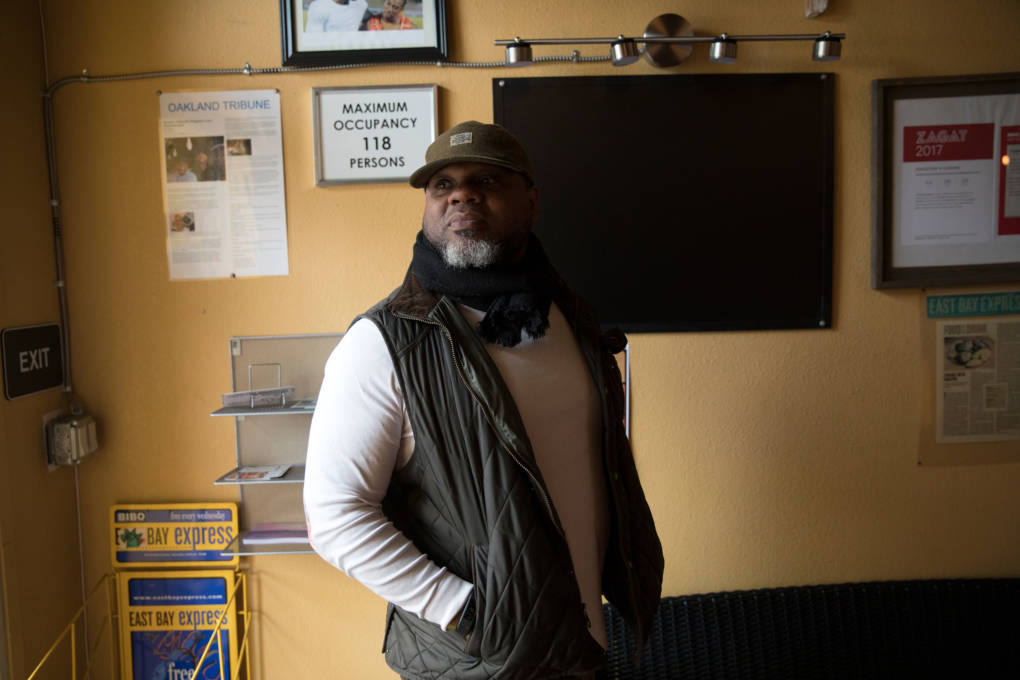
"caption": "Adrianå Henderson says he and other black restaurateurs in Oakland share tips about trends and bad employees. \"I think sometimes there is a perception of service and quality of food that we have to deal with, in regard to competing with white restaurants that serve American cuisine or high end,\" he says.",
"description": "Adrian Henderson says he and other black restaurateurs in Oakland share tips about trends and bad employees. \"I think sometimes there is a perception of service and quality of food that we have to deal with, in regard to competing with white restaurants that serve American cuisine or high end,\" he says.",
"title": "Adrianå Henderson says he and other black restaurateurs in Oakland share tips about trends and bad employees. \"I think sometimes there is a perception of service and quality of food that we have to deal with, in regard to competing with white restaurants that serve American cuisine or high end,\" he says.",
"credit": "David Kidd for NPR",
"status": "inherit",
"isLoading": false,
"fetchFailed": false
},
"bayareabites_125003": {
"type": "attachments",
"id": "bayareabites_125003",
"meta": {
"index": "attachments_1716263798",
"site": "bayareabites",
"id": "125003",
"found": true
},
"parent": 124995,
"imgSizes": {
"small": {
"file": "https://ww2.kqed.org/app/uploads/sites/24/2018/02/180125-fish-20-top1-520x347.jpg",
"width": 520,
"mimeType": "image/jpeg",
"height": 347
},
"twentyfourteen-full-width": {
"file": "https://ww2.kqed.org/app/uploads/sites/24/2018/02/180125-fish-20-top1-1038x576.jpg",
"width": 1038,
"mimeType": "image/jpeg",
"height": 576
},
"thumbnail": {
"file": "https://ww2.kqed.org/app/uploads/sites/24/2018/02/180125-fish-20-top1-160x107.jpg",
"width": 160,
"mimeType": "image/jpeg",
"height": 107
},
"fd-sm": {
"file": "https://ww2.kqed.org/app/uploads/sites/24/2018/02/180125-fish-20-top1-960x640.jpg",
"width": 960,
"mimeType": "image/jpeg",
"height": 640
},
"post-thumbnail": {
"file": "https://ww2.kqed.org/app/uploads/sites/24/2018/02/180125-fish-20-top1-672x372.jpg",
"width": 672,
"mimeType": "image/jpeg",
"height": 372
},
"xsmall": {
"file": "https://ww2.kqed.org/app/uploads/sites/24/2018/02/180125-fish-20-top1-375x250.jpg",
"width": 375,
"mimeType": "image/jpeg",
"height": 250
},
"kqedFullSize": {
"file": "https://ww2.kqed.org/app/uploads/sites/24/2018/02/180125-fish-20-top1.jpg",
"width": 1200,
"height": 800
},
"large": {
"file": "https://ww2.kqed.org/app/uploads/sites/24/2018/02/180125-fish-20-top1-1020x680.jpg",
"width": 1020,
"mimeType": "image/jpeg",
"height": 680
},
"xlarge": {
"file": "https://ww2.kqed.org/app/uploads/sites/24/2018/02/180125-fish-20-top1-1180x787.jpg",
"width": 1180,
"mimeType": "image/jpeg",
"height": 787
},
"guest-author-50": {
"file": "https://ww2.kqed.org/app/uploads/sites/24/2018/02/180125-fish-20-top1-50x50.jpg",
"width": 50,
"mimeType": "image/jpeg",
"height": 50
},
"guest-author-96": {
"file": "https://ww2.kqed.org/app/uploads/sites/24/2018/02/180125-fish-20-top1-96x96.jpg",
"width": 96,
"mimeType": "image/jpeg",
"height": 96
},
"medium": {
"file": "https://ww2.kqed.org/app/uploads/sites/24/2018/02/180125-fish-20-top1-800x533.jpg",
"width": 800,
"mimeType": "image/jpeg",
"height": 533
},
"guest-author-64": {
"file": "https://ww2.kqed.org/app/uploads/sites/24/2018/02/180125-fish-20-top1-64x64.jpg",
"width": 64,
"mimeType": "image/jpeg",
"height": 64
},
"guest-author-32": {
"file": "https://ww2.kqed.org/app/uploads/sites/24/2018/02/180125-fish-20-top1-32x32.jpg",
"width": 32,
"mimeType": "image/jpeg",
"height": 32
},
"fd-med": {
"file": "https://ww2.kqed.org/app/uploads/sites/24/2018/02/180125-fish-20-top1-1180x787.jpg",
"width": 1180,
"mimeType": "image/jpeg",
"height": 787
},
"detail": {
"file": "https://ww2.kqed.org/app/uploads/sites/24/2018/02/180125-fish-20-top1-150x150.jpg",
"width": 150,
"mimeType": "image/jpeg",
"height": 150
},
"medium_large": {
"file": "https://ww2.kqed.org/app/uploads/sites/24/2018/02/180125-fish-20-top1-768x512.jpg",
"width": 768,
"mimeType": "image/jpeg",
"height": 512
},
"guest-author-128": {
"file": "https://ww2.kqed.org/app/uploads/sites/24/2018/02/180125-fish-20-top1-128x128.jpg",
"width": 128,
"mimeType": "image/jpeg",
"height": 128
},
"xxsmall": {
"file": "https://ww2.kqed.org/app/uploads/sites/24/2018/02/180125-fish-20-top1-240x160.jpg",
"width": 240,
"mimeType": "image/jpeg",
"height": 160
}
},
"publishDate": 1518485924,
"modified": 1518485979,
"caption": null,
"description": null,
"title": "180125-fish-20-top1",
"credit": "Courtesy Civil Eats",
"status": "inherit",
"isLoading": false,
"fetchFailed": false
},
"bayareabites_124968": {
"type": "attachments",
"id": "bayareabites_124968",
"meta": {
"index": "attachments_1716263798",
"site": "bayareabites",
"id": "124968",
"found": true
},
"parent": 124967,
"imgSizes": {
"small": {
"file": "https://ww2.kqed.org/app/uploads/sites/24/2018/02/food-truck_custom-e0b4bc6d1be6e3c3d07894454c50f3ce551d67ea-520x389.jpg",
"width": 520,
"mimeType": "image/jpeg",
"height": 389
},
"twentyfourteen-full-width": {
"file": "https://ww2.kqed.org/app/uploads/sites/24/2018/02/food-truck_custom-e0b4bc6d1be6e3c3d07894454c50f3ce551d67ea-960x576.jpg",
"width": 960,
"mimeType": "image/jpeg",
"height": 576
},
"thumbnail": {
"file": "https://ww2.kqed.org/app/uploads/sites/24/2018/02/food-truck_custom-e0b4bc6d1be6e3c3d07894454c50f3ce551d67ea-160x120.jpg",
"width": 160,
"mimeType": "image/jpeg",
"height": 120
},
"fd-sm": {
"file": "https://ww2.kqed.org/app/uploads/sites/24/2018/02/food-truck_custom-e0b4bc6d1be6e3c3d07894454c50f3ce551d67ea-960x719.jpg",
"width": 960,
"mimeType": "image/jpeg",
"height": 719
},
"post-thumbnail": {
"file": "https://ww2.kqed.org/app/uploads/sites/24/2018/02/food-truck_custom-e0b4bc6d1be6e3c3d07894454c50f3ce551d67ea-672x372.jpg",
"width": 672,
"mimeType": "image/jpeg",
"height": 372
},
"xsmall": {
"file": "https://ww2.kqed.org/app/uploads/sites/24/2018/02/food-truck_custom-e0b4bc6d1be6e3c3d07894454c50f3ce551d67ea-375x281.jpg",
"width": 375,
"mimeType": "image/jpeg",
"height": 281
},
"kqedFullSize": {
"file": "https://ww2.kqed.org/app/uploads/sites/24/2018/02/food-truck_custom-e0b4bc6d1be6e3c3d07894454c50f3ce551d67ea.jpg",
"width": 960,
"height": 719
},
"guest-author-50": {
"file": "https://ww2.kqed.org/app/uploads/sites/24/2018/02/food-truck_custom-e0b4bc6d1be6e3c3d07894454c50f3ce551d67ea-50x50.jpg",
"width": 50,
"mimeType": "image/jpeg",
"height": 50
},
"guest-author-96": {
"file": "https://ww2.kqed.org/app/uploads/sites/24/2018/02/food-truck_custom-e0b4bc6d1be6e3c3d07894454c50f3ce551d67ea-96x96.jpg",
"width": 96,
"mimeType": "image/jpeg",
"height": 96
},
"medium": {
"file": "https://ww2.kqed.org/app/uploads/sites/24/2018/02/food-truck_custom-e0b4bc6d1be6e3c3d07894454c50f3ce551d67ea-800x599.jpg",
"width": 800,
"mimeType": "image/jpeg",
"height": 599
},
"guest-author-64": {
"file": "https://ww2.kqed.org/app/uploads/sites/24/2018/02/food-truck_custom-e0b4bc6d1be6e3c3d07894454c50f3ce551d67ea-64x64.jpg",
"width": 64,
"mimeType": "image/jpeg",
"height": 64
},
"guest-author-32": {
"file": "https://ww2.kqed.org/app/uploads/sites/24/2018/02/food-truck_custom-e0b4bc6d1be6e3c3d07894454c50f3ce551d67ea-32x32.jpg",
"width": 32,
"mimeType": "image/jpeg",
"height": 32
},
"detail": {
"file": "https://ww2.kqed.org/app/uploads/sites/24/2018/02/food-truck_custom-e0b4bc6d1be6e3c3d07894454c50f3ce551d67ea-150x150.jpg",
"width": 150,
"mimeType": "image/jpeg",
"height": 150
},
"medium_large": {
"file": "https://ww2.kqed.org/app/uploads/sites/24/2018/02/food-truck_custom-e0b4bc6d1be6e3c3d07894454c50f3ce551d67ea-768x575.jpg",
"width": 768,
"mimeType": "image/jpeg",
"height": 575
},
"guest-author-128": {
"file": "https://ww2.kqed.org/app/uploads/sites/24/2018/02/food-truck_custom-e0b4bc6d1be6e3c3d07894454c50f3ce551d67ea-128x128.jpg",
"width": 128,
"mimeType": "image/jpeg",
"height": 128
},
"xxsmall": {
"file": "https://ww2.kqed.org/app/uploads/sites/24/2018/02/food-truck_custom-e0b4bc6d1be6e3c3d07894454c50f3ce551d67ea-240x180.jpg",
"width": 240,
"mimeType": "image/jpeg",
"height": 180
}
},
"publishDate": 1518139905,
"modified": 1518140055,
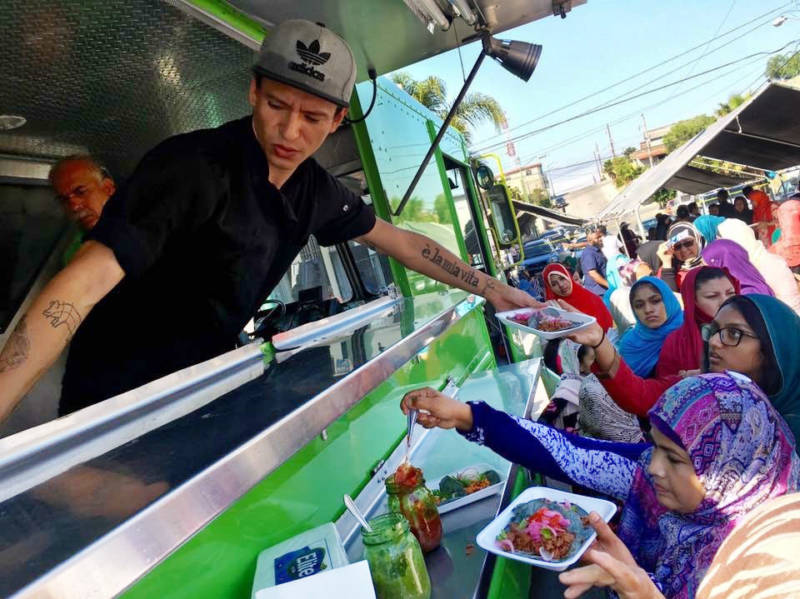
"caption": "Muslims and Latinos line up for free halal tacos outside a mosque in Rosarito, in Baja California, Mexico, as part of the #TacoTrucksatEveryMosque Crosses the Border event, Sept. 1, 2017. The events seek to foster unity between two communities facing increasing discrimination.",
"description": "Muslims and Latinos line up for free halal tacos outside a mosque in Rosarito, in Baja California, Mexico, as part of the",
"title": "Muslims and Latinos line up for free halal tacos outside a mosque in Rosarito, in Baja California, Mexico, as part of the #TacoTrucksatEveryMosque Crosses the Border event, Sept. 1, 2017. The events seek to foster unity between two communities facing increasing discrimination.",
"credit": "Rida Hamida",
"status": "inherit",
"isLoading": false,
"fetchFailed": false
},
"bayareabites_124915": {
"type": "attachments",
"id": "bayareabites_124915",
"meta": {
"index": "attachments_1716263798",
"site": "bayareabites",
"id": "124915",
"found": true
},
"parent": 124911,
"imgSizes": {
"small": {
"file": "https://ww2.kqed.org/app/uploads/sites/24/2018/02/IMG_6626-1-520x390.jpg",
"width": 520,
"mimeType": "image/jpeg",
"height": 390
},
"twentyfourteen-full-width": {
"file": "https://ww2.kqed.org/app/uploads/sites/24/2018/02/IMG_6626-1-1038x576.jpg",
"width": 1038,
"mimeType": "image/jpeg",
"height": 576
},
"thumbnail": {
"file": "https://ww2.kqed.org/app/uploads/sites/24/2018/02/IMG_6626-1-160x120.jpg",
"width": 160,
"mimeType": "image/jpeg",
"height": 120
},
"fd-sm": {
"file": "https://ww2.kqed.org/app/uploads/sites/24/2018/02/IMG_6626-1-960x720.jpg",
"width": 960,
"mimeType": "image/jpeg",
"height": 720
},
"post-thumbnail": {
"file": "https://ww2.kqed.org/app/uploads/sites/24/2018/02/IMG_6626-1-672x372.jpg",
"width": 672,
"mimeType": "image/jpeg",
"height": 372
},
"xsmall": {
"file": "https://ww2.kqed.org/app/uploads/sites/24/2018/02/IMG_6626-1-375x281.jpg",
"width": 375,
"mimeType": "image/jpeg",
"height": 281
},
"kqedFullSize": {
"file": "https://ww2.kqed.org/app/uploads/sites/24/2018/02/IMG_6626-1.jpg",
"width": 1632,
"height": 1224
},
"large": {
"file": "https://ww2.kqed.org/app/uploads/sites/24/2018/02/IMG_6626-1-1020x765.jpg",
"width": 1020,
"mimeType": "image/jpeg",
"height": 765
},
"xlarge": {
"file": "https://ww2.kqed.org/app/uploads/sites/24/2018/02/IMG_6626-1-1180x885.jpg",
"width": 1180,
"mimeType": "image/jpeg",
"height": 885
},
"guest-author-50": {
"file": "https://ww2.kqed.org/app/uploads/sites/24/2018/02/IMG_6626-1-50x50.jpg",
"width": 50,
"mimeType": "image/jpeg",
"height": 50
},
"guest-author-96": {
"file": "https://ww2.kqed.org/app/uploads/sites/24/2018/02/IMG_6626-1-96x96.jpg",
"width": 96,
"mimeType": "image/jpeg",
"height": 96
},
"medium": {
"file": "https://ww2.kqed.org/app/uploads/sites/24/2018/02/IMG_6626-1-800x600.jpg",
"width": 800,
"mimeType": "image/jpeg",
"height": 600
},
"guest-author-64": {
"file": "https://ww2.kqed.org/app/uploads/sites/24/2018/02/IMG_6626-1-64x64.jpg",
"width": 64,
"mimeType": "image/jpeg",
"height": 64
},
"guest-author-32": {
"file": "https://ww2.kqed.org/app/uploads/sites/24/2018/02/IMG_6626-1-32x32.jpg",
"width": 32,
"mimeType": "image/jpeg",
"height": 32
},
"fd-med": {
"file": "https://ww2.kqed.org/app/uploads/sites/24/2018/02/IMG_6626-1-1180x885.jpg",
"width": 1180,
"mimeType": "image/jpeg",
"height": 885
},
"detail": {
"file": "https://ww2.kqed.org/app/uploads/sites/24/2018/02/IMG_6626-1-150x150.jpg",
"width": 150,
"mimeType": "image/jpeg",
"height": 150
},
"medium_large": {
"file": "https://ww2.kqed.org/app/uploads/sites/24/2018/02/IMG_6626-1-768x576.jpg",
"width": 768,
"mimeType": "image/jpeg",
"height": 576
},
"guest-author-128": {
"file": "https://ww2.kqed.org/app/uploads/sites/24/2018/02/IMG_6626-1-128x128.jpg",
"width": 128,
"mimeType": "image/jpeg",
"height": 128
},
"xxsmall": {
"file": "https://ww2.kqed.org/app/uploads/sites/24/2018/02/IMG_6626-1-240x180.jpg",
"width": 240,
"mimeType": "image/jpeg",
"height": 180
}
},
"publishDate": 1517955019,
"modified": 1517955088,
"caption": "Tip on Plate",
"description": null,
"title": "IMG_6626 (1)",
"credit": "Wendy Goodfriend",
"status": "inherit",
"isLoading": false,
"fetchFailed": false
},
"bayareabites_124788": {
"type": "attachments",
"id": "bayareabites_124788",
"meta": {
"index": "attachments_1716263798",
"site": "bayareabites",
"id": "124788",
"found": true
},
"parent": 124787,
"imgSizes": {
"small": {
"file": "https://ww2.kqed.org/app/uploads/sites/24/2018/01/poultry_wide-cce32b0833621b3fccd486159e014c8cab4712f3-520x293.jpg",
"width": 520,
"mimeType": "image/jpeg",
"height": 293
},
"twentyfourteen-full-width": {
"file": "https://ww2.kqed.org/app/uploads/sites/24/2018/01/poultry_wide-cce32b0833621b3fccd486159e014c8cab4712f3-1038x576.jpg",
"width": 1038,
"mimeType": "image/jpeg",
"height": 576
},
"thumbnail": {
"file": "https://ww2.kqed.org/app/uploads/sites/24/2018/01/poultry_wide-cce32b0833621b3fccd486159e014c8cab4712f3-160x90.jpg",
"width": 160,
"mimeType": "image/jpeg",
"height": 90
},
"fd-sm": {
"file": "https://ww2.kqed.org/app/uploads/sites/24/2018/01/poultry_wide-cce32b0833621b3fccd486159e014c8cab4712f3-960x540.jpg",
"width": 960,
"mimeType": "image/jpeg",
"height": 540
},
"post-thumbnail": {
"file": "https://ww2.kqed.org/app/uploads/sites/24/2018/01/poultry_wide-cce32b0833621b3fccd486159e014c8cab4712f3-672x372.jpg",
"width": 672,
"mimeType": "image/jpeg",
"height": 372
},
"xsmall": {
"file": "https://ww2.kqed.org/app/uploads/sites/24/2018/01/poultry_wide-cce32b0833621b3fccd486159e014c8cab4712f3-375x211.jpg",
"width": 375,
"mimeType": "image/jpeg",
"height": 211
},
"kqedFullSize": {
"file": "https://ww2.kqed.org/app/uploads/sites/24/2018/01/poultry_wide-cce32b0833621b3fccd486159e014c8cab4712f3.jpg",
"width": 1191,
"height": 670
},
"large": {
"file": "https://ww2.kqed.org/app/uploads/sites/24/2018/01/poultry_wide-cce32b0833621b3fccd486159e014c8cab4712f3-1020x574.jpg",
"width": 1020,
"mimeType": "image/jpeg",
"height": 574
},
"xlarge": {
"file": "https://ww2.kqed.org/app/uploads/sites/24/2018/01/poultry_wide-cce32b0833621b3fccd486159e014c8cab4712f3-1180x664.jpg",
"width": 1180,
"mimeType": "image/jpeg",
"height": 664
},
"guest-author-50": {
"file": "https://ww2.kqed.org/app/uploads/sites/24/2018/01/poultry_wide-cce32b0833621b3fccd486159e014c8cab4712f3-50x50.jpg",
"width": 50,
"mimeType": "image/jpeg",
"height": 50
},
"guest-author-96": {
"file": "https://ww2.kqed.org/app/uploads/sites/24/2018/01/poultry_wide-cce32b0833621b3fccd486159e014c8cab4712f3-96x96.jpg",
"width": 96,
"mimeType": "image/jpeg",
"height": 96
},
"medium": {
"file": "https://ww2.kqed.org/app/uploads/sites/24/2018/01/poultry_wide-cce32b0833621b3fccd486159e014c8cab4712f3-800x450.jpg",
"width": 800,
"mimeType": "image/jpeg",
"height": 450
},
"guest-author-64": {
"file": "https://ww2.kqed.org/app/uploads/sites/24/2018/01/poultry_wide-cce32b0833621b3fccd486159e014c8cab4712f3-64x64.jpg",
"width": 64,
"mimeType": "image/jpeg",
"height": 64
},
"guest-author-32": {
"file": "https://ww2.kqed.org/app/uploads/sites/24/2018/01/poultry_wide-cce32b0833621b3fccd486159e014c8cab4712f3-32x32.jpg",
"width": 32,
"mimeType": "image/jpeg",
"height": 32
},
"fd-med": {
"file": "https://ww2.kqed.org/app/uploads/sites/24/2018/01/poultry_wide-cce32b0833621b3fccd486159e014c8cab4712f3-1180x664.jpg",
"width": 1180,
"mimeType": "image/jpeg",
"height": 664
},
"detail": {
"file": "https://ww2.kqed.org/app/uploads/sites/24/2018/01/poultry_wide-cce32b0833621b3fccd486159e014c8cab4712f3-150x150.jpg",
"width": 150,
"mimeType": "image/jpeg",
"height": 150
},
"medium_large": {
"file": "https://ww2.kqed.org/app/uploads/sites/24/2018/01/poultry_wide-cce32b0833621b3fccd486159e014c8cab4712f3-768x432.jpg",
"width": 768,
"mimeType": "image/jpeg",
"height": 432
},
"guest-author-128": {
"file": "https://ww2.kqed.org/app/uploads/sites/24/2018/01/poultry_wide-cce32b0833621b3fccd486159e014c8cab4712f3-128x128.jpg",
"width": 128,
"mimeType": "image/jpeg",
"height": 128
},
"xxsmall": {
"file": "https://ww2.kqed.org/app/uploads/sites/24/2018/01/poultry_wide-cce32b0833621b3fccd486159e014c8cab4712f3-240x135.jpg",
"width": 240,
"mimeType": "image/jpeg",
"height": 135
}
},
"publishDate": 1517433281,
"modified": 1517435833,
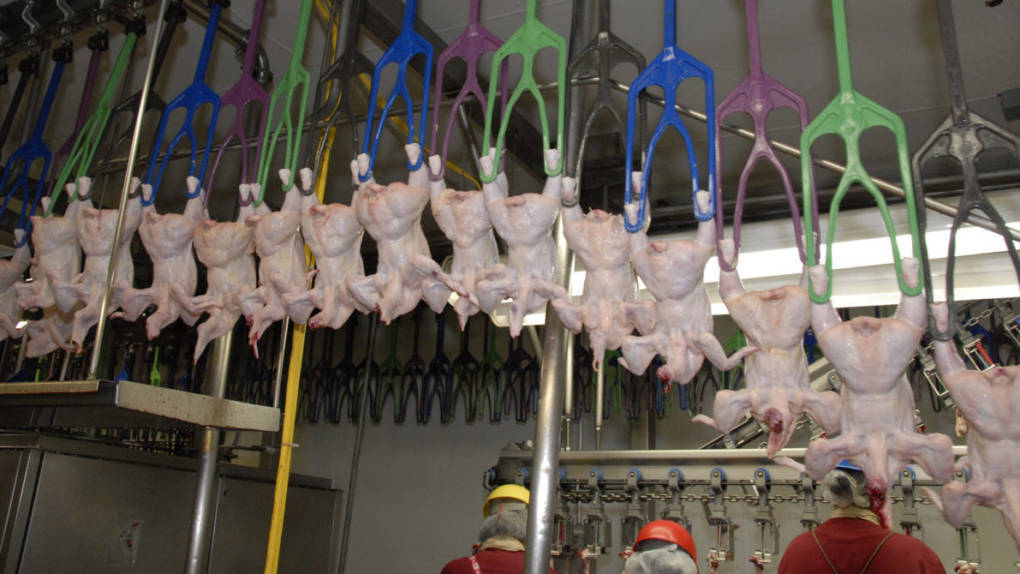
"caption": "Chickens are carried through a poultry slaughterhouse on mechanical arms.",
"description": "Chickens are carried through a poultry slaughterhouse on mechanical arms.",
"title": "Chickens are carried through a poultry slaughterhouse on mechanical arms.",
"credit": "Alice Welch/U.S. Department of Agriculture",
"status": "inherit",
"isLoading": false,
"fetchFailed": false
},
"bayareabites_124604": {
"type": "attachments",
"id": "bayareabites_124604",
"meta": {
"index": "attachments_1716263798",
"site": "bayareabites",
"id": "124604",
"found": true
},
"parent": 124603,
"imgSizes": {
"small": {
"file": "https://ww2.kqed.org/app/uploads/sites/24/2018/01/gettyimages-487794358_wide-a985a7c4b91f096492380e3175ffaf82099fcb76-520x292.jpg",
"width": 520,
"mimeType": "image/jpeg",
"height": 292
},
"twentyfourteen-full-width": {
"file": "https://ww2.kqed.org/app/uploads/sites/24/2018/01/gettyimages-487794358_wide-a985a7c4b91f096492380e3175ffaf82099fcb76-1038x576.jpg",
"width": 1038,
"mimeType": "image/jpeg",
"height": 576
},
"thumbnail": {
"file": "https://ww2.kqed.org/app/uploads/sites/24/2018/01/gettyimages-487794358_wide-a985a7c4b91f096492380e3175ffaf82099fcb76-160x90.jpg",
"width": 160,
"mimeType": "image/jpeg",
"height": 90
},
"fd-sm": {
"file": "https://ww2.kqed.org/app/uploads/sites/24/2018/01/gettyimages-487794358_wide-a985a7c4b91f096492380e3175ffaf82099fcb76-960x540.jpg",
"width": 960,
"mimeType": "image/jpeg",
"height": 540
},
"post-thumbnail": {
"file": "https://ww2.kqed.org/app/uploads/sites/24/2018/01/gettyimages-487794358_wide-a985a7c4b91f096492380e3175ffaf82099fcb76-672x372.jpg",
"width": 672,
"mimeType": "image/jpeg",
"height": 372
},
"xsmall": {
"file": "https://ww2.kqed.org/app/uploads/sites/24/2018/01/gettyimages-487794358_wide-a985a7c4b91f096492380e3175ffaf82099fcb76-375x211.jpg",
"width": 375,
"mimeType": "image/jpeg",
"height": 211
},
"kqedFullSize": {
"file": "https://ww2.kqed.org/app/uploads/sites/24/2018/01/gettyimages-487794358_wide-a985a7c4b91f096492380e3175ffaf82099fcb76.jpg",
"width": 3268,
"height": 1838
},
"large": {
"file": "https://ww2.kqed.org/app/uploads/sites/24/2018/01/gettyimages-487794358_wide-a985a7c4b91f096492380e3175ffaf82099fcb76-1020x574.jpg",
"width": 1020,
"mimeType": "image/jpeg",
"height": 574
},
"xlarge": {
"file": "https://ww2.kqed.org/app/uploads/sites/24/2018/01/gettyimages-487794358_wide-a985a7c4b91f096492380e3175ffaf82099fcb76-1180x664.jpg",
"width": 1180,
"mimeType": "image/jpeg",
"height": 664
},
"guest-author-50": {
"file": "https://ww2.kqed.org/app/uploads/sites/24/2018/01/gettyimages-487794358_wide-a985a7c4b91f096492380e3175ffaf82099fcb76-50x50.jpg",
"width": 50,
"mimeType": "image/jpeg",
"height": 50
},
"guest-author-96": {
"file": "https://ww2.kqed.org/app/uploads/sites/24/2018/01/gettyimages-487794358_wide-a985a7c4b91f096492380e3175ffaf82099fcb76-96x96.jpg",
"width": 96,
"mimeType": "image/jpeg",
"height": 96
},
"medium": {
"file": "https://ww2.kqed.org/app/uploads/sites/24/2018/01/gettyimages-487794358_wide-a985a7c4b91f096492380e3175ffaf82099fcb76-800x450.jpg",
"width": 800,
"mimeType": "image/jpeg",
"height": 450
},
"guest-author-64": {
"file": "https://ww2.kqed.org/app/uploads/sites/24/2018/01/gettyimages-487794358_wide-a985a7c4b91f096492380e3175ffaf82099fcb76-64x64.jpg",
"width": 64,
"mimeType": "image/jpeg",
"height": 64
},
"guest-author-32": {
"file": "https://ww2.kqed.org/app/uploads/sites/24/2018/01/gettyimages-487794358_wide-a985a7c4b91f096492380e3175ffaf82099fcb76-32x32.jpg",
"width": 32,
"mimeType": "image/jpeg",
"height": 32
},
"fd-lrg": {
"file": "https://ww2.kqed.org/app/uploads/sites/24/2018/01/gettyimages-487794358_wide-a985a7c4b91f096492380e3175ffaf82099fcb76-1920x1080.jpg",
"width": 1920,
"mimeType": "image/jpeg",
"height": 1080
},
"fd-med": {
"file": "https://ww2.kqed.org/app/uploads/sites/24/2018/01/gettyimages-487794358_wide-a985a7c4b91f096492380e3175ffaf82099fcb76-1180x664.jpg",
"width": 1180,
"mimeType": "image/jpeg",
"height": 664
},
"full-width": {
"file": "https://ww2.kqed.org/app/uploads/sites/24/2018/01/gettyimages-487794358_wide-a985a7c4b91f096492380e3175ffaf82099fcb76-1920x1080.jpg",
"width": 1920,
"mimeType": "image/jpeg",
"height": 1080
},
"detail": {
"file": "https://ww2.kqed.org/app/uploads/sites/24/2018/01/gettyimages-487794358_wide-a985a7c4b91f096492380e3175ffaf82099fcb76-150x150.jpg",
"width": 150,
"mimeType": "image/jpeg",
"height": 150
},
"medium_large": {
"file": "https://ww2.kqed.org/app/uploads/sites/24/2018/01/gettyimages-487794358_wide-a985a7c4b91f096492380e3175ffaf82099fcb76-768x432.jpg",
"width": 768,
"mimeType": "image/jpeg",
"height": 432
},
"guest-author-128": {
"file": "https://ww2.kqed.org/app/uploads/sites/24/2018/01/gettyimages-487794358_wide-a985a7c4b91f096492380e3175ffaf82099fcb76-128x128.jpg",
"width": 128,
"mimeType": "image/jpeg",
"height": 128
},
"xxsmall": {
"file": "https://ww2.kqed.org/app/uploads/sites/24/2018/01/gettyimages-487794358_wide-a985a7c4b91f096492380e3175ffaf82099fcb76-240x135.jpg",
"width": 240,
"mimeType": "image/jpeg",
"height": 135
}
},
"publishDate": 1517258085,
"modified": 1517258358,
"caption": null,
"description": "People walk by a Panera Bread in Manhattan in 2015",
"title": "People walk by a Panera Bread in Manhattan in 2015.",
"credit": "Kena Betancur/AFP/Getty Images",
"status": "inherit",
"isLoading": false,
"fetchFailed": false
},
"bayareabites_124448": {
"type": "attachments",
"id": "bayareabites_124448",
"meta": {
"index": "attachments_1716263798",
"site": "bayareabites",
"id": "124448",
"found": true
},
"parent": 124447,
"imgSizes": {
"small": {
"file": "https://ww2.kqed.org/app/uploads/sites/24/2018/01/gettyimages-511143558_slide-55885884e3b0f3ba538eae970d257c40a5b1898f-520x347.jpg",
"width": 520,
"mimeType": "image/jpeg",
"height": 347
},
"twentyfourteen-full-width": {
"file": "https://ww2.kqed.org/app/uploads/sites/24/2018/01/gettyimages-511143558_slide-55885884e3b0f3ba538eae970d257c40a5b1898f-1038x576.jpg",
"width": 1038,
"mimeType": "image/jpeg",
"height": 576
},
"thumbnail": {
"file": "https://ww2.kqed.org/app/uploads/sites/24/2018/01/gettyimages-511143558_slide-55885884e3b0f3ba538eae970d257c40a5b1898f-160x107.jpg",
"width": 160,
"mimeType": "image/jpeg",
"height": 107
},
"fd-sm": {
"file": "https://ww2.kqed.org/app/uploads/sites/24/2018/01/gettyimages-511143558_slide-55885884e3b0f3ba538eae970d257c40a5b1898f-960x640.jpg",
"width": 960,
"mimeType": "image/jpeg",
"height": 640
},
"post-thumbnail": {
"file": "https://ww2.kqed.org/app/uploads/sites/24/2018/01/gettyimages-511143558_slide-55885884e3b0f3ba538eae970d257c40a5b1898f-672x372.jpg",
"width": 672,
"mimeType": "image/jpeg",
"height": 372
},
"xsmall": {
"file": "https://ww2.kqed.org/app/uploads/sites/24/2018/01/gettyimages-511143558_slide-55885884e3b0f3ba538eae970d257c40a5b1898f-375x250.jpg",
"width": 375,
"mimeType": "image/jpeg",
"height": 250
},
"kqedFullSize": {
"file": "https://ww2.kqed.org/app/uploads/sites/24/2018/01/gettyimages-511143558_slide-55885884e3b0f3ba538eae970d257c40a5b1898f.jpg",
"width": 6779,
"height": 4519
},
"large": {
"file": "https://ww2.kqed.org/app/uploads/sites/24/2018/01/gettyimages-511143558_slide-55885884e3b0f3ba538eae970d257c40a5b1898f-1020x680.jpg",
"width": 1020,
"mimeType": "image/jpeg",
"height": 680
},
"xlarge": {
"file": "https://ww2.kqed.org/app/uploads/sites/24/2018/01/gettyimages-511143558_slide-55885884e3b0f3ba538eae970d257c40a5b1898f-1180x787.jpg",
"width": 1180,
"mimeType": "image/jpeg",
"height": 787
},
"guest-author-50": {
"file": "https://ww2.kqed.org/app/uploads/sites/24/2018/01/gettyimages-511143558_slide-55885884e3b0f3ba538eae970d257c40a5b1898f-50x50.jpg",
"width": 50,
"mimeType": "image/jpeg",
"height": 50
},
"guest-author-96": {
"file": "https://ww2.kqed.org/app/uploads/sites/24/2018/01/gettyimages-511143558_slide-55885884e3b0f3ba538eae970d257c40a5b1898f-96x96.jpg",
"width": 96,
"mimeType": "image/jpeg",
"height": 96
},
"medium": {
"file": "https://ww2.kqed.org/app/uploads/sites/24/2018/01/gettyimages-511143558_slide-55885884e3b0f3ba538eae970d257c40a5b1898f-800x533.jpg",
"width": 800,
"mimeType": "image/jpeg",
"height": 533
},
"guest-author-64": {
"file": "https://ww2.kqed.org/app/uploads/sites/24/2018/01/gettyimages-511143558_slide-55885884e3b0f3ba538eae970d257c40a5b1898f-64x64.jpg",
"width": 64,
"mimeType": "image/jpeg",
"height": 64
},
"guest-author-32": {
"file": "https://ww2.kqed.org/app/uploads/sites/24/2018/01/gettyimages-511143558_slide-55885884e3b0f3ba538eae970d257c40a5b1898f-32x32.jpg",
"width": 32,
"mimeType": "image/jpeg",
"height": 32
},
"fd-lrg": {
"file": "https://ww2.kqed.org/app/uploads/sites/24/2018/01/gettyimages-511143558_slide-55885884e3b0f3ba538eae970d257c40a5b1898f-1920x1280.jpg",
"width": 1920,
"mimeType": "image/jpeg",
"height": 1280
},
"fd-med": {
"file": "https://ww2.kqed.org/app/uploads/sites/24/2018/01/gettyimages-511143558_slide-55885884e3b0f3ba538eae970d257c40a5b1898f-1180x787.jpg",
"width": 1180,
"mimeType": "image/jpeg",
"height": 787
},
"full-width": {
"file": "https://ww2.kqed.org/app/uploads/sites/24/2018/01/gettyimages-511143558_slide-55885884e3b0f3ba538eae970d257c40a5b1898f-1920x1280.jpg",
"width": 1920,
"mimeType": "image/jpeg",
"height": 1280
},
"detail": {
"file": "https://ww2.kqed.org/app/uploads/sites/24/2018/01/gettyimages-511143558_slide-55885884e3b0f3ba538eae970d257c40a5b1898f-150x150.jpg",
"width": 150,
"mimeType": "image/jpeg",
"height": 150
},
"medium_large": {
"file": "https://ww2.kqed.org/app/uploads/sites/24/2018/01/gettyimages-511143558_slide-55885884e3b0f3ba538eae970d257c40a5b1898f-768x512.jpg",
"width": 768,
"mimeType": "image/jpeg",
"height": 512
},
"guest-author-128": {
"file": "https://ww2.kqed.org/app/uploads/sites/24/2018/01/gettyimages-511143558_slide-55885884e3b0f3ba538eae970d257c40a5b1898f-128x128.jpg",
"width": 128,
"mimeType": "image/jpeg",
"height": 128
},
"xxsmall": {
"file": "https://ww2.kqed.org/app/uploads/sites/24/2018/01/gettyimages-511143558_slide-55885884e3b0f3ba538eae970d257c40a5b1898f-240x160.jpg",
"width": 240,
"mimeType": "image/jpeg",
"height": 160
}
},
"publishDate": 1516228527,
"modified": 1516228799,
"caption": "A grande Cafe Nero, large Costa Coffee and venti-sized Starbucks to-go cups sold in London. The U.K. Parliament is considering a tax on disposable cups in an effort to cut down on waste.",
"description": "A grande Cafe Nero, large Costa Coffee and venti-sized Starbucks to-go cups sold in London. The U.K. Parliament is considering a tax on disposable cups in an effort to cut down on waste.",
"title": "A grande Cafe Nero, large Costa Coffee and venti-sized Starbucks to-go cups sold in London. The U.K. Parliament is considering a tax on disposable cups in an effort to cut down on waste.",
"credit": "Ben Pruchnie/Getty Images",
"status": "inherit",
"isLoading": false,
"fetchFailed": false
},
"bayareabites_124415": {
"type": "attachments",
"id": "bayareabites_124415",
"meta": {
"index": "attachments_1716263798",
"site": "bayareabites",
"id": "124415",
"found": true
},
"parent": 124414,
"imgSizes": {
"small": {
"file": "https://ww2.kqed.org/app/uploads/sites/24/2018/01/GettyImages-450828518-520x321.jpg",
"width": 520,
"mimeType": "image/jpeg",
"height": 321
},
"twentyfourteen-full-width": {
"file": "https://ww2.kqed.org/app/uploads/sites/24/2018/01/GettyImages-450828518-1038x576.jpg",
"width": 1038,
"mimeType": "image/jpeg",
"height": 576
},
"thumbnail": {
"file": "https://ww2.kqed.org/app/uploads/sites/24/2018/01/GettyImages-450828518-160x99.jpg",
"width": 160,
"mimeType": "image/jpeg",
"height": 99
},
"fd-sm": {
"file": "https://ww2.kqed.org/app/uploads/sites/24/2018/01/GettyImages-450828518-960x593.jpg",
"width": 960,
"mimeType": "image/jpeg",
"height": 593
},
"post-thumbnail": {
"file": "https://ww2.kqed.org/app/uploads/sites/24/2018/01/GettyImages-450828518-672x372.jpg",
"width": 672,
"mimeType": "image/jpeg",
"height": 372
},
"xsmall": {
"file": "https://ww2.kqed.org/app/uploads/sites/24/2018/01/GettyImages-450828518-375x232.jpg",
"width": 375,
"mimeType": "image/jpeg",
"height": 232
},
"kqedFullSize": {
"file": "https://ww2.kqed.org/app/uploads/sites/24/2018/01/GettyImages-450828518.jpg",
"width": 4500,
"height": 2780
},
"large": {
"file": "https://ww2.kqed.org/app/uploads/sites/24/2018/01/GettyImages-450828518-1020x630.jpg",
"width": 1020,
"mimeType": "image/jpeg",
"height": 630
},
"xlarge": {
"file": "https://ww2.kqed.org/app/uploads/sites/24/2018/01/GettyImages-450828518-1180x729.jpg",
"width": 1180,
"mimeType": "image/jpeg",
"height": 729
},
"guest-author-50": {
"file": "https://ww2.kqed.org/app/uploads/sites/24/2018/01/GettyImages-450828518-50x50.jpg",
"width": 50,
"mimeType": "image/jpeg",
"height": 50
},
"guest-author-96": {
"file": "https://ww2.kqed.org/app/uploads/sites/24/2018/01/GettyImages-450828518-96x96.jpg",
"width": 96,
"mimeType": "image/jpeg",
"height": 96
},
"medium": {
"file": "https://ww2.kqed.org/app/uploads/sites/24/2018/01/GettyImages-450828518-800x494.jpg",
"width": 800,
"mimeType": "image/jpeg",
"height": 494
},
"guest-author-64": {
"file": "https://ww2.kqed.org/app/uploads/sites/24/2018/01/GettyImages-450828518-64x64.jpg",
"width": 64,
"mimeType": "image/jpeg",
"height": 64
},
"guest-author-32": {
"file": "https://ww2.kqed.org/app/uploads/sites/24/2018/01/GettyImages-450828518-32x32.jpg",
"width": 32,
"mimeType": "image/jpeg",
"height": 32
},
"fd-lrg": {
"file": "https://ww2.kqed.org/app/uploads/sites/24/2018/01/GettyImages-450828518-1920x1186.jpg",
"width": 1920,
"mimeType": "image/jpeg",
"height": 1186
},
"fd-med": {
"file": "https://ww2.kqed.org/app/uploads/sites/24/2018/01/GettyImages-450828518-1180x729.jpg",
"width": 1180,
"mimeType": "image/jpeg",
"height": 729
},
"full-width": {
"file": "https://ww2.kqed.org/app/uploads/sites/24/2018/01/GettyImages-450828518-1920x1186.jpg",
"width": 1920,
"mimeType": "image/jpeg",
"height": 1186
},
"detail": {
"file": "https://ww2.kqed.org/app/uploads/sites/24/2018/01/GettyImages-450828518-150x150.jpg",
"width": 150,
"mimeType": "image/jpeg",
"height": 150
},
"medium_large": {
"file": "https://ww2.kqed.org/app/uploads/sites/24/2018/01/GettyImages-450828518-768x474.jpg",
"width": 768,
"mimeType": "image/jpeg",
"height": 474
},
"guest-author-128": {
"file": "https://ww2.kqed.org/app/uploads/sites/24/2018/01/GettyImages-450828518-128x128.jpg",
"width": 128,
"mimeType": "image/jpeg",
"height": 128
},
"xxsmall": {
"file": "https://ww2.kqed.org/app/uploads/sites/24/2018/01/GettyImages-450828518-240x148.jpg",
"width": 240,
"mimeType": "image/jpeg",
"height": 148
}
},
"publishDate": 1515890676,
"modified": 1515890760,
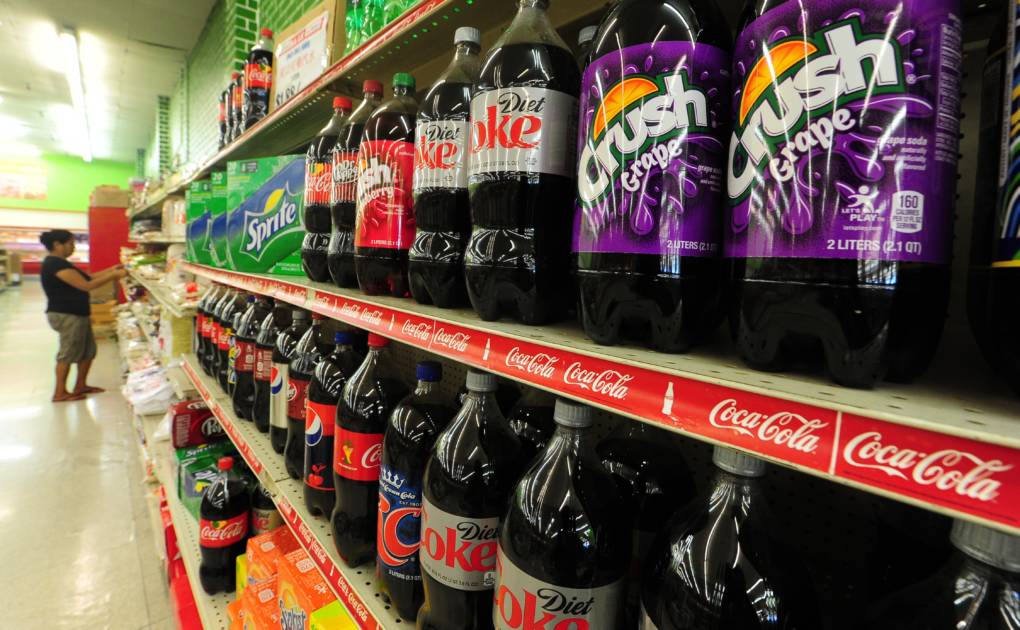
"caption": "An aisle of soda bottles at a grocery store in California.",
"description": "An aisle of soda bottles at a grocery store in California.",
"title": "US-FOOD-BEVERAGE-HEALTH",
"credit": "FREDERIC J. BROWN/AFP/Getty Images",
"status": "inherit",
"isLoading": false,
"fetchFailed": false
},
"bayareabites_124307": {
"type": "attachments",
"id": "bayareabites_124307",
"meta": {
"index": "attachments_1716263798",
"site": "bayareabites",
"id": "124307",
"found": true
},
"parent": 124292,
"imgSizes": {
"small": {
"file": "https://ww2.kqed.org/app/uploads/sites/24/2018/01/180104-fire-ecology-top1-520x347.jpg",
"width": 520,
"mimeType": "image/jpeg",
"height": 347
},
"twentyfourteen-full-width": {
"file": "https://ww2.kqed.org/app/uploads/sites/24/2018/01/180104-fire-ecology-top1-1038x576.jpg",
"width": 1038,
"mimeType": "image/jpeg",
"height": 576
},
"thumbnail": {
"file": "https://ww2.kqed.org/app/uploads/sites/24/2018/01/180104-fire-ecology-top1-160x107.jpg",
"width": 160,
"mimeType": "image/jpeg",
"height": 107
},
"fd-sm": {
"file": "https://ww2.kqed.org/app/uploads/sites/24/2018/01/180104-fire-ecology-top1-960x640.jpg",
"width": 960,
"mimeType": "image/jpeg",
"height": 640
},
"post-thumbnail": {
"file": "https://ww2.kqed.org/app/uploads/sites/24/2018/01/180104-fire-ecology-top1-672x372.jpg",
"width": 672,
"mimeType": "image/jpeg",
"height": 372
},
"xsmall": {
"file": "https://ww2.kqed.org/app/uploads/sites/24/2018/01/180104-fire-ecology-top1-375x250.jpg",
"width": 375,
"mimeType": "image/jpeg",
"height": 250
},
"kqedFullSize": {
"file": "https://ww2.kqed.org/app/uploads/sites/24/2018/01/180104-fire-ecology-top1.jpg",
"width": 1200,
"height": 800
},
"large": {
"file": "https://ww2.kqed.org/app/uploads/sites/24/2018/01/180104-fire-ecology-top1-1020x680.jpg",
"width": 1020,
"mimeType": "image/jpeg",
"height": 680
},
"xlarge": {
"file": "https://ww2.kqed.org/app/uploads/sites/24/2018/01/180104-fire-ecology-top1-1180x787.jpg",
"width": 1180,
"mimeType": "image/jpeg",
"height": 787
},
"guest-author-50": {
"file": "https://ww2.kqed.org/app/uploads/sites/24/2018/01/180104-fire-ecology-top1-50x50.jpg",
"width": 50,
"mimeType": "image/jpeg",
"height": 50
},
"guest-author-96": {
"file": "https://ww2.kqed.org/app/uploads/sites/24/2018/01/180104-fire-ecology-top1-96x96.jpg",
"width": 96,
"mimeType": "image/jpeg",
"height": 96
},
"medium": {
"file": "https://ww2.kqed.org/app/uploads/sites/24/2018/01/180104-fire-ecology-top1-800x533.jpg",
"width": 800,
"mimeType": "image/jpeg",
"height": 533
},
"guest-author-64": {
"file": "https://ww2.kqed.org/app/uploads/sites/24/2018/01/180104-fire-ecology-top1-64x64.jpg",
"width": 64,
"mimeType": "image/jpeg",
"height": 64
},
"guest-author-32": {
"file": "https://ww2.kqed.org/app/uploads/sites/24/2018/01/180104-fire-ecology-top1-32x32.jpg",
"width": 32,
"mimeType": "image/jpeg",
"height": 32
},
"fd-med": {
"file": "https://ww2.kqed.org/app/uploads/sites/24/2018/01/180104-fire-ecology-top1-1180x787.jpg",
"width": 1180,
"mimeType": "image/jpeg",
"height": 787
},
"detail": {
"file": "https://ww2.kqed.org/app/uploads/sites/24/2018/01/180104-fire-ecology-top1-150x150.jpg",
"width": 150,
"mimeType": "image/jpeg",
"height": 150
},
"medium_large": {
"file": "https://ww2.kqed.org/app/uploads/sites/24/2018/01/180104-fire-ecology-top1-768x512.jpg",
"width": 768,
"mimeType": "image/jpeg",
"height": 512
},
"guest-author-128": {
"file": "https://ww2.kqed.org/app/uploads/sites/24/2018/01/180104-fire-ecology-top1-128x128.jpg",
"width": 128,
"mimeType": "image/jpeg",
"height": 128
},
"xxsmall": {
"file": "https://ww2.kqed.org/app/uploads/sites/24/2018/01/180104-fire-ecology-top1-240x160.jpg",
"width": 240,
"mimeType": "image/jpeg",
"height": 160
}
},
"publishDate": 1515182866,
"modified": 1515183061,
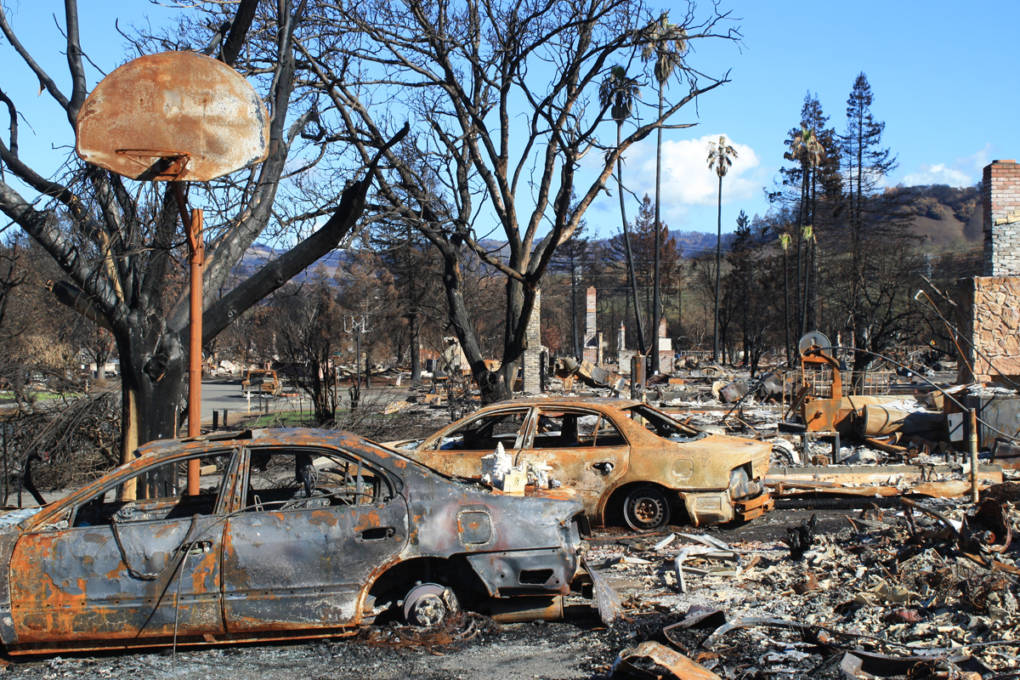
"caption": "The aftermath of the North Bay fires.",
"description": "The aftermath of the North Bay fires.",
"title": "180104-fire-ecology-top1",
"credit": "Leilani Clark/Civil Eats",
"status": "inherit",
"isLoading": false,
"fetchFailed": false
},
"bayareabites_123765": {
"type": "attachments",
"id": "bayareabites_123765",
"meta": {
"index": "attachments_1716263798",
"site": "bayareabites",
"id": "123765",
"found": true
},
"parent": 123764,
"imgSizes": {
"small": {
"file": "https://ww2.kqed.org/app/uploads/sites/24/2017/12/farm_custom-067ab521b2f5c7918fd08de8083bb7005a39e19c-520x344.jpg",
"width": 520,
"mimeType": "image/jpeg",
"height": 344
},
"twentyfourteen-full-width": {
"file": "https://ww2.kqed.org/app/uploads/sites/24/2017/12/farm_custom-067ab521b2f5c7918fd08de8083bb7005a39e19c-1038x576.jpg",
"width": 1038,
"mimeType": "image/jpeg",
"height": 576
},
"thumbnail": {
"file": "https://ww2.kqed.org/app/uploads/sites/24/2017/12/farm_custom-067ab521b2f5c7918fd08de8083bb7005a39e19c-160x106.jpg",
"width": 160,
"mimeType": "image/jpeg",
"height": 106
},
"fd-sm": {
"file": "https://ww2.kqed.org/app/uploads/sites/24/2017/12/farm_custom-067ab521b2f5c7918fd08de8083bb7005a39e19c-960x636.jpg",
"width": 960,
"mimeType": "image/jpeg",
"height": 636
},
"post-thumbnail": {
"file": "https://ww2.kqed.org/app/uploads/sites/24/2017/12/farm_custom-067ab521b2f5c7918fd08de8083bb7005a39e19c-672x372.jpg",
"width": 672,
"mimeType": "image/jpeg",
"height": 372
},
"xsmall": {
"file": "https://ww2.kqed.org/app/uploads/sites/24/2017/12/farm_custom-067ab521b2f5c7918fd08de8083bb7005a39e19c-375x248.jpg",
"width": 375,
"mimeType": "image/jpeg",
"height": 248
},
"kqedFullSize": {
"file": "https://ww2.kqed.org/app/uploads/sites/24/2017/12/farm_custom-067ab521b2f5c7918fd08de8083bb7005a39e19c.jpg",
"width": 4858,
"height": 3218
},
"large": {
"file": "https://ww2.kqed.org/app/uploads/sites/24/2017/12/farm_custom-067ab521b2f5c7918fd08de8083bb7005a39e19c-1020x676.jpg",
"width": 1020,
"mimeType": "image/jpeg",
"height": 676
},
"xlarge": {
"file": "https://ww2.kqed.org/app/uploads/sites/24/2017/12/farm_custom-067ab521b2f5c7918fd08de8083bb7005a39e19c-1180x782.jpg",
"width": 1180,
"mimeType": "image/jpeg",
"height": 782
},
"guest-author-50": {
"file": "https://ww2.kqed.org/app/uploads/sites/24/2017/12/farm_custom-067ab521b2f5c7918fd08de8083bb7005a39e19c-50x50.jpg",
"width": 50,
"mimeType": "image/jpeg",
"height": 50
},
"guest-author-96": {
"file": "https://ww2.kqed.org/app/uploads/sites/24/2017/12/farm_custom-067ab521b2f5c7918fd08de8083bb7005a39e19c-96x96.jpg",
"width": 96,
"mimeType": "image/jpeg",
"height": 96
},
"medium": {
"file": "https://ww2.kqed.org/app/uploads/sites/24/2017/12/farm_custom-067ab521b2f5c7918fd08de8083bb7005a39e19c-800x530.jpg",
"width": 800,
"mimeType": "image/jpeg",
"height": 530
},
"guest-author-64": {
"file": "https://ww2.kqed.org/app/uploads/sites/24/2017/12/farm_custom-067ab521b2f5c7918fd08de8083bb7005a39e19c-64x64.jpg",
"width": 64,
"mimeType": "image/jpeg",
"height": 64
},
"guest-author-32": {
"file": "https://ww2.kqed.org/app/uploads/sites/24/2017/12/farm_custom-067ab521b2f5c7918fd08de8083bb7005a39e19c-32x32.jpg",
"width": 32,
"mimeType": "image/jpeg",
"height": 32
},
"fd-lrg": {
"file": "https://ww2.kqed.org/app/uploads/sites/24/2017/12/farm_custom-067ab521b2f5c7918fd08de8083bb7005a39e19c-1920x1272.jpg",
"width": 1920,
"mimeType": "image/jpeg",
"height": 1272
},
"fd-med": {
"file": "https://ww2.kqed.org/app/uploads/sites/24/2017/12/farm_custom-067ab521b2f5c7918fd08de8083bb7005a39e19c-1180x782.jpg",
"width": 1180,
"mimeType": "image/jpeg",
"height": 782
},
"full-width": {
"file": "https://ww2.kqed.org/app/uploads/sites/24/2017/12/farm_custom-067ab521b2f5c7918fd08de8083bb7005a39e19c-1920x1272.jpg",
"width": 1920,
"mimeType": "image/jpeg",
"height": 1272
},
"detail": {
"file": "https://ww2.kqed.org/app/uploads/sites/24/2017/12/farm_custom-067ab521b2f5c7918fd08de8083bb7005a39e19c-150x150.jpg",
"width": 150,
"mimeType": "image/jpeg",
"height": 150
},
"medium_large": {
"file": "https://ww2.kqed.org/app/uploads/sites/24/2017/12/farm_custom-067ab521b2f5c7918fd08de8083bb7005a39e19c-768x509.jpg",
"width": 768,
"mimeType": "image/jpeg",
"height": 509
},
"guest-author-128": {
"file": "https://ww2.kqed.org/app/uploads/sites/24/2017/12/farm_custom-067ab521b2f5c7918fd08de8083bb7005a39e19c-128x128.jpg",
"width": 128,
"mimeType": "image/jpeg",
"height": 128
},
"xxsmall": {
"file": "https://ww2.kqed.org/app/uploads/sites/24/2017/12/farm_custom-067ab521b2f5c7918fd08de8083bb7005a39e19c-240x159.jpg",
"width": 240,
"mimeType": "image/jpeg",
"height": 159
}
},
"publishDate": 1513695553,
"modified": 1513784426,
"caption": "Farmers pick crops at Soul Fire Farm in New York state. It's run by Leah Penniman, a farmer and activist working to diversify the farming community and reconnect people to their food.",
"description": "Farmers pick crops at Soul Fire Farm in New York state. It's run by Leah Penniman, a farmer and activist working to diversify the farming community and reconnect people to their food.",
"title": "Farmers pick crops at Soul Fire Farm in New York state. It's run by Leah Penniman, a farmer and activist working to diversify the farming community and reconnect people to their food.",
"credit": "Courtesy of Capers Rumph",
"status": "inherit",
"isLoading": false,
"fetchFailed": false
},
"bayareabites_123760": {
"type": "attachments",
"id": "bayareabites_123760",
"meta": {
"index": "attachments_1716263798",
"site": "bayareabites",
"id": "123760",
"found": true
},
"parent": 123745,
"imgSizes": {
"small": {
"file": "https://ww2.kqed.org/app/uploads/sites/24/2017/12/Girl-new-520x347.jpg",
"width": 520,
"mimeType": "image/jpeg",
"height": 347
},
"twentyfourteen-full-width": {
"file": "https://ww2.kqed.org/app/uploads/sites/24/2017/12/Girl-new-1038x576.jpg",
"width": 1038,
"mimeType": "image/jpeg",
"height": 576
},
"thumbnail": {
"file": "https://ww2.kqed.org/app/uploads/sites/24/2017/12/Girl-new-160x107.jpg",
"width": 160,
"mimeType": "image/jpeg",
"height": 107
},
"fd-sm": {
"file": "https://ww2.kqed.org/app/uploads/sites/24/2017/12/Girl-new-960x640.jpg",
"width": 960,
"mimeType": "image/jpeg",
"height": 640
},
"post-thumbnail": {
"file": "https://ww2.kqed.org/app/uploads/sites/24/2017/12/Girl-new-672x372.jpg",
"width": 672,
"mimeType": "image/jpeg",
"height": 372
},
"xsmall": {
"file": "https://ww2.kqed.org/app/uploads/sites/24/2017/12/Girl-new-375x250.jpg",
"width": 375,
"mimeType": "image/jpeg",
"height": 250
},
"kqedFullSize": {
"file": "https://ww2.kqed.org/app/uploads/sites/24/2017/12/Girl-new.jpg",
"width": 1920,
"height": 1280
},
"large": {
"file": "https://ww2.kqed.org/app/uploads/sites/24/2017/12/Girl-new-1020x680.jpg",
"width": 1020,
"mimeType": "image/jpeg",
"height": 680
},
"xlarge": {
"file": "https://ww2.kqed.org/app/uploads/sites/24/2017/12/Girl-new-1180x787.jpg",
"width": 1180,
"mimeType": "image/jpeg",
"height": 787
},
"guest-author-50": {
"file": "https://ww2.kqed.org/app/uploads/sites/24/2017/12/Girl-new-50x50.jpg",
"width": 50,
"mimeType": "image/jpeg",
"height": 50
},
"guest-author-96": {
"file": "https://ww2.kqed.org/app/uploads/sites/24/2017/12/Girl-new-96x96.jpg",
"width": 96,
"mimeType": "image/jpeg",
"height": 96
},
"medium": {
"file": "https://ww2.kqed.org/app/uploads/sites/24/2017/12/Girl-new-800x533.jpg",
"width": 800,
"mimeType": "image/jpeg",
"height": 533
},
"guest-author-64": {
"file": "https://ww2.kqed.org/app/uploads/sites/24/2017/12/Girl-new-64x64.jpg",
"width": 64,
"mimeType": "image/jpeg",
"height": 64
},
"guest-author-32": {
"file": "https://ww2.kqed.org/app/uploads/sites/24/2017/12/Girl-new-32x32.jpg",
"width": 32,
"mimeType": "image/jpeg",
"height": 32
},
"fd-lrg": {
"file": "https://ww2.kqed.org/app/uploads/sites/24/2017/12/Girl-new-1920x1280.jpg",
"width": 1920,
"mimeType": "image/jpeg",
"height": 1280
},
"fd-med": {
"file": "https://ww2.kqed.org/app/uploads/sites/24/2017/12/Girl-new-1180x787.jpg",
"width": 1180,
"mimeType": "image/jpeg",
"height": 787
},
"full-width": {
"file": "https://ww2.kqed.org/app/uploads/sites/24/2017/12/Girl-new-1920x1280.jpg",
"width": 1920,
"mimeType": "image/jpeg",
"height": 1280
},
"detail": {
"file": "https://ww2.kqed.org/app/uploads/sites/24/2017/12/Girl-new-150x150.jpg",
"width": 150,
"mimeType": "image/jpeg",
"height": 150
},
"medium_large": {
"file": "https://ww2.kqed.org/app/uploads/sites/24/2017/12/Girl-new-768x512.jpg",
"width": 768,
"mimeType": "image/jpeg",
"height": 512
},
"guest-author-128": {
"file": "https://ww2.kqed.org/app/uploads/sites/24/2017/12/Girl-new-128x128.jpg",
"width": 128,
"mimeType": "image/jpeg",
"height": 128
},
"xxsmall": {
"file": "https://ww2.kqed.org/app/uploads/sites/24/2017/12/Girl-new-240x160.jpg",
"width": 240,
"mimeType": "image/jpeg",
"height": 160
}
},
"publishDate": 1513695026,
"modified": 1513695746,
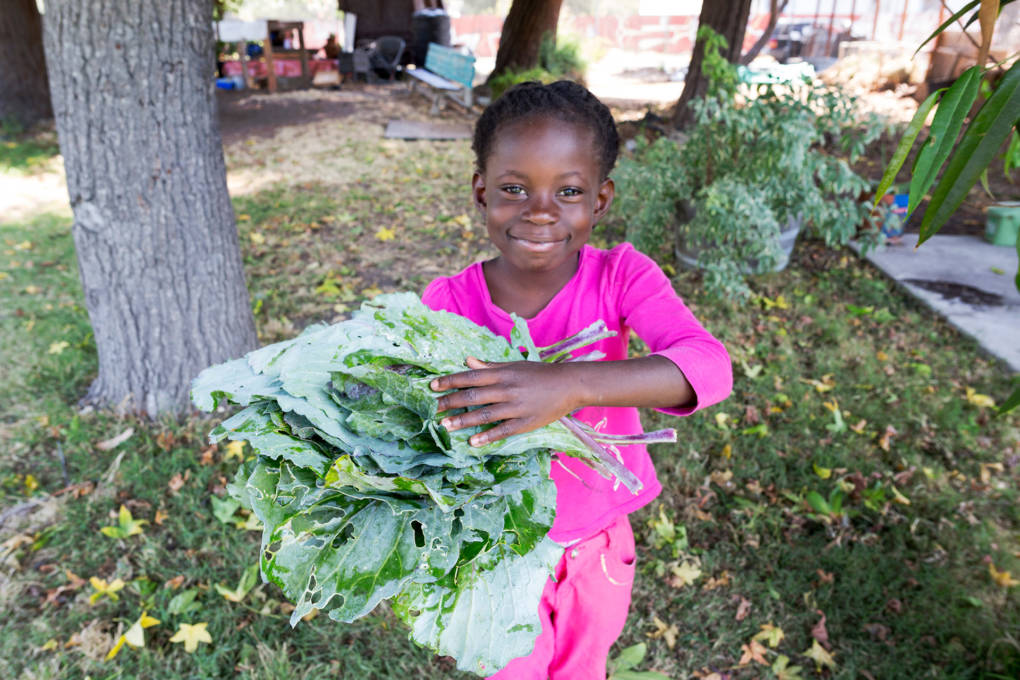
"caption": "A participant collects kale at the Acta Non Verba Farm in East Oakland",
"description": null,
"title": "Girl-new",
"credit": "Photo courtesy of Oakland Museum of California",
"status": "inherit",
"isLoading": false,
"fetchFailed": false
}
},
"audioPlayerReducer": {
"postId": "stream_live",
"isPaused": true,
"isPlaying": false,
"pfsActive": false,
"pledgeModalIsOpen": true,
"playerDrawerIsOpen": false,
"liveAudioPlayStartedAt": 0,
"liveAudioPlayContext": ""
},
"authorsReducer": {
"byline_bayareabites_125092": {
"type": "authors",
"id": "byline_bayareabites_125092",
"meta": {
"override": true
},
"slug": "byline_bayareabites_125092",
"name": "\u003ca href=\"https://civileats.com/author/esontag/\">Elazar Sontag\u003c/a>, \u003ca href=\"https://ww2.kqed.org/bayareabites/author/civileat/\">Civil Eats\u003c/a>",
"isLoading": false
},
"byline_bayareabites_125062": {
"type": "authors",
"id": "byline_bayareabites_125062",
"meta": {
"override": true
},
"slug": "byline_bayareabites_125062",
"name": "Alan Greenblatt, \u003ca href=\"https://ww2.kqed.org/bayareabites/author/nprfood/\">NPR Food\u003c/a>",
"isLoading": false
},
"byline_bayareabites_124995": {
"type": "authors",
"id": "byline_bayareabites_124995",
"meta": {
"override": true
},
"slug": "byline_bayareabites_124995",
"name": "\u003ca href=\"https://civileats.com/author/sharrison/\">Sara Harrison\u003c/a>, \u003ca href=\"https://ww2.kqed.org/bayareabites/author/civileat/\">Civil Eats\u003c/a>",
"isLoading": false
},
"byline_bayareabites_124967": {
"type": "authors",
"id": "byline_bayareabites_124967",
"meta": {
"override": true
},
"slug": "byline_bayareabites_124967",
"name": "Gustavo Arellano, \u003ca href=\"https://ww2.kqed.org/bayareabites/author/nprfood/\">NPR Food\u003c/a>",
"isLoading": false
},
"byline_bayareabites_124911": {
"type": "authors",
"id": "byline_bayareabites_124911",
"meta": {
"override": true
},
"slug": "byline_bayareabites_124911",
"name": "Scott Horsley, NPR Food",
"isLoading": false
},
"byline_bayareabites_124787": {
"type": "authors",
"id": "byline_bayareabites_124787",
"meta": {
"override": true
},
"slug": "byline_bayareabites_124787",
"name": "Nicole Erwin, \u003ca href=\"http://ohiovalleyresource.org/\">Ohio Valley Resource\u003c/a>, \u003ca href=\"http://www.wkms.org/\">WKMS\u003c/a>",
"isLoading": false
},
"byline_bayareabites_124603": {
"type": "authors",
"id": "byline_bayareabites_124603",
"meta": {
"override": true
},
"slug": "byline_bayareabites_124603",
"name": "Colin Dwyer, the two-way, NPR Food",
"isLoading": false
},
"byline_bayareabites_124447": {
"type": "authors",
"id": "byline_bayareabites_124447",
"meta": {
"override": true
},
"slug": "byline_bayareabites_124447",
"name": "Samantha Raphelson, \u003cstrong>\u003ca href=\"https://www.npr.org/sections/thesalt/2018/01/17/578655161/u-k-lawmakers-want-to-battle-waste-with-a-latte-levy-on-disposable-cups\">NPR Food\u003c/a>\u003c/strong",
"isLoading": false
},
"byline_bayareabites_124414": {
"type": "authors",
"id": "byline_bayareabites_124414",
"meta": {
"override": true
},
"slug": "byline_bayareabites_124414",
"name": "Lela Nargi, \u003cstrong>\u003ca href=\"https://civileats.com/2018/01/11/is-a-federal-junk-food-tax-in-our-future/\">Civil Eats\u003c/strong>\u003c/a>",
"isLoading": false
},
"byline_bayareabites_124292": {
"type": "authors",
"id": "byline_bayareabites_124292",
"meta": {
"override": true
},
"slug": "byline_bayareabites_124292",
"name": "\u003ca href=\"https://civileats.com/author/lclark/\">Leilani Clark\u003c/a>, \u003cstrong>\u003ca href=\"https://ww2.kqed.org/bayareabites/author/civileat/\">Civil Eats\u003c/a>\u003c/strong>",
"isLoading": false
},
"byline_bayareabites_123764": {
"type": "authors",
"id": "byline_bayareabites_123764",
"meta": {
"override": true
},
"slug": "byline_bayareabites_123764",
"name": "Alan Yu, \u003ca href=\"https://whyy.org/\">WHYY\u003c/a>, NPR Food",
"isLoading": false
},
"alexandrawall": {
"type": "authors",
"id": "5567",
"meta": {
"index": "authors_1716337520",
"id": "5567",
"found": true
},
"name": "Alix Wall",
"firstName": "Alix",
"lastName": "Wall",
"slug": "alexandrawall",
"email": "alixwall@sbcglobal.net",
"display_author_email": false,
"staff_mastheads": [],
"title": null,
"bio": "Alix Wall appeared in her hometown paper in Riverside, California as “Chef of the Week” when she was 15 years old, and in high school, she founded “The Bon Appetit Club.” After working as a journalist for many years, Alix became a certified natural foods chef from Bauman College in Berkeley. While she cooks part-time healthy, organic meals for busy families, she is also a contributing editor of j. weekly, the Bay Area’s Jewish newspaper, in which she has a monthly food column. Her food writing can also be found on Berkeleyside’s NOSH and in Edible East Bay. In addition to food, she loves writing about how couples met and fell in love, which she does for The San Francisco Chronicle’s Style section and j. weekly. In 2016, she founded The Illuminoshi: The Not-So-Secret Society of Bay Area Jewish Food Professionals. She is also writer/producer for a documentary-in-progress called \u003ca href=\"https://www.lonelychildmovie.com/\">The Lonely Child\u003c/a>. Follow Alix on Twitter \u003ca href=\"https://twitter.com/WallAlix\">@WallAlix\u003c/a>.",
"avatar": "https://secure.gravatar.com/avatar/421a27f26a185be932f8d567b499b1f1?s=600&d=blank&r=g",
"twitter": null,
"facebook": null,
"instagram": null,
"linkedin": null,
"sites": [
{
"site": "bayareabites",
"roles": [
"contributor"
]
},
{
"site": "food",
"roles": [
"contributor"
]
}
],
"headData": {
"title": "Alix Wall | KQED",
"description": null,
"ogImgSrc": "https://secure.gravatar.com/avatar/421a27f26a185be932f8d567b499b1f1?s=600&d=blank&r=g",
"twImgSrc": "https://secure.gravatar.com/avatar/421a27f26a185be932f8d567b499b1f1?s=600&d=blank&r=g"
},
"isLoading": false,
"link": "/author/alexandrawall"
}
},
"pagesReducer": {
"bayareabites_category_politics-activism-food-safety": {
"type": "terms",
"id": "bayareabites_2035",
"meta": {
"index": "terms_1716263798",
"site": "bayareabites",
"id": "2035",
"score": 13.896088
},
"featImg": null,
"name": "politics, activism, food safety",
"description": null,
"taxonomy": "category",
"headData": {
"twImgId": null,
"twTitle": null,
"ogTitle": null,
"ogImgId": null,
"twDescription": null,
"description": null,
"title": "politics, activism, food safety Archives | KQED Bay Area Bites",
"ogDescription": null
},
"ttid": 943,
"slug": "politics-activism-food-safety",
"isLoading": false,
"title": "politics, activism, food safety",
"pageMeta": {
"site": "bayareabites",
"WpPageTemplate": "page-topic-editorial",
"currentPage": 9
},
"blocks": [
{
"blockName": "kqed/post-list",
"attrs": {
"layout": "cardArticle2",
"query": "posts/bayareabites?category=politics-activism-food-safety",
"seeMore": false,
"paginated": true,
"page": 9
}
},
{
"blockName": "kqed/ad"
}
]
}
},
"pfsSessionReducer": {},
"postsReducer": {
"stream_live": {
"type": "live",
"id": "stream_live",
"audioUrl": "https://streams.kqed.org/kqedradio",
"title": "Live Stream",
"excerpt": "Live Stream information currently unavailable.",
"link": "/radio",
"featImg": "",
"label": {
"name": "KQED Live",
"link": "/"
}
},
"stream_kqedNewscast": {
"type": "posts",
"id": "stream_kqedNewscast",
"audioUrl": "https://www.kqed.org/.stream/anon/radio/RDnews/newscast.mp3?_=1",
"title": "KQED Newscast",
"featImg": "",
"label": {
"name": "88.5 FM",
"link": "/"
}
},
"bayareabites_125092": {
"type": "posts",
"id": "bayareabites_125092",
"meta": {
"index": "posts_1716263798",
"site": "bayareabites",
"id": "125092",
"score": null,
"sort": [
1519064044000
]
},
"parent": 0,
"labelTerm": {
"site": "bayareabites"
},
"blocks": [],
"publishDate": 1519064044,
"format": "standard",
"disqusTitle": "A Queer, Female Entrepreneur is Taking Back Turmeric for Indian Farmers",
"title": "A Queer, Female Entrepreneur is Taking Back Turmeric for Indian Farmers",
"headTitle": "Bay Area Bites | KQED Food",
"content": "\u003cp>\u003cem>The founder of Oakland-based Diaspora Co. aims to deconstruct colonial trade practices and champion women and queer people of color.\u003c/em>\u003c/p>\n\u003cp>Sana Javeri Kadri is a 24-year-old queer immigrant woman of color. And as far as she is concerned, that has everything to do with how she runs her business, \u003ca href=\"https://www.diasporaco.com/\">Diaspora Co.\u003c/a>, a turmeric company that puts money into the hands of farmers in her home country of India and queer people of color in her current community of Oakland, California.\u003c/p>\n\u003cp>With the hope of changing centuries-old trade practices left over from colonial times, Javeri Kadri sources all her turmeric from Kasaraneni Prabhu, and compensates him fairly. Prabhu is a fourth-generation turmeric farmer in the Andhra Pradesh state in Southeast India. While all of the neighboring turmeric farms are sprayed with pesticides, Prabhu’s is pesticide-free.\u003c/p>\n\u003cp>“A traditional pest control method,” Javeri Kadri explained, “is to grow marigolds alongside the turmeric, which acts as a perfect companion crop and pest repellent.” When the marigolds bloom—revealing a stunning array of orange and yellow petals—Prabhu knows his turmeric is ready to harvest.\u003c/p>\n\u003cfigure id=\"attachment_125100\" class=\"wp-caption aligncenter\" style=\"max-width: 1200px\">\u003cimg src=\"https://ww2.kqed.org/bayareabites/wp-content/uploads/sites/24/2018/02/180201-diaspora-turmeric-field2.jpg\" alt=\"Turmeric seedlings in the field. \" width=\"1200\" height=\"1012\" class=\"size-full wp-image-125100\" srcset=\"https://ww2.kqed.org/app/uploads/sites/24/2018/02/180201-diaspora-turmeric-field2.jpg 1200w, https://ww2.kqed.org/app/uploads/sites/24/2018/02/180201-diaspora-turmeric-field2-160x135.jpg 160w, https://ww2.kqed.org/app/uploads/sites/24/2018/02/180201-diaspora-turmeric-field2-800x675.jpg 800w, https://ww2.kqed.org/app/uploads/sites/24/2018/02/180201-diaspora-turmeric-field2-768x648.jpg 768w, https://ww2.kqed.org/app/uploads/sites/24/2018/02/180201-diaspora-turmeric-field2-1020x860.jpg 1020w, https://ww2.kqed.org/app/uploads/sites/24/2018/02/180201-diaspora-turmeric-field2-1180x995.jpg 1180w, https://ww2.kqed.org/app/uploads/sites/24/2018/02/180201-diaspora-turmeric-field2-960x810.jpg 960w, https://ww2.kqed.org/app/uploads/sites/24/2018/02/180201-diaspora-turmeric-field2-240x202.jpg 240w, https://ww2.kqed.org/app/uploads/sites/24/2018/02/180201-diaspora-turmeric-field2-375x316.jpg 375w, https://ww2.kqed.org/app/uploads/sites/24/2018/02/180201-diaspora-turmeric-field2-520x439.jpg 520w\" sizes=\"(max-width: 1200px) 100vw, 1200px\">\u003cfigcaption class=\"wp-caption-text\">Turmeric seedlings in the field. \u003ccite>(Sana Javeri Kadri)\u003c/cite>\u003c/figcaption>\u003c/figure>\n\u003cp>“I truly, truly believe that the correct way to do business is to be completely transparent—about your sourcing, your sustainability, your commitments, your finances, all of it,” she said.\u003c/p>\n\u003cp>[ad fullwidth]\u003c/p>\n\u003cp>With this conviction, she’s frank about what she pays Prabhu—$1.50 to $1.75 per pound of turmeric, compared to the going rate of roughly 15 cents per pound that other buyers around the world pay Indian farmers for bulk orders of their product. “That’s just evil,” Javeri Kadri said about the market rate of the spice.\u003c/p>\n\u003cp>And in Oakland, where she has lived for the past year and a half, she’s committed to making Diaspora “radically inclusive” as a way of supporting marginalized communities whenever possible. At a time in the food industry when allegations of sexual assault come out daily, and woman, queer people, and people of color continue to get the short end of the stick, Javeri Kadri wants to create a business that will combat that toxicity.\u003c/p>\n\u003cp>For Javeri Kadri, that started with the hiring of queer people—especially those of color—whenever possible. When she first got Diaspora up and running, she considered working with a large company to pack her turmeric. “But,” she said, “I quickly realized that getting to pay my community was so much more wonderful.” The time was right, it seemed, to claim space for a new kind of business—a business that Kadri says is, “committed to social justice, to equity, and to making space for people that are disadvantaged by Plain-Jane capitalism.”\u003c/p>\n\u003cp>Javeri Kadri sells her product through \u003ca href=\"https://www.diasporaco.com/new-products/\">the shop on her website\u003c/a>. It comes in mason jars, tins, and bags, all recognizable from their brightly colored yellow and pink labels containing the silhouette of a single marigold. Customers pay more for Diaspora turmeric than they would for most other brands, but Javeri Kadri says this is because she pays her farmer much more for his product than other companies.\u003c/p>\n\u003cfigure id=\"attachment_125097\" class=\"wp-caption aligncenter\" style=\"max-width: 1200px\">\u003cimg src=\"https://ww2.kqed.org/bayareabites/wp-content/uploads/sites/24/2018/02/180201-diaspora-turmeric-packaging.jpg\" alt=\"Diaspora turmeric in packages.\" width=\"1200\" height=\"800\" class=\"size-full wp-image-125097\" srcset=\"https://ww2.kqed.org/app/uploads/sites/24/2018/02/180201-diaspora-turmeric-packaging.jpg 1200w, https://ww2.kqed.org/app/uploads/sites/24/2018/02/180201-diaspora-turmeric-packaging-160x107.jpg 160w, https://ww2.kqed.org/app/uploads/sites/24/2018/02/180201-diaspora-turmeric-packaging-800x533.jpg 800w, https://ww2.kqed.org/app/uploads/sites/24/2018/02/180201-diaspora-turmeric-packaging-768x512.jpg 768w, https://ww2.kqed.org/app/uploads/sites/24/2018/02/180201-diaspora-turmeric-packaging-1020x680.jpg 1020w, https://ww2.kqed.org/app/uploads/sites/24/2018/02/180201-diaspora-turmeric-packaging-1180x787.jpg 1180w, https://ww2.kqed.org/app/uploads/sites/24/2018/02/180201-diaspora-turmeric-packaging-960x640.jpg 960w, https://ww2.kqed.org/app/uploads/sites/24/2018/02/180201-diaspora-turmeric-packaging-240x160.jpg 240w, https://ww2.kqed.org/app/uploads/sites/24/2018/02/180201-diaspora-turmeric-packaging-375x250.jpg 375w, https://ww2.kqed.org/app/uploads/sites/24/2018/02/180201-diaspora-turmeric-packaging-520x347.jpg 520w\" sizes=\"(max-width: 1200px) 100vw, 1200px\">\u003cfigcaption class=\"wp-caption-text\">Diaspora turmeric in packages. \u003ccite>(photo courtesy of Diaspora Co.)\u003c/cite>\u003c/figcaption>\u003c/figure>\n\u003cp>Javeri Kadri’s little company has already made an impact in both Andhra Pradesh and Oakland, supporting an Indian farmer’s operations, and offering American consumers an equitable model for how spices can be both sourced and sold—but before she had a business at all, her fascination with spices was sparked by a need to know more about herself and her home country.\u003c/p>\n\u003ch4>\u003cstrong>Out of Place Everywhere\u003c/strong>\u003c/h4>\n\u003cp>In 1992, around the time Javeri Kadri was born, Mumbai was a city torn in two. Muslim-Hindu riots were exploding. Houses were aflame, bodies lay in the streets, and hundreds of people were killed. For her Muslim-Hindu family, it was a time of profound anxiety that set the tone for Javeri Kadri’s early life. India was also opening its gates to Western trade, and American pop culture was flooding into the country. Her Indian-born, U.S.-educated parents had a foot in each world. As Javeri Kadri got older, she did not feel she belonged in either place.\u003c/p>\n\u003cfigure id=\"attachment_125098\" class=\"wp-caption aligncenter\" style=\"max-width: 960px\">\u003cimg src=\"https://ww2.kqed.org/bayareabites/wp-content/uploads/sites/24/2018/02/180201-diaspora-turmeric-mother.jpg\" alt=\"Javeri Kadri with her mother as a child.\" width=\"960\" height=\"720\" class=\"size-full wp-image-125098\" srcset=\"https://ww2.kqed.org/app/uploads/sites/24/2018/02/180201-diaspora-turmeric-mother.jpg 960w, https://ww2.kqed.org/app/uploads/sites/24/2018/02/180201-diaspora-turmeric-mother-160x120.jpg 160w, https://ww2.kqed.org/app/uploads/sites/24/2018/02/180201-diaspora-turmeric-mother-800x600.jpg 800w, https://ww2.kqed.org/app/uploads/sites/24/2018/02/180201-diaspora-turmeric-mother-768x576.jpg 768w, https://ww2.kqed.org/app/uploads/sites/24/2018/02/180201-diaspora-turmeric-mother-240x180.jpg 240w, https://ww2.kqed.org/app/uploads/sites/24/2018/02/180201-diaspora-turmeric-mother-375x281.jpg 375w, https://ww2.kqed.org/app/uploads/sites/24/2018/02/180201-diaspora-turmeric-mother-520x390.jpg 520w\" sizes=\"(max-width: 960px) 100vw, 960px\">\u003cfigcaption class=\"wp-caption-text\">Javeri Kadri with her mother as a child. \u003ccite>(Photo courtesy of Sana Javeri Kadri)\u003c/cite>\u003c/figcaption>\u003c/figure>\n\u003cp>Although she did not yet have the vocabulary to describe herself, Javeri Kadri was gay. And as is so common for young queer kids, school was a challenge. After moving to Italy for high school, she found herself in Southern California for college, where she hoped she would finally fit in. But in America, nothing felt quite right. She took to spending her time at the supermarket, wandering through the aisles. “I found that food was the lens that was easiest to approach things from,” she said. “America is a culture of consumption, so studying consumption was the easiest way to understand America.”\u003c/p>\n\u003cp>Javeri Kadri’s fascination with consumption carried her through college, and into a job analyzing food trends at \u003ca href=\"http://www.biritemarket.com/who-we-are/\">Bi-Rite\u003c/a> market in San Francisco. She began to see turmeric touted everywhere as a holistic remedy for inflammation and other modern ailments—notably in the “\u003ca href=\"http://blog.myfitnesspal.com/golden-milk-turmeric-latte/\">golden milk\u003c/a>” or turmeric latte that had taken the world by storm. In 2016, a \u003ca href=\"https://think.storage.googleapis.com/docs/FoodTrends-2016.pdf\">Google report on food trends\u003c/a> identified turmeric as the year’s “rising star.” Between November 2015 and January 2016, online searches for the golden spice shot up by 56 percent. From 2013 to 2017, the amount of turmeric exported from India grew rapidly, climbing from 77,000 to \u003ca href=\"http://www.indianspices.com/sites/default/files/Major%20Item%20wise%20Export%202016-17.pdf\">116,000 tons\u003c/a>.\u003c/p>\n\u003cp>Western consumers were finally catching on to what Ayurvedic medicine had taught for thousands of years—that turmeric can do wonders for one’s health. \u003ca href=\"https://www.umm.edu/health/medical/altmed/herb/turmeric\">Researchers\u003c/a> were suggesting that \u003ca href=\"https://examine.com/supplements/curcumin/\">curcumin\u003c/a>, the chemical that colors turmeric such a bright orange, might aid in reducing inflammation and could fight off or cure indigestion, depression, heart disease, and even cancer.\u003c/p>\n\u003cfigure id=\"attachment_125099\" class=\"wp-caption aligncenter\" style=\"max-width: 1200px\">\u003cimg src=\"https://ww2.kqed.org/bayareabites/wp-content/uploads/sites/24/2018/02/180201-diaspora-turmeric-front2.jpg\" alt=\"\" width=\"1200\" height=\"800\" class=\"size-full wp-image-125099\" srcset=\"https://ww2.kqed.org/app/uploads/sites/24/2018/02/180201-diaspora-turmeric-front2.jpg 1200w, https://ww2.kqed.org/app/uploads/sites/24/2018/02/180201-diaspora-turmeric-front2-160x107.jpg 160w, https://ww2.kqed.org/app/uploads/sites/24/2018/02/180201-diaspora-turmeric-front2-800x533.jpg 800w, https://ww2.kqed.org/app/uploads/sites/24/2018/02/180201-diaspora-turmeric-front2-768x512.jpg 768w, https://ww2.kqed.org/app/uploads/sites/24/2018/02/180201-diaspora-turmeric-front2-1020x680.jpg 1020w, https://ww2.kqed.org/app/uploads/sites/24/2018/02/180201-diaspora-turmeric-front2-1180x787.jpg 1180w, https://ww2.kqed.org/app/uploads/sites/24/2018/02/180201-diaspora-turmeric-front2-960x640.jpg 960w, https://ww2.kqed.org/app/uploads/sites/24/2018/02/180201-diaspora-turmeric-front2-240x160.jpg 240w, https://ww2.kqed.org/app/uploads/sites/24/2018/02/180201-diaspora-turmeric-front2-375x250.jpg 375w, https://ww2.kqed.org/app/uploads/sites/24/2018/02/180201-diaspora-turmeric-front2-520x347.jpg 520w\" sizes=\"(max-width: 1200px) 100vw, 1200px\">\u003cfigcaption class=\"wp-caption-text\">Turmeric \u003ccite>(photo courtesy of Diaspora Co.)\u003c/cite>\u003c/figcaption>\u003c/figure>\n\u003cp>As the American turmeric craze grew, Javeri Kadri wondered, “Why is turmeric important now, when Gwyneth Paltrow is \u003ca href=\"https://goop.com/recipes/ginger-turmeric-latte/\">raving\u003c/a> about it? Why was it not important when thousands of Indian immigrants were eating it?” She wanted to know who was benefiting from the spice’s newfound popularity.\u003c/p>\n\u003ch4>\u003cstrong>A Company Connected to Culture\u003c/strong>\u003c/h4>\n\u003cp>These questions stuck with Javeri Kadri. Then, in a flurry of events, her entire life changed. In late January, President Trump announced his travel ban. Concerned she would have trouble returning to India in the future, she bought a one-way ticket home. It was a chance to be closer to family, and an opportunity to learn more about the Indian spice industry.\u003c/p>\n\u003cp>Her plan: to find the farmers who were growing turmeric and begin her own single-source spice company. Javeri Kadri hoped that in doing this, she would be able to connect with an ancient part of her culture, one she knew so little about.\u003c/p>\n\u003cp>When she first began to meet farmers, she found their turmeric was unusable. “Often,” she said, “[Indian] farmers are in a real bind and have to sprinkle a cocktail of pesticides over everything they grow because that’s the only way to survive.” A 2013-14 \u003ca href=\"https://economictimes.indiatimes.com/news/economy/agriculture/high-pesticides-in-vegetables-and-other-foods-government-report/articleshow/46108223.cms\">Indian government report,\u003c/a> in fact, noted 11 percent of spice samples contained higher pesticide residue than was considered safe.\u003c/p>\n\u003cfigure id=\"attachment_125095\" class=\"wp-caption aligncenter\" style=\"max-width: 1200px\">\u003cimg src=\"https://ww2.kqed.org/bayareabites/wp-content/uploads/sites/24/2018/02/180201-diaspora-turmeric-institute.jpg\" alt=\"The Indian Institute of Spices Research.\" width=\"1200\" height=\"1036\" class=\"size-full wp-image-125095\" srcset=\"https://ww2.kqed.org/app/uploads/sites/24/2018/02/180201-diaspora-turmeric-institute.jpg 1200w, https://ww2.kqed.org/app/uploads/sites/24/2018/02/180201-diaspora-turmeric-institute-160x138.jpg 160w, https://ww2.kqed.org/app/uploads/sites/24/2018/02/180201-diaspora-turmeric-institute-800x691.jpg 800w, https://ww2.kqed.org/app/uploads/sites/24/2018/02/180201-diaspora-turmeric-institute-768x663.jpg 768w, https://ww2.kqed.org/app/uploads/sites/24/2018/02/180201-diaspora-turmeric-institute-1020x881.jpg 1020w, https://ww2.kqed.org/app/uploads/sites/24/2018/02/180201-diaspora-turmeric-institute-1180x1019.jpg 1180w, https://ww2.kqed.org/app/uploads/sites/24/2018/02/180201-diaspora-turmeric-institute-960x829.jpg 960w, https://ww2.kqed.org/app/uploads/sites/24/2018/02/180201-diaspora-turmeric-institute-240x207.jpg 240w, https://ww2.kqed.org/app/uploads/sites/24/2018/02/180201-diaspora-turmeric-institute-375x324.jpg 375w, https://ww2.kqed.org/app/uploads/sites/24/2018/02/180201-diaspora-turmeric-institute-520x449.jpg 520w\" sizes=\"(max-width: 1200px) 100vw, 1200px\">\u003cfigcaption class=\"wp-caption-text\">The Indian Institute of Spices Research. \u003ccite>(Sana Javeri Kadri)\u003c/cite>\u003c/figcaption>\u003c/figure>\n\u003cp>Just when she was on the brink of giving up, Javeri Kadri met Dr. D Prasath, head scientist at the Indian \u003ca href=\"http://www.spices.res.in/\">Institute of Spices Research\u003c/a>. He presented her with a new proposition. “It’s not just that there’s no upscale [wholesale] market for these spices. There’s a problem in the story that’s being told. And somebody needs to fix that.” Long after the British rule in India ended, an image of India as the “fiery land of exotic spices,” as Javeri Kadri described it, stuck, often supplanting any real information about the spice trade.\u003c/p>\n\u003cp>Having studied both American and Indian consumption and in the divide between the two cultures, Javeri Kadri was uniquely positioned to address the problem. She wanted to tell her farmers’ stories, pay them well, and present consumers with a new image of her country. It was no small task for a 23-year-old first-time business owner. But after Prasath connected Javeri Kadri with Prabhu, she had her source in place and scrambled to put all the pieces of her business together.\u003c/p>\n\u003cp>Diaspora has grown quickly since it was founded in August 2017. So far, Javeri Kadri has bought one ton of Prabhu’s turmeric, but with orders already streaming in for 2018, she plans to place another large order soon. For the foreseeable future, at least, Prabhu grows enough turmeric to continue meeting her demand. “He has enough supply for me [to buy] 25 tons, and I’ve bought one ton. So until I grow by 25, I don’t need to change farmers,” she said.\u003c/p>\n\u003cfigure id=\"attachment_125101\" class=\"wp-caption aligncenter\" style=\"max-width: 1200px\">\u003cimg src=\"https://ww2.kqed.org/bayareabites/wp-content/uploads/sites/24/2018/02/180201-diaspora-turmeric-farmer.jpg\" alt=\"Kasareni Prabhu (center) with his nephew (left), and Javeri Kadri (right). \" width=\"1200\" height=\"987\" class=\"size-full wp-image-125101\" srcset=\"https://ww2.kqed.org/app/uploads/sites/24/2018/02/180201-diaspora-turmeric-farmer.jpg 1200w, https://ww2.kqed.org/app/uploads/sites/24/2018/02/180201-diaspora-turmeric-farmer-160x132.jpg 160w, https://ww2.kqed.org/app/uploads/sites/24/2018/02/180201-diaspora-turmeric-farmer-800x658.jpg 800w, https://ww2.kqed.org/app/uploads/sites/24/2018/02/180201-diaspora-turmeric-farmer-768x632.jpg 768w, https://ww2.kqed.org/app/uploads/sites/24/2018/02/180201-diaspora-turmeric-farmer-1020x839.jpg 1020w, https://ww2.kqed.org/app/uploads/sites/24/2018/02/180201-diaspora-turmeric-farmer-1180x971.jpg 1180w, https://ww2.kqed.org/app/uploads/sites/24/2018/02/180201-diaspora-turmeric-farmer-960x790.jpg 960w, https://ww2.kqed.org/app/uploads/sites/24/2018/02/180201-diaspora-turmeric-farmer-240x197.jpg 240w, https://ww2.kqed.org/app/uploads/sites/24/2018/02/180201-diaspora-turmeric-farmer-375x308.jpg 375w, https://ww2.kqed.org/app/uploads/sites/24/2018/02/180201-diaspora-turmeric-farmer-520x428.jpg 520w\" sizes=\"(max-width: 1200px) 100vw, 1200px\">\u003cfigcaption class=\"wp-caption-text\">Kasareni Prabhu (center) with his nephew (left), and Javeri Kadri (right). \u003ccite>(Sana Javeri Kadri)\u003c/cite>\u003c/figcaption>\u003c/figure>\n\u003cp>Even so, Prabhu’s farming methods are spreading among farmers in his area: Slowly, seeing what a good return Prabhu gets and how healthy his soil is, some have moved away from pesticide-heavy farming. Additionally, the\u003ca href=\"http://www.spices.res.in/index.php?option=com_content&view=article&id=244\"> turmeric variety\u003c/a> Prabhu grows requires less water than some and has a higher content of curcumin.\u003c/p>\n\u003cp>Meanwhile in the U.S., Javeri Kadri’s turmeric has piqued the interest of home cooks around the country, and a \u003ca href=\"https://www.diasporaco.com/cooking-with-gold/\">community-sourced cookbook\u003c/a> is in the works.\u003c/p>\n\u003ch4>\u003cstrong>Dreaming Big\u003c/strong>\u003c/h4>\n\u003cp>From the farmer she works with to the people she employs, Javeri Kadri has been able to create the kind of business she longed for when she felt so lost in America.\u003c/p>\n\u003cp>“I can use my business to champion for fellow women of color and queers of color,” she says. “It’s been so wonderful to use the business as a way to collaborate with and hire people that I feel aren’t getting the recognition they deserve.”\u003c/p>\n\u003cp>Recently, Javeri Kadri traveled to Andhra Pradesh and saw the marigolds in full bloom. She watched in delight as turmeric was pulled from the soil and piled high next to the golden flowers. She hopes some day to expand her business beyond turmeric to other spices like vanilla, cloves, and cinnamon.\u003c/p>\n\u003cp>“The dream,” Javeri Kadri said, “is eventually there will be this kind of transparency around all spices. To be a radical spice company that is putting money in the hands of farmers but also feeding the world… Big dreams, big dreams.”\u003c/p>\n\u003cp>[ad floatright]\u003c/p>\n\u003cp>\u003cem>This post originally published on\u003c/em> \u003ca href=\"https://civileats.com/2018/02/01/a-queer-female-entrepreneur-is-taking-back-turmeric-for-indian-farmers/\">\u003cem>Civil Eats\u003c/em>\u003c/a>.\u003c/p>\n\n",
"disqusIdentifier": "125092 https://ww2.kqed.org/bayareabites/?p=125092",
"disqusUrl": "https://ww2.kqed.org/bayareabites/2018/02/19/a-queer-female-entrepreneur-is-taking-back-turmeric-for-indian-farmers/",
"stats": {
"hasVideo": false,
"hasChartOrMap": false,
"hasAudio": false,
"hasPolis": false,
"wordCount": 1864,
"hasGoogleForm": false,
"hasGallery": false,
"hasHearkenModule": false,
"iframeSrcs": [],
"paragraphCount": 30
},
"modified": 1519064044,
"excerpt": "The founder of Oakland-based Diaspora Co. aims to deconstruct colonial trade practices and champion women and queer people of color.",
"headData": {
"twImgId": "",
"twTitle": "",
"ogTitle": "",
"ogImgId": "",
"twDescription": "",
"description": "The founder of Oakland-based Diaspora Co. aims to deconstruct colonial trade practices and champion women and queer people of color.",
"title": "A Queer, Female Entrepreneur is Taking Back Turmeric for Indian Farmers | KQED",
"ogDescription": "",
"schema": {
"@context": "https://schema.org",
"@type": "Article",
"headline": "A Queer, Female Entrepreneur is Taking Back Turmeric for Indian Farmers",
"datePublished": "2018-02-19T10:14:04-08:00",
"dateModified": "2018-02-19T10:14:04-08:00",
"image": "https://cdn.kqed.org/wp-content/uploads/2020/02/KQED-OG-Image@1x.png"
}
},
"guestAuthors": [],
"slug": "a-queer-female-entrepreneur-is-taking-back-turmeric-for-indian-farmers",
"status": "publish",
"nprByline": "\u003ca href=\"https://civileats.com/author/esontag/\">Elazar Sontag\u003c/a>, \u003ca href=\"https://ww2.kqed.org/bayareabites/author/civileat/\">Civil Eats\u003c/a>",
"path": "/bayareabites/125092/a-queer-female-entrepreneur-is-taking-back-turmeric-for-indian-farmers",
"audioTrackLength": null,
"parsedContent": [
{
"type": "contentString",
"content": "\u003cdiv class=\"post-body\">\u003cp>\u003cp>\u003cem>The founder of Oakland-based Diaspora Co. aims to deconstruct colonial trade practices and champion women and queer people of color.\u003c/em>\u003c/p>\n\u003cp>Sana Javeri Kadri is a 24-year-old queer immigrant woman of color. And as far as she is concerned, that has everything to do with how she runs her business, \u003ca href=\"https://www.diasporaco.com/\">Diaspora Co.\u003c/a>, a turmeric company that puts money into the hands of farmers in her home country of India and queer people of color in her current community of Oakland, California.\u003c/p>\n\u003cp>With the hope of changing centuries-old trade practices left over from colonial times, Javeri Kadri sources all her turmeric from Kasaraneni Prabhu, and compensates him fairly. Prabhu is a fourth-generation turmeric farmer in the Andhra Pradesh state in Southeast India. While all of the neighboring turmeric farms are sprayed with pesticides, Prabhu’s is pesticide-free.\u003c/p>\n\u003cp>“A traditional pest control method,” Javeri Kadri explained, “is to grow marigolds alongside the turmeric, which acts as a perfect companion crop and pest repellent.” When the marigolds bloom—revealing a stunning array of orange and yellow petals—Prabhu knows his turmeric is ready to harvest.\u003c/p>\n\u003cfigure id=\"attachment_125100\" class=\"wp-caption aligncenter\" style=\"max-width: 1200px\">\u003cimg src=\"https://ww2.kqed.org/bayareabites/wp-content/uploads/sites/24/2018/02/180201-diaspora-turmeric-field2.jpg\" alt=\"Turmeric seedlings in the field. \" width=\"1200\" height=\"1012\" class=\"size-full wp-image-125100\" srcset=\"https://ww2.kqed.org/app/uploads/sites/24/2018/02/180201-diaspora-turmeric-field2.jpg 1200w, https://ww2.kqed.org/app/uploads/sites/24/2018/02/180201-diaspora-turmeric-field2-160x135.jpg 160w, https://ww2.kqed.org/app/uploads/sites/24/2018/02/180201-diaspora-turmeric-field2-800x675.jpg 800w, https://ww2.kqed.org/app/uploads/sites/24/2018/02/180201-diaspora-turmeric-field2-768x648.jpg 768w, https://ww2.kqed.org/app/uploads/sites/24/2018/02/180201-diaspora-turmeric-field2-1020x860.jpg 1020w, https://ww2.kqed.org/app/uploads/sites/24/2018/02/180201-diaspora-turmeric-field2-1180x995.jpg 1180w, https://ww2.kqed.org/app/uploads/sites/24/2018/02/180201-diaspora-turmeric-field2-960x810.jpg 960w, https://ww2.kqed.org/app/uploads/sites/24/2018/02/180201-diaspora-turmeric-field2-240x202.jpg 240w, https://ww2.kqed.org/app/uploads/sites/24/2018/02/180201-diaspora-turmeric-field2-375x316.jpg 375w, https://ww2.kqed.org/app/uploads/sites/24/2018/02/180201-diaspora-turmeric-field2-520x439.jpg 520w\" sizes=\"(max-width: 1200px) 100vw, 1200px\">\u003cfigcaption class=\"wp-caption-text\">Turmeric seedlings in the field. \u003ccite>(Sana Javeri Kadri)\u003c/cite>\u003c/figcaption>\u003c/figure>\n\u003cp>“I truly, truly believe that the correct way to do business is to be completely transparent—about your sourcing, your sustainability, your commitments, your finances, all of it,” she said.\u003c/p>\n\u003cp>\u003c/p>\u003c/div>",
"attributes": {
"named": {},
"numeric": []
}
},
{
"type": "component",
"content": "",
"name": "ad",
"attributes": {
"named": {
"label": "fullwidth"
},
"numeric": [
"fullwidth"
]
}
},
{
"type": "contentString",
"content": "\u003cdiv class=\"post-body\">\u003cp>\u003c/p>\n\u003cp>With this conviction, she’s frank about what she pays Prabhu—$1.50 to $1.75 per pound of turmeric, compared to the going rate of roughly 15 cents per pound that other buyers around the world pay Indian farmers for bulk orders of their product. “That’s just evil,” Javeri Kadri said about the market rate of the spice.\u003c/p>\n\u003cp>And in Oakland, where she has lived for the past year and a half, she’s committed to making Diaspora “radically inclusive” as a way of supporting marginalized communities whenever possible. At a time in the food industry when allegations of sexual assault come out daily, and woman, queer people, and people of color continue to get the short end of the stick, Javeri Kadri wants to create a business that will combat that toxicity.\u003c/p>\n\u003cp>For Javeri Kadri, that started with the hiring of queer people—especially those of color—whenever possible. When she first got Diaspora up and running, she considered working with a large company to pack her turmeric. “But,” she said, “I quickly realized that getting to pay my community was so much more wonderful.” The time was right, it seemed, to claim space for a new kind of business—a business that Kadri says is, “committed to social justice, to equity, and to making space for people that are disadvantaged by Plain-Jane capitalism.”\u003c/p>\n\u003cp>Javeri Kadri sells her product through \u003ca href=\"https://www.diasporaco.com/new-products/\">the shop on her website\u003c/a>. It comes in mason jars, tins, and bags, all recognizable from their brightly colored yellow and pink labels containing the silhouette of a single marigold. Customers pay more for Diaspora turmeric than they would for most other brands, but Javeri Kadri says this is because she pays her farmer much more for his product than other companies.\u003c/p>\n\u003cfigure id=\"attachment_125097\" class=\"wp-caption aligncenter\" style=\"max-width: 1200px\">\u003cimg src=\"https://ww2.kqed.org/bayareabites/wp-content/uploads/sites/24/2018/02/180201-diaspora-turmeric-packaging.jpg\" alt=\"Diaspora turmeric in packages.\" width=\"1200\" height=\"800\" class=\"size-full wp-image-125097\" srcset=\"https://ww2.kqed.org/app/uploads/sites/24/2018/02/180201-diaspora-turmeric-packaging.jpg 1200w, https://ww2.kqed.org/app/uploads/sites/24/2018/02/180201-diaspora-turmeric-packaging-160x107.jpg 160w, https://ww2.kqed.org/app/uploads/sites/24/2018/02/180201-diaspora-turmeric-packaging-800x533.jpg 800w, https://ww2.kqed.org/app/uploads/sites/24/2018/02/180201-diaspora-turmeric-packaging-768x512.jpg 768w, https://ww2.kqed.org/app/uploads/sites/24/2018/02/180201-diaspora-turmeric-packaging-1020x680.jpg 1020w, https://ww2.kqed.org/app/uploads/sites/24/2018/02/180201-diaspora-turmeric-packaging-1180x787.jpg 1180w, https://ww2.kqed.org/app/uploads/sites/24/2018/02/180201-diaspora-turmeric-packaging-960x640.jpg 960w, https://ww2.kqed.org/app/uploads/sites/24/2018/02/180201-diaspora-turmeric-packaging-240x160.jpg 240w, https://ww2.kqed.org/app/uploads/sites/24/2018/02/180201-diaspora-turmeric-packaging-375x250.jpg 375w, https://ww2.kqed.org/app/uploads/sites/24/2018/02/180201-diaspora-turmeric-packaging-520x347.jpg 520w\" sizes=\"(max-width: 1200px) 100vw, 1200px\">\u003cfigcaption class=\"wp-caption-text\">Diaspora turmeric in packages. \u003ccite>(photo courtesy of Diaspora Co.)\u003c/cite>\u003c/figcaption>\u003c/figure>\n\u003cp>Javeri Kadri’s little company has already made an impact in both Andhra Pradesh and Oakland, supporting an Indian farmer’s operations, and offering American consumers an equitable model for how spices can be both sourced and sold—but before she had a business at all, her fascination with spices was sparked by a need to know more about herself and her home country.\u003c/p>\n\u003ch4>\u003cstrong>Out of Place Everywhere\u003c/strong>\u003c/h4>\n\u003cp>In 1992, around the time Javeri Kadri was born, Mumbai was a city torn in two. Muslim-Hindu riots were exploding. Houses were aflame, bodies lay in the streets, and hundreds of people were killed. For her Muslim-Hindu family, it was a time of profound anxiety that set the tone for Javeri Kadri’s early life. India was also opening its gates to Western trade, and American pop culture was flooding into the country. Her Indian-born, U.S.-educated parents had a foot in each world. As Javeri Kadri got older, she did not feel she belonged in either place.\u003c/p>\n\u003cfigure id=\"attachment_125098\" class=\"wp-caption aligncenter\" style=\"max-width: 960px\">\u003cimg src=\"https://ww2.kqed.org/bayareabites/wp-content/uploads/sites/24/2018/02/180201-diaspora-turmeric-mother.jpg\" alt=\"Javeri Kadri with her mother as a child.\" width=\"960\" height=\"720\" class=\"size-full wp-image-125098\" srcset=\"https://ww2.kqed.org/app/uploads/sites/24/2018/02/180201-diaspora-turmeric-mother.jpg 960w, https://ww2.kqed.org/app/uploads/sites/24/2018/02/180201-diaspora-turmeric-mother-160x120.jpg 160w, https://ww2.kqed.org/app/uploads/sites/24/2018/02/180201-diaspora-turmeric-mother-800x600.jpg 800w, https://ww2.kqed.org/app/uploads/sites/24/2018/02/180201-diaspora-turmeric-mother-768x576.jpg 768w, https://ww2.kqed.org/app/uploads/sites/24/2018/02/180201-diaspora-turmeric-mother-240x180.jpg 240w, https://ww2.kqed.org/app/uploads/sites/24/2018/02/180201-diaspora-turmeric-mother-375x281.jpg 375w, https://ww2.kqed.org/app/uploads/sites/24/2018/02/180201-diaspora-turmeric-mother-520x390.jpg 520w\" sizes=\"(max-width: 960px) 100vw, 960px\">\u003cfigcaption class=\"wp-caption-text\">Javeri Kadri with her mother as a child. \u003ccite>(Photo courtesy of Sana Javeri Kadri)\u003c/cite>\u003c/figcaption>\u003c/figure>\n\u003cp>Although she did not yet have the vocabulary to describe herself, Javeri Kadri was gay. And as is so common for young queer kids, school was a challenge. After moving to Italy for high school, she found herself in Southern California for college, where she hoped she would finally fit in. But in America, nothing felt quite right. She took to spending her time at the supermarket, wandering through the aisles. “I found that food was the lens that was easiest to approach things from,” she said. “America is a culture of consumption, so studying consumption was the easiest way to understand America.”\u003c/p>\n\u003cp>Javeri Kadri’s fascination with consumption carried her through college, and into a job analyzing food trends at \u003ca href=\"http://www.biritemarket.com/who-we-are/\">Bi-Rite\u003c/a> market in San Francisco. She began to see turmeric touted everywhere as a holistic remedy for inflammation and other modern ailments—notably in the “\u003ca href=\"http://blog.myfitnesspal.com/golden-milk-turmeric-latte/\">golden milk\u003c/a>” or turmeric latte that had taken the world by storm. In 2016, a \u003ca href=\"https://think.storage.googleapis.com/docs/FoodTrends-2016.pdf\">Google report on food trends\u003c/a> identified turmeric as the year’s “rising star.” Between November 2015 and January 2016, online searches for the golden spice shot up by 56 percent. From 2013 to 2017, the amount of turmeric exported from India grew rapidly, climbing from 77,000 to \u003ca href=\"http://www.indianspices.com/sites/default/files/Major%20Item%20wise%20Export%202016-17.pdf\">116,000 tons\u003c/a>.\u003c/p>\n\u003cp>Western consumers were finally catching on to what Ayurvedic medicine had taught for thousands of years—that turmeric can do wonders for one’s health. \u003ca href=\"https://www.umm.edu/health/medical/altmed/herb/turmeric\">Researchers\u003c/a> were suggesting that \u003ca href=\"https://examine.com/supplements/curcumin/\">curcumin\u003c/a>, the chemical that colors turmeric such a bright orange, might aid in reducing inflammation and could fight off or cure indigestion, depression, heart disease, and even cancer.\u003c/p>\n\u003cfigure id=\"attachment_125099\" class=\"wp-caption aligncenter\" style=\"max-width: 1200px\">\u003cimg src=\"https://ww2.kqed.org/bayareabites/wp-content/uploads/sites/24/2018/02/180201-diaspora-turmeric-front2.jpg\" alt=\"\" width=\"1200\" height=\"800\" class=\"size-full wp-image-125099\" srcset=\"https://ww2.kqed.org/app/uploads/sites/24/2018/02/180201-diaspora-turmeric-front2.jpg 1200w, https://ww2.kqed.org/app/uploads/sites/24/2018/02/180201-diaspora-turmeric-front2-160x107.jpg 160w, https://ww2.kqed.org/app/uploads/sites/24/2018/02/180201-diaspora-turmeric-front2-800x533.jpg 800w, https://ww2.kqed.org/app/uploads/sites/24/2018/02/180201-diaspora-turmeric-front2-768x512.jpg 768w, https://ww2.kqed.org/app/uploads/sites/24/2018/02/180201-diaspora-turmeric-front2-1020x680.jpg 1020w, https://ww2.kqed.org/app/uploads/sites/24/2018/02/180201-diaspora-turmeric-front2-1180x787.jpg 1180w, https://ww2.kqed.org/app/uploads/sites/24/2018/02/180201-diaspora-turmeric-front2-960x640.jpg 960w, https://ww2.kqed.org/app/uploads/sites/24/2018/02/180201-diaspora-turmeric-front2-240x160.jpg 240w, https://ww2.kqed.org/app/uploads/sites/24/2018/02/180201-diaspora-turmeric-front2-375x250.jpg 375w, https://ww2.kqed.org/app/uploads/sites/24/2018/02/180201-diaspora-turmeric-front2-520x347.jpg 520w\" sizes=\"(max-width: 1200px) 100vw, 1200px\">\u003cfigcaption class=\"wp-caption-text\">Turmeric \u003ccite>(photo courtesy of Diaspora Co.)\u003c/cite>\u003c/figcaption>\u003c/figure>\n\u003cp>As the American turmeric craze grew, Javeri Kadri wondered, “Why is turmeric important now, when Gwyneth Paltrow is \u003ca href=\"https://goop.com/recipes/ginger-turmeric-latte/\">raving\u003c/a> about it? Why was it not important when thousands of Indian immigrants were eating it?” She wanted to know who was benefiting from the spice’s newfound popularity.\u003c/p>\n\u003ch4>\u003cstrong>A Company Connected to Culture\u003c/strong>\u003c/h4>\n\u003cp>These questions stuck with Javeri Kadri. Then, in a flurry of events, her entire life changed. In late January, President Trump announced his travel ban. Concerned she would have trouble returning to India in the future, she bought a one-way ticket home. It was a chance to be closer to family, and an opportunity to learn more about the Indian spice industry.\u003c/p>\n\u003cp>Her plan: to find the farmers who were growing turmeric and begin her own single-source spice company. Javeri Kadri hoped that in doing this, she would be able to connect with an ancient part of her culture, one she knew so little about.\u003c/p>\n\u003cp>When she first began to meet farmers, she found their turmeric was unusable. “Often,” she said, “[Indian] farmers are in a real bind and have to sprinkle a cocktail of pesticides over everything they grow because that’s the only way to survive.” A 2013-14 \u003ca href=\"https://economictimes.indiatimes.com/news/economy/agriculture/high-pesticides-in-vegetables-and-other-foods-government-report/articleshow/46108223.cms\">Indian government report,\u003c/a> in fact, noted 11 percent of spice samples contained higher pesticide residue than was considered safe.\u003c/p>\n\u003cfigure id=\"attachment_125095\" class=\"wp-caption aligncenter\" style=\"max-width: 1200px\">\u003cimg src=\"https://ww2.kqed.org/bayareabites/wp-content/uploads/sites/24/2018/02/180201-diaspora-turmeric-institute.jpg\" alt=\"The Indian Institute of Spices Research.\" width=\"1200\" height=\"1036\" class=\"size-full wp-image-125095\" srcset=\"https://ww2.kqed.org/app/uploads/sites/24/2018/02/180201-diaspora-turmeric-institute.jpg 1200w, https://ww2.kqed.org/app/uploads/sites/24/2018/02/180201-diaspora-turmeric-institute-160x138.jpg 160w, https://ww2.kqed.org/app/uploads/sites/24/2018/02/180201-diaspora-turmeric-institute-800x691.jpg 800w, https://ww2.kqed.org/app/uploads/sites/24/2018/02/180201-diaspora-turmeric-institute-768x663.jpg 768w, https://ww2.kqed.org/app/uploads/sites/24/2018/02/180201-diaspora-turmeric-institute-1020x881.jpg 1020w, https://ww2.kqed.org/app/uploads/sites/24/2018/02/180201-diaspora-turmeric-institute-1180x1019.jpg 1180w, https://ww2.kqed.org/app/uploads/sites/24/2018/02/180201-diaspora-turmeric-institute-960x829.jpg 960w, https://ww2.kqed.org/app/uploads/sites/24/2018/02/180201-diaspora-turmeric-institute-240x207.jpg 240w, https://ww2.kqed.org/app/uploads/sites/24/2018/02/180201-diaspora-turmeric-institute-375x324.jpg 375w, https://ww2.kqed.org/app/uploads/sites/24/2018/02/180201-diaspora-turmeric-institute-520x449.jpg 520w\" sizes=\"(max-width: 1200px) 100vw, 1200px\">\u003cfigcaption class=\"wp-caption-text\">The Indian Institute of Spices Research. \u003ccite>(Sana Javeri Kadri)\u003c/cite>\u003c/figcaption>\u003c/figure>\n\u003cp>Just when she was on the brink of giving up, Javeri Kadri met Dr. D Prasath, head scientist at the Indian \u003ca href=\"http://www.spices.res.in/\">Institute of Spices Research\u003c/a>. He presented her with a new proposition. “It’s not just that there’s no upscale [wholesale] market for these spices. There’s a problem in the story that’s being told. And somebody needs to fix that.” Long after the British rule in India ended, an image of India as the “fiery land of exotic spices,” as Javeri Kadri described it, stuck, often supplanting any real information about the spice trade.\u003c/p>\n\u003cp>Having studied both American and Indian consumption and in the divide between the two cultures, Javeri Kadri was uniquely positioned to address the problem. She wanted to tell her farmers’ stories, pay them well, and present consumers with a new image of her country. It was no small task for a 23-year-old first-time business owner. But after Prasath connected Javeri Kadri with Prabhu, she had her source in place and scrambled to put all the pieces of her business together.\u003c/p>\n\u003cp>Diaspora has grown quickly since it was founded in August 2017. So far, Javeri Kadri has bought one ton of Prabhu’s turmeric, but with orders already streaming in for 2018, she plans to place another large order soon. For the foreseeable future, at least, Prabhu grows enough turmeric to continue meeting her demand. “He has enough supply for me [to buy] 25 tons, and I’ve bought one ton. So until I grow by 25, I don’t need to change farmers,” she said.\u003c/p>\n\u003cfigure id=\"attachment_125101\" class=\"wp-caption aligncenter\" style=\"max-width: 1200px\">\u003cimg src=\"https://ww2.kqed.org/bayareabites/wp-content/uploads/sites/24/2018/02/180201-diaspora-turmeric-farmer.jpg\" alt=\"Kasareni Prabhu (center) with his nephew (left), and Javeri Kadri (right). \" width=\"1200\" height=\"987\" class=\"size-full wp-image-125101\" srcset=\"https://ww2.kqed.org/app/uploads/sites/24/2018/02/180201-diaspora-turmeric-farmer.jpg 1200w, https://ww2.kqed.org/app/uploads/sites/24/2018/02/180201-diaspora-turmeric-farmer-160x132.jpg 160w, https://ww2.kqed.org/app/uploads/sites/24/2018/02/180201-diaspora-turmeric-farmer-800x658.jpg 800w, https://ww2.kqed.org/app/uploads/sites/24/2018/02/180201-diaspora-turmeric-farmer-768x632.jpg 768w, https://ww2.kqed.org/app/uploads/sites/24/2018/02/180201-diaspora-turmeric-farmer-1020x839.jpg 1020w, https://ww2.kqed.org/app/uploads/sites/24/2018/02/180201-diaspora-turmeric-farmer-1180x971.jpg 1180w, https://ww2.kqed.org/app/uploads/sites/24/2018/02/180201-diaspora-turmeric-farmer-960x790.jpg 960w, https://ww2.kqed.org/app/uploads/sites/24/2018/02/180201-diaspora-turmeric-farmer-240x197.jpg 240w, https://ww2.kqed.org/app/uploads/sites/24/2018/02/180201-diaspora-turmeric-farmer-375x308.jpg 375w, https://ww2.kqed.org/app/uploads/sites/24/2018/02/180201-diaspora-turmeric-farmer-520x428.jpg 520w\" sizes=\"(max-width: 1200px) 100vw, 1200px\">\u003cfigcaption class=\"wp-caption-text\">Kasareni Prabhu (center) with his nephew (left), and Javeri Kadri (right). \u003ccite>(Sana Javeri Kadri)\u003c/cite>\u003c/figcaption>\u003c/figure>\n\u003cp>Even so, Prabhu’s farming methods are spreading among farmers in his area: Slowly, seeing what a good return Prabhu gets and how healthy his soil is, some have moved away from pesticide-heavy farming. Additionally, the\u003ca href=\"http://www.spices.res.in/index.php?option=com_content&view=article&id=244\"> turmeric variety\u003c/a> Prabhu grows requires less water than some and has a higher content of curcumin.\u003c/p>\n\u003cp>Meanwhile in the U.S., Javeri Kadri’s turmeric has piqued the interest of home cooks around the country, and a \u003ca href=\"https://www.diasporaco.com/cooking-with-gold/\">community-sourced cookbook\u003c/a> is in the works.\u003c/p>\n\u003ch4>\u003cstrong>Dreaming Big\u003c/strong>\u003c/h4>\n\u003cp>From the farmer she works with to the people she employs, Javeri Kadri has been able to create the kind of business she longed for when she felt so lost in America.\u003c/p>\n\u003cp>“I can use my business to champion for fellow women of color and queers of color,” she says. “It’s been so wonderful to use the business as a way to collaborate with and hire people that I feel aren’t getting the recognition they deserve.”\u003c/p>\n\u003cp>Recently, Javeri Kadri traveled to Andhra Pradesh and saw the marigolds in full bloom. She watched in delight as turmeric was pulled from the soil and piled high next to the golden flowers. She hopes some day to expand her business beyond turmeric to other spices like vanilla, cloves, and cinnamon.\u003c/p>\n\u003cp>“The dream,” Javeri Kadri said, “is eventually there will be this kind of transparency around all spices. To be a radical spice company that is putting money in the hands of farmers but also feeding the world… Big dreams, big dreams.”\u003c/p>\n\u003cp>\u003c/p>\u003c/div>",
"attributes": {
"named": {},
"numeric": []
}
},
{
"type": "component",
"content": "",
"name": "ad",
"attributes": {
"named": {
"label": "floatright"
},
"numeric": [
"floatright"
]
}
},
{
"type": "contentString",
"content": "\u003cdiv class=\"post-body\">\u003cp>\u003c/p>\n\u003cp>\u003cem>This post originally published on\u003c/em> \u003ca href=\"https://civileats.com/2018/02/01/a-queer-female-entrepreneur-is-taking-back-turmeric-for-indian-farmers/\">\u003cem>Civil Eats\u003c/em>\u003c/a>.\u003c/p>\n\n\u003c/div>\u003c/p>",
"attributes": {
"named": {},
"numeric": []
}
}
],
"link": "/bayareabites/125092/a-queer-female-entrepreneur-is-taking-back-turmeric-for-indian-farmers",
"authors": [
"byline_bayareabites_125092"
],
"categories": [
"bayareabites_109",
"bayareabites_11028",
"bayareabites_10028",
"bayareabites_4084",
"bayareabites_1245",
"bayareabites_1875",
"bayareabites_366",
"bayareabites_2035"
],
"tags": [
"bayareabites_2329",
"bayareabites_14589"
],
"featImg": "bayareabites_125096",
"label": "bayareabites"
},
"bayareabites_125062": {
"type": "posts",
"id": "bayareabites_125062",
"meta": {
"index": "posts_1716263798",
"site": "bayareabites",
"id": "125062",
"score": null,
"sort": [
1518718123000
]
},
"parent": 0,
"labelTerm": {
"site": "bayareabites"
},
"blocks": [],
"publishDate": 1518718123,
"format": "standard",
"disqusTitle": "Black Restaurant Week: Across U.S., Events Remind Diners, 'We're Here. Support Us'",
"title": "Black Restaurant Week: Across U.S., Events Remind Diners, 'We're Here. Support Us'",
"headTitle": "Bay Area Bites | KQED Food",
"content": "\u003cp>Oakland is a city that's rapidly gentrifying, shedding much of its African-American population along the way. The California city, which was 47 percent black in 1980, is now divided roughly into a quarter each of black, white, Asian and Hispanic residents.\u003c/p>\n\u003cp>The sense of the city's changing identity has ended up helping Adrian Henderson's business. He's co-owner of Kingston 11 Cuisine, a Caribbean restaurant in a neighborhood that's changed so much lately that it goes by the dual name of Koreatown Northgate.\u003c/p>\n\u003cp>\"Here in Oakland, folks are seeing black folks being pushed out,\" Henderson says. \"We're a community-based restaurant, so people of color are supporting our business. Any black-owned business or restaurant is being over-supported now, which is great, right?\"\u003c/p>\n\u003cp>To help spread the word about which restaurants are in fact owned by African-Americans, Henderson participates in Bay Area Black Restaurant Week. Over the past couple of years, such promotions have spread to essentially every major city with a substantial African-American population, including Houston, Detroit, Charlotte, Atlanta and New Orleans, along with smaller cities such as Richmond, Va., and Madison, Wis.\u003c/p>\n\u003cp>\"Some of the restaurants that participate in black restaurant week want to remind African-American consumers that are conscientious with their dollars that they're there,\" says Marcia Chatelain, a Georgetown University historian who is working on a book about race and fast food.\u003c/p>\n\u003cfigure id=\"attachment_125065\" class=\"wp-caption aligncenter\" style=\"max-width: 2000px\">\u003cimg src=\"https://ww2.kqed.org/bayareabites/wp-content/uploads/sites/24/2018/02/p1030044_slide-27e7696f267dd3ebeafb977afb5d7714f3bd0cce.jpg\" alt=\"After four years on Main Street in Memphis, Tenn., DejaVu shut its doors in January but announced plans to reopen in a new location this spring. Manager Katrina Bolton said the city's Black Restaurant Week did bring in some new customers.\" width=\"2000\" height=\"1333\" class=\"size-full wp-image-125065\" srcset=\"https://ww2.kqed.org/app/uploads/sites/24/2018/02/p1030044_slide-27e7696f267dd3ebeafb977afb5d7714f3bd0cce.jpg 2000w, https://ww2.kqed.org/app/uploads/sites/24/2018/02/p1030044_slide-27e7696f267dd3ebeafb977afb5d7714f3bd0cce-160x107.jpg 160w, https://ww2.kqed.org/app/uploads/sites/24/2018/02/p1030044_slide-27e7696f267dd3ebeafb977afb5d7714f3bd0cce-800x533.jpg 800w, https://ww2.kqed.org/app/uploads/sites/24/2018/02/p1030044_slide-27e7696f267dd3ebeafb977afb5d7714f3bd0cce-768x512.jpg 768w, https://ww2.kqed.org/app/uploads/sites/24/2018/02/p1030044_slide-27e7696f267dd3ebeafb977afb5d7714f3bd0cce-1020x680.jpg 1020w, https://ww2.kqed.org/app/uploads/sites/24/2018/02/p1030044_slide-27e7696f267dd3ebeafb977afb5d7714f3bd0cce-1180x786.jpg 1180w, https://ww2.kqed.org/app/uploads/sites/24/2018/02/p1030044_slide-27e7696f267dd3ebeafb977afb5d7714f3bd0cce-960x640.jpg 960w, https://ww2.kqed.org/app/uploads/sites/24/2018/02/p1030044_slide-27e7696f267dd3ebeafb977afb5d7714f3bd0cce-240x160.jpg 240w, https://ww2.kqed.org/app/uploads/sites/24/2018/02/p1030044_slide-27e7696f267dd3ebeafb977afb5d7714f3bd0cce-375x250.jpg 375w, https://ww2.kqed.org/app/uploads/sites/24/2018/02/p1030044_slide-27e7696f267dd3ebeafb977afb5d7714f3bd0cce-520x347.jpg 520w\" sizes=\"(max-width: 2000px) 100vw, 2000px\">\u003cfigcaption class=\"wp-caption-text\">After four years on Main Street in Memphis, Tenn., DejaVu shut its doors in January but announced plans to reopen in a new location this spring. Manager Katrina Bolton said the city's Black Restaurant Week did bring in some new customers. \u003ccite>(Alan Greenblatt for NPR)\u003c/cite>\u003c/figcaption>\u003c/figure>\n\u003cp>During the promotions, diners can often receive multi-course meals at a discount. In some cities, however, it's simply a way of drawing attention to what's on offer all the time at black-owned restaurants, a pure exercise in branding and promotion. Chicago's version is going on \u003ca href=\"http://chiblackrestaurantweek.com/\">this week\u003c/a>. \u003ca href=\"http://www.baltimoresun.com/entertainment/dining/baltimore-diner-blog/bs-fo-black-restaurant-challenge-20180123-story.html\">Baltimore's Black Restaurant Challenge\u003c/a> is continuing throughout most of February. Other cities will follow course throughout the spring.\u003c/p>\n\u003cp>[ad fullwidth]\u003c/p>\n\u003cp>The idea seems to have spread around the country largely through social media, with local events sponsored variously by public relations consultants, a wine distributor, a radio station and the restaurants themselves.\u003c/p>\n\u003cp>Lauran Smith, the organizer of Chicago Black Restaurant Week, works as a public school guidance counselor. \"For me personally, it came from the fact that I really did not feel like I was celebrating my history enough, and food is something I like,\" she says. \"I created black restaurant week for Chicago to celebrate the fact that we have a lot of delicious businesses in our community.\"\u003c/p>\n\u003cp>Spreading the word has worked. In 2016, eight restaurants participated in Memphis Black Restaurant Week, attracting a total of 3,135 customers. Last year, the number of restaurants grew to 14, which collectively saw more than 6,200 patrons walk in the door over the course of the week.\u003c/p>\n\u003cp>It wasn't rocket science, says Cynthia Daniels, a social media manager who came up with the idea in Memphis. The city already held celebrations for nearly every other type of food — Italian, Mexican, barbecue. HM Dessert Lounge, the black-owned restaurant she was working with, didn't have a marketing budget. By banding together with others, the event was able to draw a considerable amount of publicity, which has also been the case in other cities.\u003c/p>\n\u003cfigure id=\"attachment_125066\" class=\"wp-caption aligncenter\" style=\"max-width: 2000px\">\u003cimg src=\"https://ww2.kqed.org/bayareabites/wp-content/uploads/sites/24/2018/02/p1030309_slide-980511b8a525c463e447262731ae45ecbb069104.jpg\" alt=\"This tempting row of black forest cupcakes was available at SweetArt, a combination bakery and gallery in St. Louis, that participated in Black Restaurant Week last year.\" width=\"2000\" height=\"1333\" class=\"size-full wp-image-125066\" srcset=\"https://ww2.kqed.org/app/uploads/sites/24/2018/02/p1030309_slide-980511b8a525c463e447262731ae45ecbb069104.jpg 2000w, https://ww2.kqed.org/app/uploads/sites/24/2018/02/p1030309_slide-980511b8a525c463e447262731ae45ecbb069104-160x107.jpg 160w, https://ww2.kqed.org/app/uploads/sites/24/2018/02/p1030309_slide-980511b8a525c463e447262731ae45ecbb069104-800x533.jpg 800w, https://ww2.kqed.org/app/uploads/sites/24/2018/02/p1030309_slide-980511b8a525c463e447262731ae45ecbb069104-768x512.jpg 768w, https://ww2.kqed.org/app/uploads/sites/24/2018/02/p1030309_slide-980511b8a525c463e447262731ae45ecbb069104-1020x680.jpg 1020w, https://ww2.kqed.org/app/uploads/sites/24/2018/02/p1030309_slide-980511b8a525c463e447262731ae45ecbb069104-1180x786.jpg 1180w, https://ww2.kqed.org/app/uploads/sites/24/2018/02/p1030309_slide-980511b8a525c463e447262731ae45ecbb069104-960x640.jpg 960w, https://ww2.kqed.org/app/uploads/sites/24/2018/02/p1030309_slide-980511b8a525c463e447262731ae45ecbb069104-240x160.jpg 240w, https://ww2.kqed.org/app/uploads/sites/24/2018/02/p1030309_slide-980511b8a525c463e447262731ae45ecbb069104-375x250.jpg 375w, https://ww2.kqed.org/app/uploads/sites/24/2018/02/p1030309_slide-980511b8a525c463e447262731ae45ecbb069104-520x347.jpg 520w\" sizes=\"(max-width: 2000px) 100vw, 2000px\">\u003cfigcaption class=\"wp-caption-text\">This tempting row of black forest cupcakes was available at SweetArt, a combination bakery and gallery in St. Louis, that participated in Black Restaurant Week last year. \u003ccite>(Alan Greenblatt for NPR)\u003c/cite>\u003c/figcaption>\u003c/figure>\n\u003cp>\"When black restaurant week started, we were new, so it gave us a lot of exposure,\" says Terrence Callicutt, an owner of Scoops Parlor, a Memphis ice cream shop that also serves sandwiches and crepes.\u003c/p>\n\u003cp>The type of restaurants that are included in various cities range from takeout joints that serve fried fish and chicken to high-end establishments such as the 40/40 Club in Manhattan, a lounge co-owned by hip hop mogul Jay Z.\u003c/p>\n\u003cp>Overall, African-Americans lag when it comes to running restaurants. Blacks make up 13 percent of the population, but only 8 percent of restaurant owners and the same share of restaurant managers, according to the National Restaurant Association.\u003c/p>\n\u003cp>There are African-Americans who are celebrity chefs, such as Carla Hall and Pat Neely. In general, however, blacks often struggle to come up with the capital necessary to open and run restaurants, in part due to the legacy of lack of wealth formation among African-Americans and ongoing discrimination. \"Most black restaurant owners, they take their life savings, open the restaurants and hope for the best,\" Daniels says.\u003c/p>\n\u003cp>Black ownership of restaurants, along with other types of businesses, was often more robust during the Jim Crow era of segregation, at least in some cities. Black-owned businesses served black customers that white owners could not or would not. \"There have been black-owned restaurants as long as there have been racially segregated neighborhoods,\" says Sharon Zukin, a sociologist at Brooklyn College.\u003c/p>\n\u003cp>Black restaurants provided important meeting places during the civil rights era. Paschal's Motor Lodge and Restaurant in Atlanta was a regular gathering spot for Martin Luther King and allied activists. \"If you wanted to know what was going on, that's where most of the discussion ... and where much of the planning was taking place,\" Andrew Young, a King aide who went on to become mayor of Atlanta, \u003ca href=\"https://www.washingtonpost.com/lifestyle/style/paschals-once-a-civil-rights-landmark-is-in-tatters/2011/07/25/gIQAY5xFUJ_story.html?utm_term=.de4110a390d0\">told\u003c/a> \u003cem>The Washington Post\u003c/em> in 2011.\u003c/p>\n\u003cp>Following passage of the 1964 Civil Rights Act, blacks could eat at the lunch counters or restaurants of their choice, no longer restricted to places in their neighborhoods. Roughly around the same time, the construction of interstate highways tore through many traditionally black urban centers, displacing residents and disrupting business. And the rise of fast-food chains didn't help local restaurateurs.\u003c/p>\n\u003cp>\"There was a real clear downfall in black restaurant ownership after Jim Crow ended,\" says Angela Jill Cooley, the author of \u003cem>To Live and Dine in Dixie: The Evolution of Urban Food Culture in the Jim Crow South\u003c/em>. \"Black diners had different options then. They didn't necessarily have to stay in their 'race businesses,' as they would have called them at the time.\"\u003c/p>\n\u003cp>Blacks remain the most underrepresented racial or ethnic group when it comes to overall business ownership, according to a working paper by University of California, Santa Cruz economist \u003ca href=\"https://people.ucsc.edu/~rfairlie/\">Robert Fairlie.\u003c/a> It continues to be harder for them to get credit to start restaurants. It's common for African-Americans who complete culinary training to go into catering, which has far less overhead than restaurants that require large floor spaces and staffs.\u003c/p>\n\u003cfigure id=\"attachment_125063\" class=\"wp-caption aligncenter\" style=\"max-width: 1998px\">\u003cimg src=\"https://ww2.kqed.org/bayareabites/wp-content/uploads/sites/24/2018/02/img_6401-f101e1d5e64da09541d11be75aac3b72c80b579e.jpg\" alt=\"Thromentta Anderson, the owner of Pass Da Peas in northwest Milwaukee likes to greet customers by name and give them tokens toward free drinks. But he was glad to see new faces during Black Restaurant Week.\" width=\"1998\" height=\"1499\" class=\"size-full wp-image-125063\" srcset=\"https://ww2.kqed.org/app/uploads/sites/24/2018/02/img_6401-f101e1d5e64da09541d11be75aac3b72c80b579e.jpg 1998w, https://ww2.kqed.org/app/uploads/sites/24/2018/02/img_6401-f101e1d5e64da09541d11be75aac3b72c80b579e-160x120.jpg 160w, https://ww2.kqed.org/app/uploads/sites/24/2018/02/img_6401-f101e1d5e64da09541d11be75aac3b72c80b579e-800x600.jpg 800w, https://ww2.kqed.org/app/uploads/sites/24/2018/02/img_6401-f101e1d5e64da09541d11be75aac3b72c80b579e-768x576.jpg 768w, https://ww2.kqed.org/app/uploads/sites/24/2018/02/img_6401-f101e1d5e64da09541d11be75aac3b72c80b579e-1020x765.jpg 1020w, https://ww2.kqed.org/app/uploads/sites/24/2018/02/img_6401-f101e1d5e64da09541d11be75aac3b72c80b579e-1180x885.jpg 1180w, https://ww2.kqed.org/app/uploads/sites/24/2018/02/img_6401-f101e1d5e64da09541d11be75aac3b72c80b579e-960x720.jpg 960w, https://ww2.kqed.org/app/uploads/sites/24/2018/02/img_6401-f101e1d5e64da09541d11be75aac3b72c80b579e-240x180.jpg 240w, https://ww2.kqed.org/app/uploads/sites/24/2018/02/img_6401-f101e1d5e64da09541d11be75aac3b72c80b579e-375x281.jpg 375w, https://ww2.kqed.org/app/uploads/sites/24/2018/02/img_6401-f101e1d5e64da09541d11be75aac3b72c80b579e-520x390.jpg 520w\" sizes=\"(max-width: 1998px) 100vw, 1998px\">\u003cfigcaption class=\"wp-caption-text\">Thromentta Anderson, the owner of Pass Da Peas in northwest Milwaukee likes to greet customers by name and give them tokens toward free drinks. But he was glad to see new faces during Black Restaurant Week. \u003ccite>(Alan Greenblatt for NPR)\u003c/cite>\u003c/figcaption>\u003c/figure>\n\u003cp>Black restaurant week organizers say that patrons don't always know about the options that do exist. Sometimes, even black food entrepreneurs weren't aware of how many colleagues they have in their cities. The events have brought them together in many cases to share information about trends and employees. \"It's made people want to start their own businesses,\" says Smith, the organizer of Chicago Black Restaurant Week.\u003c/p>\n\u003cp>The main thing it's done is underscore the number of restaurants owned locally by African-Americans, in hopes of attracting more support. \"It highlights a strong need for African-Americans to support Africans-Americans in restaurants,\" says Todd Richards, a chef and cookbook author in Atlanta. \"We can't talk about discrimination if we're not going into our own restaurants and supporting them.\"\u003c/p>\n\u003cp>Of course, black restaurant owners are happy to welcome customers of all backgrounds. Pass Da Peas is a carryout spot in Milwaukee offering wings, catfish fingers and ribs. It doesn't typically see a lot of white customers, but black restaurant week brought more around.\u003c/p>\n\u003cp>\"I got a bunch of Caucasian brothers and sisters coming in, and I was taken aback,\" says owner Thromentta Anderson. \u003c/p>\n\u003cp>[ad floatright]\u003c/p>\n\u003cp>\u003cem>Copyright 2018 \u003ca href=\"http://www.npr.org/\">NPR\u003c/a>.\u003c/em> \u003c/p>\n\n",
"disqusIdentifier": "125062 https://ww2.kqed.org/bayareabites/?p=125062",
"disqusUrl": "https://ww2.kqed.org/bayareabites/2018/02/15/black-restaurant-week-across-u-s-events-remind-diners-were-here-support-us/",
"stats": {
"hasVideo": false,
"hasChartOrMap": false,
"hasAudio": false,
"hasPolis": false,
"wordCount": 1377,
"hasGoogleForm": false,
"hasGallery": false,
"hasHearkenModule": false,
"iframeSrcs": [],
"paragraphCount": 26
},
"modified": 1518733098,
"excerpt": "Blacks often struggle to raise capital to open and run restaurants, a legacy of discrimination. Over the past few years, promotions to help diners know which restaurants are black-owned have spread.",
"headData": {
"twImgId": "",
"twTitle": "",
"ogTitle": "",
"ogImgId": "",
"twDescription": "",
"description": "Blacks often struggle to raise capital to open and run restaurants, a legacy of discrimination. Over the past few years, promotions to help diners know which restaurants are black-owned have spread.",
"title": "Black Restaurant Week: Across U.S., Events Remind Diners, 'We're Here. Support Us' | KQED",
"ogDescription": "",
"schema": {
"@context": "https://schema.org",
"@type": "Article",
"headline": "Black Restaurant Week: Across U.S., Events Remind Diners, 'We're Here. Support Us'",
"datePublished": "2018-02-15T10:08:43-08:00",
"dateModified": "2018-02-15T14:18:18-08:00",
"image": "https://cdn.kqed.org/wp-content/uploads/2020/02/KQED-OG-Image@1x.png"
}
},
"guestAuthors": [],
"slug": "black-restaurant-week-across-u-s-events-remind-diners-were-here-support-us",
"status": "publish",
"nprApiLink": "http://api.npr.org/query?id=584373584&apiKey=MDAxOTAwOTE4MDEyMTkxMDAzNjczZDljZA004",
"nprByline": "Alan Greenblatt, \u003ca href=\"https://ww2.kqed.org/bayareabites/author/nprfood/\">NPR Food\u003c/a>",
"nprStoryDate": "Wed, 14 Feb 2018 11:34:00 -0500",
"nprLastModifiedDate": "Wed, 14 Feb 2018 21:26:25 -0500",
"nprHtmlLink": "https://www.npr.org/sections/thesalt/2018/02/14/584373584/black-restaurant-week-across-u-s-events-remind-diners-we-re-here-support-us?ft=nprml&f=584373584",
"nprImageAgency": "Alan Greenblatt for NPR",
"nprStoryId": "584373584",
"nprRetrievedStory": "1",
"nprPubDate": "Wed, 14 Feb 2018 21:26:00 -0500",
"path": "/bayareabites/125062/black-restaurant-week-across-u-s-events-remind-diners-were-here-support-us",
"audioTrackLength": null,
"parsedContent": [
{
"type": "contentString",
"content": "\u003cdiv class=\"post-body\">\u003cp>\u003cp>Oakland is a city that's rapidly gentrifying, shedding much of its African-American population along the way. The California city, which was 47 percent black in 1980, is now divided roughly into a quarter each of black, white, Asian and Hispanic residents.\u003c/p>\n\u003cp>The sense of the city's changing identity has ended up helping Adrian Henderson's business. He's co-owner of Kingston 11 Cuisine, a Caribbean restaurant in a neighborhood that's changed so much lately that it goes by the dual name of Koreatown Northgate.\u003c/p>\n\u003cp>\"Here in Oakland, folks are seeing black folks being pushed out,\" Henderson says. \"We're a community-based restaurant, so people of color are supporting our business. Any black-owned business or restaurant is being over-supported now, which is great, right?\"\u003c/p>\n\u003cp>To help spread the word about which restaurants are in fact owned by African-Americans, Henderson participates in Bay Area Black Restaurant Week. Over the past couple of years, such promotions have spread to essentially every major city with a substantial African-American population, including Houston, Detroit, Charlotte, Atlanta and New Orleans, along with smaller cities such as Richmond, Va., and Madison, Wis.\u003c/p>\n\u003cp>\"Some of the restaurants that participate in black restaurant week want to remind African-American consumers that are conscientious with their dollars that they're there,\" says Marcia Chatelain, a Georgetown University historian who is working on a book about race and fast food.\u003c/p>\n\u003cfigure id=\"attachment_125065\" class=\"wp-caption aligncenter\" style=\"max-width: 2000px\">\u003cimg src=\"https://ww2.kqed.org/bayareabites/wp-content/uploads/sites/24/2018/02/p1030044_slide-27e7696f267dd3ebeafb977afb5d7714f3bd0cce.jpg\" alt=\"After four years on Main Street in Memphis, Tenn., DejaVu shut its doors in January but announced plans to reopen in a new location this spring. Manager Katrina Bolton said the city's Black Restaurant Week did bring in some new customers.\" width=\"2000\" height=\"1333\" class=\"size-full wp-image-125065\" srcset=\"https://ww2.kqed.org/app/uploads/sites/24/2018/02/p1030044_slide-27e7696f267dd3ebeafb977afb5d7714f3bd0cce.jpg 2000w, https://ww2.kqed.org/app/uploads/sites/24/2018/02/p1030044_slide-27e7696f267dd3ebeafb977afb5d7714f3bd0cce-160x107.jpg 160w, https://ww2.kqed.org/app/uploads/sites/24/2018/02/p1030044_slide-27e7696f267dd3ebeafb977afb5d7714f3bd0cce-800x533.jpg 800w, https://ww2.kqed.org/app/uploads/sites/24/2018/02/p1030044_slide-27e7696f267dd3ebeafb977afb5d7714f3bd0cce-768x512.jpg 768w, https://ww2.kqed.org/app/uploads/sites/24/2018/02/p1030044_slide-27e7696f267dd3ebeafb977afb5d7714f3bd0cce-1020x680.jpg 1020w, https://ww2.kqed.org/app/uploads/sites/24/2018/02/p1030044_slide-27e7696f267dd3ebeafb977afb5d7714f3bd0cce-1180x786.jpg 1180w, https://ww2.kqed.org/app/uploads/sites/24/2018/02/p1030044_slide-27e7696f267dd3ebeafb977afb5d7714f3bd0cce-960x640.jpg 960w, https://ww2.kqed.org/app/uploads/sites/24/2018/02/p1030044_slide-27e7696f267dd3ebeafb977afb5d7714f3bd0cce-240x160.jpg 240w, https://ww2.kqed.org/app/uploads/sites/24/2018/02/p1030044_slide-27e7696f267dd3ebeafb977afb5d7714f3bd0cce-375x250.jpg 375w, https://ww2.kqed.org/app/uploads/sites/24/2018/02/p1030044_slide-27e7696f267dd3ebeafb977afb5d7714f3bd0cce-520x347.jpg 520w\" sizes=\"(max-width: 2000px) 100vw, 2000px\">\u003cfigcaption class=\"wp-caption-text\">After four years on Main Street in Memphis, Tenn., DejaVu shut its doors in January but announced plans to reopen in a new location this spring. Manager Katrina Bolton said the city's Black Restaurant Week did bring in some new customers. \u003ccite>(Alan Greenblatt for NPR)\u003c/cite>\u003c/figcaption>\u003c/figure>\n\u003cp>During the promotions, diners can often receive multi-course meals at a discount. In some cities, however, it's simply a way of drawing attention to what's on offer all the time at black-owned restaurants, a pure exercise in branding and promotion. Chicago's version is going on \u003ca href=\"http://chiblackrestaurantweek.com/\">this week\u003c/a>. \u003ca href=\"http://www.baltimoresun.com/entertainment/dining/baltimore-diner-blog/bs-fo-black-restaurant-challenge-20180123-story.html\">Baltimore's Black Restaurant Challenge\u003c/a> is continuing throughout most of February. Other cities will follow course throughout the spring.\u003c/p>\n\u003cp>\u003c/p>\u003c/div>",
"attributes": {
"named": {},
"numeric": []
}
},
{
"type": "component",
"content": "",
"name": "ad",
"attributes": {
"named": {
"label": "fullwidth"
},
"numeric": [
"fullwidth"
]
}
},
{
"type": "contentString",
"content": "\u003cdiv class=\"post-body\">\u003cp>\u003c/p>\n\u003cp>The idea seems to have spread around the country largely through social media, with local events sponsored variously by public relations consultants, a wine distributor, a radio station and the restaurants themselves.\u003c/p>\n\u003cp>Lauran Smith, the organizer of Chicago Black Restaurant Week, works as a public school guidance counselor. \"For me personally, it came from the fact that I really did not feel like I was celebrating my history enough, and food is something I like,\" she says. \"I created black restaurant week for Chicago to celebrate the fact that we have a lot of delicious businesses in our community.\"\u003c/p>\n\u003cp>Spreading the word has worked. In 2016, eight restaurants participated in Memphis Black Restaurant Week, attracting a total of 3,135 customers. Last year, the number of restaurants grew to 14, which collectively saw more than 6,200 patrons walk in the door over the course of the week.\u003c/p>\n\u003cp>It wasn't rocket science, says Cynthia Daniels, a social media manager who came up with the idea in Memphis. The city already held celebrations for nearly every other type of food — Italian, Mexican, barbecue. HM Dessert Lounge, the black-owned restaurant she was working with, didn't have a marketing budget. By banding together with others, the event was able to draw a considerable amount of publicity, which has also been the case in other cities.\u003c/p>\n\u003cfigure id=\"attachment_125066\" class=\"wp-caption aligncenter\" style=\"max-width: 2000px\">\u003cimg src=\"https://ww2.kqed.org/bayareabites/wp-content/uploads/sites/24/2018/02/p1030309_slide-980511b8a525c463e447262731ae45ecbb069104.jpg\" alt=\"This tempting row of black forest cupcakes was available at SweetArt, a combination bakery and gallery in St. Louis, that participated in Black Restaurant Week last year.\" width=\"2000\" height=\"1333\" class=\"size-full wp-image-125066\" srcset=\"https://ww2.kqed.org/app/uploads/sites/24/2018/02/p1030309_slide-980511b8a525c463e447262731ae45ecbb069104.jpg 2000w, https://ww2.kqed.org/app/uploads/sites/24/2018/02/p1030309_slide-980511b8a525c463e447262731ae45ecbb069104-160x107.jpg 160w, https://ww2.kqed.org/app/uploads/sites/24/2018/02/p1030309_slide-980511b8a525c463e447262731ae45ecbb069104-800x533.jpg 800w, https://ww2.kqed.org/app/uploads/sites/24/2018/02/p1030309_slide-980511b8a525c463e447262731ae45ecbb069104-768x512.jpg 768w, https://ww2.kqed.org/app/uploads/sites/24/2018/02/p1030309_slide-980511b8a525c463e447262731ae45ecbb069104-1020x680.jpg 1020w, https://ww2.kqed.org/app/uploads/sites/24/2018/02/p1030309_slide-980511b8a525c463e447262731ae45ecbb069104-1180x786.jpg 1180w, https://ww2.kqed.org/app/uploads/sites/24/2018/02/p1030309_slide-980511b8a525c463e447262731ae45ecbb069104-960x640.jpg 960w, https://ww2.kqed.org/app/uploads/sites/24/2018/02/p1030309_slide-980511b8a525c463e447262731ae45ecbb069104-240x160.jpg 240w, https://ww2.kqed.org/app/uploads/sites/24/2018/02/p1030309_slide-980511b8a525c463e447262731ae45ecbb069104-375x250.jpg 375w, https://ww2.kqed.org/app/uploads/sites/24/2018/02/p1030309_slide-980511b8a525c463e447262731ae45ecbb069104-520x347.jpg 520w\" sizes=\"(max-width: 2000px) 100vw, 2000px\">\u003cfigcaption class=\"wp-caption-text\">This tempting row of black forest cupcakes was available at SweetArt, a combination bakery and gallery in St. Louis, that participated in Black Restaurant Week last year. \u003ccite>(Alan Greenblatt for NPR)\u003c/cite>\u003c/figcaption>\u003c/figure>\n\u003cp>\"When black restaurant week started, we were new, so it gave us a lot of exposure,\" says Terrence Callicutt, an owner of Scoops Parlor, a Memphis ice cream shop that also serves sandwiches and crepes.\u003c/p>\n\u003cp>The type of restaurants that are included in various cities range from takeout joints that serve fried fish and chicken to high-end establishments such as the 40/40 Club in Manhattan, a lounge co-owned by hip hop mogul Jay Z.\u003c/p>\n\u003cp>Overall, African-Americans lag when it comes to running restaurants. Blacks make up 13 percent of the population, but only 8 percent of restaurant owners and the same share of restaurant managers, according to the National Restaurant Association.\u003c/p>\n\u003cp>There are African-Americans who are celebrity chefs, such as Carla Hall and Pat Neely. In general, however, blacks often struggle to come up with the capital necessary to open and run restaurants, in part due to the legacy of lack of wealth formation among African-Americans and ongoing discrimination. \"Most black restaurant owners, they take their life savings, open the restaurants and hope for the best,\" Daniels says.\u003c/p>\n\u003cp>Black ownership of restaurants, along with other types of businesses, was often more robust during the Jim Crow era of segregation, at least in some cities. Black-owned businesses served black customers that white owners could not or would not. \"There have been black-owned restaurants as long as there have been racially segregated neighborhoods,\" says Sharon Zukin, a sociologist at Brooklyn College.\u003c/p>\n\u003cp>Black restaurants provided important meeting places during the civil rights era. Paschal's Motor Lodge and Restaurant in Atlanta was a regular gathering spot for Martin Luther King and allied activists. \"If you wanted to know what was going on, that's where most of the discussion ... and where much of the planning was taking place,\" Andrew Young, a King aide who went on to become mayor of Atlanta, \u003ca href=\"https://www.washingtonpost.com/lifestyle/style/paschals-once-a-civil-rights-landmark-is-in-tatters/2011/07/25/gIQAY5xFUJ_story.html?utm_term=.de4110a390d0\">told\u003c/a> \u003cem>The Washington Post\u003c/em> in 2011.\u003c/p>\n\u003cp>Following passage of the 1964 Civil Rights Act, blacks could eat at the lunch counters or restaurants of their choice, no longer restricted to places in their neighborhoods. Roughly around the same time, the construction of interstate highways tore through many traditionally black urban centers, displacing residents and disrupting business. And the rise of fast-food chains didn't help local restaurateurs.\u003c/p>\n\u003cp>\"There was a real clear downfall in black restaurant ownership after Jim Crow ended,\" says Angela Jill Cooley, the author of \u003cem>To Live and Dine in Dixie: The Evolution of Urban Food Culture in the Jim Crow South\u003c/em>. \"Black diners had different options then. They didn't necessarily have to stay in their 'race businesses,' as they would have called them at the time.\"\u003c/p>\n\u003cp>Blacks remain the most underrepresented racial or ethnic group when it comes to overall business ownership, according to a working paper by University of California, Santa Cruz economist \u003ca href=\"https://people.ucsc.edu/~rfairlie/\">Robert Fairlie.\u003c/a> It continues to be harder for them to get credit to start restaurants. It's common for African-Americans who complete culinary training to go into catering, which has far less overhead than restaurants that require large floor spaces and staffs.\u003c/p>\n\u003cfigure id=\"attachment_125063\" class=\"wp-caption aligncenter\" style=\"max-width: 1998px\">\u003cimg src=\"https://ww2.kqed.org/bayareabites/wp-content/uploads/sites/24/2018/02/img_6401-f101e1d5e64da09541d11be75aac3b72c80b579e.jpg\" alt=\"Thromentta Anderson, the owner of Pass Da Peas in northwest Milwaukee likes to greet customers by name and give them tokens toward free drinks. But he was glad to see new faces during Black Restaurant Week.\" width=\"1998\" height=\"1499\" class=\"size-full wp-image-125063\" srcset=\"https://ww2.kqed.org/app/uploads/sites/24/2018/02/img_6401-f101e1d5e64da09541d11be75aac3b72c80b579e.jpg 1998w, https://ww2.kqed.org/app/uploads/sites/24/2018/02/img_6401-f101e1d5e64da09541d11be75aac3b72c80b579e-160x120.jpg 160w, https://ww2.kqed.org/app/uploads/sites/24/2018/02/img_6401-f101e1d5e64da09541d11be75aac3b72c80b579e-800x600.jpg 800w, https://ww2.kqed.org/app/uploads/sites/24/2018/02/img_6401-f101e1d5e64da09541d11be75aac3b72c80b579e-768x576.jpg 768w, https://ww2.kqed.org/app/uploads/sites/24/2018/02/img_6401-f101e1d5e64da09541d11be75aac3b72c80b579e-1020x765.jpg 1020w, https://ww2.kqed.org/app/uploads/sites/24/2018/02/img_6401-f101e1d5e64da09541d11be75aac3b72c80b579e-1180x885.jpg 1180w, https://ww2.kqed.org/app/uploads/sites/24/2018/02/img_6401-f101e1d5e64da09541d11be75aac3b72c80b579e-960x720.jpg 960w, https://ww2.kqed.org/app/uploads/sites/24/2018/02/img_6401-f101e1d5e64da09541d11be75aac3b72c80b579e-240x180.jpg 240w, https://ww2.kqed.org/app/uploads/sites/24/2018/02/img_6401-f101e1d5e64da09541d11be75aac3b72c80b579e-375x281.jpg 375w, https://ww2.kqed.org/app/uploads/sites/24/2018/02/img_6401-f101e1d5e64da09541d11be75aac3b72c80b579e-520x390.jpg 520w\" sizes=\"(max-width: 1998px) 100vw, 1998px\">\u003cfigcaption class=\"wp-caption-text\">Thromentta Anderson, the owner of Pass Da Peas in northwest Milwaukee likes to greet customers by name and give them tokens toward free drinks. But he was glad to see new faces during Black Restaurant Week. \u003ccite>(Alan Greenblatt for NPR)\u003c/cite>\u003c/figcaption>\u003c/figure>\n\u003cp>Black restaurant week organizers say that patrons don't always know about the options that do exist. Sometimes, even black food entrepreneurs weren't aware of how many colleagues they have in their cities. The events have brought them together in many cases to share information about trends and employees. \"It's made people want to start their own businesses,\" says Smith, the organizer of Chicago Black Restaurant Week.\u003c/p>\n\u003cp>The main thing it's done is underscore the number of restaurants owned locally by African-Americans, in hopes of attracting more support. \"It highlights a strong need for African-Americans to support Africans-Americans in restaurants,\" says Todd Richards, a chef and cookbook author in Atlanta. \"We can't talk about discrimination if we're not going into our own restaurants and supporting them.\"\u003c/p>\n\u003cp>Of course, black restaurant owners are happy to welcome customers of all backgrounds. Pass Da Peas is a carryout spot in Milwaukee offering wings, catfish fingers and ribs. It doesn't typically see a lot of white customers, but black restaurant week brought more around.\u003c/p>\n\u003cp>\"I got a bunch of Caucasian brothers and sisters coming in, and I was taken aback,\" says owner Thromentta Anderson. \u003c/p>\n\u003cp>\u003c/p>\u003c/div>",
"attributes": {
"named": {},
"numeric": []
}
},
{
"type": "component",
"content": "",
"name": "ad",
"attributes": {
"named": {
"label": "floatright"
},
"numeric": [
"floatright"
]
}
},
{
"type": "contentString",
"content": "\u003cdiv class=\"post-body\">\u003cp>\u003c/p>\n\u003cp>\u003cem>Copyright 2018 \u003ca href=\"http://www.npr.org/\">NPR\u003c/a>.\u003c/em> \u003c/p>\n\n\u003c/div>\u003c/p>",
"attributes": {
"named": {},
"numeric": []
}
}
],
"link": "/bayareabites/125062/black-restaurant-week-across-u-s-events-remind-diners-were-here-support-us",
"authors": [
"byline_bayareabites_125062"
],
"categories": [
"bayareabites_109",
"bayareabites_11028",
"bayareabites_10028",
"bayareabites_4084",
"bayareabites_1875",
"bayareabites_366",
"bayareabites_2035"
],
"tags": [
"bayareabites_14326",
"bayareabites_16057"
],
"featImg": "bayareabites_125064",
"label": "bayareabites"
},
"bayareabites_124995": {
"type": "posts",
"id": "bayareabites_124995",
"meta": {
"index": "posts_1716263798",
"site": "bayareabites",
"id": "124995",
"score": null,
"sort": [
1518486724000
]
},
"parent": 0,
"labelTerm": {},
"blocks": [],
"publishDate": 1518486724,
"format": "image",
"disqusTitle": "Fish 2.0 Offers Cash, Advice to an Ocean of Seafood Start-Ups",
"title": "Fish 2.0 Offers Cash, Advice to an Ocean of Seafood Start-Ups",
"headTitle": "Bay Area Bites | KQED Food",
"content": "\u003cp>\u003cem>With the seafood industry in transition, these entrepreneurs are pitching ways to make it more sustainable.\u003c/em>\u003c/p>\n\u003cp>In a large ballroom at Stanford University’s Arrillaga Alumni Center, jittery entrepreneurs make their way onto a small stage to pitch their sustainable seafood ventures. Out of 184 applications, only 40 have made the cut. Among the finalists are a mail-order oyster startup that will ship the food overnight to your door, a manufacturer of devices that track lost fishing gear, an Alaskan processing facility looking to expand, and training programs that teach Peruvian fishermen how to operate more sustainably.\u003c/p>\n\u003cp>They’re taking part in the third bi-annual \u003ca href=\"https://www.fish20.org/\">Fish 2.0 competition\u003c/a>, and the stakes are high. Many of these entrepreneurs have never made a pitch in front of an audience before. And with some of the largest and most respected investors in the sector, including \u003ca href=\"https://www.rabobank.com/en/about-rabobank/food-agribusiness/sectors/from-animals/sustainable-seafood/index.html\">Rabobank\u003c/a>, \u003ca href=\"http://www.aqua-spark.nl/\">Aqua-Spark\u003c/a>, and \u003ca href=\"https://obvious.com/portfolio\">Obvious Ventures\u003c/a>, eagerly looking on, competitors are anxious to make a good impression. Flanked by projectors and armed only with a microphone and a remote to advance their slides, entrepreneurs from as far away as Italy, Peru, and the Solomon Islands have only a few minutes to make their pitch in front of a four-judge panel and a room full of potentially lucrative connections.\u003c/p>\n\u003cp>With global demand for sustainable seafood growing rapidly, the industry hasn’t been able to keep pace. Programs like Fish 2.0 hope to meet that demand and support the sector’s growth by connecting investors to emerging businesses. Similar to accelerators like \u003ca href=\"http://mixingbowlhub.com/about-us/\">Mixing Bowl\u003c/a>, \u003ca href=\"https://www.imagineh2o.org/mission\">Imagine H2O\u003c/a>, and the \u003ca href=\"https://chobaniincubator.com/about/\">Chobani Incubator\u003c/a>, Fish 2.0 aims to strengthen the sustainable seafood movement by helping ventures become financially sustainable, scalable, and profitable.\u003c/p>\n\u003cp>Although Fish 2.0 is framed as a competition, networking is what really matters for most participants. The eight competition winners each receive $5,000 in prize money, but for past winner Norah Eddy, whose company \u003ca href=\"https://www.saltygirlseafood.com/\">Salty Girl Seafood\u003c/a> sells sustainable fish in ready-to-cook, pre-marinated packages, the experience and exposure were more important than the actual cash. Eddy says the connections she fostered at Fish 2.0 two years ago have remained fruitful for Salty Girl, which has expanded its line of products since they \u003ca href=\"https://www.fish20.org/competitions/past\">won a prize\u003c/a> at the competition.\u003c/p>\n\u003cfigure id=\"attachment_125002\" class=\"wp-caption aligncenter\" style=\"max-width: 847px\">\u003cimg src=\"https://ww2.kqed.org/bayareabites/wp-content/uploads/sites/24/2018/02/180125-fish-20-salty-girl-founders.jpg\" alt=\"Salty Girl Seafood founders Norah Eddy (left) and Laura Johnson.\" width=\"847\" height=\"609\" class=\"size-full wp-image-125002\" srcset=\"https://ww2.kqed.org/app/uploads/sites/24/2018/02/180125-fish-20-salty-girl-founders.jpg 847w, https://ww2.kqed.org/app/uploads/sites/24/2018/02/180125-fish-20-salty-girl-founders-160x115.jpg 160w, https://ww2.kqed.org/app/uploads/sites/24/2018/02/180125-fish-20-salty-girl-founders-800x575.jpg 800w, https://ww2.kqed.org/app/uploads/sites/24/2018/02/180125-fish-20-salty-girl-founders-768x552.jpg 768w, https://ww2.kqed.org/app/uploads/sites/24/2018/02/180125-fish-20-salty-girl-founders-240x173.jpg 240w, https://ww2.kqed.org/app/uploads/sites/24/2018/02/180125-fish-20-salty-girl-founders-375x270.jpg 375w, https://ww2.kqed.org/app/uploads/sites/24/2018/02/180125-fish-20-salty-girl-founders-520x374.jpg 520w\" sizes=\"(max-width: 847px) 100vw, 847px\">\u003cfigcaption class=\"wp-caption-text\">Salty Girl Seafood founders Norah Eddy (left) and Laura Johnson. \u003ccite>(Photo courtesy of \u003ca href=\"https://www.saltygirlseafood.com/\">Salty Girl Seafood\u003c/a>)\u003c/cite>\u003c/figcaption>\u003c/figure>\n\u003cp>“We’ve subsequently raised money and our connection to Fish 2.0 has only served us well in business following the competition,” Eddy adds.\u003c/p>\n\u003cp>[ad fullwidth]\u003c/p>\n\u003cp>\u003cstrong>A Forum for Changemakers\u003c/strong>\u003c/p>\n\u003cp>Fish 2.0 is the brainchild of Monica Jain, a Wharton MBA graduate and former marine biologist, and it brings her two passions together. “There are a lot of great companies starting up and they need capital to grow effectively,” she says. “It’s the same in every field. We can’t expect innovative business to grow without capital.”\u003c/p>\n\u003cfigure id=\"attachment_124999\" class=\"wp-caption alignright\" style=\"max-width: 400px\">\u003cimg src=\"https://ww2.kqed.org/bayareabites/wp-content/uploads/sites/24/2018/02/180125-fish-20-monica-jain-1-700x1049.jpg\" alt=\"Monica Jain.\" width=\"400\" class=\"size-full wp-image-124999\" srcset=\"https://ww2.kqed.org/app/uploads/sites/24/2018/02/180125-fish-20-monica-jain-1-700x1049.jpg 700w, https://ww2.kqed.org/app/uploads/sites/24/2018/02/180125-fish-20-monica-jain-1-700x1049-160x240.jpg 160w, https://ww2.kqed.org/app/uploads/sites/24/2018/02/180125-fish-20-monica-jain-1-700x1049-240x360.jpg 240w, https://ww2.kqed.org/app/uploads/sites/24/2018/02/180125-fish-20-monica-jain-1-700x1049-375x562.jpg 375w, https://ww2.kqed.org/app/uploads/sites/24/2018/02/180125-fish-20-monica-jain-1-700x1049-520x779.jpg 520w\" sizes=\"(max-width: 700px) 100vw, 700px\">\u003cfigcaption class=\"wp-caption-text\">Monica Jain. \u003ccite>(Photo courtesy of Fish 2.0)\u003c/cite>\u003c/figcaption>\u003c/figure>\n\u003cp>Funded by academic institutions, the David and Lucile Packard Foundation, USAID, the U.S. State Department, investment funds, and others, the Fish 2.0 process starts a year before the actual event, with businesses applying to the competition online. Each applicant is put through a series of assessments that examine their business plans, potential for impact, risks, and opportunities for investment. While some businesses are well-established and looking to expand, others are looking for their initial seed money.\u003c/p>\n\u003cp>No matter the size of their business, each of the top 40 entrepreneurs is paired with an impact advisor and an investment advisor who offer feedback on both the science and the business sense of their model. The contestants span the broad and diverse seafood supply chain, with offerings ranging from an oyster co-op in Florida looking for investors to help fund construction of a hatchery, to \u003ca href=\"http://seafoodiq.com/\">Seafood IQ\u003c/a>, an Icelandic company that uses radio frequency identification (RFID) labels so consumers can be sure they know where their fish is coming from.\u003c/p>\n\u003cp>Seafood provides a unique challenge because the industry is global, fractured, and full of middlemen. Salmon, for example, may be caught in Alaska, processed in China, and then shipped back to the U.S. for sale. As with \u003ca href=\"https://civileats.com/2017/04/06/will-trump-revive-cool-and-make-american-meat-great-again/\">other meats\u003c/a>, it’s often difficult to tell where seafood is coming from or \u003ca href=\"https://civileats.com/2017/10/11/can-we-trust-the-sustainable-meat-we-order-online/\">whether it’s sustainable\u003c/a>. And the problem is getting more pronounced as global demand increases. In 2016, the Food and Agriculture Organization (FAO) \u003ca href=\"http://www.fao.org/3/a-i5555e.pdf\">found\u003c/a> that global per capita fish consumption had hit more than 44 pounds a year, an all-time high.\u003c/p>\n\u003cp>Earlier this year the World Bank \u003ca href=\"http://www.worldbank.org/en/news/press-release/2017/02/14/giving-oceans-a-break-could-generate-83-billion-in-additional-benefits-for-fisheries\">reported\u003c/a> that, “about 90 percent of marine fisheries monitored by the FAO are fully fished or overfished, up from about 75 percent in 2005.” In addition to increased consumption, the report also points to the fact that “fish stocks are also under pressure from pollution, coastal development, and the impacts of climate change.”\u003c/p>\n\u003cp>Rather than focusing on improving consumer education or tightening governmental regulations, Fish 2.0 hopes to protect the oceans by showing sustainability makes good business sense. Because the seafood industry relies on natural resources, Jain believes that sustainable ventures, which are able to preserve those resources for years to come, are more “likely to do better in the long run.” Sustainable, she says, is simply “better business.”\u003c/p>\n\u003cp>Tim Fitzgerald of the \u003ca href=\"https://edf.org/\">Environmental Defense Fund\u003c/a> (EDF)—and a judge at this year’s Fish 2.0 contest—agrees that this investment is vital to the long-term health of the oceans. “To have large-scale change, you have to engage business,” he says.\u003c/p>\n\u003cp>Increasingly, investors and entrepreneurs are recognizing the potential in the sustainable seafood market. The World Bank \u003ca href=\"http://www.worldbank.org/en/news/press-release/2017/02/14/giving-oceans-a-break-could-generate-83-billion-in-additional-benefits-for-fisheries\">estimates\u003c/a> that better, more sustainable fishing practices could have an incredible impact, “boosting the profitability of the fisheries sector from an estimated $3 billion a year to $86 billion.”\u003c/p>\n\u003cp>\u003cstrong>A Changing Industry\u003c/strong>\u003c/p>\n\u003cp>One of the fastest-growing parts of the sustainable seafood sector is aquaculture, a fact that is evident at Fish 2.0. Even with better fisheries management, experts say it’s unlikely we’ll be able to get much more wild-caught fish out of the oceans. Proponents say aquaculture offers a sustainable alternative for increasing the amount of fish on the market, a prospect that intrigues investors and environmentalists alike. Like industrial farming models, however, aquaculture projects have the potential to create both large amounts of food, and \u003ca href=\"https://civileats.com/2016/01/07/can-land-based-fish-farms-solve-farmed-seafood-woes-aquaculture/\">large impacts on the environment\u003c/a>. Fish farms often have a negative reputation for producing excess waste and sub-par food.\u003c/p>\n\u003cp>Still, says Barton Seaver, Director of \u003ca href=\"https://chge.hsph.harvard.edu/sustainable-seafood-and-health-initiative\">Harvard’s Sustainable Seafood and Health Initiative\u003c/a>, aquaculture has huge potential and has made great strides in recent years. “As an industry, it is so young. It deserves some leeway,” he explains. He sees Fish 2.0 as a way to “begin to tell the narrative of aquaculture as an industry with incredible potential.”\u003c/p>\n\u003cp>Indeed, the contestants presented investors with a wide variety of different problems and solutions. \u003ca href=\"http://www.gaskiyadiagnostics.com/\">Gaskiya Diagnostics\u003c/a> developed a rapid, paper-based diagnostic test for common fish diseases, allowing farmers to use fewer antibiotics and reduce waste. \u003ca href=\"https://www.novonutrients.com/\">NovoNutrients\u003c/a> plans to use microbes to convert industrial carbon dioxide emissions into fish and animal feed.\u003c/p>\n\u003cp>New ventures like these—and venture capital firms ready to fund them—have sprung up in recent years. According to \u003ca href=\"https://www.iisd.org/ssi/\">the State of Sustainability Initiatives\u003c/a>, (SSI), an alliance of organizations focused on informing commodity stakeholders around the world, the market for sustainable seafood grew 35 percent from 2003 to 2005, which amounts to 10 times the growth of the conventional seafood market.\u003c/p>\n\u003cp>That trend has only continued. In 2016, SSI \u003ca href=\"http://www.iisd.org/ssi/standards-and-the-blue-economy/\">reported\u003c/a> that investment in the global seafood market hit $11.5 billion.\u003c/p>\n\u003cfigure id=\"attachment_125001\" class=\"wp-caption aligncenter\" style=\"max-width: 980px\">\u003cimg src=\"https://ww2.kqed.org/bayareabites/wp-content/uploads/sites/24/2018/02/180125-fish-20-panacea-oyster-co.jpg\" alt=\"An oyster harvest with Panacea Oyster Co-op, a 2017 Fish 2.0 winner.\" width=\"980\" height=\"600\" class=\"size-full wp-image-125001\" srcset=\"https://ww2.kqed.org/app/uploads/sites/24/2018/02/180125-fish-20-panacea-oyster-co.jpg 980w, https://ww2.kqed.org/app/uploads/sites/24/2018/02/180125-fish-20-panacea-oyster-co-160x98.jpg 160w, https://ww2.kqed.org/app/uploads/sites/24/2018/02/180125-fish-20-panacea-oyster-co-800x490.jpg 800w, https://ww2.kqed.org/app/uploads/sites/24/2018/02/180125-fish-20-panacea-oyster-co-768x470.jpg 768w, https://ww2.kqed.org/app/uploads/sites/24/2018/02/180125-fish-20-panacea-oyster-co-960x588.jpg 960w, https://ww2.kqed.org/app/uploads/sites/24/2018/02/180125-fish-20-panacea-oyster-co-240x147.jpg 240w, https://ww2.kqed.org/app/uploads/sites/24/2018/02/180125-fish-20-panacea-oyster-co-375x230.jpg 375w, https://ww2.kqed.org/app/uploads/sites/24/2018/02/180125-fish-20-panacea-oyster-co-520x318.jpg 520w\" sizes=\"(max-width: 980px) 100vw, 980px\">\u003cfigcaption class=\"wp-caption-text\">An oyster harvest with Panacea Oyster Co-op, a 2017 Fish 2.0 winner. \u003ccite>(Photo courtesy of \u003ca href=\"https://www.panaceaoysters.com/\">Panacea Oyster\u003c/a>)\u003c/cite>\u003c/figcaption>\u003c/figure>\n\u003cp>Jain and Fish 2.0 have witnessed this explosive growth first hand. Jain says that five years ago, hosting a bi-annual event made sense, with new companies appearing at a relatively modest rate. “But the rate of innovation I’ve seen this year is much faster,” she says, adding that she receives requests year-round for guidance from investors looking to join the market. The event and resulting networking can be transformative.\u003c/p>\n\u003cp>Take, for example, \u003ca href=\"https://lovethewild.com/\">Love the Wild\u003c/a>, a Boulder-based company that creates easy-to-cook meal kits featuring sustainably farmed fish. When the company competed at Fish 2.0 in 2015, CEO Jacqueline Claudia described it as “all vision.” They had sold less than $1,000 in merchandise in their hometown. Now, thanks in large part to the coaching and contacts they made through Fish 2.0, Love the Wild distributes five products nationwide.\u003c/p>\n\u003cp>The event is also fruitful for investors who are new to the space. \u003ca href=\"https://www.freshsourcecapital.com/\">Fresh Source Capital\u003c/a>’s Dan Pullman (who also serves on Civil Eats’ Advisory Board), attended Fish 2.0 for the first time this year looking for companies working in aquaculture and fish feed. “As an investor, it was great to have an efficient overview of entrepreneurs,” he says. “[It] gave me better education and gave me entrepreneurs to talk to and spend time with.”\u003c/p>\n\u003cp>While Fish 2.0 shows there’s clearly a lot of buzz in the space, the market itself still has a long way to go. According to SSI’s assessment, certified sustainably caught seafood made up only 14.2 percent of the total tonnage of seafood produced in 2015. Sustainably managed aquaculture was even lower, at 6.3 percent.\u003c/p>\n\u003cp>The U.S. and Europe have made great strides in protecting their fisheries, but many producers in and around Asia and Africa continue to overfish. SSI \u003ca href=\"http://www.iisd.org/ssi/standards-and-the-blue-economy/\">found\u003c/a> that Asia produces 63 percent of global seafood but only 11 percent of that is certified sustainable. Without buy-in from China, the world’s largest per capita consumer of seafood and a notable absence at Fish 2.0—which Jain is trying hard to remedy—the sustainable seafood industry will struggle to catch up to its traditional counterpart.\u003c/p>\n\u003cp>Jackie Marks of \u003ca href=\"https://www.msc.org/\">the Marine Stewardship Council\u003c/a> (MSC), whose label is one of the oldest markers of sustainability, is optimistic about what she sees as a shifting tide in Asia. “One of the things that is of utmost importance to Chinese consumers is to make sure their seafood is traceable, because they want to know it comes from a reliable source,” she says. Increasingly, these consumers buy seafood on websites like Alibaba and many are becoming interested in labels like MSC, which guarantee high-quality, traceable supply chains.\u003c/p>\n\u003cfigure id=\"attachment_125000\" class=\"wp-caption aligncenter\" style=\"max-width: 1000px\">\u003cimg src=\"https://ww2.kqed.org/bayareabites/wp-content/uploads/sites/24/2018/02/180125-fish-20-northline-foods-Ben-Blakey-Pat-Glaab.jpg\" alt=\"Ben Blakey and Pat Glaab of Northline Seafoods, a 2017 Fish 2.0 winner.\" width=\"1000\" height=\"703\" class=\"size-full wp-image-125000\" srcset=\"https://ww2.kqed.org/app/uploads/sites/24/2018/02/180125-fish-20-northline-foods-Ben-Blakey-Pat-Glaab.jpg 1000w, https://ww2.kqed.org/app/uploads/sites/24/2018/02/180125-fish-20-northline-foods-Ben-Blakey-Pat-Glaab-160x112.jpg 160w, https://ww2.kqed.org/app/uploads/sites/24/2018/02/180125-fish-20-northline-foods-Ben-Blakey-Pat-Glaab-800x562.jpg 800w, https://ww2.kqed.org/app/uploads/sites/24/2018/02/180125-fish-20-northline-foods-Ben-Blakey-Pat-Glaab-768x540.jpg 768w, https://ww2.kqed.org/app/uploads/sites/24/2018/02/180125-fish-20-northline-foods-Ben-Blakey-Pat-Glaab-960x675.jpg 960w, https://ww2.kqed.org/app/uploads/sites/24/2018/02/180125-fish-20-northline-foods-Ben-Blakey-Pat-Glaab-240x169.jpg 240w, https://ww2.kqed.org/app/uploads/sites/24/2018/02/180125-fish-20-northline-foods-Ben-Blakey-Pat-Glaab-375x264.jpg 375w, https://ww2.kqed.org/app/uploads/sites/24/2018/02/180125-fish-20-northline-foods-Ben-Blakey-Pat-Glaab-520x366.jpg 520w\" sizes=\"(max-width: 1000px) 100vw, 1000px\">\u003cfigcaption class=\"wp-caption-text\">Ben Blakey and Pat Glaab of Northline Seafoods, a 2017 Fish 2.0 winner. \u003ccite>(Photo courtesy of \u003ca href=\"https://www.northlineseafoods.com/\">Northline Seafoods\u003c/a>)\u003c/cite>\u003c/figcaption>\u003c/figure>\n\u003cp>EDF’s Fitzgerald remains hopeful. “Fish is the best environmental issue to work on,” he adds. “We know how to fix it; we’ve already fixed it in lots of places.” Fitzgerald acknowledged that fixing seafood might not be easy. But, he said, “when you get things right, the turnaround can be incredibly quick.”\u003c/p>\n\u003cp>He offers the example of red snapper in the Gulf of Mexico. In the 1990s, the supply was down to only 3 percent of historical levels due to overfishing. Between 2007 and 2013, EDF partnered with local fishermen to determine how many fish could be sustainably caught. Then, they allocated specific catch numbers for each fishing operation. In just five years, \u003ca href=\"https://www.edf.org/oceans/gulf-mexico\">the population tripled and revenue doubled\u003c/a>.\u003c/p>\n\u003cp>Those gains, however, may soon be lost. \u003ca href=\"http://blogs.edf.org/edfish/2017/09/20/new-red-snapper-proposals-need-safeguards-from-overfishing/\">H.R. 3588\u003c/a>, which has just passed the House of Representatives’ Natural Resource Committee, threatens to undo that progress by weakening the science-based catch amounts the EDF and fisherman used to revive the fishery. In the current, unpredictable political climate, the role of a well-educated consumer and investor demands seems all the more important.\u003c/p>\n\u003cp>Seaver emphasizes the need for Americans to increase demand for sustainably produced seafood. “We as Americans need to grow our consumption. When we grow our consumption, we incentivize the growth of the industry.”\u003c/p>\n\u003cp>[ad floatright]\u003c/p>\n\u003cp>\u003cem>This story originally appeared on \u003ca href=\"https://civileats.com/2018/01/25/fish-20-offers-cash-advice-to-an-ocean-of-seafood-start-ups/\" target=\"_blank\" rel=\"noopener\">Civil Eats\u003c/a>.\u003c/em>\u003c/p>\n\n",
"disqusIdentifier": "124995 https://ww2.kqed.org/bayareabites/?p=124995",
"disqusUrl": "https://ww2.kqed.org/bayareabites/2018/02/12/fish-2-0-offers-cash-advice-to-an-ocean-of-seafood-start-ups/",
"stats": {
"hasVideo": false,
"hasChartOrMap": false,
"hasAudio": false,
"hasPolis": false,
"wordCount": 2087,
"hasGoogleForm": false,
"hasGallery": false,
"hasHearkenModule": false,
"iframeSrcs": [],
"paragraphCount": 34
},
"modified": 1518486724,
"excerpt": "With the seafood industry in transition, these entrepreneurs are pitching ways to make it more sustainable.",
"headData": {
"twImgId": "",
"twTitle": "",
"ogTitle": "",
"ogImgId": "",
"twDescription": "",
"description": "With the seafood industry in transition, these entrepreneurs are pitching ways to make it more sustainable.",
"title": "Fish 2.0 Offers Cash, Advice to an Ocean of Seafood Start-Ups | KQED",
"ogDescription": "",
"schema": {
"@context": "https://schema.org",
"@type": "Article",
"headline": "Fish 2.0 Offers Cash, Advice to an Ocean of Seafood Start-Ups",
"datePublished": "2018-02-12T17:52:04-08:00",
"dateModified": "2018-02-12T17:52:04-08:00",
"image": "https://cdn.kqed.org/wp-content/uploads/2020/02/KQED-OG-Image@1x.png"
}
},
"guestAuthors": [],
"slug": "fish-2-0-offers-cash-advice-to-an-ocean-of-seafood-start-ups",
"status": "publish",
"sourceUrl": "https://ww2.kqed.org/bayareabites/category/sustainability/",
"nprByline": "\u003ca href=\"https://civileats.com/author/sharrison/\">Sara Harrison\u003c/a>, \u003ca href=\"https://ww2.kqed.org/bayareabites/author/civileat/\">Civil Eats\u003c/a>",
"source": "Sustainability, Environment, Climate Change",
"path": "/bayareabites/124995/fish-2-0-offers-cash-advice-to-an-ocean-of-seafood-start-ups",
"audioTrackLength": null,
"parsedContent": [
{
"type": "contentString",
"content": "\u003cdiv class=\"post-body\">\u003cp>\u003cp>\u003cem>With the seafood industry in transition, these entrepreneurs are pitching ways to make it more sustainable.\u003c/em>\u003c/p>\n\u003cp>In a large ballroom at Stanford University’s Arrillaga Alumni Center, jittery entrepreneurs make their way onto a small stage to pitch their sustainable seafood ventures. Out of 184 applications, only 40 have made the cut. Among the finalists are a mail-order oyster startup that will ship the food overnight to your door, a manufacturer of devices that track lost fishing gear, an Alaskan processing facility looking to expand, and training programs that teach Peruvian fishermen how to operate more sustainably.\u003c/p>\n\u003cp>They’re taking part in the third bi-annual \u003ca href=\"https://www.fish20.org/\">Fish 2.0 competition\u003c/a>, and the stakes are high. Many of these entrepreneurs have never made a pitch in front of an audience before. And with some of the largest and most respected investors in the sector, including \u003ca href=\"https://www.rabobank.com/en/about-rabobank/food-agribusiness/sectors/from-animals/sustainable-seafood/index.html\">Rabobank\u003c/a>, \u003ca href=\"http://www.aqua-spark.nl/\">Aqua-Spark\u003c/a>, and \u003ca href=\"https://obvious.com/portfolio\">Obvious Ventures\u003c/a>, eagerly looking on, competitors are anxious to make a good impression. Flanked by projectors and armed only with a microphone and a remote to advance their slides, entrepreneurs from as far away as Italy, Peru, and the Solomon Islands have only a few minutes to make their pitch in front of a four-judge panel and a room full of potentially lucrative connections.\u003c/p>\n\u003cp>With global demand for sustainable seafood growing rapidly, the industry hasn’t been able to keep pace. Programs like Fish 2.0 hope to meet that demand and support the sector’s growth by connecting investors to emerging businesses. Similar to accelerators like \u003ca href=\"http://mixingbowlhub.com/about-us/\">Mixing Bowl\u003c/a>, \u003ca href=\"https://www.imagineh2o.org/mission\">Imagine H2O\u003c/a>, and the \u003ca href=\"https://chobaniincubator.com/about/\">Chobani Incubator\u003c/a>, Fish 2.0 aims to strengthen the sustainable seafood movement by helping ventures become financially sustainable, scalable, and profitable.\u003c/p>\n\u003cp>Although Fish 2.0 is framed as a competition, networking is what really matters for most participants. The eight competition winners each receive $5,000 in prize money, but for past winner Norah Eddy, whose company \u003ca href=\"https://www.saltygirlseafood.com/\">Salty Girl Seafood\u003c/a> sells sustainable fish in ready-to-cook, pre-marinated packages, the experience and exposure were more important than the actual cash. Eddy says the connections she fostered at Fish 2.0 two years ago have remained fruitful for Salty Girl, which has expanded its line of products since they \u003ca href=\"https://www.fish20.org/competitions/past\">won a prize\u003c/a> at the competition.\u003c/p>\n\u003cfigure id=\"attachment_125002\" class=\"wp-caption aligncenter\" style=\"max-width: 847px\">\u003cimg src=\"https://ww2.kqed.org/bayareabites/wp-content/uploads/sites/24/2018/02/180125-fish-20-salty-girl-founders.jpg\" alt=\"Salty Girl Seafood founders Norah Eddy (left) and Laura Johnson.\" width=\"847\" height=\"609\" class=\"size-full wp-image-125002\" srcset=\"https://ww2.kqed.org/app/uploads/sites/24/2018/02/180125-fish-20-salty-girl-founders.jpg 847w, https://ww2.kqed.org/app/uploads/sites/24/2018/02/180125-fish-20-salty-girl-founders-160x115.jpg 160w, https://ww2.kqed.org/app/uploads/sites/24/2018/02/180125-fish-20-salty-girl-founders-800x575.jpg 800w, https://ww2.kqed.org/app/uploads/sites/24/2018/02/180125-fish-20-salty-girl-founders-768x552.jpg 768w, https://ww2.kqed.org/app/uploads/sites/24/2018/02/180125-fish-20-salty-girl-founders-240x173.jpg 240w, https://ww2.kqed.org/app/uploads/sites/24/2018/02/180125-fish-20-salty-girl-founders-375x270.jpg 375w, https://ww2.kqed.org/app/uploads/sites/24/2018/02/180125-fish-20-salty-girl-founders-520x374.jpg 520w\" sizes=\"(max-width: 847px) 100vw, 847px\">\u003cfigcaption class=\"wp-caption-text\">Salty Girl Seafood founders Norah Eddy (left) and Laura Johnson. \u003ccite>(Photo courtesy of \u003ca href=\"https://www.saltygirlseafood.com/\">Salty Girl Seafood\u003c/a>)\u003c/cite>\u003c/figcaption>\u003c/figure>\n\u003cp>“We’ve subsequently raised money and our connection to Fish 2.0 has only served us well in business following the competition,” Eddy adds.\u003c/p>\n\u003cp>\u003c/p>\u003c/div>",
"attributes": {
"named": {},
"numeric": []
}
},
{
"type": "component",
"content": "",
"name": "ad",
"attributes": {
"named": {
"label": "fullwidth"
},
"numeric": [
"fullwidth"
]
}
},
{
"type": "contentString",
"content": "\u003cdiv class=\"post-body\">\u003cp>\u003c/p>\n\u003cp>\u003cstrong>A Forum for Changemakers\u003c/strong>\u003c/p>\n\u003cp>Fish 2.0 is the brainchild of Monica Jain, a Wharton MBA graduate and former marine biologist, and it brings her two passions together. “There are a lot of great companies starting up and they need capital to grow effectively,” she says. “It’s the same in every field. We can’t expect innovative business to grow without capital.”\u003c/p>\n\u003cfigure id=\"attachment_124999\" class=\"wp-caption alignright\" style=\"max-width: 400px\">\u003cimg src=\"https://ww2.kqed.org/bayareabites/wp-content/uploads/sites/24/2018/02/180125-fish-20-monica-jain-1-700x1049.jpg\" alt=\"Monica Jain.\" width=\"400\" class=\"size-full wp-image-124999\" srcset=\"https://ww2.kqed.org/app/uploads/sites/24/2018/02/180125-fish-20-monica-jain-1-700x1049.jpg 700w, https://ww2.kqed.org/app/uploads/sites/24/2018/02/180125-fish-20-monica-jain-1-700x1049-160x240.jpg 160w, https://ww2.kqed.org/app/uploads/sites/24/2018/02/180125-fish-20-monica-jain-1-700x1049-240x360.jpg 240w, https://ww2.kqed.org/app/uploads/sites/24/2018/02/180125-fish-20-monica-jain-1-700x1049-375x562.jpg 375w, https://ww2.kqed.org/app/uploads/sites/24/2018/02/180125-fish-20-monica-jain-1-700x1049-520x779.jpg 520w\" sizes=\"(max-width: 700px) 100vw, 700px\">\u003cfigcaption class=\"wp-caption-text\">Monica Jain. \u003ccite>(Photo courtesy of Fish 2.0)\u003c/cite>\u003c/figcaption>\u003c/figure>\n\u003cp>Funded by academic institutions, the David and Lucile Packard Foundation, USAID, the U.S. State Department, investment funds, and others, the Fish 2.0 process starts a year before the actual event, with businesses applying to the competition online. Each applicant is put through a series of assessments that examine their business plans, potential for impact, risks, and opportunities for investment. While some businesses are well-established and looking to expand, others are looking for their initial seed money.\u003c/p>\n\u003cp>No matter the size of their business, each of the top 40 entrepreneurs is paired with an impact advisor and an investment advisor who offer feedback on both the science and the business sense of their model. The contestants span the broad and diverse seafood supply chain, with offerings ranging from an oyster co-op in Florida looking for investors to help fund construction of a hatchery, to \u003ca href=\"http://seafoodiq.com/\">Seafood IQ\u003c/a>, an Icelandic company that uses radio frequency identification (RFID) labels so consumers can be sure they know where their fish is coming from.\u003c/p>\n\u003cp>Seafood provides a unique challenge because the industry is global, fractured, and full of middlemen. Salmon, for example, may be caught in Alaska, processed in China, and then shipped back to the U.S. for sale. As with \u003ca href=\"https://civileats.com/2017/04/06/will-trump-revive-cool-and-make-american-meat-great-again/\">other meats\u003c/a>, it’s often difficult to tell where seafood is coming from or \u003ca href=\"https://civileats.com/2017/10/11/can-we-trust-the-sustainable-meat-we-order-online/\">whether it’s sustainable\u003c/a>. And the problem is getting more pronounced as global demand increases. In 2016, the Food and Agriculture Organization (FAO) \u003ca href=\"http://www.fao.org/3/a-i5555e.pdf\">found\u003c/a> that global per capita fish consumption had hit more than 44 pounds a year, an all-time high.\u003c/p>\n\u003cp>Earlier this year the World Bank \u003ca href=\"http://www.worldbank.org/en/news/press-release/2017/02/14/giving-oceans-a-break-could-generate-83-billion-in-additional-benefits-for-fisheries\">reported\u003c/a> that, “about 90 percent of marine fisheries monitored by the FAO are fully fished or overfished, up from about 75 percent in 2005.” In addition to increased consumption, the report also points to the fact that “fish stocks are also under pressure from pollution, coastal development, and the impacts of climate change.”\u003c/p>\n\u003cp>Rather than focusing on improving consumer education or tightening governmental regulations, Fish 2.0 hopes to protect the oceans by showing sustainability makes good business sense. Because the seafood industry relies on natural resources, Jain believes that sustainable ventures, which are able to preserve those resources for years to come, are more “likely to do better in the long run.” Sustainable, she says, is simply “better business.”\u003c/p>\n\u003cp>Tim Fitzgerald of the \u003ca href=\"https://edf.org/\">Environmental Defense Fund\u003c/a> (EDF)—and a judge at this year’s Fish 2.0 contest—agrees that this investment is vital to the long-term health of the oceans. “To have large-scale change, you have to engage business,” he says.\u003c/p>\n\u003cp>Increasingly, investors and entrepreneurs are recognizing the potential in the sustainable seafood market. The World Bank \u003ca href=\"http://www.worldbank.org/en/news/press-release/2017/02/14/giving-oceans-a-break-could-generate-83-billion-in-additional-benefits-for-fisheries\">estimates\u003c/a> that better, more sustainable fishing practices could have an incredible impact, “boosting the profitability of the fisheries sector from an estimated $3 billion a year to $86 billion.”\u003c/p>\n\u003cp>\u003cstrong>A Changing Industry\u003c/strong>\u003c/p>\n\u003cp>One of the fastest-growing parts of the sustainable seafood sector is aquaculture, a fact that is evident at Fish 2.0. Even with better fisheries management, experts say it’s unlikely we’ll be able to get much more wild-caught fish out of the oceans. Proponents say aquaculture offers a sustainable alternative for increasing the amount of fish on the market, a prospect that intrigues investors and environmentalists alike. Like industrial farming models, however, aquaculture projects have the potential to create both large amounts of food, and \u003ca href=\"https://civileats.com/2016/01/07/can-land-based-fish-farms-solve-farmed-seafood-woes-aquaculture/\">large impacts on the environment\u003c/a>. Fish farms often have a negative reputation for producing excess waste and sub-par food.\u003c/p>\n\u003cp>Still, says Barton Seaver, Director of \u003ca href=\"https://chge.hsph.harvard.edu/sustainable-seafood-and-health-initiative\">Harvard’s Sustainable Seafood and Health Initiative\u003c/a>, aquaculture has huge potential and has made great strides in recent years. “As an industry, it is so young. It deserves some leeway,” he explains. He sees Fish 2.0 as a way to “begin to tell the narrative of aquaculture as an industry with incredible potential.”\u003c/p>\n\u003cp>Indeed, the contestants presented investors with a wide variety of different problems and solutions. \u003ca href=\"http://www.gaskiyadiagnostics.com/\">Gaskiya Diagnostics\u003c/a> developed a rapid, paper-based diagnostic test for common fish diseases, allowing farmers to use fewer antibiotics and reduce waste. \u003ca href=\"https://www.novonutrients.com/\">NovoNutrients\u003c/a> plans to use microbes to convert industrial carbon dioxide emissions into fish and animal feed.\u003c/p>\n\u003cp>New ventures like these—and venture capital firms ready to fund them—have sprung up in recent years. According to \u003ca href=\"https://www.iisd.org/ssi/\">the State of Sustainability Initiatives\u003c/a>, (SSI), an alliance of organizations focused on informing commodity stakeholders around the world, the market for sustainable seafood grew 35 percent from 2003 to 2005, which amounts to 10 times the growth of the conventional seafood market.\u003c/p>\n\u003cp>That trend has only continued. In 2016, SSI \u003ca href=\"http://www.iisd.org/ssi/standards-and-the-blue-economy/\">reported\u003c/a> that investment in the global seafood market hit $11.5 billion.\u003c/p>\n\u003cfigure id=\"attachment_125001\" class=\"wp-caption aligncenter\" style=\"max-width: 980px\">\u003cimg src=\"https://ww2.kqed.org/bayareabites/wp-content/uploads/sites/24/2018/02/180125-fish-20-panacea-oyster-co.jpg\" alt=\"An oyster harvest with Panacea Oyster Co-op, a 2017 Fish 2.0 winner.\" width=\"980\" height=\"600\" class=\"size-full wp-image-125001\" srcset=\"https://ww2.kqed.org/app/uploads/sites/24/2018/02/180125-fish-20-panacea-oyster-co.jpg 980w, https://ww2.kqed.org/app/uploads/sites/24/2018/02/180125-fish-20-panacea-oyster-co-160x98.jpg 160w, https://ww2.kqed.org/app/uploads/sites/24/2018/02/180125-fish-20-panacea-oyster-co-800x490.jpg 800w, https://ww2.kqed.org/app/uploads/sites/24/2018/02/180125-fish-20-panacea-oyster-co-768x470.jpg 768w, https://ww2.kqed.org/app/uploads/sites/24/2018/02/180125-fish-20-panacea-oyster-co-960x588.jpg 960w, https://ww2.kqed.org/app/uploads/sites/24/2018/02/180125-fish-20-panacea-oyster-co-240x147.jpg 240w, https://ww2.kqed.org/app/uploads/sites/24/2018/02/180125-fish-20-panacea-oyster-co-375x230.jpg 375w, https://ww2.kqed.org/app/uploads/sites/24/2018/02/180125-fish-20-panacea-oyster-co-520x318.jpg 520w\" sizes=\"(max-width: 980px) 100vw, 980px\">\u003cfigcaption class=\"wp-caption-text\">An oyster harvest with Panacea Oyster Co-op, a 2017 Fish 2.0 winner. \u003ccite>(Photo courtesy of \u003ca href=\"https://www.panaceaoysters.com/\">Panacea Oyster\u003c/a>)\u003c/cite>\u003c/figcaption>\u003c/figure>\n\u003cp>Jain and Fish 2.0 have witnessed this explosive growth first hand. Jain says that five years ago, hosting a bi-annual event made sense, with new companies appearing at a relatively modest rate. “But the rate of innovation I’ve seen this year is much faster,” she says, adding that she receives requests year-round for guidance from investors looking to join the market. The event and resulting networking can be transformative.\u003c/p>\n\u003cp>Take, for example, \u003ca href=\"https://lovethewild.com/\">Love the Wild\u003c/a>, a Boulder-based company that creates easy-to-cook meal kits featuring sustainably farmed fish. When the company competed at Fish 2.0 in 2015, CEO Jacqueline Claudia described it as “all vision.” They had sold less than $1,000 in merchandise in their hometown. Now, thanks in large part to the coaching and contacts they made through Fish 2.0, Love the Wild distributes five products nationwide.\u003c/p>\n\u003cp>The event is also fruitful for investors who are new to the space. \u003ca href=\"https://www.freshsourcecapital.com/\">Fresh Source Capital\u003c/a>’s Dan Pullman (who also serves on Civil Eats’ Advisory Board), attended Fish 2.0 for the first time this year looking for companies working in aquaculture and fish feed. “As an investor, it was great to have an efficient overview of entrepreneurs,” he says. “[It] gave me better education and gave me entrepreneurs to talk to and spend time with.”\u003c/p>\n\u003cp>While Fish 2.0 shows there’s clearly a lot of buzz in the space, the market itself still has a long way to go. According to SSI’s assessment, certified sustainably caught seafood made up only 14.2 percent of the total tonnage of seafood produced in 2015. Sustainably managed aquaculture was even lower, at 6.3 percent.\u003c/p>\n\u003cp>The U.S. and Europe have made great strides in protecting their fisheries, but many producers in and around Asia and Africa continue to overfish. SSI \u003ca href=\"http://www.iisd.org/ssi/standards-and-the-blue-economy/\">found\u003c/a> that Asia produces 63 percent of global seafood but only 11 percent of that is certified sustainable. Without buy-in from China, the world’s largest per capita consumer of seafood and a notable absence at Fish 2.0—which Jain is trying hard to remedy—the sustainable seafood industry will struggle to catch up to its traditional counterpart.\u003c/p>\n\u003cp>Jackie Marks of \u003ca href=\"https://www.msc.org/\">the Marine Stewardship Council\u003c/a> (MSC), whose label is one of the oldest markers of sustainability, is optimistic about what she sees as a shifting tide in Asia. “One of the things that is of utmost importance to Chinese consumers is to make sure their seafood is traceable, because they want to know it comes from a reliable source,” she says. Increasingly, these consumers buy seafood on websites like Alibaba and many are becoming interested in labels like MSC, which guarantee high-quality, traceable supply chains.\u003c/p>\n\u003cfigure id=\"attachment_125000\" class=\"wp-caption aligncenter\" style=\"max-width: 1000px\">\u003cimg src=\"https://ww2.kqed.org/bayareabites/wp-content/uploads/sites/24/2018/02/180125-fish-20-northline-foods-Ben-Blakey-Pat-Glaab.jpg\" alt=\"Ben Blakey and Pat Glaab of Northline Seafoods, a 2017 Fish 2.0 winner.\" width=\"1000\" height=\"703\" class=\"size-full wp-image-125000\" srcset=\"https://ww2.kqed.org/app/uploads/sites/24/2018/02/180125-fish-20-northline-foods-Ben-Blakey-Pat-Glaab.jpg 1000w, https://ww2.kqed.org/app/uploads/sites/24/2018/02/180125-fish-20-northline-foods-Ben-Blakey-Pat-Glaab-160x112.jpg 160w, https://ww2.kqed.org/app/uploads/sites/24/2018/02/180125-fish-20-northline-foods-Ben-Blakey-Pat-Glaab-800x562.jpg 800w, https://ww2.kqed.org/app/uploads/sites/24/2018/02/180125-fish-20-northline-foods-Ben-Blakey-Pat-Glaab-768x540.jpg 768w, https://ww2.kqed.org/app/uploads/sites/24/2018/02/180125-fish-20-northline-foods-Ben-Blakey-Pat-Glaab-960x675.jpg 960w, https://ww2.kqed.org/app/uploads/sites/24/2018/02/180125-fish-20-northline-foods-Ben-Blakey-Pat-Glaab-240x169.jpg 240w, https://ww2.kqed.org/app/uploads/sites/24/2018/02/180125-fish-20-northline-foods-Ben-Blakey-Pat-Glaab-375x264.jpg 375w, https://ww2.kqed.org/app/uploads/sites/24/2018/02/180125-fish-20-northline-foods-Ben-Blakey-Pat-Glaab-520x366.jpg 520w\" sizes=\"(max-width: 1000px) 100vw, 1000px\">\u003cfigcaption class=\"wp-caption-text\">Ben Blakey and Pat Glaab of Northline Seafoods, a 2017 Fish 2.0 winner. \u003ccite>(Photo courtesy of \u003ca href=\"https://www.northlineseafoods.com/\">Northline Seafoods\u003c/a>)\u003c/cite>\u003c/figcaption>\u003c/figure>\n\u003cp>EDF’s Fitzgerald remains hopeful. “Fish is the best environmental issue to work on,” he adds. “We know how to fix it; we’ve already fixed it in lots of places.” Fitzgerald acknowledged that fixing seafood might not be easy. But, he said, “when you get things right, the turnaround can be incredibly quick.”\u003c/p>\n\u003cp>He offers the example of red snapper in the Gulf of Mexico. In the 1990s, the supply was down to only 3 percent of historical levels due to overfishing. Between 2007 and 2013, EDF partnered with local fishermen to determine how many fish could be sustainably caught. Then, they allocated specific catch numbers for each fishing operation. In just five years, \u003ca href=\"https://www.edf.org/oceans/gulf-mexico\">the population tripled and revenue doubled\u003c/a>.\u003c/p>\n\u003cp>Those gains, however, may soon be lost. \u003ca href=\"http://blogs.edf.org/edfish/2017/09/20/new-red-snapper-proposals-need-safeguards-from-overfishing/\">H.R. 3588\u003c/a>, which has just passed the House of Representatives’ Natural Resource Committee, threatens to undo that progress by weakening the science-based catch amounts the EDF and fisherman used to revive the fishery. In the current, unpredictable political climate, the role of a well-educated consumer and investor demands seems all the more important.\u003c/p>\n\u003cp>Seaver emphasizes the need for Americans to increase demand for sustainably produced seafood. “We as Americans need to grow our consumption. When we grow our consumption, we incentivize the growth of the industry.”\u003c/p>\n\u003cp>\u003c/p>\u003c/div>",
"attributes": {
"named": {},
"numeric": []
}
},
{
"type": "component",
"content": "",
"name": "ad",
"attributes": {
"named": {
"label": "floatright"
},
"numeric": [
"floatright"
]
}
},
{
"type": "contentString",
"content": "\u003cdiv class=\"post-body\">\u003cp>\u003c/p>\n\u003cp>\u003cem>This story originally appeared on \u003ca href=\"https://civileats.com/2018/01/25/fish-20-offers-cash-advice-to-an-ocean-of-seafood-start-ups/\" target=\"_blank\" rel=\"noopener\">Civil Eats\u003c/a>.\u003c/em>\u003c/p>\n\n\u003c/div>\u003c/p>",
"attributes": {
"named": {},
"numeric": []
}
}
],
"link": "/bayareabites/124995/fish-2-0-offers-cash-advice-to-an-ocean-of-seafood-start-ups",
"authors": [
"byline_bayareabites_124995"
],
"categories": [
"bayareabites_11028",
"bayareabites_10028",
"bayareabites_4084",
"bayareabites_2035",
"bayareabites_358",
"bayareabites_60"
],
"tags": [
"bayareabites_376",
"bayareabites_323"
],
"featImg": "bayareabites_125003",
"label": "source_bayareabites_124995"
},
"bayareabites_124967": {
"type": "posts",
"id": "bayareabites_124967",
"meta": {
"index": "posts_1716263798",
"site": "bayareabites",
"id": "124967",
"score": null,
"sort": [
1518140121000
]
},
"parent": 0,
"labelTerm": {
"site": "bayareabites"
},
"blocks": [],
"publishDate": 1518140121,
"format": "standard",
"disqusTitle": "Building A Latino-Muslim Coalition With #TacoTrucksAtEveryMosque",
"title": "Building A Latino-Muslim Coalition With #TacoTrucksAtEveryMosque",
"headTitle": "Bay Area Bites | KQED Food",
"content": "\u003cp>The connection between Middle Eastern and Mexican food goes all the way back to the Moors, and is well-known in culinary circles. Al pastor tacos are just a pork version of the shawarma spits that Lebanese immigrants brought with them to Mexico City in the 1930s. In nearby Puebla, a wrap called tacos \u003cem>árabes \u003c/em>— Arabic tacos — uses a flatbread that's halfway between pita and lavash. Kibbe (fried meatballs made from bulghur wheat) is popular in the Yucatán, thanks to Syrians who settled in the Peninsula over the past century. And the Lebanese-Mexican Chedraui family of Mexico City owns one of the largest Latino supermarket chains in the United States, El Super.\u003c/p>\n\u003cp>But it wasn't until Orange County, Calif., residents Rida Hamida and Ben Vazquez created #TacoTrucksAtEveryMosque that someone tried to explore the political potential between Muslims and Mexicans in the United States with their shared foodways. The two put on events that are exactly what the hashtag promises. A \u003cem>lonchera\u003c/em> parks at a mosque and serves free tacos after a religious service that includes a talk urging Latino-Muslim unity. Visitors feast on tacos of \u003cem>carne asada\u003c/em> and chicken prepared by a halal-certified butcher.\u003c/p>\n\u003cp>#TacoTrucksAtEveryMosque is more than an epicurean evening of education, though. \"There are layers of sharing beyond just food,\" says Vazquez, a history teacher at Valley High School in Santa Ana, Calif. \"It's our job as activists to nurture understanding and build relationships. And we are developing deeper relationships as we build this.\"\u003c/p>\n\u003cp>\"Dismissed people are longing for a space in these divisive times,\" says Hamida, a staffer for Los Angeles-area Assemblywoman Cristina Garcia, a Democrat. \"And they're doing it in a delicious way.\"\u003c/p>\n\u003cp>It's a perfect meeting ground for Latinos and Muslims in Orange County, a long-conservative place that has changed dramatically since Hamida and Vazquez attended high school there during the 1990s. Today, Orange County is majority-minority; Latinos make up about a third of the county's 3.2 million residents, while an estimated 120,000 Muslims live there.\u003c/p>\n\u003cp>[ad fullwidth]\u003c/p>\n\u003cp>But the two groups continue to lack political power: There is only one Muslim elected official in Orange County, while Latino politicians are concentrated mostly in the cities of Santa Ana and Anaheim, cities that happen to have sizable Latino and Muslim communities. And the groups suffered the majority of\u003ca href=\"https://www.ocregister.com/2017/06/02/new-report-shows-o-c-hate-crimes-on-the-rise-spiking-since-november/\"> documented hate crimes in Orange County\u003c/a> in 2016, the last full year for which the Orange County Human Relations Commission has statistics.\u003c/p>\n\u003cp>\"We're our neighbors, but we don't know one another,\" says Hamida. \"We go and fight for justice at protests and stand side by side, but we really don't know our stories.\"\u003c/p>\n\u003cp>Hamida and Vazquez first met at a rally in 2015, and realized they shared a passion for immigrant rights because of their families: Vazquez's parents are from the Mexican state of Zacatecas, while Hamida's family is Palestinian. Their first collaboration happened in 2016 with \"Adventures in Al-Andalus,\" \u003ca href=\"https://www.ocweekly.com/mark-gonzales-bridges-muslim-and-latino-worlds-at-valley-hs-in-santa-ana-7011219/\">a lecture series in high schools\u003c/a> that sought to emphasize the commonality of Latinos and Muslims; it also included a voter registration drive at a mosque and a \u003ca href=\"http://www.ocweekly.com/restaurants/arab-americans-take-latinos-on-taste-tour-of-anaheims-little-arabia-7138026\">culinary tour of Little Arabia\u003c/a>, an Anaheim neighborhood that's the largest Middle Eastern enclave in the United States outside of Michigan.\u003c/p>\n\u003cp>The friends also organized #IStandWithHijabis, an evening presentation at the Islamic Society of Orange County in Garden Grove, where Muslim women talked about wearing hijabs with non-Muslim women who wore them throughout that day in solidarity.\u003c/p>\n\u003cp>The two would've continued with similar, relatively mainstream workshops if not for Marco Gutierrez. In the fall of 2016, the Latinos for Trump founder appeared on Joy Reid's MSNBC show \u003ca href=\"https://www.youtube.com/watch?v=PzbusRK7YKM\">and declared\u003c/a>, \"My culture is a very dominant culture, and it's imposing and it's causing problems. If you don't do something about it, you're going to have taco trucks on every corner.\"\u003c/p>\n\u003cp>The statement became instantly infamous, and is mocked to this day in Mexican-American circles. But it particularly bothered Vazquez. His hometown of Santa Ana is the largest city in the United States with an all-Latino city council, yet members have long tried to outlaw \u003cem>loncheras\u003c/em>. And as Hamida and Vazquez were thinking up a new program, his mind kept returning to Gutierrez's comment.\u003c/p>\n\u003cp>\"We have to protect folks who carve out a life any way possible,\" Vazquez says. \"When we organize with taco trucks, we give them the stage and dignity we all deserve.\"\u003c/p>\n\u003cp>\"It wasn't enough to take the [Muslim] community out of their space and bring [it] to a Latino-centric space,\" Hamida adds. \"It's about bringing that taco truck model that everyone is demonizing, and embracing it and welcoming it to our space.\"\u003c/p>\n\u003cp>The first #TacoTrucksAtEveryMosque happened last June during Ramadan at the Islamic Center of Santa Ana, a mosque comprised mainly of Cham, Cambodian and Vietnamese Muslims. Latinos and Muslims alike initially had concerns about the food that was served – though for different reasons.\u003c/p>\n\u003cp>Hamida assured Muslims that the meats were fully halal, with no contamination. \"We had halal markets cut it taco style and pre-marinate it, to ensure it was halal,\" Hamida said. Meanwhile, she says she had to convince some Latinos who went to the event that \"eating a halal taco doesn't make you Muslim. [People] thought they were compromising their own faith!\"\u003c/p>\n\u003cp>The kickoff event drew more than 400 people. (Hamida's dad ate 10 tacos). More than 1,400 people attended the second happening, held a couple of weeks later at the Islamic Society. Since then, #TacoTrucksAtEveryMosque has traveled as far south as Baja California, in Mexico, and as far north as Sacramento, where they held an event last week. All told, Hamida estimates they've served 7,300 people — and nearly 29,000 tacos – at the seven events they've held so far. (They've also \u003ca href=\"http://marufmilwaukee.com/taco-truck-at-every-mosque/\">inspired imitators\u003c/a>.)\u003c/p>\n\u003cp>The taco tour quickly got national attention — a profile on NBC Nightly News, stories in the \u003cem>Los Angeles Times\u003c/em> and PRI's \u003cem>The World\u003c/em>. It even got the attention of Gutierrez: On Instagram, he posted a video of Hamida with the message, \"I tried to warn you people. #TacoTrucksOnEveryCorner has mutated into #TacoTrucksatEveryMosque!\"\u003c/p>\n\u003cp>The next taco tour won't happen until May. In the meantime, Hamida and Vazquez are preparing high school Latino-Muslim unity lectures where students will snack on halal tacos. \"At the end of the events, they're not talking about how amazing the halal tacos are, although the tacos are great,\" Hamida points out. \"They're saying, 'Now, we can fight together.' \"\u003c/p>\n\u003cp>Hamida says she's even seen conservative protesters who initially showed up to troll #TacoTrucksatEveryMosque line up instead at their events. \"I guess they just wanted the halal tacos,\" she now says with a laugh. \"They wanted to know what the magic is.\"\u003c/p>\n\u003chr>\n\u003cp>\u003cem>Gustavo Arellano is the author of \u003c/em>Taco USA: How Mexican Food Conquered America\u003cem>, and a longtime guest on NPR's \"Barbershop\" segment on \u003c/em>Weekend All Things Considered. \u003c/p>\n\u003cp>[ad floatright]\u003c/p>\n\u003cp> \u003cem>Copyright 2018 \u003ca href=\"http://www.npr.org/\">NPR\u003c/a>.\u003c/em> \u003c/p>\n\n",
"disqusIdentifier": "124967 https://ww2.kqed.org/bayareabites/?p=124967",
"disqusUrl": "https://ww2.kqed.org/bayareabites/2018/02/08/building-a-latino-muslim-coalition-with-tacotrucksateverymosque/",
"stats": {
"hasVideo": false,
"hasChartOrMap": false,
"hasAudio": false,
"hasPolis": false,
"wordCount": 1192,
"hasGoogleForm": false,
"hasGallery": false,
"hasHearkenModule": false,
"iframeSrcs": [],
"paragraphCount": 23
},
"modified": 1546975110,
"excerpt": "It's just what it sounds like. Food trucks show up at mosques to hand out free halal tacos after religious services. The goal: to foster unity between two communities facing increasing discrimination.",
"headData": {
"twImgId": "",
"twTitle": "",
"ogTitle": "",
"ogImgId": "",
"twDescription": "",
"description": "It's just what it sounds like. Food trucks show up at mosques to hand out free halal tacos after religious services. The goal: to foster unity between two communities facing increasing discrimination.",
"title": "Building A Latino-Muslim Coalition With #TacoTrucksAtEveryMosque | KQED",
"ogDescription": "",
"schema": {
"@context": "https://schema.org",
"@type": "Article",
"headline": "Building A Latino-Muslim Coalition With #TacoTrucksAtEveryMosque",
"datePublished": "2018-02-08T17:35:21-08:00",
"dateModified": "2019-01-08T11:18:30-08:00",
"image": "https://cdn.kqed.org/wp-content/uploads/2020/02/KQED-OG-Image@1x.png"
}
},
"guestAuthors": [],
"slug": "building-a-latino-muslim-coalition-with-tacotrucksateverymosque",
"status": "publish",
"nprApiLink": "http://api.npr.org/query?id=584057034&apiKey=MDAxOTAwOTE4MDEyMTkxMDAzNjczZDljZA004",
"nprByline": "Gustavo Arellano, \u003ca href=\"https://ww2.kqed.org/bayareabites/author/nprfood/\">NPR Food\u003c/a>",
"nprStoryDate": "Thu, 08 Feb 2018 11:47:00 -0500",
"nprLastModifiedDate": "Thu, 08 Feb 2018 17:09:28 -0500",
"nprHtmlLink": "https://www.npr.org/sections/thesalt/2018/02/08/584057034/building-a-latino-muslim-coalition-with-tacotrucksateverymosque?ft=nprml&f=584057034",
"nprImageAgency": "Rida Hamida",
"nprStoryId": "584057034",
"nprRetrievedStory": "1",
"nprPubDate": "Thu, 08 Feb 2018 17:09:00 -0500",
"path": "/bayareabites/124967/building-a-latino-muslim-coalition-with-tacotrucksateverymosque",
"audioTrackLength": null,
"parsedContent": [
{
"type": "contentString",
"content": "\u003cdiv class=\"post-body\">\u003cp>\u003cp>The connection between Middle Eastern and Mexican food goes all the way back to the Moors, and is well-known in culinary circles. Al pastor tacos are just a pork version of the shawarma spits that Lebanese immigrants brought with them to Mexico City in the 1930s. In nearby Puebla, a wrap called tacos \u003cem>árabes \u003c/em>— Arabic tacos — uses a flatbread that's halfway between pita and lavash. Kibbe (fried meatballs made from bulghur wheat) is popular in the Yucatán, thanks to Syrians who settled in the Peninsula over the past century. And the Lebanese-Mexican Chedraui family of Mexico City owns one of the largest Latino supermarket chains in the United States, El Super.\u003c/p>\n\u003cp>But it wasn't until Orange County, Calif., residents Rida Hamida and Ben Vazquez created #TacoTrucksAtEveryMosque that someone tried to explore the political potential between Muslims and Mexicans in the United States with their shared foodways. The two put on events that are exactly what the hashtag promises. A \u003cem>lonchera\u003c/em> parks at a mosque and serves free tacos after a religious service that includes a talk urging Latino-Muslim unity. Visitors feast on tacos of \u003cem>carne asada\u003c/em> and chicken prepared by a halal-certified butcher.\u003c/p>\n\u003cp>#TacoTrucksAtEveryMosque is more than an epicurean evening of education, though. \"There are layers of sharing beyond just food,\" says Vazquez, a history teacher at Valley High School in Santa Ana, Calif. \"It's our job as activists to nurture understanding and build relationships. And we are developing deeper relationships as we build this.\"\u003c/p>\n\u003cp>\"Dismissed people are longing for a space in these divisive times,\" says Hamida, a staffer for Los Angeles-area Assemblywoman Cristina Garcia, a Democrat. \"And they're doing it in a delicious way.\"\u003c/p>\n\u003cp>It's a perfect meeting ground for Latinos and Muslims in Orange County, a long-conservative place that has changed dramatically since Hamida and Vazquez attended high school there during the 1990s. Today, Orange County is majority-minority; Latinos make up about a third of the county's 3.2 million residents, while an estimated 120,000 Muslims live there.\u003c/p>\n\u003cp>\u003c/p>\u003c/div>",
"attributes": {
"named": {},
"numeric": []
}
},
{
"type": "component",
"content": "",
"name": "ad",
"attributes": {
"named": {
"label": "fullwidth"
},
"numeric": [
"fullwidth"
]
}
},
{
"type": "contentString",
"content": "\u003cdiv class=\"post-body\">\u003cp>\u003c/p>\n\u003cp>But the two groups continue to lack political power: There is only one Muslim elected official in Orange County, while Latino politicians are concentrated mostly in the cities of Santa Ana and Anaheim, cities that happen to have sizable Latino and Muslim communities. And the groups suffered the majority of\u003ca href=\"https://www.ocregister.com/2017/06/02/new-report-shows-o-c-hate-crimes-on-the-rise-spiking-since-november/\"> documented hate crimes in Orange County\u003c/a> in 2016, the last full year for which the Orange County Human Relations Commission has statistics.\u003c/p>\n\u003cp>\"We're our neighbors, but we don't know one another,\" says Hamida. \"We go and fight for justice at protests and stand side by side, but we really don't know our stories.\"\u003c/p>\n\u003cp>Hamida and Vazquez first met at a rally in 2015, and realized they shared a passion for immigrant rights because of their families: Vazquez's parents are from the Mexican state of Zacatecas, while Hamida's family is Palestinian. Their first collaboration happened in 2016 with \"Adventures in Al-Andalus,\" \u003ca href=\"https://www.ocweekly.com/mark-gonzales-bridges-muslim-and-latino-worlds-at-valley-hs-in-santa-ana-7011219/\">a lecture series in high schools\u003c/a> that sought to emphasize the commonality of Latinos and Muslims; it also included a voter registration drive at a mosque and a \u003ca href=\"http://www.ocweekly.com/restaurants/arab-americans-take-latinos-on-taste-tour-of-anaheims-little-arabia-7138026\">culinary tour of Little Arabia\u003c/a>, an Anaheim neighborhood that's the largest Middle Eastern enclave in the United States outside of Michigan.\u003c/p>\n\u003cp>The friends also organized #IStandWithHijabis, an evening presentation at the Islamic Society of Orange County in Garden Grove, where Muslim women talked about wearing hijabs with non-Muslim women who wore them throughout that day in solidarity.\u003c/p>\n\u003cp>The two would've continued with similar, relatively mainstream workshops if not for Marco Gutierrez. In the fall of 2016, the Latinos for Trump founder appeared on Joy Reid's MSNBC show \u003ca href=\"https://www.youtube.com/watch?v=PzbusRK7YKM\">and declared\u003c/a>, \"My culture is a very dominant culture, and it's imposing and it's causing problems. If you don't do something about it, you're going to have taco trucks on every corner.\"\u003c/p>\n\u003cp>The statement became instantly infamous, and is mocked to this day in Mexican-American circles. But it particularly bothered Vazquez. His hometown of Santa Ana is the largest city in the United States with an all-Latino city council, yet members have long tried to outlaw \u003cem>loncheras\u003c/em>. And as Hamida and Vazquez were thinking up a new program, his mind kept returning to Gutierrez's comment.\u003c/p>\n\u003cp>\"We have to protect folks who carve out a life any way possible,\" Vazquez says. \"When we organize with taco trucks, we give them the stage and dignity we all deserve.\"\u003c/p>\n\u003cp>\"It wasn't enough to take the [Muslim] community out of their space and bring [it] to a Latino-centric space,\" Hamida adds. \"It's about bringing that taco truck model that everyone is demonizing, and embracing it and welcoming it to our space.\"\u003c/p>\n\u003cp>The first #TacoTrucksAtEveryMosque happened last June during Ramadan at the Islamic Center of Santa Ana, a mosque comprised mainly of Cham, Cambodian and Vietnamese Muslims. Latinos and Muslims alike initially had concerns about the food that was served – though for different reasons.\u003c/p>\n\u003cp>Hamida assured Muslims that the meats were fully halal, with no contamination. \"We had halal markets cut it taco style and pre-marinate it, to ensure it was halal,\" Hamida said. Meanwhile, she says she had to convince some Latinos who went to the event that \"eating a halal taco doesn't make you Muslim. [People] thought they were compromising their own faith!\"\u003c/p>\n\u003cp>The kickoff event drew more than 400 people. (Hamida's dad ate 10 tacos). More than 1,400 people attended the second happening, held a couple of weeks later at the Islamic Society. Since then, #TacoTrucksAtEveryMosque has traveled as far south as Baja California, in Mexico, and as far north as Sacramento, where they held an event last week. All told, Hamida estimates they've served 7,300 people — and nearly 29,000 tacos – at the seven events they've held so far. (They've also \u003ca href=\"http://marufmilwaukee.com/taco-truck-at-every-mosque/\">inspired imitators\u003c/a>.)\u003c/p>\n\u003cp>The taco tour quickly got national attention — a profile on NBC Nightly News, stories in the \u003cem>Los Angeles Times\u003c/em> and PRI's \u003cem>The World\u003c/em>. It even got the attention of Gutierrez: On Instagram, he posted a video of Hamida with the message, \"I tried to warn you people. #TacoTrucksOnEveryCorner has mutated into #TacoTrucksatEveryMosque!\"\u003c/p>\n\u003cp>The next taco tour won't happen until May. In the meantime, Hamida and Vazquez are preparing high school Latino-Muslim unity lectures where students will snack on halal tacos. \"At the end of the events, they're not talking about how amazing the halal tacos are, although the tacos are great,\" Hamida points out. \"They're saying, 'Now, we can fight together.' \"\u003c/p>\n\u003cp>Hamida says she's even seen conservative protesters who initially showed up to troll #TacoTrucksatEveryMosque line up instead at their events. \"I guess they just wanted the halal tacos,\" she now says with a laugh. \"They wanted to know what the magic is.\"\u003c/p>\n\u003chr>\n\u003cp>\u003cem>Gustavo Arellano is the author of \u003c/em>Taco USA: How Mexican Food Conquered America\u003cem>, and a longtime guest on NPR's \"Barbershop\" segment on \u003c/em>Weekend All Things Considered. \u003c/p>\n\u003cp>\u003c/p>\u003c/div>",
"attributes": {
"named": {},
"numeric": []
}
},
{
"type": "component",
"content": "",
"name": "ad",
"attributes": {
"named": {
"label": "floatright"
},
"numeric": [
"floatright"
]
}
},
{
"type": "contentString",
"content": "\u003cdiv class=\"post-body\">\u003cp>\u003c/p>\n\u003cp> \u003cem>Copyright 2018 \u003ca href=\"http://www.npr.org/\">NPR\u003c/a>.\u003c/em> \u003c/p>\n\n\u003c/div>\u003c/p>",
"attributes": {
"named": {},
"numeric": []
}
}
],
"link": "/bayareabites/124967/building-a-latino-muslim-coalition-with-tacotrucksateverymosque",
"authors": [
"byline_bayareabites_124967"
],
"categories": [
"bayareabites_11028",
"bayareabites_10028",
"bayareabites_4084",
"bayareabites_2035",
"bayareabites_181"
],
"tags": [
"bayareabites_16263",
"bayareabites_14775",
"bayareabites_8369",
"bayareabites_266"
],
"featImg": "bayareabites_124968",
"label": "bayareabites"
},
"bayareabites_124911": {
"type": "posts",
"id": "bayareabites_124911",
"meta": {
"index": "posts_1716263798",
"site": "bayareabites",
"id": "124911",
"score": null,
"sort": [
1517955358000
]
},
"parent": 0,
"labelTerm": {
"site": "bayareabites"
},
"blocks": [],
"publishDate": 1517955358,
"format": "audio",
"disqusTitle": "White House Plan Giving Restaurant Owners More Control Over Tips Under Fire",
"title": "White House Plan Giving Restaurant Owners More Control Over Tips Under Fire",
"headTitle": "Bay Area Bites | KQED Food",
"content": "\u003cp>\u003cstrong>Listen to the story on \u003cem>All Things Considered:\u003c/em>\u003c/strong>\u003cbr>\nhttps://ondemand.npr.org/anon.npr-mp3/npr/atc/2018/02/20180205_atc_its_last_call_for_trump_administration_proposal_on_tip_control_in_restaurant_industry.mp3\u003c/p>\n\u003cp>It's last call for public comment on a \u003ca href=\"https://www.dol.gov/WHD/flsa/tipcreditnprm.htm\">Trump administration proposal\u003c/a> that would give bar and restaurant owners more control over workers' tips.\u003c/p>\n\u003cp>The Labor Department has been asking for feedback, and already \u003ca href=\"https://www.regulations.gov/docket?D=WHD-2017-0003\">hundreds of thousands of people\u003c/a> have weighed in.\u003c/p>\n\u003cp>Many say they say they're opposed to a rule that would allow restaurant owners to pocket tips for themselves.\u003c/p>\n\u003cp>\"I think it's another example of corporate greed gone wrong,\" says Julie Holmes, a former waitress from Virginia. \"It basically makes people feel as though they can't earn a living. Women especially. Single mothers and people who are really out here working as hard as they can to try to provide are affected by this.\"\u003c/p>\n\u003cp>[ad fullwidth]\u003c/p>\n\u003cp>The \u003ca href=\"https://www.oig.dol.gov/public/oaprojects/Engagement_Letter_Rulemaking.pdf\">inspector general is also investigating\u003c/a> reports that the Labor Department tried to hush up an internal analysis that found the proposed rule could cost tipped workers billions of dollars a year.\u003c/p>\n\u003cp>\"People have a lot of feelings about this,\" says Heidi Shierholz, who served as chief economist for the Labor Department under former President Obama. \"When the administration is trying to make it so employers can take tips, there's a lot of tipped workers out there. And people are really not happy about this.\"\u003c/p>\n\u003cp>Shierholz suggests the proposal is driven by the restaurant industry, which has long wanted more control over workers' tips.\u003c/p>\n\u003cp>\"There's 20 percent of what a business generates, we have no ability to impact at all, traditionally,\" says Kurt Huffman, who runs more than two dozen restaurants in Oregon.\u003c/p>\n\u003cp>Huffman says if he could, he would redirect some of those tips to lower-paid cooks and dishwashers. Many restaurants already require wait-staff to share tips with busboys and hostesses, but they're not allowed to require such sharing with people who work in the kitchen.\u003c/p>\n\u003cp>\"I think all of us see this as a way to reallocate the tips a little bit more fairly to level out the wage inequity,\" Huffman says.\u003c/p>\n\u003cp>But Shierholtz, who now works for a left-leaning think tank, the Economic Policy Institute, says there's nothing in the proposed rule that would require tips to be shared with other workers. So long as an employer pays minimum wage, he or she could use tips to reward managers, make capital improvements, or simply keep the money.\u003c/p>\n\u003cp>\"\u003ca href=\"https://www.epi.org/publication/employers-would-pocket-workers-tips-under-trump-administrations-proposed-tip-stealing-rule/\">We estimate that nearly $6 billion\u003c/a> will be taken from workers and pocketed by employers,\" Shierholz says.\u003c/p>\n\u003cp>She was surprised when the Labor Department issued its proposal without that kind of cost-benefit analysis, which is typically included. The department said at the time it would be too speculative.\u003c/p>\n\u003cp>Now \u003ca href=\"https://bnanews.bna.com/daily-labor-report/labor-dept-ditches-data-on-worker-tips-retained-by-businesses\">a report from Bloomberg\u003c/a> says the Labor Department did crunch the numbers, but decided not to publish the results because they showed tipped workers could lose billions of dollars a year.\u003c/p>\n\u003cp>The Department's Inspector General is investigating the reported omission. And \u003ca href=\"http://democrats-edworkforce.house.gov/imo/media/doc/2018-02-02%20Oversight%20Letter%20Tip%20Regulation%20Economic%20Analysis.pdf\">Democratic lawmakers\u003c/a> say it raises \"serious questions about the integrity\" of the rule-making process.\u003c/p>\n\u003cp>\"If DOL [the Department of Labor] decides to push through this rule and ignores its costs to workers or the public's concerns, there will be a real erosion of trust in the DOL's commitment to protecting workers,\" said Rep. Bobby Scott, D-Va., ranking Democrat on the Education and Workforce Committee.\u003c/p>\n\u003cp>A Labor Department spokesman said in a statement that officials do plan to include a cost-benefit analysis with their final decision on the tip rule.\u003c/p>\n\u003cp>Scott complains that's too late.\u003c/p>\n\u003cp>\"It makes no sense to propose a rule and then do the research,\" he says. \"The rule should be a product of the research.\"\u003c/p>\n\u003cp>Holmes, whose critical comment was one of many received by the Labor Department, says she hopes public opinion will help to shape any final rule.\u003c/p>\n\u003cp>\"I really hope it does,\" she says. \"Maybe the powers that be can understand these are real people being affected by this.\"\u003c/p>\n\u003cp>For decades before this proposal, the Labor Department had maintained that \u003ca href=\"https://www.regulations.gov/document?D=WHD-2017-0003-0003\">tips are the property of the workers who receive them\u003c/a>. The restaurant industry has challenged that position and the issue could be decided by the Supreme Court.\u003c/p>\n\u003cp>\u003c/p>\n\u003cp> \u003cem>Copyright 2018 \u003ca href=\"http://www.npr.org/\">NPR\u003c/a>.\u003c/em>\u003c/p>\n\n",
"disqusIdentifier": "124911 https://ww2.kqed.org/bayareabites/?p=124911",
"disqusUrl": "https://ww2.kqed.org/bayareabites/2018/02/06/white-house-plan-giving-restaurant-owners-more-control-over-tips-under-fire/",
"stats": {
"hasVideo": false,
"hasChartOrMap": false,
"hasAudio": false,
"hasPolis": false,
"wordCount": 713,
"hasGoogleForm": false,
"hasGallery": false,
"hasHearkenModule": false,
"iframeSrcs": [],
"paragraphCount": 26
},
"modified": 1517955358,
"excerpt": "Monday is the deadline for Americans to comment on the proposal. The Trump administration reportedly suppressed an analysis that found the plan could cost tipped workers billions of dollars a year.",
"headData": {
"twImgId": "",
"twTitle": "",
"ogTitle": "",
"ogImgId": "",
"twDescription": "",
"description": "Monday is the deadline for Americans to comment on the proposal. The Trump administration reportedly suppressed an analysis that found the plan could cost tipped workers billions of dollars a year.",
"title": "White House Plan Giving Restaurant Owners More Control Over Tips Under Fire | KQED",
"ogDescription": "",
"schema": {
"@context": "https://schema.org",
"@type": "Article",
"headline": "White House Plan Giving Restaurant Owners More Control Over Tips Under Fire",
"datePublished": "2018-02-06T14:15:58-08:00",
"dateModified": "2018-02-06T14:15:58-08:00",
"image": "https://cdn.kqed.org/wp-content/uploads/2020/02/KQED-OG-Image@1x.png"
}
},
"guestAuthors": [],
"slug": "white-house-plan-giving-restaurant-owners-more-control-over-tips-under-fire",
"status": "publish",
"nprApiLink": "http://api.npr.org/query?id=583461856&apiKey=MDAxOTAwOTE4MDEyMTkxMDAzNjczZDljZA004",
"nprByline": "Scott Horsley, NPR Food",
"nprStoryDate": "Mon, 05 Feb 2018 16:21:00 -0500",
"nprLastModifiedDate": "Mon, 05 Feb 2018 20:37:21 -0500",
"nprHtmlLink": "https://www.npr.org/sections/thesalt/2018/02/05/583461856/its-last-call-for-trump-administration-proposal-on-tip-control-in-restaurant-ind?ft=nprml&f=583461856",
"nprAudio": "https://ondemand.npr.org/anon.npr-mp3/npr/atc/2018/02/20180205_atc_its_last_call_for_trump_administration_proposal_on_tip_control_in_restaurant_industry.mp3?orgId=1&topicId=1014&d=218&p=2&story=583461856&ft=nprml&f=583461856",
"nprImageAgency": "Getty Images",
"nprImageCredit": "Gusto Images",
"nprAudioM3u": "http://api.npr.org/m3u/1583461857-d52a31.m3u?orgId=1&topicId=1014&d=218&p=2&story=583461856&ft=nprml&f=583461856",
"nprStoryId": "583461856",
"nprRetrievedStory": "1",
"nprPubDate": "Mon, 05 Feb 2018 21:56:00 -0500",
"path": "/bayareabites/124911/white-house-plan-giving-restaurant-owners-more-control-over-tips-under-fire",
"audioUrl": "https://ondemand.npr.org/anon.npr-mp3/npr/atc/2018/02/20180205_atc_its_last_call_for_trump_administration_proposal_on_tip_control_in_restaurant_industry.mp3?orgId=1&topicId=1014&d=218&p=2&story=583461856&ft=nprml&f=583461856",
"audioTrackLength": null,
"parsedContent": [
{
"type": "contentString",
"content": "\u003cdiv class=\"post-body\">\u003cp>\u003cp>\u003cstrong>Listen to the story on \u003cem>All Things Considered:\u003c/em>\u003c/strong>\u003cbr>\n\u003c/p>\u003c/div>",
"attributes": {
"named": {},
"numeric": []
}
},
{
"type": "component",
"content": "",
"name": "nprOneAudioLink",
"attributes": {
"named": {
"src": "https://ondemand.npr.org/anon.npr-mp3/npr/atc/2018/02/20180205_atc_its_last_call_for_trump_administration_proposal_on_tip_control_in_restaurant_industry.mp3"
},
"numeric": []
}
},
{
"type": "contentString",
"content": "\u003cdiv class=\"post-body\">\u003cp>\u003c/p>\n\u003cp>It's last call for public comment on a \u003ca href=\"https://www.dol.gov/WHD/flsa/tipcreditnprm.htm\">Trump administration proposal\u003c/a> that would give bar and restaurant owners more control over workers' tips.\u003c/p>\n\u003cp>The Labor Department has been asking for feedback, and already \u003ca href=\"https://www.regulations.gov/docket?D=WHD-2017-0003\">hundreds of thousands of people\u003c/a> have weighed in.\u003c/p>\n\u003cp>Many say they say they're opposed to a rule that would allow restaurant owners to pocket tips for themselves.\u003c/p>\n\u003cp>\"I think it's another example of corporate greed gone wrong,\" says Julie Holmes, a former waitress from Virginia. \"It basically makes people feel as though they can't earn a living. Women especially. Single mothers and people who are really out here working as hard as they can to try to provide are affected by this.\"\u003c/p>\n\u003cp>\u003c/p>\u003c/div>",
"attributes": {
"named": {},
"numeric": []
}
},
{
"type": "component",
"content": "",
"name": "ad",
"attributes": {
"named": {
"label": "fullwidth"
},
"numeric": [
"fullwidth"
]
}
},
{
"type": "contentString",
"content": "\u003cdiv class=\"post-body\">\u003cp>\u003c/p>\n\u003cp>The \u003ca href=\"https://www.oig.dol.gov/public/oaprojects/Engagement_Letter_Rulemaking.pdf\">inspector general is also investigating\u003c/a> reports that the Labor Department tried to hush up an internal analysis that found the proposed rule could cost tipped workers billions of dollars a year.\u003c/p>\n\u003cp>\"People have a lot of feelings about this,\" says Heidi Shierholz, who served as chief economist for the Labor Department under former President Obama. \"When the administration is trying to make it so employers can take tips, there's a lot of tipped workers out there. And people are really not happy about this.\"\u003c/p>\n\u003cp>Shierholz suggests the proposal is driven by the restaurant industry, which has long wanted more control over workers' tips.\u003c/p>\n\u003cp>\"There's 20 percent of what a business generates, we have no ability to impact at all, traditionally,\" says Kurt Huffman, who runs more than two dozen restaurants in Oregon.\u003c/p>\n\u003cp>Huffman says if he could, he would redirect some of those tips to lower-paid cooks and dishwashers. Many restaurants already require wait-staff to share tips with busboys and hostesses, but they're not allowed to require such sharing with people who work in the kitchen.\u003c/p>\n\u003cp>\"I think all of us see this as a way to reallocate the tips a little bit more fairly to level out the wage inequity,\" Huffman says.\u003c/p>\n\u003cp>But Shierholtz, who now works for a left-leaning think tank, the Economic Policy Institute, says there's nothing in the proposed rule that would require tips to be shared with other workers. So long as an employer pays minimum wage, he or she could use tips to reward managers, make capital improvements, or simply keep the money.\u003c/p>\n\u003cp>\"\u003ca href=\"https://www.epi.org/publication/employers-would-pocket-workers-tips-under-trump-administrations-proposed-tip-stealing-rule/\">We estimate that nearly $6 billion\u003c/a> will be taken from workers and pocketed by employers,\" Shierholz says.\u003c/p>\n\u003cp>She was surprised when the Labor Department issued its proposal without that kind of cost-benefit analysis, which is typically included. The department said at the time it would be too speculative.\u003c/p>\n\u003cp>Now \u003ca href=\"https://bnanews.bna.com/daily-labor-report/labor-dept-ditches-data-on-worker-tips-retained-by-businesses\">a report from Bloomberg\u003c/a> says the Labor Department did crunch the numbers, but decided not to publish the results because they showed tipped workers could lose billions of dollars a year.\u003c/p>\n\u003cp>The Department's Inspector General is investigating the reported omission. And \u003ca href=\"http://democrats-edworkforce.house.gov/imo/media/doc/2018-02-02%20Oversight%20Letter%20Tip%20Regulation%20Economic%20Analysis.pdf\">Democratic lawmakers\u003c/a> say it raises \"serious questions about the integrity\" of the rule-making process.\u003c/p>\n\u003cp>\"If DOL [the Department of Labor] decides to push through this rule and ignores its costs to workers or the public's concerns, there will be a real erosion of trust in the DOL's commitment to protecting workers,\" said Rep. Bobby Scott, D-Va., ranking Democrat on the Education and Workforce Committee.\u003c/p>\n\u003cp>A Labor Department spokesman said in a statement that officials do plan to include a cost-benefit analysis with their final decision on the tip rule.\u003c/p>\n\u003cp>Scott complains that's too late.\u003c/p>\n\u003cp>\"It makes no sense to propose a rule and then do the research,\" he says. \"The rule should be a product of the research.\"\u003c/p>\n\u003cp>Holmes, whose critical comment was one of many received by the Labor Department, says she hopes public opinion will help to shape any final rule.\u003c/p>\n\u003cp>\"I really hope it does,\" she says. \"Maybe the powers that be can understand these are real people being affected by this.\"\u003c/p>\n\u003cp>For decades before this proposal, the Labor Department had maintained that \u003ca href=\"https://www.regulations.gov/document?D=WHD-2017-0003-0003\">tips are the property of the workers who receive them\u003c/a>. The restaurant industry has challenged that position and the issue could be decided by the Supreme Court.\u003c/p>\n\u003cp>\u003c/p>\n\u003cp> \u003cem>Copyright 2018 \u003ca href=\"http://www.npr.org/\">NPR\u003c/a>.\u003c/em>\u003c/p>\n\n\u003c/div>\u003c/p>",
"attributes": {
"named": {},
"numeric": []
}
}
],
"link": "/bayareabites/124911/white-house-plan-giving-restaurant-owners-more-control-over-tips-under-fire",
"authors": [
"byline_bayareabites_124911"
],
"categories": [
"bayareabites_10028",
"bayareabites_2035"
],
"tags": [
"bayareabites_1149"
],
"featImg": "bayareabites_124915",
"label": "bayareabites"
},
"bayareabites_124787": {
"type": "posts",
"id": "bayareabites_124787",
"meta": {
"index": "posts_1716263798",
"site": "bayareabites",
"id": "124787",
"score": null,
"sort": [
1517436331000
]
},
"parent": 0,
"labelTerm": {},
"blocks": [],
"publishDate": 1517436331,
"format": "standard",
"disqusTitle": "USDA Denies Poultry Industry's Request To Speed Up The Slaughter Line",
"title": "USDA Denies Poultry Industry's Request To Speed Up The Slaughter Line",
"headTitle": "Bay Area Bites | KQED Food",
"content": "\u003cp>The U.S. Department of Agriculture has \u003ca href=\"https://www.fsis.usda.gov/wps/wcm/connect/235092cf-e3c0-4285-9560-e60cf6956df8/17-05-FSIS-Response-Letter-01292018.pdf?MOD=AJPERES\">denied\u003c/a> a \u003ca href=\"https://www.fsis.usda.gov/wps/wcm/connect/7734f5cf-05d9-4f89-a7eb-6d85037ad2a7/17-05-Petition-National-Chicken-Council-09012017.pdf?MOD=AJPERES\">petition\u003c/a> by the \u003ca href=\"http://www.nationalchickencouncil.org/\">National Chicken Council\u003c/a> to remove the line speed limit on work at some slaughterhouses, a move that food safety advocates are calling a victory for workers and consumers. As the\u003ca href=\"http://ohiovalleyresource.org/2017/10/20/speedy-decision-poultry-processors-pushing-safety-limits/\"> Ohio Valley ReSource reported in October\u003c/a>, the National Chicken Council proposal could have increased the line speed for some workers in processing plants where accidents and injuries are already a concern.\u003c/p>\n\u003cp>Since then, the USDA has received more than 100,000 public comments. This week, the department's Food Safety Inspection Service turned the petition down.\u003c/p>\n\u003cp>\"This is a direct rebuke of the poultry industry, whose business model is to sacrifice worker health in order to reap profits,\" said Debbie Berkowitz, a former senior official with the U.S. Occupational Safety and Health Administration who is now a senior fellow with the worker rights group \u003ca href=\"http://www.nelp.org/\">National Employment Law Project\u003c/a>.\u003c/p>\n\u003cp>Berkowitz and other food-safety and worker rights advocates opposed the council's petition, which the poultry industry said would have increased efficiency and modernized systems.\u003c/p>\n\u003cp>In September, the council petitioned the USDA to allow plants that operate under what's known as the \u003ca href=\"https://www.fsis.usda.gov/wps/wcm/connect/00ffa106-f373-437a-9cf3-6417f289bfc2/2011-0012.pdf?MOD=AJPERES\">New Poultry Inspection System\u003c/a> a waiver that would remove the current limit of 175 birds per minute. But the \u003ca href=\"https://www.fsis.usda.gov/wps/portal/informational/aboutfsis/agency-leadership/administrator\">Food Safety Inspection Service's acting administrator, Paul Kiecker\u003c/a>, said the council's proposal is redundant.\u003c/p>\n\u003cp>[ad fullwidth]\u003c/p>\n\u003cp>\"We currently have a procedure in place for waivers, and we would expect to follow that,\" he said. \"We don't want to set up any kind of a separate procedure that is strictly for line speed waivers for chicken plants.\"\u003c/p>\n\u003cp>So far only 20 poultry processing plants operate under the optional inspection program, and some evidence indicates those plants have issues with worker and food safety.\u003c/p>\n\u003cp>A recent \u003ca href=\"https://www.foodandwaterwatch.org/news/privatized-inspection-system-produces-more-contaminated-chicken\">report \u003c/a>by the advocacy group Food & Water Watch found that 30 percent of plants under the new system failed performance standards for salmonella. And \u003ca href=\"https://www.osha.gov/severeinjury/index.html\">federal data\u003c/a> show that one Pilgrim's Pride plant in Moorefield, W.Va., operating under the new system had five severe injury reports in a two-year period. That's a higher injury rate than in any other similar facility in Kentucky, Ohio and West Virginia.\u003c/p>\n\u003cp>Kiecker said most plants that are allowed to operate at 175 birds per minute do not. \"As a matter of fact, when we just had the 20 plants that were underneath the waiver when we were \u003ca href=\"https://www.fsis.usda.gov/wps/wcm/connect/fcd9ca3e-3f08-421f-84a7-936bc410627c/Evaluation_HACCP_HIMP.pdf?MOD=AJPERES\">doing the pilot\u003c/a>, the average line speed at that time was 131 birds per minute,\" he said. Kiecker said his service is working to establish criteria that would allow those plants to apply individually for higher line speeds if they can show a \"history of process control.\"\u003c/p>\n\u003cp>In a statement, National Chicken Council President Mike Brown said that although he is disappointed in the decision, he is pleased that it did offer opportunity for a \"viable path forward\" for those plants operating under the new inspection system to petition for higher line speeds.\u003c/p>\n\u003cp>Berkowitz said she will be watching that process. \"We are hoping that the USDA does this through full notice and comment and puts everything on their website so the public can see what they are doing,\" she said. \"I think all of us have one main concern — and that is protecting consumers and protecting workers.\"\u003c/p>\n\u003cp>Worker-safety advocates are also keeping an eye on a proposal to increase work speeds in the pork industry. The USDA recently announced a \u003ca href=\"https://www.usda.gov/media/press-releases/2018/01/19/usda-announces-proposed-rule-modernize-swine-inspection\">New Swine Slaughter Inspection System\u003c/a> that will allow pig slaughterhouses to kill pigs at higher speeds if deemed safe.\u003c/p>\n\u003cp>\u003cem>This \u003c/em>\u003ca href=\"http://ohiovalleyresource.org/2018/01/30/feds-deny-poultry-industry-request-increase-work-speed/\">\u003cem>story\u003c/em>\u003c/a>\u003cem> comes from the \u003c/em>\u003ca href=\"http://ohiovalleyresource.org/\">\u003cem>Ohio Valley Resource\u003c/em>\u003c/a>\u003cem>: Seven public media companies coming together to tell the story of a changing region, with support from the Corporation for Public Broadcasting.\u003c/em> \u003c/p>\n\u003cp>\u003c/p>\n\u003cp>\u003cem>Copyright 2018 \u003ca href=\"http://www.wkms.org/\">WKMS\u003c/a>.\u003c/em> \u003c/p>\n\n",
"disqusIdentifier": "124787 https://ww2.kqed.org/bayareabites/?p=124787",
"disqusUrl": "https://ww2.kqed.org/bayareabites/2018/01/31/usda-denies-poultry-industrys-request-to-speed-up-the-slaughter-line/",
"stats": {
"hasVideo": false,
"hasChartOrMap": false,
"hasAudio": false,
"hasPolis": false,
"wordCount": 633,
"hasGoogleForm": false,
"hasGallery": false,
"hasHearkenModule": false,
"iframeSrcs": [],
"paragraphCount": 16
},
"modified": 1517436331,
"excerpt": "The National Chicken Council says a faster line speed would increase efficiency and modernize systems. Food safety advocates are calling the move a victory for both workers and consumers.",
"headData": {
"twImgId": "",
"twTitle": "",
"ogTitle": "",
"ogImgId": "",
"twDescription": "",
"description": "The National Chicken Council says a faster line speed would increase efficiency and modernize systems. Food safety advocates are calling the move a victory for both workers and consumers.",
"title": "USDA Denies Poultry Industry's Request To Speed Up The Slaughter Line | KQED",
"ogDescription": "",
"schema": {
"@context": "https://schema.org",
"@type": "Article",
"headline": "USDA Denies Poultry Industry's Request To Speed Up The Slaughter Line",
"datePublished": "2018-01-31T14:05:31-08:00",
"dateModified": "2018-01-31T14:05:31-08:00",
"image": "https://cdn.kqed.org/wp-content/uploads/2020/02/KQED-OG-Image@1x.png"
}
},
"guestAuthors": [],
"slug": "usda-denies-poultry-industrys-request-to-speed-up-the-slaughter-line",
"status": "publish",
"sourceUrl": "https://ww2.kqed.org/bayareabites/category/politics-activism-food-safety/",
"nprApiLink": "http://api.npr.org/query?id=581956147&apiKey=MDAxOTAwOTE4MDEyMTkxMDAzNjczZDljZA004",
"nprByline": "Nicole Erwin, \u003ca href=\"http://ohiovalleyresource.org/\">Ohio Valley Resource\u003c/a>, \u003ca href=\"http://www.wkms.org/\">WKMS\u003c/a>",
"nprStoryDate": "Wed, 31 Jan 2018 12:25:00 -0500",
"nprLastModifiedDate": "Wed, 31 Jan 2018 13:53:06 -0500",
"nprHtmlLink": "https://www.npr.org/sections/thesalt/2018/01/31/581956147/usda-denies-poultry-industrys-request-to-speed-up-the-slaughter-line?ft=nprml&f=581956147",
"nprImageAgency": "U.S. Department of Agriculture",
"nprImageCredit": "Alice Welch",
"source": "Politics, Activism, Food Safety",
"nprStoryId": "581956147",
"nprRetrievedStory": "1",
"nprPubDate": "Wed, 31 Jan 2018 13:53:00 -0500",
"path": "/bayareabites/124787/usda-denies-poultry-industrys-request-to-speed-up-the-slaughter-line",
"audioTrackLength": null,
"parsedContent": [
{
"type": "contentString",
"content": "\u003cdiv class=\"post-body\">\u003cp>\u003cp>The U.S. Department of Agriculture has \u003ca href=\"https://www.fsis.usda.gov/wps/wcm/connect/235092cf-e3c0-4285-9560-e60cf6956df8/17-05-FSIS-Response-Letter-01292018.pdf?MOD=AJPERES\">denied\u003c/a> a \u003ca href=\"https://www.fsis.usda.gov/wps/wcm/connect/7734f5cf-05d9-4f89-a7eb-6d85037ad2a7/17-05-Petition-National-Chicken-Council-09012017.pdf?MOD=AJPERES\">petition\u003c/a> by the \u003ca href=\"http://www.nationalchickencouncil.org/\">National Chicken Council\u003c/a> to remove the line speed limit on work at some slaughterhouses, a move that food safety advocates are calling a victory for workers and consumers. As the\u003ca href=\"http://ohiovalleyresource.org/2017/10/20/speedy-decision-poultry-processors-pushing-safety-limits/\"> Ohio Valley ReSource reported in October\u003c/a>, the National Chicken Council proposal could have increased the line speed for some workers in processing plants where accidents and injuries are already a concern.\u003c/p>\n\u003cp>Since then, the USDA has received more than 100,000 public comments. This week, the department's Food Safety Inspection Service turned the petition down.\u003c/p>\n\u003cp>\"This is a direct rebuke of the poultry industry, whose business model is to sacrifice worker health in order to reap profits,\" said Debbie Berkowitz, a former senior official with the U.S. Occupational Safety and Health Administration who is now a senior fellow with the worker rights group \u003ca href=\"http://www.nelp.org/\">National Employment Law Project\u003c/a>.\u003c/p>\n\u003cp>Berkowitz and other food-safety and worker rights advocates opposed the council's petition, which the poultry industry said would have increased efficiency and modernized systems.\u003c/p>\n\u003cp>In September, the council petitioned the USDA to allow plants that operate under what's known as the \u003ca href=\"https://www.fsis.usda.gov/wps/wcm/connect/00ffa106-f373-437a-9cf3-6417f289bfc2/2011-0012.pdf?MOD=AJPERES\">New Poultry Inspection System\u003c/a> a waiver that would remove the current limit of 175 birds per minute. But the \u003ca href=\"https://www.fsis.usda.gov/wps/portal/informational/aboutfsis/agency-leadership/administrator\">Food Safety Inspection Service's acting administrator, Paul Kiecker\u003c/a>, said the council's proposal is redundant.\u003c/p>\n\u003cp>\u003c/p>\u003c/div>",
"attributes": {
"named": {},
"numeric": []
}
},
{
"type": "component",
"content": "",
"name": "ad",
"attributes": {
"named": {
"label": "fullwidth"
},
"numeric": [
"fullwidth"
]
}
},
{
"type": "contentString",
"content": "\u003cdiv class=\"post-body\">\u003cp>\u003c/p>\n\u003cp>\"We currently have a procedure in place for waivers, and we would expect to follow that,\" he said. \"We don't want to set up any kind of a separate procedure that is strictly for line speed waivers for chicken plants.\"\u003c/p>\n\u003cp>So far only 20 poultry processing plants operate under the optional inspection program, and some evidence indicates those plants have issues with worker and food safety.\u003c/p>\n\u003cp>A recent \u003ca href=\"https://www.foodandwaterwatch.org/news/privatized-inspection-system-produces-more-contaminated-chicken\">report \u003c/a>by the advocacy group Food & Water Watch found that 30 percent of plants under the new system failed performance standards for salmonella. And \u003ca href=\"https://www.osha.gov/severeinjury/index.html\">federal data\u003c/a> show that one Pilgrim's Pride plant in Moorefield, W.Va., operating under the new system had five severe injury reports in a two-year period. That's a higher injury rate than in any other similar facility in Kentucky, Ohio and West Virginia.\u003c/p>\n\u003cp>Kiecker said most plants that are allowed to operate at 175 birds per minute do not. \"As a matter of fact, when we just had the 20 plants that were underneath the waiver when we were \u003ca href=\"https://www.fsis.usda.gov/wps/wcm/connect/fcd9ca3e-3f08-421f-84a7-936bc410627c/Evaluation_HACCP_HIMP.pdf?MOD=AJPERES\">doing the pilot\u003c/a>, the average line speed at that time was 131 birds per minute,\" he said. Kiecker said his service is working to establish criteria that would allow those plants to apply individually for higher line speeds if they can show a \"history of process control.\"\u003c/p>\n\u003cp>In a statement, National Chicken Council President Mike Brown said that although he is disappointed in the decision, he is pleased that it did offer opportunity for a \"viable path forward\" for those plants operating under the new inspection system to petition for higher line speeds.\u003c/p>\n\u003cp>Berkowitz said she will be watching that process. \"We are hoping that the USDA does this through full notice and comment and puts everything on their website so the public can see what they are doing,\" she said. \"I think all of us have one main concern — and that is protecting consumers and protecting workers.\"\u003c/p>\n\u003cp>Worker-safety advocates are also keeping an eye on a proposal to increase work speeds in the pork industry. The USDA recently announced a \u003ca href=\"https://www.usda.gov/media/press-releases/2018/01/19/usda-announces-proposed-rule-modernize-swine-inspection\">New Swine Slaughter Inspection System\u003c/a> that will allow pig slaughterhouses to kill pigs at higher speeds if deemed safe.\u003c/p>\n\u003cp>\u003cem>This \u003c/em>\u003ca href=\"http://ohiovalleyresource.org/2018/01/30/feds-deny-poultry-industry-request-increase-work-speed/\">\u003cem>story\u003c/em>\u003c/a>\u003cem> comes from the \u003c/em>\u003ca href=\"http://ohiovalleyresource.org/\">\u003cem>Ohio Valley Resource\u003c/em>\u003c/a>\u003cem>: Seven public media companies coming together to tell the story of a changing region, with support from the Corporation for Public Broadcasting.\u003c/em> \u003c/p>\n\u003cp>\u003c/p>\n\u003cp>\u003cem>Copyright 2018 \u003ca href=\"http://www.wkms.org/\">WKMS\u003c/a>.\u003c/em> \u003c/p>\n\n\u003c/div>\u003c/p>",
"attributes": {
"named": {},
"numeric": []
}
}
],
"link": "/bayareabites/124787/usda-denies-poultry-industrys-request-to-speed-up-the-slaughter-line",
"authors": [
"byline_bayareabites_124787"
],
"categories": [
"bayareabites_11028",
"bayareabites_10028",
"bayareabites_2035",
"bayareabites_358"
],
"tags": [
"bayareabites_621",
"bayareabites_12328",
"bayareabites_8913",
"bayareabites_15266"
],
"featImg": "bayareabites_124788",
"label": "source_bayareabites_124787"
},
"bayareabites_124603": {
"type": "posts",
"id": "bayareabites_124603",
"meta": {
"index": "posts_1716263798",
"site": "bayareabites",
"id": "124603",
"score": null,
"sort": [
1517260654000
]
},
"parent": 0,
"labelTerm": {},
"blocks": [],
"publishDate": 1517260654,
"format": "standard",
"disqusTitle": "Panera Bread Recalls Cream Cheese Across U.S. Over Listeria Fears",
"title": "Panera Bread Recalls Cream Cheese Across U.S. Over Listeria Fears",
"headTitle": "Bay Area Bites | KQED Food",
"content": "\u003cp>Panera Bread has announced it is preemptively recalling all of the 2 ounce and 8 ounce cream cheese products sold at its 2,000 U.S. locations. The fast-casual chain said it had made its decision \"out of an abundance of caution\" after samples of one of its cream cheese varieties tested positive for \u003cem>Listeria monocytogenes\u003c/em>.\u003c/p>\n\u003cp>The company \u003ca href=\"https://www.panerabread.com/content/dam/panerabread/documents/press/2018/cream-cheese-recall-q-and-a-01262018.pdf\">notes that\u003c/a> \"no illnesses have been reported.\"\u003c/p>\n\u003cp>\"The safety of our guests and associates is paramount, therefore we are recalling all cream cheese products sold in the U.S. with an active shelf life. We have likewise ceased all manufacturing in the associated cream cheese facility,\" Blaine Hurst, Panera's president and CEO, said in a statement \u003ca href=\"https://www.panerabread.com/en_us/footer/company/cream-cheese-recall.html\">released Sunday\u003c/a>.\u003c/p>\n\u003cp>He added that \"only one variety of 2-ounce cream cheese from a single day yielded the positive result\" — though the company is including at least 10 varieties across both sizes in its voluntary recall:\u003c/p>\n\u003cblockquote>\n\u003cp>\"\u003cstrong>Affected 2 oz. Cream Cheese Varieties (example pictured below):\u003c/strong> Plain Cream Cheese, Reduced-Fat Plain Cream Cheese, Reduced-Fat Chive & Onion Cream Cheese, Reduced-Fat Honey Walnut Cream Cheese, Reduced-Fat Wild Blueberry Cream Cheese.\u003c/p>\n\u003cfigure id=\"attachment_124605\" class=\"wp-caption aligncenter\" style=\"max-width: 200px\">\u003cimg src=\"https://ww2.kqed.org/bayareabites/wp-content/uploads/sites/24/2018/01/plain_custom-b4b8099074b097fd737842269e988c0559069b84.png\" alt=\"Panera Bread provided images of the varieties of 8 oounce cream cheese included in the recall, including this shot of plain.\" width=\"200\" height=\"81\" class=\"size-full wp-image-124605\" srcset=\"https://ww2.kqed.org/app/uploads/sites/24/2018/01/plain_custom-b4b8099074b097fd737842269e988c0559069b84.png 200w, https://ww2.kqed.org/app/uploads/sites/24/2018/01/plain_custom-b4b8099074b097fd737842269e988c0559069b84-160x65.png 160w\" sizes=\"(max-width: 200px) 100vw, 200px\">\u003cfigcaption class=\"wp-caption-text\">Panera Bread provided images of the varieties of 8 oounce cream cheese included in the recall, including this shot of plain. \u003ccite>(Panera Bread Company)\u003c/cite>\u003c/figcaption>\u003c/figure>\n\u003cp>\"\u003cstrong>Affected 8 oz. Cream Cheese Varieties (example pictured below):\u003c/strong> Plain Cream Cheese, Reduced-Fat Plain Cream Cheese, Reduced-Fat Chive & Onion Cream Cheese, Reduced-Fat Honey Walnut Cream Cheese, Reduced-Fat Wild Blueberry Cream Cheese.\"\u003c/p>\n\u003cfigure id=\"attachment_124606\" class=\"wp-caption aligncenter\" style=\"max-width: 200px\">\u003cimg src=\"https://ww2.kqed.org/bayareabites/wp-content/uploads/sites/24/2018/01/chive-and-onion_custom-59cc841b131481097d31256960acb469337714a1.png\" alt=\"Chive and onion is one of the varieties of 2 ounce cream cheese Panera Bread is preemptively recalling.\" width=\"200\" height=\"83\" class=\"size-full wp-image-124606\" srcset=\"https://ww2.kqed.org/app/uploads/sites/24/2018/01/chive-and-onion_custom-59cc841b131481097d31256960acb469337714a1.png 200w, https://ww2.kqed.org/app/uploads/sites/24/2018/01/chive-and-onion_custom-59cc841b131481097d31256960acb469337714a1-160x66.png 160w\" sizes=\"(max-width: 200px) 100vw, 200px\">\u003cfigcaption class=\"wp-caption-text\">Chive and onion is one of the varieties of 2 ounce cream cheese Panera Bread is preemptively recalling. \u003ccite>(Panera Bread Company)\u003c/cite>\u003c/figcaption>\u003c/figure>\n\u003c/blockquote>\n\u003cp>All of the varieties with an expiration date on or before April 2 have been included in the recall.\u003c/p>\n\u003cp>[ad fullwidth]\u003c/p>\n\u003cp>Listeria, a type of foodborne bacteria, has prompted several widespread recalls in the U.S. in recent years — including 2016, when the Centers for Disease Control and Prevention recalled more than 350 frozen vegetable and fruit products at major grocers across the country.\u003c/p>\n\u003cp>At the time, \u003ca href=\"https://www.npr.org/sections/thesalt/2016/05/04/476777724/frozen-food-fears-4-things-to-know-about-the-listeria-recall\">Lydia Zuraw of Kaiser Health News explained\u003c/a> the deadly dangers of a possible listeria outbreak:\u003c/p>\n\u003cblockquote>\n\u003cp>\"Most healthy immune systems can keep an infection at bay, but if the bug makes it into the bloodstream, it causes listeriosis and kills 1 in 5 victims.\u003c/p>\n\u003cp>\"Older adults, pregnant women, newborns and those with weakened immune systems are at higher risk of infection. People 65 and older are four times more likely to get sick from listeria than the general population, and pregnant women — who may not develop listeriosis themselves but whose babies could be threatened — are 10 times more likely.\"\u003c/p>\n\u003c/blockquote>\n\u003cp>A listeria outbreak \u003ca href=\"https://www.reuters.com/article/us-safrica-disease/death-toll-in-south-africa-listeria-outbreak-jumps-to-61-idUSKBN1EX13S\">earlier this month\u003c/a> in South Africa killed dozens of people and sickened hundreds more, after a poultry abattoir spread the bug into the wider population. Reuters, citing a food microbiologist, reported that the outbreak \"appeared to be the biggest ever recorded.\"\u003c/p>\n\u003cp>Panera Bread, for its part, said the listeria found in its own varieties of cream cheese appears to be contained: \"Tests on cream cheese samples manufactured both before and after the production run in question have all come back negative,\" the company explained in its announcement.\u003c/p>\n\u003cp>For now, the recall affects Panera Bread locations in the U.S. only. Customers who purchased their cream cheese in Canada and elsewhere can continue to spread and dip as they wish. \u003c/p>\n\u003cp>\u003c/p>\n\u003cp>\u003cem>Copyright 2018 \u003ca href=\"http://www.npr.org/\">NPR\u003c/a>.\u003c/em>\u003c/p>\n\n",
"disqusIdentifier": "124603 https://ww2.kqed.org/bayareabites/?p=124603",
"disqusUrl": "https://ww2.kqed.org/bayareabites/2018/01/29/panera-bread-recalls-cream-cheese-across-u-s-over-listeria-fears/",
"stats": {
"hasVideo": false,
"hasChartOrMap": false,
"hasAudio": false,
"hasPolis": false,
"wordCount": 564,
"hasGoogleForm": false,
"hasGallery": false,
"hasHearkenModule": false,
"iframeSrcs": [],
"paragraphCount": 17
},
"modified": 1517260711,
"excerpt": "Citing \"an abundance of caution,\" the fast-casual chain announced Sunday it is recalling its cream cheese products after one variety tested positive for the bacteria.",
"headData": {
"twImgId": "",
"twTitle": "",
"ogTitle": "",
"ogImgId": "",
"twDescription": "",
"description": "Citing "an abundance of caution," the fast-casual chain announced Sunday it is recalling its cream cheese products after one variety tested positive for the bacteria.",
"title": "Panera Bread Recalls Cream Cheese Across U.S. Over Listeria Fears | KQED",
"ogDescription": "",
"schema": {
"@context": "https://schema.org",
"@type": "Article",
"headline": "Panera Bread Recalls Cream Cheese Across U.S. Over Listeria Fears",
"datePublished": "2018-01-29T13:17:34-08:00",
"dateModified": "2018-01-29T13:18:31-08:00",
"image": "https://cdn.kqed.org/wp-content/uploads/2020/02/KQED-OG-Image@1x.png"
}
},
"guestAuthors": [],
"slug": "panera-bread-recalls-cream-cheese-across-u-s-over-listeria-fears",
"status": "publish",
"sourceUrl": "https://ww2.kqed.org/bayareabites/category/politics-activism-food-safety/",
"nprApiLink": "http://api.npr.org/query?id=581531318&apiKey=MDAxOTAwOTE4MDEyMTkxMDAzNjczZDljZA004",
"nprByline": "Colin Dwyer, the two-way, NPR Food",
"nprStoryDate": "Mon, 29 Jan 2018 10:40:00 -0500",
"nprLastModifiedDate": "Mon, 29 Jan 2018 11:42:26 -0500",
"nprHtmlLink": "https://www.npr.org/sections/thetwo-way/2018/01/29/581531318/panera-bread-recalls-cream-cheese-across-u-s-over-listeria-fears?ft=nprml&f=581531318",
"nprImageAgency": "AFP/Getty Images",
"nprImageCredit": "Kena Betancur",
"source": "Food Safety",
"nprStoryId": "581531318",
"nprRetrievedStory": "1",
"nprPubDate": "Mon, 29 Jan 2018 11:42:00 -0500",
"path": "/bayareabites/124603/panera-bread-recalls-cream-cheese-across-u-s-over-listeria-fears",
"audioTrackLength": null,
"parsedContent": [
{
"type": "contentString",
"content": "\u003cdiv class=\"post-body\">\u003cp>\u003cp>Panera Bread has announced it is preemptively recalling all of the 2 ounce and 8 ounce cream cheese products sold at its 2,000 U.S. locations. The fast-casual chain said it had made its decision \"out of an abundance of caution\" after samples of one of its cream cheese varieties tested positive for \u003cem>Listeria monocytogenes\u003c/em>.\u003c/p>\n\u003cp>The company \u003ca href=\"https://www.panerabread.com/content/dam/panerabread/documents/press/2018/cream-cheese-recall-q-and-a-01262018.pdf\">notes that\u003c/a> \"no illnesses have been reported.\"\u003c/p>\n\u003cp>\"The safety of our guests and associates is paramount, therefore we are recalling all cream cheese products sold in the U.S. with an active shelf life. We have likewise ceased all manufacturing in the associated cream cheese facility,\" Blaine Hurst, Panera's president and CEO, said in a statement \u003ca href=\"https://www.panerabread.com/en_us/footer/company/cream-cheese-recall.html\">released Sunday\u003c/a>.\u003c/p>\n\u003cp>He added that \"only one variety of 2-ounce cream cheese from a single day yielded the positive result\" — though the company is including at least 10 varieties across both sizes in its voluntary recall:\u003c/p>\n\u003cblockquote>\n\u003cp>\"\u003cstrong>Affected 2 oz. Cream Cheese Varieties (example pictured below):\u003c/strong> Plain Cream Cheese, Reduced-Fat Plain Cream Cheese, Reduced-Fat Chive & Onion Cream Cheese, Reduced-Fat Honey Walnut Cream Cheese, Reduced-Fat Wild Blueberry Cream Cheese.\u003c/p>\n\u003cfigure id=\"attachment_124605\" class=\"wp-caption aligncenter\" style=\"max-width: 200px\">\u003cimg src=\"https://ww2.kqed.org/bayareabites/wp-content/uploads/sites/24/2018/01/plain_custom-b4b8099074b097fd737842269e988c0559069b84.png\" alt=\"Panera Bread provided images of the varieties of 8 oounce cream cheese included in the recall, including this shot of plain.\" width=\"200\" height=\"81\" class=\"size-full wp-image-124605\" srcset=\"https://ww2.kqed.org/app/uploads/sites/24/2018/01/plain_custom-b4b8099074b097fd737842269e988c0559069b84.png 200w, https://ww2.kqed.org/app/uploads/sites/24/2018/01/plain_custom-b4b8099074b097fd737842269e988c0559069b84-160x65.png 160w\" sizes=\"(max-width: 200px) 100vw, 200px\">\u003cfigcaption class=\"wp-caption-text\">Panera Bread provided images of the varieties of 8 oounce cream cheese included in the recall, including this shot of plain. \u003ccite>(Panera Bread Company)\u003c/cite>\u003c/figcaption>\u003c/figure>\n\u003cp>\"\u003cstrong>Affected 8 oz. Cream Cheese Varieties (example pictured below):\u003c/strong> Plain Cream Cheese, Reduced-Fat Plain Cream Cheese, Reduced-Fat Chive & Onion Cream Cheese, Reduced-Fat Honey Walnut Cream Cheese, Reduced-Fat Wild Blueberry Cream Cheese.\"\u003c/p>\n\u003cfigure id=\"attachment_124606\" class=\"wp-caption aligncenter\" style=\"max-width: 200px\">\u003cimg src=\"https://ww2.kqed.org/bayareabites/wp-content/uploads/sites/24/2018/01/chive-and-onion_custom-59cc841b131481097d31256960acb469337714a1.png\" alt=\"Chive and onion is one of the varieties of 2 ounce cream cheese Panera Bread is preemptively recalling.\" width=\"200\" height=\"83\" class=\"size-full wp-image-124606\" srcset=\"https://ww2.kqed.org/app/uploads/sites/24/2018/01/chive-and-onion_custom-59cc841b131481097d31256960acb469337714a1.png 200w, https://ww2.kqed.org/app/uploads/sites/24/2018/01/chive-and-onion_custom-59cc841b131481097d31256960acb469337714a1-160x66.png 160w\" sizes=\"(max-width: 200px) 100vw, 200px\">\u003cfigcaption class=\"wp-caption-text\">Chive and onion is one of the varieties of 2 ounce cream cheese Panera Bread is preemptively recalling. \u003ccite>(Panera Bread Company)\u003c/cite>\u003c/figcaption>\u003c/figure>\n\u003c/blockquote>\n\u003cp>All of the varieties with an expiration date on or before April 2 have been included in the recall.\u003c/p>\n\u003cp>\u003c/p>\u003c/div>",
"attributes": {
"named": {},
"numeric": []
}
},
{
"type": "component",
"content": "",
"name": "ad",
"attributes": {
"named": {
"label": "fullwidth"
},
"numeric": [
"fullwidth"
]
}
},
{
"type": "contentString",
"content": "\u003cdiv class=\"post-body\">\u003cp>\u003c/p>\n\u003cp>Listeria, a type of foodborne bacteria, has prompted several widespread recalls in the U.S. in recent years — including 2016, when the Centers for Disease Control and Prevention recalled more than 350 frozen vegetable and fruit products at major grocers across the country.\u003c/p>\n\u003cp>At the time, \u003ca href=\"https://www.npr.org/sections/thesalt/2016/05/04/476777724/frozen-food-fears-4-things-to-know-about-the-listeria-recall\">Lydia Zuraw of Kaiser Health News explained\u003c/a> the deadly dangers of a possible listeria outbreak:\u003c/p>\n\u003cblockquote>\n\u003cp>\"Most healthy immune systems can keep an infection at bay, but if the bug makes it into the bloodstream, it causes listeriosis and kills 1 in 5 victims.\u003c/p>\n\u003cp>\"Older adults, pregnant women, newborns and those with weakened immune systems are at higher risk of infection. People 65 and older are four times more likely to get sick from listeria than the general population, and pregnant women — who may not develop listeriosis themselves but whose babies could be threatened — are 10 times more likely.\"\u003c/p>\n\u003c/blockquote>\n\u003cp>A listeria outbreak \u003ca href=\"https://www.reuters.com/article/us-safrica-disease/death-toll-in-south-africa-listeria-outbreak-jumps-to-61-idUSKBN1EX13S\">earlier this month\u003c/a> in South Africa killed dozens of people and sickened hundreds more, after a poultry abattoir spread the bug into the wider population. Reuters, citing a food microbiologist, reported that the outbreak \"appeared to be the biggest ever recorded.\"\u003c/p>\n\u003cp>Panera Bread, for its part, said the listeria found in its own varieties of cream cheese appears to be contained: \"Tests on cream cheese samples manufactured both before and after the production run in question have all come back negative,\" the company explained in its announcement.\u003c/p>\n\u003cp>For now, the recall affects Panera Bread locations in the U.S. only. Customers who purchased their cream cheese in Canada and elsewhere can continue to spread and dip as they wish. \u003c/p>\n\u003cp>\u003c/p>\n\u003cp>\u003cem>Copyright 2018 \u003ca href=\"http://www.npr.org/\">NPR\u003c/a>.\u003c/em>\u003c/p>\n\n\u003c/div>\u003c/p>",
"attributes": {
"named": {},
"numeric": []
}
}
],
"link": "/bayareabites/124603/panera-bread-recalls-cream-cheese-across-u-s-over-listeria-fears",
"authors": [
"byline_bayareabites_124603"
],
"categories": [
"bayareabites_11028",
"bayareabites_10028",
"bayareabites_2035",
"bayareabites_358"
],
"tags": [
"bayareabites_10021"
],
"featImg": "bayareabites_124604",
"label": "source_bayareabites_124603"
},
"bayareabites_124447": {
"type": "posts",
"id": "bayareabites_124447",
"meta": {
"index": "posts_1716263798",
"site": "bayareabites",
"id": "124447",
"score": null,
"sort": [
1516229425000
]
},
"parent": 0,
"labelTerm": {
"site": "bayareabites"
},
"blocks": [],
"publishDate": 1516229425,
"format": "standard",
"disqusTitle": "U.K. Lawmakers Want to Battle Waste with a 'Latte Levy' on Disposable Cups",
"title": "U.K. Lawmakers Want to Battle Waste with a 'Latte Levy' on Disposable Cups",
"headTitle": "Bay Area Bites | KQED Food",
"content": "\u003cp>Lawmakers in the United Kingdom are debating a new tax on disposable cups in an effort to cut down on waste.\u003c/p>\n\u003cp>While the so-called \"latte levy\" is controversial, the goal is to replicate the success of Britain's \u003ca href=\"https://www.nytimes.com/2018/01/05/world/europe/uk-coffee-cup-tax.html?_r=0\">tax on plastic bags\u003c/a>; their use has declined by 80 percent since the tax was introduced in 2015. Proponents of the tax say it would encourage people to carry around their own reusable cups rather than use disposable ones, which in their current form are difficult to recycle.\u003c/p>\n\u003cp>Simon Ellin, chief executive of \u003ca href=\"http://www.therecyclingassociation.com/\">The Recycling Association\u003c/a>, tells \u003cem>Here & Now's\u003c/em> Jeremy Hobson that the law is designed to \u003ca href=\"http://www.wbur.org/hereandnow/2018/01/17/uk-latte-levy-disposable-cups\">shift consumer behavior\u003c/a> towards the cheaper, more environmentally friendly option, though he admits the proposal does have its limitations.\u003c/p>\n\u003cp>\"Human nature says if it's going to cost you more, then you would take the cheaper option and that would be for you to bring your own mug,\" he says. \"I'm probably as guilty as anybody when I'm catching a train or on the road, I probably would always have a [disposable] coffee cup with me.\" But the point of the tax, he says, is \"changing the way that the general public [perceives] waste and recycling.\"\u003c/p>\n\u003cp>The British Parliament \u003ca href=\"https://publications.parliament.uk/pa/cm201719/cmselect/cmenvaud/657/657.pdf\">issued a report\u003c/a> earlier this month proposing a 34-cent (25-pence) tax, which would amount to about 10 percent on every cup sold. By comparison, the British tax on plastic bags is 7 cents (5 pence) per bag.\u003c/p>\n\u003cp>[ad fullwidth]\u003c/p>\n\u003cp>According to the report, 2.5 billion disposable cups are tossed out each year in Britain alone, and that number is expected to rise given the growth of coffee shops in the U.K. in recent years. (There are more than four times as many coffee shops today as there were in 2000.)\u003c/p>\n\u003cp>Disposable cups have a plastic lining that makes them waterproof, which means they cannot be processed by most recycling facilities, the report notes. As a result, most of them end up in landfills or are incinerated.\u003c/p>\n\u003cp>The report also points out that many people mistakenly think coffee cups \u003cem>are\u003c/em> recycled when they are disposed of in recycling bins. As \u003cem>The New York Times\u003c/em> \u003ca href=\"https://www.nytimes.com/2018/01/05/world/europe/uk-coffee-cup-tax.html?_r=0\">notes\u003c/a>:\u003c/p>\n\u003cblockquote>\u003cp>\"A 2011 consumer survey cited by the lawmakers found that eight in 10 consumers were laboring under the misconception that disposable cups were being recycled, and that most consumers tried to discard their cups in recycling bins. The report found that fewer than one cup in 400, or 0.25 percent, gets recycled.\"\u003c/p>\u003c/blockquote>\n\u003cp>Right now, Britain is home to just two facilities capable of recycling disposable cups by stripping the plastic from the paper, Ellin says. He says many to-go cups contain drink residue that \u003ca href=\"https://www.huffingtonpost.com/entry/how-to-recycle-basics_us_578d7e8ce4b0c53d5cfab03d\">makes them difficult\u003c/a> to recycle.\u003c/p>\n\u003cp>\"Just because you design a recyclable coffee cup doesn't necessarily mean that it will be recycled,\" he says.\u003c/p>\n\u003cp>And if drink residue in a disposable cup spills over onto other containers in a recycling bin, it can make them harder to recycle, too, Ellin says.\u003c/p>\n\u003cp>Earlier this month, Starbucks said it would experiment with a \u003ca href=\"https://news.starbucks.com/emea/starbucks-reusable-cup\">5-pence paper cup charge\u003c/a> in 25 London stores starting in February. The company already offers a discount for customers who use reusable cups, as do other coffee chains.\u003c/p>\n\u003cp>And McDonald's \u003ca href=\"http://www.wbur.org/hereandnow/2018/01/17/mcdonalds-packaging-recycled-materials\">recently announced\u003c/a> it will produce all of its packaging from recycled or sustainable materials by 2025.\u003c/p>\n\u003cp>\"One of the things we're looking at is cups,\" says Francesca DeBiase, the fast-food giant's chief sustainability officer. \"There's been a lot of work in the industry related to cups and finding a cup for cold drinks that lasts as long as our customers may want to keep their cup in their car throughout the day. That's been a challenge for us.\"\u003c/p>\n\u003cp>\u003c/p>\n\u003cp>\u003cem>Copyright 2018 \u003ca href=\"http://www.npr.org/\" target=\"_blank\" rel=\"noopener\">NPR\u003c/a>. \u003c/em>\u003c/p>\n\n",
"disqusIdentifier": "124447 https://ww2.kqed.org/bayareabites/?p=124447",
"disqusUrl": "https://ww2.kqed.org/bayareabites/2018/01/17/u-k-lawmakers-want-to-battle-waste-with-a-latte-levy-on-disposable-cups/",
"stats": {
"hasVideo": false,
"hasChartOrMap": false,
"hasAudio": false,
"hasPolis": false,
"wordCount": 631,
"hasGoogleForm": false,
"hasGallery": false,
"hasHearkenModule": false,
"iframeSrcs": [],
"paragraphCount": 18
},
"modified": 1516229425,
"excerpt": "The British Parliament is considering a 34-cent tax on to-go cups to encourage diners to bring their own reusable containers. The goal is to replicate the success of Britain's tax on plastic bags.",
"headData": {
"twImgId": "",
"twTitle": "",
"ogTitle": "",
"ogImgId": "",
"twDescription": "",
"description": "The British Parliament is considering a 34-cent tax on to-go cups to encourage diners to bring their own reusable containers. The goal is to replicate the success of Britain's tax on plastic bags.",
"title": "U.K. Lawmakers Want to Battle Waste with a 'Latte Levy' on Disposable Cups | KQED",
"ogDescription": "",
"schema": {
"@context": "https://schema.org",
"@type": "Article",
"headline": "U.K. Lawmakers Want to Battle Waste with a 'Latte Levy' on Disposable Cups",
"datePublished": "2018-01-17T14:50:25-08:00",
"dateModified": "2018-01-17T14:50:25-08:00",
"image": "https://cdn.kqed.org/wp-content/uploads/2020/02/KQED-OG-Image@1x.png"
}
},
"guestAuthors": [],
"slug": "u-k-lawmakers-want-to-battle-waste-with-a-latte-levy-on-disposable-cups",
"status": "publish",
"nprApiLink": "http://api.npr.org/query?id=578655161&apiKey=MDAxOTAwOTE4MDEyMTkxMDAzNjczZDljZA004",
"nprByline": "Samantha Raphelson, \u003cstrong>\u003ca href=\"https://www.npr.org/sections/thesalt/2018/01/17/578655161/u-k-lawmakers-want-to-battle-waste-with-a-latte-levy-on-disposable-cups\">NPR Food\u003c/a>\u003c/strong",
"nprStoryDate": "Wed, 17 Jan 2018 17:16:23 -0500",
"nprLastModifiedDate": "Wed, 17 Jan 2018 17:16:23 -0500",
"nprHtmlLink": "https://www.npr.org/sections/thesalt/2018/01/17/578655161/u-k-lawmakers-want-to-battle-waste-with-a-latte-levy-on-disposable-cups?ft=nprml&f=578655161",
"nprImageAgency": "Getty Images",
"nprImageCredit": "Ben Pruchnie",
"nprStoryId": "578655161",
"nprRetrievedStory": "1",
"nprPubDate": "Wed, 17 Jan 2018 17:16:00 -0500",
"path": "/bayareabites/124447/u-k-lawmakers-want-to-battle-waste-with-a-latte-levy-on-disposable-cups",
"audioTrackLength": null,
"parsedContent": [
{
"type": "contentString",
"content": "\u003cdiv class=\"post-body\">\u003cp>\u003cp>Lawmakers in the United Kingdom are debating a new tax on disposable cups in an effort to cut down on waste.\u003c/p>\n\u003cp>While the so-called \"latte levy\" is controversial, the goal is to replicate the success of Britain's \u003ca href=\"https://www.nytimes.com/2018/01/05/world/europe/uk-coffee-cup-tax.html?_r=0\">tax on plastic bags\u003c/a>; their use has declined by 80 percent since the tax was introduced in 2015. Proponents of the tax say it would encourage people to carry around their own reusable cups rather than use disposable ones, which in their current form are difficult to recycle.\u003c/p>\n\u003cp>Simon Ellin, chief executive of \u003ca href=\"http://www.therecyclingassociation.com/\">The Recycling Association\u003c/a>, tells \u003cem>Here & Now's\u003c/em> Jeremy Hobson that the law is designed to \u003ca href=\"http://www.wbur.org/hereandnow/2018/01/17/uk-latte-levy-disposable-cups\">shift consumer behavior\u003c/a> towards the cheaper, more environmentally friendly option, though he admits the proposal does have its limitations.\u003c/p>\n\u003cp>\"Human nature says if it's going to cost you more, then you would take the cheaper option and that would be for you to bring your own mug,\" he says. \"I'm probably as guilty as anybody when I'm catching a train or on the road, I probably would always have a [disposable] coffee cup with me.\" But the point of the tax, he says, is \"changing the way that the general public [perceives] waste and recycling.\"\u003c/p>\n\u003cp>The British Parliament \u003ca href=\"https://publications.parliament.uk/pa/cm201719/cmselect/cmenvaud/657/657.pdf\">issued a report\u003c/a> earlier this month proposing a 34-cent (25-pence) tax, which would amount to about 10 percent on every cup sold. By comparison, the British tax on plastic bags is 7 cents (5 pence) per bag.\u003c/p>\n\u003cp>\u003c/p>\u003c/div>",
"attributes": {
"named": {},
"numeric": []
}
},
{
"type": "component",
"content": "",
"name": "ad",
"attributes": {
"named": {
"label": "fullwidth"
},
"numeric": [
"fullwidth"
]
}
},
{
"type": "contentString",
"content": "\u003cdiv class=\"post-body\">\u003cp>\u003c/p>\n\u003cp>According to the report, 2.5 billion disposable cups are tossed out each year in Britain alone, and that number is expected to rise given the growth of coffee shops in the U.K. in recent years. (There are more than four times as many coffee shops today as there were in 2000.)\u003c/p>\n\u003cp>Disposable cups have a plastic lining that makes them waterproof, which means they cannot be processed by most recycling facilities, the report notes. As a result, most of them end up in landfills or are incinerated.\u003c/p>\n\u003cp>The report also points out that many people mistakenly think coffee cups \u003cem>are\u003c/em> recycled when they are disposed of in recycling bins. As \u003cem>The New York Times\u003c/em> \u003ca href=\"https://www.nytimes.com/2018/01/05/world/europe/uk-coffee-cup-tax.html?_r=0\">notes\u003c/a>:\u003c/p>\n\u003cblockquote>\u003cp>\"A 2011 consumer survey cited by the lawmakers found that eight in 10 consumers were laboring under the misconception that disposable cups were being recycled, and that most consumers tried to discard their cups in recycling bins. The report found that fewer than one cup in 400, or 0.25 percent, gets recycled.\"\u003c/p>\u003c/blockquote>\n\u003cp>Right now, Britain is home to just two facilities capable of recycling disposable cups by stripping the plastic from the paper, Ellin says. He says many to-go cups contain drink residue that \u003ca href=\"https://www.huffingtonpost.com/entry/how-to-recycle-basics_us_578d7e8ce4b0c53d5cfab03d\">makes them difficult\u003c/a> to recycle.\u003c/p>\n\u003cp>\"Just because you design a recyclable coffee cup doesn't necessarily mean that it will be recycled,\" he says.\u003c/p>\n\u003cp>And if drink residue in a disposable cup spills over onto other containers in a recycling bin, it can make them harder to recycle, too, Ellin says.\u003c/p>\n\u003cp>Earlier this month, Starbucks said it would experiment with a \u003ca href=\"https://news.starbucks.com/emea/starbucks-reusable-cup\">5-pence paper cup charge\u003c/a> in 25 London stores starting in February. The company already offers a discount for customers who use reusable cups, as do other coffee chains.\u003c/p>\n\u003cp>And McDonald's \u003ca href=\"http://www.wbur.org/hereandnow/2018/01/17/mcdonalds-packaging-recycled-materials\">recently announced\u003c/a> it will produce all of its packaging from recycled or sustainable materials by 2025.\u003c/p>\n\u003cp>\"One of the things we're looking at is cups,\" says Francesca DeBiase, the fast-food giant's chief sustainability officer. \"There's been a lot of work in the industry related to cups and finding a cup for cold drinks that lasts as long as our customers may want to keep their cup in their car throughout the day. That's been a challenge for us.\"\u003c/p>\n\u003cp>\u003c/p>\n\u003cp>\u003cem>Copyright 2018 \u003ca href=\"http://www.npr.org/\" target=\"_blank\" rel=\"noopener\">NPR\u003c/a>. \u003c/em>\u003c/p>\n\n\u003c/div>\u003c/p>",
"attributes": {
"named": {},
"numeric": []
}
}
],
"link": "/bayareabites/124447/u-k-lawmakers-want-to-battle-waste-with-a-latte-levy-on-disposable-cups",
"authors": [
"byline_bayareabites_124447"
],
"categories": [
"bayareabites_10028",
"bayareabites_2035",
"bayareabites_60",
"bayareabites_1248"
],
"tags": [
"bayareabites_125",
"bayareabites_15351",
"bayareabites_12867"
],
"featImg": "bayareabites_124448",
"label": "bayareabites"
},
"bayareabites_124414": {
"type": "posts",
"id": "bayareabites_124414",
"meta": {
"index": "posts_1716263798",
"site": "bayareabites",
"id": "124414",
"score": null,
"sort": [
1515890777000
]
},
"parent": 0,
"labelTerm": {
"site": "bayareabites"
},
"blocks": [],
"publishDate": 1515890777,
"format": "standard",
"disqusTitle": "Is a Federal Junk Food Tax in Our Future?",
"title": "Is a Federal Junk Food Tax in Our Future?",
"headTitle": "Bay Area Bites | KQED Food",
"content": "\u003cp>If you’ve been following the news about the epidemic of diabetes and obesity in recent years, you know there have been a number of responses from public health advocates and policymakers—including \u003ca href=\"https://civileats.com/2016/10/07/in-fighting-obesity-with-snap-program-well-need-both-the-carrot-and-the-stick/\">education programs\u003c/a>, encouraging \u003ca href=\"https://civileats.com/2017/07/19/holistic-efforts-are-making-a-dent-in-childhood-obesity/\">more physical activity\u003c/a>, and developing \u003ca href=\"https://civileats.com/2017/07/19/holistic-efforts-are-making-a-dent-in-childhood-obesity/\">holistic hospital and community interventions\u003c/a>. None of these interventions has generated the same level of response—or \u003ca href=\"https://civileats.com/2017/08/28/congress-could-cut-soda-and-candy-from-snap-but-big-sugar-is-pushing-back/\">opposition\u003c/a>—as \u003ca href=\"https://civileats.com/2016/11/10/a-big-blow-for-big-soda/\">soda taxes\u003c/a>. Now a \u003ca href=\"http://ajph.aphapublications.org/doi/10.2105/AJPH.2017.304159\">new study\u003c/a> from New York University out today reports that these taxes work, and are legally and administratively viable.\u003c/p>\n\u003cp>So far, excise taxes on soda and other sugar-sweetened beverages have passed in the California cities of Berkeley, Oakland, San Francisco, and Albany, as well as in Philadelphia, Seattle, and Boulder, and \u003ca href=\"https://civileats.com/2015/03/25/can-the-countrys-first-junk-food-tax-reduce-obesity-and-diabetes-on-the-navajo-nation/\">the Navajo Nation taxes junk food\u003c/a>, including sugar-sweetened drinks. But there have been no state-level efforts yet, and on the national front, Connecticut Congresswoman Rosa DeLauro’s \u003ca href=\"https://itep.org/the-short-and-sweet-on-taxing-soda/\">2014 and 2015 introductions of the SWEET Act\u003c/a> both died in committee.\u003c/p>\n\u003cp>Jennifer Pomerantz, a public health researcher at New York University and the lead author of the study, expects the state and national legal landscape to change, though probably not during the current administration—the president’s dietary habits famously \u003ca href=\"https://www.eater.com/2017/12/4/16733356/trump-fast-food-diet-mcdonalds-campaign-corey-lewandowski\">lean toward junk food\u003c/a>, and the political climate makes a federal tax unlikely. In the meantime, she’s keen to keep the possibility of a federal junk-food tax in the public dialogue, because of the overarching improvements to health she says it would engender.\u003c/p>\n\u003cp>“[Local taxes] only help people in those communities, which is of course important,” says Pomerantz. “But at some point, if you want a maximum public health benefit, you have to enact this nationally,” and also address foods that cause harm. She and other experts point to \u003ca href=\"https://www.ttb.gov/tax_audit/atftaxes.shtml\">national tobacco and alcohol taxes\u003c/a> as optimistic precedents.\u003c/p>\n\u003cp>Public-health advocates see excise taxes as promising because they are applied before the purchase of a product, which can encourage the manufacturer to raise its base price (and perhaps reformulate its product in order to avoid the tax altogether), and discourage consumers from buying it.\u003c/p>\n\u003cp>[ad fullwidth]\u003c/p>\n\u003cp>That’s a different approach from a sales tax, which is applied at the cash register, adds no cost to the manufacturer, and may not affect a consumer’s decision-making; revenue from excise taxes can also be used to fund a community’s programs of choice. But soda taxes can be controversial, and are not always ultimately successful, as was the case with 2017 soda tax in Cook County, Illinois, which was \u003ca href=\"https://www.washingtonpost.com/news/wonk/wp/2017/10/10/why-chicagos-soda-tax-fizzled-after-two-months-and-what-it-means-for-the-anti-soda-movement/?utm_term=.99904092268d\">implemented, but quickly repealed\u003c/a>. And they face stiff opposition from beverage and grocery trade associations, which \u003ca href=\"http://www.gmaonline.org/issues-policy/health-nutrition/preserving-consumer-choice-for-all-americans/\">point to\u003c/a> a lack of results to date as reason to end soda taxes.\u003c/p>\n\u003cp>“It’s unreasonable to expect obesity rates to go down as a result of a sugar tax alone,” says Marlene Schwartz, director of \u003ca href=\"http://www.uconnruddcenter.org/\">the Rudd Center for Food Policy and Obesity\u003c/a> at the University of Connecticut, pointing out that tobacco taxes didn’t result in an immediate decline in lung cancer rates. “That’s why we go after other things at the same time,” like getting rid of soda machines in high schools, subsidizing healthy food, and setting nutritional guidelines for the national school lunch program. “Every piece is important,” she says.\u003c/p>\n\u003cp>“It’s important to monitor taxes that have already gone into effect,” to learn how to make innovations in designing them in the future, says Donald Marron, director of economic policy issues at the \u003ca href=\"https://www.urban.org/\">Urban Institute\u003c/a>, a nonpartisan think tank in Washington, D.C. “The first round of research papers looks at what happened to prices. Not stunningly, prices went up. The second round looks at whether people change their behavior. Also not surprising to me as a card-carrying economist, yes, people respond to prices. The third round, which is much harder to track: Does it change health problems?”\u003c/p>\n\u003cp>The dearth of data on diabetes and obesity rates surrounding declining soda consumption has fueled pushback from the Big Soda, which claims that changing consumption is not enough to impact disease. UC Berkeley public health researcher Kristine Madsen says, “That’s the most ridiculous, and false, argument I’ve ever heard.”\u003c/p>\n\u003cp>Madsen worked on the first\u003ca href=\"http://ajph.aphapublications.org/doi/abs/10.2105/AJPH.2016.303362\"> study\u003c/a> about the impact of Berkeley’s soda tax, which went into effect in March 2015. “We’re looking at a big mass of population, 40 percent of whom don’t drink soda at all, some of whom aren’t suffering from obesity or diabetes, to see whether the whole population trends down,” she says. “That means there could be a 10-year horizon before we see a difference.”\u003c/p>\n\u003cp>Data is starting to come in from the communities that have enacted them. Berkeley, for example, showed a \u003ca href=\"http://journals.plos.org/plosmedicine/article?id=10.1371/journal.pmed.1002283\">9.6 percent drop in sugary drink sales\u003c/a> one year after its tax was enacted in March 2015. In Philadelphia, \u003ca href=\"https://www.hsph.harvard.edu/news/hsph-in-the-news/philadelphia-soda-tax-sales/\">sales of sodas and other sugary drinks dropped 57 percent\u003c/a> in the six months after its tax law went into effect in January 2017.\u003c/p>\n\u003cp>And local campaigns have also influenced public understanding of the issues surrounding soda taxes. “Soda is such a focal product, so that’s where the conversation has started, and there’s a logic to that,” says Marron.\u003c/p>\n\u003cp>Part of what’s made some local soda taxes successful has been a comparatively streamlined message: Sugar, especially the sugar in sodas, is bad; therefore, let’s reduce soda consumption. Another key to their success has been the hyper-locality of goals. Berkeley’s goal was to improve health. Philadelphia’s was to \u003ca href=\"http://www.philly.com/philly/opinion/commentary/kenney-darrell-clarke-soda-tax-repeal-prek-schools-rebuild-20171020.html\">raise funds for pre-K and parks\u003c/a>.\u003c/p>\n\u003cp>“Where these policies are successful, they come from the community,” says Schwartz. As an example, she points to former New York City Mayor Michael Bloomberg’s 2012 attempt to put a cap on the portion sizes of sodas and other sugary beverages. It \u003ca href=\"https://www.bloomberg.com/news/articles/2014-06-26/new-york-big-soda-ban-rejected-by-n-y-top-court-as-overreach\">tanked\u003c/a>—in part, she claims, because Bloomberg failed to first find out what New Yorkers themselves wanted. “For these types of policies to be successful, they have to come from the community,” she says.\u003c/p>\n\u003cp>Whether they win or lose, local efforts help shed light on potential difficulties in enacting a federal tax. “You have to know your audience,” says Schwartz, and messaging is certainly easier to a population of 121,000 (Berkeley) or 1.6 million (Philadelphia) than it is to entire U.S. population of 323 million. They also illuminate challenges in passing excise taxes on junk food at any level of government—despite reports of consumption decreases from \u003ca href=\"http://www.euro.who.int/__data/assets/pdf_file/0008/332882/assessment-impact-PH-tax-report.pdf?ua=1\">countries like Hungary\u003c/a>, which in 2011 passed legislation for a tax on sugar, salt, and the ingredients in energy drinks.\u003c/p>\n\u003cp>Across the U.S., healthy food remains expensive and unhealthy food relatively inexpensive. “We’re trying to correct this trend,” says Schwartz. Within that context, “It does seem appropriate for the federal government to make food safe, and to expand the idea of safety to giving people they healthy food they need.”\u003c/p>\n\u003cp>Pomerantz says she isn’t sure Americans are ready for a shift to junk food taxes, but says, “I think it’s the future.”\u003c/p>\n\u003cp>[ad floatright]\u003c/p>\n\u003cp>\u003cem>This story originally appeared on \u003ca href=\"https://civileats.com/2018/01/11/is-a-federal-junk-food-tax-in-our-future/\" target=\"_blank\" rel=\"noopener\">Civil Eats\u003c/a>.\u003c/em>\u003c/p>\n\n",
"disqusIdentifier": "124414 https://ww2.kqed.org/bayareabites/?p=124414",
"disqusUrl": "https://ww2.kqed.org/bayareabites/2018/01/13/is-a-federal-junk-food-tax-in-our-future/",
"stats": {
"hasVideo": false,
"hasChartOrMap": false,
"hasAudio": false,
"hasPolis": false,
"wordCount": 1277,
"hasGoogleForm": false,
"hasGallery": false,
"hasHearkenModule": false,
"iframeSrcs": [],
"paragraphCount": 20
},
"modified": 1515890777,
"excerpt": "As momentum builds for local soda taxes, a new study suggests taxes on junk food could be an effective public health tool.",
"headData": {
"twImgId": "",
"twTitle": "",
"ogTitle": "",
"ogImgId": "",
"twDescription": "",
"description": "As momentum builds for local soda taxes, a new study suggests taxes on junk food could be an effective public health tool.",
"title": "Is a Federal Junk Food Tax in Our Future? | KQED",
"ogDescription": "",
"schema": {
"@context": "https://schema.org",
"@type": "Article",
"headline": "Is a Federal Junk Food Tax in Our Future?",
"datePublished": "2018-01-13T16:46:17-08:00",
"dateModified": "2018-01-13T16:46:17-08:00",
"image": "https://cdn.kqed.org/wp-content/uploads/2020/02/KQED-OG-Image@1x.png"
}
},
"guestAuthors": [],
"slug": "is-a-federal-junk-food-tax-in-our-future",
"status": "publish",
"nprByline": "Lela Nargi, \u003cstrong>\u003ca href=\"https://civileats.com/2018/01/11/is-a-federal-junk-food-tax-in-our-future/\">Civil Eats\u003c/strong>\u003c/a>",
"path": "/bayareabites/124414/is-a-federal-junk-food-tax-in-our-future",
"audioTrackLength": null,
"parsedContent": [
{
"type": "contentString",
"content": "\u003cdiv class=\"post-body\">\u003cp>\u003cp>If you’ve been following the news about the epidemic of diabetes and obesity in recent years, you know there have been a number of responses from public health advocates and policymakers—including \u003ca href=\"https://civileats.com/2016/10/07/in-fighting-obesity-with-snap-program-well-need-both-the-carrot-and-the-stick/\">education programs\u003c/a>, encouraging \u003ca href=\"https://civileats.com/2017/07/19/holistic-efforts-are-making-a-dent-in-childhood-obesity/\">more physical activity\u003c/a>, and developing \u003ca href=\"https://civileats.com/2017/07/19/holistic-efforts-are-making-a-dent-in-childhood-obesity/\">holistic hospital and community interventions\u003c/a>. None of these interventions has generated the same level of response—or \u003ca href=\"https://civileats.com/2017/08/28/congress-could-cut-soda-and-candy-from-snap-but-big-sugar-is-pushing-back/\">opposition\u003c/a>—as \u003ca href=\"https://civileats.com/2016/11/10/a-big-blow-for-big-soda/\">soda taxes\u003c/a>. Now a \u003ca href=\"http://ajph.aphapublications.org/doi/10.2105/AJPH.2017.304159\">new study\u003c/a> from New York University out today reports that these taxes work, and are legally and administratively viable.\u003c/p>\n\u003cp>So far, excise taxes on soda and other sugar-sweetened beverages have passed in the California cities of Berkeley, Oakland, San Francisco, and Albany, as well as in Philadelphia, Seattle, and Boulder, and \u003ca href=\"https://civileats.com/2015/03/25/can-the-countrys-first-junk-food-tax-reduce-obesity-and-diabetes-on-the-navajo-nation/\">the Navajo Nation taxes junk food\u003c/a>, including sugar-sweetened drinks. But there have been no state-level efforts yet, and on the national front, Connecticut Congresswoman Rosa DeLauro’s \u003ca href=\"https://itep.org/the-short-and-sweet-on-taxing-soda/\">2014 and 2015 introductions of the SWEET Act\u003c/a> both died in committee.\u003c/p>\n\u003cp>Jennifer Pomerantz, a public health researcher at New York University and the lead author of the study, expects the state and national legal landscape to change, though probably not during the current administration—the president’s dietary habits famously \u003ca href=\"https://www.eater.com/2017/12/4/16733356/trump-fast-food-diet-mcdonalds-campaign-corey-lewandowski\">lean toward junk food\u003c/a>, and the political climate makes a federal tax unlikely. In the meantime, she’s keen to keep the possibility of a federal junk-food tax in the public dialogue, because of the overarching improvements to health she says it would engender.\u003c/p>\n\u003cp>“[Local taxes] only help people in those communities, which is of course important,” says Pomerantz. “But at some point, if you want a maximum public health benefit, you have to enact this nationally,” and also address foods that cause harm. She and other experts point to \u003ca href=\"https://www.ttb.gov/tax_audit/atftaxes.shtml\">national tobacco and alcohol taxes\u003c/a> as optimistic precedents.\u003c/p>\n\u003cp>Public-health advocates see excise taxes as promising because they are applied before the purchase of a product, which can encourage the manufacturer to raise its base price (and perhaps reformulate its product in order to avoid the tax altogether), and discourage consumers from buying it.\u003c/p>\n\u003cp>\u003c/p>\u003c/div>",
"attributes": {
"named": {},
"numeric": []
}
},
{
"type": "component",
"content": "",
"name": "ad",
"attributes": {
"named": {
"label": "fullwidth"
},
"numeric": [
"fullwidth"
]
}
},
{
"type": "contentString",
"content": "\u003cdiv class=\"post-body\">\u003cp>\u003c/p>\n\u003cp>That’s a different approach from a sales tax, which is applied at the cash register, adds no cost to the manufacturer, and may not affect a consumer’s decision-making; revenue from excise taxes can also be used to fund a community’s programs of choice. But soda taxes can be controversial, and are not always ultimately successful, as was the case with 2017 soda tax in Cook County, Illinois, which was \u003ca href=\"https://www.washingtonpost.com/news/wonk/wp/2017/10/10/why-chicagos-soda-tax-fizzled-after-two-months-and-what-it-means-for-the-anti-soda-movement/?utm_term=.99904092268d\">implemented, but quickly repealed\u003c/a>. And they face stiff opposition from beverage and grocery trade associations, which \u003ca href=\"http://www.gmaonline.org/issues-policy/health-nutrition/preserving-consumer-choice-for-all-americans/\">point to\u003c/a> a lack of results to date as reason to end soda taxes.\u003c/p>\n\u003cp>“It’s unreasonable to expect obesity rates to go down as a result of a sugar tax alone,” says Marlene Schwartz, director of \u003ca href=\"http://www.uconnruddcenter.org/\">the Rudd Center for Food Policy and Obesity\u003c/a> at the University of Connecticut, pointing out that tobacco taxes didn’t result in an immediate decline in lung cancer rates. “That’s why we go after other things at the same time,” like getting rid of soda machines in high schools, subsidizing healthy food, and setting nutritional guidelines for the national school lunch program. “Every piece is important,” she says.\u003c/p>\n\u003cp>“It’s important to monitor taxes that have already gone into effect,” to learn how to make innovations in designing them in the future, says Donald Marron, director of economic policy issues at the \u003ca href=\"https://www.urban.org/\">Urban Institute\u003c/a>, a nonpartisan think tank in Washington, D.C. “The first round of research papers looks at what happened to prices. Not stunningly, prices went up. The second round looks at whether people change their behavior. Also not surprising to me as a card-carrying economist, yes, people respond to prices. The third round, which is much harder to track: Does it change health problems?”\u003c/p>\n\u003cp>The dearth of data on diabetes and obesity rates surrounding declining soda consumption has fueled pushback from the Big Soda, which claims that changing consumption is not enough to impact disease. UC Berkeley public health researcher Kristine Madsen says, “That’s the most ridiculous, and false, argument I’ve ever heard.”\u003c/p>\n\u003cp>Madsen worked on the first\u003ca href=\"http://ajph.aphapublications.org/doi/abs/10.2105/AJPH.2016.303362\"> study\u003c/a> about the impact of Berkeley’s soda tax, which went into effect in March 2015. “We’re looking at a big mass of population, 40 percent of whom don’t drink soda at all, some of whom aren’t suffering from obesity or diabetes, to see whether the whole population trends down,” she says. “That means there could be a 10-year horizon before we see a difference.”\u003c/p>\n\u003cp>Data is starting to come in from the communities that have enacted them. Berkeley, for example, showed a \u003ca href=\"http://journals.plos.org/plosmedicine/article?id=10.1371/journal.pmed.1002283\">9.6 percent drop in sugary drink sales\u003c/a> one year after its tax was enacted in March 2015. In Philadelphia, \u003ca href=\"https://www.hsph.harvard.edu/news/hsph-in-the-news/philadelphia-soda-tax-sales/\">sales of sodas and other sugary drinks dropped 57 percent\u003c/a> in the six months after its tax law went into effect in January 2017.\u003c/p>\n\u003cp>And local campaigns have also influenced public understanding of the issues surrounding soda taxes. “Soda is such a focal product, so that’s where the conversation has started, and there’s a logic to that,” says Marron.\u003c/p>\n\u003cp>Part of what’s made some local soda taxes successful has been a comparatively streamlined message: Sugar, especially the sugar in sodas, is bad; therefore, let’s reduce soda consumption. Another key to their success has been the hyper-locality of goals. Berkeley’s goal was to improve health. Philadelphia’s was to \u003ca href=\"http://www.philly.com/philly/opinion/commentary/kenney-darrell-clarke-soda-tax-repeal-prek-schools-rebuild-20171020.html\">raise funds for pre-K and parks\u003c/a>.\u003c/p>\n\u003cp>“Where these policies are successful, they come from the community,” says Schwartz. As an example, she points to former New York City Mayor Michael Bloomberg’s 2012 attempt to put a cap on the portion sizes of sodas and other sugary beverages. It \u003ca href=\"https://www.bloomberg.com/news/articles/2014-06-26/new-york-big-soda-ban-rejected-by-n-y-top-court-as-overreach\">tanked\u003c/a>—in part, she claims, because Bloomberg failed to first find out what New Yorkers themselves wanted. “For these types of policies to be successful, they have to come from the community,” she says.\u003c/p>\n\u003cp>Whether they win or lose, local efforts help shed light on potential difficulties in enacting a federal tax. “You have to know your audience,” says Schwartz, and messaging is certainly easier to a population of 121,000 (Berkeley) or 1.6 million (Philadelphia) than it is to entire U.S. population of 323 million. They also illuminate challenges in passing excise taxes on junk food at any level of government—despite reports of consumption decreases from \u003ca href=\"http://www.euro.who.int/__data/assets/pdf_file/0008/332882/assessment-impact-PH-tax-report.pdf?ua=1\">countries like Hungary\u003c/a>, which in 2011 passed legislation for a tax on sugar, salt, and the ingredients in energy drinks.\u003c/p>\n\u003cp>Across the U.S., healthy food remains expensive and unhealthy food relatively inexpensive. “We’re trying to correct this trend,” says Schwartz. Within that context, “It does seem appropriate for the federal government to make food safe, and to expand the idea of safety to giving people they healthy food they need.”\u003c/p>\n\u003cp>Pomerantz says she isn’t sure Americans are ready for a shift to junk food taxes, but says, “I think it’s the future.”\u003c/p>\n\u003cp>\u003c/p>\u003c/div>",
"attributes": {
"named": {},
"numeric": []
}
},
{
"type": "component",
"content": "",
"name": "ad",
"attributes": {
"named": {
"label": "floatright"
},
"numeric": [
"floatright"
]
}
},
{
"type": "contentString",
"content": "\u003cdiv class=\"post-body\">\u003cp>\u003c/p>\n\u003cp>\u003cem>This story originally appeared on \u003ca href=\"https://civileats.com/2018/01/11/is-a-federal-junk-food-tax-in-our-future/\" target=\"_blank\" rel=\"noopener\">Civil Eats\u003c/a>.\u003c/em>\u003c/p>\n\n\u003c/div>\u003c/p>",
"attributes": {
"named": {},
"numeric": []
}
}
],
"link": "/bayareabites/124414/is-a-federal-junk-food-tax-in-our-future",
"authors": [
"byline_bayareabites_124414"
],
"categories": [
"bayareabites_10028",
"bayareabites_1245",
"bayareabites_12555",
"bayareabites_2035"
],
"tags": [
"bayareabites_10800"
],
"featImg": "bayareabites_124415",
"label": "bayareabites"
},
"bayareabites_124292": {
"type": "posts",
"id": "bayareabites_124292",
"meta": {
"index": "posts_1716263798",
"site": "bayareabites",
"id": "124292",
"score": null,
"sort": [
1515254800000
]
},
"parent": 0,
"labelTerm": {
"site": "bayareabites"
},
"blocks": [],
"publishDate": 1515254800,
"format": "standard",
"disqusTitle": "Fire Ecology’s Lessons for a More Resilient Future",
"title": "Fire Ecology’s Lessons for a More Resilient Future",
"headTitle": "Bay Area Bites | KQED Food",
"content": "\u003cp>\u003cem>In the wake of California wildfire’s mass destruction, ecologists see radical hope in regeneration.\u003c/em>\u003c/p>\n\u003cp>A few times a year, Edward Willie tends to the last remaining \u003ca href=\"https://plants.usda.gov/core/profile?symbol=APCA\">dogbane\u003c/a> patch in Sonoma County. Situated on a three-acre preserve bordering Highway 101 in northern Santa Rosa, the patch is \u003ca href=\"http://landpaths.org/landpaths-blog/blog/2016/dogbane-preserve,-a-cultural-treasure.aspx\">estimated\u003c/a> to be centuries old and once spanned a five-mile radius. Neighboring tribes—mainly Pomo and Wapo—cultivated the fibrous, stalky native plants to \u003ca href=\"http://www.ppnenvironmental.com/wp-content/uploads/2014/07/Dogbane-Handout.pdf\">make cordage \u003c/a>for hunting and fishing nets and other tools.\u003c/p>\n\u003cp>In October, the \u003ca href=\"http://www.fire.ca.gov/current_incidents/incidentdetails/Index/1867\">Tubbs Fire\u003c/a> burned hot and fast through the preserve on its way to hopping the six-lane highway, leaving behind a scorched landscape of Himalayan blackberry roots and the black skeletons of wild plum trees and coyote bush. Yet, for the most part, the dogbane survived. In some formerly vegetation-choked areas of the preserve, the spindly plants are all that remain.\u003c/p>\n\u003cp>“The dogbane needs fire—that’s what makes it grow tall and strong,” says Willie, a native Pomo, Walaeki, and Wintu teacher and a core organizer of the \u003ca href=\"http://buckeyegathering.net/programs/vision/\">Buckeye Gathering\u003c/a>, an annual nature-based, paleo-technology meeting in Northern California. Researchers have found that dogbane \u003ca href=\"https://books.google.com/books?id=qIg2AQAAMAAJ&pg=PA188&lpg=PA188&dq=is+dogbane+fire-resistant?&source=bl&ots=edA6-xLh9v&sig=uPUloLnXMkG7Cfe4Swm_i9ZmSrU&hl=en&sa=X&ved=0ahUKEwi7kMP8g8_XAhXJ-lQKHcmpBcEQ6AEIUzAH%252523v=onepage&q&f=false#v=onepage&q\">sprouts\u003c/a>quickly after fire and can become more abundant. Burning actually \u003ca href=\"https://www.parks.ca.gov/pages/486/files/plantreferenceguide2014_03_03_14.pdf\">stimulates new, straight growth.\u003c/a>\u003c/p>\n\u003cfigure id=\"attachment_124296\" class=\"wp-caption aligncenter\" style=\"max-width: 1200px\">\u003ca href=\"https://ww2.kqed.org/bayareabites/wp-content/uploads/sites/24/2018/01/180104-fire-ecology-edward-willie.jpg\">\u003cimg class=\"size-full wp-image-124296\" src=\"https://ww2.kqed.org/bayareabites/wp-content/uploads/sites/24/2018/01/180104-fire-ecology-edward-willie.jpg\" alt=\"\" width=\"1200\" height=\"800\" srcset=\"https://ww2.kqed.org/app/uploads/sites/24/2018/01/180104-fire-ecology-edward-willie.jpg 1200w, https://ww2.kqed.org/app/uploads/sites/24/2018/01/180104-fire-ecology-edward-willie-160x107.jpg 160w, https://ww2.kqed.org/app/uploads/sites/24/2018/01/180104-fire-ecology-edward-willie-800x533.jpg 800w, https://ww2.kqed.org/app/uploads/sites/24/2018/01/180104-fire-ecology-edward-willie-768x512.jpg 768w, https://ww2.kqed.org/app/uploads/sites/24/2018/01/180104-fire-ecology-edward-willie-1020x680.jpg 1020w, https://ww2.kqed.org/app/uploads/sites/24/2018/01/180104-fire-ecology-edward-willie-1180x787.jpg 1180w, https://ww2.kqed.org/app/uploads/sites/24/2018/01/180104-fire-ecology-edward-willie-960x640.jpg 960w, https://ww2.kqed.org/app/uploads/sites/24/2018/01/180104-fire-ecology-edward-willie-240x160.jpg 240w, https://ww2.kqed.org/app/uploads/sites/24/2018/01/180104-fire-ecology-edward-willie-375x250.jpg 375w, https://ww2.kqed.org/app/uploads/sites/24/2018/01/180104-fire-ecology-edward-willie-520x347.jpg 520w\" sizes=\"(max-width: 1200px) 100vw, 1200px\">\u003c/a>\u003cfigcaption class=\"wp-caption-text\">Edward Willie \u003ccite>(Leilani Clark/Civil Eats)\u003c/cite>\u003c/figcaption>\u003c/figure>\n\u003cp>Less than a mile away from the preserve, block after block of ruined homes, businesses, and cars stand as a reminder of the \u003ca href=\"https://www.youtube.com/watch?time_continue=371&v=k7Udu6hh-9U\">conflagration\u003c/a> that wreaked havoc across three Northern California counties. Despite the scope of the tragedy, Willie sees regeneration and even radical hope in the region’s fire ecology.\u003c/p>\n\u003cp>[ad fullwidth]\u003c/p>\n\u003cp>“It’s a happy [dogbane] patch now,” he says, as he demonstrates how to peel the taut fibers from the plant’s stalk. “It’s filled with life. New sprouts are already coming up. It’s a California plant, a fire plant. It was made to survive this.”\u003c/p>\n\u003cp>There is no silver lining to a fire like those that struck Sonoma and Napa counties in October, or the \u003ca href=\"http://www.ksby.com/story/37184880/thomas-fire-update\">still-burning\u003c/a> Thomas Fire in Southern California, which has \u003ca href=\"https://inciweb.nwcg.gov/incident/article/5670/42411/\">burned 281,900 acres\u003c/a> to become the largest California wildfire in modern recorded history. But for people like Willie and Erik Ohlsen, an ecological designer and director of the \u003ca href=\"http://www.permacultureskillscenter.org/\">Permaculture Skills Center \u003c/a>in Sebastopol, the North Bay fires are a wake-up call, a chance to proactively address the way the plants and animals of Northern California, and most of the Golden State, have \u003ca href=\"https://www.egret.org/fire-ecology-program\">co-evolved with fire\u003c/a>—and to rebuild these communities with fire in mind.\u003c/p>\n\u003cp>Others go further, saying that \u003ca href=\"http://www.pressdemocrat.com/news/7572376-181/fire-scorched-fountaingrove-in-santa-rosa?artslide=0\">poor planning \u003c/a>and \u003ca href=\"https://californiachaparralblog.wordpress.com/2017/10/31/a-plea-to-journalists-wildfires-in-california-please-investigate-poor-land-planning-rather-than-denigrating-the-regions-iconic-native-ecosystem/\">land management practices\u003c/a> turned a natural feature of chaparral landscapes into a catastrophic force, leaving in its wake \u003ca href=\"http://www.pressdemocrat.com/business/7584318-181/official-north-bay-fires-have?gallery=7567866&artslide=0\">$3 billion in estimated damages\u003c/a>. The city of Santa Rosa alone has already \u003ca href=\"http://www.pressdemocrat.com/news/7637027-181/cost-of-wildfires-for-city?artslide=0\">blown through\u003c/a> $5 million from their general fund to fight the fires and the massive recovery effort has just begun.\u003c/p>\n\u003ch4>\u003cstrong>Fight Fire with Fire\u003c/strong>\u003c/h4>\n\u003cp>At a panel on Fire Resilient Landscapes and Management at the Sebastopol Grange in early November, Ohlsen told a group of farmers, land managers, and slow-food advocates that it was time for Californians to reckon with the relationship between humans, land, and fire. “It seems that as a culture we’ve forgotten what it’s like to live in a fire ecology,” he said at the event. “How can we avoid having such destructive wake-up calls?”\u003c/p>\n\u003cp>His assertion is shared by \u003ca href=\"https://www.egret.org/key-program-staff-bios\">Sasha Berleman\u003c/a>, a fire ecologist with the \u003ca href=\"https://www.egret.org/\">Audubon Canyon Ranch \u003c/a>(ACR), an environmental conservation and education organization headquartered at Bouverie Preserve in the Sonoma County town of Glen Ellen. “All of our plant communities depend on fire as part of their life-cycle,” says Berleman. “Many of them depend on fire that occurs more frequently than we’ve allowed it to burn.”\u003c/p>\n\u003cfigure id=\"attachment_124295\" class=\"wp-caption alignright\" style=\"max-width: 700px\">\u003ca href=\"https://ww2.kqed.org/bayareabites/wp-content/uploads/sites/24/2018/01/180104-fire-ecology-dogbane-700x934.jpg\">\u003cimg class=\"size-full wp-image-124295\" src=\"https://ww2.kqed.org/bayareabites/wp-content/uploads/sites/24/2018/01/180104-fire-ecology-dogbane-700x934.jpg\" alt=\"\" width=\"700\" height=\"934\" srcset=\"https://ww2.kqed.org/app/uploads/sites/24/2018/01/180104-fire-ecology-dogbane-700x934.jpg 700w, https://ww2.kqed.org/app/uploads/sites/24/2018/01/180104-fire-ecology-dogbane-700x934-160x213.jpg 160w, https://ww2.kqed.org/app/uploads/sites/24/2018/01/180104-fire-ecology-dogbane-700x934-240x320.jpg 240w, https://ww2.kqed.org/app/uploads/sites/24/2018/01/180104-fire-ecology-dogbane-700x934-375x500.jpg 375w, https://ww2.kqed.org/app/uploads/sites/24/2018/01/180104-fire-ecology-dogbane-700x934-520x694.jpg 520w\" sizes=\"(max-width: 700px) 100vw, 700px\">\u003c/a>\u003cfigcaption class=\"wp-caption-text\">Dogbane stalks \u003ccite>(Courtesy of Edward Willie)\u003c/cite>\u003c/figcaption>\u003c/figure>\n\u003cp>Native Americans knew this, Berleman says, and used fire to manage landscapes for food and textile production. As David Carle writes in \u003cem>\u003ca href=\"https://www.ucpress.edu/book.php?isbn=9780520255777\">Introduction to Fire in California\u003c/a>\u003c/em>, indigenous California tribes set fire to the landscape to reduce the threat of wildfires to their villages, to stimulate the sprouting of the stick-straight dogbane stems needed for basketry and tools, to control insects, fungus, and pathogens, and to encourage the growth of seeds.\u003c/p>\n\u003cp>Berleman was in the early stages of launching a fire ecology program at ACR when the \u003ca href=\"http://www.fire.ca.gov/current_incidents/incidentdetails/Index/1868\">Nuns Fire\u003c/a> swept through the Bouverie Preserve on October 9, destroying 80 percent of the organization’s structures. A trained wildland firefighter, Berleman spent hours successfully defending architect David Bouverie’s former home along with the Last House, where famed cookbook author M.F.K. Fisher spent her final years. Last May, Berleman conducted a few initial small, \u003ca href=\"https://www.fs.fed.us/fire/management/rx.html\">prescribed burns\u003c/a> to reduce the fuel load on grasslands on the preserve. An early, informal assessment \u003ca href=\"https://egret.org/fire\">showed\u003c/a> that these areas burned less intensely than other parts, and helped moderate the fire’s progression.\u003c/p>\n\u003cp>“Fire can’t be prevented, it can only be postponed,” says Berleman. She advocates for two solutions to future fire threats. First, an “all hands on deck” cooperative approach to fuels treatments on private and public land: prescribed fire, \u003ca href=\"https://www.blm.gov/or/resources/fire/prescribedburns/burn_terminology.php\">broadcast burning\u003c/a>, \u003ca href=\"https://www.usda.gov/media/blog/2012/07/26/prescribed-burning-and-mechanical-thinning-pose-little-risk-forest-ecology\">mechanical thinning\u003c/a>, and grazing. Second, improved public education on the integral role of fire in California ecosystems. Recently, the state provided her funding to establish a highly trained, interagency fire crew to implement technically approved prescribed fuels treatments and controlled burns on private land in Sonoma County starting in the fall of 2018.\u003c/p>\n\u003cp>“We have a chance to reactivate our stewardship role,” she says. Now, she just needs to get fire-averse landowners and a smoke-wary public on board.\u003c/p>\n\u003ch4>\u003cstrong>Grazing: Land Management’s Missing Link?\u003c/strong>\u003c/h4>\n\u003cp>Marie Hoff, a sheep owner and grazer in Mendocino County, says that grazing is the missing link in managing rangelands for fire safety. For centuries, the California landscape was populated by large grazing animals like deer and elk, but those \u003ca href=\"http://www.deerfriendly.com/decline-of-deer-populations\">populations have severely declined \u003c/a>with widespread human settlement.\u003c/p>\n\u003cp>“If you don’t graze, it creates tinder,” says Hoff.\u003c/p>\n\u003cp>Hoff shepherds 20 \u003ca href=\"http://www.ouessantsheep.net/breed.html\">Ouessants\u003c/a>, a primitive breed from France with a preference for dry, brushy environments. Hoff’s \u003ca href=\"http://www.capellagrazing.com/\">grazing operation\u003c/a> has two distinct functions. Summer through fall, the sheep reduce fuel loads in hilly open rangeland. Come October and rain, they transition into weed abatement on agricultural land: vineyards, orchards, and farms. In the spring, Hoff breeds the sheep and processes their fleece into wool.\u003c/p>\n\u003cfigure id=\"attachment_124294\" class=\"wp-caption aligncenter\" style=\"max-width: 1000px\">\u003ca href=\"https://ww2.kqed.org/bayareabites/wp-content/uploads/sites/24/2018/01/180103-fire-ecology-sheep-grazing.jpg\">\u003cimg class=\"size-full wp-image-124294\" src=\"https://ww2.kqed.org/bayareabites/wp-content/uploads/sites/24/2018/01/180103-fire-ecology-sheep-grazing.jpg\" alt=\"\" width=\"1000\" height=\"1000\" srcset=\"https://ww2.kqed.org/app/uploads/sites/24/2018/01/180103-fire-ecology-sheep-grazing.jpg 1000w, https://ww2.kqed.org/app/uploads/sites/24/2018/01/180103-fire-ecology-sheep-grazing-160x160.jpg 160w, https://ww2.kqed.org/app/uploads/sites/24/2018/01/180103-fire-ecology-sheep-grazing-800x800.jpg 800w, https://ww2.kqed.org/app/uploads/sites/24/2018/01/180103-fire-ecology-sheep-grazing-768x768.jpg 768w, https://ww2.kqed.org/app/uploads/sites/24/2018/01/180103-fire-ecology-sheep-grazing-960x960.jpg 960w, https://ww2.kqed.org/app/uploads/sites/24/2018/01/180103-fire-ecology-sheep-grazing-240x240.jpg 240w, https://ww2.kqed.org/app/uploads/sites/24/2018/01/180103-fire-ecology-sheep-grazing-375x375.jpg 375w, https://ww2.kqed.org/app/uploads/sites/24/2018/01/180103-fire-ecology-sheep-grazing-520x520.jpg 520w, https://ww2.kqed.org/app/uploads/sites/24/2018/01/180103-fire-ecology-sheep-grazing-32x32.jpg 32w, https://ww2.kqed.org/app/uploads/sites/24/2018/01/180103-fire-ecology-sheep-grazing-50x50.jpg 50w, https://ww2.kqed.org/app/uploads/sites/24/2018/01/180103-fire-ecology-sheep-grazing-64x64.jpg 64w, https://ww2.kqed.org/app/uploads/sites/24/2018/01/180103-fire-ecology-sheep-grazing-96x96.jpg 96w, https://ww2.kqed.org/app/uploads/sites/24/2018/01/180103-fire-ecology-sheep-grazing-128x128.jpg 128w, https://ww2.kqed.org/app/uploads/sites/24/2018/01/180103-fire-ecology-sheep-grazing-150x150.jpg 150w\" sizes=\"(max-width: 1000px) 100vw, 1000px\">\u003c/a>\u003cfigcaption class=\"wp-caption-text\">Hoff’s sheep grazing in Sonoma County. \u003ccite>(Courtesy of \u003ca href=\"http://www.capellagrazing.com/projects/\">Capella Grazing\u003c/a>)\u003c/cite>\u003c/figcaption>\u003c/figure>\n\u003cp>With the fire recovery phase in full swing, Hoff is working to bring together stakeholders like \u003ca href=\"http://cesonoma.ucanr.edu/\">University of California Cooperative Extension\u003c/a> to position agrarians as a solution to managing for a fire ecology on public lands, open spaces, and regional parks. Her small flock, while not big enough to address the scope of the need, will provide a model for projects in Mendocino and Sonoma counties, followed by larger-scale grazing contracts based on mapping for high fire-prone areas.\u003c/p>\n\u003cp>“I’d like to get some of that off the ground this year, which will hopefully lead to state funding for contract grazing,” says Hoff. “The fire season, and all that comes with it, is going to be more and more of an issue in the future. We need to manage our landscape.”\u003c/p>\n\u003ch4>\u003cstrong>Did Poor Planning Increase the Fire’s Devastation?\u003c/strong>\u003c/h4>\n\u003cp>Fuels treatment, or a lack thereof, isn’t the only factor that’s been blamed for the 2017 wildfires’ catastrophic impacts. The \u003ca href=\"https://www.wired.com/story/losangeles-wildfire-science/\">question of land use and development \u003c/a>in areas with high fire risk has also come up regularly. Gaye LeBaron, a columnist for the Santa Rosa \u003cem>Press-Democrat\u003c/em>, \u003ca href=\"https://www.washingtonpost.com/opinions/santa-rosa-ignored-natures-warning/2017/10/18/54240560-b425-11e7-be94-fabb0f1e9ffb_story.html?utm_term=.8e4769b1d7de\">wrote\u003c/a> in the \u003cem>Washington Post \u003c/em>about how Santa Rosa ignored nature’s warning by developing thousands of homes within the same footprint as the infamous \u003ca href=\"http://www.sfchronicle.com/thetake/article/Wine-Country-fire-of-1964-Eerie-similarities-to-12267643.php\">Hanly Fire of 1964\u003c/a>. The difference, wrote LeBaron, is that back then, “there were very few houses in the area that burned. As the city limits extended and the population increased by 135,000, the open land in that earlier fire corridor became a destination for developers.”\u003c/p>\n\u003cp>Despite protests, certain land planning rules were overlooked, including a ridge-top ordinance that prohibited development on the hills above Santa Rosa—\u003ca href=\"http://www.pressdemocrat.com/news/7572376-181/fire-scorched-fountaingrove-in-santa-rosa\">a debate that’s come back to haunt city planners and engineers\u003c/a>. Did these large homes built on tight lots contribute to the fire’s intensity?\u003c/p>\n\u003cp>“Bigger homes, closer together is a recipe for more fuel on the landscape,” says \u003ca href=\"https://clas.ucdenver.edu/directory/faculty-staff/gregory-simon\">Gregory L. Simon\u003c/a>, an associate professor of geography and environmental sciences at the University of Colorado and author of \u003cem>\u003ca href=\"https://www.ucpress.edu/book.php?isbn=9780520292796\">Flame and Fortune in the American West\u003c/a>\u003c/em>. “In my opinion, we shouldn’t be building homes in areas of high fire risk at all. It’s not a matter of building fire-safe construction or zoning in certain ways. Simply because of the loss of life involved and the risk to first responders.\u003c/p>\n\u003cp>At the same time, Simon doesn’t foresee any reduction in the demand for new homes in the Bay Area, fire risk or not. What’s more, developed land is worth much more than undeveloped land, whether to developers, who can subdivide it, or to city and county governments that benefit from property taxes. So what can be done?\u003c/p>\n\u003cp>From extensive \u003ca href=\"http://www.nytimes.com/1991/10/22/us/fire-in-oakland-ranks-as-worst-in-state-history.html\">study\u003c/a> of the Oakland/Berkeley Fire of 1991—formerly the most destructive fire, in terms of property damage in California history, but now \u003ca href=\"http://www.fire.ca.gov/communications/downloads/fact_sheets/Top20_Destruction.pdf\">outranked\u003c/a> by the Tubbs Fire—Simon says homes rebuilt in fire risk zones should be constructed according to the most stringent standards, with the municipal infrastructure to handle wildfire events. Water pipes should be broad and able to accommodate the large amounts of water needed to fight a fire. Roads need to be wide enough to accommodate fire trucks. And above-ground, exposed power lines, which carry a host of hazards, from explosion to blocking roadways, should be moved underground.\u003c/p>\n\u003cp>The California State Public Utilities Commission has yet to identify what caused the Tubbs fire, but signs point to a malfunctioning power line, one owned either by Pacific Gas & Electric (PG&E) or a privately managed one, as the company \u003ca href=\"http://www.pressdemocrat.com/news/7620500-181/pge-contends-private-power-line?artslide=0\">contended\u003c/a> in a November 2017 court filing. \u003cem>[Update: On Jan. 3, a report from state regulators \u003ca href=\"http://www.pressdemocrat.com/news/7833312-181/pge-reports-detail-proximity-of\">detailed the proximity\u003c/a> of damaged PG&E equipment to the places where the Napa and Sonoma county fires began.]\u003c/em>\u003c/p>\n\u003cp>A group of residents in Ventura County, which was hard-hit by the Thomas Fire, \u003ca href=\"http://beta.latimes.com/local/lanow/la-me-ln-thomas-fire-lawsuit-20171219-story.html%23nt=oft13a-7gp1\">filed a lawsuit in December\u003c/a> alleging that Southern California Edison Co., the area’s largest electrical supplier, ”failed to maintain overhead electric and communications facilities,” which may have led, in part, to the ensuing firestorm.\u003c/p>\n\u003cp>“If we understand that an area has a fire risk, but, for whatever reason, the city wanted to develop that area, the least they should do is make sure that this municipal infrastructure components are fire-compatible,” says Simon.\u003c/p>\n\u003cp>For her part, fire ecologist Sasha Berleman says this is a crucial time for Californians to acknowledge the role of fire in the state’s ecology, wherever their home is located. Maybe it’s time to learn from the dogbane.\u003c/p>\n\u003cp>“We have an opportunity to change what happens next time,” says Berleman. “We live in a fire-adapted landscape and we need to make ourselves a fire-adapted people.”\u003c/p>\n\u003cp>[ad floatright]\u003c/p>\n\u003cp>\u003cem>This story originally appeared on \u003ca href=\"https://civileats.com/2018/01/04/fire-ecology-lessons-for-a-more-resilient-future/\" target=\"_blank\" rel=\"noopener\">Civil Eats\u003c/a>.\u003c/em>\u003c/p>\n\n",
"disqusIdentifier": "124292 https://ww2.kqed.org/bayareabites/?p=124292",
"disqusUrl": "https://ww2.kqed.org/bayareabites/2018/01/06/fire-ecologys-lessons-for-a-more-resilient-future/",
"stats": {
"hasVideo": false,
"hasChartOrMap": false,
"hasAudio": false,
"hasPolis": false,
"wordCount": 2025,
"hasGoogleForm": false,
"hasGallery": false,
"hasHearkenModule": false,
"iframeSrcs": [],
"paragraphCount": 32
},
"modified": 1515183109,
"excerpt": "In the wake of California wildfire’s mass destruction, ecologists see radical hope in regeneration.",
"headData": {
"twImgId": "",
"twTitle": "",
"ogTitle": "",
"ogImgId": "",
"twDescription": "",
"description": "In the wake of California wildfire’s mass destruction, ecologists see radical hope in regeneration.",
"title": "Fire Ecology’s Lessons for a More Resilient Future | KQED",
"ogDescription": "",
"schema": {
"@context": "https://schema.org",
"@type": "Article",
"headline": "Fire Ecology’s Lessons for a More Resilient Future",
"datePublished": "2018-01-06T08:06:40-08:00",
"dateModified": "2018-01-05T12:11:49-08:00",
"image": "https://cdn.kqed.org/wp-content/uploads/2020/02/KQED-OG-Image@1x.png"
}
},
"guestAuthors": [],
"slug": "fire-ecologys-lessons-for-a-more-resilient-future",
"status": "publish",
"nprByline": "\u003ca href=\"https://civileats.com/author/lclark/\">Leilani Clark\u003c/a>, \u003cstrong>\u003ca href=\"https://ww2.kqed.org/bayareabites/author/civileat/\">Civil Eats\u003c/a>\u003c/strong>",
"path": "/bayareabites/124292/fire-ecologys-lessons-for-a-more-resilient-future",
"audioTrackLength": null,
"parsedContent": [
{
"type": "contentString",
"content": "\u003cdiv class=\"post-body\">\u003cp>\u003cp>\u003cem>In the wake of California wildfire’s mass destruction, ecologists see radical hope in regeneration.\u003c/em>\u003c/p>\n\u003cp>A few times a year, Edward Willie tends to the last remaining \u003ca href=\"https://plants.usda.gov/core/profile?symbol=APCA\">dogbane\u003c/a> patch in Sonoma County. Situated on a three-acre preserve bordering Highway 101 in northern Santa Rosa, the patch is \u003ca href=\"http://landpaths.org/landpaths-blog/blog/2016/dogbane-preserve,-a-cultural-treasure.aspx\">estimated\u003c/a> to be centuries old and once spanned a five-mile radius. Neighboring tribes—mainly Pomo and Wapo—cultivated the fibrous, stalky native plants to \u003ca href=\"http://www.ppnenvironmental.com/wp-content/uploads/2014/07/Dogbane-Handout.pdf\">make cordage \u003c/a>for hunting and fishing nets and other tools.\u003c/p>\n\u003cp>In October, the \u003ca href=\"http://www.fire.ca.gov/current_incidents/incidentdetails/Index/1867\">Tubbs Fire\u003c/a> burned hot and fast through the preserve on its way to hopping the six-lane highway, leaving behind a scorched landscape of Himalayan blackberry roots and the black skeletons of wild plum trees and coyote bush. Yet, for the most part, the dogbane survived. In some formerly vegetation-choked areas of the preserve, the spindly plants are all that remain.\u003c/p>\n\u003cp>“The dogbane needs fire—that’s what makes it grow tall and strong,” says Willie, a native Pomo, Walaeki, and Wintu teacher and a core organizer of the \u003ca href=\"http://buckeyegathering.net/programs/vision/\">Buckeye Gathering\u003c/a>, an annual nature-based, paleo-technology meeting in Northern California. Researchers have found that dogbane \u003ca href=\"https://books.google.com/books?id=qIg2AQAAMAAJ&pg=PA188&lpg=PA188&dq=is+dogbane+fire-resistant?&source=bl&ots=edA6-xLh9v&sig=uPUloLnXMkG7Cfe4Swm_i9ZmSrU&hl=en&sa=X&ved=0ahUKEwi7kMP8g8_XAhXJ-lQKHcmpBcEQ6AEIUzAH%252523v=onepage&q&f=false#v=onepage&q\">sprouts\u003c/a>quickly after fire and can become more abundant. Burning actually \u003ca href=\"https://www.parks.ca.gov/pages/486/files/plantreferenceguide2014_03_03_14.pdf\">stimulates new, straight growth.\u003c/a>\u003c/p>\n\u003cfigure id=\"attachment_124296\" class=\"wp-caption aligncenter\" style=\"max-width: 1200px\">\u003ca href=\"https://ww2.kqed.org/bayareabites/wp-content/uploads/sites/24/2018/01/180104-fire-ecology-edward-willie.jpg\">\u003cimg class=\"size-full wp-image-124296\" src=\"https://ww2.kqed.org/bayareabites/wp-content/uploads/sites/24/2018/01/180104-fire-ecology-edward-willie.jpg\" alt=\"\" width=\"1200\" height=\"800\" srcset=\"https://ww2.kqed.org/app/uploads/sites/24/2018/01/180104-fire-ecology-edward-willie.jpg 1200w, https://ww2.kqed.org/app/uploads/sites/24/2018/01/180104-fire-ecology-edward-willie-160x107.jpg 160w, https://ww2.kqed.org/app/uploads/sites/24/2018/01/180104-fire-ecology-edward-willie-800x533.jpg 800w, https://ww2.kqed.org/app/uploads/sites/24/2018/01/180104-fire-ecology-edward-willie-768x512.jpg 768w, https://ww2.kqed.org/app/uploads/sites/24/2018/01/180104-fire-ecology-edward-willie-1020x680.jpg 1020w, https://ww2.kqed.org/app/uploads/sites/24/2018/01/180104-fire-ecology-edward-willie-1180x787.jpg 1180w, https://ww2.kqed.org/app/uploads/sites/24/2018/01/180104-fire-ecology-edward-willie-960x640.jpg 960w, https://ww2.kqed.org/app/uploads/sites/24/2018/01/180104-fire-ecology-edward-willie-240x160.jpg 240w, https://ww2.kqed.org/app/uploads/sites/24/2018/01/180104-fire-ecology-edward-willie-375x250.jpg 375w, https://ww2.kqed.org/app/uploads/sites/24/2018/01/180104-fire-ecology-edward-willie-520x347.jpg 520w\" sizes=\"(max-width: 1200px) 100vw, 1200px\">\u003c/a>\u003cfigcaption class=\"wp-caption-text\">Edward Willie \u003ccite>(Leilani Clark/Civil Eats)\u003c/cite>\u003c/figcaption>\u003c/figure>\n\u003cp>Less than a mile away from the preserve, block after block of ruined homes, businesses, and cars stand as a reminder of the \u003ca href=\"https://www.youtube.com/watch?time_continue=371&v=k7Udu6hh-9U\">conflagration\u003c/a> that wreaked havoc across three Northern California counties. Despite the scope of the tragedy, Willie sees regeneration and even radical hope in the region’s fire ecology.\u003c/p>\n\u003cp>\u003c/p>\u003c/div>",
"attributes": {
"named": {},
"numeric": []
}
},
{
"type": "component",
"content": "",
"name": "ad",
"attributes": {
"named": {
"label": "fullwidth"
},
"numeric": [
"fullwidth"
]
}
},
{
"type": "contentString",
"content": "\u003cdiv class=\"post-body\">\u003cp>\u003c/p>\n\u003cp>“It’s a happy [dogbane] patch now,” he says, as he demonstrates how to peel the taut fibers from the plant’s stalk. “It’s filled with life. New sprouts are already coming up. It’s a California plant, a fire plant. It was made to survive this.”\u003c/p>\n\u003cp>There is no silver lining to a fire like those that struck Sonoma and Napa counties in October, or the \u003ca href=\"http://www.ksby.com/story/37184880/thomas-fire-update\">still-burning\u003c/a> Thomas Fire in Southern California, which has \u003ca href=\"https://inciweb.nwcg.gov/incident/article/5670/42411/\">burned 281,900 acres\u003c/a> to become the largest California wildfire in modern recorded history. But for people like Willie and Erik Ohlsen, an ecological designer and director of the \u003ca href=\"http://www.permacultureskillscenter.org/\">Permaculture Skills Center \u003c/a>in Sebastopol, the North Bay fires are a wake-up call, a chance to proactively address the way the plants and animals of Northern California, and most of the Golden State, have \u003ca href=\"https://www.egret.org/fire-ecology-program\">co-evolved with fire\u003c/a>—and to rebuild these communities with fire in mind.\u003c/p>\n\u003cp>Others go further, saying that \u003ca href=\"http://www.pressdemocrat.com/news/7572376-181/fire-scorched-fountaingrove-in-santa-rosa?artslide=0\">poor planning \u003c/a>and \u003ca href=\"https://californiachaparralblog.wordpress.com/2017/10/31/a-plea-to-journalists-wildfires-in-california-please-investigate-poor-land-planning-rather-than-denigrating-the-regions-iconic-native-ecosystem/\">land management practices\u003c/a> turned a natural feature of chaparral landscapes into a catastrophic force, leaving in its wake \u003ca href=\"http://www.pressdemocrat.com/business/7584318-181/official-north-bay-fires-have?gallery=7567866&artslide=0\">$3 billion in estimated damages\u003c/a>. The city of Santa Rosa alone has already \u003ca href=\"http://www.pressdemocrat.com/news/7637027-181/cost-of-wildfires-for-city?artslide=0\">blown through\u003c/a> $5 million from their general fund to fight the fires and the massive recovery effort has just begun.\u003c/p>\n\u003ch4>\u003cstrong>Fight Fire with Fire\u003c/strong>\u003c/h4>\n\u003cp>At a panel on Fire Resilient Landscapes and Management at the Sebastopol Grange in early November, Ohlsen told a group of farmers, land managers, and slow-food advocates that it was time for Californians to reckon with the relationship between humans, land, and fire. “It seems that as a culture we’ve forgotten what it’s like to live in a fire ecology,” he said at the event. “How can we avoid having such destructive wake-up calls?”\u003c/p>\n\u003cp>His assertion is shared by \u003ca href=\"https://www.egret.org/key-program-staff-bios\">Sasha Berleman\u003c/a>, a fire ecologist with the \u003ca href=\"https://www.egret.org/\">Audubon Canyon Ranch \u003c/a>(ACR), an environmental conservation and education organization headquartered at Bouverie Preserve in the Sonoma County town of Glen Ellen. “All of our plant communities depend on fire as part of their life-cycle,” says Berleman. “Many of them depend on fire that occurs more frequently than we’ve allowed it to burn.”\u003c/p>\n\u003cfigure id=\"attachment_124295\" class=\"wp-caption alignright\" style=\"max-width: 700px\">\u003ca href=\"https://ww2.kqed.org/bayareabites/wp-content/uploads/sites/24/2018/01/180104-fire-ecology-dogbane-700x934.jpg\">\u003cimg class=\"size-full wp-image-124295\" src=\"https://ww2.kqed.org/bayareabites/wp-content/uploads/sites/24/2018/01/180104-fire-ecology-dogbane-700x934.jpg\" alt=\"\" width=\"700\" height=\"934\" srcset=\"https://ww2.kqed.org/app/uploads/sites/24/2018/01/180104-fire-ecology-dogbane-700x934.jpg 700w, https://ww2.kqed.org/app/uploads/sites/24/2018/01/180104-fire-ecology-dogbane-700x934-160x213.jpg 160w, https://ww2.kqed.org/app/uploads/sites/24/2018/01/180104-fire-ecology-dogbane-700x934-240x320.jpg 240w, https://ww2.kqed.org/app/uploads/sites/24/2018/01/180104-fire-ecology-dogbane-700x934-375x500.jpg 375w, https://ww2.kqed.org/app/uploads/sites/24/2018/01/180104-fire-ecology-dogbane-700x934-520x694.jpg 520w\" sizes=\"(max-width: 700px) 100vw, 700px\">\u003c/a>\u003cfigcaption class=\"wp-caption-text\">Dogbane stalks \u003ccite>(Courtesy of Edward Willie)\u003c/cite>\u003c/figcaption>\u003c/figure>\n\u003cp>Native Americans knew this, Berleman says, and used fire to manage landscapes for food and textile production. As David Carle writes in \u003cem>\u003ca href=\"https://www.ucpress.edu/book.php?isbn=9780520255777\">Introduction to Fire in California\u003c/a>\u003c/em>, indigenous California tribes set fire to the landscape to reduce the threat of wildfires to their villages, to stimulate the sprouting of the stick-straight dogbane stems needed for basketry and tools, to control insects, fungus, and pathogens, and to encourage the growth of seeds.\u003c/p>\n\u003cp>Berleman was in the early stages of launching a fire ecology program at ACR when the \u003ca href=\"http://www.fire.ca.gov/current_incidents/incidentdetails/Index/1868\">Nuns Fire\u003c/a> swept through the Bouverie Preserve on October 9, destroying 80 percent of the organization’s structures. A trained wildland firefighter, Berleman spent hours successfully defending architect David Bouverie’s former home along with the Last House, where famed cookbook author M.F.K. Fisher spent her final years. Last May, Berleman conducted a few initial small, \u003ca href=\"https://www.fs.fed.us/fire/management/rx.html\">prescribed burns\u003c/a> to reduce the fuel load on grasslands on the preserve. An early, informal assessment \u003ca href=\"https://egret.org/fire\">showed\u003c/a> that these areas burned less intensely than other parts, and helped moderate the fire’s progression.\u003c/p>\n\u003cp>“Fire can’t be prevented, it can only be postponed,” says Berleman. She advocates for two solutions to future fire threats. First, an “all hands on deck” cooperative approach to fuels treatments on private and public land: prescribed fire, \u003ca href=\"https://www.blm.gov/or/resources/fire/prescribedburns/burn_terminology.php\">broadcast burning\u003c/a>, \u003ca href=\"https://www.usda.gov/media/blog/2012/07/26/prescribed-burning-and-mechanical-thinning-pose-little-risk-forest-ecology\">mechanical thinning\u003c/a>, and grazing. Second, improved public education on the integral role of fire in California ecosystems. Recently, the state provided her funding to establish a highly trained, interagency fire crew to implement technically approved prescribed fuels treatments and controlled burns on private land in Sonoma County starting in the fall of 2018.\u003c/p>\n\u003cp>“We have a chance to reactivate our stewardship role,” she says. Now, she just needs to get fire-averse landowners and a smoke-wary public on board.\u003c/p>\n\u003ch4>\u003cstrong>Grazing: Land Management’s Missing Link?\u003c/strong>\u003c/h4>\n\u003cp>Marie Hoff, a sheep owner and grazer in Mendocino County, says that grazing is the missing link in managing rangelands for fire safety. For centuries, the California landscape was populated by large grazing animals like deer and elk, but those \u003ca href=\"http://www.deerfriendly.com/decline-of-deer-populations\">populations have severely declined \u003c/a>with widespread human settlement.\u003c/p>\n\u003cp>“If you don’t graze, it creates tinder,” says Hoff.\u003c/p>\n\u003cp>Hoff shepherds 20 \u003ca href=\"http://www.ouessantsheep.net/breed.html\">Ouessants\u003c/a>, a primitive breed from France with a preference for dry, brushy environments. Hoff’s \u003ca href=\"http://www.capellagrazing.com/\">grazing operation\u003c/a> has two distinct functions. Summer through fall, the sheep reduce fuel loads in hilly open rangeland. Come October and rain, they transition into weed abatement on agricultural land: vineyards, orchards, and farms. In the spring, Hoff breeds the sheep and processes their fleece into wool.\u003c/p>\n\u003cfigure id=\"attachment_124294\" class=\"wp-caption aligncenter\" style=\"max-width: 1000px\">\u003ca href=\"https://ww2.kqed.org/bayareabites/wp-content/uploads/sites/24/2018/01/180103-fire-ecology-sheep-grazing.jpg\">\u003cimg class=\"size-full wp-image-124294\" src=\"https://ww2.kqed.org/bayareabites/wp-content/uploads/sites/24/2018/01/180103-fire-ecology-sheep-grazing.jpg\" alt=\"\" width=\"1000\" height=\"1000\" srcset=\"https://ww2.kqed.org/app/uploads/sites/24/2018/01/180103-fire-ecology-sheep-grazing.jpg 1000w, https://ww2.kqed.org/app/uploads/sites/24/2018/01/180103-fire-ecology-sheep-grazing-160x160.jpg 160w, https://ww2.kqed.org/app/uploads/sites/24/2018/01/180103-fire-ecology-sheep-grazing-800x800.jpg 800w, https://ww2.kqed.org/app/uploads/sites/24/2018/01/180103-fire-ecology-sheep-grazing-768x768.jpg 768w, https://ww2.kqed.org/app/uploads/sites/24/2018/01/180103-fire-ecology-sheep-grazing-960x960.jpg 960w, https://ww2.kqed.org/app/uploads/sites/24/2018/01/180103-fire-ecology-sheep-grazing-240x240.jpg 240w, https://ww2.kqed.org/app/uploads/sites/24/2018/01/180103-fire-ecology-sheep-grazing-375x375.jpg 375w, https://ww2.kqed.org/app/uploads/sites/24/2018/01/180103-fire-ecology-sheep-grazing-520x520.jpg 520w, https://ww2.kqed.org/app/uploads/sites/24/2018/01/180103-fire-ecology-sheep-grazing-32x32.jpg 32w, https://ww2.kqed.org/app/uploads/sites/24/2018/01/180103-fire-ecology-sheep-grazing-50x50.jpg 50w, https://ww2.kqed.org/app/uploads/sites/24/2018/01/180103-fire-ecology-sheep-grazing-64x64.jpg 64w, https://ww2.kqed.org/app/uploads/sites/24/2018/01/180103-fire-ecology-sheep-grazing-96x96.jpg 96w, https://ww2.kqed.org/app/uploads/sites/24/2018/01/180103-fire-ecology-sheep-grazing-128x128.jpg 128w, https://ww2.kqed.org/app/uploads/sites/24/2018/01/180103-fire-ecology-sheep-grazing-150x150.jpg 150w\" sizes=\"(max-width: 1000px) 100vw, 1000px\">\u003c/a>\u003cfigcaption class=\"wp-caption-text\">Hoff’s sheep grazing in Sonoma County. \u003ccite>(Courtesy of \u003ca href=\"http://www.capellagrazing.com/projects/\">Capella Grazing\u003c/a>)\u003c/cite>\u003c/figcaption>\u003c/figure>\n\u003cp>With the fire recovery phase in full swing, Hoff is working to bring together stakeholders like \u003ca href=\"http://cesonoma.ucanr.edu/\">University of California Cooperative Extension\u003c/a> to position agrarians as a solution to managing for a fire ecology on public lands, open spaces, and regional parks. Her small flock, while not big enough to address the scope of the need, will provide a model for projects in Mendocino and Sonoma counties, followed by larger-scale grazing contracts based on mapping for high fire-prone areas.\u003c/p>\n\u003cp>“I’d like to get some of that off the ground this year, which will hopefully lead to state funding for contract grazing,” says Hoff. “The fire season, and all that comes with it, is going to be more and more of an issue in the future. We need to manage our landscape.”\u003c/p>\n\u003ch4>\u003cstrong>Did Poor Planning Increase the Fire’s Devastation?\u003c/strong>\u003c/h4>\n\u003cp>Fuels treatment, or a lack thereof, isn’t the only factor that’s been blamed for the 2017 wildfires’ catastrophic impacts. The \u003ca href=\"https://www.wired.com/story/losangeles-wildfire-science/\">question of land use and development \u003c/a>in areas with high fire risk has also come up regularly. Gaye LeBaron, a columnist for the Santa Rosa \u003cem>Press-Democrat\u003c/em>, \u003ca href=\"https://www.washingtonpost.com/opinions/santa-rosa-ignored-natures-warning/2017/10/18/54240560-b425-11e7-be94-fabb0f1e9ffb_story.html?utm_term=.8e4769b1d7de\">wrote\u003c/a> in the \u003cem>Washington Post \u003c/em>about how Santa Rosa ignored nature’s warning by developing thousands of homes within the same footprint as the infamous \u003ca href=\"http://www.sfchronicle.com/thetake/article/Wine-Country-fire-of-1964-Eerie-similarities-to-12267643.php\">Hanly Fire of 1964\u003c/a>. The difference, wrote LeBaron, is that back then, “there were very few houses in the area that burned. As the city limits extended and the population increased by 135,000, the open land in that earlier fire corridor became a destination for developers.”\u003c/p>\n\u003cp>Despite protests, certain land planning rules were overlooked, including a ridge-top ordinance that prohibited development on the hills above Santa Rosa—\u003ca href=\"http://www.pressdemocrat.com/news/7572376-181/fire-scorched-fountaingrove-in-santa-rosa\">a debate that’s come back to haunt city planners and engineers\u003c/a>. Did these large homes built on tight lots contribute to the fire’s intensity?\u003c/p>\n\u003cp>“Bigger homes, closer together is a recipe for more fuel on the landscape,” says \u003ca href=\"https://clas.ucdenver.edu/directory/faculty-staff/gregory-simon\">Gregory L. Simon\u003c/a>, an associate professor of geography and environmental sciences at the University of Colorado and author of \u003cem>\u003ca href=\"https://www.ucpress.edu/book.php?isbn=9780520292796\">Flame and Fortune in the American West\u003c/a>\u003c/em>. “In my opinion, we shouldn’t be building homes in areas of high fire risk at all. It’s not a matter of building fire-safe construction or zoning in certain ways. Simply because of the loss of life involved and the risk to first responders.\u003c/p>\n\u003cp>At the same time, Simon doesn’t foresee any reduction in the demand for new homes in the Bay Area, fire risk or not. What’s more, developed land is worth much more than undeveloped land, whether to developers, who can subdivide it, or to city and county governments that benefit from property taxes. So what can be done?\u003c/p>\n\u003cp>From extensive \u003ca href=\"http://www.nytimes.com/1991/10/22/us/fire-in-oakland-ranks-as-worst-in-state-history.html\">study\u003c/a> of the Oakland/Berkeley Fire of 1991—formerly the most destructive fire, in terms of property damage in California history, but now \u003ca href=\"http://www.fire.ca.gov/communications/downloads/fact_sheets/Top20_Destruction.pdf\">outranked\u003c/a> by the Tubbs Fire—Simon says homes rebuilt in fire risk zones should be constructed according to the most stringent standards, with the municipal infrastructure to handle wildfire events. Water pipes should be broad and able to accommodate the large amounts of water needed to fight a fire. Roads need to be wide enough to accommodate fire trucks. And above-ground, exposed power lines, which carry a host of hazards, from explosion to blocking roadways, should be moved underground.\u003c/p>\n\u003cp>The California State Public Utilities Commission has yet to identify what caused the Tubbs fire, but signs point to a malfunctioning power line, one owned either by Pacific Gas & Electric (PG&E) or a privately managed one, as the company \u003ca href=\"http://www.pressdemocrat.com/news/7620500-181/pge-contends-private-power-line?artslide=0\">contended\u003c/a> in a November 2017 court filing. \u003cem>[Update: On Jan. 3, a report from state regulators \u003ca href=\"http://www.pressdemocrat.com/news/7833312-181/pge-reports-detail-proximity-of\">detailed the proximity\u003c/a> of damaged PG&E equipment to the places where the Napa and Sonoma county fires began.]\u003c/em>\u003c/p>\n\u003cp>A group of residents in Ventura County, which was hard-hit by the Thomas Fire, \u003ca href=\"http://beta.latimes.com/local/lanow/la-me-ln-thomas-fire-lawsuit-20171219-story.html%23nt=oft13a-7gp1\">filed a lawsuit in December\u003c/a> alleging that Southern California Edison Co., the area’s largest electrical supplier, ”failed to maintain overhead electric and communications facilities,” which may have led, in part, to the ensuing firestorm.\u003c/p>\n\u003cp>“If we understand that an area has a fire risk, but, for whatever reason, the city wanted to develop that area, the least they should do is make sure that this municipal infrastructure components are fire-compatible,” says Simon.\u003c/p>\n\u003cp>For her part, fire ecologist Sasha Berleman says this is a crucial time for Californians to acknowledge the role of fire in the state’s ecology, wherever their home is located. Maybe it’s time to learn from the dogbane.\u003c/p>\n\u003cp>“We have an opportunity to change what happens next time,” says Berleman. “We live in a fire-adapted landscape and we need to make ourselves a fire-adapted people.”\u003c/p>\n\u003cp>\u003c/p>\u003c/div>",
"attributes": {
"named": {},
"numeric": []
}
},
{
"type": "component",
"content": "",
"name": "ad",
"attributes": {
"named": {
"label": "floatright"
},
"numeric": [
"floatright"
]
}
},
{
"type": "contentString",
"content": "\u003cdiv class=\"post-body\">\u003cp>\u003c/p>\n\u003cp>\u003cem>This story originally appeared on \u003ca href=\"https://civileats.com/2018/01/04/fire-ecology-lessons-for-a-more-resilient-future/\" target=\"_blank\" rel=\"noopener\">Civil Eats\u003c/a>.\u003c/em>\u003c/p>\n\n\u003c/div>\u003c/p>",
"attributes": {
"named": {},
"numeric": []
}
}
],
"link": "/bayareabites/124292/fire-ecologys-lessons-for-a-more-resilient-future",
"authors": [
"byline_bayareabites_124292"
],
"categories": [
"bayareabites_109",
"bayareabites_1874",
"bayareabites_15155",
"bayareabites_2035",
"bayareabites_15156"
],
"tags": [
"bayareabites_16045",
"bayareabites_15996",
"bayareabites_14869"
],
"featImg": "bayareabites_124307",
"label": "bayareabites"
},
"bayareabites_123764": {
"type": "posts",
"id": "bayareabites_123764",
"meta": {
"index": "posts_1716263798",
"site": "bayareabites",
"id": "123764",
"score": null,
"sort": [
1513784534000
]
},
"parent": 0,
"labelTerm": {
"site": "bayareabites"
},
"blocks": [],
"publishDate": 1513784534,
"format": "audio",
"disqusTitle": "Black Farmers Are Sowing The Seeds Of Health And Empowerment",
"title": "Black Farmers Are Sowing The Seeds Of Health And Empowerment",
"headTitle": "Bay Area Bites | KQED Food",
"content": "\u003cp>\u003cstrong>Listen to Weekend Edition Saturday:\u003c/strong>\u003cbr>\nhttps://ondemand.npr.org/anon.npr-mp3/npr/wesat/2017/12/20171216_wesat_black_farmers_are_sowing_the_seeds_of_health_and_empowerment.mp3\u003c/p>\n\u003cp>Chris Newman used to be a software engineering manager, well-paid, but he worked long hours, ate fast food and went to the doctor a lot.\u003c/p>\n\u003cp>Eventually, enough was enough. He and his wife moved from the Washington, D.C., area to Charlottesville, Va., to become farmers. Now he is healthier, has fewer stomach problems and can eat dairy products again. He raises pigs, ducks and chickens.\u003c/p>\n\u003cp>\"Because I grow all this stuff, I tend to eat it. I don't eat at Popeyes anymore. I think it's disgusting. I used to love Popeyes,\" Newman says. \"I have a really hard time eating bad meat. I'll eat a vegetarian dish at a restaurant if I didn't know where the meat's coming from.\"\u003c/p>\n\u003cp>For him, farming is about more than just his own health. Newman hopes to encourage more people of color to become farmers and push for sustainable farming practices so healthy food becomes accessible to those who can't afford it.\u003c/p>\n\u003cp>[ad fullwidth]\u003c/p>\n\u003cp>\"It's not just about our happy damn chickens. This is about: How do we fix this system?\" he says.\u003c/p>\n\u003cp>Newman says that when he switched careers, he realized how overwhelmingly white farming is in America — he felt alone as a person of color. \"You go into Whole Foods around here, you don't see black people,\" he says. \"You go to farmers markets, don't see that many black people. You go to farms, don't see any black people.\" Farming is more than 90 percent white — the second-whitest job in the United States, according to \u003ca href=\"https://www.bls.gov/cps/cpsaat11.htm\">2016 data from the Bureau of Labor Statistics.\u003c/a>\u003c/p>\n\u003cfigure id=\"attachment_123766\" class=\"wp-caption aligncenter\" style=\"max-width: 3262px\">\u003cimg src=\"https://ww2.kqed.org/bayareabites/wp-content/uploads/sites/24/2017/12/img_6422a-4f829efd61ad13b56516cab668a6ee4b95928f88.jpg\" alt=\"Chickens roam in their floorless pen on Chris Newman's farm. Newman quit his desk job to take up farming. He hopes to encourage more people of color to become farmers and push for sustainable farming practices, so healthy food becomes accessible to those who can't afford it.\" width=\"3262\" height=\"2446\" class=\"size-full wp-image-123766\" srcset=\"https://ww2.kqed.org/app/uploads/sites/24/2017/12/img_6422a-4f829efd61ad13b56516cab668a6ee4b95928f88.jpg 3262w, https://ww2.kqed.org/app/uploads/sites/24/2017/12/img_6422a-4f829efd61ad13b56516cab668a6ee4b95928f88-160x120.jpg 160w, https://ww2.kqed.org/app/uploads/sites/24/2017/12/img_6422a-4f829efd61ad13b56516cab668a6ee4b95928f88-800x600.jpg 800w, https://ww2.kqed.org/app/uploads/sites/24/2017/12/img_6422a-4f829efd61ad13b56516cab668a6ee4b95928f88-768x576.jpg 768w, https://ww2.kqed.org/app/uploads/sites/24/2017/12/img_6422a-4f829efd61ad13b56516cab668a6ee4b95928f88-1020x765.jpg 1020w, https://ww2.kqed.org/app/uploads/sites/24/2017/12/img_6422a-4f829efd61ad13b56516cab668a6ee4b95928f88-1180x885.jpg 1180w, https://ww2.kqed.org/app/uploads/sites/24/2017/12/img_6422a-4f829efd61ad13b56516cab668a6ee4b95928f88-960x720.jpg 960w, https://ww2.kqed.org/app/uploads/sites/24/2017/12/img_6422a-4f829efd61ad13b56516cab668a6ee4b95928f88-240x180.jpg 240w, https://ww2.kqed.org/app/uploads/sites/24/2017/12/img_6422a-4f829efd61ad13b56516cab668a6ee4b95928f88-375x281.jpg 375w, https://ww2.kqed.org/app/uploads/sites/24/2017/12/img_6422a-4f829efd61ad13b56516cab668a6ee4b95928f88-520x390.jpg 520w\" sizes=\"(max-width: 3262px) 100vw, 3262px\">\u003cfigcaption class=\"wp-caption-text\">Chickens roam in their floorless pen on Chris Newman's farm. Newman quit his desk job to take up farming. He hopes to encourage more people of color to become farmers and push for sustainable farming practices, so healthy food becomes accessible to those who can't afford it. \u003ccite>( Alan Yu/WHYY)\u003c/cite>\u003c/figcaption>\u003c/figure>\n\u003cp>Newman's chickens spend most of their lives in a large floorless pen where they can run around and forage for bugs in the grass, fertilizing the land with their waste. By design, his chickens do their business all over the field, which makes the Virginia soil more fertile.\u003c/p>\n\u003cp>\"Animals have created this foundation where you can now, in that place, plant trees, plant crops, and they'll be healthy\" without the use of chemical fertilizers, \"because that soil is so healthy,\" Newman says.\u003c/p>\n\u003cp>But growing food that way is also expensive; his eggs sell for \u003ca href=\"https://docs.google.com/forms/d/e/1FAIpQLScnxW076V3HT6_M1YZb9E3TR6fmnLO8ZdYiA8IaLF6Ud4YalA/viewform\">$5 a dozen\u003c/a>.\u003c/p>\n\u003cp>\"That is a huge thing that bothers me about what we do. ... A lot of my family, a lot of the people I grew up with — they can't afford this stuff,\" Newman says. \"If it's $10 a pound, it may as well be a million dollars a pound. What has to happen in order for this to be accessible to everyone is way bigger than me, is way bigger than this farm, way bigger than all the farms in central Virginia or the mid-Atlantic or anywhere else.\"\u003c/p>\n\u003cp>He wants a lot more people like him to grow food using these methods. Maybe it's a business, or maybe it's a hobby in a backyard or community garden so they can make money on the side.\u003c/p>\n\u003cp>Specifically, he wants to help more people of color get involved in farming, so they can feel the same connection to the land and health transformation that he has experienced.\u003c/p>\n\u003cp>African-Americans are \u003ca href=\"https://www.cdc.gov/features/africanamericanhistory/index.html\">1.5 times as likely\u003c/a> to be obese as white people, and they eat fewer vegetables than other racial groups.\u003c/p>\n\u003cp>To get more people of color interested in farming, Newman says, you first have to show them it's a viable career. But there is a more complicated, entrenched problem — one that the vast majority of farmers don't have, because they're white.\u003c/p>\n\u003cp>A couple years ago, he was driving past a rich neighborhood. He pulled his pickup truck over to the side of the road to eat his lunch.\u003c/p>\n\u003cp>\"This lady like jogs by, and she gives me this look, and every black man in America knows that look ... it's a mix of fear and incongruence, like, 'You don't belong, something's wrong,' \" he says. \"And as soon as she ran by and gave me that look, I'm like, 'The cops are going to be here in less than five minutes.' And lo and behold, five minutes later, here comes a cop — this is not part of your beat; this is not where cops drive — slows down, looks at me, doesn't quite stop, because again I know how to disarm white people. First thing you do is smile, you act like you own the place — you act white. [You] change your voice, to where you code switch, and you become a lot more articulate, you talk like kind of an intellectual. And smile, always smile.\"\u003c/p>\n\u003cp>That was \u003ca href=\"https://shift.newco.co/farming-while-black-ea3e2949e217\">not the only time\u003c/a> that someone called the police on Newman. It has happened while he was working the fields and when he was delivering food. Now he avoids those things.\u003c/p>\n\u003cp>Newman is working to address the lack of diversity among farmers by hiring interns, focusing on women, people of color and others from underrepresented communities.\u003c/p>\n\u003cp>\"It's about recognizing that there are barriers there for them that there aren't for other people and that we need that lift, because the world is not our oyster,\" he says.\u003c/p>\n\u003cp>\u003cstrong>Farming as a political act\u003c/strong>\u003c/p>\n\u003cp>Leah Penniman is also working to diversify the farming community and reconnect people to their food. She is a farmer and activist at \u003ca href=\"http://soulfirefarm.org/\">Soul Fire Farm\u003c/a> on the eastern side of New York state.\u003c/p>\n\u003cp>A year after she started her farm, Penniman started getting calls mostly from black women across the country who told her, \"I just need to hear your voice and to know that I'm not alone and to know that it's possible to be a farmer.\"\u003c/p>\n\u003cp>In addition to farming, she runs a training program to teach black and Latino people basic farming skills. Demand is booming. She can train 120 people a year, and she has another 100 to 200 people on the waiting list for next year's program. And for the black farmers whom she knows, farming is not only a business — it's also a tool for social justice.\u003c/p>\n\u003cp>Penniman sells produce to about 260 people in her New York community. As part of her mission, she accepts food stamps and has developed a system where she can still make money while supporting 15 percent of her customer base — even if some can't pay in any given week.\u003c/p>\n\u003cp>Customers who can afford to pay more essentially help support those who don't have the budget. She says her low-income clients get a full box of vegetables each week no matter what.\u003c/p>\n\u003cp>\"Many people say if it weren't for that, they would just be eating boiled pasta, because that's the most calories for the least money,\" she says.\u003c/p>\n\u003cp>Newman says his farm just broke even, so now they can focus on expanding. He would like to help more people of color benefit from that and change the food system while they're doing it.\u003c/p>\n\u003cp>\"Looking out here, it's the perfect metaphor,\" he says. \"There's nothing but green fields ahead of us. There's just this open-ended economic opportunity that's just waiting for people to come back to the land.\"\u003c/p>\n\u003chr>\n\u003cp>\u003cem>Alan Yu reports for WHYY's health and science show, \u003c/em>\u003ca href=\"https://whyy.org/programs/the-pulse/\">\u003cem>The Pulse\u003c/em>\u003c/a>\u003cem>. This story originally appeared on an episode of its podcast called \u003c/em>\u003ca href=\"https://whyy.org/episodes/politics-on-your-plate/\">\u003cem>Politics on Your Plate\u003c/em>\u003c/a>\u003cem>. \u003c/em> \u003c/p>\n\u003cp>[ad floatright]\u003c/p>\n\u003cp>\u003cem>Copyright 2017 \u003ca href=\"https://whyy.org\">WHYY\u003c/a>.\u003c/em> \u003c/p>\n\n",
"disqusIdentifier": "123764 https://ww2.kqed.org/bayareabites/?p=123764",
"disqusUrl": "https://ww2.kqed.org/bayareabites/2017/12/20/black-farmers-are-sowing-the-seeds-of-health-and-empowerment/",
"stats": {
"hasVideo": false,
"hasChartOrMap": false,
"hasAudio": false,
"hasPolis": false,
"wordCount": 1318,
"hasGoogleForm": false,
"hasGallery": false,
"hasHearkenModule": false,
"iframeSrcs": [],
"paragraphCount": 33
},
"modified": 1513829153,
"excerpt": "More than nine of 10 farm owners in the U.S. are white. A movement to change that is selling farming to people of color as a healthy lifestyle — and a way to fight discrimination.",
"headData": {
"twImgId": "",
"twTitle": "",
"ogTitle": "",
"ogImgId": "",
"twDescription": "",
"description": "More than nine of 10 farm owners in the U.S. are white. A movement to change that is selling farming to people of color as a healthy lifestyle — and a way to fight discrimination.",
"title": "Black Farmers Are Sowing The Seeds Of Health And Empowerment | KQED",
"ogDescription": "",
"schema": {
"@context": "https://schema.org",
"@type": "Article",
"headline": "Black Farmers Are Sowing The Seeds Of Health And Empowerment",
"datePublished": "2017-12-20T07:42:14-08:00",
"dateModified": "2017-12-20T20:05:53-08:00",
"image": "https://cdn.kqed.org/wp-content/uploads/2020/02/KQED-OG-Image@1x.png"
}
},
"guestAuthors": [],
"slug": "black-farmers-are-sowing-the-seeds-of-health-and-empowerment",
"status": "publish",
"nprApiLink": "http://api.npr.org/query?id=553748898&apiKey=MDAxOTAwOTE4MDEyMTkxMDAzNjczZDljZA004",
"nprByline": "Alan Yu, \u003ca href=\"https://whyy.org/\">WHYY\u003c/a>, NPR Food",
"nprStoryDate": "Sat, 16 Dec 2017 07:48:00 -0500",
"nprLastModifiedDate": "Mon, 18 Dec 2017 11:12:39 -0500",
"nprHtmlLink": "https://www.npr.org/sections/thesalt/2017/12/16/553748898/black-farmers-are-sowing-the-seeds-of-health-and-empowerment?ft=nprml&f=553748898",
"nprAudio": "https://ondemand.npr.org/anon.npr-mp3/npr/wesat/2017/12/20171216_wesat_black_farmers_are_sowing_the_seeds_of_health_and_empowerment.mp3?orgId=432&topicId=1053&aggIds=559149737&d=234&p=7&story=553748898&ft=nprml&f=553748898",
"nprImageAgency": "Courtesy of Capers Rumph",
"nprAudioM3u": "http://api.npr.org/m3u/1571305530-7651bc.m3u?orgId=432&topicId=1053&aggIds=559149737&d=234&p=7&story=553748898&ft=nprml&f=553748898",
"nprStoryId": "553748898",
"nprRetrievedStory": "1",
"nprPubDate": "Mon, 18 Dec 2017 11:12:00 -0500",
"path": "/bayareabites/123764/black-farmers-are-sowing-the-seeds-of-health-and-empowerment",
"audioUrl": "https://ondemand.npr.org/anon.npr-mp3/npr/wesat/2017/12/20171216_wesat_black_farmers_are_sowing_the_seeds_of_health_and_empowerment.mp3?orgId=432&topicId=1053&aggIds=559149737&d=234&p=7&story=553748898&ft=nprml&f=553748898",
"audioTrackLength": null,
"parsedContent": [
{
"type": "contentString",
"content": "\u003cdiv class=\"post-body\">\u003cp>\u003cp>\u003cstrong>Listen to Weekend Edition Saturday:\u003c/strong>\u003cbr>\n\u003c/p>\u003c/div>",
"attributes": {
"named": {},
"numeric": []
}
},
{
"type": "component",
"content": "",
"name": "nprOneAudioLink",
"attributes": {
"named": {
"src": "https://ondemand.npr.org/anon.npr-mp3/npr/wesat/2017/12/20171216_wesat_black_farmers_are_sowing_the_seeds_of_health_and_empowerment.mp3"
},
"numeric": []
}
},
{
"type": "contentString",
"content": "\u003cdiv class=\"post-body\">\u003cp>\u003c/p>\n\u003cp>Chris Newman used to be a software engineering manager, well-paid, but he worked long hours, ate fast food and went to the doctor a lot.\u003c/p>\n\u003cp>Eventually, enough was enough. He and his wife moved from the Washington, D.C., area to Charlottesville, Va., to become farmers. Now he is healthier, has fewer stomach problems and can eat dairy products again. He raises pigs, ducks and chickens.\u003c/p>\n\u003cp>\"Because I grow all this stuff, I tend to eat it. I don't eat at Popeyes anymore. I think it's disgusting. I used to love Popeyes,\" Newman says. \"I have a really hard time eating bad meat. I'll eat a vegetarian dish at a restaurant if I didn't know where the meat's coming from.\"\u003c/p>\n\u003cp>For him, farming is about more than just his own health. Newman hopes to encourage more people of color to become farmers and push for sustainable farming practices so healthy food becomes accessible to those who can't afford it.\u003c/p>\n\u003cp>\u003c/p>\u003c/div>",
"attributes": {
"named": {},
"numeric": []
}
},
{
"type": "component",
"content": "",
"name": "ad",
"attributes": {
"named": {
"label": "fullwidth"
},
"numeric": [
"fullwidth"
]
}
},
{
"type": "contentString",
"content": "\u003cdiv class=\"post-body\">\u003cp>\u003c/p>\n\u003cp>\"It's not just about our happy damn chickens. This is about: How do we fix this system?\" he says.\u003c/p>\n\u003cp>Newman says that when he switched careers, he realized how overwhelmingly white farming is in America — he felt alone as a person of color. \"You go into Whole Foods around here, you don't see black people,\" he says. \"You go to farmers markets, don't see that many black people. You go to farms, don't see any black people.\" Farming is more than 90 percent white — the second-whitest job in the United States, according to \u003ca href=\"https://www.bls.gov/cps/cpsaat11.htm\">2016 data from the Bureau of Labor Statistics.\u003c/a>\u003c/p>\n\u003cfigure id=\"attachment_123766\" class=\"wp-caption aligncenter\" style=\"max-width: 3262px\">\u003cimg src=\"https://ww2.kqed.org/bayareabites/wp-content/uploads/sites/24/2017/12/img_6422a-4f829efd61ad13b56516cab668a6ee4b95928f88.jpg\" alt=\"Chickens roam in their floorless pen on Chris Newman's farm. Newman quit his desk job to take up farming. He hopes to encourage more people of color to become farmers and push for sustainable farming practices, so healthy food becomes accessible to those who can't afford it.\" width=\"3262\" height=\"2446\" class=\"size-full wp-image-123766\" srcset=\"https://ww2.kqed.org/app/uploads/sites/24/2017/12/img_6422a-4f829efd61ad13b56516cab668a6ee4b95928f88.jpg 3262w, https://ww2.kqed.org/app/uploads/sites/24/2017/12/img_6422a-4f829efd61ad13b56516cab668a6ee4b95928f88-160x120.jpg 160w, https://ww2.kqed.org/app/uploads/sites/24/2017/12/img_6422a-4f829efd61ad13b56516cab668a6ee4b95928f88-800x600.jpg 800w, https://ww2.kqed.org/app/uploads/sites/24/2017/12/img_6422a-4f829efd61ad13b56516cab668a6ee4b95928f88-768x576.jpg 768w, https://ww2.kqed.org/app/uploads/sites/24/2017/12/img_6422a-4f829efd61ad13b56516cab668a6ee4b95928f88-1020x765.jpg 1020w, https://ww2.kqed.org/app/uploads/sites/24/2017/12/img_6422a-4f829efd61ad13b56516cab668a6ee4b95928f88-1180x885.jpg 1180w, https://ww2.kqed.org/app/uploads/sites/24/2017/12/img_6422a-4f829efd61ad13b56516cab668a6ee4b95928f88-960x720.jpg 960w, https://ww2.kqed.org/app/uploads/sites/24/2017/12/img_6422a-4f829efd61ad13b56516cab668a6ee4b95928f88-240x180.jpg 240w, https://ww2.kqed.org/app/uploads/sites/24/2017/12/img_6422a-4f829efd61ad13b56516cab668a6ee4b95928f88-375x281.jpg 375w, https://ww2.kqed.org/app/uploads/sites/24/2017/12/img_6422a-4f829efd61ad13b56516cab668a6ee4b95928f88-520x390.jpg 520w\" sizes=\"(max-width: 3262px) 100vw, 3262px\">\u003cfigcaption class=\"wp-caption-text\">Chickens roam in their floorless pen on Chris Newman's farm. Newman quit his desk job to take up farming. He hopes to encourage more people of color to become farmers and push for sustainable farming practices, so healthy food becomes accessible to those who can't afford it. \u003ccite>( Alan Yu/WHYY)\u003c/cite>\u003c/figcaption>\u003c/figure>\n\u003cp>Newman's chickens spend most of their lives in a large floorless pen where they can run around and forage for bugs in the grass, fertilizing the land with their waste. By design, his chickens do their business all over the field, which makes the Virginia soil more fertile.\u003c/p>\n\u003cp>\"Animals have created this foundation where you can now, in that place, plant trees, plant crops, and they'll be healthy\" without the use of chemical fertilizers, \"because that soil is so healthy,\" Newman says.\u003c/p>\n\u003cp>But growing food that way is also expensive; his eggs sell for \u003ca href=\"https://docs.google.com/forms/d/e/1FAIpQLScnxW076V3HT6_M1YZb9E3TR6fmnLO8ZdYiA8IaLF6Ud4YalA/viewform\">$5 a dozen\u003c/a>.\u003c/p>\n\u003cp>\"That is a huge thing that bothers me about what we do. ... A lot of my family, a lot of the people I grew up with — they can't afford this stuff,\" Newman says. \"If it's $10 a pound, it may as well be a million dollars a pound. What has to happen in order for this to be accessible to everyone is way bigger than me, is way bigger than this farm, way bigger than all the farms in central Virginia or the mid-Atlantic or anywhere else.\"\u003c/p>\n\u003cp>He wants a lot more people like him to grow food using these methods. Maybe it's a business, or maybe it's a hobby in a backyard or community garden so they can make money on the side.\u003c/p>\n\u003cp>Specifically, he wants to help more people of color get involved in farming, so they can feel the same connection to the land and health transformation that he has experienced.\u003c/p>\n\u003cp>African-Americans are \u003ca href=\"https://www.cdc.gov/features/africanamericanhistory/index.html\">1.5 times as likely\u003c/a> to be obese as white people, and they eat fewer vegetables than other racial groups.\u003c/p>\n\u003cp>To get more people of color interested in farming, Newman says, you first have to show them it's a viable career. But there is a more complicated, entrenched problem — one that the vast majority of farmers don't have, because they're white.\u003c/p>\n\u003cp>A couple years ago, he was driving past a rich neighborhood. He pulled his pickup truck over to the side of the road to eat his lunch.\u003c/p>\n\u003cp>\"This lady like jogs by, and she gives me this look, and every black man in America knows that look ... it's a mix of fear and incongruence, like, 'You don't belong, something's wrong,' \" he says. \"And as soon as she ran by and gave me that look, I'm like, 'The cops are going to be here in less than five minutes.' And lo and behold, five minutes later, here comes a cop — this is not part of your beat; this is not where cops drive — slows down, looks at me, doesn't quite stop, because again I know how to disarm white people. First thing you do is smile, you act like you own the place — you act white. [You] change your voice, to where you code switch, and you become a lot more articulate, you talk like kind of an intellectual. And smile, always smile.\"\u003c/p>\n\u003cp>That was \u003ca href=\"https://shift.newco.co/farming-while-black-ea3e2949e217\">not the only time\u003c/a> that someone called the police on Newman. It has happened while he was working the fields and when he was delivering food. Now he avoids those things.\u003c/p>\n\u003cp>Newman is working to address the lack of diversity among farmers by hiring interns, focusing on women, people of color and others from underrepresented communities.\u003c/p>\n\u003cp>\"It's about recognizing that there are barriers there for them that there aren't for other people and that we need that lift, because the world is not our oyster,\" he says.\u003c/p>\n\u003cp>\u003cstrong>Farming as a political act\u003c/strong>\u003c/p>\n\u003cp>Leah Penniman is also working to diversify the farming community and reconnect people to their food. She is a farmer and activist at \u003ca href=\"http://soulfirefarm.org/\">Soul Fire Farm\u003c/a> on the eastern side of New York state.\u003c/p>\n\u003cp>A year after she started her farm, Penniman started getting calls mostly from black women across the country who told her, \"I just need to hear your voice and to know that I'm not alone and to know that it's possible to be a farmer.\"\u003c/p>\n\u003cp>In addition to farming, she runs a training program to teach black and Latino people basic farming skills. Demand is booming. She can train 120 people a year, and she has another 100 to 200 people on the waiting list for next year's program. And for the black farmers whom she knows, farming is not only a business — it's also a tool for social justice.\u003c/p>\n\u003cp>Penniman sells produce to about 260 people in her New York community. As part of her mission, she accepts food stamps and has developed a system where she can still make money while supporting 15 percent of her customer base — even if some can't pay in any given week.\u003c/p>\n\u003cp>Customers who can afford to pay more essentially help support those who don't have the budget. She says her low-income clients get a full box of vegetables each week no matter what.\u003c/p>\n\u003cp>\"Many people say if it weren't for that, they would just be eating boiled pasta, because that's the most calories for the least money,\" she says.\u003c/p>\n\u003cp>Newman says his farm just broke even, so now they can focus on expanding. He would like to help more people of color benefit from that and change the food system while they're doing it.\u003c/p>\n\u003cp>\"Looking out here, it's the perfect metaphor,\" he says. \"There's nothing but green fields ahead of us. There's just this open-ended economic opportunity that's just waiting for people to come back to the land.\"\u003c/p>\n\u003chr>\n\u003cp>\u003cem>Alan Yu reports for WHYY's health and science show, \u003c/em>\u003ca href=\"https://whyy.org/programs/the-pulse/\">\u003cem>The Pulse\u003c/em>\u003c/a>\u003cem>. This story originally appeared on an episode of its podcast called \u003c/em>\u003ca href=\"https://whyy.org/episodes/politics-on-your-plate/\">\u003cem>Politics on Your Plate\u003c/em>\u003c/a>\u003cem>. \u003c/em> \u003c/p>\n\u003cp>\u003c/p>\u003c/div>",
"attributes": {
"named": {},
"numeric": []
}
},
{
"type": "component",
"content": "",
"name": "ad",
"attributes": {
"named": {
"label": "floatright"
},
"numeric": [
"floatright"
]
}
},
{
"type": "contentString",
"content": "\u003cdiv class=\"post-body\">\u003cp>\u003c/p>\n\u003cp>\u003cem>Copyright 2017 \u003ca href=\"https://whyy.org\">WHYY\u003c/a>.\u003c/em> \u003c/p>\n\n\u003c/div>\u003c/p>",
"attributes": {
"named": {},
"numeric": []
}
}
],
"link": "/bayareabites/123764/black-farmers-are-sowing-the-seeds-of-health-and-empowerment",
"authors": [
"byline_bayareabites_123764"
],
"categories": [
"bayareabites_1874",
"bayareabites_2035"
],
"tags": [
"bayareabites_16038"
],
"featImg": "bayareabites_123765",
"label": "bayareabites"
},
"bayareabites_123745": {
"type": "posts",
"id": "bayareabites_123745",
"meta": {
"index": "posts_1716263798",
"site": "bayareabites",
"id": "123745",
"score": null,
"sort": [
1513701226000
]
},
"parent": 0,
"labelTerm": {},
"blocks": [],
"publishDate": 1513701226,
"format": "standard",
"disqusTitle": "\"Take Root\" at Oakland Museum Investigates the Who and Why of Growing Food in Oakland",
"title": "\"Take Root\" at Oakland Museum Investigates the Who and Why of Growing Food in Oakland",
"headTitle": "Bay Area Bites | KQED Food",
"content": "\u003cp>With the amount of urban farming that goes on in Oakland, one might not realize all the obstacles in play when setting out to grow one’s own food.\u003c/p>\n\u003cp>As the \u003ca href=\"http://museumca.org/\">Oakland Museum of California\u003c/a>’s new exhibit \u003ca href=\"http://museumca.org/exhibit/take-root-oakland-grows-food\">\u003cem>“Take Root: Oakland Grows Food,”\u003c/em>\u003c/a> explains, soil contamination is a big one. And while urban gardens often thrive in vacant lots in other cities, the prohibitive cost of housing here ensures there are a lot less available citylots.\u003c/p>\n\u003cp>“The city of Oakland is very interested in having urban food growing, and policy-wise, it’s okay to have an urban garden almost anywhere,” explained Sarah Seiter, curator of the new exhibit. “But the barriers are not coming from policy but economic trends affecting the Bay Area.”\u003c/p>\n\u003cp>The exhibit is not large, but any attempt to raise awareness about the many non-profits working to improve food access in food deserts – where grocery stores and farmers markets are largely absent – like East and West Oakland, especially given the proximity to one of the most vibrant food cultures in the world, should be applauded.\u003c/p>\n\u003cp>The exhibit is housed in the natural sciences wing of the museum, and according to Seiter, food was a topic they had long wanted to explore.\u003c/p>\n\u003cp>[ad fullwidth]\u003c/p>\n\u003cp>“Part of the OMCA’s mission is that we want to be a bit non-traditional in terms of the topics we approach,” she said. “Focusing on community issues is a big goal for us.”\u003c/p>\n\u003cp>The exhibit features a short video with interviews of Oakland residents sharing their stories; while probably most Oaklanders have heard of \u003ca href=\"http://www.cityslickerfarms.org/\">City Slicker Farms\u003c/a> and some of the more well-known urban farming initiatives, there are so many more: \u003ca href=\"http://plantingjustice.org/\">Planting Justice\u003c/a>; \u003ca href=\"http://edibleeastbay.com/newsletter/help-refugees-get-a-new-start/\">New Roots Garden\u003c/a> of the International Rescue Committee for immigrants at Laney College; \u003ca href=\"http://www.oaklandleaf.org/love-cultivating-schoolyards/\">Love Cultivating Schoolyards\u003c/a>; and \u003ca href=\"https://anvfarm.org/\">Acta Non Verba: Youth Urban Farm Project\u003c/a>, to name just a few. All of them are highlighted at \u003cem>“Take Root: Oakland Grows Food.”\u003c/em>\u003c/p>\n\u003cfigure id=\"attachment_123763\" class=\"wp-caption aligncenter\" style=\"max-width: 1920px\">\u003cimg class=\"size-full wp-image-123763\" src=\"https://ww2.kqed.org/bayareabites/wp-content/uploads/sites/24/2017/12/Oaklanders-new.jpg\" alt=\"What do local Oaklanders think about growing food in the city? This part of the exhibit attempts to explain.\" width=\"1920\" height=\"1281\" srcset=\"https://ww2.kqed.org/app/uploads/sites/24/2017/12/Oaklanders-new.jpg 1920w, https://ww2.kqed.org/app/uploads/sites/24/2017/12/Oaklanders-new-160x107.jpg 160w, https://ww2.kqed.org/app/uploads/sites/24/2017/12/Oaklanders-new-800x534.jpg 800w, https://ww2.kqed.org/app/uploads/sites/24/2017/12/Oaklanders-new-768x512.jpg 768w, https://ww2.kqed.org/app/uploads/sites/24/2017/12/Oaklanders-new-1020x681.jpg 1020w, https://ww2.kqed.org/app/uploads/sites/24/2017/12/Oaklanders-new-1180x787.jpg 1180w, https://ww2.kqed.org/app/uploads/sites/24/2017/12/Oaklanders-new-960x641.jpg 960w, https://ww2.kqed.org/app/uploads/sites/24/2017/12/Oaklanders-new-240x160.jpg 240w, https://ww2.kqed.org/app/uploads/sites/24/2017/12/Oaklanders-new-375x250.jpg 375w, https://ww2.kqed.org/app/uploads/sites/24/2017/12/Oaklanders-new-520x347.jpg 520w\" sizes=\"(max-width: 1920px) 100vw, 1920px\">\u003cfigcaption class=\"wp-caption-text\">What do local Oaklanders think about growing food in the city? This part of the exhibit attempts to explain. \u003ccite>(Photo courtesy of Oakland Museum of California)\u003c/cite>\u003c/figcaption>\u003c/figure>\n\u003cp>These interviews, while brief, give a good overview as to the “who” and “why” of Oakland residents growing their own food.\u003c/p>\n\u003cp>“Aunti” Frances Moore, an original Black Panther and founder of the \u003ca href=\"https://www.youtube.com/watch?v=LxG5bHKqpfo\">Self Help Hunger Program\u003c/a> gives historical context, as food access in Oakland was an early initiative of the Panthers.\u003c/p>\n\u003cp>Julio Madrigal, who works for Planting Justice, discusses how his planting a garden in his own East Oakland backyard greatly improved the health of his mother, Leticia, who was not eating healthy food simply because of lack of access.\u003c/p>\n\u003cp>“Growing up, it was very rare that you would find a store, in a five-mile radius to where I lived, that actually sold anything that was organic or even fresh produce,” he said.\u003c/p>\n\u003cp>Madrigal was introduced to gardening by a program at his school; his first bite of a freshly-plucked sugar snap pea changed everything for him, he said.\u003c/p>\n\u003cp>Madrigal and his mother both say how eating what they grow drastically changed how she felt, but Julio offered another unanticipated outcome of it, too: “Growing my own food changed the people I was hanging around with, too. It changed me as a person.”\u003c/p>\n\u003cp>While health reasons top the list of why people grow their own food, economic reasons play a big role as well. And for immigrants, there is the ability to grow the foods they grew up with, that they might have a harder time finding in a new country.\u003c/p>\n\u003cp>“It is very important to be able to know the experience my parents had and carry it on in my generation,” says Mu Da, a farmer from the Karen tribe, who gardens at Lainey College.\u003c/p>\n\u003cp>Having such a wide mix of immigrants from different cultures gardening together has another effect as well, says Zack Reidman, program manager of the New Roots Garden.\u003c/p>\n\u003cp>“Immigrants bring their own knowledge and also learn from each other,” he said.\u003c/p>\n\u003cfigure id=\"attachment_123762\" class=\"wp-caption aligncenter\" style=\"max-width: 1920px\">\u003cimg class=\"size-full wp-image-123762\" src=\"https://ww2.kqed.org/bayareabites/wp-content/uploads/sites/24/2017/12/New-Roots-Farm-new.jpg\" alt=\"A view of New Roots Farm, a program from the International Rescue Committee.\" width=\"1920\" height=\"1280\" srcset=\"https://ww2.kqed.org/app/uploads/sites/24/2017/12/New-Roots-Farm-new.jpg 1920w, https://ww2.kqed.org/app/uploads/sites/24/2017/12/New-Roots-Farm-new-160x107.jpg 160w, https://ww2.kqed.org/app/uploads/sites/24/2017/12/New-Roots-Farm-new-800x533.jpg 800w, https://ww2.kqed.org/app/uploads/sites/24/2017/12/New-Roots-Farm-new-768x512.jpg 768w, https://ww2.kqed.org/app/uploads/sites/24/2017/12/New-Roots-Farm-new-1020x680.jpg 1020w, https://ww2.kqed.org/app/uploads/sites/24/2017/12/New-Roots-Farm-new-1180x787.jpg 1180w, https://ww2.kqed.org/app/uploads/sites/24/2017/12/New-Roots-Farm-new-960x640.jpg 960w, https://ww2.kqed.org/app/uploads/sites/24/2017/12/New-Roots-Farm-new-240x160.jpg 240w, https://ww2.kqed.org/app/uploads/sites/24/2017/12/New-Roots-Farm-new-375x250.jpg 375w, https://ww2.kqed.org/app/uploads/sites/24/2017/12/New-Roots-Farm-new-520x347.jpg 520w\" sizes=\"(max-width: 1920px) 100vw, 1920px\">\u003cfigcaption class=\"wp-caption-text\">A view of New Roots Farm, a program from the International Rescue Committee. \u003ccite>(Photo courtesy of Oakland Museum of California)\u003c/cite>\u003c/figcaption>\u003c/figure>\n\u003cp>The resource section features books and materials about many of the non-profits working on food access in Oakland, for those interested in learning more.\u003c/p>\n\u003cp>There is also a children’s play area, and a bit about a garden as an ecosystem.\u003c/p>\n\u003cp>Finally, acknowledging that the exhibit couldn’t cover every non-profit or individual who grows food, one spot invites visitors to send in photos of themselves with their own gardens, or work they are doing to increase food access in Oakland.\u003c/p>\n\u003cfigure id=\"attachment_123759\" class=\"wp-caption aligncenter\" style=\"max-width: 1920px\">\u003cimg class=\"size-full wp-image-123759\" src=\"https://ww2.kqed.org/bayareabites/wp-content/uploads/sites/24/2017/12/Garden-Wall-Photos-new.jpg\" alt=\"Visitors can send photos of themselves with their crops to be included on the wall.\" width=\"1920\" height=\"1281\" srcset=\"https://ww2.kqed.org/app/uploads/sites/24/2017/12/Garden-Wall-Photos-new.jpg 1920w, https://ww2.kqed.org/app/uploads/sites/24/2017/12/Garden-Wall-Photos-new-160x107.jpg 160w, https://ww2.kqed.org/app/uploads/sites/24/2017/12/Garden-Wall-Photos-new-800x534.jpg 800w, https://ww2.kqed.org/app/uploads/sites/24/2017/12/Garden-Wall-Photos-new-768x512.jpg 768w, https://ww2.kqed.org/app/uploads/sites/24/2017/12/Garden-Wall-Photos-new-1020x681.jpg 1020w, https://ww2.kqed.org/app/uploads/sites/24/2017/12/Garden-Wall-Photos-new-1180x787.jpg 1180w, https://ww2.kqed.org/app/uploads/sites/24/2017/12/Garden-Wall-Photos-new-960x641.jpg 960w, https://ww2.kqed.org/app/uploads/sites/24/2017/12/Garden-Wall-Photos-new-240x160.jpg 240w, https://ww2.kqed.org/app/uploads/sites/24/2017/12/Garden-Wall-Photos-new-375x250.jpg 375w, https://ww2.kqed.org/app/uploads/sites/24/2017/12/Garden-Wall-Photos-new-520x347.jpg 520w\" sizes=\"(max-width: 1920px) 100vw, 1920px\">\u003cfigcaption class=\"wp-caption-text\">Visitors can send photos of themselves with their crops to be included on the wall. \u003ccite>(Photo courtesy of Oakland Museum of California)\u003c/cite>\u003c/figcaption>\u003c/figure>\n\u003cp>While the topic of growing food in Oakland is broad, and the exhibit is small, Seiter hopes that visitors will leave wanting to learn more.\u003c/p>\n\u003cp>“This is only a starting point,” said Seiter. “But we want this to be an opportunity for people to start thinking about food in Oakland and how it gets grown in the city more deeply. It’s a tasting menu of all the things you could learn about food in Oakland.”\u003c/p>\n\u003cp>\u003c/p>\n\u003cp>\u003cstrong>\u003cem>Take Root: Oakland Grows Food is on view in the museum’s natural science gallery until Jan 13, 2019.\u003c/em>\u003c/strong>\u003c/p>\n\n",
"disqusIdentifier": "123745 https://ww2.kqed.org/bayareabites/?p=123745",
"disqusUrl": "https://ww2.kqed.org/bayareabites/2017/12/19/take-root-at-oakland-museum-investigates-the-who-and-why-of-growing-food-in-oakland/",
"stats": {
"hasVideo": false,
"hasChartOrMap": false,
"hasAudio": false,
"hasPolis": false,
"wordCount": 929,
"hasGoogleForm": false,
"hasGallery": false,
"hasHearkenModule": false,
"iframeSrcs": [],
"paragraphCount": 25
},
"modified": 1513785466,
"excerpt": "Despite the barriers, many individuals and non-profits are growing their own food in the city of Oakland. Oakland Museum's new exhibit \"Take Root\" introduces visitors to some of those people and organizations. ",
"headData": {
"twImgId": "",
"twTitle": "",
"ogTitle": "",
"ogImgId": "",
"twDescription": "",
"description": "Despite the barriers, many individuals and non-profits are growing their own food in the city of Oakland. Oakland Museum's new exhibit "Take Root" introduces visitors to some of those people and organizations. ",
"title": "\"Take Root\" at Oakland Museum Investigates the Who and Why of Growing Food in Oakland | KQED",
"ogDescription": "",
"schema": {
"@context": "https://schema.org",
"@type": "Article",
"headline": "\"Take Root\" at Oakland Museum Investigates the Who and Why of Growing Food in Oakland",
"datePublished": "2017-12-19T08:33:46-08:00",
"dateModified": "2017-12-20T07:57:46-08:00",
"image": "https://cdn.kqed.org/wp-content/uploads/2020/02/KQED-OG-Image@1x.png"
}
},
"guestAuthors": [],
"slug": "take-root-at-oakland-museum-investigates-the-who-and-why-of-growing-food-in-oakland",
"status": "publish",
"sourceUrl": "https://ww2.kqed.org/bayareabites/category/gardening-and-urban-farming/",
"source": "Gardening and Urban Farming",
"path": "/bayareabites/123745/take-root-at-oakland-museum-investigates-the-who-and-why-of-growing-food-in-oakland",
"audioTrackLength": null,
"parsedContent": [
{
"type": "contentString",
"content": "\u003cdiv class=\"post-body\">\u003cp>\u003cp>With the amount of urban farming that goes on in Oakland, one might not realize all the obstacles in play when setting out to grow one’s own food.\u003c/p>\n\u003cp>As the \u003ca href=\"http://museumca.org/\">Oakland Museum of California\u003c/a>’s new exhibit \u003ca href=\"http://museumca.org/exhibit/take-root-oakland-grows-food\">\u003cem>“Take Root: Oakland Grows Food,”\u003c/em>\u003c/a> explains, soil contamination is a big one. And while urban gardens often thrive in vacant lots in other cities, the prohibitive cost of housing here ensures there are a lot less available citylots.\u003c/p>\n\u003cp>“The city of Oakland is very interested in having urban food growing, and policy-wise, it’s okay to have an urban garden almost anywhere,” explained Sarah Seiter, curator of the new exhibit. “But the barriers are not coming from policy but economic trends affecting the Bay Area.”\u003c/p>\n\u003cp>The exhibit is not large, but any attempt to raise awareness about the many non-profits working to improve food access in food deserts – where grocery stores and farmers markets are largely absent – like East and West Oakland, especially given the proximity to one of the most vibrant food cultures in the world, should be applauded.\u003c/p>\n\u003cp>The exhibit is housed in the natural sciences wing of the museum, and according to Seiter, food was a topic they had long wanted to explore.\u003c/p>\n\u003cp>\u003c/p>\u003c/div>",
"attributes": {
"named": {},
"numeric": []
}
},
{
"type": "component",
"content": "",
"name": "ad",
"attributes": {
"named": {
"label": "fullwidth"
},
"numeric": [
"fullwidth"
]
}
},
{
"type": "contentString",
"content": "\u003cdiv class=\"post-body\">\u003cp>\u003c/p>\n\u003cp>“Part of the OMCA’s mission is that we want to be a bit non-traditional in terms of the topics we approach,” she said. “Focusing on community issues is a big goal for us.”\u003c/p>\n\u003cp>The exhibit features a short video with interviews of Oakland residents sharing their stories; while probably most Oaklanders have heard of \u003ca href=\"http://www.cityslickerfarms.org/\">City Slicker Farms\u003c/a> and some of the more well-known urban farming initiatives, there are so many more: \u003ca href=\"http://plantingjustice.org/\">Planting Justice\u003c/a>; \u003ca href=\"http://edibleeastbay.com/newsletter/help-refugees-get-a-new-start/\">New Roots Garden\u003c/a> of the International Rescue Committee for immigrants at Laney College; \u003ca href=\"http://www.oaklandleaf.org/love-cultivating-schoolyards/\">Love Cultivating Schoolyards\u003c/a>; and \u003ca href=\"https://anvfarm.org/\">Acta Non Verba: Youth Urban Farm Project\u003c/a>, to name just a few. All of them are highlighted at \u003cem>“Take Root: Oakland Grows Food.”\u003c/em>\u003c/p>\n\u003cfigure id=\"attachment_123763\" class=\"wp-caption aligncenter\" style=\"max-width: 1920px\">\u003cimg class=\"size-full wp-image-123763\" src=\"https://ww2.kqed.org/bayareabites/wp-content/uploads/sites/24/2017/12/Oaklanders-new.jpg\" alt=\"What do local Oaklanders think about growing food in the city? This part of the exhibit attempts to explain.\" width=\"1920\" height=\"1281\" srcset=\"https://ww2.kqed.org/app/uploads/sites/24/2017/12/Oaklanders-new.jpg 1920w, https://ww2.kqed.org/app/uploads/sites/24/2017/12/Oaklanders-new-160x107.jpg 160w, https://ww2.kqed.org/app/uploads/sites/24/2017/12/Oaklanders-new-800x534.jpg 800w, https://ww2.kqed.org/app/uploads/sites/24/2017/12/Oaklanders-new-768x512.jpg 768w, https://ww2.kqed.org/app/uploads/sites/24/2017/12/Oaklanders-new-1020x681.jpg 1020w, https://ww2.kqed.org/app/uploads/sites/24/2017/12/Oaklanders-new-1180x787.jpg 1180w, https://ww2.kqed.org/app/uploads/sites/24/2017/12/Oaklanders-new-960x641.jpg 960w, https://ww2.kqed.org/app/uploads/sites/24/2017/12/Oaklanders-new-240x160.jpg 240w, https://ww2.kqed.org/app/uploads/sites/24/2017/12/Oaklanders-new-375x250.jpg 375w, https://ww2.kqed.org/app/uploads/sites/24/2017/12/Oaklanders-new-520x347.jpg 520w\" sizes=\"(max-width: 1920px) 100vw, 1920px\">\u003cfigcaption class=\"wp-caption-text\">What do local Oaklanders think about growing food in the city? This part of the exhibit attempts to explain. \u003ccite>(Photo courtesy of Oakland Museum of California)\u003c/cite>\u003c/figcaption>\u003c/figure>\n\u003cp>These interviews, while brief, give a good overview as to the “who” and “why” of Oakland residents growing their own food.\u003c/p>\n\u003cp>“Aunti” Frances Moore, an original Black Panther and founder of the \u003ca href=\"https://www.youtube.com/watch?v=LxG5bHKqpfo\">Self Help Hunger Program\u003c/a> gives historical context, as food access in Oakland was an early initiative of the Panthers.\u003c/p>\n\u003cp>Julio Madrigal, who works for Planting Justice, discusses how his planting a garden in his own East Oakland backyard greatly improved the health of his mother, Leticia, who was not eating healthy food simply because of lack of access.\u003c/p>\n\u003cp>“Growing up, it was very rare that you would find a store, in a five-mile radius to where I lived, that actually sold anything that was organic or even fresh produce,” he said.\u003c/p>\n\u003cp>Madrigal was introduced to gardening by a program at his school; his first bite of a freshly-plucked sugar snap pea changed everything for him, he said.\u003c/p>\n\u003cp>Madrigal and his mother both say how eating what they grow drastically changed how she felt, but Julio offered another unanticipated outcome of it, too: “Growing my own food changed the people I was hanging around with, too. It changed me as a person.”\u003c/p>\n\u003cp>While health reasons top the list of why people grow their own food, economic reasons play a big role as well. And for immigrants, there is the ability to grow the foods they grew up with, that they might have a harder time finding in a new country.\u003c/p>\n\u003cp>“It is very important to be able to know the experience my parents had and carry it on in my generation,” says Mu Da, a farmer from the Karen tribe, who gardens at Lainey College.\u003c/p>\n\u003cp>Having such a wide mix of immigrants from different cultures gardening together has another effect as well, says Zack Reidman, program manager of the New Roots Garden.\u003c/p>\n\u003cp>“Immigrants bring their own knowledge and also learn from each other,” he said.\u003c/p>\n\u003cfigure id=\"attachment_123762\" class=\"wp-caption aligncenter\" style=\"max-width: 1920px\">\u003cimg class=\"size-full wp-image-123762\" src=\"https://ww2.kqed.org/bayareabites/wp-content/uploads/sites/24/2017/12/New-Roots-Farm-new.jpg\" alt=\"A view of New Roots Farm, a program from the International Rescue Committee.\" width=\"1920\" height=\"1280\" srcset=\"https://ww2.kqed.org/app/uploads/sites/24/2017/12/New-Roots-Farm-new.jpg 1920w, https://ww2.kqed.org/app/uploads/sites/24/2017/12/New-Roots-Farm-new-160x107.jpg 160w, https://ww2.kqed.org/app/uploads/sites/24/2017/12/New-Roots-Farm-new-800x533.jpg 800w, https://ww2.kqed.org/app/uploads/sites/24/2017/12/New-Roots-Farm-new-768x512.jpg 768w, https://ww2.kqed.org/app/uploads/sites/24/2017/12/New-Roots-Farm-new-1020x680.jpg 1020w, https://ww2.kqed.org/app/uploads/sites/24/2017/12/New-Roots-Farm-new-1180x787.jpg 1180w, https://ww2.kqed.org/app/uploads/sites/24/2017/12/New-Roots-Farm-new-960x640.jpg 960w, https://ww2.kqed.org/app/uploads/sites/24/2017/12/New-Roots-Farm-new-240x160.jpg 240w, https://ww2.kqed.org/app/uploads/sites/24/2017/12/New-Roots-Farm-new-375x250.jpg 375w, https://ww2.kqed.org/app/uploads/sites/24/2017/12/New-Roots-Farm-new-520x347.jpg 520w\" sizes=\"(max-width: 1920px) 100vw, 1920px\">\u003cfigcaption class=\"wp-caption-text\">A view of New Roots Farm, a program from the International Rescue Committee. \u003ccite>(Photo courtesy of Oakland Museum of California)\u003c/cite>\u003c/figcaption>\u003c/figure>\n\u003cp>The resource section features books and materials about many of the non-profits working on food access in Oakland, for those interested in learning more.\u003c/p>\n\u003cp>There is also a children’s play area, and a bit about a garden as an ecosystem.\u003c/p>\n\u003cp>Finally, acknowledging that the exhibit couldn’t cover every non-profit or individual who grows food, one spot invites visitors to send in photos of themselves with their own gardens, or work they are doing to increase food access in Oakland.\u003c/p>\n\u003cfigure id=\"attachment_123759\" class=\"wp-caption aligncenter\" style=\"max-width: 1920px\">\u003cimg class=\"size-full wp-image-123759\" src=\"https://ww2.kqed.org/bayareabites/wp-content/uploads/sites/24/2017/12/Garden-Wall-Photos-new.jpg\" alt=\"Visitors can send photos of themselves with their crops to be included on the wall.\" width=\"1920\" height=\"1281\" srcset=\"https://ww2.kqed.org/app/uploads/sites/24/2017/12/Garden-Wall-Photos-new.jpg 1920w, https://ww2.kqed.org/app/uploads/sites/24/2017/12/Garden-Wall-Photos-new-160x107.jpg 160w, https://ww2.kqed.org/app/uploads/sites/24/2017/12/Garden-Wall-Photos-new-800x534.jpg 800w, https://ww2.kqed.org/app/uploads/sites/24/2017/12/Garden-Wall-Photos-new-768x512.jpg 768w, https://ww2.kqed.org/app/uploads/sites/24/2017/12/Garden-Wall-Photos-new-1020x681.jpg 1020w, https://ww2.kqed.org/app/uploads/sites/24/2017/12/Garden-Wall-Photos-new-1180x787.jpg 1180w, https://ww2.kqed.org/app/uploads/sites/24/2017/12/Garden-Wall-Photos-new-960x641.jpg 960w, https://ww2.kqed.org/app/uploads/sites/24/2017/12/Garden-Wall-Photos-new-240x160.jpg 240w, https://ww2.kqed.org/app/uploads/sites/24/2017/12/Garden-Wall-Photos-new-375x250.jpg 375w, https://ww2.kqed.org/app/uploads/sites/24/2017/12/Garden-Wall-Photos-new-520x347.jpg 520w\" sizes=\"(max-width: 1920px) 100vw, 1920px\">\u003cfigcaption class=\"wp-caption-text\">Visitors can send photos of themselves with their crops to be included on the wall. \u003ccite>(Photo courtesy of Oakland Museum of California)\u003c/cite>\u003c/figcaption>\u003c/figure>\n\u003cp>While the topic of growing food in Oakland is broad, and the exhibit is small, Seiter hopes that visitors will leave wanting to learn more.\u003c/p>\n\u003cp>“This is only a starting point,” said Seiter. “But we want this to be an opportunity for people to start thinking about food in Oakland and how it gets grown in the city more deeply. It’s a tasting menu of all the things you could learn about food in Oakland.”\u003c/p>\n\u003cp>\u003c/p>\n\u003cp>\u003cstrong>\u003cem>Take Root: Oakland Grows Food is on view in the museum’s natural science gallery until Jan 13, 2019.\u003c/em>\u003c/strong>\u003c/p>\n\n\u003c/div>\u003c/p>",
"attributes": {
"named": {},
"numeric": []
}
}
],
"link": "/bayareabites/123745/take-root-at-oakland-museum-investigates-the-who-and-why-of-growing-food-in-oakland",
"authors": [
"5567"
],
"categories": [
"bayareabites_8770",
"bayareabites_50",
"bayareabites_1874",
"bayareabites_11028",
"bayareabites_10028",
"bayareabites_2554",
"bayareabites_366",
"bayareabites_2035",
"bayareabites_358"
],
"tags": [
"bayareabites_10821",
"bayareabites_16036"
],
"featImg": "bayareabites_123760",
"label": "source_bayareabites_123745"
}
},
"podcastsReducer": {
"isFetching": false,
"fetchFailed": false,
"hasFetched": false,
"podcasts": {}
},
"radioProgramsReducer": {
"isFetching": false,
"fetchFailed": false,
"hasFetched": false,
"radioPrograms": {}
},
"radioSearchSegmentsReducer": {},
"programsReducer": {
"all-things-considered": {
"id": "all-things-considered",
"title": "All Things Considered",
"info": "Every weekday, \u003cem>All Things Considered\u003c/em> hosts Robert Siegel, Audie Cornish, Ari Shapiro, and Kelly McEvers present the program's trademark mix of news, interviews, commentaries, reviews, and offbeat features. Michel Martin hosts on the weekends.",
"airtime": "MON-FRI 1pm-2pm, 4:30pm-6:30pm\u003cbr />SAT-SUN 5pm-6pm",
"imageSrc": "https://cdn.kqed.org/wp-content/uploads/2024/04/All-Things-Considered-Podcast-Tile-360x360-1.jpg",
"officialWebsiteLink": "https://www.npr.org/programs/all-things-considered/",
"meta": {
"site": "news",
"source": "npr"
},
"link": "/radio/program/all-things-considered"
},
"american-suburb-podcast": {
"id": "american-suburb-podcast",
"title": "American Suburb: The Podcast",
"tagline": "The flip side of gentrification, told through one town",
"info": "Gentrification is changing cities across America, forcing people from neighborhoods they have long called home. Call them the displaced. Now those priced out of the Bay Area are looking for a better life in an unlikely place. American Suburb follows this migration to one California town along the Delta, 45 miles from San Francisco. But is this once sleepy suburb ready for them?",
"imageSrc": "https://cdn.kqed.org/wp-content/uploads/2024/04/American-Suburb-Podcast-Tile-703x703-1.jpg",
"officialWebsiteLink": "/news/series/american-suburb-podcast",
"meta": {
"site": "news",
"source": "kqed",
"order": 19
},
"link": "/news/series/american-suburb-podcast/",
"subscribe": {
"npr": "https://rpb3r.app.goo.gl/RBrW",
"apple": "https://itunes.apple.com/WebObjects/MZStore.woa/wa/viewPodcast?mt=2&id=1287748328",
"tuneIn": "https://tunein.com/radio/American-Suburb-p1086805/",
"rss": "https://ww2.kqed.org/news/series/american-suburb-podcast/feed/podcast",
"google": "https://podcasts.google.com/feed/aHR0cHM6Ly9mZWVkcy5tZWdhcGhvbmUuZm0vS1FJTkMzMDExODgxNjA5"
}
},
"baycurious": {
"id": "baycurious",
"title": "Bay Curious",
"tagline": "Exploring the Bay Area, one question at a time",
"info": "KQED’s new podcast, Bay Curious, gets to the bottom of the mysteries — both profound and peculiar — that give the Bay Area its unique identity. And we’ll do it with your help! You ask the questions. You decide what Bay Curious investigates. And you join us on the journey to find the answers.",
"imageSrc": "https://cdn.kqed.org/wp-content/uploads/2024/04/Bay-Curious-Podcast-Tile-703x703-1.jpg",
"imageAlt": "KQED Bay Curious",
"officialWebsiteLink": "/news/series/baycurious",
"meta": {
"site": "news",
"source": "kqed",
"order": 3
},
"link": "/podcasts/baycurious",
"subscribe": {
"apple": "https://podcasts.apple.com/us/podcast/bay-curious/id1172473406",
"npr": "https://www.npr.org/podcasts/500557090/bay-curious",
"rss": "https://ww2.kqed.org/news/category/bay-curious-podcast/feed/podcast",
"amazon": "https://music.amazon.com/podcasts/9a90d476-aa04-455d-9a4c-0871ed6216d4/bay-curious",
"stitcher": "https://www.stitcher.com/podcast/kqed/bay-curious",
"spotify": "https://open.spotify.com/show/6O76IdmhixfijmhTZLIJ8k"
}
},
"bbc-world-service": {
"id": "bbc-world-service",
"title": "BBC World Service",
"info": "The day's top stories from BBC News compiled twice daily in the week, once at weekends.",
"airtime": "MON-FRI 9pm-10pm, TUE-FRI 1am-2am",
"imageSrc": "https://cdn.kqed.org/wp-content/uploads/2024/04/BBC-World-Service-Podcast-Tile-360x360-1.jpg",
"officialWebsiteLink": "https://www.bbc.co.uk/sounds/play/live:bbc_world_service",
"meta": {
"site": "news",
"source": "BBC World Service"
},
"link": "/radio/program/bbc-world-service",
"subscribe": {
"apple": "https://itunes.apple.com/us/podcast/global-news-podcast/id135067274?mt=2",
"tuneIn": "https://tunein.com/radio/BBC-World-Service-p455581/",
"rss": "https://podcasts.files.bbci.co.uk/p02nq0gn.rss"
}
},
"californiareport": {
"id": "californiareport",
"title": "The California Report",
"tagline": "California, day by day",
"info": "KQED’s statewide radio news program providing daily coverage of issues, trends and public policy decisions.",
"imageSrc": "https://cdn.kqed.org/wp-content/uploads/2024/04/The-California-Report-Podcast-Tile-703x703-1.jpg",
"imageAlt": "KQED The California Report",
"officialWebsiteLink": "/californiareport",
"meta": {
"site": "news",
"source": "kqed",
"order": 8
},
"link": "/californiareport",
"subscribe": {
"apple": "https://podcasts.apple.com/us/podcast/kqeds-the-california-report/id79681292",
"amazon": "https://music.amazon.com/podcasts/26099305-72af-4542-9dde-ac1807fe36d5/kqed-s-the-california-report",
"npr": "https://www.npr.org/podcasts/432285393/the-california-report",
"stitcher": "https://www.stitcher.com/podcast/kqedfm-kqeds-the-california-report-podcast-8838",
"rss": "https://ww2.kqed.org/news/tag/tcram/feed/podcast"
}
},
"californiareportmagazine": {
"id": "californiareportmagazine",
"title": "The California Report Magazine",
"tagline": "Your state, your stories",
"info": "Every week, The California Report Magazine takes you on a road trip for the ears: to visit the places and meet the people who make California unique. The in-depth storytelling podcast from the California Report.",
"airtime": "FRI 4:30pm-5pm, 6:30pm-7pm, 11pm-11:30pm",
"imageSrc": "https://cdn.kqed.org/wp-content/uploads/2024/04/The-California-Report-Magazine-Podcast-Tile-703x703-1.jpg",
"imageAlt": "KQED The California Report Magazine",
"officialWebsiteLink": "/californiareportmagazine",
"meta": {
"site": "news",
"source": "kqed",
"order": 10
},
"link": "/californiareportmagazine",
"subscribe": {
"apple": "https://podcasts.apple.com/us/podcast/the-california-report-magazine/id1314750545",
"google": "https://podcasts.google.com/feed/aHR0cHM6Ly9mZWVkcy5tZWdhcGhvbmUuZm0vS1FJTkM3NjkwNjk1OTAz",
"npr": "https://www.npr.org/podcasts/564733126/the-california-report-magazine",
"stitcher": "https://www.stitcher.com/podcast/kqed/the-california-report-magazine",
"rss": "https://ww2.kqed.org/news/tag/tcrmag/feed/podcast"
}
},
"city-arts": {
"id": "city-arts",
"title": "City Arts & Lectures",
"info": "A one-hour radio program to hear celebrated writers, artists and thinkers address contemporary ideas and values, often discussing the creative process. Please note: tapes or transcripts are not available",
"imageSrc": "https://ww2.kqed.org/radio/wp-content/uploads/sites/50/2018/05/cityartsandlecture-300x300.jpg",
"officialWebsiteLink": "https://www.cityarts.net/",
"airtime": "SUN 1pm-2pm, TUE 10pm, WED 1am",
"meta": {
"site": "news",
"source": "City Arts & Lectures"
},
"link": "https://www.cityarts.net",
"subscribe": {
"tuneIn": "https://tunein.com/radio/City-Arts-and-Lectures-p692/",
"rss": "https://www.cityarts.net/feed/"
}
},
"closealltabs": {
"id": "closealltabs",
"title": "Close All Tabs",
"tagline": "Your irreverent guide to the trends redefining our world",
"info": "Close All Tabs breaks down how digital culture shapes our world through thoughtful insights and irreverent humor.",
"imageSrc": "https://cdn.kqed.org/wp-content/uploads/2025/02/CAT_2_Tile-scaled.jpg",
"imageAlt": "KQED Close All Tabs",
"officialWebsiteLink": "/podcasts/closealltabs",
"meta": {
"site": "news",
"source": "kqed",
"order": 1
},
"link": "/podcasts/closealltabs",
"subscribe": {
"apple": "https://podcasts.apple.com/us/podcast/close-all-tabs/id214663465",
"rss": "https://feeds.megaphone.fm/KQINC6993880386",
"amazon": "https://music.amazon.com/podcasts/92d9d4ac-67a3-4eed-b10a-fb45d45b1ef2/close-all-tabs",
"spotify": "https://open.spotify.com/show/6LAJFHnGK1pYXYzv6SIol6?si=deb0cae19813417c"
}
},
"code-switch-life-kit": {
"id": "code-switch-life-kit",
"title": "Code Switch / Life Kit",
"info": "\u003cem>Code Switch\u003c/em>, which listeners will hear in the first part of the hour, has fearless and much-needed conversations about race. Hosted by journalists of color, the show tackles the subject of race head-on, exploring how it impacts every part of society — from politics and pop culture to history, sports and more.\u003cbr />\u003cbr />\u003cem>Life Kit\u003c/em>, which will be in the second part of the hour, guides you through spaces and feelings no one prepares you for — from finances to mental health, from workplace microaggressions to imposter syndrome, from relationships to parenting. The show features experts with real world experience and shares their knowledge. Because everyone needs a little help being human.\u003cbr />\u003cbr />\u003ca href=\"https://www.npr.org/podcasts/510312/codeswitch\">\u003cem>Code Switch\u003c/em> offical site and podcast\u003c/a>\u003cbr />\u003ca href=\"https://www.npr.org/lifekit\">\u003cem>Life Kit\u003c/em> offical site and podcast\u003c/a>\u003cbr />",
"airtime": "SUN 9pm-10pm",
"imageSrc": "https://cdn.kqed.org/wp-content/uploads/2024/04/Code-Switch-Life-Kit-Podcast-Tile-360x360-1.jpg",
"meta": {
"site": "radio",
"source": "npr"
},
"link": "/radio/program/code-switch-life-kit",
"subscribe": {
"apple": "https://podcasts.apple.com/podcast/1112190608?mt=2&at=11l79Y&ct=nprdirectory",
"google": "https://podcasts.google.com/feed/aHR0cHM6Ly93d3cubnByLm9yZy9yc3MvcG9kY2FzdC5waHA_aWQ9NTEwMzEy",
"spotify": "https://open.spotify.com/show/3bExJ9JQpkwNhoHvaIIuyV",
"rss": "https://feeds.npr.org/510312/podcast.xml"
}
},
"commonwealth-club": {
"id": "commonwealth-club",
"title": "Commonwealth Club of California Podcast",
"info": "The Commonwealth Club of California is the nation's oldest and largest public affairs forum. As a non-partisan forum, The Club brings to the public airwaves diverse viewpoints on important topics. The Club's weekly radio broadcast - the oldest in the U.S., dating back to 1924 - is carried across the nation on public radio stations and is now podcasting. Our website archive features audio of our recent programs, as well as selected speeches from our long and distinguished history. This podcast feed is usually updated twice a week and is always un-edited.",
"airtime": "THU 10pm, FRI 1am",
"imageSrc": "https://cdn.kqed.org/wp-content/uploads/2024/04/Commonwealth-Club-Podcast-Tile-360x360-1.jpg",
"officialWebsiteLink": "https://www.commonwealthclub.org/podcasts",
"meta": {
"site": "news",
"source": "Commonwealth Club of California"
},
"link": "/radio/program/commonwealth-club",
"subscribe": {
"apple": "https://itunes.apple.com/us/podcast/commonwealth-club-of-california-podcast/id976334034?mt=2",
"google": "https://podcasts.google.com/feed/aHR0cDovL3d3dy5jb21tb253ZWFsdGhjbHViLm9yZy9hdWRpby9wb2RjYXN0L3dlZWtseS54bWw",
"tuneIn": "https://tunein.com/radio/Commonwealth-Club-of-California-p1060/"
}
},
"forum": {
"id": "forum",
"title": "Forum",
"tagline": "The conversation starts here",
"info": "KQED’s live call-in program discussing local, state, national and international issues, as well as in-depth interviews.",
"airtime": "MON-FRI 9am-11am, 10pm-11pm",
"imageSrc": "https://cdn.kqed.org/wp-content/uploads/2024/04/Forum-Podcast-Tile-703x703-1.jpg",
"imageAlt": "KQED Forum with Mina Kim and Alexis Madrigal",
"officialWebsiteLink": "/forum",
"meta": {
"site": "news",
"source": "kqed",
"order": 9
},
"link": "/forum",
"subscribe": {
"apple": "https://podcasts.apple.com/us/podcast/kqeds-forum/id73329719",
"google": "https://podcasts.google.com/feed/aHR0cHM6Ly9mZWVkcy5tZWdhcGhvbmUuZm0vS1FJTkM5NTU3MzgxNjMz",
"npr": "https://www.npr.org/podcasts/432307980/forum",
"stitcher": "https://www.stitcher.com/podcast/kqedfm-kqeds-forum-podcast",
"rss": "https://feeds.megaphone.fm/KQINC9557381633"
}
},
"freakonomics-radio": {
"id": "freakonomics-radio",
"title": "Freakonomics Radio",
"info": "Freakonomics Radio is a one-hour award-winning podcast and public-radio project hosted by Stephen Dubner, with co-author Steve Levitt as a regular guest. It is produced in partnership with WNYC.",
"imageSrc": "https://ww2.kqed.org/news/wp-content/uploads/sites/10/2018/05/freakonomicsRadio.png",
"officialWebsiteLink": "http://freakonomics.com/",
"airtime": "SUN 1am-2am, SAT 3pm-4pm",
"meta": {
"site": "radio",
"source": "WNYC"
},
"link": "/radio/program/freakonomics-radio",
"subscribe": {
"npr": "https://rpb3r.app.goo.gl/4s8b",
"apple": "https://itunes.apple.com/us/podcast/freakonomics-radio/id354668519",
"tuneIn": "https://tunein.com/podcasts/WNYC-Podcasts/Freakonomics-Radio-p272293/",
"rss": "https://feeds.feedburner.com/freakonomicsradio"
}
},
"fresh-air": {
"id": "fresh-air",
"title": "Fresh Air",
"info": "Hosted by Terry Gross, \u003cem>Fresh Air from WHYY\u003c/em> is the Peabody Award-winning weekday magazine of contemporary arts and issues. One of public radio's most popular programs, Fresh Air features intimate conversations with today's biggest luminaries.",
"airtime": "MON-FRI 7pm-8pm",
"imageSrc": "https://cdn.kqed.org/wp-content/uploads/2024/04/Fresh-Air-Podcast-Tile-360x360-1.jpg",
"officialWebsiteLink": "https://www.npr.org/programs/fresh-air/",
"meta": {
"site": "radio",
"source": "npr"
},
"link": "/radio/program/fresh-air",
"subscribe": {
"npr": "https://rpb3r.app.goo.gl/4s8b",
"apple": "https://itunes.apple.com/WebObjects/MZStore.woa/wa/viewPodcast?s=143441&mt=2&id=214089682&at=11l79Y&ct=nprdirectory",
"tuneIn": "https://tunein.com/radio/Fresh-Air-p17/",
"rss": "https://feeds.npr.org/381444908/podcast.xml"
}
},
"here-and-now": {
"id": "here-and-now",
"title": "Here & Now",
"info": "A live production of NPR and WBUR Boston, in collaboration with stations across the country, Here & Now reflects the fluid world of news as it's happening in the middle of the day, with timely, in-depth news, interviews and conversation. Hosted by Robin Young, Jeremy Hobson and Tonya Mosley.",
"airtime": "MON-THU 11am-12pm",
"imageSrc": "https://cdn.kqed.org/wp-content/uploads/2024/04/Here-And-Now-Podcast-Tile-360x360-1.jpg",
"officialWebsiteLink": "http://www.wbur.org/hereandnow",
"meta": {
"site": "news",
"source": "npr"
},
"link": "/radio/program/here-and-now",
"subsdcribe": {
"apple": "https://itunes.apple.com/WebObjects/MZStore.woa/wa/viewPodcast?mt=2&id=426698661",
"tuneIn": "https://tunein.com/radio/Here--Now-p211/",
"rss": "https://feeds.npr.org/510051/podcast.xml"
}
},
"hidden-brain": {
"id": "hidden-brain",
"title": "Hidden Brain",
"info": "Shankar Vedantam uses science and storytelling to reveal the unconscious patterns that drive human behavior, shape our choices and direct our relationships.",
"imageSrc": "https://ww2.kqed.org/radio/wp-content/uploads/sites/50/2018/05/hiddenbrain.jpg",
"officialWebsiteLink": "https://www.npr.org/series/423302056/hidden-brain",
"airtime": "SUN 7pm-8pm",
"meta": {
"site": "news",
"source": "NPR"
},
"link": "/radio/program/hidden-brain",
"subscribe": {
"apple": "https://itunes.apple.com/us/podcast/hidden-brain/id1028908750?mt=2",
"tuneIn": "https://tunein.com/podcasts/Science-Podcasts/Hidden-Brain-p787503/",
"rss": "https://feeds.npr.org/510308/podcast.xml"
}
},
"how-i-built-this": {
"id": "how-i-built-this",
"title": "How I Built This with Guy Raz",
"info": "Guy Raz dives into the stories behind some of the world's best known companies. How I Built This weaves a narrative journey about innovators, entrepreneurs and idealists—and the movements they built.",
"imageSrc": "https://ww2.kqed.org/news/wp-content/uploads/sites/10/2018/05/howIBuiltThis.png",
"officialWebsiteLink": "https://www.npr.org/podcasts/510313/how-i-built-this",
"airtime": "SUN 7:30pm-8pm",
"meta": {
"site": "news",
"source": "npr"
},
"link": "/radio/program/how-i-built-this",
"subscribe": {
"npr": "https://rpb3r.app.goo.gl/3zxy",
"apple": "https://itunes.apple.com/us/podcast/how-i-built-this-with-guy-raz/id1150510297?mt=2",
"tuneIn": "https://tunein.com/podcasts/Arts--Culture-Podcasts/How-I-Built-This-p910896/",
"rss": "https://feeds.npr.org/510313/podcast.xml"
}
},
"hyphenacion": {
"id": "hyphenacion",
"title": "Hyphenación",
"tagline": "Where conversation and cultura meet",
"info": "What kind of no sabo word is Hyphenación? For us, it’s about living within a hyphenation. Like being a third-gen Mexican-American from the Texas border now living that Bay Area Chicano life. Like Xorje! Each week we bring together a couple of hyphenated Latinos to talk all about personal life choices: family, careers, relationships, belonging … everything is on the table. ",
"imageSrc": "https://cdn.kqed.org/wp-content/uploads/2025/03/Hyphenacion_FinalAssets_PodcastTile.png",
"imageAlt": "KQED Hyphenación",
"officialWebsiteLink": "/podcasts/hyphenacion",
"meta": {
"site": "news",
"source": "kqed",
"order": 15
},
"link": "/podcasts/hyphenacion",
"subscribe": {
"apple": "https://podcasts.apple.com/us/podcast/hyphenaci%C3%B3n/id1191591838",
"spotify": "https://open.spotify.com/show/2p3Fifq96nw9BPcmFdIq0o?si=39209f7b25774f38",
"youtube": "https://www.youtube.com/c/kqedarts",
"amazon": "https://music.amazon.com/podcasts/6c3dd23c-93fb-4aab-97ba-1725fa6315f1/hyphenaci%C3%B3n",
"rss": "https://feeds.megaphone.fm/KQINC2275451163"
}
},
"jerrybrown": {
"id": "jerrybrown",
"title": "The Political Mind of Jerry Brown",
"tagline": "Lessons from a lifetime in politics",
"info": "The Political Mind of Jerry Brown brings listeners the wisdom of the former Governor, Mayor, and presidential candidate. Scott Shafer interviewed Brown for more than 40 hours, covering the former governor's life and half-century in the political game – and Brown has some lessons he'd like to share. ",
"imageSrc": "https://cdn.kqed.org/wp-content/uploads/2024/04/The-Political-Mind-of-Jerry-Brown-Podcast-Tile-703x703-1.jpg",
"imageAlt": "KQED The Political Mind of Jerry Brown",
"officialWebsiteLink": "/podcasts/jerrybrown",
"meta": {
"site": "news",
"source": "kqed",
"order": 18
},
"link": "/podcasts/jerrybrown",
"subscribe": {
"npr": "https://www.npr.org/podcasts/790253322/the-political-mind-of-jerry-brown",
"apple": "https://itunes.apple.com/us/podcast/id1492194549",
"rss": "https://ww2.kqed.org/news/series/jerrybrown/feed/podcast/",
"tuneIn": "http://tun.in/pjGcK",
"stitcher": "https://www.stitcher.com/podcast/kqed/the-political-mind-of-jerry-brown",
"spotify": "https://open.spotify.com/show/54C1dmuyFyKMFttY6X2j6r?si=K8SgRCoISNK6ZbjpXrX5-w",
"amazon": "https://music.amazon.com/podcasts/44420f75-3b0e-4301-ab3b-16da6b09e543/the-political-mind-of-jerry-brown"
}
},
"latino-usa": {
"id": "latino-usa",
"title": "Latino USA",
"airtime": "MON 1am-2am, SUN 6pm-7pm",
"info": "Latino USA, the radio journal of news and culture, is the only national, English-language radio program produced from a Latino perspective.",
"imageSrc": "https://ww2.kqed.org/radio/wp-content/uploads/sites/50/2018/04/latinoUsa.jpg",
"officialWebsiteLink": "http://latinousa.org/",
"meta": {
"site": "news",
"source": "npr"
},
"link": "/radio/program/latino-usa",
"subscribe": {
"npr": "https://rpb3r.app.goo.gl/xtTd",
"apple": "https://itunes.apple.com/WebObjects/MZStore.woa/wa/viewPodcast?s=143441&mt=2&id=79681317&at=11l79Y&ct=nprdirectory",
"tuneIn": "https://tunein.com/radio/Latino-USA-p621/",
"rss": "https://feeds.npr.org/510016/podcast.xml"
}
},
"marketplace": {
"id": "marketplace",
"title": "Marketplace",
"info": "Our flagship program, helmed by Kai Ryssdal, examines what the day in money delivered, through stories, conversations, newsworthy numbers and more. Updated Monday through Friday at about 3:30 p.m. PT.",
"airtime": "MON-FRI 4pm-4:30pm, MON-WED 6:30pm-7pm",
"imageSrc": "https://cdn.kqed.org/wp-content/uploads/2024/04/Marketplace-Podcast-Tile-360x360-1.jpg",
"officialWebsiteLink": "https://www.marketplace.org/",
"meta": {
"site": "news",
"source": "American Public Media"
},
"link": "/radio/program/marketplace",
"subscribe": {
"apple": "https://itunes.apple.com/WebObjects/MZStore.woa/wa/viewPodcast?s=143441&mt=2&id=201853034&at=11l79Y&ct=nprdirectory",
"tuneIn": "https://tunein.com/radio/APM-Marketplace-p88/",
"rss": "https://feeds.publicradio.org/public_feeds/marketplace-pm/rss/rss"
}
},
"masters-of-scale": {
"id": "masters-of-scale",
"title": "Masters of Scale",
"info": "Masters of Scale is an original podcast in which LinkedIn co-founder and Greylock Partner Reid Hoffman sets out to describe and prove theories that explain how great entrepreneurs take their companies from zero to a gazillion in ingenious fashion.",
"airtime": "Every other Wednesday June 12 through October 16 at 8pm (repeats Thursdays at 2am)",
"imageSrc": "https://cdn.kqed.org/wp-content/uploads/2024/04/Masters-of-Scale-Podcast-Tile-360x360-1.jpg",
"officialWebsiteLink": "https://mastersofscale.com/",
"meta": {
"site": "radio",
"source": "WaitWhat"
},
"link": "/radio/program/masters-of-scale",
"subscribe": {
"apple": "http://mastersofscale.app.link/",
"rss": "https://rss.art19.com/masters-of-scale"
}
},
"mindshift": {
"id": "mindshift",
"title": "MindShift",
"tagline": "A podcast about the future of learning and how we raise our kids",
"info": "The MindShift podcast explores the innovations in education that are shaping how kids learn. Hosts Ki Sung and Katrina Schwartz introduce listeners to educators, researchers, parents and students who are developing effective ways to improve how kids learn. We cover topics like how fed-up administrators are developing surprising tactics to deal with classroom disruptions; how listening to podcasts are helping kids develop reading skills; the consequences of overparenting; and why interdisciplinary learning can engage students on all ends of the traditional achievement spectrum. This podcast is part of the MindShift education site, a division of KQED News. KQED is an NPR/PBS member station based in San Francisco. You can also visit the MindShift website for episodes and supplemental blog posts or tweet us \u003ca href=\"https://twitter.com/MindShiftKQED\">@MindShiftKQED\u003c/a> or visit us at \u003ca href=\"/mindshift\">MindShift.KQED.org\u003c/a>",
"imageSrc": "https://cdn.kqed.org/wp-content/uploads/2024/04/Mindshift-Podcast-Tile-703x703-1.jpg",
"imageAlt": "KQED MindShift: How We Will Learn",
"officialWebsiteLink": "/mindshift/",
"meta": {
"site": "news",
"source": "kqed",
"order": 12
},
"link": "/podcasts/mindshift",
"subscribe": {
"apple": "https://podcasts.apple.com/us/podcast/mindshift-podcast/id1078765985",
"google": "https://podcasts.google.com/feed/aHR0cHM6Ly9mZWVkcy5tZWdhcGhvbmUuZm0vS1FJTkM1NzY0NjAwNDI5",
"npr": "https://www.npr.org/podcasts/464615685/mind-shift-podcast",
"stitcher": "https://www.stitcher.com/podcast/kqed/stories-teachers-share",
"spotify": "https://open.spotify.com/show/0MxSpNYZKNprFLCl7eEtyx"
}
},
"morning-edition": {
"id": "morning-edition",
"title": "Morning Edition",
"info": "\u003cem>Morning Edition\u003c/em> takes listeners around the country and the world with multi-faceted stories and commentaries every weekday. Hosts Steve Inskeep, David Greene and Rachel Martin bring you the latest breaking news and features to prepare you for the day.",
"airtime": "MON-FRI 3am-9am",
"imageSrc": "https://cdn.kqed.org/wp-content/uploads/2024/04/Morning-Edition-Podcast-Tile-360x360-1.jpg",
"officialWebsiteLink": "https://www.npr.org/programs/morning-edition/",
"meta": {
"site": "news",
"source": "npr"
},
"link": "/radio/program/morning-edition"
},
"onourwatch": {
"id": "onourwatch",
"title": "On Our Watch",
"tagline": "Deeply-reported investigative journalism",
"info": "For decades, the process for how police police themselves has been inconsistent – if not opaque. In some states, like California, these proceedings were completely hidden. After a new police transparency law unsealed scores of internal affairs files, our reporters set out to examine these cases and the shadow world of police discipline. On Our Watch brings listeners into the rooms where officers are questioned and witnesses are interrogated to find out who this system is really protecting. Is it the officers, or the public they've sworn to serve?",
"imageSrc": "https://cdn.kqed.org/wp-content/uploads/2024/04/On-Our-Watch-Podcast-Tile-703x703-1.jpg",
"imageAlt": "On Our Watch from NPR and KQED",
"officialWebsiteLink": "/podcasts/onourwatch",
"meta": {
"site": "news",
"source": "kqed",
"order": 11
},
"link": "/podcasts/onourwatch",
"subscribe": {
"apple": "https://podcasts.apple.com/podcast/id1567098962",
"google": "https://podcasts.google.com/feed/aHR0cHM6Ly9mZWVkcy5ucHIub3JnLzUxMDM2MC9wb2RjYXN0LnhtbD9zYz1nb29nbGVwb2RjYXN0cw",
"npr": "https://rpb3r.app.goo.gl/onourwatch",
"spotify": "https://open.spotify.com/show/0OLWoyizopu6tY1XiuX70x",
"tuneIn": "https://tunein.com/radio/On-Our-Watch-p1436229/",
"stitcher": "https://www.stitcher.com/show/on-our-watch",
"rss": "https://feeds.npr.org/510360/podcast.xml"
}
},
"on-the-media": {
"id": "on-the-media",
"title": "On The Media",
"info": "Our weekly podcast explores how the media 'sausage' is made, casts an incisive eye on fluctuations in the marketplace of ideas, and examines threats to the freedom of information and expression in America and abroad. For one hour a week, the show tries to lift the veil from the process of \"making media,\" especially news media, because it's through that lens that we see the world and the world sees us",
"airtime": "SUN 2pm-3pm, MON 12am-1am",
"imageSrc": "https://ww2.kqed.org/radio/wp-content/uploads/sites/50/2018/04/onTheMedia.png",
"officialWebsiteLink": "https://www.wnycstudios.org/shows/otm",
"meta": {
"site": "news",
"source": "wnyc"
},
"link": "/radio/program/on-the-media",
"subscribe": {
"apple": "https://itunes.apple.com/us/podcast/on-the-media/id73330715?mt=2",
"tuneIn": "https://tunein.com/radio/On-the-Media-p69/",
"rss": "http://feeds.wnyc.org/onthemedia"
}
},
"pbs-newshour": {
"id": "pbs-newshour",
"title": "PBS NewsHour",
"info": "Analysis, background reports and updates from the PBS NewsHour putting today's news in context.",
"airtime": "MON-FRI 3pm-4pm",
"imageSrc": "https://cdn.kqed.org/wp-content/uploads/2024/04/PBS-News-Hour-Podcast-Tile-360x360-1.jpg",
"officialWebsiteLink": "https://www.pbs.org/newshour/",
"meta": {
"site": "news",
"source": "pbs"
},
"link": "/radio/program/pbs-newshour",
"subscribe": {
"apple": "https://itunes.apple.com/us/podcast/pbs-newshour-full-show/id394432287?mt=2",
"tuneIn": "https://tunein.com/radio/PBS-NewsHour---Full-Show-p425698/",
"rss": "https://www.pbs.org/newshour/feeds/rss/podcasts/show"
}
},
"perspectives": {
"id": "perspectives",
"title": "Perspectives",
"tagline": "KQED's series of daily listener commentaries since 1991",
"info": "KQED's series of daily listener commentaries since 1991.",
"imageSrc": "https://cdn.kqed.org/wp-content/uploads/2025/01/Perspectives_Tile_Final.jpg",
"imageAlt": "KQED Perspectives",
"officialWebsiteLink": "/perspectives/",
"meta": {
"site": "radio",
"source": "kqed",
"order": 14
},
"link": "/perspectives",
"subscribe": {
"apple": "https://podcasts.apple.com/us/podcast/id73801135",
"npr": "https://www.npr.org/podcasts/432309616/perspectives",
"rss": "https://ww2.kqed.org/perspectives/category/perspectives/feed/",
"google": "https://podcasts.google.com/feed/aHR0cHM6Ly93dzIua3FlZC5vcmcvcGVyc3BlY3RpdmVzL2NhdGVnb3J5L3BlcnNwZWN0aXZlcy9mZWVkLw"
}
},
"planet-money": {
"id": "planet-money",
"title": "Planet Money",
"info": "The economy explained. Imagine you could call up a friend and say, Meet me at the bar and tell me what's going on with the economy. Now imagine that's actually a fun evening.",
"airtime": "SUN 3pm-4pm",
"imageSrc": "https://ww2.kqed.org/radio/wp-content/uploads/sites/50/2018/04/planetmoney.jpg",
"officialWebsiteLink": "https://www.npr.org/sections/money/",
"meta": {
"site": "news",
"source": "npr"
},
"link": "/radio/program/planet-money",
"subscribe": {
"npr": "https://rpb3r.app.goo.gl/M4f5",
"apple": "https://itunes.apple.com/us/podcast/planet-money/id290783428?mt=2",
"tuneIn": "https://tunein.com/podcasts/Business--Economics-Podcasts/Planet-Money-p164680/",
"rss": "https://feeds.npr.org/510289/podcast.xml"
}
},
"politicalbreakdown": {
"id": "politicalbreakdown",
"title": "Political Breakdown",
"tagline": "Politics from a personal perspective",
"info": "Political Breakdown is a new series that explores the political intersection of California and the nation. Each week hosts Scott Shafer and Marisa Lagos are joined with a new special guest to unpack politics -- with personality — and offer an insider’s glimpse at how politics happens.",
"airtime": "THU 6:30pm-7pm",
"imageSrc": "https://cdn.kqed.org/wp-content/uploads/2024/04/Political-Breakdown-2024-Podcast-Tile-703x703-1.jpg",
"imageAlt": "KQED Political Breakdown",
"officialWebsiteLink": "/podcasts/politicalbreakdown",
"meta": {
"site": "radio",
"source": "kqed",
"order": 5
},
"link": "/podcasts/politicalbreakdown",
"subscribe": {
"apple": "https://podcasts.apple.com/us/podcast/political-breakdown/id1327641087",
"amazon": "https://music.amazon.com/podcasts/e0c2d153-ad36-4c8d-901d-f1da6a724824/political-breakdown",
"npr": "https://www.npr.org/podcasts/572155894/political-breakdown",
"stitcher": "https://www.stitcher.com/podcast/kqed/political-breakdown",
"spotify": "https://open.spotify.com/show/07RVyIjIdk2WDuVehvBMoN",
"rss": "https://ww2.kqed.org/news/tag/political-breakdown/feed/podcast"
}
},
"possible": {
"id": "possible",
"title": "Possible",
"info": "Possible is hosted by entrepreneur Reid Hoffman and writer Aria Finger. Together in Possible, Hoffman and Finger lead enlightening discussions about building a brighter collective future. The show features interviews with visionary guests like Trevor Noah, Sam Altman and Janette Sadik-Khan. Possible paints an optimistic portrait of the world we can create through science, policy, business, art and our shared humanity. It asks: What if everything goes right for once? How can we get there? Each episode also includes a short fiction story generated by advanced AI GPT-4, serving as a thought-provoking springboard to speculate how humanity could leverage technology for good.",
"airtime": "SUN 2pm",
"imageSrc": "https://cdn.kqed.org/wp-content/uploads/2024/04/Possible-Podcast-Tile-360x360-1.jpg",
"officialWebsiteLink": "https://www.possible.fm/",
"meta": {
"site": "news",
"source": "Possible"
},
"link": "/radio/program/possible",
"subscribe": {
"apple": "https://podcasts.apple.com/us/podcast/possible/id1677184070",
"spotify": "https://open.spotify.com/show/730YpdUSNlMyPQwNnyjp4k"
}
},
"pri-the-world": {
"id": "pri-the-world",
"title": "PRI's The World: Latest Edition",
"info": "Each weekday, host Marco Werman and his team of producers bring you the world's most interesting stories in an hour of radio that reminds us just how small our planet really is.",
"airtime": "MON-FRI 2pm-3pm",
"imageSrc": "https://cdn.kqed.org/wp-content/uploads/2024/04/The-World-Podcast-Tile-360x360-1.jpg",
"officialWebsiteLink": "https://www.pri.org/programs/the-world",
"meta": {
"site": "news",
"source": "PRI"
},
"link": "/radio/program/pri-the-world",
"subscribe": {
"apple": "https://itunes.apple.com/us/podcast/pris-the-world-latest-edition/id278196007?mt=2",
"tuneIn": "https://tunein.com/podcasts/News--Politics-Podcasts/PRIs-The-World-p24/",
"rss": "http://feeds.feedburner.com/pri/theworld"
}
},
"radiolab": {
"id": "radiolab",
"title": "Radiolab",
"info": "A two-time Peabody Award-winner, Radiolab is an investigation told through sounds and stories, and centered around one big idea. In the Radiolab world, information sounds like music and science and culture collide. Hosted by Jad Abumrad and Robert Krulwich, the show is designed for listeners who demand skepticism, but appreciate wonder. WNYC Studios is the producer of other leading podcasts including Freakonomics Radio, Death, Sex & Money, On the Media and many more.",
"airtime": "SUN 12am-1am, SAT 2pm-3pm",
"imageSrc": "https://ww2.kqed.org/radio/wp-content/uploads/sites/50/2018/04/radiolab1400.png",
"officialWebsiteLink": "https://www.wnycstudios.org/shows/radiolab/",
"meta": {
"site": "science",
"source": "WNYC"
},
"link": "/radio/program/radiolab",
"subscribe": {
"apple": "https://itunes.apple.com/us/podcast/radiolab/id152249110?mt=2",
"tuneIn": "https://tunein.com/radio/RadioLab-p68032/",
"rss": "https://feeds.wnyc.org/radiolab"
}
},
"reveal": {
"id": "reveal",
"title": "Reveal",
"info": "Created by The Center for Investigative Reporting and PRX, Reveal is public radios first one-hour weekly radio show and podcast dedicated to investigative reporting. Credible, fact based and without a partisan agenda, Reveal combines the power and artistry of driveway moment storytelling with data-rich reporting on critically important issues. The result is stories that inform and inspire, arming our listeners with information to right injustices, hold the powerful accountable and improve lives.Reveal is hosted by Al Letson and showcases the award-winning work of CIR and newsrooms large and small across the nation. In a radio and podcast market crowded with choices, Reveal focuses on important and often surprising stories that illuminate the world for our listeners.",
"airtime": "SAT 4pm-5pm",
"imageSrc": "https://ww2.kqed.org/radio/wp-content/uploads/sites/50/2018/04/reveal300px.png",
"officialWebsiteLink": "https://www.revealnews.org/episodes/",
"meta": {
"site": "news",
"source": "npr"
},
"link": "/radio/program/reveal",
"subscribe": {
"apple": "https://itunes.apple.com/us/podcast/reveal/id886009669",
"tuneIn": "https://tunein.com/radio/Reveal-p679597/",
"rss": "http://feeds.revealradio.org/revealpodcast"
}
},
"rightnowish": {
"id": "rightnowish",
"title": "Rightnowish",
"tagline": "Art is where you find it",
"info": "Rightnowish digs into life in the Bay Area right now… ish. Journalist Pendarvis Harshaw takes us to galleries painted on the sides of liquor stores in West Oakland. We'll dance in warehouses in the Bayview, make smoothies with kids in South Berkeley, and listen to classical music in a 1984 Cutlass Supreme in Richmond. Every week, Pen talks to movers and shakers about how the Bay Area shapes what they create, and how they shape the place we call home.",
"imageSrc": "https://cdn.kqed.org/wp-content/uploads/2024/04/Rightnowish-Podcast-Tile-500x500-1.jpg",
"imageAlt": "KQED Rightnowish with Pendarvis Harshaw",
"officialWebsiteLink": "/podcasts/rightnowish",
"meta": {
"site": "arts",
"source": "kqed",
"order": 16
},
"link": "/podcasts/rightnowish",
"subscribe": {
"npr": "https://www.npr.org/podcasts/721590300/rightnowish",
"rss": "https://ww2.kqed.org/arts/programs/rightnowish/feed/podcast",
"apple": "https://podcasts.apple.com/us/podcast/rightnowish/id1482187648",
"stitcher": "https://www.stitcher.com/podcast/kqed/rightnowish",
"google": "https://podcasts.google.com/feed/aHR0cHM6Ly9mZWVkcy5tZWdhcGhvbmUuZm0vS1FJTkMxMjU5MTY3NDc4",
"spotify": "https://open.spotify.com/show/7kEJuafTzTVan7B78ttz1I"
}
},
"science-friday": {
"id": "science-friday",
"title": "Science Friday",
"info": "Science Friday is a weekly science talk show, broadcast live over public radio stations nationwide. Each week, the show focuses on science topics that are in the news and tries to bring an educated, balanced discussion to bear on the scientific issues at hand. Panels of expert guests join host Ira Flatow, a veteran science journalist, to discuss science and to take questions from listeners during the call-in portion of the program.",
"airtime": "FRI 11am-1pm",
"imageSrc": "https://cdn.kqed.org/wp-content/uploads/2024/04/Science-Friday-Podcast-Tile-360x360-1.jpg",
"officialWebsiteLink": "https://www.wnycstudios.org/shows/science-friday",
"meta": {
"site": "news",
"source": "npr"
},
"link": "/radio/program/science-friday",
"subscribe": {
"apple": "https://itunes.apple.com/WebObjects/MZStore.woa/wa/viewPodcast?s=143441&mt=2&id=73329284&at=11l79Y&ct=nprdirectory",
"tuneIn": "https://tunein.com/radio/Science-Friday-p394/",
"rss": "http://feeds.wnyc.org/science-friday"
}
},
"snap-judgment": {
"id": "snap-judgment",
"title": "Snap Judgment",
"tagline": "Real stories with killer beats",
"info": "The Snap Judgment radio show and podcast mixes real stories with killer beats to produce cinematic, dramatic radio. Snap's musical brand of storytelling dares listeners to see the world through the eyes of another. This is storytelling... with a BEAT!! Snap first aired on public radio stations nationwide in July 2010. Today, Snap Judgment airs on over 450 public radio stations and is brought to the airwaves by KQED & PRX.",
"airtime": "SAT 1pm-2pm, 9pm-10pm",
"imageSrc": "https://cdn.kqed.org/wp-content/uploads/2024/05/Snap-Judgment-Podcast-Tile-703x703-1.jpg",
"imageAlt": "KQED Snap Judgment",
"officialWebsiteLink": "https://snapjudgment.org",
"meta": {
"site": "arts",
"source": "kqed",
"order": 4
},
"link": "https://snapjudgment.org",
"subscribe": {
"apple": "https://podcasts.apple.com/us/podcast/snap-judgment/id283657561",
"npr": "https://www.npr.org/podcasts/449018144/snap-judgment",
"stitcher": "https://www.pandora.com/podcast/snap-judgment/PC:241?source=stitcher-sunset",
"spotify": "https://open.spotify.com/show/3Cct7ZWmxHNAtLgBTqjC5v",
"rss": "https://snap.feed.snapjudgment.org/"
}
},
"soldout": {
"id": "soldout",
"title": "SOLD OUT: Rethinking Housing in America",
"tagline": "A new future for housing",
"info": "Sold Out: Rethinking Housing in America",
"imageSrc": "https://cdn.kqed.org/wp-content/uploads/2024/04/Sold-Out-Podcast-Tile-703x703-1.jpg",
"imageAlt": "KQED Sold Out: Rethinking Housing in America",
"officialWebsiteLink": "/podcasts/soldout",
"meta": {
"site": "news",
"source": "kqed",
"order": 13
},
"link": "/podcasts/soldout",
"subscribe": {
"npr": "https://www.npr.org/podcasts/911586047/s-o-l-d-o-u-t-a-new-future-for-housing",
"apple": "https://podcasts.apple.com/us/podcast/introducing-sold-out-rethinking-housing-in-america/id1531354937",
"rss": "https://feeds.megaphone.fm/soldout",
"spotify": "https://open.spotify.com/show/38dTBSk2ISFoPiyYNoKn1X",
"stitcher": "https://www.stitcher.com/podcast/kqed/sold-out-rethinking-housing-in-america",
"tunein": "https://tunein.com/radio/SOLD-OUT-Rethinking-Housing-in-America-p1365871/"
}
},
"spooked": {
"id": "spooked",
"title": "Spooked",
"tagline": "True-life supernatural stories",
"info": "",
"imageSrc": "https://cdn.kqed.org/wp-content/uploads/2024/10/Spooked-Podcast-Tile-703x703-1.jpg",
"imageAlt": "KQED Spooked",
"officialWebsiteLink": "https://spookedpodcast.org/",
"meta": {
"site": "news",
"source": "kqed",
"order": 7
},
"link": "https://spookedpodcast.org/",
"subscribe": {
"apple": "https://podcasts.apple.com/us/podcast/spooked/id1279361017",
"npr": "https://www.npr.org/podcasts/549547848/snap-judgment-presents-spooked",
"spotify": "https://open.spotify.com/show/76571Rfl3m7PLJQZKQIGCT",
"rss": "https://feeds.simplecast.com/TBotaapn"
}
},
"tech-nation": {
"id": "tech-nation",
"title": "Tech Nation Radio Podcast",
"info": "Tech Nation is a weekly public radio program, hosted by Dr. Moira Gunn. Founded in 1993, it has grown from a simple interview show to a multi-faceted production, featuring conversations with noted technology and science leaders, and a weekly science and technology-related commentary.",
"airtime": "FRI 10pm",
"imageSrc": "https://cdn.kqed.org/wp-content/uploads/2024/04/Tech-Nation-Radio-Podcast-Tile-360x360-1.jpg",
"officialWebsiteLink": "http://technation.podomatic.com/",
"meta": {
"site": "science",
"source": "Tech Nation Media"
},
"link": "/radio/program/tech-nation",
"subscribe": {
"rss": "https://technation.podomatic.com/rss2.xml"
}
},
"ted-radio-hour": {
"id": "ted-radio-hour",
"title": "TED Radio Hour",
"info": "The TED Radio Hour is a journey through fascinating ideas, astonishing inventions, fresh approaches to old problems, and new ways to think and create.",
"airtime": "SUN 3pm-4pm, SAT 10pm-11pm",
"imageSrc": "https://ww2.kqed.org/radio/wp-content/uploads/sites/50/2018/04/tedRadioHour.jpg",
"officialWebsiteLink": "https://www.npr.org/programs/ted-radio-hour/?showDate=2018-06-22",
"meta": {
"site": "news",
"source": "npr"
},
"link": "/radio/program/ted-radio-hour",
"subscribe": {
"npr": "https://rpb3r.app.goo.gl/8vsS",
"apple": "https://itunes.apple.com/WebObjects/MZStore.woa/wa/viewPodcast?s=143441&mt=2&id=523121474&at=11l79Y&ct=nprdirectory",
"tuneIn": "https://tunein.com/radio/TED-Radio-Hour-p418021/",
"rss": "https://feeds.npr.org/510298/podcast.xml"
}
},
"thebay": {
"id": "thebay",
"title": "The Bay",
"tagline": "Local news to keep you rooted",
"info": "Host Devin Katayama walks you through the biggest story of the day with reporters and newsmakers.",
"imageSrc": "https://cdn.kqed.org/wp-content/uploads/2024/04/The-Bay-Podcast-Tile-703x703-1.jpg",
"imageAlt": "KQED The Bay",
"officialWebsiteLink": "/podcasts/thebay",
"meta": {
"site": "radio",
"source": "kqed",
"order": 2
},
"link": "/podcasts/thebay",
"subscribe": {
"apple": "https://podcasts.apple.com/us/podcast/the-bay/id1350043452",
"amazon": "https://music.amazon.com/podcasts/d800ea4c-7a2c-42f2-b861-edaf78a5db0b/the-bay",
"npr": "https://www.npr.org/podcasts/586725995/the-bay",
"stitcher": "https://www.stitcher.com/podcast/kqed/the-bay",
"spotify": "https://open.spotify.com/show/4BIKBKIujizLHlIlBNaAqQ",
"rss": "https://feeds.megaphone.fm/KQINC8259786327"
}
},
"thelatest": {
"id": "thelatest",
"title": "The Latest",
"tagline": "Trusted local news in real time",
"info": "",
"imageSrc": "https://cdn.kqed.org/wp-content/uploads/2025/05/The-Latest-2025-Podcast-Tile-703x703-1.jpg",
"imageAlt": "KQED The Latest",
"officialWebsiteLink": "/thelatest",
"meta": {
"site": "news",
"source": "kqed",
"order": 6
},
"link": "/thelatest",
"subscribe": {
"apple": "https://podcasts.apple.com/us/podcast/the-latest-from-kqed/id1197721799",
"npr": "https://www.npr.org/podcasts/1257949365/the-latest-from-k-q-e-d",
"spotify": "https://open.spotify.com/show/5KIIXMgM9GTi5AepwOYvIZ?si=bd3053fec7244dba",
"rss": "https://feeds.megaphone.fm/KQINC9137121918"
}
},
"theleap": {
"id": "theleap",
"title": "The Leap",
"tagline": "What if you closed your eyes, and jumped?",
"info": "Stories about people making dramatic, risky changes, told by award-winning public radio reporter Judy Campbell.",
"imageSrc": "https://cdn.kqed.org/wp-content/uploads/2024/04/The-Leap-Podcast-Tile-703x703-1.jpg",
"imageAlt": "KQED The Leap",
"officialWebsiteLink": "/podcasts/theleap",
"meta": {
"site": "news",
"source": "kqed",
"order": 17
},
"link": "/podcasts/theleap",
"subscribe": {
"apple": "https://podcasts.apple.com/us/podcast/the-leap/id1046668171",
"npr": "https://www.npr.org/podcasts/447248267/the-leap",
"stitcher": "https://www.stitcher.com/podcast/kqed/the-leap",
"spotify": "https://open.spotify.com/show/3sSlVHHzU0ytLwuGs1SD1U",
"rss": "https://ww2.kqed.org/news/programs/the-leap/feed/podcast"
}
},
"the-moth-radio-hour": {
"id": "the-moth-radio-hour",
"title": "The Moth Radio Hour",
"info": "Since its launch in 1997, The Moth has presented thousands of true stories, told live and without notes, to standing-room-only crowds worldwide. Moth storytellers stand alone, under a spotlight, with only a microphone and a roomful of strangers. The storyteller and the audience embark on a high-wire act of shared experience which is both terrifying and exhilarating. Since 2008, The Moth podcast has featured many of our favorite stories told live on Moth stages around the country. For information on all of our programs and live events, visit themoth.org.",
"airtime": "SAT 8pm-9pm and SUN 11am-12pm",
"imageSrc": "https://ww2.kqed.org/radio/wp-content/uploads/sites/50/2018/04/theMoth.jpg",
"officialWebsiteLink": "https://themoth.org/",
"meta": {
"site": "arts",
"source": "prx"
},
"link": "/radio/program/the-moth-radio-hour",
"subscribe": {
"apple": "https://itunes.apple.com/us/podcast/the-moth-podcast/id275699983?mt=2",
"tuneIn": "https://tunein.com/radio/The-Moth-p273888/",
"rss": "http://feeds.themoth.org/themothpodcast"
}
},
"the-new-yorker-radio-hour": {
"id": "the-new-yorker-radio-hour",
"title": "The New Yorker Radio Hour",
"info": "The New Yorker Radio Hour is a weekly program presented by the magazine's editor, David Remnick, and produced by WNYC Studios and The New Yorker. Each episode features a diverse mix of interviews, profiles, storytelling, and an occasional burst of humor inspired by the magazine, and shaped by its writers, artists, and editors. This isn't a radio version of a magazine, but something all its own, reflecting the rich possibilities of audio storytelling and conversation. Theme music for the show was composed and performed by Merrill Garbus of tUnE-YArDs.",
"airtime": "SAT 10am-11am",
"imageSrc": "https://cdn.kqed.org/wp-content/uploads/2024/04/The-New-Yorker-Podcast-Tile-360x360-1.jpg",
"officialWebsiteLink": "https://www.wnycstudios.org/shows/tnyradiohour",
"meta": {
"site": "arts",
"source": "WNYC"
},
"link": "/radio/program/the-new-yorker-radio-hour",
"subscribe": {
"apple": "https://itunes.apple.com/us/podcast/id1050430296",
"tuneIn": "https://tunein.com/podcasts/WNYC-Podcasts/New-Yorker-Radio-Hour-p803804/",
"rss": "https://feeds.feedburner.com/newyorkerradiohour"
}
},
"the-sam-sanders-show": {
"id": "the-sam-sanders-show",
"title": "The Sam Sanders Show",
"info": "One of public radio's most dynamic voices, Sam Sanders helped launch The NPR Politics Podcast and hosted NPR's hit show It's Been A Minute. Now, the award-winning host returns with something brand new, The Sam Sanders Show. Every week, Sam Sanders and friends dig into the culture that shapes our lives: what's driving the biggest trends, how artists really think, and even the memes you can't stop scrolling past. Sam is beloved for his way of unpacking the world and bringing you up close to fresh currents and engaging conversations. The Sam Sanders Show is smart, funny and always a good time.",
"airtime": "FRI 12-1pm AND SAT 11am-12pm",
"imageSrc": "https://cdn.kqed.org/wp-content/uploads/2025/11/The-Sam-Sanders-Show-Podcast-Tile-400x400-1.jpg",
"officialWebsiteLink": "https://www.kcrw.com/shows/the-sam-sanders-show/latest",
"meta": {
"site": "arts",
"source": "KCRW"
},
"link": "https://www.kcrw.com/shows/the-sam-sanders-show/latest",
"subscribe": {
"rss": "https://feed.cdnstream1.com/zjb/feed/download/ac/28/59/ac28594c-e1d0-4231-8728-61865cdc80e8.xml"
}
},
"the-splendid-table": {
"id": "the-splendid-table",
"title": "The Splendid Table",
"info": "\u003cem>The Splendid Table\u003c/em> hosts our nation's conversations about cooking, sustainability and food culture.",
"imageSrc": "https://cdn.kqed.org/wp-content/uploads/2024/04/The-Splendid-Table-Podcast-Tile-360x360-1.jpg",
"officialWebsiteLink": "https://www.splendidtable.org/",
"airtime": "SUN 10-11 pm",
"meta": {
"site": "radio",
"source": "npr"
},
"link": "/radio/program/the-splendid-table"
},
"this-american-life": {
"id": "this-american-life",
"title": "This American Life",
"info": "This American Life is a weekly public radio show, heard by 2.2 million people on more than 500 stations. Another 2.5 million people download the weekly podcast. It is hosted by Ira Glass, produced in collaboration with Chicago Public Media, delivered to stations by PRX The Public Radio Exchange, and has won all of the major broadcasting awards.",
"airtime": "SAT 12pm-1pm, 7pm-8pm",
"imageSrc": "https://ww2.kqed.org/radio/wp-content/uploads/sites/50/2018/04/thisAmericanLife.png",
"officialWebsiteLink": "https://www.thisamericanlife.org/",
"meta": {
"site": "news",
"source": "wbez"
},
"link": "/radio/program/this-american-life",
"subscribe": {
"apple": "https://itunes.apple.com/WebObjects/MZStore.woa/wa/viewPodcast?s=143441&mt=2&id=201671138&at=11l79Y&ct=nprdirectory",
"rss": "https://www.thisamericanlife.org/podcast/rss.xml"
}
},
"tinydeskradio": {
"id": "tinydeskradio",
"title": "Tiny Desk Radio",
"info": "We're bringing the best of Tiny Desk to the airwaves, only on public radio.",
"airtime": "SUN 8pm and SAT 9pm",
"imageSrc": "https://cdn.kqed.org/wp-content/uploads/2025/04/300x300-For-Member-Station-Logo-Tiny-Desk-Radio-@2x.png",
"officialWebsiteLink": "https://www.npr.org/series/g-s1-52030/tiny-desk-radio",
"meta": {
"site": "news",
"source": "npr"
},
"link": "/radio/program/tinydeskradio",
"subscribe": {
"rss": "https://feeds.npr.org/g-s1-52030/rss.xml"
}
},
"wait-wait-dont-tell-me": {
"id": "wait-wait-dont-tell-me",
"title": "Wait Wait... Don't Tell Me!",
"info": "Peter Sagal and Bill Kurtis host the weekly NPR News quiz show alongside some of the best and brightest news and entertainment personalities.",
"airtime": "SUN 10am-11am, SAT 11am-12pm, SAT 6pm-7pm",
"imageSrc": "https://cdn.kqed.org/wp-content/uploads/2024/04/Wait-Wait-Podcast-Tile-300x300-1.jpg",
"officialWebsiteLink": "https://www.npr.org/programs/wait-wait-dont-tell-me/",
"meta": {
"site": "news",
"source": "npr"
},
"link": "/radio/program/wait-wait-dont-tell-me",
"subscribe": {
"npr": "https://rpb3r.app.goo.gl/Xogv",
"apple": "https://itunes.apple.com/WebObjects/MZStore.woa/wa/viewPodcast?s=143441&mt=2&id=121493804&at=11l79Y&ct=nprdirectory",
"tuneIn": "https://tunein.com/radio/Wait-Wait-Dont-Tell-Me-p46/",
"rss": "https://feeds.npr.org/344098539/podcast.xml"
}
},
"weekend-edition-saturday": {
"id": "weekend-edition-saturday",
"title": "Weekend Edition Saturday",
"info": "Weekend Edition Saturday wraps up the week's news and offers a mix of analysis and features on a wide range of topics, including arts, sports, entertainment, and human interest stories. The two-hour program is hosted by NPR's Peabody Award-winning Scott Simon.",
"airtime": "SAT 5am-10am",
"imageSrc": "https://cdn.kqed.org/wp-content/uploads/2024/04/Weekend-Edition-Podcast-Tile-360x360-1.jpg",
"officialWebsiteLink": "https://www.npr.org/programs/weekend-edition-saturday/",
"meta": {
"site": "news",
"source": "npr"
},
"link": "/radio/program/weekend-edition-saturday"
},
"weekend-edition-sunday": {
"id": "weekend-edition-sunday",
"title": "Weekend Edition Sunday",
"info": "Weekend Edition Sunday features interviews with newsmakers, artists, scientists, politicians, musicians, writers, theologians and historians. The program has covered news events from Nelson Mandela's 1990 release from a South African prison to the capture of Saddam Hussein.",
"airtime": "SUN 5am-10am",
"imageSrc": "https://cdn.kqed.org/wp-content/uploads/2024/04/Weekend-Edition-Podcast-Tile-360x360-1.jpg",
"officialWebsiteLink": "https://www.npr.org/programs/weekend-edition-sunday/",
"meta": {
"site": "news",
"source": "npr"
},
"link": "/radio/program/weekend-edition-sunday"
}
},
"racesReducer": {},
"racesGenElectionReducer": {},
"racesGenElection2026Reducer": {},
"racesGenElection2026PresidentialReducer": {},
"radioSchedulesReducer": {},
"listsReducer": {
"posts/bayareabites?category=politics-activism-food-safety": {
"isFetching": false,
"latestQuery": {
"from": 96,
"size": 12
},
"vitalsOnly": false,
"totalRequested": 12,
"isLoading": false,
"isLoadingMore": true,
"total": {
"value": 832,
"relation": "eq"
},
"items": [
"bayareabites_125092",
"bayareabites_125062",
"bayareabites_124995",
"bayareabites_124967",
"bayareabites_124911",
"bayareabites_124787",
"bayareabites_124603",
"bayareabites_124447",
"bayareabites_124414",
"bayareabites_124292",
"bayareabites_123764",
"bayareabites_123745"
],
"complete": true
}
},
"recallGuideReducer": {
"intros": {},
"policy": {},
"candidates": {}
},
"savedArticleReducer": {
"articles": [],
"status": {}
},
"newslettersReducer": {
"isFetching": false,
"fetchFailed": false,
"hasFetched": false,
"newsletters": {},
"isSubscribing": false,
"isUnsubscribing": false,
"subscribedNewsletters": {}
},
"termsReducer": {
"about": {
"name": "About",
"type": "terms",
"id": "about",
"slug": "about",
"link": "/about",
"taxonomy": "site"
},
"arts": {
"name": "Arts & Culture",
"grouping": [
"arts",
"pop",
"trulyca"
],
"description": "KQED Arts provides daily in-depth coverage of the Bay Area's music, art, film, performing arts, literature and arts news, as well as cultural commentary and criticism.",
"type": "terms",
"id": "arts",
"slug": "arts",
"link": "/arts",
"taxonomy": "site"
},
"artschool": {
"name": "Art School",
"parent": "arts",
"type": "terms",
"id": "artschool",
"slug": "artschool",
"link": "/artschool",
"taxonomy": "site"
},
"bayareabites": {
"name": "KQED food",
"grouping": [
"food",
"bayareabites",
"checkplease"
],
"parent": "food",
"type": "terms",
"id": "bayareabites",
"slug": "bayareabites",
"link": "/food",
"taxonomy": "site"
},
"bayareahiphop": {
"name": "Bay Area Hiphop",
"type": "terms",
"id": "bayareahiphop",
"slug": "bayareahiphop",
"link": "/bayareahiphop",
"taxonomy": "site"
},
"campaign21": {
"name": "Campaign 21",
"type": "terms",
"id": "campaign21",
"slug": "campaign21",
"link": "/campaign21",
"taxonomy": "site"
},
"careers": {
"name": "Careers",
"type": "terms",
"id": "careers",
"slug": "careers",
"link": "/careers",
"taxonomy": "site"
},
"checkplease": {
"name": "KQED food",
"grouping": [
"food",
"bayareabites",
"checkplease"
],
"parent": "food",
"type": "terms",
"id": "checkplease",
"slug": "checkplease",
"link": "/food",
"taxonomy": "site"
},
"education": {
"name": "Education",
"grouping": [
"education"
],
"type": "terms",
"id": "education",
"slug": "education",
"link": "/education",
"taxonomy": "site"
},
"elections": {
"name": "Elections",
"type": "terms",
"id": "elections",
"slug": "elections",
"link": "/elections",
"taxonomy": "site"
},
"events": {
"name": "Events",
"type": "terms",
"id": "events",
"slug": "events",
"link": "/events",
"taxonomy": "site"
},
"event": {
"name": "Event",
"alias": "events",
"type": "terms",
"id": "event",
"slug": "event",
"link": "/event",
"taxonomy": "site"
},
"filmschoolshorts": {
"name": "Film School Shorts",
"type": "terms",
"id": "filmschoolshorts",
"slug": "filmschoolshorts",
"link": "/filmschoolshorts",
"taxonomy": "site"
},
"food": {
"name": "KQED food",
"grouping": [
"food",
"bayareabites",
"checkplease"
],
"type": "terms",
"id": "food",
"slug": "food",
"link": "/food",
"taxonomy": "site"
},
"forum": {
"name": "Forum",
"relatedContentQuery": "posts/forum?",
"parent": "news",
"type": "terms",
"id": "forum",
"slug": "forum",
"link": "/forum",
"taxonomy": "site"
},
"futureofyou": {
"name": "Future of You",
"grouping": [
"science",
"futureofyou"
],
"parent": "science",
"type": "terms",
"id": "futureofyou",
"slug": "futureofyou",
"link": "/futureofyou",
"taxonomy": "site"
},
"jpepinheart": {
"name": "KQED food",
"relatedContentQuery": "posts/food,bayareabites,checkplease",
"parent": "food",
"type": "terms",
"id": "jpepinheart",
"slug": "jpepinheart",
"link": "/food",
"taxonomy": "site"
},
"liveblog": {
"name": "Live Blog",
"type": "terms",
"id": "liveblog",
"slug": "liveblog",
"link": "/liveblog",
"taxonomy": "site"
},
"livetv": {
"name": "Live TV",
"parent": "tv",
"type": "terms",
"id": "livetv",
"slug": "livetv",
"link": "/livetv",
"taxonomy": "site"
},
"lowdown": {
"name": "The Lowdown",
"relatedContentQuery": "posts/lowdown?",
"parent": "news",
"type": "terms",
"id": "lowdown",
"slug": "lowdown",
"link": "/lowdown",
"taxonomy": "site"
},
"mindshift": {
"name": "Mindshift",
"parent": "news",
"description": "MindShift explores the future of education by highlighting the innovative – and sometimes counterintuitive – ways educators and parents are helping all children succeed.",
"type": "terms",
"id": "mindshift",
"slug": "mindshift",
"link": "/mindshift",
"taxonomy": "site"
},
"news": {
"name": "News",
"grouping": [
"news",
"forum"
],
"type": "terms",
"id": "news",
"slug": "news",
"link": "/news",
"taxonomy": "site"
},
"newsletters": {
"name": "newsletters",
"type": "terms",
"id": "newsletters",
"slug": "newsletters",
"link": "/newsletters",
"taxonomy": "site"
},
"perspectives": {
"name": "Perspectives",
"parent": "radio",
"type": "terms",
"id": "perspectives",
"slug": "perspectives",
"link": "/perspectives",
"taxonomy": "site"
},
"podcasts": {
"name": "Podcasts",
"type": "terms",
"id": "podcasts",
"slug": "podcasts",
"link": "/podcasts",
"taxonomy": "site"
},
"pop": {
"name": "Pop",
"parent": "arts",
"type": "terms",
"id": "pop",
"slug": "pop",
"link": "/pop",
"taxonomy": "site"
},
"pressroom": {
"name": "Pressroom",
"type": "terms",
"id": "pressroom",
"slug": "pressroom",
"link": "/pressroom",
"taxonomy": "site"
},
"quest": {
"name": "Quest",
"parent": "science",
"type": "terms",
"id": "quest",
"slug": "quest",
"link": "/quest",
"taxonomy": "site"
},
"radio": {
"name": "Radio",
"grouping": [
"forum",
"perspectives"
],
"description": "Listen to KQED Public Radio – home of Forum and The California Report – on 88.5 FM in San Francisco, 89.3 FM in Sacramento, 88.3 FM in Santa Rosa and 88.1 FM in Martinez.",
"type": "terms",
"id": "radio",
"slug": "radio",
"link": "/radio",
"taxonomy": "site"
},
"root": {
"name": "KQED",
"image": "https://ww2.kqed.org/app/uploads/2020/02/KQED-OG-Image@1x.png",
"imageWidth": 1200,
"imageHeight": 630,
"headData": {
"title": "KQED | News, Radio, Podcasts, TV | Public Media for Northern California",
"description": "KQED provides public radio, television, and independent reporting on issues that matter to the Bay Area. We’re the NPR and PBS member station for Northern California."
},
"type": "terms",
"id": "root",
"slug": "root",
"link": "/root",
"taxonomy": "site"
},
"science": {
"name": "Science",
"grouping": [
"science",
"futureofyou"
],
"description": "KQED Science brings you award-winning science and environment coverage from the Bay Area and beyond.",
"type": "terms",
"id": "science",
"slug": "science",
"link": "/science",
"taxonomy": "site"
},
"stateofhealth": {
"name": "State of Health",
"parent": "science",
"type": "terms",
"id": "stateofhealth",
"slug": "stateofhealth",
"link": "/stateofhealth",
"taxonomy": "site"
},
"support": {
"name": "Support",
"type": "terms",
"id": "support",
"slug": "support",
"link": "/support",
"taxonomy": "site"
},
"thedolist": {
"name": "The Do List",
"parent": "arts",
"type": "terms",
"id": "thedolist",
"slug": "thedolist",
"link": "/thedolist",
"taxonomy": "site"
},
"trulyca": {
"name": "Truly CA",
"grouping": [
"arts",
"pop",
"trulyca"
],
"parent": "arts",
"type": "terms",
"id": "trulyca",
"slug": "trulyca",
"link": "/trulyca",
"taxonomy": "site"
},
"tv": {
"name": "TV",
"type": "terms",
"id": "tv",
"slug": "tv",
"link": "/tv",
"taxonomy": "site"
},
"voterguide": {
"name": "Voter Guide",
"parent": "elections",
"alias": "elections",
"type": "terms",
"id": "voterguide",
"slug": "voterguide",
"link": "/voterguide",
"taxonomy": "site"
},
"guiaelectoral": {
"name": "Guia Electoral",
"parent": "elections",
"alias": "elections",
"type": "terms",
"id": "guiaelectoral",
"slug": "guiaelectoral",
"link": "/guiaelectoral",
"taxonomy": "site"
},
"bayareabites_category_politics-activism-food-safety": {
"isLoading": true
},
"bayareabites_2035": {
"type": "terms",
"id": "bayareabites_2035",
"meta": {
"index": "terms_1716263798",
"site": "bayareabites",
"id": "2035",
"found": true
},
"relationships": {},
"featImg": null,
"name": "politics, activism, food safety",
"description": null,
"taxonomy": "category",
"headData": {
"twImgId": null,
"twTitle": null,
"ogTitle": null,
"ogImgId": null,
"twDescription": null,
"description": null,
"title": "politics, activism, food safety Archives | KQED Bay Area Bites",
"ogDescription": null
},
"ttid": 943,
"slug": "politics-activism-food-safety",
"isLoading": false,
"link": "/bayareabites/category/politics-activism-food-safety"
},
"source_bayareabites_124995": {
"type": "terms",
"id": "source_bayareabites_124995",
"meta": {
"override": true
},
"name": "Sustainability, Environment, Climate Change",
"link": "https://ww2.kqed.org/bayareabites/category/sustainability/",
"isLoading": false
},
"source_bayareabites_124787": {
"type": "terms",
"id": "source_bayareabites_124787",
"meta": {
"override": true
},
"name": "Politics, Activism, Food Safety",
"link": "https://ww2.kqed.org/bayareabites/category/politics-activism-food-safety/",
"isLoading": false
},
"source_bayareabites_124603": {
"type": "terms",
"id": "source_bayareabites_124603",
"meta": {
"override": true
},
"name": "Food Safety",
"link": "https://ww2.kqed.org/bayareabites/category/politics-activism-food-safety/",
"isLoading": false
},
"source_bayareabites_123745": {
"type": "terms",
"id": "source_bayareabites_123745",
"meta": {
"override": true
},
"name": "Gardening and Urban Farming",
"link": "https://ww2.kqed.org/bayareabites/category/gardening-and-urban-farming/",
"isLoading": false
},
"bayareabites_109": {
"type": "terms",
"id": "bayareabites_109",
"meta": {
"index": "terms_1716263798",
"site": "bayareabites",
"id": "109",
"found": true
},
"relationships": {},
"featImg": null,
"name": "bay area",
"description": null,
"taxonomy": "category",
"headData": {
"twImgId": null,
"twTitle": null,
"ogTitle": null,
"ogImgId": null,
"twDescription": null,
"description": null,
"title": "bay area Archives | KQED Bay Area Bites",
"ogDescription": null
},
"ttid": 73,
"slug": "bay-area",
"isLoading": false,
"link": "/bayareabites/category/bay-area"
},
"bayareabites_11028": {
"type": "terms",
"id": "bayareabites_11028",
"meta": {
"index": "terms_1716263798",
"site": "bayareabites",
"id": "11028",
"found": true
},
"relationships": {},
"featImg": null,
"name": "food art",
"description": null,
"taxonomy": "category",
"headData": {
"twImgId": null,
"twTitle": null,
"ogTitle": null,
"ogImgId": null,
"twDescription": null,
"description": null,
"title": "food art Archives | KQED Bay Area Bites",
"ogDescription": null
},
"ttid": 7736,
"slug": "food-art",
"isLoading": false,
"link": "/bayareabites/category/food-art"
},
"bayareabites_10028": {
"type": "terms",
"id": "bayareabites_10028",
"meta": {
"index": "terms_1716263798",
"site": "bayareabites",
"id": "10028",
"found": true
},
"relationships": {},
"featImg": null,
"name": "food news",
"description": null,
"taxonomy": "category",
"headData": {
"twImgId": null,
"twTitle": null,
"ogTitle": null,
"ogImgId": null,
"twDescription": null,
"description": null,
"title": "food news Archives | KQED Bay Area Bites",
"ogDescription": null
},
"ttid": 8301,
"slug": "food-news",
"isLoading": false,
"link": "/bayareabites/category/food-news"
},
"bayareabites_4084": {
"type": "terms",
"id": "bayareabites_4084",
"meta": {
"index": "terms_1716263798",
"site": "bayareabites",
"id": "4084",
"found": true
},
"relationships": {},
"featImg": null,
"name": "food trends and technology",
"description": null,
"taxonomy": "category",
"headData": {
"twImgId": null,
"twTitle": null,
"ogTitle": null,
"ogImgId": null,
"twDescription": null,
"description": null,
"title": "food trends and technology Archives | KQED Bay Area Bites",
"ogDescription": null
},
"ttid": 2573,
"slug": "food-and-technology",
"isLoading": false,
"link": "/bayareabites/category/food-and-technology"
},
"bayareabites_1245": {
"type": "terms",
"id": "bayareabites_1245",
"meta": {
"index": "terms_1716263798",
"site": "bayareabites",
"id": "1245",
"found": true
},
"relationships": {},
"featImg": null,
"name": "health and nutrition",
"description": null,
"taxonomy": "category",
"headData": {
"twImgId": null,
"twTitle": null,
"ogTitle": null,
"ogImgId": null,
"twDescription": null,
"description": null,
"title": "health and nutrition Archives | KQED Bay Area Bites",
"ogDescription": null
},
"ttid": 1078,
"slug": "health-and-nutrition",
"isLoading": false,
"link": "/bayareabites/category/health-and-nutrition"
},
"bayareabites_1875": {
"type": "terms",
"id": "bayareabites_1875",
"meta": {
"index": "terms_1716263798",
"site": "bayareabites",
"id": "1875",
"found": true
},
"relationships": {},
"featImg": null,
"name": "local food businesses",
"description": null,
"taxonomy": "category",
"headData": {
"twImgId": null,
"twTitle": null,
"ogTitle": null,
"ogImgId": null,
"twDescription": null,
"description": null,
"title": "local food businesses Archives | KQED Bay Area Bites",
"ogDescription": null
},
"ttid": 1453,
"slug": "local-food-businesses",
"isLoading": false,
"link": "/bayareabites/category/local-food-businesses"
},
"bayareabites_366": {
"type": "terms",
"id": "bayareabites_366",
"meta": {
"index": "terms_1716263798",
"site": "bayareabites",
"id": "366",
"found": true
},
"relationships": {},
"featImg": null,
"name": "oakland",
"description": null,
"taxonomy": "category",
"headData": {
"twImgId": null,
"twTitle": null,
"ogTitle": null,
"ogImgId": null,
"twDescription": null,
"description": null,
"title": "oakland Archives | KQED Bay Area Bites",
"ogDescription": null
},
"ttid": 7635,
"slug": "oakland",
"isLoading": false,
"link": "/bayareabites/category/oakland"
},
"bayareabites_2329": {
"type": "terms",
"id": "bayareabites_2329",
"meta": {
"index": "terms_1716263798",
"site": "bayareabites",
"id": "2329",
"found": true
},
"relationships": {},
"featImg": null,
"name": "lgbt",
"description": null,
"taxonomy": "tag",
"headData": {
"twImgId": null,
"twTitle": null,
"ogTitle": null,
"ogImgId": null,
"twDescription": null,
"description": null,
"title": "lgbt Archives | KQED Bay Area Bites",
"ogDescription": null
},
"ttid": 1733,
"slug": "lgbt",
"isLoading": false,
"link": "/bayareabites/tag/lgbt"
},
"bayareabites_14589": {
"type": "terms",
"id": "bayareabites_14589",
"meta": {
"index": "terms_1716263798",
"site": "bayareabites",
"id": "14589",
"found": true
},
"relationships": {},
"featImg": null,
"name": "Turmeric",
"description": null,
"taxonomy": "tag",
"headData": {
"twImgId": null,
"twTitle": null,
"ogTitle": null,
"ogImgId": null,
"twDescription": null,
"description": null,
"title": "Turmeric Archives | KQED Bay Area Bites",
"ogDescription": null
},
"ttid": 98965,
"slug": "turmeric",
"isLoading": false,
"link": "/bayareabites/tag/turmeric"
},
"bayareabites_14326": {
"type": "terms",
"id": "bayareabites_14326",
"meta": {
"index": "terms_1716263798",
"site": "bayareabites",
"id": "14326",
"found": true
},
"relationships": {},
"featImg": null,
"name": "African-American",
"description": null,
"taxonomy": "tag",
"headData": {
"twImgId": null,
"twTitle": null,
"ogTitle": null,
"ogImgId": null,
"twDescription": null,
"description": null,
"title": "African-American Archives | KQED Bay Area Bites",
"ogDescription": null
},
"ttid": 98702,
"slug": "african-american",
"isLoading": false,
"link": "/bayareabites/tag/african-american"
},
"bayareabites_16057": {
"type": "terms",
"id": "bayareabites_16057",
"meta": {
"index": "terms_1716263798",
"site": "bayareabites",
"id": "16057",
"found": true
},
"relationships": {},
"featImg": null,
"name": "Black restaurant week",
"description": null,
"taxonomy": "tag",
"headData": {
"twImgId": null,
"twTitle": null,
"ogTitle": null,
"ogImgId": null,
"twDescription": null,
"description": null,
"title": "Black restaurant week Archives | KQED Bay Area Bites",
"ogDescription": null
},
"ttid": 100387,
"slug": "black-restaurant-week",
"isLoading": false,
"link": "/bayareabites/tag/black-restaurant-week"
},
"bayareabites_358": {
"type": "terms",
"id": "bayareabites_358",
"meta": {
"index": "terms_1716263798",
"site": "bayareabites",
"id": "358",
"found": true
},
"relationships": {},
"featImg": null,
"name": "science",
"description": null,
"taxonomy": "category",
"headData": {
"twImgId": null,
"twTitle": null,
"ogTitle": null,
"ogImgId": null,
"twDescription": null,
"description": null,
"title": "science Archives | KQED Bay Area Bites",
"ogDescription": null
},
"ttid": 7943,
"slug": "science",
"isLoading": false,
"link": "/bayareabites/category/science"
},
"bayareabites_60": {
"type": "terms",
"id": "bayareabites_60",
"meta": {
"index": "terms_1716263798",
"site": "bayareabites",
"id": "60",
"found": true
},
"relationships": {},
"featImg": null,
"name": "sustainability, environment, climate change",
"description": null,
"taxonomy": "category",
"headData": {
"twImgId": null,
"twTitle": null,
"ogTitle": null,
"ogImgId": null,
"twDescription": null,
"description": null,
"title": "sustainability, environment, climate change Archives | KQED Bay Area Bites",
"ogDescription": null
},
"ttid": 23,
"slug": "sustainability",
"isLoading": false,
"link": "/bayareabites/category/sustainability"
},
"bayareabites_376": {
"type": "terms",
"id": "bayareabites_376",
"meta": {
"index": "terms_1716263798",
"site": "bayareabites",
"id": "376",
"found": true
},
"relationships": {},
"featImg": null,
"name": "fish",
"description": null,
"taxonomy": "tag",
"headData": {
"twImgId": null,
"twTitle": null,
"ogTitle": null,
"ogImgId": null,
"twDescription": null,
"description": null,
"title": "fish Archives | KQED Bay Area Bites",
"ogDescription": null
},
"ttid": 341,
"slug": "fish",
"isLoading": false,
"link": "/bayareabites/tag/fish"
},
"bayareabites_323": {
"type": "terms",
"id": "bayareabites_323",
"meta": {
"index": "terms_1716263798",
"site": "bayareabites",
"id": "323",
"found": true
},
"relationships": {},
"featImg": null,
"name": "seafood",
"description": null,
"taxonomy": "tag",
"headData": {
"twImgId": null,
"twTitle": null,
"ogTitle": null,
"ogImgId": null,
"twDescription": null,
"description": null,
"title": "seafood Archives | KQED Bay Area Bites",
"ogDescription": null
},
"ttid": 288,
"slug": "seafood",
"isLoading": false,
"link": "/bayareabites/tag/seafood"
},
"bayareabites_181": {
"type": "terms",
"id": "bayareabites_181",
"meta": {
"index": "terms_1716263798",
"site": "bayareabites",
"id": "181",
"found": true
},
"relationships": {},
"featImg": null,
"name": "street food and fast food",
"description": null,
"taxonomy": "category",
"headData": {
"twImgId": null,
"twTitle": null,
"ogTitle": null,
"ogImgId": null,
"twDescription": null,
"description": null,
"title": "street food and fast food Archives | KQED Bay Area Bites",
"ogDescription": null
},
"ttid": 1872,
"slug": "street-food",
"isLoading": false,
"link": "/bayareabites/category/street-food"
},
"bayareabites_16263": {
"type": "terms",
"id": "bayareabites_16263",
"meta": {
"index": "terms_1716263798",
"site": "bayareabites",
"id": "16263",
"found": true
},
"relationships": {},
"featImg": null,
"name": "culture",
"description": null,
"taxonomy": "tag",
"headData": {
"twImgId": null,
"twTitle": null,
"ogTitle": null,
"ogImgId": null,
"twDescription": null,
"description": null,
"title": "culture Archives | KQED Bay Area Bites",
"ogDescription": null
},
"ttid": 100593,
"slug": "culture",
"isLoading": false,
"link": "/bayareabites/tag/culture"
},
"bayareabites_14775": {
"type": "terms",
"id": "bayareabites_14775",
"meta": {
"index": "terms_1716263798",
"site": "bayareabites",
"id": "14775",
"found": true
},
"relationships": {},
"featImg": null,
"name": "food news",
"description": null,
"taxonomy": "tag",
"headData": {
"twImgId": null,
"twTitle": null,
"ogTitle": null,
"ogImgId": null,
"twDescription": null,
"description": null,
"title": "food news Archives | KQED Bay Area Bites",
"ogDescription": null
},
"ttid": 4482,
"slug": "food-news",
"isLoading": false,
"link": "/bayareabites/tag/food-news"
},
"bayareabites_8369": {
"type": "terms",
"id": "bayareabites_8369",
"meta": {
"index": "terms_1716263798",
"site": "bayareabites",
"id": "8369",
"found": true
},
"relationships": {},
"featImg": null,
"name": "food trucks",
"description": null,
"taxonomy": "tag",
"headData": {
"twImgId": null,
"twTitle": null,
"ogTitle": null,
"ogImgId": null,
"twDescription": null,
"description": null,
"title": "food trucks Archives | KQED Bay Area Bites",
"ogDescription": null
},
"ttid": 2822,
"slug": "food-trucks",
"isLoading": false,
"link": "/bayareabites/tag/food-trucks"
},
"bayareabites_266": {
"type": "terms",
"id": "bayareabites_266",
"meta": {
"index": "terms_1716263798",
"site": "bayareabites",
"id": "266",
"found": true
},
"relationships": {},
"featImg": null,
"name": "religion",
"description": null,
"taxonomy": "tag",
"headData": {
"twImgId": null,
"twTitle": null,
"ogTitle": null,
"ogImgId": null,
"twDescription": null,
"description": null,
"title": "religion Archives | KQED Bay Area Bites",
"ogDescription": null
},
"ttid": 231,
"slug": "religion",
"isLoading": false,
"link": "/bayareabites/tag/religion"
},
"bayareabites_1149": {
"type": "terms",
"id": "bayareabites_1149",
"meta": {
"index": "terms_1716263798",
"site": "bayareabites",
"id": "1149",
"found": true
},
"relationships": {},
"featImg": null,
"name": "tips",
"description": null,
"taxonomy": "tag",
"headData": {
"twImgId": null,
"twTitle": null,
"ogTitle": null,
"ogImgId": null,
"twDescription": null,
"description": null,
"title": "tips Archives | KQED Bay Area Bites",
"ogDescription": null
},
"ttid": 1020,
"slug": "tips",
"isLoading": false,
"link": "/bayareabites/tag/tips"
},
"bayareabites_621": {
"type": "terms",
"id": "bayareabites_621",
"meta": {
"index": "terms_1716263798",
"site": "bayareabites",
"id": "621",
"found": true
},
"relationships": {},
"featImg": null,
"name": "chicken",
"description": null,
"taxonomy": "tag",
"headData": {
"twImgId": null,
"twTitle": null,
"ogTitle": null,
"ogImgId": null,
"twDescription": null,
"description": null,
"title": "chicken Archives | KQED Bay Area Bites",
"ogDescription": null
},
"ttid": 586,
"slug": "chicken",
"isLoading": false,
"link": "/bayareabites/tag/chicken"
},
"bayareabites_12328": {
"type": "terms",
"id": "bayareabites_12328",
"meta": {
"index": "terms_1716263798",
"site": "bayareabites",
"id": "12328",
"found": true
},
"relationships": {},
"featImg": null,
"name": "poultry",
"description": null,
"taxonomy": "tag",
"headData": {
"twImgId": null,
"twTitle": null,
"ogTitle": null,
"ogImgId": null,
"twDescription": null,
"description": null,
"title": "poultry Archives | KQED Bay Area Bites",
"ogDescription": null
},
"ttid": 6790,
"slug": "poultry",
"isLoading": false,
"link": "/bayareabites/tag/poultry"
},
"bayareabites_8913": {
"type": "terms",
"id": "bayareabites_8913",
"meta": {
"index": "terms_1716263798",
"site": "bayareabites",
"id": "8913",
"found": true
},
"relationships": {},
"featImg": null,
"name": "usda",
"description": null,
"taxonomy": "tag",
"headData": {
"twImgId": null,
"twTitle": null,
"ogTitle": null,
"ogImgId": null,
"twDescription": null,
"description": null,
"title": "usda Archives | KQED Bay Area Bites",
"ogDescription": null
},
"ttid": 3366,
"slug": "usda",
"isLoading": false,
"link": "/bayareabites/tag/usda"
},
"bayareabites_15266": {
"type": "terms",
"id": "bayareabites_15266",
"meta": {
"index": "terms_1716263798",
"site": "bayareabites",
"id": "15266",
"found": true
},
"relationships": {},
"featImg": null,
"name": "workers rights",
"description": null,
"taxonomy": "tag",
"headData": {
"twImgId": null,
"twTitle": null,
"ogTitle": null,
"ogImgId": null,
"twDescription": null,
"description": null,
"title": "workers rights Archives | KQED Bay Area Bites",
"ogDescription": null
},
"ttid": 99596,
"slug": "workers-rights",
"isLoading": false,
"link": "/bayareabites/tag/workers-rights"
},
"bayareabites_10021": {
"type": "terms",
"id": "bayareabites_10021",
"meta": {
"index": "terms_1716263798",
"site": "bayareabites",
"id": "10021",
"found": true
},
"relationships": {},
"featImg": null,
"name": "food recalls",
"description": null,
"taxonomy": "tag",
"headData": {
"twImgId": null,
"twTitle": null,
"ogTitle": null,
"ogImgId": null,
"twDescription": null,
"description": null,
"title": "food recalls Archives | KQED Bay Area Bites",
"ogDescription": null
},
"ttid": 4475,
"slug": "food-recalls",
"isLoading": false,
"link": "/bayareabites/tag/food-recalls"
},
"bayareabites_1248": {
"type": "terms",
"id": "bayareabites_1248",
"meta": {
"index": "terms_1716263798",
"site": "bayareabites",
"id": "1248",
"found": true
},
"relationships": {},
"featImg": null,
"name": "tea and coffee",
"description": null,
"taxonomy": "category",
"headData": {
"twImgId": null,
"twTitle": null,
"ogTitle": null,
"ogImgId": null,
"twDescription": null,
"description": null,
"title": "tea and coffee Archives | KQED Bay Area Bites",
"ogDescription": null
},
"ttid": 1086,
"slug": "tea-and-coffee",
"isLoading": false,
"link": "/bayareabites/category/tea-and-coffee"
},
"bayareabites_125": {
"type": "terms",
"id": "bayareabites_125",
"meta": {
"index": "terms_1716263798",
"site": "bayareabites",
"id": "125",
"found": true
},
"relationships": {},
"featImg": null,
"name": "coffee",
"description": null,
"taxonomy": "tag",
"headData": {
"twImgId": null,
"twTitle": null,
"ogTitle": null,
"ogImgId": null,
"twDescription": null,
"description": null,
"title": "coffee Archives | KQED Bay Area Bites",
"ogDescription": null
},
"ttid": 89,
"slug": "coffee",
"isLoading": false,
"link": "/bayareabites/tag/coffee"
},
"bayareabites_15351": {
"type": "terms",
"id": "bayareabites_15351",
"meta": {
"index": "terms_1716263798",
"site": "bayareabites",
"id": "15351",
"found": true
},
"relationships": {},
"featImg": null,
"name": "recycling",
"description": null,
"taxonomy": "tag",
"headData": {
"twImgId": null,
"twTitle": null,
"ogTitle": null,
"ogImgId": null,
"twDescription": null,
"description": null,
"title": "recycling Archives | KQED Bay Area Bites",
"ogDescription": null
},
"ttid": 99681,
"slug": "recycling",
"isLoading": false,
"link": "/bayareabites/tag/recycling"
},
"bayareabites_12867": {
"type": "terms",
"id": "bayareabites_12867",
"meta": {
"index": "terms_1716263798",
"site": "bayareabites",
"id": "12867",
"found": true
},
"relationships": {},
"featImg": null,
"name": "waste",
"description": null,
"taxonomy": "tag",
"headData": {
"twImgId": null,
"twTitle": null,
"ogTitle": null,
"ogImgId": null,
"twDescription": null,
"description": null,
"title": "waste Archives | KQED Bay Area Bites",
"ogDescription": null
},
"ttid": 7330,
"slug": "waste",
"isLoading": false,
"link": "/bayareabites/tag/waste"
},
"bayareabites_12555": {
"type": "terms",
"id": "bayareabites_12555",
"meta": {
"index": "terms_1716263798",
"site": "bayareabites",
"id": "12555",
"found": true
},
"relationships": {},
"featImg": null,
"name": "marketing, advertising & labeling",
"description": null,
"taxonomy": "category",
"headData": {
"twImgId": null,
"twTitle": null,
"ogTitle": null,
"ogImgId": null,
"twDescription": null,
"description": null,
"title": "marketing, advertising & labeling Archives | KQED Bay Area Bites",
"ogDescription": null
},
"ttid": 7018,
"slug": "marketing-and-advertising",
"isLoading": false,
"link": "/bayareabites/category/marketing-and-advertising"
},
"bayareabites_10800": {
"type": "terms",
"id": "bayareabites_10800",
"meta": {
"index": "terms_1716263798",
"site": "bayareabites",
"id": "10800",
"found": true
},
"relationships": {},
"featImg": null,
"name": "soda tax",
"description": null,
"taxonomy": "tag",
"headData": {
"twImgId": null,
"twTitle": null,
"ogTitle": null,
"ogImgId": null,
"twDescription": null,
"description": null,
"title": "soda tax Archives | KQED Bay Area Bites",
"ogDescription": null
},
"ttid": 5254,
"slug": "soda-tax",
"isLoading": false,
"link": "/bayareabites/tag/soda-tax"
},
"bayareabites_1874": {
"type": "terms",
"id": "bayareabites_1874",
"meta": {
"index": "terms_1716263798",
"site": "bayareabites",
"id": "1874",
"found": true
},
"relationships": {},
"featImg": null,
"name": "farmers and farms",
"description": null,
"taxonomy": "category",
"headData": {
"twImgId": null,
"twTitle": null,
"ogTitle": null,
"ogImgId": null,
"twDescription": null,
"description": null,
"title": "farmers and farms Archives | KQED Bay Area Bites",
"ogDescription": null
},
"ttid": 1452,
"slug": "farmers-farmers-markets",
"isLoading": false,
"link": "/bayareabites/category/farmers-farmers-markets"
},
"bayareabites_15155": {
"type": "terms",
"id": "bayareabites_15155",
"meta": {
"index": "terms_1716263798",
"site": "bayareabites",
"id": "15155",
"found": true
},
"relationships": {},
"featImg": null,
"name": "north bay",
"description": null,
"taxonomy": "category",
"headData": {
"twImgId": null,
"twTitle": null,
"ogTitle": null,
"ogImgId": null,
"twDescription": null,
"description": null,
"title": "north bay Archives | KQED Bay Area Bites",
"ogDescription": null
},
"ttid": 99485,
"slug": "north-bay",
"isLoading": false,
"link": "/bayareabites/category/north-bay"
},
"bayareabites_15156": {
"type": "terms",
"id": "bayareabites_15156",
"meta": {
"index": "terms_1716263798",
"site": "bayareabites",
"id": "15156",
"found": true
},
"relationships": {},
"featImg": null,
"name": "sonoma",
"description": null,
"taxonomy": "category",
"headData": {
"twImgId": null,
"twTitle": null,
"ogTitle": null,
"ogImgId": null,
"twDescription": null,
"description": null,
"title": "sonoma Archives | KQED Bay Area Bites",
"ogDescription": null
},
"ttid": 99486,
"slug": "sonoma",
"isLoading": false,
"link": "/bayareabites/category/sonoma"
},
"bayareabites_16045": {
"type": "terms",
"id": "bayareabites_16045",
"meta": {
"index": "terms_1716263798",
"site": "bayareabites",
"id": "16045",
"found": true
},
"relationships": {},
"featImg": null,
"name": "Napa County",
"description": null,
"taxonomy": "tag",
"headData": {
"twImgId": null,
"twTitle": null,
"ogTitle": null,
"ogImgId": null,
"twDescription": null,
"description": null,
"title": "Napa County Archives | KQED Bay Area Bites",
"ogDescription": null
},
"ttid": 100375,
"slug": "napa-county",
"isLoading": false,
"link": "/bayareabites/tag/napa-county"
},
"bayareabites_15996": {
"type": "terms",
"id": "bayareabites_15996",
"meta": {
"index": "terms_1716263798",
"site": "bayareabites",
"id": "15996",
"found": true
},
"relationships": {},
"featImg": null,
"name": "north bay fires",
"description": null,
"taxonomy": "tag",
"headData": {
"twImgId": null,
"twTitle": null,
"ogTitle": null,
"ogImgId": null,
"twDescription": null,
"description": null,
"title": "north bay fires Archives | KQED Bay Area Bites",
"ogDescription": null
},
"ttid": 100326,
"slug": "north-bay-fires",
"isLoading": false,
"link": "/bayareabites/tag/north-bay-fires"
},
"bayareabites_14869": {
"type": "terms",
"id": "bayareabites_14869",
"meta": {
"index": "terms_1716263798",
"site": "bayareabites",
"id": "14869",
"found": true
},
"relationships": {},
"featImg": null,
"name": "Sonoma County",
"description": null,
"taxonomy": "tag",
"headData": {
"twImgId": null,
"twTitle": null,
"ogTitle": null,
"ogImgId": null,
"twDescription": null,
"description": null,
"title": "Sonoma County Archives | KQED Bay Area Bites",
"ogDescription": null
},
"ttid": 99199,
"slug": "sonoma-county",
"isLoading": false,
"link": "/bayareabites/tag/sonoma-county"
},
"bayareabites_16038": {
"type": "terms",
"id": "bayareabites_16038",
"meta": {
"index": "terms_1716263798",
"site": "bayareabites",
"id": "16038",
"found": true
},
"relationships": {},
"featImg": null,
"name": "black farmers",
"description": null,
"taxonomy": "tag",
"headData": {
"twImgId": null,
"twTitle": null,
"ogTitle": null,
"ogImgId": null,
"twDescription": null,
"description": null,
"title": "black farmers Archives | KQED Bay Area Bites",
"ogDescription": null
},
"ttid": 100368,
"slug": "black-farmers",
"isLoading": false,
"link": "/bayareabites/tag/black-farmers"
},
"bayareabites_8770": {
"type": "terms",
"id": "bayareabites_8770",
"meta": {
"index": "terms_1716263798",
"site": "bayareabites",
"id": "8770",
"found": true
},
"relationships": {},
"featImg": null,
"name": "east bay",
"description": null,
"taxonomy": "category",
"headData": {
"twImgId": null,
"twTitle": null,
"ogTitle": null,
"ogImgId": null,
"twDescription": null,
"description": null,
"title": "east bay Archives | KQED Bay Area Bites",
"ogDescription": null
},
"ttid": 7634,
"slug": "east-bay",
"isLoading": false,
"link": "/bayareabites/category/east-bay"
},
"bayareabites_50": {
"type": "terms",
"id": "bayareabites_50",
"meta": {
"index": "terms_1716263798",
"site": "bayareabites",
"id": "50",
"found": true
},
"relationships": {},
"featImg": null,
"name": "events",
"description": null,
"taxonomy": "category",
"headData": {
"twImgId": null,
"twTitle": null,
"ogTitle": null,
"ogImgId": null,
"twDescription": null,
"description": null,
"title": "events Archives | KQED Bay Area Bites",
"ogDescription": null
},
"ttid": 750,
"slug": "events",
"isLoading": false,
"link": "/bayareabites/category/events"
},
"bayareabites_2554": {
"type": "terms",
"id": "bayareabites_2554",
"meta": {
"index": "terms_1716263798",
"site": "bayareabites",
"id": "2554",
"found": true
},
"relationships": {},
"featImg": null,
"name": "gardening and urban farming",
"description": null,
"taxonomy": "category",
"headData": {
"twImgId": null,
"twTitle": null,
"ogTitle": null,
"ogImgId": null,
"twDescription": null,
"description": null,
"title": "gardening and urban farming Archives | KQED Bay Area Bites",
"ogDescription": null
},
"ttid": 1016,
"slug": "gardening-and-urban-farming",
"isLoading": false,
"link": "/bayareabites/category/gardening-and-urban-farming"
},
"bayareabites_10821": {
"type": "terms",
"id": "bayareabites_10821",
"meta": {
"index": "terms_1716263798",
"site": "bayareabites",
"id": "10821",
"found": true
},
"relationships": {},
"featImg": null,
"name": "Oakland Museum",
"description": null,
"taxonomy": "tag",
"headData": {
"twImgId": null,
"twTitle": null,
"ogTitle": null,
"ogImgId": null,
"twDescription": null,
"description": null,
"title": "Oakland Museum Archives | KQED Bay Area Bites",
"ogDescription": null
},
"ttid": 5275,
"slug": "oakland-museum",
"isLoading": false,
"link": "/bayareabites/tag/oakland-museum"
},
"bayareabites_16036": {
"type": "terms",
"id": "bayareabites_16036",
"meta": {
"index": "terms_1716263798",
"site": "bayareabites",
"id": "16036",
"found": true
},
"relationships": {},
"featImg": null,
"name": "Take Root",
"description": null,
"taxonomy": "tag",
"headData": {
"twImgId": null,
"twTitle": null,
"ogTitle": null,
"ogImgId": null,
"twDescription": null,
"description": null,
"title": "Take Root Archives | KQED Bay Area Bites",
"ogDescription": null
},
"ttid": 100366,
"slug": "take-root",
"isLoading": false,
"link": "/bayareabites/tag/take-root"
}
},
"userPermissionsReducer": {
"wpLoggedIn": false
},
"eventsReducer": {},
"fssReducer": {},
"tvDailyScheduleReducer": {},
"tvWeeklyScheduleReducer": {},
"tvPrimetimeScheduleReducer": {},
"tvMonthlyScheduleReducer": {},
"userAccountReducer": {
"user": {
"email": null,
"emailStatus": "EMAIL_UNVALIDATED",
"loggedStatus": "LOGGED_OUT",
"loggingChecked": false,
"articles": [],
"firstName": null,
"lastName": null,
"phoneNumber": null,
"fetchingMembership": false,
"membershipError": false,
"memberships": [
{
"id": null,
"startDate": null,
"firstName": null,
"lastName": null,
"familyNumber": null,
"memberNumber": null,
"memberSince": null,
"expirationDate": null,
"pfsEligible": false,
"isSustaining": false,
"membershipLevel": "Prospect",
"membershipStatus": "Non Member",
"lastGiftDate": null,
"renewalDate": null,
"lastDonationAmount": null
}
]
},
"authModal": {
"isOpen": false,
"view": "LANDING_VIEW"
},
"error": null
},
"youthMediaReducer": {},
"checkPleaseReducer": {
"filterData": {
"region": {
"key": "Restaurant Region",
"filters": [
"Any Region"
]
},
"cuisine": {
"key": "Restaurant Cuisine",
"filters": [
"Any Cuisine"
]
}
},
"restaurantDataById": {},
"restaurantIdsSorted": [],
"error": null
},
"userAgentReducer": {
"userAgent": "Mozilla/5.0 AppleWebKit/537.36 (KHTML, like Gecko; compatible; ClaudeBot/1.0; +claudebot@anthropic.com)",
"isBot": true
},
"requestOutcomesReducer": {
"notFound": []
}
}