window.__IS_SSR__=true
window.__INITIAL_STATE__={
"attachmentsReducer": {
"audio_0": {
"type": "attachments",
"id": "audio_0",
"imgSizes": {
"kqedFullSize": {
"file": "https://ww2.kqed.org/news/wp-content/themes/KQED-unified/img/audio_bgs/background0.jpg"
}
}
},
"audio_1": {
"type": "attachments",
"id": "audio_1",
"imgSizes": {
"kqedFullSize": {
"file": "https://ww2.kqed.org/news/wp-content/themes/KQED-unified/img/audio_bgs/background1.jpg"
}
}
},
"audio_2": {
"type": "attachments",
"id": "audio_2",
"imgSizes": {
"kqedFullSize": {
"file": "https://ww2.kqed.org/news/wp-content/themes/KQED-unified/img/audio_bgs/background2.jpg"
}
}
},
"audio_3": {
"type": "attachments",
"id": "audio_3",
"imgSizes": {
"kqedFullSize": {
"file": "https://ww2.kqed.org/news/wp-content/themes/KQED-unified/img/audio_bgs/background3.jpg"
}
}
},
"audio_4": {
"type": "attachments",
"id": "audio_4",
"imgSizes": {
"kqedFullSize": {
"file": "https://ww2.kqed.org/news/wp-content/themes/KQED-unified/img/audio_bgs/background4.jpg"
}
}
},
"placeholder": {
"type": "attachments",
"id": "placeholder",
"imgSizes": {
"thumbnail": {
"file": "https://cdn.kqed.org/wp-content/uploads/2024/12/KQED-Default-Image-816638274-2000x1333-1-160x107.jpg",
"width": 160,
"height": 107,
"mimeType": "image/jpeg"
},
"medium": {
"file": "https://cdn.kqed.org/wp-content/uploads/2024/12/KQED-Default-Image-816638274-2000x1333-1-800x533.jpg",
"width": 800,
"height": 533,
"mimeType": "image/jpeg"
},
"medium_large": {
"file": "https://cdn.kqed.org/wp-content/uploads/2024/12/KQED-Default-Image-816638274-2000x1333-1-768x512.jpg",
"width": 768,
"height": 512,
"mimeType": "image/jpeg"
},
"large": {
"file": "https://cdn.kqed.org/wp-content/uploads/2024/12/KQED-Default-Image-816638274-2000x1333-1-1020x680.jpg",
"width": 1020,
"height": 680,
"mimeType": "image/jpeg"
},
"1536x1536": {
"file": "https://cdn.kqed.org/wp-content/uploads/2024/12/KQED-Default-Image-816638274-2000x1333-1-1536x1024.jpg",
"width": 1536,
"height": 1024,
"mimeType": "image/jpeg"
},
"fd-lrg": {
"file": "https://cdn.kqed.org/wp-content/uploads/2024/12/KQED-Default-Image-816638274-2000x1333-1-1536x1024.jpg",
"width": 1536,
"height": 1024,
"mimeType": "image/jpeg"
},
"fd-med": {
"file": "https://cdn.kqed.org/wp-content/uploads/2024/12/KQED-Default-Image-816638274-2000x1333-1-1020x680.jpg",
"width": 1020,
"height": 680,
"mimeType": "image/jpeg"
},
"fd-sm": {
"file": "https://cdn.kqed.org/wp-content/uploads/2024/12/KQED-Default-Image-816638274-2000x1333-1-800x533.jpg",
"width": 800,
"height": 533,
"mimeType": "image/jpeg"
},
"post-thumbnail": {
"file": "https://cdn.kqed.org/wp-content/uploads/2024/12/KQED-Default-Image-816638274-2000x1333-1-672x372.jpg",
"width": 672,
"height": 372,
"mimeType": "image/jpeg"
},
"twentyfourteen-full-width": {
"file": "https://cdn.kqed.org/wp-content/uploads/2024/12/KQED-Default-Image-816638274-2000x1333-1-1038x576.jpg",
"width": 1038,
"height": 576,
"mimeType": "image/jpeg"
},
"xxsmall": {
"file": "https://cdn.kqed.org/wp-content/uploads/2024/12/KQED-Default-Image-816638274-2000x1333-1-160x107.jpg",
"width": 160,
"height": 107,
"mimeType": "image/jpeg"
},
"xsmall": {
"file": "https://cdn.kqed.org/wp-content/uploads/2024/12/KQED-Default-Image-816638274-2000x1333-1-672x372.jpg",
"width": 672,
"height": 372,
"mimeType": "image/jpeg"
},
"small": {
"file": "https://cdn.kqed.org/wp-content/uploads/2024/12/KQED-Default-Image-816638274-2000x1333-1-672x372.jpg",
"width": 672,
"height": 372,
"mimeType": "image/jpeg"
},
"xlarge": {
"file": "https://cdn.kqed.org/wp-content/uploads/2024/12/KQED-Default-Image-816638274-2000x1333-1-1020x680.jpg",
"width": 1020,
"height": 680,
"mimeType": "image/jpeg"
},
"full-width": {
"file": "https://cdn.kqed.org/wp-content/uploads/2024/12/KQED-Default-Image-816638274-2000x1333-1-1920x1280.jpg",
"width": 1920,
"height": 1280,
"mimeType": "image/jpeg"
},
"guest-author-32": {
"file": "https://cdn.kqed.org/wp-content/uploads/2025/01/KQED-Default-Image-816638274-1333x1333-1-160x160.jpg",
"width": 32,
"height": 32,
"mimeType": "image/jpeg"
},
"guest-author-50": {
"file": "https://cdn.kqed.org/wp-content/uploads/2025/01/KQED-Default-Image-816638274-1333x1333-1-160x160.jpg",
"width": 50,
"height": 50,
"mimeType": "image/jpeg"
},
"guest-author-64": {
"file": "https://cdn.kqed.org/wp-content/uploads/2025/01/KQED-Default-Image-816638274-1333x1333-1-160x160.jpg",
"width": 64,
"height": 64,
"mimeType": "image/jpeg"
},
"guest-author-96": {
"file": "https://cdn.kqed.org/wp-content/uploads/2025/01/KQED-Default-Image-816638274-1333x1333-1-160x160.jpg",
"width": 96,
"height": 96,
"mimeType": "image/jpeg"
},
"guest-author-128": {
"file": "https://cdn.kqed.org/wp-content/uploads/2025/01/KQED-Default-Image-816638274-1333x1333-1-160x160.jpg",
"width": 128,
"height": 128,
"mimeType": "image/jpeg"
},
"detail": {
"file": "https://cdn.kqed.org/wp-content/uploads/2025/01/KQED-Default-Image-816638274-1333x1333-1-160x160.jpg",
"width": 160,
"height": 160,
"mimeType": "image/jpeg"
},
"kqedFullSize": {
"file": "https://cdn.kqed.org/wp-content/uploads/2024/12/KQED-Default-Image-816638274-2000x1333-1.jpg",
"width": 2000,
"height": 1333
}
}
},
"bayareabites_126359": {
"type": "attachments",
"id": "bayareabites_126359",
"meta": {
"index": "attachments_1716263798",
"site": "bayareabites",
"id": "126359",
"found": true
},
"parent": 126358,
"imgSizes": {
"small": {
"file": "https://ww2.kqed.org/app/uploads/sites/24/2018/03/37251155882_7a55b674b7_o-828256e28cafb7218b19c3c369909eadf88a95f1-520x390.jpg",
"width": 520,
"mimeType": "image/jpeg",
"height": 390
},
"twentyfourteen-full-width": {
"file": "https://ww2.kqed.org/app/uploads/sites/24/2018/03/37251155882_7a55b674b7_o-828256e28cafb7218b19c3c369909eadf88a95f1-1038x576.jpg",
"width": 1038,
"mimeType": "image/jpeg",
"height": 576
},
"thumbnail": {
"file": "https://ww2.kqed.org/app/uploads/sites/24/2018/03/37251155882_7a55b674b7_o-828256e28cafb7218b19c3c369909eadf88a95f1-160x120.jpg",
"width": 160,
"mimeType": "image/jpeg",
"height": 120
},
"fd-sm": {
"file": "https://ww2.kqed.org/app/uploads/sites/24/2018/03/37251155882_7a55b674b7_o-828256e28cafb7218b19c3c369909eadf88a95f1-960x720.jpg",
"width": 960,
"mimeType": "image/jpeg",
"height": 720
},
"post-thumbnail": {
"file": "https://ww2.kqed.org/app/uploads/sites/24/2018/03/37251155882_7a55b674b7_o-828256e28cafb7218b19c3c369909eadf88a95f1-672x372.jpg",
"width": 672,
"mimeType": "image/jpeg",
"height": 372
},
"xsmall": {
"file": "https://ww2.kqed.org/app/uploads/sites/24/2018/03/37251155882_7a55b674b7_o-828256e28cafb7218b19c3c369909eadf88a95f1-375x281.jpg",
"width": 375,
"mimeType": "image/jpeg",
"height": 281
},
"kqedFullSize": {
"file": "https://ww2.kqed.org/app/uploads/sites/24/2018/03/37251155882_7a55b674b7_o-828256e28cafb7218b19c3c369909eadf88a95f1.jpg",
"width": 4353,
"height": 3264
},
"large": {
"file": "https://ww2.kqed.org/app/uploads/sites/24/2018/03/37251155882_7a55b674b7_o-828256e28cafb7218b19c3c369909eadf88a95f1-1020x765.jpg",
"width": 1020,
"mimeType": "image/jpeg",
"height": 765
},
"xlarge": {
"file": "https://ww2.kqed.org/app/uploads/sites/24/2018/03/37251155882_7a55b674b7_o-828256e28cafb7218b19c3c369909eadf88a95f1-1180x885.jpg",
"width": 1180,
"mimeType": "image/jpeg",
"height": 885
},
"guest-author-50": {
"file": "https://ww2.kqed.org/app/uploads/sites/24/2018/03/37251155882_7a55b674b7_o-828256e28cafb7218b19c3c369909eadf88a95f1-50x50.jpg",
"width": 50,
"mimeType": "image/jpeg",
"height": 50
},
"guest-author-96": {
"file": "https://ww2.kqed.org/app/uploads/sites/24/2018/03/37251155882_7a55b674b7_o-828256e28cafb7218b19c3c369909eadf88a95f1-96x96.jpg",
"width": 96,
"mimeType": "image/jpeg",
"height": 96
},
"medium": {
"file": "https://ww2.kqed.org/app/uploads/sites/24/2018/03/37251155882_7a55b674b7_o-828256e28cafb7218b19c3c369909eadf88a95f1-800x600.jpg",
"width": 800,
"mimeType": "image/jpeg",
"height": 600
},
"guest-author-64": {
"file": "https://ww2.kqed.org/app/uploads/sites/24/2018/03/37251155882_7a55b674b7_o-828256e28cafb7218b19c3c369909eadf88a95f1-64x64.jpg",
"width": 64,
"mimeType": "image/jpeg",
"height": 64
},
"guest-author-32": {
"file": "https://ww2.kqed.org/app/uploads/sites/24/2018/03/37251155882_7a55b674b7_o-828256e28cafb7218b19c3c369909eadf88a95f1-32x32.jpg",
"width": 32,
"mimeType": "image/jpeg",
"height": 32
},
"fd-lrg": {
"file": "https://ww2.kqed.org/app/uploads/sites/24/2018/03/37251155882_7a55b674b7_o-828256e28cafb7218b19c3c369909eadf88a95f1-1920x1440.jpg",
"width": 1920,
"mimeType": "image/jpeg",
"height": 1440
},
"fd-med": {
"file": "https://ww2.kqed.org/app/uploads/sites/24/2018/03/37251155882_7a55b674b7_o-828256e28cafb7218b19c3c369909eadf88a95f1-1180x885.jpg",
"width": 1180,
"mimeType": "image/jpeg",
"height": 885
},
"full-width": {
"file": "https://ww2.kqed.org/app/uploads/sites/24/2018/03/37251155882_7a55b674b7_o-828256e28cafb7218b19c3c369909eadf88a95f1-1920x1440.jpg",
"width": 1920,
"mimeType": "image/jpeg",
"height": 1440
},
"detail": {
"file": "https://ww2.kqed.org/app/uploads/sites/24/2018/03/37251155882_7a55b674b7_o-828256e28cafb7218b19c3c369909eadf88a95f1-150x150.jpg",
"width": 150,
"mimeType": "image/jpeg",
"height": 150
},
"medium_large": {
"file": "https://ww2.kqed.org/app/uploads/sites/24/2018/03/37251155882_7a55b674b7_o-828256e28cafb7218b19c3c369909eadf88a95f1-768x576.jpg",
"width": 768,
"mimeType": "image/jpeg",
"height": 576
},
"guest-author-128": {
"file": "https://ww2.kqed.org/app/uploads/sites/24/2018/03/37251155882_7a55b674b7_o-828256e28cafb7218b19c3c369909eadf88a95f1-128x128.jpg",
"width": 128,
"mimeType": "image/jpeg",
"height": 128
},
"xxsmall": {
"file": "https://ww2.kqed.org/app/uploads/sites/24/2018/03/37251155882_7a55b674b7_o-828256e28cafb7218b19c3c369909eadf88a95f1-240x180.jpg",
"width": 240,
"mimeType": "image/jpeg",
"height": 180
}
},
"publishDate": 1522683539,
"modified": 1522683663,
"caption": null,
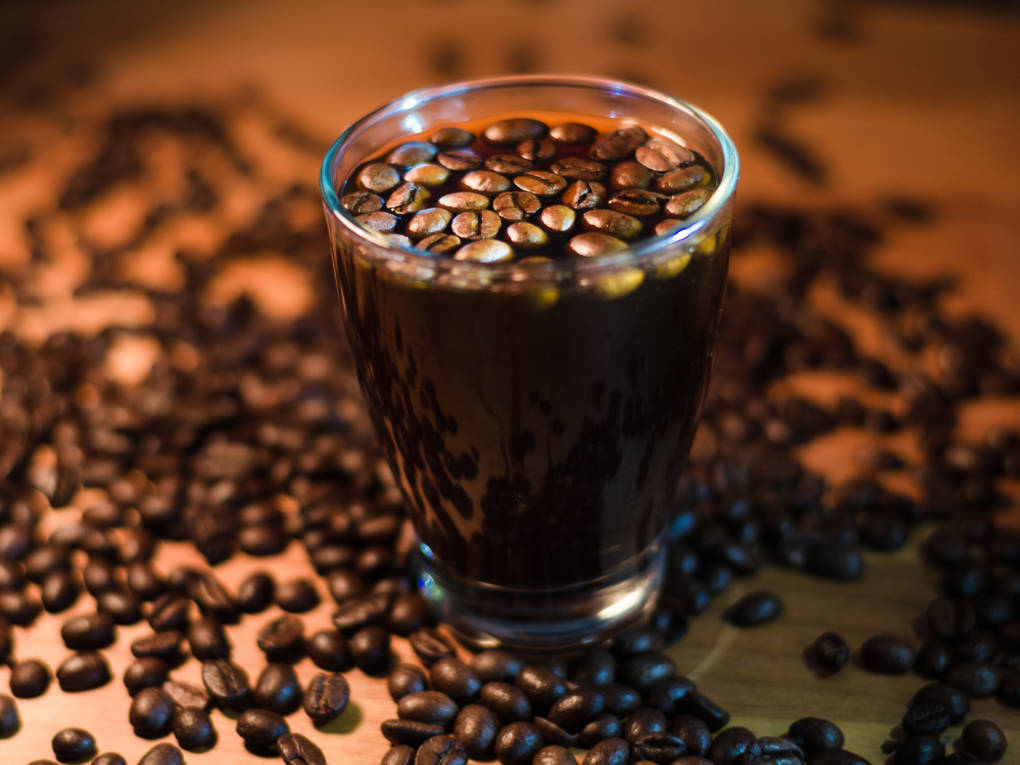
"description": "A Los Angeles judge ruled that coffee companies in California must carry a cancer warning label because of a chemical that is produced during the bean-roasting process.",
"title": "A Los Angeles judge ruled that coffee companies in California must carry a cancer warning label because of a chemical that is produced during the bean-roasting process.",
"credit": " \u003ca href=\"https://www.flickr.com/photos/theocrazzolara/37251155882/\">Theo Crazzolara/Flickr\u003c/a>",
"status": "inherit",
"isLoading": false,
"fetchFailed": false
},
"bayareabites_126209": {
"type": "attachments",
"id": "bayareabites_126209",
"meta": {
"index": "attachments_1716263798",
"site": "bayareabites",
"id": "126209",
"found": true
},
"parent": 126208,
"imgSizes": {
"small": {
"file": "https://ww2.kqed.org/app/uploads/sites/24/2018/03/farm-11-50f6f9afbf5c0bb7006057b3ff75bcc754e77b1b-520x390.jpg",
"width": 520,
"mimeType": "image/jpeg",
"height": 390
},
"twentyfourteen-full-width": {
"file": "https://ww2.kqed.org/app/uploads/sites/24/2018/03/farm-11-50f6f9afbf5c0bb7006057b3ff75bcc754e77b1b-1038x576.jpg",
"width": 1038,
"mimeType": "image/jpeg",
"height": 576
},
"thumbnail": {
"file": "https://ww2.kqed.org/app/uploads/sites/24/2018/03/farm-11-50f6f9afbf5c0bb7006057b3ff75bcc754e77b1b-160x120.jpg",
"width": 160,
"mimeType": "image/jpeg",
"height": 120
},
"fd-sm": {
"file": "https://ww2.kqed.org/app/uploads/sites/24/2018/03/farm-11-50f6f9afbf5c0bb7006057b3ff75bcc754e77b1b-960x720.jpg",
"width": 960,
"mimeType": "image/jpeg",
"height": 720
},
"post-thumbnail": {
"file": "https://ww2.kqed.org/app/uploads/sites/24/2018/03/farm-11-50f6f9afbf5c0bb7006057b3ff75bcc754e77b1b-672x372.jpg",
"width": 672,
"mimeType": "image/jpeg",
"height": 372
},
"xsmall": {
"file": "https://ww2.kqed.org/app/uploads/sites/24/2018/03/farm-11-50f6f9afbf5c0bb7006057b3ff75bcc754e77b1b-375x281.jpg",
"width": 375,
"mimeType": "image/jpeg",
"height": 281
},
"kqedFullSize": {
"file": "https://ww2.kqed.org/app/uploads/sites/24/2018/03/farm-11-50f6f9afbf5c0bb7006057b3ff75bcc754e77b1b.jpg",
"width": 1776,
"height": 1332
},
"large": {
"file": "https://ww2.kqed.org/app/uploads/sites/24/2018/03/farm-11-50f6f9afbf5c0bb7006057b3ff75bcc754e77b1b-1020x765.jpg",
"width": 1020,
"mimeType": "image/jpeg",
"height": 765
},
"xlarge": {
"file": "https://ww2.kqed.org/app/uploads/sites/24/2018/03/farm-11-50f6f9afbf5c0bb7006057b3ff75bcc754e77b1b-1180x885.jpg",
"width": 1180,
"mimeType": "image/jpeg",
"height": 885
},
"guest-author-50": {
"file": "https://ww2.kqed.org/app/uploads/sites/24/2018/03/farm-11-50f6f9afbf5c0bb7006057b3ff75bcc754e77b1b-50x50.jpg",
"width": 50,
"mimeType": "image/jpeg",
"height": 50
},
"guest-author-96": {
"file": "https://ww2.kqed.org/app/uploads/sites/24/2018/03/farm-11-50f6f9afbf5c0bb7006057b3ff75bcc754e77b1b-96x96.jpg",
"width": 96,
"mimeType": "image/jpeg",
"height": 96
},
"medium": {
"file": "https://ww2.kqed.org/app/uploads/sites/24/2018/03/farm-11-50f6f9afbf5c0bb7006057b3ff75bcc754e77b1b-800x600.jpg",
"width": 800,
"mimeType": "image/jpeg",
"height": 600
},
"guest-author-64": {
"file": "https://ww2.kqed.org/app/uploads/sites/24/2018/03/farm-11-50f6f9afbf5c0bb7006057b3ff75bcc754e77b1b-64x64.jpg",
"width": 64,
"mimeType": "image/jpeg",
"height": 64
},
"guest-author-32": {
"file": "https://ww2.kqed.org/app/uploads/sites/24/2018/03/farm-11-50f6f9afbf5c0bb7006057b3ff75bcc754e77b1b-32x32.jpg",
"width": 32,
"mimeType": "image/jpeg",
"height": 32
},
"fd-med": {
"file": "https://ww2.kqed.org/app/uploads/sites/24/2018/03/farm-11-50f6f9afbf5c0bb7006057b3ff75bcc754e77b1b-1180x885.jpg",
"width": 1180,
"mimeType": "image/jpeg",
"height": 885
},
"detail": {
"file": "https://ww2.kqed.org/app/uploads/sites/24/2018/03/farm-11-50f6f9afbf5c0bb7006057b3ff75bcc754e77b1b-150x150.jpg",
"width": 150,
"mimeType": "image/jpeg",
"height": 150
},
"medium_large": {
"file": "https://ww2.kqed.org/app/uploads/sites/24/2018/03/farm-11-50f6f9afbf5c0bb7006057b3ff75bcc754e77b1b-768x576.jpg",
"width": 768,
"mimeType": "image/jpeg",
"height": 576
},
"guest-author-128": {
"file": "https://ww2.kqed.org/app/uploads/sites/24/2018/03/farm-11-50f6f9afbf5c0bb7006057b3ff75bcc754e77b1b-128x128.jpg",
"width": 128,
"mimeType": "image/jpeg",
"height": 128
},
"xxsmall": {
"file": "https://ww2.kqed.org/app/uploads/sites/24/2018/03/farm-11-50f6f9afbf5c0bb7006057b3ff75bcc754e77b1b-240x180.jpg",
"width": 240,
"mimeType": "image/jpeg",
"height": 180
}
},
"publishDate": 1522251381,
"modified": 1522251871,
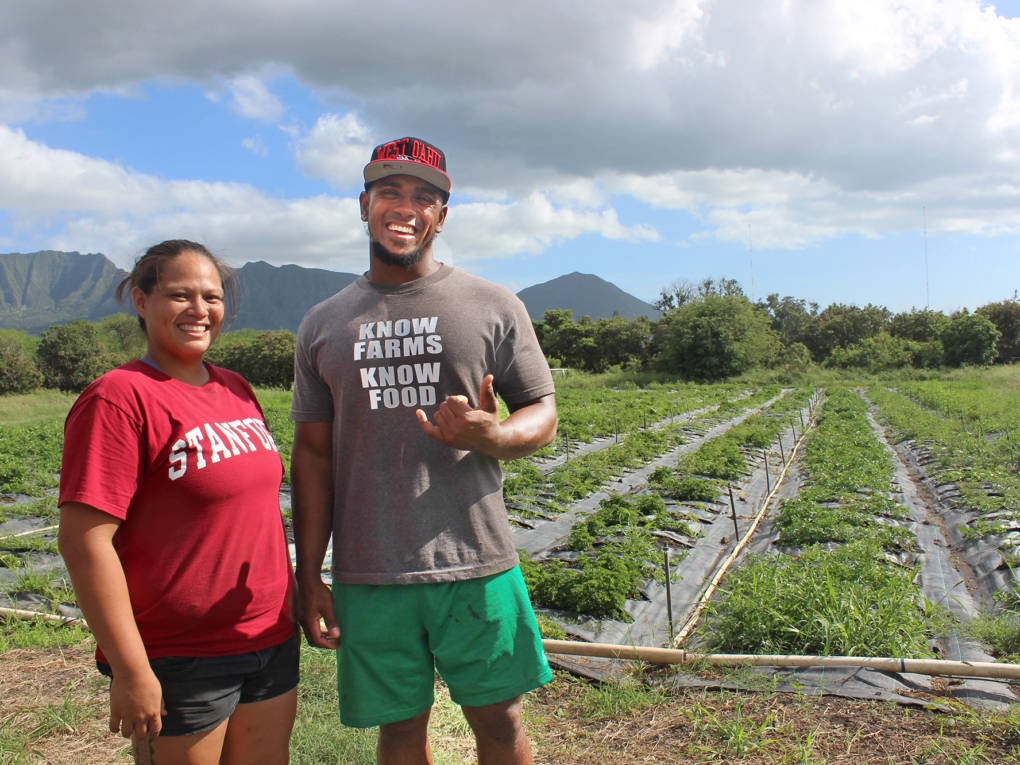
"caption": "Cheryse Sana, left, and Derrik Parker were interns 10 years ago and now help manage the farm's current interns as well as run the day-to-day operations.",
"description": "Cheryse Sana, left, and Derrik Parker were interns 10 years ago and now help manage the farm's current interns as well as run the day-to-day operations.",
"title": "Cheryse Sana, left, and Derrik Parker were interns 10 years ago and now help manage the farm's current interns as well as run the day-to-day operations.",
"credit": "Dakota Kim",
"status": "inherit",
"isLoading": false,
"fetchFailed": false
},
"bayareabites_126152": {
"type": "attachments",
"id": "bayareabites_126152",
"meta": {
"index": "attachments_1716263798",
"site": "bayareabites",
"id": "126152",
"found": true
},
"parent": 126151,
"imgSizes": {
"small": {
"file": "https://ww2.kqed.org/app/uploads/sites/24/2018/03/tips_wide-03cf0b47227421db21010031515e073d8281aa05-520x293.jpg",
"width": 520,
"mimeType": "image/jpeg",
"height": 293
},
"twentyfourteen-full-width": {
"file": "https://ww2.kqed.org/app/uploads/sites/24/2018/03/tips_wide-03cf0b47227421db21010031515e073d8281aa05-1038x576.jpg",
"width": 1038,
"mimeType": "image/jpeg",
"height": 576
},
"thumbnail": {
"file": "https://ww2.kqed.org/app/uploads/sites/24/2018/03/tips_wide-03cf0b47227421db21010031515e073d8281aa05-160x90.jpg",
"width": 160,
"mimeType": "image/jpeg",
"height": 90
},
"fd-sm": {
"file": "https://ww2.kqed.org/app/uploads/sites/24/2018/03/tips_wide-03cf0b47227421db21010031515e073d8281aa05-960x540.jpg",
"width": 960,
"mimeType": "image/jpeg",
"height": 540
},
"post-thumbnail": {
"file": "https://ww2.kqed.org/app/uploads/sites/24/2018/03/tips_wide-03cf0b47227421db21010031515e073d8281aa05-672x372.jpg",
"width": 672,
"mimeType": "image/jpeg",
"height": 372
},
"xsmall": {
"file": "https://ww2.kqed.org/app/uploads/sites/24/2018/03/tips_wide-03cf0b47227421db21010031515e073d8281aa05-375x211.jpg",
"width": 375,
"mimeType": "image/jpeg",
"height": 211
},
"kqedFullSize": {
"file": "https://ww2.kqed.org/app/uploads/sites/24/2018/03/tips_wide-03cf0b47227421db21010031515e073d8281aa05.jpg",
"width": 2000,
"height": 1125
},
"large": {
"file": "https://ww2.kqed.org/app/uploads/sites/24/2018/03/tips_wide-03cf0b47227421db21010031515e073d8281aa05-1020x574.jpg",
"width": 1020,
"mimeType": "image/jpeg",
"height": 574
},
"xlarge": {
"file": "https://ww2.kqed.org/app/uploads/sites/24/2018/03/tips_wide-03cf0b47227421db21010031515e073d8281aa05-1180x664.jpg",
"width": 1180,
"mimeType": "image/jpeg",
"height": 664
},
"guest-author-50": {
"file": "https://ww2.kqed.org/app/uploads/sites/24/2018/03/tips_wide-03cf0b47227421db21010031515e073d8281aa05-50x50.jpg",
"width": 50,
"mimeType": "image/jpeg",
"height": 50
},
"guest-author-96": {
"file": "https://ww2.kqed.org/app/uploads/sites/24/2018/03/tips_wide-03cf0b47227421db21010031515e073d8281aa05-96x96.jpg",
"width": 96,
"mimeType": "image/jpeg",
"height": 96
},
"medium": {
"file": "https://ww2.kqed.org/app/uploads/sites/24/2018/03/tips_wide-03cf0b47227421db21010031515e073d8281aa05-800x450.jpg",
"width": 800,
"mimeType": "image/jpeg",
"height": 450
},
"guest-author-64": {
"file": "https://ww2.kqed.org/app/uploads/sites/24/2018/03/tips_wide-03cf0b47227421db21010031515e073d8281aa05-64x64.jpg",
"width": 64,
"mimeType": "image/jpeg",
"height": 64
},
"guest-author-32": {
"file": "https://ww2.kqed.org/app/uploads/sites/24/2018/03/tips_wide-03cf0b47227421db21010031515e073d8281aa05-32x32.jpg",
"width": 32,
"mimeType": "image/jpeg",
"height": 32
},
"fd-lrg": {
"file": "https://ww2.kqed.org/app/uploads/sites/24/2018/03/tips_wide-03cf0b47227421db21010031515e073d8281aa05-1920x1080.jpg",
"width": 1920,
"mimeType": "image/jpeg",
"height": 1080
},
"fd-med": {
"file": "https://ww2.kqed.org/app/uploads/sites/24/2018/03/tips_wide-03cf0b47227421db21010031515e073d8281aa05-1180x664.jpg",
"width": 1180,
"mimeType": "image/jpeg",
"height": 664
},
"full-width": {
"file": "https://ww2.kqed.org/app/uploads/sites/24/2018/03/tips_wide-03cf0b47227421db21010031515e073d8281aa05-1920x1080.jpg",
"width": 1920,
"mimeType": "image/jpeg",
"height": 1080
},
"detail": {
"file": "https://ww2.kqed.org/app/uploads/sites/24/2018/03/tips_wide-03cf0b47227421db21010031515e073d8281aa05-150x150.jpg",
"width": 150,
"mimeType": "image/jpeg",
"height": 150
},
"medium_large": {
"file": "https://ww2.kqed.org/app/uploads/sites/24/2018/03/tips_wide-03cf0b47227421db21010031515e073d8281aa05-768x432.jpg",
"width": 768,
"mimeType": "image/jpeg",
"height": 432
},
"guest-author-128": {
"file": "https://ww2.kqed.org/app/uploads/sites/24/2018/03/tips_wide-03cf0b47227421db21010031515e073d8281aa05-128x128.jpg",
"width": 128,
"mimeType": "image/jpeg",
"height": 128
},
"xxsmall": {
"file": "https://ww2.kqed.org/app/uploads/sites/24/2018/03/tips_wide-03cf0b47227421db21010031515e073d8281aa05-240x135.jpg",
"width": 240,
"mimeType": "image/jpeg",
"height": 135
}
},
"publishDate": 1521836763,
"modified": 1521836793,
"caption": "The law would allow waitstaff tips to be shared with cooks and other back-of-the-house restaurant workers, but prevents owners from getting a cut.",
"description": "The law would allow waitstaff tips to be shared with cooks and other back-of-the-house restaurant workers, but prevents owners from getting a cut",
"title": "The law would allow waitstaff tips to be shared with cooks and other back-of-the-house restaurant workers, but prevents owners from getting a cut.",
"credit": "Peter Muller/Getty Images",
"status": "inherit",
"isLoading": false,
"fetchFailed": false
},
"bayareabites_126040": {
"type": "attachments",
"id": "bayareabites_126040",
"meta": {
"index": "attachments_1716263798",
"site": "bayareabites",
"id": "126040",
"found": true
},
"parent": 126036,
"imgSizes": {
"small": {
"file": "https://ww2.kqed.org/app/uploads/sites/24/2018/03/180312-regenerative-agriculture-top1-520x347.jpg",
"width": 520,
"mimeType": "image/jpeg",
"height": 347
},
"twentyfourteen-full-width": {
"file": "https://ww2.kqed.org/app/uploads/sites/24/2018/03/180312-regenerative-agriculture-top1-1038x576.jpg",
"width": 1038,
"mimeType": "image/jpeg",
"height": 576
},
"thumbnail": {
"file": "https://ww2.kqed.org/app/uploads/sites/24/2018/03/180312-regenerative-agriculture-top1-160x107.jpg",
"width": 160,
"mimeType": "image/jpeg",
"height": 107
},
"fd-sm": {
"file": "https://ww2.kqed.org/app/uploads/sites/24/2018/03/180312-regenerative-agriculture-top1-960x640.jpg",
"width": 960,
"mimeType": "image/jpeg",
"height": 640
},
"post-thumbnail": {
"file": "https://ww2.kqed.org/app/uploads/sites/24/2018/03/180312-regenerative-agriculture-top1-672x372.jpg",
"width": 672,
"mimeType": "image/jpeg",
"height": 372
},
"xsmall": {
"file": "https://ww2.kqed.org/app/uploads/sites/24/2018/03/180312-regenerative-agriculture-top1-375x250.jpg",
"width": 375,
"mimeType": "image/jpeg",
"height": 250
},
"kqedFullSize": {
"file": "https://ww2.kqed.org/app/uploads/sites/24/2018/03/180312-regenerative-agriculture-top1.jpg",
"width": 1200,
"height": 800
},
"large": {
"file": "https://ww2.kqed.org/app/uploads/sites/24/2018/03/180312-regenerative-agriculture-top1-1020x680.jpg",
"width": 1020,
"mimeType": "image/jpeg",
"height": 680
},
"xlarge": {
"file": "https://ww2.kqed.org/app/uploads/sites/24/2018/03/180312-regenerative-agriculture-top1-1180x787.jpg",
"width": 1180,
"mimeType": "image/jpeg",
"height": 787
},
"guest-author-50": {
"file": "https://ww2.kqed.org/app/uploads/sites/24/2018/03/180312-regenerative-agriculture-top1-50x50.jpg",
"width": 50,
"mimeType": "image/jpeg",
"height": 50
},
"guest-author-96": {
"file": "https://ww2.kqed.org/app/uploads/sites/24/2018/03/180312-regenerative-agriculture-top1-96x96.jpg",
"width": 96,
"mimeType": "image/jpeg",
"height": 96
},
"medium": {
"file": "https://ww2.kqed.org/app/uploads/sites/24/2018/03/180312-regenerative-agriculture-top1-800x533.jpg",
"width": 800,
"mimeType": "image/jpeg",
"height": 533
},
"guest-author-64": {
"file": "https://ww2.kqed.org/app/uploads/sites/24/2018/03/180312-regenerative-agriculture-top1-64x64.jpg",
"width": 64,
"mimeType": "image/jpeg",
"height": 64
},
"guest-author-32": {
"file": "https://ww2.kqed.org/app/uploads/sites/24/2018/03/180312-regenerative-agriculture-top1-32x32.jpg",
"width": 32,
"mimeType": "image/jpeg",
"height": 32
},
"fd-med": {
"file": "https://ww2.kqed.org/app/uploads/sites/24/2018/03/180312-regenerative-agriculture-top1-1180x787.jpg",
"width": 1180,
"mimeType": "image/jpeg",
"height": 787
},
"detail": {
"file": "https://ww2.kqed.org/app/uploads/sites/24/2018/03/180312-regenerative-agriculture-top1-150x150.jpg",
"width": 150,
"mimeType": "image/jpeg",
"height": 150
},
"medium_large": {
"file": "https://ww2.kqed.org/app/uploads/sites/24/2018/03/180312-regenerative-agriculture-top1-768x512.jpg",
"width": 768,
"mimeType": "image/jpeg",
"height": 512
},
"guest-author-128": {
"file": "https://ww2.kqed.org/app/uploads/sites/24/2018/03/180312-regenerative-agriculture-top1-128x128.jpg",
"width": 128,
"mimeType": "image/jpeg",
"height": 128
},
"xxsmall": {
"file": "https://ww2.kqed.org/app/uploads/sites/24/2018/03/180312-regenerative-agriculture-top1-240x160.jpg",
"width": 240,
"mimeType": "image/jpeg",
"height": 160
}
},
"publishDate": 1521565668,
"modified": 1521565755,
"caption": null,
"description": null,
"title": "180312-regenerative-agriculture-top1",
"credit": "\u003ca href=\"https://rodaleinstitute.org/\">The Rodale Institute\u003c/a>",
"status": "inherit",
"isLoading": false,
"fetchFailed": false
},
"bayareabites_125837": {
"type": "attachments",
"id": "bayareabites_125837",
"meta": {
"index": "attachments_1716263798",
"site": "bayareabites",
"id": "125837",
"found": true
},
"parent": 125836,
"imgSizes": {
"small": {
"file": "https://ww2.kqed.org/app/uploads/sites/24/2018/03/gettyimages-163246088_wide-1373e7da22964a1d395e0ac1294da35b0a9ec208-520x292.jpg",
"width": 520,
"mimeType": "image/jpeg",
"height": 292
},
"twentyfourteen-full-width": {
"file": "https://ww2.kqed.org/app/uploads/sites/24/2018/03/gettyimages-163246088_wide-1373e7da22964a1d395e0ac1294da35b0a9ec208-1038x576.jpg",
"width": 1038,
"mimeType": "image/jpeg",
"height": 576
},
"thumbnail": {
"file": "https://ww2.kqed.org/app/uploads/sites/24/2018/03/gettyimages-163246088_wide-1373e7da22964a1d395e0ac1294da35b0a9ec208-160x90.jpg",
"width": 160,
"mimeType": "image/jpeg",
"height": 90
},
"fd-sm": {
"file": "https://ww2.kqed.org/app/uploads/sites/24/2018/03/gettyimages-163246088_wide-1373e7da22964a1d395e0ac1294da35b0a9ec208-960x540.jpg",
"width": 960,
"mimeType": "image/jpeg",
"height": 540
},
"post-thumbnail": {
"file": "https://ww2.kqed.org/app/uploads/sites/24/2018/03/gettyimages-163246088_wide-1373e7da22964a1d395e0ac1294da35b0a9ec208-672x372.jpg",
"width": 672,
"mimeType": "image/jpeg",
"height": 372
},
"xsmall": {
"file": "https://ww2.kqed.org/app/uploads/sites/24/2018/03/gettyimages-163246088_wide-1373e7da22964a1d395e0ac1294da35b0a9ec208-375x211.jpg",
"width": 375,
"mimeType": "image/jpeg",
"height": 211
},
"kqedFullSize": {
"file": "https://ww2.kqed.org/app/uploads/sites/24/2018/03/gettyimages-163246088_wide-1373e7da22964a1d395e0ac1294da35b0a9ec208.jpg",
"width": 5306,
"height": 2984
},
"large": {
"file": "https://ww2.kqed.org/app/uploads/sites/24/2018/03/gettyimages-163246088_wide-1373e7da22964a1d395e0ac1294da35b0a9ec208-1020x574.jpg",
"width": 1020,
"mimeType": "image/jpeg",
"height": 574
},
"xlarge": {
"file": "https://ww2.kqed.org/app/uploads/sites/24/2018/03/gettyimages-163246088_wide-1373e7da22964a1d395e0ac1294da35b0a9ec208-1180x664.jpg",
"width": 1180,
"mimeType": "image/jpeg",
"height": 664
},
"guest-author-50": {
"file": "https://ww2.kqed.org/app/uploads/sites/24/2018/03/gettyimages-163246088_wide-1373e7da22964a1d395e0ac1294da35b0a9ec208-50x50.jpg",
"width": 50,
"mimeType": "image/jpeg",
"height": 50
},
"guest-author-96": {
"file": "https://ww2.kqed.org/app/uploads/sites/24/2018/03/gettyimages-163246088_wide-1373e7da22964a1d395e0ac1294da35b0a9ec208-96x96.jpg",
"width": 96,
"mimeType": "image/jpeg",
"height": 96
},
"medium": {
"file": "https://ww2.kqed.org/app/uploads/sites/24/2018/03/gettyimages-163246088_wide-1373e7da22964a1d395e0ac1294da35b0a9ec208-800x450.jpg",
"width": 800,
"mimeType": "image/jpeg",
"height": 450
},
"guest-author-64": {
"file": "https://ww2.kqed.org/app/uploads/sites/24/2018/03/gettyimages-163246088_wide-1373e7da22964a1d395e0ac1294da35b0a9ec208-64x64.jpg",
"width": 64,
"mimeType": "image/jpeg",
"height": 64
},
"guest-author-32": {
"file": "https://ww2.kqed.org/app/uploads/sites/24/2018/03/gettyimages-163246088_wide-1373e7da22964a1d395e0ac1294da35b0a9ec208-32x32.jpg",
"width": 32,
"mimeType": "image/jpeg",
"height": 32
},
"fd-lrg": {
"file": "https://ww2.kqed.org/app/uploads/sites/24/2018/03/gettyimages-163246088_wide-1373e7da22964a1d395e0ac1294da35b0a9ec208-1920x1080.jpg",
"width": 1920,
"mimeType": "image/jpeg",
"height": 1080
},
"fd-med": {
"file": "https://ww2.kqed.org/app/uploads/sites/24/2018/03/gettyimages-163246088_wide-1373e7da22964a1d395e0ac1294da35b0a9ec208-1180x664.jpg",
"width": 1180,
"mimeType": "image/jpeg",
"height": 664
},
"full-width": {
"file": "https://ww2.kqed.org/app/uploads/sites/24/2018/03/gettyimages-163246088_wide-1373e7da22964a1d395e0ac1294da35b0a9ec208-1920x1080.jpg",
"width": 1920,
"mimeType": "image/jpeg",
"height": 1080
},
"detail": {
"file": "https://ww2.kqed.org/app/uploads/sites/24/2018/03/gettyimages-163246088_wide-1373e7da22964a1d395e0ac1294da35b0a9ec208-150x150.jpg",
"width": 150,
"mimeType": "image/jpeg",
"height": 150
},
"medium_large": {
"file": "https://ww2.kqed.org/app/uploads/sites/24/2018/03/gettyimages-163246088_wide-1373e7da22964a1d395e0ac1294da35b0a9ec208-768x432.jpg",
"width": 768,
"mimeType": "image/jpeg",
"height": 432
},
"guest-author-128": {
"file": "https://ww2.kqed.org/app/uploads/sites/24/2018/03/gettyimages-163246088_wide-1373e7da22964a1d395e0ac1294da35b0a9ec208-128x128.jpg",
"width": 128,
"mimeType": "image/jpeg",
"height": 128
},
"xxsmall": {
"file": "https://ww2.kqed.org/app/uploads/sites/24/2018/03/gettyimages-163246088_wide-1373e7da22964a1d395e0ac1294da35b0a9ec208-240x135.jpg",
"width": 240,
"mimeType": "image/jpeg",
"height": 135
}
},
"publishDate": 1521316896,
"modified": 1521316896,
"caption": null,
"description": "Workers roll potentially lifesaving barrels of Guinness in June 1955 on a quayside in Dublin.",
"title": "Workers roll potentially lifesaving barrels of Guinness in June 1955 on a quayside in Dublin.",
"credit": null,
"status": "inherit",
"isLoading": false,
"fetchFailed": false
},
"bayareabites_125804": {
"type": "attachments",
"id": "bayareabites_125804",
"meta": {
"index": "attachments_1716263798",
"site": "bayareabites",
"id": "125804",
"found": true
},
"parent": 125803,
"imgSizes": {
"small": {
"file": "https://ww2.kqed.org/app/uploads/sites/24/2018/03/st-pats-day-1-19c233c2ba4e5ad37685512c737ab24c163a7a2a-520x390.jpg",
"width": 520,
"mimeType": "image/jpeg",
"height": 390
},
"twentyfourteen-full-width": {
"file": "https://ww2.kqed.org/app/uploads/sites/24/2018/03/st-pats-day-1-19c233c2ba4e5ad37685512c737ab24c163a7a2a-1038x576.jpg",
"width": 1038,
"mimeType": "image/jpeg",
"height": 576
},
"thumbnail": {
"file": "https://ww2.kqed.org/app/uploads/sites/24/2018/03/st-pats-day-1-19c233c2ba4e5ad37685512c737ab24c163a7a2a-160x120.jpg",
"width": 160,
"mimeType": "image/jpeg",
"height": 120
},
"fd-sm": {
"file": "https://ww2.kqed.org/app/uploads/sites/24/2018/03/st-pats-day-1-19c233c2ba4e5ad37685512c737ab24c163a7a2a-960x720.jpg",
"width": 960,
"mimeType": "image/jpeg",
"height": 720
},
"post-thumbnail": {
"file": "https://ww2.kqed.org/app/uploads/sites/24/2018/03/st-pats-day-1-19c233c2ba4e5ad37685512c737ab24c163a7a2a-672x372.jpg",
"width": 672,
"mimeType": "image/jpeg",
"height": 372
},
"xsmall": {
"file": "https://ww2.kqed.org/app/uploads/sites/24/2018/03/st-pats-day-1-19c233c2ba4e5ad37685512c737ab24c163a7a2a-375x281.jpg",
"width": 375,
"mimeType": "image/jpeg",
"height": 281
},
"kqedFullSize": {
"file": "https://ww2.kqed.org/app/uploads/sites/24/2018/03/st-pats-day-1-19c233c2ba4e5ad37685512c737ab24c163a7a2a.jpg",
"width": 1776,
"height": 1332
},
"large": {
"file": "https://ww2.kqed.org/app/uploads/sites/24/2018/03/st-pats-day-1-19c233c2ba4e5ad37685512c737ab24c163a7a2a-1020x765.jpg",
"width": 1020,
"mimeType": "image/jpeg",
"height": 765
},
"xlarge": {
"file": "https://ww2.kqed.org/app/uploads/sites/24/2018/03/st-pats-day-1-19c233c2ba4e5ad37685512c737ab24c163a7a2a-1180x885.jpg",
"width": 1180,
"mimeType": "image/jpeg",
"height": 885
},
"guest-author-50": {
"file": "https://ww2.kqed.org/app/uploads/sites/24/2018/03/st-pats-day-1-19c233c2ba4e5ad37685512c737ab24c163a7a2a-50x50.jpg",
"width": 50,
"mimeType": "image/jpeg",
"height": 50
},
"guest-author-96": {
"file": "https://ww2.kqed.org/app/uploads/sites/24/2018/03/st-pats-day-1-19c233c2ba4e5ad37685512c737ab24c163a7a2a-96x96.jpg",
"width": 96,
"mimeType": "image/jpeg",
"height": 96
},
"medium": {
"file": "https://ww2.kqed.org/app/uploads/sites/24/2018/03/st-pats-day-1-19c233c2ba4e5ad37685512c737ab24c163a7a2a-800x600.jpg",
"width": 800,
"mimeType": "image/jpeg",
"height": 600
},
"guest-author-64": {
"file": "https://ww2.kqed.org/app/uploads/sites/24/2018/03/st-pats-day-1-19c233c2ba4e5ad37685512c737ab24c163a7a2a-64x64.jpg",
"width": 64,
"mimeType": "image/jpeg",
"height": 64
},
"guest-author-32": {
"file": "https://ww2.kqed.org/app/uploads/sites/24/2018/03/st-pats-day-1-19c233c2ba4e5ad37685512c737ab24c163a7a2a-32x32.jpg",
"width": 32,
"mimeType": "image/jpeg",
"height": 32
},
"fd-med": {
"file": "https://ww2.kqed.org/app/uploads/sites/24/2018/03/st-pats-day-1-19c233c2ba4e5ad37685512c737ab24c163a7a2a-1180x885.jpg",
"width": 1180,
"mimeType": "image/jpeg",
"height": 885
},
"detail": {
"file": "https://ww2.kqed.org/app/uploads/sites/24/2018/03/st-pats-day-1-19c233c2ba4e5ad37685512c737ab24c163a7a2a-150x150.jpg",
"width": 150,
"mimeType": "image/jpeg",
"height": 150
},
"medium_large": {
"file": "https://ww2.kqed.org/app/uploads/sites/24/2018/03/st-pats-day-1-19c233c2ba4e5ad37685512c737ab24c163a7a2a-768x576.jpg",
"width": 768,
"mimeType": "image/jpeg",
"height": 576
},
"guest-author-128": {
"file": "https://ww2.kqed.org/app/uploads/sites/24/2018/03/st-pats-day-1-19c233c2ba4e5ad37685512c737ab24c163a7a2a-128x128.jpg",
"width": 128,
"mimeType": "image/jpeg",
"height": 128
},
"xxsmall": {
"file": "https://ww2.kqed.org/app/uploads/sites/24/2018/03/st-pats-day-1-19c233c2ba4e5ad37685512c737ab24c163a7a2a-240x180.jpg",
"width": 240,
"mimeType": "image/jpeg",
"height": 180
}
},
"publishDate": 1521216041,
"modified": 1521216119,
"caption": "A woman dances while sitting on her friend's shoulders during St. Patrick's Day festivities in Denver last year.",
"description": "A woman dances while sitting on her friend's shoulders during St. Patrick's Day festivities in Denver last year.",
"title": "A woman dances while sitting on her friend's shoulders during St. Patrick's Day festivities in Denver last year.",
"credit": "RJ Sangosti/Denver Post via Getty Images",
"status": "inherit",
"isLoading": false,
"fetchFailed": false
},
"bayareabites_125783": {
"type": "attachments",
"id": "bayareabites_125783",
"meta": {
"index": "attachments_1716263798",
"site": "bayareabites",
"id": "125783",
"found": true
},
"parent": 125782,
"imgSizes": {
"small": {
"file": "https://ww2.kqed.org/app/uploads/sites/24/2018/03/180309-free-range-eggs-top1-520x347.jpg",
"width": 520,
"mimeType": "image/jpeg",
"height": 347
},
"twentyfourteen-full-width": {
"file": "https://ww2.kqed.org/app/uploads/sites/24/2018/03/180309-free-range-eggs-top1-1038x576.jpg",
"width": 1038,
"mimeType": "image/jpeg",
"height": 576
},
"thumbnail": {
"file": "https://ww2.kqed.org/app/uploads/sites/24/2018/03/180309-free-range-eggs-top1-160x107.jpg",
"width": 160,
"mimeType": "image/jpeg",
"height": 107
},
"fd-sm": {
"file": "https://ww2.kqed.org/app/uploads/sites/24/2018/03/180309-free-range-eggs-top1-960x640.jpg",
"width": 960,
"mimeType": "image/jpeg",
"height": 640
},
"post-thumbnail": {
"file": "https://ww2.kqed.org/app/uploads/sites/24/2018/03/180309-free-range-eggs-top1-672x372.jpg",
"width": 672,
"mimeType": "image/jpeg",
"height": 372
},
"xsmall": {
"file": "https://ww2.kqed.org/app/uploads/sites/24/2018/03/180309-free-range-eggs-top1-375x250.jpg",
"width": 375,
"mimeType": "image/jpeg",
"height": 250
},
"kqedFullSize": {
"file": "https://ww2.kqed.org/app/uploads/sites/24/2018/03/180309-free-range-eggs-top1.jpg",
"width": 1200,
"height": 800
},
"large": {
"file": "https://ww2.kqed.org/app/uploads/sites/24/2018/03/180309-free-range-eggs-top1-1020x680.jpg",
"width": 1020,
"mimeType": "image/jpeg",
"height": 680
},
"xlarge": {
"file": "https://ww2.kqed.org/app/uploads/sites/24/2018/03/180309-free-range-eggs-top1-1180x787.jpg",
"width": 1180,
"mimeType": "image/jpeg",
"height": 787
},
"guest-author-50": {
"file": "https://ww2.kqed.org/app/uploads/sites/24/2018/03/180309-free-range-eggs-top1-50x50.jpg",
"width": 50,
"mimeType": "image/jpeg",
"height": 50
},
"guest-author-96": {
"file": "https://ww2.kqed.org/app/uploads/sites/24/2018/03/180309-free-range-eggs-top1-96x96.jpg",
"width": 96,
"mimeType": "image/jpeg",
"height": 96
},
"medium": {
"file": "https://ww2.kqed.org/app/uploads/sites/24/2018/03/180309-free-range-eggs-top1-800x533.jpg",
"width": 800,
"mimeType": "image/jpeg",
"height": 533
},
"guest-author-64": {
"file": "https://ww2.kqed.org/app/uploads/sites/24/2018/03/180309-free-range-eggs-top1-64x64.jpg",
"width": 64,
"mimeType": "image/jpeg",
"height": 64
},
"guest-author-32": {
"file": "https://ww2.kqed.org/app/uploads/sites/24/2018/03/180309-free-range-eggs-top1-32x32.jpg",
"width": 32,
"mimeType": "image/jpeg",
"height": 32
},
"fd-med": {
"file": "https://ww2.kqed.org/app/uploads/sites/24/2018/03/180309-free-range-eggs-top1-1180x787.jpg",
"width": 1180,
"mimeType": "image/jpeg",
"height": 787
},
"detail": {
"file": "https://ww2.kqed.org/app/uploads/sites/24/2018/03/180309-free-range-eggs-top1-150x150.jpg",
"width": 150,
"mimeType": "image/jpeg",
"height": 150
},
"medium_large": {
"file": "https://ww2.kqed.org/app/uploads/sites/24/2018/03/180309-free-range-eggs-top1-768x512.jpg",
"width": 768,
"mimeType": "image/jpeg",
"height": 512
},
"guest-author-128": {
"file": "https://ww2.kqed.org/app/uploads/sites/24/2018/03/180309-free-range-eggs-top1-128x128.jpg",
"width": 128,
"mimeType": "image/jpeg",
"height": 128
},
"xxsmall": {
"file": "https://ww2.kqed.org/app/uploads/sites/24/2018/03/180309-free-range-eggs-top1-240x160.jpg",
"width": 240,
"mimeType": "image/jpeg",
"height": 160
}
},
"publishDate": 1521160268,
"modified": 1521160293,
"caption": null,
"description": null,
"title": "180309-free-range-eggs-top1",
"credit": "courtesy Civil Eats",
"status": "inherit",
"isLoading": false,
"fetchFailed": false
},
"bayareabites_125717": {
"type": "attachments",
"id": "bayareabites_125717",
"meta": {
"index": "attachments_1716263798",
"site": "bayareabites",
"id": "125717",
"found": true
},
"parent": 125671,
"imgSizes": {
"small": {
"file": "https://ww2.kqed.org/app/uploads/sites/24/2018/03/chef-diptych_wide-f43aa23e1b4997e65c53725dee751fe19836fe54-s1600-c85-520x293.jpg",
"width": 520,
"mimeType": "image/jpeg",
"height": 293
},
"twentyfourteen-full-width": {
"file": "https://ww2.kqed.org/app/uploads/sites/24/2018/03/chef-diptych_wide-f43aa23e1b4997e65c53725dee751fe19836fe54-s1600-c85-1038x576.jpg",
"width": 1038,
"mimeType": "image/jpeg",
"height": 576
},
"thumbnail": {
"file": "https://ww2.kqed.org/app/uploads/sites/24/2018/03/chef-diptych_wide-f43aa23e1b4997e65c53725dee751fe19836fe54-s1600-c85-160x90.jpg",
"width": 160,
"mimeType": "image/jpeg",
"height": 90
},
"fd-sm": {
"file": "https://ww2.kqed.org/app/uploads/sites/24/2018/03/chef-diptych_wide-f43aa23e1b4997e65c53725dee751fe19836fe54-s1600-c85-960x540.jpg",
"width": 960,
"mimeType": "image/jpeg",
"height": 540
},
"post-thumbnail": {
"file": "https://ww2.kqed.org/app/uploads/sites/24/2018/03/chef-diptych_wide-f43aa23e1b4997e65c53725dee751fe19836fe54-s1600-c85-672x372.jpg",
"width": 672,
"mimeType": "image/jpeg",
"height": 372
},
"xsmall": {
"file": "https://ww2.kqed.org/app/uploads/sites/24/2018/03/chef-diptych_wide-f43aa23e1b4997e65c53725dee751fe19836fe54-s1600-c85-375x211.jpg",
"width": 375,
"mimeType": "image/jpeg",
"height": 211
},
"kqedFullSize": {
"file": "https://ww2.kqed.org/app/uploads/sites/24/2018/03/chef-diptych_wide-f43aa23e1b4997e65c53725dee751fe19836fe54-s1600-c85.jpg",
"width": 1150,
"height": 647
},
"large": {
"file": "https://ww2.kqed.org/app/uploads/sites/24/2018/03/chef-diptych_wide-f43aa23e1b4997e65c53725dee751fe19836fe54-s1600-c85-1020x574.jpg",
"width": 1020,
"mimeType": "image/jpeg",
"height": 574
},
"guest-author-50": {
"file": "https://ww2.kqed.org/app/uploads/sites/24/2018/03/chef-diptych_wide-f43aa23e1b4997e65c53725dee751fe19836fe54-s1600-c85-50x50.jpg",
"width": 50,
"mimeType": "image/jpeg",
"height": 50
},
"guest-author-96": {
"file": "https://ww2.kqed.org/app/uploads/sites/24/2018/03/chef-diptych_wide-f43aa23e1b4997e65c53725dee751fe19836fe54-s1600-c85-96x96.jpg",
"width": 96,
"mimeType": "image/jpeg",
"height": 96
},
"medium": {
"file": "https://ww2.kqed.org/app/uploads/sites/24/2018/03/chef-diptych_wide-f43aa23e1b4997e65c53725dee751fe19836fe54-s1600-c85-800x450.jpg",
"width": 800,
"mimeType": "image/jpeg",
"height": 450
},
"guest-author-64": {
"file": "https://ww2.kqed.org/app/uploads/sites/24/2018/03/chef-diptych_wide-f43aa23e1b4997e65c53725dee751fe19836fe54-s1600-c85-64x64.jpg",
"width": 64,
"mimeType": "image/jpeg",
"height": 64
},
"guest-author-32": {
"file": "https://ww2.kqed.org/app/uploads/sites/24/2018/03/chef-diptych_wide-f43aa23e1b4997e65c53725dee751fe19836fe54-s1600-c85-32x32.jpg",
"width": 32,
"mimeType": "image/jpeg",
"height": 32
},
"detail": {
"file": "https://ww2.kqed.org/app/uploads/sites/24/2018/03/chef-diptych_wide-f43aa23e1b4997e65c53725dee751fe19836fe54-s1600-c85-150x150.jpg",
"width": 150,
"mimeType": "image/jpeg",
"height": 150
},
"medium_large": {
"file": "https://ww2.kqed.org/app/uploads/sites/24/2018/03/chef-diptych_wide-f43aa23e1b4997e65c53725dee751fe19836fe54-s1600-c85-768x432.jpg",
"width": 768,
"mimeType": "image/jpeg",
"height": 432
},
"guest-author-128": {
"file": "https://ww2.kqed.org/app/uploads/sites/24/2018/03/chef-diptych_wide-f43aa23e1b4997e65c53725dee751fe19836fe54-s1600-c85-128x128.jpg",
"width": 128,
"mimeType": "image/jpeg",
"height": 128
},
"xxsmall": {
"file": "https://ww2.kqed.org/app/uploads/sites/24/2018/03/chef-diptych_wide-f43aa23e1b4997e65c53725dee751fe19836fe54-s1600-c85-240x135.jpg",
"width": 240,
"mimeType": "image/jpeg",
"height": 135
}
},
"publishDate": 1521048611,
"modified": 1521048652,
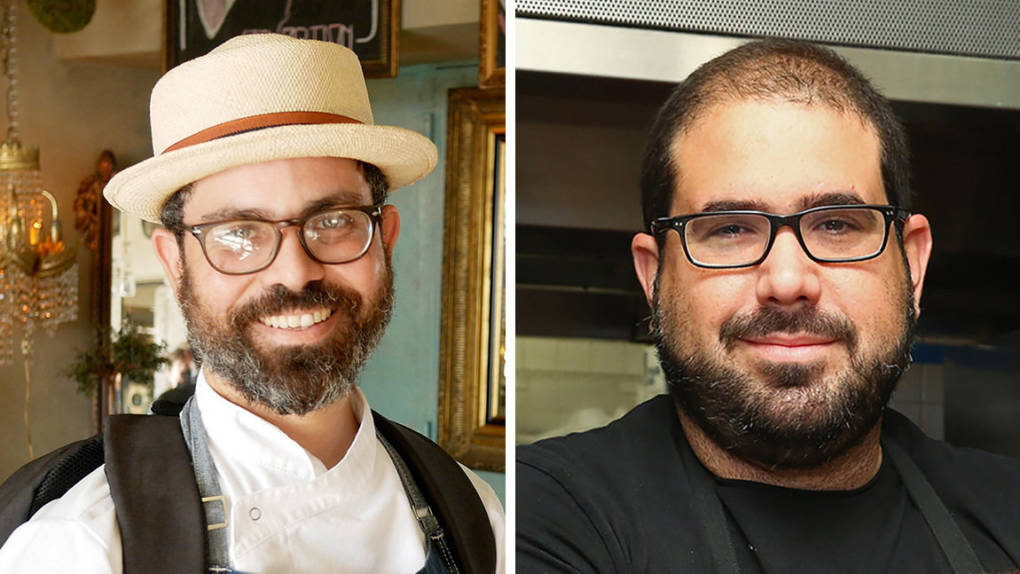
"caption": "Gabriel Hernandez (left) and Jose Enrique are Puerto Rican chefs named as semifinalists for the best chef of the South category of the 2018 James Beard Awards. The recognition comes as the island's restaurants recover from Hurricane Maria.",
"description": null,
"title": "chef-diptych_wide-f43aa23e1b4997e65c53725dee751fe19836fe54-s1600-c85",
"credit": "Daniella Cheslow/NPR; Astrid Stawiarz/Getty Images",
"status": "inherit",
"isLoading": false,
"fetchFailed": false
},
"bayareabites_125500": {
"type": "attachments",
"id": "bayareabites_125500",
"meta": {
"index": "attachments_1716263798",
"site": "bayareabites",
"id": "125500",
"found": true
},
"parent": 125499,
"imgSizes": {
"small": {
"file": "https://ww2.kqed.org/app/uploads/sites/24/2018/02/2017-readers-to-eaters-3-0dec8d84af797569be887b77b3da272add886305-520x390.jpg",
"width": 520,
"mimeType": "image/jpeg",
"height": 390
},
"twentyfourteen-full-width": {
"file": "https://ww2.kqed.org/app/uploads/sites/24/2018/02/2017-readers-to-eaters-3-0dec8d84af797569be887b77b3da272add886305-1038x576.jpg",
"width": 1038,
"mimeType": "image/jpeg",
"height": 576
},
"thumbnail": {
"file": "https://ww2.kqed.org/app/uploads/sites/24/2018/02/2017-readers-to-eaters-3-0dec8d84af797569be887b77b3da272add886305-160x120.jpg",
"width": 160,
"mimeType": "image/jpeg",
"height": 120
},
"fd-sm": {
"file": "https://ww2.kqed.org/app/uploads/sites/24/2018/02/2017-readers-to-eaters-3-0dec8d84af797569be887b77b3da272add886305-960x720.jpg",
"width": 960,
"mimeType": "image/jpeg",
"height": 720
},
"post-thumbnail": {
"file": "https://ww2.kqed.org/app/uploads/sites/24/2018/02/2017-readers-to-eaters-3-0dec8d84af797569be887b77b3da272add886305-672x372.jpg",
"width": 672,
"mimeType": "image/jpeg",
"height": 372
},
"xsmall": {
"file": "https://ww2.kqed.org/app/uploads/sites/24/2018/02/2017-readers-to-eaters-3-0dec8d84af797569be887b77b3da272add886305-375x281.jpg",
"width": 375,
"mimeType": "image/jpeg",
"height": 281
},
"kqedFullSize": {
"file": "https://ww2.kqed.org/app/uploads/sites/24/2018/02/2017-readers-to-eaters-3-0dec8d84af797569be887b77b3da272add886305.jpg",
"width": 1406,
"height": 1054
},
"large": {
"file": "https://ww2.kqed.org/app/uploads/sites/24/2018/02/2017-readers-to-eaters-3-0dec8d84af797569be887b77b3da272add886305-1020x765.jpg",
"width": 1020,
"mimeType": "image/jpeg",
"height": 765
},
"xlarge": {
"file": "https://ww2.kqed.org/app/uploads/sites/24/2018/02/2017-readers-to-eaters-3-0dec8d84af797569be887b77b3da272add886305-1180x885.jpg",
"width": 1180,
"mimeType": "image/jpeg",
"height": 885
},
"guest-author-50": {
"file": "https://ww2.kqed.org/app/uploads/sites/24/2018/02/2017-readers-to-eaters-3-0dec8d84af797569be887b77b3da272add886305-50x50.jpg",
"width": 50,
"mimeType": "image/jpeg",
"height": 50
},
"guest-author-96": {
"file": "https://ww2.kqed.org/app/uploads/sites/24/2018/02/2017-readers-to-eaters-3-0dec8d84af797569be887b77b3da272add886305-96x96.jpg",
"width": 96,
"mimeType": "image/jpeg",
"height": 96
},
"medium": {
"file": "https://ww2.kqed.org/app/uploads/sites/24/2018/02/2017-readers-to-eaters-3-0dec8d84af797569be887b77b3da272add886305-800x600.jpg",
"width": 800,
"mimeType": "image/jpeg",
"height": 600
},
"guest-author-64": {
"file": "https://ww2.kqed.org/app/uploads/sites/24/2018/02/2017-readers-to-eaters-3-0dec8d84af797569be887b77b3da272add886305-64x64.jpg",
"width": 64,
"mimeType": "image/jpeg",
"height": 64
},
"guest-author-32": {
"file": "https://ww2.kqed.org/app/uploads/sites/24/2018/02/2017-readers-to-eaters-3-0dec8d84af797569be887b77b3da272add886305-32x32.jpg",
"width": 32,
"mimeType": "image/jpeg",
"height": 32
},
"fd-med": {
"file": "https://ww2.kqed.org/app/uploads/sites/24/2018/02/2017-readers-to-eaters-3-0dec8d84af797569be887b77b3da272add886305-1180x885.jpg",
"width": 1180,
"mimeType": "image/jpeg",
"height": 885
},
"detail": {
"file": "https://ww2.kqed.org/app/uploads/sites/24/2018/02/2017-readers-to-eaters-3-0dec8d84af797569be887b77b3da272add886305-150x150.jpg",
"width": 150,
"mimeType": "image/jpeg",
"height": 150
},
"medium_large": {
"file": "https://ww2.kqed.org/app/uploads/sites/24/2018/02/2017-readers-to-eaters-3-0dec8d84af797569be887b77b3da272add886305-768x576.jpg",
"width": 768,
"mimeType": "image/jpeg",
"height": 576
},
"guest-author-128": {
"file": "https://ww2.kqed.org/app/uploads/sites/24/2018/02/2017-readers-to-eaters-3-0dec8d84af797569be887b77b3da272add886305-128x128.jpg",
"width": 128,
"mimeType": "image/jpeg",
"height": 128
},
"xxsmall": {
"file": "https://ww2.kqed.org/app/uploads/sites/24/2018/02/2017-readers-to-eaters-3-0dec8d84af797569be887b77b3da272add886305-240x180.jpg",
"width": 240,
"mimeType": "image/jpeg",
"height": 180
}
},
"publishDate": 1520530462,
"modified": 1520573944,
"caption": "June Jo Lee's interest in food anthropology inspired her husband Philip Lee to create a publishing company that would bring books about good food to kids.",
"description": "June Jo Lee's interest in food anthropology inspired her husband Philip Lee to create a publishing company that would bring books about good food to kids.",
"title": "June Jo Lee's interest in food anthropology inspired her husband Philip Lee to create a publishing company that would bring books about good food to kids.",
"credit": "Readers to Eaters",
"status": "inherit",
"isLoading": false,
"fetchFailed": false
},
"bayareabites_125505": {
"type": "attachments",
"id": "bayareabites_125505",
"meta": {
"index": "attachments_1716263798",
"site": "bayareabites",
"id": "125505",
"found": true
},
"parent": 125492,
"imgSizes": {
"small": {
"file": "https://ww2.kqed.org/app/uploads/sites/24/2018/03/Susan_B_Anthony_c1855-520x558.png",
"width": 520,
"mimeType": "image/png",
"height": 558
},
"twentyfourteen-full-width": {
"file": "https://ww2.kqed.org/app/uploads/sites/24/2018/03/Susan_B_Anthony_c1855-1038x576.png",
"width": 1038,
"mimeType": "image/png",
"height": 576
},
"thumbnail": {
"file": "https://ww2.kqed.org/app/uploads/sites/24/2018/03/Susan_B_Anthony_c1855-160x172.png",
"width": 160,
"mimeType": "image/png",
"height": 172
},
"fd-sm": {
"file": "https://ww2.kqed.org/app/uploads/sites/24/2018/03/Susan_B_Anthony_c1855-960x1031.png",
"width": 960,
"mimeType": "image/png",
"height": 1031
},
"post-thumbnail": {
"file": "https://ww2.kqed.org/app/uploads/sites/24/2018/03/Susan_B_Anthony_c1855-672x372.png",
"width": 672,
"mimeType": "image/png",
"height": 372
},
"xsmall": {
"file": "https://ww2.kqed.org/app/uploads/sites/24/2018/03/Susan_B_Anthony_c1855-375x403.png",
"width": 375,
"mimeType": "image/png",
"height": 403
},
"kqedFullSize": {
"file": "https://ww2.kqed.org/app/uploads/sites/24/2018/03/Susan_B_Anthony_c1855.png",
"width": 1744,
"height": 1873
},
"large": {
"file": "https://ww2.kqed.org/app/uploads/sites/24/2018/03/Susan_B_Anthony_c1855-1020x1095.png",
"width": 1020,
"mimeType": "image/png",
"height": 1095
},
"xlarge": {
"file": "https://ww2.kqed.org/app/uploads/sites/24/2018/03/Susan_B_Anthony_c1855-1180x1267.png",
"width": 1180,
"mimeType": "image/png",
"height": 1267
},
"guest-author-50": {
"file": "https://ww2.kqed.org/app/uploads/sites/24/2018/03/Susan_B_Anthony_c1855-50x50.png",
"width": 50,
"mimeType": "image/png",
"height": 50
},
"guest-author-96": {
"file": "https://ww2.kqed.org/app/uploads/sites/24/2018/03/Susan_B_Anthony_c1855-96x96.png",
"width": 96,
"mimeType": "image/png",
"height": 96
},
"medium": {
"file": "https://ww2.kqed.org/app/uploads/sites/24/2018/03/Susan_B_Anthony_c1855-800x859.png",
"width": 800,
"mimeType": "image/png",
"height": 859
},
"guest-author-64": {
"file": "https://ww2.kqed.org/app/uploads/sites/24/2018/03/Susan_B_Anthony_c1855-64x64.png",
"width": 64,
"mimeType": "image/png",
"height": 64
},
"guest-author-32": {
"file": "https://ww2.kqed.org/app/uploads/sites/24/2018/03/Susan_B_Anthony_c1855-32x32.png",
"width": 32,
"mimeType": "image/png",
"height": 32
},
"fd-med": {
"file": "https://ww2.kqed.org/app/uploads/sites/24/2018/03/Susan_B_Anthony_c1855-1180x1267.png",
"width": 1180,
"mimeType": "image/png",
"height": 1267
},
"detail": {
"file": "https://ww2.kqed.org/app/uploads/sites/24/2018/03/Susan_B_Anthony_c1855-150x150.png",
"width": 150,
"mimeType": "image/png",
"height": 150
},
"medium_large": {
"file": "https://ww2.kqed.org/app/uploads/sites/24/2018/03/Susan_B_Anthony_c1855-768x825.png",
"width": 768,
"mimeType": "image/png",
"height": 825
},
"guest-author-128": {
"file": "https://ww2.kqed.org/app/uploads/sites/24/2018/03/Susan_B_Anthony_c1855-128x128.png",
"width": 128,
"mimeType": "image/png",
"height": 128
},
"xxsmall": {
"file": "https://ww2.kqed.org/app/uploads/sites/24/2018/03/Susan_B_Anthony_c1855-240x258.png",
"width": 240,
"mimeType": "image/png",
"height": 258
}
},
"publishDate": 1520531329,
"modified": 1520555468,
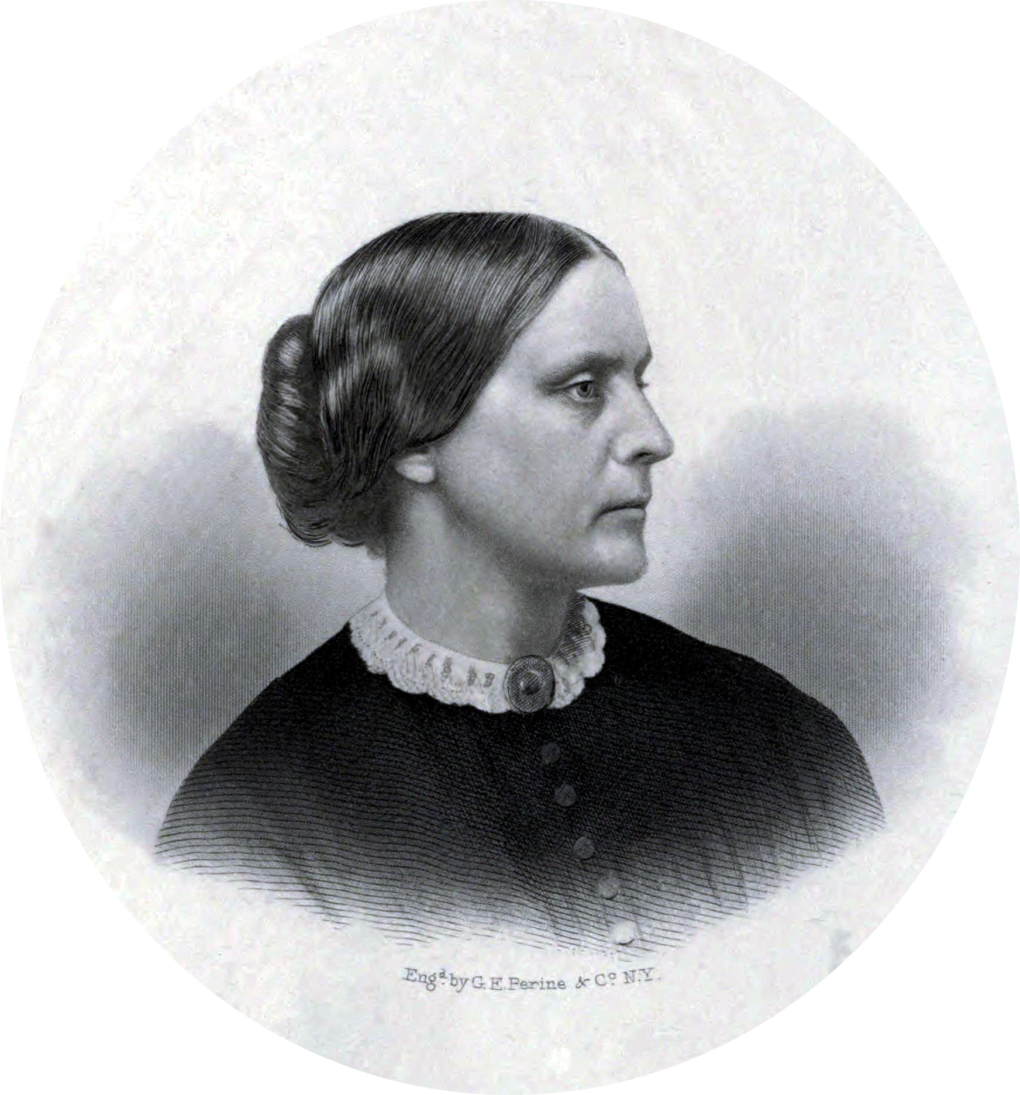
"caption": "Public relations portrait of Susan B. Anthony as used in the History of Woman Suffrage by Anthony and Elizabeth Cady Stanton, Volume I, published in 1881.",
"description": null,
"title": "Susan_B_Anthony_c1855",
"credit": "By Engraved by G.E. Perine & Co., NY [Public domain], \u003ca href=\"https://commons.wikimedia.org/wiki/File:Susan_B_Anthony_c1855.png\">via Wikimedia Commons\u003c/a>",
"status": "inherit",
"isLoading": false,
"fetchFailed": false
},
"bayareabites_125393": {
"type": "attachments",
"id": "bayareabites_125393",
"meta": {
"index": "attachments_1716263798",
"site": "bayareabites",
"id": "125393",
"found": true
},
"parent": 125392,
"imgSizes": {
"small": {
"file": "https://ww2.kqed.org/app/uploads/sites/24/2018/03/saartj-wideshot_wide-df96a015528575bbfbb79c35ebbca81a04461109-520x293.jpg",
"width": 520,
"mimeType": "image/jpeg",
"height": 293
},
"twentyfourteen-full-width": {
"file": "https://ww2.kqed.org/app/uploads/sites/24/2018/03/saartj-wideshot_wide-df96a015528575bbfbb79c35ebbca81a04461109-1038x576.jpg",
"width": 1038,
"mimeType": "image/jpeg",
"height": 576
},
"thumbnail": {
"file": "https://ww2.kqed.org/app/uploads/sites/24/2018/03/saartj-wideshot_wide-df96a015528575bbfbb79c35ebbca81a04461109-160x90.jpg",
"width": 160,
"mimeType": "image/jpeg",
"height": 90
},
"fd-sm": {
"file": "https://ww2.kqed.org/app/uploads/sites/24/2018/03/saartj-wideshot_wide-df96a015528575bbfbb79c35ebbca81a04461109-960x540.jpg",
"width": 960,
"mimeType": "image/jpeg",
"height": 540
},
"post-thumbnail": {
"file": "https://ww2.kqed.org/app/uploads/sites/24/2018/03/saartj-wideshot_wide-df96a015528575bbfbb79c35ebbca81a04461109-672x372.jpg",
"width": 672,
"mimeType": "image/jpeg",
"height": 372
},
"xsmall": {
"file": "https://ww2.kqed.org/app/uploads/sites/24/2018/03/saartj-wideshot_wide-df96a015528575bbfbb79c35ebbca81a04461109-375x211.jpg",
"width": 375,
"mimeType": "image/jpeg",
"height": 211
},
"kqedFullSize": {
"file": "https://ww2.kqed.org/app/uploads/sites/24/2018/03/saartj-wideshot_wide-df96a015528575bbfbb79c35ebbca81a04461109.jpg",
"width": 2000,
"height": 1125
},
"large": {
"file": "https://ww2.kqed.org/app/uploads/sites/24/2018/03/saartj-wideshot_wide-df96a015528575bbfbb79c35ebbca81a04461109-1020x574.jpg",
"width": 1020,
"mimeType": "image/jpeg",
"height": 574
},
"xlarge": {
"file": "https://ww2.kqed.org/app/uploads/sites/24/2018/03/saartj-wideshot_wide-df96a015528575bbfbb79c35ebbca81a04461109-1180x664.jpg",
"width": 1180,
"mimeType": "image/jpeg",
"height": 664
},
"guest-author-50": {
"file": "https://ww2.kqed.org/app/uploads/sites/24/2018/03/saartj-wideshot_wide-df96a015528575bbfbb79c35ebbca81a04461109-50x50.jpg",
"width": 50,
"mimeType": "image/jpeg",
"height": 50
},
"guest-author-96": {
"file": "https://ww2.kqed.org/app/uploads/sites/24/2018/03/saartj-wideshot_wide-df96a015528575bbfbb79c35ebbca81a04461109-96x96.jpg",
"width": 96,
"mimeType": "image/jpeg",
"height": 96
},
"medium": {
"file": "https://ww2.kqed.org/app/uploads/sites/24/2018/03/saartj-wideshot_wide-df96a015528575bbfbb79c35ebbca81a04461109-800x450.jpg",
"width": 800,
"mimeType": "image/jpeg",
"height": 450
},
"guest-author-64": {
"file": "https://ww2.kqed.org/app/uploads/sites/24/2018/03/saartj-wideshot_wide-df96a015528575bbfbb79c35ebbca81a04461109-64x64.jpg",
"width": 64,
"mimeType": "image/jpeg",
"height": 64
},
"guest-author-32": {
"file": "https://ww2.kqed.org/app/uploads/sites/24/2018/03/saartj-wideshot_wide-df96a015528575bbfbb79c35ebbca81a04461109-32x32.jpg",
"width": 32,
"mimeType": "image/jpeg",
"height": 32
},
"fd-lrg": {
"file": "https://ww2.kqed.org/app/uploads/sites/24/2018/03/saartj-wideshot_wide-df96a015528575bbfbb79c35ebbca81a04461109-1920x1080.jpg",
"width": 1920,
"mimeType": "image/jpeg",
"height": 1080
},
"fd-med": {
"file": "https://ww2.kqed.org/app/uploads/sites/24/2018/03/saartj-wideshot_wide-df96a015528575bbfbb79c35ebbca81a04461109-1180x664.jpg",
"width": 1180,
"mimeType": "image/jpeg",
"height": 664
},
"full-width": {
"file": "https://ww2.kqed.org/app/uploads/sites/24/2018/03/saartj-wideshot_wide-df96a015528575bbfbb79c35ebbca81a04461109-1920x1080.jpg",
"width": 1920,
"mimeType": "image/jpeg",
"height": 1080
},
"detail": {
"file": "https://ww2.kqed.org/app/uploads/sites/24/2018/03/saartj-wideshot_wide-df96a015528575bbfbb79c35ebbca81a04461109-150x150.jpg",
"width": 150,
"mimeType": "image/jpeg",
"height": 150
},
"medium_large": {
"file": "https://ww2.kqed.org/app/uploads/sites/24/2018/03/saartj-wideshot_wide-df96a015528575bbfbb79c35ebbca81a04461109-768x432.jpg",
"width": 768,
"mimeType": "image/jpeg",
"height": 432
},
"guest-author-128": {
"file": "https://ww2.kqed.org/app/uploads/sites/24/2018/03/saartj-wideshot_wide-df96a015528575bbfbb79c35ebbca81a04461109-128x128.jpg",
"width": 128,
"mimeType": "image/jpeg",
"height": 128
},
"xxsmall": {
"file": "https://ww2.kqed.org/app/uploads/sites/24/2018/03/saartj-wideshot_wide-df96a015528575bbfbb79c35ebbca81a04461109-240x135.jpg",
"width": 240,
"mimeType": "image/jpeg",
"height": 135
}
},
"publishDate": 1520091571,
"modified": 1520091722,
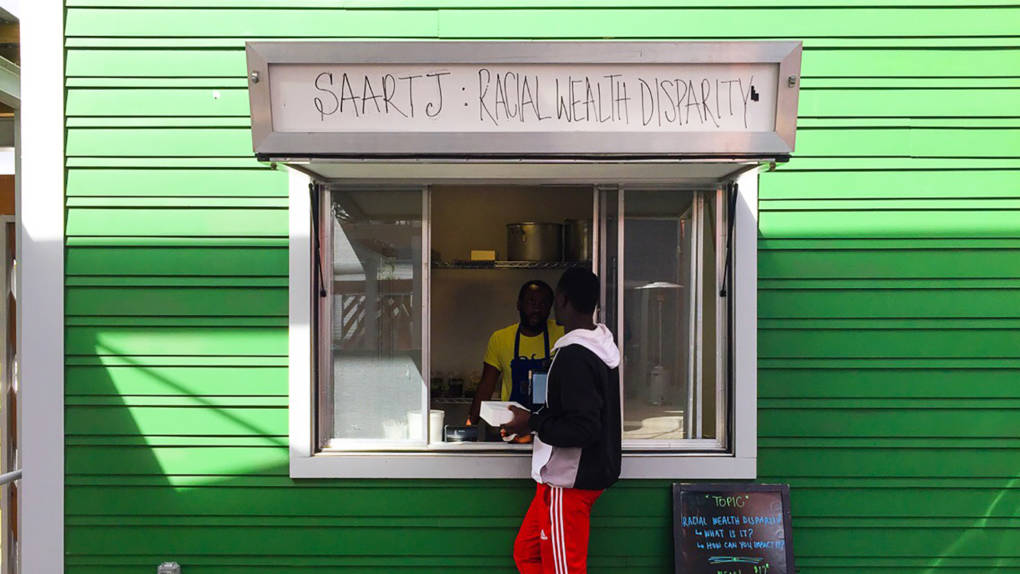
"caption": "A customer approaches the window at Saartj, a pop-up food stall in New Orleans running a social experiment. Customers of color are charged the listed $12 price for a meal. White customers are told about the income gap in New Orleans between whites and African-Americans and asked if they want to pay $30 instead, a price that reflects the gap.",
"description": "A customer approaches the window at Saartj, a pop-up food stall in New Orleans running a social experiment. Customers of color are charged the listed $12 price for a meal. White customers are told about the income gap in New Orleans between whites and African-Americans and asked if they want to pay $30 instead, a price that reflects the gap",
"title": "A customer approaches the window at Saartj, a pop-up food stall in New Orleans running a social experiment. Customers of color are charged the listed $12 price for a meal. White customers are told about the income gap in New Orleans between whites and African-Americans and asked if they want to pay $30 instead, a price that reflects the gap.",
"credit": "Deji Osinulu",
"status": "inherit",
"isLoading": false,
"fetchFailed": false
},
"bayareabites_125120": {
"type": "attachments",
"id": "bayareabites_125120",
"meta": {
"index": "attachments_1716263798",
"site": "bayareabites",
"id": "125120",
"found": true
},
"parent": 125119,
"imgSizes": {
"small": {
"file": "https://ww2.kqed.org/app/uploads/sites/24/2018/02/food-scientists-5bad0ae87ccdb6b6a4af37fed41b1cafff0bd3bc-520x390.jpg",
"width": 520,
"mimeType": "image/jpeg",
"height": 390
},
"twentyfourteen-full-width": {
"file": "https://ww2.kqed.org/app/uploads/sites/24/2018/02/food-scientists-5bad0ae87ccdb6b6a4af37fed41b1cafff0bd3bc-1038x576.jpg",
"width": 1038,
"mimeType": "image/jpeg",
"height": 576
},
"thumbnail": {
"file": "https://ww2.kqed.org/app/uploads/sites/24/2018/02/food-scientists-5bad0ae87ccdb6b6a4af37fed41b1cafff0bd3bc-160x120.jpg",
"width": 160,
"mimeType": "image/jpeg",
"height": 120
},
"fd-sm": {
"file": "https://ww2.kqed.org/app/uploads/sites/24/2018/02/food-scientists-5bad0ae87ccdb6b6a4af37fed41b1cafff0bd3bc-960x720.jpg",
"width": 960,
"mimeType": "image/jpeg",
"height": 720
},
"post-thumbnail": {
"file": "https://ww2.kqed.org/app/uploads/sites/24/2018/02/food-scientists-5bad0ae87ccdb6b6a4af37fed41b1cafff0bd3bc-672x372.jpg",
"width": 672,
"mimeType": "image/jpeg",
"height": 372
},
"xsmall": {
"file": "https://ww2.kqed.org/app/uploads/sites/24/2018/02/food-scientists-5bad0ae87ccdb6b6a4af37fed41b1cafff0bd3bc-375x281.jpg",
"width": 375,
"mimeType": "image/jpeg",
"height": 281
},
"kqedFullSize": {
"file": "https://ww2.kqed.org/app/uploads/sites/24/2018/02/food-scientists-5bad0ae87ccdb6b6a4af37fed41b1cafff0bd3bc.jpg",
"width": 1615,
"height": 1211
},
"large": {
"file": "https://ww2.kqed.org/app/uploads/sites/24/2018/02/food-scientists-5bad0ae87ccdb6b6a4af37fed41b1cafff0bd3bc-1020x765.jpg",
"width": 1020,
"mimeType": "image/jpeg",
"height": 765
},
"xlarge": {
"file": "https://ww2.kqed.org/app/uploads/sites/24/2018/02/food-scientists-5bad0ae87ccdb6b6a4af37fed41b1cafff0bd3bc-1180x885.jpg",
"width": 1180,
"mimeType": "image/jpeg",
"height": 885
},
"guest-author-50": {
"file": "https://ww2.kqed.org/app/uploads/sites/24/2018/02/food-scientists-5bad0ae87ccdb6b6a4af37fed41b1cafff0bd3bc-50x50.jpg",
"width": 50,
"mimeType": "image/jpeg",
"height": 50
},
"guest-author-96": {
"file": "https://ww2.kqed.org/app/uploads/sites/24/2018/02/food-scientists-5bad0ae87ccdb6b6a4af37fed41b1cafff0bd3bc-96x96.jpg",
"width": 96,
"mimeType": "image/jpeg",
"height": 96
},
"medium": {
"file": "https://ww2.kqed.org/app/uploads/sites/24/2018/02/food-scientists-5bad0ae87ccdb6b6a4af37fed41b1cafff0bd3bc-800x600.jpg",
"width": 800,
"mimeType": "image/jpeg",
"height": 600
},
"guest-author-64": {
"file": "https://ww2.kqed.org/app/uploads/sites/24/2018/02/food-scientists-5bad0ae87ccdb6b6a4af37fed41b1cafff0bd3bc-64x64.jpg",
"width": 64,
"mimeType": "image/jpeg",
"height": 64
},
"guest-author-32": {
"file": "https://ww2.kqed.org/app/uploads/sites/24/2018/02/food-scientists-5bad0ae87ccdb6b6a4af37fed41b1cafff0bd3bc-32x32.jpg",
"width": 32,
"mimeType": "image/jpeg",
"height": 32
},
"fd-med": {
"file": "https://ww2.kqed.org/app/uploads/sites/24/2018/02/food-scientists-5bad0ae87ccdb6b6a4af37fed41b1cafff0bd3bc-1180x885.jpg",
"width": 1180,
"mimeType": "image/jpeg",
"height": 885
},
"detail": {
"file": "https://ww2.kqed.org/app/uploads/sites/24/2018/02/food-scientists-5bad0ae87ccdb6b6a4af37fed41b1cafff0bd3bc-150x150.jpg",
"width": 150,
"mimeType": "image/jpeg",
"height": 150
},
"medium_large": {
"file": "https://ww2.kqed.org/app/uploads/sites/24/2018/02/food-scientists-5bad0ae87ccdb6b6a4af37fed41b1cafff0bd3bc-768x576.jpg",
"width": 768,
"mimeType": "image/jpeg",
"height": 576
},
"guest-author-128": {
"file": "https://ww2.kqed.org/app/uploads/sites/24/2018/02/food-scientists-5bad0ae87ccdb6b6a4af37fed41b1cafff0bd3bc-128x128.jpg",
"width": 128,
"mimeType": "image/jpeg",
"height": 128
},
"xxsmall": {
"file": "https://ww2.kqed.org/app/uploads/sites/24/2018/02/food-scientists-5bad0ae87ccdb6b6a4af37fed41b1cafff0bd3bc-240x180.jpg",
"width": 240,
"mimeType": "image/jpeg",
"height": 180
}
},
"publishDate": 1519064249,
"modified": 1519064342,
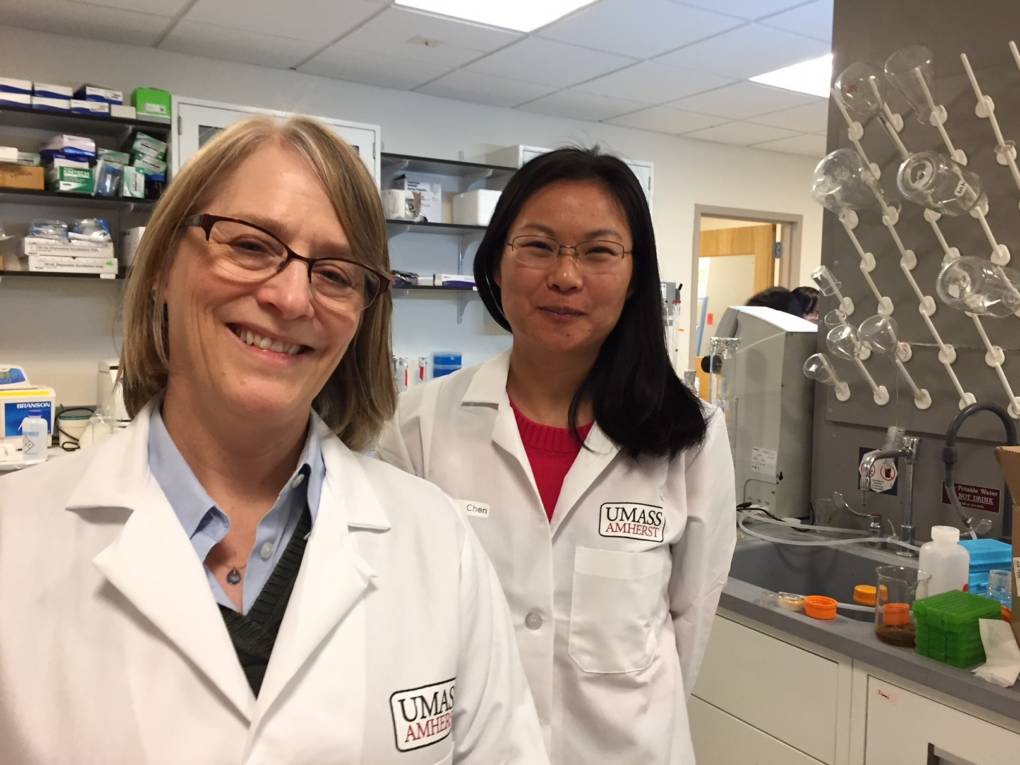
"caption": "UMass food scientists Lynne McLandsborough, left, and Lili He are researching ways to use your smartphone to detect bacteria in food.",
"description": "UMass food scientists Lynne McLandsborough, left, and Lili He are researching ways to use your smartphone to detect bacteria in food.",
"title": "UMass food scientists Lynne McLandsborough, left, and Lili He are researching ways to use your smartphone to detect bacteria in food.",
"credit": "Karen Brown/New England Public Radio",
"status": "inherit",
"isLoading": false,
"fetchFailed": false
}
},
"audioPlayerReducer": {
"postId": "stream_live",
"isPaused": true,
"isPlaying": false,
"pfsActive": false,
"pledgeModalIsOpen": true,
"playerDrawerIsOpen": false,
"liveAudioPlayStartedAt": 0,
"liveAudioPlayContext": ""
},
"authorsReducer": {
"byline_bayareabites_126358": {
"type": "authors",
"id": "byline_bayareabites_126358",
"meta": {
"override": true
},
"slug": "byline_bayareabites_126358",
"name": "Sasha Ingber, the two-way, NPR Food",
"isLoading": false
},
"byline_bayareabites_126208": {
"type": "authors",
"id": "byline_bayareabites_126208",
"meta": {
"override": true
},
"slug": "byline_bayareabites_126208",
"name": "Dakota Kim, NPR Food",
"isLoading": false
},
"byline_bayareabites_126151": {
"type": "authors",
"id": "byline_bayareabites_126151",
"meta": {
"override": true
},
"slug": "byline_bayareabites_126151",
"name": "Scott Horsley, NPR Food",
"isLoading": false
},
"byline_bayareabites_126036": {
"type": "authors",
"id": "byline_bayareabites_126036",
"meta": {
"override": true
},
"slug": "byline_bayareabites_126036",
"name": "\u003ca href=\"https://civileats.com/author/areguzzoni/\">Ariana Reguzzoni,\u003c/a> \u003ca href=\"https://civileats.com/\">Civil Eats\u003c/a>",
"isLoading": false
},
"byline_bayareabites_125836": {
"type": "authors",
"id": "byline_bayareabites_125836",
"meta": {
"override": true
},
"slug": "byline_bayareabites_125836",
"name": "Peter Moloney, WBUR, NPR Food",
"isLoading": false
},
"byline_bayareabites_125803": {
"type": "authors",
"id": "byline_bayareabites_125803",
"meta": {
"override": true
},
"slug": "byline_bayareabites_125803",
"name": "Dan Pashman, NPR",
"isLoading": false
},
"byline_bayareabites_125782": {
"type": "authors",
"id": "byline_bayareabites_125782",
"meta": {
"override": true
},
"slug": "byline_bayareabites_125782",
"name": "\u003ca href=\"https://civileats.com/author/lheld/\">Lisa Held,\u003c/a> \u003ca href=\"https://civileats.com/\">Civil Eats\u003c/a>",
"isLoading": false
},
"byline_bayareabites_125671": {
"type": "authors",
"id": "byline_bayareabites_125671",
"meta": {
"override": true
},
"slug": "byline_bayareabites_125671",
"name": "Daniella Cheslow, NPR Food",
"isLoading": false
},
"byline_bayareabites_125499": {
"type": "authors",
"id": "byline_bayareabites_125499",
"meta": {
"override": true
},
"slug": "byline_bayareabites_125499",
"name": "Lela Nargi, NPR Food",
"isLoading": false
},
"byline_bayareabites_125492": {
"type": "authors",
"id": "byline_bayareabites_125492",
"meta": {
"override": true
},
"slug": "byline_bayareabites_125492",
"name": "Nina Martyris, NPR Food",
"isLoading": false
},
"byline_bayareabites_125392": {
"type": "authors",
"id": "byline_bayareabites_125392",
"meta": {
"override": true
},
"slug": "byline_bayareabites_125392",
"name": "Maria Godoy, NPR Food",
"isLoading": false
},
"byline_bayareabites_125119": {
"type": "authors",
"id": "byline_bayareabites_125119",
"meta": {
"override": true
},
"slug": "byline_bayareabites_125119",
"name": "Karen Brown, \u003ca href=\"http://nepr.net/post/scientists-develop-smartphone-app-prevent-food-poisoning#stream/0\">New England Public Radio\u003c/a>, NPR Food",
"isLoading": false
}
},
"pagesReducer": {
"bayareabites_category_politics-activism-food-safety": {
"type": "terms",
"id": "bayareabites_2035",
"meta": {
"index": "terms_1716263798",
"site": "bayareabites",
"id": "2035",
"score": 13.89613
},
"featImg": null,
"name": "politics, activism, food safety",
"description": null,
"taxonomy": "category",
"headData": {
"twImgId": null,
"twTitle": null,
"ogTitle": null,
"ogImgId": null,
"twDescription": null,
"description": null,
"title": "politics, activism, food safety Archives | KQED Bay Area Bites",
"ogDescription": null
},
"ttid": 943,
"slug": "politics-activism-food-safety",
"isLoading": false,
"title": "politics, activism, food safety",
"pageMeta": {
"site": "bayareabites",
"WpPageTemplate": "page-topic-editorial",
"currentPage": 8
},
"blocks": [
{
"blockName": "kqed/post-list",
"attrs": {
"layout": "cardArticle2",
"query": "posts/bayareabites?category=politics-activism-food-safety",
"seeMore": false,
"paginated": true,
"page": 8
}
},
{
"blockName": "kqed/ad"
}
]
}
},
"pfsSessionReducer": {},
"postsReducer": {
"stream_live": {
"type": "live",
"id": "stream_live",
"audioUrl": "https://streams.kqed.org/kqedradio",
"title": "Live Stream",
"excerpt": "Live Stream information currently unavailable.",
"link": "/radio",
"featImg": "",
"label": {
"name": "KQED Live",
"link": "/"
}
},
"stream_kqedNewscast": {
"type": "posts",
"id": "stream_kqedNewscast",
"audioUrl": "https://www.kqed.org/.stream/anon/radio/RDnews/newscast.mp3?_=1",
"title": "KQED Newscast",
"featImg": "",
"label": {
"name": "88.5 FM",
"link": "/"
}
},
"bayareabites_126358": {
"type": "posts",
"id": "bayareabites_126358",
"meta": {
"index": "posts_1716263798",
"site": "bayareabites",
"id": "126358",
"score": null,
"sort": [
1522683852000
]
},
"parent": 0,
"labelTerm": {},
"blocks": [],
"publishDate": 1522683852,
"format": "standard",
"disqusTitle": "FACT CHECK: Calif. Judge Rules Coffee Must Come With A Cancer Warning, But Should It?",
"title": "FACT CHECK: Calif. Judge Rules Coffee Must Come With A Cancer Warning, But Should It?",
"headTitle": "Bay Area Bites | KQED Food",
"content": "\u003cp>Coffee companies in California must carry a cancer warning label because of a chemical produced while beans roast, a California judge tentatively ruled Wednesday. \u003c/p>\n\u003cp>The decision was the result of a lawsuit filed in 2008 by a California-based nonprofit called the Council for Education and Research on Toxics. \u003c/p>\n\u003cp>The lawsuit targets Starbucks and dozens of other coffee purveyors under the state's \u003ca href=\"https://www.arb.ca.gov/bluebook/bb08/head/hea_d_20_ch_6_6.htm\">Safe Drinking Water and Toxic Enforcement Act\u003c/a>, which requires companies with more than 10 employees to warn their customers about the prevalence of carcinogenic and toxic chemicals in their products.\u003c/p>\n\u003cp>Acrylamide, a chemical compound that is produced naturally in the preparation of certain foods like the roasting of coffee beans, is on the \u003ca href=\"https://oehha.ca.gov/media/downloads/proposition-65/p65122917.pdf\">state's list\u003c/a> of chemicals known to cause cancer or reproductive toxicity.\u003c/p>\n\u003cp>Nobody was debating whether acrylamide is found in coffee. But what was up for debate was whether it's harmful in java. The burden of proof fell on coffee brewers and retailers to show that acrylamide posed no significant health risk, according to the judge. \u003c/p>\n\u003cp>[ad fullwidth]\u003c/p>\n\u003cp>In his ruling, Los Angeles Superior Court Judge Elihu Berle said Starbucks and other companies did not show that coffee provided health benefits nor that coffee posed no health risks, \u003ca href=\"https://apnews.com/6379f3f40e634f3382d9459b44ffe1c6/APNewsBreak:-California-Judge:-Coffee-needs-cancer-warnings?utm_campaign=SocialFlow&utm_source=Twitter&utm_medium=APWestRegion\">reported\u003c/a> the AP. \u003c/p>\n\u003cp>In an earlier phase of the trial, Berle also ruled that coffee companies failed to show that the risks posed by acrylamide were insignificant. \u003c/p>\n\u003cp>\"While plaintiff offered evidence that consumption of coffee increases the risk of harm to the fetus, to infants, to children and to adults, defendants' medical and epidemiology experts testified that they had no opinion on causation,\" Berle wrote. \"Defendants failed to satisfy their burden of proving by a preponderance of evidence that consumption of coffee confers a benefit to human health.\"\u003c/p>\n\u003cp>The decision is at odds, however, with a large body of evidence that drinking coffee is safe and may have health benefits such as reducing the risk for some cancers. \u003c/p>\n\u003cp>The International Agency for Research on Cancer, after reviewing more than 1,000 human and animal studies, \u003ca href=\"https://www.iarc.fr/en/media-centre/pr/2016/pdfs/pr244_E.pdf\">stated\u003c/a> in 2016 that it \"found no conclusive evidence for a carcinogenic effect of drinking coffee.\"\u003c/p>\n\u003cp>Numerous studies have suggested that coffee actually decreases cancer risks. One 2017 review \u003ca href=\"https://www.ncbi.nlm.nih.gov/pubmed/28288025\">found\u003c/a> that a daily cup of coffee is associated with a reduced risk of liver cancer and endometrial cancer. \u003c/p>\n\u003cp>A 2018 \u003ca href=\"http://www.gastrojournal.org/article/S0016-5085(17)36368-0/abstract\">study found\u003c/a> that coffee was associated with lower risk of death after being diagnosed with colorectal cancer. \u003c/p>\n\u003cp>And a 2018 \u003ca href=\"http://www.mdpi.com/2072-6643/10/2/112\">meta-analysis found\u003c/a> that drinking four cups of coffee per day was associated with a lower\u003cem> \u003c/em>risk of postmenopausal breast cancer.\u003c/p>\n\u003cp>Metzger Law Group, which sued the coffee companies on behalf of CERT, cited a Swedish study that determined that foods prepared at high temperatures — such as potatoes, fries and coffee — contain high levels of acrylamide. \u003c/p>\n\u003cp>The law firm \u003ca href=\"http://www.toxictorts.com/index.php/toxic-chemicals/acrylamide.html\">wrote\u003c/a> on its website that it is \"concerned that this carcinogen is in so many foods that we eat\" and that it is \"seriously undertaking efforts\" to make food companies reduce the amount of acrylamide in their products or to \"warn California consumers\" about the chemical in foods being sold.\u003c/p>\n\u003cp>The Metzger Law Group previously sued McDonald's and Burger King, which eventually settled and agreed to put warning labels on their fries, \u003ca href=\"https://newfoodeconomy.org/coffee-acrylamide-california-proposition-65/\">reported\u003c/a> The New Food Economy. The law firm applied the same formula to \u003ca href=\"https://oag.ca.gov/system/files/attachments/press_releases/n1595_kettle_cj_as_entered.pdf\">potato chip manufacturers\u003c/a>.\u003c/p>\n\u003cp>Skeptics abound. At least one lawyer previously \u003ca href=\"http://schachtmanlaw.com/the-council-for-education-and-research-on-toxics/\">questioned\u003c/a> Metzger and his relationship with CERT, wondering why the nonprofit and law firm had the same address. \u003c/p>\n\u003cp>The American Council on Science and Health called such lawsuits an attempt to grab \"a giant bag of money,\" \u003ca href=\"https://www.forbes.com/sites/stevensalzberg/2018/02/26/coffee-causes-cancer-coffee-prevents-cancer-wait-what/#1b4eedaf15ee\">reported\u003c/a> Forbes.\u003c/p>\n\u003cp>The Associated Press \u003ca href=\"https://apnews.com/6379f3f40e634f3382d9459b44ffe1c6/APNewsBreak:-California-Judge:-Coffee-needs-cancer-warnings?utm_campaign=SocialFlow&utm_source=Twitter&utm_medium=APWestRegion\">reported\u003c/a> that the judge has given coffee companies a few weeks to file their objections before the proposed ruling is finalized. \u003c/p>\n\u003cp>Some defendants in the coffee lawsuit have already settled, including 7-Eleven, which agreed to pay $900,000, reported the AP. \u003c/p>\n\u003cp>In response to a request for comment, Starbucks referred NPR to the National Coffee Association's \u003ca href=\"http://www.ncausa.org/Portals/56/PDFs/Communication/NCA_Statement_Prop65_Ruling_Newsroom.pdf?ver=2018-03-29-185131-987\">statement\u003c/a> from Thursday: \u003c/p>\n\u003cp>\"Coffee has been shown, over and over again, to be a healthy beverage,\" stated William Murray, president and CEO of the National Coffee Association. \"This lawsuit has made a mockery of Prop 65, has confused consumers, and does nothing to improve public health.\"\u003c/p>\n\u003cp>Prop 65 is the state's \u003ca href=\"https://oehha.ca.gov/proposition-65/law/proposition-65-law-and-regulations\">Safe Drinking Water and Toxic Enforcement Act of 1986\u003c/a> that was enacted by ballot initiative.\u003c/p>\n\u003cp>The coffee association is also considering appealing the ruling and taking further legal action. \u003c/p>\n\u003cp>The lawsuit has not concluded. A third phase could determine civil penalties of up to $2,500 per person exposed each day over eight years, reported the AP. \u003c/p>\n\u003cp>\u003c/p>\n\u003cp>\u003cem>Copyright 2018 \u003ca href=\"http://www.npr.org/\">NPR\u003c/a>.\u003c/em> \u003c/p>\n\n",
"disqusIdentifier": "126358 https://ww2.kqed.org/bayareabites/?p=126358",
"disqusUrl": "https://ww2.kqed.org/bayareabites/2018/04/02/fact-check-calif-judge-rules-coffee-must-come-with-a-cancer-warning-but-should-it/",
"stats": {
"hasVideo": false,
"hasChartOrMap": false,
"hasAudio": false,
"hasPolis": false,
"wordCount": 779,
"hasGoogleForm": false,
"hasGallery": false,
"hasHearkenModule": false,
"iframeSrcs": [],
"paragraphCount": 28
},
"modified": 1522683852,
"excerpt": "The alleged culprit is acrylamide, a chemical found in roasted beans. ",
"headData": {
"twImgId": "",
"twTitle": "",
"ogTitle": "",
"ogImgId": "",
"twDescription": "",
"description": "The alleged culprit is acrylamide, a chemical found in roasted beans. ",
"title": "FACT CHECK: Calif. Judge Rules Coffee Must Come With A Cancer Warning, But Should It? | KQED",
"ogDescription": "",
"schema": {
"@context": "https://schema.org",
"@type": "Article",
"headline": "FACT CHECK: Calif. Judge Rules Coffee Must Come With A Cancer Warning, But Should It?",
"datePublished": "2018-04-02T08:44:12-07:00",
"dateModified": "2018-04-02T08:44:12-07:00",
"image": "https://cdn.kqed.org/wp-content/uploads/2020/02/KQED-OG-Image@1x.png"
}
},
"guestAuthors": [],
"slug": "fact-check-calif-judge-rules-coffee-must-come-with-a-cancer-warning-but-should-it",
"status": "publish",
"sourceUrl": "https://www.kqed.org/bayareabites/category/politics-activism-food-safety",
"nprApiLink": "http://api.npr.org/query?id=598348764&apiKey=MDAxOTAwOTE4MDEyMTkxMDAzNjczZDljZA004",
"nprByline": "Sasha Ingber, the two-way, NPR Food",
"nprStoryDate": "Fri, 30 Mar 2018 15:56:43 -0400",
"nprLastModifiedDate": "Fri, 30 Mar 2018 17:36:53 -0400",
"nprHtmlLink": "https://www.npr.org/sections/thetwo-way/2018/03/30/598348764/fact-check-calif-judge-rules-coffee-must-come-with-a-cancer-warning-but-should-i?ft=nprml&f=598348764",
"nprImageAgency": "Flickr ",
"nprImageCredit": "Theo Crazzolara",
"source": "Politics, Activism, Food Safety",
"nprStoryId": "598348764",
"nprRetrievedStory": "1",
"nprPubDate": "Fri, 30 Mar 2018 17:36:00 -0400",
"path": "/bayareabites/126358/fact-check-calif-judge-rules-coffee-must-come-with-a-cancer-warning-but-should-it",
"audioTrackLength": null,
"parsedContent": [
{
"type": "contentString",
"content": "\u003cdiv class=\"post-body\">\u003cp>\u003cp>Coffee companies in California must carry a cancer warning label because of a chemical produced while beans roast, a California judge tentatively ruled Wednesday. \u003c/p>\n\u003cp>The decision was the result of a lawsuit filed in 2008 by a California-based nonprofit called the Council for Education and Research on Toxics. \u003c/p>\n\u003cp>The lawsuit targets Starbucks and dozens of other coffee purveyors under the state's \u003ca href=\"https://www.arb.ca.gov/bluebook/bb08/head/hea_d_20_ch_6_6.htm\">Safe Drinking Water and Toxic Enforcement Act\u003c/a>, which requires companies with more than 10 employees to warn their customers about the prevalence of carcinogenic and toxic chemicals in their products.\u003c/p>\n\u003cp>Acrylamide, a chemical compound that is produced naturally in the preparation of certain foods like the roasting of coffee beans, is on the \u003ca href=\"https://oehha.ca.gov/media/downloads/proposition-65/p65122917.pdf\">state's list\u003c/a> of chemicals known to cause cancer or reproductive toxicity.\u003c/p>\n\u003cp>Nobody was debating whether acrylamide is found in coffee. But what was up for debate was whether it's harmful in java. The burden of proof fell on coffee brewers and retailers to show that acrylamide posed no significant health risk, according to the judge. \u003c/p>\n\u003cp>\u003c/p>\u003c/div>",
"attributes": {
"named": {},
"numeric": []
}
},
{
"type": "component",
"content": "",
"name": "ad",
"attributes": {
"named": {
"label": "fullwidth"
},
"numeric": [
"fullwidth"
]
}
},
{
"type": "contentString",
"content": "\u003cdiv class=\"post-body\">\u003cp>\u003c/p>\n\u003cp>In his ruling, Los Angeles Superior Court Judge Elihu Berle said Starbucks and other companies did not show that coffee provided health benefits nor that coffee posed no health risks, \u003ca href=\"https://apnews.com/6379f3f40e634f3382d9459b44ffe1c6/APNewsBreak:-California-Judge:-Coffee-needs-cancer-warnings?utm_campaign=SocialFlow&utm_source=Twitter&utm_medium=APWestRegion\">reported\u003c/a> the AP. \u003c/p>\n\u003cp>In an earlier phase of the trial, Berle also ruled that coffee companies failed to show that the risks posed by acrylamide were insignificant. \u003c/p>\n\u003cp>\"While plaintiff offered evidence that consumption of coffee increases the risk of harm to the fetus, to infants, to children and to adults, defendants' medical and epidemiology experts testified that they had no opinion on causation,\" Berle wrote. \"Defendants failed to satisfy their burden of proving by a preponderance of evidence that consumption of coffee confers a benefit to human health.\"\u003c/p>\n\u003cp>The decision is at odds, however, with a large body of evidence that drinking coffee is safe and may have health benefits such as reducing the risk for some cancers. \u003c/p>\n\u003cp>The International Agency for Research on Cancer, after reviewing more than 1,000 human and animal studies, \u003ca href=\"https://www.iarc.fr/en/media-centre/pr/2016/pdfs/pr244_E.pdf\">stated\u003c/a> in 2016 that it \"found no conclusive evidence for a carcinogenic effect of drinking coffee.\"\u003c/p>\n\u003cp>Numerous studies have suggested that coffee actually decreases cancer risks. One 2017 review \u003ca href=\"https://www.ncbi.nlm.nih.gov/pubmed/28288025\">found\u003c/a> that a daily cup of coffee is associated with a reduced risk of liver cancer and endometrial cancer. \u003c/p>\n\u003cp>A 2018 \u003ca href=\"http://www.gastrojournal.org/article/S0016-5085(17)36368-0/abstract\">study found\u003c/a> that coffee was associated with lower risk of death after being diagnosed with colorectal cancer. \u003c/p>\n\u003cp>And a 2018 \u003ca href=\"http://www.mdpi.com/2072-6643/10/2/112\">meta-analysis found\u003c/a> that drinking four cups of coffee per day was associated with a lower\u003cem> \u003c/em>risk of postmenopausal breast cancer.\u003c/p>\n\u003cp>Metzger Law Group, which sued the coffee companies on behalf of CERT, cited a Swedish study that determined that foods prepared at high temperatures — such as potatoes, fries and coffee — contain high levels of acrylamide. \u003c/p>\n\u003cp>The law firm \u003ca href=\"http://www.toxictorts.com/index.php/toxic-chemicals/acrylamide.html\">wrote\u003c/a> on its website that it is \"concerned that this carcinogen is in so many foods that we eat\" and that it is \"seriously undertaking efforts\" to make food companies reduce the amount of acrylamide in their products or to \"warn California consumers\" about the chemical in foods being sold.\u003c/p>\n\u003cp>The Metzger Law Group previously sued McDonald's and Burger King, which eventually settled and agreed to put warning labels on their fries, \u003ca href=\"https://newfoodeconomy.org/coffee-acrylamide-california-proposition-65/\">reported\u003c/a> The New Food Economy. The law firm applied the same formula to \u003ca href=\"https://oag.ca.gov/system/files/attachments/press_releases/n1595_kettle_cj_as_entered.pdf\">potato chip manufacturers\u003c/a>.\u003c/p>\n\u003cp>Skeptics abound. At least one lawyer previously \u003ca href=\"http://schachtmanlaw.com/the-council-for-education-and-research-on-toxics/\">questioned\u003c/a> Metzger and his relationship with CERT, wondering why the nonprofit and law firm had the same address. \u003c/p>\n\u003cp>The American Council on Science and Health called such lawsuits an attempt to grab \"a giant bag of money,\" \u003ca href=\"https://www.forbes.com/sites/stevensalzberg/2018/02/26/coffee-causes-cancer-coffee-prevents-cancer-wait-what/#1b4eedaf15ee\">reported\u003c/a> Forbes.\u003c/p>\n\u003cp>The Associated Press \u003ca href=\"https://apnews.com/6379f3f40e634f3382d9459b44ffe1c6/APNewsBreak:-California-Judge:-Coffee-needs-cancer-warnings?utm_campaign=SocialFlow&utm_source=Twitter&utm_medium=APWestRegion\">reported\u003c/a> that the judge has given coffee companies a few weeks to file their objections before the proposed ruling is finalized. \u003c/p>\n\u003cp>Some defendants in the coffee lawsuit have already settled, including 7-Eleven, which agreed to pay $900,000, reported the AP. \u003c/p>\n\u003cp>In response to a request for comment, Starbucks referred NPR to the National Coffee Association's \u003ca href=\"http://www.ncausa.org/Portals/56/PDFs/Communication/NCA_Statement_Prop65_Ruling_Newsroom.pdf?ver=2018-03-29-185131-987\">statement\u003c/a> from Thursday: \u003c/p>\n\u003cp>\"Coffee has been shown, over and over again, to be a healthy beverage,\" stated William Murray, president and CEO of the National Coffee Association. \"This lawsuit has made a mockery of Prop 65, has confused consumers, and does nothing to improve public health.\"\u003c/p>\n\u003cp>Prop 65 is the state's \u003ca href=\"https://oehha.ca.gov/proposition-65/law/proposition-65-law-and-regulations\">Safe Drinking Water and Toxic Enforcement Act of 1986\u003c/a> that was enacted by ballot initiative.\u003c/p>\n\u003cp>The coffee association is also considering appealing the ruling and taking further legal action. \u003c/p>\n\u003cp>The lawsuit has not concluded. A third phase could determine civil penalties of up to $2,500 per person exposed each day over eight years, reported the AP. \u003c/p>\n\u003cp>\u003c/p>\n\u003cp>\u003cem>Copyright 2018 \u003ca href=\"http://www.npr.org/\">NPR\u003c/a>.\u003c/em> \u003c/p>\n\n\u003c/div>\u003c/p>",
"attributes": {
"named": {},
"numeric": []
}
}
],
"link": "/bayareabites/126358/fact-check-calif-judge-rules-coffee-must-come-with-a-cancer-warning-but-should-it",
"authors": [
"byline_bayareabites_126358"
],
"categories": [
"bayareabites_11028",
"bayareabites_10028",
"bayareabites_1245",
"bayareabites_2035",
"bayareabites_358"
],
"tags": [
"bayareabites_16090",
"bayareabites_635",
"bayareabites_125"
],
"featImg": "bayareabites_126359",
"label": "source_bayareabites_126358"
},
"bayareabites_126208": {
"type": "posts",
"id": "bayareabites_126208",
"meta": {
"index": "posts_1716263798",
"site": "bayareabites",
"id": "126208",
"score": null,
"sort": [
1522252787000
]
},
"parent": 0,
"labelTerm": {},
"blocks": [],
"publishDate": 1522252787,
"format": "standard",
"disqusTitle": "Youth Farm In Hawaii Is Growing Food And Leaders",
"title": "Youth Farm In Hawaii Is Growing Food And Leaders",
"headTitle": "Bay Area Bites | KQED Food",
"content": "\u003cp>A tight circle of teenagers is deep in conversation — not about movies or apps, but about ... vegetables.\u003c/p>\n\u003cp>It's 7 a.m. at \u003ca href=\"http://maoorganicfarms.org/\">MA'O Organic Farms\u003c/a>, part of 24 acres nestled in an emerald mountain-ringed valley just two miles from Oahu's west shore. Under a hot sun that bathes this idyllic breadbasket, college-aged farmers harvest tons of mangoes, bananas, mizuna (mustard greens) and taro every month for the island of Oahu.\u003c/p>\n\u003cp>The farm's atmosphere bubbles with enthusiastic lightheartedness, its college interns quipping across the rows that they can beat their neighbors' harvesting speed. But a calm falls over the group as they move from farming to talking. A circle forms under an open pavilion, and a young woman speaks.\u003c/p>\n\u003cp>\"We got 21 more orders for parsley because our stuff is great,\" Junell Fonokalafi, a student intern from Leeward Community College, says proudly. The organic bunches of parsley will go to top Honolulu restaurants like Chef Ed Kenney's Mahina and Suns, and also direct to consumers at markets like Whole Foods and Foodland Farms, where few might know that teenagers are growing their organic produce.\u003c/p>\n\u003cp>\"No panic, organic,\" everyone chants in approval after each speaker, clapping twice.\u003c/p>\n\u003cp>[ad fullwidth]\u003c/p>\n\u003cp>\"You guys only took an hour to harvest and had three hours to catch up with weeds and complete the order,\" Scott Kaeo, a farm intern from Leeward Community College, congratulates the group. \"But last week, there was a bunch of food and stuff on the floor after lunch. Y'all are eating and missing your mouth.\" Everyone laughs, but it's noted: You had better clean up after yourself, because no one is just a carefree kid at MA'O.\u003c/p>\n\u003cfigure id=\"attachment_126210\" class=\"wp-caption aligncenter\" style=\"max-width: 2000px\">\u003cimg src=\"https://ww2.kqed.org/bayareabites/wp-content/uploads/sites/24/2018/03/farm-2_custom-61287ce925449ae641465a109f51f7fdc8ab44c1.jpg\" alt=\"MA'O interns gather in the morning circle to discuss farm progress, chores, FAFSA applications and school requirements for registration.\" width=\"2000\" height=\"1311\" class=\"size-full wp-image-126210\" srcset=\"https://ww2.kqed.org/app/uploads/sites/24/2018/03/farm-2_custom-61287ce925449ae641465a109f51f7fdc8ab44c1.jpg 2000w, https://ww2.kqed.org/app/uploads/sites/24/2018/03/farm-2_custom-61287ce925449ae641465a109f51f7fdc8ab44c1-160x105.jpg 160w, https://ww2.kqed.org/app/uploads/sites/24/2018/03/farm-2_custom-61287ce925449ae641465a109f51f7fdc8ab44c1-800x524.jpg 800w, https://ww2.kqed.org/app/uploads/sites/24/2018/03/farm-2_custom-61287ce925449ae641465a109f51f7fdc8ab44c1-768x503.jpg 768w, https://ww2.kqed.org/app/uploads/sites/24/2018/03/farm-2_custom-61287ce925449ae641465a109f51f7fdc8ab44c1-1020x669.jpg 1020w, https://ww2.kqed.org/app/uploads/sites/24/2018/03/farm-2_custom-61287ce925449ae641465a109f51f7fdc8ab44c1-1180x773.jpg 1180w, https://ww2.kqed.org/app/uploads/sites/24/2018/03/farm-2_custom-61287ce925449ae641465a109f51f7fdc8ab44c1-960x629.jpg 960w, https://ww2.kqed.org/app/uploads/sites/24/2018/03/farm-2_custom-61287ce925449ae641465a109f51f7fdc8ab44c1-240x157.jpg 240w, https://ww2.kqed.org/app/uploads/sites/24/2018/03/farm-2_custom-61287ce925449ae641465a109f51f7fdc8ab44c1-375x246.jpg 375w, https://ww2.kqed.org/app/uploads/sites/24/2018/03/farm-2_custom-61287ce925449ae641465a109f51f7fdc8ab44c1-520x341.jpg 520w\" sizes=\"(max-width: 2000px) 100vw, 2000px\">\u003cfigcaption class=\"wp-caption-text\">MA'O interns gather in the morning circle to discuss farm progress, chores, FAFSA applications and school requirements for registration. \u003ccite>(Dakota Kim)\u003c/cite>\u003c/figcaption>\u003c/figure>\n\u003cp>A successful indie farm is a high bar, but MA'O's mission is harder. Meaning \u003cem>mala\u003c/em> (garden) \u003cem>ʻai\u003c/em> (food) \u003cem>ʻopio\u003c/em> (youth), or youth food garden, MA'O seeks to grow leaders heartier than its legendary staple of \u003cem>ulu\u003c/em>, or breadfruit. Waianae's residents are mostly native Hawaiians, and the area ranks among the poorest communities in the state of Hawaii, with \u003ca href=\"https://www.census.gov/quickfacts/fact/table/waianaecdphawaii/LND110210\">a median household income of $58,807 and 25.9 percent of its population\u003c/a> living in poverty. Some \u003ca href=\"http://uhfamily.hawaii.edu/publications/HCTF2002/PDF/Section2_%20CITY_COUNTY_OF_HONOLULU/Section2_%20LEEWARD_COAST.pdf\">9.5 percent\u003c/a> of residents are unemployed and only \u003ca href=\"https://www.opendatanetwork.com/entity/1600000US1574450/Waianae_HI/education.graduation_rates.percent_bachelors_degree_or_higher?year=2016\">9.2 percent\u003c/a> possess a college degree.\u003c/p>\n\u003cp>MA'O founder Kukui Maunakea-Forth, a native Hawaiian who grew up on the knee of her homeland-dwelling grandmother, wanted to create a system where Waianae's youth could learn cooperation, accountability and empowerment, while receiving free college tuition for what MA'O's leaders call their \"sweat equity.\" In 2001, she and her husband, Gary Maunakea-Forth, signed a 25-year lease for five acres in the Lualualei Valley and set up a successful farm and training program. MA'O's other 19 acres are owned by a non-profit called Wai'anae Community Re-development Corp.\u003c/p>\n\u003cp>The 30 interns, who come from Leeward Community College and the University of Hawaii West Oahu, commit to what seems like an eternity for a teenager: two and a half years of work. Their 20 hours a week are divided among shifts on Mondays, Wednesdays and Fridays from 7 a.m. to noon, with some Saturday farmers markets to learn sales and customer service. In return, MA'O pays up to $3,200 per year for their tuition plus a starting stipend of $500. By the fourth semester, the best-performing interns receive a $600 stipend.\u003c/p>\n\u003cp>The key to MA'O is its structure of tough love — Hawaiians call it \u003ca href=\"http://www.managingwithaloha.com/19-values-of-aloha/kuleana/\">\u003cem>kuleana\u003c/em>\u003c/a>, or a sense of personal responsibility. Students must maintain a 2.0 grade point average at school, and every semester, each intern receives a full evaluation aggregating her or his school GPA and farming GPA — an idea the Maunakea-Forths got from reading about Whole Foods' aggregate employee evaluation system. The results determine each intern's pay scale, teaching them that actions have real consequences.\u003c/p>\n\u003cp>Kamuela Enos, MA'O's director of social enterprise, says the system was designed so that Wai'anae's young farmers of color won't be left behind and can take leadership positions.\u003c/p>\n\u003cp>\"There are predatory forces out there for brown underemployed people,\" Enos says. \"Getting a college degree isn't a silver bullet, but it's part of an empowerment piece. Otherwise, someone's going to be your boss who has a college degree, and you're going to be their wage slave.\"\u003c/p>\n\u003cfigure id=\"attachment_126211\" class=\"wp-caption alignright\" style=\"max-width: 1332px\">\u003cimg src=\"https://ww2.kqed.org/bayareabites/wp-content/uploads/sites/24/2018/03/farm-3_vert-1ca699e699afb15a6803f2ffef41df115fa49f22.jpg\" alt=\"Cheryse Sana, farm co-manager, cuts a banana blossom off a tree at MA'O Organic Farms.\" width=\"1332\" height=\"1776\" class=\"size-full wp-image-126211\" srcset=\"https://ww2.kqed.org/app/uploads/sites/24/2018/03/farm-3_vert-1ca699e699afb15a6803f2ffef41df115fa49f22.jpg 1332w, https://ww2.kqed.org/app/uploads/sites/24/2018/03/farm-3_vert-1ca699e699afb15a6803f2ffef41df115fa49f22-160x213.jpg 160w, https://ww2.kqed.org/app/uploads/sites/24/2018/03/farm-3_vert-1ca699e699afb15a6803f2ffef41df115fa49f22-800x1067.jpg 800w, https://ww2.kqed.org/app/uploads/sites/24/2018/03/farm-3_vert-1ca699e699afb15a6803f2ffef41df115fa49f22-768x1024.jpg 768w, https://ww2.kqed.org/app/uploads/sites/24/2018/03/farm-3_vert-1ca699e699afb15a6803f2ffef41df115fa49f22-1020x1360.jpg 1020w, https://ww2.kqed.org/app/uploads/sites/24/2018/03/farm-3_vert-1ca699e699afb15a6803f2ffef41df115fa49f22-1180x1573.jpg 1180w, https://ww2.kqed.org/app/uploads/sites/24/2018/03/farm-3_vert-1ca699e699afb15a6803f2ffef41df115fa49f22-960x1280.jpg 960w, https://ww2.kqed.org/app/uploads/sites/24/2018/03/farm-3_vert-1ca699e699afb15a6803f2ffef41df115fa49f22-240x320.jpg 240w, https://ww2.kqed.org/app/uploads/sites/24/2018/03/farm-3_vert-1ca699e699afb15a6803f2ffef41df115fa49f22-375x500.jpg 375w, https://ww2.kqed.org/app/uploads/sites/24/2018/03/farm-3_vert-1ca699e699afb15a6803f2ffef41df115fa49f22-520x693.jpg 520w\" sizes=\"(max-width: 1332px) 100vw, 1332px\">\u003cfigcaption class=\"wp-caption-text\">Cheryse Sana, farm co-manager, cuts a banana blossom off a tree at MA'O Organic Farms. \u003ccite>(Dakota Kim)\u003c/cite>\u003c/figcaption>\u003c/figure>\n\u003cp>That's why, Enos says, so much time at MA'O is spent emphasizing self-sufficiency and leadership. From learning how to navigate the bureaucracy of FAFSA forms and school registration to how to inspire a harvest group to work more cooperatively and efficiently, MA'O isn't just about the sweet Pirie mangoes it produces, but also about the purposeful young global citizens it harvests.\u003c/p>\n\u003cp>\"They're not kids anymore — they're young adults,\" farm manager Cheryse Sana says. Together with farm co-manager Derrik Parker, they oversee the day-to-day operations of the interns. \"The idea behind the tough love is that we're really trying to get them to understand the importance of \u003cem>kuleana\u003c/em>, just understanding finding purpose in life is finding who you really are, whether it's a family or a job that you commit to,\" Parker says. \"We help them understand this is your life, this is your community.\"\u003c/p>\n\u003cp>Parker relates an anecdote to illustrate this mindset: \"There's a saying that a kid had broken something or left it dirty in the house, and said to his papa, 'I'm so sorry for leaving your house dirty.' His papa said, 'You didn't make my house dirty, you made \u003cem>your\u003c/em> house dirty.' We're trying to push that same method into them. It's not just about MA'O, but you guys \u003cem>are \u003c/em>MA'O. You're the leadership.\"\u003c/p>\n\u003cp>Sana says part of what brings the young farmers to adulthood is MA'O's 10-week summer training program called Ramp-Up, when they take an emotional intelligence class. \"Talking to young men, especially who've never had that kind of conversation, is really uncomfortable, but they learn that instead of just reacting, they can calm down, breathe, and think or find help before they respond,\" Sana says. \"That training is really not there for some of these kids, who've never had that kind of support.\"\u003c/p>\n\u003cp>One of MA'O's Ramp-Up successes is Dez Munar, an intern whose decision to transfer to University of Hawaii West Oahu to pursue a degree in Sustainable Community Food Systems, was influenced by his work at MA'O. Munar says that until recently he thought he wanted to be a Makaha Valley police sergeant like his father. Though Munar and his father farm a half-acre at home, he had never considered farming as a potential career choice.\u003c/p>\n\u003cp>But when a MA'O counselor came to Leeward Community College and told him they could help pay his $1,190 tuition, Munar jumped at the chance. He soon found he loved the problem-solving opportunities at MA'O, such as when Gary Maunakea-Forth put Munar in charge of planting and irrigating an entire kale field. Munar was able to cut planting times down by an hour by using branches to dig and drop seeds while standing. \"I'd rather work smart than hard,\" Munar says.\u003c/p>\n\u003cp>Munar likens his experience at MA'O to that of the plants that he grows. \"One of the problems of this community is we don't know what to do, we don't have [a] plan, but MA'O is potting us, fertilizing us like a plant, until we can pop out. My harvest would be graduating.\"\u003c/p>\n\u003cp>\u003cem>Dakota Kim is a food, TV and culture writer living in Southern California. Tweet her \u003ca href=\"http://www.twitter.com/dakotakim1\">@dakotakim1\u003c/a>.\u003c/em> \u003c/p>\n\u003cp>[ad floatright]\u003c/p>\n\u003cp>\u003cem>Copyright 2018 \u003ca href=\"http://www.npr.org/\">NPR\u003c/a>.\u003c/em> \u003c/p>\n\n",
"disqusIdentifier": "126208 https://ww2.kqed.org/bayareabites/?p=126208",
"disqusUrl": "https://ww2.kqed.org/bayareabites/2018/03/28/youth-farm-in-hawaii-is-growing-food-and-leaders/",
"stats": {
"hasVideo": false,
"hasChartOrMap": false,
"hasAudio": false,
"hasPolis": false,
"wordCount": 1356,
"hasGoogleForm": false,
"hasGallery": false,
"hasHearkenModule": false,
"iframeSrcs": [],
"paragraphCount": 23
},
"modified": 1522252787,
"excerpt": "The program practices tough love — Hawaiians call it \u003cem>kuleana\u003c/em>, or a sense of personal responsibility. Kids commit to more than two years of work, and get free college tuition for their \"sweat equity.\"",
"headData": {
"twImgId": "",
"twTitle": "",
"ogTitle": "",
"ogImgId": "",
"twDescription": "",
"description": "The program practices tough love — Hawaiians call it kuleana, or a sense of personal responsibility. Kids commit to more than two years of work, and get free college tuition for their "sweat equity."",
"title": "Youth Farm In Hawaii Is Growing Food And Leaders | KQED",
"ogDescription": "",
"schema": {
"@context": "https://schema.org",
"@type": "Article",
"headline": "Youth Farm In Hawaii Is Growing Food And Leaders",
"datePublished": "2018-03-28T08:59:47-07:00",
"dateModified": "2018-03-28T08:59:47-07:00",
"image": "https://cdn.kqed.org/wp-content/uploads/2020/02/KQED-OG-Image@1x.png"
}
},
"guestAuthors": [],
"slug": "youth-farm-in-hawaii-is-growing-food-and-leaders",
"status": "publish",
"sourceUrl": "https://www.kqed.org/bayareabites/category/politics-activism-food-safety",
"nprApiLink": "http://api.npr.org/query?id=596073164&apiKey=MDAxOTAwOTE4MDEyMTkxMDAzNjczZDljZA004",
"nprByline": "Dakota Kim, NPR Food",
"nprStoryDate": "Wed, 28 Mar 2018 08:00:02 -0400",
"nprLastModifiedDate": "Wed, 28 Mar 2018 08:00:02 -0400",
"nprHtmlLink": "https://www.npr.org/sections/thesalt/2018/03/28/596073164/youth-farm-in-hawaii-is-growing-food-and-leaders?ft=nprml&f=596073164",
"nprImageAgency": "Dakota Kim",
"source": "Politics, Activism, Food Safety",
"nprStoryId": "596073164",
"nprRetrievedStory": "1",
"nprPubDate": "Wed, 28 Mar 2018 08:00:00 -0400",
"path": "/bayareabites/126208/youth-farm-in-hawaii-is-growing-food-and-leaders",
"audioTrackLength": null,
"parsedContent": [
{
"type": "contentString",
"content": "\u003cdiv class=\"post-body\">\u003cp>\u003cp>A tight circle of teenagers is deep in conversation — not about movies or apps, but about ... vegetables.\u003c/p>\n\u003cp>It's 7 a.m. at \u003ca href=\"http://maoorganicfarms.org/\">MA'O Organic Farms\u003c/a>, part of 24 acres nestled in an emerald mountain-ringed valley just two miles from Oahu's west shore. Under a hot sun that bathes this idyllic breadbasket, college-aged farmers harvest tons of mangoes, bananas, mizuna (mustard greens) and taro every month for the island of Oahu.\u003c/p>\n\u003cp>The farm's atmosphere bubbles with enthusiastic lightheartedness, its college interns quipping across the rows that they can beat their neighbors' harvesting speed. But a calm falls over the group as they move from farming to talking. A circle forms under an open pavilion, and a young woman speaks.\u003c/p>\n\u003cp>\"We got 21 more orders for parsley because our stuff is great,\" Junell Fonokalafi, a student intern from Leeward Community College, says proudly. The organic bunches of parsley will go to top Honolulu restaurants like Chef Ed Kenney's Mahina and Suns, and also direct to consumers at markets like Whole Foods and Foodland Farms, where few might know that teenagers are growing their organic produce.\u003c/p>\n\u003cp>\"No panic, organic,\" everyone chants in approval after each speaker, clapping twice.\u003c/p>\n\u003cp>\u003c/p>\u003c/div>",
"attributes": {
"named": {},
"numeric": []
}
},
{
"type": "component",
"content": "",
"name": "ad",
"attributes": {
"named": {
"label": "fullwidth"
},
"numeric": [
"fullwidth"
]
}
},
{
"type": "contentString",
"content": "\u003cdiv class=\"post-body\">\u003cp>\u003c/p>\n\u003cp>\"You guys only took an hour to harvest and had three hours to catch up with weeds and complete the order,\" Scott Kaeo, a farm intern from Leeward Community College, congratulates the group. \"But last week, there was a bunch of food and stuff on the floor after lunch. Y'all are eating and missing your mouth.\" Everyone laughs, but it's noted: You had better clean up after yourself, because no one is just a carefree kid at MA'O.\u003c/p>\n\u003cfigure id=\"attachment_126210\" class=\"wp-caption aligncenter\" style=\"max-width: 2000px\">\u003cimg src=\"https://ww2.kqed.org/bayareabites/wp-content/uploads/sites/24/2018/03/farm-2_custom-61287ce925449ae641465a109f51f7fdc8ab44c1.jpg\" alt=\"MA'O interns gather in the morning circle to discuss farm progress, chores, FAFSA applications and school requirements for registration.\" width=\"2000\" height=\"1311\" class=\"size-full wp-image-126210\" srcset=\"https://ww2.kqed.org/app/uploads/sites/24/2018/03/farm-2_custom-61287ce925449ae641465a109f51f7fdc8ab44c1.jpg 2000w, https://ww2.kqed.org/app/uploads/sites/24/2018/03/farm-2_custom-61287ce925449ae641465a109f51f7fdc8ab44c1-160x105.jpg 160w, https://ww2.kqed.org/app/uploads/sites/24/2018/03/farm-2_custom-61287ce925449ae641465a109f51f7fdc8ab44c1-800x524.jpg 800w, https://ww2.kqed.org/app/uploads/sites/24/2018/03/farm-2_custom-61287ce925449ae641465a109f51f7fdc8ab44c1-768x503.jpg 768w, https://ww2.kqed.org/app/uploads/sites/24/2018/03/farm-2_custom-61287ce925449ae641465a109f51f7fdc8ab44c1-1020x669.jpg 1020w, https://ww2.kqed.org/app/uploads/sites/24/2018/03/farm-2_custom-61287ce925449ae641465a109f51f7fdc8ab44c1-1180x773.jpg 1180w, https://ww2.kqed.org/app/uploads/sites/24/2018/03/farm-2_custom-61287ce925449ae641465a109f51f7fdc8ab44c1-960x629.jpg 960w, https://ww2.kqed.org/app/uploads/sites/24/2018/03/farm-2_custom-61287ce925449ae641465a109f51f7fdc8ab44c1-240x157.jpg 240w, https://ww2.kqed.org/app/uploads/sites/24/2018/03/farm-2_custom-61287ce925449ae641465a109f51f7fdc8ab44c1-375x246.jpg 375w, https://ww2.kqed.org/app/uploads/sites/24/2018/03/farm-2_custom-61287ce925449ae641465a109f51f7fdc8ab44c1-520x341.jpg 520w\" sizes=\"(max-width: 2000px) 100vw, 2000px\">\u003cfigcaption class=\"wp-caption-text\">MA'O interns gather in the morning circle to discuss farm progress, chores, FAFSA applications and school requirements for registration. \u003ccite>(Dakota Kim)\u003c/cite>\u003c/figcaption>\u003c/figure>\n\u003cp>A successful indie farm is a high bar, but MA'O's mission is harder. Meaning \u003cem>mala\u003c/em> (garden) \u003cem>ʻai\u003c/em> (food) \u003cem>ʻopio\u003c/em> (youth), or youth food garden, MA'O seeks to grow leaders heartier than its legendary staple of \u003cem>ulu\u003c/em>, or breadfruit. Waianae's residents are mostly native Hawaiians, and the area ranks among the poorest communities in the state of Hawaii, with \u003ca href=\"https://www.census.gov/quickfacts/fact/table/waianaecdphawaii/LND110210\">a median household income of $58,807 and 25.9 percent of its population\u003c/a> living in poverty. Some \u003ca href=\"http://uhfamily.hawaii.edu/publications/HCTF2002/PDF/Section2_%20CITY_COUNTY_OF_HONOLULU/Section2_%20LEEWARD_COAST.pdf\">9.5 percent\u003c/a> of residents are unemployed and only \u003ca href=\"https://www.opendatanetwork.com/entity/1600000US1574450/Waianae_HI/education.graduation_rates.percent_bachelors_degree_or_higher?year=2016\">9.2 percent\u003c/a> possess a college degree.\u003c/p>\n\u003cp>MA'O founder Kukui Maunakea-Forth, a native Hawaiian who grew up on the knee of her homeland-dwelling grandmother, wanted to create a system where Waianae's youth could learn cooperation, accountability and empowerment, while receiving free college tuition for what MA'O's leaders call their \"sweat equity.\" In 2001, she and her husband, Gary Maunakea-Forth, signed a 25-year lease for five acres in the Lualualei Valley and set up a successful farm and training program. MA'O's other 19 acres are owned by a non-profit called Wai'anae Community Re-development Corp.\u003c/p>\n\u003cp>The 30 interns, who come from Leeward Community College and the University of Hawaii West Oahu, commit to what seems like an eternity for a teenager: two and a half years of work. Their 20 hours a week are divided among shifts on Mondays, Wednesdays and Fridays from 7 a.m. to noon, with some Saturday farmers markets to learn sales and customer service. In return, MA'O pays up to $3,200 per year for their tuition plus a starting stipend of $500. By the fourth semester, the best-performing interns receive a $600 stipend.\u003c/p>\n\u003cp>The key to MA'O is its structure of tough love — Hawaiians call it \u003ca href=\"http://www.managingwithaloha.com/19-values-of-aloha/kuleana/\">\u003cem>kuleana\u003c/em>\u003c/a>, or a sense of personal responsibility. Students must maintain a 2.0 grade point average at school, and every semester, each intern receives a full evaluation aggregating her or his school GPA and farming GPA — an idea the Maunakea-Forths got from reading about Whole Foods' aggregate employee evaluation system. The results determine each intern's pay scale, teaching them that actions have real consequences.\u003c/p>\n\u003cp>Kamuela Enos, MA'O's director of social enterprise, says the system was designed so that Wai'anae's young farmers of color won't be left behind and can take leadership positions.\u003c/p>\n\u003cp>\"There are predatory forces out there for brown underemployed people,\" Enos says. \"Getting a college degree isn't a silver bullet, but it's part of an empowerment piece. Otherwise, someone's going to be your boss who has a college degree, and you're going to be their wage slave.\"\u003c/p>\n\u003cfigure id=\"attachment_126211\" class=\"wp-caption alignright\" style=\"max-width: 1332px\">\u003cimg src=\"https://ww2.kqed.org/bayareabites/wp-content/uploads/sites/24/2018/03/farm-3_vert-1ca699e699afb15a6803f2ffef41df115fa49f22.jpg\" alt=\"Cheryse Sana, farm co-manager, cuts a banana blossom off a tree at MA'O Organic Farms.\" width=\"1332\" height=\"1776\" class=\"size-full wp-image-126211\" srcset=\"https://ww2.kqed.org/app/uploads/sites/24/2018/03/farm-3_vert-1ca699e699afb15a6803f2ffef41df115fa49f22.jpg 1332w, https://ww2.kqed.org/app/uploads/sites/24/2018/03/farm-3_vert-1ca699e699afb15a6803f2ffef41df115fa49f22-160x213.jpg 160w, https://ww2.kqed.org/app/uploads/sites/24/2018/03/farm-3_vert-1ca699e699afb15a6803f2ffef41df115fa49f22-800x1067.jpg 800w, https://ww2.kqed.org/app/uploads/sites/24/2018/03/farm-3_vert-1ca699e699afb15a6803f2ffef41df115fa49f22-768x1024.jpg 768w, https://ww2.kqed.org/app/uploads/sites/24/2018/03/farm-3_vert-1ca699e699afb15a6803f2ffef41df115fa49f22-1020x1360.jpg 1020w, https://ww2.kqed.org/app/uploads/sites/24/2018/03/farm-3_vert-1ca699e699afb15a6803f2ffef41df115fa49f22-1180x1573.jpg 1180w, https://ww2.kqed.org/app/uploads/sites/24/2018/03/farm-3_vert-1ca699e699afb15a6803f2ffef41df115fa49f22-960x1280.jpg 960w, https://ww2.kqed.org/app/uploads/sites/24/2018/03/farm-3_vert-1ca699e699afb15a6803f2ffef41df115fa49f22-240x320.jpg 240w, https://ww2.kqed.org/app/uploads/sites/24/2018/03/farm-3_vert-1ca699e699afb15a6803f2ffef41df115fa49f22-375x500.jpg 375w, https://ww2.kqed.org/app/uploads/sites/24/2018/03/farm-3_vert-1ca699e699afb15a6803f2ffef41df115fa49f22-520x693.jpg 520w\" sizes=\"(max-width: 1332px) 100vw, 1332px\">\u003cfigcaption class=\"wp-caption-text\">Cheryse Sana, farm co-manager, cuts a banana blossom off a tree at MA'O Organic Farms. \u003ccite>(Dakota Kim)\u003c/cite>\u003c/figcaption>\u003c/figure>\n\u003cp>That's why, Enos says, so much time at MA'O is spent emphasizing self-sufficiency and leadership. From learning how to navigate the bureaucracy of FAFSA forms and school registration to how to inspire a harvest group to work more cooperatively and efficiently, MA'O isn't just about the sweet Pirie mangoes it produces, but also about the purposeful young global citizens it harvests.\u003c/p>\n\u003cp>\"They're not kids anymore — they're young adults,\" farm manager Cheryse Sana says. Together with farm co-manager Derrik Parker, they oversee the day-to-day operations of the interns. \"The idea behind the tough love is that we're really trying to get them to understand the importance of \u003cem>kuleana\u003c/em>, just understanding finding purpose in life is finding who you really are, whether it's a family or a job that you commit to,\" Parker says. \"We help them understand this is your life, this is your community.\"\u003c/p>\n\u003cp>Parker relates an anecdote to illustrate this mindset: \"There's a saying that a kid had broken something or left it dirty in the house, and said to his papa, 'I'm so sorry for leaving your house dirty.' His papa said, 'You didn't make my house dirty, you made \u003cem>your\u003c/em> house dirty.' We're trying to push that same method into them. It's not just about MA'O, but you guys \u003cem>are \u003c/em>MA'O. You're the leadership.\"\u003c/p>\n\u003cp>Sana says part of what brings the young farmers to adulthood is MA'O's 10-week summer training program called Ramp-Up, when they take an emotional intelligence class. \"Talking to young men, especially who've never had that kind of conversation, is really uncomfortable, but they learn that instead of just reacting, they can calm down, breathe, and think or find help before they respond,\" Sana says. \"That training is really not there for some of these kids, who've never had that kind of support.\"\u003c/p>\n\u003cp>One of MA'O's Ramp-Up successes is Dez Munar, an intern whose decision to transfer to University of Hawaii West Oahu to pursue a degree in Sustainable Community Food Systems, was influenced by his work at MA'O. Munar says that until recently he thought he wanted to be a Makaha Valley police sergeant like his father. Though Munar and his father farm a half-acre at home, he had never considered farming as a potential career choice.\u003c/p>\n\u003cp>But when a MA'O counselor came to Leeward Community College and told him they could help pay his $1,190 tuition, Munar jumped at the chance. He soon found he loved the problem-solving opportunities at MA'O, such as when Gary Maunakea-Forth put Munar in charge of planting and irrigating an entire kale field. Munar was able to cut planting times down by an hour by using branches to dig and drop seeds while standing. \"I'd rather work smart than hard,\" Munar says.\u003c/p>\n\u003cp>Munar likens his experience at MA'O to that of the plants that he grows. \"One of the problems of this community is we don't know what to do, we don't have [a] plan, but MA'O is potting us, fertilizing us like a plant, until we can pop out. My harvest would be graduating.\"\u003c/p>\n\u003cp>\u003cem>Dakota Kim is a food, TV and culture writer living in Southern California. Tweet her \u003ca href=\"http://www.twitter.com/dakotakim1\">@dakotakim1\u003c/a>.\u003c/em> \u003c/p>\n\u003cp>\u003c/p>\u003c/div>",
"attributes": {
"named": {},
"numeric": []
}
},
{
"type": "component",
"content": "",
"name": "ad",
"attributes": {
"named": {
"label": "floatright"
},
"numeric": [
"floatright"
]
}
},
{
"type": "contentString",
"content": "\u003cdiv class=\"post-body\">\u003cp>\u003c/p>\n\u003cp>\u003cem>Copyright 2018 \u003ca href=\"http://www.npr.org/\">NPR\u003c/a>.\u003c/em> \u003c/p>\n\n\u003c/div>\u003c/p>",
"attributes": {
"named": {},
"numeric": []
}
}
],
"link": "/bayareabites/126208/youth-farm-in-hawaii-is-growing-food-and-leaders",
"authors": [
"byline_bayareabites_126208"
],
"categories": [
"bayareabites_1874",
"bayareabites_11028",
"bayareabites_10028",
"bayareabites_2035"
],
"tags": [
"bayareabites_114"
],
"featImg": "bayareabites_126209",
"label": "source_bayareabites_126208"
},
"bayareabites_126151": {
"type": "posts",
"id": "bayareabites_126151",
"meta": {
"index": "posts_1716263798",
"site": "bayareabites",
"id": "126151",
"score": null,
"sort": [
1521837032000
]
},
"parent": 0,
"labelTerm": {},
"blocks": [],
"publishDate": 1521837032,
"format": "standard",
"disqusTitle": "Spending Bill Protects Tipped Workers From Sharing With The Boss",
"title": "Spending Bill Protects Tipped Workers From Sharing With The Boss",
"headTitle": "Bay Area Bites | KQED Food",
"content": "\u003cp>A bipartisan bill Congress passed this week spells out how the federal government will spend $1.3 trillion.\u003c/p>\n\u003cp>It also allocates some smaller amounts: the money customers leave behind as tips in restaurants, nail salons, and other businesses.\u003c/p>\n\u003cp>The legislation makes it clear that tips belong to the workers who receive them, and can't be taken by their employers, managers, or supervisors.\u003c/p>\n\u003cp>\"For the millions of workers who rely on their tips to pay their bills and support their families — most of whom are women — this change comes as a sigh of relief,\" says Sen. Patty Murray, D-Wash., who pushed to include the language in the omnibus spending bill.\u003c/p>\n\u003cp>The long-standing policy that tips belong to workers had been called into question by \u003ca href=\"https://www.npr.org/sections/thesalt/2017/12/14/570927260/trump-administration-proposes-rule-that-could-change-distribution-of-tips\" target=\"_blank\">a proposed rule from the Trump administration's\u003c/a> Labor Department.\u003c/p>\n\u003cp>[ad fullwidth]\u003c/p>\n\u003cp>The rule was intended to encourage more sharing of tips with cooks and dishwashers. But critics said it would have allowed business owners to pocket the money themselves. When the Labor Department asked for public comment on the proposal, \u003ca href=\"https://www.npr.org/sections/thesalt/2018/02/05/583461856/its-last-call-for-trump-administration-proposal-on-tip-control-in-restaurant-ind\" target=\"_blank\">more than 375,000 people\u003c/a> responded.\u003c/p>\n\u003cp>\"Workers across the country organized and made their voices heard,\" Murray says. \"Those workers sent the Trump administration a message.\"\u003c/p>\n\u003cp>Many restaurant servers are already required to share a portion of their tips with hostesses and busboys. But restaurant owners have not been allowed to require such tip pooling with \"back-of-the-house\" workers. Some owners complain that creates an unfair pay gap between tipped workers in the \"front of the house,\" and lower-paid workers in the kitchen.\u003c/p>\n\u003cp>\"Cooks historically and even today have always received the short end of the stick in terms of the tip world,\" says Kurt Huffman, who runs more than two dozen restaurants in Portland, Ore.\u003c/p>\n\u003cp>Kitchen workers in his restaurants earn starting wages of about $13.50 an hour. With tips, servers can earn two or three times as much.\u003c/p>\n\u003cp>The spending bill passed this week amends the Fair Labor Standards Act to allow mandatory tip sharing with back-of-the-house employees. But it also includes explicit safeguards to prevent employers from skimming tips or using that money to compensate managers and supervisors.\u003c/p>\n\u003cp>\"This is a huge victory for tipped workers everywhere,\" says Judi Conti, government affairs director for the National Employment Law Project. \"It makes clear that tips are the property of workers and under no circumstances can employers keep them.\"\u003c/p>\n\u003cp>Conti notes the legislation allows for broader tip pools only when all of the workers in the pool are paid at least minimum wage. The measure also adds robust penalties for tip theft and allows workers to sue to recover any tips that are stolen. \u003c/p>\n\u003cp>\u003c/p>\n\u003cp> \u003cem>Copyright 2018 \u003ca href=\"http://www.npr.org/\">NPR\u003c/a>.\u003c/em> \u003c/p>\n\n",
"disqusIdentifier": "126151 https://ww2.kqed.org/bayareabites/?p=126151",
"disqusUrl": "https://ww2.kqed.org/bayareabites/2018/03/23/spending-bill-protects-tipped-workers-from-sharing-with-the-boss/",
"stats": {
"hasVideo": false,
"hasChartOrMap": false,
"hasAudio": false,
"hasPolis": false,
"wordCount": 454,
"hasGoogleForm": false,
"hasGallery": false,
"hasHearkenModule": false,
"iframeSrcs": [],
"paragraphCount": 16
},
"modified": 1521837032,
"excerpt": "The president signed a spending bill Friday that, among other things, safeguards workers' tips. It blocks an earlier Trump administration move that may have allowed restaurant owners to pocket them.",
"headData": {
"twImgId": "",
"twTitle": "",
"ogTitle": "",
"ogImgId": "",
"twDescription": "",
"description": "The president signed a spending bill Friday that, among other things, safeguards workers' tips. It blocks an earlier Trump administration move that may have allowed restaurant owners to pocket them.",
"title": "Spending Bill Protects Tipped Workers From Sharing With The Boss | KQED",
"ogDescription": "",
"schema": {
"@context": "https://schema.org",
"@type": "Article",
"headline": "Spending Bill Protects Tipped Workers From Sharing With The Boss",
"datePublished": "2018-03-23T13:30:32-07:00",
"dateModified": "2018-03-23T13:30:32-07:00",
"image": "https://cdn.kqed.org/wp-content/uploads/2020/02/KQED-OG-Image@1x.png"
}
},
"guestAuthors": [],
"slug": "spending-bill-protects-tipped-workers-from-sharing-with-the-boss",
"status": "publish",
"sourceUrl": "https://www.kqed.org/bayareabites/category/politics-activism-food-safety",
"nprApiLink": "http://api.npr.org/query?id=596458498&apiKey=MDAxOTAwOTE4MDEyMTkxMDAzNjczZDljZA004",
"nprByline": "Scott Horsley, NPR Food",
"nprStoryDate": "Fri, 23 Mar 2018 16:14:51 -0400",
"nprLastModifiedDate": "Fri, 23 Mar 2018 16:14:51 -0400",
"nprHtmlLink": "https://www.npr.org/sections/thesalt/2018/03/23/596458498/spending-bill-protects-tipped-workers-from-sharing-with-the-boss?ft=nprml&f=596458498",
"nprImageAgency": "Peter Muller/Getty Images ",
"source": "Politics, Activism, Food Safety",
"nprStoryId": "596458498",
"nprRetrievedStory": "1",
"nprPubDate": "Fri, 23 Mar 2018 16:14:00 -0400",
"path": "/bayareabites/126151/spending-bill-protects-tipped-workers-from-sharing-with-the-boss",
"audioTrackLength": null,
"parsedContent": [
{
"type": "contentString",
"content": "\u003cdiv class=\"post-body\">\u003cp>\u003cp>A bipartisan bill Congress passed this week spells out how the federal government will spend $1.3 trillion.\u003c/p>\n\u003cp>It also allocates some smaller amounts: the money customers leave behind as tips in restaurants, nail salons, and other businesses.\u003c/p>\n\u003cp>The legislation makes it clear that tips belong to the workers who receive them, and can't be taken by their employers, managers, or supervisors.\u003c/p>\n\u003cp>\"For the millions of workers who rely on their tips to pay their bills and support their families — most of whom are women — this change comes as a sigh of relief,\" says Sen. Patty Murray, D-Wash., who pushed to include the language in the omnibus spending bill.\u003c/p>\n\u003cp>The long-standing policy that tips belong to workers had been called into question by \u003ca href=\"https://www.npr.org/sections/thesalt/2017/12/14/570927260/trump-administration-proposes-rule-that-could-change-distribution-of-tips\" target=\"_blank\">a proposed rule from the Trump administration's\u003c/a> Labor Department.\u003c/p>\n\u003cp>\u003c/p>\u003c/div>",
"attributes": {
"named": {},
"numeric": []
}
},
{
"type": "component",
"content": "",
"name": "ad",
"attributes": {
"named": {
"label": "fullwidth"
},
"numeric": [
"fullwidth"
]
}
},
{
"type": "contentString",
"content": "\u003cdiv class=\"post-body\">\u003cp>\u003c/p>\n\u003cp>The rule was intended to encourage more sharing of tips with cooks and dishwashers. But critics said it would have allowed business owners to pocket the money themselves. When the Labor Department asked for public comment on the proposal, \u003ca href=\"https://www.npr.org/sections/thesalt/2018/02/05/583461856/its-last-call-for-trump-administration-proposal-on-tip-control-in-restaurant-ind\" target=\"_blank\">more than 375,000 people\u003c/a> responded.\u003c/p>\n\u003cp>\"Workers across the country organized and made their voices heard,\" Murray says. \"Those workers sent the Trump administration a message.\"\u003c/p>\n\u003cp>Many restaurant servers are already required to share a portion of their tips with hostesses and busboys. But restaurant owners have not been allowed to require such tip pooling with \"back-of-the-house\" workers. Some owners complain that creates an unfair pay gap between tipped workers in the \"front of the house,\" and lower-paid workers in the kitchen.\u003c/p>\n\u003cp>\"Cooks historically and even today have always received the short end of the stick in terms of the tip world,\" says Kurt Huffman, who runs more than two dozen restaurants in Portland, Ore.\u003c/p>\n\u003cp>Kitchen workers in his restaurants earn starting wages of about $13.50 an hour. With tips, servers can earn two or three times as much.\u003c/p>\n\u003cp>The spending bill passed this week amends the Fair Labor Standards Act to allow mandatory tip sharing with back-of-the-house employees. But it also includes explicit safeguards to prevent employers from skimming tips or using that money to compensate managers and supervisors.\u003c/p>\n\u003cp>\"This is a huge victory for tipped workers everywhere,\" says Judi Conti, government affairs director for the National Employment Law Project. \"It makes clear that tips are the property of workers and under no circumstances can employers keep them.\"\u003c/p>\n\u003cp>Conti notes the legislation allows for broader tip pools only when all of the workers in the pool are paid at least minimum wage. The measure also adds robust penalties for tip theft and allows workers to sue to recover any tips that are stolen. \u003c/p>\n\u003cp>\u003c/p>\n\u003cp> \u003cem>Copyright 2018 \u003ca href=\"http://www.npr.org/\">NPR\u003c/a>.\u003c/em> \u003c/p>\n\n\u003c/div>\u003c/p>",
"attributes": {
"named": {},
"numeric": []
}
}
],
"link": "/bayareabites/126151/spending-bill-protects-tipped-workers-from-sharing-with-the-boss",
"authors": [
"byline_bayareabites_126151"
],
"categories": [
"bayareabites_10028",
"bayareabites_1146",
"bayareabites_2035",
"bayareabites_1807"
],
"tags": [
"bayareabites_1147",
"bayareabites_1149"
],
"featImg": "bayareabites_126152",
"label": "source_bayareabites_126151"
},
"bayareabites_126036": {
"type": "posts",
"id": "bayareabites_126036",
"meta": {
"index": "posts_1716263798",
"site": "bayareabites",
"id": "126036",
"score": null,
"sort": [
1521566603000
]
},
"parent": 0,
"labelTerm": {},
"blocks": [],
"publishDate": 1521566603,
"format": "standard",
"disqusTitle": "What Does the New Regenerative Organic Certification Mean for the Future of Good Food?",
"title": "What Does the New Regenerative Organic Certification Mean for the Future of Good Food?",
"headTitle": "Bay Area Bites | KQED Food",
"content": "\u003cp>\u003cem>Several new labels introduced recently seek to move beyond USDA organic. Can they shore up sustainable practices, or will they sow consumer confusion?\u003c/em>\u003c/p>\n\u003cp>Organic is not enough. Or that’s the thinking behind the new \u003ca href=\"https://regenorganic.org/\">Regenerative Organic Certification\u003c/a> (ROC) that was officially launched at the Natural Products Expo West trade show last week. The Regenerative Organic Alliance, a coalition of organizations and businesses led by the Rodale Institute, Patagonia, and Dr. Bronner’s, have joined the seemingly \u003ca href=\"https://civileats.com/2017/07/10/should-regenerative-agriculture-get-its-own-label/\">unstoppable engine propelling\u003c/a>sustainable agriculture beyond the term “organic,” or, as some believe, bringing it back to its original meaning.\u003c/p>\n\u003cp>“[The USDA] Organic [label] is super important—thank goodness it was put into play,” says Birgit Cameron, senior director of Patagonia Provisions, an arm of Patagonia that aims to solve environmental issues by supporting climate-friendly food producers. “The ROC is absolutely never meant to replace it, but rather to keep it strong to the original intention.”\u003c/p>\n\u003cp>Like other newly proposed certifications—including the “\u003ca href=\"https://www.realorganicproject.org/\">The Real Organic Project\u003c/a>,” which was also announced last week—one of the Alliance’s primary goals is to require growers to focus on soil health and carbon sequestration. But, as Cameron explains, it is also an attempt to be a “north star” for the industry as a certification that encompasses the health of the planet, animal welfare, and social fairness.\u003c/p>\n\u003cp>As producers move up through its tier system (bronze, silver, and gold) they will eventually set an even “higher bar” than any other labels offered right now. According to Jeff Moyer, executive director of the Rodale Institute, this built-in incentive to constantly improve on-farm practices is something the U.S. Department of Agriculture’s (USDA) organic requirements lack.\u003c/p>\n\u003cp>[ad fullwidth]\u003c/p>\n\u003cp>\u003ca href=\"https://ww2.kqed.org/bayareabites/wp-content/uploads/sites/24/2018/03/180312-regenerative-agriculture-standards.jpg\">\u003cimg src=\"https://ww2.kqed.org/bayareabites/wp-content/uploads/sites/24/2018/03/180312-regenerative-agriculture-standards.jpg\" alt=\"\" width=\"2000\" height=\"1059\" class=\"aligncenter size-full wp-image-126039\" srcset=\"https://ww2.kqed.org/app/uploads/sites/24/2018/03/180312-regenerative-agriculture-standards.jpg 2000w, https://ww2.kqed.org/app/uploads/sites/24/2018/03/180312-regenerative-agriculture-standards-160x85.jpg 160w, https://ww2.kqed.org/app/uploads/sites/24/2018/03/180312-regenerative-agriculture-standards-800x424.jpg 800w, https://ww2.kqed.org/app/uploads/sites/24/2018/03/180312-regenerative-agriculture-standards-768x407.jpg 768w, https://ww2.kqed.org/app/uploads/sites/24/2018/03/180312-regenerative-agriculture-standards-1020x540.jpg 1020w, https://ww2.kqed.org/app/uploads/sites/24/2018/03/180312-regenerative-agriculture-standards-1180x625.jpg 1180w, https://ww2.kqed.org/app/uploads/sites/24/2018/03/180312-regenerative-agriculture-standards-960x508.jpg 960w, https://ww2.kqed.org/app/uploads/sites/24/2018/03/180312-regenerative-agriculture-standards-240x127.jpg 240w, https://ww2.kqed.org/app/uploads/sites/24/2018/03/180312-regenerative-agriculture-standards-375x199.jpg 375w, https://ww2.kqed.org/app/uploads/sites/24/2018/03/180312-regenerative-agriculture-standards-520x275.jpg 520w\" sizes=\"(max-width: 2000px) 100vw, 2000px\">\u003c/a>\u003c/p>\n\u003cp>“When you play with the federal government, you have to give up some things,” Moyer says. “Organic is a fairly static standard … once you become certified you’re in the club and there’s no incentive to move beyond that.”\u003c/p>\n\u003ch4>\u003cstrong>Mechanics of a New Regenerative Label\u003c/strong>\u003c/h4>\n\u003cp>There are still nuances that need to be worked out, but, as it stands now, USDA organic certification (or an international equivalent) is a baseline requirement for ROC certification—a company or farm must at least be USDA Organic certified to earn the ROC label. However, the Alliance—instead of the USDA—will oversee ROC certification. ROC-certified producers must also meet the requirements of one of the existing certifications for animal welfare and social fairness, such as \u003ca href=\"https://animalwelfareapproved.us/\">Animal-Welfare Approved\u003c/a> or \u003ca href=\"https://www.fairtradecertified.org/\">Fair Trade Certified\u003c/a>.\u003c/p>\n\u003cp>And the Alliance’s goal is that ROC will be enforced through the same third-party certifier with whom producers are already working, such as Oregon Tilth or CCOF. Proponents say that requirements will be regularly reevaluated and updated as new practices emerge, and that in this way, it will be a living document.\u003c/p>\n\u003cp>USDA organic requirements are also meant to be updated through the \u003ca href=\"https://www.ams.usda.gov/rules-regulations/organic/nosb\">National Organic Standards Boards\u003c/a> (NOSB), a group of farmers, industry reps, and scientists that meets twice yearly in a public setting to discuss and vote on recommendations for the \u003ca href=\"https://www.ams.usda.gov/about-ams/programs-offices/national-organic-program\">National Organic Program\u003c/a>.\u003c/p>\n\u003cp>The Alliance is part of a growing group of activists and producers disillusioned with the NOSB’s decisions last year to \u003ca href=\"https://civileats.com/2017/10/31/opinion-keep-organic-in-the-soil/\">allow soil-free crops\u003c/a>–such as those grown using hydroponics–to qualify as certified organic and the \u003ca href=\"https://civileats.com/2017/12/18/years-in-the-making-trumps-usda-kills-organic-animal-welfare-rules/\">withdrawal of a rule that required improvements in animal welfare\u003c/a>.\u003c/p>\n\u003cp>Many view the co-opting of the word “organic” by \u003ca href=\"https://www.washingtonpost.com/business/economy/why-your-organic-milk-may-not-be-organic/2017/05/01/708ce5bc-ed76-11e6-9662-6eedf1627882_story.html?utm_term=.a36bfca5d8b8\">large corporations\u003c/a> and mono-crop farms as more evidence of the label’s erosion. They also worry about the \u003ca href=\"https://www.washingtonpost.com/news/wonk/wp/2017/09/18/lax-enforcement-at-ports-allows-bogus-organic-foods-to-reach-u-s-government-report-says/?utm_term=.9153c0fb9a1d\">influx of fraudulent organic\u003c/a> food being imported into the country. And the fact that the current \u003ca href=\"https://civileats.com/2017/10/17/the-state-of-trumps-usda-what-you-need-to-know/\">USDA\u003c/a> and U.S. Environmental Protection Agency (\u003ca href=\"https://civileats.com/2018/02/05/trumps-epa-chief-is-reshaping-food-and-farming-what-you-need-to-know/\">EPA\u003c/a>) have both moved away from many of the values embraced by the organic movement in the last year seems to be spurring this new movement along.\u003c/p>\n\u003cp>The groups behind these labels are also slowly introducing the term “regenerative” to the mainstream. While there is not yet one official definition of the term, Kevin Boyer, project director at the newly established \u003ca href=\"http://regenerativeagriculturefoundation.org/\">Regenerative Agriculture Foundation\u003c/a>, an education and grant-making organization, summed regenerative ag up as “any system of agriculture that continuously improves the cycles on which it relies, including the human community, the biological community, and the economic community.”\u003c/p>\n\u003cp>Boyer says he knows of at least four other regenerative labels that are currently in the works, but ROC is the farthest along. (Not all will use organic certification as a baseline.) This influx of new standards contributes to the urgency the Alliance feels to get out in front of the crowd.\u003c/p>\n\u003cp>“The more popular it gets, the more vulnerable it is to having someone who is not part of the regenerative agriculture community come in and use it,” says Boyer.\u003c/p>\n\u003cp>Last year, the Alliance held \u003ca href=\"http://standards.nsf.org/apps/group_public/document.php?document_id=39305\">a public comment period\u003c/a> facilitated by NSF International, a certifier with whom they have an established relationship. The certification has also gone through two revisions so far, but the Alliance deliberately chose not to pass it through a large committee of reviewers. Instead, they want to “put a stake in the ground” now by presenting it to the public.\u003c/p>\n\u003cp>Despite goals that are broadly supported by many people in the sustainable agriculture community, ROC has garnered skepticism among those who believe it is working in a vacuum and further confusing a marketplace where consumers are already overwhelmed by an abundance of third-party labels such as \u003ca href=\"https://www.nongmoproject.org/\">Non-GMO\u003c/a> and \u003ca href=\"https://www.rainforest-alliance.org/faqs/what-does-rainforest-alliance-certified-mean\">Rainforest Alliance Certified\u003c/a>.\u003c/p>\n\u003cp>“I think ROC did a really beautiful job in addressing all the things that regenerative agriculture is supposed to care about, but it has to be a conversation with the whole community and built in a way that truly promotes the inclusion the movement has had since the very beginning,” says Boyer.\u003c/p>\n\u003ch4>\u003cstrong>Adding Confusion in a Crowded Marketplace?\u003c/strong>\u003c/h4>\n\u003cp>Bob Scowcroft, the retired executive director of the Organic Farming Research Foundation and a 35-year activist and leader in the organic farming movement, also has concerns about splintering support for organic food. At the Ecological Farming Conference in January, he was dismayed to hear \u003ca href=\"https://eco-farm.org/conference/2018/session/scaling-soil-health-deliver-climate-solutions\">a panel of ROC underwriters\u003c/a> tell an audience of successful organic farmers, some of whom undoubtedly spent thousands of dollars on USDA organic certification, that it wasn’t enough.\u003c/p>\n\u003cp>“I try to remind people … organic is only 4.8 percent of the food economy,” he says. “Ninety-five percent of the economy is still sprayed [with synthetic pesticides] or [made up of] CAFOs, so we’re going to shred each other? We can only afford to do that when organic is 45 percent of the economy.”\u003c/p>\n\u003cp>Scowcroft welcomes a “certain amount of agitation” within the umbrella of sustainable agriculture and believes that everything can be improved, but he says adding yet another label into the mix—especially one that is wrapped up in a strong marketing platform instead of extensive research—might not make any significant improvements.\u003c/p>\n\u003cp>“Regenerative agriculture is probably the 262nd term for organic. We really don’t want to do this again,” said Scowcroft.\u003c/p>\n\u003cp>Rather, he would like to see more energy and faith put into the systems that are already established. He points to the \u003ca href=\"https://www.nrcs.usda.gov/wps/portal/nrcs/main/national/soils/health/\">increased awareness\u003c/a> within the USDA’s Natural Resources Conservation Service about cover crops and soil runoff as evidence of the shared value for some “regenerative” requirements. And he supports more research on soil fertility, carbon sequestration, crop rotation, and perennial grasses.\u003c/p>\n\u003cp>As Scowcroft sees it, the finish line of the “30-year march” toward a better food system isn’t even close to being crossed, but there are many important placeholders that have already been set. Programs like the \u003ca href=\"https://nifa.usda.gov/funding-opportunity/organic-agriculture-research-and-extension-initiative\">Organic Agriculture Research and Extension Initiative\u003c/a> and \u003ca href=\"https://www.sare.org/\">Sustainable Agriculture Research and Education\u003c/a> grants have ushered in tremendous positive changes, he says, asking why anyone would want to give up on a system that is still malleable and able to get even stronger.\u003c/p>\n\u003cp>“The model is already there to bring that language to the National Organic Standard Board to further the conversation on eventual improvement,” Scowcroft says. “There shouldn’t be anything stopping anybody from doing that.”\u003c/p>\n\u003cfigure id=\"attachment_126038\" class=\"wp-caption aligncenter\" style=\"max-width: 1200px\">\u003ca href=\"https://ww2.kqed.org/bayareabites/wp-content/uploads/sites/24/2018/03/180312-regenerative-agriculture-grocery-foods.jpg\">\u003cimg src=\"https://ww2.kqed.org/bayareabites/wp-content/uploads/sites/24/2018/03/180312-regenerative-agriculture-grocery-foods.jpg\" alt=\"\" width=\"1200\" height=\"800\" class=\"size-full wp-image-126038\" srcset=\"https://ww2.kqed.org/app/uploads/sites/24/2018/03/180312-regenerative-agriculture-grocery-foods.jpg 1200w, https://ww2.kqed.org/app/uploads/sites/24/2018/03/180312-regenerative-agriculture-grocery-foods-160x107.jpg 160w, https://ww2.kqed.org/app/uploads/sites/24/2018/03/180312-regenerative-agriculture-grocery-foods-800x533.jpg 800w, https://ww2.kqed.org/app/uploads/sites/24/2018/03/180312-regenerative-agriculture-grocery-foods-768x512.jpg 768w, https://ww2.kqed.org/app/uploads/sites/24/2018/03/180312-regenerative-agriculture-grocery-foods-1020x680.jpg 1020w, https://ww2.kqed.org/app/uploads/sites/24/2018/03/180312-regenerative-agriculture-grocery-foods-1180x787.jpg 1180w, https://ww2.kqed.org/app/uploads/sites/24/2018/03/180312-regenerative-agriculture-grocery-foods-960x640.jpg 960w, https://ww2.kqed.org/app/uploads/sites/24/2018/03/180312-regenerative-agriculture-grocery-foods-240x160.jpg 240w, https://ww2.kqed.org/app/uploads/sites/24/2018/03/180312-regenerative-agriculture-grocery-foods-375x250.jpg 375w, https://ww2.kqed.org/app/uploads/sites/24/2018/03/180312-regenerative-agriculture-grocery-foods-520x347.jpg 520w\" sizes=\"(max-width: 1200px) 100vw, 1200px\">\u003c/a>\u003cfigcaption class=\"wp-caption-text\">Photo courtesy of \u003ca href=\"https://vimeo.com/176791286\">Lee Health\u003c/a>\u003c/figcaption>\u003c/figure>\n\u003cp>For other good food advocates, however, the NOSB’s recent decision not to ban hydroponic operations from organic certification was just the latest example of the fact that the board itself is now composed of a number of representatives of large corporations that would \u003ca href=\"http://inthesetimes.com/rural-america/entry/20672/national-organic-standards-board-organic-integrity-usda-corporate-power\">like to see the standards further watered down\u003c/a>.\u003c/p>\n\u003cp>“Some folks fought so long and hard to get [federal organic standards] only to see these things trying to displace them,” says Boyer. “I credit the organic movement for creating an atmosphere that even allows this conversation. But, especially here in California, you don’t have to drive very far to see an organic farm that is not fulfilling the ideal organic vision.”\u003c/p>\n\u003cp>Some ranchers, like Julie Morris of \u003ca href=\"https://www.morrisgrassfed.com/\">Morris Grassfed Beef\u003c/a> in California’s San Benito County, say the organic label has never worked for her family’s operation. Unlike ROC, Morris says the original organic standards were written for fruit and vegetable growers and did not take adequately into account livestock practices. Morris Grassfed’s pastures are certified organic, but their beef is not because they work with smaller butchers who can’t always afford certification.\u003c/p>\n\u003cp>On the other hand, Morris is excited about the coming wave of regenerative standards because, she believes it will consider more of the practices she and her husband already use on their land, with their animals and their employees. For years they have been “first-person certified”—a term Morris uses to describe how they earn customers’ loyalty by showing them first-hand how they run their ranch. But, as more people seek out these kinds of products she says those direct connections don’t always happen.\u003c/p>\n\u003cp>“Consumers want to know that we nurture the earth, raise our animals humanely, and pay our workers fairly,” she said. “We will now have a chance to share that and be transparent.”\u003c/p>\n\u003cp>In the meantime, the Alliance hopes that farmers will also choose to get on board because of the potential market pull and additional premium they could receive for something with the ROC stamp. As Cameron explains, the Alliance is counting on the fact that a significant portion of consumers are already searching for something that exceeds organic.\u003c/p>\n\u003cp>At this point, however, any premiums are speculative. The Alliance is still in the process of deciding whether the label will be consumer-facing or will just come into play in business-to-business interactions. Patagonia, for example, could say they will only buy cotton from farms that are regenerative organic certified, which would be a boon to the farmers, but not much of a step toward educating the public.\u003c/p>\n\u003cp>“[Producers] may or may not advertise to consumers,” says Moyer. “If the market says ‘this is confusing me,’ they might not.”\u003c/p>\n\u003cp>Like Morris, Loren Poncia, rancher and owner of \u003ca href=\"https://stemplecreek.com/\">Stemple Creek Ranch\u003c/a> in Marin County, California, is intrigued by the possibility that this one certification could help consolidate several of the certifications he already earns. And since his pastures are already certified organic and part of the Global Animal Partnership, Stemple Creek might be a prime contender for ROC. But it will also depend on how laborious the certification process is. It’s a challenge, Poncia says, to manage the ranch, the business, and also keep up with all the certifications.\u003c/p>\n\u003cp>“Unless customers are coming to me and asking, ‘Are you certified by this?’ it’s probably not going to motivate me to get another certification,” he says.\u003c/p>\n\u003cp>Another sticking point for some people is the question of specific practices versus outcomes. Right now, ROC, like other certifications, is primarily practice-based rather than measuring specific data-driven outcomes. At first glance, focusing on practices might help regulate the methods (i.e., inputs, tillage, irrigation) a farmer or rancher might employ and get them to their goal more quickly. But Boyer from the Regenerative Agriculture Foundation argues that the opposite tends to happen. He says that a practice-based standard restricts farmers by telling them what they can and cannot do instead of fostering innovation.\u003c/p>\n\u003cp>“A lot of people are good at ticking the boxes, but nothing new comes out of that,” Boyer says. “That doesn’t grow the movement.”\u003c/p>\n\u003cp>On the other hand, an outcomes-based standard encourages farmers to “employ their creativity.” It makes loopholes less appealing because there is more freedom for farmers to utilize practices that are specific to their operations and, therefore, more successful.\u003c/p>\n\u003cp>One thing that everyone agrees on is that the Alliance has more work to do. The next step is to run pilot programs with interested farmers—many of whom are already on their way to reaching the standards.\u003c/p>\n\u003cp>[ad floatright]\u003c/p>\n\u003cp>\u003cem>This article was originally published on\u003c/em> \u003ca href=\"https://civileats.com/2018/03/12/what-does-the-new-regenerative-organic-certification-mean-for-the-future-of-good-food/\">\u003cem>Civil Eats\u003c/em>\u003c/a>.\u003c/p>\n\n",
"disqusIdentifier": "126036 https://ww2.kqed.org/bayareabites/?p=126036",
"disqusUrl": "https://ww2.kqed.org/bayareabites/2018/03/20/what-does-the-new-regenerative-organic-certification-mean-for-the-future-of-good-food/",
"stats": {
"hasVideo": false,
"hasChartOrMap": false,
"hasAudio": false,
"hasPolis": false,
"wordCount": 2278,
"hasGoogleForm": false,
"hasGallery": false,
"hasHearkenModule": false,
"iframeSrcs": [],
"paragraphCount": 42
},
"modified": 1521651198,
"excerpt": "Several new labels introduced recently seek to move beyond USDA organic. Can they shore up sustainable practices, or will they sow consumer confusion?",
"headData": {
"twImgId": "",
"twTitle": "",
"ogTitle": "",
"ogImgId": "",
"twDescription": "",
"description": "Several new labels introduced recently seek to move beyond USDA organic. Can they shore up sustainable practices, or will they sow consumer confusion?",
"title": "What Does the New Regenerative Organic Certification Mean for the Future of Good Food? | KQED",
"ogDescription": "",
"schema": {
"@context": "https://schema.org",
"@type": "Article",
"headline": "What Does the New Regenerative Organic Certification Mean for the Future of Good Food?",
"datePublished": "2018-03-20T10:23:23-07:00",
"dateModified": "2018-03-21T09:53:18-07:00",
"image": "https://cdn.kqed.org/wp-content/uploads/2020/02/KQED-OG-Image@1x.png"
}
},
"guestAuthors": [],
"slug": "what-does-the-new-regenerative-organic-certification-mean-for-the-future-of-good-food",
"status": "publish",
"sourceUrl": "https://www.kqed.org/bayareabites/category/marketing-and-advertising",
"nprByline": "\u003ca href=\"https://civileats.com/author/areguzzoni/\">Ariana Reguzzoni,\u003c/a> \u003ca href=\"https://civileats.com/\">Civil Eats\u003c/a>",
"source": "Labeling",
"path": "/bayareabites/126036/what-does-the-new-regenerative-organic-certification-mean-for-the-future-of-good-food",
"audioTrackLength": null,
"parsedContent": [
{
"type": "contentString",
"content": "\u003cdiv class=\"post-body\">\u003cp>\u003cp>\u003cem>Several new labels introduced recently seek to move beyond USDA organic. Can they shore up sustainable practices, or will they sow consumer confusion?\u003c/em>\u003c/p>\n\u003cp>Organic is not enough. Or that’s the thinking behind the new \u003ca href=\"https://regenorganic.org/\">Regenerative Organic Certification\u003c/a> (ROC) that was officially launched at the Natural Products Expo West trade show last week. The Regenerative Organic Alliance, a coalition of organizations and businesses led by the Rodale Institute, Patagonia, and Dr. Bronner’s, have joined the seemingly \u003ca href=\"https://civileats.com/2017/07/10/should-regenerative-agriculture-get-its-own-label/\">unstoppable engine propelling\u003c/a>sustainable agriculture beyond the term “organic,” or, as some believe, bringing it back to its original meaning.\u003c/p>\n\u003cp>“[The USDA] Organic [label] is super important—thank goodness it was put into play,” says Birgit Cameron, senior director of Patagonia Provisions, an arm of Patagonia that aims to solve environmental issues by supporting climate-friendly food producers. “The ROC is absolutely never meant to replace it, but rather to keep it strong to the original intention.”\u003c/p>\n\u003cp>Like other newly proposed certifications—including the “\u003ca href=\"https://www.realorganicproject.org/\">The Real Organic Project\u003c/a>,” which was also announced last week—one of the Alliance’s primary goals is to require growers to focus on soil health and carbon sequestration. But, as Cameron explains, it is also an attempt to be a “north star” for the industry as a certification that encompasses the health of the planet, animal welfare, and social fairness.\u003c/p>\n\u003cp>As producers move up through its tier system (bronze, silver, and gold) they will eventually set an even “higher bar” than any other labels offered right now. According to Jeff Moyer, executive director of the Rodale Institute, this built-in incentive to constantly improve on-farm practices is something the U.S. Department of Agriculture’s (USDA) organic requirements lack.\u003c/p>\n\u003cp>\u003c/p>\u003c/div>",
"attributes": {
"named": {},
"numeric": []
}
},
{
"type": "component",
"content": "",
"name": "ad",
"attributes": {
"named": {
"label": "fullwidth"
},
"numeric": [
"fullwidth"
]
}
},
{
"type": "contentString",
"content": "\u003cdiv class=\"post-body\">\u003cp>\u003c/p>\n\u003cp>\u003ca href=\"https://ww2.kqed.org/bayareabites/wp-content/uploads/sites/24/2018/03/180312-regenerative-agriculture-standards.jpg\">\u003cimg src=\"https://ww2.kqed.org/bayareabites/wp-content/uploads/sites/24/2018/03/180312-regenerative-agriculture-standards.jpg\" alt=\"\" width=\"2000\" height=\"1059\" class=\"aligncenter size-full wp-image-126039\" srcset=\"https://ww2.kqed.org/app/uploads/sites/24/2018/03/180312-regenerative-agriculture-standards.jpg 2000w, https://ww2.kqed.org/app/uploads/sites/24/2018/03/180312-regenerative-agriculture-standards-160x85.jpg 160w, https://ww2.kqed.org/app/uploads/sites/24/2018/03/180312-regenerative-agriculture-standards-800x424.jpg 800w, https://ww2.kqed.org/app/uploads/sites/24/2018/03/180312-regenerative-agriculture-standards-768x407.jpg 768w, https://ww2.kqed.org/app/uploads/sites/24/2018/03/180312-regenerative-agriculture-standards-1020x540.jpg 1020w, https://ww2.kqed.org/app/uploads/sites/24/2018/03/180312-regenerative-agriculture-standards-1180x625.jpg 1180w, https://ww2.kqed.org/app/uploads/sites/24/2018/03/180312-regenerative-agriculture-standards-960x508.jpg 960w, https://ww2.kqed.org/app/uploads/sites/24/2018/03/180312-regenerative-agriculture-standards-240x127.jpg 240w, https://ww2.kqed.org/app/uploads/sites/24/2018/03/180312-regenerative-agriculture-standards-375x199.jpg 375w, https://ww2.kqed.org/app/uploads/sites/24/2018/03/180312-regenerative-agriculture-standards-520x275.jpg 520w\" sizes=\"(max-width: 2000px) 100vw, 2000px\">\u003c/a>\u003c/p>\n\u003cp>“When you play with the federal government, you have to give up some things,” Moyer says. “Organic is a fairly static standard … once you become certified you’re in the club and there’s no incentive to move beyond that.”\u003c/p>\n\u003ch4>\u003cstrong>Mechanics of a New Regenerative Label\u003c/strong>\u003c/h4>\n\u003cp>There are still nuances that need to be worked out, but, as it stands now, USDA organic certification (or an international equivalent) is a baseline requirement for ROC certification—a company or farm must at least be USDA Organic certified to earn the ROC label. However, the Alliance—instead of the USDA—will oversee ROC certification. ROC-certified producers must also meet the requirements of one of the existing certifications for animal welfare and social fairness, such as \u003ca href=\"https://animalwelfareapproved.us/\">Animal-Welfare Approved\u003c/a> or \u003ca href=\"https://www.fairtradecertified.org/\">Fair Trade Certified\u003c/a>.\u003c/p>\n\u003cp>And the Alliance’s goal is that ROC will be enforced through the same third-party certifier with whom producers are already working, such as Oregon Tilth or CCOF. Proponents say that requirements will be regularly reevaluated and updated as new practices emerge, and that in this way, it will be a living document.\u003c/p>\n\u003cp>USDA organic requirements are also meant to be updated through the \u003ca href=\"https://www.ams.usda.gov/rules-regulations/organic/nosb\">National Organic Standards Boards\u003c/a> (NOSB), a group of farmers, industry reps, and scientists that meets twice yearly in a public setting to discuss and vote on recommendations for the \u003ca href=\"https://www.ams.usda.gov/about-ams/programs-offices/national-organic-program\">National Organic Program\u003c/a>.\u003c/p>\n\u003cp>The Alliance is part of a growing group of activists and producers disillusioned with the NOSB’s decisions last year to \u003ca href=\"https://civileats.com/2017/10/31/opinion-keep-organic-in-the-soil/\">allow soil-free crops\u003c/a>–such as those grown using hydroponics–to qualify as certified organic and the \u003ca href=\"https://civileats.com/2017/12/18/years-in-the-making-trumps-usda-kills-organic-animal-welfare-rules/\">withdrawal of a rule that required improvements in animal welfare\u003c/a>.\u003c/p>\n\u003cp>Many view the co-opting of the word “organic” by \u003ca href=\"https://www.washingtonpost.com/business/economy/why-your-organic-milk-may-not-be-organic/2017/05/01/708ce5bc-ed76-11e6-9662-6eedf1627882_story.html?utm_term=.a36bfca5d8b8\">large corporations\u003c/a> and mono-crop farms as more evidence of the label’s erosion. They also worry about the \u003ca href=\"https://www.washingtonpost.com/news/wonk/wp/2017/09/18/lax-enforcement-at-ports-allows-bogus-organic-foods-to-reach-u-s-government-report-says/?utm_term=.9153c0fb9a1d\">influx of fraudulent organic\u003c/a> food being imported into the country. And the fact that the current \u003ca href=\"https://civileats.com/2017/10/17/the-state-of-trumps-usda-what-you-need-to-know/\">USDA\u003c/a> and U.S. Environmental Protection Agency (\u003ca href=\"https://civileats.com/2018/02/05/trumps-epa-chief-is-reshaping-food-and-farming-what-you-need-to-know/\">EPA\u003c/a>) have both moved away from many of the values embraced by the organic movement in the last year seems to be spurring this new movement along.\u003c/p>\n\u003cp>The groups behind these labels are also slowly introducing the term “regenerative” to the mainstream. While there is not yet one official definition of the term, Kevin Boyer, project director at the newly established \u003ca href=\"http://regenerativeagriculturefoundation.org/\">Regenerative Agriculture Foundation\u003c/a>, an education and grant-making organization, summed regenerative ag up as “any system of agriculture that continuously improves the cycles on which it relies, including the human community, the biological community, and the economic community.”\u003c/p>\n\u003cp>Boyer says he knows of at least four other regenerative labels that are currently in the works, but ROC is the farthest along. (Not all will use organic certification as a baseline.) This influx of new standards contributes to the urgency the Alliance feels to get out in front of the crowd.\u003c/p>\n\u003cp>“The more popular it gets, the more vulnerable it is to having someone who is not part of the regenerative agriculture community come in and use it,” says Boyer.\u003c/p>\n\u003cp>Last year, the Alliance held \u003ca href=\"http://standards.nsf.org/apps/group_public/document.php?document_id=39305\">a public comment period\u003c/a> facilitated by NSF International, a certifier with whom they have an established relationship. The certification has also gone through two revisions so far, but the Alliance deliberately chose not to pass it through a large committee of reviewers. Instead, they want to “put a stake in the ground” now by presenting it to the public.\u003c/p>\n\u003cp>Despite goals that are broadly supported by many people in the sustainable agriculture community, ROC has garnered skepticism among those who believe it is working in a vacuum and further confusing a marketplace where consumers are already overwhelmed by an abundance of third-party labels such as \u003ca href=\"https://www.nongmoproject.org/\">Non-GMO\u003c/a> and \u003ca href=\"https://www.rainforest-alliance.org/faqs/what-does-rainforest-alliance-certified-mean\">Rainforest Alliance Certified\u003c/a>.\u003c/p>\n\u003cp>“I think ROC did a really beautiful job in addressing all the things that regenerative agriculture is supposed to care about, but it has to be a conversation with the whole community and built in a way that truly promotes the inclusion the movement has had since the very beginning,” says Boyer.\u003c/p>\n\u003ch4>\u003cstrong>Adding Confusion in a Crowded Marketplace?\u003c/strong>\u003c/h4>\n\u003cp>Bob Scowcroft, the retired executive director of the Organic Farming Research Foundation and a 35-year activist and leader in the organic farming movement, also has concerns about splintering support for organic food. At the Ecological Farming Conference in January, he was dismayed to hear \u003ca href=\"https://eco-farm.org/conference/2018/session/scaling-soil-health-deliver-climate-solutions\">a panel of ROC underwriters\u003c/a> tell an audience of successful organic farmers, some of whom undoubtedly spent thousands of dollars on USDA organic certification, that it wasn’t enough.\u003c/p>\n\u003cp>“I try to remind people … organic is only 4.8 percent of the food economy,” he says. “Ninety-five percent of the economy is still sprayed [with synthetic pesticides] or [made up of] CAFOs, so we’re going to shred each other? We can only afford to do that when organic is 45 percent of the economy.”\u003c/p>\n\u003cp>Scowcroft welcomes a “certain amount of agitation” within the umbrella of sustainable agriculture and believes that everything can be improved, but he says adding yet another label into the mix—especially one that is wrapped up in a strong marketing platform instead of extensive research—might not make any significant improvements.\u003c/p>\n\u003cp>“Regenerative agriculture is probably the 262nd term for organic. We really don’t want to do this again,” said Scowcroft.\u003c/p>\n\u003cp>Rather, he would like to see more energy and faith put into the systems that are already established. He points to the \u003ca href=\"https://www.nrcs.usda.gov/wps/portal/nrcs/main/national/soils/health/\">increased awareness\u003c/a> within the USDA’s Natural Resources Conservation Service about cover crops and soil runoff as evidence of the shared value for some “regenerative” requirements. And he supports more research on soil fertility, carbon sequestration, crop rotation, and perennial grasses.\u003c/p>\n\u003cp>As Scowcroft sees it, the finish line of the “30-year march” toward a better food system isn’t even close to being crossed, but there are many important placeholders that have already been set. Programs like the \u003ca href=\"https://nifa.usda.gov/funding-opportunity/organic-agriculture-research-and-extension-initiative\">Organic Agriculture Research and Extension Initiative\u003c/a> and \u003ca href=\"https://www.sare.org/\">Sustainable Agriculture Research and Education\u003c/a> grants have ushered in tremendous positive changes, he says, asking why anyone would want to give up on a system that is still malleable and able to get even stronger.\u003c/p>\n\u003cp>“The model is already there to bring that language to the National Organic Standard Board to further the conversation on eventual improvement,” Scowcroft says. “There shouldn’t be anything stopping anybody from doing that.”\u003c/p>\n\u003cfigure id=\"attachment_126038\" class=\"wp-caption aligncenter\" style=\"max-width: 1200px\">\u003ca href=\"https://ww2.kqed.org/bayareabites/wp-content/uploads/sites/24/2018/03/180312-regenerative-agriculture-grocery-foods.jpg\">\u003cimg src=\"https://ww2.kqed.org/bayareabites/wp-content/uploads/sites/24/2018/03/180312-regenerative-agriculture-grocery-foods.jpg\" alt=\"\" width=\"1200\" height=\"800\" class=\"size-full wp-image-126038\" srcset=\"https://ww2.kqed.org/app/uploads/sites/24/2018/03/180312-regenerative-agriculture-grocery-foods.jpg 1200w, https://ww2.kqed.org/app/uploads/sites/24/2018/03/180312-regenerative-agriculture-grocery-foods-160x107.jpg 160w, https://ww2.kqed.org/app/uploads/sites/24/2018/03/180312-regenerative-agriculture-grocery-foods-800x533.jpg 800w, https://ww2.kqed.org/app/uploads/sites/24/2018/03/180312-regenerative-agriculture-grocery-foods-768x512.jpg 768w, https://ww2.kqed.org/app/uploads/sites/24/2018/03/180312-regenerative-agriculture-grocery-foods-1020x680.jpg 1020w, https://ww2.kqed.org/app/uploads/sites/24/2018/03/180312-regenerative-agriculture-grocery-foods-1180x787.jpg 1180w, https://ww2.kqed.org/app/uploads/sites/24/2018/03/180312-regenerative-agriculture-grocery-foods-960x640.jpg 960w, https://ww2.kqed.org/app/uploads/sites/24/2018/03/180312-regenerative-agriculture-grocery-foods-240x160.jpg 240w, https://ww2.kqed.org/app/uploads/sites/24/2018/03/180312-regenerative-agriculture-grocery-foods-375x250.jpg 375w, https://ww2.kqed.org/app/uploads/sites/24/2018/03/180312-regenerative-agriculture-grocery-foods-520x347.jpg 520w\" sizes=\"(max-width: 1200px) 100vw, 1200px\">\u003c/a>\u003cfigcaption class=\"wp-caption-text\">Photo courtesy of \u003ca href=\"https://vimeo.com/176791286\">Lee Health\u003c/a>\u003c/figcaption>\u003c/figure>\n\u003cp>For other good food advocates, however, the NOSB’s recent decision not to ban hydroponic operations from organic certification was just the latest example of the fact that the board itself is now composed of a number of representatives of large corporations that would \u003ca href=\"http://inthesetimes.com/rural-america/entry/20672/national-organic-standards-board-organic-integrity-usda-corporate-power\">like to see the standards further watered down\u003c/a>.\u003c/p>\n\u003cp>“Some folks fought so long and hard to get [federal organic standards] only to see these things trying to displace them,” says Boyer. “I credit the organic movement for creating an atmosphere that even allows this conversation. But, especially here in California, you don’t have to drive very far to see an organic farm that is not fulfilling the ideal organic vision.”\u003c/p>\n\u003cp>Some ranchers, like Julie Morris of \u003ca href=\"https://www.morrisgrassfed.com/\">Morris Grassfed Beef\u003c/a> in California’s San Benito County, say the organic label has never worked for her family’s operation. Unlike ROC, Morris says the original organic standards were written for fruit and vegetable growers and did not take adequately into account livestock practices. Morris Grassfed’s pastures are certified organic, but their beef is not because they work with smaller butchers who can’t always afford certification.\u003c/p>\n\u003cp>On the other hand, Morris is excited about the coming wave of regenerative standards because, she believes it will consider more of the practices she and her husband already use on their land, with their animals and their employees. For years they have been “first-person certified”—a term Morris uses to describe how they earn customers’ loyalty by showing them first-hand how they run their ranch. But, as more people seek out these kinds of products she says those direct connections don’t always happen.\u003c/p>\n\u003cp>“Consumers want to know that we nurture the earth, raise our animals humanely, and pay our workers fairly,” she said. “We will now have a chance to share that and be transparent.”\u003c/p>\n\u003cp>In the meantime, the Alliance hopes that farmers will also choose to get on board because of the potential market pull and additional premium they could receive for something with the ROC stamp. As Cameron explains, the Alliance is counting on the fact that a significant portion of consumers are already searching for something that exceeds organic.\u003c/p>\n\u003cp>At this point, however, any premiums are speculative. The Alliance is still in the process of deciding whether the label will be consumer-facing or will just come into play in business-to-business interactions. Patagonia, for example, could say they will only buy cotton from farms that are regenerative organic certified, which would be a boon to the farmers, but not much of a step toward educating the public.\u003c/p>\n\u003cp>“[Producers] may or may not advertise to consumers,” says Moyer. “If the market says ‘this is confusing me,’ they might not.”\u003c/p>\n\u003cp>Like Morris, Loren Poncia, rancher and owner of \u003ca href=\"https://stemplecreek.com/\">Stemple Creek Ranch\u003c/a> in Marin County, California, is intrigued by the possibility that this one certification could help consolidate several of the certifications he already earns. And since his pastures are already certified organic and part of the Global Animal Partnership, Stemple Creek might be a prime contender for ROC. But it will also depend on how laborious the certification process is. It’s a challenge, Poncia says, to manage the ranch, the business, and also keep up with all the certifications.\u003c/p>\n\u003cp>“Unless customers are coming to me and asking, ‘Are you certified by this?’ it’s probably not going to motivate me to get another certification,” he says.\u003c/p>\n\u003cp>Another sticking point for some people is the question of specific practices versus outcomes. Right now, ROC, like other certifications, is primarily practice-based rather than measuring specific data-driven outcomes. At first glance, focusing on practices might help regulate the methods (i.e., inputs, tillage, irrigation) a farmer or rancher might employ and get them to their goal more quickly. But Boyer from the Regenerative Agriculture Foundation argues that the opposite tends to happen. He says that a practice-based standard restricts farmers by telling them what they can and cannot do instead of fostering innovation.\u003c/p>\n\u003cp>“A lot of people are good at ticking the boxes, but nothing new comes out of that,” Boyer says. “That doesn’t grow the movement.”\u003c/p>\n\u003cp>On the other hand, an outcomes-based standard encourages farmers to “employ their creativity.” It makes loopholes less appealing because there is more freedom for farmers to utilize practices that are specific to their operations and, therefore, more successful.\u003c/p>\n\u003cp>One thing that everyone agrees on is that the Alliance has more work to do. The next step is to run pilot programs with interested farmers—many of whom are already on their way to reaching the standards.\u003c/p>\n\u003cp>\u003c/p>\u003c/div>",
"attributes": {
"named": {},
"numeric": []
}
},
{
"type": "component",
"content": "",
"name": "ad",
"attributes": {
"named": {
"label": "floatright"
},
"numeric": [
"floatright"
]
}
},
{
"type": "contentString",
"content": "\u003cdiv class=\"post-body\">\u003cp>\u003c/p>\n\u003cp>\u003cem>This article was originally published on\u003c/em> \u003ca href=\"https://civileats.com/2018/03/12/what-does-the-new-regenerative-organic-certification-mean-for-the-future-of-good-food/\">\u003cem>Civil Eats\u003c/em>\u003c/a>.\u003c/p>\n\n\u003c/div>\u003c/p>",
"attributes": {
"named": {},
"numeric": []
}
}
],
"link": "/bayareabites/126036/what-does-the-new-regenerative-organic-certification-mean-for-the-future-of-good-food",
"authors": [
"byline_bayareabites_126036"
],
"categories": [
"bayareabites_10028",
"bayareabites_4084",
"bayareabites_1245",
"bayareabites_12555",
"bayareabites_2035",
"bayareabites_358",
"bayareabites_60"
],
"tags": [
"bayareabites_65"
],
"featImg": "bayareabites_126040",
"label": "source_bayareabites_126036"
},
"bayareabites_125836": {
"type": "posts",
"id": "bayareabites_125836",
"meta": {
"index": "posts_1716263798",
"site": "bayareabites",
"id": "125836",
"score": null,
"sort": [
1521317166000
]
},
"parent": 0,
"labelTerm": {
"site": "bayareabites"
},
"blocks": [],
"publishDate": 1521317166,
"format": "standard",
"disqusTitle": "For St. Patrick's Day, A True Tale Of 8 Sailors Saved By Guinness",
"title": "For St. Patrick's Day, A True Tale Of 8 Sailors Saved By Guinness",
"headTitle": "Bay Area Bites | KQED Food",
"content": "\u003cp>If you're picking up a glass of Guinness this St. Patrick's Day, savor it while pondering this story from 1917, when Ireland's famous stout was cause for true celebration: It saved lives.\u003c/p>\n\u003cp>The strange tale takes place in the Irish Sea toward the end of World War I. Besides the traditional dangers of crossing this busy body of water in a small craft, the years 1914 to 1918 featured the additional danger of German submarines, which targeted all enemy vessels (not just military ones) and sunk many.\u003c/p>\n\u003cp>This was the challenge that Guinness steamships, with cargo full of stout, faced every day crossing the Irish Sea from Dublin to their destination, Liverpool, in the northwest of the United Kingdom. The trip was about 135 miles and took most of a day, depending on the weather.\u003c/p>\n\u003cp>The W.M. Barkley was the pride of the Guinness fleet. Guinness bought it from Belfast shipbuilder John Kelly & Sons in 1913, just a year before the war erupted. Then, because of the conflict, the ship was requisitioned by the British Admiralty for the war effort. (Ireland was still part of the U.K. at this time, so it was a legal act of government.) By 1917, the ship was deemed unsuitable for its wartime mission and returned to Guinness for commercial use.\u003c/p>\n\u003cp>On Oct. 12, 1917, the Barkley set off from Dublin on its fateful trip to Liverpool, with its cargo of stout and a crew of 13. Nearly three hours into its journey, disaster struck: A torpedo from the German UC-75 submarine hit the ship and split it in two.\u003c/p>\n\u003cp>[ad fullwidth]\u003c/p>\n\u003cp>The crew, shocked and jolted, went scurrying for a lifeboat. As the story goes, the ship's cook, Thomas McGlue, had been making a cup of tea when the impact of the torpedo tossed the hot water, scalding his arm. By the time he got to the lifeboat, the sun had set and the ship was sinking.\u003c/p>\n\u003cp>\"The Barkley was doing her best to go down, but the [beer] barrels were fighting their way up through the hatches, and that kept us afloat a bit longer,\" McGlue told the \u003ca href=\"http://www.irishships.com/guinness_boats.html#THE%20SINKING%20OF%20THE%20S.S.W.M.BARKLEY\">Guinness HARP magazine\u003c/a> in 1964. \"In fact, it's the reason any of us got out of there.\"\u003c/p>\n\u003cp>The floating barrels of stout in the cargo hold made it possible for eight of the 13 souls aboard to escape into the night on a lifeboat.\u003c/p>\n\u003cp>Now — away from the sinking ship — the surviving crew was questioned by the captain of the German submarine about the sunken boat's identity. The German captain checked the Barkley off his \"hit list\" and bid the sunken ship's crew good night, pointing them in the general direction of the Irish coast.\u003c/p>\n\u003cp>After rowing awhile, they set down the life boat's anchor and shouted all night for rescue. Around five o'clock the next morning, they were rescued by a passing ship and ferried back to Dublin.\u003c/p>\n\u003cp>Torpedo attacks in the Irish Sea were so frequent at the time that when the crew went to report their ordeal to government officials at the Custom House, they waited three hours to be interviewed. Eventually, they gave up waiting and went to the Guinness brewery instead.\u003c/p>\n\u003cp>There, the superintendent gave them a swig of brandy — even Guinness employees recognize that some situations merit stronger stuff — and sent them home.\u003c/p>\n\u003cp>The remains of the \u003ca href=\"http://www.infomar.ie/data/Shipwrecks/Box50/pdfs/WMBarkley_Final.pdf\">W.M. Barkley\u003c/a> now rest on the seafloor about 16 miles east of Dublin Port, at a depth of about 180 feet. Broken in two, they show little evidence of the deadly drama that unfolded on that October night in 1917.\u003c/p>\n\u003cp>The stout barrels held in its cargo washed up on local shores for weeks after the ship sank. Those barrels were the unexpected heroes in a drama that genuinely allowed the survivors to state, with a straight face, that, yes, Guinness had actually saved their lives.\u003c/p>\n\u003cp>\u003cem>This \u003c/em>\u003ca href=\"http://www.wbur.org/cognoscenti/2018/03/16/st-patricks-day-peter-moloney\">\u003cem>story first appeared\u003c/em>\u003c/a>\u003cem> in Cognoscenti, member station WBUR's ideas and opinion page.\u003c/em>\u003c/p>\n\u003cp>\u003cem>A native of Ireland, Peter Moloney teaches globalization at Boston College. \u003c/em> \u003c/p>\n\u003cp>\u003c/p>\n\u003cp>\u003cem>Copyright 2018 \u003ca href=\"http://www.wbur.org\">WBUR\u003c/a>.\u003c/em> \u003c/p>\n\n",
"disqusIdentifier": "125836 https://ww2.kqed.org/bayareabites/?p=125836",
"disqusUrl": "https://ww2.kqed.org/bayareabites/2018/03/17/for-st-patricks-day-a-true-tale-of-8-sailors-saved-by-guinness/",
"stats": {
"hasVideo": false,
"hasChartOrMap": false,
"hasAudio": false,
"hasPolis": false,
"wordCount": 690,
"hasGoogleForm": false,
"hasGallery": false,
"hasHearkenModule": false,
"iframeSrcs": [],
"paragraphCount": 19
},
"modified": 1521486398,
"excerpt": "If you're picking up a glass of Guinness this St. Patrick's Day, savor it while pondering this story from 1917, when Ireland's famous stout was cause for true celebration: It saved lives.",
"headData": {
"twImgId": "",
"twTitle": "",
"ogTitle": "",
"ogImgId": "",
"twDescription": "",
"description": "If you're picking up a glass of Guinness this St. Patrick's Day, savor it while pondering this story from 1917, when Ireland's famous stout was cause for true celebration: It saved lives.",
"title": "For St. Patrick's Day, A True Tale Of 8 Sailors Saved By Guinness | KQED",
"ogDescription": "",
"schema": {
"@context": "https://schema.org",
"@type": "Article",
"headline": "For St. Patrick's Day, A True Tale Of 8 Sailors Saved By Guinness",
"datePublished": "2018-03-17T13:06:06-07:00",
"dateModified": "2018-03-19T12:06:38-07:00",
"image": "https://cdn.kqed.org/wp-content/uploads/2020/02/KQED-OG-Image@1x.png"
}
},
"guestAuthors": [],
"slug": "for-st-patricks-day-a-true-tale-of-8-sailors-saved-by-guinness",
"status": "publish",
"nprApiLink": "http://api.npr.org/query?id=594440438&apiKey=MDAxOTAwOTE4MDEyMTkxMDAzNjczZDljZA004",
"nprByline": "Peter Moloney, WBUR, NPR Food",
"nprStoryDate": "Sat, 17 Mar 2018 07:00:11 -0400",
"nprLastModifiedDate": "Sat, 17 Mar 2018 13:59:19 -0400",
"nprHtmlLink": "https://www.npr.org/sections/thesalt/2018/03/17/594440438/for-st-patricks-day-a-true-tale-of-8-sailors-saved-by-guinness?ft=nprml&f=594440438",
"nprImageAgency": "Getty Images",
"nprImageCredit": "Bert Hardy",
"nprStoryId": "594440438",
"nprRetrievedStory": "1",
"nprPubDate": "Sat, 17 Mar 2018 13:59:00 -0400",
"path": "/bayareabites/125836/for-st-patricks-day-a-true-tale-of-8-sailors-saved-by-guinness",
"audioTrackLength": null,
"parsedContent": [
{
"type": "contentString",
"content": "\u003cdiv class=\"post-body\">\u003cp>\u003cp>If you're picking up a glass of Guinness this St. Patrick's Day, savor it while pondering this story from 1917, when Ireland's famous stout was cause for true celebration: It saved lives.\u003c/p>\n\u003cp>The strange tale takes place in the Irish Sea toward the end of World War I. Besides the traditional dangers of crossing this busy body of water in a small craft, the years 1914 to 1918 featured the additional danger of German submarines, which targeted all enemy vessels (not just military ones) and sunk many.\u003c/p>\n\u003cp>This was the challenge that Guinness steamships, with cargo full of stout, faced every day crossing the Irish Sea from Dublin to their destination, Liverpool, in the northwest of the United Kingdom. The trip was about 135 miles and took most of a day, depending on the weather.\u003c/p>\n\u003cp>The W.M. Barkley was the pride of the Guinness fleet. Guinness bought it from Belfast shipbuilder John Kelly & Sons in 1913, just a year before the war erupted. Then, because of the conflict, the ship was requisitioned by the British Admiralty for the war effort. (Ireland was still part of the U.K. at this time, so it was a legal act of government.) By 1917, the ship was deemed unsuitable for its wartime mission and returned to Guinness for commercial use.\u003c/p>\n\u003cp>On Oct. 12, 1917, the Barkley set off from Dublin on its fateful trip to Liverpool, with its cargo of stout and a crew of 13. Nearly three hours into its journey, disaster struck: A torpedo from the German UC-75 submarine hit the ship and split it in two.\u003c/p>\n\u003cp>\u003c/p>\u003c/div>",
"attributes": {
"named": {},
"numeric": []
}
},
{
"type": "component",
"content": "",
"name": "ad",
"attributes": {
"named": {
"label": "fullwidth"
},
"numeric": [
"fullwidth"
]
}
},
{
"type": "contentString",
"content": "\u003cdiv class=\"post-body\">\u003cp>\u003c/p>\n\u003cp>The crew, shocked and jolted, went scurrying for a lifeboat. As the story goes, the ship's cook, Thomas McGlue, had been making a cup of tea when the impact of the torpedo tossed the hot water, scalding his arm. By the time he got to the lifeboat, the sun had set and the ship was sinking.\u003c/p>\n\u003cp>\"The Barkley was doing her best to go down, but the [beer] barrels were fighting their way up through the hatches, and that kept us afloat a bit longer,\" McGlue told the \u003ca href=\"http://www.irishships.com/guinness_boats.html#THE%20SINKING%20OF%20THE%20S.S.W.M.BARKLEY\">Guinness HARP magazine\u003c/a> in 1964. \"In fact, it's the reason any of us got out of there.\"\u003c/p>\n\u003cp>The floating barrels of stout in the cargo hold made it possible for eight of the 13 souls aboard to escape into the night on a lifeboat.\u003c/p>\n\u003cp>Now — away from the sinking ship — the surviving crew was questioned by the captain of the German submarine about the sunken boat's identity. The German captain checked the Barkley off his \"hit list\" and bid the sunken ship's crew good night, pointing them in the general direction of the Irish coast.\u003c/p>\n\u003cp>After rowing awhile, they set down the life boat's anchor and shouted all night for rescue. Around five o'clock the next morning, they were rescued by a passing ship and ferried back to Dublin.\u003c/p>\n\u003cp>Torpedo attacks in the Irish Sea were so frequent at the time that when the crew went to report their ordeal to government officials at the Custom House, they waited three hours to be interviewed. Eventually, they gave up waiting and went to the Guinness brewery instead.\u003c/p>\n\u003cp>There, the superintendent gave them a swig of brandy — even Guinness employees recognize that some situations merit stronger stuff — and sent them home.\u003c/p>\n\u003cp>The remains of the \u003ca href=\"http://www.infomar.ie/data/Shipwrecks/Box50/pdfs/WMBarkley_Final.pdf\">W.M. Barkley\u003c/a> now rest on the seafloor about 16 miles east of Dublin Port, at a depth of about 180 feet. Broken in two, they show little evidence of the deadly drama that unfolded on that October night in 1917.\u003c/p>\n\u003cp>The stout barrels held in its cargo washed up on local shores for weeks after the ship sank. Those barrels were the unexpected heroes in a drama that genuinely allowed the survivors to state, with a straight face, that, yes, Guinness had actually saved their lives.\u003c/p>\n\u003cp>\u003cem>This \u003c/em>\u003ca href=\"http://www.wbur.org/cognoscenti/2018/03/16/st-patricks-day-peter-moloney\">\u003cem>story first appeared\u003c/em>\u003c/a>\u003cem> in Cognoscenti, member station WBUR's ideas and opinion page.\u003c/em>\u003c/p>\n\u003cp>\u003cem>A native of Ireland, Peter Moloney teaches globalization at Boston College. \u003c/em> \u003c/p>\n\u003cp>\u003c/p>\n\u003cp>\u003cem>Copyright 2018 \u003ca href=\"http://www.wbur.org\">WBUR\u003c/a>.\u003c/em> \u003c/p>\n\n\u003c/div>\u003c/p>",
"attributes": {
"named": {},
"numeric": []
}
}
],
"link": "/bayareabites/125836/for-st-patricks-day-a-true-tale-of-8-sailors-saved-by-guinness",
"authors": [
"byline_bayareabites_125836"
],
"categories": [
"bayareabites_301",
"bayareabites_11028",
"bayareabites_2090",
"bayareabites_10028",
"bayareabites_1763",
"bayareabites_2035"
],
"tags": [
"bayareabites_122",
"bayareabites_476",
"bayareabites_123"
],
"featImg": "bayareabites_125837",
"label": "bayareabites"
},
"bayareabites_125803": {
"type": "posts",
"id": "bayareabites_125803",
"meta": {
"index": "posts_1716263798",
"site": "bayareabites",
"id": "125803",
"score": null,
"sort": [
1521216613000
]
},
"parent": 0,
"labelTerm": {},
"blocks": [],
"publishDate": 1521216613,
"format": "standard",
"disqusTitle": "When Other Cultures' Holidays Become An Excuse To Party",
"title": "When Other Cultures' Holidays Become An Excuse To Party",
"headTitle": "Bay Area Bites | KQED Food",
"content": "\u003cp>In one sense, St. Patrick's Day is a failure.\u003c/p>\n\u003cp>The holiday as we know it in America was \u003ca href=\"http://time.com/3744055/america-invented-st-patricks-day/\">promoted by activists to celebrate Irish culture\u003c/a>, in order to fight prejudice against Irish immigrants. Today, many of us celebrate by going out drinking and acting out the very stereotypes the day was created to combat.\u003c/p>\n\u003cp>On the other hand, 150 years ago nativists in the U.S. were burning Irish Catholic churches to the ground. Today on St. Patrick's Day, Americans of all backgrounds wear green, drink Guinness, and put on pins that say \"Kiss me I'm Irish.\" There's something beautiful about that.\u003c/p>\n\u003cp>In recent years, holidays associated with various other immigrant groups have begun to gain mainstream acceptance, most notably Cinco de Mayo, which has followed a similar path as St. Patrick's Day – started by activists to celebrate Mexican culture, embraced by people just looking for a good time.\u003c/p>\n\u003cp>Lunar New Year and Dia De Los Muertos are also well on their way.\u003c/p>\n\u003cp>[ad fullwidth]\u003c/p>\n\u003cp>When one culture's holiday becomes everyone's excuse to party, what's gained and what's lost? And how does it feel when it's your holiday?\u003c/p>\n\u003cp>To find out, I go to a Chinese New Year party with no Chinese people and a Passover Seder with no Jewish people for this week's episode of \u003ca href=\"http://www.sporkful.com/\">The Sporkful podcast\u003c/a>. Plus, comedian Jenny Yang offers advice for marketing new holidays:\u003c/p>\n\u003cp>\u003ciframe src=\"https://art19.com/shows/the-sporkful/episodes/af83a051-a51f-44af-b772-2b88fb824f83/embed?theme=dark-custom\" style=\"width: 100%; height: 200px; border: 0 none;\" scrolling=\"no\">\u003c/iframe>\u003c/p>\n\u003ch3>\u003cstrong>Gentile Passover\u003c/strong>\u003c/h3>\n\u003cp>\"We're going to read from Exodus tonight,\" explains Tiffany Wang, as she welcomes me to Gentile Passover, an annual gathering she and her sister, Charlene Wang de Chen, host.\u003c/p>\n\u003cp>\"We don't have a Haggada,\" Tiffany continues, referring to the book Jews use as a guide at Passover Seder, or ritual meal, \"but we know the Passover story because we grew up in a Christian household.\"\u003c/p>\n\u003cp>This Gentile Passover tradition began 10 years ago. Charlene was living in Beijing and read about how President Obama was hosting a Passover in the White House. She decided she'd host one, too, which is no surprise if you know how she and Tiffany were raised.\u003c/p>\n\u003cp>They're Chinese-American, but every St. Patrick's Day their mom made corned beef, potatoes and cabbage.\u003c/p>\n\u003cp>\"We love eating,\" says Charlene, \"and we just love learning more about cultures through their food traditions. That's obviously the funnest way to learn about it.\"\u003c/p>\n\u003cp>Charlene scrambled around Beijing to gather the symbolic foods needed for a Passover Seder – salt water for tears, bitter herbs for the bitterness of slavery, and of course, matzo (unleavened bread), because Jews were fleeing the Egyptians and didn't have time for our bread to rise. (That last item required a few phone calls to obtain.)\u003c/p>\n\u003cp>The first Gentile Passover was a big success.\u003c/p>\n\u003cp>\"Everyone was so down for it, on an occasion none of them traditionally celebrate, which I thought was awesome,\" Charlene recalls. \"Everyone was bringing this openness.\"\u003c/p>\n\u003cp>When I joined last year's Gentile Passover, I was the only Jewish person in the room. We were joined by Charlene's husband, Tony Chen, Tiffany's fiancé, and two friends, Tim Cotton and Anne-Laure Py. \u003c/p>\n\u003cp>They proudly showed me the two different types of matzo they had purchased, and served me a delicious cocktail made with Campari and Manischewitz, the latter being a Jewish ceremonial wine that is the best wine because it's filled with sugar.\u003c/p>\n\u003cp>The cocktail was fantastic, and the menu looked promising. Tiffany and Charlene had prepared matzo ball soup and short ribs, which made me very happy, because I've long advocated replacing the more traditional brisket with short ribs at Passover and all year round.\u003c/p>\n\u003cp>There was a beautiful Seder plate, and even though I'm not especially religious myself, I was very impressed with the research and work they had done to respect the holiday's customs.\u003c/p>\n\u003cfigure id=\"attachment_125805\" class=\"wp-caption aligncenter\" style=\"max-width: 1279px\">\u003cimg src=\"https://ww2.kqed.org/bayareabites/wp-content/uploads/sites/24/2018/03/seder-1-50b46f0d91e38bfe29d17734325c539af837ba54.jpe\" alt='A Seder plate at the \"Gentile Passover\" hosted by Tiffany Wang and her sister, Charlene Wang de Chen, last year.' width=\"1279\" height=\"959\" class=\"size-full wp-image-125805\" srcset=\"https://ww2.kqed.org/app/uploads/sites/24/2018/03/seder-1-50b46f0d91e38bfe29d17734325c539af837ba54.jpe 1279w, https://ww2.kqed.org/app/uploads/sites/24/2018/03/seder-1-50b46f0d91e38bfe29d17734325c539af837ba54-160x120.jpe 160w, https://ww2.kqed.org/app/uploads/sites/24/2018/03/seder-1-50b46f0d91e38bfe29d17734325c539af837ba54-800x600.jpe 800w, https://ww2.kqed.org/app/uploads/sites/24/2018/03/seder-1-50b46f0d91e38bfe29d17734325c539af837ba54-768x576.jpe 768w, https://ww2.kqed.org/app/uploads/sites/24/2018/03/seder-1-50b46f0d91e38bfe29d17734325c539af837ba54-1020x765.jpe 1020w, https://ww2.kqed.org/app/uploads/sites/24/2018/03/seder-1-50b46f0d91e38bfe29d17734325c539af837ba54-1180x885.jpe 1180w, https://ww2.kqed.org/app/uploads/sites/24/2018/03/seder-1-50b46f0d91e38bfe29d17734325c539af837ba54-960x720.jpe 960w, https://ww2.kqed.org/app/uploads/sites/24/2018/03/seder-1-50b46f0d91e38bfe29d17734325c539af837ba54-240x180.jpe 240w, https://ww2.kqed.org/app/uploads/sites/24/2018/03/seder-1-50b46f0d91e38bfe29d17734325c539af837ba54-375x281.jpe 375w, https://ww2.kqed.org/app/uploads/sites/24/2018/03/seder-1-50b46f0d91e38bfe29d17734325c539af837ba54-520x390.jpe 520w\" sizes=\"(max-width: 1279px) 100vw, 1279px\">\u003cfigcaption class=\"wp-caption-text\">A Seder plate at the \"Gentile Passover\" hosted by Tiffany Wang and her sister, Charlene Wang de Chen, last year. \u003ccite>(Dan Pashman/NPR)\u003c/cite>\u003c/figcaption>\u003c/figure>\n\u003cp>I did cringe a bit when they told me they had rugelach, a Jewish pastry, for dessert. Most Jews would not serve rugelach at Passover because it contains leavened bread. Charlene and Tiffany knew that, but, they said, rugelach is delicious. I couldn't argue with that.\u003c/p>\n\u003cp>We read the story of the Jews being freed from slavery in Egypt, as recounted in Exodus, and dinner was served. We skipped rituals like dipping parsley in salt water and putting bitter herbs on matzo. And that felt strange.\u003c/p>\n\u003cp>At my family's Passover Seder, we use a Haggada written by my wife, Janie, that I love very much. But the part of it I know best is page 21. Because page 21 is where it says, \"Dinner is served.\" From the time we open that book I keep thinking, \"Please get me to page 21!\"\u003c/p>\n\u003cp>In other words, I'm often eager to rush through the rituals. At Gentile Passover, I found myself missing them. It turns out those traditions mean more to me than I realized.\u003c/p>\n\u003cp>And while the experience of watching people who aren't Jewish observe their version of customs I grew up with was in some ways strange and unsettling, it was also beautiful.\u003c/p>\n\u003cp>I wondered about what my great-grandparents, who came to America from Eastern Europe, would think if they saw me celebrating Passover with two Chinese-American Christians, a Chinese-born Muslim, a Sri Lankan-American, and two white European Christians.\u003c/p>\n\u003cp>The meal itself was fantastic. The matzo balls were just the right combo of soft on the outside and firm inside, and the \u003ca href=\"https://www.marthastewart.com/968091/haroset-braised-short-ribs\">short ribs braised in charoset\u003c/a> were savory and sweet, reaffirming my belief in their superiority over brisket.\u003c/p>\n\u003cp>One key Passover tradition is that you're supposed to ask questions – big questions like \"What's the point of all this?\" After the meal I asked everyone, when we celebrate other people's holidays, what's gained and what's lost?\u003c/p>\n\u003cp>\"We're trying to understand other cultures, but in doing that and changing it, you dilute them,\" says Charlene and Tiffany's friend Tim. \"A more pure and authentic Seder would be less accessible to me, who's not Jewish. So this is more accessible to me, but it also does change it. So there's a tension there. While it's very positive that we learn all these things, I can see why some people get worried that if you do that to the final degree, it ceases to exist as its own tradition and it becomes this amorphous globalized thing that doesn't really mean anything.\"\u003c/p>\n\u003cp>\"Something I've thought about for a long time is, How Chinese are my kids going to be?\" adds Tiffany. \"And the answer is, less than me. And I'm less than my parents. I'm going to marry a Sri Lankan man. My children are going to be Chinese and Sri Lankan, and very American at the same time. So there will be a dilution of our culture. That can feel like something you can mourn. But then whatever we create from that may also be something new and exciting.\"\u003c/p>\n\u003cp>\u003cem>Dan Pashman hosts the James Beard Award-nominated food podcast \u003c/em>\u003ca href=\"http://www.sporkful.com/\">\u003cem>The Sporkful\u003c/em>\u003c/a>\u003cem>, which this week features the episode \"Other People's Holidays.\" It's available in \u003c/em>\u003ca href=\"https://itunes.apple.com/us/podcast/the-sporkful/id350709629\">\u003cem>Apple Podcasts\u003c/em>\u003c/a>\u003cem>, \u003c/em>\u003ca href=\"http://www.stitcher.com/podcast/stitcher/the-sporkful\">\u003cem>Stitcher\u003c/em>\u003c/a>\u003cem>, or wherever you listen.\u003c/em>\u003c/p>\n\u003cp>[ad floatright]\u003c/p>\n\u003cp>Copyright 2018 \u003ca href=\"http://www.npr.org/\">NPR\u003c/a>. \u003c/p>\n\n",
"disqusIdentifier": "125803 https://ww2.kqed.org/bayareabites/?p=125803",
"disqusUrl": "https://ww2.kqed.org/bayareabites/2018/03/16/when-other-cultures-holidays-become-an-excuse-to-party/",
"stats": {
"hasVideo": false,
"hasChartOrMap": true,
"hasAudio": false,
"hasPolis": false,
"wordCount": 1242,
"hasGoogleForm": false,
"hasGallery": false,
"hasHearkenModule": false,
"iframeSrcs": [
"https://art19.com/shows/the-sporkful/episodes/af83a051-a51f-44af-b772-2b88fb824f83/embed"
],
"paragraphCount": 34
},
"modified": 1521317684,
"excerpt": "From St. Patrick's Day to Cinco de Mayo, holidays from specific cultures and religions have been embraced by people looking for a reason to celebrate. What's gained and what's lost?",
"headData": {
"twImgId": "",
"twTitle": "",
"ogTitle": "",
"ogImgId": "",
"twDescription": "",
"description": "From St. Patrick's Day to Cinco de Mayo, holidays from specific cultures and religions have been embraced by people looking for a reason to celebrate. What's gained and what's lost?",
"title": "When Other Cultures' Holidays Become An Excuse To Party | KQED",
"ogDescription": "",
"schema": {
"@context": "https://schema.org",
"@type": "Article",
"headline": "When Other Cultures' Holidays Become An Excuse To Party",
"datePublished": "2018-03-16T09:10:13-07:00",
"dateModified": "2018-03-17T13:14:44-07:00",
"image": "https://cdn.kqed.org/wp-content/uploads/2020/02/KQED-OG-Image@1x.png"
}
},
"guestAuthors": [],
"slug": "when-other-cultures-holidays-become-an-excuse-to-party",
"status": "publish",
"sourceUrl": "https://www.kqed.org/bayareabites/category/holidays-and-traditions",
"nprApiLink": "http://api.npr.org/query?id=593654801&apiKey=MDAxOTAwOTE4MDEyMTkxMDAzNjczZDljZA004",
"nprByline": "Dan Pashman, NPR",
"nprStoryDate": "Fri, 16 Mar 2018 08:00:10 -0400",
"nprLastModifiedDate": "Fri, 16 Mar 2018 08:00:10 -0400",
"nprHtmlLink": "https://www.npr.org/sections/thesalt/2018/03/16/593654801/when-other-cultures-holidays-become-an-excuse-to-party?ft=nprml&f=593654801",
"nprImageAgency": "Denver Post via Getty Images",
"nprImageCredit": "RJ Sangosti",
"source": "Holidays and Traditions",
"nprStoryId": "593654801",
"nprRetrievedStory": "1",
"nprPubDate": "Fri, 16 Mar 2018 08:00:00 -0400",
"path": "/bayareabites/125803/when-other-cultures-holidays-become-an-excuse-to-party",
"audioTrackLength": null,
"parsedContent": [
{
"type": "contentString",
"content": "\u003cdiv class=\"post-body\">\u003cp>\u003cp>In one sense, St. Patrick's Day is a failure.\u003c/p>\n\u003cp>The holiday as we know it in America was \u003ca href=\"http://time.com/3744055/america-invented-st-patricks-day/\">promoted by activists to celebrate Irish culture\u003c/a>, in order to fight prejudice against Irish immigrants. Today, many of us celebrate by going out drinking and acting out the very stereotypes the day was created to combat.\u003c/p>\n\u003cp>On the other hand, 150 years ago nativists in the U.S. were burning Irish Catholic churches to the ground. Today on St. Patrick's Day, Americans of all backgrounds wear green, drink Guinness, and put on pins that say \"Kiss me I'm Irish.\" There's something beautiful about that.\u003c/p>\n\u003cp>In recent years, holidays associated with various other immigrant groups have begun to gain mainstream acceptance, most notably Cinco de Mayo, which has followed a similar path as St. Patrick's Day – started by activists to celebrate Mexican culture, embraced by people just looking for a good time.\u003c/p>\n\u003cp>Lunar New Year and Dia De Los Muertos are also well on their way.\u003c/p>\n\u003cp>\u003c/p>\u003c/div>",
"attributes": {
"named": {},
"numeric": []
}
},
{
"type": "component",
"content": "",
"name": "ad",
"attributes": {
"named": {
"label": "fullwidth"
},
"numeric": [
"fullwidth"
]
}
},
{
"type": "contentString",
"content": "\u003cdiv class=\"post-body\">\u003cp>\u003c/p>\n\u003cp>When one culture's holiday becomes everyone's excuse to party, what's gained and what's lost? And how does it feel when it's your holiday?\u003c/p>\n\u003cp>To find out, I go to a Chinese New Year party with no Chinese people and a Passover Seder with no Jewish people for this week's episode of \u003ca href=\"http://www.sporkful.com/\">The Sporkful podcast\u003c/a>. Plus, comedian Jenny Yang offers advice for marketing new holidays:\u003c/p>\n\u003cp>\u003ciframe src=\"https://art19.com/shows/the-sporkful/episodes/af83a051-a51f-44af-b772-2b88fb824f83/embed?theme=dark-custom\" style=\"width: 100%; height: 200px; border: 0 none;\" scrolling=\"no\">\u003c/iframe>\u003c/p>\n\u003ch3>\u003cstrong>Gentile Passover\u003c/strong>\u003c/h3>\n\u003cp>\"We're going to read from Exodus tonight,\" explains Tiffany Wang, as she welcomes me to Gentile Passover, an annual gathering she and her sister, Charlene Wang de Chen, host.\u003c/p>\n\u003cp>\"We don't have a Haggada,\" Tiffany continues, referring to the book Jews use as a guide at Passover Seder, or ritual meal, \"but we know the Passover story because we grew up in a Christian household.\"\u003c/p>\n\u003cp>This Gentile Passover tradition began 10 years ago. Charlene was living in Beijing and read about how President Obama was hosting a Passover in the White House. She decided she'd host one, too, which is no surprise if you know how she and Tiffany were raised.\u003c/p>\n\u003cp>They're Chinese-American, but every St. Patrick's Day their mom made corned beef, potatoes and cabbage.\u003c/p>\n\u003cp>\"We love eating,\" says Charlene, \"and we just love learning more about cultures through their food traditions. That's obviously the funnest way to learn about it.\"\u003c/p>\n\u003cp>Charlene scrambled around Beijing to gather the symbolic foods needed for a Passover Seder – salt water for tears, bitter herbs for the bitterness of slavery, and of course, matzo (unleavened bread), because Jews were fleeing the Egyptians and didn't have time for our bread to rise. (That last item required a few phone calls to obtain.)\u003c/p>\n\u003cp>The first Gentile Passover was a big success.\u003c/p>\n\u003cp>\"Everyone was so down for it, on an occasion none of them traditionally celebrate, which I thought was awesome,\" Charlene recalls. \"Everyone was bringing this openness.\"\u003c/p>\n\u003cp>When I joined last year's Gentile Passover, I was the only Jewish person in the room. We were joined by Charlene's husband, Tony Chen, Tiffany's fiancé, and two friends, Tim Cotton and Anne-Laure Py. \u003c/p>\n\u003cp>They proudly showed me the two different types of matzo they had purchased, and served me a delicious cocktail made with Campari and Manischewitz, the latter being a Jewish ceremonial wine that is the best wine because it's filled with sugar.\u003c/p>\n\u003cp>The cocktail was fantastic, and the menu looked promising. Tiffany and Charlene had prepared matzo ball soup and short ribs, which made me very happy, because I've long advocated replacing the more traditional brisket with short ribs at Passover and all year round.\u003c/p>\n\u003cp>There was a beautiful Seder plate, and even though I'm not especially religious myself, I was very impressed with the research and work they had done to respect the holiday's customs.\u003c/p>\n\u003cfigure id=\"attachment_125805\" class=\"wp-caption aligncenter\" style=\"max-width: 1279px\">\u003cimg src=\"https://ww2.kqed.org/bayareabites/wp-content/uploads/sites/24/2018/03/seder-1-50b46f0d91e38bfe29d17734325c539af837ba54.jpe\" alt='A Seder plate at the \"Gentile Passover\" hosted by Tiffany Wang and her sister, Charlene Wang de Chen, last year.' width=\"1279\" height=\"959\" class=\"size-full wp-image-125805\" srcset=\"https://ww2.kqed.org/app/uploads/sites/24/2018/03/seder-1-50b46f0d91e38bfe29d17734325c539af837ba54.jpe 1279w, https://ww2.kqed.org/app/uploads/sites/24/2018/03/seder-1-50b46f0d91e38bfe29d17734325c539af837ba54-160x120.jpe 160w, https://ww2.kqed.org/app/uploads/sites/24/2018/03/seder-1-50b46f0d91e38bfe29d17734325c539af837ba54-800x600.jpe 800w, https://ww2.kqed.org/app/uploads/sites/24/2018/03/seder-1-50b46f0d91e38bfe29d17734325c539af837ba54-768x576.jpe 768w, https://ww2.kqed.org/app/uploads/sites/24/2018/03/seder-1-50b46f0d91e38bfe29d17734325c539af837ba54-1020x765.jpe 1020w, https://ww2.kqed.org/app/uploads/sites/24/2018/03/seder-1-50b46f0d91e38bfe29d17734325c539af837ba54-1180x885.jpe 1180w, https://ww2.kqed.org/app/uploads/sites/24/2018/03/seder-1-50b46f0d91e38bfe29d17734325c539af837ba54-960x720.jpe 960w, https://ww2.kqed.org/app/uploads/sites/24/2018/03/seder-1-50b46f0d91e38bfe29d17734325c539af837ba54-240x180.jpe 240w, https://ww2.kqed.org/app/uploads/sites/24/2018/03/seder-1-50b46f0d91e38bfe29d17734325c539af837ba54-375x281.jpe 375w, https://ww2.kqed.org/app/uploads/sites/24/2018/03/seder-1-50b46f0d91e38bfe29d17734325c539af837ba54-520x390.jpe 520w\" sizes=\"(max-width: 1279px) 100vw, 1279px\">\u003cfigcaption class=\"wp-caption-text\">A Seder plate at the \"Gentile Passover\" hosted by Tiffany Wang and her sister, Charlene Wang de Chen, last year. \u003ccite>(Dan Pashman/NPR)\u003c/cite>\u003c/figcaption>\u003c/figure>\n\u003cp>I did cringe a bit when they told me they had rugelach, a Jewish pastry, for dessert. Most Jews would not serve rugelach at Passover because it contains leavened bread. Charlene and Tiffany knew that, but, they said, rugelach is delicious. I couldn't argue with that.\u003c/p>\n\u003cp>We read the story of the Jews being freed from slavery in Egypt, as recounted in Exodus, and dinner was served. We skipped rituals like dipping parsley in salt water and putting bitter herbs on matzo. And that felt strange.\u003c/p>\n\u003cp>At my family's Passover Seder, we use a Haggada written by my wife, Janie, that I love very much. But the part of it I know best is page 21. Because page 21 is where it says, \"Dinner is served.\" From the time we open that book I keep thinking, \"Please get me to page 21!\"\u003c/p>\n\u003cp>In other words, I'm often eager to rush through the rituals. At Gentile Passover, I found myself missing them. It turns out those traditions mean more to me than I realized.\u003c/p>\n\u003cp>And while the experience of watching people who aren't Jewish observe their version of customs I grew up with was in some ways strange and unsettling, it was also beautiful.\u003c/p>\n\u003cp>I wondered about what my great-grandparents, who came to America from Eastern Europe, would think if they saw me celebrating Passover with two Chinese-American Christians, a Chinese-born Muslim, a Sri Lankan-American, and two white European Christians.\u003c/p>\n\u003cp>The meal itself was fantastic. The matzo balls were just the right combo of soft on the outside and firm inside, and the \u003ca href=\"https://www.marthastewart.com/968091/haroset-braised-short-ribs\">short ribs braised in charoset\u003c/a> were savory and sweet, reaffirming my belief in their superiority over brisket.\u003c/p>\n\u003cp>One key Passover tradition is that you're supposed to ask questions – big questions like \"What's the point of all this?\" After the meal I asked everyone, when we celebrate other people's holidays, what's gained and what's lost?\u003c/p>\n\u003cp>\"We're trying to understand other cultures, but in doing that and changing it, you dilute them,\" says Charlene and Tiffany's friend Tim. \"A more pure and authentic Seder would be less accessible to me, who's not Jewish. So this is more accessible to me, but it also does change it. So there's a tension there. While it's very positive that we learn all these things, I can see why some people get worried that if you do that to the final degree, it ceases to exist as its own tradition and it becomes this amorphous globalized thing that doesn't really mean anything.\"\u003c/p>\n\u003cp>\"Something I've thought about for a long time is, How Chinese are my kids going to be?\" adds Tiffany. \"And the answer is, less than me. And I'm less than my parents. I'm going to marry a Sri Lankan man. My children are going to be Chinese and Sri Lankan, and very American at the same time. So there will be a dilution of our culture. That can feel like something you can mourn. But then whatever we create from that may also be something new and exciting.\"\u003c/p>\n\u003cp>\u003cem>Dan Pashman hosts the James Beard Award-nominated food podcast \u003c/em>\u003ca href=\"http://www.sporkful.com/\">\u003cem>The Sporkful\u003c/em>\u003c/a>\u003cem>, which this week features the episode \"Other People's Holidays.\" It's available in \u003c/em>\u003ca href=\"https://itunes.apple.com/us/podcast/the-sporkful/id350709629\">\u003cem>Apple Podcasts\u003c/em>\u003c/a>\u003cem>, \u003c/em>\u003ca href=\"http://www.stitcher.com/podcast/stitcher/the-sporkful\">\u003cem>Stitcher\u003c/em>\u003c/a>\u003cem>, or wherever you listen.\u003c/em>\u003c/p>\n\u003cp>\u003c/p>\u003c/div>",
"attributes": {
"named": {},
"numeric": []
}
},
{
"type": "component",
"content": "",
"name": "ad",
"attributes": {
"named": {
"label": "floatright"
},
"numeric": [
"floatright"
]
}
},
{
"type": "contentString",
"content": "\u003cdiv class=\"post-body\">\u003cp>\u003c/p>\n\u003cp>Copyright 2018 \u003ca href=\"http://www.npr.org/\">NPR\u003c/a>. \u003c/p>\n\n\u003c/div>\u003c/p>",
"attributes": {
"named": {},
"numeric": []
}
}
],
"link": "/bayareabites/125803/when-other-cultures-holidays-become-an-excuse-to-party",
"authors": [
"byline_bayareabites_125803"
],
"categories": [
"bayareabites_11028",
"bayareabites_10028",
"bayareabites_1763",
"bayareabites_2035"
],
"tags": [
"bayareabites_957",
"bayareabites_2041",
"bayareabites_123"
],
"featImg": "bayareabites_125804",
"label": "source_bayareabites_125803"
},
"bayareabites_125782": {
"type": "posts",
"id": "bayareabites_125782",
"meta": {
"index": "posts_1716263798",
"site": "bayareabites",
"id": "125782",
"score": null,
"sort": [
1521160727000
]
},
"parent": 0,
"labelTerm": {
"site": "bayareabites"
},
"blocks": [],
"publishDate": 1521160727,
"format": "standard",
"disqusTitle": "How an Iowa Law Requiring Grocers to Sell Conventional Eggs is Stirring Controversy",
"title": "How an Iowa Law Requiring Grocers to Sell Conventional Eggs is Stirring Controversy",
"headTitle": "Bay Area Bites | KQED Food",
"content": "\u003cp>\u003cem>Supporters of a new bill say its purpose is for more equity for low-income consumers, but advocates claim it’s propping up industrial agriculture.\u003c/em>\u003c/p>\n\u003cp>Despite igniting a \u003ca href=\"https://www.theguardian.com/environment/2018/mar/07/iowa-stores-may-be-forced-to-sell-eggs-from-battery-hens\">national controversy\u003c/a>, Iowa lawmakers are quickly moving forward with a law that would require grocery stores to sell conventional eggs from hens raised in battery cages if they also sell “specialty” eggs with labels like cage-free and free-range. The House passed \u003ca href=\"https://www.legis.iowa.gov/legislation/BillBook?ga=87&ba=HF2408\">House File 2408\u003c/a> at the end of February, and it then passed the Senate earlier this week. The bill has now been sent to Governor Kim Reynolds to be signed into law.\u003c/p>\n\u003cp>Animal rights and food safety groups like \u003ca href=\"https://www.mercyforanimals.org/\">Mercy for Animals\u003c/a> and the \u003ca href=\"http://www.humanesociety.org/?credit=web_id93480558\">Humane Society of the United States (HSUS)\u003c/a> are fighting against its passage, urging governor Reynolds to veto the law. The stated intent of the law is to guarantee access to eggs for low-income recipients of the Special Supplemental Nutrition Program for Women, Infants, and Children ( WIC) benefits, who are not allowed to buy cage-free eggs. (More on that below.) However, advocates say it’s a blatant attempt to prop up the caged-egg industry at a time when American consumers are demanding more humane conditions for farm animals.\u003c/p>\n\u003cp>“Each hen caged by the egg industry has less space than the dimensions of an iPad,” said Chris Holbein, public policy director of farm animal protection for HSUS. “Not only is this extremely cruel, but it \u003ca href=\"http://www.humanesociety.org/issues/confinement_farm/facts/salmonella.html\">increases food safety risks\u003c/a>.”\u003c/p>\n\u003cp>Iowa is the \u003ca href=\"https://www.iowaegg.org/iowa-egg-farmers/\">leading producer\u003c/a> of eggs in the country, and its caged egg industry purchases massive amounts of the state’s commodity corn and soy for feed. Representative Jarad Klein, who introduced the bill in the House, has received considerable \u003ca href=\"https://www.followthemoney.org/entity-details?eid=12999607\">campaign contributions\u003c/a> in the past from agribusiness companies and groups with a major stake in those industries, such as Monsanto and the Iowa Corn Growers Association.\u003c/p>\n\u003cp>[ad fullwidth]\u003c/p>\n\u003cp>“As a proud Iowa egg producer and small sustainable and traditional family farmer, I know firsthand just how harmful industrial animal agriculture has been to the Iowa way of life,” farmer Becky Higgins wrote \u003ca href=\"https://www.desmoinesregister.com/story/opinion/columnists/iowa-view/2018/02/20/iowa-legislature-tell-grocers-what-kind-eggs-they-can-sell/355510002/\">in recent an op-ed\u003c/a> in the \u003cem>Des Moines Register\u003c/em>. “The government has no place mandating that grocers must sell a product that family farmers, businesses, and consumers reject.”\u003c/p>\n\u003cp>Opponents of the law also say it is anti-free market. “During this whole movement of going from caged to cage-free, the big argument that was given by the same agribusiness groups, was that we should let the market make these decisions,” said Matt O’Hayer, founder of \u003ca href=\"https://vitalfarms.com/\">Vital Farms\u003c/a>, the country’s largest producer of pasture-raised eggs. “All of a sudden, now that the market has made a decision, they’ve come back and said, instead, that they want to use legislation to force grocery stores to sell these [conventional eggs].”\u003c/p>\n\u003cp>Whether it’s ultimately enacted or not, the law points to a larger battle that will continue to play out as conventional egg producers look for ways to hang onto as much of the market as possible as more retailers and consumers choose alternatives like cage-free, pasture-raised, and organic.\u003c/p>\n\u003ch4>\u003cstrong>Details and Implications of the Law\u003c/strong>\u003c/h4>\n\u003cp>Despite receiving national attention, the immediate implication of the bill is that it could slow the tidal shift toward cage-free eggs, at least in Iowa.\u003c/p>\n\u003cp>The legislation applies only to grocers that accept benefits through the U.S. Department of Agriculture’s (USDA) WIC program, a supplemental nutrition program for low-income mothers and their children. It also only applies to grocers that sold conventional eggs before January 1, 2018. That means stores that already only sell cage-free eggs would not be affected, and new grocers that make that choice would also be exempt.\u003c/p>\n\u003cp>The retailers most likely to be affected are grocers that have made commitments to switch to entirely cage-free within the next few years. Walmart, for example, has close to \u003ca href=\"https://idph.iowa.gov/Portals/1/userfiles/184/WIC%20Approved%20Vendors_2.pdf\">60 stores\u003c/a> that accept WIC benefits in Iowa and has \u003ca href=\"https://news.walmart.com/news-archive/2016/04/05/walmart-us-announces-transition-to-cage-free-egg-supply-chain-by-2025\">pledged\u003c/a> to transition to a completely cage-free supply chain by 2025. Under this law, its Iowa stores would have to reverse course.\u003c/p>\n\u003cp>Why can’t WIC recipients buy cage-free eggs? While the USDA does not mandate the exact \u003ca href=\"https://www.fns.usda.gov/wic/wic-food-packages-regulatory-requirements-wic-eligible-foods#EGGS\">type of eggs\u003c/a> WIC recipients can buy, some states do, in order to keep purchasing within budget constraints. In Iowa and many other states, that means WIC recipients are not allowed to buy eggs that make “any special health claims.”\u003c/p>\n\u003cp>In other states it’s even more specific. New York, for example, specifically omits from WIC eggs labeled cage-free, free-range, or organic. In other words, if all grocery stores in New York started only selling cage-free eggs tomorrow, recipients of WIC wouldn’t be able to buy eggs with their benefits at all. Since nearly all of the country’s national grocery chains have committed to switching to cage-free, those WIC requirements may have to be reconsidered.\u003c/p>\n\u003cp>In Iowa, critics say the state lawmakers are using the government assistance program as a ploy, since some of the biggest grocery chains, like \u003ca href=\"https://hy-vee-company.azurewebsites.net/corporate/news-events/news-press-releases/hy-vees-statement-on-cage-free-eggs/\">Hy-Vee,\u003c/a> have publicly said they would not make the switch. Advocates say that shows that the bill’s real objective is to prop up agribusiness.\u003c/p>\n\u003cp>But the tactic draws attention to what could be a real issue as consumer demand shifts toward eggs from chickens raised in more humane environments generally. According to \u003ca href=\"https://www.ams.usda.gov/about-ams/programs-offices/livestock-poultry-seed-program\">the UDSA Livestock, Poultry, and Seed Program\u003c/a>, the percentage of egg-laying hens being raised cage-free compared to all egg-laying hens in the U.S. rose from just over 3 percent in 2007 to over 16 percent in 2018.\u003c/p>\n\u003cp>“More than 200 of the world’s leading companies, including Walmart, Costco, Dollar Tree, and McDonalds are switching exclusively to cage-free eggs because doing so is better for their customers and for animals,” said HSUS’s Holbein. And while Iowa egg producers may think this law will help them in the short term, he says, it goes against their long-term interests, because they “will inevitably have to meet the growing demand for cage-free conversions by consumers and retailers,” he said.\u003c/p>\n\u003cp>In other states, momentum to pass cage-free laws have moved in in the opposite direction. California’s \u003ca href=\"https://ballotpedia.org/California_Proposition_2,_Standards_for_Confining_Farm_Animals_(2008)\">Proposition 2\u003c/a> was the first state law to ban the confinement of chickens in battery cages. In Massachusetts in 2016, 77 percent of voters approved a \u003ca href=\"https://civileats.com/2015/09/08/the-cage-free-egg-battle-goes-to-massachusetts/\">measure\u003c/a> that would only allow cage-free eggs to be sold in the state after 2022. In both states, however, those laws are being challenged in lawsuits brought by other states.\u003c/p>\n\u003cp>And even with the passage of those laws, there remains plenty of uncertainty about truth-in-labeling on “free-range” eggs. Earlier this year, Walmart was \u003ca href=\"https://newfoodeconomy.org/walmart-organic-egg-outdoor-access-fraud-lawsuit/\">hit with a class-action lawsuit\u003c/a> alleging the retailer and Cal-Maine Foods misled shoppers by describing eggs from hens raised in eight windowless structures in Kansas as coming from birds “free to roam, nest and perch in a protected barn with outdoor access.”\u003c/p>\n\u003cp>The battle, then, will continue—in Iowa and across the country.\u003c/p>\n\u003cp>[ad floatright]\u003c/p>\n\u003cp>\u003cem>This article was originally published on\u003c/em> \u003ca href=\"https://civileats.com/2018/03/09/how-an-iowa-law-requiring-grocers-to-sell-conventional-eggs-is-stirring-controversy/\">\u003cem>Civil Eats\u003c/em>\u003c/a>.\u003c/p>\n\n",
"disqusIdentifier": "125782 https://ww2.kqed.org/bayareabites/?p=125782",
"disqusUrl": "https://ww2.kqed.org/bayareabites/2018/03/15/how-an-iowa-law-requiring-grocers-to-sell-conventional-eggs-is-stirring-controversy/",
"stats": {
"hasVideo": false,
"hasChartOrMap": false,
"hasAudio": false,
"hasPolis": false,
"wordCount": 1268,
"hasGoogleForm": false,
"hasGallery": false,
"hasHearkenModule": false,
"iframeSrcs": [],
"paragraphCount": 22
},
"modified": 1521216733,
"excerpt": "Supporters of a new bill say its purpose is for more equity for low-income consumers, but advocates claim it’s propping up industrial agriculture.",
"headData": {
"twImgId": "",
"twTitle": "",
"ogTitle": "",
"ogImgId": "",
"twDescription": "",
"description": "Supporters of a new bill say its purpose is for more equity for low-income consumers, but advocates claim it’s propping up industrial agriculture.",
"title": "How an Iowa Law Requiring Grocers to Sell Conventional Eggs is Stirring Controversy | KQED",
"ogDescription": "",
"schema": {
"@context": "https://schema.org",
"@type": "Article",
"headline": "How an Iowa Law Requiring Grocers to Sell Conventional Eggs is Stirring Controversy",
"datePublished": "2018-03-15T17:38:47-07:00",
"dateModified": "2018-03-16T09:12:13-07:00",
"image": "https://cdn.kqed.org/wp-content/uploads/2020/02/KQED-OG-Image@1x.png"
}
},
"guestAuthors": [],
"slug": "how-an-iowa-law-requiring-grocers-to-sell-conventional-eggs-is-stirring-controversy",
"status": "publish",
"nprByline": "\u003ca href=\"https://civileats.com/author/lheld/\">Lisa Held,\u003c/a> \u003ca href=\"https://civileats.com/\">Civil Eats\u003c/a>",
"path": "/bayareabites/125782/how-an-iowa-law-requiring-grocers-to-sell-conventional-eggs-is-stirring-controversy",
"audioTrackLength": null,
"parsedContent": [
{
"type": "contentString",
"content": "\u003cdiv class=\"post-body\">\u003cp>\u003cp>\u003cem>Supporters of a new bill say its purpose is for more equity for low-income consumers, but advocates claim it’s propping up industrial agriculture.\u003c/em>\u003c/p>\n\u003cp>Despite igniting a \u003ca href=\"https://www.theguardian.com/environment/2018/mar/07/iowa-stores-may-be-forced-to-sell-eggs-from-battery-hens\">national controversy\u003c/a>, Iowa lawmakers are quickly moving forward with a law that would require grocery stores to sell conventional eggs from hens raised in battery cages if they also sell “specialty” eggs with labels like cage-free and free-range. The House passed \u003ca href=\"https://www.legis.iowa.gov/legislation/BillBook?ga=87&ba=HF2408\">House File 2408\u003c/a> at the end of February, and it then passed the Senate earlier this week. The bill has now been sent to Governor Kim Reynolds to be signed into law.\u003c/p>\n\u003cp>Animal rights and food safety groups like \u003ca href=\"https://www.mercyforanimals.org/\">Mercy for Animals\u003c/a> and the \u003ca href=\"http://www.humanesociety.org/?credit=web_id93480558\">Humane Society of the United States (HSUS)\u003c/a> are fighting against its passage, urging governor Reynolds to veto the law. The stated intent of the law is to guarantee access to eggs for low-income recipients of the Special Supplemental Nutrition Program for Women, Infants, and Children ( WIC) benefits, who are not allowed to buy cage-free eggs. (More on that below.) However, advocates say it’s a blatant attempt to prop up the caged-egg industry at a time when American consumers are demanding more humane conditions for farm animals.\u003c/p>\n\u003cp>“Each hen caged by the egg industry has less space than the dimensions of an iPad,” said Chris Holbein, public policy director of farm animal protection for HSUS. “Not only is this extremely cruel, but it \u003ca href=\"http://www.humanesociety.org/issues/confinement_farm/facts/salmonella.html\">increases food safety risks\u003c/a>.”\u003c/p>\n\u003cp>Iowa is the \u003ca href=\"https://www.iowaegg.org/iowa-egg-farmers/\">leading producer\u003c/a> of eggs in the country, and its caged egg industry purchases massive amounts of the state’s commodity corn and soy for feed. Representative Jarad Klein, who introduced the bill in the House, has received considerable \u003ca href=\"https://www.followthemoney.org/entity-details?eid=12999607\">campaign contributions\u003c/a> in the past from agribusiness companies and groups with a major stake in those industries, such as Monsanto and the Iowa Corn Growers Association.\u003c/p>\n\u003cp>\u003c/p>\u003c/div>",
"attributes": {
"named": {},
"numeric": []
}
},
{
"type": "component",
"content": "",
"name": "ad",
"attributes": {
"named": {
"label": "fullwidth"
},
"numeric": [
"fullwidth"
]
}
},
{
"type": "contentString",
"content": "\u003cdiv class=\"post-body\">\u003cp>\u003c/p>\n\u003cp>“As a proud Iowa egg producer and small sustainable and traditional family farmer, I know firsthand just how harmful industrial animal agriculture has been to the Iowa way of life,” farmer Becky Higgins wrote \u003ca href=\"https://www.desmoinesregister.com/story/opinion/columnists/iowa-view/2018/02/20/iowa-legislature-tell-grocers-what-kind-eggs-they-can-sell/355510002/\">in recent an op-ed\u003c/a> in the \u003cem>Des Moines Register\u003c/em>. “The government has no place mandating that grocers must sell a product that family farmers, businesses, and consumers reject.”\u003c/p>\n\u003cp>Opponents of the law also say it is anti-free market. “During this whole movement of going from caged to cage-free, the big argument that was given by the same agribusiness groups, was that we should let the market make these decisions,” said Matt O’Hayer, founder of \u003ca href=\"https://vitalfarms.com/\">Vital Farms\u003c/a>, the country’s largest producer of pasture-raised eggs. “All of a sudden, now that the market has made a decision, they’ve come back and said, instead, that they want to use legislation to force grocery stores to sell these [conventional eggs].”\u003c/p>\n\u003cp>Whether it’s ultimately enacted or not, the law points to a larger battle that will continue to play out as conventional egg producers look for ways to hang onto as much of the market as possible as more retailers and consumers choose alternatives like cage-free, pasture-raised, and organic.\u003c/p>\n\u003ch4>\u003cstrong>Details and Implications of the Law\u003c/strong>\u003c/h4>\n\u003cp>Despite receiving national attention, the immediate implication of the bill is that it could slow the tidal shift toward cage-free eggs, at least in Iowa.\u003c/p>\n\u003cp>The legislation applies only to grocers that accept benefits through the U.S. Department of Agriculture’s (USDA) WIC program, a supplemental nutrition program for low-income mothers and their children. It also only applies to grocers that sold conventional eggs before January 1, 2018. That means stores that already only sell cage-free eggs would not be affected, and new grocers that make that choice would also be exempt.\u003c/p>\n\u003cp>The retailers most likely to be affected are grocers that have made commitments to switch to entirely cage-free within the next few years. Walmart, for example, has close to \u003ca href=\"https://idph.iowa.gov/Portals/1/userfiles/184/WIC%20Approved%20Vendors_2.pdf\">60 stores\u003c/a> that accept WIC benefits in Iowa and has \u003ca href=\"https://news.walmart.com/news-archive/2016/04/05/walmart-us-announces-transition-to-cage-free-egg-supply-chain-by-2025\">pledged\u003c/a> to transition to a completely cage-free supply chain by 2025. Under this law, its Iowa stores would have to reverse course.\u003c/p>\n\u003cp>Why can’t WIC recipients buy cage-free eggs? While the USDA does not mandate the exact \u003ca href=\"https://www.fns.usda.gov/wic/wic-food-packages-regulatory-requirements-wic-eligible-foods#EGGS\">type of eggs\u003c/a> WIC recipients can buy, some states do, in order to keep purchasing within budget constraints. In Iowa and many other states, that means WIC recipients are not allowed to buy eggs that make “any special health claims.”\u003c/p>\n\u003cp>In other states it’s even more specific. New York, for example, specifically omits from WIC eggs labeled cage-free, free-range, or organic. In other words, if all grocery stores in New York started only selling cage-free eggs tomorrow, recipients of WIC wouldn’t be able to buy eggs with their benefits at all. Since nearly all of the country’s national grocery chains have committed to switching to cage-free, those WIC requirements may have to be reconsidered.\u003c/p>\n\u003cp>In Iowa, critics say the state lawmakers are using the government assistance program as a ploy, since some of the biggest grocery chains, like \u003ca href=\"https://hy-vee-company.azurewebsites.net/corporate/news-events/news-press-releases/hy-vees-statement-on-cage-free-eggs/\">Hy-Vee,\u003c/a> have publicly said they would not make the switch. Advocates say that shows that the bill’s real objective is to prop up agribusiness.\u003c/p>\n\u003cp>But the tactic draws attention to what could be a real issue as consumer demand shifts toward eggs from chickens raised in more humane environments generally. According to \u003ca href=\"https://www.ams.usda.gov/about-ams/programs-offices/livestock-poultry-seed-program\">the UDSA Livestock, Poultry, and Seed Program\u003c/a>, the percentage of egg-laying hens being raised cage-free compared to all egg-laying hens in the U.S. rose from just over 3 percent in 2007 to over 16 percent in 2018.\u003c/p>\n\u003cp>“More than 200 of the world’s leading companies, including Walmart, Costco, Dollar Tree, and McDonalds are switching exclusively to cage-free eggs because doing so is better for their customers and for animals,” said HSUS’s Holbein. And while Iowa egg producers may think this law will help them in the short term, he says, it goes against their long-term interests, because they “will inevitably have to meet the growing demand for cage-free conversions by consumers and retailers,” he said.\u003c/p>\n\u003cp>In other states, momentum to pass cage-free laws have moved in in the opposite direction. California’s \u003ca href=\"https://ballotpedia.org/California_Proposition_2,_Standards_for_Confining_Farm_Animals_(2008)\">Proposition 2\u003c/a> was the first state law to ban the confinement of chickens in battery cages. In Massachusetts in 2016, 77 percent of voters approved a \u003ca href=\"https://civileats.com/2015/09/08/the-cage-free-egg-battle-goes-to-massachusetts/\">measure\u003c/a> that would only allow cage-free eggs to be sold in the state after 2022. In both states, however, those laws are being challenged in lawsuits brought by other states.\u003c/p>\n\u003cp>And even with the passage of those laws, there remains plenty of uncertainty about truth-in-labeling on “free-range” eggs. Earlier this year, Walmart was \u003ca href=\"https://newfoodeconomy.org/walmart-organic-egg-outdoor-access-fraud-lawsuit/\">hit with a class-action lawsuit\u003c/a> alleging the retailer and Cal-Maine Foods misled shoppers by describing eggs from hens raised in eight windowless structures in Kansas as coming from birds “free to roam, nest and perch in a protected barn with outdoor access.”\u003c/p>\n\u003cp>The battle, then, will continue—in Iowa and across the country.\u003c/p>\n\u003cp>\u003c/p>\u003c/div>",
"attributes": {
"named": {},
"numeric": []
}
},
{
"type": "component",
"content": "",
"name": "ad",
"attributes": {
"named": {
"label": "floatright"
},
"numeric": [
"floatright"
]
}
},
{
"type": "contentString",
"content": "\u003cdiv class=\"post-body\">\u003cp>\u003c/p>\n\u003cp>\u003cem>This article was originally published on\u003c/em> \u003ca href=\"https://civileats.com/2018/03/09/how-an-iowa-law-requiring-grocers-to-sell-conventional-eggs-is-stirring-controversy/\">\u003cem>Civil Eats\u003c/em>\u003c/a>.\u003c/p>\n\n\u003c/div>\u003c/p>",
"attributes": {
"named": {},
"numeric": []
}
}
],
"link": "/bayareabites/125782/how-an-iowa-law-requiring-grocers-to-sell-conventional-eggs-is-stirring-controversy",
"authors": [
"byline_bayareabites_125782"
],
"categories": [
"bayareabites_2035"
],
"tags": [
"bayareabites_9887",
"bayareabites_11915",
"bayareabites_11914",
"bayareabites_8249",
"bayareabites_33"
],
"featImg": "bayareabites_125783",
"label": "bayareabites"
},
"bayareabites_125671": {
"type": "posts",
"id": "bayareabites_125671",
"meta": {
"index": "posts_1716263798",
"site": "bayareabites",
"id": "125671",
"score": null,
"sort": [
1520978261000
]
},
"parent": 0,
"labelTerm": {
"site": "bayareabites"
},
"blocks": [],
"publishDate": 1520978261,
"format": "standard",
"disqusTitle": "Two Puerto Rican Chefs Weathered The Worst; Now Honored By The Best",
"title": "Two Puerto Rican Chefs Weathered The Worst; Now Honored By The Best",
"headTitle": "Bay Area Bites | KQED Food",
"content": "\u003cp>\u003cem>Update: On Wednesday, chef Jose Enrique was named a finalist in the best chef of the South category by the James Beard Awards.\u003c/em>\u003c/p>\n\u003cp>Finalists for the James Beard Awards — known as the Oscars of the food world — will be announced Wednesday. Among those waiting to hear if they made the cut are two chefs from San Juan, Puerto Rico, who are nursing their restaurants back to life six months after Hurricane Maria devastated the island.\u003c/p>\n\u003cp>Chef Gabriel Hernandez slept on his restaurant floor for three weeks and served iceberg lettuce when there was little other produce available. Jose Enrique opened his eponymous restaurant as a staging kitchen for José Andrés' mass-cooking charity operation before his generator died. Both chefs were named as semifinalists for the Beard awards last month.\u003c/p>\n\u003cp>\"It [was] an amazing surprise,\" says Hernandez, a first-time semifinalist and the chef and co-owner at Verde Mesa in Old San Juan. \"Especially these last couple of months have been a really hard process to restore the restaurant.\"\u003c/p>\n\u003cp>In December, Hernandez spoke to NPR during the lunch service at Verde Mesa. Then, as now, he had not resumed dinner service due to lack of clientele. He had three cooks instead of the nine who worked before the hurricane. His credit card machine didn't work. His air conditioner was still broken after the storm broke his compressor.\u003c/p>\n\u003cp>[ad fullwidth]\u003c/p>\n\u003cp>But at least his restaurant was open. After the hurricane hit, Hernandez had to camp out in Verde Mesa — with power out across the island, his electric storm shutters at home would not open. Hurricane Irma, which hit in early September, had depleted his emergency savings\u003cstrong>, \u003c/strong>leaving him exposed when Maria made landfall two weeks later. Even if he had re-opened his restaurant back then, he says, \"there was no economical movement in San Juan.\"\u003c/p>\n\u003cp>Hernandez was only able to reopen in early November because a guest knocked on his door and offered him a generator. He rewired his kitchen to use only one electrical appliance \u003cstrong>\u003c/strong>instead of four and used Sterno cans to heat a stew menu.\u003c/p>\n\u003cp>\"And then we used whatever we can do in our power to make great, amazing appetizers using whatever we can find,\" Hernandez says. \"That was the challenge.\"\u003c/p>\n\u003cp>Nearly all of Puerto Rico's food is imported from the mainland U.S. In recent years, amid an economic recession on the island, a local farm movement blossomed, including several farm-to-table restaurants. Hernandez says his restaurant aims \"to create a new culinary identity\" for Puerto Rico. But after the storm, about \u003ca href=\"https://www.npr.org/2017/10/08/556465458/the-future-of-farming-in-puerto-rico\">80 percent\u003c/a> of the island's meager crops were destroyed.\u003c/p>\n\u003cp>In December, Hernandez celebrated the return of fresh radishes, butter lettuce, eggplant and chayote, a local squash. He served the chayote thinly sliced with chunks of mango and flecks of cilantro and black sesame as a tangy appetizer. Also on the menu: \u003cem>Serenata de Bacalao\u003c/em>, a salad of yams, hard-boiled eggs and cod, which traces back to Spanish colonists who packed their barges with the dried salted fish.\u003c/p>\n\u003cfigure id=\"attachment_125673\" class=\"wp-caption aligncenter\" style=\"max-width: 1998px\">\u003cimg src=\"https://ww2.kqed.org/bayareabites/wp-content/uploads/sites/24/2018/03/chefs-2-9abf4c68d22f0f69ae6d353603f58ab55f1d5470.jpg\" alt=\"In December, Puerto Rican chef Gabriel Hernandez celebrated the return of locally grown radishes. Most of the growers that supplied his restaurant saw their crops destroyed during Hurricane Maria.\" width=\"1998\" height=\"1499\" class=\"size-full wp-image-125673\" srcset=\"https://ww2.kqed.org/app/uploads/sites/24/2018/03/chefs-2-9abf4c68d22f0f69ae6d353603f58ab55f1d5470.jpg 1998w, https://ww2.kqed.org/app/uploads/sites/24/2018/03/chefs-2-9abf4c68d22f0f69ae6d353603f58ab55f1d5470-160x120.jpg 160w, https://ww2.kqed.org/app/uploads/sites/24/2018/03/chefs-2-9abf4c68d22f0f69ae6d353603f58ab55f1d5470-800x600.jpg 800w, https://ww2.kqed.org/app/uploads/sites/24/2018/03/chefs-2-9abf4c68d22f0f69ae6d353603f58ab55f1d5470-768x576.jpg 768w, https://ww2.kqed.org/app/uploads/sites/24/2018/03/chefs-2-9abf4c68d22f0f69ae6d353603f58ab55f1d5470-1020x765.jpg 1020w, https://ww2.kqed.org/app/uploads/sites/24/2018/03/chefs-2-9abf4c68d22f0f69ae6d353603f58ab55f1d5470-1180x885.jpg 1180w, https://ww2.kqed.org/app/uploads/sites/24/2018/03/chefs-2-9abf4c68d22f0f69ae6d353603f58ab55f1d5470-960x720.jpg 960w, https://ww2.kqed.org/app/uploads/sites/24/2018/03/chefs-2-9abf4c68d22f0f69ae6d353603f58ab55f1d5470-240x180.jpg 240w, https://ww2.kqed.org/app/uploads/sites/24/2018/03/chefs-2-9abf4c68d22f0f69ae6d353603f58ab55f1d5470-375x281.jpg 375w, https://ww2.kqed.org/app/uploads/sites/24/2018/03/chefs-2-9abf4c68d22f0f69ae6d353603f58ab55f1d5470-520x390.jpg 520w\" sizes=\"(max-width: 1998px) 100vw, 1998px\">\u003cfigcaption class=\"wp-caption-text\">In December, Puerto Rican chef Gabriel Hernandez celebrated the return of locally grown radishes. Most of the growers that supplied his restaurant saw their crops destroyed during Hurricane Maria. \u003ccite>(Daniella Cheslow/NPR)\u003c/cite>\u003c/figcaption>\u003c/figure>\n\u003cp>Hernandez is an accidental chef. He studied electronics engineering technology but found he didn't like the field. So he started working as a runner in a local restaurant, then became a waiter and bartender. Nine years ago, he and a partner decided to open a simple soup and salad eatery in Old San Juan.\u003c/p>\n\u003cp>In the beginning, \"we didn't have the money to hire a chef, so I started working in the kitchen,\" he says.\u003c/p>\n\u003cp>Verde Mesa evolved over the years and moved to a bigger space seating 40, with airy windows letting in a sea breeze and vintage chandeliers hanging amid sea green-painted walls. Eventually, Hernandez says he hired a professionally trained sous chef and kitchen supervisor. He says he paid his sous chef a salary even when his restaurant was closed after Maria because he imagined he would be crucial to recovery.\u003cstrong> \u003c/strong>\"Starting over without a sous chef I've been training for so many years [would be too] hard,\" Hernandez says.\u003c/p>\n\u003cp>For Jose Enrique, James Beard recognition is an annual exercise. He has been a semifinalist or nominee for the best chef of the South category each year since 2013. Enrique trained at the Culinary Institute of America in Hyde Park, N.Y., \u003cstrong>\u003c/strong>and cooked in New Orleans. About a decade ago, he moved back to Puerto Rico and took over a restaurant in an old house in San Juan's Santurce neighborhood. His restaurant has no sign to mark its presence, but it is steps from La Placita, the market square where each night locals drink and dance to salsa music in a handful of bars.\u003c/p>\n\u003cp>Enrique says before the storm, his restaurant had become a pilgrimage point. Lines snaked out of the charming veranda; guests waited as long as two hours to grab one of his 37 seats.\u003c/p>\n\u003cp>He managed to stay open for about 10 days after the storm thanks to a generator. During that time, celebrity chef José Andrés enlisted Enrique — and his restaurant's kitchen — in his mission to feed the hurricane victims.\u003cstrong> \u003c/strong>\u003c/p>\n\u003cp>\"Those first 10 days we were pumping food out for the island. Those first 10 days we worked was volunteering,\" Enrique says.\u003c/p>\n\u003cp>Then his generator died and he could not get it fixed amid the surging demand. So Enrique closed the restaurant for nearly two months.\u003c/p>\n\u003cp>\"I tried to do something every day in the restaurant – open the windows, clean. ... It was a rough time,\" he says. He finally reopened after electricity was restored to San Juan. \"I think if we would have had another two weeks without power, we would have been closed\u003cstrong>\" \u003c/strong>for good.\u003c/p>\n\u003cp>Before the storm, Enrique says he had days when nearly 75 percent of his menu was locally sourced. Now, he is far from that.\u003c/p>\n\u003cp>\"Even now it's hard to get plantains, which is something everybody eats here every day,\" Enrique says.\u003c/p>\n\u003cp>The James Beard Foundation will announce its shortlist of nominees Wednesday. Myriam Ocasio, a local food writer, says she thinks a win is a \"long shot\" for either Hernandez or Enrique. It's not because of a lack of talent, Ocasio tells NPR in a an email, but because the awards have tended to \u003cstrong>\"\u003c/strong>pick chefs from the mainland, overlooking ours. I feel that Puerto Rico is the culinary destination of the Caribbean, but we just have not been recognized as such.\"\u003c/p>\n\u003cp>Enrique says regardless of how the awards turn out, Puerto Rico is experiencing a rebirth. He says his business has recovered to two-thirds of its former volume. Before the hurricane, he says, local growers were cultivating \"beautiful carrots\" and flavorful honey. Now, he says, that farming movement is showing signs of life again.\u003c/p>\n\u003cp>\"I believe it's going to come back bigger than before the hurricane,\" he says. \u003c/p>\n\u003cp>[ad floatright]\u003c/p>\n\u003cp>\u003cem>Copyright 2018 \u003ca href=\"http://www.npr.org/\">NPR\u003c/a>.\u003c/em> \u003c/p>\n\n",
"disqusIdentifier": "125671 https://ww2.kqed.org/bayareabites/?p=125671",
"disqusUrl": "https://ww2.kqed.org/bayareabites/2018/03/13/two-puerto-rican-chefs-weathered-the-worst-now-honored-by-the-best/",
"stats": {
"hasVideo": false,
"hasChartOrMap": false,
"hasAudio": false,
"hasPolis": false,
"wordCount": 1192,
"hasGoogleForm": false,
"hasGallery": false,
"hasHearkenModule": false,
"iframeSrcs": [],
"paragraphCount": 27
},
"modified": 1521161247,
"excerpt": "After hurricanes Irma and Maria, these chefs defied the destruction, kept their restaurants open and fed hungry victims. On Wednesday, chef Jose Enrique was named a finalist in the best chef of the South category by the James Beard Awards.",
"headData": {
"twImgId": "",
"twTitle": "",
"ogTitle": "",
"ogImgId": "",
"twDescription": "",
"description": "After hurricanes Irma and Maria, these chefs defied the destruction, kept their restaurants open and fed hungry victims. On Wednesday, chef Jose Enrique was named a finalist in the best chef of the South category by the James Beard Awards.",
"title": "Two Puerto Rican Chefs Weathered The Worst; Now Honored By The Best | KQED",
"ogDescription": "",
"schema": {
"@context": "https://schema.org",
"@type": "Article",
"headline": "Two Puerto Rican Chefs Weathered The Worst; Now Honored By The Best",
"datePublished": "2018-03-13T14:57:41-07:00",
"dateModified": "2018-03-15T17:47:27-07:00",
"image": "https://cdn.kqed.org/wp-content/uploads/2020/02/KQED-OG-Image@1x.png"
}
},
"guestAuthors": [],
"slug": "two-puerto-rican-chefs-weathered-the-worst-now-honored-by-the-best",
"status": "publish",
"nprApiLink": "http://api.npr.org/query?id=593211674&apiKey=MDAxOTAwOTE4MDEyMTkxMDAzNjczZDljZA004",
"nprByline": "Daniella Cheslow, NPR Food",
"nprStoryDate": "Tue, 13 Mar 2018 16:23:16 -0400",
"nprLastModifiedDate": "Tue, 13 Mar 2018 16:23:16 -0400",
"nprHtmlLink": "https://www.npr.org/sections/thesalt/2018/03/13/593211674/two-chefs-in-puerto-rico-up-for-james-beard-awards?ft=nprml&f=593211674",
"nprImageAgency": "NPR",
"nprImageCredit": "Daniella Cheslow",
"nprStoryId": "593211674",
"nprRetrievedStory": "1",
"nprPubDate": "Tue, 13 Mar 2018 16:23:00 -0400",
"path": "/bayareabites/125671/two-puerto-rican-chefs-weathered-the-worst-now-honored-by-the-best",
"audioTrackLength": null,
"parsedContent": [
{
"type": "contentString",
"content": "\u003cdiv class=\"post-body\">\u003cp>\u003cp>\u003cem>Update: On Wednesday, chef Jose Enrique was named a finalist in the best chef of the South category by the James Beard Awards.\u003c/em>\u003c/p>\n\u003cp>Finalists for the James Beard Awards — known as the Oscars of the food world — will be announced Wednesday. Among those waiting to hear if they made the cut are two chefs from San Juan, Puerto Rico, who are nursing their restaurants back to life six months after Hurricane Maria devastated the island.\u003c/p>\n\u003cp>Chef Gabriel Hernandez slept on his restaurant floor for three weeks and served iceberg lettuce when there was little other produce available. Jose Enrique opened his eponymous restaurant as a staging kitchen for José Andrés' mass-cooking charity operation before his generator died. Both chefs were named as semifinalists for the Beard awards last month.\u003c/p>\n\u003cp>\"It [was] an amazing surprise,\" says Hernandez, a first-time semifinalist and the chef and co-owner at Verde Mesa in Old San Juan. \"Especially these last couple of months have been a really hard process to restore the restaurant.\"\u003c/p>\n\u003cp>In December, Hernandez spoke to NPR during the lunch service at Verde Mesa. Then, as now, he had not resumed dinner service due to lack of clientele. He had three cooks instead of the nine who worked before the hurricane. His credit card machine didn't work. His air conditioner was still broken after the storm broke his compressor.\u003c/p>\n\u003cp>\u003c/p>\u003c/div>",
"attributes": {
"named": {},
"numeric": []
}
},
{
"type": "component",
"content": "",
"name": "ad",
"attributes": {
"named": {
"label": "fullwidth"
},
"numeric": [
"fullwidth"
]
}
},
{
"type": "contentString",
"content": "\u003cdiv class=\"post-body\">\u003cp>\u003c/p>\n\u003cp>But at least his restaurant was open. After the hurricane hit, Hernandez had to camp out in Verde Mesa — with power out across the island, his electric storm shutters at home would not open. Hurricane Irma, which hit in early September, had depleted his emergency savings\u003cstrong>, \u003c/strong>leaving him exposed when Maria made landfall two weeks later. Even if he had re-opened his restaurant back then, he says, \"there was no economical movement in San Juan.\"\u003c/p>\n\u003cp>Hernandez was only able to reopen in early November because a guest knocked on his door and offered him a generator. He rewired his kitchen to use only one electrical appliance \u003cstrong>\u003c/strong>instead of four and used Sterno cans to heat a stew menu.\u003c/p>\n\u003cp>\"And then we used whatever we can do in our power to make great, amazing appetizers using whatever we can find,\" Hernandez says. \"That was the challenge.\"\u003c/p>\n\u003cp>Nearly all of Puerto Rico's food is imported from the mainland U.S. In recent years, amid an economic recession on the island, a local farm movement blossomed, including several farm-to-table restaurants. Hernandez says his restaurant aims \"to create a new culinary identity\" for Puerto Rico. But after the storm, about \u003ca href=\"https://www.npr.org/2017/10/08/556465458/the-future-of-farming-in-puerto-rico\">80 percent\u003c/a> of the island's meager crops were destroyed.\u003c/p>\n\u003cp>In December, Hernandez celebrated the return of fresh radishes, butter lettuce, eggplant and chayote, a local squash. He served the chayote thinly sliced with chunks of mango and flecks of cilantro and black sesame as a tangy appetizer. Also on the menu: \u003cem>Serenata de Bacalao\u003c/em>, a salad of yams, hard-boiled eggs and cod, which traces back to Spanish colonists who packed their barges with the dried salted fish.\u003c/p>\n\u003cfigure id=\"attachment_125673\" class=\"wp-caption aligncenter\" style=\"max-width: 1998px\">\u003cimg src=\"https://ww2.kqed.org/bayareabites/wp-content/uploads/sites/24/2018/03/chefs-2-9abf4c68d22f0f69ae6d353603f58ab55f1d5470.jpg\" alt=\"In December, Puerto Rican chef Gabriel Hernandez celebrated the return of locally grown radishes. Most of the growers that supplied his restaurant saw their crops destroyed during Hurricane Maria.\" width=\"1998\" height=\"1499\" class=\"size-full wp-image-125673\" srcset=\"https://ww2.kqed.org/app/uploads/sites/24/2018/03/chefs-2-9abf4c68d22f0f69ae6d353603f58ab55f1d5470.jpg 1998w, https://ww2.kqed.org/app/uploads/sites/24/2018/03/chefs-2-9abf4c68d22f0f69ae6d353603f58ab55f1d5470-160x120.jpg 160w, https://ww2.kqed.org/app/uploads/sites/24/2018/03/chefs-2-9abf4c68d22f0f69ae6d353603f58ab55f1d5470-800x600.jpg 800w, https://ww2.kqed.org/app/uploads/sites/24/2018/03/chefs-2-9abf4c68d22f0f69ae6d353603f58ab55f1d5470-768x576.jpg 768w, https://ww2.kqed.org/app/uploads/sites/24/2018/03/chefs-2-9abf4c68d22f0f69ae6d353603f58ab55f1d5470-1020x765.jpg 1020w, https://ww2.kqed.org/app/uploads/sites/24/2018/03/chefs-2-9abf4c68d22f0f69ae6d353603f58ab55f1d5470-1180x885.jpg 1180w, https://ww2.kqed.org/app/uploads/sites/24/2018/03/chefs-2-9abf4c68d22f0f69ae6d353603f58ab55f1d5470-960x720.jpg 960w, https://ww2.kqed.org/app/uploads/sites/24/2018/03/chefs-2-9abf4c68d22f0f69ae6d353603f58ab55f1d5470-240x180.jpg 240w, https://ww2.kqed.org/app/uploads/sites/24/2018/03/chefs-2-9abf4c68d22f0f69ae6d353603f58ab55f1d5470-375x281.jpg 375w, https://ww2.kqed.org/app/uploads/sites/24/2018/03/chefs-2-9abf4c68d22f0f69ae6d353603f58ab55f1d5470-520x390.jpg 520w\" sizes=\"(max-width: 1998px) 100vw, 1998px\">\u003cfigcaption class=\"wp-caption-text\">In December, Puerto Rican chef Gabriel Hernandez celebrated the return of locally grown radishes. Most of the growers that supplied his restaurant saw their crops destroyed during Hurricane Maria. \u003ccite>(Daniella Cheslow/NPR)\u003c/cite>\u003c/figcaption>\u003c/figure>\n\u003cp>Hernandez is an accidental chef. He studied electronics engineering technology but found he didn't like the field. So he started working as a runner in a local restaurant, then became a waiter and bartender. Nine years ago, he and a partner decided to open a simple soup and salad eatery in Old San Juan.\u003c/p>\n\u003cp>In the beginning, \"we didn't have the money to hire a chef, so I started working in the kitchen,\" he says.\u003c/p>\n\u003cp>Verde Mesa evolved over the years and moved to a bigger space seating 40, with airy windows letting in a sea breeze and vintage chandeliers hanging amid sea green-painted walls. Eventually, Hernandez says he hired a professionally trained sous chef and kitchen supervisor. He says he paid his sous chef a salary even when his restaurant was closed after Maria because he imagined he would be crucial to recovery.\u003cstrong> \u003c/strong>\"Starting over without a sous chef I've been training for so many years [would be too] hard,\" Hernandez says.\u003c/p>\n\u003cp>For Jose Enrique, James Beard recognition is an annual exercise. He has been a semifinalist or nominee for the best chef of the South category each year since 2013. Enrique trained at the Culinary Institute of America in Hyde Park, N.Y., \u003cstrong>\u003c/strong>and cooked in New Orleans. About a decade ago, he moved back to Puerto Rico and took over a restaurant in an old house in San Juan's Santurce neighborhood. His restaurant has no sign to mark its presence, but it is steps from La Placita, the market square where each night locals drink and dance to salsa music in a handful of bars.\u003c/p>\n\u003cp>Enrique says before the storm, his restaurant had become a pilgrimage point. Lines snaked out of the charming veranda; guests waited as long as two hours to grab one of his 37 seats.\u003c/p>\n\u003cp>He managed to stay open for about 10 days after the storm thanks to a generator. During that time, celebrity chef José Andrés enlisted Enrique — and his restaurant's kitchen — in his mission to feed the hurricane victims.\u003cstrong> \u003c/strong>\u003c/p>\n\u003cp>\"Those first 10 days we were pumping food out for the island. Those first 10 days we worked was volunteering,\" Enrique says.\u003c/p>\n\u003cp>Then his generator died and he could not get it fixed amid the surging demand. So Enrique closed the restaurant for nearly two months.\u003c/p>\n\u003cp>\"I tried to do something every day in the restaurant – open the windows, clean. ... It was a rough time,\" he says. He finally reopened after electricity was restored to San Juan. \"I think if we would have had another two weeks without power, we would have been closed\u003cstrong>\" \u003c/strong>for good.\u003c/p>\n\u003cp>Before the storm, Enrique says he had days when nearly 75 percent of his menu was locally sourced. Now, he is far from that.\u003c/p>\n\u003cp>\"Even now it's hard to get plantains, which is something everybody eats here every day,\" Enrique says.\u003c/p>\n\u003cp>The James Beard Foundation will announce its shortlist of nominees Wednesday. Myriam Ocasio, a local food writer, says she thinks a win is a \"long shot\" for either Hernandez or Enrique. It's not because of a lack of talent, Ocasio tells NPR in a an email, but because the awards have tended to \u003cstrong>\"\u003c/strong>pick chefs from the mainland, overlooking ours. I feel that Puerto Rico is the culinary destination of the Caribbean, but we just have not been recognized as such.\"\u003c/p>\n\u003cp>Enrique says regardless of how the awards turn out, Puerto Rico is experiencing a rebirth. He says his business has recovered to two-thirds of its former volume. Before the hurricane, he says, local growers were cultivating \"beautiful carrots\" and flavorful honey. Now, he says, that farming movement is showing signs of life again.\u003c/p>\n\u003cp>\"I believe it's going to come back bigger than before the hurricane,\" he says. \u003c/p>\n\u003cp>\u003c/p>\u003c/div>",
"attributes": {
"named": {},
"numeric": []
}
},
{
"type": "component",
"content": "",
"name": "ad",
"attributes": {
"named": {
"label": "floatright"
},
"numeric": [
"floatright"
]
}
},
{
"type": "contentString",
"content": "\u003cdiv class=\"post-body\">\u003cp>\u003c/p>\n\u003cp>\u003cem>Copyright 2018 \u003ca href=\"http://www.npr.org/\">NPR\u003c/a>.\u003c/em> \u003c/p>\n\n\u003c/div>\u003c/p>",
"attributes": {
"named": {},
"numeric": []
}
}
],
"link": "/bayareabites/125671/two-puerto-rican-chefs-weathered-the-worst-now-honored-by-the-best",
"authors": [
"byline_bayareabites_125671"
],
"categories": [
"bayareabites_11028",
"bayareabites_2035"
],
"tags": [
"bayareabites_130",
"bayareabites_14460"
],
"featImg": "bayareabites_125717",
"label": "bayareabites"
},
"bayareabites_125499": {
"type": "posts",
"id": "bayareabites_125499",
"meta": {
"index": "posts_1716263798",
"site": "bayareabites",
"id": "125499",
"score": null,
"sort": [
1520614027000
]
},
"parent": 0,
"labelTerm": {
"site": "bayareabites"
},
"blocks": [],
"publishDate": 1520614027,
"format": "standard",
"disqusTitle": "Children's Publishing House Takes Food Literacy Literally",
"title": "Children's Publishing House Takes Food Literacy Literally",
"headTitle": "Bay Area Bites | KQED Food",
"content": "\u003cp>Veteran children's book publisher Philip Lee is describing his a-ha moment. Nine years ago, he was visiting with members of \u003ca href=\"http://www.wafarmtoschool.org/Page/3/wsda-farm-to-school\">Washington State's Farm to School\u003c/a> office. Someone began talking about the achievement gap for low-income students and its implications for test scores. \"But they pointed out, 'Kids that don't have a proper breakfast can't learn by 10 a.m., so we don't really have a learning problem; we have a public health problem,' \" Lee remembers.\u003c/p>\n\u003cp>Almost right then and there, he decided to start a food publishing house to address the link between kids' diets and how well they learn.\u003c/p>\n\u003cp>It wasn't exactly an obvious line of thinking, even for a person whose whole life is wrapped up in books. His first publishing house, \u003ca href=\"https://www.leeandlow.com/\">Lee & Low Books\u003c/a>, is known for diversity-focused titles about nearly extinct Puerto Rican parrots and fatherhood as celebrated by African American poets (Lee left the company in 2004). But thanks in part to the interests of his wife, June Jo Lee, a food anthropologist and ethnographer, Lee had become more interested in what kids were (or weren't) eating in school and elsewhere, how it affected their health, and how it affected their ability to do well in school.\u003c/p>\n\u003cfigure id=\"attachment_125511\" class=\"wp-caption aligncenter\" style=\"max-width: 600px\">\u003cimg src=\"https://ww2.kqed.org/bayareabites/wp-content/uploads/sites/24/2018/03/schoolgarden_custom-97621916488f6e5c7c7a80b48253724960aa5d5d-s600-c85.jpg\" alt=\"Our School Garden! by Rick Swann and Christy Hale\" width=\"600\" height=\"750\" class=\"size-full wp-image-125511\" srcset=\"https://ww2.kqed.org/app/uploads/sites/24/2018/03/schoolgarden_custom-97621916488f6e5c7c7a80b48253724960aa5d5d-s600-c85.jpg 600w, https://ww2.kqed.org/app/uploads/sites/24/2018/03/schoolgarden_custom-97621916488f6e5c7c7a80b48253724960aa5d5d-s600-c85-160x200.jpg 160w, https://ww2.kqed.org/app/uploads/sites/24/2018/03/schoolgarden_custom-97621916488f6e5c7c7a80b48253724960aa5d5d-s600-c85-240x300.jpg 240w, https://ww2.kqed.org/app/uploads/sites/24/2018/03/schoolgarden_custom-97621916488f6e5c7c7a80b48253724960aa5d5d-s600-c85-375x469.jpg 375w, https://ww2.kqed.org/app/uploads/sites/24/2018/03/schoolgarden_custom-97621916488f6e5c7c7a80b48253724960aa5d5d-s600-c85-520x650.jpg 520w\" sizes=\"(max-width: 600px) 100vw, 600px\">\u003cfigcaption class=\"wp-caption-text\">Our School Garden! by Rick Swann and Christy Hale \u003ccite>(Readers to Eaters)\u003c/cite>\u003c/figcaption>\u003c/figure>\n\u003cp>One month after Michelle Obama opened her \u003ca href=\"https://www.npr.org/2016/10/06/496894618/michelle-obamas-kitchen-garden-will-keep-blooming-even-after-she-leaves\">White House garden\u003c/a> in March of 2009, the Lees launched \u003ca href=\"http://www.readerstoeaters.com/\">Readers to Eaters\u003c/a> — a pop-up shop selling food-themed books for both adults and children that help promote understanding about where food comes from and the diverse stories about how we eat.\u003c/p>\n\u003cp>\"We didn't even have a business plan,\" Lee says. \"But suddenly, there was all this public dialog about food literacy, and school food directors were coming to me saying, 'We need an education program around food.' \" In other words, the timing for such a venture was suddenly just right.\u003c/p>\n\u003cp>[ad fullwidth]\u003c/p>\n\u003cp>Says Lee, \"Our biggest customers were parents, and books for them [to read with their kids] were the most consistently lacking.\" So, in 2010, he began acquiring kids titles to publish himself. Readers to Eaters released its first picture book in 2012: \u003ca href=\"http://www.readerstoeaters.com/our-books/our-school-garden\">\u003cem>Our School Garden\u003c/em>\u003c/a>\u003cem>!\u003c/em> by Rick Swann and Christy Hale, in which a kid acclimates to a new town once he discovers his school has a garden. Quick on its heels was \u003ca href=\"http://www.readerstoeaters.com/our-books/sylvias-spinach\">\u003cem>Sylvia's Spinach\u003c/em>\u003c/a> by Katherine Pryor and Anna Raff, about a picky eater who comes to terms with her least favorite vegetable when she's able to grow it for herself.\u003c/p>\n\u003cfigure id=\"attachment_125512\" class=\"wp-caption aligncenter\" style=\"max-width: 600px\">\u003cimg src=\"https://ww2.kqed.org/bayareabites/wp-content/uploads/sites/24/2018/03/roychoi_custom-ba9438961688f071c75db203f3a5721484a96aa6-s600-c85.jpg\" alt=\"Chef Roy Choi And The Street Food Remix by Jo Lee and Jacqueline Briggs Martin\" width=\"600\" height=\"800\" class=\"size-full wp-image-125512\" srcset=\"https://ww2.kqed.org/app/uploads/sites/24/2018/03/roychoi_custom-ba9438961688f071c75db203f3a5721484a96aa6-s600-c85.jpg 600w, https://ww2.kqed.org/app/uploads/sites/24/2018/03/roychoi_custom-ba9438961688f071c75db203f3a5721484a96aa6-s600-c85-160x213.jpg 160w, https://ww2.kqed.org/app/uploads/sites/24/2018/03/roychoi_custom-ba9438961688f071c75db203f3a5721484a96aa6-s600-c85-240x320.jpg 240w, https://ww2.kqed.org/app/uploads/sites/24/2018/03/roychoi_custom-ba9438961688f071c75db203f3a5721484a96aa6-s600-c85-375x500.jpg 375w, https://ww2.kqed.org/app/uploads/sites/24/2018/03/roychoi_custom-ba9438961688f071c75db203f3a5721484a96aa6-s600-c85-520x693.jpg 520w\" sizes=\"(max-width: 600px) 100vw, 600px\">\u003cfigcaption class=\"wp-caption-text\">Chef Roy Choi And The Street Food Remix by Jo Lee and Jacqueline Briggs Martin \u003ccite>(Readers to Eaters)\u003c/cite>\u003c/figcaption>\u003c/figure>\n\u003cp>The stories weren't meant to preach, or even necessarily to change kids' minds about what they were consuming — at least, not in the short term. Rather, they aimed to start a critical conversation between parents and children. As Lee explains it, \"If kids aren't eating salad at school, it's because they don't eat it at home. Where our books come in is in getting families excited to talk about food around the dinner table.\"\u003c/p>\n\u003cp>Readers to Eaters has now published eight books, and five more are in the works. Its titles have been steadily garnering acclaim among educators.\u003c/p>\n\u003cp>Its latest offering is \u003cem>Chef Roy Choi and the Street Food Remix\u003c/em> by Jo Lee and Jacqueline Briggs Martin. It follows the days of a real-life Korean-American food truck cook in Los Angeles, illustrated by Mexican-Angeleno graffiti artist Man One. The book recently won an award from the \u003ca href=\"https://www.socialstudies.org/\">National Council for Social Studies\u003c/a> and two others from professional organizations that recognized it as an outstanding non-fiction text. What these awards mean, practically speaking, says Lee, is that teachers around the country will begin using the book as a teaching tool.\u003c/p>\n\u003cp>Already, Lee estimates that as much as 80 percent of the company's sales are made to schools and libraries. Elementary teacher and librarian Craig Seasholes has used at least two Readers to Eaters titles in his Seattle-area classrooms. He says that his Mexican- and African-American students especially connect with the books' gentle, healthy-food message and relatable protagonists.\u003c/p>\n\u003cfigure id=\"attachment_125513\" class=\"wp-caption aligncenter\" style=\"max-width: 600px\">\u003cimg src=\"https://ww2.kqed.org/bayareabites/wp-content/uploads/sites/24/2018/03/sylvia_custom-0170e83d74d7e399e9da24579fbb210004c6d3a0-s600-c85.jpg\" alt=\"\" width=\"600\" height=\"596\" class=\"size-full wp-image-125513\" srcset=\"https://ww2.kqed.org/app/uploads/sites/24/2018/03/sylvia_custom-0170e83d74d7e399e9da24579fbb210004c6d3a0-s600-c85.jpg 600w, https://ww2.kqed.org/app/uploads/sites/24/2018/03/sylvia_custom-0170e83d74d7e399e9da24579fbb210004c6d3a0-s600-c85-160x159.jpg 160w, https://ww2.kqed.org/app/uploads/sites/24/2018/03/sylvia_custom-0170e83d74d7e399e9da24579fbb210004c6d3a0-s600-c85-240x238.jpg 240w, https://ww2.kqed.org/app/uploads/sites/24/2018/03/sylvia_custom-0170e83d74d7e399e9da24579fbb210004c6d3a0-s600-c85-375x373.jpg 375w, https://ww2.kqed.org/app/uploads/sites/24/2018/03/sylvia_custom-0170e83d74d7e399e9da24579fbb210004c6d3a0-s600-c85-520x517.jpg 520w, https://ww2.kqed.org/app/uploads/sites/24/2018/03/sylvia_custom-0170e83d74d7e399e9da24579fbb210004c6d3a0-s600-c85-32x32.jpg 32w, https://ww2.kqed.org/app/uploads/sites/24/2018/03/sylvia_custom-0170e83d74d7e399e9da24579fbb210004c6d3a0-s600-c85-50x50.jpg 50w, https://ww2.kqed.org/app/uploads/sites/24/2018/03/sylvia_custom-0170e83d74d7e399e9da24579fbb210004c6d3a0-s600-c85-64x64.jpg 64w, https://ww2.kqed.org/app/uploads/sites/24/2018/03/sylvia_custom-0170e83d74d7e399e9da24579fbb210004c6d3a0-s600-c85-96x96.jpg 96w, https://ww2.kqed.org/app/uploads/sites/24/2018/03/sylvia_custom-0170e83d74d7e399e9da24579fbb210004c6d3a0-s600-c85-128x128.jpg 128w, https://ww2.kqed.org/app/uploads/sites/24/2018/03/sylvia_custom-0170e83d74d7e399e9da24579fbb210004c6d3a0-s600-c85-150x150.jpg 150w\" sizes=\"(max-width: 600px) 100vw, 600px\">\u003cfigcaption class=\"wp-caption-text\">Sylvia's Spinach by Katherine Pryor \u003ccite>(Readers to Eaters)\u003c/cite>\u003c/figcaption>\u003c/figure>\n\u003cp>The books have also been used in conjunction with the California Library Association's \u003ca href=\"http://www.cla-net.org/?587\">Lunch at the Library program\u003c/a>, which feeds school-age kids throughout the summer. Library manager Gia Paolini read \u003cem>Farmer Will Allen and the Growing Table\u003c/em> at her branch in Contra Costa County—a community where she says the vast majority of children qualify for free or reduced-price lunches. \"Just as we have to expose kids to as many words as possible, it's important to expose them to concepts, too,\" she says. \"Books about food plant the seed that [healthy] food is important and fun.\"\u003c/p>\n\u003cp>Lee has also organized a book give-away program through Washington State's farmers markets, and is talking to librarians in New York State about collaborating on a literacy program.\" I'm not inventing anything here,\" Lee says. \"I'm just making obvious connections.\"\u003c/p>\n\u003cp>Others are also beginning to make the connection between the desire of families to learn about food's origins and the need for books about it. The American Farm Bureau Foundation for Agriculture \u003ca href=\"https://www.publishersweekly.com/pw/by-topic/childrens/childrens-industry-news/article/76069-feeding-minds-press-to-bring-farm-to-readers-tables.html\">announced\u003c/a> in February that it was starting a line of picture books about how food is grown. It's a testament, says \u003cem>Publishers Weekly\u003c/em> associate children's book editor Emma Kantor, to the importance of linking \"literacy and healthy living — both practices that start young.\"\u003c/p>\n\u003cp>\"Parents want these kinds of books to read to their kids,\" says Lee. He then quotes a troubling statistic: In low-income neighborhoods where families struggle to get healthy meals on the table, there is one book, on average, \u003ca href=\"http://clifonline.org/resources/research/\">for every 300 children\u003c/a>. \"How do we get books out to them? That's my mission.\" \u003c/p>\n\u003cp>\u003c/p>\n\u003cp>\u003cem>Copyright 2018 \u003ca href=\"http://www.npr.org/\">NPR\u003c/a>.\u003c/em>\u003c/p>\n\n",
"disqusIdentifier": "125499 https://ww2.kqed.org/bayareabites/?p=125499",
"disqusUrl": "https://ww2.kqed.org/bayareabites/2018/03/09/childrens-publishing-house-takes-food-literacy-literally/",
"stats": {
"hasVideo": false,
"hasChartOrMap": false,
"hasAudio": false,
"hasPolis": false,
"wordCount": 999,
"hasGoogleForm": false,
"hasGallery": false,
"hasHearkenModule": false,
"iframeSrcs": [],
"paragraphCount": 17
},
"modified": 1526137800,
"excerpt": "Teaching kids how to eat healthfully and appreciate the cultural diversity of food begins with getting books about these themes into their hands, says Readers to Eaters' founding publisher.",
"headData": {
"twImgId": "",
"twTitle": "",
"ogTitle": "",
"ogImgId": "",
"twDescription": "",
"description": "Teaching kids how to eat healthfully and appreciate the cultural diversity of food begins with getting books about these themes into their hands, says Readers to Eaters' founding publisher.",
"title": "Children's Publishing House Takes Food Literacy Literally | KQED",
"ogDescription": "",
"schema": {
"@context": "https://schema.org",
"@type": "Article",
"headline": "Children's Publishing House Takes Food Literacy Literally",
"datePublished": "2018-03-09T08:47:07-08:00",
"dateModified": "2018-05-12T08:10:00-07:00",
"image": "https://cdn.kqed.org/wp-content/uploads/2020/02/KQED-OG-Image@1x.png"
}
},
"guestAuthors": [],
"slug": "childrens-publishing-house-takes-food-literacy-literally",
"status": "publish",
"nprApiLink": "http://api.npr.org/query?id=588927183&apiKey=MDAxOTAwOTE4MDEyMTkxMDAzNjczZDljZA004",
"nprByline": "Lela Nargi, NPR Food",
"nprStoryDate": "Tue, 27 Feb 2018 14:48:00 -0500",
"nprLastModifiedDate": "Tue, 27 Feb 2018 14:48:56 -0500",
"nprHtmlLink": "https://www.npr.org/sections/thesalt/2018/02/27/588927183/children-s-publishing-house-takes-food-literacy-literally?ft=nprml&f=588927183",
"nprImageAgency": "Readers to Eaters",
"nprStoryId": "588927183",
"nprRetrievedStory": "1",
"nprPubDate": "Tue, 27 Feb 2018 14:48:00 -0500",
"path": "/bayareabites/125499/childrens-publishing-house-takes-food-literacy-literally",
"audioTrackLength": null,
"parsedContent": [
{
"type": "contentString",
"content": "\u003cdiv class=\"post-body\">\u003cp>\u003cp>Veteran children's book publisher Philip Lee is describing his a-ha moment. Nine years ago, he was visiting with members of \u003ca href=\"http://www.wafarmtoschool.org/Page/3/wsda-farm-to-school\">Washington State's Farm to School\u003c/a> office. Someone began talking about the achievement gap for low-income students and its implications for test scores. \"But they pointed out, 'Kids that don't have a proper breakfast can't learn by 10 a.m., so we don't really have a learning problem; we have a public health problem,' \" Lee remembers.\u003c/p>\n\u003cp>Almost right then and there, he decided to start a food publishing house to address the link between kids' diets and how well they learn.\u003c/p>\n\u003cp>It wasn't exactly an obvious line of thinking, even for a person whose whole life is wrapped up in books. His first publishing house, \u003ca href=\"https://www.leeandlow.com/\">Lee & Low Books\u003c/a>, is known for diversity-focused titles about nearly extinct Puerto Rican parrots and fatherhood as celebrated by African American poets (Lee left the company in 2004). But thanks in part to the interests of his wife, June Jo Lee, a food anthropologist and ethnographer, Lee had become more interested in what kids were (or weren't) eating in school and elsewhere, how it affected their health, and how it affected their ability to do well in school.\u003c/p>\n\u003cfigure id=\"attachment_125511\" class=\"wp-caption aligncenter\" style=\"max-width: 600px\">\u003cimg src=\"https://ww2.kqed.org/bayareabites/wp-content/uploads/sites/24/2018/03/schoolgarden_custom-97621916488f6e5c7c7a80b48253724960aa5d5d-s600-c85.jpg\" alt=\"Our School Garden! by Rick Swann and Christy Hale\" width=\"600\" height=\"750\" class=\"size-full wp-image-125511\" srcset=\"https://ww2.kqed.org/app/uploads/sites/24/2018/03/schoolgarden_custom-97621916488f6e5c7c7a80b48253724960aa5d5d-s600-c85.jpg 600w, https://ww2.kqed.org/app/uploads/sites/24/2018/03/schoolgarden_custom-97621916488f6e5c7c7a80b48253724960aa5d5d-s600-c85-160x200.jpg 160w, https://ww2.kqed.org/app/uploads/sites/24/2018/03/schoolgarden_custom-97621916488f6e5c7c7a80b48253724960aa5d5d-s600-c85-240x300.jpg 240w, https://ww2.kqed.org/app/uploads/sites/24/2018/03/schoolgarden_custom-97621916488f6e5c7c7a80b48253724960aa5d5d-s600-c85-375x469.jpg 375w, https://ww2.kqed.org/app/uploads/sites/24/2018/03/schoolgarden_custom-97621916488f6e5c7c7a80b48253724960aa5d5d-s600-c85-520x650.jpg 520w\" sizes=\"(max-width: 600px) 100vw, 600px\">\u003cfigcaption class=\"wp-caption-text\">Our School Garden! by Rick Swann and Christy Hale \u003ccite>(Readers to Eaters)\u003c/cite>\u003c/figcaption>\u003c/figure>\n\u003cp>One month after Michelle Obama opened her \u003ca href=\"https://www.npr.org/2016/10/06/496894618/michelle-obamas-kitchen-garden-will-keep-blooming-even-after-she-leaves\">White House garden\u003c/a> in March of 2009, the Lees launched \u003ca href=\"http://www.readerstoeaters.com/\">Readers to Eaters\u003c/a> — a pop-up shop selling food-themed books for both adults and children that help promote understanding about where food comes from and the diverse stories about how we eat.\u003c/p>\n\u003cp>\"We didn't even have a business plan,\" Lee says. \"But suddenly, there was all this public dialog about food literacy, and school food directors were coming to me saying, 'We need an education program around food.' \" In other words, the timing for such a venture was suddenly just right.\u003c/p>\n\u003cp>\u003c/p>\u003c/div>",
"attributes": {
"named": {},
"numeric": []
}
},
{
"type": "component",
"content": "",
"name": "ad",
"attributes": {
"named": {
"label": "fullwidth"
},
"numeric": [
"fullwidth"
]
}
},
{
"type": "contentString",
"content": "\u003cdiv class=\"post-body\">\u003cp>\u003c/p>\n\u003cp>Says Lee, \"Our biggest customers were parents, and books for them [to read with their kids] were the most consistently lacking.\" So, in 2010, he began acquiring kids titles to publish himself. Readers to Eaters released its first picture book in 2012: \u003ca href=\"http://www.readerstoeaters.com/our-books/our-school-garden\">\u003cem>Our School Garden\u003c/em>\u003c/a>\u003cem>!\u003c/em> by Rick Swann and Christy Hale, in which a kid acclimates to a new town once he discovers his school has a garden. Quick on its heels was \u003ca href=\"http://www.readerstoeaters.com/our-books/sylvias-spinach\">\u003cem>Sylvia's Spinach\u003c/em>\u003c/a> by Katherine Pryor and Anna Raff, about a picky eater who comes to terms with her least favorite vegetable when she's able to grow it for herself.\u003c/p>\n\u003cfigure id=\"attachment_125512\" class=\"wp-caption aligncenter\" style=\"max-width: 600px\">\u003cimg src=\"https://ww2.kqed.org/bayareabites/wp-content/uploads/sites/24/2018/03/roychoi_custom-ba9438961688f071c75db203f3a5721484a96aa6-s600-c85.jpg\" alt=\"Chef Roy Choi And The Street Food Remix by Jo Lee and Jacqueline Briggs Martin\" width=\"600\" height=\"800\" class=\"size-full wp-image-125512\" srcset=\"https://ww2.kqed.org/app/uploads/sites/24/2018/03/roychoi_custom-ba9438961688f071c75db203f3a5721484a96aa6-s600-c85.jpg 600w, https://ww2.kqed.org/app/uploads/sites/24/2018/03/roychoi_custom-ba9438961688f071c75db203f3a5721484a96aa6-s600-c85-160x213.jpg 160w, https://ww2.kqed.org/app/uploads/sites/24/2018/03/roychoi_custom-ba9438961688f071c75db203f3a5721484a96aa6-s600-c85-240x320.jpg 240w, https://ww2.kqed.org/app/uploads/sites/24/2018/03/roychoi_custom-ba9438961688f071c75db203f3a5721484a96aa6-s600-c85-375x500.jpg 375w, https://ww2.kqed.org/app/uploads/sites/24/2018/03/roychoi_custom-ba9438961688f071c75db203f3a5721484a96aa6-s600-c85-520x693.jpg 520w\" sizes=\"(max-width: 600px) 100vw, 600px\">\u003cfigcaption class=\"wp-caption-text\">Chef Roy Choi And The Street Food Remix by Jo Lee and Jacqueline Briggs Martin \u003ccite>(Readers to Eaters)\u003c/cite>\u003c/figcaption>\u003c/figure>\n\u003cp>The stories weren't meant to preach, or even necessarily to change kids' minds about what they were consuming — at least, not in the short term. Rather, they aimed to start a critical conversation between parents and children. As Lee explains it, \"If kids aren't eating salad at school, it's because they don't eat it at home. Where our books come in is in getting families excited to talk about food around the dinner table.\"\u003c/p>\n\u003cp>Readers to Eaters has now published eight books, and five more are in the works. Its titles have been steadily garnering acclaim among educators.\u003c/p>\n\u003cp>Its latest offering is \u003cem>Chef Roy Choi and the Street Food Remix\u003c/em> by Jo Lee and Jacqueline Briggs Martin. It follows the days of a real-life Korean-American food truck cook in Los Angeles, illustrated by Mexican-Angeleno graffiti artist Man One. The book recently won an award from the \u003ca href=\"https://www.socialstudies.org/\">National Council for Social Studies\u003c/a> and two others from professional organizations that recognized it as an outstanding non-fiction text. What these awards mean, practically speaking, says Lee, is that teachers around the country will begin using the book as a teaching tool.\u003c/p>\n\u003cp>Already, Lee estimates that as much as 80 percent of the company's sales are made to schools and libraries. Elementary teacher and librarian Craig Seasholes has used at least two Readers to Eaters titles in his Seattle-area classrooms. He says that his Mexican- and African-American students especially connect with the books' gentle, healthy-food message and relatable protagonists.\u003c/p>\n\u003cfigure id=\"attachment_125513\" class=\"wp-caption aligncenter\" style=\"max-width: 600px\">\u003cimg src=\"https://ww2.kqed.org/bayareabites/wp-content/uploads/sites/24/2018/03/sylvia_custom-0170e83d74d7e399e9da24579fbb210004c6d3a0-s600-c85.jpg\" alt=\"\" width=\"600\" height=\"596\" class=\"size-full wp-image-125513\" srcset=\"https://ww2.kqed.org/app/uploads/sites/24/2018/03/sylvia_custom-0170e83d74d7e399e9da24579fbb210004c6d3a0-s600-c85.jpg 600w, https://ww2.kqed.org/app/uploads/sites/24/2018/03/sylvia_custom-0170e83d74d7e399e9da24579fbb210004c6d3a0-s600-c85-160x159.jpg 160w, https://ww2.kqed.org/app/uploads/sites/24/2018/03/sylvia_custom-0170e83d74d7e399e9da24579fbb210004c6d3a0-s600-c85-240x238.jpg 240w, https://ww2.kqed.org/app/uploads/sites/24/2018/03/sylvia_custom-0170e83d74d7e399e9da24579fbb210004c6d3a0-s600-c85-375x373.jpg 375w, https://ww2.kqed.org/app/uploads/sites/24/2018/03/sylvia_custom-0170e83d74d7e399e9da24579fbb210004c6d3a0-s600-c85-520x517.jpg 520w, https://ww2.kqed.org/app/uploads/sites/24/2018/03/sylvia_custom-0170e83d74d7e399e9da24579fbb210004c6d3a0-s600-c85-32x32.jpg 32w, https://ww2.kqed.org/app/uploads/sites/24/2018/03/sylvia_custom-0170e83d74d7e399e9da24579fbb210004c6d3a0-s600-c85-50x50.jpg 50w, https://ww2.kqed.org/app/uploads/sites/24/2018/03/sylvia_custom-0170e83d74d7e399e9da24579fbb210004c6d3a0-s600-c85-64x64.jpg 64w, https://ww2.kqed.org/app/uploads/sites/24/2018/03/sylvia_custom-0170e83d74d7e399e9da24579fbb210004c6d3a0-s600-c85-96x96.jpg 96w, https://ww2.kqed.org/app/uploads/sites/24/2018/03/sylvia_custom-0170e83d74d7e399e9da24579fbb210004c6d3a0-s600-c85-128x128.jpg 128w, https://ww2.kqed.org/app/uploads/sites/24/2018/03/sylvia_custom-0170e83d74d7e399e9da24579fbb210004c6d3a0-s600-c85-150x150.jpg 150w\" sizes=\"(max-width: 600px) 100vw, 600px\">\u003cfigcaption class=\"wp-caption-text\">Sylvia's Spinach by Katherine Pryor \u003ccite>(Readers to Eaters)\u003c/cite>\u003c/figcaption>\u003c/figure>\n\u003cp>The books have also been used in conjunction with the California Library Association's \u003ca href=\"http://www.cla-net.org/?587\">Lunch at the Library program\u003c/a>, which feeds school-age kids throughout the summer. Library manager Gia Paolini read \u003cem>Farmer Will Allen and the Growing Table\u003c/em> at her branch in Contra Costa County—a community where she says the vast majority of children qualify for free or reduced-price lunches. \"Just as we have to expose kids to as many words as possible, it's important to expose them to concepts, too,\" she says. \"Books about food plant the seed that [healthy] food is important and fun.\"\u003c/p>\n\u003cp>Lee has also organized a book give-away program through Washington State's farmers markets, and is talking to librarians in New York State about collaborating on a literacy program.\" I'm not inventing anything here,\" Lee says. \"I'm just making obvious connections.\"\u003c/p>\n\u003cp>Others are also beginning to make the connection between the desire of families to learn about food's origins and the need for books about it. The American Farm Bureau Foundation for Agriculture \u003ca href=\"https://www.publishersweekly.com/pw/by-topic/childrens/childrens-industry-news/article/76069-feeding-minds-press-to-bring-farm-to-readers-tables.html\">announced\u003c/a> in February that it was starting a line of picture books about how food is grown. It's a testament, says \u003cem>Publishers Weekly\u003c/em> associate children's book editor Emma Kantor, to the importance of linking \"literacy and healthy living — both practices that start young.\"\u003c/p>\n\u003cp>\"Parents want these kinds of books to read to their kids,\" says Lee. He then quotes a troubling statistic: In low-income neighborhoods where families struggle to get healthy meals on the table, there is one book, on average, \u003ca href=\"http://clifonline.org/resources/research/\">for every 300 children\u003c/a>. \"How do we get books out to them? That's my mission.\" \u003c/p>\n\u003cp>\u003c/p>\n\u003cp>\u003cem>Copyright 2018 \u003ca href=\"http://www.npr.org/\">NPR\u003c/a>.\u003c/em>\u003c/p>\n\n\u003c/div>\u003c/p>",
"attributes": {
"named": {},
"numeric": []
}
}
],
"link": "/bayareabites/125499/childrens-publishing-house-takes-food-literacy-literally",
"authors": [
"byline_bayareabites_125499"
],
"categories": [
"bayareabites_2254",
"bayareabites_11028",
"bayareabites_1245",
"bayareabites_1246",
"bayareabites_2035"
],
"tags": [
"bayareabites_10442",
"bayareabites_16074",
"bayareabites_16073"
],
"featImg": "bayareabites_125500",
"label": "bayareabites"
},
"bayareabites_125492": {
"type": "posts",
"id": "bayareabites_125492",
"meta": {
"index": "posts_1716263798",
"site": "bayareabites",
"id": "125492",
"score": null,
"sort": [
1520555506000
]
},
"parent": 0,
"labelTerm": {
"site": "bayareabites"
},
"blocks": [],
"publishDate": 1520555506,
"format": "aside",
"disqusTitle": "On The Road To Women's Rights, Susan B. Anthony Stomached Plenty Of Bad Food",
"title": "On The Road To Women's Rights, Susan B. Anthony Stomached Plenty Of Bad Food",
"headTitle": "Bay Area Bites | KQED Food",
"content": "\u003cfigure id=\"attachment_125505\" class=\"wp-caption aligncenter\" style=\"max-width: 1744px\">\u003cimg src=\"https://ww2.kqed.org/bayareabites/wp-content/uploads/sites/24/2018/03/Susan_B_Anthony_c1855.png\" alt=\"Public relations portrait of Susan B. Anthony as used in the History of Woman Suffrage by Anthony and Elizabeth Cady Stanton, Volume I, published in 1881.\" width=\"1744\" height=\"1873\" class=\"size-full wp-image-125505\" srcset=\"https://ww2.kqed.org/app/uploads/sites/24/2018/03/Susan_B_Anthony_c1855.png 1744w, https://ww2.kqed.org/app/uploads/sites/24/2018/03/Susan_B_Anthony_c1855-160x172.png 160w, https://ww2.kqed.org/app/uploads/sites/24/2018/03/Susan_B_Anthony_c1855-800x859.png 800w, https://ww2.kqed.org/app/uploads/sites/24/2018/03/Susan_B_Anthony_c1855-768x825.png 768w, https://ww2.kqed.org/app/uploads/sites/24/2018/03/Susan_B_Anthony_c1855-1020x1095.png 1020w, https://ww2.kqed.org/app/uploads/sites/24/2018/03/Susan_B_Anthony_c1855-1180x1267.png 1180w, https://ww2.kqed.org/app/uploads/sites/24/2018/03/Susan_B_Anthony_c1855-960x1031.png 960w, https://ww2.kqed.org/app/uploads/sites/24/2018/03/Susan_B_Anthony_c1855-240x258.png 240w, https://ww2.kqed.org/app/uploads/sites/24/2018/03/Susan_B_Anthony_c1855-375x403.png 375w, https://ww2.kqed.org/app/uploads/sites/24/2018/03/Susan_B_Anthony_c1855-520x558.png 520w\" sizes=\"(max-width: 1744px) 100vw, 1744px\">\u003cfigcaption class=\"wp-caption-text\">Public relations portrait of Susan B. Anthony as used in the History of Woman Suffrage by Anthony and Elizabeth Cady Stanton, Volume I, published in 1881. \u003ccite>(By Engraved by G.E. Perine & Co., NY [Public domain], \u003ca href=\"https://commons.wikimedia.org/wiki/File:Susan_B_Anthony_c1855.png\">via Wikimedia Commons\u003c/a>)\u003c/cite>\u003c/figcaption>\u003c/figure>\n\u003cp>She was hanged in effigy and mocked in cartoons; laughed at by Congress for demanding equal rights for women and fined for casting her \"illegal\" vote in 1872; shouted down at public meetings and ridiculed in the press by the upright and uptight columnists of the day. That Susan B. Anthony, champion of the women's movement in the U.S., had to suffer these ignominies is well known.\u003c/p>\n\u003cp>Less well known is the grueling physical hardship she endured in her long and tireless quest to get women the right to vote. For 45 years, Anthony traveled relentlessly, giving close to a hundred anti-slavery and woman's suffrage speeches a year. This meant that she quite literally lived on the road – travelling through snowstorms and blizzards by train, wagon, boat, skiff and sleigh. She stumped her way through New York, Kansas, Nebraska, Iowa, Wisconsin, Michigan, Illinois, Nevada, Oregon, Washington, California and even – against the advice of other suffragists – \"polygamous Utah.\" Often the only woman in the room, she spoke at any public venue that opened its doors to her – from African-American churches and saloons to teachers' institutes, railroad depots, abandoned barracks and tobacco factories. Once, she even lectured from atop a lumber wagon.\u003c/p>\n\u003cp>The journeys were punishing and the reception, while sometimes warm and encouraging, was often apathetic, sullen or viciously combative. On the eve of the Civil War, when the national mood was fissile, rotten eggs were lobbed at the stage and cayenne pepper flung on the stove to disrupt the meeting. Implacable, Anthony stood her ground. But one can well imagine how much she and her companions longed for a hot meal and a clean bed after these brutal encounters. In most cases, however, they went back to a dirty hotel and terrible food.\u003c/p>\n\u003cp>\"Most of the food served them was green with soda or floating in grease and the hotels were infested with bedbugs,\" writes her biographer Alma Lutz in \u003ca href=\"https://www.gutenberg.org/files/20439/20439-h/20439-h.htm\">\u003cem>Susan B. Anthony: Rebel, Crusader, Humanitarian\u003c/em>\u003c/a>. \"Susan wrote her family of sleepless nights and of picking the 'tormentors' out of their bonnets and the ruffles of their dresses.\"\u003cstrong> \u003c/strong>One South Dakota hotel served \"sour bread, muddy coffee and stewed green grapes.\"\u003cstrong> \u003c/strong>In others they were faced with unclean water, straw pallets and coffee without cream or milk, sweetened only with sorghum – a good cup of coffee was something Anthony sorely missed, as is evident from\u003cstrong> \u003c/strong>a report she filed for a newspaper describing how she \"luxuriated in a Christian cup of coffee\" in Trinidad, Colo.\u003c/p>\n\u003cp>\"I can assure you that my avoirdupois is being rapidly reduced,\"Anthony wrote with characteristic humor in a letter to her family in Rochester, N.Y. Fortunately, she had a robust constitution and weathered the harsh travel conditions mostly without complaint, but a plangent sigh in her diary reflects her frustration: \"O, the crimes that are committed in the kitchens of this land!\"\u003c/p>\n\u003cp>[ad fullwidth]\u003c/p>\n\u003cp>The unhealthy food they were served in hotels and many homes was, sadly, characteristic of the age. \"One of the greatest trials these travelers had to endure was the wretched cooking which was the rule and not exception among our much-praised foremothers,\" writes another biographer, Ida Husted Harper, in \u003cem>The Life and Work of Susan B. Anthony:\u003c/em>\u003c/p>\n\u003cp>\"In those days the housewife could not step around the corner and buy for two cents a cake of yeast which insured good bread, but the process of yeast-making was long and difficult and not well understood by the average housekeeper, so a substitute was found in 'salt risings,' and a heavy indigestible mass generally resulted. White flour was little used and was of a poor quality. Baking powder was unknown and all forms of cakes and warm bread were made with sour milk and soda, easily ruined by too much or too little of the latter. In no particular did the table compare favorably with that of modern families.\"\u003c/p>\n\u003cp>Anthony was herself an excellent and competent cook – an accomplishment that came as a surprise to those \u003ca href=\"https://www.npr.org/sections/thesalt/2015/11/05/454246666/how-suffragists-used-cookbooks-as-a-recipe-for-subversion\">who believed that suffragists were kitchen-hating viragoes\u003c/a> who couldn't boil water or feed their families because they were out pounding the streets and shrieking for the vote. The anti-suffrage pamphlets of the time were full of sneers: \u003cstrong>\"\u003c/strong>Good cooking lessens alcoholic craving quicker than a vote.\"(Many suffragists were often also temperance movement advocates.) Or, \"You do not need a ballot to clean out your sink.\" The ballot, critics warned, would \"unsex\" women. Anthony, who was unmarried, was especially vulnerable to being typecast as the undomesticated and unattractive spinster, never mind that she was \"a stately Quaker girl\" (in the words of her close friend Elizabeth Cady Stanton), who dressed in quiet but expensive clothes and could pickle, can, garden, varnish, quilt and bake as well as anyone with a brood of children.\u003c/p>\n\u003cp>Often, friends of the suffragists invited them home. But this came with its own hazards, since many of those who sympathized with progressive causes were also \"cranks\" – to use the terminology of the day — in thrall to a pure food regimen. In one affluent house in a town near New York City, Anthony and her two friends were offered nuts, apples and baked bran-and-water (which supposedly helped to \"sweep out\" the intestines, in the words of John Harvey Kellogg, a prominent advocate of this kind of ascetic diet) for three meals in a row. After that, her two male abolitionist companions fled, leaving Anthony to stay on through the weekend for the Monday meeting. \"She lived through it,\" writes her biographer Harper, \"but on Tuesday started for New York and never stopped till she reached Delmonico's, where she reveled in a porterhouse steak and a pot of coffee.\"\u003c/p>\n\u003cp>But travel is full of strange twists. And Anthony discovered that coffee and courtesy could turn up in the most unexpected places: in a hovel and a saloon, respectively.\u003c/p>\n\u003cp>Stuck for hours in Missouri in a fetid train car full of families – \"Any decent farmer's pigpen would be as clean as that car,\" she wrote – Anthony was desperate to get out and join the men who were having a wash at a hovel that stood on the bank. Finally, she got out, rushed up to the woman in charge and asked if she would sell her a cup of coffee. What happened next took her by surprise in the nicest way possible. The woman, wrote Anthony, \"grunted out yes, after some hesitation, and while she was making it, I washed my face and hands. When she handed me my drink she said, 'This is no rye; it is real coffee.' And so it was and I enjoyed it, brass spoon, thick, dingy, cracked cup and all.\"\u003c/p>\n\u003cp>As for courtesy, it was extended to her by those she described as the \"roughest group\" she had ever encountered – the miners in the boomtown of Leadville, Colo. Since the town's saloon was the largest public space available, Anthony spoke there about women's rights. In deference to her temperance views, the owner draped yards of calico over the bottles behind the bar to hide them from the public. The room was so packed with miners that the crowd overflowed onto the street. When they saw that Anthony was coughing, they immediately put out their pipes (and ordered more drinks). Against every expectation, she was warmly applauded, and when she asked for donations, the men passed a hat around and filled it up with gold dust and nuggets.\u003c/p>\n\u003cp>Sixteen years later, in 1893, Colorado became the first state to enact women's suffrage by popular referendum – and Anthony was alive to savor that victory. Though she died before the historic 19\u003csup>th\u003c/sup> Amendment was passed in 1920 granting American women the right to vote, she knew that its passage was inevitable. As she famously said in her last speech in 1906, a month before she died, \"Failure is impossible.\"\u003c/p>\n\u003cp>The steeliness of her resolve is captured in an incident that\u003cstrong> \u003c/strong>occurred at the Fort William Henry hotel in New York state, when Anthony tried to order her own breakfast. Also present at the table was the abolitionist Aaron Powell and suffragist Antoinette Blackwell, who provided the following gleeful account to Harper:\u003c/p>\n\u003cp>\"I remember a rich scene at the breakfast table. Aaron Powell was with us and the colored waiter pointedly offered him the bill of fare. Miss Anthony glanced at it and began to give her order, not to Powell in ladylike modesty, but promptly and energetically to the waiter. He turned a grandiloquent, deaf ear; Powell fidgeted and studied his newspaper; she persisted, determined that no man should come between her and her own order for coffee, cornbread and beefsteak. 'What do I understand is the full order, sir, for your party?' demanded the waiter, doggedly and suggestively. Powell tried to repeat her wishes, but stumbled and stammered and grew red in the face ... while she, coolly unconscious of everything except that there was no occasion for a 'middleman,' since she was entirely competent to look after her own breakfast, repeated her order, and the waiter, looking intensely disgusted, concluded to bring something, right or wrong.\"\u003c/p>\n\u003cp>One phrase in that paragraph will jump out at the contemporary reader: She persisted. Through green soda bread, muddy coffee, bedbugs, rotten eggs, and patriarchal waiters, Susan B. Anthony stumped right on.\u003c/p>\n\u003chr>\n\u003cp>[ad floatright]\u003c/p>\n\u003cp>\u003cem>Copyright 2018 \u003ca href=\"http://www.npr.org/\">NPR\u003c/a>.\u003c/em> \u003c/p>\n\n",
"disqusIdentifier": "125492 https://ww2.kqed.org/bayareabites/?p=125492",
"disqusUrl": "https://ww2.kqed.org/bayareabites/2018/03/08/on-the-road-to-womens-rights-susan-b-anthony-stomached-plenty-of-bad-food/",
"stats": {
"hasVideo": false,
"hasChartOrMap": false,
"hasAudio": false,
"hasPolis": false,
"wordCount": 1621,
"hasGoogleForm": false,
"hasGallery": false,
"hasHearkenModule": false,
"iframeSrcs": [],
"paragraphCount": 19
},
"modified": 1520614522,
"excerpt": "For 45 years, Anthony traveled the U.S. relentlessly, stumping for women's rights. She endured ridicule, was hanged in effigy and faced many horrid meals on the road. Nevertheless, she persisted.",
"headData": {
"twImgId": "",
"twTitle": "",
"ogTitle": "",
"ogImgId": "",
"twDescription": "",
"description": "For 45 years, Anthony traveled the U.S. relentlessly, stumping for women's rights. She endured ridicule, was hanged in effigy and faced many horrid meals on the road. Nevertheless, she persisted.",
"title": "On The Road To Women's Rights, Susan B. Anthony Stomached Plenty Of Bad Food | KQED",
"ogDescription": "",
"schema": {
"@context": "https://schema.org",
"@type": "Article",
"headline": "On The Road To Women's Rights, Susan B. Anthony Stomached Plenty Of Bad Food",
"datePublished": "2018-03-08T16:31:46-08:00",
"dateModified": "2018-03-09T08:55:22-08:00",
"image": "https://cdn.kqed.org/wp-content/uploads/2020/02/KQED-OG-Image@1x.png"
}
},
"guestAuthors": [],
"slug": "on-the-road-to-womens-rights-susan-b-anthony-stomached-plenty-of-bad-food",
"status": "publish",
"nprApiLink": "http://api.npr.org/query?id=591633331&apiKey=MDAxOTAwOTE4MDEyMTkxMDAzNjczZDljZA004",
"nprByline": "Nina Martyris, NPR Food",
"nprStoryDate": "Thu, 08 Mar 2018 08:44:08 -0500",
"nprLastModifiedDate": "Thu, 08 Mar 2018 08:44:38 -0500",
"nprHtmlLink": "https://www.npr.org/sections/thesalt/2018/03/08/591633331/on-the-road-to-womens-rights-susan-b-anthony-stomached-plenty-of-bad-food?ft=nprml&f=591633331",
"nprStoryId": "591633331",
"nprRetrievedStory": "1",
"nprPubDate": "Thu, 08 Mar 2018 08:44:00 -0500",
"path": "/bayareabites/125492/on-the-road-to-womens-rights-susan-b-anthony-stomached-plenty-of-bad-food",
"audioTrackLength": null,
"parsedContent": [
{
"type": "contentString",
"content": "\u003cdiv class=\"post-body\">\u003cp>\u003cfigure id=\"attachment_125505\" class=\"wp-caption aligncenter\" style=\"max-width: 1744px\">\u003cimg src=\"https://ww2.kqed.org/bayareabites/wp-content/uploads/sites/24/2018/03/Susan_B_Anthony_c1855.png\" alt=\"Public relations portrait of Susan B. Anthony as used in the History of Woman Suffrage by Anthony and Elizabeth Cady Stanton, Volume I, published in 1881.\" width=\"1744\" height=\"1873\" class=\"size-full wp-image-125505\" srcset=\"https://ww2.kqed.org/app/uploads/sites/24/2018/03/Susan_B_Anthony_c1855.png 1744w, https://ww2.kqed.org/app/uploads/sites/24/2018/03/Susan_B_Anthony_c1855-160x172.png 160w, https://ww2.kqed.org/app/uploads/sites/24/2018/03/Susan_B_Anthony_c1855-800x859.png 800w, https://ww2.kqed.org/app/uploads/sites/24/2018/03/Susan_B_Anthony_c1855-768x825.png 768w, https://ww2.kqed.org/app/uploads/sites/24/2018/03/Susan_B_Anthony_c1855-1020x1095.png 1020w, https://ww2.kqed.org/app/uploads/sites/24/2018/03/Susan_B_Anthony_c1855-1180x1267.png 1180w, https://ww2.kqed.org/app/uploads/sites/24/2018/03/Susan_B_Anthony_c1855-960x1031.png 960w, https://ww2.kqed.org/app/uploads/sites/24/2018/03/Susan_B_Anthony_c1855-240x258.png 240w, https://ww2.kqed.org/app/uploads/sites/24/2018/03/Susan_B_Anthony_c1855-375x403.png 375w, https://ww2.kqed.org/app/uploads/sites/24/2018/03/Susan_B_Anthony_c1855-520x558.png 520w\" sizes=\"(max-width: 1744px) 100vw, 1744px\">\u003cfigcaption class=\"wp-caption-text\">Public relations portrait of Susan B. Anthony as used in the History of Woman Suffrage by Anthony and Elizabeth Cady Stanton, Volume I, published in 1881. \u003ccite>(By Engraved by G.E. Perine & Co., NY [Public domain], \u003ca href=\"https://commons.wikimedia.org/wiki/File:Susan_B_Anthony_c1855.png\">via Wikimedia Commons\u003c/a>)\u003c/cite>\u003c/figcaption>\u003c/figure>\n\u003cp>She was hanged in effigy and mocked in cartoons; laughed at by Congress for demanding equal rights for women and fined for casting her \"illegal\" vote in 1872; shouted down at public meetings and ridiculed in the press by the upright and uptight columnists of the day. That Susan B. Anthony, champion of the women's movement in the U.S., had to suffer these ignominies is well known.\u003c/p>\n\u003cp>Less well known is the grueling physical hardship she endured in her long and tireless quest to get women the right to vote. For 45 years, Anthony traveled relentlessly, giving close to a hundred anti-slavery and woman's suffrage speeches a year. This meant that she quite literally lived on the road – travelling through snowstorms and blizzards by train, wagon, boat, skiff and sleigh. She stumped her way through New York, Kansas, Nebraska, Iowa, Wisconsin, Michigan, Illinois, Nevada, Oregon, Washington, California and even – against the advice of other suffragists – \"polygamous Utah.\" Often the only woman in the room, she spoke at any public venue that opened its doors to her – from African-American churches and saloons to teachers' institutes, railroad depots, abandoned barracks and tobacco factories. Once, she even lectured from atop a lumber wagon.\u003c/p>\n\u003cp>The journeys were punishing and the reception, while sometimes warm and encouraging, was often apathetic, sullen or viciously combative. On the eve of the Civil War, when the national mood was fissile, rotten eggs were lobbed at the stage and cayenne pepper flung on the stove to disrupt the meeting. Implacable, Anthony stood her ground. But one can well imagine how much she and her companions longed for a hot meal and a clean bed after these brutal encounters. In most cases, however, they went back to a dirty hotel and terrible food.\u003c/p>\n\u003cp>\"Most of the food served them was green with soda or floating in grease and the hotels were infested with bedbugs,\" writes her biographer Alma Lutz in \u003ca href=\"https://www.gutenberg.org/files/20439/20439-h/20439-h.htm\">\u003cem>Susan B. Anthony: Rebel, Crusader, Humanitarian\u003c/em>\u003c/a>. \"Susan wrote her family of sleepless nights and of picking the 'tormentors' out of their bonnets and the ruffles of their dresses.\"\u003cstrong> \u003c/strong>One South Dakota hotel served \"sour bread, muddy coffee and stewed green grapes.\"\u003cstrong> \u003c/strong>In others they were faced with unclean water, straw pallets and coffee without cream or milk, sweetened only with sorghum – a good cup of coffee was something Anthony sorely missed, as is evident from\u003cstrong> \u003c/strong>a report she filed for a newspaper describing how she \"luxuriated in a Christian cup of coffee\" in Trinidad, Colo.\u003c/p>\n\u003cp>\"I can assure you that my avoirdupois is being rapidly reduced,\"Anthony wrote with characteristic humor in a letter to her family in Rochester, N.Y. Fortunately, she had a robust constitution and weathered the harsh travel conditions mostly without complaint, but a plangent sigh in her diary reflects her frustration: \"O, the crimes that are committed in the kitchens of this land!\"\u003c/p>\n\u003cp>\u003c/p>\u003c/div>",
"attributes": {
"named": {},
"numeric": []
}
},
{
"type": "component",
"content": "",
"name": "ad",
"attributes": {
"named": {
"label": "fullwidth"
},
"numeric": [
"fullwidth"
]
}
},
{
"type": "contentString",
"content": "\u003cdiv class=\"post-body\">\u003cp>\u003c/p>\n\u003cp>The unhealthy food they were served in hotels and many homes was, sadly, characteristic of the age. \"One of the greatest trials these travelers had to endure was the wretched cooking which was the rule and not exception among our much-praised foremothers,\" writes another biographer, Ida Husted Harper, in \u003cem>The Life and Work of Susan B. Anthony:\u003c/em>\u003c/p>\n\u003cp>\"In those days the housewife could not step around the corner and buy for two cents a cake of yeast which insured good bread, but the process of yeast-making was long and difficult and not well understood by the average housekeeper, so a substitute was found in 'salt risings,' and a heavy indigestible mass generally resulted. White flour was little used and was of a poor quality. Baking powder was unknown and all forms of cakes and warm bread were made with sour milk and soda, easily ruined by too much or too little of the latter. In no particular did the table compare favorably with that of modern families.\"\u003c/p>\n\u003cp>Anthony was herself an excellent and competent cook – an accomplishment that came as a surprise to those \u003ca href=\"https://www.npr.org/sections/thesalt/2015/11/05/454246666/how-suffragists-used-cookbooks-as-a-recipe-for-subversion\">who believed that suffragists were kitchen-hating viragoes\u003c/a> who couldn't boil water or feed their families because they were out pounding the streets and shrieking for the vote. The anti-suffrage pamphlets of the time were full of sneers: \u003cstrong>\"\u003c/strong>Good cooking lessens alcoholic craving quicker than a vote.\"(Many suffragists were often also temperance movement advocates.) Or, \"You do not need a ballot to clean out your sink.\" The ballot, critics warned, would \"unsex\" women. Anthony, who was unmarried, was especially vulnerable to being typecast as the undomesticated and unattractive spinster, never mind that she was \"a stately Quaker girl\" (in the words of her close friend Elizabeth Cady Stanton), who dressed in quiet but expensive clothes and could pickle, can, garden, varnish, quilt and bake as well as anyone with a brood of children.\u003c/p>\n\u003cp>Often, friends of the suffragists invited them home. But this came with its own hazards, since many of those who sympathized with progressive causes were also \"cranks\" – to use the terminology of the day — in thrall to a pure food regimen. In one affluent house in a town near New York City, Anthony and her two friends were offered nuts, apples and baked bran-and-water (which supposedly helped to \"sweep out\" the intestines, in the words of John Harvey Kellogg, a prominent advocate of this kind of ascetic diet) for three meals in a row. After that, her two male abolitionist companions fled, leaving Anthony to stay on through the weekend for the Monday meeting. \"She lived through it,\" writes her biographer Harper, \"but on Tuesday started for New York and never stopped till she reached Delmonico's, where she reveled in a porterhouse steak and a pot of coffee.\"\u003c/p>\n\u003cp>But travel is full of strange twists. And Anthony discovered that coffee and courtesy could turn up in the most unexpected places: in a hovel and a saloon, respectively.\u003c/p>\n\u003cp>Stuck for hours in Missouri in a fetid train car full of families – \"Any decent farmer's pigpen would be as clean as that car,\" she wrote – Anthony was desperate to get out and join the men who were having a wash at a hovel that stood on the bank. Finally, she got out, rushed up to the woman in charge and asked if she would sell her a cup of coffee. What happened next took her by surprise in the nicest way possible. The woman, wrote Anthony, \"grunted out yes, after some hesitation, and while she was making it, I washed my face and hands. When she handed me my drink she said, 'This is no rye; it is real coffee.' And so it was and I enjoyed it, brass spoon, thick, dingy, cracked cup and all.\"\u003c/p>\n\u003cp>As for courtesy, it was extended to her by those she described as the \"roughest group\" she had ever encountered – the miners in the boomtown of Leadville, Colo. Since the town's saloon was the largest public space available, Anthony spoke there about women's rights. In deference to her temperance views, the owner draped yards of calico over the bottles behind the bar to hide them from the public. The room was so packed with miners that the crowd overflowed onto the street. When they saw that Anthony was coughing, they immediately put out their pipes (and ordered more drinks). Against every expectation, she was warmly applauded, and when she asked for donations, the men passed a hat around and filled it up with gold dust and nuggets.\u003c/p>\n\u003cp>Sixteen years later, in 1893, Colorado became the first state to enact women's suffrage by popular referendum – and Anthony was alive to savor that victory. Though she died before the historic 19\u003csup>th\u003c/sup> Amendment was passed in 1920 granting American women the right to vote, she knew that its passage was inevitable. As she famously said in her last speech in 1906, a month before she died, \"Failure is impossible.\"\u003c/p>\n\u003cp>The steeliness of her resolve is captured in an incident that\u003cstrong> \u003c/strong>occurred at the Fort William Henry hotel in New York state, when Anthony tried to order her own breakfast. Also present at the table was the abolitionist Aaron Powell and suffragist Antoinette Blackwell, who provided the following gleeful account to Harper:\u003c/p>\n\u003cp>\"I remember a rich scene at the breakfast table. Aaron Powell was with us and the colored waiter pointedly offered him the bill of fare. Miss Anthony glanced at it and began to give her order, not to Powell in ladylike modesty, but promptly and energetically to the waiter. He turned a grandiloquent, deaf ear; Powell fidgeted and studied his newspaper; she persisted, determined that no man should come between her and her own order for coffee, cornbread and beefsteak. 'What do I understand is the full order, sir, for your party?' demanded the waiter, doggedly and suggestively. Powell tried to repeat her wishes, but stumbled and stammered and grew red in the face ... while she, coolly unconscious of everything except that there was no occasion for a 'middleman,' since she was entirely competent to look after her own breakfast, repeated her order, and the waiter, looking intensely disgusted, concluded to bring something, right or wrong.\"\u003c/p>\n\u003cp>One phrase in that paragraph will jump out at the contemporary reader: She persisted. Through green soda bread, muddy coffee, bedbugs, rotten eggs, and patriarchal waiters, Susan B. Anthony stumped right on.\u003c/p>\n\u003chr>\n\u003cp>\u003c/p>\u003c/div>",
"attributes": {
"named": {},
"numeric": []
}
},
{
"type": "component",
"content": "",
"name": "ad",
"attributes": {
"named": {
"label": "floatright"
},
"numeric": [
"floatright"
]
}
},
{
"type": "contentString",
"content": "\u003cdiv class=\"post-body\">\u003cp>\u003c/p>\n\u003cp>\u003cem>Copyright 2018 \u003ca href=\"http://www.npr.org/\">NPR\u003c/a>.\u003c/em> \u003c/p>\n\n\u003c/div>\u003c/p>",
"attributes": {
"named": {},
"numeric": []
}
}
],
"link": "/bayareabites/125492/on-the-road-to-womens-rights-susan-b-anthony-stomached-plenty-of-bad-food",
"authors": [
"byline_bayareabites_125492"
],
"categories": [
"bayareabites_11028",
"bayareabites_2090",
"bayareabites_2035"
],
"tags": [
"bayareabites_16072",
"bayareabites_15049",
"bayareabites_15048"
],
"featImg": "bayareabites_125505",
"label": "bayareabites"
},
"bayareabites_125392": {
"type": "posts",
"id": "bayareabites_125392",
"meta": {
"index": "posts_1716263798",
"site": "bayareabites",
"id": "125392",
"score": null,
"sort": [
1520092031000
]
},
"parent": 0,
"labelTerm": {},
"blocks": [],
"publishDate": 1520092031,
"format": "standard",
"disqusTitle": "Food Stall Serves Up A Social Experiment: Charge White Customers More Than Minorities",
"title": "Food Stall Serves Up A Social Experiment: Charge White Customers More Than Minorities",
"headTitle": "Bay Area Bites | KQED Food",
"content": "\u003cp>Can a $12 lunch change the way people think about racial wealth disparity in America? How about a $30 lunch? That's the premise behind a social experiment playing out in a New Orleans food stall.\u003c/p>\n\u003cp>Chef Tunde Way opened his pop-up stall in the city's Roux Carre venue in early February. The listed price for the Nigerian food is $12. But when a white person walks up to order, they are asked to pay $30. Why? \"It's two-and-a half times more than the $12 meal, which reflects the income disparity\" between whites and African-Americans in New Orleans, says Wey.\u003c/p>\n\u003cp>The median income for African-American households in New Orleans fell from $32,332 in 2000 to $27,812 in 2013 in inflation-adjusted dollars, according to The Data Center's \u003ca href=\"https://s3.amazonaws.com/gnocdc/reports/TheDataCenter_TheNewOrleansIndexatTen.pdf\">New Orleans Index at Ten\u003c/a>. Over the same time, median income for white households in the city remained roughly the same, $61,117 to $60,070. In 2013, the median household income for African-Americans in metro New Orleans was 54 percent lower than for whites.\u003c/p>\n\u003cfigure id=\"attachment_125394\" class=\"wp-caption aligncenter\" style=\"max-width: 1980px\">\u003cimg src=\"https://ww2.kqed.org/bayareabites/wp-content/uploads/sites/24/2018/03/saartj-menu-4e53d96201846957d9fe413ccd0bbd26c63a86b2.jpg\" alt=\"The menu outside of Saartj.\" width=\"1980\" height=\"1485\" class=\"size-full wp-image-125394\" srcset=\"https://ww2.kqed.org/app/uploads/sites/24/2018/03/saartj-menu-4e53d96201846957d9fe413ccd0bbd26c63a86b2.jpg 1980w, https://ww2.kqed.org/app/uploads/sites/24/2018/03/saartj-menu-4e53d96201846957d9fe413ccd0bbd26c63a86b2-160x120.jpg 160w, https://ww2.kqed.org/app/uploads/sites/24/2018/03/saartj-menu-4e53d96201846957d9fe413ccd0bbd26c63a86b2-800x600.jpg 800w, https://ww2.kqed.org/app/uploads/sites/24/2018/03/saartj-menu-4e53d96201846957d9fe413ccd0bbd26c63a86b2-768x576.jpg 768w, https://ww2.kqed.org/app/uploads/sites/24/2018/03/saartj-menu-4e53d96201846957d9fe413ccd0bbd26c63a86b2-1020x765.jpg 1020w, https://ww2.kqed.org/app/uploads/sites/24/2018/03/saartj-menu-4e53d96201846957d9fe413ccd0bbd26c63a86b2-1180x885.jpg 1180w, https://ww2.kqed.org/app/uploads/sites/24/2018/03/saartj-menu-4e53d96201846957d9fe413ccd0bbd26c63a86b2-960x720.jpg 960w, https://ww2.kqed.org/app/uploads/sites/24/2018/03/saartj-menu-4e53d96201846957d9fe413ccd0bbd26c63a86b2-240x180.jpg 240w, https://ww2.kqed.org/app/uploads/sites/24/2018/03/saartj-menu-4e53d96201846957d9fe413ccd0bbd26c63a86b2-375x281.jpg 375w, https://ww2.kqed.org/app/uploads/sites/24/2018/03/saartj-menu-4e53d96201846957d9fe413ccd0bbd26c63a86b2-520x390.jpg 520w\" sizes=\"(max-width: 1980px) 100vw, 1980px\">\u003cfigcaption class=\"wp-caption-text\">The menu outside of Saartj. \u003ccite>(Deji Osinulu)\u003c/cite>\u003c/figcaption>\u003c/figure>\n\u003cp>Wey says when white customers come up to his window to place an order, he tells them about this racial income gap and then asks if they want to pay the higher $30 price. They also have the option to pay the listed $12 price. The difference between the $12 and $30 meals, customers are informed, will be redistributed to minorities who buy food at the stall. How do white customers react to the proposition?\u003c/p>\n\u003cp>\"Some of them are enthusiastic, some of them are bamboozled a bit by it,\" Wey says. \"But the majority of white folks, nearly 80 percent, decided to pay.\"\u003c/p>\n\u003cp>[ad fullwidth]\u003c/p>\n\u003cp>\"That was definitely higher than we expected,\" says Anjali Prasertong, a graduate student in public health at Tulane University who helped Wey design the experiment and collect data.\u003c/p>\n\u003cp>Customers who agree to buy lunch were asked to fill out a brief survey online. A subset of these diners were also pulled aside and interviewed about how income and wealth disparity has played out in their own lives.\u003c/p>\n\u003cp>Prasertong points to one anecdote from an African-American customer whom she interviewed. \"I asked her, 'If you had been given access to more resources while you were growing up, would that have changed your life in any way?'\" Prasertong recalls. \"She immediately had an example.\"\u003c/p>\n\u003cp>The woman told Prasertong that when she was a college student, she was offered an unpaid summer White House internship in Washington, D.C. But that meant she would have had to find a way to support herself in another city instead of spending the summer earning money that she could use to help pay for school in the fall. The woman passed on the internship, Prasertong says, because \"she realized, 'Oh, it's just for rich people'\" – meaning students whose parents could afford to subsidize them while they worked for free. \"She still went on to be successful but if she'd done that internship, who knows what she'd be doing?\"\u003c/p>\n\u003cfigure id=\"attachment_125395\" class=\"wp-caption alignright\" style=\"max-width: 1000px\">\u003cimg src=\"https://ww2.kqed.org/bayareabites/wp-content/uploads/sites/24/2018/03/saartj-portrait_custom-a8cf33a3fdd8bc37e01b788a763ed3eb9ccd9f86.jpg\" alt=\"Nigerian chef and writer Tunde Wey conceived his food stall experiment as a way to get people thinking about the racial income and wealth gaps in America and how it affects their own lives.\" width=\"1000\" height=\"1394\" class=\"size-full wp-image-125395\" srcset=\"https://ww2.kqed.org/app/uploads/sites/24/2018/03/saartj-portrait_custom-a8cf33a3fdd8bc37e01b788a763ed3eb9ccd9f86.jpg 1000w, https://ww2.kqed.org/app/uploads/sites/24/2018/03/saartj-portrait_custom-a8cf33a3fdd8bc37e01b788a763ed3eb9ccd9f86-160x223.jpg 160w, https://ww2.kqed.org/app/uploads/sites/24/2018/03/saartj-portrait_custom-a8cf33a3fdd8bc37e01b788a763ed3eb9ccd9f86-800x1115.jpg 800w, https://ww2.kqed.org/app/uploads/sites/24/2018/03/saartj-portrait_custom-a8cf33a3fdd8bc37e01b788a763ed3eb9ccd9f86-768x1071.jpg 768w, https://ww2.kqed.org/app/uploads/sites/24/2018/03/saartj-portrait_custom-a8cf33a3fdd8bc37e01b788a763ed3eb9ccd9f86-960x1338.jpg 960w, https://ww2.kqed.org/app/uploads/sites/24/2018/03/saartj-portrait_custom-a8cf33a3fdd8bc37e01b788a763ed3eb9ccd9f86-240x335.jpg 240w, https://ww2.kqed.org/app/uploads/sites/24/2018/03/saartj-portrait_custom-a8cf33a3fdd8bc37e01b788a763ed3eb9ccd9f86-375x523.jpg 375w, https://ww2.kqed.org/app/uploads/sites/24/2018/03/saartj-portrait_custom-a8cf33a3fdd8bc37e01b788a763ed3eb9ccd9f86-520x725.jpg 520w\" sizes=\"(max-width: 1000px) 100vw, 1000px\">\u003cfigcaption class=\"wp-caption-text\">Nigerian chef and writer Tunde Wey conceived his food stall experiment as a way to get people thinking about the racial income and wealth gaps in America and how it affects their own lives. \u003ccite>(Deji Osinulu)\u003c/cite>\u003c/figcaption>\u003c/figure>\n\u003cp>\"One of the things I took away from interviewing people was a greater awareness that people of color have thought about wealth disparity and how it has touched their lives and the kinds of things they've lost out on because they didn't have access to the resources their white friends did,\" says Prasertong. \"Not that [white people] weren't aware, but they never really thought about how ... that might have affected where they are in the world in relation to people of color. They never stopped to think, 'Oh, that car my parents gave me in college allowed me to drive across town to get a good job.'\"\u003c/p>\n\u003cp>As Prasertong points out, \"It's not a strict scientific study.\" One limitation of this experiment is that the customers who came to the stall were all in a higher-than-average income bracket. Prasertong says that may be one reason why the vast majority of customers of color – African-Americans, Latinos and Asians – declined to sign up to receive the redistributed money made from charging whites the higher price.\u003c/p>\n\u003cp>As of Feb. 28, the day the premise of the experiment was revealed in a\u003cem> Times-Picayune\u003c/em> \u003ca href=\"http://www.nola.com/dining/index.ssf/2018/02/new_orleans_race_experiment.html\">article\u003c/a>, 64 people had completed the survey, which included 32 whites, Prasertong says. Twenty-five white customers paid the extra $18, adding up to a pool of $450. Only six people of color had signed up for distributions, which they would split evenly among them, $75 each.\u003c/p>\n\u003cp>The food stall – called \u003ca href=\"https://www.saartj.com/\">Saartj\u003c/a>, a reference to a 19th-century \u003ca href=\"http://www.sahistory.org.za/people/sara-saartjie-baartman\">black South African woman\u003c/a> infamously paraded as a \"freak show\" in Europe – will be open through Sunday, though the data collection part of the experiment is now over.\u003c/p>\n\u003cp>While this experiment focused on racial income disparity in New Orleans, the numbers when it comes to the racial wealth gap in America are even starker. White families accumulate more wealth more quickly than do families comprised of people of color. As NPR's Code Switch team \u003ca href=\"https://www.npr.org/sections/codeswitch/2017/02/08/514105689/black-latino-two-parent-families-have-half-the-wealth-of-white-single-parents\">has reported\u003c/a>:\u003c/p>\n\u003cp>\"In 2013, the median white family held 13 times as much net wealth as the median black family and 10 times as much wealth as the median Latino family, according to the Federal Reserve's Survey of Consumer Finances.\"\u003c/p>\n\u003cp>There are many reasons cited behind this gap, including slavery and institutional and governmental discrimination that excluded people of color from programs that helped Americans build wealth and pass it down through the generations. As Code Switch writes: \"Segregation and redlining by banks made it impossible for many black and Latino families to secure mortgages, for example. The GI Bill, which helped establish an American middle class by helping veterans pay for college and buy homes after World War II, mostly excluded people of color.\"\u003c/p>\n\u003cp>One goal of his experiment, says Wey, is to get people to think about how the racial wealth and income gaps affect their own lives, and also how they can as individuals be a force for change.\u003c/p>\n\u003cp>\"We think of this as a systemic issue, like something that happens outside of ourselves, when in fact the aggregate sum of all of our actions and choices exacerbates or ameliorates the wealth gap,\" says Wey. That includes actions like \"where we choose to send our children to school, where we choose to buy a home and critically, how we choose to spend our money and where we choose to spend our money. \" \u003c/p>\n\u003cp>[ad floatright]\u003c/p>\n\u003cp>\u003cem>Copyright 2018 \u003ca href=\"http://www.npr.org/\">NPR\u003c/a>.\u003c/em> \u003c/p>\n\n",
"disqusIdentifier": "125392 https://ww2.kqed.org/bayareabites/?p=125392",
"disqusUrl": "https://ww2.kqed.org/bayareabites/2018/03/03/food-stall-serves-up-a-social-experiment-charge-white-customers-more-than-minorities/",
"stats": {
"hasVideo": false,
"hasChartOrMap": false,
"hasAudio": false,
"hasPolis": false,
"wordCount": 1133,
"hasGoogleForm": false,
"hasGallery": false,
"hasHearkenModule": false,
"iframeSrcs": [],
"paragraphCount": 21
},
"modified": 1520095272,
"excerpt": "To highlight racial income disparity, a chef in New Orleans opened a food stall, asking whites to pay $30 and people of color to pay $12 for the same meal. How did it play out?",
"headData": {
"twImgId": "",
"twTitle": "",
"ogTitle": "",
"ogImgId": "",
"twDescription": "",
"description": "To highlight racial income disparity, a chef in New Orleans opened a food stall, asking whites to pay $30 and people of color to pay $12 for the same meal. How did it play out?",
"title": "Food Stall Serves Up A Social Experiment: Charge White Customers More Than Minorities | KQED",
"ogDescription": "",
"schema": {
"@context": "https://schema.org",
"@type": "Article",
"headline": "Food Stall Serves Up A Social Experiment: Charge White Customers More Than Minorities",
"datePublished": "2018-03-03T07:47:11-08:00",
"dateModified": "2018-03-03T08:41:12-08:00",
"image": "https://cdn.kqed.org/wp-content/uploads/2020/02/KQED-OG-Image@1x.png"
}
},
"guestAuthors": [],
"slug": "food-stall-serves-up-a-social-experiment-charge-white-customers-more-than-minorities",
"status": "publish",
"sourceUrl": "https://ww2.kqed.org/bayareabites/category/politics-activism-food-safety/",
"nprApiLink": "http://api.npr.org/query?id=590053856&apiKey=MDAxOTAwOTE4MDEyMTkxMDAzNjczZDljZA004",
"nprByline": "Maria Godoy, NPR Food",
"nprStoryDate": "Fri, 02 Mar 2018 22:06:00 -0500",
"nprLastModifiedDate": "Sat, 03 Mar 2018 08:20:01 -0500",
"nprHtmlLink": "https://www.npr.org/sections/thesalt/2018/03/02/590053856/food-stall-serves-up-a-social-experiment-charge-white-customers-more-than-minori?ft=nprml&f=590053856",
"nprImageAgency": "Deji Osinulu",
"source": "Politics, Activism, Food Safety",
"nprStoryId": "590053856",
"nprRetrievedStory": "1",
"nprPubDate": "Sat, 03 Mar 2018 08:20:00 -0500",
"path": "/bayareabites/125392/food-stall-serves-up-a-social-experiment-charge-white-customers-more-than-minorities",
"audioTrackLength": null,
"parsedContent": [
{
"type": "contentString",
"content": "\u003cdiv class=\"post-body\">\u003cp>\u003cp>Can a $12 lunch change the way people think about racial wealth disparity in America? How about a $30 lunch? That's the premise behind a social experiment playing out in a New Orleans food stall.\u003c/p>\n\u003cp>Chef Tunde Way opened his pop-up stall in the city's Roux Carre venue in early February. The listed price for the Nigerian food is $12. But when a white person walks up to order, they are asked to pay $30. Why? \"It's two-and-a half times more than the $12 meal, which reflects the income disparity\" between whites and African-Americans in New Orleans, says Wey.\u003c/p>\n\u003cp>The median income for African-American households in New Orleans fell from $32,332 in 2000 to $27,812 in 2013 in inflation-adjusted dollars, according to The Data Center's \u003ca href=\"https://s3.amazonaws.com/gnocdc/reports/TheDataCenter_TheNewOrleansIndexatTen.pdf\">New Orleans Index at Ten\u003c/a>. Over the same time, median income for white households in the city remained roughly the same, $61,117 to $60,070. In 2013, the median household income for African-Americans in metro New Orleans was 54 percent lower than for whites.\u003c/p>\n\u003cfigure id=\"attachment_125394\" class=\"wp-caption aligncenter\" style=\"max-width: 1980px\">\u003cimg src=\"https://ww2.kqed.org/bayareabites/wp-content/uploads/sites/24/2018/03/saartj-menu-4e53d96201846957d9fe413ccd0bbd26c63a86b2.jpg\" alt=\"The menu outside of Saartj.\" width=\"1980\" height=\"1485\" class=\"size-full wp-image-125394\" srcset=\"https://ww2.kqed.org/app/uploads/sites/24/2018/03/saartj-menu-4e53d96201846957d9fe413ccd0bbd26c63a86b2.jpg 1980w, https://ww2.kqed.org/app/uploads/sites/24/2018/03/saartj-menu-4e53d96201846957d9fe413ccd0bbd26c63a86b2-160x120.jpg 160w, https://ww2.kqed.org/app/uploads/sites/24/2018/03/saartj-menu-4e53d96201846957d9fe413ccd0bbd26c63a86b2-800x600.jpg 800w, https://ww2.kqed.org/app/uploads/sites/24/2018/03/saartj-menu-4e53d96201846957d9fe413ccd0bbd26c63a86b2-768x576.jpg 768w, https://ww2.kqed.org/app/uploads/sites/24/2018/03/saartj-menu-4e53d96201846957d9fe413ccd0bbd26c63a86b2-1020x765.jpg 1020w, https://ww2.kqed.org/app/uploads/sites/24/2018/03/saartj-menu-4e53d96201846957d9fe413ccd0bbd26c63a86b2-1180x885.jpg 1180w, https://ww2.kqed.org/app/uploads/sites/24/2018/03/saartj-menu-4e53d96201846957d9fe413ccd0bbd26c63a86b2-960x720.jpg 960w, https://ww2.kqed.org/app/uploads/sites/24/2018/03/saartj-menu-4e53d96201846957d9fe413ccd0bbd26c63a86b2-240x180.jpg 240w, https://ww2.kqed.org/app/uploads/sites/24/2018/03/saartj-menu-4e53d96201846957d9fe413ccd0bbd26c63a86b2-375x281.jpg 375w, https://ww2.kqed.org/app/uploads/sites/24/2018/03/saartj-menu-4e53d96201846957d9fe413ccd0bbd26c63a86b2-520x390.jpg 520w\" sizes=\"(max-width: 1980px) 100vw, 1980px\">\u003cfigcaption class=\"wp-caption-text\">The menu outside of Saartj. \u003ccite>(Deji Osinulu)\u003c/cite>\u003c/figcaption>\u003c/figure>\n\u003cp>Wey says when white customers come up to his window to place an order, he tells them about this racial income gap and then asks if they want to pay the higher $30 price. They also have the option to pay the listed $12 price. The difference between the $12 and $30 meals, customers are informed, will be redistributed to minorities who buy food at the stall. How do white customers react to the proposition?\u003c/p>\n\u003cp>\"Some of them are enthusiastic, some of them are bamboozled a bit by it,\" Wey says. \"But the majority of white folks, nearly 80 percent, decided to pay.\"\u003c/p>\n\u003cp>\u003c/p>\u003c/div>",
"attributes": {
"named": {},
"numeric": []
}
},
{
"type": "component",
"content": "",
"name": "ad",
"attributes": {
"named": {
"label": "fullwidth"
},
"numeric": [
"fullwidth"
]
}
},
{
"type": "contentString",
"content": "\u003cdiv class=\"post-body\">\u003cp>\u003c/p>\n\u003cp>\"That was definitely higher than we expected,\" says Anjali Prasertong, a graduate student in public health at Tulane University who helped Wey design the experiment and collect data.\u003c/p>\n\u003cp>Customers who agree to buy lunch were asked to fill out a brief survey online. A subset of these diners were also pulled aside and interviewed about how income and wealth disparity has played out in their own lives.\u003c/p>\n\u003cp>Prasertong points to one anecdote from an African-American customer whom she interviewed. \"I asked her, 'If you had been given access to more resources while you were growing up, would that have changed your life in any way?'\" Prasertong recalls. \"She immediately had an example.\"\u003c/p>\n\u003cp>The woman told Prasertong that when she was a college student, she was offered an unpaid summer White House internship in Washington, D.C. But that meant she would have had to find a way to support herself in another city instead of spending the summer earning money that she could use to help pay for school in the fall. The woman passed on the internship, Prasertong says, because \"she realized, 'Oh, it's just for rich people'\" – meaning students whose parents could afford to subsidize them while they worked for free. \"She still went on to be successful but if she'd done that internship, who knows what she'd be doing?\"\u003c/p>\n\u003cfigure id=\"attachment_125395\" class=\"wp-caption alignright\" style=\"max-width: 1000px\">\u003cimg src=\"https://ww2.kqed.org/bayareabites/wp-content/uploads/sites/24/2018/03/saartj-portrait_custom-a8cf33a3fdd8bc37e01b788a763ed3eb9ccd9f86.jpg\" alt=\"Nigerian chef and writer Tunde Wey conceived his food stall experiment as a way to get people thinking about the racial income and wealth gaps in America and how it affects their own lives.\" width=\"1000\" height=\"1394\" class=\"size-full wp-image-125395\" srcset=\"https://ww2.kqed.org/app/uploads/sites/24/2018/03/saartj-portrait_custom-a8cf33a3fdd8bc37e01b788a763ed3eb9ccd9f86.jpg 1000w, https://ww2.kqed.org/app/uploads/sites/24/2018/03/saartj-portrait_custom-a8cf33a3fdd8bc37e01b788a763ed3eb9ccd9f86-160x223.jpg 160w, https://ww2.kqed.org/app/uploads/sites/24/2018/03/saartj-portrait_custom-a8cf33a3fdd8bc37e01b788a763ed3eb9ccd9f86-800x1115.jpg 800w, https://ww2.kqed.org/app/uploads/sites/24/2018/03/saartj-portrait_custom-a8cf33a3fdd8bc37e01b788a763ed3eb9ccd9f86-768x1071.jpg 768w, https://ww2.kqed.org/app/uploads/sites/24/2018/03/saartj-portrait_custom-a8cf33a3fdd8bc37e01b788a763ed3eb9ccd9f86-960x1338.jpg 960w, https://ww2.kqed.org/app/uploads/sites/24/2018/03/saartj-portrait_custom-a8cf33a3fdd8bc37e01b788a763ed3eb9ccd9f86-240x335.jpg 240w, https://ww2.kqed.org/app/uploads/sites/24/2018/03/saartj-portrait_custom-a8cf33a3fdd8bc37e01b788a763ed3eb9ccd9f86-375x523.jpg 375w, https://ww2.kqed.org/app/uploads/sites/24/2018/03/saartj-portrait_custom-a8cf33a3fdd8bc37e01b788a763ed3eb9ccd9f86-520x725.jpg 520w\" sizes=\"(max-width: 1000px) 100vw, 1000px\">\u003cfigcaption class=\"wp-caption-text\">Nigerian chef and writer Tunde Wey conceived his food stall experiment as a way to get people thinking about the racial income and wealth gaps in America and how it affects their own lives. \u003ccite>(Deji Osinulu)\u003c/cite>\u003c/figcaption>\u003c/figure>\n\u003cp>\"One of the things I took away from interviewing people was a greater awareness that people of color have thought about wealth disparity and how it has touched their lives and the kinds of things they've lost out on because they didn't have access to the resources their white friends did,\" says Prasertong. \"Not that [white people] weren't aware, but they never really thought about how ... that might have affected where they are in the world in relation to people of color. They never stopped to think, 'Oh, that car my parents gave me in college allowed me to drive across town to get a good job.'\"\u003c/p>\n\u003cp>As Prasertong points out, \"It's not a strict scientific study.\" One limitation of this experiment is that the customers who came to the stall were all in a higher-than-average income bracket. Prasertong says that may be one reason why the vast majority of customers of color – African-Americans, Latinos and Asians – declined to sign up to receive the redistributed money made from charging whites the higher price.\u003c/p>\n\u003cp>As of Feb. 28, the day the premise of the experiment was revealed in a\u003cem> Times-Picayune\u003c/em> \u003ca href=\"http://www.nola.com/dining/index.ssf/2018/02/new_orleans_race_experiment.html\">article\u003c/a>, 64 people had completed the survey, which included 32 whites, Prasertong says. Twenty-five white customers paid the extra $18, adding up to a pool of $450. Only six people of color had signed up for distributions, which they would split evenly among them, $75 each.\u003c/p>\n\u003cp>The food stall – called \u003ca href=\"https://www.saartj.com/\">Saartj\u003c/a>, a reference to a 19th-century \u003ca href=\"http://www.sahistory.org.za/people/sara-saartjie-baartman\">black South African woman\u003c/a> infamously paraded as a \"freak show\" in Europe – will be open through Sunday, though the data collection part of the experiment is now over.\u003c/p>\n\u003cp>While this experiment focused on racial income disparity in New Orleans, the numbers when it comes to the racial wealth gap in America are even starker. White families accumulate more wealth more quickly than do families comprised of people of color. As NPR's Code Switch team \u003ca href=\"https://www.npr.org/sections/codeswitch/2017/02/08/514105689/black-latino-two-parent-families-have-half-the-wealth-of-white-single-parents\">has reported\u003c/a>:\u003c/p>\n\u003cp>\"In 2013, the median white family held 13 times as much net wealth as the median black family and 10 times as much wealth as the median Latino family, according to the Federal Reserve's Survey of Consumer Finances.\"\u003c/p>\n\u003cp>There are many reasons cited behind this gap, including slavery and institutional and governmental discrimination that excluded people of color from programs that helped Americans build wealth and pass it down through the generations. As Code Switch writes: \"Segregation and redlining by banks made it impossible for many black and Latino families to secure mortgages, for example. The GI Bill, which helped establish an American middle class by helping veterans pay for college and buy homes after World War II, mostly excluded people of color.\"\u003c/p>\n\u003cp>One goal of his experiment, says Wey, is to get people to think about how the racial wealth and income gaps affect their own lives, and also how they can as individuals be a force for change.\u003c/p>\n\u003cp>\"We think of this as a systemic issue, like something that happens outside of ourselves, when in fact the aggregate sum of all of our actions and choices exacerbates or ameliorates the wealth gap,\" says Wey. That includes actions like \"where we choose to send our children to school, where we choose to buy a home and critically, how we choose to spend our money and where we choose to spend our money. \" \u003c/p>\n\u003cp>\u003c/p>\u003c/div>",
"attributes": {
"named": {},
"numeric": []
}
},
{
"type": "component",
"content": "",
"name": "ad",
"attributes": {
"named": {
"label": "floatright"
},
"numeric": [
"floatright"
]
}
},
{
"type": "contentString",
"content": "\u003cdiv class=\"post-body\">\u003cp>\u003c/p>\n\u003cp>\u003cem>Copyright 2018 \u003ca href=\"http://www.npr.org/\">NPR\u003c/a>.\u003c/em> \u003c/p>\n\n\u003c/div>\u003c/p>",
"attributes": {
"named": {},
"numeric": []
}
}
],
"link": "/bayareabites/125392/food-stall-serves-up-a-social-experiment-charge-white-customers-more-than-minorities",
"authors": [
"byline_bayareabites_125392"
],
"categories": [
"bayareabites_11028",
"bayareabites_10028",
"bayareabites_2035",
"bayareabites_358"
],
"tags": [
"bayareabites_965",
"bayareabites_11875",
"bayareabites_16066"
],
"featImg": "bayareabites_125393",
"label": "source_bayareabites_125392"
},
"bayareabites_125119": {
"type": "posts",
"id": "bayareabites_125119",
"meta": {
"index": "posts_1716263798",
"site": "bayareabites",
"id": "125119",
"score": null,
"sort": [
1519064590000
]
},
"parent": 0,
"labelTerm": {},
"blocks": [],
"publishDate": 1519064590,
"format": "standard",
"disqusTitle": "Scientists Develop A Way To Use A Smartphone To Prevent Food Poisoning",
"title": "Scientists Develop A Way To Use A Smartphone To Prevent Food Poisoning",
"headTitle": "Bay Area Bites | KQED Food",
"content": "\u003cp>Food scientists at the University of Massachussetts Amherst have come up with a technique they say could make it a lot easier to avoid food poisoning.\u003c/p>\n\u003cp>The main piece of equipment? Your smartphone.\u003c/p>\n\u003cp>Currently, to identify the bacteria that can get you sick, like E. coli or salmonella, food scientists often use DNA testing.\u003c/p>\n\u003cp>They obtain samples from, say, raw spinach or chicken skin, by rinsing the food and collecting a tiny bit of bacteria from the water. Then they let that bacteria multiply over 24 hours to get a big enough sample.\u003c/p>\n\u003cp>All this takes time and specialized equipment.\u003c/p>\n\u003cp>[ad fullwidth]\u003c/p>\n\u003cp>\"Bacteria can be in the very, very low numbers, and cause illness,\" said UMass microbiologist Lynne McLandsborough. \"So that detection needs to detect low numbers.\"\u003c/p>\n\u003cp>McLandsborough is working with UMass food science professor Lili He on what they say is a much simpler — and more accessible — tool to detect harmful bacteria in food: a smartphone app that uses a $30 microscope attachment.\u003c/p>\n\u003cp>The device works in conjunction with a chemically-coated chip that binds to bacteria, even in tiny amounts.\u003c/p>\n\u003cp>Dipping the chip into contaminated water for half an hour will reveal bacteria, as Adam Salhaney, an undergraduate in He's lab, demonstrated.\u003c/p>\n\u003cp>\"You can take this ... microscope attachment for any smart phone,\" Salhaney said, gripping the iPhone 7 they use as a prototype, \"and you can clip it right onto the camera.\"\u003c/p>\n\u003cp>After pointing the microscope at a gold chip they'd coated with salmonella, Salhaney enlarged an image with a number of black dots set against the gold background of the chip. The dots were bacteria.\u003c/p>\n\u003cp>Since his hand was shaking a bit, Salhaney had to work to get the image into focus. \"But I think the average consumer will be able to figure it out without much trouble,\" he said.\u003c/p>\n\u003cfigure id=\"attachment_125121\" class=\"wp-caption aligncenter\" style=\"max-width: 1165px\">\u003cimg src=\"https://ww2.kqed.org/bayareabites/wp-content/uploads/sites/24/2018/02/smartphone2-2c1c18ee7f275de89f127627fa89a139e40b62a0.jpg\" alt=\"To detect bacteria, a microscope attachment clips right on to the phone's camera.\" width=\"1165\" height=\"874\" class=\"size-full wp-image-125121\" srcset=\"https://ww2.kqed.org/app/uploads/sites/24/2018/02/smartphone2-2c1c18ee7f275de89f127627fa89a139e40b62a0.jpg 1165w, https://ww2.kqed.org/app/uploads/sites/24/2018/02/smartphone2-2c1c18ee7f275de89f127627fa89a139e40b62a0-160x120.jpg 160w, https://ww2.kqed.org/app/uploads/sites/24/2018/02/smartphone2-2c1c18ee7f275de89f127627fa89a139e40b62a0-800x600.jpg 800w, https://ww2.kqed.org/app/uploads/sites/24/2018/02/smartphone2-2c1c18ee7f275de89f127627fa89a139e40b62a0-768x576.jpg 768w, https://ww2.kqed.org/app/uploads/sites/24/2018/02/smartphone2-2c1c18ee7f275de89f127627fa89a139e40b62a0-1020x765.jpg 1020w, https://ww2.kqed.org/app/uploads/sites/24/2018/02/smartphone2-2c1c18ee7f275de89f127627fa89a139e40b62a0-960x720.jpg 960w, https://ww2.kqed.org/app/uploads/sites/24/2018/02/smartphone2-2c1c18ee7f275de89f127627fa89a139e40b62a0-240x180.jpg 240w, https://ww2.kqed.org/app/uploads/sites/24/2018/02/smartphone2-2c1c18ee7f275de89f127627fa89a139e40b62a0-375x281.jpg 375w, https://ww2.kqed.org/app/uploads/sites/24/2018/02/smartphone2-2c1c18ee7f275de89f127627fa89a139e40b62a0-520x390.jpg 520w\" sizes=\"(max-width: 1165px) 100vw, 1165px\">\u003cfigcaption class=\"wp-caption-text\">To detect bacteria, a microscope attachment clips right on to the phone's camera. \u003ccite>(Karen Brown/New England Public Radio)\u003c/cite>\u003c/figcaption>\u003c/figure>\n\u003cp>They hope consumers will eventually buy the testing kit for their own kitchens. It could also prove useful after natural disasters to test drinking water.\u003c/p>\n\u003cp>The UMass scientists say several food-processing companies have contacted them since the research went public last month. But it's still several years away from market.\u003c/p>\n\u003cp>\"Right now, this is really preliminary,\" said McLandsborough. \"We can detect bacteria with the iPhone, but we don't know if they're pathogenic — if they're harmful bacteria or good bacteria.\"\u003c/p>\n\u003cp>She said they're trying to develop a technique that will identify the exact type of bacteria.\u003c/p>\n\u003cp>In the meantime, for her own food safety, McLandsborough avoids raw sprouts and raw oysters, and cooks her hamburgers to medium.\u003c/p>\n\u003cp>\u003cem>A version of \u003ca href=\"http://nepr.net/post/scientists-develop-smartphone-app-prevent-food-poisoning#stream/0\">this story\u003c/a> first appeared on New England Public Radio, where Karen Brown is a senior reporter.\u003c/em> \u003c/p>\n\u003cp>\u003c/p>\n\u003cp> \u003cem>Copyright 2018 \u003ca href=\"http://nepr.net/\">New England Public Radio\u003c/a>.\u003c/em>\u003c/p>\n\n",
"disqusIdentifier": "125119 https://ww2.kqed.org/bayareabites/?p=125119",
"disqusUrl": "https://ww2.kqed.org/bayareabites/2018/02/19/scientists-develop-a-way-to-use-a-smartphone-to-prevent-food-poisoning/",
"stats": {
"hasVideo": false,
"hasChartOrMap": false,
"hasAudio": false,
"hasPolis": false,
"wordCount": 475,
"hasGoogleForm": false,
"hasGallery": false,
"hasHearkenModule": false,
"iframeSrcs": [],
"paragraphCount": 21
},
"modified": 1519064590,
"excerpt": "A microscope that clips on to your phone's camera can detect bacteria, such as salmonella or E. coli, even in tiny amounts. But the technology can't yet distinguish between good and bad bacteria.",
"headData": {
"twImgId": "",
"twTitle": "",
"ogTitle": "",
"ogImgId": "",
"twDescription": "",
"description": "A microscope that clips on to your phone's camera can detect bacteria, such as salmonella or E. coli, even in tiny amounts. But the technology can't yet distinguish between good and bad bacteria.",
"title": "Scientists Develop A Way To Use A Smartphone To Prevent Food Poisoning | KQED",
"ogDescription": "",
"schema": {
"@context": "https://schema.org",
"@type": "Article",
"headline": "Scientists Develop A Way To Use A Smartphone To Prevent Food Poisoning",
"datePublished": "2018-02-19T10:23:10-08:00",
"dateModified": "2018-02-19T10:23:10-08:00",
"image": "https://cdn.kqed.org/wp-content/uploads/2020/02/KQED-OG-Image@1x.png"
}
},
"guestAuthors": [],
"slug": "scientists-develop-a-way-to-use-a-smartphone-to-prevent-food-poisoning",
"status": "publish",
"sourceUrl": "https://ww2.kqed.org/bayareabites/category/politics-activism-food-safety/",
"nprApiLink": "http://api.npr.org/query?id=584526195&apiKey=MDAxOTAwOTE4MDEyMTkxMDAzNjczZDljZA004",
"nprByline": "Karen Brown, \u003ca href=\"http://nepr.net/post/scientists-develop-smartphone-app-prevent-food-poisoning#stream/0\">New England Public Radio\u003c/a>, NPR Food",
"nprStoryDate": "Mon, 19 Feb 2018 07:00:21 -0500",
"nprLastModifiedDate": "Mon, 19 Feb 2018 07:00:21 -0500",
"nprHtmlLink": "https://www.npr.org/sections/thesalt/2018/02/19/584526195/scientists-develop-a-way-to-use-a-smartphone-to-prevent-food-poisoning?ft=nprml&f=584526195",
"nprImageAgency": "New England Public Radio",
"nprImageCredit": "Karen Brown",
"source": "Politics, Activism, Food Safety",
"nprStoryId": "584526195",
"nprRetrievedStory": "1",
"nprPubDate": "Mon, 19 Feb 2018 07:00:00 -0500",
"path": "/bayareabites/125119/scientists-develop-a-way-to-use-a-smartphone-to-prevent-food-poisoning",
"audioTrackLength": null,
"parsedContent": [
{
"type": "contentString",
"content": "\u003cdiv class=\"post-body\">\u003cp>\u003cp>Food scientists at the University of Massachussetts Amherst have come up with a technique they say could make it a lot easier to avoid food poisoning.\u003c/p>\n\u003cp>The main piece of equipment? Your smartphone.\u003c/p>\n\u003cp>Currently, to identify the bacteria that can get you sick, like E. coli or salmonella, food scientists often use DNA testing.\u003c/p>\n\u003cp>They obtain samples from, say, raw spinach or chicken skin, by rinsing the food and collecting a tiny bit of bacteria from the water. Then they let that bacteria multiply over 24 hours to get a big enough sample.\u003c/p>\n\u003cp>All this takes time and specialized equipment.\u003c/p>\n\u003cp>\u003c/p>\u003c/div>",
"attributes": {
"named": {},
"numeric": []
}
},
{
"type": "component",
"content": "",
"name": "ad",
"attributes": {
"named": {
"label": "fullwidth"
},
"numeric": [
"fullwidth"
]
}
},
{
"type": "contentString",
"content": "\u003cdiv class=\"post-body\">\u003cp>\u003c/p>\n\u003cp>\"Bacteria can be in the very, very low numbers, and cause illness,\" said UMass microbiologist Lynne McLandsborough. \"So that detection needs to detect low numbers.\"\u003c/p>\n\u003cp>McLandsborough is working with UMass food science professor Lili He on what they say is a much simpler — and more accessible — tool to detect harmful bacteria in food: a smartphone app that uses a $30 microscope attachment.\u003c/p>\n\u003cp>The device works in conjunction with a chemically-coated chip that binds to bacteria, even in tiny amounts.\u003c/p>\n\u003cp>Dipping the chip into contaminated water for half an hour will reveal bacteria, as Adam Salhaney, an undergraduate in He's lab, demonstrated.\u003c/p>\n\u003cp>\"You can take this ... microscope attachment for any smart phone,\" Salhaney said, gripping the iPhone 7 they use as a prototype, \"and you can clip it right onto the camera.\"\u003c/p>\n\u003cp>After pointing the microscope at a gold chip they'd coated with salmonella, Salhaney enlarged an image with a number of black dots set against the gold background of the chip. The dots were bacteria.\u003c/p>\n\u003cp>Since his hand was shaking a bit, Salhaney had to work to get the image into focus. \"But I think the average consumer will be able to figure it out without much trouble,\" he said.\u003c/p>\n\u003cfigure id=\"attachment_125121\" class=\"wp-caption aligncenter\" style=\"max-width: 1165px\">\u003cimg src=\"https://ww2.kqed.org/bayareabites/wp-content/uploads/sites/24/2018/02/smartphone2-2c1c18ee7f275de89f127627fa89a139e40b62a0.jpg\" alt=\"To detect bacteria, a microscope attachment clips right on to the phone's camera.\" width=\"1165\" height=\"874\" class=\"size-full wp-image-125121\" srcset=\"https://ww2.kqed.org/app/uploads/sites/24/2018/02/smartphone2-2c1c18ee7f275de89f127627fa89a139e40b62a0.jpg 1165w, https://ww2.kqed.org/app/uploads/sites/24/2018/02/smartphone2-2c1c18ee7f275de89f127627fa89a139e40b62a0-160x120.jpg 160w, https://ww2.kqed.org/app/uploads/sites/24/2018/02/smartphone2-2c1c18ee7f275de89f127627fa89a139e40b62a0-800x600.jpg 800w, https://ww2.kqed.org/app/uploads/sites/24/2018/02/smartphone2-2c1c18ee7f275de89f127627fa89a139e40b62a0-768x576.jpg 768w, https://ww2.kqed.org/app/uploads/sites/24/2018/02/smartphone2-2c1c18ee7f275de89f127627fa89a139e40b62a0-1020x765.jpg 1020w, https://ww2.kqed.org/app/uploads/sites/24/2018/02/smartphone2-2c1c18ee7f275de89f127627fa89a139e40b62a0-960x720.jpg 960w, https://ww2.kqed.org/app/uploads/sites/24/2018/02/smartphone2-2c1c18ee7f275de89f127627fa89a139e40b62a0-240x180.jpg 240w, https://ww2.kqed.org/app/uploads/sites/24/2018/02/smartphone2-2c1c18ee7f275de89f127627fa89a139e40b62a0-375x281.jpg 375w, https://ww2.kqed.org/app/uploads/sites/24/2018/02/smartphone2-2c1c18ee7f275de89f127627fa89a139e40b62a0-520x390.jpg 520w\" sizes=\"(max-width: 1165px) 100vw, 1165px\">\u003cfigcaption class=\"wp-caption-text\">To detect bacteria, a microscope attachment clips right on to the phone's camera. \u003ccite>(Karen Brown/New England Public Radio)\u003c/cite>\u003c/figcaption>\u003c/figure>\n\u003cp>They hope consumers will eventually buy the testing kit for their own kitchens. It could also prove useful after natural disasters to test drinking water.\u003c/p>\n\u003cp>The UMass scientists say several food-processing companies have contacted them since the research went public last month. But it's still several years away from market.\u003c/p>\n\u003cp>\"Right now, this is really preliminary,\" said McLandsborough. \"We can detect bacteria with the iPhone, but we don't know if they're pathogenic — if they're harmful bacteria or good bacteria.\"\u003c/p>\n\u003cp>She said they're trying to develop a technique that will identify the exact type of bacteria.\u003c/p>\n\u003cp>In the meantime, for her own food safety, McLandsborough avoids raw sprouts and raw oysters, and cooks her hamburgers to medium.\u003c/p>\n\u003cp>\u003cem>A version of \u003ca href=\"http://nepr.net/post/scientists-develop-smartphone-app-prevent-food-poisoning#stream/0\">this story\u003c/a> first appeared on New England Public Radio, where Karen Brown is a senior reporter.\u003c/em> \u003c/p>\n\u003cp>\u003c/p>\n\u003cp> \u003cem>Copyright 2018 \u003ca href=\"http://nepr.net/\">New England Public Radio\u003c/a>.\u003c/em>\u003c/p>\n\n\u003c/div>\u003c/p>",
"attributes": {
"named": {},
"numeric": []
}
}
],
"link": "/bayareabites/125119/scientists-develop-a-way-to-use-a-smartphone-to-prevent-food-poisoning",
"authors": [
"byline_bayareabites_125119"
],
"categories": [
"bayareabites_10028",
"bayareabites_4084",
"bayareabites_1245",
"bayareabites_2035",
"bayareabites_358"
],
"tags": [
"bayareabites_11456",
"bayareabites_13078",
"bayareabites_16059"
],
"featImg": "bayareabites_125120",
"label": "source_bayareabites_125119"
}
},
"podcastsReducer": {
"isFetching": false,
"fetchFailed": false,
"hasFetched": false,
"podcasts": {}
},
"radioProgramsReducer": {
"isFetching": false,
"fetchFailed": false,
"hasFetched": false,
"radioPrograms": {}
},
"radioSearchSegmentsReducer": {},
"programsReducer": {
"all-things-considered": {
"id": "all-things-considered",
"title": "All Things Considered",
"info": "Every weekday, \u003cem>All Things Considered\u003c/em> hosts Robert Siegel, Audie Cornish, Ari Shapiro, and Kelly McEvers present the program's trademark mix of news, interviews, commentaries, reviews, and offbeat features. Michel Martin hosts on the weekends.",
"airtime": "MON-FRI 1pm-2pm, 4:30pm-6:30pm\u003cbr />SAT-SUN 5pm-6pm",
"imageSrc": "https://cdn.kqed.org/wp-content/uploads/2024/04/All-Things-Considered-Podcast-Tile-360x360-1.jpg",
"officialWebsiteLink": "https://www.npr.org/programs/all-things-considered/",
"meta": {
"site": "news",
"source": "npr"
},
"link": "/radio/program/all-things-considered"
},
"american-suburb-podcast": {
"id": "american-suburb-podcast",
"title": "American Suburb: The Podcast",
"tagline": "The flip side of gentrification, told through one town",
"info": "Gentrification is changing cities across America, forcing people from neighborhoods they have long called home. Call them the displaced. Now those priced out of the Bay Area are looking for a better life in an unlikely place. American Suburb follows this migration to one California town along the Delta, 45 miles from San Francisco. But is this once sleepy suburb ready for them?",
"imageSrc": "https://cdn.kqed.org/wp-content/uploads/2024/04/American-Suburb-Podcast-Tile-703x703-1.jpg",
"officialWebsiteLink": "/news/series/american-suburb-podcast",
"meta": {
"site": "news",
"source": "kqed",
"order": 19
},
"link": "/news/series/american-suburb-podcast/",
"subscribe": {
"npr": "https://rpb3r.app.goo.gl/RBrW",
"apple": "https://itunes.apple.com/WebObjects/MZStore.woa/wa/viewPodcast?mt=2&id=1287748328",
"tuneIn": "https://tunein.com/radio/American-Suburb-p1086805/",
"rss": "https://ww2.kqed.org/news/series/american-suburb-podcast/feed/podcast",
"google": "https://podcasts.google.com/feed/aHR0cHM6Ly9mZWVkcy5tZWdhcGhvbmUuZm0vS1FJTkMzMDExODgxNjA5"
}
},
"baycurious": {
"id": "baycurious",
"title": "Bay Curious",
"tagline": "Exploring the Bay Area, one question at a time",
"info": "KQED’s new podcast, Bay Curious, gets to the bottom of the mysteries — both profound and peculiar — that give the Bay Area its unique identity. And we’ll do it with your help! You ask the questions. You decide what Bay Curious investigates. And you join us on the journey to find the answers.",
"imageSrc": "https://cdn.kqed.org/wp-content/uploads/2024/04/Bay-Curious-Podcast-Tile-703x703-1.jpg",
"imageAlt": "KQED Bay Curious",
"officialWebsiteLink": "/news/series/baycurious",
"meta": {
"site": "news",
"source": "kqed",
"order": 3
},
"link": "/podcasts/baycurious",
"subscribe": {
"apple": "https://podcasts.apple.com/us/podcast/bay-curious/id1172473406",
"npr": "https://www.npr.org/podcasts/500557090/bay-curious",
"rss": "https://ww2.kqed.org/news/category/bay-curious-podcast/feed/podcast",
"amazon": "https://music.amazon.com/podcasts/9a90d476-aa04-455d-9a4c-0871ed6216d4/bay-curious",
"stitcher": "https://www.stitcher.com/podcast/kqed/bay-curious",
"spotify": "https://open.spotify.com/show/6O76IdmhixfijmhTZLIJ8k"
}
},
"bbc-world-service": {
"id": "bbc-world-service",
"title": "BBC World Service",
"info": "The day's top stories from BBC News compiled twice daily in the week, once at weekends.",
"airtime": "MON-FRI 9pm-10pm, TUE-FRI 1am-2am",
"imageSrc": "https://cdn.kqed.org/wp-content/uploads/2024/04/BBC-World-Service-Podcast-Tile-360x360-1.jpg",
"officialWebsiteLink": "https://www.bbc.co.uk/sounds/play/live:bbc_world_service",
"meta": {
"site": "news",
"source": "BBC World Service"
},
"link": "/radio/program/bbc-world-service",
"subscribe": {
"apple": "https://itunes.apple.com/us/podcast/global-news-podcast/id135067274?mt=2",
"tuneIn": "https://tunein.com/radio/BBC-World-Service-p455581/",
"rss": "https://podcasts.files.bbci.co.uk/p02nq0gn.rss"
}
},
"californiareport": {
"id": "californiareport",
"title": "The California Report",
"tagline": "California, day by day",
"info": "KQED’s statewide radio news program providing daily coverage of issues, trends and public policy decisions.",
"imageSrc": "https://cdn.kqed.org/wp-content/uploads/2024/04/The-California-Report-Podcast-Tile-703x703-1.jpg",
"imageAlt": "KQED The California Report",
"officialWebsiteLink": "/californiareport",
"meta": {
"site": "news",
"source": "kqed",
"order": 8
},
"link": "/californiareport",
"subscribe": {
"apple": "https://podcasts.apple.com/us/podcast/kqeds-the-california-report/id79681292",
"amazon": "https://music.amazon.com/podcasts/26099305-72af-4542-9dde-ac1807fe36d5/kqed-s-the-california-report",
"npr": "https://www.npr.org/podcasts/432285393/the-california-report",
"stitcher": "https://www.stitcher.com/podcast/kqedfm-kqeds-the-california-report-podcast-8838",
"rss": "https://ww2.kqed.org/news/tag/tcram/feed/podcast"
}
},
"californiareportmagazine": {
"id": "californiareportmagazine",
"title": "The California Report Magazine",
"tagline": "Your state, your stories",
"info": "Every week, The California Report Magazine takes you on a road trip for the ears: to visit the places and meet the people who make California unique. The in-depth storytelling podcast from the California Report.",
"airtime": "FRI 4:30pm-5pm, 6:30pm-7pm, 11pm-11:30pm",
"imageSrc": "https://cdn.kqed.org/wp-content/uploads/2024/04/The-California-Report-Magazine-Podcast-Tile-703x703-1.jpg",
"imageAlt": "KQED The California Report Magazine",
"officialWebsiteLink": "/californiareportmagazine",
"meta": {
"site": "news",
"source": "kqed",
"order": 10
},
"link": "/californiareportmagazine",
"subscribe": {
"apple": "https://podcasts.apple.com/us/podcast/the-california-report-magazine/id1314750545",
"google": "https://podcasts.google.com/feed/aHR0cHM6Ly9mZWVkcy5tZWdhcGhvbmUuZm0vS1FJTkM3NjkwNjk1OTAz",
"npr": "https://www.npr.org/podcasts/564733126/the-california-report-magazine",
"stitcher": "https://www.stitcher.com/podcast/kqed/the-california-report-magazine",
"rss": "https://ww2.kqed.org/news/tag/tcrmag/feed/podcast"
}
},
"city-arts": {
"id": "city-arts",
"title": "City Arts & Lectures",
"info": "A one-hour radio program to hear celebrated writers, artists and thinkers address contemporary ideas and values, often discussing the creative process. Please note: tapes or transcripts are not available",
"imageSrc": "https://ww2.kqed.org/radio/wp-content/uploads/sites/50/2018/05/cityartsandlecture-300x300.jpg",
"officialWebsiteLink": "https://www.cityarts.net/",
"airtime": "SUN 1pm-2pm, TUE 10pm, WED 1am",
"meta": {
"site": "news",
"source": "City Arts & Lectures"
},
"link": "https://www.cityarts.net",
"subscribe": {
"tuneIn": "https://tunein.com/radio/City-Arts-and-Lectures-p692/",
"rss": "https://www.cityarts.net/feed/"
}
},
"closealltabs": {
"id": "closealltabs",
"title": "Close All Tabs",
"tagline": "Your irreverent guide to the trends redefining our world",
"info": "Close All Tabs breaks down how digital culture shapes our world through thoughtful insights and irreverent humor.",
"imageSrc": "https://cdn.kqed.org/wp-content/uploads/2025/02/CAT_2_Tile-scaled.jpg",
"imageAlt": "KQED Close All Tabs",
"officialWebsiteLink": "/podcasts/closealltabs",
"meta": {
"site": "news",
"source": "kqed",
"order": 1
},
"link": "/podcasts/closealltabs",
"subscribe": {
"apple": "https://podcasts.apple.com/us/podcast/close-all-tabs/id214663465",
"rss": "https://feeds.megaphone.fm/KQINC6993880386",
"amazon": "https://music.amazon.com/podcasts/92d9d4ac-67a3-4eed-b10a-fb45d45b1ef2/close-all-tabs",
"spotify": "https://open.spotify.com/show/6LAJFHnGK1pYXYzv6SIol6?si=deb0cae19813417c"
}
},
"code-switch-life-kit": {
"id": "code-switch-life-kit",
"title": "Code Switch / Life Kit",
"info": "\u003cem>Code Switch\u003c/em>, which listeners will hear in the first part of the hour, has fearless and much-needed conversations about race. Hosted by journalists of color, the show tackles the subject of race head-on, exploring how it impacts every part of society — from politics and pop culture to history, sports and more.\u003cbr />\u003cbr />\u003cem>Life Kit\u003c/em>, which will be in the second part of the hour, guides you through spaces and feelings no one prepares you for — from finances to mental health, from workplace microaggressions to imposter syndrome, from relationships to parenting. The show features experts with real world experience and shares their knowledge. Because everyone needs a little help being human.\u003cbr />\u003cbr />\u003ca href=\"https://www.npr.org/podcasts/510312/codeswitch\">\u003cem>Code Switch\u003c/em> offical site and podcast\u003c/a>\u003cbr />\u003ca href=\"https://www.npr.org/lifekit\">\u003cem>Life Kit\u003c/em> offical site and podcast\u003c/a>\u003cbr />",
"airtime": "SUN 9pm-10pm",
"imageSrc": "https://cdn.kqed.org/wp-content/uploads/2024/04/Code-Switch-Life-Kit-Podcast-Tile-360x360-1.jpg",
"meta": {
"site": "radio",
"source": "npr"
},
"link": "/radio/program/code-switch-life-kit",
"subscribe": {
"apple": "https://podcasts.apple.com/podcast/1112190608?mt=2&at=11l79Y&ct=nprdirectory",
"google": "https://podcasts.google.com/feed/aHR0cHM6Ly93d3cubnByLm9yZy9yc3MvcG9kY2FzdC5waHA_aWQ9NTEwMzEy",
"spotify": "https://open.spotify.com/show/3bExJ9JQpkwNhoHvaIIuyV",
"rss": "https://feeds.npr.org/510312/podcast.xml"
}
},
"commonwealth-club": {
"id": "commonwealth-club",
"title": "Commonwealth Club of California Podcast",
"info": "The Commonwealth Club of California is the nation's oldest and largest public affairs forum. As a non-partisan forum, The Club brings to the public airwaves diverse viewpoints on important topics. The Club's weekly radio broadcast - the oldest in the U.S., dating back to 1924 - is carried across the nation on public radio stations and is now podcasting. Our website archive features audio of our recent programs, as well as selected speeches from our long and distinguished history. This podcast feed is usually updated twice a week and is always un-edited.",
"airtime": "THU 10pm, FRI 1am",
"imageSrc": "https://cdn.kqed.org/wp-content/uploads/2024/04/Commonwealth-Club-Podcast-Tile-360x360-1.jpg",
"officialWebsiteLink": "https://www.commonwealthclub.org/podcasts",
"meta": {
"site": "news",
"source": "Commonwealth Club of California"
},
"link": "/radio/program/commonwealth-club",
"subscribe": {
"apple": "https://itunes.apple.com/us/podcast/commonwealth-club-of-california-podcast/id976334034?mt=2",
"google": "https://podcasts.google.com/feed/aHR0cDovL3d3dy5jb21tb253ZWFsdGhjbHViLm9yZy9hdWRpby9wb2RjYXN0L3dlZWtseS54bWw",
"tuneIn": "https://tunein.com/radio/Commonwealth-Club-of-California-p1060/"
}
},
"forum": {
"id": "forum",
"title": "Forum",
"tagline": "The conversation starts here",
"info": "KQED’s live call-in program discussing local, state, national and international issues, as well as in-depth interviews.",
"airtime": "MON-FRI 9am-11am, 10pm-11pm",
"imageSrc": "https://cdn.kqed.org/wp-content/uploads/2024/04/Forum-Podcast-Tile-703x703-1.jpg",
"imageAlt": "KQED Forum with Mina Kim and Alexis Madrigal",
"officialWebsiteLink": "/forum",
"meta": {
"site": "news",
"source": "kqed",
"order": 9
},
"link": "/forum",
"subscribe": {
"apple": "https://podcasts.apple.com/us/podcast/kqeds-forum/id73329719",
"google": "https://podcasts.google.com/feed/aHR0cHM6Ly9mZWVkcy5tZWdhcGhvbmUuZm0vS1FJTkM5NTU3MzgxNjMz",
"npr": "https://www.npr.org/podcasts/432307980/forum",
"stitcher": "https://www.stitcher.com/podcast/kqedfm-kqeds-forum-podcast",
"rss": "https://feeds.megaphone.fm/KQINC9557381633"
}
},
"freakonomics-radio": {
"id": "freakonomics-radio",
"title": "Freakonomics Radio",
"info": "Freakonomics Radio is a one-hour award-winning podcast and public-radio project hosted by Stephen Dubner, with co-author Steve Levitt as a regular guest. It is produced in partnership with WNYC.",
"imageSrc": "https://ww2.kqed.org/news/wp-content/uploads/sites/10/2018/05/freakonomicsRadio.png",
"officialWebsiteLink": "http://freakonomics.com/",
"airtime": "SUN 1am-2am, SAT 3pm-4pm",
"meta": {
"site": "radio",
"source": "WNYC"
},
"link": "/radio/program/freakonomics-radio",
"subscribe": {
"npr": "https://rpb3r.app.goo.gl/4s8b",
"apple": "https://itunes.apple.com/us/podcast/freakonomics-radio/id354668519",
"tuneIn": "https://tunein.com/podcasts/WNYC-Podcasts/Freakonomics-Radio-p272293/",
"rss": "https://feeds.feedburner.com/freakonomicsradio"
}
},
"fresh-air": {
"id": "fresh-air",
"title": "Fresh Air",
"info": "Hosted by Terry Gross, \u003cem>Fresh Air from WHYY\u003c/em> is the Peabody Award-winning weekday magazine of contemporary arts and issues. One of public radio's most popular programs, Fresh Air features intimate conversations with today's biggest luminaries.",
"airtime": "MON-FRI 7pm-8pm",
"imageSrc": "https://cdn.kqed.org/wp-content/uploads/2024/04/Fresh-Air-Podcast-Tile-360x360-1.jpg",
"officialWebsiteLink": "https://www.npr.org/programs/fresh-air/",
"meta": {
"site": "radio",
"source": "npr"
},
"link": "/radio/program/fresh-air",
"subscribe": {
"npr": "https://rpb3r.app.goo.gl/4s8b",
"apple": "https://itunes.apple.com/WebObjects/MZStore.woa/wa/viewPodcast?s=143441&mt=2&id=214089682&at=11l79Y&ct=nprdirectory",
"tuneIn": "https://tunein.com/radio/Fresh-Air-p17/",
"rss": "https://feeds.npr.org/381444908/podcast.xml"
}
},
"here-and-now": {
"id": "here-and-now",
"title": "Here & Now",
"info": "A live production of NPR and WBUR Boston, in collaboration with stations across the country, Here & Now reflects the fluid world of news as it's happening in the middle of the day, with timely, in-depth news, interviews and conversation. Hosted by Robin Young, Jeremy Hobson and Tonya Mosley.",
"airtime": "MON-THU 11am-12pm",
"imageSrc": "https://cdn.kqed.org/wp-content/uploads/2024/04/Here-And-Now-Podcast-Tile-360x360-1.jpg",
"officialWebsiteLink": "http://www.wbur.org/hereandnow",
"meta": {
"site": "news",
"source": "npr"
},
"link": "/radio/program/here-and-now",
"subsdcribe": {
"apple": "https://itunes.apple.com/WebObjects/MZStore.woa/wa/viewPodcast?mt=2&id=426698661",
"tuneIn": "https://tunein.com/radio/Here--Now-p211/",
"rss": "https://feeds.npr.org/510051/podcast.xml"
}
},
"hidden-brain": {
"id": "hidden-brain",
"title": "Hidden Brain",
"info": "Shankar Vedantam uses science and storytelling to reveal the unconscious patterns that drive human behavior, shape our choices and direct our relationships.",
"imageSrc": "https://ww2.kqed.org/radio/wp-content/uploads/sites/50/2018/05/hiddenbrain.jpg",
"officialWebsiteLink": "https://www.npr.org/series/423302056/hidden-brain",
"airtime": "SUN 7pm-8pm",
"meta": {
"site": "news",
"source": "NPR"
},
"link": "/radio/program/hidden-brain",
"subscribe": {
"apple": "https://itunes.apple.com/us/podcast/hidden-brain/id1028908750?mt=2",
"tuneIn": "https://tunein.com/podcasts/Science-Podcasts/Hidden-Brain-p787503/",
"rss": "https://feeds.npr.org/510308/podcast.xml"
}
},
"how-i-built-this": {
"id": "how-i-built-this",
"title": "How I Built This with Guy Raz",
"info": "Guy Raz dives into the stories behind some of the world's best known companies. How I Built This weaves a narrative journey about innovators, entrepreneurs and idealists—and the movements they built.",
"imageSrc": "https://ww2.kqed.org/news/wp-content/uploads/sites/10/2018/05/howIBuiltThis.png",
"officialWebsiteLink": "https://www.npr.org/podcasts/510313/how-i-built-this",
"airtime": "SUN 7:30pm-8pm",
"meta": {
"site": "news",
"source": "npr"
},
"link": "/radio/program/how-i-built-this",
"subscribe": {
"npr": "https://rpb3r.app.goo.gl/3zxy",
"apple": "https://itunes.apple.com/us/podcast/how-i-built-this-with-guy-raz/id1150510297?mt=2",
"tuneIn": "https://tunein.com/podcasts/Arts--Culture-Podcasts/How-I-Built-This-p910896/",
"rss": "https://feeds.npr.org/510313/podcast.xml"
}
},
"hyphenacion": {
"id": "hyphenacion",
"title": "Hyphenación",
"tagline": "Where conversation and cultura meet",
"info": "What kind of no sabo word is Hyphenación? For us, it’s about living within a hyphenation. Like being a third-gen Mexican-American from the Texas border now living that Bay Area Chicano life. Like Xorje! Each week we bring together a couple of hyphenated Latinos to talk all about personal life choices: family, careers, relationships, belonging … everything is on the table. ",
"imageSrc": "https://cdn.kqed.org/wp-content/uploads/2025/03/Hyphenacion_FinalAssets_PodcastTile.png",
"imageAlt": "KQED Hyphenación",
"officialWebsiteLink": "/podcasts/hyphenacion",
"meta": {
"site": "news",
"source": "kqed",
"order": 15
},
"link": "/podcasts/hyphenacion",
"subscribe": {
"apple": "https://podcasts.apple.com/us/podcast/hyphenaci%C3%B3n/id1191591838",
"spotify": "https://open.spotify.com/show/2p3Fifq96nw9BPcmFdIq0o?si=39209f7b25774f38",
"youtube": "https://www.youtube.com/c/kqedarts",
"amazon": "https://music.amazon.com/podcasts/6c3dd23c-93fb-4aab-97ba-1725fa6315f1/hyphenaci%C3%B3n",
"rss": "https://feeds.megaphone.fm/KQINC2275451163"
}
},
"jerrybrown": {
"id": "jerrybrown",
"title": "The Political Mind of Jerry Brown",
"tagline": "Lessons from a lifetime in politics",
"info": "The Political Mind of Jerry Brown brings listeners the wisdom of the former Governor, Mayor, and presidential candidate. Scott Shafer interviewed Brown for more than 40 hours, covering the former governor's life and half-century in the political game – and Brown has some lessons he'd like to share. ",
"imageSrc": "https://cdn.kqed.org/wp-content/uploads/2024/04/The-Political-Mind-of-Jerry-Brown-Podcast-Tile-703x703-1.jpg",
"imageAlt": "KQED The Political Mind of Jerry Brown",
"officialWebsiteLink": "/podcasts/jerrybrown",
"meta": {
"site": "news",
"source": "kqed",
"order": 18
},
"link": "/podcasts/jerrybrown",
"subscribe": {
"npr": "https://www.npr.org/podcasts/790253322/the-political-mind-of-jerry-brown",
"apple": "https://itunes.apple.com/us/podcast/id1492194549",
"rss": "https://ww2.kqed.org/news/series/jerrybrown/feed/podcast/",
"tuneIn": "http://tun.in/pjGcK",
"stitcher": "https://www.stitcher.com/podcast/kqed/the-political-mind-of-jerry-brown",
"spotify": "https://open.spotify.com/show/54C1dmuyFyKMFttY6X2j6r?si=K8SgRCoISNK6ZbjpXrX5-w",
"amazon": "https://music.amazon.com/podcasts/44420f75-3b0e-4301-ab3b-16da6b09e543/the-political-mind-of-jerry-brown"
}
},
"latino-usa": {
"id": "latino-usa",
"title": "Latino USA",
"airtime": "MON 1am-2am, SUN 6pm-7pm",
"info": "Latino USA, the radio journal of news and culture, is the only national, English-language radio program produced from a Latino perspective.",
"imageSrc": "https://ww2.kqed.org/radio/wp-content/uploads/sites/50/2018/04/latinoUsa.jpg",
"officialWebsiteLink": "http://latinousa.org/",
"meta": {
"site": "news",
"source": "npr"
},
"link": "/radio/program/latino-usa",
"subscribe": {
"npr": "https://rpb3r.app.goo.gl/xtTd",
"apple": "https://itunes.apple.com/WebObjects/MZStore.woa/wa/viewPodcast?s=143441&mt=2&id=79681317&at=11l79Y&ct=nprdirectory",
"tuneIn": "https://tunein.com/radio/Latino-USA-p621/",
"rss": "https://feeds.npr.org/510016/podcast.xml"
}
},
"marketplace": {
"id": "marketplace",
"title": "Marketplace",
"info": "Our flagship program, helmed by Kai Ryssdal, examines what the day in money delivered, through stories, conversations, newsworthy numbers and more. Updated Monday through Friday at about 3:30 p.m. PT.",
"airtime": "MON-FRI 4pm-4:30pm, MON-WED 6:30pm-7pm",
"imageSrc": "https://cdn.kqed.org/wp-content/uploads/2024/04/Marketplace-Podcast-Tile-360x360-1.jpg",
"officialWebsiteLink": "https://www.marketplace.org/",
"meta": {
"site": "news",
"source": "American Public Media"
},
"link": "/radio/program/marketplace",
"subscribe": {
"apple": "https://itunes.apple.com/WebObjects/MZStore.woa/wa/viewPodcast?s=143441&mt=2&id=201853034&at=11l79Y&ct=nprdirectory",
"tuneIn": "https://tunein.com/radio/APM-Marketplace-p88/",
"rss": "https://feeds.publicradio.org/public_feeds/marketplace-pm/rss/rss"
}
},
"masters-of-scale": {
"id": "masters-of-scale",
"title": "Masters of Scale",
"info": "Masters of Scale is an original podcast in which LinkedIn co-founder and Greylock Partner Reid Hoffman sets out to describe and prove theories that explain how great entrepreneurs take their companies from zero to a gazillion in ingenious fashion.",
"airtime": "Every other Wednesday June 12 through October 16 at 8pm (repeats Thursdays at 2am)",
"imageSrc": "https://cdn.kqed.org/wp-content/uploads/2024/04/Masters-of-Scale-Podcast-Tile-360x360-1.jpg",
"officialWebsiteLink": "https://mastersofscale.com/",
"meta": {
"site": "radio",
"source": "WaitWhat"
},
"link": "/radio/program/masters-of-scale",
"subscribe": {
"apple": "http://mastersofscale.app.link/",
"rss": "https://rss.art19.com/masters-of-scale"
}
},
"mindshift": {
"id": "mindshift",
"title": "MindShift",
"tagline": "A podcast about the future of learning and how we raise our kids",
"info": "The MindShift podcast explores the innovations in education that are shaping how kids learn. Hosts Ki Sung and Katrina Schwartz introduce listeners to educators, researchers, parents and students who are developing effective ways to improve how kids learn. We cover topics like how fed-up administrators are developing surprising tactics to deal with classroom disruptions; how listening to podcasts are helping kids develop reading skills; the consequences of overparenting; and why interdisciplinary learning can engage students on all ends of the traditional achievement spectrum. This podcast is part of the MindShift education site, a division of KQED News. KQED is an NPR/PBS member station based in San Francisco. You can also visit the MindShift website for episodes and supplemental blog posts or tweet us \u003ca href=\"https://twitter.com/MindShiftKQED\">@MindShiftKQED\u003c/a> or visit us at \u003ca href=\"/mindshift\">MindShift.KQED.org\u003c/a>",
"imageSrc": "https://cdn.kqed.org/wp-content/uploads/2024/04/Mindshift-Podcast-Tile-703x703-1.jpg",
"imageAlt": "KQED MindShift: How We Will Learn",
"officialWebsiteLink": "/mindshift/",
"meta": {
"site": "news",
"source": "kqed",
"order": 12
},
"link": "/podcasts/mindshift",
"subscribe": {
"apple": "https://podcasts.apple.com/us/podcast/mindshift-podcast/id1078765985",
"google": "https://podcasts.google.com/feed/aHR0cHM6Ly9mZWVkcy5tZWdhcGhvbmUuZm0vS1FJTkM1NzY0NjAwNDI5",
"npr": "https://www.npr.org/podcasts/464615685/mind-shift-podcast",
"stitcher": "https://www.stitcher.com/podcast/kqed/stories-teachers-share",
"spotify": "https://open.spotify.com/show/0MxSpNYZKNprFLCl7eEtyx"
}
},
"morning-edition": {
"id": "morning-edition",
"title": "Morning Edition",
"info": "\u003cem>Morning Edition\u003c/em> takes listeners around the country and the world with multi-faceted stories and commentaries every weekday. Hosts Steve Inskeep, David Greene and Rachel Martin bring you the latest breaking news and features to prepare you for the day.",
"airtime": "MON-FRI 3am-9am",
"imageSrc": "https://cdn.kqed.org/wp-content/uploads/2024/04/Morning-Edition-Podcast-Tile-360x360-1.jpg",
"officialWebsiteLink": "https://www.npr.org/programs/morning-edition/",
"meta": {
"site": "news",
"source": "npr"
},
"link": "/radio/program/morning-edition"
},
"onourwatch": {
"id": "onourwatch",
"title": "On Our Watch",
"tagline": "Deeply-reported investigative journalism",
"info": "For decades, the process for how police police themselves has been inconsistent – if not opaque. In some states, like California, these proceedings were completely hidden. After a new police transparency law unsealed scores of internal affairs files, our reporters set out to examine these cases and the shadow world of police discipline. On Our Watch brings listeners into the rooms where officers are questioned and witnesses are interrogated to find out who this system is really protecting. Is it the officers, or the public they've sworn to serve?",
"imageSrc": "https://cdn.kqed.org/wp-content/uploads/2024/04/On-Our-Watch-Podcast-Tile-703x703-1.jpg",
"imageAlt": "On Our Watch from NPR and KQED",
"officialWebsiteLink": "/podcasts/onourwatch",
"meta": {
"site": "news",
"source": "kqed",
"order": 11
},
"link": "/podcasts/onourwatch",
"subscribe": {
"apple": "https://podcasts.apple.com/podcast/id1567098962",
"google": "https://podcasts.google.com/feed/aHR0cHM6Ly9mZWVkcy5ucHIub3JnLzUxMDM2MC9wb2RjYXN0LnhtbD9zYz1nb29nbGVwb2RjYXN0cw",
"npr": "https://rpb3r.app.goo.gl/onourwatch",
"spotify": "https://open.spotify.com/show/0OLWoyizopu6tY1XiuX70x",
"tuneIn": "https://tunein.com/radio/On-Our-Watch-p1436229/",
"stitcher": "https://www.stitcher.com/show/on-our-watch",
"rss": "https://feeds.npr.org/510360/podcast.xml"
}
},
"on-the-media": {
"id": "on-the-media",
"title": "On The Media",
"info": "Our weekly podcast explores how the media 'sausage' is made, casts an incisive eye on fluctuations in the marketplace of ideas, and examines threats to the freedom of information and expression in America and abroad. For one hour a week, the show tries to lift the veil from the process of \"making media,\" especially news media, because it's through that lens that we see the world and the world sees us",
"airtime": "SUN 2pm-3pm, MON 12am-1am",
"imageSrc": "https://ww2.kqed.org/radio/wp-content/uploads/sites/50/2018/04/onTheMedia.png",
"officialWebsiteLink": "https://www.wnycstudios.org/shows/otm",
"meta": {
"site": "news",
"source": "wnyc"
},
"link": "/radio/program/on-the-media",
"subscribe": {
"apple": "https://itunes.apple.com/us/podcast/on-the-media/id73330715?mt=2",
"tuneIn": "https://tunein.com/radio/On-the-Media-p69/",
"rss": "http://feeds.wnyc.org/onthemedia"
}
},
"pbs-newshour": {
"id": "pbs-newshour",
"title": "PBS NewsHour",
"info": "Analysis, background reports and updates from the PBS NewsHour putting today's news in context.",
"airtime": "MON-FRI 3pm-4pm",
"imageSrc": "https://cdn.kqed.org/wp-content/uploads/2024/04/PBS-News-Hour-Podcast-Tile-360x360-1.jpg",
"officialWebsiteLink": "https://www.pbs.org/newshour/",
"meta": {
"site": "news",
"source": "pbs"
},
"link": "/radio/program/pbs-newshour",
"subscribe": {
"apple": "https://itunes.apple.com/us/podcast/pbs-newshour-full-show/id394432287?mt=2",
"tuneIn": "https://tunein.com/radio/PBS-NewsHour---Full-Show-p425698/",
"rss": "https://www.pbs.org/newshour/feeds/rss/podcasts/show"
}
},
"perspectives": {
"id": "perspectives",
"title": "Perspectives",
"tagline": "KQED's series of daily listener commentaries since 1991",
"info": "KQED's series of daily listener commentaries since 1991.",
"imageSrc": "https://cdn.kqed.org/wp-content/uploads/2025/01/Perspectives_Tile_Final.jpg",
"imageAlt": "KQED Perspectives",
"officialWebsiteLink": "/perspectives/",
"meta": {
"site": "radio",
"source": "kqed",
"order": 14
},
"link": "/perspectives",
"subscribe": {
"apple": "https://podcasts.apple.com/us/podcast/id73801135",
"npr": "https://www.npr.org/podcasts/432309616/perspectives",
"rss": "https://ww2.kqed.org/perspectives/category/perspectives/feed/",
"google": "https://podcasts.google.com/feed/aHR0cHM6Ly93dzIua3FlZC5vcmcvcGVyc3BlY3RpdmVzL2NhdGVnb3J5L3BlcnNwZWN0aXZlcy9mZWVkLw"
}
},
"planet-money": {
"id": "planet-money",
"title": "Planet Money",
"info": "The economy explained. Imagine you could call up a friend and say, Meet me at the bar and tell me what's going on with the economy. Now imagine that's actually a fun evening.",
"airtime": "SUN 3pm-4pm",
"imageSrc": "https://ww2.kqed.org/radio/wp-content/uploads/sites/50/2018/04/planetmoney.jpg",
"officialWebsiteLink": "https://www.npr.org/sections/money/",
"meta": {
"site": "news",
"source": "npr"
},
"link": "/radio/program/planet-money",
"subscribe": {
"npr": "https://rpb3r.app.goo.gl/M4f5",
"apple": "https://itunes.apple.com/us/podcast/planet-money/id290783428?mt=2",
"tuneIn": "https://tunein.com/podcasts/Business--Economics-Podcasts/Planet-Money-p164680/",
"rss": "https://feeds.npr.org/510289/podcast.xml"
}
},
"politicalbreakdown": {
"id": "politicalbreakdown",
"title": "Political Breakdown",
"tagline": "Politics from a personal perspective",
"info": "Political Breakdown is a new series that explores the political intersection of California and the nation. Each week hosts Scott Shafer and Marisa Lagos are joined with a new special guest to unpack politics -- with personality — and offer an insider’s glimpse at how politics happens.",
"airtime": "THU 6:30pm-7pm",
"imageSrc": "https://cdn.kqed.org/wp-content/uploads/2024/04/Political-Breakdown-2024-Podcast-Tile-703x703-1.jpg",
"imageAlt": "KQED Political Breakdown",
"officialWebsiteLink": "/podcasts/politicalbreakdown",
"meta": {
"site": "radio",
"source": "kqed",
"order": 5
},
"link": "/podcasts/politicalbreakdown",
"subscribe": {
"apple": "https://podcasts.apple.com/us/podcast/political-breakdown/id1327641087",
"amazon": "https://music.amazon.com/podcasts/e0c2d153-ad36-4c8d-901d-f1da6a724824/political-breakdown",
"npr": "https://www.npr.org/podcasts/572155894/political-breakdown",
"stitcher": "https://www.stitcher.com/podcast/kqed/political-breakdown",
"spotify": "https://open.spotify.com/show/07RVyIjIdk2WDuVehvBMoN",
"rss": "https://ww2.kqed.org/news/tag/political-breakdown/feed/podcast"
}
},
"possible": {
"id": "possible",
"title": "Possible",
"info": "Possible is hosted by entrepreneur Reid Hoffman and writer Aria Finger. Together in Possible, Hoffman and Finger lead enlightening discussions about building a brighter collective future. The show features interviews with visionary guests like Trevor Noah, Sam Altman and Janette Sadik-Khan. Possible paints an optimistic portrait of the world we can create through science, policy, business, art and our shared humanity. It asks: What if everything goes right for once? How can we get there? Each episode also includes a short fiction story generated by advanced AI GPT-4, serving as a thought-provoking springboard to speculate how humanity could leverage technology for good.",
"airtime": "SUN 2pm",
"imageSrc": "https://cdn.kqed.org/wp-content/uploads/2024/04/Possible-Podcast-Tile-360x360-1.jpg",
"officialWebsiteLink": "https://www.possible.fm/",
"meta": {
"site": "news",
"source": "Possible"
},
"link": "/radio/program/possible",
"subscribe": {
"apple": "https://podcasts.apple.com/us/podcast/possible/id1677184070",
"spotify": "https://open.spotify.com/show/730YpdUSNlMyPQwNnyjp4k"
}
},
"pri-the-world": {
"id": "pri-the-world",
"title": "PRI's The World: Latest Edition",
"info": "Each weekday, host Marco Werman and his team of producers bring you the world's most interesting stories in an hour of radio that reminds us just how small our planet really is.",
"airtime": "MON-FRI 2pm-3pm",
"imageSrc": "https://cdn.kqed.org/wp-content/uploads/2024/04/The-World-Podcast-Tile-360x360-1.jpg",
"officialWebsiteLink": "https://www.pri.org/programs/the-world",
"meta": {
"site": "news",
"source": "PRI"
},
"link": "/radio/program/pri-the-world",
"subscribe": {
"apple": "https://itunes.apple.com/us/podcast/pris-the-world-latest-edition/id278196007?mt=2",
"tuneIn": "https://tunein.com/podcasts/News--Politics-Podcasts/PRIs-The-World-p24/",
"rss": "http://feeds.feedburner.com/pri/theworld"
}
},
"radiolab": {
"id": "radiolab",
"title": "Radiolab",
"info": "A two-time Peabody Award-winner, Radiolab is an investigation told through sounds and stories, and centered around one big idea. In the Radiolab world, information sounds like music and science and culture collide. Hosted by Jad Abumrad and Robert Krulwich, the show is designed for listeners who demand skepticism, but appreciate wonder. WNYC Studios is the producer of other leading podcasts including Freakonomics Radio, Death, Sex & Money, On the Media and many more.",
"airtime": "SUN 12am-1am, SAT 2pm-3pm",
"imageSrc": "https://ww2.kqed.org/radio/wp-content/uploads/sites/50/2018/04/radiolab1400.png",
"officialWebsiteLink": "https://www.wnycstudios.org/shows/radiolab/",
"meta": {
"site": "science",
"source": "WNYC"
},
"link": "/radio/program/radiolab",
"subscribe": {
"apple": "https://itunes.apple.com/us/podcast/radiolab/id152249110?mt=2",
"tuneIn": "https://tunein.com/radio/RadioLab-p68032/",
"rss": "https://feeds.wnyc.org/radiolab"
}
},
"reveal": {
"id": "reveal",
"title": "Reveal",
"info": "Created by The Center for Investigative Reporting and PRX, Reveal is public radios first one-hour weekly radio show and podcast dedicated to investigative reporting. Credible, fact based and without a partisan agenda, Reveal combines the power and artistry of driveway moment storytelling with data-rich reporting on critically important issues. The result is stories that inform and inspire, arming our listeners with information to right injustices, hold the powerful accountable and improve lives.Reveal is hosted by Al Letson and showcases the award-winning work of CIR and newsrooms large and small across the nation. In a radio and podcast market crowded with choices, Reveal focuses on important and often surprising stories that illuminate the world for our listeners.",
"airtime": "SAT 4pm-5pm",
"imageSrc": "https://ww2.kqed.org/radio/wp-content/uploads/sites/50/2018/04/reveal300px.png",
"officialWebsiteLink": "https://www.revealnews.org/episodes/",
"meta": {
"site": "news",
"source": "npr"
},
"link": "/radio/program/reveal",
"subscribe": {
"apple": "https://itunes.apple.com/us/podcast/reveal/id886009669",
"tuneIn": "https://tunein.com/radio/Reveal-p679597/",
"rss": "http://feeds.revealradio.org/revealpodcast"
}
},
"rightnowish": {
"id": "rightnowish",
"title": "Rightnowish",
"tagline": "Art is where you find it",
"info": "Rightnowish digs into life in the Bay Area right now… ish. Journalist Pendarvis Harshaw takes us to galleries painted on the sides of liquor stores in West Oakland. We'll dance in warehouses in the Bayview, make smoothies with kids in South Berkeley, and listen to classical music in a 1984 Cutlass Supreme in Richmond. Every week, Pen talks to movers and shakers about how the Bay Area shapes what they create, and how they shape the place we call home.",
"imageSrc": "https://cdn.kqed.org/wp-content/uploads/2024/04/Rightnowish-Podcast-Tile-500x500-1.jpg",
"imageAlt": "KQED Rightnowish with Pendarvis Harshaw",
"officialWebsiteLink": "/podcasts/rightnowish",
"meta": {
"site": "arts",
"source": "kqed",
"order": 16
},
"link": "/podcasts/rightnowish",
"subscribe": {
"npr": "https://www.npr.org/podcasts/721590300/rightnowish",
"rss": "https://ww2.kqed.org/arts/programs/rightnowish/feed/podcast",
"apple": "https://podcasts.apple.com/us/podcast/rightnowish/id1482187648",
"stitcher": "https://www.stitcher.com/podcast/kqed/rightnowish",
"google": "https://podcasts.google.com/feed/aHR0cHM6Ly9mZWVkcy5tZWdhcGhvbmUuZm0vS1FJTkMxMjU5MTY3NDc4",
"spotify": "https://open.spotify.com/show/7kEJuafTzTVan7B78ttz1I"
}
},
"science-friday": {
"id": "science-friday",
"title": "Science Friday",
"info": "Science Friday is a weekly science talk show, broadcast live over public radio stations nationwide. Each week, the show focuses on science topics that are in the news and tries to bring an educated, balanced discussion to bear on the scientific issues at hand. Panels of expert guests join host Ira Flatow, a veteran science journalist, to discuss science and to take questions from listeners during the call-in portion of the program.",
"airtime": "FRI 11am-1pm",
"imageSrc": "https://cdn.kqed.org/wp-content/uploads/2024/04/Science-Friday-Podcast-Tile-360x360-1.jpg",
"officialWebsiteLink": "https://www.wnycstudios.org/shows/science-friday",
"meta": {
"site": "news",
"source": "npr"
},
"link": "/radio/program/science-friday",
"subscribe": {
"apple": "https://itunes.apple.com/WebObjects/MZStore.woa/wa/viewPodcast?s=143441&mt=2&id=73329284&at=11l79Y&ct=nprdirectory",
"tuneIn": "https://tunein.com/radio/Science-Friday-p394/",
"rss": "http://feeds.wnyc.org/science-friday"
}
},
"snap-judgment": {
"id": "snap-judgment",
"title": "Snap Judgment",
"tagline": "Real stories with killer beats",
"info": "The Snap Judgment radio show and podcast mixes real stories with killer beats to produce cinematic, dramatic radio. Snap's musical brand of storytelling dares listeners to see the world through the eyes of another. This is storytelling... with a BEAT!! Snap first aired on public radio stations nationwide in July 2010. Today, Snap Judgment airs on over 450 public radio stations and is brought to the airwaves by KQED & PRX.",
"airtime": "SAT 1pm-2pm, 9pm-10pm",
"imageSrc": "https://cdn.kqed.org/wp-content/uploads/2024/05/Snap-Judgment-Podcast-Tile-703x703-1.jpg",
"imageAlt": "KQED Snap Judgment",
"officialWebsiteLink": "https://snapjudgment.org",
"meta": {
"site": "arts",
"source": "kqed",
"order": 4
},
"link": "https://snapjudgment.org",
"subscribe": {
"apple": "https://podcasts.apple.com/us/podcast/snap-judgment/id283657561",
"npr": "https://www.npr.org/podcasts/449018144/snap-judgment",
"stitcher": "https://www.pandora.com/podcast/snap-judgment/PC:241?source=stitcher-sunset",
"spotify": "https://open.spotify.com/show/3Cct7ZWmxHNAtLgBTqjC5v",
"rss": "https://snap.feed.snapjudgment.org/"
}
},
"soldout": {
"id": "soldout",
"title": "SOLD OUT: Rethinking Housing in America",
"tagline": "A new future for housing",
"info": "Sold Out: Rethinking Housing in America",
"imageSrc": "https://cdn.kqed.org/wp-content/uploads/2024/04/Sold-Out-Podcast-Tile-703x703-1.jpg",
"imageAlt": "KQED Sold Out: Rethinking Housing in America",
"officialWebsiteLink": "/podcasts/soldout",
"meta": {
"site": "news",
"source": "kqed",
"order": 13
},
"link": "/podcasts/soldout",
"subscribe": {
"npr": "https://www.npr.org/podcasts/911586047/s-o-l-d-o-u-t-a-new-future-for-housing",
"apple": "https://podcasts.apple.com/us/podcast/introducing-sold-out-rethinking-housing-in-america/id1531354937",
"rss": "https://feeds.megaphone.fm/soldout",
"spotify": "https://open.spotify.com/show/38dTBSk2ISFoPiyYNoKn1X",
"stitcher": "https://www.stitcher.com/podcast/kqed/sold-out-rethinking-housing-in-america",
"tunein": "https://tunein.com/radio/SOLD-OUT-Rethinking-Housing-in-America-p1365871/"
}
},
"spooked": {
"id": "spooked",
"title": "Spooked",
"tagline": "True-life supernatural stories",
"info": "",
"imageSrc": "https://cdn.kqed.org/wp-content/uploads/2024/10/Spooked-Podcast-Tile-703x703-1.jpg",
"imageAlt": "KQED Spooked",
"officialWebsiteLink": "https://spookedpodcast.org/",
"meta": {
"site": "news",
"source": "kqed",
"order": 7
},
"link": "https://spookedpodcast.org/",
"subscribe": {
"apple": "https://podcasts.apple.com/us/podcast/spooked/id1279361017",
"npr": "https://www.npr.org/podcasts/549547848/snap-judgment-presents-spooked",
"spotify": "https://open.spotify.com/show/76571Rfl3m7PLJQZKQIGCT",
"rss": "https://feeds.simplecast.com/TBotaapn"
}
},
"tech-nation": {
"id": "tech-nation",
"title": "Tech Nation Radio Podcast",
"info": "Tech Nation is a weekly public radio program, hosted by Dr. Moira Gunn. Founded in 1993, it has grown from a simple interview show to a multi-faceted production, featuring conversations with noted technology and science leaders, and a weekly science and technology-related commentary.",
"airtime": "FRI 10pm",
"imageSrc": "https://cdn.kqed.org/wp-content/uploads/2024/04/Tech-Nation-Radio-Podcast-Tile-360x360-1.jpg",
"officialWebsiteLink": "http://technation.podomatic.com/",
"meta": {
"site": "science",
"source": "Tech Nation Media"
},
"link": "/radio/program/tech-nation",
"subscribe": {
"rss": "https://technation.podomatic.com/rss2.xml"
}
},
"ted-radio-hour": {
"id": "ted-radio-hour",
"title": "TED Radio Hour",
"info": "The TED Radio Hour is a journey through fascinating ideas, astonishing inventions, fresh approaches to old problems, and new ways to think and create.",
"airtime": "SUN 3pm-4pm, SAT 10pm-11pm",
"imageSrc": "https://ww2.kqed.org/radio/wp-content/uploads/sites/50/2018/04/tedRadioHour.jpg",
"officialWebsiteLink": "https://www.npr.org/programs/ted-radio-hour/?showDate=2018-06-22",
"meta": {
"site": "news",
"source": "npr"
},
"link": "/radio/program/ted-radio-hour",
"subscribe": {
"npr": "https://rpb3r.app.goo.gl/8vsS",
"apple": "https://itunes.apple.com/WebObjects/MZStore.woa/wa/viewPodcast?s=143441&mt=2&id=523121474&at=11l79Y&ct=nprdirectory",
"tuneIn": "https://tunein.com/radio/TED-Radio-Hour-p418021/",
"rss": "https://feeds.npr.org/510298/podcast.xml"
}
},
"thebay": {
"id": "thebay",
"title": "The Bay",
"tagline": "Local news to keep you rooted",
"info": "Host Devin Katayama walks you through the biggest story of the day with reporters and newsmakers.",
"imageSrc": "https://cdn.kqed.org/wp-content/uploads/2024/04/The-Bay-Podcast-Tile-703x703-1.jpg",
"imageAlt": "KQED The Bay",
"officialWebsiteLink": "/podcasts/thebay",
"meta": {
"site": "radio",
"source": "kqed",
"order": 2
},
"link": "/podcasts/thebay",
"subscribe": {
"apple": "https://podcasts.apple.com/us/podcast/the-bay/id1350043452",
"amazon": "https://music.amazon.com/podcasts/d800ea4c-7a2c-42f2-b861-edaf78a5db0b/the-bay",
"npr": "https://www.npr.org/podcasts/586725995/the-bay",
"stitcher": "https://www.stitcher.com/podcast/kqed/the-bay",
"spotify": "https://open.spotify.com/show/4BIKBKIujizLHlIlBNaAqQ",
"rss": "https://feeds.megaphone.fm/KQINC8259786327"
}
},
"thelatest": {
"id": "thelatest",
"title": "The Latest",
"tagline": "Trusted local news in real time",
"info": "",
"imageSrc": "https://cdn.kqed.org/wp-content/uploads/2025/05/The-Latest-2025-Podcast-Tile-703x703-1.jpg",
"imageAlt": "KQED The Latest",
"officialWebsiteLink": "/thelatest",
"meta": {
"site": "news",
"source": "kqed",
"order": 6
},
"link": "/thelatest",
"subscribe": {
"apple": "https://podcasts.apple.com/us/podcast/the-latest-from-kqed/id1197721799",
"npr": "https://www.npr.org/podcasts/1257949365/the-latest-from-k-q-e-d",
"spotify": "https://open.spotify.com/show/5KIIXMgM9GTi5AepwOYvIZ?si=bd3053fec7244dba",
"rss": "https://feeds.megaphone.fm/KQINC9137121918"
}
},
"theleap": {
"id": "theleap",
"title": "The Leap",
"tagline": "What if you closed your eyes, and jumped?",
"info": "Stories about people making dramatic, risky changes, told by award-winning public radio reporter Judy Campbell.",
"imageSrc": "https://cdn.kqed.org/wp-content/uploads/2024/04/The-Leap-Podcast-Tile-703x703-1.jpg",
"imageAlt": "KQED The Leap",
"officialWebsiteLink": "/podcasts/theleap",
"meta": {
"site": "news",
"source": "kqed",
"order": 17
},
"link": "/podcasts/theleap",
"subscribe": {
"apple": "https://podcasts.apple.com/us/podcast/the-leap/id1046668171",
"npr": "https://www.npr.org/podcasts/447248267/the-leap",
"stitcher": "https://www.stitcher.com/podcast/kqed/the-leap",
"spotify": "https://open.spotify.com/show/3sSlVHHzU0ytLwuGs1SD1U",
"rss": "https://ww2.kqed.org/news/programs/the-leap/feed/podcast"
}
},
"the-moth-radio-hour": {
"id": "the-moth-radio-hour",
"title": "The Moth Radio Hour",
"info": "Since its launch in 1997, The Moth has presented thousands of true stories, told live and without notes, to standing-room-only crowds worldwide. Moth storytellers stand alone, under a spotlight, with only a microphone and a roomful of strangers. The storyteller and the audience embark on a high-wire act of shared experience which is both terrifying and exhilarating. Since 2008, The Moth podcast has featured many of our favorite stories told live on Moth stages around the country. For information on all of our programs and live events, visit themoth.org.",
"airtime": "SAT 8pm-9pm and SUN 11am-12pm",
"imageSrc": "https://ww2.kqed.org/radio/wp-content/uploads/sites/50/2018/04/theMoth.jpg",
"officialWebsiteLink": "https://themoth.org/",
"meta": {
"site": "arts",
"source": "prx"
},
"link": "/radio/program/the-moth-radio-hour",
"subscribe": {
"apple": "https://itunes.apple.com/us/podcast/the-moth-podcast/id275699983?mt=2",
"tuneIn": "https://tunein.com/radio/The-Moth-p273888/",
"rss": "http://feeds.themoth.org/themothpodcast"
}
},
"the-new-yorker-radio-hour": {
"id": "the-new-yorker-radio-hour",
"title": "The New Yorker Radio Hour",
"info": "The New Yorker Radio Hour is a weekly program presented by the magazine's editor, David Remnick, and produced by WNYC Studios and The New Yorker. Each episode features a diverse mix of interviews, profiles, storytelling, and an occasional burst of humor inspired by the magazine, and shaped by its writers, artists, and editors. This isn't a radio version of a magazine, but something all its own, reflecting the rich possibilities of audio storytelling and conversation. Theme music for the show was composed and performed by Merrill Garbus of tUnE-YArDs.",
"airtime": "SAT 10am-11am",
"imageSrc": "https://cdn.kqed.org/wp-content/uploads/2024/04/The-New-Yorker-Podcast-Tile-360x360-1.jpg",
"officialWebsiteLink": "https://www.wnycstudios.org/shows/tnyradiohour",
"meta": {
"site": "arts",
"source": "WNYC"
},
"link": "/radio/program/the-new-yorker-radio-hour",
"subscribe": {
"apple": "https://itunes.apple.com/us/podcast/id1050430296",
"tuneIn": "https://tunein.com/podcasts/WNYC-Podcasts/New-Yorker-Radio-Hour-p803804/",
"rss": "https://feeds.feedburner.com/newyorkerradiohour"
}
},
"the-sam-sanders-show": {
"id": "the-sam-sanders-show",
"title": "The Sam Sanders Show",
"info": "One of public radio's most dynamic voices, Sam Sanders helped launch The NPR Politics Podcast and hosted NPR's hit show It's Been A Minute. Now, the award-winning host returns with something brand new, The Sam Sanders Show. Every week, Sam Sanders and friends dig into the culture that shapes our lives: what's driving the biggest trends, how artists really think, and even the memes you can't stop scrolling past. Sam is beloved for his way of unpacking the world and bringing you up close to fresh currents and engaging conversations. The Sam Sanders Show is smart, funny and always a good time.",
"airtime": "FRI 12-1pm AND SAT 11am-12pm",
"imageSrc": "https://cdn.kqed.org/wp-content/uploads/2025/11/The-Sam-Sanders-Show-Podcast-Tile-400x400-1.jpg",
"officialWebsiteLink": "https://www.kcrw.com/shows/the-sam-sanders-show/latest",
"meta": {
"site": "arts",
"source": "KCRW"
},
"link": "https://www.kcrw.com/shows/the-sam-sanders-show/latest",
"subscribe": {
"rss": "https://feed.cdnstream1.com/zjb/feed/download/ac/28/59/ac28594c-e1d0-4231-8728-61865cdc80e8.xml"
}
},
"the-splendid-table": {
"id": "the-splendid-table",
"title": "The Splendid Table",
"info": "\u003cem>The Splendid Table\u003c/em> hosts our nation's conversations about cooking, sustainability and food culture.",
"imageSrc": "https://cdn.kqed.org/wp-content/uploads/2024/04/The-Splendid-Table-Podcast-Tile-360x360-1.jpg",
"officialWebsiteLink": "https://www.splendidtable.org/",
"airtime": "SUN 10-11 pm",
"meta": {
"site": "radio",
"source": "npr"
},
"link": "/radio/program/the-splendid-table"
},
"this-american-life": {
"id": "this-american-life",
"title": "This American Life",
"info": "This American Life is a weekly public radio show, heard by 2.2 million people on more than 500 stations. Another 2.5 million people download the weekly podcast. It is hosted by Ira Glass, produced in collaboration with Chicago Public Media, delivered to stations by PRX The Public Radio Exchange, and has won all of the major broadcasting awards.",
"airtime": "SAT 12pm-1pm, 7pm-8pm",
"imageSrc": "https://ww2.kqed.org/radio/wp-content/uploads/sites/50/2018/04/thisAmericanLife.png",
"officialWebsiteLink": "https://www.thisamericanlife.org/",
"meta": {
"site": "news",
"source": "wbez"
},
"link": "/radio/program/this-american-life",
"subscribe": {
"apple": "https://itunes.apple.com/WebObjects/MZStore.woa/wa/viewPodcast?s=143441&mt=2&id=201671138&at=11l79Y&ct=nprdirectory",
"rss": "https://www.thisamericanlife.org/podcast/rss.xml"
}
},
"tinydeskradio": {
"id": "tinydeskradio",
"title": "Tiny Desk Radio",
"info": "We're bringing the best of Tiny Desk to the airwaves, only on public radio.",
"airtime": "SUN 8pm and SAT 9pm",
"imageSrc": "https://cdn.kqed.org/wp-content/uploads/2025/04/300x300-For-Member-Station-Logo-Tiny-Desk-Radio-@2x.png",
"officialWebsiteLink": "https://www.npr.org/series/g-s1-52030/tiny-desk-radio",
"meta": {
"site": "news",
"source": "npr"
},
"link": "/radio/program/tinydeskradio",
"subscribe": {
"rss": "https://feeds.npr.org/g-s1-52030/rss.xml"
}
},
"wait-wait-dont-tell-me": {
"id": "wait-wait-dont-tell-me",
"title": "Wait Wait... Don't Tell Me!",
"info": "Peter Sagal and Bill Kurtis host the weekly NPR News quiz show alongside some of the best and brightest news and entertainment personalities.",
"airtime": "SUN 10am-11am, SAT 11am-12pm, SAT 6pm-7pm",
"imageSrc": "https://cdn.kqed.org/wp-content/uploads/2024/04/Wait-Wait-Podcast-Tile-300x300-1.jpg",
"officialWebsiteLink": "https://www.npr.org/programs/wait-wait-dont-tell-me/",
"meta": {
"site": "news",
"source": "npr"
},
"link": "/radio/program/wait-wait-dont-tell-me",
"subscribe": {
"npr": "https://rpb3r.app.goo.gl/Xogv",
"apple": "https://itunes.apple.com/WebObjects/MZStore.woa/wa/viewPodcast?s=143441&mt=2&id=121493804&at=11l79Y&ct=nprdirectory",
"tuneIn": "https://tunein.com/radio/Wait-Wait-Dont-Tell-Me-p46/",
"rss": "https://feeds.npr.org/344098539/podcast.xml"
}
},
"weekend-edition-saturday": {
"id": "weekend-edition-saturday",
"title": "Weekend Edition Saturday",
"info": "Weekend Edition Saturday wraps up the week's news and offers a mix of analysis and features on a wide range of topics, including arts, sports, entertainment, and human interest stories. The two-hour program is hosted by NPR's Peabody Award-winning Scott Simon.",
"airtime": "SAT 5am-10am",
"imageSrc": "https://cdn.kqed.org/wp-content/uploads/2024/04/Weekend-Edition-Podcast-Tile-360x360-1.jpg",
"officialWebsiteLink": "https://www.npr.org/programs/weekend-edition-saturday/",
"meta": {
"site": "news",
"source": "npr"
},
"link": "/radio/program/weekend-edition-saturday"
},
"weekend-edition-sunday": {
"id": "weekend-edition-sunday",
"title": "Weekend Edition Sunday",
"info": "Weekend Edition Sunday features interviews with newsmakers, artists, scientists, politicians, musicians, writers, theologians and historians. The program has covered news events from Nelson Mandela's 1990 release from a South African prison to the capture of Saddam Hussein.",
"airtime": "SUN 5am-10am",
"imageSrc": "https://cdn.kqed.org/wp-content/uploads/2024/04/Weekend-Edition-Podcast-Tile-360x360-1.jpg",
"officialWebsiteLink": "https://www.npr.org/programs/weekend-edition-sunday/",
"meta": {
"site": "news",
"source": "npr"
},
"link": "/radio/program/weekend-edition-sunday"
}
},
"racesReducer": {},
"racesGenElectionReducer": {},
"racesGenElection2026Reducer": {},
"racesGenElection2026PresidentialReducer": {},
"radioSchedulesReducer": {},
"listsReducer": {
"posts/bayareabites?category=politics-activism-food-safety": {
"isFetching": false,
"latestQuery": {
"from": 84,
"size": 12
},
"vitalsOnly": false,
"totalRequested": 12,
"isLoading": false,
"isLoadingMore": true,
"total": {
"value": 832,
"relation": "eq"
},
"items": [
"bayareabites_126358",
"bayareabites_126208",
"bayareabites_126151",
"bayareabites_126036",
"bayareabites_125836",
"bayareabites_125803",
"bayareabites_125782",
"bayareabites_125671",
"bayareabites_125499",
"bayareabites_125492",
"bayareabites_125392",
"bayareabites_125119"
],
"complete": true
}
},
"recallGuideReducer": {
"intros": {},
"policy": {},
"candidates": {}
},
"savedArticleReducer": {
"articles": [],
"status": {}
},
"newslettersReducer": {
"isFetching": false,
"fetchFailed": false,
"hasFetched": false,
"newsletters": {},
"isSubscribing": false,
"isUnsubscribing": false,
"subscribedNewsletters": {}
},
"termsReducer": {
"about": {
"name": "About",
"type": "terms",
"id": "about",
"slug": "about",
"link": "/about",
"taxonomy": "site"
},
"arts": {
"name": "Arts & Culture",
"grouping": [
"arts",
"pop",
"trulyca"
],
"description": "KQED Arts provides daily in-depth coverage of the Bay Area's music, art, film, performing arts, literature and arts news, as well as cultural commentary and criticism.",
"type": "terms",
"id": "arts",
"slug": "arts",
"link": "/arts",
"taxonomy": "site"
},
"artschool": {
"name": "Art School",
"parent": "arts",
"type": "terms",
"id": "artschool",
"slug": "artschool",
"link": "/artschool",
"taxonomy": "site"
},
"bayareabites": {
"name": "KQED food",
"grouping": [
"food",
"bayareabites",
"checkplease"
],
"parent": "food",
"type": "terms",
"id": "bayareabites",
"slug": "bayareabites",
"link": "/food",
"taxonomy": "site"
},
"bayareahiphop": {
"name": "Bay Area Hiphop",
"type": "terms",
"id": "bayareahiphop",
"slug": "bayareahiphop",
"link": "/bayareahiphop",
"taxonomy": "site"
},
"campaign21": {
"name": "Campaign 21",
"type": "terms",
"id": "campaign21",
"slug": "campaign21",
"link": "/campaign21",
"taxonomy": "site"
},
"careers": {
"name": "Careers",
"type": "terms",
"id": "careers",
"slug": "careers",
"link": "/careers",
"taxonomy": "site"
},
"checkplease": {
"name": "KQED food",
"grouping": [
"food",
"bayareabites",
"checkplease"
],
"parent": "food",
"type": "terms",
"id": "checkplease",
"slug": "checkplease",
"link": "/food",
"taxonomy": "site"
},
"education": {
"name": "Education",
"grouping": [
"education"
],
"type": "terms",
"id": "education",
"slug": "education",
"link": "/education",
"taxonomy": "site"
},
"elections": {
"name": "Elections",
"type": "terms",
"id": "elections",
"slug": "elections",
"link": "/elections",
"taxonomy": "site"
},
"events": {
"name": "Events",
"type": "terms",
"id": "events",
"slug": "events",
"link": "/events",
"taxonomy": "site"
},
"event": {
"name": "Event",
"alias": "events",
"type": "terms",
"id": "event",
"slug": "event",
"link": "/event",
"taxonomy": "site"
},
"filmschoolshorts": {
"name": "Film School Shorts",
"type": "terms",
"id": "filmschoolshorts",
"slug": "filmschoolshorts",
"link": "/filmschoolshorts",
"taxonomy": "site"
},
"food": {
"name": "KQED food",
"grouping": [
"food",
"bayareabites",
"checkplease"
],
"type": "terms",
"id": "food",
"slug": "food",
"link": "/food",
"taxonomy": "site"
},
"forum": {
"name": "Forum",
"relatedContentQuery": "posts/forum?",
"parent": "news",
"type": "terms",
"id": "forum",
"slug": "forum",
"link": "/forum",
"taxonomy": "site"
},
"futureofyou": {
"name": "Future of You",
"grouping": [
"science",
"futureofyou"
],
"parent": "science",
"type": "terms",
"id": "futureofyou",
"slug": "futureofyou",
"link": "/futureofyou",
"taxonomy": "site"
},
"jpepinheart": {
"name": "KQED food",
"relatedContentQuery": "posts/food,bayareabites,checkplease",
"parent": "food",
"type": "terms",
"id": "jpepinheart",
"slug": "jpepinheart",
"link": "/food",
"taxonomy": "site"
},
"liveblog": {
"name": "Live Blog",
"type": "terms",
"id": "liveblog",
"slug": "liveblog",
"link": "/liveblog",
"taxonomy": "site"
},
"livetv": {
"name": "Live TV",
"parent": "tv",
"type": "terms",
"id": "livetv",
"slug": "livetv",
"link": "/livetv",
"taxonomy": "site"
},
"lowdown": {
"name": "The Lowdown",
"relatedContentQuery": "posts/lowdown?",
"parent": "news",
"type": "terms",
"id": "lowdown",
"slug": "lowdown",
"link": "/lowdown",
"taxonomy": "site"
},
"mindshift": {
"name": "Mindshift",
"parent": "news",
"description": "MindShift explores the future of education by highlighting the innovative – and sometimes counterintuitive – ways educators and parents are helping all children succeed.",
"type": "terms",
"id": "mindshift",
"slug": "mindshift",
"link": "/mindshift",
"taxonomy": "site"
},
"news": {
"name": "News",
"grouping": [
"news",
"forum"
],
"type": "terms",
"id": "news",
"slug": "news",
"link": "/news",
"taxonomy": "site"
},
"newsletters": {
"name": "newsletters",
"type": "terms",
"id": "newsletters",
"slug": "newsletters",
"link": "/newsletters",
"taxonomy": "site"
},
"perspectives": {
"name": "Perspectives",
"parent": "radio",
"type": "terms",
"id": "perspectives",
"slug": "perspectives",
"link": "/perspectives",
"taxonomy": "site"
},
"podcasts": {
"name": "Podcasts",
"type": "terms",
"id": "podcasts",
"slug": "podcasts",
"link": "/podcasts",
"taxonomy": "site"
},
"pop": {
"name": "Pop",
"parent": "arts",
"type": "terms",
"id": "pop",
"slug": "pop",
"link": "/pop",
"taxonomy": "site"
},
"pressroom": {
"name": "Pressroom",
"type": "terms",
"id": "pressroom",
"slug": "pressroom",
"link": "/pressroom",
"taxonomy": "site"
},
"quest": {
"name": "Quest",
"parent": "science",
"type": "terms",
"id": "quest",
"slug": "quest",
"link": "/quest",
"taxonomy": "site"
},
"radio": {
"name": "Radio",
"grouping": [
"forum",
"perspectives"
],
"description": "Listen to KQED Public Radio – home of Forum and The California Report – on 88.5 FM in San Francisco, 89.3 FM in Sacramento, 88.3 FM in Santa Rosa and 88.1 FM in Martinez.",
"type": "terms",
"id": "radio",
"slug": "radio",
"link": "/radio",
"taxonomy": "site"
},
"root": {
"name": "KQED",
"image": "https://ww2.kqed.org/app/uploads/2020/02/KQED-OG-Image@1x.png",
"imageWidth": 1200,
"imageHeight": 630,
"headData": {
"title": "KQED | News, Radio, Podcasts, TV | Public Media for Northern California",
"description": "KQED provides public radio, television, and independent reporting on issues that matter to the Bay Area. We’re the NPR and PBS member station for Northern California."
},
"type": "terms",
"id": "root",
"slug": "root",
"link": "/root",
"taxonomy": "site"
},
"science": {
"name": "Science",
"grouping": [
"science",
"futureofyou"
],
"description": "KQED Science brings you award-winning science and environment coverage from the Bay Area and beyond.",
"type": "terms",
"id": "science",
"slug": "science",
"link": "/science",
"taxonomy": "site"
},
"stateofhealth": {
"name": "State of Health",
"parent": "science",
"type": "terms",
"id": "stateofhealth",
"slug": "stateofhealth",
"link": "/stateofhealth",
"taxonomy": "site"
},
"support": {
"name": "Support",
"type": "terms",
"id": "support",
"slug": "support",
"link": "/support",
"taxonomy": "site"
},
"thedolist": {
"name": "The Do List",
"parent": "arts",
"type": "terms",
"id": "thedolist",
"slug": "thedolist",
"link": "/thedolist",
"taxonomy": "site"
},
"trulyca": {
"name": "Truly CA",
"grouping": [
"arts",
"pop",
"trulyca"
],
"parent": "arts",
"type": "terms",
"id": "trulyca",
"slug": "trulyca",
"link": "/trulyca",
"taxonomy": "site"
},
"tv": {
"name": "TV",
"type": "terms",
"id": "tv",
"slug": "tv",
"link": "/tv",
"taxonomy": "site"
},
"voterguide": {
"name": "Voter Guide",
"parent": "elections",
"alias": "elections",
"type": "terms",
"id": "voterguide",
"slug": "voterguide",
"link": "/voterguide",
"taxonomy": "site"
},
"guiaelectoral": {
"name": "Guia Electoral",
"parent": "elections",
"alias": "elections",
"type": "terms",
"id": "guiaelectoral",
"slug": "guiaelectoral",
"link": "/guiaelectoral",
"taxonomy": "site"
},
"bayareabites_category_politics-activism-food-safety": {
"isLoading": true
},
"bayareabites_2035": {
"type": "terms",
"id": "bayareabites_2035",
"meta": {
"index": "terms_1716263798",
"site": "bayareabites",
"id": "2035",
"found": true
},
"relationships": {},
"featImg": null,
"name": "politics, activism, food safety",
"description": null,
"taxonomy": "category",
"headData": {
"twImgId": null,
"twTitle": null,
"ogTitle": null,
"ogImgId": null,
"twDescription": null,
"description": null,
"title": "politics, activism, food safety Archives | KQED Bay Area Bites",
"ogDescription": null
},
"ttid": 943,
"slug": "politics-activism-food-safety",
"isLoading": false,
"link": "/bayareabites/category/politics-activism-food-safety"
},
"source_bayareabites_126358": {
"type": "terms",
"id": "source_bayareabites_126358",
"meta": {
"override": true
},
"name": "Politics, Activism, Food Safety",
"link": "https://www.kqed.org/bayareabites/category/politics-activism-food-safety",
"isLoading": false
},
"source_bayareabites_126208": {
"type": "terms",
"id": "source_bayareabites_126208",
"meta": {
"override": true
},
"name": "Politics, Activism, Food Safety",
"link": "https://www.kqed.org/bayareabites/category/politics-activism-food-safety",
"isLoading": false
},
"source_bayareabites_126151": {
"type": "terms",
"id": "source_bayareabites_126151",
"meta": {
"override": true
},
"name": "Politics, Activism, Food Safety",
"link": "https://www.kqed.org/bayareabites/category/politics-activism-food-safety",
"isLoading": false
},
"source_bayareabites_126036": {
"type": "terms",
"id": "source_bayareabites_126036",
"meta": {
"override": true
},
"name": "Labeling",
"link": "https://www.kqed.org/bayareabites/category/marketing-and-advertising",
"isLoading": false
},
"source_bayareabites_125803": {
"type": "terms",
"id": "source_bayareabites_125803",
"meta": {
"override": true
},
"name": "Holidays and Traditions",
"link": "https://www.kqed.org/bayareabites/category/holidays-and-traditions",
"isLoading": false
},
"source_bayareabites_125392": {
"type": "terms",
"id": "source_bayareabites_125392",
"meta": {
"override": true
},
"name": "Politics, Activism, Food Safety",
"link": "https://ww2.kqed.org/bayareabites/category/politics-activism-food-safety/",
"isLoading": false
},
"source_bayareabites_125119": {
"type": "terms",
"id": "source_bayareabites_125119",
"meta": {
"override": true
},
"name": "Politics, Activism, Food Safety",
"link": "https://ww2.kqed.org/bayareabites/category/politics-activism-food-safety/",
"isLoading": false
},
"bayareabites_11028": {
"type": "terms",
"id": "bayareabites_11028",
"meta": {
"index": "terms_1716263798",
"site": "bayareabites",
"id": "11028",
"found": true
},
"relationships": {},
"featImg": null,
"name": "food art",
"description": null,
"taxonomy": "category",
"headData": {
"twImgId": null,
"twTitle": null,
"ogTitle": null,
"ogImgId": null,
"twDescription": null,
"description": null,
"title": "food art Archives | KQED Bay Area Bites",
"ogDescription": null
},
"ttid": 7736,
"slug": "food-art",
"isLoading": false,
"link": "/bayareabites/category/food-art"
},
"bayareabites_10028": {
"type": "terms",
"id": "bayareabites_10028",
"meta": {
"index": "terms_1716263798",
"site": "bayareabites",
"id": "10028",
"found": true
},
"relationships": {},
"featImg": null,
"name": "food news",
"description": null,
"taxonomy": "category",
"headData": {
"twImgId": null,
"twTitle": null,
"ogTitle": null,
"ogImgId": null,
"twDescription": null,
"description": null,
"title": "food news Archives | KQED Bay Area Bites",
"ogDescription": null
},
"ttid": 8301,
"slug": "food-news",
"isLoading": false,
"link": "/bayareabites/category/food-news"
},
"bayareabites_1245": {
"type": "terms",
"id": "bayareabites_1245",
"meta": {
"index": "terms_1716263798",
"site": "bayareabites",
"id": "1245",
"found": true
},
"relationships": {},
"featImg": null,
"name": "health and nutrition",
"description": null,
"taxonomy": "category",
"headData": {
"twImgId": null,
"twTitle": null,
"ogTitle": null,
"ogImgId": null,
"twDescription": null,
"description": null,
"title": "health and nutrition Archives | KQED Bay Area Bites",
"ogDescription": null
},
"ttid": 1078,
"slug": "health-and-nutrition",
"isLoading": false,
"link": "/bayareabites/category/health-and-nutrition"
},
"bayareabites_358": {
"type": "terms",
"id": "bayareabites_358",
"meta": {
"index": "terms_1716263798",
"site": "bayareabites",
"id": "358",
"found": true
},
"relationships": {},
"featImg": null,
"name": "science",
"description": null,
"taxonomy": "category",
"headData": {
"twImgId": null,
"twTitle": null,
"ogTitle": null,
"ogImgId": null,
"twDescription": null,
"description": null,
"title": "science Archives | KQED Bay Area Bites",
"ogDescription": null
},
"ttid": 7943,
"slug": "science",
"isLoading": false,
"link": "/bayareabites/category/science"
},
"bayareabites_16090": {
"type": "terms",
"id": "bayareabites_16090",
"meta": {
"index": "terms_1716263798",
"site": "bayareabites",
"id": "16090",
"found": true
},
"relationships": {},
"featImg": null,
"name": "acrylamide",
"description": null,
"taxonomy": "tag",
"headData": {
"twImgId": null,
"twTitle": null,
"ogTitle": null,
"ogImgId": null,
"twDescription": null,
"description": null,
"title": "acrylamide Archives | KQED Bay Area Bites",
"ogDescription": null
},
"ttid": 100420,
"slug": "acrylamide",
"isLoading": false,
"link": "/bayareabites/tag/acrylamide"
},
"bayareabites_635": {
"type": "terms",
"id": "bayareabites_635",
"meta": {
"index": "terms_1716263798",
"site": "bayareabites",
"id": "635",
"found": true
},
"relationships": {},
"featImg": null,
"name": "cancer",
"description": null,
"taxonomy": "tag",
"headData": {
"twImgId": null,
"twTitle": null,
"ogTitle": null,
"ogImgId": null,
"twDescription": null,
"description": null,
"title": "cancer Archives | KQED Bay Area Bites",
"ogDescription": null
},
"ttid": 600,
"slug": "cancer",
"isLoading": false,
"link": "/bayareabites/tag/cancer"
},
"bayareabites_125": {
"type": "terms",
"id": "bayareabites_125",
"meta": {
"index": "terms_1716263798",
"site": "bayareabites",
"id": "125",
"found": true
},
"relationships": {},
"featImg": null,
"name": "coffee",
"description": null,
"taxonomy": "tag",
"headData": {
"twImgId": null,
"twTitle": null,
"ogTitle": null,
"ogImgId": null,
"twDescription": null,
"description": null,
"title": "coffee Archives | KQED Bay Area Bites",
"ogDescription": null
},
"ttid": 89,
"slug": "coffee",
"isLoading": false,
"link": "/bayareabites/tag/coffee"
},
"bayareabites_1874": {
"type": "terms",
"id": "bayareabites_1874",
"meta": {
"index": "terms_1716263798",
"site": "bayareabites",
"id": "1874",
"found": true
},
"relationships": {},
"featImg": null,
"name": "farmers and farms",
"description": null,
"taxonomy": "category",
"headData": {
"twImgId": null,
"twTitle": null,
"ogTitle": null,
"ogImgId": null,
"twDescription": null,
"description": null,
"title": "farmers and farms Archives | KQED Bay Area Bites",
"ogDescription": null
},
"ttid": 1452,
"slug": "farmers-farmers-markets",
"isLoading": false,
"link": "/bayareabites/category/farmers-farmers-markets"
},
"bayareabites_114": {
"type": "terms",
"id": "bayareabites_114",
"meta": {
"index": "terms_1716263798",
"site": "bayareabites",
"id": "114",
"found": true
},
"relationships": {},
"featImg": null,
"name": "hawaii",
"description": null,
"taxonomy": "tag",
"headData": {
"twImgId": null,
"twTitle": null,
"ogTitle": null,
"ogImgId": null,
"twDescription": null,
"description": null,
"title": "hawaii Archives | KQED Bay Area Bites",
"ogDescription": null
},
"ttid": 78,
"slug": "hawaii",
"isLoading": false,
"link": "/bayareabites/tag/hawaii"
},
"bayareabites_1146": {
"type": "terms",
"id": "bayareabites_1146",
"meta": {
"index": "terms_1716263798",
"site": "bayareabites",
"id": "1146",
"found": true
},
"relationships": {},
"featImg": null,
"name": "hospitality",
"description": null,
"taxonomy": "category",
"headData": {
"twImgId": null,
"twTitle": null,
"ogTitle": null,
"ogImgId": null,
"twDescription": null,
"description": null,
"title": "hospitality Archives | KQED Bay Area Bites",
"ogDescription": null
},
"ttid": 1460,
"slug": "hospitality",
"isLoading": false,
"link": "/bayareabites/category/hospitality"
},
"bayareabites_1807": {
"type": "terms",
"id": "bayareabites_1807",
"meta": {
"index": "terms_1716263798",
"site": "bayareabites",
"id": "1807",
"found": true
},
"relationships": {},
"featImg": null,
"name": "restaurants, bars, cafes, pop-ups",
"description": null,
"taxonomy": "category",
"headData": {
"twImgId": null,
"twTitle": null,
"ogTitle": null,
"ogImgId": null,
"twDescription": null,
"description": null,
"title": "restaurants, bars, cafes, pop-ups Archives | KQED Bay Area Bites",
"ogDescription": null
},
"ttid": 56,
"slug": "restaurants-and-bars",
"isLoading": false,
"link": "/bayareabites/category/restaurants-and-bars"
},
"bayareabites_1147": {
"type": "terms",
"id": "bayareabites_1147",
"meta": {
"index": "terms_1716263798",
"site": "bayareabites",
"id": "1147",
"found": true
},
"relationships": {},
"featImg": null,
"name": "tipping",
"description": null,
"taxonomy": "tag",
"headData": {
"twImgId": null,
"twTitle": null,
"ogTitle": null,
"ogImgId": null,
"twDescription": null,
"description": null,
"title": "tipping Archives | KQED Bay Area Bites",
"ogDescription": null
},
"ttid": 1018,
"slug": "tipping",
"isLoading": false,
"link": "/bayareabites/tag/tipping"
},
"bayareabites_1149": {
"type": "terms",
"id": "bayareabites_1149",
"meta": {
"index": "terms_1716263798",
"site": "bayareabites",
"id": "1149",
"found": true
},
"relationships": {},
"featImg": null,
"name": "tips",
"description": null,
"taxonomy": "tag",
"headData": {
"twImgId": null,
"twTitle": null,
"ogTitle": null,
"ogImgId": null,
"twDescription": null,
"description": null,
"title": "tips Archives | KQED Bay Area Bites",
"ogDescription": null
},
"ttid": 1020,
"slug": "tips",
"isLoading": false,
"link": "/bayareabites/tag/tips"
},
"bayareabites_4084": {
"type": "terms",
"id": "bayareabites_4084",
"meta": {
"index": "terms_1716263798",
"site": "bayareabites",
"id": "4084",
"found": true
},
"relationships": {},
"featImg": null,
"name": "food trends and technology",
"description": null,
"taxonomy": "category",
"headData": {
"twImgId": null,
"twTitle": null,
"ogTitle": null,
"ogImgId": null,
"twDescription": null,
"description": null,
"title": "food trends and technology Archives | KQED Bay Area Bites",
"ogDescription": null
},
"ttid": 2573,
"slug": "food-and-technology",
"isLoading": false,
"link": "/bayareabites/category/food-and-technology"
},
"bayareabites_12555": {
"type": "terms",
"id": "bayareabites_12555",
"meta": {
"index": "terms_1716263798",
"site": "bayareabites",
"id": "12555",
"found": true
},
"relationships": {},
"featImg": null,
"name": "marketing, advertising & labeling",
"description": null,
"taxonomy": "category",
"headData": {
"twImgId": null,
"twTitle": null,
"ogTitle": null,
"ogImgId": null,
"twDescription": null,
"description": null,
"title": "marketing, advertising & labeling Archives | KQED Bay Area Bites",
"ogDescription": null
},
"ttid": 7018,
"slug": "marketing-and-advertising",
"isLoading": false,
"link": "/bayareabites/category/marketing-and-advertising"
},
"bayareabites_60": {
"type": "terms",
"id": "bayareabites_60",
"meta": {
"index": "terms_1716263798",
"site": "bayareabites",
"id": "60",
"found": true
},
"relationships": {},
"featImg": null,
"name": "sustainability, environment, climate change",
"description": null,
"taxonomy": "category",
"headData": {
"twImgId": null,
"twTitle": null,
"ogTitle": null,
"ogImgId": null,
"twDescription": null,
"description": null,
"title": "sustainability, environment, climate change Archives | KQED Bay Area Bites",
"ogDescription": null
},
"ttid": 23,
"slug": "sustainability",
"isLoading": false,
"link": "/bayareabites/category/sustainability"
},
"bayareabites_65": {
"type": "terms",
"id": "bayareabites_65",
"meta": {
"index": "terms_1716263798",
"site": "bayareabites",
"id": "65",
"found": true
},
"relationships": {},
"featImg": null,
"name": "organic",
"description": null,
"taxonomy": "tag",
"headData": {
"twImgId": null,
"twTitle": null,
"ogTitle": null,
"ogImgId": null,
"twDescription": null,
"description": null,
"title": "organic Archives | KQED Bay Area Bites",
"ogDescription": null
},
"ttid": 29,
"slug": "organic",
"isLoading": false,
"link": "/bayareabites/tag/organic"
},
"bayareabites_301": {
"type": "terms",
"id": "bayareabites_301",
"meta": {
"index": "terms_1716263798",
"site": "bayareabites",
"id": "301",
"found": true
},
"relationships": {},
"featImg": null,
"name": "beer",
"description": "Beer",
"taxonomy": "category",
"headData": {
"twImgId": null,
"twTitle": null,
"ogTitle": null,
"ogImgId": null,
"twDescription": null,
"description": "beer",
"title": "beer Archives | KQED Bay Area Bites",
"ogDescription": null
},
"ttid": 1071,
"slug": "beer",
"isLoading": false,
"link": "/bayareabites/category/beer"
},
"bayareabites_2090": {
"type": "terms",
"id": "bayareabites_2090",
"meta": {
"index": "terms_1716263798",
"site": "bayareabites",
"id": "2090",
"found": true
},
"relationships": {},
"featImg": null,
"name": "food history and celebrities",
"description": null,
"taxonomy": "category",
"headData": {
"twImgId": null,
"twTitle": null,
"ogTitle": null,
"ogImgId": null,
"twDescription": null,
"description": null,
"title": "food history and celebrities Archives | KQED Bay Area Bites",
"ogDescription": null
},
"ttid": 1561,
"slug": "food-history-and-celebrities",
"isLoading": false,
"link": "/bayareabites/category/food-history-and-celebrities"
},
"bayareabites_1763": {
"type": "terms",
"id": "bayareabites_1763",
"meta": {
"index": "terms_1716263798",
"site": "bayareabites",
"id": "1763",
"found": true
},
"relationships": {},
"featImg": null,
"name": "holidays and traditions",
"description": null,
"taxonomy": "category",
"headData": {
"twImgId": null,
"twTitle": null,
"ogTitle": null,
"ogImgId": null,
"twDescription": null,
"description": null,
"title": "holidays and traditions Archives | KQED Bay Area Bites",
"ogDescription": null
},
"ttid": 1254,
"slug": "holidays-and-traditions",
"isLoading": false,
"link": "/bayareabites/category/holidays-and-traditions"
},
"bayareabites_122": {
"type": "terms",
"id": "bayareabites_122",
"meta": {
"index": "terms_1716263798",
"site": "bayareabites",
"id": "122",
"found": true
},
"relationships": {},
"featImg": null,
"name": "guinness",
"description": null,
"taxonomy": "tag",
"headData": {
"twImgId": null,
"twTitle": null,
"ogTitle": null,
"ogImgId": null,
"twDescription": null,
"description": null,
"title": "guinness Archives | KQED Bay Area Bites",
"ogDescription": null
},
"ttid": 86,
"slug": "guinness",
"isLoading": false,
"link": "/bayareabites/tag/guinness"
},
"bayareabites_476": {
"type": "terms",
"id": "bayareabites_476",
"meta": {
"index": "terms_1716263798",
"site": "bayareabites",
"id": "476",
"found": true
},
"relationships": {},
"featImg": null,
"name": "irish",
"description": null,
"taxonomy": "tag",
"headData": {
"twImgId": null,
"twTitle": null,
"ogTitle": null,
"ogImgId": null,
"twDescription": null,
"description": null,
"title": "irish Archives | KQED Bay Area Bites",
"ogDescription": null
},
"ttid": 441,
"slug": "irish",
"isLoading": false,
"link": "/bayareabites/tag/irish"
},
"bayareabites_123": {
"type": "terms",
"id": "bayareabites_123",
"meta": {
"index": "terms_1716263798",
"site": "bayareabites",
"id": "123",
"found": true
},
"relationships": {},
"featImg": null,
"name": "st. patrick's day",
"description": null,
"taxonomy": "tag",
"headData": {
"twImgId": null,
"twTitle": null,
"ogTitle": null,
"ogImgId": null,
"twDescription": null,
"description": null,
"title": "st. patrick's day Archives | KQED Bay Area Bites",
"ogDescription": null
},
"ttid": 87,
"slug": "st-patricks-day",
"isLoading": false,
"link": "/bayareabites/tag/st-patricks-day"
},
"bayareabites_957": {
"type": "terms",
"id": "bayareabites_957",
"meta": {
"index": "terms_1716263798",
"site": "bayareabites",
"id": "957",
"found": true
},
"relationships": {},
"featImg": null,
"name": "cinco de mayo",
"description": null,
"taxonomy": "tag",
"headData": {
"twImgId": null,
"twTitle": null,
"ogTitle": null,
"ogImgId": null,
"twDescription": null,
"description": null,
"title": "cinco de mayo Archives | KQED Bay Area Bites",
"ogDescription": null
},
"ttid": 869,
"slug": "cinco-de-mayo",
"isLoading": false,
"link": "/bayareabites/tag/cinco-de-mayo"
},
"bayareabites_2041": {
"type": "terms",
"id": "bayareabites_2041",
"meta": {
"index": "terms_1716263798",
"site": "bayareabites",
"id": "2041",
"found": true
},
"relationships": {},
"featImg": null,
"name": "passover",
"description": null,
"taxonomy": "tag",
"headData": {
"twImgId": null,
"twTitle": null,
"ogTitle": null,
"ogImgId": null,
"twDescription": null,
"description": null,
"title": "passover Archives | KQED Bay Area Bites",
"ogDescription": null
},
"ttid": 1539,
"slug": "passover",
"isLoading": false,
"link": "/bayareabites/tag/passover"
},
"bayareabites_9887": {
"type": "terms",
"id": "bayareabites_9887",
"meta": {
"index": "terms_1716263798",
"site": "bayareabites",
"id": "9887",
"found": true
},
"relationships": {},
"featImg": null,
"name": "animal rights",
"description": null,
"taxonomy": "tag",
"headData": {
"twImgId": null,
"twTitle": null,
"ogTitle": null,
"ogImgId": null,
"twDescription": null,
"description": null,
"title": "animal rights Archives | KQED Bay Area Bites",
"ogDescription": null
},
"ttid": 4341,
"slug": "animal-rights",
"isLoading": false,
"link": "/bayareabites/tag/animal-rights"
},
"bayareabites_11915": {
"type": "terms",
"id": "bayareabites_11915",
"meta": {
"index": "terms_1716263798",
"site": "bayareabites",
"id": "11915",
"found": true
},
"relationships": {},
"featImg": null,
"name": "cage-free",
"description": null,
"taxonomy": "tag",
"headData": {
"twImgId": null,
"twTitle": null,
"ogTitle": null,
"ogImgId": null,
"twDescription": null,
"description": null,
"title": "cage-free Archives | KQED Bay Area Bites",
"ogDescription": null
},
"ttid": 6377,
"slug": "cage-free",
"isLoading": false,
"link": "/bayareabites/tag/cage-free"
},
"bayareabites_11914": {
"type": "terms",
"id": "bayareabites_11914",
"meta": {
"index": "terms_1716263798",
"site": "bayareabites",
"id": "11914",
"found": true
},
"relationships": {},
"featImg": null,
"name": "cage-free eggs",
"description": null,
"taxonomy": "tag",
"headData": {
"twImgId": null,
"twTitle": null,
"ogTitle": null,
"ogImgId": null,
"twDescription": null,
"description": null,
"title": "cage-free eggs Archives | KQED Bay Area Bites",
"ogDescription": null
},
"ttid": 6376,
"slug": "cage-free-eggs",
"isLoading": false,
"link": "/bayareabites/tag/cage-free-eggs"
},
"bayareabites_8249": {
"type": "terms",
"id": "bayareabites_8249",
"meta": {
"index": "terms_1716263798",
"site": "bayareabites",
"id": "8249",
"found": true
},
"relationships": {},
"featImg": null,
"name": "chickens",
"description": null,
"taxonomy": "tag",
"headData": {
"twImgId": null,
"twTitle": null,
"ogTitle": null,
"ogImgId": null,
"twDescription": null,
"description": null,
"title": "chickens Archives | KQED Bay Area Bites",
"ogDescription": null
},
"ttid": 2702,
"slug": "chickens",
"isLoading": false,
"link": "/bayareabites/tag/chickens"
},
"bayareabites_33": {
"type": "terms",
"id": "bayareabites_33",
"meta": {
"index": "terms_1716263798",
"site": "bayareabites",
"id": "33",
"found": true
},
"relationships": {},
"featImg": null,
"name": "eggs",
"description": null,
"taxonomy": "tag",
"headData": {
"twImgId": null,
"twTitle": null,
"ogTitle": null,
"ogImgId": null,
"twDescription": null,
"description": null,
"title": "eggs Archives | KQED Bay Area Bites",
"ogDescription": null
},
"ttid": 1497,
"slug": "eggs",
"isLoading": false,
"link": "/bayareabites/tag/eggs"
},
"bayareabites_130": {
"type": "terms",
"id": "bayareabites_130",
"meta": {
"index": "terms_1716263798",
"site": "bayareabites",
"id": "130",
"found": true
},
"relationships": {},
"featImg": null,
"name": "james beard awards",
"description": null,
"taxonomy": "tag",
"headData": {
"twImgId": null,
"twTitle": null,
"ogTitle": null,
"ogImgId": null,
"twDescription": null,
"description": null,
"title": "james beard awards Archives | KQED Bay Area Bites",
"ogDescription": null
},
"ttid": 94,
"slug": "james-beard-awards",
"isLoading": false,
"link": "/bayareabites/tag/james-beard-awards"
},
"bayareabites_14460": {
"type": "terms",
"id": "bayareabites_14460",
"meta": {
"index": "terms_1716263798",
"site": "bayareabites",
"id": "14460",
"found": true
},
"relationships": {},
"featImg": null,
"name": "Puerto Rico",
"description": null,
"taxonomy": "tag",
"headData": {
"twImgId": null,
"twTitle": null,
"ogTitle": null,
"ogImgId": null,
"twDescription": null,
"description": null,
"title": "Puerto Rico Archives | KQED Bay Area Bites",
"ogDescription": null
},
"ttid": 98836,
"slug": "puerto-rico",
"isLoading": false,
"link": "/bayareabites/tag/puerto-rico"
},
"bayareabites_2254": {
"type": "terms",
"id": "bayareabites_2254",
"meta": {
"index": "terms_1716263798",
"site": "bayareabites",
"id": "2254",
"found": true
},
"relationships": {},
"featImg": null,
"name": "books, magazines, newspapers",
"description": null,
"taxonomy": "category",
"headData": {
"twImgId": null,
"twTitle": null,
"ogTitle": null,
"ogImgId": null,
"twDescription": null,
"description": null,
"title": "books, magazines, newspapers Archives | KQED Bay Area Bites",
"ogDescription": null
},
"ttid": 11,
"slug": "books-and-magazines",
"isLoading": false,
"link": "/bayareabites/category/books-and-magazines"
},
"bayareabites_1246": {
"type": "terms",
"id": "bayareabites_1246",
"meta": {
"index": "terms_1716263798",
"site": "bayareabites",
"id": "1246",
"found": true
},
"relationships": {},
"featImg": null,
"name": "kids and family",
"description": null,
"taxonomy": "category",
"headData": {
"twImgId": null,
"twTitle": null,
"ogTitle": null,
"ogImgId": null,
"twDescription": null,
"description": null,
"title": "kids and family Archives | KQED Bay Area Bites",
"ogDescription": null
},
"ttid": 1085,
"slug": "kids-and-family",
"isLoading": false,
"link": "/bayareabites/category/kids-and-family"
},
"bayareabites_10442": {
"type": "terms",
"id": "bayareabites_10442",
"meta": {
"index": "terms_1716263798",
"site": "bayareabites",
"id": "10442",
"found": true
},
"relationships": {},
"featImg": null,
"name": "children's book",
"description": null,
"taxonomy": "tag",
"headData": {
"twImgId": null,
"twTitle": null,
"ogTitle": null,
"ogImgId": null,
"twDescription": null,
"description": null,
"title": "children's book Archives | KQED Bay Area Bites",
"ogDescription": null
},
"ttid": 4896,
"slug": "childrens-book",
"isLoading": false,
"link": "/bayareabites/tag/childrens-book"
},
"bayareabites_16074": {
"type": "terms",
"id": "bayareabites_16074",
"meta": {
"index": "terms_1716263798",
"site": "bayareabites",
"id": "16074",
"found": true
},
"relationships": {},
"featImg": null,
"name": "food literacy",
"description": null,
"taxonomy": "tag",
"headData": {
"twImgId": null,
"twTitle": null,
"ogTitle": null,
"ogImgId": null,
"twDescription": null,
"description": null,
"title": "food literacy Archives | KQED Bay Area Bites",
"ogDescription": null
},
"ttid": 100404,
"slug": "food-literacy",
"isLoading": false,
"link": "/bayareabites/tag/food-literacy"
},
"bayareabites_16073": {
"type": "terms",
"id": "bayareabites_16073",
"meta": {
"index": "terms_1716263798",
"site": "bayareabites",
"id": "16073",
"found": true
},
"relationships": {},
"featImg": null,
"name": "Readers to Eaters",
"description": null,
"taxonomy": "tag",
"headData": {
"twImgId": null,
"twTitle": null,
"ogTitle": null,
"ogImgId": null,
"twDescription": null,
"description": null,
"title": "Readers to Eaters Archives | KQED Bay Area Bites",
"ogDescription": null
},
"ttid": 100403,
"slug": "readers-to-eaters",
"isLoading": false,
"link": "/bayareabites/tag/readers-to-eaters"
},
"bayareabites_16072": {
"type": "terms",
"id": "bayareabites_16072",
"meta": {
"index": "terms_1716263798",
"site": "bayareabites",
"id": "16072",
"found": true
},
"relationships": {},
"featImg": null,
"name": "Susan B. Anthony",
"description": null,
"taxonomy": "tag",
"headData": {
"twImgId": null,
"twTitle": null,
"ogTitle": null,
"ogImgId": null,
"twDescription": null,
"description": null,
"title": "Susan B. Anthony Archives | KQED Bay Area Bites",
"ogDescription": null
},
"ttid": 100402,
"slug": "susan-b-anthony",
"isLoading": false,
"link": "/bayareabites/tag/susan-b-anthony"
},
"bayareabites_15049": {
"type": "terms",
"id": "bayareabites_15049",
"meta": {
"index": "terms_1716263798",
"site": "bayareabites",
"id": "15049",
"found": true
},
"relationships": {},
"featImg": null,
"name": "women",
"description": null,
"taxonomy": "tag",
"headData": {
"twImgId": null,
"twTitle": null,
"ogTitle": null,
"ogImgId": null,
"twDescription": null,
"description": null,
"title": "women Archives | KQED Bay Area Bites",
"ogDescription": null
},
"ttid": 99379,
"slug": "women",
"isLoading": false,
"link": "/bayareabites/tag/women"
},
"bayareabites_15048": {
"type": "terms",
"id": "bayareabites_15048",
"meta": {
"index": "terms_1716263798",
"site": "bayareabites",
"id": "15048",
"found": true
},
"relationships": {},
"featImg": null,
"name": "women's rights",
"description": null,
"taxonomy": "tag",
"headData": {
"twImgId": null,
"twTitle": null,
"ogTitle": null,
"ogImgId": null,
"twDescription": null,
"description": null,
"title": "women's rights Archives | KQED Bay Area Bites",
"ogDescription": null
},
"ttid": 99378,
"slug": "womens-rights",
"isLoading": false,
"link": "/bayareabites/tag/womens-rights"
},
"bayareabites_965": {
"type": "terms",
"id": "bayareabites_965",
"meta": {
"index": "terms_1716263798",
"site": "bayareabites",
"id": "965",
"found": true
},
"relationships": {},
"featImg": null,
"name": "new orleans",
"description": null,
"taxonomy": "tag",
"headData": {
"twImgId": null,
"twTitle": null,
"ogTitle": null,
"ogImgId": null,
"twDescription": null,
"description": null,
"title": "new orleans Archives | KQED Bay Area Bites",
"ogDescription": null
},
"ttid": 875,
"slug": "new-orleans",
"isLoading": false,
"link": "/bayareabites/tag/new-orleans"
},
"bayareabites_11875": {
"type": "terms",
"id": "bayareabites_11875",
"meta": {
"index": "terms_1716263798",
"site": "bayareabites",
"id": "11875",
"found": true
},
"relationships": {},
"featImg": null,
"name": "racism",
"description": null,
"taxonomy": "tag",
"headData": {
"twImgId": null,
"twTitle": null,
"ogTitle": null,
"ogImgId": null,
"twDescription": null,
"description": null,
"title": "racism Archives | KQED Bay Area Bites",
"ogDescription": null
},
"ttid": 6337,
"slug": "racism",
"isLoading": false,
"link": "/bayareabites/tag/racism"
},
"bayareabites_16066": {
"type": "terms",
"id": "bayareabites_16066",
"meta": {
"index": "terms_1716263798",
"site": "bayareabites",
"id": "16066",
"found": true
},
"relationships": {},
"featImg": null,
"name": "Tunde Way",
"description": null,
"taxonomy": "tag",
"headData": {
"twImgId": null,
"twTitle": null,
"ogTitle": null,
"ogImgId": null,
"twDescription": null,
"description": null,
"title": "Tunde Way Archives | KQED Bay Area Bites",
"ogDescription": null
},
"ttid": 100396,
"slug": "tunde-way",
"isLoading": false,
"link": "/bayareabites/tag/tunde-way"
},
"bayareabites_11456": {
"type": "terms",
"id": "bayareabites_11456",
"meta": {
"index": "terms_1716263798",
"site": "bayareabites",
"id": "11456",
"found": true
},
"relationships": {},
"featImg": null,
"name": "bacteria",
"description": null,
"taxonomy": "tag",
"headData": {
"twImgId": null,
"twTitle": null,
"ogTitle": null,
"ogImgId": null,
"twDescription": null,
"description": null,
"title": "bacteria Archives | KQED Bay Area Bites",
"ogDescription": null
},
"ttid": 5917,
"slug": "bacteria",
"isLoading": false,
"link": "/bayareabites/tag/bacteria"
},
"bayareabites_13078": {
"type": "terms",
"id": "bayareabites_13078",
"meta": {
"index": "terms_1716263798",
"site": "bayareabites",
"id": "13078",
"found": true
},
"relationships": {},
"featImg": null,
"name": "food poisoning",
"description": null,
"taxonomy": "tag",
"headData": {
"twImgId": null,
"twTitle": null,
"ogTitle": null,
"ogImgId": null,
"twDescription": null,
"description": null,
"title": "food poisoning Archives | KQED Bay Area Bites",
"ogDescription": null
},
"ttid": 7541,
"slug": "food-poisoning",
"isLoading": false,
"link": "/bayareabites/tag/food-poisoning"
},
"bayareabites_16059": {
"type": "terms",
"id": "bayareabites_16059",
"meta": {
"index": "terms_1716263798",
"site": "bayareabites",
"id": "16059",
"found": true
},
"relationships": {},
"featImg": null,
"name": "smartphone",
"description": null,
"taxonomy": "tag",
"headData": {
"twImgId": null,
"twTitle": null,
"ogTitle": null,
"ogImgId": null,
"twDescription": null,
"description": null,
"title": "smartphone Archives | KQED Bay Area Bites",
"ogDescription": null
},
"ttid": 100389,
"slug": "smartphone",
"isLoading": false,
"link": "/bayareabites/tag/smartphone"
}
},
"userPermissionsReducer": {
"wpLoggedIn": false
},
"eventsReducer": {},
"fssReducer": {},
"tvDailyScheduleReducer": {},
"tvWeeklyScheduleReducer": {},
"tvPrimetimeScheduleReducer": {},
"tvMonthlyScheduleReducer": {},
"userAccountReducer": {
"user": {
"email": null,
"emailStatus": "EMAIL_UNVALIDATED",
"loggedStatus": "LOGGED_OUT",
"loggingChecked": false,
"articles": [],
"firstName": null,
"lastName": null,
"phoneNumber": null,
"fetchingMembership": false,
"membershipError": false,
"memberships": [
{
"id": null,
"startDate": null,
"firstName": null,
"lastName": null,
"familyNumber": null,
"memberNumber": null,
"memberSince": null,
"expirationDate": null,
"pfsEligible": false,
"isSustaining": false,
"membershipLevel": "Prospect",
"membershipStatus": "Non Member",
"lastGiftDate": null,
"renewalDate": null,
"lastDonationAmount": null
}
]
},
"authModal": {
"isOpen": false,
"view": "LANDING_VIEW"
},
"error": null
},
"youthMediaReducer": {},
"checkPleaseReducer": {
"filterData": {
"region": {
"key": "Restaurant Region",
"filters": [
"Any Region"
]
},
"cuisine": {
"key": "Restaurant Cuisine",
"filters": [
"Any Cuisine"
]
}
},
"restaurantDataById": {},
"restaurantIdsSorted": [],
"error": null
},
"userAgentReducer": {
"userAgent": "Mozilla/5.0 AppleWebKit/537.36 (KHTML, like Gecko; compatible; ClaudeBot/1.0; +claudebot@anthropic.com)",
"isBot": true
},
"requestOutcomesReducer": {
"notFound": []
}
}