window.__IS_SSR__=true
window.__INITIAL_STATE__={
"attachmentsReducer": {
"audio_0": {
"type": "attachments",
"id": "audio_0",
"imgSizes": {
"kqedFullSize": {
"file": "https://ww2.kqed.org/news/wp-content/themes/KQED-unified/img/audio_bgs/background0.jpg"
}
}
},
"audio_1": {
"type": "attachments",
"id": "audio_1",
"imgSizes": {
"kqedFullSize": {
"file": "https://ww2.kqed.org/news/wp-content/themes/KQED-unified/img/audio_bgs/background1.jpg"
}
}
},
"audio_2": {
"type": "attachments",
"id": "audio_2",
"imgSizes": {
"kqedFullSize": {
"file": "https://ww2.kqed.org/news/wp-content/themes/KQED-unified/img/audio_bgs/background2.jpg"
}
}
},
"audio_3": {
"type": "attachments",
"id": "audio_3",
"imgSizes": {
"kqedFullSize": {
"file": "https://ww2.kqed.org/news/wp-content/themes/KQED-unified/img/audio_bgs/background3.jpg"
}
}
},
"audio_4": {
"type": "attachments",
"id": "audio_4",
"imgSizes": {
"kqedFullSize": {
"file": "https://ww2.kqed.org/news/wp-content/themes/KQED-unified/img/audio_bgs/background4.jpg"
}
}
},
"placeholder": {
"type": "attachments",
"id": "placeholder",
"imgSizes": {
"thumbnail": {
"file": "https://cdn.kqed.org/wp-content/uploads/2024/12/KQED-Default-Image-816638274-2000x1333-1-160x107.jpg",
"width": 160,
"height": 107,
"mimeType": "image/jpeg"
},
"medium": {
"file": "https://cdn.kqed.org/wp-content/uploads/2024/12/KQED-Default-Image-816638274-2000x1333-1-800x533.jpg",
"width": 800,
"height": 533,
"mimeType": "image/jpeg"
},
"medium_large": {
"file": "https://cdn.kqed.org/wp-content/uploads/2024/12/KQED-Default-Image-816638274-2000x1333-1-768x512.jpg",
"width": 768,
"height": 512,
"mimeType": "image/jpeg"
},
"large": {
"file": "https://cdn.kqed.org/wp-content/uploads/2024/12/KQED-Default-Image-816638274-2000x1333-1-1020x680.jpg",
"width": 1020,
"height": 680,
"mimeType": "image/jpeg"
},
"1536x1536": {
"file": "https://cdn.kqed.org/wp-content/uploads/2024/12/KQED-Default-Image-816638274-2000x1333-1-1536x1024.jpg",
"width": 1536,
"height": 1024,
"mimeType": "image/jpeg"
},
"fd-lrg": {
"file": "https://cdn.kqed.org/wp-content/uploads/2024/12/KQED-Default-Image-816638274-2000x1333-1-1536x1024.jpg",
"width": 1536,
"height": 1024,
"mimeType": "image/jpeg"
},
"fd-med": {
"file": "https://cdn.kqed.org/wp-content/uploads/2024/12/KQED-Default-Image-816638274-2000x1333-1-1020x680.jpg",
"width": 1020,
"height": 680,
"mimeType": "image/jpeg"
},
"fd-sm": {
"file": "https://cdn.kqed.org/wp-content/uploads/2024/12/KQED-Default-Image-816638274-2000x1333-1-800x533.jpg",
"width": 800,
"height": 533,
"mimeType": "image/jpeg"
},
"post-thumbnail": {
"file": "https://cdn.kqed.org/wp-content/uploads/2024/12/KQED-Default-Image-816638274-2000x1333-1-672x372.jpg",
"width": 672,
"height": 372,
"mimeType": "image/jpeg"
},
"twentyfourteen-full-width": {
"file": "https://cdn.kqed.org/wp-content/uploads/2024/12/KQED-Default-Image-816638274-2000x1333-1-1038x576.jpg",
"width": 1038,
"height": 576,
"mimeType": "image/jpeg"
},
"xxsmall": {
"file": "https://cdn.kqed.org/wp-content/uploads/2024/12/KQED-Default-Image-816638274-2000x1333-1-160x107.jpg",
"width": 160,
"height": 107,
"mimeType": "image/jpeg"
},
"xsmall": {
"file": "https://cdn.kqed.org/wp-content/uploads/2024/12/KQED-Default-Image-816638274-2000x1333-1-672x372.jpg",
"width": 672,
"height": 372,
"mimeType": "image/jpeg"
},
"small": {
"file": "https://cdn.kqed.org/wp-content/uploads/2024/12/KQED-Default-Image-816638274-2000x1333-1-672x372.jpg",
"width": 672,
"height": 372,
"mimeType": "image/jpeg"
},
"xlarge": {
"file": "https://cdn.kqed.org/wp-content/uploads/2024/12/KQED-Default-Image-816638274-2000x1333-1-1020x680.jpg",
"width": 1020,
"height": 680,
"mimeType": "image/jpeg"
},
"full-width": {
"file": "https://cdn.kqed.org/wp-content/uploads/2024/12/KQED-Default-Image-816638274-2000x1333-1-1920x1280.jpg",
"width": 1920,
"height": 1280,
"mimeType": "image/jpeg"
},
"guest-author-32": {
"file": "https://cdn.kqed.org/wp-content/uploads/2025/01/KQED-Default-Image-816638274-1333x1333-1-160x160.jpg",
"width": 32,
"height": 32,
"mimeType": "image/jpeg"
},
"guest-author-50": {
"file": "https://cdn.kqed.org/wp-content/uploads/2025/01/KQED-Default-Image-816638274-1333x1333-1-160x160.jpg",
"width": 50,
"height": 50,
"mimeType": "image/jpeg"
},
"guest-author-64": {
"file": "https://cdn.kqed.org/wp-content/uploads/2025/01/KQED-Default-Image-816638274-1333x1333-1-160x160.jpg",
"width": 64,
"height": 64,
"mimeType": "image/jpeg"
},
"guest-author-96": {
"file": "https://cdn.kqed.org/wp-content/uploads/2025/01/KQED-Default-Image-816638274-1333x1333-1-160x160.jpg",
"width": 96,
"height": 96,
"mimeType": "image/jpeg"
},
"guest-author-128": {
"file": "https://cdn.kqed.org/wp-content/uploads/2025/01/KQED-Default-Image-816638274-1333x1333-1-160x160.jpg",
"width": 128,
"height": 128,
"mimeType": "image/jpeg"
},
"detail": {
"file": "https://cdn.kqed.org/wp-content/uploads/2025/01/KQED-Default-Image-816638274-1333x1333-1-160x160.jpg",
"width": 160,
"height": 160,
"mimeType": "image/jpeg"
},
"kqedFullSize": {
"file": "https://cdn.kqed.org/wp-content/uploads/2024/12/KQED-Default-Image-816638274-2000x1333-1.jpg",
"width": 2000,
"height": 1333
}
}
},
"bayareabites_112047": {
"type": "attachments",
"id": "bayareabites_112047",
"meta": {
"index": "attachments_1716263798",
"site": "bayareabites",
"id": "112047",
"found": true
},
"parent": 112046,
"imgSizes": {
"twentyfourteen-full-width": {
"file": "https://ww2.kqed.org/app/uploads/sites/24/2016/09/pho_custom-42207673f8dd89f18f96e7b036979be917035120-1038x576.jpg",
"width": 1038,
"mimeType": "image/jpeg",
"height": 576
},
"thumbnail": {
"file": "https://ww2.kqed.org/app/uploads/sites/24/2016/09/pho_custom-42207673f8dd89f18f96e7b036979be917035120-400x267.jpg",
"width": 400,
"mimeType": "image/jpeg",
"height": 267
},
"fd-sm": {
"file": "https://ww2.kqed.org/app/uploads/sites/24/2016/09/pho_custom-42207673f8dd89f18f96e7b036979be917035120-960x641.jpg",
"width": 960,
"mimeType": "image/jpeg",
"height": 641
},
"post-thumbnail": {
"file": "https://ww2.kqed.org/app/uploads/sites/24/2016/09/pho_custom-42207673f8dd89f18f96e7b036979be917035120-672x372.jpg",
"width": 672,
"mimeType": "image/jpeg",
"height": 372
},
"kqedFullSize": {
"file": "https://ww2.kqed.org/app/uploads/sites/24/2016/09/pho_custom-42207673f8dd89f18f96e7b036979be917035120.jpg",
"width": 2000,
"height": 1335
},
"large": {
"file": "https://ww2.kqed.org/app/uploads/sites/24/2016/09/pho_custom-42207673f8dd89f18f96e7b036979be917035120-1440x961.jpg",
"width": 1440,
"mimeType": "image/jpeg",
"height": 961
},
"guest-author-50": {
"file": "https://ww2.kqed.org/app/uploads/sites/24/2016/09/pho_custom-42207673f8dd89f18f96e7b036979be917035120-50x50.jpg",
"width": 50,
"mimeType": "image/jpeg",
"height": 50
},
"guest-author-96": {
"file": "https://ww2.kqed.org/app/uploads/sites/24/2016/09/pho_custom-42207673f8dd89f18f96e7b036979be917035120-96x96.jpg",
"width": 96,
"mimeType": "image/jpeg",
"height": 96
},
"medium": {
"file": "https://ww2.kqed.org/app/uploads/sites/24/2016/09/pho_custom-42207673f8dd89f18f96e7b036979be917035120-800x534.jpg",
"width": 800,
"mimeType": "image/jpeg",
"height": 534
},
"guest-author-64": {
"file": "https://ww2.kqed.org/app/uploads/sites/24/2016/09/pho_custom-42207673f8dd89f18f96e7b036979be917035120-64x64.jpg",
"width": 64,
"mimeType": "image/jpeg",
"height": 64
},
"guest-author-32": {
"file": "https://ww2.kqed.org/app/uploads/sites/24/2016/09/pho_custom-42207673f8dd89f18f96e7b036979be917035120-32x32.jpg",
"width": 32,
"mimeType": "image/jpeg",
"height": 32
},
"cat_post_thumb_sizecategory-posts-2": {
"file": "https://ww2.kqed.org/app/uploads/sites/24/2016/09/pho_custom-42207673f8dd89f18f96e7b036979be917035120-150x150.jpg",
"width": 150,
"mimeType": "image/jpeg",
"height": 150
},
"fd-lrg": {
"file": "https://ww2.kqed.org/app/uploads/sites/24/2016/09/pho_custom-42207673f8dd89f18f96e7b036979be917035120-1920x1282.jpg",
"width": 1920,
"mimeType": "image/jpeg",
"height": 1282
},
"fd-med": {
"file": "https://ww2.kqed.org/app/uploads/sites/24/2016/09/pho_custom-42207673f8dd89f18f96e7b036979be917035120-1180x788.jpg",
"width": 1180,
"mimeType": "image/jpeg",
"height": 788
},
"detail": {
"file": "https://ww2.kqed.org/app/uploads/sites/24/2016/09/pho_custom-42207673f8dd89f18f96e7b036979be917035120-150x150.jpg",
"width": 150,
"mimeType": "image/jpeg",
"height": 150
},
"medium_large": {
"file": "https://ww2.kqed.org/app/uploads/sites/24/2016/09/pho_custom-42207673f8dd89f18f96e7b036979be917035120-768x513.jpg",
"width": 768,
"mimeType": "image/jpeg",
"height": 513
},
"guest-author-128": {
"file": "https://ww2.kqed.org/app/uploads/sites/24/2016/09/pho_custom-42207673f8dd89f18f96e7b036979be917035120-128x128.jpg",
"width": 128,
"mimeType": "image/jpeg",
"height": 128
}
},
"publishDate": 1473797804,
"modified": 1473798140,
"caption": "A bowl of pho, a beef and noodle soup, served in Ho Chi Minh City, formerly Saigon. Pho has a rich role in Vietnamese, Vietnamese-American, and now, American culture.",
"description": "A bowl of pho, a beef and noodle soup, served in Ho Chi Minh City, formerly Saigon. Pho has a rich role in Vietnamese, Vietnamese-American, and now, American culture",
"title": "A bowl of pho, a beef and noodle soup, served in Ho Chi Minh City, formerly Saigon. Pho has a rich role in Vietnamese, Vietnamese-American, and now, American culture.",
"credit": "Andrea Nguyen for NPR",
"status": "inherit",
"isLoading": false,
"fetchFailed": false
},
"bayareabites_112023": {
"type": "attachments",
"id": "bayareabites_112023",
"meta": {
"index": "attachments_1716263798",
"site": "bayareabites",
"id": "112023",
"found": true
},
"parent": 112022,
"imgSizes": {
"twentyfourteen-full-width": {
"file": "https://ww2.kqed.org/app/uploads/sites/24/2016/09/archipelago_enl-24b5f448a34feadef782aedfd0e6e525500542b2-1-1038x576.jpg",
"width": 1038,
"mimeType": "image/jpeg",
"height": 576
},
"thumbnail": {
"file": "https://ww2.kqed.org/app/uploads/sites/24/2016/09/archipelago_enl-24b5f448a34feadef782aedfd0e6e525500542b2-1-400x266.jpg",
"width": 400,
"mimeType": "image/jpeg",
"height": 266
},
"fd-sm": {
"file": "https://ww2.kqed.org/app/uploads/sites/24/2016/09/archipelago_enl-24b5f448a34feadef782aedfd0e6e525500542b2-1-960x639.jpg",
"width": 960,
"mimeType": "image/jpeg",
"height": 639
},
"post-thumbnail": {
"file": "https://ww2.kqed.org/app/uploads/sites/24/2016/09/archipelago_enl-24b5f448a34feadef782aedfd0e6e525500542b2-1-672x372.jpg",
"width": 672,
"mimeType": "image/jpeg",
"height": 372
},
"kqedFullSize": {
"file": "https://ww2.kqed.org/app/uploads/sites/24/2016/09/archipelago_enl-24b5f448a34feadef782aedfd0e6e525500542b2-1.jpg",
"width": 2000,
"height": 1332
},
"large": {
"file": "https://ww2.kqed.org/app/uploads/sites/24/2016/09/archipelago_enl-24b5f448a34feadef782aedfd0e6e525500542b2-1-1440x959.jpg",
"width": 1440,
"mimeType": "image/jpeg",
"height": 959
},
"guest-author-50": {
"file": "https://ww2.kqed.org/app/uploads/sites/24/2016/09/archipelago_enl-24b5f448a34feadef782aedfd0e6e525500542b2-1-50x50.jpg",
"width": 50,
"mimeType": "image/jpeg",
"height": 50
},
"guest-author-96": {
"file": "https://ww2.kqed.org/app/uploads/sites/24/2016/09/archipelago_enl-24b5f448a34feadef782aedfd0e6e525500542b2-1-96x96.jpg",
"width": 96,
"mimeType": "image/jpeg",
"height": 96
},
"medium": {
"file": "https://ww2.kqed.org/app/uploads/sites/24/2016/09/archipelago_enl-24b5f448a34feadef782aedfd0e6e525500542b2-1-800x533.jpg",
"width": 800,
"mimeType": "image/jpeg",
"height": 533
},
"guest-author-64": {
"file": "https://ww2.kqed.org/app/uploads/sites/24/2016/09/archipelago_enl-24b5f448a34feadef782aedfd0e6e525500542b2-1-64x64.jpg",
"width": 64,
"mimeType": "image/jpeg",
"height": 64
},
"guest-author-32": {
"file": "https://ww2.kqed.org/app/uploads/sites/24/2016/09/archipelago_enl-24b5f448a34feadef782aedfd0e6e525500542b2-1-32x32.jpg",
"width": 32,
"mimeType": "image/jpeg",
"height": 32
},
"cat_post_thumb_sizecategory-posts-2": {
"file": "https://ww2.kqed.org/app/uploads/sites/24/2016/09/archipelago_enl-24b5f448a34feadef782aedfd0e6e525500542b2-1-150x150.jpg",
"width": 150,
"mimeType": "image/jpeg",
"height": 150
},
"fd-lrg": {
"file": "https://ww2.kqed.org/app/uploads/sites/24/2016/09/archipelago_enl-24b5f448a34feadef782aedfd0e6e525500542b2-1-1920x1279.jpg",
"width": 1920,
"mimeType": "image/jpeg",
"height": 1279
},
"fd-med": {
"file": "https://ww2.kqed.org/app/uploads/sites/24/2016/09/archipelago_enl-24b5f448a34feadef782aedfd0e6e525500542b2-1-1180x786.jpg",
"width": 1180,
"mimeType": "image/jpeg",
"height": 786
},
"detail": {
"file": "https://ww2.kqed.org/app/uploads/sites/24/2016/09/archipelago_enl-24b5f448a34feadef782aedfd0e6e525500542b2-1-150x150.jpg",
"width": 150,
"mimeType": "image/jpeg",
"height": 150
},
"medium_large": {
"file": "https://ww2.kqed.org/app/uploads/sites/24/2016/09/archipelago_enl-24b5f448a34feadef782aedfd0e6e525500542b2-1-768x511.jpg",
"width": 768,
"mimeType": "image/jpeg",
"height": 511
},
"guest-author-128": {
"file": "https://ww2.kqed.org/app/uploads/sites/24/2016/09/archipelago_enl-24b5f448a34feadef782aedfd0e6e525500542b2-1-128x128.jpg",
"width": 128,
"mimeType": "image/jpeg",
"height": 128
}
},
"publishDate": 1473459468,
"modified": 1473459763,
"caption": "Archipelago, in Washington, D.C., is among a wave of new tiki bars across the country. But how do South Pacific islanders feel about tiki kitsch?",
"description": "Archipelago, in Washington, D.C., is among a wave of new tiki bars across the country. But how do South Pacific islanders feel about tiki kitsch?",
"title": "Archipelago, in Washington, D.C., is among a wave of new tiki bars across the country. But how do South Pacific islanders feel about tiki kitsch?",
"credit": "Frank N. Carlson/Courtesy of Archipelago",
"status": "inherit",
"isLoading": false,
"fetchFailed": false
},
"bayareabites_111932": {
"type": "attachments",
"id": "bayareabites_111932",
"meta": {
"index": "attachments_1716263798",
"site": "bayareabites",
"id": "111932",
"found": true
},
"parent": 111931,
"imgSizes": {
"twentyfourteen-full-width": {
"file": "https://ww2.kqed.org/app/uploads/sites/24/2016/09/img_7477edit_custom-0b71ad34790e920848386e7050f90e18b53ec9ee-1038x576.jpg",
"width": 1038,
"mimeType": "image/jpeg",
"height": 576
},
"thumbnail": {
"file": "https://ww2.kqed.org/app/uploads/sites/24/2016/09/img_7477edit_custom-0b71ad34790e920848386e7050f90e18b53ec9ee-400x253.jpg",
"width": 400,
"mimeType": "image/jpeg",
"height": 253
},
"fd-sm": {
"file": "https://ww2.kqed.org/app/uploads/sites/24/2016/09/img_7477edit_custom-0b71ad34790e920848386e7050f90e18b53ec9ee-960x608.jpg",
"width": 960,
"mimeType": "image/jpeg",
"height": 608
},
"post-thumbnail": {
"file": "https://ww2.kqed.org/app/uploads/sites/24/2016/09/img_7477edit_custom-0b71ad34790e920848386e7050f90e18b53ec9ee-672x372.jpg",
"width": 672,
"mimeType": "image/jpeg",
"height": 372
},
"kqedFullSize": {
"file": "https://ww2.kqed.org/app/uploads/sites/24/2016/09/img_7477edit_custom-0b71ad34790e920848386e7050f90e18b53ec9ee.jpg",
"width": 3263,
"height": 2066
},
"large": {
"file": "https://ww2.kqed.org/app/uploads/sites/24/2016/09/img_7477edit_custom-0b71ad34790e920848386e7050f90e18b53ec9ee-1440x912.jpg",
"width": 1440,
"mimeType": "image/jpeg",
"height": 912
},
"guest-author-50": {
"file": "https://ww2.kqed.org/app/uploads/sites/24/2016/09/img_7477edit_custom-0b71ad34790e920848386e7050f90e18b53ec9ee-50x50.jpg",
"width": 50,
"mimeType": "image/jpeg",
"height": 50
},
"guest-author-96": {
"file": "https://ww2.kqed.org/app/uploads/sites/24/2016/09/img_7477edit_custom-0b71ad34790e920848386e7050f90e18b53ec9ee-96x96.jpg",
"width": 96,
"mimeType": "image/jpeg",
"height": 96
},
"medium": {
"file": "https://ww2.kqed.org/app/uploads/sites/24/2016/09/img_7477edit_custom-0b71ad34790e920848386e7050f90e18b53ec9ee-800x507.jpg",
"width": 800,
"mimeType": "image/jpeg",
"height": 507
},
"guest-author-64": {
"file": "https://ww2.kqed.org/app/uploads/sites/24/2016/09/img_7477edit_custom-0b71ad34790e920848386e7050f90e18b53ec9ee-64x64.jpg",
"width": 64,
"mimeType": "image/jpeg",
"height": 64
},
"guest-author-32": {
"file": "https://ww2.kqed.org/app/uploads/sites/24/2016/09/img_7477edit_custom-0b71ad34790e920848386e7050f90e18b53ec9ee-32x32.jpg",
"width": 32,
"mimeType": "image/jpeg",
"height": 32
},
"cat_post_thumb_sizecategory-posts-2": {
"file": "https://ww2.kqed.org/app/uploads/sites/24/2016/09/img_7477edit_custom-0b71ad34790e920848386e7050f90e18b53ec9ee-150x150.jpg",
"width": 150,
"mimeType": "image/jpeg",
"height": 150
},
"fd-lrg": {
"file": "https://ww2.kqed.org/app/uploads/sites/24/2016/09/img_7477edit_custom-0b71ad34790e920848386e7050f90e18b53ec9ee-1920x1216.jpg",
"width": 1920,
"mimeType": "image/jpeg",
"height": 1216
},
"fd-med": {
"file": "https://ww2.kqed.org/app/uploads/sites/24/2016/09/img_7477edit_custom-0b71ad34790e920848386e7050f90e18b53ec9ee-1180x747.jpg",
"width": 1180,
"mimeType": "image/jpeg",
"height": 747
},
"detail": {
"file": "https://ww2.kqed.org/app/uploads/sites/24/2016/09/img_7477edit_custom-0b71ad34790e920848386e7050f90e18b53ec9ee-150x150.jpg",
"width": 150,
"mimeType": "image/jpeg",
"height": 150
},
"medium_large": {
"file": "https://ww2.kqed.org/app/uploads/sites/24/2016/09/img_7477edit_custom-0b71ad34790e920848386e7050f90e18b53ec9ee-768x486.jpg",
"width": 768,
"mimeType": "image/jpeg",
"height": 486
},
"guest-author-128": {
"file": "https://ww2.kqed.org/app/uploads/sites/24/2016/09/img_7477edit_custom-0b71ad34790e920848386e7050f90e18b53ec9ee-128x128.jpg",
"width": 128,
"mimeType": "image/jpeg",
"height": 128
}
},
"publishDate": 1473275264,
"modified": 1473276379,
"caption": "North Korean restaurants, like this one in Vientiane, Laos, don't just serve North Korean cuisine. They are run by the North Korean government as a way to earn hard currency to send back to an increasingly sanctioned Pyongyang.",
"description": "North Korean restaurants, like this one in Vientiane, Laos, don't just serve North Korean cuisine. They are run by the North Korean government as a way to earn hard currency to send back to an increasingly sanctioned Pyongyang.",
"title": "North Korean restaurants, like this one in Vientiane, Laos, don't just serve North Korean cuisine. They are run by the North Korean government as a way to earn hard currency to send back to an increasingly sanctioned Pyongyang.",
"credit": "Elise Hu/NPR",
"status": "inherit",
"isLoading": false,
"fetchFailed": false
},
"bayareabites_111829": {
"type": "attachments",
"id": "bayareabites_111829",
"meta": {
"index": "attachments_1716263798",
"site": "bayareabites",
"id": "111829",
"found": true
},
"parent": 111828,
"imgSizes": {
"twentyfourteen-full-width": {
"file": "https://ww2.kqed.org/app/uploads/sites/24/2016/09/cropspraying_wide-5b4c1af546ef534eba831d46a929d59781786d69-1038x576.jpg",
"width": 1038,
"mimeType": "image/jpeg",
"height": 576
},
"thumbnail": {
"file": "https://ww2.kqed.org/app/uploads/sites/24/2016/09/cropspraying_wide-5b4c1af546ef534eba831d46a929d59781786d69-400x225.jpg",
"width": 400,
"mimeType": "image/jpeg",
"height": 225
},
"fd-sm": {
"file": "https://ww2.kqed.org/app/uploads/sites/24/2016/09/cropspraying_wide-5b4c1af546ef534eba831d46a929d59781786d69-960x540.jpg",
"width": 960,
"mimeType": "image/jpeg",
"height": 540
},
"post-thumbnail": {
"file": "https://ww2.kqed.org/app/uploads/sites/24/2016/09/cropspraying_wide-5b4c1af546ef534eba831d46a929d59781786d69-672x372.jpg",
"width": 672,
"mimeType": "image/jpeg",
"height": 372
},
"kqedFullSize": {
"file": "https://ww2.kqed.org/app/uploads/sites/24/2016/09/cropspraying_wide-5b4c1af546ef534eba831d46a929d59781786d69.jpg",
"width": 1978,
"height": 1113
},
"large": {
"file": "https://ww2.kqed.org/app/uploads/sites/24/2016/09/cropspraying_wide-5b4c1af546ef534eba831d46a929d59781786d69-1440x810.jpg",
"width": 1440,
"mimeType": "image/jpeg",
"height": 810
},
"guest-author-50": {
"file": "https://ww2.kqed.org/app/uploads/sites/24/2016/09/cropspraying_wide-5b4c1af546ef534eba831d46a929d59781786d69-50x50.jpg",
"width": 50,
"mimeType": "image/jpeg",
"height": 50
},
"guest-author-96": {
"file": "https://ww2.kqed.org/app/uploads/sites/24/2016/09/cropspraying_wide-5b4c1af546ef534eba831d46a929d59781786d69-96x96.jpg",
"width": 96,
"mimeType": "image/jpeg",
"height": 96
},
"medium": {
"file": "https://ww2.kqed.org/app/uploads/sites/24/2016/09/cropspraying_wide-5b4c1af546ef534eba831d46a929d59781786d69-800x450.jpg",
"width": 800,
"mimeType": "image/jpeg",
"height": 450
},
"guest-author-64": {
"file": "https://ww2.kqed.org/app/uploads/sites/24/2016/09/cropspraying_wide-5b4c1af546ef534eba831d46a929d59781786d69-64x64.jpg",
"width": 64,
"mimeType": "image/jpeg",
"height": 64
},
"guest-author-32": {
"file": "https://ww2.kqed.org/app/uploads/sites/24/2016/09/cropspraying_wide-5b4c1af546ef534eba831d46a929d59781786d69-32x32.jpg",
"width": 32,
"mimeType": "image/jpeg",
"height": 32
},
"cat_post_thumb_sizecategory-posts-2": {
"file": "https://ww2.kqed.org/app/uploads/sites/24/2016/09/cropspraying_wide-5b4c1af546ef534eba831d46a929d59781786d69-150x150.jpg",
"width": 150,
"mimeType": "image/jpeg",
"height": 150
},
"fd-lrg": {
"file": "https://ww2.kqed.org/app/uploads/sites/24/2016/09/cropspraying_wide-5b4c1af546ef534eba831d46a929d59781786d69-1920x1080.jpg",
"width": 1920,
"mimeType": "image/jpeg",
"height": 1080
},
"fd-med": {
"file": "https://ww2.kqed.org/app/uploads/sites/24/2016/09/cropspraying_wide-5b4c1af546ef534eba831d46a929d59781786d69-1180x664.jpg",
"width": 1180,
"mimeType": "image/jpeg",
"height": 664
},
"detail": {
"file": "https://ww2.kqed.org/app/uploads/sites/24/2016/09/cropspraying_wide-5b4c1af546ef534eba831d46a929d59781786d69-150x150.jpg",
"width": 150,
"mimeType": "image/jpeg",
"height": 150
},
"medium_large": {
"file": "https://ww2.kqed.org/app/uploads/sites/24/2016/09/cropspraying_wide-5b4c1af546ef534eba831d46a929d59781786d69-768x432.jpg",
"width": 768,
"mimeType": "image/jpeg",
"height": 432
},
"guest-author-128": {
"file": "https://ww2.kqed.org/app/uploads/sites/24/2016/09/cropspraying_wide-5b4c1af546ef534eba831d46a929d59781786d69-128x128.jpg",
"width": 128,
"mimeType": "image/jpeg",
"height": 128
}
},
"publishDate": 1472749775,
"modified": 1472751844,
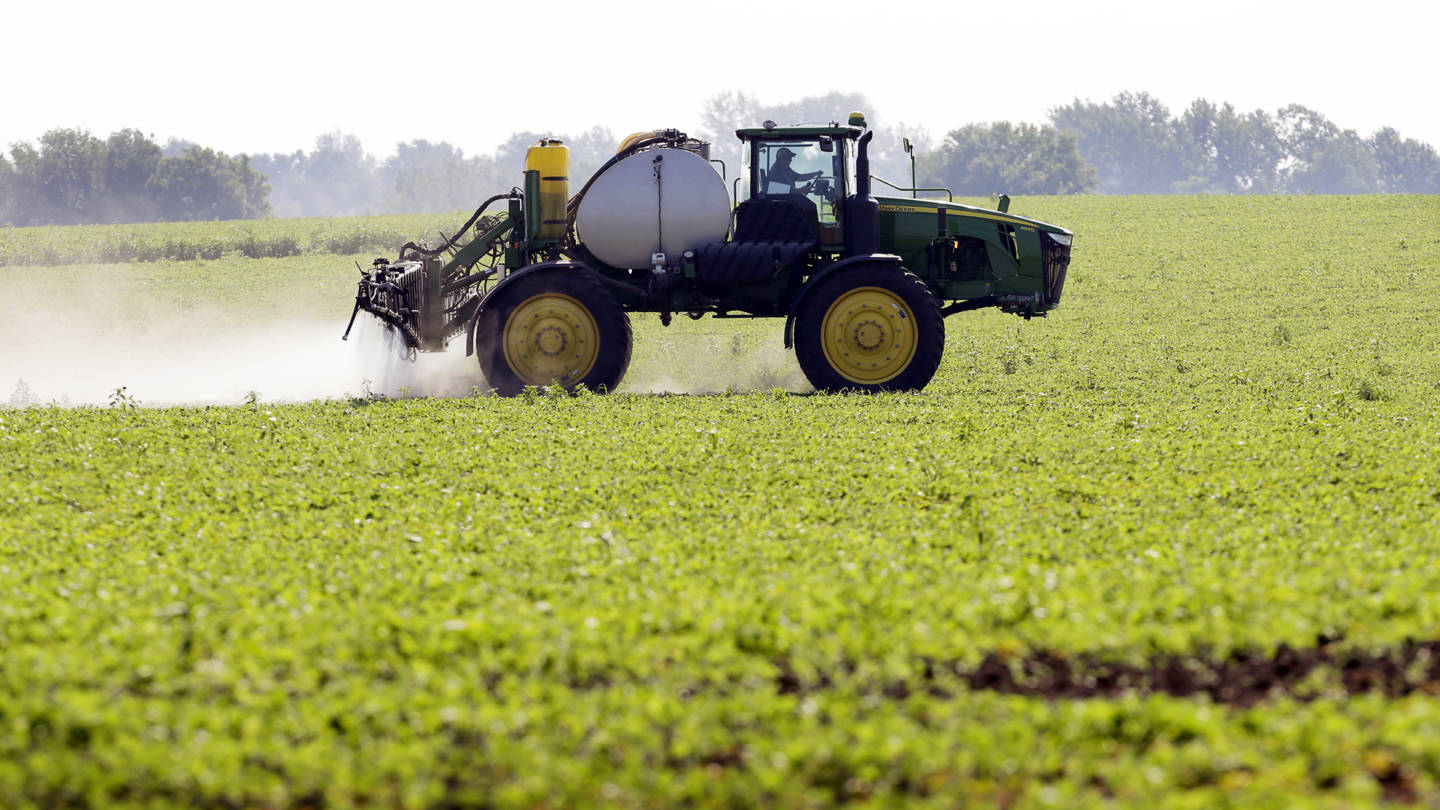
"caption": "A farmer sprays a soybean field in Granger, Iowa. There's new and detailed data on the impact of genetically modified crops on pesticide use. Those crops replaced insecticides, and, at first, some herbicides. But herbicide use has rebounded.",
"description": "A farmer sprays a soybean field in Granger, Iowa. There's new and detailed data on the impact of genetically modified crops on pesticide use. Those crops replaced insecticides, and, at first, some herbicides. But herbicide use has rebounded",
"title": "A farmer sprays a soybean field in Granger, Iowa. There's new and detailed data on the impact of genetically modified crops on pesticide use. Those crops replaced insecticides, and, at first, some herbicides. But herbicide use has rebounded.",
"credit": "Charlie Neibergall/AP",
"status": "inherit",
"isLoading": false,
"fetchFailed": false
},
"bayareabites_111707": {
"type": "attachments",
"id": "bayareabites_111707",
"meta": {
"index": "attachments_1716263798",
"site": "bayareabites",
"id": "111707",
"found": true
},
"parent": 111706,
"imgSizes": {
"twentyfourteen-full-width": {
"file": "https://ww2.kqed.org/app/uploads/sites/24/2016/08/ramen_enl-eae86c27bcc10a07b69a60cf0100a60322c9318a-1038x576.jpg",
"width": 1038,
"mimeType": "image/jpeg",
"height": 576
},
"thumbnail": {
"file": "https://ww2.kqed.org/app/uploads/sites/24/2016/08/ramen_enl-eae86c27bcc10a07b69a60cf0100a60322c9318a-400x266.jpg",
"width": 400,
"mimeType": "image/jpeg",
"height": 266
},
"fd-sm": {
"file": "https://ww2.kqed.org/app/uploads/sites/24/2016/08/ramen_enl-eae86c27bcc10a07b69a60cf0100a60322c9318a-960x639.jpg",
"width": 960,
"mimeType": "image/jpeg",
"height": 639
},
"post-thumbnail": {
"file": "https://ww2.kqed.org/app/uploads/sites/24/2016/08/ramen_enl-eae86c27bcc10a07b69a60cf0100a60322c9318a-672x372.jpg",
"width": 672,
"mimeType": "image/jpeg",
"height": 372
},
"kqedFullSize": {
"file": "https://ww2.kqed.org/app/uploads/sites/24/2016/08/ramen_enl-eae86c27bcc10a07b69a60cf0100a60322c9318a.jpg",
"width": 2000,
"height": 1332
},
"large": {
"file": "https://ww2.kqed.org/app/uploads/sites/24/2016/08/ramen_enl-eae86c27bcc10a07b69a60cf0100a60322c9318a-1440x959.jpg",
"width": 1440,
"mimeType": "image/jpeg",
"height": 959
},
"guest-author-50": {
"file": "https://ww2.kqed.org/app/uploads/sites/24/2016/08/ramen_enl-eae86c27bcc10a07b69a60cf0100a60322c9318a-50x50.jpg",
"width": 50,
"mimeType": "image/jpeg",
"height": 50
},
"guest-author-96": {
"file": "https://ww2.kqed.org/app/uploads/sites/24/2016/08/ramen_enl-eae86c27bcc10a07b69a60cf0100a60322c9318a-96x96.jpg",
"width": 96,
"mimeType": "image/jpeg",
"height": 96
},
"medium": {
"file": "https://ww2.kqed.org/app/uploads/sites/24/2016/08/ramen_enl-eae86c27bcc10a07b69a60cf0100a60322c9318a-800x533.jpg",
"width": 800,
"mimeType": "image/jpeg",
"height": 533
},
"guest-author-64": {
"file": "https://ww2.kqed.org/app/uploads/sites/24/2016/08/ramen_enl-eae86c27bcc10a07b69a60cf0100a60322c9318a-64x64.jpg",
"width": 64,
"mimeType": "image/jpeg",
"height": 64
},
"guest-author-32": {
"file": "https://ww2.kqed.org/app/uploads/sites/24/2016/08/ramen_enl-eae86c27bcc10a07b69a60cf0100a60322c9318a-32x32.jpg",
"width": 32,
"mimeType": "image/jpeg",
"height": 32
},
"cat_post_thumb_sizecategory-posts-2": {
"file": "https://ww2.kqed.org/app/uploads/sites/24/2016/08/ramen_enl-eae86c27bcc10a07b69a60cf0100a60322c9318a-150x150.jpg",
"width": 150,
"mimeType": "image/jpeg",
"height": 150
},
"fd-lrg": {
"file": "https://ww2.kqed.org/app/uploads/sites/24/2016/08/ramen_enl-eae86c27bcc10a07b69a60cf0100a60322c9318a-1920x1279.jpg",
"width": 1920,
"mimeType": "image/jpeg",
"height": 1279
},
"fd-med": {
"file": "https://ww2.kqed.org/app/uploads/sites/24/2016/08/ramen_enl-eae86c27bcc10a07b69a60cf0100a60322c9318a-1180x786.jpg",
"width": 1180,
"mimeType": "image/jpeg",
"height": 786
},
"detail": {
"file": "https://ww2.kqed.org/app/uploads/sites/24/2016/08/ramen_enl-eae86c27bcc10a07b69a60cf0100a60322c9318a-150x150.jpg",
"width": 150,
"mimeType": "image/jpeg",
"height": 150
},
"medium_large": {
"file": "https://ww2.kqed.org/app/uploads/sites/24/2016/08/ramen_enl-eae86c27bcc10a07b69a60cf0100a60322c9318a-768x511.jpg",
"width": 768,
"mimeType": "image/jpeg",
"height": 511
},
"guest-author-128": {
"file": "https://ww2.kqed.org/app/uploads/sites/24/2016/08/ramen_enl-eae86c27bcc10a07b69a60cf0100a60322c9318a-128x128.jpg",
"width": 128,
"mimeType": "image/jpeg",
"height": 128
}
},
"publishDate": 1472234666,
"modified": 1472234891,
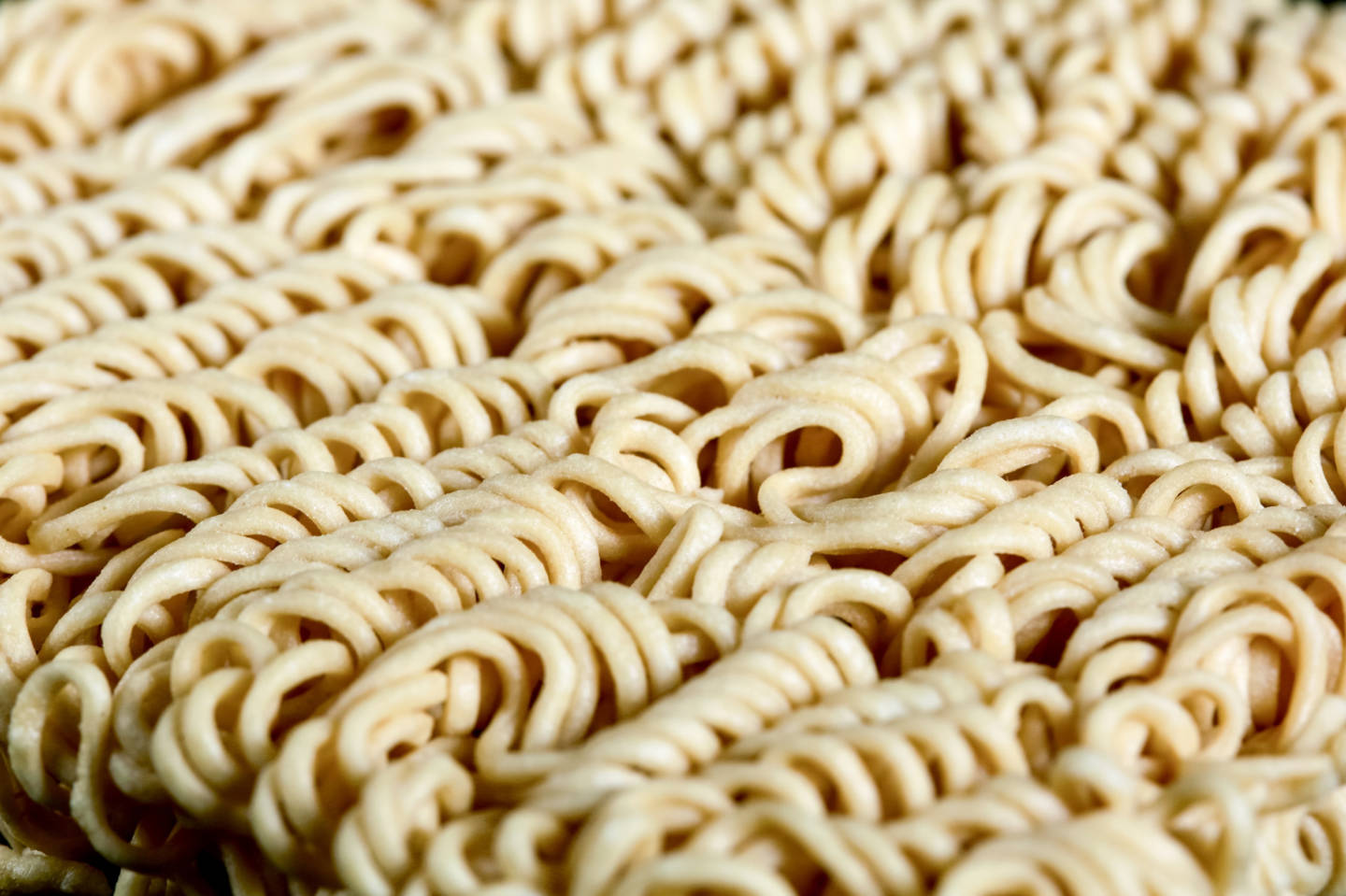
"caption": "Ramen will buy anything from smuggled fruit to laundry services from fellow inmates, a study at one prison finds. It's not just that ramen is tasty: Prisoners say they're not getting enough food.",
"description": "Ramen will buy anything from smuggled fruit to laundry services from fellow inmates, a study at one prison finds. It's not just that ramen is tasty: Prisoners say they're not getting enough food.",
"title": "Ramen will buy anything from smuggled fruit to laundry services from fellow inmates, a study at one prison finds. It's not just that ramen is tasty: Prisoners say they're not getting enough food.",
"credit": "DigiPub/Getty Images",
"status": "inherit",
"isLoading": false,
"fetchFailed": false
},
"bayareabites_111686": {
"type": "attachments",
"id": "bayareabites_111686",
"meta": {
"index": "attachments_1716263798",
"site": "bayareabites",
"id": "111686",
"found": true
},
"parent": 111685,
"imgSizes": {
"twentyfourteen-full-width": {
"file": "https://ww2.kqed.org/app/uploads/sites/24/2016/08/berkeleysoda_enl-ff160929635a63e2d126ccb0511ef7915347642a-1038x576.jpg",
"width": 1038,
"mimeType": "image/jpeg",
"height": 576
},
"thumbnail": {
"file": "https://ww2.kqed.org/app/uploads/sites/24/2016/08/berkeleysoda_enl-ff160929635a63e2d126ccb0511ef7915347642a-400x266.jpg",
"width": 400,
"mimeType": "image/jpeg",
"height": 266
},
"fd-sm": {
"file": "https://ww2.kqed.org/app/uploads/sites/24/2016/08/berkeleysoda_enl-ff160929635a63e2d126ccb0511ef7915347642a-960x639.jpg",
"width": 960,
"mimeType": "image/jpeg",
"height": 639
},
"post-thumbnail": {
"file": "https://ww2.kqed.org/app/uploads/sites/24/2016/08/berkeleysoda_enl-ff160929635a63e2d126ccb0511ef7915347642a-672x372.jpg",
"width": 672,
"mimeType": "image/jpeg",
"height": 372
},
"kqedFullSize": {
"file": "https://ww2.kqed.org/app/uploads/sites/24/2016/08/berkeleysoda_enl-ff160929635a63e2d126ccb0511ef7915347642a.jpg",
"width": 2000,
"height": 1332
},
"large": {
"file": "https://ww2.kqed.org/app/uploads/sites/24/2016/08/berkeleysoda_enl-ff160929635a63e2d126ccb0511ef7915347642a-1440x959.jpg",
"width": 1440,
"mimeType": "image/jpeg",
"height": 959
},
"guest-author-50": {
"file": "https://ww2.kqed.org/app/uploads/sites/24/2016/08/berkeleysoda_enl-ff160929635a63e2d126ccb0511ef7915347642a-50x50.jpg",
"width": 50,
"mimeType": "image/jpeg",
"height": 50
},
"guest-author-96": {
"file": "https://ww2.kqed.org/app/uploads/sites/24/2016/08/berkeleysoda_enl-ff160929635a63e2d126ccb0511ef7915347642a-96x96.jpg",
"width": 96,
"mimeType": "image/jpeg",
"height": 96
},
"medium": {
"file": "https://ww2.kqed.org/app/uploads/sites/24/2016/08/berkeleysoda_enl-ff160929635a63e2d126ccb0511ef7915347642a-800x533.jpg",
"width": 800,
"mimeType": "image/jpeg",
"height": 533
},
"guest-author-64": {
"file": "https://ww2.kqed.org/app/uploads/sites/24/2016/08/berkeleysoda_enl-ff160929635a63e2d126ccb0511ef7915347642a-64x64.jpg",
"width": 64,
"mimeType": "image/jpeg",
"height": 64
},
"guest-author-32": {
"file": "https://ww2.kqed.org/app/uploads/sites/24/2016/08/berkeleysoda_enl-ff160929635a63e2d126ccb0511ef7915347642a-32x32.jpg",
"width": 32,
"mimeType": "image/jpeg",
"height": 32
},
"cat_post_thumb_sizecategory-posts-2": {
"file": "https://ww2.kqed.org/app/uploads/sites/24/2016/08/berkeleysoda_enl-ff160929635a63e2d126ccb0511ef7915347642a-150x150.jpg",
"width": 150,
"mimeType": "image/jpeg",
"height": 150
},
"fd-lrg": {
"file": "https://ww2.kqed.org/app/uploads/sites/24/2016/08/berkeleysoda_enl-ff160929635a63e2d126ccb0511ef7915347642a-1920x1279.jpg",
"width": 1920,
"mimeType": "image/jpeg",
"height": 1279
},
"fd-med": {
"file": "https://ww2.kqed.org/app/uploads/sites/24/2016/08/berkeleysoda_enl-ff160929635a63e2d126ccb0511ef7915347642a-1180x786.jpg",
"width": 1180,
"mimeType": "image/jpeg",
"height": 786
},
"detail": {
"file": "https://ww2.kqed.org/app/uploads/sites/24/2016/08/berkeleysoda_enl-ff160929635a63e2d126ccb0511ef7915347642a-150x150.jpg",
"width": 150,
"mimeType": "image/jpeg",
"height": 150
},
"medium_large": {
"file": "https://ww2.kqed.org/app/uploads/sites/24/2016/08/berkeleysoda_enl-ff160929635a63e2d126ccb0511ef7915347642a-768x511.jpg",
"width": 768,
"mimeType": "image/jpeg",
"height": 511
},
"guest-author-128": {
"file": "https://ww2.kqed.org/app/uploads/sites/24/2016/08/berkeleysoda_enl-ff160929635a63e2d126ccb0511ef7915347642a-128x128.jpg",
"width": 128,
"mimeType": "image/jpeg",
"height": 128
}
},
"publishDate": 1472072341,
"modified": 1472072558,
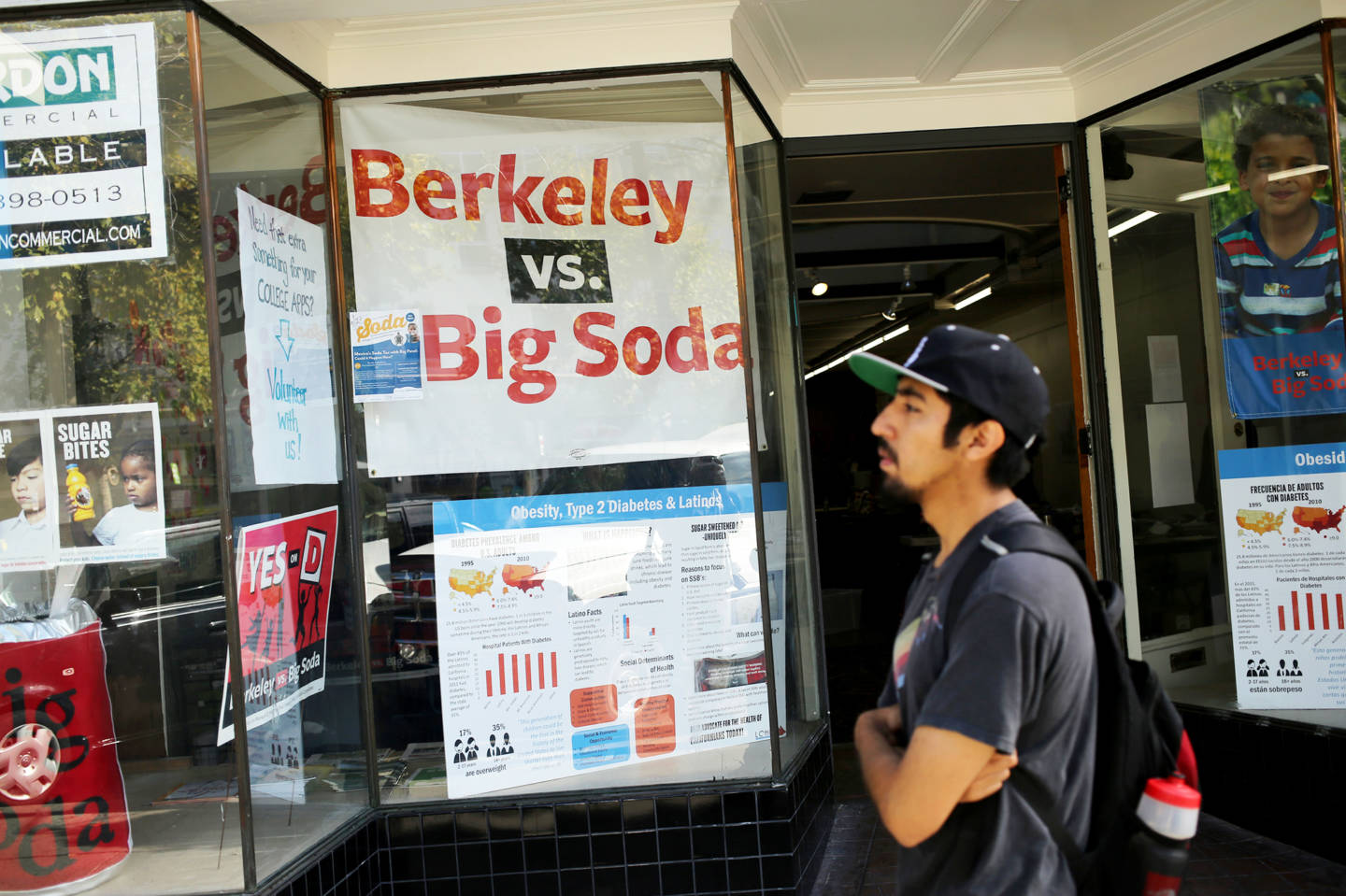
"caption": "Berkeley, Calif., passed the nation's first soda tax in 2014. According to a new study, the tax has succeeded in cutting consumption of sugar-sweetened beverages. But there's uncertainty about whether the effect will be permanent.",
"description": "Berkeley, Calif., passed the nation's first soda tax in 2014. According to a new study, the tax has succeeded in cutting consumption of sugar-sweetened beverages. But there's uncertainty about whether the effect will be permanent.",
"title": "Berkeley, Calif., passed the nation's first soda tax in 2014. According to a new study, the tax has succeeded in cutting consumption of sugar-sweetened beverages. But there's uncertainty about whether the effect will be permanent.",
"credit": "Robert Galbraith/Reuters",
"status": "inherit",
"isLoading": false,
"fetchFailed": false
},
"bayareabites_111622": {
"type": "attachments",
"id": "bayareabites_111622",
"meta": {
"index": "attachments_1716263798",
"site": "bayareabites",
"id": "111622",
"found": true
},
"parent": 111560,
"imgSizes": {
"twentyfourteen-full-width": {
"file": "https://ww2.kqed.org/app/uploads/sites/24/2016/08/panel-stage-1038x576.jpg",
"width": 1038,
"mimeType": "image/jpeg",
"height": 576
},
"thumbnail": {
"file": "https://ww2.kqed.org/app/uploads/sites/24/2016/08/panel-stage-400x267.jpg",
"width": 400,
"mimeType": "image/jpeg",
"height": 267
},
"fd-sm": {
"file": "https://ww2.kqed.org/app/uploads/sites/24/2016/08/panel-stage-960x640.jpg",
"width": 960,
"mimeType": "image/jpeg",
"height": 640
},
"post-thumbnail": {
"file": "https://ww2.kqed.org/app/uploads/sites/24/2016/08/panel-stage-672x372.jpg",
"width": 672,
"mimeType": "image/jpeg",
"height": 372
},
"kqedFullSize": {
"file": "https://ww2.kqed.org/app/uploads/sites/24/2016/08/panel-stage.jpg",
"width": 1920,
"height": 1280
},
"large": {
"file": "https://ww2.kqed.org/app/uploads/sites/24/2016/08/panel-stage-1440x960.jpg",
"width": 1440,
"mimeType": "image/jpeg",
"height": 960
},
"guest-author-50": {
"file": "https://ww2.kqed.org/app/uploads/sites/24/2016/08/panel-stage-50x50.jpg",
"width": 50,
"mimeType": "image/jpeg",
"height": 50
},
"guest-author-96": {
"file": "https://ww2.kqed.org/app/uploads/sites/24/2016/08/panel-stage-96x96.jpg",
"width": 96,
"mimeType": "image/jpeg",
"height": 96
},
"medium": {
"file": "https://ww2.kqed.org/app/uploads/sites/24/2016/08/panel-stage-800x533.jpg",
"width": 800,
"mimeType": "image/jpeg",
"height": 533
},
"guest-author-64": {
"file": "https://ww2.kqed.org/app/uploads/sites/24/2016/08/panel-stage-64x64.jpg",
"width": 64,
"mimeType": "image/jpeg",
"height": 64
},
"guest-author-32": {
"file": "https://ww2.kqed.org/app/uploads/sites/24/2016/08/panel-stage-32x32.jpg",
"width": 32,
"mimeType": "image/jpeg",
"height": 32
},
"cat_post_thumb_sizecategory-posts-2": {
"file": "https://ww2.kqed.org/app/uploads/sites/24/2016/08/panel-stage-150x150.jpg",
"width": 150,
"mimeType": "image/jpeg",
"height": 150
},
"fd-lrg": {
"file": "https://ww2.kqed.org/app/uploads/sites/24/2016/08/panel-stage-1920x1280.jpg",
"width": 1920,
"mimeType": "image/jpeg",
"height": 1280
},
"fd-med": {
"file": "https://ww2.kqed.org/app/uploads/sites/24/2016/08/panel-stage-1180x787.jpg",
"width": 1180,
"mimeType": "image/jpeg",
"height": 787
},
"detail": {
"file": "https://ww2.kqed.org/app/uploads/sites/24/2016/08/panel-stage-150x150.jpg",
"width": 150,
"mimeType": "image/jpeg",
"height": 150
},
"medium_large": {
"file": "https://ww2.kqed.org/app/uploads/sites/24/2016/08/panel-stage-768x512.jpg",
"width": 768,
"mimeType": "image/jpeg",
"height": 512
},
"guest-author-128": {
"file": "https://ww2.kqed.org/app/uploads/sites/24/2016/08/panel-stage-128x128.jpg",
"width": 128,
"mimeType": "image/jpeg",
"height": 128
}
},
"publishDate": 1471905381,
"modified": 1471910844,
"caption": "Women Leaders at the Table moderator and panel (R to L): Shakirah Simley, Joann Lo, Brittni Chicuata, Kristyn Leach, Dominica Rice Cisneros",
"description": null,
"title": "panel-stage",
"credit": "Wendy Goodfriend",
"status": "inherit",
"isLoading": false,
"fetchFailed": false
},
"bayareabites_111566": {
"type": "attachments",
"id": "bayareabites_111566",
"meta": {
"index": "attachments_1716263798",
"site": "bayareabites",
"id": "111566",
"found": true
},
"parent": 111565,
"imgSizes": {
"twentyfourteen-full-width": {
"file": "https://ww2.kqed.org/app/uploads/sites/24/2016/08/rescued-relish_enl-995720e5b61e8ec6dc933e5e0bf4a377d428134c-1038x576.jpg",
"width": 1038,
"mimeType": "image/jpeg",
"height": 576
},
"thumbnail": {
"file": "https://ww2.kqed.org/app/uploads/sites/24/2016/08/rescued-relish_enl-995720e5b61e8ec6dc933e5e0bf4a377d428134c-400x262.jpg",
"width": 400,
"mimeType": "image/jpeg",
"height": 262
},
"fd-sm": {
"file": "https://ww2.kqed.org/app/uploads/sites/24/2016/08/rescued-relish_enl-995720e5b61e8ec6dc933e5e0bf4a377d428134c-960x629.jpg",
"width": 960,
"mimeType": "image/jpeg",
"height": 629
},
"post-thumbnail": {
"file": "https://ww2.kqed.org/app/uploads/sites/24/2016/08/rescued-relish_enl-995720e5b61e8ec6dc933e5e0bf4a377d428134c-672x372.jpg",
"width": 672,
"mimeType": "image/jpeg",
"height": 372
},
"kqedFullSize": {
"file": "https://ww2.kqed.org/app/uploads/sites/24/2016/08/rescued-relish_enl-995720e5b61e8ec6dc933e5e0bf4a377d428134c.jpg",
"width": 1714,
"height": 1123
},
"large": {
"file": "https://ww2.kqed.org/app/uploads/sites/24/2016/08/rescued-relish_enl-995720e5b61e8ec6dc933e5e0bf4a377d428134c-1440x943.jpg",
"width": 1440,
"mimeType": "image/jpeg",
"height": 943
},
"guest-author-50": {
"file": "https://ww2.kqed.org/app/uploads/sites/24/2016/08/rescued-relish_enl-995720e5b61e8ec6dc933e5e0bf4a377d428134c-50x50.jpg",
"width": 50,
"mimeType": "image/jpeg",
"height": 50
},
"guest-author-96": {
"file": "https://ww2.kqed.org/app/uploads/sites/24/2016/08/rescued-relish_enl-995720e5b61e8ec6dc933e5e0bf4a377d428134c-96x96.jpg",
"width": 96,
"mimeType": "image/jpeg",
"height": 96
},
"medium": {
"file": "https://ww2.kqed.org/app/uploads/sites/24/2016/08/rescued-relish_enl-995720e5b61e8ec6dc933e5e0bf4a377d428134c-800x524.jpg",
"width": 800,
"mimeType": "image/jpeg",
"height": 524
},
"guest-author-64": {
"file": "https://ww2.kqed.org/app/uploads/sites/24/2016/08/rescued-relish_enl-995720e5b61e8ec6dc933e5e0bf4a377d428134c-64x64.jpg",
"width": 64,
"mimeType": "image/jpeg",
"height": 64
},
"guest-author-32": {
"file": "https://ww2.kqed.org/app/uploads/sites/24/2016/08/rescued-relish_enl-995720e5b61e8ec6dc933e5e0bf4a377d428134c-32x32.jpg",
"width": 32,
"mimeType": "image/jpeg",
"height": 32
},
"cat_post_thumb_sizecategory-posts-2": {
"file": "https://ww2.kqed.org/app/uploads/sites/24/2016/08/rescued-relish_enl-995720e5b61e8ec6dc933e5e0bf4a377d428134c-150x150.jpg",
"width": 150,
"mimeType": "image/jpeg",
"height": 150
},
"fd-med": {
"file": "https://ww2.kqed.org/app/uploads/sites/24/2016/08/rescued-relish_enl-995720e5b61e8ec6dc933e5e0bf4a377d428134c-1180x773.jpg",
"width": 1180,
"mimeType": "image/jpeg",
"height": 773
},
"detail": {
"file": "https://ww2.kqed.org/app/uploads/sites/24/2016/08/rescued-relish_enl-995720e5b61e8ec6dc933e5e0bf4a377d428134c-150x150.jpg",
"width": 150,
"mimeType": "image/jpeg",
"height": 150
},
"medium_large": {
"file": "https://ww2.kqed.org/app/uploads/sites/24/2016/08/rescued-relish_enl-995720e5b61e8ec6dc933e5e0bf4a377d428134c-768x503.jpg",
"width": 768,
"mimeType": "image/jpeg",
"height": 503
},
"guest-author-128": {
"file": "https://ww2.kqed.org/app/uploads/sites/24/2016/08/rescued-relish_enl-995720e5b61e8ec6dc933e5e0bf4a377d428134c-128x128.jpg",
"width": 128,
"mimeType": "image/jpeg",
"height": 128
}
},
"publishDate": 1471626182,
"modified": 1471626875,
"caption": "Rescued Relish is an anything-goes condiment made from excess produce that Philabundance, a Philadelphia anti-hunger organization, can't move. The relish is modeled on a Pennsylvania Dutch chowchow recipe — a tangy mix of sweet, spicy and sour flavors.",
"description": "Rescued Relish is an anything-goes condiment made from excess produce that \u003ca href=\"https://www.philabundance.org\">Philabundance\u003c/a>, a Philadelphia anti-hunger organization, can't move. The relish is modeled on a Pennsylvania Dutch chowchow recipe -- a tangy mix of sweet, spicy and sour flavors",
"title": "Rescued Relish is an anything-goes condiment made from excess produce that Philabundance, a Philadelphia anti-hunger organization, can't move. The relish is modeled on a Pennsylvania Dutch chowchow recipe — a tangy mix of sweet, spicy and sour flavors.",
"credit": "Courtesy of Drexel Food Lab",
"status": "inherit",
"isLoading": false,
"fetchFailed": false
},
"bayareabites_111411": {
"type": "attachments",
"id": "bayareabites_111411",
"meta": {
"index": "attachments_1716263798",
"site": "bayareabites",
"id": "111411",
"found": true
},
"parent": 111409,
"imgSizes": {
"twentyfourteen-full-width": {
"file": "https://ww2.kqed.org/app/uploads/sites/24/2016/08/hawaiian_net-casting_1-copy_small_enl-df72d198b87937597d5fea24920f0bbf5ee8efe9-1038x576.jpg",
"width": 1038,
"mimeType": "image/jpeg",
"height": 576
},
"thumbnail": {
"file": "https://ww2.kqed.org/app/uploads/sites/24/2016/08/hawaiian_net-casting_1-copy_small_enl-df72d198b87937597d5fea24920f0bbf5ee8efe9-400x269.jpg",
"width": 400,
"mimeType": "image/jpeg",
"height": 269
},
"fd-sm": {
"file": "https://ww2.kqed.org/app/uploads/sites/24/2016/08/hawaiian_net-casting_1-copy_small_enl-df72d198b87937597d5fea24920f0bbf5ee8efe9-960x645.jpg",
"width": 960,
"mimeType": "image/jpeg",
"height": 645
},
"post-thumbnail": {
"file": "https://ww2.kqed.org/app/uploads/sites/24/2016/08/hawaiian_net-casting_1-copy_small_enl-df72d198b87937597d5fea24920f0bbf5ee8efe9-672x372.jpg",
"width": 672,
"mimeType": "image/jpeg",
"height": 372
},
"kqedFullSize": {
"file": "https://ww2.kqed.org/app/uploads/sites/24/2016/08/hawaiian_net-casting_1-copy_small_enl-df72d198b87937597d5fea24920f0bbf5ee8efe9.jpg",
"width": 1899,
"height": 1276
},
"large": {
"file": "https://ww2.kqed.org/app/uploads/sites/24/2016/08/hawaiian_net-casting_1-copy_small_enl-df72d198b87937597d5fea24920f0bbf5ee8efe9-1440x968.jpg",
"width": 1440,
"mimeType": "image/jpeg",
"height": 968
},
"guest-author-50": {
"file": "https://ww2.kqed.org/app/uploads/sites/24/2016/08/hawaiian_net-casting_1-copy_small_enl-df72d198b87937597d5fea24920f0bbf5ee8efe9-50x50.jpg",
"width": 50,
"mimeType": "image/jpeg",
"height": 50
},
"guest-author-96": {
"file": "https://ww2.kqed.org/app/uploads/sites/24/2016/08/hawaiian_net-casting_1-copy_small_enl-df72d198b87937597d5fea24920f0bbf5ee8efe9-96x96.jpg",
"width": 96,
"mimeType": "image/jpeg",
"height": 96
},
"medium": {
"file": "https://ww2.kqed.org/app/uploads/sites/24/2016/08/hawaiian_net-casting_1-copy_small_enl-df72d198b87937597d5fea24920f0bbf5ee8efe9-800x538.jpg",
"width": 800,
"mimeType": "image/jpeg",
"height": 538
},
"guest-author-64": {
"file": "https://ww2.kqed.org/app/uploads/sites/24/2016/08/hawaiian_net-casting_1-copy_small_enl-df72d198b87937597d5fea24920f0bbf5ee8efe9-64x64.jpg",
"width": 64,
"mimeType": "image/jpeg",
"height": 64
},
"guest-author-32": {
"file": "https://ww2.kqed.org/app/uploads/sites/24/2016/08/hawaiian_net-casting_1-copy_small_enl-df72d198b87937597d5fea24920f0bbf5ee8efe9-32x32.jpg",
"width": 32,
"mimeType": "image/jpeg",
"height": 32
},
"cat_post_thumb_sizecategory-posts-2": {
"file": "https://ww2.kqed.org/app/uploads/sites/24/2016/08/hawaiian_net-casting_1-copy_small_enl-df72d198b87937597d5fea24920f0bbf5ee8efe9-150x150.jpg",
"width": 150,
"mimeType": "image/jpeg",
"height": 150
},
"fd-med": {
"file": "https://ww2.kqed.org/app/uploads/sites/24/2016/08/hawaiian_net-casting_1-copy_small_enl-df72d198b87937597d5fea24920f0bbf5ee8efe9-1180x793.jpg",
"width": 1180,
"mimeType": "image/jpeg",
"height": 793
},
"detail": {
"file": "https://ww2.kqed.org/app/uploads/sites/24/2016/08/hawaiian_net-casting_1-copy_small_enl-df72d198b87937597d5fea24920f0bbf5ee8efe9-150x150.jpg",
"width": 150,
"mimeType": "image/jpeg",
"height": 150
},
"medium_large": {
"file": "https://ww2.kqed.org/app/uploads/sites/24/2016/08/hawaiian_net-casting_1-copy_small_enl-df72d198b87937597d5fea24920f0bbf5ee8efe9-768x516.jpg",
"width": 768,
"mimeType": "image/jpeg",
"height": 516
},
"guest-author-128": {
"file": "https://ww2.kqed.org/app/uploads/sites/24/2016/08/hawaiian_net-casting_1-copy_small_enl-df72d198b87937597d5fea24920f0bbf5ee8efe9-128x128.jpg",
"width": 128,
"mimeType": "image/jpeg",
"height": 128
}
},
"publishDate": 1471282469,
"modified": 1471282760,
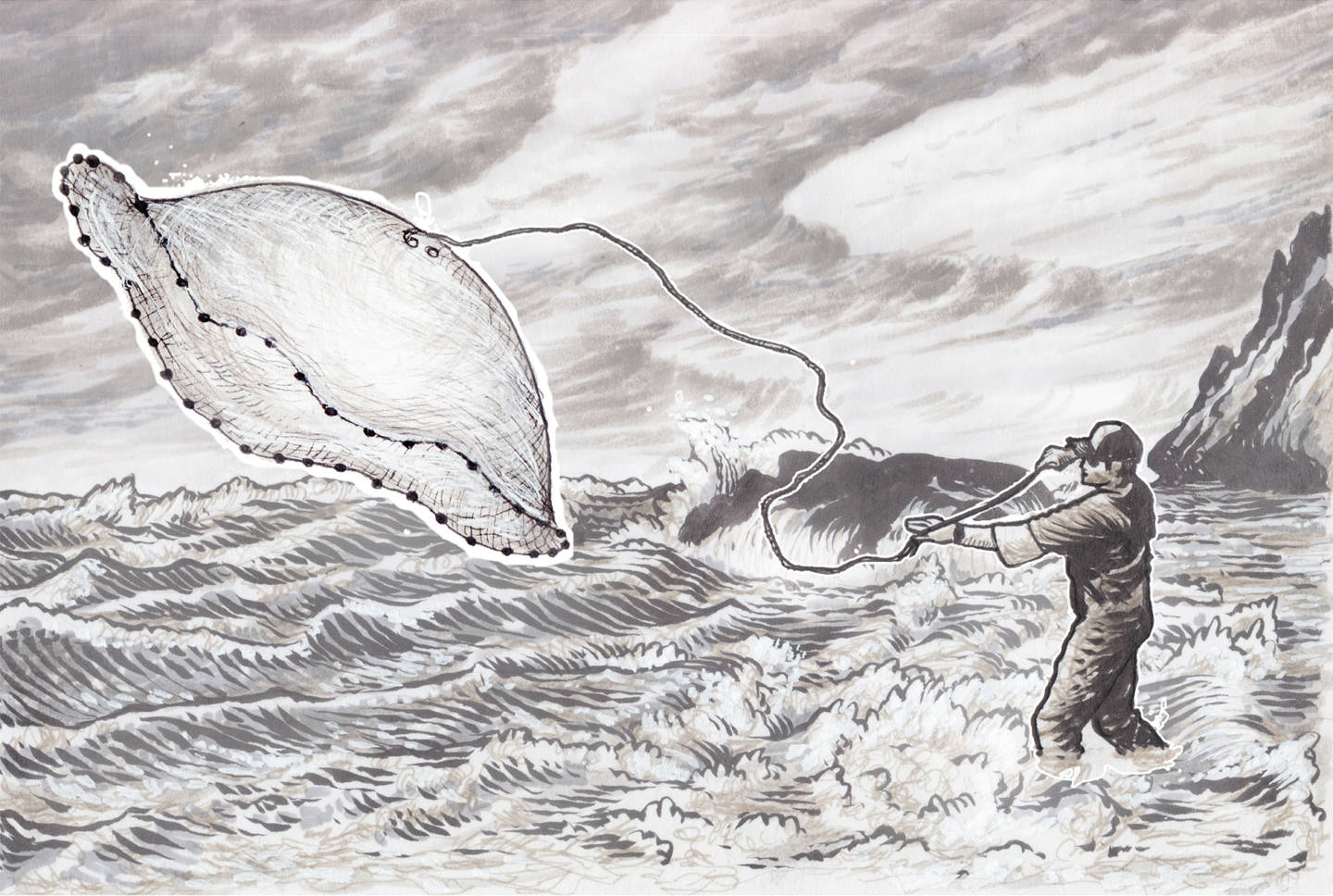
"caption": "An illustration from Lombard's new book, showing a man throwing a cast net into the surf.",
"description": "An illustration from Lombard's new book, showing a man throwing a cast net into the surf.",
"title": "An illustration from Lombard's new book, showing a man throwing a cast net into the surf.",
"credit": "Leighton Kelly/Courtesy of Heyday",
"status": "inherit",
"isLoading": false,
"fetchFailed": false
},
"bayareabites_111351": {
"type": "attachments",
"id": "bayareabites_111351",
"meta": {
"index": "attachments_1716263798",
"site": "bayareabites",
"id": "111351",
"found": true
},
"parent": 111350,
"imgSizes": {
"twentyfourteen-full-width": {
"file": "https://ww2.kqed.org/app/uploads/sites/24/2016/08/photo-2_edited_enl-82714c27d99d5592ff38e265c2408af08b41928e-1038x576.jpg",
"width": 1038,
"mimeType": "image/jpeg",
"height": 576
},
"thumbnail": {
"file": "https://ww2.kqed.org/app/uploads/sites/24/2016/08/photo-2_edited_enl-82714c27d99d5592ff38e265c2408af08b41928e-400x266.jpg",
"width": 400,
"mimeType": "image/jpeg",
"height": 266
},
"fd-sm": {
"file": "https://ww2.kqed.org/app/uploads/sites/24/2016/08/photo-2_edited_enl-82714c27d99d5592ff38e265c2408af08b41928e-960x639.jpg",
"width": 960,
"mimeType": "image/jpeg",
"height": 639
},
"post-thumbnail": {
"file": "https://ww2.kqed.org/app/uploads/sites/24/2016/08/photo-2_edited_enl-82714c27d99d5592ff38e265c2408af08b41928e-672x372.jpg",
"width": 672,
"mimeType": "image/jpeg",
"height": 372
},
"kqedFullSize": {
"file": "https://ww2.kqed.org/app/uploads/sites/24/2016/08/photo-2_edited_enl-82714c27d99d5592ff38e265c2408af08b41928e.jpg",
"width": 2000,
"height": 1332
},
"large": {
"file": "https://ww2.kqed.org/app/uploads/sites/24/2016/08/photo-2_edited_enl-82714c27d99d5592ff38e265c2408af08b41928e-1440x959.jpg",
"width": 1440,
"mimeType": "image/jpeg",
"height": 959
},
"guest-author-50": {
"file": "https://ww2.kqed.org/app/uploads/sites/24/2016/08/photo-2_edited_enl-82714c27d99d5592ff38e265c2408af08b41928e-50x50.jpg",
"width": 50,
"mimeType": "image/jpeg",
"height": 50
},
"guest-author-96": {
"file": "https://ww2.kqed.org/app/uploads/sites/24/2016/08/photo-2_edited_enl-82714c27d99d5592ff38e265c2408af08b41928e-96x96.jpg",
"width": 96,
"mimeType": "image/jpeg",
"height": 96
},
"medium": {
"file": "https://ww2.kqed.org/app/uploads/sites/24/2016/08/photo-2_edited_enl-82714c27d99d5592ff38e265c2408af08b41928e-800x533.jpg",
"width": 800,
"mimeType": "image/jpeg",
"height": 533
},
"guest-author-64": {
"file": "https://ww2.kqed.org/app/uploads/sites/24/2016/08/photo-2_edited_enl-82714c27d99d5592ff38e265c2408af08b41928e-64x64.jpg",
"width": 64,
"mimeType": "image/jpeg",
"height": 64
},
"guest-author-32": {
"file": "https://ww2.kqed.org/app/uploads/sites/24/2016/08/photo-2_edited_enl-82714c27d99d5592ff38e265c2408af08b41928e-32x32.jpg",
"width": 32,
"mimeType": "image/jpeg",
"height": 32
},
"cat_post_thumb_sizecategory-posts-2": {
"file": "https://ww2.kqed.org/app/uploads/sites/24/2016/08/photo-2_edited_enl-82714c27d99d5592ff38e265c2408af08b41928e-150x150.jpg",
"width": 150,
"mimeType": "image/jpeg",
"height": 150
},
"fd-lrg": {
"file": "https://ww2.kqed.org/app/uploads/sites/24/2016/08/photo-2_edited_enl-82714c27d99d5592ff38e265c2408af08b41928e-1920x1279.jpg",
"width": 1920,
"mimeType": "image/jpeg",
"height": 1279
},
"fd-med": {
"file": "https://ww2.kqed.org/app/uploads/sites/24/2016/08/photo-2_edited_enl-82714c27d99d5592ff38e265c2408af08b41928e-1180x786.jpg",
"width": 1180,
"mimeType": "image/jpeg",
"height": 786
},
"detail": {
"file": "https://ww2.kqed.org/app/uploads/sites/24/2016/08/photo-2_edited_enl-82714c27d99d5592ff38e265c2408af08b41928e-150x150.jpg",
"width": 150,
"mimeType": "image/jpeg",
"height": 150
},
"medium_large": {
"file": "https://ww2.kqed.org/app/uploads/sites/24/2016/08/photo-2_edited_enl-82714c27d99d5592ff38e265c2408af08b41928e-768x511.jpg",
"width": 768,
"mimeType": "image/jpeg",
"height": 511
},
"guest-author-128": {
"file": "https://ww2.kqed.org/app/uploads/sites/24/2016/08/photo-2_edited_enl-82714c27d99d5592ff38e265c2408af08b41928e-128x128.jpg",
"width": 128,
"mimeType": "image/jpeg",
"height": 128
}
},
"publishDate": 1470927024,
"modified": 1470927836,
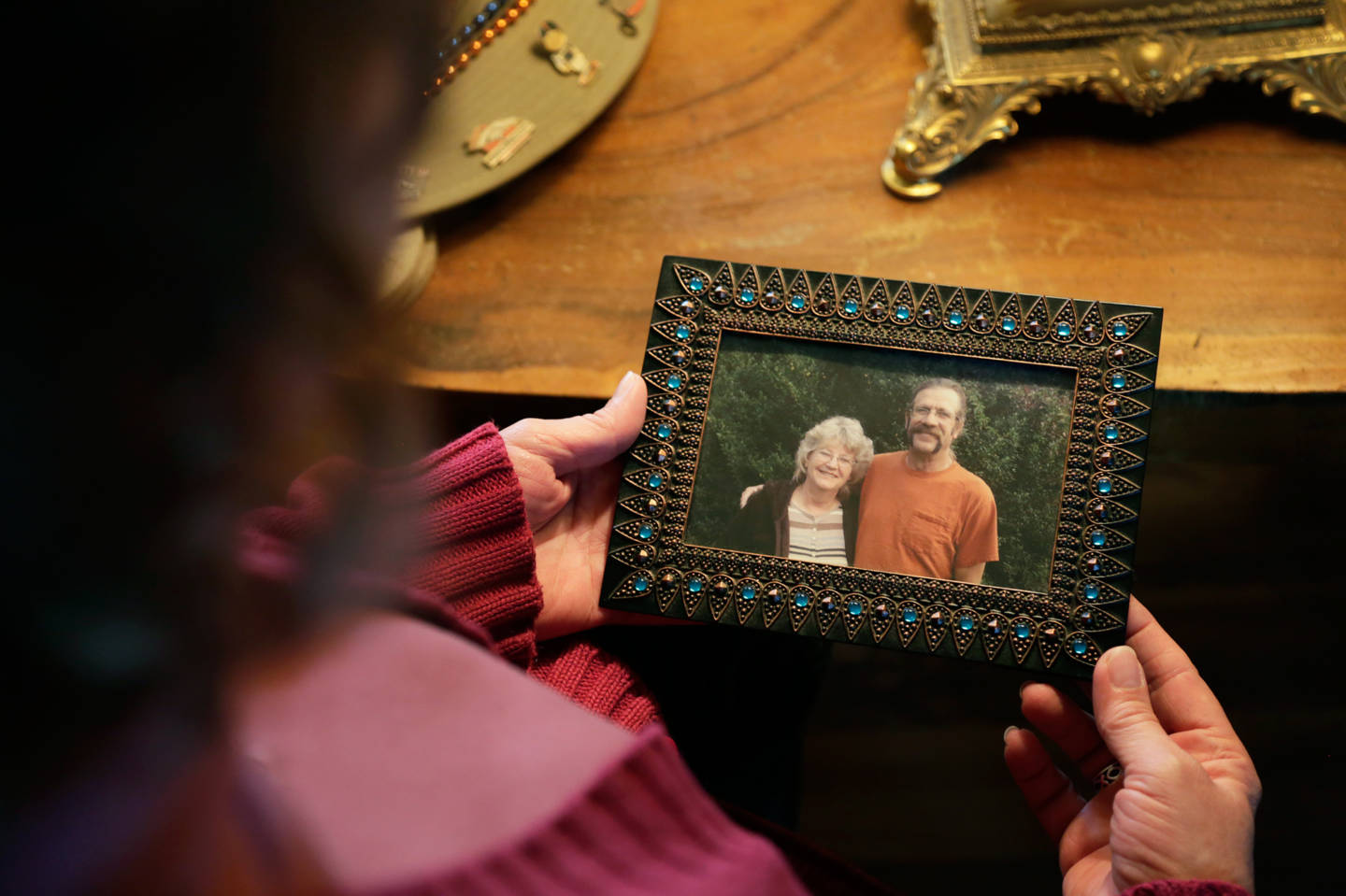
"caption": "Greta Horner holds a photo of her and her husband Ed taken a few months before he died.",
"description": "Greta Horner holds a photo of her and her husband Ed taken a few months before he died.",
"title": "Greta Horner holds a photo of her and her husband Ed taken a few months before he died.",
"credit": "Dan Boyce/Rocky Mountain PBS for Harvest Public Media",
"status": "inherit",
"isLoading": false,
"fetchFailed": false
},
"bayareabites_111122": {
"type": "attachments",
"id": "bayareabites_111122",
"meta": {
"index": "attachments_1716263798",
"site": "bayareabites",
"id": "111122",
"found": true
},
"parent": 111121,
"imgSizes": {
"twentyfourteen-full-width": {
"file": "https://ww2.kqed.org/app/uploads/sites/24/2016/08/img_3117_edited-8ee56f2024cb095b7e2552ed630ec23e085d621b-1038x576.jpg",
"width": 1038,
"mimeType": "image/jpeg",
"height": 576
},
"thumbnail": {
"file": "https://ww2.kqed.org/app/uploads/sites/24/2016/08/img_3117_edited-8ee56f2024cb095b7e2552ed630ec23e085d621b-400x300.jpg",
"width": 400,
"mimeType": "image/jpeg",
"height": 300
},
"fd-sm": {
"file": "https://ww2.kqed.org/app/uploads/sites/24/2016/08/img_3117_edited-8ee56f2024cb095b7e2552ed630ec23e085d621b-960x720.jpg",
"width": 960,
"mimeType": "image/jpeg",
"height": 720
},
"post-thumbnail": {
"file": "https://ww2.kqed.org/app/uploads/sites/24/2016/08/img_3117_edited-8ee56f2024cb095b7e2552ed630ec23e085d621b-672x372.jpg",
"width": 672,
"mimeType": "image/jpeg",
"height": 372
},
"kqedFullSize": {
"file": "https://ww2.kqed.org/app/uploads/sites/24/2016/08/img_3117_edited-8ee56f2024cb095b7e2552ed630ec23e085d621b.jpg",
"width": 1998,
"height": 1499
},
"large": {
"file": "https://ww2.kqed.org/app/uploads/sites/24/2016/08/img_3117_edited-8ee56f2024cb095b7e2552ed630ec23e085d621b-1440x1080.jpg",
"width": 1440,
"mimeType": "image/jpeg",
"height": 1080
},
"guest-author-50": {
"file": "https://ww2.kqed.org/app/uploads/sites/24/2016/08/img_3117_edited-8ee56f2024cb095b7e2552ed630ec23e085d621b-50x50.jpg",
"width": 50,
"mimeType": "image/jpeg",
"height": 50
},
"guest-author-96": {
"file": "https://ww2.kqed.org/app/uploads/sites/24/2016/08/img_3117_edited-8ee56f2024cb095b7e2552ed630ec23e085d621b-96x96.jpg",
"width": 96,
"mimeType": "image/jpeg",
"height": 96
},
"medium": {
"file": "https://ww2.kqed.org/app/uploads/sites/24/2016/08/img_3117_edited-8ee56f2024cb095b7e2552ed630ec23e085d621b-800x600.jpg",
"width": 800,
"mimeType": "image/jpeg",
"height": 600
},
"guest-author-64": {
"file": "https://ww2.kqed.org/app/uploads/sites/24/2016/08/img_3117_edited-8ee56f2024cb095b7e2552ed630ec23e085d621b-64x64.jpg",
"width": 64,
"mimeType": "image/jpeg",
"height": 64
},
"guest-author-32": {
"file": "https://ww2.kqed.org/app/uploads/sites/24/2016/08/img_3117_edited-8ee56f2024cb095b7e2552ed630ec23e085d621b-32x32.jpg",
"width": 32,
"mimeType": "image/jpeg",
"height": 32
},
"cat_post_thumb_sizecategory-posts-2": {
"file": "https://ww2.kqed.org/app/uploads/sites/24/2016/08/img_3117_edited-8ee56f2024cb095b7e2552ed630ec23e085d621b-150x150.jpg",
"width": 150,
"mimeType": "image/jpeg",
"height": 150
},
"fd-lrg": {
"file": "https://ww2.kqed.org/app/uploads/sites/24/2016/08/img_3117_edited-8ee56f2024cb095b7e2552ed630ec23e085d621b-1920x1440.jpg",
"width": 1920,
"mimeType": "image/jpeg",
"height": 1440
},
"fd-med": {
"file": "https://ww2.kqed.org/app/uploads/sites/24/2016/08/img_3117_edited-8ee56f2024cb095b7e2552ed630ec23e085d621b-1180x885.jpg",
"width": 1180,
"mimeType": "image/jpeg",
"height": 885
},
"detail": {
"file": "https://ww2.kqed.org/app/uploads/sites/24/2016/08/img_3117_edited-8ee56f2024cb095b7e2552ed630ec23e085d621b-150x150.jpg",
"width": 150,
"mimeType": "image/jpeg",
"height": 150
},
"medium_large": {
"file": "https://ww2.kqed.org/app/uploads/sites/24/2016/08/img_3117_edited-8ee56f2024cb095b7e2552ed630ec23e085d621b-768x576.jpg",
"width": 768,
"mimeType": "image/jpeg",
"height": 576
},
"guest-author-128": {
"file": "https://ww2.kqed.org/app/uploads/sites/24/2016/08/img_3117_edited-8ee56f2024cb095b7e2552ed630ec23e085d621b-128x128.jpg",
"width": 128,
"mimeType": "image/jpeg",
"height": 128
}
},
"publishDate": 1470071399,
"modified": 1470071631,
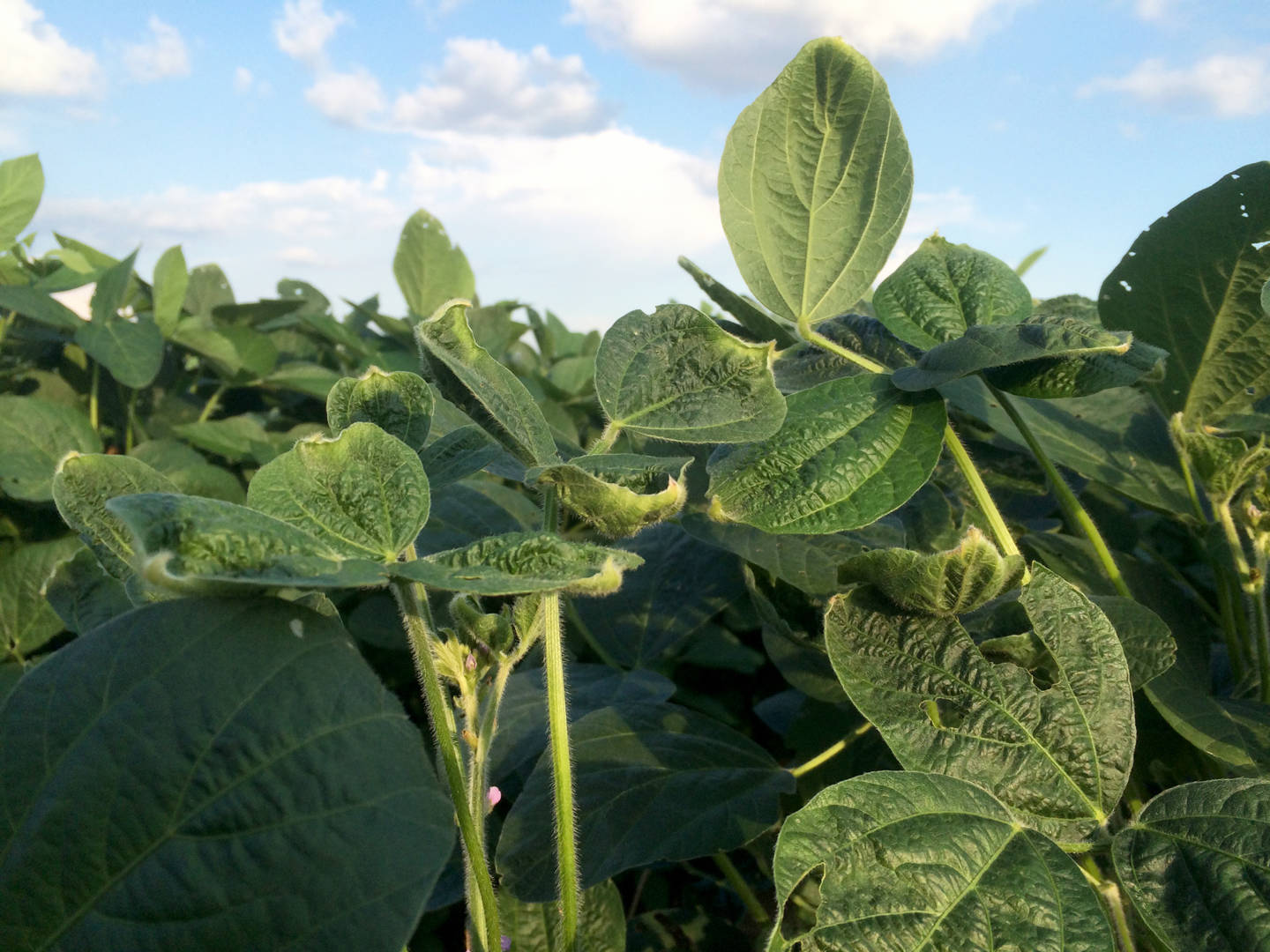
"caption": "These soybean leaves show evidence of damage from dicamba. It could cut the the harvest by 10 to 30 percent.",
"description": "These soybean leaves show evidence of damage from dicamba. It could cut the the harvest by 10 to 30 percent.",
"title": "These soybean leaves show evidence of damage from dicamba. It could cut the the harvest by 10 to 30 percent.",
"credit": "Courtesy of the University of Arkansas",
"status": "inherit",
"isLoading": false,
"fetchFailed": false
},
"bayareabites_111092": {
"type": "attachments",
"id": "bayareabites_111092",
"meta": {
"index": "attachments_1716263798",
"site": "bayareabites",
"id": "111092",
"found": true
},
"parent": 111091,
"imgSizes": {
"twentyfourteen-full-width": {
"file": "https://ww2.kqed.org/app/uploads/sites/24/2016/07/salvagesupperclub_enl-a8c6ccc7da776238ba4a2dadb091377879a5f791-1038x576.jpg",
"width": 1038,
"mimeType": "image/jpeg",
"height": 576
},
"thumbnail": {
"file": "https://ww2.kqed.org/app/uploads/sites/24/2016/07/salvagesupperclub_enl-a8c6ccc7da776238ba4a2dadb091377879a5f791-400x266.jpg",
"width": 400,
"mimeType": "image/jpeg",
"height": 266
},
"fd-sm": {
"file": "https://ww2.kqed.org/app/uploads/sites/24/2016/07/salvagesupperclub_enl-a8c6ccc7da776238ba4a2dadb091377879a5f791-960x639.jpg",
"width": 960,
"mimeType": "image/jpeg",
"height": 639
},
"post-thumbnail": {
"file": "https://ww2.kqed.org/app/uploads/sites/24/2016/07/salvagesupperclub_enl-a8c6ccc7da776238ba4a2dadb091377879a5f791-672x372.jpg",
"width": 672,
"mimeType": "image/jpeg",
"height": 372
},
"kqedFullSize": {
"file": "https://ww2.kqed.org/app/uploads/sites/24/2016/07/salvagesupperclub_enl-a8c6ccc7da776238ba4a2dadb091377879a5f791.jpg",
"width": 2000,
"height": 1332
},
"large": {
"file": "https://ww2.kqed.org/app/uploads/sites/24/2016/07/salvagesupperclub_enl-a8c6ccc7da776238ba4a2dadb091377879a5f791-1440x959.jpg",
"width": 1440,
"mimeType": "image/jpeg",
"height": 959
},
"guest-author-50": {
"file": "https://ww2.kqed.org/app/uploads/sites/24/2016/07/salvagesupperclub_enl-a8c6ccc7da776238ba4a2dadb091377879a5f791-50x50.jpg",
"width": 50,
"mimeType": "image/jpeg",
"height": 50
},
"guest-author-96": {
"file": "https://ww2.kqed.org/app/uploads/sites/24/2016/07/salvagesupperclub_enl-a8c6ccc7da776238ba4a2dadb091377879a5f791-96x96.jpg",
"width": 96,
"mimeType": "image/jpeg",
"height": 96
},
"medium": {
"file": "https://ww2.kqed.org/app/uploads/sites/24/2016/07/salvagesupperclub_enl-a8c6ccc7da776238ba4a2dadb091377879a5f791-800x533.jpg",
"width": 800,
"mimeType": "image/jpeg",
"height": 533
},
"guest-author-64": {
"file": "https://ww2.kqed.org/app/uploads/sites/24/2016/07/salvagesupperclub_enl-a8c6ccc7da776238ba4a2dadb091377879a5f791-64x64.jpg",
"width": 64,
"mimeType": "image/jpeg",
"height": 64
},
"guest-author-32": {
"file": "https://ww2.kqed.org/app/uploads/sites/24/2016/07/salvagesupperclub_enl-a8c6ccc7da776238ba4a2dadb091377879a5f791-32x32.jpg",
"width": 32,
"mimeType": "image/jpeg",
"height": 32
},
"cat_post_thumb_sizecategory-posts-2": {
"file": "https://ww2.kqed.org/app/uploads/sites/24/2016/07/salvagesupperclub_enl-a8c6ccc7da776238ba4a2dadb091377879a5f791-150x150.jpg",
"width": 150,
"mimeType": "image/jpeg",
"height": 150
},
"fd-lrg": {
"file": "https://ww2.kqed.org/app/uploads/sites/24/2016/07/salvagesupperclub_enl-a8c6ccc7da776238ba4a2dadb091377879a5f791-1920x1279.jpg",
"width": 1920,
"mimeType": "image/jpeg",
"height": 1279
},
"fd-med": {
"file": "https://ww2.kqed.org/app/uploads/sites/24/2016/07/salvagesupperclub_enl-a8c6ccc7da776238ba4a2dadb091377879a5f791-1180x786.jpg",
"width": 1180,
"mimeType": "image/jpeg",
"height": 786
},
"detail": {
"file": "https://ww2.kqed.org/app/uploads/sites/24/2016/07/salvagesupperclub_enl-a8c6ccc7da776238ba4a2dadb091377879a5f791-150x150.jpg",
"width": 150,
"mimeType": "image/jpeg",
"height": 150
},
"medium_large": {
"file": "https://ww2.kqed.org/app/uploads/sites/24/2016/07/salvagesupperclub_enl-a8c6ccc7da776238ba4a2dadb091377879a5f791-768x511.jpg",
"width": 768,
"mimeType": "image/jpeg",
"height": 511
},
"guest-author-128": {
"file": "https://ww2.kqed.org/app/uploads/sites/24/2016/07/salvagesupperclub_enl-a8c6ccc7da776238ba4a2dadb091377879a5f791-128x128.jpg",
"width": 128,
"mimeType": "image/jpeg",
"height": 128
}
},
"publishDate": 1469804298,
"modified": 1469804859,
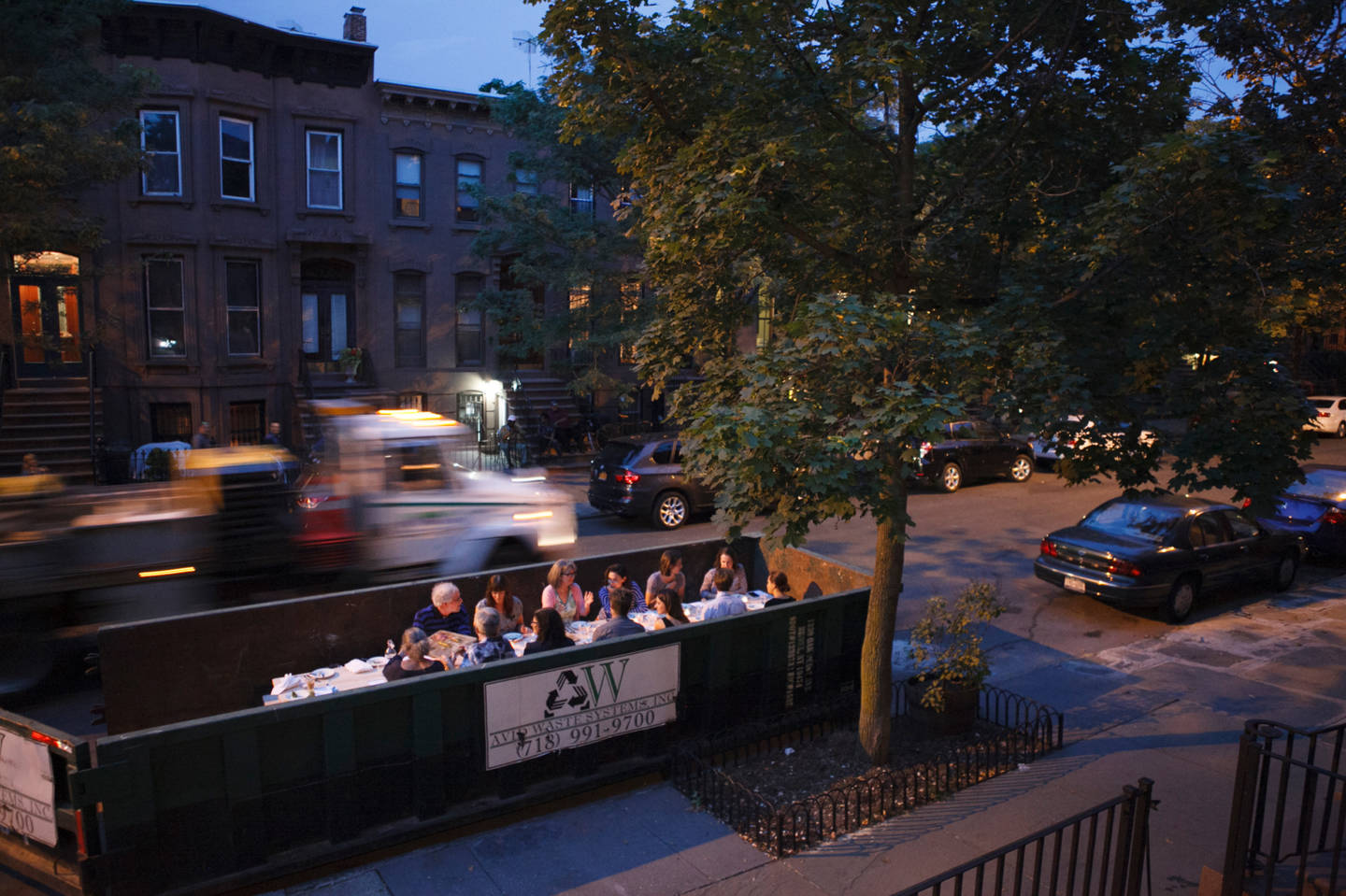
"caption": "The Salvage Supperclub hosts dinners in clean, tastefully decked out dumpsters. The menus highlight ingredients frequently tossed out by home cooks – think wilted basil or bruised plums — that could be put to tastier uses.",
"description": "The Salvage Supperclub hosts dinners in clean, tastefully decked out dumpsters. The menus highlight ingredients frequently tossed out by home cooks – think wilted basil or bruised plums — that could be put to tastier",
"title": "The Salvage Supperclub hosts dinners in clean, tastefully decked out dumpsters. The menus highlight ingredients frequently tossed out by home cooks – think wilted basil or bruised plums — that could be put to tastier uses.",
"credit": "Courtesy of Andrew Hinderaker",
"status": "inherit",
"isLoading": false,
"fetchFailed": false
}
},
"audioPlayerReducer": {
"postId": "stream_live",
"isPaused": true,
"isPlaying": false,
"pfsActive": false,
"pledgeModalIsOpen": true,
"playerDrawerIsOpen": false,
"liveAudioPlayStartedAt": 0,
"liveAudioPlayContext": ""
},
"authorsReducer": {
"byline_bayareabites_112046": {
"type": "authors",
"id": "byline_bayareabites_112046",
"meta": {
"override": true
},
"slug": "byline_bayareabites_112046",
"name": "Andrea Nguyen, NPR Food",
"isLoading": false
},
"byline_bayareabites_112022": {
"type": "authors",
"id": "byline_bayareabites_112022",
"meta": {
"override": true
},
"slug": "byline_bayareabites_112022",
"name": "Maanvi Singh, NPR Food",
"isLoading": false
},
"byline_bayareabites_111931": {
"type": "authors",
"id": "byline_bayareabites_111931",
"meta": {
"override": true
},
"slug": "byline_bayareabites_111931",
"name": "Elise Hu, NPR Food",
"isLoading": false
},
"byline_bayareabites_111828": {
"type": "authors",
"id": "byline_bayareabites_111828",
"meta": {
"override": true
},
"slug": "byline_bayareabites_111828",
"name": "Dan Charles, NPR Food",
"isLoading": false
},
"byline_bayareabites_111706": {
"type": "authors",
"id": "byline_bayareabites_111706",
"meta": {
"override": true
},
"slug": "byline_bayareabites_111706",
"name": "Maria Godoy, NPR Food",
"isLoading": false
},
"byline_bayareabites_111685": {
"type": "authors",
"id": "byline_bayareabites_111685",
"meta": {
"override": true
},
"slug": "byline_bayareabites_111685",
"name": "Dan Charles, NPR Food",
"isLoading": false
},
"byline_bayareabites_111565": {
"type": "authors",
"id": "byline_bayareabites_111565",
"meta": {
"override": true
},
"slug": "byline_bayareabites_111565",
"name": "Jessica Leigh Hester, \u003ca href=\"https://ww2.kqed.org/bayareabites/author/nprfood/\">NPR Food\u003c/a>",
"isLoading": false
},
"byline_bayareabites_111409": {
"type": "authors",
"id": "byline_bayareabites_111409",
"meta": {
"override": true
},
"slug": "byline_bayareabites_111409",
"name": "Alastair Bland, \u003ca href=\"https://ww2.kqed.org/bayareabites/author/nprfood/\">NPR Food\u003c/a>",
"isLoading": false
},
"byline_bayareabites_111350": {
"type": "authors",
"id": "byline_bayareabites_111350",
"meta": {
"override": true
},
"slug": "byline_bayareabites_111350",
"name": "Luke Runyon, Harvest Public Media at NPR Food",
"isLoading": false
},
"byline_bayareabites_111121": {
"type": "authors",
"id": "byline_bayareabites_111121",
"meta": {
"override": true
},
"slug": "byline_bayareabites_111121",
"name": "Dan Charles, NPR Food",
"isLoading": false
},
"byline_bayareabites_111091": {
"type": "authors",
"id": "byline_bayareabites_111091",
"meta": {
"override": true
},
"slug": "byline_bayareabites_111091",
"name": "\u003ca href=\"https://ww2.kqed.org/bayareabites/author/sarahhenry/\">Sarah Henry\u003c/a>, \u003ca href=\"http://ediblesanfrancisco.ediblefeast.com/wasted\">Edible SF\u003c/a> at NPR Food",
"isLoading": false
},
"wendy-goodfriend": {
"type": "authors",
"id": "5014",
"meta": {
"index": "authors_1716337520",
"id": "5014",
"found": true
},
"name": "Wendy Goodfriend",
"firstName": "Wendy",
"lastName": "Goodfriend",
"slug": "wendy-goodfriend",
"email": "wendy@wendygoodfriend.com",
"display_author_email": false,
"staff_mastheads": [],
"title": "KQED Contributor",
"bio": "I was the Senior Digital Producer for KQED Food up until July, 2018. Since 2001, I designed, produced, managed and contributed to mostly food-related websites and blogs for KQED including: KQED.org; KQED Food; Bay Area Bites; Check, Please! Bay Area; Taste This; Celebrity Chefs; seven of Jacques Pepin's TV series websites; and Joanne Weir's Cooking in the City. I initiated the majority of KQED Food's social media feeds and maintained them up until 2017. As far as content creation, photography is my passion and I also shoot video and write stories. My photos have been used in articles for KQED Food, News, Arts, and Science as well as for promotional purposes in print and online. Professional education and training includes: clinical psychology, photography, commercial cooking, web design, information architecture and UX.",
"avatar": "https://secure.gravatar.com/avatar/dfba64372339cc34cf17e446e6f18fa8?s=600&d=blank&r=g",
"twitter": null,
"facebook": "bayareabites",
"instagram": null,
"linkedin": "wendygoodfriend",
"sites": [
{
"site": "jpepinheart",
"roles": []
},
{
"site": "about",
"roles": [
"editor"
]
},
{
"site": "bayareabites",
"roles": [
"subscriber"
]
},
{
"site": "science",
"roles": [
"administrator"
]
},
{
"site": "checkplease",
"roles": [
"subscriber"
]
},
{
"site": "food",
"roles": [
"author"
]
},
{
"site": "essentialpepin",
"roles": [
"administrator"
]
}
],
"headData": {
"title": "Wendy Goodfriend | KQED",
"description": "KQED Contributor",
"ogImgSrc": "https://secure.gravatar.com/avatar/dfba64372339cc34cf17e446e6f18fa8?s=600&d=blank&r=g",
"twImgSrc": "https://secure.gravatar.com/avatar/dfba64372339cc34cf17e446e6f18fa8?s=600&d=blank&r=g"
},
"isLoading": false,
"link": "/author/wendy-goodfriend"
},
"stephanie-rosenbaum": {
"type": "authors",
"id": "5038",
"meta": {
"index": "authors_1716337520",
"id": "5038",
"found": true
},
"name": "Stephanie Rosenbaum Klassen",
"firstName": "Stephanie",
"lastName": "Rosenbaum Klassen",
"slug": "stephanie-rosenbaum",
"email": "dixieday@aol.com",
"display_author_email": false,
"staff_mastheads": [],
"title": "KQED Contributor",
"bio": "Stephanie Rosenbaum Klassen is a longtime local food writer, author, and cook. Her books include The Art of Vintage Cocktails (Egg & Dart Press), World of Doughnuts (Egg & Dart Press); Kids in the Kitchen: Fun Food (Williams Sonoma); Honey from Flower to Table (Chronicle Books) and The Astrology Cookbook: A Cosmic Guide to Feasts of Love (Manic D Press). She has studied organic farming at UCSC and holds a certificate in Ecological Horticulture from the Center for Agroecology and Sustainable Food Systems. She does frequent cooking demonstrations at local farmers’ markets and has taught food writing at Media Alliance in San Francisco and the Continuing Education program at Stanford University. She has been the lead restaurant critic for the San Francisco Bay Guardian as well as for San Francisco magazine. She has been an assistant chef at the Headlands Center for the Arts, an artists' residency program located in the Marin Headlands, and a production cook at the Marin Sun Farms Cafe in Pt Reyes Station. After some 20 years in San Francisco interspersed with stints in Oakland, Santa Cruz, Brooklyn, and Manhattan, she recently moved to Sonoma county but still writes in San Francisco several days a week.",
"avatar": "https://secure.gravatar.com/avatar/26520681f950a766c2c0eb9872646dec42b88de07cc4cdd65958385671e93cf7?s=600&d=mm&r=g",
"twitter": "sjrosenbaum",
"bluesky": null,
"facebook": null,
"instagram": null,
"linkedin": null,
"sites": [
{
"site": "bayareabites",
"roles": [
"subscriber"
]
},
{
"site": "food",
"roles": [
"subscriber"
]
}
],
"headData": {
"title": "Stephanie Rosenbaum Klassen | KQED",
"description": "KQED Contributor",
"ogImgSrc": "https://secure.gravatar.com/avatar/26520681f950a766c2c0eb9872646dec42b88de07cc4cdd65958385671e93cf7?s=600&d=mm&r=g",
"twImgSrc": "https://secure.gravatar.com/avatar/26520681f950a766c2c0eb9872646dec42b88de07cc4cdd65958385671e93cf7?s=600&d=mm&r=g"
},
"isLoading": false,
"link": "/author/stephanie-rosenbaum"
}
},
"pagesReducer": {
"bayareabites_category_politics-activism-food-safety": {
"type": "terms",
"id": "bayareabites_2035",
"meta": {
"index": "terms_1716263798",
"site": "bayareabites",
"id": "2035",
"score": 13.89634
},
"featImg": null,
"name": "politics, activism, food safety",
"description": null,
"taxonomy": "category",
"headData": {
"twImgId": null,
"twTitle": null,
"ogTitle": null,
"ogImgId": null,
"twDescription": null,
"description": null,
"title": "politics, activism, food safety Archives | KQED Bay Area Bites",
"ogDescription": null
},
"ttid": 943,
"slug": "politics-activism-food-safety",
"isLoading": false,
"title": "politics, activism, food safety",
"pageMeta": {
"site": "bayareabites",
"WpPageTemplate": "page-topic-editorial",
"currentPage": 20
},
"blocks": [
{
"blockName": "kqed/post-list",
"attrs": {
"layout": "cardArticle2",
"query": "posts/bayareabites?category=politics-activism-food-safety",
"seeMore": false,
"paginated": true,
"page": 20
}
},
{
"blockName": "kqed/ad"
}
]
}
},
"pfsSessionReducer": {},
"postsReducer": {
"stream_live": {
"type": "live",
"id": "stream_live",
"audioUrl": "https://streams.kqed.org/kqedradio",
"title": "Live Stream",
"excerpt": "Live Stream information currently unavailable.",
"link": "/radio",
"featImg": "",
"label": {
"name": "KQED Live",
"link": "/"
}
},
"stream_kqedNewscast": {
"type": "posts",
"id": "stream_kqedNewscast",
"audioUrl": "https://www.kqed.org/.stream/anon/radio/RDnews/newscast.mp3?_=1",
"title": "KQED Newscast",
"featImg": "",
"label": {
"name": "88.5 FM",
"link": "/"
}
},
"bayareabites_112046": {
"type": "posts",
"id": "bayareabites_112046",
"meta": {
"index": "posts_1716263798",
"site": "bayareabites",
"id": "112046",
"score": null,
"sort": [
1473798436000
]
},
"parent": 0,
"labelTerm": {
"site": "bayareabites"
},
"blocks": [],
"publishDate": 1473798436,
"format": "standard",
"disqusTitle": "Don't Call It 'The New Ramen': Why Pho Is Central To Vietnamese Identity",
"title": "Don't Call It 'The New Ramen': Why Pho Is Central To Vietnamese Identity",
"headTitle": "Bay Area Bites | KQED Food",
"content": "\u003cp>I fell for pho in Saigon in 1974, when I was 5 years old. When my family came to America in 1975, my mom satisfied our family's cravings for the aromatic beef noodle soup with homemade batches, served on Sundays after Morning Mass. As Vietnamese expatriates, we savored pho as a very special food, a gateway to our cultural roots. When we didn't have pho at home, we went out for it in Orange County, California's Little Saigon, patronizing mom-and-pop shops that welcomed us with the perfume of pho broth.\u003c/p>\n\u003cp>Nowadays, there are many more pho options beyond the Vietnamese communities and I love to check them out whenever possible. From the cooks in the kitchen to the servers and customers in the dining room, more non-Vietnamese people are getting into the pho scene. As a cookbook author and cooking teacher, I also know first-hand that a multicultural mix of home cooks across America is interested in making pho.\u003c/p>\n\u003cp>The soup's crossover from Asian enclaves into the mainstream is surely what inspired the editors of Bon Appétit to launch last week's ill-fated instructional video for eating pho. By now, you may have heard of the debacle: The magazine invited a non-Asian chef to explain the differences between ramen, another popular Asian noodle soup, and pho and to share his best-practices for how to eat the noodle soup. They pitched the video as a public service announcement: \"PSA: This is How You Should be Eating Pho.\" Encouraging the food-obsessed to follow their lead, they declared that \"Pho Is the New Ramen.\" The video went viral — but for all the wrong reasons. The backlash — accusations of cultural appropriation and imperialism — caused a virtual boil over. Bon Appétit quickly removed the video and \u003ca href=\"http://www.bonappetit.com/story/how-you-should-eating-pho\">issued an apology\u003c/a>. (You can still see the \u003ca href=\"http://www.cosmopolitan.com/food-cocktails/news/a63868/bon-appetit-pho-controversy/\">video here\u003c/a>.)\u003c/p>\n\u003cp>Much of the anger centered around the choice of a white person to authoritatively speak about an Asian food. As the chef shared his personal insights, he never mentioned his fondness for the soup, his personal connections to it. That omission was an editorial mistake. Treating pho as merely a fashionable food negated its rich role in Vietnamese, Vietnamese-American, and now, American culture.\u003c/p>\n\u003cp>Pho has always been unpretentious and democratic, inviting everyone to experience and appreciate it. However, pho also represents the history of Vietnam and its push for self-determination. Born during the French colonial period, this dish persisted through political upheaval and economic hardship, then resettled and flourished with Vietnamese immigrants all over the globe.\u003c/p>\n\u003cp>[ad fullwidth]\u003c/p>\n\u003cp>Pho has a story that's much longer than a noodle strand. The noodle soup was created at the beginning of the 20th century as genius make-do cooking. French colonials in Vietnam ordered the slaughtering of cows for the steaks they craved. The bones and tough cuts were left to local cooks, who were used to cows as draft animals but soon found a way to turn the leftovers into delicious broth with rice noodles and thinly sliced meat. It was sold as affordable street food that vendors customized for each diner. Pho fans came from all backgrounds, as the soup's popularity spread — from Hanoi in the north to Saigon (now Ho Chi Minh City) in the south. Inspiring cooks and even poets, it became Vietnam's national food.\u003c/p>\n\u003cp>Vietnamese people are nationalistic, and pho is not only part of their cuisine but also their pride. Yes, it was the French who made beef scraps available, and yes, many of the initial pho cooks were Chinese, but the noodle soup was created in Vietnam. The Vietnamese people made the best of their circumstances and turned the situation into something of their own. No one may claim pho but the Vietnamese, whom, as history has proven, are a feisty bunch.\u003c/p>\n\u003cp>We'll never know how aware the critics who took Bon Appétit to task were of pho's history and meaning. As a Vietnamese-American, I wasn't angered that the chef featured in the video was white; I'm glad that this soup that forms such a rich part of my cultural identity is gaining new fans, and I welcome all into the kitchen to cook it. But, for an authoritative lesson on pho, which is what this video purported to be, why not tap one of the many Vietnamese-American mom-and-pop shops that have long kept this traditional soup simmering around the country? Or, how about letting a Vietnamese-American chef compare notes with the non-Asian chef?\u003c/p>\n\u003cp>At Mic, a news site with a millennial audience, the controversy was framed as \"\u003ca href=\"https://mic.com/articles/153733/bon-appetit-video-of-white-chef-explaining-how-to-eat-pho-is-peak-cuisine-columbusing#.kAzGT5uPf\">Columbusing\u003c/a>\" – a word that describes when white people \"discover\" something that has been around for years, or even centuries. The term was new to me, but the concept was not. For years, some people conjectured that pho had strong French roots because it resembled\u003cem> feu \u003c/em>(\"fire\" in French), as in \u003cem>pot-au-feu\u003c/em>, the boiled beef dinner. The noodle soup's name most likely evolved from the Vietnamese pronunciation of \u003cem>fen\u003c/em>, the Chinese term for flat rice noodles. In applying the Columbus metaphor, Mic signaled that pho had truly become part of America's multicultural table. It had become a vehicle for having a difficult, important conversation about race.\u003c/p>\n\u003cp>This controversy will likely dissipate, like so many things on the Internet. But if there's anything to be learned from the video fiasco, it's this: Food can — and should — be a way for us to foster deeper understanding of one another.\u003c/p>\n\u003chr>\n\u003cp>\u003cem>Andrea Nguyen is a teacher, consultant and author of the forthcoming work\u003c/em> The Pho Cookbook. \u003c/p>\n\u003cp>\u003c/p>\n\u003cp> \u003cem>Copyright 2016 \u003ca href=\"http://www.npr.org/\" target=\"_blank\">NPR\u003c/a>.\u003c/em>\u003c/p>\n\n",
"disqusIdentifier": "112046 http://ww2.kqed.org/bayareabites/?p=112046",
"disqusUrl": "https://ww2.kqed.org/bayareabites/2016/09/13/dont-call-it-the-new-ramen-why-pho-is-central-to-vietnamese-identity/",
"stats": {
"hasVideo": false,
"hasChartOrMap": false,
"hasAudio": false,
"hasPolis": false,
"wordCount": 963,
"hasGoogleForm": false,
"hasGallery": false,
"hasHearkenModule": false,
"iframeSrcs": [],
"paragraphCount": 14
},
"modified": 1473798436,
"excerpt": "Pho has a rich role in Vietnamese, Vietnamese-American, and now, American culture. Which is why a video featuring a white chef explaining how to eat pho as the next trendy food angered so many.",
"headData": {
"twImgId": "",
"twTitle": "",
"ogTitle": "",
"ogImgId": "",
"twDescription": "",
"description": "Pho has a rich role in Vietnamese, Vietnamese-American, and now, American culture. Which is why a video featuring a white chef explaining how to eat pho as the next trendy food angered so many.",
"title": "Don't Call It 'The New Ramen': Why Pho Is Central To Vietnamese Identity | KQED",
"ogDescription": "",
"schema": {
"@context": "https://schema.org",
"@type": "Article",
"headline": "Don't Call It 'The New Ramen': Why Pho Is Central To Vietnamese Identity",
"datePublished": "2016-09-13T13:27:16-07:00",
"dateModified": "2016-09-13T13:27:16-07:00",
"image": "https://cdn.kqed.org/wp-content/uploads/2020/02/KQED-OG-Image@1x.png"
}
},
"guestAuthors": [],
"slug": "dont-call-it-the-new-ramen-why-pho-is-central-to-vietnamese-identity",
"status": "publish",
"nprApiLink": "http://api.npr.org/query?id=493322073&apiKey=MDAxOTAwOTE4MDEyMTkxMDAzNjczZDljZA004",
"nprByline": "Andrea Nguyen, NPR Food",
"nprStoryDate": "Tue, 13 Sep 2016 07:00:00 -0400",
"nprLastModifiedDate": "Tue, 13 Sep 2016 10:34:26 -0400",
"nprHtmlLink": "http://www.npr.org/sections/thesalt/2016/09/13/493322073/dont-call-it-the-new-ramen-why-pho-is-central-to-vietnamese-identity?ft=nprml&f=493322073",
"nprImageAgency": "Andrea Nguyen for NPR",
"nprStoryId": "493322073",
"nprRetrievedStory": "1",
"nprPubDate": "Tue, 13 Sep 2016 10:34:00 -0400",
"path": "/bayareabites/112046/dont-call-it-the-new-ramen-why-pho-is-central-to-vietnamese-identity",
"audioTrackLength": null,
"parsedContent": [
{
"type": "contentString",
"content": "\u003cdiv class=\"post-body\">\u003cp>\u003cp>I fell for pho in Saigon in 1974, when I was 5 years old. When my family came to America in 1975, my mom satisfied our family's cravings for the aromatic beef noodle soup with homemade batches, served on Sundays after Morning Mass. As Vietnamese expatriates, we savored pho as a very special food, a gateway to our cultural roots. When we didn't have pho at home, we went out for it in Orange County, California's Little Saigon, patronizing mom-and-pop shops that welcomed us with the perfume of pho broth.\u003c/p>\n\u003cp>Nowadays, there are many more pho options beyond the Vietnamese communities and I love to check them out whenever possible. From the cooks in the kitchen to the servers and customers in the dining room, more non-Vietnamese people are getting into the pho scene. As a cookbook author and cooking teacher, I also know first-hand that a multicultural mix of home cooks across America is interested in making pho.\u003c/p>\n\u003cp>The soup's crossover from Asian enclaves into the mainstream is surely what inspired the editors of Bon Appétit to launch last week's ill-fated instructional video for eating pho. By now, you may have heard of the debacle: The magazine invited a non-Asian chef to explain the differences between ramen, another popular Asian noodle soup, and pho and to share his best-practices for how to eat the noodle soup. They pitched the video as a public service announcement: \"PSA: This is How You Should be Eating Pho.\" Encouraging the food-obsessed to follow their lead, they declared that \"Pho Is the New Ramen.\" The video went viral — but for all the wrong reasons. The backlash — accusations of cultural appropriation and imperialism — caused a virtual boil over. Bon Appétit quickly removed the video and \u003ca href=\"http://www.bonappetit.com/story/how-you-should-eating-pho\">issued an apology\u003c/a>. (You can still see the \u003ca href=\"http://www.cosmopolitan.com/food-cocktails/news/a63868/bon-appetit-pho-controversy/\">video here\u003c/a>.)\u003c/p>\n\u003cp>Much of the anger centered around the choice of a white person to authoritatively speak about an Asian food. As the chef shared his personal insights, he never mentioned his fondness for the soup, his personal connections to it. That omission was an editorial mistake. Treating pho as merely a fashionable food negated its rich role in Vietnamese, Vietnamese-American, and now, American culture.\u003c/p>\n\u003cp>Pho has always been unpretentious and democratic, inviting everyone to experience and appreciate it. However, pho also represents the history of Vietnam and its push for self-determination. Born during the French colonial period, this dish persisted through political upheaval and economic hardship, then resettled and flourished with Vietnamese immigrants all over the globe.\u003c/p>\n\u003cp>\u003c/p>\u003c/div>",
"attributes": {
"named": {},
"numeric": []
}
},
{
"type": "component",
"content": "",
"name": "ad",
"attributes": {
"named": {
"label": "fullwidth"
},
"numeric": [
"fullwidth"
]
}
},
{
"type": "contentString",
"content": "\u003cdiv class=\"post-body\">\u003cp>\u003c/p>\n\u003cp>Pho has a story that's much longer than a noodle strand. The noodle soup was created at the beginning of the 20th century as genius make-do cooking. French colonials in Vietnam ordered the slaughtering of cows for the steaks they craved. The bones and tough cuts were left to local cooks, who were used to cows as draft animals but soon found a way to turn the leftovers into delicious broth with rice noodles and thinly sliced meat. It was sold as affordable street food that vendors customized for each diner. Pho fans came from all backgrounds, as the soup's popularity spread — from Hanoi in the north to Saigon (now Ho Chi Minh City) in the south. Inspiring cooks and even poets, it became Vietnam's national food.\u003c/p>\n\u003cp>Vietnamese people are nationalistic, and pho is not only part of their cuisine but also their pride. Yes, it was the French who made beef scraps available, and yes, many of the initial pho cooks were Chinese, but the noodle soup was created in Vietnam. The Vietnamese people made the best of their circumstances and turned the situation into something of their own. No one may claim pho but the Vietnamese, whom, as history has proven, are a feisty bunch.\u003c/p>\n\u003cp>We'll never know how aware the critics who took Bon Appétit to task were of pho's history and meaning. As a Vietnamese-American, I wasn't angered that the chef featured in the video was white; I'm glad that this soup that forms such a rich part of my cultural identity is gaining new fans, and I welcome all into the kitchen to cook it. But, for an authoritative lesson on pho, which is what this video purported to be, why not tap one of the many Vietnamese-American mom-and-pop shops that have long kept this traditional soup simmering around the country? Or, how about letting a Vietnamese-American chef compare notes with the non-Asian chef?\u003c/p>\n\u003cp>At Mic, a news site with a millennial audience, the controversy was framed as \"\u003ca href=\"https://mic.com/articles/153733/bon-appetit-video-of-white-chef-explaining-how-to-eat-pho-is-peak-cuisine-columbusing#.kAzGT5uPf\">Columbusing\u003c/a>\" – a word that describes when white people \"discover\" something that has been around for years, or even centuries. The term was new to me, but the concept was not. For years, some people conjectured that pho had strong French roots because it resembled\u003cem> feu \u003c/em>(\"fire\" in French), as in \u003cem>pot-au-feu\u003c/em>, the boiled beef dinner. The noodle soup's name most likely evolved from the Vietnamese pronunciation of \u003cem>fen\u003c/em>, the Chinese term for flat rice noodles. In applying the Columbus metaphor, Mic signaled that pho had truly become part of America's multicultural table. It had become a vehicle for having a difficult, important conversation about race.\u003c/p>\n\u003cp>This controversy will likely dissipate, like so many things on the Internet. But if there's anything to be learned from the video fiasco, it's this: Food can — and should — be a way for us to foster deeper understanding of one another.\u003c/p>\n\u003chr>\n\u003cp>\u003cem>Andrea Nguyen is a teacher, consultant and author of the forthcoming work\u003c/em> The Pho Cookbook. \u003c/p>\n\u003cp>\u003c/p>\n\u003cp> \u003cem>Copyright 2016 \u003ca href=\"http://www.npr.org/\" target=\"_blank\">NPR\u003c/a>.\u003c/em>\u003c/p>\n\n\u003c/div>\u003c/p>",
"attributes": {
"named": {},
"numeric": []
}
}
],
"link": "/bayareabites/112046/dont-call-it-the-new-ramen-why-pho-is-central-to-vietnamese-identity",
"authors": [
"byline_bayareabites_112046"
],
"categories": [
"bayareabites_2998",
"bayareabites_2035"
],
"tags": [
"bayareabites_335",
"bayareabites_1278",
"bayareabites_4042",
"bayareabites_68"
],
"featImg": "bayareabites_112047",
"label": "bayareabites"
},
"bayareabites_112022": {
"type": "posts",
"id": "bayareabites_112022",
"meta": {
"index": "posts_1716263798",
"site": "bayareabites",
"id": "112022",
"score": null,
"sort": [
1473460017000
]
},
"parent": 0,
"labelTerm": {
"site": "bayareabites"
},
"blocks": [],
"publishDate": 1473460017,
"format": "standard",
"disqusTitle": "Let's Talk Tiki Bars: Harmless Fun Or Exploitation?",
"title": "Let's Talk Tiki Bars: Harmless Fun Or Exploitation?",
"headTitle": "Bay Area Bites | KQED Food",
"content": "\u003cp>\u003cstrong>Listen to the story on All Things Considered:\u003c/strong>\u003cbr>\nhttps://ondemand.npr.org/anon.npr-mp3/npr/atc/2016/09/20160907_atc_lets_talk_tiki_bars_harmless_fun_or_exploitation.mp3\u003c/p>\n\u003cp>Say you want to escape the doldrums of daily life — but you can't quite afford a trip to Hawaii. Why not to head to your local tiki bar for a sample of the South Seas?\u003c/p>\n\u003cp>These faux-Polynesian, palm-thatched rum palaces that were all the rage in the 1960s are now making a comeback. Leading this nouveau-tiki movement are \u003ca href=\"http://www.lostlaketiki.com/\">Lost Lake\u003c/a> and \u003ca href=\"http://threedotschicago.com/\">Three Dots and a Dash in Chicago\u003c/a>, \u003ca href=\"http://leilowhtx.com/\">Lei Low\u003c/a> in Houston and \u003ca href=\"http://beachbumberry.com/latitude29.html\">Latitude 29\u003c/a> in New Orleans.\u003c/p>\n\u003cp>The newest, hippest island-themed establishment in Washington, D.C., is called Archipelago — and it's tiki-kitsch to the max. There are glass fishing floats hanging from the ceiling. A lamp in the corner is shaped like a sexy hula dancer. And by the bar they've got a shrine dedicated to our favorite Hawaii-based TV private investigator, the '80s-tastic \u003ca href=\"http://www.imdb.com/title/tt0080240/mediaviewer/rm3084765440\">Tom Selleck\u003c/a>.\u003c/p>\n\u003cp>When I meet friends — husband-and-wife duo Eden and Angelo Villagomez — for happy hour here, our first drink is a communal one. It's served in a giant, hollowed-out pineapple and garnished with a flaming lime. The concoction inside is mostly rum, with a bit of fruit on top.\u003c/p>\n\u003cp>[ad fullwidth]\u003c/p>\n\u003cp>\"Can we please put that fire out?\" says Eden, looking skeptically at the drink. She and her husband are both from the western Pacific island of Saipan, and they tell me that bars in their hometown would never serve anything like this. But Angelo savors what our bartender calls the Pineapple of Hospitality. \"This is potent,\" he informs us, as he slurps with verve, through his neon orange Krazy straw (being careful to avoid the flame). \"I'm feeling that hospitality.\"\u003c/p>\n\u003cp>So how did we end up at this boozy, tropical oasis in the middle of buttoned-up Washington, D.C.? To answer that question, we've got to look back about 80 years, says \u003ca href=\"http://www.pacific.edu/Academics/Schools-and-Colleges/College-of-the-Pacific/Academics/Departments-and-Programs/History/Our-Faculty/Directory/Ken-Albala.html\">Ken Albala\u003c/a>, a professor of food history at the University of the Pacific in San Francisco.\u003c/p>\n\u003cfigure id=\"attachment_112024\" class=\"wp-caption aligncenter\" style=\"max-width: 568px\">\u003cimg src=\"http://ww2.kqed.org/bayareabites/wp-content/uploads/sites/24/2016/09/beachcombermenu_enl-ea0e27f4cf1ffd12e3f0047312ffc7755a226621.jpg\" alt=\"The menu at Don the Beachcomber from 1943. The restaurant opened in 1934 in LA, kicking off the tiki bar craze. The menu was loosely inspired by the tropical flavors that owner Donn Beach encountered during his travels in the South Pacific.\" width=\"568\" height=\"667\" class=\"size-full wp-image-112024\" srcset=\"https://ww2.kqed.org/app/uploads/sites/24/2016/09/beachcombermenu_enl-ea0e27f4cf1ffd12e3f0047312ffc7755a226621.jpg 568w, https://ww2.kqed.org/app/uploads/sites/24/2016/09/beachcombermenu_enl-ea0e27f4cf1ffd12e3f0047312ffc7755a226621-400x470.jpg 400w\" sizes=\"(max-width: 568px) 100vw, 568px\">\u003cfigcaption class=\"wp-caption-text\">The menu at Don the Beachcomber from 1943. The restaurant opened in 1934 in LA, kicking off the tiki bar craze. The menu was loosely inspired by the tropical flavors that owner Donn Beach encountered during his travels in the South Pacific. \u003ccite>(California Historical Society/Flickr)\u003c/cite>\u003c/figcaption>\u003c/figure>\n\u003cp>The first tiki bar, called Don the Beachcomber, opened in 1934 in Los Angeles ̶ and it's \u003ca href=\"http://www.donthebeachcomber.com/\">still operating\u003c/a>. It was the brainchild of New Orleans native Ernest Raymond Beaumont Gantt, who traveled the world and explored the Caribbean and the South Pacific, before settling in LA, changing his name to Donn Beach and setting up his namesake restaurant and cocktail lounge. The menu was loosely inspired by the tropical flavors he encountered during his travels.\u003c/p>\n\u003cp>But the tiki trend didn't really take off until World War II, Albala says, when young men deployed to the war's Pacific theater were exposed for the first time to the South Pacific ̶ to Tonga and Fiji and Hawaii. They developed a taste for the tropical, which they passed on to the rest of the nation.\u003c/p>\n\u003cp>\"It was a weird moment in history, when the whole country became fascinated with the South Pacific,\" Albala says, \"just because it was unknown and exotic.\" Rogers and Hammerstein even came out with a \u003ca href=\"http://www.rnh.com/show/97/South-Pacific\">fun musical\u003c/a>. \"Tiki bars and restaurants became wildly popular, Albala says, though they \"made no pretense to being authentically Polynesian.\"\u003c/p>\n\u003cp>\"The menus tended to feature this mish-mosh of pan-Asian fusion dishes,\" Albala says. Many tiki bars, oddly enough, served Chinese food, mostly because back in the '50s, Americans probably didn't know or care much for authentically Polynesian foods, he says. Chinese food was familiar, but still a bit exotic, \"so they must have just decided, 'Well, that's close enough.'\"\u003c/p>\n\u003cp>And although tiki cocktails often feature tropical fruits and flavors, they're entirely American inventions, Albala says. Trader Vic's in Oakland, Calif., \u003ca href=\"http://tradervics.com/the-history-of-trader-vics/\">claims credit \u003c/a>for inventing the now-famous Mai Tai.\u003c/p>\n\u003cfigure id=\"attachment_112025\" class=\"wp-caption aligncenter\" style=\"max-width: 1296px\">\u003cimg src=\"http://ww2.kqed.org/bayareabites/wp-content/uploads/sites/24/2016/09/tradervics_enl-4b504b4f3fc1ce09f19a5ead9d97e3d0efa1a480.jpg\" alt=\"A menu for Trader Vic's from 1939. The lounge claims credit for having invented the well-known island-themed drink Mai Tai.\" width=\"1296\" height=\"2000\" class=\"size-full wp-image-112025\" srcset=\"https://ww2.kqed.org/app/uploads/sites/24/2016/09/tradervics_enl-4b504b4f3fc1ce09f19a5ead9d97e3d0efa1a480.jpg 1296w, https://ww2.kqed.org/app/uploads/sites/24/2016/09/tradervics_enl-4b504b4f3fc1ce09f19a5ead9d97e3d0efa1a480-400x617.jpg 400w, https://ww2.kqed.org/app/uploads/sites/24/2016/09/tradervics_enl-4b504b4f3fc1ce09f19a5ead9d97e3d0efa1a480-800x1235.jpg 800w, https://ww2.kqed.org/app/uploads/sites/24/2016/09/tradervics_enl-4b504b4f3fc1ce09f19a5ead9d97e3d0efa1a480-768x1185.jpg 768w, https://ww2.kqed.org/app/uploads/sites/24/2016/09/tradervics_enl-4b504b4f3fc1ce09f19a5ead9d97e3d0efa1a480-1180x1821.jpg 1180w, https://ww2.kqed.org/app/uploads/sites/24/2016/09/tradervics_enl-4b504b4f3fc1ce09f19a5ead9d97e3d0efa1a480-960x1481.jpg 960w\" sizes=\"(max-width: 1296px) 100vw, 1296px\">\u003cfigcaption class=\"wp-caption-text\">A menu for Trader Vic's from 1939. The lounge claims credit for having invented the well-known island-themed drink Mai Tai. \u003ccite>( Jim Heimann Collection/Getty Images)\u003c/cite>\u003c/figcaption>\u003c/figure>\n\u003cp>Of course, tiki decor draws from Pacific cultures. Tiki, after all, is a Maori word for a type of stone or wooden carving found throughout the islands. But the tiki bar \"is just taking all those cultures and putting them all in a blender and blending it all together to create this Isle of Tiki, which is this mythical place where tiki bars come from,\" says \u003ca href=\"https://twitter.com/kalewa\">Kalewa Correa\u003c/a>, a curator at the Smithsonian's Asian Pacific Islander Center.\u003c/p>\n\u003cp>The man working the real blender at Archipelago, owner Owen Thomson, concurs. Tiki bars, he says, have always been \"three steps removed from anything actually Polynesian.\" At his modern tiki bar, he says, \"it's more about re-creating a piece of Americana, of that 1950s, 1960s style.\"\u003c/p>\n\u003cp>And, it's about re-creating \"that whole ethos of escapism,\" Thomson says. \"One of the reasons you're seeing tiki bars pop up all over America again is because ... all of us [are] staring at our phones all day, wrapped up in whatever stressful thing.\" The tiki bar gives us a reason to sort of step out of your daily life, he adds. \"There's island music and big fruity rum drinks, thatch and bamboo everywhere and you just kind of like, let it all go for a bit.\"\u003c/p>\n\u003cp>Letting it go — that's something Type-A D.C. folks like me should probably do more often. But here's the thing: I'm drinking a piña colada out of a ceramic mug that's shaped like what's actually an important cultural symbol for the Hawaiians and the Maori and the Samoans. And that's something I should probably pause and consider for a minute, says Correa from the Smithsonian.\u003c/p>\n\u003cp>\"What you're looking at — the carvings are either representations of gods, or they're representations of ancestors,\" he says. \"So if we were to put that into a context that Americans would understand, it would be like going into a Christian-themed bar\" with drinks served in glasses shaped like the Virgin Mary.\u003c/p>\n\u003cp>Pacific Islanders have, for the most part, ignored this whole trend, Correa says. \"But seeing your ancient gods or your ancestors in a bar somewhere far from where you are — I think that can be hard.\"\u003c/p>\n\u003cp>Seeing his Hawaiian culture commodified and turned into kitsch can feel invalidating, he adds. \"Really at the root of it, it's exploitation,\" he says. \"It's ignoring the real lives, the real culture and the real problems that we do face.\"\u003c/p>\n\u003cp>Tiki bars can also feed into the idea that the islands are just a place to vacation or escape, he says, when in fact, Pacific islanders have real concerns — like climate change threatening their homeland, and their traditional ways of living.\u003c/p>\n\u003cp>Back at the bar, my companion Angelo Villagomez agrees, but up to a point. \"We're seen as a place that's just a tourist destination,\" he says. \"It's only a place that you go to to have fun.\" That doesn't sit well with many islanders, who think of themselves as earnest, hard workers, he says.\u003c/p>\n\u003cp>But he can understand why tourists become so enamored with the islands that they try to re-create the experience at tiki bars and restaurants. \"There is something special about Pacific communities,\" he explains. \"When people visit they do feel welcome, they do feel like they're part of the community.\" The \"Aloha spirit,\" as they call it in Hawaii, is infectious. \"I think bars like the one we're at,\" he says, \"are sort of an attempt by people in the mainland to re-create some of that spirit. And maybe they're kind of re-creating it completely incorrectly. But I do think it comes from a good place.\"\u003c/p>\n\u003cp>Besides, he adds, he's really into his Pineapple of Hospitality. \"I mean, I'm having fun; I've got good food, good rum\" — not to mention a Krazy straw.\u003c/p>\n\u003cp>\"The way we look in the popular culture is more an issue of identity,\" he starts to say before taking a swig of cocktail. But he loses his train of thought. \"Man, this rum is good,\" he says, laughing. \"What was your question again? Because I think rum is the answer.\" \u003c/p>\n\u003cp>[ad floatright]\u003c/p>\n\u003cp> \u003cem>Copyright 2016 \u003ca href=\"http://www.npr.org/\" target=\"_blank\">NPR\u003c/a>.\u003c/em> \u003c/p>\n\n",
"disqusIdentifier": "112022 http://ww2.kqed.org/bayareabites/?p=112022",
"disqusUrl": "https://ww2.kqed.org/bayareabites/2016/09/09/lets-talk-tiki-bars-harmless-fun-or-exploitation/",
"stats": {
"hasVideo": false,
"hasChartOrMap": false,
"hasAudio": false,
"hasPolis": false,
"wordCount": 1438,
"hasGoogleForm": false,
"hasGallery": false,
"hasHearkenModule": false,
"iframeSrcs": [],
"paragraphCount": 27
},
"modified": 1473460017,
"excerpt": "These faux-Polynesian bars first became popular in the 1960s. Now, they're making a comeback. But some Pacific Islanders say there is a darker side to these downtown slices of paradise.",
"headData": {
"twImgId": "",
"twTitle": "",
"ogTitle": "",
"ogImgId": "",
"twDescription": "",
"description": "These faux-Polynesian bars first became popular in the 1960s. Now, they're making a comeback. But some Pacific Islanders say there is a darker side to these downtown slices of paradise.",
"title": "Let's Talk Tiki Bars: Harmless Fun Or Exploitation? | KQED",
"ogDescription": "",
"schema": {
"@context": "https://schema.org",
"@type": "Article",
"headline": "Let's Talk Tiki Bars: Harmless Fun Or Exploitation?",
"datePublished": "2016-09-09T15:26:57-07:00",
"dateModified": "2016-09-09T15:26:57-07:00",
"image": "https://cdn.kqed.org/wp-content/uploads/2020/02/KQED-OG-Image@1x.png"
}
},
"guestAuthors": [],
"slug": "lets-talk-tiki-bars-harmless-fun-or-exploitation",
"status": "publish",
"nprApiLink": "http://api.npr.org/query?id=492974870&apiKey=MDAxOTAwOTE4MDEyMTkxMDAzNjczZDljZA004",
"nprByline": "Maanvi Singh, NPR Food",
"nprStoryDate": "Wed, 07 Sep 2016 15:32:00 -0400",
"nprLastModifiedDate": "Thu, 08 Sep 2016 13:46:19 -0400",
"nprHtmlLink": "http://www.npr.org/sections/thesalt/2016/09/07/492974870/lets-talk-tiki-bars-harmless-fun-or-exploitation?ft=nprml&f=492974870",
"nprAudio": "https://ondemand.npr.org/anon.npr-mp3/npr/atc/2016/09/20160907_atc_lets_talk_tiki_bars_harmless_fun_or_exploitation.mp3?orgId=1&topicId=1053&d=257&p=2&story=492974870&t=progseg&e=492931559&seg=15&ft=nprml&f=492974870",
"nprImageAgency": "Courtesy of Archipelago",
"nprImageCredit": "Frank N. Carlson",
"nprAudioM3u": "http://api.npr.org/m3u/1493034458-595e8f.m3u?orgId=1&topicId=1053&d=257&p=2&story=492974870&t=progseg&e=492931559&seg=15&ft=nprml&f=492974870",
"nprStoryId": "492974870",
"nprRetrievedStory": "1",
"nprPubDate": "Thu, 08 Sep 2016 13:46:00 -0400",
"path": "/bayareabites/112022/lets-talk-tiki-bars-harmless-fun-or-exploitation",
"audioUrl": "https://ondemand.npr.org/anon.npr-mp3/npr/atc/2016/09/20160907_atc_lets_talk_tiki_bars_harmless_fun_or_exploitation.mp3?orgId=1&topicId=1053&d=257&p=2&story=492974870&t=progseg&e=492931559&seg=15&ft=nprml&f=492974870",
"audioTrackLength": null,
"parsedContent": [
{
"type": "contentString",
"content": "\u003cdiv class=\"post-body\">\u003cp>\u003cp>\u003cstrong>Listen to the story on All Things Considered:\u003c/strong>\u003cbr>\n\u003c/p>\u003c/div>",
"attributes": {
"named": {},
"numeric": []
}
},
{
"type": "component",
"content": "",
"name": "nprOneAudioLink",
"attributes": {
"named": {
"src": "https://ondemand.npr.org/anon.npr-mp3/npr/atc/2016/09/20160907_atc_lets_talk_tiki_bars_harmless_fun_or_exploitation.mp3"
},
"numeric": []
}
},
{
"type": "contentString",
"content": "\u003cdiv class=\"post-body\">\u003cp>\u003c/p>\n\u003cp>Say you want to escape the doldrums of daily life — but you can't quite afford a trip to Hawaii. Why not to head to your local tiki bar for a sample of the South Seas?\u003c/p>\n\u003cp>These faux-Polynesian, palm-thatched rum palaces that were all the rage in the 1960s are now making a comeback. Leading this nouveau-tiki movement are \u003ca href=\"http://www.lostlaketiki.com/\">Lost Lake\u003c/a> and \u003ca href=\"http://threedotschicago.com/\">Three Dots and a Dash in Chicago\u003c/a>, \u003ca href=\"http://leilowhtx.com/\">Lei Low\u003c/a> in Houston and \u003ca href=\"http://beachbumberry.com/latitude29.html\">Latitude 29\u003c/a> in New Orleans.\u003c/p>\n\u003cp>The newest, hippest island-themed establishment in Washington, D.C., is called Archipelago — and it's tiki-kitsch to the max. There are glass fishing floats hanging from the ceiling. A lamp in the corner is shaped like a sexy hula dancer. And by the bar they've got a shrine dedicated to our favorite Hawaii-based TV private investigator, the '80s-tastic \u003ca href=\"http://www.imdb.com/title/tt0080240/mediaviewer/rm3084765440\">Tom Selleck\u003c/a>.\u003c/p>\n\u003cp>When I meet friends — husband-and-wife duo Eden and Angelo Villagomez — for happy hour here, our first drink is a communal one. It's served in a giant, hollowed-out pineapple and garnished with a flaming lime. The concoction inside is mostly rum, with a bit of fruit on top.\u003c/p>\n\u003cp>\u003c/p>\u003c/div>",
"attributes": {
"named": {},
"numeric": []
}
},
{
"type": "component",
"content": "",
"name": "ad",
"attributes": {
"named": {
"label": "fullwidth"
},
"numeric": [
"fullwidth"
]
}
},
{
"type": "contentString",
"content": "\u003cdiv class=\"post-body\">\u003cp>\u003c/p>\n\u003cp>\"Can we please put that fire out?\" says Eden, looking skeptically at the drink. She and her husband are both from the western Pacific island of Saipan, and they tell me that bars in their hometown would never serve anything like this. But Angelo savors what our bartender calls the Pineapple of Hospitality. \"This is potent,\" he informs us, as he slurps with verve, through his neon orange Krazy straw (being careful to avoid the flame). \"I'm feeling that hospitality.\"\u003c/p>\n\u003cp>So how did we end up at this boozy, tropical oasis in the middle of buttoned-up Washington, D.C.? To answer that question, we've got to look back about 80 years, says \u003ca href=\"http://www.pacific.edu/Academics/Schools-and-Colleges/College-of-the-Pacific/Academics/Departments-and-Programs/History/Our-Faculty/Directory/Ken-Albala.html\">Ken Albala\u003c/a>, a professor of food history at the University of the Pacific in San Francisco.\u003c/p>\n\u003cfigure id=\"attachment_112024\" class=\"wp-caption aligncenter\" style=\"max-width: 568px\">\u003cimg src=\"http://ww2.kqed.org/bayareabites/wp-content/uploads/sites/24/2016/09/beachcombermenu_enl-ea0e27f4cf1ffd12e3f0047312ffc7755a226621.jpg\" alt=\"The menu at Don the Beachcomber from 1943. The restaurant opened in 1934 in LA, kicking off the tiki bar craze. The menu was loosely inspired by the tropical flavors that owner Donn Beach encountered during his travels in the South Pacific.\" width=\"568\" height=\"667\" class=\"size-full wp-image-112024\" srcset=\"https://ww2.kqed.org/app/uploads/sites/24/2016/09/beachcombermenu_enl-ea0e27f4cf1ffd12e3f0047312ffc7755a226621.jpg 568w, https://ww2.kqed.org/app/uploads/sites/24/2016/09/beachcombermenu_enl-ea0e27f4cf1ffd12e3f0047312ffc7755a226621-400x470.jpg 400w\" sizes=\"(max-width: 568px) 100vw, 568px\">\u003cfigcaption class=\"wp-caption-text\">The menu at Don the Beachcomber from 1943. The restaurant opened in 1934 in LA, kicking off the tiki bar craze. The menu was loosely inspired by the tropical flavors that owner Donn Beach encountered during his travels in the South Pacific. \u003ccite>(California Historical Society/Flickr)\u003c/cite>\u003c/figcaption>\u003c/figure>\n\u003cp>The first tiki bar, called Don the Beachcomber, opened in 1934 in Los Angeles ̶ and it's \u003ca href=\"http://www.donthebeachcomber.com/\">still operating\u003c/a>. It was the brainchild of New Orleans native Ernest Raymond Beaumont Gantt, who traveled the world and explored the Caribbean and the South Pacific, before settling in LA, changing his name to Donn Beach and setting up his namesake restaurant and cocktail lounge. The menu was loosely inspired by the tropical flavors he encountered during his travels.\u003c/p>\n\u003cp>But the tiki trend didn't really take off until World War II, Albala says, when young men deployed to the war's Pacific theater were exposed for the first time to the South Pacific ̶ to Tonga and Fiji and Hawaii. They developed a taste for the tropical, which they passed on to the rest of the nation.\u003c/p>\n\u003cp>\"It was a weird moment in history, when the whole country became fascinated with the South Pacific,\" Albala says, \"just because it was unknown and exotic.\" Rogers and Hammerstein even came out with a \u003ca href=\"http://www.rnh.com/show/97/South-Pacific\">fun musical\u003c/a>. \"Tiki bars and restaurants became wildly popular, Albala says, though they \"made no pretense to being authentically Polynesian.\"\u003c/p>\n\u003cp>\"The menus tended to feature this mish-mosh of pan-Asian fusion dishes,\" Albala says. Many tiki bars, oddly enough, served Chinese food, mostly because back in the '50s, Americans probably didn't know or care much for authentically Polynesian foods, he says. Chinese food was familiar, but still a bit exotic, \"so they must have just decided, 'Well, that's close enough.'\"\u003c/p>\n\u003cp>And although tiki cocktails often feature tropical fruits and flavors, they're entirely American inventions, Albala says. Trader Vic's in Oakland, Calif., \u003ca href=\"http://tradervics.com/the-history-of-trader-vics/\">claims credit \u003c/a>for inventing the now-famous Mai Tai.\u003c/p>\n\u003cfigure id=\"attachment_112025\" class=\"wp-caption aligncenter\" style=\"max-width: 1296px\">\u003cimg src=\"http://ww2.kqed.org/bayareabites/wp-content/uploads/sites/24/2016/09/tradervics_enl-4b504b4f3fc1ce09f19a5ead9d97e3d0efa1a480.jpg\" alt=\"A menu for Trader Vic's from 1939. The lounge claims credit for having invented the well-known island-themed drink Mai Tai.\" width=\"1296\" height=\"2000\" class=\"size-full wp-image-112025\" srcset=\"https://ww2.kqed.org/app/uploads/sites/24/2016/09/tradervics_enl-4b504b4f3fc1ce09f19a5ead9d97e3d0efa1a480.jpg 1296w, https://ww2.kqed.org/app/uploads/sites/24/2016/09/tradervics_enl-4b504b4f3fc1ce09f19a5ead9d97e3d0efa1a480-400x617.jpg 400w, https://ww2.kqed.org/app/uploads/sites/24/2016/09/tradervics_enl-4b504b4f3fc1ce09f19a5ead9d97e3d0efa1a480-800x1235.jpg 800w, https://ww2.kqed.org/app/uploads/sites/24/2016/09/tradervics_enl-4b504b4f3fc1ce09f19a5ead9d97e3d0efa1a480-768x1185.jpg 768w, https://ww2.kqed.org/app/uploads/sites/24/2016/09/tradervics_enl-4b504b4f3fc1ce09f19a5ead9d97e3d0efa1a480-1180x1821.jpg 1180w, https://ww2.kqed.org/app/uploads/sites/24/2016/09/tradervics_enl-4b504b4f3fc1ce09f19a5ead9d97e3d0efa1a480-960x1481.jpg 960w\" sizes=\"(max-width: 1296px) 100vw, 1296px\">\u003cfigcaption class=\"wp-caption-text\">A menu for Trader Vic's from 1939. The lounge claims credit for having invented the well-known island-themed drink Mai Tai. \u003ccite>( Jim Heimann Collection/Getty Images)\u003c/cite>\u003c/figcaption>\u003c/figure>\n\u003cp>Of course, tiki decor draws from Pacific cultures. Tiki, after all, is a Maori word for a type of stone or wooden carving found throughout the islands. But the tiki bar \"is just taking all those cultures and putting them all in a blender and blending it all together to create this Isle of Tiki, which is this mythical place where tiki bars come from,\" says \u003ca href=\"https://twitter.com/kalewa\">Kalewa Correa\u003c/a>, a curator at the Smithsonian's Asian Pacific Islander Center.\u003c/p>\n\u003cp>The man working the real blender at Archipelago, owner Owen Thomson, concurs. Tiki bars, he says, have always been \"three steps removed from anything actually Polynesian.\" At his modern tiki bar, he says, \"it's more about re-creating a piece of Americana, of that 1950s, 1960s style.\"\u003c/p>\n\u003cp>And, it's about re-creating \"that whole ethos of escapism,\" Thomson says. \"One of the reasons you're seeing tiki bars pop up all over America again is because ... all of us [are] staring at our phones all day, wrapped up in whatever stressful thing.\" The tiki bar gives us a reason to sort of step out of your daily life, he adds. \"There's island music and big fruity rum drinks, thatch and bamboo everywhere and you just kind of like, let it all go for a bit.\"\u003c/p>\n\u003cp>Letting it go — that's something Type-A D.C. folks like me should probably do more often. But here's the thing: I'm drinking a piña colada out of a ceramic mug that's shaped like what's actually an important cultural symbol for the Hawaiians and the Maori and the Samoans. And that's something I should probably pause and consider for a minute, says Correa from the Smithsonian.\u003c/p>\n\u003cp>\"What you're looking at — the carvings are either representations of gods, or they're representations of ancestors,\" he says. \"So if we were to put that into a context that Americans would understand, it would be like going into a Christian-themed bar\" with drinks served in glasses shaped like the Virgin Mary.\u003c/p>\n\u003cp>Pacific Islanders have, for the most part, ignored this whole trend, Correa says. \"But seeing your ancient gods or your ancestors in a bar somewhere far from where you are — I think that can be hard.\"\u003c/p>\n\u003cp>Seeing his Hawaiian culture commodified and turned into kitsch can feel invalidating, he adds. \"Really at the root of it, it's exploitation,\" he says. \"It's ignoring the real lives, the real culture and the real problems that we do face.\"\u003c/p>\n\u003cp>Tiki bars can also feed into the idea that the islands are just a place to vacation or escape, he says, when in fact, Pacific islanders have real concerns — like climate change threatening their homeland, and their traditional ways of living.\u003c/p>\n\u003cp>Back at the bar, my companion Angelo Villagomez agrees, but up to a point. \"We're seen as a place that's just a tourist destination,\" he says. \"It's only a place that you go to to have fun.\" That doesn't sit well with many islanders, who think of themselves as earnest, hard workers, he says.\u003c/p>\n\u003cp>But he can understand why tourists become so enamored with the islands that they try to re-create the experience at tiki bars and restaurants. \"There is something special about Pacific communities,\" he explains. \"When people visit they do feel welcome, they do feel like they're part of the community.\" The \"Aloha spirit,\" as they call it in Hawaii, is infectious. \"I think bars like the one we're at,\" he says, \"are sort of an attempt by people in the mainland to re-create some of that spirit. And maybe they're kind of re-creating it completely incorrectly. But I do think it comes from a good place.\"\u003c/p>\n\u003cp>Besides, he adds, he's really into his Pineapple of Hospitality. \"I mean, I'm having fun; I've got good food, good rum\" — not to mention a Krazy straw.\u003c/p>\n\u003cp>\"The way we look in the popular culture is more an issue of identity,\" he starts to say before taking a swig of cocktail. But he loses his train of thought. \"Man, this rum is good,\" he says, laughing. \"What was your question again? Because I think rum is the answer.\" \u003c/p>\n\u003cp>\u003c/p>\u003c/div>",
"attributes": {
"named": {},
"numeric": []
}
},
{
"type": "component",
"content": "",
"name": "ad",
"attributes": {
"named": {
"label": "floatright"
},
"numeric": [
"floatright"
]
}
},
{
"type": "contentString",
"content": "\u003cdiv class=\"post-body\">\u003cp>\u003c/p>\n\u003cp> \u003cem>Copyright 2016 \u003ca href=\"http://www.npr.org/\" target=\"_blank\">NPR\u003c/a>.\u003c/em> \u003c/p>\n\n\u003c/div>\u003c/p>",
"attributes": {
"named": {},
"numeric": []
}
}
],
"link": "/bayareabites/112022/lets-talk-tiki-bars-harmless-fun-or-exploitation",
"authors": [
"byline_bayareabites_112022"
],
"categories": [
"bayareabites_11028",
"bayareabites_4084",
"bayareabites_2035",
"bayareabites_1807"
],
"tags": [
"bayareabites_15363",
"bayareabites_15365",
"bayareabites_15607",
"bayareabites_15606"
],
"featImg": "bayareabites_112023",
"label": "bayareabites"
},
"bayareabites_111931": {
"type": "posts",
"id": "bayareabites_111931",
"meta": {
"index": "posts_1716263798",
"site": "bayareabites",
"id": "111931",
"score": null,
"sort": [
1473276669000
]
},
"parent": 0,
"labelTerm": {
"site": "bayareabites"
},
"blocks": [],
"publishDate": 1473276669,
"format": "standard",
"disqusTitle": "Would You Like A Side Of Propaganda? Lunch At A North Korean Restaurant",
"title": "Would You Like A Side Of Propaganda? Lunch At A North Korean Restaurant",
"headTitle": "Bay Area Bites | KQED Food",
"content": "\u003cp>The North Korean regime's network of overseas restaurants have enjoyed a bit of renown this year, after \u003ca href=\"https://www.theguardian.com/world/2016/apr/08/north-korean-restaurant-workers-defect-south\" target=\"_blank\">the defection en masse of 13 restaurant workers\u003c/a> from one of the Pyongyang dining outposts in Northeastern China this spring.\u003c/p>\n\u003cp>Those restaurant workers are now in South Korea, having absconded in the biggest mass defection from North Korea in history.\u003c/p>\n\u003cp>That North Korea-run restaurant from which the 12 waitresses and their manager escaped is now closed. But South Korea's government believes North Korea still operates more than 100 of these restaurants in a dozen countries that maintain diplomatic ties with Pyongyang, as they're a source of hard currency for the Kim Jong Un regime.\u003c/p>\n\u003cfigure id=\"attachment_111933\" class=\"wp-caption aligncenter\" style=\"max-width: 1812px\">\u003cimg src=\"http://ww2.kqed.org/bayareabites/wp-content/uploads/sites/24/2016/09/img_7481edit_custom-b6ca96b3524f957f2867be6cd7c32d8ac5865d52.jpg\" alt=\"A waitress at Pyongyang Restaurant in Vientiane was able to speak Korean, a little Lao and Mandarin Chinese. Jobs outside North Korea like these are highly coveted, but also considered by human rights groups as a form of slave labor, as workers don't keep the majority of their wages and are under strict supervision.\" width=\"1812\" height=\"2165\" class=\"size-full wp-image-111933\" srcset=\"https://ww2.kqed.org/app/uploads/sites/24/2016/09/img_7481edit_custom-b6ca96b3524f957f2867be6cd7c32d8ac5865d52.jpg 1812w, https://ww2.kqed.org/app/uploads/sites/24/2016/09/img_7481edit_custom-b6ca96b3524f957f2867be6cd7c32d8ac5865d52-400x478.jpg 400w, https://ww2.kqed.org/app/uploads/sites/24/2016/09/img_7481edit_custom-b6ca96b3524f957f2867be6cd7c32d8ac5865d52-800x956.jpg 800w, https://ww2.kqed.org/app/uploads/sites/24/2016/09/img_7481edit_custom-b6ca96b3524f957f2867be6cd7c32d8ac5865d52-768x918.jpg 768w, https://ww2.kqed.org/app/uploads/sites/24/2016/09/img_7481edit_custom-b6ca96b3524f957f2867be6cd7c32d8ac5865d52-1440x1721.jpg 1440w, https://ww2.kqed.org/app/uploads/sites/24/2016/09/img_7481edit_custom-b6ca96b3524f957f2867be6cd7c32d8ac5865d52-1180x1410.jpg 1180w, https://ww2.kqed.org/app/uploads/sites/24/2016/09/img_7481edit_custom-b6ca96b3524f957f2867be6cd7c32d8ac5865d52-960x1147.jpg 960w\" sizes=\"(max-width: 1812px) 100vw, 1812px\">\u003cfigcaption class=\"wp-caption-text\">A waitress at Pyongyang Restaurant in Vientiane was able to speak Korean, a little Lao and Mandarin Chinese. Jobs outside North Korea like these are highly coveted, but also considered by human rights groups as a form of slave labor, as workers don't keep the majority of their wages and are under strict supervision. \u003ccite>(Elise Hu/NPR)\u003c/cite>\u003c/figcaption>\u003c/figure>\n\u003cp>The majority are in China. One of them is in the capital of Laos, Vientiane, where global leaders will be this week for a major Asia summit.\u003c/p>\n\u003cp>Since I find myself in Laos, my Laotian local producer and I hopped over to Pyongyang Restaurant for lunch. It's only a few blocks away from Laos' lovely Pha That Luang, the gold-topped Buddhist \u003cem>stupa\u003c/em> near the city center. The restaurant windows were blacked out from the outside, but from inside the joint, you could see out through sheer curtains.\u003c/p>\n\u003cp>[ad fullwidth]\u003c/p>\n\u003cp>We were welcomed by three female servers in short-sleeved, knee-length red dresses with Mandarin collars. The first thing Kham and I noticed was how meek they seemed; their voices barely rose above a whisper.\u003c/p>\n\u003cp>\"They're probably being monitored, or fear they're being monitored,\" Kham said, knowing how closely North Koreans keep an eye on one another. That said, the waitresses didn't object to us taking photos of the food we ordered and snapping a few pics here and there, despite a \"No Photography\" sign on the wall near the restrooms.\u003c/p>\n\u003cfigure id=\"attachment_111934\" class=\"wp-caption aligncenter\" style=\"max-width: 3263px\">\u003cimg src=\"http://ww2.kqed.org/bayareabites/wp-content/uploads/sites/24/2016/09/img_7479edit_custom-66508648eee1bf03c4ccff2329649dd43ab39c50.jpg\" alt=\"North Korean-run restaurants outside the country are said to number at least 100, and their menus are typically similar. Curiously, the main dishes here aren't served with the Korean dining staple of banchan, or side dishes, which usually come for free. Instead, this restaurant charged for them.\" width=\"3263\" height=\"2270\" class=\"size-full wp-image-111934\" srcset=\"https://ww2.kqed.org/app/uploads/sites/24/2016/09/img_7479edit_custom-66508648eee1bf03c4ccff2329649dd43ab39c50.jpg 3263w, https://ww2.kqed.org/app/uploads/sites/24/2016/09/img_7479edit_custom-66508648eee1bf03c4ccff2329649dd43ab39c50-400x278.jpg 400w, https://ww2.kqed.org/app/uploads/sites/24/2016/09/img_7479edit_custom-66508648eee1bf03c4ccff2329649dd43ab39c50-800x557.jpg 800w, https://ww2.kqed.org/app/uploads/sites/24/2016/09/img_7479edit_custom-66508648eee1bf03c4ccff2329649dd43ab39c50-768x534.jpg 768w, https://ww2.kqed.org/app/uploads/sites/24/2016/09/img_7479edit_custom-66508648eee1bf03c4ccff2329649dd43ab39c50-1440x1002.jpg 1440w, https://ww2.kqed.org/app/uploads/sites/24/2016/09/img_7479edit_custom-66508648eee1bf03c4ccff2329649dd43ab39c50-1180x821.jpg 1180w, https://ww2.kqed.org/app/uploads/sites/24/2016/09/img_7479edit_custom-66508648eee1bf03c4ccff2329649dd43ab39c50-960x668.jpg 960w\" sizes=\"(max-width: 3263px) 100vw, 3263px\">\u003cfigcaption class=\"wp-caption-text\">North Korean-run restaurants outside the country are said to number at least 100, and their menus are typically similar. Curiously, the main dishes here aren't served with the Korean dining staple of banchan, or side dishes, which usually come for free. Instead, this restaurant charged for them. \u003ccite>(Elise Hu/NPR)\u003c/cite>\u003c/figcaption>\u003c/figure>\n\u003cp>Kham attempted to speak with our waitresses in Lao, but their Lao was limited. I didn't want to raise any suspicion (North Koreans are raised to distrust Americans), so instead of English I used Mandarin Chinese to speak with our servers. Their Chinese was quite passable when it came to tones, which is the \u003ca href=\"http://www.npr.org/sections/alltechconsidered/2014/10/23/358300880/mark-zuckerberg-shows-off-his-mandarin-chinese-skills\">trickiest part of nailing Mandarin\u003c/a>-speaking. But when I asked questions about the paper drawings of Chosun Dynasty-era Korean women hanging on the wall, the waitress said \"really don't understand\" in Chinese.\u003c/p>\n\u003cp>Hanging on the back wall, behind the single pool table, were rugs with elaborate mountainous landscapes on them.\u003c/p>\n\u003cfigure id=\"attachment_111935\" class=\"wp-caption aligncenter\" style=\"max-width: 3074px\">\u003cimg src=\"http://ww2.kqed.org/bayareabites/wp-content/uploads/sites/24/2016/09/img_7483edit_custom-2f3c105c6f206a806127ff97b93f5a5d63d0d845.jpg\" alt=\"Traditional Korean dolsot bibimbap, as served at Laos' Pyongyang Restaurant.\" width=\"3074\" height=\"2203\" class=\"size-full wp-image-111935\" srcset=\"https://ww2.kqed.org/app/uploads/sites/24/2016/09/img_7483edit_custom-2f3c105c6f206a806127ff97b93f5a5d63d0d845.jpg 3074w, https://ww2.kqed.org/app/uploads/sites/24/2016/09/img_7483edit_custom-2f3c105c6f206a806127ff97b93f5a5d63d0d845-400x287.jpg 400w, https://ww2.kqed.org/app/uploads/sites/24/2016/09/img_7483edit_custom-2f3c105c6f206a806127ff97b93f5a5d63d0d845-800x573.jpg 800w, https://ww2.kqed.org/app/uploads/sites/24/2016/09/img_7483edit_custom-2f3c105c6f206a806127ff97b93f5a5d63d0d845-768x550.jpg 768w, https://ww2.kqed.org/app/uploads/sites/24/2016/09/img_7483edit_custom-2f3c105c6f206a806127ff97b93f5a5d63d0d845-1440x1032.jpg 1440w, https://ww2.kqed.org/app/uploads/sites/24/2016/09/img_7483edit_custom-2f3c105c6f206a806127ff97b93f5a5d63d0d845-1180x846.jpg 1180w, https://ww2.kqed.org/app/uploads/sites/24/2016/09/img_7483edit_custom-2f3c105c6f206a806127ff97b93f5a5d63d0d845-960x688.jpg 960w\" sizes=\"(max-width: 3074px) 100vw, 3074px\">\u003cfigcaption class=\"wp-caption-text\">Traditional Korean dolsot bibimbap, as served at Laos' Pyongyang Restaurant. \u003ccite>(Elise Hu/NPR)\u003c/cite>\u003c/figcaption>\u003c/figure>\n\u003cp>The menu was as thick as a book, with pictures of each dish: Korean classics like \u003cem>naengmyeon\u003c/em> (cold buckwheat noodles), \u003cem>jajangmyeon\u003c/em> and \u003cem>bibimbap\u003c/em>. It also offered some Chinese-style dishes, like spicy \u003cem>mapo\u003c/em> tofu. Our waitress recommended the \u003cem>pajeon\u003c/em> — Korean-style scallion pancake — and asked whether we wanted to order kimchi.\u003c/p>\n\u003cp>That's s a key difference between this North Korean restaurant and any standard South Korean eatery: In South Korea, the kimchi comes for free, as part of the numerous \u003cem>banchan\u003c/em> (side dishes) that are expected to be served alongside your main dish. \u003cem>Banchan\u003c/em> is so prevalent and expected, chef Dan Gray said \u003ca href=\"http://www.npr.org/sections/thesalt/2015/07/05/416733485/do-try-this-at-home-three-korean-banchan-side-dishes-in-one-pot\" target=\"_blank\">during a \u003cem>banchan \u003c/em>tutorial\u003c/a> last summer, that you shouldn't trust any Korean restaurant that doesn't serve at least three \u003cem>banchan\u003c/em> with your meal.\u003c/p>\n\u003cp>Side dishes aside, the main dishes were quite good. I went with a \u003cem>bibimbap\u003c/em>, which was served with a broth to mix into the rice, vegetables, meat, egg and the standard sauce — \u003cem>gochujang\u003c/em>. It was still sizzling in its clay pot when it came out, just as I like it.\u003c/p>\n\u003cp>https://www.youtube.com/watch?v=zzAMv8byork\u003c/p>\n\u003cp>The serving sizes were plentiful and the balance of rice to topping was on point. I also liked the \u003cem>gochujang\u003c/em> — it was a milder red pepper paste than I usually get in Seoul. Kham got \u003cem>ddeokbokki\u003c/em> and finished everything on his plate. We also bought a bottle of cold Pyongyang \u003ca href=\"http://www.npr.org/sections/thesalt/2013/09/22/224522548/move-over-vodka-korean-sojus-taking-a-shot-at-america\" target=\"_blank\">\u003cem>soju\u003c/em>\u003c/a> — a rice liquor with a slightly sweet taste — but took it with us since we still had interviews post-lunch and \u003cem>soju\u003c/em> doesn't play.\u003c/p>\n\u003cp>To the right of our table was a glass display case featuring pamphlets of propaganda (like Kim Il Sung speeches) and books, plus free maps of Vientiane. Hardbound books in blue were simply titled \u003cem>Kim Il Sung Works; \u003c/em>the ones in green were \u003cem>Kim Jong Il Works.\u003c/em>\u003c/p>\n\u003cp>Our waitress gestured that we could keep a copy, so we went with the works of Kim Il Sung, since, as North Korea's founding leader, he's considered the \"father\" of the nation.\u003c/p>\n\u003cp>There were also huge black speakers stacked to each side of the display case. This is for the evening song-and-dance routine that is traditional at these Pyongyang restaurants: The women will do a little number, but only one time a day. They told us they sing at 7 p.m. only. So instead of live entertainment, we stared at a 19-inch TV showing a loop of North Korean karaoke music videos, all with flower backdrops (boy, did I see a lot of bees pollinating colorful flowers) but also images of majestic soldiers and workers. One of the songs was the famous 반갑습니다, or \"Nice to Meet You.\" (It's also a well-known karaoke number in the South.)\u003c/p>\n\u003cp>We spent about $20 on lunch, which included the alcohol. The ladies never chitchatted, except to teach me how to say \"delicious\" in Korean when asked. They seemed scared — like little girls in women's bodies — and sort of sad, too. The atmosphere at lunch also was eerily quiet — after two Koreans who were dining when we came in paid and left, we were the only ones left in a restaurant big enough to seat 100. At one point, a filmmaker walked in trying to get permission to shoot footage — he got a big \"no.\" He asked if he could speak to a manager, but a manager didn't seem to exist. It could have been a slow Monday, or it's like that a lot. Hard to say, given that you can't walk by and look in through the windows. Maybe it picks up around dinnertime, when our waitresses said they would break out into song.\u003c/p>\n\u003cp>\u003cem>Xaisongkham \u003c/em>\u003cem>Induangchanthy contributed to this story.\u003c/em>\u003c/p>\n\u003cp>[ad floatright]\u003c/p>\n\u003cp> \u003cem>Copyright 2016 \u003ca href=\"http://www.npr.org/\" target=\"_blank\">NPR\u003c/a>.\u003c/em> \u003c/p>\n\n",
"disqusIdentifier": "111931 http://ww2.kqed.org/bayareabites/?p=111931",
"disqusUrl": "https://ww2.kqed.org/bayareabites/2016/09/07/would-you-like-a-side-of-propaganda-lunch-at-a-north-korean-restaurant/",
"stats": {
"hasVideo": true,
"hasChartOrMap": false,
"hasAudio": false,
"hasPolis": false,
"wordCount": 1178,
"hasGoogleForm": false,
"hasGallery": false,
"hasHearkenModule": false,
"iframeSrcs": [],
"paragraphCount": 21
},
"modified": 1473276861,
"excerpt": "North Korean karaoke videos in the background, decent food and a free copy of the works of Kim Il Sung: a dispatch from inside one of Pyongyang's currency-making outposts.",
"headData": {
"twImgId": "",
"twTitle": "",
"ogTitle": "",
"ogImgId": "",
"twDescription": "",
"description": "North Korean karaoke videos in the background, decent food and a free copy of the works of Kim Il Sung: a dispatch from inside one of Pyongyang's currency-making outposts.",
"title": "Would You Like A Side Of Propaganda? Lunch At A North Korean Restaurant | KQED",
"ogDescription": "",
"schema": {
"@context": "https://schema.org",
"@type": "Article",
"headline": "Would You Like A Side Of Propaganda? Lunch At A North Korean Restaurant",
"datePublished": "2016-09-07T12:31:09-07:00",
"dateModified": "2016-09-07T12:34:21-07:00",
"image": "https://cdn.kqed.org/wp-content/uploads/2020/02/KQED-OG-Image@1x.png"
}
},
"guestAuthors": [],
"slug": "would-you-like-a-side-of-propaganda-lunch-at-a-north-korean-restaurant",
"status": "publish",
"nprApiLink": "http://api.npr.org/query?id=492700740&apiKey=MDAxOTAwOTE4MDEyMTkxMDAzNjczZDljZA004",
"nprByline": "Elise Hu, NPR Food",
"nprStoryDate": "Mon, 05 Sep 2016 13:11:00 -0400",
"nprLastModifiedDate": "Tue, 06 Sep 2016 10:26:19 -0400",
"nprHtmlLink": "http://www.npr.org/sections/parallels/2016/09/05/492700740/would-you-like-a-side-of-propaganda-lunch-at-a-north-korean-restaurant?ft=nprml&f=492700740",
"nprImageAgency": "NPR",
"nprImageCredit": "Elise Hu",
"nprStoryId": "492700740",
"nprRetrievedStory": "1",
"nprPubDate": "Tue, 06 Sep 2016 10:09:00 -0400",
"path": "/bayareabites/111931/would-you-like-a-side-of-propaganda-lunch-at-a-north-korean-restaurant",
"audioTrackLength": null,
"parsedContent": [
{
"type": "contentString",
"content": "\u003cdiv class=\"post-body\">\u003cp>\u003cp>The North Korean regime's network of overseas restaurants have enjoyed a bit of renown this year, after \u003ca href=\"https://www.theguardian.com/world/2016/apr/08/north-korean-restaurant-workers-defect-south\" target=\"_blank\">the defection en masse of 13 restaurant workers\u003c/a> from one of the Pyongyang dining outposts in Northeastern China this spring.\u003c/p>\n\u003cp>Those restaurant workers are now in South Korea, having absconded in the biggest mass defection from North Korea in history.\u003c/p>\n\u003cp>That North Korea-run restaurant from which the 12 waitresses and their manager escaped is now closed. But South Korea's government believes North Korea still operates more than 100 of these restaurants in a dozen countries that maintain diplomatic ties with Pyongyang, as they're a source of hard currency for the Kim Jong Un regime.\u003c/p>\n\u003cfigure id=\"attachment_111933\" class=\"wp-caption aligncenter\" style=\"max-width: 1812px\">\u003cimg src=\"http://ww2.kqed.org/bayareabites/wp-content/uploads/sites/24/2016/09/img_7481edit_custom-b6ca96b3524f957f2867be6cd7c32d8ac5865d52.jpg\" alt=\"A waitress at Pyongyang Restaurant in Vientiane was able to speak Korean, a little Lao and Mandarin Chinese. Jobs outside North Korea like these are highly coveted, but also considered by human rights groups as a form of slave labor, as workers don't keep the majority of their wages and are under strict supervision.\" width=\"1812\" height=\"2165\" class=\"size-full wp-image-111933\" srcset=\"https://ww2.kqed.org/app/uploads/sites/24/2016/09/img_7481edit_custom-b6ca96b3524f957f2867be6cd7c32d8ac5865d52.jpg 1812w, https://ww2.kqed.org/app/uploads/sites/24/2016/09/img_7481edit_custom-b6ca96b3524f957f2867be6cd7c32d8ac5865d52-400x478.jpg 400w, https://ww2.kqed.org/app/uploads/sites/24/2016/09/img_7481edit_custom-b6ca96b3524f957f2867be6cd7c32d8ac5865d52-800x956.jpg 800w, https://ww2.kqed.org/app/uploads/sites/24/2016/09/img_7481edit_custom-b6ca96b3524f957f2867be6cd7c32d8ac5865d52-768x918.jpg 768w, https://ww2.kqed.org/app/uploads/sites/24/2016/09/img_7481edit_custom-b6ca96b3524f957f2867be6cd7c32d8ac5865d52-1440x1721.jpg 1440w, https://ww2.kqed.org/app/uploads/sites/24/2016/09/img_7481edit_custom-b6ca96b3524f957f2867be6cd7c32d8ac5865d52-1180x1410.jpg 1180w, https://ww2.kqed.org/app/uploads/sites/24/2016/09/img_7481edit_custom-b6ca96b3524f957f2867be6cd7c32d8ac5865d52-960x1147.jpg 960w\" sizes=\"(max-width: 1812px) 100vw, 1812px\">\u003cfigcaption class=\"wp-caption-text\">A waitress at Pyongyang Restaurant in Vientiane was able to speak Korean, a little Lao and Mandarin Chinese. Jobs outside North Korea like these are highly coveted, but also considered by human rights groups as a form of slave labor, as workers don't keep the majority of their wages and are under strict supervision. \u003ccite>(Elise Hu/NPR)\u003c/cite>\u003c/figcaption>\u003c/figure>\n\u003cp>The majority are in China. One of them is in the capital of Laos, Vientiane, where global leaders will be this week for a major Asia summit.\u003c/p>\n\u003cp>Since I find myself in Laos, my Laotian local producer and I hopped over to Pyongyang Restaurant for lunch. It's only a few blocks away from Laos' lovely Pha That Luang, the gold-topped Buddhist \u003cem>stupa\u003c/em> near the city center. The restaurant windows were blacked out from the outside, but from inside the joint, you could see out through sheer curtains.\u003c/p>\n\u003cp>\u003c/p>\u003c/div>",
"attributes": {
"named": {},
"numeric": []
}
},
{
"type": "component",
"content": "",
"name": "ad",
"attributes": {
"named": {
"label": "fullwidth"
},
"numeric": [
"fullwidth"
]
}
},
{
"type": "contentString",
"content": "\u003cdiv class=\"post-body\">\u003cp>\u003c/p>\n\u003cp>We were welcomed by three female servers in short-sleeved, knee-length red dresses with Mandarin collars. The first thing Kham and I noticed was how meek they seemed; their voices barely rose above a whisper.\u003c/p>\n\u003cp>\"They're probably being monitored, or fear they're being monitored,\" Kham said, knowing how closely North Koreans keep an eye on one another. That said, the waitresses didn't object to us taking photos of the food we ordered and snapping a few pics here and there, despite a \"No Photography\" sign on the wall near the restrooms.\u003c/p>\n\u003cfigure id=\"attachment_111934\" class=\"wp-caption aligncenter\" style=\"max-width: 3263px\">\u003cimg src=\"http://ww2.kqed.org/bayareabites/wp-content/uploads/sites/24/2016/09/img_7479edit_custom-66508648eee1bf03c4ccff2329649dd43ab39c50.jpg\" alt=\"North Korean-run restaurants outside the country are said to number at least 100, and their menus are typically similar. Curiously, the main dishes here aren't served with the Korean dining staple of banchan, or side dishes, which usually come for free. Instead, this restaurant charged for them.\" width=\"3263\" height=\"2270\" class=\"size-full wp-image-111934\" srcset=\"https://ww2.kqed.org/app/uploads/sites/24/2016/09/img_7479edit_custom-66508648eee1bf03c4ccff2329649dd43ab39c50.jpg 3263w, https://ww2.kqed.org/app/uploads/sites/24/2016/09/img_7479edit_custom-66508648eee1bf03c4ccff2329649dd43ab39c50-400x278.jpg 400w, https://ww2.kqed.org/app/uploads/sites/24/2016/09/img_7479edit_custom-66508648eee1bf03c4ccff2329649dd43ab39c50-800x557.jpg 800w, https://ww2.kqed.org/app/uploads/sites/24/2016/09/img_7479edit_custom-66508648eee1bf03c4ccff2329649dd43ab39c50-768x534.jpg 768w, https://ww2.kqed.org/app/uploads/sites/24/2016/09/img_7479edit_custom-66508648eee1bf03c4ccff2329649dd43ab39c50-1440x1002.jpg 1440w, https://ww2.kqed.org/app/uploads/sites/24/2016/09/img_7479edit_custom-66508648eee1bf03c4ccff2329649dd43ab39c50-1180x821.jpg 1180w, https://ww2.kqed.org/app/uploads/sites/24/2016/09/img_7479edit_custom-66508648eee1bf03c4ccff2329649dd43ab39c50-960x668.jpg 960w\" sizes=\"(max-width: 3263px) 100vw, 3263px\">\u003cfigcaption class=\"wp-caption-text\">North Korean-run restaurants outside the country are said to number at least 100, and their menus are typically similar. Curiously, the main dishes here aren't served with the Korean dining staple of banchan, or side dishes, which usually come for free. Instead, this restaurant charged for them. \u003ccite>(Elise Hu/NPR)\u003c/cite>\u003c/figcaption>\u003c/figure>\n\u003cp>Kham attempted to speak with our waitresses in Lao, but their Lao was limited. I didn't want to raise any suspicion (North Koreans are raised to distrust Americans), so instead of English I used Mandarin Chinese to speak with our servers. Their Chinese was quite passable when it came to tones, which is the \u003ca href=\"http://www.npr.org/sections/alltechconsidered/2014/10/23/358300880/mark-zuckerberg-shows-off-his-mandarin-chinese-skills\">trickiest part of nailing Mandarin\u003c/a>-speaking. But when I asked questions about the paper drawings of Chosun Dynasty-era Korean women hanging on the wall, the waitress said \"really don't understand\" in Chinese.\u003c/p>\n\u003cp>Hanging on the back wall, behind the single pool table, were rugs with elaborate mountainous landscapes on them.\u003c/p>\n\u003cfigure id=\"attachment_111935\" class=\"wp-caption aligncenter\" style=\"max-width: 3074px\">\u003cimg src=\"http://ww2.kqed.org/bayareabites/wp-content/uploads/sites/24/2016/09/img_7483edit_custom-2f3c105c6f206a806127ff97b93f5a5d63d0d845.jpg\" alt=\"Traditional Korean dolsot bibimbap, as served at Laos' Pyongyang Restaurant.\" width=\"3074\" height=\"2203\" class=\"size-full wp-image-111935\" srcset=\"https://ww2.kqed.org/app/uploads/sites/24/2016/09/img_7483edit_custom-2f3c105c6f206a806127ff97b93f5a5d63d0d845.jpg 3074w, https://ww2.kqed.org/app/uploads/sites/24/2016/09/img_7483edit_custom-2f3c105c6f206a806127ff97b93f5a5d63d0d845-400x287.jpg 400w, https://ww2.kqed.org/app/uploads/sites/24/2016/09/img_7483edit_custom-2f3c105c6f206a806127ff97b93f5a5d63d0d845-800x573.jpg 800w, https://ww2.kqed.org/app/uploads/sites/24/2016/09/img_7483edit_custom-2f3c105c6f206a806127ff97b93f5a5d63d0d845-768x550.jpg 768w, https://ww2.kqed.org/app/uploads/sites/24/2016/09/img_7483edit_custom-2f3c105c6f206a806127ff97b93f5a5d63d0d845-1440x1032.jpg 1440w, https://ww2.kqed.org/app/uploads/sites/24/2016/09/img_7483edit_custom-2f3c105c6f206a806127ff97b93f5a5d63d0d845-1180x846.jpg 1180w, https://ww2.kqed.org/app/uploads/sites/24/2016/09/img_7483edit_custom-2f3c105c6f206a806127ff97b93f5a5d63d0d845-960x688.jpg 960w\" sizes=\"(max-width: 3074px) 100vw, 3074px\">\u003cfigcaption class=\"wp-caption-text\">Traditional Korean dolsot bibimbap, as served at Laos' Pyongyang Restaurant. \u003ccite>(Elise Hu/NPR)\u003c/cite>\u003c/figcaption>\u003c/figure>\n\u003cp>The menu was as thick as a book, with pictures of each dish: Korean classics like \u003cem>naengmyeon\u003c/em> (cold buckwheat noodles), \u003cem>jajangmyeon\u003c/em> and \u003cem>bibimbap\u003c/em>. It also offered some Chinese-style dishes, like spicy \u003cem>mapo\u003c/em> tofu. Our waitress recommended the \u003cem>pajeon\u003c/em> — Korean-style scallion pancake — and asked whether we wanted to order kimchi.\u003c/p>\n\u003cp>That's s a key difference between this North Korean restaurant and any standard South Korean eatery: In South Korea, the kimchi comes for free, as part of the numerous \u003cem>banchan\u003c/em> (side dishes) that are expected to be served alongside your main dish. \u003cem>Banchan\u003c/em> is so prevalent and expected, chef Dan Gray said \u003ca href=\"http://www.npr.org/sections/thesalt/2015/07/05/416733485/do-try-this-at-home-three-korean-banchan-side-dishes-in-one-pot\" target=\"_blank\">during a \u003cem>banchan \u003c/em>tutorial\u003c/a> last summer, that you shouldn't trust any Korean restaurant that doesn't serve at least three \u003cem>banchan\u003c/em> with your meal.\u003c/p>\n\u003cp>Side dishes aside, the main dishes were quite good. I went with a \u003cem>bibimbap\u003c/em>, which was served with a broth to mix into the rice, vegetables, meat, egg and the standard sauce — \u003cem>gochujang\u003c/em>. It was still sizzling in its clay pot when it came out, just as I like it.\u003c/p>\u003c/p>\u003cp>\u003cspan class='utils-parseShortcode-shortcodes-__youtubeShortcode__embedYoutube'>\n \u003cspan class='utils-parseShortcode-shortcodes-__youtubeShortcode__embedYoutubeInside'>\n \u003ciframe\n loading='lazy'\n class='utils-parseShortcode-shortcodes-__youtubeShortcode__youtubePlayer'\n type='text/html'\n src='//www.youtube.com/embed/zzAMv8byork'\n title='//www.youtube.com/embed/zzAMv8byork'\n allowfullscreen='true'\n style='border:0;'>\u003c/iframe>\n \u003c/span>\n \u003c/span>\u003c/p>\u003cp>\u003cp>The serving sizes were plentiful and the balance of rice to topping was on point. I also liked the \u003cem>gochujang\u003c/em> — it was a milder red pepper paste than I usually get in Seoul. Kham got \u003cem>ddeokbokki\u003c/em> and finished everything on his plate. We also bought a bottle of cold Pyongyang \u003ca href=\"http://www.npr.org/sections/thesalt/2013/09/22/224522548/move-over-vodka-korean-sojus-taking-a-shot-at-america\" target=\"_blank\">\u003cem>soju\u003c/em>\u003c/a> — a rice liquor with a slightly sweet taste — but took it with us since we still had interviews post-lunch and \u003cem>soju\u003c/em> doesn't play.\u003c/p>\n\u003cp>To the right of our table was a glass display case featuring pamphlets of propaganda (like Kim Il Sung speeches) and books, plus free maps of Vientiane. Hardbound books in blue were simply titled \u003cem>Kim Il Sung Works; \u003c/em>the ones in green were \u003cem>Kim Jong Il Works.\u003c/em>\u003c/p>\n\u003cp>Our waitress gestured that we could keep a copy, so we went with the works of Kim Il Sung, since, as North Korea's founding leader, he's considered the \"father\" of the nation.\u003c/p>\n\u003cp>There were also huge black speakers stacked to each side of the display case. This is for the evening song-and-dance routine that is traditional at these Pyongyang restaurants: The women will do a little number, but only one time a day. They told us they sing at 7 p.m. only. So instead of live entertainment, we stared at a 19-inch TV showing a loop of North Korean karaoke music videos, all with flower backdrops (boy, did I see a lot of bees pollinating colorful flowers) but also images of majestic soldiers and workers. One of the songs was the famous 반갑습니다, or \"Nice to Meet You.\" (It's also a well-known karaoke number in the South.)\u003c/p>\n\u003cp>We spent about $20 on lunch, which included the alcohol. The ladies never chitchatted, except to teach me how to say \"delicious\" in Korean when asked. They seemed scared — like little girls in women's bodies — and sort of sad, too. The atmosphere at lunch also was eerily quiet — after two Koreans who were dining when we came in paid and left, we were the only ones left in a restaurant big enough to seat 100. At one point, a filmmaker walked in trying to get permission to shoot footage — he got a big \"no.\" He asked if he could speak to a manager, but a manager didn't seem to exist. It could have been a slow Monday, or it's like that a lot. Hard to say, given that you can't walk by and look in through the windows. Maybe it picks up around dinnertime, when our waitresses said they would break out into song.\u003c/p>\n\u003cp>\u003cem>Xaisongkham \u003c/em>\u003cem>Induangchanthy contributed to this story.\u003c/em>\u003c/p>\n\u003cp>\u003c/p>\u003c/div>",
"attributes": {
"named": {},
"numeric": []
}
},
{
"type": "component",
"content": "",
"name": "ad",
"attributes": {
"named": {
"label": "floatright"
},
"numeric": [
"floatright"
]
}
},
{
"type": "contentString",
"content": "\u003cdiv class=\"post-body\">\u003cp>\u003c/p>\n\u003cp> \u003cem>Copyright 2016 \u003ca href=\"http://www.npr.org/\" target=\"_blank\">NPR\u003c/a>.\u003c/em> \u003c/p>\n\n\u003c/div>\u003c/p>",
"attributes": {
"named": {},
"numeric": []
}
}
],
"link": "/bayareabites/111931/would-you-like-a-side-of-propaganda-lunch-at-a-north-korean-restaurant",
"authors": [
"byline_bayareabites_111931"
],
"categories": [
"bayareabites_11028",
"bayareabites_2035"
],
"tags": [
"bayareabites_15574",
"bayareabites_15592",
"bayareabites_15593"
],
"featImg": "bayareabites_111932",
"label": "bayareabites"
},
"bayareabites_111828": {
"type": "posts",
"id": "bayareabites_111828",
"meta": {
"index": "posts_1716263798",
"site": "bayareabites",
"id": "111828",
"score": null,
"sort": [
1472751976000
]
},
"parent": 0,
"labelTerm": {
"site": "bayareabites"
},
"blocks": [],
"publishDate": 1472751976,
"format": "standard",
"disqusTitle": "How GMOs Cut The Use Of Pesticides — And Perhaps Boosted It Again",
"title": "How GMOs Cut The Use Of Pesticides — And Perhaps Boosted It Again",
"headTitle": "Bay Area Bites | KQED Food",
"content": "\u003cp>In the ferocious, sprawling brawl over genetically modified crops, one particular question seems like it should have a simple factual answer: Did those crops lead to more use of pesticides, or less?\u003c/p>\n\u003cp>Sadly, there's no simple answer.\u003c/p>\n\u003cp>Pesticides include both insecticides and herbicides. Backers of GMOs point to the example of crops containing new genes that fight off insect pests, so farmers don't have to spray insecticides. Biotech critics \u003ca href=\"https://www.organic-center.org/reportfiles/GE13YearsReport.pdf\">point\u003c/a> to the example of crops that have been altered to tolerate specific weedkillers, like glyphosate, thus encouraging farmers to rely more heavily on those herbicides.\u003c/p>\n\u003cp>This week, scientists at Iowa State made a fresh \u003ca href=\"http://advances.sciencemag.org/content/2/8/e1600850\">attempt\u003c/a> to answer this question. It's based on the most detailed data ever assembled to examine the issue. Those data came from a private company, which gathered information about the farm practices of 5,000 randomly selected farmers who grew corn and soybeans, the two most widely planted crops in the country. That information allowed detailed comparisons of pesticide use on fields planted with GMO corn and soybeans, compared to non-GMO fields.\u003c/p>\n\u003cp>Unfortunately, this study probably won't settle the debate. It's that complicated.\u003c/p>\n\u003cp>[ad fullwidth]\u003c/p>\n\u003cp>One of the study's conclusions is straightforward and difficult to dispute. Genetically modified, insect-protected corn has allowed farmers to reduce their use of insecticides to fight the corn rootworm and the European corn borer. There is, however, concern that this effect won't last. Corn rootworms have evolved resistance to one of the genes that's been deployed against them.\u003c/p>\n\u003cp>When it comes to weedkillers, though, the picture gets more murky. For one thing, the effect of GMOs has been different in corn than in soybeans. Farmers who switched to glyphosate-tolerant corn also switched herbicides, and used less total herbicide than farmers did on conventional corn — for a while. In the years since 2007, however, glyphosate-tolerant corn got sprayed with more weedkillers, as measured in kilograms per acre, than corn without that GMO trait.\u003c/p>\n\u003cp>Farmers who are growing genetically modified, glyphosate-tolerant soybeans, meanwhile, have been using more weedkillers than their non-GMO neighbors. In fact, that gap has been widening in recent years.\u003c/p>\n\u003cp>\u003ca href=\"http://www.ageconomics.k-state.edu/directory/faculty_directory/perry/\">Edward Perry\u003c/a> of Kansas State University, a co-author of the new study, which appears in the journal \u003cem>Science Advances\u003c/em>, says farmers may be using more herbicides on glyphosate-tolerant crops in recent years because they have to fight off an increasing number of weeds that have evolved to become resistant to glyphosate.\u003c/p>\n\u003cp>Complicating the picture, however, is the fact that the war on weeds involves many different herbicides, and they vary tremendously in their environmental effects.\u003c/p>\n\u003cp>The new study tries to account for that by comparing the \"environmental impact quotient,\" or EIQ, of the herbicides sprayed on each field, in addition to their weight.\u003c/p>\n\u003cp>But \u003ca href=\"http://www.uwyo.edu/plantsciences/department-directory/kniss.html\">Andrew Kniss\u003c/a>, a weed scientist at the University of Wyoming, says that the EIQ falls woefully short as a measure of real environmental impact. \"Toxicity can vary by a factor of 10 or a hundred,\" he says. The EIQ doesn't come anywhere close to capturing those large differences among chemicals, he says.\u003c/p>\n\u003cp>Much better, he says, is a \"risk quotient\" measure that's used by the Environmental Protection Agency. \"It is, frankly, disappointing to see continued use of the EIQ in the peer-reviewed literature,\" Kniss wrote in an email to The Salt.\u003c/p>\n\u003cp>Kniss says the EIQ is such a crude measure that this study can't convincingly show whether GMO crops have been helpful or harmful to the environment.\u003c/p>\n\u003cp>So the debate continues.\u003c/p>\n\u003cp>\u003c/p>\n\u003cp>\u003cem>Copyright 2016 \u003ca href=\"http://www.npr.org/\" target=\"_blank\">NPR\u003c/a>.\u003c/em> \u003c/p>\n\n",
"disqusIdentifier": "111828 http://ww2.kqed.org/bayareabites/?p=111828",
"disqusUrl": "https://ww2.kqed.org/bayareabites/2016/09/01/how-gmos-cut-the-use-of-pesticides-and-perhaps-boosted-it-again/",
"stats": {
"hasVideo": false,
"hasChartOrMap": false,
"hasAudio": false,
"hasPolis": false,
"wordCount": 598,
"hasGoogleForm": false,
"hasGallery": false,
"hasHearkenModule": false,
"iframeSrcs": [],
"paragraphCount": 18
},
"modified": 1472751976,
"excerpt": "There's new and detailed data on the impact of genetically modified crops on pesticide use. Those crops replaced insecticides, and, at first, some herbicides. But herbicide use has rebounded.",
"headData": {
"twImgId": "",
"twTitle": "",
"ogTitle": "",
"ogImgId": "",
"twDescription": "",
"description": "There's new and detailed data on the impact of genetically modified crops on pesticide use. Those crops replaced insecticides, and, at first, some herbicides. But herbicide use has rebounded.",
"title": "How GMOs Cut The Use Of Pesticides — And Perhaps Boosted It Again | KQED",
"ogDescription": "",
"schema": {
"@context": "https://schema.org",
"@type": "Article",
"headline": "How GMOs Cut The Use Of Pesticides — And Perhaps Boosted It Again",
"datePublished": "2016-09-01T10:46:16-07:00",
"dateModified": "2016-09-01T10:46:16-07:00",
"image": "https://cdn.kqed.org/wp-content/uploads/2020/02/KQED-OG-Image@1x.png"
}
},
"guestAuthors": [],
"slug": "how-gmos-cut-the-use-of-pesticides-and-perhaps-boosted-it-again",
"status": "publish",
"nprApiLink": "http://api.npr.org/query?id=492091546&apiKey=MDAxOTAwOTE4MDEyMTkxMDAzNjczZDljZA004",
"nprByline": "Dan Charles, NPR Food",
"nprStoryDate": "Thu, 01 Sep 2016 11:43:00 -0400",
"nprLastModifiedDate": "Thu, 01 Sep 2016 12:43:00 -0400",
"nprHtmlLink": "http://www.npr.org/sections/thesalt/2016/09/01/492091546/how-gmos-cut-the-use-of-pesticides-and-perhaps-boosted-them-again?ft=nprml&f=492091546",
"nprImageAgency": "AP",
"nprImageCredit": "Charlie Neibergall",
"nprStoryId": "492091546",
"nprRetrievedStory": "1",
"nprPubDate": "Thu, 01 Sep 2016 12:43:00 -0400",
"path": "/bayareabites/111828/how-gmos-cut-the-use-of-pesticides-and-perhaps-boosted-it-again",
"audioTrackLength": null,
"parsedContent": [
{
"type": "contentString",
"content": "\u003cdiv class=\"post-body\">\u003cp>\u003cp>In the ferocious, sprawling brawl over genetically modified crops, one particular question seems like it should have a simple factual answer: Did those crops lead to more use of pesticides, or less?\u003c/p>\n\u003cp>Sadly, there's no simple answer.\u003c/p>\n\u003cp>Pesticides include both insecticides and herbicides. Backers of GMOs point to the example of crops containing new genes that fight off insect pests, so farmers don't have to spray insecticides. Biotech critics \u003ca href=\"https://www.organic-center.org/reportfiles/GE13YearsReport.pdf\">point\u003c/a> to the example of crops that have been altered to tolerate specific weedkillers, like glyphosate, thus encouraging farmers to rely more heavily on those herbicides.\u003c/p>\n\u003cp>This week, scientists at Iowa State made a fresh \u003ca href=\"http://advances.sciencemag.org/content/2/8/e1600850\">attempt\u003c/a> to answer this question. It's based on the most detailed data ever assembled to examine the issue. Those data came from a private company, which gathered information about the farm practices of 5,000 randomly selected farmers who grew corn and soybeans, the two most widely planted crops in the country. That information allowed detailed comparisons of pesticide use on fields planted with GMO corn and soybeans, compared to non-GMO fields.\u003c/p>\n\u003cp>Unfortunately, this study probably won't settle the debate. It's that complicated.\u003c/p>\n\u003cp>\u003c/p>\u003c/div>",
"attributes": {
"named": {},
"numeric": []
}
},
{
"type": "component",
"content": "",
"name": "ad",
"attributes": {
"named": {
"label": "fullwidth"
},
"numeric": [
"fullwidth"
]
}
},
{
"type": "contentString",
"content": "\u003cdiv class=\"post-body\">\u003cp>\u003c/p>\n\u003cp>One of the study's conclusions is straightforward and difficult to dispute. Genetically modified, insect-protected corn has allowed farmers to reduce their use of insecticides to fight the corn rootworm and the European corn borer. There is, however, concern that this effect won't last. Corn rootworms have evolved resistance to one of the genes that's been deployed against them.\u003c/p>\n\u003cp>When it comes to weedkillers, though, the picture gets more murky. For one thing, the effect of GMOs has been different in corn than in soybeans. Farmers who switched to glyphosate-tolerant corn also switched herbicides, and used less total herbicide than farmers did on conventional corn — for a while. In the years since 2007, however, glyphosate-tolerant corn got sprayed with more weedkillers, as measured in kilograms per acre, than corn without that GMO trait.\u003c/p>\n\u003cp>Farmers who are growing genetically modified, glyphosate-tolerant soybeans, meanwhile, have been using more weedkillers than their non-GMO neighbors. In fact, that gap has been widening in recent years.\u003c/p>\n\u003cp>\u003ca href=\"http://www.ageconomics.k-state.edu/directory/faculty_directory/perry/\">Edward Perry\u003c/a> of Kansas State University, a co-author of the new study, which appears in the journal \u003cem>Science Advances\u003c/em>, says farmers may be using more herbicides on glyphosate-tolerant crops in recent years because they have to fight off an increasing number of weeds that have evolved to become resistant to glyphosate.\u003c/p>\n\u003cp>Complicating the picture, however, is the fact that the war on weeds involves many different herbicides, and they vary tremendously in their environmental effects.\u003c/p>\n\u003cp>The new study tries to account for that by comparing the \"environmental impact quotient,\" or EIQ, of the herbicides sprayed on each field, in addition to their weight.\u003c/p>\n\u003cp>But \u003ca href=\"http://www.uwyo.edu/plantsciences/department-directory/kniss.html\">Andrew Kniss\u003c/a>, a weed scientist at the University of Wyoming, says that the EIQ falls woefully short as a measure of real environmental impact. \"Toxicity can vary by a factor of 10 or a hundred,\" he says. The EIQ doesn't come anywhere close to capturing those large differences among chemicals, he says.\u003c/p>\n\u003cp>Much better, he says, is a \"risk quotient\" measure that's used by the Environmental Protection Agency. \"It is, frankly, disappointing to see continued use of the EIQ in the peer-reviewed literature,\" Kniss wrote in an email to The Salt.\u003c/p>\n\u003cp>Kniss says the EIQ is such a crude measure that this study can't convincingly show whether GMO crops have been helpful or harmful to the environment.\u003c/p>\n\u003cp>So the debate continues.\u003c/p>\n\u003cp>\u003c/p>\n\u003cp>\u003cem>Copyright 2016 \u003ca href=\"http://www.npr.org/\" target=\"_blank\">NPR\u003c/a>.\u003c/em> \u003c/p>\n\n\u003c/div>\u003c/p>",
"attributes": {
"named": {},
"numeric": []
}
}
],
"link": "/bayareabites/111828/how-gmos-cut-the-use-of-pesticides-and-perhaps-boosted-it-again",
"authors": [
"byline_bayareabites_111828"
],
"categories": [
"bayareabites_2035",
"bayareabites_60"
],
"tags": [
"bayareabites_10787",
"bayareabites_15583",
"bayareabites_14400",
"bayareabites_11445"
],
"featImg": "bayareabites_111829",
"label": "bayareabites"
},
"bayareabites_111706": {
"type": "posts",
"id": "bayareabites_111706",
"meta": {
"index": "posts_1716263798",
"site": "bayareabites",
"id": "111706",
"score": null,
"sort": [
1472234970000
]
},
"parent": 0,
"labelTerm": {
"site": "bayareabites"
},
"blocks": [],
"publishDate": 1472234970,
"format": "standard",
"disqusTitle": "Ramen Noodles Are Now The Prison Currency Of Choice",
"title": "Ramen Noodles Are Now The Prison Currency Of Choice",
"headTitle": "Bay Area Bites | KQED Food",
"content": "\u003cp>Once upon a time, cigarettes were the currency of choice when those behind bars needed to barter. But these days, America's prisoners are trading with ramen.\u003c/p>\n\u003cp>So says \u003ca href=\"https://sociology.arizona.edu/user/michael-gibson-light\">Michael Gibson-Light\u003c/a>, a doctoral candidate in the University of Arizona School of Sociology. He spent a year interviewing nearly 60 inmates and prison staffers at one men's state prison (which he kept anonymous to protect his sources) housing thousands of inmates. He presented the findings this week at the meeting of the American Sociological Association.\u003c/p>\n\u003cp>\"There was an entire informal economy based on ramen (which the men often referred to as \"soups\"),\" Gibson-Light tells us via email. Prisoners use it hire other inmates for services, like cleaning out their bunk or doing their laundry, or purchase goods on the black market, like fresh fruits or vegetables (which aren't sold in the commissary but are sometimes smuggled from the kitchens, he says.\u003c/p>\n\u003cp>\"As one inmate told me: 'You can tell how good a man's doing [financially] by how many soups he's got in his locker. '20 soups? Oh, that guy's doing good!' \"\u003c/p>\n\u003cp>So what's behind ramen's rise as a de facto prison currency? It's super cheap, super tasty, rich in calories and readily available in prison commissaries — at a time when cost-cutting at detention facilities has many inmates complaining they're not getting enough to eat.\u003c/p>\n\u003cp>[ad fullwidth]\u003c/p>\n\u003cp>\"Inmates shared countless grievances about serving sizes as well as the quality, taste, or healthiness of the food,\" Gibson-Light says. \"It was common for some to compare their meals to those that they received during previous prison stays, sometimes years or decades prior, which they claimed contained more and better food. \"\u003c/p>\n\u003cp>Gibson-Light's findings echo the experience of former inmate Gustavo \"Goose\" Alvarez. He spent more than a decade locked up on a weapons charge, among others, and co-authored a book published last year called \u003cem>Prison Ramen: Recipes And Stories From Behind Bars\u003c/em>. Gibson-Light says Alvarez's book helped inspire his research.\u003c/p>\n\u003cp>Ramen is \"everybody's staple in prison: No matter who you are, you're cooking with ramen,\" Alvarez \u003ca href=\"http://www.npr.org/sections/thesalt/2015/11/04/454671629/behind-bars-cheap-ramen-is-as-good-as-gold\">told NPR\u003c/a> last year. \"You can use it to barter,\" he told us, adding, \"Some people don't like them, some people will never eat them, but they use them — that's their funny money.\"\u003c/p>\n\u003cp>And ramen is also the backbone of some creative prison cooking, from \"dirty ramen\" (made with Vienna sausages, green beans and carrots, among other things) to ramen pot roast. As Alvarez told us last year:\u003c/p>\n\u003cp>\"In most cases, if you're lucky enough to know somebody that works in the kitchen, they can bring you back some raw onions, maybe some chives, some jalapenos, fresh vegetables. And then there's times when you don't have much but tap water, a bag of Cheetos — Flamin' Hot Cheetos at that — and a couple of soups. And you know what? You make a little tamale.\"\u003c/p>\n\u003cp>Jails and prisons in a number of U.S. states have been the target of accusations and lawsuits that they are underfeeding inmates, according to a \u003ca href=\"https://www.themarshallproject.org/2015/07/07/what-s-in-a-prison-meal#.YnsGJHEPl\">report last year\u003c/a> from The Marshall Project, a nonprofit journalism outlet focused on criminal justice. For instance, inmates at the Gordon County Jail in Georgia are fed twice daily. As The Marshall Project reported:\u003c/p>\n\u003cp>\"While the jail maintains they are providing sufficient calories (the \u003ca href=\"http://www.health.gov/dietaryguidelines/dga2010/dietaryguidelines2010.pdf\">recommended daily\u003c/a> intake is 2,400-2,800 a day for men, and 1,800-2,000 for women), prisoners said they combated their hunger by licking syrup packets and drinking excessive amounts of water.\"\u003c/p>\n\u003cp>Gibson-Light says the state prison he studied had also cut its meal services — inmates used to get three hot meals a day but now only got two, with an additional cold lunch served during weekdays (but not weekends.)\u003c/p>\n\u003cp>Says Gibson-Light: \"One inmate, who had worked in a prison kitchen, told me: 'There's so many people in prison now that [the prison] can't afford to feed all these people. They're following the [calorie] guidelines, but they're right on the line of that.' \"\u003c/p>\n\u003cp>\u003c/p>\n\u003cp>\u003cem>Copyright 2016 \u003ca href=\"http://www.npr.org/\" target=\"_blank\">NPR\u003c/a>.\u003c/em> \u003c/p>\n\n",
"disqusIdentifier": "111706 http://ww2.kqed.org/bayareabites/?p=111706",
"disqusUrl": "https://ww2.kqed.org/bayareabites/2016/08/26/ramen-noodles-are-now-the-prison-currency-of-choice/",
"stats": {
"hasVideo": false,
"hasChartOrMap": false,
"hasAudio": false,
"hasPolis": false,
"wordCount": 699,
"hasGoogleForm": false,
"hasGallery": false,
"hasHearkenModule": false,
"iframeSrcs": [],
"paragraphCount": 17
},
"modified": 1472234970,
"excerpt": "Ramen will buy anything from smuggled fruit to laundry services from fellow inmates, a study at one prison finds. It's not just that ramen is tasty: Prisoners say they're not getting enough food.",
"headData": {
"twImgId": "",
"twTitle": "",
"ogTitle": "",
"ogImgId": "",
"twDescription": "",
"description": "Ramen will buy anything from smuggled fruit to laundry services from fellow inmates, a study at one prison finds. It's not just that ramen is tasty: Prisoners say they're not getting enough food.",
"title": "Ramen Noodles Are Now The Prison Currency Of Choice | KQED",
"ogDescription": "",
"schema": {
"@context": "https://schema.org",
"@type": "Article",
"headline": "Ramen Noodles Are Now The Prison Currency Of Choice",
"datePublished": "2016-08-26T11:09:30-07:00",
"dateModified": "2016-08-26T11:09:30-07:00",
"image": "https://cdn.kqed.org/wp-content/uploads/2020/02/KQED-OG-Image@1x.png"
}
},
"guestAuthors": [],
"slug": "ramen-noodles-are-now-the-prison-currency-of-choice",
"status": "publish",
"nprApiLink": "http://api.npr.org/query?id=491236253&apiKey=MDAxOTAwOTE4MDEyMTkxMDAzNjczZDljZA004",
"nprByline": "Maria Godoy, NPR Food",
"nprStoryDate": "Fri, 26 Aug 2016 12:47:18 -0400",
"nprLastModifiedDate": "Fri, 26 Aug 2016 12:47:18 -0400",
"nprHtmlLink": "http://www.npr.org/sections/thesalt/2016/08/26/491236253/ramen-noodles-are-now-the-prison-currency-of-choice?ft=nprml&f=491236253",
"nprImageAgency": "Getty Images",
"nprImageCredit": "DigiPub",
"nprStoryId": "491236253",
"nprRetrievedStory": "1",
"nprPubDate": "Fri, 26 Aug 2016 12:47:00 -0400",
"path": "/bayareabites/111706/ramen-noodles-are-now-the-prison-currency-of-choice",
"audioTrackLength": null,
"parsedContent": [
{
"type": "contentString",
"content": "\u003cdiv class=\"post-body\">\u003cp>\u003cp>Once upon a time, cigarettes were the currency of choice when those behind bars needed to barter. But these days, America's prisoners are trading with ramen.\u003c/p>\n\u003cp>So says \u003ca href=\"https://sociology.arizona.edu/user/michael-gibson-light\">Michael Gibson-Light\u003c/a>, a doctoral candidate in the University of Arizona School of Sociology. He spent a year interviewing nearly 60 inmates and prison staffers at one men's state prison (which he kept anonymous to protect his sources) housing thousands of inmates. He presented the findings this week at the meeting of the American Sociological Association.\u003c/p>\n\u003cp>\"There was an entire informal economy based on ramen (which the men often referred to as \"soups\"),\" Gibson-Light tells us via email. Prisoners use it hire other inmates for services, like cleaning out their bunk or doing their laundry, or purchase goods on the black market, like fresh fruits or vegetables (which aren't sold in the commissary but are sometimes smuggled from the kitchens, he says.\u003c/p>\n\u003cp>\"As one inmate told me: 'You can tell how good a man's doing [financially] by how many soups he's got in his locker. '20 soups? Oh, that guy's doing good!' \"\u003c/p>\n\u003cp>So what's behind ramen's rise as a de facto prison currency? It's super cheap, super tasty, rich in calories and readily available in prison commissaries — at a time when cost-cutting at detention facilities has many inmates complaining they're not getting enough to eat.\u003c/p>\n\u003cp>\u003c/p>\u003c/div>",
"attributes": {
"named": {},
"numeric": []
}
},
{
"type": "component",
"content": "",
"name": "ad",
"attributes": {
"named": {
"label": "fullwidth"
},
"numeric": [
"fullwidth"
]
}
},
{
"type": "contentString",
"content": "\u003cdiv class=\"post-body\">\u003cp>\u003c/p>\n\u003cp>\"Inmates shared countless grievances about serving sizes as well as the quality, taste, or healthiness of the food,\" Gibson-Light says. \"It was common for some to compare their meals to those that they received during previous prison stays, sometimes years or decades prior, which they claimed contained more and better food. \"\u003c/p>\n\u003cp>Gibson-Light's findings echo the experience of former inmate Gustavo \"Goose\" Alvarez. He spent more than a decade locked up on a weapons charge, among others, and co-authored a book published last year called \u003cem>Prison Ramen: Recipes And Stories From Behind Bars\u003c/em>. Gibson-Light says Alvarez's book helped inspire his research.\u003c/p>\n\u003cp>Ramen is \"everybody's staple in prison: No matter who you are, you're cooking with ramen,\" Alvarez \u003ca href=\"http://www.npr.org/sections/thesalt/2015/11/04/454671629/behind-bars-cheap-ramen-is-as-good-as-gold\">told NPR\u003c/a> last year. \"You can use it to barter,\" he told us, adding, \"Some people don't like them, some people will never eat them, but they use them — that's their funny money.\"\u003c/p>\n\u003cp>And ramen is also the backbone of some creative prison cooking, from \"dirty ramen\" (made with Vienna sausages, green beans and carrots, among other things) to ramen pot roast. As Alvarez told us last year:\u003c/p>\n\u003cp>\"In most cases, if you're lucky enough to know somebody that works in the kitchen, they can bring you back some raw onions, maybe some chives, some jalapenos, fresh vegetables. And then there's times when you don't have much but tap water, a bag of Cheetos — Flamin' Hot Cheetos at that — and a couple of soups. And you know what? You make a little tamale.\"\u003c/p>\n\u003cp>Jails and prisons in a number of U.S. states have been the target of accusations and lawsuits that they are underfeeding inmates, according to a \u003ca href=\"https://www.themarshallproject.org/2015/07/07/what-s-in-a-prison-meal#.YnsGJHEPl\">report last year\u003c/a> from The Marshall Project, a nonprofit journalism outlet focused on criminal justice. For instance, inmates at the Gordon County Jail in Georgia are fed twice daily. As The Marshall Project reported:\u003c/p>\n\u003cp>\"While the jail maintains they are providing sufficient calories (the \u003ca href=\"http://www.health.gov/dietaryguidelines/dga2010/dietaryguidelines2010.pdf\">recommended daily\u003c/a> intake is 2,400-2,800 a day for men, and 1,800-2,000 for women), prisoners said they combated their hunger by licking syrup packets and drinking excessive amounts of water.\"\u003c/p>\n\u003cp>Gibson-Light says the state prison he studied had also cut its meal services — inmates used to get three hot meals a day but now only got two, with an additional cold lunch served during weekdays (but not weekends.)\u003c/p>\n\u003cp>Says Gibson-Light: \"One inmate, who had worked in a prison kitchen, told me: 'There's so many people in prison now that [the prison] can't afford to feed all these people. They're following the [calorie] guidelines, but they're right on the line of that.' \"\u003c/p>\n\u003cp>\u003c/p>\n\u003cp>\u003cem>Copyright 2016 \u003ca href=\"http://www.npr.org/\" target=\"_blank\">NPR\u003c/a>.\u003c/em> \u003c/p>\n\n\u003c/div>\u003c/p>",
"attributes": {
"named": {},
"numeric": []
}
}
],
"link": "/bayareabites/111706/ramen-noodles-are-now-the-prison-currency-of-choice",
"authors": [
"byline_bayareabites_111706"
],
"categories": [
"bayareabites_10028",
"bayareabites_2035"
],
"tags": [
"bayareabites_11989",
"bayareabites_4042"
],
"featImg": "bayareabites_111707",
"label": "bayareabites"
},
"bayareabites_111685": {
"type": "posts",
"id": "bayareabites_111685",
"meta": {
"index": "posts_1716263798",
"site": "bayareabites",
"id": "111685",
"score": null,
"sort": [
1472072590000
]
},
"parent": 0,
"labelTerm": {
"site": "bayareabites"
},
"blocks": [],
"publishDate": 1472072590,
"format": "audio",
"disqusTitle": "Berkeley's Soda Tax Appears To Cut Consumption Of Sugary Drinks",
"title": "Berkeley's Soda Tax Appears To Cut Consumption Of Sugary Drinks",
"headTitle": "Bay Area Bites | KQED Food",
"content": "\u003cp>\u003cstrong>Listen to the story on All Things Considered:\u003c/strong>\u003cbr>\nhttps://ondemand.npr.org/anon.npr-mp3/npr/atc/2016/08/20160823_atc_soda_tax_drives_down_sales_in_berkeley_calif.mp3\u003c/p>\n\u003cp>The nation's first \"soda tax\" on sugar-sweetened beverages, which went into effect in Berkeley, Calif., last year, appears to be working.\u003c/p>\n\u003cp>According to a new \u003ca href=\"http://news.berkeley.edu/2016/08/23/sodadrinking/\">study\u003c/a>, consumption of sugary drinks — at least in some neighborhoods — is down by a whopping 20 percent.\u003c/p>\n\u003cp>That estimate results from what \u003ca href=\"http://sph.berkeley.edu/kristine-madsen\">Kristine Madsen\u003c/a>, a researcher at the University of California, Berkeley's School of Public Health, calls a \"perfect natural experiment.\" In the fall of 2014, voters in Berkeley and San Francisco, on opposite sides of the San Francisco Bay, voted on proposals to tax sugar-sweetened drinks at the rate of one cent per fluid ounce.\u003c/p>\n\u003cp>The proposals were aimed at reducing consumption of these drinks, which are blamed for increasing rates of obesity and Type 2 diabetes.\u003c/p>\n\u003cp>[ad fullwidth]\u003c/p>\n\u003cp>Before the votes, Madsen and a small army of collaborators began laying the groundwork for efforts to measure whether such a tax would actually work.\u003c/p>\n\u003cp>They targeted low-income neighborhoods of each city, as well as Oakland, and carried out surveys of people they met on the street. \"We asked how often they drank various beverages,\" Madsen says.\u003c/p>\n\u003cp>They recorded the answer and waited for the vote.\u003c/p>\n\u003cp>The tax did not pass in San Francisco. But it did in Berkeley. So sugary drinks became more expensive Berkeley, but not in San Francisco.\u003c/p>\n\u003cp>Madsen and her collaborators then returned to the same neighborhoods, with the same questions. \"I would say, 'How often do you drink regular soda, like a Coke, or Sprite? Once a week? Once a month?' And some people would just say, 'Well, I drink it every day.' And what we were trying to do was get some way of making everybody equal, so that everybody could be expressed as times per day that they drank soda.\"\u003c/p>\n\u003cp>Before the vote, the answers had been very similar in both cities. The average person drank about 1.25 sugary beverages per day.\u003c/p>\n\u003cp>After the vote, those responses diverged. In San Francisco, where there was no tax, people said that they were drinking slightly more sugary beverages. (It was a hot summer.) In Berkeley, though, reported consumption of sugar-sweetened drinks went down by 20 percent.\u003c/p>\n\u003cp>People in Berkeley reported a huge increase in their water consumption. Water consumption increased in San Francisco as well, but not by as much.\u003c/p>\n\u003cp>Madsen says a 20 percent reduction in consumption of sugar-sweetened beverages would be enough to reduce rates of obesity and Type 2 diabetes in years to come. \"This would have a huge public health impact if it were sustained,\" she says.\u003c/p>\n\u003cp>She is not sure it will be sustained. People may be more inclined to react to such a tax when it is new.\u003c/p>\n\u003cp>\u003ca href=\"http://www.human.cornell.edu/bio.cfm?netid=jhc38\">John Cawley\u003c/a>, a professor of public policy and economics at Cornell University, says that a 20 percent drop is more than economists would have predicted, since the tax caused prices of sugary drinks to go up only modestly. \u003ca href=\"http://www.nber.org/papers/w21465\">Cawley\u003c/a> and \u003ca href=\"http://ajph.aphapublications.org/doi/pdf/10.2105/AJPH.2015.302881\">others\u003c/a> found that soda sellers did not pass the full cost of the tax on to consumers but absorbed somewhere between 30 and 50 percent of the cost themselves.\u003c/p>\n\u003cp>\"This is a big decrease\" in consumption, Cawley says. \"It makes complete sense that, when prices go up, people buy less. That's the law of demand. So I did expect to see some kind of decrease in consumption, but this is a very large decrease.\"\u003c/p>\n\u003cp>Cawley noted that there is a relatively large margin of error in the estimates of beverage consumption. \"It will be interesting, as more information comes in, whether this finding holds up.\"\u003c/p>\n\u003cp>\"This isn't the final answer,\" says \u003ca href=\"http://publichealth.gwu.edu/departments/prevention-and-community-health/michael-long\">Michael Long\u003c/a>, a professor of public health at George Washington University, \"but it is consistent with what we know about how people respond to prices. This definitely adds a lot of information about reductions in reported consumption, and we'll have to look further to see if we're seeing reductions in sales data.\"\u003c/p>\n\u003cp>The American Beverage Association, which represents the soda industry, says that its member companies don't provide detailed data on sales trends within particular cities.\u003c/p>\n\u003cp>\u003ca href=\"http://www.capitolmatrixconsulting.com/team_williams.html\">Brad Williams\u003c/a>, an economist with Capitol Matrix Consulting in Sacramento, Calif., who has been a consultant for the beverage industry, told The Salt that the successful pro-soda tax campaign in 2014, rather than the tax itself, may have led people to report that they were drinking less soda. \"There's a limited price differential between sugar-sweetened and non-sugar-sweetened beverages, especially in chain stores,\" he says. \"It's not like consumers are getting price signals, so to the extent that consumption was reduced, it was the result of the campaign\" against sugary drinks rather than the tax, he says.\u003c/p>\n\u003cp>The new study was published this week in the \u003cem>American Journal of Public Health.\u003c/em> \u003c/p>\n\u003cp>\u003c/p>\n\u003cp>\u003cem>Copyright 2016 \u003ca href=\"http://www.npr.org/\" target=\"_blank\">NPR\u003c/a>.\u003c/em>\u003c/p>\n\n",
"disqusIdentifier": "111685 http://ww2.kqed.org/bayareabites/?p=111685",
"disqusUrl": "https://ww2.kqed.org/bayareabites/2016/08/24/berkeleys-soda-tax-appears-to-cut-consumption-of-sugary-drinks/",
"stats": {
"hasVideo": false,
"hasChartOrMap": false,
"hasAudio": false,
"hasPolis": false,
"wordCount": 826,
"hasGoogleForm": false,
"hasGallery": false,
"hasHearkenModule": false,
"iframeSrcs": [],
"paragraphCount": 25
},
"modified": 1539808963,
"excerpt": "According to a new study, the nation's first soda tax succeeded in cutting consumption of sugar-sweetened beverages. But there's uncertainty about whether the effect will be permanent.",
"headData": {
"twImgId": "",
"twTitle": "",
"ogTitle": "",
"ogImgId": "",
"twDescription": "",
"description": "According to a new study, the nation's first soda tax succeeded in cutting consumption of sugar-sweetened beverages. But there's uncertainty about whether the effect will be permanent.",
"title": "Berkeley's Soda Tax Appears To Cut Consumption Of Sugary Drinks | KQED",
"ogDescription": "",
"schema": {
"@context": "https://schema.org",
"@type": "Article",
"headline": "Berkeley's Soda Tax Appears To Cut Consumption Of Sugary Drinks",
"datePublished": "2016-08-24T14:03:10-07:00",
"dateModified": "2018-10-17T13:42:43-07:00",
"image": "https://cdn.kqed.org/wp-content/uploads/2020/02/KQED-OG-Image@1x.png"
}
},
"guestAuthors": [],
"slug": "berkeleys-soda-tax-appears-to-cut-consumption-of-sugary-drinks",
"status": "publish",
"nprApiLink": "http://api.npr.org/query?id=491104093&apiKey=MDAxOTAwOTE4MDEyMTkxMDAzNjczZDljZA004",
"nprStoryDate": "Tue, 23 Aug 2016 19:49:00 -0400",
"nprLastModifiedDate": "Wed, 24 Aug 2016 11:33:32 -0400",
"nprHtmlLink": "http://www.npr.org/sections/thesalt/2016/08/23/491104093/berkeleys-soda-tax-appears-to-cut-consumption-of-sugary-drinks?ft=nprml&f=491104093",
"nprAudio": "https://ondemand.npr.org/anon.npr-mp3/npr/atc/2016/08/20160823_atc_soda_tax_drives_down_sales_in_berkeley_calif.mp3?orgId=1&topicId=1053&d=149&p=2&story=491104093&t=progseg&e=491014243&seg=2&ft=nprml&f=491104093",
"nprImageAgency": "Reuters",
"nprAudioM3u": "http://api.npr.org/m3u/1491125302-e1a508.m3u?orgId=1&topicId=1053&d=149&p=2&story=491104093&t=progseg&e=491014243&seg=2&ft=nprml&f=491104093",
"nprStoryId": "491104093",
"nprByline": "Dan Charles, NPR Food",
"audioTrackLength": 150,
"nprImageCredit": "Robert Galbraith",
"nprRetrievedStory": "1",
"nprPubDate": "Wed, 24 Aug 2016 11:33:00 -0400",
"path": "/bayareabites/111685/berkeleys-soda-tax-appears-to-cut-consumption-of-sugary-drinks",
"audioUrl": "https://ondemand.npr.org/anon.npr-mp3/npr/atc/2016/08/20160823_atc_soda_tax_drives_down_sales_in_berkeley_calif.mp3?orgId=1&topicId=1053&d=149&p=2&story=491104093&t=progseg&e=491014243&seg=2&ft=nprml&f=491104093",
"parsedContent": [
{
"type": "contentString",
"content": "\u003cdiv class=\"post-body\">\u003cp>\u003cp>\u003cstrong>Listen to the story on All Things Considered:\u003c/strong>\u003cbr>\n\u003c/p>\u003c/div>",
"attributes": {
"named": {},
"numeric": []
}
},
{
"type": "component",
"content": "",
"name": "nprOneAudioLink",
"attributes": {
"named": {
"src": "https://ondemand.npr.org/anon.npr-mp3/npr/atc/2016/08/20160823_atc_soda_tax_drives_down_sales_in_berkeley_calif.mp3"
},
"numeric": []
}
},
{
"type": "contentString",
"content": "\u003cdiv class=\"post-body\">\u003cp>\u003c/p>\n\u003cp>The nation's first \"soda tax\" on sugar-sweetened beverages, which went into effect in Berkeley, Calif., last year, appears to be working.\u003c/p>\n\u003cp>According to a new \u003ca href=\"http://news.berkeley.edu/2016/08/23/sodadrinking/\">study\u003c/a>, consumption of sugary drinks — at least in some neighborhoods — is down by a whopping 20 percent.\u003c/p>\n\u003cp>That estimate results from what \u003ca href=\"http://sph.berkeley.edu/kristine-madsen\">Kristine Madsen\u003c/a>, a researcher at the University of California, Berkeley's School of Public Health, calls a \"perfect natural experiment.\" In the fall of 2014, voters in Berkeley and San Francisco, on opposite sides of the San Francisco Bay, voted on proposals to tax sugar-sweetened drinks at the rate of one cent per fluid ounce.\u003c/p>\n\u003cp>The proposals were aimed at reducing consumption of these drinks, which are blamed for increasing rates of obesity and Type 2 diabetes.\u003c/p>\n\u003cp>\u003c/p>\u003c/div>",
"attributes": {
"named": {},
"numeric": []
}
},
{
"type": "component",
"content": "",
"name": "ad",
"attributes": {
"named": {
"label": "fullwidth"
},
"numeric": [
"fullwidth"
]
}
},
{
"type": "contentString",
"content": "\u003cdiv class=\"post-body\">\u003cp>\u003c/p>\n\u003cp>Before the votes, Madsen and a small army of collaborators began laying the groundwork for efforts to measure whether such a tax would actually work.\u003c/p>\n\u003cp>They targeted low-income neighborhoods of each city, as well as Oakland, and carried out surveys of people they met on the street. \"We asked how often they drank various beverages,\" Madsen says.\u003c/p>\n\u003cp>They recorded the answer and waited for the vote.\u003c/p>\n\u003cp>The tax did not pass in San Francisco. But it did in Berkeley. So sugary drinks became more expensive Berkeley, but not in San Francisco.\u003c/p>\n\u003cp>Madsen and her collaborators then returned to the same neighborhoods, with the same questions. \"I would say, 'How often do you drink regular soda, like a Coke, or Sprite? Once a week? Once a month?' And some people would just say, 'Well, I drink it every day.' And what we were trying to do was get some way of making everybody equal, so that everybody could be expressed as times per day that they drank soda.\"\u003c/p>\n\u003cp>Before the vote, the answers had been very similar in both cities. The average person drank about 1.25 sugary beverages per day.\u003c/p>\n\u003cp>After the vote, those responses diverged. In San Francisco, where there was no tax, people said that they were drinking slightly more sugary beverages. (It was a hot summer.) In Berkeley, though, reported consumption of sugar-sweetened drinks went down by 20 percent.\u003c/p>\n\u003cp>People in Berkeley reported a huge increase in their water consumption. Water consumption increased in San Francisco as well, but not by as much.\u003c/p>\n\u003cp>Madsen says a 20 percent reduction in consumption of sugar-sweetened beverages would be enough to reduce rates of obesity and Type 2 diabetes in years to come. \"This would have a huge public health impact if it were sustained,\" she says.\u003c/p>\n\u003cp>She is not sure it will be sustained. People may be more inclined to react to such a tax when it is new.\u003c/p>\n\u003cp>\u003ca href=\"http://www.human.cornell.edu/bio.cfm?netid=jhc38\">John Cawley\u003c/a>, a professor of public policy and economics at Cornell University, says that a 20 percent drop is more than economists would have predicted, since the tax caused prices of sugary drinks to go up only modestly. \u003ca href=\"http://www.nber.org/papers/w21465\">Cawley\u003c/a> and \u003ca href=\"http://ajph.aphapublications.org/doi/pdf/10.2105/AJPH.2015.302881\">others\u003c/a> found that soda sellers did not pass the full cost of the tax on to consumers but absorbed somewhere between 30 and 50 percent of the cost themselves.\u003c/p>\n\u003cp>\"This is a big decrease\" in consumption, Cawley says. \"It makes complete sense that, when prices go up, people buy less. That's the law of demand. So I did expect to see some kind of decrease in consumption, but this is a very large decrease.\"\u003c/p>\n\u003cp>Cawley noted that there is a relatively large margin of error in the estimates of beverage consumption. \"It will be interesting, as more information comes in, whether this finding holds up.\"\u003c/p>\n\u003cp>\"This isn't the final answer,\" says \u003ca href=\"http://publichealth.gwu.edu/departments/prevention-and-community-health/michael-long\">Michael Long\u003c/a>, a professor of public health at George Washington University, \"but it is consistent with what we know about how people respond to prices. This definitely adds a lot of information about reductions in reported consumption, and we'll have to look further to see if we're seeing reductions in sales data.\"\u003c/p>\n\u003cp>The American Beverage Association, which represents the soda industry, says that its member companies don't provide detailed data on sales trends within particular cities.\u003c/p>\n\u003cp>\u003ca href=\"http://www.capitolmatrixconsulting.com/team_williams.html\">Brad Williams\u003c/a>, an economist with Capitol Matrix Consulting in Sacramento, Calif., who has been a consultant for the beverage industry, told The Salt that the successful pro-soda tax campaign in 2014, rather than the tax itself, may have led people to report that they were drinking less soda. \"There's a limited price differential between sugar-sweetened and non-sugar-sweetened beverages, especially in chain stores,\" he says. \"It's not like consumers are getting price signals, so to the extent that consumption was reduced, it was the result of the campaign\" against sugary drinks rather than the tax, he says.\u003c/p>\n\u003cp>The new study was published this week in the \u003cem>American Journal of Public Health.\u003c/em> \u003c/p>\n\u003cp>\u003c/p>\n\u003cp>\u003cem>Copyright 2016 \u003ca href=\"http://www.npr.org/\" target=\"_blank\">NPR\u003c/a>.\u003c/em>\u003c/p>\n\n\u003c/div>\u003c/p>",
"attributes": {
"named": {},
"numeric": []
}
}
],
"link": "/bayareabites/111685/berkeleys-soda-tax-appears-to-cut-consumption-of-sugary-drinks",
"authors": [
"byline_bayareabites_111685"
],
"categories": [
"bayareabites_109",
"bayareabites_264",
"bayareabites_13306",
"bayareabites_10028",
"bayareabites_1245",
"bayareabites_2035",
"bayareabites_11070"
],
"tags": [
"bayareabites_14751",
"bayareabites_504",
"bayareabites_14775",
"bayareabites_449"
],
"featImg": "bayareabites_111686",
"label": "bayareabites"
},
"bayareabites_111560": {
"type": "posts",
"id": "bayareabites_111560",
"meta": {
"index": "posts_1716263798",
"site": "bayareabites",
"id": "111560",
"score": null,
"sort": [
1471962718000
]
},
"parent": 0,
"labelTerm": {},
"blocks": [],
"publishDate": 1471962718,
"format": "standard",
"disqusTitle": "Making a Place at the Table: Race and Equality in the Good Food Movement",
"title": "Making a Place at the Table: Race and Equality in the Good Food Movement",
"headTitle": "Bay Area Bites | KQED Food",
"content": "\u003cp>Listen to \u003cstrong>Women Leaders at the Table: Addressing Inequity in the Good Food Movement\u003c/strong>:\u003cbr>\nhttp://audio.commonwealthclub.org/audio/podcast/cc_20160815_Women_at_the_Table.mp3\u003c/p>\n\u003cp>A farmer, a restaurant owner, a labor supporter and a public-health community advocate walk into a room over a bar...and they're greeted like rock stars by a sold-out crowd. This was the scene at the Swedish American Hall on Monday night, August 15, when San Francisco's Commonwealth Club presented \u003ca href=\"https://www.commonwealthclub.org/events/2016-08-15/women-leaders-table-addressing-inequity-good-food-movement\" target=\"_blank\">Women Leaders at the Table: Addressing Inequity in the Good Food Movement\u003c/a>.\u003c/p>\n\u003cfigure id=\"attachment_111629\" class=\"wp-caption aligncenter\" style=\"max-width: 1920px\">\u003cimg src=\"http://ww2.kqed.org/bayareabites/wp-content/uploads/sites/24/2016/08/cathy-curtis.jpg\" alt=\"Cathy Curtis, organizer of the Commonwealth Club’s Food Matters program.\" width=\"1920\" height=\"1280\" class=\"size-full wp-image-111629\" srcset=\"https://ww2.kqed.org/app/uploads/sites/24/2016/08/cathy-curtis.jpg 1920w, https://ww2.kqed.org/app/uploads/sites/24/2016/08/cathy-curtis-400x267.jpg 400w, https://ww2.kqed.org/app/uploads/sites/24/2016/08/cathy-curtis-800x533.jpg 800w, https://ww2.kqed.org/app/uploads/sites/24/2016/08/cathy-curtis-768x512.jpg 768w, https://ww2.kqed.org/app/uploads/sites/24/2016/08/cathy-curtis-1440x960.jpg 1440w, https://ww2.kqed.org/app/uploads/sites/24/2016/08/cathy-curtis-1180x787.jpg 1180w, https://ww2.kqed.org/app/uploads/sites/24/2016/08/cathy-curtis-960x640.jpg 960w\" sizes=\"(max-width: 1920px) 100vw, 1920px\">\u003cfigcaption class=\"wp-caption-text\">Cathy Curtis (right), organizer of the Commonwealth Club’s Food Matters program. \u003ccite>(Wendy Goodfriend)\u003c/cite>\u003c/figcaption>\u003c/figure>\n\u003cp>When Cathy Curtis, the organizer of the Commonwealth Club's Food Matters program (formerly Bay Gourmet), began to put together a panel of women of color to address issues of inequity and race in the good-food movement, she had no idea it would draw such a crowd. Initially, the panel was set to take place in a small meeting room within the club, but once posted, the event sold out almost immediately, and Curtis and the panel's moderator, Shakirah Simley, were flooded with emails begging them to shift the event to a larger venue. After a last-minute scramble, the \u003ca href=\"http://www.netimeas.com/\" target=\"_blank\">Ne Timeas\u003c/a> restaurant group, which owns Aatxe in the Swedish American Hall (as well as Cafe du Nord next door), offered free use of the hall's large meeting room upstairs. \u003ca href=\"http://civileats.com/\" target=\"_blank\">Civil Eats\u003c/a> offered media support; \u003ca href=\"http://www.cuesa.org\" target=\"_blank\">CUESA\u003c/a> pulled in volunteers; \u003ca href=\"http://www.biritemarket.com/\" target=\"_blank\">Bi-Rite Market\u003c/a> donated wine and sandwiches for the post-meeting reception. \u003c/p>\n\u003cfigure id=\"attachment_111644\" class=\"wp-caption aligncenter\" style=\"max-width: 1920px\">\u003cimg src=\"http://ww2.kqed.org/bayareabites/wp-content/uploads/sites/24/2016/08/shakirah-simley.jpg\" alt=\"Moderator Shakirah Simley, founder of the preserving company Slow Jams and now community programs manager (and canner-in-residence) for Bi-Rite.\" width=\"1920\" height=\"1280\" class=\"size-full wp-image-111644\" srcset=\"https://ww2.kqed.org/app/uploads/sites/24/2016/08/shakirah-simley.jpg 1920w, https://ww2.kqed.org/app/uploads/sites/24/2016/08/shakirah-simley-400x267.jpg 400w, https://ww2.kqed.org/app/uploads/sites/24/2016/08/shakirah-simley-800x533.jpg 800w, https://ww2.kqed.org/app/uploads/sites/24/2016/08/shakirah-simley-768x512.jpg 768w, https://ww2.kqed.org/app/uploads/sites/24/2016/08/shakirah-simley-1440x960.jpg 1440w, https://ww2.kqed.org/app/uploads/sites/24/2016/08/shakirah-simley-1180x787.jpg 1180w, https://ww2.kqed.org/app/uploads/sites/24/2016/08/shakirah-simley-960x640.jpg 960w\" sizes=\"(max-width: 1920px) 100vw, 1920px\">\u003cfigcaption class=\"wp-caption-text\">Moderator Shakirah Simley, founder of the preserving company Slow Jams and now community programs manager (and canner-in-residence) for Bi-Rite. \u003ccite>(Wendy Goodfriend)\u003c/cite>\u003c/figcaption>\u003c/figure>\n\u003cp>By 7pm, the room was filled to capacity. This was not a meeting preaching the hazards of Big Food or Big Ag to the already-converted (although there were plenty of \u003ca href=\"http://www.nytimes.com/2015/11/22/fashion/snapping-new-clapping.html\" target=\"_blank\">finger-snapping \u003c/a>moments of approval), but rather an insightful dissection of some of the assumptions and privileges within the movement for \"good, clean, fair\" food, from the racial complications of soda taxes to the implications, benefits, and repercussions of direct action, from \u003ca href=\"http://ww2.kqed.org/news/2014/12/10/black-brunch-organizers-put-protest-on-the-menu/\" target=\"_blank\">Black Brunch\u003c/a> to the push for \u003ca href=\"http://abc7news.com/business/minimum-wage-increases-in-3-bay-area-cities-today/1409737/\" target=\"_blank\">higher minimum wages\u003c/a> across the state. \u003c/p>\n\u003cfigure id=\"attachment_111641\" class=\"wp-caption aligncenter\" style=\"max-width: 1920px\">\u003cimg src=\"http://ww2.kqed.org/bayareabites/wp-content/uploads/sites/24/2016/08/panel-audience.jpg\" alt=\"Women Leaders at the Table moderator and panel (R to L): Shakirah Simley, Joann Lo, Brittni Chicuata, Kristyn Leach, Dominica Rice Cisneros\" width=\"1920\" height=\"1280\" class=\"size-full wp-image-111641\" srcset=\"https://ww2.kqed.org/app/uploads/sites/24/2016/08/panel-audience.jpg 1920w, https://ww2.kqed.org/app/uploads/sites/24/2016/08/panel-audience-400x267.jpg 400w, https://ww2.kqed.org/app/uploads/sites/24/2016/08/panel-audience-800x533.jpg 800w, https://ww2.kqed.org/app/uploads/sites/24/2016/08/panel-audience-768x512.jpg 768w, https://ww2.kqed.org/app/uploads/sites/24/2016/08/panel-audience-1440x960.jpg 1440w, https://ww2.kqed.org/app/uploads/sites/24/2016/08/panel-audience-1180x787.jpg 1180w, https://ww2.kqed.org/app/uploads/sites/24/2016/08/panel-audience-960x640.jpg 960w\" sizes=\"(max-width: 1920px) 100vw, 1920px\">\u003cfigcaption class=\"wp-caption-text\">Women Leaders at the Table moderator and panel (R to L): Shakirah Simley, Joann Lo, Brittni Chicuata, Kristyn Leach, Dominica Rice Cisneros \u003ccite>(Wendy Goodfriend)\u003c/cite>\u003c/figcaption>\u003c/figure>\n\u003cp>On the panel were Joanne Lo, co-director of the \u003ca href=\"http://foodchainworkers.org/\" target=\"_blank\">Food Chain Workers Alliance\u003c/a> and chair of the Los Angeles Food Policy Council; Brittni Chicuata, government relations director for the Bay Area chapters of the \u003ca href=\"http://www.heart.org/HEARTORG/Affiliate/SanFrancisco/California/Home_UCM_WSA022_AffiliatePage.jsp\" target=\"_blank\">American Heart Association\u003c/a> and the American Stroke Association; Kristyn Leach, farmer at \u003ca href=\"http://www.sagecenter.org/work/agricultural-revitalization/sunol-agpark/sunol-agpark-farmers/namu-farm/\" target=\"_blank\">Namu Farm\u003c/a>; and Dominica Rice Cisneros, owner of \u003ca href=\"http://www.cosechacafe.com/\" target=\"_blank\">Cosecha Cafe\u003c/a> in Oakland, with moderator Shakirah Simley, founder of the preserving company Slow Jams and now community programs manager (and canner-in-residence) for \u003ca href=\"http://www.biritemarket.com\" target=\"_blank\">Bi-Rite\u003c/a>.\u003c/p>\n\u003cp>[ad fullwidth]\u003c/p>\n\u003cp>In her introduction, Curtis urged attendees to look not just at \"what's on the plate, but who's sitting at the table,\" as we work towards creating a more equitable good food movement. This isn't as easy as it sounds; when asked about how her work as a public health advocate, particularly among urban African-American communities, connects with the good food movement, Brittni Chicuata stated, \"When I think of the good food movement, or the slow food movement, or when a lot of folks think of it, it's 'that's bougie and inaccessible and not for me.'\" What matters to Chicuata is helping communities face, and overcome, what they (and she) see as systemic barriers to living healthy lives. In other words, it's less about the kale, and more about transportation, education, labor, the history of zoning laws, and the history of red-lining by banks that kept business loans out of low-income neighborhoods, says Chicuata, who grew up in the Fillmore and now lives in Oakland. \u003c/p>\n\u003cfigure id=\"attachment_111638\" class=\"wp-caption aligncenter\" style=\"max-width: 1920px\">\u003cimg src=\"http://ww2.kqed.org/bayareabites/wp-content/uploads/sites/24/2016/08/brittni-chicuata.jpg\" alt=\"Brittni Chicuata (center), Government Relations Director, American Heart Association | American Stroke Association.\" width=\"1920\" height=\"1280\" class=\"size-full wp-image-111638\" srcset=\"https://ww2.kqed.org/app/uploads/sites/24/2016/08/brittni-chicuata.jpg 1920w, https://ww2.kqed.org/app/uploads/sites/24/2016/08/brittni-chicuata-400x267.jpg 400w, https://ww2.kqed.org/app/uploads/sites/24/2016/08/brittni-chicuata-800x533.jpg 800w, https://ww2.kqed.org/app/uploads/sites/24/2016/08/brittni-chicuata-768x512.jpg 768w, https://ww2.kqed.org/app/uploads/sites/24/2016/08/brittni-chicuata-1440x960.jpg 1440w, https://ww2.kqed.org/app/uploads/sites/24/2016/08/brittni-chicuata-1180x787.jpg 1180w, https://ww2.kqed.org/app/uploads/sites/24/2016/08/brittni-chicuata-960x640.jpg 960w\" sizes=\"(max-width: 1920px) 100vw, 1920px\">\u003cfigcaption class=\"wp-caption-text\">Brittni Chicuata (center), Government Relations Director, American Heart Association | American Stroke Association. \u003ccite>(Wendy Goodfriend)\u003c/cite>\u003c/figcaption>\u003c/figure>\n\u003cp>Although, of course, the kale--or in this case, the shiso leaves and hot peppers--have to come from somewhere, and small-scale, sustainable farming is at the heart of the good food movement. At Namu Farm, Kristyn Leach describes her acre-and-a-half parcel of land in the Sunol Ag Park as an experiment in \"really kind of crazy and strange\" farming, with an emphasis on very slow, deliberate practices of carbon-sequestering, no-till cultivation with rotating cover crops, inspired by both permaculture and traditional Asian farming techniques. Said Leach, \"I became a farmer because it's a really direct way to care for the people around me,\" and be a responsible steward of the land. \u003c/p>\n\u003cfigure id=\"attachment_111621\" class=\"wp-caption aligncenter\" style=\"max-width: 1920px\">\u003cimg src=\"http://ww2.kqed.org/bayareabites/wp-content/uploads/sites/24/2016/08/kristyn-brittni.jpg\" alt=\"Kristyn Leach (left), Farmer, Namu Farm.\" width=\"1920\" height=\"1280\" class=\"size-full wp-image-111621\" srcset=\"https://ww2.kqed.org/app/uploads/sites/24/2016/08/kristyn-brittni.jpg 1920w, https://ww2.kqed.org/app/uploads/sites/24/2016/08/kristyn-brittni-400x267.jpg 400w, https://ww2.kqed.org/app/uploads/sites/24/2016/08/kristyn-brittni-800x533.jpg 800w, https://ww2.kqed.org/app/uploads/sites/24/2016/08/kristyn-brittni-768x512.jpg 768w, https://ww2.kqed.org/app/uploads/sites/24/2016/08/kristyn-brittni-1440x960.jpg 1440w, https://ww2.kqed.org/app/uploads/sites/24/2016/08/kristyn-brittni-1180x787.jpg 1180w, https://ww2.kqed.org/app/uploads/sites/24/2016/08/kristyn-brittni-960x640.jpg 960w\" sizes=\"(max-width: 1920px) 100vw, 1920px\">\u003cfigcaption class=\"wp-caption-text\">Kristyn Leach (left), Farmer, Namu Farm. \u003ccite>(Wendy Goodfriend)\u003c/cite>\u003c/figcaption>\u003c/figure>\n\u003cp>For business owner Dominica Rice Cisneros, whose downtown Oakland Cosecha Cafe is celebrating its 5th anniversary this week, being part of the good food movement meant helping to revitalize the part of Oakland where she lived, by opening a family-friendly cafe in the Swan's Market, and, as a small business, creating jobs that respect and reward the skills of women in her community. (She hires men, too, but her tortilla-making morning kitchen crew is all female.) \"We don't just sell tacos, we sell peace of mind. You bring your family to us, we're going to take care of them,\" said Cisneros. \u003c/p>\n\u003cfigure id=\"attachment_111639\" class=\"wp-caption aligncenter\" style=\"max-width: 1920px\">\u003cimg src=\"http://ww2.kqed.org/bayareabites/wp-content/uploads/sites/24/2016/08/dominica-rice-cisneros.jpg\" alt=\"Dominica Rice Cisneros, chef and owner of Cosecha Cafe in Oakland.\" width=\"1920\" height=\"1280\" class=\"size-full wp-image-111639\" srcset=\"https://ww2.kqed.org/app/uploads/sites/24/2016/08/dominica-rice-cisneros.jpg 1920w, https://ww2.kqed.org/app/uploads/sites/24/2016/08/dominica-rice-cisneros-400x267.jpg 400w, https://ww2.kqed.org/app/uploads/sites/24/2016/08/dominica-rice-cisneros-800x533.jpg 800w, https://ww2.kqed.org/app/uploads/sites/24/2016/08/dominica-rice-cisneros-768x512.jpg 768w, https://ww2.kqed.org/app/uploads/sites/24/2016/08/dominica-rice-cisneros-1440x960.jpg 1440w, https://ww2.kqed.org/app/uploads/sites/24/2016/08/dominica-rice-cisneros-1180x787.jpg 1180w, https://ww2.kqed.org/app/uploads/sites/24/2016/08/dominica-rice-cisneros-960x640.jpg 960w\" sizes=\"(max-width: 1920px) 100vw, 1920px\">\u003cfigcaption class=\"wp-caption-text\">Dominica Rice Cisneros, chef and owner of Cosecha Cafe in Oakland. \u003ccite>(Wendy Goodfriend)\u003c/cite>\u003c/figcaption>\u003c/figure>\n\u003cp>But what happens when different communities see \"good food\" in different ways? What happens when attempts at intersectionality come across more like bossiness, interference, or tokenism? As a public health advocate who sees people suffering every day with preventable diseases, Chicuata is a vocal proponent of soda taxes. She's no fan of the savvy strategies that big soda corporations use to protect their markets and promote their products in historically underfunded cities like Richmond, CA. But she also sees the willingness of some advocacy groups to call out communities of color around these issues as \"bad campaigning\" that weakens everyone. \"When folks of color, as stakeholders, are not at the table, and are only tokenized at the 25th hour to be your messenger, it doesn't work,\" said Chicuata. \"We need to be at the table making decisions about how the policy is written, how that money is coming back into the community, and what our outreach strategy is going to be. I can't just come help you when you have made all the decisions.\" \u003c/p>\n\u003cfigure id=\"attachment_111619\" class=\"wp-caption aligncenter\" style=\"max-width: 1920px\">\u003cimg src=\"http://ww2.kqed.org/bayareabites/wp-content/uploads/sites/24/2016/08/joann-shakirah.jpg\" alt=\"Joann Lo, Co-Director, Food Chain Workers Alliance; Chair, Los Angeles Food Policy Council.\" width=\"1920\" height=\"1280\" class=\"size-full wp-image-111619\" srcset=\"https://ww2.kqed.org/app/uploads/sites/24/2016/08/joann-shakirah.jpg 1920w, https://ww2.kqed.org/app/uploads/sites/24/2016/08/joann-shakirah-400x267.jpg 400w, https://ww2.kqed.org/app/uploads/sites/24/2016/08/joann-shakirah-800x533.jpg 800w, https://ww2.kqed.org/app/uploads/sites/24/2016/08/joann-shakirah-768x512.jpg 768w, https://ww2.kqed.org/app/uploads/sites/24/2016/08/joann-shakirah-1440x960.jpg 1440w, https://ww2.kqed.org/app/uploads/sites/24/2016/08/joann-shakirah-1180x787.jpg 1180w, https://ww2.kqed.org/app/uploads/sites/24/2016/08/joann-shakirah-960x640.jpg 960w\" sizes=\"(max-width: 1920px) 100vw, 1920px\">\u003cfigcaption class=\"wp-caption-text\">Joann Lo, Co-Director, Food Chain Workers Alliance; Chair, Los Angeles Food Policy Council. \u003ccite>(Wendy Goodfriend)\u003c/cite>\u003c/figcaption>\u003c/figure>\n\u003cp>Food activists who want to bring workers' issues, like livable wages and better working conditions, into the public eye can learn from the labor movement's emphasis on direct action, said Lo. Forging connections across communities can also break down isolation and help workers learn to speak up for themselves, and for each other. \"It's really important for us to develop leadership among workers, including women, people of color, immigrants...[for them to] share their stories, to feel connected. These workers are often invisible to most people, to most eaters, but we rely on them and their stories are important,\" said Lo, who has worked with Story Corps and Real Food Media on Voices of the Food Chain, a series of videos focusing on issues faced by farm and food workers. \u003c/p>\n\u003cp>[ad floatright]\u003c/p>\n\u003cp>Asked who else should be at the table, and whose contributions should be lifted up and acknowledged, Leach responded, \"Farmers and grandmas, not mutually exclusive.\" For Cisneros, it's the \"moms, moms and grandmas,\" while Chicuata pressed for more recognition and dignity, for family caretakers and farmworkers, and Simley acknowledged the contributions of young activists. Food justice is social justice, these women agreed, and there's room for everyone at the table. \u003c/p>\n\u003cfigure id=\"attachment_111617\" class=\"wp-caption aligncenter\" style=\"max-width: 1920px\">\u003cimg src=\"http://ww2.kqed.org/bayareabites/wp-content/uploads/sites/24/2016/08/group1920.jpg\" alt=\"Women Leaders at the Table panel (R to L): Kristyn Leach, Shakirah Simley, Brittni Chicuata, Joann Lo, Dominica Rice Cisneros\" width=\"1920\" height=\"1280\" class=\"size-full wp-image-111617\" srcset=\"https://ww2.kqed.org/app/uploads/sites/24/2016/08/group1920.jpg 1920w, https://ww2.kqed.org/app/uploads/sites/24/2016/08/group1920-400x267.jpg 400w, https://ww2.kqed.org/app/uploads/sites/24/2016/08/group1920-800x533.jpg 800w, https://ww2.kqed.org/app/uploads/sites/24/2016/08/group1920-768x512.jpg 768w, https://ww2.kqed.org/app/uploads/sites/24/2016/08/group1920-1440x960.jpg 1440w, https://ww2.kqed.org/app/uploads/sites/24/2016/08/group1920-1180x787.jpg 1180w, https://ww2.kqed.org/app/uploads/sites/24/2016/08/group1920-960x640.jpg 960w\" sizes=\"(max-width: 1920px) 100vw, 1920px\">\u003cfigcaption class=\"wp-caption-text\">Women Leaders at the Table panel and moderator (R to L): Kristyn Leach, Shakirah Simley, Brittni Chicuata, Joann Lo, Dominica Rice Cisneros \u003ccite>(Wendy Goodfriend)\u003c/cite>\u003c/figcaption>\u003c/figure>\n\n",
"disqusIdentifier": "111560 http://ww2.kqed.org/bayareabites/?p=111560",
"disqusUrl": "https://ww2.kqed.org/bayareabites/2016/08/23/making-a-place-at-the-table-race-and-equality-in-the-good-food-movement/",
"stats": {
"hasVideo": false,
"hasChartOrMap": false,
"hasAudio": false,
"hasPolis": false,
"wordCount": 1330,
"hasGoogleForm": false,
"hasGallery": false,
"hasHearkenModule": false,
"iframeSrcs": [],
"paragraphCount": 13
},
"modified": 1472133552,
"excerpt": "What will a fair, inclusive good food movement look like? Five women debate at the Commonwealth Club. ",
"headData": {
"twImgId": "",
"twTitle": "",
"ogTitle": "",
"ogImgId": "",
"twDescription": "",
"description": "What will a fair, inclusive good food movement look like? Five women debate at the Commonwealth Club. ",
"title": "Making a Place at the Table: Race and Equality in the Good Food Movement | KQED",
"ogDescription": "",
"schema": {
"@context": "https://schema.org",
"@type": "Article",
"headline": "Making a Place at the Table: Race and Equality in the Good Food Movement",
"datePublished": "2016-08-23T07:31:58-07:00",
"dateModified": "2016-08-25T06:59:12-07:00",
"image": "https://cdn.kqed.org/wp-content/uploads/2020/02/KQED-OG-Image@1x.png"
}
},
"guestAuthors": [],
"slug": "making-a-place-at-the-table-race-and-equality-in-the-good-food-movement",
"status": "publish",
"sourceUrl": "https://ww2.kqed.org/bayareabites/category/politics-activism-food-safety/",
"source": "Politics, Activism, Food Safety",
"path": "/bayareabites/111560/making-a-place-at-the-table-race-and-equality-in-the-good-food-movement",
"audioTrackLength": null,
"parsedContent": [
{
"type": "contentString",
"content": "\u003cdiv class=\"post-body\">\u003cp>\u003cp>Listen to \u003cstrong>Women Leaders at the Table: Addressing Inequity in the Good Food Movement\u003c/strong>:\u003cbr>\nhttp://audio.commonwealthclub.org/audio/podcast/cc_20160815_Women_at_the_Table.mp3\u003c/p>\n\u003cp>A farmer, a restaurant owner, a labor supporter and a public-health community advocate walk into a room over a bar...and they're greeted like rock stars by a sold-out crowd. This was the scene at the Swedish American Hall on Monday night, August 15, when San Francisco's Commonwealth Club presented \u003ca href=\"https://www.commonwealthclub.org/events/2016-08-15/women-leaders-table-addressing-inequity-good-food-movement\" target=\"_blank\">Women Leaders at the Table: Addressing Inequity in the Good Food Movement\u003c/a>.\u003c/p>\n\u003cfigure id=\"attachment_111629\" class=\"wp-caption aligncenter\" style=\"max-width: 1920px\">\u003cimg src=\"http://ww2.kqed.org/bayareabites/wp-content/uploads/sites/24/2016/08/cathy-curtis.jpg\" alt=\"Cathy Curtis, organizer of the Commonwealth Club’s Food Matters program.\" width=\"1920\" height=\"1280\" class=\"size-full wp-image-111629\" srcset=\"https://ww2.kqed.org/app/uploads/sites/24/2016/08/cathy-curtis.jpg 1920w, https://ww2.kqed.org/app/uploads/sites/24/2016/08/cathy-curtis-400x267.jpg 400w, https://ww2.kqed.org/app/uploads/sites/24/2016/08/cathy-curtis-800x533.jpg 800w, https://ww2.kqed.org/app/uploads/sites/24/2016/08/cathy-curtis-768x512.jpg 768w, https://ww2.kqed.org/app/uploads/sites/24/2016/08/cathy-curtis-1440x960.jpg 1440w, https://ww2.kqed.org/app/uploads/sites/24/2016/08/cathy-curtis-1180x787.jpg 1180w, https://ww2.kqed.org/app/uploads/sites/24/2016/08/cathy-curtis-960x640.jpg 960w\" sizes=\"(max-width: 1920px) 100vw, 1920px\">\u003cfigcaption class=\"wp-caption-text\">Cathy Curtis (right), organizer of the Commonwealth Club’s Food Matters program. \u003ccite>(Wendy Goodfriend)\u003c/cite>\u003c/figcaption>\u003c/figure>\n\u003cp>When Cathy Curtis, the organizer of the Commonwealth Club's Food Matters program (formerly Bay Gourmet), began to put together a panel of women of color to address issues of inequity and race in the good-food movement, she had no idea it would draw such a crowd. Initially, the panel was set to take place in a small meeting room within the club, but once posted, the event sold out almost immediately, and Curtis and the panel's moderator, Shakirah Simley, were flooded with emails begging them to shift the event to a larger venue. After a last-minute scramble, the \u003ca href=\"http://www.netimeas.com/\" target=\"_blank\">Ne Timeas\u003c/a> restaurant group, which owns Aatxe in the Swedish American Hall (as well as Cafe du Nord next door), offered free use of the hall's large meeting room upstairs. \u003ca href=\"http://civileats.com/\" target=\"_blank\">Civil Eats\u003c/a> offered media support; \u003ca href=\"http://www.cuesa.org\" target=\"_blank\">CUESA\u003c/a> pulled in volunteers; \u003ca href=\"http://www.biritemarket.com/\" target=\"_blank\">Bi-Rite Market\u003c/a> donated wine and sandwiches for the post-meeting reception. \u003c/p>\n\u003cfigure id=\"attachment_111644\" class=\"wp-caption aligncenter\" style=\"max-width: 1920px\">\u003cimg src=\"http://ww2.kqed.org/bayareabites/wp-content/uploads/sites/24/2016/08/shakirah-simley.jpg\" alt=\"Moderator Shakirah Simley, founder of the preserving company Slow Jams and now community programs manager (and canner-in-residence) for Bi-Rite.\" width=\"1920\" height=\"1280\" class=\"size-full wp-image-111644\" srcset=\"https://ww2.kqed.org/app/uploads/sites/24/2016/08/shakirah-simley.jpg 1920w, https://ww2.kqed.org/app/uploads/sites/24/2016/08/shakirah-simley-400x267.jpg 400w, https://ww2.kqed.org/app/uploads/sites/24/2016/08/shakirah-simley-800x533.jpg 800w, https://ww2.kqed.org/app/uploads/sites/24/2016/08/shakirah-simley-768x512.jpg 768w, https://ww2.kqed.org/app/uploads/sites/24/2016/08/shakirah-simley-1440x960.jpg 1440w, https://ww2.kqed.org/app/uploads/sites/24/2016/08/shakirah-simley-1180x787.jpg 1180w, https://ww2.kqed.org/app/uploads/sites/24/2016/08/shakirah-simley-960x640.jpg 960w\" sizes=\"(max-width: 1920px) 100vw, 1920px\">\u003cfigcaption class=\"wp-caption-text\">Moderator Shakirah Simley, founder of the preserving company Slow Jams and now community programs manager (and canner-in-residence) for Bi-Rite. \u003ccite>(Wendy Goodfriend)\u003c/cite>\u003c/figcaption>\u003c/figure>\n\u003cp>By 7pm, the room was filled to capacity. This was not a meeting preaching the hazards of Big Food or Big Ag to the already-converted (although there were plenty of \u003ca href=\"http://www.nytimes.com/2015/11/22/fashion/snapping-new-clapping.html\" target=\"_blank\">finger-snapping \u003c/a>moments of approval), but rather an insightful dissection of some of the assumptions and privileges within the movement for \"good, clean, fair\" food, from the racial complications of soda taxes to the implications, benefits, and repercussions of direct action, from \u003ca href=\"http://ww2.kqed.org/news/2014/12/10/black-brunch-organizers-put-protest-on-the-menu/\" target=\"_blank\">Black Brunch\u003c/a> to the push for \u003ca href=\"http://abc7news.com/business/minimum-wage-increases-in-3-bay-area-cities-today/1409737/\" target=\"_blank\">higher minimum wages\u003c/a> across the state. \u003c/p>\n\u003cfigure id=\"attachment_111641\" class=\"wp-caption aligncenter\" style=\"max-width: 1920px\">\u003cimg src=\"http://ww2.kqed.org/bayareabites/wp-content/uploads/sites/24/2016/08/panel-audience.jpg\" alt=\"Women Leaders at the Table moderator and panel (R to L): Shakirah Simley, Joann Lo, Brittni Chicuata, Kristyn Leach, Dominica Rice Cisneros\" width=\"1920\" height=\"1280\" class=\"size-full wp-image-111641\" srcset=\"https://ww2.kqed.org/app/uploads/sites/24/2016/08/panel-audience.jpg 1920w, https://ww2.kqed.org/app/uploads/sites/24/2016/08/panel-audience-400x267.jpg 400w, https://ww2.kqed.org/app/uploads/sites/24/2016/08/panel-audience-800x533.jpg 800w, https://ww2.kqed.org/app/uploads/sites/24/2016/08/panel-audience-768x512.jpg 768w, https://ww2.kqed.org/app/uploads/sites/24/2016/08/panel-audience-1440x960.jpg 1440w, https://ww2.kqed.org/app/uploads/sites/24/2016/08/panel-audience-1180x787.jpg 1180w, https://ww2.kqed.org/app/uploads/sites/24/2016/08/panel-audience-960x640.jpg 960w\" sizes=\"(max-width: 1920px) 100vw, 1920px\">\u003cfigcaption class=\"wp-caption-text\">Women Leaders at the Table moderator and panel (R to L): Shakirah Simley, Joann Lo, Brittni Chicuata, Kristyn Leach, Dominica Rice Cisneros \u003ccite>(Wendy Goodfriend)\u003c/cite>\u003c/figcaption>\u003c/figure>\n\u003cp>On the panel were Joanne Lo, co-director of the \u003ca href=\"http://foodchainworkers.org/\" target=\"_blank\">Food Chain Workers Alliance\u003c/a> and chair of the Los Angeles Food Policy Council; Brittni Chicuata, government relations director for the Bay Area chapters of the \u003ca href=\"http://www.heart.org/HEARTORG/Affiliate/SanFrancisco/California/Home_UCM_WSA022_AffiliatePage.jsp\" target=\"_blank\">American Heart Association\u003c/a> and the American Stroke Association; Kristyn Leach, farmer at \u003ca href=\"http://www.sagecenter.org/work/agricultural-revitalization/sunol-agpark/sunol-agpark-farmers/namu-farm/\" target=\"_blank\">Namu Farm\u003c/a>; and Dominica Rice Cisneros, owner of \u003ca href=\"http://www.cosechacafe.com/\" target=\"_blank\">Cosecha Cafe\u003c/a> in Oakland, with moderator Shakirah Simley, founder of the preserving company Slow Jams and now community programs manager (and canner-in-residence) for \u003ca href=\"http://www.biritemarket.com\" target=\"_blank\">Bi-Rite\u003c/a>.\u003c/p>\n\u003cp>\u003c/p>\u003c/div>",
"attributes": {
"named": {},
"numeric": []
}
},
{
"type": "component",
"content": "",
"name": "ad",
"attributes": {
"named": {
"label": "fullwidth"
},
"numeric": [
"fullwidth"
]
}
},
{
"type": "contentString",
"content": "\u003cdiv class=\"post-body\">\u003cp>\u003c/p>\n\u003cp>In her introduction, Curtis urged attendees to look not just at \"what's on the plate, but who's sitting at the table,\" as we work towards creating a more equitable good food movement. This isn't as easy as it sounds; when asked about how her work as a public health advocate, particularly among urban African-American communities, connects with the good food movement, Brittni Chicuata stated, \"When I think of the good food movement, or the slow food movement, or when a lot of folks think of it, it's 'that's bougie and inaccessible and not for me.'\" What matters to Chicuata is helping communities face, and overcome, what they (and she) see as systemic barriers to living healthy lives. In other words, it's less about the kale, and more about transportation, education, labor, the history of zoning laws, and the history of red-lining by banks that kept business loans out of low-income neighborhoods, says Chicuata, who grew up in the Fillmore and now lives in Oakland. \u003c/p>\n\u003cfigure id=\"attachment_111638\" class=\"wp-caption aligncenter\" style=\"max-width: 1920px\">\u003cimg src=\"http://ww2.kqed.org/bayareabites/wp-content/uploads/sites/24/2016/08/brittni-chicuata.jpg\" alt=\"Brittni Chicuata (center), Government Relations Director, American Heart Association | American Stroke Association.\" width=\"1920\" height=\"1280\" class=\"size-full wp-image-111638\" srcset=\"https://ww2.kqed.org/app/uploads/sites/24/2016/08/brittni-chicuata.jpg 1920w, https://ww2.kqed.org/app/uploads/sites/24/2016/08/brittni-chicuata-400x267.jpg 400w, https://ww2.kqed.org/app/uploads/sites/24/2016/08/brittni-chicuata-800x533.jpg 800w, https://ww2.kqed.org/app/uploads/sites/24/2016/08/brittni-chicuata-768x512.jpg 768w, https://ww2.kqed.org/app/uploads/sites/24/2016/08/brittni-chicuata-1440x960.jpg 1440w, https://ww2.kqed.org/app/uploads/sites/24/2016/08/brittni-chicuata-1180x787.jpg 1180w, https://ww2.kqed.org/app/uploads/sites/24/2016/08/brittni-chicuata-960x640.jpg 960w\" sizes=\"(max-width: 1920px) 100vw, 1920px\">\u003cfigcaption class=\"wp-caption-text\">Brittni Chicuata (center), Government Relations Director, American Heart Association | American Stroke Association. \u003ccite>(Wendy Goodfriend)\u003c/cite>\u003c/figcaption>\u003c/figure>\n\u003cp>Although, of course, the kale--or in this case, the shiso leaves and hot peppers--have to come from somewhere, and small-scale, sustainable farming is at the heart of the good food movement. At Namu Farm, Kristyn Leach describes her acre-and-a-half parcel of land in the Sunol Ag Park as an experiment in \"really kind of crazy and strange\" farming, with an emphasis on very slow, deliberate practices of carbon-sequestering, no-till cultivation with rotating cover crops, inspired by both permaculture and traditional Asian farming techniques. Said Leach, \"I became a farmer because it's a really direct way to care for the people around me,\" and be a responsible steward of the land. \u003c/p>\n\u003cfigure id=\"attachment_111621\" class=\"wp-caption aligncenter\" style=\"max-width: 1920px\">\u003cimg src=\"http://ww2.kqed.org/bayareabites/wp-content/uploads/sites/24/2016/08/kristyn-brittni.jpg\" alt=\"Kristyn Leach (left), Farmer, Namu Farm.\" width=\"1920\" height=\"1280\" class=\"size-full wp-image-111621\" srcset=\"https://ww2.kqed.org/app/uploads/sites/24/2016/08/kristyn-brittni.jpg 1920w, https://ww2.kqed.org/app/uploads/sites/24/2016/08/kristyn-brittni-400x267.jpg 400w, https://ww2.kqed.org/app/uploads/sites/24/2016/08/kristyn-brittni-800x533.jpg 800w, https://ww2.kqed.org/app/uploads/sites/24/2016/08/kristyn-brittni-768x512.jpg 768w, https://ww2.kqed.org/app/uploads/sites/24/2016/08/kristyn-brittni-1440x960.jpg 1440w, https://ww2.kqed.org/app/uploads/sites/24/2016/08/kristyn-brittni-1180x787.jpg 1180w, https://ww2.kqed.org/app/uploads/sites/24/2016/08/kristyn-brittni-960x640.jpg 960w\" sizes=\"(max-width: 1920px) 100vw, 1920px\">\u003cfigcaption class=\"wp-caption-text\">Kristyn Leach (left), Farmer, Namu Farm. \u003ccite>(Wendy Goodfriend)\u003c/cite>\u003c/figcaption>\u003c/figure>\n\u003cp>For business owner Dominica Rice Cisneros, whose downtown Oakland Cosecha Cafe is celebrating its 5th anniversary this week, being part of the good food movement meant helping to revitalize the part of Oakland where she lived, by opening a family-friendly cafe in the Swan's Market, and, as a small business, creating jobs that respect and reward the skills of women in her community. (She hires men, too, but her tortilla-making morning kitchen crew is all female.) \"We don't just sell tacos, we sell peace of mind. You bring your family to us, we're going to take care of them,\" said Cisneros. \u003c/p>\n\u003cfigure id=\"attachment_111639\" class=\"wp-caption aligncenter\" style=\"max-width: 1920px\">\u003cimg src=\"http://ww2.kqed.org/bayareabites/wp-content/uploads/sites/24/2016/08/dominica-rice-cisneros.jpg\" alt=\"Dominica Rice Cisneros, chef and owner of Cosecha Cafe in Oakland.\" width=\"1920\" height=\"1280\" class=\"size-full wp-image-111639\" srcset=\"https://ww2.kqed.org/app/uploads/sites/24/2016/08/dominica-rice-cisneros.jpg 1920w, https://ww2.kqed.org/app/uploads/sites/24/2016/08/dominica-rice-cisneros-400x267.jpg 400w, https://ww2.kqed.org/app/uploads/sites/24/2016/08/dominica-rice-cisneros-800x533.jpg 800w, https://ww2.kqed.org/app/uploads/sites/24/2016/08/dominica-rice-cisneros-768x512.jpg 768w, https://ww2.kqed.org/app/uploads/sites/24/2016/08/dominica-rice-cisneros-1440x960.jpg 1440w, https://ww2.kqed.org/app/uploads/sites/24/2016/08/dominica-rice-cisneros-1180x787.jpg 1180w, https://ww2.kqed.org/app/uploads/sites/24/2016/08/dominica-rice-cisneros-960x640.jpg 960w\" sizes=\"(max-width: 1920px) 100vw, 1920px\">\u003cfigcaption class=\"wp-caption-text\">Dominica Rice Cisneros, chef and owner of Cosecha Cafe in Oakland. \u003ccite>(Wendy Goodfriend)\u003c/cite>\u003c/figcaption>\u003c/figure>\n\u003cp>But what happens when different communities see \"good food\" in different ways? What happens when attempts at intersectionality come across more like bossiness, interference, or tokenism? As a public health advocate who sees people suffering every day with preventable diseases, Chicuata is a vocal proponent of soda taxes. She's no fan of the savvy strategies that big soda corporations use to protect their markets and promote their products in historically underfunded cities like Richmond, CA. But she also sees the willingness of some advocacy groups to call out communities of color around these issues as \"bad campaigning\" that weakens everyone. \"When folks of color, as stakeholders, are not at the table, and are only tokenized at the 25th hour to be your messenger, it doesn't work,\" said Chicuata. \"We need to be at the table making decisions about how the policy is written, how that money is coming back into the community, and what our outreach strategy is going to be. I can't just come help you when you have made all the decisions.\" \u003c/p>\n\u003cfigure id=\"attachment_111619\" class=\"wp-caption aligncenter\" style=\"max-width: 1920px\">\u003cimg src=\"http://ww2.kqed.org/bayareabites/wp-content/uploads/sites/24/2016/08/joann-shakirah.jpg\" alt=\"Joann Lo, Co-Director, Food Chain Workers Alliance; Chair, Los Angeles Food Policy Council.\" width=\"1920\" height=\"1280\" class=\"size-full wp-image-111619\" srcset=\"https://ww2.kqed.org/app/uploads/sites/24/2016/08/joann-shakirah.jpg 1920w, https://ww2.kqed.org/app/uploads/sites/24/2016/08/joann-shakirah-400x267.jpg 400w, https://ww2.kqed.org/app/uploads/sites/24/2016/08/joann-shakirah-800x533.jpg 800w, https://ww2.kqed.org/app/uploads/sites/24/2016/08/joann-shakirah-768x512.jpg 768w, https://ww2.kqed.org/app/uploads/sites/24/2016/08/joann-shakirah-1440x960.jpg 1440w, https://ww2.kqed.org/app/uploads/sites/24/2016/08/joann-shakirah-1180x787.jpg 1180w, https://ww2.kqed.org/app/uploads/sites/24/2016/08/joann-shakirah-960x640.jpg 960w\" sizes=\"(max-width: 1920px) 100vw, 1920px\">\u003cfigcaption class=\"wp-caption-text\">Joann Lo, Co-Director, Food Chain Workers Alliance; Chair, Los Angeles Food Policy Council. \u003ccite>(Wendy Goodfriend)\u003c/cite>\u003c/figcaption>\u003c/figure>\n\u003cp>Food activists who want to bring workers' issues, like livable wages and better working conditions, into the public eye can learn from the labor movement's emphasis on direct action, said Lo. Forging connections across communities can also break down isolation and help workers learn to speak up for themselves, and for each other. \"It's really important for us to develop leadership among workers, including women, people of color, immigrants...[for them to] share their stories, to feel connected. These workers are often invisible to most people, to most eaters, but we rely on them and their stories are important,\" said Lo, who has worked with Story Corps and Real Food Media on Voices of the Food Chain, a series of videos focusing on issues faced by farm and food workers. \u003c/p>\n\u003cp>\u003c/p>\u003c/div>",
"attributes": {
"named": {},
"numeric": []
}
},
{
"type": "component",
"content": "",
"name": "ad",
"attributes": {
"named": {
"label": "floatright"
},
"numeric": [
"floatright"
]
}
},
{
"type": "contentString",
"content": "\u003cdiv class=\"post-body\">\u003cp>\u003c/p>\n\u003cp>Asked who else should be at the table, and whose contributions should be lifted up and acknowledged, Leach responded, \"Farmers and grandmas, not mutually exclusive.\" For Cisneros, it's the \"moms, moms and grandmas,\" while Chicuata pressed for more recognition and dignity, for family caretakers and farmworkers, and Simley acknowledged the contributions of young activists. Food justice is social justice, these women agreed, and there's room for everyone at the table. \u003c/p>\n\u003cfigure id=\"attachment_111617\" class=\"wp-caption aligncenter\" style=\"max-width: 1920px\">\u003cimg src=\"http://ww2.kqed.org/bayareabites/wp-content/uploads/sites/24/2016/08/group1920.jpg\" alt=\"Women Leaders at the Table panel (R to L): Kristyn Leach, Shakirah Simley, Brittni Chicuata, Joann Lo, Dominica Rice Cisneros\" width=\"1920\" height=\"1280\" class=\"size-full wp-image-111617\" srcset=\"https://ww2.kqed.org/app/uploads/sites/24/2016/08/group1920.jpg 1920w, https://ww2.kqed.org/app/uploads/sites/24/2016/08/group1920-400x267.jpg 400w, https://ww2.kqed.org/app/uploads/sites/24/2016/08/group1920-800x533.jpg 800w, https://ww2.kqed.org/app/uploads/sites/24/2016/08/group1920-768x512.jpg 768w, https://ww2.kqed.org/app/uploads/sites/24/2016/08/group1920-1440x960.jpg 1440w, https://ww2.kqed.org/app/uploads/sites/24/2016/08/group1920-1180x787.jpg 1180w, https://ww2.kqed.org/app/uploads/sites/24/2016/08/group1920-960x640.jpg 960w\" sizes=\"(max-width: 1920px) 100vw, 1920px\">\u003cfigcaption class=\"wp-caption-text\">Women Leaders at the Table panel and moderator (R to L): Kristyn Leach, Shakirah Simley, Brittni Chicuata, Joann Lo, Dominica Rice Cisneros \u003ccite>(Wendy Goodfriend)\u003c/cite>\u003c/figcaption>\u003c/figure>\n\n\u003c/div>\u003c/p>",
"attributes": {
"named": {},
"numeric": []
}
}
],
"link": "/bayareabites/111560/making-a-place-at-the-table-race-and-equality-in-the-good-food-movement",
"authors": [
"5038",
"5014"
],
"categories": [
"bayareabites_109",
"bayareabites_1962",
"bayareabites_50",
"bayareabites_1874",
"bayareabites_11028",
"bayareabites_10028",
"bayareabites_2035",
"bayareabites_60"
],
"tags": [
"bayareabites_1268",
"bayareabites_15576",
"bayareabites_14803",
"bayareabites_15049"
],
"featImg": "bayareabites_111622",
"label": "source_bayareabites_111560"
},
"bayareabites_111565": {
"type": "posts",
"id": "bayareabites_111565",
"meta": {
"index": "posts_1716263798",
"site": "bayareabites",
"id": "111565",
"score": null,
"sort": [
1471627237000
]
},
"parent": 0,
"labelTerm": {
"site": "bayareabites"
},
"blocks": [],
"publishDate": 1471627237,
"format": "aside",
"disqusTitle": "Artisanal Food Waste: Can You Turn Scraps Into Premium Products?",
"title": "Artisanal Food Waste: Can You Turn Scraps Into Premium Products?",
"headTitle": "Bay Area Bites | KQED Food",
"content": "\u003cfigure id=\"attachment_111567\" class=\"wp-caption aligncenter\" style=\"max-width: 2000px\">\u003cimg src=\"http://ww2.kqed.org/bayareabites/wp-content/uploads/sites/24/2016/08/bread_enl-39e96317b98cadf39fc75b238809b86ca40c2701.jpg\" alt=\"Toast Ale is made with those knobby, crusty heels on loaves of bread that often get sliced off of premade sandwiches.\" width=\"2000\" height=\"1332\" class=\"size-full wp-image-111567\" srcset=\"https://ww2.kqed.org/app/uploads/sites/24/2016/08/bread_enl-39e96317b98cadf39fc75b238809b86ca40c2701.jpg 2000w, https://ww2.kqed.org/app/uploads/sites/24/2016/08/bread_enl-39e96317b98cadf39fc75b238809b86ca40c2701-400x266.jpg 400w, https://ww2.kqed.org/app/uploads/sites/24/2016/08/bread_enl-39e96317b98cadf39fc75b238809b86ca40c2701-800x533.jpg 800w, https://ww2.kqed.org/app/uploads/sites/24/2016/08/bread_enl-39e96317b98cadf39fc75b238809b86ca40c2701-768x511.jpg 768w, https://ww2.kqed.org/app/uploads/sites/24/2016/08/bread_enl-39e96317b98cadf39fc75b238809b86ca40c2701-1440x959.jpg 1440w, https://ww2.kqed.org/app/uploads/sites/24/2016/08/bread_enl-39e96317b98cadf39fc75b238809b86ca40c2701-1180x786.jpg 1180w, https://ww2.kqed.org/app/uploads/sites/24/2016/08/bread_enl-39e96317b98cadf39fc75b238809b86ca40c2701-960x639.jpg 960w\" sizes=\"(max-width: 2000px) 100vw, 2000px\">\u003cfigcaption class=\"wp-caption-text\">Toast Ale is made with those knobby, crusty heels on loaves of bread that often get sliced off of premade sandwiches. \u003ccite>(Courtesy of Tom Moggach)\u003c/cite>\u003c/figcaption>\u003c/figure>\n\u003cp>Many efforts to address \u003ca href=\"http://www.npr.org/sections/thesalt/2016/03/15/470434247/these-27-solutions-could-help-the-u-s-slash-food-waste\">the food waste crisis\u003c/a> hinge on getting consumers to buy fruits and vegetables that are adorably ugly — the bumpy tomato, the bulbous carrot, the dinged apple. Taste and nutritional value \u003ca href=\"http://www.npr.org/sections/thesalt/2016/04/26/475739569/beneath-an-ugly-outside-marred-fruit-may-pack-more-nutrition\">aren't compromised\u003c/a> by their irregular appearance. Still, many stores discount blemished produce — a concession to convention aimed at keeping the product moving briskly off the shelves and away from landfills. Earlier this summer, \u003ca href=\"http://www.npr.org/sections/thesalt/2016/07/20/486664266/walmart-world-s-largest-grocer-is-now-selling-ugly-fruit-and-veg\">Wal-Mart launched an ugly apple pilot program\u003c/a> at 300 of its outlets in Florida; grocery stores across the \u003ca href=\"https://www.theguardian.com/environment/2016/feb/05/asda-puts-uks-first-supermarket-wonky-veg-box-on-sale\">U.K.\u003c/a> and \u003ca href=\"http://www.cbc.ca/news/canada/kitchener-waterloo/loblaws-sells-discounted-ugly-produce-in-ontario-quebec-stores-1.2995926\">Canada\u003c/a> sell wonky-looking produce for 30 percent less than the shops' standard fare. The slashed price tags have a subtext: The quirky produce is a compromise.\u003c/p>\n\u003cp>But a new crop of entrepreneurs is inverting the equation by using salvaged foods as the main ingredients in artisanal items. They're hoping that, instead of paying bottom dollar for produce that might otherwise have been destined for the landfill, customers will pony up for premium products.\u003c/p>\n\u003cp>\u003ca href=\"http://www.toastale.com\">Toast Ale\u003c/a>, a London-based company that brews suds from surplus bread, believes it has found an environmentally friendly way to tap into the booming craft beer market.\u003c/p>\n\u003cp>At first, the company — founded in January by the food waste activist Tristram Stuart, who runs the nonprofit advocacy group Feedback — was a modest and distinctly local operation, ferrying bread from local bakeries to brewers in Hackney. It's quickly scaled up production, and is now is bottled by Hambleton Ales in Yorkshire. Toast has negotiated a contract with a sandwich company, which donates its rejected slices free of charge. The beer retails for £3.00 (nearly $4 U.S.) a bottle, sold in cases of 6. So far, 830 kilos of bread have gone in to 25,000 bottles of Toast's pale ale, estimates Louisa Ziane, who manages media and communications for the company.\u003c/p>\n\u003cfigure id=\"attachment_111568\" class=\"wp-caption aligncenter\" style=\"max-width: 2000px\">\u003cimg src=\"http://ww2.kqed.org/bayareabites/wp-content/uploads/sites/24/2016/08/toast-and-bread_enl-870190b090c9addef703182b43f84e6e801f690e.jpg\" alt=\"Toast Ale, a London-based company that brews suds from surplus bread, believes it has found an environmentally friendly way to tap into the booming craft beer market.\" width=\"2000\" height=\"1332\" class=\"size-full wp-image-111568\" srcset=\"https://ww2.kqed.org/app/uploads/sites/24/2016/08/toast-and-bread_enl-870190b090c9addef703182b43f84e6e801f690e.jpg 2000w, https://ww2.kqed.org/app/uploads/sites/24/2016/08/toast-and-bread_enl-870190b090c9addef703182b43f84e6e801f690e-400x266.jpg 400w, https://ww2.kqed.org/app/uploads/sites/24/2016/08/toast-and-bread_enl-870190b090c9addef703182b43f84e6e801f690e-800x533.jpg 800w, https://ww2.kqed.org/app/uploads/sites/24/2016/08/toast-and-bread_enl-870190b090c9addef703182b43f84e6e801f690e-768x511.jpg 768w, https://ww2.kqed.org/app/uploads/sites/24/2016/08/toast-and-bread_enl-870190b090c9addef703182b43f84e6e801f690e-1440x959.jpg 1440w, https://ww2.kqed.org/app/uploads/sites/24/2016/08/toast-and-bread_enl-870190b090c9addef703182b43f84e6e801f690e-1180x786.jpg 1180w, https://ww2.kqed.org/app/uploads/sites/24/2016/08/toast-and-bread_enl-870190b090c9addef703182b43f84e6e801f690e-960x639.jpg 960w\" sizes=\"(max-width: 2000px) 100vw, 2000px\">\u003cfigcaption class=\"wp-caption-text\">Toast Ale, a London-based company that brews suds from surplus bread, believes it has found an environmentally friendly way to tap into the booming craft beer market. \u003ccite>(Courtesy of Tom Moggach)\u003c/cite>\u003c/figcaption>\u003c/figure>\n\u003cp>Now, Toast Ale partners with restaurants, pubs, and retailers throughout the U.K., and is eyeing plans to expand to Iceland and New York City. A new brew — a bread pudding flavor — is set to launch this month.\u003c/p>\n\u003cp>[ad fullwidth]\u003c/p>\n\u003cp>Ziane says that the company aims to flag reasons that individuals should care about food waste — from its environmental impacts to the economic burdens — in a way that doesn't feel like a bummer. \"We don't want to do it in a way that's preachy or lecturing,\" she says. The branding is sleek and minimalist, taking a cue from old-timey stamped logos, but the website is full of startling stats outlining the scope of the problem — such as the fact that nearly 40 percent of bread baked in the U.K. goes to waste. To make more of a dent in the issue, Toast has also \u003ca href=\"http://www.toastale.com/toast-ale-recipe/\">published its recipe online\u003c/a> so that DIY brewers can take a stab at it.\u003c/p>\n\u003cp>That strategy of appealing to do-gooder impulses aligns with something that sustainability expert Roni Neff has found in her research: Conversations about waste don't have to carry connotations of self-flagellation. \"As a general marketing principal, people are going to be motivated by feeling like they're doing good for the Earth,\" says Neff, director of the research program in Food System Sustainability & Public Health at the \u003ca href=\"http://www.jhsph.edu/research/centers-and-institutes/johns-hopkins-center-for-a-livable-future/about/staff/Bios/roni.html\">Johns Hopkins Center for a Livable Future\u003c/a>. \"We want to be efficient stewards of our own resources.\" Products that add value to would-be waste are ideally situated to cater to a sector of ethically motivated shoppers. \"When you're eating a food that would have been wasted and tastes perfectly fine, there's no inconvenience for you,\" Neff says.\u003c/p>\n\u003cp>Toast Ale frames the beer as a clever way to make use of food that would be arbitrarily cast aside. There's nothing wrong with those knobby, crusty heels on loaves of bread, Ziane notes — it's just that, \"for reasons of taste preference or texture preference, it isn't part of the product that's sold\" as a premade sandwich.\u003c/p>\n\u003cp>Ziane hopes that the beer stands on its own — that it's, first and foremost, a solid brew. \"When people learn the story behind it, it adds that value,\" she says.\u003c/p>\n\u003cp>In Philadelphia, meanwhile, Jonathan Deutsch noticed that local soup kitchens and food pantries were often flush with food that hung around — and was more likely to languish if it looked imperfect.\u003c/p>\n\u003cp>\"People kept going through the line with chicken, salad ... they'd get to a case of brown bananas, but they kept walking,\" says Deutsch, the founder of the Drexel Food Lab, a culinary research group at Drexel University in Philadelphia. Conveying cast-off produce to hungry people seemed like a good idea — but only if consumers are game. Instead, even with the best intentions, Deutsch says, the store-to-pantry pipeline sometimes amounts to little more than \"shifting trash around the city.\"\u003c/p>\n\u003cp>Enter Rescued Relish, an anything-goes condiment and a way to preserve and monetize those would-be scraps. The Food Lab has enlisted \u003ca href=\"http://brinestreetpicklery.com\">Brine Street Picklery\u003c/a> to produce batches of relishes made from excess produce that \u003ca href=\"https://www.philabundance.org\">Philabundance\u003c/a>, the local anti-hunger organization, can't move.\u003c/p>\n\u003cfigure id=\"attachment_111566\" class=\"wp-caption aligncenter\" style=\"max-width: 1714px\">\u003cimg src=\"http://ww2.kqed.org/bayareabites/wp-content/uploads/sites/24/2016/08/rescued-relish_enl-995720e5b61e8ec6dc933e5e0bf4a377d428134c.jpg\" alt=\"Rescued Relish is an anything-goes condiment made from excess produce that Philabundance, a Philadelphia anti-hunger organization, can't move. The relish is modeled on a Pennsylvania Dutch chowchow recipe — a tangy mix of sweet, spicy and sour flavors.\" width=\"1714\" height=\"1123\" class=\"size-full wp-image-111566\" srcset=\"https://ww2.kqed.org/app/uploads/sites/24/2016/08/rescued-relish_enl-995720e5b61e8ec6dc933e5e0bf4a377d428134c.jpg 1714w, https://ww2.kqed.org/app/uploads/sites/24/2016/08/rescued-relish_enl-995720e5b61e8ec6dc933e5e0bf4a377d428134c-400x262.jpg 400w, https://ww2.kqed.org/app/uploads/sites/24/2016/08/rescued-relish_enl-995720e5b61e8ec6dc933e5e0bf4a377d428134c-800x524.jpg 800w, https://ww2.kqed.org/app/uploads/sites/24/2016/08/rescued-relish_enl-995720e5b61e8ec6dc933e5e0bf4a377d428134c-768x503.jpg 768w, https://ww2.kqed.org/app/uploads/sites/24/2016/08/rescued-relish_enl-995720e5b61e8ec6dc933e5e0bf4a377d428134c-1440x943.jpg 1440w, https://ww2.kqed.org/app/uploads/sites/24/2016/08/rescued-relish_enl-995720e5b61e8ec6dc933e5e0bf4a377d428134c-1180x773.jpg 1180w, https://ww2.kqed.org/app/uploads/sites/24/2016/08/rescued-relish_enl-995720e5b61e8ec6dc933e5e0bf4a377d428134c-960x629.jpg 960w\" sizes=\"(max-width: 1714px) 100vw, 1714px\">\u003cfigcaption class=\"wp-caption-text\">Rescued Relish is an anything-goes condiment made from excess produce that Philabundance, a Philadelphia anti-hunger organization, can't move. The relish is modeled on a Pennsylvania Dutch chowchow recipe — a tangy mix of sweet, spicy and sour flavors. \u003ccite>(Courtesy of Drexel Food Lab)\u003c/cite>\u003c/figcaption>\u003c/figure>\n\u003cp>The relish is modeled on a Pennsylvania Dutch chowchow recipe — a tangy mix of sweet, spicy and sour flavors. And it's a way to capitalize on, rather than complain about, the variation in food donated to the food bank. Relish, Deutsch explains, has a flexible identity. \"It's still relish if it has more cabbage this week than it did last week,\" he says. A pinch of this, a tablespoon of that — Deutsch appreciates that the condiment is \"a vegetable version of nose-to-tail eating,\" with a similar goal of putting scraps to work.\u003c/p>\n\u003cp>Once Philabundance transitions to a new facility, Deutsch says, the nonprofit could expand its workforce training program and adopt Rescued Relish as its own, keeping production in-house. The relish will be sold at \u003ca href=\"http://www.npr.org/sections/thesalt/2016/07/06/484819718/a-nonprofit-grocer-tries-to-sell-healthier-food-without-going-under\">Fare & Square\u003c/a>, a nonprofit grocery store in impoverished Chester, Pa. Deutsch hopes to expand from there.\u003c/p>\n\u003cp>Though they haven't settled on a retail value, Deutsch says that, when the product is sold in retailers other than Fare & Square, it will be priced as a premium good. He believes that a higher sticker price can help chip away at the stigma hanging onto surplus food. Deutsch says that when the team looks towards placing the product in other stores, they'll try to carve out a consumer base that is already versed in the lingo of sustainability and ethical food systems. \"We're looking for foodies and [people] who really vote with their dollar in terms of the causes they believe in,\" Deutsch says.\u003c/p>\n\u003cp>Neff speculates that value-added items might also telegraph an investment that consumers would recognize — that many hands contributed to making the final product. In other words, if someone went to the trouble to chop and preserve an ingredient, it must be worth something.\u003c/p>\n\u003cp>Neff says that by showing that would-be food waste really does have value, products like Deutsch's relish could help trigger a shift in the foodie community and wider culture.\u003c/p>\n\u003cp>Such products could also serve as a model for other cities looking to mount local interventions into global issues. \"I don't think we'll ever have a centralized food waste factory,\" Deutsch says. \"We're much more likely to see a constellation of micro-enterprises all over doing this kind of work.\"\u003c/p>\n\u003chr>\n\u003cp>[ad floatright]\u003c/p>\n\u003cp>\u003cem>Copyright 2016 \u003ca href=\"http://www.npr.org/\" target=\"_blank\">NPR\u003c/a>.\u003c/em> \u003c/p>\n\n",
"disqusIdentifier": "111565 http://ww2.kqed.org/bayareabites/?p=111565",
"disqusUrl": "https://ww2.kqed.org/bayareabites/2016/08/19/artisanal-food-waste-can-you-turn-scraps-into-premium-products/",
"stats": {
"hasVideo": false,
"hasChartOrMap": false,
"hasAudio": false,
"hasPolis": false,
"wordCount": 1361,
"hasGoogleForm": false,
"hasGallery": false,
"hasHearkenModule": false,
"iframeSrcs": [],
"paragraphCount": 21
},
"modified": 1471627237,
"excerpt": "Entrepreneurs hope that, instead of paying bottom dollar for produce that might otherwise have ended up in the landfill, customers will pony up for high-end foods made from rescued ingredients.",
"headData": {
"twImgId": "",
"twTitle": "",
"ogTitle": "",
"ogImgId": "",
"twDescription": "",
"description": "Entrepreneurs hope that, instead of paying bottom dollar for produce that might otherwise have ended up in the landfill, customers will pony up for high-end foods made from rescued ingredients.",
"title": "Artisanal Food Waste: Can You Turn Scraps Into Premium Products? | KQED",
"ogDescription": "",
"schema": {
"@context": "https://schema.org",
"@type": "Article",
"headline": "Artisanal Food Waste: Can You Turn Scraps Into Premium Products?",
"datePublished": "2016-08-19T10:20:37-07:00",
"dateModified": "2016-08-19T10:20:37-07:00",
"image": "https://cdn.kqed.org/wp-content/uploads/2020/02/KQED-OG-Image@1x.png"
}
},
"guestAuthors": [],
"slug": "artisanal-food-waste-can-you-turn-scraps-into-premium-products",
"status": "publish",
"nprApiLink": "http://api.npr.org/query?id=490499715&apiKey=MDAxOTAwOTE4MDEyMTkxMDAzNjczZDljZA004",
"nprByline": "Jessica Leigh Hester, \u003ca href=\"https://ww2.kqed.org/bayareabites/author/nprfood/\">NPR Food\u003c/a>",
"nprStoryDate": "Fri, 19 Aug 2016 07:00:00 -0400",
"nprLastModifiedDate": "Fri, 19 Aug 2016 11:58:16 -0400",
"nprHtmlLink": "http://www.npr.org/sections/thesalt/2016/08/19/490499715/artisanal-food-waste-can-you-turn-scraps-into-premium-products?ft=nprml&f=490499715",
"nprImageAgency": "Courtesy of Drexel Food Lab",
"nprStoryId": "490499715",
"nprRetrievedStory": "1",
"nprPubDate": "Fri, 19 Aug 2016 11:58:00 -0400",
"path": "/bayareabites/111565/artisanal-food-waste-can-you-turn-scraps-into-premium-products",
"audioTrackLength": null,
"parsedContent": [
{
"type": "contentString",
"content": "\u003cdiv class=\"post-body\">\u003cp>\u003cfigure id=\"attachment_111567\" class=\"wp-caption aligncenter\" style=\"max-width: 2000px\">\u003cimg src=\"http://ww2.kqed.org/bayareabites/wp-content/uploads/sites/24/2016/08/bread_enl-39e96317b98cadf39fc75b238809b86ca40c2701.jpg\" alt=\"Toast Ale is made with those knobby, crusty heels on loaves of bread that often get sliced off of premade sandwiches.\" width=\"2000\" height=\"1332\" class=\"size-full wp-image-111567\" srcset=\"https://ww2.kqed.org/app/uploads/sites/24/2016/08/bread_enl-39e96317b98cadf39fc75b238809b86ca40c2701.jpg 2000w, https://ww2.kqed.org/app/uploads/sites/24/2016/08/bread_enl-39e96317b98cadf39fc75b238809b86ca40c2701-400x266.jpg 400w, https://ww2.kqed.org/app/uploads/sites/24/2016/08/bread_enl-39e96317b98cadf39fc75b238809b86ca40c2701-800x533.jpg 800w, https://ww2.kqed.org/app/uploads/sites/24/2016/08/bread_enl-39e96317b98cadf39fc75b238809b86ca40c2701-768x511.jpg 768w, https://ww2.kqed.org/app/uploads/sites/24/2016/08/bread_enl-39e96317b98cadf39fc75b238809b86ca40c2701-1440x959.jpg 1440w, https://ww2.kqed.org/app/uploads/sites/24/2016/08/bread_enl-39e96317b98cadf39fc75b238809b86ca40c2701-1180x786.jpg 1180w, https://ww2.kqed.org/app/uploads/sites/24/2016/08/bread_enl-39e96317b98cadf39fc75b238809b86ca40c2701-960x639.jpg 960w\" sizes=\"(max-width: 2000px) 100vw, 2000px\">\u003cfigcaption class=\"wp-caption-text\">Toast Ale is made with those knobby, crusty heels on loaves of bread that often get sliced off of premade sandwiches. \u003ccite>(Courtesy of Tom Moggach)\u003c/cite>\u003c/figcaption>\u003c/figure>\n\u003cp>Many efforts to address \u003ca href=\"http://www.npr.org/sections/thesalt/2016/03/15/470434247/these-27-solutions-could-help-the-u-s-slash-food-waste\">the food waste crisis\u003c/a> hinge on getting consumers to buy fruits and vegetables that are adorably ugly — the bumpy tomato, the bulbous carrot, the dinged apple. Taste and nutritional value \u003ca href=\"http://www.npr.org/sections/thesalt/2016/04/26/475739569/beneath-an-ugly-outside-marred-fruit-may-pack-more-nutrition\">aren't compromised\u003c/a> by their irregular appearance. Still, many stores discount blemished produce — a concession to convention aimed at keeping the product moving briskly off the shelves and away from landfills. Earlier this summer, \u003ca href=\"http://www.npr.org/sections/thesalt/2016/07/20/486664266/walmart-world-s-largest-grocer-is-now-selling-ugly-fruit-and-veg\">Wal-Mart launched an ugly apple pilot program\u003c/a> at 300 of its outlets in Florida; grocery stores across the \u003ca href=\"https://www.theguardian.com/environment/2016/feb/05/asda-puts-uks-first-supermarket-wonky-veg-box-on-sale\">U.K.\u003c/a> and \u003ca href=\"http://www.cbc.ca/news/canada/kitchener-waterloo/loblaws-sells-discounted-ugly-produce-in-ontario-quebec-stores-1.2995926\">Canada\u003c/a> sell wonky-looking produce for 30 percent less than the shops' standard fare. The slashed price tags have a subtext: The quirky produce is a compromise.\u003c/p>\n\u003cp>But a new crop of entrepreneurs is inverting the equation by using salvaged foods as the main ingredients in artisanal items. They're hoping that, instead of paying bottom dollar for produce that might otherwise have been destined for the landfill, customers will pony up for premium products.\u003c/p>\n\u003cp>\u003ca href=\"http://www.toastale.com\">Toast Ale\u003c/a>, a London-based company that brews suds from surplus bread, believes it has found an environmentally friendly way to tap into the booming craft beer market.\u003c/p>\n\u003cp>At first, the company — founded in January by the food waste activist Tristram Stuart, who runs the nonprofit advocacy group Feedback — was a modest and distinctly local operation, ferrying bread from local bakeries to brewers in Hackney. It's quickly scaled up production, and is now is bottled by Hambleton Ales in Yorkshire. Toast has negotiated a contract with a sandwich company, which donates its rejected slices free of charge. The beer retails for £3.00 (nearly $4 U.S.) a bottle, sold in cases of 6. So far, 830 kilos of bread have gone in to 25,000 bottles of Toast's pale ale, estimates Louisa Ziane, who manages media and communications for the company.\u003c/p>\n\u003cfigure id=\"attachment_111568\" class=\"wp-caption aligncenter\" style=\"max-width: 2000px\">\u003cimg src=\"http://ww2.kqed.org/bayareabites/wp-content/uploads/sites/24/2016/08/toast-and-bread_enl-870190b090c9addef703182b43f84e6e801f690e.jpg\" alt=\"Toast Ale, a London-based company that brews suds from surplus bread, believes it has found an environmentally friendly way to tap into the booming craft beer market.\" width=\"2000\" height=\"1332\" class=\"size-full wp-image-111568\" srcset=\"https://ww2.kqed.org/app/uploads/sites/24/2016/08/toast-and-bread_enl-870190b090c9addef703182b43f84e6e801f690e.jpg 2000w, https://ww2.kqed.org/app/uploads/sites/24/2016/08/toast-and-bread_enl-870190b090c9addef703182b43f84e6e801f690e-400x266.jpg 400w, https://ww2.kqed.org/app/uploads/sites/24/2016/08/toast-and-bread_enl-870190b090c9addef703182b43f84e6e801f690e-800x533.jpg 800w, https://ww2.kqed.org/app/uploads/sites/24/2016/08/toast-and-bread_enl-870190b090c9addef703182b43f84e6e801f690e-768x511.jpg 768w, https://ww2.kqed.org/app/uploads/sites/24/2016/08/toast-and-bread_enl-870190b090c9addef703182b43f84e6e801f690e-1440x959.jpg 1440w, https://ww2.kqed.org/app/uploads/sites/24/2016/08/toast-and-bread_enl-870190b090c9addef703182b43f84e6e801f690e-1180x786.jpg 1180w, https://ww2.kqed.org/app/uploads/sites/24/2016/08/toast-and-bread_enl-870190b090c9addef703182b43f84e6e801f690e-960x639.jpg 960w\" sizes=\"(max-width: 2000px) 100vw, 2000px\">\u003cfigcaption class=\"wp-caption-text\">Toast Ale, a London-based company that brews suds from surplus bread, believes it has found an environmentally friendly way to tap into the booming craft beer market. \u003ccite>(Courtesy of Tom Moggach)\u003c/cite>\u003c/figcaption>\u003c/figure>\n\u003cp>Now, Toast Ale partners with restaurants, pubs, and retailers throughout the U.K., and is eyeing plans to expand to Iceland and New York City. A new brew — a bread pudding flavor — is set to launch this month.\u003c/p>\n\u003cp>\u003c/p>\u003c/div>",
"attributes": {
"named": {},
"numeric": []
}
},
{
"type": "component",
"content": "",
"name": "ad",
"attributes": {
"named": {
"label": "fullwidth"
},
"numeric": [
"fullwidth"
]
}
},
{
"type": "contentString",
"content": "\u003cdiv class=\"post-body\">\u003cp>\u003c/p>\n\u003cp>Ziane says that the company aims to flag reasons that individuals should care about food waste — from its environmental impacts to the economic burdens — in a way that doesn't feel like a bummer. \"We don't want to do it in a way that's preachy or lecturing,\" she says. The branding is sleek and minimalist, taking a cue from old-timey stamped logos, but the website is full of startling stats outlining the scope of the problem — such as the fact that nearly 40 percent of bread baked in the U.K. goes to waste. To make more of a dent in the issue, Toast has also \u003ca href=\"http://www.toastale.com/toast-ale-recipe/\">published its recipe online\u003c/a> so that DIY brewers can take a stab at it.\u003c/p>\n\u003cp>That strategy of appealing to do-gooder impulses aligns with something that sustainability expert Roni Neff has found in her research: Conversations about waste don't have to carry connotations of self-flagellation. \"As a general marketing principal, people are going to be motivated by feeling like they're doing good for the Earth,\" says Neff, director of the research program in Food System Sustainability & Public Health at the \u003ca href=\"http://www.jhsph.edu/research/centers-and-institutes/johns-hopkins-center-for-a-livable-future/about/staff/Bios/roni.html\">Johns Hopkins Center for a Livable Future\u003c/a>. \"We want to be efficient stewards of our own resources.\" Products that add value to would-be waste are ideally situated to cater to a sector of ethically motivated shoppers. \"When you're eating a food that would have been wasted and tastes perfectly fine, there's no inconvenience for you,\" Neff says.\u003c/p>\n\u003cp>Toast Ale frames the beer as a clever way to make use of food that would be arbitrarily cast aside. There's nothing wrong with those knobby, crusty heels on loaves of bread, Ziane notes — it's just that, \"for reasons of taste preference or texture preference, it isn't part of the product that's sold\" as a premade sandwich.\u003c/p>\n\u003cp>Ziane hopes that the beer stands on its own — that it's, first and foremost, a solid brew. \"When people learn the story behind it, it adds that value,\" she says.\u003c/p>\n\u003cp>In Philadelphia, meanwhile, Jonathan Deutsch noticed that local soup kitchens and food pantries were often flush with food that hung around — and was more likely to languish if it looked imperfect.\u003c/p>\n\u003cp>\"People kept going through the line with chicken, salad ... they'd get to a case of brown bananas, but they kept walking,\" says Deutsch, the founder of the Drexel Food Lab, a culinary research group at Drexel University in Philadelphia. Conveying cast-off produce to hungry people seemed like a good idea — but only if consumers are game. Instead, even with the best intentions, Deutsch says, the store-to-pantry pipeline sometimes amounts to little more than \"shifting trash around the city.\"\u003c/p>\n\u003cp>Enter Rescued Relish, an anything-goes condiment and a way to preserve and monetize those would-be scraps. The Food Lab has enlisted \u003ca href=\"http://brinestreetpicklery.com\">Brine Street Picklery\u003c/a> to produce batches of relishes made from excess produce that \u003ca href=\"https://www.philabundance.org\">Philabundance\u003c/a>, the local anti-hunger organization, can't move.\u003c/p>\n\u003cfigure id=\"attachment_111566\" class=\"wp-caption aligncenter\" style=\"max-width: 1714px\">\u003cimg src=\"http://ww2.kqed.org/bayareabites/wp-content/uploads/sites/24/2016/08/rescued-relish_enl-995720e5b61e8ec6dc933e5e0bf4a377d428134c.jpg\" alt=\"Rescued Relish is an anything-goes condiment made from excess produce that Philabundance, a Philadelphia anti-hunger organization, can't move. The relish is modeled on a Pennsylvania Dutch chowchow recipe — a tangy mix of sweet, spicy and sour flavors.\" width=\"1714\" height=\"1123\" class=\"size-full wp-image-111566\" srcset=\"https://ww2.kqed.org/app/uploads/sites/24/2016/08/rescued-relish_enl-995720e5b61e8ec6dc933e5e0bf4a377d428134c.jpg 1714w, https://ww2.kqed.org/app/uploads/sites/24/2016/08/rescued-relish_enl-995720e5b61e8ec6dc933e5e0bf4a377d428134c-400x262.jpg 400w, https://ww2.kqed.org/app/uploads/sites/24/2016/08/rescued-relish_enl-995720e5b61e8ec6dc933e5e0bf4a377d428134c-800x524.jpg 800w, https://ww2.kqed.org/app/uploads/sites/24/2016/08/rescued-relish_enl-995720e5b61e8ec6dc933e5e0bf4a377d428134c-768x503.jpg 768w, https://ww2.kqed.org/app/uploads/sites/24/2016/08/rescued-relish_enl-995720e5b61e8ec6dc933e5e0bf4a377d428134c-1440x943.jpg 1440w, https://ww2.kqed.org/app/uploads/sites/24/2016/08/rescued-relish_enl-995720e5b61e8ec6dc933e5e0bf4a377d428134c-1180x773.jpg 1180w, https://ww2.kqed.org/app/uploads/sites/24/2016/08/rescued-relish_enl-995720e5b61e8ec6dc933e5e0bf4a377d428134c-960x629.jpg 960w\" sizes=\"(max-width: 1714px) 100vw, 1714px\">\u003cfigcaption class=\"wp-caption-text\">Rescued Relish is an anything-goes condiment made from excess produce that Philabundance, a Philadelphia anti-hunger organization, can't move. The relish is modeled on a Pennsylvania Dutch chowchow recipe — a tangy mix of sweet, spicy and sour flavors. \u003ccite>(Courtesy of Drexel Food Lab)\u003c/cite>\u003c/figcaption>\u003c/figure>\n\u003cp>The relish is modeled on a Pennsylvania Dutch chowchow recipe — a tangy mix of sweet, spicy and sour flavors. And it's a way to capitalize on, rather than complain about, the variation in food donated to the food bank. Relish, Deutsch explains, has a flexible identity. \"It's still relish if it has more cabbage this week than it did last week,\" he says. A pinch of this, a tablespoon of that — Deutsch appreciates that the condiment is \"a vegetable version of nose-to-tail eating,\" with a similar goal of putting scraps to work.\u003c/p>\n\u003cp>Once Philabundance transitions to a new facility, Deutsch says, the nonprofit could expand its workforce training program and adopt Rescued Relish as its own, keeping production in-house. The relish will be sold at \u003ca href=\"http://www.npr.org/sections/thesalt/2016/07/06/484819718/a-nonprofit-grocer-tries-to-sell-healthier-food-without-going-under\">Fare & Square\u003c/a>, a nonprofit grocery store in impoverished Chester, Pa. Deutsch hopes to expand from there.\u003c/p>\n\u003cp>Though they haven't settled on a retail value, Deutsch says that, when the product is sold in retailers other than Fare & Square, it will be priced as a premium good. He believes that a higher sticker price can help chip away at the stigma hanging onto surplus food. Deutsch says that when the team looks towards placing the product in other stores, they'll try to carve out a consumer base that is already versed in the lingo of sustainability and ethical food systems. \"We're looking for foodies and [people] who really vote with their dollar in terms of the causes they believe in,\" Deutsch says.\u003c/p>\n\u003cp>Neff speculates that value-added items might also telegraph an investment that consumers would recognize — that many hands contributed to making the final product. In other words, if someone went to the trouble to chop and preserve an ingredient, it must be worth something.\u003c/p>\n\u003cp>Neff says that by showing that would-be food waste really does have value, products like Deutsch's relish could help trigger a shift in the foodie community and wider culture.\u003c/p>\n\u003cp>Such products could also serve as a model for other cities looking to mount local interventions into global issues. \"I don't think we'll ever have a centralized food waste factory,\" Deutsch says. \"We're much more likely to see a constellation of micro-enterprises all over doing this kind of work.\"\u003c/p>\n\u003chr>\n\u003cp>\u003c/p>\u003c/div>",
"attributes": {
"named": {},
"numeric": []
}
},
{
"type": "component",
"content": "",
"name": "ad",
"attributes": {
"named": {
"label": "floatright"
},
"numeric": [
"floatright"
]
}
},
{
"type": "contentString",
"content": "\u003cdiv class=\"post-body\">\u003cp>\u003c/p>\n\u003cp>\u003cem>Copyright 2016 \u003ca href=\"http://www.npr.org/\" target=\"_blank\">NPR\u003c/a>.\u003c/em> \u003c/p>\n\n\u003c/div>\u003c/p>",
"attributes": {
"named": {},
"numeric": []
}
}
],
"link": "/bayareabites/111565/artisanal-food-waste-can-you-turn-scraps-into-premium-products",
"authors": [
"byline_bayareabites_111565"
],
"categories": [
"bayareabites_3032",
"bayareabites_2035",
"bayareabites_60"
],
"tags": [
"bayareabites_3707"
],
"featImg": "bayareabites_111566",
"label": "bayareabites"
},
"bayareabites_111409": {
"type": "posts",
"id": "bayareabites_111409",
"meta": {
"index": "posts_1716263798",
"site": "bayareabites",
"id": "111409",
"score": null,
"sort": [
1471283046000
]
},
"parent": 0,
"labelTerm": {
"site": "bayareabites"
},
"blocks": [],
"publishDate": 1471283046,
"format": "standard",
"disqusTitle": "Fishing And Foraging: How To Catch Your Seafood, Ethically",
"title": "Fishing And Foraging: How To Catch Your Seafood, Ethically",
"headTitle": "Bay Area Bites | KQED Food",
"content": "\u003cp>Now, you can love your seafood and eat it, too. But first, you'll have to catch it. Fisherman Kirk Lombard's new book, \u003cem>\u003ca href=\"https://heydaybooks.com/book/the-sea-foragers-guide-to-the-northern-california-coast/\">The Sea Forager's Guide to the Northern California Coast\u003c/a>,\u003c/em> teaches the art, science, ethics and wisdom of fishing for your next meal in the ocean. Through wit, poetry and anecdotes, Lombard makes the case that the sincerest stewards of wild sea creatures are often those who intend to have them for dinner.\u003c/p>\n\u003cfigure id=\"attachment_111416\" class=\"wp-caption alignright\" style=\"max-width: 400px\">\u003cimg src=\"http://ww2.kqed.org/bayareabites/wp-content/uploads/sites/24/2016/08/seaforagercover_enl-1c2778777314bc15bbd4b544292b1dc51f0a9cbf-s1200-400x283.jpg\" alt=\"The cover of <em>The Sea Forager's Guide to the Northern California Coast.</em>\" width=\"400\" height=\"283\" class=\"size-thumbnail wp-image-111416\" srcset=\"https://ww2.kqed.org/app/uploads/sites/24/2016/08/seaforagercover_enl-1c2778777314bc15bbd4b544292b1dc51f0a9cbf-s1200-400x283.jpg 400w, https://ww2.kqed.org/app/uploads/sites/24/2016/08/seaforagercover_enl-1c2778777314bc15bbd4b544292b1dc51f0a9cbf-s1200-800x567.jpg 800w, https://ww2.kqed.org/app/uploads/sites/24/2016/08/seaforagercover_enl-1c2778777314bc15bbd4b544292b1dc51f0a9cbf-s1200-768x544.jpg 768w, https://ww2.kqed.org/app/uploads/sites/24/2016/08/seaforagercover_enl-1c2778777314bc15bbd4b544292b1dc51f0a9cbf-s1200-1180x836.jpg 1180w, https://ww2.kqed.org/app/uploads/sites/24/2016/08/seaforagercover_enl-1c2778777314bc15bbd4b544292b1dc51f0a9cbf-s1200-960x680.jpg 960w, https://ww2.kqed.org/app/uploads/sites/24/2016/08/seaforagercover_enl-1c2778777314bc15bbd4b544292b1dc51f0a9cbf-s1200.jpg 1200w\" sizes=\"(max-width: 400px) 100vw, 400px\">\u003cfigcaption class=\"wp-caption-text\">The cover of \u003cem>The Sea Forager's Guide to the Northern California Coast.\u003c/em> \u003ccite>(Leighton Kelly/Courtesy of Heyday)\u003c/cite>\u003c/figcaption>\u003c/figure>\n\u003cp>Lombard has been a San Francisco Bay Area commercial fisherman for years, and he has helped create small but profitable niche markets for relatively less popular things like surf smelt, monkeyface eels, seaweed and fresh Pacific herring. Lombard runs the well-known \u003ca href=\"http://www.seaforager.com/\">Sea Forager tours\u003c/a>. He takes small groups of customers on forays to the seashore, where he teaches them how to fish and forage, while encouraging them to harvest in moderation, follow state fishing regulations, and generally respect intertidal sea creatures and their habitats.\u003c/p>\n\u003cp>\u003cem>The Sea Forager's Guide\u003c/em>, coming out this month, boils much of Lombard's tour guide philosophy down into a compact paperback. In its pages, which include beautiful black-and-white illustrations by Leighton Kelly, Lombard asks foragers and fishermen to be observant \"citizens\" of the intertidal food web, not just greedy \"consumers.\" He promotes the take of creatures that are low on the food chain and thus naturally abundant, like anchovies, seaweed and clams. Lombard suggests avoiding areas heavily impacted by others and taking only mature fish that have had a chance to breed.\u003c/p>\n\u003cp>Lombard bestows particular love on the Pacific herring, which spawn in West Coast estuaries each winter by the millions. These events, Lombard writes, are spectacular shows of abundance, thousands of crying birds, feasting marine mammals and joyful fishermen.\u003c/p>\n\u003cfigure id=\"attachment_111412\" class=\"wp-caption aligncenter\" style=\"max-width: 2000px\">\u003cimg src=\"http://ww2.kqed.org/bayareabites/wp-content/uploads/sites/24/2016/08/2_herring_small_enl-aec5cc64ae8ffb481e6507a5a36ce3478d6910ec.jpg\" alt=\"The Pacific herring. Lombard advises using cast nets to catch this fish during its spawning season in the winter.\" width=\"2000\" height=\"1147\" class=\"size-full wp-image-111412\" srcset=\"https://ww2.kqed.org/app/uploads/sites/24/2016/08/2_herring_small_enl-aec5cc64ae8ffb481e6507a5a36ce3478d6910ec.jpg 2000w, https://ww2.kqed.org/app/uploads/sites/24/2016/08/2_herring_small_enl-aec5cc64ae8ffb481e6507a5a36ce3478d6910ec-400x229.jpg 400w, https://ww2.kqed.org/app/uploads/sites/24/2016/08/2_herring_small_enl-aec5cc64ae8ffb481e6507a5a36ce3478d6910ec-800x459.jpg 800w, https://ww2.kqed.org/app/uploads/sites/24/2016/08/2_herring_small_enl-aec5cc64ae8ffb481e6507a5a36ce3478d6910ec-768x440.jpg 768w, https://ww2.kqed.org/app/uploads/sites/24/2016/08/2_herring_small_enl-aec5cc64ae8ffb481e6507a5a36ce3478d6910ec-1440x826.jpg 1440w, https://ww2.kqed.org/app/uploads/sites/24/2016/08/2_herring_small_enl-aec5cc64ae8ffb481e6507a5a36ce3478d6910ec-1180x677.jpg 1180w, https://ww2.kqed.org/app/uploads/sites/24/2016/08/2_herring_small_enl-aec5cc64ae8ffb481e6507a5a36ce3478d6910ec-960x551.jpg 960w\" sizes=\"(max-width: 2000px) 100vw, 2000px\">\u003cfigcaption class=\"wp-caption-text\">The Pacific herring. Lombard advises using cast nets to catch this fish during its spawning season in the winter. \u003ccite>(Leighton Kelly/Courtesy of Heyday)\u003c/cite>\u003c/figcaption>\u003c/figure>\n\u003cp>\"[T]here are few natural events that occur inside an urban estuary that are as deeply awesome and life affirming as a herring spawn,\" Lombard writes.\u003c/p>\n\u003cp>[ad fullwidth]\u003c/p>\n\u003cp>During the spawning season, herring can easily be caught from shore or from piers with cast nets. They are also delicious and healthy, and Lombard offers instructions on pickling or smoking the catch.\u003c/p>\n\u003cp>Pacific herring populations have diminished in recent years, likely due in part to commercial fishermen. Recreational fishermen, who may fill buckets and small coolers, have a smaller impact, although Lombard admits some cast netters take too many herring.\u003c/p>\n\u003cp>\"These are not ideal citizens of the intertidal zone,\" he writes.\u003c/p>\n\u003cp>One of the book's highlights is a short and poignant creation allegory about one of the Northern Hemisphere's most iconic families of fishes.\u003c/p>\n\u003cp>\"I, Poseidon ... will now design a perfect fish, a fish to nourish and make human beings happy,\" the story begins. Poseidon, the Greek god of the sea, describes a glistening silver fish that will \"be so beautiful, many people will go insane over it, dedicate their lives to it, pray to it, make their livings off it, subsist off it, and follow it to remote areas of the globe.\" Poseidon waves his three-pronged spear, creates the envisioned fish, and weeps at the beautiful thing he has made. \"Now,\" the god declares, \"all you humans have to do \u003cem>is not screw it up\u003c/em>.\"\u003c/p>\n\u003cp>The fish is the salmon, and the tragedy is that humans have, of course, screwed it up. Badly. As Lombard writes, people have so severely transformed the West Coast rivers where Chinook salmon spawn — largely by building dams that blocked their migrations — that the fish are barely able to reproduce anymore. So, Lombard explains, fish hatcheries, which raise baby salmon in tanks and release them as smolts in the wild, artificially sustain California's Chinook through a laborious life-support system.\u003c/p>\n\u003cfigure id=\"attachment_111413\" class=\"wp-caption aligncenter\" style=\"max-width: 2000px\">\u003cimg src=\"http://ww2.kqed.org/bayareabites/wp-content/uploads/sites/24/2016/08/2_chinook_-salmon_1_small_enl-178c7c5c64598e1f9a6925cdd3f68b54131b6272.jpg\" alt=\"Fish hatcheries maintain Chinook salmon populations by raising baby salmon in tanks, then releasing them in the wild.\" width=\"2000\" height=\"928\" class=\"size-full wp-image-111413\" srcset=\"https://ww2.kqed.org/app/uploads/sites/24/2016/08/2_chinook_-salmon_1_small_enl-178c7c5c64598e1f9a6925cdd3f68b54131b6272.jpg 2000w, https://ww2.kqed.org/app/uploads/sites/24/2016/08/2_chinook_-salmon_1_small_enl-178c7c5c64598e1f9a6925cdd3f68b54131b6272-400x186.jpg 400w, https://ww2.kqed.org/app/uploads/sites/24/2016/08/2_chinook_-salmon_1_small_enl-178c7c5c64598e1f9a6925cdd3f68b54131b6272-800x371.jpg 800w, https://ww2.kqed.org/app/uploads/sites/24/2016/08/2_chinook_-salmon_1_small_enl-178c7c5c64598e1f9a6925cdd3f68b54131b6272-768x356.jpg 768w, https://ww2.kqed.org/app/uploads/sites/24/2016/08/2_chinook_-salmon_1_small_enl-178c7c5c64598e1f9a6925cdd3f68b54131b6272-1440x668.jpg 1440w, https://ww2.kqed.org/app/uploads/sites/24/2016/08/2_chinook_-salmon_1_small_enl-178c7c5c64598e1f9a6925cdd3f68b54131b6272-1180x548.jpg 1180w, https://ww2.kqed.org/app/uploads/sites/24/2016/08/2_chinook_-salmon_1_small_enl-178c7c5c64598e1f9a6925cdd3f68b54131b6272-960x445.jpg 960w\" sizes=\"(max-width: 2000px) 100vw, 2000px\">\u003cfigcaption class=\"wp-caption-text\">Fish hatcheries maintain Chinook salmon populations by raising baby salmon in tanks, then releasing them in the wild. \u003ccite>(Leighton Kelly/Courtesy of Heyday)\u003c/cite>\u003c/figcaption>\u003c/figure>\n\u003cp>If you feel reluctant to fish for such a beleaguered species, Lombard says you shouldn't. The state's salmon hatcheries are intended specifically to support fishing. So, it \"would be absurd for you not to\" try to catch a Chinook salmon, he writes.\u003c/p>\n\u003cp>As for cooking a salmon, Lombard encourages using the entire animal — fillets, the fatty collars behind the gill plates, the meaty carcasses, and the heads for soup broth. Since habitat loss, not overfishing, is considered the greatest threat to salmon abundance, your meal should be guilt-free, Lombard explains.\u003c/p>\n\u003cp>Lombard also discusses several species of sharks, but with a hint about the health risks of eating sharks and a not-so-subtle guilt trip about doing so.\u003c/p>\n\u003cp>\"If you have no compunction about eating creatures that are extremely high in methyl mercury and other toxins, the shark family is for you,\" he writes. \"If you are similarly unconcerned about the ethics of targeting top-of-the-food-chain apex species, again, you may want to consider these fish.\" Lombard describes the urine-like taste of poorly handled shark meat before reluctantly offering a few tips on catching and eating them.\u003c/p>\n\u003cp>Lombard tells The Salt in an interview that he had qualms about writing his book — in particular prompting a stampede of newbies to the seashore where they might overwhelm ocean resources, especially easy pickings like mussels.\u003c/p>\n\u003cp>\"If the book was to sell 8 million copies, I'd panic,\" he says.\u003c/p>\n\u003cp>So, Lombard says he did not name specific fishing locations so that it wouldn't be too easy for readers to go out and catch dinner.\u003c/p>\n\u003cp>What \u003cem>The Sea Forager's Guide\u003c/em> is intended to do, he says, is help put people back in touch with the natural world — even if they spend more time fishing than actually catching. \"It's not just a how-to-kill-fish book,\" he says. \u003c/p>\n\u003cp>\u003c/p>\n\u003cp>\u003cem>Copyright 2016 \u003ca href=\"http://www.npr.org/\" target=\"_blank\">NPR\u003c/a>.\u003c/em> \u003c/p>\n\n",
"disqusIdentifier": "111409 http://ww2.kqed.org/bayareabites/?p=111409",
"disqusUrl": "https://ww2.kqed.org/bayareabites/2016/08/15/fishing-and-foraging-how-to-catch-your-seafood-ethically/",
"stats": {
"hasVideo": false,
"hasChartOrMap": false,
"hasAudio": false,
"hasPolis": false,
"wordCount": 1002,
"hasGoogleForm": false,
"hasGallery": false,
"hasHearkenModule": false,
"iframeSrcs": [],
"paragraphCount": 22
},
"modified": 1471283217,
"excerpt": "Fisherman Kirk Lombard's new book teaches people to fish and forage along the northern California coast, while urging them to harvest in moderation, follow regulations and respect sea creatures.",
"headData": {
"twImgId": "",
"twTitle": "",
"ogTitle": "",
"ogImgId": "",
"twDescription": "",
"description": "Fisherman Kirk Lombard's new book teaches people to fish and forage along the northern California coast, while urging them to harvest in moderation, follow regulations and respect sea creatures.",
"title": "Fishing And Foraging: How To Catch Your Seafood, Ethically | KQED",
"ogDescription": "",
"schema": {
"@context": "https://schema.org",
"@type": "Article",
"headline": "Fishing And Foraging: How To Catch Your Seafood, Ethically",
"datePublished": "2016-08-15T10:44:06-07:00",
"dateModified": "2016-08-15T10:46:57-07:00",
"image": "https://cdn.kqed.org/wp-content/uploads/2020/02/KQED-OG-Image@1x.png"
}
},
"guestAuthors": [],
"slug": "fishing-and-foraging-how-to-catch-your-seafood-ethically",
"status": "publish",
"nprApiLink": "http://api.npr.org/query?id=489178305&apiKey=MDAxOTAwOTE4MDEyMTkxMDAzNjczZDljZA004",
"nprByline": "Alastair Bland, \u003ca href=\"https://ww2.kqed.org/bayareabites/author/nprfood/\">NPR Food\u003c/a>",
"nprStoryDate": "Mon, 15 Aug 2016 10:00:00 -0400",
"nprLastModifiedDate": "Mon, 15 Aug 2016 10:58:58 -0400",
"nprHtmlLink": "http://www.npr.org/sections/thesalt/2016/08/15/489178305/fishing-and-foraging-how-to-catch-your-seafood-ethically?ft=nprml&f=489178305",
"nprImageAgency": "Courtesy of Heyday",
"nprImageCredit": "Leighton Kelly",
"nprStoryId": "489178305",
"nprRetrievedStory": "1",
"nprPubDate": "Mon, 15 Aug 2016 10:58:00 -0400",
"path": "/bayareabites/111409/fishing-and-foraging-how-to-catch-your-seafood-ethically",
"audioTrackLength": null,
"parsedContent": [
{
"type": "contentString",
"content": "\u003cdiv class=\"post-body\">\u003cp>\u003cp>Now, you can love your seafood and eat it, too. But first, you'll have to catch it. Fisherman Kirk Lombard's new book, \u003cem>\u003ca href=\"https://heydaybooks.com/book/the-sea-foragers-guide-to-the-northern-california-coast/\">The Sea Forager's Guide to the Northern California Coast\u003c/a>,\u003c/em> teaches the art, science, ethics and wisdom of fishing for your next meal in the ocean. Through wit, poetry and anecdotes, Lombard makes the case that the sincerest stewards of wild sea creatures are often those who intend to have them for dinner.\u003c/p>\n\u003cfigure id=\"attachment_111416\" class=\"wp-caption alignright\" style=\"max-width: 400px\">\u003cimg src=\"http://ww2.kqed.org/bayareabites/wp-content/uploads/sites/24/2016/08/seaforagercover_enl-1c2778777314bc15bbd4b544292b1dc51f0a9cbf-s1200-400x283.jpg\" alt=\"The cover of <em>The Sea Forager's Guide to the Northern California Coast.</em>\" width=\"400\" height=\"283\" class=\"size-thumbnail wp-image-111416\" srcset=\"https://ww2.kqed.org/app/uploads/sites/24/2016/08/seaforagercover_enl-1c2778777314bc15bbd4b544292b1dc51f0a9cbf-s1200-400x283.jpg 400w, https://ww2.kqed.org/app/uploads/sites/24/2016/08/seaforagercover_enl-1c2778777314bc15bbd4b544292b1dc51f0a9cbf-s1200-800x567.jpg 800w, https://ww2.kqed.org/app/uploads/sites/24/2016/08/seaforagercover_enl-1c2778777314bc15bbd4b544292b1dc51f0a9cbf-s1200-768x544.jpg 768w, https://ww2.kqed.org/app/uploads/sites/24/2016/08/seaforagercover_enl-1c2778777314bc15bbd4b544292b1dc51f0a9cbf-s1200-1180x836.jpg 1180w, https://ww2.kqed.org/app/uploads/sites/24/2016/08/seaforagercover_enl-1c2778777314bc15bbd4b544292b1dc51f0a9cbf-s1200-960x680.jpg 960w, https://ww2.kqed.org/app/uploads/sites/24/2016/08/seaforagercover_enl-1c2778777314bc15bbd4b544292b1dc51f0a9cbf-s1200.jpg 1200w\" sizes=\"(max-width: 400px) 100vw, 400px\">\u003cfigcaption class=\"wp-caption-text\">The cover of \u003cem>The Sea Forager's Guide to the Northern California Coast.\u003c/em> \u003ccite>(Leighton Kelly/Courtesy of Heyday)\u003c/cite>\u003c/figcaption>\u003c/figure>\n\u003cp>Lombard has been a San Francisco Bay Area commercial fisherman for years, and he has helped create small but profitable niche markets for relatively less popular things like surf smelt, monkeyface eels, seaweed and fresh Pacific herring. Lombard runs the well-known \u003ca href=\"http://www.seaforager.com/\">Sea Forager tours\u003c/a>. He takes small groups of customers on forays to the seashore, where he teaches them how to fish and forage, while encouraging them to harvest in moderation, follow state fishing regulations, and generally respect intertidal sea creatures and their habitats.\u003c/p>\n\u003cp>\u003cem>The Sea Forager's Guide\u003c/em>, coming out this month, boils much of Lombard's tour guide philosophy down into a compact paperback. In its pages, which include beautiful black-and-white illustrations by Leighton Kelly, Lombard asks foragers and fishermen to be observant \"citizens\" of the intertidal food web, not just greedy \"consumers.\" He promotes the take of creatures that are low on the food chain and thus naturally abundant, like anchovies, seaweed and clams. Lombard suggests avoiding areas heavily impacted by others and taking only mature fish that have had a chance to breed.\u003c/p>\n\u003cp>Lombard bestows particular love on the Pacific herring, which spawn in West Coast estuaries each winter by the millions. These events, Lombard writes, are spectacular shows of abundance, thousands of crying birds, feasting marine mammals and joyful fishermen.\u003c/p>\n\u003cfigure id=\"attachment_111412\" class=\"wp-caption aligncenter\" style=\"max-width: 2000px\">\u003cimg src=\"http://ww2.kqed.org/bayareabites/wp-content/uploads/sites/24/2016/08/2_herring_small_enl-aec5cc64ae8ffb481e6507a5a36ce3478d6910ec.jpg\" alt=\"The Pacific herring. Lombard advises using cast nets to catch this fish during its spawning season in the winter.\" width=\"2000\" height=\"1147\" class=\"size-full wp-image-111412\" srcset=\"https://ww2.kqed.org/app/uploads/sites/24/2016/08/2_herring_small_enl-aec5cc64ae8ffb481e6507a5a36ce3478d6910ec.jpg 2000w, https://ww2.kqed.org/app/uploads/sites/24/2016/08/2_herring_small_enl-aec5cc64ae8ffb481e6507a5a36ce3478d6910ec-400x229.jpg 400w, https://ww2.kqed.org/app/uploads/sites/24/2016/08/2_herring_small_enl-aec5cc64ae8ffb481e6507a5a36ce3478d6910ec-800x459.jpg 800w, https://ww2.kqed.org/app/uploads/sites/24/2016/08/2_herring_small_enl-aec5cc64ae8ffb481e6507a5a36ce3478d6910ec-768x440.jpg 768w, https://ww2.kqed.org/app/uploads/sites/24/2016/08/2_herring_small_enl-aec5cc64ae8ffb481e6507a5a36ce3478d6910ec-1440x826.jpg 1440w, https://ww2.kqed.org/app/uploads/sites/24/2016/08/2_herring_small_enl-aec5cc64ae8ffb481e6507a5a36ce3478d6910ec-1180x677.jpg 1180w, https://ww2.kqed.org/app/uploads/sites/24/2016/08/2_herring_small_enl-aec5cc64ae8ffb481e6507a5a36ce3478d6910ec-960x551.jpg 960w\" sizes=\"(max-width: 2000px) 100vw, 2000px\">\u003cfigcaption class=\"wp-caption-text\">The Pacific herring. Lombard advises using cast nets to catch this fish during its spawning season in the winter. \u003ccite>(Leighton Kelly/Courtesy of Heyday)\u003c/cite>\u003c/figcaption>\u003c/figure>\n\u003cp>\"[T]here are few natural events that occur inside an urban estuary that are as deeply awesome and life affirming as a herring spawn,\" Lombard writes.\u003c/p>\n\u003cp>\u003c/p>\u003c/div>",
"attributes": {
"named": {},
"numeric": []
}
},
{
"type": "component",
"content": "",
"name": "ad",
"attributes": {
"named": {
"label": "fullwidth"
},
"numeric": [
"fullwidth"
]
}
},
{
"type": "contentString",
"content": "\u003cdiv class=\"post-body\">\u003cp>\u003c/p>\n\u003cp>During the spawning season, herring can easily be caught from shore or from piers with cast nets. They are also delicious and healthy, and Lombard offers instructions on pickling or smoking the catch.\u003c/p>\n\u003cp>Pacific herring populations have diminished in recent years, likely due in part to commercial fishermen. Recreational fishermen, who may fill buckets and small coolers, have a smaller impact, although Lombard admits some cast netters take too many herring.\u003c/p>\n\u003cp>\"These are not ideal citizens of the intertidal zone,\" he writes.\u003c/p>\n\u003cp>One of the book's highlights is a short and poignant creation allegory about one of the Northern Hemisphere's most iconic families of fishes.\u003c/p>\n\u003cp>\"I, Poseidon ... will now design a perfect fish, a fish to nourish and make human beings happy,\" the story begins. Poseidon, the Greek god of the sea, describes a glistening silver fish that will \"be so beautiful, many people will go insane over it, dedicate their lives to it, pray to it, make their livings off it, subsist off it, and follow it to remote areas of the globe.\" Poseidon waves his three-pronged spear, creates the envisioned fish, and weeps at the beautiful thing he has made. \"Now,\" the god declares, \"all you humans have to do \u003cem>is not screw it up\u003c/em>.\"\u003c/p>\n\u003cp>The fish is the salmon, and the tragedy is that humans have, of course, screwed it up. Badly. As Lombard writes, people have so severely transformed the West Coast rivers where Chinook salmon spawn — largely by building dams that blocked their migrations — that the fish are barely able to reproduce anymore. So, Lombard explains, fish hatcheries, which raise baby salmon in tanks and release them as smolts in the wild, artificially sustain California's Chinook through a laborious life-support system.\u003c/p>\n\u003cfigure id=\"attachment_111413\" class=\"wp-caption aligncenter\" style=\"max-width: 2000px\">\u003cimg src=\"http://ww2.kqed.org/bayareabites/wp-content/uploads/sites/24/2016/08/2_chinook_-salmon_1_small_enl-178c7c5c64598e1f9a6925cdd3f68b54131b6272.jpg\" alt=\"Fish hatcheries maintain Chinook salmon populations by raising baby salmon in tanks, then releasing them in the wild.\" width=\"2000\" height=\"928\" class=\"size-full wp-image-111413\" srcset=\"https://ww2.kqed.org/app/uploads/sites/24/2016/08/2_chinook_-salmon_1_small_enl-178c7c5c64598e1f9a6925cdd3f68b54131b6272.jpg 2000w, https://ww2.kqed.org/app/uploads/sites/24/2016/08/2_chinook_-salmon_1_small_enl-178c7c5c64598e1f9a6925cdd3f68b54131b6272-400x186.jpg 400w, https://ww2.kqed.org/app/uploads/sites/24/2016/08/2_chinook_-salmon_1_small_enl-178c7c5c64598e1f9a6925cdd3f68b54131b6272-800x371.jpg 800w, https://ww2.kqed.org/app/uploads/sites/24/2016/08/2_chinook_-salmon_1_small_enl-178c7c5c64598e1f9a6925cdd3f68b54131b6272-768x356.jpg 768w, https://ww2.kqed.org/app/uploads/sites/24/2016/08/2_chinook_-salmon_1_small_enl-178c7c5c64598e1f9a6925cdd3f68b54131b6272-1440x668.jpg 1440w, https://ww2.kqed.org/app/uploads/sites/24/2016/08/2_chinook_-salmon_1_small_enl-178c7c5c64598e1f9a6925cdd3f68b54131b6272-1180x548.jpg 1180w, https://ww2.kqed.org/app/uploads/sites/24/2016/08/2_chinook_-salmon_1_small_enl-178c7c5c64598e1f9a6925cdd3f68b54131b6272-960x445.jpg 960w\" sizes=\"(max-width: 2000px) 100vw, 2000px\">\u003cfigcaption class=\"wp-caption-text\">Fish hatcheries maintain Chinook salmon populations by raising baby salmon in tanks, then releasing them in the wild. \u003ccite>(Leighton Kelly/Courtesy of Heyday)\u003c/cite>\u003c/figcaption>\u003c/figure>\n\u003cp>If you feel reluctant to fish for such a beleaguered species, Lombard says you shouldn't. The state's salmon hatcheries are intended specifically to support fishing. So, it \"would be absurd for you not to\" try to catch a Chinook salmon, he writes.\u003c/p>\n\u003cp>As for cooking a salmon, Lombard encourages using the entire animal — fillets, the fatty collars behind the gill plates, the meaty carcasses, and the heads for soup broth. Since habitat loss, not overfishing, is considered the greatest threat to salmon abundance, your meal should be guilt-free, Lombard explains.\u003c/p>\n\u003cp>Lombard also discusses several species of sharks, but with a hint about the health risks of eating sharks and a not-so-subtle guilt trip about doing so.\u003c/p>\n\u003cp>\"If you have no compunction about eating creatures that are extremely high in methyl mercury and other toxins, the shark family is for you,\" he writes. \"If you are similarly unconcerned about the ethics of targeting top-of-the-food-chain apex species, again, you may want to consider these fish.\" Lombard describes the urine-like taste of poorly handled shark meat before reluctantly offering a few tips on catching and eating them.\u003c/p>\n\u003cp>Lombard tells The Salt in an interview that he had qualms about writing his book — in particular prompting a stampede of newbies to the seashore where they might overwhelm ocean resources, especially easy pickings like mussels.\u003c/p>\n\u003cp>\"If the book was to sell 8 million copies, I'd panic,\" he says.\u003c/p>\n\u003cp>So, Lombard says he did not name specific fishing locations so that it wouldn't be too easy for readers to go out and catch dinner.\u003c/p>\n\u003cp>What \u003cem>The Sea Forager's Guide\u003c/em> is intended to do, he says, is help put people back in touch with the natural world — even if they spend more time fishing than actually catching. \"It's not just a how-to-kill-fish book,\" he says. \u003c/p>\n\u003cp>\u003c/p>\n\u003cp>\u003cem>Copyright 2016 \u003ca href=\"http://www.npr.org/\" target=\"_blank\">NPR\u003c/a>.\u003c/em> \u003c/p>\n\n\u003c/div>\u003c/p>",
"attributes": {
"named": {},
"numeric": []
}
}
],
"link": "/bayareabites/111409/fishing-and-foraging-how-to-catch-your-seafood-ethically",
"authors": [
"byline_bayareabites_111409"
],
"categories": [
"bayareabites_2254",
"bayareabites_2638",
"bayareabites_2035",
"bayareabites_358",
"bayareabites_60"
],
"tags": [
"bayareabites_376",
"bayareabites_10592",
"bayareabites_14756",
"bayareabites_323"
],
"featImg": "bayareabites_111411",
"label": "bayareabites"
},
"bayareabites_111350": {
"type": "posts",
"id": "bayareabites_111350",
"meta": {
"index": "posts_1716263798",
"site": "bayareabites",
"id": "111350",
"score": null,
"sort": [
1470928355000
]
},
"parent": 0,
"labelTerm": {
"site": "bayareabites"
},
"blocks": [],
"publishDate": 1470928355,
"format": "audio",
"disqusTitle": "Fines For Meat Industry's Safety Problems Are 'Embarrassingly Low'",
"title": "Fines For Meat Industry's Safety Problems Are 'Embarrassingly Low'",
"headTitle": "Bay Area Bites | KQED Food",
"content": "\u003cp>\u003cstrong>Listen to the Story on All Things Considered:\u003c/strong>\u003cbr>\nhttp://pd.npr.org/anon.npr-mp3/npr/atc/2016/08/20160810_atc_slaughterhouses_often_face_meager_safety_violations_critics_say.mp3\u003c/p>\n\u003cp>On the worst day of Greta Horner's life, she was dressed in a burlap robe, waiting by the window for her husband to come home from work.\u003c/p>\n\u003cp>Ralph Horner, or Ed as his family calls him, should've been pulling in the driveway any minute that morning in June 2014, home from his overnight shift as a maintenance employee at the beef plant in Greeley, Colorado. It's owned by JBS, the world's largest meatpacker, with its North American headquarters a short drive from the Horners' home.\u003c/p>\n\u003cp>Instead, three cars – one from the coroner's office, one from the sheriff's office, one from JBS – turned down the long, dirt driveway.\u003c/p>\n\u003cp>\"They seemed to be going so slowly, and I thought this isn't good,\" she says.\u003c/p>\n\u003cp>[ad fullwidth]\u003c/p>\n\u003cp>She met the cars at the gate, already filled with dread.\u003c/p>\n\u003cp>\"They introduced themselves and I just said, 'Don't tell me. I don't even want to know. Don't tell me. Don't tell me.' Because I just knew.\"\u003c/p>\n\u003cp>Ed had died a few hours earlier. He was working alone deep in the bowels of the plant on a piece of equipment. It caught his hair and the sleeve of his shirt and pulled him in. His clothing bunched up around his neck and mouth. There, trapped under a conveyor belt, he suffocated.\u003c/p>\n\u003cp>\u003ca href=\"http://www.legacy.com/obituaries/journal-advocate/obituary.aspx?pid=171302993\">He was 54\u003c/a>, and left behind his wife, three sons and a grandchild.\u003c/p>\n\u003cp>For the hundreds of thousands of people who prepare beef, pork and poultry in this country, the workplace is a hazardous place. \u003ca href=\"http://www.gao.gov/extracts/e6f051ceecfbe6208fc92de4fd782ed1/rId20_image2.png\">Meat and poultry processing plants are safer\u003c/a> than they were a decade ago, government statistics show. But in today's slaughterhouses, some workers pay a steep price to produce our meat, sometimes with their lives.\u003c/p>\n\u003cp>\u003cstrong>\u003cem>The \u003c/em>(Modern) \u003cem>Jungle\u003c/em>\u003c/strong>\u003c/p>\n\u003cp>Today's beef, pork, and poultry plants function though a sort of organized chaos.\u003c/p>\n\u003cp>Workers use a mix of hydraulic saws, industrial blenders, marinade pumps, steel hooks, metal chains and conveyor belts to disassemble cattle, chickens and hogs, turning whole animals into cuts of meat. Line employees don smocks and chainmail to keep from cutting themselves or their coworkers. Mats line the floors to avoid slips on blood or water.\u003c/p>\n\u003cp>\u003ca href=\"http://jbssa.com/about/locations/?cat=beef\">The Greeley facility\u003c/a>, which \u003ca href=\"http://jbssa.com/about/history/\">JBS took over in 2007\u003c/a> with its purchase of Swift Foods, is a behemoth in the beef processing industry. Originally built in 1958, the facility's employees are able to slaughter and process upward of 5,600 head of cattle each day. It takes more 3,000 people to keep it up and running.\u003c/p>\n\u003cp>\"You're trying to manage a small city,\" says Doug Schult, a JBS USA human resources executive. \"When you take machinery and all those people, and those knives, you've got an environment that is risky. So you've got to accept that the risk is there. You don't have to accept that people get hurt along with it though.\"\u003c/p>\n\u003cp>The industry has changed drastically since the 1906 publication of \u003cem>The Jungle\u003c/em>, Upton Sinclair's muckraking novel that revealed poor food safety and workplace conditions in the Chicago stockyards. But people still get hurt or get killed.\u003c/p>\n\u003cp>Some 151 meat and poultry workers suffered fatal injuries from 2004 to 2013, according to \u003ca href=\"http://www.gao.gov/assets/680/676796.pdf\">a recent Government Accountability Office report \u003c/a>,\u003ca href=\"http://www.gao.gov/assets/680/676796.pdf\"> \u003c/a>w\u003ca href=\"http://www.gao.gov/assets/680/676796.pdf\">h\u003c/a>i\u003ca href=\"http://www.gao.gov/assets/680/676796.pdf\">c\u003c/a>h\u003ca href=\"http://www.gao.gov/assets/680/676796.pdf\"> \u003c/a>a\u003ca href=\"http://www.gao.gov/assets/680/676796.pdf\">l\u003c/a>s\u003ca href=\"http://www.gao.gov/assets/680/676796.pdf\">o\u003c/a> \u003ca href=\"http://www.gao.gov/assets/680/676796.pdf\">f\u003c/a>o\u003ca href=\"http://www.gao.gov/assets/680/676796.pdf\">c\u003c/a>u\u003ca href=\"http://www.gao.gov/assets/680/676796.pdf\">s\u003c/a>e\u003ca href=\"http://www.gao.gov/assets/680/676796.pdf\">d\u003c/a> on the underreporting of injuries in this industry. Compare that to \u003ca href=\"http://www.bls.gov/iif/oshwc/cfoi/all_worker.pdf\">the 3,737 manufacturing facility workers \u003c/a> who died on the job during that same period, according to the U.S. Bureau of Labor Statistics.\u003c/p>\n\u003cp>Meat and poultry plants consistently report higher injury rates than the manufacturing industry overall, with beef and pork workers sustaining a higher rate of injuries and illnesses than poultry workers, according to U.S. Department of Labor data.\u003c/p>\n\u003cfigure id=\"attachment_111352\" class=\"wp-caption aligncenter\" style=\"max-width: 2000px\">\u003cimg src=\"http://ww2.kqed.org/bayareabites/wp-content/uploads/sites/24/2016/08/gravestone_edoted_enl-9f541c37458876512f6c81c030b47ba0d3abb498.jpg\" alt='Ralph \"Ed\" Horner is buried a short drive from his rural Larimer County home.' width=\"2000\" height=\"1332\" class=\"size-full wp-image-111352\" srcset=\"https://ww2.kqed.org/app/uploads/sites/24/2016/08/gravestone_edoted_enl-9f541c37458876512f6c81c030b47ba0d3abb498.jpg 2000w, https://ww2.kqed.org/app/uploads/sites/24/2016/08/gravestone_edoted_enl-9f541c37458876512f6c81c030b47ba0d3abb498-400x266.jpg 400w, https://ww2.kqed.org/app/uploads/sites/24/2016/08/gravestone_edoted_enl-9f541c37458876512f6c81c030b47ba0d3abb498-800x533.jpg 800w, https://ww2.kqed.org/app/uploads/sites/24/2016/08/gravestone_edoted_enl-9f541c37458876512f6c81c030b47ba0d3abb498-768x511.jpg 768w, https://ww2.kqed.org/app/uploads/sites/24/2016/08/gravestone_edoted_enl-9f541c37458876512f6c81c030b47ba0d3abb498-1440x959.jpg 1440w, https://ww2.kqed.org/app/uploads/sites/24/2016/08/gravestone_edoted_enl-9f541c37458876512f6c81c030b47ba0d3abb498-1180x786.jpg 1180w, https://ww2.kqed.org/app/uploads/sites/24/2016/08/gravestone_edoted_enl-9f541c37458876512f6c81c030b47ba0d3abb498-960x639.jpg 960w\" sizes=\"(max-width: 2000px) 100vw, 2000px\">\u003cfigcaption class=\"wp-caption-text\">Ralph \"Ed\" Horner is buried a short drive from his rural Larimer County home. \u003ccite>(Dan Boyce/Rocky Mountain PBS for Harvest Public Media)\u003c/cite>\u003c/figcaption>\u003c/figure>\n\u003cp>Government safety regulators recognize the risk inherent in meatpacking. The Greeley plant is under the jurisdiction of the Occupational Safety and Health Administration's Denver office, and a subject for the team of inspectors there who check workplaces for violations of federal safety standards.\u003c/p>\n\u003cp>\u003cstrong>'Embarrassingly Low' Fines\u003c/strong>\u003c/p>\n\u003cp>Ed Horner's death triggered a flurry of activity for those government regulators.\u003c/p>\n\u003cp>The law required the conveyor belt he was working on to be covered with a guard, meant to prevent such accidents. If OSHA catches it on an inspection, an absent guard brings a fine. A missing machine guard remains a highly cited violation from OSHA, especially in heavy industries like manufacturing, construction, and meatpacking. Both OSHA officials and industry representatives agree, they're easy to miss.\u003c/p>\n\u003cp>In Horner's case, \u003ca href=\"https://www.osha.gov/pls/oshaweb/owadisp.show_document?p_table=NEWS_RELEASES&p_id=27114\">OSHA scolded JBS in a press release\u003c/a> after the incident, saying the company should have known better. His death could've been prevented, the release said.\u003c/p>\n\u003cp>Even with the strong language, the final fine for the violations that led to Ed Horner's death totaled $38,500.\u003c/p>\n\u003cp>\"Yes, it's embarrassingly low,\" says \u003ca href=\"http://www.nelp.org/expert/senior-fellow-worker-safety-health/\">Debbie Berkowitz\u003c/a>, a fellow with the National Employment Law Project, and a former senior OSHA official. \"And because of that it's unclear what kind of deterrent effect it really has.\"\u003c/p>\n\u003cp>Compare that to other federal agencies that levy fines, Berkowitz says. If that same plant was found to be polluting a nearby river, the fines from the Environmental Protection Agency could be in the hundreds of thousands of dollars.\u003c/p>\n\u003cp>The Greeley plant had a history of missing or lacking machine guards. \u003ca href=\"https://www.osha.gov/pls/imis/establishment.inspection_detail?id=311908982\">During an inspection in 2008\u003c/a>, the facility racked up serious violations for lacking machine guards, among other citations. Fines for those violations totaled $22,000, settled down from an original fine of $32,100. Inspectors recorded machine guard violations in 2012 as well, earning the company \u003ca href=\"https://www.osha.gov/pls/oshaweb/owadisp.show_document?p_table=NEWS_RELEASES&p_id=24132\">$83,414 in penalties\u003c/a>. After contesting the violations, JBS \u003ca href=\"https://www.osha.gov/pls/imis/establishment.inspection_detail?id=794801.015\">ended up paying $64,668\u003c/a>.\u003c/p>\n\u003cp>\u003ca href=\"http://relatorioanual.jbs.com.br/en/scenario/\">In 2014, JBS S.A\u003c/a>., the Brazilian parent company for its North American arm, reported about $38 billion in net revenue, and earned about $650 million in profit.\u003c/p>\n\u003cp>OSHA decided to make the company's problems with machine guarding even more public in 2016. As a part of the settlement related to Ed Horner's death, OSHA placed the company on a publicly-available list of companies that have \"demonstrated indifference\" to federal safety standards, called the \u003ca href=\"https://www.osha.gov/pls/oshaweb/owadisp.show_document?p_table=DIRECTIVES&p_id=4503\">Severe Violator Enforcement Program\u003c/a>. JBS will remain on it for three years and be subject to more inspections and more OSHA oversight.\u003c/p>\n\u003cp>The $38,500 fine JBS paid for the violations that led to Ed Horner's death was higher than most, says Herb Gibson, OSHA area director for its Denver office.\u003c/p>\n\u003cp>The agency assesses fines based on violations to the \u003ca href=\"https://www.osha.gov/pls/oshaweb/owasrch.search_form%3Fp_doc_type=OSHACT\">Occupational Safety and Health Act of 1970\u003c/a>, not based on injuries or fatalities, Gibson says.\u003c/p>\n\u003cp>For the first time in 25 years, OSHA fines are \u003ca href=\"https://www.osha.gov/penalties.html\">set to increase in August 2016\u003c/a>. In 1990 other federal agencies were given permission to raise penalty amounts tied to the rate of inflation. OSHA wasn't given that permission, and Berkowitz says that's left the agency unable to financially punish bad actors. Any increase to OSHA penalties must go through Congress.\u003c/p>\n\u003cp>As for acting as a watchdog to the country's hundreds of meat and poultry plants, large and small, OSHA officials, current and past, say they're limited by the agency's tight resources. About 2,000 inspectors are tasked with keeping the country's millions of workplaces safe and illness-free.\u003c/p>\n\u003cp>\"Unfortunately, it would take OSHA a hundred years to get to every workplace, just once to inspect,\" Debbie Berkowitz says. \"So really a lot is up to the company.\"\u003c/p>\n\u003cp>\u003cstrong>Four Deaths\u003c/strong>\u003c/p>\n\u003cp>Early in 2014, JBS executives in Greeley were looking over their injury rates and feeling optimistic.\u003c/p>\n\u003cp>Over the last several years they'd been able to limit certain problems, measured using a rate based on how many serious injuries workers sustained and caused them to miss work. Since JBS took over the Greeley plant in 2007, the rate had been declining. It was good news.\u003c/p>\n\u003cp>Then came the summer of 2014, when JBS and its affiliated companies in North America had four worker deaths in a five-month span, stretching from the summer into early fall.\u003c/p>\n\u003cp>\"The summer of 2014 told us that while the figures said one thing, something more systemic, more foundational broke,\" says \u003ca href=\"http://jbssa.com/about/leadership/\">Chris Gaddis\u003c/a>, a JBS human resources executive.\u003c/p>\n\u003cp>Two months after Ed Horner's death in Colorado, tragedy struck again at the Pilgrim's Pride poultry plant in Nacogdoches, Texas, when employee Bobby Beall \u003ca href=\"http://www.meatpoultry.com/articles/news_home/Business/2014/08/Pilgrims_worker_dies_at_plant.aspx?ID=%7BCECF99F6-B7FA-4BCE-A221-FF919C28091B%7D\">was electrocuted\u003c/a>. JBS USA owns a controlling interest in the poultry processor with plants scattered across the southern U.S. \u003ca href=\"http://www.obitsforlife.com/obituary/955604/Beall-Bobby-Joe.php\">Beall's obituary\u003c/a> notes he enjoyed hunting and fishing, and was known around the poultry facility for sharing candy with his coworkers.\u003c/p>\n\u003cp>One month later in September, a JBS employee in Alberta, Canada, Christopher Harper, succumbed to severe burns he sustained from \u003ca href=\"http://www.calgarysun.com/2014/08/21/pipe-burst-wounds-employee-at-brooks-plant\">a burst steam pipe\u003c/a> while working at the company's beef plant in the small town of Brooks. Being a devout hockey fan, \u003ca href=\"http://www.hffs.com/memsol.cgi?user_id=1427096\">Harper's obituary\u003c/a> requests donations in his memory be sent to the local junior league, the Brooks Bandits.\u003c/p>\n\u003cp>In October, Pablo Lopez Romero of Mount Pleasant, Texas died while working at the Pilgrim's Pride plant there. \u003ca href=\"http://bizwest.com/employee-killed-pilgrims-pride-texas-plant/\">A large piece of ice\u003c/a> fell on Romero's neck and chest, killing him. \u003ca href=\"http://www.currywelborn.com/fh/obituaries/obituary.cfm?o_id=2752298&fh_id=12129\">Lopez Romero's obituary\u003c/a> says he left behind a wife of 35 years and two grandchildren.\u003c/p>\n\u003cp>It was a string of tragic events, each one exposing hazards and safety lapses at the plants involved, and a problem that would take much longer to address than simply adding new guards to machinery or rolling out a new training regimen. JBS had a cultural problem, and executives agreed it would take more than additional OSHA visits to fix it.\u003c/p>\n\u003cp>\"No fine could've created as much change and momentum towards improvement as losing a team member,\" Gaddis says.\u003c/p>\n\u003cp>\"We don't need OSHA to come in and find this stuff, we need to find it ourselves,\" Schult adds.\u003c/p>\n\u003cp>\u003cstrong> \u003c/strong>\u003cstrong>Blind Spots In The Plant\u003c/strong>\u003c/p>\n\u003cp>Ed Horner died in a secluded maintenance room, tucked away in a portion of the plant few employees move through. He had climbed underneath a moving conveyor belt. JBS supervisors and executives simply hadn't identified it as a hazard.\u003c/p>\n\u003cp>\"It involved guarding of a piece of equipment that we had not, frankly, focused on in the past,\" Schult says.\u003c/p>\n\u003cp>Not only was JBS losing workers in that fivemonth span in 2014, but safety blind spots were staying hidden until tragedy struck.\u003c/p>\n\u003cp>Realizing that a certain amount of complacency and comfort in their own safety protocols may have led to a situation that put a worker at risk, Chris Gaddis, the HR exec, says the company reacted, calling in a third-party risk assessment team to find additional hazards, and looked at changing internal policies to encourage reporting safety problems, rather than stifle them.\u003c/p>\n\u003cp>For years JBS had functioned under a \"cardinal rule\" policy, where a list of rules guided employees on what to do to stay safe on the job. Break a rule, and you're fired. Zero tolerance.\u003c/p>\n\u003cp>But employees were understandably hesitant to come forward if they saw or participated in unsafe activities, knowing their report could get themselves, or their coworkers terminated. That led to a situation where injuries and unsafe actions were covered up and underreported.\u003c/p>\n\u003cp>\"[The cardinal rule policy] was intended to create an environment that upheld safety, but it had this unintended consequence of undermining safety,\" Gaddis says.\u003c/p>\n\u003cp>Now employees are given a strike when breaking one of the rules, and instead of being fired they're given the ability to learn from a mistake, even act as a safety ambassador for other employees.\u003c/p>\n\u003cp>The company also realized that to find unseen, lurking hazards it needed to be less insular, more welcoming of new sets of eyes. The Greeley plant has often been a tour stop for Colorado business groups. In June 2015 it was opened \u003ca href=\"http://www.kunc.org/post/inside-world-s-largest-food-company-you-ve-probably-never-heard\">for the first time\u003c/a> to a sizable group of journalists. More eyes, more inspections, more points of view should mean a safer plant, Schult says.\u003c/p>\n\u003cfigure id=\"attachment_111353\" class=\"wp-caption aligncenter\" style=\"max-width: 2000px\">\u003cimg src=\"http://ww2.kqed.org/bayareabites/wp-content/uploads/sites/24/2016/08/the-conveyor-belt_edited_enl-db042fa682bb9bc872f8a116ad9fd0caf175893e.jpg\" alt=\"An OSHA photograph shows changes made to the conveyor belt at the JBS beef processing plant in Greeley, Colorado, that killed Ed Horner. It's now covered in a metal mesh.\" width=\"2000\" height=\"1499\" class=\"size-full wp-image-111353\" srcset=\"https://ww2.kqed.org/app/uploads/sites/24/2016/08/the-conveyor-belt_edited_enl-db042fa682bb9bc872f8a116ad9fd0caf175893e.jpg 2000w, https://ww2.kqed.org/app/uploads/sites/24/2016/08/the-conveyor-belt_edited_enl-db042fa682bb9bc872f8a116ad9fd0caf175893e-400x300.jpg 400w, https://ww2.kqed.org/app/uploads/sites/24/2016/08/the-conveyor-belt_edited_enl-db042fa682bb9bc872f8a116ad9fd0caf175893e-800x600.jpg 800w, https://ww2.kqed.org/app/uploads/sites/24/2016/08/the-conveyor-belt_edited_enl-db042fa682bb9bc872f8a116ad9fd0caf175893e-768x576.jpg 768w, https://ww2.kqed.org/app/uploads/sites/24/2016/08/the-conveyor-belt_edited_enl-db042fa682bb9bc872f8a116ad9fd0caf175893e-1440x1079.jpg 1440w, https://ww2.kqed.org/app/uploads/sites/24/2016/08/the-conveyor-belt_edited_enl-db042fa682bb9bc872f8a116ad9fd0caf175893e-1180x884.jpg 1180w, https://ww2.kqed.org/app/uploads/sites/24/2016/08/the-conveyor-belt_edited_enl-db042fa682bb9bc872f8a116ad9fd0caf175893e-960x720.jpg 960w\" sizes=\"(max-width: 2000px) 100vw, 2000px\">\u003cfigcaption class=\"wp-caption-text\">An OSHA photograph shows changes made to the conveyor belt at the JBS beef processing plant in Greeley, Colorado, that killed Ed Horner. It's now covered in a metal mesh. \u003ccite>(Luke Runyon/Harvest Public Media)\u003c/cite>\u003c/figcaption>\u003c/figure>\n\u003cp>\"To me that was the biggest learning that came out of this. We're still missing some of these things that we should be seeing, how can we not be seeing them?\"\u003c/p>\n\u003cp>\u003cstrong>More Than A Statistic\u003c/strong>\u003c/p>\n\u003cp>All it took was one unseen trap for Ed Horner to lose his life. One piece of wire mesh over that spinning conveyor belt could've saved his life.\u003c/p>\n\u003cp>The Horners' lives were intimately connected to meatpacking. The couple met in a beef plant back in the early 1980s, both working on the floor of a small plant in Sterling, Colorado. Greta took the job because it paid better than waiting tables or clerking at a gas station. Yes, it had added dangers, but it paid the bills, and gave her a living wage, the same calculation the hundreds of thousands of meatpacking workers make today.\u003c/p>\n\u003cp>After years of working as an electrician outside the beef industry, that's inevitably what took Ed back to the business shortly before he died.\u003c/p>\n\u003cp>Ultimately what surprised her the most was just how preventable her husband's death actually was. She hopes leaders at JBS learn a lesson.\u003c/p>\n\u003cp>\"They need to realize that everybody that works there is a human being with a life and it's not just a statistic, it's a person,\" she says.\u003c/p>\n\u003cp>\"Their employees aren't cattle that go through the chutes. They're people with families.\"\u003c/p>\n\u003cp>\u003cem>Luke Runyon reports for \u003ca href=\"http://harvestpublicmedia.org/\">Harvest Public Media\u003c/a> and is based at member station KUNC in Greeley, Colo.\u003c/em> \u003c/p>\n\u003cp>[ad floatright]\u003c/p>\n\u003cp> \u003cem>Copyright 2016 \u003ca href=\"http://www.npr.org/\" target=\"_blank\">NPR\u003c/a>.\u003c/em>\u003c/p>\n\n",
"disqusIdentifier": "111350 http://ww2.kqed.org/bayareabites/?p=111350",
"disqusUrl": "https://ww2.kqed.org/bayareabites/2016/08/11/fines-for-meat-industrys-safety-problems-are-embarrassingly-low/",
"stats": {
"hasVideo": false,
"hasChartOrMap": false,
"hasAudio": false,
"hasPolis": false,
"wordCount": 2339,
"hasGoogleForm": false,
"hasGallery": false,
"hasHearkenModule": false,
"iframeSrcs": [],
"paragraphCount": 67
},
"modified": 1470928355,
"excerpt": "Slaughterhouses, while safer than decades ago, are some of the country's most hazardous workplaces. They are fined by the government for safety violations, but those fines may not be big enough.",
"headData": {
"twImgId": "",
"twTitle": "",
"ogTitle": "",
"ogImgId": "",
"twDescription": "",
"description": "Slaughterhouses, while safer than decades ago, are some of the country's most hazardous workplaces. They are fined by the government for safety violations, but those fines may not be big enough.",
"title": "Fines For Meat Industry's Safety Problems Are 'Embarrassingly Low' | KQED",
"ogDescription": "",
"schema": {
"@context": "https://schema.org",
"@type": "Article",
"headline": "Fines For Meat Industry's Safety Problems Are 'Embarrassingly Low'",
"datePublished": "2016-08-11T08:12:35-07:00",
"dateModified": "2016-08-11T08:12:35-07:00",
"image": "https://cdn.kqed.org/wp-content/uploads/2020/02/KQED-OG-Image@1x.png"
}
},
"guestAuthors": [],
"slug": "fines-for-meat-industrys-safety-problems-are-embarrassingly-low",
"status": "publish",
"nprApiLink": "http://api.npr.org/query?id=489468457&apiKey=MDAxOTAwOTE4MDEyMTkxMDAzNjczZDljZA004",
"nprByline": "Luke Runyon, Harvest Public Media at NPR Food",
"nprStoryDate": "Wed, 10 Aug 2016 18:54:00 -0400",
"nprLastModifiedDate": "Thu, 11 Aug 2016 09:40:22 -0400",
"nprHtmlLink": "http://www.npr.org/sections/thesalt/2016/08/10/489468457/fines-for-meat-industrys-safety-problems-are-embarrassingly-low?ft=nprml&f=489468457",
"nprAudio": "http://pd.npr.org/anon.npr-mp3/npr/atc/2016/08/20160810_atc_slaughterhouses_often_face_meager_safety_violations_critics_say.mp3?orgId=1&topicId=1053&d=309&p=2&story=489468457&t=progseg&e=489436098&seg=5&ft=nprml&f=489468457",
"nprImageAgency": "Rocky Mountain PBS for Harvest Public Media",
"nprImageCredit": "Dan Boyce",
"nprAudioM3u": "http://api.npr.org/m3u/1489531827-7c9ba4.m3u?orgId=1&topicId=1053&d=309&p=2&story=489468457&t=progseg&e=489436098&seg=5&ft=nprml&f=489468457",
"nprStoryId": "489468457",
"nprRetrievedStory": "1",
"nprPubDate": "Thu, 11 Aug 2016 09:40:00 -0400",
"path": "/bayareabites/111350/fines-for-meat-industrys-safety-problems-are-embarrassingly-low",
"audioUrl": "http://pd.npr.org/anon.npr-mp3/npr/atc/2016/08/20160810_atc_slaughterhouses_often_face_meager_safety_violations_critics_say.mp3?orgId=1&topicId=1053&d=309&p=2&story=489468457&t=progseg&e=489436098&seg=5&ft=nprml&f=489468457",
"audioTrackLength": null,
"parsedContent": [
{
"type": "contentString",
"content": "\u003cdiv class=\"post-body\">\u003cp>\u003cp>\u003cstrong>Listen to the Story on All Things Considered:\u003c/strong>\u003cbr>\nhttp://pd.npr.org/anon.npr-mp3/npr/atc/2016/08/20160810_atc_slaughterhouses_often_face_meager_safety_violations_critics_say.mp3\u003c/p>\n\u003cp>On the worst day of Greta Horner's life, she was dressed in a burlap robe, waiting by the window for her husband to come home from work.\u003c/p>\n\u003cp>Ralph Horner, or Ed as his family calls him, should've been pulling in the driveway any minute that morning in June 2014, home from his overnight shift as a maintenance employee at the beef plant in Greeley, Colorado. It's owned by JBS, the world's largest meatpacker, with its North American headquarters a short drive from the Horners' home.\u003c/p>\n\u003cp>Instead, three cars – one from the coroner's office, one from the sheriff's office, one from JBS – turned down the long, dirt driveway.\u003c/p>\n\u003cp>\"They seemed to be going so slowly, and I thought this isn't good,\" she says.\u003c/p>\n\u003cp>\u003c/p>\u003c/div>",
"attributes": {
"named": {},
"numeric": []
}
},
{
"type": "component",
"content": "",
"name": "ad",
"attributes": {
"named": {
"label": "fullwidth"
},
"numeric": [
"fullwidth"
]
}
},
{
"type": "contentString",
"content": "\u003cdiv class=\"post-body\">\u003cp>\u003c/p>\n\u003cp>She met the cars at the gate, already filled with dread.\u003c/p>\n\u003cp>\"They introduced themselves and I just said, 'Don't tell me. I don't even want to know. Don't tell me. Don't tell me.' Because I just knew.\"\u003c/p>\n\u003cp>Ed had died a few hours earlier. He was working alone deep in the bowels of the plant on a piece of equipment. It caught his hair and the sleeve of his shirt and pulled him in. His clothing bunched up around his neck and mouth. There, trapped under a conveyor belt, he suffocated.\u003c/p>\n\u003cp>\u003ca href=\"http://www.legacy.com/obituaries/journal-advocate/obituary.aspx?pid=171302993\">He was 54\u003c/a>, and left behind his wife, three sons and a grandchild.\u003c/p>\n\u003cp>For the hundreds of thousands of people who prepare beef, pork and poultry in this country, the workplace is a hazardous place. \u003ca href=\"http://www.gao.gov/extracts/e6f051ceecfbe6208fc92de4fd782ed1/rId20_image2.png\">Meat and poultry processing plants are safer\u003c/a> than they were a decade ago, government statistics show. But in today's slaughterhouses, some workers pay a steep price to produce our meat, sometimes with their lives.\u003c/p>\n\u003cp>\u003cstrong>\u003cem>The \u003c/em>(Modern) \u003cem>Jungle\u003c/em>\u003c/strong>\u003c/p>\n\u003cp>Today's beef, pork, and poultry plants function though a sort of organized chaos.\u003c/p>\n\u003cp>Workers use a mix of hydraulic saws, industrial blenders, marinade pumps, steel hooks, metal chains and conveyor belts to disassemble cattle, chickens and hogs, turning whole animals into cuts of meat. Line employees don smocks and chainmail to keep from cutting themselves or their coworkers. Mats line the floors to avoid slips on blood or water.\u003c/p>\n\u003cp>\u003ca href=\"http://jbssa.com/about/locations/?cat=beef\">The Greeley facility\u003c/a>, which \u003ca href=\"http://jbssa.com/about/history/\">JBS took over in 2007\u003c/a> with its purchase of Swift Foods, is a behemoth in the beef processing industry. Originally built in 1958, the facility's employees are able to slaughter and process upward of 5,600 head of cattle each day. It takes more 3,000 people to keep it up and running.\u003c/p>\n\u003cp>\"You're trying to manage a small city,\" says Doug Schult, a JBS USA human resources executive. \"When you take machinery and all those people, and those knives, you've got an environment that is risky. So you've got to accept that the risk is there. You don't have to accept that people get hurt along with it though.\"\u003c/p>\n\u003cp>The industry has changed drastically since the 1906 publication of \u003cem>The Jungle\u003c/em>, Upton Sinclair's muckraking novel that revealed poor food safety and workplace conditions in the Chicago stockyards. But people still get hurt or get killed.\u003c/p>\n\u003cp>Some 151 meat and poultry workers suffered fatal injuries from 2004 to 2013, according to \u003ca href=\"http://www.gao.gov/assets/680/676796.pdf\">a recent Government Accountability Office report \u003c/a>,\u003ca href=\"http://www.gao.gov/assets/680/676796.pdf\"> \u003c/a>w\u003ca href=\"http://www.gao.gov/assets/680/676796.pdf\">h\u003c/a>i\u003ca href=\"http://www.gao.gov/assets/680/676796.pdf\">c\u003c/a>h\u003ca href=\"http://www.gao.gov/assets/680/676796.pdf\"> \u003c/a>a\u003ca href=\"http://www.gao.gov/assets/680/676796.pdf\">l\u003c/a>s\u003ca href=\"http://www.gao.gov/assets/680/676796.pdf\">o\u003c/a> \u003ca href=\"http://www.gao.gov/assets/680/676796.pdf\">f\u003c/a>o\u003ca href=\"http://www.gao.gov/assets/680/676796.pdf\">c\u003c/a>u\u003ca href=\"http://www.gao.gov/assets/680/676796.pdf\">s\u003c/a>e\u003ca href=\"http://www.gao.gov/assets/680/676796.pdf\">d\u003c/a> on the underreporting of injuries in this industry. Compare that to \u003ca href=\"http://www.bls.gov/iif/oshwc/cfoi/all_worker.pdf\">the 3,737 manufacturing facility workers \u003c/a> who died on the job during that same period, according to the U.S. Bureau of Labor Statistics.\u003c/p>\n\u003cp>Meat and poultry plants consistently report higher injury rates than the manufacturing industry overall, with beef and pork workers sustaining a higher rate of injuries and illnesses than poultry workers, according to U.S. Department of Labor data.\u003c/p>\n\u003cfigure id=\"attachment_111352\" class=\"wp-caption aligncenter\" style=\"max-width: 2000px\">\u003cimg src=\"http://ww2.kqed.org/bayareabites/wp-content/uploads/sites/24/2016/08/gravestone_edoted_enl-9f541c37458876512f6c81c030b47ba0d3abb498.jpg\" alt='Ralph \"Ed\" Horner is buried a short drive from his rural Larimer County home.' width=\"2000\" height=\"1332\" class=\"size-full wp-image-111352\" srcset=\"https://ww2.kqed.org/app/uploads/sites/24/2016/08/gravestone_edoted_enl-9f541c37458876512f6c81c030b47ba0d3abb498.jpg 2000w, https://ww2.kqed.org/app/uploads/sites/24/2016/08/gravestone_edoted_enl-9f541c37458876512f6c81c030b47ba0d3abb498-400x266.jpg 400w, https://ww2.kqed.org/app/uploads/sites/24/2016/08/gravestone_edoted_enl-9f541c37458876512f6c81c030b47ba0d3abb498-800x533.jpg 800w, https://ww2.kqed.org/app/uploads/sites/24/2016/08/gravestone_edoted_enl-9f541c37458876512f6c81c030b47ba0d3abb498-768x511.jpg 768w, https://ww2.kqed.org/app/uploads/sites/24/2016/08/gravestone_edoted_enl-9f541c37458876512f6c81c030b47ba0d3abb498-1440x959.jpg 1440w, https://ww2.kqed.org/app/uploads/sites/24/2016/08/gravestone_edoted_enl-9f541c37458876512f6c81c030b47ba0d3abb498-1180x786.jpg 1180w, https://ww2.kqed.org/app/uploads/sites/24/2016/08/gravestone_edoted_enl-9f541c37458876512f6c81c030b47ba0d3abb498-960x639.jpg 960w\" sizes=\"(max-width: 2000px) 100vw, 2000px\">\u003cfigcaption class=\"wp-caption-text\">Ralph \"Ed\" Horner is buried a short drive from his rural Larimer County home. \u003ccite>(Dan Boyce/Rocky Mountain PBS for Harvest Public Media)\u003c/cite>\u003c/figcaption>\u003c/figure>\n\u003cp>Government safety regulators recognize the risk inherent in meatpacking. The Greeley plant is under the jurisdiction of the Occupational Safety and Health Administration's Denver office, and a subject for the team of inspectors there who check workplaces for violations of federal safety standards.\u003c/p>\n\u003cp>\u003cstrong>'Embarrassingly Low' Fines\u003c/strong>\u003c/p>\n\u003cp>Ed Horner's death triggered a flurry of activity for those government regulators.\u003c/p>\n\u003cp>The law required the conveyor belt he was working on to be covered with a guard, meant to prevent such accidents. If OSHA catches it on an inspection, an absent guard brings a fine. A missing machine guard remains a highly cited violation from OSHA, especially in heavy industries like manufacturing, construction, and meatpacking. Both OSHA officials and industry representatives agree, they're easy to miss.\u003c/p>\n\u003cp>In Horner's case, \u003ca href=\"https://www.osha.gov/pls/oshaweb/owadisp.show_document?p_table=NEWS_RELEASES&p_id=27114\">OSHA scolded JBS in a press release\u003c/a> after the incident, saying the company should have known better. His death could've been prevented, the release said.\u003c/p>\n\u003cp>Even with the strong language, the final fine for the violations that led to Ed Horner's death totaled $38,500.\u003c/p>\n\u003cp>\"Yes, it's embarrassingly low,\" says \u003ca href=\"http://www.nelp.org/expert/senior-fellow-worker-safety-health/\">Debbie Berkowitz\u003c/a>, a fellow with the National Employment Law Project, and a former senior OSHA official. \"And because of that it's unclear what kind of deterrent effect it really has.\"\u003c/p>\n\u003cp>Compare that to other federal agencies that levy fines, Berkowitz says. If that same plant was found to be polluting a nearby river, the fines from the Environmental Protection Agency could be in the hundreds of thousands of dollars.\u003c/p>\n\u003cp>The Greeley plant had a history of missing or lacking machine guards. \u003ca href=\"https://www.osha.gov/pls/imis/establishment.inspection_detail?id=311908982\">During an inspection in 2008\u003c/a>, the facility racked up serious violations for lacking machine guards, among other citations. Fines for those violations totaled $22,000, settled down from an original fine of $32,100. Inspectors recorded machine guard violations in 2012 as well, earning the company \u003ca href=\"https://www.osha.gov/pls/oshaweb/owadisp.show_document?p_table=NEWS_RELEASES&p_id=24132\">$83,414 in penalties\u003c/a>. After contesting the violations, JBS \u003ca href=\"https://www.osha.gov/pls/imis/establishment.inspection_detail?id=794801.015\">ended up paying $64,668\u003c/a>.\u003c/p>\n\u003cp>\u003ca href=\"http://relatorioanual.jbs.com.br/en/scenario/\">In 2014, JBS S.A\u003c/a>., the Brazilian parent company for its North American arm, reported about $38 billion in net revenue, and earned about $650 million in profit.\u003c/p>\n\u003cp>OSHA decided to make the company's problems with machine guarding even more public in 2016. As a part of the settlement related to Ed Horner's death, OSHA placed the company on a publicly-available list of companies that have \"demonstrated indifference\" to federal safety standards, called the \u003ca href=\"https://www.osha.gov/pls/oshaweb/owadisp.show_document?p_table=DIRECTIVES&p_id=4503\">Severe Violator Enforcement Program\u003c/a>. JBS will remain on it for three years and be subject to more inspections and more OSHA oversight.\u003c/p>\n\u003cp>The $38,500 fine JBS paid for the violations that led to Ed Horner's death was higher than most, says Herb Gibson, OSHA area director for its Denver office.\u003c/p>\n\u003cp>The agency assesses fines based on violations to the \u003ca href=\"https://www.osha.gov/pls/oshaweb/owasrch.search_form%3Fp_doc_type=OSHACT\">Occupational Safety and Health Act of 1970\u003c/a>, not based on injuries or fatalities, Gibson says.\u003c/p>\n\u003cp>For the first time in 25 years, OSHA fines are \u003ca href=\"https://www.osha.gov/penalties.html\">set to increase in August 2016\u003c/a>. In 1990 other federal agencies were given permission to raise penalty amounts tied to the rate of inflation. OSHA wasn't given that permission, and Berkowitz says that's left the agency unable to financially punish bad actors. Any increase to OSHA penalties must go through Congress.\u003c/p>\n\u003cp>As for acting as a watchdog to the country's hundreds of meat and poultry plants, large and small, OSHA officials, current and past, say they're limited by the agency's tight resources. About 2,000 inspectors are tasked with keeping the country's millions of workplaces safe and illness-free.\u003c/p>\n\u003cp>\"Unfortunately, it would take OSHA a hundred years to get to every workplace, just once to inspect,\" Debbie Berkowitz says. \"So really a lot is up to the company.\"\u003c/p>\n\u003cp>\u003cstrong>Four Deaths\u003c/strong>\u003c/p>\n\u003cp>Early in 2014, JBS executives in Greeley were looking over their injury rates and feeling optimistic.\u003c/p>\n\u003cp>Over the last several years they'd been able to limit certain problems, measured using a rate based on how many serious injuries workers sustained and caused them to miss work. Since JBS took over the Greeley plant in 2007, the rate had been declining. It was good news.\u003c/p>\n\u003cp>Then came the summer of 2014, when JBS and its affiliated companies in North America had four worker deaths in a five-month span, stretching from the summer into early fall.\u003c/p>\n\u003cp>\"The summer of 2014 told us that while the figures said one thing, something more systemic, more foundational broke,\" says \u003ca href=\"http://jbssa.com/about/leadership/\">Chris Gaddis\u003c/a>, a JBS human resources executive.\u003c/p>\n\u003cp>Two months after Ed Horner's death in Colorado, tragedy struck again at the Pilgrim's Pride poultry plant in Nacogdoches, Texas, when employee Bobby Beall \u003ca href=\"http://www.meatpoultry.com/articles/news_home/Business/2014/08/Pilgrims_worker_dies_at_plant.aspx?ID=%7BCECF99F6-B7FA-4BCE-A221-FF919C28091B%7D\">was electrocuted\u003c/a>. JBS USA owns a controlling interest in the poultry processor with plants scattered across the southern U.S. \u003ca href=\"http://www.obitsforlife.com/obituary/955604/Beall-Bobby-Joe.php\">Beall's obituary\u003c/a> notes he enjoyed hunting and fishing, and was known around the poultry facility for sharing candy with his coworkers.\u003c/p>\n\u003cp>One month later in September, a JBS employee in Alberta, Canada, Christopher Harper, succumbed to severe burns he sustained from \u003ca href=\"http://www.calgarysun.com/2014/08/21/pipe-burst-wounds-employee-at-brooks-plant\">a burst steam pipe\u003c/a> while working at the company's beef plant in the small town of Brooks. Being a devout hockey fan, \u003ca href=\"http://www.hffs.com/memsol.cgi?user_id=1427096\">Harper's obituary\u003c/a> requests donations in his memory be sent to the local junior league, the Brooks Bandits.\u003c/p>\n\u003cp>In October, Pablo Lopez Romero of Mount Pleasant, Texas died while working at the Pilgrim's Pride plant there. \u003ca href=\"http://bizwest.com/employee-killed-pilgrims-pride-texas-plant/\">A large piece of ice\u003c/a> fell on Romero's neck and chest, killing him. \u003ca href=\"http://www.currywelborn.com/fh/obituaries/obituary.cfm?o_id=2752298&fh_id=12129\">Lopez Romero's obituary\u003c/a> says he left behind a wife of 35 years and two grandchildren.\u003c/p>\n\u003cp>It was a string of tragic events, each one exposing hazards and safety lapses at the plants involved, and a problem that would take much longer to address than simply adding new guards to machinery or rolling out a new training regimen. JBS had a cultural problem, and executives agreed it would take more than additional OSHA visits to fix it.\u003c/p>\n\u003cp>\"No fine could've created as much change and momentum towards improvement as losing a team member,\" Gaddis says.\u003c/p>\n\u003cp>\"We don't need OSHA to come in and find this stuff, we need to find it ourselves,\" Schult adds.\u003c/p>\n\u003cp>\u003cstrong> \u003c/strong>\u003cstrong>Blind Spots In The Plant\u003c/strong>\u003c/p>\n\u003cp>Ed Horner died in a secluded maintenance room, tucked away in a portion of the plant few employees move through. He had climbed underneath a moving conveyor belt. JBS supervisors and executives simply hadn't identified it as a hazard.\u003c/p>\n\u003cp>\"It involved guarding of a piece of equipment that we had not, frankly, focused on in the past,\" Schult says.\u003c/p>\n\u003cp>Not only was JBS losing workers in that fivemonth span in 2014, but safety blind spots were staying hidden until tragedy struck.\u003c/p>\n\u003cp>Realizing that a certain amount of complacency and comfort in their own safety protocols may have led to a situation that put a worker at risk, Chris Gaddis, the HR exec, says the company reacted, calling in a third-party risk assessment team to find additional hazards, and looked at changing internal policies to encourage reporting safety problems, rather than stifle them.\u003c/p>\n\u003cp>For years JBS had functioned under a \"cardinal rule\" policy, where a list of rules guided employees on what to do to stay safe on the job. Break a rule, and you're fired. Zero tolerance.\u003c/p>\n\u003cp>But employees were understandably hesitant to come forward if they saw or participated in unsafe activities, knowing their report could get themselves, or their coworkers terminated. That led to a situation where injuries and unsafe actions were covered up and underreported.\u003c/p>\n\u003cp>\"[The cardinal rule policy] was intended to create an environment that upheld safety, but it had this unintended consequence of undermining safety,\" Gaddis says.\u003c/p>\n\u003cp>Now employees are given a strike when breaking one of the rules, and instead of being fired they're given the ability to learn from a mistake, even act as a safety ambassador for other employees.\u003c/p>\n\u003cp>The company also realized that to find unseen, lurking hazards it needed to be less insular, more welcoming of new sets of eyes. The Greeley plant has often been a tour stop for Colorado business groups. In June 2015 it was opened \u003ca href=\"http://www.kunc.org/post/inside-world-s-largest-food-company-you-ve-probably-never-heard\">for the first time\u003c/a> to a sizable group of journalists. More eyes, more inspections, more points of view should mean a safer plant, Schult says.\u003c/p>\n\u003cfigure id=\"attachment_111353\" class=\"wp-caption aligncenter\" style=\"max-width: 2000px\">\u003cimg src=\"http://ww2.kqed.org/bayareabites/wp-content/uploads/sites/24/2016/08/the-conveyor-belt_edited_enl-db042fa682bb9bc872f8a116ad9fd0caf175893e.jpg\" alt=\"An OSHA photograph shows changes made to the conveyor belt at the JBS beef processing plant in Greeley, Colorado, that killed Ed Horner. It's now covered in a metal mesh.\" width=\"2000\" height=\"1499\" class=\"size-full wp-image-111353\" srcset=\"https://ww2.kqed.org/app/uploads/sites/24/2016/08/the-conveyor-belt_edited_enl-db042fa682bb9bc872f8a116ad9fd0caf175893e.jpg 2000w, https://ww2.kqed.org/app/uploads/sites/24/2016/08/the-conveyor-belt_edited_enl-db042fa682bb9bc872f8a116ad9fd0caf175893e-400x300.jpg 400w, https://ww2.kqed.org/app/uploads/sites/24/2016/08/the-conveyor-belt_edited_enl-db042fa682bb9bc872f8a116ad9fd0caf175893e-800x600.jpg 800w, https://ww2.kqed.org/app/uploads/sites/24/2016/08/the-conveyor-belt_edited_enl-db042fa682bb9bc872f8a116ad9fd0caf175893e-768x576.jpg 768w, https://ww2.kqed.org/app/uploads/sites/24/2016/08/the-conveyor-belt_edited_enl-db042fa682bb9bc872f8a116ad9fd0caf175893e-1440x1079.jpg 1440w, https://ww2.kqed.org/app/uploads/sites/24/2016/08/the-conveyor-belt_edited_enl-db042fa682bb9bc872f8a116ad9fd0caf175893e-1180x884.jpg 1180w, https://ww2.kqed.org/app/uploads/sites/24/2016/08/the-conveyor-belt_edited_enl-db042fa682bb9bc872f8a116ad9fd0caf175893e-960x720.jpg 960w\" sizes=\"(max-width: 2000px) 100vw, 2000px\">\u003cfigcaption class=\"wp-caption-text\">An OSHA photograph shows changes made to the conveyor belt at the JBS beef processing plant in Greeley, Colorado, that killed Ed Horner. It's now covered in a metal mesh. \u003ccite>(Luke Runyon/Harvest Public Media)\u003c/cite>\u003c/figcaption>\u003c/figure>\n\u003cp>\"To me that was the biggest learning that came out of this. We're still missing some of these things that we should be seeing, how can we not be seeing them?\"\u003c/p>\n\u003cp>\u003cstrong>More Than A Statistic\u003c/strong>\u003c/p>\n\u003cp>All it took was one unseen trap for Ed Horner to lose his life. One piece of wire mesh over that spinning conveyor belt could've saved his life.\u003c/p>\n\u003cp>The Horners' lives were intimately connected to meatpacking. The couple met in a beef plant back in the early 1980s, both working on the floor of a small plant in Sterling, Colorado. Greta took the job because it paid better than waiting tables or clerking at a gas station. Yes, it had added dangers, but it paid the bills, and gave her a living wage, the same calculation the hundreds of thousands of meatpacking workers make today.\u003c/p>\n\u003cp>After years of working as an electrician outside the beef industry, that's inevitably what took Ed back to the business shortly before he died.\u003c/p>\n\u003cp>Ultimately what surprised her the most was just how preventable her husband's death actually was. She hopes leaders at JBS learn a lesson.\u003c/p>\n\u003cp>\"They need to realize that everybody that works there is a human being with a life and it's not just a statistic, it's a person,\" she says.\u003c/p>\n\u003cp>\"Their employees aren't cattle that go through the chutes. They're people with families.\"\u003c/p>\n\u003cp>\u003cem>Luke Runyon reports for \u003ca href=\"http://harvestpublicmedia.org/\">Harvest Public Media\u003c/a> and is based at member station KUNC in Greeley, Colo.\u003c/em> \u003c/p>\n\u003cp>\u003c/p>\u003c/div>",
"attributes": {
"named": {},
"numeric": []
}
},
{
"type": "component",
"content": "",
"name": "ad",
"attributes": {
"named": {
"label": "floatright"
},
"numeric": [
"floatright"
]
}
},
{
"type": "contentString",
"content": "\u003cdiv class=\"post-body\">\u003cp>\u003c/p>\n\u003cp> \u003cem>Copyright 2016 \u003ca href=\"http://www.npr.org/\" target=\"_blank\">NPR\u003c/a>.\u003c/em>\u003c/p>\n\n\u003c/div>\u003c/p>",
"attributes": {
"named": {},
"numeric": []
}
}
],
"link": "/bayareabites/111350/fines-for-meat-industrys-safety-problems-are-embarrassingly-low",
"authors": [
"byline_bayareabites_111350"
],
"categories": [
"bayareabites_10028",
"bayareabites_2035"
],
"tags": [
"bayareabites_15558",
"bayareabites_15559",
"bayareabites_8967"
],
"featImg": "bayareabites_111351",
"label": "bayareabites"
},
"bayareabites_111121": {
"type": "posts",
"id": "bayareabites_111121",
"meta": {
"index": "posts_1716263798",
"site": "bayareabites",
"id": "111121",
"score": null,
"sort": [
1470072146000
]
},
"parent": 0,
"labelTerm": {
"site": "bayareabites"
},
"blocks": [],
"publishDate": 1470072146,
"format": "standard",
"disqusTitle": "Crime In The Fields: How Monsanto And Scofflaw Farmers Hurt Soybeans In Arkansas",
"title": "Crime In The Fields: How Monsanto And Scofflaw Farmers Hurt Soybeans In Arkansas",
"headTitle": "Bay Area Bites | KQED Food",
"content": "\u003cp>When agricultural extension agent Tom Barber drives the country roads of eastern Arkansas this summer, his trained eye can spot the damage: soybean leaves contorted into cup-like shapes.\u003c/p>\n\u003cp>He's \u003ca href=\"http://www.arkansas-crops.com/2016/07/07/dicamba-potential-soybean/\">seeing\u003c/a> it in field after field. Similar damage is turning up in Tennessee and in the \"boot-heel\" region of Missouri. Tens of thousands of acres are affected.\u003c/p>\n\u003cp>This is no natural phenomenon of weather or disease. It's almost certainly the result of a crime. The disfigured leaves are evidence that a neighboring farmer sprayed a herbicide called \u003ca href=\"http://npic.orst.edu/factsheets/dicamba_gen.html\">dicamba\u003c/a>, probably in violation of the law.\u003c/p>\n\u003cp>Dicamba has been around for decades, and it is notorious for a couple of things: It vaporizes quickly and blows with the wind. And it's especially toxic to soybeans, even at ridiculously low concentrations.\u003c/p>\n\u003cp>Damage from drifting pesticides isn't unfamiliar to farmers. But the reason for this year's plague of dicamba damage is unprecedented. \"I've never seen anything like this before,\" says \u003ca href=\"http://personnel-directory.uaex.edu/People/uaex905809/Robert-Scott\">Bob Scott\u003c/a>, a weed specialist from the University of Arkansas. \"This is a unique situation that Monsanto created.\"\u003c/p>\n\u003cp>[ad fullwidth]\u003c/p>\n\u003cp>The story starts with Monsanto because the St. Louis-based biotech giant launched, this year, an updated version of its herbicide-tolerant soybean seeds. This new \u003ca href=\"http://www.monsanto.com/products/pages/roundup-ready-2-xtend-soybeans.aspx\">version\u003c/a>, which Monsanto calls \"Xtend,\" isn't just engineered to tolerate sprays of glyphosate, aka Roundup. It's also immune to dicamba.\u003c/p>\n\u003cp>Monsanto created dicamba-resistant soybeans (and cotton) in an effort to stay a step ahead of the weeds. The strategy of planting Roundup-resistant crops and spraying Roundup to kill weeds isn't working so well anymore, because weeds have evolved resistance to glyphosate. Adding genes for dicamba resistance, so the thinking went, would give farmers the option of spraying dicamba as well, which would clear out the weeds that survive glyphosate.\u003c/p>\n\u003cp>There was just one hitch in the plan. A very big hitch, as it turned out. The Environmental Protection Agency has not yet approved the new dicamba weedkiller that Monsanto created for farmers to spray on its new dicamba-resistant crops. That new formulation of dicamba, according to Monsanto, has been formulated so that it won't vaporize as easily, and won't be as likely to harm neighboring crops. If the EPA approves the new weedkiller, it may impose restrictions on how and when the chemical may be used.\u003c/p>\n\u003cp>But, Monsanto went ahead and started selling its dicamba-resistant soybeans before this herbicide was approved. It gave farmers a new weed-killing tool that they couldn't legally use.\u003c/p>\n\u003cp>Monsanto says it did so because these seeds weren't just resistant to dicamba; they also offered higher yields, which farmers wanted. In an email to The Salt, Phil Miller, Monsanto's vice president for global regulatory and government affairs, wrote that \"there's incredible value in the Xtend technology independent of herbicide applications: There is great demand for strong yield performance and our latest industry leading genetics.\" Monsanto says it also made it clear to farmers that they were not allowed to spray dicamba on these dicamba-resistant beans.\u003c/p>\n\u003cp>Farmers themselves, however, may have had other ideas. Robert Goodson, an agricultural extension agent in Phillips County, Ark., believes that some farmers were hoping that the EPA would approve the new dicamba weedkiller in the course of the growing season, so they'd get to spray it over their crops.\u003c/p>\n\u003cp>Or maybe some farmers secretly intended to violate the law, using regular old dicamba, even without EPA approval.\u003c/p>\n\u003cp>Farmers in this part of the country are struggling to control a weed called Palmer amaranth, also known as pigweed. Many of the weedkillers they've used in the past don't work anymore. Weed expert Bob Scott says they're desperate for new tools. \"If we didn't need this so bad, we wouldn't be having this conversation,\" he says.\u003c/p>\n\u003cp>\"Maybe in the back of their mind they thought, 'Well, I'm not going to hurt anything if I do [spray dicamba],' \" says Tom Barber. \"Some of these guys may have thought they didn't have an option, they had to use dicamba or they'd lose the crop. I don't know what they were thinking.\"\u003c/p>\n\u003cp>Whatever the original motivation for buying Xtend seed, some scofflaw farmers did try to take advantage of it by spraying dicamba on their soybean fields. Swaths of vulnerable soybeans on neighboring fields are \u003ca href=\"http://deltafarmpress.com/soybeans/dicamba-drift-incidents-have-ripple-effect?page=1\">showing\u003c/a> the damage. \"There's a tremendous amount of injury on soybean fields,\" says Barber. There also are reports of damage to vegetable crops.\u003c/p>\n\u003cp>Barber says farmers whose fields are damaged are especially angry, because they're already under economic stress because of low crop prices. \"They see their soybeans out there all cupped up and stunted, their reaction is not good,\" Barber says. \"We've seen cases of herbicide drift before. Usually the farmers work it out among themselves. But it's getting to the point now, it's made a lot of farmers upset with their neighbors. It's an unfortunate thing.\"\u003c/p>\n\u003cp>More than 100 farmers in Missouri have filed formal complaints with the state's Department of Agriculture. In Arkansas, 25 complaints have been filed. If investigators decide that a farmer has sprayed dicamba illegally, the farmer can be fined. In Arkansas, the maximum fine for a violation is $1,000, but \"our fines aren't stopping them,\" says Susie Nichols, who is in charge of pesticide regulation for Arkansas. State regulators are considering raising that to $5,000 or even more.\u003c/p>\n\u003cp>Nichols says the Arkansas Plant Board also is considering new regulations that could drastically restrict the use of dicamba, even if the EPA does approve the use of Monsanto's new and reformulated version.\u003c/p>\n\u003cp>Weed scientists from the University of Arkansas believe that the new version of dicamba also could damage nearby soybean fields. So if any farmers are permitted to use it on soybeans, other farmers may be forced to buy Monsanto's dicamba-resistant soybean varieties just to protect themselves.\u003c/p>\n\u003cp>According to Barber, that threat is adding to farmers' frustration. \"They're afraid that they're not going to be able to grow what they want to grow. They're afraid that they're going to be forced to go with that technology.\"\u003c/p>\n\u003cp>There's one final and, for farmers, unwelcome twist to this story. If they do manage to limit dicamba's collateral damage, and start to use it widely, there's new \u003ca href=\"http://www.uaex.edu/media-resources/news/january2016/01-26-2016-Ark-Pigweed-Dicamba.aspx\">evidence\u003c/a> that the chemical may quickly become ineffective.\u003c/p>\n\u003cp>\u003ca href=\"http://www.weedsummit.ca/speakers/jason-norsworthy\">Jason Norsworthy\u003c/a>, a weed expert at the University of Arkansas, wanted to see if pigweed could evolve resistance to dicamba. In a greenhouse, he sprayed pigweed plants with light doses of dicamba — not enough to kill most of the plants, but enough to give an advantage to any individual plants that might be slightly resistant to the herbicide. He recovered seeds from surviving plants and repeated the process. After just three generations, he found pigweed plants that were able to survive full-dose sprays of dicamba. Most likely, the same process would occur rather quickly in field conditions, leaving farmers once again desperate for a new solution to their pigweed problem.\u003c/p>\n\u003cp>Extension agent Robert Goodson says that in the long run, farmers in Arkansas may be forced to take a different approach to managing weeds, probably by growing different crops. Instead of soybeans, farmers may grow more sorghum, rice or other crops. \u003c/p>\n\u003cp>[ad floatright]\u003c/p>\n\u003cp>\u003cem>Copyright 2016 \u003ca href=\"http://www.npr.org/\" target=\"_blank\">NPR\u003c/a>.\u003c/em> \u003c/p>\n\n",
"disqusIdentifier": "111121 http://ww2.kqed.org/bayareabites/?p=111121",
"disqusUrl": "https://ww2.kqed.org/bayareabites/2016/08/01/crime-in-the-fields-how-monsanto-and-scofflaw-farmers-hurt-soybeans-in-arkansas/",
"stats": {
"hasVideo": false,
"hasChartOrMap": false,
"hasAudio": false,
"hasPolis": false,
"wordCount": 1240,
"hasGoogleForm": false,
"hasGallery": false,
"hasHearkenModule": false,
"iframeSrcs": [],
"paragraphCount": 26
},
"modified": 1470072146,
"excerpt": "A new type of genetically engineered crop is tempting farmers to use a weedkiller illegally. The illicit chemical use has damaged nearby crops and provoked conflict among neighbors.",
"headData": {
"twImgId": "",
"twTitle": "",
"ogTitle": "",
"ogImgId": "",
"twDescription": "",
"description": "A new type of genetically engineered crop is tempting farmers to use a weedkiller illegally. The illicit chemical use has damaged nearby crops and provoked conflict among neighbors.",
"title": "Crime In The Fields: How Monsanto And Scofflaw Farmers Hurt Soybeans In Arkansas | KQED",
"ogDescription": "",
"schema": {
"@context": "https://schema.org",
"@type": "Article",
"headline": "Crime In The Fields: How Monsanto And Scofflaw Farmers Hurt Soybeans In Arkansas",
"datePublished": "2016-08-01T10:22:26-07:00",
"dateModified": "2016-08-01T10:22:26-07:00",
"image": "https://cdn.kqed.org/wp-content/uploads/2020/02/KQED-OG-Image@1x.png"
}
},
"guestAuthors": [],
"slug": "crime-in-the-fields-how-monsanto-and-scofflaw-farmers-hurt-soybeans-in-arkansas",
"status": "publish",
"nprApiLink": "http://api.npr.org/query?id=487809643&apiKey=MDAxOTAwOTE4MDEyMTkxMDAzNjczZDljZA004",
"nprByline": "Dan Charles, NPR Food",
"nprStoryDate": "Mon, 01 Aug 2016 07:00:29 -0400",
"nprLastModifiedDate": "Mon, 01 Aug 2016 07:00:29 -0400",
"nprHtmlLink": "http://www.npr.org/sections/thesalt/2016/08/01/487809643/crime-in-the-fields-how-monsanto-and-scofflaw-farmers-hurt-soybeans-in-arkansas?ft=nprml&f=487809643",
"nprImageAgency": "Courtesy of the University of Arkansas",
"nprStoryId": "487809643",
"nprRetrievedStory": "1",
"nprPubDate": "Mon, 01 Aug 2016 07:00:00 -0400",
"path": "/bayareabites/111121/crime-in-the-fields-how-monsanto-and-scofflaw-farmers-hurt-soybeans-in-arkansas",
"audioTrackLength": null,
"parsedContent": [
{
"type": "contentString",
"content": "\u003cdiv class=\"post-body\">\u003cp>\u003cp>When agricultural extension agent Tom Barber drives the country roads of eastern Arkansas this summer, his trained eye can spot the damage: soybean leaves contorted into cup-like shapes.\u003c/p>\n\u003cp>He's \u003ca href=\"http://www.arkansas-crops.com/2016/07/07/dicamba-potential-soybean/\">seeing\u003c/a> it in field after field. Similar damage is turning up in Tennessee and in the \"boot-heel\" region of Missouri. Tens of thousands of acres are affected.\u003c/p>\n\u003cp>This is no natural phenomenon of weather or disease. It's almost certainly the result of a crime. The disfigured leaves are evidence that a neighboring farmer sprayed a herbicide called \u003ca href=\"http://npic.orst.edu/factsheets/dicamba_gen.html\">dicamba\u003c/a>, probably in violation of the law.\u003c/p>\n\u003cp>Dicamba has been around for decades, and it is notorious for a couple of things: It vaporizes quickly and blows with the wind. And it's especially toxic to soybeans, even at ridiculously low concentrations.\u003c/p>\n\u003cp>Damage from drifting pesticides isn't unfamiliar to farmers. But the reason for this year's plague of dicamba damage is unprecedented. \"I've never seen anything like this before,\" says \u003ca href=\"http://personnel-directory.uaex.edu/People/uaex905809/Robert-Scott\">Bob Scott\u003c/a>, a weed specialist from the University of Arkansas. \"This is a unique situation that Monsanto created.\"\u003c/p>\n\u003cp>\u003c/p>\u003c/div>",
"attributes": {
"named": {},
"numeric": []
}
},
{
"type": "component",
"content": "",
"name": "ad",
"attributes": {
"named": {
"label": "fullwidth"
},
"numeric": [
"fullwidth"
]
}
},
{
"type": "contentString",
"content": "\u003cdiv class=\"post-body\">\u003cp>\u003c/p>\n\u003cp>The story starts with Monsanto because the St. Louis-based biotech giant launched, this year, an updated version of its herbicide-tolerant soybean seeds. This new \u003ca href=\"http://www.monsanto.com/products/pages/roundup-ready-2-xtend-soybeans.aspx\">version\u003c/a>, which Monsanto calls \"Xtend,\" isn't just engineered to tolerate sprays of glyphosate, aka Roundup. It's also immune to dicamba.\u003c/p>\n\u003cp>Monsanto created dicamba-resistant soybeans (and cotton) in an effort to stay a step ahead of the weeds. The strategy of planting Roundup-resistant crops and spraying Roundup to kill weeds isn't working so well anymore, because weeds have evolved resistance to glyphosate. Adding genes for dicamba resistance, so the thinking went, would give farmers the option of spraying dicamba as well, which would clear out the weeds that survive glyphosate.\u003c/p>\n\u003cp>There was just one hitch in the plan. A very big hitch, as it turned out. The Environmental Protection Agency has not yet approved the new dicamba weedkiller that Monsanto created for farmers to spray on its new dicamba-resistant crops. That new formulation of dicamba, according to Monsanto, has been formulated so that it won't vaporize as easily, and won't be as likely to harm neighboring crops. If the EPA approves the new weedkiller, it may impose restrictions on how and when the chemical may be used.\u003c/p>\n\u003cp>But, Monsanto went ahead and started selling its dicamba-resistant soybeans before this herbicide was approved. It gave farmers a new weed-killing tool that they couldn't legally use.\u003c/p>\n\u003cp>Monsanto says it did so because these seeds weren't just resistant to dicamba; they also offered higher yields, which farmers wanted. In an email to The Salt, Phil Miller, Monsanto's vice president for global regulatory and government affairs, wrote that \"there's incredible value in the Xtend technology independent of herbicide applications: There is great demand for strong yield performance and our latest industry leading genetics.\" Monsanto says it also made it clear to farmers that they were not allowed to spray dicamba on these dicamba-resistant beans.\u003c/p>\n\u003cp>Farmers themselves, however, may have had other ideas. Robert Goodson, an agricultural extension agent in Phillips County, Ark., believes that some farmers were hoping that the EPA would approve the new dicamba weedkiller in the course of the growing season, so they'd get to spray it over their crops.\u003c/p>\n\u003cp>Or maybe some farmers secretly intended to violate the law, using regular old dicamba, even without EPA approval.\u003c/p>\n\u003cp>Farmers in this part of the country are struggling to control a weed called Palmer amaranth, also known as pigweed. Many of the weedkillers they've used in the past don't work anymore. Weed expert Bob Scott says they're desperate for new tools. \"If we didn't need this so bad, we wouldn't be having this conversation,\" he says.\u003c/p>\n\u003cp>\"Maybe in the back of their mind they thought, 'Well, I'm not going to hurt anything if I do [spray dicamba],' \" says Tom Barber. \"Some of these guys may have thought they didn't have an option, they had to use dicamba or they'd lose the crop. I don't know what they were thinking.\"\u003c/p>\n\u003cp>Whatever the original motivation for buying Xtend seed, some scofflaw farmers did try to take advantage of it by spraying dicamba on their soybean fields. Swaths of vulnerable soybeans on neighboring fields are \u003ca href=\"http://deltafarmpress.com/soybeans/dicamba-drift-incidents-have-ripple-effect?page=1\">showing\u003c/a> the damage. \"There's a tremendous amount of injury on soybean fields,\" says Barber. There also are reports of damage to vegetable crops.\u003c/p>\n\u003cp>Barber says farmers whose fields are damaged are especially angry, because they're already under economic stress because of low crop prices. \"They see their soybeans out there all cupped up and stunted, their reaction is not good,\" Barber says. \"We've seen cases of herbicide drift before. Usually the farmers work it out among themselves. But it's getting to the point now, it's made a lot of farmers upset with their neighbors. It's an unfortunate thing.\"\u003c/p>\n\u003cp>More than 100 farmers in Missouri have filed formal complaints with the state's Department of Agriculture. In Arkansas, 25 complaints have been filed. If investigators decide that a farmer has sprayed dicamba illegally, the farmer can be fined. In Arkansas, the maximum fine for a violation is $1,000, but \"our fines aren't stopping them,\" says Susie Nichols, who is in charge of pesticide regulation for Arkansas. State regulators are considering raising that to $5,000 or even more.\u003c/p>\n\u003cp>Nichols says the Arkansas Plant Board also is considering new regulations that could drastically restrict the use of dicamba, even if the EPA does approve the use of Monsanto's new and reformulated version.\u003c/p>\n\u003cp>Weed scientists from the University of Arkansas believe that the new version of dicamba also could damage nearby soybean fields. So if any farmers are permitted to use it on soybeans, other farmers may be forced to buy Monsanto's dicamba-resistant soybean varieties just to protect themselves.\u003c/p>\n\u003cp>According to Barber, that threat is adding to farmers' frustration. \"They're afraid that they're not going to be able to grow what they want to grow. They're afraid that they're going to be forced to go with that technology.\"\u003c/p>\n\u003cp>There's one final and, for farmers, unwelcome twist to this story. If they do manage to limit dicamba's collateral damage, and start to use it widely, there's new \u003ca href=\"http://www.uaex.edu/media-resources/news/january2016/01-26-2016-Ark-Pigweed-Dicamba.aspx\">evidence\u003c/a> that the chemical may quickly become ineffective.\u003c/p>\n\u003cp>\u003ca href=\"http://www.weedsummit.ca/speakers/jason-norsworthy\">Jason Norsworthy\u003c/a>, a weed expert at the University of Arkansas, wanted to see if pigweed could evolve resistance to dicamba. In a greenhouse, he sprayed pigweed plants with light doses of dicamba — not enough to kill most of the plants, but enough to give an advantage to any individual plants that might be slightly resistant to the herbicide. He recovered seeds from surviving plants and repeated the process. After just three generations, he found pigweed plants that were able to survive full-dose sprays of dicamba. Most likely, the same process would occur rather quickly in field conditions, leaving farmers once again desperate for a new solution to their pigweed problem.\u003c/p>\n\u003cp>Extension agent Robert Goodson says that in the long run, farmers in Arkansas may be forced to take a different approach to managing weeds, probably by growing different crops. Instead of soybeans, farmers may grow more sorghum, rice or other crops. \u003c/p>\n\u003cp>\u003c/p>\u003c/div>",
"attributes": {
"named": {},
"numeric": []
}
},
{
"type": "component",
"content": "",
"name": "ad",
"attributes": {
"named": {
"label": "floatright"
},
"numeric": [
"floatright"
]
}
},
{
"type": "contentString",
"content": "\u003cdiv class=\"post-body\">\u003cp>\u003c/p>\n\u003cp>\u003cem>Copyright 2016 \u003ca href=\"http://www.npr.org/\" target=\"_blank\">NPR\u003c/a>.\u003c/em> \u003c/p>\n\n\u003c/div>\u003c/p>",
"attributes": {
"named": {},
"numeric": []
}
}
],
"link": "/bayareabites/111121/crime-in-the-fields-how-monsanto-and-scofflaw-farmers-hurt-soybeans-in-arkansas",
"authors": [
"byline_bayareabites_111121"
],
"categories": [
"bayareabites_1874",
"bayareabites_10028",
"bayareabites_4084",
"bayareabites_2035",
"bayareabites_358",
"bayareabites_60"
],
"tags": [
"bayareabites_15550",
"bayareabites_10787",
"bayareabites_10773",
"bayareabites_14756",
"bayareabites_15549"
],
"featImg": "bayareabites_111122",
"label": "bayareabites"
},
"bayareabites_111091": {
"type": "posts",
"id": "bayareabites_111091",
"meta": {
"index": "posts_1716263798",
"site": "bayareabites",
"id": "111091",
"score": null,
"sort": [
1469805241000
]
},
"parent": 0,
"labelTerm": {
"site": "bayareabites"
},
"blocks": [],
"publishDate": 1469805241,
"format": "standard",
"disqusTitle": "Salvage Supperclub: A High-End Dinner In A Dumpster To Fight Food Waste",
"title": "Salvage Supperclub: A High-End Dinner In A Dumpster To Fight Food Waste",
"headTitle": "Bay Area Bites | KQED Food",
"content": "\u003cp>It's a balmy Sunday night in late June in San Francisco, post-Pride parade, and I'm about to eat dinner in a pristine blue dumpster in a dead-end SOMA (South of Market) street. The event, Salvage Supperclub, seeks to draw attention to food waste and encourage home cooks to not throw out less than ideal, yet still edible stuff.\u003c/p>\n\u003cp>A glance at the menu and the evening looks promising. The hosts are gracious, the guests friendly and the organizers earnest. The dumpster is simply but tastefully decked out: glass tea lights, long wooden benches, bar towel napkins.\u003c/p>\n\u003cp>But the bottom line: A dumpster dinner better be delicious or I'm out of here.\u003c/p>\n\u003cp>On tonight's menu: Wilted basil, bruised plums, past-their-prime tomatoes, vegetable pulp, surplus squash, whole favas (we're talking even the tough outer layer), garbanzo bean water, dairy whey, sweet potato skins and overripe, peel-on bananas. These ingredients, some of the most frequently tossed food items in home kitchens, don't exactly whet the appetite as advertised.\u003c/p>\n\u003cp>But, with the exception of the banana skin — it was hard to get past the slimy texture and scent of rot, even if the peel was reimagined as a crispy doughnut — it's all finger-licking good. And not too fancy: the sort of dishes — fava, corn and lettuce soup; tomato, eggplant and squash ratatouille; mini veggie burgers with crispy potatoes — that modest home cooks might actually make. Which is chef Pesha Perslweig's intention for the meal, the brainchild of New Yorker Josh Treuhaft, an industrial designer who has thrown similar dumpster dinners in Brooklyn, N.Y., and Berkeley, Calif.\u003c/p>\n\u003cp>[ad fullwidth]\u003c/p>\n\u003cp>\"The idea behind this multi-course, veg-forward tasting menu is for eaters to see the incredible potential many of us fail to see in our food,\" says Treuhaft, whose day job is as a designer focused on sustainability. He hopes Salvage Supperclub might play a role in modifying people's behavior for the greater good.\u003c/p>\n\u003cp>\"I want to engage people and get them excited about food waste prevention, so we send less food to the landfill or compost,\" he says. \"The goal here is to broaden the scope of what is edible.\"\u003c/p>\n\u003cp>Sure, the concept sounds gimmicky: Bring together a bunch of food-obsessed Bay Area dwellers willing to pay premium San Francisco prices to get cozy at a communal table in a pop-up venue typically associated with trash. Then, invite them to chow down on grub frequently destined for the green bin. But the assembled group of 16 seem less the sort in search of the next new foodie thing and more eager to eat well \u003cem>and\u003c/em> save the world, or at least be more mindful about waste. There's a retired high school math teacher and his family, a hairdresser friend of the chef and several guests with food-related jobs.\u003c/p>\n\u003cp>The San Francisco dinners (there were two back-to-back) also serve as benefits for Food Runners. The nonprofit has rescued excess food from the city's restaurants, corporations, caterers, hotels and others for almost 30 years. Food Runners helps perfectly edible, perishable and prepared food find its way to people in need — at soup kitchens, homeless shelters, group housing and senior and low-income apartments.\u003c/p>\n\u003cp>Demand for this service has ratcheted up in recent years, as the number of homeless and hungry in San Francisco has risen significantly. At the same time, the boom in tech companies with gourmet cafeterias has coincided with a dramatic uptick in donations from millennials who want to divert excess ready-to-eat fare to charity. About two tons of donations a week come from tech firms alone, Food Runners founder Mary Risley estimates. Food Runners delivers 16 tons of food a week, enough to make 5,000 meals a day.\u003c/p>\n\u003cp>Ingredients for the supper clubs are sourced from emerging local players in the food waste movement. In the mix: Emeryville-based Imperfect Produce, whose mission is to find homes for so-called ugly fruits and vegetables through a delivery subscription box; and San Francisco startup Cerplus, an online marketplace that connects farmers' and wholesalers' surplus and secondary produce with restaurants and food businesses.\u003c/p>\n\u003cfigure id=\"attachment_111093\" class=\"wp-caption alignright\" style=\"max-width: 1500px\">\u003cimg src=\"http://ww2.kqed.org/bayareabites/wp-content/uploads/sites/24/2016/07/dumpsterdinner_enl-f4a8ec3c5db0004d85a1aa0b0ca0194f8b3759c9.jpg\" alt=\"This San Francisco dumpster was decorated with glass tea lights, long wooden benches and bar towel napkins for the Salvage Supperclub dinner.\" width=\"1500\" height=\"2000\" class=\"size-full wp-image-111093\" srcset=\"https://ww2.kqed.org/app/uploads/sites/24/2016/07/dumpsterdinner_enl-f4a8ec3c5db0004d85a1aa0b0ca0194f8b3759c9.jpg 1500w, https://ww2.kqed.org/app/uploads/sites/24/2016/07/dumpsterdinner_enl-f4a8ec3c5db0004d85a1aa0b0ca0194f8b3759c9-400x533.jpg 400w, https://ww2.kqed.org/app/uploads/sites/24/2016/07/dumpsterdinner_enl-f4a8ec3c5db0004d85a1aa0b0ca0194f8b3759c9-800x1067.jpg 800w, https://ww2.kqed.org/app/uploads/sites/24/2016/07/dumpsterdinner_enl-f4a8ec3c5db0004d85a1aa0b0ca0194f8b3759c9-768x1024.jpg 768w, https://ww2.kqed.org/app/uploads/sites/24/2016/07/dumpsterdinner_enl-f4a8ec3c5db0004d85a1aa0b0ca0194f8b3759c9-1440x1920.jpg 1440w, https://ww2.kqed.org/app/uploads/sites/24/2016/07/dumpsterdinner_enl-f4a8ec3c5db0004d85a1aa0b0ca0194f8b3759c9-1180x1573.jpg 1180w, https://ww2.kqed.org/app/uploads/sites/24/2016/07/dumpsterdinner_enl-f4a8ec3c5db0004d85a1aa0b0ca0194f8b3759c9-960x1280.jpg 960w\" sizes=\"(max-width: 1500px) 100vw, 1500px\">\u003cfigcaption class=\"wp-caption-text\">This San Francisco dumpster was decorated with glass tea lights, long wooden benches and bar towel napkins for the Salvage Supperclub dinner. \u003ccite>(Sarah Henry for NPR)\u003c/cite>\u003c/figcaption>\u003c/figure>\n\u003cp>Self-taught, private chef Perlsweig grew up with a grandfather who survived the Depression. Food waste was practically unheard of in that house. \"Once I started working on this project, I realized that there is a lot we can all do to cut down on how much we waste,\" says Perlsweig, who uses the Instagram handle the_bruisedpeach.\u003c/p>\n\u003cp>Perlsweig enjoys the challenge of reclaiming food for the supper club: Aquafaba, the viscous canned chickpea liquid most of us dump down the drain, replaces egg in a basil aioli. It also works as a whipped cream substitute on top of a banana split. There are melon seeds in cocktail concoctions; stone-fruit-pit-infused sweet syrups; fava pods soaked and steamed and used in stock.\u003c/p>\n\u003cp>At this dinner, an entrepreneurial type dubs the vegetable-pulp sliders a potential food truck hit. The wine flows, the fog moves in, diners wrap blankets around their shoulders and open packet hand warmers. There's a comfortable lull in conversation. Into the void comes a city recycling truck, which noisily pulls up right beside the dumpster. This fortuitous turn of events perks up the guests, now mostly intent on keeping warm between courses. You couldn't script this stuff if you tried.\u003c/p>\n\u003cp>Treuhaft is delighted. There's a videographer on hand to document the sight and sound of the city's garbage guys on their routine rounds picking up this city's recyclables and waste. Not captured on camera: the aroma of decomposing organic matter destined for a landfill or compost location.\u003c/p>\n\u003cp>It's a timely and pungent reminder that, in this city of excess and squalor, where many eat like kings while many others barely stave off starvation, much still goes to waste.\u003c/p>\n\u003cp>\"I hope my guests come away from my dinners with a new outlook on how they're using and not using the food in their kitchens,\" says Perlsweig, who sports rose-hued hair and obligatory industry-inspired ink. \"It makes me happy to hear that a former guest made carrot top pesto or was inspired by a dish of mine. Change is hard. If I can move the dial, however small, in the right direction, then I feel like I've done my job.\"\u003c/p>\n\u003chr>\n\u003cp>\u003cem>Sarah Henry is a food writer based in the San Francisco Bay Area and the author of \u003c/em>\u003ca href=\"http://www.yellowpearpress.com/book/farmsteads-of-the-california-coast/\">Farmsteads of the California Coast\u003c/a>\u003cem>. A version of this story first appeared in \u003c/em>\u003ca href=\"http://ediblesanfrancisco.ediblefeast.com/wasted\">Edible San Francisco\u003c/a>\u003cem>.\u003c/em> \u003c/p>\n\u003cp>[ad floatright]\u003c/p>\n\u003cp>\u003cem>Copyright 2016 \u003ca href=\"http://www.npr.org/\" target=\"_blank\">NPR\u003c/a>.\u003c/em> \u003c/p>\n\n",
"disqusIdentifier": "111091 http://ww2.kqed.org/bayareabites/?p=111091",
"disqusUrl": "https://ww2.kqed.org/bayareabites/2016/07/29/salvage-supperclub-a-high-end-dinner-in-a-dumpster-to-fight-food-waste/",
"stats": {
"hasVideo": false,
"hasChartOrMap": false,
"hasAudio": false,
"hasPolis": false,
"wordCount": 1145,
"hasGoogleForm": false,
"hasGallery": false,
"hasHearkenModule": false,
"iframeSrcs": [],
"paragraphCount": 21
},
"modified": 1469806060,
"excerpt": "The ingredients — think wilted basil, bruised plums, garbanzo bean water — sound less than appetizing. Whipped together, they're a tasty meal that show how home cooks can use often-tossed foods.",
"headData": {
"twImgId": "",
"twTitle": "",
"ogTitle": "",
"ogImgId": "",
"twDescription": "",
"description": "The ingredients — think wilted basil, bruised plums, garbanzo bean water — sound less than appetizing. Whipped together, they're a tasty meal that show how home cooks can use often-tossed foods.",
"title": "Salvage Supperclub: A High-End Dinner In A Dumpster To Fight Food Waste | KQED",
"ogDescription": "",
"schema": {
"@context": "https://schema.org",
"@type": "Article",
"headline": "Salvage Supperclub: A High-End Dinner In A Dumpster To Fight Food Waste",
"datePublished": "2016-07-29T08:14:01-07:00",
"dateModified": "2016-07-29T08:27:40-07:00",
"image": "https://cdn.kqed.org/wp-content/uploads/2020/02/KQED-OG-Image@1x.png"
}
},
"guestAuthors": [],
"slug": "salvage-supperclub-a-high-end-dinner-in-a-dumpster-to-fight-food-waste",
"status": "publish",
"nprApiLink": "http://api.npr.org/query?id=487089896&apiKey=MDAxOTAwOTE4MDEyMTkxMDAzNjczZDljZA004",
"nprByline": "\u003ca href=\"https://ww2.kqed.org/bayareabites/author/sarahhenry/\">Sarah Henry\u003c/a>, \u003ca href=\"http://ediblesanfrancisco.ediblefeast.com/wasted\">Edible SF\u003c/a> at NPR Food",
"nprStoryDate": "Fri, 29 Jul 2016 07:00:27 -0400",
"nprLastModifiedDate": "Fri, 29 Jul 2016 07:00:27 -0400",
"nprHtmlLink": "http://www.npr.org/sections/thesalt/2016/07/29/487089896/salvage-supperclub-a-high-end-dinner-in-a-dumpster-to-fight-food-waste?ft=nprml&f=487089896",
"nprImageAgency": "Courtesy of Andrew Hinderaker",
"nprStoryId": "487089896",
"nprRetrievedStory": "1",
"nprPubDate": "Fri, 29 Jul 2016 07:00:00 -0400",
"path": "/bayareabites/111091/salvage-supperclub-a-high-end-dinner-in-a-dumpster-to-fight-food-waste",
"audioTrackLength": null,
"parsedContent": [
{
"type": "contentString",
"content": "\u003cdiv class=\"post-body\">\u003cp>\u003cp>It's a balmy Sunday night in late June in San Francisco, post-Pride parade, and I'm about to eat dinner in a pristine blue dumpster in a dead-end SOMA (South of Market) street. The event, Salvage Supperclub, seeks to draw attention to food waste and encourage home cooks to not throw out less than ideal, yet still edible stuff.\u003c/p>\n\u003cp>A glance at the menu and the evening looks promising. The hosts are gracious, the guests friendly and the organizers earnest. The dumpster is simply but tastefully decked out: glass tea lights, long wooden benches, bar towel napkins.\u003c/p>\n\u003cp>But the bottom line: A dumpster dinner better be delicious or I'm out of here.\u003c/p>\n\u003cp>On tonight's menu: Wilted basil, bruised plums, past-their-prime tomatoes, vegetable pulp, surplus squash, whole favas (we're talking even the tough outer layer), garbanzo bean water, dairy whey, sweet potato skins and overripe, peel-on bananas. These ingredients, some of the most frequently tossed food items in home kitchens, don't exactly whet the appetite as advertised.\u003c/p>\n\u003cp>But, with the exception of the banana skin — it was hard to get past the slimy texture and scent of rot, even if the peel was reimagined as a crispy doughnut — it's all finger-licking good. And not too fancy: the sort of dishes — fava, corn and lettuce soup; tomato, eggplant and squash ratatouille; mini veggie burgers with crispy potatoes — that modest home cooks might actually make. Which is chef Pesha Perslweig's intention for the meal, the brainchild of New Yorker Josh Treuhaft, an industrial designer who has thrown similar dumpster dinners in Brooklyn, N.Y., and Berkeley, Calif.\u003c/p>\n\u003cp>\u003c/p>\u003c/div>",
"attributes": {
"named": {},
"numeric": []
}
},
{
"type": "component",
"content": "",
"name": "ad",
"attributes": {
"named": {
"label": "fullwidth"
},
"numeric": [
"fullwidth"
]
}
},
{
"type": "contentString",
"content": "\u003cdiv class=\"post-body\">\u003cp>\u003c/p>\n\u003cp>\"The idea behind this multi-course, veg-forward tasting menu is for eaters to see the incredible potential many of us fail to see in our food,\" says Treuhaft, whose day job is as a designer focused on sustainability. He hopes Salvage Supperclub might play a role in modifying people's behavior for the greater good.\u003c/p>\n\u003cp>\"I want to engage people and get them excited about food waste prevention, so we send less food to the landfill or compost,\" he says. \"The goal here is to broaden the scope of what is edible.\"\u003c/p>\n\u003cp>Sure, the concept sounds gimmicky: Bring together a bunch of food-obsessed Bay Area dwellers willing to pay premium San Francisco prices to get cozy at a communal table in a pop-up venue typically associated with trash. Then, invite them to chow down on grub frequently destined for the green bin. But the assembled group of 16 seem less the sort in search of the next new foodie thing and more eager to eat well \u003cem>and\u003c/em> save the world, or at least be more mindful about waste. There's a retired high school math teacher and his family, a hairdresser friend of the chef and several guests with food-related jobs.\u003c/p>\n\u003cp>The San Francisco dinners (there were two back-to-back) also serve as benefits for Food Runners. The nonprofit has rescued excess food from the city's restaurants, corporations, caterers, hotels and others for almost 30 years. Food Runners helps perfectly edible, perishable and prepared food find its way to people in need — at soup kitchens, homeless shelters, group housing and senior and low-income apartments.\u003c/p>\n\u003cp>Demand for this service has ratcheted up in recent years, as the number of homeless and hungry in San Francisco has risen significantly. At the same time, the boom in tech companies with gourmet cafeterias has coincided with a dramatic uptick in donations from millennials who want to divert excess ready-to-eat fare to charity. About two tons of donations a week come from tech firms alone, Food Runners founder Mary Risley estimates. Food Runners delivers 16 tons of food a week, enough to make 5,000 meals a day.\u003c/p>\n\u003cp>Ingredients for the supper clubs are sourced from emerging local players in the food waste movement. In the mix: Emeryville-based Imperfect Produce, whose mission is to find homes for so-called ugly fruits and vegetables through a delivery subscription box; and San Francisco startup Cerplus, an online marketplace that connects farmers' and wholesalers' surplus and secondary produce with restaurants and food businesses.\u003c/p>\n\u003cfigure id=\"attachment_111093\" class=\"wp-caption alignright\" style=\"max-width: 1500px\">\u003cimg src=\"http://ww2.kqed.org/bayareabites/wp-content/uploads/sites/24/2016/07/dumpsterdinner_enl-f4a8ec3c5db0004d85a1aa0b0ca0194f8b3759c9.jpg\" alt=\"This San Francisco dumpster was decorated with glass tea lights, long wooden benches and bar towel napkins for the Salvage Supperclub dinner.\" width=\"1500\" height=\"2000\" class=\"size-full wp-image-111093\" srcset=\"https://ww2.kqed.org/app/uploads/sites/24/2016/07/dumpsterdinner_enl-f4a8ec3c5db0004d85a1aa0b0ca0194f8b3759c9.jpg 1500w, https://ww2.kqed.org/app/uploads/sites/24/2016/07/dumpsterdinner_enl-f4a8ec3c5db0004d85a1aa0b0ca0194f8b3759c9-400x533.jpg 400w, https://ww2.kqed.org/app/uploads/sites/24/2016/07/dumpsterdinner_enl-f4a8ec3c5db0004d85a1aa0b0ca0194f8b3759c9-800x1067.jpg 800w, https://ww2.kqed.org/app/uploads/sites/24/2016/07/dumpsterdinner_enl-f4a8ec3c5db0004d85a1aa0b0ca0194f8b3759c9-768x1024.jpg 768w, https://ww2.kqed.org/app/uploads/sites/24/2016/07/dumpsterdinner_enl-f4a8ec3c5db0004d85a1aa0b0ca0194f8b3759c9-1440x1920.jpg 1440w, https://ww2.kqed.org/app/uploads/sites/24/2016/07/dumpsterdinner_enl-f4a8ec3c5db0004d85a1aa0b0ca0194f8b3759c9-1180x1573.jpg 1180w, https://ww2.kqed.org/app/uploads/sites/24/2016/07/dumpsterdinner_enl-f4a8ec3c5db0004d85a1aa0b0ca0194f8b3759c9-960x1280.jpg 960w\" sizes=\"(max-width: 1500px) 100vw, 1500px\">\u003cfigcaption class=\"wp-caption-text\">This San Francisco dumpster was decorated with glass tea lights, long wooden benches and bar towel napkins for the Salvage Supperclub dinner. \u003ccite>(Sarah Henry for NPR)\u003c/cite>\u003c/figcaption>\u003c/figure>\n\u003cp>Self-taught, private chef Perlsweig grew up with a grandfather who survived the Depression. Food waste was practically unheard of in that house. \"Once I started working on this project, I realized that there is a lot we can all do to cut down on how much we waste,\" says Perlsweig, who uses the Instagram handle the_bruisedpeach.\u003c/p>\n\u003cp>Perlsweig enjoys the challenge of reclaiming food for the supper club: Aquafaba, the viscous canned chickpea liquid most of us dump down the drain, replaces egg in a basil aioli. It also works as a whipped cream substitute on top of a banana split. There are melon seeds in cocktail concoctions; stone-fruit-pit-infused sweet syrups; fava pods soaked and steamed and used in stock.\u003c/p>\n\u003cp>At this dinner, an entrepreneurial type dubs the vegetable-pulp sliders a potential food truck hit. The wine flows, the fog moves in, diners wrap blankets around their shoulders and open packet hand warmers. There's a comfortable lull in conversation. Into the void comes a city recycling truck, which noisily pulls up right beside the dumpster. This fortuitous turn of events perks up the guests, now mostly intent on keeping warm between courses. You couldn't script this stuff if you tried.\u003c/p>\n\u003cp>Treuhaft is delighted. There's a videographer on hand to document the sight and sound of the city's garbage guys on their routine rounds picking up this city's recyclables and waste. Not captured on camera: the aroma of decomposing organic matter destined for a landfill or compost location.\u003c/p>\n\u003cp>It's a timely and pungent reminder that, in this city of excess and squalor, where many eat like kings while many others barely stave off starvation, much still goes to waste.\u003c/p>\n\u003cp>\"I hope my guests come away from my dinners with a new outlook on how they're using and not using the food in their kitchens,\" says Perlsweig, who sports rose-hued hair and obligatory industry-inspired ink. \"It makes me happy to hear that a former guest made carrot top pesto or was inspired by a dish of mine. Change is hard. If I can move the dial, however small, in the right direction, then I feel like I've done my job.\"\u003c/p>\n\u003chr>\n\u003cp>\u003cem>Sarah Henry is a food writer based in the San Francisco Bay Area and the author of \u003c/em>\u003ca href=\"http://www.yellowpearpress.com/book/farmsteads-of-the-california-coast/\">Farmsteads of the California Coast\u003c/a>\u003cem>. A version of this story first appeared in \u003c/em>\u003ca href=\"http://ediblesanfrancisco.ediblefeast.com/wasted\">Edible San Francisco\u003c/a>\u003cem>.\u003c/em> \u003c/p>\n\u003cp>\u003c/p>\u003c/div>",
"attributes": {
"named": {},
"numeric": []
}
},
{
"type": "component",
"content": "",
"name": "ad",
"attributes": {
"named": {
"label": "floatright"
},
"numeric": [
"floatright"
]
}
},
{
"type": "contentString",
"content": "\u003cdiv class=\"post-body\">\u003cp>\u003c/p>\n\u003cp>\u003cem>Copyright 2016 \u003ca href=\"http://www.npr.org/\" target=\"_blank\">NPR\u003c/a>.\u003c/em> \u003c/p>\n\n\u003c/div>\u003c/p>",
"attributes": {
"named": {},
"numeric": []
}
}
],
"link": "/bayareabites/111091/salvage-supperclub-a-high-end-dinner-in-a-dumpster-to-fight-food-waste",
"authors": [
"byline_bayareabites_111091"
],
"categories": [
"bayareabites_1962",
"bayareabites_11028",
"bayareabites_4084",
"bayareabites_2035",
"bayareabites_1807",
"bayareabites_90",
"bayareabites_358",
"bayareabites_60"
],
"tags": [
"bayareabites_11003",
"bayareabites_3707",
"bayareabites_15546"
],
"featImg": "bayareabites_111092",
"label": "bayareabites"
}
},
"podcastsReducer": {
"isFetching": false,
"fetchFailed": false,
"hasFetched": false,
"podcasts": {}
},
"radioProgramsReducer": {
"isFetching": false,
"fetchFailed": false,
"hasFetched": false,
"radioPrograms": {}
},
"radioSearchSegmentsReducer": {},
"programsReducer": {
"all-things-considered": {
"id": "all-things-considered",
"title": "All Things Considered",
"info": "Every weekday, \u003cem>All Things Considered\u003c/em> hosts Robert Siegel, Audie Cornish, Ari Shapiro, and Kelly McEvers present the program's trademark mix of news, interviews, commentaries, reviews, and offbeat features. Michel Martin hosts on the weekends.",
"airtime": "MON-FRI 1pm-2pm, 4:30pm-6:30pm\u003cbr />SAT-SUN 5pm-6pm",
"imageSrc": "https://cdn.kqed.org/wp-content/uploads/2024/04/All-Things-Considered-Podcast-Tile-360x360-1.jpg",
"officialWebsiteLink": "https://www.npr.org/programs/all-things-considered/",
"meta": {
"site": "news",
"source": "npr"
},
"link": "/radio/program/all-things-considered"
},
"american-suburb-podcast": {
"id": "american-suburb-podcast",
"title": "American Suburb: The Podcast",
"tagline": "The flip side of gentrification, told through one town",
"info": "Gentrification is changing cities across America, forcing people from neighborhoods they have long called home. Call them the displaced. Now those priced out of the Bay Area are looking for a better life in an unlikely place. American Suburb follows this migration to one California town along the Delta, 45 miles from San Francisco. But is this once sleepy suburb ready for them?",
"imageSrc": "https://cdn.kqed.org/wp-content/uploads/2024/04/American-Suburb-Podcast-Tile-703x703-1.jpg",
"officialWebsiteLink": "/news/series/american-suburb-podcast",
"meta": {
"site": "news",
"source": "kqed",
"order": 19
},
"link": "/news/series/american-suburb-podcast/",
"subscribe": {
"npr": "https://rpb3r.app.goo.gl/RBrW",
"apple": "https://itunes.apple.com/WebObjects/MZStore.woa/wa/viewPodcast?mt=2&id=1287748328",
"tuneIn": "https://tunein.com/radio/American-Suburb-p1086805/",
"rss": "https://ww2.kqed.org/news/series/american-suburb-podcast/feed/podcast",
"google": "https://podcasts.google.com/feed/aHR0cHM6Ly9mZWVkcy5tZWdhcGhvbmUuZm0vS1FJTkMzMDExODgxNjA5"
}
},
"baycurious": {
"id": "baycurious",
"title": "Bay Curious",
"tagline": "Exploring the Bay Area, one question at a time",
"info": "KQED’s new podcast, Bay Curious, gets to the bottom of the mysteries — both profound and peculiar — that give the Bay Area its unique identity. And we’ll do it with your help! You ask the questions. You decide what Bay Curious investigates. And you join us on the journey to find the answers.",
"imageSrc": "https://cdn.kqed.org/wp-content/uploads/2024/04/Bay-Curious-Podcast-Tile-703x703-1.jpg",
"imageAlt": "KQED Bay Curious",
"officialWebsiteLink": "/news/series/baycurious",
"meta": {
"site": "news",
"source": "kqed",
"order": 3
},
"link": "/podcasts/baycurious",
"subscribe": {
"apple": "https://podcasts.apple.com/us/podcast/bay-curious/id1172473406",
"npr": "https://www.npr.org/podcasts/500557090/bay-curious",
"rss": "https://ww2.kqed.org/news/category/bay-curious-podcast/feed/podcast",
"amazon": "https://music.amazon.com/podcasts/9a90d476-aa04-455d-9a4c-0871ed6216d4/bay-curious",
"stitcher": "https://www.stitcher.com/podcast/kqed/bay-curious",
"spotify": "https://open.spotify.com/show/6O76IdmhixfijmhTZLIJ8k"
}
},
"bbc-world-service": {
"id": "bbc-world-service",
"title": "BBC World Service",
"info": "The day's top stories from BBC News compiled twice daily in the week, once at weekends.",
"airtime": "MON-FRI 9pm-10pm, TUE-FRI 1am-2am",
"imageSrc": "https://cdn.kqed.org/wp-content/uploads/2024/04/BBC-World-Service-Podcast-Tile-360x360-1.jpg",
"officialWebsiteLink": "https://www.bbc.co.uk/sounds/play/live:bbc_world_service",
"meta": {
"site": "news",
"source": "BBC World Service"
},
"link": "/radio/program/bbc-world-service",
"subscribe": {
"apple": "https://itunes.apple.com/us/podcast/global-news-podcast/id135067274?mt=2",
"tuneIn": "https://tunein.com/radio/BBC-World-Service-p455581/",
"rss": "https://podcasts.files.bbci.co.uk/p02nq0gn.rss"
}
},
"californiareport": {
"id": "californiareport",
"title": "The California Report",
"tagline": "California, day by day",
"info": "KQED’s statewide radio news program providing daily coverage of issues, trends and public policy decisions.",
"imageSrc": "https://cdn.kqed.org/wp-content/uploads/2024/04/The-California-Report-Podcast-Tile-703x703-1.jpg",
"imageAlt": "KQED The California Report",
"officialWebsiteLink": "/californiareport",
"meta": {
"site": "news",
"source": "kqed",
"order": 8
},
"link": "/californiareport",
"subscribe": {
"apple": "https://podcasts.apple.com/us/podcast/kqeds-the-california-report/id79681292",
"amazon": "https://music.amazon.com/podcasts/26099305-72af-4542-9dde-ac1807fe36d5/kqed-s-the-california-report",
"npr": "https://www.npr.org/podcasts/432285393/the-california-report",
"stitcher": "https://www.stitcher.com/podcast/kqedfm-kqeds-the-california-report-podcast-8838",
"rss": "https://ww2.kqed.org/news/tag/tcram/feed/podcast"
}
},
"californiareportmagazine": {
"id": "californiareportmagazine",
"title": "The California Report Magazine",
"tagline": "Your state, your stories",
"info": "Every week, The California Report Magazine takes you on a road trip for the ears: to visit the places and meet the people who make California unique. The in-depth storytelling podcast from the California Report.",
"airtime": "FRI 4:30pm-5pm, 6:30pm-7pm, 11pm-11:30pm",
"imageSrc": "https://cdn.kqed.org/wp-content/uploads/2024/04/The-California-Report-Magazine-Podcast-Tile-703x703-1.jpg",
"imageAlt": "KQED The California Report Magazine",
"officialWebsiteLink": "/californiareportmagazine",
"meta": {
"site": "news",
"source": "kqed",
"order": 10
},
"link": "/californiareportmagazine",
"subscribe": {
"apple": "https://podcasts.apple.com/us/podcast/the-california-report-magazine/id1314750545",
"google": "https://podcasts.google.com/feed/aHR0cHM6Ly9mZWVkcy5tZWdhcGhvbmUuZm0vS1FJTkM3NjkwNjk1OTAz",
"npr": "https://www.npr.org/podcasts/564733126/the-california-report-magazine",
"stitcher": "https://www.stitcher.com/podcast/kqed/the-california-report-magazine",
"rss": "https://ww2.kqed.org/news/tag/tcrmag/feed/podcast"
}
},
"city-arts": {
"id": "city-arts",
"title": "City Arts & Lectures",
"info": "A one-hour radio program to hear celebrated writers, artists and thinkers address contemporary ideas and values, often discussing the creative process. Please note: tapes or transcripts are not available",
"imageSrc": "https://ww2.kqed.org/radio/wp-content/uploads/sites/50/2018/05/cityartsandlecture-300x300.jpg",
"officialWebsiteLink": "https://www.cityarts.net/",
"airtime": "SUN 1pm-2pm, TUE 10pm, WED 1am",
"meta": {
"site": "news",
"source": "City Arts & Lectures"
},
"link": "https://www.cityarts.net",
"subscribe": {
"tuneIn": "https://tunein.com/radio/City-Arts-and-Lectures-p692/",
"rss": "https://www.cityarts.net/feed/"
}
},
"closealltabs": {
"id": "closealltabs",
"title": "Close All Tabs",
"tagline": "Your irreverent guide to the trends redefining our world",
"info": "Close All Tabs breaks down how digital culture shapes our world through thoughtful insights and irreverent humor.",
"imageSrc": "https://cdn.kqed.org/wp-content/uploads/2025/02/CAT_2_Tile-scaled.jpg",
"imageAlt": "KQED Close All Tabs",
"officialWebsiteLink": "/podcasts/closealltabs",
"meta": {
"site": "news",
"source": "kqed",
"order": 1
},
"link": "/podcasts/closealltabs",
"subscribe": {
"apple": "https://podcasts.apple.com/us/podcast/close-all-tabs/id214663465",
"rss": "https://feeds.megaphone.fm/KQINC6993880386",
"amazon": "https://music.amazon.com/podcasts/92d9d4ac-67a3-4eed-b10a-fb45d45b1ef2/close-all-tabs",
"spotify": "https://open.spotify.com/show/6LAJFHnGK1pYXYzv6SIol6?si=deb0cae19813417c"
}
},
"code-switch-life-kit": {
"id": "code-switch-life-kit",
"title": "Code Switch / Life Kit",
"info": "\u003cem>Code Switch\u003c/em>, which listeners will hear in the first part of the hour, has fearless and much-needed conversations about race. Hosted by journalists of color, the show tackles the subject of race head-on, exploring how it impacts every part of society — from politics and pop culture to history, sports and more.\u003cbr />\u003cbr />\u003cem>Life Kit\u003c/em>, which will be in the second part of the hour, guides you through spaces and feelings no one prepares you for — from finances to mental health, from workplace microaggressions to imposter syndrome, from relationships to parenting. The show features experts with real world experience and shares their knowledge. Because everyone needs a little help being human.\u003cbr />\u003cbr />\u003ca href=\"https://www.npr.org/podcasts/510312/codeswitch\">\u003cem>Code Switch\u003c/em> offical site and podcast\u003c/a>\u003cbr />\u003ca href=\"https://www.npr.org/lifekit\">\u003cem>Life Kit\u003c/em> offical site and podcast\u003c/a>\u003cbr />",
"airtime": "SUN 9pm-10pm",
"imageSrc": "https://cdn.kqed.org/wp-content/uploads/2024/04/Code-Switch-Life-Kit-Podcast-Tile-360x360-1.jpg",
"meta": {
"site": "radio",
"source": "npr"
},
"link": "/radio/program/code-switch-life-kit",
"subscribe": {
"apple": "https://podcasts.apple.com/podcast/1112190608?mt=2&at=11l79Y&ct=nprdirectory",
"google": "https://podcasts.google.com/feed/aHR0cHM6Ly93d3cubnByLm9yZy9yc3MvcG9kY2FzdC5waHA_aWQ9NTEwMzEy",
"spotify": "https://open.spotify.com/show/3bExJ9JQpkwNhoHvaIIuyV",
"rss": "https://feeds.npr.org/510312/podcast.xml"
}
},
"commonwealth-club": {
"id": "commonwealth-club",
"title": "Commonwealth Club of California Podcast",
"info": "The Commonwealth Club of California is the nation's oldest and largest public affairs forum. As a non-partisan forum, The Club brings to the public airwaves diverse viewpoints on important topics. The Club's weekly radio broadcast - the oldest in the U.S., dating back to 1924 - is carried across the nation on public radio stations and is now podcasting. Our website archive features audio of our recent programs, as well as selected speeches from our long and distinguished history. This podcast feed is usually updated twice a week and is always un-edited.",
"airtime": "THU 10pm, FRI 1am",
"imageSrc": "https://cdn.kqed.org/wp-content/uploads/2024/04/Commonwealth-Club-Podcast-Tile-360x360-1.jpg",
"officialWebsiteLink": "https://www.commonwealthclub.org/podcasts",
"meta": {
"site": "news",
"source": "Commonwealth Club of California"
},
"link": "/radio/program/commonwealth-club",
"subscribe": {
"apple": "https://itunes.apple.com/us/podcast/commonwealth-club-of-california-podcast/id976334034?mt=2",
"google": "https://podcasts.google.com/feed/aHR0cDovL3d3dy5jb21tb253ZWFsdGhjbHViLm9yZy9hdWRpby9wb2RjYXN0L3dlZWtseS54bWw",
"tuneIn": "https://tunein.com/radio/Commonwealth-Club-of-California-p1060/"
}
},
"forum": {
"id": "forum",
"title": "Forum",
"tagline": "The conversation starts here",
"info": "KQED’s live call-in program discussing local, state, national and international issues, as well as in-depth interviews.",
"airtime": "MON-FRI 9am-11am, 10pm-11pm",
"imageSrc": "https://cdn.kqed.org/wp-content/uploads/2024/04/Forum-Podcast-Tile-703x703-1.jpg",
"imageAlt": "KQED Forum with Mina Kim and Alexis Madrigal",
"officialWebsiteLink": "/forum",
"meta": {
"site": "news",
"source": "kqed",
"order": 9
},
"link": "/forum",
"subscribe": {
"apple": "https://podcasts.apple.com/us/podcast/kqeds-forum/id73329719",
"google": "https://podcasts.google.com/feed/aHR0cHM6Ly9mZWVkcy5tZWdhcGhvbmUuZm0vS1FJTkM5NTU3MzgxNjMz",
"npr": "https://www.npr.org/podcasts/432307980/forum",
"stitcher": "https://www.stitcher.com/podcast/kqedfm-kqeds-forum-podcast",
"rss": "https://feeds.megaphone.fm/KQINC9557381633"
}
},
"freakonomics-radio": {
"id": "freakonomics-radio",
"title": "Freakonomics Radio",
"info": "Freakonomics Radio is a one-hour award-winning podcast and public-radio project hosted by Stephen Dubner, with co-author Steve Levitt as a regular guest. It is produced in partnership with WNYC.",
"imageSrc": "https://ww2.kqed.org/news/wp-content/uploads/sites/10/2018/05/freakonomicsRadio.png",
"officialWebsiteLink": "http://freakonomics.com/",
"airtime": "SUN 1am-2am, SAT 3pm-4pm",
"meta": {
"site": "radio",
"source": "WNYC"
},
"link": "/radio/program/freakonomics-radio",
"subscribe": {
"npr": "https://rpb3r.app.goo.gl/4s8b",
"apple": "https://itunes.apple.com/us/podcast/freakonomics-radio/id354668519",
"tuneIn": "https://tunein.com/podcasts/WNYC-Podcasts/Freakonomics-Radio-p272293/",
"rss": "https://feeds.feedburner.com/freakonomicsradio"
}
},
"fresh-air": {
"id": "fresh-air",
"title": "Fresh Air",
"info": "Hosted by Terry Gross, \u003cem>Fresh Air from WHYY\u003c/em> is the Peabody Award-winning weekday magazine of contemporary arts and issues. One of public radio's most popular programs, Fresh Air features intimate conversations with today's biggest luminaries.",
"airtime": "MON-FRI 7pm-8pm",
"imageSrc": "https://cdn.kqed.org/wp-content/uploads/2024/04/Fresh-Air-Podcast-Tile-360x360-1.jpg",
"officialWebsiteLink": "https://www.npr.org/programs/fresh-air/",
"meta": {
"site": "radio",
"source": "npr"
},
"link": "/radio/program/fresh-air",
"subscribe": {
"npr": "https://rpb3r.app.goo.gl/4s8b",
"apple": "https://itunes.apple.com/WebObjects/MZStore.woa/wa/viewPodcast?s=143441&mt=2&id=214089682&at=11l79Y&ct=nprdirectory",
"tuneIn": "https://tunein.com/radio/Fresh-Air-p17/",
"rss": "https://feeds.npr.org/381444908/podcast.xml"
}
},
"here-and-now": {
"id": "here-and-now",
"title": "Here & Now",
"info": "A live production of NPR and WBUR Boston, in collaboration with stations across the country, Here & Now reflects the fluid world of news as it's happening in the middle of the day, with timely, in-depth news, interviews and conversation. Hosted by Robin Young, Jeremy Hobson and Tonya Mosley.",
"airtime": "MON-THU 11am-12pm",
"imageSrc": "https://cdn.kqed.org/wp-content/uploads/2024/04/Here-And-Now-Podcast-Tile-360x360-1.jpg",
"officialWebsiteLink": "http://www.wbur.org/hereandnow",
"meta": {
"site": "news",
"source": "npr"
},
"link": "/radio/program/here-and-now",
"subsdcribe": {
"apple": "https://itunes.apple.com/WebObjects/MZStore.woa/wa/viewPodcast?mt=2&id=426698661",
"tuneIn": "https://tunein.com/radio/Here--Now-p211/",
"rss": "https://feeds.npr.org/510051/podcast.xml"
}
},
"hidden-brain": {
"id": "hidden-brain",
"title": "Hidden Brain",
"info": "Shankar Vedantam uses science and storytelling to reveal the unconscious patterns that drive human behavior, shape our choices and direct our relationships.",
"imageSrc": "https://ww2.kqed.org/radio/wp-content/uploads/sites/50/2018/05/hiddenbrain.jpg",
"officialWebsiteLink": "https://www.npr.org/series/423302056/hidden-brain",
"airtime": "SUN 7pm-8pm",
"meta": {
"site": "news",
"source": "NPR"
},
"link": "/radio/program/hidden-brain",
"subscribe": {
"apple": "https://itunes.apple.com/us/podcast/hidden-brain/id1028908750?mt=2",
"tuneIn": "https://tunein.com/podcasts/Science-Podcasts/Hidden-Brain-p787503/",
"rss": "https://feeds.npr.org/510308/podcast.xml"
}
},
"how-i-built-this": {
"id": "how-i-built-this",
"title": "How I Built This with Guy Raz",
"info": "Guy Raz dives into the stories behind some of the world's best known companies. How I Built This weaves a narrative journey about innovators, entrepreneurs and idealists—and the movements they built.",
"imageSrc": "https://ww2.kqed.org/news/wp-content/uploads/sites/10/2018/05/howIBuiltThis.png",
"officialWebsiteLink": "https://www.npr.org/podcasts/510313/how-i-built-this",
"airtime": "SUN 7:30pm-8pm",
"meta": {
"site": "news",
"source": "npr"
},
"link": "/radio/program/how-i-built-this",
"subscribe": {
"npr": "https://rpb3r.app.goo.gl/3zxy",
"apple": "https://itunes.apple.com/us/podcast/how-i-built-this-with-guy-raz/id1150510297?mt=2",
"tuneIn": "https://tunein.com/podcasts/Arts--Culture-Podcasts/How-I-Built-This-p910896/",
"rss": "https://feeds.npr.org/510313/podcast.xml"
}
},
"hyphenacion": {
"id": "hyphenacion",
"title": "Hyphenación",
"tagline": "Where conversation and cultura meet",
"info": "What kind of no sabo word is Hyphenación? For us, it’s about living within a hyphenation. Like being a third-gen Mexican-American from the Texas border now living that Bay Area Chicano life. Like Xorje! Each week we bring together a couple of hyphenated Latinos to talk all about personal life choices: family, careers, relationships, belonging … everything is on the table. ",
"imageSrc": "https://cdn.kqed.org/wp-content/uploads/2025/03/Hyphenacion_FinalAssets_PodcastTile.png",
"imageAlt": "KQED Hyphenación",
"officialWebsiteLink": "/podcasts/hyphenacion",
"meta": {
"site": "news",
"source": "kqed",
"order": 15
},
"link": "/podcasts/hyphenacion",
"subscribe": {
"apple": "https://podcasts.apple.com/us/podcast/hyphenaci%C3%B3n/id1191591838",
"spotify": "https://open.spotify.com/show/2p3Fifq96nw9BPcmFdIq0o?si=39209f7b25774f38",
"youtube": "https://www.youtube.com/c/kqedarts",
"amazon": "https://music.amazon.com/podcasts/6c3dd23c-93fb-4aab-97ba-1725fa6315f1/hyphenaci%C3%B3n",
"rss": "https://feeds.megaphone.fm/KQINC2275451163"
}
},
"jerrybrown": {
"id": "jerrybrown",
"title": "The Political Mind of Jerry Brown",
"tagline": "Lessons from a lifetime in politics",
"info": "The Political Mind of Jerry Brown brings listeners the wisdom of the former Governor, Mayor, and presidential candidate. Scott Shafer interviewed Brown for more than 40 hours, covering the former governor's life and half-century in the political game – and Brown has some lessons he'd like to share. ",
"imageSrc": "https://cdn.kqed.org/wp-content/uploads/2024/04/The-Political-Mind-of-Jerry-Brown-Podcast-Tile-703x703-1.jpg",
"imageAlt": "KQED The Political Mind of Jerry Brown",
"officialWebsiteLink": "/podcasts/jerrybrown",
"meta": {
"site": "news",
"source": "kqed",
"order": 18
},
"link": "/podcasts/jerrybrown",
"subscribe": {
"npr": "https://www.npr.org/podcasts/790253322/the-political-mind-of-jerry-brown",
"apple": "https://itunes.apple.com/us/podcast/id1492194549",
"rss": "https://ww2.kqed.org/news/series/jerrybrown/feed/podcast/",
"tuneIn": "http://tun.in/pjGcK",
"stitcher": "https://www.stitcher.com/podcast/kqed/the-political-mind-of-jerry-brown",
"spotify": "https://open.spotify.com/show/54C1dmuyFyKMFttY6X2j6r?si=K8SgRCoISNK6ZbjpXrX5-w",
"amazon": "https://music.amazon.com/podcasts/44420f75-3b0e-4301-ab3b-16da6b09e543/the-political-mind-of-jerry-brown"
}
},
"latino-usa": {
"id": "latino-usa",
"title": "Latino USA",
"airtime": "MON 1am-2am, SUN 6pm-7pm",
"info": "Latino USA, the radio journal of news and culture, is the only national, English-language radio program produced from a Latino perspective.",
"imageSrc": "https://ww2.kqed.org/radio/wp-content/uploads/sites/50/2018/04/latinoUsa.jpg",
"officialWebsiteLink": "http://latinousa.org/",
"meta": {
"site": "news",
"source": "npr"
},
"link": "/radio/program/latino-usa",
"subscribe": {
"npr": "https://rpb3r.app.goo.gl/xtTd",
"apple": "https://itunes.apple.com/WebObjects/MZStore.woa/wa/viewPodcast?s=143441&mt=2&id=79681317&at=11l79Y&ct=nprdirectory",
"tuneIn": "https://tunein.com/radio/Latino-USA-p621/",
"rss": "https://feeds.npr.org/510016/podcast.xml"
}
},
"marketplace": {
"id": "marketplace",
"title": "Marketplace",
"info": "Our flagship program, helmed by Kai Ryssdal, examines what the day in money delivered, through stories, conversations, newsworthy numbers and more. Updated Monday through Friday at about 3:30 p.m. PT.",
"airtime": "MON-FRI 4pm-4:30pm, MON-WED 6:30pm-7pm",
"imageSrc": "https://cdn.kqed.org/wp-content/uploads/2024/04/Marketplace-Podcast-Tile-360x360-1.jpg",
"officialWebsiteLink": "https://www.marketplace.org/",
"meta": {
"site": "news",
"source": "American Public Media"
},
"link": "/radio/program/marketplace",
"subscribe": {
"apple": "https://itunes.apple.com/WebObjects/MZStore.woa/wa/viewPodcast?s=143441&mt=2&id=201853034&at=11l79Y&ct=nprdirectory",
"tuneIn": "https://tunein.com/radio/APM-Marketplace-p88/",
"rss": "https://feeds.publicradio.org/public_feeds/marketplace-pm/rss/rss"
}
},
"masters-of-scale": {
"id": "masters-of-scale",
"title": "Masters of Scale",
"info": "Masters of Scale is an original podcast in which LinkedIn co-founder and Greylock Partner Reid Hoffman sets out to describe and prove theories that explain how great entrepreneurs take their companies from zero to a gazillion in ingenious fashion.",
"airtime": "Every other Wednesday June 12 through October 16 at 8pm (repeats Thursdays at 2am)",
"imageSrc": "https://cdn.kqed.org/wp-content/uploads/2024/04/Masters-of-Scale-Podcast-Tile-360x360-1.jpg",
"officialWebsiteLink": "https://mastersofscale.com/",
"meta": {
"site": "radio",
"source": "WaitWhat"
},
"link": "/radio/program/masters-of-scale",
"subscribe": {
"apple": "http://mastersofscale.app.link/",
"rss": "https://rss.art19.com/masters-of-scale"
}
},
"mindshift": {
"id": "mindshift",
"title": "MindShift",
"tagline": "A podcast about the future of learning and how we raise our kids",
"info": "The MindShift podcast explores the innovations in education that are shaping how kids learn. Hosts Ki Sung and Katrina Schwartz introduce listeners to educators, researchers, parents and students who are developing effective ways to improve how kids learn. We cover topics like how fed-up administrators are developing surprising tactics to deal with classroom disruptions; how listening to podcasts are helping kids develop reading skills; the consequences of overparenting; and why interdisciplinary learning can engage students on all ends of the traditional achievement spectrum. This podcast is part of the MindShift education site, a division of KQED News. KQED is an NPR/PBS member station based in San Francisco. You can also visit the MindShift website for episodes and supplemental blog posts or tweet us \u003ca href=\"https://twitter.com/MindShiftKQED\">@MindShiftKQED\u003c/a> or visit us at \u003ca href=\"/mindshift\">MindShift.KQED.org\u003c/a>",
"imageSrc": "https://cdn.kqed.org/wp-content/uploads/2024/04/Mindshift-Podcast-Tile-703x703-1.jpg",
"imageAlt": "KQED MindShift: How We Will Learn",
"officialWebsiteLink": "/mindshift/",
"meta": {
"site": "news",
"source": "kqed",
"order": 12
},
"link": "/podcasts/mindshift",
"subscribe": {
"apple": "https://podcasts.apple.com/us/podcast/mindshift-podcast/id1078765985",
"google": "https://podcasts.google.com/feed/aHR0cHM6Ly9mZWVkcy5tZWdhcGhvbmUuZm0vS1FJTkM1NzY0NjAwNDI5",
"npr": "https://www.npr.org/podcasts/464615685/mind-shift-podcast",
"stitcher": "https://www.stitcher.com/podcast/kqed/stories-teachers-share",
"spotify": "https://open.spotify.com/show/0MxSpNYZKNprFLCl7eEtyx"
}
},
"morning-edition": {
"id": "morning-edition",
"title": "Morning Edition",
"info": "\u003cem>Morning Edition\u003c/em> takes listeners around the country and the world with multi-faceted stories and commentaries every weekday. Hosts Steve Inskeep, David Greene and Rachel Martin bring you the latest breaking news and features to prepare you for the day.",
"airtime": "MON-FRI 3am-9am",
"imageSrc": "https://cdn.kqed.org/wp-content/uploads/2024/04/Morning-Edition-Podcast-Tile-360x360-1.jpg",
"officialWebsiteLink": "https://www.npr.org/programs/morning-edition/",
"meta": {
"site": "news",
"source": "npr"
},
"link": "/radio/program/morning-edition"
},
"onourwatch": {
"id": "onourwatch",
"title": "On Our Watch",
"tagline": "Deeply-reported investigative journalism",
"info": "For decades, the process for how police police themselves has been inconsistent – if not opaque. In some states, like California, these proceedings were completely hidden. After a new police transparency law unsealed scores of internal affairs files, our reporters set out to examine these cases and the shadow world of police discipline. On Our Watch brings listeners into the rooms where officers are questioned and witnesses are interrogated to find out who this system is really protecting. Is it the officers, or the public they've sworn to serve?",
"imageSrc": "https://cdn.kqed.org/wp-content/uploads/2024/04/On-Our-Watch-Podcast-Tile-703x703-1.jpg",
"imageAlt": "On Our Watch from NPR and KQED",
"officialWebsiteLink": "/podcasts/onourwatch",
"meta": {
"site": "news",
"source": "kqed",
"order": 11
},
"link": "/podcasts/onourwatch",
"subscribe": {
"apple": "https://podcasts.apple.com/podcast/id1567098962",
"google": "https://podcasts.google.com/feed/aHR0cHM6Ly9mZWVkcy5ucHIub3JnLzUxMDM2MC9wb2RjYXN0LnhtbD9zYz1nb29nbGVwb2RjYXN0cw",
"npr": "https://rpb3r.app.goo.gl/onourwatch",
"spotify": "https://open.spotify.com/show/0OLWoyizopu6tY1XiuX70x",
"tuneIn": "https://tunein.com/radio/On-Our-Watch-p1436229/",
"stitcher": "https://www.stitcher.com/show/on-our-watch",
"rss": "https://feeds.npr.org/510360/podcast.xml"
}
},
"on-the-media": {
"id": "on-the-media",
"title": "On The Media",
"info": "Our weekly podcast explores how the media 'sausage' is made, casts an incisive eye on fluctuations in the marketplace of ideas, and examines threats to the freedom of information and expression in America and abroad. For one hour a week, the show tries to lift the veil from the process of \"making media,\" especially news media, because it's through that lens that we see the world and the world sees us",
"airtime": "SUN 2pm-3pm, MON 12am-1am",
"imageSrc": "https://ww2.kqed.org/radio/wp-content/uploads/sites/50/2018/04/onTheMedia.png",
"officialWebsiteLink": "https://www.wnycstudios.org/shows/otm",
"meta": {
"site": "news",
"source": "wnyc"
},
"link": "/radio/program/on-the-media",
"subscribe": {
"apple": "https://itunes.apple.com/us/podcast/on-the-media/id73330715?mt=2",
"tuneIn": "https://tunein.com/radio/On-the-Media-p69/",
"rss": "http://feeds.wnyc.org/onthemedia"
}
},
"pbs-newshour": {
"id": "pbs-newshour",
"title": "PBS NewsHour",
"info": "Analysis, background reports and updates from the PBS NewsHour putting today's news in context.",
"airtime": "MON-FRI 3pm-4pm",
"imageSrc": "https://cdn.kqed.org/wp-content/uploads/2024/04/PBS-News-Hour-Podcast-Tile-360x360-1.jpg",
"officialWebsiteLink": "https://www.pbs.org/newshour/",
"meta": {
"site": "news",
"source": "pbs"
},
"link": "/radio/program/pbs-newshour",
"subscribe": {
"apple": "https://itunes.apple.com/us/podcast/pbs-newshour-full-show/id394432287?mt=2",
"tuneIn": "https://tunein.com/radio/PBS-NewsHour---Full-Show-p425698/",
"rss": "https://www.pbs.org/newshour/feeds/rss/podcasts/show"
}
},
"perspectives": {
"id": "perspectives",
"title": "Perspectives",
"tagline": "KQED's series of daily listener commentaries since 1991",
"info": "KQED's series of daily listener commentaries since 1991.",
"imageSrc": "https://cdn.kqed.org/wp-content/uploads/2025/01/Perspectives_Tile_Final.jpg",
"imageAlt": "KQED Perspectives",
"officialWebsiteLink": "/perspectives/",
"meta": {
"site": "radio",
"source": "kqed",
"order": 14
},
"link": "/perspectives",
"subscribe": {
"apple": "https://podcasts.apple.com/us/podcast/id73801135",
"npr": "https://www.npr.org/podcasts/432309616/perspectives",
"rss": "https://ww2.kqed.org/perspectives/category/perspectives/feed/",
"google": "https://podcasts.google.com/feed/aHR0cHM6Ly93dzIua3FlZC5vcmcvcGVyc3BlY3RpdmVzL2NhdGVnb3J5L3BlcnNwZWN0aXZlcy9mZWVkLw"
}
},
"planet-money": {
"id": "planet-money",
"title": "Planet Money",
"info": "The economy explained. Imagine you could call up a friend and say, Meet me at the bar and tell me what's going on with the economy. Now imagine that's actually a fun evening.",
"airtime": "SUN 3pm-4pm",
"imageSrc": "https://ww2.kqed.org/radio/wp-content/uploads/sites/50/2018/04/planetmoney.jpg",
"officialWebsiteLink": "https://www.npr.org/sections/money/",
"meta": {
"site": "news",
"source": "npr"
},
"link": "/radio/program/planet-money",
"subscribe": {
"npr": "https://rpb3r.app.goo.gl/M4f5",
"apple": "https://itunes.apple.com/us/podcast/planet-money/id290783428?mt=2",
"tuneIn": "https://tunein.com/podcasts/Business--Economics-Podcasts/Planet-Money-p164680/",
"rss": "https://feeds.npr.org/510289/podcast.xml"
}
},
"politicalbreakdown": {
"id": "politicalbreakdown",
"title": "Political Breakdown",
"tagline": "Politics from a personal perspective",
"info": "Political Breakdown is a new series that explores the political intersection of California and the nation. Each week hosts Scott Shafer and Marisa Lagos are joined with a new special guest to unpack politics -- with personality — and offer an insider’s glimpse at how politics happens.",
"airtime": "THU 6:30pm-7pm",
"imageSrc": "https://cdn.kqed.org/wp-content/uploads/2024/04/Political-Breakdown-2024-Podcast-Tile-703x703-1.jpg",
"imageAlt": "KQED Political Breakdown",
"officialWebsiteLink": "/podcasts/politicalbreakdown",
"meta": {
"site": "radio",
"source": "kqed",
"order": 5
},
"link": "/podcasts/politicalbreakdown",
"subscribe": {
"apple": "https://podcasts.apple.com/us/podcast/political-breakdown/id1327641087",
"amazon": "https://music.amazon.com/podcasts/e0c2d153-ad36-4c8d-901d-f1da6a724824/political-breakdown",
"npr": "https://www.npr.org/podcasts/572155894/political-breakdown",
"stitcher": "https://www.stitcher.com/podcast/kqed/political-breakdown",
"spotify": "https://open.spotify.com/show/07RVyIjIdk2WDuVehvBMoN",
"rss": "https://ww2.kqed.org/news/tag/political-breakdown/feed/podcast"
}
},
"possible": {
"id": "possible",
"title": "Possible",
"info": "Possible is hosted by entrepreneur Reid Hoffman and writer Aria Finger. Together in Possible, Hoffman and Finger lead enlightening discussions about building a brighter collective future. The show features interviews with visionary guests like Trevor Noah, Sam Altman and Janette Sadik-Khan. Possible paints an optimistic portrait of the world we can create through science, policy, business, art and our shared humanity. It asks: What if everything goes right for once? How can we get there? Each episode also includes a short fiction story generated by advanced AI GPT-4, serving as a thought-provoking springboard to speculate how humanity could leverage technology for good.",
"airtime": "SUN 2pm",
"imageSrc": "https://cdn.kqed.org/wp-content/uploads/2024/04/Possible-Podcast-Tile-360x360-1.jpg",
"officialWebsiteLink": "https://www.possible.fm/",
"meta": {
"site": "news",
"source": "Possible"
},
"link": "/radio/program/possible",
"subscribe": {
"apple": "https://podcasts.apple.com/us/podcast/possible/id1677184070",
"spotify": "https://open.spotify.com/show/730YpdUSNlMyPQwNnyjp4k"
}
},
"pri-the-world": {
"id": "pri-the-world",
"title": "PRI's The World: Latest Edition",
"info": "Each weekday, host Marco Werman and his team of producers bring you the world's most interesting stories in an hour of radio that reminds us just how small our planet really is.",
"airtime": "MON-FRI 2pm-3pm",
"imageSrc": "https://cdn.kqed.org/wp-content/uploads/2024/04/The-World-Podcast-Tile-360x360-1.jpg",
"officialWebsiteLink": "https://www.pri.org/programs/the-world",
"meta": {
"site": "news",
"source": "PRI"
},
"link": "/radio/program/pri-the-world",
"subscribe": {
"apple": "https://itunes.apple.com/us/podcast/pris-the-world-latest-edition/id278196007?mt=2",
"tuneIn": "https://tunein.com/podcasts/News--Politics-Podcasts/PRIs-The-World-p24/",
"rss": "http://feeds.feedburner.com/pri/theworld"
}
},
"radiolab": {
"id": "radiolab",
"title": "Radiolab",
"info": "A two-time Peabody Award-winner, Radiolab is an investigation told through sounds and stories, and centered around one big idea. In the Radiolab world, information sounds like music and science and culture collide. Hosted by Jad Abumrad and Robert Krulwich, the show is designed for listeners who demand skepticism, but appreciate wonder. WNYC Studios is the producer of other leading podcasts including Freakonomics Radio, Death, Sex & Money, On the Media and many more.",
"airtime": "SUN 12am-1am, SAT 2pm-3pm",
"imageSrc": "https://ww2.kqed.org/radio/wp-content/uploads/sites/50/2018/04/radiolab1400.png",
"officialWebsiteLink": "https://www.wnycstudios.org/shows/radiolab/",
"meta": {
"site": "science",
"source": "WNYC"
},
"link": "/radio/program/radiolab",
"subscribe": {
"apple": "https://itunes.apple.com/us/podcast/radiolab/id152249110?mt=2",
"tuneIn": "https://tunein.com/radio/RadioLab-p68032/",
"rss": "https://feeds.wnyc.org/radiolab"
}
},
"reveal": {
"id": "reveal",
"title": "Reveal",
"info": "Created by The Center for Investigative Reporting and PRX, Reveal is public radios first one-hour weekly radio show and podcast dedicated to investigative reporting. Credible, fact based and without a partisan agenda, Reveal combines the power and artistry of driveway moment storytelling with data-rich reporting on critically important issues. The result is stories that inform and inspire, arming our listeners with information to right injustices, hold the powerful accountable and improve lives.Reveal is hosted by Al Letson and showcases the award-winning work of CIR and newsrooms large and small across the nation. In a radio and podcast market crowded with choices, Reveal focuses on important and often surprising stories that illuminate the world for our listeners.",
"airtime": "SAT 4pm-5pm",
"imageSrc": "https://ww2.kqed.org/radio/wp-content/uploads/sites/50/2018/04/reveal300px.png",
"officialWebsiteLink": "https://www.revealnews.org/episodes/",
"meta": {
"site": "news",
"source": "npr"
},
"link": "/radio/program/reveal",
"subscribe": {
"apple": "https://itunes.apple.com/us/podcast/reveal/id886009669",
"tuneIn": "https://tunein.com/radio/Reveal-p679597/",
"rss": "http://feeds.revealradio.org/revealpodcast"
}
},
"rightnowish": {
"id": "rightnowish",
"title": "Rightnowish",
"tagline": "Art is where you find it",
"info": "Rightnowish digs into life in the Bay Area right now… ish. Journalist Pendarvis Harshaw takes us to galleries painted on the sides of liquor stores in West Oakland. We'll dance in warehouses in the Bayview, make smoothies with kids in South Berkeley, and listen to classical music in a 1984 Cutlass Supreme in Richmond. Every week, Pen talks to movers and shakers about how the Bay Area shapes what they create, and how they shape the place we call home.",
"imageSrc": "https://cdn.kqed.org/wp-content/uploads/2024/04/Rightnowish-Podcast-Tile-500x500-1.jpg",
"imageAlt": "KQED Rightnowish with Pendarvis Harshaw",
"officialWebsiteLink": "/podcasts/rightnowish",
"meta": {
"site": "arts",
"source": "kqed",
"order": 16
},
"link": "/podcasts/rightnowish",
"subscribe": {
"npr": "https://www.npr.org/podcasts/721590300/rightnowish",
"rss": "https://ww2.kqed.org/arts/programs/rightnowish/feed/podcast",
"apple": "https://podcasts.apple.com/us/podcast/rightnowish/id1482187648",
"stitcher": "https://www.stitcher.com/podcast/kqed/rightnowish",
"google": "https://podcasts.google.com/feed/aHR0cHM6Ly9mZWVkcy5tZWdhcGhvbmUuZm0vS1FJTkMxMjU5MTY3NDc4",
"spotify": "https://open.spotify.com/show/7kEJuafTzTVan7B78ttz1I"
}
},
"science-friday": {
"id": "science-friday",
"title": "Science Friday",
"info": "Science Friday is a weekly science talk show, broadcast live over public radio stations nationwide. Each week, the show focuses on science topics that are in the news and tries to bring an educated, balanced discussion to bear on the scientific issues at hand. Panels of expert guests join host Ira Flatow, a veteran science journalist, to discuss science and to take questions from listeners during the call-in portion of the program.",
"airtime": "FRI 11am-1pm",
"imageSrc": "https://cdn.kqed.org/wp-content/uploads/2024/04/Science-Friday-Podcast-Tile-360x360-1.jpg",
"officialWebsiteLink": "https://www.wnycstudios.org/shows/science-friday",
"meta": {
"site": "news",
"source": "npr"
},
"link": "/radio/program/science-friday",
"subscribe": {
"apple": "https://itunes.apple.com/WebObjects/MZStore.woa/wa/viewPodcast?s=143441&mt=2&id=73329284&at=11l79Y&ct=nprdirectory",
"tuneIn": "https://tunein.com/radio/Science-Friday-p394/",
"rss": "http://feeds.wnyc.org/science-friday"
}
},
"snap-judgment": {
"id": "snap-judgment",
"title": "Snap Judgment",
"tagline": "Real stories with killer beats",
"info": "The Snap Judgment radio show and podcast mixes real stories with killer beats to produce cinematic, dramatic radio. Snap's musical brand of storytelling dares listeners to see the world through the eyes of another. This is storytelling... with a BEAT!! Snap first aired on public radio stations nationwide in July 2010. Today, Snap Judgment airs on over 450 public radio stations and is brought to the airwaves by KQED & PRX.",
"airtime": "SAT 1pm-2pm, 9pm-10pm",
"imageSrc": "https://cdn.kqed.org/wp-content/uploads/2024/05/Snap-Judgment-Podcast-Tile-703x703-1.jpg",
"imageAlt": "KQED Snap Judgment",
"officialWebsiteLink": "https://snapjudgment.org",
"meta": {
"site": "arts",
"source": "kqed",
"order": 4
},
"link": "https://snapjudgment.org",
"subscribe": {
"apple": "https://podcasts.apple.com/us/podcast/snap-judgment/id283657561",
"npr": "https://www.npr.org/podcasts/449018144/snap-judgment",
"stitcher": "https://www.pandora.com/podcast/snap-judgment/PC:241?source=stitcher-sunset",
"spotify": "https://open.spotify.com/show/3Cct7ZWmxHNAtLgBTqjC5v",
"rss": "https://snap.feed.snapjudgment.org/"
}
},
"soldout": {
"id": "soldout",
"title": "SOLD OUT: Rethinking Housing in America",
"tagline": "A new future for housing",
"info": "Sold Out: Rethinking Housing in America",
"imageSrc": "https://cdn.kqed.org/wp-content/uploads/2024/04/Sold-Out-Podcast-Tile-703x703-1.jpg",
"imageAlt": "KQED Sold Out: Rethinking Housing in America",
"officialWebsiteLink": "/podcasts/soldout",
"meta": {
"site": "news",
"source": "kqed",
"order": 13
},
"link": "/podcasts/soldout",
"subscribe": {
"npr": "https://www.npr.org/podcasts/911586047/s-o-l-d-o-u-t-a-new-future-for-housing",
"apple": "https://podcasts.apple.com/us/podcast/introducing-sold-out-rethinking-housing-in-america/id1531354937",
"rss": "https://feeds.megaphone.fm/soldout",
"spotify": "https://open.spotify.com/show/38dTBSk2ISFoPiyYNoKn1X",
"stitcher": "https://www.stitcher.com/podcast/kqed/sold-out-rethinking-housing-in-america",
"tunein": "https://tunein.com/radio/SOLD-OUT-Rethinking-Housing-in-America-p1365871/"
}
},
"spooked": {
"id": "spooked",
"title": "Spooked",
"tagline": "True-life supernatural stories",
"info": "",
"imageSrc": "https://cdn.kqed.org/wp-content/uploads/2024/10/Spooked-Podcast-Tile-703x703-1.jpg",
"imageAlt": "KQED Spooked",
"officialWebsiteLink": "https://spookedpodcast.org/",
"meta": {
"site": "news",
"source": "kqed",
"order": 7
},
"link": "https://spookedpodcast.org/",
"subscribe": {
"apple": "https://podcasts.apple.com/us/podcast/spooked/id1279361017",
"npr": "https://www.npr.org/podcasts/549547848/snap-judgment-presents-spooked",
"spotify": "https://open.spotify.com/show/76571Rfl3m7PLJQZKQIGCT",
"rss": "https://feeds.simplecast.com/TBotaapn"
}
},
"tech-nation": {
"id": "tech-nation",
"title": "Tech Nation Radio Podcast",
"info": "Tech Nation is a weekly public radio program, hosted by Dr. Moira Gunn. Founded in 1993, it has grown from a simple interview show to a multi-faceted production, featuring conversations with noted technology and science leaders, and a weekly science and technology-related commentary.",
"airtime": "FRI 10pm",
"imageSrc": "https://cdn.kqed.org/wp-content/uploads/2024/04/Tech-Nation-Radio-Podcast-Tile-360x360-1.jpg",
"officialWebsiteLink": "http://technation.podomatic.com/",
"meta": {
"site": "science",
"source": "Tech Nation Media"
},
"link": "/radio/program/tech-nation",
"subscribe": {
"rss": "https://technation.podomatic.com/rss2.xml"
}
},
"ted-radio-hour": {
"id": "ted-radio-hour",
"title": "TED Radio Hour",
"info": "The TED Radio Hour is a journey through fascinating ideas, astonishing inventions, fresh approaches to old problems, and new ways to think and create.",
"airtime": "SUN 3pm-4pm, SAT 10pm-11pm",
"imageSrc": "https://ww2.kqed.org/radio/wp-content/uploads/sites/50/2018/04/tedRadioHour.jpg",
"officialWebsiteLink": "https://www.npr.org/programs/ted-radio-hour/?showDate=2018-06-22",
"meta": {
"site": "news",
"source": "npr"
},
"link": "/radio/program/ted-radio-hour",
"subscribe": {
"npr": "https://rpb3r.app.goo.gl/8vsS",
"apple": "https://itunes.apple.com/WebObjects/MZStore.woa/wa/viewPodcast?s=143441&mt=2&id=523121474&at=11l79Y&ct=nprdirectory",
"tuneIn": "https://tunein.com/radio/TED-Radio-Hour-p418021/",
"rss": "https://feeds.npr.org/510298/podcast.xml"
}
},
"thebay": {
"id": "thebay",
"title": "The Bay",
"tagline": "Local news to keep you rooted",
"info": "Host Devin Katayama walks you through the biggest story of the day with reporters and newsmakers.",
"imageSrc": "https://cdn.kqed.org/wp-content/uploads/2024/04/The-Bay-Podcast-Tile-703x703-1.jpg",
"imageAlt": "KQED The Bay",
"officialWebsiteLink": "/podcasts/thebay",
"meta": {
"site": "radio",
"source": "kqed",
"order": 2
},
"link": "/podcasts/thebay",
"subscribe": {
"apple": "https://podcasts.apple.com/us/podcast/the-bay/id1350043452",
"amazon": "https://music.amazon.com/podcasts/d800ea4c-7a2c-42f2-b861-edaf78a5db0b/the-bay",
"npr": "https://www.npr.org/podcasts/586725995/the-bay",
"stitcher": "https://www.stitcher.com/podcast/kqed/the-bay",
"spotify": "https://open.spotify.com/show/4BIKBKIujizLHlIlBNaAqQ",
"rss": "https://feeds.megaphone.fm/KQINC8259786327"
}
},
"thelatest": {
"id": "thelatest",
"title": "The Latest",
"tagline": "Trusted local news in real time",
"info": "",
"imageSrc": "https://cdn.kqed.org/wp-content/uploads/2025/05/The-Latest-2025-Podcast-Tile-703x703-1.jpg",
"imageAlt": "KQED The Latest",
"officialWebsiteLink": "/thelatest",
"meta": {
"site": "news",
"source": "kqed",
"order": 6
},
"link": "/thelatest",
"subscribe": {
"apple": "https://podcasts.apple.com/us/podcast/the-latest-from-kqed/id1197721799",
"npr": "https://www.npr.org/podcasts/1257949365/the-latest-from-k-q-e-d",
"spotify": "https://open.spotify.com/show/5KIIXMgM9GTi5AepwOYvIZ?si=bd3053fec7244dba",
"rss": "https://feeds.megaphone.fm/KQINC9137121918"
}
},
"theleap": {
"id": "theleap",
"title": "The Leap",
"tagline": "What if you closed your eyes, and jumped?",
"info": "Stories about people making dramatic, risky changes, told by award-winning public radio reporter Judy Campbell.",
"imageSrc": "https://cdn.kqed.org/wp-content/uploads/2024/04/The-Leap-Podcast-Tile-703x703-1.jpg",
"imageAlt": "KQED The Leap",
"officialWebsiteLink": "/podcasts/theleap",
"meta": {
"site": "news",
"source": "kqed",
"order": 17
},
"link": "/podcasts/theleap",
"subscribe": {
"apple": "https://podcasts.apple.com/us/podcast/the-leap/id1046668171",
"npr": "https://www.npr.org/podcasts/447248267/the-leap",
"stitcher": "https://www.stitcher.com/podcast/kqed/the-leap",
"spotify": "https://open.spotify.com/show/3sSlVHHzU0ytLwuGs1SD1U",
"rss": "https://ww2.kqed.org/news/programs/the-leap/feed/podcast"
}
},
"the-moth-radio-hour": {
"id": "the-moth-radio-hour",
"title": "The Moth Radio Hour",
"info": "Since its launch in 1997, The Moth has presented thousands of true stories, told live and without notes, to standing-room-only crowds worldwide. Moth storytellers stand alone, under a spotlight, with only a microphone and a roomful of strangers. The storyteller and the audience embark on a high-wire act of shared experience which is both terrifying and exhilarating. Since 2008, The Moth podcast has featured many of our favorite stories told live on Moth stages around the country. For information on all of our programs and live events, visit themoth.org.",
"airtime": "SAT 8pm-9pm and SUN 11am-12pm",
"imageSrc": "https://ww2.kqed.org/radio/wp-content/uploads/sites/50/2018/04/theMoth.jpg",
"officialWebsiteLink": "https://themoth.org/",
"meta": {
"site": "arts",
"source": "prx"
},
"link": "/radio/program/the-moth-radio-hour",
"subscribe": {
"apple": "https://itunes.apple.com/us/podcast/the-moth-podcast/id275699983?mt=2",
"tuneIn": "https://tunein.com/radio/The-Moth-p273888/",
"rss": "http://feeds.themoth.org/themothpodcast"
}
},
"the-new-yorker-radio-hour": {
"id": "the-new-yorker-radio-hour",
"title": "The New Yorker Radio Hour",
"info": "The New Yorker Radio Hour is a weekly program presented by the magazine's editor, David Remnick, and produced by WNYC Studios and The New Yorker. Each episode features a diverse mix of interviews, profiles, storytelling, and an occasional burst of humor inspired by the magazine, and shaped by its writers, artists, and editors. This isn't a radio version of a magazine, but something all its own, reflecting the rich possibilities of audio storytelling and conversation. Theme music for the show was composed and performed by Merrill Garbus of tUnE-YArDs.",
"airtime": "SAT 10am-11am",
"imageSrc": "https://cdn.kqed.org/wp-content/uploads/2024/04/The-New-Yorker-Podcast-Tile-360x360-1.jpg",
"officialWebsiteLink": "https://www.wnycstudios.org/shows/tnyradiohour",
"meta": {
"site": "arts",
"source": "WNYC"
},
"link": "/radio/program/the-new-yorker-radio-hour",
"subscribe": {
"apple": "https://itunes.apple.com/us/podcast/id1050430296",
"tuneIn": "https://tunein.com/podcasts/WNYC-Podcasts/New-Yorker-Radio-Hour-p803804/",
"rss": "https://feeds.feedburner.com/newyorkerradiohour"
}
},
"the-sam-sanders-show": {
"id": "the-sam-sanders-show",
"title": "The Sam Sanders Show",
"info": "One of public radio's most dynamic voices, Sam Sanders helped launch The NPR Politics Podcast and hosted NPR's hit show It's Been A Minute. Now, the award-winning host returns with something brand new, The Sam Sanders Show. Every week, Sam Sanders and friends dig into the culture that shapes our lives: what's driving the biggest trends, how artists really think, and even the memes you can't stop scrolling past. Sam is beloved for his way of unpacking the world and bringing you up close to fresh currents and engaging conversations. The Sam Sanders Show is smart, funny and always a good time.",
"airtime": "FRI 12-1pm AND SAT 11am-12pm",
"imageSrc": "https://cdn.kqed.org/wp-content/uploads/2025/11/The-Sam-Sanders-Show-Podcast-Tile-400x400-1.jpg",
"officialWebsiteLink": "https://www.kcrw.com/shows/the-sam-sanders-show/latest",
"meta": {
"site": "arts",
"source": "KCRW"
},
"link": "https://www.kcrw.com/shows/the-sam-sanders-show/latest",
"subscribe": {
"rss": "https://feed.cdnstream1.com/zjb/feed/download/ac/28/59/ac28594c-e1d0-4231-8728-61865cdc80e8.xml"
}
},
"the-splendid-table": {
"id": "the-splendid-table",
"title": "The Splendid Table",
"info": "\u003cem>The Splendid Table\u003c/em> hosts our nation's conversations about cooking, sustainability and food culture.",
"imageSrc": "https://cdn.kqed.org/wp-content/uploads/2024/04/The-Splendid-Table-Podcast-Tile-360x360-1.jpg",
"officialWebsiteLink": "https://www.splendidtable.org/",
"airtime": "SUN 10-11 pm",
"meta": {
"site": "radio",
"source": "npr"
},
"link": "/radio/program/the-splendid-table"
},
"this-american-life": {
"id": "this-american-life",
"title": "This American Life",
"info": "This American Life is a weekly public radio show, heard by 2.2 million people on more than 500 stations. Another 2.5 million people download the weekly podcast. It is hosted by Ira Glass, produced in collaboration with Chicago Public Media, delivered to stations by PRX The Public Radio Exchange, and has won all of the major broadcasting awards.",
"airtime": "SAT 12pm-1pm, 7pm-8pm",
"imageSrc": "https://ww2.kqed.org/radio/wp-content/uploads/sites/50/2018/04/thisAmericanLife.png",
"officialWebsiteLink": "https://www.thisamericanlife.org/",
"meta": {
"site": "news",
"source": "wbez"
},
"link": "/radio/program/this-american-life",
"subscribe": {
"apple": "https://itunes.apple.com/WebObjects/MZStore.woa/wa/viewPodcast?s=143441&mt=2&id=201671138&at=11l79Y&ct=nprdirectory",
"rss": "https://www.thisamericanlife.org/podcast/rss.xml"
}
},
"tinydeskradio": {
"id": "tinydeskradio",
"title": "Tiny Desk Radio",
"info": "We're bringing the best of Tiny Desk to the airwaves, only on public radio.",
"airtime": "SUN 8pm and SAT 9pm",
"imageSrc": "https://cdn.kqed.org/wp-content/uploads/2025/04/300x300-For-Member-Station-Logo-Tiny-Desk-Radio-@2x.png",
"officialWebsiteLink": "https://www.npr.org/series/g-s1-52030/tiny-desk-radio",
"meta": {
"site": "news",
"source": "npr"
},
"link": "/radio/program/tinydeskradio",
"subscribe": {
"rss": "https://feeds.npr.org/g-s1-52030/rss.xml"
}
},
"wait-wait-dont-tell-me": {
"id": "wait-wait-dont-tell-me",
"title": "Wait Wait... Don't Tell Me!",
"info": "Peter Sagal and Bill Kurtis host the weekly NPR News quiz show alongside some of the best and brightest news and entertainment personalities.",
"airtime": "SUN 10am-11am, SAT 11am-12pm, SAT 6pm-7pm",
"imageSrc": "https://cdn.kqed.org/wp-content/uploads/2024/04/Wait-Wait-Podcast-Tile-300x300-1.jpg",
"officialWebsiteLink": "https://www.npr.org/programs/wait-wait-dont-tell-me/",
"meta": {
"site": "news",
"source": "npr"
},
"link": "/radio/program/wait-wait-dont-tell-me",
"subscribe": {
"npr": "https://rpb3r.app.goo.gl/Xogv",
"apple": "https://itunes.apple.com/WebObjects/MZStore.woa/wa/viewPodcast?s=143441&mt=2&id=121493804&at=11l79Y&ct=nprdirectory",
"tuneIn": "https://tunein.com/radio/Wait-Wait-Dont-Tell-Me-p46/",
"rss": "https://feeds.npr.org/344098539/podcast.xml"
}
},
"weekend-edition-saturday": {
"id": "weekend-edition-saturday",
"title": "Weekend Edition Saturday",
"info": "Weekend Edition Saturday wraps up the week's news and offers a mix of analysis and features on a wide range of topics, including arts, sports, entertainment, and human interest stories. The two-hour program is hosted by NPR's Peabody Award-winning Scott Simon.",
"airtime": "SAT 5am-10am",
"imageSrc": "https://cdn.kqed.org/wp-content/uploads/2024/04/Weekend-Edition-Podcast-Tile-360x360-1.jpg",
"officialWebsiteLink": "https://www.npr.org/programs/weekend-edition-saturday/",
"meta": {
"site": "news",
"source": "npr"
},
"link": "/radio/program/weekend-edition-saturday"
},
"weekend-edition-sunday": {
"id": "weekend-edition-sunday",
"title": "Weekend Edition Sunday",
"info": "Weekend Edition Sunday features interviews with newsmakers, artists, scientists, politicians, musicians, writers, theologians and historians. The program has covered news events from Nelson Mandela's 1990 release from a South African prison to the capture of Saddam Hussein.",
"airtime": "SUN 5am-10am",
"imageSrc": "https://cdn.kqed.org/wp-content/uploads/2024/04/Weekend-Edition-Podcast-Tile-360x360-1.jpg",
"officialWebsiteLink": "https://www.npr.org/programs/weekend-edition-sunday/",
"meta": {
"site": "news",
"source": "npr"
},
"link": "/radio/program/weekend-edition-sunday"
}
},
"racesReducer": {},
"racesGenElectionReducer": {},
"racesGenElection2026Reducer": {},
"racesGenElection2026PresidentialReducer": {},
"radioSchedulesReducer": {},
"listsReducer": {
"posts/bayareabites?category=politics-activism-food-safety": {
"isFetching": false,
"latestQuery": {
"from": 228,
"size": 12
},
"vitalsOnly": false,
"totalRequested": 12,
"isLoading": false,
"isLoadingMore": true,
"total": {
"value": 832,
"relation": "eq"
},
"items": [
"bayareabites_112046",
"bayareabites_112022",
"bayareabites_111931",
"bayareabites_111828",
"bayareabites_111706",
"bayareabites_111685",
"bayareabites_111560",
"bayareabites_111565",
"bayareabites_111409",
"bayareabites_111350",
"bayareabites_111121",
"bayareabites_111091"
],
"complete": true
}
},
"recallGuideReducer": {
"intros": {},
"policy": {},
"candidates": {}
},
"savedArticleReducer": {
"articles": [],
"status": {}
},
"newslettersReducer": {
"isFetching": false,
"fetchFailed": false,
"hasFetched": false,
"newsletters": {},
"isSubscribing": false,
"isUnsubscribing": false,
"subscribedNewsletters": {}
},
"termsReducer": {
"about": {
"name": "About",
"type": "terms",
"id": "about",
"slug": "about",
"link": "/about",
"taxonomy": "site"
},
"arts": {
"name": "Arts & Culture",
"grouping": [
"arts",
"pop",
"trulyca"
],
"description": "KQED Arts provides daily in-depth coverage of the Bay Area's music, art, film, performing arts, literature and arts news, as well as cultural commentary and criticism.",
"type": "terms",
"id": "arts",
"slug": "arts",
"link": "/arts",
"taxonomy": "site"
},
"artschool": {
"name": "Art School",
"parent": "arts",
"type": "terms",
"id": "artschool",
"slug": "artschool",
"link": "/artschool",
"taxonomy": "site"
},
"bayareabites": {
"name": "KQED food",
"grouping": [
"food",
"bayareabites",
"checkplease"
],
"parent": "food",
"type": "terms",
"id": "bayareabites",
"slug": "bayareabites",
"link": "/food",
"taxonomy": "site"
},
"bayareahiphop": {
"name": "Bay Area Hiphop",
"type": "terms",
"id": "bayareahiphop",
"slug": "bayareahiphop",
"link": "/bayareahiphop",
"taxonomy": "site"
},
"campaign21": {
"name": "Campaign 21",
"type": "terms",
"id": "campaign21",
"slug": "campaign21",
"link": "/campaign21",
"taxonomy": "site"
},
"careers": {
"name": "Careers",
"type": "terms",
"id": "careers",
"slug": "careers",
"link": "/careers",
"taxonomy": "site"
},
"checkplease": {
"name": "KQED food",
"grouping": [
"food",
"bayareabites",
"checkplease"
],
"parent": "food",
"type": "terms",
"id": "checkplease",
"slug": "checkplease",
"link": "/food",
"taxonomy": "site"
},
"education": {
"name": "Education",
"grouping": [
"education"
],
"type": "terms",
"id": "education",
"slug": "education",
"link": "/education",
"taxonomy": "site"
},
"elections": {
"name": "Elections",
"type": "terms",
"id": "elections",
"slug": "elections",
"link": "/elections",
"taxonomy": "site"
},
"events": {
"name": "Events",
"type": "terms",
"id": "events",
"slug": "events",
"link": "/events",
"taxonomy": "site"
},
"event": {
"name": "Event",
"alias": "events",
"type": "terms",
"id": "event",
"slug": "event",
"link": "/event",
"taxonomy": "site"
},
"filmschoolshorts": {
"name": "Film School Shorts",
"type": "terms",
"id": "filmschoolshorts",
"slug": "filmschoolshorts",
"link": "/filmschoolshorts",
"taxonomy": "site"
},
"food": {
"name": "KQED food",
"grouping": [
"food",
"bayareabites",
"checkplease"
],
"type": "terms",
"id": "food",
"slug": "food",
"link": "/food",
"taxonomy": "site"
},
"forum": {
"name": "Forum",
"relatedContentQuery": "posts/forum?",
"parent": "news",
"type": "terms",
"id": "forum",
"slug": "forum",
"link": "/forum",
"taxonomy": "site"
},
"futureofyou": {
"name": "Future of You",
"grouping": [
"science",
"futureofyou"
],
"parent": "science",
"type": "terms",
"id": "futureofyou",
"slug": "futureofyou",
"link": "/futureofyou",
"taxonomy": "site"
},
"jpepinheart": {
"name": "KQED food",
"relatedContentQuery": "posts/food,bayareabites,checkplease",
"parent": "food",
"type": "terms",
"id": "jpepinheart",
"slug": "jpepinheart",
"link": "/food",
"taxonomy": "site"
},
"liveblog": {
"name": "Live Blog",
"type": "terms",
"id": "liveblog",
"slug": "liveblog",
"link": "/liveblog",
"taxonomy": "site"
},
"livetv": {
"name": "Live TV",
"parent": "tv",
"type": "terms",
"id": "livetv",
"slug": "livetv",
"link": "/livetv",
"taxonomy": "site"
},
"lowdown": {
"name": "The Lowdown",
"relatedContentQuery": "posts/lowdown?",
"parent": "news",
"type": "terms",
"id": "lowdown",
"slug": "lowdown",
"link": "/lowdown",
"taxonomy": "site"
},
"mindshift": {
"name": "Mindshift",
"parent": "news",
"description": "MindShift explores the future of education by highlighting the innovative – and sometimes counterintuitive – ways educators and parents are helping all children succeed.",
"type": "terms",
"id": "mindshift",
"slug": "mindshift",
"link": "/mindshift",
"taxonomy": "site"
},
"news": {
"name": "News",
"grouping": [
"news",
"forum"
],
"type": "terms",
"id": "news",
"slug": "news",
"link": "/news",
"taxonomy": "site"
},
"newsletters": {
"name": "newsletters",
"type": "terms",
"id": "newsletters",
"slug": "newsletters",
"link": "/newsletters",
"taxonomy": "site"
},
"perspectives": {
"name": "Perspectives",
"parent": "radio",
"type": "terms",
"id": "perspectives",
"slug": "perspectives",
"link": "/perspectives",
"taxonomy": "site"
},
"podcasts": {
"name": "Podcasts",
"type": "terms",
"id": "podcasts",
"slug": "podcasts",
"link": "/podcasts",
"taxonomy": "site"
},
"pop": {
"name": "Pop",
"parent": "arts",
"type": "terms",
"id": "pop",
"slug": "pop",
"link": "/pop",
"taxonomy": "site"
},
"pressroom": {
"name": "Pressroom",
"type": "terms",
"id": "pressroom",
"slug": "pressroom",
"link": "/pressroom",
"taxonomy": "site"
},
"quest": {
"name": "Quest",
"parent": "science",
"type": "terms",
"id": "quest",
"slug": "quest",
"link": "/quest",
"taxonomy": "site"
},
"radio": {
"name": "Radio",
"grouping": [
"forum",
"perspectives"
],
"description": "Listen to KQED Public Radio – home of Forum and The California Report – on 88.5 FM in San Francisco, 89.3 FM in Sacramento, 88.3 FM in Santa Rosa and 88.1 FM in Martinez.",
"type": "terms",
"id": "radio",
"slug": "radio",
"link": "/radio",
"taxonomy": "site"
},
"root": {
"name": "KQED",
"image": "https://ww2.kqed.org/app/uploads/2020/02/KQED-OG-Image@1x.png",
"imageWidth": 1200,
"imageHeight": 630,
"headData": {
"title": "KQED | News, Radio, Podcasts, TV | Public Media for Northern California",
"description": "KQED provides public radio, television, and independent reporting on issues that matter to the Bay Area. We’re the NPR and PBS member station for Northern California."
},
"type": "terms",
"id": "root",
"slug": "root",
"link": "/root",
"taxonomy": "site"
},
"science": {
"name": "Science",
"grouping": [
"science",
"futureofyou"
],
"description": "KQED Science brings you award-winning science and environment coverage from the Bay Area and beyond.",
"type": "terms",
"id": "science",
"slug": "science",
"link": "/science",
"taxonomy": "site"
},
"stateofhealth": {
"name": "State of Health",
"parent": "science",
"type": "terms",
"id": "stateofhealth",
"slug": "stateofhealth",
"link": "/stateofhealth",
"taxonomy": "site"
},
"support": {
"name": "Support",
"type": "terms",
"id": "support",
"slug": "support",
"link": "/support",
"taxonomy": "site"
},
"thedolist": {
"name": "The Do List",
"parent": "arts",
"type": "terms",
"id": "thedolist",
"slug": "thedolist",
"link": "/thedolist",
"taxonomy": "site"
},
"trulyca": {
"name": "Truly CA",
"grouping": [
"arts",
"pop",
"trulyca"
],
"parent": "arts",
"type": "terms",
"id": "trulyca",
"slug": "trulyca",
"link": "/trulyca",
"taxonomy": "site"
},
"tv": {
"name": "TV",
"type": "terms",
"id": "tv",
"slug": "tv",
"link": "/tv",
"taxonomy": "site"
},
"voterguide": {
"name": "Voter Guide",
"parent": "elections",
"alias": "elections",
"type": "terms",
"id": "voterguide",
"slug": "voterguide",
"link": "/voterguide",
"taxonomy": "site"
},
"guiaelectoral": {
"name": "Guia Electoral",
"parent": "elections",
"alias": "elections",
"type": "terms",
"id": "guiaelectoral",
"slug": "guiaelectoral",
"link": "/guiaelectoral",
"taxonomy": "site"
},
"bayareabites_category_politics-activism-food-safety": {
"isLoading": true
},
"bayareabites_2035": {
"type": "terms",
"id": "bayareabites_2035",
"meta": {
"index": "terms_1716263798",
"site": "bayareabites",
"id": "2035",
"found": true
},
"relationships": {},
"featImg": null,
"name": "politics, activism, food safety",
"description": null,
"taxonomy": "category",
"headData": {
"twImgId": null,
"twTitle": null,
"ogTitle": null,
"ogImgId": null,
"twDescription": null,
"description": null,
"title": "politics, activism, food safety Archives | KQED Bay Area Bites",
"ogDescription": null
},
"ttid": 943,
"slug": "politics-activism-food-safety",
"isLoading": false,
"link": "/bayareabites/category/politics-activism-food-safety"
},
"source_bayareabites_111560": {
"type": "terms",
"id": "source_bayareabites_111560",
"meta": {
"override": true
},
"name": "Politics, Activism, Food Safety",
"link": "https://ww2.kqed.org/bayareabites/category/politics-activism-food-safety/",
"isLoading": false
},
"bayareabites_2998": {
"type": "terms",
"id": "bayareabites_2998",
"meta": {
"index": "terms_1716263798",
"site": "bayareabites",
"id": "2998",
"found": true
},
"relationships": {},
"featImg": null,
"name": "asian food and drink",
"description": null,
"taxonomy": "category",
"headData": {
"twImgId": null,
"twTitle": null,
"ogTitle": null,
"ogImgId": null,
"twDescription": null,
"description": null,
"title": "asian food and drink Archives | KQED Bay Area Bites",
"ogDescription": null
},
"ttid": 58,
"slug": "asian-food-and-drink",
"isLoading": false,
"link": "/bayareabites/category/asian-food-and-drink"
},
"bayareabites_335": {
"type": "terms",
"id": "bayareabites_335",
"meta": {
"index": "terms_1716263798",
"site": "bayareabites",
"id": "335",
"found": true
},
"relationships": {},
"featImg": null,
"name": "Japanese",
"description": null,
"taxonomy": "tag",
"headData": {
"twImgId": null,
"twTitle": null,
"ogTitle": null,
"ogImgId": null,
"twDescription": null,
"description": null,
"title": "Japanese Archives | KQED Bay Area Bites",
"ogDescription": null
},
"ttid": 300,
"slug": "japanese",
"isLoading": false,
"link": "/bayareabites/tag/japanese"
},
"bayareabites_1278": {
"type": "terms",
"id": "bayareabites_1278",
"meta": {
"index": "terms_1716263798",
"site": "bayareabites",
"id": "1278",
"found": true
},
"relationships": {},
"featImg": null,
"name": "pho",
"description": null,
"taxonomy": "tag",
"headData": {
"twImgId": null,
"twTitle": null,
"ogTitle": null,
"ogImgId": null,
"twDescription": null,
"description": null,
"title": "pho Archives | KQED Bay Area Bites",
"ogDescription": null
},
"ttid": 1119,
"slug": "pho",
"isLoading": false,
"link": "/bayareabites/tag/pho"
},
"bayareabites_4042": {
"type": "terms",
"id": "bayareabites_4042",
"meta": {
"index": "terms_1716263798",
"site": "bayareabites",
"id": "4042",
"found": true
},
"relationships": {},
"featImg": null,
"name": "ramen",
"description": null,
"taxonomy": "tag",
"headData": {
"twImgId": null,
"twTitle": null,
"ogTitle": null,
"ogImgId": null,
"twDescription": null,
"description": null,
"title": "ramen Archives | KQED Bay Area Bites",
"ogDescription": null
},
"ttid": 2547,
"slug": "ramen",
"isLoading": false,
"link": "/bayareabites/tag/ramen"
},
"bayareabites_68": {
"type": "terms",
"id": "bayareabites_68",
"meta": {
"index": "terms_1716263798",
"site": "bayareabites",
"id": "68",
"found": true
},
"relationships": {},
"featImg": null,
"name": "vietnamese",
"description": null,
"taxonomy": "tag",
"headData": {
"twImgId": null,
"twTitle": null,
"ogTitle": null,
"ogImgId": null,
"twDescription": null,
"description": null,
"title": "vietnamese Archives | KQED Bay Area Bites",
"ogDescription": null
},
"ttid": 32,
"slug": "vietnamese",
"isLoading": false,
"link": "/bayareabites/tag/vietnamese"
},
"bayareabites_11028": {
"type": "terms",
"id": "bayareabites_11028",
"meta": {
"index": "terms_1716263798",
"site": "bayareabites",
"id": "11028",
"found": true
},
"relationships": {},
"featImg": null,
"name": "food art",
"description": null,
"taxonomy": "category",
"headData": {
"twImgId": null,
"twTitle": null,
"ogTitle": null,
"ogImgId": null,
"twDescription": null,
"description": null,
"title": "food art Archives | KQED Bay Area Bites",
"ogDescription": null
},
"ttid": 7736,
"slug": "food-art",
"isLoading": false,
"link": "/bayareabites/category/food-art"
},
"bayareabites_4084": {
"type": "terms",
"id": "bayareabites_4084",
"meta": {
"index": "terms_1716263798",
"site": "bayareabites",
"id": "4084",
"found": true
},
"relationships": {},
"featImg": null,
"name": "food trends and technology",
"description": null,
"taxonomy": "category",
"headData": {
"twImgId": null,
"twTitle": null,
"ogTitle": null,
"ogImgId": null,
"twDescription": null,
"description": null,
"title": "food trends and technology Archives | KQED Bay Area Bites",
"ogDescription": null
},
"ttid": 2573,
"slug": "food-and-technology",
"isLoading": false,
"link": "/bayareabites/category/food-and-technology"
},
"bayareabites_1807": {
"type": "terms",
"id": "bayareabites_1807",
"meta": {
"index": "terms_1716263798",
"site": "bayareabites",
"id": "1807",
"found": true
},
"relationships": {},
"featImg": null,
"name": "restaurants, bars, cafes, pop-ups",
"description": null,
"taxonomy": "category",
"headData": {
"twImgId": null,
"twTitle": null,
"ogTitle": null,
"ogImgId": null,
"twDescription": null,
"description": null,
"title": "restaurants, bars, cafes, pop-ups Archives | KQED Bay Area Bites",
"ogDescription": null
},
"ttid": 56,
"slug": "restaurants-and-bars",
"isLoading": false,
"link": "/bayareabites/category/restaurants-and-bars"
},
"bayareabites_15363": {
"type": "terms",
"id": "bayareabites_15363",
"meta": {
"index": "terms_1716263798",
"site": "bayareabites",
"id": "15363",
"found": true
},
"relationships": {},
"featImg": null,
"name": "appropriation",
"description": null,
"taxonomy": "tag",
"headData": {
"twImgId": null,
"twTitle": null,
"ogTitle": null,
"ogImgId": null,
"twDescription": null,
"description": null,
"title": "appropriation Archives | KQED Bay Area Bites",
"ogDescription": null
},
"ttid": 99693,
"slug": "appropriation",
"isLoading": false,
"link": "/bayareabites/tag/appropriation"
},
"bayareabites_15365": {
"type": "terms",
"id": "bayareabites_15365",
"meta": {
"index": "terms_1716263798",
"site": "bayareabites",
"id": "15365",
"found": true
},
"relationships": {},
"featImg": null,
"name": "cultural appropriation",
"description": null,
"taxonomy": "tag",
"headData": {
"twImgId": null,
"twTitle": null,
"ogTitle": null,
"ogImgId": null,
"twDescription": null,
"description": null,
"title": "cultural appropriation Archives | KQED Bay Area Bites",
"ogDescription": null
},
"ttid": 99695,
"slug": "cultural-appropriation",
"isLoading": false,
"link": "/bayareabites/tag/cultural-appropriation"
},
"bayareabites_15607": {
"type": "terms",
"id": "bayareabites_15607",
"meta": {
"index": "terms_1716263798",
"site": "bayareabites",
"id": "15607",
"found": true
},
"relationships": {},
"featImg": null,
"name": "faux-Polynesian",
"description": null,
"taxonomy": "tag",
"headData": {
"twImgId": null,
"twTitle": null,
"ogTitle": null,
"ogImgId": null,
"twDescription": null,
"description": null,
"title": "faux-Polynesian Archives | KQED Bay Area Bites",
"ogDescription": null
},
"ttid": 99937,
"slug": "faux-polynesian",
"isLoading": false,
"link": "/bayareabites/tag/faux-polynesian"
},
"bayareabites_15606": {
"type": "terms",
"id": "bayareabites_15606",
"meta": {
"index": "terms_1716263798",
"site": "bayareabites",
"id": "15606",
"found": true
},
"relationships": {},
"featImg": null,
"name": "tiki bars",
"description": null,
"taxonomy": "tag",
"headData": {
"twImgId": null,
"twTitle": null,
"ogTitle": null,
"ogImgId": null,
"twDescription": null,
"description": null,
"title": "tiki bars Archives | KQED Bay Area Bites",
"ogDescription": null
},
"ttid": 99936,
"slug": "tiki-bars",
"isLoading": false,
"link": "/bayareabites/tag/tiki-bars"
},
"bayareabites_15574": {
"type": "terms",
"id": "bayareabites_15574",
"meta": {
"index": "terms_1716263798",
"site": "bayareabites",
"id": "15574",
"found": true
},
"relationships": {},
"featImg": null,
"name": "korea",
"description": null,
"taxonomy": "tag",
"headData": {
"twImgId": null,
"twTitle": null,
"ogTitle": null,
"ogImgId": null,
"twDescription": null,
"description": null,
"title": "korea Archives | KQED Bay Area Bites",
"ogDescription": null
},
"ttid": 99904,
"slug": "korea",
"isLoading": false,
"link": "/bayareabites/tag/korea"
},
"bayareabites_15592": {
"type": "terms",
"id": "bayareabites_15592",
"meta": {
"index": "terms_1716263798",
"site": "bayareabites",
"id": "15592",
"found": true
},
"relationships": {},
"featImg": null,
"name": "north korea",
"description": null,
"taxonomy": "tag",
"headData": {
"twImgId": null,
"twTitle": null,
"ogTitle": null,
"ogImgId": null,
"twDescription": null,
"description": null,
"title": "north korea Archives | KQED Bay Area Bites",
"ogDescription": null
},
"ttid": 99922,
"slug": "north-korea",
"isLoading": false,
"link": "/bayareabites/tag/north-korea"
},
"bayareabites_15593": {
"type": "terms",
"id": "bayareabites_15593",
"meta": {
"index": "terms_1716263798",
"site": "bayareabites",
"id": "15593",
"found": true
},
"relationships": {},
"featImg": null,
"name": "propaganda",
"description": null,
"taxonomy": "tag",
"headData": {
"twImgId": null,
"twTitle": null,
"ogTitle": null,
"ogImgId": null,
"twDescription": null,
"description": null,
"title": "propaganda Archives | KQED Bay Area Bites",
"ogDescription": null
},
"ttid": 99923,
"slug": "propaganda",
"isLoading": false,
"link": "/bayareabites/tag/propaganda"
},
"bayareabites_60": {
"type": "terms",
"id": "bayareabites_60",
"meta": {
"index": "terms_1716263798",
"site": "bayareabites",
"id": "60",
"found": true
},
"relationships": {},
"featImg": null,
"name": "sustainability, environment, climate change",
"description": null,
"taxonomy": "category",
"headData": {
"twImgId": null,
"twTitle": null,
"ogTitle": null,
"ogImgId": null,
"twDescription": null,
"description": null,
"title": "sustainability, environment, climate change Archives | KQED Bay Area Bites",
"ogDescription": null
},
"ttid": 23,
"slug": "sustainability",
"isLoading": false,
"link": "/bayareabites/category/sustainability"
},
"bayareabites_10787": {
"type": "terms",
"id": "bayareabites_10787",
"meta": {
"index": "terms_1716263798",
"site": "bayareabites",
"id": "10787",
"found": true
},
"relationships": {},
"featImg": null,
"name": "GMOs",
"description": null,
"taxonomy": "tag",
"headData": {
"twImgId": null,
"twTitle": null,
"ogTitle": null,
"ogImgId": null,
"twDescription": null,
"description": null,
"title": "GMOs Archives | KQED Bay Area Bites",
"ogDescription": null
},
"ttid": 5241,
"slug": "gmos",
"isLoading": false,
"link": "/bayareabites/tag/gmos"
},
"bayareabites_15583": {
"type": "terms",
"id": "bayareabites_15583",
"meta": {
"index": "terms_1716263798",
"site": "bayareabites",
"id": "15583",
"found": true
},
"relationships": {},
"featImg": null,
"name": "herbicides",
"description": null,
"taxonomy": "tag",
"headData": {
"twImgId": null,
"twTitle": null,
"ogTitle": null,
"ogImgId": null,
"twDescription": null,
"description": null,
"title": "herbicides Archives | KQED Bay Area Bites",
"ogDescription": null
},
"ttid": 99913,
"slug": "herbicides",
"isLoading": false,
"link": "/bayareabites/tag/herbicides"
},
"bayareabites_14400": {
"type": "terms",
"id": "bayareabites_14400",
"meta": {
"index": "terms_1716263798",
"site": "bayareabites",
"id": "14400",
"found": true
},
"relationships": {},
"featImg": null,
"name": "insecticides",
"description": null,
"taxonomy": "tag",
"headData": {
"twImgId": null,
"twTitle": null,
"ogTitle": null,
"ogImgId": null,
"twDescription": null,
"description": null,
"title": "insecticides Archives | KQED Bay Area Bites",
"ogDescription": null
},
"ttid": 98776,
"slug": "insecticides",
"isLoading": false,
"link": "/bayareabites/tag/insecticides"
},
"bayareabites_11445": {
"type": "terms",
"id": "bayareabites_11445",
"meta": {
"index": "terms_1716263798",
"site": "bayareabites",
"id": "11445",
"found": true
},
"relationships": {},
"featImg": null,
"name": "pesticides",
"description": null,
"taxonomy": "tag",
"headData": {
"twImgId": null,
"twTitle": null,
"ogTitle": null,
"ogImgId": null,
"twDescription": null,
"description": null,
"title": "pesticides Archives | KQED Bay Area Bites",
"ogDescription": null
},
"ttid": 5905,
"slug": "pesticides",
"isLoading": false,
"link": "/bayareabites/tag/pesticides"
},
"bayareabites_10028": {
"type": "terms",
"id": "bayareabites_10028",
"meta": {
"index": "terms_1716263798",
"site": "bayareabites",
"id": "10028",
"found": true
},
"relationships": {},
"featImg": null,
"name": "food news",
"description": null,
"taxonomy": "category",
"headData": {
"twImgId": null,
"twTitle": null,
"ogTitle": null,
"ogImgId": null,
"twDescription": null,
"description": null,
"title": "food news Archives | KQED Bay Area Bites",
"ogDescription": null
},
"ttid": 8301,
"slug": "food-news",
"isLoading": false,
"link": "/bayareabites/category/food-news"
},
"bayareabites_11989": {
"type": "terms",
"id": "bayareabites_11989",
"meta": {
"index": "terms_1716263798",
"site": "bayareabites",
"id": "11989",
"found": true
},
"relationships": {},
"featImg": null,
"name": "prison",
"description": null,
"taxonomy": "tag",
"headData": {
"twImgId": null,
"twTitle": null,
"ogTitle": null,
"ogImgId": null,
"twDescription": null,
"description": null,
"title": "prison Archives | KQED Bay Area Bites",
"ogDescription": null
},
"ttid": 6451,
"slug": "prison",
"isLoading": false,
"link": "/bayareabites/tag/prison"
},
"bayareabites_109": {
"type": "terms",
"id": "bayareabites_109",
"meta": {
"index": "terms_1716263798",
"site": "bayareabites",
"id": "109",
"found": true
},
"relationships": {},
"featImg": null,
"name": "bay area",
"description": null,
"taxonomy": "category",
"headData": {
"twImgId": null,
"twTitle": null,
"ogTitle": null,
"ogImgId": null,
"twDescription": null,
"description": null,
"title": "bay area Archives | KQED Bay Area Bites",
"ogDescription": null
},
"ttid": 73,
"slug": "bay-area",
"isLoading": false,
"link": "/bayareabites/category/bay-area"
},
"bayareabites_264": {
"type": "terms",
"id": "bayareabites_264",
"meta": {
"index": "terms_1716263798",
"site": "bayareabites",
"id": "264",
"found": true
},
"relationships": {},
"featImg": null,
"name": "berkeley",
"description": null,
"taxonomy": "category",
"headData": {
"twImgId": null,
"twTitle": null,
"ogTitle": null,
"ogImgId": null,
"twDescription": null,
"description": null,
"title": "berkeley Archives | KQED Bay Area Bites",
"ogDescription": null
},
"ttid": 7636,
"slug": "berkeley",
"isLoading": false,
"link": "/bayareabites/category/berkeley"
},
"bayareabites_13306": {
"type": "terms",
"id": "bayareabites_13306",
"meta": {
"index": "terms_1716263798",
"site": "bayareabites",
"id": "13306",
"found": true
},
"relationships": {},
"featImg": null,
"name": "beverages",
"description": null,
"taxonomy": "category",
"headData": {
"twImgId": null,
"twTitle": null,
"ogTitle": null,
"ogImgId": null,
"twDescription": null,
"description": null,
"title": "beverages Archives | KQED Bay Area Bites",
"ogDescription": null
},
"ttid": 7773,
"slug": "beverages",
"isLoading": false,
"link": "/bayareabites/category/beverages"
},
"bayareabites_1245": {
"type": "terms",
"id": "bayareabites_1245",
"meta": {
"index": "terms_1716263798",
"site": "bayareabites",
"id": "1245",
"found": true
},
"relationships": {},
"featImg": null,
"name": "health and nutrition",
"description": null,
"taxonomy": "category",
"headData": {
"twImgId": null,
"twTitle": null,
"ogTitle": null,
"ogImgId": null,
"twDescription": null,
"description": null,
"title": "health and nutrition Archives | KQED Bay Area Bites",
"ogDescription": null
},
"ttid": 1078,
"slug": "health-and-nutrition",
"isLoading": false,
"link": "/bayareabites/category/health-and-nutrition"
},
"bayareabites_11070": {
"type": "terms",
"id": "bayareabites_11070",
"meta": {
"index": "terms_1716263798",
"site": "bayareabites",
"id": "11070",
"found": true
},
"relationships": {},
"featImg": null,
"name": "soda",
"description": null,
"taxonomy": "category",
"headData": {
"twImgId": null,
"twTitle": null,
"ogTitle": null,
"ogImgId": null,
"twDescription": null,
"description": null,
"title": "soda Archives | KQED Bay Area Bites",
"ogDescription": null
},
"ttid": 7810,
"slug": "soda",
"isLoading": false,
"link": "/bayareabites/category/soda"
},
"bayareabites_14751": {
"type": "terms",
"id": "bayareabites_14751",
"meta": {
"index": "terms_1716263798",
"site": "bayareabites",
"id": "14751",
"found": true
},
"relationships": {},
"featImg": null,
"name": "berkeley",
"description": null,
"taxonomy": "tag",
"headData": {
"twImgId": null,
"twTitle": null,
"ogTitle": null,
"ogImgId": null,
"twDescription": null,
"description": null,
"title": "berkeley Archives | KQED Bay Area Bites",
"ogDescription": null
},
"ttid": 229,
"slug": "berkeley",
"isLoading": false,
"link": "/bayareabites/tag/berkeley"
},
"bayareabites_504": {
"type": "terms",
"id": "bayareabites_504",
"meta": {
"index": "terms_1716263798",
"site": "bayareabites",
"id": "504",
"found": true
},
"relationships": {},
"featImg": null,
"name": "beverages",
"description": null,
"taxonomy": "tag",
"headData": {
"twImgId": null,
"twTitle": null,
"ogTitle": null,
"ogImgId": null,
"twDescription": null,
"description": null,
"title": "beverages Archives | KQED Bay Area Bites",
"ogDescription": null
},
"ttid": 469,
"slug": "beverages",
"isLoading": false,
"link": "/bayareabites/tag/beverages"
},
"bayareabites_14775": {
"type": "terms",
"id": "bayareabites_14775",
"meta": {
"index": "terms_1716263798",
"site": "bayareabites",
"id": "14775",
"found": true
},
"relationships": {},
"featImg": null,
"name": "food news",
"description": null,
"taxonomy": "tag",
"headData": {
"twImgId": null,
"twTitle": null,
"ogTitle": null,
"ogImgId": null,
"twDescription": null,
"description": null,
"title": "food news Archives | KQED Bay Area Bites",
"ogDescription": null
},
"ttid": 4482,
"slug": "food-news",
"isLoading": false,
"link": "/bayareabites/tag/food-news"
},
"bayareabites_449": {
"type": "terms",
"id": "bayareabites_449",
"meta": {
"index": "terms_1716263798",
"site": "bayareabites",
"id": "449",
"found": true
},
"relationships": {},
"featImg": null,
"name": "nutrition",
"description": null,
"taxonomy": "tag",
"headData": {
"twImgId": null,
"twTitle": null,
"ogTitle": null,
"ogImgId": null,
"twDescription": null,
"description": null,
"title": "nutrition Archives | KQED Bay Area Bites",
"ogDescription": null
},
"ttid": 414,
"slug": "nutrition",
"isLoading": false,
"link": "/bayareabites/tag/nutrition"
},
"bayareabites_1962": {
"type": "terms",
"id": "bayareabites_1962",
"meta": {
"index": "terms_1716263798",
"site": "bayareabites",
"id": "1962",
"found": true
},
"relationships": {},
"featImg": null,
"name": "economy and food costs",
"description": null,
"taxonomy": "category",
"headData": {
"twImgId": null,
"twTitle": null,
"ogTitle": null,
"ogImgId": null,
"twDescription": null,
"description": null,
"title": "economy and food costs Archives | KQED Bay Area Bites",
"ogDescription": null
},
"ttid": 1488,
"slug": "economy-and-food-costs",
"isLoading": false,
"link": "/bayareabites/category/economy-and-food-costs"
},
"bayareabites_50": {
"type": "terms",
"id": "bayareabites_50",
"meta": {
"index": "terms_1716263798",
"site": "bayareabites",
"id": "50",
"found": true
},
"relationships": {},
"featImg": null,
"name": "events",
"description": null,
"taxonomy": "category",
"headData": {
"twImgId": null,
"twTitle": null,
"ogTitle": null,
"ogImgId": null,
"twDescription": null,
"description": null,
"title": "events Archives | KQED Bay Area Bites",
"ogDescription": null
},
"ttid": 750,
"slug": "events",
"isLoading": false,
"link": "/bayareabites/category/events"
},
"bayareabites_1874": {
"type": "terms",
"id": "bayareabites_1874",
"meta": {
"index": "terms_1716263798",
"site": "bayareabites",
"id": "1874",
"found": true
},
"relationships": {},
"featImg": null,
"name": "farmers and farms",
"description": null,
"taxonomy": "category",
"headData": {
"twImgId": null,
"twTitle": null,
"ogTitle": null,
"ogImgId": null,
"twDescription": null,
"description": null,
"title": "farmers and farms Archives | KQED Bay Area Bites",
"ogDescription": null
},
"ttid": 1452,
"slug": "farmers-farmers-markets",
"isLoading": false,
"link": "/bayareabites/category/farmers-farmers-markets"
},
"bayareabites_1268": {
"type": "terms",
"id": "bayareabites_1268",
"meta": {
"index": "terms_1716263798",
"site": "bayareabites",
"id": "1268",
"found": true
},
"relationships": {},
"featImg": null,
"name": "commonwealth club",
"description": null,
"taxonomy": "tag",
"headData": {
"twImgId": null,
"twTitle": null,
"ogTitle": null,
"ogImgId": null,
"twDescription": null,
"description": null,
"title": "commonwealth club Archives | KQED Bay Area Bites",
"ogDescription": null
},
"ttid": 1111,
"slug": "commonwealth-club",
"isLoading": false,
"link": "/bayareabites/tag/commonwealth-club"
},
"bayareabites_15576": {
"type": "terms",
"id": "bayareabites_15576",
"meta": {
"index": "terms_1716263798",
"site": "bayareabites",
"id": "15576",
"found": true
},
"relationships": {},
"featImg": null,
"name": "equality",
"description": null,
"taxonomy": "tag",
"headData": {
"twImgId": null,
"twTitle": null,
"ogTitle": null,
"ogImgId": null,
"twDescription": null,
"description": null,
"title": "equality Archives | KQED Bay Area Bites",
"ogDescription": null
},
"ttid": 99906,
"slug": "equality",
"isLoading": false,
"link": "/bayareabites/tag/equality"
},
"bayareabites_14803": {
"type": "terms",
"id": "bayareabites_14803",
"meta": {
"index": "terms_1716263798",
"site": "bayareabites",
"id": "14803",
"found": true
},
"relationships": {},
"featImg": null,
"name": "race",
"description": null,
"taxonomy": "tag",
"headData": {
"twImgId": null,
"twTitle": null,
"ogTitle": null,
"ogImgId": null,
"twDescription": null,
"description": null,
"title": "race Archives | KQED Bay Area Bites",
"ogDescription": null
},
"ttid": 99133,
"slug": "race",
"isLoading": false,
"link": "/bayareabites/tag/race"
},
"bayareabites_15049": {
"type": "terms",
"id": "bayareabites_15049",
"meta": {
"index": "terms_1716263798",
"site": "bayareabites",
"id": "15049",
"found": true
},
"relationships": {},
"featImg": null,
"name": "women",
"description": null,
"taxonomy": "tag",
"headData": {
"twImgId": null,
"twTitle": null,
"ogTitle": null,
"ogImgId": null,
"twDescription": null,
"description": null,
"title": "women Archives | KQED Bay Area Bites",
"ogDescription": null
},
"ttid": 99379,
"slug": "women",
"isLoading": false,
"link": "/bayareabites/tag/women"
},
"bayareabites_3032": {
"type": "terms",
"id": "bayareabites_3032",
"meta": {
"index": "terms_1716263798",
"site": "bayareabites",
"id": "3032",
"found": true
},
"relationships": {},
"featImg": null,
"name": "food banks, hunger, volunteer",
"description": null,
"taxonomy": "category",
"headData": {
"twImgId": null,
"twTitle": null,
"ogTitle": null,
"ogImgId": null,
"twDescription": null,
"description": null,
"title": "food banks, hunger, volunteer Archives | KQED Bay Area Bites",
"ogDescription": null
},
"ttid": 2109,
"slug": "food-banks-hunger-volunteer",
"isLoading": false,
"link": "/bayareabites/category/food-banks-hunger-volunteer"
},
"bayareabites_3707": {
"type": "terms",
"id": "bayareabites_3707",
"meta": {
"index": "terms_1716263798",
"site": "bayareabites",
"id": "3707",
"found": true
},
"relationships": {},
"featImg": null,
"name": "food waste",
"description": null,
"taxonomy": "tag",
"headData": {
"twImgId": null,
"twTitle": null,
"ogTitle": null,
"ogImgId": null,
"twDescription": null,
"description": null,
"title": "food waste Archives | KQED Bay Area Bites",
"ogDescription": null
},
"ttid": 2448,
"slug": "food-waste",
"isLoading": false,
"link": "/bayareabites/tag/food-waste"
},
"bayareabites_2254": {
"type": "terms",
"id": "bayareabites_2254",
"meta": {
"index": "terms_1716263798",
"site": "bayareabites",
"id": "2254",
"found": true
},
"relationships": {},
"featImg": null,
"name": "books, magazines, newspapers",
"description": null,
"taxonomy": "category",
"headData": {
"twImgId": null,
"twTitle": null,
"ogTitle": null,
"ogImgId": null,
"twDescription": null,
"description": null,
"title": "books, magazines, newspapers Archives | KQED Bay Area Bites",
"ogDescription": null
},
"ttid": 11,
"slug": "books-and-magazines",
"isLoading": false,
"link": "/bayareabites/category/books-and-magazines"
},
"bayareabites_2638": {
"type": "terms",
"id": "bayareabites_2638",
"meta": {
"index": "terms_1716263798",
"site": "bayareabites",
"id": "2638",
"found": true
},
"relationships": {},
"featImg": null,
"name": "DIY, foraging, urban homesteading",
"description": null,
"taxonomy": "category",
"headData": {
"twImgId": null,
"twTitle": null,
"ogTitle": null,
"ogImgId": null,
"twDescription": null,
"description": null,
"title": "DIY, foraging, urban homesteading Archives | KQED Bay Area Bites",
"ogDescription": null
},
"ttid": 1880,
"slug": "diy-and-urban-homesteading",
"isLoading": false,
"link": "/bayareabites/category/diy-and-urban-homesteading"
},
"bayareabites_358": {
"type": "terms",
"id": "bayareabites_358",
"meta": {
"index": "terms_1716263798",
"site": "bayareabites",
"id": "358",
"found": true
},
"relationships": {},
"featImg": null,
"name": "science",
"description": null,
"taxonomy": "category",
"headData": {
"twImgId": null,
"twTitle": null,
"ogTitle": null,
"ogImgId": null,
"twDescription": null,
"description": null,
"title": "science Archives | KQED Bay Area Bites",
"ogDescription": null
},
"ttid": 7943,
"slug": "science",
"isLoading": false,
"link": "/bayareabites/category/science"
},
"bayareabites_376": {
"type": "terms",
"id": "bayareabites_376",
"meta": {
"index": "terms_1716263798",
"site": "bayareabites",
"id": "376",
"found": true
},
"relationships": {},
"featImg": null,
"name": "fish",
"description": null,
"taxonomy": "tag",
"headData": {
"twImgId": null,
"twTitle": null,
"ogTitle": null,
"ogImgId": null,
"twDescription": null,
"description": null,
"title": "fish Archives | KQED Bay Area Bites",
"ogDescription": null
},
"ttid": 341,
"slug": "fish",
"isLoading": false,
"link": "/bayareabites/tag/fish"
},
"bayareabites_10592": {
"type": "terms",
"id": "bayareabites_10592",
"meta": {
"index": "terms_1716263798",
"site": "bayareabites",
"id": "10592",
"found": true
},
"relationships": {},
"featImg": null,
"name": "Kirk Lombard",
"description": null,
"taxonomy": "tag",
"headData": {
"twImgId": null,
"twTitle": null,
"ogTitle": null,
"ogImgId": null,
"twDescription": null,
"description": null,
"title": "Kirk Lombard Archives | KQED Bay Area Bites",
"ogDescription": null
},
"ttid": 5046,
"slug": "kirk-lombard",
"isLoading": false,
"link": "/bayareabites/tag/kirk-lombard"
},
"bayareabites_14756": {
"type": "terms",
"id": "bayareabites_14756",
"meta": {
"index": "terms_1716263798",
"site": "bayareabites",
"id": "14756",
"found": true
},
"relationships": {},
"featImg": null,
"name": "science",
"description": null,
"taxonomy": "tag",
"headData": {
"twImgId": null,
"twTitle": null,
"ogTitle": null,
"ogImgId": null,
"twDescription": null,
"description": null,
"title": "science Archives | KQED Bay Area Bites",
"ogDescription": null
},
"ttid": 323,
"slug": "science",
"isLoading": false,
"link": "/bayareabites/tag/science"
},
"bayareabites_323": {
"type": "terms",
"id": "bayareabites_323",
"meta": {
"index": "terms_1716263798",
"site": "bayareabites",
"id": "323",
"found": true
},
"relationships": {},
"featImg": null,
"name": "seafood",
"description": null,
"taxonomy": "tag",
"headData": {
"twImgId": null,
"twTitle": null,
"ogTitle": null,
"ogImgId": null,
"twDescription": null,
"description": null,
"title": "seafood Archives | KQED Bay Area Bites",
"ogDescription": null
},
"ttid": 288,
"slug": "seafood",
"isLoading": false,
"link": "/bayareabites/tag/seafood"
},
"bayareabites_15558": {
"type": "terms",
"id": "bayareabites_15558",
"meta": {
"index": "terms_1716263798",
"site": "bayareabites",
"id": "15558",
"found": true
},
"relationships": {},
"featImg": null,
"name": "OSHA",
"description": null,
"taxonomy": "tag",
"headData": {
"twImgId": null,
"twTitle": null,
"ogTitle": null,
"ogImgId": null,
"twDescription": null,
"description": null,
"title": "OSHA Archives | KQED Bay Area Bites",
"ogDescription": null
},
"ttid": 99888,
"slug": "osha",
"isLoading": false,
"link": "/bayareabites/tag/osha"
},
"bayareabites_15559": {
"type": "terms",
"id": "bayareabites_15559",
"meta": {
"index": "terms_1716263798",
"site": "bayareabites",
"id": "15559",
"found": true
},
"relationships": {},
"featImg": null,
"name": "safety violations",
"description": null,
"taxonomy": "tag",
"headData": {
"twImgId": null,
"twTitle": null,
"ogTitle": null,
"ogImgId": null,
"twDescription": null,
"description": null,
"title": "safety violations Archives | KQED Bay Area Bites",
"ogDescription": null
},
"ttid": 99889,
"slug": "safety-violations",
"isLoading": false,
"link": "/bayareabites/tag/safety-violations"
},
"bayareabites_8967": {
"type": "terms",
"id": "bayareabites_8967",
"meta": {
"index": "terms_1716263798",
"site": "bayareabites",
"id": "8967",
"found": true
},
"relationships": {},
"featImg": null,
"name": "slaughterhouse",
"description": null,
"taxonomy": "tag",
"headData": {
"twImgId": null,
"twTitle": null,
"ogTitle": null,
"ogImgId": null,
"twDescription": null,
"description": null,
"title": "slaughterhouse Archives | KQED Bay Area Bites",
"ogDescription": null
},
"ttid": 3420,
"slug": "slaughterhouse",
"isLoading": false,
"link": "/bayareabites/tag/slaughterhouse"
},
"bayareabites_15550": {
"type": "terms",
"id": "bayareabites_15550",
"meta": {
"index": "terms_1716263798",
"site": "bayareabites",
"id": "15550",
"found": true
},
"relationships": {},
"featImg": null,
"name": "dicamba",
"description": null,
"taxonomy": "tag",
"headData": {
"twImgId": null,
"twTitle": null,
"ogTitle": null,
"ogImgId": null,
"twDescription": null,
"description": null,
"title": "dicamba Archives | KQED Bay Area Bites",
"ogDescription": null
},
"ttid": 99880,
"slug": "dicamba",
"isLoading": false,
"link": "/bayareabites/tag/dicamba"
},
"bayareabites_10773": {
"type": "terms",
"id": "bayareabites_10773",
"meta": {
"index": "terms_1716263798",
"site": "bayareabites",
"id": "10773",
"found": true
},
"relationships": {},
"featImg": null,
"name": "Monsanto",
"description": null,
"taxonomy": "tag",
"headData": {
"twImgId": null,
"twTitle": null,
"ogTitle": null,
"ogImgId": null,
"twDescription": null,
"description": null,
"title": "Monsanto Archives | KQED Bay Area Bites",
"ogDescription": null
},
"ttid": 5227,
"slug": "monsanto",
"isLoading": false,
"link": "/bayareabites/tag/monsanto"
},
"bayareabites_15549": {
"type": "terms",
"id": "bayareabites_15549",
"meta": {
"index": "terms_1716263798",
"site": "bayareabites",
"id": "15549",
"found": true
},
"relationships": {},
"featImg": null,
"name": "weedkiller",
"description": null,
"taxonomy": "tag",
"headData": {
"twImgId": null,
"twTitle": null,
"ogTitle": null,
"ogImgId": null,
"twDescription": null,
"description": null,
"title": "weedkiller Archives | KQED Bay Area Bites",
"ogDescription": null
},
"ttid": 99879,
"slug": "weedkiller",
"isLoading": false,
"link": "/bayareabites/tag/weedkiller"
},
"bayareabites_90": {
"type": "terms",
"id": "bayareabites_90",
"meta": {
"index": "terms_1716263798",
"site": "bayareabites",
"id": "90",
"found": true
},
"relationships": {},
"featImg": null,
"name": "san francisco",
"description": null,
"taxonomy": "category",
"headData": {
"twImgId": null,
"twTitle": null,
"ogTitle": null,
"ogImgId": null,
"twDescription": null,
"description": null,
"title": "san francisco Archives | KQED Bay Area Bites",
"ogDescription": null
},
"ttid": 54,
"slug": "san-francisco",
"isLoading": false,
"link": "/bayareabites/category/san-francisco"
},
"bayareabites_11003": {
"type": "terms",
"id": "bayareabites_11003",
"meta": {
"index": "terms_1716263798",
"site": "bayareabites",
"id": "11003",
"found": true
},
"relationships": {},
"featImg": null,
"name": "dumpster diving",
"description": null,
"taxonomy": "tag",
"headData": {
"twImgId": null,
"twTitle": null,
"ogTitle": null,
"ogImgId": null,
"twDescription": null,
"description": null,
"title": "dumpster diving Archives | KQED Bay Area Bites",
"ogDescription": null
},
"ttid": 5462,
"slug": "dumpster-diving",
"isLoading": false,
"link": "/bayareabites/tag/dumpster-diving"
},
"bayareabites_15546": {
"type": "terms",
"id": "bayareabites_15546",
"meta": {
"index": "terms_1716263798",
"site": "bayareabites",
"id": "15546",
"found": true
},
"relationships": {},
"featImg": null,
"name": "Salvage Supperclub",
"description": null,
"taxonomy": "tag",
"headData": {
"twImgId": null,
"twTitle": null,
"ogTitle": null,
"ogImgId": null,
"twDescription": null,
"description": null,
"title": "Salvage Supperclub Archives | KQED Bay Area Bites",
"ogDescription": null
},
"ttid": 99876,
"slug": "salvage-supperclub",
"isLoading": false,
"link": "/bayareabites/tag/salvage-supperclub"
}
},
"userPermissionsReducer": {
"wpLoggedIn": false
},
"eventsReducer": {},
"fssReducer": {},
"tvDailyScheduleReducer": {},
"tvWeeklyScheduleReducer": {},
"tvPrimetimeScheduleReducer": {},
"tvMonthlyScheduleReducer": {},
"userAccountReducer": {
"user": {
"email": null,
"emailStatus": "EMAIL_UNVALIDATED",
"loggedStatus": "LOGGED_OUT",
"loggingChecked": false,
"articles": [],
"firstName": null,
"lastName": null,
"phoneNumber": null,
"fetchingMembership": false,
"membershipError": false,
"memberships": [
{
"id": null,
"startDate": null,
"firstName": null,
"lastName": null,
"familyNumber": null,
"memberNumber": null,
"memberSince": null,
"expirationDate": null,
"pfsEligible": false,
"isSustaining": false,
"membershipLevel": "Prospect",
"membershipStatus": "Non Member",
"lastGiftDate": null,
"renewalDate": null,
"lastDonationAmount": null
}
]
},
"authModal": {
"isOpen": false,
"view": "LANDING_VIEW"
},
"error": null
},
"youthMediaReducer": {},
"checkPleaseReducer": {
"filterData": {
"region": {
"key": "Restaurant Region",
"filters": [
"Any Region"
]
},
"cuisine": {
"key": "Restaurant Cuisine",
"filters": [
"Any Cuisine"
]
}
},
"restaurantDataById": {},
"restaurantIdsSorted": [],
"error": null
},
"userAgentReducer": {
"userAgent": "Mozilla/5.0 AppleWebKit/537.36 (KHTML, like Gecko; compatible; ClaudeBot/1.0; +claudebot@anthropic.com)",
"isBot": true
},
"requestOutcomesReducer": {
"notFound": []
}
}