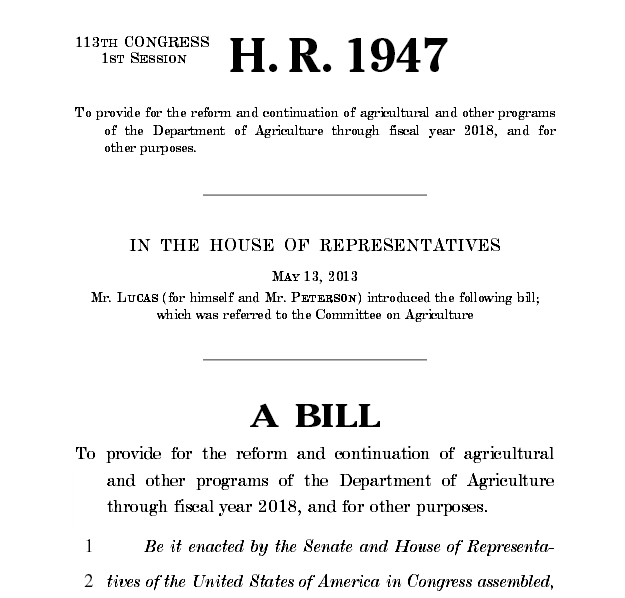
window.__IS_SSR__=true
window.__INITIAL_STATE__={
"attachmentsReducer": {
"audio_0": {
"type": "attachments",
"id": "audio_0",
"imgSizes": {
"kqedFullSize": {
"file": "https://ww2.kqed.org/news/wp-content/themes/KQED-unified/img/audio_bgs/background0.jpg"
}
}
},
"audio_1": {
"type": "attachments",
"id": "audio_1",
"imgSizes": {
"kqedFullSize": {
"file": "https://ww2.kqed.org/news/wp-content/themes/KQED-unified/img/audio_bgs/background1.jpg"
}
}
},
"audio_2": {
"type": "attachments",
"id": "audio_2",
"imgSizes": {
"kqedFullSize": {
"file": "https://ww2.kqed.org/news/wp-content/themes/KQED-unified/img/audio_bgs/background2.jpg"
}
}
},
"audio_3": {
"type": "attachments",
"id": "audio_3",
"imgSizes": {
"kqedFullSize": {
"file": "https://ww2.kqed.org/news/wp-content/themes/KQED-unified/img/audio_bgs/background3.jpg"
}
}
},
"audio_4": {
"type": "attachments",
"id": "audio_4",
"imgSizes": {
"kqedFullSize": {
"file": "https://ww2.kqed.org/news/wp-content/themes/KQED-unified/img/audio_bgs/background4.jpg"
}
}
},
"placeholder": {
"type": "attachments",
"id": "placeholder",
"imgSizes": {
"thumbnail": {
"file": "https://cdn.kqed.org/wp-content/uploads/2024/12/KQED-Default-Image-816638274-2000x1333-1-160x107.jpg",
"width": 160,
"height": 107,
"mimeType": "image/jpeg"
},
"medium": {
"file": "https://cdn.kqed.org/wp-content/uploads/2024/12/KQED-Default-Image-816638274-2000x1333-1-800x533.jpg",
"width": 800,
"height": 533,
"mimeType": "image/jpeg"
},
"medium_large": {
"file": "https://cdn.kqed.org/wp-content/uploads/2024/12/KQED-Default-Image-816638274-2000x1333-1-768x512.jpg",
"width": 768,
"height": 512,
"mimeType": "image/jpeg"
},
"large": {
"file": "https://cdn.kqed.org/wp-content/uploads/2024/12/KQED-Default-Image-816638274-2000x1333-1-1020x680.jpg",
"width": 1020,
"height": 680,
"mimeType": "image/jpeg"
},
"1536x1536": {
"file": "https://cdn.kqed.org/wp-content/uploads/2024/12/KQED-Default-Image-816638274-2000x1333-1-1536x1024.jpg",
"width": 1536,
"height": 1024,
"mimeType": "image/jpeg"
},
"fd-lrg": {
"file": "https://cdn.kqed.org/wp-content/uploads/2024/12/KQED-Default-Image-816638274-2000x1333-1-1536x1024.jpg",
"width": 1536,
"height": 1024,
"mimeType": "image/jpeg"
},
"fd-med": {
"file": "https://cdn.kqed.org/wp-content/uploads/2024/12/KQED-Default-Image-816638274-2000x1333-1-1020x680.jpg",
"width": 1020,
"height": 680,
"mimeType": "image/jpeg"
},
"fd-sm": {
"file": "https://cdn.kqed.org/wp-content/uploads/2024/12/KQED-Default-Image-816638274-2000x1333-1-800x533.jpg",
"width": 800,
"height": 533,
"mimeType": "image/jpeg"
},
"post-thumbnail": {
"file": "https://cdn.kqed.org/wp-content/uploads/2024/12/KQED-Default-Image-816638274-2000x1333-1-672x372.jpg",
"width": 672,
"height": 372,
"mimeType": "image/jpeg"
},
"twentyfourteen-full-width": {
"file": "https://cdn.kqed.org/wp-content/uploads/2024/12/KQED-Default-Image-816638274-2000x1333-1-1038x576.jpg",
"width": 1038,
"height": 576,
"mimeType": "image/jpeg"
},
"xxsmall": {
"file": "https://cdn.kqed.org/wp-content/uploads/2024/12/KQED-Default-Image-816638274-2000x1333-1-160x107.jpg",
"width": 160,
"height": 107,
"mimeType": "image/jpeg"
},
"xsmall": {
"file": "https://cdn.kqed.org/wp-content/uploads/2024/12/KQED-Default-Image-816638274-2000x1333-1-672x372.jpg",
"width": 672,
"height": 372,
"mimeType": "image/jpeg"
},
"small": {
"file": "https://cdn.kqed.org/wp-content/uploads/2024/12/KQED-Default-Image-816638274-2000x1333-1-672x372.jpg",
"width": 672,
"height": 372,
"mimeType": "image/jpeg"
},
"xlarge": {
"file": "https://cdn.kqed.org/wp-content/uploads/2024/12/KQED-Default-Image-816638274-2000x1333-1-1020x680.jpg",
"width": 1020,
"height": 680,
"mimeType": "image/jpeg"
},
"full-width": {
"file": "https://cdn.kqed.org/wp-content/uploads/2024/12/KQED-Default-Image-816638274-2000x1333-1-1920x1280.jpg",
"width": 1920,
"height": 1280,
"mimeType": "image/jpeg"
},
"guest-author-32": {
"file": "https://cdn.kqed.org/wp-content/uploads/2025/01/KQED-Default-Image-816638274-1333x1333-1-160x160.jpg",
"width": 32,
"height": 32,
"mimeType": "image/jpeg"
},
"guest-author-50": {
"file": "https://cdn.kqed.org/wp-content/uploads/2025/01/KQED-Default-Image-816638274-1333x1333-1-160x160.jpg",
"width": 50,
"height": 50,
"mimeType": "image/jpeg"
},
"guest-author-64": {
"file": "https://cdn.kqed.org/wp-content/uploads/2025/01/KQED-Default-Image-816638274-1333x1333-1-160x160.jpg",
"width": 64,
"height": 64,
"mimeType": "image/jpeg"
},
"guest-author-96": {
"file": "https://cdn.kqed.org/wp-content/uploads/2025/01/KQED-Default-Image-816638274-1333x1333-1-160x160.jpg",
"width": 96,
"height": 96,
"mimeType": "image/jpeg"
},
"guest-author-128": {
"file": "https://cdn.kqed.org/wp-content/uploads/2025/01/KQED-Default-Image-816638274-1333x1333-1-160x160.jpg",
"width": 128,
"height": 128,
"mimeType": "image/jpeg"
},
"detail": {
"file": "https://cdn.kqed.org/wp-content/uploads/2025/01/KQED-Default-Image-816638274-1333x1333-1-160x160.jpg",
"width": 160,
"height": 160,
"mimeType": "image/jpeg"
},
"kqedFullSize": {
"file": "https://cdn.kqed.org/wp-content/uploads/2024/12/KQED-Default-Image-816638274-2000x1333-1.jpg",
"width": 2000,
"height": 1333
}
}
},
"bayareabites_63650": {
"type": "attachments",
"id": "bayareabites_63650",
"meta": {
"index": "attachments_1716263798",
"site": "bayareabites",
"id": "63650",
"found": true
},
"parent": 63648,
"imgSizes": {
"kqedFullSize": {
"file": "https://ww2.kqed.org/app/uploads/sites/24/2013/06/farmbill.jpg",
"width": 625,
"height": 598
}
},
"publishDate": 1371582256,
"modified": 1371582256,
"caption": null,
"description": null,
"title": "farmbill",
"credit": null,
"status": "inherit",
"isLoading": false,
"fetchFailed": false
},
"bayareabites_63657": {
"type": "attachments",
"id": "bayareabites_63657",
"meta": {
"index": "attachments_1716263798",
"site": "bayareabites",
"id": "63657",
"found": true
},
"parent": 63653,
"imgSizes": {
"kqedFullSize": {
"file": "https://ww2.kqed.org/app/uploads/sites/24/2013/06/hotdogs.jpg",
"width": 1120,
"height": 840
}
},
"publishDate": 1371582711,
"modified": 1371582711,
"caption": "Delicious -- in moderation, folks. Photo: Randy Bayne/Flicker Creative Commons",
"description": "Delicious -- in moderation, folks.",
"title": "4641033994_e68b8ec2a5_o",
"credit": null,
"status": "inherit",
"isLoading": false,
"fetchFailed": false
},
"bayareabites_63582": {
"type": "attachments",
"id": "bayareabites_63582",
"meta": {
"index": "attachments_1716263798",
"site": "bayareabites",
"id": "63582",
"found": true
},
"parent": 63555,
"imgSizes": {
"kqedFullSize": {
"file": "https://ww2.kqed.org/app/uploads/sites/24/2013/06/gelato-university.jpg",
"width": 1120,
"height": 838
}
},
"publishDate": 1371512664,
"modified": 1371512664,
"caption": "Thousands of students from around the world flock to courses near Bologna, in central Italy, at the headquarters of Carpigiani, the leading global manufacturer of gelato-making machines. Photo: Giuseppe Cacace/AFP/Getty Images",
"description": "Thousands of students from around the world flock to courses near Bologna, in central Italy, at the headquarters of Carpigiani, the leading global manufacturer of gelato-making machines.",
"title": "gelato-university",
"credit": null,
"status": "inherit",
"isLoading": false,
"fetchFailed": false
},
"bayareabites_63485": {
"type": "attachments",
"id": "bayareabites_63485",
"meta": {
"index": "attachments_1716263798",
"site": "bayareabites",
"id": "63485",
"found": true
},
"parent": 63479,
"imgSizes": {
"kqedFullSize": {
"file": "https://ww2.kqed.org/app/uploads/sites/24/2013/06/greencoffee.jpg",
"width": 1120,
"height": 628
}
},
"publishDate": 1371252120,
"modified": 1371252120,
"caption": "Raw, green coffee beans. To roast or not? Photo: Aidan/ \u003ca href=\"http://www.flickr.com/photos/aidanwojtas/4286834727/\">via Flickr\u003c/a>",
"description": "Raw, green coffee beans. To roast or not?",
"title": "greencoffe",
"credit": null,
"status": "inherit",
"isLoading": false,
"fetchFailed": false
},
"bayareabites_63426": {
"type": "attachments",
"id": "bayareabites_63426",
"meta": {
"index": "attachments_1716263798",
"site": "bayareabites",
"id": "63426",
"found": true
},
"parent": 63418,
"imgSizes": {
"kqedFullSize": {
"file": "https://ww2.kqed.org/app/uploads/sites/24/2013/06/eggs-billgates.jpg",
"width": 1120,
"height": 839
}
},
"publishDate": 1371162976,
"modified": 1371162976,
"caption": "At left: Beyond Eggs' egg-substitute product, a powder made of pulverized plant-based compounds. Right: Mother Nature's version. Photo: Cody Pickens/Beyond Eggs",
"description": "At left: Beyond Eggs' egg-substitute product, a powder made of pulverized plant-based compounds. Right: Mother Nature's version.",
"title": "beyondeggs-realeggs",
"credit": null,
"status": "inherit",
"isLoading": false,
"fetchFailed": false
},
"bayareabites_63379": {
"type": "attachments",
"id": "bayareabites_63379",
"meta": {
"index": "attachments_1716263798",
"site": "bayareabites",
"id": "63379",
"found": true
},
"parent": 63374,
"imgSizes": {
"kqedFullSize": {
"file": "https://ww2.kqed.org/app/uploads/sites/24/2013/06/gmosoybeans.jpg",
"width": 1120,
"height": 839
}
},
"publishDate": 1371060083,
"modified": 1371060083,
"caption": "A farmer holds Monsanto's Roundup Ready soybean seeds at his family farm in Bunceton, Mo. Photo: Dan Gill/AP",
"description": "A farmer holds Monsanto's Roundup Ready soybean seeds at his family farm in Bunceton, Mo",
"title": "gmosoybeans",
"credit": null,
"status": "inherit",
"isLoading": false,
"fetchFailed": false
},
"bayareabites_63364": {
"type": "attachments",
"id": "bayareabites_63364",
"meta": {
"index": "attachments_1716263798",
"site": "bayareabites",
"id": "63364",
"found": true
},
"parent": 63344,
"imgSizes": {
"kqedFullSize": {
"file": "https://ww2.kqed.org/app/uploads/sites/24/2013/06/grillsnapper.jpg",
"width": 1120,
"height": 839
}
},
"publishDate": 1371059055,
"modified": 1371059055,
"caption": "Whole Grilled Red Snapper. Photo: Peter Ogburn for NPR",
"description": "Whole Grilled Red Snapper",
"title": "l1010449",
"credit": null,
"status": "inherit",
"isLoading": false,
"fetchFailed": false
},
"bayareabites_63336": {
"type": "attachments",
"id": "bayareabites_63336",
"meta": {
"index": "attachments_1716263798",
"site": "bayareabites",
"id": "63336",
"found": true
},
"parent": 63331,
"imgSizes": {
"kqedFullSize": {
"file": "https://ww2.kqed.org/app/uploads/sites/24/2013/06/steak.jpg",
"width": 1120,
"height": 840
}
},
"publishDate": 1371056061,
"modified": 1371056061,
"caption": "With U.S. cattle herds at their lowest levels since the 1950s and corn feed prices on the rise, beef prices are on the rise. Photo: Justin Sullivan/Getty Images",
"description": "With U.S. cattle herds at their lowest levels since the 1950s and corn feed prices on the rise, beef prices are on the rise.",
"title": "steak",
"credit": null,
"status": "inherit",
"isLoading": false,
"fetchFailed": false
},
"bayareabites_63312": {
"type": "attachments",
"id": "bayareabites_63312",
"meta": {
"index": "attachments_1716263798",
"site": "bayareabites",
"id": "63312",
"found": true
},
"parent": 63303,
"imgSizes": {
"kqedFullSize": {
"file": "https://ww2.kqed.org/app/uploads/sites/24/2013/06/tenderizedmeat.jpg",
"width": 624,
"height": 468
}
},
"publishDate": 1370988889,
"modified": 1370988889,
"caption": "Meat tenderized the old-fashioned way. The industrial method is a mechanized process involving needles. Photo: iStockphoto",
"description": "Meat tenderized the old-fashioned way. The industrial method is a mechanized process involving needles.",
"title": "istock_000020031904medium",
"credit": null,
"status": "inherit",
"isLoading": false,
"fetchFailed": false
},
"bayareabites_63289": {
"type": "attachments",
"id": "bayareabites_63289",
"meta": {
"index": "attachments_1716263798",
"site": "bayareabites",
"id": "63289",
"found": true
},
"parent": 63282,
"imgSizes": {
"kqedFullSize": {
"file": "https://ww2.kqed.org/app/uploads/sites/24/2013/06/farmer.jpg",
"width": 624,
"height": 391
}
},
"publishDate": 1370968858,
"modified": 1370968858,
"caption": "Third-generation Oklahoma farmer Scott Neufeld says crop insurance is important to his family's business. Photo: Tamara Keith/NPR",
"description": "Third-generation Oklahoma farmer Scott Neufeld says crop insurance is important to his family's business.",
"title": "1farmerandhay",
"credit": null,
"status": "inherit",
"isLoading": false,
"fetchFailed": false
},
"bayareabites_63250": {
"type": "attachments",
"id": "bayareabites_63250",
"meta": {
"index": "attachments_1716263798",
"site": "bayareabites",
"id": "63250",
"found": true
},
"parent": 63246,
"imgSizes": {
"kqedFullSize": {
"file": "https://ww2.kqed.org/app/uploads/sites/24/2013/06/oliveoilnut.jpg",
"width": 624,
"height": 468
}
},
"publishDate": 1370903083,
"modified": 1370903083,
"caption": "Olive oil and nuts tied to prostate cancer survival. Photo: Heather Rousseau/NPR",
"description": "Olive oil and nuts tied to prostate cancer survival.",
"title": "oliveoilnute",
"credit": null,
"status": "inherit",
"isLoading": false,
"fetchFailed": false
},
"bayareabites_63238": {
"type": "attachments",
"id": "bayareabites_63238",
"meta": {
"index": "attachments_1716263798",
"site": "bayareabites",
"id": "63238",
"found": true
},
"parent": 63233,
"imgSizes": {
"kqedFullSize": {
"file": "https://ww2.kqed.org/app/uploads/sites/24/2013/06/catfish.jpg",
"width": 624,
"height": 350
}
},
"publishDate": 1370900807,
"modified": 1370900807,
"caption": "These funny mustachioed fish are at the center of a farm bill fight in the House and Senate. Photo: Sasha Radosavljevic/iStockphoto.com",
"description": "These funny mustachioed fish are at the center of a farm bill fight in the House and Senate.",
"title": "catfish2",
"credit": null,
"status": "inherit",
"isLoading": false,
"fetchFailed": false
}
},
"audioPlayerReducer": {
"postId": "stream_live",
"isPaused": true,
"isPlaying": false,
"pfsActive": false,
"pledgeModalIsOpen": true,
"playerDrawerIsOpen": false,
"liveAudioPlayStartedAt": 0,
"liveAudioPlayContext": ""
},
"authorsReducer": {
"byline_bayareabites_63648": {
"type": "authors",
"id": "byline_bayareabites_63648",
"meta": {
"override": true
},
"slug": "byline_bayareabites_63648",
"name": "Bill Chappell",
"isLoading": false
},
"byline_bayareabites_63653": {
"type": "authors",
"id": "byline_bayareabites_63653",
"meta": {
"override": true
},
"slug": "byline_bayareabites_63653",
"name": "Allison Aubrey",
"isLoading": false
},
"byline_bayareabites_63555": {
"type": "authors",
"id": "byline_bayareabites_63555",
"meta": {
"override": true
},
"slug": "byline_bayareabites_63555",
"name": "Sylvia Poggioli",
"isLoading": false
},
"byline_bayareabites_63479": {
"type": "authors",
"id": "byline_bayareabites_63479",
"meta": {
"override": true
},
"slug": "byline_bayareabites_63479",
"name": "Michaeleen Doucleff",
"isLoading": false
},
"byline_bayareabites_63418": {
"type": "authors",
"id": "byline_bayareabites_63418",
"meta": {
"override": true
},
"slug": "byline_bayareabites_63418",
"name": "Allison Aubrey",
"isLoading": false
},
"byline_bayareabites_63374": {
"type": "authors",
"id": "byline_bayareabites_63374",
"meta": {
"override": true
},
"slug": "byline_bayareabites_63374",
"name": "Dan Charles",
"isLoading": false
},
"byline_bayareabites_63344": {
"type": "authors",
"id": "byline_bayareabites_63344",
"meta": {
"override": true
},
"slug": "byline_bayareabites_63344",
"name": "Peter Ogburn",
"isLoading": false
},
"byline_bayareabites_63331": {
"type": "authors",
"id": "byline_bayareabites_63331",
"meta": {
"override": true
},
"slug": "byline_bayareabites_63331",
"name": "Luke Runyon",
"isLoading": false
},
"byline_bayareabites_63303": {
"type": "authors",
"id": "byline_bayareabites_63303",
"meta": {
"override": true
},
"slug": "byline_bayareabites_63303",
"name": "Allison Aubrey",
"isLoading": false
},
"byline_bayareabites_63282": {
"type": "authors",
"id": "byline_bayareabites_63282",
"meta": {
"override": true
},
"slug": "byline_bayareabites_63282",
"name": "Tamara Keith",
"isLoading": false
},
"byline_bayareabites_63246": {
"type": "authors",
"id": "byline_bayareabites_63246",
"meta": {
"override": true
},
"slug": "byline_bayareabites_63246",
"name": "Allison Aubrey",
"isLoading": false
},
"byline_bayareabites_63233": {
"type": "authors",
"id": "byline_bayareabites_63233",
"meta": {
"override": true
},
"slug": "byline_bayareabites_63233",
"name": "Eliza Barclay",
"isLoading": false
}
},
"pagesReducer": {
"bayareabites_category_npr-food": {
"type": "terms",
"id": "bayareabites_10916",
"meta": {
"index": "terms_1716263798",
"site": "bayareabites",
"id": "10916",
"score": 13.894709
},
"featImg": null,
"name": "NPR food",
"description": null,
"taxonomy": "category",
"headData": {
"twImgId": null,
"twTitle": null,
"ogTitle": null,
"ogImgId": null,
"twDescription": null,
"description": null,
"title": "NPR food Archives | KQED Bay Area Bites",
"ogDescription": null
},
"ttid": 5375,
"slug": "npr-food",
"isLoading": false,
"title": "NPR food",
"pageMeta": {
"site": "bayareabites",
"WpPageTemplate": "page-topic-editorial",
"currentPage": 78
},
"blocks": [
{
"blockName": "kqed/post-list",
"attrs": {
"layout": "cardArticle2",
"query": "posts/bayareabites?category=npr-food",
"seeMore": false,
"paginated": true,
"page": 78
}
},
{
"blockName": "kqed/ad"
}
]
}
},
"pfsSessionReducer": {},
"postsReducer": {
"stream_live": {
"type": "live",
"id": "stream_live",
"audioUrl": "https://hls.kqed.org/hls/kqed_app/playlist.m3u8",
"title": "Live Stream",
"excerpt": "Live Stream information currently unavailable.",
"link": "/radio",
"featImg": "",
"label": {
"name": "KQED Live",
"link": "/"
}
},
"stream_kqedNewscast": {
"type": "posts",
"id": "stream_kqedNewscast",
"audioUrl": "https://www.kqed.org/.stream/anon/radio/RDnews/newscast.mp3?_=1",
"title": "KQED Newscast",
"featImg": "",
"label": {
"name": "88.5 FM",
"link": "/"
}
},
"bayareabites_63648": {
"type": "posts",
"id": "bayareabites_63648",
"meta": {
"index": "posts_1716263798",
"site": "bayareabites",
"id": "63648",
"score": null,
"sort": [
1371594767000
]
},
"parent": 0,
"labelTerm": {
"site": "bayareabites"
},
"blocks": [],
"publishDate": 1371594767,
"format": "aside",
"disqusTitle": "Obama Would Veto House's Farm Bill, White House Says",
"title": "Obama Would Veto House's Farm Bill, White House Says",
"headTitle": "Bay Area Bites | KQED Food",
"content": "\u003cp>\u003ca href=\"http://www.gpo.gov/fdsys/pkg/BILLS-113hr1947ih/pdf/BILLS-113hr1947ih.pdf\">\u003cimg src=\"http://ww2.kqed.org/bayareabites/wp-content/uploads/sites/24/2013/06/farmbill.jpg\" alt=\"farm bill\" width=\"500\" class=\"aligncenter size-full wp-image-63650\">\u003c/a>\u003c/p>\n\u003cp>Post by \u003ca href=\"http://www.npr.org/people/14562108/bill-chappell\">Bill Chappell\u003c/a>, \u003ca href=\"http://www.npr.org/blogs/thetwo-way/2013/06/17/192834899/obama-would-veto-houses-farm-bill-white-house-says\">The Two-Way\u003c/a>, at NPR (6/17/13)\u003c/p>\n\u003cp>President Obama will be advised to veto a multi-year farm bill slated to be discussed in the House this week, the White House says. The administration issued a statement on the legislation Monday afternoon, criticizing it for cutting food programs for the poor.\u003c/p>\n\u003cp>At \u003ca href=\"http://www.gpo.gov/fdsys/pkg/BILLS-113hr1947ih/pdf/BILLS-113hr1947ih.pdf\">more than 575 pages\u003c/a>, the bipartisan bill was introduced by Reps. Frank Lucas, R-Okla., and Collin Peterson, D-Minn., the chairman and ranking member of the House Committee on Agriculture.\u003c/p>\n\u003cp>\u003ca href=\"http://agriculture.house.gov/press-release/lucas-peterson-release-house-farm-bill-saves-nearly-40-billion\">When it was released\u003c/a> in early May, Rep. Lucas called the bill, officially titled the Federal Agriculture Reform and Risk Management Act of 2013, \"a responsible and balanced bill that addresses Americans' concerns about federal spending and reforms farm and nutrition policy to improve efficiency and accountability.\"\u003c/p>\n\u003cp>[ad fullwidth]\u003c/p>\n\u003cp>The Obama administration doesn't agree, saying today that the \"bill makes unacceptable deep cuts in SNAP, which could increase hunger among millions of Americans who are struggling to make ends meet, including families with children and senior citizens.\"\u003c/p>\n\u003cp>The White House added that if the bill's sponsors want to make budget cuts, they ought to reduce federal subsidies, such as crop insurance.\u003c/p>\n\u003cp>\"Rather than reducing crop insurance subsidies by $11.7 billion over 10 years, as proposed in the President's Budget,\" the statement reads, \"H.R. 1947 would increase reference prices for farmers by roughly 45 percent and increase already generous crop insurance subsidies at a cost of nearly $9 billion over 10 years to the Nation's taxpayers.\"\u003c/p>\n\u003cp>A \u003ca href=\"http://agriculture.house.gov/sites/republicans.agriculture.house.gov/files/farm%20bill/2013_FARRMSummary_0.pdf\">summary of the bill\u003c/a> released by the House Agriculture Committee says the legislation will \"eliminate or consolidate over 100 programs,\" in addition to enacting the \"first reforms to SNAP since the welfare reforms of 1996, saving more than $20 billion.\"\u003c/p>\n\u003cp>Among those changes, Republicans say, are two moves to keep states from adding more people to the food program than the law was meant to allow. Earlier today, Lucas \u003ca href=\"https://twitter.com/RepFrankLucas/status/346738584189038592/photo/1\">tweeted a photo\u003c/a> of a chart listing those reforms.\u003c/p>\n\u003cp>When the farm bill was released, Rep. Peterson said he believes \"there are more responsible ways to reform nutrition programs,\" but he added that \"the bottom line is that this is the first step in the process and it is past time to pass a five-year farm bill.\" \u003c/p>\n\u003cp>\u003c/p>\n\u003cp>\u003cem>Copyright 2013 \u003ca href=\"http://www.npr.org/\">NPR\u003c/a>.\u003c/em> \u003c/p>\n\n",
"disqusIdentifier": "63648 http://blogs.kqed.org/bayareabites/?p=63648",
"disqusUrl": "https://ww2.kqed.org/bayareabites/2013/06/18/obama-would-veto-houses-farm-bill-white-house-says/",
"stats": {
"hasVideo": false,
"hasChartOrMap": false,
"hasAudio": false,
"hasPolis": false,
"wordCount": 390,
"hasGoogleForm": false,
"hasGallery": false,
"hasHearkenModule": false,
"iframeSrcs": [],
"paragraphCount": 14
},
"modified": 1371594767,
"excerpt": "The Obama administration says the bill \"makes unacceptable deep cuts\" to federal food aid programs and extends, rather than cuts, crop insurance payments to farmers.",
"headData": {
"twImgId": "",
"twTitle": "",
"ogTitle": "",
"ogImgId": "",
"twDescription": "",
"description": "The Obama administration says the bill "makes unacceptable deep cuts" to federal food aid programs and extends, rather than cuts, crop insurance payments to farmers.",
"title": "Obama Would Veto House's Farm Bill, White House Says | KQED",
"ogDescription": "",
"schema": {
"@context": "https://schema.org",
"@type": "Article",
"headline": "Obama Would Veto House's Farm Bill, White House Says",
"datePublished": "2013-06-18T15:32:47-07:00",
"dateModified": "2013-06-18T15:32:47-07:00",
"image": "https://cdn.kqed.org/wp-content/uploads/2020/02/KQED-OG-Image@1x.png"
}
},
"guestAuthors": [],
"slug": "obama-would-veto-houses-farm-bill-white-house-says",
"status": "publish",
"nprApiLink": "http://api.npr.org/query?id=192834899&apiKey=MDAxOTAwOTE4MDEyMTkxMDAzNjczZDljZA004",
"nprByline": "Bill Chappell",
"nprStoryDate": "Mon, 17 Jun 2013 19:21:00 -0400",
"nprLastModifiedDate": "Mon, 17 Jun 2013 19:21:13 -0400",
"nprHtmlLink": "http://www.npr.org/blogs/thetwo-way/2013/06/17/192834899/obama-would-veto-houses-farm-bill-white-house-says?ft=3&f=192834899",
"nprStoryId": "192834899",
"nprRetrievedStory": "1",
"nprPubDate": "Mon, 17 Jun 2013 19:21:00 -0400",
"path": "/bayareabites/63648/obama-would-veto-houses-farm-bill-white-house-says",
"audioTrackLength": null,
"parsedContent": [
{
"type": "contentString",
"content": "\u003cdiv class=\"post-body\">\u003cp>\u003cp>\u003ca href=\"http://www.gpo.gov/fdsys/pkg/BILLS-113hr1947ih/pdf/BILLS-113hr1947ih.pdf\">\u003cimg src=\"http://ww2.kqed.org/bayareabites/wp-content/uploads/sites/24/2013/06/farmbill.jpg\" alt=\"farm bill\" width=\"500\" class=\"aligncenter size-full wp-image-63650\">\u003c/a>\u003c/p>\n\u003cp>Post by \u003ca href=\"http://www.npr.org/people/14562108/bill-chappell\">Bill Chappell\u003c/a>, \u003ca href=\"http://www.npr.org/blogs/thetwo-way/2013/06/17/192834899/obama-would-veto-houses-farm-bill-white-house-says\">The Two-Way\u003c/a>, at NPR (6/17/13)\u003c/p>\n\u003cp>President Obama will be advised to veto a multi-year farm bill slated to be discussed in the House this week, the White House says. The administration issued a statement on the legislation Monday afternoon, criticizing it for cutting food programs for the poor.\u003c/p>\n\u003cp>At \u003ca href=\"http://www.gpo.gov/fdsys/pkg/BILLS-113hr1947ih/pdf/BILLS-113hr1947ih.pdf\">more than 575 pages\u003c/a>, the bipartisan bill was introduced by Reps. Frank Lucas, R-Okla., and Collin Peterson, D-Minn., the chairman and ranking member of the House Committee on Agriculture.\u003c/p>\n\u003cp>\u003ca href=\"http://agriculture.house.gov/press-release/lucas-peterson-release-house-farm-bill-saves-nearly-40-billion\">When it was released\u003c/a> in early May, Rep. Lucas called the bill, officially titled the Federal Agriculture Reform and Risk Management Act of 2013, \"a responsible and balanced bill that addresses Americans' concerns about federal spending and reforms farm and nutrition policy to improve efficiency and accountability.\"\u003c/p>\n\u003cp>\u003c/p>\u003c/div>",
"attributes": {
"named": {},
"numeric": []
}
},
{
"type": "component",
"content": "",
"name": "ad",
"attributes": {
"named": {
"label": "fullwidth"
},
"numeric": [
"fullwidth"
]
}
},
{
"type": "contentString",
"content": "\u003cdiv class=\"post-body\">\u003cp>\u003c/p>\n\u003cp>The Obama administration doesn't agree, saying today that the \"bill makes unacceptable deep cuts in SNAP, which could increase hunger among millions of Americans who are struggling to make ends meet, including families with children and senior citizens.\"\u003c/p>\n\u003cp>The White House added that if the bill's sponsors want to make budget cuts, they ought to reduce federal subsidies, such as crop insurance.\u003c/p>\n\u003cp>\"Rather than reducing crop insurance subsidies by $11.7 billion over 10 years, as proposed in the President's Budget,\" the statement reads, \"H.R. 1947 would increase reference prices for farmers by roughly 45 percent and increase already generous crop insurance subsidies at a cost of nearly $9 billion over 10 years to the Nation's taxpayers.\"\u003c/p>\n\u003cp>A \u003ca href=\"http://agriculture.house.gov/sites/republicans.agriculture.house.gov/files/farm%20bill/2013_FARRMSummary_0.pdf\">summary of the bill\u003c/a> released by the House Agriculture Committee says the legislation will \"eliminate or consolidate over 100 programs,\" in addition to enacting the \"first reforms to SNAP since the welfare reforms of 1996, saving more than $20 billion.\"\u003c/p>\n\u003cp>Among those changes, Republicans say, are two moves to keep states from adding more people to the food program than the law was meant to allow. Earlier today, Lucas \u003ca href=\"https://twitter.com/RepFrankLucas/status/346738584189038592/photo/1\">tweeted a photo\u003c/a> of a chart listing those reforms.\u003c/p>\n\u003cp>When the farm bill was released, Rep. Peterson said he believes \"there are more responsible ways to reform nutrition programs,\" but he added that \"the bottom line is that this is the first step in the process and it is past time to pass a five-year farm bill.\" \u003c/p>\n\u003cp>\u003c/p>\n\u003cp>\u003cem>Copyright 2013 \u003ca href=\"http://www.npr.org/\">NPR\u003c/a>.\u003c/em> \u003c/p>\n\n\u003c/div>\u003c/p>",
"attributes": {
"named": {},
"numeric": []
}
}
],
"link": "/bayareabites/63648/obama-would-veto-houses-farm-bill-white-house-says",
"authors": [
"byline_bayareabites_63648"
],
"categories": [
"bayareabites_1874",
"bayareabites_3032",
"bayareabites_10916",
"bayareabites_2035"
],
"tags": [
"bayareabites_11722",
"bayareabites_135",
"bayareabites_11725",
"bayareabites_10011",
"bayareabites_648",
"bayareabites_11856",
"bayareabites_11855",
"bayareabites_11838",
"bayareabites_10921"
],
"featImg": "bayareabites_63650",
"label": "bayareabites"
},
"bayareabites_63653": {
"type": "posts",
"id": "bayareabites_63653",
"meta": {
"index": "posts_1716263798",
"site": "bayareabites",
"id": "63653",
"score": null,
"sort": [
1371583318000
]
},
"parent": 0,
"labelTerm": {
"site": "bayareabites"
},
"blocks": [],
"publishDate": 1371583318,
"format": "aside",
"disqusTitle": "Hot Dogs, Bacon And Red Meat Tied To Increased Diabetes Risk",
"title": "Hot Dogs, Bacon And Red Meat Tied To Increased Diabetes Risk",
"headTitle": "Bay Area Bites | KQED Food",
"content": "\u003cfigure id=\"attachment_63657\" class=\"wp-caption aligncenter\" style=\"max-width: 1024px\">\u003ca href=\"http://ww2.kqed.org/bayareabites/wp-content/uploads/sites/24/2013/06/hotdogs.jpg\">\u003cimg src=\"http://ww2.kqed.org/bayareabites/wp-content/uploads/sites/24/2013/06/hotdogs-1024x768.jpg\" alt=\"Delicious -- in moderation, folks. Photo: Randy Bayne/Flicker Creative Commons\" width=\"1024\" height=\"768\" class=\"size-large wp-image-63657\">\u003c/a>\u003cfigcaption class=\"wp-caption-text\">Delicious -- in moderation, folks. Photo: Randy Bayne/Flicker Creative Commons\u003c/figcaption>\u003c/figure>\n\u003cp>\u003cstrong>Listen to the Story\u003c/strong> on \u003ca href=\"http://www.npr.org/blogs/thesalt/2013/06/18/192810562/hot-dogs-bacon-and-red-meat-tied-to-increased-diabetes-risk\">Morning Edition\u003c/a> [audio src=\"http://pd.npr.org/anon.npr-mp3/npr/me/2013/06/20130618_me_15.mp3\"] \u003c/p>\n\u003cp>Post by Allison Aubrey, \u003ca href=\"http://www.npr.org/blogs/thesalt/2013/06/18/192810562/hot-dogs-bacon-and-red-meat-tied-to-increased-diabetes-risk\">The Salt at NPR Food\u003c/a> (6/18/13)\u003c/p>\n\u003cp>You've likely heard about the link between \u003ca href=\"http://ww2.kqed.org/bayareabites/2013/03/02/sugars-role-in-rise-of-diabetes-gets-clearer/\">sugar consumption and Type 2 diabetes\u003c/a>. But fresh research ties another dietary pattern to increased risk of the disease, too: eating too much red meat.\u003c/p>\n\u003cp>It's not that we are trying to pick on meat (I'm a meat-eater, in moderation), but the recent studies linking carnivorous habits to health problems seem to be piling up. We've had \u003ca href=\"http://ww2.kqed.org/bayareabites/2013/03/06/salami-suicide-processed-meats-linked-to-heart-disease-and-cancer/\">Salami Suicide\u003c/a> and \u003ca href=\"http://www.npr.org/blogs/thesalt/2012/03/12/148457233/death-by-bacon-study-finds-eating-meat-is-risky\">Death By Bacon\u003c/a>. Now, there's a \u003ca href=\"http://archinte.jamanetwork.com/article.aspx?articleid=1697785\">study\u003c/a> that links red meat consumption to an increased risk of Type 2 diabetes.\u003c/p>\n\u003cp>The researchers tracked what happens after people changed their meat-eating habits, using data from the Health Professionals Follow-up Study and the Nurses' Health Study, which include about 100,000 people. Diet was assessed by food frequency questionnaires.\u003c/p>\n\u003cp>[ad fullwidth]\u003c/p>\n\u003cp>\"Some people [in the study] increased their red meat consumption and other people decreased their consumption,\" says \u003ca href=\"http://www.hsph.harvard.edu/frank-hu/\" target=\"_blank\">Dr. Frank Hu\u003c/a> of the Harvard School of Public Health, one of the co-authors of the paper, which appears in \u003cem>JAMA Internal Medicine\u003c/em>.\u003c/p>\n\u003cp>The study found that among those who started eating more red meat, about 3.5 servings more per week, the risk of developing Type 2 diabetes during four years of follow-up increased by almost 50 percent, which Hu describes as \"a really large increase.\"\u003c/p>\n\u003cp>As with previous studies linking red meat to health concerns, the researchers found that processed red meats such as hot dogs and bacon were more strongly associated with the risk of diabetes.\u003c/p>\n\u003cp>Among those who starting eating less red meat, the risk of developing diabetes dropped by about 14 percent during a 10-year follow-up period.\u003c/p>\n\u003cp>Now, to put this study in context, it's important to point out that the most significant driver of Type 2 diabetes is body weight. People who are overweight and obese are much more likely to develop the condition.\u003c/p>\n\u003cp>Since red meat is typically high in calories and fat, some experts say that it's likely these factors that create the link between heavy red meat consumption and and increased risk of diabetes.\u003c/p>\n\u003cp>But in this study, the link held up even after the researchers controlled for the role of weight gain. And this suggests that there's an independent effect of red meat consumption increasing the risk of diabetes.\u003c/p>\n\u003cp>It's not clear what's happening in the body, but there are a few theories. It's possible that heavy red meat consumption can lead to iron overload, which sets the stage for insulin resistance.\u003c/p>\n\u003cp>It's also possible that compounds called \u003ca href=\"http://lpi.oregonstate.edu/f-w00/nitrosamine.html\">nitrosamines\u003c/a> play a role.\u003c/p>\n\u003cp>\"Our understanding is that, especially [when they occur in] processed meats, these nitrosamines can cause inflammation,\" explains \u003ca href=\"http://www2.massgeneral.org/diabetes/faculty_nathan.htm\">Dr. David Nathan\u003c/a>, who directs the diabetes center at Massachusetts General Hospital.\u003c/p>\n\u003cp>And there's also some evidence that nitrosamines can damage the cells in the pancreas that make insulin. But experts say more research is needed to understand these connections.\u003c/p>\n\u003cp>In the meantime, Nathan says his advice is to pay attention to the big picture. If you like the occasional hot dog, that's OK. It's the overall pattern of eating and maintaining a healthy weight that's most important.\u003c/p>\n\u003cp>\u003c/p>\n\u003cp>\"Red meat should be considered in the setting of a balanced diet,\" says Nathan.\u003cbr>\n\u003cem>\u003cbr>\nCopyright 2013 \u003ca href=\"http://www.npr.org/\">NPR\u003c/a>.\u003c/em> \u003c/p>\n\n",
"disqusIdentifier": "63653 http://blogs.kqed.org/bayareabites/?p=63653",
"disqusUrl": "https://ww2.kqed.org/bayareabites/2013/06/18/hot-dogs-bacon-and-red-meat-tied-to-increased-diabetes-risk/",
"stats": {
"hasVideo": false,
"hasChartOrMap": false,
"hasAudio": true,
"hasPolis": false,
"wordCount": 594,
"hasGoogleForm": false,
"hasGallery": false,
"hasHearkenModule": false,
"iframeSrcs": [],
"paragraphCount": 20
},
"modified": 1371583339,
"excerpt": "A fresh study looks at what happens after people change their meat-eating habits. Those who upped their intake — about 3.5 servings more per week — saw their risk of developing Type 2 diabetes during four years of follow-up increase by almost 50 percent.",
"headData": {
"twImgId": "",
"twTitle": "",
"ogTitle": "",
"ogImgId": "",
"twDescription": "",
"description": "A fresh study looks at what happens after people change their meat-eating habits. Those who upped their intake — about 3.5 servings more per week — saw their risk of developing Type 2 diabetes during four years of follow-up increase by almost 50 percent.",
"title": "Hot Dogs, Bacon And Red Meat Tied To Increased Diabetes Risk | KQED",
"ogDescription": "",
"schema": {
"@context": "https://schema.org",
"@type": "Article",
"headline": "Hot Dogs, Bacon And Red Meat Tied To Increased Diabetes Risk",
"datePublished": "2013-06-18T12:21:58-07:00",
"dateModified": "2013-06-18T12:22:19-07:00",
"image": "https://cdn.kqed.org/wp-content/uploads/2020/02/KQED-OG-Image@1x.png"
}
},
"guestAuthors": [],
"slug": "hot-dogs-bacon-and-red-meat-tied-to-increased-diabetes-risk",
"status": "publish",
"nprApiLink": "http://api.npr.org/query?id=192810562&apiKey=MDAxOTAwOTE4MDEyMTkxMDAzNjczZDljZA004",
"nprByline": "Allison Aubrey",
"nprStoryDate": "Tue, 18 Jun 2013 04:00:00 -0400",
"nprLastModifiedDate": "Tue, 18 Jun 2013 13:52:46 -0400",
"nprHtmlLink": "http://www.npr.org/blogs/thesalt/2013/06/18/192810562/hot-dogs-bacon-and-red-meat-tied-to-increased-diabetes-risk?ft=3&f=192810562",
"nprAudio": "http://pd.npr.org/anon.npr-mp3/npr/me/2013/06/20130618_me_15.mp3?orgId=1&topicId=1053&ft=3&f=192810562",
"nprAudioM3u": "http://api.npr.org/m3u/1192997687-c72ce3.m3u?orgId=1&topicId=1053&ft=3&f=192810562",
"nprStoryId": "192810562",
"nprRetrievedStory": "1",
"nprPubDate": "Tue, 18 Jun 2013 13:52:00 -0400",
"path": "/bayareabites/63653/hot-dogs-bacon-and-red-meat-tied-to-increased-diabetes-risk",
"audioUrl": "http://pd.npr.org/anon.npr-mp3/npr/me/2013/06/20130618_me_15.mp3?orgId=1&topicId=1053&ft=3&f=192810562",
"audioDuration": null,
"audioTrackLength": null,
"parsedContent": [
{
"type": "contentString",
"content": "\u003cdiv class=\"post-body\">\u003cp>\u003cfigure id=\"attachment_63657\" class=\"wp-caption aligncenter\" style=\"max-width: 1024px\">\u003ca href=\"http://ww2.kqed.org/bayareabites/wp-content/uploads/sites/24/2013/06/hotdogs.jpg\">\u003cimg src=\"http://ww2.kqed.org/bayareabites/wp-content/uploads/sites/24/2013/06/hotdogs-1024x768.jpg\" alt=\"Delicious -- in moderation, folks. Photo: Randy Bayne/Flicker Creative Commons\" width=\"1024\" height=\"768\" class=\"size-large wp-image-63657\">\u003c/a>\u003cfigcaption class=\"wp-caption-text\">Delicious -- in moderation, folks. Photo: Randy Bayne/Flicker Creative Commons\u003c/figcaption>\u003c/figure>\n\u003cp>\u003cstrong>Listen to the Story\u003c/strong> on \u003ca href=\"http://www.npr.org/blogs/thesalt/2013/06/18/192810562/hot-dogs-bacon-and-red-meat-tied-to-increased-diabetes-risk\">Morning Edition\u003c/a> \u003c/p>\u003c/div>",
"attributes": {
"named": {},
"numeric": []
}
},
{
"type": "component",
"content": "",
"name": "audio",
"attributes": {
"named": {
"src": "http://pd.npr.org/anon.npr-mp3/npr/me/2013/06/20130618_me_15.mp3",
"label": ""
},
"numeric": []
}
},
{
"type": "contentString",
"content": "\u003cdiv class=\"post-body\">\u003cp> \u003c/p>\n\u003cp>Post by Allison Aubrey, \u003ca href=\"http://www.npr.org/blogs/thesalt/2013/06/18/192810562/hot-dogs-bacon-and-red-meat-tied-to-increased-diabetes-risk\">The Salt at NPR Food\u003c/a> (6/18/13)\u003c/p>\n\u003cp>You've likely heard about the link between \u003ca href=\"http://ww2.kqed.org/bayareabites/2013/03/02/sugars-role-in-rise-of-diabetes-gets-clearer/\">sugar consumption and Type 2 diabetes\u003c/a>. But fresh research ties another dietary pattern to increased risk of the disease, too: eating too much red meat.\u003c/p>\n\u003cp>It's not that we are trying to pick on meat (I'm a meat-eater, in moderation), but the recent studies linking carnivorous habits to health problems seem to be piling up. We've had \u003ca href=\"http://ww2.kqed.org/bayareabites/2013/03/06/salami-suicide-processed-meats-linked-to-heart-disease-and-cancer/\">Salami Suicide\u003c/a> and \u003ca href=\"http://www.npr.org/blogs/thesalt/2012/03/12/148457233/death-by-bacon-study-finds-eating-meat-is-risky\">Death By Bacon\u003c/a>. Now, there's a \u003ca href=\"http://archinte.jamanetwork.com/article.aspx?articleid=1697785\">study\u003c/a> that links red meat consumption to an increased risk of Type 2 diabetes.\u003c/p>\n\u003cp>The researchers tracked what happens after people changed their meat-eating habits, using data from the Health Professionals Follow-up Study and the Nurses' Health Study, which include about 100,000 people. Diet was assessed by food frequency questionnaires.\u003c/p>\n\u003cp>\u003c/p>\u003c/div>",
"attributes": {
"named": {},
"numeric": []
}
},
{
"type": "component",
"content": "",
"name": "ad",
"attributes": {
"named": {
"label": "fullwidth"
},
"numeric": [
"fullwidth"
]
}
},
{
"type": "contentString",
"content": "\u003cdiv class=\"post-body\">\u003cp>\u003c/p>\n\u003cp>\"Some people [in the study] increased their red meat consumption and other people decreased their consumption,\" says \u003ca href=\"http://www.hsph.harvard.edu/frank-hu/\" target=\"_blank\">Dr. Frank Hu\u003c/a> of the Harvard School of Public Health, one of the co-authors of the paper, which appears in \u003cem>JAMA Internal Medicine\u003c/em>.\u003c/p>\n\u003cp>The study found that among those who started eating more red meat, about 3.5 servings more per week, the risk of developing Type 2 diabetes during four years of follow-up increased by almost 50 percent, which Hu describes as \"a really large increase.\"\u003c/p>\n\u003cp>As with previous studies linking red meat to health concerns, the researchers found that processed red meats such as hot dogs and bacon were more strongly associated with the risk of diabetes.\u003c/p>\n\u003cp>Among those who starting eating less red meat, the risk of developing diabetes dropped by about 14 percent during a 10-year follow-up period.\u003c/p>\n\u003cp>Now, to put this study in context, it's important to point out that the most significant driver of Type 2 diabetes is body weight. People who are overweight and obese are much more likely to develop the condition.\u003c/p>\n\u003cp>Since red meat is typically high in calories and fat, some experts say that it's likely these factors that create the link between heavy red meat consumption and and increased risk of diabetes.\u003c/p>\n\u003cp>But in this study, the link held up even after the researchers controlled for the role of weight gain. And this suggests that there's an independent effect of red meat consumption increasing the risk of diabetes.\u003c/p>\n\u003cp>It's not clear what's happening in the body, but there are a few theories. It's possible that heavy red meat consumption can lead to iron overload, which sets the stage for insulin resistance.\u003c/p>\n\u003cp>It's also possible that compounds called \u003ca href=\"http://lpi.oregonstate.edu/f-w00/nitrosamine.html\">nitrosamines\u003c/a> play a role.\u003c/p>\n\u003cp>\"Our understanding is that, especially [when they occur in] processed meats, these nitrosamines can cause inflammation,\" explains \u003ca href=\"http://www2.massgeneral.org/diabetes/faculty_nathan.htm\">Dr. David Nathan\u003c/a>, who directs the diabetes center at Massachusetts General Hospital.\u003c/p>\n\u003cp>And there's also some evidence that nitrosamines can damage the cells in the pancreas that make insulin. But experts say more research is needed to understand these connections.\u003c/p>\n\u003cp>In the meantime, Nathan says his advice is to pay attention to the big picture. If you like the occasional hot dog, that's OK. It's the overall pattern of eating and maintaining a healthy weight that's most important.\u003c/p>\n\u003cp>\u003c/p>\n\u003cp>\"Red meat should be considered in the setting of a balanced diet,\" says Nathan.\u003cbr>\n\u003cem>\u003cbr>\nCopyright 2013 \u003ca href=\"http://www.npr.org/\">NPR\u003c/a>.\u003c/em> \u003c/p>\n\n\u003c/div>\u003c/p>",
"attributes": {
"named": {},
"numeric": []
}
}
],
"link": "/bayareabites/63653/hot-dogs-bacon-and-red-meat-tied-to-increased-diabetes-risk",
"authors": [
"byline_bayareabites_63653"
],
"categories": [
"bayareabites_1245",
"bayareabites_10916",
"bayareabites_34"
],
"tags": [
"bayareabites_278",
"bayareabites_11215",
"bayareabites_2346",
"bayareabites_11335",
"bayareabites_11853",
"bayareabites_511",
"bayareabites_10921",
"bayareabites_11854"
],
"featImg": "bayareabites_63657",
"label": "bayareabites"
},
"bayareabites_63555": {
"type": "posts",
"id": "bayareabites_63555",
"meta": {
"index": "posts_1716263798",
"site": "bayareabites",
"id": "63555",
"score": null,
"sort": [
1371513110000
]
},
"parent": 0,
"labelTerm": {
"site": "bayareabites"
},
"blocks": [],
"publishDate": 1371513110,
"format": "aside",
"disqusTitle": "Italian University Spreads The 'Gelato Gospel'",
"title": "Italian University Spreads The 'Gelato Gospel'",
"headTitle": "Bay Area Bites | KQED Food",
"content": "\u003cfigure id=\"attachment_63582\" class=\"wp-caption aligncenter\" style=\"max-width: 1024px\">\u003ca href=\"http://ww2.kqed.org/bayareabites/wp-content/uploads/sites/24/2013/06/gelato-university.jpg\">\u003cimg src=\"http://ww2.kqed.org/bayareabites/wp-content/uploads/sites/24/2013/06/gelato-university-1024x766.jpg\" alt=\"Thousands of students from around the world flock to courses near Bologna, in central Italy, at the headquarters of Carpigiani, the leading global manufacturer of gelato-making machines. Photo: Giuseppe Cacace/AFP/Getty Images\" width=\"1024\" height=\"766\" class=\"size-large wp-image-63582\">\u003c/a>\u003cfigcaption class=\"wp-caption-text\">Thousands of students from around the world flock to courses near Bologna, in central Italy, at the headquarters of Carpigiani, the leading global manufacturer of gelato-making machines. Photo: Giuseppe Cacace/AFP/Getty Images\u003c/figcaption>\u003c/figure>\n\u003cp>\u003cstrong>Listen to the Story\u003c/strong> on \u003ca href=\"http://www.npr.org/blogs/thesalt/2013/06/17/189519327/italian-university-spreads-the-gelato-gospel\">All Things Considered\u003c/a> [audio src=\"http://pd.npr.org/anon.npr-mp3/npr/atc/2013/06/20130617_atc_10.mp3\"] \u003c/p>\n\u003cp>Post by \u003ca href=\"http://www.npr.org/people/2101034/sylvia-poggioli\">Sylvia Poggioli\u003c/a>, \u003ca href=\"http://www.npr.org/blogs/thesalt/2013/06/17/189519327/italian-university-spreads-the-gelato-gospel\">The Salt at NPR Food\u003c/a> (6/17/13)\u003c/p>\n\u003cp>Italy has secured its place in the global diet with the likes of espresso, cappuccino, pasta and pizza.\u003c/p>\n\u003cp>The latest addition to the culinary lexicon is ... gelato, the Italian version of ice cream.\u003c/p>\n\u003cp>And despite tough economic times, gelato-making is a booming business.\u003c/p>\n\u003cp>[ad fullwidth]\u003c/p>\n\u003cp>At Anzola dell'Emilia, a short drive from the Italian city of Bologna, people from all over the world are lining up for courses in gelato-making.\u003c/p>\n\u003cp>This is the headquarters of Carpigiani, the world's biggest gelato machine. Next door are the \u003ca href=\"http://www.gelatouniversity.com/en/index.html?langid=en&lng=en\">Carpigiani Gelato University\u003c/a> and Museum of Gelato Culture and Technology.\u003c/p>\n\u003cp>A guide explains that gelato has its roots in ancient Mesopotamia, where mountain snow was mixed with fruit and beer for refreshment. She then points to a medieval document, the first written recipe for \u003cem>shrb,\u003c/em> the Arabic word from which \u003cem>sherbet \u003c/em>derives.\u003c/p>\n\u003cp>Creamy gelato can be dated to 16th century Florence, where it was invented by an alchemist in the court of the powerful Medici family. Catherine de Medici introduced the delicacy in France after she married into the French royal family.\u003c/p>\n\u003cp>The museum wall is covered with quotes on the joys of gelato — the French philosopher Voltaire said it's so sublime, it's a wonder it's not illegal.\u003c/p>\n\u003cfigure id=\"attachment_63586\" class=\"wp-caption aligncenter\" style=\"max-width: 1024px\">\u003ca href=\"http://ww2.kqed.org/bayareabites/wp-content/uploads/sites/24/2013/06/gelato-university3.jpg\">\u003cimg src=\"http://ww2.kqed.org/bayareabites/wp-content/uploads/sites/24/2013/06/gelato-university3-1024x767.jpg\" alt=\"Gelato-making machines through the centuries are on display at the Carpigiani Gelato museum. Photo: Sylvia Poggioli/NPR\" width=\"1024\" height=\"767\" class=\"size-large wp-image-63586\">\u003c/a>\u003cfigcaption class=\"wp-caption-text\">Gelato-making machines through the centuries are on display at the Carpigiani Gelato museum. Photo: Sylvia Poggioli/NPR\u003c/figcaption>\u003c/figure>\n\u003cp>\"Gelato was a symbol of ... power,\" says Valentina Righi, vice president of the Carpigiani Foundation. \"Only rich people or aristocrats had ice cellars in their houses, in their palaces, to store the ice during the warm season.\"\u003c/p>\n\u003cp>It wasn't until the arrival of electricity in the 19th century that frozen desserts became available to all. And modern technology is making artisanal gelato-making fully democratic.\u003c/p>\n\u003cp>The walls of the Gelato University classrooms are lined with shiny stainless steel gelato-making machines. Students wearing white smocks listen attentively to instructor Christian Bonfiglioli give the morning assignment:\u003c/p>\n\u003cp>\"We're going to start with four sorbets. You can make 6 kilograms total for each recipe,\" he tells the students. \"We have, of course, to prepare also the variegato\" — a gelato of one flavor striped with another — \"so we're going to mix together white chocolate, hazelnut paste and pistachio bean.\"\u003c/p>\n\u003cp>The students get to work, mixing the basic gelato ingredients — milk, eggs and sugar — with a variety of nuts, fruits or chocolate. And then the machines start to hum as they blend and cool the mixtures.\u003c/p>\n\u003cp>At Carpigiani, the words \"ice cream\" are taboo. The most important difference is fat content: zero in sorbet, 8 percent in a tiramisu or chocolate gelato, compared with 20 to 30 percent fat in industrial ice cream.\u003c/p>\n\u003cp>Gelato has a higher density than ice cream, which is pumped with air, and serving gelato at a slightly warmer temperature than ice cream enhances its taste as it melts in your mouth.\u003c/p>\n\u003cfigure id=\"attachment_63583\" class=\"wp-caption aligncenter\" style=\"max-width: 1024px\">\u003ca href=\"http://ww2.kqed.org/bayareabites/wp-content/uploads/sites/24/2013/06/gelato-university1.jpg\">\u003cimg src=\"http://ww2.kqed.org/bayareabites/wp-content/uploads/sites/24/2013/06/gelato-university1-1024x766.jpg\" alt=\"Students prepare ice cream during a course at the Gelato University of Carpigiani in Bologna, Italy, in 2011. Photo: Giuseppe Cacace/AFP/Getty Images\" width=\"1024\" height=\"766\" class=\"size-large wp-image-63583\">\u003c/a>\u003cfigcaption class=\"wp-caption-text\">Students prepare ice cream during a course at the Gelato University of Carpigiani in Bologna, Italy, in 2011. Photo: Giuseppe Cacace/AFP/Getty Images\u003c/figcaption>\u003c/figure>\n\u003cp>The secret of great gelato, we're told, is using the best ingredients and making small batches, so it's always fresh.\u003c/p>\n\u003cp>Instructor Alice Vignoli travels all over the world giving courses and spreading the gelato gospel.\u003c/p>\n\u003cp>\"My grandmother do gelato, my mother do gelato, and I always live for gelato,\" she says. \"And for me, gelato is a passion, is not only a job. When I prepare gelato, I have a smile. [It] is a creative job, and you have the possibility to put your soul in your gelato.\"\u003c/p>\n\u003cp>Since the university was founded in 2003, nearly 7,000 students — more foreigners than Italians — have taken courses ranging from a week to become a gelato maker, to four weeks to earn the title of gelato master.\u003c/p>\n\u003cp>And artisanal gelato, says Righi, is good business.\u003c/p>\n\u003cp>\"To make 1 kilogram of gelato,\" she says, \"you spend in raw materials between 2 and 3 euros every kilogram. And you sell it in Italy minimum at 15-20 euros. So you have got minimum 75 percent of profit margin.\"\u003c/p>\n\u003cp>Some students, like Haller Alziati, are victims of Europe's economic crisis. He lost his job as a manager at an Italian TV station.\u003c/p>\n\u003cp>\"I'm taking the two-day full immersion course,\" he says. \"I have a big family, six children, and I need to restart my life quickly.\"\u003c/p>\n\u003cp>Raynold Chan has come to improve his skills for his father's gelato shops in Hong Kong and mainland China.\u003c/p>\n\u003cp>\"He sent me over to learn more about gelato,\" Chan says, \"so hopefully, I can introduce the real gelato to the Chinese area.\"\u003c/p>\n\u003cp>Other students are at a midlife crossroads.\u003c/p>\n\u003cp>Cezar Lima, a 50-year-old engineer, and his wife, a dentist, have come from Brazil. \"Me and her, we would like to do something different in the future — career change,\" he says, \"and we would like to change our regular life, to be the owners and have the direction of our lives.\"\u003c/p>\n\u003cfigure id=\"attachment_63584\" class=\"wp-caption aligncenter\" style=\"max-width: 1024px\">\u003ca href=\"http://ww2.kqed.org/bayareabites/wp-content/uploads/sites/24/2013/06/gelato-university2.jpg\">\u003cimg src=\"http://ww2.kqed.org/bayareabites/wp-content/uploads/sites/24/2013/06/gelato-university2-1024x766.jpg\" alt=\"Nearly 7,000 students have taken courses at the Gelato University since it was founded in 2003. Photo: Giuseppe Cacace/AFP/Getty Images\" width=\"1024\" height=\"766\" class=\"size-large wp-image-63584\">\u003c/a>\u003cfigcaption class=\"wp-caption-text\">Nearly 7,000 students have taken courses at the Gelato University since it was founded in 2003. Photo: Giuseppe Cacace/AFP/Getty Images\u003c/figcaption>\u003c/figure>\n\u003cp>Americans Kerri Bancke and her husband, David Rasmussen, plan to open a gelato shop in North Carolina, because they're tired of being constantly on the road working for the Department of Homeland Security. And besides, they just love gelato.\u003c/p>\n\u003cp>\"American ice cream is very industrialized. This is more of an art than just food,\" says Bancke.\u003c/p>\n\u003cp>Rasmussen adds, \"The experience we've had eating gelato here, we'd like to share that experience. Not many people get the chance to just hop on a plane and come over to Italy and try some gelato. ... And for the people who have visited Italy — they'll be able to remember that experience by coming and eating our gelato.\"\u003c/p>\n\u003cp>Alumni have opened shops all over the world, from Austin, Texas, to Jakarta, Indonesia. And Carpigiani is organizing a World Gelato Tour competition — reaching the U.S. in August and September. The winner in each world region will compete at the grand finale in September 2014 for the title of World's Best Artisan Gelato.\u003c/p>\n\u003cp>[ad floatright]\u003c/p>\n\u003cp>Before leaving the Gelato University, we taste some of the students' class work: white coffee and \u003cem>bacio \u003c/em>(kiss), which combines chocolate and hazelnut — creamy and simply scrumptious.\u003cbr>\n\u003cem>\u003cbr>\nCopyright 2013 \u003ca href=\"http://www.npr.org/\">NPR\u003c/a>.\u003c/em> \u003c/p>\n\n",
"disqusIdentifier": "63555 http://blogs.kqed.org/bayareabites/?p=63555",
"disqusUrl": "https://ww2.kqed.org/bayareabites/2013/06/17/italian-gelato-university-ice-cream/",
"stats": {
"hasVideo": false,
"hasChartOrMap": false,
"hasAudio": true,
"hasPolis": false,
"wordCount": 1142,
"hasGoogleForm": false,
"hasGallery": false,
"hasHearkenModule": false,
"iframeSrcs": [],
"paragraphCount": 36
},
"modified": 1371513110,
"excerpt": "Among the many culinary treats Italy has given the world is gelato, a frozen dessert with roots in ancient Mesopotamia. Gelato lovers from all over the world are flocking to a university outside Bologna, Italy, to master the art of gelato-making. Here's a free lesson: Don't call it ice cream.",
"headData": {
"twImgId": "",
"twTitle": "",
"ogTitle": "",
"ogImgId": "",
"twDescription": "",
"description": "Among the many culinary treats Italy has given the world is gelato, a frozen dessert with roots in ancient Mesopotamia. Gelato lovers from all over the world are flocking to a university outside Bologna, Italy, to master the art of gelato-making. Here's a free lesson: Don't call it ice cream.",
"title": "Italian University Spreads The 'Gelato Gospel' | KQED",
"ogDescription": "",
"schema": {
"@context": "https://schema.org",
"@type": "Article",
"headline": "Italian University Spreads The 'Gelato Gospel'",
"datePublished": "2013-06-17T16:51:50-07:00",
"dateModified": "2013-06-17T16:51:50-07:00",
"image": "https://cdn.kqed.org/wp-content/uploads/2020/02/KQED-OG-Image@1x.png"
}
},
"guestAuthors": [],
"slug": "italian-gelato-university-ice-cream",
"status": "publish",
"nprApiLink": "http://api.npr.org/query?id=189519327&apiKey=MDAxOTAwOTE4MDEyMTkxMDAzNjczZDljZA004",
"nprByline": "Sylvia Poggioli",
"nprStoryDate": "Mon, 17 Jun 2013 15:00:00 -0400",
"nprLastModifiedDate": "Mon, 17 Jun 2013 17:44:58 -0400",
"nprHtmlLink": "http://www.npr.org/blogs/thesalt/2013/06/17/189519327/italian-university-spreads-the-gelato-gospel?ft=3&f=189519327",
"nprAudio": "http://pd.npr.org/anon.npr-mp3/npr/atc/2013/06/20130617_atc_10.mp3?orgId=1&topicId=1053&ft=3&f=189519327",
"nprAudioM3u": "http://api.npr.org/m3u/1192790952-a7658a.m3u?orgId=1&topicId=1053&ft=3&f=189519327",
"nprStoryId": "189519327",
"nprRetrievedStory": "1",
"nprPubDate": "Mon, 17 Jun 2013 17:45:00 -0400",
"path": "/bayareabites/63555/italian-gelato-university-ice-cream",
"audioUrl": "http://pd.npr.org/anon.npr-mp3/npr/atc/2013/06/20130617_atc_10.mp3?orgId=1&topicId=1053&ft=3&f=189519327",
"audioDuration": null,
"audioTrackLength": null,
"parsedContent": [
{
"type": "contentString",
"content": "\u003cdiv class=\"post-body\">\u003cp>\u003cfigure id=\"attachment_63582\" class=\"wp-caption aligncenter\" style=\"max-width: 1024px\">\u003ca href=\"http://ww2.kqed.org/bayareabites/wp-content/uploads/sites/24/2013/06/gelato-university.jpg\">\u003cimg src=\"http://ww2.kqed.org/bayareabites/wp-content/uploads/sites/24/2013/06/gelato-university-1024x766.jpg\" alt=\"Thousands of students from around the world flock to courses near Bologna, in central Italy, at the headquarters of Carpigiani, the leading global manufacturer of gelato-making machines. Photo: Giuseppe Cacace/AFP/Getty Images\" width=\"1024\" height=\"766\" class=\"size-large wp-image-63582\">\u003c/a>\u003cfigcaption class=\"wp-caption-text\">Thousands of students from around the world flock to courses near Bologna, in central Italy, at the headquarters of Carpigiani, the leading global manufacturer of gelato-making machines. Photo: Giuseppe Cacace/AFP/Getty Images\u003c/figcaption>\u003c/figure>\n\u003cp>\u003cstrong>Listen to the Story\u003c/strong> on \u003ca href=\"http://www.npr.org/blogs/thesalt/2013/06/17/189519327/italian-university-spreads-the-gelato-gospel\">All Things Considered\u003c/a> \u003c/p>\u003c/div>",
"attributes": {
"named": {},
"numeric": []
}
},
{
"type": "component",
"content": "",
"name": "audio",
"attributes": {
"named": {
"src": "http://pd.npr.org/anon.npr-mp3/npr/atc/2013/06/20130617_atc_10.mp3",
"label": ""
},
"numeric": []
}
},
{
"type": "contentString",
"content": "\u003cdiv class=\"post-body\">\u003cp> \u003c/p>\n\u003cp>Post by \u003ca href=\"http://www.npr.org/people/2101034/sylvia-poggioli\">Sylvia Poggioli\u003c/a>, \u003ca href=\"http://www.npr.org/blogs/thesalt/2013/06/17/189519327/italian-university-spreads-the-gelato-gospel\">The Salt at NPR Food\u003c/a> (6/17/13)\u003c/p>\n\u003cp>Italy has secured its place in the global diet with the likes of espresso, cappuccino, pasta and pizza.\u003c/p>\n\u003cp>The latest addition to the culinary lexicon is ... gelato, the Italian version of ice cream.\u003c/p>\n\u003cp>And despite tough economic times, gelato-making is a booming business.\u003c/p>\n\u003cp>\u003c/p>\u003c/div>",
"attributes": {
"named": {},
"numeric": []
}
},
{
"type": "component",
"content": "",
"name": "ad",
"attributes": {
"named": {
"label": "fullwidth"
},
"numeric": [
"fullwidth"
]
}
},
{
"type": "contentString",
"content": "\u003cdiv class=\"post-body\">\u003cp>\u003c/p>\n\u003cp>At Anzola dell'Emilia, a short drive from the Italian city of Bologna, people from all over the world are lining up for courses in gelato-making.\u003c/p>\n\u003cp>This is the headquarters of Carpigiani, the world's biggest gelato machine. Next door are the \u003ca href=\"http://www.gelatouniversity.com/en/index.html?langid=en&lng=en\">Carpigiani Gelato University\u003c/a> and Museum of Gelato Culture and Technology.\u003c/p>\n\u003cp>A guide explains that gelato has its roots in ancient Mesopotamia, where mountain snow was mixed with fruit and beer for refreshment. She then points to a medieval document, the first written recipe for \u003cem>shrb,\u003c/em> the Arabic word from which \u003cem>sherbet \u003c/em>derives.\u003c/p>\n\u003cp>Creamy gelato can be dated to 16th century Florence, where it was invented by an alchemist in the court of the powerful Medici family. Catherine de Medici introduced the delicacy in France after she married into the French royal family.\u003c/p>\n\u003cp>The museum wall is covered with quotes on the joys of gelato — the French philosopher Voltaire said it's so sublime, it's a wonder it's not illegal.\u003c/p>\n\u003cfigure id=\"attachment_63586\" class=\"wp-caption aligncenter\" style=\"max-width: 1024px\">\u003ca href=\"http://ww2.kqed.org/bayareabites/wp-content/uploads/sites/24/2013/06/gelato-university3.jpg\">\u003cimg src=\"http://ww2.kqed.org/bayareabites/wp-content/uploads/sites/24/2013/06/gelato-university3-1024x767.jpg\" alt=\"Gelato-making machines through the centuries are on display at the Carpigiani Gelato museum. Photo: Sylvia Poggioli/NPR\" width=\"1024\" height=\"767\" class=\"size-large wp-image-63586\">\u003c/a>\u003cfigcaption class=\"wp-caption-text\">Gelato-making machines through the centuries are on display at the Carpigiani Gelato museum. Photo: Sylvia Poggioli/NPR\u003c/figcaption>\u003c/figure>\n\u003cp>\"Gelato was a symbol of ... power,\" says Valentina Righi, vice president of the Carpigiani Foundation. \"Only rich people or aristocrats had ice cellars in their houses, in their palaces, to store the ice during the warm season.\"\u003c/p>\n\u003cp>It wasn't until the arrival of electricity in the 19th century that frozen desserts became available to all. And modern technology is making artisanal gelato-making fully democratic.\u003c/p>\n\u003cp>The walls of the Gelato University classrooms are lined with shiny stainless steel gelato-making machines. Students wearing white smocks listen attentively to instructor Christian Bonfiglioli give the morning assignment:\u003c/p>\n\u003cp>\"We're going to start with four sorbets. You can make 6 kilograms total for each recipe,\" he tells the students. \"We have, of course, to prepare also the variegato\" — a gelato of one flavor striped with another — \"so we're going to mix together white chocolate, hazelnut paste and pistachio bean.\"\u003c/p>\n\u003cp>The students get to work, mixing the basic gelato ingredients — milk, eggs and sugar — with a variety of nuts, fruits or chocolate. And then the machines start to hum as they blend and cool the mixtures.\u003c/p>\n\u003cp>At Carpigiani, the words \"ice cream\" are taboo. The most important difference is fat content: zero in sorbet, 8 percent in a tiramisu or chocolate gelato, compared with 20 to 30 percent fat in industrial ice cream.\u003c/p>\n\u003cp>Gelato has a higher density than ice cream, which is pumped with air, and serving gelato at a slightly warmer temperature than ice cream enhances its taste as it melts in your mouth.\u003c/p>\n\u003cfigure id=\"attachment_63583\" class=\"wp-caption aligncenter\" style=\"max-width: 1024px\">\u003ca href=\"http://ww2.kqed.org/bayareabites/wp-content/uploads/sites/24/2013/06/gelato-university1.jpg\">\u003cimg src=\"http://ww2.kqed.org/bayareabites/wp-content/uploads/sites/24/2013/06/gelato-university1-1024x766.jpg\" alt=\"Students prepare ice cream during a course at the Gelato University of Carpigiani in Bologna, Italy, in 2011. Photo: Giuseppe Cacace/AFP/Getty Images\" width=\"1024\" height=\"766\" class=\"size-large wp-image-63583\">\u003c/a>\u003cfigcaption class=\"wp-caption-text\">Students prepare ice cream during a course at the Gelato University of Carpigiani in Bologna, Italy, in 2011. Photo: Giuseppe Cacace/AFP/Getty Images\u003c/figcaption>\u003c/figure>\n\u003cp>The secret of great gelato, we're told, is using the best ingredients and making small batches, so it's always fresh.\u003c/p>\n\u003cp>Instructor Alice Vignoli travels all over the world giving courses and spreading the gelato gospel.\u003c/p>\n\u003cp>\"My grandmother do gelato, my mother do gelato, and I always live for gelato,\" she says. \"And for me, gelato is a passion, is not only a job. When I prepare gelato, I have a smile. [It] is a creative job, and you have the possibility to put your soul in your gelato.\"\u003c/p>\n\u003cp>Since the university was founded in 2003, nearly 7,000 students — more foreigners than Italians — have taken courses ranging from a week to become a gelato maker, to four weeks to earn the title of gelato master.\u003c/p>\n\u003cp>And artisanal gelato, says Righi, is good business.\u003c/p>\n\u003cp>\"To make 1 kilogram of gelato,\" she says, \"you spend in raw materials between 2 and 3 euros every kilogram. And you sell it in Italy minimum at 15-20 euros. So you have got minimum 75 percent of profit margin.\"\u003c/p>\n\u003cp>Some students, like Haller Alziati, are victims of Europe's economic crisis. He lost his job as a manager at an Italian TV station.\u003c/p>\n\u003cp>\"I'm taking the two-day full immersion course,\" he says. \"I have a big family, six children, and I need to restart my life quickly.\"\u003c/p>\n\u003cp>Raynold Chan has come to improve his skills for his father's gelato shops in Hong Kong and mainland China.\u003c/p>\n\u003cp>\"He sent me over to learn more about gelato,\" Chan says, \"so hopefully, I can introduce the real gelato to the Chinese area.\"\u003c/p>\n\u003cp>Other students are at a midlife crossroads.\u003c/p>\n\u003cp>Cezar Lima, a 50-year-old engineer, and his wife, a dentist, have come from Brazil. \"Me and her, we would like to do something different in the future — career change,\" he says, \"and we would like to change our regular life, to be the owners and have the direction of our lives.\"\u003c/p>\n\u003cfigure id=\"attachment_63584\" class=\"wp-caption aligncenter\" style=\"max-width: 1024px\">\u003ca href=\"http://ww2.kqed.org/bayareabites/wp-content/uploads/sites/24/2013/06/gelato-university2.jpg\">\u003cimg src=\"http://ww2.kqed.org/bayareabites/wp-content/uploads/sites/24/2013/06/gelato-university2-1024x766.jpg\" alt=\"Nearly 7,000 students have taken courses at the Gelato University since it was founded in 2003. Photo: Giuseppe Cacace/AFP/Getty Images\" width=\"1024\" height=\"766\" class=\"size-large wp-image-63584\">\u003c/a>\u003cfigcaption class=\"wp-caption-text\">Nearly 7,000 students have taken courses at the Gelato University since it was founded in 2003. Photo: Giuseppe Cacace/AFP/Getty Images\u003c/figcaption>\u003c/figure>\n\u003cp>Americans Kerri Bancke and her husband, David Rasmussen, plan to open a gelato shop in North Carolina, because they're tired of being constantly on the road working for the Department of Homeland Security. And besides, they just love gelato.\u003c/p>\n\u003cp>\"American ice cream is very industrialized. This is more of an art than just food,\" says Bancke.\u003c/p>\n\u003cp>Rasmussen adds, \"The experience we've had eating gelato here, we'd like to share that experience. Not many people get the chance to just hop on a plane and come over to Italy and try some gelato. ... And for the people who have visited Italy — they'll be able to remember that experience by coming and eating our gelato.\"\u003c/p>\n\u003cp>Alumni have opened shops all over the world, from Austin, Texas, to Jakarta, Indonesia. And Carpigiani is organizing a World Gelato Tour competition — reaching the U.S. in August and September. The winner in each world region will compete at the grand finale in September 2014 for the title of World's Best Artisan Gelato.\u003c/p>\n\u003cp>\u003c/p>\u003c/div>",
"attributes": {
"named": {},
"numeric": []
}
},
{
"type": "component",
"content": "",
"name": "ad",
"attributes": {
"named": {
"label": "floatright"
},
"numeric": [
"floatright"
]
}
},
{
"type": "contentString",
"content": "\u003cdiv class=\"post-body\">\u003cp>\u003c/p>\n\u003cp>Before leaving the Gelato University, we taste some of the students' class work: white coffee and \u003cem>bacio \u003c/em>(kiss), which combines chocolate and hazelnut — creamy and simply scrumptious.\u003cbr>\n\u003cem>\u003cbr>\nCopyright 2013 \u003ca href=\"http://www.npr.org/\">NPR\u003c/a>.\u003c/em> \u003c/p>\n\n\u003c/div>\u003c/p>",
"attributes": {
"named": {},
"numeric": []
}
}
],
"link": "/bayareabites/63555/italian-gelato-university-ice-cream",
"authors": [
"byline_bayareabites_63555"
],
"categories": [
"bayareabites_64",
"bayareabites_1653",
"bayareabites_10916",
"bayareabites_34"
],
"tags": [
"bayareabites_1298",
"bayareabites_11847",
"bayareabites_312",
"bayareabites_766",
"bayareabites_8646",
"bayareabites_11617",
"bayareabites_10921"
],
"featImg": "bayareabites_63582",
"label": "bayareabites"
},
"bayareabites_63479": {
"type": "posts",
"id": "bayareabites_63479",
"meta": {
"index": "posts_1716263798",
"site": "bayareabites",
"id": "63479",
"score": null,
"sort": [
1371252334000
]
},
"parent": 0,
"labelTerm": {
"site": "bayareabites"
},
"blocks": [],
"publishDate": 1371252334,
"format": "aside",
"disqusTitle": "Sorry, Dr. Oz, Green Coffee Can't Even Slim Down Chubby Mice",
"title": "Sorry, Dr. Oz, Green Coffee Can't Even Slim Down Chubby Mice",
"headTitle": "Bay Area Bites | KQED Food",
"content": "\u003cfigure id=\"attachment_63485\" class=\"wp-caption aligncenter\" style=\"max-width: 1024px\">\u003ca href=\"http://ww2.kqed.org/bayareabites/wp-content/uploads/sites/24/2013/06/greencoffee.jpg\">\u003cimg src=\"http://ww2.kqed.org/bayareabites/wp-content/uploads/sites/24/2013/06/greencoffee-1024x574.jpg\" alt=\"Raw, green coffee beans. To roast or not? Photo: Aidan/via Flickr\" width=\"1024\" height=\"574\" class=\"size-large wp-image-63485\">\u003c/a>\u003cfigcaption class=\"wp-caption-text\">Raw, green coffee beans. To roast or not? Photo: Aidan/ \u003ca href=\"http://www.flickr.com/photos/aidanwojtas/4286834727/\">via Flickr\u003c/a>\u003c/figcaption>\u003c/figure>\n\u003cp>Post by Michaeleen Doucleff, \u003ca href=\"http://www.npr.org/blogs/thesalt/2013/06/14/191540988/sorry-dr-oz-green-coffee-cant-even-slim-down-chubby-mice\">The Salt at NPR Food\u003c/a> (6/14/13)\u003c/p>\n\u003cp>The diet world has a new golden child: green coffee extract.\u003c/p>\n\u003cp>A \"miracle fat burner!\" \"One of the most important discoveries made\" in weight loss science, the heart surgeon Dr. Mehmet Oz \u003ca href=\"http://www.doctoroz.com/videos/green-coffee-bean-project\">said\u003c/a> about the little pills — which are produced by grinding up raw, unroasted coffee, and then soaking the result in alcohol to pull out the antioxidants.\u003c/p>\n\u003cp>But alas, the history of dieting is littered with failed concoctions and potions. And now, a study in mice casts doubts on green coffee's weight-loss benefits — and even offers some preliminary evidence that it could be harmful.\u003c/p>\n\u003cp>The main ingredient in green coffee extract — an antioxidant called \u003ca href=\"http://pubchem.ncbi.nlm.nih.gov/summary/summary.cgi?cid=1794427\">chlorogenic acid\u003c/a> — didn't help obese mice shed the pounds over a 12-week period, scientists at the University of Western Australia \u003ca href=\"http://pubs.acs.org/doi/abs/10.1021/jf400920x\">reported\u003c/a> in the \u003cem>Journal of Agricultural and Food Chemistry\u003c/em>. Instead, the compound gave the little rodents the early symptoms of diabetes: The animals were less sensitive to insulin and had higher blood-sugar levels between meals, compared with their overweight comrades who didn't get the antioxidant.\u003c/p>\n\u003cp>[ad fullwidth]\u003c/p>\n\u003cp>Of course, mice aren't people. And such experiments don't prove that green coffee extract isn't safe. But even in people, the evidence that the supplement melts off pounds is, well, slim.\u003c/p>\n\u003cp>A meta-analysis a few years ago combined the results from three small, short-term trials. The authors \u003ca href=\"http://www.ncbi.nlm.nih.gov/pmc/articles/PMC2943088/\">found\u003c/a> that green coffee extract was associated with losing about 5 pounds. But this slimming effect vanished when the authors analyzed the two studies that used the type of supplement recommended by Dr. Oz — green coffee extract enriched with chlorogenic acid.\u003c/p>\n\u003cp>More recently, Oz himself jumped into the research realm and offered his own evidence that green coffee isn't a fraud, as he puts it.\u003c/p>\n\u003cp>Oz had about 100 women from his audience run an experiment. He sent half of them pills with green coffee extract and the other half placebos. \"We found that taking green coffee extract doubles your weight loss,\" Oz \u003ca href=\"http://www.doctoroz.com/videos/green-coffee-bean-extract-fat-burner-or-fraud-pt-1\">said\u003c/a> on his TV show in September.\u003c/p>\n\u003cp>Sounds fantastic. But let's take a closer look at the study. It lasted two weeks. And on average, the women who took the coffee extract dropped 2 pounds, while those who got the placebo lost an average of 1 pound. Was the difference statistically significant? We don't know. Oz hasn't published the experiment, and his people didn't respond to our request for comment.\u003c/p>\n\u003cp>But here's the kicker: Both groups also kept journals recording their diets. And there's \u003ca href=\"http://www.cnpp.usda.gov/Publications/NutritionInsights/Insight48.pdf\">strong evidence\u003c/a> that keeping track of your diet does improve weight loss.\u003c/p>\n\u003cp>And a journal is cheaper than green coffee pills. Even Oz admits that. \"I know $30 a day costs a lot,\" he said on his show. \"If that's too much for you, the free option is a food journal.\" \u003c/p>\n\u003cp>\u003c/p>\n\u003cp>\u003cem>Copyright 2013 \u003ca href=\"http://www.npr.org/\">NPR\u003c/a>.\u003c/em> \u003c/p>\n\n",
"disqusIdentifier": "63479 http://blogs.kqed.org/bayareabites/?p=63479",
"disqusUrl": "https://ww2.kqed.org/bayareabites/2013/06/14/sorry-dr-oz-green-coffee-cant-even-slim-down-chubby-mice/",
"stats": {
"hasVideo": false,
"hasChartOrMap": false,
"hasAudio": false,
"hasPolis": false,
"wordCount": 508,
"hasGoogleForm": false,
"hasGallery": false,
"hasHearkenModule": false,
"iframeSrcs": [],
"paragraphCount": 15
},
"modified": 1371252334,
"excerpt": "An extract from raw, green coffee beans has been called a \"miracle\" weight-loss aid. But a study in mice casts doubt on the supplement's fat-burning effects — and even offers preliminary evidence that it could be harmful.",
"headData": {
"twImgId": "",
"twTitle": "",
"ogTitle": "",
"ogImgId": "",
"twDescription": "",
"description": "An extract from raw, green coffee beans has been called a "miracle" weight-loss aid. But a study in mice casts doubt on the supplement's fat-burning effects — and even offers preliminary evidence that it could be harmful.",
"title": "Sorry, Dr. Oz, Green Coffee Can't Even Slim Down Chubby Mice | KQED",
"ogDescription": "",
"schema": {
"@context": "https://schema.org",
"@type": "Article",
"headline": "Sorry, Dr. Oz, Green Coffee Can't Even Slim Down Chubby Mice",
"datePublished": "2013-06-14T16:25:34-07:00",
"dateModified": "2013-06-14T16:25:34-07:00",
"image": "https://cdn.kqed.org/wp-content/uploads/2020/02/KQED-OG-Image@1x.png"
}
},
"guestAuthors": [],
"slug": "sorry-dr-oz-green-coffee-cant-even-slim-down-chubby-mice",
"status": "publish",
"nprApiLink": "http://api.npr.org/query?id=191540988&apiKey=MDAxOTAwOTE4MDEyMTkxMDAzNjczZDljZA004",
"nprByline": "Michaeleen Doucleff",
"nprStoryDate": "Fri, 14 Jun 2013 12:14:00 -0400",
"nprLastModifiedDate": "Fri, 14 Jun 2013 12:59:22 -0400",
"nprHtmlLink": "http://www.npr.org/blogs/thesalt/2013/06/14/191540988/sorry-dr-oz-green-coffee-cant-even-slim-down-chubby-mice?ft=3&f=191540988",
"nprStoryId": "191540988",
"nprRetrievedStory": "1",
"nprPubDate": "Fri, 14 Jun 2013 12:59:00 -0400",
"path": "/bayareabites/63479/sorry-dr-oz-green-coffee-cant-even-slim-down-chubby-mice",
"audioTrackLength": null,
"parsedContent": [
{
"type": "contentString",
"content": "\u003cdiv class=\"post-body\">\u003cp>\u003cfigure id=\"attachment_63485\" class=\"wp-caption aligncenter\" style=\"max-width: 1024px\">\u003ca href=\"http://ww2.kqed.org/bayareabites/wp-content/uploads/sites/24/2013/06/greencoffee.jpg\">\u003cimg src=\"http://ww2.kqed.org/bayareabites/wp-content/uploads/sites/24/2013/06/greencoffee-1024x574.jpg\" alt=\"Raw, green coffee beans. To roast or not? Photo: Aidan/via Flickr\" width=\"1024\" height=\"574\" class=\"size-large wp-image-63485\">\u003c/a>\u003cfigcaption class=\"wp-caption-text\">Raw, green coffee beans. To roast or not? Photo: Aidan/ \u003ca href=\"http://www.flickr.com/photos/aidanwojtas/4286834727/\">via Flickr\u003c/a>\u003c/figcaption>\u003c/figure>\n\u003cp>Post by Michaeleen Doucleff, \u003ca href=\"http://www.npr.org/blogs/thesalt/2013/06/14/191540988/sorry-dr-oz-green-coffee-cant-even-slim-down-chubby-mice\">The Salt at NPR Food\u003c/a> (6/14/13)\u003c/p>\n\u003cp>The diet world has a new golden child: green coffee extract.\u003c/p>\n\u003cp>A \"miracle fat burner!\" \"One of the most important discoveries made\" in weight loss science, the heart surgeon Dr. Mehmet Oz \u003ca href=\"http://www.doctoroz.com/videos/green-coffee-bean-project\">said\u003c/a> about the little pills — which are produced by grinding up raw, unroasted coffee, and then soaking the result in alcohol to pull out the antioxidants.\u003c/p>\n\u003cp>But alas, the history of dieting is littered with failed concoctions and potions. And now, a study in mice casts doubts on green coffee's weight-loss benefits — and even offers some preliminary evidence that it could be harmful.\u003c/p>\n\u003cp>The main ingredient in green coffee extract — an antioxidant called \u003ca href=\"http://pubchem.ncbi.nlm.nih.gov/summary/summary.cgi?cid=1794427\">chlorogenic acid\u003c/a> — didn't help obese mice shed the pounds over a 12-week period, scientists at the University of Western Australia \u003ca href=\"http://pubs.acs.org/doi/abs/10.1021/jf400920x\">reported\u003c/a> in the \u003cem>Journal of Agricultural and Food Chemistry\u003c/em>. Instead, the compound gave the little rodents the early symptoms of diabetes: The animals were less sensitive to insulin and had higher blood-sugar levels between meals, compared with their overweight comrades who didn't get the antioxidant.\u003c/p>\n\u003cp>\u003c/p>\u003c/div>",
"attributes": {
"named": {},
"numeric": []
}
},
{
"type": "component",
"content": "",
"name": "ad",
"attributes": {
"named": {
"label": "fullwidth"
},
"numeric": [
"fullwidth"
]
}
},
{
"type": "contentString",
"content": "\u003cdiv class=\"post-body\">\u003cp>\u003c/p>\n\u003cp>Of course, mice aren't people. And such experiments don't prove that green coffee extract isn't safe. But even in people, the evidence that the supplement melts off pounds is, well, slim.\u003c/p>\n\u003cp>A meta-analysis a few years ago combined the results from three small, short-term trials. The authors \u003ca href=\"http://www.ncbi.nlm.nih.gov/pmc/articles/PMC2943088/\">found\u003c/a> that green coffee extract was associated with losing about 5 pounds. But this slimming effect vanished when the authors analyzed the two studies that used the type of supplement recommended by Dr. Oz — green coffee extract enriched with chlorogenic acid.\u003c/p>\n\u003cp>More recently, Oz himself jumped into the research realm and offered his own evidence that green coffee isn't a fraud, as he puts it.\u003c/p>\n\u003cp>Oz had about 100 women from his audience run an experiment. He sent half of them pills with green coffee extract and the other half placebos. \"We found that taking green coffee extract doubles your weight loss,\" Oz \u003ca href=\"http://www.doctoroz.com/videos/green-coffee-bean-extract-fat-burner-or-fraud-pt-1\">said\u003c/a> on his TV show in September.\u003c/p>\n\u003cp>Sounds fantastic. But let's take a closer look at the study. It lasted two weeks. And on average, the women who took the coffee extract dropped 2 pounds, while those who got the placebo lost an average of 1 pound. Was the difference statistically significant? We don't know. Oz hasn't published the experiment, and his people didn't respond to our request for comment.\u003c/p>\n\u003cp>But here's the kicker: Both groups also kept journals recording their diets. And there's \u003ca href=\"http://www.cnpp.usda.gov/Publications/NutritionInsights/Insight48.pdf\">strong evidence\u003c/a> that keeping track of your diet does improve weight loss.\u003c/p>\n\u003cp>And a journal is cheaper than green coffee pills. Even Oz admits that. \"I know $30 a day costs a lot,\" he said on his show. \"If that's too much for you, the free option is a food journal.\" \u003c/p>\n\u003cp>\u003c/p>\n\u003cp>\u003cem>Copyright 2013 \u003ca href=\"http://www.npr.org/\">NPR\u003c/a>.\u003c/em> \u003c/p>\n\n\u003c/div>\u003c/p>",
"attributes": {
"named": {},
"numeric": []
}
}
],
"link": "/bayareabites/63479/sorry-dr-oz-green-coffee-cant-even-slim-down-chubby-mice",
"authors": [
"byline_bayareabites_63479"
],
"categories": [
"bayareabites_2090",
"bayareabites_4084",
"bayareabites_1245",
"bayareabites_10916"
],
"tags": [
"bayareabites_11833",
"bayareabites_11518",
"bayareabites_11835",
"bayareabites_11832",
"bayareabites_11834",
"bayareabites_11836"
],
"featImg": "bayareabites_63485",
"label": "bayareabites"
},
"bayareabites_63418": {
"type": "posts",
"id": "bayareabites_63418",
"meta": {
"index": "posts_1716263798",
"site": "bayareabites",
"id": "63418",
"score": null,
"sort": [
1371163152000
]
},
"parent": 0,
"labelTerm": {
"site": "bayareabites"
},
"blocks": [],
"publishDate": 1371163152,
"format": "aside",
"disqusTitle": "Why Bill Gates Is Investing In Chicken-Less Eggs",
"title": "Why Bill Gates Is Investing In Chicken-Less Eggs",
"headTitle": "Bay Area Bites | KQED Food",
"content": "\u003cfigure id=\"attachment_63426\" class=\"wp-caption aligncenter\" style=\"max-width: 1024px\">\u003ca href=\"http://ww2.kqed.org/bayareabites/wp-content/uploads/sites/24/2013/06/eggs-billgates.jpg\">\u003cimg src=\"http://ww2.kqed.org/bayareabites/wp-content/uploads/sites/24/2013/06/eggs-billgates-1024x767.jpg\" alt=\"At left: Beyond Eggs' egg-substitute product, a powder made of pulverized plant-based compounds. Right: Mother Nature's version. Photo: Cody Pickens/Beyond Eggs\" width=\"1024\" height=\"767\" class=\"size-large wp-image-63426\">\u003c/a>\u003cfigcaption class=\"wp-caption-text\">At left: Beyond Eggs' egg-substitute product, a powder made of pulverized plant-based compounds. Right: Mother Nature's version. Photo: Cody Pickens/Beyond Eggs\u003c/figcaption>\u003c/figure>\n\u003cp>\u003cstrong>Listen to the Story\u003c/strong> on \u003ca href=\"http://www.npr.org/blogs/thesalt/2013/06/13/191029875/why-bill-gates-is-investing-in-chicken-less-eggs\">All Things Considered\u003c/a> [audio src=\"http://pd.npr.org/anon.npr-mp3/npr/atc/2013/06/20130613_atc_08.mp3\"] \u003c/p>\n\u003cp>Post by \u003ca href=\"http://www.npr.org/people/2100208/allison-aubrey\">Allison Aubrey\u003c/a>, \u003ca href=\"http://www.npr.org/blogs/thesalt/2013/06/13/191029875/why-bill-gates-is-investing-in-chicken-less-eggs\">The Salt at NPR Food\u003c/a> (6/13/13)\u003c/p>\n\u003cp>The egg of the future may not involve a chicken at all. In fact, in the high-tech food lab at Hampton Creek Foods in San Francisco, the chicken-less egg substitute has already been hatched.\u003c/p>\n\u003cp>\"We're trying to take the animal totally out of the equation,\" \u003ca href=\"http://hamptoncreekfoods.com/home/team.php\">Josh Tetrick\u003c/a>, founder and CEO of \u003ca href=\"http://www.hamptoncreekfoods.com\">Hampton Creek Foods\u003c/a>, told me.\u003c/p>\n\u003cp>Hampton Creek's egg substitute product is called Beyond Eggs. It's made from bits of ground-up peas, sorghum and a few other ingredients, and it's attracting the attention of high-tech investors including Bill Gates.\u003c/p>\n\u003cp>[ad fullwidth]\u003c/p>\n\u003cp>If you listen to my story on \u003cem>All Things Considered\u003c/em>, you'll hear that it's pretty hard to distinguish between cookies made with Beyond Eggs and those made traditionally with real eggs. The company has also developed an eggless mayonnaise and salad dressing using its egg substitute.\u003c/p>\n\u003cp>And why does this matter? Well, investors like Gates are betting that our planet can't sustain the current rate of growth in animal-based foods for too much longer.\u003c/p>\n\u003cp>In 2000, the global demand for eggs was about 14 million tons, according to the U.N.'s Food and Agriculture Organization. By 2030, that's expected to climb to 38 million tons.\u003c/p>\n\u003cfigure id=\"attachment_63427\" class=\"wp-caption alignleft\" style=\"max-width: 250px\">\u003ca href=\"http://ww2.kqed.org/bayareabites/wp-content/uploads/sites/24/2013/06/eggs-joshtetrick.jpeg\">\u003cimg src=\"http://ww2.kqed.org/bayareabites/wp-content/uploads/sites/24/2013/06/eggs-joshtetrick.jpeg\" alt=\"Hampton Creek founder Josh Tetrick is hot on the trail of the chicken-less egg. Photo: Cody Pickens/Beyond Eggs\" width=\"250\" class=\"size-full wp-image-63427\">\u003c/a>\u003cfigcaption class=\"wp-caption-text\">Hampton Creek founder Josh Tetrick is hot on the trail of the chicken-less egg. Photo: Cody Pickens/Beyond Eggs\u003c/figcaption>\u003c/figure>\n\u003cp>This is part of a broader global trend: As nations become wealthier, people begin to eat more animal products. In fact, the annual per capita consumption of meat has doubled since the 1980s in developing countries, and meat production is projected to double again by 2050, according to \u003ca href=\"http://www.fao.org/ag/againfo/themes/en/meat/home.html\">this\u003c/a> FAO report.\u003c/p>\n\u003cp>\"Raising meat takes a great deal of land and water and has a substantial environmental impact,\" Gates \u003ca href=\"http://www.thegatesnotes.com/GatesNotesV2/Features/Future-of-Food\">writes\u003c/a>. (Note: The Gates Foundation is a funder of NPR's coverage of global health). \"Put simply, there's no way to produce enough meat for 9 billion people,\" Gates concludes.\u003c/p>\n\u003cp>A big part of the environmental footprint of eggs and meat (as this \u003ca href=\"http://www.npr.org/blogs/thesalt/2012/06/27/155527365/visualizing-a-nation-of-meat-eaters\">infographic \u003c/a>shows) is the amount of water and land it takes to grow the grain that's fed to animals used in food production. There's also the fossil fuel energy needed to produce and transport the products.\u003c/p>\n\u003cp>So increasingly, innovators are looking to develop plant-based alternatives. For instance, \u003ca href=\"http://www.beyondmeat.com/\">Beyond Meat\u003c/a> is producing a meat-substitute product that's gaining a lot of attention. And there are more companies marketing egg-substitute products, such as \u003ca href=\"http://www.bobsredmill.com/vegetarian-egg-replacer.html\">Bob's Red Mill\u003c/a> and \u003ca href=\"http://www.ener-g.com/egg-replacer.html\">Ener-G Inc\u003c/a>.\u003c/p>\n\u003cp>\"Egg replacements are not something new,\" says food scientist and food industry consultant \u003ca href=\"http://www.ddwcolor.com/kantha-shelke\">Kantha Shelke\u003c/a> of Corvus Blue.\u003c/p>\n\u003cp>But she says what is new is the growing global demand for plant-based foods.\u003c/p>\n\u003cp>\"Today, having an egg-replacement or non-egg label [on a packaged food] is very appealing in the food industry,\" says Shelke.\u003c/p>\n\u003cp>There are lots of reasons behind the eggless appeal. Fake eggs don't raise the same food-safety concerns (as we \u003ca href=\"http://www.npr.org/blogs/health/2010/09/22/130049427/salmonella-hearing-heats-up\">reported\u003c/a>, a salmonella outbreak linked to eggs sickened 1,600 people in 2010). And some consumers also worry about food allergies and the cholesterol found in eggs.\u003c/p>\n\u003cp>So, what's Tetrick's next challenge in bringing his plant-based egg one step closer to the real thing? He wants to perfect his version of the scrambled egg. So far, it's been tough to get the texture right, he says: His eggs tend to crumble into little pieces in the mouth.\u003c/p>\n\u003cp>If you want to see how Hampton Creek's eggs scramble up, take a look at this video. \u003c/p>\n\u003cp>[youtube http://www.youtube.com/watch?v=RDTBcmOj0qU]\u003c/p>\n\u003cp>\u003c/p>\n\u003cp> \u003cem>Copyright 2013 \u003ca href=\"http://www.npr.org/\">NPR\u003c/a>.\u003c/em> \u003c/p>\n\n",
"disqusIdentifier": "63418 http://blogs.kqed.org/bayareabites/?p=63418",
"disqusUrl": "https://ww2.kqed.org/bayareabites/2013/06/13/why-bill-gates-is-investing-in-chicken-less-eggs/",
"stats": {
"hasVideo": true,
"hasChartOrMap": false,
"hasAudio": true,
"hasPolis": false,
"wordCount": 672,
"hasGoogleForm": false,
"hasGallery": false,
"hasHearkenModule": false,
"iframeSrcs": [],
"paragraphCount": 22
},
"modified": 1371163367,
"excerpt": "Investors like Gates are betting that our planet can't sustain the current rate of growth in animal-based foods for too much longer. Products like Beyond Eggs, a plant-based substitute, are designed to fill the void.",
"headData": {
"twImgId": "",
"twTitle": "",
"ogTitle": "",
"ogImgId": "",
"twDescription": "",
"description": "Investors like Gates are betting that our planet can't sustain the current rate of growth in animal-based foods for too much longer. Products like Beyond Eggs, a plant-based substitute, are designed to fill the void.",
"title": "Why Bill Gates Is Investing In Chicken-Less Eggs | KQED",
"ogDescription": "",
"schema": {
"@context": "https://schema.org",
"@type": "Article",
"headline": "Why Bill Gates Is Investing In Chicken-Less Eggs",
"datePublished": "2013-06-13T15:39:12-07:00",
"dateModified": "2013-06-13T15:42:47-07:00",
"image": "https://cdn.kqed.org/wp-content/uploads/2020/02/KQED-OG-Image@1x.png"
}
},
"guestAuthors": [],
"slug": "why-bill-gates-is-investing-in-chicken-less-eggs",
"status": "publish",
"nprApiLink": "http://api.npr.org/query?id=191029875&apiKey=MDAxOTAwOTE4MDEyMTkxMDAzNjczZDljZA004",
"nprByline": "Allison Aubrey",
"nprStoryDate": "Thu, 13 Jun 2013 15:00:00 -0400",
"nprLastModifiedDate": "Thu, 13 Jun 2013 17:56:06 -0400",
"nprHtmlLink": "http://www.npr.org/blogs/thesalt/2013/06/13/191029875/why-bill-gates-is-investing-in-chicken-less-eggs?ft=3&f=191029875",
"nprAudio": "http://pd.npr.org/anon.npr-mp3/npr/atc/2013/06/20130613_atc_08.mp3?orgId=1&topicId=1053&ft=3&f=191029875",
"nprAudioM3u": "http://api.npr.org/m3u/1191401353-905a2a.m3u?orgId=1&topicId=1053&ft=3&f=191029875",
"nprStoryId": "191029875",
"nprRetrievedStory": "1",
"nprPubDate": "Thu, 13 Jun 2013 17:56:00 -0400",
"path": "/bayareabites/63418/why-bill-gates-is-investing-in-chicken-less-eggs",
"audioUrl": "http://pd.npr.org/anon.npr-mp3/npr/atc/2013/06/20130613_atc_08.mp3?orgId=1&topicId=1053&ft=3&f=191029875",
"audioDuration": null,
"audioTrackLength": null,
"parsedContent": [
{
"type": "contentString",
"content": "\u003cdiv class=\"post-body\">\u003cp>\u003cfigure id=\"attachment_63426\" class=\"wp-caption aligncenter\" style=\"max-width: 1024px\">\u003ca href=\"http://ww2.kqed.org/bayareabites/wp-content/uploads/sites/24/2013/06/eggs-billgates.jpg\">\u003cimg src=\"http://ww2.kqed.org/bayareabites/wp-content/uploads/sites/24/2013/06/eggs-billgates-1024x767.jpg\" alt=\"At left: Beyond Eggs' egg-substitute product, a powder made of pulverized plant-based compounds. Right: Mother Nature's version. Photo: Cody Pickens/Beyond Eggs\" width=\"1024\" height=\"767\" class=\"size-large wp-image-63426\">\u003c/a>\u003cfigcaption class=\"wp-caption-text\">At left: Beyond Eggs' egg-substitute product, a powder made of pulverized plant-based compounds. Right: Mother Nature's version. Photo: Cody Pickens/Beyond Eggs\u003c/figcaption>\u003c/figure>\n\u003cp>\u003cstrong>Listen to the Story\u003c/strong> on \u003ca href=\"http://www.npr.org/blogs/thesalt/2013/06/13/191029875/why-bill-gates-is-investing-in-chicken-less-eggs\">All Things Considered\u003c/a> \u003c/p>\u003c/div>",
"attributes": {
"named": {},
"numeric": []
}
},
{
"type": "component",
"content": "",
"name": "audio",
"attributes": {
"named": {
"src": "http://pd.npr.org/anon.npr-mp3/npr/atc/2013/06/20130613_atc_08.mp3",
"label": ""
},
"numeric": []
}
},
{
"type": "contentString",
"content": "\u003cdiv class=\"post-body\">\u003cp> \u003c/p>\n\u003cp>Post by \u003ca href=\"http://www.npr.org/people/2100208/allison-aubrey\">Allison Aubrey\u003c/a>, \u003ca href=\"http://www.npr.org/blogs/thesalt/2013/06/13/191029875/why-bill-gates-is-investing-in-chicken-less-eggs\">The Salt at NPR Food\u003c/a> (6/13/13)\u003c/p>\n\u003cp>The egg of the future may not involve a chicken at all. In fact, in the high-tech food lab at Hampton Creek Foods in San Francisco, the chicken-less egg substitute has already been hatched.\u003c/p>\n\u003cp>\"We're trying to take the animal totally out of the equation,\" \u003ca href=\"http://hamptoncreekfoods.com/home/team.php\">Josh Tetrick\u003c/a>, founder and CEO of \u003ca href=\"http://www.hamptoncreekfoods.com\">Hampton Creek Foods\u003c/a>, told me.\u003c/p>\n\u003cp>Hampton Creek's egg substitute product is called Beyond Eggs. It's made from bits of ground-up peas, sorghum and a few other ingredients, and it's attracting the attention of high-tech investors including Bill Gates.\u003c/p>\n\u003cp>\u003c/p>\u003c/div>",
"attributes": {
"named": {},
"numeric": []
}
},
{
"type": "component",
"content": "",
"name": "ad",
"attributes": {
"named": {
"label": "fullwidth"
},
"numeric": [
"fullwidth"
]
}
},
{
"type": "contentString",
"content": "\u003cdiv class=\"post-body\">\u003cp>\u003c/p>\n\u003cp>If you listen to my story on \u003cem>All Things Considered\u003c/em>, you'll hear that it's pretty hard to distinguish between cookies made with Beyond Eggs and those made traditionally with real eggs. The company has also developed an eggless mayonnaise and salad dressing using its egg substitute.\u003c/p>\n\u003cp>And why does this matter? Well, investors like Gates are betting that our planet can't sustain the current rate of growth in animal-based foods for too much longer.\u003c/p>\n\u003cp>In 2000, the global demand for eggs was about 14 million tons, according to the U.N.'s Food and Agriculture Organization. By 2030, that's expected to climb to 38 million tons.\u003c/p>\n\u003cfigure id=\"attachment_63427\" class=\"wp-caption alignleft\" style=\"max-width: 250px\">\u003ca href=\"http://ww2.kqed.org/bayareabites/wp-content/uploads/sites/24/2013/06/eggs-joshtetrick.jpeg\">\u003cimg src=\"http://ww2.kqed.org/bayareabites/wp-content/uploads/sites/24/2013/06/eggs-joshtetrick.jpeg\" alt=\"Hampton Creek founder Josh Tetrick is hot on the trail of the chicken-less egg. Photo: Cody Pickens/Beyond Eggs\" width=\"250\" class=\"size-full wp-image-63427\">\u003c/a>\u003cfigcaption class=\"wp-caption-text\">Hampton Creek founder Josh Tetrick is hot on the trail of the chicken-less egg. Photo: Cody Pickens/Beyond Eggs\u003c/figcaption>\u003c/figure>\n\u003cp>This is part of a broader global trend: As nations become wealthier, people begin to eat more animal products. In fact, the annual per capita consumption of meat has doubled since the 1980s in developing countries, and meat production is projected to double again by 2050, according to \u003ca href=\"http://www.fao.org/ag/againfo/themes/en/meat/home.html\">this\u003c/a> FAO report.\u003c/p>\n\u003cp>\"Raising meat takes a great deal of land and water and has a substantial environmental impact,\" Gates \u003ca href=\"http://www.thegatesnotes.com/GatesNotesV2/Features/Future-of-Food\">writes\u003c/a>. (Note: The Gates Foundation is a funder of NPR's coverage of global health). \"Put simply, there's no way to produce enough meat for 9 billion people,\" Gates concludes.\u003c/p>\n\u003cp>A big part of the environmental footprint of eggs and meat (as this \u003ca href=\"http://www.npr.org/blogs/thesalt/2012/06/27/155527365/visualizing-a-nation-of-meat-eaters\">infographic \u003c/a>shows) is the amount of water and land it takes to grow the grain that's fed to animals used in food production. There's also the fossil fuel energy needed to produce and transport the products.\u003c/p>\n\u003cp>So increasingly, innovators are looking to develop plant-based alternatives. For instance, \u003ca href=\"http://www.beyondmeat.com/\">Beyond Meat\u003c/a> is producing a meat-substitute product that's gaining a lot of attention. And there are more companies marketing egg-substitute products, such as \u003ca href=\"http://www.bobsredmill.com/vegetarian-egg-replacer.html\">Bob's Red Mill\u003c/a> and \u003ca href=\"http://www.ener-g.com/egg-replacer.html\">Ener-G Inc\u003c/a>.\u003c/p>\n\u003cp>\"Egg replacements are not something new,\" says food scientist and food industry consultant \u003ca href=\"http://www.ddwcolor.com/kantha-shelke\">Kantha Shelke\u003c/a> of Corvus Blue.\u003c/p>\n\u003cp>But she says what is new is the growing global demand for plant-based foods.\u003c/p>\n\u003cp>\"Today, having an egg-replacement or non-egg label [on a packaged food] is very appealing in the food industry,\" says Shelke.\u003c/p>\n\u003cp>There are lots of reasons behind the eggless appeal. Fake eggs don't raise the same food-safety concerns (as we \u003ca href=\"http://www.npr.org/blogs/health/2010/09/22/130049427/salmonella-hearing-heats-up\">reported\u003c/a>, a salmonella outbreak linked to eggs sickened 1,600 people in 2010). And some consumers also worry about food allergies and the cholesterol found in eggs.\u003c/p>\n\u003cp>So, what's Tetrick's next challenge in bringing his plant-based egg one step closer to the real thing? He wants to perfect his version of the scrambled egg. So far, it's been tough to get the texture right, he says: His eggs tend to crumble into little pieces in the mouth.\u003c/p>\n\u003cp>If you want to see how Hampton Creek's eggs scramble up, take a look at this video. \u003c/p>\n\u003cp>\u003c/p>\u003cp>\u003cspan class='utils-parseShortcode-shortcodes-__youtubeShortcode__embedYoutube'>\n \u003cspan class='utils-parseShortcode-shortcodes-__youtubeShortcode__embedYoutubeInside'>\n \u003ciframe\n loading='lazy'\n class='utils-parseShortcode-shortcodes-__youtubeShortcode__youtubePlayer'\n type='text/html'\n src='//www.youtube.com/embed/RDTBcmOj0qU'\n title='//www.youtube.com/embed/RDTBcmOj0qU'\n allowfullscreen='true'\n style='border:0;'>\u003c/iframe>\n \u003c/span>\n \u003c/span>\u003c/p>\u003cp>\u003c/p>\n\u003cp>\u003c/p>\n\u003cp> \u003cem>Copyright 2013 \u003ca href=\"http://www.npr.org/\">NPR\u003c/a>.\u003c/em> \u003c/p>\n\n\u003c/div>\u003c/p>",
"attributes": {
"named": {},
"numeric": []
}
}
],
"link": "/bayareabites/63418/why-bill-gates-is-investing-in-chicken-less-eggs",
"authors": [
"byline_bayareabites_63418"
],
"categories": [
"bayareabites_1962",
"bayareabites_4084",
"bayareabites_1245",
"bayareabites_10916",
"bayareabites_34",
"bayareabites_60"
],
"tags": [
"bayareabites_11827",
"bayareabites_11826",
"bayareabites_11825",
"bayareabites_11829",
"bayareabites_11828",
"bayareabites_10921"
],
"featImg": "bayareabites_63426",
"label": "bayareabites"
},
"bayareabites_63374": {
"type": "posts",
"id": "bayareabites_63374",
"meta": {
"index": "posts_1716263798",
"site": "bayareabites",
"id": "63374",
"score": null,
"sort": [
1371060194000
]
},
"parent": 0,
"labelTerm": {
"site": "bayareabites"
},
"blocks": [],
"publishDate": 1371060194,
"format": "aside",
"disqusTitle": "Court To Monsanto: You Said You Won't Sue, So You Can't",
"title": "Court To Monsanto: You Said You Won't Sue, So You Can't",
"headTitle": "Bay Area Bites | KQED Food",
"content": "\u003cfigure id=\"attachment_63379\" class=\"wp-caption aligncenter\" style=\"max-width: 1024px\">\u003ca href=\"http://ww2.kqed.org/bayareabites/wp-content/uploads/sites/24/2013/06/gmosoybeans.jpg\">\u003cimg src=\"http://ww2.kqed.org/bayareabites/wp-content/uploads/sites/24/2013/06/gmosoybeans-1024x767.jpg\" alt=\"A farmer holds Monsanto's Roundup Ready soybean seeds at his family farm in Bunceton, Mo. Photo: Dan Gill/AP\" width=\"1024\" height=\"767\" class=\"size-large wp-image-63379\">\u003c/a>\u003cfigcaption class=\"wp-caption-text\">A farmer holds Monsanto's Roundup Ready soybean seeds at his family farm in Bunceton, Mo. Photo: Dan Gill/AP\u003c/figcaption>\u003c/figure>\n\u003cp>Post by \u003ca href=\"http://www.npr.org/people/143160021/daniel-charles\">Dan Charles\u003c/a>, \u003ca href=\"http://www.npr.org/blogs/thesalt/2013/06/12/190977225/court-to-monsanto-you-said-you-wont-sue-so-you-cant\">The Salt at NPR Food\u003c/a> (6/12/13)\u003c/p>\n\u003cp>A federal appeals court \u003ca href=\"http://www.cafc.uscourts.gov/images/stories/opinions-orders/12-1298.Opinion.6-6-2013.1.PDF\">slapped down\u003c/a> a quixotic legal campaign against Monsanto's biotech patents this week.\u003c/p>\n\u003cp>Organic farmers had gone to court to declare those patents invalid. The farmers, according to their \u003ca href=\"http://www.pubpat.org/monsanto-seed-patents.htm\">lawyers\u003c/a>, were \"forced to sue preemptively to protect themselves from being accused of patent infringement\" if their field became contaminated by Monsanto's genetically modified seed.\u003c/p>\n\u003cp>Instead, the judges — echoing the ruling of a lower court — told the farmers that they were imagining a threat that doesn't exist.\u003c/p>\n\u003cp>\"There is no justiciable case or controversy,\" they wrote. Monsanto says that it won't sue anyone for accidentally growing trace amounts of patented crops, and the organic farmers couldn't come up with any cases in which this had happened.\u003c/p>\n\u003cp>[ad fullwidth]\u003c/p>\n\u003cp>The organic farmers, however, \u003ca href=\"http://www.pubpat.org/osgatavmonsantocafcdecision.htm\">declared\u003c/a> partial victory, because the court's decision binds Monsanto to this promise. Up to now, it was just a \u003ca href=\"http://www.monsanto.com/newsviews/Pages/commitment-farmers-patents.aspx\">statement\u003c/a> on the company's website. Now, it's enshrined in the legal record.\u003c/p>\n\u003cp>In fact, according to the judges, since the decision to reject the organic farmers' claims relies explicitly on Monsanto's policy statements, \"those representations are binding.\"\u003c/p>\n\u003cp>\u003c/p>\n\u003cp>The reason is something called \"judicial estoppel\" — the common-law principle that someone can't use an argument to win one case and then turn around and argue the opposite in a different case.\u003cbr>\n\u003cem>\u003cbr>\nCopyright 2013 \u003ca href=\"http://www.npr.org/\">NPR\u003c/a>.\u003c/em> \u003c/p>\n\n",
"disqusIdentifier": "63374 http://blogs.kqed.org/bayareabites/?p=63374",
"disqusUrl": "https://ww2.kqed.org/bayareabites/2013/06/12/court-to-monsanto-you-said-you-wont-sue-so-you-cant/",
"stats": {
"hasVideo": false,
"hasChartOrMap": false,
"hasAudio": false,
"hasPolis": false,
"wordCount": 261,
"hasGoogleForm": false,
"hasGallery": false,
"hasHearkenModule": false,
"iframeSrcs": [],
"paragraphCount": 10
},
"modified": 1371060194,
"excerpt": "Monsanto has said that it won't sue anyone for accidentally growing trace amounts of its patented crops. Now, that promise is legally binding, a federal appeals court says.",
"headData": {
"twImgId": "",
"twTitle": "",
"ogTitle": "",
"ogImgId": "",
"twDescription": "",
"description": "Monsanto has said that it won't sue anyone for accidentally growing trace amounts of its patented crops. Now, that promise is legally binding, a federal appeals court says.",
"title": "Court To Monsanto: You Said You Won't Sue, So You Can't | KQED",
"ogDescription": "",
"schema": {
"@context": "https://schema.org",
"@type": "Article",
"headline": "Court To Monsanto: You Said You Won't Sue, So You Can't",
"datePublished": "2013-06-12T11:03:14-07:00",
"dateModified": "2013-06-12T11:03:14-07:00",
"image": "https://cdn.kqed.org/wp-content/uploads/2020/02/KQED-OG-Image@1x.png"
}
},
"guestAuthors": [],
"slug": "court-to-monsanto-you-said-you-wont-sue-so-you-cant",
"status": "publish",
"nprApiLink": "http://api.npr.org/query?id=190977225&apiKey=MDAxOTAwOTE4MDEyMTkxMDAzNjczZDljZA004",
"nprByline": "Dan Charles",
"nprStoryDate": "Wed, 12 Jun 2013 13:24:00 -0400",
"nprLastModifiedDate": "Wed, 12 Jun 2013 13:25:29 -0400",
"nprHtmlLink": "http://www.npr.org/blogs/thesalt/2013/06/12/190977225/court-to-monsanto-you-said-you-wont-sue-so-you-cant?ft=3&f=190977225",
"nprStoryId": "190977225",
"nprRetrievedStory": "1",
"nprPubDate": "Wed, 12 Jun 2013 13:25:00 -0400",
"path": "/bayareabites/63374/court-to-monsanto-you-said-you-wont-sue-so-you-cant",
"audioTrackLength": null,
"parsedContent": [
{
"type": "contentString",
"content": "\u003cdiv class=\"post-body\">\u003cp>\u003cfigure id=\"attachment_63379\" class=\"wp-caption aligncenter\" style=\"max-width: 1024px\">\u003ca href=\"http://ww2.kqed.org/bayareabites/wp-content/uploads/sites/24/2013/06/gmosoybeans.jpg\">\u003cimg src=\"http://ww2.kqed.org/bayareabites/wp-content/uploads/sites/24/2013/06/gmosoybeans-1024x767.jpg\" alt=\"A farmer holds Monsanto's Roundup Ready soybean seeds at his family farm in Bunceton, Mo. Photo: Dan Gill/AP\" width=\"1024\" height=\"767\" class=\"size-large wp-image-63379\">\u003c/a>\u003cfigcaption class=\"wp-caption-text\">A farmer holds Monsanto's Roundup Ready soybean seeds at his family farm in Bunceton, Mo. Photo: Dan Gill/AP\u003c/figcaption>\u003c/figure>\n\u003cp>Post by \u003ca href=\"http://www.npr.org/people/143160021/daniel-charles\">Dan Charles\u003c/a>, \u003ca href=\"http://www.npr.org/blogs/thesalt/2013/06/12/190977225/court-to-monsanto-you-said-you-wont-sue-so-you-cant\">The Salt at NPR Food\u003c/a> (6/12/13)\u003c/p>\n\u003cp>A federal appeals court \u003ca href=\"http://www.cafc.uscourts.gov/images/stories/opinions-orders/12-1298.Opinion.6-6-2013.1.PDF\">slapped down\u003c/a> a quixotic legal campaign against Monsanto's biotech patents this week.\u003c/p>\n\u003cp>Organic farmers had gone to court to declare those patents invalid. The farmers, according to their \u003ca href=\"http://www.pubpat.org/monsanto-seed-patents.htm\">lawyers\u003c/a>, were \"forced to sue preemptively to protect themselves from being accused of patent infringement\" if their field became contaminated by Monsanto's genetically modified seed.\u003c/p>\n\u003cp>Instead, the judges — echoing the ruling of a lower court — told the farmers that they were imagining a threat that doesn't exist.\u003c/p>\n\u003cp>\"There is no justiciable case or controversy,\" they wrote. Monsanto says that it won't sue anyone for accidentally growing trace amounts of patented crops, and the organic farmers couldn't come up with any cases in which this had happened.\u003c/p>\n\u003cp>\u003c/p>\u003c/div>",
"attributes": {
"named": {},
"numeric": []
}
},
{
"type": "component",
"content": "",
"name": "ad",
"attributes": {
"named": {
"label": "fullwidth"
},
"numeric": [
"fullwidth"
]
}
},
{
"type": "contentString",
"content": "\u003cdiv class=\"post-body\">\u003cp>\u003c/p>\n\u003cp>The organic farmers, however, \u003ca href=\"http://www.pubpat.org/osgatavmonsantocafcdecision.htm\">declared\u003c/a> partial victory, because the court's decision binds Monsanto to this promise. Up to now, it was just a \u003ca href=\"http://www.monsanto.com/newsviews/Pages/commitment-farmers-patents.aspx\">statement\u003c/a> on the company's website. Now, it's enshrined in the legal record.\u003c/p>\n\u003cp>In fact, according to the judges, since the decision to reject the organic farmers' claims relies explicitly on Monsanto's policy statements, \"those representations are binding.\"\u003c/p>\n\u003cp>\u003c/p>\n\u003cp>The reason is something called \"judicial estoppel\" — the common-law principle that someone can't use an argument to win one case and then turn around and argue the opposite in a different case.\u003cbr>\n\u003cem>\u003cbr>\nCopyright 2013 \u003ca href=\"http://www.npr.org/\">NPR\u003c/a>.\u003c/em> \u003c/p>\n\n\u003c/div>\u003c/p>",
"attributes": {
"named": {},
"numeric": []
}
}
],
"link": "/bayareabites/63374/court-to-monsanto-you-said-you-wont-sue-so-you-cant",
"authors": [
"byline_bayareabites_63374"
],
"categories": [
"bayareabites_1874",
"bayareabites_4084",
"bayareabites_10916",
"bayareabites_2035"
],
"tags": [
"bayareabites_11823",
"bayareabites_11822",
"bayareabites_10773",
"bayareabites_10776"
],
"featImg": "bayareabites_63379",
"label": "bayareabites"
},
"bayareabites_63344": {
"type": "posts",
"id": "bayareabites_63344",
"meta": {
"index": "posts_1716263798",
"site": "bayareabites",
"id": "63344",
"score": null,
"sort": [
1371059574000
]
},
"parent": 0,
"labelTerm": {
"site": "bayareabites"
},
"blocks": [],
"publishDate": 1371059574,
"format": "aside",
"disqusTitle": "Kitchen Window: A Guide to Grilling Beyond 'Dude Food' ",
"title": "Kitchen Window: A Guide to Grilling Beyond 'Dude Food' ",
"headTitle": "Bay Area Bites | KQED Food",
"content": "\u003cfigure id=\"attachment_63358\" class=\"wp-caption aligncenter\" style=\"max-width: 1024px\">\u003ca href=\"http://ww2.kqed.org/bayareabites/wp-content/uploads/sites/24/2013/06/grilledfish.jpg\">\u003cimg src=\"http://ww2.kqed.org/bayareabites/wp-content/uploads/sites/24/2013/06/grilledfish-1024x576.jpg\" alt=\"Whole Grilled Red Snapper. Photo: Peter Ogburn for NPR\" width=\"1024\" height=\"576\" class=\"size-large wp-image-63358\">\u003c/a>\u003cfigcaption class=\"wp-caption-text\">Whole Grilled Red Snapper. Photo: Peter Ogburn for NPR\u003c/figcaption>\u003c/figure>\n\u003cp>Post by Peter Ogburn, \u003ca href=\"http://www.npr.org/2013/06/12/190464194/kitchen-window-a-guide-to-grilling-beyond-dude-food\">Kitchen Window at NPR Food\u003c/a> (6/12/13)\u003c/p>\n\u003cp>Get recipes for: \u003ca href=\"#halloumi\">Watermelon Salad with Grilled Halloumi\u003c/a>, \u003ca href=\"#snapper\">Whole Grilled Red Snapper\u003c/a>, \u003ca href=\"#endive\">Grilled Radicchio and Endive with Lemon-Honey Vinaigrette\u003c/a>, \u003ca href=\"#beans\">Grilled Green Beans with Fresh Horseradish\u003c/a>, \u003ca href=\"#peaches\">Grilled Peaches with Vanilla Ice Cream and Balsamic Vinegar\u003c/a>\u003c/p>\n\u003cp>I have vivid memories of my mom going out of town one weekend and my dad feeding me fried bologna sandwiches for three nights in a row. He didn't make the sandwiches because I liked them; he made them because he can't cook. He can't get around a kitchen. He doesn't know how to chop an onion. He has no idea how to roast a chicken. But the man can grill.\u003c/p>\n\u003cp>While Mom would put a meal on the table night after night, my dad would come home on Friday night with steaks or burgers and get the grill going. He favored the glory dishes. He liked walking in through our back door with a platter of chops while the family gathered around him like vultures.\u003c/p>\n\u003cp>While I love a good steak on the fire, you can now push the limits of your grill to places our dads never knew existed. Personally, I grill year-round. When it's warmer out, I grill three or four times each week. Even in the winter, it's fun to light the grill and watch the snow melt from its immediate area while you wait for it to heat.\u003c/p>\n\u003cp>[ad fullwidth]\u003c/p>\n\u003cp>I use a gas grill. I know that some people will call it sacrilege, but I proudly stand by my propane tank. Charcoal grilling tastes better, yes. But the ceremony of getting a charcoal grill up and running can take some time. If I'm using propane, I can decide that I want some grilled chicken, light the grill and be cooking in no time.\u003c/p>\n\u003cp>Elizabeth Karmel is the author of \u003ca href=\"http://www.amazon.com/Taming-Flame-Hot-Quick-Slow/dp/B007PTC55C\" target=\"_blank\">Taming the Flame: Secrets for Hot-and-Quick Grilling and Low-and-Slow BBQ\u003c/a>. Her motto is: \"If you can eat it, you can grill it.\" I agree. Why go out and get a nice grill if you're only going to fire it up for special occasions to char burgers, hot dogs and chops?\u003c/p>\n\u003cp>I asked Karmel for her grilling commandments. \"You want to make sure that your grill isn't too hot,\" she says.\u003c/p>\n\u003cp>Some people assume that since you're grilling, you just start the fire and put your food on the flame. But it's more delicate than that. Some foods, which cook quickly, can take the heat of putting it directly over a flame. Others, like large cuts of meat or thick-cut vegetables, need indirect heat. This means you put your food on one part of the grill, while the flame burns on the other side. This ensures that you will cook the food all the way through. Otherwise, you could end up with chicken that is charred on the outside while raw inside.\u003c/p>\n\u003cp>Karmel's second commandment: You must have clean cooking grates. \"Dirty cooking grates means that food can stick to the grill,\" she says.\u003c/p>\n\u003cp>The best way to achieve clean grates is with a serious grill brush. If you don't have one, Karmel has a tip. \"Take some heavy-duty aluminum foil and ball it up to the size of a baseball,\" she says. \"When your grill is hot, grab some metal kitchen tongs and put the foil in between them. Then scrub your grill grates with the aluminum.\"\u003c/p>\n\u003cp>Finally, Karmel says that every time you grill, you need to heat your grill on high heat to get it ready to go to work. Once you've blasted it on high heat for 15 minutes, drop to your desired temperature and proceed to cook.\u003c/p>\n\u003cp>As Father's Day approaches, you can still remind Dad that grilling is the ultimate \"dude food,\" but you can take it to the next level by trying things other than cheeseburgers.\u003c/p>\n\u003chr>\n\u003ch3>\u003cstrong>\u003ca name=\"halloumi\">\u003c/a>Watermelon Salad With Grilled Halloumi\u003c/strong>\u003c/h3>\n\u003cp>\u003cem>Forget what you think when you hear \"grilled cheese,\" because halloumi is something completely different from buttered bread with a Kraft single in the middle. Halloumi is a very firm cheese that can hold up to intense heat. The salty punch of the cheese truly comes out when it's cooked, so it's best to avoid eating it raw. This simple salad comes together quickly and is a great way to welcome summer. You can find halloumi at many supermarkets and specialty food stores.\u003c/em>\u003c/p>\n\u003cfigure id=\"attachment_63357\" class=\"wp-caption aligncenter\" style=\"max-width: 450px\">\u003ca href=\"http://ww2.kqed.org/bayareabites/wp-content/uploads/sites/24/2013/06/watermelonsalad.jpg\">\u003cimg src=\"http://ww2.kqed.org/bayareabites/wp-content/uploads/sites/24/2013/06/watermelonsalad-1024x768.jpg\" alt=\"Watermelon Salad with Grilled Halloumi. Photo: Peter Ogburn for NPR\" width=\"450\" class=\"size-large wp-image-63357\">\u003c/a>\u003cfigcaption class=\"wp-caption-text\">Watermelon Salad with Grilled Halloumi. Photo: Peter Ogburn for NPR\u003c/figcaption>\u003c/figure>\n\u003cp>\u003cem>Makes 4 servings\u003c/em>\u003c/p>\n\u003cp>4 1/2 ounces halloumi cheese, sliced into 1-inch-thick chunks\u003c/p>\n\u003cp>2 pounds seedless watermelon, cut into small chunks\u003c/p>\n\u003cp>1 small red chili, finely diced\u003c/p>\n\u003cp>2 tablespoons fresh mint\u003c/p>\n\u003cp>2 tablespoons fresh basil\u003c/p>\n\u003cp>Pinch of salt\u003c/p>\n\u003cp>Pinch of black pepper\u003c/p>\n\u003cp>2 tablespoons olive oil\u003c/p>\n\u003cp>Preheat grill to high heat. When hot, place halloumi on the grill. Cook for roughly 3 minutes on each side. It will char and leave nice grill marks. Take the cheese off the grill.\u003c/p>\n\u003cp>In a large bowl, combine watermelon, chili, mint, basil, salt, pepper, olive oil and halloumi. Toss to combine and serve immediately.\u003c/p>\n\u003chr>\n\u003ch3>\u003cstrong>\u003ca name=\"snapper\">\u003c/a>Recipe: \u003c/strong>\u003cstrong>Whole Grilled Red Snapper\u003c/strong>\u003c/h3>\n\u003cp>\u003cem>Sometimes, the simplest things can be the best. Buy a very fresh fish and don't handle it too much. This is a beautiful dish to serve to friends and family. Presented on a big platter, you and your guests can dive right into the fish and eat it family style.\u003c/em>\u003c/p>\n\u003cfigure id=\"attachment_63364\" class=\"wp-caption aligncenter\" style=\"max-width: 1024px\">\u003ca href=\"http://ww2.kqed.org/bayareabites/wp-content/uploads/sites/24/2013/06/grillsnapper.jpg\">\u003cimg src=\"http://ww2.kqed.org/bayareabites/wp-content/uploads/sites/24/2013/06/grillsnapper-1024x767.jpg\" alt=\"Whole Grilled Red Snapper. Photo: Peter Ogburn for NPR\" width=\"1024\" height=\"767\" class=\"size-large wp-image-63364\">\u003c/a>\u003cfigcaption class=\"wp-caption-text\">Whole Grilled Red Snapper. Photo: Peter Ogburn for NPR\u003c/figcaption>\u003c/figure>\n\u003cp>\u003cem>Makes 4 servings\u003c/em>\u003c/p>\n\u003cp>1 whole red snapper (about 2 1/2 pounds, scaled and cleaned)\u003c/p>\n\u003cp>2 tablespoons olive oil\u003c/p>\n\u003cp>Kosher salt\u003c/p>\n\u003cp>Freshly ground pepper\u003c/p>\n\u003cp>2 cloves garlic, thinly sliced\u003c/p>\n\u003cp>2 lemons, sliced in rounds\u003c/p>\n\u003cp>Prepare grill on medium heat.\u003c/p>\n\u003cp>Score the fish with diagonal cuts on both sides of the body. Brush olive oil all over the fish. Season fish with salt and pepper. Be sure to season the inside of the fish's cavity and press salt and pepper into the diagonal cuts. Repeat the process with garlic and lemon.\u003c/p>\n\u003cp>Place the fish over direct medium heat on the grill and cook for 30 minutes. You do not need to turn the fish.\u003c/p>\n\u003cp>Test to make sure the flesh is firm and carefully remove from the grill. Do what you can to keep the fish intact. You want to soak up some of the glory of serving a beautiful whole dish on a platter, don't you?\u003c/p>\n\u003chr>\n\u003ch3>\u003cstrong>\u003ca name=\"endive\">\u003c/a>Recipe: Grilled Radicchio And Endive With Lemon-Honey Vinaigrette \u003c/strong>\u003c/h3>\n\u003cp>\u003cem>Grilling greens and lettuces allows you to taste them in an entirely new way. The outside gets nicely grilled and crisped, while the inside gently wilts. The bitterness of the greens calls for a punchy, slightly sweet vinaigrette that balances the dish.\u003c/em>\u003c/p>\n\u003cfigure id=\"attachment_63361\" class=\"wp-caption aligncenter\" style=\"max-width: 450px\">\u003ca href=\"http://ww2.kqed.org/bayareabites/wp-content/uploads/sites/24/2013/06/grilledradiccio.jpg\">\u003cimg src=\"http://ww2.kqed.org/bayareabites/wp-content/uploads/sites/24/2013/06/grilledradiccio-1024x767.jpg\" alt=\"Grilled Radicchio and Endive with Lemon-Honey Vinaigrette Photo: Peter Ogburn for NPR\" width=\"450\" class=\"size-large wp-image-63361\">\u003c/a>\u003cfigcaption class=\"wp-caption-text\">Grilled Radicchio and Endive with Lemon-Honey Vinaigrette Photo: Peter Ogburn for NPR\u003c/figcaption>\u003c/figure>\n\u003cp>\u003cem>Makes 4 servings\u003c/em>\u003c/p>\n\u003cp>\u003cstrong>Dressing\u003c/strong>\u003c/p>\n\u003cp>1 teaspoon honey\u003c/p>\n\u003cp>2 tablespoons freshly squeezed lemon juice\u003c/p>\n\u003cp>2 tablespoons extra virgin olive oil\u003c/p>\n\u003cp>Salt and pepper, to taste\u003c/p>\n\u003cp>\u003cstrong>Salad\u003c/strong>\u003c/p>\n\u003cp>1/2 cup olive oil\u003c/p>\n\u003cp>1 head radicchio, cut into quarters\u003c/p>\n\u003cp>1 head endive, cut in half lengthwise\u003c/p>\n\u003cp>Salt, to taste\u003c/p>\n\u003cp>Freshly ground black pepper, to taste\u003c/p>\n\u003cp>In a small bowl, add the honey and lemon juice and whisk in the olive oil. Add salt and pepper to taste. Set the dressing aside.\u003c/p>\n\u003cp>Preheat grill to high heat.\u003c/p>\n\u003cp>While grill is heating, drizzle olive oil over radicchio and endive and liberally season with salt and pepper.\u003c/p>\n\u003cp>Place the radicchio and endive on the grill, cooking and turning until all sides are nicely browned. When done, remove from the grill and arrange on a platter. Dress with lemon-honey vinaigrette and serve warm.\u003c/p>\n\u003chr>\n\u003ch3>\u003cstrong>\u003ca name=\"beans\">\u003c/a>Recipe: Grilled Green Beans With Fresh Horseradish\u003c/strong>\u003c/h3>\n\u003cp>\u003cem>For this recipe, you'll need a grill basket or a grill pan. This will allow you to cook smaller food on the grill that would normally slip through the grates. If you don't have one, you could do this with asparagus. I particularly like the fresh horseradish, which is much different from the stuff you get in a jar. When grated over the beans, it reminds me of wasabi peas.\u003c/em>\u003c/p>\n\u003cfigure id=\"attachment_63359\" class=\"wp-caption aligncenter\" style=\"max-width: 1024px\">\u003ca href=\"http://ww2.kqed.org/bayareabites/wp-content/uploads/sites/24/2013/06/grilledgreenbeans.jpg\">\u003cimg src=\"http://ww2.kqed.org/bayareabites/wp-content/uploads/sites/24/2013/06/grilledgreenbeans-1024x767.jpg\" alt=\"Grilled Green Beans with Fresh Horseradish. Photo: Peter Ogburn for NPR\" width=\"1024\" height=\"767\" class=\"size-large wp-image-63359\">\u003c/a>\u003cfigcaption class=\"wp-caption-text\">Grilled Green Beans with Fresh Horseradish. Photo: Peter Ogburn for NPR\u003c/figcaption>\u003c/figure>\n\u003cp>\u003cem>Makes 4 servings\u003c/em>\u003c/p>\n\u003cp>1 pound green beans, stem ends picked\u003c/p>\n\u003cp>1/4 cup olive oil\u003c/p>\n\u003cp>Salt and pepper, to taste\u003c/p>\n\u003cp>Fresh horseradish root\u003c/p>\n\u003cp>Heat grill to medium-high heat.\u003c/p>\n\u003cp>In a medium bowl, dress the green beans with olive oil, then season with plenty of salt and pepper. Place the beans on grill pan over medium-high heat. Cook, occasionally turning, until beans are tender and somewhat blistered.\u003c/p>\n\u003cp>Remove beans from the grill and put on medium-sized serving dish. Using a hand-held grater, grate the fresh horseradish root over the hot green beans.\u003c/p>\n\u003cp>Serve immediately.\u003c/p>\n\u003chr>\n\u003ch3>\u003cstrong>\u003ca name=\"peaches\">\u003c/a>Recipe: Grilled Peaches With Vanilla Ice Cream And Balsamic Vinegar\u003cbr>\u003c/strong>\u003c/h3>\n\u003cp>\u003cem>Fruits on the grill are remarkable; the high sugar content allows them to caramelize quickly. As far as I'm concerned, every dessert could use more caramel.\u003c/em>\u003c/p>\n\u003cfigure id=\"attachment_63360\" class=\"wp-caption aligncenter\" style=\"max-width: 450px\">\u003ca href=\"http://ww2.kqed.org/bayareabites/wp-content/uploads/sites/24/2013/06/grilledpeaches.jpg\">\u003cimg src=\"http://ww2.kqed.org/bayareabites/wp-content/uploads/sites/24/2013/06/grilledpeaches.jpg\" alt=\"Grilled Peaches with Vanilla Ice Cream and Balsamic Vinegar. Photo: Peter Ogburn for NPR\" width=\"450\" class=\"size-full wp-image-63360\">\u003c/a>\u003cfigcaption class=\"wp-caption-text\">Grilled Peaches with Vanilla Ice Cream and Balsamic Vinegar. Photo: Peter Ogburn for NPR\u003c/figcaption>\u003c/figure>\n\u003cp>\u003cem>Makes 4 servings\u003c/em>\u003c/p>\n\u003cp>4 ripe medium-size peaches\u003c/p>\n\u003cp>1 teaspoon pure vanilla extract\u003c/p>\n\u003cp>1/4 cup dark brown sugar\u003c/p>\n\u003cp>1 to 2 pints frozen vanilla ice cream\u003c/p>\n\u003cp>High-quality balsamic vinegar, if desired\u003c/p>\n\u003cp>Slice peaches in half lengthwise and remove pit. Cut them lengthwise a second time and toss them in a medium bowl with the vanilla extract and brown sugar. Set aside for at least 15 minutes while you preheat the grill to medium-high heat.\u003c/p>\n\u003cp>Grill skin side down until skin is slightly charred, about 4 minutes. Turn and grill on the other two sides until you get nice grill marks, about 2 minutes on each side. Divide the peaches among four bowls and immediately top with cold vanilla ice cream. If using, lightly drizzle balsamic vinegar on top.\u003c/p>\n\u003cp>\u003cstrong>About The Author\u003c/strong>\u003cbr>\nPeter Ogburn is a radio and television producer who loves food and cooking for his family. Originally from South Carolina, he has a soft spot for a good biscuit, pork products and his mama. He will go to great lengths to find out why we eat the things we eat. He also enjoys daring his two young sons to eat things they might otherwise find gross. He lives in suburban Maryland with his wife, boys and giant dog.\u003c/p>\n\u003cp>[ad floatright]\u003c/p>\n\u003cp> \u003cem>Copyright 2013 \u003ca href=\"http://www.npr.org/\">NPR\u003c/a>.\u003c/em> \u003c/p>\n\n",
"disqusIdentifier": "63344 http://blogs.kqed.org/bayareabites/?p=63344",
"disqusUrl": "https://ww2.kqed.org/bayareabites/2013/06/12/kitchen-window-a-guide-to-grilling-beyond-dude-food/",
"stats": {
"hasVideo": false,
"hasChartOrMap": false,
"hasAudio": false,
"hasPolis": false,
"wordCount": 1757,
"hasGoogleForm": false,
"hasGallery": false,
"hasHearkenModule": false,
"iframeSrcs": [],
"paragraphCount": 77
},
"modified": 1371060454,
"excerpt": "As Father's Day approaches, you can remind Dad that there's more to Father's Day grilling than just cheeseburgers.",
"headData": {
"twImgId": "",
"twTitle": "",
"ogTitle": "",
"ogImgId": "",
"twDescription": "",
"description": "As Father's Day approaches, you can remind Dad that there's more to Father's Day grilling than just cheeseburgers.",
"title": "Kitchen Window: A Guide to Grilling Beyond 'Dude Food' | KQED",
"ogDescription": "",
"schema": {
"@context": "https://schema.org",
"@type": "Article",
"headline": "Kitchen Window: A Guide to Grilling Beyond 'Dude Food' ",
"datePublished": "2013-06-12T10:52:54-07:00",
"dateModified": "2013-06-12T11:07:34-07:00",
"image": "https://cdn.kqed.org/wp-content/uploads/2020/02/KQED-OG-Image@1x.png"
}
},
"guestAuthors": [],
"slug": "kitchen-window-a-guide-to-grilling-beyond-dude-food",
"status": "publish",
"nprApiLink": "http://api.npr.org/query?id=190464194&apiKey=MDAxOTAwOTE4MDEyMTkxMDAzNjczZDljZA004",
"nprByline": "Peter Ogburn",
"nprStoryDate": "Wed, 12 Jun 2013 00:03:00 -0400",
"nprLastModifiedDate": "Tue, 11 Jun 2013 16:41:44 -0400",
"nprHtmlLink": "http://www.npr.org/2013/06/12/190464194/kitchen-window-a-guide-to-grilling-beyond-dude-food?ft=3&f=190464194",
"nprStoryId": "190464194",
"nprRetrievedStory": "1",
"nprPubDate": "Wed, 12 Jun 2013 00:03:00 -0400",
"path": "/bayareabites/63344/kitchen-window-a-guide-to-grilling-beyond-dude-food",
"audioTrackLength": null,
"parsedContent": [
{
"type": "contentString",
"content": "\u003cdiv class=\"post-body\">\u003cp>\u003cfigure id=\"attachment_63358\" class=\"wp-caption aligncenter\" style=\"max-width: 1024px\">\u003ca href=\"http://ww2.kqed.org/bayareabites/wp-content/uploads/sites/24/2013/06/grilledfish.jpg\">\u003cimg src=\"http://ww2.kqed.org/bayareabites/wp-content/uploads/sites/24/2013/06/grilledfish-1024x576.jpg\" alt=\"Whole Grilled Red Snapper. Photo: Peter Ogburn for NPR\" width=\"1024\" height=\"576\" class=\"size-large wp-image-63358\">\u003c/a>\u003cfigcaption class=\"wp-caption-text\">Whole Grilled Red Snapper. Photo: Peter Ogburn for NPR\u003c/figcaption>\u003c/figure>\n\u003cp>Post by Peter Ogburn, \u003ca href=\"http://www.npr.org/2013/06/12/190464194/kitchen-window-a-guide-to-grilling-beyond-dude-food\">Kitchen Window at NPR Food\u003c/a> (6/12/13)\u003c/p>\n\u003cp>Get recipes for: \u003ca href=\"#halloumi\">Watermelon Salad with Grilled Halloumi\u003c/a>, \u003ca href=\"#snapper\">Whole Grilled Red Snapper\u003c/a>, \u003ca href=\"#endive\">Grilled Radicchio and Endive with Lemon-Honey Vinaigrette\u003c/a>, \u003ca href=\"#beans\">Grilled Green Beans with Fresh Horseradish\u003c/a>, \u003ca href=\"#peaches\">Grilled Peaches with Vanilla Ice Cream and Balsamic Vinegar\u003c/a>\u003c/p>\n\u003cp>I have vivid memories of my mom going out of town one weekend and my dad feeding me fried bologna sandwiches for three nights in a row. He didn't make the sandwiches because I liked them; he made them because he can't cook. He can't get around a kitchen. He doesn't know how to chop an onion. He has no idea how to roast a chicken. But the man can grill.\u003c/p>\n\u003cp>While Mom would put a meal on the table night after night, my dad would come home on Friday night with steaks or burgers and get the grill going. He favored the glory dishes. He liked walking in through our back door with a platter of chops while the family gathered around him like vultures.\u003c/p>\n\u003cp>While I love a good steak on the fire, you can now push the limits of your grill to places our dads never knew existed. Personally, I grill year-round. When it's warmer out, I grill three or four times each week. Even in the winter, it's fun to light the grill and watch the snow melt from its immediate area while you wait for it to heat.\u003c/p>\n\u003cp>\u003c/p>\u003c/div>",
"attributes": {
"named": {},
"numeric": []
}
},
{
"type": "component",
"content": "",
"name": "ad",
"attributes": {
"named": {
"label": "fullwidth"
},
"numeric": [
"fullwidth"
]
}
},
{
"type": "contentString",
"content": "\u003cdiv class=\"post-body\">\u003cp>\u003c/p>\n\u003cp>I use a gas grill. I know that some people will call it sacrilege, but I proudly stand by my propane tank. Charcoal grilling tastes better, yes. But the ceremony of getting a charcoal grill up and running can take some time. If I'm using propane, I can decide that I want some grilled chicken, light the grill and be cooking in no time.\u003c/p>\n\u003cp>Elizabeth Karmel is the author of \u003ca href=\"http://www.amazon.com/Taming-Flame-Hot-Quick-Slow/dp/B007PTC55C\" target=\"_blank\">Taming the Flame: Secrets for Hot-and-Quick Grilling and Low-and-Slow BBQ\u003c/a>. Her motto is: \"If you can eat it, you can grill it.\" I agree. Why go out and get a nice grill if you're only going to fire it up for special occasions to char burgers, hot dogs and chops?\u003c/p>\n\u003cp>I asked Karmel for her grilling commandments. \"You want to make sure that your grill isn't too hot,\" she says.\u003c/p>\n\u003cp>Some people assume that since you're grilling, you just start the fire and put your food on the flame. But it's more delicate than that. Some foods, which cook quickly, can take the heat of putting it directly over a flame. Others, like large cuts of meat or thick-cut vegetables, need indirect heat. This means you put your food on one part of the grill, while the flame burns on the other side. This ensures that you will cook the food all the way through. Otherwise, you could end up with chicken that is charred on the outside while raw inside.\u003c/p>\n\u003cp>Karmel's second commandment: You must have clean cooking grates. \"Dirty cooking grates means that food can stick to the grill,\" she says.\u003c/p>\n\u003cp>The best way to achieve clean grates is with a serious grill brush. If you don't have one, Karmel has a tip. \"Take some heavy-duty aluminum foil and ball it up to the size of a baseball,\" she says. \"When your grill is hot, grab some metal kitchen tongs and put the foil in between them. Then scrub your grill grates with the aluminum.\"\u003c/p>\n\u003cp>Finally, Karmel says that every time you grill, you need to heat your grill on high heat to get it ready to go to work. Once you've blasted it on high heat for 15 minutes, drop to your desired temperature and proceed to cook.\u003c/p>\n\u003cp>As Father's Day approaches, you can still remind Dad that grilling is the ultimate \"dude food,\" but you can take it to the next level by trying things other than cheeseburgers.\u003c/p>\n\u003chr>\n\u003ch3>\u003cstrong>\u003ca name=\"halloumi\">\u003c/a>Watermelon Salad With Grilled Halloumi\u003c/strong>\u003c/h3>\n\u003cp>\u003cem>Forget what you think when you hear \"grilled cheese,\" because halloumi is something completely different from buttered bread with a Kraft single in the middle. Halloumi is a very firm cheese that can hold up to intense heat. The salty punch of the cheese truly comes out when it's cooked, so it's best to avoid eating it raw. This simple salad comes together quickly and is a great way to welcome summer. You can find halloumi at many supermarkets and specialty food stores.\u003c/em>\u003c/p>\n\u003cfigure id=\"attachment_63357\" class=\"wp-caption aligncenter\" style=\"max-width: 450px\">\u003ca href=\"http://ww2.kqed.org/bayareabites/wp-content/uploads/sites/24/2013/06/watermelonsalad.jpg\">\u003cimg src=\"http://ww2.kqed.org/bayareabites/wp-content/uploads/sites/24/2013/06/watermelonsalad-1024x768.jpg\" alt=\"Watermelon Salad with Grilled Halloumi. Photo: Peter Ogburn for NPR\" width=\"450\" class=\"size-large wp-image-63357\">\u003c/a>\u003cfigcaption class=\"wp-caption-text\">Watermelon Salad with Grilled Halloumi. Photo: Peter Ogburn for NPR\u003c/figcaption>\u003c/figure>\n\u003cp>\u003cem>Makes 4 servings\u003c/em>\u003c/p>\n\u003cp>4 1/2 ounces halloumi cheese, sliced into 1-inch-thick chunks\u003c/p>\n\u003cp>2 pounds seedless watermelon, cut into small chunks\u003c/p>\n\u003cp>1 small red chili, finely diced\u003c/p>\n\u003cp>2 tablespoons fresh mint\u003c/p>\n\u003cp>2 tablespoons fresh basil\u003c/p>\n\u003cp>Pinch of salt\u003c/p>\n\u003cp>Pinch of black pepper\u003c/p>\n\u003cp>2 tablespoons olive oil\u003c/p>\n\u003cp>Preheat grill to high heat. When hot, place halloumi on the grill. Cook for roughly 3 minutes on each side. It will char and leave nice grill marks. Take the cheese off the grill.\u003c/p>\n\u003cp>In a large bowl, combine watermelon, chili, mint, basil, salt, pepper, olive oil and halloumi. Toss to combine and serve immediately.\u003c/p>\n\u003chr>\n\u003ch3>\u003cstrong>\u003ca name=\"snapper\">\u003c/a>Recipe: \u003c/strong>\u003cstrong>Whole Grilled Red Snapper\u003c/strong>\u003c/h3>\n\u003cp>\u003cem>Sometimes, the simplest things can be the best. Buy a very fresh fish and don't handle it too much. This is a beautiful dish to serve to friends and family. Presented on a big platter, you and your guests can dive right into the fish and eat it family style.\u003c/em>\u003c/p>\n\u003cfigure id=\"attachment_63364\" class=\"wp-caption aligncenter\" style=\"max-width: 1024px\">\u003ca href=\"http://ww2.kqed.org/bayareabites/wp-content/uploads/sites/24/2013/06/grillsnapper.jpg\">\u003cimg src=\"http://ww2.kqed.org/bayareabites/wp-content/uploads/sites/24/2013/06/grillsnapper-1024x767.jpg\" alt=\"Whole Grilled Red Snapper. Photo: Peter Ogburn for NPR\" width=\"1024\" height=\"767\" class=\"size-large wp-image-63364\">\u003c/a>\u003cfigcaption class=\"wp-caption-text\">Whole Grilled Red Snapper. Photo: Peter Ogburn for NPR\u003c/figcaption>\u003c/figure>\n\u003cp>\u003cem>Makes 4 servings\u003c/em>\u003c/p>\n\u003cp>1 whole red snapper (about 2 1/2 pounds, scaled and cleaned)\u003c/p>\n\u003cp>2 tablespoons olive oil\u003c/p>\n\u003cp>Kosher salt\u003c/p>\n\u003cp>Freshly ground pepper\u003c/p>\n\u003cp>2 cloves garlic, thinly sliced\u003c/p>\n\u003cp>2 lemons, sliced in rounds\u003c/p>\n\u003cp>Prepare grill on medium heat.\u003c/p>\n\u003cp>Score the fish with diagonal cuts on both sides of the body. Brush olive oil all over the fish. Season fish with salt and pepper. Be sure to season the inside of the fish's cavity and press salt and pepper into the diagonal cuts. Repeat the process with garlic and lemon.\u003c/p>\n\u003cp>Place the fish over direct medium heat on the grill and cook for 30 minutes. You do not need to turn the fish.\u003c/p>\n\u003cp>Test to make sure the flesh is firm and carefully remove from the grill. Do what you can to keep the fish intact. You want to soak up some of the glory of serving a beautiful whole dish on a platter, don't you?\u003c/p>\n\u003chr>\n\u003ch3>\u003cstrong>\u003ca name=\"endive\">\u003c/a>Recipe: Grilled Radicchio And Endive With Lemon-Honey Vinaigrette \u003c/strong>\u003c/h3>\n\u003cp>\u003cem>Grilling greens and lettuces allows you to taste them in an entirely new way. The outside gets nicely grilled and crisped, while the inside gently wilts. The bitterness of the greens calls for a punchy, slightly sweet vinaigrette that balances the dish.\u003c/em>\u003c/p>\n\u003cfigure id=\"attachment_63361\" class=\"wp-caption aligncenter\" style=\"max-width: 450px\">\u003ca href=\"http://ww2.kqed.org/bayareabites/wp-content/uploads/sites/24/2013/06/grilledradiccio.jpg\">\u003cimg src=\"http://ww2.kqed.org/bayareabites/wp-content/uploads/sites/24/2013/06/grilledradiccio-1024x767.jpg\" alt=\"Grilled Radicchio and Endive with Lemon-Honey Vinaigrette Photo: Peter Ogburn for NPR\" width=\"450\" class=\"size-large wp-image-63361\">\u003c/a>\u003cfigcaption class=\"wp-caption-text\">Grilled Radicchio and Endive with Lemon-Honey Vinaigrette Photo: Peter Ogburn for NPR\u003c/figcaption>\u003c/figure>\n\u003cp>\u003cem>Makes 4 servings\u003c/em>\u003c/p>\n\u003cp>\u003cstrong>Dressing\u003c/strong>\u003c/p>\n\u003cp>1 teaspoon honey\u003c/p>\n\u003cp>2 tablespoons freshly squeezed lemon juice\u003c/p>\n\u003cp>2 tablespoons extra virgin olive oil\u003c/p>\n\u003cp>Salt and pepper, to taste\u003c/p>\n\u003cp>\u003cstrong>Salad\u003c/strong>\u003c/p>\n\u003cp>1/2 cup olive oil\u003c/p>\n\u003cp>1 head radicchio, cut into quarters\u003c/p>\n\u003cp>1 head endive, cut in half lengthwise\u003c/p>\n\u003cp>Salt, to taste\u003c/p>\n\u003cp>Freshly ground black pepper, to taste\u003c/p>\n\u003cp>In a small bowl, add the honey and lemon juice and whisk in the olive oil. Add salt and pepper to taste. Set the dressing aside.\u003c/p>\n\u003cp>Preheat grill to high heat.\u003c/p>\n\u003cp>While grill is heating, drizzle olive oil over radicchio and endive and liberally season with salt and pepper.\u003c/p>\n\u003cp>Place the radicchio and endive on the grill, cooking and turning until all sides are nicely browned. When done, remove from the grill and arrange on a platter. Dress with lemon-honey vinaigrette and serve warm.\u003c/p>\n\u003chr>\n\u003ch3>\u003cstrong>\u003ca name=\"beans\">\u003c/a>Recipe: Grilled Green Beans With Fresh Horseradish\u003c/strong>\u003c/h3>\n\u003cp>\u003cem>For this recipe, you'll need a grill basket or a grill pan. This will allow you to cook smaller food on the grill that would normally slip through the grates. If you don't have one, you could do this with asparagus. I particularly like the fresh horseradish, which is much different from the stuff you get in a jar. When grated over the beans, it reminds me of wasabi peas.\u003c/em>\u003c/p>\n\u003cfigure id=\"attachment_63359\" class=\"wp-caption aligncenter\" style=\"max-width: 1024px\">\u003ca href=\"http://ww2.kqed.org/bayareabites/wp-content/uploads/sites/24/2013/06/grilledgreenbeans.jpg\">\u003cimg src=\"http://ww2.kqed.org/bayareabites/wp-content/uploads/sites/24/2013/06/grilledgreenbeans-1024x767.jpg\" alt=\"Grilled Green Beans with Fresh Horseradish. Photo: Peter Ogburn for NPR\" width=\"1024\" height=\"767\" class=\"size-large wp-image-63359\">\u003c/a>\u003cfigcaption class=\"wp-caption-text\">Grilled Green Beans with Fresh Horseradish. Photo: Peter Ogburn for NPR\u003c/figcaption>\u003c/figure>\n\u003cp>\u003cem>Makes 4 servings\u003c/em>\u003c/p>\n\u003cp>1 pound green beans, stem ends picked\u003c/p>\n\u003cp>1/4 cup olive oil\u003c/p>\n\u003cp>Salt and pepper, to taste\u003c/p>\n\u003cp>Fresh horseradish root\u003c/p>\n\u003cp>Heat grill to medium-high heat.\u003c/p>\n\u003cp>In a medium bowl, dress the green beans with olive oil, then season with plenty of salt and pepper. Place the beans on grill pan over medium-high heat. Cook, occasionally turning, until beans are tender and somewhat blistered.\u003c/p>\n\u003cp>Remove beans from the grill and put on medium-sized serving dish. Using a hand-held grater, grate the fresh horseradish root over the hot green beans.\u003c/p>\n\u003cp>Serve immediately.\u003c/p>\n\u003chr>\n\u003ch3>\u003cstrong>\u003ca name=\"peaches\">\u003c/a>Recipe: Grilled Peaches With Vanilla Ice Cream And Balsamic Vinegar\u003cbr>\u003c/strong>\u003c/h3>\n\u003cp>\u003cem>Fruits on the grill are remarkable; the high sugar content allows them to caramelize quickly. As far as I'm concerned, every dessert could use more caramel.\u003c/em>\u003c/p>\n\u003cfigure id=\"attachment_63360\" class=\"wp-caption aligncenter\" style=\"max-width: 450px\">\u003ca href=\"http://ww2.kqed.org/bayareabites/wp-content/uploads/sites/24/2013/06/grilledpeaches.jpg\">\u003cimg src=\"http://ww2.kqed.org/bayareabites/wp-content/uploads/sites/24/2013/06/grilledpeaches.jpg\" alt=\"Grilled Peaches with Vanilla Ice Cream and Balsamic Vinegar. Photo: Peter Ogburn for NPR\" width=\"450\" class=\"size-full wp-image-63360\">\u003c/a>\u003cfigcaption class=\"wp-caption-text\">Grilled Peaches with Vanilla Ice Cream and Balsamic Vinegar. Photo: Peter Ogburn for NPR\u003c/figcaption>\u003c/figure>\n\u003cp>\u003cem>Makes 4 servings\u003c/em>\u003c/p>\n\u003cp>4 ripe medium-size peaches\u003c/p>\n\u003cp>1 teaspoon pure vanilla extract\u003c/p>\n\u003cp>1/4 cup dark brown sugar\u003c/p>\n\u003cp>1 to 2 pints frozen vanilla ice cream\u003c/p>\n\u003cp>High-quality balsamic vinegar, if desired\u003c/p>\n\u003cp>Slice peaches in half lengthwise and remove pit. Cut them lengthwise a second time and toss them in a medium bowl with the vanilla extract and brown sugar. Set aside for at least 15 minutes while you preheat the grill to medium-high heat.\u003c/p>\n\u003cp>Grill skin side down until skin is slightly charred, about 4 minutes. Turn and grill on the other two sides until you get nice grill marks, about 2 minutes on each side. Divide the peaches among four bowls and immediately top with cold vanilla ice cream. If using, lightly drizzle balsamic vinegar on top.\u003c/p>\n\u003cp>\u003cstrong>About The Author\u003c/strong>\u003cbr>\nPeter Ogburn is a radio and television producer who loves food and cooking for his family. Originally from South Carolina, he has a soft spot for a good biscuit, pork products and his mama. He will go to great lengths to find out why we eat the things we eat. He also enjoys daring his two young sons to eat things they might otherwise find gross. He lives in suburban Maryland with his wife, boys and giant dog.\u003c/p>\n\u003cp>\u003c/p>\u003c/div>",
"attributes": {
"named": {},
"numeric": []
}
},
{
"type": "component",
"content": "",
"name": "ad",
"attributes": {
"named": {
"label": "floatright"
},
"numeric": [
"floatright"
]
}
},
{
"type": "contentString",
"content": "\u003cdiv class=\"post-body\">\u003cp>\u003c/p>\n\u003cp> \u003cem>Copyright 2013 \u003ca href=\"http://www.npr.org/\">NPR\u003c/a>.\u003c/em> \u003c/p>\n\n\u003c/div>\u003c/p>",
"attributes": {
"named": {},
"numeric": []
}
}
],
"link": "/bayareabites/63344/kitchen-window-a-guide-to-grilling-beyond-dude-food",
"authors": [
"byline_bayareabites_63344"
],
"categories": [
"bayareabites_10916",
"bayareabites_12"
],
"tags": [
"bayareabites_376",
"bayareabites_11818",
"bayareabites_11817",
"bayareabites_11819",
"bayareabites_11086",
"bayareabites_11820",
"bayareabites_11821",
"bayareabites_10921",
"bayareabites_2352"
],
"featImg": "bayareabites_63364",
"label": "bayareabites"
},
"bayareabites_63331": {
"type": "posts",
"id": "bayareabites_63331",
"meta": {
"index": "posts_1716263798",
"site": "bayareabites",
"id": "63331",
"score": null,
"sort": [
1371056440000
]
},
"parent": 0,
"labelTerm": {
"site": "bayareabites"
},
"blocks": [],
"publishDate": 1371056440,
"format": "aside",
"disqusTitle": "Why You'll Be Paying More For Beef All This Year",
"title": "Why You'll Be Paying More For Beef All This Year",
"headTitle": "Bay Area Bites | KQED Food",
"content": "\u003cfigure id=\"attachment_63336\" class=\"wp-caption aligncenter\" style=\"max-width: 1024px\">\u003ca href=\"http://ww2.kqed.org/bayareabites/wp-content/uploads/sites/24/2013/06/steak.jpg\">\u003cimg src=\"http://ww2.kqed.org/bayareabites/wp-content/uploads/sites/24/2013/06/steak-1024x768.jpg\" alt=\"With U.S. cattle herds at their lowest levels since the 1950s and corn feed prices on the rise, beef prices are on the rise. Photo: Justin Sullivan/Getty Images\" width=\"1024\" height=\"768\" class=\"size-large wp-image-63336\">\u003c/a>\u003cfigcaption class=\"wp-caption-text\">With U.S. cattle herds at their lowest levels since the 1950s and corn feed prices on the rise, beef prices are on the rise. Photo: Justin Sullivan/Getty Images\u003c/figcaption>\u003c/figure>\n\u003cp>\u003cstrong>Listen to the Story\u003c/strong> on \u003ca href=\"http://www.npr.org/blogs/thesalt/2013/06/12/190712366/why-you-ll-be-paying-more-for-beef-all-this-year\">Morning Edition\u003c/a> [audio src=\"http://pd.npr.org/anon.npr-mp3/npr/me/2013/06/20130612_me_13.mp3\"] \u003c/p>\n\u003cp>Post by Luke Runyon, \u003ca href=\"http://www.npr.org/blogs/thesalt/2013/06/12/190712366/why-you-ll-be-paying-more-for-beef-all-this-year\">The Salt at NPR Food\u003c/a> (6/12/13)\u003c/p>\n\u003cp>If you've experienced sticker shock shopping for ground beef or steak recently, be prepared for an entire summer of high beef prices.\u003c/p>\n\u003cp>\u003ca href=\"http://www.harvestpublicmedia.org/blog/1556/field-notes-drought-will-continue-haunt-beef-industry/5#.UbVNVZz9XTg\">Multi-year droughts in states\u003c/a> that produce most of the country's beef cattle have driven up costs to historic highs. Last year, ranchers culled deep into their herds — some even liquidated all their cattle — which pushed the U.S. cattle herd to its lowest point since the 1950s.\u003c/p>\n\u003cp>And dry conditions this summer could cause the herd to dwindle even further. That means beef prices may continue on a steady climb, just in time for grilling season.\u003c/p>\n\u003cp>[ad fullwidth]\u003c/p>\n\u003cp>At Edwards Meats in Wheat Ridge, Colo., near Denver, workers divvy up the bright red ground beef into trays, sliding one into a glass display case. A laminated price tag is the final touch. Recently, the number on that slip of paper has been getting higher.\u003c/p>\n\u003cp>\"In the last three weeks, it has really jumped,\" says owner Darin Edwards. \"Most of our prices have gone up at least a dollar a pound or more.\"\u003c/p>\n\u003cp>Price increases are commonplace when people start firing up their backyard grills, but Edwards says this year is different. Prices for certain cuts of beef have jumped to all-time highs.\u003c/p>\n\u003cp>\"Sometimes you throw a couple big, thick T-Bone steaks up on the scale and it's 30, 40 bucks, and [customers are] like, 'Yeah, I can't afford those,' \" Edwards says.\u003c/p>\n\u003cp>And it's not just T-Bones. The same story goes for New York strips, tenderloins and rib-eyes.\u003c/p>\n\u003cp>Even with the higher prices. Edwards is absorbing some of the cost. That's not something he can keep up for long.\u003c/p>\n\u003cp>\"If it doesn't come back down in the next couple of weeks, we'll have to adjust our prices accordingly,\" he says. \"We just kind of bite the bullet for a little bit.\"\u003c/p>\n\u003cp>So why are prices going up? Simply put, there just isn't enough feed. Because of the drought that has been battering much of Midwest cattle country for more than a year, there's a smaller supply of hay and dense grasses. Ranchers are having a tough time finding feed, and when they do, it's more expensive.\u003c/p>\n\u003cp>During the winter, Gerald Schreiber, whose ranch is in Last Chance, Colo., paid more than double what he usually does for hay. He usually maintains a herd of 250 cattle, but last year he prematurely sold more than 30 of his animals, unable to justify the high feed prices. With hindsight, he says he should've culled even deeper. A combination of drought, wildfire and wind transformed Schreiber's pastures into a blanket of invasive, noxious weeds. The fields haven't recovered.\u003c/p>\n\u003cp>\"This is pretty unpredictable country,\" Schreiber says. \"We deal with drought a lot. You got to get the rose-colored glasses off.\"\u003c/p>\n\u003cp>Recent research shows that more than half of the country's beef cattle are in states where the pasture can't support large herds.\u003c/p>\n\u003cp>\"A rancher has to make a decision,\" says Elaine Johnson, a market analyst with \u003ca href=\"http://www.cattlehedging.com/\">CattleHedging.com\u003c/a>. \"Do I buy expensive hay and try to hang on for another year? Or do I just liquidate my cows? Tighter and tighter supplies means higher and higher prices.\"\u003c/p>\n\u003cp>Those higher prices mean more people could choose to forgo burgers and steaks this summer. Sales of beef have been down so far this year, while less expensive options, like pork, are up. Johnson says consumers can expect to pay more for beef as long as dry conditions persist across the high plains.\u003c/p>\n\u003cp>\"When you have a drought like this and have liquidated numbers significantly, it typically means that supplies are going to be reduced for two, three, four years, and it's one of the reasons why we've seen such a big increase in beef prices,\" Johnson says.\u003c/p>\n\u003cp>Most economists agree and expect prices to stay high the rest of the year. Until ranchers can build up their herds, the family barbecue will put a bigger dent in the pocketbook.\u003c/p>\n\u003cp>\u003cem>Luke Runyon reports from Colorado for \u003ca href=\"http://kunc.org/\">KUNC\u003c/a> and \u003ca href=\"http://harvestpublicmedia.org/\">Harvest Public Media\u003c/a>, a public radio reporting collaboration that focuses on agriculture and food production issues. A version of \u003ca href=\"http://harvestpublicmedia.org/article/grillers-beware-drought-driving-beef-prices\">this post\u003c/a> appeared earlier on the Harvest Public Media website.\u003c/em> \u003c/p>\n\u003cp>\u003c/p>\n\u003cp>\u003cem>Copyright 2013 \u003ca href=\"http://www.npr.org/\">NPR\u003c/a>.\u003c/em> \u003c/p>\n\n",
"disqusIdentifier": "63331 http://blogs.kqed.org/bayareabites/?p=63331",
"disqusUrl": "https://ww2.kqed.org/bayareabites/2013/06/12/drought-high-cost-beef/",
"stats": {
"hasVideo": false,
"hasChartOrMap": false,
"hasAudio": true,
"hasPolis": false,
"wordCount": 784,
"hasGoogleForm": false,
"hasGallery": false,
"hasHearkenModule": false,
"iframeSrcs": [],
"paragraphCount": 24
},
"modified": 1371056440,
"excerpt": "No, your eyes aren't fooling you: Prices for burger and steak meat have been going up this summer. Why? The ongoing drought in the Midwest has created a shortage of feed, raising expenses for ranchers and forcing some to cull their herds. And economists don't expect the beef price hikes to let up this year.",
"headData": {
"twImgId": "",
"twTitle": "",
"ogTitle": "",
"ogImgId": "",
"twDescription": "",
"description": "No, your eyes aren't fooling you: Prices for burger and steak meat have been going up this summer. Why? The ongoing drought in the Midwest has created a shortage of feed, raising expenses for ranchers and forcing some to cull their herds. And economists don't expect the beef price hikes to let up this year.",
"title": "Why You'll Be Paying More For Beef All This Year | KQED",
"ogDescription": "",
"schema": {
"@context": "https://schema.org",
"@type": "Article",
"headline": "Why You'll Be Paying More For Beef All This Year",
"datePublished": "2013-06-12T10:00:40-07:00",
"dateModified": "2013-06-12T10:00:40-07:00",
"image": "https://cdn.kqed.org/wp-content/uploads/2020/02/KQED-OG-Image@1x.png"
}
},
"guestAuthors": [],
"slug": "drought-high-cost-beef",
"status": "publish",
"nprApiLink": "http://api.npr.org/query?id=190712366&apiKey=MDAxOTAwOTE4MDEyMTkxMDAzNjczZDljZA004",
"nprByline": "Luke Runyon",
"nprStoryDate": "Wed, 12 Jun 2013 04:00:00 -0400",
"nprLastModifiedDate": "Wed, 12 Jun 2013 10:33:52 -0400",
"nprHtmlLink": "http://www.npr.org/blogs/thesalt/2013/06/12/190712366/why-you-ll-be-paying-more-for-beef-all-this-year?ft=3&f=190712366",
"nprAudio": "http://pd.npr.org/anon.npr-mp3/npr/me/2013/06/20130612_me_13.mp3?orgId=1&topicId=1053&ft=3&f=190712366",
"nprAudioM3u": "http://api.npr.org/m3u/1190904660-85cdd9.m3u?orgId=1&topicId=1053&ft=3&f=190712366",
"nprStoryId": "190712366",
"nprRetrievedStory": "1",
"nprPubDate": "Wed, 12 Jun 2013 10:33:00 -0400",
"path": "/bayareabites/63331/drought-high-cost-beef",
"audioUrl": "http://pd.npr.org/anon.npr-mp3/npr/me/2013/06/20130612_me_13.mp3?orgId=1&topicId=1053&ft=3&f=190712366",
"audioDuration": null,
"audioTrackLength": null,
"parsedContent": [
{
"type": "contentString",
"content": "\u003cdiv class=\"post-body\">\u003cp>\u003cfigure id=\"attachment_63336\" class=\"wp-caption aligncenter\" style=\"max-width: 1024px\">\u003ca href=\"http://ww2.kqed.org/bayareabites/wp-content/uploads/sites/24/2013/06/steak.jpg\">\u003cimg src=\"http://ww2.kqed.org/bayareabites/wp-content/uploads/sites/24/2013/06/steak-1024x768.jpg\" alt=\"With U.S. cattle herds at their lowest levels since the 1950s and corn feed prices on the rise, beef prices are on the rise. Photo: Justin Sullivan/Getty Images\" width=\"1024\" height=\"768\" class=\"size-large wp-image-63336\">\u003c/a>\u003cfigcaption class=\"wp-caption-text\">With U.S. cattle herds at their lowest levels since the 1950s and corn feed prices on the rise, beef prices are on the rise. Photo: Justin Sullivan/Getty Images\u003c/figcaption>\u003c/figure>\n\u003cp>\u003cstrong>Listen to the Story\u003c/strong> on \u003ca href=\"http://www.npr.org/blogs/thesalt/2013/06/12/190712366/why-you-ll-be-paying-more-for-beef-all-this-year\">Morning Edition\u003c/a> \u003c/p>\u003c/div>",
"attributes": {
"named": {},
"numeric": []
}
},
{
"type": "component",
"content": "",
"name": "audio",
"attributes": {
"named": {
"src": "http://pd.npr.org/anon.npr-mp3/npr/me/2013/06/20130612_me_13.mp3",
"label": ""
},
"numeric": []
}
},
{
"type": "contentString",
"content": "\u003cdiv class=\"post-body\">\u003cp> \u003c/p>\n\u003cp>Post by Luke Runyon, \u003ca href=\"http://www.npr.org/blogs/thesalt/2013/06/12/190712366/why-you-ll-be-paying-more-for-beef-all-this-year\">The Salt at NPR Food\u003c/a> (6/12/13)\u003c/p>\n\u003cp>If you've experienced sticker shock shopping for ground beef or steak recently, be prepared for an entire summer of high beef prices.\u003c/p>\n\u003cp>\u003ca href=\"http://www.harvestpublicmedia.org/blog/1556/field-notes-drought-will-continue-haunt-beef-industry/5#.UbVNVZz9XTg\">Multi-year droughts in states\u003c/a> that produce most of the country's beef cattle have driven up costs to historic highs. Last year, ranchers culled deep into their herds — some even liquidated all their cattle — which pushed the U.S. cattle herd to its lowest point since the 1950s.\u003c/p>\n\u003cp>And dry conditions this summer could cause the herd to dwindle even further. That means beef prices may continue on a steady climb, just in time for grilling season.\u003c/p>\n\u003cp>\u003c/p>\u003c/div>",
"attributes": {
"named": {},
"numeric": []
}
},
{
"type": "component",
"content": "",
"name": "ad",
"attributes": {
"named": {
"label": "fullwidth"
},
"numeric": [
"fullwidth"
]
}
},
{
"type": "contentString",
"content": "\u003cdiv class=\"post-body\">\u003cp>\u003c/p>\n\u003cp>At Edwards Meats in Wheat Ridge, Colo., near Denver, workers divvy up the bright red ground beef into trays, sliding one into a glass display case. A laminated price tag is the final touch. Recently, the number on that slip of paper has been getting higher.\u003c/p>\n\u003cp>\"In the last three weeks, it has really jumped,\" says owner Darin Edwards. \"Most of our prices have gone up at least a dollar a pound or more.\"\u003c/p>\n\u003cp>Price increases are commonplace when people start firing up their backyard grills, but Edwards says this year is different. Prices for certain cuts of beef have jumped to all-time highs.\u003c/p>\n\u003cp>\"Sometimes you throw a couple big, thick T-Bone steaks up on the scale and it's 30, 40 bucks, and [customers are] like, 'Yeah, I can't afford those,' \" Edwards says.\u003c/p>\n\u003cp>And it's not just T-Bones. The same story goes for New York strips, tenderloins and rib-eyes.\u003c/p>\n\u003cp>Even with the higher prices. Edwards is absorbing some of the cost. That's not something he can keep up for long.\u003c/p>\n\u003cp>\"If it doesn't come back down in the next couple of weeks, we'll have to adjust our prices accordingly,\" he says. \"We just kind of bite the bullet for a little bit.\"\u003c/p>\n\u003cp>So why are prices going up? Simply put, there just isn't enough feed. Because of the drought that has been battering much of Midwest cattle country for more than a year, there's a smaller supply of hay and dense grasses. Ranchers are having a tough time finding feed, and when they do, it's more expensive.\u003c/p>\n\u003cp>During the winter, Gerald Schreiber, whose ranch is in Last Chance, Colo., paid more than double what he usually does for hay. He usually maintains a herd of 250 cattle, but last year he prematurely sold more than 30 of his animals, unable to justify the high feed prices. With hindsight, he says he should've culled even deeper. A combination of drought, wildfire and wind transformed Schreiber's pastures into a blanket of invasive, noxious weeds. The fields haven't recovered.\u003c/p>\n\u003cp>\"This is pretty unpredictable country,\" Schreiber says. \"We deal with drought a lot. You got to get the rose-colored glasses off.\"\u003c/p>\n\u003cp>Recent research shows that more than half of the country's beef cattle are in states where the pasture can't support large herds.\u003c/p>\n\u003cp>\"A rancher has to make a decision,\" says Elaine Johnson, a market analyst with \u003ca href=\"http://www.cattlehedging.com/\">CattleHedging.com\u003c/a>. \"Do I buy expensive hay and try to hang on for another year? Or do I just liquidate my cows? Tighter and tighter supplies means higher and higher prices.\"\u003c/p>\n\u003cp>Those higher prices mean more people could choose to forgo burgers and steaks this summer. Sales of beef have been down so far this year, while less expensive options, like pork, are up. Johnson says consumers can expect to pay more for beef as long as dry conditions persist across the high plains.\u003c/p>\n\u003cp>\"When you have a drought like this and have liquidated numbers significantly, it typically means that supplies are going to be reduced for two, three, four years, and it's one of the reasons why we've seen such a big increase in beef prices,\" Johnson says.\u003c/p>\n\u003cp>Most economists agree and expect prices to stay high the rest of the year. Until ranchers can build up their herds, the family barbecue will put a bigger dent in the pocketbook.\u003c/p>\n\u003cp>\u003cem>Luke Runyon reports from Colorado for \u003ca href=\"http://kunc.org/\">KUNC\u003c/a> and \u003ca href=\"http://harvestpublicmedia.org/\">Harvest Public Media\u003c/a>, a public radio reporting collaboration that focuses on agriculture and food production issues. A version of \u003ca href=\"http://harvestpublicmedia.org/article/grillers-beware-drought-driving-beef-prices\">this post\u003c/a> appeared earlier on the Harvest Public Media website.\u003c/em> \u003c/p>\n\u003cp>\u003c/p>\n\u003cp>\u003cem>Copyright 2013 \u003ca href=\"http://www.npr.org/\">NPR\u003c/a>.\u003c/em> \u003c/p>\n\n\u003c/div>\u003c/p>",
"attributes": {
"named": {},
"numeric": []
}
}
],
"link": "/bayareabites/63331/drought-high-cost-beef",
"authors": [
"byline_bayareabites_63331"
],
"categories": [
"bayareabites_1962",
"bayareabites_1874",
"bayareabites_10916",
"bayareabites_34"
],
"tags": [
"bayareabites_620",
"bayareabites_1964",
"bayareabites_11813",
"bayareabites_784",
"bayareabites_11815",
"bayareabites_11814",
"bayareabites_11816",
"bayareabites_753",
"bayareabites_10921"
],
"featImg": "bayareabites_63336",
"label": "bayareabites"
},
"bayareabites_63303": {
"type": "posts",
"id": "bayareabites_63303",
"meta": {
"index": "posts_1716263798",
"site": "bayareabites",
"id": "63303",
"score": null,
"sort": [
1370989062000
]
},
"parent": 0,
"labelTerm": {
"site": "bayareabites"
},
"blocks": [],
"publishDate": 1370989062,
"format": "aside",
"disqusTitle": "Tender Beef, Without The Pathogens: USDA Proposes Labeling Rules",
"title": "Tender Beef, Without The Pathogens: USDA Proposes Labeling Rules",
"headTitle": "Bay Area Bites | KQED Food",
"content": "\u003cfigure id=\"attachment_63312\" class=\"wp-caption aligncenter\" style=\"max-width: 624px\">\u003ca href=\"http://ww2.kqed.org/bayareabites/wp-content/uploads/sites/24/2013/06/tenderizedmeat.jpg\">\u003cimg src=\"http://ww2.kqed.org/bayareabites/wp-content/uploads/sites/24/2013/06/tenderizedmeat.jpg\" alt=\"Meat tenderized the old-fashioned way. The industrial method is a mechanized process involving needles. Photo: iStockphoto\" width=\"624\" height=\"468\" class=\"size-full wp-image-63312\">\u003c/a>\u003cfigcaption class=\"wp-caption-text\">Meat tenderized the old-fashioned way. The industrial method is a mechanized process involving needles.\u003cbr>Photo: iStockphoto\u003c/figcaption>\u003c/figure>\n\u003cp>Post by Allison Aubrey, \u003ca href=\"http://www.npr.org/blogs/thesalt/2013/06/11/190713263/tender-beef-without-the-pathogens-usda-proposes-labeling-rules\">The Salt at NPR Food\u003c/a> (6/11/13)\u003c/p>\n\u003cp>In order to make tough cuts of beef more tender, the industry uses a mechanical tenderizing process that involves piercing the meat with needles.\u003c/p>\n\u003cp>This is effective in breaking up the tough muscle fibers, but there's a downside, too: a higher risk of surface bacteria making their way into the cut of meat, which can set the stage for food poisoning. That's a particular concern when it comes to the center of meat cuts, which don't get heated to the same temperatures as the exterior.\u003c/p>\n\u003cp>Since 2003, the Centers for Disease Control and Prevention has learned about five foodborne illness outbreaks linked to mechanically tenderized beef.\u003c/p>\n\u003cp>And what was the common denominator in these outbreaks? Undercooked or raw beef.\u003c/p>\n\u003cp>[ad fullwidth]\u003c/p>\n\u003cp>So, the USDA has \u003ca href=\"http://www.fsis.usda.gov/News_&_Events/NR_060613_01/index.asp\">proposed a new rule\u003c/a> that would require new labels for mechanically tenderized meats, so that consumers know what they are purchasing. The thinking is that if you know your cut of meat has been mechanically tenderized, you'll be inclined to cook it a little longer.\u003c/p>\n\u003cp>\"This proposed rule would enhance food safety by providing clear labeling of mechanically tenderized beef products and outlining new cooking instructions, so that consumers and restaurants can safely prepare these products,\" wrote USDA Under Secretary Elisabeth Hagen in a release announcing the proposal.\u003c/p>\n\u003cp>Chef Bruce Mattel, who's associate dean for food production at the Culinary Institute of America, says these new labels should be helpful to consumers.\u003c/p>\n\u003cp>\"An experienced cook can assess '\u003cem>doneness'\u003c/em> by the firmness of the product. However, it is always best for everyone, including professionals, to use a thermometer,\" Mattel says.\u003c/p>\n\u003cp>And how hot does the internal reading need to be? Mattel says 160 degrees minimum is what home cooks should aim for.\u003c/p>\n\u003cp>The proposed rule is open for a 60-day comment period. You can weigh in at \u003ca href=\"http://www.regulations.gov/#!home\">regulations.gov\u003c/a>.\u003c/p>\n\u003cp>\u003c/p>\n\u003cp> \u003cem>Copyright 2013 \u003ca href=\"http://www.npr.org/\">NPR\u003c/a>.\u003c/em> \u003c/p>\n\n",
"disqusIdentifier": "63303 http://blogs.kqed.org/bayareabites/?p=63303",
"disqusUrl": "https://ww2.kqed.org/bayareabites/2013/06/11/mechanical-tenderizing-beef-pathogens-usda-proposes-labeling-rules/",
"stats": {
"hasVideo": false,
"hasChartOrMap": false,
"hasAudio": false,
"hasPolis": false,
"wordCount": 341,
"hasGoogleForm": false,
"hasGallery": false,
"hasHearkenModule": false,
"iframeSrcs": [],
"paragraphCount": 14
},
"modified": 1370989101,
"excerpt": "The mechanical process the meat industry uses to tenderize tough muscle fibers can also introduce dangerous pathogens into beef cuts. The thinking behind the proposed new labels: If you know your cut of meat has been mechanically tenderized, you'll be inclined to cook it a little longer.",
"headData": {
"twImgId": "",
"twTitle": "",
"ogTitle": "",
"ogImgId": "",
"twDescription": "",
"description": "The mechanical process the meat industry uses to tenderize tough muscle fibers can also introduce dangerous pathogens into beef cuts. The thinking behind the proposed new labels: If you know your cut of meat has been mechanically tenderized, you'll be inclined to cook it a little longer.",
"title": "Tender Beef, Without The Pathogens: USDA Proposes Labeling Rules | KQED",
"ogDescription": "",
"schema": {
"@context": "https://schema.org",
"@type": "Article",
"headline": "Tender Beef, Without The Pathogens: USDA Proposes Labeling Rules",
"datePublished": "2013-06-11T15:17:42-07:00",
"dateModified": "2013-06-11T15:18:21-07:00",
"image": "https://cdn.kqed.org/wp-content/uploads/2020/02/KQED-OG-Image@1x.png"
}
},
"guestAuthors": [],
"slug": "mechanical-tenderizing-beef-pathogens-usda-proposes-labeling-rules",
"status": "publish",
"nprApiLink": "http://api.npr.org/query?id=190713263&apiKey=MDAxOTAwOTE4MDEyMTkxMDAzNjczZDljZA004",
"nprByline": "Allison Aubrey",
"nprStoryDate": "Tue, 11 Jun 2013 17:12:00 -0400",
"nprLastModifiedDate": "Tue, 11 Jun 2013 17:12:31 -0400",
"nprHtmlLink": "http://www.npr.org/blogs/thesalt/2013/06/11/190713263/tender-beef-without-the-pathogens-usda-proposes-labeling-rules?ft=3&f=190713263",
"nprStoryId": "190713263",
"nprRetrievedStory": "1",
"nprPubDate": "Tue, 11 Jun 2013 17:12:00 -0400",
"path": "/bayareabites/63303/mechanical-tenderizing-beef-pathogens-usda-proposes-labeling-rules",
"audioTrackLength": null,
"parsedContent": [
{
"type": "contentString",
"content": "\u003cdiv class=\"post-body\">\u003cp>\u003cfigure id=\"attachment_63312\" class=\"wp-caption aligncenter\" style=\"max-width: 624px\">\u003ca href=\"http://ww2.kqed.org/bayareabites/wp-content/uploads/sites/24/2013/06/tenderizedmeat.jpg\">\u003cimg src=\"http://ww2.kqed.org/bayareabites/wp-content/uploads/sites/24/2013/06/tenderizedmeat.jpg\" alt=\"Meat tenderized the old-fashioned way. The industrial method is a mechanized process involving needles. Photo: iStockphoto\" width=\"624\" height=\"468\" class=\"size-full wp-image-63312\">\u003c/a>\u003cfigcaption class=\"wp-caption-text\">Meat tenderized the old-fashioned way. The industrial method is a mechanized process involving needles.\u003cbr>Photo: iStockphoto\u003c/figcaption>\u003c/figure>\n\u003cp>Post by Allison Aubrey, \u003ca href=\"http://www.npr.org/blogs/thesalt/2013/06/11/190713263/tender-beef-without-the-pathogens-usda-proposes-labeling-rules\">The Salt at NPR Food\u003c/a> (6/11/13)\u003c/p>\n\u003cp>In order to make tough cuts of beef more tender, the industry uses a mechanical tenderizing process that involves piercing the meat with needles.\u003c/p>\n\u003cp>This is effective in breaking up the tough muscle fibers, but there's a downside, too: a higher risk of surface bacteria making their way into the cut of meat, which can set the stage for food poisoning. That's a particular concern when it comes to the center of meat cuts, which don't get heated to the same temperatures as the exterior.\u003c/p>\n\u003cp>Since 2003, the Centers for Disease Control and Prevention has learned about five foodborne illness outbreaks linked to mechanically tenderized beef.\u003c/p>\n\u003cp>And what was the common denominator in these outbreaks? Undercooked or raw beef.\u003c/p>\n\u003cp>\u003c/p>\u003c/div>",
"attributes": {
"named": {},
"numeric": []
}
},
{
"type": "component",
"content": "",
"name": "ad",
"attributes": {
"named": {
"label": "fullwidth"
},
"numeric": [
"fullwidth"
]
}
},
{
"type": "contentString",
"content": "\u003cdiv class=\"post-body\">\u003cp>\u003c/p>\n\u003cp>So, the USDA has \u003ca href=\"http://www.fsis.usda.gov/News_&_Events/NR_060613_01/index.asp\">proposed a new rule\u003c/a> that would require new labels for mechanically tenderized meats, so that consumers know what they are purchasing. The thinking is that if you know your cut of meat has been mechanically tenderized, you'll be inclined to cook it a little longer.\u003c/p>\n\u003cp>\"This proposed rule would enhance food safety by providing clear labeling of mechanically tenderized beef products and outlining new cooking instructions, so that consumers and restaurants can safely prepare these products,\" wrote USDA Under Secretary Elisabeth Hagen in a release announcing the proposal.\u003c/p>\n\u003cp>Chef Bruce Mattel, who's associate dean for food production at the Culinary Institute of America, says these new labels should be helpful to consumers.\u003c/p>\n\u003cp>\"An experienced cook can assess '\u003cem>doneness'\u003c/em> by the firmness of the product. However, it is always best for everyone, including professionals, to use a thermometer,\" Mattel says.\u003c/p>\n\u003cp>And how hot does the internal reading need to be? Mattel says 160 degrees minimum is what home cooks should aim for.\u003c/p>\n\u003cp>The proposed rule is open for a 60-day comment period. You can weigh in at \u003ca href=\"http://www.regulations.gov/#!home\">regulations.gov\u003c/a>.\u003c/p>\n\u003cp>\u003c/p>\n\u003cp> \u003cem>Copyright 2013 \u003ca href=\"http://www.npr.org/\">NPR\u003c/a>.\u003c/em> \u003c/p>\n\n\u003c/div>\u003c/p>",
"attributes": {
"named": {},
"numeric": []
}
}
],
"link": "/bayareabites/63303/mechanical-tenderizing-beef-pathogens-usda-proposes-labeling-rules",
"authors": [
"byline_bayareabites_63303"
],
"categories": [
"bayareabites_1245",
"bayareabites_10916",
"bayareabites_2035"
],
"tags": [
"bayareabites_10994",
"bayareabites_11544",
"bayareabites_243",
"bayareabites_11810",
"bayareabites_11809",
"bayareabites_11808",
"bayareabites_10921",
"bayareabites_8913"
],
"featImg": "bayareabites_63312",
"label": "bayareabites"
},
"bayareabites_63282": {
"type": "posts",
"id": "bayareabites_63282",
"meta": {
"index": "posts_1716263798",
"site": "bayareabites",
"id": "63282",
"score": null,
"sort": [
1370969581000
]
},
"parent": 0,
"labelTerm": {
"site": "bayareabites"
},
"blocks": [],
"publishDate": 1370969581,
"format": "aside",
"disqusTitle": "How The Senate Farm Bill Would Change Subsidies",
"title": "How The Senate Farm Bill Would Change Subsidies",
"headTitle": "Bay Area Bites | KQED Food",
"content": "\u003cfigure id=\"attachment_63289\" class=\"wp-caption aligncenter\" style=\"max-width: 624px\">\u003cimg src=\"http://ww2.kqed.org/bayareabites/wp-content/uploads/sites/24/2013/06/farmer.jpg\" alt=\"Third-generation Oklahoma farmer Scott Neufeld says crop insurance is important to his family's business. Photo: Tamara Keith/NPR\" width=\"624\" height=\"391\" class=\"size-full wp-image-63289\">\u003cfigcaption class=\"wp-caption-text\">Third-generation Oklahoma farmer Scott Neufeld says crop insurance is important to his family's business.\u003cbr>Photo: Tamara Keith/NPR\u003c/figcaption>\u003c/figure>\n\u003cp>\u003cstrong>Listen to the Story\u003c/strong> on \u003ca href=\"http://www.npr.org/2013/06/11/189546445/how-the-senate-farm-bill-would-change-subsidies\">Morning Edition\u003c/a> [audio src=\"http://pd.npr.org/anon.npr-mp3/npr/me/2013/06/20130611_me_02.mp3\"] \u003c/p>\n\u003cp>Post by \u003ca href=\"http://www.npr.org/people/122805042/tamara-keith\">Tamara Keith\u003c/a>, \u003ca href=\"http://www.npr.org/2013/06/11/189546445/how-the-senate-farm-bill-would-change-subsidies\">NPR\u003c/a> (6/11/13)\u003c/p>\n\u003cp>The Senate voted Monday to approve its version of the farm bill, a massive spending measure that covers everything from food stamps to crop insurance and sets the nation's farm policy for the next five years.\u003c/p>\n\u003cp>The centerpiece of that policy is an expanded crop insurance program, designed to protect farmers from losses, that some say amounts to a highly subsidized gift to agribusiness. That debate is set to continue as the House plans to take up its version of the bill this month.\u003c/p>\n\u003cp>For farmer Scott Neufeld, crop insurance is an integral part of his family's business. When the wind whips through his farm in northwestern Oklahoma, the wheat sways and looks like a roiling ocean — those famous amber waves of grain.\u003c/p>\n\u003cp>[ad fullwidth]\u003c/p>\n\u003cp>\"It's normal,\" says Neufeld, looking toward a tree blowing in the wind. \"They're predicting storms today, so that wind you hear is pumping up the moisture for the storms.\"\u003c/p>\n\u003cdiv align=\"center\">\u003ciframe class=\"vine-embed\" src=\"https://vine.co/v/bY53YPE2Xgn/embed/simple\" width=\"400\" height=\"400\" frameborder=\"0\">\u003c/iframe>\u003cscript async src=\"//platform.vine.co/static/scripts/embed.js\" charset=\"utf-8\">\u003c/script>\u003c/div>\n\u003cp>\u003cbr clear=\"all\">\u003c/p>\n\u003cp>It's a reminder of just what a precarious business farming can be. Although his crop looks good now, a violent hailstorm could wipe him out just before harvest. Every year there's the risk of a drought or even just a badly timed dry spell.\u003c/p>\n\u003cp>\"You're relying upon what falls from the sky,\" Neufeld says. \"You have no spigot to go turn on when it gets hot or when the rains quit.\"\u003c/p>\n\u003cp>Neufeld is a third-generation farmer with about 3,500 acres of wheat, canola, alfalfa hay and some cattle. He's able to manage the risk inherent in his business in part because of crop insurance, which is highly subsidized by the federal government.\u003c/p>\n\u003cp>Neufeld says the last time he had to make a claim was in 2010.\u003c/p>\n\u003cp>\"It was very, very dry — a very dry spring,\" he remembers.\u003c/p>\n\u003cp>Neufeld harvested far less wheat than expected, and his crop insurance made up part of the difference.\u003c/p>\n\u003cp>\"It by no means made up the complete income on the cash-flow projection that I had made,\" Neufeld says. \"But it was, you know, maybe 70 percent to be able to afford to keep going, pay the bills and and tighten our belts and go again for the next year.\"\u003c/p>\n\u003cp>Neufeld buys a revenue protection policy. Most farmers do. It insures not just against yield loss from storms or drought but also from revenue loss, if commodity prices drop.\u003c/p>\n\u003cp>\"It's what I call the Cadillac of insurance products,\" says Bruce Babcock, a professor of economics at Iowa State University, who helped invent revenue coverage in the mid-1990s.\u003c/p>\n\u003cp>Now, although Babcock supports the idea of crop insurance, he's a critic of how much taxpayer money goes into it. For every dollar of insurance premium, on average, farmers pay 38 cents. Taxpayers kick in 62 cents.\u003c/p>\n\u003cp>The Senate farm bill expands that insurance program and is projected to cost $89 billion over the next decade.\u003c/p>\n\u003cp>\"Crop insurance is not an insurance program. It's a social program,\" Babcock says. \"It's a regular farm commodity support subsidy program.\"\u003c/p>\n\u003cp>And, he says, because of how American agriculture works, it's a social program that helps the biggest agribusinesses the most. The legislation does away with direct payments — a program that pays farmers whether they plant a crop or not — making insurance subsidies the central way the government will support the nation's farmers in the future.\u003c/p>\n\u003cp>Sen. Debbie Stabenow, D-Mich., who heads the Senate Agriculture Committee, says crop insurance \"is insurance — and the farmer gets a bill, not a check.\"\u003c/p>\n\u003cp>That bill that farmers get covers about a third of the actual cost, but Stabenow says the government subsidy is necessary. \"It's got to be a bill that they can afford to be able to provide the coverage,\" she said recently on the Senate floor. \"And then there is no payout unless you have a loss.\"\u003c/p>\n\u003cp>The legislation passed Monday by the Senate also ties those insurance subsidies to conservation requirements, to protect farmland and streams.\u003c/p>\n\u003cp>Still, many, including Sen. Tom Coburn, R-Okla., say the crop insurance program is too generous. He offered a bipartisan amendment that would reduce subsidies for the wealthiest farmers.\u003c/p>\n\u003cp>\"The No. 1 farmer in the country gets $1.9 million worth of subsidies a year,\" Coburn said during the floor debate. \"All we're going to do is cut his subsidy to $1.6 million.\"\u003c/p>\n\u003cp>That amendment passed.\u003c/p>\n\u003cp>For his part, Neufeld, the Oklahoma farmer, would be happy to pay his premiums year after year and never use his crop insurance.\u003c/p>\n\u003cp>\"[But if] we get into a year where there's a major drought, our commodity prices fall out of bed for nothing under our control, then I think we need to have that safety net afforded to us by our government to keep us in business,\" Neufeld says.\u003c/p>\n\u003cp>The House version of the farm bill also replaces direct payments with expanded crop insurance. The House is scheduled to take up the measure for what is promising to be vigorous debate later this month.\u003c/p>\n\u003cp>\u003c/p>\n\u003cp> \u003cem>Copyright 2013 \u003ca href=\"http://www.npr.org/\">NPR\u003c/a>.\u003c/em> \u003c/p>\n\n",
"disqusIdentifier": "63282 http://blogs.kqed.org/bayareabites/?p=63282",
"disqusUrl": "https://ww2.kqed.org/bayareabites/2013/06/11/how-the-senate-farm-bill-would-change-subsidies/",
"stats": {
"hasVideo": false,
"hasChartOrMap": true,
"hasAudio": true,
"hasPolis": false,
"wordCount": 899,
"hasGoogleForm": false,
"hasGallery": false,
"hasHearkenModule": false,
"iframeSrcs": [
"https://vine.co/v/bY53YPE2Xgn/embed/simple"
],
"paragraphCount": 32
},
"modified": 1370969968,
"excerpt": "The Senate passed legislation Monday that would do away with direct payments to farmers and instead create an expanded crop insurance program. It's designed to protect farmers from losses, but some say it amounts to a highly subsidized gift to agribusiness.",
"headData": {
"twImgId": "",
"twTitle": "",
"ogTitle": "",
"ogImgId": "",
"twDescription": "",
"description": "The Senate passed legislation Monday that would do away with direct payments to farmers and instead create an expanded crop insurance program. It's designed to protect farmers from losses, but some say it amounts to a highly subsidized gift to agribusiness.",
"title": "How The Senate Farm Bill Would Change Subsidies | KQED",
"ogDescription": "",
"schema": {
"@context": "https://schema.org",
"@type": "Article",
"headline": "How The Senate Farm Bill Would Change Subsidies",
"datePublished": "2013-06-11T09:53:01-07:00",
"dateModified": "2013-06-11T09:59:28-07:00",
"image": "https://cdn.kqed.org/wp-content/uploads/2020/02/KQED-OG-Image@1x.png"
}
},
"guestAuthors": [],
"slug": "how-the-senate-farm-bill-would-change-subsidies",
"status": "publish",
"nprApiLink": "http://api.npr.org/query?id=189546445&apiKey=MDAxOTAwOTE4MDEyMTkxMDAzNjczZDljZA004",
"nprByline": "Tamara Keith",
"nprStoryDate": "Tue, 11 Jun 2013 04:00:00 -0400",
"nprLastModifiedDate": "Tue, 11 Jun 2013 08:32:12 -0400",
"nprHtmlLink": "http://www.npr.org/2013/06/11/189546445/how-the-senate-farm-bill-would-change-subsidies?ft=3&f=189546445",
"nprAudio": "http://pd.npr.org/anon.npr-mp3/npr/me/2013/06/20130611_me_02.mp3?orgId=1&topicId=1014&ft=3&f=189546445",
"nprAudioM3u": "http://api.npr.org/m3u/1190601053-5b301a.m3u?orgId=1&topicId=1014&ft=3&f=189546445",
"nprStoryId": "189546445",
"nprRetrievedStory": "1",
"nprPubDate": "Tue, 11 Jun 2013 05:23:00 -0400",
"path": "/bayareabites/63282/how-the-senate-farm-bill-would-change-subsidies",
"audioUrl": "http://pd.npr.org/anon.npr-mp3/npr/me/2013/06/20130611_me_02.mp3?orgId=1&topicId=1014&ft=3&f=189546445",
"audioDuration": null,
"audioTrackLength": null,
"parsedContent": [
{
"type": "contentString",
"content": "\u003cdiv class=\"post-body\">\u003cp>\u003cfigure id=\"attachment_63289\" class=\"wp-caption aligncenter\" style=\"max-width: 624px\">\u003cimg src=\"http://ww2.kqed.org/bayareabites/wp-content/uploads/sites/24/2013/06/farmer.jpg\" alt=\"Third-generation Oklahoma farmer Scott Neufeld says crop insurance is important to his family's business. Photo: Tamara Keith/NPR\" width=\"624\" height=\"391\" class=\"size-full wp-image-63289\">\u003cfigcaption class=\"wp-caption-text\">Third-generation Oklahoma farmer Scott Neufeld says crop insurance is important to his family's business.\u003cbr>Photo: Tamara Keith/NPR\u003c/figcaption>\u003c/figure>\n\u003cp>\u003cstrong>Listen to the Story\u003c/strong> on \u003ca href=\"http://www.npr.org/2013/06/11/189546445/how-the-senate-farm-bill-would-change-subsidies\">Morning Edition\u003c/a> \u003c/p>\u003c/div>",
"attributes": {
"named": {},
"numeric": []
}
},
{
"type": "component",
"content": "",
"name": "audio",
"attributes": {
"named": {
"src": "http://pd.npr.org/anon.npr-mp3/npr/me/2013/06/20130611_me_02.mp3",
"label": ""
},
"numeric": []
}
},
{
"type": "contentString",
"content": "\u003cdiv class=\"post-body\">\u003cp> \u003c/p>\n\u003cp>Post by \u003ca href=\"http://www.npr.org/people/122805042/tamara-keith\">Tamara Keith\u003c/a>, \u003ca href=\"http://www.npr.org/2013/06/11/189546445/how-the-senate-farm-bill-would-change-subsidies\">NPR\u003c/a> (6/11/13)\u003c/p>\n\u003cp>The Senate voted Monday to approve its version of the farm bill, a massive spending measure that covers everything from food stamps to crop insurance and sets the nation's farm policy for the next five years.\u003c/p>\n\u003cp>The centerpiece of that policy is an expanded crop insurance program, designed to protect farmers from losses, that some say amounts to a highly subsidized gift to agribusiness. That debate is set to continue as the House plans to take up its version of the bill this month.\u003c/p>\n\u003cp>For farmer Scott Neufeld, crop insurance is an integral part of his family's business. When the wind whips through his farm in northwestern Oklahoma, the wheat sways and looks like a roiling ocean — those famous amber waves of grain.\u003c/p>\n\u003cp>\u003c/p>\u003c/div>",
"attributes": {
"named": {},
"numeric": []
}
},
{
"type": "component",
"content": "",
"name": "ad",
"attributes": {
"named": {
"label": "fullwidth"
},
"numeric": [
"fullwidth"
]
}
},
{
"type": "contentString",
"content": "\u003cdiv class=\"post-body\">\u003cp>\u003c/p>\n\u003cp>\"It's normal,\" says Neufeld, looking toward a tree blowing in the wind. \"They're predicting storms today, so that wind you hear is pumping up the moisture for the storms.\"\u003c/p>\n\u003cdiv align=\"center\">\u003ciframe class=\"vine-embed\" src=\"https://vine.co/v/bY53YPE2Xgn/embed/simple\" width=\"400\" height=\"400\" frameborder=\"0\">\u003c/iframe>\u003cscript async src=\"//platform.vine.co/static/scripts/embed.js\" charset=\"utf-8\">\u003c/script>\u003c/div>\n\u003cp>\u003cbr clear=\"all\">\u003c/p>\n\u003cp>It's a reminder of just what a precarious business farming can be. Although his crop looks good now, a violent hailstorm could wipe him out just before harvest. Every year there's the risk of a drought or even just a badly timed dry spell.\u003c/p>\n\u003cp>\"You're relying upon what falls from the sky,\" Neufeld says. \"You have no spigot to go turn on when it gets hot or when the rains quit.\"\u003c/p>\n\u003cp>Neufeld is a third-generation farmer with about 3,500 acres of wheat, canola, alfalfa hay and some cattle. He's able to manage the risk inherent in his business in part because of crop insurance, which is highly subsidized by the federal government.\u003c/p>\n\u003cp>Neufeld says the last time he had to make a claim was in 2010.\u003c/p>\n\u003cp>\"It was very, very dry — a very dry spring,\" he remembers.\u003c/p>\n\u003cp>Neufeld harvested far less wheat than expected, and his crop insurance made up part of the difference.\u003c/p>\n\u003cp>\"It by no means made up the complete income on the cash-flow projection that I had made,\" Neufeld says. \"But it was, you know, maybe 70 percent to be able to afford to keep going, pay the bills and and tighten our belts and go again for the next year.\"\u003c/p>\n\u003cp>Neufeld buys a revenue protection policy. Most farmers do. It insures not just against yield loss from storms or drought but also from revenue loss, if commodity prices drop.\u003c/p>\n\u003cp>\"It's what I call the Cadillac of insurance products,\" says Bruce Babcock, a professor of economics at Iowa State University, who helped invent revenue coverage in the mid-1990s.\u003c/p>\n\u003cp>Now, although Babcock supports the idea of crop insurance, he's a critic of how much taxpayer money goes into it. For every dollar of insurance premium, on average, farmers pay 38 cents. Taxpayers kick in 62 cents.\u003c/p>\n\u003cp>The Senate farm bill expands that insurance program and is projected to cost $89 billion over the next decade.\u003c/p>\n\u003cp>\"Crop insurance is not an insurance program. It's a social program,\" Babcock says. \"It's a regular farm commodity support subsidy program.\"\u003c/p>\n\u003cp>And, he says, because of how American agriculture works, it's a social program that helps the biggest agribusinesses the most. The legislation does away with direct payments — a program that pays farmers whether they plant a crop or not — making insurance subsidies the central way the government will support the nation's farmers in the future.\u003c/p>\n\u003cp>Sen. Debbie Stabenow, D-Mich., who heads the Senate Agriculture Committee, says crop insurance \"is insurance — and the farmer gets a bill, not a check.\"\u003c/p>\n\u003cp>That bill that farmers get covers about a third of the actual cost, but Stabenow says the government subsidy is necessary. \"It's got to be a bill that they can afford to be able to provide the coverage,\" she said recently on the Senate floor. \"And then there is no payout unless you have a loss.\"\u003c/p>\n\u003cp>The legislation passed Monday by the Senate also ties those insurance subsidies to conservation requirements, to protect farmland and streams.\u003c/p>\n\u003cp>Still, many, including Sen. Tom Coburn, R-Okla., say the crop insurance program is too generous. He offered a bipartisan amendment that would reduce subsidies for the wealthiest farmers.\u003c/p>\n\u003cp>\"The No. 1 farmer in the country gets $1.9 million worth of subsidies a year,\" Coburn said during the floor debate. \"All we're going to do is cut his subsidy to $1.6 million.\"\u003c/p>\n\u003cp>That amendment passed.\u003c/p>\n\u003cp>For his part, Neufeld, the Oklahoma farmer, would be happy to pay his premiums year after year and never use his crop insurance.\u003c/p>\n\u003cp>\"[But if] we get into a year where there's a major drought, our commodity prices fall out of bed for nothing under our control, then I think we need to have that safety net afforded to us by our government to keep us in business,\" Neufeld says.\u003c/p>\n\u003cp>The House version of the farm bill also replaces direct payments with expanded crop insurance. The House is scheduled to take up the measure for what is promising to be vigorous debate later this month.\u003c/p>\n\u003cp>\u003c/p>\n\u003cp> \u003cem>Copyright 2013 \u003ca href=\"http://www.npr.org/\">NPR\u003c/a>.\u003c/em> \u003c/p>\n\n\u003c/div>\u003c/p>",
"attributes": {
"named": {},
"numeric": []
}
}
],
"link": "/bayareabites/63282/how-the-senate-farm-bill-would-change-subsidies",
"authors": [
"byline_bayareabites_63282"
],
"categories": [
"bayareabites_1874",
"bayareabites_10916",
"bayareabites_2035",
"bayareabites_34"
],
"tags": [
"bayareabites_135",
"bayareabites_11807",
"bayareabites_10011",
"bayareabites_11802"
],
"featImg": "bayareabites_63289",
"label": "bayareabites"
},
"bayareabites_63246": {
"type": "posts",
"id": "bayareabites_63246",
"meta": {
"index": "posts_1716263798",
"site": "bayareabites",
"id": "63246",
"score": null,
"sort": [
1370903220000
]
},
"parent": 0,
"labelTerm": {
"site": "bayareabites"
},
"blocks": [],
"publishDate": 1370903220,
"format": "aside",
"disqusTitle": "Hey, Fellas, Olive Oil And Nuts Tied to Prostate Cancer Survival",
"title": "Hey, Fellas, Olive Oil And Nuts Tied to Prostate Cancer Survival",
"headTitle": "Bay Area Bites | KQED Food",
"content": "\u003cfigure id=\"attachment_63250\" class=\"wp-caption aligncenter\" style=\"max-width: 624px\">\u003ca href=\"http://ww2.kqed.org/bayareabites/wp-content/uploads/sites/24/2013/06/oliveoilnut.jpg\">\u003cimg src=\"http://ww2.kqed.org/bayareabites/wp-content/uploads/sites/24/2013/06/oliveoilnut.jpg\" alt=\"Olive oil and nuts tied to prostate cancer survival. Photo: Heather Rousseau/NPR\" width=\"624\" height=\"468\" class=\"size-full wp-image-63250\">\u003c/a>\u003cfigcaption class=\"wp-caption-text\">Olive oil and nuts tied to prostate cancer survival. Photo: Heather Rousseau/NPR\u003c/figcaption>\u003c/figure>\n\u003cp>Post by Allison Aubrey, \u003ca href=\"http://www.npr.org/blogs/thesalt/2013/06/10/190360777/hey-fellas-olive-oil-and-nuts-tied-to-prostate-cancer-survival\">The Salt at NPR Food\u003c/a> (6/10/13)\u003c/p>\n\u003cp>Sometimes, it doesn't take a major diet overhaul to get significant health benefits. Small changes can be helpful, too.\u003c/p>\n\u003cp>This seems to be the take-home message from a new study in \u003cem>JAMA Internal Medicine\u003c/em> linking olive oil and nuts to improved survival from prostate cancer.\u003c/p>\n\u003cp>Researchers studied the fat intake of more than 4,500 men who had been diagnosed with non-metastatic prostate cancer (this is cancer that's still confined to the prostate gland and has not spread to another place in the body).\u003c/p>\n\u003cp>It turns out that men who replaced 10 percent of their total daily calories from carbohydrates (such as rice, bread and sweets) with vegetable fats (such as olive oil and canola) after their cancer diagnosis had a 29 percent lower risk of developing lethal prostate cancer and a 26 percent reduced risk of death during a median of eight years of follow-up.\u003c/p>\n\u003cp>[ad fullwidth]\u003c/p>\n\u003cp>In addition, adding a daily ounce of nuts to their diets was linked to an 18 percent lower risk of developing metastatic prostate cancer.\u003c/p>\n\u003cp>So what's at play in the body?\u003c/p>\n\u003cp>\"I think it could be several things,\" study author \u003ca href=\"http://profiles.ucsf.edu/erin.richman\">Erin Richman\u003c/a> of University of California, San Francisco, told me by phone. \"Consumption of oils and nuts increases plasma antioxidants and reduces circulating insulin ... and inflammatory markers,\" she explains. And this could be significant, since high levels of insulin, cell damage and inflammation can all play a role in the progression of cancer.\u003c/p>\n\u003cp>Richman says she wasn't necessarily surprised by the results, though \"the finding that vegetable fat (was beneficial) was new\" and worthy of follow-up studies. This was an observational study, so it's tough to suss out whether it's the high intake of vegetable fat \u003cem>or\u003c/em> a lower intake of carbs that is responsible for the effect observed.\u003c/p>\n\u003cp>As the researchers point out, there are lots of men who could potentially benefit from dietary changes. The American Cancer Society estimates there will be about 238,000 \u003ca href=\"http://www.cancer.org/cancer/prostatecancer/overviewguide/prostate-cancer-overview-key-statistics\">new cases\u003c/a> of prostate cancer diagnosed this year. And about 2.5 million men currently have the disease.\u003c/p>\n\u003cp>The findings fit with a larger body of evidence pointing towards multiple health benefits of reducing consumption of refined carbohydrates and replacing foods high in saturated fats with plant-based sources of fat, including oils, nuts and avocados.\u003c/p>\n\u003cp>We asked outside experts who were not involved in the study to comment on the findings.\u003c/p>\n\u003cp>\"These data in cancer patients, specifically men with prostate cancer, echo what we have seen in healthy individuals,\" wrote\u003ca href=\"http://www.hopkinsmedicine.org/gim/faculty/appel.html\"> Dr. Lawrence Appel\u003c/a> of Johns Hopkins University in an email. \"Vegetable fat (mostly oils) appear to be beneficial.\"\u003c/p>\n\u003cp>And this year, we've seen some of the most convincing \u003ca href=\"http://www.nejm.org/doi/full/10.1056/NEJMoa1200303#t=abstract\">evidence\u003c/a> that following a Mediterranean diet, rich in fish, vegetables, beans and fruits — as well as olive oil and nuts — can significantly cut the risk of cardiovascular events, such as strokes, among at-risk individuals. \u003c/p>\n\u003cp>\u003c/p>\n\u003cp>\u003cem>Copyright 2013 \u003ca href=\"http://www.npr.org/\">NPR\u003c/a>.\u003c/em> \u003c/p>\n\n",
"disqusIdentifier": "63246 http://blogs.kqed.org/bayareabites/?p=63246",
"disqusUrl": "https://ww2.kqed.org/bayareabites/2013/06/10/hey-fellas-olive-oil-and-nuts-tied-to-prostate-cancer-survival/",
"stats": {
"hasVideo": false,
"hasChartOrMap": false,
"hasAudio": false,
"hasPolis": false,
"wordCount": 520,
"hasGoogleForm": false,
"hasGallery": false,
"hasHearkenModule": false,
"iframeSrcs": [],
"paragraphCount": 17
},
"modified": 1370903220,
"excerpt": "Replacing some dietary carbohydrates with vegetable fats may help keep prostate cancer from spreading. That's the word from a study of more than 4,500 men that looked at the effects of dietary changes after their initial diagnosis.",
"headData": {
"twImgId": "",
"twTitle": "",
"ogTitle": "",
"ogImgId": "",
"twDescription": "",
"description": "Replacing some dietary carbohydrates with vegetable fats may help keep prostate cancer from spreading. That's the word from a study of more than 4,500 men that looked at the effects of dietary changes after their initial diagnosis.",
"title": "Hey, Fellas, Olive Oil And Nuts Tied to Prostate Cancer Survival | KQED",
"ogDescription": "",
"schema": {
"@context": "https://schema.org",
"@type": "Article",
"headline": "Hey, Fellas, Olive Oil And Nuts Tied to Prostate Cancer Survival",
"datePublished": "2013-06-10T15:27:00-07:00",
"dateModified": "2013-06-10T15:27:00-07:00",
"image": "https://cdn.kqed.org/wp-content/uploads/2020/02/KQED-OG-Image@1x.png"
}
},
"guestAuthors": [],
"slug": "hey-fellas-olive-oil-and-nuts-tied-to-prostate-cancer-survival",
"status": "publish",
"nprApiLink": "http://api.npr.org/query?id=190360777&apiKey=MDAxOTAwOTE4MDEyMTkxMDAzNjczZDljZA004",
"nprByline": "Allison Aubrey",
"nprStoryDate": "Mon, 10 Jun 2013 18:00:00 -0400",
"nprLastModifiedDate": "Mon, 10 Jun 2013 18:01:38 -0400",
"nprHtmlLink": "http://www.npr.org/blogs/thesalt/2013/06/10/190360777/hey-fellas-olive-oil-and-nuts-tied-to-prostate-cancer-survival?ft=3&f=190360777",
"nprStoryId": "190360777",
"nprRetrievedStory": "1",
"nprPubDate": "Mon, 10 Jun 2013 18:01:00 -0400",
"path": "/bayareabites/63246/hey-fellas-olive-oil-and-nuts-tied-to-prostate-cancer-survival",
"audioTrackLength": null,
"parsedContent": [
{
"type": "contentString",
"content": "\u003cdiv class=\"post-body\">\u003cp>\u003cfigure id=\"attachment_63250\" class=\"wp-caption aligncenter\" style=\"max-width: 624px\">\u003ca href=\"http://ww2.kqed.org/bayareabites/wp-content/uploads/sites/24/2013/06/oliveoilnut.jpg\">\u003cimg src=\"http://ww2.kqed.org/bayareabites/wp-content/uploads/sites/24/2013/06/oliveoilnut.jpg\" alt=\"Olive oil and nuts tied to prostate cancer survival. Photo: Heather Rousseau/NPR\" width=\"624\" height=\"468\" class=\"size-full wp-image-63250\">\u003c/a>\u003cfigcaption class=\"wp-caption-text\">Olive oil and nuts tied to prostate cancer survival. Photo: Heather Rousseau/NPR\u003c/figcaption>\u003c/figure>\n\u003cp>Post by Allison Aubrey, \u003ca href=\"http://www.npr.org/blogs/thesalt/2013/06/10/190360777/hey-fellas-olive-oil-and-nuts-tied-to-prostate-cancer-survival\">The Salt at NPR Food\u003c/a> (6/10/13)\u003c/p>\n\u003cp>Sometimes, it doesn't take a major diet overhaul to get significant health benefits. Small changes can be helpful, too.\u003c/p>\n\u003cp>This seems to be the take-home message from a new study in \u003cem>JAMA Internal Medicine\u003c/em> linking olive oil and nuts to improved survival from prostate cancer.\u003c/p>\n\u003cp>Researchers studied the fat intake of more than 4,500 men who had been diagnosed with non-metastatic prostate cancer (this is cancer that's still confined to the prostate gland and has not spread to another place in the body).\u003c/p>\n\u003cp>It turns out that men who replaced 10 percent of their total daily calories from carbohydrates (such as rice, bread and sweets) with vegetable fats (such as olive oil and canola) after their cancer diagnosis had a 29 percent lower risk of developing lethal prostate cancer and a 26 percent reduced risk of death during a median of eight years of follow-up.\u003c/p>\n\u003cp>\u003c/p>\u003c/div>",
"attributes": {
"named": {},
"numeric": []
}
},
{
"type": "component",
"content": "",
"name": "ad",
"attributes": {
"named": {
"label": "fullwidth"
},
"numeric": [
"fullwidth"
]
}
},
{
"type": "contentString",
"content": "\u003cdiv class=\"post-body\">\u003cp>\u003c/p>\n\u003cp>In addition, adding a daily ounce of nuts to their diets was linked to an 18 percent lower risk of developing metastatic prostate cancer.\u003c/p>\n\u003cp>So what's at play in the body?\u003c/p>\n\u003cp>\"I think it could be several things,\" study author \u003ca href=\"http://profiles.ucsf.edu/erin.richman\">Erin Richman\u003c/a> of University of California, San Francisco, told me by phone. \"Consumption of oils and nuts increases plasma antioxidants and reduces circulating insulin ... and inflammatory markers,\" she explains. And this could be significant, since high levels of insulin, cell damage and inflammation can all play a role in the progression of cancer.\u003c/p>\n\u003cp>Richman says she wasn't necessarily surprised by the results, though \"the finding that vegetable fat (was beneficial) was new\" and worthy of follow-up studies. This was an observational study, so it's tough to suss out whether it's the high intake of vegetable fat \u003cem>or\u003c/em> a lower intake of carbs that is responsible for the effect observed.\u003c/p>\n\u003cp>As the researchers point out, there are lots of men who could potentially benefit from dietary changes. The American Cancer Society estimates there will be about 238,000 \u003ca href=\"http://www.cancer.org/cancer/prostatecancer/overviewguide/prostate-cancer-overview-key-statistics\">new cases\u003c/a> of prostate cancer diagnosed this year. And about 2.5 million men currently have the disease.\u003c/p>\n\u003cp>The findings fit with a larger body of evidence pointing towards multiple health benefits of reducing consumption of refined carbohydrates and replacing foods high in saturated fats with plant-based sources of fat, including oils, nuts and avocados.\u003c/p>\n\u003cp>We asked outside experts who were not involved in the study to comment on the findings.\u003c/p>\n\u003cp>\"These data in cancer patients, specifically men with prostate cancer, echo what we have seen in healthy individuals,\" wrote\u003ca href=\"http://www.hopkinsmedicine.org/gim/faculty/appel.html\"> Dr. Lawrence Appel\u003c/a> of Johns Hopkins University in an email. \"Vegetable fat (mostly oils) appear to be beneficial.\"\u003c/p>\n\u003cp>And this year, we've seen some of the most convincing \u003ca href=\"http://www.nejm.org/doi/full/10.1056/NEJMoa1200303#t=abstract\">evidence\u003c/a> that following a Mediterranean diet, rich in fish, vegetables, beans and fruits — as well as olive oil and nuts — can significantly cut the risk of cardiovascular events, such as strokes, among at-risk individuals. \u003c/p>\n\u003cp>\u003c/p>\n\u003cp>\u003cem>Copyright 2013 \u003ca href=\"http://www.npr.org/\">NPR\u003c/a>.\u003c/em> \u003c/p>\n\n\u003c/div>\u003c/p>",
"attributes": {
"named": {},
"numeric": []
}
}
],
"link": "/bayareabites/63246/hey-fellas-olive-oil-and-nuts-tied-to-prostate-cancer-survival",
"authors": [
"byline_bayareabites_63246"
],
"categories": [
"bayareabites_1245",
"bayareabites_10916"
],
"tags": [
"bayareabites_11806",
"bayareabites_11096",
"bayareabites_11805",
"bayareabites_1828",
"bayareabites_8347",
"bayareabites_11804",
"bayareabites_10921"
],
"featImg": "bayareabites_63250",
"label": "bayareabites"
},
"bayareabites_63233": {
"type": "posts",
"id": "bayareabites_63233",
"meta": {
"index": "posts_1716263798",
"site": "bayareabites",
"id": "63233",
"score": null,
"sort": [
1370901384000
]
},
"parent": 0,
"labelTerm": {
"site": "bayareabites"
},
"blocks": [],
"publishDate": 1370901384,
"format": "aside",
"disqusTitle": "The Farm Bill: A Senate Catfight Over Catfish",
"title": "The Farm Bill: A Senate Catfight Over Catfish",
"headTitle": "Bay Area Bites | KQED Food",
"content": "\u003cfigure id=\"attachment_63238\" class=\"wp-caption aligncenter\" style=\"max-width: 624px\">\u003ca href=\"http://ww2.kqed.org/bayareabites/wp-content/uploads/sites/24/2013/06/catfish.jpg\">\u003cimg src=\"http://ww2.kqed.org/bayareabites/wp-content/uploads/sites/24/2013/06/catfish.jpg\" alt=\"These funny mustachioed fish are at the center of a farm bill fight in the House and Senate. Photo: Sasha Radosavljevic/iStockphoto.com\" width=\"624\" height=\"350\" class=\"size-full wp-image-63238\">\u003c/a>\u003cfigcaption class=\"wp-caption-text\">These funny mustachioed fish are at the center of a farm bill fight in the House and Senate.\u003cbr>Photo: Sasha Radosavljevic/iStockphoto.com\u003c/figcaption>\u003c/figure>\n\u003cp>Post by Eliza Barclay, \u003ca href=\"http://www.npr.org/blogs/thesalt/2013/06/10/190328271/a-senate-catfight-over-catfish\">The Salt at NPR Food\u003c/a> (6/10/13)\u003c/p>\n\u003cp>The farm bill is expected to pass in the Senate on Monday night. And to the dismay of some, it likely won't include an amendment that would have eliminated a controversial program to keep a closer eye on a food product you probably weren't even worried about: catfish.\u003c/p>\n\u003cp>In an \u003ca href=\"http://www.politico.com/story/2013/06/the-fishy-deal-on-catfish-92415.html\">op-ed\u003c/a> published Friday in \u003cem>Politico\u003c/em>, Sen. John McCain, R-Ariz., made the case for why $15 million a year to fund an \"absurd\" U.S. Department of Agriculture catfish office is a waste of taxpayer money. He and Jean Shaheen, D-N.H., sponsored the amendment in the Senate to kill the program. According to McCain and Shaheen, additional inspectors for domestic and imported catfish are nothing more than a gift to Southern catfish farmers seeking to burden their Asian competitors with extra compliance costs.\u003c/p>\n\u003cp>Here's the backstory: U.S. catfish farmers have been struggling for a while. Total acreage of catfish ponds has dropped from a high of 196,760 acres of water in 2002 to 83,020 acres in January 2013. As Kristofer Husted \u003ca href=\"http://www.npr.org/blogs/thesalt/2013/01/03/168203740/drought-puts-the-squeeze-on-already-struggling-fish-farms\">reported\u003c/a> for us in January, lack of water, high temperatures and feed prices are part of the problem.\u003c/p>\n\u003cp>But more threatening, as far as the people still in business are concerned, are the foreign companies who now dominate 78 percent of the U.S. market for frozen catfish and similar species. How did these companies, mostly from Vietnam and China, manage that? They've found ways to raise catfish more cheaply and efficiently.\u003c/p>\n\u003cp>[ad fullwidth]\u003c/p>\n\u003cp>Meanwhile, congressmen from Alabama, Arkansas and Mississippi, the top three catfish-producing states, have been looking for ways to bolster the domestic industry by limiting imports. And eventually, critics say, they figured more inspectors might do the trick.\u003c/p>\n\u003cp>Seafood inspection is the job of the Food and Drug Administration, and that's one reason both McCain and the Government Accountability Office are against having another agency duplicate the FDA's efforts.\u003c/p>\n\u003cp>\"Unless catfish have suddenly sprouted legs, USDA should stick to meat, poultry and egg inspections,\" McCain wrote.\u003c/p>\n\u003cp>Nearly $20 million has already been spent on the USDA's \u003ca href=\"http://www.fsis.usda.gov/about/OCIP/index.asp\">Office of Catfish Inspection\u003c/a> since its creation in 2008. Its supporters say the FDA is woefully underfunded and ill-equipped to monitor imported seafood — especially when it comes to testing for residues of drugs used by foreign producers — and needs USDA's help.\u003c/p>\n\u003cp>Those supporters include, unsurprisingly, the \u003ca href=\"http://www.catfishfarmersofamerica.com/\">Catfish Farmers of America\u003c/a>, a trade group that has argued that foreign catfish are riskier for consumers than what we grow here. A \u003ca href=\"http://www.safecatfish.com/wp-content/uploads/2010/07/Catfish_Risk-_Report.pdf\">report\u003c/a> the group commissioned in 2010 found that salmonella, the pathogen most often associated with catfish, was found more frequently on imported catfish than on domestic catfish. \u003c/p>\n\u003cp>The FDA has indeed been regularly lambasted for not being able to keep up with testing of all imported seafood, not just catfish. The U.S. imports 90 percent of its seafood, but \u003ca href=\"http://www.npr.org/blogs/health/2011/05/16/136364253/somethings-fishy-with-fdas-oversight-of-imported-seafood\">according to\u003c/a> the Government Accountability Office, in 2009, the FDA performed drug residue testing on only 0.1 percent of the seafood coming into the country. (In its tests, the FDA is \u003ca href=\"http://www.fda.gov/downloads/AnimalVeterinary/GuidanceComplianceEnforcement/ComplianceEnforcement/UCM113433.pdf\">looking\u003c/a> for residue showing both use of unapproved drugs and misuse of approved drugs.)\u003c/p>\n\u003cp>Consumers Union is also in favor of USDA getting involved with catfish inspection. In \u003ca href=\"http://consumersunion.org/news/cu-comments-regarding-the-fsis-proposal-to-require-inspection-of-catfish/\">comments\u003c/a> prepared for Congress back in 2011, CU senior scientist Michael Hansen wrote, \"We believe that [USDA's Food Safety Inspection Service] is better suited than the FDA to ensure the safety of domestic and imported catfish, as FSIS does a more comprehensive review of food safety systems.\" In particular, Hansen wrote, his group was worried about foreign catfish producers' use of drugs unapproved for use in aquaculture in the U.S., which could affect consumers' health or contribute to antibiotic resistance.\u003c/p>\n\u003cp>And yet the GAO \u003ca href=\"http://www.gao.gov/assets/600/590777.pdf\">has agreed\u003c/a> with Shaheen and McCain that the USDA catfish program won't add much to what the FDA is already doing. The GAO recommends that Congress instead help FDA do a better job inspecting seafood.\u003c/p>\n\u003cp>But \u003cem>The Hill\u003c/em> \u003ca href=\"http://thehill.com/blogs/on-the-money/agriculture/303989-southern-senators-outmaneuver-enemies-of-catfish-program-#ixzz2Vp5rUJY9\">reports\u003c/a> that the amendment to kill the catfish office may not get a vote at all. Why? Agriculture Committee leaders are unlikely to allow it or other \"non-controversial\" amendments to be brought up before a vote on final passage of the farm bill. Over in the House, the Agriculture Committee \u003ca href=\"http://www.foodsafetynews.com/2013/05/usda-catfish-inspection-not-included-in-house-or-senate-farm-bills/#.UbYlGNjzN6O\">has voted\u003c/a> to repeal the inspection program, according to Food Safety News. \u003c/p>\n\u003cp>\u003c/p>\n\u003cp>\u003cem>Copyright 2013 \u003ca href=\"http://www.npr.org/\">NPR\u003c/a>.\u003c/em> \u003c/p>\n\n",
"disqusIdentifier": "63233 http://blogs.kqed.org/bayareabites/?p=63233",
"disqusUrl": "https://ww2.kqed.org/bayareabites/2013/06/10/a-senate-farm-bill-catfish-imports/",
"stats": {
"hasVideo": false,
"hasChartOrMap": false,
"hasAudio": false,
"hasPolis": false,
"wordCount": 772,
"hasGoogleForm": false,
"hasGallery": false,
"hasHearkenModule": false,
"iframeSrcs": [],
"paragraphCount": 17
},
"modified": 1370901384,
"excerpt": "Inspecting seafood for safety hazards is currently the job of the Food and Drug Administration. But U.S. catfish producers want the Department of Agriculture involved, too. Critics say it's just a crackdown on foreign producers who are taking over the U.S. market.",
"headData": {
"twImgId": "",
"twTitle": "",
"ogTitle": "",
"ogImgId": "",
"twDescription": "",
"description": "Inspecting seafood for safety hazards is currently the job of the Food and Drug Administration. But U.S. catfish producers want the Department of Agriculture involved, too. Critics say it's just a crackdown on foreign producers who are taking over the U.S. market.",
"title": "The Farm Bill: A Senate Catfight Over Catfish | KQED",
"ogDescription": "",
"schema": {
"@context": "https://schema.org",
"@type": "Article",
"headline": "The Farm Bill: A Senate Catfight Over Catfish",
"datePublished": "2013-06-10T14:56:24-07:00",
"dateModified": "2013-06-10T14:56:24-07:00",
"image": "https://cdn.kqed.org/wp-content/uploads/2020/02/KQED-OG-Image@1x.png"
}
},
"guestAuthors": [],
"slug": "a-senate-farm-bill-catfish-imports",
"status": "publish",
"nprApiLink": "http://api.npr.org/query?id=190328271&apiKey=MDAxOTAwOTE4MDEyMTkxMDAzNjczZDljZA004",
"nprByline": "Eliza Barclay",
"nprStoryDate": "Mon, 10 Jun 2013 15:43:00 -0400",
"nprLastModifiedDate": "Mon, 10 Jun 2013 16:22:16 -0400",
"nprHtmlLink": "http://www.npr.org/blogs/thesalt/2013/06/10/190328271/a-senate-catfight-over-catfish?ft=3&f=190328271",
"nprStoryId": "190328271",
"nprRetrievedStory": "1",
"nprPubDate": "Mon, 10 Jun 2013 16:22:00 -0400",
"path": "/bayareabites/63233/a-senate-farm-bill-catfish-imports",
"audioTrackLength": null,
"parsedContent": [
{
"type": "contentString",
"content": "\u003cdiv class=\"post-body\">\u003cp>\u003cfigure id=\"attachment_63238\" class=\"wp-caption aligncenter\" style=\"max-width: 624px\">\u003ca href=\"http://ww2.kqed.org/bayareabites/wp-content/uploads/sites/24/2013/06/catfish.jpg\">\u003cimg src=\"http://ww2.kqed.org/bayareabites/wp-content/uploads/sites/24/2013/06/catfish.jpg\" alt=\"These funny mustachioed fish are at the center of a farm bill fight in the House and Senate. Photo: Sasha Radosavljevic/iStockphoto.com\" width=\"624\" height=\"350\" class=\"size-full wp-image-63238\">\u003c/a>\u003cfigcaption class=\"wp-caption-text\">These funny mustachioed fish are at the center of a farm bill fight in the House and Senate.\u003cbr>Photo: Sasha Radosavljevic/iStockphoto.com\u003c/figcaption>\u003c/figure>\n\u003cp>Post by Eliza Barclay, \u003ca href=\"http://www.npr.org/blogs/thesalt/2013/06/10/190328271/a-senate-catfight-over-catfish\">The Salt at NPR Food\u003c/a> (6/10/13)\u003c/p>\n\u003cp>The farm bill is expected to pass in the Senate on Monday night. And to the dismay of some, it likely won't include an amendment that would have eliminated a controversial program to keep a closer eye on a food product you probably weren't even worried about: catfish.\u003c/p>\n\u003cp>In an \u003ca href=\"http://www.politico.com/story/2013/06/the-fishy-deal-on-catfish-92415.html\">op-ed\u003c/a> published Friday in \u003cem>Politico\u003c/em>, Sen. John McCain, R-Ariz., made the case for why $15 million a year to fund an \"absurd\" U.S. Department of Agriculture catfish office is a waste of taxpayer money. He and Jean Shaheen, D-N.H., sponsored the amendment in the Senate to kill the program. According to McCain and Shaheen, additional inspectors for domestic and imported catfish are nothing more than a gift to Southern catfish farmers seeking to burden their Asian competitors with extra compliance costs.\u003c/p>\n\u003cp>Here's the backstory: U.S. catfish farmers have been struggling for a while. Total acreage of catfish ponds has dropped from a high of 196,760 acres of water in 2002 to 83,020 acres in January 2013. As Kristofer Husted \u003ca href=\"http://www.npr.org/blogs/thesalt/2013/01/03/168203740/drought-puts-the-squeeze-on-already-struggling-fish-farms\">reported\u003c/a> for us in January, lack of water, high temperatures and feed prices are part of the problem.\u003c/p>\n\u003cp>But more threatening, as far as the people still in business are concerned, are the foreign companies who now dominate 78 percent of the U.S. market for frozen catfish and similar species. How did these companies, mostly from Vietnam and China, manage that? They've found ways to raise catfish more cheaply and efficiently.\u003c/p>\n\u003cp>\u003c/p>\u003c/div>",
"attributes": {
"named": {},
"numeric": []
}
},
{
"type": "component",
"content": "",
"name": "ad",
"attributes": {
"named": {
"label": "fullwidth"
},
"numeric": [
"fullwidth"
]
}
},
{
"type": "contentString",
"content": "\u003cdiv class=\"post-body\">\u003cp>\u003c/p>\n\u003cp>Meanwhile, congressmen from Alabama, Arkansas and Mississippi, the top three catfish-producing states, have been looking for ways to bolster the domestic industry by limiting imports. And eventually, critics say, they figured more inspectors might do the trick.\u003c/p>\n\u003cp>Seafood inspection is the job of the Food and Drug Administration, and that's one reason both McCain and the Government Accountability Office are against having another agency duplicate the FDA's efforts.\u003c/p>\n\u003cp>\"Unless catfish have suddenly sprouted legs, USDA should stick to meat, poultry and egg inspections,\" McCain wrote.\u003c/p>\n\u003cp>Nearly $20 million has already been spent on the USDA's \u003ca href=\"http://www.fsis.usda.gov/about/OCIP/index.asp\">Office of Catfish Inspection\u003c/a> since its creation in 2008. Its supporters say the FDA is woefully underfunded and ill-equipped to monitor imported seafood — especially when it comes to testing for residues of drugs used by foreign producers — and needs USDA's help.\u003c/p>\n\u003cp>Those supporters include, unsurprisingly, the \u003ca href=\"http://www.catfishfarmersofamerica.com/\">Catfish Farmers of America\u003c/a>, a trade group that has argued that foreign catfish are riskier for consumers than what we grow here. A \u003ca href=\"http://www.safecatfish.com/wp-content/uploads/2010/07/Catfish_Risk-_Report.pdf\">report\u003c/a> the group commissioned in 2010 found that salmonella, the pathogen most often associated with catfish, was found more frequently on imported catfish than on domestic catfish. \u003c/p>\n\u003cp>The FDA has indeed been regularly lambasted for not being able to keep up with testing of all imported seafood, not just catfish. The U.S. imports 90 percent of its seafood, but \u003ca href=\"http://www.npr.org/blogs/health/2011/05/16/136364253/somethings-fishy-with-fdas-oversight-of-imported-seafood\">according to\u003c/a> the Government Accountability Office, in 2009, the FDA performed drug residue testing on only 0.1 percent of the seafood coming into the country. (In its tests, the FDA is \u003ca href=\"http://www.fda.gov/downloads/AnimalVeterinary/GuidanceComplianceEnforcement/ComplianceEnforcement/UCM113433.pdf\">looking\u003c/a> for residue showing both use of unapproved drugs and misuse of approved drugs.)\u003c/p>\n\u003cp>Consumers Union is also in favor of USDA getting involved with catfish inspection. In \u003ca href=\"http://consumersunion.org/news/cu-comments-regarding-the-fsis-proposal-to-require-inspection-of-catfish/\">comments\u003c/a> prepared for Congress back in 2011, CU senior scientist Michael Hansen wrote, \"We believe that [USDA's Food Safety Inspection Service] is better suited than the FDA to ensure the safety of domestic and imported catfish, as FSIS does a more comprehensive review of food safety systems.\" In particular, Hansen wrote, his group was worried about foreign catfish producers' use of drugs unapproved for use in aquaculture in the U.S., which could affect consumers' health or contribute to antibiotic resistance.\u003c/p>\n\u003cp>And yet the GAO \u003ca href=\"http://www.gao.gov/assets/600/590777.pdf\">has agreed\u003c/a> with Shaheen and McCain that the USDA catfish program won't add much to what the FDA is already doing. The GAO recommends that Congress instead help FDA do a better job inspecting seafood.\u003c/p>\n\u003cp>But \u003cem>The Hill\u003c/em> \u003ca href=\"http://thehill.com/blogs/on-the-money/agriculture/303989-southern-senators-outmaneuver-enemies-of-catfish-program-#ixzz2Vp5rUJY9\">reports\u003c/a> that the amendment to kill the catfish office may not get a vote at all. Why? Agriculture Committee leaders are unlikely to allow it or other \"non-controversial\" amendments to be brought up before a vote on final passage of the farm bill. Over in the House, the Agriculture Committee \u003ca href=\"http://www.foodsafetynews.com/2013/05/usda-catfish-inspection-not-included-in-house-or-senate-farm-bills/#.UbYlGNjzN6O\">has voted\u003c/a> to repeal the inspection program, according to Food Safety News. \u003c/p>\n\u003cp>\u003c/p>\n\u003cp>\u003cem>Copyright 2013 \u003ca href=\"http://www.npr.org/\">NPR\u003c/a>.\u003c/em> \u003c/p>\n\n\u003c/div>\u003c/p>",
"attributes": {
"named": {},
"numeric": []
}
}
],
"link": "/bayareabites/63233/a-senate-farm-bill-catfish-imports",
"authors": [
"byline_bayareabites_63233"
],
"categories": [
"bayareabites_10916",
"bayareabites_2035",
"bayareabites_60"
],
"tags": [
"bayareabites_11801",
"bayareabites_11803",
"bayareabites_135",
"bayareabites_2608",
"bayareabites_11721",
"bayareabites_11802",
"bayareabites_10921",
"bayareabites_8913"
],
"featImg": "bayareabites_63238",
"label": "bayareabites"
}
},
"podcastsReducer": {
"isFetching": false,
"fetchFailed": false,
"hasFetched": false,
"podcasts": {}
},
"radioProgramsReducer": {
"isFetching": false,
"fetchFailed": false,
"hasFetched": false,
"radioPrograms": {}
},
"radioSearchSegmentsReducer": {},
"programsReducer": {
"all-things-considered": {
"id": "all-things-considered",
"title": "All Things Considered",
"info": "Every weekday, \u003cem>All Things Considered\u003c/em> hosts Robert Siegel, Audie Cornish, Ari Shapiro, and Kelly McEvers present the program's trademark mix of news, interviews, commentaries, reviews, and offbeat features. Michel Martin hosts on the weekends.",
"airtime": "MON-FRI 1pm-2pm, 4:30pm-6:30pm\u003cbr />SAT-SUN 5pm-6pm",
"imageSrc": "https://cdn.kqed.org/wp-content/uploads/2024/04/All-Things-Considered-Podcast-Tile-360x360-1.jpg",
"officialWebsiteLink": "https://www.npr.org/programs/all-things-considered/",
"meta": {
"site": "news",
"source": "npr"
},
"link": "/radio/program/all-things-considered"
},
"american-suburb-podcast": {
"id": "american-suburb-podcast",
"title": "American Suburb: The Podcast",
"tagline": "The flip side of gentrification, told through one town",
"info": "Gentrification is changing cities across America, forcing people from neighborhoods they have long called home. Call them the displaced. Now those priced out of the Bay Area are looking for a better life in an unlikely place. American Suburb follows this migration to one California town along the Delta, 45 miles from San Francisco. But is this once sleepy suburb ready for them?",
"imageSrc": "https://cdn.kqed.org/wp-content/uploads/2024/04/American-Suburb-Podcast-Tile-703x703-1.jpg",
"officialWebsiteLink": "/news/series/american-suburb-podcast",
"meta": {
"site": "news",
"source": "kqed",
"order": 19
},
"link": "/news/series/american-suburb-podcast/",
"subscribe": {
"npr": "https://rpb3r.app.goo.gl/RBrW",
"apple": "https://itunes.apple.com/WebObjects/MZStore.woa/wa/viewPodcast?mt=2&id=1287748328",
"tuneIn": "https://tunein.com/radio/American-Suburb-p1086805/",
"rss": "https://ww2.kqed.org/news/series/american-suburb-podcast/feed/podcast",
"google": "https://podcasts.google.com/feed/aHR0cHM6Ly9mZWVkcy5tZWdhcGhvbmUuZm0vS1FJTkMzMDExODgxNjA5"
}
},
"baycurious": {
"id": "baycurious",
"title": "Bay Curious",
"tagline": "Exploring the Bay Area, one question at a time",
"info": "KQED’s new podcast, Bay Curious, gets to the bottom of the mysteries — both profound and peculiar — that give the Bay Area its unique identity. And we’ll do it with your help! You ask the questions. You decide what Bay Curious investigates. And you join us on the journey to find the answers.",
"imageSrc": "https://cdn.kqed.org/wp-content/uploads/2024/04/Bay-Curious-Podcast-Tile-703x703-1.jpg",
"imageAlt": "KQED Bay Curious",
"officialWebsiteLink": "/news/series/baycurious",
"meta": {
"site": "news",
"source": "kqed",
"order": 3
},
"link": "/podcasts/baycurious",
"subscribe": {
"apple": "https://podcasts.apple.com/us/podcast/bay-curious/id1172473406",
"npr": "https://www.npr.org/podcasts/500557090/bay-curious",
"rss": "https://ww2.kqed.org/news/category/bay-curious-podcast/feed/podcast",
"amazon": "https://music.amazon.com/podcasts/9a90d476-aa04-455d-9a4c-0871ed6216d4/bay-curious",
"stitcher": "https://www.stitcher.com/podcast/kqed/bay-curious",
"spotify": "https://open.spotify.com/show/6O76IdmhixfijmhTZLIJ8k"
}
},
"bbc-world-service": {
"id": "bbc-world-service",
"title": "BBC World Service",
"info": "The day's top stories from BBC News compiled twice daily in the week, once at weekends.",
"airtime": "MON-FRI 9pm-10pm, TUE-FRI 1am-2am",
"imageSrc": "https://cdn.kqed.org/wp-content/uploads/2024/04/BBC-World-Service-Podcast-Tile-360x360-1.jpg",
"officialWebsiteLink": "https://www.bbc.co.uk/sounds/play/live:bbc_world_service",
"meta": {
"site": "news",
"source": "BBC World Service"
},
"link": "/radio/program/bbc-world-service",
"subscribe": {
"apple": "https://itunes.apple.com/us/podcast/global-news-podcast/id135067274?mt=2",
"tuneIn": "https://tunein.com/radio/BBC-World-Service-p455581/",
"rss": "https://podcasts.files.bbci.co.uk/p02nq0gn.rss"
}
},
"californiareport": {
"id": "californiareport",
"title": "The California Report",
"tagline": "California, day by day",
"info": "KQED’s statewide radio news program providing daily coverage of issues, trends and public policy decisions.",
"imageSrc": "https://cdn.kqed.org/wp-content/uploads/2024/04/The-California-Report-Podcast-Tile-703x703-1.jpg",
"imageAlt": "KQED The California Report",
"officialWebsiteLink": "/californiareport",
"meta": {
"site": "news",
"source": "kqed",
"order": 8
},
"link": "/californiareport",
"subscribe": {
"apple": "https://podcasts.apple.com/us/podcast/kqeds-the-california-report/id79681292",
"amazon": "https://music.amazon.com/podcasts/26099305-72af-4542-9dde-ac1807fe36d5/kqed-s-the-california-report",
"npr": "https://www.npr.org/podcasts/432285393/the-california-report",
"stitcher": "https://www.stitcher.com/podcast/kqedfm-kqeds-the-california-report-podcast-8838",
"rss": "https://ww2.kqed.org/news/tag/tcram/feed/podcast"
}
},
"californiareportmagazine": {
"id": "californiareportmagazine",
"title": "The California Report Magazine",
"tagline": "Your state, your stories",
"info": "Every week, The California Report Magazine takes you on a road trip for the ears: to visit the places and meet the people who make California unique. The in-depth storytelling podcast from the California Report.",
"airtime": "FRI 4:30pm-5pm, 6:30pm-7pm, 11pm-11:30pm",
"imageSrc": "https://cdn.kqed.org/wp-content/uploads/2024/04/The-California-Report-Magazine-Podcast-Tile-703x703-1.jpg",
"imageAlt": "KQED The California Report Magazine",
"officialWebsiteLink": "/californiareportmagazine",
"meta": {
"site": "news",
"source": "kqed",
"order": 10
},
"link": "/californiareportmagazine",
"subscribe": {
"apple": "https://podcasts.apple.com/us/podcast/the-california-report-magazine/id1314750545",
"google": "https://podcasts.google.com/feed/aHR0cHM6Ly9mZWVkcy5tZWdhcGhvbmUuZm0vS1FJTkM3NjkwNjk1OTAz",
"npr": "https://www.npr.org/podcasts/564733126/the-california-report-magazine",
"stitcher": "https://www.stitcher.com/podcast/kqed/the-california-report-magazine",
"rss": "https://ww2.kqed.org/news/tag/tcrmag/feed/podcast"
}
},
"city-arts": {
"id": "city-arts",
"title": "City Arts & Lectures",
"info": "A one-hour radio program to hear celebrated writers, artists and thinkers address contemporary ideas and values, often discussing the creative process. Please note: tapes or transcripts are not available",
"imageSrc": "https://ww2.kqed.org/radio/wp-content/uploads/sites/50/2018/05/cityartsandlecture-300x300.jpg",
"officialWebsiteLink": "https://www.cityarts.net/",
"airtime": "SUN 1pm-2pm, TUE 10pm, WED 1am",
"meta": {
"site": "news",
"source": "City Arts & Lectures"
},
"link": "https://www.cityarts.net",
"subscribe": {
"tuneIn": "https://tunein.com/radio/City-Arts-and-Lectures-p692/",
"rss": "https://www.cityarts.net/feed/"
}
},
"closealltabs": {
"id": "closealltabs",
"title": "Close All Tabs",
"tagline": "Your irreverent guide to the trends redefining our world",
"info": "Close All Tabs breaks down how digital culture shapes our world through thoughtful insights and irreverent humor.",
"imageSrc": "https://cdn.kqed.org/wp-content/uploads/2025/02/CAT_2_Tile-scaled.jpg",
"imageAlt": "KQED Close All Tabs",
"officialWebsiteLink": "/podcasts/closealltabs",
"meta": {
"site": "news",
"source": "kqed",
"order": 1
},
"link": "/podcasts/closealltabs",
"subscribe": {
"apple": "https://podcasts.apple.com/us/podcast/close-all-tabs/id214663465",
"rss": "https://feeds.megaphone.fm/KQINC6993880386",
"amazon": "https://music.amazon.com/podcasts/92d9d4ac-67a3-4eed-b10a-fb45d45b1ef2/close-all-tabs",
"spotify": "https://open.spotify.com/show/6LAJFHnGK1pYXYzv6SIol6?si=deb0cae19813417c"
}
},
"code-switch-life-kit": {
"id": "code-switch-life-kit",
"title": "Code Switch / Life Kit",
"info": "\u003cem>Code Switch\u003c/em>, which listeners will hear in the first part of the hour, has fearless and much-needed conversations about race. Hosted by journalists of color, the show tackles the subject of race head-on, exploring how it impacts every part of society — from politics and pop culture to history, sports and more.\u003cbr />\u003cbr />\u003cem>Life Kit\u003c/em>, which will be in the second part of the hour, guides you through spaces and feelings no one prepares you for — from finances to mental health, from workplace microaggressions to imposter syndrome, from relationships to parenting. The show features experts with real world experience and shares their knowledge. Because everyone needs a little help being human.\u003cbr />\u003cbr />\u003ca href=\"https://www.npr.org/podcasts/510312/codeswitch\">\u003cem>Code Switch\u003c/em> offical site and podcast\u003c/a>\u003cbr />\u003ca href=\"https://www.npr.org/lifekit\">\u003cem>Life Kit\u003c/em> offical site and podcast\u003c/a>\u003cbr />",
"airtime": "SUN 9pm-10pm",
"imageSrc": "https://cdn.kqed.org/wp-content/uploads/2024/04/Code-Switch-Life-Kit-Podcast-Tile-360x360-1.jpg",
"meta": {
"site": "radio",
"source": "npr"
},
"link": "/radio/program/code-switch-life-kit",
"subscribe": {
"apple": "https://podcasts.apple.com/podcast/1112190608?mt=2&at=11l79Y&ct=nprdirectory",
"google": "https://podcasts.google.com/feed/aHR0cHM6Ly93d3cubnByLm9yZy9yc3MvcG9kY2FzdC5waHA_aWQ9NTEwMzEy",
"spotify": "https://open.spotify.com/show/3bExJ9JQpkwNhoHvaIIuyV",
"rss": "https://feeds.npr.org/510312/podcast.xml"
}
},
"commonwealth-club": {
"id": "commonwealth-club",
"title": "Commonwealth Club of California Podcast",
"info": "The Commonwealth Club of California is the nation's oldest and largest public affairs forum. As a non-partisan forum, The Club brings to the public airwaves diverse viewpoints on important topics. The Club's weekly radio broadcast - the oldest in the U.S., dating back to 1924 - is carried across the nation on public radio stations and is now podcasting. Our website archive features audio of our recent programs, as well as selected speeches from our long and distinguished history. This podcast feed is usually updated twice a week and is always un-edited.",
"airtime": "THU 10pm, FRI 1am",
"imageSrc": "https://cdn.kqed.org/wp-content/uploads/2024/04/Commonwealth-Club-Podcast-Tile-360x360-1.jpg",
"officialWebsiteLink": "https://www.commonwealthclub.org/podcasts",
"meta": {
"site": "news",
"source": "Commonwealth Club of California"
},
"link": "/radio/program/commonwealth-club",
"subscribe": {
"apple": "https://itunes.apple.com/us/podcast/commonwealth-club-of-california-podcast/id976334034?mt=2",
"google": "https://podcasts.google.com/feed/aHR0cDovL3d3dy5jb21tb253ZWFsdGhjbHViLm9yZy9hdWRpby9wb2RjYXN0L3dlZWtseS54bWw",
"tuneIn": "https://tunein.com/radio/Commonwealth-Club-of-California-p1060/"
}
},
"forum": {
"id": "forum",
"title": "Forum",
"tagline": "The conversation starts here",
"info": "KQED’s live call-in program discussing local, state, national and international issues, as well as in-depth interviews.",
"airtime": "MON-FRI 9am-11am, 10pm-11pm",
"imageSrc": "https://cdn.kqed.org/wp-content/uploads/2024/04/Forum-Podcast-Tile-703x703-1.jpg",
"imageAlt": "KQED Forum with Mina Kim and Alexis Madrigal",
"officialWebsiteLink": "/forum",
"meta": {
"site": "news",
"source": "kqed",
"order": 9
},
"link": "/forum",
"subscribe": {
"apple": "https://podcasts.apple.com/us/podcast/kqeds-forum/id73329719",
"google": "https://podcasts.google.com/feed/aHR0cHM6Ly9mZWVkcy5tZWdhcGhvbmUuZm0vS1FJTkM5NTU3MzgxNjMz",
"npr": "https://www.npr.org/podcasts/432307980/forum",
"stitcher": "https://www.stitcher.com/podcast/kqedfm-kqeds-forum-podcast",
"rss": "https://feeds.megaphone.fm/KQINC9557381633"
}
},
"freakonomics-radio": {
"id": "freakonomics-radio",
"title": "Freakonomics Radio",
"info": "Freakonomics Radio is a one-hour award-winning podcast and public-radio project hosted by Stephen Dubner, with co-author Steve Levitt as a regular guest. It is produced in partnership with WNYC.",
"imageSrc": "https://ww2.kqed.org/news/wp-content/uploads/sites/10/2018/05/freakonomicsRadio.png",
"officialWebsiteLink": "http://freakonomics.com/",
"airtime": "SUN 1am-2am, SAT 3pm-4pm",
"meta": {
"site": "radio",
"source": "WNYC"
},
"link": "/radio/program/freakonomics-radio",
"subscribe": {
"npr": "https://rpb3r.app.goo.gl/4s8b",
"apple": "https://itunes.apple.com/us/podcast/freakonomics-radio/id354668519",
"tuneIn": "https://tunein.com/podcasts/WNYC-Podcasts/Freakonomics-Radio-p272293/",
"rss": "https://feeds.feedburner.com/freakonomicsradio"
}
},
"fresh-air": {
"id": "fresh-air",
"title": "Fresh Air",
"info": "Hosted by Terry Gross, \u003cem>Fresh Air from WHYY\u003c/em> is the Peabody Award-winning weekday magazine of contemporary arts and issues. One of public radio's most popular programs, Fresh Air features intimate conversations with today's biggest luminaries.",
"airtime": "MON-FRI 7pm-8pm",
"imageSrc": "https://cdn.kqed.org/wp-content/uploads/2024/04/Fresh-Air-Podcast-Tile-360x360-1.jpg",
"officialWebsiteLink": "https://www.npr.org/programs/fresh-air/",
"meta": {
"site": "radio",
"source": "npr"
},
"link": "/radio/program/fresh-air",
"subscribe": {
"npr": "https://rpb3r.app.goo.gl/4s8b",
"apple": "https://itunes.apple.com/WebObjects/MZStore.woa/wa/viewPodcast?s=143441&mt=2&id=214089682&at=11l79Y&ct=nprdirectory",
"tuneIn": "https://tunein.com/radio/Fresh-Air-p17/",
"rss": "https://feeds.npr.org/381444908/podcast.xml"
}
},
"here-and-now": {
"id": "here-and-now",
"title": "Here & Now",
"info": "A live production of NPR and WBUR Boston, in collaboration with stations across the country, Here & Now reflects the fluid world of news as it's happening in the middle of the day, with timely, in-depth news, interviews and conversation. Hosted by Robin Young, Jeremy Hobson and Tonya Mosley.",
"airtime": "MON-THU 11am-12pm",
"imageSrc": "https://cdn.kqed.org/wp-content/uploads/2024/04/Here-And-Now-Podcast-Tile-360x360-1.jpg",
"officialWebsiteLink": "http://www.wbur.org/hereandnow",
"meta": {
"site": "news",
"source": "npr"
},
"link": "/radio/program/here-and-now",
"subsdcribe": {
"apple": "https://itunes.apple.com/WebObjects/MZStore.woa/wa/viewPodcast?mt=2&id=426698661",
"tuneIn": "https://tunein.com/radio/Here--Now-p211/",
"rss": "https://feeds.npr.org/510051/podcast.xml"
}
},
"hidden-brain": {
"id": "hidden-brain",
"title": "Hidden Brain",
"info": "Shankar Vedantam uses science and storytelling to reveal the unconscious patterns that drive human behavior, shape our choices and direct our relationships.",
"imageSrc": "https://ww2.kqed.org/radio/wp-content/uploads/sites/50/2018/05/hiddenbrain.jpg",
"officialWebsiteLink": "https://www.npr.org/series/423302056/hidden-brain",
"airtime": "SUN 7pm-8pm",
"meta": {
"site": "news",
"source": "NPR"
},
"link": "/radio/program/hidden-brain",
"subscribe": {
"apple": "https://itunes.apple.com/us/podcast/hidden-brain/id1028908750?mt=2",
"tuneIn": "https://tunein.com/podcasts/Science-Podcasts/Hidden-Brain-p787503/",
"rss": "https://feeds.npr.org/510308/podcast.xml"
}
},
"how-i-built-this": {
"id": "how-i-built-this",
"title": "How I Built This with Guy Raz",
"info": "Guy Raz dives into the stories behind some of the world's best known companies. How I Built This weaves a narrative journey about innovators, entrepreneurs and idealists—and the movements they built.",
"imageSrc": "https://ww2.kqed.org/news/wp-content/uploads/sites/10/2018/05/howIBuiltThis.png",
"officialWebsiteLink": "https://www.npr.org/podcasts/510313/how-i-built-this",
"airtime": "SUN 7:30pm-8pm",
"meta": {
"site": "news",
"source": "npr"
},
"link": "/radio/program/how-i-built-this",
"subscribe": {
"npr": "https://rpb3r.app.goo.gl/3zxy",
"apple": "https://itunes.apple.com/us/podcast/how-i-built-this-with-guy-raz/id1150510297?mt=2",
"tuneIn": "https://tunein.com/podcasts/Arts--Culture-Podcasts/How-I-Built-This-p910896/",
"rss": "https://feeds.npr.org/510313/podcast.xml"
}
},
"hyphenacion": {
"id": "hyphenacion",
"title": "Hyphenación",
"tagline": "Where conversation and cultura meet",
"info": "What kind of no sabo word is Hyphenación? For us, it’s about living within a hyphenation. Like being a third-gen Mexican-American from the Texas border now living that Bay Area Chicano life. Like Xorje! Each week we bring together a couple of hyphenated Latinos to talk all about personal life choices: family, careers, relationships, belonging … everything is on the table. ",
"imageSrc": "https://cdn.kqed.org/wp-content/uploads/2025/03/Hyphenacion_FinalAssets_PodcastTile.png",
"imageAlt": "KQED Hyphenación",
"officialWebsiteLink": "/podcasts/hyphenacion",
"meta": {
"site": "news",
"source": "kqed",
"order": 15
},
"link": "/podcasts/hyphenacion",
"subscribe": {
"apple": "https://podcasts.apple.com/us/podcast/hyphenaci%C3%B3n/id1191591838",
"spotify": "https://open.spotify.com/show/2p3Fifq96nw9BPcmFdIq0o?si=39209f7b25774f38",
"youtube": "https://www.youtube.com/c/kqedarts",
"amazon": "https://music.amazon.com/podcasts/6c3dd23c-93fb-4aab-97ba-1725fa6315f1/hyphenaci%C3%B3n",
"rss": "https://feeds.megaphone.fm/KQINC2275451163"
}
},
"jerrybrown": {
"id": "jerrybrown",
"title": "The Political Mind of Jerry Brown",
"tagline": "Lessons from a lifetime in politics",
"info": "The Political Mind of Jerry Brown brings listeners the wisdom of the former Governor, Mayor, and presidential candidate. Scott Shafer interviewed Brown for more than 40 hours, covering the former governor's life and half-century in the political game – and Brown has some lessons he'd like to share. ",
"imageSrc": "https://cdn.kqed.org/wp-content/uploads/2024/04/The-Political-Mind-of-Jerry-Brown-Podcast-Tile-703x703-1.jpg",
"imageAlt": "KQED The Political Mind of Jerry Brown",
"officialWebsiteLink": "/podcasts/jerrybrown",
"meta": {
"site": "news",
"source": "kqed",
"order": 18
},
"link": "/podcasts/jerrybrown",
"subscribe": {
"npr": "https://www.npr.org/podcasts/790253322/the-political-mind-of-jerry-brown",
"apple": "https://itunes.apple.com/us/podcast/id1492194549",
"rss": "https://ww2.kqed.org/news/series/jerrybrown/feed/podcast/",
"tuneIn": "http://tun.in/pjGcK",
"stitcher": "https://www.stitcher.com/podcast/kqed/the-political-mind-of-jerry-brown",
"spotify": "https://open.spotify.com/show/54C1dmuyFyKMFttY6X2j6r?si=K8SgRCoISNK6ZbjpXrX5-w",
"amazon": "https://music.amazon.com/podcasts/44420f75-3b0e-4301-ab3b-16da6b09e543/the-political-mind-of-jerry-brown"
}
},
"latino-usa": {
"id": "latino-usa",
"title": "Latino USA",
"airtime": "MON 1am-2am, SUN 6pm-7pm",
"info": "Latino USA, the radio journal of news and culture, is the only national, English-language radio program produced from a Latino perspective.",
"imageSrc": "https://ww2.kqed.org/radio/wp-content/uploads/sites/50/2018/04/latinoUsa.jpg",
"officialWebsiteLink": "http://latinousa.org/",
"meta": {
"site": "news",
"source": "npr"
},
"link": "/radio/program/latino-usa",
"subscribe": {
"npr": "https://rpb3r.app.goo.gl/xtTd",
"apple": "https://itunes.apple.com/WebObjects/MZStore.woa/wa/viewPodcast?s=143441&mt=2&id=79681317&at=11l79Y&ct=nprdirectory",
"tuneIn": "https://tunein.com/radio/Latino-USA-p621/",
"rss": "https://feeds.npr.org/510016/podcast.xml"
}
},
"marketplace": {
"id": "marketplace",
"title": "Marketplace",
"info": "Our flagship program, helmed by Kai Ryssdal, examines what the day in money delivered, through stories, conversations, newsworthy numbers and more. Updated Monday through Friday at about 3:30 p.m. PT.",
"airtime": "MON-FRI 4pm-4:30pm, MON-WED 6:30pm-7pm",
"imageSrc": "https://cdn.kqed.org/wp-content/uploads/2024/04/Marketplace-Podcast-Tile-360x360-1.jpg",
"officialWebsiteLink": "https://www.marketplace.org/",
"meta": {
"site": "news",
"source": "American Public Media"
},
"link": "/radio/program/marketplace",
"subscribe": {
"apple": "https://itunes.apple.com/WebObjects/MZStore.woa/wa/viewPodcast?s=143441&mt=2&id=201853034&at=11l79Y&ct=nprdirectory",
"tuneIn": "https://tunein.com/radio/APM-Marketplace-p88/",
"rss": "https://feeds.publicradio.org/public_feeds/marketplace-pm/rss/rss"
}
},
"masters-of-scale": {
"id": "masters-of-scale",
"title": "Masters of Scale",
"info": "Masters of Scale is an original podcast in which LinkedIn co-founder and Greylock Partner Reid Hoffman sets out to describe and prove theories that explain how great entrepreneurs take their companies from zero to a gazillion in ingenious fashion.",
"airtime": "Every other Wednesday June 12 through October 16 at 8pm (repeats Thursdays at 2am)",
"imageSrc": "https://cdn.kqed.org/wp-content/uploads/2024/04/Masters-of-Scale-Podcast-Tile-360x360-1.jpg",
"officialWebsiteLink": "https://mastersofscale.com/",
"meta": {
"site": "radio",
"source": "WaitWhat"
},
"link": "/radio/program/masters-of-scale",
"subscribe": {
"apple": "http://mastersofscale.app.link/",
"rss": "https://rss.art19.com/masters-of-scale"
}
},
"mindshift": {
"id": "mindshift",
"title": "MindShift",
"tagline": "A podcast about the future of learning and how we raise our kids",
"info": "The MindShift podcast explores the innovations in education that are shaping how kids learn. Hosts Ki Sung and Katrina Schwartz introduce listeners to educators, researchers, parents and students who are developing effective ways to improve how kids learn. We cover topics like how fed-up administrators are developing surprising tactics to deal with classroom disruptions; how listening to podcasts are helping kids develop reading skills; the consequences of overparenting; and why interdisciplinary learning can engage students on all ends of the traditional achievement spectrum. This podcast is part of the MindShift education site, a division of KQED News. KQED is an NPR/PBS member station based in San Francisco. You can also visit the MindShift website for episodes and supplemental blog posts or tweet us \u003ca href=\"https://twitter.com/MindShiftKQED\">@MindShiftKQED\u003c/a> or visit us at \u003ca href=\"/mindshift\">MindShift.KQED.org\u003c/a>",
"imageSrc": "https://cdn.kqed.org/wp-content/uploads/2024/04/Mindshift-Podcast-Tile-703x703-1.jpg",
"imageAlt": "KQED MindShift: How We Will Learn",
"officialWebsiteLink": "/mindshift/",
"meta": {
"site": "news",
"source": "kqed",
"order": 12
},
"link": "/podcasts/mindshift",
"subscribe": {
"apple": "https://podcasts.apple.com/us/podcast/mindshift-podcast/id1078765985",
"google": "https://podcasts.google.com/feed/aHR0cHM6Ly9mZWVkcy5tZWdhcGhvbmUuZm0vS1FJTkM1NzY0NjAwNDI5",
"npr": "https://www.npr.org/podcasts/464615685/mind-shift-podcast",
"stitcher": "https://www.stitcher.com/podcast/kqed/stories-teachers-share",
"spotify": "https://open.spotify.com/show/0MxSpNYZKNprFLCl7eEtyx"
}
},
"morning-edition": {
"id": "morning-edition",
"title": "Morning Edition",
"info": "\u003cem>Morning Edition\u003c/em> takes listeners around the country and the world with multi-faceted stories and commentaries every weekday. Hosts Steve Inskeep, David Greene and Rachel Martin bring you the latest breaking news and features to prepare you for the day.",
"airtime": "MON-FRI 3am-9am",
"imageSrc": "https://cdn.kqed.org/wp-content/uploads/2024/04/Morning-Edition-Podcast-Tile-360x360-1.jpg",
"officialWebsiteLink": "https://www.npr.org/programs/morning-edition/",
"meta": {
"site": "news",
"source": "npr"
},
"link": "/radio/program/morning-edition"
},
"onourwatch": {
"id": "onourwatch",
"title": "On Our Watch",
"tagline": "Deeply-reported investigative journalism",
"info": "For decades, the process for how police police themselves has been inconsistent – if not opaque. In some states, like California, these proceedings were completely hidden. After a new police transparency law unsealed scores of internal affairs files, our reporters set out to examine these cases and the shadow world of police discipline. On Our Watch brings listeners into the rooms where officers are questioned and witnesses are interrogated to find out who this system is really protecting. Is it the officers, or the public they've sworn to serve?",
"imageSrc": "https://cdn.kqed.org/wp-content/uploads/2024/04/On-Our-Watch-Podcast-Tile-703x703-1.jpg",
"imageAlt": "On Our Watch from NPR and KQED",
"officialWebsiteLink": "/podcasts/onourwatch",
"meta": {
"site": "news",
"source": "kqed",
"order": 11
},
"link": "/podcasts/onourwatch",
"subscribe": {
"apple": "https://podcasts.apple.com/podcast/id1567098962",
"google": "https://podcasts.google.com/feed/aHR0cHM6Ly9mZWVkcy5ucHIub3JnLzUxMDM2MC9wb2RjYXN0LnhtbD9zYz1nb29nbGVwb2RjYXN0cw",
"npr": "https://rpb3r.app.goo.gl/onourwatch",
"spotify": "https://open.spotify.com/show/0OLWoyizopu6tY1XiuX70x",
"tuneIn": "https://tunein.com/radio/On-Our-Watch-p1436229/",
"stitcher": "https://www.stitcher.com/show/on-our-watch",
"rss": "https://feeds.npr.org/510360/podcast.xml"
}
},
"on-the-media": {
"id": "on-the-media",
"title": "On The Media",
"info": "Our weekly podcast explores how the media 'sausage' is made, casts an incisive eye on fluctuations in the marketplace of ideas, and examines threats to the freedom of information and expression in America and abroad. For one hour a week, the show tries to lift the veil from the process of \"making media,\" especially news media, because it's through that lens that we see the world and the world sees us",
"airtime": "SUN 2pm-3pm, MON 12am-1am",
"imageSrc": "https://ww2.kqed.org/radio/wp-content/uploads/sites/50/2018/04/onTheMedia.png",
"officialWebsiteLink": "https://www.wnycstudios.org/shows/otm",
"meta": {
"site": "news",
"source": "wnyc"
},
"link": "/radio/program/on-the-media",
"subscribe": {
"apple": "https://itunes.apple.com/us/podcast/on-the-media/id73330715?mt=2",
"tuneIn": "https://tunein.com/radio/On-the-Media-p69/",
"rss": "http://feeds.wnyc.org/onthemedia"
}
},
"pbs-newshour": {
"id": "pbs-newshour",
"title": "PBS NewsHour",
"info": "Analysis, background reports and updates from the PBS NewsHour putting today's news in context.",
"airtime": "MON-FRI 3pm-4pm",
"imageSrc": "https://cdn.kqed.org/wp-content/uploads/2024/04/PBS-News-Hour-Podcast-Tile-360x360-1.jpg",
"officialWebsiteLink": "https://www.pbs.org/newshour/",
"meta": {
"site": "news",
"source": "pbs"
},
"link": "/radio/program/pbs-newshour",
"subscribe": {
"apple": "https://itunes.apple.com/us/podcast/pbs-newshour-full-show/id394432287?mt=2",
"tuneIn": "https://tunein.com/radio/PBS-NewsHour---Full-Show-p425698/",
"rss": "https://www.pbs.org/newshour/feeds/rss/podcasts/show"
}
},
"perspectives": {
"id": "perspectives",
"title": "Perspectives",
"tagline": "KQED's series of daily listener commentaries since 1991",
"info": "KQED's series of daily listener commentaries since 1991.",
"imageSrc": "https://cdn.kqed.org/wp-content/uploads/2025/01/Perspectives_Tile_Final.jpg",
"imageAlt": "KQED Perspectives",
"officialWebsiteLink": "/perspectives/",
"meta": {
"site": "radio",
"source": "kqed",
"order": 14
},
"link": "/perspectives",
"subscribe": {
"apple": "https://podcasts.apple.com/us/podcast/id73801135",
"npr": "https://www.npr.org/podcasts/432309616/perspectives",
"rss": "https://ww2.kqed.org/perspectives/category/perspectives/feed/",
"google": "https://podcasts.google.com/feed/aHR0cHM6Ly93dzIua3FlZC5vcmcvcGVyc3BlY3RpdmVzL2NhdGVnb3J5L3BlcnNwZWN0aXZlcy9mZWVkLw"
}
},
"planet-money": {
"id": "planet-money",
"title": "Planet Money",
"info": "The economy explained. Imagine you could call up a friend and say, Meet me at the bar and tell me what's going on with the economy. Now imagine that's actually a fun evening.",
"airtime": "SUN 3pm-4pm",
"imageSrc": "https://ww2.kqed.org/radio/wp-content/uploads/sites/50/2018/04/planetmoney.jpg",
"officialWebsiteLink": "https://www.npr.org/sections/money/",
"meta": {
"site": "news",
"source": "npr"
},
"link": "/radio/program/planet-money",
"subscribe": {
"npr": "https://rpb3r.app.goo.gl/M4f5",
"apple": "https://itunes.apple.com/us/podcast/planet-money/id290783428?mt=2",
"tuneIn": "https://tunein.com/podcasts/Business--Economics-Podcasts/Planet-Money-p164680/",
"rss": "https://feeds.npr.org/510289/podcast.xml"
}
},
"politicalbreakdown": {
"id": "politicalbreakdown",
"title": "Political Breakdown",
"tagline": "Politics from a personal perspective",
"info": "Political Breakdown is a new series that explores the political intersection of California and the nation. Each week hosts Scott Shafer and Marisa Lagos are joined with a new special guest to unpack politics -- with personality — and offer an insider’s glimpse at how politics happens.",
"airtime": "THU 6:30pm-7pm",
"imageSrc": "https://cdn.kqed.org/wp-content/uploads/2024/04/Political-Breakdown-2024-Podcast-Tile-703x703-1.jpg",
"imageAlt": "KQED Political Breakdown",
"officialWebsiteLink": "/podcasts/politicalbreakdown",
"meta": {
"site": "radio",
"source": "kqed",
"order": 5
},
"link": "/podcasts/politicalbreakdown",
"subscribe": {
"apple": "https://podcasts.apple.com/us/podcast/political-breakdown/id1327641087",
"amazon": "https://music.amazon.com/podcasts/e0c2d153-ad36-4c8d-901d-f1da6a724824/political-breakdown",
"npr": "https://www.npr.org/podcasts/572155894/political-breakdown",
"stitcher": "https://www.stitcher.com/podcast/kqed/political-breakdown",
"spotify": "https://open.spotify.com/show/07RVyIjIdk2WDuVehvBMoN",
"rss": "https://ww2.kqed.org/news/tag/political-breakdown/feed/podcast"
}
},
"possible": {
"id": "possible",
"title": "Possible",
"info": "Possible is hosted by entrepreneur Reid Hoffman and writer Aria Finger. Together in Possible, Hoffman and Finger lead enlightening discussions about building a brighter collective future. The show features interviews with visionary guests like Trevor Noah, Sam Altman and Janette Sadik-Khan. Possible paints an optimistic portrait of the world we can create through science, policy, business, art and our shared humanity. It asks: What if everything goes right for once? How can we get there? Each episode also includes a short fiction story generated by advanced AI GPT-4, serving as a thought-provoking springboard to speculate how humanity could leverage technology for good.",
"airtime": "SUN 2pm",
"imageSrc": "https://cdn.kqed.org/wp-content/uploads/2024/04/Possible-Podcast-Tile-360x360-1.jpg",
"officialWebsiteLink": "https://www.possible.fm/",
"meta": {
"site": "news",
"source": "Possible"
},
"link": "/radio/program/possible",
"subscribe": {
"apple": "https://podcasts.apple.com/us/podcast/possible/id1677184070",
"spotify": "https://open.spotify.com/show/730YpdUSNlMyPQwNnyjp4k"
}
},
"pri-the-world": {
"id": "pri-the-world",
"title": "PRI's The World: Latest Edition",
"info": "Each weekday, host Marco Werman and his team of producers bring you the world's most interesting stories in an hour of radio that reminds us just how small our planet really is.",
"airtime": "MON-FRI 2pm-3pm",
"imageSrc": "https://cdn.kqed.org/wp-content/uploads/2024/04/The-World-Podcast-Tile-360x360-1.jpg",
"officialWebsiteLink": "https://www.pri.org/programs/the-world",
"meta": {
"site": "news",
"source": "PRI"
},
"link": "/radio/program/pri-the-world",
"subscribe": {
"apple": "https://itunes.apple.com/us/podcast/pris-the-world-latest-edition/id278196007?mt=2",
"tuneIn": "https://tunein.com/podcasts/News--Politics-Podcasts/PRIs-The-World-p24/",
"rss": "http://feeds.feedburner.com/pri/theworld"
}
},
"radiolab": {
"id": "radiolab",
"title": "Radiolab",
"info": "A two-time Peabody Award-winner, Radiolab is an investigation told through sounds and stories, and centered around one big idea. In the Radiolab world, information sounds like music and science and culture collide. Hosted by Jad Abumrad and Robert Krulwich, the show is designed for listeners who demand skepticism, but appreciate wonder. WNYC Studios is the producer of other leading podcasts including Freakonomics Radio, Death, Sex & Money, On the Media and many more.",
"airtime": "SUN 12am-1am, SAT 2pm-3pm",
"imageSrc": "https://ww2.kqed.org/radio/wp-content/uploads/sites/50/2018/04/radiolab1400.png",
"officialWebsiteLink": "https://www.wnycstudios.org/shows/radiolab/",
"meta": {
"site": "science",
"source": "WNYC"
},
"link": "/radio/program/radiolab",
"subscribe": {
"apple": "https://itunes.apple.com/us/podcast/radiolab/id152249110?mt=2",
"tuneIn": "https://tunein.com/radio/RadioLab-p68032/",
"rss": "https://feeds.wnyc.org/radiolab"
}
},
"reveal": {
"id": "reveal",
"title": "Reveal",
"info": "Created by The Center for Investigative Reporting and PRX, Reveal is public radios first one-hour weekly radio show and podcast dedicated to investigative reporting. Credible, fact based and without a partisan agenda, Reveal combines the power and artistry of driveway moment storytelling with data-rich reporting on critically important issues. The result is stories that inform and inspire, arming our listeners with information to right injustices, hold the powerful accountable and improve lives.Reveal is hosted by Al Letson and showcases the award-winning work of CIR and newsrooms large and small across the nation. In a radio and podcast market crowded with choices, Reveal focuses on important and often surprising stories that illuminate the world for our listeners.",
"airtime": "SAT 4pm-5pm",
"imageSrc": "https://ww2.kqed.org/radio/wp-content/uploads/sites/50/2018/04/reveal300px.png",
"officialWebsiteLink": "https://www.revealnews.org/episodes/",
"meta": {
"site": "news",
"source": "npr"
},
"link": "/radio/program/reveal",
"subscribe": {
"apple": "https://itunes.apple.com/us/podcast/reveal/id886009669",
"tuneIn": "https://tunein.com/radio/Reveal-p679597/",
"rss": "http://feeds.revealradio.org/revealpodcast"
}
},
"rightnowish": {
"id": "rightnowish",
"title": "Rightnowish",
"tagline": "Art is where you find it",
"info": "Rightnowish digs into life in the Bay Area right now… ish. Journalist Pendarvis Harshaw takes us to galleries painted on the sides of liquor stores in West Oakland. We'll dance in warehouses in the Bayview, make smoothies with kids in South Berkeley, and listen to classical music in a 1984 Cutlass Supreme in Richmond. Every week, Pen talks to movers and shakers about how the Bay Area shapes what they create, and how they shape the place we call home.",
"imageSrc": "https://cdn.kqed.org/wp-content/uploads/2024/04/Rightnowish-Podcast-Tile-500x500-1.jpg",
"imageAlt": "KQED Rightnowish with Pendarvis Harshaw",
"officialWebsiteLink": "/podcasts/rightnowish",
"meta": {
"site": "arts",
"source": "kqed",
"order": 16
},
"link": "/podcasts/rightnowish",
"subscribe": {
"npr": "https://www.npr.org/podcasts/721590300/rightnowish",
"rss": "https://ww2.kqed.org/arts/programs/rightnowish/feed/podcast",
"apple": "https://podcasts.apple.com/us/podcast/rightnowish/id1482187648",
"stitcher": "https://www.stitcher.com/podcast/kqed/rightnowish",
"google": "https://podcasts.google.com/feed/aHR0cHM6Ly9mZWVkcy5tZWdhcGhvbmUuZm0vS1FJTkMxMjU5MTY3NDc4",
"spotify": "https://open.spotify.com/show/7kEJuafTzTVan7B78ttz1I"
}
},
"science-friday": {
"id": "science-friday",
"title": "Science Friday",
"info": "Science Friday is a weekly science talk show, broadcast live over public radio stations nationwide. Each week, the show focuses on science topics that are in the news and tries to bring an educated, balanced discussion to bear on the scientific issues at hand. Panels of expert guests join host Ira Flatow, a veteran science journalist, to discuss science and to take questions from listeners during the call-in portion of the program.",
"airtime": "FRI 11am-1pm",
"imageSrc": "https://cdn.kqed.org/wp-content/uploads/2024/04/Science-Friday-Podcast-Tile-360x360-1.jpg",
"officialWebsiteLink": "https://www.wnycstudios.org/shows/science-friday",
"meta": {
"site": "news",
"source": "npr"
},
"link": "/radio/program/science-friday",
"subscribe": {
"apple": "https://itunes.apple.com/WebObjects/MZStore.woa/wa/viewPodcast?s=143441&mt=2&id=73329284&at=11l79Y&ct=nprdirectory",
"tuneIn": "https://tunein.com/radio/Science-Friday-p394/",
"rss": "http://feeds.wnyc.org/science-friday"
}
},
"snap-judgment": {
"id": "snap-judgment",
"title": "Snap Judgment",
"tagline": "Real stories with killer beats",
"info": "The Snap Judgment radio show and podcast mixes real stories with killer beats to produce cinematic, dramatic radio. Snap's musical brand of storytelling dares listeners to see the world through the eyes of another. This is storytelling... with a BEAT!! Snap first aired on public radio stations nationwide in July 2010. Today, Snap Judgment airs on over 450 public radio stations and is brought to the airwaves by KQED & PRX.",
"airtime": "SAT 1pm-2pm, 9pm-10pm",
"imageSrc": "https://cdn.kqed.org/wp-content/uploads/2024/05/Snap-Judgment-Podcast-Tile-703x703-1.jpg",
"imageAlt": "KQED Snap Judgment",
"officialWebsiteLink": "https://snapjudgment.org",
"meta": {
"site": "arts",
"source": "kqed",
"order": 4
},
"link": "https://snapjudgment.org",
"subscribe": {
"apple": "https://podcasts.apple.com/us/podcast/snap-judgment/id283657561",
"npr": "https://www.npr.org/podcasts/449018144/snap-judgment",
"stitcher": "https://www.pandora.com/podcast/snap-judgment/PC:241?source=stitcher-sunset",
"spotify": "https://open.spotify.com/show/3Cct7ZWmxHNAtLgBTqjC5v",
"rss": "https://snap.feed.snapjudgment.org/"
}
},
"soldout": {
"id": "soldout",
"title": "SOLD OUT: Rethinking Housing in America",
"tagline": "A new future for housing",
"info": "Sold Out: Rethinking Housing in America",
"imageSrc": "https://cdn.kqed.org/wp-content/uploads/2024/04/Sold-Out-Podcast-Tile-703x703-1.jpg",
"imageAlt": "KQED Sold Out: Rethinking Housing in America",
"officialWebsiteLink": "/podcasts/soldout",
"meta": {
"site": "news",
"source": "kqed",
"order": 13
},
"link": "/podcasts/soldout",
"subscribe": {
"npr": "https://www.npr.org/podcasts/911586047/s-o-l-d-o-u-t-a-new-future-for-housing",
"apple": "https://podcasts.apple.com/us/podcast/introducing-sold-out-rethinking-housing-in-america/id1531354937",
"rss": "https://feeds.megaphone.fm/soldout",
"spotify": "https://open.spotify.com/show/38dTBSk2ISFoPiyYNoKn1X",
"stitcher": "https://www.stitcher.com/podcast/kqed/sold-out-rethinking-housing-in-america",
"tunein": "https://tunein.com/radio/SOLD-OUT-Rethinking-Housing-in-America-p1365871/"
}
},
"spooked": {
"id": "spooked",
"title": "Spooked",
"tagline": "True-life supernatural stories",
"info": "",
"imageSrc": "https://cdn.kqed.org/wp-content/uploads/2024/10/Spooked-Podcast-Tile-703x703-1.jpg",
"imageAlt": "KQED Spooked",
"officialWebsiteLink": "https://spookedpodcast.org/",
"meta": {
"site": "news",
"source": "kqed",
"order": 7
},
"link": "https://spookedpodcast.org/",
"subscribe": {
"apple": "https://podcasts.apple.com/us/podcast/spooked/id1279361017",
"npr": "https://www.npr.org/podcasts/549547848/snap-judgment-presents-spooked",
"spotify": "https://open.spotify.com/show/76571Rfl3m7PLJQZKQIGCT",
"rss": "https://feeds.simplecast.com/TBotaapn"
}
},
"tech-nation": {
"id": "tech-nation",
"title": "Tech Nation Radio Podcast",
"info": "Tech Nation is a weekly public radio program, hosted by Dr. Moira Gunn. Founded in 1993, it has grown from a simple interview show to a multi-faceted production, featuring conversations with noted technology and science leaders, and a weekly science and technology-related commentary.",
"airtime": "FRI 10pm",
"imageSrc": "https://cdn.kqed.org/wp-content/uploads/2024/04/Tech-Nation-Radio-Podcast-Tile-360x360-1.jpg",
"officialWebsiteLink": "http://technation.podomatic.com/",
"meta": {
"site": "science",
"source": "Tech Nation Media"
},
"link": "/radio/program/tech-nation",
"subscribe": {
"rss": "https://technation.podomatic.com/rss2.xml"
}
},
"ted-radio-hour": {
"id": "ted-radio-hour",
"title": "TED Radio Hour",
"info": "The TED Radio Hour is a journey through fascinating ideas, astonishing inventions, fresh approaches to old problems, and new ways to think and create.",
"airtime": "SUN 3pm-4pm, SAT 10pm-11pm",
"imageSrc": "https://ww2.kqed.org/radio/wp-content/uploads/sites/50/2018/04/tedRadioHour.jpg",
"officialWebsiteLink": "https://www.npr.org/programs/ted-radio-hour/?showDate=2018-06-22",
"meta": {
"site": "news",
"source": "npr"
},
"link": "/radio/program/ted-radio-hour",
"subscribe": {
"npr": "https://rpb3r.app.goo.gl/8vsS",
"apple": "https://itunes.apple.com/WebObjects/MZStore.woa/wa/viewPodcast?s=143441&mt=2&id=523121474&at=11l79Y&ct=nprdirectory",
"tuneIn": "https://tunein.com/radio/TED-Radio-Hour-p418021/",
"rss": "https://feeds.npr.org/510298/podcast.xml"
}
},
"thebay": {
"id": "thebay",
"title": "The Bay",
"tagline": "Local news to keep you rooted",
"info": "Host Devin Katayama walks you through the biggest story of the day with reporters and newsmakers.",
"imageSrc": "https://cdn.kqed.org/wp-content/uploads/2024/04/The-Bay-Podcast-Tile-703x703-1.jpg",
"imageAlt": "KQED The Bay",
"officialWebsiteLink": "/podcasts/thebay",
"meta": {
"site": "radio",
"source": "kqed",
"order": 2
},
"link": "/podcasts/thebay",
"subscribe": {
"apple": "https://podcasts.apple.com/us/podcast/the-bay/id1350043452",
"amazon": "https://music.amazon.com/podcasts/d800ea4c-7a2c-42f2-b861-edaf78a5db0b/the-bay",
"npr": "https://www.npr.org/podcasts/586725995/the-bay",
"stitcher": "https://www.stitcher.com/podcast/kqed/the-bay",
"spotify": "https://open.spotify.com/show/4BIKBKIujizLHlIlBNaAqQ",
"rss": "https://feeds.megaphone.fm/KQINC8259786327"
}
},
"thelatest": {
"id": "thelatest",
"title": "The Latest",
"tagline": "Trusted local news in real time",
"info": "",
"imageSrc": "https://cdn.kqed.org/wp-content/uploads/2025/05/The-Latest-2025-Podcast-Tile-703x703-1.jpg",
"imageAlt": "KQED The Latest",
"officialWebsiteLink": "/thelatest",
"meta": {
"site": "news",
"source": "kqed",
"order": 6
},
"link": "/thelatest",
"subscribe": {
"apple": "https://podcasts.apple.com/us/podcast/the-latest-from-kqed/id1197721799",
"npr": "https://www.npr.org/podcasts/1257949365/the-latest-from-k-q-e-d",
"spotify": "https://open.spotify.com/show/5KIIXMgM9GTi5AepwOYvIZ?si=bd3053fec7244dba",
"rss": "https://feeds.megaphone.fm/KQINC9137121918"
}
},
"theleap": {
"id": "theleap",
"title": "The Leap",
"tagline": "What if you closed your eyes, and jumped?",
"info": "Stories about people making dramatic, risky changes, told by award-winning public radio reporter Judy Campbell.",
"imageSrc": "https://cdn.kqed.org/wp-content/uploads/2024/04/The-Leap-Podcast-Tile-703x703-1.jpg",
"imageAlt": "KQED The Leap",
"officialWebsiteLink": "/podcasts/theleap",
"meta": {
"site": "news",
"source": "kqed",
"order": 17
},
"link": "/podcasts/theleap",
"subscribe": {
"apple": "https://podcasts.apple.com/us/podcast/the-leap/id1046668171",
"npr": "https://www.npr.org/podcasts/447248267/the-leap",
"stitcher": "https://www.stitcher.com/podcast/kqed/the-leap",
"spotify": "https://open.spotify.com/show/3sSlVHHzU0ytLwuGs1SD1U",
"rss": "https://ww2.kqed.org/news/programs/the-leap/feed/podcast"
}
},
"the-moth-radio-hour": {
"id": "the-moth-radio-hour",
"title": "The Moth Radio Hour",
"info": "Since its launch in 1997, The Moth has presented thousands of true stories, told live and without notes, to standing-room-only crowds worldwide. Moth storytellers stand alone, under a spotlight, with only a microphone and a roomful of strangers. The storyteller and the audience embark on a high-wire act of shared experience which is both terrifying and exhilarating. Since 2008, The Moth podcast has featured many of our favorite stories told live on Moth stages around the country. For information on all of our programs and live events, visit themoth.org.",
"airtime": "SAT 8pm-9pm and SUN 11am-12pm",
"imageSrc": "https://ww2.kqed.org/radio/wp-content/uploads/sites/50/2018/04/theMoth.jpg",
"officialWebsiteLink": "https://themoth.org/",
"meta": {
"site": "arts",
"source": "prx"
},
"link": "/radio/program/the-moth-radio-hour",
"subscribe": {
"apple": "https://itunes.apple.com/us/podcast/the-moth-podcast/id275699983?mt=2",
"tuneIn": "https://tunein.com/radio/The-Moth-p273888/",
"rss": "http://feeds.themoth.org/themothpodcast"
}
},
"the-new-yorker-radio-hour": {
"id": "the-new-yorker-radio-hour",
"title": "The New Yorker Radio Hour",
"info": "The New Yorker Radio Hour is a weekly program presented by the magazine's editor, David Remnick, and produced by WNYC Studios and The New Yorker. Each episode features a diverse mix of interviews, profiles, storytelling, and an occasional burst of humor inspired by the magazine, and shaped by its writers, artists, and editors. This isn't a radio version of a magazine, but something all its own, reflecting the rich possibilities of audio storytelling and conversation. Theme music for the show was composed and performed by Merrill Garbus of tUnE-YArDs.",
"airtime": "SAT 10am-11am",
"imageSrc": "https://cdn.kqed.org/wp-content/uploads/2024/04/The-New-Yorker-Podcast-Tile-360x360-1.jpg",
"officialWebsiteLink": "https://www.wnycstudios.org/shows/tnyradiohour",
"meta": {
"site": "arts",
"source": "WNYC"
},
"link": "/radio/program/the-new-yorker-radio-hour",
"subscribe": {
"apple": "https://itunes.apple.com/us/podcast/id1050430296",
"tuneIn": "https://tunein.com/podcasts/WNYC-Podcasts/New-Yorker-Radio-Hour-p803804/",
"rss": "https://feeds.feedburner.com/newyorkerradiohour"
}
},
"the-sam-sanders-show": {
"id": "the-sam-sanders-show",
"title": "The Sam Sanders Show",
"info": "One of public radio's most dynamic voices, Sam Sanders helped launch The NPR Politics Podcast and hosted NPR's hit show It's Been A Minute. Now, the award-winning host returns with something brand new, The Sam Sanders Show. Every week, Sam Sanders and friends dig into the culture that shapes our lives: what's driving the biggest trends, how artists really think, and even the memes you can't stop scrolling past. Sam is beloved for his way of unpacking the world and bringing you up close to fresh currents and engaging conversations. The Sam Sanders Show is smart, funny and always a good time.",
"airtime": "FRI 12-1pm AND SAT 11am-12pm",
"imageSrc": "https://cdn.kqed.org/wp-content/uploads/2025/11/The-Sam-Sanders-Show-Podcast-Tile-400x400-1.jpg",
"officialWebsiteLink": "https://www.kcrw.com/shows/the-sam-sanders-show/latest",
"meta": {
"site": "arts",
"source": "KCRW"
},
"link": "https://www.kcrw.com/shows/the-sam-sanders-show/latest",
"subscribe": {
"rss": "https://feed.cdnstream1.com/zjb/feed/download/ac/28/59/ac28594c-e1d0-4231-8728-61865cdc80e8.xml"
}
},
"the-splendid-table": {
"id": "the-splendid-table",
"title": "The Splendid Table",
"info": "\u003cem>The Splendid Table\u003c/em> hosts our nation's conversations about cooking, sustainability and food culture.",
"imageSrc": "https://cdn.kqed.org/wp-content/uploads/2024/04/The-Splendid-Table-Podcast-Tile-360x360-1.jpg",
"officialWebsiteLink": "https://www.splendidtable.org/",
"airtime": "SUN 10-11 pm",
"meta": {
"site": "radio",
"source": "npr"
},
"link": "/radio/program/the-splendid-table"
},
"this-american-life": {
"id": "this-american-life",
"title": "This American Life",
"info": "This American Life is a weekly public radio show, heard by 2.2 million people on more than 500 stations. Another 2.5 million people download the weekly podcast. It is hosted by Ira Glass, produced in collaboration with Chicago Public Media, delivered to stations by PRX The Public Radio Exchange, and has won all of the major broadcasting awards.",
"airtime": "SAT 12pm-1pm, 7pm-8pm",
"imageSrc": "https://ww2.kqed.org/radio/wp-content/uploads/sites/50/2018/04/thisAmericanLife.png",
"officialWebsiteLink": "https://www.thisamericanlife.org/",
"meta": {
"site": "news",
"source": "wbez"
},
"link": "/radio/program/this-american-life",
"subscribe": {
"apple": "https://itunes.apple.com/WebObjects/MZStore.woa/wa/viewPodcast?s=143441&mt=2&id=201671138&at=11l79Y&ct=nprdirectory",
"rss": "https://www.thisamericanlife.org/podcast/rss.xml"
}
},
"tinydeskradio": {
"id": "tinydeskradio",
"title": "Tiny Desk Radio",
"info": "We're bringing the best of Tiny Desk to the airwaves, only on public radio.",
"airtime": "SUN 8pm and SAT 9pm",
"imageSrc": "https://cdn.kqed.org/wp-content/uploads/2025/04/300x300-For-Member-Station-Logo-Tiny-Desk-Radio-@2x.png",
"officialWebsiteLink": "https://www.npr.org/series/g-s1-52030/tiny-desk-radio",
"meta": {
"site": "news",
"source": "npr"
},
"link": "/radio/program/tinydeskradio",
"subscribe": {
"rss": "https://feeds.npr.org/g-s1-52030/rss.xml"
}
},
"wait-wait-dont-tell-me": {
"id": "wait-wait-dont-tell-me",
"title": "Wait Wait... Don't Tell Me!",
"info": "Peter Sagal and Bill Kurtis host the weekly NPR News quiz show alongside some of the best and brightest news and entertainment personalities.",
"airtime": "SUN 10am-11am, SAT 11am-12pm, SAT 6pm-7pm",
"imageSrc": "https://cdn.kqed.org/wp-content/uploads/2024/04/Wait-Wait-Podcast-Tile-300x300-1.jpg",
"officialWebsiteLink": "https://www.npr.org/programs/wait-wait-dont-tell-me/",
"meta": {
"site": "news",
"source": "npr"
},
"link": "/radio/program/wait-wait-dont-tell-me",
"subscribe": {
"npr": "https://rpb3r.app.goo.gl/Xogv",
"apple": "https://itunes.apple.com/WebObjects/MZStore.woa/wa/viewPodcast?s=143441&mt=2&id=121493804&at=11l79Y&ct=nprdirectory",
"tuneIn": "https://tunein.com/radio/Wait-Wait-Dont-Tell-Me-p46/",
"rss": "https://feeds.npr.org/344098539/podcast.xml"
}
},
"weekend-edition-saturday": {
"id": "weekend-edition-saturday",
"title": "Weekend Edition Saturday",
"info": "Weekend Edition Saturday wraps up the week's news and offers a mix of analysis and features on a wide range of topics, including arts, sports, entertainment, and human interest stories. The two-hour program is hosted by NPR's Peabody Award-winning Scott Simon.",
"airtime": "SAT 5am-10am",
"imageSrc": "https://cdn.kqed.org/wp-content/uploads/2024/04/Weekend-Edition-Podcast-Tile-360x360-1.jpg",
"officialWebsiteLink": "https://www.npr.org/programs/weekend-edition-saturday/",
"meta": {
"site": "news",
"source": "npr"
},
"link": "/radio/program/weekend-edition-saturday"
},
"weekend-edition-sunday": {
"id": "weekend-edition-sunday",
"title": "Weekend Edition Sunday",
"info": "Weekend Edition Sunday features interviews with newsmakers, artists, scientists, politicians, musicians, writers, theologians and historians. The program has covered news events from Nelson Mandela's 1990 release from a South African prison to the capture of Saddam Hussein.",
"airtime": "SUN 5am-10am",
"imageSrc": "https://cdn.kqed.org/wp-content/uploads/2024/04/Weekend-Edition-Podcast-Tile-360x360-1.jpg",
"officialWebsiteLink": "https://www.npr.org/programs/weekend-edition-sunday/",
"meta": {
"site": "news",
"source": "npr"
},
"link": "/radio/program/weekend-edition-sunday"
}
},
"racesReducer": {},
"racesGenElectionReducer": {},
"racesGenElection2026Reducer": {},
"racesGenElection2026PresidentialReducer": {},
"radioSchedulesReducer": {},
"listsReducer": {
"posts/bayareabites?category=npr-food": {
"isFetching": false,
"latestQuery": {
"from": 924,
"size": 12
},
"vitalsOnly": false,
"totalRequested": 12,
"isLoading": false,
"isLoadingMore": true,
"total": {
"value": 1108,
"relation": "eq"
},
"items": [
"bayareabites_63648",
"bayareabites_63653",
"bayareabites_63555",
"bayareabites_63479",
"bayareabites_63418",
"bayareabites_63374",
"bayareabites_63344",
"bayareabites_63331",
"bayareabites_63303",
"bayareabites_63282",
"bayareabites_63246",
"bayareabites_63233"
],
"complete": true
}
},
"recallGuideReducer": {
"intros": {},
"policy": {},
"candidates": {}
},
"savedArticleReducer": {
"articles": [],
"status": {}
},
"newslettersReducer": {
"isFetching": false,
"fetchFailed": false,
"hasFetched": false,
"newsletters": {},
"isSubscribing": false,
"isUnsubscribing": false,
"subscribedNewsletters": {}
},
"termsReducer": {
"about": {
"name": "About",
"type": "terms",
"id": "about",
"slug": "about",
"link": "/about",
"taxonomy": "site"
},
"arts": {
"name": "Arts & Culture",
"grouping": [
"arts",
"pop",
"trulyca"
],
"description": "KQED Arts provides daily in-depth coverage of the Bay Area's music, art, film, performing arts, literature and arts news, as well as cultural commentary and criticism.",
"type": "terms",
"id": "arts",
"slug": "arts",
"link": "/arts",
"taxonomy": "site"
},
"artschool": {
"name": "Art School",
"parent": "arts",
"type": "terms",
"id": "artschool",
"slug": "artschool",
"link": "/artschool",
"taxonomy": "site"
},
"bayareabites": {
"name": "KQED food",
"grouping": [
"food",
"bayareabites",
"checkplease"
],
"parent": "food",
"type": "terms",
"id": "bayareabites",
"slug": "bayareabites",
"link": "/food",
"taxonomy": "site"
},
"bayareahiphop": {
"name": "Bay Area Hiphop",
"type": "terms",
"id": "bayareahiphop",
"slug": "bayareahiphop",
"link": "/bayareahiphop",
"taxonomy": "site"
},
"campaign21": {
"name": "Campaign 21",
"type": "terms",
"id": "campaign21",
"slug": "campaign21",
"link": "/campaign21",
"taxonomy": "site"
},
"careers": {
"name": "Careers",
"type": "terms",
"id": "careers",
"slug": "careers",
"link": "/careers",
"taxonomy": "site"
},
"checkplease": {
"name": "KQED food",
"grouping": [
"food",
"bayareabites",
"checkplease"
],
"parent": "food",
"type": "terms",
"id": "checkplease",
"slug": "checkplease",
"link": "/food",
"taxonomy": "site"
},
"education": {
"name": "Education",
"grouping": [
"education"
],
"type": "terms",
"id": "education",
"slug": "education",
"link": "/education",
"taxonomy": "site"
},
"elections": {
"name": "Elections",
"type": "terms",
"id": "elections",
"slug": "elections",
"link": "/elections",
"taxonomy": "site"
},
"events": {
"name": "Events",
"type": "terms",
"id": "events",
"slug": "events",
"link": "/events",
"taxonomy": "site"
},
"event": {
"name": "Event",
"alias": "events",
"type": "terms",
"id": "event",
"slug": "event",
"link": "/event",
"taxonomy": "site"
},
"filmschoolshorts": {
"name": "Film School Shorts",
"type": "terms",
"id": "filmschoolshorts",
"slug": "filmschoolshorts",
"link": "/filmschoolshorts",
"taxonomy": "site"
},
"food": {
"name": "KQED food",
"grouping": [
"food",
"bayareabites",
"checkplease"
],
"type": "terms",
"id": "food",
"slug": "food",
"link": "/food",
"taxonomy": "site"
},
"forum": {
"name": "Forum",
"relatedContentQuery": "posts/forum?",
"parent": "news",
"type": "terms",
"id": "forum",
"slug": "forum",
"link": "/forum",
"taxonomy": "site"
},
"futureofyou": {
"name": "Future of You",
"grouping": [
"science",
"futureofyou"
],
"parent": "science",
"type": "terms",
"id": "futureofyou",
"slug": "futureofyou",
"link": "/futureofyou",
"taxonomy": "site"
},
"jpepinheart": {
"name": "KQED food",
"relatedContentQuery": "posts/food,bayareabites,checkplease",
"parent": "food",
"type": "terms",
"id": "jpepinheart",
"slug": "jpepinheart",
"link": "/food",
"taxonomy": "site"
},
"liveblog": {
"name": "Live Blog",
"type": "terms",
"id": "liveblog",
"slug": "liveblog",
"link": "/liveblog",
"taxonomy": "site"
},
"livetv": {
"name": "Live TV",
"parent": "tv",
"type": "terms",
"id": "livetv",
"slug": "livetv",
"link": "/livetv",
"taxonomy": "site"
},
"lowdown": {
"name": "The Lowdown",
"relatedContentQuery": "posts/lowdown?",
"parent": "news",
"type": "terms",
"id": "lowdown",
"slug": "lowdown",
"link": "/lowdown",
"taxonomy": "site"
},
"mindshift": {
"name": "Mindshift",
"parent": "news",
"description": "MindShift explores the future of education by highlighting the innovative – and sometimes counterintuitive – ways educators and parents are helping all children succeed.",
"type": "terms",
"id": "mindshift",
"slug": "mindshift",
"link": "/mindshift",
"taxonomy": "site"
},
"news": {
"name": "News",
"grouping": [
"news",
"forum"
],
"type": "terms",
"id": "news",
"slug": "news",
"link": "/news",
"taxonomy": "site"
},
"newsletters": {
"name": "newsletters",
"type": "terms",
"id": "newsletters",
"slug": "newsletters",
"link": "/newsletters",
"taxonomy": "site"
},
"perspectives": {
"name": "Perspectives",
"parent": "radio",
"type": "terms",
"id": "perspectives",
"slug": "perspectives",
"link": "/perspectives",
"taxonomy": "site"
},
"podcasts": {
"name": "Podcasts",
"type": "terms",
"id": "podcasts",
"slug": "podcasts",
"link": "/podcasts",
"taxonomy": "site"
},
"pop": {
"name": "Pop",
"parent": "arts",
"type": "terms",
"id": "pop",
"slug": "pop",
"link": "/pop",
"taxonomy": "site"
},
"pressroom": {
"name": "Pressroom",
"type": "terms",
"id": "pressroom",
"slug": "pressroom",
"link": "/pressroom",
"taxonomy": "site"
},
"quest": {
"name": "Quest",
"parent": "science",
"type": "terms",
"id": "quest",
"slug": "quest",
"link": "/quest",
"taxonomy": "site"
},
"radio": {
"name": "Radio",
"grouping": [
"forum",
"perspectives"
],
"description": "Listen to KQED Public Radio – home of Forum and The California Report – on 88.5 FM in San Francisco, 89.3 FM in Sacramento, 88.3 FM in Santa Rosa and 88.1 FM in Martinez.",
"type": "terms",
"id": "radio",
"slug": "radio",
"link": "/radio",
"taxonomy": "site"
},
"root": {
"name": "KQED",
"image": "https://ww2.kqed.org/app/uploads/2020/02/KQED-OG-Image@1x.png",
"imageWidth": 1200,
"imageHeight": 630,
"headData": {
"title": "KQED | News, Radio, Podcasts, TV | Public Media for Northern California",
"description": "KQED provides public radio, television, and independent reporting on issues that matter to the Bay Area. We’re the NPR and PBS member station for Northern California."
},
"type": "terms",
"id": "root",
"slug": "root",
"link": "/root",
"taxonomy": "site"
},
"science": {
"name": "Science",
"grouping": [
"science",
"futureofyou"
],
"description": "KQED Science brings you award-winning science and environment coverage from the Bay Area and beyond.",
"type": "terms",
"id": "science",
"slug": "science",
"link": "/science",
"taxonomy": "site"
},
"stateofhealth": {
"name": "State of Health",
"parent": "science",
"type": "terms",
"id": "stateofhealth",
"slug": "stateofhealth",
"link": "/stateofhealth",
"taxonomy": "site"
},
"support": {
"name": "Support",
"type": "terms",
"id": "support",
"slug": "support",
"link": "/support",
"taxonomy": "site"
},
"thedolist": {
"name": "The Do List",
"parent": "arts",
"type": "terms",
"id": "thedolist",
"slug": "thedolist",
"link": "/thedolist",
"taxonomy": "site"
},
"trulyca": {
"name": "Truly CA",
"grouping": [
"arts",
"pop",
"trulyca"
],
"parent": "arts",
"type": "terms",
"id": "trulyca",
"slug": "trulyca",
"link": "/trulyca",
"taxonomy": "site"
},
"tv": {
"name": "TV",
"type": "terms",
"id": "tv",
"slug": "tv",
"link": "/tv",
"taxonomy": "site"
},
"voterguide": {
"name": "Voter Guide",
"parent": "elections",
"alias": "elections",
"type": "terms",
"id": "voterguide",
"slug": "voterguide",
"link": "/voterguide",
"taxonomy": "site"
},
"guiaelectoral": {
"name": "Guia Electoral",
"parent": "elections",
"alias": "elections",
"type": "terms",
"id": "guiaelectoral",
"slug": "guiaelectoral",
"link": "/guiaelectoral",
"taxonomy": "site"
},
"bayareabites_category_npr-food": {
"isLoading": true
},
"bayareabites_10916": {
"type": "terms",
"id": "bayareabites_10916",
"meta": {
"index": "terms_1716263798",
"site": "bayareabites",
"id": "10916",
"found": true
},
"relationships": {},
"featImg": null,
"name": "NPR food",
"description": null,
"taxonomy": "category",
"headData": {
"twImgId": null,
"twTitle": null,
"ogTitle": null,
"ogImgId": null,
"twDescription": null,
"description": null,
"title": "NPR food Archives | KQED Bay Area Bites",
"ogDescription": null
},
"ttid": 5375,
"slug": "npr-food",
"isLoading": false,
"link": "/bayareabites/category/npr-food"
},
"bayareabites_1874": {
"type": "terms",
"id": "bayareabites_1874",
"meta": {
"index": "terms_1716263798",
"site": "bayareabites",
"id": "1874",
"found": true
},
"relationships": {},
"featImg": null,
"name": "farmers and farms",
"description": null,
"taxonomy": "category",
"headData": {
"twImgId": null,
"twTitle": null,
"ogTitle": null,
"ogImgId": null,
"twDescription": null,
"description": null,
"title": "farmers and farms Archives | KQED Bay Area Bites",
"ogDescription": null
},
"ttid": 1452,
"slug": "farmers-farmers-markets",
"isLoading": false,
"link": "/bayareabites/category/farmers-farmers-markets"
},
"bayareabites_3032": {
"type": "terms",
"id": "bayareabites_3032",
"meta": {
"index": "terms_1716263798",
"site": "bayareabites",
"id": "3032",
"found": true
},
"relationships": {},
"featImg": null,
"name": "food banks, hunger, volunteer",
"description": null,
"taxonomy": "category",
"headData": {
"twImgId": null,
"twTitle": null,
"ogTitle": null,
"ogImgId": null,
"twDescription": null,
"description": null,
"title": "food banks, hunger, volunteer Archives | KQED Bay Area Bites",
"ogDescription": null
},
"ttid": 2109,
"slug": "food-banks-hunger-volunteer",
"isLoading": false,
"link": "/bayareabites/category/food-banks-hunger-volunteer"
},
"bayareabites_2035": {
"type": "terms",
"id": "bayareabites_2035",
"meta": {
"index": "terms_1716263798",
"site": "bayareabites",
"id": "2035",
"found": true
},
"relationships": {},
"featImg": null,
"name": "politics, activism, food safety",
"description": null,
"taxonomy": "category",
"headData": {
"twImgId": null,
"twTitle": null,
"ogTitle": null,
"ogImgId": null,
"twDescription": null,
"description": null,
"title": "politics, activism, food safety Archives | KQED Bay Area Bites",
"ogDescription": null
},
"ttid": 943,
"slug": "politics-activism-food-safety",
"isLoading": false,
"link": "/bayareabites/category/politics-activism-food-safety"
},
"bayareabites_11722": {
"type": "terms",
"id": "bayareabites_11722",
"meta": {
"index": "terms_1716263798",
"site": "bayareabites",
"id": "11722",
"found": true
},
"relationships": {},
"featImg": null,
"name": "congress",
"description": null,
"taxonomy": "tag",
"headData": {
"twImgId": null,
"twTitle": null,
"ogTitle": null,
"ogImgId": null,
"twDescription": null,
"description": null,
"title": "congress Archives | KQED Bay Area Bites",
"ogDescription": null
},
"ttid": 6184,
"slug": "congress",
"isLoading": false,
"link": "/bayareabites/tag/congress"
},
"bayareabites_135": {
"type": "terms",
"id": "bayareabites_135",
"meta": {
"index": "terms_1716263798",
"site": "bayareabites",
"id": "135",
"found": true
},
"relationships": {},
"featImg": null,
"name": "farm bill",
"description": null,
"taxonomy": "tag",
"headData": {
"twImgId": null,
"twTitle": null,
"ogTitle": null,
"ogImgId": null,
"twDescription": null,
"description": null,
"title": "farm bill Archives | KQED Bay Area Bites",
"ogDescription": null
},
"ttid": 100,
"slug": "farm-bill",
"isLoading": false,
"link": "/bayareabites/tag/farm-bill"
},
"bayareabites_11725": {
"type": "terms",
"id": "bayareabites_11725",
"meta": {
"index": "terms_1716263798",
"site": "bayareabites",
"id": "11725",
"found": true
},
"relationships": {},
"featImg": null,
"name": "food aid",
"description": null,
"taxonomy": "tag",
"headData": {
"twImgId": null,
"twTitle": null,
"ogTitle": null,
"ogImgId": null,
"twDescription": null,
"description": null,
"title": "food aid Archives | KQED Bay Area Bites",
"ogDescription": null
},
"ttid": 6187,
"slug": "food-aid",
"isLoading": false,
"link": "/bayareabites/tag/food-aid"
},
"bayareabites_10011": {
"type": "terms",
"id": "bayareabites_10011",
"meta": {
"index": "terms_1716263798",
"site": "bayareabites",
"id": "10011",
"found": true
},
"relationships": {},
"featImg": null,
"name": "food stamps",
"description": null,
"taxonomy": "tag",
"headData": {
"twImgId": null,
"twTitle": null,
"ogTitle": null,
"ogImgId": null,
"twDescription": null,
"description": null,
"title": "food stamps Archives | KQED Bay Area Bites",
"ogDescription": null
},
"ttid": 4465,
"slug": "food-stamps",
"isLoading": false,
"link": "/bayareabites/tag/food-stamps"
},
"bayareabites_648": {
"type": "terms",
"id": "bayareabites_648",
"meta": {
"index": "terms_1716263798",
"site": "bayareabites",
"id": "648",
"found": true
},
"relationships": {},
"featImg": null,
"name": "obama",
"description": null,
"taxonomy": "tag",
"headData": {
"twImgId": null,
"twTitle": null,
"ogTitle": null,
"ogImgId": null,
"twDescription": null,
"description": null,
"title": "obama Archives | KQED Bay Area Bites",
"ogDescription": null
},
"ttid": 613,
"slug": "obama",
"isLoading": false,
"link": "/bayareabites/tag/obama"
},
"bayareabites_11856": {
"type": "terms",
"id": "bayareabites_11856",
"meta": {
"index": "terms_1716263798",
"site": "bayareabites",
"id": "11856",
"found": true
},
"relationships": {},
"featImg": null,
"name": "obama administration",
"description": null,
"taxonomy": "tag",
"headData": {
"twImgId": null,
"twTitle": null,
"ogTitle": null,
"ogImgId": null,
"twDescription": null,
"description": null,
"title": "obama administration Archives | KQED Bay Area Bites",
"ogDescription": null
},
"ttid": 6318,
"slug": "obama-administration",
"isLoading": false,
"link": "/bayareabites/tag/obama-administration"
},
"bayareabites_11855": {
"type": "terms",
"id": "bayareabites_11855",
"meta": {
"index": "terms_1716263798",
"site": "bayareabites",
"id": "11855",
"found": true
},
"relationships": {},
"featImg": null,
"name": "president obama",
"description": null,
"taxonomy": "tag",
"headData": {
"twImgId": null,
"twTitle": null,
"ogTitle": null,
"ogImgId": null,
"twDescription": null,
"description": null,
"title": "president obama Archives | KQED Bay Area Bites",
"ogDescription": null
},
"ttid": 6317,
"slug": "president-obama",
"isLoading": false,
"link": "/bayareabites/tag/president-obama"
},
"bayareabites_11838": {
"type": "terms",
"id": "bayareabites_11838",
"meta": {
"index": "terms_1716263798",
"site": "bayareabites",
"id": "11838",
"found": true
},
"relationships": {},
"featImg": null,
"name": "SNAP",
"description": null,
"taxonomy": "tag",
"headData": {
"twImgId": null,
"twTitle": null,
"ogTitle": null,
"ogImgId": null,
"twDescription": null,
"description": null,
"title": "SNAP Archives | KQED Bay Area Bites",
"ogDescription": null
},
"ttid": 6300,
"slug": "snap",
"isLoading": false,
"link": "/bayareabites/tag/snap"
},
"bayareabites_10921": {
"type": "terms",
"id": "bayareabites_10921",
"meta": {
"index": "terms_1716263798",
"site": "bayareabites",
"id": "10921",
"found": true
},
"relationships": {},
"featImg": null,
"name": "the salt",
"description": null,
"taxonomy": "tag",
"headData": {
"twImgId": null,
"twTitle": null,
"ogTitle": null,
"ogImgId": null,
"twDescription": null,
"description": null,
"title": "the salt Archives | KQED Bay Area Bites",
"ogDescription": null
},
"ttid": 5380,
"slug": "the-salt",
"isLoading": false,
"link": "/bayareabites/tag/the-salt"
},
"bayareabites_1245": {
"type": "terms",
"id": "bayareabites_1245",
"meta": {
"index": "terms_1716263798",
"site": "bayareabites",
"id": "1245",
"found": true
},
"relationships": {},
"featImg": null,
"name": "health and nutrition",
"description": null,
"taxonomy": "category",
"headData": {
"twImgId": null,
"twTitle": null,
"ogTitle": null,
"ogImgId": null,
"twDescription": null,
"description": null,
"title": "health and nutrition Archives | KQED Bay Area Bites",
"ogDescription": null
},
"ttid": 1078,
"slug": "health-and-nutrition",
"isLoading": false,
"link": "/bayareabites/category/health-and-nutrition"
},
"bayareabites_34": {
"type": "terms",
"id": "bayareabites_34",
"meta": {
"index": "terms_1716263798",
"site": "bayareabites",
"id": "34",
"found": true
},
"relationships": {},
"featImg": null,
"name": "radio",
"description": null,
"taxonomy": "category",
"headData": {
"twImgId": null,
"twTitle": null,
"ogTitle": null,
"ogImgId": null,
"twDescription": null,
"description": null,
"title": "radio Archives | KQED Bay Area Bites",
"ogDescription": null
},
"ttid": 1158,
"slug": "radio",
"isLoading": false,
"link": "/bayareabites/category/radio"
},
"bayareabites_278": {
"type": "terms",
"id": "bayareabites_278",
"meta": {
"index": "terms_1716263798",
"site": "bayareabites",
"id": "278",
"found": true
},
"relationships": {},
"featImg": null,
"name": "bacon",
"description": null,
"taxonomy": "tag",
"headData": {
"twImgId": null,
"twTitle": null,
"ogTitle": null,
"ogImgId": null,
"twDescription": null,
"description": null,
"title": "bacon Archives | KQED Bay Area Bites",
"ogDescription": null
},
"ttid": 243,
"slug": "bacon",
"isLoading": false,
"link": "/bayareabites/tag/bacon"
},
"bayareabites_11215": {
"type": "terms",
"id": "bayareabites_11215",
"meta": {
"index": "terms_1716263798",
"site": "bayareabites",
"id": "11215",
"found": true
},
"relationships": {},
"featImg": null,
"name": "diabetes",
"description": null,
"taxonomy": "tag",
"headData": {
"twImgId": null,
"twTitle": null,
"ogTitle": null,
"ogImgId": null,
"twDescription": null,
"description": null,
"title": "diabetes Archives | KQED Bay Area Bites",
"ogDescription": null
},
"ttid": 5674,
"slug": "diabetes",
"isLoading": false,
"link": "/bayareabites/tag/diabetes"
},
"bayareabites_2346": {
"type": "terms",
"id": "bayareabites_2346",
"meta": {
"index": "terms_1716263798",
"site": "bayareabites",
"id": "2346",
"found": true
},
"relationships": {},
"featImg": null,
"name": "hot dogs",
"description": null,
"taxonomy": "tag",
"headData": {
"twImgId": null,
"twTitle": null,
"ogTitle": null,
"ogImgId": null,
"twDescription": null,
"description": null,
"title": "hot dogs Archives | KQED Bay Area Bites",
"ogDescription": null
},
"ttid": 1743,
"slug": "hot-dogs",
"isLoading": false,
"link": "/bayareabites/tag/hot-dogs"
},
"bayareabites_11335": {
"type": "terms",
"id": "bayareabites_11335",
"meta": {
"index": "terms_1716263798",
"site": "bayareabites",
"id": "11335",
"found": true
},
"relationships": {},
"featImg": null,
"name": "red meat",
"description": null,
"taxonomy": "tag",
"headData": {
"twImgId": null,
"twTitle": null,
"ogTitle": null,
"ogImgId": null,
"twDescription": null,
"description": null,
"title": "red meat Archives | KQED Bay Area Bites",
"ogDescription": null
},
"ttid": 5794,
"slug": "red-meat",
"isLoading": false,
"link": "/bayareabites/tag/red-meat"
},
"bayareabites_11853": {
"type": "terms",
"id": "bayareabites_11853",
"meta": {
"index": "terms_1716263798",
"site": "bayareabites",
"id": "11853",
"found": true
},
"relationships": {},
"featImg": null,
"name": "Salami Suicide",
"description": null,
"taxonomy": "tag",
"headData": {
"twImgId": null,
"twTitle": null,
"ogTitle": null,
"ogImgId": null,
"twDescription": null,
"description": null,
"title": "Salami Suicide Archives | KQED Bay Area Bites",
"ogDescription": null
},
"ttid": 6315,
"slug": "salami-suicide",
"isLoading": false,
"link": "/bayareabites/tag/salami-suicide"
},
"bayareabites_511": {
"type": "terms",
"id": "bayareabites_511",
"meta": {
"index": "terms_1716263798",
"site": "bayareabites",
"id": "511",
"found": true
},
"relationships": {},
"featImg": null,
"name": "sugar",
"description": null,
"taxonomy": "tag",
"headData": {
"twImgId": null,
"twTitle": null,
"ogTitle": null,
"ogImgId": null,
"twDescription": null,
"description": null,
"title": "sugar Archives | KQED Bay Area Bites",
"ogDescription": null
},
"ttid": 476,
"slug": "sugar",
"isLoading": false,
"link": "/bayareabites/tag/sugar"
},
"bayareabites_11854": {
"type": "terms",
"id": "bayareabites_11854",
"meta": {
"index": "terms_1716263798",
"site": "bayareabites",
"id": "11854",
"found": true
},
"relationships": {},
"featImg": null,
"name": "Type 2 diabetes",
"description": null,
"taxonomy": "tag",
"headData": {
"twImgId": null,
"twTitle": null,
"ogTitle": null,
"ogImgId": null,
"twDescription": null,
"description": null,
"title": "Type 2 diabetes Archives | KQED Bay Area Bites",
"ogDescription": null
},
"ttid": 6316,
"slug": "type-2-diabetes",
"isLoading": false,
"link": "/bayareabites/tag/type-2-diabetes"
},
"bayareabites_64": {
"type": "terms",
"id": "bayareabites_64",
"meta": {
"index": "terms_1716263798",
"site": "bayareabites",
"id": "64",
"found": true
},
"relationships": {},
"featImg": null,
"name": "culinary education and classes",
"description": null,
"taxonomy": "category",
"headData": {
"twImgId": null,
"twTitle": null,
"ogTitle": null,
"ogImgId": null,
"twDescription": null,
"description": null,
"title": "culinary education and classes Archives | KQED Bay Area Bites",
"ogDescription": null
},
"ttid": 28,
"slug": "culinary-education",
"isLoading": false,
"link": "/bayareabites/category/culinary-education"
},
"bayareabites_1653": {
"type": "terms",
"id": "bayareabites_1653",
"meta": {
"index": "terms_1716263798",
"site": "bayareabites",
"id": "1653",
"found": true
},
"relationships": {},
"featImg": null,
"name": "dessert and chocolate",
"description": null,
"taxonomy": "category",
"headData": {
"twImgId": null,
"twTitle": null,
"ogTitle": null,
"ogImgId": null,
"twDescription": null,
"description": null,
"title": "dessert and chocolate Archives | KQED Bay Area Bites",
"ogDescription": null
},
"ttid": 12,
"slug": "dessert-and-chocolate",
"isLoading": false,
"link": "/bayareabites/category/dessert-and-chocolate"
},
"bayareabites_1298": {
"type": "terms",
"id": "bayareabites_1298",
"meta": {
"index": "terms_1716263798",
"site": "bayareabites",
"id": "1298",
"found": true
},
"relationships": {},
"featImg": null,
"name": "gelato",
"description": null,
"taxonomy": "tag",
"headData": {
"twImgId": null,
"twTitle": null,
"ogTitle": null,
"ogImgId": null,
"twDescription": null,
"description": null,
"title": "gelato Archives | KQED Bay Area Bites",
"ogDescription": null
},
"ttid": 1136,
"slug": "gelato",
"isLoading": false,
"link": "/bayareabites/tag/gelato"
},
"bayareabites_11847": {
"type": "terms",
"id": "bayareabites_11847",
"meta": {
"index": "terms_1716263798",
"site": "bayareabites",
"id": "11847",
"found": true
},
"relationships": {},
"featImg": null,
"name": "gelato university",
"description": null,
"taxonomy": "tag",
"headData": {
"twImgId": null,
"twTitle": null,
"ogTitle": null,
"ogImgId": null,
"twDescription": null,
"description": null,
"title": "gelato university Archives | KQED Bay Area Bites",
"ogDescription": null
},
"ttid": 6309,
"slug": "gelato-university",
"isLoading": false,
"link": "/bayareabites/tag/gelato-university"
},
"bayareabites_312": {
"type": "terms",
"id": "bayareabites_312",
"meta": {
"index": "terms_1716263798",
"site": "bayareabites",
"id": "312",
"found": true
},
"relationships": {},
"featImg": null,
"name": "ice cream",
"description": null,
"taxonomy": "tag",
"headData": {
"twImgId": null,
"twTitle": null,
"ogTitle": null,
"ogImgId": null,
"twDescription": null,
"description": null,
"title": "ice cream Archives | KQED Bay Area Bites",
"ogDescription": null
},
"ttid": 277,
"slug": "ice-cream",
"isLoading": false,
"link": "/bayareabites/tag/ice-cream"
},
"bayareabites_766": {
"type": "terms",
"id": "bayareabites_766",
"meta": {
"index": "terms_1716263798",
"site": "bayareabites",
"id": "766",
"found": true
},
"relationships": {},
"featImg": null,
"name": "Italian",
"description": null,
"taxonomy": "tag",
"headData": {
"twImgId": null,
"twTitle": null,
"ogTitle": null,
"ogImgId": null,
"twDescription": null,
"description": null,
"title": "Italian Archives | KQED Bay Area Bites",
"ogDescription": null
},
"ttid": 849,
"slug": "italian",
"isLoading": false,
"link": "/bayareabites/tag/italian"
},
"bayareabites_8646": {
"type": "terms",
"id": "bayareabites_8646",
"meta": {
"index": "terms_1716263798",
"site": "bayareabites",
"id": "8646",
"found": true
},
"relationships": {},
"featImg": null,
"name": "italy",
"description": null,
"taxonomy": "tag",
"headData": {
"twImgId": null,
"twTitle": null,
"ogTitle": null,
"ogImgId": null,
"twDescription": null,
"description": null,
"title": "italy Archives | KQED Bay Area Bites",
"ogDescription": null
},
"ttid": 3099,
"slug": "italy",
"isLoading": false,
"link": "/bayareabites/tag/italy"
},
"bayareabites_11617": {
"type": "terms",
"id": "bayareabites_11617",
"meta": {
"index": "terms_1716263798",
"site": "bayareabites",
"id": "11617",
"found": true
},
"relationships": {},
"featImg": null,
"name": "Sylvia Poggioli",
"description": null,
"taxonomy": "tag",
"headData": {
"twImgId": null,
"twTitle": null,
"ogTitle": null,
"ogImgId": null,
"twDescription": null,
"description": null,
"title": "Sylvia Poggioli Archives | KQED Bay Area Bites",
"ogDescription": null
},
"ttid": 6079,
"slug": "sylvia-poggioli",
"isLoading": false,
"link": "/bayareabites/tag/sylvia-poggioli"
},
"bayareabites_2090": {
"type": "terms",
"id": "bayareabites_2090",
"meta": {
"index": "terms_1716263798",
"site": "bayareabites",
"id": "2090",
"found": true
},
"relationships": {},
"featImg": null,
"name": "food history and celebrities",
"description": null,
"taxonomy": "category",
"headData": {
"twImgId": null,
"twTitle": null,
"ogTitle": null,
"ogImgId": null,
"twDescription": null,
"description": null,
"title": "food history and celebrities Archives | KQED Bay Area Bites",
"ogDescription": null
},
"ttid": 1561,
"slug": "food-history-and-celebrities",
"isLoading": false,
"link": "/bayareabites/category/food-history-and-celebrities"
},
"bayareabites_4084": {
"type": "terms",
"id": "bayareabites_4084",
"meta": {
"index": "terms_1716263798",
"site": "bayareabites",
"id": "4084",
"found": true
},
"relationships": {},
"featImg": null,
"name": "food trends and technology",
"description": null,
"taxonomy": "category",
"headData": {
"twImgId": null,
"twTitle": null,
"ogTitle": null,
"ogImgId": null,
"twDescription": null,
"description": null,
"title": "food trends and technology Archives | KQED Bay Area Bites",
"ogDescription": null
},
"ttid": 2573,
"slug": "food-and-technology",
"isLoading": false,
"link": "/bayareabites/category/food-and-technology"
},
"bayareabites_11833": {
"type": "terms",
"id": "bayareabites_11833",
"meta": {
"index": "terms_1716263798",
"site": "bayareabites",
"id": "11833",
"found": true
},
"relationships": {},
"featImg": null,
"name": "Dr. Oz",
"description": null,
"taxonomy": "tag",
"headData": {
"twImgId": null,
"twTitle": null,
"ogTitle": null,
"ogImgId": null,
"twDescription": null,
"description": null,
"title": "Dr. Oz Archives | KQED Bay Area Bites",
"ogDescription": null
},
"ttid": 6295,
"slug": "dr-oz",
"isLoading": false,
"link": "/bayareabites/tag/dr-oz"
},
"bayareabites_11518": {
"type": "terms",
"id": "bayareabites_11518",
"meta": {
"index": "terms_1716263798",
"site": "bayareabites",
"id": "11518",
"found": true
},
"relationships": {},
"featImg": null,
"name": "fat",
"description": null,
"taxonomy": "tag",
"headData": {
"twImgId": null,
"twTitle": null,
"ogTitle": null,
"ogImgId": null,
"twDescription": null,
"description": null,
"title": "fat Archives | KQED Bay Area Bites",
"ogDescription": null
},
"ttid": 5979,
"slug": "fat",
"isLoading": false,
"link": "/bayareabites/tag/fat"
},
"bayareabites_11835": {
"type": "terms",
"id": "bayareabites_11835",
"meta": {
"index": "terms_1716263798",
"site": "bayareabites",
"id": "11835",
"found": true
},
"relationships": {},
"featImg": null,
"name": "fat burner",
"description": null,
"taxonomy": "tag",
"headData": {
"twImgId": null,
"twTitle": null,
"ogTitle": null,
"ogImgId": null,
"twDescription": null,
"description": null,
"title": "fat burner Archives | KQED Bay Area Bites",
"ogDescription": null
},
"ttid": 6297,
"slug": "fat-burner",
"isLoading": false,
"link": "/bayareabites/tag/fat-burner"
},
"bayareabites_11832": {
"type": "terms",
"id": "bayareabites_11832",
"meta": {
"index": "terms_1716263798",
"site": "bayareabites",
"id": "11832",
"found": true
},
"relationships": {},
"featImg": null,
"name": "green coffee",
"description": null,
"taxonomy": "tag",
"headData": {
"twImgId": null,
"twTitle": null,
"ogTitle": null,
"ogImgId": null,
"twDescription": null,
"description": null,
"title": "green coffee Archives | KQED Bay Area Bites",
"ogDescription": null
},
"ttid": 6294,
"slug": "green-coffee",
"isLoading": false,
"link": "/bayareabites/tag/green-coffee"
},
"bayareabites_11834": {
"type": "terms",
"id": "bayareabites_11834",
"meta": {
"index": "terms_1716263798",
"site": "bayareabites",
"id": "11834",
"found": true
},
"relationships": {},
"featImg": null,
"name": "green coffee extract",
"description": null,
"taxonomy": "tag",
"headData": {
"twImgId": null,
"twTitle": null,
"ogTitle": null,
"ogImgId": null,
"twDescription": null,
"description": null,
"title": "green coffee extract Archives | KQED Bay Area Bites",
"ogDescription": null
},
"ttid": 6296,
"slug": "green-coffee-extract",
"isLoading": false,
"link": "/bayareabites/tag/green-coffee-extract"
},
"bayareabites_11836": {
"type": "terms",
"id": "bayareabites_11836",
"meta": {
"index": "terms_1716263798",
"site": "bayareabites",
"id": "11836",
"found": true
},
"relationships": {},
"featImg": null,
"name": "weight loss",
"description": null,
"taxonomy": "tag",
"headData": {
"twImgId": null,
"twTitle": null,
"ogTitle": null,
"ogImgId": null,
"twDescription": null,
"description": null,
"title": "weight loss Archives | KQED Bay Area Bites",
"ogDescription": null
},
"ttid": 6298,
"slug": "weight-loss",
"isLoading": false,
"link": "/bayareabites/tag/weight-loss"
},
"bayareabites_1962": {
"type": "terms",
"id": "bayareabites_1962",
"meta": {
"index": "terms_1716263798",
"site": "bayareabites",
"id": "1962",
"found": true
},
"relationships": {},
"featImg": null,
"name": "economy and food costs",
"description": null,
"taxonomy": "category",
"headData": {
"twImgId": null,
"twTitle": null,
"ogTitle": null,
"ogImgId": null,
"twDescription": null,
"description": null,
"title": "economy and food costs Archives | KQED Bay Area Bites",
"ogDescription": null
},
"ttid": 1488,
"slug": "economy-and-food-costs",
"isLoading": false,
"link": "/bayareabites/category/economy-and-food-costs"
},
"bayareabites_60": {
"type": "terms",
"id": "bayareabites_60",
"meta": {
"index": "terms_1716263798",
"site": "bayareabites",
"id": "60",
"found": true
},
"relationships": {},
"featImg": null,
"name": "sustainability, environment, climate change",
"description": null,
"taxonomy": "category",
"headData": {
"twImgId": null,
"twTitle": null,
"ogTitle": null,
"ogImgId": null,
"twDescription": null,
"description": null,
"title": "sustainability, environment, climate change Archives | KQED Bay Area Bites",
"ogDescription": null
},
"ttid": 23,
"slug": "sustainability",
"isLoading": false,
"link": "/bayareabites/category/sustainability"
},
"bayareabites_11827": {
"type": "terms",
"id": "bayareabites_11827",
"meta": {
"index": "terms_1716263798",
"site": "bayareabites",
"id": "11827",
"found": true
},
"relationships": {},
"featImg": null,
"name": "beyond eggs",
"description": null,
"taxonomy": "tag",
"headData": {
"twImgId": null,
"twTitle": null,
"ogTitle": null,
"ogImgId": null,
"twDescription": null,
"description": null,
"title": "beyond eggs Archives | KQED Bay Area Bites",
"ogDescription": null
},
"ttid": 6289,
"slug": "beyond-eggs",
"isLoading": false,
"link": "/bayareabites/tag/beyond-eggs"
},
"bayareabites_11826": {
"type": "terms",
"id": "bayareabites_11826",
"meta": {
"index": "terms_1716263798",
"site": "bayareabites",
"id": "11826",
"found": true
},
"relationships": {},
"featImg": null,
"name": "bill gates",
"description": null,
"taxonomy": "tag",
"headData": {
"twImgId": null,
"twTitle": null,
"ogTitle": null,
"ogImgId": null,
"twDescription": null,
"description": null,
"title": "bill gates Archives | KQED Bay Area Bites",
"ogDescription": null
},
"ttid": 6288,
"slug": "bill-gates",
"isLoading": false,
"link": "/bayareabites/tag/bill-gates"
},
"bayareabites_11825": {
"type": "terms",
"id": "bayareabites_11825",
"meta": {
"index": "terms_1716263798",
"site": "bayareabites",
"id": "11825",
"found": true
},
"relationships": {},
"featImg": null,
"name": "chicken-less eggs",
"description": null,
"taxonomy": "tag",
"headData": {
"twImgId": null,
"twTitle": null,
"ogTitle": null,
"ogImgId": null,
"twDescription": null,
"description": null,
"title": "chicken-less eggs Archives | KQED Bay Area Bites",
"ogDescription": null
},
"ttid": 6287,
"slug": "chicken-less-eggs",
"isLoading": false,
"link": "/bayareabites/tag/chicken-less-eggs"
},
"bayareabites_11829": {
"type": "terms",
"id": "bayareabites_11829",
"meta": {
"index": "terms_1716263798",
"site": "bayareabites",
"id": "11829",
"found": true
},
"relationships": {},
"featImg": null,
"name": "hampton creek foods",
"description": null,
"taxonomy": "tag",
"headData": {
"twImgId": null,
"twTitle": null,
"ogTitle": null,
"ogImgId": null,
"twDescription": null,
"description": null,
"title": "hampton creek foods Archives | KQED Bay Area Bites",
"ogDescription": null
},
"ttid": 6291,
"slug": "hampton-creek-foods",
"isLoading": false,
"link": "/bayareabites/tag/hampton-creek-foods"
},
"bayareabites_11828": {
"type": "terms",
"id": "bayareabites_11828",
"meta": {
"index": "terms_1716263798",
"site": "bayareabites",
"id": "11828",
"found": true
},
"relationships": {},
"featImg": null,
"name": "josh tetrick",
"description": null,
"taxonomy": "tag",
"headData": {
"twImgId": null,
"twTitle": null,
"ogTitle": null,
"ogImgId": null,
"twDescription": null,
"description": null,
"title": "josh tetrick Archives | KQED Bay Area Bites",
"ogDescription": null
},
"ttid": 6290,
"slug": "josh-tetrick",
"isLoading": false,
"link": "/bayareabites/tag/josh-tetrick"
},
"bayareabites_11823": {
"type": "terms",
"id": "bayareabites_11823",
"meta": {
"index": "terms_1716263798",
"site": "bayareabites",
"id": "11823",
"found": true
},
"relationships": {},
"featImg": null,
"name": "court",
"description": null,
"taxonomy": "tag",
"headData": {
"twImgId": null,
"twTitle": null,
"ogTitle": null,
"ogImgId": null,
"twDescription": null,
"description": null,
"title": "court Archives | KQED Bay Area Bites",
"ogDescription": null
},
"ttid": 6285,
"slug": "court",
"isLoading": false,
"link": "/bayareabites/tag/court"
},
"bayareabites_11822": {
"type": "terms",
"id": "bayareabites_11822",
"meta": {
"index": "terms_1716263798",
"site": "bayareabites",
"id": "11822",
"found": true
},
"relationships": {},
"featImg": null,
"name": "judicial estoppel",
"description": null,
"taxonomy": "tag",
"headData": {
"twImgId": null,
"twTitle": null,
"ogTitle": null,
"ogImgId": null,
"twDescription": null,
"description": null,
"title": "judicial estoppel Archives | KQED Bay Area Bites",
"ogDescription": null
},
"ttid": 6284,
"slug": "judicial-estoppel",
"isLoading": false,
"link": "/bayareabites/tag/judicial-estoppel"
},
"bayareabites_10773": {
"type": "terms",
"id": "bayareabites_10773",
"meta": {
"index": "terms_1716263798",
"site": "bayareabites",
"id": "10773",
"found": true
},
"relationships": {},
"featImg": null,
"name": "Monsanto",
"description": null,
"taxonomy": "tag",
"headData": {
"twImgId": null,
"twTitle": null,
"ogTitle": null,
"ogImgId": null,
"twDescription": null,
"description": null,
"title": "Monsanto Archives | KQED Bay Area Bites",
"ogDescription": null
},
"ttid": 5227,
"slug": "monsanto",
"isLoading": false,
"link": "/bayareabites/tag/monsanto"
},
"bayareabites_10776": {
"type": "terms",
"id": "bayareabites_10776",
"meta": {
"index": "terms_1716263798",
"site": "bayareabites",
"id": "10776",
"found": true
},
"relationships": {},
"featImg": null,
"name": "Roundup Ready",
"description": null,
"taxonomy": "tag",
"headData": {
"twImgId": null,
"twTitle": null,
"ogTitle": null,
"ogImgId": null,
"twDescription": null,
"description": null,
"title": "Roundup Ready Archives | KQED Bay Area Bites",
"ogDescription": null
},
"ttid": 5230,
"slug": "roundup-ready",
"isLoading": false,
"link": "/bayareabites/tag/roundup-ready"
},
"bayareabites_12": {
"type": "terms",
"id": "bayareabites_12",
"meta": {
"index": "terms_1716263798",
"site": "bayareabites",
"id": "12",
"found": true
},
"relationships": {},
"featImg": null,
"name": "recipes",
"description": null,
"taxonomy": "category",
"headData": {
"twImgId": null,
"twTitle": null,
"ogTitle": null,
"ogImgId": null,
"twDescription": null,
"description": null,
"title": "recipes Archives | KQED Bay Area Bites",
"ogDescription": null
},
"ttid": 10,
"slug": "recipes",
"isLoading": false,
"link": "/bayareabites/category/recipes"
},
"bayareabites_376": {
"type": "terms",
"id": "bayareabites_376",
"meta": {
"index": "terms_1716263798",
"site": "bayareabites",
"id": "376",
"found": true
},
"relationships": {},
"featImg": null,
"name": "fish",
"description": null,
"taxonomy": "tag",
"headData": {
"twImgId": null,
"twTitle": null,
"ogTitle": null,
"ogImgId": null,
"twDescription": null,
"description": null,
"title": "fish Archives | KQED Bay Area Bites",
"ogDescription": null
},
"ttid": 341,
"slug": "fish",
"isLoading": false,
"link": "/bayareabites/tag/fish"
},
"bayareabites_11818": {
"type": "terms",
"id": "bayareabites_11818",
"meta": {
"index": "terms_1716263798",
"site": "bayareabites",
"id": "11818",
"found": true
},
"relationships": {},
"featImg": null,
"name": "grilled fish",
"description": null,
"taxonomy": "tag",
"headData": {
"twImgId": null,
"twTitle": null,
"ogTitle": null,
"ogImgId": null,
"twDescription": null,
"description": null,
"title": "grilled fish Archives | KQED Bay Area Bites",
"ogDescription": null
},
"ttid": 6280,
"slug": "grilled-fish",
"isLoading": false,
"link": "/bayareabites/tag/grilled-fish"
},
"bayareabites_11817": {
"type": "terms",
"id": "bayareabites_11817",
"meta": {
"index": "terms_1716263798",
"site": "bayareabites",
"id": "11817",
"found": true
},
"relationships": {},
"featImg": null,
"name": "grilled peaches",
"description": null,
"taxonomy": "tag",
"headData": {
"twImgId": null,
"twTitle": null,
"ogTitle": null,
"ogImgId": null,
"twDescription": null,
"description": null,
"title": "grilled peaches Archives | KQED Bay Area Bites",
"ogDescription": null
},
"ttid": 6279,
"slug": "grilled-peaches",
"isLoading": false,
"link": "/bayareabites/tag/grilled-peaches"
},
"bayareabites_11819": {
"type": "terms",
"id": "bayareabites_11819",
"meta": {
"index": "terms_1716263798",
"site": "bayareabites",
"id": "11819",
"found": true
},
"relationships": {},
"featImg": null,
"name": "halloumi",
"description": null,
"taxonomy": "tag",
"headData": {
"twImgId": null,
"twTitle": null,
"ogTitle": null,
"ogImgId": null,
"twDescription": null,
"description": null,
"title": "halloumi Archives | KQED Bay Area Bites",
"ogDescription": null
},
"ttid": 6281,
"slug": "halloumi",
"isLoading": false,
"link": "/bayareabites/tag/halloumi"
},
"bayareabites_11086": {
"type": "terms",
"id": "bayareabites_11086",
"meta": {
"index": "terms_1716263798",
"site": "bayareabites",
"id": "11086",
"found": true
},
"relationships": {},
"featImg": null,
"name": "kitchen window",
"description": null,
"taxonomy": "tag",
"headData": {
"twImgId": null,
"twTitle": null,
"ogTitle": null,
"ogImgId": null,
"twDescription": null,
"description": null,
"title": "kitchen window Archives | KQED Bay Area Bites",
"ogDescription": null
},
"ttid": 5545,
"slug": "kitchen-window",
"isLoading": false,
"link": "/bayareabites/tag/kitchen-window"
},
"bayareabites_11820": {
"type": "terms",
"id": "bayareabites_11820",
"meta": {
"index": "terms_1716263798",
"site": "bayareabites",
"id": "11820",
"found": true
},
"relationships": {},
"featImg": null,
"name": "radicchio",
"description": null,
"taxonomy": "tag",
"headData": {
"twImgId": null,
"twTitle": null,
"ogTitle": null,
"ogImgId": null,
"twDescription": null,
"description": null,
"title": "radicchio Archives | KQED Bay Area Bites",
"ogDescription": null
},
"ttid": 6282,
"slug": "radicchio",
"isLoading": false,
"link": "/bayareabites/tag/radicchio"
},
"bayareabites_11821": {
"type": "terms",
"id": "bayareabites_11821",
"meta": {
"index": "terms_1716263798",
"site": "bayareabites",
"id": "11821",
"found": true
},
"relationships": {},
"featImg": null,
"name": "red snapper",
"description": null,
"taxonomy": "tag",
"headData": {
"twImgId": null,
"twTitle": null,
"ogTitle": null,
"ogImgId": null,
"twDescription": null,
"description": null,
"title": "red snapper Archives | KQED Bay Area Bites",
"ogDescription": null
},
"ttid": 6283,
"slug": "red-snapper",
"isLoading": false,
"link": "/bayareabites/tag/red-snapper"
},
"bayareabites_2352": {
"type": "terms",
"id": "bayareabites_2352",
"meta": {
"index": "terms_1716263798",
"site": "bayareabites",
"id": "2352",
"found": true
},
"relationships": {},
"featImg": null,
"name": "watermelon salad",
"description": null,
"taxonomy": "tag",
"headData": {
"twImgId": null,
"twTitle": null,
"ogTitle": null,
"ogImgId": null,
"twDescription": null,
"description": null,
"title": "watermelon salad Archives | KQED Bay Area Bites",
"ogDescription": null
},
"ttid": 1748,
"slug": "watermelon-salad",
"isLoading": false,
"link": "/bayareabites/tag/watermelon-salad"
},
"bayareabites_620": {
"type": "terms",
"id": "bayareabites_620",
"meta": {
"index": "terms_1716263798",
"site": "bayareabites",
"id": "620",
"found": true
},
"relationships": {},
"featImg": null,
"name": "beef",
"description": null,
"taxonomy": "tag",
"headData": {
"twImgId": null,
"twTitle": null,
"ogTitle": null,
"ogImgId": null,
"twDescription": null,
"description": null,
"title": "beef Archives | KQED Bay Area Bites",
"ogDescription": null
},
"ttid": 585,
"slug": "beef",
"isLoading": false,
"link": "/bayareabites/tag/beef"
},
"bayareabites_1964": {
"type": "terms",
"id": "bayareabites_1964",
"meta": {
"index": "terms_1716263798",
"site": "bayareabites",
"id": "1964",
"found": true
},
"relationships": {},
"featImg": null,
"name": "burgers",
"description": null,
"taxonomy": "tag",
"headData": {
"twImgId": null,
"twTitle": null,
"ogTitle": null,
"ogImgId": null,
"twDescription": null,
"description": null,
"title": "burgers Archives | KQED Bay Area Bites",
"ogDescription": null
},
"ttid": 1489,
"slug": "burgers",
"isLoading": false,
"link": "/bayareabites/tag/burgers"
},
"bayareabites_11813": {
"type": "terms",
"id": "bayareabites_11813",
"meta": {
"index": "terms_1716263798",
"site": "bayareabites",
"id": "11813",
"found": true
},
"relationships": {},
"featImg": null,
"name": "drought",
"description": null,
"taxonomy": "tag",
"headData": {
"twImgId": null,
"twTitle": null,
"ogTitle": null,
"ogImgId": null,
"twDescription": null,
"description": null,
"title": "drought Archives | KQED Bay Area Bites",
"ogDescription": null
},
"ttid": 6275,
"slug": "drought",
"isLoading": false,
"link": "/bayareabites/tag/drought"
},
"bayareabites_784": {
"type": "terms",
"id": "bayareabites_784",
"meta": {
"index": "terms_1716263798",
"site": "bayareabites",
"id": "784",
"found": true
},
"relationships": {},
"featImg": null,
"name": "ground beef",
"description": null,
"taxonomy": "tag",
"headData": {
"twImgId": null,
"twTitle": null,
"ogTitle": null,
"ogImgId": null,
"twDescription": null,
"description": null,
"title": "ground beef Archives | KQED Bay Area Bites",
"ogDescription": null
},
"ttid": 772,
"slug": "ground-beef",
"isLoading": false,
"link": "/bayareabites/tag/ground-beef"
},
"bayareabites_11815": {
"type": "terms",
"id": "bayareabites_11815",
"meta": {
"index": "terms_1716263798",
"site": "bayareabites",
"id": "11815",
"found": true
},
"relationships": {},
"featImg": null,
"name": "Harvest Public Media",
"description": null,
"taxonomy": "tag",
"headData": {
"twImgId": null,
"twTitle": null,
"ogTitle": null,
"ogImgId": null,
"twDescription": null,
"description": null,
"title": "Harvest Public Media Archives | KQED Bay Area Bites",
"ogDescription": null
},
"ttid": 6277,
"slug": "harvest-public-media",
"isLoading": false,
"link": "/bayareabites/tag/harvest-public-media"
},
"bayareabites_11814": {
"type": "terms",
"id": "bayareabites_11814",
"meta": {
"index": "terms_1716263798",
"site": "bayareabites",
"id": "11814",
"found": true
},
"relationships": {},
"featImg": null,
"name": "meat prices",
"description": null,
"taxonomy": "tag",
"headData": {
"twImgId": null,
"twTitle": null,
"ogTitle": null,
"ogImgId": null,
"twDescription": null,
"description": null,
"title": "meat prices Archives | KQED Bay Area Bites",
"ogDescription": null
},
"ttid": 6276,
"slug": "meat-prices",
"isLoading": false,
"link": "/bayareabites/tag/meat-prices"
},
"bayareabites_11816": {
"type": "terms",
"id": "bayareabites_11816",
"meta": {
"index": "terms_1716263798",
"site": "bayareabites",
"id": "11816",
"found": true
},
"relationships": {},
"featImg": null,
"name": "ranchers",
"description": null,
"taxonomy": "tag",
"headData": {
"twImgId": null,
"twTitle": null,
"ogTitle": null,
"ogImgId": null,
"twDescription": null,
"description": null,
"title": "ranchers Archives | KQED Bay Area Bites",
"ogDescription": null
},
"ttid": 6278,
"slug": "ranchers",
"isLoading": false,
"link": "/bayareabites/tag/ranchers"
},
"bayareabites_753": {
"type": "terms",
"id": "bayareabites_753",
"meta": {
"index": "terms_1716263798",
"site": "bayareabites",
"id": "753",
"found": true
},
"relationships": {},
"featImg": null,
"name": "steak",
"description": null,
"taxonomy": "tag",
"headData": {
"twImgId": null,
"twTitle": null,
"ogTitle": null,
"ogImgId": null,
"twDescription": null,
"description": null,
"title": "steak Archives | KQED Bay Area Bites",
"ogDescription": null
},
"ttid": 771,
"slug": "steak",
"isLoading": false,
"link": "/bayareabites/tag/steak"
},
"bayareabites_10994": {
"type": "terms",
"id": "bayareabites_10994",
"meta": {
"index": "terms_1716263798",
"site": "bayareabites",
"id": "10994",
"found": true
},
"relationships": {},
"featImg": null,
"name": "CDC",
"description": null,
"taxonomy": "tag",
"headData": {
"twImgId": null,
"twTitle": null,
"ogTitle": null,
"ogImgId": null,
"twDescription": null,
"description": null,
"title": "CDC Archives | KQED Bay Area Bites",
"ogDescription": null
},
"ttid": 5453,
"slug": "cdc",
"isLoading": false,
"link": "/bayareabites/tag/cdc"
},
"bayareabites_11544": {
"type": "terms",
"id": "bayareabites_11544",
"meta": {
"index": "terms_1716263798",
"site": "bayareabites",
"id": "11544",
"found": true
},
"relationships": {},
"featImg": null,
"name": "foodborne illness",
"description": null,
"taxonomy": "tag",
"headData": {
"twImgId": null,
"twTitle": null,
"ogTitle": null,
"ogImgId": null,
"twDescription": null,
"description": null,
"title": "foodborne illness Archives | KQED Bay Area Bites",
"ogDescription": null
},
"ttid": 6006,
"slug": "foodborne-illness",
"isLoading": false,
"link": "/bayareabites/tag/foodborne-illness"
},
"bayareabites_243": {
"type": "terms",
"id": "bayareabites_243",
"meta": {
"index": "terms_1716263798",
"site": "bayareabites",
"id": "243",
"found": true
},
"relationships": {},
"featImg": null,
"name": "meat",
"description": null,
"taxonomy": "tag",
"headData": {
"twImgId": null,
"twTitle": null,
"ogTitle": null,
"ogImgId": null,
"twDescription": null,
"description": null,
"title": "meat Archives | KQED Bay Area Bites",
"ogDescription": null
},
"ttid": 208,
"slug": "meat",
"isLoading": false,
"link": "/bayareabites/tag/meat"
},
"bayareabites_11810": {
"type": "terms",
"id": "bayareabites_11810",
"meta": {
"index": "terms_1716263798",
"site": "bayareabites",
"id": "11810",
"found": true
},
"relationships": {},
"featImg": null,
"name": "mechanically tenderized meat",
"description": null,
"taxonomy": "tag",
"headData": {
"twImgId": null,
"twTitle": null,
"ogTitle": null,
"ogImgId": null,
"twDescription": null,
"description": null,
"title": "mechanically tenderized meat Archives | KQED Bay Area Bites",
"ogDescription": null
},
"ttid": 6272,
"slug": "mechanically-tenderized-meat",
"isLoading": false,
"link": "/bayareabites/tag/mechanically-tenderized-meat"
},
"bayareabites_11809": {
"type": "terms",
"id": "bayareabites_11809",
"meta": {
"index": "terms_1716263798",
"site": "bayareabites",
"id": "11809",
"found": true
},
"relationships": {},
"featImg": null,
"name": "pathogens",
"description": null,
"taxonomy": "tag",
"headData": {
"twImgId": null,
"twTitle": null,
"ogTitle": null,
"ogImgId": null,
"twDescription": null,
"description": null,
"title": "pathogens Archives | KQED Bay Area Bites",
"ogDescription": null
},
"ttid": 6271,
"slug": "pathogens",
"isLoading": false,
"link": "/bayareabites/tag/pathogens"
},
"bayareabites_11808": {
"type": "terms",
"id": "bayareabites_11808",
"meta": {
"index": "terms_1716263798",
"site": "bayareabites",
"id": "11808",
"found": true
},
"relationships": {},
"featImg": null,
"name": "tenderized meat",
"description": null,
"taxonomy": "tag",
"headData": {
"twImgId": null,
"twTitle": null,
"ogTitle": null,
"ogImgId": null,
"twDescription": null,
"description": null,
"title": "tenderized meat Archives | KQED Bay Area Bites",
"ogDescription": null
},
"ttid": 6270,
"slug": "tenderized-meat",
"isLoading": false,
"link": "/bayareabites/tag/tenderized-meat"
},
"bayareabites_8913": {
"type": "terms",
"id": "bayareabites_8913",
"meta": {
"index": "terms_1716263798",
"site": "bayareabites",
"id": "8913",
"found": true
},
"relationships": {},
"featImg": null,
"name": "usda",
"description": null,
"taxonomy": "tag",
"headData": {
"twImgId": null,
"twTitle": null,
"ogTitle": null,
"ogImgId": null,
"twDescription": null,
"description": null,
"title": "usda Archives | KQED Bay Area Bites",
"ogDescription": null
},
"ttid": 3366,
"slug": "usda",
"isLoading": false,
"link": "/bayareabites/tag/usda"
},
"bayareabites_11807": {
"type": "terms",
"id": "bayareabites_11807",
"meta": {
"index": "terms_1716263798",
"site": "bayareabites",
"id": "11807",
"found": true
},
"relationships": {},
"featImg": null,
"name": "farm subsidies",
"description": null,
"taxonomy": "tag",
"headData": {
"twImgId": null,
"twTitle": null,
"ogTitle": null,
"ogImgId": null,
"twDescription": null,
"description": null,
"title": "farm subsidies Archives | KQED Bay Area Bites",
"ogDescription": null
},
"ttid": 6269,
"slug": "farm-subsidies",
"isLoading": false,
"link": "/bayareabites/tag/farm-subsidies"
},
"bayareabites_11802": {
"type": "terms",
"id": "bayareabites_11802",
"meta": {
"index": "terms_1716263798",
"site": "bayareabites",
"id": "11802",
"found": true
},
"relationships": {},
"featImg": null,
"name": "senate",
"description": null,
"taxonomy": "tag",
"headData": {
"twImgId": null,
"twTitle": null,
"ogTitle": null,
"ogImgId": null,
"twDescription": null,
"description": null,
"title": "senate Archives | KQED Bay Area Bites",
"ogDescription": null
},
"ttid": 6264,
"slug": "senate",
"isLoading": false,
"link": "/bayareabites/tag/senate"
},
"bayareabites_11806": {
"type": "terms",
"id": "bayareabites_11806",
"meta": {
"index": "terms_1716263798",
"site": "bayareabites",
"id": "11806",
"found": true
},
"relationships": {},
"featImg": null,
"name": "fats",
"description": null,
"taxonomy": "tag",
"headData": {
"twImgId": null,
"twTitle": null,
"ogTitle": null,
"ogImgId": null,
"twDescription": null,
"description": null,
"title": "fats Archives | KQED Bay Area Bites",
"ogDescription": null
},
"ttid": 6268,
"slug": "fats",
"isLoading": false,
"link": "/bayareabites/tag/fats"
},
"bayareabites_11096": {
"type": "terms",
"id": "bayareabites_11096",
"meta": {
"index": "terms_1716263798",
"site": "bayareabites",
"id": "11096",
"found": true
},
"relationships": {},
"featImg": null,
"name": "inflammation",
"description": null,
"taxonomy": "tag",
"headData": {
"twImgId": null,
"twTitle": null,
"ogTitle": null,
"ogImgId": null,
"twDescription": null,
"description": null,
"title": "inflammation Archives | KQED Bay Area Bites",
"ogDescription": null
},
"ttid": 5555,
"slug": "inflammation",
"isLoading": false,
"link": "/bayareabites/tag/inflammation"
},
"bayareabites_11805": {
"type": "terms",
"id": "bayareabites_11805",
"meta": {
"index": "terms_1716263798",
"site": "bayareabites",
"id": "11805",
"found": true
},
"relationships": {},
"featImg": null,
"name": "insulin",
"description": null,
"taxonomy": "tag",
"headData": {
"twImgId": null,
"twTitle": null,
"ogTitle": null,
"ogImgId": null,
"twDescription": null,
"description": null,
"title": "insulin Archives | KQED Bay Area Bites",
"ogDescription": null
},
"ttid": 6267,
"slug": "insulin",
"isLoading": false,
"link": "/bayareabites/tag/insulin"
},
"bayareabites_1828": {
"type": "terms",
"id": "bayareabites_1828",
"meta": {
"index": "terms_1716263798",
"site": "bayareabites",
"id": "1828",
"found": true
},
"relationships": {},
"featImg": null,
"name": "nuts",
"description": null,
"taxonomy": "tag",
"headData": {
"twImgId": null,
"twTitle": null,
"ogTitle": null,
"ogImgId": null,
"twDescription": null,
"description": null,
"title": "nuts Archives | KQED Bay Area Bites",
"ogDescription": null
},
"ttid": 1429,
"slug": "nuts",
"isLoading": false,
"link": "/bayareabites/tag/nuts"
},
"bayareabites_8347": {
"type": "terms",
"id": "bayareabites_8347",
"meta": {
"index": "terms_1716263798",
"site": "bayareabites",
"id": "8347",
"found": true
},
"relationships": {},
"featImg": null,
"name": "olive oil",
"description": null,
"taxonomy": "tag",
"headData": {
"twImgId": null,
"twTitle": null,
"ogTitle": null,
"ogImgId": null,
"twDescription": null,
"description": null,
"title": "olive oil Archives | KQED Bay Area Bites",
"ogDescription": null
},
"ttid": 2800,
"slug": "olive-oil",
"isLoading": false,
"link": "/bayareabites/tag/olive-oil"
},
"bayareabites_11804": {
"type": "terms",
"id": "bayareabites_11804",
"meta": {
"index": "terms_1716263798",
"site": "bayareabites",
"id": "11804",
"found": true
},
"relationships": {},
"featImg": null,
"name": "prostate cancer",
"description": null,
"taxonomy": "tag",
"headData": {
"twImgId": null,
"twTitle": null,
"ogTitle": null,
"ogImgId": null,
"twDescription": null,
"description": null,
"title": "prostate cancer Archives | KQED Bay Area Bites",
"ogDescription": null
},
"ttid": 6266,
"slug": "prostate-cancer",
"isLoading": false,
"link": "/bayareabites/tag/prostate-cancer"
},
"bayareabites_11801": {
"type": "terms",
"id": "bayareabites_11801",
"meta": {
"index": "terms_1716263798",
"site": "bayareabites",
"id": "11801",
"found": true
},
"relationships": {},
"featImg": null,
"name": "catfish",
"description": null,
"taxonomy": "tag",
"headData": {
"twImgId": null,
"twTitle": null,
"ogTitle": null,
"ogImgId": null,
"twDescription": null,
"description": null,
"title": "catfish Archives | KQED Bay Area Bites",
"ogDescription": null
},
"ttid": 6263,
"slug": "catfish",
"isLoading": false,
"link": "/bayareabites/tag/catfish"
},
"bayareabites_11803": {
"type": "terms",
"id": "bayareabites_11803",
"meta": {
"index": "terms_1716263798",
"site": "bayareabites",
"id": "11803",
"found": true
},
"relationships": {},
"featImg": null,
"name": "Department of agriculture",
"description": null,
"taxonomy": "tag",
"headData": {
"twImgId": null,
"twTitle": null,
"ogTitle": null,
"ogImgId": null,
"twDescription": null,
"description": null,
"title": "Department of agriculture Archives | KQED Bay Area Bites",
"ogDescription": null
},
"ttid": 6265,
"slug": "department-of-agriculture",
"isLoading": false,
"link": "/bayareabites/tag/department-of-agriculture"
},
"bayareabites_2608": {
"type": "terms",
"id": "bayareabites_2608",
"meta": {
"index": "terms_1716263798",
"site": "bayareabites",
"id": "2608",
"found": true
},
"relationships": {},
"featImg": null,
"name": "FDA",
"description": null,
"taxonomy": "tag",
"headData": {
"twImgId": null,
"twTitle": null,
"ogTitle": null,
"ogImgId": null,
"twDescription": null,
"description": null,
"title": "FDA Archives | KQED Bay Area Bites",
"ogDescription": null
},
"ttid": 1862,
"slug": "fda",
"isLoading": false,
"link": "/bayareabites/tag/fda"
},
"bayareabites_11721": {
"type": "terms",
"id": "bayareabites_11721",
"meta": {
"index": "terms_1716263798",
"site": "bayareabites",
"id": "11721",
"found": true
},
"relationships": {},
"featImg": null,
"name": "imported food",
"description": null,
"taxonomy": "tag",
"headData": {
"twImgId": null,
"twTitle": null,
"ogTitle": null,
"ogImgId": null,
"twDescription": null,
"description": null,
"title": "imported food Archives | KQED Bay Area Bites",
"ogDescription": null
},
"ttid": 6183,
"slug": "imported-food",
"isLoading": false,
"link": "/bayareabites/tag/imported-food"
}
},
"userPermissionsReducer": {
"wpLoggedIn": false
},
"eventsReducer": {},
"fssReducer": {},
"tvDailyScheduleReducer": {},
"tvWeeklyScheduleReducer": {},
"tvPrimetimeScheduleReducer": {},
"tvMonthlyScheduleReducer": {},
"userAccountReducer": {
"user": {
"email": null,
"emailStatus": "EMAIL_UNVALIDATED",
"loggedStatus": "LOGGED_OUT",
"loggingChecked": false,
"articles": [],
"firstName": null,
"lastName": null,
"phoneNumber": null,
"fetchingMembership": false,
"membershipError": false,
"memberships": [
{
"id": null,
"startDate": null,
"firstName": null,
"lastName": null,
"familyNumber": null,
"memberNumber": null,
"memberSince": null,
"expirationDate": null,
"pfsEligible": false,
"isSustaining": false,
"membershipLevel": "Prospect",
"membershipStatus": "Non Member",
"lastGiftDate": null,
"renewalDate": null,
"lastDonationAmount": null
}
]
},
"authModal": {
"isOpen": false,
"view": "LANDING_VIEW"
},
"error": null
},
"youthMediaReducer": {},
"checkPleaseReducer": {
"filterData": {
"region": {
"key": "Restaurant Region",
"filters": [
"Any Region"
]
},
"cuisine": {
"key": "Restaurant Cuisine",
"filters": [
"Any Cuisine"
]
}
},
"restaurantDataById": {},
"restaurantIdsSorted": [],
"error": null
},
"userAgentReducer": {
"userAgent": "Mozilla/5.0 AppleWebKit/537.36 (KHTML, like Gecko; compatible; ClaudeBot/1.0; +claudebot@anthropic.com)",
"isBot": true
},
"requestOutcomesReducer": {
"notFound": []
},
"navPromosReducer": {
"isFetching": false,
"fetchFailed": false,
"hasFetched": true,
"promos": {
"news": {
"name": "2026 Voter Guide",
"link": "/voterguide",
"imageURL": "https://cdn.kqed.org/wp-content/uploads/2026/10/Nav-News-Nov2026ElectionCoverage@2x-7bd4aad4.png",
"description": "Get informed in minutes with our Voter Guide for California’s November 3 election."
},
"podcasts-radio": {},
"video-tv": {},
"events": {},
"support": {}
}
}
}