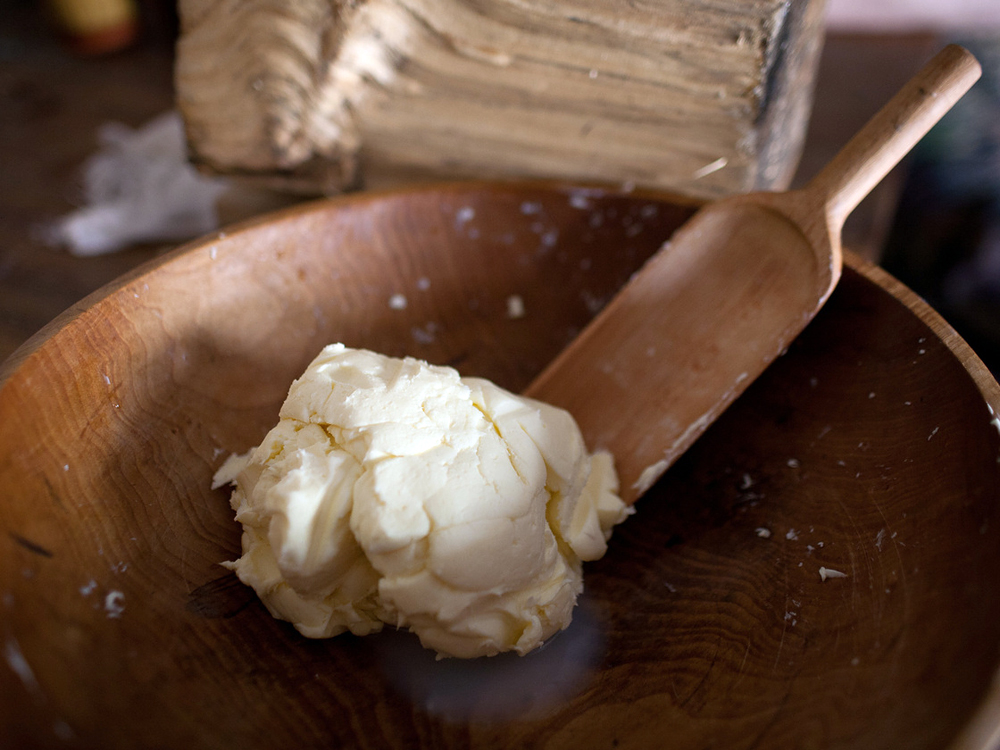
window.__IS_SSR__=true
window.__INITIAL_STATE__={
"attachmentsReducer": {
"audio_0": {
"type": "attachments",
"id": "audio_0",
"imgSizes": {
"kqedFullSize": {
"file": "https://ww2.kqed.org/news/wp-content/themes/KQED-unified/img/audio_bgs/background0.jpg"
}
}
},
"audio_1": {
"type": "attachments",
"id": "audio_1",
"imgSizes": {
"kqedFullSize": {
"file": "https://ww2.kqed.org/news/wp-content/themes/KQED-unified/img/audio_bgs/background1.jpg"
}
}
},
"audio_2": {
"type": "attachments",
"id": "audio_2",
"imgSizes": {
"kqedFullSize": {
"file": "https://ww2.kqed.org/news/wp-content/themes/KQED-unified/img/audio_bgs/background2.jpg"
}
}
},
"audio_3": {
"type": "attachments",
"id": "audio_3",
"imgSizes": {
"kqedFullSize": {
"file": "https://ww2.kqed.org/news/wp-content/themes/KQED-unified/img/audio_bgs/background3.jpg"
}
}
},
"audio_4": {
"type": "attachments",
"id": "audio_4",
"imgSizes": {
"kqedFullSize": {
"file": "https://ww2.kqed.org/news/wp-content/themes/KQED-unified/img/audio_bgs/background4.jpg"
}
}
},
"placeholder": {
"type": "attachments",
"id": "placeholder",
"imgSizes": {
"thumbnail": {
"file": "https://cdn.kqed.org/wp-content/uploads/2024/12/KQED-Default-Image-816638274-2000x1333-1-160x107.jpg",
"width": 160,
"height": 107,
"mimeType": "image/jpeg"
},
"medium": {
"file": "https://cdn.kqed.org/wp-content/uploads/2024/12/KQED-Default-Image-816638274-2000x1333-1-800x533.jpg",
"width": 800,
"height": 533,
"mimeType": "image/jpeg"
},
"medium_large": {
"file": "https://cdn.kqed.org/wp-content/uploads/2024/12/KQED-Default-Image-816638274-2000x1333-1-768x512.jpg",
"width": 768,
"height": 512,
"mimeType": "image/jpeg"
},
"large": {
"file": "https://cdn.kqed.org/wp-content/uploads/2024/12/KQED-Default-Image-816638274-2000x1333-1-1020x680.jpg",
"width": 1020,
"height": 680,
"mimeType": "image/jpeg"
},
"1536x1536": {
"file": "https://cdn.kqed.org/wp-content/uploads/2024/12/KQED-Default-Image-816638274-2000x1333-1-1536x1024.jpg",
"width": 1536,
"height": 1024,
"mimeType": "image/jpeg"
},
"fd-lrg": {
"file": "https://cdn.kqed.org/wp-content/uploads/2024/12/KQED-Default-Image-816638274-2000x1333-1-1536x1024.jpg",
"width": 1536,
"height": 1024,
"mimeType": "image/jpeg"
},
"fd-med": {
"file": "https://cdn.kqed.org/wp-content/uploads/2024/12/KQED-Default-Image-816638274-2000x1333-1-1020x680.jpg",
"width": 1020,
"height": 680,
"mimeType": "image/jpeg"
},
"fd-sm": {
"file": "https://cdn.kqed.org/wp-content/uploads/2024/12/KQED-Default-Image-816638274-2000x1333-1-800x533.jpg",
"width": 800,
"height": 533,
"mimeType": "image/jpeg"
},
"post-thumbnail": {
"file": "https://cdn.kqed.org/wp-content/uploads/2024/12/KQED-Default-Image-816638274-2000x1333-1-672x372.jpg",
"width": 672,
"height": 372,
"mimeType": "image/jpeg"
},
"twentyfourteen-full-width": {
"file": "https://cdn.kqed.org/wp-content/uploads/2024/12/KQED-Default-Image-816638274-2000x1333-1-1038x576.jpg",
"width": 1038,
"height": 576,
"mimeType": "image/jpeg"
},
"xxsmall": {
"file": "https://cdn.kqed.org/wp-content/uploads/2024/12/KQED-Default-Image-816638274-2000x1333-1-160x107.jpg",
"width": 160,
"height": 107,
"mimeType": "image/jpeg"
},
"xsmall": {
"file": "https://cdn.kqed.org/wp-content/uploads/2024/12/KQED-Default-Image-816638274-2000x1333-1-672x372.jpg",
"width": 672,
"height": 372,
"mimeType": "image/jpeg"
},
"small": {
"file": "https://cdn.kqed.org/wp-content/uploads/2024/12/KQED-Default-Image-816638274-2000x1333-1-672x372.jpg",
"width": 672,
"height": 372,
"mimeType": "image/jpeg"
},
"xlarge": {
"file": "https://cdn.kqed.org/wp-content/uploads/2024/12/KQED-Default-Image-816638274-2000x1333-1-1020x680.jpg",
"width": 1020,
"height": 680,
"mimeType": "image/jpeg"
},
"full-width": {
"file": "https://cdn.kqed.org/wp-content/uploads/2024/12/KQED-Default-Image-816638274-2000x1333-1-1920x1280.jpg",
"width": 1920,
"height": 1280,
"mimeType": "image/jpeg"
},
"guest-author-32": {
"file": "https://cdn.kqed.org/wp-content/uploads/2025/01/KQED-Default-Image-816638274-1333x1333-1-160x160.jpg",
"width": 32,
"height": 32,
"mimeType": "image/jpeg"
},
"guest-author-50": {
"file": "https://cdn.kqed.org/wp-content/uploads/2025/01/KQED-Default-Image-816638274-1333x1333-1-160x160.jpg",
"width": 50,
"height": 50,
"mimeType": "image/jpeg"
},
"guest-author-64": {
"file": "https://cdn.kqed.org/wp-content/uploads/2025/01/KQED-Default-Image-816638274-1333x1333-1-160x160.jpg",
"width": 64,
"height": 64,
"mimeType": "image/jpeg"
},
"guest-author-96": {
"file": "https://cdn.kqed.org/wp-content/uploads/2025/01/KQED-Default-Image-816638274-1333x1333-1-160x160.jpg",
"width": 96,
"height": 96,
"mimeType": "image/jpeg"
},
"guest-author-128": {
"file": "https://cdn.kqed.org/wp-content/uploads/2025/01/KQED-Default-Image-816638274-1333x1333-1-160x160.jpg",
"width": 128,
"height": 128,
"mimeType": "image/jpeg"
},
"detail": {
"file": "https://cdn.kqed.org/wp-content/uploads/2025/01/KQED-Default-Image-816638274-1333x1333-1-160x160.jpg",
"width": 160,
"height": 160,
"mimeType": "image/jpeg"
},
"kqedFullSize": {
"file": "https://cdn.kqed.org/wp-content/uploads/2024/12/KQED-Default-Image-816638274-2000x1333-1.jpg",
"width": 2000,
"height": 1333
}
}
},
"bayareabites_64680": {
"type": "attachments",
"id": "bayareabites_64680",
"meta": {
"index": "attachments_1716263798",
"site": "bayareabites",
"id": "64680",
"found": true
},
"parent": 64674,
"imgSizes": {
"kqedFullSize": {
"file": "https://ww2.kqed.org/app/uploads/sites/24/2013/07/iran-barley.jpg",
"width": 1120,
"height": 1142
}
},
"publishDate": 1373061901,
"modified": 1373061901,
"caption": "An ancient wild barley sample recovered from Chogha Golan, Iran. Photo: Courtesy of TISARP/Science",
"description": "An ancient wild barley sample recovered from Chogha Golan, Iran.",
"title": "riehl4hr",
"credit": null,
"status": "inherit",
"isLoading": false,
"fetchFailed": false
},
"bayareabites_64659": {
"type": "attachments",
"id": "bayareabites_64659",
"meta": {
"index": "attachments_1716263798",
"site": "bayareabites",
"id": "64659",
"found": true
},
"parent": 64654,
"imgSizes": {
"kqedFullSize": {
"file": "https://ww2.kqed.org/app/uploads/sites/24/2013/07/butter1000.jpg",
"width": 1000,
"height": 750
}
},
"publishDate": 1373057674,
"modified": 1373057674,
"caption": "Butter churning demos can be found at Claude Moore Colonial Farm, but DIYers are rediscovering the art, too. Photo Courtesy of Claude Moore Colonial Farm",
"description": null,
"title": "butter1000",
"credit": null,
"status": "inherit",
"isLoading": false,
"fetchFailed": false
},
"bayareabites_64635": {
"type": "attachments",
"id": "bayareabites_64635",
"meta": {
"index": "attachments_1716263798",
"site": "bayareabites",
"id": "64635",
"found": true
},
"parent": 64626,
"imgSizes": {
"kqedFullSize": {
"file": "https://ww2.kqed.org/app/uploads/sites/24/2013/07/soda2.jpg",
"width": 1120,
"height": 839
}
},
"publishDate": 1372953316,
"modified": 1372953316,
"caption": "Corn And Lime Soda. Photo: Rina Rapuano for NPR",
"description": "Corn And Lime Soda",
"title": "horiz-2",
"credit": null,
"status": "inherit",
"isLoading": false,
"fetchFailed": false
},
"bayareabites_64593": {
"type": "attachments",
"id": "bayareabites_64593",
"meta": {
"index": "attachments_1716263798",
"site": "bayareabites",
"id": "64593",
"found": true
},
"parent": 64587,
"imgSizes": {
"kqedFullSize": {
"file": "https://ww2.kqed.org/app/uploads/sites/24/2013/07/pomegranate.jpg",
"width": 1120,
"height": 838
}
},
"publishDate": 1372906054,
"modified": 1372906054,
"caption": "A fruit thought by some to be what Eve used to tempt Adam has been grown in the Middle East for centuries. Photo: iStockphoto.com",
"description": "A fruit thought by some to be what Eve used to tempt Adam has been grown in the Middle East for centuries.",
"title": "istock_000011531670small",
"credit": null,
"status": "inherit",
"isLoading": false,
"fetchFailed": false
},
"bayareabites_64564": {
"type": "attachments",
"id": "bayareabites_64564",
"meta": {
"index": "attachments_1716263798",
"site": "bayareabites",
"id": "64564",
"found": true
},
"parent": 64558,
"imgSizes": {
"kqedFullSize": {
"file": "https://ww2.kqed.org/app/uploads/sites/24/2013/07/pepsi.jpg",
"width": 408,
"height": 500
}
},
"publishDate": 1372872916,
"modified": 1372872916,
"caption": "Pepsi says it plans to reformulate all its colas sold in the U.S. by February 2014 to eliminate 4-MEI, a chemical listed as a carcinogen by the state of California. Photo: PR Newswire",
"description": "Pepsi says it plans to reformulate all its colas sold in the U.S. by February 2014 to eliminate 4-MEI, a chemical listed as a carcinogen by the state of California.",
"title": "ap518830051359",
"credit": null,
"status": "inherit",
"isLoading": false,
"fetchFailed": false
},
"bayareabites_64471": {
"type": "attachments",
"id": "bayareabites_64471",
"meta": {
"index": "attachments_1716263798",
"site": "bayareabites",
"id": "64471",
"found": true
},
"parent": 64455,
"imgSizes": {
"kqedFullSize": {
"file": "https://ww2.kqed.org/app/uploads/sites/24/2013/07/spoonfuls.jpg",
"width": 1120,
"height": 742
}
},
"publishDate": 1372811698,
"modified": 1372811698,
"caption": "Which spoonful of yogurt looks the tastiest? Studies show people tend to eat less when their dishes are in sharp color-contrast to their food. Photo: Elizabeth Willing/Courtesy Flavour",
"description": "Which spoonful of yogurt looks the tastiest? Studies show people tend to eat less when their dishes are in sharp color-contrast to their food.",
"title": "yogurt",
"credit": null,
"status": "inherit",
"isLoading": false,
"fetchFailed": false
},
"bayareabites_64491": {
"type": "attachments",
"id": "bayareabites_64491",
"meta": {
"index": "attachments_1716263798",
"site": "bayareabites",
"id": "64491",
"found": true
},
"parent": 64483,
"imgSizes": {
"kqedFullSize": {
"file": "https://ww2.kqed.org/app/uploads/sites/24/2013/07/avocadofedpork.jpg",
"width": 1120,
"height": 840
}
},
"publishDate": 1372814912,
"modified": 1372814912,
"caption": "Russ Kremer with some of his hogs on his farm in Frankenstein, Mo., in 2009. Instead of buying conventional feed, Kremer grazes his hogs in a pasture, and grows grains and legumes for them. Photo: Jeff Roberson /AP",
"description": "Russ Kremer with some of his hogs on his farm in Frankenstein, Mo., in 2009. Instead of buying conventional feed, Kremer grazes his hogs in a pasture, and grows grains and legumes for them.",
"title": "kremer-hogs",
"credit": null,
"status": "inherit",
"isLoading": false,
"fetchFailed": false
},
"bayareabites_64450": {
"type": "attachments",
"id": "bayareabites_64450",
"meta": {
"index": "attachments_1716263798",
"site": "bayareabites",
"id": "64450",
"found": true
},
"parent": 64445,
"imgSizes": {
"kqedFullSize": {
"file": "https://ww2.kqed.org/app/uploads/sites/24/2013/07/heart-attack-on-a-hook.jpg",
"width": 1120,
"height": 841
}
},
"publishDate": 1372803780,
"modified": 1372803780,
"caption": "Long John Silver's Big Catch platter will net you 33 grams of trans fats in one meal. Courtesy of Clare Photo: Politano/Center for Science in the Public Interest",
"description": null,
"title": "heart-attack-on-a-hook",
"credit": null,
"status": "inherit",
"isLoading": false,
"fetchFailed": false
},
"bayareabites_64428": {
"type": "attachments",
"id": "bayareabites_64428",
"meta": {
"index": "attachments_1716263798",
"site": "bayareabites",
"id": "64428",
"found": true
},
"parent": 64424,
"imgSizes": {
"kqedFullSize": {
"file": "https://ww2.kqed.org/app/uploads/sites/24/2013/07/tandoor.jpg",
"width": 1120,
"height": 629
}
},
"publishDate": 1372784619,
"modified": 1372784619,
"caption": "Punjabi Lamb Kebabs, like many tandoor dishes, can also be made on gas or charcoal grills. Photo: Christopher Hirsheimer",
"description": "Punjabi Lamb Kebabs, like many tandoor dishes, can also be made on gas or charcoal grills.",
"title": "tandoor2",
"credit": null,
"status": "inherit",
"isLoading": false,
"fetchFailed": false
},
"bayareabites_64374": {
"type": "attachments",
"id": "bayareabites_64374",
"meta": {
"index": "attachments_1716263798",
"site": "bayareabites",
"id": "64374",
"found": true
},
"parent": 64373,
"imgSizes": {
"kqedFullSize": {
"file": "https://ww2.kqed.org/app/uploads/sites/24/2013/07/milkallergy-178527fe8cac60b1c6b3eb4be0b4136e89e51121.jpg",
"width": 200,
"height": 150
}
},
"publishDate": 1372708440,
"modified": 1372708440,
"caption": null,
"description": "Researchers are learning more about how to treat milk allergy by giving kids a small amount of milk protein, but it needs further study.",
"title": "Researchers are learning more about how to treat milk allergy by giving kids a small amount of milk protein, but it needs further study.",
"credit": null,
"status": "inherit",
"isLoading": false,
"fetchFailed": false
},
"bayareabites_64265": {
"type": "attachments",
"id": "bayareabites_64265",
"meta": {
"index": "attachments_1716263798",
"site": "bayareabites",
"id": "64265",
"found": true
},
"parent": 64253,
"imgSizes": {
"kqedFullSize": {
"file": "https://ww2.kqed.org/app/uploads/sites/24/2013/06/cagefree.jpg",
"width": 1120,
"height": 840
}
},
"publishDate": 1372372243,
"modified": 1372372243,
"caption": "Cage-free chickens in Harold Sensenig's barn near Hershey, Pa., get to roam and perch on steel rods, but they don't go outside. Photo: Dan Charles/NPR",
"description": "Cage-free chickens in Harold Sensenig's barn near Hershey, Pa., get to roam and perch on steel rods, but they don't go outside.",
"title": "cagefree001",
"credit": null,
"status": "inherit",
"isLoading": false,
"fetchFailed": false
},
"bayareabites_64185": {
"type": "attachments",
"id": "bayareabites_64185",
"meta": {
"index": "attachments_1716263798",
"site": "bayareabites",
"id": "64185",
"found": true
},
"parent": 64182,
"imgSizes": {
"kqedFullSize": {
"file": "https://ww2.kqed.org/app/uploads/sites/24/2013/06/bagels-carbs.jpg",
"width": 1120,
"height": 629
}
},
"publishDate": 1372279384,
"modified": 1372279384,
"caption": "Eating refined carbohydrates like bagels may stimulate brain regions involved in reward and cravings, research suggests. Photo: iStockphoto.com",
"description": "Eating refined carbohydrates like bagels may stimulate brain regions involved in reward and cravings, research suggests.",
"title": "istock_bagels",
"credit": null,
"status": "inherit",
"isLoading": false,
"fetchFailed": false
}
},
"audioPlayerReducer": {
"postId": "stream_live",
"isPaused": true,
"isPlaying": false,
"pfsActive": false,
"pledgeModalIsOpen": true,
"playerDrawerIsOpen": false,
"liveAudioPlayStartedAt": 0,
"liveAudioPlayContext": ""
},
"authorsReducer": {
"byline_bayareabites_64674": {
"type": "authors",
"id": "byline_bayareabites_64674",
"meta": {
"override": true
},
"slug": "byline_bayareabites_64674",
"name": "Rhitu Chatterjee",
"isLoading": false
},
"byline_bayareabites_64654": {
"type": "authors",
"id": "byline_bayareabites_64654",
"meta": {
"override": true
},
"slug": "byline_bayareabites_64654",
"name": "Allison Aubrey",
"isLoading": false
},
"byline_bayareabites_64626": {
"type": "authors",
"id": "byline_bayareabites_64626",
"meta": {
"override": true
},
"slug": "byline_bayareabites_64626",
"name": "Rina Rapuano",
"isLoading": false
},
"byline_bayareabites_64587": {
"type": "authors",
"id": "byline_bayareabites_64587",
"meta": {
"override": true
},
"slug": "byline_bayareabites_64587",
"name": "Nancy Shute",
"isLoading": false
},
"byline_bayareabites_64558": {
"type": "authors",
"id": "byline_bayareabites_64558",
"meta": {
"override": true
},
"slug": "byline_bayareabites_64558",
"name": "Allison Aubrey",
"isLoading": false
},
"byline_bayareabites_64455": {
"type": "authors",
"id": "byline_bayareabites_64455",
"meta": {
"override": true
},
"slug": "byline_bayareabites_64455",
"name": "Maria Godoy",
"isLoading": false
},
"byline_bayareabites_64483": {
"type": "authors",
"id": "byline_bayareabites_64483",
"meta": {
"override": true
},
"slug": "byline_bayareabites_64483",
"name": "Twilight Greenaway",
"isLoading": false
},
"byline_bayareabites_64445": {
"type": "authors",
"id": "byline_bayareabites_64445",
"meta": {
"override": true
},
"slug": "byline_bayareabites_64445",
"name": "Jessica Naudziunas",
"isLoading": false
},
"byline_bayareabites_64424": {
"type": "authors",
"id": "byline_bayareabites_64424",
"meta": {
"override": true
},
"slug": "byline_bayareabites_64424",
"name": "NPR Staff",
"isLoading": false
},
"byline_bayareabites_64373": {
"type": "authors",
"id": "byline_bayareabites_64373",
"meta": {
"override": true
},
"slug": "byline_bayareabites_64373",
"name": "Eliza Barclay",
"isLoading": false
},
"byline_bayareabites_64253": {
"type": "authors",
"id": "byline_bayareabites_64253",
"meta": {
"override": true
},
"slug": "byline_bayareabites_64253",
"name": "Dan Charles",
"isLoading": false
},
"byline_bayareabites_64182": {
"type": "authors",
"id": "byline_bayareabites_64182",
"meta": {
"override": true
},
"slug": "byline_bayareabites_64182",
"name": "Allison Aubrey",
"isLoading": false
}
},
"pagesReducer": {
"bayareabites_category_npr-food": {
"type": "terms",
"id": "bayareabites_10916",
"meta": {
"index": "terms_1716263798",
"site": "bayareabites",
"id": "10916",
"score": 13.894667
},
"featImg": null,
"name": "NPR food",
"description": null,
"taxonomy": "category",
"headData": {
"twImgId": null,
"twTitle": null,
"ogTitle": null,
"ogImgId": null,
"twDescription": null,
"description": null,
"title": "NPR food Archives | KQED Bay Area Bites",
"ogDescription": null
},
"ttid": 5375,
"slug": "npr-food",
"isLoading": false,
"title": "NPR food",
"pageMeta": {
"site": "bayareabites",
"WpPageTemplate": "page-topic-editorial",
"currentPage": 76
},
"blocks": [
{
"blockName": "kqed/post-list",
"attrs": {
"layout": "cardArticle2",
"query": "posts/bayareabites?category=npr-food",
"seeMore": false,
"paginated": true,
"page": 76
}
},
{
"blockName": "kqed/ad"
}
]
}
},
"pfsSessionReducer": {},
"postsReducer": {
"stream_live": {
"type": "live",
"id": "stream_live",
"audioUrl": "https://hls.kqed.org/hls/kqed_app/playlist.m3u8",
"title": "Live Stream",
"excerpt": "Live Stream information currently unavailable.",
"link": "/radio",
"featImg": "",
"label": {
"name": "KQED Live",
"link": "/"
}
},
"stream_kqedNewscast": {
"type": "posts",
"id": "stream_kqedNewscast",
"audioUrl": "https://www.kqed.org/.stream/anon/radio/RDnews/newscast.mp3?_=1",
"title": "KQED Newscast",
"featImg": "",
"label": {
"name": "88.5 FM",
"link": "/"
}
},
"bayareabites_64674": {
"type": "posts",
"id": "bayareabites_64674",
"meta": {
"index": "posts_1716263798",
"site": "bayareabites",
"id": "64674",
"score": null,
"sort": [
1373062112000
]
},
"parent": 0,
"labelTerm": {
"site": "bayareabites"
},
"blocks": [],
"publishDate": 1373062112,
"format": "aside",
"disqusTitle": "Farming Got Hip In Iran Some 12,000 Years Ago, Ancient Seeds Reveal",
"title": "Farming Got Hip In Iran Some 12,000 Years Ago, Ancient Seeds Reveal",
"headTitle": "Bay Area Bites | KQED Food",
"content": "\u003cfigure id=\"attachment_64680\" class=\"wp-caption aligncenter\" style=\"max-width: 500px\">\u003ca href=\"http://ww2.kqed.org/bayareabites/wp-content/uploads/sites/24/2013/07/iran-barley.jpg\">\u003cimg src=\"http://ww2.kqed.org/bayareabites/wp-content/uploads/sites/24/2013/07/iran-barley.jpg\" alt=\"An ancient wild barley sample recovered from Chogha Golan, Iran. Photo: Courtesy of TISARP/Science\" width=\"500\" class=\"size-full wp-image-64680\">\u003c/a>\u003cfigcaption class=\"wp-caption-text\">An ancient wild barley sample recovered from Chogha Golan, Iran. Photo: Courtesy of TISARP/Science\u003c/figcaption>\u003c/figure>\n\u003cp>Post by Rhitu Chatterjee, \u003ca href=\"http://www.npr.org/blogs/thesalt/2013/07/05/198453031/farming-got-hip-in-iran-some-12-000-years-ago-ancient-seeds-reveal\">The Salt at NPR Food\u003c/a> (7/5/13)\u003c/p>\n\u003cp>Archaeologists digging in the foothills of Iran's Zagros Mountains have discovered the remains of a Stone Age farming community. It turns out that people living there were growing plants like barley, peas and lentils as early as 12,000 years ago.\u003c/p>\n\u003cp>The findings offer a rare snapshot of a time when humans first started experimenting with farming. They also show that Iran was an important player in the origin of agriculture.\u003c/p>\n\u003cp>In 2009, archaeologist \u003ca href=\"http://www.geo.uni-tuebingen.de/arbeitsgruppen/urgeschichte-und-naturwissenschaftliche-archaeologie/aeltere-urgeschichte-quartaeroekologie/mitarbeiter/prof-nicholas-j-conard-phd.html\">Nicholas Conard\u003c/a> of the University of Tubingen led an excavation in the foothills of the Zagros, a mountain range that runs along the Iran-Iraq border.\u003c/p>\n\u003cp>Based on the suggestion of an Iranian colleague, he'd picked an area close to the border with Iraq and began excavating a mound about eight meters high. Before long, they hit pay dirt: The sediments were rich with artifacts. \"Sculpted clay objects, clay cones, depictions of animals and humans,\" says Conard.\u003c/p>\n\u003cfigure id=\"attachment_64681\" class=\"wp-caption aligncenter\" style=\"max-width: 1120px\">\u003ca href=\"http://ww2.kqed.org/bayareabites/wp-content/uploads/sites/24/2013/07/iran-stoneagefarming.jpg\">\u003cimg src=\"http://ww2.kqed.org/bayareabites/wp-content/uploads/sites/24/2013/07/iran-stoneagefarming.jpg\" alt=\"The seeds and other evidence of Stone Age farming, including tools that looked like sickles, were uncovered at a dig site in the foothills of Iran's Zagros mountains. Photo: Courtesy TISARP/University of Tubingen\" width=\"1120\" height=\"839\" class=\"size-full wp-image-64681\">\u003c/a>\u003cfigcaption class=\"wp-caption-text\">The seeds and other evidence of Stone Age farming, including tools that looked like sickles, were uncovered at a dig site in the foothills of Iran's Zagros mountains. Photo: Courtesy TISARP/University of Tubingen\u003c/figcaption>\u003c/figure>\n\u003cp>There were stone tools, too: things that looked like sickles, and mortar and pestles, some clearly used for grinding food. And then there were the grains and seeds — hundreds of them, charred but otherwise intact and well preserved.\u003c/p>\n\u003cp>[ad fullwidth]\u003c/p>\n\u003cp>Now, Conard is no botanist. He's an expert on stone tools. But even his untrained eye recognized some of the grains.\u003c/p>\n\u003cp>\"They look like lentils you might buy at the store, or pieces of wheat or barley you might have encountered in other aspects of life.\"\u003c/p>\n\u003cp>He suspected he was looking at an \"agricultural village,\" but he sent the grains to his colleague \u003ca href=\"http://www.geo.uni-tuebingen.de/arbeitsgruppen/urgeschichte-und-naturwissenschaftliche-archaeologie/aeltere-urgeschichte-quartaeroekologie/mitarbeiter/riehl.html\">Simone Riehl\u003c/a> to double check.\u003c/p>\n\u003cp>Bingo.\u003c/p>\n\u003cp>\"That was a fantastic feeling, when I first get these plant remains under the microscope,\" says Riehl, an archaeobotanist at the University of Tubingen.\u003c/p>\n\u003cp>She confirmed that the grains were indeed varieties of lentils, barley and peas. She also identified a range of nuts and grasses, and a kind of wheat called Emmer, known to be a commonly grown crop in later centuries throughout the Middle East.\u003c/p>\n\u003cp>But most of the grains Riehl looked at were pre-agricultural. \"They were cultivating what we consider wild progenitors of modern crops,\" says Riehl.\u003c/p>\n\u003cp>In other words, 12,000 years ago, people were simply taking wild plants and growing them in fields. They hadn't started breeding crops yet, selecting varieties for yield and other desirable qualities.\u003c/p>\n\u003cp>\"They were probably just trying to secure their everyday needs,\" says Riehl.\u003c/p>\n\u003cp>Now, Riehl's samples spanned a period of two thousand years. And in the younger samples, those about 10,000 years old, she did detect the first signs of domestication: The Emmer wheat from this period had tougher ears. \"That's because of human selection,\" she says. Those tough ears, she explains, helped keep the grains from falling to the ground when they were ripe. It made harvesting a lot easier.\u003c/p>\n\u003cp>Experts in prehistoric agriculture have welcomed the study, which is published in the latest issue of the journal \u003cem>Science\u003c/em>.\u003c/p>\n\u003cp>\"It's allowing us to push back our picture of early agriculture to these very, very initial stages, when people are beginning to play around with plants and their environment,\" says \u003ca href=\"http://anthropology.si.edu/archaeobio/zeder.html\">Melinda Zeder\u003c/a>, curator of old world archaeology at the Smithsonian Museum of Natural History.\u003c/p>\n\u003cp>The study also changes our understanding about the geographic origins of agriculture, she says.\u003c/p>\n\u003cp>Until now, she says scientists had thought agriculture arose in the western parts of the Fertile Crescent — a region that includes Iraq, Turkey, Syria, Jordan and Israel — because that's where all previous evidences of early agriculture came from.\u003c/p>\n\u003cp>Iran, on the other hand, is on the eastern edges of the Crescent, and was thought to be \"a non-player in the history of agriculture,\" says Zeder.\u003c/p>\n\u003cp>\u003c/p>\n\u003cp>The new study proves otherwise, she says. It shows that communities across the entire Fertile Crescent started experimenting with farming around the same time. And that, says Zeder, is exciting.\u003cbr>\n\u003cem>\u003cbr>\nCopyright 2013 \u003ca href=\"http://www.npr.org/\">NPR\u003c/a>.\u003c/em> \u003c/p>\n\n",
"disqusIdentifier": "64674 http://blogs.kqed.org/bayareabites/?p=64674",
"disqusUrl": "https://ww2.kqed.org/bayareabites/2013/07/05/farming-got-hip-in-iran-some-12000-years-ago-ancient-seeds-reveal/",
"stats": {
"hasVideo": false,
"hasChartOrMap": false,
"hasAudio": false,
"hasPolis": false,
"wordCount": 713,
"hasGoogleForm": false,
"hasGallery": false,
"hasHearkenModule": false,
"iframeSrcs": [],
"paragraphCount": 24
},
"modified": 1373062112,
"excerpt": "Archaeologists had considered Iran unimportant in the history of farming – until now. Ancient seeds and farming tools uncovered in Iran reveal Stone Age people there were growing lentils, barley and other crops. The findings offer a snapshot of a time when humans first started experimenting with farming.",
"headData": {
"twImgId": "",
"twTitle": "",
"ogTitle": "",
"ogImgId": "",
"twDescription": "",
"description": "Archaeologists had considered Iran unimportant in the history of farming – until now. Ancient seeds and farming tools uncovered in Iran reveal Stone Age people there were growing lentils, barley and other crops. The findings offer a snapshot of a time when humans first started experimenting with farming.",
"title": "Farming Got Hip In Iran Some 12,000 Years Ago, Ancient Seeds Reveal | KQED",
"ogDescription": "",
"schema": {
"@context": "https://schema.org",
"@type": "Article",
"headline": "Farming Got Hip In Iran Some 12,000 Years Ago, Ancient Seeds Reveal",
"datePublished": "2013-07-05T15:08:32-07:00",
"dateModified": "2013-07-05T15:08:32-07:00",
"image": "https://cdn.kqed.org/wp-content/uploads/2020/02/KQED-OG-Image@1x.png"
}
},
"guestAuthors": [],
"slug": "farming-got-hip-in-iran-some-12000-years-ago-ancient-seeds-reveal",
"status": "publish",
"nprApiLink": "http://api.npr.org/query?id=198453031&apiKey=MDAxOTAwOTE4MDEyMTkxMDAzNjczZDljZA004",
"nprByline": "Rhitu Chatterjee",
"nprStoryDate": "Fri, 05 Jul 2013 11:15:00 -0400",
"nprLastModifiedDate": "Fri, 05 Jul 2013 17:42:36 -0400",
"nprHtmlLink": "http://www.npr.org/blogs/thesalt/2013/07/05/198453031/farming-got-hip-in-iran-some-12-000-years-ago-ancient-seeds-reveal?ft=3&f=198453031",
"nprStoryId": "198453031",
"nprRetrievedStory": "1",
"nprPubDate": "Fri, 05 Jul 2013 17:42:00 -0400",
"path": "/bayareabites/64674/farming-got-hip-in-iran-some-12000-years-ago-ancient-seeds-reveal",
"audioTrackLength": null,
"parsedContent": [
{
"type": "contentString",
"content": "\u003cdiv class=\"post-body\">\u003cp>\u003cfigure id=\"attachment_64680\" class=\"wp-caption aligncenter\" style=\"max-width: 500px\">\u003ca href=\"http://ww2.kqed.org/bayareabites/wp-content/uploads/sites/24/2013/07/iran-barley.jpg\">\u003cimg src=\"http://ww2.kqed.org/bayareabites/wp-content/uploads/sites/24/2013/07/iran-barley.jpg\" alt=\"An ancient wild barley sample recovered from Chogha Golan, Iran. Photo: Courtesy of TISARP/Science\" width=\"500\" class=\"size-full wp-image-64680\">\u003c/a>\u003cfigcaption class=\"wp-caption-text\">An ancient wild barley sample recovered from Chogha Golan, Iran. Photo: Courtesy of TISARP/Science\u003c/figcaption>\u003c/figure>\n\u003cp>Post by Rhitu Chatterjee, \u003ca href=\"http://www.npr.org/blogs/thesalt/2013/07/05/198453031/farming-got-hip-in-iran-some-12-000-years-ago-ancient-seeds-reveal\">The Salt at NPR Food\u003c/a> (7/5/13)\u003c/p>\n\u003cp>Archaeologists digging in the foothills of Iran's Zagros Mountains have discovered the remains of a Stone Age farming community. It turns out that people living there were growing plants like barley, peas and lentils as early as 12,000 years ago.\u003c/p>\n\u003cp>The findings offer a rare snapshot of a time when humans first started experimenting with farming. They also show that Iran was an important player in the origin of agriculture.\u003c/p>\n\u003cp>In 2009, archaeologist \u003ca href=\"http://www.geo.uni-tuebingen.de/arbeitsgruppen/urgeschichte-und-naturwissenschaftliche-archaeologie/aeltere-urgeschichte-quartaeroekologie/mitarbeiter/prof-nicholas-j-conard-phd.html\">Nicholas Conard\u003c/a> of the University of Tubingen led an excavation in the foothills of the Zagros, a mountain range that runs along the Iran-Iraq border.\u003c/p>\n\u003cp>Based on the suggestion of an Iranian colleague, he'd picked an area close to the border with Iraq and began excavating a mound about eight meters high. Before long, they hit pay dirt: The sediments were rich with artifacts. \"Sculpted clay objects, clay cones, depictions of animals and humans,\" says Conard.\u003c/p>\n\u003cfigure id=\"attachment_64681\" class=\"wp-caption aligncenter\" style=\"max-width: 1120px\">\u003ca href=\"http://ww2.kqed.org/bayareabites/wp-content/uploads/sites/24/2013/07/iran-stoneagefarming.jpg\">\u003cimg src=\"http://ww2.kqed.org/bayareabites/wp-content/uploads/sites/24/2013/07/iran-stoneagefarming.jpg\" alt=\"The seeds and other evidence of Stone Age farming, including tools that looked like sickles, were uncovered at a dig site in the foothills of Iran's Zagros mountains. Photo: Courtesy TISARP/University of Tubingen\" width=\"1120\" height=\"839\" class=\"size-full wp-image-64681\">\u003c/a>\u003cfigcaption class=\"wp-caption-text\">The seeds and other evidence of Stone Age farming, including tools that looked like sickles, were uncovered at a dig site in the foothills of Iran's Zagros mountains. Photo: Courtesy TISARP/University of Tubingen\u003c/figcaption>\u003c/figure>\n\u003cp>There were stone tools, too: things that looked like sickles, and mortar and pestles, some clearly used for grinding food. And then there were the grains and seeds — hundreds of them, charred but otherwise intact and well preserved.\u003c/p>\n\u003cp>\u003c/p>\u003c/div>",
"attributes": {
"named": {},
"numeric": []
}
},
{
"type": "component",
"content": "",
"name": "ad",
"attributes": {
"named": {
"label": "fullwidth"
},
"numeric": [
"fullwidth"
]
}
},
{
"type": "contentString",
"content": "\u003cdiv class=\"post-body\">\u003cp>\u003c/p>\n\u003cp>Now, Conard is no botanist. He's an expert on stone tools. But even his untrained eye recognized some of the grains.\u003c/p>\n\u003cp>\"They look like lentils you might buy at the store, or pieces of wheat or barley you might have encountered in other aspects of life.\"\u003c/p>\n\u003cp>He suspected he was looking at an \"agricultural village,\" but he sent the grains to his colleague \u003ca href=\"http://www.geo.uni-tuebingen.de/arbeitsgruppen/urgeschichte-und-naturwissenschaftliche-archaeologie/aeltere-urgeschichte-quartaeroekologie/mitarbeiter/riehl.html\">Simone Riehl\u003c/a> to double check.\u003c/p>\n\u003cp>Bingo.\u003c/p>\n\u003cp>\"That was a fantastic feeling, when I first get these plant remains under the microscope,\" says Riehl, an archaeobotanist at the University of Tubingen.\u003c/p>\n\u003cp>She confirmed that the grains were indeed varieties of lentils, barley and peas. She also identified a range of nuts and grasses, and a kind of wheat called Emmer, known to be a commonly grown crop in later centuries throughout the Middle East.\u003c/p>\n\u003cp>But most of the grains Riehl looked at were pre-agricultural. \"They were cultivating what we consider wild progenitors of modern crops,\" says Riehl.\u003c/p>\n\u003cp>In other words, 12,000 years ago, people were simply taking wild plants and growing them in fields. They hadn't started breeding crops yet, selecting varieties for yield and other desirable qualities.\u003c/p>\n\u003cp>\"They were probably just trying to secure their everyday needs,\" says Riehl.\u003c/p>\n\u003cp>Now, Riehl's samples spanned a period of two thousand years. And in the younger samples, those about 10,000 years old, she did detect the first signs of domestication: The Emmer wheat from this period had tougher ears. \"That's because of human selection,\" she says. Those tough ears, she explains, helped keep the grains from falling to the ground when they were ripe. It made harvesting a lot easier.\u003c/p>\n\u003cp>Experts in prehistoric agriculture have welcomed the study, which is published in the latest issue of the journal \u003cem>Science\u003c/em>.\u003c/p>\n\u003cp>\"It's allowing us to push back our picture of early agriculture to these very, very initial stages, when people are beginning to play around with plants and their environment,\" says \u003ca href=\"http://anthropology.si.edu/archaeobio/zeder.html\">Melinda Zeder\u003c/a>, curator of old world archaeology at the Smithsonian Museum of Natural History.\u003c/p>\n\u003cp>The study also changes our understanding about the geographic origins of agriculture, she says.\u003c/p>\n\u003cp>Until now, she says scientists had thought agriculture arose in the western parts of the Fertile Crescent — a region that includes Iraq, Turkey, Syria, Jordan and Israel — because that's where all previous evidences of early agriculture came from.\u003c/p>\n\u003cp>Iran, on the other hand, is on the eastern edges of the Crescent, and was thought to be \"a non-player in the history of agriculture,\" says Zeder.\u003c/p>\n\u003cp>\u003c/p>\n\u003cp>The new study proves otherwise, she says. It shows that communities across the entire Fertile Crescent started experimenting with farming around the same time. And that, says Zeder, is exciting.\u003cbr>\n\u003cem>\u003cbr>\nCopyright 2013 \u003ca href=\"http://www.npr.org/\">NPR\u003c/a>.\u003c/em> \u003c/p>\n\n\u003c/div>\u003c/p>",
"attributes": {
"named": {},
"numeric": []
}
}
],
"link": "/bayareabites/64674/farming-got-hip-in-iran-some-12000-years-ago-ancient-seeds-reveal",
"authors": [
"byline_bayareabites_64674"
],
"categories": [
"bayareabites_1874",
"bayareabites_2090",
"bayareabites_10916"
],
"tags": [
"bayareabites_129",
"bayareabites_11948",
"bayareabites_9910",
"bayareabites_11946",
"bayareabites_2143",
"bayareabites_1057",
"bayareabites_128",
"bayareabites_11945",
"bayareabites_11286",
"bayareabites_2141",
"bayareabites_11947",
"bayareabites_10921"
],
"featImg": "bayareabites_64680",
"label": "bayareabites"
},
"bayareabites_64654": {
"type": "posts",
"id": "bayareabites_64654",
"meta": {
"index": "posts_1716263798",
"site": "bayareabites",
"id": "64654",
"score": null,
"sort": [
1373060196000
]
},
"parent": 0,
"labelTerm": {
"site": "bayareabites"
},
"blocks": [],
"publishDate": 1373060196,
"format": "aside",
"disqusTitle": "How The DIY Butter Trend Got Churning",
"title": "How The DIY Butter Trend Got Churning",
"headTitle": "Bay Area Bites | KQED Food",
"content": "\u003cfigure id=\"attachment_64659\" class=\"wp-caption aligncenter\" style=\"max-width: 1000px\">\u003ca href=\"http://ww2.kqed.org/bayareabites/wp-content/uploads/sites/24/2013/07/butter1000.jpg\">\u003cimg src=\"http://ww2.kqed.org/bayareabites/wp-content/uploads/sites/24/2013/07/butter1000.jpg\" alt=\"Butter churning demos can be found at Claude Moore Colonial Farm, but DIYers are rediscovering the art, too. Photo Courtesy of Claude Moore Colonial Farm\" width=\"1000\" height=\"750\" class=\"size-full wp-image-64659\">\u003c/a>\u003cfigcaption class=\"wp-caption-text\">Butter churning demos can be found at Claude Moore Colonial Farm, but DIYers are rediscovering the art, too. Photo Courtesy of Claude Moore Colonial Farm\u003c/figcaption>\u003c/figure>\n\u003cp>\u003cstrong>Listen to the Story\u003c/strong> on \u003ca href=\"http://www.npr.org/blogs/thesalt/2013/07/04/198425906/how-the-diy-butter-trend-got-churning\">All Things Considered\u003c/a> [audio src=\"http://pd.npr.org/anon.npr-mp3/npr/atc/2013/07/20130704_atc_04.mp3\"] \u003c/p>\n\u003cp>Post by Allison Aubrey, \u003ca href=\"http://www.npr.org/blogs/thesalt/2013/07/04/198425906/how-the-diy-butter-trend-got-churning\">The Salt at NPR Food\u003c/a>(7/4/13)\u003c/p>\n\u003cp>Artisanal food fever is raging, and the latest sign is the rise in sales of old-fashioned butter churns.\u003c/p>\n\u003cp>Purveyor Glenda Lehman Ervin of \u003ca href=\"https://www.lehmans.com/default.aspx\">Lehman's \u003c/a>sells old-timey kitchen gadgets online and at her family's store in Kidron, Ohio. She says the clientele is quite diverse. \"There are lots of people interested,\" she says.\u003c/p>\n\u003cp>It's not just homesteaders, hipsters and do-it-yourself-minded foodies getting in on the hands-on pursuit.\u003c/p>\n\u003cp>[ad fullwidth]\u003c/p>\n\u003cp>This hobby has now spread to 40-something suburbanites, as I learned a few weeks back when I received an email invite to a butter-churning party.\u003c/p>\n\u003cp>Bring the kids, and bring your own cream (BYOC), the note said. The host, my friend Jerry Casagrande, promised pingpong too, perhaps in anticipation that the churning might get old quick.\u003c/p>\n\u003cp>Now, if you listen to my story, you'll appreciate that the technical feat of turning cream into butter is not much of a feat — if you follow the directions.\u003c/p>\n\u003cp>One of the most important make-or-break steps is the 15 to 20 minutes of continuous, vigorous churning, which entails cranking a handle. This can be a real workout for the arms — if you actually stick with the task. \"It gets tiring,\" said Casagrande, the butter-churn owner. \"That's why it's good to have a butter-churning party.\"\u003c/p>\n\u003cfigure id=\"attachment_64660\" class=\"wp-caption alignleft\" style=\"max-width: 250px\">\u003ca href=\"http://ww2.kqed.org/bayareabites/wp-content/uploads/sites/24/2013/07/butterchurning.jpg\">\u003cimg src=\"http://ww2.kqed.org/bayareabites/wp-content/uploads/sites/24/2013/07/butterchurning.jpg\" alt=\"Riley Casagrande churns butter with her dad Jerry Casagrande. Photo: Allison Aubrey/NPR\" width=\"250\" class=\"size-full wp-image-64660\">\u003c/a>\u003cfigcaption class=\"wp-caption-text\">Riley Casagrande churns butter with her dad Jerry Casagrande. Photo: Allison Aubrey/NPR\u003c/figcaption>\u003c/figure>\n\u003cp>Now, I was skeptical that the churn, which basically looks like a gallon-sized glass jar with a crank on top, would hold the crowd's attention.\u003c/p>\n\u003cp>But it turned out that we gathered around the churn as if it was a campfire.\u003c/p>\n\u003cp>And as a few of the kids at the party started beating a toy drum to the rhythm of the churning, the whole scene felt part ceremony, part circus.\u003c/p>\n\u003cp>\"Sounds like fun,\" \u003ca href=\"http://www.considerthefork.com/?p=3\">Bee Wilson\u003c/a>, British food writer and author of the food-gadget history book \u003cem>Consider the Fo\u003c/em>rk, said when I told her about the party.\u003c/p>\n\u003cp>She had some smart ideas about why simple crafts like butter-churning have become trendy again.\u003c/p>\n\u003cp>\"I think it's kind of a response to the computer age,\" Wilson says. And it is part of a larger, do-it-yourself food movement that includes everything from \u003ca href=\"http://www.npr.org/blogs/thesalt/2013/06/29/196334312/SAVING-THE-SEASON\">canning\u003c/a>, to making homemade bitters or DIY \u003ca href=\"http://www.jsonline.com/features/food/making-wholemilk-ricotta-cheese-easier-than-expected-b48mkjk-190885501.html\">ricotta\u003c/a>.\u003c/p>\n\u003cp>\"We're just spending so much of our lives living in a sort-of virtual capacity, staring at things, that's it very therapeutic to do things again,\" Wilson said.\u003c/p>\n\u003cp>And these hands-on projects can help us get our hands off our tiny, electronic devices.\u003c/p>\n\u003cp>Now, of course, foodies don't need to go so low-tech to get freshly churned butter. Specialty shops and home-delivery dairies offer lots of options.\u003c/p>\n\u003cp>Or, hey, you can also whip up some butter using a stand-mixer \u003ca href=\"http://www.guardian.co.uk/lifeandstyle/2010/feb/24/how-to-make-butter\">recipe\u003c/a> in a jiffy.\u003c/p>\n\u003cp>So, after an evening of butter-churning, were there any converts among the group? Well, Riley Casagrande, Jerry's daughter, seemed to sum it up best.\u003c/p>\n\u003cp>\"It's kinda fun, like, as something special,\" Riley said. \"But if you had to do it all the time, it wouldn't be very fun.\"\u003c/p>\n\u003cp>Seems it was the novelty that made it entertaining.\u003c/p>\n\u003cp>\u003c/p>\n\u003cp>\u003cem>Copyright 2013 \u003ca href=\"http://www.npr.org/\">NPR\u003c/a>.\u003c/em> \u003c/p>\n\n",
"disqusIdentifier": "64654 http://blogs.kqed.org/bayareabites/?p=64654",
"disqusUrl": "https://ww2.kqed.org/bayareabites/2013/07/05/how-the-diy-butter-trend-got-churning/",
"stats": {
"hasVideo": false,
"hasChartOrMap": false,
"hasAudio": true,
"hasPolis": false,
"wordCount": 608,
"hasGoogleForm": false,
"hasGallery": false,
"hasHearkenModule": false,
"iframeSrcs": [],
"paragraphCount": 25
},
"modified": 1373060196,
"excerpt": "It's not just homesteaders, hipsters and foodies getting into the hands-on pursuit. The butter-churning craze is part of a larger, do-it-yourself food movement that includes everything from canning, to making homemade bitters, a food writer says.",
"headData": {
"twImgId": "",
"twTitle": "",
"ogTitle": "",
"ogImgId": "",
"twDescription": "",
"description": "It's not just homesteaders, hipsters and foodies getting into the hands-on pursuit. The butter-churning craze is part of a larger, do-it-yourself food movement that includes everything from canning, to making homemade bitters, a food writer says.",
"title": "How The DIY Butter Trend Got Churning | KQED",
"ogDescription": "",
"schema": {
"@context": "https://schema.org",
"@type": "Article",
"headline": "How The DIY Butter Trend Got Churning",
"datePublished": "2013-07-05T14:36:36-07:00",
"dateModified": "2013-07-05T14:36:36-07:00",
"image": "https://cdn.kqed.org/wp-content/uploads/2020/02/KQED-OG-Image@1x.png"
}
},
"guestAuthors": [],
"slug": "how-the-diy-butter-trend-got-churning",
"status": "publish",
"nprApiLink": "http://api.npr.org/query?id=198425906&apiKey=MDAxOTAwOTE4MDEyMTkxMDAzNjczZDljZA004",
"nprByline": "Allison Aubrey",
"nprStoryDate": "Thu, 04 Jul 2013 15:00:00 -0400",
"nprLastModifiedDate": "Fri, 05 Jul 2013 00:55:39 -0400",
"nprHtmlLink": "http://www.npr.org/blogs/thesalt/2013/07/04/198425906/how-the-diy-butter-trend-got-churning?ft=3&f=198425906",
"nprAudio": "http://pd.npr.org/anon.npr-mp3/npr/atc/2013/07/20130704_atc_04.mp3?orgId=1&topicId=1053&ft=3&f=198425906",
"nprAudioM3u": "http://api.npr.org/m3u/1198781775-1ea279.m3u?orgId=1&topicId=1053&ft=3&f=198425906",
"nprStoryId": "198425906",
"nprRetrievedStory": "1",
"nprPubDate": "Thu, 04 Jul 2013 21:58:00 -0400",
"path": "/bayareabites/64654/how-the-diy-butter-trend-got-churning",
"audioUrl": "http://pd.npr.org/anon.npr-mp3/npr/atc/2013/07/20130704_atc_04.mp3?orgId=1&topicId=1053&ft=3&f=198425906",
"audioDuration": null,
"audioTrackLength": null,
"parsedContent": [
{
"type": "contentString",
"content": "\u003cdiv class=\"post-body\">\u003cp>\u003cfigure id=\"attachment_64659\" class=\"wp-caption aligncenter\" style=\"max-width: 1000px\">\u003ca href=\"http://ww2.kqed.org/bayareabites/wp-content/uploads/sites/24/2013/07/butter1000.jpg\">\u003cimg src=\"http://ww2.kqed.org/bayareabites/wp-content/uploads/sites/24/2013/07/butter1000.jpg\" alt=\"Butter churning demos can be found at Claude Moore Colonial Farm, but DIYers are rediscovering the art, too. Photo Courtesy of Claude Moore Colonial Farm\" width=\"1000\" height=\"750\" class=\"size-full wp-image-64659\">\u003c/a>\u003cfigcaption class=\"wp-caption-text\">Butter churning demos can be found at Claude Moore Colonial Farm, but DIYers are rediscovering the art, too. Photo Courtesy of Claude Moore Colonial Farm\u003c/figcaption>\u003c/figure>\n\u003cp>\u003cstrong>Listen to the Story\u003c/strong> on \u003ca href=\"http://www.npr.org/blogs/thesalt/2013/07/04/198425906/how-the-diy-butter-trend-got-churning\">All Things Considered\u003c/a> \u003c/p>\u003c/div>",
"attributes": {
"named": {},
"numeric": []
}
},
{
"type": "component",
"content": "",
"name": "audio",
"attributes": {
"named": {
"src": "http://pd.npr.org/anon.npr-mp3/npr/atc/2013/07/20130704_atc_04.mp3",
"label": ""
},
"numeric": []
}
},
{
"type": "contentString",
"content": "\u003cdiv class=\"post-body\">\u003cp> \u003c/p>\n\u003cp>Post by Allison Aubrey, \u003ca href=\"http://www.npr.org/blogs/thesalt/2013/07/04/198425906/how-the-diy-butter-trend-got-churning\">The Salt at NPR Food\u003c/a>(7/4/13)\u003c/p>\n\u003cp>Artisanal food fever is raging, and the latest sign is the rise in sales of old-fashioned butter churns.\u003c/p>\n\u003cp>Purveyor Glenda Lehman Ervin of \u003ca href=\"https://www.lehmans.com/default.aspx\">Lehman's \u003c/a>sells old-timey kitchen gadgets online and at her family's store in Kidron, Ohio. She says the clientele is quite diverse. \"There are lots of people interested,\" she says.\u003c/p>\n\u003cp>It's not just homesteaders, hipsters and do-it-yourself-minded foodies getting in on the hands-on pursuit.\u003c/p>\n\u003cp>\u003c/p>\u003c/div>",
"attributes": {
"named": {},
"numeric": []
}
},
{
"type": "component",
"content": "",
"name": "ad",
"attributes": {
"named": {
"label": "fullwidth"
},
"numeric": [
"fullwidth"
]
}
},
{
"type": "contentString",
"content": "\u003cdiv class=\"post-body\">\u003cp>\u003c/p>\n\u003cp>This hobby has now spread to 40-something suburbanites, as I learned a few weeks back when I received an email invite to a butter-churning party.\u003c/p>\n\u003cp>Bring the kids, and bring your own cream (BYOC), the note said. The host, my friend Jerry Casagrande, promised pingpong too, perhaps in anticipation that the churning might get old quick.\u003c/p>\n\u003cp>Now, if you listen to my story, you'll appreciate that the technical feat of turning cream into butter is not much of a feat — if you follow the directions.\u003c/p>\n\u003cp>One of the most important make-or-break steps is the 15 to 20 minutes of continuous, vigorous churning, which entails cranking a handle. This can be a real workout for the arms — if you actually stick with the task. \"It gets tiring,\" said Casagrande, the butter-churn owner. \"That's why it's good to have a butter-churning party.\"\u003c/p>\n\u003cfigure id=\"attachment_64660\" class=\"wp-caption alignleft\" style=\"max-width: 250px\">\u003ca href=\"http://ww2.kqed.org/bayareabites/wp-content/uploads/sites/24/2013/07/butterchurning.jpg\">\u003cimg src=\"http://ww2.kqed.org/bayareabites/wp-content/uploads/sites/24/2013/07/butterchurning.jpg\" alt=\"Riley Casagrande churns butter with her dad Jerry Casagrande. Photo: Allison Aubrey/NPR\" width=\"250\" class=\"size-full wp-image-64660\">\u003c/a>\u003cfigcaption class=\"wp-caption-text\">Riley Casagrande churns butter with her dad Jerry Casagrande. Photo: Allison Aubrey/NPR\u003c/figcaption>\u003c/figure>\n\u003cp>Now, I was skeptical that the churn, which basically looks like a gallon-sized glass jar with a crank on top, would hold the crowd's attention.\u003c/p>\n\u003cp>But it turned out that we gathered around the churn as if it was a campfire.\u003c/p>\n\u003cp>And as a few of the kids at the party started beating a toy drum to the rhythm of the churning, the whole scene felt part ceremony, part circus.\u003c/p>\n\u003cp>\"Sounds like fun,\" \u003ca href=\"http://www.considerthefork.com/?p=3\">Bee Wilson\u003c/a>, British food writer and author of the food-gadget history book \u003cem>Consider the Fo\u003c/em>rk, said when I told her about the party.\u003c/p>\n\u003cp>She had some smart ideas about why simple crafts like butter-churning have become trendy again.\u003c/p>\n\u003cp>\"I think it's kind of a response to the computer age,\" Wilson says. And it is part of a larger, do-it-yourself food movement that includes everything from \u003ca href=\"http://www.npr.org/blogs/thesalt/2013/06/29/196334312/SAVING-THE-SEASON\">canning\u003c/a>, to making homemade bitters or DIY \u003ca href=\"http://www.jsonline.com/features/food/making-wholemilk-ricotta-cheese-easier-than-expected-b48mkjk-190885501.html\">ricotta\u003c/a>.\u003c/p>\n\u003cp>\"We're just spending so much of our lives living in a sort-of virtual capacity, staring at things, that's it very therapeutic to do things again,\" Wilson said.\u003c/p>\n\u003cp>And these hands-on projects can help us get our hands off our tiny, electronic devices.\u003c/p>\n\u003cp>Now, of course, foodies don't need to go so low-tech to get freshly churned butter. Specialty shops and home-delivery dairies offer lots of options.\u003c/p>\n\u003cp>Or, hey, you can also whip up some butter using a stand-mixer \u003ca href=\"http://www.guardian.co.uk/lifeandstyle/2010/feb/24/how-to-make-butter\">recipe\u003c/a> in a jiffy.\u003c/p>\n\u003cp>So, after an evening of butter-churning, were there any converts among the group? Well, Riley Casagrande, Jerry's daughter, seemed to sum it up best.\u003c/p>\n\u003cp>\"It's kinda fun, like, as something special,\" Riley said. \"But if you had to do it all the time, it wouldn't be very fun.\"\u003c/p>\n\u003cp>Seems it was the novelty that made it entertaining.\u003c/p>\n\u003cp>\u003c/p>\n\u003cp>\u003cem>Copyright 2013 \u003ca href=\"http://www.npr.org/\">NPR\u003c/a>.\u003c/em> \u003c/p>\n\n\u003c/div>\u003c/p>",
"attributes": {
"named": {},
"numeric": []
}
}
],
"link": "/bayareabites/64654/how-the-diy-butter-trend-got-churning",
"authors": [
"byline_bayareabites_64654"
],
"categories": [
"bayareabites_2638",
"bayareabites_10916",
"bayareabites_34"
],
"tags": [
"bayareabites_1288",
"bayareabites_11943",
"bayareabites_11942",
"bayareabites_987",
"bayareabites_1893",
"bayareabites_10921"
],
"featImg": "bayareabites_64659",
"label": "bayareabites"
},
"bayareabites_64626": {
"type": "posts",
"id": "bayareabites_64626",
"meta": {
"index": "posts_1716263798",
"site": "bayareabites",
"id": "64626",
"score": null,
"sort": [
1372954224000
]
},
"parent": 0,
"labelTerm": {
"site": "bayareabites"
},
"blocks": [],
"publishDate": 1372954224,
"format": "aside",
"disqusTitle": "Craft Mocktails: Soda Machines Beg For Experimentation",
"title": "Craft Mocktails: Soda Machines Beg For Experimentation",
"headTitle": "Bay Area Bites | KQED Food",
"content": "\u003cfigure id=\"attachment_64634\" class=\"wp-caption aligncenter\" style=\"max-width: 1120px\">\u003ca href=\"http://ww2.kqed.org/bayareabites/wp-content/uploads/sites/24/2013/07/soda1.jpg\">\u003cimg src=\"http://ww2.kqed.org/bayareabites/wp-content/uploads/sites/24/2013/07/soda1.jpg\" alt=\"Orange-Honey Ginger Ale. Photo: Rina Rapuano for NPR\" width=\"1120\" height=\"628\" class=\"size-full wp-image-64634\">\u003c/a>\u003cfigcaption class=\"wp-caption-text\">Orange-Honey Ginger Ale. Photo: Rina Rapuano for NPR\u003c/figcaption>\u003c/figure>\n\u003cp>Post by Rina Rapuano, \u003ca href=\"http://www.npr.org/2013/07/03/197744381/kick-the-can-soda-machines-beg-for-experimentation\">Kitchen Window at NPR Food\u003c/a> (7/3/13)\u003c/p>\n\u003cp>Get recipes for \u003ca href=\"#italian\">Vanilla And Earl Grey Italian Cream Soda\u003c/a>, \u003ca href=\"#blackberry\">Blackberry Shrub\u003c/a>, \u003ca href=\"#corn\">Corn And Lime Soda\u003c/a> and \u003ca href=\"#orange\">Orange-Honey Ginger Ale\u003c/a>.\u003c/p>\n\u003cp>Last year, my husband picked up a nasty little habit — a drinking problem, if you will. Yes, he became addicted to sparkling water. All of a sudden, he was adding mineral water to my weekly grocery list and buying precious little green bottles imported from Italy every time we grabbed a sandwich.\u003c/p>\n\u003cp>My penny-pinching sensibility and my eco-guilt were less than thrilled about this new high-roller lifestyle. I mean, who did he think he was, Jay-Z? So when Christmas rolled around, under the tree was a shiny SodaStream soda maker, a cost-effective and environmentally responsible way to add carbonation to plain, old water.\u003c/p>\n\u003cp>Truth be told, it seemed like everyone we knew already had a SodaStream. I don't know how it's selling in Chattanooga or Cleveland, but in Washington, D.C., this fancy-pants gadget was already gracing the kitchen counters of many friends.\u003c/p>\n\u003cp>[ad fullwidth]\u003c/p>\n\u003cp>Like all kids, I loved sodas when I was little. But as I got older, my sweet tooth lessened dramatically. So when we opened the box and pulled out a \"bonus\" pack of syrup samples to flavor our soda, the wheels started turning. I immediately stashed the sample pack in the back of the pantry and started dreaming of homemade syrups that could take their place. The idea of making my own sodas had many appeals: I could control the level of sweetness; I could make more interesting flavor combinations; and I could leave out things that I prefer to limit (such as dyes and artificial sweeteners).\u003c/p>\n\u003cp>Chefs and mixologists have been pushing the envelope with soda recipes since the craft cocktail movement surfaced a few years back. Shrubs and switchels, early versions of soft drinks that include vinegar among the ingredients, also have been making a comeback at local bars and online, and I've noticed a fair number of restaurants offering interesting house-made sodas.\u003c/p>\n\u003cp>\"We take our inspiration from cooking first, I guess,\" says Keith Garabedian, chef-owner of Philadelphia's Hot Diggity\u003cem>.\u003c/em> His hot dog shop, which uses locally farmed ingredients to dress up its dogs, decided last year to start brewing its own sodas, as well. \"Watermelon, basil and meadow mints — that's like a salad you would find with feta cheese,\" he says of one of his soda flavors.\u003c/p>\n\u003cp>Other intriguing concoctions of his include beet and berry; tarragon and green grape; cucumber, elderberry and lavender; and — one of Garabedian's favorites — an heirloom tomato sangrita. He has even done a PBJ soda using dehydrated peanut butter and Concord grape juice with a sugar-chili rim. \"Soda is just fizzy water. It doesn't have to follow any rules,\" he says. \"Our regulars, as soon as we have a new flavor, they're just going to order it to see what they're like, expand their horizons.\"\u003c/p>\n\u003cp>Garabedian uses a keg or a soda siphon for his soft drinks, but he still has a lot of tips that can work for the SodaStream set. For instance, he doesn't usually make fruit-based syrups, opting to use a juicer to avoid cooking the freshness out of the fruit. And if you don't have access to ripe, in-season ingredients, you could simply muddle cilantro and jalapeno with some lime juice, add simple syrup and soda water to taste, and you've got something interesting and refreshing that you'll never find in a can.\u003c/p>\n\u003cp>If your interests skew toward mine, it doesn't take long to realize that many of these flavors sound like a cocktail. Indeed, they are all delightfully spikeable. For instance, a vanilla and Earl Gray Italian cream soda recipe was crying out for some dark rum or whiskey, both of which work very well. And blackberry-rosemary shrub actually tasted more balanced with a splash of gin.\u003c/p>\n\u003cp>Since most soda recipes take little time, effort and money, it's a cinch to channel the spirit of Garabedian's adventurous customers and try something new. So go ahead — expand your horizons.\u003c/p>\n\u003chr>\n\u003ch3>\u003ca name=\"italian\">\u003c/a>Recipe: Vanilla And Earl Grey Italian Cream Soda\u003c/h3>\n\u003cp>\u003cem>This recipe, adapted from one shared on the food blog \u003ca href=\"http://www.Food52.com\">Food52\u003c/a>, mixes well with dark rum and whiskey, although adding them dials down the bergamot flavor of the tea and amps up the vanilla-caramel tones. And while the Earl Gray gives it a grown-up spin, little ones still lap it up.\u003c/em>\u003c/p>\n\u003cfigure id=\"attachment_64633\" class=\"wp-caption aligncenter\" style=\"max-width: 375px\">\u003ca href=\"http://ww2.kqed.org/bayareabites/wp-content/uploads/sites/24/2013/07/soda-vanilla-earl-gray.jpg\">\u003cimg src=\"http://ww2.kqed.org/bayareabites/wp-content/uploads/sites/24/2013/07/soda-vanilla-earl-gray.jpg\" alt=\"Vanilla And Earl Grey Italian Cream Soda. Photo: Rina Rapuano for NPR\" width=\"375\" height=\"500\" class=\"size-full wp-image-64633\">\u003c/a>\u003cfigcaption class=\"wp-caption-text\">Vanilla And Earl Grey Italian Cream Soda. Photo: Rina Rapuano for NPR\u003c/figcaption>\u003c/figure>\n\u003cp>\u003cem>Makes 1 1/2 cups of syrup\u003c/em>\u003c/p>\n\u003cp>1 vanilla bean, halved and split\u003c/p>\n\u003cp>1 cup sugar\u003c/p>\n\u003cp>3-4 bags of Earl Grey tea\u003c/p>\n\u003cp>1 cup water\u003c/p>\n\u003cp>Soda water\u003c/p>\n\u003cp>Half-and-half or whole milk\u003c/p>\n\u003cp>To make the simple syrup, combine the vanilla bean and sugar in a small saucepan. Rub the vanilla bean into the sugar with the back of a spoon until the mixture is fragrant. Add the tea bags and water. Cook over medium-low heat and stir until the sugar has dissolved. Turn up the heat to medium and bring the mixture to a gentle boil. Turn off the heat, and use tongs to remove the tea bags right away to avoid bitterness. Allow syrup to cool before using.\u003c/p>\n\u003cp>To make the soda, fill an 8-ounce glass with ice. Fill three-quarters full with soda water. Add 1/8 to 1/4 cup syrup, depending on desired sweetness. Top with half-and-half and more soda, if desired.\u003c/p>\n\u003chr>\n\u003ch3>\u003ca name=\"blackberry\">\u003c/a>Recipe: Blackberry Shrub\u003cstrong>\u003cbr> \u003c/strong>\u003c/h3>\n\u003cp>\u003cem>Blogger \u003ca href=\"http://www.kitchenkonfidence.com/\" target=\"_blank\">KitchenKonfidence.com\u003c/a> adapted this from a recipe that originally used this syrup as a twist on a kir royale. Gin, cava and vodka would all benefit from an ounce or two of this interesting elixir. Its tart, woodsy flavor is a bright, refreshing combo, but I caution you to go easy on the rosemary since it packs such a strong punch. For a kid version, I'd probably leave out the vinegar and adapt it into a blackberry-lime syrup or even blackberry-lavender, if you want to keep it herbal.\u003c/em>\u003c/p>\n\u003cfigure id=\"attachment_64636\" class=\"wp-caption aligncenter\" style=\"max-width: 373px\">\u003ca href=\"http://ww2.kqed.org/bayareabites/wp-content/uploads/sites/24/2013/07/soda-blackberry.jpg\">\u003cimg src=\"http://ww2.kqed.org/bayareabites/wp-content/uploads/sites/24/2013/07/soda-blackberry.jpg\" alt=\"Blackberry Shrub. Photo: Rina Rapuano for NPR\" width=\"373\" height=\"500\" class=\"size-full wp-image-64636\">\u003c/a>\u003cfigcaption class=\"wp-caption-text\">Blackberry Shrub. Photo: Rina Rapuano for NPR\u003c/figcaption>\u003c/figure>\n\u003cp>\u003cem>Makes about 4 cups of syrup\u003c/em>\u003c/p>\n\u003cp>2 3/4 cups blackberries\u003c/p>\n\u003cp>3 cups water\u003c/p>\n\u003cp>1 1/2 cups white sugar\u003c/p>\n\u003cp>3/4 cup good quality balsamic vinegar\u003c/p>\n\u003cp>3 sprigs of rosemary\u003c/p>\n\u003cp>Add blackberries, water and sugar to a medium saucepan. Bring to a simmer over medium-high heat, then reduce heat and simmer until the berries are soft, 10 to 15 minutes. Stir occasionally with a wooden spoon, slightly mashing the berries each time you stir.\u003c/p>\n\u003cp>Pour the mixture through a fine-mesh sieve then return to the saucepan. Discard solids. Add balsamic vinegar and rosemary sprigs. Cook over medium-low, bringing the mixture to a slow boil. Once it hits the slow boil, remove from heat and remove the rosemary sprigs. Let cool, then transfer to a pitcher or bottle. Refrigerate before using.\u003c/p>\n\u003cp>To make the soda, fill a 10-ounce glass with ice and pour soda about 3/4 of the way up. Top with 1 ounce of syrup, stir and add more syrup or soda to taste.\u003c/p>\n\u003chr>\n\u003ch3>\u003ca name=\"corn\">\u003c/a>Recipe: Corn And Lime Soda\u003c/h3>\n\u003cp>\u003cem>To be completely honest, this recipe — adapted from Keith Garabedian of the hot dog restaurant Hot Diggity — is fairly labor intensive. (And I admit it: I used frozen corn instead of cutting 5 pounds of kernels from who knows how many corn cobs.) But I wanted to offer a recipe that used a soda siphon, and I was able to borrow one from D.C.-area cocktail pioneer Todd Thrasher of Restaurant Eve and The Majestic in Alexandria, Va. (He also makes such sodas as grapefruit juniper for the restaurants.) While it's a lot of work, I think you'll find the creamy, sweet-tart combination worth the effort.\u003c/em>\u003c/p>\n\u003cfigure id=\"attachment_64635\" class=\"wp-caption aligncenter\" style=\"max-width: 1120px\">\u003ca href=\"http://ww2.kqed.org/bayareabites/wp-content/uploads/sites/24/2013/07/soda2.jpg\">\u003cimg src=\"http://ww2.kqed.org/bayareabites/wp-content/uploads/sites/24/2013/07/soda2.jpg\" alt=\"Corn And Lime Soda. Photo: Rina Rapuano for NPR\" width=\"1120\" height=\"839\" class=\"size-full wp-image-64635\">\u003c/a>\u003cfigcaption class=\"wp-caption-text\">Corn And Lime Soda. Photo: Rina Rapuano for NPR\u003c/figcaption>\u003c/figure>\n\u003cp>\u003cem>Makes 1 liter\u003c/em>\u003c/p>\n\u003cp>3 1/2 cups water\u003c/p>\n\u003cp>3/4 cup sugar\u003c/p>\n\u003cp>5 pounds fresh corn kernels\u003c/p>\n\u003cp>1 cup fresh lime juice\u003c/p>\n\u003cp>Combine the water, sugar and corn kernels in a pot. Bring to a gentle simmer for 3 minutes, just enough to take the rawness out of the corn. Let the mixture cool completely.\u003c/p>\n\u003cp>Puree the corn and water mixture in a blender or food processor in batches. Strain through cheesecloth over a fine-mesh sieve into a glass measuring cup to extract the corn water until you have enough liquid — including the 1 cup of lime juice — to make a liter. Discard the solids.\u003c/p>\n\u003cp>Pour corn-lime mixture into a soda siphon and charge with one CO2 cartridge. Store in the refrigerator for two to three days to allow the carbonation to absorb. Dispense from the siphon to serve. If it's not fizzy enough, try charging with a second CO2 cartridge.\u003c/p>\n\u003chr>\n\u003ch3>\u003ca name=\"orange\">\u003c/a>Recipe: Orange-Honey Ginger Ale\u003c/h3>\n\u003cp>\u003cem>On the rare occasion that I buy soda, it's a good, spicy ginger ale with actual ginger in it. This recipe was adapted from \u003c/em>\u003ca href=\"http://www.amazon.com/gp/product/1603427961?ie=UTF8&tag=washingtonpost-20&linkCode=xm2&camp=1789&creativeASIN=1603427961\">Homemade Soda\u003c/a>\u003cem> by Andrew Schloss (Storey Publishing, 2011), and it's a fun interpretation of a classic. First you taste the honey, then the hint of orange, then the spice of the ginger kicks in. Dark and Stormy fans won't be surprised that dark rum works well here.\u003c/em>\u003c/p>\n\u003cfigure id=\"attachment_64637\" class=\"wp-caption aligncenter\" style=\"max-width: 1120px\">\u003ca href=\"http://ww2.kqed.org/bayareabites/wp-content/uploads/sites/24/2013/07/soda-orange-ginger-honey.jpg\">\u003cimg src=\"http://ww2.kqed.org/bayareabites/wp-content/uploads/sites/24/2013/07/soda-orange-ginger-honey.jpg\" alt=\"Orange-Honey Ginger Ale. Photo: Rina Rapuano for NPR\" width=\"1120\" height=\"839\" class=\"size-full wp-image-64637\">\u003c/a>\u003cfigcaption class=\"wp-caption-text\">Orange-Honey Ginger Ale. Photo: Rina Rapuano for NPR\u003c/figcaption>\u003c/figure>\n\u003cp>\u003cem>Makes 4 cups of syrup\u003c/em>\u003c/p>\n\u003cp>\u003cstrong>Syrup\u003c/strong>\u003c/p>\n\u003cp>4 cups water, preferably filtered\u003c/p>\n\u003cp>1 cup plus 2 tablespoons sugar\u003c/p>\n\u003cp>6 tablespoons mild honey, such as orange blossom\u003c/p>\n\u003cp>1 1/2 ounces fresh ginger root, peeled and grated (about 1/4 cup)\u003c/p>\n\u003cp>Freshly squeezed juice of half an orange\u003c/p>\n\u003cp>\u003cstrong>Soda\u003c/strong>\u003c/p>\n\u003cp>1/3 cup of syrup\u003c/p>\n\u003cp>1 tablespoon freshly squeezed orange juice\u003c/p>\n\u003cp>3/4 cups seltzer\u003c/p>\n\u003cp>For the syrup, combine the water, sugar, honey, ginger and orange juice in a large saucepan over medium heat, stirring to combine. Cook, stirring occasionally until the sugar dissolves, then reduce the heat to medium-low and cook for 30 minutes. Remove from the heat. Let cool for 30 minutes, then strain through a fine-mesh strainer into a separate container, pressing to extract as much liquid as possible. Discard the solids and refrigerate.\u003c/p>\n\u003cp>To make the drink, pour syrup and orange juice into a tall glass filled halfway with ice. Top with the seltzer and stir just until blended.\u003c/p>\n\u003cp>\u003cstrong>About The Author\u003c/strong>\u003cbr>\nRina Rapuano is a freelance food writer and restaurant reviewer based in Washington, D.C. She writes regularly for the Food Network's CityEats site and Capitol File magazine, and has written extensively for The Washington Post's Food section and Washingtonian magazine. When she's not dragging her husband and two kids to area restaurants, she's usually in the kitchen cooking, baking or sneaking a cookie. Find Rapuano on Twitter at \u003ca href=\"https://twitter.com/rinarap\">@rinarap\u003c/a>.\u003c/p>\n\u003cp>[ad floatright]\u003c/p>\n\u003cp>\u003cem>Copyright 2013 \u003ca href=\"http://www.npr.org/\">NPR\u003c/a>.\u003c/em> \u003c/p>\n\n",
"disqusIdentifier": "64626 http://blogs.kqed.org/bayareabites/?p=64626",
"disqusUrl": "https://ww2.kqed.org/bayareabites/2013/07/04/sodastream-soda-machines-mocktails-craft-cocktails/",
"stats": {
"hasVideo": false,
"hasChartOrMap": false,
"hasAudio": false,
"hasPolis": false,
"wordCount": 1842,
"hasGoogleForm": false,
"hasGallery": false,
"hasHearkenModule": false,
"iframeSrcs": [],
"paragraphCount": 59
},
"modified": 1539807723,
"excerpt": "Chefs and mixologists have been pushing the envelope with soda recipes since the craft cocktail movement surfaced a few years back. And since most soda recipes take little time, effort and money, it's easy to try something new.",
"headData": {
"twImgId": "",
"twTitle": "",
"ogTitle": "",
"ogImgId": "",
"twDescription": "",
"description": "Chefs and mixologists have been pushing the envelope with soda recipes since the craft cocktail movement surfaced a few years back. And since most soda recipes take little time, effort and money, it's easy to try something new.",
"title": "Craft Mocktails: Soda Machines Beg For Experimentation | KQED",
"ogDescription": "",
"schema": {
"@context": "https://schema.org",
"@type": "Article",
"headline": "Craft Mocktails: Soda Machines Beg For Experimentation",
"datePublished": "2013-07-04T09:10:24-07:00",
"dateModified": "2018-10-17T13:22:03-07:00",
"image": "https://cdn.kqed.org/wp-content/uploads/2020/02/KQED-OG-Image@1x.png"
}
},
"guestAuthors": [],
"slug": "sodastream-soda-machines-mocktails-craft-cocktails",
"status": "publish",
"nprApiLink": "http://api.npr.org/query?id=197744381&apiKey=MDAxOTAwOTE4MDEyMTkxMDAzNjczZDljZA004",
"nprByline": "Rina Rapuano",
"nprStoryDate": "Wed, 03 Jul 2013 00:03:00 -0400",
"nprLastModifiedDate": "Wed, 03 Jul 2013 10:42:48 -0400",
"nprHtmlLink": "http://www.npr.org/2013/07/03/197744381/kick-the-can-soda-machines-beg-for-experimentation?ft=3&f=197744381",
"nprStoryId": "197744381",
"nprRetrievedStory": "1",
"nprPubDate": "Wed, 03 Jul 2013 10:42:00 -0400",
"path": "/bayareabites/64626/sodastream-soda-machines-mocktails-craft-cocktails",
"audioTrackLength": null,
"parsedContent": [
{
"type": "contentString",
"content": "\u003cdiv class=\"post-body\">\u003cp>\u003cfigure id=\"attachment_64634\" class=\"wp-caption aligncenter\" style=\"max-width: 1120px\">\u003ca href=\"http://ww2.kqed.org/bayareabites/wp-content/uploads/sites/24/2013/07/soda1.jpg\">\u003cimg src=\"http://ww2.kqed.org/bayareabites/wp-content/uploads/sites/24/2013/07/soda1.jpg\" alt=\"Orange-Honey Ginger Ale. Photo: Rina Rapuano for NPR\" width=\"1120\" height=\"628\" class=\"size-full wp-image-64634\">\u003c/a>\u003cfigcaption class=\"wp-caption-text\">Orange-Honey Ginger Ale. Photo: Rina Rapuano for NPR\u003c/figcaption>\u003c/figure>\n\u003cp>Post by Rina Rapuano, \u003ca href=\"http://www.npr.org/2013/07/03/197744381/kick-the-can-soda-machines-beg-for-experimentation\">Kitchen Window at NPR Food\u003c/a> (7/3/13)\u003c/p>\n\u003cp>Get recipes for \u003ca href=\"#italian\">Vanilla And Earl Grey Italian Cream Soda\u003c/a>, \u003ca href=\"#blackberry\">Blackberry Shrub\u003c/a>, \u003ca href=\"#corn\">Corn And Lime Soda\u003c/a> and \u003ca href=\"#orange\">Orange-Honey Ginger Ale\u003c/a>.\u003c/p>\n\u003cp>Last year, my husband picked up a nasty little habit — a drinking problem, if you will. Yes, he became addicted to sparkling water. All of a sudden, he was adding mineral water to my weekly grocery list and buying precious little green bottles imported from Italy every time we grabbed a sandwich.\u003c/p>\n\u003cp>My penny-pinching sensibility and my eco-guilt were less than thrilled about this new high-roller lifestyle. I mean, who did he think he was, Jay-Z? So when Christmas rolled around, under the tree was a shiny SodaStream soda maker, a cost-effective and environmentally responsible way to add carbonation to plain, old water.\u003c/p>\n\u003cp>Truth be told, it seemed like everyone we knew already had a SodaStream. I don't know how it's selling in Chattanooga or Cleveland, but in Washington, D.C., this fancy-pants gadget was already gracing the kitchen counters of many friends.\u003c/p>\n\u003cp>\u003c/p>\u003c/div>",
"attributes": {
"named": {},
"numeric": []
}
},
{
"type": "component",
"content": "",
"name": "ad",
"attributes": {
"named": {
"label": "fullwidth"
},
"numeric": [
"fullwidth"
]
}
},
{
"type": "contentString",
"content": "\u003cdiv class=\"post-body\">\u003cp>\u003c/p>\n\u003cp>Like all kids, I loved sodas when I was little. But as I got older, my sweet tooth lessened dramatically. So when we opened the box and pulled out a \"bonus\" pack of syrup samples to flavor our soda, the wheels started turning. I immediately stashed the sample pack in the back of the pantry and started dreaming of homemade syrups that could take their place. The idea of making my own sodas had many appeals: I could control the level of sweetness; I could make more interesting flavor combinations; and I could leave out things that I prefer to limit (such as dyes and artificial sweeteners).\u003c/p>\n\u003cp>Chefs and mixologists have been pushing the envelope with soda recipes since the craft cocktail movement surfaced a few years back. Shrubs and switchels, early versions of soft drinks that include vinegar among the ingredients, also have been making a comeback at local bars and online, and I've noticed a fair number of restaurants offering interesting house-made sodas.\u003c/p>\n\u003cp>\"We take our inspiration from cooking first, I guess,\" says Keith Garabedian, chef-owner of Philadelphia's Hot Diggity\u003cem>.\u003c/em> His hot dog shop, which uses locally farmed ingredients to dress up its dogs, decided last year to start brewing its own sodas, as well. \"Watermelon, basil and meadow mints — that's like a salad you would find with feta cheese,\" he says of one of his soda flavors.\u003c/p>\n\u003cp>Other intriguing concoctions of his include beet and berry; tarragon and green grape; cucumber, elderberry and lavender; and — one of Garabedian's favorites — an heirloom tomato sangrita. He has even done a PBJ soda using dehydrated peanut butter and Concord grape juice with a sugar-chili rim. \"Soda is just fizzy water. It doesn't have to follow any rules,\" he says. \"Our regulars, as soon as we have a new flavor, they're just going to order it to see what they're like, expand their horizons.\"\u003c/p>\n\u003cp>Garabedian uses a keg or a soda siphon for his soft drinks, but he still has a lot of tips that can work for the SodaStream set. For instance, he doesn't usually make fruit-based syrups, opting to use a juicer to avoid cooking the freshness out of the fruit. And if you don't have access to ripe, in-season ingredients, you could simply muddle cilantro and jalapeno with some lime juice, add simple syrup and soda water to taste, and you've got something interesting and refreshing that you'll never find in a can.\u003c/p>\n\u003cp>If your interests skew toward mine, it doesn't take long to realize that many of these flavors sound like a cocktail. Indeed, they are all delightfully spikeable. For instance, a vanilla and Earl Gray Italian cream soda recipe was crying out for some dark rum or whiskey, both of which work very well. And blackberry-rosemary shrub actually tasted more balanced with a splash of gin.\u003c/p>\n\u003cp>Since most soda recipes take little time, effort and money, it's a cinch to channel the spirit of Garabedian's adventurous customers and try something new. So go ahead — expand your horizons.\u003c/p>\n\u003chr>\n\u003ch3>\u003ca name=\"italian\">\u003c/a>Recipe: Vanilla And Earl Grey Italian Cream Soda\u003c/h3>\n\u003cp>\u003cem>This recipe, adapted from one shared on the food blog \u003ca href=\"http://www.Food52.com\">Food52\u003c/a>, mixes well with dark rum and whiskey, although adding them dials down the bergamot flavor of the tea and amps up the vanilla-caramel tones. And while the Earl Gray gives it a grown-up spin, little ones still lap it up.\u003c/em>\u003c/p>\n\u003cfigure id=\"attachment_64633\" class=\"wp-caption aligncenter\" style=\"max-width: 375px\">\u003ca href=\"http://ww2.kqed.org/bayareabites/wp-content/uploads/sites/24/2013/07/soda-vanilla-earl-gray.jpg\">\u003cimg src=\"http://ww2.kqed.org/bayareabites/wp-content/uploads/sites/24/2013/07/soda-vanilla-earl-gray.jpg\" alt=\"Vanilla And Earl Grey Italian Cream Soda. Photo: Rina Rapuano for NPR\" width=\"375\" height=\"500\" class=\"size-full wp-image-64633\">\u003c/a>\u003cfigcaption class=\"wp-caption-text\">Vanilla And Earl Grey Italian Cream Soda. Photo: Rina Rapuano for NPR\u003c/figcaption>\u003c/figure>\n\u003cp>\u003cem>Makes 1 1/2 cups of syrup\u003c/em>\u003c/p>\n\u003cp>1 vanilla bean, halved and split\u003c/p>\n\u003cp>1 cup sugar\u003c/p>\n\u003cp>3-4 bags of Earl Grey tea\u003c/p>\n\u003cp>1 cup water\u003c/p>\n\u003cp>Soda water\u003c/p>\n\u003cp>Half-and-half or whole milk\u003c/p>\n\u003cp>To make the simple syrup, combine the vanilla bean and sugar in a small saucepan. Rub the vanilla bean into the sugar with the back of a spoon until the mixture is fragrant. Add the tea bags and water. Cook over medium-low heat and stir until the sugar has dissolved. Turn up the heat to medium and bring the mixture to a gentle boil. Turn off the heat, and use tongs to remove the tea bags right away to avoid bitterness. Allow syrup to cool before using.\u003c/p>\n\u003cp>To make the soda, fill an 8-ounce glass with ice. Fill three-quarters full with soda water. Add 1/8 to 1/4 cup syrup, depending on desired sweetness. Top with half-and-half and more soda, if desired.\u003c/p>\n\u003chr>\n\u003ch3>\u003ca name=\"blackberry\">\u003c/a>Recipe: Blackberry Shrub\u003cstrong>\u003cbr> \u003c/strong>\u003c/h3>\n\u003cp>\u003cem>Blogger \u003ca href=\"http://www.kitchenkonfidence.com/\" target=\"_blank\">KitchenKonfidence.com\u003c/a> adapted this from a recipe that originally used this syrup as a twist on a kir royale. Gin, cava and vodka would all benefit from an ounce or two of this interesting elixir. Its tart, woodsy flavor is a bright, refreshing combo, but I caution you to go easy on the rosemary since it packs such a strong punch. For a kid version, I'd probably leave out the vinegar and adapt it into a blackberry-lime syrup or even blackberry-lavender, if you want to keep it herbal.\u003c/em>\u003c/p>\n\u003cfigure id=\"attachment_64636\" class=\"wp-caption aligncenter\" style=\"max-width: 373px\">\u003ca href=\"http://ww2.kqed.org/bayareabites/wp-content/uploads/sites/24/2013/07/soda-blackberry.jpg\">\u003cimg src=\"http://ww2.kqed.org/bayareabites/wp-content/uploads/sites/24/2013/07/soda-blackberry.jpg\" alt=\"Blackberry Shrub. Photo: Rina Rapuano for NPR\" width=\"373\" height=\"500\" class=\"size-full wp-image-64636\">\u003c/a>\u003cfigcaption class=\"wp-caption-text\">Blackberry Shrub. Photo: Rina Rapuano for NPR\u003c/figcaption>\u003c/figure>\n\u003cp>\u003cem>Makes about 4 cups of syrup\u003c/em>\u003c/p>\n\u003cp>2 3/4 cups blackberries\u003c/p>\n\u003cp>3 cups water\u003c/p>\n\u003cp>1 1/2 cups white sugar\u003c/p>\n\u003cp>3/4 cup good quality balsamic vinegar\u003c/p>\n\u003cp>3 sprigs of rosemary\u003c/p>\n\u003cp>Add blackberries, water and sugar to a medium saucepan. Bring to a simmer over medium-high heat, then reduce heat and simmer until the berries are soft, 10 to 15 minutes. Stir occasionally with a wooden spoon, slightly mashing the berries each time you stir.\u003c/p>\n\u003cp>Pour the mixture through a fine-mesh sieve then return to the saucepan. Discard solids. Add balsamic vinegar and rosemary sprigs. Cook over medium-low, bringing the mixture to a slow boil. Once it hits the slow boil, remove from heat and remove the rosemary sprigs. Let cool, then transfer to a pitcher or bottle. Refrigerate before using.\u003c/p>\n\u003cp>To make the soda, fill a 10-ounce glass with ice and pour soda about 3/4 of the way up. Top with 1 ounce of syrup, stir and add more syrup or soda to taste.\u003c/p>\n\u003chr>\n\u003ch3>\u003ca name=\"corn\">\u003c/a>Recipe: Corn And Lime Soda\u003c/h3>\n\u003cp>\u003cem>To be completely honest, this recipe — adapted from Keith Garabedian of the hot dog restaurant Hot Diggity — is fairly labor intensive. (And I admit it: I used frozen corn instead of cutting 5 pounds of kernels from who knows how many corn cobs.) But I wanted to offer a recipe that used a soda siphon, and I was able to borrow one from D.C.-area cocktail pioneer Todd Thrasher of Restaurant Eve and The Majestic in Alexandria, Va. (He also makes such sodas as grapefruit juniper for the restaurants.) While it's a lot of work, I think you'll find the creamy, sweet-tart combination worth the effort.\u003c/em>\u003c/p>\n\u003cfigure id=\"attachment_64635\" class=\"wp-caption aligncenter\" style=\"max-width: 1120px\">\u003ca href=\"http://ww2.kqed.org/bayareabites/wp-content/uploads/sites/24/2013/07/soda2.jpg\">\u003cimg src=\"http://ww2.kqed.org/bayareabites/wp-content/uploads/sites/24/2013/07/soda2.jpg\" alt=\"Corn And Lime Soda. Photo: Rina Rapuano for NPR\" width=\"1120\" height=\"839\" class=\"size-full wp-image-64635\">\u003c/a>\u003cfigcaption class=\"wp-caption-text\">Corn And Lime Soda. Photo: Rina Rapuano for NPR\u003c/figcaption>\u003c/figure>\n\u003cp>\u003cem>Makes 1 liter\u003c/em>\u003c/p>\n\u003cp>3 1/2 cups water\u003c/p>\n\u003cp>3/4 cup sugar\u003c/p>\n\u003cp>5 pounds fresh corn kernels\u003c/p>\n\u003cp>1 cup fresh lime juice\u003c/p>\n\u003cp>Combine the water, sugar and corn kernels in a pot. Bring to a gentle simmer for 3 minutes, just enough to take the rawness out of the corn. Let the mixture cool completely.\u003c/p>\n\u003cp>Puree the corn and water mixture in a blender or food processor in batches. Strain through cheesecloth over a fine-mesh sieve into a glass measuring cup to extract the corn water until you have enough liquid — including the 1 cup of lime juice — to make a liter. Discard the solids.\u003c/p>\n\u003cp>Pour corn-lime mixture into a soda siphon and charge with one CO2 cartridge. Store in the refrigerator for two to three days to allow the carbonation to absorb. Dispense from the siphon to serve. If it's not fizzy enough, try charging with a second CO2 cartridge.\u003c/p>\n\u003chr>\n\u003ch3>\u003ca name=\"orange\">\u003c/a>Recipe: Orange-Honey Ginger Ale\u003c/h3>\n\u003cp>\u003cem>On the rare occasion that I buy soda, it's a good, spicy ginger ale with actual ginger in it. This recipe was adapted from \u003c/em>\u003ca href=\"http://www.amazon.com/gp/product/1603427961?ie=UTF8&tag=washingtonpost-20&linkCode=xm2&camp=1789&creativeASIN=1603427961\">Homemade Soda\u003c/a>\u003cem> by Andrew Schloss (Storey Publishing, 2011), and it's a fun interpretation of a classic. First you taste the honey, then the hint of orange, then the spice of the ginger kicks in. Dark and Stormy fans won't be surprised that dark rum works well here.\u003c/em>\u003c/p>\n\u003cfigure id=\"attachment_64637\" class=\"wp-caption aligncenter\" style=\"max-width: 1120px\">\u003ca href=\"http://ww2.kqed.org/bayareabites/wp-content/uploads/sites/24/2013/07/soda-orange-ginger-honey.jpg\">\u003cimg src=\"http://ww2.kqed.org/bayareabites/wp-content/uploads/sites/24/2013/07/soda-orange-ginger-honey.jpg\" alt=\"Orange-Honey Ginger Ale. Photo: Rina Rapuano for NPR\" width=\"1120\" height=\"839\" class=\"size-full wp-image-64637\">\u003c/a>\u003cfigcaption class=\"wp-caption-text\">Orange-Honey Ginger Ale. Photo: Rina Rapuano for NPR\u003c/figcaption>\u003c/figure>\n\u003cp>\u003cem>Makes 4 cups of syrup\u003c/em>\u003c/p>\n\u003cp>\u003cstrong>Syrup\u003c/strong>\u003c/p>\n\u003cp>4 cups water, preferably filtered\u003c/p>\n\u003cp>1 cup plus 2 tablespoons sugar\u003c/p>\n\u003cp>6 tablespoons mild honey, such as orange blossom\u003c/p>\n\u003cp>1 1/2 ounces fresh ginger root, peeled and grated (about 1/4 cup)\u003c/p>\n\u003cp>Freshly squeezed juice of half an orange\u003c/p>\n\u003cp>\u003cstrong>Soda\u003c/strong>\u003c/p>\n\u003cp>1/3 cup of syrup\u003c/p>\n\u003cp>1 tablespoon freshly squeezed orange juice\u003c/p>\n\u003cp>3/4 cups seltzer\u003c/p>\n\u003cp>For the syrup, combine the water, sugar, honey, ginger and orange juice in a large saucepan over medium heat, stirring to combine. Cook, stirring occasionally until the sugar dissolves, then reduce the heat to medium-low and cook for 30 minutes. Remove from the heat. Let cool for 30 minutes, then strain through a fine-mesh strainer into a separate container, pressing to extract as much liquid as possible. Discard the solids and refrigerate.\u003c/p>\n\u003cp>To make the drink, pour syrup and orange juice into a tall glass filled halfway with ice. Top with the seltzer and stir just until blended.\u003c/p>\n\u003cp>\u003cstrong>About The Author\u003c/strong>\u003cbr>\nRina Rapuano is a freelance food writer and restaurant reviewer based in Washington, D.C. She writes regularly for the Food Network's CityEats site and Capitol File magazine, and has written extensively for The Washington Post's Food section and Washingtonian magazine. When she's not dragging her husband and two kids to area restaurants, she's usually in the kitchen cooking, baking or sneaking a cookie. Find Rapuano on Twitter at \u003ca href=\"https://twitter.com/rinarap\">@rinarap\u003c/a>.\u003c/p>\n\u003cp>\u003c/p>\u003c/div>",
"attributes": {
"named": {},
"numeric": []
}
},
{
"type": "component",
"content": "",
"name": "ad",
"attributes": {
"named": {
"label": "floatright"
},
"numeric": [
"floatright"
]
}
},
{
"type": "contentString",
"content": "\u003cdiv class=\"post-body\">\u003cp>\u003c/p>\n\u003cp>\u003cem>Copyright 2013 \u003ca href=\"http://www.npr.org/\">NPR\u003c/a>.\u003c/em> \u003c/p>\n\n\u003c/div>\u003c/p>",
"attributes": {
"named": {},
"numeric": []
}
}
],
"link": "/bayareabites/64626/sodastream-soda-machines-mocktails-craft-cocktails",
"authors": [
"byline_bayareabites_64626"
],
"categories": [
"bayareabites_1244",
"bayareabites_4084",
"bayareabites_1844",
"bayareabites_10916"
],
"tags": [
"bayareabites_504",
"bayareabites_1561"
],
"featImg": "bayareabites_64635",
"label": "bayareabites"
},
"bayareabites_64587": {
"type": "posts",
"id": "bayareabites_64587",
"meta": {
"index": "posts_1716263798",
"site": "bayareabites",
"id": "64587",
"score": null,
"sort": [
1372906281000
]
},
"parent": 0,
"labelTerm": {
"site": "bayareabites"
},
"blocks": [],
"publishDate": 1372906281,
"format": "aside",
"disqusTitle": "Outbreak Traced To Pomegranates Reveals Flaws In Global Food Chain",
"title": "Outbreak Traced To Pomegranates Reveals Flaws In Global Food Chain",
"headTitle": "Bay Area Bites | KQED Food",
"content": "\u003cfigure id=\"attachment_64593\" class=\"wp-caption aligncenter\" style=\"max-width: 1120px\">\u003ca href=\"http://ww2.kqed.org/bayareabites/wp-content/uploads/sites/24/2013/07/pomegranate.jpg\">\u003cimg src=\"http://ww2.kqed.org/bayareabites/wp-content/uploads/sites/24/2013/07/pomegranate.jpg\" alt=\"A fruit thought by some to be what Eve used to tempt Adam has been grown in the Middle East for centuries. Photo: iStockphoto.com\" width=\"1120\" height=\"838\" class=\"size-full wp-image-64593\">\u003c/a>\u003cfigcaption class=\"wp-caption-text\">A fruit thought by some to be what Eve used to tempt Adam has been grown in the Middle East for centuries. Photo: iStockphoto.com\u003c/figcaption>\u003c/figure>\n\u003cp>Post by Nancy Shute, \u003ca href=\"http://www.npr.org/blogs/thesalt/2013/07/01/197707914/outbreak-traced-to-pomegranates-reveals-flaws-in-global-food-chain\">The Salt at NPR Food\u003c/a> (7/3/13)\u003c/p>\n\u003cp>Disease detectives have traced the continuing outbreak of hepatitis A that has so far sickened 136 people in the U.S. to a shipment of pomegranate seeds from the Anatolian region of Turkey.\u003c/p>\n\u003cp>As a result, the Food and Drug Administration has \u003ca href=\"http://www.fda.gov/Food/RecallsOutbreaksEmergencies/Outbreaks/ucm354698.htm\">ordered\u003c/a> any new shipments from the company that shipped the suspect fruit, Goknur Foodstuffs Import Export Trading, to be seized at American ports.\u003c/p>\n\u003cp>That should be enough to end this outbreak. \u003ca href=\"http://www.cdc.gov/hepatitis/a/\">Hepatitis A\u003c/a> is commonly spread when food workers don't wash their hands after using the bathroom. But in the current outbreak, there are slight variations in the virus among the people who have fallen ill. That suggests that the pomegranate may have become contaminated with sewage carrying the virus from more than one person.\u003c/p>\n\u003cp>It's unsettling to think that a few people in Turkey could cause a serious disease \u003ca href=\"http://www.cdc.gov/hepatitis/Outbreaks/2013/A1b-03-31/index.html\">outbreak\u003c/a> halfway around the world. It makes global food safety seem like a high-stakes version of the 1980s children's game \u003cem>Where in the World Is Carmen Sandiego?\u003c/em>\u003c/p>\n\u003cp>[ad fullwidth]\u003c/p>\n\u003cp>All of the people who have fallen ill bought the organic frozen berry mix at Costco, a company renowned for its food safety efforts. Given that the U.S. gets 50 percent of its fresh fruit, 20 percent of its fresh vegetables and 80 percent of its seafood from other countries, are we doomed to more outbreaks like this?\u003c/p>\n\u003cp>We called up \u003ca href=\"http://www.fda.gov/aboutfda/centersoffices/officeoffoods/ucm196721.htm\">Michael Taylor\u003c/a>, deputy commissioner for foods and veterinary medicine at the FDA, to find out.\u003c/p>\n\u003cp>\"I do think that the hepatitis A outbreak is a wonderful snapshot of the makeup of the global food system and the challenges it presents for food safety,\" Taylor told The Salt.\u003c/p>\n\u003cp>\"It reflects the diversity of conditions in the scores and scores of countries involved,\" he says.\u003c/p>\n\u003cfigure id=\"attachment_64592\" class=\"wp-caption alignleft\" style=\"max-width: 290px\">\u003ca href=\"http://ww2.kqed.org/bayareabites/wp-content/uploads/sites/24/2013/07/plate_pomegranates.jpg\">\u003cimg src=\"http://ww2.kqed.org/bayareabites/wp-content/uploads/sites/24/2013/07/plate_pomegranates-290x271.jpg\" alt=\"A 16th-century plate from what is now Iran, embellished with pomegranates. Many cultures consider the fruit a symbol of fertility. Photo: Louvre Museum/Wikimedia Commons\" width=\"290\" height=\"271\" class=\"size-medium wp-image-64592\">\u003c/a>\u003cfigcaption class=\"wp-caption-text\">A 16th-century plate from what is now Iran, embellished with pomegranates. Many cultures consider the fruit a symbol of fertility. Photo: Louvre Museum/Wikimedia Commons\u003c/figcaption>\u003c/figure>\n\u003cp>The frozen berry mix in this outbreak had been packaged by Townsend Farms Inc., of Fairview, Ore., using berries and pomegranate arils, or seed kernels, from the U.S., Argentina, Chile and Turkey — a mini-United Nations of fruit.\u003c/p>\n\u003cp>The FDA currently inspects less than 2 percent of food imports, so oversight of imports is left largely to the U.S. processors and distributors. They often hire companies called third-party auditors to inspect foreign producers and processors.\u003c/p>\n\u003cp>Some of those third-party audits have been conducted well, Taylor says, and \"some are not done well.\"\u003c/p>\n\u003cp>\"In the case of produce,\" he adds, \"it includes paying attention to the microbial quality of the water used in processing.\"\u003c/p>\n\u003cp>In one \u003ca href=\"http://www.npr.org/blogs/thesalt/2012/01/11/145037765/did-food-safety-auditors-cause-the-fatal-outbreak-from-tainted-cantaloupe\">infamous case\u003c/a> from 2011, a private auditor gave a cantaloupe-packing facility glowing reviews while it was shipping out melons contaminated with listeria; 30 people died.\u003c/p>\n\u003cp>Back in 2011, Congress passed the Food Safety Modernization Act, intended to remedy those problems. But the law is only just now on the way to being put in action.\u003c/p>\n\u003cp>In January, the FDA released proposed \u003ca href=\"http://ww2.kqed.org/bayareabites/2013/01/04/fda-releases-rules-to-strengthen-safety-of-food-supply/\">regulations\u003c/a> for two key aspects of the new food-safety law: science-based standards for fruit and vegetable farms; and requirements for food processors to develop controls to prevent contamination. Other proposed regulations, on accreditation of third-party auditors and a requirement that U.S. importers have a foreign-supplier verification program, are in the works.\u003c/p>\n\u003cp>\"A central feature of FSMA is that we have better ways to make sure those standards are being met,\" says Taylor. \"It doesn't do any good to have regulations on the books if we can't inspect and enforce.\"\u003c/p>\n\u003cp>The law gives the FDA more power to oversee third-party auditors, and to do its own inspections overseas. But both of those tasks cost money, and it's not clear if Congress will hand over the kind of cash needed to do it right.\u003c/p>\n\u003cp>\"We have to be realistic,\" Taylor says. \"There's no switch we're going to turn off and have no foodborne illness. But we ought to be conscious of where the hazards are.\" \u003c/p>\n\u003cp>\u003c/p>\n\u003cp>\u003cem>Copyright 2013 \u003ca href=\"http://www.npr.org/\">NPR\u003c/a>.\u003c/em> \u003c/p>\n\n",
"disqusIdentifier": "64587 http://blogs.kqed.org/bayareabites/?p=64587",
"disqusUrl": "https://ww2.kqed.org/bayareabites/2013/07/03/outbreak-traced-to-pomegranates-reveals-flaws-in-global-food-chain/",
"stats": {
"hasVideo": false,
"hasChartOrMap": false,
"hasAudio": false,
"hasPolis": false,
"wordCount": 722,
"hasGoogleForm": false,
"hasGallery": false,
"hasHearkenModule": false,
"iframeSrcs": [],
"paragraphCount": 22
},
"modified": 1372906519,
"excerpt": "People usually don't worry about hepatitis A in fruit, but an outbreak caused by Turkish pomegranates has sickened 136 people so far. The illnesses highlight how U.S. reliance on imported fruit and vegetables creates novel health risks. New federal regulations in the works are designed to reduce that risk.",
"headData": {
"twImgId": "",
"twTitle": "",
"ogTitle": "",
"ogImgId": "",
"twDescription": "",
"description": "People usually don't worry about hepatitis A in fruit, but an outbreak caused by Turkish pomegranates has sickened 136 people so far. The illnesses highlight how U.S. reliance on imported fruit and vegetables creates novel health risks. New federal regulations in the works are designed to reduce that risk.",
"title": "Outbreak Traced To Pomegranates Reveals Flaws In Global Food Chain | KQED",
"ogDescription": "",
"schema": {
"@context": "https://schema.org",
"@type": "Article",
"headline": "Outbreak Traced To Pomegranates Reveals Flaws In Global Food Chain",
"datePublished": "2013-07-03T19:51:21-07:00",
"dateModified": "2013-07-03T19:55:19-07:00",
"image": "https://cdn.kqed.org/wp-content/uploads/2020/02/KQED-OG-Image@1x.png"
}
},
"guestAuthors": [],
"slug": "outbreak-traced-to-pomegranates-reveals-flaws-in-global-food-chain",
"status": "publish",
"nprApiLink": "http://api.npr.org/query?id=197707914&apiKey=MDAxOTAwOTE4MDEyMTkxMDAzNjczZDljZA004",
"nprByline": "Nancy Shute",
"nprStoryDate": "Wed, 03 Jul 2013 14:18:00 -0400",
"nprLastModifiedDate": "Wed, 03 Jul 2013 16:10:44 -0400",
"nprHtmlLink": "http://www.npr.org/blogs/thesalt/2013/07/01/197707914/outbreak-traced-to-pomegranates-reveals-flaws-in-global-food-chain?ft=3&f=197707914",
"nprStoryId": "197707914",
"nprRetrievedStory": "1",
"nprPubDate": "Wed, 03 Jul 2013 16:10:00 -0400",
"path": "/bayareabites/64587/outbreak-traced-to-pomegranates-reveals-flaws-in-global-food-chain",
"audioTrackLength": null,
"parsedContent": [
{
"type": "contentString",
"content": "\u003cdiv class=\"post-body\">\u003cp>\u003cfigure id=\"attachment_64593\" class=\"wp-caption aligncenter\" style=\"max-width: 1120px\">\u003ca href=\"http://ww2.kqed.org/bayareabites/wp-content/uploads/sites/24/2013/07/pomegranate.jpg\">\u003cimg src=\"http://ww2.kqed.org/bayareabites/wp-content/uploads/sites/24/2013/07/pomegranate.jpg\" alt=\"A fruit thought by some to be what Eve used to tempt Adam has been grown in the Middle East for centuries. Photo: iStockphoto.com\" width=\"1120\" height=\"838\" class=\"size-full wp-image-64593\">\u003c/a>\u003cfigcaption class=\"wp-caption-text\">A fruit thought by some to be what Eve used to tempt Adam has been grown in the Middle East for centuries. Photo: iStockphoto.com\u003c/figcaption>\u003c/figure>\n\u003cp>Post by Nancy Shute, \u003ca href=\"http://www.npr.org/blogs/thesalt/2013/07/01/197707914/outbreak-traced-to-pomegranates-reveals-flaws-in-global-food-chain\">The Salt at NPR Food\u003c/a> (7/3/13)\u003c/p>\n\u003cp>Disease detectives have traced the continuing outbreak of hepatitis A that has so far sickened 136 people in the U.S. to a shipment of pomegranate seeds from the Anatolian region of Turkey.\u003c/p>\n\u003cp>As a result, the Food and Drug Administration has \u003ca href=\"http://www.fda.gov/Food/RecallsOutbreaksEmergencies/Outbreaks/ucm354698.htm\">ordered\u003c/a> any new shipments from the company that shipped the suspect fruit, Goknur Foodstuffs Import Export Trading, to be seized at American ports.\u003c/p>\n\u003cp>That should be enough to end this outbreak. \u003ca href=\"http://www.cdc.gov/hepatitis/a/\">Hepatitis A\u003c/a> is commonly spread when food workers don't wash their hands after using the bathroom. But in the current outbreak, there are slight variations in the virus among the people who have fallen ill. That suggests that the pomegranate may have become contaminated with sewage carrying the virus from more than one person.\u003c/p>\n\u003cp>It's unsettling to think that a few people in Turkey could cause a serious disease \u003ca href=\"http://www.cdc.gov/hepatitis/Outbreaks/2013/A1b-03-31/index.html\">outbreak\u003c/a> halfway around the world. It makes global food safety seem like a high-stakes version of the 1980s children's game \u003cem>Where in the World Is Carmen Sandiego?\u003c/em>\u003c/p>\n\u003cp>\u003c/p>\u003c/div>",
"attributes": {
"named": {},
"numeric": []
}
},
{
"type": "component",
"content": "",
"name": "ad",
"attributes": {
"named": {
"label": "fullwidth"
},
"numeric": [
"fullwidth"
]
}
},
{
"type": "contentString",
"content": "\u003cdiv class=\"post-body\">\u003cp>\u003c/p>\n\u003cp>All of the people who have fallen ill bought the organic frozen berry mix at Costco, a company renowned for its food safety efforts. Given that the U.S. gets 50 percent of its fresh fruit, 20 percent of its fresh vegetables and 80 percent of its seafood from other countries, are we doomed to more outbreaks like this?\u003c/p>\n\u003cp>We called up \u003ca href=\"http://www.fda.gov/aboutfda/centersoffices/officeoffoods/ucm196721.htm\">Michael Taylor\u003c/a>, deputy commissioner for foods and veterinary medicine at the FDA, to find out.\u003c/p>\n\u003cp>\"I do think that the hepatitis A outbreak is a wonderful snapshot of the makeup of the global food system and the challenges it presents for food safety,\" Taylor told The Salt.\u003c/p>\n\u003cp>\"It reflects the diversity of conditions in the scores and scores of countries involved,\" he says.\u003c/p>\n\u003cfigure id=\"attachment_64592\" class=\"wp-caption alignleft\" style=\"max-width: 290px\">\u003ca href=\"http://ww2.kqed.org/bayareabites/wp-content/uploads/sites/24/2013/07/plate_pomegranates.jpg\">\u003cimg src=\"http://ww2.kqed.org/bayareabites/wp-content/uploads/sites/24/2013/07/plate_pomegranates-290x271.jpg\" alt=\"A 16th-century plate from what is now Iran, embellished with pomegranates. Many cultures consider the fruit a symbol of fertility. Photo: Louvre Museum/Wikimedia Commons\" width=\"290\" height=\"271\" class=\"size-medium wp-image-64592\">\u003c/a>\u003cfigcaption class=\"wp-caption-text\">A 16th-century plate from what is now Iran, embellished with pomegranates. Many cultures consider the fruit a symbol of fertility. Photo: Louvre Museum/Wikimedia Commons\u003c/figcaption>\u003c/figure>\n\u003cp>The frozen berry mix in this outbreak had been packaged by Townsend Farms Inc., of Fairview, Ore., using berries and pomegranate arils, or seed kernels, from the U.S., Argentina, Chile and Turkey — a mini-United Nations of fruit.\u003c/p>\n\u003cp>The FDA currently inspects less than 2 percent of food imports, so oversight of imports is left largely to the U.S. processors and distributors. They often hire companies called third-party auditors to inspect foreign producers and processors.\u003c/p>\n\u003cp>Some of those third-party audits have been conducted well, Taylor says, and \"some are not done well.\"\u003c/p>\n\u003cp>\"In the case of produce,\" he adds, \"it includes paying attention to the microbial quality of the water used in processing.\"\u003c/p>\n\u003cp>In one \u003ca href=\"http://www.npr.org/blogs/thesalt/2012/01/11/145037765/did-food-safety-auditors-cause-the-fatal-outbreak-from-tainted-cantaloupe\">infamous case\u003c/a> from 2011, a private auditor gave a cantaloupe-packing facility glowing reviews while it was shipping out melons contaminated with listeria; 30 people died.\u003c/p>\n\u003cp>Back in 2011, Congress passed the Food Safety Modernization Act, intended to remedy those problems. But the law is only just now on the way to being put in action.\u003c/p>\n\u003cp>In January, the FDA released proposed \u003ca href=\"http://ww2.kqed.org/bayareabites/2013/01/04/fda-releases-rules-to-strengthen-safety-of-food-supply/\">regulations\u003c/a> for two key aspects of the new food-safety law: science-based standards for fruit and vegetable farms; and requirements for food processors to develop controls to prevent contamination. Other proposed regulations, on accreditation of third-party auditors and a requirement that U.S. importers have a foreign-supplier verification program, are in the works.\u003c/p>\n\u003cp>\"A central feature of FSMA is that we have better ways to make sure those standards are being met,\" says Taylor. \"It doesn't do any good to have regulations on the books if we can't inspect and enforce.\"\u003c/p>\n\u003cp>The law gives the FDA more power to oversee third-party auditors, and to do its own inspections overseas. But both of those tasks cost money, and it's not clear if Congress will hand over the kind of cash needed to do it right.\u003c/p>\n\u003cp>\"We have to be realistic,\" Taylor says. \"There's no switch we're going to turn off and have no foodborne illness. But we ought to be conscious of where the hazards are.\" \u003c/p>\n\u003cp>\u003c/p>\n\u003cp>\u003cem>Copyright 2013 \u003ca href=\"http://www.npr.org/\">NPR\u003c/a>.\u003c/em> \u003c/p>\n\n\u003c/div>\u003c/p>",
"attributes": {
"named": {},
"numeric": []
}
}
],
"link": "/bayareabites/64587/outbreak-traced-to-pomegranates-reveals-flaws-in-global-food-chain",
"authors": [
"byline_bayareabites_64587"
],
"categories": [
"bayareabites_10916",
"bayareabites_2035"
],
"tags": [
"bayareabites_11936",
"bayareabites_2608",
"bayareabites_11544",
"bayareabites_244",
"bayareabites_11935",
"bayareabites_1562",
"bayareabites_10921",
"bayareabites_543"
],
"featImg": "bayareabites_64593",
"label": "bayareabites"
},
"bayareabites_64558": {
"type": "posts",
"id": "bayareabites_64558",
"meta": {
"index": "posts_1716263798",
"site": "bayareabites",
"id": "64558",
"score": null,
"sort": [
1372873103000
]
},
"parent": 0,
"labelTerm": {
"site": "bayareabites"
},
"blocks": [],
"publishDate": 1372873103,
"format": "aside",
"disqusTitle": "Coke Changed Caramel Color To Avoid Cancer Warning; Pepsi In Transition",
"title": "Coke Changed Caramel Color To Avoid Cancer Warning; Pepsi In Transition",
"headTitle": "Bay Area Bites | KQED Food",
"content": "\u003cp>Post by Allison Aubrey, \u003ca href=\"http://www.npr.org/blogs/thesalt/2013/07/03/198040172/coke-changed-caramel-color-to-avoid-cancer-warning-pepsi-in-transition\">The Salt at NPR Food\u003c/a> (7/3/13)\u003c/p>\n\u003cfigure id=\"attachment_64564\" class=\"wp-caption alignleft\" style=\"max-width: 300px\">\u003ca href=\"http://ww2.kqed.org/bayareabites/wp-content/uploads/sites/24/2013/07/pepsi.jpg\">\u003cimg src=\"http://ww2.kqed.org/bayareabites/wp-content/uploads/sites/24/2013/07/pepsi.jpg\" alt=\"Pepsi says it plans to reformulate all its colas sold in the U.S. by February 2014 to eliminate 4-MEI, a chemical listed as a carcinogen by the state of California. Photo: PR Newswire\" width=\"300\" class=\"size-full wp-image-64564\">\u003c/a>\u003cfigcaption class=\"wp-caption-text\">Pepsi says it plans to reformulate all its colas sold in the U.S. by February 2014 to eliminate 4-MEI, a chemical listed as a carcinogen by the state of California. Photo: PR Newswire\u003c/figcaption>\u003c/figure>\n\u003cp>In 2011, the state of California created a problem for the soda industry.\u003c/p>\n\u003cp>The caramel color that Coke and Pepsi used to give colas that distinctive brown hue contained a chemical, 4-methylimidazole — 4-MEI — that is listed as a carcinogen by the state.\u003c/p>\n\u003cp>And in accordance with California's Proposition 65 law, the levels of 4-MEI found in sodas would have warranted a cancer warning label on every can sold in the state.\u003c/p>\n\u003cp>So, as I \u003ca href=\"http://www.npr.org/blogs/thesalt/2012/03/07/148075310/coca-cola-modifies-caramel-color-to-avoid-cancer-warning-label\">reported\u003c/a> last year, Coke and Pepsi both said they would switch to a reformulated caramel color, one that did not contain 4-MEI.\u003c/p>\n\u003cp>[ad fullwidth]\u003c/p>\n\u003cp>Now, it appears that both companies have managed to complete this transition for sodas sold in the state of California.\u003c/p>\n\u003cp>But a new analysis by the \u003ca href=\"http://www.ceh.org/\">Center for Environmental Health\u003c/a> found that 10 of 10 samples of Pepsi products purchased nationwide during the month of June (in locations outside California) contained levels of 4-MEI that were about four to eight times higher than the safety thresholds set by California. The testing was conducted by Eurofins Analytical laboratory in Metairie, La.\u003c/p>\n\u003cp>In contrast, nine of the 10 samples of Coke products purchased in locations outside California contained little or no trace of 4-MEI.\u003c/p>\n\u003cp>\"We applaud Coke,\" wrote \u003ca href=\"http://www.ceh.org/about-us/staff\">Michael Green\u003c/a>, executive director of the Center for Environmental Health, in a release announcing the findings.\u003c/p>\n\u003cp>\"Pepsi's delay is inexplicable,\" Green added. \"We urge the company to take swift action.\"\u003c/p>\n\u003cp>A Pepsi spokesperson tells The Salt that sodas sold throughout the U.S. should complete the transition to the new caramel coloring by February 2014. The company says efforts are also underway to switch the color formulation for sodas distributed globally.\u003c/p>\n\u003cp>\"The FDA and other regulatory agencies around the world, including the European Food Safety Authority and Health Canada, consider our caramel coloring safe for use in foods and beverages,\" Pepsi Co. wrote in an email to The Salt.\u003c/p>\n\u003cp>So, are the higher levels of 4-MEI found in sodas using the old formulation a threat to human health? Well, consider the dose.\u003c/p>\n\u003cp>The FDA issued a statement last year, before the formulation of caramel coloring was changed, stating that a consumer would have to drink more than 1,000 cans of soda a day to reach the doses that have been shown to lead to cancer in rodents.\u003c/p>\n\u003cp>And the \u003ca href=\"http://www.ameribev.org/\">American Beverage Association\u003c/a> wrote in a statement last year that \"the science simply does not show that 4-MEI in foods or beverages is a threat to human health.\" \u003c/p>\n\u003cp>\u003c/p>\n\u003cp>\u003cem>Copyright 2013 \u003ca href=\"http://www.npr.org/\">NPR\u003c/a>.\u003c/em> \u003c/p>\n\n",
"disqusIdentifier": "64558 http://blogs.kqed.org/bayareabites/?p=64558",
"disqusUrl": "https://ww2.kqed.org/bayareabites/2013/07/03/coke-changed-caramel-color-to-avoid-cancer-warning-pepsi-in-transition/",
"stats": {
"hasVideo": false,
"hasChartOrMap": false,
"hasAudio": false,
"hasPolis": false,
"wordCount": 474,
"hasGoogleForm": false,
"hasGallery": false,
"hasHearkenModule": false,
"iframeSrcs": [],
"paragraphCount": 18
},
"modified": 1550599628,
"excerpt": "In 2011, California listed 4-MEI, the chemical that Coke and Pepsi used to obtain caramel coloring for their colas, as a carcinogen. Both sodas have been reformulated for sale in the state — but tests show 4-MEI is still common in Pepsi colas sold elsewhere.",
"headData": {
"twImgId": "",
"twTitle": "",
"ogTitle": "",
"ogImgId": "",
"twDescription": "",
"description": "In 2011, California listed 4-MEI, the chemical that Coke and Pepsi used to obtain caramel coloring for their colas, as a carcinogen. Both sodas have been reformulated for sale in the state — but tests show 4-MEI is still common in Pepsi colas sold elsewhere.",
"title": "Coke Changed Caramel Color To Avoid Cancer Warning; Pepsi In Transition | KQED",
"ogDescription": "",
"schema": {
"@context": "https://schema.org",
"@type": "Article",
"headline": "Coke Changed Caramel Color To Avoid Cancer Warning; Pepsi In Transition",
"datePublished": "2013-07-03T10:38:23-07:00",
"dateModified": "2019-02-19T10:07:08-08:00",
"image": "https://cdn.kqed.org/wp-content/uploads/2020/02/KQED-OG-Image@1x.png"
}
},
"guestAuthors": [],
"slug": "coke-changed-caramel-color-to-avoid-cancer-warning-pepsi-in-transition",
"status": "publish",
"nprApiLink": "http://api.npr.org/query?id=198040172&apiKey=MDAxOTAwOTE4MDEyMTkxMDAzNjczZDljZA004",
"nprByline": "Allison Aubrey",
"nprStoryDate": "Wed, 03 Jul 2013 08:02:00 -0400",
"nprLastModifiedDate": "Tue, 02 Jul 2013 21:12:02 -0400",
"nprHtmlLink": "http://www.npr.org/blogs/thesalt/2013/07/03/198040172/coke-changed-caramel-color-to-avoid-cancer-warning-pepsi-in-transition?ft=3&f=198040172",
"nprStoryId": "198040172",
"nprRetrievedStory": "1",
"nprPubDate": "Wed, 03 Jul 2013 08:03:00 -0400",
"path": "/bayareabites/64558/coke-changed-caramel-color-to-avoid-cancer-warning-pepsi-in-transition",
"audioTrackLength": null,
"parsedContent": [
{
"type": "contentString",
"content": "\u003cdiv class=\"post-body\">\u003cp>\u003cp>Post by Allison Aubrey, \u003ca href=\"http://www.npr.org/blogs/thesalt/2013/07/03/198040172/coke-changed-caramel-color-to-avoid-cancer-warning-pepsi-in-transition\">The Salt at NPR Food\u003c/a> (7/3/13)\u003c/p>\n\u003cfigure id=\"attachment_64564\" class=\"wp-caption alignleft\" style=\"max-width: 300px\">\u003ca href=\"http://ww2.kqed.org/bayareabites/wp-content/uploads/sites/24/2013/07/pepsi.jpg\">\u003cimg src=\"http://ww2.kqed.org/bayareabites/wp-content/uploads/sites/24/2013/07/pepsi.jpg\" alt=\"Pepsi says it plans to reformulate all its colas sold in the U.S. by February 2014 to eliminate 4-MEI, a chemical listed as a carcinogen by the state of California. Photo: PR Newswire\" width=\"300\" class=\"size-full wp-image-64564\">\u003c/a>\u003cfigcaption class=\"wp-caption-text\">Pepsi says it plans to reformulate all its colas sold in the U.S. by February 2014 to eliminate 4-MEI, a chemical listed as a carcinogen by the state of California. Photo: PR Newswire\u003c/figcaption>\u003c/figure>\n\u003cp>In 2011, the state of California created a problem for the soda industry.\u003c/p>\n\u003cp>The caramel color that Coke and Pepsi used to give colas that distinctive brown hue contained a chemical, 4-methylimidazole — 4-MEI — that is listed as a carcinogen by the state.\u003c/p>\n\u003cp>And in accordance with California's Proposition 65 law, the levels of 4-MEI found in sodas would have warranted a cancer warning label on every can sold in the state.\u003c/p>\n\u003cp>So, as I \u003ca href=\"http://www.npr.org/blogs/thesalt/2012/03/07/148075310/coca-cola-modifies-caramel-color-to-avoid-cancer-warning-label\">reported\u003c/a> last year, Coke and Pepsi both said they would switch to a reformulated caramel color, one that did not contain 4-MEI.\u003c/p>\n\u003cp>\u003c/p>\u003c/div>",
"attributes": {
"named": {},
"numeric": []
}
},
{
"type": "component",
"content": "",
"name": "ad",
"attributes": {
"named": {
"label": "fullwidth"
},
"numeric": [
"fullwidth"
]
}
},
{
"type": "contentString",
"content": "\u003cdiv class=\"post-body\">\u003cp>\u003c/p>\n\u003cp>Now, it appears that both companies have managed to complete this transition for sodas sold in the state of California.\u003c/p>\n\u003cp>But a new analysis by the \u003ca href=\"http://www.ceh.org/\">Center for Environmental Health\u003c/a> found that 10 of 10 samples of Pepsi products purchased nationwide during the month of June (in locations outside California) contained levels of 4-MEI that were about four to eight times higher than the safety thresholds set by California. The testing was conducted by Eurofins Analytical laboratory in Metairie, La.\u003c/p>\n\u003cp>In contrast, nine of the 10 samples of Coke products purchased in locations outside California contained little or no trace of 4-MEI.\u003c/p>\n\u003cp>\"We applaud Coke,\" wrote \u003ca href=\"http://www.ceh.org/about-us/staff\">Michael Green\u003c/a>, executive director of the Center for Environmental Health, in a release announcing the findings.\u003c/p>\n\u003cp>\"Pepsi's delay is inexplicable,\" Green added. \"We urge the company to take swift action.\"\u003c/p>\n\u003cp>A Pepsi spokesperson tells The Salt that sodas sold throughout the U.S. should complete the transition to the new caramel coloring by February 2014. The company says efforts are also underway to switch the color formulation for sodas distributed globally.\u003c/p>\n\u003cp>\"The FDA and other regulatory agencies around the world, including the European Food Safety Authority and Health Canada, consider our caramel coloring safe for use in foods and beverages,\" Pepsi Co. wrote in an email to The Salt.\u003c/p>\n\u003cp>So, are the higher levels of 4-MEI found in sodas using the old formulation a threat to human health? Well, consider the dose.\u003c/p>\n\u003cp>The FDA issued a statement last year, before the formulation of caramel coloring was changed, stating that a consumer would have to drink more than 1,000 cans of soda a day to reach the doses that have been shown to lead to cancer in rodents.\u003c/p>\n\u003cp>And the \u003ca href=\"http://www.ameribev.org/\">American Beverage Association\u003c/a> wrote in a statement last year that \"the science simply does not show that 4-MEI in foods or beverages is a threat to human health.\" \u003c/p>\n\u003cp>\u003c/p>\n\u003cp>\u003cem>Copyright 2013 \u003ca href=\"http://www.npr.org/\">NPR\u003c/a>.\u003c/em> \u003c/p>\n\n\u003c/div>\u003c/p>",
"attributes": {
"named": {},
"numeric": []
}
}
],
"link": "/bayareabites/64558/coke-changed-caramel-color-to-avoid-cancer-warning-pepsi-in-transition",
"authors": [
"byline_bayareabites_64558"
],
"categories": [
"bayareabites_1245",
"bayareabites_10916",
"bayareabites_2035"
],
"tags": [
"bayareabites_14775",
"bayareabites_16272",
"bayareabites_449",
"bayareabites_14756",
"bayareabites_14781"
],
"featImg": "bayareabites_64564",
"label": "bayareabites"
},
"bayareabites_64455": {
"type": "posts",
"id": "bayareabites_64455",
"meta": {
"index": "posts_1716263798",
"site": "bayareabites",
"id": "64455",
"score": null,
"sort": [
1372832520000
]
},
"parent": 0,
"labelTerm": {
"site": "bayareabites"
},
"blocks": [],
"publishDate": 1372832520,
"format": "aside",
"disqusTitle": "Your Choice In Utensils Can Change How Food Tastes",
"title": "Your Choice In Utensils Can Change How Food Tastes",
"headTitle": "Bay Area Bites | KQED Food",
"content": "\u003cfigure id=\"attachment_64471\" class=\"wp-caption aligncenter\" style=\"max-width: 1120px\">\u003ca href=\"http://ww2.kqed.org/bayareabites/wp-content/uploads/sites/24/2013/07/spoonfuls.jpg\">\u003cimg src=\"http://ww2.kqed.org/bayareabites/wp-content/uploads/sites/24/2013/07/spoonfuls.jpg\" alt=\"Which spoonful of yogurt looks the tastiest? Studies show people tend to eat less when their dishes are in sharp color-contrast to their food. Photo: Elizabeth Willing/Courtesy Flavour\" width=\"1120\" height=\"742\" class=\"size-full wp-image-64471\">\u003c/a>\u003cfigcaption class=\"wp-caption-text\">Which spoonful of yogurt looks the tastiest? Studies show people tend to eat less when their dishes are in sharp color-contrast to their food. Photo: Elizabeth Willing/Courtesy Flavour\u003c/figcaption>\u003c/figure>\n\u003cp>\u003cstrong>Listen to the Story\u003c/strong> on \u003ca href=\"http://www.npr.org/blogs/thesalt/2013/06/30/196708393/from-farm-to-fork-to-plate-how-utensils-season-your-meal\">Weekend Edition Sunday\u003c/a> [audio src=\"http://pd.npr.org/anon.npr-mp3/npr/wesun/2013/06/20130630_wesun_09.mp3\"] \u003c/p>\n\u003cp>Post by Maria Godoy, \u003ca href=\"http://www.npr.org/blogs/thesalt/2013/06/30/196708393/from-farm-to-fork-to-plate-how-utensils-season-your-meal\">The Salt at NPR Food\u003c/a> (6/30/13)\u003c/p>\n\u003cp>Being \"born with a silver spoon in your mouth\" has long been known to have advantages. Apparently, eating off a silver spoon also has its perks — it seems to make your food taste better.\u003c/p>\n\u003cp>That's the word from a group of researchers who've been studying how cutlery, dishes and other inedible accoutrements to a meal can alter our perceptions of taste. Their \u003ca href=\"http://www.flavourjournal.com/content/pdf/2044-7248-2-21.pdf%20\">latest work\u003c/a>, published in the journal \u003cem>Flavour,\u003c/em> looks at how spoons, knives and other utensils we put in our mouths can provide their own kind of \"mental seasoning\" for a meal.\u003c/p>\n\u003cp>\"Some of my wine-drinking colleagues would have me believe that flavor is really out there on the bottle, in the glass or on the plate,\" says \u003ca href=\"http://psyweb.psy.ox.ac.uk/xmodal/members.htm\">Charles Spence\u003c/a>, a professor of experimental psychology at Oxford University. \"But I think it is much more something that we ... understand better through looking at what's happening inside the brain, and not just the mouth of the person eating or drinking.\"\u003c/p>\n\u003cp>[ad fullwidth]\u003c/p>\n\u003cp>Alterations in taste perceptions aren't necessarily the result of the cutlery itself, he says, but of the mental associations we bring to a meal. \"Silver spoons and other silver cutlery, I'm guessing, are more commonly associated with high-quality food in our prior eating experiences,\" Spence says.\u003c/p>\n\u003cp>In recent years, psychologists have found that the color and shape of plates and other dishes can have an impact on the eating experience. Studies have found, for example, that people tend to eat less when their dishes are in sharp \u003ca href=\"http://foodpsychology.cornell.edu/outreach/color_plate.html\">color-contrast to their food\u003c/a>, that the \u003ca href=\"http://theweek.com/article/index/238434/how-your-cups-color-changes-the-taste-of-your-drink\">color of a mug\u003c/a> can alter a drinker's perception of how sweet and aromatic hot cocoa is, and that drinks can \u003ca href=\"http://onlinelibrary.wiley.com/doi/10.1002/col.21757/abstract\">seem more thirst-quenching\u003c/a> when consumed from a glass with a \"cold\" color like blue.\u003c/p>\n\u003cp>So why study cutlery? For starters, there wasn't any real scientific literature on the topic, Spence tells Linda Wertheimer on \u003cem>Weekend Edition Sunday\u003c/em>.\u003c/p>\n\u003cfigure id=\"attachment_64470\" class=\"wp-caption aligncenter\" style=\"max-width: 1120px\">\u003ca href=\"http://ww2.kqed.org/bayareabites/wp-content/uploads/sites/24/2013/07/utensils.jpg\">\u003cimg src=\"http://ww2.kqed.org/bayareabites/wp-content/uploads/sites/24/2013/07/utensils.jpg\" alt=\"Cheese might take on a whole new flavor when you use a plastic utensil. Photo: Elizabeth Willing/Courtesy Flavour \" width=\"1120\" height=\"628\" class=\"size-full wp-image-64470\">\u003c/a>\u003cfigcaption class=\"wp-caption-text\">Cheese might take on a whole new flavor when you use a plastic utensil. Photo: Elizabeth Willing/Courtesy Flavour\u003c/figcaption>\u003c/figure>\n\u003cp>Or, as he put it to The Salt, cutlery is \"one of the few things we stick in our mouth that others have stuck in their mouths. So it's a peculiar thing.\"\u003c/p>\n\u003cp>\u003cstrong>Among Spence's findings so far:\u003c/strong>\u003c/p>\n\u003cul>\n\u003cli>People will rate the very same yogurt 15 percent tastier and more expensive when sampled with a silver spoon rather than a plastic spoon or a lighter (by weight) option.\u003c/li>\n\u003cli>Combining a heavier bowl with a heavier spoon will tend to make yogurt taste better.\u003c/li>\n\u003cli>Plastic packaging or plate ware that's more rounded will tend to emphasize sweetness.\u003c/li>\n\u003cli>Angular plates tend to bring out the bitterness in food, which works well for dishes like dark chocolate or coffee-based desserts, Spence says.\u003c/li>\n\u003cli>People will rate cheeses as tasting saltier when eaten off a knife, compared to a toothpick, spoon or fork.\u003c/li>\n\u003cli>In general, foods tend to be perceived as more enjoyable when eaten off heavier plates and with heavier cutlery – perhaps because heft is equated with expense.\u003c/li>\n\u003c/ul>\n\u003cp>Such research isn't merely academic, Spence says. Food companies use these kinds of studies to inform how they package their products. And in a world where modernist chefs already pay lots of attention to how foods are arranged visually on the plate, cutlery, he suggests, presents a new frontier for fine dining.\u003c/p>\n\u003cp>Spence has already teamed up with some of the world's top modernist chefs, using their restaurants as real-world settings to test findings from the lab. Working with Ferran Adria, the culinary superstar behind Barcelona's now-shuttered elBulli, Spence tells us, he learned that strawberry mousse tastes \"10 percent sweeter and 15 percent more flavorful on a white plate than on a black plate.\"\u003c/p>\n\u003cfigure id=\"attachment_64473\" class=\"wp-caption aligncenter\" style=\"max-width: 1120px\">\u003ca href=\"http://ww2.kqed.org/bayareabites/wp-content/uploads/sites/24/2013/07/soundofsea.jpg\">\u003cimg src=\"http://ww2.kqed.org/bayareabites/wp-content/uploads/sites/24/2013/07/soundofsea.jpg\" alt='Take a bite of the \"Sound of the Sea\" dish and listen while you chomp. Photo: adactio / Flickr' width=\"1120\" height=\"735\" class=\"size-full wp-image-64473\">\u003c/a>\u003cfigcaption class=\"wp-caption-text\">Take a bite of the \"Sound of the Sea\" dish and listen while you chomp. Photo: \u003ca href=\"http://www.flickr.com/photos/adactio/7164148397/\">adactio / Flickr\u003c/a>\u003c/figcaption>\u003c/figure>\n\u003cp>And this summer, Spence says, he'll explore how ridged spoons impact the dining experience at \u003ca href=\"http://www.thefatduck.co.uk/\">The Fat Duck\u003c/a>, the restaurant run by British celebrity chef Heston Blumenthal. A previous collaboration between the two resulted in \u003ca href=\"http://www.dailymail.co.uk/news/article-448840/Seafood-served-ipod-Heston-Blumenthals-latest-recipe.html\">The Sound of the Sea\u003c/a>, in which diners eat oysters and other seafood while listening to an iPod playing the sounds of crashing waves. It's become a signature dish on Fat Duck's tasting menu.\u003c/p>\n\u003cp>\"Maybe in a year or two,\" Spence tells The Salt, \"we will have signature cutlery associated with this chef or that.\" \u003c/p>\n\u003cp>\u003c/p>\n\u003cp>\u003cem>Copyright 2013 \u003ca href=\"http://www.npr.org/\">NPR\u003c/a>.\u003c/em> \u003c/p>\n\n",
"disqusIdentifier": "64455 http://blogs.kqed.org/bayareabites/?p=64455",
"disqusUrl": "https://ww2.kqed.org/bayareabites/2013/07/02/your-choice-in-utensils-can-change-how-food-tastes/",
"stats": {
"hasVideo": false,
"hasChartOrMap": false,
"hasAudio": true,
"hasPolis": false,
"wordCount": 810,
"hasGoogleForm": false,
"hasGallery": false,
"hasHearkenModule": false,
"iframeSrcs": [],
"paragraphCount": 17
},
"modified": 1372832520,
"excerpt": "Cutlery, dishes and other inedible accoutrements to a meal can alter our perceptions of taste, according to researchers. And it might be more about our brains than our tongues.",
"headData": {
"twImgId": "",
"twTitle": "",
"ogTitle": "",
"ogImgId": "",
"twDescription": "",
"description": "Cutlery, dishes and other inedible accoutrements to a meal can alter our perceptions of taste, according to researchers. And it might be more about our brains than our tongues.",
"title": "Your Choice In Utensils Can Change How Food Tastes | KQED",
"ogDescription": "",
"schema": {
"@context": "https://schema.org",
"@type": "Article",
"headline": "Your Choice In Utensils Can Change How Food Tastes",
"datePublished": "2013-07-02T23:22:00-07:00",
"dateModified": "2013-07-02T23:22:00-07:00",
"image": "https://cdn.kqed.org/wp-content/uploads/2020/02/KQED-OG-Image@1x.png"
}
},
"guestAuthors": [],
"slug": "your-choice-in-utensils-can-change-how-food-tastes",
"status": "publish",
"nprApiLink": "http://api.npr.org/query?id=196708393&apiKey=MDAxOTAwOTE4MDEyMTkxMDAzNjczZDljZA004",
"nprByline": "Maria Godoy",
"nprStoryDate": "Sun, 30 Jun 2013 08:00:00 -0400",
"nprLastModifiedDate": "Tue, 02 Jul 2013 13:53:22 -0400",
"nprHtmlLink": "http://www.npr.org/blogs/thesalt/2013/06/30/196708393/from-farm-to-fork-to-plate-how-utensils-season-your-meal?ft=3&f=196708393",
"nprAudio": "http://pd.npr.org/anon.npr-mp3/npr/wesun/2013/06/20130630_wesun_09.mp3?orgId=1&topicId=1053&ft=3&f=196708393",
"nprAudioM3u": "http://api.npr.org/m3u/1197229792-a8931b.m3u?orgId=1&topicId=1053&ft=3&f=196708393",
"nprStoryId": "196708393",
"nprRetrievedStory": "1",
"nprPubDate": "Tue, 02 Jul 2013 13:53:00 -0400",
"path": "/bayareabites/64455/your-choice-in-utensils-can-change-how-food-tastes",
"audioUrl": "http://pd.npr.org/anon.npr-mp3/npr/wesun/2013/06/20130630_wesun_09.mp3?orgId=1&topicId=1053&ft=3&f=196708393",
"audioDuration": null,
"audioTrackLength": null,
"parsedContent": [
{
"type": "contentString",
"content": "\u003cdiv class=\"post-body\">\u003cp>\u003cfigure id=\"attachment_64471\" class=\"wp-caption aligncenter\" style=\"max-width: 1120px\">\u003ca href=\"http://ww2.kqed.org/bayareabites/wp-content/uploads/sites/24/2013/07/spoonfuls.jpg\">\u003cimg src=\"http://ww2.kqed.org/bayareabites/wp-content/uploads/sites/24/2013/07/spoonfuls.jpg\" alt=\"Which spoonful of yogurt looks the tastiest? Studies show people tend to eat less when their dishes are in sharp color-contrast to their food. Photo: Elizabeth Willing/Courtesy Flavour\" width=\"1120\" height=\"742\" class=\"size-full wp-image-64471\">\u003c/a>\u003cfigcaption class=\"wp-caption-text\">Which spoonful of yogurt looks the tastiest? Studies show people tend to eat less when their dishes are in sharp color-contrast to their food. Photo: Elizabeth Willing/Courtesy Flavour\u003c/figcaption>\u003c/figure>\n\u003cp>\u003cstrong>Listen to the Story\u003c/strong> on \u003ca href=\"http://www.npr.org/blogs/thesalt/2013/06/30/196708393/from-farm-to-fork-to-plate-how-utensils-season-your-meal\">Weekend Edition Sunday\u003c/a> \u003c/p>\u003c/div>",
"attributes": {
"named": {},
"numeric": []
}
},
{
"type": "component",
"content": "",
"name": "audio",
"attributes": {
"named": {
"src": "http://pd.npr.org/anon.npr-mp3/npr/wesun/2013/06/20130630_wesun_09.mp3",
"label": ""
},
"numeric": []
}
},
{
"type": "contentString",
"content": "\u003cdiv class=\"post-body\">\u003cp> \u003c/p>\n\u003cp>Post by Maria Godoy, \u003ca href=\"http://www.npr.org/blogs/thesalt/2013/06/30/196708393/from-farm-to-fork-to-plate-how-utensils-season-your-meal\">The Salt at NPR Food\u003c/a> (6/30/13)\u003c/p>\n\u003cp>Being \"born with a silver spoon in your mouth\" has long been known to have advantages. Apparently, eating off a silver spoon also has its perks — it seems to make your food taste better.\u003c/p>\n\u003cp>That's the word from a group of researchers who've been studying how cutlery, dishes and other inedible accoutrements to a meal can alter our perceptions of taste. Their \u003ca href=\"http://www.flavourjournal.com/content/pdf/2044-7248-2-21.pdf%20\">latest work\u003c/a>, published in the journal \u003cem>Flavour,\u003c/em> looks at how spoons, knives and other utensils we put in our mouths can provide their own kind of \"mental seasoning\" for a meal.\u003c/p>\n\u003cp>\"Some of my wine-drinking colleagues would have me believe that flavor is really out there on the bottle, in the glass or on the plate,\" says \u003ca href=\"http://psyweb.psy.ox.ac.uk/xmodal/members.htm\">Charles Spence\u003c/a>, a professor of experimental psychology at Oxford University. \"But I think it is much more something that we ... understand better through looking at what's happening inside the brain, and not just the mouth of the person eating or drinking.\"\u003c/p>\n\u003cp>\u003c/p>\u003c/div>",
"attributes": {
"named": {},
"numeric": []
}
},
{
"type": "component",
"content": "",
"name": "ad",
"attributes": {
"named": {
"label": "fullwidth"
},
"numeric": [
"fullwidth"
]
}
},
{
"type": "contentString",
"content": "\u003cdiv class=\"post-body\">\u003cp>\u003c/p>\n\u003cp>Alterations in taste perceptions aren't necessarily the result of the cutlery itself, he says, but of the mental associations we bring to a meal. \"Silver spoons and other silver cutlery, I'm guessing, are more commonly associated with high-quality food in our prior eating experiences,\" Spence says.\u003c/p>\n\u003cp>In recent years, psychologists have found that the color and shape of plates and other dishes can have an impact on the eating experience. Studies have found, for example, that people tend to eat less when their dishes are in sharp \u003ca href=\"http://foodpsychology.cornell.edu/outreach/color_plate.html\">color-contrast to their food\u003c/a>, that the \u003ca href=\"http://theweek.com/article/index/238434/how-your-cups-color-changes-the-taste-of-your-drink\">color of a mug\u003c/a> can alter a drinker's perception of how sweet and aromatic hot cocoa is, and that drinks can \u003ca href=\"http://onlinelibrary.wiley.com/doi/10.1002/col.21757/abstract\">seem more thirst-quenching\u003c/a> when consumed from a glass with a \"cold\" color like blue.\u003c/p>\n\u003cp>So why study cutlery? For starters, there wasn't any real scientific literature on the topic, Spence tells Linda Wertheimer on \u003cem>Weekend Edition Sunday\u003c/em>.\u003c/p>\n\u003cfigure id=\"attachment_64470\" class=\"wp-caption aligncenter\" style=\"max-width: 1120px\">\u003ca href=\"http://ww2.kqed.org/bayareabites/wp-content/uploads/sites/24/2013/07/utensils.jpg\">\u003cimg src=\"http://ww2.kqed.org/bayareabites/wp-content/uploads/sites/24/2013/07/utensils.jpg\" alt=\"Cheese might take on a whole new flavor when you use a plastic utensil. Photo: Elizabeth Willing/Courtesy Flavour \" width=\"1120\" height=\"628\" class=\"size-full wp-image-64470\">\u003c/a>\u003cfigcaption class=\"wp-caption-text\">Cheese might take on a whole new flavor when you use a plastic utensil. Photo: Elizabeth Willing/Courtesy Flavour\u003c/figcaption>\u003c/figure>\n\u003cp>Or, as he put it to The Salt, cutlery is \"one of the few things we stick in our mouth that others have stuck in their mouths. So it's a peculiar thing.\"\u003c/p>\n\u003cp>\u003cstrong>Among Spence's findings so far:\u003c/strong>\u003c/p>\n\u003cul>\n\u003cli>People will rate the very same yogurt 15 percent tastier and more expensive when sampled with a silver spoon rather than a plastic spoon or a lighter (by weight) option.\u003c/li>\n\u003cli>Combining a heavier bowl with a heavier spoon will tend to make yogurt taste better.\u003c/li>\n\u003cli>Plastic packaging or plate ware that's more rounded will tend to emphasize sweetness.\u003c/li>\n\u003cli>Angular plates tend to bring out the bitterness in food, which works well for dishes like dark chocolate or coffee-based desserts, Spence says.\u003c/li>\n\u003cli>People will rate cheeses as tasting saltier when eaten off a knife, compared to a toothpick, spoon or fork.\u003c/li>\n\u003cli>In general, foods tend to be perceived as more enjoyable when eaten off heavier plates and with heavier cutlery – perhaps because heft is equated with expense.\u003c/li>\n\u003c/ul>\n\u003cp>Such research isn't merely academic, Spence says. Food companies use these kinds of studies to inform how they package their products. And in a world where modernist chefs already pay lots of attention to how foods are arranged visually on the plate, cutlery, he suggests, presents a new frontier for fine dining.\u003c/p>\n\u003cp>Spence has already teamed up with some of the world's top modernist chefs, using their restaurants as real-world settings to test findings from the lab. Working with Ferran Adria, the culinary superstar behind Barcelona's now-shuttered elBulli, Spence tells us, he learned that strawberry mousse tastes \"10 percent sweeter and 15 percent more flavorful on a white plate than on a black plate.\"\u003c/p>\n\u003cfigure id=\"attachment_64473\" class=\"wp-caption aligncenter\" style=\"max-width: 1120px\">\u003ca href=\"http://ww2.kqed.org/bayareabites/wp-content/uploads/sites/24/2013/07/soundofsea.jpg\">\u003cimg src=\"http://ww2.kqed.org/bayareabites/wp-content/uploads/sites/24/2013/07/soundofsea.jpg\" alt='Take a bite of the \"Sound of the Sea\" dish and listen while you chomp. Photo: adactio / Flickr' width=\"1120\" height=\"735\" class=\"size-full wp-image-64473\">\u003c/a>\u003cfigcaption class=\"wp-caption-text\">Take a bite of the \"Sound of the Sea\" dish and listen while you chomp. Photo: \u003ca href=\"http://www.flickr.com/photos/adactio/7164148397/\">adactio / Flickr\u003c/a>\u003c/figcaption>\u003c/figure>\n\u003cp>And this summer, Spence says, he'll explore how ridged spoons impact the dining experience at \u003ca href=\"http://www.thefatduck.co.uk/\">The Fat Duck\u003c/a>, the restaurant run by British celebrity chef Heston Blumenthal. A previous collaboration between the two resulted in \u003ca href=\"http://www.dailymail.co.uk/news/article-448840/Seafood-served-ipod-Heston-Blumenthals-latest-recipe.html\">The Sound of the Sea\u003c/a>, in which diners eat oysters and other seafood while listening to an iPod playing the sounds of crashing waves. It's become a signature dish on Fat Duck's tasting menu.\u003c/p>\n\u003cp>\"Maybe in a year or two,\" Spence tells The Salt, \"we will have signature cutlery associated with this chef or that.\" \u003c/p>\n\u003cp>\u003c/p>\n\u003cp>\u003cem>Copyright 2013 \u003ca href=\"http://www.npr.org/\">NPR\u003c/a>.\u003c/em> \u003c/p>\n\n\u003c/div>\u003c/p>",
"attributes": {
"named": {},
"numeric": []
}
}
],
"link": "/bayareabites/64455/your-choice-in-utensils-can-change-how-food-tastes",
"authors": [
"byline_bayareabites_64455"
],
"categories": [
"bayareabites_4084",
"bayareabites_10916"
],
"tags": [
"bayareabites_11928",
"bayareabites_11930",
"bayareabites_11927",
"bayareabites_11929",
"bayareabites_3972",
"bayareabites_10921",
"bayareabites_10140"
],
"featImg": "bayareabites_64471",
"label": "bayareabites"
},
"bayareabites_64483": {
"type": "posts",
"id": "bayareabites_64483",
"meta": {
"index": "posts_1716263798",
"site": "bayareabites",
"id": "64483",
"score": null,
"sort": [
1372815313000
]
},
"parent": 0,
"labelTerm": {
"site": "bayareabites"
},
"blocks": [],
"publishDate": 1372815313,
"format": "aside",
"disqusTitle": "Avocado-Fed Pork? Why Animal Feed Is Going Gourmet",
"title": "Avocado-Fed Pork? Why Animal Feed Is Going Gourmet",
"headTitle": "Bay Area Bites | KQED Food",
"content": "\u003cfigure id=\"attachment_64491\" class=\"wp-caption aligncenter\" style=\"max-width: 1024px\">\u003ca href=\"http://ww2.kqed.org/bayareabites/wp-content/uploads/sites/24/2013/07/avocadofedpork.jpg\">\u003cimg src=\"http://ww2.kqed.org/bayareabites/wp-content/uploads/sites/24/2013/07/avocadofedpork-1024x768.jpg\" alt=\"Russ Kremer with some of his hogs on his farm in Frankenstein, Mo., in 2009. Instead of buying conventional feed, Kremer grazes his hogs in a pasture, and grows grains and legumes for them. Photo: Jeff Roberson /AP\" width=\"1024\" height=\"768\" class=\"size-large wp-image-64491\">\u003c/a>\u003cfigcaption class=\"wp-caption-text\">Russ Kremer with some of his hogs on his farm in Frankenstein, Mo., in 2009. Instead of buying conventional feed, Kremer grazes his hogs in a pasture, and grows grains and legumes for them. Photo: Jeff Roberson /AP\u003c/figcaption>\u003c/figure>\n\u003cp>Post by \u003ca href=\"https://twitter.com/twyspy\">Twilight Greenaway\u003c/a>, \u003ca href=\"http://www.npr.org/blogs/thesalt/2013/06/28/196645982/avocado-fed-pork-why-animal-feed-is-going-gourmet\">The Salt at NPR Food\u003c/a> (6/28/13)\u003c/p>\n\u003cp>Peanuts, flax, sprouts and avocados: It's not the menu at a health food deli, but the menu inside some barns. What's more, many farmers experimenting with these gourmet feeds are growing the ingredients themselves.\u003c/p>\n\u003cp> Take Russ Kremer, the Missouri pig farmer whose operation served as the inspiration for the \u003ca href=\"http://www.youtube.com/watch?v=aMfSGt6rHos\">2011 Chipotle ad\u003c/a>. Kremer hasn't bought commercial animal feed in 30 years. Instead, he grazes his hogs in a pasture, and grows (or buys from neighbors) grains and legumes to supplement their nutrition.\u003c/p>\n\u003cp> Kremer and some of the other farmers developing specialty feed say they are willing to shoulder the extra cost and time to produce it because they're turned off by conventional feed mixes. The conventional mixes are what most of the hogs in the U.S. consume, and can include commodity corn and soybeans, blood protein, animal waste and rendered fats, according to Kremer.\u003c/p>\n\u003cp> Kremer also runs a co-op where farmers can pool resources to mill their own feed. \"We opt for grains like barley and oats as often as possible, because most corn and soy is now [genetically modified],\" he says.\u003c/p>\n\u003cp>[ad fullwidth]\u003c/p>\n\u003cp> The scarcity of non-GMO corn and soybeans is what led hog farmers Kelley and Mark Escobedo of \u003ca href=\"http://www.southtexasheritagepork.com/\">South Texas Heritage Pork\u003c/a> to experiment with peanuts.\u003c/p>\n\u003cp> Using their own 1950s-era mill, the farmers combine peanuts, peanut hay, and oats to boost the animals' protein intake and overall health — especially important because they raise their animals without antibiotics. The resulting meat has a delicate, nutty flavor that has helped them attract a loyal customer base willing to pay a higher price for the meat. \"I've never had anyone come back and say it's not worth it,\" says Escobedo.\u003c/p>\n\u003cp> She and other farmers even take custom feed requests. Case in point: One restaurant shaped a special meal around a single hog that the Escobedos fed avocados (along with the peanut-based feed) for the last 6 weeks of its life.\u003c/p>\n\u003cp> \"The meat was soft and delicious,\" Escobedo recalls. \"It was the most delightful dinner I've ever eaten.\" (Pot-fed pigs are getting similarly rave reviews in Washington state, as \u003ca href=\"http://ww2.kqed.org/bayareabites/2013/05/20/washington-state-butcher-spikes-pig-feed-with-weed/\">we've reported\u003c/a>.)\u003c/p>\n\u003cp>Farmers are supplementing animal feed with other ingredients found in gourmet kitchens, too. To boost his animals' immunity, Kremer uses \u003ca href=\"http://www.nytimes.com/2012/12/26/science/chicken-farms-try-oregano-as-antibiotic-substitute.html?partner=rss&emc=rss&_r=2&\">oregano oil\u003c/a>. To add omega-3 fatty acids, many cattlemen are adding the \u003ca href=\"http://ww2.kqed.org/bayareabites/2013/05/17/flax-seed-the-next-superfood-for-cows-and-beef/\">superfood flax\u003c/a> to feed. And Nigel Walker of California's Eatwell Farm not only grows his own wheat to feed his egg=-laying hens, he also \u003ca href=\"http://eatwell.com/2009/05/05/chickens-love-sprouted-wheat/\">sprouts the grains\u003c/a> for added nutrition.\u003c/p>\n\u003cp> Even as farmers learn to market meat from animals raised on special diets, only a small percent of consumers are willing to pay extra for it. A pastured chicken fed with homegrown grains, for instance, can cost as much as $20 to 25, compared with $10 for a conventional chicken in the grocery store.\u003c/p>\n\u003cp> The cost to farmers, in terms of both dollars and time, also remains significant. Kremer says he can afford homegrown feed because he saves money on veterinary care since he doesn't use antibiotics. His pigs also have a higher survival rate than average (just 1 percent mortality compared to nearly 5 percent industry-wide). But his operation is also much smaller than average, so the risks are different from a large hog operation.\u003c/p>\n\u003cp> Jack Lazor, author of the forthcoming book \u003ca href=\"http://www.chelseagreen.com/bookstore/item/the_organic_grain_grower:hardcover,%20plc#sthash.NDrPj62M.dpuf\">\u003cem>The Organic Grain Grower\u003c/em>\u003c/a>, and owner of Butterworks Farm in Vermont, says homegrown animal feed has fundamentally transformed his farm. Lazor supplements his dairy cows' diets with homegrown grains and feeds his laying hens kelp and soybeans he grows and roasts himself, using a \u003ca href=\"http://avianaquamiser.com/posts/Joel_Salatin__39__s_chicken_feed_recipes/\">recipe\u003c/a> developed by Polyface Farm's Joel Salatin. The birds gain more weight, and the eggs are yellower, but more important to Lazor is the sense of being in complete control of what he calls the \"craft of farming.\"\u003c/p>\n\u003cp>\"When you're feeding an animal you can tweak it one way or the other based on the herd or the season,\" he says. \"Plus, it just adds more meaning to your life.\" \u003c/p>\n\u003cp>\u003c/p>\n\u003cp>\u003cem>Copyright 2013 \u003ca href=\"http://www.npr.org/\">NPR\u003c/a>.\u003c/em> \u003c/p>\n\n",
"disqusIdentifier": "64483 http://blogs.kqed.org/bayareabites/?p=64483",
"disqusUrl": "https://ww2.kqed.org/bayareabites/2013/07/02/avocado-fed-pork-why-animal-feed-is-going-gourmet-2/",
"stats": {
"hasVideo": false,
"hasChartOrMap": false,
"hasAudio": false,
"hasPolis": false,
"wordCount": 734,
"hasGoogleForm": false,
"hasGallery": false,
"hasHearkenModule": false,
"iframeSrcs": [],
"paragraphCount": 17
},
"modified": 1372815819,
"excerpt": "Some farmers say they are willing to shoulder the extra cost and time of specialty feed because they're turned off by conventional feed mixes. A few will even take custom feed requests from chefs and diners.",
"headData": {
"twImgId": "",
"twTitle": "",
"ogTitle": "",
"ogImgId": "",
"twDescription": "",
"description": "Some farmers say they are willing to shoulder the extra cost and time of specialty feed because they're turned off by conventional feed mixes. A few will even take custom feed requests from chefs and diners.",
"title": "Avocado-Fed Pork? Why Animal Feed Is Going Gourmet | KQED",
"ogDescription": "",
"schema": {
"@context": "https://schema.org",
"@type": "Article",
"headline": "Avocado-Fed Pork? Why Animal Feed Is Going Gourmet",
"datePublished": "2013-07-02T18:35:13-07:00",
"dateModified": "2013-07-02T18:43:39-07:00",
"image": "https://cdn.kqed.org/wp-content/uploads/2020/02/KQED-OG-Image@1x.png"
}
},
"guestAuthors": [],
"slug": "avocado-fed-pork-why-animal-feed-is-going-gourmet-2",
"status": "publish",
"nprApiLink": "http://api.npr.org/query?id=196645982&apiKey=MDAxOTAwOTE4MDEyMTkxMDAzNjczZDljZA004",
"nprByline": "Twilight Greenaway",
"nprStoryDate": "Fri, 28 Jun 2013 15:46:00 -0400",
"nprLastModifiedDate": "Fri, 28 Jun 2013 15:46:47 -0400",
"nprHtmlLink": "http://www.npr.org/blogs/thesalt/2013/06/28/196645982/avocado-fed-pork-why-animal-feed-is-going-gourmet?ft=3&f=196645982",
"nprStoryId": "196645982",
"nprRetrievedStory": "1",
"nprPubDate": "Fri, 28 Jun 2013 15:46:00 -0400",
"path": "/bayareabites/64483/avocado-fed-pork-why-animal-feed-is-going-gourmet-2",
"audioTrackLength": null,
"parsedContent": [
{
"type": "contentString",
"content": "\u003cdiv class=\"post-body\">\u003cp>\u003cfigure id=\"attachment_64491\" class=\"wp-caption aligncenter\" style=\"max-width: 1024px\">\u003ca href=\"http://ww2.kqed.org/bayareabites/wp-content/uploads/sites/24/2013/07/avocadofedpork.jpg\">\u003cimg src=\"http://ww2.kqed.org/bayareabites/wp-content/uploads/sites/24/2013/07/avocadofedpork-1024x768.jpg\" alt=\"Russ Kremer with some of his hogs on his farm in Frankenstein, Mo., in 2009. Instead of buying conventional feed, Kremer grazes his hogs in a pasture, and grows grains and legumes for them. Photo: Jeff Roberson /AP\" width=\"1024\" height=\"768\" class=\"size-large wp-image-64491\">\u003c/a>\u003cfigcaption class=\"wp-caption-text\">Russ Kremer with some of his hogs on his farm in Frankenstein, Mo., in 2009. Instead of buying conventional feed, Kremer grazes his hogs in a pasture, and grows grains and legumes for them. Photo: Jeff Roberson /AP\u003c/figcaption>\u003c/figure>\n\u003cp>Post by \u003ca href=\"https://twitter.com/twyspy\">Twilight Greenaway\u003c/a>, \u003ca href=\"http://www.npr.org/blogs/thesalt/2013/06/28/196645982/avocado-fed-pork-why-animal-feed-is-going-gourmet\">The Salt at NPR Food\u003c/a> (6/28/13)\u003c/p>\n\u003cp>Peanuts, flax, sprouts and avocados: It's not the menu at a health food deli, but the menu inside some barns. What's more, many farmers experimenting with these gourmet feeds are growing the ingredients themselves.\u003c/p>\n\u003cp> Take Russ Kremer, the Missouri pig farmer whose operation served as the inspiration for the \u003ca href=\"http://www.youtube.com/watch?v=aMfSGt6rHos\">2011 Chipotle ad\u003c/a>. Kremer hasn't bought commercial animal feed in 30 years. Instead, he grazes his hogs in a pasture, and grows (or buys from neighbors) grains and legumes to supplement their nutrition.\u003c/p>\n\u003cp> Kremer and some of the other farmers developing specialty feed say they are willing to shoulder the extra cost and time to produce it because they're turned off by conventional feed mixes. The conventional mixes are what most of the hogs in the U.S. consume, and can include commodity corn and soybeans, blood protein, animal waste and rendered fats, according to Kremer.\u003c/p>\n\u003cp> Kremer also runs a co-op where farmers can pool resources to mill their own feed. \"We opt for grains like barley and oats as often as possible, because most corn and soy is now [genetically modified],\" he says.\u003c/p>\n\u003cp>\u003c/p>\u003c/div>",
"attributes": {
"named": {},
"numeric": []
}
},
{
"type": "component",
"content": "",
"name": "ad",
"attributes": {
"named": {
"label": "fullwidth"
},
"numeric": [
"fullwidth"
]
}
},
{
"type": "contentString",
"content": "\u003cdiv class=\"post-body\">\u003cp>\u003c/p>\n\u003cp> The scarcity of non-GMO corn and soybeans is what led hog farmers Kelley and Mark Escobedo of \u003ca href=\"http://www.southtexasheritagepork.com/\">South Texas Heritage Pork\u003c/a> to experiment with peanuts.\u003c/p>\n\u003cp> Using their own 1950s-era mill, the farmers combine peanuts, peanut hay, and oats to boost the animals' protein intake and overall health — especially important because they raise their animals without antibiotics. The resulting meat has a delicate, nutty flavor that has helped them attract a loyal customer base willing to pay a higher price for the meat. \"I've never had anyone come back and say it's not worth it,\" says Escobedo.\u003c/p>\n\u003cp> She and other farmers even take custom feed requests. Case in point: One restaurant shaped a special meal around a single hog that the Escobedos fed avocados (along with the peanut-based feed) for the last 6 weeks of its life.\u003c/p>\n\u003cp> \"The meat was soft and delicious,\" Escobedo recalls. \"It was the most delightful dinner I've ever eaten.\" (Pot-fed pigs are getting similarly rave reviews in Washington state, as \u003ca href=\"http://ww2.kqed.org/bayareabites/2013/05/20/washington-state-butcher-spikes-pig-feed-with-weed/\">we've reported\u003c/a>.)\u003c/p>\n\u003cp>Farmers are supplementing animal feed with other ingredients found in gourmet kitchens, too. To boost his animals' immunity, Kremer uses \u003ca href=\"http://www.nytimes.com/2012/12/26/science/chicken-farms-try-oregano-as-antibiotic-substitute.html?partner=rss&emc=rss&_r=2&\">oregano oil\u003c/a>. To add omega-3 fatty acids, many cattlemen are adding the \u003ca href=\"http://ww2.kqed.org/bayareabites/2013/05/17/flax-seed-the-next-superfood-for-cows-and-beef/\">superfood flax\u003c/a> to feed. And Nigel Walker of California's Eatwell Farm not only grows his own wheat to feed his egg=-laying hens, he also \u003ca href=\"http://eatwell.com/2009/05/05/chickens-love-sprouted-wheat/\">sprouts the grains\u003c/a> for added nutrition.\u003c/p>\n\u003cp> Even as farmers learn to market meat from animals raised on special diets, only a small percent of consumers are willing to pay extra for it. A pastured chicken fed with homegrown grains, for instance, can cost as much as $20 to 25, compared with $10 for a conventional chicken in the grocery store.\u003c/p>\n\u003cp> The cost to farmers, in terms of both dollars and time, also remains significant. Kremer says he can afford homegrown feed because he saves money on veterinary care since he doesn't use antibiotics. His pigs also have a higher survival rate than average (just 1 percent mortality compared to nearly 5 percent industry-wide). But his operation is also much smaller than average, so the risks are different from a large hog operation.\u003c/p>\n\u003cp> Jack Lazor, author of the forthcoming book \u003ca href=\"http://www.chelseagreen.com/bookstore/item/the_organic_grain_grower:hardcover,%20plc#sthash.NDrPj62M.dpuf\">\u003cem>The Organic Grain Grower\u003c/em>\u003c/a>, and owner of Butterworks Farm in Vermont, says homegrown animal feed has fundamentally transformed his farm. Lazor supplements his dairy cows' diets with homegrown grains and feeds his laying hens kelp and soybeans he grows and roasts himself, using a \u003ca href=\"http://avianaquamiser.com/posts/Joel_Salatin__39__s_chicken_feed_recipes/\">recipe\u003c/a> developed by Polyface Farm's Joel Salatin. The birds gain more weight, and the eggs are yellower, but more important to Lazor is the sense of being in complete control of what he calls the \"craft of farming.\"\u003c/p>\n\u003cp>\"When you're feeding an animal you can tweak it one way or the other based on the herd or the season,\" he says. \"Plus, it just adds more meaning to your life.\" \u003c/p>\n\u003cp>\u003c/p>\n\u003cp>\u003cem>Copyright 2013 \u003ca href=\"http://www.npr.org/\">NPR\u003c/a>.\u003c/em> \u003c/p>\n\n\u003c/div>\u003c/p>",
"attributes": {
"named": {},
"numeric": []
}
}
],
"link": "/bayareabites/64483/avocado-fed-pork-why-animal-feed-is-going-gourmet-2",
"authors": [
"byline_bayareabites_64483"
],
"categories": [
"bayareabites_1874",
"bayareabites_1245",
"bayareabites_10916"
],
"tags": [
"bayareabites_11926",
"bayareabites_10929",
"bayareabites_10787",
"bayareabites_11746",
"bayareabites_11925",
"bayareabites_616",
"bayareabites_3711"
],
"featImg": "bayareabites_64491",
"label": "bayareabites"
},
"bayareabites_64445": {
"type": "posts",
"id": "bayareabites_64445",
"meta": {
"index": "posts_1716263798",
"site": "bayareabites",
"id": "64445",
"score": null,
"sort": [
1372804385000
]
},
"parent": 0,
"labelTerm": {
"site": "bayareabites"
},
"blocks": [],
"publishDate": 1372804385,
"format": "aside",
"disqusTitle": "'Heart Attack On A Hook': Meet America's 'Worst Restaurant Meal'",
"title": "'Heart Attack On A Hook': Meet America's 'Worst Restaurant Meal'",
"headTitle": "Bay Area Bites | KQED Food",
"content": "\u003cfigure id=\"attachment_64450\" class=\"wp-caption aligncenter\" style=\"max-width: 1024px\">\u003ca href=\"http://ww2.kqed.org/bayareabites/wp-content/uploads/sites/24/2013/07/heart-attack-on-a-hook.jpg\">\u003cimg src=\"http://ww2.kqed.org/bayareabites/wp-content/uploads/sites/24/2013/07/heart-attack-on-a-hook-1024x768.jpg\" alt=\"Long John Silver's Big Catch platter will net you 33 grams of trans fats in one meal. Photo: Courtesy of Clare Politano/Center for Science in the Public Interest\" width=\"1024\" height=\"768\" class=\"size-large wp-image-64450\">\u003c/a>\u003cfigcaption class=\"wp-caption-text\">Long John Silver's Big Catch platter will net you 33 grams of trans fats in one meal. Photo: Courtesy of Clare Politano/Center for Science in the Public Interest\u003c/figcaption>\u003c/figure>\n\u003cp>Post by Jessica Naudziunas, \u003ca href=\"http://www.npr.org/blogs/thesalt/2013/07/02/198006557/heart-attack-on-a-hook-meet-americas-worst-restaurant-meal\">The Salt at NPR Food\u003c/a> (7/2/13)\u003c/p>\n\u003cp>Seafood is generally considered a more healthful choice when dining out — but not if you're battering and deep-frying it and serving it up with hush puppies and onion rings.\u003c/p>\n\u003cp>And that is precisely why the folks at the Center for Science in the Public Interest, a nutrition and health policy watchdog group, have named Long John Silver's new \"Big Catch\" meal the worst restaurant meal in America.\u003c/p>\n\u003cp>The meal, which debuted this May, sounds harmless enough on the surface, judging by the chain's marketing materials. Its centerpiece is \"7-8 ounces of 100 percent premium Haddock caught in the icy waters of the North Atlantic.\"\u003c/p>\n\u003cp>But if you ate an entire Big Catch — complete with the sides of fried onion rings and hush puppies — you'd end up netting an unwelcome surprise: around 33 grams of trans fats. That's a lot — over two weeks' worth of the \u003ca href=\"http://www.heart.org/HEARTORG/GettingHealthy/FatsAndOils/Fats101/Trans-Fats_UCM_301120_Article.jsp\">maximum daily intake\u003c/a> recommended by the American Heart Association.\u003c/p>\n\u003cp>[ad fullwidth]\u003c/p>\n\u003cp>\"We've actually never made this designation before,\" Jeff Cronin, CSPI's director of communications, told The Salt. \"No exaggeration. No one here has ever seen this much trans fat in a meal.\"\u003c/p>\n\u003cp>And if that weren't enough, the Big Catch also contains 19 grams of saturated fat, 1,320 calories and almost 3,700 milligrams of sodium, CSPI found.\u003c/p>\n\u003cp>At almost all of its locations nationwide, Long John Silver's fish is fried in partially hydrogenated oil. These oils have fallen out of favor with the food industry because they contain \u003ca href=\"http://www.npr.org/templates/story/story.php?storyId=102335980\">trans fats\u003c/a>, which have been implicated in heart disease. In 2006, KFC switched to trans-fat-free oil after \u003ca href=\"http://www.nbcnews.com/id/13295802/ns/business-us_business/t/consumer-group-sues-kfc-over-unhealthy-fat/\">CSPI sued the group\u003c/a> over its use of partially hydrogenated oils.\u003c/p>\n\u003cp>To find what is swimming around in the Big Catch meal, CSPI visited several Long John Silver's locations around Washington, D.C., and commissioned tests from the laboratory Eurofins. The results were startling enough for CSPI to to dub the meal \"heart attack on a hook.\"\u003c/p>\n\u003cp>CSPI also found something off about the weight of the fish, too. When the researchers brought their Big Catch meals back to CSPI headquarters, they found that, once its breading was removed, a naked filet of fish weighed in at about 4 to 5 ounces.\u003c/p>\n\u003cp>In other words, customers aren't \"getting 7 to 8 ounces of pure fish. They're getting fish plus several ounces of greasy batter,\" says CSPI Executive Director Michael Jacobson. \"In our mind, this is the worst. It's the Mount Everest of trans fat.\"\u003c/p>\n\u003cp>In a statement, Long John Silver's told The Salt that \"we stand behind our published food data and will review any requests from CSPI that raise questions about our data.\" The Big Catch, the company added, is a limited-time special \"that delivers tremendous value to value hungry consumers.\"\u003c/p>\n\u003cp>Despite the \"worst meal\" designation, Long John Silver's Big Catch has plenty of fans, judging from the company's \u003ca href=\"https://www.facebook.com/LongJohnSilvers\">Facebook page\u003c/a>, which features dozens of photos from customers posing with empty white to-go boxes. One post boasts of a customer who finished the Big Catch platter \"in under 7 min!\"\u003c/p>\n\u003cp>Interestingly, in another \u003ca href=\"%20https:/www.facebook.com/photo.php?fbid=10151594682772836&set=pb.52600182835.-2207520000.1372787057.&type=3&theater\">post\u003c/a> on its Facebook page from May, Long John Silver's notes that \"many doctors recommend eating seafood twice a week. We recommend getting it with Hushpuppies and fries!\"\u003c/p>\n\u003cp>\u003c/p>\n\u003cp>\u003cem>Copyright 2013 \u003ca href=\"http://www.npr.org/\">NPR\u003c/a>.\u003c/em> \u003c/p>\n\n",
"disqusIdentifier": "64445 http://blogs.kqed.org/bayareabites/?p=64445",
"disqusUrl": "https://ww2.kqed.org/bayareabites/2013/07/02/heart-attack-on-a-hook-meet-americas-worst-restaurant-meal/",
"stats": {
"hasVideo": false,
"hasChartOrMap": false,
"hasAudio": false,
"hasPolis": false,
"wordCount": 606,
"hasGoogleForm": false,
"hasGallery": false,
"hasHearkenModule": false,
"iframeSrcs": [],
"paragraphCount": 17
},
"modified": 1372804385,
"excerpt": "Long John Silver's Big Catch platter has plenty of fans. But the limited-time seafood dish is anything but healthful: The fish dish, complete with onion rings and hush puppies, comes in at a whopping 33 grams of trans fats — more than two weeks' worth, according to a nutrition watchdog group.",
"headData": {
"twImgId": "",
"twTitle": "",
"ogTitle": "",
"ogImgId": "",
"twDescription": "",
"description": "Long John Silver's Big Catch platter has plenty of fans. But the limited-time seafood dish is anything but healthful: The fish dish, complete with onion rings and hush puppies, comes in at a whopping 33 grams of trans fats — more than two weeks' worth, according to a nutrition watchdog group.",
"title": "'Heart Attack On A Hook': Meet America's 'Worst Restaurant Meal' | KQED",
"ogDescription": "",
"schema": {
"@context": "https://schema.org",
"@type": "Article",
"headline": "'Heart Attack On A Hook': Meet America's 'Worst Restaurant Meal'",
"datePublished": "2013-07-02T15:33:05-07:00",
"dateModified": "2013-07-02T15:33:05-07:00",
"image": "https://cdn.kqed.org/wp-content/uploads/2020/02/KQED-OG-Image@1x.png"
}
},
"guestAuthors": [],
"slug": "heart-attack-on-a-hook-meet-americas-worst-restaurant-meal",
"status": "publish",
"nprApiLink": "http://api.npr.org/query?id=198006557&apiKey=MDAxOTAwOTE4MDEyMTkxMDAzNjczZDljZA004",
"nprByline": "Jessica Naudziunas",
"nprStoryDate": "Tue, 02 Jul 2013 13:51:00 -0400",
"nprLastModifiedDate": "Tue, 02 Jul 2013 16:20:53 -0400",
"nprHtmlLink": "http://www.npr.org/blogs/thesalt/2013/07/02/198006557/heart-attack-on-a-hook-meet-americas-worst-restaurant-meal?ft=3&f=198006557",
"nprStoryId": "198006557",
"nprRetrievedStory": "1",
"nprPubDate": "Tue, 02 Jul 2013 16:20:00 -0400",
"path": "/bayareabites/64445/heart-attack-on-a-hook-meet-americas-worst-restaurant-meal",
"audioTrackLength": null,
"parsedContent": [
{
"type": "contentString",
"content": "\u003cdiv class=\"post-body\">\u003cp>\u003cfigure id=\"attachment_64450\" class=\"wp-caption aligncenter\" style=\"max-width: 1024px\">\u003ca href=\"http://ww2.kqed.org/bayareabites/wp-content/uploads/sites/24/2013/07/heart-attack-on-a-hook.jpg\">\u003cimg src=\"http://ww2.kqed.org/bayareabites/wp-content/uploads/sites/24/2013/07/heart-attack-on-a-hook-1024x768.jpg\" alt=\"Long John Silver's Big Catch platter will net you 33 grams of trans fats in one meal. Photo: Courtesy of Clare Politano/Center for Science in the Public Interest\" width=\"1024\" height=\"768\" class=\"size-large wp-image-64450\">\u003c/a>\u003cfigcaption class=\"wp-caption-text\">Long John Silver's Big Catch platter will net you 33 grams of trans fats in one meal. Photo: Courtesy of Clare Politano/Center for Science in the Public Interest\u003c/figcaption>\u003c/figure>\n\u003cp>Post by Jessica Naudziunas, \u003ca href=\"http://www.npr.org/blogs/thesalt/2013/07/02/198006557/heart-attack-on-a-hook-meet-americas-worst-restaurant-meal\">The Salt at NPR Food\u003c/a> (7/2/13)\u003c/p>\n\u003cp>Seafood is generally considered a more healthful choice when dining out — but not if you're battering and deep-frying it and serving it up with hush puppies and onion rings.\u003c/p>\n\u003cp>And that is precisely why the folks at the Center for Science in the Public Interest, a nutrition and health policy watchdog group, have named Long John Silver's new \"Big Catch\" meal the worst restaurant meal in America.\u003c/p>\n\u003cp>The meal, which debuted this May, sounds harmless enough on the surface, judging by the chain's marketing materials. Its centerpiece is \"7-8 ounces of 100 percent premium Haddock caught in the icy waters of the North Atlantic.\"\u003c/p>\n\u003cp>But if you ate an entire Big Catch — complete with the sides of fried onion rings and hush puppies — you'd end up netting an unwelcome surprise: around 33 grams of trans fats. That's a lot — over two weeks' worth of the \u003ca href=\"http://www.heart.org/HEARTORG/GettingHealthy/FatsAndOils/Fats101/Trans-Fats_UCM_301120_Article.jsp\">maximum daily intake\u003c/a> recommended by the American Heart Association.\u003c/p>\n\u003cp>\u003c/p>\u003c/div>",
"attributes": {
"named": {},
"numeric": []
}
},
{
"type": "component",
"content": "",
"name": "ad",
"attributes": {
"named": {
"label": "fullwidth"
},
"numeric": [
"fullwidth"
]
}
},
{
"type": "contentString",
"content": "\u003cdiv class=\"post-body\">\u003cp>\u003c/p>\n\u003cp>\"We've actually never made this designation before,\" Jeff Cronin, CSPI's director of communications, told The Salt. \"No exaggeration. No one here has ever seen this much trans fat in a meal.\"\u003c/p>\n\u003cp>And if that weren't enough, the Big Catch also contains 19 grams of saturated fat, 1,320 calories and almost 3,700 milligrams of sodium, CSPI found.\u003c/p>\n\u003cp>At almost all of its locations nationwide, Long John Silver's fish is fried in partially hydrogenated oil. These oils have fallen out of favor with the food industry because they contain \u003ca href=\"http://www.npr.org/templates/story/story.php?storyId=102335980\">trans fats\u003c/a>, which have been implicated in heart disease. In 2006, KFC switched to trans-fat-free oil after \u003ca href=\"http://www.nbcnews.com/id/13295802/ns/business-us_business/t/consumer-group-sues-kfc-over-unhealthy-fat/\">CSPI sued the group\u003c/a> over its use of partially hydrogenated oils.\u003c/p>\n\u003cp>To find what is swimming around in the Big Catch meal, CSPI visited several Long John Silver's locations around Washington, D.C., and commissioned tests from the laboratory Eurofins. The results were startling enough for CSPI to to dub the meal \"heart attack on a hook.\"\u003c/p>\n\u003cp>CSPI also found something off about the weight of the fish, too. When the researchers brought their Big Catch meals back to CSPI headquarters, they found that, once its breading was removed, a naked filet of fish weighed in at about 4 to 5 ounces.\u003c/p>\n\u003cp>In other words, customers aren't \"getting 7 to 8 ounces of pure fish. They're getting fish plus several ounces of greasy batter,\" says CSPI Executive Director Michael Jacobson. \"In our mind, this is the worst. It's the Mount Everest of trans fat.\"\u003c/p>\n\u003cp>In a statement, Long John Silver's told The Salt that \"we stand behind our published food data and will review any requests from CSPI that raise questions about our data.\" The Big Catch, the company added, is a limited-time special \"that delivers tremendous value to value hungry consumers.\"\u003c/p>\n\u003cp>Despite the \"worst meal\" designation, Long John Silver's Big Catch has plenty of fans, judging from the company's \u003ca href=\"https://www.facebook.com/LongJohnSilvers\">Facebook page\u003c/a>, which features dozens of photos from customers posing with empty white to-go boxes. One post boasts of a customer who finished the Big Catch platter \"in under 7 min!\"\u003c/p>\n\u003cp>Interestingly, in another \u003ca href=\"%20https:/www.facebook.com/photo.php?fbid=10151594682772836&set=pb.52600182835.-2207520000.1372787057.&type=3&theater\">post\u003c/a> on its Facebook page from May, Long John Silver's notes that \"many doctors recommend eating seafood twice a week. We recommend getting it with Hushpuppies and fries!\"\u003c/p>\n\u003cp>\u003c/p>\n\u003cp>\u003cem>Copyright 2013 \u003ca href=\"http://www.npr.org/\">NPR\u003c/a>.\u003c/em> \u003c/p>\n\n\u003c/div>\u003c/p>",
"attributes": {
"named": {},
"numeric": []
}
}
],
"link": "/bayareabites/64445/heart-attack-on-a-hook-meet-americas-worst-restaurant-meal",
"authors": [
"byline_bayareabites_64445"
],
"categories": [
"bayareabites_1245",
"bayareabites_10916",
"bayareabites_181"
],
"tags": [
"bayareabites_376",
"bayareabites_11262",
"bayareabites_11923",
"bayareabites_323",
"bayareabites_10921",
"bayareabites_11924"
],
"featImg": "bayareabites_64450",
"label": "bayareabites"
},
"bayareabites_64424": {
"type": "posts",
"id": "bayareabites_64424",
"meta": {
"index": "posts_1716263798",
"site": "bayareabites",
"id": "64424",
"score": null,
"sort": [
1372787237000
]
},
"parent": 0,
"labelTerm": {
"site": "bayareabites"
},
"blocks": [],
"publishDate": 1372787237,
"format": "aside",
"disqusTitle": "Taking High-Heat Tandoor Techniques To The Backyard Grill",
"title": "Taking High-Heat Tandoor Techniques To The Backyard Grill",
"headTitle": "Bay Area Bites | KQED Food",
"content": "\u003cfigure id=\"attachment_64428\" class=\"wp-caption aligncenter\" style=\"max-width: 1024px\">\u003ca href=\"http://ww2.kqed.org/bayareabites/wp-content/uploads/sites/24/2013/07/tandoor.jpg\">\u003cimg src=\"http://ww2.kqed.org/bayareabites/wp-content/uploads/sites/24/2013/07/tandoor-1024x575.jpg\" alt=\"Punjabi Lamb Kebabs, like many tandoor dishes, can also be made on gas or charcoal grills. Photo: Christopher Hirsheimer\" width=\"1024\" height=\"575\" class=\"size-large wp-image-64428\">\u003c/a>\u003cfigcaption class=\"wp-caption-text\">Punjabi Lamb Kebabs, like many tandoor dishes, can also be made on gas or charcoal grills. Photo: Christopher Hirsheimer\u003c/figcaption>\u003c/figure>\n\u003cp>\u003cstrong>Listen to the Story\u003c/strong> on \u003ca href=\"http://www.npr.org/blogs/thesalt/2013/07/01/197652733/taking-high-heat-tandoor-techniques-to-the-backyard-grill\">All Things Considered\u003c/a> [audio src=\"http://pd.npr.org/anon.npr-mp3/npr/atc/2013/07/20130701_atc_20.mp3\"] \u003c/p>\n\u003cp>Post by NPR Staff, \u003ca href=\"http://www.npr.org/blogs/thesalt/2013/07/01/197652733/taking-high-heat-tandoor-techniques-to-the-backyard-grill\">The Salt at NPR\u003c/a> (7/2/13)\u003c/p>\n\u003cp>In America, summer grilling generally means heading to the backyard and throwing some hot dogs, burgers and maybe vegetable skewers on the fire. But in India and Pakistan, where summers last for seven months, grilling takes on a whole new level of sophistication.\u003c/p>\n\u003cp>For starters, forget the \u003ca href=\"http://ww2.kqed.org/bayareabites/2013/05/24/the-great-charcoal-debate-briquettes-vs-lumps/\">gas versus charcoal grill debate\u003c/a>. Many cooks in the Indian subcontinent grill using tandoor ovens that they adopted from the Middle East, says chef and writer Madhur Jaffrey, an authority on flavors and techniques from the region.\u003c/p>\n\u003cp>Originally, all tandoors were clay and kept outdoors. When heated, they can reach 750 to 900 degrees.\u003c/p>\n\u003cp>[ad fullwidth]\u003c/p>\n\u003cp>\u003ca href=\"http://www.npr.org/books/titles/137925987/at-home-with-madhur-jaffrey-simple-delectable-dishes-from-india-pakistan-banglad\">\u003cimg src=\"http://ww2.kqed.org/bayareabites/wp-content/uploads/sites/24/2013/07/madhur-jaffrey-book.jpg\" alt=\"At Home with Madhur Jaffrey. Simple, Delectable Dishes from India, Pakistan, Bangladesh, & Sri Lanka\" width=\"300\" height=\"411\" class=\"alignleft size-full wp-image-64429\">\u003c/a>\"You have to get used to putting your hand in that,\" Jaffrey tells Robert Siegel on \u003cem>All Things Considered\u003c/em>. \"It's a whole technique, which ... generations of people, one after the other, learned how to do.\"\u003c/p>\n\u003cp>Interestingly, tandoors are relative newcomers to Indian cooking, she says, only entering the mainstream after 1947, when India was partitioned and Pakistan was formed. Hindu refugees who fled from Pakistan brought little tandoors with them.\u003c/p>\n\u003cp>\"Before that, the country of India as a whole had not heard of tandoors,\" she says. \"But now they are everywhere.\"\u003c/p>\n\u003cp>Jaffrey says cooking at such a high heat does something magical to food, especially meat like chicken. \"The juices are sealed and the spices go right into the chicken, and then it cooks quite fast, and it's very tender,\" she says.\u003c/p>\n\u003cp>Unfortunately, it's not that easy to set up a tandoor oven in your own American backyard. Even the cheap ones need regular maintenance, including rubbing on new clay. But you can still adapt the same recipes for gas or charcoal grills.\u003c/p>\n\u003cp>One of Jaffrey's favorite recipes is a Chappali Kebab. \"It's like a hamburger,\" she says, stuffed with crushed coriander and cumin, tomatoes, green chilies and onions.\u003c/p>\n\u003cp>\"They're absolutely scrumptious and delicious,\" she says.\u003c/p>\n\u003cp>And don't forget grilled potatoes on the side. Jaffrey boils a few, before coating them in a mixture of ground coriander, chili powder, turmeric and cumin.\u003c/p>\n\u003cp>\"They brown on the grill with all these spices around them. But they're already boiled, so the spices don't burn,\" she says. \"It's just gorgeous.\"\u003c/p>\n\u003cp>\u003cem>This post is part of Global Grill, a summer series from \u003c/em>All Things Considered\u003cem> that pulls apart the smoky flavors of grilled foods from around the world.\u003c/em>\u003c/p>\n\u003chr>\n\u003ch3>Jaffrey's Recipe: Turkey Chappali Kebabs\u003c/h3>\n\u003cp>\u003cem>\u003cstrong>Editor's Note:\u003c/strong> Jaffrey shared this recipe, adapted for use without a tandoor oven.\u003c/em>\u003c/p>\n\u003cp>\u003cem>Chappali kebabs, popular throughout much of Pakistan but originating near its borders with Afghanistan, are beef patties shallow-fried in the fat rendered from the tail of a sheep. If you can imagine a juicy, spicy hamburger cooked in roast beef drippings, you get a general idea: delicious but iffy on the health front. So over the years, I have come up with my own version, a turkey kebab. You can fry them in a pan with oil or cook on the grill like you would with hamburgers.\u003c/em>\u003c/p>\n\u003cp>\u003cem>Makes 6 patties\u003c/em>\u003c/p>\n\u003cp>\u003cstrong>Ingredients:\u003c/strong>\u003c/p>\n\u003cp>2 tablespoons plain yogurt\u003c/p>\n\u003cp>1 pound ground turkey (preferably a mixture of light and dark meat)\u003c/p>\n\u003cp>3/4 teaspoon salt, or to taste\u003c/p>\n\u003cp>1 tablespoon whole coriander seeds and 1 teaspoon whole cumin seeds, crushed lightly in a mortar or put between sheets of foil and crushed with a rolling pin\u003c/p>\n\u003cp>1/4 cup finely chopped fresh mint\u003c/p>\n\u003cp>1/2 teaspoon crushed red pepper flakes\u003c/p>\n\u003cp>1 teaspoon finely grated peeled fresh ginger\u003c/p>\n\u003cp>5 tablespoons olive or canola oil\u003c/p>\n\u003cp>\u003cstrong>Instructions:\u003c/strong>\u003c/p>\n\u003cp>Spoon the yogurt into a small sieve and set it over a cup to drain. Ten minutes will do it, but longer will not hurt.\u003c/p>\n\u003cp>Put the drained yogurt and all the ingredients except the oil in a bowl and mix well. Cover and refrigerate at least 1 hour or as long as 24 hours so flavors meld.\u003c/p>\n\u003cp>Divide the meat into six portions and form balls. Flatten the balls to make 3 1/2-inch clean-edged patties.\u003c/p>\n\u003cp>Pour the oil into a large frying pan and set over medium-high heat. When hot, put in as many patties as well fit in easily and fry about 1 minute or less on each side or until browned. Turn the heat down to medium low and continue to cook the patties, turning frequently, until the juices run clear when the patties are pressed. Make all the patties this way and serve hot.\u003c/p>\n\u003cp>\u003cem>Recipe from\u003c/em>\u003cem> \u003c/em>At Home with Madhur Jaffrey. \u003cem>Copyright 2010 by Madhur Jaffrey. Published by Knopf. Reprinted by permission\u003c/em>\u003c/p>\n\u003cul>\n\u003cstrong>Related NPR Food Posts:\u003c/strong>\n\u003cli>\u003ca href=\"http://www.npr.org/2013/05/27/186484317/gathering-around-the-global-grill\">Gathering Around the Global Grill\u003c/a>\u003c/li>\n\u003cli>\u003ca href=\"http://ww2.kqed.org/bayareabites/2013/05/24/the-great-charcoal-debate-briquettes-vs-lumps/\">The Great Charcoal Debate: Briquettes Vs. Lumps?\u003c/a>\u003c/li>\n\u003c/ul>\n\u003cp>\u003c/p>\n\u003cp>\u003cem>Copyright 2013 \u003ca href=\"http://www.npr.org/\">NPR\u003c/a>.\u003c/em> \u003c/p>\n\n",
"disqusIdentifier": "64424 http://blogs.kqed.org/bayareabites/?p=64424",
"disqusUrl": "https://ww2.kqed.org/bayareabites/2013/07/02/taking-high-heat-tandoor-techniques-to-the-backyard-grill/",
"stats": {
"hasVideo": false,
"hasChartOrMap": false,
"hasAudio": true,
"hasPolis": false,
"wordCount": 830,
"hasGoogleForm": false,
"hasGallery": false,
"hasHearkenModule": false,
"iframeSrcs": [],
"paragraphCount": 36
},
"modified": 1372787237,
"excerpt": "It's not easy to set up a tandoor oven in the backyard. But chef and writer Madhur Jaffrey says cooking at high heat does something magical to meat, which makes it worthwhile to adapt her tandoor recipes for gas or charcoal grills.",
"headData": {
"twImgId": "",
"twTitle": "",
"ogTitle": "",
"ogImgId": "",
"twDescription": "",
"description": "It's not easy to set up a tandoor oven in the backyard. But chef and writer Madhur Jaffrey says cooking at high heat does something magical to meat, which makes it worthwhile to adapt her tandoor recipes for gas or charcoal grills.",
"title": "Taking High-Heat Tandoor Techniques To The Backyard Grill | KQED",
"ogDescription": "",
"schema": {
"@context": "https://schema.org",
"@type": "Article",
"headline": "Taking High-Heat Tandoor Techniques To The Backyard Grill",
"datePublished": "2013-07-02T10:47:17-07:00",
"dateModified": "2013-07-02T10:47:17-07:00",
"image": "https://cdn.kqed.org/wp-content/uploads/2020/02/KQED-OG-Image@1x.png"
}
},
"guestAuthors": [],
"slug": "taking-high-heat-tandoor-techniques-to-the-backyard-grill",
"status": "publish",
"nprApiLink": "http://api.npr.org/query?id=197652733&apiKey=MDAxOTAwOTE4MDEyMTkxMDAzNjczZDljZA004",
"nprByline": "NPR Staff",
"nprStoryDate": "Mon, 01 Jul 2013 15:00:00 -0400",
"nprLastModifiedDate": "Tue, 02 Jul 2013 07:24:53 -0400",
"nprHtmlLink": "http://www.npr.org/blogs/thesalt/2013/07/01/197652733/taking-high-heat-tandoor-techniques-to-the-backyard-grill?ft=3&f=197652733",
"nprAudio": "http://pd.npr.org/anon.npr-mp3/npr/atc/2013/07/20130701_atc_20.mp3?orgId=1&topicId=1053&ft=3&f=197652733",
"nprAudioM3u": "http://api.npr.org/m3u/1197739709-eb3c20.m3u?orgId=1&topicId=1053&ft=3&f=197652733",
"nprStoryId": "197652733",
"nprRetrievedStory": "1",
"nprPubDate": "Tue, 02 Jul 2013 07:24:00 -0400",
"path": "/bayareabites/64424/taking-high-heat-tandoor-techniques-to-the-backyard-grill",
"audioUrl": "http://pd.npr.org/anon.npr-mp3/npr/atc/2013/07/20130701_atc_20.mp3?orgId=1&topicId=1053&ft=3&f=197652733",
"audioDuration": null,
"audioTrackLength": null,
"parsedContent": [
{
"type": "contentString",
"content": "\u003cdiv class=\"post-body\">\u003cp>\u003cfigure id=\"attachment_64428\" class=\"wp-caption aligncenter\" style=\"max-width: 1024px\">\u003ca href=\"http://ww2.kqed.org/bayareabites/wp-content/uploads/sites/24/2013/07/tandoor.jpg\">\u003cimg src=\"http://ww2.kqed.org/bayareabites/wp-content/uploads/sites/24/2013/07/tandoor-1024x575.jpg\" alt=\"Punjabi Lamb Kebabs, like many tandoor dishes, can also be made on gas or charcoal grills. Photo: Christopher Hirsheimer\" width=\"1024\" height=\"575\" class=\"size-large wp-image-64428\">\u003c/a>\u003cfigcaption class=\"wp-caption-text\">Punjabi Lamb Kebabs, like many tandoor dishes, can also be made on gas or charcoal grills. Photo: Christopher Hirsheimer\u003c/figcaption>\u003c/figure>\n\u003cp>\u003cstrong>Listen to the Story\u003c/strong> on \u003ca href=\"http://www.npr.org/blogs/thesalt/2013/07/01/197652733/taking-high-heat-tandoor-techniques-to-the-backyard-grill\">All Things Considered\u003c/a> \u003c/p>\u003c/div>",
"attributes": {
"named": {},
"numeric": []
}
},
{
"type": "component",
"content": "",
"name": "audio",
"attributes": {
"named": {
"src": "http://pd.npr.org/anon.npr-mp3/npr/atc/2013/07/20130701_atc_20.mp3",
"label": ""
},
"numeric": []
}
},
{
"type": "contentString",
"content": "\u003cdiv class=\"post-body\">\u003cp> \u003c/p>\n\u003cp>Post by NPR Staff, \u003ca href=\"http://www.npr.org/blogs/thesalt/2013/07/01/197652733/taking-high-heat-tandoor-techniques-to-the-backyard-grill\">The Salt at NPR\u003c/a> (7/2/13)\u003c/p>\n\u003cp>In America, summer grilling generally means heading to the backyard and throwing some hot dogs, burgers and maybe vegetable skewers on the fire. But in India and Pakistan, where summers last for seven months, grilling takes on a whole new level of sophistication.\u003c/p>\n\u003cp>For starters, forget the \u003ca href=\"http://ww2.kqed.org/bayareabites/2013/05/24/the-great-charcoal-debate-briquettes-vs-lumps/\">gas versus charcoal grill debate\u003c/a>. Many cooks in the Indian subcontinent grill using tandoor ovens that they adopted from the Middle East, says chef and writer Madhur Jaffrey, an authority on flavors and techniques from the region.\u003c/p>\n\u003cp>Originally, all tandoors were clay and kept outdoors. When heated, they can reach 750 to 900 degrees.\u003c/p>\n\u003cp>\u003c/p>\u003c/div>",
"attributes": {
"named": {},
"numeric": []
}
},
{
"type": "component",
"content": "",
"name": "ad",
"attributes": {
"named": {
"label": "fullwidth"
},
"numeric": [
"fullwidth"
]
}
},
{
"type": "contentString",
"content": "\u003cdiv class=\"post-body\">\u003cp>\u003c/p>\n\u003cp>\u003ca href=\"http://www.npr.org/books/titles/137925987/at-home-with-madhur-jaffrey-simple-delectable-dishes-from-india-pakistan-banglad\">\u003cimg src=\"http://ww2.kqed.org/bayareabites/wp-content/uploads/sites/24/2013/07/madhur-jaffrey-book.jpg\" alt=\"At Home with Madhur Jaffrey. Simple, Delectable Dishes from India, Pakistan, Bangladesh, & Sri Lanka\" width=\"300\" height=\"411\" class=\"alignleft size-full wp-image-64429\">\u003c/a>\"You have to get used to putting your hand in that,\" Jaffrey tells Robert Siegel on \u003cem>All Things Considered\u003c/em>. \"It's a whole technique, which ... generations of people, one after the other, learned how to do.\"\u003c/p>\n\u003cp>Interestingly, tandoors are relative newcomers to Indian cooking, she says, only entering the mainstream after 1947, when India was partitioned and Pakistan was formed. Hindu refugees who fled from Pakistan brought little tandoors with them.\u003c/p>\n\u003cp>\"Before that, the country of India as a whole had not heard of tandoors,\" she says. \"But now they are everywhere.\"\u003c/p>\n\u003cp>Jaffrey says cooking at such a high heat does something magical to food, especially meat like chicken. \"The juices are sealed and the spices go right into the chicken, and then it cooks quite fast, and it's very tender,\" she says.\u003c/p>\n\u003cp>Unfortunately, it's not that easy to set up a tandoor oven in your own American backyard. Even the cheap ones need regular maintenance, including rubbing on new clay. But you can still adapt the same recipes for gas or charcoal grills.\u003c/p>\n\u003cp>One of Jaffrey's favorite recipes is a Chappali Kebab. \"It's like a hamburger,\" she says, stuffed with crushed coriander and cumin, tomatoes, green chilies and onions.\u003c/p>\n\u003cp>\"They're absolutely scrumptious and delicious,\" she says.\u003c/p>\n\u003cp>And don't forget grilled potatoes on the side. Jaffrey boils a few, before coating them in a mixture of ground coriander, chili powder, turmeric and cumin.\u003c/p>\n\u003cp>\"They brown on the grill with all these spices around them. But they're already boiled, so the spices don't burn,\" she says. \"It's just gorgeous.\"\u003c/p>\n\u003cp>\u003cem>This post is part of Global Grill, a summer series from \u003c/em>All Things Considered\u003cem> that pulls apart the smoky flavors of grilled foods from around the world.\u003c/em>\u003c/p>\n\u003chr>\n\u003ch3>Jaffrey's Recipe: Turkey Chappali Kebabs\u003c/h3>\n\u003cp>\u003cem>\u003cstrong>Editor's Note:\u003c/strong> Jaffrey shared this recipe, adapted for use without a tandoor oven.\u003c/em>\u003c/p>\n\u003cp>\u003cem>Chappali kebabs, popular throughout much of Pakistan but originating near its borders with Afghanistan, are beef patties shallow-fried in the fat rendered from the tail of a sheep. If you can imagine a juicy, spicy hamburger cooked in roast beef drippings, you get a general idea: delicious but iffy on the health front. So over the years, I have come up with my own version, a turkey kebab. You can fry them in a pan with oil or cook on the grill like you would with hamburgers.\u003c/em>\u003c/p>\n\u003cp>\u003cem>Makes 6 patties\u003c/em>\u003c/p>\n\u003cp>\u003cstrong>Ingredients:\u003c/strong>\u003c/p>\n\u003cp>2 tablespoons plain yogurt\u003c/p>\n\u003cp>1 pound ground turkey (preferably a mixture of light and dark meat)\u003c/p>\n\u003cp>3/4 teaspoon salt, or to taste\u003c/p>\n\u003cp>1 tablespoon whole coriander seeds and 1 teaspoon whole cumin seeds, crushed lightly in a mortar or put between sheets of foil and crushed with a rolling pin\u003c/p>\n\u003cp>1/4 cup finely chopped fresh mint\u003c/p>\n\u003cp>1/2 teaspoon crushed red pepper flakes\u003c/p>\n\u003cp>1 teaspoon finely grated peeled fresh ginger\u003c/p>\n\u003cp>5 tablespoons olive or canola oil\u003c/p>\n\u003cp>\u003cstrong>Instructions:\u003c/strong>\u003c/p>\n\u003cp>Spoon the yogurt into a small sieve and set it over a cup to drain. Ten minutes will do it, but longer will not hurt.\u003c/p>\n\u003cp>Put the drained yogurt and all the ingredients except the oil in a bowl and mix well. Cover and refrigerate at least 1 hour or as long as 24 hours so flavors meld.\u003c/p>\n\u003cp>Divide the meat into six portions and form balls. Flatten the balls to make 3 1/2-inch clean-edged patties.\u003c/p>\n\u003cp>Pour the oil into a large frying pan and set over medium-high heat. When hot, put in as many patties as well fit in easily and fry about 1 minute or less on each side or until browned. Turn the heat down to medium low and continue to cook the patties, turning frequently, until the juices run clear when the patties are pressed. Make all the patties this way and serve hot.\u003c/p>\n\u003cp>\u003cem>Recipe from\u003c/em>\u003cem> \u003c/em>At Home with Madhur Jaffrey. \u003cem>Copyright 2010 by Madhur Jaffrey. Published by Knopf. Reprinted by permission\u003c/em>\u003c/p>\n\u003cul>\n\u003cstrong>Related NPR Food Posts:\u003c/strong>\n\u003cli>\u003ca href=\"http://www.npr.org/2013/05/27/186484317/gathering-around-the-global-grill\">Gathering Around the Global Grill\u003c/a>\u003c/li>\n\u003cli>\u003ca href=\"http://ww2.kqed.org/bayareabites/2013/05/24/the-great-charcoal-debate-briquettes-vs-lumps/\">The Great Charcoal Debate: Briquettes Vs. Lumps?\u003c/a>\u003c/li>\n\u003c/ul>\n\u003cp>\u003c/p>\n\u003cp>\u003cem>Copyright 2013 \u003ca href=\"http://www.npr.org/\">NPR\u003c/a>.\u003c/em> \u003c/p>\n\n\u003c/div>\u003c/p>",
"attributes": {
"named": {},
"numeric": []
}
}
],
"link": "/bayareabites/64424/taking-high-heat-tandoor-techniques-to-the-backyard-grill",
"authors": [
"byline_bayareabites_64424"
],
"categories": [
"bayareabites_2998",
"bayareabites_10916",
"bayareabites_12"
],
"tags": [
"bayareabites_10995",
"bayareabites_11762",
"bayareabites_2550",
"bayareabites_324",
"bayareabites_11922",
"bayareabites_11920",
"bayareabites_11921",
"bayareabites_10921"
],
"featImg": "bayareabites_64428",
"label": "bayareabites"
},
"bayareabites_64373": {
"type": "posts",
"id": "bayareabites_64373",
"meta": {
"index": "posts_1716263798",
"site": "bayareabites",
"id": "64373",
"score": null,
"sort": [
1372709295000
]
},
"parent": 0,
"labelTerm": {
"site": "bayareabites"
},
"blocks": [],
"publishDate": 1372709295,
"format": "aside",
"disqusTitle": "Experimental Treatment For Milk Allergy May Not Last",
"title": "Experimental Treatment For Milk Allergy May Not Last",
"headTitle": "Bay Area Bites | KQED Food",
"content": "\u003cfigure id=\"attachment_64379\" class=\"wp-caption aligncenter\" style=\"max-width: 624px\">\u003ca href=\"http://ww2.kqed.org/bayareabites/wp-content/uploads/sites/24/2013/07/milkallergy.jpg\">\u003cimg src=\"http://ww2.kqed.org/bayareabites/wp-content/uploads/sites/24/2013/07/milkallergy.jpg\" alt=\"Researchers are learning more about how to treat milk allergy by giving kids a small amount of milk protein, but it needs further study. Photo: Michael Probst/Associated Press\" width=\"624\" height=\"468\" class=\"size-full wp-image-64379\">\u003c/a>\u003cfigcaption class=\"wp-caption-text\">Researchers are learning more about how to treat milk allergy by giving kids a small amount of milk protein, but it needs further study. Photo: Michael Probst/Associated Press\u003c/figcaption>\u003c/figure>\n\u003cp>Post by by Eliza Barclay, \u003ca href=\"http://www.npr.org/blogs/thesalt/2013/07/01/197606669/experimental-treatment-for-milk-allergy-may-not-last\">The Salt at NPR Food\u003c/a> (7/1/13)\u003c/p>\n\u003cp>One out of every 13 children \u003ca href=\"http://www.npr.org/blogs/health/2011/06/20/137295285/study-food-allergies-affect-1-in-13-kids\">has\u003c/a> a food allergy, but the affliction still regularly stumps doctors. As Kari Nadeau, director of the Stanford Alliance for Food Allergy Research, \u003ca href=\"http://www.npr.org/2013/04/15/177319365/the-doctor-trying-to-solve-the-mystery-of-food-allergies\">told\u003c/a> Terry Gross in April on \u003cem>Fresh Air\u003c/em>, researchers still don't understand what \"flips the switch between a food allergen versus a food nutrient in children.\"\u003c/p>\n\u003cp>While the origins of food allergies remain unclear, scientists are learning how to treat them. An emerging body of research shows that kids may be able to kick a food allergy by regularly consuming — under doctor supervision — a small amount of the food every day for a set amount of time, at a dose that increases over time.\u003c/p>\n\u003cp>The idea behind \"oral immunotherapy\" is that you can teach an allergic child's immune system to ignore the food protein that pushes it into overdrive. It's the same principle that has dictated how people with environmental allergies have been treated for decades – they are given shots with small amounts of the allergen.\u003c/p>\n\u003cp>Preliminary experiments involving milk, peanuts and other allergenic foods \u003ca href=\"http://www.hopkinschildrens.org/drinking-milk-to-ease-milk-allergy.aspx\">have shown\u003c/a> this strategy works. The most common problematic foods among kids with allergies are peanuts (25 percent), milk (21 percent) and shellfish (17 percent). More than a third of kids with food allergies are allergic to more than one food.\u003c/p>\n\u003cp>[ad fullwidth]\u003c/p>\n\u003cp>\u003ca href=\"http://www.hopkinschildrens.org/Robert-Wood/\">Robert Wood\u003c/a>, director of the Division of Pediatric Allergy and Immunology at the Johns Hopkins Children's Center, has conducted some of the studies of milk and other allergens. He says that the success of the early trials suggested that the benefits of oral immunotherapy would last.\u003c/p>\n\u003cp>Not so, according to the first long-term study of children allergic to milk who received the treatment.\u003c/p>\n\u003cp>Wood and his colleagues tracked 32 children who'd received oral immunotherapy for milk allergy in two separate studies at Johns Hopkins and Duke University. Three to five years after the treatment, eight children remained symptom-free long term, but 12 other children were once again experiencing frequent symptoms when they consumed milk. Six children had serious allergic reactions, and three of them reported having to use injectable epinephrine — or an EpiPen — at least once to deal with a life-threatening allergic reaction. The \u003ca href=\"http://www.jacionline.org/article/S0091-6749%2813%2900768-9/fulltext\">results\u003c/a> appear online in the \u003cem>Journal of Allergy and Clinical Immunology\u003c/em>.\u003c/p>\n\u003cp>\"At the end of our first study, we thought the milk allergy might be completely cured,\" Wood tells The Salt. \"But some kids went back to avoiding milk and then had very severe reactions.\"\u003c/p>\n\u003cp>Three to five years after the treatment, Wood says it was hard for most of the kids to keep milk in their diet on a regular basis. \"So we think this lack of continuous exposure is the main underlying factor of why people lose protection to the allergen,\" he says.\u003c/p>\n\u003cp>So how long might people have to be exposed to oral immunotherapy before kicking a food allergy? Researchers are still figuring that out, Wood says. \"I would guess that it ranges from six months to life, but that a majority [of people] could get there with five years of consistent intake,\" Wood says.\u003c/p>\n\u003cp>He and his colleagues also want to look at whether kids get more lasting protection if, in the initial treatment, they receive higher doses of the allergen over a longer period of time.\u003c/p>\n\u003cp>But Wood stresses that this is definitely not something any child — or parent — should try at home. \"This treatment is not ready for prime time,\" he notes. Kids should only receive oral immunotherapy if they're enrolled in a research trial approved by the Food and Drug Administration.\u003c/p>\n\u003cp>If you're curious about food allergies and oral immunotherapy research, check out the \u003ca href=\"http://www.nytimes.com/2013/03/10/magazine/can-a-radical-new-treatment-save-children-with-severe-allergies.html?pagewanted=all\">excellent piece\u003c/a> on Dr. Kari Nadeau's work in \u003cem>The New York Times Magazine\u003c/em>.\u003c/p>\n\u003cp>\u003c/p>\n\u003cp>\u003cem>Copyright 2013 \u003ca href=\"http://www.npr.org/\">NPR\u003c/a>.\u003c/em> \u003c/p>\n\n",
"disqusIdentifier": "64373 http://blogs.kqed.org/bayareabites/?p=64373",
"disqusUrl": "https://ww2.kqed.org/bayareabites/2013/07/01/experimental-treatment-for-milk-allergy-may-not-last/",
"stats": {
"hasVideo": false,
"hasChartOrMap": false,
"hasAudio": false,
"hasPolis": false,
"wordCount": 678,
"hasGoogleForm": false,
"hasGallery": false,
"hasHearkenModule": false,
"iframeSrcs": [],
"paragraphCount": 17
},
"modified": 1372709295,
"excerpt": "Scientists have completed the first long-term study of children allergic to milk who were treated with an experimental therapy based on giving them small doses of milk. Three to five years later, some kids remained free of allergic symptoms. But for others, severe reactions to milk had resumed.",
"headData": {
"twImgId": "",
"twTitle": "",
"ogTitle": "",
"ogImgId": "",
"twDescription": "",
"description": "Scientists have completed the first long-term study of children allergic to milk who were treated with an experimental therapy based on giving them small doses of milk. Three to five years later, some kids remained free of allergic symptoms. But for others, severe reactions to milk had resumed.",
"title": "Experimental Treatment For Milk Allergy May Not Last | KQED",
"ogDescription": "",
"schema": {
"@context": "https://schema.org",
"@type": "Article",
"headline": "Experimental Treatment For Milk Allergy May Not Last",
"datePublished": "2013-07-01T13:08:15-07:00",
"dateModified": "2013-07-01T13:08:15-07:00",
"image": "https://cdn.kqed.org/wp-content/uploads/2020/02/KQED-OG-Image@1x.png"
}
},
"guestAuthors": [],
"slug": "experimental-treatment-for-milk-allergy-may-not-last",
"status": "publish",
"nprApiLink": "http://api.npr.org/query?id=197606669&apiKey=MDAxOTAwOTE4MDEyMTkxMDAzNjczZDljZA004",
"nprByline": "Eliza Barclay",
"nprStoryDate": "Mon, 01 Jul 2013 14:22:00 -0400",
"nprLastModifiedDate": "Mon, 01 Jul 2013 14:48:23 -0400",
"nprHtmlLink": "http://www.npr.org/blogs/thesalt/2013/07/01/197606669/experimental-treatment-for-milk-allergy-may-not-last?ft=3&f=197606669",
"nprStoryId": "197606669",
"nprRetrievedStory": "1",
"nprPubDate": "Mon, 01 Jul 2013 14:48:00 -0400",
"path": "/bayareabites/64373/experimental-treatment-for-milk-allergy-may-not-last",
"audioTrackLength": null,
"parsedContent": [
{
"type": "contentString",
"content": "\u003cdiv class=\"post-body\">\u003cp>\u003cfigure id=\"attachment_64379\" class=\"wp-caption aligncenter\" style=\"max-width: 624px\">\u003ca href=\"http://ww2.kqed.org/bayareabites/wp-content/uploads/sites/24/2013/07/milkallergy.jpg\">\u003cimg src=\"http://ww2.kqed.org/bayareabites/wp-content/uploads/sites/24/2013/07/milkallergy.jpg\" alt=\"Researchers are learning more about how to treat milk allergy by giving kids a small amount of milk protein, but it needs further study. Photo: Michael Probst/Associated Press\" width=\"624\" height=\"468\" class=\"size-full wp-image-64379\">\u003c/a>\u003cfigcaption class=\"wp-caption-text\">Researchers are learning more about how to treat milk allergy by giving kids a small amount of milk protein, but it needs further study. Photo: Michael Probst/Associated Press\u003c/figcaption>\u003c/figure>\n\u003cp>Post by by Eliza Barclay, \u003ca href=\"http://www.npr.org/blogs/thesalt/2013/07/01/197606669/experimental-treatment-for-milk-allergy-may-not-last\">The Salt at NPR Food\u003c/a> (7/1/13)\u003c/p>\n\u003cp>One out of every 13 children \u003ca href=\"http://www.npr.org/blogs/health/2011/06/20/137295285/study-food-allergies-affect-1-in-13-kids\">has\u003c/a> a food allergy, but the affliction still regularly stumps doctors. As Kari Nadeau, director of the Stanford Alliance for Food Allergy Research, \u003ca href=\"http://www.npr.org/2013/04/15/177319365/the-doctor-trying-to-solve-the-mystery-of-food-allergies\">told\u003c/a> Terry Gross in April on \u003cem>Fresh Air\u003c/em>, researchers still don't understand what \"flips the switch between a food allergen versus a food nutrient in children.\"\u003c/p>\n\u003cp>While the origins of food allergies remain unclear, scientists are learning how to treat them. An emerging body of research shows that kids may be able to kick a food allergy by regularly consuming — under doctor supervision — a small amount of the food every day for a set amount of time, at a dose that increases over time.\u003c/p>\n\u003cp>The idea behind \"oral immunotherapy\" is that you can teach an allergic child's immune system to ignore the food protein that pushes it into overdrive. It's the same principle that has dictated how people with environmental allergies have been treated for decades – they are given shots with small amounts of the allergen.\u003c/p>\n\u003cp>Preliminary experiments involving milk, peanuts and other allergenic foods \u003ca href=\"http://www.hopkinschildrens.org/drinking-milk-to-ease-milk-allergy.aspx\">have shown\u003c/a> this strategy works. The most common problematic foods among kids with allergies are peanuts (25 percent), milk (21 percent) and shellfish (17 percent). More than a third of kids with food allergies are allergic to more than one food.\u003c/p>\n\u003cp>\u003c/p>\u003c/div>",
"attributes": {
"named": {},
"numeric": []
}
},
{
"type": "component",
"content": "",
"name": "ad",
"attributes": {
"named": {
"label": "fullwidth"
},
"numeric": [
"fullwidth"
]
}
},
{
"type": "contentString",
"content": "\u003cdiv class=\"post-body\">\u003cp>\u003c/p>\n\u003cp>\u003ca href=\"http://www.hopkinschildrens.org/Robert-Wood/\">Robert Wood\u003c/a>, director of the Division of Pediatric Allergy and Immunology at the Johns Hopkins Children's Center, has conducted some of the studies of milk and other allergens. He says that the success of the early trials suggested that the benefits of oral immunotherapy would last.\u003c/p>\n\u003cp>Not so, according to the first long-term study of children allergic to milk who received the treatment.\u003c/p>\n\u003cp>Wood and his colleagues tracked 32 children who'd received oral immunotherapy for milk allergy in two separate studies at Johns Hopkins and Duke University. Three to five years after the treatment, eight children remained symptom-free long term, but 12 other children were once again experiencing frequent symptoms when they consumed milk. Six children had serious allergic reactions, and three of them reported having to use injectable epinephrine — or an EpiPen — at least once to deal with a life-threatening allergic reaction. The \u003ca href=\"http://www.jacionline.org/article/S0091-6749%2813%2900768-9/fulltext\">results\u003c/a> appear online in the \u003cem>Journal of Allergy and Clinical Immunology\u003c/em>.\u003c/p>\n\u003cp>\"At the end of our first study, we thought the milk allergy might be completely cured,\" Wood tells The Salt. \"But some kids went back to avoiding milk and then had very severe reactions.\"\u003c/p>\n\u003cp>Three to five years after the treatment, Wood says it was hard for most of the kids to keep milk in their diet on a regular basis. \"So we think this lack of continuous exposure is the main underlying factor of why people lose protection to the allergen,\" he says.\u003c/p>\n\u003cp>So how long might people have to be exposed to oral immunotherapy before kicking a food allergy? Researchers are still figuring that out, Wood says. \"I would guess that it ranges from six months to life, but that a majority [of people] could get there with five years of consistent intake,\" Wood says.\u003c/p>\n\u003cp>He and his colleagues also want to look at whether kids get more lasting protection if, in the initial treatment, they receive higher doses of the allergen over a longer period of time.\u003c/p>\n\u003cp>But Wood stresses that this is definitely not something any child — or parent — should try at home. \"This treatment is not ready for prime time,\" he notes. Kids should only receive oral immunotherapy if they're enrolled in a research trial approved by the Food and Drug Administration.\u003c/p>\n\u003cp>If you're curious about food allergies and oral immunotherapy research, check out the \u003ca href=\"http://www.nytimes.com/2013/03/10/magazine/can-a-radical-new-treatment-save-children-with-severe-allergies.html?pagewanted=all\">excellent piece\u003c/a> on Dr. Kari Nadeau's work in \u003cem>The New York Times Magazine\u003c/em>.\u003c/p>\n\u003cp>\u003c/p>\n\u003cp>\u003cem>Copyright 2013 \u003ca href=\"http://www.npr.org/\">NPR\u003c/a>.\u003c/em> \u003c/p>\n\n\u003c/div>\u003c/p>",
"attributes": {
"named": {},
"numeric": []
}
}
],
"link": "/bayareabites/64373/experimental-treatment-for-milk-allergy-may-not-last",
"authors": [
"byline_bayareabites_64373"
],
"categories": [
"bayareabites_1245",
"bayareabites_1246",
"bayareabites_10916"
],
"tags": [
"bayareabites_10625",
"bayareabites_2398",
"bayareabites_10977",
"bayareabites_1621",
"bayareabites_11918",
"bayareabites_10921"
],
"featImg": "bayareabites_64374",
"label": "bayareabites"
},
"bayareabites_64253": {
"type": "posts",
"id": "bayareabites_64253",
"meta": {
"index": "posts_1716263798",
"site": "bayareabites",
"id": "64253",
"score": null,
"sort": [
1372372735000
]
},
"parent": 0,
"labelTerm": {
"site": "bayareabites"
},
"blocks": [],
"publishDate": 1372372735,
"format": "aside",
"disqusTitle": "What The Rise Of Cage-Free Eggs Means For Chickens",
"title": "What The Rise Of Cage-Free Eggs Means For Chickens",
"headTitle": "Bay Area Bites | KQED Food",
"content": "\u003cfigure id=\"attachment_64265\" class=\"wp-caption aligncenter\" style=\"max-width: 1024px\">\u003ca href=\"http://ww2.kqed.org/bayareabites/wp-content/uploads/sites/24/2013/06/cagefree.jpg\">\u003cimg src=\"http://ww2.kqed.org/bayareabites/wp-content/uploads/sites/24/2013/06/cagefree-1024x768.jpg\" alt=\"Cage-free chickens in Harold Sensenig's barn near Hershey, Pa., get to roam and perch on steel rods, but they don't go outside. Photo: Dan Charles/NPR\" width=\"1024\" height=\"768\" class=\"size-large wp-image-64265\">\u003c/a>\u003cfigcaption class=\"wp-caption-text\">Cage-free chickens in Harold Sensenig's barn near Hershey, Pa., get to roam and perch on steel rods, but they don't go outside. Photo: Dan Charles/NPR\u003c/figcaption>\u003c/figure>\n\u003cp>\u003cstrong>Listen to the Story\u003c/strong> on \u003ca href=\"http://www.npr.org/blogs/thesalt/2013/06/27/195639341/what-the-rise-of-cage-free-eggs-means-for-chickens\">All Things Considered\u003c/a> [audio src=\"http://pd.npr.org/anon.npr-mp3/npr/atc/2013/06/20130627_atc_07.mp3\"] \u003c/p>\n\u003cp>Post by \u003ca href=\"http://www.npr.org/people/143160021/daniel-charles\">Dan Charles\u003c/a>, \u003ca href=\"http://www.npr.org/blogs/thesalt/2013/06/27/195639341/what-the-rise-of-cage-free-eggs-means-for-chickens\">The Salt at NPR Food\u003c/a> (6/27/13)\u003c/p>\n\u003cp>The typical life of an egg-laying chicken is beginning to change dramatically.\u003c/p>\n\u003cp>Ninety percent of the eggs we eat come from chickens that live in long lines of wire cages, about eight birds to a cage. Animal welfare groups have long been \u003ca href=\"http://www.humanesociety.org/issues/confinement_farm/facts/battery_cages.html\">campaigning\u003c/a> against these cages.\u003c/p>\n\u003cp>They are succeeding, and this is where the change starts. In recent years, several big food companies have promised to switch to \"cage-free\" eggs. They include \u003ca href=\"http://www.unilever.com/sustainable-living/sustainablesourcing/eggs-dairy/\">Unilever\u003c/a>, which sells Hellmann's mayonnaise, and \u003ca href=\"http://www.aramark.com/PressRoom/PressReleases/cage-free-egg-commitment.aspx\">Aramark\u003c/a>, which supplies food to big companies, colleges and prisons.\u003c/p>\n\u003cp>[ad fullwidth]\u003c/p>\n\u003cp>Those promises set off a supply chain reaction. \"There weren't enough cage-free eggs for us to do Hellmann's Light mayonnaise, initially,\" says \u003ca href=\"http://www.linkedin.com/pub/douglas-balentine/0/635/6b1\">Doug Balentine\u003c/a>, director of nutrition and health for Unilever North America. \"It's going to take us about five years of working with egg suppliers so that we can convert all the egg farmers, just to supply the eggs for Hellmann's mayonnaise.\"\u003c/p>\n\u003cp>Which brings us to a brand-new pair of chicken houses tucked into the rolling farmland near Hershey, Pa.\u003c/p>\n\u003cp>Inside one of those houses, 18,000 chickens are milling around on the floor. Some are perched on metal bars. A few are madly pecking away at the plastic covers on my shoes.\u003c/p>\n\u003cp>The chickens just arrived here a few weeks ago. So did the farmer, a taciturn young man named Harold Sensenig, who grew up just down the road.\u003c/p>\n\u003cp>\"Been living here for about four weeks now. Moved in a week before the chickens came. Got married two weeks before that,\" he says.\u003c/p>\n\u003cp>These chickens aren't free-range or organic; they don't go outside. But they do get to roam around inside the house, which makes them cage-free.\u003c/p>\n\u003cp>Sensenig built this style of chicken house — and a bank financed it — on the strength of those promises by Unilever and Aramark.\u003c/p>\n\u003cfigure id=\"attachment_64266\" class=\"wp-caption alignleft\" style=\"max-width: 270px\">\u003ca href=\"http://ww2.kqed.org/bayareabites/wp-content/uploads/sites/24/2013/06/cagefree1.jpg\">\u003cimg src=\"http://ww2.kqed.org/bayareabites/wp-content/uploads/sites/24/2013/06/cagefree1.jpg\" alt=\"Harold Sensenig (left) is selling his cage-free eggs to Paul Sauder (right). Denny Williamson (center, with chicken) works with Powell's Feed Service, which supplies chickens to Sensenig's farm. Photo: Dan Charles/NPR\" width=\"270\" class=\"size-full wp-image-64266\">\u003c/a>\u003cfigcaption class=\"wp-caption-text\">Harold Sensenig (left) is selling his cage-free eggs to Paul Sauder (right). Denny Williamson (center, with chicken) works with Powell's Feed Service, which supplies chickens to Sensenig's farm. Photo: Dan Charles/NPR\u003c/figcaption>\u003c/figure>\n\u003cp>Sensenig has a deal with a local egg buyer, \u003ca href=\"http://www.saudereggs.com/\">Sauder's Eggs\u003c/a>, which is paying twice the going rate for cage-free eggs. Sauder Eggs, in turn, supplies those eggs to Unilever and Aramark.\u003c/p>\n\u003cp>\"It's the demand that's driving it,\" says Paul Sauder, who owns Sauder's Eggs. \"I mean, I wouldn't take the risk of paying double for these eggs, versus commodity eggs, if I didn't have the demand pushing on the other side.\"\u003c/p>\n\u003cp>Nationwide, it's estimated that about 8 percent of all eggs come from cage-free houses. For Sauder's business, it's 10 or 12 percent, and growing every year.\u003c/p>\n\u003cp>It's more expensive to produce eggs this way, Sauder says. You need more buildings for the same number of chickens, because you can't stack the birds on several levels in the same house. There's also more work involved — somebody has to walk through the chicken house collecting stray eggs that chickens laid on the ground, rather than in their enclosed nests.\u003c/p>\n\u003cp>But the industry, he says, is responding to \"the perception that cage-free is a better product than eggs from a conventional cage house.\"\u003c/p>\n\u003cp>\"Do you believe that?\" I ask.\u003c/p>\n\u003cp>Sauder pauses. \"From a nutrition standpoint, the egg is the same,\" he says.\u003c/p>\n\u003cp>Yet as Sauder stands amid the crowd of chickens, he does seem pleased. You're closer to the animals, he says, the way farmers were 50 years ago. You also get to see chickens acting more like chickens, dust-bathing or perching on long metal rods up near the ceiling. \"You come in here at nighttime, those things are all full up there, because birds migrate to the top perches. That's where they feel safest,\" he says.\u003c/p>\n\u003cp>There's still some argument, though, about whether that means the chickens are really better off.\u003c/p>\n\u003cp>In Michigan, scientists are carrying out a \u003ca href=\"http://www2.sustainableeggcoalition.org/research\">large-scale experiment\u003c/a> with three different full-scale chicken houses. One has chickens in traditional cages; one has so-called enriched cages that are bigger, and include nests and perches; and a third house is cage-free.\u003c/p>\n\u003cp>\"We have over 300 cameras mounted within those systems to collect data,\" says \u003ca href=\"http://www.ans.msu.edu/people/dr_janice_swanson\">Janice Swanson\u003c/a>, from Michigan State University. She's one of the scientists in charge of the study, which is funded by a \u003ca href=\"http://www2.sustainableeggcoalition.org/\">consortium\u003c/a> of egg producers.\u003c/p>\n\u003cp>Swanson says they are measuring every aspect of each system: how clean the air is; how healthy the chickens are; how much it costs; how each system affects a chicken's welfare.\u003c/p>\n\u003cp>On the third floor of Michigan State's animal sciences building, teams of students are carefully watching videotapes, counting how often the chickens do things like spread their wings or peck each other.\u003c/p>\n\u003cp>Swanson says it's important to measure all of these things because there may be trade-offs between different goals.\u003c/p>\n\u003cp>For instance, in cage-free systems, chicken litter builds up on the floor, so chickens scratch around and dust-bathe in their own waste. \"There are concerns about that, relative to egg safety,\" he says. \"Now, for the hen's behavioral repertoire, this is cool! We can get down and dust-bathe, and so on.\"\u003c/p>\n\u003cp>The experiment has been running for a year now, and the scientists have released some \u003ca href=\"http://viewer.zmags.com/publication/28b12022#/28b12022/12\">preliminary observations\u003c/a>. Here are just a few: Hens in cages were cleaner, but cage-free chickens kept more of their feathers. Cage-free hens may have had more freedom, but twice as many of them died during the year.\u003c/p>\n\u003cp>Swanson says it's too early to draw any firm conclusions, though, because these observations are from just one production cycle. \u003c/p>\n\u003cp>\u003c/p>\n\u003cp>\u003cem>Copyright 2013 \u003ca href=\"http://www.npr.org/\">NPR\u003c/a>.\u003c/em> \u003c/p>\n\n",
"disqusIdentifier": "64253 http://blogs.kqed.org/bayareabites/?p=64253",
"disqusUrl": "https://ww2.kqed.org/bayareabites/2013/06/27/what-the-rise-of-cage-free-eggs-means-for-chickens/",
"stats": {
"hasVideo": false,
"hasChartOrMap": false,
"hasAudio": true,
"hasPolis": false,
"wordCount": 1027,
"hasGoogleForm": false,
"hasGallery": false,
"hasHearkenModule": false,
"iframeSrcs": [],
"paragraphCount": 32
},
"modified": 1372372735,
"excerpt": "Promises from big food companies to switch to \"cage-free\" eggs have set off a supply chain reaction among egg producers. Some producers are adding more cage-free houses to their operations. But scientists are still trying to measure whether cage-free chickens are really better off.",
"headData": {
"twImgId": "",
"twTitle": "",
"ogTitle": "",
"ogImgId": "",
"twDescription": "",
"description": "Promises from big food companies to switch to "cage-free" eggs have set off a supply chain reaction among egg producers. Some producers are adding more cage-free houses to their operations. But scientists are still trying to measure whether cage-free chickens are really better off.",
"title": "What The Rise Of Cage-Free Eggs Means For Chickens | KQED",
"ogDescription": "",
"schema": {
"@context": "https://schema.org",
"@type": "Article",
"headline": "What The Rise Of Cage-Free Eggs Means For Chickens",
"datePublished": "2013-06-27T15:38:55-07:00",
"dateModified": "2013-06-27T15:38:55-07:00",
"image": "https://cdn.kqed.org/wp-content/uploads/2020/02/KQED-OG-Image@1x.png"
}
},
"guestAuthors": [],
"slug": "what-the-rise-of-cage-free-eggs-means-for-chickens",
"status": "publish",
"nprApiLink": "http://api.npr.org/query?id=195639341&apiKey=MDAxOTAwOTE4MDEyMTkxMDAzNjczZDljZA004",
"nprByline": "Dan Charles",
"nprStoryDate": "Thu, 27 Jun 2013 15:00:00 -0400",
"nprLastModifiedDate": "Thu, 27 Jun 2013 17:44:29 -0400",
"nprHtmlLink": "http://www.npr.org/blogs/thesalt/2013/06/27/195639341/what-the-rise-of-cage-free-eggs-means-for-chickens?ft=3&f=195639341",
"nprAudio": "http://pd.npr.org/anon.npr-mp3/npr/atc/2013/06/20130627_atc_07.mp3?orgId=1&topicId=1053&ft=3&f=195639341",
"nprAudioM3u": "http://api.npr.org/m3u/1196338156-b05e68.m3u?orgId=1&topicId=1053&ft=3&f=195639341",
"nprStoryId": "195639341",
"nprRetrievedStory": "1",
"nprPubDate": "Thu, 27 Jun 2013 17:44:00 -0400",
"path": "/bayareabites/64253/what-the-rise-of-cage-free-eggs-means-for-chickens",
"audioUrl": "http://pd.npr.org/anon.npr-mp3/npr/atc/2013/06/20130627_atc_07.mp3?orgId=1&topicId=1053&ft=3&f=195639341",
"audioDuration": null,
"audioTrackLength": null,
"parsedContent": [
{
"type": "contentString",
"content": "\u003cdiv class=\"post-body\">\u003cp>\u003cfigure id=\"attachment_64265\" class=\"wp-caption aligncenter\" style=\"max-width: 1024px\">\u003ca href=\"http://ww2.kqed.org/bayareabites/wp-content/uploads/sites/24/2013/06/cagefree.jpg\">\u003cimg src=\"http://ww2.kqed.org/bayareabites/wp-content/uploads/sites/24/2013/06/cagefree-1024x768.jpg\" alt=\"Cage-free chickens in Harold Sensenig's barn near Hershey, Pa., get to roam and perch on steel rods, but they don't go outside. Photo: Dan Charles/NPR\" width=\"1024\" height=\"768\" class=\"size-large wp-image-64265\">\u003c/a>\u003cfigcaption class=\"wp-caption-text\">Cage-free chickens in Harold Sensenig's barn near Hershey, Pa., get to roam and perch on steel rods, but they don't go outside. Photo: Dan Charles/NPR\u003c/figcaption>\u003c/figure>\n\u003cp>\u003cstrong>Listen to the Story\u003c/strong> on \u003ca href=\"http://www.npr.org/blogs/thesalt/2013/06/27/195639341/what-the-rise-of-cage-free-eggs-means-for-chickens\">All Things Considered\u003c/a> \u003c/p>\u003c/div>",
"attributes": {
"named": {},
"numeric": []
}
},
{
"type": "component",
"content": "",
"name": "audio",
"attributes": {
"named": {
"src": "http://pd.npr.org/anon.npr-mp3/npr/atc/2013/06/20130627_atc_07.mp3",
"label": ""
},
"numeric": []
}
},
{
"type": "contentString",
"content": "\u003cdiv class=\"post-body\">\u003cp> \u003c/p>\n\u003cp>Post by \u003ca href=\"http://www.npr.org/people/143160021/daniel-charles\">Dan Charles\u003c/a>, \u003ca href=\"http://www.npr.org/blogs/thesalt/2013/06/27/195639341/what-the-rise-of-cage-free-eggs-means-for-chickens\">The Salt at NPR Food\u003c/a> (6/27/13)\u003c/p>\n\u003cp>The typical life of an egg-laying chicken is beginning to change dramatically.\u003c/p>\n\u003cp>Ninety percent of the eggs we eat come from chickens that live in long lines of wire cages, about eight birds to a cage. Animal welfare groups have long been \u003ca href=\"http://www.humanesociety.org/issues/confinement_farm/facts/battery_cages.html\">campaigning\u003c/a> against these cages.\u003c/p>\n\u003cp>They are succeeding, and this is where the change starts. In recent years, several big food companies have promised to switch to \"cage-free\" eggs. They include \u003ca href=\"http://www.unilever.com/sustainable-living/sustainablesourcing/eggs-dairy/\">Unilever\u003c/a>, which sells Hellmann's mayonnaise, and \u003ca href=\"http://www.aramark.com/PressRoom/PressReleases/cage-free-egg-commitment.aspx\">Aramark\u003c/a>, which supplies food to big companies, colleges and prisons.\u003c/p>\n\u003cp>\u003c/p>\u003c/div>",
"attributes": {
"named": {},
"numeric": []
}
},
{
"type": "component",
"content": "",
"name": "ad",
"attributes": {
"named": {
"label": "fullwidth"
},
"numeric": [
"fullwidth"
]
}
},
{
"type": "contentString",
"content": "\u003cdiv class=\"post-body\">\u003cp>\u003c/p>\n\u003cp>Those promises set off a supply chain reaction. \"There weren't enough cage-free eggs for us to do Hellmann's Light mayonnaise, initially,\" says \u003ca href=\"http://www.linkedin.com/pub/douglas-balentine/0/635/6b1\">Doug Balentine\u003c/a>, director of nutrition and health for Unilever North America. \"It's going to take us about five years of working with egg suppliers so that we can convert all the egg farmers, just to supply the eggs for Hellmann's mayonnaise.\"\u003c/p>\n\u003cp>Which brings us to a brand-new pair of chicken houses tucked into the rolling farmland near Hershey, Pa.\u003c/p>\n\u003cp>Inside one of those houses, 18,000 chickens are milling around on the floor. Some are perched on metal bars. A few are madly pecking away at the plastic covers on my shoes.\u003c/p>\n\u003cp>The chickens just arrived here a few weeks ago. So did the farmer, a taciturn young man named Harold Sensenig, who grew up just down the road.\u003c/p>\n\u003cp>\"Been living here for about four weeks now. Moved in a week before the chickens came. Got married two weeks before that,\" he says.\u003c/p>\n\u003cp>These chickens aren't free-range or organic; they don't go outside. But they do get to roam around inside the house, which makes them cage-free.\u003c/p>\n\u003cp>Sensenig built this style of chicken house — and a bank financed it — on the strength of those promises by Unilever and Aramark.\u003c/p>\n\u003cfigure id=\"attachment_64266\" class=\"wp-caption alignleft\" style=\"max-width: 270px\">\u003ca href=\"http://ww2.kqed.org/bayareabites/wp-content/uploads/sites/24/2013/06/cagefree1.jpg\">\u003cimg src=\"http://ww2.kqed.org/bayareabites/wp-content/uploads/sites/24/2013/06/cagefree1.jpg\" alt=\"Harold Sensenig (left) is selling his cage-free eggs to Paul Sauder (right). Denny Williamson (center, with chicken) works with Powell's Feed Service, which supplies chickens to Sensenig's farm. Photo: Dan Charles/NPR\" width=\"270\" class=\"size-full wp-image-64266\">\u003c/a>\u003cfigcaption class=\"wp-caption-text\">Harold Sensenig (left) is selling his cage-free eggs to Paul Sauder (right). Denny Williamson (center, with chicken) works with Powell's Feed Service, which supplies chickens to Sensenig's farm. Photo: Dan Charles/NPR\u003c/figcaption>\u003c/figure>\n\u003cp>Sensenig has a deal with a local egg buyer, \u003ca href=\"http://www.saudereggs.com/\">Sauder's Eggs\u003c/a>, which is paying twice the going rate for cage-free eggs. Sauder Eggs, in turn, supplies those eggs to Unilever and Aramark.\u003c/p>\n\u003cp>\"It's the demand that's driving it,\" says Paul Sauder, who owns Sauder's Eggs. \"I mean, I wouldn't take the risk of paying double for these eggs, versus commodity eggs, if I didn't have the demand pushing on the other side.\"\u003c/p>\n\u003cp>Nationwide, it's estimated that about 8 percent of all eggs come from cage-free houses. For Sauder's business, it's 10 or 12 percent, and growing every year.\u003c/p>\n\u003cp>It's more expensive to produce eggs this way, Sauder says. You need more buildings for the same number of chickens, because you can't stack the birds on several levels in the same house. There's also more work involved — somebody has to walk through the chicken house collecting stray eggs that chickens laid on the ground, rather than in their enclosed nests.\u003c/p>\n\u003cp>But the industry, he says, is responding to \"the perception that cage-free is a better product than eggs from a conventional cage house.\"\u003c/p>\n\u003cp>\"Do you believe that?\" I ask.\u003c/p>\n\u003cp>Sauder pauses. \"From a nutrition standpoint, the egg is the same,\" he says.\u003c/p>\n\u003cp>Yet as Sauder stands amid the crowd of chickens, he does seem pleased. You're closer to the animals, he says, the way farmers were 50 years ago. You also get to see chickens acting more like chickens, dust-bathing or perching on long metal rods up near the ceiling. \"You come in here at nighttime, those things are all full up there, because birds migrate to the top perches. That's where they feel safest,\" he says.\u003c/p>\n\u003cp>There's still some argument, though, about whether that means the chickens are really better off.\u003c/p>\n\u003cp>In Michigan, scientists are carrying out a \u003ca href=\"http://www2.sustainableeggcoalition.org/research\">large-scale experiment\u003c/a> with three different full-scale chicken houses. One has chickens in traditional cages; one has so-called enriched cages that are bigger, and include nests and perches; and a third house is cage-free.\u003c/p>\n\u003cp>\"We have over 300 cameras mounted within those systems to collect data,\" says \u003ca href=\"http://www.ans.msu.edu/people/dr_janice_swanson\">Janice Swanson\u003c/a>, from Michigan State University. She's one of the scientists in charge of the study, which is funded by a \u003ca href=\"http://www2.sustainableeggcoalition.org/\">consortium\u003c/a> of egg producers.\u003c/p>\n\u003cp>Swanson says they are measuring every aspect of each system: how clean the air is; how healthy the chickens are; how much it costs; how each system affects a chicken's welfare.\u003c/p>\n\u003cp>On the third floor of Michigan State's animal sciences building, teams of students are carefully watching videotapes, counting how often the chickens do things like spread their wings or peck each other.\u003c/p>\n\u003cp>Swanson says it's important to measure all of these things because there may be trade-offs between different goals.\u003c/p>\n\u003cp>For instance, in cage-free systems, chicken litter builds up on the floor, so chickens scratch around and dust-bathe in their own waste. \"There are concerns about that, relative to egg safety,\" he says. \"Now, for the hen's behavioral repertoire, this is cool! We can get down and dust-bathe, and so on.\"\u003c/p>\n\u003cp>The experiment has been running for a year now, and the scientists have released some \u003ca href=\"http://viewer.zmags.com/publication/28b12022#/28b12022/12\">preliminary observations\u003c/a>. Here are just a few: Hens in cages were cleaner, but cage-free chickens kept more of their feathers. Cage-free hens may have had more freedom, but twice as many of them died during the year.\u003c/p>\n\u003cp>Swanson says it's too early to draw any firm conclusions, though, because these observations are from just one production cycle. \u003c/p>\n\u003cp>\u003c/p>\n\u003cp>\u003cem>Copyright 2013 \u003ca href=\"http://www.npr.org/\">NPR\u003c/a>.\u003c/em> \u003c/p>\n\n\u003c/div>\u003c/p>",
"attributes": {
"named": {},
"numeric": []
}
}
],
"link": "/bayareabites/64253/what-the-rise-of-cage-free-eggs-means-for-chickens",
"authors": [
"byline_bayareabites_64253"
],
"categories": [
"bayareabites_4084",
"bayareabites_1245",
"bayareabites_10916",
"bayareabites_2035",
"bayareabites_34"
],
"tags": [
"bayareabites_9887",
"bayareabites_99",
"bayareabites_11915",
"bayareabites_11914",
"bayareabites_8249",
"bayareabites_11270",
"bayareabites_10774",
"bayareabites_10921"
],
"featImg": "bayareabites_64265",
"label": "bayareabites"
},
"bayareabites_64182": {
"type": "posts",
"id": "bayareabites_64182",
"meta": {
"index": "posts_1716263798",
"site": "bayareabites",
"id": "64182",
"score": null,
"sort": [
1372279786000
]
},
"parent": 0,
"labelTerm": {
"site": "bayareabites"
},
"blocks": [],
"publishDate": 1372279786,
"format": "aside",
"disqusTitle": "Can You Be Addicted To Carbs? Scientists Are Checking That Out",
"title": "Can You Be Addicted To Carbs? Scientists Are Checking That Out",
"headTitle": "Bay Area Bites | KQED Food",
"content": "\u003cfigure id=\"attachment_64185\" class=\"wp-caption aligncenter\" style=\"max-width: 1024px\">\u003ca href=\"http://ww2.kqed.org/bayareabites/wp-content/uploads/sites/24/2013/06/bagels-carbs.jpg\">\u003cimg src=\"http://ww2.kqed.org/bayareabites/wp-content/uploads/sites/24/2013/06/bagels-carbs-1024x575.jpg\" alt=\"Eating refined carbohydrates like bagels may stimulate brain regions involved in reward and cravings, research suggests. Photo: iStockphoto.com\" width=\"1024\" height=\"575\" class=\"size-large wp-image-64185\">\u003c/a>\u003cfigcaption class=\"wp-caption-text\">Eating refined carbohydrates like bagels may stimulate brain regions involved in reward and cravings, research suggests. Photo: iStockphoto.com\u003c/figcaption>\u003c/figure>\n\u003cp>Post by Allison Aubrey, \u003ca href=\"http://www.npr.org/blogs/thesalt/2013/06/26/195292850/can-you-be-addicted-to-carbs-scientists-are-checking-that-out\">The Salt at NPR Food\u003c/a> (6/26/13)\u003c/p>\n\u003cp>Fresh research adds weight to the notion that certain foods (think empty carbs like bagels and sweet treats) can lead to more intense hunger and overeating.\u003c/p>\n\u003cp>Fast-digesting carbohydrates can stimulate regions of the brain involved in cravings and addiction, \u003ca href=\"http://ajcn.nutrition.org/\">according to a study\u003c/a> published in the \u003cem>American Journal of Clinical Nutrition\u003c/em>.\u003c/p>\n\u003cp>Prior studies have shown that highly desirable foods, perhaps a cheesecake or pie, can trigger pleasure centers in the brain. But what's new about this research is that it shows that even when people are unaware of what they're eating, the intake of fast-digesting carbs can activate parts of the brain associated with pleasure, reward and addiction.\u003c/p>\n\u003cp>To evaluate this, \u003ca href=\"http://childrenshospital.org/cfapps/research/data_admin/Site114/mainpageS114P0.html\">Dr. David Ludwig\u003c/a>, director of the obesity prevention center at Boston Children's Hospital, and his colleagues conducted brain scans in 12 overweight men after they consumed two different kinds of test milkshakes.\u003c/p>\n\u003cp>[ad fullwidth]\u003c/p>\n\u003cp>Both milkshakes had the same number of calories and similar ingredients, but one contained more fast-digesting carbs and the other was made of slower-digesting carbohydrates. The \u003ca href=\"http://www.npr.org/blogs/thesalt/2012/09/10/160757730/low-and-slow-may-be-the-way-to-go-when-it-comes-to-dieting\">concept\u003c/a> here is that so-called high-glycemic index foods such as sugar and highly processed breads move through the body faster than low-glycemic index foods such as fruit and whole grains.\u003c/p>\n\u003cp>After the participants drank the rapidly digesting carb shake, their blood sugar spiked and then crashed four hours later. And it's at this point that researchers documented activation of a part of the brain called the nucleus accumbens, a small area that is involved in emotions and addiction. Ludwig told The Salt: \"The scans showed intense activation in brain regions involved in addictive behavior.\"\u003c/p>\n\u003cp>The idea that certain foods may be addictive is controversial. Some scientists think it's overstating the matter. And clearly it's not settled as to whether activity in these brain regions would be seen widely in the population, or perhaps only among those who are overweight or prone to overeating.\u003c/p>\n\u003cp>As \u003ca href=\"http://www.diabetes.ucsf.edu/members/robert-lustig\">Dr. Robert Lustig\u003c/a>, a professor of clinical pediatrics at the University of California, San Francisco, points out, this research can't tell us if there's a cause and effect relationship between eating certain foods and triggering brain responses, or if those responses lead to overeating and obesity.\u003c/p>\n\u003cp>\"[The study] doesn't tell you if this is the reason they got obese,\" says Lustig, \"or if this is what happens once you're already obese.\"\u003c/p>\n\u003cp>Nonetheless, Lustig told The Salt that he thinks this study offers another bit of evidence that \"this phenomenon is real.\" He has been a leading voice in suggesting that \u003ca href=\"http://www.npr.org/2013/01/11/169144853/the-fallacies-of-fat\">sugar \u003c/a>is the cause of obesity and other health problems.\u003c/p>\n\u003cp>Increasingly, the concept of food addiction is gaining attention from researchers. There's a body of work exploring the connection, says \u003ca href=\"http://addictionresearch.health.ufl.edu/faculty/nicole-m-avena-ph-d/\">Nicole Avena\u003c/a>, a neuroscientist at the University of Florida who studies food and the brain.\u003c/p>\n\u003cp>This study, she says, adds to the growing literature that suggests that high-sugar foods can affect the brain \"in ways that can alter reward processing and potentially fuel overeating.\" \u003c/p>\n\u003cp>\u003c/p>\n\u003cp>\u003cem>Copyright 2013 \u003ca href=\"http://www.npr.org/\">NPR\u003c/a>.\u003c/em> \u003c/p>\n\n",
"disqusIdentifier": "64182 http://blogs.kqed.org/bayareabites/?p=64182",
"disqusUrl": "https://ww2.kqed.org/bayareabites/2013/06/26/can-you-be-addicted-to-carbs-scientific-study-sugar-obesity/",
"stats": {
"hasVideo": false,
"hasChartOrMap": false,
"hasAudio": false,
"hasPolis": false,
"wordCount": 542,
"hasGoogleForm": false,
"hasGallery": false,
"hasHearkenModule": false,
"iframeSrcs": [],
"paragraphCount": 16
},
"modified": 1372279786,
"excerpt": "Researchers are trying to figure out if it really is possible to be addicted to food. A study of brain activity finds there's more going on in areas linked to reward and addiction after people drink a shake with lots of refined carbohydrates. But it's not clear how that factors into overeating.",
"headData": {
"twImgId": "",
"twTitle": "",
"ogTitle": "",
"ogImgId": "",
"twDescription": "",
"description": "Researchers are trying to figure out if it really is possible to be addicted to food. A study of brain activity finds there's more going on in areas linked to reward and addiction after people drink a shake with lots of refined carbohydrates. But it's not clear how that factors into overeating.",
"title": "Can You Be Addicted To Carbs? Scientists Are Checking That Out | KQED",
"ogDescription": "",
"schema": {
"@context": "https://schema.org",
"@type": "Article",
"headline": "Can You Be Addicted To Carbs? Scientists Are Checking That Out",
"datePublished": "2013-06-26T13:49:46-07:00",
"dateModified": "2013-06-26T13:49:46-07:00",
"image": "https://cdn.kqed.org/wp-content/uploads/2020/02/KQED-OG-Image@1x.png"
}
},
"guestAuthors": [],
"slug": "can-you-be-addicted-to-carbs-scientific-study-sugar-obesity",
"status": "publish",
"nprApiLink": "http://api.npr.org/query?id=195292850&apiKey=MDAxOTAwOTE4MDEyMTkxMDAzNjczZDljZA004",
"nprByline": "Allison Aubrey",
"nprStoryDate": "Wed, 26 Jun 2013 15:11:00 -0400",
"nprLastModifiedDate": "Wed, 26 Jun 2013 16:16:41 -0400",
"nprHtmlLink": "http://www.npr.org/blogs/thesalt/2013/06/26/195292850/can-you-be-addicted-to-carbs-scientists-are-checking-that-out?ft=3&f=195292850",
"nprStoryId": "195292850",
"nprRetrievedStory": "1",
"nprPubDate": "Wed, 26 Jun 2013 16:16:00 -0400",
"path": "/bayareabites/64182/can-you-be-addicted-to-carbs-scientific-study-sugar-obesity",
"audioTrackLength": null,
"parsedContent": [
{
"type": "contentString",
"content": "\u003cdiv class=\"post-body\">\u003cp>\u003cfigure id=\"attachment_64185\" class=\"wp-caption aligncenter\" style=\"max-width: 1024px\">\u003ca href=\"http://ww2.kqed.org/bayareabites/wp-content/uploads/sites/24/2013/06/bagels-carbs.jpg\">\u003cimg src=\"http://ww2.kqed.org/bayareabites/wp-content/uploads/sites/24/2013/06/bagels-carbs-1024x575.jpg\" alt=\"Eating refined carbohydrates like bagels may stimulate brain regions involved in reward and cravings, research suggests. Photo: iStockphoto.com\" width=\"1024\" height=\"575\" class=\"size-large wp-image-64185\">\u003c/a>\u003cfigcaption class=\"wp-caption-text\">Eating refined carbohydrates like bagels may stimulate brain regions involved in reward and cravings, research suggests. Photo: iStockphoto.com\u003c/figcaption>\u003c/figure>\n\u003cp>Post by Allison Aubrey, \u003ca href=\"http://www.npr.org/blogs/thesalt/2013/06/26/195292850/can-you-be-addicted-to-carbs-scientists-are-checking-that-out\">The Salt at NPR Food\u003c/a> (6/26/13)\u003c/p>\n\u003cp>Fresh research adds weight to the notion that certain foods (think empty carbs like bagels and sweet treats) can lead to more intense hunger and overeating.\u003c/p>\n\u003cp>Fast-digesting carbohydrates can stimulate regions of the brain involved in cravings and addiction, \u003ca href=\"http://ajcn.nutrition.org/\">according to a study\u003c/a> published in the \u003cem>American Journal of Clinical Nutrition\u003c/em>.\u003c/p>\n\u003cp>Prior studies have shown that highly desirable foods, perhaps a cheesecake or pie, can trigger pleasure centers in the brain. But what's new about this research is that it shows that even when people are unaware of what they're eating, the intake of fast-digesting carbs can activate parts of the brain associated with pleasure, reward and addiction.\u003c/p>\n\u003cp>To evaluate this, \u003ca href=\"http://childrenshospital.org/cfapps/research/data_admin/Site114/mainpageS114P0.html\">Dr. David Ludwig\u003c/a>, director of the obesity prevention center at Boston Children's Hospital, and his colleagues conducted brain scans in 12 overweight men after they consumed two different kinds of test milkshakes.\u003c/p>\n\u003cp>\u003c/p>\u003c/div>",
"attributes": {
"named": {},
"numeric": []
}
},
{
"type": "component",
"content": "",
"name": "ad",
"attributes": {
"named": {
"label": "fullwidth"
},
"numeric": [
"fullwidth"
]
}
},
{
"type": "contentString",
"content": "\u003cdiv class=\"post-body\">\u003cp>\u003c/p>\n\u003cp>Both milkshakes had the same number of calories and similar ingredients, but one contained more fast-digesting carbs and the other was made of slower-digesting carbohydrates. The \u003ca href=\"http://www.npr.org/blogs/thesalt/2012/09/10/160757730/low-and-slow-may-be-the-way-to-go-when-it-comes-to-dieting\">concept\u003c/a> here is that so-called high-glycemic index foods such as sugar and highly processed breads move through the body faster than low-glycemic index foods such as fruit and whole grains.\u003c/p>\n\u003cp>After the participants drank the rapidly digesting carb shake, their blood sugar spiked and then crashed four hours later. And it's at this point that researchers documented activation of a part of the brain called the nucleus accumbens, a small area that is involved in emotions and addiction. Ludwig told The Salt: \"The scans showed intense activation in brain regions involved in addictive behavior.\"\u003c/p>\n\u003cp>The idea that certain foods may be addictive is controversial. Some scientists think it's overstating the matter. And clearly it's not settled as to whether activity in these brain regions would be seen widely in the population, or perhaps only among those who are overweight or prone to overeating.\u003c/p>\n\u003cp>As \u003ca href=\"http://www.diabetes.ucsf.edu/members/robert-lustig\">Dr. Robert Lustig\u003c/a>, a professor of clinical pediatrics at the University of California, San Francisco, points out, this research can't tell us if there's a cause and effect relationship between eating certain foods and triggering brain responses, or if those responses lead to overeating and obesity.\u003c/p>\n\u003cp>\"[The study] doesn't tell you if this is the reason they got obese,\" says Lustig, \"or if this is what happens once you're already obese.\"\u003c/p>\n\u003cp>Nonetheless, Lustig told The Salt that he thinks this study offers another bit of evidence that \"this phenomenon is real.\" He has been a leading voice in suggesting that \u003ca href=\"http://www.npr.org/2013/01/11/169144853/the-fallacies-of-fat\">sugar \u003c/a>is the cause of obesity and other health problems.\u003c/p>\n\u003cp>Increasingly, the concept of food addiction is gaining attention from researchers. There's a body of work exploring the connection, says \u003ca href=\"http://addictionresearch.health.ufl.edu/faculty/nicole-m-avena-ph-d/\">Nicole Avena\u003c/a>, a neuroscientist at the University of Florida who studies food and the brain.\u003c/p>\n\u003cp>This study, she says, adds to the growing literature that suggests that high-sugar foods can affect the brain \"in ways that can alter reward processing and potentially fuel overeating.\" \u003c/p>\n\u003cp>\u003c/p>\n\u003cp>\u003cem>Copyright 2013 \u003ca href=\"http://www.npr.org/\">NPR\u003c/a>.\u003c/em> \u003c/p>\n\n\u003c/div>\u003c/p>",
"attributes": {
"named": {},
"numeric": []
}
}
],
"link": "/bayareabites/64182/can-you-be-addicted-to-carbs-scientific-study-sugar-obesity",
"authors": [
"byline_bayareabites_64182"
],
"categories": [
"bayareabites_1245",
"bayareabites_10916"
],
"tags": [
"bayareabites_11745",
"bayareabites_11218",
"bayareabites_11907",
"bayareabites_9771",
"bayareabites_248",
"bayareabites_2613",
"bayareabites_11906",
"bayareabites_9224",
"bayareabites_11318",
"bayareabites_511",
"bayareabites_10921"
],
"featImg": "bayareabites_64185",
"label": "bayareabites"
}
},
"podcastsReducer": {
"isFetching": false,
"fetchFailed": false,
"hasFetched": false,
"podcasts": {}
},
"radioProgramsReducer": {
"isFetching": false,
"fetchFailed": false,
"hasFetched": false,
"radioPrograms": {}
},
"radioSearchSegmentsReducer": {},
"programsReducer": {
"all-things-considered": {
"id": "all-things-considered",
"title": "All Things Considered",
"info": "Every weekday, \u003cem>All Things Considered\u003c/em> hosts Robert Siegel, Audie Cornish, Ari Shapiro, and Kelly McEvers present the program's trademark mix of news, interviews, commentaries, reviews, and offbeat features. Michel Martin hosts on the weekends.",
"airtime": "MON-FRI 1pm-2pm, 4:30pm-6:30pm\u003cbr />SAT-SUN 5pm-6pm",
"imageSrc": "https://cdn.kqed.org/wp-content/uploads/2024/04/All-Things-Considered-Podcast-Tile-360x360-1.jpg",
"officialWebsiteLink": "https://www.npr.org/programs/all-things-considered/",
"meta": {
"site": "news",
"source": "npr"
},
"link": "/radio/program/all-things-considered"
},
"american-suburb-podcast": {
"id": "american-suburb-podcast",
"title": "American Suburb: The Podcast",
"tagline": "The flip side of gentrification, told through one town",
"info": "Gentrification is changing cities across America, forcing people from neighborhoods they have long called home. Call them the displaced. Now those priced out of the Bay Area are looking for a better life in an unlikely place. American Suburb follows this migration to one California town along the Delta, 45 miles from San Francisco. But is this once sleepy suburb ready for them?",
"imageSrc": "https://cdn.kqed.org/wp-content/uploads/2024/04/American-Suburb-Podcast-Tile-703x703-1.jpg",
"officialWebsiteLink": "/news/series/american-suburb-podcast",
"meta": {
"site": "news",
"source": "kqed",
"order": 19
},
"link": "/news/series/american-suburb-podcast/",
"subscribe": {
"npr": "https://rpb3r.app.goo.gl/RBrW",
"apple": "https://itunes.apple.com/WebObjects/MZStore.woa/wa/viewPodcast?mt=2&id=1287748328",
"tuneIn": "https://tunein.com/radio/American-Suburb-p1086805/",
"rss": "https://ww2.kqed.org/news/series/american-suburb-podcast/feed/podcast",
"google": "https://podcasts.google.com/feed/aHR0cHM6Ly9mZWVkcy5tZWdhcGhvbmUuZm0vS1FJTkMzMDExODgxNjA5"
}
},
"baycurious": {
"id": "baycurious",
"title": "Bay Curious",
"tagline": "Exploring the Bay Area, one question at a time",
"info": "KQED’s new podcast, Bay Curious, gets to the bottom of the mysteries — both profound and peculiar — that give the Bay Area its unique identity. And we’ll do it with your help! You ask the questions. You decide what Bay Curious investigates. And you join us on the journey to find the answers.",
"imageSrc": "https://cdn.kqed.org/wp-content/uploads/2024/04/Bay-Curious-Podcast-Tile-703x703-1.jpg",
"imageAlt": "KQED Bay Curious",
"officialWebsiteLink": "/news/series/baycurious",
"meta": {
"site": "news",
"source": "kqed",
"order": 3
},
"link": "/podcasts/baycurious",
"subscribe": {
"apple": "https://podcasts.apple.com/us/podcast/bay-curious/id1172473406",
"npr": "https://www.npr.org/podcasts/500557090/bay-curious",
"rss": "https://ww2.kqed.org/news/category/bay-curious-podcast/feed/podcast",
"amazon": "https://music.amazon.com/podcasts/9a90d476-aa04-455d-9a4c-0871ed6216d4/bay-curious",
"stitcher": "https://www.stitcher.com/podcast/kqed/bay-curious",
"spotify": "https://open.spotify.com/show/6O76IdmhixfijmhTZLIJ8k"
}
},
"bbc-world-service": {
"id": "bbc-world-service",
"title": "BBC World Service",
"info": "The day's top stories from BBC News compiled twice daily in the week, once at weekends.",
"airtime": "MON-FRI 9pm-10pm, TUE-FRI 1am-2am",
"imageSrc": "https://cdn.kqed.org/wp-content/uploads/2024/04/BBC-World-Service-Podcast-Tile-360x360-1.jpg",
"officialWebsiteLink": "https://www.bbc.co.uk/sounds/play/live:bbc_world_service",
"meta": {
"site": "news",
"source": "BBC World Service"
},
"link": "/radio/program/bbc-world-service",
"subscribe": {
"apple": "https://itunes.apple.com/us/podcast/global-news-podcast/id135067274?mt=2",
"tuneIn": "https://tunein.com/radio/BBC-World-Service-p455581/",
"rss": "https://podcasts.files.bbci.co.uk/p02nq0gn.rss"
}
},
"californiareport": {
"id": "californiareport",
"title": "The California Report",
"tagline": "California, day by day",
"info": "KQED’s statewide radio news program providing daily coverage of issues, trends and public policy decisions.",
"imageSrc": "https://cdn.kqed.org/wp-content/uploads/2024/04/The-California-Report-Podcast-Tile-703x703-1.jpg",
"imageAlt": "KQED The California Report",
"officialWebsiteLink": "/californiareport",
"meta": {
"site": "news",
"source": "kqed",
"order": 8
},
"link": "/californiareport",
"subscribe": {
"apple": "https://podcasts.apple.com/us/podcast/kqeds-the-california-report/id79681292",
"amazon": "https://music.amazon.com/podcasts/26099305-72af-4542-9dde-ac1807fe36d5/kqed-s-the-california-report",
"npr": "https://www.npr.org/podcasts/432285393/the-california-report",
"stitcher": "https://www.stitcher.com/podcast/kqedfm-kqeds-the-california-report-podcast-8838",
"rss": "https://ww2.kqed.org/news/tag/tcram/feed/podcast"
}
},
"californiareportmagazine": {
"id": "californiareportmagazine",
"title": "The California Report Magazine",
"tagline": "Your state, your stories",
"info": "Every week, The California Report Magazine takes you on a road trip for the ears: to visit the places and meet the people who make California unique. The in-depth storytelling podcast from the California Report.",
"airtime": "FRI 4:30pm-5pm, 6:30pm-7pm, 11pm-11:30pm",
"imageSrc": "https://cdn.kqed.org/wp-content/uploads/2024/04/The-California-Report-Magazine-Podcast-Tile-703x703-1.jpg",
"imageAlt": "KQED The California Report Magazine",
"officialWebsiteLink": "/californiareportmagazine",
"meta": {
"site": "news",
"source": "kqed",
"order": 10
},
"link": "/californiareportmagazine",
"subscribe": {
"apple": "https://podcasts.apple.com/us/podcast/the-california-report-magazine/id1314750545",
"google": "https://podcasts.google.com/feed/aHR0cHM6Ly9mZWVkcy5tZWdhcGhvbmUuZm0vS1FJTkM3NjkwNjk1OTAz",
"npr": "https://www.npr.org/podcasts/564733126/the-california-report-magazine",
"stitcher": "https://www.stitcher.com/podcast/kqed/the-california-report-magazine",
"rss": "https://ww2.kqed.org/news/tag/tcrmag/feed/podcast"
}
},
"city-arts": {
"id": "city-arts",
"title": "City Arts & Lectures",
"info": "A one-hour radio program to hear celebrated writers, artists and thinkers address contemporary ideas and values, often discussing the creative process. Please note: tapes or transcripts are not available",
"imageSrc": "https://ww2.kqed.org/radio/wp-content/uploads/sites/50/2018/05/cityartsandlecture-300x300.jpg",
"officialWebsiteLink": "https://www.cityarts.net/",
"airtime": "SUN 1pm-2pm, TUE 10pm, WED 1am",
"meta": {
"site": "news",
"source": "City Arts & Lectures"
},
"link": "https://www.cityarts.net",
"subscribe": {
"tuneIn": "https://tunein.com/radio/City-Arts-and-Lectures-p692/",
"rss": "https://www.cityarts.net/feed/"
}
},
"closealltabs": {
"id": "closealltabs",
"title": "Close All Tabs",
"tagline": "Your irreverent guide to the trends redefining our world",
"info": "Close All Tabs breaks down how digital culture shapes our world through thoughtful insights and irreverent humor.",
"imageSrc": "https://cdn.kqed.org/wp-content/uploads/2025/02/CAT_2_Tile-scaled.jpg",
"imageAlt": "KQED Close All Tabs",
"officialWebsiteLink": "/podcasts/closealltabs",
"meta": {
"site": "news",
"source": "kqed",
"order": 1
},
"link": "/podcasts/closealltabs",
"subscribe": {
"apple": "https://podcasts.apple.com/us/podcast/close-all-tabs/id214663465",
"rss": "https://feeds.megaphone.fm/KQINC6993880386",
"amazon": "https://music.amazon.com/podcasts/92d9d4ac-67a3-4eed-b10a-fb45d45b1ef2/close-all-tabs",
"spotify": "https://open.spotify.com/show/6LAJFHnGK1pYXYzv6SIol6?si=deb0cae19813417c"
}
},
"code-switch-life-kit": {
"id": "code-switch-life-kit",
"title": "Code Switch / Life Kit",
"info": "\u003cem>Code Switch\u003c/em>, which listeners will hear in the first part of the hour, has fearless and much-needed conversations about race. Hosted by journalists of color, the show tackles the subject of race head-on, exploring how it impacts every part of society — from politics and pop culture to history, sports and more.\u003cbr />\u003cbr />\u003cem>Life Kit\u003c/em>, which will be in the second part of the hour, guides you through spaces and feelings no one prepares you for — from finances to mental health, from workplace microaggressions to imposter syndrome, from relationships to parenting. The show features experts with real world experience and shares their knowledge. Because everyone needs a little help being human.\u003cbr />\u003cbr />\u003ca href=\"https://www.npr.org/podcasts/510312/codeswitch\">\u003cem>Code Switch\u003c/em> offical site and podcast\u003c/a>\u003cbr />\u003ca href=\"https://www.npr.org/lifekit\">\u003cem>Life Kit\u003c/em> offical site and podcast\u003c/a>\u003cbr />",
"airtime": "SUN 9pm-10pm",
"imageSrc": "https://cdn.kqed.org/wp-content/uploads/2024/04/Code-Switch-Life-Kit-Podcast-Tile-360x360-1.jpg",
"meta": {
"site": "radio",
"source": "npr"
},
"link": "/radio/program/code-switch-life-kit",
"subscribe": {
"apple": "https://podcasts.apple.com/podcast/1112190608?mt=2&at=11l79Y&ct=nprdirectory",
"google": "https://podcasts.google.com/feed/aHR0cHM6Ly93d3cubnByLm9yZy9yc3MvcG9kY2FzdC5waHA_aWQ9NTEwMzEy",
"spotify": "https://open.spotify.com/show/3bExJ9JQpkwNhoHvaIIuyV",
"rss": "https://feeds.npr.org/510312/podcast.xml"
}
},
"commonwealth-club": {
"id": "commonwealth-club",
"title": "Commonwealth Club of California Podcast",
"info": "The Commonwealth Club of California is the nation's oldest and largest public affairs forum. As a non-partisan forum, The Club brings to the public airwaves diverse viewpoints on important topics. The Club's weekly radio broadcast - the oldest in the U.S., dating back to 1924 - is carried across the nation on public radio stations and is now podcasting. Our website archive features audio of our recent programs, as well as selected speeches from our long and distinguished history. This podcast feed is usually updated twice a week and is always un-edited.",
"airtime": "THU 10pm, FRI 1am",
"imageSrc": "https://cdn.kqed.org/wp-content/uploads/2024/04/Commonwealth-Club-Podcast-Tile-360x360-1.jpg",
"officialWebsiteLink": "https://www.commonwealthclub.org/podcasts",
"meta": {
"site": "news",
"source": "Commonwealth Club of California"
},
"link": "/radio/program/commonwealth-club",
"subscribe": {
"apple": "https://itunes.apple.com/us/podcast/commonwealth-club-of-california-podcast/id976334034?mt=2",
"google": "https://podcasts.google.com/feed/aHR0cDovL3d3dy5jb21tb253ZWFsdGhjbHViLm9yZy9hdWRpby9wb2RjYXN0L3dlZWtseS54bWw",
"tuneIn": "https://tunein.com/radio/Commonwealth-Club-of-California-p1060/"
}
},
"forum": {
"id": "forum",
"title": "Forum",
"tagline": "The conversation starts here",
"info": "KQED’s live call-in program discussing local, state, national and international issues, as well as in-depth interviews.",
"airtime": "MON-FRI 9am-11am, 10pm-11pm",
"imageSrc": "https://cdn.kqed.org/wp-content/uploads/2024/04/Forum-Podcast-Tile-703x703-1.jpg",
"imageAlt": "KQED Forum with Mina Kim and Alexis Madrigal",
"officialWebsiteLink": "/forum",
"meta": {
"site": "news",
"source": "kqed",
"order": 9
},
"link": "/forum",
"subscribe": {
"apple": "https://podcasts.apple.com/us/podcast/kqeds-forum/id73329719",
"google": "https://podcasts.google.com/feed/aHR0cHM6Ly9mZWVkcy5tZWdhcGhvbmUuZm0vS1FJTkM5NTU3MzgxNjMz",
"npr": "https://www.npr.org/podcasts/432307980/forum",
"stitcher": "https://www.stitcher.com/podcast/kqedfm-kqeds-forum-podcast",
"rss": "https://feeds.megaphone.fm/KQINC9557381633"
}
},
"freakonomics-radio": {
"id": "freakonomics-radio",
"title": "Freakonomics Radio",
"info": "Freakonomics Radio is a one-hour award-winning podcast and public-radio project hosted by Stephen Dubner, with co-author Steve Levitt as a regular guest. It is produced in partnership with WNYC.",
"imageSrc": "https://ww2.kqed.org/news/wp-content/uploads/sites/10/2018/05/freakonomicsRadio.png",
"officialWebsiteLink": "http://freakonomics.com/",
"airtime": "SUN 1am-2am, SAT 3pm-4pm",
"meta": {
"site": "radio",
"source": "WNYC"
},
"link": "/radio/program/freakonomics-radio",
"subscribe": {
"npr": "https://rpb3r.app.goo.gl/4s8b",
"apple": "https://itunes.apple.com/us/podcast/freakonomics-radio/id354668519",
"tuneIn": "https://tunein.com/podcasts/WNYC-Podcasts/Freakonomics-Radio-p272293/",
"rss": "https://feeds.feedburner.com/freakonomicsradio"
}
},
"fresh-air": {
"id": "fresh-air",
"title": "Fresh Air",
"info": "Hosted by Terry Gross, \u003cem>Fresh Air from WHYY\u003c/em> is the Peabody Award-winning weekday magazine of contemporary arts and issues. One of public radio's most popular programs, Fresh Air features intimate conversations with today's biggest luminaries.",
"airtime": "MON-FRI 7pm-8pm",
"imageSrc": "https://cdn.kqed.org/wp-content/uploads/2024/04/Fresh-Air-Podcast-Tile-360x360-1.jpg",
"officialWebsiteLink": "https://www.npr.org/programs/fresh-air/",
"meta": {
"site": "radio",
"source": "npr"
},
"link": "/radio/program/fresh-air",
"subscribe": {
"npr": "https://rpb3r.app.goo.gl/4s8b",
"apple": "https://itunes.apple.com/WebObjects/MZStore.woa/wa/viewPodcast?s=143441&mt=2&id=214089682&at=11l79Y&ct=nprdirectory",
"tuneIn": "https://tunein.com/radio/Fresh-Air-p17/",
"rss": "https://feeds.npr.org/381444908/podcast.xml"
}
},
"here-and-now": {
"id": "here-and-now",
"title": "Here & Now",
"info": "A live production of NPR and WBUR Boston, in collaboration with stations across the country, Here & Now reflects the fluid world of news as it's happening in the middle of the day, with timely, in-depth news, interviews and conversation. Hosted by Robin Young, Jeremy Hobson and Tonya Mosley.",
"airtime": "MON-THU 11am-12pm",
"imageSrc": "https://cdn.kqed.org/wp-content/uploads/2024/04/Here-And-Now-Podcast-Tile-360x360-1.jpg",
"officialWebsiteLink": "http://www.wbur.org/hereandnow",
"meta": {
"site": "news",
"source": "npr"
},
"link": "/radio/program/here-and-now",
"subsdcribe": {
"apple": "https://itunes.apple.com/WebObjects/MZStore.woa/wa/viewPodcast?mt=2&id=426698661",
"tuneIn": "https://tunein.com/radio/Here--Now-p211/",
"rss": "https://feeds.npr.org/510051/podcast.xml"
}
},
"hidden-brain": {
"id": "hidden-brain",
"title": "Hidden Brain",
"info": "Shankar Vedantam uses science and storytelling to reveal the unconscious patterns that drive human behavior, shape our choices and direct our relationships.",
"imageSrc": "https://ww2.kqed.org/radio/wp-content/uploads/sites/50/2018/05/hiddenbrain.jpg",
"officialWebsiteLink": "https://www.npr.org/series/423302056/hidden-brain",
"airtime": "SUN 7pm-8pm",
"meta": {
"site": "news",
"source": "NPR"
},
"link": "/radio/program/hidden-brain",
"subscribe": {
"apple": "https://itunes.apple.com/us/podcast/hidden-brain/id1028908750?mt=2",
"tuneIn": "https://tunein.com/podcasts/Science-Podcasts/Hidden-Brain-p787503/",
"rss": "https://feeds.npr.org/510308/podcast.xml"
}
},
"how-i-built-this": {
"id": "how-i-built-this",
"title": "How I Built This with Guy Raz",
"info": "Guy Raz dives into the stories behind some of the world's best known companies. How I Built This weaves a narrative journey about innovators, entrepreneurs and idealists—and the movements they built.",
"imageSrc": "https://ww2.kqed.org/news/wp-content/uploads/sites/10/2018/05/howIBuiltThis.png",
"officialWebsiteLink": "https://www.npr.org/podcasts/510313/how-i-built-this",
"airtime": "SUN 7:30pm-8pm",
"meta": {
"site": "news",
"source": "npr"
},
"link": "/radio/program/how-i-built-this",
"subscribe": {
"npr": "https://rpb3r.app.goo.gl/3zxy",
"apple": "https://itunes.apple.com/us/podcast/how-i-built-this-with-guy-raz/id1150510297?mt=2",
"tuneIn": "https://tunein.com/podcasts/Arts--Culture-Podcasts/How-I-Built-This-p910896/",
"rss": "https://feeds.npr.org/510313/podcast.xml"
}
},
"hyphenacion": {
"id": "hyphenacion",
"title": "Hyphenación",
"tagline": "Where conversation and cultura meet",
"info": "What kind of no sabo word is Hyphenación? For us, it’s about living within a hyphenation. Like being a third-gen Mexican-American from the Texas border now living that Bay Area Chicano life. Like Xorje! Each week we bring together a couple of hyphenated Latinos to talk all about personal life choices: family, careers, relationships, belonging … everything is on the table. ",
"imageSrc": "https://cdn.kqed.org/wp-content/uploads/2025/03/Hyphenacion_FinalAssets_PodcastTile.png",
"imageAlt": "KQED Hyphenación",
"officialWebsiteLink": "/podcasts/hyphenacion",
"meta": {
"site": "news",
"source": "kqed",
"order": 15
},
"link": "/podcasts/hyphenacion",
"subscribe": {
"apple": "https://podcasts.apple.com/us/podcast/hyphenaci%C3%B3n/id1191591838",
"spotify": "https://open.spotify.com/show/2p3Fifq96nw9BPcmFdIq0o?si=39209f7b25774f38",
"youtube": "https://www.youtube.com/c/kqedarts",
"amazon": "https://music.amazon.com/podcasts/6c3dd23c-93fb-4aab-97ba-1725fa6315f1/hyphenaci%C3%B3n",
"rss": "https://feeds.megaphone.fm/KQINC2275451163"
}
},
"jerrybrown": {
"id": "jerrybrown",
"title": "The Political Mind of Jerry Brown",
"tagline": "Lessons from a lifetime in politics",
"info": "The Political Mind of Jerry Brown brings listeners the wisdom of the former Governor, Mayor, and presidential candidate. Scott Shafer interviewed Brown for more than 40 hours, covering the former governor's life and half-century in the political game – and Brown has some lessons he'd like to share. ",
"imageSrc": "https://cdn.kqed.org/wp-content/uploads/2024/04/The-Political-Mind-of-Jerry-Brown-Podcast-Tile-703x703-1.jpg",
"imageAlt": "KQED The Political Mind of Jerry Brown",
"officialWebsiteLink": "/podcasts/jerrybrown",
"meta": {
"site": "news",
"source": "kqed",
"order": 18
},
"link": "/podcasts/jerrybrown",
"subscribe": {
"npr": "https://www.npr.org/podcasts/790253322/the-political-mind-of-jerry-brown",
"apple": "https://itunes.apple.com/us/podcast/id1492194549",
"rss": "https://ww2.kqed.org/news/series/jerrybrown/feed/podcast/",
"tuneIn": "http://tun.in/pjGcK",
"stitcher": "https://www.stitcher.com/podcast/kqed/the-political-mind-of-jerry-brown",
"spotify": "https://open.spotify.com/show/54C1dmuyFyKMFttY6X2j6r?si=K8SgRCoISNK6ZbjpXrX5-w",
"amazon": "https://music.amazon.com/podcasts/44420f75-3b0e-4301-ab3b-16da6b09e543/the-political-mind-of-jerry-brown"
}
},
"latino-usa": {
"id": "latino-usa",
"title": "Latino USA",
"airtime": "MON 1am-2am, SUN 6pm-7pm",
"info": "Latino USA, the radio journal of news and culture, is the only national, English-language radio program produced from a Latino perspective.",
"imageSrc": "https://ww2.kqed.org/radio/wp-content/uploads/sites/50/2018/04/latinoUsa.jpg",
"officialWebsiteLink": "http://latinousa.org/",
"meta": {
"site": "news",
"source": "npr"
},
"link": "/radio/program/latino-usa",
"subscribe": {
"npr": "https://rpb3r.app.goo.gl/xtTd",
"apple": "https://itunes.apple.com/WebObjects/MZStore.woa/wa/viewPodcast?s=143441&mt=2&id=79681317&at=11l79Y&ct=nprdirectory",
"tuneIn": "https://tunein.com/radio/Latino-USA-p621/",
"rss": "https://feeds.npr.org/510016/podcast.xml"
}
},
"marketplace": {
"id": "marketplace",
"title": "Marketplace",
"info": "Our flagship program, helmed by Kai Ryssdal, examines what the day in money delivered, through stories, conversations, newsworthy numbers and more. Updated Monday through Friday at about 3:30 p.m. PT.",
"airtime": "MON-FRI 4pm-4:30pm, MON-WED 6:30pm-7pm",
"imageSrc": "https://cdn.kqed.org/wp-content/uploads/2024/04/Marketplace-Podcast-Tile-360x360-1.jpg",
"officialWebsiteLink": "https://www.marketplace.org/",
"meta": {
"site": "news",
"source": "American Public Media"
},
"link": "/radio/program/marketplace",
"subscribe": {
"apple": "https://itunes.apple.com/WebObjects/MZStore.woa/wa/viewPodcast?s=143441&mt=2&id=201853034&at=11l79Y&ct=nprdirectory",
"tuneIn": "https://tunein.com/radio/APM-Marketplace-p88/",
"rss": "https://feeds.publicradio.org/public_feeds/marketplace-pm/rss/rss"
}
},
"masters-of-scale": {
"id": "masters-of-scale",
"title": "Masters of Scale",
"info": "Masters of Scale is an original podcast in which LinkedIn co-founder and Greylock Partner Reid Hoffman sets out to describe and prove theories that explain how great entrepreneurs take their companies from zero to a gazillion in ingenious fashion.",
"airtime": "Every other Wednesday June 12 through October 16 at 8pm (repeats Thursdays at 2am)",
"imageSrc": "https://cdn.kqed.org/wp-content/uploads/2024/04/Masters-of-Scale-Podcast-Tile-360x360-1.jpg",
"officialWebsiteLink": "https://mastersofscale.com/",
"meta": {
"site": "radio",
"source": "WaitWhat"
},
"link": "/radio/program/masters-of-scale",
"subscribe": {
"apple": "http://mastersofscale.app.link/",
"rss": "https://rss.art19.com/masters-of-scale"
}
},
"mindshift": {
"id": "mindshift",
"title": "MindShift",
"tagline": "A podcast about the future of learning and how we raise our kids",
"info": "The MindShift podcast explores the innovations in education that are shaping how kids learn. Hosts Ki Sung and Katrina Schwartz introduce listeners to educators, researchers, parents and students who are developing effective ways to improve how kids learn. We cover topics like how fed-up administrators are developing surprising tactics to deal with classroom disruptions; how listening to podcasts are helping kids develop reading skills; the consequences of overparenting; and why interdisciplinary learning can engage students on all ends of the traditional achievement spectrum. This podcast is part of the MindShift education site, a division of KQED News. KQED is an NPR/PBS member station based in San Francisco. You can also visit the MindShift website for episodes and supplemental blog posts or tweet us \u003ca href=\"https://twitter.com/MindShiftKQED\">@MindShiftKQED\u003c/a> or visit us at \u003ca href=\"/mindshift\">MindShift.KQED.org\u003c/a>",
"imageSrc": "https://cdn.kqed.org/wp-content/uploads/2024/04/Mindshift-Podcast-Tile-703x703-1.jpg",
"imageAlt": "KQED MindShift: How We Will Learn",
"officialWebsiteLink": "/mindshift/",
"meta": {
"site": "news",
"source": "kqed",
"order": 12
},
"link": "/podcasts/mindshift",
"subscribe": {
"apple": "https://podcasts.apple.com/us/podcast/mindshift-podcast/id1078765985",
"google": "https://podcasts.google.com/feed/aHR0cHM6Ly9mZWVkcy5tZWdhcGhvbmUuZm0vS1FJTkM1NzY0NjAwNDI5",
"npr": "https://www.npr.org/podcasts/464615685/mind-shift-podcast",
"stitcher": "https://www.stitcher.com/podcast/kqed/stories-teachers-share",
"spotify": "https://open.spotify.com/show/0MxSpNYZKNprFLCl7eEtyx"
}
},
"morning-edition": {
"id": "morning-edition",
"title": "Morning Edition",
"info": "\u003cem>Morning Edition\u003c/em> takes listeners around the country and the world with multi-faceted stories and commentaries every weekday. Hosts Steve Inskeep, David Greene and Rachel Martin bring you the latest breaking news and features to prepare you for the day.",
"airtime": "MON-FRI 3am-9am",
"imageSrc": "https://cdn.kqed.org/wp-content/uploads/2024/04/Morning-Edition-Podcast-Tile-360x360-1.jpg",
"officialWebsiteLink": "https://www.npr.org/programs/morning-edition/",
"meta": {
"site": "news",
"source": "npr"
},
"link": "/radio/program/morning-edition"
},
"onourwatch": {
"id": "onourwatch",
"title": "On Our Watch",
"tagline": "Deeply-reported investigative journalism",
"info": "For decades, the process for how police police themselves has been inconsistent – if not opaque. In some states, like California, these proceedings were completely hidden. After a new police transparency law unsealed scores of internal affairs files, our reporters set out to examine these cases and the shadow world of police discipline. On Our Watch brings listeners into the rooms where officers are questioned and witnesses are interrogated to find out who this system is really protecting. Is it the officers, or the public they've sworn to serve?",
"imageSrc": "https://cdn.kqed.org/wp-content/uploads/2024/04/On-Our-Watch-Podcast-Tile-703x703-1.jpg",
"imageAlt": "On Our Watch from NPR and KQED",
"officialWebsiteLink": "/podcasts/onourwatch",
"meta": {
"site": "news",
"source": "kqed",
"order": 11
},
"link": "/podcasts/onourwatch",
"subscribe": {
"apple": "https://podcasts.apple.com/podcast/id1567098962",
"google": "https://podcasts.google.com/feed/aHR0cHM6Ly9mZWVkcy5ucHIub3JnLzUxMDM2MC9wb2RjYXN0LnhtbD9zYz1nb29nbGVwb2RjYXN0cw",
"npr": "https://rpb3r.app.goo.gl/onourwatch",
"spotify": "https://open.spotify.com/show/0OLWoyizopu6tY1XiuX70x",
"tuneIn": "https://tunein.com/radio/On-Our-Watch-p1436229/",
"stitcher": "https://www.stitcher.com/show/on-our-watch",
"rss": "https://feeds.npr.org/510360/podcast.xml"
}
},
"on-the-media": {
"id": "on-the-media",
"title": "On The Media",
"info": "Our weekly podcast explores how the media 'sausage' is made, casts an incisive eye on fluctuations in the marketplace of ideas, and examines threats to the freedom of information and expression in America and abroad. For one hour a week, the show tries to lift the veil from the process of \"making media,\" especially news media, because it's through that lens that we see the world and the world sees us",
"airtime": "SUN 2pm-3pm, MON 12am-1am",
"imageSrc": "https://ww2.kqed.org/radio/wp-content/uploads/sites/50/2018/04/onTheMedia.png",
"officialWebsiteLink": "https://www.wnycstudios.org/shows/otm",
"meta": {
"site": "news",
"source": "wnyc"
},
"link": "/radio/program/on-the-media",
"subscribe": {
"apple": "https://itunes.apple.com/us/podcast/on-the-media/id73330715?mt=2",
"tuneIn": "https://tunein.com/radio/On-the-Media-p69/",
"rss": "http://feeds.wnyc.org/onthemedia"
}
},
"pbs-newshour": {
"id": "pbs-newshour",
"title": "PBS NewsHour",
"info": "Analysis, background reports and updates from the PBS NewsHour putting today's news in context.",
"airtime": "MON-FRI 3pm-4pm",
"imageSrc": "https://cdn.kqed.org/wp-content/uploads/2024/04/PBS-News-Hour-Podcast-Tile-360x360-1.jpg",
"officialWebsiteLink": "https://www.pbs.org/newshour/",
"meta": {
"site": "news",
"source": "pbs"
},
"link": "/radio/program/pbs-newshour",
"subscribe": {
"apple": "https://itunes.apple.com/us/podcast/pbs-newshour-full-show/id394432287?mt=2",
"tuneIn": "https://tunein.com/radio/PBS-NewsHour---Full-Show-p425698/",
"rss": "https://www.pbs.org/newshour/feeds/rss/podcasts/show"
}
},
"perspectives": {
"id": "perspectives",
"title": "Perspectives",
"tagline": "KQED's series of daily listener commentaries since 1991",
"info": "KQED's series of daily listener commentaries since 1991.",
"imageSrc": "https://cdn.kqed.org/wp-content/uploads/2025/01/Perspectives_Tile_Final.jpg",
"imageAlt": "KQED Perspectives",
"officialWebsiteLink": "/perspectives/",
"meta": {
"site": "radio",
"source": "kqed",
"order": 14
},
"link": "/perspectives",
"subscribe": {
"apple": "https://podcasts.apple.com/us/podcast/id73801135",
"npr": "https://www.npr.org/podcasts/432309616/perspectives",
"rss": "https://ww2.kqed.org/perspectives/category/perspectives/feed/",
"google": "https://podcasts.google.com/feed/aHR0cHM6Ly93dzIua3FlZC5vcmcvcGVyc3BlY3RpdmVzL2NhdGVnb3J5L3BlcnNwZWN0aXZlcy9mZWVkLw"
}
},
"planet-money": {
"id": "planet-money",
"title": "Planet Money",
"info": "The economy explained. Imagine you could call up a friend and say, Meet me at the bar and tell me what's going on with the economy. Now imagine that's actually a fun evening.",
"airtime": "SUN 3pm-4pm",
"imageSrc": "https://ww2.kqed.org/radio/wp-content/uploads/sites/50/2018/04/planetmoney.jpg",
"officialWebsiteLink": "https://www.npr.org/sections/money/",
"meta": {
"site": "news",
"source": "npr"
},
"link": "/radio/program/planet-money",
"subscribe": {
"npr": "https://rpb3r.app.goo.gl/M4f5",
"apple": "https://itunes.apple.com/us/podcast/planet-money/id290783428?mt=2",
"tuneIn": "https://tunein.com/podcasts/Business--Economics-Podcasts/Planet-Money-p164680/",
"rss": "https://feeds.npr.org/510289/podcast.xml"
}
},
"politicalbreakdown": {
"id": "politicalbreakdown",
"title": "Political Breakdown",
"tagline": "Politics from a personal perspective",
"info": "Political Breakdown is a new series that explores the political intersection of California and the nation. Each week hosts Scott Shafer and Marisa Lagos are joined with a new special guest to unpack politics -- with personality — and offer an insider’s glimpse at how politics happens.",
"airtime": "THU 6:30pm-7pm",
"imageSrc": "https://cdn.kqed.org/wp-content/uploads/2024/04/Political-Breakdown-2024-Podcast-Tile-703x703-1.jpg",
"imageAlt": "KQED Political Breakdown",
"officialWebsiteLink": "/podcasts/politicalbreakdown",
"meta": {
"site": "radio",
"source": "kqed",
"order": 5
},
"link": "/podcasts/politicalbreakdown",
"subscribe": {
"apple": "https://podcasts.apple.com/us/podcast/political-breakdown/id1327641087",
"amazon": "https://music.amazon.com/podcasts/e0c2d153-ad36-4c8d-901d-f1da6a724824/political-breakdown",
"npr": "https://www.npr.org/podcasts/572155894/political-breakdown",
"stitcher": "https://www.stitcher.com/podcast/kqed/political-breakdown",
"spotify": "https://open.spotify.com/show/07RVyIjIdk2WDuVehvBMoN",
"rss": "https://ww2.kqed.org/news/tag/political-breakdown/feed/podcast"
}
},
"possible": {
"id": "possible",
"title": "Possible",
"info": "Possible is hosted by entrepreneur Reid Hoffman and writer Aria Finger. Together in Possible, Hoffman and Finger lead enlightening discussions about building a brighter collective future. The show features interviews with visionary guests like Trevor Noah, Sam Altman and Janette Sadik-Khan. Possible paints an optimistic portrait of the world we can create through science, policy, business, art and our shared humanity. It asks: What if everything goes right for once? How can we get there? Each episode also includes a short fiction story generated by advanced AI GPT-4, serving as a thought-provoking springboard to speculate how humanity could leverage technology for good.",
"airtime": "SUN 2pm",
"imageSrc": "https://cdn.kqed.org/wp-content/uploads/2024/04/Possible-Podcast-Tile-360x360-1.jpg",
"officialWebsiteLink": "https://www.possible.fm/",
"meta": {
"site": "news",
"source": "Possible"
},
"link": "/radio/program/possible",
"subscribe": {
"apple": "https://podcasts.apple.com/us/podcast/possible/id1677184070",
"spotify": "https://open.spotify.com/show/730YpdUSNlMyPQwNnyjp4k"
}
},
"pri-the-world": {
"id": "pri-the-world",
"title": "PRI's The World: Latest Edition",
"info": "Each weekday, host Marco Werman and his team of producers bring you the world's most interesting stories in an hour of radio that reminds us just how small our planet really is.",
"airtime": "MON-FRI 2pm-3pm",
"imageSrc": "https://cdn.kqed.org/wp-content/uploads/2024/04/The-World-Podcast-Tile-360x360-1.jpg",
"officialWebsiteLink": "https://www.pri.org/programs/the-world",
"meta": {
"site": "news",
"source": "PRI"
},
"link": "/radio/program/pri-the-world",
"subscribe": {
"apple": "https://itunes.apple.com/us/podcast/pris-the-world-latest-edition/id278196007?mt=2",
"tuneIn": "https://tunein.com/podcasts/News--Politics-Podcasts/PRIs-The-World-p24/",
"rss": "http://feeds.feedburner.com/pri/theworld"
}
},
"radiolab": {
"id": "radiolab",
"title": "Radiolab",
"info": "A two-time Peabody Award-winner, Radiolab is an investigation told through sounds and stories, and centered around one big idea. In the Radiolab world, information sounds like music and science and culture collide. Hosted by Jad Abumrad and Robert Krulwich, the show is designed for listeners who demand skepticism, but appreciate wonder. WNYC Studios is the producer of other leading podcasts including Freakonomics Radio, Death, Sex & Money, On the Media and many more.",
"airtime": "SUN 12am-1am, SAT 2pm-3pm",
"imageSrc": "https://ww2.kqed.org/radio/wp-content/uploads/sites/50/2018/04/radiolab1400.png",
"officialWebsiteLink": "https://www.wnycstudios.org/shows/radiolab/",
"meta": {
"site": "science",
"source": "WNYC"
},
"link": "/radio/program/radiolab",
"subscribe": {
"apple": "https://itunes.apple.com/us/podcast/radiolab/id152249110?mt=2",
"tuneIn": "https://tunein.com/radio/RadioLab-p68032/",
"rss": "https://feeds.wnyc.org/radiolab"
}
},
"reveal": {
"id": "reveal",
"title": "Reveal",
"info": "Created by The Center for Investigative Reporting and PRX, Reveal is public radios first one-hour weekly radio show and podcast dedicated to investigative reporting. Credible, fact based and without a partisan agenda, Reveal combines the power and artistry of driveway moment storytelling with data-rich reporting on critically important issues. The result is stories that inform and inspire, arming our listeners with information to right injustices, hold the powerful accountable and improve lives.Reveal is hosted by Al Letson and showcases the award-winning work of CIR and newsrooms large and small across the nation. In a radio and podcast market crowded with choices, Reveal focuses on important and often surprising stories that illuminate the world for our listeners.",
"airtime": "SAT 4pm-5pm",
"imageSrc": "https://ww2.kqed.org/radio/wp-content/uploads/sites/50/2018/04/reveal300px.png",
"officialWebsiteLink": "https://www.revealnews.org/episodes/",
"meta": {
"site": "news",
"source": "npr"
},
"link": "/radio/program/reveal",
"subscribe": {
"apple": "https://itunes.apple.com/us/podcast/reveal/id886009669",
"tuneIn": "https://tunein.com/radio/Reveal-p679597/",
"rss": "http://feeds.revealradio.org/revealpodcast"
}
},
"rightnowish": {
"id": "rightnowish",
"title": "Rightnowish",
"tagline": "Art is where you find it",
"info": "Rightnowish digs into life in the Bay Area right now… ish. Journalist Pendarvis Harshaw takes us to galleries painted on the sides of liquor stores in West Oakland. We'll dance in warehouses in the Bayview, make smoothies with kids in South Berkeley, and listen to classical music in a 1984 Cutlass Supreme in Richmond. Every week, Pen talks to movers and shakers about how the Bay Area shapes what they create, and how they shape the place we call home.",
"imageSrc": "https://cdn.kqed.org/wp-content/uploads/2024/04/Rightnowish-Podcast-Tile-500x500-1.jpg",
"imageAlt": "KQED Rightnowish with Pendarvis Harshaw",
"officialWebsiteLink": "/podcasts/rightnowish",
"meta": {
"site": "arts",
"source": "kqed",
"order": 16
},
"link": "/podcasts/rightnowish",
"subscribe": {
"npr": "https://www.npr.org/podcasts/721590300/rightnowish",
"rss": "https://ww2.kqed.org/arts/programs/rightnowish/feed/podcast",
"apple": "https://podcasts.apple.com/us/podcast/rightnowish/id1482187648",
"stitcher": "https://www.stitcher.com/podcast/kqed/rightnowish",
"google": "https://podcasts.google.com/feed/aHR0cHM6Ly9mZWVkcy5tZWdhcGhvbmUuZm0vS1FJTkMxMjU5MTY3NDc4",
"spotify": "https://open.spotify.com/show/7kEJuafTzTVan7B78ttz1I"
}
},
"science-friday": {
"id": "science-friday",
"title": "Science Friday",
"info": "Science Friday is a weekly science talk show, broadcast live over public radio stations nationwide. Each week, the show focuses on science topics that are in the news and tries to bring an educated, balanced discussion to bear on the scientific issues at hand. Panels of expert guests join host Ira Flatow, a veteran science journalist, to discuss science and to take questions from listeners during the call-in portion of the program.",
"airtime": "FRI 11am-1pm",
"imageSrc": "https://cdn.kqed.org/wp-content/uploads/2024/04/Science-Friday-Podcast-Tile-360x360-1.jpg",
"officialWebsiteLink": "https://www.wnycstudios.org/shows/science-friday",
"meta": {
"site": "news",
"source": "npr"
},
"link": "/radio/program/science-friday",
"subscribe": {
"apple": "https://itunes.apple.com/WebObjects/MZStore.woa/wa/viewPodcast?s=143441&mt=2&id=73329284&at=11l79Y&ct=nprdirectory",
"tuneIn": "https://tunein.com/radio/Science-Friday-p394/",
"rss": "http://feeds.wnyc.org/science-friday"
}
},
"snap-judgment": {
"id": "snap-judgment",
"title": "Snap Judgment",
"tagline": "Real stories with killer beats",
"info": "The Snap Judgment radio show and podcast mixes real stories with killer beats to produce cinematic, dramatic radio. Snap's musical brand of storytelling dares listeners to see the world through the eyes of another. This is storytelling... with a BEAT!! Snap first aired on public radio stations nationwide in July 2010. Today, Snap Judgment airs on over 450 public radio stations and is brought to the airwaves by KQED & PRX.",
"airtime": "SAT 1pm-2pm, 9pm-10pm",
"imageSrc": "https://cdn.kqed.org/wp-content/uploads/2024/05/Snap-Judgment-Podcast-Tile-703x703-1.jpg",
"imageAlt": "KQED Snap Judgment",
"officialWebsiteLink": "https://snapjudgment.org",
"meta": {
"site": "arts",
"source": "kqed",
"order": 4
},
"link": "https://snapjudgment.org",
"subscribe": {
"apple": "https://podcasts.apple.com/us/podcast/snap-judgment/id283657561",
"npr": "https://www.npr.org/podcasts/449018144/snap-judgment",
"stitcher": "https://www.pandora.com/podcast/snap-judgment/PC:241?source=stitcher-sunset",
"spotify": "https://open.spotify.com/show/3Cct7ZWmxHNAtLgBTqjC5v",
"rss": "https://snap.feed.snapjudgment.org/"
}
},
"soldout": {
"id": "soldout",
"title": "SOLD OUT: Rethinking Housing in America",
"tagline": "A new future for housing",
"info": "Sold Out: Rethinking Housing in America",
"imageSrc": "https://cdn.kqed.org/wp-content/uploads/2024/04/Sold-Out-Podcast-Tile-703x703-1.jpg",
"imageAlt": "KQED Sold Out: Rethinking Housing in America",
"officialWebsiteLink": "/podcasts/soldout",
"meta": {
"site": "news",
"source": "kqed",
"order": 13
},
"link": "/podcasts/soldout",
"subscribe": {
"npr": "https://www.npr.org/podcasts/911586047/s-o-l-d-o-u-t-a-new-future-for-housing",
"apple": "https://podcasts.apple.com/us/podcast/introducing-sold-out-rethinking-housing-in-america/id1531354937",
"rss": "https://feeds.megaphone.fm/soldout",
"spotify": "https://open.spotify.com/show/38dTBSk2ISFoPiyYNoKn1X",
"stitcher": "https://www.stitcher.com/podcast/kqed/sold-out-rethinking-housing-in-america",
"tunein": "https://tunein.com/radio/SOLD-OUT-Rethinking-Housing-in-America-p1365871/"
}
},
"spooked": {
"id": "spooked",
"title": "Spooked",
"tagline": "True-life supernatural stories",
"info": "",
"imageSrc": "https://cdn.kqed.org/wp-content/uploads/2024/10/Spooked-Podcast-Tile-703x703-1.jpg",
"imageAlt": "KQED Spooked",
"officialWebsiteLink": "https://spookedpodcast.org/",
"meta": {
"site": "news",
"source": "kqed",
"order": 7
},
"link": "https://spookedpodcast.org/",
"subscribe": {
"apple": "https://podcasts.apple.com/us/podcast/spooked/id1279361017",
"npr": "https://www.npr.org/podcasts/549547848/snap-judgment-presents-spooked",
"spotify": "https://open.spotify.com/show/76571Rfl3m7PLJQZKQIGCT",
"rss": "https://feeds.simplecast.com/TBotaapn"
}
},
"tech-nation": {
"id": "tech-nation",
"title": "Tech Nation Radio Podcast",
"info": "Tech Nation is a weekly public radio program, hosted by Dr. Moira Gunn. Founded in 1993, it has grown from a simple interview show to a multi-faceted production, featuring conversations with noted technology and science leaders, and a weekly science and technology-related commentary.",
"airtime": "FRI 10pm",
"imageSrc": "https://cdn.kqed.org/wp-content/uploads/2024/04/Tech-Nation-Radio-Podcast-Tile-360x360-1.jpg",
"officialWebsiteLink": "http://technation.podomatic.com/",
"meta": {
"site": "science",
"source": "Tech Nation Media"
},
"link": "/radio/program/tech-nation",
"subscribe": {
"rss": "https://technation.podomatic.com/rss2.xml"
}
},
"ted-radio-hour": {
"id": "ted-radio-hour",
"title": "TED Radio Hour",
"info": "The TED Radio Hour is a journey through fascinating ideas, astonishing inventions, fresh approaches to old problems, and new ways to think and create.",
"airtime": "SUN 3pm-4pm, SAT 10pm-11pm",
"imageSrc": "https://ww2.kqed.org/radio/wp-content/uploads/sites/50/2018/04/tedRadioHour.jpg",
"officialWebsiteLink": "https://www.npr.org/programs/ted-radio-hour/?showDate=2018-06-22",
"meta": {
"site": "news",
"source": "npr"
},
"link": "/radio/program/ted-radio-hour",
"subscribe": {
"npr": "https://rpb3r.app.goo.gl/8vsS",
"apple": "https://itunes.apple.com/WebObjects/MZStore.woa/wa/viewPodcast?s=143441&mt=2&id=523121474&at=11l79Y&ct=nprdirectory",
"tuneIn": "https://tunein.com/radio/TED-Radio-Hour-p418021/",
"rss": "https://feeds.npr.org/510298/podcast.xml"
}
},
"thebay": {
"id": "thebay",
"title": "The Bay",
"tagline": "Local news to keep you rooted",
"info": "Host Devin Katayama walks you through the biggest story of the day with reporters and newsmakers.",
"imageSrc": "https://cdn.kqed.org/wp-content/uploads/2024/04/The-Bay-Podcast-Tile-703x703-1.jpg",
"imageAlt": "KQED The Bay",
"officialWebsiteLink": "/podcasts/thebay",
"meta": {
"site": "radio",
"source": "kqed",
"order": 2
},
"link": "/podcasts/thebay",
"subscribe": {
"apple": "https://podcasts.apple.com/us/podcast/the-bay/id1350043452",
"amazon": "https://music.amazon.com/podcasts/d800ea4c-7a2c-42f2-b861-edaf78a5db0b/the-bay",
"npr": "https://www.npr.org/podcasts/586725995/the-bay",
"stitcher": "https://www.stitcher.com/podcast/kqed/the-bay",
"spotify": "https://open.spotify.com/show/4BIKBKIujizLHlIlBNaAqQ",
"rss": "https://feeds.megaphone.fm/KQINC8259786327"
}
},
"thelatest": {
"id": "thelatest",
"title": "The Latest",
"tagline": "Trusted local news in real time",
"info": "",
"imageSrc": "https://cdn.kqed.org/wp-content/uploads/2025/05/The-Latest-2025-Podcast-Tile-703x703-1.jpg",
"imageAlt": "KQED The Latest",
"officialWebsiteLink": "/thelatest",
"meta": {
"site": "news",
"source": "kqed",
"order": 6
},
"link": "/thelatest",
"subscribe": {
"apple": "https://podcasts.apple.com/us/podcast/the-latest-from-kqed/id1197721799",
"npr": "https://www.npr.org/podcasts/1257949365/the-latest-from-k-q-e-d",
"spotify": "https://open.spotify.com/show/5KIIXMgM9GTi5AepwOYvIZ?si=bd3053fec7244dba",
"rss": "https://feeds.megaphone.fm/KQINC9137121918"
}
},
"theleap": {
"id": "theleap",
"title": "The Leap",
"tagline": "What if you closed your eyes, and jumped?",
"info": "Stories about people making dramatic, risky changes, told by award-winning public radio reporter Judy Campbell.",
"imageSrc": "https://cdn.kqed.org/wp-content/uploads/2024/04/The-Leap-Podcast-Tile-703x703-1.jpg",
"imageAlt": "KQED The Leap",
"officialWebsiteLink": "/podcasts/theleap",
"meta": {
"site": "news",
"source": "kqed",
"order": 17
},
"link": "/podcasts/theleap",
"subscribe": {
"apple": "https://podcasts.apple.com/us/podcast/the-leap/id1046668171",
"npr": "https://www.npr.org/podcasts/447248267/the-leap",
"stitcher": "https://www.stitcher.com/podcast/kqed/the-leap",
"spotify": "https://open.spotify.com/show/3sSlVHHzU0ytLwuGs1SD1U",
"rss": "https://ww2.kqed.org/news/programs/the-leap/feed/podcast"
}
},
"the-moth-radio-hour": {
"id": "the-moth-radio-hour",
"title": "The Moth Radio Hour",
"info": "Since its launch in 1997, The Moth has presented thousands of true stories, told live and without notes, to standing-room-only crowds worldwide. Moth storytellers stand alone, under a spotlight, with only a microphone and a roomful of strangers. The storyteller and the audience embark on a high-wire act of shared experience which is both terrifying and exhilarating. Since 2008, The Moth podcast has featured many of our favorite stories told live on Moth stages around the country. For information on all of our programs and live events, visit themoth.org.",
"airtime": "SAT 8pm-9pm and SUN 11am-12pm",
"imageSrc": "https://ww2.kqed.org/radio/wp-content/uploads/sites/50/2018/04/theMoth.jpg",
"officialWebsiteLink": "https://themoth.org/",
"meta": {
"site": "arts",
"source": "prx"
},
"link": "/radio/program/the-moth-radio-hour",
"subscribe": {
"apple": "https://itunes.apple.com/us/podcast/the-moth-podcast/id275699983?mt=2",
"tuneIn": "https://tunein.com/radio/The-Moth-p273888/",
"rss": "http://feeds.themoth.org/themothpodcast"
}
},
"the-new-yorker-radio-hour": {
"id": "the-new-yorker-radio-hour",
"title": "The New Yorker Radio Hour",
"info": "The New Yorker Radio Hour is a weekly program presented by the magazine's editor, David Remnick, and produced by WNYC Studios and The New Yorker. Each episode features a diverse mix of interviews, profiles, storytelling, and an occasional burst of humor inspired by the magazine, and shaped by its writers, artists, and editors. This isn't a radio version of a magazine, but something all its own, reflecting the rich possibilities of audio storytelling and conversation. Theme music for the show was composed and performed by Merrill Garbus of tUnE-YArDs.",
"airtime": "SAT 10am-11am",
"imageSrc": "https://cdn.kqed.org/wp-content/uploads/2024/04/The-New-Yorker-Podcast-Tile-360x360-1.jpg",
"officialWebsiteLink": "https://www.wnycstudios.org/shows/tnyradiohour",
"meta": {
"site": "arts",
"source": "WNYC"
},
"link": "/radio/program/the-new-yorker-radio-hour",
"subscribe": {
"apple": "https://itunes.apple.com/us/podcast/id1050430296",
"tuneIn": "https://tunein.com/podcasts/WNYC-Podcasts/New-Yorker-Radio-Hour-p803804/",
"rss": "https://feeds.feedburner.com/newyorkerradiohour"
}
},
"the-sam-sanders-show": {
"id": "the-sam-sanders-show",
"title": "The Sam Sanders Show",
"info": "One of public radio's most dynamic voices, Sam Sanders helped launch The NPR Politics Podcast and hosted NPR's hit show It's Been A Minute. Now, the award-winning host returns with something brand new, The Sam Sanders Show. Every week, Sam Sanders and friends dig into the culture that shapes our lives: what's driving the biggest trends, how artists really think, and even the memes you can't stop scrolling past. Sam is beloved for his way of unpacking the world and bringing you up close to fresh currents and engaging conversations. The Sam Sanders Show is smart, funny and always a good time.",
"airtime": "FRI 12-1pm AND SAT 11am-12pm",
"imageSrc": "https://cdn.kqed.org/wp-content/uploads/2025/11/The-Sam-Sanders-Show-Podcast-Tile-400x400-1.jpg",
"officialWebsiteLink": "https://www.kcrw.com/shows/the-sam-sanders-show/latest",
"meta": {
"site": "arts",
"source": "KCRW"
},
"link": "https://www.kcrw.com/shows/the-sam-sanders-show/latest",
"subscribe": {
"rss": "https://feed.cdnstream1.com/zjb/feed/download/ac/28/59/ac28594c-e1d0-4231-8728-61865cdc80e8.xml"
}
},
"the-splendid-table": {
"id": "the-splendid-table",
"title": "The Splendid Table",
"info": "\u003cem>The Splendid Table\u003c/em> hosts our nation's conversations about cooking, sustainability and food culture.",
"imageSrc": "https://cdn.kqed.org/wp-content/uploads/2024/04/The-Splendid-Table-Podcast-Tile-360x360-1.jpg",
"officialWebsiteLink": "https://www.splendidtable.org/",
"airtime": "SUN 10-11 pm",
"meta": {
"site": "radio",
"source": "npr"
},
"link": "/radio/program/the-splendid-table"
},
"this-american-life": {
"id": "this-american-life",
"title": "This American Life",
"info": "This American Life is a weekly public radio show, heard by 2.2 million people on more than 500 stations. Another 2.5 million people download the weekly podcast. It is hosted by Ira Glass, produced in collaboration with Chicago Public Media, delivered to stations by PRX The Public Radio Exchange, and has won all of the major broadcasting awards.",
"airtime": "SAT 12pm-1pm, 7pm-8pm",
"imageSrc": "https://ww2.kqed.org/radio/wp-content/uploads/sites/50/2018/04/thisAmericanLife.png",
"officialWebsiteLink": "https://www.thisamericanlife.org/",
"meta": {
"site": "news",
"source": "wbez"
},
"link": "/radio/program/this-american-life",
"subscribe": {
"apple": "https://itunes.apple.com/WebObjects/MZStore.woa/wa/viewPodcast?s=143441&mt=2&id=201671138&at=11l79Y&ct=nprdirectory",
"rss": "https://www.thisamericanlife.org/podcast/rss.xml"
}
},
"tinydeskradio": {
"id": "tinydeskradio",
"title": "Tiny Desk Radio",
"info": "We're bringing the best of Tiny Desk to the airwaves, only on public radio.",
"airtime": "SUN 8pm and SAT 9pm",
"imageSrc": "https://cdn.kqed.org/wp-content/uploads/2025/04/300x300-For-Member-Station-Logo-Tiny-Desk-Radio-@2x.png",
"officialWebsiteLink": "https://www.npr.org/series/g-s1-52030/tiny-desk-radio",
"meta": {
"site": "news",
"source": "npr"
},
"link": "/radio/program/tinydeskradio",
"subscribe": {
"rss": "https://feeds.npr.org/g-s1-52030/rss.xml"
}
},
"wait-wait-dont-tell-me": {
"id": "wait-wait-dont-tell-me",
"title": "Wait Wait... Don't Tell Me!",
"info": "Peter Sagal and Bill Kurtis host the weekly NPR News quiz show alongside some of the best and brightest news and entertainment personalities.",
"airtime": "SUN 10am-11am, SAT 11am-12pm, SAT 6pm-7pm",
"imageSrc": "https://cdn.kqed.org/wp-content/uploads/2024/04/Wait-Wait-Podcast-Tile-300x300-1.jpg",
"officialWebsiteLink": "https://www.npr.org/programs/wait-wait-dont-tell-me/",
"meta": {
"site": "news",
"source": "npr"
},
"link": "/radio/program/wait-wait-dont-tell-me",
"subscribe": {
"npr": "https://rpb3r.app.goo.gl/Xogv",
"apple": "https://itunes.apple.com/WebObjects/MZStore.woa/wa/viewPodcast?s=143441&mt=2&id=121493804&at=11l79Y&ct=nprdirectory",
"tuneIn": "https://tunein.com/radio/Wait-Wait-Dont-Tell-Me-p46/",
"rss": "https://feeds.npr.org/344098539/podcast.xml"
}
},
"weekend-edition-saturday": {
"id": "weekend-edition-saturday",
"title": "Weekend Edition Saturday",
"info": "Weekend Edition Saturday wraps up the week's news and offers a mix of analysis and features on a wide range of topics, including arts, sports, entertainment, and human interest stories. The two-hour program is hosted by NPR's Peabody Award-winning Scott Simon.",
"airtime": "SAT 5am-10am",
"imageSrc": "https://cdn.kqed.org/wp-content/uploads/2024/04/Weekend-Edition-Podcast-Tile-360x360-1.jpg",
"officialWebsiteLink": "https://www.npr.org/programs/weekend-edition-saturday/",
"meta": {
"site": "news",
"source": "npr"
},
"link": "/radio/program/weekend-edition-saturday"
},
"weekend-edition-sunday": {
"id": "weekend-edition-sunday",
"title": "Weekend Edition Sunday",
"info": "Weekend Edition Sunday features interviews with newsmakers, artists, scientists, politicians, musicians, writers, theologians and historians. The program has covered news events from Nelson Mandela's 1990 release from a South African prison to the capture of Saddam Hussein.",
"airtime": "SUN 5am-10am",
"imageSrc": "https://cdn.kqed.org/wp-content/uploads/2024/04/Weekend-Edition-Podcast-Tile-360x360-1.jpg",
"officialWebsiteLink": "https://www.npr.org/programs/weekend-edition-sunday/",
"meta": {
"site": "news",
"source": "npr"
},
"link": "/radio/program/weekend-edition-sunday"
}
},
"racesReducer": {},
"racesGenElectionReducer": {},
"racesGenElection2026Reducer": {},
"racesGenElection2026PresidentialReducer": {},
"radioSchedulesReducer": {},
"listsReducer": {
"posts/bayareabites?category=npr-food": {
"isFetching": false,
"latestQuery": {
"from": 900,
"size": 12
},
"vitalsOnly": false,
"totalRequested": 12,
"isLoading": false,
"isLoadingMore": true,
"total": {
"value": 1108,
"relation": "eq"
},
"items": [
"bayareabites_64674",
"bayareabites_64654",
"bayareabites_64626",
"bayareabites_64587",
"bayareabites_64558",
"bayareabites_64455",
"bayareabites_64483",
"bayareabites_64445",
"bayareabites_64424",
"bayareabites_64373",
"bayareabites_64253",
"bayareabites_64182"
],
"complete": true
}
},
"recallGuideReducer": {
"intros": {},
"policy": {},
"candidates": {}
},
"savedArticleReducer": {
"articles": [],
"status": {}
},
"newslettersReducer": {
"isFetching": false,
"fetchFailed": false,
"hasFetched": false,
"newsletters": {},
"isSubscribing": false,
"isUnsubscribing": false,
"subscribedNewsletters": {}
},
"termsReducer": {
"about": {
"name": "About",
"type": "terms",
"id": "about",
"slug": "about",
"link": "/about",
"taxonomy": "site"
},
"arts": {
"name": "Arts & Culture",
"grouping": [
"arts",
"pop",
"trulyca"
],
"description": "KQED Arts provides daily in-depth coverage of the Bay Area's music, art, film, performing arts, literature and arts news, as well as cultural commentary and criticism.",
"type": "terms",
"id": "arts",
"slug": "arts",
"link": "/arts",
"taxonomy": "site"
},
"artschool": {
"name": "Art School",
"parent": "arts",
"type": "terms",
"id": "artschool",
"slug": "artschool",
"link": "/artschool",
"taxonomy": "site"
},
"bayareabites": {
"name": "KQED food",
"grouping": [
"food",
"bayareabites",
"checkplease"
],
"parent": "food",
"type": "terms",
"id": "bayareabites",
"slug": "bayareabites",
"link": "/food",
"taxonomy": "site"
},
"bayareahiphop": {
"name": "Bay Area Hiphop",
"type": "terms",
"id": "bayareahiphop",
"slug": "bayareahiphop",
"link": "/bayareahiphop",
"taxonomy": "site"
},
"campaign21": {
"name": "Campaign 21",
"type": "terms",
"id": "campaign21",
"slug": "campaign21",
"link": "/campaign21",
"taxonomy": "site"
},
"careers": {
"name": "Careers",
"type": "terms",
"id": "careers",
"slug": "careers",
"link": "/careers",
"taxonomy": "site"
},
"checkplease": {
"name": "KQED food",
"grouping": [
"food",
"bayareabites",
"checkplease"
],
"parent": "food",
"type": "terms",
"id": "checkplease",
"slug": "checkplease",
"link": "/food",
"taxonomy": "site"
},
"education": {
"name": "Education",
"grouping": [
"education"
],
"type": "terms",
"id": "education",
"slug": "education",
"link": "/education",
"taxonomy": "site"
},
"elections": {
"name": "Elections",
"type": "terms",
"id": "elections",
"slug": "elections",
"link": "/elections",
"taxonomy": "site"
},
"events": {
"name": "Events",
"type": "terms",
"id": "events",
"slug": "events",
"link": "/events",
"taxonomy": "site"
},
"event": {
"name": "Event",
"alias": "events",
"type": "terms",
"id": "event",
"slug": "event",
"link": "/event",
"taxonomy": "site"
},
"filmschoolshorts": {
"name": "Film School Shorts",
"type": "terms",
"id": "filmschoolshorts",
"slug": "filmschoolshorts",
"link": "/filmschoolshorts",
"taxonomy": "site"
},
"food": {
"name": "KQED food",
"grouping": [
"food",
"bayareabites",
"checkplease"
],
"type": "terms",
"id": "food",
"slug": "food",
"link": "/food",
"taxonomy": "site"
},
"forum": {
"name": "Forum",
"relatedContentQuery": "posts/forum?",
"parent": "news",
"type": "terms",
"id": "forum",
"slug": "forum",
"link": "/forum",
"taxonomy": "site"
},
"futureofyou": {
"name": "Future of You",
"grouping": [
"science",
"futureofyou"
],
"parent": "science",
"type": "terms",
"id": "futureofyou",
"slug": "futureofyou",
"link": "/futureofyou",
"taxonomy": "site"
},
"jpepinheart": {
"name": "KQED food",
"relatedContentQuery": "posts/food,bayareabites,checkplease",
"parent": "food",
"type": "terms",
"id": "jpepinheart",
"slug": "jpepinheart",
"link": "/food",
"taxonomy": "site"
},
"liveblog": {
"name": "Live Blog",
"type": "terms",
"id": "liveblog",
"slug": "liveblog",
"link": "/liveblog",
"taxonomy": "site"
},
"livetv": {
"name": "Live TV",
"parent": "tv",
"type": "terms",
"id": "livetv",
"slug": "livetv",
"link": "/livetv",
"taxonomy": "site"
},
"lowdown": {
"name": "The Lowdown",
"relatedContentQuery": "posts/lowdown?",
"parent": "news",
"type": "terms",
"id": "lowdown",
"slug": "lowdown",
"link": "/lowdown",
"taxonomy": "site"
},
"mindshift": {
"name": "Mindshift",
"parent": "news",
"description": "MindShift explores the future of education by highlighting the innovative – and sometimes counterintuitive – ways educators and parents are helping all children succeed.",
"type": "terms",
"id": "mindshift",
"slug": "mindshift",
"link": "/mindshift",
"taxonomy": "site"
},
"news": {
"name": "News",
"grouping": [
"news",
"forum"
],
"type": "terms",
"id": "news",
"slug": "news",
"link": "/news",
"taxonomy": "site"
},
"newsletters": {
"name": "newsletters",
"type": "terms",
"id": "newsletters",
"slug": "newsletters",
"link": "/newsletters",
"taxonomy": "site"
},
"perspectives": {
"name": "Perspectives",
"parent": "radio",
"type": "terms",
"id": "perspectives",
"slug": "perspectives",
"link": "/perspectives",
"taxonomy": "site"
},
"podcasts": {
"name": "Podcasts",
"type": "terms",
"id": "podcasts",
"slug": "podcasts",
"link": "/podcasts",
"taxonomy": "site"
},
"pop": {
"name": "Pop",
"parent": "arts",
"type": "terms",
"id": "pop",
"slug": "pop",
"link": "/pop",
"taxonomy": "site"
},
"pressroom": {
"name": "Pressroom",
"type": "terms",
"id": "pressroom",
"slug": "pressroom",
"link": "/pressroom",
"taxonomy": "site"
},
"quest": {
"name": "Quest",
"parent": "science",
"type": "terms",
"id": "quest",
"slug": "quest",
"link": "/quest",
"taxonomy": "site"
},
"radio": {
"name": "Radio",
"grouping": [
"forum",
"perspectives"
],
"description": "Listen to KQED Public Radio – home of Forum and The California Report – on 88.5 FM in San Francisco, 89.3 FM in Sacramento, 88.3 FM in Santa Rosa and 88.1 FM in Martinez.",
"type": "terms",
"id": "radio",
"slug": "radio",
"link": "/radio",
"taxonomy": "site"
},
"root": {
"name": "KQED",
"image": "https://ww2.kqed.org/app/uploads/2020/02/KQED-OG-Image@1x.png",
"imageWidth": 1200,
"imageHeight": 630,
"headData": {
"title": "KQED | News, Radio, Podcasts, TV | Public Media for Northern California",
"description": "KQED provides public radio, television, and independent reporting on issues that matter to the Bay Area. We’re the NPR and PBS member station for Northern California."
},
"type": "terms",
"id": "root",
"slug": "root",
"link": "/root",
"taxonomy": "site"
},
"science": {
"name": "Science",
"grouping": [
"science",
"futureofyou"
],
"description": "KQED Science brings you award-winning science and environment coverage from the Bay Area and beyond.",
"type": "terms",
"id": "science",
"slug": "science",
"link": "/science",
"taxonomy": "site"
},
"stateofhealth": {
"name": "State of Health",
"parent": "science",
"type": "terms",
"id": "stateofhealth",
"slug": "stateofhealth",
"link": "/stateofhealth",
"taxonomy": "site"
},
"support": {
"name": "Support",
"type": "terms",
"id": "support",
"slug": "support",
"link": "/support",
"taxonomy": "site"
},
"thedolist": {
"name": "The Do List",
"parent": "arts",
"type": "terms",
"id": "thedolist",
"slug": "thedolist",
"link": "/thedolist",
"taxonomy": "site"
},
"trulyca": {
"name": "Truly CA",
"grouping": [
"arts",
"pop",
"trulyca"
],
"parent": "arts",
"type": "terms",
"id": "trulyca",
"slug": "trulyca",
"link": "/trulyca",
"taxonomy": "site"
},
"tv": {
"name": "TV",
"type": "terms",
"id": "tv",
"slug": "tv",
"link": "/tv",
"taxonomy": "site"
},
"voterguide": {
"name": "Voter Guide",
"parent": "elections",
"alias": "elections",
"type": "terms",
"id": "voterguide",
"slug": "voterguide",
"link": "/voterguide",
"taxonomy": "site"
},
"guiaelectoral": {
"name": "Guia Electoral",
"parent": "elections",
"alias": "elections",
"type": "terms",
"id": "guiaelectoral",
"slug": "guiaelectoral",
"link": "/guiaelectoral",
"taxonomy": "site"
},
"bayareabites_category_npr-food": {
"isLoading": true
},
"bayareabites_10916": {
"type": "terms",
"id": "bayareabites_10916",
"meta": {
"index": "terms_1716263798",
"site": "bayareabites",
"id": "10916",
"found": true
},
"relationships": {},
"featImg": null,
"name": "NPR food",
"description": null,
"taxonomy": "category",
"headData": {
"twImgId": null,
"twTitle": null,
"ogTitle": null,
"ogImgId": null,
"twDescription": null,
"description": null,
"title": "NPR food Archives | KQED Bay Area Bites",
"ogDescription": null
},
"ttid": 5375,
"slug": "npr-food",
"isLoading": false,
"link": "/bayareabites/category/npr-food"
},
"bayareabites_1874": {
"type": "terms",
"id": "bayareabites_1874",
"meta": {
"index": "terms_1716263798",
"site": "bayareabites",
"id": "1874",
"found": true
},
"relationships": {},
"featImg": null,
"name": "farmers and farms",
"description": null,
"taxonomy": "category",
"headData": {
"twImgId": null,
"twTitle": null,
"ogTitle": null,
"ogImgId": null,
"twDescription": null,
"description": null,
"title": "farmers and farms Archives | KQED Bay Area Bites",
"ogDescription": null
},
"ttid": 1452,
"slug": "farmers-farmers-markets",
"isLoading": false,
"link": "/bayareabites/category/farmers-farmers-markets"
},
"bayareabites_2090": {
"type": "terms",
"id": "bayareabites_2090",
"meta": {
"index": "terms_1716263798",
"site": "bayareabites",
"id": "2090",
"found": true
},
"relationships": {},
"featImg": null,
"name": "food history and celebrities",
"description": null,
"taxonomy": "category",
"headData": {
"twImgId": null,
"twTitle": null,
"ogTitle": null,
"ogImgId": null,
"twDescription": null,
"description": null,
"title": "food history and celebrities Archives | KQED Bay Area Bites",
"ogDescription": null
},
"ttid": 1561,
"slug": "food-history-and-celebrities",
"isLoading": false,
"link": "/bayareabites/category/food-history-and-celebrities"
},
"bayareabites_129": {
"type": "terms",
"id": "bayareabites_129",
"meta": {
"index": "terms_1716263798",
"site": "bayareabites",
"id": "129",
"found": true
},
"relationships": {},
"featImg": null,
"name": "agriculture",
"description": null,
"taxonomy": "tag",
"headData": {
"twImgId": null,
"twTitle": null,
"ogTitle": null,
"ogImgId": null,
"twDescription": null,
"description": null,
"title": "agriculture Archives | KQED Bay Area Bites",
"ogDescription": null
},
"ttid": 93,
"slug": "agriculture",
"isLoading": false,
"link": "/bayareabites/tag/agriculture"
},
"bayareabites_11948": {
"type": "terms",
"id": "bayareabites_11948",
"meta": {
"index": "terms_1716263798",
"site": "bayareabites",
"id": "11948",
"found": true
},
"relationships": {},
"featImg": null,
"name": "archaeology",
"description": null,
"taxonomy": "tag",
"headData": {
"twImgId": null,
"twTitle": null,
"ogTitle": null,
"ogImgId": null,
"twDescription": null,
"description": null,
"title": "archaeology Archives | KQED Bay Area Bites",
"ogDescription": null
},
"ttid": 6410,
"slug": "archaeology",
"isLoading": false,
"link": "/bayareabites/tag/archaeology"
},
"bayareabites_9910": {
"type": "terms",
"id": "bayareabites_9910",
"meta": {
"index": "terms_1716263798",
"site": "bayareabites",
"id": "9910",
"found": true
},
"relationships": {},
"featImg": null,
"name": "barley",
"description": null,
"taxonomy": "tag",
"headData": {
"twImgId": null,
"twTitle": null,
"ogTitle": null,
"ogImgId": null,
"twDescription": null,
"description": null,
"title": "barley Archives | KQED Bay Area Bites",
"ogDescription": null
},
"ttid": 4364,
"slug": "barley",
"isLoading": false,
"link": "/bayareabites/tag/barley"
},
"bayareabites_11946": {
"type": "terms",
"id": "bayareabites_11946",
"meta": {
"index": "terms_1716263798",
"site": "bayareabites",
"id": "11946",
"found": true
},
"relationships": {},
"featImg": null,
"name": "emmer",
"description": null,
"taxonomy": "tag",
"headData": {
"twImgId": null,
"twTitle": null,
"ogTitle": null,
"ogImgId": null,
"twDescription": null,
"description": null,
"title": "emmer Archives | KQED Bay Area Bites",
"ogDescription": null
},
"ttid": 6408,
"slug": "emmer",
"isLoading": false,
"link": "/bayareabites/tag/emmer"
},
"bayareabites_2143": {
"type": "terms",
"id": "bayareabites_2143",
"meta": {
"index": "terms_1716263798",
"site": "bayareabites",
"id": "2143",
"found": true
},
"relationships": {},
"featImg": null,
"name": "farming",
"description": null,
"taxonomy": "tag",
"headData": {
"twImgId": null,
"twTitle": null,
"ogTitle": null,
"ogImgId": null,
"twDescription": null,
"description": null,
"title": "farming Archives | KQED Bay Area Bites",
"ogDescription": null
},
"ttid": 1597,
"slug": "farming",
"isLoading": false,
"link": "/bayareabites/tag/farming"
},
"bayareabites_1057": {
"type": "terms",
"id": "bayareabites_1057",
"meta": {
"index": "terms_1716263798",
"site": "bayareabites",
"id": "1057",
"found": true
},
"relationships": {},
"featImg": null,
"name": "farms",
"description": null,
"taxonomy": "tag",
"headData": {
"twImgId": null,
"twTitle": null,
"ogTitle": null,
"ogImgId": null,
"twDescription": null,
"description": null,
"title": "farms Archives | KQED Bay Area Bites",
"ogDescription": null
},
"ttid": 958,
"slug": "farms",
"isLoading": false,
"link": "/bayareabites/tag/farms"
},
"bayareabites_128": {
"type": "terms",
"id": "bayareabites_128",
"meta": {
"index": "terms_1716263798",
"site": "bayareabites",
"id": "128",
"found": true
},
"relationships": {},
"featImg": null,
"name": "history",
"description": null,
"taxonomy": "tag",
"headData": {
"twImgId": null,
"twTitle": null,
"ogTitle": null,
"ogImgId": null,
"twDescription": null,
"description": null,
"title": "history Archives | KQED Bay Area Bites",
"ogDescription": null
},
"ttid": 92,
"slug": "history",
"isLoading": false,
"link": "/bayareabites/tag/history"
},
"bayareabites_11945": {
"type": "terms",
"id": "bayareabites_11945",
"meta": {
"index": "terms_1716263798",
"site": "bayareabites",
"id": "11945",
"found": true
},
"relationships": {},
"featImg": null,
"name": "iran",
"description": null,
"taxonomy": "tag",
"headData": {
"twImgId": null,
"twTitle": null,
"ogTitle": null,
"ogImgId": null,
"twDescription": null,
"description": null,
"title": "iran Archives | KQED Bay Area Bites",
"ogDescription": null
},
"ttid": 6407,
"slug": "iran",
"isLoading": false,
"link": "/bayareabites/tag/iran"
},
"bayareabites_11286": {
"type": "terms",
"id": "bayareabites_11286",
"meta": {
"index": "terms_1716263798",
"site": "bayareabites",
"id": "11286",
"found": true
},
"relationships": {},
"featImg": null,
"name": "lentils",
"description": null,
"taxonomy": "tag",
"headData": {
"twImgId": null,
"twTitle": null,
"ogTitle": null,
"ogImgId": null,
"twDescription": null,
"description": null,
"title": "lentils Archives | KQED Bay Area Bites",
"ogDescription": null
},
"ttid": 5745,
"slug": "lentils",
"isLoading": false,
"link": "/bayareabites/tag/lentils"
},
"bayareabites_2141": {
"type": "terms",
"id": "bayareabites_2141",
"meta": {
"index": "terms_1716263798",
"site": "bayareabites",
"id": "2141",
"found": true
},
"relationships": {},
"featImg": null,
"name": "peas",
"description": null,
"taxonomy": "tag",
"headData": {
"twImgId": null,
"twTitle": null,
"ogTitle": null,
"ogImgId": null,
"twDescription": null,
"description": null,
"title": "peas Archives | KQED Bay Area Bites",
"ogDescription": null
},
"ttid": 1595,
"slug": "peas",
"isLoading": false,
"link": "/bayareabites/tag/peas"
},
"bayareabites_11947": {
"type": "terms",
"id": "bayareabites_11947",
"meta": {
"index": "terms_1716263798",
"site": "bayareabites",
"id": "11947",
"found": true
},
"relationships": {},
"featImg": null,
"name": "stone age",
"description": null,
"taxonomy": "tag",
"headData": {
"twImgId": null,
"twTitle": null,
"ogTitle": null,
"ogImgId": null,
"twDescription": null,
"description": null,
"title": "stone age Archives | KQED Bay Area Bites",
"ogDescription": null
},
"ttid": 6409,
"slug": "stone-age",
"isLoading": false,
"link": "/bayareabites/tag/stone-age"
},
"bayareabites_10921": {
"type": "terms",
"id": "bayareabites_10921",
"meta": {
"index": "terms_1716263798",
"site": "bayareabites",
"id": "10921",
"found": true
},
"relationships": {},
"featImg": null,
"name": "the salt",
"description": null,
"taxonomy": "tag",
"headData": {
"twImgId": null,
"twTitle": null,
"ogTitle": null,
"ogImgId": null,
"twDescription": null,
"description": null,
"title": "the salt Archives | KQED Bay Area Bites",
"ogDescription": null
},
"ttid": 5380,
"slug": "the-salt",
"isLoading": false,
"link": "/bayareabites/tag/the-salt"
},
"bayareabites_2638": {
"type": "terms",
"id": "bayareabites_2638",
"meta": {
"index": "terms_1716263798",
"site": "bayareabites",
"id": "2638",
"found": true
},
"relationships": {},
"featImg": null,
"name": "DIY, foraging, urban homesteading",
"description": null,
"taxonomy": "category",
"headData": {
"twImgId": null,
"twTitle": null,
"ogTitle": null,
"ogImgId": null,
"twDescription": null,
"description": null,
"title": "DIY, foraging, urban homesteading Archives | KQED Bay Area Bites",
"ogDescription": null
},
"ttid": 1880,
"slug": "diy-and-urban-homesteading",
"isLoading": false,
"link": "/bayareabites/category/diy-and-urban-homesteading"
},
"bayareabites_34": {
"type": "terms",
"id": "bayareabites_34",
"meta": {
"index": "terms_1716263798",
"site": "bayareabites",
"id": "34",
"found": true
},
"relationships": {},
"featImg": null,
"name": "radio",
"description": null,
"taxonomy": "category",
"headData": {
"twImgId": null,
"twTitle": null,
"ogTitle": null,
"ogImgId": null,
"twDescription": null,
"description": null,
"title": "radio Archives | KQED Bay Area Bites",
"ogDescription": null
},
"ttid": 1158,
"slug": "radio",
"isLoading": false,
"link": "/bayareabites/category/radio"
},
"bayareabites_1288": {
"type": "terms",
"id": "bayareabites_1288",
"meta": {
"index": "terms_1716263798",
"site": "bayareabites",
"id": "1288",
"found": true
},
"relationships": {},
"featImg": null,
"name": "butter",
"description": null,
"taxonomy": "tag",
"headData": {
"twImgId": null,
"twTitle": null,
"ogTitle": null,
"ogImgId": null,
"twDescription": null,
"description": null,
"title": "butter Archives | KQED Bay Area Bites",
"ogDescription": null
},
"ttid": 1127,
"slug": "butter",
"isLoading": false,
"link": "/bayareabites/tag/butter"
},
"bayareabites_11943": {
"type": "terms",
"id": "bayareabites_11943",
"meta": {
"index": "terms_1716263798",
"site": "bayareabites",
"id": "11943",
"found": true
},
"relationships": {},
"featImg": null,
"name": "butter-churning",
"description": null,
"taxonomy": "tag",
"headData": {
"twImgId": null,
"twTitle": null,
"ogTitle": null,
"ogImgId": null,
"twDescription": null,
"description": null,
"title": "butter-churning Archives | KQED Bay Area Bites",
"ogDescription": null
},
"ttid": 6405,
"slug": "butter-churning",
"isLoading": false,
"link": "/bayareabites/tag/butter-churning"
},
"bayareabites_11942": {
"type": "terms",
"id": "bayareabites_11942",
"meta": {
"index": "terms_1716263798",
"site": "bayareabites",
"id": "11942",
"found": true
},
"relationships": {},
"featImg": null,
"name": "churning butter",
"description": null,
"taxonomy": "tag",
"headData": {
"twImgId": null,
"twTitle": null,
"ogTitle": null,
"ogImgId": null,
"twDescription": null,
"description": null,
"title": "churning butter Archives | KQED Bay Area Bites",
"ogDescription": null
},
"ttid": 6404,
"slug": "churning-butter",
"isLoading": false,
"link": "/bayareabites/tag/churning-butter"
},
"bayareabites_987": {
"type": "terms",
"id": "bayareabites_987",
"meta": {
"index": "terms_1716263798",
"site": "bayareabites",
"id": "987",
"found": true
},
"relationships": {},
"featImg": null,
"name": "DIY",
"description": null,
"taxonomy": "tag",
"headData": {
"twImgId": null,
"twTitle": null,
"ogTitle": null,
"ogImgId": null,
"twDescription": null,
"description": null,
"title": "DIY Archives | KQED Bay Area Bites",
"ogDescription": null
},
"ttid": 898,
"slug": "diy",
"isLoading": false,
"link": "/bayareabites/tag/diy"
},
"bayareabites_1893": {
"type": "terms",
"id": "bayareabites_1893",
"meta": {
"index": "terms_1716263798",
"site": "bayareabites",
"id": "1893",
"found": true
},
"relationships": {},
"featImg": null,
"name": "ricotta",
"description": null,
"taxonomy": "tag",
"headData": {
"twImgId": null,
"twTitle": null,
"ogTitle": null,
"ogImgId": null,
"twDescription": null,
"description": null,
"title": "ricotta Archives | KQED Bay Area Bites",
"ogDescription": null
},
"ttid": 1459,
"slug": "ricotta",
"isLoading": false,
"link": "/bayareabites/tag/ricotta"
},
"bayareabites_1244": {
"type": "terms",
"id": "bayareabites_1244",
"meta": {
"index": "terms_1716263798",
"site": "bayareabites",
"id": "1244",
"found": true
},
"relationships": {},
"featImg": null,
"name": "cocktails and spirits",
"description": null,
"taxonomy": "category",
"headData": {
"twImgId": null,
"twTitle": null,
"ogTitle": null,
"ogImgId": null,
"twDescription": null,
"description": null,
"title": "cocktails and spirits Archives | KQED Bay Area Bites",
"ogDescription": null
},
"ttid": 53,
"slug": "cocktails-and-spirits",
"isLoading": false,
"link": "/bayareabites/category/cocktails-and-spirits"
},
"bayareabites_4084": {
"type": "terms",
"id": "bayareabites_4084",
"meta": {
"index": "terms_1716263798",
"site": "bayareabites",
"id": "4084",
"found": true
},
"relationships": {},
"featImg": null,
"name": "food trends and technology",
"description": null,
"taxonomy": "category",
"headData": {
"twImgId": null,
"twTitle": null,
"ogTitle": null,
"ogImgId": null,
"twDescription": null,
"description": null,
"title": "food trends and technology Archives | KQED Bay Area Bites",
"ogDescription": null
},
"ttid": 2573,
"slug": "food-and-technology",
"isLoading": false,
"link": "/bayareabites/category/food-and-technology"
},
"bayareabites_1844": {
"type": "terms",
"id": "bayareabites_1844",
"meta": {
"index": "terms_1716263798",
"site": "bayareabites",
"id": "1844",
"found": true
},
"relationships": {},
"featImg": null,
"name": "mocktails",
"description": null,
"taxonomy": "category",
"headData": {
"twImgId": null,
"twTitle": null,
"ogTitle": null,
"ogImgId": null,
"twDescription": null,
"description": null,
"title": "mocktails Archives | KQED Bay Area Bites",
"ogDescription": null
},
"ttid": 1432,
"slug": "mocktails",
"isLoading": false,
"link": "/bayareabites/category/mocktails"
},
"bayareabites_504": {
"type": "terms",
"id": "bayareabites_504",
"meta": {
"index": "terms_1716263798",
"site": "bayareabites",
"id": "504",
"found": true
},
"relationships": {},
"featImg": null,
"name": "beverages",
"description": null,
"taxonomy": "tag",
"headData": {
"twImgId": null,
"twTitle": null,
"ogTitle": null,
"ogImgId": null,
"twDescription": null,
"description": null,
"title": "beverages Archives | KQED Bay Area Bites",
"ogDescription": null
},
"ttid": 469,
"slug": "beverages",
"isLoading": false,
"link": "/bayareabites/tag/beverages"
},
"bayareabites_1561": {
"type": "terms",
"id": "bayareabites_1561",
"meta": {
"index": "terms_1716263798",
"site": "bayareabites",
"id": "1561",
"found": true
},
"relationships": {},
"featImg": null,
"name": "cocktail",
"description": null,
"taxonomy": "tag",
"headData": {
"twImgId": null,
"twTitle": null,
"ogTitle": null,
"ogImgId": null,
"twDescription": null,
"description": null,
"title": "cocktail Archives | KQED Bay Area Bites",
"ogDescription": null
},
"ttid": 1272,
"slug": "cocktail",
"isLoading": false,
"link": "/bayareabites/tag/cocktail"
},
"bayareabites_2035": {
"type": "terms",
"id": "bayareabites_2035",
"meta": {
"index": "terms_1716263798",
"site": "bayareabites",
"id": "2035",
"found": true
},
"relationships": {},
"featImg": null,
"name": "politics, activism, food safety",
"description": null,
"taxonomy": "category",
"headData": {
"twImgId": null,
"twTitle": null,
"ogTitle": null,
"ogImgId": null,
"twDescription": null,
"description": null,
"title": "politics, activism, food safety Archives | KQED Bay Area Bites",
"ogDescription": null
},
"ttid": 943,
"slug": "politics-activism-food-safety",
"isLoading": false,
"link": "/bayareabites/category/politics-activism-food-safety"
},
"bayareabites_11936": {
"type": "terms",
"id": "bayareabites_11936",
"meta": {
"index": "terms_1716263798",
"site": "bayareabites",
"id": "11936",
"found": true
},
"relationships": {},
"featImg": null,
"name": "Costco",
"description": null,
"taxonomy": "tag",
"headData": {
"twImgId": null,
"twTitle": null,
"ogTitle": null,
"ogImgId": null,
"twDescription": null,
"description": null,
"title": "Costco Archives | KQED Bay Area Bites",
"ogDescription": null
},
"ttid": 6398,
"slug": "costco",
"isLoading": false,
"link": "/bayareabites/tag/costco"
},
"bayareabites_2608": {
"type": "terms",
"id": "bayareabites_2608",
"meta": {
"index": "terms_1716263798",
"site": "bayareabites",
"id": "2608",
"found": true
},
"relationships": {},
"featImg": null,
"name": "FDA",
"description": null,
"taxonomy": "tag",
"headData": {
"twImgId": null,
"twTitle": null,
"ogTitle": null,
"ogImgId": null,
"twDescription": null,
"description": null,
"title": "FDA Archives | KQED Bay Area Bites",
"ogDescription": null
},
"ttid": 1862,
"slug": "fda",
"isLoading": false,
"link": "/bayareabites/tag/fda"
},
"bayareabites_11544": {
"type": "terms",
"id": "bayareabites_11544",
"meta": {
"index": "terms_1716263798",
"site": "bayareabites",
"id": "11544",
"found": true
},
"relationships": {},
"featImg": null,
"name": "foodborne illness",
"description": null,
"taxonomy": "tag",
"headData": {
"twImgId": null,
"twTitle": null,
"ogTitle": null,
"ogImgId": null,
"twDescription": null,
"description": null,
"title": "foodborne illness Archives | KQED Bay Area Bites",
"ogDescription": null
},
"ttid": 6006,
"slug": "foodborne-illness",
"isLoading": false,
"link": "/bayareabites/tag/foodborne-illness"
},
"bayareabites_244": {
"type": "terms",
"id": "bayareabites_244",
"meta": {
"index": "terms_1716263798",
"site": "bayareabites",
"id": "244",
"found": true
},
"relationships": {},
"featImg": null,
"name": "fruit",
"description": null,
"taxonomy": "tag",
"headData": {
"twImgId": null,
"twTitle": null,
"ogTitle": null,
"ogImgId": null,
"twDescription": null,
"description": null,
"title": "fruit Archives | KQED Bay Area Bites",
"ogDescription": null
},
"ttid": 209,
"slug": "fruit",
"isLoading": false,
"link": "/bayareabites/tag/fruit"
},
"bayareabites_11935": {
"type": "terms",
"id": "bayareabites_11935",
"meta": {
"index": "terms_1716263798",
"site": "bayareabites",
"id": "11935",
"found": true
},
"relationships": {},
"featImg": null,
"name": "hepititis A",
"description": null,
"taxonomy": "tag",
"headData": {
"twImgId": null,
"twTitle": null,
"ogTitle": null,
"ogImgId": null,
"twDescription": null,
"description": null,
"title": "hepititis A Archives | KQED Bay Area Bites",
"ogDescription": null
},
"ttid": 6397,
"slug": "hepititis-a",
"isLoading": false,
"link": "/bayareabites/tag/hepititis-a"
},
"bayareabites_1562": {
"type": "terms",
"id": "bayareabites_1562",
"meta": {
"index": "terms_1716263798",
"site": "bayareabites",
"id": "1562",
"found": true
},
"relationships": {},
"featImg": null,
"name": "pomegranate",
"description": null,
"taxonomy": "tag",
"headData": {
"twImgId": null,
"twTitle": null,
"ogTitle": null,
"ogImgId": null,
"twDescription": null,
"description": null,
"title": "pomegranate Archives | KQED Bay Area Bites",
"ogDescription": null
},
"ttid": 1273,
"slug": "pomegranate",
"isLoading": false,
"link": "/bayareabites/tag/pomegranate"
},
"bayareabites_543": {
"type": "terms",
"id": "bayareabites_543",
"meta": {
"index": "terms_1716263798",
"site": "bayareabites",
"id": "543",
"found": true
},
"relationships": {},
"featImg": null,
"name": "turkey",
"description": null,
"taxonomy": "tag",
"headData": {
"twImgId": null,
"twTitle": null,
"ogTitle": null,
"ogImgId": null,
"twDescription": null,
"description": null,
"title": "turkey Archives | KQED Bay Area Bites",
"ogDescription": null
},
"ttid": 508,
"slug": "turkey",
"isLoading": false,
"link": "/bayareabites/tag/turkey"
},
"bayareabites_1245": {
"type": "terms",
"id": "bayareabites_1245",
"meta": {
"index": "terms_1716263798",
"site": "bayareabites",
"id": "1245",
"found": true
},
"relationships": {},
"featImg": null,
"name": "health and nutrition",
"description": null,
"taxonomy": "category",
"headData": {
"twImgId": null,
"twTitle": null,
"ogTitle": null,
"ogImgId": null,
"twDescription": null,
"description": null,
"title": "health and nutrition Archives | KQED Bay Area Bites",
"ogDescription": null
},
"ttid": 1078,
"slug": "health-and-nutrition",
"isLoading": false,
"link": "/bayareabites/category/health-and-nutrition"
},
"bayareabites_14775": {
"type": "terms",
"id": "bayareabites_14775",
"meta": {
"index": "terms_1716263798",
"site": "bayareabites",
"id": "14775",
"found": true
},
"relationships": {},
"featImg": null,
"name": "food news",
"description": null,
"taxonomy": "tag",
"headData": {
"twImgId": null,
"twTitle": null,
"ogTitle": null,
"ogImgId": null,
"twDescription": null,
"description": null,
"title": "food news Archives | KQED Bay Area Bites",
"ogDescription": null
},
"ttid": 4482,
"slug": "food-news",
"isLoading": false,
"link": "/bayareabites/tag/food-news"
},
"bayareabites_16272": {
"type": "terms",
"id": "bayareabites_16272",
"meta": {
"index": "terms_1716263798",
"site": "bayareabites",
"id": "16272",
"found": true
},
"relationships": {},
"featImg": null,
"name": "npr food",
"description": null,
"taxonomy": "tag",
"headData": {
"twImgId": null,
"twTitle": null,
"ogTitle": null,
"ogImgId": null,
"twDescription": null,
"description": null,
"title": "npr food Archives | KQED Bay Area Bites",
"ogDescription": null
},
"ttid": 100602,
"slug": "npr-food",
"isLoading": false,
"link": "/bayareabites/tag/npr-food"
},
"bayareabites_449": {
"type": "terms",
"id": "bayareabites_449",
"meta": {
"index": "terms_1716263798",
"site": "bayareabites",
"id": "449",
"found": true
},
"relationships": {},
"featImg": null,
"name": "nutrition",
"description": null,
"taxonomy": "tag",
"headData": {
"twImgId": null,
"twTitle": null,
"ogTitle": null,
"ogImgId": null,
"twDescription": null,
"description": null,
"title": "nutrition Archives | KQED Bay Area Bites",
"ogDescription": null
},
"ttid": 414,
"slug": "nutrition",
"isLoading": false,
"link": "/bayareabites/tag/nutrition"
},
"bayareabites_14756": {
"type": "terms",
"id": "bayareabites_14756",
"meta": {
"index": "terms_1716263798",
"site": "bayareabites",
"id": "14756",
"found": true
},
"relationships": {},
"featImg": null,
"name": "science",
"description": null,
"taxonomy": "tag",
"headData": {
"twImgId": null,
"twTitle": null,
"ogTitle": null,
"ogImgId": null,
"twDescription": null,
"description": null,
"title": "science Archives | KQED Bay Area Bites",
"ogDescription": null
},
"ttid": 323,
"slug": "science",
"isLoading": false,
"link": "/bayareabites/tag/science"
},
"bayareabites_14781": {
"type": "terms",
"id": "bayareabites_14781",
"meta": {
"index": "terms_1716263798",
"site": "bayareabites",
"id": "14781",
"found": true
},
"relationships": {},
"featImg": null,
"name": "soda",
"description": null,
"taxonomy": "tag",
"headData": {
"twImgId": null,
"twTitle": null,
"ogTitle": null,
"ogImgId": null,
"twDescription": null,
"description": null,
"title": "soda Archives | KQED Bay Area Bites",
"ogDescription": null
},
"ttid": 5529,
"slug": "soda",
"isLoading": false,
"link": "/bayareabites/tag/soda"
},
"bayareabites_11928": {
"type": "terms",
"id": "bayareabites_11928",
"meta": {
"index": "terms_1716263798",
"site": "bayareabites",
"id": "11928",
"found": true
},
"relationships": {},
"featImg": null,
"name": "cutlery",
"description": null,
"taxonomy": "tag",
"headData": {
"twImgId": null,
"twTitle": null,
"ogTitle": null,
"ogImgId": null,
"twDescription": null,
"description": null,
"title": "cutlery Archives | KQED Bay Area Bites",
"ogDescription": null
},
"ttid": 6390,
"slug": "cutlery",
"isLoading": false,
"link": "/bayareabites/tag/cutlery"
},
"bayareabites_11930": {
"type": "terms",
"id": "bayareabites_11930",
"meta": {
"index": "terms_1716263798",
"site": "bayareabites",
"id": "11930",
"found": true
},
"relationships": {},
"featImg": null,
"name": "flavor",
"description": null,
"taxonomy": "tag",
"headData": {
"twImgId": null,
"twTitle": null,
"ogTitle": null,
"ogImgId": null,
"twDescription": null,
"description": null,
"title": "flavor Archives | KQED Bay Area Bites",
"ogDescription": null
},
"ttid": 6392,
"slug": "flavor",
"isLoading": false,
"link": "/bayareabites/tag/flavor"
},
"bayareabites_11927": {
"type": "terms",
"id": "bayareabites_11927",
"meta": {
"index": "terms_1716263798",
"site": "bayareabites",
"id": "11927",
"found": true
},
"relationships": {},
"featImg": null,
"name": "food psychology",
"description": null,
"taxonomy": "tag",
"headData": {
"twImgId": null,
"twTitle": null,
"ogTitle": null,
"ogImgId": null,
"twDescription": null,
"description": null,
"title": "food psychology Archives | KQED Bay Area Bites",
"ogDescription": null
},
"ttid": 6389,
"slug": "food-psychology",
"isLoading": false,
"link": "/bayareabites/tag/food-psychology"
},
"bayareabites_11929": {
"type": "terms",
"id": "bayareabites_11929",
"meta": {
"index": "terms_1716263798",
"site": "bayareabites",
"id": "11929",
"found": true
},
"relationships": {},
"featImg": null,
"name": "silver spoon",
"description": null,
"taxonomy": "tag",
"headData": {
"twImgId": null,
"twTitle": null,
"ogTitle": null,
"ogImgId": null,
"twDescription": null,
"description": null,
"title": "silver spoon Archives | KQED Bay Area Bites",
"ogDescription": null
},
"ttid": 6391,
"slug": "silver-spoon",
"isLoading": false,
"link": "/bayareabites/tag/silver-spoon"
},
"bayareabites_3972": {
"type": "terms",
"id": "bayareabites_3972",
"meta": {
"index": "terms_1716263798",
"site": "bayareabites",
"id": "3972",
"found": true
},
"relationships": {},
"featImg": null,
"name": "taste",
"description": null,
"taxonomy": "tag",
"headData": {
"twImgId": null,
"twTitle": null,
"ogTitle": null,
"ogImgId": null,
"twDescription": null,
"description": null,
"title": "taste Archives | KQED Bay Area Bites",
"ogDescription": null
},
"ttid": 2519,
"slug": "taste",
"isLoading": false,
"link": "/bayareabites/tag/taste"
},
"bayareabites_10140": {
"type": "terms",
"id": "bayareabites_10140",
"meta": {
"index": "terms_1716263798",
"site": "bayareabites",
"id": "10140",
"found": true
},
"relationships": {},
"featImg": null,
"name": "the social study",
"description": null,
"taxonomy": "tag",
"headData": {
"twImgId": null,
"twTitle": null,
"ogTitle": null,
"ogImgId": null,
"twDescription": null,
"description": null,
"title": "the social study Archives | KQED Bay Area Bites",
"ogDescription": null
},
"ttid": 4594,
"slug": "the-social-study",
"isLoading": false,
"link": "/bayareabites/tag/the-social-study"
},
"bayareabites_11926": {
"type": "terms",
"id": "bayareabites_11926",
"meta": {
"index": "terms_1716263798",
"site": "bayareabites",
"id": "11926",
"found": true
},
"relationships": {},
"featImg": null,
"name": "animal feed",
"description": null,
"taxonomy": "tag",
"headData": {
"twImgId": null,
"twTitle": null,
"ogTitle": null,
"ogImgId": null,
"twDescription": null,
"description": null,
"title": "animal feed Archives | KQED Bay Area Bites",
"ogDescription": null
},
"ttid": 6388,
"slug": "animal-feed",
"isLoading": false,
"link": "/bayareabites/tag/animal-feed"
},
"bayareabites_10929": {
"type": "terms",
"id": "bayareabites_10929",
"meta": {
"index": "terms_1716263798",
"site": "bayareabites",
"id": "10929",
"found": true
},
"relationships": {},
"featImg": null,
"name": "flax",
"description": null,
"taxonomy": "tag",
"headData": {
"twImgId": null,
"twTitle": null,
"ogTitle": null,
"ogImgId": null,
"twDescription": null,
"description": null,
"title": "flax Archives | KQED Bay Area Bites",
"ogDescription": null
},
"ttid": 5388,
"slug": "flax",
"isLoading": false,
"link": "/bayareabites/tag/flax"
},
"bayareabites_10787": {
"type": "terms",
"id": "bayareabites_10787",
"meta": {
"index": "terms_1716263798",
"site": "bayareabites",
"id": "10787",
"found": true
},
"relationships": {},
"featImg": null,
"name": "GMOs",
"description": null,
"taxonomy": "tag",
"headData": {
"twImgId": null,
"twTitle": null,
"ogTitle": null,
"ogImgId": null,
"twDescription": null,
"description": null,
"title": "GMOs Archives | KQED Bay Area Bites",
"ogDescription": null
},
"ttid": 5241,
"slug": "gmos",
"isLoading": false,
"link": "/bayareabites/tag/gmos"
},
"bayareabites_11746": {
"type": "terms",
"id": "bayareabites_11746",
"meta": {
"index": "terms_1716263798",
"site": "bayareabites",
"id": "11746",
"found": true
},
"relationships": {},
"featImg": null,
"name": "marijuana",
"description": null,
"taxonomy": "tag",
"headData": {
"twImgId": null,
"twTitle": null,
"ogTitle": null,
"ogImgId": null,
"twDescription": null,
"description": null,
"title": "marijuana Archives | KQED Bay Area Bites",
"ogDescription": null
},
"ttid": 6208,
"slug": "marijuana",
"isLoading": false,
"link": "/bayareabites/tag/marijuana"
},
"bayareabites_11925": {
"type": "terms",
"id": "bayareabites_11925",
"meta": {
"index": "terms_1716263798",
"site": "bayareabites",
"id": "11925",
"found": true
},
"relationships": {},
"featImg": null,
"name": "peanuts",
"description": null,
"taxonomy": "tag",
"headData": {
"twImgId": null,
"twTitle": null,
"ogTitle": null,
"ogImgId": null,
"twDescription": null,
"description": null,
"title": "peanuts Archives | KQED Bay Area Bites",
"ogDescription": null
},
"ttid": 6387,
"slug": "peanuts",
"isLoading": false,
"link": "/bayareabites/tag/peanuts"
},
"bayareabites_616": {
"type": "terms",
"id": "bayareabites_616",
"meta": {
"index": "terms_1716263798",
"site": "bayareabites",
"id": "616",
"found": true
},
"relationships": {},
"featImg": null,
"name": "pork",
"description": null,
"taxonomy": "tag",
"headData": {
"twImgId": null,
"twTitle": null,
"ogTitle": null,
"ogImgId": null,
"twDescription": null,
"description": null,
"title": "pork Archives | KQED Bay Area Bites",
"ogDescription": null
},
"ttid": 581,
"slug": "pork",
"isLoading": false,
"link": "/bayareabites/tag/pork"
},
"bayareabites_3711": {
"type": "terms",
"id": "bayareabites_3711",
"meta": {
"index": "terms_1716263798",
"site": "bayareabites",
"id": "3711",
"found": true
},
"relationships": {},
"featImg": null,
"name": "twilight greenaway",
"description": null,
"taxonomy": "tag",
"headData": {
"twImgId": null,
"twTitle": null,
"ogTitle": null,
"ogImgId": null,
"twDescription": null,
"description": null,
"title": "twilight greenaway Archives | KQED Bay Area Bites",
"ogDescription": null
},
"ttid": 2452,
"slug": "twilight-greenaway",
"isLoading": false,
"link": "/bayareabites/tag/twilight-greenaway"
},
"bayareabites_181": {
"type": "terms",
"id": "bayareabites_181",
"meta": {
"index": "terms_1716263798",
"site": "bayareabites",
"id": "181",
"found": true
},
"relationships": {},
"featImg": null,
"name": "street food and fast food",
"description": null,
"taxonomy": "category",
"headData": {
"twImgId": null,
"twTitle": null,
"ogTitle": null,
"ogImgId": null,
"twDescription": null,
"description": null,
"title": "street food and fast food Archives | KQED Bay Area Bites",
"ogDescription": null
},
"ttid": 1872,
"slug": "street-food",
"isLoading": false,
"link": "/bayareabites/category/street-food"
},
"bayareabites_376": {
"type": "terms",
"id": "bayareabites_376",
"meta": {
"index": "terms_1716263798",
"site": "bayareabites",
"id": "376",
"found": true
},
"relationships": {},
"featImg": null,
"name": "fish",
"description": null,
"taxonomy": "tag",
"headData": {
"twImgId": null,
"twTitle": null,
"ogTitle": null,
"ogImgId": null,
"twDescription": null,
"description": null,
"title": "fish Archives | KQED Bay Area Bites",
"ogDescription": null
},
"ttid": 341,
"slug": "fish",
"isLoading": false,
"link": "/bayareabites/tag/fish"
},
"bayareabites_11262": {
"type": "terms",
"id": "bayareabites_11262",
"meta": {
"index": "terms_1716263798",
"site": "bayareabites",
"id": "11262",
"found": true
},
"relationships": {},
"featImg": null,
"name": "heart attack",
"description": null,
"taxonomy": "tag",
"headData": {
"twImgId": null,
"twTitle": null,
"ogTitle": null,
"ogImgId": null,
"twDescription": null,
"description": null,
"title": "heart attack Archives | KQED Bay Area Bites",
"ogDescription": null
},
"ttid": 5721,
"slug": "heart-attack",
"isLoading": false,
"link": "/bayareabites/tag/heart-attack"
},
"bayareabites_11923": {
"type": "terms",
"id": "bayareabites_11923",
"meta": {
"index": "terms_1716263798",
"site": "bayareabites",
"id": "11923",
"found": true
},
"relationships": {},
"featImg": null,
"name": "Long John Silver's Big Catch platter",
"description": null,
"taxonomy": "tag",
"headData": {
"twImgId": null,
"twTitle": null,
"ogTitle": null,
"ogImgId": null,
"twDescription": null,
"description": null,
"title": "Long John Silver's Big Catch platter Archives | KQED Bay Area Bites",
"ogDescription": null
},
"ttid": 6385,
"slug": "long-john-silvers-big-catch-platter",
"isLoading": false,
"link": "/bayareabites/tag/long-john-silvers-big-catch-platter"
},
"bayareabites_323": {
"type": "terms",
"id": "bayareabites_323",
"meta": {
"index": "terms_1716263798",
"site": "bayareabites",
"id": "323",
"found": true
},
"relationships": {},
"featImg": null,
"name": "seafood",
"description": null,
"taxonomy": "tag",
"headData": {
"twImgId": null,
"twTitle": null,
"ogTitle": null,
"ogImgId": null,
"twDescription": null,
"description": null,
"title": "seafood Archives | KQED Bay Area Bites",
"ogDescription": null
},
"ttid": 288,
"slug": "seafood",
"isLoading": false,
"link": "/bayareabites/tag/seafood"
},
"bayareabites_11924": {
"type": "terms",
"id": "bayareabites_11924",
"meta": {
"index": "terms_1716263798",
"site": "bayareabites",
"id": "11924",
"found": true
},
"relationships": {},
"featImg": null,
"name": "trans fat",
"description": null,
"taxonomy": "tag",
"headData": {
"twImgId": null,
"twTitle": null,
"ogTitle": null,
"ogImgId": null,
"twDescription": null,
"description": null,
"title": "trans fat Archives | KQED Bay Area Bites",
"ogDescription": null
},
"ttid": 6386,
"slug": "trans-fat",
"isLoading": false,
"link": "/bayareabites/tag/trans-fat"
},
"bayareabites_2998": {
"type": "terms",
"id": "bayareabites_2998",
"meta": {
"index": "terms_1716263798",
"site": "bayareabites",
"id": "2998",
"found": true
},
"relationships": {},
"featImg": null,
"name": "asian food and drink",
"description": null,
"taxonomy": "category",
"headData": {
"twImgId": null,
"twTitle": null,
"ogTitle": null,
"ogImgId": null,
"twDescription": null,
"description": null,
"title": "asian food and drink Archives | KQED Bay Area Bites",
"ogDescription": null
},
"ttid": 58,
"slug": "asian-food-and-drink",
"isLoading": false,
"link": "/bayareabites/category/asian-food-and-drink"
},
"bayareabites_12": {
"type": "terms",
"id": "bayareabites_12",
"meta": {
"index": "terms_1716263798",
"site": "bayareabites",
"id": "12",
"found": true
},
"relationships": {},
"featImg": null,
"name": "recipes",
"description": null,
"taxonomy": "category",
"headData": {
"twImgId": null,
"twTitle": null,
"ogTitle": null,
"ogImgId": null,
"twDescription": null,
"description": null,
"title": "recipes Archives | KQED Bay Area Bites",
"ogDescription": null
},
"ttid": 10,
"slug": "recipes",
"isLoading": false,
"link": "/bayareabites/category/recipes"
},
"bayareabites_10995": {
"type": "terms",
"id": "bayareabites_10995",
"meta": {
"index": "terms_1716263798",
"site": "bayareabites",
"id": "10995",
"found": true
},
"relationships": {},
"featImg": null,
"name": "All Things Considered",
"description": null,
"taxonomy": "tag",
"headData": {
"twImgId": null,
"twTitle": null,
"ogTitle": null,
"ogImgId": null,
"twDescription": null,
"description": null,
"title": "All Things Considered Archives | KQED Bay Area Bites",
"ogDescription": null
},
"ttid": 5454,
"slug": "all-things-considered",
"isLoading": false,
"link": "/bayareabites/tag/all-things-considered"
},
"bayareabites_11762": {
"type": "terms",
"id": "bayareabites_11762",
"meta": {
"index": "terms_1716263798",
"site": "bayareabites",
"id": "11762",
"found": true
},
"relationships": {},
"featImg": null,
"name": "charcoal",
"description": null,
"taxonomy": "tag",
"headData": {
"twImgId": null,
"twTitle": null,
"ogTitle": null,
"ogImgId": null,
"twDescription": null,
"description": null,
"title": "charcoal Archives | KQED Bay Area Bites",
"ogDescription": null
},
"ttid": 6224,
"slug": "charcoal",
"isLoading": false,
"link": "/bayareabites/tag/charcoal"
},
"bayareabites_2550": {
"type": "terms",
"id": "bayareabites_2550",
"meta": {
"index": "terms_1716263798",
"site": "bayareabites",
"id": "2550",
"found": true
},
"relationships": {},
"featImg": null,
"name": "grilling",
"description": null,
"taxonomy": "tag",
"headData": {
"twImgId": null,
"twTitle": null,
"ogTitle": null,
"ogImgId": null,
"twDescription": null,
"description": null,
"title": "grilling Archives | KQED Bay Area Bites",
"ogDescription": null
},
"ttid": 1838,
"slug": "grilling",
"isLoading": false,
"link": "/bayareabites/tag/grilling"
},
"bayareabites_324": {
"type": "terms",
"id": "bayareabites_324",
"meta": {
"index": "terms_1716263798",
"site": "bayareabites",
"id": "324",
"found": true
},
"relationships": {},
"featImg": null,
"name": "indian food",
"description": null,
"taxonomy": "tag",
"headData": {
"twImgId": null,
"twTitle": null,
"ogTitle": null,
"ogImgId": null,
"twDescription": null,
"description": null,
"title": "indian food Archives | KQED Bay Area Bites",
"ogDescription": null
},
"ttid": 289,
"slug": "indian-food",
"isLoading": false,
"link": "/bayareabites/tag/indian-food"
},
"bayareabites_11922": {
"type": "terms",
"id": "bayareabites_11922",
"meta": {
"index": "terms_1716263798",
"site": "bayareabites",
"id": "11922",
"found": true
},
"relationships": {},
"featImg": null,
"name": "madhur jaffrey",
"description": null,
"taxonomy": "tag",
"headData": {
"twImgId": null,
"twTitle": null,
"ogTitle": null,
"ogImgId": null,
"twDescription": null,
"description": null,
"title": "madhur jaffrey Archives | KQED Bay Area Bites",
"ogDescription": null
},
"ttid": 6384,
"slug": "madhur-jaffrey",
"isLoading": false,
"link": "/bayareabites/tag/madhur-jaffrey"
},
"bayareabites_11920": {
"type": "terms",
"id": "bayareabites_11920",
"meta": {
"index": "terms_1716263798",
"site": "bayareabites",
"id": "11920",
"found": true
},
"relationships": {},
"featImg": null,
"name": "summer grilling",
"description": null,
"taxonomy": "tag",
"headData": {
"twImgId": null,
"twTitle": null,
"ogTitle": null,
"ogImgId": null,
"twDescription": null,
"description": null,
"title": "summer grilling Archives | KQED Bay Area Bites",
"ogDescription": null
},
"ttid": 6382,
"slug": "summer-grilling",
"isLoading": false,
"link": "/bayareabites/tag/summer-grilling"
},
"bayareabites_11921": {
"type": "terms",
"id": "bayareabites_11921",
"meta": {
"index": "terms_1716263798",
"site": "bayareabites",
"id": "11921",
"found": true
},
"relationships": {},
"featImg": null,
"name": "tandoors",
"description": null,
"taxonomy": "tag",
"headData": {
"twImgId": null,
"twTitle": null,
"ogTitle": null,
"ogImgId": null,
"twDescription": null,
"description": null,
"title": "tandoors Archives | KQED Bay Area Bites",
"ogDescription": null
},
"ttid": 6383,
"slug": "tandoors",
"isLoading": false,
"link": "/bayareabites/tag/tandoors"
},
"bayareabites_1246": {
"type": "terms",
"id": "bayareabites_1246",
"meta": {
"index": "terms_1716263798",
"site": "bayareabites",
"id": "1246",
"found": true
},
"relationships": {},
"featImg": null,
"name": "kids and family",
"description": null,
"taxonomy": "category",
"headData": {
"twImgId": null,
"twTitle": null,
"ogTitle": null,
"ogImgId": null,
"twDescription": null,
"description": null,
"title": "kids and family Archives | KQED Bay Area Bites",
"ogDescription": null
},
"ttid": 1085,
"slug": "kids-and-family",
"isLoading": false,
"link": "/bayareabites/category/kids-and-family"
},
"bayareabites_10625": {
"type": "terms",
"id": "bayareabites_10625",
"meta": {
"index": "terms_1716263798",
"site": "bayareabites",
"id": "10625",
"found": true
},
"relationships": {},
"featImg": null,
"name": "allergies",
"description": null,
"taxonomy": "tag",
"headData": {
"twImgId": null,
"twTitle": null,
"ogTitle": null,
"ogImgId": null,
"twDescription": null,
"description": null,
"title": "allergies Archives | KQED Bay Area Bites",
"ogDescription": null
},
"ttid": 5079,
"slug": "allergies",
"isLoading": false,
"link": "/bayareabites/tag/allergies"
},
"bayareabites_2398": {
"type": "terms",
"id": "bayareabites_2398",
"meta": {
"index": "terms_1716263798",
"site": "bayareabites",
"id": "2398",
"found": true
},
"relationships": {},
"featImg": null,
"name": "food allergies",
"description": null,
"taxonomy": "tag",
"headData": {
"twImgId": null,
"twTitle": null,
"ogTitle": null,
"ogImgId": null,
"twDescription": null,
"description": null,
"title": "food allergies Archives | KQED Bay Area Bites",
"ogDescription": null
},
"ttid": 1782,
"slug": "food-allergies",
"isLoading": false,
"link": "/bayareabites/tag/food-allergies"
},
"bayareabites_10977": {
"type": "terms",
"id": "bayareabites_10977",
"meta": {
"index": "terms_1716263798",
"site": "bayareabites",
"id": "10977",
"found": true
},
"relationships": {},
"featImg": null,
"name": "lactose intolerant",
"description": null,
"taxonomy": "tag",
"headData": {
"twImgId": null,
"twTitle": null,
"ogTitle": null,
"ogImgId": null,
"twDescription": null,
"description": null,
"title": "lactose intolerant Archives | KQED Bay Area Bites",
"ogDescription": null
},
"ttid": 5436,
"slug": "lactose-intolerant",
"isLoading": false,
"link": "/bayareabites/tag/lactose-intolerant"
},
"bayareabites_1621": {
"type": "terms",
"id": "bayareabites_1621",
"meta": {
"index": "terms_1716263798",
"site": "bayareabites",
"id": "1621",
"found": true
},
"relationships": {},
"featImg": null,
"name": "milk",
"description": null,
"taxonomy": "tag",
"headData": {
"twImgId": null,
"twTitle": null,
"ogTitle": null,
"ogImgId": null,
"twDescription": null,
"description": null,
"title": "milk Archives | KQED Bay Area Bites",
"ogDescription": null
},
"ttid": 1320,
"slug": "milk",
"isLoading": false,
"link": "/bayareabites/tag/milk"
},
"bayareabites_11918": {
"type": "terms",
"id": "bayareabites_11918",
"meta": {
"index": "terms_1716263798",
"site": "bayareabites",
"id": "11918",
"found": true
},
"relationships": {},
"featImg": null,
"name": "oral immunotherapy",
"description": null,
"taxonomy": "tag",
"headData": {
"twImgId": null,
"twTitle": null,
"ogTitle": null,
"ogImgId": null,
"twDescription": null,
"description": null,
"title": "oral immunotherapy Archives | KQED Bay Area Bites",
"ogDescription": null
},
"ttid": 6380,
"slug": "oral-immunotherapy",
"isLoading": false,
"link": "/bayareabites/tag/oral-immunotherapy"
},
"bayareabites_9887": {
"type": "terms",
"id": "bayareabites_9887",
"meta": {
"index": "terms_1716263798",
"site": "bayareabites",
"id": "9887",
"found": true
},
"relationships": {},
"featImg": null,
"name": "animal rights",
"description": null,
"taxonomy": "tag",
"headData": {
"twImgId": null,
"twTitle": null,
"ogTitle": null,
"ogImgId": null,
"twDescription": null,
"description": null,
"title": "animal rights Archives | KQED Bay Area Bites",
"ogDescription": null
},
"ttid": 4341,
"slug": "animal-rights",
"isLoading": false,
"link": "/bayareabites/tag/animal-rights"
},
"bayareabites_99": {
"type": "terms",
"id": "bayareabites_99",
"meta": {
"index": "terms_1716263798",
"site": "bayareabites",
"id": "99",
"found": true
},
"relationships": {},
"featImg": null,
"name": "animal welfare",
"description": null,
"taxonomy": "tag",
"headData": {
"twImgId": null,
"twTitle": null,
"ogTitle": null,
"ogImgId": null,
"twDescription": null,
"description": null,
"title": "animal welfare Archives | KQED Bay Area Bites",
"ogDescription": null
},
"ttid": 63,
"slug": "animal-welfare",
"isLoading": false,
"link": "/bayareabites/tag/animal-welfare"
},
"bayareabites_11915": {
"type": "terms",
"id": "bayareabites_11915",
"meta": {
"index": "terms_1716263798",
"site": "bayareabites",
"id": "11915",
"found": true
},
"relationships": {},
"featImg": null,
"name": "cage-free",
"description": null,
"taxonomy": "tag",
"headData": {
"twImgId": null,
"twTitle": null,
"ogTitle": null,
"ogImgId": null,
"twDescription": null,
"description": null,
"title": "cage-free Archives | KQED Bay Area Bites",
"ogDescription": null
},
"ttid": 6377,
"slug": "cage-free",
"isLoading": false,
"link": "/bayareabites/tag/cage-free"
},
"bayareabites_11914": {
"type": "terms",
"id": "bayareabites_11914",
"meta": {
"index": "terms_1716263798",
"site": "bayareabites",
"id": "11914",
"found": true
},
"relationships": {},
"featImg": null,
"name": "cage-free eggs",
"description": null,
"taxonomy": "tag",
"headData": {
"twImgId": null,
"twTitle": null,
"ogTitle": null,
"ogImgId": null,
"twDescription": null,
"description": null,
"title": "cage-free eggs Archives | KQED Bay Area Bites",
"ogDescription": null
},
"ttid": 6376,
"slug": "cage-free-eggs",
"isLoading": false,
"link": "/bayareabites/tag/cage-free-eggs"
},
"bayareabites_8249": {
"type": "terms",
"id": "bayareabites_8249",
"meta": {
"index": "terms_1716263798",
"site": "bayareabites",
"id": "8249",
"found": true
},
"relationships": {},
"featImg": null,
"name": "chickens",
"description": null,
"taxonomy": "tag",
"headData": {
"twImgId": null,
"twTitle": null,
"ogTitle": null,
"ogImgId": null,
"twDescription": null,
"description": null,
"title": "chickens Archives | KQED Bay Area Bites",
"ogDescription": null
},
"ttid": 2702,
"slug": "chickens",
"isLoading": false,
"link": "/bayareabites/tag/chickens"
},
"bayareabites_11270": {
"type": "terms",
"id": "bayareabites_11270",
"meta": {
"index": "terms_1716263798",
"site": "bayareabites",
"id": "11270",
"found": true
},
"relationships": {},
"featImg": null,
"name": "dan charles",
"description": null,
"taxonomy": "tag",
"headData": {
"twImgId": null,
"twTitle": null,
"ogTitle": null,
"ogImgId": null,
"twDescription": null,
"description": null,
"title": "dan charles Archives | KQED Bay Area Bites",
"ogDescription": null
},
"ttid": 5729,
"slug": "dan-charles",
"isLoading": false,
"link": "/bayareabites/tag/dan-charles"
},
"bayareabites_10774": {
"type": "terms",
"id": "bayareabites_10774",
"meta": {
"index": "terms_1716263798",
"site": "bayareabites",
"id": "10774",
"found": true
},
"relationships": {},
"featImg": null,
"name": "labeling",
"description": null,
"taxonomy": "tag",
"headData": {
"twImgId": null,
"twTitle": null,
"ogTitle": null,
"ogImgId": null,
"twDescription": null,
"description": null,
"title": "labeling Archives | KQED Bay Area Bites",
"ogDescription": null
},
"ttid": 5228,
"slug": "labeling",
"isLoading": false,
"link": "/bayareabites/tag/labeling"
},
"bayareabites_11745": {
"type": "terms",
"id": "bayareabites_11745",
"meta": {
"index": "terms_1716263798",
"site": "bayareabites",
"id": "11745",
"found": true
},
"relationships": {},
"featImg": null,
"name": "carbohydrates",
"description": null,
"taxonomy": "tag",
"headData": {
"twImgId": null,
"twTitle": null,
"ogTitle": null,
"ogImgId": null,
"twDescription": null,
"description": null,
"title": "carbohydrates Archives | KQED Bay Area Bites",
"ogDescription": null
},
"ttid": 6207,
"slug": "carbohydrates",
"isLoading": false,
"link": "/bayareabites/tag/carbohydrates"
},
"bayareabites_11218": {
"type": "terms",
"id": "bayareabites_11218",
"meta": {
"index": "terms_1716263798",
"site": "bayareabites",
"id": "11218",
"found": true
},
"relationships": {},
"featImg": null,
"name": "carbs",
"description": null,
"taxonomy": "tag",
"headData": {
"twImgId": null,
"twTitle": null,
"ogTitle": null,
"ogImgId": null,
"twDescription": null,
"description": null,
"title": "carbs Archives | KQED Bay Area Bites",
"ogDescription": null
},
"ttid": 5677,
"slug": "carbs",
"isLoading": false,
"link": "/bayareabites/tag/carbs"
},
"bayareabites_11907": {
"type": "terms",
"id": "bayareabites_11907",
"meta": {
"index": "terms_1716263798",
"site": "bayareabites",
"id": "11907",
"found": true
},
"relationships": {},
"featImg": null,
"name": "Dr. David Ludwig",
"description": null,
"taxonomy": "tag",
"headData": {
"twImgId": null,
"twTitle": null,
"ogTitle": null,
"ogImgId": null,
"twDescription": null,
"description": null,
"title": "Dr. David Ludwig Archives | KQED Bay Area Bites",
"ogDescription": null
},
"ttid": 6369,
"slug": "dr-david-ludwig",
"isLoading": false,
"link": "/bayareabites/tag/dr-david-ludwig"
},
"bayareabites_9771": {
"type": "terms",
"id": "bayareabites_9771",
"meta": {
"index": "terms_1716263798",
"site": "bayareabites",
"id": "9771",
"found": true
},
"relationships": {},
"featImg": null,
"name": "Dr. Robert Lustig",
"description": null,
"taxonomy": "tag",
"headData": {
"twImgId": null,
"twTitle": null,
"ogTitle": null,
"ogImgId": null,
"twDescription": null,
"description": null,
"title": "Dr. Robert Lustig Archives | KQED Bay Area Bites",
"ogDescription": null
},
"ttid": 4225,
"slug": "dr-robert-lustig",
"isLoading": false,
"link": "/bayareabites/tag/dr-robert-lustig"
},
"bayareabites_248": {
"type": "terms",
"id": "bayareabites_248",
"meta": {
"index": "terms_1716263798",
"site": "bayareabites",
"id": "248",
"found": true
},
"relationships": {},
"featImg": null,
"name": "hunger",
"description": null,
"taxonomy": "tag",
"headData": {
"twImgId": null,
"twTitle": null,
"ogTitle": null,
"ogImgId": null,
"twDescription": null,
"description": null,
"title": "hunger Archives | KQED Bay Area Bites",
"ogDescription": null
},
"ttid": 213,
"slug": "hunger",
"isLoading": false,
"link": "/bayareabites/tag/hunger"
},
"bayareabites_2613": {
"type": "terms",
"id": "bayareabites_2613",
"meta": {
"index": "terms_1716263798",
"site": "bayareabites",
"id": "2613",
"found": true
},
"relationships": {},
"featImg": null,
"name": "obesity",
"description": null,
"taxonomy": "tag",
"headData": {
"twImgId": null,
"twTitle": null,
"ogTitle": null,
"ogImgId": null,
"twDescription": null,
"description": null,
"title": "obesity Archives | KQED Bay Area Bites",
"ogDescription": null
},
"ttid": 1907,
"slug": "obesity",
"isLoading": false,
"link": "/bayareabites/tag/obesity"
},
"bayareabites_11906": {
"type": "terms",
"id": "bayareabites_11906",
"meta": {
"index": "terms_1716263798",
"site": "bayareabites",
"id": "11906",
"found": true
},
"relationships": {},
"featImg": null,
"name": "overeating",
"description": null,
"taxonomy": "tag",
"headData": {
"twImgId": null,
"twTitle": null,
"ogTitle": null,
"ogImgId": null,
"twDescription": null,
"description": null,
"title": "overeating Archives | KQED Bay Area Bites",
"ogDescription": null
},
"ttid": 6368,
"slug": "overeating",
"isLoading": false,
"link": "/bayareabites/tag/overeating"
},
"bayareabites_9224": {
"type": "terms",
"id": "bayareabites_9224",
"meta": {
"index": "terms_1716263798",
"site": "bayareabites",
"id": "9224",
"found": true
},
"relationships": {},
"featImg": null,
"name": "Robert Lustig",
"description": null,
"taxonomy": "tag",
"headData": {
"twImgId": null,
"twTitle": null,
"ogTitle": null,
"ogImgId": null,
"twDescription": null,
"description": null,
"title": "Robert Lustig Archives | KQED Bay Area Bites",
"ogDescription": null
},
"ttid": 3678,
"slug": "robert-lustig",
"isLoading": false,
"link": "/bayareabites/tag/robert-lustig"
},
"bayareabites_11318": {
"type": "terms",
"id": "bayareabites_11318",
"meta": {
"index": "terms_1716263798",
"site": "bayareabites",
"id": "11318",
"found": true
},
"relationships": {},
"featImg": null,
"name": "study",
"description": null,
"taxonomy": "tag",
"headData": {
"twImgId": null,
"twTitle": null,
"ogTitle": null,
"ogImgId": null,
"twDescription": null,
"description": null,
"title": "study Archives | KQED Bay Area Bites",
"ogDescription": null
},
"ttid": 5777,
"slug": "study",
"isLoading": false,
"link": "/bayareabites/tag/study"
},
"bayareabites_511": {
"type": "terms",
"id": "bayareabites_511",
"meta": {
"index": "terms_1716263798",
"site": "bayareabites",
"id": "511",
"found": true
},
"relationships": {},
"featImg": null,
"name": "sugar",
"description": null,
"taxonomy": "tag",
"headData": {
"twImgId": null,
"twTitle": null,
"ogTitle": null,
"ogImgId": null,
"twDescription": null,
"description": null,
"title": "sugar Archives | KQED Bay Area Bites",
"ogDescription": null
},
"ttid": 476,
"slug": "sugar",
"isLoading": false,
"link": "/bayareabites/tag/sugar"
}
},
"userPermissionsReducer": {
"wpLoggedIn": false
},
"eventsReducer": {},
"fssReducer": {},
"tvDailyScheduleReducer": {},
"tvWeeklyScheduleReducer": {},
"tvPrimetimeScheduleReducer": {},
"tvMonthlyScheduleReducer": {},
"userAccountReducer": {
"user": {
"email": null,
"emailStatus": "EMAIL_UNVALIDATED",
"loggedStatus": "LOGGED_OUT",
"loggingChecked": false,
"articles": [],
"firstName": null,
"lastName": null,
"phoneNumber": null,
"fetchingMembership": false,
"membershipError": false,
"memberships": [
{
"id": null,
"startDate": null,
"firstName": null,
"lastName": null,
"familyNumber": null,
"memberNumber": null,
"memberSince": null,
"expirationDate": null,
"pfsEligible": false,
"isSustaining": false,
"membershipLevel": "Prospect",
"membershipStatus": "Non Member",
"lastGiftDate": null,
"renewalDate": null,
"lastDonationAmount": null
}
]
},
"authModal": {
"isOpen": false,
"view": "LANDING_VIEW"
},
"error": null
},
"youthMediaReducer": {},
"checkPleaseReducer": {
"filterData": {
"region": {
"key": "Restaurant Region",
"filters": [
"Any Region"
]
},
"cuisine": {
"key": "Restaurant Cuisine",
"filters": [
"Any Cuisine"
]
}
},
"restaurantDataById": {},
"restaurantIdsSorted": [],
"error": null
},
"userAgentReducer": {
"userAgent": "Mozilla/5.0 AppleWebKit/537.36 (KHTML, like Gecko; compatible; ClaudeBot/1.0; +claudebot@anthropic.com)",
"isBot": true
},
"requestOutcomesReducer": {
"notFound": []
},
"navPromosReducer": {
"isFetching": false,
"fetchFailed": false,
"hasFetched": true,
"promos": {
"news": {
"name": "2026 Voter Guide",
"link": "/voterguide",
"imageURL": "https://cdn.kqed.org/wp-content/uploads/2026/10/Nav-News-Nov2026ElectionCoverage@2x-7bd4aad4.png",
"description": "Get informed in minutes with our Voter Guide for California’s November 3 election."
},
"podcasts-radio": {},
"video-tv": {},
"events": {},
"support": {}
}
}
}