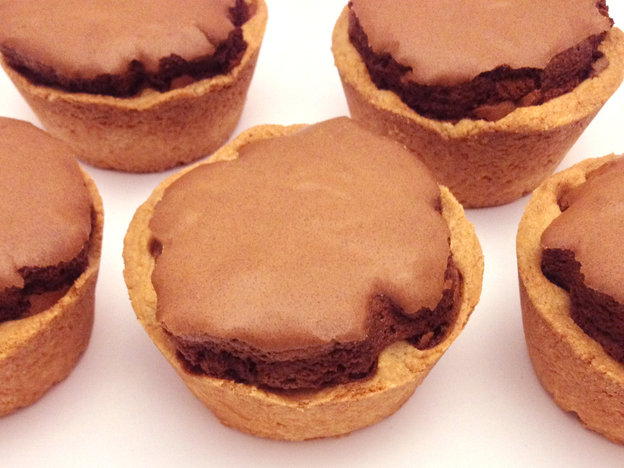
window.__IS_SSR__=true
window.__INITIAL_STATE__={
"attachmentsReducer": {
"audio_0": {
"type": "attachments",
"id": "audio_0",
"imgSizes": {
"kqedFullSize": {
"file": "https://ww2.kqed.org/news/wp-content/themes/KQED-unified/img/audio_bgs/background0.jpg"
}
}
},
"audio_1": {
"type": "attachments",
"id": "audio_1",
"imgSizes": {
"kqedFullSize": {
"file": "https://ww2.kqed.org/news/wp-content/themes/KQED-unified/img/audio_bgs/background1.jpg"
}
}
},
"audio_2": {
"type": "attachments",
"id": "audio_2",
"imgSizes": {
"kqedFullSize": {
"file": "https://ww2.kqed.org/news/wp-content/themes/KQED-unified/img/audio_bgs/background2.jpg"
}
}
},
"audio_3": {
"type": "attachments",
"id": "audio_3",
"imgSizes": {
"kqedFullSize": {
"file": "https://ww2.kqed.org/news/wp-content/themes/KQED-unified/img/audio_bgs/background3.jpg"
}
}
},
"audio_4": {
"type": "attachments",
"id": "audio_4",
"imgSizes": {
"kqedFullSize": {
"file": "https://ww2.kqed.org/news/wp-content/themes/KQED-unified/img/audio_bgs/background4.jpg"
}
}
},
"placeholder": {
"type": "attachments",
"id": "placeholder",
"imgSizes": {
"thumbnail": {
"file": "https://cdn.kqed.org/wp-content/uploads/2024/12/KQED-Default-Image-816638274-2000x1333-1-160x107.jpg",
"width": 160,
"height": 107,
"mimeType": "image/jpeg"
},
"medium": {
"file": "https://cdn.kqed.org/wp-content/uploads/2024/12/KQED-Default-Image-816638274-2000x1333-1-800x533.jpg",
"width": 800,
"height": 533,
"mimeType": "image/jpeg"
},
"medium_large": {
"file": "https://cdn.kqed.org/wp-content/uploads/2024/12/KQED-Default-Image-816638274-2000x1333-1-768x512.jpg",
"width": 768,
"height": 512,
"mimeType": "image/jpeg"
},
"large": {
"file": "https://cdn.kqed.org/wp-content/uploads/2024/12/KQED-Default-Image-816638274-2000x1333-1-1020x680.jpg",
"width": 1020,
"height": 680,
"mimeType": "image/jpeg"
},
"1536x1536": {
"file": "https://cdn.kqed.org/wp-content/uploads/2024/12/KQED-Default-Image-816638274-2000x1333-1-1536x1024.jpg",
"width": 1536,
"height": 1024,
"mimeType": "image/jpeg"
},
"fd-lrg": {
"file": "https://cdn.kqed.org/wp-content/uploads/2024/12/KQED-Default-Image-816638274-2000x1333-1-1536x1024.jpg",
"width": 1536,
"height": 1024,
"mimeType": "image/jpeg"
},
"fd-med": {
"file": "https://cdn.kqed.org/wp-content/uploads/2024/12/KQED-Default-Image-816638274-2000x1333-1-1020x680.jpg",
"width": 1020,
"height": 680,
"mimeType": "image/jpeg"
},
"fd-sm": {
"file": "https://cdn.kqed.org/wp-content/uploads/2024/12/KQED-Default-Image-816638274-2000x1333-1-800x533.jpg",
"width": 800,
"height": 533,
"mimeType": "image/jpeg"
},
"post-thumbnail": {
"file": "https://cdn.kqed.org/wp-content/uploads/2024/12/KQED-Default-Image-816638274-2000x1333-1-672x372.jpg",
"width": 672,
"height": 372,
"mimeType": "image/jpeg"
},
"twentyfourteen-full-width": {
"file": "https://cdn.kqed.org/wp-content/uploads/2024/12/KQED-Default-Image-816638274-2000x1333-1-1038x576.jpg",
"width": 1038,
"height": 576,
"mimeType": "image/jpeg"
},
"xxsmall": {
"file": "https://cdn.kqed.org/wp-content/uploads/2024/12/KQED-Default-Image-816638274-2000x1333-1-160x107.jpg",
"width": 160,
"height": 107,
"mimeType": "image/jpeg"
},
"xsmall": {
"file": "https://cdn.kqed.org/wp-content/uploads/2024/12/KQED-Default-Image-816638274-2000x1333-1-672x372.jpg",
"width": 672,
"height": 372,
"mimeType": "image/jpeg"
},
"small": {
"file": "https://cdn.kqed.org/wp-content/uploads/2024/12/KQED-Default-Image-816638274-2000x1333-1-672x372.jpg",
"width": 672,
"height": 372,
"mimeType": "image/jpeg"
},
"xlarge": {
"file": "https://cdn.kqed.org/wp-content/uploads/2024/12/KQED-Default-Image-816638274-2000x1333-1-1020x680.jpg",
"width": 1020,
"height": 680,
"mimeType": "image/jpeg"
},
"full-width": {
"file": "https://cdn.kqed.org/wp-content/uploads/2024/12/KQED-Default-Image-816638274-2000x1333-1-1920x1280.jpg",
"width": 1920,
"height": 1280,
"mimeType": "image/jpeg"
},
"guest-author-32": {
"file": "https://cdn.kqed.org/wp-content/uploads/2025/01/KQED-Default-Image-816638274-1333x1333-1-160x160.jpg",
"width": 32,
"height": 32,
"mimeType": "image/jpeg"
},
"guest-author-50": {
"file": "https://cdn.kqed.org/wp-content/uploads/2025/01/KQED-Default-Image-816638274-1333x1333-1-160x160.jpg",
"width": 50,
"height": 50,
"mimeType": "image/jpeg"
},
"guest-author-64": {
"file": "https://cdn.kqed.org/wp-content/uploads/2025/01/KQED-Default-Image-816638274-1333x1333-1-160x160.jpg",
"width": 64,
"height": 64,
"mimeType": "image/jpeg"
},
"guest-author-96": {
"file": "https://cdn.kqed.org/wp-content/uploads/2025/01/KQED-Default-Image-816638274-1333x1333-1-160x160.jpg",
"width": 96,
"height": 96,
"mimeType": "image/jpeg"
},
"guest-author-128": {
"file": "https://cdn.kqed.org/wp-content/uploads/2025/01/KQED-Default-Image-816638274-1333x1333-1-160x160.jpg",
"width": 128,
"height": 128,
"mimeType": "image/jpeg"
},
"detail": {
"file": "https://cdn.kqed.org/wp-content/uploads/2025/01/KQED-Default-Image-816638274-1333x1333-1-160x160.jpg",
"width": 160,
"height": 160,
"mimeType": "image/jpeg"
},
"kqedFullSize": {
"file": "https://cdn.kqed.org/wp-content/uploads/2024/12/KQED-Default-Image-816638274-2000x1333-1.jpg",
"width": 2000,
"height": 1333
}
}
},
"bayareabites_68672": {
"type": "attachments",
"id": "bayareabites_68672",
"meta": {
"index": "attachments_1716263798",
"site": "bayareabites",
"id": "68672",
"found": true
},
"parent": 68667,
"imgSizes": {
"kqedFullSize": {
"file": "https://ww2.kqed.org/app/uploads/sites/24/2013/08/townie-640.jpg",
"width": 624,
"height": 468
}
},
"publishDate": 1377108841,
"modified": 1377108841,
"caption": "American baker Bea Vo, who runs Bea's of Bloomsburg, a string of bakeries in London, came up with this answer to the cronut: the townie, a tartlet-brownie with a gooey center and a crisp outer shell. Photo: Courtesy Bea's of Bloomsburgy/Helena Marie Fletcher",
"description": null,
"title": "townie - 640",
"credit": null,
"status": "inherit",
"isLoading": false,
"fetchFailed": false
},
"bayareabites_68625": {
"type": "attachments",
"id": "bayareabites_68625",
"meta": {
"index": "attachments_1716263798",
"site": "bayareabites",
"id": "68625",
"found": true
},
"parent": 68624,
"imgSizes": {
"kqedFullSize": {
"file": "https://ww2.kqed.org/app/uploads/sites/24/2013/08/dsc_8223_wide-35d11de29631ab92a2344e7db57eb29e1f5b20ff.jpg",
"width": 200,
"height": 112
}
},
"publishDate": 1377065067,
"modified": 1377065067,
"caption": null,
"description": "Basil",
"title": "Basil",
"credit": null,
"status": "inherit",
"isLoading": false,
"fetchFailed": false
},
"bayareabites_68612": {
"type": "attachments",
"id": "bayareabites_68612",
"meta": {
"index": "attachments_1716263798",
"site": "bayareabites",
"id": "68612",
"found": true
},
"parent": 68607,
"imgSizes": {
"kqedFullSize": {
"file": "https://ww2.kqed.org/app/uploads/sites/24/2013/08/treme-640.jpg",
"width": 640,
"height": 428
}
},
"publishDate": 1377048003,
"modified": 1377048003,
"caption": "Microwave pralines are easier to make than stovetop pralines, and just as tasty. Photo: Ed Anderson/Chronicle Books",
"description": null,
"title": "treme- 640",
"credit": null,
"status": "inherit",
"isLoading": false,
"fetchFailed": false
},
"bayareabites_68598": {
"type": "attachments",
"id": "bayareabites_68598",
"meta": {
"index": "attachments_1716263798",
"site": "bayareabites",
"id": "68598",
"found": true
},
"parent": 68592,
"imgSizes": {
"kqedFullSize": {
"file": "https://ww2.kqed.org/app/uploads/sites/24/2013/08/ramen-640.jpg",
"width": 624,
"height": 468
}
},
"publishDate": 1377015851,
"modified": 1377015851,
"caption": "A child eats instant noodles on a train at the Harbin Railway Station in northeast China. Photo: WANG JIANWEI/Xinhua /Landov",
"description": null,
"title": "ramen - 640",
"credit": null,
"status": "inherit",
"isLoading": false,
"fetchFailed": false
},
"bayareabites_68556": {
"type": "attachments",
"id": "bayareabites_68556",
"meta": {
"index": "attachments_1716263798",
"site": "bayareabites",
"id": "68556",
"found": true
},
"parent": 68550,
"imgSizes": {
"kqedFullSize": {
"file": "https://ww2.kqed.org/app/uploads/sites/24/2013/08/avocado-640.jpg",
"width": 624,
"height": 467
}
},
"publishDate": 1376942647,
"modified": 1376942647,
"caption": "We found lots of avocados being sold six or 10 to a $1 bag in the San Francisco area. Some weighed less than three ounces. Photo: Alistair Bland/NPR",
"description": null,
"title": "avocado-640",
"credit": null,
"status": "inherit",
"isLoading": false,
"fetchFailed": false
},
"bayareabites_68533": {
"type": "attachments",
"id": "bayareabites_68533",
"meta": {
"index": "attachments_1716263798",
"site": "bayareabites",
"id": "68533",
"found": true
},
"parent": 68527,
"imgSizes": {
"kqedFullSize": {
"file": "https://ww2.kqed.org/app/uploads/sites/24/2013/08/kitchenfuture-640.jpg",
"width": 624,
"height": 466
}
},
"publishDate": 1376875401,
"modified": 1376875401,
"caption": "A woman checks out a smart refrigerator at a consumer electronics show in 2012. Photo: Samsung",
"description": null,
"title": "kitchenfuture - 640",
"credit": null,
"status": "inherit",
"isLoading": false,
"fetchFailed": false
},
"bayareabites_68417": {
"type": "attachments",
"id": "bayareabites_68417",
"meta": {
"index": "attachments_1716263798",
"site": "bayareabites",
"id": "68417",
"found": true
},
"parent": 68412,
"imgSizes": {
"kqedFullSize": {
"file": "https://ww2.kqed.org/app/uploads/sites/24/2013/08/coffee-640.jpg",
"width": 624,
"height": 350
}
},
"publishDate": 1376762118,
"modified": 1376762118,
"caption": "A barista makes coffee using the pour-over method at Artifact Coffee in Baltimore. Photo: Benjamin Morris/NPR",
"description": null,
"title": "coffee - 640",
"credit": null,
"status": "inherit",
"isLoading": false,
"fetchFailed": false
},
"bayareabites_68401": {
"type": "attachments",
"id": "bayareabites_68401",
"meta": {
"index": "attachments_1716263798",
"site": "bayareabites",
"id": "68401",
"found": true
},
"parent": 68395,
"imgSizes": {
"kqedFullSize": {
"file": "https://ww2.kqed.org/app/uploads/sites/24/2013/08/blueberry-640.jpg",
"width": 624,
"height": 467
}
},
"publishDate": 1376719154,
"modified": 1376719154,
"caption": "Picker Erika Nicolas Garcia, 18, fills her pail at a blueberry farm near Hillsboro, Ore. Photo: Anna King/Northwest Public Radio",
"description": null,
"title": "blueberry - 640",
"credit": null,
"status": "inherit",
"isLoading": false,
"fetchFailed": false
},
"bayareabites_68388": {
"type": "attachments",
"id": "bayareabites_68388",
"meta": {
"index": "attachments_1716263798",
"site": "bayareabites",
"id": "68388",
"found": true
},
"parent": 68372,
"imgSizes": {
"kqedFullSize": {
"file": "https://ww2.kqed.org/app/uploads/sites/24/2013/08/run-640.jpg",
"width": 624,
"height": 350
}
},
"publishDate": 1376718081,
"modified": 1376718081,
"caption": "Captain Edward Teach, better known as Blackbeard, is said to have tucked slow-burning fuses into his beard and lit them on fire before plundering towns for gold and rum. Photo: Hulton Archive Circa/Getty Images",
"description": null,
"title": "run - 640",
"credit": null,
"status": "inherit",
"isLoading": false,
"fetchFailed": false
},
"bayareabites_68363": {
"type": "attachments",
"id": "bayareabites_68363",
"meta": {
"index": "attachments_1716263798",
"site": "bayareabites",
"id": "68363",
"found": true
},
"parent": 68355,
"imgSizes": {
"kqedFullSize": {
"file": "https://ww2.kqed.org/app/uploads/sites/24/2013/08/NASA-640.jpg",
"width": 624,
"height": 351
}
},
"publishDate": 1376674099,
"modified": 1376674099,
"caption": "Mission to Mars: Six explorers lived in this simulated Mars habitat in Hawaii for four months, part of a NASA study to test the role of cooking and food on an extended space mission. Photo: Sian Proctor/NASA HI-SEAS",
"description": null,
"title": "NASA - 640",
"credit": null,
"status": "inherit",
"isLoading": false,
"fetchFailed": false
},
"bayareabites_68323": {
"type": "attachments",
"id": "bayareabites_68323",
"meta": {
"index": "attachments_1716263798",
"site": "bayareabites",
"id": "68323",
"found": true
},
"parent": 68318,
"imgSizes": {
"kqedFullSize": {
"file": "https://ww2.kqed.org/app/uploads/sites/24/2013/08/quinoa-640.jpg",
"width": 624,
"height": 468
}
},
"publishDate": 1376610303,
"modified": 1376610303,
"caption": "A man cleans quinoa grain in Pacoma, Bolivia. Photo: Juan Karita/AP",
"description": null,
"title": "quinoa - 640",
"credit": null,
"status": "inherit",
"isLoading": false,
"fetchFailed": false
},
"bayareabites_68312": {
"type": "attachments",
"id": "bayareabites_68312",
"meta": {
"index": "attachments_1716263798",
"site": "bayareabites",
"id": "68312",
"found": true
},
"parent": 68307,
"imgSizes": {
"kqedFullSize": {
"file": "https://ww2.kqed.org/app/uploads/sites/24/2013/08/faux-meat-640.jpg",
"width": 624,
"height": 467
}
},
"publishDate": 1376591717,
"modified": 1376591717,
"caption": "Burger King's veggie burger is among the many meat substitute options on the market. Photo: NPR",
"description": null,
"title": "faux-meat - 640",
"credit": null,
"status": "inherit",
"isLoading": false,
"fetchFailed": false
}
},
"audioPlayerReducer": {
"postId": "stream_live",
"isPaused": true,
"isPlaying": false,
"pfsActive": false,
"pledgeModalIsOpen": true,
"playerDrawerIsOpen": false,
"liveAudioPlayStartedAt": 0,
"liveAudioPlayContext": ""
},
"authorsReducer": {
"byline_bayareabites_68667": {
"type": "authors",
"id": "byline_bayareabites_68667",
"meta": {
"override": true
},
"slug": "byline_bayareabites_68667",
"name": "Amy Guttman",
"isLoading": false
},
"byline_bayareabites_68624": {
"type": "authors",
"id": "byline_bayareabites_68624",
"meta": {
"override": true
},
"slug": "byline_bayareabites_68624",
"name": "Serri Graslie",
"isLoading": false
},
"byline_bayareabites_68607": {
"type": "authors",
"id": "byline_bayareabites_68607",
"meta": {
"override": true
},
"slug": "byline_bayareabites_68607",
"name": "Melissa Block",
"isLoading": false
},
"byline_bayareabites_68592": {
"type": "authors",
"id": "byline_bayareabites_68592",
"meta": {
"override": true
},
"slug": "byline_bayareabites_68592",
"name": "Eliza Barclay",
"isLoading": false
},
"byline_bayareabites_68550": {
"type": "authors",
"id": "byline_bayareabites_68550",
"meta": {
"override": true
},
"slug": "byline_bayareabites_68550",
"name": "Alastair Bland",
"isLoading": false
},
"byline_bayareabites_68527": {
"type": "authors",
"id": "byline_bayareabites_68527",
"meta": {
"override": true
},
"slug": "byline_bayareabites_68527",
"name": "Bonny Wolf",
"isLoading": false
},
"byline_bayareabites_68412": {
"type": "authors",
"id": "byline_bayareabites_68412",
"meta": {
"override": true
},
"slug": "byline_bayareabites_68412",
"name": "Maria Godoy",
"isLoading": false
},
"byline_bayareabites_68395": {
"type": "authors",
"id": "byline_bayareabites_68395",
"meta": {
"override": true
},
"slug": "byline_bayareabites_68395",
"name": "Anna King",
"isLoading": false
},
"byline_bayareabites_68372": {
"type": "authors",
"id": "byline_bayareabites_68372",
"meta": {
"override": true
},
"slug": "byline_bayareabites_68372",
"name": "Michaeleen Doucleff",
"isLoading": false
},
"byline_bayareabites_68355": {
"type": "authors",
"id": "byline_bayareabites_68355",
"meta": {
"override": true
},
"slug": "byline_bayareabites_68355",
"name": "April Fulton",
"isLoading": false
},
"byline_bayareabites_68318": {
"type": "authors",
"id": "byline_bayareabites_68318",
"meta": {
"override": true
},
"slug": "byline_bayareabites_68318",
"name": "Dan Charles",
"isLoading": false
},
"byline_bayareabites_68307": {
"type": "authors",
"id": "byline_bayareabites_68307",
"meta": {
"override": true
},
"slug": "byline_bayareabites_68307",
"name": "Eliza Barclay",
"isLoading": false
}
},
"pagesReducer": {
"bayareabites_category_npr-food": {
"type": "terms",
"id": "bayareabites_10916",
"meta": {
"index": "terms_1716263798",
"site": "bayareabites",
"id": "10916",
"score": 13.894667
},
"featImg": null,
"name": "NPR food",
"description": null,
"taxonomy": "category",
"headData": {
"twImgId": null,
"twTitle": null,
"ogTitle": null,
"ogImgId": null,
"twDescription": null,
"description": null,
"title": "NPR food Archives | KQED Bay Area Bites",
"ogDescription": null
},
"ttid": 5375,
"slug": "npr-food",
"isLoading": false,
"title": "NPR food",
"pageMeta": {
"site": "bayareabites",
"WpPageTemplate": "page-topic-editorial",
"currentPage": 69
},
"blocks": [
{
"blockName": "kqed/post-list",
"attrs": {
"layout": "cardArticle2",
"query": "posts/bayareabites?category=npr-food",
"seeMore": false,
"paginated": true,
"page": 69
}
},
{
"blockName": "kqed/ad"
}
]
}
},
"pfsSessionReducer": {},
"postsReducer": {
"stream_live": {
"type": "live",
"id": "stream_live",
"audioUrl": "https://hls.kqed.org/hls/kqed_app/playlist.m3u8",
"title": "Live Stream",
"excerpt": "Live Stream information currently unavailable.",
"link": "/radio",
"featImg": "",
"label": {
"name": "KQED Live",
"link": "/"
}
},
"stream_kqedNewscast": {
"type": "posts",
"id": "stream_kqedNewscast",
"audioUrl": "https://www.kqed.org/.stream/anon/radio/RDnews/newscast.mp3?_=1",
"title": "KQED Newscast",
"featImg": "",
"label": {
"name": "88.5 FM",
"link": "/"
}
},
"bayareabites_68667": {
"type": "posts",
"id": "bayareabites_68667",
"meta": {
"index": "posts_1716263798",
"site": "bayareabites",
"id": "68667",
"score": null,
"sort": [
1377109179000
]
},
"parent": 0,
"labelTerm": {
"site": "bayareabites"
},
"blocks": [],
"publishDate": 1377109179,
"format": "aside",
"disqusTitle": "Forget Cronuts: London's 'Townies' Take on Hybrid-Dessert Craze",
"title": "Forget Cronuts: London's 'Townies' Take on Hybrid-Dessert Craze",
"headTitle": "Bay Area Bites | KQED Food",
"content": "\u003cfigure id=\"attachment_68673\" class=\"wp-caption aligncenter\" style=\"max-width: 1120px\">\u003ca href=\"http://ww2.kqed.org/bayareabites/wp-content/uploads/sites/24/2013/08/townie-full.jpg\">\u003cimg src=\"http://ww2.kqed.org/bayareabites/wp-content/uploads/sites/24/2013/08/townie-full.jpg\" alt=\"American baker Bea Vo, who runs Bea's of Bloomsbury, a string of bakeries in London, came up with this answer to the cronut: the townie, a tartlet-brownie with a gooey center and a crisp outer shell. Photo: Helena Marie Fletcher/Bea's of Bloomsbury\" width=\"1120\" height=\"840\" class=\"size-full wp-image-68673\">\u003c/a>\u003cfigcaption class=\"wp-caption-text\">American baker Bea Vo, who runs Bea's of Bloomsbury, a string of bakeries in London, came up with this answer to the cronut: the townie, a tartlet-brownie with a gooey center and a crisp outer shell. Photo: Helena Marie Fletcher/Bea's of Bloomsbury\u003c/figcaption>\u003c/figure>\n\u003cp>Post by Amy Guttman, \u003ca href=\"http://www.npr.org/blogs/thesalt/2013/08/21/214153417/forget-cronuts-london-s-townies-take-on-hybrid-dessert-craze\">The Salt at NPR Food\u003c/a> (8/21/2013)\u003c/p>\n\u003cp>What's a baker to do when all foodies can talk about, on both sides of the Atlantic, is the cronut craze, a croissant-doughnut that NPR \u003ca href=\"http://ww2.kqed.org/bayareabites/2013/07/15/crazy-for-cronuts-picking-apart-the-tasty-trend/\" title=\"Crazy For Cronuts: Picking Apart The Tasty Trend\">reported on\u003c/a> earlier this year? Simple: Come up with an equally addictive hybrid dessert.\u003c/p>\n\u003cp>Inspired by the increasing appetite for \"mashup\" desserts — fusing two calorie- and fat-filled items into one — Britain's \u003cem>Evening Standard\u003c/em> newspaper tasked food writer and blogger \u003ca href=\"http://muckrack.com/vicstewart\">Victoria Stewart \u003c/a> with commissioning a winning dessert combination to rival the cronut.\u003c/p>\n\u003cp>\"We were keen to get something new, as we always try to move the story on a bit,\" says Stewart.\u003c/p>\n\u003cp>American baker Bea Vo was tapped because of her background in hybrid desserts. Vo opened the first of her three London bakeries, \u003ca href=\"http://www.beasofbloomsbury.com/\">Bea's of Bloomsbury\u003c/a>, in 2008, and she was already beloved by customers for her \"duffin,\" a cake doughnut filled with jam, which she created a few years ago. With a loyal following for her inventive desserts, Vo was given a list of \u003ca href=\"http://www.standard.co.uk/goingout/restaurants/forget-cronuts-try-a-townie-instead-8656719.html\">experimental fusion foods\u003c/a> to whip up for the \u003cem>Standard\u003c/em>.\u003c/p>\n\u003cp>[ad fullwidth]\u003c/p>\n\u003cp>\"One of them was the muffle, a muffin and waffle. We did make one, but the fruit caramelized too quickly,\" Vo tells The Salt. \"The trick to fusion desserts is to bring out the best of both.\" That's why Vo's invention — the \"townie\" — has been a huge success. The brownie-tartlet has a gooey center and a crisp outer shell.\u003c/p>\n\u003cp>\"I immediately saw it and thought, 'Why hasn't anyone done that before?' \" Vo tells The Salt. She says the fact that brownie dough isn't very wet prevents the shell from getting soggy and also allows for underbaking the brownie to give the center that highly sought-after gooeyness.\u003c/p>\n\u003cp>But while Vo knew it would work, she didn't expect to sell more than a few dozen. Instead, she sold 800 townies in 10 days and garnered attention from U.S. TV networks. \"This is one of those unusual things that really had its own life,\" she says.\u003c/p>\n\u003cfigure id=\"attachment_68674\" class=\"wp-caption aligncenter\" style=\"max-width: 462px\">\u003ca href=\"http://ww2.kqed.org/bayareabites/wp-content/uploads/sites/24/2013/08/townie2.jpg\">\u003cimg src=\"http://ww2.kqed.org/bayareabites/wp-content/uploads/sites/24/2013/08/townie2.jpg\" alt=\"Vo was already beloved by customers for her duffin, a cake doughnut filled with jam, which she created a few years ago. Photo: Helena Marie Fletcher/Bea's of Bloomsbury\" width=\"462\" height=\"692\" class=\"size-full wp-image-68674\">\u003c/a>\u003cfigcaption class=\"wp-caption-text\">Vo was already beloved by customers for her duffin, a cake doughnut filled with jam, which she created a few years ago. Photo: Helena Marie Fletcher/Bea's of Bloomsbury\u003c/figcaption>\u003c/figure>\n\u003cp>These days, food fads are accelerated by social media, which can be good and bad. \"Things blow up bigger and then die faster,\" says Marian Berelowitz, who writes about food trends for analyst firm \u003ca href=\"http://www.jwtintelligence.com/#axzz2cW3zLw5x\">JWT Intelligence\u003c/a>. \"Instagramming or tweeting a picture of your cronut [or any other fad] gives you social currency and becomes a huge part of the appeal.\"\u003c/p>\n\u003cp>Berelowitz says the incessant stream of images surrounding a particular food or product can create FOMO — fear of missing out — among friends and followers. The very act of posting on social media can make the time spent queuing fly by. \"Standing in line is far less tedious,\" she says, \"when you can share the experience with your Facebook friends.\"\u003c/p>\n\u003cp>But, the deceleration can happen just as fast, Berelowitz warns. \"Word gets around at lightning speed, the buzz is so much more amplified, and then attention moves on.\"\u003c/p>\n\u003cp>So how do fads like the cronut and the townie impact the small-business owners behind them? Berelowitz says the publicity can provide a long-term boost, as long as the product line isn't a one-trick pony: \"It's rarely a sustainable proposition when a business revolves solely around one fad product.\"\u003c/p>\n\u003cp>New Yorkers will remember \u003ca href=\"http://gothamist.com/2004/03/09/beard_papa_on_the_upper_west_side.php\">Beard Papa\u003c/a>, the Japanese cream puff purveyor that gained a fan following starting in 2004. The fad lasted a few years, and the chain opened branches throughout the city. Now, there is only one shop in Manhattan.\u003c/p>\n\u003cp>But for baker Bea Vo, the townie has helped her existing product line. It has revived interest in her duffin and inspired her to produce a cookbook exclusively of hybrid dessert recipes.\u003c/p>\n\u003cp>\"The cronut is hard to make without a commercial kitchen,\" she notes. \"I want to write recipes people can make at home.\" \u003c/p>\n\u003cp>\u003c/p>\n\u003cp>\u003cem>Copyright 2013 \u003ca href=\"http://www.npr.org\">NPR\u003c/a>.\u003cbr>\n\u003c/em>\u003c/p>\n\n",
"disqusIdentifier": "68667 http://blogs.kqed.org/bayareabites/?p=68667",
"disqusUrl": "https://ww2.kqed.org/bayareabites/2013/08/21/forget-cronuts-londons-townies-take-on-hybrid-dessert-craze/",
"stats": {
"hasVideo": false,
"hasChartOrMap": false,
"hasAudio": false,
"hasPolis": false,
"wordCount": 730,
"hasGoogleForm": false,
"hasGallery": false,
"hasHearkenModule": false,
"iframeSrcs": [],
"paragraphCount": 18
},
"modified": 1377192782,
"excerpt": "While New Yorkers line up for the cronut, a croissant-doughnut cross, in London, a tartlet-brownie mashup called the townie is now the rage. Social media is helping to drive these hybrid-food fads, industry watchers say, but how they ultimately impact the bottom line depends on whether purveyors can be more than one-trick ponies.",
"headData": {
"twImgId": "",
"twTitle": "",
"ogTitle": "",
"ogImgId": "",
"twDescription": "",
"description": "While New Yorkers line up for the cronut, a croissant-doughnut cross, in London, a tartlet-brownie mashup called the townie is now the rage. Social media is helping to drive these hybrid-food fads, industry watchers say, but how they ultimately impact the bottom line depends on whether purveyors can be more than one-trick ponies.",
"title": "Forget Cronuts: London's 'Townies' Take on Hybrid-Dessert Craze | KQED",
"ogDescription": "",
"schema": {
"@context": "https://schema.org",
"@type": "Article",
"headline": "Forget Cronuts: London's 'Townies' Take on Hybrid-Dessert Craze",
"datePublished": "2013-08-21T11:19:39-07:00",
"dateModified": "2013-08-22T10:33:02-07:00",
"image": "https://cdn.kqed.org/wp-content/uploads/2020/02/KQED-OG-Image@1x.png"
}
},
"guestAuthors": [],
"slug": "forget-cronuts-londons-townies-take-on-hybrid-dessert-craze",
"status": "publish",
"nprApiLink": "http://api.npr.org/query?id=214153417&apiKey=MDAxOTAwOTE4MDEyMTkxMDAzNjczZDljZA004",
"nprByline": "Amy Guttman",
"nprStoryDate": "Wed, 21 Aug 2013 12:37:00 -0400",
"nprLastModifiedDate": "Wed, 21 Aug 2013 13:45:15 -0400",
"nprHtmlLink": "http://www.npr.org/blogs/thesalt/2013/08/21/214153417/forget-cronuts-london-s-townies-take-on-hybrid-dessert-craze?ft=3&f=214153417",
"nprStoryId": "214153417",
"nprRetrievedStory": "1",
"nprPubDate": "Wed, 21 Aug 2013 13:45:00 -0400",
"path": "/bayareabites/68667/forget-cronuts-londons-townies-take-on-hybrid-dessert-craze",
"audioTrackLength": null,
"parsedContent": [
{
"type": "contentString",
"content": "\u003cdiv class=\"post-body\">\u003cp>\u003cfigure id=\"attachment_68673\" class=\"wp-caption aligncenter\" style=\"max-width: 1120px\">\u003ca href=\"http://ww2.kqed.org/bayareabites/wp-content/uploads/sites/24/2013/08/townie-full.jpg\">\u003cimg src=\"http://ww2.kqed.org/bayareabites/wp-content/uploads/sites/24/2013/08/townie-full.jpg\" alt=\"American baker Bea Vo, who runs Bea's of Bloomsbury, a string of bakeries in London, came up with this answer to the cronut: the townie, a tartlet-brownie with a gooey center and a crisp outer shell. Photo: Helena Marie Fletcher/Bea's of Bloomsbury\" width=\"1120\" height=\"840\" class=\"size-full wp-image-68673\">\u003c/a>\u003cfigcaption class=\"wp-caption-text\">American baker Bea Vo, who runs Bea's of Bloomsbury, a string of bakeries in London, came up with this answer to the cronut: the townie, a tartlet-brownie with a gooey center and a crisp outer shell. Photo: Helena Marie Fletcher/Bea's of Bloomsbury\u003c/figcaption>\u003c/figure>\n\u003cp>Post by Amy Guttman, \u003ca href=\"http://www.npr.org/blogs/thesalt/2013/08/21/214153417/forget-cronuts-london-s-townies-take-on-hybrid-dessert-craze\">The Salt at NPR Food\u003c/a> (8/21/2013)\u003c/p>\n\u003cp>What's a baker to do when all foodies can talk about, on both sides of the Atlantic, is the cronut craze, a croissant-doughnut that NPR \u003ca href=\"http://ww2.kqed.org/bayareabites/2013/07/15/crazy-for-cronuts-picking-apart-the-tasty-trend/\" title=\"Crazy For Cronuts: Picking Apart The Tasty Trend\">reported on\u003c/a> earlier this year? Simple: Come up with an equally addictive hybrid dessert.\u003c/p>\n\u003cp>Inspired by the increasing appetite for \"mashup\" desserts — fusing two calorie- and fat-filled items into one — Britain's \u003cem>Evening Standard\u003c/em> newspaper tasked food writer and blogger \u003ca href=\"http://muckrack.com/vicstewart\">Victoria Stewart \u003c/a> with commissioning a winning dessert combination to rival the cronut.\u003c/p>\n\u003cp>\"We were keen to get something new, as we always try to move the story on a bit,\" says Stewart.\u003c/p>\n\u003cp>American baker Bea Vo was tapped because of her background in hybrid desserts. Vo opened the first of her three London bakeries, \u003ca href=\"http://www.beasofbloomsbury.com/\">Bea's of Bloomsbury\u003c/a>, in 2008, and she was already beloved by customers for her \"duffin,\" a cake doughnut filled with jam, which she created a few years ago. With a loyal following for her inventive desserts, Vo was given a list of \u003ca href=\"http://www.standard.co.uk/goingout/restaurants/forget-cronuts-try-a-townie-instead-8656719.html\">experimental fusion foods\u003c/a> to whip up for the \u003cem>Standard\u003c/em>.\u003c/p>\n\u003cp>\u003c/p>\u003c/div>",
"attributes": {
"named": {},
"numeric": []
}
},
{
"type": "component",
"content": "",
"name": "ad",
"attributes": {
"named": {
"label": "fullwidth"
},
"numeric": [
"fullwidth"
]
}
},
{
"type": "contentString",
"content": "\u003cdiv class=\"post-body\">\u003cp>\u003c/p>\n\u003cp>\"One of them was the muffle, a muffin and waffle. We did make one, but the fruit caramelized too quickly,\" Vo tells The Salt. \"The trick to fusion desserts is to bring out the best of both.\" That's why Vo's invention — the \"townie\" — has been a huge success. The brownie-tartlet has a gooey center and a crisp outer shell.\u003c/p>\n\u003cp>\"I immediately saw it and thought, 'Why hasn't anyone done that before?' \" Vo tells The Salt. She says the fact that brownie dough isn't very wet prevents the shell from getting soggy and also allows for underbaking the brownie to give the center that highly sought-after gooeyness.\u003c/p>\n\u003cp>But while Vo knew it would work, she didn't expect to sell more than a few dozen. Instead, she sold 800 townies in 10 days and garnered attention from U.S. TV networks. \"This is one of those unusual things that really had its own life,\" she says.\u003c/p>\n\u003cfigure id=\"attachment_68674\" class=\"wp-caption aligncenter\" style=\"max-width: 462px\">\u003ca href=\"http://ww2.kqed.org/bayareabites/wp-content/uploads/sites/24/2013/08/townie2.jpg\">\u003cimg src=\"http://ww2.kqed.org/bayareabites/wp-content/uploads/sites/24/2013/08/townie2.jpg\" alt=\"Vo was already beloved by customers for her duffin, a cake doughnut filled with jam, which she created a few years ago. Photo: Helena Marie Fletcher/Bea's of Bloomsbury\" width=\"462\" height=\"692\" class=\"size-full wp-image-68674\">\u003c/a>\u003cfigcaption class=\"wp-caption-text\">Vo was already beloved by customers for her duffin, a cake doughnut filled with jam, which she created a few years ago. Photo: Helena Marie Fletcher/Bea's of Bloomsbury\u003c/figcaption>\u003c/figure>\n\u003cp>These days, food fads are accelerated by social media, which can be good and bad. \"Things blow up bigger and then die faster,\" says Marian Berelowitz, who writes about food trends for analyst firm \u003ca href=\"http://www.jwtintelligence.com/#axzz2cW3zLw5x\">JWT Intelligence\u003c/a>. \"Instagramming or tweeting a picture of your cronut [or any other fad] gives you social currency and becomes a huge part of the appeal.\"\u003c/p>\n\u003cp>Berelowitz says the incessant stream of images surrounding a particular food or product can create FOMO — fear of missing out — among friends and followers. The very act of posting on social media can make the time spent queuing fly by. \"Standing in line is far less tedious,\" she says, \"when you can share the experience with your Facebook friends.\"\u003c/p>\n\u003cp>But, the deceleration can happen just as fast, Berelowitz warns. \"Word gets around at lightning speed, the buzz is so much more amplified, and then attention moves on.\"\u003c/p>\n\u003cp>So how do fads like the cronut and the townie impact the small-business owners behind them? Berelowitz says the publicity can provide a long-term boost, as long as the product line isn't a one-trick pony: \"It's rarely a sustainable proposition when a business revolves solely around one fad product.\"\u003c/p>\n\u003cp>New Yorkers will remember \u003ca href=\"http://gothamist.com/2004/03/09/beard_papa_on_the_upper_west_side.php\">Beard Papa\u003c/a>, the Japanese cream puff purveyor that gained a fan following starting in 2004. The fad lasted a few years, and the chain opened branches throughout the city. Now, there is only one shop in Manhattan.\u003c/p>\n\u003cp>But for baker Bea Vo, the townie has helped her existing product line. It has revived interest in her duffin and inspired her to produce a cookbook exclusively of hybrid dessert recipes.\u003c/p>\n\u003cp>\"The cronut is hard to make without a commercial kitchen,\" she notes. \"I want to write recipes people can make at home.\" \u003c/p>\n\u003cp>\u003c/p>\n\u003cp>\u003cem>Copyright 2013 \u003ca href=\"http://www.npr.org\">NPR\u003c/a>.\u003cbr>\n\u003c/em>\u003c/p>\n\n\u003c/div>\u003c/p>",
"attributes": {
"named": {},
"numeric": []
}
}
],
"link": "/bayareabites/68667/forget-cronuts-londons-townies-take-on-hybrid-dessert-craze",
"authors": [
"byline_bayareabites_68667"
],
"categories": [
"bayareabites_1653",
"bayareabites_4084",
"bayareabites_10916",
"bayareabites_61"
],
"tags": [
"bayareabites_9275",
"bayareabites_12009",
"bayareabites_11955",
"bayareabites_12250"
],
"featImg": "bayareabites_68672",
"label": "bayareabites"
},
"bayareabites_68624": {
"type": "posts",
"id": "bayareabites_68624",
"meta": {
"index": "posts_1716263798",
"site": "bayareabites",
"id": "68624",
"score": null,
"sort": [
1377098042000
]
},
"parent": 0,
"labelTerm": {
"site": "bayareabites"
},
"blocks": [],
"publishDate": 1377098042,
"format": "aside",
"disqusTitle": "Getting Past Pesto to Re-Imagine Basil",
"title": "Getting Past Pesto to Re-Imagine Basil",
"headTitle": "Bay Area Bites | KQED Food",
"content": "\u003cfigure id=\"attachment_68637\" class=\"wp-caption aligncenter\" style=\"max-width: 1120px\">\u003ca href=\"http://ww2.kqed.org/bayareabites/wp-content/uploads/sites/24/2013/08/basil-full.jpg\">\u003cimg src=\"http://ww2.kqed.org/bayareabites/wp-content/uploads/sites/24/2013/08/basil-full.jpg\" alt=\"Basil. Photo: Serri Graslie\" width=\"1120\" height=\"629\" class=\"size-full wp-image-68637\">\u003c/a>\u003cfigcaption class=\"wp-caption-text\">Basil. Photo: Serri Graslie\u003c/figcaption>\u003c/figure>\n\u003cp>Post by Serri Graslie, \u003ca href=\"http://www.npr.org/2013/08/21/200515210/getting-past-pesto-to-re-imagine-basil\">Kitchen Window at NPR Food\u003c/a> (8/21/2013)\u003c/p>\n\u003cp>Get recipes for \u003ca href=\"#gazpacho\">Beet Gazpacho With Basil Sour Cream And Basil Chips\u003c/a>, \u003ca href=\"#peaches\">Prosciutto-Wrapped Peaches With Basil And Goat Cheese\u003c/a>, \u003ca href=\"#sorbet\">Lemon Basil Sorbet\u003c/a>, \u003ca href=\"#mojito\">Spicy Thai Basil Mojito\u003c/a> and \u003ca href=\"#soda\">Cherry Basil Soda\u003c/a>.\u003c/p>\n\u003cp>Basil is a mega-celebrity of the herb world and has some of the same problems that come with fame. Known mostly for its starring role in pesto, it's recognized by many people primarily as an ingredient in other Italian dishes such as pastas and \u003cem>caprese\u003c/em> salads. But if it were up to basil, it might prefer to be recognized for its work in lesser-known cuisines and recipes (the indie films and off-Broadway plays, if you will), where it shines in a different way and brings a new dimension to food.\u003c/p>\n\u003cp>Don't get me wrong — every summer, there's nothing I look forward to more than the first batch of pesto with straight-from-the-garden basil. It typifies the season for me and I could eat it every day. But to just stick with pesto is to typecast the herb and limit its potential.\u003c/p>\n\u003cp>When I started to think about how I could get beyond pesto, I looked to dishes I already loved and narrowed down a few that might benefit from the addition of basil. There was never a bad experiment. It lends a lovely herbal undertone to everything from sorbets to sodas; it shines as brightly in Thai cuisine as it does when muddled in a drink or baked into chips. Just abide by one rule: Treat it gently. If left in something hot for too long, the color and flavor can take an unappetizing turn.\u003c/p>\n\u003cp>[ad fullwidth]\u003c/p>\n\u003cp>Basil is one of the more combinable herbs because of its unusual flavor profile. Culinary herbologist Susan Belsinger says if you dig into the makeup of the plant, you'll find that it's \"a little chemical factory.\" Three distinct chemical compounds are responsible for many basils' nearly indescribable flavor: Methyl chavicol creates the anise and licorice tones, linalool is the floral element and eugenol adds spice and clove notes. When all of those harmonize, basil becomes a perfectly nuanced herb that, as Belsinger told me, \"improves, accentuates and uplifts food.\"\u003c/p>\n\u003cp>In addition to being complex, basil is also an incredibly diverse plant — there are dozens of species, with more popping up all the time because it crosses easily. The most popular varieties in the U.S. are cultivars of sweet basil and include Genovese, lemon and cinnamon. You might have to head to your garden or farmers market to find other varieties like Thai, holy and dark opal, but they're available.\u003c/p>\n\u003cp>https://vine.co/v/h7Wzu39FA5z\u003c/p>\n\u003cp>Once you've got some in hand, you should act quickly before it wilts. But if you won't use everything right away, Belsinger recommends keeping the stalks in a vase with water on the counter, instead of in the refrigerator. If you want to preserve that fresh flavor for months, she suggests making an herbal paste by roughly chopping the leaves in a food processor and adding enough olive oil to cover. Freeze it in plastic containers and scoop it out as needed.\u003c/p>\n\u003cp>You also can save fresh basil by storing the leaves in salt, a traditional method of preserving foods across the world. Just layer the clean, dry leaves with kosher salt in a sealable jar and keep it in the fridge. When using the basil, which will last for a few months, omit the salt in the recipe. I've used leaves preserved this way on top of pizzas and baked into other goods.\u003c/p>\n\u003cp>No matter what you do, it's hard to go wrong with basil. The leaves and flavors can vary wildly between species, but part of the fun of cooking with it is trying new varieties and combinations. So before the summer ends, consider casting your everyday basil in a new role. It just might surprise you.\u003c/p>\n\u003chr>\n\u003ch3>\u003ca name=\"gazpacho\">\u003c/a>Recipe: Beet Gazpacho With Basil Sour Cream And Basil Chips\u003c/h3>\n\u003cp>\u003cem>The gazpacho recipe is adapted from one that appeared in \u003c/em>\u003ca href=\"http://www.gourmet.com/recipes/diaryofafoodie/2008/02/beetgazpacho\" target=\"_blank\">Gourmet Magazine\u003c/a>\u003cem> in 2008. Feel free to mix beet varieties.\u003c/em>\u003c/p>\n\u003cfigure id=\"attachment_68638\" class=\"wp-caption aligncenter\" style=\"max-width: 1120px\">\u003ca href=\"http://ww2.kqed.org/bayareabites/wp-content/uploads/sites/24/2013/08/basil2.jpg\">\u003cimg src=\"http://ww2.kqed.org/bayareabites/wp-content/uploads/sites/24/2013/08/basil2.jpg\" alt=\"Beet Gazpacho With Basil Sour Cream And Basil Chips. Photo: Serri Graslie\" width=\"1120\" height=\"840\" class=\"size-full wp-image-68638\">\u003c/a>\u003cfigcaption class=\"wp-caption-text\">Beet Gazpacho With Basil Sour Cream And Basil Chips. Photo: Serri Graslie\u003c/figcaption>\u003c/figure>\n\u003cp>\u003cem>Makes 6 servings\u003c/em>\u003c/p>\n\u003cp>\u003cstrong>Gazpacho\u003c/strong>\u003c/p>\n\u003cp>1 medium leek (white and pale-green parts only), halved lengthwise and coarsely chopped\u003c/p>\n\u003cp>2 pounds beets, peeled and sliced 1/4-inch thick\u003c/p>\n\u003cp>1/2 large onion, diced\u003c/p>\n\u003cp>1 large apple, peeled, cored, and sliced 1/4-inch thick\u003c/p>\n\u003cp>1 1/2 tablespoons olive oil\u003c/p>\n\u003cp>6 cups water\u003c/p>\n\u003cp>3 tablespoons cider vinegar, or to taste\u003c/p>\n\u003cp>1 tablespoon thyme\u003c/p>\n\u003cp>1 bay leaf\u003c/p>\n\u003cp>Salt and pepper, to taste\u003c/p>\n\u003cp>2 tablespoons Dijon mustard\u003c/p>\n\u003cp>Wash leek in a large bowl of water, agitating it, then lift out and drain well.\u003c/p>\n\u003cp>Cook leek, beets, onion, and apple in oil in a large heavy pot over medium heat, stirring occasionally until the onions are softened. Add water, vinegar, thyme, bay leaf, salt and pepper and bring to a boil over high heat. Reduce heat and cook at a bare simmer, uncovered, until vegetables and apple are tender. Discard bay leaf.\u003c/p>\n\u003cp>Add mustard before pureeing soup in batches until smooth (use caution when blending hot liquids). Chill.\u003c/p>\n\u003cp>Serve cold with basil sour cream and basil chips.\u003c/p>\n\u003cp>\u003cstrong>Basil Sour Cream\u003c/strong>\u003c/p>\n\u003cp>2/3 cup sour cream or creme fraiche\u003c/p>\n\u003cp>1/2 cup packed fresh basil leaves, washed and dried\u003c/p>\n\u003cp>Pepper, to taste\u003c/p>\n\u003cp>Puree sour cream with basil in food processor until leaves are finely chopped. Mix in pepper. Can be made ahead of time.\u003c/p>\n\u003cp>\u003cstrong>Basil Chips\u003c/strong>\u003c/p>\n\u003cp>12 fresh basil leaves, washed and dried\u003c/p>\n\u003cp>2 tablespoons olive oil\u003c/p>\n\u003cp>1 teaspoon sea salt\u003c/p>\n\u003cp>Preheat oven to 325 degrees. Cover sheet pan with tin foil. Mix olive oil and salt in a small bowl. Dredge each leaf in the mixture, allowing excess to drip off. Space 1-inch apart on the pan and roast for 8 minutes. They will be slightly darkened and very delicate.\u003c/p>\n\u003chr>\n\u003ch3>\u003ca name=\"peaches\">\u003c/a>Recipe: Prosciutto-Wrapped Peaches With Basil And Goat Cheese\u003c/h3>\n\u003cp>\u003cem>This simple recipe makes an easy and delicious appetizer. Consider drizzling balsamic vinegar over the peaches before serving.\u003c/em>\u003c/p>\n\u003cfigure id=\"attachment_68639\" class=\"wp-caption aligncenter\" style=\"max-width: 1120px\">\u003ca href=\"http://ww2.kqed.org/bayareabites/wp-content/uploads/sites/24/2013/08/basil3.jpg\">\u003cimg src=\"http://ww2.kqed.org/bayareabites/wp-content/uploads/sites/24/2013/08/basil3.jpg\" alt=\"Prosciutto-Wrapped Peaches With Basil And Goat Cheese. Photo: Serri Graslie\" width=\"1120\" height=\"839\" class=\"size-full wp-image-68639\">\u003c/a>\u003cfigcaption class=\"wp-caption-text\">Prosciutto-Wrapped Peaches With Basil And Goat Cheese. Photo: Serri Graslie\u003c/figcaption>\u003c/figure>\n\u003cp>\u003cem>Makes 12 servings\u003c/em>\u003c/p>\n\u003cp>1 large ripe peach, cut into 12 slices\u003c/p>\n\u003cp>4 ounces goat cheese\u003c/p>\n\u003cp>3 strips prosciutto, cut into quarters\u003c/p>\n\u003cp>12 medium-size fresh basil leaves, washed and dried\u003c/p>\n\u003cp>Toothpicks\u003c/p>\n\u003cp>Spoon two teaspoons of goat cheese onto a peach slice, add basil leaf and wrap with a prosciutto slice. Secure with a toothpick. Peaches can be made a few hours ahead of time\u003c/p>\n\u003chr>\n\u003ch3>\u003ca name=\"sorbet\">\u003c/a>Recipe: Lemon Basil Sorbet\u003c/h3>\n\u003cp>\u003cem>This sorbet is based on a recipe by \u003c/em>\u003ca href=\"http://www.cuisinart.com/recipes/desserts/6025.html\" target=\"_blank\">Cuisinart\u003c/a>.\u003cem> Try experimenting with different types of basil — many of the varieties pair well with lemon.\u003c/em>\u003c/p>\n\u003cfigure id=\"attachment_68640\" class=\"wp-caption aligncenter\" style=\"max-width: 462px\">\u003ca href=\"http://ww2.kqed.org/bayareabites/wp-content/uploads/sites/24/2013/08/basil4.jpg\">\u003cimg src=\"http://ww2.kqed.org/bayareabites/wp-content/uploads/sites/24/2013/08/basil4.jpg\" alt=\"Lemon Basil Sorbet. Photo: Serri Graslie\" width=\"462\" height=\"618\" class=\"size-full wp-image-68640\">\u003c/a>\u003cfigcaption class=\"wp-caption-text\">Lemon Basil Sorbet. Photo: Serri Graslie\u003c/figcaption>\u003c/figure>\n\u003cp>\u003cem>Makes 10 1/2-cup servings\u003c/em>\u003c/p>\n\u003cp>2 cups water\u003c/p>\n\u003cp>1 1/2 cups granulated sugar\u003c/p>\n\u003cp>1 1/2 tablespoons lemon zest\u003c/p>\n\u003cp>2 cup packed fresh lemon basil, washed and dried\u003c/p>\n\u003cp>Salt\u003c/p>\n\u003cp>2 cups fresh lemon juice\u003c/p>\n\u003cp>Prepare a lemon simple syrup with the water, sugar and the lemon zest by combining all three in a medium saucepan set over medium-low heat. Cook mixture until the sugar is fully dissolved. Remove from heat. Once the simple syrup is ready, add the basil and a pinch of salt. Let the mixture steep for 30 minutes. Stir in the lemon juice. Cover and refrigerate 2 to 3 hours, or overnight. Strain the chilled mixture through a fine mesh strainer. Freeze in ice cream maker according to manufacturer's directions.\u003c/p>\n\u003chr>\n\u003ch3>\u003ca name=\"mojito\">\u003c/a>Recipe: Spicy Thai Basil Mojito\u003c/h3>\n\u003cp>\u003cem>Feel free to use the chili of your choice for this drink — Thai chilis and serranos are both good options. You can also substitute galangal for the ginger in the syrup if you can find it; just use less of it because it's quite strong.\u003c/em>\u003c/p>\n\u003cfigure id=\"attachment_68641\" class=\"wp-caption aligncenter\" style=\"max-width: 1047px\">\u003ca href=\"http://ww2.kqed.org/bayareabites/wp-content/uploads/sites/24/2013/08/basil5.jpg\">\u003cimg src=\"http://ww2.kqed.org/bayareabites/wp-content/uploads/sites/24/2013/08/basil5.jpg\" alt=\"Spicy Thai Basil Mojito. Photo: Serri Graslie\" width=\"1047\" height=\"1502\" class=\"size-full wp-image-68641\">\u003c/a>\u003cfigcaption class=\"wp-caption-text\">Spicy Thai Basil Mojito. Photo: Serri Graslie\u003c/figcaption>\u003c/figure>\n\u003cp>\u003cem>Makes 1 drink\u003c/em>\u003c/p>\n\u003cp>\u003cstrong>Mint Ginger Simple Syrup\u003c/strong>\u003c/p>\n\u003cp>1/4 cup fresh mint leaves, packed\u003c/p>\n\u003cp>1 1/2-inch nub of ginger peeled and chopped into 1/4-inch rounds\u003c/p>\n\u003cp>1 cup sugar\u003c/p>\n\u003cp>1 cup water\u003c/p>\n\u003cp>Combine ingredients in small saucepan. Simmer over low heat for 15 minutes. Remove from heat, strain and cool.\u003c/p>\n\u003cp>\u003cstrong>Mojito\u003c/strong>\u003c/p>\n\u003cp>1/4 cup Thai basil leaves, washed and dried\u003c/p>\n\u003cp>1 1/2 ounce white rum\u003c/p>\n\u003cp>1 1/2 ounce mint ginger simple syrup\u003c/p>\n\u003cp>1 Thai chili, sliced into 1/4-inch rounds\u003c/p>\n\u003cp>Lime\u003c/p>\n\u003cp>Seltzer\u003c/p>\n\u003cp>Muddle basil leaves in the bottom of a glass. Add rum, simple syrup, 1-2 pieces of chili and a squeeze of fresh lime juice. Add ice and top off with seltzer.\u003c/p>\n\u003chr>\n\u003ch3>\u003ca name=\"soda\">\u003c/a>Recipe: Cherry Basil Soda\u003c/h3>\n\u003cp>\u003cem>If you don't want to ferment this in a bottle, you can just add seltzer water to the syrup once it's cooled. If fermenting, do not use glass bottles because they could explode. \u003c/em>\u003ca href=\"https://www.midwestsupplies.com/red-star-wine-yeasts-5-grams-pasteur-champagne.html?utm_medium=feeds&utm_source=google&gdftrk=gdfV24959_a_7c1306_a_7c6184_a_7c8805&gclid=CNfXwqL27rgCFYik4AodeisAfQ\" target=\"_blank\">Champagne yeast\u003c/a>\u003cem> and sanitizer can be found online and in home-brew/winemaking stores. \u003c/em>\u003c/p>\n\u003cfigure id=\"attachment_68642\" class=\"wp-caption aligncenter\" style=\"max-width: 1026px\">\u003ca href=\"http://ww2.kqed.org/bayareabites/wp-content/uploads/sites/24/2013/08/basil6.jpg\">\u003cimg src=\"http://ww2.kqed.org/bayareabites/wp-content/uploads/sites/24/2013/08/basil6.jpg\" alt=\"Cherry Basil Soda. Photo: Serri Graslie\" width=\"1026\" height=\"1533\" class=\"size-full wp-image-68642\">\u003c/a>\u003cfigcaption class=\"wp-caption-text\">Cherry Basil Soda. Photo: Serri Graslie\u003c/figcaption>\u003c/figure>\n\u003cp>\u003cem>Makes 12 12-ounce drinks\u003c/em>\u003c/p>\n\u003cp>\u003cstrong>Syrup\u003c/strong>\u003c/p>\n\u003cp>4 cups sweet cherries, pitted\u003c/p>\n\u003cp>1 2/3 cup sugar\u003c/p>\n\u003cp>1 cup fresh packed basil, washed and dried\u003c/p>\n\u003cp>Lemon\u003c/p>\n\u003cp>\u003cstrong>Bottling\u003c/strong>\u003c/p>\n\u003cp>12 12-ounce plastic soda bottles and caps\u003c/p>\n\u003cp>Nonchlorine sanitizer, like iodine\u003c/p>\n\u003cp>1/4 teaspoon Champagne yeast\u003c/p>\n\u003cp>1 cup warm water\u003c/p>\n\u003cp>Filtered water\u003c/p>\n\u003cp>Combine cherries with sugar in a saucepan. Simmer until cherries begin to release their juices and soften. Remove from heat and blend mixture until smooth. Steep basil leaves in the syrup until it reaches 90 degrees. Strain using mesh strainer, pushing on solids to release liquid.\u003c/p>\n\u003cp>Sanitize bottles and caps with a cleanser like those used in home-brewing. Combine Champagne yeast with warm water, allowing it to sit for 5 minutes. Spoon 1 teaspoon of the yeast mixture into each bottle. Add 3 1/2 tablespoons cherry syrup to each. Top off with filtered water, leaving 2 inches of head space at the top.\u003c/p>\n\u003cp>Store bottles in a warm, dark place. Check on them often by pressing on the bottles — they are fully carbonated when you can no longer make an indent (it usually takes a few days). Transfer the bottles to the refrigerator. \u003c/p>\n\u003cp>\u003cem>Serri Graslie is a producer for NPR.org and \u003cem>All Things Considered\u003c/em>. She \u003ca href=\"http://www.serrigraslie.com\" target=\"_blank\">writes\u003c/a> and \u003ca href=\"https://twitter.com/sgraslie\" target=\"_blank\">tweets\u003c/a> about food when she's not foisting it on other people. \u003c/em>\u003c/p>\n\u003cp>[ad floatright]\u003c/p>\n\u003cp>\u003cem>Copyright 2013 \u003ca href=\"http://www.npr.org\">NPR\u003c/a>. \u003c/em>\u003c/p>\n\n",
"disqusIdentifier": "68624 http://blogs.kqed.org/bayareabites/?p=68624",
"disqusUrl": "https://ww2.kqed.org/bayareabites/2013/08/21/getting-past-pesto-to-re-imagine-basil/",
"stats": {
"hasVideo": false,
"hasChartOrMap": false,
"hasAudio": false,
"hasPolis": false,
"wordCount": 1734,
"hasGoogleForm": false,
"hasGallery": false,
"hasHearkenModule": false,
"iframeSrcs": [],
"paragraphCount": 91
},
"modified": 1377098042,
"excerpt": "Basil is a mega-celebrity of the herb world. But if it had a choice, it might prefer to be recognized for its work in lesser-known cuisines and recipes (the indie films and off-Broadway plays, if you will), where it shines in a different way and brings a new dimension to food.",
"headData": {
"twImgId": "",
"twTitle": "",
"ogTitle": "",
"ogImgId": "",
"twDescription": "",
"description": "Basil is a mega-celebrity of the herb world. But if it had a choice, it might prefer to be recognized for its work in lesser-known cuisines and recipes (the indie films and off-Broadway plays, if you will), where it shines in a different way and brings a new dimension to food.",
"title": "Getting Past Pesto to Re-Imagine Basil | KQED",
"ogDescription": "",
"schema": {
"@context": "https://schema.org",
"@type": "Article",
"headline": "Getting Past Pesto to Re-Imagine Basil",
"datePublished": "2013-08-21T08:14:02-07:00",
"dateModified": "2013-08-21T08:14:02-07:00",
"image": "https://cdn.kqed.org/wp-content/uploads/2020/02/KQED-OG-Image@1x.png"
}
},
"guestAuthors": [],
"slug": "getting-past-pesto-to-re-imagine-basil",
"status": "publish",
"nprApiLink": "http://api.npr.org/query?id=200515210&apiKey=MDAxOTAwOTE4MDEyMTkxMDAzNjczZDljZA004",
"nprByline": "Serri Graslie",
"nprStoryDate": "Wed, 21 Aug 2013 00:02:00 -0400",
"nprLastModifiedDate": "Tue, 20 Aug 2013 20:11:32 -0400",
"nprHtmlLink": "http://www.npr.org/2013/08/21/200515210/getting-past-pesto-to-re-imagine-basil?ft=3&f=200515210",
"nprStoryId": "200515210",
"nprRetrievedStory": "1",
"nprPubDate": "Wed, 21 Aug 2013 00:03:00 -0400",
"path": "/bayareabites/68624/getting-past-pesto-to-re-imagine-basil",
"audioTrackLength": null,
"parsedContent": [
{
"type": "contentString",
"content": "\u003cdiv class=\"post-body\">\u003cp>\u003cfigure id=\"attachment_68637\" class=\"wp-caption aligncenter\" style=\"max-width: 1120px\">\u003ca href=\"http://ww2.kqed.org/bayareabites/wp-content/uploads/sites/24/2013/08/basil-full.jpg\">\u003cimg src=\"http://ww2.kqed.org/bayareabites/wp-content/uploads/sites/24/2013/08/basil-full.jpg\" alt=\"Basil. Photo: Serri Graslie\" width=\"1120\" height=\"629\" class=\"size-full wp-image-68637\">\u003c/a>\u003cfigcaption class=\"wp-caption-text\">Basil. Photo: Serri Graslie\u003c/figcaption>\u003c/figure>\n\u003cp>Post by Serri Graslie, \u003ca href=\"http://www.npr.org/2013/08/21/200515210/getting-past-pesto-to-re-imagine-basil\">Kitchen Window at NPR Food\u003c/a> (8/21/2013)\u003c/p>\n\u003cp>Get recipes for \u003ca href=\"#gazpacho\">Beet Gazpacho With Basil Sour Cream And Basil Chips\u003c/a>, \u003ca href=\"#peaches\">Prosciutto-Wrapped Peaches With Basil And Goat Cheese\u003c/a>, \u003ca href=\"#sorbet\">Lemon Basil Sorbet\u003c/a>, \u003ca href=\"#mojito\">Spicy Thai Basil Mojito\u003c/a> and \u003ca href=\"#soda\">Cherry Basil Soda\u003c/a>.\u003c/p>\n\u003cp>Basil is a mega-celebrity of the herb world and has some of the same problems that come with fame. Known mostly for its starring role in pesto, it's recognized by many people primarily as an ingredient in other Italian dishes such as pastas and \u003cem>caprese\u003c/em> salads. But if it were up to basil, it might prefer to be recognized for its work in lesser-known cuisines and recipes (the indie films and off-Broadway plays, if you will), where it shines in a different way and brings a new dimension to food.\u003c/p>\n\u003cp>Don't get me wrong — every summer, there's nothing I look forward to more than the first batch of pesto with straight-from-the-garden basil. It typifies the season for me and I could eat it every day. But to just stick with pesto is to typecast the herb and limit its potential.\u003c/p>\n\u003cp>When I started to think about how I could get beyond pesto, I looked to dishes I already loved and narrowed down a few that might benefit from the addition of basil. There was never a bad experiment. It lends a lovely herbal undertone to everything from sorbets to sodas; it shines as brightly in Thai cuisine as it does when muddled in a drink or baked into chips. Just abide by one rule: Treat it gently. If left in something hot for too long, the color and flavor can take an unappetizing turn.\u003c/p>\n\u003cp>\u003c/p>\u003c/div>",
"attributes": {
"named": {},
"numeric": []
}
},
{
"type": "component",
"content": "",
"name": "ad",
"attributes": {
"named": {
"label": "fullwidth"
},
"numeric": [
"fullwidth"
]
}
},
{
"type": "contentString",
"content": "\u003cdiv class=\"post-body\">\u003cp>\u003c/p>\n\u003cp>Basil is one of the more combinable herbs because of its unusual flavor profile. Culinary herbologist Susan Belsinger says if you dig into the makeup of the plant, you'll find that it's \"a little chemical factory.\" Three distinct chemical compounds are responsible for many basils' nearly indescribable flavor: Methyl chavicol creates the anise and licorice tones, linalool is the floral element and eugenol adds spice and clove notes. When all of those harmonize, basil becomes a perfectly nuanced herb that, as Belsinger told me, \"improves, accentuates and uplifts food.\"\u003c/p>\n\u003cp>In addition to being complex, basil is also an incredibly diverse plant — there are dozens of species, with more popping up all the time because it crosses easily. The most popular varieties in the U.S. are cultivars of sweet basil and include Genovese, lemon and cinnamon. You might have to head to your garden or farmers market to find other varieties like Thai, holy and dark opal, but they're available.\u003c/p>\n\u003cp>https://vine.co/v/h7Wzu39FA5z\u003c/p>\n\u003cp>Once you've got some in hand, you should act quickly before it wilts. But if you won't use everything right away, Belsinger recommends keeping the stalks in a vase with water on the counter, instead of in the refrigerator. If you want to preserve that fresh flavor for months, she suggests making an herbal paste by roughly chopping the leaves in a food processor and adding enough olive oil to cover. Freeze it in plastic containers and scoop it out as needed.\u003c/p>\n\u003cp>You also can save fresh basil by storing the leaves in salt, a traditional method of preserving foods across the world. Just layer the clean, dry leaves with kosher salt in a sealable jar and keep it in the fridge. When using the basil, which will last for a few months, omit the salt in the recipe. I've used leaves preserved this way on top of pizzas and baked into other goods.\u003c/p>\n\u003cp>No matter what you do, it's hard to go wrong with basil. The leaves and flavors can vary wildly between species, but part of the fun of cooking with it is trying new varieties and combinations. So before the summer ends, consider casting your everyday basil in a new role. It just might surprise you.\u003c/p>\n\u003chr>\n\u003ch3>\u003ca name=\"gazpacho\">\u003c/a>Recipe: Beet Gazpacho With Basil Sour Cream And Basil Chips\u003c/h3>\n\u003cp>\u003cem>The gazpacho recipe is adapted from one that appeared in \u003c/em>\u003ca href=\"http://www.gourmet.com/recipes/diaryofafoodie/2008/02/beetgazpacho\" target=\"_blank\">Gourmet Magazine\u003c/a>\u003cem> in 2008. Feel free to mix beet varieties.\u003c/em>\u003c/p>\n\u003cfigure id=\"attachment_68638\" class=\"wp-caption aligncenter\" style=\"max-width: 1120px\">\u003ca href=\"http://ww2.kqed.org/bayareabites/wp-content/uploads/sites/24/2013/08/basil2.jpg\">\u003cimg src=\"http://ww2.kqed.org/bayareabites/wp-content/uploads/sites/24/2013/08/basil2.jpg\" alt=\"Beet Gazpacho With Basil Sour Cream And Basil Chips. Photo: Serri Graslie\" width=\"1120\" height=\"840\" class=\"size-full wp-image-68638\">\u003c/a>\u003cfigcaption class=\"wp-caption-text\">Beet Gazpacho With Basil Sour Cream And Basil Chips. Photo: Serri Graslie\u003c/figcaption>\u003c/figure>\n\u003cp>\u003cem>Makes 6 servings\u003c/em>\u003c/p>\n\u003cp>\u003cstrong>Gazpacho\u003c/strong>\u003c/p>\n\u003cp>1 medium leek (white and pale-green parts only), halved lengthwise and coarsely chopped\u003c/p>\n\u003cp>2 pounds beets, peeled and sliced 1/4-inch thick\u003c/p>\n\u003cp>1/2 large onion, diced\u003c/p>\n\u003cp>1 large apple, peeled, cored, and sliced 1/4-inch thick\u003c/p>\n\u003cp>1 1/2 tablespoons olive oil\u003c/p>\n\u003cp>6 cups water\u003c/p>\n\u003cp>3 tablespoons cider vinegar, or to taste\u003c/p>\n\u003cp>1 tablespoon thyme\u003c/p>\n\u003cp>1 bay leaf\u003c/p>\n\u003cp>Salt and pepper, to taste\u003c/p>\n\u003cp>2 tablespoons Dijon mustard\u003c/p>\n\u003cp>Wash leek in a large bowl of water, agitating it, then lift out and drain well.\u003c/p>\n\u003cp>Cook leek, beets, onion, and apple in oil in a large heavy pot over medium heat, stirring occasionally until the onions are softened. Add water, vinegar, thyme, bay leaf, salt and pepper and bring to a boil over high heat. Reduce heat and cook at a bare simmer, uncovered, until vegetables and apple are tender. Discard bay leaf.\u003c/p>\n\u003cp>Add mustard before pureeing soup in batches until smooth (use caution when blending hot liquids). Chill.\u003c/p>\n\u003cp>Serve cold with basil sour cream and basil chips.\u003c/p>\n\u003cp>\u003cstrong>Basil Sour Cream\u003c/strong>\u003c/p>\n\u003cp>2/3 cup sour cream or creme fraiche\u003c/p>\n\u003cp>1/2 cup packed fresh basil leaves, washed and dried\u003c/p>\n\u003cp>Pepper, to taste\u003c/p>\n\u003cp>Puree sour cream with basil in food processor until leaves are finely chopped. Mix in pepper. Can be made ahead of time.\u003c/p>\n\u003cp>\u003cstrong>Basil Chips\u003c/strong>\u003c/p>\n\u003cp>12 fresh basil leaves, washed and dried\u003c/p>\n\u003cp>2 tablespoons olive oil\u003c/p>\n\u003cp>1 teaspoon sea salt\u003c/p>\n\u003cp>Preheat oven to 325 degrees. Cover sheet pan with tin foil. Mix olive oil and salt in a small bowl. Dredge each leaf in the mixture, allowing excess to drip off. Space 1-inch apart on the pan and roast for 8 minutes. They will be slightly darkened and very delicate.\u003c/p>\n\u003chr>\n\u003ch3>\u003ca name=\"peaches\">\u003c/a>Recipe: Prosciutto-Wrapped Peaches With Basil And Goat Cheese\u003c/h3>\n\u003cp>\u003cem>This simple recipe makes an easy and delicious appetizer. Consider drizzling balsamic vinegar over the peaches before serving.\u003c/em>\u003c/p>\n\u003cfigure id=\"attachment_68639\" class=\"wp-caption aligncenter\" style=\"max-width: 1120px\">\u003ca href=\"http://ww2.kqed.org/bayareabites/wp-content/uploads/sites/24/2013/08/basil3.jpg\">\u003cimg src=\"http://ww2.kqed.org/bayareabites/wp-content/uploads/sites/24/2013/08/basil3.jpg\" alt=\"Prosciutto-Wrapped Peaches With Basil And Goat Cheese. Photo: Serri Graslie\" width=\"1120\" height=\"839\" class=\"size-full wp-image-68639\">\u003c/a>\u003cfigcaption class=\"wp-caption-text\">Prosciutto-Wrapped Peaches With Basil And Goat Cheese. Photo: Serri Graslie\u003c/figcaption>\u003c/figure>\n\u003cp>\u003cem>Makes 12 servings\u003c/em>\u003c/p>\n\u003cp>1 large ripe peach, cut into 12 slices\u003c/p>\n\u003cp>4 ounces goat cheese\u003c/p>\n\u003cp>3 strips prosciutto, cut into quarters\u003c/p>\n\u003cp>12 medium-size fresh basil leaves, washed and dried\u003c/p>\n\u003cp>Toothpicks\u003c/p>\n\u003cp>Spoon two teaspoons of goat cheese onto a peach slice, add basil leaf and wrap with a prosciutto slice. Secure with a toothpick. Peaches can be made a few hours ahead of time\u003c/p>\n\u003chr>\n\u003ch3>\u003ca name=\"sorbet\">\u003c/a>Recipe: Lemon Basil Sorbet\u003c/h3>\n\u003cp>\u003cem>This sorbet is based on a recipe by \u003c/em>\u003ca href=\"http://www.cuisinart.com/recipes/desserts/6025.html\" target=\"_blank\">Cuisinart\u003c/a>.\u003cem> Try experimenting with different types of basil — many of the varieties pair well with lemon.\u003c/em>\u003c/p>\n\u003cfigure id=\"attachment_68640\" class=\"wp-caption aligncenter\" style=\"max-width: 462px\">\u003ca href=\"http://ww2.kqed.org/bayareabites/wp-content/uploads/sites/24/2013/08/basil4.jpg\">\u003cimg src=\"http://ww2.kqed.org/bayareabites/wp-content/uploads/sites/24/2013/08/basil4.jpg\" alt=\"Lemon Basil Sorbet. Photo: Serri Graslie\" width=\"462\" height=\"618\" class=\"size-full wp-image-68640\">\u003c/a>\u003cfigcaption class=\"wp-caption-text\">Lemon Basil Sorbet. Photo: Serri Graslie\u003c/figcaption>\u003c/figure>\n\u003cp>\u003cem>Makes 10 1/2-cup servings\u003c/em>\u003c/p>\n\u003cp>2 cups water\u003c/p>\n\u003cp>1 1/2 cups granulated sugar\u003c/p>\n\u003cp>1 1/2 tablespoons lemon zest\u003c/p>\n\u003cp>2 cup packed fresh lemon basil, washed and dried\u003c/p>\n\u003cp>Salt\u003c/p>\n\u003cp>2 cups fresh lemon juice\u003c/p>\n\u003cp>Prepare a lemon simple syrup with the water, sugar and the lemon zest by combining all three in a medium saucepan set over medium-low heat. Cook mixture until the sugar is fully dissolved. Remove from heat. Once the simple syrup is ready, add the basil and a pinch of salt. Let the mixture steep for 30 minutes. Stir in the lemon juice. Cover and refrigerate 2 to 3 hours, or overnight. Strain the chilled mixture through a fine mesh strainer. Freeze in ice cream maker according to manufacturer's directions.\u003c/p>\n\u003chr>\n\u003ch3>\u003ca name=\"mojito\">\u003c/a>Recipe: Spicy Thai Basil Mojito\u003c/h3>\n\u003cp>\u003cem>Feel free to use the chili of your choice for this drink — Thai chilis and serranos are both good options. You can also substitute galangal for the ginger in the syrup if you can find it; just use less of it because it's quite strong.\u003c/em>\u003c/p>\n\u003cfigure id=\"attachment_68641\" class=\"wp-caption aligncenter\" style=\"max-width: 1047px\">\u003ca href=\"http://ww2.kqed.org/bayareabites/wp-content/uploads/sites/24/2013/08/basil5.jpg\">\u003cimg src=\"http://ww2.kqed.org/bayareabites/wp-content/uploads/sites/24/2013/08/basil5.jpg\" alt=\"Spicy Thai Basil Mojito. Photo: Serri Graslie\" width=\"1047\" height=\"1502\" class=\"size-full wp-image-68641\">\u003c/a>\u003cfigcaption class=\"wp-caption-text\">Spicy Thai Basil Mojito. Photo: Serri Graslie\u003c/figcaption>\u003c/figure>\n\u003cp>\u003cem>Makes 1 drink\u003c/em>\u003c/p>\n\u003cp>\u003cstrong>Mint Ginger Simple Syrup\u003c/strong>\u003c/p>\n\u003cp>1/4 cup fresh mint leaves, packed\u003c/p>\n\u003cp>1 1/2-inch nub of ginger peeled and chopped into 1/4-inch rounds\u003c/p>\n\u003cp>1 cup sugar\u003c/p>\n\u003cp>1 cup water\u003c/p>\n\u003cp>Combine ingredients in small saucepan. Simmer over low heat for 15 minutes. Remove from heat, strain and cool.\u003c/p>\n\u003cp>\u003cstrong>Mojito\u003c/strong>\u003c/p>\n\u003cp>1/4 cup Thai basil leaves, washed and dried\u003c/p>\n\u003cp>1 1/2 ounce white rum\u003c/p>\n\u003cp>1 1/2 ounce mint ginger simple syrup\u003c/p>\n\u003cp>1 Thai chili, sliced into 1/4-inch rounds\u003c/p>\n\u003cp>Lime\u003c/p>\n\u003cp>Seltzer\u003c/p>\n\u003cp>Muddle basil leaves in the bottom of a glass. Add rum, simple syrup, 1-2 pieces of chili and a squeeze of fresh lime juice. Add ice and top off with seltzer.\u003c/p>\n\u003chr>\n\u003ch3>\u003ca name=\"soda\">\u003c/a>Recipe: Cherry Basil Soda\u003c/h3>\n\u003cp>\u003cem>If you don't want to ferment this in a bottle, you can just add seltzer water to the syrup once it's cooled. If fermenting, do not use glass bottles because they could explode. \u003c/em>\u003ca href=\"https://www.midwestsupplies.com/red-star-wine-yeasts-5-grams-pasteur-champagne.html?utm_medium=feeds&utm_source=google&gdftrk=gdfV24959_a_7c1306_a_7c6184_a_7c8805&gclid=CNfXwqL27rgCFYik4AodeisAfQ\" target=\"_blank\">Champagne yeast\u003c/a>\u003cem> and sanitizer can be found online and in home-brew/winemaking stores. \u003c/em>\u003c/p>\n\u003cfigure id=\"attachment_68642\" class=\"wp-caption aligncenter\" style=\"max-width: 1026px\">\u003ca href=\"http://ww2.kqed.org/bayareabites/wp-content/uploads/sites/24/2013/08/basil6.jpg\">\u003cimg src=\"http://ww2.kqed.org/bayareabites/wp-content/uploads/sites/24/2013/08/basil6.jpg\" alt=\"Cherry Basil Soda. Photo: Serri Graslie\" width=\"1026\" height=\"1533\" class=\"size-full wp-image-68642\">\u003c/a>\u003cfigcaption class=\"wp-caption-text\">Cherry Basil Soda. Photo: Serri Graslie\u003c/figcaption>\u003c/figure>\n\u003cp>\u003cem>Makes 12 12-ounce drinks\u003c/em>\u003c/p>\n\u003cp>\u003cstrong>Syrup\u003c/strong>\u003c/p>\n\u003cp>4 cups sweet cherries, pitted\u003c/p>\n\u003cp>1 2/3 cup sugar\u003c/p>\n\u003cp>1 cup fresh packed basil, washed and dried\u003c/p>\n\u003cp>Lemon\u003c/p>\n\u003cp>\u003cstrong>Bottling\u003c/strong>\u003c/p>\n\u003cp>12 12-ounce plastic soda bottles and caps\u003c/p>\n\u003cp>Nonchlorine sanitizer, like iodine\u003c/p>\n\u003cp>1/4 teaspoon Champagne yeast\u003c/p>\n\u003cp>1 cup warm water\u003c/p>\n\u003cp>Filtered water\u003c/p>\n\u003cp>Combine cherries with sugar in a saucepan. Simmer until cherries begin to release their juices and soften. Remove from heat and blend mixture until smooth. Steep basil leaves in the syrup until it reaches 90 degrees. Strain using mesh strainer, pushing on solids to release liquid.\u003c/p>\n\u003cp>Sanitize bottles and caps with a cleanser like those used in home-brewing. Combine Champagne yeast with warm water, allowing it to sit for 5 minutes. Spoon 1 teaspoon of the yeast mixture into each bottle. Add 3 1/2 tablespoons cherry syrup to each. Top off with filtered water, leaving 2 inches of head space at the top.\u003c/p>\n\u003cp>Store bottles in a warm, dark place. Check on them often by pressing on the bottles — they are fully carbonated when you can no longer make an indent (it usually takes a few days). Transfer the bottles to the refrigerator. \u003c/p>\n\u003cp>\u003cem>Serri Graslie is a producer for NPR.org and \u003cem>All Things Considered\u003c/em>. She \u003ca href=\"http://www.serrigraslie.com\" target=\"_blank\">writes\u003c/a> and \u003ca href=\"https://twitter.com/sgraslie\" target=\"_blank\">tweets\u003c/a> about food when she's not foisting it on other people. \u003c/em>\u003c/p>\n\u003cp>\u003c/p>\u003c/div>",
"attributes": {
"named": {},
"numeric": []
}
},
{
"type": "component",
"content": "",
"name": "ad",
"attributes": {
"named": {
"label": "floatright"
},
"numeric": [
"floatright"
]
}
},
{
"type": "contentString",
"content": "\u003cdiv class=\"post-body\">\u003cp>\u003c/p>\n\u003cp>\u003cem>Copyright 2013 \u003ca href=\"http://www.npr.org\">NPR\u003c/a>. \u003c/em>\u003c/p>\n\n\u003c/div>\u003c/p>",
"attributes": {
"named": {},
"numeric": []
}
}
],
"link": "/bayareabites/68624/getting-past-pesto-to-re-imagine-basil",
"authors": [
"byline_bayareabites_68624"
],
"categories": [
"bayareabites_2695",
"bayareabites_10916",
"bayareabites_12"
],
"tags": [
"bayareabites_12249",
"bayareabites_1214",
"bayareabites_11086",
"bayareabites_88",
"bayareabites_11054"
],
"featImg": "bayareabites_68625",
"label": "bayareabites"
},
"bayareabites_68607": {
"type": "posts",
"id": "bayareabites_68607",
"meta": {
"index": "posts_1716263798",
"site": "bayareabites",
"id": "68607",
"score": null,
"sort": [
1377048477000
]
},
"parent": 0,
"labelTerm": {
"site": "bayareabites"
},
"blocks": [],
"publishDate": 1377048477,
"format": "aside",
"disqusTitle": "'Treme' Cookbook Captures the Flavor of A Show and A City",
"title": "'Treme' Cookbook Captures the Flavor of A Show and A City",
"headTitle": "Bay Area Bites | KQED Food",
"content": "\u003cp>\u003cstrong>Listen to the Story\u003c/strong> on \u003ca href=\"http://www.npr.org/blogs/thesalt/2013/08/20/213493937/treme-cookbook-captures-the-flavor-of-a-show-and-a-city\">All Things Considered\u003c/a> [audio src=\"http://pd.npr.org/anon.npr-mp3/npr/atc/2013/08/20130820_atc_18.mp3\"] \u003c/p>\n\u003cp>Post by \u003ca href=\"http://www.npr.org/people/134002977/melissa-block\">Melissa Block\u003c/a>, \u003ca href=\"http://www.npr.org/blogs/thesalt/2013/08/20/213493937/treme-cookbook-captures-the-flavor-of-a-show-and-a-city\">The Salt at NPR Food\u003c/a> (8/20/2013)\u003c/p>\n\u003cfigure id=\"attachment_68613\" class=\"wp-caption alignleft\" style=\"max-width: 300px\">\u003ca href=\"http://ww2.kqed.org/bayareabites/wp-content/uploads/sites/24/2013/08/treme.jpg\">\u003cimg src=\"http://ww2.kqed.org/bayareabites/wp-content/uploads/sites/24/2013/08/treme.jpg\" alt=\"Treme: Stories and Recipes From the Heart of New Orleans, by Lois Eric Elie\" width=\"300\" height=\"387\" class=\"size-full wp-image-68613\">\u003c/a>\u003cfigcaption class=\"wp-caption-text\">Treme: Stories and Recipes From the Heart of New Orleans, by Lois Eric Elie\u003c/figcaption>\u003c/figure>\n\u003cp>If you find yourself craving New Orleans food, you could go there and melt in the sweltering heat for a dose of gumbo or praline bacon. Or you could settle in on your couch, as I've been doing, and torture yourself watching reruns of the HBO series \u003cem>Treme\u003c/em>. It's set in post-Katrina New Orleans and, along with the music, it puts the city's food on center stage.\u003c/p>\n\u003cp>Now, if you want to cook the food for yourself, there's \u003cem>Treme: Stories and Recipes From the Heart of New Orleans\u003c/em>. It's written by \u003ca href=\"http://www.loliselie.com/Main/mainframeset.html\">Lolis Eric Elie\u003c/a>, a writer and story editor on the show, who was born and raised in New Orleans.\u003c/p>\n\u003cp>The cookbook is divided into sections, each told in the voice of one of the characters — from Janette Desautel, the chef, to Antoine Batiste, the trombonist. Elie says he wanted them to have their own chapter so they wouldn't interrupt each other.\u003c/p>\n\u003cp>[ad fullwidth]\u003c/p>\n\u003cp>\"These are the voices I hear when I walk down the street: 'Boy, you gotta soak your red beans the night before or otherwise they're going to take forever to cook. Or you need to put pickle meat in those beans — I don't know what all this vegetarian stuff is about,' \" Elie says. \"People talk about the fact that they're sitting in the supermarket line in New Orleans, and people say, 'How you gonna fix that? White beans and shrimp? What you gonna do with that?' I don't think that happens as much in other cities.\"\u003c/p>\n\u003cfigure id=\"attachment_68614\" class=\"wp-caption aligncenter\" style=\"max-width: 948px\">\u003ca href=\"http://ww2.kqed.org/bayareabites/wp-content/uploads/sites/24/2013/08/treme2.jpg\">\u003cimg src=\"http://ww2.kqed.org/bayareabites/wp-content/uploads/sites/24/2013/08/treme2.jpg\" alt=\"Lolis Eric Elie is a New Orleans native and a story editor of HBO's Treme. Photo: Ed Anderson/Chronicle Books\" width=\"948\" height=\"948\" class=\"size-full wp-image-68614\">\u003c/a>\u003cfigcaption class=\"wp-caption-text\">Lolis Eric Elie is a New Orleans native and a story editor of HBO's Treme. Photo: Ed Anderson/Chronicle Books\u003c/figcaption>\u003c/figure>\n\u003cp>The show includes real life musicians and cooks. When we see \u003ca href=\"http://www.npr.org/blogs/ablogsupreme/2010/07/07/128359581/talking-to-the-musicians-of-treme\">Kermit Ruffins\u003c/a>, he's often cooking over a barbecue.\u003c/p>\n\u003cp>Elie says he called Ruffins to get his butter bean recipe, but he realized Ruffins wasn't going to write it down for him. Instead, he interviewed the musician to get the details.\u003c/p>\n\u003cp>For more, listen to my conversation with Elie on Tuesday's \u003cem>All Things Considered\u003c/em>. And while you wait for \u003cem>Treme\u003c/em> to start up again in December, Elie says you can do one thing: eat.\u003c/p>\n\u003chr>\n\u003ch3>Recipe: Stuffed Mirliton\u003c/h3>\n\u003cp>(from \u003cem>Treme\u003c/em> character Davina Lambreaux)\u003c/p>\n\u003cp>8 medium mirlitons (chayotes)\u003c/p>\n\u003cp>3/4 pound medium shrimp, peeled and deveined\u003c/p>\n\u003cp>1 teaspoon Basic Creole Seasoning Blend\u003c/p>\n\u003cp>1/2 teaspoon cayenne pepper\u003c/p>\n\u003cp>1/2 cup unsalted butter, plus about 5 tablespoons\u003c/p>\n\u003cp>1 yellow onion, chopped\u003c/p>\n\u003cp>2 celery stalks with leaves, finely diced\u003c/p>\n\u003cp>1/4 large green bell pepper, seeded and chopped\u003c/p>\n\u003cp>1/4 cup minced fresh flat-leaf parsley\u003c/p>\n\u003cp>3 tablespoons finely chopped green onions, white and tender green parts\u003c/p>\n\u003cp>2 1/2 tablespoons finely chopped garlic\u003c/p>\n\u003cp>1/2 cup very fine dried bread crumbs, plus about 5 tablespoons\u003c/p>\n\u003cp>1 teaspoon salt\u003c/p>\n\u003cp>1/2 teaspoon freshly ground pepper\u003c/p>\n\u003cp>1 large egg, lightly beaten\u003c/p>\n\u003cp>Put the mirlitons in a 3-gallon pot, or two large stockpots, and cover with water. Bring to a boil over high heat. Cover the pot(s) and continue boiling, just until the mirlitons are fork tender, 45 minutes to 1 hour. Remove from the heat and, using a slotted spoon, immediately transfer the mirlitons to a colander to drain and cool.\u003c/p>\n\u003cp>Once cool enough to handle, place the mirlitons on a cutting board or other flat surface. Cut them in half lengthwise. With a paring knife, shallowly trim away any spiny or blemished spots from the skin and tough pulp from the end nearest to the seed. Remove and discard the seed and use a small spoon to carefully remove the pulp from the inside of each half, leaving a 1/4- to 1/2-inch-thick shell. Drain the mirliton pulp in a colander, lightly squeezing it to release excess moisture, then chop the pulp. Set aside the pulp and shells.\u003c/p>\n\u003cp>Preheat the oven to 350°F.\u003c/p>\n\u003cp>To make the stuffing: Season the shrimp with the Creole seasoning and cayenne, mixing well. Set aside. In a heavy 5-quart saucepan or large Dutch oven over low heat, melt the 1/2 cup of butter. Add the onions and cook until they start to soften, about 5 minutes, stirring occasionally. Stir in the celery, bell pepper, parsley, green onions and garlic, and cook and stir for 2 minutes. Add the reserved mirliton pulp and cook for 6 minutes. Put 1/2 cup of the bread crumbs into a small bowl.\u003c/p>\n\u003cp>Once the mirliton pulp mixture has cooked for 6 minutes, add 2 tablespoons of the reserved bread crumbs, mixing thoroughly, then continue adding 2 tablespoons at a time until you have added all of them, stirring thoroughly between additions.\u003c/p>\n\u003cp>Cook the mixture over low heat, until it is noticeably dryer but still moist, about 3 minutes, stirring as needed. Next, add the seasoned shrimp, salt, and pepper.\u003c/p>\n\u003cp>Continue cooking until the shrimp turn pink, about 1 minute more, stirring almost constantly. Remove from the heat and stir in the egg, blending well.\u003c/p>\n\u003cp>Mound the stuffing in the 16 mirliton shells, using it all. Place the stuffed shells in a baking pan, such as a 12-by-17-inch baking pan, that will hold the shells in a single layer touching each other lightly to help support their shapes as they cook. Sprinkle about 1 teaspoon more bread crumbs evenly over the top of each stuffed shell and center a scant 1 teaspoon butter on the top of each. Cover tightly with aluminum foil and bake in the hot oven for 10 minutes. Remove the foil and continue baking until the tops are browned, about 1 hour more. Serve at once.\u003c/p>\n\u003cp>\u003cem>Note: To make ahead, prepare through the point of stuffing up to 1 day in advance. Cover the stuffed mirlitons tightly and refrigerate. Bake as directed when ready to serve.\u003c/em>\u003c/p>\n\u003cp>\u003cem>Makes 8 main-course servings or 16 appetizer servings.\u003c/em>\u003c/p>\n\u003chr>\n\u003ch3>Recipe: Microwave Pralines\u003c/h3>\n\u003cp>(from \u003cem>Treme\u003c/em> character LaDonna Batiste-Williams)\u003c/p>\n\u003cp>1 pound light brown sugar\u003c/p>\n\u003cp>1 cup heavy (whipping) cream plus 1 to 3 teaspoons cream or milk for thinning batter\u003c/p>\n\u003cp>2 tablespoons light corn syrup\u003c/p>\n\u003cp>2 cups pecan halves, cut in half again (in other words, not too big or small)\u003c/p>\n\u003cp>4 tablespoons unsalted butter, at room temperature, cut into 4 pieces\u003c/p>\n\u003cp>1 tablespoon vanilla extract\u003c/p>\n\u003cfigure id=\"attachment_68615\" class=\"wp-caption aligncenter\" style=\"max-width: 462px\">\u003ca href=\"http://ww2.kqed.org/bayareabites/wp-content/uploads/sites/24/2013/08/treme3.jpg\">\u003cimg src=\"http://ww2.kqed.org/bayareabites/wp-content/uploads/sites/24/2013/08/treme3.jpg\" alt=\"Microwave pralines are easier to make than stovetop pralines, and just as tasty. Photo: Ed Anderson/Chronicle Books\" width=\"462\" height=\"691\" class=\"size-full wp-image-68615\">\u003c/a>\u003cfigcaption class=\"wp-caption-text\">Microwave pralines are easier to make than stovetop pralines, and just as tasty. Photo: Ed Anderson/Chronicle Books\u003c/figcaption>\u003c/figure>\n\u003cp>Line a heatproof surface like a countertop or 2 baking sheets with wax paper.\u003c/p>\n\u003cp>In an 8-cup microwave-safe glass measuring cup with a handle, combine the brown sugar, cream and corn syrup, mixing until all the sugar lumps are dissolved and the batter is well blended.\u003c/p>\n\u003cp>Position the measuring cup in the microwave so you can see how the batter inside measures; the batter will be at or near the 2 1/2-cup mark. Microwave on high without covering or stirring, watching it continuously, until the mixture slowly bubbles up to slightly higher than the 8-cup mark and then deflates to near the 4 1/2-cup mark, 10 to 16 minutes (depending on how quickly your microwave cooks). Do not open the microwave during the cooking process and, if in doubt, cook for less time, not more.\u003c/p>\n\u003cp>(If you want to make praline sauce instead of pralines, let the batter cook as directed until it has expanded to slightly over the 8-cup mark and then has slowly deflated just to the 7-cup mark. Use warm or at room temperature. Refrigerate the leftovers, tightly covered, for up to 1 week.)\u003c/p>\n\u003cp>Carefully remove the very hot measuring cup from the microwave and, using a sturdy metal mixing spoon, gently stir in the pecans, butter and vanilla, being careful to not splash any of the hot mixture on your skin. Continue stirring until the mixture is noticeably less glossy, about 3 minutes.\u003c/p>\n\u003cp>Working quickly, and using two spoons, scoop rounded tablespoonfuls of the mixture onto the wax paper, about 1 inch apart and, using a second tablespoon to push the batter off the mixing spoon. If necessary, thin the batter with the remaining 1 to 3 teaspoons of cream as you reach the end of the batter and it thickens as it cools. Let the pralines cool to room temperature, about 20 minutes, then serve as soon as possible. Any leftovers can be stored in an airtight container at room temperature for up to 4 days.\u003c/p>\n\u003cp>\u003cem>Makes 24 to 34 two-inch pralines, or 3 cups of praline sauce.\u003c/em>\u003c/p>\n\u003cp>\u003cem>From Lolis Eric Elie, \u003c/em>Treme: Stories and Recipes From the Heart of New Orleans\u003cem>, Chronicle Books (2013). Excerpted with permission.\u003c/em> \u003c/p>\n\u003cp>[ad floatright]\u003c/p>\n\u003cp>\u003cem>Copyright 2013 \u003ca href=\"http://www.npr.org\">NPR\u003c/a>. \u003c/em>\u003c/p>\n\n",
"disqusIdentifier": "68607 http://blogs.kqed.org/bayareabites/?p=68607",
"disqusUrl": "https://ww2.kqed.org/bayareabites/2013/08/20/treme-cookbook-captures-the-flavor-of-a-show-and-a-city/",
"stats": {
"hasVideo": false,
"hasChartOrMap": false,
"hasAudio": true,
"hasPolis": false,
"wordCount": 1501,
"hasGoogleForm": false,
"hasGallery": false,
"hasHearkenModule": false,
"iframeSrcs": [],
"paragraphCount": 53
},
"modified": 1377048477,
"excerpt": "Melissa Block talks with Lolis Eric Elie, a writer and editor behind the HBO series \u003cem>Treme\u003c/em> about a new cookbook written in the voices of the show's characters. Elie says it reflects both old New Orleans traditions and more recent influences.",
"headData": {
"twImgId": "",
"twTitle": "",
"ogTitle": "",
"ogImgId": "",
"twDescription": "",
"description": "Melissa Block talks with Lolis Eric Elie, a writer and editor behind the HBO series Treme about a new cookbook written in the voices of the show's characters. Elie says it reflects both old New Orleans traditions and more recent influences.",
"title": "'Treme' Cookbook Captures the Flavor of A Show and A City | KQED",
"ogDescription": "",
"schema": {
"@context": "https://schema.org",
"@type": "Article",
"headline": "'Treme' Cookbook Captures the Flavor of A Show and A City",
"datePublished": "2013-08-20T18:27:57-07:00",
"dateModified": "2013-08-20T18:27:57-07:00",
"image": "https://cdn.kqed.org/wp-content/uploads/2020/02/KQED-OG-Image@1x.png"
}
},
"guestAuthors": [],
"slug": "treme-cookbook-captures-the-flavor-of-a-show-and-a-city",
"status": "publish",
"nprApiLink": "http://api.npr.org/query?id=213493937&apiKey=MDAxOTAwOTE4MDEyMTkxMDAzNjczZDljZA004",
"nprByline": "Melissa Block",
"nprStoryDate": "Tue, 20 Aug 2013 15:00:00 -0400",
"nprLastModifiedDate": "Tue, 20 Aug 2013 17:45:22 -0400",
"nprHtmlLink": "http://www.npr.org/blogs/thesalt/2013/08/20/213493937/treme-cookbook-captures-the-flavor-of-a-show-and-a-city?ft=3&f=213493937",
"nprAudio": "http://pd.npr.org/anon.npr-mp3/npr/atc/2013/08/20130820_atc_18.mp3?orgId=1&topicId=1053&ft=3&f=213493937",
"nprAudioM3u": "http://api.npr.org/m3u/1213906921-eca8ed.m3u?orgId=1&topicId=1053&ft=3&f=213493937",
"nprStoryId": "213493937",
"nprRetrievedStory": "1",
"nprPubDate": "Tue, 20 Aug 2013 17:45:00 -0400",
"path": "/bayareabites/68607/treme-cookbook-captures-the-flavor-of-a-show-and-a-city",
"audioUrl": "http://pd.npr.org/anon.npr-mp3/npr/atc/2013/08/20130820_atc_18.mp3?orgId=1&topicId=1053&ft=3&f=213493937",
"audioDuration": null,
"audioTrackLength": null,
"parsedContent": [
{
"type": "contentString",
"content": "\u003cdiv class=\"post-body\">\u003cp>\u003cp>\u003cstrong>Listen to the Story\u003c/strong> on \u003ca href=\"http://www.npr.org/blogs/thesalt/2013/08/20/213493937/treme-cookbook-captures-the-flavor-of-a-show-and-a-city\">All Things Considered\u003c/a> \u003c/p>\u003c/div>",
"attributes": {
"named": {},
"numeric": []
}
},
{
"type": "component",
"content": "",
"name": "audio",
"attributes": {
"named": {
"src": "http://pd.npr.org/anon.npr-mp3/npr/atc/2013/08/20130820_atc_18.mp3",
"label": ""
},
"numeric": []
}
},
{
"type": "contentString",
"content": "\u003cdiv class=\"post-body\">\u003cp> \u003c/p>\n\u003cp>Post by \u003ca href=\"http://www.npr.org/people/134002977/melissa-block\">Melissa Block\u003c/a>, \u003ca href=\"http://www.npr.org/blogs/thesalt/2013/08/20/213493937/treme-cookbook-captures-the-flavor-of-a-show-and-a-city\">The Salt at NPR Food\u003c/a> (8/20/2013)\u003c/p>\n\u003cfigure id=\"attachment_68613\" class=\"wp-caption alignleft\" style=\"max-width: 300px\">\u003ca href=\"http://ww2.kqed.org/bayareabites/wp-content/uploads/sites/24/2013/08/treme.jpg\">\u003cimg src=\"http://ww2.kqed.org/bayareabites/wp-content/uploads/sites/24/2013/08/treme.jpg\" alt=\"Treme: Stories and Recipes From the Heart of New Orleans, by Lois Eric Elie\" width=\"300\" height=\"387\" class=\"size-full wp-image-68613\">\u003c/a>\u003cfigcaption class=\"wp-caption-text\">Treme: Stories and Recipes From the Heart of New Orleans, by Lois Eric Elie\u003c/figcaption>\u003c/figure>\n\u003cp>If you find yourself craving New Orleans food, you could go there and melt in the sweltering heat for a dose of gumbo or praline bacon. Or you could settle in on your couch, as I've been doing, and torture yourself watching reruns of the HBO series \u003cem>Treme\u003c/em>. It's set in post-Katrina New Orleans and, along with the music, it puts the city's food on center stage.\u003c/p>\n\u003cp>Now, if you want to cook the food for yourself, there's \u003cem>Treme: Stories and Recipes From the Heart of New Orleans\u003c/em>. It's written by \u003ca href=\"http://www.loliselie.com/Main/mainframeset.html\">Lolis Eric Elie\u003c/a>, a writer and story editor on the show, who was born and raised in New Orleans.\u003c/p>\n\u003cp>The cookbook is divided into sections, each told in the voice of one of the characters — from Janette Desautel, the chef, to Antoine Batiste, the trombonist. Elie says he wanted them to have their own chapter so they wouldn't interrupt each other.\u003c/p>\n\u003cp>\u003c/p>\u003c/div>",
"attributes": {
"named": {},
"numeric": []
}
},
{
"type": "component",
"content": "",
"name": "ad",
"attributes": {
"named": {
"label": "fullwidth"
},
"numeric": [
"fullwidth"
]
}
},
{
"type": "contentString",
"content": "\u003cdiv class=\"post-body\">\u003cp>\u003c/p>\n\u003cp>\"These are the voices I hear when I walk down the street: 'Boy, you gotta soak your red beans the night before or otherwise they're going to take forever to cook. Or you need to put pickle meat in those beans — I don't know what all this vegetarian stuff is about,' \" Elie says. \"People talk about the fact that they're sitting in the supermarket line in New Orleans, and people say, 'How you gonna fix that? White beans and shrimp? What you gonna do with that?' I don't think that happens as much in other cities.\"\u003c/p>\n\u003cfigure id=\"attachment_68614\" class=\"wp-caption aligncenter\" style=\"max-width: 948px\">\u003ca href=\"http://ww2.kqed.org/bayareabites/wp-content/uploads/sites/24/2013/08/treme2.jpg\">\u003cimg src=\"http://ww2.kqed.org/bayareabites/wp-content/uploads/sites/24/2013/08/treme2.jpg\" alt=\"Lolis Eric Elie is a New Orleans native and a story editor of HBO's Treme. Photo: Ed Anderson/Chronicle Books\" width=\"948\" height=\"948\" class=\"size-full wp-image-68614\">\u003c/a>\u003cfigcaption class=\"wp-caption-text\">Lolis Eric Elie is a New Orleans native and a story editor of HBO's Treme. Photo: Ed Anderson/Chronicle Books\u003c/figcaption>\u003c/figure>\n\u003cp>The show includes real life musicians and cooks. When we see \u003ca href=\"http://www.npr.org/blogs/ablogsupreme/2010/07/07/128359581/talking-to-the-musicians-of-treme\">Kermit Ruffins\u003c/a>, he's often cooking over a barbecue.\u003c/p>\n\u003cp>Elie says he called Ruffins to get his butter bean recipe, but he realized Ruffins wasn't going to write it down for him. Instead, he interviewed the musician to get the details.\u003c/p>\n\u003cp>For more, listen to my conversation with Elie on Tuesday's \u003cem>All Things Considered\u003c/em>. And while you wait for \u003cem>Treme\u003c/em> to start up again in December, Elie says you can do one thing: eat.\u003c/p>\n\u003chr>\n\u003ch3>Recipe: Stuffed Mirliton\u003c/h3>\n\u003cp>(from \u003cem>Treme\u003c/em> character Davina Lambreaux)\u003c/p>\n\u003cp>8 medium mirlitons (chayotes)\u003c/p>\n\u003cp>3/4 pound medium shrimp, peeled and deveined\u003c/p>\n\u003cp>1 teaspoon Basic Creole Seasoning Blend\u003c/p>\n\u003cp>1/2 teaspoon cayenne pepper\u003c/p>\n\u003cp>1/2 cup unsalted butter, plus about 5 tablespoons\u003c/p>\n\u003cp>1 yellow onion, chopped\u003c/p>\n\u003cp>2 celery stalks with leaves, finely diced\u003c/p>\n\u003cp>1/4 large green bell pepper, seeded and chopped\u003c/p>\n\u003cp>1/4 cup minced fresh flat-leaf parsley\u003c/p>\n\u003cp>3 tablespoons finely chopped green onions, white and tender green parts\u003c/p>\n\u003cp>2 1/2 tablespoons finely chopped garlic\u003c/p>\n\u003cp>1/2 cup very fine dried bread crumbs, plus about 5 tablespoons\u003c/p>\n\u003cp>1 teaspoon salt\u003c/p>\n\u003cp>1/2 teaspoon freshly ground pepper\u003c/p>\n\u003cp>1 large egg, lightly beaten\u003c/p>\n\u003cp>Put the mirlitons in a 3-gallon pot, or two large stockpots, and cover with water. Bring to a boil over high heat. Cover the pot(s) and continue boiling, just until the mirlitons are fork tender, 45 minutes to 1 hour. Remove from the heat and, using a slotted spoon, immediately transfer the mirlitons to a colander to drain and cool.\u003c/p>\n\u003cp>Once cool enough to handle, place the mirlitons on a cutting board or other flat surface. Cut them in half lengthwise. With a paring knife, shallowly trim away any spiny or blemished spots from the skin and tough pulp from the end nearest to the seed. Remove and discard the seed and use a small spoon to carefully remove the pulp from the inside of each half, leaving a 1/4- to 1/2-inch-thick shell. Drain the mirliton pulp in a colander, lightly squeezing it to release excess moisture, then chop the pulp. Set aside the pulp and shells.\u003c/p>\n\u003cp>Preheat the oven to 350°F.\u003c/p>\n\u003cp>To make the stuffing: Season the shrimp with the Creole seasoning and cayenne, mixing well. Set aside. In a heavy 5-quart saucepan or large Dutch oven over low heat, melt the 1/2 cup of butter. Add the onions and cook until they start to soften, about 5 minutes, stirring occasionally. Stir in the celery, bell pepper, parsley, green onions and garlic, and cook and stir for 2 minutes. Add the reserved mirliton pulp and cook for 6 minutes. Put 1/2 cup of the bread crumbs into a small bowl.\u003c/p>\n\u003cp>Once the mirliton pulp mixture has cooked for 6 minutes, add 2 tablespoons of the reserved bread crumbs, mixing thoroughly, then continue adding 2 tablespoons at a time until you have added all of them, stirring thoroughly between additions.\u003c/p>\n\u003cp>Cook the mixture over low heat, until it is noticeably dryer but still moist, about 3 minutes, stirring as needed. Next, add the seasoned shrimp, salt, and pepper.\u003c/p>\n\u003cp>Continue cooking until the shrimp turn pink, about 1 minute more, stirring almost constantly. Remove from the heat and stir in the egg, blending well.\u003c/p>\n\u003cp>Mound the stuffing in the 16 mirliton shells, using it all. Place the stuffed shells in a baking pan, such as a 12-by-17-inch baking pan, that will hold the shells in a single layer touching each other lightly to help support their shapes as they cook. Sprinkle about 1 teaspoon more bread crumbs evenly over the top of each stuffed shell and center a scant 1 teaspoon butter on the top of each. Cover tightly with aluminum foil and bake in the hot oven for 10 minutes. Remove the foil and continue baking until the tops are browned, about 1 hour more. Serve at once.\u003c/p>\n\u003cp>\u003cem>Note: To make ahead, prepare through the point of stuffing up to 1 day in advance. Cover the stuffed mirlitons tightly and refrigerate. Bake as directed when ready to serve.\u003c/em>\u003c/p>\n\u003cp>\u003cem>Makes 8 main-course servings or 16 appetizer servings.\u003c/em>\u003c/p>\n\u003chr>\n\u003ch3>Recipe: Microwave Pralines\u003c/h3>\n\u003cp>(from \u003cem>Treme\u003c/em> character LaDonna Batiste-Williams)\u003c/p>\n\u003cp>1 pound light brown sugar\u003c/p>\n\u003cp>1 cup heavy (whipping) cream plus 1 to 3 teaspoons cream or milk for thinning batter\u003c/p>\n\u003cp>2 tablespoons light corn syrup\u003c/p>\n\u003cp>2 cups pecan halves, cut in half again (in other words, not too big or small)\u003c/p>\n\u003cp>4 tablespoons unsalted butter, at room temperature, cut into 4 pieces\u003c/p>\n\u003cp>1 tablespoon vanilla extract\u003c/p>\n\u003cfigure id=\"attachment_68615\" class=\"wp-caption aligncenter\" style=\"max-width: 462px\">\u003ca href=\"http://ww2.kqed.org/bayareabites/wp-content/uploads/sites/24/2013/08/treme3.jpg\">\u003cimg src=\"http://ww2.kqed.org/bayareabites/wp-content/uploads/sites/24/2013/08/treme3.jpg\" alt=\"Microwave pralines are easier to make than stovetop pralines, and just as tasty. Photo: Ed Anderson/Chronicle Books\" width=\"462\" height=\"691\" class=\"size-full wp-image-68615\">\u003c/a>\u003cfigcaption class=\"wp-caption-text\">Microwave pralines are easier to make than stovetop pralines, and just as tasty. Photo: Ed Anderson/Chronicle Books\u003c/figcaption>\u003c/figure>\n\u003cp>Line a heatproof surface like a countertop or 2 baking sheets with wax paper.\u003c/p>\n\u003cp>In an 8-cup microwave-safe glass measuring cup with a handle, combine the brown sugar, cream and corn syrup, mixing until all the sugar lumps are dissolved and the batter is well blended.\u003c/p>\n\u003cp>Position the measuring cup in the microwave so you can see how the batter inside measures; the batter will be at or near the 2 1/2-cup mark. Microwave on high without covering or stirring, watching it continuously, until the mixture slowly bubbles up to slightly higher than the 8-cup mark and then deflates to near the 4 1/2-cup mark, 10 to 16 minutes (depending on how quickly your microwave cooks). Do not open the microwave during the cooking process and, if in doubt, cook for less time, not more.\u003c/p>\n\u003cp>(If you want to make praline sauce instead of pralines, let the batter cook as directed until it has expanded to slightly over the 8-cup mark and then has slowly deflated just to the 7-cup mark. Use warm or at room temperature. Refrigerate the leftovers, tightly covered, for up to 1 week.)\u003c/p>\n\u003cp>Carefully remove the very hot measuring cup from the microwave and, using a sturdy metal mixing spoon, gently stir in the pecans, butter and vanilla, being careful to not splash any of the hot mixture on your skin. Continue stirring until the mixture is noticeably less glossy, about 3 minutes.\u003c/p>\n\u003cp>Working quickly, and using two spoons, scoop rounded tablespoonfuls of the mixture onto the wax paper, about 1 inch apart and, using a second tablespoon to push the batter off the mixing spoon. If necessary, thin the batter with the remaining 1 to 3 teaspoons of cream as you reach the end of the batter and it thickens as it cools. Let the pralines cool to room temperature, about 20 minutes, then serve as soon as possible. Any leftovers can be stored in an airtight container at room temperature for up to 4 days.\u003c/p>\n\u003cp>\u003cem>Makes 24 to 34 two-inch pralines, or 3 cups of praline sauce.\u003c/em>\u003c/p>\n\u003cp>\u003cem>From Lolis Eric Elie, \u003c/em>Treme: Stories and Recipes From the Heart of New Orleans\u003cem>, Chronicle Books (2013). Excerpted with permission.\u003c/em> \u003c/p>\n\u003cp>\u003c/p>\u003c/div>",
"attributes": {
"named": {},
"numeric": []
}
},
{
"type": "component",
"content": "",
"name": "ad",
"attributes": {
"named": {
"label": "floatright"
},
"numeric": [
"floatright"
]
}
},
{
"type": "contentString",
"content": "\u003cdiv class=\"post-body\">\u003cp>\u003c/p>\n\u003cp>\u003cem>Copyright 2013 \u003ca href=\"http://www.npr.org\">NPR\u003c/a>. \u003c/em>\u003c/p>\n\n\u003c/div>\u003c/p>",
"attributes": {
"named": {},
"numeric": []
}
}
],
"link": "/bayareabites/68607/treme-cookbook-captures-the-flavor-of-a-show-and-a-city",
"authors": [
"byline_bayareabites_68607"
],
"categories": [
"bayareabites_588",
"bayareabites_10916",
"bayareabites_34",
"bayareabites_12"
],
"tags": [
"bayareabites_12247",
"bayareabites_965",
"bayareabites_1165",
"bayareabites_12246"
],
"featImg": "bayareabites_68612",
"label": "bayareabites"
},
"bayareabites_68592": {
"type": "posts",
"id": "bayareabites_68592",
"meta": {
"index": "posts_1716263798",
"site": "bayareabites",
"id": "68592",
"score": null,
"sort": [
1377016337000
]
},
"parent": 0,
"labelTerm": {
"site": "bayareabites"
},
"blocks": [],
"publishDate": 1377016337,
"format": "aside",
"disqusTitle": "Ramen to the Rescue: How Instant Noodles Fight Global Hunger ",
"title": "Ramen to the Rescue: How Instant Noodles Fight Global Hunger ",
"headTitle": "Bay Area Bites | KQED Food",
"content": "\u003cfigure id=\"attachment_68601\" class=\"wp-caption aligncenter\" style=\"max-width: 1120px\">\u003ca href=\"http://ww2.kqed.org/bayareabites/wp-content/uploads/sites/24/2013/08/ramen-full.jpg\">\u003cimg src=\"http://ww2.kqed.org/bayareabites/wp-content/uploads/sites/24/2013/08/ramen-full.jpg\" alt=\"A child eats instant noodles on a train at the Harbin Railway Station in northeast China. Photo: WANG JIANWEI/Xinhua /Landov\" width=\"1120\" height=\"840\" class=\"size-full wp-image-68601\">\u003c/a>\u003cfigcaption class=\"wp-caption-text\">A child eats instant noodles on a train at the Harbin Railway Station in northeast China. Photo: WANG JIANWEI/Xinhua /Landov\u003c/figcaption>\u003c/figure>\n\u003cp>Post by Eliza Barclay, \u003ca href=\"http://www.npr.org/blogs/thesalt/2013/08/16/212671438/ramen-to-the-rescue-how-instant-noodles-fight-global-hunger\">The Salt at NPR Food\u003c/a> (8/20/2013)\u003c/p>\n\u003cp>Ask about the foods that have conquered the world and you're likely to hear about Coca-Cola and McDonald's Big Macs.\u003c/p>\n\u003cp>But the most successful industrial food ever produced flies far under the radar. And it has finally been outed by three anthropologists in a fascinating \u003ca href=\"http://www.ucpress.edu/book.php?isbn=9780520276345\">new book\u003c/a>, \u003cem>The Noodle Narratives\u003c/em>, which analyzes the precipitous rise – or \"brilliant career,\" as the authors say — of instant ramen, from its birth in postwar Japan to its sales of just over \u003ca href=\"http://instantnoodles.org/noodles/expanding-market.html\">100 billion servings\u003c/a> worldwide in 2012.\u003c/p>\n\u003cp>Take a moment to digest that figure: It's about 14 servings for every single person on Earth, at a cost of just a few cents apiece. That's an astonishing quantity, especially to American consumers, who don't tend to think of the stiff, wavy blocks of noodles as an important staple (though they are for some college students, inmates and low-income Americans). And while our foodie culture currently has a fling with ramen (think ramen bars and the \u003ca href=\"http://www.grubstreet.com/2013/08/new-yorks-changing-ramen-scene.html\">ramen burger\u003c/a>), we're only the world's sixth-biggest market for the noodles, according to the World Instant Noodles Association. Our consumption is dwarfed by that of China and India — and even Vietnam.\u003c/p>\n\u003cfigure id=\"attachment_68600\" class=\"wp-caption alignleft\" style=\"max-width: 190px\">\u003ca href=\"http://ww2.kqed.org/bayareabites/wp-content/uploads/sites/24/2013/08/ramen3.jpg\">\u003cimg src=\"http://ww2.kqed.org/bayareabites/wp-content/uploads/sites/24/2013/08/ramen3-190x290.jpg\" alt=\"The Noodle Narratives: The Global Rise Of An Industrial Food Into The Twenty-First Century\" width=\"190\" height=\"290\" class=\"size-medium wp-image-68600\">\u003c/a>\u003cfigcaption class=\"wp-caption-text\">The Noodle Narratives:\u003cbr>The Global Rise Of An Industrial Food Into The Twenty-First Century\u003c/figcaption>\u003c/figure>\n\u003cp>Indeed, it's the multinational noodle companies' conquest of countries like Papua New Guinea, Nigeria, Brazil and Mexico that really interests the anthropologists: Frederick Errington of Trinity College, Tatsuro Fujikura of Kyoto University and Deborah Gewertz of Amherst College. And it's here that they make one of their most intriguing arguments: Instant noodles do good by alleviating the hunger of millions of people around the world. These super cheap, super palatable noodles, they write, help the low-wage workers in rich and poor countries alike hang on when the going gets tough.\u003c/p>\n\u003cp>[ad fullwidth]\u003c/p>\n\u003cp>\"They're cheap and tasty and tweakable,\" Gewertz tells The Salt. \"They're capable of being transformed to everyone's cultural taste.\"\u003c/p>\n\u003cp>In Thailand, instant ramen is seasoned with lemongrass and cilantro. Mexicans can buy Maruchan noodle soup cups flecked with \u003ca href=\"http://maruchan.com.mx/mg/vaso-maruchan/\">shrimp, lime and habanero\u003c/a>, among other flavors. Papua New Guineans have incorporated the noodles into rituals as cardinal as weaning babies and honoring the dead, she says.\u003c/p>\n\u003cp>In Japan, the birthplace of instant ramen, the consumer appetite for novel ramen products is so ravenous that manufacturers introduce 600 new flavors a year, the authors report. But it all started in the postwar period.\u003c/p>\n\u003cp>Back in 1957, businessman Momofuku Ando (yes, the namesake of \u003ca href=\"http://www.npr.org/templates/story/story.php?storyId=120012206\">Chef David Chang's beloved restaurants\u003c/a>) decided he wanted to invent an industrial take on freshly made ramen – the stuff Chang has helped make trendy again — for his hungry, budget-minded compatriots using surplus wheat donated by the U.S.\u003c/p>\n\u003cp>It took Ando years to perfect the process of making a dry block of noodles. But ultimately he succeeded by applying the \"principle of tempura:\" steaming and dousing the noodles in chicken broth, and then bathing them in hot oil. This dried them out, and made them shelf-stable, but also easy to rehydrate. He added the winning combination of MSG, salt and sugar (which now comes in a flavor packet) to round out the flavor. While industrial instant ramen has evolved new variations, Nissin and the other manufacturers haven't strayed far from Ando's original recipe.\u003c/p>\n\u003cp>While not exactly nutritious, instant noodles are a \"hunger killer,\" as the authors say. They're made with wheat flour, which has a \u003ca href=\"http://www.npr.org/blogs/thesalt/2012/09/10/160757730/low-and-slow-may-be-the-way-to-go-when-it-comes-to-dieting\">high glycemic index\u003c/a> (a metric for how soon a food is likely to make you hungry again). But they're also fried in palm oil, which is 49 percent saturated fat — higher than pork lard (40 percent) and soybean oil (14 percent).\u003c/p>\n\u003cp>All that fat keeps you feeling full longer and helps bring the noodles' overall glycemic index down. The fact that instant noodles become soup once you add water helps, too – as the authors note, soup provides longer satiety than, say, noodles alone. And that helps explain why ramen have become a staple of the world's undernourished, and part of some humanitarian food aid packages.\u003c/p>\n\u003cp>Palm is the industry's oil of choice because it's cheap, it can withstand high heat, and it has a longer shelf life than other oils. But in the U.S., \u003ca href=\"http://www.npr.org/blogs/thesalt/2013/07/25/205486197/palm-oil-in-the-food-supply-what-you-should-know\">we're told to eat palm oil sparingly\u003c/a> because it raises bad LDL cholesterol levels. So is it really wise for so many people around the world to be so reliant on instant ramen for sustenance? Why can't the urban poor eat something more nutritious than this highly processed, high-fat food?\u003c/p>\n\u003cp>Sure, that would be ideal, the authors say, but the reality is that in many global cities, the urban poor lack affordable alternatives that are more healthful than ramen. \"How are you going to feed these people?\" says Gewertz. \"I would love to feed them with fruits and vegetables at the local markets, but they are expensive.\"\u003c/p>\n\u003cfigure id=\"attachment_68599\" class=\"wp-caption aligncenter\" style=\"max-width: 1120px\">\u003ca href=\"http://ww2.kqed.org/bayareabites/wp-content/uploads/sites/24/2013/08/ramen2.jpg\">\u003cimg src=\"http://ww2.kqed.org/bayareabites/wp-content/uploads/sites/24/2013/08/ramen2.jpg\" alt=\"Passengers eat instant noodles at the railway station in Shenyang, China in January 2013. Photo: YANG XINYUE/Xinhua /Landov\" width=\"1120\" height=\"839\" class=\"size-full wp-image-68599\">\u003c/a>\u003cfigcaption class=\"wp-caption-text\">Passengers eat instant noodles at the railway station in Shenyang, China in January 2013. Photo: YANG XINYUE/Xinhua /Landov\u003c/figcaption>\u003c/figure>\n\u003cp>The authors say that \"real food\" advocates like journalist Michael Pollan, who \u003ca href=\"http://www.npr.org/templates/story/story.php?storyId=89876927\">wring their hands\u003c/a> over rising consumption of industrial food like ramen, raise important questions about its perils. But the authors also call ramen a \"virtually unstoppable\" phenomenon. And they foresee a world of 9 billion people \"in which the affluent will be presented with too many food choices and [will be] called upon to use their survival skills to choose wisely, and in which the poor will have to use their survival skills to get by on cheap food\" like ramen.\u003c/p>\n\u003cp>\"I'd love to take Michael Pollan to a squatter settlement and have him deal with poor, hungry people in such circumstances, who have no choice of going back home to grow subsistence crops or be part of a regional food system,\" says Gewertz. \"Subsistence agriculture is hard, dirty and hot work. People want out of it. It's not to be over romanticized.\"\u003c/p>\n\u003cp>Instead, as Gerwertz tells us, a better way to help the poor who rely on ramen is to make the noodles more nutritious: they could be \"reduced-sodium, lower-fat, higher-fiber, better fortified,\" though that will also translate into a slightly higher price.\u003c/p>\n\u003cp>\"We find it difficult to image the increasingly urbanized food future without this humble form of salt, MSG-enhanced, oily and sometimes sugary\" food, they write. But \"we conclude [that it's for the best] with great reluctance.\" \u003c/p>\n\u003cp>[ad floatright]\u003c/p>\n\u003cp>\u003cem>Copyright 2013 \u003ca href=\"http://www.npr.org\">NPR\u003c/a>. \u003c/em>\u003c/p>\n\n",
"disqusIdentifier": "68592 http://blogs.kqed.org/bayareabites/?p=68592",
"disqusUrl": "https://ww2.kqed.org/bayareabites/2013/08/20/ramen-to-the-rescue-how-instant-noodles-fight-global-hunger/",
"stats": {
"hasVideo": false,
"hasChartOrMap": false,
"hasAudio": false,
"hasPolis": false,
"wordCount": 1138,
"hasGoogleForm": false,
"hasGallery": false,
"hasHearkenModule": false,
"iframeSrcs": [],
"paragraphCount": 21
},
"modified": 1377016337,
"excerpt": "The super cheap, super palatable noodles help low-wage workers around the world get by, anthropologists argue in a new book. And rather than lament the ascendance of this highly processed food, they argue we should try to make it more nutritious.",
"headData": {
"twImgId": "",
"twTitle": "",
"ogTitle": "",
"ogImgId": "",
"twDescription": "",
"description": "The super cheap, super palatable noodles help low-wage workers around the world get by, anthropologists argue in a new book. And rather than lament the ascendance of this highly processed food, they argue we should try to make it more nutritious.",
"title": "Ramen to the Rescue: How Instant Noodles Fight Global Hunger | KQED",
"ogDescription": "",
"schema": {
"@context": "https://schema.org",
"@type": "Article",
"headline": "Ramen to the Rescue: How Instant Noodles Fight Global Hunger ",
"datePublished": "2013-08-20T09:32:17-07:00",
"dateModified": "2013-08-20T09:32:17-07:00",
"image": "https://cdn.kqed.org/wp-content/uploads/2020/02/KQED-OG-Image@1x.png"
}
},
"guestAuthors": [],
"slug": "ramen-to-the-rescue-how-instant-noodles-fight-global-hunger",
"status": "publish",
"nprApiLink": "http://api.npr.org/query?id=212671438&apiKey=MDAxOTAwOTE4MDEyMTkxMDAzNjczZDljZA004",
"nprByline": "Eliza Barclay",
"nprStoryDate": "Tue, 20 Aug 2013 11:53:00 -0400",
"nprLastModifiedDate": "Tue, 20 Aug 2013 11:59:22 -0400",
"nprHtmlLink": "http://www.npr.org/blogs/thesalt/2013/08/16/212671438/ramen-to-the-rescue-how-instant-noodles-fight-global-hunger?ft=3&f=212671438",
"nprStoryId": "212671438",
"nprRetrievedStory": "1",
"nprPubDate": "Tue, 20 Aug 2013 11:59:00 -0400",
"path": "/bayareabites/68592/ramen-to-the-rescue-how-instant-noodles-fight-global-hunger",
"audioTrackLength": null,
"parsedContent": [
{
"type": "contentString",
"content": "\u003cdiv class=\"post-body\">\u003cp>\u003cfigure id=\"attachment_68601\" class=\"wp-caption aligncenter\" style=\"max-width: 1120px\">\u003ca href=\"http://ww2.kqed.org/bayareabites/wp-content/uploads/sites/24/2013/08/ramen-full.jpg\">\u003cimg src=\"http://ww2.kqed.org/bayareabites/wp-content/uploads/sites/24/2013/08/ramen-full.jpg\" alt=\"A child eats instant noodles on a train at the Harbin Railway Station in northeast China. Photo: WANG JIANWEI/Xinhua /Landov\" width=\"1120\" height=\"840\" class=\"size-full wp-image-68601\">\u003c/a>\u003cfigcaption class=\"wp-caption-text\">A child eats instant noodles on a train at the Harbin Railway Station in northeast China. Photo: WANG JIANWEI/Xinhua /Landov\u003c/figcaption>\u003c/figure>\n\u003cp>Post by Eliza Barclay, \u003ca href=\"http://www.npr.org/blogs/thesalt/2013/08/16/212671438/ramen-to-the-rescue-how-instant-noodles-fight-global-hunger\">The Salt at NPR Food\u003c/a> (8/20/2013)\u003c/p>\n\u003cp>Ask about the foods that have conquered the world and you're likely to hear about Coca-Cola and McDonald's Big Macs.\u003c/p>\n\u003cp>But the most successful industrial food ever produced flies far under the radar. And it has finally been outed by three anthropologists in a fascinating \u003ca href=\"http://www.ucpress.edu/book.php?isbn=9780520276345\">new book\u003c/a>, \u003cem>The Noodle Narratives\u003c/em>, which analyzes the precipitous rise – or \"brilliant career,\" as the authors say — of instant ramen, from its birth in postwar Japan to its sales of just over \u003ca href=\"http://instantnoodles.org/noodles/expanding-market.html\">100 billion servings\u003c/a> worldwide in 2012.\u003c/p>\n\u003cp>Take a moment to digest that figure: It's about 14 servings for every single person on Earth, at a cost of just a few cents apiece. That's an astonishing quantity, especially to American consumers, who don't tend to think of the stiff, wavy blocks of noodles as an important staple (though they are for some college students, inmates and low-income Americans). And while our foodie culture currently has a fling with ramen (think ramen bars and the \u003ca href=\"http://www.grubstreet.com/2013/08/new-yorks-changing-ramen-scene.html\">ramen burger\u003c/a>), we're only the world's sixth-biggest market for the noodles, according to the World Instant Noodles Association. Our consumption is dwarfed by that of China and India — and even Vietnam.\u003c/p>\n\u003cfigure id=\"attachment_68600\" class=\"wp-caption alignleft\" style=\"max-width: 190px\">\u003ca href=\"http://ww2.kqed.org/bayareabites/wp-content/uploads/sites/24/2013/08/ramen3.jpg\">\u003cimg src=\"http://ww2.kqed.org/bayareabites/wp-content/uploads/sites/24/2013/08/ramen3-190x290.jpg\" alt=\"The Noodle Narratives: The Global Rise Of An Industrial Food Into The Twenty-First Century\" width=\"190\" height=\"290\" class=\"size-medium wp-image-68600\">\u003c/a>\u003cfigcaption class=\"wp-caption-text\">The Noodle Narratives:\u003cbr>The Global Rise Of An Industrial Food Into The Twenty-First Century\u003c/figcaption>\u003c/figure>\n\u003cp>Indeed, it's the multinational noodle companies' conquest of countries like Papua New Guinea, Nigeria, Brazil and Mexico that really interests the anthropologists: Frederick Errington of Trinity College, Tatsuro Fujikura of Kyoto University and Deborah Gewertz of Amherst College. And it's here that they make one of their most intriguing arguments: Instant noodles do good by alleviating the hunger of millions of people around the world. These super cheap, super palatable noodles, they write, help the low-wage workers in rich and poor countries alike hang on when the going gets tough.\u003c/p>\n\u003cp>\u003c/p>\u003c/div>",
"attributes": {
"named": {},
"numeric": []
}
},
{
"type": "component",
"content": "",
"name": "ad",
"attributes": {
"named": {
"label": "fullwidth"
},
"numeric": [
"fullwidth"
]
}
},
{
"type": "contentString",
"content": "\u003cdiv class=\"post-body\">\u003cp>\u003c/p>\n\u003cp>\"They're cheap and tasty and tweakable,\" Gewertz tells The Salt. \"They're capable of being transformed to everyone's cultural taste.\"\u003c/p>\n\u003cp>In Thailand, instant ramen is seasoned with lemongrass and cilantro. Mexicans can buy Maruchan noodle soup cups flecked with \u003ca href=\"http://maruchan.com.mx/mg/vaso-maruchan/\">shrimp, lime and habanero\u003c/a>, among other flavors. Papua New Guineans have incorporated the noodles into rituals as cardinal as weaning babies and honoring the dead, she says.\u003c/p>\n\u003cp>In Japan, the birthplace of instant ramen, the consumer appetite for novel ramen products is so ravenous that manufacturers introduce 600 new flavors a year, the authors report. But it all started in the postwar period.\u003c/p>\n\u003cp>Back in 1957, businessman Momofuku Ando (yes, the namesake of \u003ca href=\"http://www.npr.org/templates/story/story.php?storyId=120012206\">Chef David Chang's beloved restaurants\u003c/a>) decided he wanted to invent an industrial take on freshly made ramen – the stuff Chang has helped make trendy again — for his hungry, budget-minded compatriots using surplus wheat donated by the U.S.\u003c/p>\n\u003cp>It took Ando years to perfect the process of making a dry block of noodles. But ultimately he succeeded by applying the \"principle of tempura:\" steaming and dousing the noodles in chicken broth, and then bathing them in hot oil. This dried them out, and made them shelf-stable, but also easy to rehydrate. He added the winning combination of MSG, salt and sugar (which now comes in a flavor packet) to round out the flavor. While industrial instant ramen has evolved new variations, Nissin and the other manufacturers haven't strayed far from Ando's original recipe.\u003c/p>\n\u003cp>While not exactly nutritious, instant noodles are a \"hunger killer,\" as the authors say. They're made with wheat flour, which has a \u003ca href=\"http://www.npr.org/blogs/thesalt/2012/09/10/160757730/low-and-slow-may-be-the-way-to-go-when-it-comes-to-dieting\">high glycemic index\u003c/a> (a metric for how soon a food is likely to make you hungry again). But they're also fried in palm oil, which is 49 percent saturated fat — higher than pork lard (40 percent) and soybean oil (14 percent).\u003c/p>\n\u003cp>All that fat keeps you feeling full longer and helps bring the noodles' overall glycemic index down. The fact that instant noodles become soup once you add water helps, too – as the authors note, soup provides longer satiety than, say, noodles alone. And that helps explain why ramen have become a staple of the world's undernourished, and part of some humanitarian food aid packages.\u003c/p>\n\u003cp>Palm is the industry's oil of choice because it's cheap, it can withstand high heat, and it has a longer shelf life than other oils. But in the U.S., \u003ca href=\"http://www.npr.org/blogs/thesalt/2013/07/25/205486197/palm-oil-in-the-food-supply-what-you-should-know\">we're told to eat palm oil sparingly\u003c/a> because it raises bad LDL cholesterol levels. So is it really wise for so many people around the world to be so reliant on instant ramen for sustenance? Why can't the urban poor eat something more nutritious than this highly processed, high-fat food?\u003c/p>\n\u003cp>Sure, that would be ideal, the authors say, but the reality is that in many global cities, the urban poor lack affordable alternatives that are more healthful than ramen. \"How are you going to feed these people?\" says Gewertz. \"I would love to feed them with fruits and vegetables at the local markets, but they are expensive.\"\u003c/p>\n\u003cfigure id=\"attachment_68599\" class=\"wp-caption aligncenter\" style=\"max-width: 1120px\">\u003ca href=\"http://ww2.kqed.org/bayareabites/wp-content/uploads/sites/24/2013/08/ramen2.jpg\">\u003cimg src=\"http://ww2.kqed.org/bayareabites/wp-content/uploads/sites/24/2013/08/ramen2.jpg\" alt=\"Passengers eat instant noodles at the railway station in Shenyang, China in January 2013. Photo: YANG XINYUE/Xinhua /Landov\" width=\"1120\" height=\"839\" class=\"size-full wp-image-68599\">\u003c/a>\u003cfigcaption class=\"wp-caption-text\">Passengers eat instant noodles at the railway station in Shenyang, China in January 2013. Photo: YANG XINYUE/Xinhua /Landov\u003c/figcaption>\u003c/figure>\n\u003cp>The authors say that \"real food\" advocates like journalist Michael Pollan, who \u003ca href=\"http://www.npr.org/templates/story/story.php?storyId=89876927\">wring their hands\u003c/a> over rising consumption of industrial food like ramen, raise important questions about its perils. But the authors also call ramen a \"virtually unstoppable\" phenomenon. And they foresee a world of 9 billion people \"in which the affluent will be presented with too many food choices and [will be] called upon to use their survival skills to choose wisely, and in which the poor will have to use their survival skills to get by on cheap food\" like ramen.\u003c/p>\n\u003cp>\"I'd love to take Michael Pollan to a squatter settlement and have him deal with poor, hungry people in such circumstances, who have no choice of going back home to grow subsistence crops or be part of a regional food system,\" says Gewertz. \"Subsistence agriculture is hard, dirty and hot work. People want out of it. It's not to be over romanticized.\"\u003c/p>\n\u003cp>Instead, as Gerwertz tells us, a better way to help the poor who rely on ramen is to make the noodles more nutritious: they could be \"reduced-sodium, lower-fat, higher-fiber, better fortified,\" though that will also translate into a slightly higher price.\u003c/p>\n\u003cp>\"We find it difficult to image the increasingly urbanized food future without this humble form of salt, MSG-enhanced, oily and sometimes sugary\" food, they write. But \"we conclude [that it's for the best] with great reluctance.\" \u003c/p>\n\u003cp>\u003c/p>\u003c/div>",
"attributes": {
"named": {},
"numeric": []
}
},
{
"type": "component",
"content": "",
"name": "ad",
"attributes": {
"named": {
"label": "floatright"
},
"numeric": [
"floatright"
]
}
},
{
"type": "contentString",
"content": "\u003cdiv class=\"post-body\">\u003cp>\u003c/p>\n\u003cp>\u003cem>Copyright 2013 \u003ca href=\"http://www.npr.org\">NPR\u003c/a>. \u003c/em>\u003c/p>\n\n\u003c/div>\u003c/p>",
"attributes": {
"named": {},
"numeric": []
}
}
],
"link": "/bayareabites/68592/ramen-to-the-rescue-how-instant-noodles-fight-global-hunger",
"authors": [
"byline_bayareabites_68592"
],
"categories": [
"bayareabites_2998",
"bayareabites_1962",
"bayareabites_1245",
"bayareabites_10916",
"bayareabites_61"
],
"tags": [
"bayareabites_272",
"bayareabites_107",
"bayareabites_989",
"bayareabites_97",
"bayareabites_4042",
"bayareabites_2929"
],
"featImg": "bayareabites_68598",
"label": "bayareabites"
},
"bayareabites_68550": {
"type": "posts",
"id": "bayareabites_68550",
"meta": {
"index": "posts_1716263798",
"site": "bayareabites",
"id": "68550",
"score": null,
"sort": [
1376942815000
]
},
"parent": 0,
"labelTerm": {
"site": "bayareabites"
},
"blocks": [],
"publishDate": 1376942815,
"format": "aside",
"disqusTitle": "Incredibly Shrinking Avocados: Why This Year's Fruit Are So Tiny",
"title": "Incredibly Shrinking Avocados: Why This Year's Fruit Are So Tiny",
"headTitle": "Bay Area Bites | KQED Food",
"content": "\u003cfigure id=\"attachment_68557\" class=\"wp-caption aligncenter\" style=\"max-width: 1120px\">\u003ca href=\"http://ww2.kqed.org/bayareabites/wp-content/uploads/sites/24/2013/08/avocado-full.jpg\">\u003cimg src=\"http://ww2.kqed.org/bayareabites/wp-content/uploads/sites/24/2013/08/avocado-full.jpg\" alt=\"We found lots of avocados being sold six or 10 to a $1 bag in the San Francisco area. Some weighed less than three ounces. Photo: Alistair Bland/NPR\" width=\"1120\" height=\"839\" class=\"size-full wp-image-68557\">\u003c/a>\u003cfigcaption class=\"wp-caption-text\">We found lots of avocados being sold six or 10 to a $1 bag in the San Francisco area. Some weighed less than three ounces. Photo: Alistair Bland/NPR\u003c/figcaption>\u003c/figure>\n\u003cp>Post by Alistair Bland, \u003ca href=\"http://www.npr.org/blogs/thesalt/2013/08/19/212330603/incredibly-shrinking-avocados-why-this-years-fruit-are-so-tiny\">The Salt at NPR Food\u003c/a> (8/19/2013)\u003c/p>\n\u003cp>What's thick-skinned and leathery, about the size of an egg, essential for guacamole and sold eight for a dollar?\u003c/p>\n\u003cp>No—not limes. Hass avocados. This year, anyway. These pear-sized fruits usually weigh half a pound or more. In the summer of 2013, though, hundreds of thousands of trees in southern California are sagging with the tiniest Hass avocados in local memory—some just the size of a golf ball.\u003c/p>\n\u003cp>The main reason for the lemon-sized fruits, sources say, is a very unusual growing year that consisted of low winter rainfall in early 2012 (avocados spend more than a full year developing on the tree), erratic bee activity during the late spring bloom period, and lots of unseasonably cool and cloudy weather in the year since.\u003c/p>\n\u003cp>\"I can't ever remember a season when the all the avocados were this small, and that's over 30 years in the business,\" says \u003ca href=\"http://avocadogrowing.com/\" target=\"_blank\">Charley Wolk\u003c/a>, a farmer with orchards in San Diego and Riverside counties. He cites a lack of rain and late pollination back in the spring of 2012 as main factors in the little avocados.\u003c/p>\n\u003cp>[ad fullwidth]\u003c/p>\n\u003cp>By most accounts, the fruits are about 30 percent smaller than usual. \"That means less per pound wholesale,\" Wolk says.\u003c/p>\n\u003cp>Avocados larger or smaller than what is considered normal are generally less attractive to consumers, he says, and, therefore, command less money per pound. About eight ounces, Wolk says, is the optimal — and average — weight of a California Hass. A 25-pound case of such fruits usually draws $1.20 cents per pound, according to Wolk. With each ounce less in average fruit size, the per-pound rate can drop by 30 cents, he says.\u003c/p>\n\u003cp>But the positive tradeoff, says Wolk, is that this year's crop consists of more individual fruits than usual and, in fact, will probably weigh in at more than usual. Wolk says a half-billion pounds of fruit are expected by the end of October. Most years, the California avocado harvest — 95 percent of which is of the Hass variety — tips the scales at around 400 million pounds.\u003c/p>\n\u003cp>\u003ca href=\"http://ucanr.edu/?facultyid=144\">Gary Bender\u003c/a>, a University of California avocado specialist and farm adviser in San Diego County, says that most years, several months after pollination, high July temperatures cause many fruits to drop off the branches. But that, he says, didn't occur in the summer of 2012. The resulting abundance of individual fruits on each tree, combined with low rainfall, cool temperatures and sluggish photosynthesizing, has likely caused the stunting. Bender says that in 29 years on the job he has not seen such tiny avocados as those being picked this year.\u003c/p>\n\u003cp>Several growers told The Salt that 2013's avocados are weighing mostly 5 to 6 ounces — but that could be a generous overestimate. We collected avos at several randomly selected grocery stores in San Francisco, and at each location — all independent, Asian-American owned shops — we found numerous avocados, being sold six or 10 to a $1 bag, that weighed in at less than three ounces, and several less than two.\u003c/p>\n\u003cp>\"That's just ridiculous,\" Bender notes.\u003c/p>\n\u003cfigure id=\"attachment_68558\" class=\"wp-caption aligncenter\" style=\"max-width: 1120px\">\u003ca href=\"http://ww2.kqed.org/bayareabites/wp-content/uploads/sites/24/2013/08/avocado2.jpg\">\u003cimg src=\"http://ww2.kqed.org/bayareabites/wp-content/uploads/sites/24/2013/08/avocado2.jpg\" alt=\"This season's avocados are the smallest in memory. We found some that were as tiny as 47 grams. Photo: Alistair Bland/NPR\" width=\"1120\" height=\"840\" class=\"size-full wp-image-68558\">\u003c/a>\u003cfigcaption class=\"wp-caption-text\">This season's avocados are the smallest in memory. We found some that were as tiny as 47 grams. Photo: Alistair Bland/NPR\u003c/figcaption>\u003c/figure>\n\u003cp>Jim Donovan, with the \u003ca href=\"http://www.missionpro.com/\">Mission Produce Company\u003c/a>, a fruit wholesaler in Oxnard, says that harvesting two-ounce fruits is likeliest to occur toward the end of the picking season, which wraps up in the fall.\u003c/p>\n\u003cp>Some growers, he explains, may selectively harvest bigger avocados all season and meanwhile wait for the smaller ones to grow larger. Avocados, unlike other fruits, can continue to gain size for months until one decides to pick them.\u003c/p>\n\u003cp>\"But eventually the farmer can't wait any longer, because the tree will drop the fruit, so they do what we call a 'strip-pick,' and take every avocado left hanging,\" Donovan says. These tiny fruits may draw less than half the wholesale price of normal-sized avocados. Cases of exceptionally large avocados—sometimes 14 or 16 ounces each—can also draw less per pound, he says.\u003c/p>\n\u003cp>Elisabeth Silva, San Diego County's agricultural crime prosecutor who deals every year in a number of avocado theft cases, says there could be foul play behind the sudden flood of tiny avos. She describes a sly method of insider theft by which harvesting crews sometimes receive orders to only pick fruits larger than a certain size.\u003c/p>\n\u003cp>\"So, sometimes they'll put those bigger fruits in the bins and they'll skim off the undersized fruits for themselves and sell them on the side,\" Silva says. These, she adds, can get \"laundered into legitimate commerce.\" She says that while tiny avocados, sold in unmarked bags, could very well be stolen, grocers generally have no role in, or knowledge of, such illicit activity.\u003c/p>\n\u003cp>Farmers and other fans of bigger avocados may get relief next year, when industry experts expect this spring's relatively low number of newly set fruits to result in fewer but larger avocados. Meanwhile, the little avocados of 2013 won't hurt you a bit. Donovan at Mission Produce points out that size and price may be down, but that quality is just fine.\u003c/p>\n\u003cp>\"If you're willing to cut 10 pieces instead of two to make your guacamole, then you've got a bargain,\" he says. \u003c/p>\n\u003cp>\u003c/p>\n\u003cp>\u003cem>Copyright 2013 \u003ca href=\"http://www.npr.org\">NPR\u003c/a>. \u003c/em>\u003c/p>\n\n",
"disqusIdentifier": "68550 http://blogs.kqed.org/bayareabites/?p=68550",
"disqusUrl": "https://ww2.kqed.org/bayareabites/2013/08/19/incredibly-shrinking-avocados-why-this-years-fruit-are-so-tiny/",
"stats": {
"hasVideo": false,
"hasChartOrMap": false,
"hasAudio": false,
"hasPolis": false,
"wordCount": 948,
"hasGoogleForm": false,
"hasGallery": false,
"hasHearkenModule": false,
"iframeSrcs": [],
"paragraphCount": 21
},
"modified": 1376942815,
"excerpt": "California's crop of Hass avocados – those green fruit essential for guacamole – usually weigh a half-pound or more. But this year's avocados are the tiniest in memory – some barely bigger than an egg.",
"headData": {
"twImgId": "",
"twTitle": "",
"ogTitle": "",
"ogImgId": "",
"twDescription": "",
"description": "California's crop of Hass avocados – those green fruit essential for guacamole – usually weigh a half-pound or more. But this year's avocados are the tiniest in memory – some barely bigger than an egg.",
"title": "Incredibly Shrinking Avocados: Why This Year's Fruit Are So Tiny | KQED",
"ogDescription": "",
"schema": {
"@context": "https://schema.org",
"@type": "Article",
"headline": "Incredibly Shrinking Avocados: Why This Year's Fruit Are So Tiny",
"datePublished": "2013-08-19T13:06:55-07:00",
"dateModified": "2013-08-19T13:06:55-07:00",
"image": "https://cdn.kqed.org/wp-content/uploads/2020/02/KQED-OG-Image@1x.png"
}
},
"guestAuthors": [],
"slug": "incredibly-shrinking-avocados-why-this-years-fruit-are-so-tiny",
"status": "publish",
"nprApiLink": "http://api.npr.org/query?id=212330603&apiKey=MDAxOTAwOTE4MDEyMTkxMDAzNjczZDljZA004",
"nprByline": "Alastair Bland",
"nprStoryDate": "Mon, 19 Aug 2013 15:43:00 -0400",
"nprLastModifiedDate": "Mon, 19 Aug 2013 15:43:11 -0400",
"nprHtmlLink": "http://www.npr.org/blogs/thesalt/2013/08/19/212330603/incredibly-shrinking-avocados-why-this-years-fruit-are-so-tiny?ft=3&f=212330603",
"nprStoryId": "212330603",
"nprRetrievedStory": "1",
"nprPubDate": "Mon, 19 Aug 2013 15:43:00 -0400",
"path": "/bayareabites/68550/incredibly-shrinking-avocados-why-this-years-fruit-are-so-tiny",
"audioTrackLength": null,
"parsedContent": [
{
"type": "contentString",
"content": "\u003cdiv class=\"post-body\">\u003cp>\u003cfigure id=\"attachment_68557\" class=\"wp-caption aligncenter\" style=\"max-width: 1120px\">\u003ca href=\"http://ww2.kqed.org/bayareabites/wp-content/uploads/sites/24/2013/08/avocado-full.jpg\">\u003cimg src=\"http://ww2.kqed.org/bayareabites/wp-content/uploads/sites/24/2013/08/avocado-full.jpg\" alt=\"We found lots of avocados being sold six or 10 to a $1 bag in the San Francisco area. Some weighed less than three ounces. Photo: Alistair Bland/NPR\" width=\"1120\" height=\"839\" class=\"size-full wp-image-68557\">\u003c/a>\u003cfigcaption class=\"wp-caption-text\">We found lots of avocados being sold six or 10 to a $1 bag in the San Francisco area. Some weighed less than three ounces. Photo: Alistair Bland/NPR\u003c/figcaption>\u003c/figure>\n\u003cp>Post by Alistair Bland, \u003ca href=\"http://www.npr.org/blogs/thesalt/2013/08/19/212330603/incredibly-shrinking-avocados-why-this-years-fruit-are-so-tiny\">The Salt at NPR Food\u003c/a> (8/19/2013)\u003c/p>\n\u003cp>What's thick-skinned and leathery, about the size of an egg, essential for guacamole and sold eight for a dollar?\u003c/p>\n\u003cp>No—not limes. Hass avocados. This year, anyway. These pear-sized fruits usually weigh half a pound or more. In the summer of 2013, though, hundreds of thousands of trees in southern California are sagging with the tiniest Hass avocados in local memory—some just the size of a golf ball.\u003c/p>\n\u003cp>The main reason for the lemon-sized fruits, sources say, is a very unusual growing year that consisted of low winter rainfall in early 2012 (avocados spend more than a full year developing on the tree), erratic bee activity during the late spring bloom period, and lots of unseasonably cool and cloudy weather in the year since.\u003c/p>\n\u003cp>\"I can't ever remember a season when the all the avocados were this small, and that's over 30 years in the business,\" says \u003ca href=\"http://avocadogrowing.com/\" target=\"_blank\">Charley Wolk\u003c/a>, a farmer with orchards in San Diego and Riverside counties. He cites a lack of rain and late pollination back in the spring of 2012 as main factors in the little avocados.\u003c/p>\n\u003cp>\u003c/p>\u003c/div>",
"attributes": {
"named": {},
"numeric": []
}
},
{
"type": "component",
"content": "",
"name": "ad",
"attributes": {
"named": {
"label": "fullwidth"
},
"numeric": [
"fullwidth"
]
}
},
{
"type": "contentString",
"content": "\u003cdiv class=\"post-body\">\u003cp>\u003c/p>\n\u003cp>By most accounts, the fruits are about 30 percent smaller than usual. \"That means less per pound wholesale,\" Wolk says.\u003c/p>\n\u003cp>Avocados larger or smaller than what is considered normal are generally less attractive to consumers, he says, and, therefore, command less money per pound. About eight ounces, Wolk says, is the optimal — and average — weight of a California Hass. A 25-pound case of such fruits usually draws $1.20 cents per pound, according to Wolk. With each ounce less in average fruit size, the per-pound rate can drop by 30 cents, he says.\u003c/p>\n\u003cp>But the positive tradeoff, says Wolk, is that this year's crop consists of more individual fruits than usual and, in fact, will probably weigh in at more than usual. Wolk says a half-billion pounds of fruit are expected by the end of October. Most years, the California avocado harvest — 95 percent of which is of the Hass variety — tips the scales at around 400 million pounds.\u003c/p>\n\u003cp>\u003ca href=\"http://ucanr.edu/?facultyid=144\">Gary Bender\u003c/a>, a University of California avocado specialist and farm adviser in San Diego County, says that most years, several months after pollination, high July temperatures cause many fruits to drop off the branches. But that, he says, didn't occur in the summer of 2012. The resulting abundance of individual fruits on each tree, combined with low rainfall, cool temperatures and sluggish photosynthesizing, has likely caused the stunting. Bender says that in 29 years on the job he has not seen such tiny avocados as those being picked this year.\u003c/p>\n\u003cp>Several growers told The Salt that 2013's avocados are weighing mostly 5 to 6 ounces — but that could be a generous overestimate. We collected avos at several randomly selected grocery stores in San Francisco, and at each location — all independent, Asian-American owned shops — we found numerous avocados, being sold six or 10 to a $1 bag, that weighed in at less than three ounces, and several less than two.\u003c/p>\n\u003cp>\"That's just ridiculous,\" Bender notes.\u003c/p>\n\u003cfigure id=\"attachment_68558\" class=\"wp-caption aligncenter\" style=\"max-width: 1120px\">\u003ca href=\"http://ww2.kqed.org/bayareabites/wp-content/uploads/sites/24/2013/08/avocado2.jpg\">\u003cimg src=\"http://ww2.kqed.org/bayareabites/wp-content/uploads/sites/24/2013/08/avocado2.jpg\" alt=\"This season's avocados are the smallest in memory. We found some that were as tiny as 47 grams. Photo: Alistair Bland/NPR\" width=\"1120\" height=\"840\" class=\"size-full wp-image-68558\">\u003c/a>\u003cfigcaption class=\"wp-caption-text\">This season's avocados are the smallest in memory. We found some that were as tiny as 47 grams. Photo: Alistair Bland/NPR\u003c/figcaption>\u003c/figure>\n\u003cp>Jim Donovan, with the \u003ca href=\"http://www.missionpro.com/\">Mission Produce Company\u003c/a>, a fruit wholesaler in Oxnard, says that harvesting two-ounce fruits is likeliest to occur toward the end of the picking season, which wraps up in the fall.\u003c/p>\n\u003cp>Some growers, he explains, may selectively harvest bigger avocados all season and meanwhile wait for the smaller ones to grow larger. Avocados, unlike other fruits, can continue to gain size for months until one decides to pick them.\u003c/p>\n\u003cp>\"But eventually the farmer can't wait any longer, because the tree will drop the fruit, so they do what we call a 'strip-pick,' and take every avocado left hanging,\" Donovan says. These tiny fruits may draw less than half the wholesale price of normal-sized avocados. Cases of exceptionally large avocados—sometimes 14 or 16 ounces each—can also draw less per pound, he says.\u003c/p>\n\u003cp>Elisabeth Silva, San Diego County's agricultural crime prosecutor who deals every year in a number of avocado theft cases, says there could be foul play behind the sudden flood of tiny avos. She describes a sly method of insider theft by which harvesting crews sometimes receive orders to only pick fruits larger than a certain size.\u003c/p>\n\u003cp>\"So, sometimes they'll put those bigger fruits in the bins and they'll skim off the undersized fruits for themselves and sell them on the side,\" Silva says. These, she adds, can get \"laundered into legitimate commerce.\" She says that while tiny avocados, sold in unmarked bags, could very well be stolen, grocers generally have no role in, or knowledge of, such illicit activity.\u003c/p>\n\u003cp>Farmers and other fans of bigger avocados may get relief next year, when industry experts expect this spring's relatively low number of newly set fruits to result in fewer but larger avocados. Meanwhile, the little avocados of 2013 won't hurt you a bit. Donovan at Mission Produce points out that size and price may be down, but that quality is just fine.\u003c/p>\n\u003cp>\"If you're willing to cut 10 pieces instead of two to make your guacamole, then you've got a bargain,\" he says. \u003c/p>\n\u003cp>\u003c/p>\n\u003cp>\u003cem>Copyright 2013 \u003ca href=\"http://www.npr.org\">NPR\u003c/a>. \u003c/em>\u003c/p>\n\n\u003c/div>\u003c/p>",
"attributes": {
"named": {},
"numeric": []
}
}
],
"link": "/bayareabites/68550/incredibly-shrinking-avocados-why-this-years-fruit-are-so-tiny",
"authors": [
"byline_bayareabites_68550"
],
"categories": [
"bayareabites_1962",
"bayareabites_1874",
"bayareabites_10916"
],
"tags": [
"bayareabites_10096",
"bayareabites_12243"
],
"featImg": "bayareabites_68556",
"label": "bayareabites"
},
"bayareabites_68527": {
"type": "posts",
"id": "bayareabites_68527",
"meta": {
"index": "posts_1716263798",
"site": "bayareabites",
"id": "68527",
"score": null,
"sort": [
1376875506000
]
},
"parent": 0,
"labelTerm": {
"site": "bayareabites"
},
"blocks": [],
"publishDate": 1376875506,
"format": "aside",
"disqusTitle": "Kitchens of the Future Will Really Know How to Cook",
"title": "Kitchens of the Future Will Really Know How to Cook",
"headTitle": "Bay Area Bites | KQED Food",
"content": "\u003cfigure id=\"attachment_68534\" class=\"wp-caption aligncenter\" style=\"max-width: 1120px\">\u003ca href=\"http://ww2.kqed.org/bayareabites/wp-content/uploads/sites/24/2013/08/kitchenfuture-full.jpg\">\u003cimg src=\"http://ww2.kqed.org/bayareabites/wp-content/uploads/sites/24/2013/08/kitchenfuture-full.jpg\" alt=\"A woman checks out a smart refrigerator at a consumer electronics show in 2012. Photo: Samsung\" width=\"1120\" height=\"838\" class=\"size-full wp-image-68534\">\u003c/a>\u003cfigcaption class=\"wp-caption-text\">A woman checks out a smart refrigerator at a consumer electronics show in 2012. Photo: Samsung\u003c/figcaption>\u003c/figure>\n\u003cp>\u003cstrong>Listen to the Story\u003c/strong> on \u003ca href=\"http://www.npr.org/2013/08/18/213055078/kitchens-of-the-future-will-really-know-how-to-cook\">Weekend Edition Sunday\u003c/a> [audio src=\"http://pd.npr.org/anon.npr-mp3/npr/wesun/2013/08/20130818_wesun_16.mp3\"] \u003c/p>\n\u003cp>Post by \u003ca href=\"http://www.npr.org/people/4486742/bonny-wolf\">Bonny Wolf\u003c/a>, \u003ca href=\"http://www.npr.org/2013/08/18/213055078/kitchens-of-the-future-will-really-know-how-to-cook\">The Salt at NPR Food\u003c/a> (8/18/2013)\u003c/p>\n\u003cp>Kitchens are getting smarter.\u003c/p>\n\u003cp>Some refrigerators can let you know when the door is open, or if the milk is past its sell-by date. They make ice at night during less expensive, off-peak energy hours. There are dishwashers that can contact a repairman.\u003c/p>\n\u003cp>It probably won't be long before you can become Facebook friends with your microwave.\u003c/p>\n\u003cp>[ad fullwidth]\u003c/p>\n\u003cp>The first microwave oven — the Radarange — weighed 750 pounds and was bought by a Cleveland restaurant in 1947 for $3,000. Later home models had a pull-out box for recipe cards. Paper recipe cards. So quaint.\u003c/p>\n\u003cp>Today, there are refrigerators with touch screens on the door that keep track of the food inside and suggest recipes to match. Imagine what you could do with pomegranate yogurt, wilted Tuscan kale and half a can of chickpeas.\u003c/p>\n\u003cp>Right now, it's all about the smart phone.\u003c/p>\n\u003cp>Warwick Stirling, Whirlpool's senior director of sustainability and connectivity, says consumers want to use their mobile phones to take back control of their hectic lives. Manufacturers are listening.\u003c/p>\n\u003cp>Ultimately, your phone will be a remote control for everything in your life that runs on electricity. You will be able to use it from other rooms of the house — or from other parts of the country. Someday, all your appliances will talk to each other through the smart grid. Then your dishwasher will know not to run because the electric car is charging. Meanwhile, you can go to the movies.\u003c/p>\n\u003cp>It's not happening fast. Whirlpool has just introduced a suite of smart appliances — but they're only available in Chicago. Stirling says to expect dramatic change in the next five years.\u003c/p>\n\u003cp>The Association of Home Appliance Manufacturers says all appliance makers are poised and ready to jump into the fray. Now, if only the dishwasher could load itself.\u003c/p>\n\u003cp>\u003cem>Bonny Wolf is managing editor of AmericanFoodRoots.com and editor of NPR's \u003c/em>Kitchen Window\u003cem>.\u003c/em> \u003c/p>\n\u003cp>\u003c/p>\n\u003cp>\u003cem>Copyright 2013 \u003ca href=\"http://www.npr.org\">NPR\u003c/a>. \u003c/em>\u003c/p>\n\n",
"disqusIdentifier": "68527 http://blogs.kqed.org/bayareabites/?p=68527",
"disqusUrl": "https://ww2.kqed.org/bayareabites/2013/08/18/kitchens-of-the-future-will-really-know-how-to-cook/",
"stats": {
"hasVideo": false,
"hasChartOrMap": false,
"hasAudio": true,
"hasPolis": false,
"wordCount": 379,
"hasGoogleForm": false,
"hasGallery": false,
"hasHearkenModule": false,
"iframeSrcs": [],
"paragraphCount": 16
},
"modified": 1376875506,
"excerpt": "Coming soon to a kitchen near you: appliances that talk to each other, suggest recipes based on food at hand and know when to run and when to pause to let the electric car charge up.",
"headData": {
"twImgId": "",
"twTitle": "",
"ogTitle": "",
"ogImgId": "",
"twDescription": "",
"description": "Coming soon to a kitchen near you: appliances that talk to each other, suggest recipes based on food at hand and know when to run and when to pause to let the electric car charge up.",
"title": "Kitchens of the Future Will Really Know How to Cook | KQED",
"ogDescription": "",
"schema": {
"@context": "https://schema.org",
"@type": "Article",
"headline": "Kitchens of the Future Will Really Know How to Cook",
"datePublished": "2013-08-18T18:25:06-07:00",
"dateModified": "2013-08-18T18:25:06-07:00",
"image": "https://cdn.kqed.org/wp-content/uploads/2020/02/KQED-OG-Image@1x.png"
}
},
"guestAuthors": [],
"slug": "kitchens-of-the-future-will-really-know-how-to-cook",
"status": "publish",
"nprApiLink": "http://api.npr.org/query?id=213055078&apiKey=MDAxOTAwOTE4MDEyMTkxMDAzNjczZDljZA004",
"nprByline": "Bonny Wolf",
"nprStoryDate": "Sun, 18 Aug 2013 08:00:00 -0400",
"nprLastModifiedDate": "Sun, 18 Aug 2013 18:35:40 -0400",
"nprHtmlLink": "http://www.npr.org/2013/08/18/213055078/kitchens-of-the-future-will-really-know-how-to-cook?ft=3&f=213055078",
"nprAudio": "http://pd.npr.org/anon.npr-mp3/npr/wesun/2013/08/20130818_wesun_16.mp3?orgId=1&topicId=1049&ft=3&f=213055078",
"nprAudioM3u": "http://api.npr.org/m3u/1213145466-12b1b3.m3u?orgId=1&topicId=1049&ft=3&f=213055078",
"nprStoryId": "213055078",
"nprRetrievedStory": "1",
"nprPubDate": "Sun, 18 Aug 2013 18:35:00 -0400",
"path": "/bayareabites/68527/kitchens-of-the-future-will-really-know-how-to-cook",
"audioUrl": "http://pd.npr.org/anon.npr-mp3/npr/wesun/2013/08/20130818_wesun_16.mp3?orgId=1&topicId=1049&ft=3&f=213055078",
"audioDuration": null,
"audioTrackLength": null,
"parsedContent": [
{
"type": "contentString",
"content": "\u003cdiv class=\"post-body\">\u003cp>\u003cfigure id=\"attachment_68534\" class=\"wp-caption aligncenter\" style=\"max-width: 1120px\">\u003ca href=\"http://ww2.kqed.org/bayareabites/wp-content/uploads/sites/24/2013/08/kitchenfuture-full.jpg\">\u003cimg src=\"http://ww2.kqed.org/bayareabites/wp-content/uploads/sites/24/2013/08/kitchenfuture-full.jpg\" alt=\"A woman checks out a smart refrigerator at a consumer electronics show in 2012. Photo: Samsung\" width=\"1120\" height=\"838\" class=\"size-full wp-image-68534\">\u003c/a>\u003cfigcaption class=\"wp-caption-text\">A woman checks out a smart refrigerator at a consumer electronics show in 2012. Photo: Samsung\u003c/figcaption>\u003c/figure>\n\u003cp>\u003cstrong>Listen to the Story\u003c/strong> on \u003ca href=\"http://www.npr.org/2013/08/18/213055078/kitchens-of-the-future-will-really-know-how-to-cook\">Weekend Edition Sunday\u003c/a> \u003c/p>\u003c/div>",
"attributes": {
"named": {},
"numeric": []
}
},
{
"type": "component",
"content": "",
"name": "audio",
"attributes": {
"named": {
"src": "http://pd.npr.org/anon.npr-mp3/npr/wesun/2013/08/20130818_wesun_16.mp3",
"label": ""
},
"numeric": []
}
},
{
"type": "contentString",
"content": "\u003cdiv class=\"post-body\">\u003cp> \u003c/p>\n\u003cp>Post by \u003ca href=\"http://www.npr.org/people/4486742/bonny-wolf\">Bonny Wolf\u003c/a>, \u003ca href=\"http://www.npr.org/2013/08/18/213055078/kitchens-of-the-future-will-really-know-how-to-cook\">The Salt at NPR Food\u003c/a> (8/18/2013)\u003c/p>\n\u003cp>Kitchens are getting smarter.\u003c/p>\n\u003cp>Some refrigerators can let you know when the door is open, or if the milk is past its sell-by date. They make ice at night during less expensive, off-peak energy hours. There are dishwashers that can contact a repairman.\u003c/p>\n\u003cp>It probably won't be long before you can become Facebook friends with your microwave.\u003c/p>\n\u003cp>\u003c/p>\u003c/div>",
"attributes": {
"named": {},
"numeric": []
}
},
{
"type": "component",
"content": "",
"name": "ad",
"attributes": {
"named": {
"label": "fullwidth"
},
"numeric": [
"fullwidth"
]
}
},
{
"type": "contentString",
"content": "\u003cdiv class=\"post-body\">\u003cp>\u003c/p>\n\u003cp>The first microwave oven — the Radarange — weighed 750 pounds and was bought by a Cleveland restaurant in 1947 for $3,000. Later home models had a pull-out box for recipe cards. Paper recipe cards. So quaint.\u003c/p>\n\u003cp>Today, there are refrigerators with touch screens on the door that keep track of the food inside and suggest recipes to match. Imagine what you could do with pomegranate yogurt, wilted Tuscan kale and half a can of chickpeas.\u003c/p>\n\u003cp>Right now, it's all about the smart phone.\u003c/p>\n\u003cp>Warwick Stirling, Whirlpool's senior director of sustainability and connectivity, says consumers want to use their mobile phones to take back control of their hectic lives. Manufacturers are listening.\u003c/p>\n\u003cp>Ultimately, your phone will be a remote control for everything in your life that runs on electricity. You will be able to use it from other rooms of the house — or from other parts of the country. Someday, all your appliances will talk to each other through the smart grid. Then your dishwasher will know not to run because the electric car is charging. Meanwhile, you can go to the movies.\u003c/p>\n\u003cp>It's not happening fast. Whirlpool has just introduced a suite of smart appliances — but they're only available in Chicago. Stirling says to expect dramatic change in the next five years.\u003c/p>\n\u003cp>The Association of Home Appliance Manufacturers says all appliance makers are poised and ready to jump into the fray. Now, if only the dishwasher could load itself.\u003c/p>\n\u003cp>\u003cem>Bonny Wolf is managing editor of AmericanFoodRoots.com and editor of NPR's \u003c/em>Kitchen Window\u003cem>.\u003c/em> \u003c/p>\n\u003cp>\u003c/p>\n\u003cp>\u003cem>Copyright 2013 \u003ca href=\"http://www.npr.org\">NPR\u003c/a>. \u003c/em>\u003c/p>\n\n\u003c/div>\u003c/p>",
"attributes": {
"named": {},
"numeric": []
}
}
],
"link": "/bayareabites/68527/kitchens-of-the-future-will-really-know-how-to-cook",
"authors": [
"byline_bayareabites_68527"
],
"categories": [
"bayareabites_1321",
"bayareabites_4084",
"bayareabites_10916",
"bayareabites_34"
],
"tags": [
"bayareabites_549",
"bayareabites_12240",
"bayareabites_2388",
"bayareabites_12241"
],
"featImg": "bayareabites_68533",
"label": "bayareabites"
},
"bayareabites_68412": {
"type": "posts",
"id": "bayareabites_68412",
"meta": {
"index": "posts_1716263798",
"site": "bayareabites",
"id": "68412",
"score": null,
"sort": [
1376762187000
]
},
"parent": 0,
"labelTerm": {
"site": "bayareabites"
},
"blocks": [],
"publishDate": 1376762187,
"format": "aside",
"disqusTitle": "How Many Cups of Coffee Per Day Are Too Many?",
"title": "How Many Cups of Coffee Per Day Are Too Many?",
"headTitle": "Bay Area Bites | KQED Food",
"content": "\u003cfigure id=\"attachment_68418\" class=\"wp-caption aligncenter\" style=\"max-width: 1120px\">\u003ca href=\"http://ww2.kqed.org/bayareabites/wp-content/uploads/sites/24/2013/08/coffee-full.jpg\">\u003cimg src=\"http://ww2.kqed.org/bayareabites/wp-content/uploads/sites/24/2013/08/coffee-full.jpg\" alt=\"A barista makes coffee using the pour-over method at Artifact Coffee in Baltimore. Photo: Benjamin Morris/NPR\" width=\"1120\" height=\"629\" class=\"size-full wp-image-68418\">\u003c/a>\u003cfigcaption class=\"wp-caption-text\">A barista makes coffee using the pour-over method at Artifact Coffee in Baltimore. Photo: Benjamin Morris/NPR\u003c/figcaption>\u003c/figure>\n\u003cp>Post by Maria Godoy, \u003ca href=\"http://www.npr.org/blogs/thesalt/2013/08/17/212710767/how-many-cups-of-coffee-per-day-is-too-many\">The Salt at NPR Food\u003c/a> (8/17/2013)\u003c/p>\n\u003cp>That morning cup of Joe is a daily, practically sacred ritual for many of us. A large body of research has confirmed that a coffee habit is perfectly fine for most people, and may even have some health benefits – from fighting \u003ca href=\"http://www.npr.org/blogs/thesalt/2011/09/27/140837983/caffeinated-women-may-be-fighting-depression-with-every-cup\">depression in women\u003c/a> to lowering the \u003ca href=\"http://ww2.kqed.org/bayareabites/2013/03/15/a-daily-habit-of-green-tea-or-coffee-cuts-stroke-risk/\">risk of stroke\u003c/a> and \u003ca href=\"http://www.npr.org/blogs/health/2011/05/18/136402267/coffee-lowers-risk-of-deadliest-prostate-cancer\">prostate cancer.\u003c/a>\u003c/p>\n\u003cp>But is there too much of a good thing?\u003c/p>\n\u003cp>A \u003ca href=\"http://www.mayoclinicproceedings.org/webfiles/images/journals/jmcp/jmcp_ft88_9_1.pdf\">study\u003c/a> published this week in \u003cem>Mayo Clinic Proceedings\u003c/em> suggests that when it comes to coffee, too much appears to be more than 28 cups per week, at least if you are under 55.\u003c/p>\n\u003cp>The researchers found that younger men who passed the 28-cup weekly threshold – which works out to about four cups per day – had a 56 percent increased risk of death from all causes. Younger women who were heavy coffee drinkers had a greater than two-fold increased mortality risk. A cup was defined as eight ounces of coffee.\u003c/p>\n\u003cp>[ad fullwidth]\u003c/p>\n\u003cp>\"The older people, over 55, were not affected by these high amounts of coffee,\" study co-author Dr. Chip Lavie, a cardiologist at the \u003ca href=\"http://www.ochsner.org/services/heart_vascular/\">John Ochsner Heart and Vascular Institute\u003c/a> in New Orleans, said in a video statement.\u003c/p>\n\u003cp>Now, these findings left us scratching our heads here at The Salt, where we've reported in the past on many of the health benefits linked with coffee drinking. Turns out, we are not alone.\u003c/p>\n\u003cp>\"This result is surprising,\" \u003ca href=\"http://www.hsph.harvard.edu/rob-van-dam/\">Rob van Dam\u003c/a>, an epidemiologist at the Harvard School of Public Health, told me via email, \"because results from other cohort studies in U.S. men and women suggest that coffee consumption is associated with a slightly lower risk of premature mortality.\"\u003c/p>\n\u003cp>In fact, van Dam's \u003ca href=\"http://www.hsph.harvard.edu/rob-van-dam/\">own research\u003c/a> has found no increased risk of death from any cause in people who drank up to six eight-ounce cups of coffee per day. And last year, \u003ca href=\"http://www.nejm.org/doi/pdf/10.1056/NEJMoa1112010\">research\u003c/a> published in the \u003cem>New England Journal of Medicine\u003c/em> suggested that people with a daily coffee habit had a lower risk of dying during the 14-year study period than those who abstained.\u003c/p>\n\u003cp>What's more, van Dam notes that recent studies have suggested that coffee consumption does not increase the risk of dying from heart disease, stroke or cancers – all major causes of death. That body of research, he tells us, is \"reassuring.\"\u003c/p>\n\u003cp>So what accounts for the increased mortality seen among heavy coffee drinkers in the new study? The data set used provides clues.\u003c/p>\n\u003cp>Lavie and his colleagues looked at data for more than 40,000 people, ages 20 to 87, who were enrolled as part of the Aerobics Center Longitudinal Study, a long-term study conducted between 1971 and 2002. The researchers followed up with the participants for 17 years on average. But they were only asked about their coffee consumption once – so, as Lavie himself notes, we don't know how their coffee habits changed over time.\u003c/p>\n\u003cp>Another limiting factor: smoking. Heavy coffee drinkers in the study were more likely to be smokers – which makes sense, since the data were collected beginning more than 40 years ago. Van Dam thinks the research didn't do enough to control for smoking. In fact, as we've \u003ca href=\"http://ww2.kqed.org/bayareabites/2013/03/15/a-daily-habit-of-green-tea-or-coffee-cuts-stroke-risk/\">previously reported\u003c/a>, lots of studies in the 1980s failed to control for the link between coffee drinking and smoking, which is one big reason why early research appeared to give coffee a bad rep. Evidence suggesting health benefits from coffee began to emerge only as studies separated the two habits.\u003c/p>\n\u003cp>So, what's the bottom line for coffee drinkers?\u003c/p>\n\u003cp>Lavie says his findings suggest that sipping two to three cups per day is pretty safe, and possibly beneficial. But Van Dam notes that if you're generally healthy (and not pregnant or nursing), the \"totality of the evidence\" suggests that four cups of Joe per day shouldn't be harmful.\u003c/p>\n\u003cp>But of course, don't forget to listen to your body.\u003c/p>\n\u003cp>\"If people think they experience detrimental symptoms related to too much caffeine, such as difficulty sleeping or nervousness,\" says van Dam, \"they should try reducing their intake.\" \u003c/p>\n\u003cp>\u003c/p>\n\u003cp>\u003cem>Copyright 2013 \u003ca href=\"http://www.npr.org\">NPR\u003c/a>. \u003c/em>\u003c/p>\n\n",
"disqusIdentifier": "68412 http://blogs.kqed.org/bayareabites/?p=68412",
"disqusUrl": "https://ww2.kqed.org/bayareabites/2013/08/17/how-many-cups-of-coffee-per-day-are-too-many/",
"stats": {
"hasVideo": false,
"hasChartOrMap": false,
"hasAudio": false,
"hasPolis": false,
"wordCount": 715,
"hasGoogleForm": false,
"hasGallery": false,
"hasHearkenModule": false,
"iframeSrcs": [],
"paragraphCount": 20
},
"modified": 1376762187,
"excerpt": "A study suggests drinking four or more cups of coffee per day could significantly raise your risk of dying from any cause if you are under 55. But other medical researchers say four cups a day may be just fine if you're healthy.",
"headData": {
"twImgId": "",
"twTitle": "",
"ogTitle": "",
"ogImgId": "",
"twDescription": "",
"description": "A study suggests drinking four or more cups of coffee per day could significantly raise your risk of dying from any cause if you are under 55. But other medical researchers say four cups a day may be just fine if you're healthy.",
"title": "How Many Cups of Coffee Per Day Are Too Many? | KQED",
"ogDescription": "",
"schema": {
"@context": "https://schema.org",
"@type": "Article",
"headline": "How Many Cups of Coffee Per Day Are Too Many?",
"datePublished": "2013-08-17T10:56:27-07:00",
"dateModified": "2013-08-17T10:56:27-07:00",
"image": "https://cdn.kqed.org/wp-content/uploads/2020/02/KQED-OG-Image@1x.png"
}
},
"guestAuthors": [],
"slug": "how-many-cups-of-coffee-per-day-are-too-many",
"status": "publish",
"nprApiLink": "http://api.npr.org/query?id=212710767&apiKey=MDAxOTAwOTE4MDEyMTkxMDAzNjczZDljZA004",
"nprByline": "Maria Godoy",
"nprStoryDate": "Sat, 17 Aug 2013 05:54:00 -0400",
"nprLastModifiedDate": "Sat, 17 Aug 2013 12:10:19 -0400",
"nprHtmlLink": "http://www.npr.org/blogs/thesalt/2013/08/17/212710767/how-many-cups-of-coffee-per-day-is-too-many?ft=3&f=212710767",
"nprStoryId": "212710767",
"nprRetrievedStory": "1",
"nprPubDate": "Sat, 17 Aug 2013 12:10:00 -0400",
"path": "/bayareabites/68412/how-many-cups-of-coffee-per-day-are-too-many",
"audioTrackLength": null,
"parsedContent": [
{
"type": "contentString",
"content": "\u003cdiv class=\"post-body\">\u003cp>\u003cfigure id=\"attachment_68418\" class=\"wp-caption aligncenter\" style=\"max-width: 1120px\">\u003ca href=\"http://ww2.kqed.org/bayareabites/wp-content/uploads/sites/24/2013/08/coffee-full.jpg\">\u003cimg src=\"http://ww2.kqed.org/bayareabites/wp-content/uploads/sites/24/2013/08/coffee-full.jpg\" alt=\"A barista makes coffee using the pour-over method at Artifact Coffee in Baltimore. Photo: Benjamin Morris/NPR\" width=\"1120\" height=\"629\" class=\"size-full wp-image-68418\">\u003c/a>\u003cfigcaption class=\"wp-caption-text\">A barista makes coffee using the pour-over method at Artifact Coffee in Baltimore. Photo: Benjamin Morris/NPR\u003c/figcaption>\u003c/figure>\n\u003cp>Post by Maria Godoy, \u003ca href=\"http://www.npr.org/blogs/thesalt/2013/08/17/212710767/how-many-cups-of-coffee-per-day-is-too-many\">The Salt at NPR Food\u003c/a> (8/17/2013)\u003c/p>\n\u003cp>That morning cup of Joe is a daily, practically sacred ritual for many of us. A large body of research has confirmed that a coffee habit is perfectly fine for most people, and may even have some health benefits – from fighting \u003ca href=\"http://www.npr.org/blogs/thesalt/2011/09/27/140837983/caffeinated-women-may-be-fighting-depression-with-every-cup\">depression in women\u003c/a> to lowering the \u003ca href=\"http://ww2.kqed.org/bayareabites/2013/03/15/a-daily-habit-of-green-tea-or-coffee-cuts-stroke-risk/\">risk of stroke\u003c/a> and \u003ca href=\"http://www.npr.org/blogs/health/2011/05/18/136402267/coffee-lowers-risk-of-deadliest-prostate-cancer\">prostate cancer.\u003c/a>\u003c/p>\n\u003cp>But is there too much of a good thing?\u003c/p>\n\u003cp>A \u003ca href=\"http://www.mayoclinicproceedings.org/webfiles/images/journals/jmcp/jmcp_ft88_9_1.pdf\">study\u003c/a> published this week in \u003cem>Mayo Clinic Proceedings\u003c/em> suggests that when it comes to coffee, too much appears to be more than 28 cups per week, at least if you are under 55.\u003c/p>\n\u003cp>The researchers found that younger men who passed the 28-cup weekly threshold – which works out to about four cups per day – had a 56 percent increased risk of death from all causes. Younger women who were heavy coffee drinkers had a greater than two-fold increased mortality risk. A cup was defined as eight ounces of coffee.\u003c/p>\n\u003cp>\u003c/p>\u003c/div>",
"attributes": {
"named": {},
"numeric": []
}
},
{
"type": "component",
"content": "",
"name": "ad",
"attributes": {
"named": {
"label": "fullwidth"
},
"numeric": [
"fullwidth"
]
}
},
{
"type": "contentString",
"content": "\u003cdiv class=\"post-body\">\u003cp>\u003c/p>\n\u003cp>\"The older people, over 55, were not affected by these high amounts of coffee,\" study co-author Dr. Chip Lavie, a cardiologist at the \u003ca href=\"http://www.ochsner.org/services/heart_vascular/\">John Ochsner Heart and Vascular Institute\u003c/a> in New Orleans, said in a video statement.\u003c/p>\n\u003cp>Now, these findings left us scratching our heads here at The Salt, where we've reported in the past on many of the health benefits linked with coffee drinking. Turns out, we are not alone.\u003c/p>\n\u003cp>\"This result is surprising,\" \u003ca href=\"http://www.hsph.harvard.edu/rob-van-dam/\">Rob van Dam\u003c/a>, an epidemiologist at the Harvard School of Public Health, told me via email, \"because results from other cohort studies in U.S. men and women suggest that coffee consumption is associated with a slightly lower risk of premature mortality.\"\u003c/p>\n\u003cp>In fact, van Dam's \u003ca href=\"http://www.hsph.harvard.edu/rob-van-dam/\">own research\u003c/a> has found no increased risk of death from any cause in people who drank up to six eight-ounce cups of coffee per day. And last year, \u003ca href=\"http://www.nejm.org/doi/pdf/10.1056/NEJMoa1112010\">research\u003c/a> published in the \u003cem>New England Journal of Medicine\u003c/em> suggested that people with a daily coffee habit had a lower risk of dying during the 14-year study period than those who abstained.\u003c/p>\n\u003cp>What's more, van Dam notes that recent studies have suggested that coffee consumption does not increase the risk of dying from heart disease, stroke or cancers – all major causes of death. That body of research, he tells us, is \"reassuring.\"\u003c/p>\n\u003cp>So what accounts for the increased mortality seen among heavy coffee drinkers in the new study? The data set used provides clues.\u003c/p>\n\u003cp>Lavie and his colleagues looked at data for more than 40,000 people, ages 20 to 87, who were enrolled as part of the Aerobics Center Longitudinal Study, a long-term study conducted between 1971 and 2002. The researchers followed up with the participants for 17 years on average. But they were only asked about their coffee consumption once – so, as Lavie himself notes, we don't know how their coffee habits changed over time.\u003c/p>\n\u003cp>Another limiting factor: smoking. Heavy coffee drinkers in the study were more likely to be smokers – which makes sense, since the data were collected beginning more than 40 years ago. Van Dam thinks the research didn't do enough to control for smoking. In fact, as we've \u003ca href=\"http://ww2.kqed.org/bayareabites/2013/03/15/a-daily-habit-of-green-tea-or-coffee-cuts-stroke-risk/\">previously reported\u003c/a>, lots of studies in the 1980s failed to control for the link between coffee drinking and smoking, which is one big reason why early research appeared to give coffee a bad rep. Evidence suggesting health benefits from coffee began to emerge only as studies separated the two habits.\u003c/p>\n\u003cp>So, what's the bottom line for coffee drinkers?\u003c/p>\n\u003cp>Lavie says his findings suggest that sipping two to three cups per day is pretty safe, and possibly beneficial. But Van Dam notes that if you're generally healthy (and not pregnant or nursing), the \"totality of the evidence\" suggests that four cups of Joe per day shouldn't be harmful.\u003c/p>\n\u003cp>But of course, don't forget to listen to your body.\u003c/p>\n\u003cp>\"If people think they experience detrimental symptoms related to too much caffeine, such as difficulty sleeping or nervousness,\" says van Dam, \"they should try reducing their intake.\" \u003c/p>\n\u003cp>\u003c/p>\n\u003cp>\u003cem>Copyright 2013 \u003ca href=\"http://www.npr.org\">NPR\u003c/a>. \u003c/em>\u003c/p>\n\n\u003c/div>\u003c/p>",
"attributes": {
"named": {},
"numeric": []
}
}
],
"link": "/bayareabites/68412/how-many-cups-of-coffee-per-day-are-too-many",
"authors": [
"byline_bayareabites_68412"
],
"categories": [
"bayareabites_1245",
"bayareabites_10916",
"bayareabites_1248"
],
"tags": [
"bayareabites_10936",
"bayareabites_125",
"bayareabites_11395",
"bayareabites_12239"
],
"featImg": "bayareabites_68417",
"label": "bayareabites"
},
"bayareabites_68395": {
"type": "posts",
"id": "bayareabites_68395",
"meta": {
"index": "posts_1716263798",
"site": "bayareabites",
"id": "68395",
"score": null,
"sort": [
1376751801000
]
},
"parent": 0,
"labelTerm": {
"site": "bayareabites"
},
"blocks": [],
"publishDate": 1376751801,
"format": "aside",
"disqusTitle": "Why This Year's Blueberry Bounty Has Growers Feeling Blue",
"title": "Why This Year's Blueberry Bounty Has Growers Feeling Blue",
"headTitle": "Bay Area Bites | KQED Food",
"content": "\u003cfigure id=\"attachment_68403\" class=\"wp-caption aligncenter\" style=\"max-width: 1120px\">\u003ca href=\"http://ww2.kqed.org/bayareabites/wp-content/uploads/sites/24/2013/08/blueberry-full.jpg\">\u003cimg src=\"http://ww2.kqed.org/bayareabites/wp-content/uploads/sites/24/2013/08/blueberry-full.jpg\" alt=\"Picker Erika Nicolas Garcia, 18, fills her pail at a blueberry farm near Hillsboro, Ore. Photo: Anna King/Northwest Public Radio\" width=\"1120\" height=\"839\" class=\"size-full wp-image-68403\">\u003c/a>\u003cfigcaption class=\"wp-caption-text\">Picker Erika Nicolas Garcia, 18, fills her pail at a blueberry farm near Hillsboro, Ore. Photo: Anna King/Northwest Public Radio\u003c/figcaption>\u003c/figure>\n\u003cp>\u003cstrong>Listen to the Story\u003c/strong> on \u003ca href=\"http://www.npr.org/blogs/thesalt/2013/08/16/210514759/why-this-years-blueberry-bounty-has-growers-feeling-blue\">Morning Edition\u003c/a> [audio src=\"http://pd.npr.org/anon.npr-mp3/npr/me/2013/08/20130816_me_20.mp3\"] \u003c/p>\n\u003cp>Post by \u003ca href=\"http://nwnewsnetwork.org/people/anna-king\">Anna King\u003c/a>, \u003ca href=\"http://www.npr.org/blogs/thesalt/2013/08/16/210514759/why-this-years-blueberry-bounty-has-growers-feeling-blue\">The Salt at NPR Food\u003c/a> (8/16/2013)\u003c/p>\n\u003cp>The blueberries on your morning cereal are less expensive this year. That's because farmers are harvesting a bumper crop this summer. It's good news for berry lovers, but the bounty might wreck some blueberry growers.\u003c/p>\n\u003cp>In Richland, Wash., Genoa Blankenship pops open the lid on a box of blueberries. Her three young children struggle to stop wiggling. Blankenship loves the idea of healthy snacks that are easy to take along to soccer practice.\u003c/p>\n\u003cfigure id=\"attachment_68402\" class=\"wp-caption aligncenter\" style=\"max-width: 462px\">\u003ca href=\"http://ww2.kqed.org/bayareabites/wp-content/uploads/sites/24/2013/08/blueberry2.jpg\">\u003cimg src=\"http://ww2.kqed.org/bayareabites/wp-content/uploads/sites/24/2013/08/blueberry2.jpg\" alt=\"Cort Brazelton, of Fall Creek Nursery near Eugene, Ore., shows off his new greenhouse, carpeted with small blueberry plants and nearly ready for export to Mexico and Peru. Photo: Anna King/ Northwest Public Radio\" width=\"462\" height=\"462\" class=\"size-full wp-image-68402\">\u003c/a>\u003cfigcaption class=\"wp-caption-text\">Cort Brazelton, of Fall Creek Nursery near Eugene, Ore., shows off his new greenhouse, carpeted with small blueberry plants and nearly ready for export to Mexico and Peru. Photo: Anna King/ Northwest Public Radio\u003c/figcaption>\u003c/figure>\n\u003cp>\"We tend to eat blueberries at least twice a day. We start the day with blueberries at breakfast, and then we end the day with blueberries, and end with a bedtime snack of blueberries and oatmeal,\" says Blankenship.\u003c/p>\n\u003cp>[ad fullwidth]\u003c/p>\n\u003cp>It's just this type of enthusiasm for blueberries, along with stacks of \u003ca href=\"http://www.npr.org/2010/11/12/131272331/bow-down-to-the-medicinal-power-of-cranberries?ps=cprs\">reports\u003c/a> about the health benefits of berries, that have helped the industry grow rapidly over the past 20 years. The USDA says the number of fields in the nation has \u003ca href=\"http://usda.mannlib.cornell.edu/MannUsda/viewDocumentInfo.do?documentID=1765\">nearly doubled\u003c/a> in that time.\u003c/p>\n\u003cp>One of those fields is outside of Hillsboro, in western Oregon. Workers stoop over waist-high rows of blueberry bushes.\u003c/p>\n\u003cp>Farmer Roy Malensky says that this year, all that planting has caught up with farmers and packing houses. But there are several other factors that lined up this year to create the blue crush.\u003c/p>\n\u003cp>Malensky says that usually, somewhere in the U.S. or Canada, there's bad weather that takes some fruit out of the market — but not this year.\u003c/p>\n\u003cp>\"We had all the different parts of the nation that were producing all at the same time. Usually, it's split up a little. Not this year. We had New Jersey, Michigan, Oregon, Washington, British Columbia — everyone sort of producing at the same time,\" says Malensky, \"so we got this huge influx of fruit in.\"\u003c/p>\n\u003cp>Lead watchers of the crop at the USDA say the nation's hunger for the fruit might start topping off in the next few years. And the recently planted acres still aren't bearing all their potential fruit yet. This year's biggest problem for farmers is lower prices. Malensky says some growers in Oregon are getting 60 cents less a pound for fresh berries this summer compared with last year.\u003c/p>\n\u003cp>\"Some of the farmers that haven't done a good job, that aren't getting decent production ... they could be having a tough year,\" he says.\u003c/p>\n\u003cp>Some will survive this year, but some will definitely drop out, he says. Still, not everyone is convinced that blueberry farmers will quit planting. Take Cort Brazelton. He and his family own one of the largest blueberry plant nurseries in the world. It's just outside of Eugene, Ore.\u003c/p>\n\u003cp>Brazelton shows me around his new greenhouse: the length of nearly 3 1/2 football fields, carpeted with blueberry plants.\u003c/p>\n\u003cp>\"And we're able to grow anywhere between 3 to 5 million plants inside of this facility in any given year,\" says Brazelton.\u003c/p>\n\u003cp>And every one of these plants is already sold. Most are headed to farms in Mexico and Peru. Brazelton's betting in a big way that blueberries are going to continue being planted around the world, despite this summer's lower prices. And Brazelton says that's good news for consumers: Soon, fresh blueberries could be widely available year-round.\u003c/p>\n\u003cp>For now, farmers say this summer's bounty of fruit at low prices won't last. As the crop tails off and becomes harder to pick, the prices will hike up.\u003c/p>\n\u003cp>Back at the Blankenship household in Richland, Wash., 8-year-old Ben squishes handfuls of blueberries in his mouth all at once. He says these sweet treats can be summed up in one word: \"Summer!\"\u003c/p>\n\u003cp>That's one kid doing his part to keep up demand for blueberries. \u003c/p>\n\u003cp>\u003c/p>\n\u003cp>\u003cem>Copyright 2013 \u003ca href=\"http://www.nwnewsnetwork.org\">NWNews\u003c/a>. \u003c/em>\u003c/p>\n\n",
"disqusIdentifier": "68395 http://blogs.kqed.org/bayareabites/?p=68395",
"disqusUrl": "https://ww2.kqed.org/bayareabites/2013/08/17/why-this-years-blueberry-bounty-has-growers-feeling-blue/",
"stats": {
"hasVideo": false,
"hasChartOrMap": false,
"hasAudio": true,
"hasPolis": false,
"wordCount": 721,
"hasGoogleForm": false,
"hasGallery": false,
"hasHearkenModule": false,
"iframeSrcs": [],
"paragraphCount": 22
},
"modified": 1376751811,
"excerpt": "A bountiful blueberry crop this summer means lower prices. That's welcome news for consumers, but might spell trouble for blueberry farmers.",
"headData": {
"twImgId": "",
"twTitle": "",
"ogTitle": "",
"ogImgId": "",
"twDescription": "",
"description": "A bountiful blueberry crop this summer means lower prices. That's welcome news for consumers, but might spell trouble for blueberry farmers.",
"title": "Why This Year's Blueberry Bounty Has Growers Feeling Blue | KQED",
"ogDescription": "",
"schema": {
"@context": "https://schema.org",
"@type": "Article",
"headline": "Why This Year's Blueberry Bounty Has Growers Feeling Blue",
"datePublished": "2013-08-17T08:03:21-07:00",
"dateModified": "2013-08-17T08:03:31-07:00",
"image": "https://cdn.kqed.org/wp-content/uploads/2020/02/KQED-OG-Image@1x.png"
}
},
"guestAuthors": [],
"slug": "why-this-years-blueberry-bounty-has-growers-feeling-blue",
"status": "publish",
"nprApiLink": "http://api.npr.org/query?id=210514759&apiKey=MDAxOTAwOTE4MDEyMTkxMDAzNjczZDljZA004",
"nprByline": "Anna King",
"nprStoryDate": "Fri, 16 Aug 2013 04:00:00 -0400",
"nprLastModifiedDate": "Fri, 16 Aug 2013 14:28:44 -0400",
"nprHtmlLink": "http://www.npr.org/blogs/thesalt/2013/08/16/210514759/why-this-years-blueberry-bounty-has-growers-feeling-blue?ft=3&f=210514759",
"nprAudio": "http://pd.npr.org/anon.npr-mp3/npr/me/2013/08/20130816_me_20.mp3?orgId=1146&topicId=1053&ft=3&f=210514759",
"nprAudioM3u": "http://api.npr.org/m3u/1212528709-b10aea.m3u?orgId=1146&topicId=1053&ft=3&f=210514759",
"nprStoryId": "210514759",
"nprRetrievedStory": "1",
"nprPubDate": "Fri, 16 Aug 2013 10:52:00 -0400",
"path": "/bayareabites/68395/why-this-years-blueberry-bounty-has-growers-feeling-blue",
"audioUrl": "http://pd.npr.org/anon.npr-mp3/npr/me/2013/08/20130816_me_20.mp3?orgId=1146&",
"audioDuration": null,
"audioTrackLength": null,
"parsedContent": [
{
"type": "contentString",
"content": "\u003cdiv class=\"post-body\">\u003cp>\u003cfigure id=\"attachment_68403\" class=\"wp-caption aligncenter\" style=\"max-width: 1120px\">\u003ca href=\"http://ww2.kqed.org/bayareabites/wp-content/uploads/sites/24/2013/08/blueberry-full.jpg\">\u003cimg src=\"http://ww2.kqed.org/bayareabites/wp-content/uploads/sites/24/2013/08/blueberry-full.jpg\" alt=\"Picker Erika Nicolas Garcia, 18, fills her pail at a blueberry farm near Hillsboro, Ore. Photo: Anna King/Northwest Public Radio\" width=\"1120\" height=\"839\" class=\"size-full wp-image-68403\">\u003c/a>\u003cfigcaption class=\"wp-caption-text\">Picker Erika Nicolas Garcia, 18, fills her pail at a blueberry farm near Hillsboro, Ore. Photo: Anna King/Northwest Public Radio\u003c/figcaption>\u003c/figure>\n\u003cp>\u003cstrong>Listen to the Story\u003c/strong> on \u003ca href=\"http://www.npr.org/blogs/thesalt/2013/08/16/210514759/why-this-years-blueberry-bounty-has-growers-feeling-blue\">Morning Edition\u003c/a> \u003c/p>\u003c/div>",
"attributes": {
"named": {},
"numeric": []
}
},
{
"type": "component",
"content": "",
"name": "audio",
"attributes": {
"named": {
"src": "http://pd.npr.org/anon.npr-mp3/npr/me/2013/08/20130816_me_20.mp3",
"label": ""
},
"numeric": []
}
},
{
"type": "contentString",
"content": "\u003cdiv class=\"post-body\">\u003cp> \u003c/p>\n\u003cp>Post by \u003ca href=\"http://nwnewsnetwork.org/people/anna-king\">Anna King\u003c/a>, \u003ca href=\"http://www.npr.org/blogs/thesalt/2013/08/16/210514759/why-this-years-blueberry-bounty-has-growers-feeling-blue\">The Salt at NPR Food\u003c/a> (8/16/2013)\u003c/p>\n\u003cp>The blueberries on your morning cereal are less expensive this year. That's because farmers are harvesting a bumper crop this summer. It's good news for berry lovers, but the bounty might wreck some blueberry growers.\u003c/p>\n\u003cp>In Richland, Wash., Genoa Blankenship pops open the lid on a box of blueberries. Her three young children struggle to stop wiggling. Blankenship loves the idea of healthy snacks that are easy to take along to soccer practice.\u003c/p>\n\u003cfigure id=\"attachment_68402\" class=\"wp-caption aligncenter\" style=\"max-width: 462px\">\u003ca href=\"http://ww2.kqed.org/bayareabites/wp-content/uploads/sites/24/2013/08/blueberry2.jpg\">\u003cimg src=\"http://ww2.kqed.org/bayareabites/wp-content/uploads/sites/24/2013/08/blueberry2.jpg\" alt=\"Cort Brazelton, of Fall Creek Nursery near Eugene, Ore., shows off his new greenhouse, carpeted with small blueberry plants and nearly ready for export to Mexico and Peru. Photo: Anna King/ Northwest Public Radio\" width=\"462\" height=\"462\" class=\"size-full wp-image-68402\">\u003c/a>\u003cfigcaption class=\"wp-caption-text\">Cort Brazelton, of Fall Creek Nursery near Eugene, Ore., shows off his new greenhouse, carpeted with small blueberry plants and nearly ready for export to Mexico and Peru. Photo: Anna King/ Northwest Public Radio\u003c/figcaption>\u003c/figure>\n\u003cp>\"We tend to eat blueberries at least twice a day. We start the day with blueberries at breakfast, and then we end the day with blueberries, and end with a bedtime snack of blueberries and oatmeal,\" says Blankenship.\u003c/p>\n\u003cp>\u003c/p>\u003c/div>",
"attributes": {
"named": {},
"numeric": []
}
},
{
"type": "component",
"content": "",
"name": "ad",
"attributes": {
"named": {
"label": "fullwidth"
},
"numeric": [
"fullwidth"
]
}
},
{
"type": "contentString",
"content": "\u003cdiv class=\"post-body\">\u003cp>\u003c/p>\n\u003cp>It's just this type of enthusiasm for blueberries, along with stacks of \u003ca href=\"http://www.npr.org/2010/11/12/131272331/bow-down-to-the-medicinal-power-of-cranberries?ps=cprs\">reports\u003c/a> about the health benefits of berries, that have helped the industry grow rapidly over the past 20 years. The USDA says the number of fields in the nation has \u003ca href=\"http://usda.mannlib.cornell.edu/MannUsda/viewDocumentInfo.do?documentID=1765\">nearly doubled\u003c/a> in that time.\u003c/p>\n\u003cp>One of those fields is outside of Hillsboro, in western Oregon. Workers stoop over waist-high rows of blueberry bushes.\u003c/p>\n\u003cp>Farmer Roy Malensky says that this year, all that planting has caught up with farmers and packing houses. But there are several other factors that lined up this year to create the blue crush.\u003c/p>\n\u003cp>Malensky says that usually, somewhere in the U.S. or Canada, there's bad weather that takes some fruit out of the market — but not this year.\u003c/p>\n\u003cp>\"We had all the different parts of the nation that were producing all at the same time. Usually, it's split up a little. Not this year. We had New Jersey, Michigan, Oregon, Washington, British Columbia — everyone sort of producing at the same time,\" says Malensky, \"so we got this huge influx of fruit in.\"\u003c/p>\n\u003cp>Lead watchers of the crop at the USDA say the nation's hunger for the fruit might start topping off in the next few years. And the recently planted acres still aren't bearing all their potential fruit yet. This year's biggest problem for farmers is lower prices. Malensky says some growers in Oregon are getting 60 cents less a pound for fresh berries this summer compared with last year.\u003c/p>\n\u003cp>\"Some of the farmers that haven't done a good job, that aren't getting decent production ... they could be having a tough year,\" he says.\u003c/p>\n\u003cp>Some will survive this year, but some will definitely drop out, he says. Still, not everyone is convinced that blueberry farmers will quit planting. Take Cort Brazelton. He and his family own one of the largest blueberry plant nurseries in the world. It's just outside of Eugene, Ore.\u003c/p>\n\u003cp>Brazelton shows me around his new greenhouse: the length of nearly 3 1/2 football fields, carpeted with blueberry plants.\u003c/p>\n\u003cp>\"And we're able to grow anywhere between 3 to 5 million plants inside of this facility in any given year,\" says Brazelton.\u003c/p>\n\u003cp>And every one of these plants is already sold. Most are headed to farms in Mexico and Peru. Brazelton's betting in a big way that blueberries are going to continue being planted around the world, despite this summer's lower prices. And Brazelton says that's good news for consumers: Soon, fresh blueberries could be widely available year-round.\u003c/p>\n\u003cp>For now, farmers say this summer's bounty of fruit at low prices won't last. As the crop tails off and becomes harder to pick, the prices will hike up.\u003c/p>\n\u003cp>Back at the Blankenship household in Richland, Wash., 8-year-old Ben squishes handfuls of blueberries in his mouth all at once. He says these sweet treats can be summed up in one word: \"Summer!\"\u003c/p>\n\u003cp>That's one kid doing his part to keep up demand for blueberries. \u003c/p>\n\u003cp>\u003c/p>\n\u003cp>\u003cem>Copyright 2013 \u003ca href=\"http://www.nwnewsnetwork.org\">NWNews\u003c/a>. \u003c/em>\u003c/p>\n\n\u003c/div>\u003c/p>",
"attributes": {
"named": {},
"numeric": []
}
}
],
"link": "/bayareabites/68395/why-this-years-blueberry-bounty-has-growers-feeling-blue",
"authors": [
"byline_bayareabites_68395"
],
"categories": [
"bayareabites_1962",
"bayareabites_1874",
"bayareabites_10916",
"bayareabites_34"
],
"tags": [
"bayareabites_1183"
],
"featImg": "bayareabites_68401",
"label": "bayareabites"
},
"bayareabites_68372": {
"type": "posts",
"id": "bayareabites_68372",
"meta": {
"index": "posts_1716263798",
"site": "bayareabites",
"id": "68372",
"score": null,
"sort": [
1376718856000
]
},
"parent": 0,
"labelTerm": {
"site": "bayareabites"
},
"blocks": [],
"publishDate": 1376718856,
"format": "aside",
"disqusTitle": "Fight Food Waste: Drink Rum, Matey",
"title": "Fight Food Waste: Drink Rum, Matey",
"headTitle": "Bay Area Bites | KQED Food",
"content": "\u003cfigure id=\"attachment_68383\" class=\"wp-caption aligncenter\" style=\"max-width: 1120px\">\u003ca href=\"http://ww2.kqed.org/bayareabites/wp-content/uploads/sites/24/2013/08/rum-full.jpg\">\u003cimg src=\"http://ww2.kqed.org/bayareabites/wp-content/uploads/sites/24/2013/08/rum-full.jpg\" alt=\"Captain Edward Teach, better known as Blackbeard, is said to have tucked slow-burning fuses into his beard and lit them on fire before plundering towns for gold and rum. Photo: Hulton Archive Circa/Getty Images\" width=\"1120\" height=\"628\" class=\"size-full wp-image-68383\">\u003c/a>\u003cfigcaption class=\"wp-caption-text\">Captain Edward Teach, better known as Blackbeard, is said to have tucked slow-burning fuses into his beard and lit them on fire before plundering towns for gold and rum. Photo: Hulton Archive Circa/Getty Images\u003c/figcaption>\u003c/figure>\n\u003cp>Post by Michaeleen Douchleff, \u003ca href=\"http://www.npr.org/blogs/thesalt/2013/08/16/212556054/fight-food-waste-drink-rum-matey\">The Salt at NPR Food\u003c/a> (8/16/2013)\u003c/p>\n\u003cfigure id=\"attachment_68387\" class=\"wp-caption alignleft\" style=\"max-width: 187px\">\u003ca href=\"http://ww2.kqed.org/bayareabites/wp-content/uploads/sites/24/2013/08/rum5.jpg\">\u003cimg src=\"http://ww2.kqed.org/bayareabites/wp-content/uploads/sites/24/2013/08/rum5-187x290.jpg\" alt=\"And A Bottle of Rum: A History of the New World in Ten Cocktails, by Wayne Curtis\" width=\"187\" height=\"290\" class=\"size-medium wp-image-68387\">\u003c/a>\u003cfigcaption class=\"wp-caption-text\">And A Bottle of Rum: A History of the New World in Ten Cocktails, by Wayne Curtis\u003c/figcaption>\u003c/figure>\n\u003cp>The story of William McCoy sounds almost like a Prohibition-era version of \u003cem>Breaking Bad\u003c/em>.\u003c/p>\n\u003cp>A mild-mannered shipbuilder, McCoy started smuggling booze along the Eastern seaboard during the early 1920s, only to become the top rum runner around.\u003c/p>\n\u003cp>He never touched his merchandise, never cut it with water, and shipped only the top-shelf liquors. In other words, he sold \"the Real McCoy.\"\u003c/p>\n\u003cp>Such tales of renegades, rebels and raucousness pervade the history of rum. And to celebrate National Rum Day (yep, it's today), we offer you five \"rum-bunctious\" antidotes that made us want to give this spring break party beverage another try.\u003c/p>\n\u003cp>[ad fullwidth]\u003c/p>\n\u003cp>1. \u003cstrong>It's A Food Waste Solution\u003c/strong>: In the 17th century, the world's demand for sugar exploded, and Caribbean farmers found themselves with a growing problem: molasses. Making crystallized sugar leaves behind a dark, gooey liquid that no one wanted at the time. Some farmers were just dumping the byproduct into the ocean.\u003c/p>\n\u003cp>Then someone, somewhere — maybe in Barbados, maybe in Brazil — figured out that this industrial byproduct ferments if you mix it with some sugary water. Just like that, the rum business took off.\u003c/p>\n\u003cp>In essence, sugar farmers had hit the jackpot. They were growing a cash cow in their fields and then turning their trash into booze.\u003c/p>\n\u003cfigure id=\"attachment_68384\" class=\"wp-caption alignleft\" style=\"max-width: 200px\">\u003ca href=\"http://ww2.kqed.org/bayareabites/wp-content/uploads/sites/24/2013/08/rum2.jpg\">\u003cimg src=\"http://ww2.kqed.org/bayareabites/wp-content/uploads/sites/24/2013/08/rum2-200x290.jpg\" alt=\"Flip back in time: Chef David Arnold mixes up a drink with a blazing-hot metal rod, a method similar to how bartenders used to make the flip cocktails that were wildly popular in colonial New England. Photo: Courtesy of Sam Meyer\" width=\"200\" height=\"290\" class=\"size-medium wp-image-68384\">\u003c/a>\u003cfigcaption class=\"wp-caption-text\">Flip back in time: Chef David Arnold mixes up a drink with a blazing-hot metal rod, a method similar to how bartenders used to make the flip cocktails that were wildly popular in colonial New England. Photo: Courtesy of Sam Meyer\u003c/figcaption>\u003c/figure>\n\u003cp>2. \u003cstrong>Spawn Of The Devil?\u003c/strong> Alas, though, many of the early Caribbean rums weren't very good. \"They were probably heavy, funky and grassy tasting,\" says Wayne Curtis, author of \u003ca href=\"http://www.npr.org/books/titles/138025220/and-a-bottle-of-rum-a-history-of-the-new-world-in-ten-cocktails\">And a Bottle of Rum\u003c/a>, a breezy history of the drink. \"It was really seat-of-the-pants stuff.\"\u003c/p>\n\u003cp>In fact, one of the original names for rum was kill-devil — maybe because it tasted like the devil made it, maybe because it was strong enough to kill the devil. Who knows?\u003c/p>\n\u003cp>3. \u003cstrong>How About A Hot Metal Poker In Your Cuba Libre? \u003c/strong>Nowadays, we have cocktails made with \u003ca href=\"http://www.npr.org/blogs/thesalt/2012/10/10/162636324/liquid-nitrogen-cocktails-smoking-hot-trend-or-unnecessary-risk\">liquid nitrogen\u003c/a>, infused with bacon and even ones that you \u003ca href=\"http://www.npr.org/blogs/thesalt/2013/02/20/172488104/the-vaportini-a-cocktail-inhaled-not-stirred\">inhale\u003c/a>. But bartenders in the 18th century were just as creative — or gimmicky.\u003c/p>\n\u003cp>One of the most popular cocktails in New England those days was the flip. The bartender would mix together rum, beer and some other flavoring — molasses, pumpkin, an egg, or perhaps some milk. Then he'd stick a scalding hot ball of metal into the drink.\u003c/p>\n\u003cp>The tool was known as a loggerhead, and it consisted of a long rod with an iron ball, about the size of an onion, stuck on the end. Bartenders would keep the loggerhead in the fire. And when they plunged it into the cocktail, the liquid would foam, hiss and \"send up a mighty head,\" Curtis writes in his book.\u003c/p>\n\u003cp>A few years ago, chef David Arnold of the French Culinary Institute invented a modern version of the loggerhead, called the Red Hot Poker. The metal rod heats up to about 1,700 degrees Fahrenheit, and then Arnold dunks it into cocktails to caramelize the sugars and add a toasty flavor, the \u003ca href=\"http://www.cocktailians.com/2009/03/red-hot-poker.html\">Cocktailians blog\u003c/a> reported.\u003c/p>\n\u003cp>4. \u003cstrong>Nothing Says Cocktail Like Gunpowder\u003c/strong>: Legend has it that the pirate Blackbeard, aka Edward Teach, would mix gunpowder into his nightly glass of rum, light the cocktail on fire and guzzle it.\u003c/p>\n\u003cp>Curtis says that's probably folklore. \"But I suspect people may have added gunpowder to rum to improve its flavor,\" he tells The Salt. \"Gunpowder has a lot of carbon in it, which can absorb the bad-tasting compounds.\"\u003c/p>\n\u003cp>This doesn't sound like a great idea to us rum newbies. But one bartender in New Zealand has tried it, and the results are surprisingly good, Curtis says.\u003c/p>\n\u003cfigure id=\"attachment_68385\" class=\"wp-caption aligncenter\" style=\"max-width: 462px\">\u003ca href=\"http://ww2.kqed.org/bayareabites/wp-content/uploads/sites/24/2013/08/rum3.jpg\">\u003cimg src=\"http://ww2.kqed.org/bayareabites/wp-content/uploads/sites/24/2013/08/rum3.jpg\" alt=\"A blood and sand made with Ben Simpson's gunpowder-infused rum. Photo: Smoke & Oakum's Gunpowder Rum/Facebook\" width=\"462\" height=\"462\" class=\"size-full wp-image-68385\">\u003c/a>\u003cfigcaption class=\"wp-caption-text\">A blood and sand made with Ben Simpson's gunpowder-infused rum. Photo: Smoke & Oakum's Gunpowder Rum/Facebook\u003c/figcaption>\u003c/figure>\n\u003cp>Ben Simpson at Motel Bar makes rum infused with gunpowder, leather and tobacco. Curtis has a few bottles of this \u003ca href=\"https://sites.google.com/site/gunpowderrum/\">Smoke & Oakum's Gunpowder Rum\u003c/a> in his liquor cabinet, and he likes it. \"You don't want to have a lot of it,\" he says. \"But I make Manhattans out of it. It's got a lot of character.\"\u003c/p>\n\u003cp>5. \u003cstrong>Maybe You Don't Want A Little Captain In You\u003c/strong>: The marketing folks at Captain Morgan will tell you that the man behind their namesake liquor, Sir Henry Morgan, was a jovial, frolicking pirate who stole a few gold coins during the day and then threw back the spiced rum at night with his rollicking crew.\u003c/p>\n\u003cp>But the real captain was probably not the best drinking buddy, Curtis says.\u003c/p>\n\u003cp>\"Captain Morgan was a brute and never shy about torturing people,\" Curtis says. Lionizing him on rum bottles is almost akin to having a dictator on a label, he says. \"Morgan would go into a village, find who knew the most [about where gold was buried], and then torture them to death until he told them where the treasure was.\"\u003c/p>\n\u003cp>Throughout his career, Morgan destroyed 18 cities, four towns and 35 villages, Curtis writes. Oh, and he probably wasn't even much of a rum drinker until after he retired in Jamaica, Curtis says. \"He died a broken-down drunk at age 53.\"\u003c/p>\n\u003cfigure id=\"attachment_68386\" class=\"wp-caption aligncenter\" style=\"max-width: 462px\">\u003ca href=\"http://ww2.kqed.org/bayareabites/wp-content/uploads/sites/24/2013/08/rum4.jpg\">\u003cimg src=\"http://ww2.kqed.org/bayareabites/wp-content/uploads/sites/24/2013/08/rum4.jpg\" alt=\"Captain Morgan rum is, by volume, one of the top-selling brands of spirit in the U.S. Photo: Rui Vieira/PA Photos/Landov\" width=\"462\" height=\"346\" class=\"size-full wp-image-68386\">\u003c/a>\u003cfigcaption class=\"wp-caption-text\">Captain Morgan rum is, by volume, one of the top-selling brands of spirit in the U.S. Photo: Rui Vieira/PA Photos/Landov\u003c/figcaption>\u003c/figure>\n\u003cp>Today, \u003ca href=\"http://www.captainmorganusa.com/\">Captain Morgan\u003c/a> is one of the top-selling brands of liquor in the U.S. But if you're just sticking to the Captain and the clear Bacardis, you're really missing out, Curtis says.\u003c/p>\n\u003cp>\"Rum is coming back for sure,\" he says. And he starts listing off some of his favorites: \u003ca href=\"http://www.theeldoradorum.com/\">El Dorado\u003c/a> from Guyana, \u003ca href=\"https://www.google.com/url?sa=t&rct=j&q=&esrc=s&source=web&cd=1&cad=rja&ved=0CCsQFjAA&url=http%3A%2F%2Fwww.appletonestate.com%2F&ei=xm8OUuCbEPel4APq8YFA&usg=AFQjCNEt7aWW25_ZHhrBIbSGRyEsrFShfQ&sig2=Na3KNhN_fzebIPNsiHK7uQ&bvm=bv.50768961,d.dmg\">Appleton Estates\u003c/a> from Jamaica, \u003ca href=\"http://www.privateerrum.com/main.php\">Privateer\u003c/a> from Massachusetts and \u003ca href=\"http://www.zacaparum.com/\">Ron Zacapa\u003c/a> from Guatemala.\u003c/p>\n\u003cp>The latter distillery has a \u003ca href=\"http://www.klwines.com/detail.asp?sku=1013444\">rum\u003c/a> that, because of how it has been aged, contains some ethanol molecules that are over 100 years old. Now that's a taste of history. \u003c/p>\n\u003cp>\u003cstrong>If you read it:\u003c/strong>\u003cbr>\n\u003cem>\u003ca href=\"http://www.npr.org/books/titles/138025220/and-a-bottle-of-rum-a-history-of-the-new-world-in-ten-cocktails\">And A Bottle of Rum\u003c/a> \u003c/em>by Wayne Curtis\u003c/p>\n\u003cp>More on this book: \u003ca href=\"http://www.npr.org/books/titles/138025220/and-a-bottle-of-rum-a-history-of-the-new-world-in-ten-cocktails\">NPR reviews, interviews and more\u003c/a>\u003cbr>\nOr: \u003ca href=\"http://www.npr.org/books/titles/138025220/and-a-bottle-of-rum-a-history-of-the-new-world-in-ten-cocktails?tab=excerpt\">Read an Excerpt\u003c/a>\u003c/p>\n\u003cp>[ad floatright]\u003c/p>\n\u003cp>\u003cem>Copyright 2013 \u003ca href=\"http://www.npr.org\">NPR\u003c/a>.\u003cbr>\n\u003c/em>\u003c/p>\n\n",
"disqusIdentifier": "68372 http://blogs.kqed.org/bayareabites/?p=68372",
"disqusUrl": "https://ww2.kqed.org/bayareabites/2013/08/16/fight-food-waste-drink-rum-matey/",
"stats": {
"hasVideo": false,
"hasChartOrMap": false,
"hasAudio": false,
"hasPolis": false,
"wordCount": 1121,
"hasGoogleForm": false,
"hasGallery": false,
"hasHearkenModule": false,
"iframeSrcs": [],
"paragraphCount": 30
},
"modified": 1376718856,
"excerpt": "Pirates, pokers and alleged demonic origins — the history of rum is filled with raucousness and rebellion. To celebrate National Rum Day, we bring you tales from this drink's past, including its laudable origins as a food waste solution.",
"headData": {
"twImgId": "",
"twTitle": "",
"ogTitle": "",
"ogImgId": "",
"twDescription": "",
"description": "Pirates, pokers and alleged demonic origins — the history of rum is filled with raucousness and rebellion. To celebrate National Rum Day, we bring you tales from this drink's past, including its laudable origins as a food waste solution.",
"title": "Fight Food Waste: Drink Rum, Matey | KQED",
"ogDescription": "",
"schema": {
"@context": "https://schema.org",
"@type": "Article",
"headline": "Fight Food Waste: Drink Rum, Matey",
"datePublished": "2013-08-16T22:54:16-07:00",
"dateModified": "2013-08-16T22:54:16-07:00",
"image": "https://cdn.kqed.org/wp-content/uploads/2020/02/KQED-OG-Image@1x.png"
}
},
"guestAuthors": [],
"slug": "fight-food-waste-drink-rum-matey",
"status": "publish",
"nprApiLink": "http://api.npr.org/query?id=212556054&apiKey=MDAxOTAwOTE4MDEyMTkxMDAzNjczZDljZA004",
"nprByline": "Michaeleen Doucleff",
"nprStoryDate": "Fri, 16 Aug 2013 15:48:00 -0400",
"nprLastModifiedDate": "Fri, 16 Aug 2013 17:11:32 -0400",
"nprHtmlLink": "http://www.npr.org/blogs/thesalt/2013/08/16/212556054/fight-food-waste-drink-rum-matey?ft=3&f=212556054",
"nprStoryId": "212556054",
"nprRetrievedStory": "1",
"nprPubDate": "Fri, 16 Aug 2013 17:11:00 -0400",
"path": "/bayareabites/68372/fight-food-waste-drink-rum-matey",
"audioTrackLength": null,
"parsedContent": [
{
"type": "contentString",
"content": "\u003cdiv class=\"post-body\">\u003cp>\u003cfigure id=\"attachment_68383\" class=\"wp-caption aligncenter\" style=\"max-width: 1120px\">\u003ca href=\"http://ww2.kqed.org/bayareabites/wp-content/uploads/sites/24/2013/08/rum-full.jpg\">\u003cimg src=\"http://ww2.kqed.org/bayareabites/wp-content/uploads/sites/24/2013/08/rum-full.jpg\" alt=\"Captain Edward Teach, better known as Blackbeard, is said to have tucked slow-burning fuses into his beard and lit them on fire before plundering towns for gold and rum. Photo: Hulton Archive Circa/Getty Images\" width=\"1120\" height=\"628\" class=\"size-full wp-image-68383\">\u003c/a>\u003cfigcaption class=\"wp-caption-text\">Captain Edward Teach, better known as Blackbeard, is said to have tucked slow-burning fuses into his beard and lit them on fire before plundering towns for gold and rum. Photo: Hulton Archive Circa/Getty Images\u003c/figcaption>\u003c/figure>\n\u003cp>Post by Michaeleen Douchleff, \u003ca href=\"http://www.npr.org/blogs/thesalt/2013/08/16/212556054/fight-food-waste-drink-rum-matey\">The Salt at NPR Food\u003c/a> (8/16/2013)\u003c/p>\n\u003cfigure id=\"attachment_68387\" class=\"wp-caption alignleft\" style=\"max-width: 187px\">\u003ca href=\"http://ww2.kqed.org/bayareabites/wp-content/uploads/sites/24/2013/08/rum5.jpg\">\u003cimg src=\"http://ww2.kqed.org/bayareabites/wp-content/uploads/sites/24/2013/08/rum5-187x290.jpg\" alt=\"And A Bottle of Rum: A History of the New World in Ten Cocktails, by Wayne Curtis\" width=\"187\" height=\"290\" class=\"size-medium wp-image-68387\">\u003c/a>\u003cfigcaption class=\"wp-caption-text\">And A Bottle of Rum: A History of the New World in Ten Cocktails, by Wayne Curtis\u003c/figcaption>\u003c/figure>\n\u003cp>The story of William McCoy sounds almost like a Prohibition-era version of \u003cem>Breaking Bad\u003c/em>.\u003c/p>\n\u003cp>A mild-mannered shipbuilder, McCoy started smuggling booze along the Eastern seaboard during the early 1920s, only to become the top rum runner around.\u003c/p>\n\u003cp>He never touched his merchandise, never cut it with water, and shipped only the top-shelf liquors. In other words, he sold \"the Real McCoy.\"\u003c/p>\n\u003cp>Such tales of renegades, rebels and raucousness pervade the history of rum. And to celebrate National Rum Day (yep, it's today), we offer you five \"rum-bunctious\" antidotes that made us want to give this spring break party beverage another try.\u003c/p>\n\u003cp>\u003c/p>\u003c/div>",
"attributes": {
"named": {},
"numeric": []
}
},
{
"type": "component",
"content": "",
"name": "ad",
"attributes": {
"named": {
"label": "fullwidth"
},
"numeric": [
"fullwidth"
]
}
},
{
"type": "contentString",
"content": "\u003cdiv class=\"post-body\">\u003cp>\u003c/p>\n\u003cp>1. \u003cstrong>It's A Food Waste Solution\u003c/strong>: In the 17th century, the world's demand for sugar exploded, and Caribbean farmers found themselves with a growing problem: molasses. Making crystallized sugar leaves behind a dark, gooey liquid that no one wanted at the time. Some farmers were just dumping the byproduct into the ocean.\u003c/p>\n\u003cp>Then someone, somewhere — maybe in Barbados, maybe in Brazil — figured out that this industrial byproduct ferments if you mix it with some sugary water. Just like that, the rum business took off.\u003c/p>\n\u003cp>In essence, sugar farmers had hit the jackpot. They were growing a cash cow in their fields and then turning their trash into booze.\u003c/p>\n\u003cfigure id=\"attachment_68384\" class=\"wp-caption alignleft\" style=\"max-width: 200px\">\u003ca href=\"http://ww2.kqed.org/bayareabites/wp-content/uploads/sites/24/2013/08/rum2.jpg\">\u003cimg src=\"http://ww2.kqed.org/bayareabites/wp-content/uploads/sites/24/2013/08/rum2-200x290.jpg\" alt=\"Flip back in time: Chef David Arnold mixes up a drink with a blazing-hot metal rod, a method similar to how bartenders used to make the flip cocktails that were wildly popular in colonial New England. Photo: Courtesy of Sam Meyer\" width=\"200\" height=\"290\" class=\"size-medium wp-image-68384\">\u003c/a>\u003cfigcaption class=\"wp-caption-text\">Flip back in time: Chef David Arnold mixes up a drink with a blazing-hot metal rod, a method similar to how bartenders used to make the flip cocktails that were wildly popular in colonial New England. Photo: Courtesy of Sam Meyer\u003c/figcaption>\u003c/figure>\n\u003cp>2. \u003cstrong>Spawn Of The Devil?\u003c/strong> Alas, though, many of the early Caribbean rums weren't very good. \"They were probably heavy, funky and grassy tasting,\" says Wayne Curtis, author of \u003ca href=\"http://www.npr.org/books/titles/138025220/and-a-bottle-of-rum-a-history-of-the-new-world-in-ten-cocktails\">And a Bottle of Rum\u003c/a>, a breezy history of the drink. \"It was really seat-of-the-pants stuff.\"\u003c/p>\n\u003cp>In fact, one of the original names for rum was kill-devil — maybe because it tasted like the devil made it, maybe because it was strong enough to kill the devil. Who knows?\u003c/p>\n\u003cp>3. \u003cstrong>How About A Hot Metal Poker In Your Cuba Libre? \u003c/strong>Nowadays, we have cocktails made with \u003ca href=\"http://www.npr.org/blogs/thesalt/2012/10/10/162636324/liquid-nitrogen-cocktails-smoking-hot-trend-or-unnecessary-risk\">liquid nitrogen\u003c/a>, infused with bacon and even ones that you \u003ca href=\"http://www.npr.org/blogs/thesalt/2013/02/20/172488104/the-vaportini-a-cocktail-inhaled-not-stirred\">inhale\u003c/a>. But bartenders in the 18th century were just as creative — or gimmicky.\u003c/p>\n\u003cp>One of the most popular cocktails in New England those days was the flip. The bartender would mix together rum, beer and some other flavoring — molasses, pumpkin, an egg, or perhaps some milk. Then he'd stick a scalding hot ball of metal into the drink.\u003c/p>\n\u003cp>The tool was known as a loggerhead, and it consisted of a long rod with an iron ball, about the size of an onion, stuck on the end. Bartenders would keep the loggerhead in the fire. And when they plunged it into the cocktail, the liquid would foam, hiss and \"send up a mighty head,\" Curtis writes in his book.\u003c/p>\n\u003cp>A few years ago, chef David Arnold of the French Culinary Institute invented a modern version of the loggerhead, called the Red Hot Poker. The metal rod heats up to about 1,700 degrees Fahrenheit, and then Arnold dunks it into cocktails to caramelize the sugars and add a toasty flavor, the \u003ca href=\"http://www.cocktailians.com/2009/03/red-hot-poker.html\">Cocktailians blog\u003c/a> reported.\u003c/p>\n\u003cp>4. \u003cstrong>Nothing Says Cocktail Like Gunpowder\u003c/strong>: Legend has it that the pirate Blackbeard, aka Edward Teach, would mix gunpowder into his nightly glass of rum, light the cocktail on fire and guzzle it.\u003c/p>\n\u003cp>Curtis says that's probably folklore. \"But I suspect people may have added gunpowder to rum to improve its flavor,\" he tells The Salt. \"Gunpowder has a lot of carbon in it, which can absorb the bad-tasting compounds.\"\u003c/p>\n\u003cp>This doesn't sound like a great idea to us rum newbies. But one bartender in New Zealand has tried it, and the results are surprisingly good, Curtis says.\u003c/p>\n\u003cfigure id=\"attachment_68385\" class=\"wp-caption aligncenter\" style=\"max-width: 462px\">\u003ca href=\"http://ww2.kqed.org/bayareabites/wp-content/uploads/sites/24/2013/08/rum3.jpg\">\u003cimg src=\"http://ww2.kqed.org/bayareabites/wp-content/uploads/sites/24/2013/08/rum3.jpg\" alt=\"A blood and sand made with Ben Simpson's gunpowder-infused rum. Photo: Smoke & Oakum's Gunpowder Rum/Facebook\" width=\"462\" height=\"462\" class=\"size-full wp-image-68385\">\u003c/a>\u003cfigcaption class=\"wp-caption-text\">A blood and sand made with Ben Simpson's gunpowder-infused rum. Photo: Smoke & Oakum's Gunpowder Rum/Facebook\u003c/figcaption>\u003c/figure>\n\u003cp>Ben Simpson at Motel Bar makes rum infused with gunpowder, leather and tobacco. Curtis has a few bottles of this \u003ca href=\"https://sites.google.com/site/gunpowderrum/\">Smoke & Oakum's Gunpowder Rum\u003c/a> in his liquor cabinet, and he likes it. \"You don't want to have a lot of it,\" he says. \"But I make Manhattans out of it. It's got a lot of character.\"\u003c/p>\n\u003cp>5. \u003cstrong>Maybe You Don't Want A Little Captain In You\u003c/strong>: The marketing folks at Captain Morgan will tell you that the man behind their namesake liquor, Sir Henry Morgan, was a jovial, frolicking pirate who stole a few gold coins during the day and then threw back the spiced rum at night with his rollicking crew.\u003c/p>\n\u003cp>But the real captain was probably not the best drinking buddy, Curtis says.\u003c/p>\n\u003cp>\"Captain Morgan was a brute and never shy about torturing people,\" Curtis says. Lionizing him on rum bottles is almost akin to having a dictator on a label, he says. \"Morgan would go into a village, find who knew the most [about where gold was buried], and then torture them to death until he told them where the treasure was.\"\u003c/p>\n\u003cp>Throughout his career, Morgan destroyed 18 cities, four towns and 35 villages, Curtis writes. Oh, and he probably wasn't even much of a rum drinker until after he retired in Jamaica, Curtis says. \"He died a broken-down drunk at age 53.\"\u003c/p>\n\u003cfigure id=\"attachment_68386\" class=\"wp-caption aligncenter\" style=\"max-width: 462px\">\u003ca href=\"http://ww2.kqed.org/bayareabites/wp-content/uploads/sites/24/2013/08/rum4.jpg\">\u003cimg src=\"http://ww2.kqed.org/bayareabites/wp-content/uploads/sites/24/2013/08/rum4.jpg\" alt=\"Captain Morgan rum is, by volume, one of the top-selling brands of spirit in the U.S. Photo: Rui Vieira/PA Photos/Landov\" width=\"462\" height=\"346\" class=\"size-full wp-image-68386\">\u003c/a>\u003cfigcaption class=\"wp-caption-text\">Captain Morgan rum is, by volume, one of the top-selling brands of spirit in the U.S. Photo: Rui Vieira/PA Photos/Landov\u003c/figcaption>\u003c/figure>\n\u003cp>Today, \u003ca href=\"http://www.captainmorganusa.com/\">Captain Morgan\u003c/a> is one of the top-selling brands of liquor in the U.S. But if you're just sticking to the Captain and the clear Bacardis, you're really missing out, Curtis says.\u003c/p>\n\u003cp>\"Rum is coming back for sure,\" he says. And he starts listing off some of his favorites: \u003ca href=\"http://www.theeldoradorum.com/\">El Dorado\u003c/a> from Guyana, \u003ca href=\"https://www.google.com/url?sa=t&rct=j&q=&esrc=s&source=web&cd=1&cad=rja&ved=0CCsQFjAA&url=http%3A%2F%2Fwww.appletonestate.com%2F&ei=xm8OUuCbEPel4APq8YFA&usg=AFQjCNEt7aWW25_ZHhrBIbSGRyEsrFShfQ&sig2=Na3KNhN_fzebIPNsiHK7uQ&bvm=bv.50768961,d.dmg\">Appleton Estates\u003c/a> from Jamaica, \u003ca href=\"http://www.privateerrum.com/main.php\">Privateer\u003c/a> from Massachusetts and \u003ca href=\"http://www.zacaparum.com/\">Ron Zacapa\u003c/a> from Guatemala.\u003c/p>\n\u003cp>The latter distillery has a \u003ca href=\"http://www.klwines.com/detail.asp?sku=1013444\">rum\u003c/a> that, because of how it has been aged, contains some ethanol molecules that are over 100 years old. Now that's a taste of history. \u003c/p>\n\u003cp>\u003cstrong>If you read it:\u003c/strong>\u003cbr>\n\u003cem>\u003ca href=\"http://www.npr.org/books/titles/138025220/and-a-bottle-of-rum-a-history-of-the-new-world-in-ten-cocktails\">And A Bottle of Rum\u003c/a> \u003c/em>by Wayne Curtis\u003c/p>\n\u003cp>More on this book: \u003ca href=\"http://www.npr.org/books/titles/138025220/and-a-bottle-of-rum-a-history-of-the-new-world-in-ten-cocktails\">NPR reviews, interviews and more\u003c/a>\u003cbr>\nOr: \u003ca href=\"http://www.npr.org/books/titles/138025220/and-a-bottle-of-rum-a-history-of-the-new-world-in-ten-cocktails?tab=excerpt\">Read an Excerpt\u003c/a>\u003c/p>\n\u003cp>\u003c/p>\u003c/div>",
"attributes": {
"named": {},
"numeric": []
}
},
{
"type": "component",
"content": "",
"name": "ad",
"attributes": {
"named": {
"label": "floatright"
},
"numeric": [
"floatright"
]
}
},
{
"type": "contentString",
"content": "\u003cdiv class=\"post-body\">\u003cp>\u003c/p>\n\u003cp>\u003cem>Copyright 2013 \u003ca href=\"http://www.npr.org\">NPR\u003c/a>.\u003cbr>\n\u003c/em>\u003c/p>\n\n\u003c/div>\u003c/p>",
"attributes": {
"named": {},
"numeric": []
}
}
],
"link": "/bayareabites/68372/fight-food-waste-drink-rum-matey",
"authors": [
"byline_bayareabites_68372"
],
"categories": [
"bayareabites_2254",
"bayareabites_1244",
"bayareabites_2090",
"bayareabites_10916"
],
"tags": [
"bayareabites_12237",
"bayareabites_12238",
"bayareabites_10970",
"bayareabites_12236",
"bayareabites_1759"
],
"featImg": "bayareabites_68388",
"label": "bayareabites"
},
"bayareabites_68355": {
"type": "posts",
"id": "bayareabites_68355",
"meta": {
"index": "posts_1716263798",
"site": "bayareabites",
"id": "68355",
"score": null,
"sort": [
1376674339000
]
},
"parent": 0,
"labelTerm": {
"site": "bayareabites"
},
"blocks": [],
"publishDate": 1376674339,
"format": "aside",
"disqusTitle": "Eating on Mars? Be Sure to Pack the Tortillas",
"title": "Eating on Mars? Be Sure to Pack the Tortillas",
"headTitle": "Bay Area Bites | KQED Food",
"content": "\u003cfigure id=\"attachment_68364\" class=\"wp-caption aligncenter\" style=\"max-width: 1120px\">\u003ca href=\"http://ww2.kqed.org/bayareabites/wp-content/uploads/sites/24/2013/08/NASA-full.jpg\">\u003cimg src=\"http://ww2.kqed.org/bayareabites/wp-content/uploads/sites/24/2013/08/NASA-full.jpg\" alt=\"Mission to Mars: Six explorers lived in this simulated Mars habitat in Hawaii for four months, part of a NASA study to test the role of cooking and food on an extended space mission. Photo: Sian Proctor/NASA HI-SEAS\" width=\"1120\" height=\"630\" class=\"size-full wp-image-68364\">\u003c/a>\u003cfigcaption class=\"wp-caption-text\">Mission to Mars: Six explorers lived in this simulated Mars habitat in Hawaii for four months, part of a NASA study to test the role of cooking and food on an extended space mission. Photo: Sian Proctor/NASA HI-SEAS\u003c/figcaption>\u003c/figure>\n\u003cp>Post by April Fulton, \u003ca href=\"http://www.npr.org/blogs/thesalt/2013/08/15/212334945/it-s-a-wrap-the-joys-of-eating-on-mars\">The Salt at NPR Food\u003c/a> (8/16/2013)\u003c/p>\n\u003cp>After several months of freeze-dried food, even the most committed carnivores would probably reach for the fresh produce.\u003c/p>\n\u003cp>So it's no surprise that the six explorers who were cooped up studying space-friendly foods on a simulated mission to Mars for the past four months went right for the mangoes and pineapple during their first meal outside their habitat Aug. 13.\u003c/p>\n\u003cp>\"The freeze-dried stuff has a really nice taste, but not the right texture. It gets soft,\" says \u003ca href=\"http://bee.cornell.edu/people/profile-hunter.cfm\">Jean Hunter\u003c/a>, the Cornell University researcher who helped run the experiment, dubbed \u003ca href=\"http://hi-seas.org/\">HI-SEAS\u003c/a> (Hawaii Space Exploration Analog and Simulation.) \"What they missed most was fresh fruits and vegetables,\" she tells The Salt.\u003c/p>\n\u003cp>The explorers weren't actually on Mars, of course, but in Hawaii (nice work if you can get it). They're volunteers selected from a pool of over 700 applicants with similar training and background as NASA's astronauts. These men and women lived in a geodesic dome on a lonely lava field in Hawaii, conducting experiments on sleep and tracking tropical storms. They only ventured outside to test astronaut gear for NASA.\u003c/p>\n\u003cp>[ad fullwidth]\u003c/p>\n\u003cp>As we \u003ca href=\"http://www.npr.org/blogs/thesalt/2012/07/09/156504148/the-importance-of-making-sushi-and-mozzarella-on-mars\">reported\u003c/a> last summer, HI-SEAS is the first mission specifically designed to study the role of cooking and food preparation on the kind of extended space missions that America is planning in the future. And while a big part of interstellar travel will focus on what we learn outside the safety of our climate-controlled habitats, everyone's gotta eat.\u003c/p>\n\u003cfigure id=\"attachment_68365\" class=\"wp-caption aligncenter\" style=\"max-width: 1120px\">\u003ca href=\"http://ww2.kqed.org/bayareabites/wp-content/uploads/sites/24/2013/08/NASA2.jpg\">\u003cimg src=\"http://ww2.kqed.org/bayareabites/wp-content/uploads/sites/24/2013/08/NASA2.jpg\" alt=\"Crew members Sian Proctor and Angelo Vermeulen cook tsampa, a Tibetan food that consists of roasted flour. Photo: Sian/NASA HI-SEAS\" width=\"1120\" height=\"628\" class=\"size-full wp-image-68365\">\u003c/a>\u003cfigcaption class=\"wp-caption-text\">Crew members Sian Proctor and Angelo Vermeulen cook tsampa, a Tibetan food that consists of roasted flour. Photo: Sian/NASA HI-SEAS\u003c/figcaption>\u003c/figure>\n\u003cp>As \u003ca href=\"http://hi-seas.org/?author=6\">Yajaira Sierra-Sastre\u003c/a>, one of the explorers, \u003ca href=\"http://motherboard.vice.com/blog/this-meal-can-be-made-on-mars#ixzz2c3xDZGwD\">explains\u003c/a>, the goal was to conduct \"a food, mood, and nasal study that investigates the relationship between food preparation time, repetition of foods, perception of food aromas, food acceptability, and food intake in a confined and isolated setting similar to what an astronaut would experience during a mission at a lunar or planetary outpost.\"\u003c/p>\n\u003cp>The \"astronauts\" were assigned a cooking schedule, with each responsible for a turn at the stove in between their other activities.\u003c/p>\n\u003cp>\"We wanted them to be very busy, not sitting around studying cookbooks for elaborate dishes, because that's not reality. That's not what would happen [on a real space mission],\" says Hunter.\u003c/p>\n\u003cp>Sure, they had many \u003ca href=\"http://hi-seas.org/?p=2147\">prepared meals\u003c/a> on hand — the creamy wild rice soup and mashed potatoes were favorites, as well as the comfort of Nutella and the novelty of Tang. But HI-SEAS crew commander Angelo Vermeulen says some of the best meals were improvised and hand-held.\u003c/p>\n\u003cfigure id=\"attachment_68366\" class=\"wp-caption aligncenter\" style=\"max-width: 1120px\">\u003ca href=\"http://ww2.kqed.org/bayareabites/wp-content/uploads/sites/24/2013/08/NASA3.jpg\">\u003cimg src=\"http://ww2.kqed.org/bayareabites/wp-content/uploads/sites/24/2013/08/NASA3.jpg\" alt=\"Wraps of all kinds were a big hit with the crew. Here's one take: a tuna wrap filled with rehydrated vegetables. Photo: NASA HI-SEAS\" width=\"1120\" height=\"838\" class=\"size-full wp-image-68366\">\u003c/a>\u003cfigcaption class=\"wp-caption-text\">Wraps of all kinds were a big hit with the crew. Here's one take: a tuna wrap filled with rehydrated vegetables. Photo: NASA HI-SEAS\u003c/figcaption>\u003c/figure>\n\u003cp>\"Wraps work really well: We combine tortillas, different vegetables, Velveeta cheese, and sausage or canned fish into ever-changing combinations,\" Vermeulen tells \u003cem>Astrobiology Magazine\u003c/em>.\u003c/p>\n\u003cp>Some other successful meals included Russian borscht and Moroccan tagine.\u003c/p>\n\u003cp>The crew also enjoyed testing the two dozen recipes that the public sent in for them to try. (It's no Food Network production, but check out this video of crew members baking Hawaiian Celebration Cake using dehydrated pineapple.)\u003c/p>\n\u003cp>http://www.youtube.com/watch?v=PuPq7l9hYeA\u003c/p>\n\u003cp>However, the mission didn't stop at just cooking and eating and mugging for the camera. The sharing of mealtimes — the chance to seek feedback from others, work together and get away from the isolation of working alone on your own project, Hunter says — made it stimulating.\u003c/p>\n\u003cp>The crew even had to work together to create a 3-D printed replacement part for their broken dishwasher.\u003c/p>\n\u003cp>There's much more to learn as the explorers are debriefed over the next few days, Hunter says, but \"despite the time demands and the clean-up demands of cooking, the crew felt overwhelmingly that [it was worth it,]\" she says.\u003c/p>\n\u003cp>After some much-needed runs on the beach and some extra sleep, the crew members will assist Hunter and the other researchers in setting up the next phase of the mission. But this time, they'll be safely back at Mission Control, watching other explorers navigate their former habitat. \u003c/p>\n\u003cp>\u003c/p>\n\u003cp>\u003cem>Copyright 2013 \u003ca href=\"http://www.npr.org\">NPR\u003c/a>.\u003cbr>\n\u003c/em>\u003c/p>\n\n",
"disqusIdentifier": "68355 http://blogs.kqed.org/bayareabites/?p=68355",
"disqusUrl": "https://ww2.kqed.org/bayareabites/2013/08/16/eating-on-mars-be-sure-to-pack-the-tortillas/",
"stats": {
"hasVideo": false,
"hasChartOrMap": false,
"hasAudio": false,
"hasPolis": false,
"wordCount": 757,
"hasGoogleForm": false,
"hasGallery": false,
"hasHearkenModule": false,
"iframeSrcs": [],
"paragraphCount": 20
},
"modified": 1376674339,
"excerpt": "It's not the hard work that will make astronauts lose it on long planetary missions, it's boredom. And something that can become very boring very fast is a rote menu. A simulated Mars mission reveals why cooking for others will be vital on long space journeys — and why wraps rule.",
"headData": {
"twImgId": "",
"twTitle": "",
"ogTitle": "",
"ogImgId": "",
"twDescription": "",
"description": "It's not the hard work that will make astronauts lose it on long planetary missions, it's boredom. And something that can become very boring very fast is a rote menu. A simulated Mars mission reveals why cooking for others will be vital on long space journeys — and why wraps rule.",
"title": "Eating on Mars? Be Sure to Pack the Tortillas | KQED",
"ogDescription": "",
"schema": {
"@context": "https://schema.org",
"@type": "Article",
"headline": "Eating on Mars? Be Sure to Pack the Tortillas",
"datePublished": "2013-08-16T10:32:19-07:00",
"dateModified": "2013-08-16T10:32:19-07:00",
"image": "https://cdn.kqed.org/wp-content/uploads/2020/02/KQED-OG-Image@1x.png"
}
},
"guestAuthors": [],
"slug": "eating-on-mars-be-sure-to-pack-the-tortillas",
"status": "publish",
"nprApiLink": "http://api.npr.org/query?id=212334945&apiKey=MDAxOTAwOTE4MDEyMTkxMDAzNjczZDljZA004",
"nprByline": "April Fulton",
"nprStoryDate": "Fri, 16 Aug 2013 11:43:00 -0400",
"nprLastModifiedDate": "Fri, 16 Aug 2013 13:17:29 -0400",
"nprHtmlLink": "http://www.npr.org/blogs/thesalt/2013/08/15/212334945/it-s-a-wrap-the-joys-of-eating-on-mars?ft=3&f=212334945",
"nprStoryId": "212334945",
"nprRetrievedStory": "1",
"nprPubDate": "Fri, 16 Aug 2013 13:17:00 -0400",
"path": "/bayareabites/68355/eating-on-mars-be-sure-to-pack-the-tortillas",
"audioTrackLength": null,
"parsedContent": [
{
"type": "contentString",
"content": "\u003cdiv class=\"post-body\">\u003cp>\u003cfigure id=\"attachment_68364\" class=\"wp-caption aligncenter\" style=\"max-width: 1120px\">\u003ca href=\"http://ww2.kqed.org/bayareabites/wp-content/uploads/sites/24/2013/08/NASA-full.jpg\">\u003cimg src=\"http://ww2.kqed.org/bayareabites/wp-content/uploads/sites/24/2013/08/NASA-full.jpg\" alt=\"Mission to Mars: Six explorers lived in this simulated Mars habitat in Hawaii for four months, part of a NASA study to test the role of cooking and food on an extended space mission. Photo: Sian Proctor/NASA HI-SEAS\" width=\"1120\" height=\"630\" class=\"size-full wp-image-68364\">\u003c/a>\u003cfigcaption class=\"wp-caption-text\">Mission to Mars: Six explorers lived in this simulated Mars habitat in Hawaii for four months, part of a NASA study to test the role of cooking and food on an extended space mission. Photo: Sian Proctor/NASA HI-SEAS\u003c/figcaption>\u003c/figure>\n\u003cp>Post by April Fulton, \u003ca href=\"http://www.npr.org/blogs/thesalt/2013/08/15/212334945/it-s-a-wrap-the-joys-of-eating-on-mars\">The Salt at NPR Food\u003c/a> (8/16/2013)\u003c/p>\n\u003cp>After several months of freeze-dried food, even the most committed carnivores would probably reach for the fresh produce.\u003c/p>\n\u003cp>So it's no surprise that the six explorers who were cooped up studying space-friendly foods on a simulated mission to Mars for the past four months went right for the mangoes and pineapple during their first meal outside their habitat Aug. 13.\u003c/p>\n\u003cp>\"The freeze-dried stuff has a really nice taste, but not the right texture. It gets soft,\" says \u003ca href=\"http://bee.cornell.edu/people/profile-hunter.cfm\">Jean Hunter\u003c/a>, the Cornell University researcher who helped run the experiment, dubbed \u003ca href=\"http://hi-seas.org/\">HI-SEAS\u003c/a> (Hawaii Space Exploration Analog and Simulation.) \"What they missed most was fresh fruits and vegetables,\" she tells The Salt.\u003c/p>\n\u003cp>The explorers weren't actually on Mars, of course, but in Hawaii (nice work if you can get it). They're volunteers selected from a pool of over 700 applicants with similar training and background as NASA's astronauts. These men and women lived in a geodesic dome on a lonely lava field in Hawaii, conducting experiments on sleep and tracking tropical storms. They only ventured outside to test astronaut gear for NASA.\u003c/p>\n\u003cp>\u003c/p>\u003c/div>",
"attributes": {
"named": {},
"numeric": []
}
},
{
"type": "component",
"content": "",
"name": "ad",
"attributes": {
"named": {
"label": "fullwidth"
},
"numeric": [
"fullwidth"
]
}
},
{
"type": "contentString",
"content": "\u003cdiv class=\"post-body\">\u003cp>\u003c/p>\n\u003cp>As we \u003ca href=\"http://www.npr.org/blogs/thesalt/2012/07/09/156504148/the-importance-of-making-sushi-and-mozzarella-on-mars\">reported\u003c/a> last summer, HI-SEAS is the first mission specifically designed to study the role of cooking and food preparation on the kind of extended space missions that America is planning in the future. And while a big part of interstellar travel will focus on what we learn outside the safety of our climate-controlled habitats, everyone's gotta eat.\u003c/p>\n\u003cfigure id=\"attachment_68365\" class=\"wp-caption aligncenter\" style=\"max-width: 1120px\">\u003ca href=\"http://ww2.kqed.org/bayareabites/wp-content/uploads/sites/24/2013/08/NASA2.jpg\">\u003cimg src=\"http://ww2.kqed.org/bayareabites/wp-content/uploads/sites/24/2013/08/NASA2.jpg\" alt=\"Crew members Sian Proctor and Angelo Vermeulen cook tsampa, a Tibetan food that consists of roasted flour. Photo: Sian/NASA HI-SEAS\" width=\"1120\" height=\"628\" class=\"size-full wp-image-68365\">\u003c/a>\u003cfigcaption class=\"wp-caption-text\">Crew members Sian Proctor and Angelo Vermeulen cook tsampa, a Tibetan food that consists of roasted flour. Photo: Sian/NASA HI-SEAS\u003c/figcaption>\u003c/figure>\n\u003cp>As \u003ca href=\"http://hi-seas.org/?author=6\">Yajaira Sierra-Sastre\u003c/a>, one of the explorers, \u003ca href=\"http://motherboard.vice.com/blog/this-meal-can-be-made-on-mars#ixzz2c3xDZGwD\">explains\u003c/a>, the goal was to conduct \"a food, mood, and nasal study that investigates the relationship between food preparation time, repetition of foods, perception of food aromas, food acceptability, and food intake in a confined and isolated setting similar to what an astronaut would experience during a mission at a lunar or planetary outpost.\"\u003c/p>\n\u003cp>The \"astronauts\" were assigned a cooking schedule, with each responsible for a turn at the stove in between their other activities.\u003c/p>\n\u003cp>\"We wanted them to be very busy, not sitting around studying cookbooks for elaborate dishes, because that's not reality. That's not what would happen [on a real space mission],\" says Hunter.\u003c/p>\n\u003cp>Sure, they had many \u003ca href=\"http://hi-seas.org/?p=2147\">prepared meals\u003c/a> on hand — the creamy wild rice soup and mashed potatoes were favorites, as well as the comfort of Nutella and the novelty of Tang. But HI-SEAS crew commander Angelo Vermeulen says some of the best meals were improvised and hand-held.\u003c/p>\n\u003cfigure id=\"attachment_68366\" class=\"wp-caption aligncenter\" style=\"max-width: 1120px\">\u003ca href=\"http://ww2.kqed.org/bayareabites/wp-content/uploads/sites/24/2013/08/NASA3.jpg\">\u003cimg src=\"http://ww2.kqed.org/bayareabites/wp-content/uploads/sites/24/2013/08/NASA3.jpg\" alt=\"Wraps of all kinds were a big hit with the crew. Here's one take: a tuna wrap filled with rehydrated vegetables. Photo: NASA HI-SEAS\" width=\"1120\" height=\"838\" class=\"size-full wp-image-68366\">\u003c/a>\u003cfigcaption class=\"wp-caption-text\">Wraps of all kinds were a big hit with the crew. Here's one take: a tuna wrap filled with rehydrated vegetables. Photo: NASA HI-SEAS\u003c/figcaption>\u003c/figure>\n\u003cp>\"Wraps work really well: We combine tortillas, different vegetables, Velveeta cheese, and sausage or canned fish into ever-changing combinations,\" Vermeulen tells \u003cem>Astrobiology Magazine\u003c/em>.\u003c/p>\n\u003cp>Some other successful meals included Russian borscht and Moroccan tagine.\u003c/p>\n\u003cp>The crew also enjoyed testing the two dozen recipes that the public sent in for them to try. (It's no Food Network production, but check out this video of crew members baking Hawaiian Celebration Cake using dehydrated pineapple.)\u003c/p>\u003c/p>\u003cp>\u003cspan class='utils-parseShortcode-shortcodes-__youtubeShortcode__embedYoutube'>\n \u003cspan class='utils-parseShortcode-shortcodes-__youtubeShortcode__embedYoutubeInside'>\n \u003ciframe\n loading='lazy'\n class='utils-parseShortcode-shortcodes-__youtubeShortcode__youtubePlayer'\n type='text/html'\n src='//www.youtube.com/embed/PuPq7l9hYeA'\n title='//www.youtube.com/embed/PuPq7l9hYeA'\n allowfullscreen='true'\n style='border:0;'>\u003c/iframe>\n \u003c/span>\n \u003c/span>\u003c/p>\u003cp>\u003cp>However, the mission didn't stop at just cooking and eating and mugging for the camera. The sharing of mealtimes — the chance to seek feedback from others, work together and get away from the isolation of working alone on your own project, Hunter says — made it stimulating.\u003c/p>\n\u003cp>The crew even had to work together to create a 3-D printed replacement part for their broken dishwasher.\u003c/p>\n\u003cp>There's much more to learn as the explorers are debriefed over the next few days, Hunter says, but \"despite the time demands and the clean-up demands of cooking, the crew felt overwhelmingly that [it was worth it,]\" she says.\u003c/p>\n\u003cp>After some much-needed runs on the beach and some extra sleep, the crew members will assist Hunter and the other researchers in setting up the next phase of the mission. But this time, they'll be safely back at Mission Control, watching other explorers navigate their former habitat. \u003c/p>\n\u003cp>\u003c/p>\n\u003cp>\u003cem>Copyright 2013 \u003ca href=\"http://www.npr.org\">NPR\u003c/a>.\u003cbr>\n\u003c/em>\u003c/p>\n\n\u003c/div>\u003c/p>",
"attributes": {
"named": {},
"numeric": []
}
}
],
"link": "/bayareabites/68355/eating-on-mars-be-sure-to-pack-the-tortillas",
"authors": [
"byline_bayareabites_68355"
],
"categories": [
"bayareabites_4084",
"bayareabites_10916",
"bayareabites_61"
],
"tags": [
"bayareabites_11701",
"bayareabites_12235",
"bayareabites_12187",
"bayareabites_12233",
"bayareabites_12234"
],
"featImg": "bayareabites_68363",
"label": "bayareabites"
},
"bayareabites_68318": {
"type": "posts",
"id": "bayareabites_68318",
"meta": {
"index": "posts_1716263798",
"site": "bayareabites",
"id": "68318",
"score": null,
"sort": [
1376610528000
]
},
"parent": 0,
"labelTerm": {
"site": "bayareabites"
},
"blocks": [],
"publishDate": 1376610528,
"format": "aside",
"disqusTitle": "Can Quinoa Farming Go Global Without Leaving Andeans Behind?",
"title": "Can Quinoa Farming Go Global Without Leaving Andeans Behind?",
"headTitle": "Bay Area Bites | KQED Food",
"content": "\u003cfigure id=\"attachment_68324\" class=\"wp-caption aligncenter\" style=\"max-width: 1120px\">\u003ca href=\"http://ww2.kqed.org/bayareabites/wp-content/uploads/sites/24/2013/08/quinoa-full.jpg\">\u003cimg src=\"http://ww2.kqed.org/bayareabites/wp-content/uploads/sites/24/2013/08/quinoa-full.jpg\" alt=\"A man cleans quinoa grain in Pacoma, Bolivia. Photo: Juan Karita/AP\" width=\"1120\" height=\"840\" class=\"size-full wp-image-68324\">\u003c/a>\u003cfigcaption class=\"wp-caption-text\">A man cleans quinoa grain in Pacoma, Bolivia. Photo: Juan Karita/AP\u003c/figcaption>\u003c/figure>\n\u003cp>\u003cstrong>Listen to the Story\u003c/strong> on \u003ca href=\"http://www.npr.org/blogs/thesalt/2013/08/15/212342707/can-quinoa-farming-go-global-without-leaving-andeans-behind\">All Things Considered\u003c/a> [audio src=\"http://pd.npr.org/anon.npr-mp3/npr/atc/2013/08/20130815_atc_16.mp3\"] \u003c/p>\n\u003cp>Post by \u003ca href=\"http://www.npr.org/people/143160021/daniel-charles\">Dan Charles\u003c/a>, \u003ca href=\"http://www.npr.org/people/143160021/daniel-charles\">The Salt at NPR Food \u003c/a>(8/15/2013)\u003c/p>\n\u003cp>I ate quinoa-and-turkey chili in a cafeteria today, which, when you think about it, is pretty amazing. Rarely does an entire culture, almost overnight, adopt an entirely new food.\u003c/p>\n\u003cp>Just 15 years ago, quinoa was practically unknown outside of the Andean region of South America. When European explorers first arrived in the Americas, they liked some of the food they found here (potatoes, corn) but they had no use for quinoa. For a while, they even tried to get people here to stop growing it. So while corn and potatoes spread around the globe, quinoa stayed home. Only the people of present-day Bolivia, Peru, Chile and Ecuador persisted in growing this multicolored relative of spinach and tumbleweed, with its big lumpy head of seeds.\u003c/p>\n\u003cp>How times change.\u003c/p>\n\u003cp>[ad fullwidth]\u003c/p>\n\u003cp>Quinoa is now seen as cool, exotic and supernutritious. It's turned into a profitable \u003ca href=\"http://www.economist.com/node/21554570\">export crop\u003c/a> for those Andean farmers. And it's ready to take another leap — into global production.\u003c/p>\n\u003cp>Farmers around the world are hoping to climb onto this quinoa bandwagon by growing quinoa themselves, with tractors and combines and large-scale processing plants. And some Andean farmers are asking, \"What happens to us?\"\u003c/p>\n\u003cp>Both sides gathered this week at Washington State University, in Pullman, Wash., for a kind of global quinoa \u003ca href=\"https://www.etouches.com/ehome/quinoa/\">summit\u003c/a>. The group included agricultural researchers who are experimenting with quinoa in Denmark, France, Pakistan, Malawi, Colorado, and the \u003ca href=\"http://www.npr.org/blogs/thesalt/2012/11/29/166155875/quinoa-craze-inspires-north-america-to-start-growing-its-own\">Pacific Northwest\u003c/a> of the United States.\u003c/p>\n\u003cp>Some had stories of success; others, tales of failure. \"It was not immediately successful anywhere that it's been grown,\" says \u003ca href=\"http://css.wsu.edu/people/faculty/kevin-murphy/\">Kevin Murphy\u003c/a>, a plant breeder at Washington State University, who organized the conference. Many varieties of quinoa only seem happy in the cool, dry, highlands of the Andes. If it's too hot, many won't produce a harvest. Too much rain is bad, too.\u003c/p>\n\u003cp>\"We're spending a lot of time testing different varieties that have come out of the Andean countries to see if any of them will, one, survive here, and two, produce a seed that we'd like to eat,\" says \u003ca href=\"http://lifesciences.byu.edu/~PJM43\">Jeff Maughan\u003c/a>, a scientist at Brigham Young University. Maughan is studying the genetics of quinoa.\u003c/p>\n\u003cp>Researchers also are figuring out how to mass-produce this crop, and harvest it with machines.\u003c/p>\n\u003cp>Murphy says those practical problems can be solved. He's more worried about something else: fairness.\u003c/p>\n\u003cp>In four or five years, he says, quinoa won't only be grown in the Andes anymore. But what about the \u003cem>people\u003c/em> of the Andes, such as the farmers whose ancestors kept quinoa alive through the centuries, who selected all these different varieties? What will happen to them?\u003c/p>\n\u003cp>\"For me, that's the most pressing question, the most urgent question,\" Murphy says.\u003c/p>\n\u003cp>Murphy invited some Bolivian farmers to this quinoa summit, and five of them came. They'd never been outside Bolivia before.\u003c/p>\n\u003cp>Pablo Laguna was also there. He's an anthropologist, half-Bolivian and half-French, who's been working among traditional quinoa farmers. He has become a bridge between them and the outside world.\u003c/p>\n\u003cp>Laguna says that when these farmers see the rest of the world trying to grow their crop, they have a couple of reactions. \"On the one hand, they're proud of being descendants of people who selected those plants,\" he says.\u003c/p>\n\u003cp>They're also pragmatic, Laguna says. They know they can't stop the growing international appetite for quinoa. They don't even want to; it's been profitable for them. (Some news reports have suggested that poor Bolivians have been hurt by foreign demand for quinoa, but Laguna and \u003ca href=\"http://www.friendsofecuador.org/2013/07/controversy-quantity-and-quinoa/\">others\u003c/a> say that's almost completely \u003ca href=\"http://www.npr.org/blogs/thesalt/2013/07/16/202737139/is-our-love-of-quinoa-hurting-or-helping-farmers-who-grow-it\">untrue\u003c/a>.)\u003c/p>\n\u003cp>But the Bolivian farmers also feel that if they provide this plant for competitors to grow in places like the United States or Australia, they should see some benefits.\u003c/p>\n\u003cp>That's why, at the moment, the government of Bolivia is trying to keep control over many quinoa varieties. It won't give samples, for instance, to plant breeders in the U.S. like Murphy.\u003c/p>\n\u003cp>\"For some of the researchers, that was a bit of a bitter pill to swallow, because they believe in free access to seeds, and to crops,\" says Murphy.\u003c/p>\n\u003cp>But Murphy doesn't have a problem with that. Bolivia is making an important point, he says.\u003c/p>\n\u003cp>\"Nobody is doubting that quinoa production is going to go global, so we want to do it right,\" he says. \"And doing it right means doing it with the input of the Bolivian farmers right from the beginning. You know, realizing that this is their seed, this is their sacred plant, and we need to respect that, and we need to figure out a way to compensate them for that.\"\u003c/p>\n\u003cp>At the conference, there was talk of creating a special brand for Andean quinoa, a little like the special recognition granted to other traditional foods, like Bordeaux wine.\u003c/p>\n\u003cp>This brand would be top-quality quinoa, and consumers might also be willing to pay extra for it, just because it would be quinoa from the land and the communities that safeguarded it for thousands of years.\u003c/p>\n\u003cp>\u003c/p>\n\u003cp>\u003cem>Copyright 2013 \u003ca href=\"http://www.npr.org\">NPR\u003c/a>. \u003c/em>\u003c/p>\n\n",
"disqusIdentifier": "68318 http://blogs.kqed.org/bayareabites/?p=68318",
"disqusUrl": "https://ww2.kqed.org/bayareabites/2013/08/15/can-quinoa-farming-go-global-without-leaving-andeans-behind/",
"stats": {
"hasVideo": false,
"hasChartOrMap": false,
"hasAudio": true,
"hasPolis": false,
"wordCount": 903,
"hasGoogleForm": false,
"hasGallery": false,
"hasHearkenModule": false,
"iframeSrcs": [],
"paragraphCount": 28
},
"modified": 1376719324,
"excerpt": "At a \"quinoa summit\" this week, farmers from around the world are trading tips on how to turn this ancient Andean grain into a large-scale crop. Some Andean farmers who currently grow quinoa are asking, \"What happens to us?\"",
"headData": {
"twImgId": "",
"twTitle": "",
"ogTitle": "",
"ogImgId": "",
"twDescription": "",
"description": "At a "quinoa summit" this week, farmers from around the world are trading tips on how to turn this ancient Andean grain into a large-scale crop. Some Andean farmers who currently grow quinoa are asking, "What happens to us?"",
"title": "Can Quinoa Farming Go Global Without Leaving Andeans Behind? | KQED",
"ogDescription": "",
"schema": {
"@context": "https://schema.org",
"@type": "Article",
"headline": "Can Quinoa Farming Go Global Without Leaving Andeans Behind?",
"datePublished": "2013-08-15T16:48:48-07:00",
"dateModified": "2013-08-16T23:02:04-07:00",
"image": "https://cdn.kqed.org/wp-content/uploads/2020/02/KQED-OG-Image@1x.png"
}
},
"guestAuthors": [],
"slug": "can-quinoa-farming-go-global-without-leaving-andeans-behind",
"status": "publish",
"nprApiLink": "http://api.npr.org/query?id=212342707&apiKey=MDAxOTAwOTE4MDEyMTkxMDAzNjczZDljZA004",
"nprByline": "Dan Charles",
"nprStoryDate": "Thu, 15 Aug 2013 15:00:00 -0400",
"nprLastModifiedDate": "Thu, 15 Aug 2013 18:14:41 -0400",
"nprHtmlLink": "http://www.npr.org/blogs/thesalt/2013/08/15/212342707/can-quinoa-farming-go-global-without-leaving-andeans-behind?ft=3&f=212342707",
"nprAudio": "http://pd.npr.org/anon.npr-mp3/npr/atc/2013/08/20130815_atc_16.mp3?orgId=1&topicId=1053&ft=3&f=212342707",
"nprAudioM3u": "http://api.npr.org/m3u/1212370211-f7e890.m3u?orgId=1&topicId=1053&ft=3&f=212342707",
"nprStoryId": "212342707",
"nprRetrievedStory": "1",
"nprPubDate": "Thu, 15 Aug 2013 18:14:00 -0400",
"path": "/bayareabites/68318/can-quinoa-farming-go-global-without-leaving-andeans-behind",
"audioUrl": "http://pd.npr.org/anon.npr-mp3/npr/atc/2013/08/20130815_atc_16.mp3?orgId=1&topicId=1053&ft=3&f=212342707",
"audioDuration": null,
"audioTrackLength": null,
"parsedContent": [
{
"type": "contentString",
"content": "\u003cdiv class=\"post-body\">\u003cp>\u003cfigure id=\"attachment_68324\" class=\"wp-caption aligncenter\" style=\"max-width: 1120px\">\u003ca href=\"http://ww2.kqed.org/bayareabites/wp-content/uploads/sites/24/2013/08/quinoa-full.jpg\">\u003cimg src=\"http://ww2.kqed.org/bayareabites/wp-content/uploads/sites/24/2013/08/quinoa-full.jpg\" alt=\"A man cleans quinoa grain in Pacoma, Bolivia. Photo: Juan Karita/AP\" width=\"1120\" height=\"840\" class=\"size-full wp-image-68324\">\u003c/a>\u003cfigcaption class=\"wp-caption-text\">A man cleans quinoa grain in Pacoma, Bolivia. Photo: Juan Karita/AP\u003c/figcaption>\u003c/figure>\n\u003cp>\u003cstrong>Listen to the Story\u003c/strong> on \u003ca href=\"http://www.npr.org/blogs/thesalt/2013/08/15/212342707/can-quinoa-farming-go-global-without-leaving-andeans-behind\">All Things Considered\u003c/a> \u003c/p>\u003c/div>",
"attributes": {
"named": {},
"numeric": []
}
},
{
"type": "component",
"content": "",
"name": "audio",
"attributes": {
"named": {
"src": "http://pd.npr.org/anon.npr-mp3/npr/atc/2013/08/20130815_atc_16.mp3",
"label": ""
},
"numeric": []
}
},
{
"type": "contentString",
"content": "\u003cdiv class=\"post-body\">\u003cp> \u003c/p>\n\u003cp>Post by \u003ca href=\"http://www.npr.org/people/143160021/daniel-charles\">Dan Charles\u003c/a>, \u003ca href=\"http://www.npr.org/people/143160021/daniel-charles\">The Salt at NPR Food \u003c/a>(8/15/2013)\u003c/p>\n\u003cp>I ate quinoa-and-turkey chili in a cafeteria today, which, when you think about it, is pretty amazing. Rarely does an entire culture, almost overnight, adopt an entirely new food.\u003c/p>\n\u003cp>Just 15 years ago, quinoa was practically unknown outside of the Andean region of South America. When European explorers first arrived in the Americas, they liked some of the food they found here (potatoes, corn) but they had no use for quinoa. For a while, they even tried to get people here to stop growing it. So while corn and potatoes spread around the globe, quinoa stayed home. Only the people of present-day Bolivia, Peru, Chile and Ecuador persisted in growing this multicolored relative of spinach and tumbleweed, with its big lumpy head of seeds.\u003c/p>\n\u003cp>How times change.\u003c/p>\n\u003cp>\u003c/p>\u003c/div>",
"attributes": {
"named": {},
"numeric": []
}
},
{
"type": "component",
"content": "",
"name": "ad",
"attributes": {
"named": {
"label": "fullwidth"
},
"numeric": [
"fullwidth"
]
}
},
{
"type": "contentString",
"content": "\u003cdiv class=\"post-body\">\u003cp>\u003c/p>\n\u003cp>Quinoa is now seen as cool, exotic and supernutritious. It's turned into a profitable \u003ca href=\"http://www.economist.com/node/21554570\">export crop\u003c/a> for those Andean farmers. And it's ready to take another leap — into global production.\u003c/p>\n\u003cp>Farmers around the world are hoping to climb onto this quinoa bandwagon by growing quinoa themselves, with tractors and combines and large-scale processing plants. And some Andean farmers are asking, \"What happens to us?\"\u003c/p>\n\u003cp>Both sides gathered this week at Washington State University, in Pullman, Wash., for a kind of global quinoa \u003ca href=\"https://www.etouches.com/ehome/quinoa/\">summit\u003c/a>. The group included agricultural researchers who are experimenting with quinoa in Denmark, France, Pakistan, Malawi, Colorado, and the \u003ca href=\"http://www.npr.org/blogs/thesalt/2012/11/29/166155875/quinoa-craze-inspires-north-america-to-start-growing-its-own\">Pacific Northwest\u003c/a> of the United States.\u003c/p>\n\u003cp>Some had stories of success; others, tales of failure. \"It was not immediately successful anywhere that it's been grown,\" says \u003ca href=\"http://css.wsu.edu/people/faculty/kevin-murphy/\">Kevin Murphy\u003c/a>, a plant breeder at Washington State University, who organized the conference. Many varieties of quinoa only seem happy in the cool, dry, highlands of the Andes. If it's too hot, many won't produce a harvest. Too much rain is bad, too.\u003c/p>\n\u003cp>\"We're spending a lot of time testing different varieties that have come out of the Andean countries to see if any of them will, one, survive here, and two, produce a seed that we'd like to eat,\" says \u003ca href=\"http://lifesciences.byu.edu/~PJM43\">Jeff Maughan\u003c/a>, a scientist at Brigham Young University. Maughan is studying the genetics of quinoa.\u003c/p>\n\u003cp>Researchers also are figuring out how to mass-produce this crop, and harvest it with machines.\u003c/p>\n\u003cp>Murphy says those practical problems can be solved. He's more worried about something else: fairness.\u003c/p>\n\u003cp>In four or five years, he says, quinoa won't only be grown in the Andes anymore. But what about the \u003cem>people\u003c/em> of the Andes, such as the farmers whose ancestors kept quinoa alive through the centuries, who selected all these different varieties? What will happen to them?\u003c/p>\n\u003cp>\"For me, that's the most pressing question, the most urgent question,\" Murphy says.\u003c/p>\n\u003cp>Murphy invited some Bolivian farmers to this quinoa summit, and five of them came. They'd never been outside Bolivia before.\u003c/p>\n\u003cp>Pablo Laguna was also there. He's an anthropologist, half-Bolivian and half-French, who's been working among traditional quinoa farmers. He has become a bridge between them and the outside world.\u003c/p>\n\u003cp>Laguna says that when these farmers see the rest of the world trying to grow their crop, they have a couple of reactions. \"On the one hand, they're proud of being descendants of people who selected those plants,\" he says.\u003c/p>\n\u003cp>They're also pragmatic, Laguna says. They know they can't stop the growing international appetite for quinoa. They don't even want to; it's been profitable for them. (Some news reports have suggested that poor Bolivians have been hurt by foreign demand for quinoa, but Laguna and \u003ca href=\"http://www.friendsofecuador.org/2013/07/controversy-quantity-and-quinoa/\">others\u003c/a> say that's almost completely \u003ca href=\"http://www.npr.org/blogs/thesalt/2013/07/16/202737139/is-our-love-of-quinoa-hurting-or-helping-farmers-who-grow-it\">untrue\u003c/a>.)\u003c/p>\n\u003cp>But the Bolivian farmers also feel that if they provide this plant for competitors to grow in places like the United States or Australia, they should see some benefits.\u003c/p>\n\u003cp>That's why, at the moment, the government of Bolivia is trying to keep control over many quinoa varieties. It won't give samples, for instance, to plant breeders in the U.S. like Murphy.\u003c/p>\n\u003cp>\"For some of the researchers, that was a bit of a bitter pill to swallow, because they believe in free access to seeds, and to crops,\" says Murphy.\u003c/p>\n\u003cp>But Murphy doesn't have a problem with that. Bolivia is making an important point, he says.\u003c/p>\n\u003cp>\"Nobody is doubting that quinoa production is going to go global, so we want to do it right,\" he says. \"And doing it right means doing it with the input of the Bolivian farmers right from the beginning. You know, realizing that this is their seed, this is their sacred plant, and we need to respect that, and we need to figure out a way to compensate them for that.\"\u003c/p>\n\u003cp>At the conference, there was talk of creating a special brand for Andean quinoa, a little like the special recognition granted to other traditional foods, like Bordeaux wine.\u003c/p>\n\u003cp>This brand would be top-quality quinoa, and consumers might also be willing to pay extra for it, just because it would be quinoa from the land and the communities that safeguarded it for thousands of years.\u003c/p>\n\u003cp>\u003c/p>\n\u003cp>\u003cem>Copyright 2013 \u003ca href=\"http://www.npr.org\">NPR\u003c/a>. \u003c/em>\u003c/p>\n\n\u003c/div>\u003c/p>",
"attributes": {
"named": {},
"numeric": []
}
}
],
"link": "/bayareabites/68318/can-quinoa-farming-go-global-without-leaving-andeans-behind",
"authors": [
"byline_bayareabites_68318"
],
"categories": [
"bayareabites_1962",
"bayareabites_1874",
"bayareabites_10916",
"bayareabites_2035",
"bayareabites_34",
"bayareabites_60",
"bayareabites_61"
],
"tags": [
"bayareabites_12226",
"bayareabites_12032",
"bayareabites_4207"
],
"featImg": "bayareabites_68323",
"label": "bayareabites"
},
"bayareabites_68307": {
"type": "posts",
"id": "bayareabites_68307",
"meta": {
"index": "posts_1716263798",
"site": "bayareabites",
"id": "68307",
"score": null,
"sort": [
1376591916000
]
},
"parent": 0,
"labelTerm": {
"site": "bayareabites"
},
"blocks": [],
"publishDate": 1376591916,
"format": "aside",
"disqusTitle": "Even Carnivores Are Putting More Fake Meat On Their Plates",
"title": "Even Carnivores Are Putting More Fake Meat On Their Plates",
"headTitle": "Bay Area Bites | KQED Food",
"content": "\u003cfigure id=\"attachment_68313\" class=\"wp-caption aligncenter\" style=\"max-width: 1120px\">\u003ca href=\"http://ww2.kqed.org/bayareabites/wp-content/uploads/sites/24/2013/08/faux-meat-full.jpg\">\u003cimg src=\"http://ww2.kqed.org/bayareabites/wp-content/uploads/sites/24/2013/08/faux-meat-full.jpg\" alt=\"Burger King's veggie burger is among the many meat substitute options on the market. Photo: NPR\" width=\"1120\" height=\"839\" class=\"size-full wp-image-68313\">\u003c/a>\u003cfigcaption class=\"wp-caption-text\">Burger King's veggie burger is among the many meat substitute options on the market. Photo: NPR\u003c/figcaption>\u003c/figure>\n\u003cp>Post by Eliza Barclay, \u003ca href=\"http://www.npr.org/blogs/thesalt/2013/08/14/212024490/even-carnivores-are-putting-more-fake-meat-on-their-plates\">The Salt at NPR Food\u003c/a> (8/15/2013)\u003c/p>\n\u003cp>From Bill Gates to Google's Sergei Brin, influential investors are putting their money where their mouth is. The pet cause of the tech world, it seems, is the need to find good-tasting substitutes to conventional animal products, like \u003ca href=\"http://ww2.kqed.org/bayareabites/2013/06/13/why-bill-gates-is-investing-in-chicken-less-eggs/\">chicken-less eggs\u003c/a> or \u003ca href=\"http://ww2.kqed.org/bayareabites/2013/08/05/long-awaited-lab-grown-burger-is-unveiled-in-london/\">in vitro beef\u003c/a>, to avert environmental crisis from rising consumption.\u003c/p>\n\u003cp>According to new research, consumers — and not just vegetarians — are also warming up to products like tempeh, tofu and seitan that can stand in for meat.\u003c/p>\n\u003cp>In a \u003ca href=\"http://store.mintel.com/meat-alternatives-us-june-2013\">survey\u003c/a> released this week by the market research firm Mintel, 36 percent of U.S. consumers said they buy meat substitutes — even though only 7 percent identified themselves as vegetarian.\u003c/p>\n\u003cp>According to Mintel, sales of meat alternatives reached $553 million in 2012, up 8 percent from 2010.\u003c/p>\n\u003cp>[ad fullwidth]\u003c/p>\n\u003cp>\"The bottom line is that vegetarians and vegans aren't the only people eating 'fake' meat — meat eaters are also exploring this newfound protein superpower,\" said Beth Bloom, food and drink analyst at Mintel, in a \u003ca href=\"http://www.mintel.com/press-centre/food-and-drink/meat-alternatives-market-trend\">statement\u003c/a>.\u003c/p>\n\u003cp>Most popular in the meat substitute aisle are burgers, either made from \u003ca href=\"http://www.npr.org/blogs/thesalt/2013/07/15/202363304/sandwich-monday-the-burger-king-veggie-burger\">veggies\u003c/a>, wheat or soy, followed by fake poultry products, like Tofurkey, according to the survey. Women were slightly more likely than men to buy the foods.\u003c/p>\n\u003cp>So why all the enthusiasm for meat substitutes? The most common response among the 2,000 people Mintel surveyed on the web was that alternative meat products are healthy. After that, people said they chose fake meat because they were trying to reduce their meat consumption, and because they like the taste of the products. (As we \u003ca href=\"http://www.npr.org/blogs/thesalt/2012/03/19/148923598/meat-substitute-market-beefs-up\">reported \u003c/a>last year, the selection has gotten better — 110 new meat substitute products came on the market in 2010 and 2011.)\u003c/p>\n\u003cp>Still, the majority of Americans don't buy meat alternatives. Among people who said they're not buying these products, 67 percent said it was because they prefer real meat. Another 34 percent said they don't like the taste of meat alternatives, while 20 percent don't like the texture.\u003c/p>\n\u003cp>Texture and flavor are likely to be the biggest hurdles for meat substitute entrepreneurs, like Ethan Brown of Beyond Meat (whom we profiled last year), who say they're \u003ca href=\"http://www.npr.org/blogs/thesalt/2012/05/17/152519988/a-farmer-bets-better-fake-chicken-meat-will-be-as-good-as-the-real-thing\">hoping to break out\u003c/a> of the health-food niche and sell to mainstream meat-eaters. \u003c/p>\n\u003cp>\u003c/p>\n\u003cp>\u003cem>Copyright 2013 \u003ca href=\"http://www.npr.org\">NPR\u003c/a>. \u003c/em>\u003c/p>\n\n",
"disqusIdentifier": "68307 http://blogs.kqed.org/bayareabites/?p=68307",
"disqusUrl": "https://ww2.kqed.org/bayareabites/2013/08/15/even-carnivores-are-putting-more-fake-meat-on-their-plates/",
"stats": {
"hasVideo": false,
"hasChartOrMap": false,
"hasAudio": false,
"hasPolis": false,
"wordCount": 416,
"hasGoogleForm": false,
"hasGallery": false,
"hasHearkenModule": false,
"iframeSrcs": [],
"paragraphCount": 13
},
"modified": 1376591916,
"excerpt": "Vegetarians aren't the only ones buying products like tempeh, tofu and seitan, a survey finds. Sales of meat alternatives climbed 8 percent between 2010 and 2012, thanks in part to meat eaters looking for a break from meat.",
"headData": {
"twImgId": "",
"twTitle": "",
"ogTitle": "",
"ogImgId": "",
"twDescription": "",
"description": "Vegetarians aren't the only ones buying products like tempeh, tofu and seitan, a survey finds. Sales of meat alternatives climbed 8 percent between 2010 and 2012, thanks in part to meat eaters looking for a break from meat.",
"title": "Even Carnivores Are Putting More Fake Meat On Their Plates | KQED",
"ogDescription": "",
"schema": {
"@context": "https://schema.org",
"@type": "Article",
"headline": "Even Carnivores Are Putting More Fake Meat On Their Plates",
"datePublished": "2013-08-15T11:38:36-07:00",
"dateModified": "2013-08-15T11:38:36-07:00",
"image": "https://cdn.kqed.org/wp-content/uploads/2020/02/KQED-OG-Image@1x.png"
}
},
"guestAuthors": [],
"slug": "even-carnivores-are-putting-more-fake-meat-on-their-plates",
"status": "publish",
"nprApiLink": "http://api.npr.org/query?id=212024490&apiKey=MDAxOTAwOTE4MDEyMTkxMDAzNjczZDljZA004",
"nprByline": "Eliza Barclay",
"nprStoryDate": "Thu, 15 Aug 2013 12:18:00 -0400",
"nprLastModifiedDate": "Thu, 15 Aug 2013 13:34:03 -0400",
"nprHtmlLink": "http://www.npr.org/blogs/thesalt/2013/08/14/212024490/even-carnivores-are-putting-more-fake-meat-on-their-plates?ft=3&f=212024490",
"nprStoryId": "212024490",
"nprRetrievedStory": "1",
"nprPubDate": "Thu, 15 Aug 2013 13:34:00 -0400",
"path": "/bayareabites/68307/even-carnivores-are-putting-more-fake-meat-on-their-plates",
"audioTrackLength": null,
"parsedContent": [
{
"type": "contentString",
"content": "\u003cdiv class=\"post-body\">\u003cp>\u003cfigure id=\"attachment_68313\" class=\"wp-caption aligncenter\" style=\"max-width: 1120px\">\u003ca href=\"http://ww2.kqed.org/bayareabites/wp-content/uploads/sites/24/2013/08/faux-meat-full.jpg\">\u003cimg src=\"http://ww2.kqed.org/bayareabites/wp-content/uploads/sites/24/2013/08/faux-meat-full.jpg\" alt=\"Burger King's veggie burger is among the many meat substitute options on the market. Photo: NPR\" width=\"1120\" height=\"839\" class=\"size-full wp-image-68313\">\u003c/a>\u003cfigcaption class=\"wp-caption-text\">Burger King's veggie burger is among the many meat substitute options on the market. Photo: NPR\u003c/figcaption>\u003c/figure>\n\u003cp>Post by Eliza Barclay, \u003ca href=\"http://www.npr.org/blogs/thesalt/2013/08/14/212024490/even-carnivores-are-putting-more-fake-meat-on-their-plates\">The Salt at NPR Food\u003c/a> (8/15/2013)\u003c/p>\n\u003cp>From Bill Gates to Google's Sergei Brin, influential investors are putting their money where their mouth is. The pet cause of the tech world, it seems, is the need to find good-tasting substitutes to conventional animal products, like \u003ca href=\"http://ww2.kqed.org/bayareabites/2013/06/13/why-bill-gates-is-investing-in-chicken-less-eggs/\">chicken-less eggs\u003c/a> or \u003ca href=\"http://ww2.kqed.org/bayareabites/2013/08/05/long-awaited-lab-grown-burger-is-unveiled-in-london/\">in vitro beef\u003c/a>, to avert environmental crisis from rising consumption.\u003c/p>\n\u003cp>According to new research, consumers — and not just vegetarians — are also warming up to products like tempeh, tofu and seitan that can stand in for meat.\u003c/p>\n\u003cp>In a \u003ca href=\"http://store.mintel.com/meat-alternatives-us-june-2013\">survey\u003c/a> released this week by the market research firm Mintel, 36 percent of U.S. consumers said they buy meat substitutes — even though only 7 percent identified themselves as vegetarian.\u003c/p>\n\u003cp>According to Mintel, sales of meat alternatives reached $553 million in 2012, up 8 percent from 2010.\u003c/p>\n\u003cp>\u003c/p>\u003c/div>",
"attributes": {
"named": {},
"numeric": []
}
},
{
"type": "component",
"content": "",
"name": "ad",
"attributes": {
"named": {
"label": "fullwidth"
},
"numeric": [
"fullwidth"
]
}
},
{
"type": "contentString",
"content": "\u003cdiv class=\"post-body\">\u003cp>\u003c/p>\n\u003cp>\"The bottom line is that vegetarians and vegans aren't the only people eating 'fake' meat — meat eaters are also exploring this newfound protein superpower,\" said Beth Bloom, food and drink analyst at Mintel, in a \u003ca href=\"http://www.mintel.com/press-centre/food-and-drink/meat-alternatives-market-trend\">statement\u003c/a>.\u003c/p>\n\u003cp>Most popular in the meat substitute aisle are burgers, either made from \u003ca href=\"http://www.npr.org/blogs/thesalt/2013/07/15/202363304/sandwich-monday-the-burger-king-veggie-burger\">veggies\u003c/a>, wheat or soy, followed by fake poultry products, like Tofurkey, according to the survey. Women were slightly more likely than men to buy the foods.\u003c/p>\n\u003cp>So why all the enthusiasm for meat substitutes? The most common response among the 2,000 people Mintel surveyed on the web was that alternative meat products are healthy. After that, people said they chose fake meat because they were trying to reduce their meat consumption, and because they like the taste of the products. (As we \u003ca href=\"http://www.npr.org/blogs/thesalt/2012/03/19/148923598/meat-substitute-market-beefs-up\">reported \u003c/a>last year, the selection has gotten better — 110 new meat substitute products came on the market in 2010 and 2011.)\u003c/p>\n\u003cp>Still, the majority of Americans don't buy meat alternatives. Among people who said they're not buying these products, 67 percent said it was because they prefer real meat. Another 34 percent said they don't like the taste of meat alternatives, while 20 percent don't like the texture.\u003c/p>\n\u003cp>Texture and flavor are likely to be the biggest hurdles for meat substitute entrepreneurs, like Ethan Brown of Beyond Meat (whom we profiled last year), who say they're \u003ca href=\"http://www.npr.org/blogs/thesalt/2012/05/17/152519988/a-farmer-bets-better-fake-chicken-meat-will-be-as-good-as-the-real-thing\">hoping to break out\u003c/a> of the health-food niche and sell to mainstream meat-eaters. \u003c/p>\n\u003cp>\u003c/p>\n\u003cp>\u003cem>Copyright 2013 \u003ca href=\"http://www.npr.org\">NPR\u003c/a>. \u003c/em>\u003c/p>\n\n\u003c/div>\u003c/p>",
"attributes": {
"named": {},
"numeric": []
}
}
],
"link": "/bayareabites/68307/even-carnivores-are-putting-more-fake-meat-on-their-plates",
"authors": [
"byline_bayareabites_68307"
],
"categories": [
"bayareabites_1962",
"bayareabites_1245",
"bayareabites_10916",
"bayareabites_1873"
],
"tags": [
"bayareabites_8701",
"bayareabites_12225",
"bayareabites_3585"
],
"featImg": "bayareabites_68312",
"label": "bayareabites"
}
},
"podcastsReducer": {
"isFetching": false,
"fetchFailed": false,
"hasFetched": false,
"podcasts": {}
},
"radioProgramsReducer": {
"isFetching": false,
"fetchFailed": false,
"hasFetched": false,
"radioPrograms": {}
},
"radioSearchSegmentsReducer": {},
"programsReducer": {
"all-things-considered": {
"id": "all-things-considered",
"title": "All Things Considered",
"info": "Every weekday, \u003cem>All Things Considered\u003c/em> hosts Robert Siegel, Audie Cornish, Ari Shapiro, and Kelly McEvers present the program's trademark mix of news, interviews, commentaries, reviews, and offbeat features. Michel Martin hosts on the weekends.",
"airtime": "MON-FRI 1pm-2pm, 4:30pm-6:30pm\u003cbr />SAT-SUN 5pm-6pm",
"imageSrc": "https://cdn.kqed.org/wp-content/uploads/2024/04/All-Things-Considered-Podcast-Tile-360x360-1.jpg",
"officialWebsiteLink": "https://www.npr.org/programs/all-things-considered/",
"meta": {
"site": "news",
"source": "npr"
},
"link": "/radio/program/all-things-considered"
},
"american-suburb-podcast": {
"id": "american-suburb-podcast",
"title": "American Suburb: The Podcast",
"tagline": "The flip side of gentrification, told through one town",
"info": "Gentrification is changing cities across America, forcing people from neighborhoods they have long called home. Call them the displaced. Now those priced out of the Bay Area are looking for a better life in an unlikely place. American Suburb follows this migration to one California town along the Delta, 45 miles from San Francisco. But is this once sleepy suburb ready for them?",
"imageSrc": "https://cdn.kqed.org/wp-content/uploads/2024/04/American-Suburb-Podcast-Tile-703x703-1.jpg",
"officialWebsiteLink": "/news/series/american-suburb-podcast",
"meta": {
"site": "news",
"source": "kqed",
"order": 19
},
"link": "/news/series/american-suburb-podcast/",
"subscribe": {
"npr": "https://rpb3r.app.goo.gl/RBrW",
"apple": "https://itunes.apple.com/WebObjects/MZStore.woa/wa/viewPodcast?mt=2&id=1287748328",
"tuneIn": "https://tunein.com/radio/American-Suburb-p1086805/",
"rss": "https://ww2.kqed.org/news/series/american-suburb-podcast/feed/podcast",
"google": "https://podcasts.google.com/feed/aHR0cHM6Ly9mZWVkcy5tZWdhcGhvbmUuZm0vS1FJTkMzMDExODgxNjA5"
}
},
"baycurious": {
"id": "baycurious",
"title": "Bay Curious",
"tagline": "Exploring the Bay Area, one question at a time",
"info": "KQED’s new podcast, Bay Curious, gets to the bottom of the mysteries — both profound and peculiar — that give the Bay Area its unique identity. And we’ll do it with your help! You ask the questions. You decide what Bay Curious investigates. And you join us on the journey to find the answers.",
"imageSrc": "https://cdn.kqed.org/wp-content/uploads/2024/04/Bay-Curious-Podcast-Tile-703x703-1.jpg",
"imageAlt": "KQED Bay Curious",
"officialWebsiteLink": "/news/series/baycurious",
"meta": {
"site": "news",
"source": "kqed",
"order": 3
},
"link": "/podcasts/baycurious",
"subscribe": {
"apple": "https://podcasts.apple.com/us/podcast/bay-curious/id1172473406",
"npr": "https://www.npr.org/podcasts/500557090/bay-curious",
"rss": "https://ww2.kqed.org/news/category/bay-curious-podcast/feed/podcast",
"amazon": "https://music.amazon.com/podcasts/9a90d476-aa04-455d-9a4c-0871ed6216d4/bay-curious",
"stitcher": "https://www.stitcher.com/podcast/kqed/bay-curious",
"spotify": "https://open.spotify.com/show/6O76IdmhixfijmhTZLIJ8k"
}
},
"bbc-world-service": {
"id": "bbc-world-service",
"title": "BBC World Service",
"info": "The day's top stories from BBC News compiled twice daily in the week, once at weekends.",
"airtime": "MON-FRI 9pm-10pm, TUE-FRI 1am-2am",
"imageSrc": "https://cdn.kqed.org/wp-content/uploads/2024/04/BBC-World-Service-Podcast-Tile-360x360-1.jpg",
"officialWebsiteLink": "https://www.bbc.co.uk/sounds/play/live:bbc_world_service",
"meta": {
"site": "news",
"source": "BBC World Service"
},
"link": "/radio/program/bbc-world-service",
"subscribe": {
"apple": "https://itunes.apple.com/us/podcast/global-news-podcast/id135067274?mt=2",
"tuneIn": "https://tunein.com/radio/BBC-World-Service-p455581/",
"rss": "https://podcasts.files.bbci.co.uk/p02nq0gn.rss"
}
},
"californiareport": {
"id": "californiareport",
"title": "The California Report",
"tagline": "California, day by day",
"info": "KQED’s statewide radio news program providing daily coverage of issues, trends and public policy decisions.",
"imageSrc": "https://cdn.kqed.org/wp-content/uploads/2024/04/The-California-Report-Podcast-Tile-703x703-1.jpg",
"imageAlt": "KQED The California Report",
"officialWebsiteLink": "/californiareport",
"meta": {
"site": "news",
"source": "kqed",
"order": 8
},
"link": "/californiareport",
"subscribe": {
"apple": "https://podcasts.apple.com/us/podcast/kqeds-the-california-report/id79681292",
"amazon": "https://music.amazon.com/podcasts/26099305-72af-4542-9dde-ac1807fe36d5/kqed-s-the-california-report",
"npr": "https://www.npr.org/podcasts/432285393/the-california-report",
"stitcher": "https://www.stitcher.com/podcast/kqedfm-kqeds-the-california-report-podcast-8838",
"rss": "https://ww2.kqed.org/news/tag/tcram/feed/podcast"
}
},
"californiareportmagazine": {
"id": "californiareportmagazine",
"title": "The California Report Magazine",
"tagline": "Your state, your stories",
"info": "Every week, The California Report Magazine takes you on a road trip for the ears: to visit the places and meet the people who make California unique. The in-depth storytelling podcast from the California Report.",
"airtime": "FRI 4:30pm-5pm, 6:30pm-7pm, 11pm-11:30pm",
"imageSrc": "https://cdn.kqed.org/wp-content/uploads/2024/04/The-California-Report-Magazine-Podcast-Tile-703x703-1.jpg",
"imageAlt": "KQED The California Report Magazine",
"officialWebsiteLink": "/californiareportmagazine",
"meta": {
"site": "news",
"source": "kqed",
"order": 10
},
"link": "/californiareportmagazine",
"subscribe": {
"apple": "https://podcasts.apple.com/us/podcast/the-california-report-magazine/id1314750545",
"google": "https://podcasts.google.com/feed/aHR0cHM6Ly9mZWVkcy5tZWdhcGhvbmUuZm0vS1FJTkM3NjkwNjk1OTAz",
"npr": "https://www.npr.org/podcasts/564733126/the-california-report-magazine",
"stitcher": "https://www.stitcher.com/podcast/kqed/the-california-report-magazine",
"rss": "https://ww2.kqed.org/news/tag/tcrmag/feed/podcast"
}
},
"city-arts": {
"id": "city-arts",
"title": "City Arts & Lectures",
"info": "A one-hour radio program to hear celebrated writers, artists and thinkers address contemporary ideas and values, often discussing the creative process. Please note: tapes or transcripts are not available",
"imageSrc": "https://ww2.kqed.org/radio/wp-content/uploads/sites/50/2018/05/cityartsandlecture-300x300.jpg",
"officialWebsiteLink": "https://www.cityarts.net/",
"airtime": "SUN 1pm-2pm, TUE 10pm, WED 1am",
"meta": {
"site": "news",
"source": "City Arts & Lectures"
},
"link": "https://www.cityarts.net",
"subscribe": {
"tuneIn": "https://tunein.com/radio/City-Arts-and-Lectures-p692/",
"rss": "https://www.cityarts.net/feed/"
}
},
"closealltabs": {
"id": "closealltabs",
"title": "Close All Tabs",
"tagline": "Your irreverent guide to the trends redefining our world",
"info": "Close All Tabs breaks down how digital culture shapes our world through thoughtful insights and irreverent humor.",
"imageSrc": "https://cdn.kqed.org/wp-content/uploads/2025/02/CAT_2_Tile-scaled.jpg",
"imageAlt": "KQED Close All Tabs",
"officialWebsiteLink": "/podcasts/closealltabs",
"meta": {
"site": "news",
"source": "kqed",
"order": 1
},
"link": "/podcasts/closealltabs",
"subscribe": {
"apple": "https://podcasts.apple.com/us/podcast/close-all-tabs/id214663465",
"rss": "https://feeds.megaphone.fm/KQINC6993880386",
"amazon": "https://music.amazon.com/podcasts/92d9d4ac-67a3-4eed-b10a-fb45d45b1ef2/close-all-tabs",
"spotify": "https://open.spotify.com/show/6LAJFHnGK1pYXYzv6SIol6?si=deb0cae19813417c"
}
},
"code-switch-life-kit": {
"id": "code-switch-life-kit",
"title": "Code Switch / Life Kit",
"info": "\u003cem>Code Switch\u003c/em>, which listeners will hear in the first part of the hour, has fearless and much-needed conversations about race. Hosted by journalists of color, the show tackles the subject of race head-on, exploring how it impacts every part of society — from politics and pop culture to history, sports and more.\u003cbr />\u003cbr />\u003cem>Life Kit\u003c/em>, which will be in the second part of the hour, guides you through spaces and feelings no one prepares you for — from finances to mental health, from workplace microaggressions to imposter syndrome, from relationships to parenting. The show features experts with real world experience and shares their knowledge. Because everyone needs a little help being human.\u003cbr />\u003cbr />\u003ca href=\"https://www.npr.org/podcasts/510312/codeswitch\">\u003cem>Code Switch\u003c/em> offical site and podcast\u003c/a>\u003cbr />\u003ca href=\"https://www.npr.org/lifekit\">\u003cem>Life Kit\u003c/em> offical site and podcast\u003c/a>\u003cbr />",
"airtime": "SUN 9pm-10pm",
"imageSrc": "https://cdn.kqed.org/wp-content/uploads/2024/04/Code-Switch-Life-Kit-Podcast-Tile-360x360-1.jpg",
"meta": {
"site": "radio",
"source": "npr"
},
"link": "/radio/program/code-switch-life-kit",
"subscribe": {
"apple": "https://podcasts.apple.com/podcast/1112190608?mt=2&at=11l79Y&ct=nprdirectory",
"google": "https://podcasts.google.com/feed/aHR0cHM6Ly93d3cubnByLm9yZy9yc3MvcG9kY2FzdC5waHA_aWQ9NTEwMzEy",
"spotify": "https://open.spotify.com/show/3bExJ9JQpkwNhoHvaIIuyV",
"rss": "https://feeds.npr.org/510312/podcast.xml"
}
},
"commonwealth-club": {
"id": "commonwealth-club",
"title": "Commonwealth Club of California Podcast",
"info": "The Commonwealth Club of California is the nation's oldest and largest public affairs forum. As a non-partisan forum, The Club brings to the public airwaves diverse viewpoints on important topics. The Club's weekly radio broadcast - the oldest in the U.S., dating back to 1924 - is carried across the nation on public radio stations and is now podcasting. Our website archive features audio of our recent programs, as well as selected speeches from our long and distinguished history. This podcast feed is usually updated twice a week and is always un-edited.",
"airtime": "THU 10pm, FRI 1am",
"imageSrc": "https://cdn.kqed.org/wp-content/uploads/2024/04/Commonwealth-Club-Podcast-Tile-360x360-1.jpg",
"officialWebsiteLink": "https://www.commonwealthclub.org/podcasts",
"meta": {
"site": "news",
"source": "Commonwealth Club of California"
},
"link": "/radio/program/commonwealth-club",
"subscribe": {
"apple": "https://itunes.apple.com/us/podcast/commonwealth-club-of-california-podcast/id976334034?mt=2",
"google": "https://podcasts.google.com/feed/aHR0cDovL3d3dy5jb21tb253ZWFsdGhjbHViLm9yZy9hdWRpby9wb2RjYXN0L3dlZWtseS54bWw",
"tuneIn": "https://tunein.com/radio/Commonwealth-Club-of-California-p1060/"
}
},
"forum": {
"id": "forum",
"title": "Forum",
"tagline": "The conversation starts here",
"info": "KQED’s live call-in program discussing local, state, national and international issues, as well as in-depth interviews.",
"airtime": "MON-FRI 9am-11am, 10pm-11pm",
"imageSrc": "https://cdn.kqed.org/wp-content/uploads/2024/04/Forum-Podcast-Tile-703x703-1.jpg",
"imageAlt": "KQED Forum with Mina Kim and Alexis Madrigal",
"officialWebsiteLink": "/forum",
"meta": {
"site": "news",
"source": "kqed",
"order": 9
},
"link": "/forum",
"subscribe": {
"apple": "https://podcasts.apple.com/us/podcast/kqeds-forum/id73329719",
"google": "https://podcasts.google.com/feed/aHR0cHM6Ly9mZWVkcy5tZWdhcGhvbmUuZm0vS1FJTkM5NTU3MzgxNjMz",
"npr": "https://www.npr.org/podcasts/432307980/forum",
"stitcher": "https://www.stitcher.com/podcast/kqedfm-kqeds-forum-podcast",
"rss": "https://feeds.megaphone.fm/KQINC9557381633"
}
},
"freakonomics-radio": {
"id": "freakonomics-radio",
"title": "Freakonomics Radio",
"info": "Freakonomics Radio is a one-hour award-winning podcast and public-radio project hosted by Stephen Dubner, with co-author Steve Levitt as a regular guest. It is produced in partnership with WNYC.",
"imageSrc": "https://ww2.kqed.org/news/wp-content/uploads/sites/10/2018/05/freakonomicsRadio.png",
"officialWebsiteLink": "http://freakonomics.com/",
"airtime": "SUN 1am-2am, SAT 3pm-4pm",
"meta": {
"site": "radio",
"source": "WNYC"
},
"link": "/radio/program/freakonomics-radio",
"subscribe": {
"npr": "https://rpb3r.app.goo.gl/4s8b",
"apple": "https://itunes.apple.com/us/podcast/freakonomics-radio/id354668519",
"tuneIn": "https://tunein.com/podcasts/WNYC-Podcasts/Freakonomics-Radio-p272293/",
"rss": "https://feeds.feedburner.com/freakonomicsradio"
}
},
"fresh-air": {
"id": "fresh-air",
"title": "Fresh Air",
"info": "Hosted by Terry Gross, \u003cem>Fresh Air from WHYY\u003c/em> is the Peabody Award-winning weekday magazine of contemporary arts and issues. One of public radio's most popular programs, Fresh Air features intimate conversations with today's biggest luminaries.",
"airtime": "MON-FRI 7pm-8pm",
"imageSrc": "https://cdn.kqed.org/wp-content/uploads/2024/04/Fresh-Air-Podcast-Tile-360x360-1.jpg",
"officialWebsiteLink": "https://www.npr.org/programs/fresh-air/",
"meta": {
"site": "radio",
"source": "npr"
},
"link": "/radio/program/fresh-air",
"subscribe": {
"npr": "https://rpb3r.app.goo.gl/4s8b",
"apple": "https://itunes.apple.com/WebObjects/MZStore.woa/wa/viewPodcast?s=143441&mt=2&id=214089682&at=11l79Y&ct=nprdirectory",
"tuneIn": "https://tunein.com/radio/Fresh-Air-p17/",
"rss": "https://feeds.npr.org/381444908/podcast.xml"
}
},
"here-and-now": {
"id": "here-and-now",
"title": "Here & Now",
"info": "A live production of NPR and WBUR Boston, in collaboration with stations across the country, Here & Now reflects the fluid world of news as it's happening in the middle of the day, with timely, in-depth news, interviews and conversation. Hosted by Robin Young, Jeremy Hobson and Tonya Mosley.",
"airtime": "MON-THU 11am-12pm",
"imageSrc": "https://cdn.kqed.org/wp-content/uploads/2024/04/Here-And-Now-Podcast-Tile-360x360-1.jpg",
"officialWebsiteLink": "http://www.wbur.org/hereandnow",
"meta": {
"site": "news",
"source": "npr"
},
"link": "/radio/program/here-and-now",
"subsdcribe": {
"apple": "https://itunes.apple.com/WebObjects/MZStore.woa/wa/viewPodcast?mt=2&id=426698661",
"tuneIn": "https://tunein.com/radio/Here--Now-p211/",
"rss": "https://feeds.npr.org/510051/podcast.xml"
}
},
"hidden-brain": {
"id": "hidden-brain",
"title": "Hidden Brain",
"info": "Shankar Vedantam uses science and storytelling to reveal the unconscious patterns that drive human behavior, shape our choices and direct our relationships.",
"imageSrc": "https://ww2.kqed.org/radio/wp-content/uploads/sites/50/2018/05/hiddenbrain.jpg",
"officialWebsiteLink": "https://www.npr.org/series/423302056/hidden-brain",
"airtime": "SUN 7pm-8pm",
"meta": {
"site": "news",
"source": "NPR"
},
"link": "/radio/program/hidden-brain",
"subscribe": {
"apple": "https://itunes.apple.com/us/podcast/hidden-brain/id1028908750?mt=2",
"tuneIn": "https://tunein.com/podcasts/Science-Podcasts/Hidden-Brain-p787503/",
"rss": "https://feeds.npr.org/510308/podcast.xml"
}
},
"how-i-built-this": {
"id": "how-i-built-this",
"title": "How I Built This with Guy Raz",
"info": "Guy Raz dives into the stories behind some of the world's best known companies. How I Built This weaves a narrative journey about innovators, entrepreneurs and idealists—and the movements they built.",
"imageSrc": "https://ww2.kqed.org/news/wp-content/uploads/sites/10/2018/05/howIBuiltThis.png",
"officialWebsiteLink": "https://www.npr.org/podcasts/510313/how-i-built-this",
"airtime": "SUN 7:30pm-8pm",
"meta": {
"site": "news",
"source": "npr"
},
"link": "/radio/program/how-i-built-this",
"subscribe": {
"npr": "https://rpb3r.app.goo.gl/3zxy",
"apple": "https://itunes.apple.com/us/podcast/how-i-built-this-with-guy-raz/id1150510297?mt=2",
"tuneIn": "https://tunein.com/podcasts/Arts--Culture-Podcasts/How-I-Built-This-p910896/",
"rss": "https://feeds.npr.org/510313/podcast.xml"
}
},
"hyphenacion": {
"id": "hyphenacion",
"title": "Hyphenación",
"tagline": "Where conversation and cultura meet",
"info": "What kind of no sabo word is Hyphenación? For us, it’s about living within a hyphenation. Like being a third-gen Mexican-American from the Texas border now living that Bay Area Chicano life. Like Xorje! Each week we bring together a couple of hyphenated Latinos to talk all about personal life choices: family, careers, relationships, belonging … everything is on the table. ",
"imageSrc": "https://cdn.kqed.org/wp-content/uploads/2025/03/Hyphenacion_FinalAssets_PodcastTile.png",
"imageAlt": "KQED Hyphenación",
"officialWebsiteLink": "/podcasts/hyphenacion",
"meta": {
"site": "news",
"source": "kqed",
"order": 15
},
"link": "/podcasts/hyphenacion",
"subscribe": {
"apple": "https://podcasts.apple.com/us/podcast/hyphenaci%C3%B3n/id1191591838",
"spotify": "https://open.spotify.com/show/2p3Fifq96nw9BPcmFdIq0o?si=39209f7b25774f38",
"youtube": "https://www.youtube.com/c/kqedarts",
"amazon": "https://music.amazon.com/podcasts/6c3dd23c-93fb-4aab-97ba-1725fa6315f1/hyphenaci%C3%B3n",
"rss": "https://feeds.megaphone.fm/KQINC2275451163"
}
},
"jerrybrown": {
"id": "jerrybrown",
"title": "The Political Mind of Jerry Brown",
"tagline": "Lessons from a lifetime in politics",
"info": "The Political Mind of Jerry Brown brings listeners the wisdom of the former Governor, Mayor, and presidential candidate. Scott Shafer interviewed Brown for more than 40 hours, covering the former governor's life and half-century in the political game – and Brown has some lessons he'd like to share. ",
"imageSrc": "https://cdn.kqed.org/wp-content/uploads/2024/04/The-Political-Mind-of-Jerry-Brown-Podcast-Tile-703x703-1.jpg",
"imageAlt": "KQED The Political Mind of Jerry Brown",
"officialWebsiteLink": "/podcasts/jerrybrown",
"meta": {
"site": "news",
"source": "kqed",
"order": 18
},
"link": "/podcasts/jerrybrown",
"subscribe": {
"npr": "https://www.npr.org/podcasts/790253322/the-political-mind-of-jerry-brown",
"apple": "https://itunes.apple.com/us/podcast/id1492194549",
"rss": "https://ww2.kqed.org/news/series/jerrybrown/feed/podcast/",
"tuneIn": "http://tun.in/pjGcK",
"stitcher": "https://www.stitcher.com/podcast/kqed/the-political-mind-of-jerry-brown",
"spotify": "https://open.spotify.com/show/54C1dmuyFyKMFttY6X2j6r?si=K8SgRCoISNK6ZbjpXrX5-w",
"amazon": "https://music.amazon.com/podcasts/44420f75-3b0e-4301-ab3b-16da6b09e543/the-political-mind-of-jerry-brown"
}
},
"latino-usa": {
"id": "latino-usa",
"title": "Latino USA",
"airtime": "MON 1am-2am, SUN 6pm-7pm",
"info": "Latino USA, the radio journal of news and culture, is the only national, English-language radio program produced from a Latino perspective.",
"imageSrc": "https://ww2.kqed.org/radio/wp-content/uploads/sites/50/2018/04/latinoUsa.jpg",
"officialWebsiteLink": "http://latinousa.org/",
"meta": {
"site": "news",
"source": "npr"
},
"link": "/radio/program/latino-usa",
"subscribe": {
"npr": "https://rpb3r.app.goo.gl/xtTd",
"apple": "https://itunes.apple.com/WebObjects/MZStore.woa/wa/viewPodcast?s=143441&mt=2&id=79681317&at=11l79Y&ct=nprdirectory",
"tuneIn": "https://tunein.com/radio/Latino-USA-p621/",
"rss": "https://feeds.npr.org/510016/podcast.xml"
}
},
"marketplace": {
"id": "marketplace",
"title": "Marketplace",
"info": "Our flagship program, helmed by Kai Ryssdal, examines what the day in money delivered, through stories, conversations, newsworthy numbers and more. Updated Monday through Friday at about 3:30 p.m. PT.",
"airtime": "MON-FRI 4pm-4:30pm, MON-WED 6:30pm-7pm",
"imageSrc": "https://cdn.kqed.org/wp-content/uploads/2024/04/Marketplace-Podcast-Tile-360x360-1.jpg",
"officialWebsiteLink": "https://www.marketplace.org/",
"meta": {
"site": "news",
"source": "American Public Media"
},
"link": "/radio/program/marketplace",
"subscribe": {
"apple": "https://itunes.apple.com/WebObjects/MZStore.woa/wa/viewPodcast?s=143441&mt=2&id=201853034&at=11l79Y&ct=nprdirectory",
"tuneIn": "https://tunein.com/radio/APM-Marketplace-p88/",
"rss": "https://feeds.publicradio.org/public_feeds/marketplace-pm/rss/rss"
}
},
"masters-of-scale": {
"id": "masters-of-scale",
"title": "Masters of Scale",
"info": "Masters of Scale is an original podcast in which LinkedIn co-founder and Greylock Partner Reid Hoffman sets out to describe and prove theories that explain how great entrepreneurs take their companies from zero to a gazillion in ingenious fashion.",
"airtime": "Every other Wednesday June 12 through October 16 at 8pm (repeats Thursdays at 2am)",
"imageSrc": "https://cdn.kqed.org/wp-content/uploads/2024/04/Masters-of-Scale-Podcast-Tile-360x360-1.jpg",
"officialWebsiteLink": "https://mastersofscale.com/",
"meta": {
"site": "radio",
"source": "WaitWhat"
},
"link": "/radio/program/masters-of-scale",
"subscribe": {
"apple": "http://mastersofscale.app.link/",
"rss": "https://rss.art19.com/masters-of-scale"
}
},
"mindshift": {
"id": "mindshift",
"title": "MindShift",
"tagline": "A podcast about the future of learning and how we raise our kids",
"info": "The MindShift podcast explores the innovations in education that are shaping how kids learn. Hosts Ki Sung and Katrina Schwartz introduce listeners to educators, researchers, parents and students who are developing effective ways to improve how kids learn. We cover topics like how fed-up administrators are developing surprising tactics to deal with classroom disruptions; how listening to podcasts are helping kids develop reading skills; the consequences of overparenting; and why interdisciplinary learning can engage students on all ends of the traditional achievement spectrum. This podcast is part of the MindShift education site, a division of KQED News. KQED is an NPR/PBS member station based in San Francisco. You can also visit the MindShift website for episodes and supplemental blog posts or tweet us \u003ca href=\"https://twitter.com/MindShiftKQED\">@MindShiftKQED\u003c/a> or visit us at \u003ca href=\"/mindshift\">MindShift.KQED.org\u003c/a>",
"imageSrc": "https://cdn.kqed.org/wp-content/uploads/2024/04/Mindshift-Podcast-Tile-703x703-1.jpg",
"imageAlt": "KQED MindShift: How We Will Learn",
"officialWebsiteLink": "/mindshift/",
"meta": {
"site": "news",
"source": "kqed",
"order": 12
},
"link": "/podcasts/mindshift",
"subscribe": {
"apple": "https://podcasts.apple.com/us/podcast/mindshift-podcast/id1078765985",
"google": "https://podcasts.google.com/feed/aHR0cHM6Ly9mZWVkcy5tZWdhcGhvbmUuZm0vS1FJTkM1NzY0NjAwNDI5",
"npr": "https://www.npr.org/podcasts/464615685/mind-shift-podcast",
"stitcher": "https://www.stitcher.com/podcast/kqed/stories-teachers-share",
"spotify": "https://open.spotify.com/show/0MxSpNYZKNprFLCl7eEtyx"
}
},
"morning-edition": {
"id": "morning-edition",
"title": "Morning Edition",
"info": "\u003cem>Morning Edition\u003c/em> takes listeners around the country and the world with multi-faceted stories and commentaries every weekday. Hosts Steve Inskeep, David Greene and Rachel Martin bring you the latest breaking news and features to prepare you for the day.",
"airtime": "MON-FRI 3am-9am",
"imageSrc": "https://cdn.kqed.org/wp-content/uploads/2024/04/Morning-Edition-Podcast-Tile-360x360-1.jpg",
"officialWebsiteLink": "https://www.npr.org/programs/morning-edition/",
"meta": {
"site": "news",
"source": "npr"
},
"link": "/radio/program/morning-edition"
},
"onourwatch": {
"id": "onourwatch",
"title": "On Our Watch",
"tagline": "Deeply-reported investigative journalism",
"info": "For decades, the process for how police police themselves has been inconsistent – if not opaque. In some states, like California, these proceedings were completely hidden. After a new police transparency law unsealed scores of internal affairs files, our reporters set out to examine these cases and the shadow world of police discipline. On Our Watch brings listeners into the rooms where officers are questioned and witnesses are interrogated to find out who this system is really protecting. Is it the officers, or the public they've sworn to serve?",
"imageSrc": "https://cdn.kqed.org/wp-content/uploads/2024/04/On-Our-Watch-Podcast-Tile-703x703-1.jpg",
"imageAlt": "On Our Watch from NPR and KQED",
"officialWebsiteLink": "/podcasts/onourwatch",
"meta": {
"site": "news",
"source": "kqed",
"order": 11
},
"link": "/podcasts/onourwatch",
"subscribe": {
"apple": "https://podcasts.apple.com/podcast/id1567098962",
"google": "https://podcasts.google.com/feed/aHR0cHM6Ly9mZWVkcy5ucHIub3JnLzUxMDM2MC9wb2RjYXN0LnhtbD9zYz1nb29nbGVwb2RjYXN0cw",
"npr": "https://rpb3r.app.goo.gl/onourwatch",
"spotify": "https://open.spotify.com/show/0OLWoyizopu6tY1XiuX70x",
"tuneIn": "https://tunein.com/radio/On-Our-Watch-p1436229/",
"stitcher": "https://www.stitcher.com/show/on-our-watch",
"rss": "https://feeds.npr.org/510360/podcast.xml"
}
},
"on-the-media": {
"id": "on-the-media",
"title": "On The Media",
"info": "Our weekly podcast explores how the media 'sausage' is made, casts an incisive eye on fluctuations in the marketplace of ideas, and examines threats to the freedom of information and expression in America and abroad. For one hour a week, the show tries to lift the veil from the process of \"making media,\" especially news media, because it's through that lens that we see the world and the world sees us",
"airtime": "SUN 2pm-3pm, MON 12am-1am",
"imageSrc": "https://ww2.kqed.org/radio/wp-content/uploads/sites/50/2018/04/onTheMedia.png",
"officialWebsiteLink": "https://www.wnycstudios.org/shows/otm",
"meta": {
"site": "news",
"source": "wnyc"
},
"link": "/radio/program/on-the-media",
"subscribe": {
"apple": "https://itunes.apple.com/us/podcast/on-the-media/id73330715?mt=2",
"tuneIn": "https://tunein.com/radio/On-the-Media-p69/",
"rss": "http://feeds.wnyc.org/onthemedia"
}
},
"pbs-newshour": {
"id": "pbs-newshour",
"title": "PBS NewsHour",
"info": "Analysis, background reports and updates from the PBS NewsHour putting today's news in context.",
"airtime": "MON-FRI 3pm-4pm",
"imageSrc": "https://cdn.kqed.org/wp-content/uploads/2024/04/PBS-News-Hour-Podcast-Tile-360x360-1.jpg",
"officialWebsiteLink": "https://www.pbs.org/newshour/",
"meta": {
"site": "news",
"source": "pbs"
},
"link": "/radio/program/pbs-newshour",
"subscribe": {
"apple": "https://itunes.apple.com/us/podcast/pbs-newshour-full-show/id394432287?mt=2",
"tuneIn": "https://tunein.com/radio/PBS-NewsHour---Full-Show-p425698/",
"rss": "https://www.pbs.org/newshour/feeds/rss/podcasts/show"
}
},
"perspectives": {
"id": "perspectives",
"title": "Perspectives",
"tagline": "KQED's series of daily listener commentaries since 1991",
"info": "KQED's series of daily listener commentaries since 1991.",
"imageSrc": "https://cdn.kqed.org/wp-content/uploads/2025/01/Perspectives_Tile_Final.jpg",
"imageAlt": "KQED Perspectives",
"officialWebsiteLink": "/perspectives/",
"meta": {
"site": "radio",
"source": "kqed",
"order": 14
},
"link": "/perspectives",
"subscribe": {
"apple": "https://podcasts.apple.com/us/podcast/id73801135",
"npr": "https://www.npr.org/podcasts/432309616/perspectives",
"rss": "https://ww2.kqed.org/perspectives/category/perspectives/feed/",
"google": "https://podcasts.google.com/feed/aHR0cHM6Ly93dzIua3FlZC5vcmcvcGVyc3BlY3RpdmVzL2NhdGVnb3J5L3BlcnNwZWN0aXZlcy9mZWVkLw"
}
},
"planet-money": {
"id": "planet-money",
"title": "Planet Money",
"info": "The economy explained. Imagine you could call up a friend and say, Meet me at the bar and tell me what's going on with the economy. Now imagine that's actually a fun evening.",
"airtime": "SUN 3pm-4pm",
"imageSrc": "https://ww2.kqed.org/radio/wp-content/uploads/sites/50/2018/04/planetmoney.jpg",
"officialWebsiteLink": "https://www.npr.org/sections/money/",
"meta": {
"site": "news",
"source": "npr"
},
"link": "/radio/program/planet-money",
"subscribe": {
"npr": "https://rpb3r.app.goo.gl/M4f5",
"apple": "https://itunes.apple.com/us/podcast/planet-money/id290783428?mt=2",
"tuneIn": "https://tunein.com/podcasts/Business--Economics-Podcasts/Planet-Money-p164680/",
"rss": "https://feeds.npr.org/510289/podcast.xml"
}
},
"politicalbreakdown": {
"id": "politicalbreakdown",
"title": "Political Breakdown",
"tagline": "Politics from a personal perspective",
"info": "Political Breakdown is a new series that explores the political intersection of California and the nation. Each week hosts Scott Shafer and Marisa Lagos are joined with a new special guest to unpack politics -- with personality — and offer an insider’s glimpse at how politics happens.",
"airtime": "THU 6:30pm-7pm",
"imageSrc": "https://cdn.kqed.org/wp-content/uploads/2024/04/Political-Breakdown-2024-Podcast-Tile-703x703-1.jpg",
"imageAlt": "KQED Political Breakdown",
"officialWebsiteLink": "/podcasts/politicalbreakdown",
"meta": {
"site": "radio",
"source": "kqed",
"order": 5
},
"link": "/podcasts/politicalbreakdown",
"subscribe": {
"apple": "https://podcasts.apple.com/us/podcast/political-breakdown/id1327641087",
"amazon": "https://music.amazon.com/podcasts/e0c2d153-ad36-4c8d-901d-f1da6a724824/political-breakdown",
"npr": "https://www.npr.org/podcasts/572155894/political-breakdown",
"stitcher": "https://www.stitcher.com/podcast/kqed/political-breakdown",
"spotify": "https://open.spotify.com/show/07RVyIjIdk2WDuVehvBMoN",
"rss": "https://ww2.kqed.org/news/tag/political-breakdown/feed/podcast"
}
},
"possible": {
"id": "possible",
"title": "Possible",
"info": "Possible is hosted by entrepreneur Reid Hoffman and writer Aria Finger. Together in Possible, Hoffman and Finger lead enlightening discussions about building a brighter collective future. The show features interviews with visionary guests like Trevor Noah, Sam Altman and Janette Sadik-Khan. Possible paints an optimistic portrait of the world we can create through science, policy, business, art and our shared humanity. It asks: What if everything goes right for once? How can we get there? Each episode also includes a short fiction story generated by advanced AI GPT-4, serving as a thought-provoking springboard to speculate how humanity could leverage technology for good.",
"airtime": "SUN 2pm",
"imageSrc": "https://cdn.kqed.org/wp-content/uploads/2024/04/Possible-Podcast-Tile-360x360-1.jpg",
"officialWebsiteLink": "https://www.possible.fm/",
"meta": {
"site": "news",
"source": "Possible"
},
"link": "/radio/program/possible",
"subscribe": {
"apple": "https://podcasts.apple.com/us/podcast/possible/id1677184070",
"spotify": "https://open.spotify.com/show/730YpdUSNlMyPQwNnyjp4k"
}
},
"pri-the-world": {
"id": "pri-the-world",
"title": "PRI's The World: Latest Edition",
"info": "Each weekday, host Marco Werman and his team of producers bring you the world's most interesting stories in an hour of radio that reminds us just how small our planet really is.",
"airtime": "MON-FRI 2pm-3pm",
"imageSrc": "https://cdn.kqed.org/wp-content/uploads/2024/04/The-World-Podcast-Tile-360x360-1.jpg",
"officialWebsiteLink": "https://www.pri.org/programs/the-world",
"meta": {
"site": "news",
"source": "PRI"
},
"link": "/radio/program/pri-the-world",
"subscribe": {
"apple": "https://itunes.apple.com/us/podcast/pris-the-world-latest-edition/id278196007?mt=2",
"tuneIn": "https://tunein.com/podcasts/News--Politics-Podcasts/PRIs-The-World-p24/",
"rss": "http://feeds.feedburner.com/pri/theworld"
}
},
"radiolab": {
"id": "radiolab",
"title": "Radiolab",
"info": "A two-time Peabody Award-winner, Radiolab is an investigation told through sounds and stories, and centered around one big idea. In the Radiolab world, information sounds like music and science and culture collide. Hosted by Jad Abumrad and Robert Krulwich, the show is designed for listeners who demand skepticism, but appreciate wonder. WNYC Studios is the producer of other leading podcasts including Freakonomics Radio, Death, Sex & Money, On the Media and many more.",
"airtime": "SUN 12am-1am, SAT 2pm-3pm",
"imageSrc": "https://ww2.kqed.org/radio/wp-content/uploads/sites/50/2018/04/radiolab1400.png",
"officialWebsiteLink": "https://www.wnycstudios.org/shows/radiolab/",
"meta": {
"site": "science",
"source": "WNYC"
},
"link": "/radio/program/radiolab",
"subscribe": {
"apple": "https://itunes.apple.com/us/podcast/radiolab/id152249110?mt=2",
"tuneIn": "https://tunein.com/radio/RadioLab-p68032/",
"rss": "https://feeds.wnyc.org/radiolab"
}
},
"reveal": {
"id": "reveal",
"title": "Reveal",
"info": "Created by The Center for Investigative Reporting and PRX, Reveal is public radios first one-hour weekly radio show and podcast dedicated to investigative reporting. Credible, fact based and without a partisan agenda, Reveal combines the power and artistry of driveway moment storytelling with data-rich reporting on critically important issues. The result is stories that inform and inspire, arming our listeners with information to right injustices, hold the powerful accountable and improve lives.Reveal is hosted by Al Letson and showcases the award-winning work of CIR and newsrooms large and small across the nation. In a radio and podcast market crowded with choices, Reveal focuses on important and often surprising stories that illuminate the world for our listeners.",
"airtime": "SAT 4pm-5pm",
"imageSrc": "https://ww2.kqed.org/radio/wp-content/uploads/sites/50/2018/04/reveal300px.png",
"officialWebsiteLink": "https://www.revealnews.org/episodes/",
"meta": {
"site": "news",
"source": "npr"
},
"link": "/radio/program/reveal",
"subscribe": {
"apple": "https://itunes.apple.com/us/podcast/reveal/id886009669",
"tuneIn": "https://tunein.com/radio/Reveal-p679597/",
"rss": "http://feeds.revealradio.org/revealpodcast"
}
},
"rightnowish": {
"id": "rightnowish",
"title": "Rightnowish",
"tagline": "Art is where you find it",
"info": "Rightnowish digs into life in the Bay Area right now… ish. Journalist Pendarvis Harshaw takes us to galleries painted on the sides of liquor stores in West Oakland. We'll dance in warehouses in the Bayview, make smoothies with kids in South Berkeley, and listen to classical music in a 1984 Cutlass Supreme in Richmond. Every week, Pen talks to movers and shakers about how the Bay Area shapes what they create, and how they shape the place we call home.",
"imageSrc": "https://cdn.kqed.org/wp-content/uploads/2024/04/Rightnowish-Podcast-Tile-500x500-1.jpg",
"imageAlt": "KQED Rightnowish with Pendarvis Harshaw",
"officialWebsiteLink": "/podcasts/rightnowish",
"meta": {
"site": "arts",
"source": "kqed",
"order": 16
},
"link": "/podcasts/rightnowish",
"subscribe": {
"npr": "https://www.npr.org/podcasts/721590300/rightnowish",
"rss": "https://ww2.kqed.org/arts/programs/rightnowish/feed/podcast",
"apple": "https://podcasts.apple.com/us/podcast/rightnowish/id1482187648",
"stitcher": "https://www.stitcher.com/podcast/kqed/rightnowish",
"google": "https://podcasts.google.com/feed/aHR0cHM6Ly9mZWVkcy5tZWdhcGhvbmUuZm0vS1FJTkMxMjU5MTY3NDc4",
"spotify": "https://open.spotify.com/show/7kEJuafTzTVan7B78ttz1I"
}
},
"science-friday": {
"id": "science-friday",
"title": "Science Friday",
"info": "Science Friday is a weekly science talk show, broadcast live over public radio stations nationwide. Each week, the show focuses on science topics that are in the news and tries to bring an educated, balanced discussion to bear on the scientific issues at hand. Panels of expert guests join host Ira Flatow, a veteran science journalist, to discuss science and to take questions from listeners during the call-in portion of the program.",
"airtime": "FRI 11am-1pm",
"imageSrc": "https://cdn.kqed.org/wp-content/uploads/2024/04/Science-Friday-Podcast-Tile-360x360-1.jpg",
"officialWebsiteLink": "https://www.wnycstudios.org/shows/science-friday",
"meta": {
"site": "news",
"source": "npr"
},
"link": "/radio/program/science-friday",
"subscribe": {
"apple": "https://itunes.apple.com/WebObjects/MZStore.woa/wa/viewPodcast?s=143441&mt=2&id=73329284&at=11l79Y&ct=nprdirectory",
"tuneIn": "https://tunein.com/radio/Science-Friday-p394/",
"rss": "http://feeds.wnyc.org/science-friday"
}
},
"snap-judgment": {
"id": "snap-judgment",
"title": "Snap Judgment",
"tagline": "Real stories with killer beats",
"info": "The Snap Judgment radio show and podcast mixes real stories with killer beats to produce cinematic, dramatic radio. Snap's musical brand of storytelling dares listeners to see the world through the eyes of another. This is storytelling... with a BEAT!! Snap first aired on public radio stations nationwide in July 2010. Today, Snap Judgment airs on over 450 public radio stations and is brought to the airwaves by KQED & PRX.",
"airtime": "SAT 1pm-2pm, 9pm-10pm",
"imageSrc": "https://cdn.kqed.org/wp-content/uploads/2024/05/Snap-Judgment-Podcast-Tile-703x703-1.jpg",
"imageAlt": "KQED Snap Judgment",
"officialWebsiteLink": "https://snapjudgment.org",
"meta": {
"site": "arts",
"source": "kqed",
"order": 4
},
"link": "https://snapjudgment.org",
"subscribe": {
"apple": "https://podcasts.apple.com/us/podcast/snap-judgment/id283657561",
"npr": "https://www.npr.org/podcasts/449018144/snap-judgment",
"stitcher": "https://www.pandora.com/podcast/snap-judgment/PC:241?source=stitcher-sunset",
"spotify": "https://open.spotify.com/show/3Cct7ZWmxHNAtLgBTqjC5v",
"rss": "https://snap.feed.snapjudgment.org/"
}
},
"soldout": {
"id": "soldout",
"title": "SOLD OUT: Rethinking Housing in America",
"tagline": "A new future for housing",
"info": "Sold Out: Rethinking Housing in America",
"imageSrc": "https://cdn.kqed.org/wp-content/uploads/2024/04/Sold-Out-Podcast-Tile-703x703-1.jpg",
"imageAlt": "KQED Sold Out: Rethinking Housing in America",
"officialWebsiteLink": "/podcasts/soldout",
"meta": {
"site": "news",
"source": "kqed",
"order": 13
},
"link": "/podcasts/soldout",
"subscribe": {
"npr": "https://www.npr.org/podcasts/911586047/s-o-l-d-o-u-t-a-new-future-for-housing",
"apple": "https://podcasts.apple.com/us/podcast/introducing-sold-out-rethinking-housing-in-america/id1531354937",
"rss": "https://feeds.megaphone.fm/soldout",
"spotify": "https://open.spotify.com/show/38dTBSk2ISFoPiyYNoKn1X",
"stitcher": "https://www.stitcher.com/podcast/kqed/sold-out-rethinking-housing-in-america",
"tunein": "https://tunein.com/radio/SOLD-OUT-Rethinking-Housing-in-America-p1365871/"
}
},
"spooked": {
"id": "spooked",
"title": "Spooked",
"tagline": "True-life supernatural stories",
"info": "",
"imageSrc": "https://cdn.kqed.org/wp-content/uploads/2024/10/Spooked-Podcast-Tile-703x703-1.jpg",
"imageAlt": "KQED Spooked",
"officialWebsiteLink": "https://spookedpodcast.org/",
"meta": {
"site": "news",
"source": "kqed",
"order": 7
},
"link": "https://spookedpodcast.org/",
"subscribe": {
"apple": "https://podcasts.apple.com/us/podcast/spooked/id1279361017",
"npr": "https://www.npr.org/podcasts/549547848/snap-judgment-presents-spooked",
"spotify": "https://open.spotify.com/show/76571Rfl3m7PLJQZKQIGCT",
"rss": "https://feeds.simplecast.com/TBotaapn"
}
},
"tech-nation": {
"id": "tech-nation",
"title": "Tech Nation Radio Podcast",
"info": "Tech Nation is a weekly public radio program, hosted by Dr. Moira Gunn. Founded in 1993, it has grown from a simple interview show to a multi-faceted production, featuring conversations with noted technology and science leaders, and a weekly science and technology-related commentary.",
"airtime": "FRI 10pm",
"imageSrc": "https://cdn.kqed.org/wp-content/uploads/2024/04/Tech-Nation-Radio-Podcast-Tile-360x360-1.jpg",
"officialWebsiteLink": "http://technation.podomatic.com/",
"meta": {
"site": "science",
"source": "Tech Nation Media"
},
"link": "/radio/program/tech-nation",
"subscribe": {
"rss": "https://technation.podomatic.com/rss2.xml"
}
},
"ted-radio-hour": {
"id": "ted-radio-hour",
"title": "TED Radio Hour",
"info": "The TED Radio Hour is a journey through fascinating ideas, astonishing inventions, fresh approaches to old problems, and new ways to think and create.",
"airtime": "SUN 3pm-4pm, SAT 10pm-11pm",
"imageSrc": "https://ww2.kqed.org/radio/wp-content/uploads/sites/50/2018/04/tedRadioHour.jpg",
"officialWebsiteLink": "https://www.npr.org/programs/ted-radio-hour/?showDate=2018-06-22",
"meta": {
"site": "news",
"source": "npr"
},
"link": "/radio/program/ted-radio-hour",
"subscribe": {
"npr": "https://rpb3r.app.goo.gl/8vsS",
"apple": "https://itunes.apple.com/WebObjects/MZStore.woa/wa/viewPodcast?s=143441&mt=2&id=523121474&at=11l79Y&ct=nprdirectory",
"tuneIn": "https://tunein.com/radio/TED-Radio-Hour-p418021/",
"rss": "https://feeds.npr.org/510298/podcast.xml"
}
},
"thebay": {
"id": "thebay",
"title": "The Bay",
"tagline": "Local news to keep you rooted",
"info": "Host Devin Katayama walks you through the biggest story of the day with reporters and newsmakers.",
"imageSrc": "https://cdn.kqed.org/wp-content/uploads/2024/04/The-Bay-Podcast-Tile-703x703-1.jpg",
"imageAlt": "KQED The Bay",
"officialWebsiteLink": "/podcasts/thebay",
"meta": {
"site": "radio",
"source": "kqed",
"order": 2
},
"link": "/podcasts/thebay",
"subscribe": {
"apple": "https://podcasts.apple.com/us/podcast/the-bay/id1350043452",
"amazon": "https://music.amazon.com/podcasts/d800ea4c-7a2c-42f2-b861-edaf78a5db0b/the-bay",
"npr": "https://www.npr.org/podcasts/586725995/the-bay",
"stitcher": "https://www.stitcher.com/podcast/kqed/the-bay",
"spotify": "https://open.spotify.com/show/4BIKBKIujizLHlIlBNaAqQ",
"rss": "https://feeds.megaphone.fm/KQINC8259786327"
}
},
"thelatest": {
"id": "thelatest",
"title": "The Latest",
"tagline": "Trusted local news in real time",
"info": "",
"imageSrc": "https://cdn.kqed.org/wp-content/uploads/2025/05/The-Latest-2025-Podcast-Tile-703x703-1.jpg",
"imageAlt": "KQED The Latest",
"officialWebsiteLink": "/thelatest",
"meta": {
"site": "news",
"source": "kqed",
"order": 6
},
"link": "/thelatest",
"subscribe": {
"apple": "https://podcasts.apple.com/us/podcast/the-latest-from-kqed/id1197721799",
"npr": "https://www.npr.org/podcasts/1257949365/the-latest-from-k-q-e-d",
"spotify": "https://open.spotify.com/show/5KIIXMgM9GTi5AepwOYvIZ?si=bd3053fec7244dba",
"rss": "https://feeds.megaphone.fm/KQINC9137121918"
}
},
"theleap": {
"id": "theleap",
"title": "The Leap",
"tagline": "What if you closed your eyes, and jumped?",
"info": "Stories about people making dramatic, risky changes, told by award-winning public radio reporter Judy Campbell.",
"imageSrc": "https://cdn.kqed.org/wp-content/uploads/2024/04/The-Leap-Podcast-Tile-703x703-1.jpg",
"imageAlt": "KQED The Leap",
"officialWebsiteLink": "/podcasts/theleap",
"meta": {
"site": "news",
"source": "kqed",
"order": 17
},
"link": "/podcasts/theleap",
"subscribe": {
"apple": "https://podcasts.apple.com/us/podcast/the-leap/id1046668171",
"npr": "https://www.npr.org/podcasts/447248267/the-leap",
"stitcher": "https://www.stitcher.com/podcast/kqed/the-leap",
"spotify": "https://open.spotify.com/show/3sSlVHHzU0ytLwuGs1SD1U",
"rss": "https://ww2.kqed.org/news/programs/the-leap/feed/podcast"
}
},
"the-moth-radio-hour": {
"id": "the-moth-radio-hour",
"title": "The Moth Radio Hour",
"info": "Since its launch in 1997, The Moth has presented thousands of true stories, told live and without notes, to standing-room-only crowds worldwide. Moth storytellers stand alone, under a spotlight, with only a microphone and a roomful of strangers. The storyteller and the audience embark on a high-wire act of shared experience which is both terrifying and exhilarating. Since 2008, The Moth podcast has featured many of our favorite stories told live on Moth stages around the country. For information on all of our programs and live events, visit themoth.org.",
"airtime": "SAT 8pm-9pm and SUN 11am-12pm",
"imageSrc": "https://ww2.kqed.org/radio/wp-content/uploads/sites/50/2018/04/theMoth.jpg",
"officialWebsiteLink": "https://themoth.org/",
"meta": {
"site": "arts",
"source": "prx"
},
"link": "/radio/program/the-moth-radio-hour",
"subscribe": {
"apple": "https://itunes.apple.com/us/podcast/the-moth-podcast/id275699983?mt=2",
"tuneIn": "https://tunein.com/radio/The-Moth-p273888/",
"rss": "http://feeds.themoth.org/themothpodcast"
}
},
"the-new-yorker-radio-hour": {
"id": "the-new-yorker-radio-hour",
"title": "The New Yorker Radio Hour",
"info": "The New Yorker Radio Hour is a weekly program presented by the magazine's editor, David Remnick, and produced by WNYC Studios and The New Yorker. Each episode features a diverse mix of interviews, profiles, storytelling, and an occasional burst of humor inspired by the magazine, and shaped by its writers, artists, and editors. This isn't a radio version of a magazine, but something all its own, reflecting the rich possibilities of audio storytelling and conversation. Theme music for the show was composed and performed by Merrill Garbus of tUnE-YArDs.",
"airtime": "SAT 10am-11am",
"imageSrc": "https://cdn.kqed.org/wp-content/uploads/2024/04/The-New-Yorker-Podcast-Tile-360x360-1.jpg",
"officialWebsiteLink": "https://www.wnycstudios.org/shows/tnyradiohour",
"meta": {
"site": "arts",
"source": "WNYC"
},
"link": "/radio/program/the-new-yorker-radio-hour",
"subscribe": {
"apple": "https://itunes.apple.com/us/podcast/id1050430296",
"tuneIn": "https://tunein.com/podcasts/WNYC-Podcasts/New-Yorker-Radio-Hour-p803804/",
"rss": "https://feeds.feedburner.com/newyorkerradiohour"
}
},
"the-sam-sanders-show": {
"id": "the-sam-sanders-show",
"title": "The Sam Sanders Show",
"info": "One of public radio's most dynamic voices, Sam Sanders helped launch The NPR Politics Podcast and hosted NPR's hit show It's Been A Minute. Now, the award-winning host returns with something brand new, The Sam Sanders Show. Every week, Sam Sanders and friends dig into the culture that shapes our lives: what's driving the biggest trends, how artists really think, and even the memes you can't stop scrolling past. Sam is beloved for his way of unpacking the world and bringing you up close to fresh currents and engaging conversations. The Sam Sanders Show is smart, funny and always a good time.",
"airtime": "FRI 12-1pm AND SAT 11am-12pm",
"imageSrc": "https://cdn.kqed.org/wp-content/uploads/2025/11/The-Sam-Sanders-Show-Podcast-Tile-400x400-1.jpg",
"officialWebsiteLink": "https://www.kcrw.com/shows/the-sam-sanders-show/latest",
"meta": {
"site": "arts",
"source": "KCRW"
},
"link": "https://www.kcrw.com/shows/the-sam-sanders-show/latest",
"subscribe": {
"rss": "https://feed.cdnstream1.com/zjb/feed/download/ac/28/59/ac28594c-e1d0-4231-8728-61865cdc80e8.xml"
}
},
"the-splendid-table": {
"id": "the-splendid-table",
"title": "The Splendid Table",
"info": "\u003cem>The Splendid Table\u003c/em> hosts our nation's conversations about cooking, sustainability and food culture.",
"imageSrc": "https://cdn.kqed.org/wp-content/uploads/2024/04/The-Splendid-Table-Podcast-Tile-360x360-1.jpg",
"officialWebsiteLink": "https://www.splendidtable.org/",
"airtime": "SUN 10-11 pm",
"meta": {
"site": "radio",
"source": "npr"
},
"link": "/radio/program/the-splendid-table"
},
"this-american-life": {
"id": "this-american-life",
"title": "This American Life",
"info": "This American Life is a weekly public radio show, heard by 2.2 million people on more than 500 stations. Another 2.5 million people download the weekly podcast. It is hosted by Ira Glass, produced in collaboration with Chicago Public Media, delivered to stations by PRX The Public Radio Exchange, and has won all of the major broadcasting awards.",
"airtime": "SAT 12pm-1pm, 7pm-8pm",
"imageSrc": "https://ww2.kqed.org/radio/wp-content/uploads/sites/50/2018/04/thisAmericanLife.png",
"officialWebsiteLink": "https://www.thisamericanlife.org/",
"meta": {
"site": "news",
"source": "wbez"
},
"link": "/radio/program/this-american-life",
"subscribe": {
"apple": "https://itunes.apple.com/WebObjects/MZStore.woa/wa/viewPodcast?s=143441&mt=2&id=201671138&at=11l79Y&ct=nprdirectory",
"rss": "https://www.thisamericanlife.org/podcast/rss.xml"
}
},
"tinydeskradio": {
"id": "tinydeskradio",
"title": "Tiny Desk Radio",
"info": "We're bringing the best of Tiny Desk to the airwaves, only on public radio.",
"airtime": "SUN 8pm and SAT 9pm",
"imageSrc": "https://cdn.kqed.org/wp-content/uploads/2025/04/300x300-For-Member-Station-Logo-Tiny-Desk-Radio-@2x.png",
"officialWebsiteLink": "https://www.npr.org/series/g-s1-52030/tiny-desk-radio",
"meta": {
"site": "news",
"source": "npr"
},
"link": "/radio/program/tinydeskradio",
"subscribe": {
"rss": "https://feeds.npr.org/g-s1-52030/rss.xml"
}
},
"wait-wait-dont-tell-me": {
"id": "wait-wait-dont-tell-me",
"title": "Wait Wait... Don't Tell Me!",
"info": "Peter Sagal and Bill Kurtis host the weekly NPR News quiz show alongside some of the best and brightest news and entertainment personalities.",
"airtime": "SUN 10am-11am, SAT 11am-12pm, SAT 6pm-7pm",
"imageSrc": "https://cdn.kqed.org/wp-content/uploads/2024/04/Wait-Wait-Podcast-Tile-300x300-1.jpg",
"officialWebsiteLink": "https://www.npr.org/programs/wait-wait-dont-tell-me/",
"meta": {
"site": "news",
"source": "npr"
},
"link": "/radio/program/wait-wait-dont-tell-me",
"subscribe": {
"npr": "https://rpb3r.app.goo.gl/Xogv",
"apple": "https://itunes.apple.com/WebObjects/MZStore.woa/wa/viewPodcast?s=143441&mt=2&id=121493804&at=11l79Y&ct=nprdirectory",
"tuneIn": "https://tunein.com/radio/Wait-Wait-Dont-Tell-Me-p46/",
"rss": "https://feeds.npr.org/344098539/podcast.xml"
}
},
"weekend-edition-saturday": {
"id": "weekend-edition-saturday",
"title": "Weekend Edition Saturday",
"info": "Weekend Edition Saturday wraps up the week's news and offers a mix of analysis and features on a wide range of topics, including arts, sports, entertainment, and human interest stories. The two-hour program is hosted by NPR's Peabody Award-winning Scott Simon.",
"airtime": "SAT 5am-10am",
"imageSrc": "https://cdn.kqed.org/wp-content/uploads/2024/04/Weekend-Edition-Podcast-Tile-360x360-1.jpg",
"officialWebsiteLink": "https://www.npr.org/programs/weekend-edition-saturday/",
"meta": {
"site": "news",
"source": "npr"
},
"link": "/radio/program/weekend-edition-saturday"
},
"weekend-edition-sunday": {
"id": "weekend-edition-sunday",
"title": "Weekend Edition Sunday",
"info": "Weekend Edition Sunday features interviews with newsmakers, artists, scientists, politicians, musicians, writers, theologians and historians. The program has covered news events from Nelson Mandela's 1990 release from a South African prison to the capture of Saddam Hussein.",
"airtime": "SUN 5am-10am",
"imageSrc": "https://cdn.kqed.org/wp-content/uploads/2024/04/Weekend-Edition-Podcast-Tile-360x360-1.jpg",
"officialWebsiteLink": "https://www.npr.org/programs/weekend-edition-sunday/",
"meta": {
"site": "news",
"source": "npr"
},
"link": "/radio/program/weekend-edition-sunday"
}
},
"racesReducer": {},
"racesGenElectionReducer": {},
"racesGenElection2026Reducer": {},
"racesGenElection2026PresidentialReducer": {},
"radioSchedulesReducer": {},
"listsReducer": {
"posts/bayareabites?category=npr-food": {
"isFetching": false,
"latestQuery": {
"from": 816,
"size": 12
},
"vitalsOnly": false,
"totalRequested": 12,
"isLoading": false,
"isLoadingMore": true,
"total": {
"value": 1108,
"relation": "eq"
},
"items": [
"bayareabites_68667",
"bayareabites_68624",
"bayareabites_68607",
"bayareabites_68592",
"bayareabites_68550",
"bayareabites_68527",
"bayareabites_68412",
"bayareabites_68395",
"bayareabites_68372",
"bayareabites_68355",
"bayareabites_68318",
"bayareabites_68307"
],
"complete": true
}
},
"recallGuideReducer": {
"intros": {},
"policy": {},
"candidates": {}
},
"savedArticleReducer": {
"articles": [],
"status": {}
},
"newslettersReducer": {
"isFetching": false,
"fetchFailed": false,
"hasFetched": false,
"newsletters": {},
"isSubscribing": false,
"isUnsubscribing": false,
"subscribedNewsletters": {}
},
"termsReducer": {
"about": {
"name": "About",
"type": "terms",
"id": "about",
"slug": "about",
"link": "/about",
"taxonomy": "site"
},
"arts": {
"name": "Arts & Culture",
"grouping": [
"arts",
"pop",
"trulyca"
],
"description": "KQED Arts provides daily in-depth coverage of the Bay Area's music, art, film, performing arts, literature and arts news, as well as cultural commentary and criticism.",
"type": "terms",
"id": "arts",
"slug": "arts",
"link": "/arts",
"taxonomy": "site"
},
"artschool": {
"name": "Art School",
"parent": "arts",
"type": "terms",
"id": "artschool",
"slug": "artschool",
"link": "/artschool",
"taxonomy": "site"
},
"bayareabites": {
"name": "KQED food",
"grouping": [
"food",
"bayareabites",
"checkplease"
],
"parent": "food",
"type": "terms",
"id": "bayareabites",
"slug": "bayareabites",
"link": "/food",
"taxonomy": "site"
},
"bayareahiphop": {
"name": "Bay Area Hiphop",
"type": "terms",
"id": "bayareahiphop",
"slug": "bayareahiphop",
"link": "/bayareahiphop",
"taxonomy": "site"
},
"campaign21": {
"name": "Campaign 21",
"type": "terms",
"id": "campaign21",
"slug": "campaign21",
"link": "/campaign21",
"taxonomy": "site"
},
"careers": {
"name": "Careers",
"type": "terms",
"id": "careers",
"slug": "careers",
"link": "/careers",
"taxonomy": "site"
},
"checkplease": {
"name": "KQED food",
"grouping": [
"food",
"bayareabites",
"checkplease"
],
"parent": "food",
"type": "terms",
"id": "checkplease",
"slug": "checkplease",
"link": "/food",
"taxonomy": "site"
},
"education": {
"name": "Education",
"grouping": [
"education"
],
"type": "terms",
"id": "education",
"slug": "education",
"link": "/education",
"taxonomy": "site"
},
"elections": {
"name": "Elections",
"type": "terms",
"id": "elections",
"slug": "elections",
"link": "/elections",
"taxonomy": "site"
},
"events": {
"name": "Events",
"type": "terms",
"id": "events",
"slug": "events",
"link": "/events",
"taxonomy": "site"
},
"event": {
"name": "Event",
"alias": "events",
"type": "terms",
"id": "event",
"slug": "event",
"link": "/event",
"taxonomy": "site"
},
"filmschoolshorts": {
"name": "Film School Shorts",
"type": "terms",
"id": "filmschoolshorts",
"slug": "filmschoolshorts",
"link": "/filmschoolshorts",
"taxonomy": "site"
},
"food": {
"name": "KQED food",
"grouping": [
"food",
"bayareabites",
"checkplease"
],
"type": "terms",
"id": "food",
"slug": "food",
"link": "/food",
"taxonomy": "site"
},
"forum": {
"name": "Forum",
"relatedContentQuery": "posts/forum?",
"parent": "news",
"type": "terms",
"id": "forum",
"slug": "forum",
"link": "/forum",
"taxonomy": "site"
},
"futureofyou": {
"name": "Future of You",
"grouping": [
"science",
"futureofyou"
],
"parent": "science",
"type": "terms",
"id": "futureofyou",
"slug": "futureofyou",
"link": "/futureofyou",
"taxonomy": "site"
},
"jpepinheart": {
"name": "KQED food",
"relatedContentQuery": "posts/food,bayareabites,checkplease",
"parent": "food",
"type": "terms",
"id": "jpepinheart",
"slug": "jpepinheart",
"link": "/food",
"taxonomy": "site"
},
"liveblog": {
"name": "Live Blog",
"type": "terms",
"id": "liveblog",
"slug": "liveblog",
"link": "/liveblog",
"taxonomy": "site"
},
"livetv": {
"name": "Live TV",
"parent": "tv",
"type": "terms",
"id": "livetv",
"slug": "livetv",
"link": "/livetv",
"taxonomy": "site"
},
"lowdown": {
"name": "The Lowdown",
"relatedContentQuery": "posts/lowdown?",
"parent": "news",
"type": "terms",
"id": "lowdown",
"slug": "lowdown",
"link": "/lowdown",
"taxonomy": "site"
},
"mindshift": {
"name": "Mindshift",
"parent": "news",
"description": "MindShift explores the future of education by highlighting the innovative – and sometimes counterintuitive – ways educators and parents are helping all children succeed.",
"type": "terms",
"id": "mindshift",
"slug": "mindshift",
"link": "/mindshift",
"taxonomy": "site"
},
"news": {
"name": "News",
"grouping": [
"news",
"forum"
],
"type": "terms",
"id": "news",
"slug": "news",
"link": "/news",
"taxonomy": "site"
},
"newsletters": {
"name": "newsletters",
"type": "terms",
"id": "newsletters",
"slug": "newsletters",
"link": "/newsletters",
"taxonomy": "site"
},
"perspectives": {
"name": "Perspectives",
"parent": "radio",
"type": "terms",
"id": "perspectives",
"slug": "perspectives",
"link": "/perspectives",
"taxonomy": "site"
},
"podcasts": {
"name": "Podcasts",
"type": "terms",
"id": "podcasts",
"slug": "podcasts",
"link": "/podcasts",
"taxonomy": "site"
},
"pop": {
"name": "Pop",
"parent": "arts",
"type": "terms",
"id": "pop",
"slug": "pop",
"link": "/pop",
"taxonomy": "site"
},
"pressroom": {
"name": "Pressroom",
"type": "terms",
"id": "pressroom",
"slug": "pressroom",
"link": "/pressroom",
"taxonomy": "site"
},
"quest": {
"name": "Quest",
"parent": "science",
"type": "terms",
"id": "quest",
"slug": "quest",
"link": "/quest",
"taxonomy": "site"
},
"radio": {
"name": "Radio",
"grouping": [
"forum",
"perspectives"
],
"description": "Listen to KQED Public Radio – home of Forum and The California Report – on 88.5 FM in San Francisco, 89.3 FM in Sacramento, 88.3 FM in Santa Rosa and 88.1 FM in Martinez.",
"type": "terms",
"id": "radio",
"slug": "radio",
"link": "/radio",
"taxonomy": "site"
},
"root": {
"name": "KQED",
"image": "https://ww2.kqed.org/app/uploads/2020/02/KQED-OG-Image@1x.png",
"imageWidth": 1200,
"imageHeight": 630,
"headData": {
"title": "KQED | News, Radio, Podcasts, TV | Public Media for Northern California",
"description": "KQED provides public radio, television, and independent reporting on issues that matter to the Bay Area. We’re the NPR and PBS member station for Northern California."
},
"type": "terms",
"id": "root",
"slug": "root",
"link": "/root",
"taxonomy": "site"
},
"science": {
"name": "Science",
"grouping": [
"science",
"futureofyou"
],
"description": "KQED Science brings you award-winning science and environment coverage from the Bay Area and beyond.",
"type": "terms",
"id": "science",
"slug": "science",
"link": "/science",
"taxonomy": "site"
},
"stateofhealth": {
"name": "State of Health",
"parent": "science",
"type": "terms",
"id": "stateofhealth",
"slug": "stateofhealth",
"link": "/stateofhealth",
"taxonomy": "site"
},
"support": {
"name": "Support",
"type": "terms",
"id": "support",
"slug": "support",
"link": "/support",
"taxonomy": "site"
},
"thedolist": {
"name": "The Do List",
"parent": "arts",
"type": "terms",
"id": "thedolist",
"slug": "thedolist",
"link": "/thedolist",
"taxonomy": "site"
},
"trulyca": {
"name": "Truly CA",
"grouping": [
"arts",
"pop",
"trulyca"
],
"parent": "arts",
"type": "terms",
"id": "trulyca",
"slug": "trulyca",
"link": "/trulyca",
"taxonomy": "site"
},
"tv": {
"name": "TV",
"type": "terms",
"id": "tv",
"slug": "tv",
"link": "/tv",
"taxonomy": "site"
},
"voterguide": {
"name": "Voter Guide",
"parent": "elections",
"alias": "elections",
"type": "terms",
"id": "voterguide",
"slug": "voterguide",
"link": "/voterguide",
"taxonomy": "site"
},
"guiaelectoral": {
"name": "Guia Electoral",
"parent": "elections",
"alias": "elections",
"type": "terms",
"id": "guiaelectoral",
"slug": "guiaelectoral",
"link": "/guiaelectoral",
"taxonomy": "site"
},
"bayareabites_category_npr-food": {
"isLoading": true
},
"bayareabites_10916": {
"type": "terms",
"id": "bayareabites_10916",
"meta": {
"index": "terms_1716263798",
"site": "bayareabites",
"id": "10916",
"found": true
},
"relationships": {},
"featImg": null,
"name": "NPR food",
"description": null,
"taxonomy": "category",
"headData": {
"twImgId": null,
"twTitle": null,
"ogTitle": null,
"ogImgId": null,
"twDescription": null,
"description": null,
"title": "NPR food Archives | KQED Bay Area Bites",
"ogDescription": null
},
"ttid": 5375,
"slug": "npr-food",
"isLoading": false,
"link": "/bayareabites/category/npr-food"
},
"bayareabites_1653": {
"type": "terms",
"id": "bayareabites_1653",
"meta": {
"index": "terms_1716263798",
"site": "bayareabites",
"id": "1653",
"found": true
},
"relationships": {},
"featImg": null,
"name": "dessert and chocolate",
"description": null,
"taxonomy": "category",
"headData": {
"twImgId": null,
"twTitle": null,
"ogTitle": null,
"ogImgId": null,
"twDescription": null,
"description": null,
"title": "dessert and chocolate Archives | KQED Bay Area Bites",
"ogDescription": null
},
"ttid": 12,
"slug": "dessert-and-chocolate",
"isLoading": false,
"link": "/bayareabites/category/dessert-and-chocolate"
},
"bayareabites_4084": {
"type": "terms",
"id": "bayareabites_4084",
"meta": {
"index": "terms_1716263798",
"site": "bayareabites",
"id": "4084",
"found": true
},
"relationships": {},
"featImg": null,
"name": "food trends and technology",
"description": null,
"taxonomy": "category",
"headData": {
"twImgId": null,
"twTitle": null,
"ogTitle": null,
"ogImgId": null,
"twDescription": null,
"description": null,
"title": "food trends and technology Archives | KQED Bay Area Bites",
"ogDescription": null
},
"ttid": 2573,
"slug": "food-and-technology",
"isLoading": false,
"link": "/bayareabites/category/food-and-technology"
},
"bayareabites_61": {
"type": "terms",
"id": "bayareabites_61",
"meta": {
"index": "terms_1716263798",
"site": "bayareabites",
"id": "61",
"found": true
},
"relationships": {},
"featImg": null,
"name": "travel",
"description": null,
"taxonomy": "category",
"headData": {
"twImgId": null,
"twTitle": null,
"ogTitle": null,
"ogImgId": null,
"twDescription": null,
"description": null,
"title": "travel Archives | KQED Bay Area Bites",
"ogDescription": null
},
"ttid": 1216,
"slug": "travel",
"isLoading": false,
"link": "/bayareabites/category/travel"
},
"bayareabites_9275": {
"type": "terms",
"id": "bayareabites_9275",
"meta": {
"index": "terms_1716263798",
"site": "bayareabites",
"id": "9275",
"found": true
},
"relationships": {},
"featImg": null,
"name": "brownie",
"description": null,
"taxonomy": "tag",
"headData": {
"twImgId": null,
"twTitle": null,
"ogTitle": null,
"ogImgId": null,
"twDescription": null,
"description": null,
"title": "brownie Archives | KQED Bay Area Bites",
"ogDescription": null
},
"ttid": 3729,
"slug": "brownie",
"isLoading": false,
"link": "/bayareabites/tag/brownie"
},
"bayareabites_12009": {
"type": "terms",
"id": "bayareabites_12009",
"meta": {
"index": "terms_1716263798",
"site": "bayareabites",
"id": "12009",
"found": true
},
"relationships": {},
"featImg": null,
"name": "cronut",
"description": null,
"taxonomy": "tag",
"headData": {
"twImgId": null,
"twTitle": null,
"ogTitle": null,
"ogImgId": null,
"twDescription": null,
"description": null,
"title": "cronut Archives | KQED Bay Area Bites",
"ogDescription": null
},
"ttid": 6471,
"slug": "cronut",
"isLoading": false,
"link": "/bayareabites/tag/cronut"
},
"bayareabites_11955": {
"type": "terms",
"id": "bayareabites_11955",
"meta": {
"index": "terms_1716263798",
"site": "bayareabites",
"id": "11955",
"found": true
},
"relationships": {},
"featImg": null,
"name": "london",
"description": null,
"taxonomy": "tag",
"headData": {
"twImgId": null,
"twTitle": null,
"ogTitle": null,
"ogImgId": null,
"twDescription": null,
"description": null,
"title": "london Archives | KQED Bay Area Bites",
"ogDescription": null
},
"ttid": 6417,
"slug": "london",
"isLoading": false,
"link": "/bayareabites/tag/london"
},
"bayareabites_12250": {
"type": "terms",
"id": "bayareabites_12250",
"meta": {
"index": "terms_1716263798",
"site": "bayareabites",
"id": "12250",
"found": true
},
"relationships": {},
"featImg": null,
"name": "tartlet",
"description": null,
"taxonomy": "tag",
"headData": {
"twImgId": null,
"twTitle": null,
"ogTitle": null,
"ogImgId": null,
"twDescription": null,
"description": null,
"title": "tartlet Archives | KQED Bay Area Bites",
"ogDescription": null
},
"ttid": 6712,
"slug": "tartlet",
"isLoading": false,
"link": "/bayareabites/tag/tartlet"
},
"bayareabites_2695": {
"type": "terms",
"id": "bayareabites_2695",
"meta": {
"index": "terms_1716263798",
"site": "bayareabites",
"id": "2695",
"found": true
},
"relationships": {},
"featImg": null,
"name": "cooking techniques and tips",
"description": null,
"taxonomy": "category",
"headData": {
"twImgId": null,
"twTitle": null,
"ogTitle": null,
"ogImgId": null,
"twDescription": null,
"description": null,
"title": "cooking techniques and tips Archives | KQED Bay Area Bites",
"ogDescription": null
},
"ttid": 1905,
"slug": "cooking-techniques-and-tips",
"isLoading": false,
"link": "/bayareabites/category/cooking-techniques-and-tips"
},
"bayareabites_12": {
"type": "terms",
"id": "bayareabites_12",
"meta": {
"index": "terms_1716263798",
"site": "bayareabites",
"id": "12",
"found": true
},
"relationships": {},
"featImg": null,
"name": "recipes",
"description": null,
"taxonomy": "category",
"headData": {
"twImgId": null,
"twTitle": null,
"ogTitle": null,
"ogImgId": null,
"twDescription": null,
"description": null,
"title": "recipes Archives | KQED Bay Area Bites",
"ogDescription": null
},
"ttid": 10,
"slug": "recipes",
"isLoading": false,
"link": "/bayareabites/category/recipes"
},
"bayareabites_12249": {
"type": "terms",
"id": "bayareabites_12249",
"meta": {
"index": "terms_1716263798",
"site": "bayareabites",
"id": "12249",
"found": true
},
"relationships": {},
"featImg": null,
"name": "basil",
"description": null,
"taxonomy": "tag",
"headData": {
"twImgId": null,
"twTitle": null,
"ogTitle": null,
"ogImgId": null,
"twDescription": null,
"description": null,
"title": "basil Archives | KQED Bay Area Bites",
"ogDescription": null
},
"ttid": 6711,
"slug": "basil",
"isLoading": false,
"link": "/bayareabites/tag/basil"
},
"bayareabites_1214": {
"type": "terms",
"id": "bayareabites_1214",
"meta": {
"index": "terms_1716263798",
"site": "bayareabites",
"id": "1214",
"found": true
},
"relationships": {},
"featImg": null,
"name": "gazpacho",
"description": null,
"taxonomy": "tag",
"headData": {
"twImgId": null,
"twTitle": null,
"ogTitle": null,
"ogImgId": null,
"twDescription": null,
"description": null,
"title": "gazpacho Archives | KQED Bay Area Bites",
"ogDescription": null
},
"ttid": 1070,
"slug": "gazpacho",
"isLoading": false,
"link": "/bayareabites/tag/gazpacho"
},
"bayareabites_11086": {
"type": "terms",
"id": "bayareabites_11086",
"meta": {
"index": "terms_1716263798",
"site": "bayareabites",
"id": "11086",
"found": true
},
"relationships": {},
"featImg": null,
"name": "kitchen window",
"description": null,
"taxonomy": "tag",
"headData": {
"twImgId": null,
"twTitle": null,
"ogTitle": null,
"ogImgId": null,
"twDescription": null,
"description": null,
"title": "kitchen window Archives | KQED Bay Area Bites",
"ogDescription": null
},
"ttid": 5545,
"slug": "kitchen-window",
"isLoading": false,
"link": "/bayareabites/tag/kitchen-window"
},
"bayareabites_88": {
"type": "terms",
"id": "bayareabites_88",
"meta": {
"index": "terms_1716263798",
"site": "bayareabites",
"id": "88",
"found": true
},
"relationships": {},
"featImg": null,
"name": "mojito",
"description": null,
"taxonomy": "tag",
"headData": {
"twImgId": null,
"twTitle": null,
"ogTitle": null,
"ogImgId": null,
"twDescription": null,
"description": null,
"title": "mojito Archives | KQED Bay Area Bites",
"ogDescription": null
},
"ttid": 52,
"slug": "mojito",
"isLoading": false,
"link": "/bayareabites/tag/mojito"
},
"bayareabites_11054": {
"type": "terms",
"id": "bayareabites_11054",
"meta": {
"index": "terms_1716263798",
"site": "bayareabites",
"id": "11054",
"found": true
},
"relationships": {},
"featImg": null,
"name": "scream sorbet",
"description": null,
"taxonomy": "tag",
"headData": {
"twImgId": null,
"twTitle": null,
"ogTitle": null,
"ogImgId": null,
"twDescription": null,
"description": null,
"title": "scream sorbet Archives | KQED Bay Area Bites",
"ogDescription": null
},
"ttid": 5513,
"slug": "scream-sorbet",
"isLoading": false,
"link": "/bayareabites/tag/scream-sorbet"
},
"bayareabites_588": {
"type": "terms",
"id": "bayareabites_588",
"meta": {
"index": "terms_1716263798",
"site": "bayareabites",
"id": "588",
"found": true
},
"relationships": {},
"featImg": null,
"name": "cookbooks",
"description": null,
"taxonomy": "category",
"headData": {
"twImgId": null,
"twTitle": null,
"ogTitle": null,
"ogImgId": null,
"twDescription": null,
"description": null,
"title": "cookbooks Archives | KQED Bay Area Bites",
"ogDescription": null
},
"ttid": 76,
"slug": "cookbooks",
"isLoading": false,
"link": "/bayareabites/category/cookbooks"
},
"bayareabites_34": {
"type": "terms",
"id": "bayareabites_34",
"meta": {
"index": "terms_1716263798",
"site": "bayareabites",
"id": "34",
"found": true
},
"relationships": {},
"featImg": null,
"name": "radio",
"description": null,
"taxonomy": "category",
"headData": {
"twImgId": null,
"twTitle": null,
"ogTitle": null,
"ogImgId": null,
"twDescription": null,
"description": null,
"title": "radio Archives | KQED Bay Area Bites",
"ogDescription": null
},
"ttid": 1158,
"slug": "radio",
"isLoading": false,
"link": "/bayareabites/category/radio"
},
"bayareabites_12247": {
"type": "terms",
"id": "bayareabites_12247",
"meta": {
"index": "terms_1716263798",
"site": "bayareabites",
"id": "12247",
"found": true
},
"relationships": {},
"featImg": null,
"name": "HBO",
"description": null,
"taxonomy": "tag",
"headData": {
"twImgId": null,
"twTitle": null,
"ogTitle": null,
"ogImgId": null,
"twDescription": null,
"description": null,
"title": "HBO Archives | KQED Bay Area Bites",
"ogDescription": null
},
"ttid": 6709,
"slug": "hbo",
"isLoading": false,
"link": "/bayareabites/tag/hbo"
},
"bayareabites_965": {
"type": "terms",
"id": "bayareabites_965",
"meta": {
"index": "terms_1716263798",
"site": "bayareabites",
"id": "965",
"found": true
},
"relationships": {},
"featImg": null,
"name": "new orleans",
"description": null,
"taxonomy": "tag",
"headData": {
"twImgId": null,
"twTitle": null,
"ogTitle": null,
"ogImgId": null,
"twDescription": null,
"description": null,
"title": "new orleans Archives | KQED Bay Area Bites",
"ogDescription": null
},
"ttid": 875,
"slug": "new-orleans",
"isLoading": false,
"link": "/bayareabites/tag/new-orleans"
},
"bayareabites_1165": {
"type": "terms",
"id": "bayareabites_1165",
"meta": {
"index": "terms_1716263798",
"site": "bayareabites",
"id": "1165",
"found": true
},
"relationships": {},
"featImg": null,
"name": "pralines",
"description": null,
"taxonomy": "tag",
"headData": {
"twImgId": null,
"twTitle": null,
"ogTitle": null,
"ogImgId": null,
"twDescription": null,
"description": null,
"title": "pralines Archives | KQED Bay Area Bites",
"ogDescription": null
},
"ttid": 1030,
"slug": "pralines",
"isLoading": false,
"link": "/bayareabites/tag/pralines"
},
"bayareabites_12246": {
"type": "terms",
"id": "bayareabites_12246",
"meta": {
"index": "terms_1716263798",
"site": "bayareabites",
"id": "12246",
"found": true
},
"relationships": {},
"featImg": null,
"name": "Treme",
"description": null,
"taxonomy": "tag",
"headData": {
"twImgId": null,
"twTitle": null,
"ogTitle": null,
"ogImgId": null,
"twDescription": null,
"description": null,
"title": "Treme Archives | KQED Bay Area Bites",
"ogDescription": null
},
"ttid": 6708,
"slug": "treme",
"isLoading": false,
"link": "/bayareabites/tag/treme"
},
"bayareabites_2998": {
"type": "terms",
"id": "bayareabites_2998",
"meta": {
"index": "terms_1716263798",
"site": "bayareabites",
"id": "2998",
"found": true
},
"relationships": {},
"featImg": null,
"name": "asian food and drink",
"description": null,
"taxonomy": "category",
"headData": {
"twImgId": null,
"twTitle": null,
"ogTitle": null,
"ogImgId": null,
"twDescription": null,
"description": null,
"title": "asian food and drink Archives | KQED Bay Area Bites",
"ogDescription": null
},
"ttid": 58,
"slug": "asian-food-and-drink",
"isLoading": false,
"link": "/bayareabites/category/asian-food-and-drink"
},
"bayareabites_1962": {
"type": "terms",
"id": "bayareabites_1962",
"meta": {
"index": "terms_1716263798",
"site": "bayareabites",
"id": "1962",
"found": true
},
"relationships": {},
"featImg": null,
"name": "economy and food costs",
"description": null,
"taxonomy": "category",
"headData": {
"twImgId": null,
"twTitle": null,
"ogTitle": null,
"ogImgId": null,
"twDescription": null,
"description": null,
"title": "economy and food costs Archives | KQED Bay Area Bites",
"ogDescription": null
},
"ttid": 1488,
"slug": "economy-and-food-costs",
"isLoading": false,
"link": "/bayareabites/category/economy-and-food-costs"
},
"bayareabites_1245": {
"type": "terms",
"id": "bayareabites_1245",
"meta": {
"index": "terms_1716263798",
"site": "bayareabites",
"id": "1245",
"found": true
},
"relationships": {},
"featImg": null,
"name": "health and nutrition",
"description": null,
"taxonomy": "category",
"headData": {
"twImgId": null,
"twTitle": null,
"ogTitle": null,
"ogImgId": null,
"twDescription": null,
"description": null,
"title": "health and nutrition Archives | KQED Bay Area Bites",
"ogDescription": null
},
"ttid": 1078,
"slug": "health-and-nutrition",
"isLoading": false,
"link": "/bayareabites/category/health-and-nutrition"
},
"bayareabites_272": {
"type": "terms",
"id": "bayareabites_272",
"meta": {
"index": "terms_1716263798",
"site": "bayareabites",
"id": "272",
"found": true
},
"relationships": {},
"featImg": null,
"name": "china",
"description": null,
"taxonomy": "tag",
"headData": {
"twImgId": null,
"twTitle": null,
"ogTitle": null,
"ogImgId": null,
"twDescription": null,
"description": null,
"title": "china Archives | KQED Bay Area Bites",
"ogDescription": null
},
"ttid": 237,
"slug": "china",
"isLoading": false,
"link": "/bayareabites/tag/china"
},
"bayareabites_107": {
"type": "terms",
"id": "bayareabites_107",
"meta": {
"index": "terms_1716263798",
"site": "bayareabites",
"id": "107",
"found": true
},
"relationships": {},
"featImg": null,
"name": "india",
"description": null,
"taxonomy": "tag",
"headData": {
"twImgId": null,
"twTitle": null,
"ogTitle": null,
"ogImgId": null,
"twDescription": null,
"description": null,
"title": "india Archives | KQED Bay Area Bites",
"ogDescription": null
},
"ttid": 71,
"slug": "india",
"isLoading": false,
"link": "/bayareabites/tag/india"
},
"bayareabites_989": {
"type": "terms",
"id": "bayareabites_989",
"meta": {
"index": "terms_1716263798",
"site": "bayareabites",
"id": "989",
"found": true
},
"relationships": {},
"featImg": null,
"name": "japan",
"description": null,
"taxonomy": "tag",
"headData": {
"twImgId": null,
"twTitle": null,
"ogTitle": null,
"ogImgId": null,
"twDescription": null,
"description": null,
"title": "japan Archives | KQED Bay Area Bites",
"ogDescription": null
},
"ttid": 900,
"slug": "japan",
"isLoading": false,
"link": "/bayareabites/tag/japan"
},
"bayareabites_97": {
"type": "terms",
"id": "bayareabites_97",
"meta": {
"index": "terms_1716263798",
"site": "bayareabites",
"id": "97",
"found": true
},
"relationships": {},
"featImg": null,
"name": "michael pollan",
"description": null,
"taxonomy": "tag",
"headData": {
"twImgId": null,
"twTitle": null,
"ogTitle": null,
"ogImgId": null,
"twDescription": null,
"description": null,
"title": "michael pollan Archives | KQED Bay Area Bites",
"ogDescription": null
},
"ttid": 61,
"slug": "michael-pollan",
"isLoading": false,
"link": "/bayareabites/tag/michael-pollan"
},
"bayareabites_4042": {
"type": "terms",
"id": "bayareabites_4042",
"meta": {
"index": "terms_1716263798",
"site": "bayareabites",
"id": "4042",
"found": true
},
"relationships": {},
"featImg": null,
"name": "ramen",
"description": null,
"taxonomy": "tag",
"headData": {
"twImgId": null,
"twTitle": null,
"ogTitle": null,
"ogImgId": null,
"twDescription": null,
"description": null,
"title": "ramen Archives | KQED Bay Area Bites",
"ogDescription": null
},
"ttid": 2547,
"slug": "ramen",
"isLoading": false,
"link": "/bayareabites/tag/ramen"
},
"bayareabites_2929": {
"type": "terms",
"id": "bayareabites_2929",
"meta": {
"index": "terms_1716263798",
"site": "bayareabites",
"id": "2929",
"found": true
},
"relationships": {},
"featImg": null,
"name": "vietnam",
"description": null,
"taxonomy": "tag",
"headData": {
"twImgId": null,
"twTitle": null,
"ogTitle": null,
"ogImgId": null,
"twDescription": null,
"description": null,
"title": "vietnam Archives | KQED Bay Area Bites",
"ogDescription": null
},
"ttid": 2040,
"slug": "vietnam",
"isLoading": false,
"link": "/bayareabites/tag/vietnam"
},
"bayareabites_1874": {
"type": "terms",
"id": "bayareabites_1874",
"meta": {
"index": "terms_1716263798",
"site": "bayareabites",
"id": "1874",
"found": true
},
"relationships": {},
"featImg": null,
"name": "farmers and farms",
"description": null,
"taxonomy": "category",
"headData": {
"twImgId": null,
"twTitle": null,
"ogTitle": null,
"ogImgId": null,
"twDescription": null,
"description": null,
"title": "farmers and farms Archives | KQED Bay Area Bites",
"ogDescription": null
},
"ttid": 1452,
"slug": "farmers-farmers-markets",
"isLoading": false,
"link": "/bayareabites/category/farmers-farmers-markets"
},
"bayareabites_10096": {
"type": "terms",
"id": "bayareabites_10096",
"meta": {
"index": "terms_1716263798",
"site": "bayareabites",
"id": "10096",
"found": true
},
"relationships": {},
"featImg": null,
"name": "avocado",
"description": null,
"taxonomy": "tag",
"headData": {
"twImgId": null,
"twTitle": null,
"ogTitle": null,
"ogImgId": null,
"twDescription": null,
"description": null,
"title": "avocado Archives | KQED Bay Area Bites",
"ogDescription": null
},
"ttid": 4550,
"slug": "avocado",
"isLoading": false,
"link": "/bayareabites/tag/avocado"
},
"bayareabites_12243": {
"type": "terms",
"id": "bayareabites_12243",
"meta": {
"index": "terms_1716263798",
"site": "bayareabites",
"id": "12243",
"found": true
},
"relationships": {},
"featImg": null,
"name": "gaucamole",
"description": null,
"taxonomy": "tag",
"headData": {
"twImgId": null,
"twTitle": null,
"ogTitle": null,
"ogImgId": null,
"twDescription": null,
"description": null,
"title": "gaucamole Archives | KQED Bay Area Bites",
"ogDescription": null
},
"ttid": 6705,
"slug": "gaucamole",
"isLoading": false,
"link": "/bayareabites/tag/gaucamole"
},
"bayareabites_1321": {
"type": "terms",
"id": "bayareabites_1321",
"meta": {
"index": "terms_1716263798",
"site": "bayareabites",
"id": "1321",
"found": true
},
"relationships": {},
"featImg": null,
"name": "cookware and accessories",
"description": null,
"taxonomy": "category",
"headData": {
"twImgId": null,
"twTitle": null,
"ogTitle": null,
"ogImgId": null,
"twDescription": null,
"description": null,
"title": "cookware and accessories Archives | KQED Bay Area Bites",
"ogDescription": null
},
"ttid": 1155,
"slug": "cookware-and-accessories",
"isLoading": false,
"link": "/bayareabites/category/cookware-and-accessories"
},
"bayareabites_549": {
"type": "terms",
"id": "bayareabites_549",
"meta": {
"index": "terms_1716263798",
"site": "bayareabites",
"id": "549",
"found": true
},
"relationships": {},
"featImg": null,
"name": "appliances",
"description": null,
"taxonomy": "tag",
"headData": {
"twImgId": null,
"twTitle": null,
"ogTitle": null,
"ogImgId": null,
"twDescription": null,
"description": null,
"title": "appliances Archives | KQED Bay Area Bites",
"ogDescription": null
},
"ttid": 514,
"slug": "appliances",
"isLoading": false,
"link": "/bayareabites/tag/appliances"
},
"bayareabites_12240": {
"type": "terms",
"id": "bayareabites_12240",
"meta": {
"index": "terms_1716263798",
"site": "bayareabites",
"id": "12240",
"found": true
},
"relationships": {},
"featImg": null,
"name": "fridge",
"description": null,
"taxonomy": "tag",
"headData": {
"twImgId": null,
"twTitle": null,
"ogTitle": null,
"ogImgId": null,
"twDescription": null,
"description": null,
"title": "fridge Archives | KQED Bay Area Bites",
"ogDescription": null
},
"ttid": 6702,
"slug": "fridge",
"isLoading": false,
"link": "/bayareabites/tag/fridge"
},
"bayareabites_2388": {
"type": "terms",
"id": "bayareabites_2388",
"meta": {
"index": "terms_1716263798",
"site": "bayareabites",
"id": "2388",
"found": true
},
"relationships": {},
"featImg": null,
"name": "microwave cooking",
"description": null,
"taxonomy": "tag",
"headData": {
"twImgId": null,
"twTitle": null,
"ogTitle": null,
"ogImgId": null,
"twDescription": null,
"description": null,
"title": "microwave cooking Archives | KQED Bay Area Bites",
"ogDescription": null
},
"ttid": 1775,
"slug": "microwave-cooking",
"isLoading": false,
"link": "/bayareabites/tag/microwave-cooking"
},
"bayareabites_12241": {
"type": "terms",
"id": "bayareabites_12241",
"meta": {
"index": "terms_1716263798",
"site": "bayareabites",
"id": "12241",
"found": true
},
"relationships": {},
"featImg": null,
"name": "Whirlpool",
"description": null,
"taxonomy": "tag",
"headData": {
"twImgId": null,
"twTitle": null,
"ogTitle": null,
"ogImgId": null,
"twDescription": null,
"description": null,
"title": "Whirlpool Archives | KQED Bay Area Bites",
"ogDescription": null
},
"ttid": 6703,
"slug": "whirlpool",
"isLoading": false,
"link": "/bayareabites/tag/whirlpool"
},
"bayareabites_1248": {
"type": "terms",
"id": "bayareabites_1248",
"meta": {
"index": "terms_1716263798",
"site": "bayareabites",
"id": "1248",
"found": true
},
"relationships": {},
"featImg": null,
"name": "tea and coffee",
"description": null,
"taxonomy": "category",
"headData": {
"twImgId": null,
"twTitle": null,
"ogTitle": null,
"ogImgId": null,
"twDescription": null,
"description": null,
"title": "tea and coffee Archives | KQED Bay Area Bites",
"ogDescription": null
},
"ttid": 1086,
"slug": "tea-and-coffee",
"isLoading": false,
"link": "/bayareabites/category/tea-and-coffee"
},
"bayareabites_10936": {
"type": "terms",
"id": "bayareabites_10936",
"meta": {
"index": "terms_1716263798",
"site": "bayareabites",
"id": "10936",
"found": true
},
"relationships": {},
"featImg": null,
"name": "Caffeine",
"description": null,
"taxonomy": "tag",
"headData": {
"twImgId": null,
"twTitle": null,
"ogTitle": null,
"ogImgId": null,
"twDescription": null,
"description": null,
"title": "Caffeine Archives | KQED Bay Area Bites",
"ogDescription": null
},
"ttid": 5395,
"slug": "caffeine",
"isLoading": false,
"link": "/bayareabites/tag/caffeine"
},
"bayareabites_125": {
"type": "terms",
"id": "bayareabites_125",
"meta": {
"index": "terms_1716263798",
"site": "bayareabites",
"id": "125",
"found": true
},
"relationships": {},
"featImg": null,
"name": "coffee",
"description": null,
"taxonomy": "tag",
"headData": {
"twImgId": null,
"twTitle": null,
"ogTitle": null,
"ogImgId": null,
"twDescription": null,
"description": null,
"title": "coffee Archives | KQED Bay Area Bites",
"ogDescription": null
},
"ttid": 89,
"slug": "coffee",
"isLoading": false,
"link": "/bayareabites/tag/coffee"
},
"bayareabites_11395": {
"type": "terms",
"id": "bayareabites_11395",
"meta": {
"index": "terms_1716263798",
"site": "bayareabites",
"id": "11395",
"found": true
},
"relationships": {},
"featImg": null,
"name": "green tea",
"description": null,
"taxonomy": "tag",
"headData": {
"twImgId": null,
"twTitle": null,
"ogTitle": null,
"ogImgId": null,
"twDescription": null,
"description": null,
"title": "green tea Archives | KQED Bay Area Bites",
"ogDescription": null
},
"ttid": 5855,
"slug": "green-tea",
"isLoading": false,
"link": "/bayareabites/tag/green-tea"
},
"bayareabites_12239": {
"type": "terms",
"id": "bayareabites_12239",
"meta": {
"index": "terms_1716263798",
"site": "bayareabites",
"id": "12239",
"found": true
},
"relationships": {},
"featImg": null,
"name": "Mayo Clinic",
"description": null,
"taxonomy": "tag",
"headData": {
"twImgId": null,
"twTitle": null,
"ogTitle": null,
"ogImgId": null,
"twDescription": null,
"description": null,
"title": "Mayo Clinic Archives | KQED Bay Area Bites",
"ogDescription": null
},
"ttid": 6701,
"slug": "mayo-clinic",
"isLoading": false,
"link": "/bayareabites/tag/mayo-clinic"
},
"bayareabites_1183": {
"type": "terms",
"id": "bayareabites_1183",
"meta": {
"index": "terms_1716263798",
"site": "bayareabites",
"id": "1183",
"found": true
},
"relationships": {},
"featImg": null,
"name": "blueberries",
"description": null,
"taxonomy": "tag",
"headData": {
"twImgId": null,
"twTitle": null,
"ogTitle": null,
"ogImgId": null,
"twDescription": null,
"description": null,
"title": "blueberries Archives | KQED Bay Area Bites",
"ogDescription": null
},
"ttid": 1042,
"slug": "blueberries",
"isLoading": false,
"link": "/bayareabites/tag/blueberries"
},
"bayareabites_2254": {
"type": "terms",
"id": "bayareabites_2254",
"meta": {
"index": "terms_1716263798",
"site": "bayareabites",
"id": "2254",
"found": true
},
"relationships": {},
"featImg": null,
"name": "books, magazines, newspapers",
"description": null,
"taxonomy": "category",
"headData": {
"twImgId": null,
"twTitle": null,
"ogTitle": null,
"ogImgId": null,
"twDescription": null,
"description": null,
"title": "books, magazines, newspapers Archives | KQED Bay Area Bites",
"ogDescription": null
},
"ttid": 11,
"slug": "books-and-magazines",
"isLoading": false,
"link": "/bayareabites/category/books-and-magazines"
},
"bayareabites_1244": {
"type": "terms",
"id": "bayareabites_1244",
"meta": {
"index": "terms_1716263798",
"site": "bayareabites",
"id": "1244",
"found": true
},
"relationships": {},
"featImg": null,
"name": "cocktails and spirits",
"description": null,
"taxonomy": "category",
"headData": {
"twImgId": null,
"twTitle": null,
"ogTitle": null,
"ogImgId": null,
"twDescription": null,
"description": null,
"title": "cocktails and spirits Archives | KQED Bay Area Bites",
"ogDescription": null
},
"ttid": 53,
"slug": "cocktails-and-spirits",
"isLoading": false,
"link": "/bayareabites/category/cocktails-and-spirits"
},
"bayareabites_2090": {
"type": "terms",
"id": "bayareabites_2090",
"meta": {
"index": "terms_1716263798",
"site": "bayareabites",
"id": "2090",
"found": true
},
"relationships": {},
"featImg": null,
"name": "food history and celebrities",
"description": null,
"taxonomy": "category",
"headData": {
"twImgId": null,
"twTitle": null,
"ogTitle": null,
"ogImgId": null,
"twDescription": null,
"description": null,
"title": "food history and celebrities Archives | KQED Bay Area Bites",
"ogDescription": null
},
"ttid": 1561,
"slug": "food-history-and-celebrities",
"isLoading": false,
"link": "/bayareabites/category/food-history-and-celebrities"
},
"bayareabites_12237": {
"type": "terms",
"id": "bayareabites_12237",
"meta": {
"index": "terms_1716263798",
"site": "bayareabites",
"id": "12237",
"found": true
},
"relationships": {},
"featImg": null,
"name": "Barbados",
"description": null,
"taxonomy": "tag",
"headData": {
"twImgId": null,
"twTitle": null,
"ogTitle": null,
"ogImgId": null,
"twDescription": null,
"description": null,
"title": "Barbados Archives | KQED Bay Area Bites",
"ogDescription": null
},
"ttid": 6699,
"slug": "barbados",
"isLoading": false,
"link": "/bayareabites/tag/barbados"
},
"bayareabites_12238": {
"type": "terms",
"id": "bayareabites_12238",
"meta": {
"index": "terms_1716263798",
"site": "bayareabites",
"id": "12238",
"found": true
},
"relationships": {},
"featImg": null,
"name": "Caribbean",
"description": null,
"taxonomy": "tag",
"headData": {
"twImgId": null,
"twTitle": null,
"ogTitle": null,
"ogImgId": null,
"twDescription": null,
"description": null,
"title": "Caribbean Archives | KQED Bay Area Bites",
"ogDescription": null
},
"ttid": 6700,
"slug": "caribbean",
"isLoading": false,
"link": "/bayareabites/tag/caribbean"
},
"bayareabites_10970": {
"type": "terms",
"id": "bayareabites_10970",
"meta": {
"index": "terms_1716263798",
"site": "bayareabites",
"id": "10970",
"found": true
},
"relationships": {},
"featImg": null,
"name": "expiration date",
"description": null,
"taxonomy": "tag",
"headData": {
"twImgId": null,
"twTitle": null,
"ogTitle": null,
"ogImgId": null,
"twDescription": null,
"description": null,
"title": "expiration date Archives | KQED Bay Area Bites",
"ogDescription": null
},
"ttid": 5429,
"slug": "expiration-date",
"isLoading": false,
"link": "/bayareabites/tag/expiration-date"
},
"bayareabites_12236": {
"type": "terms",
"id": "bayareabites_12236",
"meta": {
"index": "terms_1716263798",
"site": "bayareabites",
"id": "12236",
"found": true
},
"relationships": {},
"featImg": null,
"name": "molasses",
"description": null,
"taxonomy": "tag",
"headData": {
"twImgId": null,
"twTitle": null,
"ogTitle": null,
"ogImgId": null,
"twDescription": null,
"description": null,
"title": "molasses Archives | KQED Bay Area Bites",
"ogDescription": null
},
"ttid": 6698,
"slug": "molasses",
"isLoading": false,
"link": "/bayareabites/tag/molasses"
},
"bayareabites_1759": {
"type": "terms",
"id": "bayareabites_1759",
"meta": {
"index": "terms_1716263798",
"site": "bayareabites",
"id": "1759",
"found": true
},
"relationships": {},
"featImg": null,
"name": "rum",
"description": null,
"taxonomy": "tag",
"headData": {
"twImgId": null,
"twTitle": null,
"ogTitle": null,
"ogImgId": null,
"twDescription": null,
"description": null,
"title": "rum Archives | KQED Bay Area Bites",
"ogDescription": null
},
"ttid": 1387,
"slug": "rum",
"isLoading": false,
"link": "/bayareabites/tag/rum"
},
"bayareabites_11701": {
"type": "terms",
"id": "bayareabites_11701",
"meta": {
"index": "terms_1716263798",
"site": "bayareabites",
"id": "11701",
"found": true
},
"relationships": {},
"featImg": null,
"name": "astronaut",
"description": null,
"taxonomy": "tag",
"headData": {
"twImgId": null,
"twTitle": null,
"ogTitle": null,
"ogImgId": null,
"twDescription": null,
"description": null,
"title": "astronaut Archives | KQED Bay Area Bites",
"ogDescription": null
},
"ttid": 6163,
"slug": "astronaut",
"isLoading": false,
"link": "/bayareabites/tag/astronaut"
},
"bayareabites_12235": {
"type": "terms",
"id": "bayareabites_12235",
"meta": {
"index": "terms_1716263798",
"site": "bayareabites",
"id": "12235",
"found": true
},
"relationships": {},
"featImg": null,
"name": "freeze-dried",
"description": null,
"taxonomy": "tag",
"headData": {
"twImgId": null,
"twTitle": null,
"ogTitle": null,
"ogImgId": null,
"twDescription": null,
"description": null,
"title": "freeze-dried Archives | KQED Bay Area Bites",
"ogDescription": null
},
"ttid": 6697,
"slug": "freeze-dried",
"isLoading": false,
"link": "/bayareabites/tag/freeze-dried"
},
"bayareabites_12187": {
"type": "terms",
"id": "bayareabites_12187",
"meta": {
"index": "terms_1716263798",
"site": "bayareabites",
"id": "12187",
"found": true
},
"relationships": {},
"featImg": null,
"name": "Mars",
"description": null,
"taxonomy": "tag",
"headData": {
"twImgId": null,
"twTitle": null,
"ogTitle": null,
"ogImgId": null,
"twDescription": null,
"description": null,
"title": "Mars Archives | KQED Bay Area Bites",
"ogDescription": null
},
"ttid": 6649,
"slug": "mars",
"isLoading": false,
"link": "/bayareabites/tag/mars"
},
"bayareabites_12233": {
"type": "terms",
"id": "bayareabites_12233",
"meta": {
"index": "terms_1716263798",
"site": "bayareabites",
"id": "12233",
"found": true
},
"relationships": {},
"featImg": null,
"name": "NASA",
"description": null,
"taxonomy": "tag",
"headData": {
"twImgId": null,
"twTitle": null,
"ogTitle": null,
"ogImgId": null,
"twDescription": null,
"description": null,
"title": "NASA Archives | KQED Bay Area Bites",
"ogDescription": null
},
"ttid": 6695,
"slug": "nasa",
"isLoading": false,
"link": "/bayareabites/tag/nasa"
},
"bayareabites_12234": {
"type": "terms",
"id": "bayareabites_12234",
"meta": {
"index": "terms_1716263798",
"site": "bayareabites",
"id": "12234",
"found": true
},
"relationships": {},
"featImg": null,
"name": "wraps",
"description": null,
"taxonomy": "tag",
"headData": {
"twImgId": null,
"twTitle": null,
"ogTitle": null,
"ogImgId": null,
"twDescription": null,
"description": null,
"title": "wraps Archives | KQED Bay Area Bites",
"ogDescription": null
},
"ttid": 6696,
"slug": "wraps",
"isLoading": false,
"link": "/bayareabites/tag/wraps"
},
"bayareabites_2035": {
"type": "terms",
"id": "bayareabites_2035",
"meta": {
"index": "terms_1716263798",
"site": "bayareabites",
"id": "2035",
"found": true
},
"relationships": {},
"featImg": null,
"name": "politics, activism, food safety",
"description": null,
"taxonomy": "category",
"headData": {
"twImgId": null,
"twTitle": null,
"ogTitle": null,
"ogImgId": null,
"twDescription": null,
"description": null,
"title": "politics, activism, food safety Archives | KQED Bay Area Bites",
"ogDescription": null
},
"ttid": 943,
"slug": "politics-activism-food-safety",
"isLoading": false,
"link": "/bayareabites/category/politics-activism-food-safety"
},
"bayareabites_60": {
"type": "terms",
"id": "bayareabites_60",
"meta": {
"index": "terms_1716263798",
"site": "bayareabites",
"id": "60",
"found": true
},
"relationships": {},
"featImg": null,
"name": "sustainability, environment, climate change",
"description": null,
"taxonomy": "category",
"headData": {
"twImgId": null,
"twTitle": null,
"ogTitle": null,
"ogImgId": null,
"twDescription": null,
"description": null,
"title": "sustainability, environment, climate change Archives | KQED Bay Area Bites",
"ogDescription": null
},
"ttid": 23,
"slug": "sustainability",
"isLoading": false,
"link": "/bayareabites/category/sustainability"
},
"bayareabites_12226": {
"type": "terms",
"id": "bayareabites_12226",
"meta": {
"index": "terms_1716263798",
"site": "bayareabites",
"id": "12226",
"found": true
},
"relationships": {},
"featImg": null,
"name": "Andean farmers",
"description": null,
"taxonomy": "tag",
"headData": {
"twImgId": null,
"twTitle": null,
"ogTitle": null,
"ogImgId": null,
"twDescription": null,
"description": null,
"title": "Andean farmers Archives | KQED Bay Area Bites",
"ogDescription": null
},
"ttid": 6688,
"slug": "andean-farmers",
"isLoading": false,
"link": "/bayareabites/tag/andean-farmers"
},
"bayareabites_12032": {
"type": "terms",
"id": "bayareabites_12032",
"meta": {
"index": "terms_1716263798",
"site": "bayareabites",
"id": "12032",
"found": true
},
"relationships": {},
"featImg": null,
"name": "Bolivia",
"description": null,
"taxonomy": "tag",
"headData": {
"twImgId": null,
"twTitle": null,
"ogTitle": null,
"ogImgId": null,
"twDescription": null,
"description": null,
"title": "Bolivia Archives | KQED Bay Area Bites",
"ogDescription": null
},
"ttid": 6494,
"slug": "bolivia",
"isLoading": false,
"link": "/bayareabites/tag/bolivia"
},
"bayareabites_4207": {
"type": "terms",
"id": "bayareabites_4207",
"meta": {
"index": "terms_1716263798",
"site": "bayareabites",
"id": "4207",
"found": true
},
"relationships": {},
"featImg": null,
"name": "quinoa",
"description": null,
"taxonomy": "tag",
"headData": {
"twImgId": null,
"twTitle": null,
"ogTitle": null,
"ogImgId": null,
"twDescription": null,
"description": null,
"title": "quinoa Archives | KQED Bay Area Bites",
"ogDescription": null
},
"ttid": 2636,
"slug": "quinoa",
"isLoading": false,
"link": "/bayareabites/tag/quinoa"
},
"bayareabites_1873": {
"type": "terms",
"id": "bayareabites_1873",
"meta": {
"index": "terms_1716263798",
"site": "bayareabites",
"id": "1873",
"found": true
},
"relationships": {},
"featImg": null,
"name": "vegetarian and vegan",
"description": null,
"taxonomy": "category",
"headData": {
"twImgId": null,
"twTitle": null,
"ogTitle": null,
"ogImgId": null,
"twDescription": null,
"description": null,
"title": "vegetarian and vegan Archives | KQED Bay Area Bites",
"ogDescription": null
},
"ttid": 1451,
"slug": "vegetarian-and-vegan",
"isLoading": false,
"link": "/bayareabites/category/vegetarian-and-vegan"
},
"bayareabites_8701": {
"type": "terms",
"id": "bayareabites_8701",
"meta": {
"index": "terms_1716263798",
"site": "bayareabites",
"id": "8701",
"found": true
},
"relationships": {},
"featImg": null,
"name": "eating meat",
"description": null,
"taxonomy": "tag",
"headData": {
"twImgId": null,
"twTitle": null,
"ogTitle": null,
"ogImgId": null,
"twDescription": null,
"description": null,
"title": "eating meat Archives | KQED Bay Area Bites",
"ogDescription": null
},
"ttid": 3154,
"slug": "eating-meat",
"isLoading": false,
"link": "/bayareabites/tag/eating-meat"
},
"bayareabites_12225": {
"type": "terms",
"id": "bayareabites_12225",
"meta": {
"index": "terms_1716263798",
"site": "bayareabites",
"id": "12225",
"found": true
},
"relationships": {},
"featImg": null,
"name": "meat alternatives",
"description": null,
"taxonomy": "tag",
"headData": {
"twImgId": null,
"twTitle": null,
"ogTitle": null,
"ogImgId": null,
"twDescription": null,
"description": null,
"title": "meat alternatives Archives | KQED Bay Area Bites",
"ogDescription": null
},
"ttid": 6687,
"slug": "meat-alternatives",
"isLoading": false,
"link": "/bayareabites/tag/meat-alternatives"
},
"bayareabites_3585": {
"type": "terms",
"id": "bayareabites_3585",
"meta": {
"index": "terms_1716263798",
"site": "bayareabites",
"id": "3585",
"found": true
},
"relationships": {},
"featImg": null,
"name": "tofu",
"description": null,
"taxonomy": "tag",
"headData": {
"twImgId": null,
"twTitle": null,
"ogTitle": null,
"ogImgId": null,
"twDescription": null,
"description": null,
"title": "tofu Archives | KQED Bay Area Bites",
"ogDescription": null
},
"ttid": 2375,
"slug": "tofu",
"isLoading": false,
"link": "/bayareabites/tag/tofu"
}
},
"userPermissionsReducer": {
"wpLoggedIn": false
},
"eventsReducer": {},
"fssReducer": {},
"tvDailyScheduleReducer": {},
"tvWeeklyScheduleReducer": {},
"tvPrimetimeScheduleReducer": {},
"tvMonthlyScheduleReducer": {},
"userAccountReducer": {
"user": {
"email": null,
"emailStatus": "EMAIL_UNVALIDATED",
"loggedStatus": "LOGGED_OUT",
"loggingChecked": false,
"articles": [],
"firstName": null,
"lastName": null,
"phoneNumber": null,
"fetchingMembership": false,
"membershipError": false,
"memberships": [
{
"id": null,
"startDate": null,
"firstName": null,
"lastName": null,
"familyNumber": null,
"memberNumber": null,
"memberSince": null,
"expirationDate": null,
"pfsEligible": false,
"isSustaining": false,
"membershipLevel": "Prospect",
"membershipStatus": "Non Member",
"lastGiftDate": null,
"renewalDate": null,
"lastDonationAmount": null
}
]
},
"authModal": {
"isOpen": false,
"view": "LANDING_VIEW"
},
"error": null
},
"youthMediaReducer": {},
"checkPleaseReducer": {
"filterData": {
"region": {
"key": "Restaurant Region",
"filters": [
"Any Region"
]
},
"cuisine": {
"key": "Restaurant Cuisine",
"filters": [
"Any Cuisine"
]
}
},
"restaurantDataById": {},
"restaurantIdsSorted": [],
"error": null
},
"userAgentReducer": {
"userAgent": "Mozilla/5.0 AppleWebKit/537.36 (KHTML, like Gecko; compatible; ClaudeBot/1.0; +claudebot@anthropic.com)",
"isBot": true
},
"requestOutcomesReducer": {
"notFound": []
},
"navPromosReducer": {
"isFetching": false,
"fetchFailed": false,
"hasFetched": true,
"promos": {
"news": {
"name": "2026 Voter Guide",
"link": "/voterguide",
"imageURL": "https://cdn.kqed.org/wp-content/uploads/2026/10/Nav-News-Nov2026ElectionCoverage@2x-7bd4aad4.png",
"description": "Get informed in minutes with our Voter Guide for California’s November 3 election."
},
"podcasts-radio": {},
"video-tv": {},
"events": {},
"support": {}
}
}
}