window.__IS_SSR__=true
window.__INITIAL_STATE__={
"attachmentsReducer": {
"audio_0": {
"type": "attachments",
"id": "audio_0",
"imgSizes": {
"kqedFullSize": {
"file": "https://ww2.kqed.org/news/wp-content/themes/KQED-unified/img/audio_bgs/background0.jpg"
}
}
},
"audio_1": {
"type": "attachments",
"id": "audio_1",
"imgSizes": {
"kqedFullSize": {
"file": "https://ww2.kqed.org/news/wp-content/themes/KQED-unified/img/audio_bgs/background1.jpg"
}
}
},
"audio_2": {
"type": "attachments",
"id": "audio_2",
"imgSizes": {
"kqedFullSize": {
"file": "https://ww2.kqed.org/news/wp-content/themes/KQED-unified/img/audio_bgs/background2.jpg"
}
}
},
"audio_3": {
"type": "attachments",
"id": "audio_3",
"imgSizes": {
"kqedFullSize": {
"file": "https://ww2.kqed.org/news/wp-content/themes/KQED-unified/img/audio_bgs/background3.jpg"
}
}
},
"audio_4": {
"type": "attachments",
"id": "audio_4",
"imgSizes": {
"kqedFullSize": {
"file": "https://ww2.kqed.org/news/wp-content/themes/KQED-unified/img/audio_bgs/background4.jpg"
}
}
},
"placeholder": {
"type": "attachments",
"id": "placeholder",
"imgSizes": {
"thumbnail": {
"file": "https://cdn.kqed.org/wp-content/uploads/2024/12/KQED-Default-Image-816638274-2000x1333-1-160x107.jpg",
"width": 160,
"height": 107,
"mimeType": "image/jpeg"
},
"medium": {
"file": "https://cdn.kqed.org/wp-content/uploads/2024/12/KQED-Default-Image-816638274-2000x1333-1-800x533.jpg",
"width": 800,
"height": 533,
"mimeType": "image/jpeg"
},
"medium_large": {
"file": "https://cdn.kqed.org/wp-content/uploads/2024/12/KQED-Default-Image-816638274-2000x1333-1-768x512.jpg",
"width": 768,
"height": 512,
"mimeType": "image/jpeg"
},
"large": {
"file": "https://cdn.kqed.org/wp-content/uploads/2024/12/KQED-Default-Image-816638274-2000x1333-1-1020x680.jpg",
"width": 1020,
"height": 680,
"mimeType": "image/jpeg"
},
"1536x1536": {
"file": "https://cdn.kqed.org/wp-content/uploads/2024/12/KQED-Default-Image-816638274-2000x1333-1-1536x1024.jpg",
"width": 1536,
"height": 1024,
"mimeType": "image/jpeg"
},
"fd-lrg": {
"file": "https://cdn.kqed.org/wp-content/uploads/2024/12/KQED-Default-Image-816638274-2000x1333-1-1536x1024.jpg",
"width": 1536,
"height": 1024,
"mimeType": "image/jpeg"
},
"fd-med": {
"file": "https://cdn.kqed.org/wp-content/uploads/2024/12/KQED-Default-Image-816638274-2000x1333-1-1020x680.jpg",
"width": 1020,
"height": 680,
"mimeType": "image/jpeg"
},
"fd-sm": {
"file": "https://cdn.kqed.org/wp-content/uploads/2024/12/KQED-Default-Image-816638274-2000x1333-1-800x533.jpg",
"width": 800,
"height": 533,
"mimeType": "image/jpeg"
},
"post-thumbnail": {
"file": "https://cdn.kqed.org/wp-content/uploads/2024/12/KQED-Default-Image-816638274-2000x1333-1-672x372.jpg",
"width": 672,
"height": 372,
"mimeType": "image/jpeg"
},
"twentyfourteen-full-width": {
"file": "https://cdn.kqed.org/wp-content/uploads/2024/12/KQED-Default-Image-816638274-2000x1333-1-1038x576.jpg",
"width": 1038,
"height": 576,
"mimeType": "image/jpeg"
},
"xxsmall": {
"file": "https://cdn.kqed.org/wp-content/uploads/2024/12/KQED-Default-Image-816638274-2000x1333-1-160x107.jpg",
"width": 160,
"height": 107,
"mimeType": "image/jpeg"
},
"xsmall": {
"file": "https://cdn.kqed.org/wp-content/uploads/2024/12/KQED-Default-Image-816638274-2000x1333-1-672x372.jpg",
"width": 672,
"height": 372,
"mimeType": "image/jpeg"
},
"small": {
"file": "https://cdn.kqed.org/wp-content/uploads/2024/12/KQED-Default-Image-816638274-2000x1333-1-672x372.jpg",
"width": 672,
"height": 372,
"mimeType": "image/jpeg"
},
"xlarge": {
"file": "https://cdn.kqed.org/wp-content/uploads/2024/12/KQED-Default-Image-816638274-2000x1333-1-1020x680.jpg",
"width": 1020,
"height": 680,
"mimeType": "image/jpeg"
},
"full-width": {
"file": "https://cdn.kqed.org/wp-content/uploads/2024/12/KQED-Default-Image-816638274-2000x1333-1-1920x1280.jpg",
"width": 1920,
"height": 1280,
"mimeType": "image/jpeg"
},
"guest-author-32": {
"file": "https://cdn.kqed.org/wp-content/uploads/2025/01/KQED-Default-Image-816638274-1333x1333-1-160x160.jpg",
"width": 32,
"height": 32,
"mimeType": "image/jpeg"
},
"guest-author-50": {
"file": "https://cdn.kqed.org/wp-content/uploads/2025/01/KQED-Default-Image-816638274-1333x1333-1-160x160.jpg",
"width": 50,
"height": 50,
"mimeType": "image/jpeg"
},
"guest-author-64": {
"file": "https://cdn.kqed.org/wp-content/uploads/2025/01/KQED-Default-Image-816638274-1333x1333-1-160x160.jpg",
"width": 64,
"height": 64,
"mimeType": "image/jpeg"
},
"guest-author-96": {
"file": "https://cdn.kqed.org/wp-content/uploads/2025/01/KQED-Default-Image-816638274-1333x1333-1-160x160.jpg",
"width": 96,
"height": 96,
"mimeType": "image/jpeg"
},
"guest-author-128": {
"file": "https://cdn.kqed.org/wp-content/uploads/2025/01/KQED-Default-Image-816638274-1333x1333-1-160x160.jpg",
"width": 128,
"height": 128,
"mimeType": "image/jpeg"
},
"detail": {
"file": "https://cdn.kqed.org/wp-content/uploads/2025/01/KQED-Default-Image-816638274-1333x1333-1-160x160.jpg",
"width": 160,
"height": 160,
"mimeType": "image/jpeg"
},
"kqedFullSize": {
"file": "https://cdn.kqed.org/wp-content/uploads/2024/12/KQED-Default-Image-816638274-2000x1333-1.jpg",
"width": 2000,
"height": 1333
}
}
},
"bayareabites_72308": {
"type": "attachments",
"id": "bayareabites_72308",
"meta": {
"index": "attachments_1716263798",
"site": "bayareabites",
"id": "72308",
"found": true
},
"parent": 72302,
"imgSizes": {
"kqedFullSize": {
"file": "https://ww2.kqed.org/app/uploads/sites/24/2013/10/banksy-animalrights.jpg",
"width": 624,
"height": 351
}
},
"publishDate": 1381943473,
"modified": 1381943473,
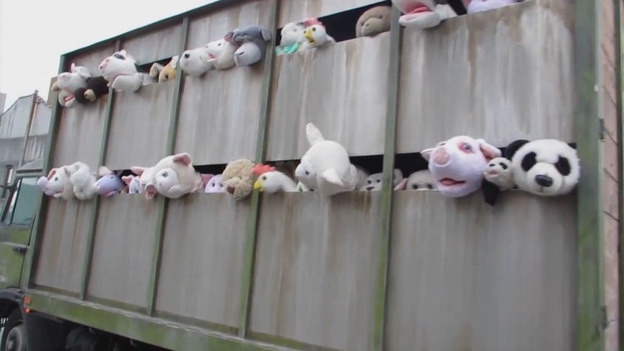
"caption": "Banksy's \"Sirens of the Lambs\" started its tour of New York City in — naturally — the Meatpacking District. Image: BanksyNY/Youtube",
"description": "Banksy's \"Sirens of the Lambs\" started its tour of New York City in -- naturally -- the Meatpacking District.",
"title": "animalsbanksy",
"credit": null,
"status": "inherit",
"isLoading": false,
"fetchFailed": false
},
"bayareabites_72297": {
"type": "attachments",
"id": "bayareabites_72297",
"meta": {
"index": "attachments_1716263798",
"site": "bayareabites",
"id": "72297",
"found": true
},
"parent": 72293,
"imgSizes": {
"kqedFullSize": {
"file": "https://ww2.kqed.org/app/uploads/sites/24/2013/10/whitehousegarden-sm.jpg",
"width": 624,
"height": 467
}
},
"publishDate": 1381890956,
"modified": 1381890956,
"caption": null,
"description": null,
"title": "whitehousegarden-sm",
"credit": null,
"status": "inherit",
"isLoading": false,
"fetchFailed": false
},
"bayareabites_72164": {
"type": "attachments",
"id": "bayareabites_72164",
"meta": {
"index": "attachments_1716263798",
"site": "bayareabites",
"id": "72164",
"found": true
},
"parent": 72155,
"imgSizes": {
"kqedFullSize": {
"file": "https://ww2.kqed.org/app/uploads/sites/24/2013/10/rachael-ray-sm.jpg",
"width": 624,
"height": 350
}
},
"publishDate": 1381768140,
"modified": 1381768140,
"caption": null,
"description": null,
"title": "rachael-ray-sm",
"credit": null,
"status": "inherit",
"isLoading": false,
"fetchFailed": false
},
"bayareabites_72152": {
"type": "attachments",
"id": "bayareabites_72152",
"meta": {
"index": "attachments_1716263798",
"site": "bayareabites",
"id": "72152",
"found": true
},
"parent": 72147,
"imgSizes": {
"kqedFullSize": {
"file": "https://ww2.kqed.org/app/uploads/sites/24/2013/10/feminist-hulk.jpg",
"width": 462,
"height": 421
}
},
"publishDate": 1381766088,
"modified": 1381766088,
"caption": "Feminist Hulk. Courtesy Jessica Lawson",
"description": null,
"title": "feminist-hulk",
"credit": null,
"status": "inherit",
"isLoading": false,
"fetchFailed": false
},
"bayareabites_72070": {
"type": "attachments",
"id": "bayareabites_72070",
"meta": {
"index": "attachments_1716263798",
"site": "bayareabites",
"id": "72070",
"found": true
},
"parent": 72060,
"imgSizes": {
"kqedFullSize": {
"file": "https://ww2.kqed.org/app/uploads/sites/24/2013/10/winelabels-sm.jpg",
"width": 624,
"height": 480
}
},
"publishDate": 1381510979,
"modified": 1381510979,
"caption": null,
"description": null,
"title": "winelabels-sm",
"credit": null,
"status": "inherit",
"isLoading": false,
"fetchFailed": false
},
"bayareabites_71988": {
"type": "attachments",
"id": "bayareabites_71988",
"meta": {
"index": "attachments_1716263798",
"site": "bayareabites",
"id": "71988",
"found": true
},
"parent": 71982,
"imgSizes": {
"kqedFullSize": {
"file": "https://ww2.kqed.org/app/uploads/sites/24/2013/10/juice-starbucks-sm.jpg",
"width": 624,
"height": 467
}
},
"publishDate": 1381439224,
"modified": 1381439224,
"caption": null,
"description": null,
"title": "juice-starbucks-sm",
"credit": null,
"status": "inherit",
"isLoading": false,
"fetchFailed": false
},
"bayareabites_71978": {
"type": "attachments",
"id": "bayareabites_71978",
"meta": {
"index": "attachments_1716263798",
"site": "bayareabites",
"id": "71978",
"found": true
},
"parent": 71972,
"imgSizes": {
"kqedFullSize": {
"file": "https://ww2.kqed.org/app/uploads/sites/24/2013/10/foster-farms-sm.jpg",
"width": 624,
"height": 467
}
},
"publishDate": 1381435522,
"modified": 1381435522,
"caption": null,
"description": null,
"title": "foster-farms-sm",
"credit": null,
"status": "inherit",
"isLoading": false,
"fetchFailed": false
},
"bayareabites_71930": {
"type": "attachments",
"id": "bayareabites_71930",
"meta": {
"index": "attachments_1716263798",
"site": "bayareabites",
"id": "71930",
"found": true
},
"parent": 71921,
"imgSizes": {
"kqedFullSize": {
"file": "https://ww2.kqed.org/app/uploads/sites/24/2013/10/fish-monger-sm.jpg",
"width": 624,
"height": 350
}
},
"publishDate": 1381351940,
"modified": 1381351940,
"caption": null,
"description": null,
"title": "fish-monger-sm",
"credit": null,
"status": "inherit",
"isLoading": false,
"fetchFailed": false
},
"bayareabites_71916": {
"type": "attachments",
"id": "bayareabites_71916",
"meta": {
"index": "attachments_1716263798",
"site": "bayareabites",
"id": "71916",
"found": true
},
"parent": 71909,
"imgSizes": {
"kqedFullSize": {
"file": "https://ww2.kqed.org/app/uploads/sites/24/2013/10/apple-riverbelle-sm.jpg",
"width": 624,
"height": 350
}
},
"publishDate": 1381349601,
"modified": 1381349601,
"caption": null,
"description": null,
"title": "apple-riverbelle-sm",
"credit": null,
"status": "inherit",
"isLoading": false,
"fetchFailed": false
},
"bayareabites_71888": {
"type": "attachments",
"id": "bayareabites_71888",
"meta": {
"index": "attachments_1716263798",
"site": "bayareabites",
"id": "71888",
"found": true
},
"parent": 71883,
"imgSizes": {
"kqedFullSize": {
"file": "https://ww2.kqed.org/app/uploads/sites/24/2013/10/fosterfarms-sm.jpg",
"width": 624,
"height": 467
}
},
"publishDate": 1381276979,
"modified": 1381276979,
"caption": null,
"description": null,
"title": "fosterfarms-sm",
"credit": null,
"status": "inherit",
"isLoading": false,
"fetchFailed": false
},
"bayareabites_71748": {
"type": "attachments",
"id": "bayareabites_71748",
"meta": {
"index": "attachments_1716263798",
"site": "bayareabites",
"id": "71748",
"found": true
},
"parent": 71736,
"imgSizes": {
"kqedFullSize": {
"file": "https://ww2.kqed.org/app/uploads/sites/24/2013/10/boy-eating1.jpg",
"width": 640,
"height": 360
}
},
"publishDate": 1381171477,
"modified": 1381171477,
"caption": null,
"description": null,
"title": "boy-eating1",
"credit": null,
"status": "inherit",
"isLoading": false,
"fetchFailed": false
}
},
"audioPlayerReducer": {
"postId": "stream_live",
"isPaused": true,
"isPlaying": false,
"pfsActive": false,
"pledgeModalIsOpen": true,
"playerDrawerIsOpen": false,
"liveAudioPlayStartedAt": 0,
"liveAudioPlayContext": ""
},
"authorsReducer": {
"byline_bayareabites_72302": {
"type": "authors",
"id": "byline_bayareabites_72302",
"meta": {
"override": true
},
"slug": "byline_bayareabites_72302",
"name": "Maanvi Singh",
"isLoading": false
},
"byline_bayareabites_72293": {
"type": "authors",
"id": "byline_bayareabites_72293",
"meta": {
"override": true
},
"slug": "byline_bayareabites_72293",
"name": "Eliza Barclay",
"isLoading": false
},
"byline_bayareabites_72155": {
"type": "authors",
"id": "byline_bayareabites_72155",
"meta": {
"override": true
},
"slug": "byline_bayareabites_72155",
"name": "NPR Staff",
"isLoading": false
},
"byline_bayareabites_72147": {
"type": "authors",
"id": "byline_bayareabites_72147",
"meta": {
"override": true
},
"slug": "byline_bayareabites_72147",
"name": "Kate Woodsome",
"isLoading": false
},
"byline_bayareabites_72095": {
"type": "authors",
"id": "byline_bayareabites_72095",
"meta": {
"override": true
},
"slug": "byline_bayareabites_72095",
"name": "Allison Aubrey",
"isLoading": false
},
"byline_bayareabites_72060": {
"type": "authors",
"id": "byline_bayareabites_72060",
"meta": {
"override": true
},
"slug": "byline_bayareabites_72060",
"name": "Michaeleen Doucleff",
"isLoading": false
},
"byline_bayareabites_71982": {
"type": "authors",
"id": "byline_bayareabites_71982",
"meta": {
"override": true
},
"slug": "byline_bayareabites_71982",
"name": "Eliza Barclay",
"isLoading": false
},
"byline_bayareabites_71972": {
"type": "authors",
"id": "byline_bayareabites_71972",
"meta": {
"override": true
},
"slug": "byline_bayareabites_71972",
"name": "Allison Aubrey",
"isLoading": false
},
"byline_bayareabites_71921": {
"type": "authors",
"id": "byline_bayareabites_71921",
"meta": {
"override": true
},
"slug": "byline_bayareabites_71921",
"name": "Alastair Bland",
"isLoading": false
},
"byline_bayareabites_71909": {
"type": "authors",
"id": "byline_bayareabites_71909",
"meta": {
"override": true
},
"slug": "byline_bayareabites_71909",
"name": "Nevin Martell",
"isLoading": false
},
"byline_bayareabites_71883": {
"type": "authors",
"id": "byline_bayareabites_71883",
"meta": {
"override": true
},
"slug": "byline_bayareabites_71883",
"name": "Allison Aubrey",
"isLoading": false
},
"byline_bayareabites_71736": {
"type": "authors",
"id": "byline_bayareabites_71736",
"meta": {
"override": true
},
"slug": "byline_bayareabites_71736",
"name": "Rhitu Chatterjee",
"isLoading": false
}
},
"pagesReducer": {
"bayareabites_category_npr-food": {
"type": "terms",
"id": "bayareabites_10916",
"meta": {
"index": "terms_1716263798",
"site": "bayareabites",
"id": "10916",
"score": 13.894709
},
"featImg": null,
"name": "NPR food",
"description": null,
"taxonomy": "category",
"headData": {
"twImgId": null,
"twTitle": null,
"ogTitle": null,
"ogImgId": null,
"twDescription": null,
"description": null,
"title": "NPR food Archives | KQED Bay Area Bites",
"ogDescription": null
},
"ttid": 5375,
"slug": "npr-food",
"isLoading": false,
"title": "NPR food",
"pageMeta": {
"site": "bayareabites",
"WpPageTemplate": "page-topic-editorial",
"currentPage": 63
},
"blocks": [
{
"blockName": "kqed/post-list",
"attrs": {
"layout": "cardArticle2",
"query": "posts/bayareabites?category=npr-food",
"seeMore": false,
"paginated": true,
"page": 63
}
},
{
"blockName": "kqed/ad"
}
]
}
},
"pfsSessionReducer": {},
"postsReducer": {
"stream_live": {
"type": "live",
"id": "stream_live",
"audioUrl": "https://hls.kqed.org/hls/kqed_app/playlist.m3u8",
"title": "Live Stream",
"excerpt": "Live Stream information currently unavailable.",
"link": "/radio",
"featImg": "",
"label": {
"name": "KQED Live",
"link": "/"
}
},
"stream_kqedNewscast": {
"type": "posts",
"id": "stream_kqedNewscast",
"audioUrl": "https://www.kqed.org/.stream/anon/radio/RDnews/newscast.mp3?_=1",
"title": "KQED Newscast",
"featImg": "",
"label": {
"name": "88.5 FM",
"link": "/"
}
},
"bayareabites_72302": {
"type": "posts",
"id": "bayareabites_72302",
"meta": {
"index": "posts_1716263798",
"site": "bayareabites",
"id": "72302",
"score": null,
"sort": [
1381943655000
]
},
"parent": 0,
"labelTerm": {
"site": "bayareabites"
},
"blocks": [],
"publishDate": 1381943655,
"format": "aside",
"disqusTitle": "Banksy's Latest Work Takes On The Meat Industry ... With Puppets",
"title": "Banksy's Latest Work Takes On The Meat Industry ... With Puppets",
"headTitle": "Bay Area Bites | KQED Food",
"content": "\u003cp>[youtube //www.youtube.com/watch?v=WDIz7mEJOeA]\u003c/p>\n\u003cp>Post by Maanvi Singh, \u003ca href=\"http://www.npr.org/blogs/thesalt/2013/10/16/235334278/banksys-latest-work-takes-on-the-meat-industry-with-puppets\">The Salt at NPR Food\u003c/a> (10/16/13)\u003c/p>\n\u003cp>Banksy, the mysterious British graffiti artist known for his satirical work, has been \u003ca href=\"http://www.banksy.co.uk/\">making mischief\u003c/a> around New York City this month.\u003c/p>\n\u003cp>His latest artwork makes a statement about the meat industry, or lost innocence — or something like that. In any case, it'll certainly make you stop and look.\u003c/p>\n\u003cfigure id=\"attachment_72308\" class=\"wp-caption alignleft\" style=\"max-width: 350px\">\u003ca href=\"http://ww2.kqed.org/bayareabites/wp-content/uploads/sites/24/2013/10/banksy-animalrights.jpg\">\u003cimg src=\"http://ww2.kqed.org/bayareabites/wp-content/uploads/sites/24/2013/10/banksy-animalrights.jpg\" alt=\"Banksy's "Sirens of the Lambs" started its tour of New York City in — naturally — the Meatpacking District. Image: BanksyNY/Youtube\" width=\"350\" class=\"size-full wp-image-72308\">\u003c/a>\u003cfigcaption class=\"wp-caption-text\">Banksy's \"Sirens of the Lambs\" started its tour of New York City in — naturally — the Meatpacking District. Image: BanksyNY/Youtube\u003c/figcaption>\u003c/figure>\n\u003cp>It's called \u003ca href=\"http://www.banksy.co.uk/2013/10/11/meatpacking-district\">\"Sirens of the Lambs\u003c/a>\" and it features a bunch of cuddly puppet animals peeking out of a truck, squealing (or at least squeaking) with fear. The truck, labeled \"Farm Fresh Meats,\" started its rounds in (what else?) the Meatpacking District, and it's set to tour the city for the next week and a half.\u003c/p>\n\u003cp>[ad fullwidth]\u003c/p>\n\u003cp>The piece is somehow hilarious and horrifying at the same time, like an episode of \u003cem>The Muppets\u003c/em> gone terribly wrong.\u003c/p>\n\u003cp>One look into those animals' unblinking glass eyes will obliterate any fond childhood memories of playing with Teddy. And judging from the \u003ca href=\"http://www.youtube.com/watch?feature=player_embedded&v=WDIz7mEJOeA\">video\u003c/a> posted on the artist's website, the installation has already been terrorizing children around the city (one kid is shown screaming as he runs away, and the closing shot is of an inconsolable baby).\u003c/p>\n\u003cp>But the \u003ca href=\"http://www.youtube.com/watch?feature=player_embedded&v=-BluFK9S1I8\">audio guide\u003c/a> that accompanies the piece (accessed via an 800 number printed on the truck) seems to have a good sense of humor. The narrator starts off by saying, \"This is a piece of sculpture art, and I know what you're thinking: Isn't it a bit — subtle.\"\u003c/p>\n\u003cp>The audio guide also explains that the animals are controlled by four mime artists, who sit inside the truck. Banksy apparently used to work at a butcher shop, which might have inspired the sculpture art.\u003c/p>\n\u003cp>\u003c/p>\n\u003cp>\u003cem>Copyright 2013 \u003ca href=\"http://www.npr.org/\">NPR\u003c/a>.\u003c/em> \u003c/p>\n\n",
"disqusIdentifier": "72302 http://blogs.kqed.org/bayareabites/?p=72302",
"disqusUrl": "https://ww2.kqed.org/bayareabites/2013/10/16/banksys-latest-work-takes-on-the-meat-industry-with-puppets/",
"stats": {
"hasVideo": true,
"hasChartOrMap": false,
"hasAudio": false,
"hasPolis": false,
"wordCount": 319,
"hasGoogleForm": false,
"hasGallery": false,
"hasHearkenModule": false,
"iframeSrcs": [],
"paragraphCount": 12
},
"modified": 1381943655,
"excerpt": "The street artist's latest piece is called \"Sirens of the Lambs,\" and it features a bunch of cuddly puppet animals peeking out of a slaughterhouse truck, squealing with fear. The truck is set to tour around New York City for the next week and a half.",
"headData": {
"twImgId": "",
"twTitle": "",
"ogTitle": "",
"ogImgId": "",
"twDescription": "",
"description": "The street artist's latest piece is called "Sirens of the Lambs," and it features a bunch of cuddly puppet animals peeking out of a slaughterhouse truck, squealing with fear. The truck is set to tour around New York City for the next week and a half.",
"title": "Banksy's Latest Work Takes On The Meat Industry ... With Puppets | KQED",
"ogDescription": "",
"schema": {
"@context": "https://schema.org",
"@type": "Article",
"headline": "Banksy's Latest Work Takes On The Meat Industry ... With Puppets",
"datePublished": "2013-10-16T10:14:15-07:00",
"dateModified": "2013-10-16T10:14:15-07:00",
"image": "https://cdn.kqed.org/wp-content/uploads/2020/02/KQED-OG-Image@1x.png"
}
},
"guestAuthors": [],
"slug": "banksys-latest-work-takes-on-the-meat-industry-with-puppets",
"status": "publish",
"nprApiLink": "http://api.npr.org/query?id=235334278&apiKey=MDAxOTAwOTE4MDEyMTkxMDAzNjczZDljZA004",
"nprByline": "Maanvi Singh",
"nprStoryDate": "Wed, 16 Oct 2013 11:06:00 -0400",
"nprLastModifiedDate": "Wed, 16 Oct 2013 11:32:35 -0400",
"nprHtmlLink": "http://www.npr.org/blogs/thesalt/2013/10/16/235334278/banksys-latest-work-takes-on-the-meat-industry-with-puppets?ft=3&f=235334278",
"nprStoryId": "235334278",
"nprRetrievedStory": "1",
"nprPubDate": "Wed, 16 Oct 2013 11:32:00 -0400",
"path": "/bayareabites/72302/banksys-latest-work-takes-on-the-meat-industry-with-puppets",
"audioTrackLength": null,
"parsedContent": [
{
"type": "contentString",
"content": "\u003cdiv class=\"post-body\">\u003cp>\u003cp>\u003c/p>\u003cp>\u003cspan class='utils-parseShortcode-shortcodes-__youtubeShortcode__embedYoutube'>\n \u003cspan class='utils-parseShortcode-shortcodes-__youtubeShortcode__embedYoutubeInside'>\n \u003ciframe\n loading='lazy'\n class='utils-parseShortcode-shortcodes-__youtubeShortcode__youtubePlayer'\n type='text/html'\n src='//www.youtube.com/embed/WDIz7mEJOeA'\n title='//www.youtube.com/embed/WDIz7mEJOeA'\n allowfullscreen='true'\n style='border:0;'>\u003c/iframe>\n \u003c/span>\n \u003c/span>\u003c/p>\u003cp>\u003c/p>\n\u003cp>Post by Maanvi Singh, \u003ca href=\"http://www.npr.org/blogs/thesalt/2013/10/16/235334278/banksys-latest-work-takes-on-the-meat-industry-with-puppets\">The Salt at NPR Food\u003c/a> (10/16/13)\u003c/p>\n\u003cp>Banksy, the mysterious British graffiti artist known for his satirical work, has been \u003ca href=\"http://www.banksy.co.uk/\">making mischief\u003c/a> around New York City this month.\u003c/p>\n\u003cp>His latest artwork makes a statement about the meat industry, or lost innocence — or something like that. In any case, it'll certainly make you stop and look.\u003c/p>\n\u003cfigure id=\"attachment_72308\" class=\"wp-caption alignleft\" style=\"max-width: 350px\">\u003ca href=\"http://ww2.kqed.org/bayareabites/wp-content/uploads/sites/24/2013/10/banksy-animalrights.jpg\">\u003cimg src=\"http://ww2.kqed.org/bayareabites/wp-content/uploads/sites/24/2013/10/banksy-animalrights.jpg\" alt=\"Banksy's "Sirens of the Lambs" started its tour of New York City in — naturally — the Meatpacking District. Image: BanksyNY/Youtube\" width=\"350\" class=\"size-full wp-image-72308\">\u003c/a>\u003cfigcaption class=\"wp-caption-text\">Banksy's \"Sirens of the Lambs\" started its tour of New York City in — naturally — the Meatpacking District. Image: BanksyNY/Youtube\u003c/figcaption>\u003c/figure>\n\u003cp>It's called \u003ca href=\"http://www.banksy.co.uk/2013/10/11/meatpacking-district\">\"Sirens of the Lambs\u003c/a>\" and it features a bunch of cuddly puppet animals peeking out of a truck, squealing (or at least squeaking) with fear. The truck, labeled \"Farm Fresh Meats,\" started its rounds in (what else?) the Meatpacking District, and it's set to tour the city for the next week and a half.\u003c/p>\n\u003cp>\u003c/p>\u003c/div>",
"attributes": {
"named": {},
"numeric": []
}
},
{
"type": "component",
"content": "",
"name": "ad",
"attributes": {
"named": {
"label": "fullwidth"
},
"numeric": [
"fullwidth"
]
}
},
{
"type": "contentString",
"content": "\u003cdiv class=\"post-body\">\u003cp>\u003c/p>\n\u003cp>The piece is somehow hilarious and horrifying at the same time, like an episode of \u003cem>The Muppets\u003c/em> gone terribly wrong.\u003c/p>\n\u003cp>One look into those animals' unblinking glass eyes will obliterate any fond childhood memories of playing with Teddy. And judging from the \u003ca href=\"http://www.youtube.com/watch?feature=player_embedded&v=WDIz7mEJOeA\">video\u003c/a> posted on the artist's website, the installation has already been terrorizing children around the city (one kid is shown screaming as he runs away, and the closing shot is of an inconsolable baby).\u003c/p>\n\u003cp>But the \u003ca href=\"http://www.youtube.com/watch?feature=player_embedded&v=-BluFK9S1I8\">audio guide\u003c/a> that accompanies the piece (accessed via an 800 number printed on the truck) seems to have a good sense of humor. The narrator starts off by saying, \"This is a piece of sculpture art, and I know what you're thinking: Isn't it a bit — subtle.\"\u003c/p>\n\u003cp>The audio guide also explains that the animals are controlled by four mime artists, who sit inside the truck. Banksy apparently used to work at a butcher shop, which might have inspired the sculpture art.\u003c/p>\n\u003cp>\u003c/p>\n\u003cp>\u003cem>Copyright 2013 \u003ca href=\"http://www.npr.org/\">NPR\u003c/a>.\u003c/em> \u003c/p>\n\n\u003c/div>\u003c/p>",
"attributes": {
"named": {},
"numeric": []
}
}
],
"link": "/bayareabites/72302/banksys-latest-work-takes-on-the-meat-industry-with-puppets",
"authors": [
"byline_bayareabites_72302"
],
"categories": [
"bayareabites_2407",
"bayareabites_10916",
"bayareabites_2035",
"bayareabites_1873",
"bayareabites_316"
],
"tags": [
"bayareabites_11539",
"bayareabites_12575",
"bayareabites_9887",
"bayareabites_12577",
"bayareabites_12576",
"bayareabites_10921"
],
"featImg": "bayareabites_72308",
"label": "bayareabites"
},
"bayareabites_72293": {
"type": "posts",
"id": "bayareabites_72293",
"meta": {
"index": "posts_1716263798",
"site": "bayareabites",
"id": "72293",
"score": null,
"sort": [
1381891346000
]
},
"parent": 0,
"labelTerm": {
"site": "bayareabites"
},
"blocks": [],
"publishDate": 1381891346,
"format": "aside",
"disqusTitle": "Among The Shutdown Victims: The White House Kitchen Garden",
"title": "Among The Shutdown Victims: The White House Kitchen Garden",
"headTitle": "Bay Area Bites | KQED Food",
"content": "\u003cfigure id=\"attachment_72298\" class=\"wp-caption aligncenter\" style=\"max-width: 1120px\">\u003ca href=\"http://ww2.kqed.org/bayareabites/wp-content/uploads/sites/24/2013/10/whitehousegarden.jpg\">\u003cimg src=\"http://ww2.kqed.org/bayareabites/wp-content/uploads/sites/24/2013/10/whitehousegarden.jpg\" alt=\" Basil, tomatoes, peppers and lettuces grow in garden beds on the South Lawn of the White House. According to the site Obama Foodorama, the government shutdown has had a dramatic effect on the garden. Photo: Eddie Gehman Kohan/ObamaFoodorama\" width=\"1120\" height=\"839\" class=\"size-full wp-image-72298\">\u003c/a>\u003cfigcaption class=\"wp-caption-text\">Basil, tomatoes, peppers and lettuces grow in garden beds on the South Lawn of the White House. According to the site Obama Foodorama, the government shutdown has had a dramatic effect on the garden.\u003cbr>Photo: Eddie Gehman Kohan/\u003ca href=\"http://obamafoodorama.blogspot.com/2013/10/during-government-shutdown-michelle.html\">ObamaFoodorama\u003c/a>\u003c/figcaption>\u003c/figure>\n\u003cp>Post by Eliza Barclay, \u003ca href=\"http://www.npr.org/blogs/thesalt/2013/10/15/234747012/among-the-shutdown-victims-the-white-house-kitchen-garden\">The Salt at NPR Food\u003c/a> (10/15/13)\u003c/p>\n\u003cp>The government shutdown has forced a lot of hard-working people into idleness. That includes most of the staff that tends the famed White House \u003ca href=\"http://www.whitehouse.gov/about/tours_and_events/garden\">kitchen garden\u003c/a>, according to Obama Foodorama.\u003c/p>\n\u003cp>On Friday, the site \u003ca href=\"http://obamafoodorama.blogspot.com/2013/10/during-government-shutdown-michelle.html\">reported\u003c/a> that only a \u003ca href=\"http://obamafoodorama.blogspot.com/2013/10/at-white-house-skeletal-staff-during.html\">skeleton crew\u003c/a> of National Park Service gardeners remained on duty — permitted to water and remove trash, but not to weed and harvest the more than 30 kinds of vegetables growing there.\u003c/p>\n\u003cp>This loss of okra, tomatoes and sweet potatoes is more symbolic than anything else — the president and his family are not going to starve for lack of their fall harvest, of course.\u003c/p>\n\u003cp>But it's another, less obvious effect of the government shutdown on food production. And given all of the hard work that the first lady and her team have put into maintaining the garden, it's a tragedy to see tomatoes rotting on her vines.\u003c/p>\n\u003cp>[ad fullwidth]\u003c/p>\n\u003cp>More serious, of course, is the severe pressure the shutdown is putting on critical government food assistance programs like \u003ca href=\"http://ww2.kqed.org/bayareabites/2013/10/01/shutdown-leaves-program-feeding-women-and-infants-in-lurch/\">WIC\u003c/a>, which feeds pregnant women and mothers of young children, and food stamps and the people who rely on them for basic nutrition.\u003c/p>\n\u003cp>And as we enter Week 3 of the shutdown, other food producers are speaking up about how their livelihoods are being threatened by the absence of critical U.S. Department of Agriculture programs and services.\u003c/p>\n\u003cp>As \u003cem>Morning Edition's\u003c/em> David Green \u003ca href=\"http://www.npr.org/2013/10/15/234587014/government-shutdown-delays-start-of-crab-season\">reported\u003c/a> Tuesday, Alaskan crabbers and their boats are stuck at the port because they can't get the permits they need to fish. Federal workers who issue those permits are off the job because of the government shutdown.\u003c/p>\n\u003cp>And according to the American Farmland Trust, farmers are struggling to plan for the future without access to crucial information, such as crop reports from the National Agriculture Statistics Service and other federal resources. \"Farmers have to make important business decisions based on educated guesses rather than hard data,\" the group \u003ca href=\"http://www.farmbillfacts.org/farm-policy-roundup-10-11-2013\">notes\u003c/a>.\u003c/p>\n\u003cp>\u003c/p>\n\u003cp>The federal government also subsidizes growers of some crops, like corn, when yields are low. And that means another group in limbo are the farmers who aren't sure when they'll be getting their subsidy checks this year. Montana Farmers Union President Alan Merrill \u003ca href=\"http://www.publicnewsservice.org/2013-10-03/rural-farming/government-shutdown-affects-montana-farms-and-ranches/a34830-1?utm_source=twitterfeed&utm_medium=twitter\">told\u003c/a> a local news service that farm loans, disaster assistance and conservation program payments all have been put on hold.\u003cbr>\n\u003cem>\u003cbr>\nCopyright 2013 \u003ca href=\"http://www.npr.org/\">NPR\u003c/a>.\u003c/em> \u003c/p>\n\n",
"disqusIdentifier": "72293 http://blogs.kqed.org/bayareabites/?p=72293",
"disqusUrl": "https://ww2.kqed.org/bayareabites/2013/10/15/among-the-shutdown-victims-the-white-house-kitchen-garden/",
"stats": {
"hasVideo": false,
"hasChartOrMap": false,
"hasAudio": false,
"hasPolis": false,
"wordCount": 443,
"hasGoogleForm": false,
"hasGallery": false,
"hasHearkenModule": false,
"iframeSrcs": [],
"paragraphCount": 12
},
"modified": 1381891346,
"excerpt": "The unharvested food in the White House kitchen garden serves as a high-profile reminder of the shutdown's effects on food producers. And across the country, farmers are wondering when they'll receive the permits and government support they count on to stay afloat.",
"headData": {
"twImgId": "",
"twTitle": "",
"ogTitle": "",
"ogImgId": "",
"twDescription": "",
"description": "The unharvested food in the White House kitchen garden serves as a high-profile reminder of the shutdown's effects on food producers. And across the country, farmers are wondering when they'll receive the permits and government support they count on to stay afloat.",
"title": "Among The Shutdown Victims: The White House Kitchen Garden | KQED",
"ogDescription": "",
"schema": {
"@context": "https://schema.org",
"@type": "Article",
"headline": "Among The Shutdown Victims: The White House Kitchen Garden",
"datePublished": "2013-10-15T19:42:26-07:00",
"dateModified": "2013-10-15T19:42:26-07:00",
"image": "https://cdn.kqed.org/wp-content/uploads/2020/02/KQED-OG-Image@1x.png"
}
},
"guestAuthors": [],
"slug": "among-the-shutdown-victims-the-white-house-kitchen-garden",
"status": "publish",
"nprApiLink": "http://api.npr.org/query?id=234747012&apiKey=MDAxOTAwOTE4MDEyMTkxMDAzNjczZDljZA004",
"nprByline": "Eliza Barclay",
"nprStoryDate": "Tue, 15 Oct 2013 15:30:00 -0400",
"nprLastModifiedDate": "Tue, 15 Oct 2013 17:18:16 -0400",
"nprHtmlLink": "http://www.npr.org/blogs/thesalt/2013/10/15/234747012/among-the-shutdown-victims-the-white-house-kitchen-garden?ft=3&f=234747012",
"nprStoryId": "234747012",
"nprRetrievedStory": "1",
"nprPubDate": "Tue, 15 Oct 2013 17:18:00 -0400",
"path": "/bayareabites/72293/among-the-shutdown-victims-the-white-house-kitchen-garden",
"audioTrackLength": null,
"parsedContent": [
{
"type": "contentString",
"content": "\u003cdiv class=\"post-body\">\u003cp>\u003cfigure id=\"attachment_72298\" class=\"wp-caption aligncenter\" style=\"max-width: 1120px\">\u003ca href=\"http://ww2.kqed.org/bayareabites/wp-content/uploads/sites/24/2013/10/whitehousegarden.jpg\">\u003cimg src=\"http://ww2.kqed.org/bayareabites/wp-content/uploads/sites/24/2013/10/whitehousegarden.jpg\" alt=\" Basil, tomatoes, peppers and lettuces grow in garden beds on the South Lawn of the White House. According to the site Obama Foodorama, the government shutdown has had a dramatic effect on the garden. Photo: Eddie Gehman Kohan/ObamaFoodorama\" width=\"1120\" height=\"839\" class=\"size-full wp-image-72298\">\u003c/a>\u003cfigcaption class=\"wp-caption-text\">Basil, tomatoes, peppers and lettuces grow in garden beds on the South Lawn of the White House. According to the site Obama Foodorama, the government shutdown has had a dramatic effect on the garden.\u003cbr>Photo: Eddie Gehman Kohan/\u003ca href=\"http://obamafoodorama.blogspot.com/2013/10/during-government-shutdown-michelle.html\">ObamaFoodorama\u003c/a>\u003c/figcaption>\u003c/figure>\n\u003cp>Post by Eliza Barclay, \u003ca href=\"http://www.npr.org/blogs/thesalt/2013/10/15/234747012/among-the-shutdown-victims-the-white-house-kitchen-garden\">The Salt at NPR Food\u003c/a> (10/15/13)\u003c/p>\n\u003cp>The government shutdown has forced a lot of hard-working people into idleness. That includes most of the staff that tends the famed White House \u003ca href=\"http://www.whitehouse.gov/about/tours_and_events/garden\">kitchen garden\u003c/a>, according to Obama Foodorama.\u003c/p>\n\u003cp>On Friday, the site \u003ca href=\"http://obamafoodorama.blogspot.com/2013/10/during-government-shutdown-michelle.html\">reported\u003c/a> that only a \u003ca href=\"http://obamafoodorama.blogspot.com/2013/10/at-white-house-skeletal-staff-during.html\">skeleton crew\u003c/a> of National Park Service gardeners remained on duty — permitted to water and remove trash, but not to weed and harvest the more than 30 kinds of vegetables growing there.\u003c/p>\n\u003cp>This loss of okra, tomatoes and sweet potatoes is more symbolic than anything else — the president and his family are not going to starve for lack of their fall harvest, of course.\u003c/p>\n\u003cp>But it's another, less obvious effect of the government shutdown on food production. And given all of the hard work that the first lady and her team have put into maintaining the garden, it's a tragedy to see tomatoes rotting on her vines.\u003c/p>\n\u003cp>\u003c/p>\u003c/div>",
"attributes": {
"named": {},
"numeric": []
}
},
{
"type": "component",
"content": "",
"name": "ad",
"attributes": {
"named": {
"label": "fullwidth"
},
"numeric": [
"fullwidth"
]
}
},
{
"type": "contentString",
"content": "\u003cdiv class=\"post-body\">\u003cp>\u003c/p>\n\u003cp>More serious, of course, is the severe pressure the shutdown is putting on critical government food assistance programs like \u003ca href=\"http://ww2.kqed.org/bayareabites/2013/10/01/shutdown-leaves-program-feeding-women-and-infants-in-lurch/\">WIC\u003c/a>, which feeds pregnant women and mothers of young children, and food stamps and the people who rely on them for basic nutrition.\u003c/p>\n\u003cp>And as we enter Week 3 of the shutdown, other food producers are speaking up about how their livelihoods are being threatened by the absence of critical U.S. Department of Agriculture programs and services.\u003c/p>\n\u003cp>As \u003cem>Morning Edition's\u003c/em> David Green \u003ca href=\"http://www.npr.org/2013/10/15/234587014/government-shutdown-delays-start-of-crab-season\">reported\u003c/a> Tuesday, Alaskan crabbers and their boats are stuck at the port because they can't get the permits they need to fish. Federal workers who issue those permits are off the job because of the government shutdown.\u003c/p>\n\u003cp>And according to the American Farmland Trust, farmers are struggling to plan for the future without access to crucial information, such as crop reports from the National Agriculture Statistics Service and other federal resources. \"Farmers have to make important business decisions based on educated guesses rather than hard data,\" the group \u003ca href=\"http://www.farmbillfacts.org/farm-policy-roundup-10-11-2013\">notes\u003c/a>.\u003c/p>\n\u003cp>\u003c/p>\n\u003cp>The federal government also subsidizes growers of some crops, like corn, when yields are low. And that means another group in limbo are the farmers who aren't sure when they'll be getting their subsidy checks this year. Montana Farmers Union President Alan Merrill \u003ca href=\"http://www.publicnewsservice.org/2013-10-03/rural-farming/government-shutdown-affects-montana-farms-and-ranches/a34830-1?utm_source=twitterfeed&utm_medium=twitter\">told\u003c/a> a local news service that farm loans, disaster assistance and conservation program payments all have been put on hold.\u003cbr>\n\u003cem>\u003cbr>\nCopyright 2013 \u003ca href=\"http://www.npr.org/\">NPR\u003c/a>.\u003c/em> \u003c/p>\n\n\u003c/div>\u003c/p>",
"attributes": {
"named": {},
"numeric": []
}
}
],
"link": "/bayareabites/72293/among-the-shutdown-victims-the-white-house-kitchen-garden",
"authors": [
"byline_bayareabites_72293"
],
"categories": [
"bayareabites_4084",
"bayareabites_2554",
"bayareabites_10916",
"bayareabites_2035"
],
"tags": [
"bayareabites_9530",
"bayareabites_10921",
"bayareabites_1959",
"bayareabites_12558"
],
"featImg": "bayareabites_72297",
"label": "bayareabites"
},
"bayareabites_72155": {
"type": "posts",
"id": "bayareabites_72155",
"meta": {
"index": "posts_1716263798",
"site": "bayareabites",
"id": "72155",
"score": null,
"sort": [
1381768578000
]
},
"parent": 0,
"labelTerm": {
"site": "bayareabites"
},
"blocks": [],
"publishDate": 1381768578,
"format": "aside",
"disqusTitle": "(Cabbage) Heads Will Roll: How To Make A Food Network 'From Scratch'",
"title": "(Cabbage) Heads Will Roll: How To Make A Food Network 'From Scratch'",
"headTitle": "Bay Area Bites | KQED Food",
"content": "\u003cfigure id=\"attachment_72167\" class=\"wp-caption aligncenter\" style=\"max-width: 1120px\">\u003ca href=\"http://ww2.kqed.org/bayareabites/wp-content/uploads/sites/24/2013/10/rachael-ray.jpg\">\u003cimg src=\"http://ww2.kqed.org/bayareabites/wp-content/uploads/sites/24/2013/10/rachael-ray.jpg\" alt=\"According to journalist Allen Salkin, Emeril Lagasse initially opposed bringing Rachael Ray, pictured here in 2007, onto the Food Network – and, at first, Ray agreed with him. "You have this all wrong," she told executives, "I'm beer in a bottle; you guys are champagne." Photo: Scott Gries/Getty Images\" width=\"1120\" height=\"629\" class=\"size-full wp-image-72167\">\u003c/a>\u003cfigcaption class=\"wp-caption-text\">According to journalist Allen Salkin, Emeril Lagasse initially opposed bringing Rachael Ray, pictured here in 2007, onto the Food Network – and, at first, Ray agreed with him. \"You have this all wrong,\" she told executives, \"I'm beer in a bottle; you guys are champagne.\" Photo: Scott Gries/Getty Images\u003c/figcaption>\u003c/figure>\n\u003cp>\u003cstrong>Listen to the Story\u003c/strong> on \u003ca href=\"http://www.npr.org/blogs/thesalt/2013/10/13/231527991/-cabbage-heads-will-roll-how-to-make-a-food-network-from-scratch\">Weekend Edition Sunday\u003c/a> [audio src=\"http://pd.npr.org/anon.npr-mp3/npr/wesun/2013/10/20131013_wesun_18.mp3\"] \u003c/p>\n\u003cp>Post by NPR Staff, \u003ca href=\"http://www.npr.org/blogs/thesalt/2013/10/13/231527991/-cabbage-heads-will-roll-how-to-make-a-food-network-from-scratch\">The Salt at NPR Food\u003c/a> (10/13/13)\u003c/p>\n\u003cp>Mario Batali, Guy Fieri and Rachael Ray are just a few of the stars the Food Network helped create. But what the network gave, it could also take away.\u003c/p>\n\u003cp>\u003ca href=\"http://www.npr.org/books/titles/223172349/from-scratch-inside-the-food-network\">\u003cimg src=\"http://ww2.kqed.org/bayareabites/wp-content/uploads/sites/24/2013/10/food-network-from-scratch.jpg\" alt=\"From Scratch: Inside the Food Network by Allen Salkin\" width=\"200\" class=\"alignleft size-full wp-image-72166\">\u003c/a>In \u003cem>From Scratch\u003c/em>, author Allen Salkin takes an unsparing look at the network's progression from struggling cable startup to global powerhouse, and the people — Emeril Lagasse, Paula Deen — who rose and fell along the way.\u003c/p>\n\u003cp>Salkin tells NPR's Rachel Martin\u003cstrong> \u003c/strong>that while the network was intended for cooks, it wasn't run by them.\u003c/p>\n\u003cp>[ad fullwidth]\u003c/p>\n\u003cp>\"They were not trying to spread the gospel of kale and of shallots,\" he says. \"These were guys trying to make a media play and make some money.\"\u003c/p>\n\u003chr>\n\u003ch3>\u003cstrong>Interview Highlights\u003c/strong>\u003c/h3>\n\u003cp>\u003cstrong>On what cooking shows were like before the Food Network\u003c/strong>\u003c/p>\n\u003cp>It was this thing relegated to weekend mornings on PBS with Julia Child, obviously, pioneering the format in the '60s with \u003cem>The French Chef\u003c/em>,\u003cem> \u003c/em>and then in the '80s with \u003cem>The Frugal Gourmet\u003c/em> and Martin Yan. And it really was sort of a ghetto of television. Nobody believed that anyone would ever want to watch this on primetime.\u003c/p>\n\u003cp>... Julia is a great figure and really showed the way to having some personality on food TV, but it was not being exploited. It fell to these cable TV pioneers to take a shot at it.\u003c/p>\n\u003cp>\u003cstrong>On the early, low-budget set for Mario Batali's show, \u003cem>Molto Mario\u003c/em>\u003c/strong>\u003c/p>\n\u003cp>He was such a great host at first, telling these erudite stories about how he learned about a certain kind of ravioli in a certain village in Umbria, but there was no oven. So he would pretend to slide that tray of whatever he was making under the counter and stamp his foot on the floor to simulate an oven sound — which is, you know, great television.\u003c/p>\n\u003cp>\u003cstrong>On how Emeril Lagasse helped jump-start the network\u003c/strong>\u003c/p>\n\u003cp>Emeril was actually a guy from Fall River, Mass., and he had become famous because he sort of revolutionized and modernized Creole cuisine down in New Orleans. And he was first making appearances on the Nashville Network, and these producers down there basically pitched Emeril as a potential host.\u003c/p>\n\u003cp>... It was with \u003cem>Emeril Live\u003c/em> eventually, his third show on the network, that he was really the first breakthrough star. He took the original Julia Child dump-and-stir, if you will, format and married it with this \u003cem>Tonight Show\u003c/em> pizzazz of a monologue and a live band, and that was really the thing that started the Food Network on its way.\u003c/p>\n\u003cp>\u003cstrong>On the near-death of Emeril's \"Bam!\" \u003c/strong>\u003c/p>\n\u003cfigure id=\"attachment_72165\" class=\"wp-caption alignleft\" style=\"max-width: 200px\">\u003ca href=\"http://ww2.kqed.org/bayareabites/wp-content/uploads/sites/24/2013/10/food-network-allen-salkin.jpg\">\u003cimg src=\"http://ww2.kqed.org/bayareabites/wp-content/uploads/sites/24/2013/10/food-network-allen-salkin.jpg\" alt=\"Allen Salkin is an investigative journalist who's hosted a video series for AOL's Slashfood blog and written for <em>The New York Times</em>. Photo: Earl Wilson\" width=\"200\" class=\"size-full wp-image-72165\">\u003c/a>\u003cfigcaption class=\"wp-caption-text\">Allen Salkin is an investigative journalist who's hosted a video series for AOL's Slashfood blog and written for \u003cem>The New York Times\u003c/em>. Photo: Earl Wilson\u003c/figcaption>\u003c/figure>\n\u003cp>A character on [\u003cem>The Larry Sanders Show\u003c/em>] used to say \"Hey now!\" all the time, and [Creative Director] Jonathan [Lynn] thought that Emeril's shtick with the \"Bam!\" and \"Hey now!\" and \"Let's kick it up a notch!\" was derivative, and so told him to kill the \"Bam!\" ... Can you imagine? It's like telling the Fonz not to say, \"Eyyy.\" [Emeril won] because Emeril, in his restaurants in New Orleans, was already getting a little bit of feedback with people shouting \"Bam!\" back at him. He knew he was working.\u003c/p>\n\u003cp>\u003cstrong>On Emeril's departure\u003c/strong>\u003c/p>\n\u003cp>Emeril had been the biggest star on the network for 10 years, and the network had started seeing him as this aging quarterback who could no longer take them to the Super Bowl — especially starting in the early 2000s, with \u003cem>Top Chef\u003c/em> competing against them on Bravo, and others. And the Food Network felt like his demographic — you know, it's always the same: His viewers are getting older, his ratings are going down a little, his program was more expensive. Ultimately, they treated him pretty shoddily. ... It really was the final, kind of, end of an era of this great star — who made the network, who was a chef, who was grounded in restaurant culture — being shown the door by a bunch of television executives.\u003c/p>\n\u003cp>\u003cstrong>On where the network stands today\u003c/strong>\u003c/p>\n\u003cp>If you look at it, their last breakthrough, household-name star was Guy Fieri, and he won, in 2006, [\u003cem>The\u003c/em>] \u003cem>Next Food Network Star\u003c/em>. So that's been seven years. ... In about 2002, 2003 this network was just generating household names: \u003cem>Barefoot Contessa\u003c/em>, Giada De Lorentiis, Paula Deen. And they are no longer doing that. In fact, they no longer even have their own internal production; they're not making their own cooking shows anymore. The network, at its heart, used to literally smell like apple pie and baking chickens, and now they're doing what every other network is doing: They're sending executives to have meetings with production companies in L.A., trying to find the next \u003cem>Duck Dynasty\u003c/em>.\u003c/p>\n\u003cp>\u003cstrong>On Paula Deen\u003c/strong>\u003c/p>\n\u003cp>The Paula Deen problem started before this N-word controversy, which came from the racial and sexual discrimination lawsuit against her and a deposition she gave. The problems she had started way back in 2001. Her agent had negotiated a deal where the network was not participating in any of her businesses. In other words, they have the \u003cem>American Idol\u003c/em> model: You win \u003cem>American Idol\u003c/em>, you've got to give part of your record contract back to the people who make \u003cem>American Idol\u003c/em>. And that's what Food Network wants. They believe that their brand is so strong that they should take a cut of your cookbook sales, of your spatulas and everything else. They didn't get that from Paula so they were not really in business with her.\u003c/p>\n\u003cp>Secondly, the diabetes drug deal that she had made about a year and a half earlier, where the Queen of Butter and Sugar had all of a sudden admitted she had diabetes exactly at the time she was taking millions of dollars to endorse a diabetes drug, rather than before that. And none of her programming had been changed. The Food Network hired a crisis consultant company and was calling reporters on background and telling us, \"We had nothing to do with this, this is outrageous,\" and really distancing the network from this. So she already had a few strikes against her.\u003c/p>\n\u003cp>At the same time, these stand-and-stir cooking shows that Paula was doing were losing viewers. And this, ultimately, was a network that is trying to expand channels into South Africa, Singapore, all over Asia. And so when the N-word controversy happened, she already had two strikes against her and her contract was up at exactly the wrong time. \u003c/p>\n\u003cp>[ad floatright]\u003c/p>\n\u003cp>\u003cem>Copyright 2013 \u003ca href=\"http://www.npr.org/\">NPR\u003c/a>.\u003c/em> \u003c/p>\n\n",
"disqusIdentifier": "72155 http://blogs.kqed.org/bayareabites/?p=72155",
"disqusUrl": "https://ww2.kqed.org/bayareabites/2013/10/14/cabbage-heads-will-roll-how-to-make-a-food-network-from-scratch/",
"stats": {
"hasVideo": false,
"hasChartOrMap": false,
"hasAudio": true,
"hasPolis": false,
"wordCount": 1199,
"hasGoogleForm": false,
"hasGallery": false,
"hasHearkenModule": false,
"iframeSrcs": [],
"paragraphCount": 27
},
"modified": 1381768578,
"excerpt": "The Food Network was intended for cooks, but it wasn't run by them. In a new tell-all book, Allen Salkin takes an unsparing look at the channel's progression from struggling cable startup to global powerhouse, and the people who rose and fell along the way.",
"headData": {
"twImgId": "",
"twTitle": "",
"ogTitle": "",
"ogImgId": "",
"twDescription": "",
"description": "The Food Network was intended for cooks, but it wasn't run by them. In a new tell-all book, Allen Salkin takes an unsparing look at the channel's progression from struggling cable startup to global powerhouse, and the people who rose and fell along the way.",
"title": "(Cabbage) Heads Will Roll: How To Make A Food Network 'From Scratch' | KQED",
"ogDescription": "",
"schema": {
"@context": "https://schema.org",
"@type": "Article",
"headline": "(Cabbage) Heads Will Roll: How To Make A Food Network 'From Scratch'",
"datePublished": "2013-10-14T09:36:18-07:00",
"dateModified": "2013-10-14T09:36:18-07:00",
"image": "https://cdn.kqed.org/wp-content/uploads/2020/02/KQED-OG-Image@1x.png"
}
},
"guestAuthors": [],
"slug": "cabbage-heads-will-roll-how-to-make-a-food-network-from-scratch",
"status": "publish",
"nprApiLink": "http://api.npr.org/query?id=231527991&apiKey=MDAxOTAwOTE4MDEyMTkxMDAzNjczZDljZA004",
"nprByline": "NPR Staff",
"nprStoryDate": "Sun, 13 Oct 2013 08:00:00 -0400",
"nprLastModifiedDate": "Sun, 13 Oct 2013 08:47:09 -0400",
"nprHtmlLink": "http://www.npr.org/blogs/thesalt/2013/10/13/231527991/-cabbage-heads-will-roll-how-to-make-a-food-network-from-scratch?ft=3&f=231527991",
"nprAudio": "http://pd.npr.org/anon.npr-mp3/npr/wesun/2013/10/20131013_wesun_18.mp3?orgId=1&topicId=1033&ft=3&f=231527991",
"nprAudioM3u": "http://api.npr.org/m3u/1233230255-f89d0d.m3u?orgId=1&topicId=1033&ft=3&f=231527991",
"nprStoryId": "231527991",
"nprRetrievedStory": "1",
"nprPubDate": "Sun, 13 Oct 2013 08:47:00 -0400",
"path": "/bayareabites/72155/cabbage-heads-will-roll-how-to-make-a-food-network-from-scratch",
"audioUrl": "http://pd.npr.org/anon.npr-mp3/npr/wesun/2013/10/20131013_wesun_18.mp3?orgId=1&topicId=1033&ft=3&f=231527991",
"audioDuration": null,
"audioTrackLength": null,
"parsedContent": [
{
"type": "contentString",
"content": "\u003cdiv class=\"post-body\">\u003cp>\u003cfigure id=\"attachment_72167\" class=\"wp-caption aligncenter\" style=\"max-width: 1120px\">\u003ca href=\"http://ww2.kqed.org/bayareabites/wp-content/uploads/sites/24/2013/10/rachael-ray.jpg\">\u003cimg src=\"http://ww2.kqed.org/bayareabites/wp-content/uploads/sites/24/2013/10/rachael-ray.jpg\" alt=\"According to journalist Allen Salkin, Emeril Lagasse initially opposed bringing Rachael Ray, pictured here in 2007, onto the Food Network – and, at first, Ray agreed with him. "You have this all wrong," she told executives, "I'm beer in a bottle; you guys are champagne." Photo: Scott Gries/Getty Images\" width=\"1120\" height=\"629\" class=\"size-full wp-image-72167\">\u003c/a>\u003cfigcaption class=\"wp-caption-text\">According to journalist Allen Salkin, Emeril Lagasse initially opposed bringing Rachael Ray, pictured here in 2007, onto the Food Network – and, at first, Ray agreed with him. \"You have this all wrong,\" she told executives, \"I'm beer in a bottle; you guys are champagne.\" Photo: Scott Gries/Getty Images\u003c/figcaption>\u003c/figure>\n\u003cp>\u003cstrong>Listen to the Story\u003c/strong> on \u003ca href=\"http://www.npr.org/blogs/thesalt/2013/10/13/231527991/-cabbage-heads-will-roll-how-to-make-a-food-network-from-scratch\">Weekend Edition Sunday\u003c/a> \u003c/p>\u003c/div>",
"attributes": {
"named": {},
"numeric": []
}
},
{
"type": "component",
"content": "",
"name": "audio",
"attributes": {
"named": {
"src": "http://pd.npr.org/anon.npr-mp3/npr/wesun/2013/10/20131013_wesun_18.mp3",
"label": ""
},
"numeric": []
}
},
{
"type": "contentString",
"content": "\u003cdiv class=\"post-body\">\u003cp> \u003c/p>\n\u003cp>Post by NPR Staff, \u003ca href=\"http://www.npr.org/blogs/thesalt/2013/10/13/231527991/-cabbage-heads-will-roll-how-to-make-a-food-network-from-scratch\">The Salt at NPR Food\u003c/a> (10/13/13)\u003c/p>\n\u003cp>Mario Batali, Guy Fieri and Rachael Ray are just a few of the stars the Food Network helped create. But what the network gave, it could also take away.\u003c/p>\n\u003cp>\u003ca href=\"http://www.npr.org/books/titles/223172349/from-scratch-inside-the-food-network\">\u003cimg src=\"http://ww2.kqed.org/bayareabites/wp-content/uploads/sites/24/2013/10/food-network-from-scratch.jpg\" alt=\"From Scratch: Inside the Food Network by Allen Salkin\" width=\"200\" class=\"alignleft size-full wp-image-72166\">\u003c/a>In \u003cem>From Scratch\u003c/em>, author Allen Salkin takes an unsparing look at the network's progression from struggling cable startup to global powerhouse, and the people — Emeril Lagasse, Paula Deen — who rose and fell along the way.\u003c/p>\n\u003cp>Salkin tells NPR's Rachel Martin\u003cstrong> \u003c/strong>that while the network was intended for cooks, it wasn't run by them.\u003c/p>\n\u003cp>\u003c/p>\u003c/div>",
"attributes": {
"named": {},
"numeric": []
}
},
{
"type": "component",
"content": "",
"name": "ad",
"attributes": {
"named": {
"label": "fullwidth"
},
"numeric": [
"fullwidth"
]
}
},
{
"type": "contentString",
"content": "\u003cdiv class=\"post-body\">\u003cp>\u003c/p>\n\u003cp>\"They were not trying to spread the gospel of kale and of shallots,\" he says. \"These were guys trying to make a media play and make some money.\"\u003c/p>\n\u003chr>\n\u003ch3>\u003cstrong>Interview Highlights\u003c/strong>\u003c/h3>\n\u003cp>\u003cstrong>On what cooking shows were like before the Food Network\u003c/strong>\u003c/p>\n\u003cp>It was this thing relegated to weekend mornings on PBS with Julia Child, obviously, pioneering the format in the '60s with \u003cem>The French Chef\u003c/em>,\u003cem> \u003c/em>and then in the '80s with \u003cem>The Frugal Gourmet\u003c/em> and Martin Yan. And it really was sort of a ghetto of television. Nobody believed that anyone would ever want to watch this on primetime.\u003c/p>\n\u003cp>... Julia is a great figure and really showed the way to having some personality on food TV, but it was not being exploited. It fell to these cable TV pioneers to take a shot at it.\u003c/p>\n\u003cp>\u003cstrong>On the early, low-budget set for Mario Batali's show, \u003cem>Molto Mario\u003c/em>\u003c/strong>\u003c/p>\n\u003cp>He was such a great host at first, telling these erudite stories about how he learned about a certain kind of ravioli in a certain village in Umbria, but there was no oven. So he would pretend to slide that tray of whatever he was making under the counter and stamp his foot on the floor to simulate an oven sound — which is, you know, great television.\u003c/p>\n\u003cp>\u003cstrong>On how Emeril Lagasse helped jump-start the network\u003c/strong>\u003c/p>\n\u003cp>Emeril was actually a guy from Fall River, Mass., and he had become famous because he sort of revolutionized and modernized Creole cuisine down in New Orleans. And he was first making appearances on the Nashville Network, and these producers down there basically pitched Emeril as a potential host.\u003c/p>\n\u003cp>... It was with \u003cem>Emeril Live\u003c/em> eventually, his third show on the network, that he was really the first breakthrough star. He took the original Julia Child dump-and-stir, if you will, format and married it with this \u003cem>Tonight Show\u003c/em> pizzazz of a monologue and a live band, and that was really the thing that started the Food Network on its way.\u003c/p>\n\u003cp>\u003cstrong>On the near-death of Emeril's \"Bam!\" \u003c/strong>\u003c/p>\n\u003cfigure id=\"attachment_72165\" class=\"wp-caption alignleft\" style=\"max-width: 200px\">\u003ca href=\"http://ww2.kqed.org/bayareabites/wp-content/uploads/sites/24/2013/10/food-network-allen-salkin.jpg\">\u003cimg src=\"http://ww2.kqed.org/bayareabites/wp-content/uploads/sites/24/2013/10/food-network-allen-salkin.jpg\" alt=\"Allen Salkin is an investigative journalist who's hosted a video series for AOL's Slashfood blog and written for <em>The New York Times</em>. Photo: Earl Wilson\" width=\"200\" class=\"size-full wp-image-72165\">\u003c/a>\u003cfigcaption class=\"wp-caption-text\">Allen Salkin is an investigative journalist who's hosted a video series for AOL's Slashfood blog and written for \u003cem>The New York Times\u003c/em>. Photo: Earl Wilson\u003c/figcaption>\u003c/figure>\n\u003cp>A character on [\u003cem>The Larry Sanders Show\u003c/em>] used to say \"Hey now!\" all the time, and [Creative Director] Jonathan [Lynn] thought that Emeril's shtick with the \"Bam!\" and \"Hey now!\" and \"Let's kick it up a notch!\" was derivative, and so told him to kill the \"Bam!\" ... Can you imagine? It's like telling the Fonz not to say, \"Eyyy.\" [Emeril won] because Emeril, in his restaurants in New Orleans, was already getting a little bit of feedback with people shouting \"Bam!\" back at him. He knew he was working.\u003c/p>\n\u003cp>\u003cstrong>On Emeril's departure\u003c/strong>\u003c/p>\n\u003cp>Emeril had been the biggest star on the network for 10 years, and the network had started seeing him as this aging quarterback who could no longer take them to the Super Bowl — especially starting in the early 2000s, with \u003cem>Top Chef\u003c/em> competing against them on Bravo, and others. And the Food Network felt like his demographic — you know, it's always the same: His viewers are getting older, his ratings are going down a little, his program was more expensive. Ultimately, they treated him pretty shoddily. ... It really was the final, kind of, end of an era of this great star — who made the network, who was a chef, who was grounded in restaurant culture — being shown the door by a bunch of television executives.\u003c/p>\n\u003cp>\u003cstrong>On where the network stands today\u003c/strong>\u003c/p>\n\u003cp>If you look at it, their last breakthrough, household-name star was Guy Fieri, and he won, in 2006, [\u003cem>The\u003c/em>] \u003cem>Next Food Network Star\u003c/em>. So that's been seven years. ... In about 2002, 2003 this network was just generating household names: \u003cem>Barefoot Contessa\u003c/em>, Giada De Lorentiis, Paula Deen. And they are no longer doing that. In fact, they no longer even have their own internal production; they're not making their own cooking shows anymore. The network, at its heart, used to literally smell like apple pie and baking chickens, and now they're doing what every other network is doing: They're sending executives to have meetings with production companies in L.A., trying to find the next \u003cem>Duck Dynasty\u003c/em>.\u003c/p>\n\u003cp>\u003cstrong>On Paula Deen\u003c/strong>\u003c/p>\n\u003cp>The Paula Deen problem started before this N-word controversy, which came from the racial and sexual discrimination lawsuit against her and a deposition she gave. The problems she had started way back in 2001. Her agent had negotiated a deal where the network was not participating in any of her businesses. In other words, they have the \u003cem>American Idol\u003c/em> model: You win \u003cem>American Idol\u003c/em>, you've got to give part of your record contract back to the people who make \u003cem>American Idol\u003c/em>. And that's what Food Network wants. They believe that their brand is so strong that they should take a cut of your cookbook sales, of your spatulas and everything else. They didn't get that from Paula so they were not really in business with her.\u003c/p>\n\u003cp>Secondly, the diabetes drug deal that she had made about a year and a half earlier, where the Queen of Butter and Sugar had all of a sudden admitted she had diabetes exactly at the time she was taking millions of dollars to endorse a diabetes drug, rather than before that. And none of her programming had been changed. The Food Network hired a crisis consultant company and was calling reporters on background and telling us, \"We had nothing to do with this, this is outrageous,\" and really distancing the network from this. So she already had a few strikes against her.\u003c/p>\n\u003cp>At the same time, these stand-and-stir cooking shows that Paula was doing were losing viewers. And this, ultimately, was a network that is trying to expand channels into South Africa, Singapore, all over Asia. And so when the N-word controversy happened, she already had two strikes against her and her contract was up at exactly the wrong time. \u003c/p>\n\u003cp>\u003c/p>\u003c/div>",
"attributes": {
"named": {},
"numeric": []
}
},
{
"type": "component",
"content": "",
"name": "ad",
"attributes": {
"named": {
"label": "floatright"
},
"numeric": [
"floatright"
]
}
},
{
"type": "contentString",
"content": "\u003cdiv class=\"post-body\">\u003cp>\u003c/p>\n\u003cp>\u003cem>Copyright 2013 \u003ca href=\"http://www.npr.org/\">NPR\u003c/a>.\u003c/em> \u003c/p>\n\n\u003c/div>\u003c/p>",
"attributes": {
"named": {},
"numeric": []
}
}
],
"link": "/bayareabites/72155/cabbage-heads-will-roll-how-to-make-a-food-network-from-scratch",
"authors": [
"byline_bayareabites_72155"
],
"categories": [
"bayareabites_63",
"bayareabites_2090",
"bayareabites_4084",
"bayareabites_10916",
"bayareabites_34",
"bayareabites_1593"
],
"tags": [
"bayareabites_12562",
"bayareabites_12563",
"bayareabites_8692",
"bayareabites_2288",
"bayareabites_956",
"bayareabites_10369",
"bayareabites_211",
"bayareabites_10921"
],
"featImg": "bayareabites_72164",
"label": "bayareabites"
},
"bayareabites_72147": {
"type": "posts",
"id": "bayareabites_72147",
"meta": {
"index": "posts_1716263798",
"site": "bayareabites",
"id": "72147",
"score": null,
"sort": [
1381766225000
]
},
"parent": 0,
"labelTerm": {
"site": "bayareabites"
},
"blocks": [],
"publishDate": 1381766225,
"format": "aside",
"disqusTitle": "Feminist Hulk Smash Shutdown, Rescue Women On Food Aid!",
"title": "Feminist Hulk Smash Shutdown, Rescue Women On Food Aid!",
"headTitle": "Bay Area Bites | KQED Food",
"content": "\u003cp>Post by Kate Woodsome, \u003ca href=\"http://www.npr.org/blogs/thesalt/2013/10/12/232306911/feminist-hulk-smash-shutdown-rescue-women-on-food-aid\">The Salt at NPR Food\u003c/a> (10/12/13)\u003c/p>\n\u003cfigure id=\"attachment_72152\" class=\"wp-caption alignleft\" style=\"max-width: 300px\">\u003ca href=\"http://ww2.kqed.org/bayareabites/wp-content/uploads/sites/24/2013/10/feminist-hulk.jpg\">\u003cimg src=\"http://ww2.kqed.org/bayareabites/wp-content/uploads/sites/24/2013/10/feminist-hulk.jpg\" alt=\"Feminist Hulk. Courtesy Jessica Lawson\" width=\"300\" class=\"size-full wp-image-72152\">\u003c/a>\u003cfigcaption class=\"wp-caption-text\">Feminist Hulk. Courtesy Jessica Lawson\u003c/figcaption>\u003c/figure>\n\u003cp>The government shutdown is frustrating enough for furloughed workers, but for families dependent on federal food assistance, it's infuriating.\u003c/p>\n\u003cp>Enter the \u003ca href=\"http://www.feministhulk.net/index.html\" target=\"_blank\">Feminist Hulk\u003c/a>.\u003c/p>\n\u003cp>The Twitter monster is smashing the shutdown's threats to the Women, Infants and Children (WIC) Food and Nutrition program, which provides food aid to pregnant women and mothers of young children deemed to be at risk of malnutrition. And she's urging her nearly 74,000 followers to help.\u003c/p>\n\u003cp>Feminist Hulk is Jessica Lawson, a doctoral student in English literature at the University of Iowa who's also a mother and WIC aid recipient. She first started tweeting against sexism in 2010 – her \u003ca href=\"https://twitter.com/feministhulk\" target=\"_blank\">Twitter profile\u003c/a> reads \"HULK SAYS F*** PATRIARCHY. HULK SMASH GENDER BINARY.\"\u003c/p>\n\u003cp>[ad fullwidth]\u003c/p>\n\u003cp>Since then, she's been \u003ca href=\"http://msmagazine.com/blog/2011/08/22/whos-behind-the-mask-of-feminist-hulk-only-the-ms-blog-knows/\" target=\"_blank\">called \"the biggest superhero\"\u003c/a> of online feminism. And she's collected a massive social media fan club with tweets about motherhood, patriarchy and kale — which she's using for good during the shutdown, setting up \u003ca href=\"http://www.feministhulk.net/wic-and-shutdown-where-to-get-baby-food-and-formula.html\" target=\"_blank\">this online resource\u003c/a> to help families find baby food and formula.\u003c/p>\n\u003cp>We asked Lawson why the government shutdown has energized her inner Hulk. Below is our email exchange, edited for clarity.\u003c/p>\n\u003cp>\u003cstrong>Q: How has the government shutdown affected you and other mothers you know?\u003c/strong>\u003c/p>\n\u003cp>One of my closest friends is a foster parent on WIC. She can't afford to accept a child placement right now, because WIC's funding beyond this month is uncertain. Since I began this website, I've received a lot of emails from new parents who are terrified about making it through the week. While being a grad student is financially challenging, it provides me with a measure of predictability that makes me less vulnerable to the immediate impact the shutdown will have in the next few weeks (though it will definitely hurt us in the long term). My heart goes out to families who don't have as much certainty.\u003cstrong> \u003c/strong>\u003c/p>\n\u003cp>\u003cstrong>Q: Why did you get so revved up about the potential defunding of WIC?\u003c/strong>\u003c/p>\n\u003cp>There's nothing potential about it: WIC is not getting regular funding right now. When the government shut down, some WIC offices immediately closed, others' services were reduced. We got word at the end of last week that contingency funding had been made available to make sure WIC could get through the rest of the month. Offices reopened, and business continues, but most state offices will tell you that November remains pretty uncertain. And even with these new sources of help, North Carolina WIC stopped issuing new vouchers for a few days, though they have resumed offering them. The folks at WIC deserve serious applause for the services they are continuing to provide in this climate.\u003c/p>\n\u003cp>\u003cstrong>Q: Why are you on WIC? What do you say to folks who think it should be defunded?\u003c/strong>\u003c/p>\n\u003cp>As a graduate student, I've supported myself the last several years on a combination of part-time teaching, student loans, food assistance, and very careful balancing. WIC was especially important during my pregnancy, as I was trying to stretch out a summer budget while still preparing for the uncertainty that childbirth can bring, and WIC continued to help during some of the scary budget crunches between semesters. And, again, I benefit from a lot of privileges that other WIC parents often don't have, so mine is actually a best-case scenario.\u003c/p>\n\u003cp>I get weary when I hear people urging poor families to simply lift themselves up by their bootstraps. Just to get from day to day when you are hungry and scared takes extraordinary energy — those bootstraps are already stretched to the max for the task of daily survival. I want to assume good will, and hope that the people who oppose WIC have simply never been in the position to direly need it.\u003c/p>\n\u003cp>\u003cstrong>Q: What kind of response are you getting to the infant formula drive? Who is helping? \u003c/strong>\u003c/p>\n\u003cp>I could not have done this alone. Many people I know, and lots of people I don't, have helped by sharing the link to the website, calling their local food banks to see who has formula, sending me information, and making donations themselves. While some organizations have reached out to me, and some wonderful news outlets have given me a boost, most of the response is coming from individuals who take a few minutes out of their day to help the work along. And this work is still underway – there are lots of resources out there that need donations or want to offer help, and I am finding them and adding them as fast as I can.\u003c/p>\n\u003cp>\u003cstrong>Q: What's your endgame with FEMINIST HULK and the formula drive? \u003c/strong>\u003c/p>\n\u003cp>To create a central hub of information about WIC offices and, as we wait to see how this shutdown will go, alternative resources for the services WIC provides. So far, that has mostly included sources for formula and baby food, since many local food pantries don't regularly stock these items, and it's crucial to connect the ones that do with the people who need help. Several lactation consultants, midwives, and community activists have also reached out offer other support services, in the instance that WIC can no longer provide them.\u003c/p>\n\u003cp>My endgame depends on the shutdown's endgame. It would be a relief to have the government resume, WIC's stability restored, and my site reduced to a useful novelty. I hope that happens, and that it happens soon.\u003c/p>\n\u003cp>\u003cstrong>Q: Please share with other parents: How did you distract your 2-year-old long enough to answer these questions?\u003c/strong>\u003c/p>\n\u003cp>Hah, I didn't. These answers have been interrupted by nursing sessions, bath times, toddler renditions of Janelle Monae songs, and a mercifully early bedtime. I played with my kid and flew to and from the computer and got through the way parents always get through: by taking every opportunity we can get. \u003c/p>\n\u003cp>\u003c/p>\n\u003cp>\u003cem>Copyright 2013 \u003ca href=\"http://www.npr.org/\">NPR\u003c/a>.\u003c/em> \u003c/p>\n\n",
"disqusIdentifier": "72147 http://blogs.kqed.org/bayareabites/?p=72147",
"disqusUrl": "https://ww2.kqed.org/bayareabites/2013/10/14/feminist-hulk-smash-shutdown-rescue-women-on-food-aid/",
"stats": {
"hasVideo": false,
"hasChartOrMap": false,
"hasAudio": false,
"hasPolis": false,
"wordCount": 1005,
"hasGoogleForm": false,
"hasGallery": false,
"hasHearkenModule": false,
"iframeSrcs": [],
"paragraphCount": 24
},
"modified": 1381766249,
"excerpt": "Twitter icon Feminist Hulk is pummeling away at the shutdown's funding threats to WIC, the federal program that provides essential food aid to pregnant women and mothers with young children. And she's using her nearly 74,000 followers to help – setting up an online resource to help families left in the lurch find baby food and formula.",
"headData": {
"twImgId": "",
"twTitle": "",
"ogTitle": "",
"ogImgId": "",
"twDescription": "",
"description": "Twitter icon Feminist Hulk is pummeling away at the shutdown's funding threats to WIC, the federal program that provides essential food aid to pregnant women and mothers with young children. And she's using her nearly 74,000 followers to help – setting up an online resource to help families left in the lurch find baby food and formula.",
"title": "Feminist Hulk Smash Shutdown, Rescue Women On Food Aid! | KQED",
"ogDescription": "",
"schema": {
"@context": "https://schema.org",
"@type": "Article",
"headline": "Feminist Hulk Smash Shutdown, Rescue Women On Food Aid!",
"datePublished": "2013-10-14T08:57:05-07:00",
"dateModified": "2013-10-14T08:57:29-07:00",
"image": "https://cdn.kqed.org/wp-content/uploads/2020/02/KQED-OG-Image@1x.png"
}
},
"guestAuthors": [],
"slug": "feminist-hulk-smash-shutdown-rescue-women-on-food-aid",
"status": "publish",
"nprApiLink": "http://api.npr.org/query?id=232306911&apiKey=MDAxOTAwOTE4MDEyMTkxMDAzNjczZDljZA004",
"nprByline": "Kate Woodsome",
"nprStoryDate": "Sat, 12 Oct 2013 03:54:00 -0400",
"nprLastModifiedDate": "Sat, 12 Oct 2013 12:16:11 -0400",
"nprHtmlLink": "http://www.npr.org/blogs/thesalt/2013/10/12/232306911/feminist-hulk-smash-shutdown-rescue-women-on-food-aid?ft=3&f=232306911",
"nprStoryId": "232306911",
"nprRetrievedStory": "1",
"nprPubDate": "Sun, 13 Oct 2013 21:09:00 -0400",
"path": "/bayareabites/72147/feminist-hulk-smash-shutdown-rescue-women-on-food-aid",
"audioTrackLength": null,
"parsedContent": [
{
"type": "contentString",
"content": "\u003cdiv class=\"post-body\">\u003cp>\u003cp>Post by Kate Woodsome, \u003ca href=\"http://www.npr.org/blogs/thesalt/2013/10/12/232306911/feminist-hulk-smash-shutdown-rescue-women-on-food-aid\">The Salt at NPR Food\u003c/a> (10/12/13)\u003c/p>\n\u003cfigure id=\"attachment_72152\" class=\"wp-caption alignleft\" style=\"max-width: 300px\">\u003ca href=\"http://ww2.kqed.org/bayareabites/wp-content/uploads/sites/24/2013/10/feminist-hulk.jpg\">\u003cimg src=\"http://ww2.kqed.org/bayareabites/wp-content/uploads/sites/24/2013/10/feminist-hulk.jpg\" alt=\"Feminist Hulk. Courtesy Jessica Lawson\" width=\"300\" class=\"size-full wp-image-72152\">\u003c/a>\u003cfigcaption class=\"wp-caption-text\">Feminist Hulk. Courtesy Jessica Lawson\u003c/figcaption>\u003c/figure>\n\u003cp>The government shutdown is frustrating enough for furloughed workers, but for families dependent on federal food assistance, it's infuriating.\u003c/p>\n\u003cp>Enter the \u003ca href=\"http://www.feministhulk.net/index.html\" target=\"_blank\">Feminist Hulk\u003c/a>.\u003c/p>\n\u003cp>The Twitter monster is smashing the shutdown's threats to the Women, Infants and Children (WIC) Food and Nutrition program, which provides food aid to pregnant women and mothers of young children deemed to be at risk of malnutrition. And she's urging her nearly 74,000 followers to help.\u003c/p>\n\u003cp>Feminist Hulk is Jessica Lawson, a doctoral student in English literature at the University of Iowa who's also a mother and WIC aid recipient. She first started tweeting against sexism in 2010 – her \u003ca href=\"https://twitter.com/feministhulk\" target=\"_blank\">Twitter profile\u003c/a> reads \"HULK SAYS F*** PATRIARCHY. HULK SMASH GENDER BINARY.\"\u003c/p>\n\u003cp>\u003c/p>\u003c/div>",
"attributes": {
"named": {},
"numeric": []
}
},
{
"type": "component",
"content": "",
"name": "ad",
"attributes": {
"named": {
"label": "fullwidth"
},
"numeric": [
"fullwidth"
]
}
},
{
"type": "contentString",
"content": "\u003cdiv class=\"post-body\">\u003cp>\u003c/p>\n\u003cp>Since then, she's been \u003ca href=\"http://msmagazine.com/blog/2011/08/22/whos-behind-the-mask-of-feminist-hulk-only-the-ms-blog-knows/\" target=\"_blank\">called \"the biggest superhero\"\u003c/a> of online feminism. And she's collected a massive social media fan club with tweets about motherhood, patriarchy and kale — which she's using for good during the shutdown, setting up \u003ca href=\"http://www.feministhulk.net/wic-and-shutdown-where-to-get-baby-food-and-formula.html\" target=\"_blank\">this online resource\u003c/a> to help families find baby food and formula.\u003c/p>\n\u003cp>We asked Lawson why the government shutdown has energized her inner Hulk. Below is our email exchange, edited for clarity.\u003c/p>\n\u003cp>\u003cstrong>Q: How has the government shutdown affected you and other mothers you know?\u003c/strong>\u003c/p>\n\u003cp>One of my closest friends is a foster parent on WIC. She can't afford to accept a child placement right now, because WIC's funding beyond this month is uncertain. Since I began this website, I've received a lot of emails from new parents who are terrified about making it through the week. While being a grad student is financially challenging, it provides me with a measure of predictability that makes me less vulnerable to the immediate impact the shutdown will have in the next few weeks (though it will definitely hurt us in the long term). My heart goes out to families who don't have as much certainty.\u003cstrong> \u003c/strong>\u003c/p>\n\u003cp>\u003cstrong>Q: Why did you get so revved up about the potential defunding of WIC?\u003c/strong>\u003c/p>\n\u003cp>There's nothing potential about it: WIC is not getting regular funding right now. When the government shut down, some WIC offices immediately closed, others' services were reduced. We got word at the end of last week that contingency funding had been made available to make sure WIC could get through the rest of the month. Offices reopened, and business continues, but most state offices will tell you that November remains pretty uncertain. And even with these new sources of help, North Carolina WIC stopped issuing new vouchers for a few days, though they have resumed offering them. The folks at WIC deserve serious applause for the services they are continuing to provide in this climate.\u003c/p>\n\u003cp>\u003cstrong>Q: Why are you on WIC? What do you say to folks who think it should be defunded?\u003c/strong>\u003c/p>\n\u003cp>As a graduate student, I've supported myself the last several years on a combination of part-time teaching, student loans, food assistance, and very careful balancing. WIC was especially important during my pregnancy, as I was trying to stretch out a summer budget while still preparing for the uncertainty that childbirth can bring, and WIC continued to help during some of the scary budget crunches between semesters. And, again, I benefit from a lot of privileges that other WIC parents often don't have, so mine is actually a best-case scenario.\u003c/p>\n\u003cp>I get weary when I hear people urging poor families to simply lift themselves up by their bootstraps. Just to get from day to day when you are hungry and scared takes extraordinary energy — those bootstraps are already stretched to the max for the task of daily survival. I want to assume good will, and hope that the people who oppose WIC have simply never been in the position to direly need it.\u003c/p>\n\u003cp>\u003cstrong>Q: What kind of response are you getting to the infant formula drive? Who is helping? \u003c/strong>\u003c/p>\n\u003cp>I could not have done this alone. Many people I know, and lots of people I don't, have helped by sharing the link to the website, calling their local food banks to see who has formula, sending me information, and making donations themselves. While some organizations have reached out to me, and some wonderful news outlets have given me a boost, most of the response is coming from individuals who take a few minutes out of their day to help the work along. And this work is still underway – there are lots of resources out there that need donations or want to offer help, and I am finding them and adding them as fast as I can.\u003c/p>\n\u003cp>\u003cstrong>Q: What's your endgame with FEMINIST HULK and the formula drive? \u003c/strong>\u003c/p>\n\u003cp>To create a central hub of information about WIC offices and, as we wait to see how this shutdown will go, alternative resources for the services WIC provides. So far, that has mostly included sources for formula and baby food, since many local food pantries don't regularly stock these items, and it's crucial to connect the ones that do with the people who need help. Several lactation consultants, midwives, and community activists have also reached out offer other support services, in the instance that WIC can no longer provide them.\u003c/p>\n\u003cp>My endgame depends on the shutdown's endgame. It would be a relief to have the government resume, WIC's stability restored, and my site reduced to a useful novelty. I hope that happens, and that it happens soon.\u003c/p>\n\u003cp>\u003cstrong>Q: Please share with other parents: How did you distract your 2-year-old long enough to answer these questions?\u003c/strong>\u003c/p>\n\u003cp>Hah, I didn't. These answers have been interrupted by nursing sessions, bath times, toddler renditions of Janelle Monae songs, and a mercifully early bedtime. I played with my kid and flew to and from the computer and got through the way parents always get through: by taking every opportunity we can get. \u003c/p>\n\u003cp>\u003c/p>\n\u003cp>\u003cem>Copyright 2013 \u003ca href=\"http://www.npr.org/\">NPR\u003c/a>.\u003c/em> \u003c/p>\n\n\u003c/div>\u003c/p>",
"attributes": {
"named": {},
"numeric": []
}
}
],
"link": "/bayareabites/72147/feminist-hulk-smash-shutdown-rescue-women-on-food-aid",
"authors": [
"byline_bayareabites_72147"
],
"categories": [
"bayareabites_1962",
"bayareabites_3032",
"bayareabites_1245",
"bayareabites_10916",
"bayareabites_2035"
],
"tags": [
"bayareabites_9431",
"bayareabites_12561",
"bayareabites_12489",
"bayareabites_12559",
"bayareabites_10921",
"bayareabites_12558"
],
"featImg": "bayareabites_72152",
"label": "bayareabites"
},
"bayareabites_72095": {
"type": "posts",
"id": "bayareabites_72095",
"meta": {
"index": "posts_1716263798",
"site": "bayareabites",
"id": "72095",
"score": null,
"sort": [
1381532459000
]
},
"parent": 0,
"labelTerm": {
"site": "bayareabites"
},
"blocks": [],
"publishDate": 1381532459,
"format": "aside",
"disqusTitle": "McDonald's President Was Caught Off Guard By Low-Wage, Single Mom",
"title": "McDonald's President Was Caught Off Guard By Low-Wage, Single Mom",
"headTitle": "Bay Area Bites | KQED Food",
"content": "\u003cp>[youtube //www.youtube.com/watch?v=TpePh4Cal58]\u003c/p>\n\u003cp>Post by Allison Aubrey, \u003ca href=\"http://www.npr.org/blogs/thesalt/2013/10/11/232077122/mcdonalds-president-was-caught-off-guard-by-low-wage-single-mom\">The Salt at NPR Food\u003c/a> (10/11/13)\u003c/p>\n\u003cp>A \u003ca href=\"http://www.youtube.com/watch?v=TpePh4Cal58\">video\u003c/a> of a McDonald's worker confronting the president of the fast-food behemoth has gone viral this week, with the help of a fast-food workers' campaign aimed at raising hourly wages to $15.\u003c/p>\n\u003cp>In the short clip, the worker, Nancy Salgado, a Chicago single mother of two, shouts out to Jeff Stratton, president of McDonald's USA, who was standing at a podium in a ballroom giving a talk.\u003c/p>\n\u003cp>\"It's really hard for me to feed my two kids and struggle day to day. Do you think this is fair, that I have to be making $8.25 when I have worked for McDonald's for 10 years?\" Salgado shouts out from the back of the room.\u003c/p>\n\u003cp>[ad fullwidth]\u003c/p>\n\u003cp>Stratton's response? \"I've been there 40 years.\"\u003c/p>\n\u003cp>\u003ca href=\"http://ww2.kqed.org/bayareabites/wp-content/uploads/sites/24/2013/10/mcdonalds-video1.jpg\">\u003cimg src=\"http://ww2.kqed.org/bayareabites/wp-content/uploads/sites/24/2013/10/mcdonalds-video1.jpg\" alt=\"Jeff Stratton, president of McDonald’s USA response.\" width=\"633\" height=\"343\" class=\"aligncenter size-full wp-image-72103\">\u003c/a>\u003c/p>\n\u003cp>As Salgado calls out that she needs a raise, she is escorted out of the room, and in the video you can hear a voice say, \"You're going to be arrested.\" Later, police reportedly issued her a ticket.\u003c/p>\n\u003cp>In bringing attention to this video, the \u003ca href=\"http://fightfor15.org/en/\">Workers Organizing Committee of Chicago\u003c/a>, which is helping to build the campaign for $15-per-hour wages, has circulated a press release highlighting the disparity between McDonald's corporate profits — which totaled \u003ca href=\"http://tinyurl.com/le6743p\">$5.5 billion\u003c/a> last year — and workers' wages. According to WOCC, the median wage of cooks, cashiers and crew is $8.94 an hour.\u003c/p>\n\u003cp>According to an \u003ca href=\"http://livingwage.mit.edu/counties/17031\">MIT living wage calculator\u003c/a>, an adult with one child needs to make $20.86 an hour working full time in the Chicago area to afford the basics.\u003c/p>\n\u003cp>There's been suggestion on social media that Stratton's response was curt and insensitive. So we reached out to McDonald's to ask him if he would have responded differently to Salgado had the circumstances been different — say, if she had not barged into a private event and interrupted him.\u003c/p>\n\u003cp>\"Yes, Jeff Stratton was caught off-guard at this church-based event,\" a McDonald's spokeswoman told us by email.\u003c/p>\n\u003cp>And why did Stratton bring up his 40 years at McDonald's? Well, it turns out \"his 40-year anniversary was that very week, so it was top of mind for him,\" the spokeswoman said.\u003c/p>\n\u003cp>The company points out that Stratton first joined McDonald's back in the '70s as a restaurant crew member and has worked his way up.\u003c/p>\n\u003cp>McDonald's says its history is full of examples of individuals who worked their first job with the company and went on to have successful careers both within and outside of McDonald's.\u003c/p>\n\u003cp>As for the push from workers for higher hourly wages, McDonald's says it \"does not determine wages set by our more than 3,000 U.S. franchisees,\" according to the company spokeswoman.\u003c/p>\n\u003cp>At the restaurants run by McDonald's USA — less than 10 percent of the roughly 14,000 outlets in this country — the spokeswoman explains, \"we pay salaries that begin at minimum wage but range up from that figure, depending on the job and employee's experience level.\" \u003c/p>\n\u003cp>\u003c/p>\n\u003cp>\u003cem>Copyright 2013 \u003ca href=\"http://www.npr.org/\">NPR\u003c/a>.\u003c/em> \u003c/p>\n\n",
"disqusIdentifier": "72095 http://blogs.kqed.org/bayareabites/?p=72095",
"disqusUrl": "https://ww2.kqed.org/bayareabites/2013/10/11/mcdonalds-president-was-caught-off-guard-by-low-wage-single-mom/",
"stats": {
"hasVideo": true,
"hasChartOrMap": false,
"hasAudio": false,
"hasPolis": false,
"wordCount": 535,
"hasGoogleForm": false,
"hasGallery": false,
"hasHearkenModule": false,
"iframeSrcs": [],
"paragraphCount": 20
},
"modified": 1381532459,
"excerpt": "McDonald's USA President Jeff Stratton has been criticized on social media for his videotaped response to an employee who confronted him and complained that she doesn't make enough to feed her kids. But a spokeswoman for the company says McDonald's has a long history of promoting from within.",
"headData": {
"twImgId": "",
"twTitle": "",
"ogTitle": "",
"ogImgId": "",
"twDescription": "",
"description": "McDonald's USA President Jeff Stratton has been criticized on social media for his videotaped response to an employee who confronted him and complained that she doesn't make enough to feed her kids. But a spokeswoman for the company says McDonald's has a long history of promoting from within.",
"title": "McDonald's President Was Caught Off Guard By Low-Wage, Single Mom | KQED",
"ogDescription": "",
"schema": {
"@context": "https://schema.org",
"@type": "Article",
"headline": "McDonald's President Was Caught Off Guard By Low-Wage, Single Mom",
"datePublished": "2013-10-11T16:00:59-07:00",
"dateModified": "2013-10-11T16:00:59-07:00",
"image": "https://cdn.kqed.org/wp-content/uploads/2020/02/KQED-OG-Image@1x.png"
}
},
"guestAuthors": [],
"slug": "mcdonalds-president-was-caught-off-guard-by-low-wage-single-mom",
"status": "publish",
"nprApiLink": "http://api.npr.org/query?id=232077122&apiKey=MDAxOTAwOTE4MDEyMTkxMDAzNjczZDljZA004",
"nprByline": "Allison Aubrey",
"nprStoryDate": "Fri, 11 Oct 2013 15:39:00 -0400",
"nprLastModifiedDate": "Fri, 11 Oct 2013 17:53:01 -0400",
"nprHtmlLink": "http://www.npr.org/blogs/thesalt/2013/10/11/232077122/mcdonalds-president-was-caught-off-guard-by-low-wage-single-mom?ft=3&f=232077122",
"nprStoryId": "232077122",
"nprRetrievedStory": "1",
"nprPubDate": "Fri, 11 Oct 2013 17:53:00 -0400",
"path": "/bayareabites/72095/mcdonalds-president-was-caught-off-guard-by-low-wage-single-mom",
"audioTrackLength": null,
"parsedContent": [
{
"type": "contentString",
"content": "\u003cdiv class=\"post-body\">\u003cp>\u003cp>\u003c/p>\u003cp>\u003cspan class='utils-parseShortcode-shortcodes-__youtubeShortcode__embedYoutube'>\n \u003cspan class='utils-parseShortcode-shortcodes-__youtubeShortcode__embedYoutubeInside'>\n \u003ciframe\n loading='lazy'\n class='utils-parseShortcode-shortcodes-__youtubeShortcode__youtubePlayer'\n type='text/html'\n src='//www.youtube.com/embed/TpePh4Cal58'\n title='//www.youtube.com/embed/TpePh4Cal58'\n allowfullscreen='true'\n style='border:0;'>\u003c/iframe>\n \u003c/span>\n \u003c/span>\u003c/p>\u003cp>\u003c/p>\n\u003cp>Post by Allison Aubrey, \u003ca href=\"http://www.npr.org/blogs/thesalt/2013/10/11/232077122/mcdonalds-president-was-caught-off-guard-by-low-wage-single-mom\">The Salt at NPR Food\u003c/a> (10/11/13)\u003c/p>\n\u003cp>A \u003ca href=\"http://www.youtube.com/watch?v=TpePh4Cal58\">video\u003c/a> of a McDonald's worker confronting the president of the fast-food behemoth has gone viral this week, with the help of a fast-food workers' campaign aimed at raising hourly wages to $15.\u003c/p>\n\u003cp>In the short clip, the worker, Nancy Salgado, a Chicago single mother of two, shouts out to Jeff Stratton, president of McDonald's USA, who was standing at a podium in a ballroom giving a talk.\u003c/p>\n\u003cp>\"It's really hard for me to feed my two kids and struggle day to day. Do you think this is fair, that I have to be making $8.25 when I have worked for McDonald's for 10 years?\" Salgado shouts out from the back of the room.\u003c/p>\n\u003cp>\u003c/p>\u003c/div>",
"attributes": {
"named": {},
"numeric": []
}
},
{
"type": "component",
"content": "",
"name": "ad",
"attributes": {
"named": {
"label": "fullwidth"
},
"numeric": [
"fullwidth"
]
}
},
{
"type": "contentString",
"content": "\u003cdiv class=\"post-body\">\u003cp>\u003c/p>\n\u003cp>Stratton's response? \"I've been there 40 years.\"\u003c/p>\n\u003cp>\u003ca href=\"http://ww2.kqed.org/bayareabites/wp-content/uploads/sites/24/2013/10/mcdonalds-video1.jpg\">\u003cimg src=\"http://ww2.kqed.org/bayareabites/wp-content/uploads/sites/24/2013/10/mcdonalds-video1.jpg\" alt=\"Jeff Stratton, president of McDonald’s USA response.\" width=\"633\" height=\"343\" class=\"aligncenter size-full wp-image-72103\">\u003c/a>\u003c/p>\n\u003cp>As Salgado calls out that she needs a raise, she is escorted out of the room, and in the video you can hear a voice say, \"You're going to be arrested.\" Later, police reportedly issued her a ticket.\u003c/p>\n\u003cp>In bringing attention to this video, the \u003ca href=\"http://fightfor15.org/en/\">Workers Organizing Committee of Chicago\u003c/a>, which is helping to build the campaign for $15-per-hour wages, has circulated a press release highlighting the disparity between McDonald's corporate profits — which totaled \u003ca href=\"http://tinyurl.com/le6743p\">$5.5 billion\u003c/a> last year — and workers' wages. According to WOCC, the median wage of cooks, cashiers and crew is $8.94 an hour.\u003c/p>\n\u003cp>According to an \u003ca href=\"http://livingwage.mit.edu/counties/17031\">MIT living wage calculator\u003c/a>, an adult with one child needs to make $20.86 an hour working full time in the Chicago area to afford the basics.\u003c/p>\n\u003cp>There's been suggestion on social media that Stratton's response was curt and insensitive. So we reached out to McDonald's to ask him if he would have responded differently to Salgado had the circumstances been different — say, if she had not barged into a private event and interrupted him.\u003c/p>\n\u003cp>\"Yes, Jeff Stratton was caught off-guard at this church-based event,\" a McDonald's spokeswoman told us by email.\u003c/p>\n\u003cp>And why did Stratton bring up his 40 years at McDonald's? Well, it turns out \"his 40-year anniversary was that very week, so it was top of mind for him,\" the spokeswoman said.\u003c/p>\n\u003cp>The company points out that Stratton first joined McDonald's back in the '70s as a restaurant crew member and has worked his way up.\u003c/p>\n\u003cp>McDonald's says its history is full of examples of individuals who worked their first job with the company and went on to have successful careers both within and outside of McDonald's.\u003c/p>\n\u003cp>As for the push from workers for higher hourly wages, McDonald's says it \"does not determine wages set by our more than 3,000 U.S. franchisees,\" according to the company spokeswoman.\u003c/p>\n\u003cp>At the restaurants run by McDonald's USA — less than 10 percent of the roughly 14,000 outlets in this country — the spokeswoman explains, \"we pay salaries that begin at minimum wage but range up from that figure, depending on the job and employee's experience level.\" \u003c/p>\n\u003cp>\u003c/p>\n\u003cp>\u003cem>Copyright 2013 \u003ca href=\"http://www.npr.org/\">NPR\u003c/a>.\u003c/em> \u003c/p>\n\n\u003c/div>\u003c/p>",
"attributes": {
"named": {},
"numeric": []
}
}
],
"link": "/bayareabites/72095/mcdonalds-president-was-caught-off-guard-by-low-wage-single-mom",
"authors": [
"byline_bayareabites_72095"
],
"categories": [
"bayareabites_1962",
"bayareabites_10916",
"bayareabites_2035",
"bayareabites_1807",
"bayareabites_181"
],
"tags": [
"bayareabites_12104",
"bayareabites_11502",
"bayareabites_9101",
"bayareabites_11505",
"bayareabites_11427",
"bayareabites_10921"
],
"label": "bayareabites"
},
"bayareabites_72060": {
"type": "posts",
"id": "bayareabites_72060",
"meta": {
"index": "posts_1716263798",
"site": "bayareabites",
"id": "72060",
"score": null,
"sort": [
1381511868000
]
},
"parent": 0,
"labelTerm": {
"site": "bayareabites"
},
"blocks": [],
"publishDate": 1381511868,
"format": "aside",
"disqusTitle": "Drinking With Your Eyes: How Wine Labels Trick Us Into Buying",
"title": "Drinking With Your Eyes: How Wine Labels Trick Us Into Buying",
"headTitle": "Bay Area Bites | KQED Food",
"content": "\u003cfigure id=\"attachment_72071\" class=\"wp-caption aligncenter\" style=\"max-width: 948px\">\u003ca href=\"http://ww2.kqed.org/bayareabites/wp-content/uploads/sites/24/2013/10/winelabels1.jpg\">\u003cimg src=\"http://ww2.kqed.org/bayareabites/wp-content/uploads/sites/24/2013/10/winelabels1.jpg\" alt=\" Left: A hand-drawn typeface on Bluebird wines conveys a youthful, innovative feeling, while the puffy, raised lettering makes the $12.99 bottle appear more expensive. Right: When the Hahn family switched their cabernet sauvignon to this label, the wine started flying off the shelves — and its image of a naked lady helped get it banned in Alabama. Photo: Tucker & Hossler/Courtesy of CF Napa Brand Design\" width=\"948\" height=\"725\" class=\"size-full wp-image-72071\">\u003c/a>\u003cfigcaption class=\"wp-caption-text\">Left: A hand-drawn typeface on Bluebird wines conveys a youthful, innovative feeling, while the puffy, raised lettering makes the $12.99 bottle appear more expensive. Right: When the Hahn family switched their cabernet sauvignon to this label, the wine started flying off the shelves — and its image of a naked lady helped get it banned in Alabama.\u003cbr>Photo: Tucker & Hossler/Courtesy of CF Napa Brand Design\u003c/figcaption>\u003c/figure>\n\u003cp>Post by Michaeleen Doucleff, \u003ca href=\"http://www.npr.org/blogs/thesalt/2013/10/10/231458853/drinking-with-your-eyes-how-wine-labels-trick-us-into-buying\">The Salt at NPR Food\u003c/a> (10/11/13)\u003c/p>\n\u003cp>We're all guilty of it. Even if we don't want to admit it, we've all been suckered into grabbing a bottle of wine off the grocery store shelf just because of what's on the label. Seriously, who can resist the \"see no evil\" monkeys on a bottle of \u003ca href=\"http://www.pinotevil.com/\">Pinot Evil\u003c/a>?\u003c/p>\n\u003cp>But the tricks that get us to buy a $9 bottle of chardonnay — or splurge on a $40 pinot noir — are way more sophisticated than putting a clever monkey on the front.\u003c/p>\n\u003cp>A carefully crafted label can make us think the bottle is way more expensive than it is, and it can boost our enjoyment of the wine itself, says David Schuemann of \u003ca href=\"http://www.cfnapa.com/\">CF Napa Brand Design\u003c/a>, who has been designing wine packaging for more than a decade.\u003c/p>\n\u003cfigure id=\"attachment_72072\" class=\"wp-caption aligncenter\" style=\"max-width: 948px\">\u003ca href=\"http://ww2.kqed.org/bayareabites/wp-content/uploads/sites/24/2013/10/winelabels2.jpg\">\u003cimg src=\"http://ww2.kqed.org/bayareabites/wp-content/uploads/sites/24/2013/10/winelabels2.jpg\" alt=\"When a label goes for something whimsical, it must be clever, too - like these chemical reactions, which actually occur during fermentation. (Full disclosure: I have personally bought the wine on the left because I'm a sucker for chemistry that's correct.) At right: The label for Slingshot looks like someone actually used it for target practice. Photo: Tucker & Hossler/Courtesy of CF Napa Brand Design\" width=\"948\" height=\"725\" class=\"size-full wp-image-72072\">\u003c/a>\u003cfigcaption class=\"wp-caption-text\">When a label goes for something whimsical, it must be clever, too - like these chemical reactions, which actually occur during fermentation. (Full disclosure: I have personally bought the wine on the left because I'm a sucker for chemistry that's correct.) At right: The label for Slingshot looks like someone actually used it for target practice. Photo: Tucker & Hossler/Courtesy of CF Napa Brand Design\u003c/figcaption>\u003c/figure>\n\u003cp>In his new book \u003cem>\u003ca href=\"http://99bottlesofwine.com/\">99 Bottles of Wine\u003c/a>\u003c/em>, Schuemann spills the industry's secrets about how wine labels tickle our subconscious and coerce us into grabbing a bottle off the shelf. The book is also a feast for the eyes, with about 100 photographs of the sleekest, most eye-catching wine \u003ca href=\"http://www.cfnapa.com/domestic_wine/\">labels\u003c/a> in the business.\u003c/p>\n\u003cfigure id=\"attachment_72073\" class=\"wp-caption aligncenter\" style=\"max-width: 948px\">\u003ca href=\"http://ww2.kqed.org/bayareabites/wp-content/uploads/sites/24/2013/10/winelabels3.jpg\">\u003cimg src=\"http://ww2.kqed.org/bayareabites/wp-content/uploads/sites/24/2013/10/winelabels3.jpg\" alt=\"David Schuemann says he wrote <em>99 Bottles of Wine</em> as a "how to" for label makers. What's one of his favorites? Sea Smoke's pinot noir, which beautifully illustrates how a simple logo against a white background makes a wine look sophisticated and first class. Photo: Tucker & Hossler/Courtesy of CF Napa Brand Design\" width=\"948\" height=\"724\" class=\"size-full wp-image-72073\">\u003c/a>\u003cfigcaption class=\"wp-caption-text\">David Schuemann says he wrote \u003cem>99 Bottles of Wine\u003c/em> as a \"how to\" for label makers. What's one of his favorites? Sea Smoke's pinot noir, which beautifully illustrates how a simple logo against a white background makes a wine look sophisticated and first class. Photo: Tucker & Hossler/Courtesy of CF Napa Brand Design\u003c/figcaption>\u003c/figure>\n\u003cp>\"We always make a wine look about $10 more expensive than it is. So then it appears like an even better value,\" Schuemann tells The Salt. \"We add gold foil to the label or a gold stamping. We emboss the label or add a third dimension to give it a rich texture or tactile feel.\"\u003c/p>\n\u003cfigure id=\"attachment_72074\" class=\"wp-caption aligncenter\" style=\"max-width: 948px\">\u003ca href=\"http://ww2.kqed.org/bayareabites/wp-content/uploads/sites/24/2013/10/winelabels4.jpg\">\u003cimg src=\"http://ww2.kqed.org/bayareabites/wp-content/uploads/sites/24/2013/10/winelabels4.jpg\" alt=\"Hip and modern: The skull and bicycle gears on the Bone Shaker label speak to the hipster in all of us, while the clean, bold design of the BEX riesling sets it apart from other stodgy European labels and evokes the precision of German auto engineering. Photo: Tucker & Hossler/Courtesy of CF Napa Brand Design\" width=\"948\" height=\"726\" class=\"size-full wp-image-72074\">\u003c/a>\u003cfigcaption class=\"wp-caption-text\">Hip and modern: The skull and bicycle gears on the Bone Shaker label speak to the hipster in all of us, while the clean, bold design of the BEX riesling sets it apart from other stodgy European labels and evokes the precision of German auto engineering. Photo: Tucker & Hossler/Courtesy of CF Napa Brand Design\u003c/figcaption>\u003c/figure>\n\u003cp>In general, people associate minimalist, uncluttered designs with high-end vintages and sophisticated flavors, Schuemann says. \"More expensive labels tend to have a cream or white background with a simple logo. Maybe a splash of gold or metal. But they don't have critters on them. Otherwise, experienced wine drinkers think it looks cheap.\"\u003c/p>\n\u003cp>[ad fullwidth]\u003c/p>\n\u003cp>But for less-accomplished oenophiles who are still experimenting with wine, the bottle needs to \"pop\" off the shelf more, Schuemann says. So his team makes the labels more colorful and louder for wines under $10. \"They're whimsical in a clever way,\" he says. \"And we'll still add a bit of gold foil to show the quality.\"\u003c/p>\n\u003cfigure id=\"attachment_72075\" class=\"wp-caption aligncenter\" style=\"max-width: 1120px\">\u003ca href=\"http://ww2.kqed.org/bayareabites/wp-content/uploads/sites/24/2013/10/winelabels.jpg\">\u003cimg src=\"http://ww2.kqed.org/bayareabites/wp-content/uploads/sites/24/2013/10/winelabels.jpg\" alt=\"Shelf pop: Brilliant red ink and an arresting illustration make Scarlett stand out in a sea of Napa cabernet sauvignons. A splash of gold adds richness and elegance. Photo: Tucker & Hossler/Courtesy of CF Napa Brand Design\" width=\"1120\" height=\"861\" class=\"size-full wp-image-72075\">\u003c/a>\u003cfigcaption class=\"wp-caption-text\">Shelf pop: Brilliant red ink and an arresting illustration make Scarlett stand out in a sea of Napa cabernet sauvignons. A splash of gold adds richness and elegance. Photo: Tucker & Hossler/Courtesy of CF Napa Brand Design\u003c/figcaption>\u003c/figure>\n\u003cp>No part of the bottle is wasted for these subliminal mind tricks. Even that little piece of metal at the top of the bottle gets jazzed up with a fancy print, a sophisticated stripe or subtle sparkles. \"Then people tend to perceive the wine as more expensive because so much care has gone into even the foil,\" he adds.\u003c/p>\n\u003cp>The foil's color on cheaper bottles helps beginners know what flavors to expect, Schuemann says. \"A red foil communicates berries, while a green or yellow foil says buttery or tropical flavors are inside. Then the consumer says, 'Oh! That looks like it's going to taste good.' \"\u003c/p>\n\u003cp>And that label can trick your tongue, too. \"We've done some consumer research in which we poured the same wine for people, but from different bottles,\" he says. \"The more they like the label, they more they like the wine.\"\u003c/p>\n\u003cp>Although Schuemann isn't a psychologist, there's some real scientific evidence to back up his ideas. A \u003ca href=\"http://www.pnas.org/content/105/3/1050.abstract\">study\u003c/a> several years ago found that when people think that they're drinking a $90 bottle, pleasure centers in the brain are more active than when they're sipping on a $5 wine — even when the two wines are actually identical.\u003c/p>\n\u003cp>And what about all those fancy descriptions on the back of bottles describing a chardonnay's buttery aroma and creamy mouth feel? They also work their magic on your mind, says \u003ca href=\"http://www.bus.umich.edu/facultybios/FacultyBio.asp?id=000398520\">Aradhna Krishna\u003c/a>, a marketing professor at the University of Michigan.\u003c/p>\n\u003cp>\"Eating and drinking isn't just about taste, but it's a combination of all our five senses — smell, touch, vision and even sounds,\" she says.\u003c/p>\n\u003cp>In one of her recent experiments, she and her team showed two groups of people ads for potato chips. \"One ad focused on taste alone. But the other described how the chips smelled like BBQ and had a crunchy texture,\" she tells The Salt. The group that saw the second ad thought the chips tasted better because it evoked several senses.\u003c/p>\n\u003cp>The same goes for wine, Krishna says. \"If the description on the back makes you imagine the wine's fruity bouquet and the way it feels in your mouth, then the taste will be enhanced and consumption goes up.\"\u003c/p>\n\u003cp>\u003c/p>\n\u003cp>Who knows? You may even start salivating right there in the wine aisle.\u003cbr>\n\u003cem>\u003cbr>\nCopyright 2013 \u003ca href=\"http://www.npr.org/\">NPR\u003c/a>.\u003c/em> \u003c/p>\n\n",
"disqusIdentifier": "72060 http://blogs.kqed.org/bayareabites/?p=72060",
"disqusUrl": "https://ww2.kqed.org/bayareabites/2013/10/11/drinking-with-your-eyes-how-wine-labels-trick-us-into-buying/",
"stats": {
"hasVideo": false,
"hasChartOrMap": false,
"hasAudio": false,
"hasPolis": false,
"wordCount": 1049,
"hasGoogleForm": false,
"hasGallery": false,
"hasHearkenModule": false,
"iframeSrcs": [],
"paragraphCount": 19
},
"modified": 1381511868,
"excerpt": "There's a whole slew of mind games that label designers use to get us to think better of their wines without ever tasting a sip. Want to add 10 bucks to the price of a bottle? Class it up with some gold stamping on that label. An insider spills the industry's secrets in a gorgeous photo book.",
"headData": {
"twImgId": "",
"twTitle": "",
"ogTitle": "",
"ogImgId": "",
"twDescription": "",
"description": "There's a whole slew of mind games that label designers use to get us to think better of their wines without ever tasting a sip. Want to add 10 bucks to the price of a bottle? Class it up with some gold stamping on that label. An insider spills the industry's secrets in a gorgeous photo book.",
"title": "Drinking With Your Eyes: How Wine Labels Trick Us Into Buying | KQED",
"ogDescription": "",
"schema": {
"@context": "https://schema.org",
"@type": "Article",
"headline": "Drinking With Your Eyes: How Wine Labels Trick Us Into Buying",
"datePublished": "2013-10-11T10:17:48-07:00",
"dateModified": "2013-10-11T10:17:48-07:00",
"image": "https://cdn.kqed.org/wp-content/uploads/2020/02/KQED-OG-Image@1x.png"
}
},
"guestAuthors": [],
"slug": "drinking-with-your-eyes-how-wine-labels-trick-us-into-buying",
"status": "publish",
"nprApiLink": "http://api.npr.org/query?id=231458853&apiKey=MDAxOTAwOTE4MDEyMTkxMDAzNjczZDljZA004",
"nprByline": "Michaeleen Doucleff",
"nprStoryDate": "Fri, 11 Oct 2013 11:05:00 -0400",
"nprLastModifiedDate": "Fri, 11 Oct 2013 12:21:36 -0400",
"nprHtmlLink": "http://www.npr.org/blogs/thesalt/2013/10/10/231458853/drinking-with-your-eyes-how-wine-labels-trick-us-into-buying?ft=3&f=231458853",
"nprStoryId": "231458853",
"nprRetrievedStory": "1",
"nprPubDate": "Fri, 11 Oct 2013 12:21:00 -0400",
"path": "/bayareabites/72060/drinking-with-your-eyes-how-wine-labels-trick-us-into-buying",
"audioTrackLength": null,
"parsedContent": [
{
"type": "contentString",
"content": "\u003cdiv class=\"post-body\">\u003cp>\u003cfigure id=\"attachment_72071\" class=\"wp-caption aligncenter\" style=\"max-width: 948px\">\u003ca href=\"http://ww2.kqed.org/bayareabites/wp-content/uploads/sites/24/2013/10/winelabels1.jpg\">\u003cimg src=\"http://ww2.kqed.org/bayareabites/wp-content/uploads/sites/24/2013/10/winelabels1.jpg\" alt=\" Left: A hand-drawn typeface on Bluebird wines conveys a youthful, innovative feeling, while the puffy, raised lettering makes the $12.99 bottle appear more expensive. Right: When the Hahn family switched their cabernet sauvignon to this label, the wine started flying off the shelves — and its image of a naked lady helped get it banned in Alabama. Photo: Tucker & Hossler/Courtesy of CF Napa Brand Design\" width=\"948\" height=\"725\" class=\"size-full wp-image-72071\">\u003c/a>\u003cfigcaption class=\"wp-caption-text\">Left: A hand-drawn typeface on Bluebird wines conveys a youthful, innovative feeling, while the puffy, raised lettering makes the $12.99 bottle appear more expensive. Right: When the Hahn family switched their cabernet sauvignon to this label, the wine started flying off the shelves — and its image of a naked lady helped get it banned in Alabama.\u003cbr>Photo: Tucker & Hossler/Courtesy of CF Napa Brand Design\u003c/figcaption>\u003c/figure>\n\u003cp>Post by Michaeleen Doucleff, \u003ca href=\"http://www.npr.org/blogs/thesalt/2013/10/10/231458853/drinking-with-your-eyes-how-wine-labels-trick-us-into-buying\">The Salt at NPR Food\u003c/a> (10/11/13)\u003c/p>\n\u003cp>We're all guilty of it. Even if we don't want to admit it, we've all been suckered into grabbing a bottle of wine off the grocery store shelf just because of what's on the label. Seriously, who can resist the \"see no evil\" monkeys on a bottle of \u003ca href=\"http://www.pinotevil.com/\">Pinot Evil\u003c/a>?\u003c/p>\n\u003cp>But the tricks that get us to buy a $9 bottle of chardonnay — or splurge on a $40 pinot noir — are way more sophisticated than putting a clever monkey on the front.\u003c/p>\n\u003cp>A carefully crafted label can make us think the bottle is way more expensive than it is, and it can boost our enjoyment of the wine itself, says David Schuemann of \u003ca href=\"http://www.cfnapa.com/\">CF Napa Brand Design\u003c/a>, who has been designing wine packaging for more than a decade.\u003c/p>\n\u003cfigure id=\"attachment_72072\" class=\"wp-caption aligncenter\" style=\"max-width: 948px\">\u003ca href=\"http://ww2.kqed.org/bayareabites/wp-content/uploads/sites/24/2013/10/winelabels2.jpg\">\u003cimg src=\"http://ww2.kqed.org/bayareabites/wp-content/uploads/sites/24/2013/10/winelabels2.jpg\" alt=\"When a label goes for something whimsical, it must be clever, too - like these chemical reactions, which actually occur during fermentation. (Full disclosure: I have personally bought the wine on the left because I'm a sucker for chemistry that's correct.) At right: The label for Slingshot looks like someone actually used it for target practice. Photo: Tucker & Hossler/Courtesy of CF Napa Brand Design\" width=\"948\" height=\"725\" class=\"size-full wp-image-72072\">\u003c/a>\u003cfigcaption class=\"wp-caption-text\">When a label goes for something whimsical, it must be clever, too - like these chemical reactions, which actually occur during fermentation. (Full disclosure: I have personally bought the wine on the left because I'm a sucker for chemistry that's correct.) At right: The label for Slingshot looks like someone actually used it for target practice. Photo: Tucker & Hossler/Courtesy of CF Napa Brand Design\u003c/figcaption>\u003c/figure>\n\u003cp>In his new book \u003cem>\u003ca href=\"http://99bottlesofwine.com/\">99 Bottles of Wine\u003c/a>\u003c/em>, Schuemann spills the industry's secrets about how wine labels tickle our subconscious and coerce us into grabbing a bottle off the shelf. The book is also a feast for the eyes, with about 100 photographs of the sleekest, most eye-catching wine \u003ca href=\"http://www.cfnapa.com/domestic_wine/\">labels\u003c/a> in the business.\u003c/p>\n\u003cfigure id=\"attachment_72073\" class=\"wp-caption aligncenter\" style=\"max-width: 948px\">\u003ca href=\"http://ww2.kqed.org/bayareabites/wp-content/uploads/sites/24/2013/10/winelabels3.jpg\">\u003cimg src=\"http://ww2.kqed.org/bayareabites/wp-content/uploads/sites/24/2013/10/winelabels3.jpg\" alt=\"David Schuemann says he wrote <em>99 Bottles of Wine</em> as a "how to" for label makers. What's one of his favorites? Sea Smoke's pinot noir, which beautifully illustrates how a simple logo against a white background makes a wine look sophisticated and first class. Photo: Tucker & Hossler/Courtesy of CF Napa Brand Design\" width=\"948\" height=\"724\" class=\"size-full wp-image-72073\">\u003c/a>\u003cfigcaption class=\"wp-caption-text\">David Schuemann says he wrote \u003cem>99 Bottles of Wine\u003c/em> as a \"how to\" for label makers. What's one of his favorites? Sea Smoke's pinot noir, which beautifully illustrates how a simple logo against a white background makes a wine look sophisticated and first class. Photo: Tucker & Hossler/Courtesy of CF Napa Brand Design\u003c/figcaption>\u003c/figure>\n\u003cp>\"We always make a wine look about $10 more expensive than it is. So then it appears like an even better value,\" Schuemann tells The Salt. \"We add gold foil to the label or a gold stamping. We emboss the label or add a third dimension to give it a rich texture or tactile feel.\"\u003c/p>\n\u003cfigure id=\"attachment_72074\" class=\"wp-caption aligncenter\" style=\"max-width: 948px\">\u003ca href=\"http://ww2.kqed.org/bayareabites/wp-content/uploads/sites/24/2013/10/winelabels4.jpg\">\u003cimg src=\"http://ww2.kqed.org/bayareabites/wp-content/uploads/sites/24/2013/10/winelabels4.jpg\" alt=\"Hip and modern: The skull and bicycle gears on the Bone Shaker label speak to the hipster in all of us, while the clean, bold design of the BEX riesling sets it apart from other stodgy European labels and evokes the precision of German auto engineering. Photo: Tucker & Hossler/Courtesy of CF Napa Brand Design\" width=\"948\" height=\"726\" class=\"size-full wp-image-72074\">\u003c/a>\u003cfigcaption class=\"wp-caption-text\">Hip and modern: The skull and bicycle gears on the Bone Shaker label speak to the hipster in all of us, while the clean, bold design of the BEX riesling sets it apart from other stodgy European labels and evokes the precision of German auto engineering. Photo: Tucker & Hossler/Courtesy of CF Napa Brand Design\u003c/figcaption>\u003c/figure>\n\u003cp>In general, people associate minimalist, uncluttered designs with high-end vintages and sophisticated flavors, Schuemann says. \"More expensive labels tend to have a cream or white background with a simple logo. Maybe a splash of gold or metal. But they don't have critters on them. Otherwise, experienced wine drinkers think it looks cheap.\"\u003c/p>\n\u003cp>\u003c/p>\u003c/div>",
"attributes": {
"named": {},
"numeric": []
}
},
{
"type": "component",
"content": "",
"name": "ad",
"attributes": {
"named": {
"label": "fullwidth"
},
"numeric": [
"fullwidth"
]
}
},
{
"type": "contentString",
"content": "\u003cdiv class=\"post-body\">\u003cp>\u003c/p>\n\u003cp>But for less-accomplished oenophiles who are still experimenting with wine, the bottle needs to \"pop\" off the shelf more, Schuemann says. So his team makes the labels more colorful and louder for wines under $10. \"They're whimsical in a clever way,\" he says. \"And we'll still add a bit of gold foil to show the quality.\"\u003c/p>\n\u003cfigure id=\"attachment_72075\" class=\"wp-caption aligncenter\" style=\"max-width: 1120px\">\u003ca href=\"http://ww2.kqed.org/bayareabites/wp-content/uploads/sites/24/2013/10/winelabels.jpg\">\u003cimg src=\"http://ww2.kqed.org/bayareabites/wp-content/uploads/sites/24/2013/10/winelabels.jpg\" alt=\"Shelf pop: Brilliant red ink and an arresting illustration make Scarlett stand out in a sea of Napa cabernet sauvignons. A splash of gold adds richness and elegance. Photo: Tucker & Hossler/Courtesy of CF Napa Brand Design\" width=\"1120\" height=\"861\" class=\"size-full wp-image-72075\">\u003c/a>\u003cfigcaption class=\"wp-caption-text\">Shelf pop: Brilliant red ink and an arresting illustration make Scarlett stand out in a sea of Napa cabernet sauvignons. A splash of gold adds richness and elegance. Photo: Tucker & Hossler/Courtesy of CF Napa Brand Design\u003c/figcaption>\u003c/figure>\n\u003cp>No part of the bottle is wasted for these subliminal mind tricks. Even that little piece of metal at the top of the bottle gets jazzed up with a fancy print, a sophisticated stripe or subtle sparkles. \"Then people tend to perceive the wine as more expensive because so much care has gone into even the foil,\" he adds.\u003c/p>\n\u003cp>The foil's color on cheaper bottles helps beginners know what flavors to expect, Schuemann says. \"A red foil communicates berries, while a green or yellow foil says buttery or tropical flavors are inside. Then the consumer says, 'Oh! That looks like it's going to taste good.' \"\u003c/p>\n\u003cp>And that label can trick your tongue, too. \"We've done some consumer research in which we poured the same wine for people, but from different bottles,\" he says. \"The more they like the label, they more they like the wine.\"\u003c/p>\n\u003cp>Although Schuemann isn't a psychologist, there's some real scientific evidence to back up his ideas. A \u003ca href=\"http://www.pnas.org/content/105/3/1050.abstract\">study\u003c/a> several years ago found that when people think that they're drinking a $90 bottle, pleasure centers in the brain are more active than when they're sipping on a $5 wine — even when the two wines are actually identical.\u003c/p>\n\u003cp>And what about all those fancy descriptions on the back of bottles describing a chardonnay's buttery aroma and creamy mouth feel? They also work their magic on your mind, says \u003ca href=\"http://www.bus.umich.edu/facultybios/FacultyBio.asp?id=000398520\">Aradhna Krishna\u003c/a>, a marketing professor at the University of Michigan.\u003c/p>\n\u003cp>\"Eating and drinking isn't just about taste, but it's a combination of all our five senses — smell, touch, vision and even sounds,\" she says.\u003c/p>\n\u003cp>In one of her recent experiments, she and her team showed two groups of people ads for potato chips. \"One ad focused on taste alone. But the other described how the chips smelled like BBQ and had a crunchy texture,\" she tells The Salt. The group that saw the second ad thought the chips tasted better because it evoked several senses.\u003c/p>\n\u003cp>The same goes for wine, Krishna says. \"If the description on the back makes you imagine the wine's fruity bouquet and the way it feels in your mouth, then the taste will be enhanced and consumption goes up.\"\u003c/p>\n\u003cp>\u003c/p>\n\u003cp>Who knows? You may even start salivating right there in the wine aisle.\u003cbr>\n\u003cem>\u003cbr>\nCopyright 2013 \u003ca href=\"http://www.npr.org/\">NPR\u003c/a>.\u003c/em> \u003c/p>\n\n\u003c/div>\u003c/p>",
"attributes": {
"named": {},
"numeric": []
}
}
],
"link": "/bayareabites/72060/drinking-with-your-eyes-how-wine-labels-trick-us-into-buying",
"authors": [
"byline_bayareabites_72060"
],
"categories": [
"bayareabites_12555",
"bayareabites_10916",
"bayareabites_119"
],
"tags": [
"bayareabites_11108",
"bayareabites_12554",
"bayareabites_10921",
"bayareabites_12553"
],
"featImg": "bayareabites_72070",
"label": "bayareabites"
},
"bayareabites_71982": {
"type": "posts",
"id": "bayareabites_71982",
"meta": {
"index": "posts_1716263798",
"site": "bayareabites",
"id": "71982",
"score": null,
"sort": [
1381440335000
]
},
"parent": 0,
"labelTerm": {
"site": "bayareabites"
},
"blocks": [],
"publishDate": 1381440335,
"format": "aside",
"disqusTitle": "Starbucks Pours Money, And Health Hype, Into Pricey Juice",
"title": "Starbucks Pours Money, And Health Hype, Into Pricey Juice",
"headTitle": "Bay Area Bites | KQED Food",
"content": "\u003cfigure id=\"attachment_71989\" class=\"wp-caption aligncenter\" style=\"max-width: 1120px\">\u003ca href=\"http://ww2.kqed.org/bayareabites/wp-content/uploads/sites/24/2013/10/juice-starbucks.jpg\">\u003cimg src=\"http://ww2.kqed.org/bayareabites/wp-content/uploads/sites/24/2013/10/juice-starbucks.jpg\" alt=\"Starbucks'-owned Evolution Fresh says its method of processing juice delivers more of the flavor and nutrients of raw fruits and vegetables. Photo: Courtesy of Starbucks\" width=\"1120\" height=\"839\" class=\"size-full wp-image-71989\">\u003c/a>\u003cfigcaption class=\"wp-caption-text\">Starbucks'-owned Evolution Fresh says its method of processing juice delivers more of the flavor and nutrients of raw fruits and vegetables. Photo: Courtesy of Starbucks\u003c/figcaption>\u003c/figure>\n\u003cp>Post by Eliza Barclay, \u003ca href=\"http://www.npr.org/blogs/thesalt/2013/10/10/231423864/starbucks-pours-money-and-health-hype-into-pricey-juice\">The Salt at NPR Food\u003c/a> (10/10/13)\u003c/p>\n\u003cp>Most Americans don't get the 4 to 6.5 cups of fruits and vegetables we're supposed to consume every day, per \u003ca href=\"http://www.fruitsandveggiesmorematters.org/myplate-and-what-is-a-serving-of-fruits-and-vegetables\">government guidelines\u003c/a>. But companies that make juice, especially high-end, \"fresh\" juice, are ready to come to our rescue.\u003c/p>\n\u003cp>The relatively new \"super-premium\" juice marketers are pushing more than just pretty colors and sweet flavors. They're also trying to persuade Americans that getting fruits and vegetables from juice is convenient and pleasurable and will potentially alleviate your guilt about your unhealthy ways by blasting your system with \"incredible nutrition.\"\u003c/p>\n\u003cp>Look no further than Starbucks' \u003ca href=\"http://news.starbucks.com/news/evolution-fresh-opens-70-million-state-of-the-art-juicery\">announcement\u003c/a> this week that it has opened a $70 million, state-of-the-art \"juicery\" in Rancho Cucamonga, Calif., where it plans to quadruple production of its Evolution Fresh juice, a brand it acquired in 2011.\u003c/p>\n\u003cfigure id=\"attachment_71991\" class=\"wp-caption alignleft\" style=\"max-width: 290px\">\u003ca href=\"http://ww2.kqed.org/bayareabites/wp-content/uploads/sites/24/2013/10/juice-starbucksevofresh.jpg\">\u003cimg src=\"http://ww2.kqed.org/bayareabites/wp-content/uploads/sites/24/2013/10/juice-starbucksevofresh-290x163.jpg\" alt=\"Evolution Fresh, owned by Starbucks, plans to quadruple its production of cold-pressed juice at a newly opened factory. Photo: Courtesy of Starbucks\" width=\"290\" height=\"163\" class=\"size-medium wp-image-71991\">\u003c/a>\u003cfigcaption class=\"wp-caption-text\">Evolution Fresh, owned by Starbucks, plans to quadruple its production of cold-pressed juice at a newly opened factory. Photo: Courtesy of Starbucks\u003c/figcaption>\u003c/figure>\n\u003cp>The company says it's betting its customers will make this juice a part of their daily habit — an additional beverage they pick up with their coffee in the morning. The juice is already available at 8,300 locations nationwide, including some branches of Whole Foods, but Starbucks spokeswoman Sanja Gould says the goal is to get it in all of the more than 12,000 Starbucks stores in the U.S.\u003c/p>\n\u003cp>[ad fullwidth]\u003c/p>\n\u003cp>A daily juice habit would be an expensive one for many. The suggested retail price of Evolution Fresh juice ranges from $2.99 to $6.99 for a 15.2 fluid ounce bottle. That's competitive with BluePrint and Soju, two other growing national brands of cold-pressed juice.\u003c/p>\n\u003cp>Evolution Fresh argues in its \u003ca href=\"http://www.evolutionfresh.com/en-us/our-story\">marketing materials\u003c/a> that cold-pressed juice is distinct and superior to the likes of Ocean Spray or Tropicana. Why? Because after pulverizing the produce to extract the juice, it's high-pressure processed, or HPP, (instead of traditional heat pasteurization) to kill microbes and extend the shelf life. And the company contends that this form of juice processing delivers more of the flavors, vitamins and nutrients of raw fruits and vegetables than traditional heat pasteurized juices.\u003c/p>\n\u003cp>\"The real purpose of what we're doing is keeping fruits and vegetables as close to their natural state as possible — that's the goal for both taste and how it makes you feel [when you drink the juice],\" says Chris Bruzzo, general manager for Evolution Fresh.\u003c/p>\n\u003cp>But is high-pressure processed juice really so different from the heat-processed stuff? We put the question to \u003ca href=\"http://foodscience.cornell.edu/research/labs/liu/\">Rui Hai Liu\u003c/a>, who heads a food science research lab at Cornell University.\u003c/p>\n\u003cp>When it comes to flavor, he says the answer is yes. But when it comes to nutrition? Not so much.\u003c/p>\n\u003cp>Liu says with the exception of the vitamin C in some fruits and vegetables, HPP juice does not retain more nutrients than pasteurized juice, as Starbucks and other companies have claimed.\u003c/p>\n\u003cp>\"The nutrition in some fruits and vegetables is actually increased after they've been heated, so it really depends on what product we talk about,\" says Liu. \"And so overall, I wouldn't say the nutrition quality is extremely higher in these new juices.\"\u003c/p>\n\u003cp>Indeed, there's a huge amount of variation between fruits and vegetables — many vitamins, minerals and valuable chemicals can be unlocked or blocked depending on preparation and the foods they're eaten with, as \u003ca href=\"http://www.npr.org/blogs/thesalt/2011/10/11/141238716/cooking-or-not-cooking-broccoli-to-protect-its-nutritional-riches\">we've reported\u003c/a>. For example, tomatoes are best eaten with a little fat, like olive oil, while carrots will release more of their antioxidants when cooked.\u003c/p>\n\u003cp>The industry magazine BEVNET \u003ca href=\"http://www.bevnet.com/magazine/issue/2013/the-juice-uprising\">says\u003c/a> the influence of celebrities like Gwyneth Paltrow and Kim Kardashian, both of whom are devotees of juice cleanses, has helped boost demand for juice as both a health food and a weight loss aid. But as we reported in \u003ca href=\"http://www.npr.org/blogs/thesalt/2012/02/15/146927835/can-a-diet-clean-out-toxins-in-the-body\">a post\u003c/a> debunking detox cleanses, it may be unwise to expect your juice, pasteurized or not, to remove anything nefarious from your body.\u003c/p>\n\u003cp>Another issue is that by consuming just the juice of a fruit or vegetable, you lose some of the dietary fiber that fills you up and slows down digestion. Some nutritionists \u003ca href=\"http://www.bmj.com/content/347/bmj.f5001\">have also argued\u003c/a> that since we absorb liquids faster than solid food, juice causes a more dramatic spike in insulin levels than does eating whole fruits.\u003c/p>\n\u003cp>Still, Liu says there's nothing wrong with companies trying to offer consumers new, palatable ways to consume fruits and vegetables.\u003c/p>\n\u003cp>\"The key thing right now for America is to increase daily servings of fruit and vegetables,\" says Liu. \"We are far behind on that.\" \u003c/p>\n\u003cp>\u003c/p>\n\u003cp>\u003cem>Copyright 2013 \u003ca href=\"http://www.npr.org/\">NPR\u003c/a>.\u003c/em> \u003c/p>\n\n",
"disqusIdentifier": "71982 http://blogs.kqed.org/bayareabites/?p=71982",
"disqusUrl": "https://ww2.kqed.org/bayareabites/2013/10/10/starbucks-pours-money-and-health-hype-into-pricey-juice/",
"stats": {
"hasVideo": false,
"hasChartOrMap": false,
"hasAudio": false,
"hasPolis": false,
"wordCount": 809,
"hasGoogleForm": false,
"hasGallery": false,
"hasHearkenModule": false,
"iframeSrcs": [],
"paragraphCount": 20
},
"modified": 1381440335,
"excerpt": "Starbucks is investing big bucks in its Evolution Fresh line of cold-pressed juices with a massive new factory. Food scientists say all the hype around premium juices may get some consumers to boost their fruit and vegetable consumption. But these pricier juices, they say, are no more nutritious than regular old fruits and vegetables.",
"headData": {
"twImgId": "",
"twTitle": "",
"ogTitle": "",
"ogImgId": "",
"twDescription": "",
"description": "Starbucks is investing big bucks in its Evolution Fresh line of cold-pressed juices with a massive new factory. Food scientists say all the hype around premium juices may get some consumers to boost their fruit and vegetable consumption. But these pricier juices, they say, are no more nutritious than regular old fruits and vegetables.",
"title": "Starbucks Pours Money, And Health Hype, Into Pricey Juice | KQED",
"ogDescription": "",
"schema": {
"@context": "https://schema.org",
"@type": "Article",
"headline": "Starbucks Pours Money, And Health Hype, Into Pricey Juice",
"datePublished": "2013-10-10T14:25:35-07:00",
"dateModified": "2013-10-10T14:25:35-07:00",
"image": "https://cdn.kqed.org/wp-content/uploads/2020/02/KQED-OG-Image@1x.png"
}
},
"guestAuthors": [],
"slug": "starbucks-pours-money-and-health-hype-into-pricey-juice",
"status": "publish",
"nprApiLink": "http://api.npr.org/query?id=231423864&apiKey=MDAxOTAwOTE4MDEyMTkxMDAzNjczZDljZA004",
"nprByline": "Eliza Barclay",
"nprStoryDate": "Thu, 10 Oct 2013 16:32:00 -0400",
"nprLastModifiedDate": "Thu, 10 Oct 2013 16:36:08 -0400",
"nprHtmlLink": "http://www.npr.org/blogs/thesalt/2013/10/10/231423864/starbucks-pours-money-and-health-hype-into-pricey-juice?ft=3&f=231423864",
"nprStoryId": "231423864",
"nprRetrievedStory": "1",
"nprPubDate": "Thu, 10 Oct 2013 16:40:00 -0400",
"path": "/bayareabites/71982/starbucks-pours-money-and-health-hype-into-pricey-juice",
"audioTrackLength": null,
"parsedContent": [
{
"type": "contentString",
"content": "\u003cdiv class=\"post-body\">\u003cp>\u003cfigure id=\"attachment_71989\" class=\"wp-caption aligncenter\" style=\"max-width: 1120px\">\u003ca href=\"http://ww2.kqed.org/bayareabites/wp-content/uploads/sites/24/2013/10/juice-starbucks.jpg\">\u003cimg src=\"http://ww2.kqed.org/bayareabites/wp-content/uploads/sites/24/2013/10/juice-starbucks.jpg\" alt=\"Starbucks'-owned Evolution Fresh says its method of processing juice delivers more of the flavor and nutrients of raw fruits and vegetables. Photo: Courtesy of Starbucks\" width=\"1120\" height=\"839\" class=\"size-full wp-image-71989\">\u003c/a>\u003cfigcaption class=\"wp-caption-text\">Starbucks'-owned Evolution Fresh says its method of processing juice delivers more of the flavor and nutrients of raw fruits and vegetables. Photo: Courtesy of Starbucks\u003c/figcaption>\u003c/figure>\n\u003cp>Post by Eliza Barclay, \u003ca href=\"http://www.npr.org/blogs/thesalt/2013/10/10/231423864/starbucks-pours-money-and-health-hype-into-pricey-juice\">The Salt at NPR Food\u003c/a> (10/10/13)\u003c/p>\n\u003cp>Most Americans don't get the 4 to 6.5 cups of fruits and vegetables we're supposed to consume every day, per \u003ca href=\"http://www.fruitsandveggiesmorematters.org/myplate-and-what-is-a-serving-of-fruits-and-vegetables\">government guidelines\u003c/a>. But companies that make juice, especially high-end, \"fresh\" juice, are ready to come to our rescue.\u003c/p>\n\u003cp>The relatively new \"super-premium\" juice marketers are pushing more than just pretty colors and sweet flavors. They're also trying to persuade Americans that getting fruits and vegetables from juice is convenient and pleasurable and will potentially alleviate your guilt about your unhealthy ways by blasting your system with \"incredible nutrition.\"\u003c/p>\n\u003cp>Look no further than Starbucks' \u003ca href=\"http://news.starbucks.com/news/evolution-fresh-opens-70-million-state-of-the-art-juicery\">announcement\u003c/a> this week that it has opened a $70 million, state-of-the-art \"juicery\" in Rancho Cucamonga, Calif., where it plans to quadruple production of its Evolution Fresh juice, a brand it acquired in 2011.\u003c/p>\n\u003cfigure id=\"attachment_71991\" class=\"wp-caption alignleft\" style=\"max-width: 290px\">\u003ca href=\"http://ww2.kqed.org/bayareabites/wp-content/uploads/sites/24/2013/10/juice-starbucksevofresh.jpg\">\u003cimg src=\"http://ww2.kqed.org/bayareabites/wp-content/uploads/sites/24/2013/10/juice-starbucksevofresh-290x163.jpg\" alt=\"Evolution Fresh, owned by Starbucks, plans to quadruple its production of cold-pressed juice at a newly opened factory. Photo: Courtesy of Starbucks\" width=\"290\" height=\"163\" class=\"size-medium wp-image-71991\">\u003c/a>\u003cfigcaption class=\"wp-caption-text\">Evolution Fresh, owned by Starbucks, plans to quadruple its production of cold-pressed juice at a newly opened factory. Photo: Courtesy of Starbucks\u003c/figcaption>\u003c/figure>\n\u003cp>The company says it's betting its customers will make this juice a part of their daily habit — an additional beverage they pick up with their coffee in the morning. The juice is already available at 8,300 locations nationwide, including some branches of Whole Foods, but Starbucks spokeswoman Sanja Gould says the goal is to get it in all of the more than 12,000 Starbucks stores in the U.S.\u003c/p>\n\u003cp>\u003c/p>\u003c/div>",
"attributes": {
"named": {},
"numeric": []
}
},
{
"type": "component",
"content": "",
"name": "ad",
"attributes": {
"named": {
"label": "fullwidth"
},
"numeric": [
"fullwidth"
]
}
},
{
"type": "contentString",
"content": "\u003cdiv class=\"post-body\">\u003cp>\u003c/p>\n\u003cp>A daily juice habit would be an expensive one for many. The suggested retail price of Evolution Fresh juice ranges from $2.99 to $6.99 for a 15.2 fluid ounce bottle. That's competitive with BluePrint and Soju, two other growing national brands of cold-pressed juice.\u003c/p>\n\u003cp>Evolution Fresh argues in its \u003ca href=\"http://www.evolutionfresh.com/en-us/our-story\">marketing materials\u003c/a> that cold-pressed juice is distinct and superior to the likes of Ocean Spray or Tropicana. Why? Because after pulverizing the produce to extract the juice, it's high-pressure processed, or HPP, (instead of traditional heat pasteurization) to kill microbes and extend the shelf life. And the company contends that this form of juice processing delivers more of the flavors, vitamins and nutrients of raw fruits and vegetables than traditional heat pasteurized juices.\u003c/p>\n\u003cp>\"The real purpose of what we're doing is keeping fruits and vegetables as close to their natural state as possible — that's the goal for both taste and how it makes you feel [when you drink the juice],\" says Chris Bruzzo, general manager for Evolution Fresh.\u003c/p>\n\u003cp>But is high-pressure processed juice really so different from the heat-processed stuff? We put the question to \u003ca href=\"http://foodscience.cornell.edu/research/labs/liu/\">Rui Hai Liu\u003c/a>, who heads a food science research lab at Cornell University.\u003c/p>\n\u003cp>When it comes to flavor, he says the answer is yes. But when it comes to nutrition? Not so much.\u003c/p>\n\u003cp>Liu says with the exception of the vitamin C in some fruits and vegetables, HPP juice does not retain more nutrients than pasteurized juice, as Starbucks and other companies have claimed.\u003c/p>\n\u003cp>\"The nutrition in some fruits and vegetables is actually increased after they've been heated, so it really depends on what product we talk about,\" says Liu. \"And so overall, I wouldn't say the nutrition quality is extremely higher in these new juices.\"\u003c/p>\n\u003cp>Indeed, there's a huge amount of variation between fruits and vegetables — many vitamins, minerals and valuable chemicals can be unlocked or blocked depending on preparation and the foods they're eaten with, as \u003ca href=\"http://www.npr.org/blogs/thesalt/2011/10/11/141238716/cooking-or-not-cooking-broccoli-to-protect-its-nutritional-riches\">we've reported\u003c/a>. For example, tomatoes are best eaten with a little fat, like olive oil, while carrots will release more of their antioxidants when cooked.\u003c/p>\n\u003cp>The industry magazine BEVNET \u003ca href=\"http://www.bevnet.com/magazine/issue/2013/the-juice-uprising\">says\u003c/a> the influence of celebrities like Gwyneth Paltrow and Kim Kardashian, both of whom are devotees of juice cleanses, has helped boost demand for juice as both a health food and a weight loss aid. But as we reported in \u003ca href=\"http://www.npr.org/blogs/thesalt/2012/02/15/146927835/can-a-diet-clean-out-toxins-in-the-body\">a post\u003c/a> debunking detox cleanses, it may be unwise to expect your juice, pasteurized or not, to remove anything nefarious from your body.\u003c/p>\n\u003cp>Another issue is that by consuming just the juice of a fruit or vegetable, you lose some of the dietary fiber that fills you up and slows down digestion. Some nutritionists \u003ca href=\"http://www.bmj.com/content/347/bmj.f5001\">have also argued\u003c/a> that since we absorb liquids faster than solid food, juice causes a more dramatic spike in insulin levels than does eating whole fruits.\u003c/p>\n\u003cp>Still, Liu says there's nothing wrong with companies trying to offer consumers new, palatable ways to consume fruits and vegetables.\u003c/p>\n\u003cp>\"The key thing right now for America is to increase daily servings of fruit and vegetables,\" says Liu. \"We are far behind on that.\" \u003c/p>\n\u003cp>\u003c/p>\n\u003cp>\u003cem>Copyright 2013 \u003ca href=\"http://www.npr.org/\">NPR\u003c/a>.\u003c/em> \u003c/p>\n\n\u003c/div>\u003c/p>",
"attributes": {
"named": {},
"numeric": []
}
}
],
"link": "/bayareabites/71982/starbucks-pours-money-and-health-hype-into-pricey-juice",
"authors": [
"byline_bayareabites_71982"
],
"categories": [
"bayareabites_4084",
"bayareabites_10916"
],
"tags": [
"bayareabites_3243",
"bayareabites_12548",
"bayareabites_12547",
"bayareabites_14774",
"bayareabites_780",
"bayareabites_10921"
],
"featImg": "bayareabites_71988",
"label": "bayareabites"
},
"bayareabites_71972": {
"type": "posts",
"id": "bayareabites_71972",
"meta": {
"index": "posts_1716263798",
"site": "bayareabites",
"id": "71972",
"score": null,
"sort": [
1381435623000
]
},
"parent": 0,
"labelTerm": {
"site": "bayareabites"
},
"blocks": [],
"publishDate": 1381435623,
"format": "aside",
"disqusTitle": "Salmonella Shutdown? USDA Threatens Closure Of Major Chicken Plants",
"title": "Salmonella Shutdown? USDA Threatens Closure Of Major Chicken Plants",
"headTitle": "Bay Area Bites | KQED Food",
"content": "\u003cfigure id=\"attachment_71979\" class=\"wp-caption aligncenter\" style=\"max-width: 1120px\">\u003ca href=\"http://ww2.kqed.org/bayareabites/wp-content/uploads/sites/24/2013/10/fosterfarms.jpg\">\u003cimg src=\"http://ww2.kqed.org/bayareabites/wp-content/uploads/sites/24/2013/10/fosterfarms.jpg\" alt=\"Foster Farms, the chicken processor at the center of a major salmonella outbreak, now faces the threat of a shutdown at its facilities. Photo: PR Newswire\" width=\"1120\" height=\"839\" class=\"size-full wp-image-71979\">\u003c/a>\u003cfigcaption class=\"wp-caption-text\">Foster Farms, the chicken processor at the center of a major salmonella outbreak, now faces the threat of a shutdown at its facilities. Photo: PR Newswire\u003c/figcaption>\u003c/figure>\n\u003cp>Post by Allison Aubrey, \u003ca href=\"http://www.npr.org/blogs/thesalt/2013/10/10/231451717/salmonella-shutdown-usda-threatens-closure-of-major-chicken-plants\">The Salt at NPR Food\u003c/a> (10/10/13)\u003c/p>\n\u003cp>The company at the center of a large-scale salmonella outbreak, Foster Farms, faces a big deadline today.\u003c/p>\n\u003cp>The California-based poultry producer must deliver plans to the U.S. Department of Agriculture's Food Safety and Inspection Service to fix the problems that USDA inspectors have uncovered at three of its four production facilities — namely, evidence of \u003cem>Salmonella Heidelberg\u003c/em>.\u003c/p>\n\u003cp>As we've \u003ca href=\"http://ww2.kqed.org/bayareabites/2013/10/08/amid-big-salmonella-outbreak-usda-says-its-on-the-job/\">reported\u003c/a>, the outbreak has sickened 278 people in multiple states, and 42 percent of those who got sick have been hospitalized. And according to the Centers for Disease Control and Prevention, some of the strains of \u003cem>Salmonella Heidelberg \u003c/em>making people sick in this outbreak are resistant to several commonly used antibiotics.\u003c/p>\n\u003cp>Earlier this week, the USDA delivered a Notice of Intended Enforcement to Foster Farms. The letter explained that inspections would be suspended at Foster Farms' operations — in effect, shutting the plants down — if the company doesn't produce plans to correct problems at each of the three plants by the end of the day Thursday.\u003c/p>\n\u003cp>[ad fullwidth]\u003c/p>\n\u003cp>As of noon Eastern time, FSIS has received one of the company's proposed action plans.\u003c/p>\n\u003cp>And now, FSIS officials \"will start the evaluation process to ensure that [Foster Farms is] taking the necessary steps to prevent the persistent recurrence of Salmonella in their facilities,\" Aaron Lavallee of the USDA's FSIS told The Salt in an email.\u003c/p>\n\u003cp>Foster Farms released a \u003ca href=\"http://fosterfarms.com/\">statement\u003c/a> on its website saying that as soon as the company was alerted to concerns over salmonella, \"we brought in national food safety experts to assess our processes and have reinforced our processes with new technologies proven to be effective.\" The note came from Ron Foster, president of Foster Farms, who pledged to resolve the issues.\u003c/p>\n\u003cp>Food safety expert Caroline Smith DeWaal with the Center for Science in the Public Interest says the stakes are high here.\u003c/p>\n\u003cp>\"Antibiotic-resistant Salmonella is simply too hot to handle in [consumers'] kitchens,\" Smith DeWaal told me in an email. \"The USDA should direct Foster Farms to recall all potentially contaminated chicken from the market.\"\u003c/p>\n\u003cp>On Capitol Hill, representatives Louise Slaughter, D-N.Y., and Rosa DeLauro, D-Conn., are calling on Congress to take action on what they describe as a problem of overuse of antibiotics in agriculture.\u003c/p>\n\u003cp>A statement released by Slaughter says antibiotics are routinely given to healthy animals, often to promote growth: \"As a result, bacteria become resistant to these overused antibiotics.\" \u003c/p>\n\u003cp>\u003c/p>\n\u003cp>\u003cem>Copyright 2013 \u003ca href=\"http://www.npr.org/\">NPR\u003c/a>.\u003c/em> \u003c/p>\n\n",
"disqusIdentifier": "71972 http://blogs.kqed.org/bayareabites/?p=71972",
"disqusUrl": "https://ww2.kqed.org/bayareabites/2013/10/10/salmonella-shutdown-usda-threatens-closure-of-major-chicken-plants/",
"stats": {
"hasVideo": false,
"hasChartOrMap": false,
"hasAudio": false,
"hasPolis": false,
"wordCount": 449,
"hasGoogleForm": false,
"hasGallery": false,
"hasHearkenModule": false,
"iframeSrcs": [],
"paragraphCount": 15
},
"modified": 1381435623,
"excerpt": "Foster Farms, the large California-based chicken processor at the center of a major salmonella outbreak, faces the threat of a USDA closure of three of its facilities by the end of the day Thursday. Some 278 people in multiple states have been sickened in the outbreak.",
"headData": {
"twImgId": "",
"twTitle": "",
"ogTitle": "",
"ogImgId": "",
"twDescription": "",
"description": "Foster Farms, the large California-based chicken processor at the center of a major salmonella outbreak, faces the threat of a USDA closure of three of its facilities by the end of the day Thursday. Some 278 people in multiple states have been sickened in the outbreak.",
"title": "Salmonella Shutdown? USDA Threatens Closure Of Major Chicken Plants | KQED",
"ogDescription": "",
"schema": {
"@context": "https://schema.org",
"@type": "Article",
"headline": "Salmonella Shutdown? USDA Threatens Closure Of Major Chicken Plants",
"datePublished": "2013-10-10T13:07:03-07:00",
"dateModified": "2013-10-10T13:07:03-07:00",
"image": "https://cdn.kqed.org/wp-content/uploads/2020/02/KQED-OG-Image@1x.png"
}
},
"guestAuthors": [],
"slug": "salmonella-shutdown-usda-threatens-closure-of-major-chicken-plants",
"status": "publish",
"nprApiLink": "http://api.npr.org/query?id=231451717&apiKey=MDAxOTAwOTE4MDEyMTkxMDAzNjczZDljZA004",
"nprByline": "Allison Aubrey",
"nprStoryDate": "Thu, 10 Oct 2013 12:31:00 -0400",
"nprLastModifiedDate": "Thu, 10 Oct 2013 13:08:59 -0400",
"nprHtmlLink": "http://www.npr.org/blogs/thesalt/2013/10/10/231451717/salmonella-shutdown-usda-threatens-closure-of-major-chicken-plants?ft=3&f=231451717",
"nprStoryId": "231451717",
"nprRetrievedStory": "1",
"nprPubDate": "Thu, 10 Oct 2013 13:09:00 -0400",
"path": "/bayareabites/71972/salmonella-shutdown-usda-threatens-closure-of-major-chicken-plants",
"audioTrackLength": null,
"parsedContent": [
{
"type": "contentString",
"content": "\u003cdiv class=\"post-body\">\u003cp>\u003cfigure id=\"attachment_71979\" class=\"wp-caption aligncenter\" style=\"max-width: 1120px\">\u003ca href=\"http://ww2.kqed.org/bayareabites/wp-content/uploads/sites/24/2013/10/fosterfarms.jpg\">\u003cimg src=\"http://ww2.kqed.org/bayareabites/wp-content/uploads/sites/24/2013/10/fosterfarms.jpg\" alt=\"Foster Farms, the chicken processor at the center of a major salmonella outbreak, now faces the threat of a shutdown at its facilities. Photo: PR Newswire\" width=\"1120\" height=\"839\" class=\"size-full wp-image-71979\">\u003c/a>\u003cfigcaption class=\"wp-caption-text\">Foster Farms, the chicken processor at the center of a major salmonella outbreak, now faces the threat of a shutdown at its facilities. Photo: PR Newswire\u003c/figcaption>\u003c/figure>\n\u003cp>Post by Allison Aubrey, \u003ca href=\"http://www.npr.org/blogs/thesalt/2013/10/10/231451717/salmonella-shutdown-usda-threatens-closure-of-major-chicken-plants\">The Salt at NPR Food\u003c/a> (10/10/13)\u003c/p>\n\u003cp>The company at the center of a large-scale salmonella outbreak, Foster Farms, faces a big deadline today.\u003c/p>\n\u003cp>The California-based poultry producer must deliver plans to the U.S. Department of Agriculture's Food Safety and Inspection Service to fix the problems that USDA inspectors have uncovered at three of its four production facilities — namely, evidence of \u003cem>Salmonella Heidelberg\u003c/em>.\u003c/p>\n\u003cp>As we've \u003ca href=\"http://ww2.kqed.org/bayareabites/2013/10/08/amid-big-salmonella-outbreak-usda-says-its-on-the-job/\">reported\u003c/a>, the outbreak has sickened 278 people in multiple states, and 42 percent of those who got sick have been hospitalized. And according to the Centers for Disease Control and Prevention, some of the strains of \u003cem>Salmonella Heidelberg \u003c/em>making people sick in this outbreak are resistant to several commonly used antibiotics.\u003c/p>\n\u003cp>Earlier this week, the USDA delivered a Notice of Intended Enforcement to Foster Farms. The letter explained that inspections would be suspended at Foster Farms' operations — in effect, shutting the plants down — if the company doesn't produce plans to correct problems at each of the three plants by the end of the day Thursday.\u003c/p>\n\u003cp>\u003c/p>\u003c/div>",
"attributes": {
"named": {},
"numeric": []
}
},
{
"type": "component",
"content": "",
"name": "ad",
"attributes": {
"named": {
"label": "fullwidth"
},
"numeric": [
"fullwidth"
]
}
},
{
"type": "contentString",
"content": "\u003cdiv class=\"post-body\">\u003cp>\u003c/p>\n\u003cp>As of noon Eastern time, FSIS has received one of the company's proposed action plans.\u003c/p>\n\u003cp>And now, FSIS officials \"will start the evaluation process to ensure that [Foster Farms is] taking the necessary steps to prevent the persistent recurrence of Salmonella in their facilities,\" Aaron Lavallee of the USDA's FSIS told The Salt in an email.\u003c/p>\n\u003cp>Foster Farms released a \u003ca href=\"http://fosterfarms.com/\">statement\u003c/a> on its website saying that as soon as the company was alerted to concerns over salmonella, \"we brought in national food safety experts to assess our processes and have reinforced our processes with new technologies proven to be effective.\" The note came from Ron Foster, president of Foster Farms, who pledged to resolve the issues.\u003c/p>\n\u003cp>Food safety expert Caroline Smith DeWaal with the Center for Science in the Public Interest says the stakes are high here.\u003c/p>\n\u003cp>\"Antibiotic-resistant Salmonella is simply too hot to handle in [consumers'] kitchens,\" Smith DeWaal told me in an email. \"The USDA should direct Foster Farms to recall all potentially contaminated chicken from the market.\"\u003c/p>\n\u003cp>On Capitol Hill, representatives Louise Slaughter, D-N.Y., and Rosa DeLauro, D-Conn., are calling on Congress to take action on what they describe as a problem of overuse of antibiotics in agriculture.\u003c/p>\n\u003cp>A statement released by Slaughter says antibiotics are routinely given to healthy animals, often to promote growth: \"As a result, bacteria become resistant to these overused antibiotics.\" \u003c/p>\n\u003cp>\u003c/p>\n\u003cp>\u003cem>Copyright 2013 \u003ca href=\"http://www.npr.org/\">NPR\u003c/a>.\u003c/em> \u003c/p>\n\n\u003c/div>\u003c/p>",
"attributes": {
"named": {},
"numeric": []
}
}
],
"link": "/bayareabites/71972/salmonella-shutdown-usda-threatens-closure-of-major-chicken-plants",
"authors": [
"byline_bayareabites_71972"
],
"categories": [
"bayareabites_1245",
"bayareabites_10916",
"bayareabites_2035"
],
"tags": [
"bayareabites_621",
"bayareabites_11544",
"bayareabites_12527",
"bayareabites_2037",
"bayareabites_10921",
"bayareabites_8913"
],
"featImg": "bayareabites_71978",
"label": "bayareabites"
},
"bayareabites_71921": {
"type": "posts",
"id": "bayareabites_71921",
"meta": {
"index": "posts_1716263798",
"site": "bayareabites",
"id": "71921",
"score": null,
"sort": [
1381352520000
]
},
"parent": 0,
"labelTerm": {
"site": "bayareabites"
},
"blocks": [],
"publishDate": 1381352520,
"format": "aside",
"disqusTitle": "Fish For Dinner? Here Are A Few Tips For Sea Life Lovers ",
"title": "Fish For Dinner? Here Are A Few Tips For Sea Life Lovers ",
"headTitle": "Bay Area Bites | KQED Food",
"content": "\u003cfigure id=\"attachment_71931\" class=\"wp-caption aligncenter\" style=\"max-width: 1120px\">\u003ca href=\"http://ww2.kqed.org/bayareabites/wp-content/uploads/sites/24/2013/10/fish-monger.jpg\">\u003cimg src=\"http://ww2.kqed.org/bayareabites/wp-content/uploads/sites/24/2013/10/fish-monger.jpg\" alt=\"A fishmonger tosses a just-purchased fresh salmon to a colleague behind the counter at the Pike Place Fish Market in Seattle. Photo: Elaine Thompson/AP\" width=\"1120\" height=\"628\" class=\"size-full wp-image-71931\">\u003c/a>\u003cfigcaption class=\"wp-caption-text\">A fishmonger tosses a just-purchased fresh salmon to a colleague behind the counter at the Pike Place Fish Market in Seattle. Photo: Elaine Thompson/AP\u003c/figcaption>\u003c/figure>\n\u003cp>Post by Alastair Bland, \u003ca href=\"http://www.npr.org/blogs/thesalt/2013/10/09/230494959/fish-for-dinner-here-are-a-few-tips-for-sea-life-lovers\">The Salt at NPR Food\u003c/a> (10/9/13)\u003c/p>\n\u003cp>If sustainability is a top priority when you're shopping at the fish counter, wild-caught seafood can be fraught with ethical complications.\u003c/p>\n\u003cp>One major reason why: bycatch, or the untargeted marine life captured accidentally by fishermen and, often, discarded dead in heaps. It's one of industrial fishing's most problematic aspects.\u003c/p>\n\u003cp>Not every fishery is alike, of course, and practices vary by region. And lately, the federal government has been strengthening its own stance against the most wasteful fisheries, especially those that use gillnets, trawl nets and longlines.\u003c/p>\n\u003cp>In September, the National Marine Fisheries Service \u003ca href=\"http://www.nmfs.noaa.gov/by_catch/brep_2013_awards.html\" target=\"_blank\">granted $2.4 million\u003c/a> to enterprising fishermen who are working to modify their gear to spare the lives of sharks, sea birds, whales and turtles. And earlier in the month, the same agency imposed a \u003ca href=\"http://www.utsandiego.com/news/2013/Sep/04/environment-drift-gillnet-fishery-sperm-whale/\" target=\"_blank\">new law\u003c/a> that will close the current California swordfish fishery if just one sperm whale becomes entangled in a gillnet --something which has happened multiple times in the recent past.\u003c/p>\n\u003cp>[ad fullwidth]\u003c/p>\n\u003cp>For environmental groups like Oceana, the Center for Biological Diversity and the Turtle Island Restoration Network — all of which fought for the new law — this equals progress.\u003c/p>\n\u003cp>Even if you've already sworn off of eating taboo items like bluefin tuna, Chilean sea bass and shark, you may still be contributing to the global bycatch tally. Following are a few seafood items to approach cautiously the next time you're thinking fish for dinner:\u003c/p>\n\u003cfigure id=\"attachment_71929\" class=\"wp-caption aligncenter\" style=\"max-width: 1120px\">\u003ca href=\"http://ww2.kqed.org/bayareabites/wp-content/uploads/sites/24/2013/10/fish-halibut.jpg\">\u003cimg src=\"http://ww2.kqed.org/bayareabites/wp-content/uploads/sites/24/2013/10/fish-halibut.jpg\" alt=\"A halibut is seen on the line of a fisherman in Ilulissat, Greenland. Photo: Joe Raedle/Getty Images\" width=\"1120\" height=\"630\" class=\"size-full wp-image-71929\">\u003c/a>\u003cfigcaption class=\"wp-caption-text\">A halibut is seen on the line of a fisherman in Ilulissat, Greenland. Photo: Joe Raedle/Getty Images\u003c/figcaption>\u003c/figure>\n\u003cp>\u003cstrong>California halibut:\u003c/strong> \"Local\" does not mean \"sustainable,\" as seen in the nearshore halibut fishery of California. A 2010 survey of just 12 percent of the total gillnets used to catch halibut found that 25 sea lions, three harbor seals and a dolphin were also entangled. All had drowned. These same nets, meanwhile, caught 94 \u003ca href=\"http://www.santacruzsentinel.com/ci_22716932/permit-system-puts-tougher-regulation-fishermen-scientists-who\" target=\"_blank\">federally protected great\u003c/a> white sharks from 2006 to 2011, with many of them dead, according to the state's Department of Fish and Wildlife.\u003c/p>\n\u003cp>Seventy percent of the total catch by weight is discarded at sea by California halibut gillnetters. Trawlers — who drag nets along the bottom to scrape up their catch — are just as destructive. From 2002 to 2009, halibut trawlers in Monterey Bay tossed back about 70 percent of their total catch, according to state and federal data compiled by Oceana. Much of the bycatch consisted of dead and injured sharks, rays, Dungeness crab and jellyfish.\u003c/p>\n\u003cp>\u003cstrong>Good alternative: \u003c/strong>Halibut caught with rods, reels and single hooks. Ask your fish vendor or server who caught their halibut, where and how. If they don't know, order something else.\u003c/p>\n\u003cfigure id=\"attachment_71940\" class=\"wp-caption aligncenter\" style=\"max-width: 1120px\">\u003ca href=\"http://ww2.kqed.org/bayareabites/wp-content/uploads/sites/24/2013/10/fish-dungeness-crab.jpg\">\u003cimg src=\"http://ww2.kqed.org/bayareabites/wp-content/uploads/sites/24/2013/10/fish-dungeness-crab.jpg\" alt=\"A fisherman checks the measurements of a Dungeness crab he just pulled in from the Pacific Ocean off Marin County, Calif. Photo: Eric Risberg/AP\" width=\"1120\" height=\"630\" class=\"size-full wp-image-71940\">\u003c/a>\u003cfigcaption class=\"wp-caption-text\">A fisherman checks the measurements of a Dungeness crab he just pulled in from the Pacific Ocean off Marin County, Calif. Photo: Eric Risberg/AP\u003c/figcaption>\u003c/figure>\n\u003cp>\u003cstrong>East Coast lobster, West Coast crab: \u003c/strong>Lobster and crab are by and large good choices. The stocks are generally healthy and well managed, and bycatch is minimal.\u003c/p>\n\u003cp>Thing is, whales can\u003cstrong> \u003c/strong>get tangled in the cables that connect lobster and crab traps to buoys at the surface. Between 1980 and 2004, 73 percent of a population of 493 Atlantic right whales were snared in lobster trap cables at least once – with some whales showing evidence of six incidents \u003cstrong>-- \u003c/strong>according to a \u003ca href=\"http://www.hindawi.com/journals/jmb/2012/230653/\" target=\"_blank\">2012 article\u003c/a> published in the \u003cem>Journal of Marine Biology\u003c/em>. The same authors reported that, in Southeast Alaskan waters, at least 52 percent of humpback whales have been tangled at least once in crab trap cables. The whales sometimes die; for those that live, the wounds and scars remain for years.\u003c/p>\n\u003cp>\u003cstrong>Good alternative: \u003c/strong>Massachusetts lobstermen are \u003ca href=\"http://www.mass.gov/agr/cqp/sectors/lobster/sustainability-requirements.htm\">required\u003c/a> to use sinking lines that hug the bottom and make the water above safer for whales, while other trap fishermen are experimenting with colorful, high-visibility lines to help avoid whale entanglements. Before you buy your next lobster or crab, ask about the creatures' origin and the gear used to catch them.\u003c/p>\n\u003cfigure id=\"attachment_71933\" class=\"wp-caption aligncenter\" style=\"max-width: 1120px\">\u003ca href=\"http://ww2.kqed.org/bayareabites/wp-content/uploads/sites/24/2013/10/fish-swordfish.jpg\">\u003cimg src=\"http://ww2.kqed.org/bayareabites/wp-content/uploads/sites/24/2013/10/fish-swordfish.jpg\" alt=\"A swordfish chills on ice. Photo: PA Photos /Landov\" width=\"1120\" height=\"629\" class=\"size-full wp-image-71933\">\u003c/a>\u003cfigcaption class=\"wp-caption-text\">A swordfish chills on ice. Photo: PA Photos /Landov\u003c/figcaption>\u003c/figure>\n\u003cp>\u003cstrong>Swordfish\u003c/strong>: Gillnets, draped beneath the surface like deadly curtains, entangle nearly every other swimming creature too big to slip through. Off the coast of California, swordfish gillnets during the 2010-2011 season killed 27 ocean sunfish (also called mola mola), three thresher sharks, two mako or blue sharks and five opah for every swordfish landed. The \u003ca href=\"http://swr.nmfs.noaa.gov/psd/20102011.pdf\" target=\"_blank\">same fishery\u003c/a> caught at least two sperm whales in 2010 — killing one of them — and total marine mammal deaths are more than 100 per year, according to federal fisheries managers. The death rate for marine mammals in these gillnets is almost 100 percent.\u003c/p>\n\u003cp>\u003cstrong>Good alternative: Harpoon-caught swordfish. \u003c/strong>Some swordfish are hunted by harpoon. Swordfish caught by this method is a specialty item, expensive enough that your waiter or fish vendor will be sure to tell you how it was taken — and swordfish not sold as such likely came from a gillnet or a longline.\u003c/p>\n\u003cfigure id=\"attachment_71932\" class=\"wp-caption aligncenter\" style=\"max-width: 1120px\">\u003ca href=\"http://ww2.kqed.org/bayareabites/wp-content/uploads/sites/24/2013/10/fish-shrimp.jpg\">\u003cimg src=\"http://ww2.kqed.org/bayareabites/wp-content/uploads/sites/24/2013/10/fish-shrimp.jpg\" alt=\"A fisherman holds freshly caught potted brown shrimp in Southport, United Kingdom. Photo: Christopher Furlong/Getty Images\" width=\"1120\" height=\"629\" class=\"size-full wp-image-71932\">\u003c/a>\u003cfigcaption class=\"wp-caption-text\">A fisherman holds freshly caught potted brown shrimp in Southport, United Kingdom. Photo: Christopher Furlong/Getty Images\u003c/figcaption>\u003c/figure>\n\u003cp>\u003cstrong>Shrimp:\u003c/strong> Perhaps no fishery is more destructive than the global shrimp trawling industry, which wastes more than six pounds of marine life for every four pounds of landed shrimp, according to the United Nations Food and Agriculture Organization. But in Mexico's Sea of Cortez, it gets much worse than that.\u003c/p>\n\u003cp>A \u003ca href=\"http://www.plosone.org/article/info%3Adoi%2F10.1371%2Fjournal.pone.0035609\" target=\"_blank\">study\u003c/a> published in the science journal PLOS One in 2012 reported that sandy bottom trawls targeting shrimp wound up with bycatch rates as high as 97 percent. The lead author, \u003ca href=\"http://www.prescott.edu/connect/faculty/index.php?viewID=424\" target=\"_blank\">Lorayne Meltzer\u003c/a>, of Arizona's Prescott College, estimated that in 2009, shrimp trawlers working just a portion of the Sea of Cortez caught (and mostly killed) almost 74,000 tons of unwanted bycatch. Meltzer told us that farm-raised shrimp aren't a good alternative for the eco-conscious, either. Shrimp farms, Meltzer says, cause massive coastal deforestation, pollution and erosion, often turning tropical estuaries into muddy wastelands saturated with shrimp effluent and antibiotics.\u003c/p>\n\u003cp>\u003cstrong>Good alternative: \u003c/strong>Most shrimp sold in the United States is either trawled off the bottom or farmed in Indonesia — so shop cautiously. Your \u003ca href=\"http://www.prevention.com/food/healthy-eating-tips/sustainable-seafood-choose-best-shrimp?page=2.\">best choices\u003c/a> include farmed shrimp from the United States, Oregon pink shrimp and Pacific Northwest spot prawns.\u003c/p>\n\u003cfigure id=\"attachment_71934\" class=\"wp-caption aligncenter\" style=\"max-width: 1120px\">\u003ca href=\"http://ww2.kqed.org/bayareabites/wp-content/uploads/sites/24/2013/10/fish-tuna.jpg\">\u003cimg src=\"http://ww2.kqed.org/bayareabites/wp-content/uploads/sites/24/2013/10/fish-tuna.jpg\" alt=\"An Almadraba tuna is lifted by a crane in the port of Barbate, Cadiz province, southern Spain. Almadraba tuna is caught by an elaborate and ancient Andalusian fishing method used in Spanish coastal areas close to the Strait of Gibraltar since Phoenician times. Photo: Emilio Morenatti/AP\" width=\"1120\" height=\"628\" class=\"size-full wp-image-71934\">\u003c/a>\u003cfigcaption class=\"wp-caption-text\">An Almadraba tuna is lifted by a crane in the port of Barbate, Cadiz province, southern Spain. Almadraba tuna is caught by an elaborate and ancient Andalusian fishing method used in Spanish coastal areas close to the Strait of Gibraltar since Phoenician times. Photo: Emilio Morenatti/AP\u003c/figcaption>\u003c/figure>\n\u003cp>\u003cstrong>Tuna:\u003c/strong> Tuna fishermen don't only catch tuna. In fact, they mostly \u003cem>don't\u003c/em> catch tuna-- especially when they use longlines rigged with hundreds of baited hooks. A recent\u003ca href=\"http://www.fao.org/docrep/014/i2175e/i2175e00.pdf\" target=\"_blank\"> study\u003c/a> commissioned by the Food and Agriculture Organization found that tuna fishermen hauled in 750,000 tons of tuna and 828,000 tons of non-tuna creatures per year in the mid-2000s. In some regions, a quarter of the total catch is sharks, according to a \u003ca href=\"http://www.wpcouncil.org/pelagic/Documents/Shark-Longline_Interactions_Report.pdf\" target=\"_blank\">report\u003c/a> published in 2007. Many sharks are thrown back dead — including 20,000 tons of blue sharks annually in the North Atlantic, as \u003ca href=\"http://www.int-res.com/abstracts/meps/v387/p241-253/\" target=\"_blank\">reported\u003c/a> in the Marine Ecology Progress Series.\u003c/p>\n\u003cp>[ad floatright]\u003c/p>\n\u003cp>\u003cstrong>Good alternative: \u003c/strong>Pole-caught tuna, often yellowfin and albacore. As with other species, finding these alternatives may be a matter of chatting it up with those selling the fish.\u003cbr>\n\u003cem>\u003cbr>\nCopyright 2013 \u003ca href=\"http://www.npr.org/\">NPR\u003c/a>.\u003c/em> \u003c/p>\n\n",
"disqusIdentifier": "71921 http://blogs.kqed.org/bayareabites/?p=71921",
"disqusUrl": "https://ww2.kqed.org/bayareabites/2013/10/09/fish-for-dinner-here-are-a-few-tips-for-sea-life-lovers/",
"stats": {
"hasVideo": false,
"hasChartOrMap": false,
"hasAudio": false,
"hasPolis": false,
"wordCount": 1261,
"hasGoogleForm": false,
"hasGallery": false,
"hasHearkenModule": false,
"iframeSrcs": [],
"paragraphCount": 22
},
"modified": 1381352520,
"excerpt": "Shopping for wild-caught fish can be ethically fraught for sustainability-minded consumers, because some fishing methods can result in large amounts of bycatch: the dolphins, seals and other marine life that can get snared and killed in the process. Here's a look at a few seafood items to approach cautiously the next time you're at the fish counter.",
"headData": {
"twImgId": "",
"twTitle": "",
"ogTitle": "",
"ogImgId": "",
"twDescription": "",
"description": "Shopping for wild-caught fish can be ethically fraught for sustainability-minded consumers, because some fishing methods can result in large amounts of bycatch: the dolphins, seals and other marine life that can get snared and killed in the process. Here's a look at a few seafood items to approach cautiously the next time you're at the fish counter.",
"title": "Fish For Dinner? Here Are A Few Tips For Sea Life Lovers | KQED",
"ogDescription": "",
"schema": {
"@context": "https://schema.org",
"@type": "Article",
"headline": "Fish For Dinner? Here Are A Few Tips For Sea Life Lovers ",
"datePublished": "2013-10-09T14:02:00-07:00",
"dateModified": "2013-10-09T14:02:00-07:00",
"image": "https://cdn.kqed.org/wp-content/uploads/2020/02/KQED-OG-Image@1x.png"
}
},
"guestAuthors": [],
"slug": "fish-for-dinner-here-are-a-few-tips-for-sea-life-lovers",
"status": "publish",
"nprApiLink": "http://api.npr.org/query?id=230494959&apiKey=MDAxOTAwOTE4MDEyMTkxMDAzNjczZDljZA004",
"nprByline": "Alastair Bland",
"nprStoryDate": "Wed, 09 Oct 2013 16:13:00 -0400",
"nprLastModifiedDate": "Wed, 09 Oct 2013 16:13:25 -0400",
"nprHtmlLink": "http://www.npr.org/blogs/thesalt/2013/10/09/230494959/fish-for-dinner-here-are-a-few-tips-for-sea-life-lovers?ft=3&f=230494959",
"nprStoryId": "230494959",
"nprRetrievedStory": "1",
"nprPubDate": "Wed, 09 Oct 2013 16:13:00 -0400",
"path": "/bayareabites/71921/fish-for-dinner-here-are-a-few-tips-for-sea-life-lovers",
"audioTrackLength": null,
"parsedContent": [
{
"type": "contentString",
"content": "\u003cdiv class=\"post-body\">\u003cp>\u003cfigure id=\"attachment_71931\" class=\"wp-caption aligncenter\" style=\"max-width: 1120px\">\u003ca href=\"http://ww2.kqed.org/bayareabites/wp-content/uploads/sites/24/2013/10/fish-monger.jpg\">\u003cimg src=\"http://ww2.kqed.org/bayareabites/wp-content/uploads/sites/24/2013/10/fish-monger.jpg\" alt=\"A fishmonger tosses a just-purchased fresh salmon to a colleague behind the counter at the Pike Place Fish Market in Seattle. Photo: Elaine Thompson/AP\" width=\"1120\" height=\"628\" class=\"size-full wp-image-71931\">\u003c/a>\u003cfigcaption class=\"wp-caption-text\">A fishmonger tosses a just-purchased fresh salmon to a colleague behind the counter at the Pike Place Fish Market in Seattle. Photo: Elaine Thompson/AP\u003c/figcaption>\u003c/figure>\n\u003cp>Post by Alastair Bland, \u003ca href=\"http://www.npr.org/blogs/thesalt/2013/10/09/230494959/fish-for-dinner-here-are-a-few-tips-for-sea-life-lovers\">The Salt at NPR Food\u003c/a> (10/9/13)\u003c/p>\n\u003cp>If sustainability is a top priority when you're shopping at the fish counter, wild-caught seafood can be fraught with ethical complications.\u003c/p>\n\u003cp>One major reason why: bycatch, or the untargeted marine life captured accidentally by fishermen and, often, discarded dead in heaps. It's one of industrial fishing's most problematic aspects.\u003c/p>\n\u003cp>Not every fishery is alike, of course, and practices vary by region. And lately, the federal government has been strengthening its own stance against the most wasteful fisheries, especially those that use gillnets, trawl nets and longlines.\u003c/p>\n\u003cp>In September, the National Marine Fisheries Service \u003ca href=\"http://www.nmfs.noaa.gov/by_catch/brep_2013_awards.html\" target=\"_blank\">granted $2.4 million\u003c/a> to enterprising fishermen who are working to modify their gear to spare the lives of sharks, sea birds, whales and turtles. And earlier in the month, the same agency imposed a \u003ca href=\"http://www.utsandiego.com/news/2013/Sep/04/environment-drift-gillnet-fishery-sperm-whale/\" target=\"_blank\">new law\u003c/a> that will close the current California swordfish fishery if just one sperm whale becomes entangled in a gillnet --something which has happened multiple times in the recent past.\u003c/p>\n\u003cp>\u003c/p>\u003c/div>",
"attributes": {
"named": {},
"numeric": []
}
},
{
"type": "component",
"content": "",
"name": "ad",
"attributes": {
"named": {
"label": "fullwidth"
},
"numeric": [
"fullwidth"
]
}
},
{
"type": "contentString",
"content": "\u003cdiv class=\"post-body\">\u003cp>\u003c/p>\n\u003cp>For environmental groups like Oceana, the Center for Biological Diversity and the Turtle Island Restoration Network — all of which fought for the new law — this equals progress.\u003c/p>\n\u003cp>Even if you've already sworn off of eating taboo items like bluefin tuna, Chilean sea bass and shark, you may still be contributing to the global bycatch tally. Following are a few seafood items to approach cautiously the next time you're thinking fish for dinner:\u003c/p>\n\u003cfigure id=\"attachment_71929\" class=\"wp-caption aligncenter\" style=\"max-width: 1120px\">\u003ca href=\"http://ww2.kqed.org/bayareabites/wp-content/uploads/sites/24/2013/10/fish-halibut.jpg\">\u003cimg src=\"http://ww2.kqed.org/bayareabites/wp-content/uploads/sites/24/2013/10/fish-halibut.jpg\" alt=\"A halibut is seen on the line of a fisherman in Ilulissat, Greenland. Photo: Joe Raedle/Getty Images\" width=\"1120\" height=\"630\" class=\"size-full wp-image-71929\">\u003c/a>\u003cfigcaption class=\"wp-caption-text\">A halibut is seen on the line of a fisherman in Ilulissat, Greenland. Photo: Joe Raedle/Getty Images\u003c/figcaption>\u003c/figure>\n\u003cp>\u003cstrong>California halibut:\u003c/strong> \"Local\" does not mean \"sustainable,\" as seen in the nearshore halibut fishery of California. A 2010 survey of just 12 percent of the total gillnets used to catch halibut found that 25 sea lions, three harbor seals and a dolphin were also entangled. All had drowned. These same nets, meanwhile, caught 94 \u003ca href=\"http://www.santacruzsentinel.com/ci_22716932/permit-system-puts-tougher-regulation-fishermen-scientists-who\" target=\"_blank\">federally protected great\u003c/a> white sharks from 2006 to 2011, with many of them dead, according to the state's Department of Fish and Wildlife.\u003c/p>\n\u003cp>Seventy percent of the total catch by weight is discarded at sea by California halibut gillnetters. Trawlers — who drag nets along the bottom to scrape up their catch — are just as destructive. From 2002 to 2009, halibut trawlers in Monterey Bay tossed back about 70 percent of their total catch, according to state and federal data compiled by Oceana. Much of the bycatch consisted of dead and injured sharks, rays, Dungeness crab and jellyfish.\u003c/p>\n\u003cp>\u003cstrong>Good alternative: \u003c/strong>Halibut caught with rods, reels and single hooks. Ask your fish vendor or server who caught their halibut, where and how. If they don't know, order something else.\u003c/p>\n\u003cfigure id=\"attachment_71940\" class=\"wp-caption aligncenter\" style=\"max-width: 1120px\">\u003ca href=\"http://ww2.kqed.org/bayareabites/wp-content/uploads/sites/24/2013/10/fish-dungeness-crab.jpg\">\u003cimg src=\"http://ww2.kqed.org/bayareabites/wp-content/uploads/sites/24/2013/10/fish-dungeness-crab.jpg\" alt=\"A fisherman checks the measurements of a Dungeness crab he just pulled in from the Pacific Ocean off Marin County, Calif. Photo: Eric Risberg/AP\" width=\"1120\" height=\"630\" class=\"size-full wp-image-71940\">\u003c/a>\u003cfigcaption class=\"wp-caption-text\">A fisherman checks the measurements of a Dungeness crab he just pulled in from the Pacific Ocean off Marin County, Calif. Photo: Eric Risberg/AP\u003c/figcaption>\u003c/figure>\n\u003cp>\u003cstrong>East Coast lobster, West Coast crab: \u003c/strong>Lobster and crab are by and large good choices. The stocks are generally healthy and well managed, and bycatch is minimal.\u003c/p>\n\u003cp>Thing is, whales can\u003cstrong> \u003c/strong>get tangled in the cables that connect lobster and crab traps to buoys at the surface. Between 1980 and 2004, 73 percent of a population of 493 Atlantic right whales were snared in lobster trap cables at least once – with some whales showing evidence of six incidents \u003cstrong>-- \u003c/strong>according to a \u003ca href=\"http://www.hindawi.com/journals/jmb/2012/230653/\" target=\"_blank\">2012 article\u003c/a> published in the \u003cem>Journal of Marine Biology\u003c/em>. The same authors reported that, in Southeast Alaskan waters, at least 52 percent of humpback whales have been tangled at least once in crab trap cables. The whales sometimes die; for those that live, the wounds and scars remain for years.\u003c/p>\n\u003cp>\u003cstrong>Good alternative: \u003c/strong>Massachusetts lobstermen are \u003ca href=\"http://www.mass.gov/agr/cqp/sectors/lobster/sustainability-requirements.htm\">required\u003c/a> to use sinking lines that hug the bottom and make the water above safer for whales, while other trap fishermen are experimenting with colorful, high-visibility lines to help avoid whale entanglements. Before you buy your next lobster or crab, ask about the creatures' origin and the gear used to catch them.\u003c/p>\n\u003cfigure id=\"attachment_71933\" class=\"wp-caption aligncenter\" style=\"max-width: 1120px\">\u003ca href=\"http://ww2.kqed.org/bayareabites/wp-content/uploads/sites/24/2013/10/fish-swordfish.jpg\">\u003cimg src=\"http://ww2.kqed.org/bayareabites/wp-content/uploads/sites/24/2013/10/fish-swordfish.jpg\" alt=\"A swordfish chills on ice. Photo: PA Photos /Landov\" width=\"1120\" height=\"629\" class=\"size-full wp-image-71933\">\u003c/a>\u003cfigcaption class=\"wp-caption-text\">A swordfish chills on ice. Photo: PA Photos /Landov\u003c/figcaption>\u003c/figure>\n\u003cp>\u003cstrong>Swordfish\u003c/strong>: Gillnets, draped beneath the surface like deadly curtains, entangle nearly every other swimming creature too big to slip through. Off the coast of California, swordfish gillnets during the 2010-2011 season killed 27 ocean sunfish (also called mola mola), three thresher sharks, two mako or blue sharks and five opah for every swordfish landed. The \u003ca href=\"http://swr.nmfs.noaa.gov/psd/20102011.pdf\" target=\"_blank\">same fishery\u003c/a> caught at least two sperm whales in 2010 — killing one of them — and total marine mammal deaths are more than 100 per year, according to federal fisheries managers. The death rate for marine mammals in these gillnets is almost 100 percent.\u003c/p>\n\u003cp>\u003cstrong>Good alternative: Harpoon-caught swordfish. \u003c/strong>Some swordfish are hunted by harpoon. Swordfish caught by this method is a specialty item, expensive enough that your waiter or fish vendor will be sure to tell you how it was taken — and swordfish not sold as such likely came from a gillnet or a longline.\u003c/p>\n\u003cfigure id=\"attachment_71932\" class=\"wp-caption aligncenter\" style=\"max-width: 1120px\">\u003ca href=\"http://ww2.kqed.org/bayareabites/wp-content/uploads/sites/24/2013/10/fish-shrimp.jpg\">\u003cimg src=\"http://ww2.kqed.org/bayareabites/wp-content/uploads/sites/24/2013/10/fish-shrimp.jpg\" alt=\"A fisherman holds freshly caught potted brown shrimp in Southport, United Kingdom. Photo: Christopher Furlong/Getty Images\" width=\"1120\" height=\"629\" class=\"size-full wp-image-71932\">\u003c/a>\u003cfigcaption class=\"wp-caption-text\">A fisherman holds freshly caught potted brown shrimp in Southport, United Kingdom. Photo: Christopher Furlong/Getty Images\u003c/figcaption>\u003c/figure>\n\u003cp>\u003cstrong>Shrimp:\u003c/strong> Perhaps no fishery is more destructive than the global shrimp trawling industry, which wastes more than six pounds of marine life for every four pounds of landed shrimp, according to the United Nations Food and Agriculture Organization. But in Mexico's Sea of Cortez, it gets much worse than that.\u003c/p>\n\u003cp>A \u003ca href=\"http://www.plosone.org/article/info%3Adoi%2F10.1371%2Fjournal.pone.0035609\" target=\"_blank\">study\u003c/a> published in the science journal PLOS One in 2012 reported that sandy bottom trawls targeting shrimp wound up with bycatch rates as high as 97 percent. The lead author, \u003ca href=\"http://www.prescott.edu/connect/faculty/index.php?viewID=424\" target=\"_blank\">Lorayne Meltzer\u003c/a>, of Arizona's Prescott College, estimated that in 2009, shrimp trawlers working just a portion of the Sea of Cortez caught (and mostly killed) almost 74,000 tons of unwanted bycatch. Meltzer told us that farm-raised shrimp aren't a good alternative for the eco-conscious, either. Shrimp farms, Meltzer says, cause massive coastal deforestation, pollution and erosion, often turning tropical estuaries into muddy wastelands saturated with shrimp effluent and antibiotics.\u003c/p>\n\u003cp>\u003cstrong>Good alternative: \u003c/strong>Most shrimp sold in the United States is either trawled off the bottom or farmed in Indonesia — so shop cautiously. Your \u003ca href=\"http://www.prevention.com/food/healthy-eating-tips/sustainable-seafood-choose-best-shrimp?page=2.\">best choices\u003c/a> include farmed shrimp from the United States, Oregon pink shrimp and Pacific Northwest spot prawns.\u003c/p>\n\u003cfigure id=\"attachment_71934\" class=\"wp-caption aligncenter\" style=\"max-width: 1120px\">\u003ca href=\"http://ww2.kqed.org/bayareabites/wp-content/uploads/sites/24/2013/10/fish-tuna.jpg\">\u003cimg src=\"http://ww2.kqed.org/bayareabites/wp-content/uploads/sites/24/2013/10/fish-tuna.jpg\" alt=\"An Almadraba tuna is lifted by a crane in the port of Barbate, Cadiz province, southern Spain. Almadraba tuna is caught by an elaborate and ancient Andalusian fishing method used in Spanish coastal areas close to the Strait of Gibraltar since Phoenician times. Photo: Emilio Morenatti/AP\" width=\"1120\" height=\"628\" class=\"size-full wp-image-71934\">\u003c/a>\u003cfigcaption class=\"wp-caption-text\">An Almadraba tuna is lifted by a crane in the port of Barbate, Cadiz province, southern Spain. Almadraba tuna is caught by an elaborate and ancient Andalusian fishing method used in Spanish coastal areas close to the Strait of Gibraltar since Phoenician times. Photo: Emilio Morenatti/AP\u003c/figcaption>\u003c/figure>\n\u003cp>\u003cstrong>Tuna:\u003c/strong> Tuna fishermen don't only catch tuna. In fact, they mostly \u003cem>don't\u003c/em> catch tuna-- especially when they use longlines rigged with hundreds of baited hooks. A recent\u003ca href=\"http://www.fao.org/docrep/014/i2175e/i2175e00.pdf\" target=\"_blank\"> study\u003c/a> commissioned by the Food and Agriculture Organization found that tuna fishermen hauled in 750,000 tons of tuna and 828,000 tons of non-tuna creatures per year in the mid-2000s. In some regions, a quarter of the total catch is sharks, according to a \u003ca href=\"http://www.wpcouncil.org/pelagic/Documents/Shark-Longline_Interactions_Report.pdf\" target=\"_blank\">report\u003c/a> published in 2007. Many sharks are thrown back dead — including 20,000 tons of blue sharks annually in the North Atlantic, as \u003ca href=\"http://www.int-res.com/abstracts/meps/v387/p241-253/\" target=\"_blank\">reported\u003c/a> in the Marine Ecology Progress Series.\u003c/p>\n\u003cp>\u003c/p>\u003c/div>",
"attributes": {
"named": {},
"numeric": []
}
},
{
"type": "component",
"content": "",
"name": "ad",
"attributes": {
"named": {
"label": "floatright"
},
"numeric": [
"floatright"
]
}
},
{
"type": "contentString",
"content": "\u003cdiv class=\"post-body\">\u003cp>\u003c/p>\n\u003cp>\u003cstrong>Good alternative: \u003c/strong>Pole-caught tuna, often yellowfin and albacore. As with other species, finding these alternatives may be a matter of chatting it up with those selling the fish.\u003cbr>\n\u003cem>\u003cbr>\nCopyright 2013 \u003ca href=\"http://www.npr.org/\">NPR\u003c/a>.\u003c/em> \u003c/p>\n\n\u003c/div>\u003c/p>",
"attributes": {
"named": {},
"numeric": []
}
}
],
"link": "/bayareabites/71921/fish-for-dinner-here-are-a-few-tips-for-sea-life-lovers",
"authors": [
"byline_bayareabites_71921"
],
"categories": [
"bayareabites_10916",
"bayareabites_2035",
"bayareabites_60"
],
"tags": [
"bayareabites_12537",
"bayareabites_376",
"bayareabites_12536",
"bayareabites_2222",
"bayareabites_12538",
"bayareabites_10921"
],
"featImg": "bayareabites_71930",
"label": "bayareabites"
},
"bayareabites_71909": {
"type": "posts",
"id": "bayareabites_71909",
"meta": {
"index": "posts_1716263798",
"site": "bayareabites",
"id": "71909",
"score": null,
"sort": [
1381349830000
]
},
"parent": 0,
"labelTerm": {
"site": "bayareabites"
},
"blocks": [],
"publishDate": 1381349830,
"format": "aside",
"disqusTitle": "Sweet. Tart. Crunchy: How To Engineer A Better Apple ",
"title": "Sweet. Tart. Crunchy: How To Engineer A Better Apple ",
"headTitle": "Bay Area Bites | KQED Food",
"content": "\u003cfigure id=\"attachment_71917\" class=\"wp-caption aligncenter\" style=\"max-width: 1120px\">\u003ca href=\"http://ww2.kqed.org/bayareabites/wp-content/uploads/sites/24/2013/10/apple-riverbelle.jpg\">\u003cimg src=\"http://ww2.kqed.org/bayareabites/wp-content/uploads/sites/24/2013/10/apple-riverbelle.jpg\" alt=\"The just-released Riverbelle is one of well over 100 new apple varieties to hit markets around the world in the past six years. Photo: Courtesy of Honeybear Brands\" width=\"1120\" height=\"628\" class=\"size-full wp-image-71917\">\u003c/a>\u003cfigcaption class=\"wp-caption-text\">The just-released Riverbelle is one of well over 100 new apple varieties to hit markets around the world in the past six years. Photo: Courtesy of Honeybear Brands\u003c/figcaption>\u003c/figure>\n\u003cp>Post by Nevin Martell, \u003ca href=\"http://www.npr.org/blogs/thesalt/2013/10/08/230552146/sweet-tart-crunchy-how-to-engineer-a-better-apple\">The Salt at NPR Food\u003c/a> (10/9/13)\u003c/p>\n\u003cp>Browsing farmers markets this fall, you may find some new apple varieties mixed in with the Granny Smiths, McIntoshes and Fujis. \u003ca href=\"http://hort.cals.cornell.edu/people/susan-brown\">Susan Brown\u003c/a>, head of the apple breeding program at Cornell University, estimates that there have been 130 new apples released around the world in the past six years.\u003c/p>\n\u003cp>This summer, she contributed two more to that tally: the SnapDragon and the Ruby Frost.\u003c/p>\n\u003cp>\"If you're a fan of Honeycrisp apples, SnapDragon is similar,\" she says. \"It has a crisp texture. The cells rupture rather than separate, which give it a real crunchiness. On the other hand, Ruby Frost is grower friendly. It doesn't fall off the tree when it ripens, and it has a good resistance to browning. Plus, it has a nice sugar-acid ratio.\"\u003c/p>\n\u003cp>It took her most of her professional career to develop these two fruits. Ruby Frost was a 17-year process, while the SnapDragon required 12 years. That may sound like a long time, but it's fairly standard — even a little fast — in the world of apple breeding.\u003c/p>\n\u003cp>[ad fullwidth]\u003c/p>\n\u003cp>\"You start by identifying two parents with desirable characteristics,\" explains Bill Dodd, president of \u003ca href=\"http://www.evercrispapple.com/\">Midwest Apple Improvement Association\u003c/a>, breeders of the recently developed EverCrisp apple. \"When the trees are in bloom in the spring, you take the pollen of one and pollinate the other. The apples that the pollinated tree produces will have seeds for the new variety of apple.\"\u003c/p>\n\u003cp>Those seeds are mass planted — about 50,000 were planted to develop the EverCrisp — but it takes four or five years before the resulting trees produce fruit.\u003c/p>\n\u003cfigure id=\"attachment_71915\" class=\"wp-caption aligncenter\" style=\"max-width: 1120px\">\u003ca href=\"http://ww2.kqed.org/bayareabites/wp-content/uploads/sites/24/2013/10/apple-evercrisp.jpg\">\u003cimg src=\"http://ww2.kqed.org/bayareabites/wp-content/uploads/sites/24/2013/10/apple-evercrisp.jpg\" alt=\"The Midwest Apple Improvement Association planted about 50,000 seeds as part of the development process for the EverCrisp. It takes four or five years before the resulting trees produce fruit. Photo: Courtesy of Bill Dodd\" width=\"1120\" height=\"840\" class=\"size-full wp-image-71915\">\u003c/a>\u003cfigcaption class=\"wp-caption-text\">The Midwest Apple Improvement Association planted about 50,000 seeds as part of the development process for the EverCrisp. It takes four or five years before the resulting trees produce fruit. Photo: Courtesy of Bill Dodd\u003c/figcaption>\u003c/figure>\n\u003cp>Testers check that fruit for a variety of different factors, which Dodd ticks off: \"Size. Color. Crunchiness. Texture. Sweetness. Tartness. Harvest timing. Are they disease resistant?\"\u003c/p>\n\u003cp>Just because the parents were a success, doesn't mean their offspring will be: \"99 percent of the fruit is crap,\" says Dodd, before adding with a chuckle, \"That's a technical term.\"\u003c/p>\n\u003cp>However, if breeders find a tree whose fruit they like, they take a cutting or bud stick off the tree and graft it onto a rootstock. To create copies, breeders take buds off this rootstock and place them onto other rootstocks (further copies can be then made from those offspring).\u003c/p>\n\u003cp>Breeders could be nearly a decade into this process when they suddenly discover a trait in the fruit that makes it unviable for mass production or general consumption.\u003c/p>\n\u003cp>\"We're just waiting for the skeletons to come out of the closet in every variety,\" says Fred Wescott, president of \u003ca href=\"http://www.wescottorchard.com/\">Wescott Agri Products\u003c/a>, which bred the just-released Riverbelle apple. \"There's always a potential that you could get sideswiped after years of hard work.\"\u003c/p>\n\u003cp>Over the past 15 years, his company has bred thousands of apple varieties. Wescott estimates that only 50 to 60 of those had the level of quality and the desirable characteristics that made them worth pursuing. Ultimately, only two apples made the cut: the Riverbelle and the Pazazz, which is being planted now.\u003c/p>\n\u003cp>\"[The Riverbelle] has the Honeycrisp's texture — that snappy crispiness — and a unique appearance: orange to red flecking over a green to yellow background,\" says Wescott. \"It can develop quite high levels of sugar that are balanced by high levels of acid to give it tartness.\" The only drawback is that the Riverbelle only grows well in the Midwest, which limits its total production and its marketplace.\u003c/p>\n\u003cp>On the other hand, he says, the Pazazz flourishes whether it's planted in Washington, New York or any point in between, plus it has been bred to withstand storage. \"It has much broader potential,\" says Wescott. \"It could go international.\"\u003c/p>\n\u003cp>With so many different apple varieties already available, one might wonder why breeders continue to create new ones. \"As entrepreneurial Americans, we always want to make what we do better,\" says Dodd. \"Yes, we have some exceptional apples, but we are looking for something that's even more exceptional.\"\u003c/p>\n\u003cp>And, of course, more profitable. \u003c/p>\n\u003cp>\u003c/p>\n\u003cp>\u003cem>\u003cbr>\nCopyright 2013 \u003ca href=\"http://www.npr.org/\">NPR\u003c/a>.\u003c/em> \u003c/p>\n\n",
"disqusIdentifier": "71909 http://blogs.kqed.org/bayareabites/?p=71909",
"disqusUrl": "https://ww2.kqed.org/bayareabites/2013/10/09/sweet-tart-crunchy-how-to-engineer-a-better-apple/",
"stats": {
"hasVideo": false,
"hasChartOrMap": false,
"hasAudio": false,
"hasPolis": false,
"wordCount": 750,
"hasGoogleForm": false,
"hasGallery": false,
"hasHearkenModule": false,
"iframeSrcs": [],
"paragraphCount": 20
},
"modified": 1381349830,
"excerpt": "Over the past six years, an estimated 130 new apple varieties have hit markets around the globe. And behind every crisp, tasty bite, there's a world of plant breeding — and decades of painful trial and error.",
"headData": {
"twImgId": "",
"twTitle": "",
"ogTitle": "",
"ogImgId": "",
"twDescription": "",
"description": "Over the past six years, an estimated 130 new apple varieties have hit markets around the globe. And behind every crisp, tasty bite, there's a world of plant breeding — and decades of painful trial and error.",
"title": "Sweet. Tart. Crunchy: How To Engineer A Better Apple | KQED",
"ogDescription": "",
"schema": {
"@context": "https://schema.org",
"@type": "Article",
"headline": "Sweet. Tart. Crunchy: How To Engineer A Better Apple ",
"datePublished": "2013-10-09T13:17:10-07:00",
"dateModified": "2013-10-09T13:17:10-07:00",
"image": "https://cdn.kqed.org/wp-content/uploads/2020/02/KQED-OG-Image@1x.png"
}
},
"guestAuthors": [],
"slug": "sweet-tart-crunchy-how-to-engineer-a-better-apple",
"status": "publish",
"nprApiLink": "http://api.npr.org/query?id=230552146&apiKey=MDAxOTAwOTE4MDEyMTkxMDAzNjczZDljZA004",
"nprByline": "Nevin Martell",
"nprStoryDate": "Wed, 09 Oct 2013 13:11:00 -0400",
"nprLastModifiedDate": "Wed, 09 Oct 2013 16:04:40 -0400",
"nprHtmlLink": "http://www.npr.org/blogs/thesalt/2013/10/08/230552146/sweet-tart-crunchy-how-to-engineer-a-better-apple?ft=3&f=230552146",
"nprStoryId": "230552146",
"nprRetrievedStory": "1",
"nprPubDate": "Wed, 09 Oct 2013 16:04:00 -0400",
"path": "/bayareabites/71909/sweet-tart-crunchy-how-to-engineer-a-better-apple",
"audioTrackLength": null,
"parsedContent": [
{
"type": "contentString",
"content": "\u003cdiv class=\"post-body\">\u003cp>\u003cfigure id=\"attachment_71917\" class=\"wp-caption aligncenter\" style=\"max-width: 1120px\">\u003ca href=\"http://ww2.kqed.org/bayareabites/wp-content/uploads/sites/24/2013/10/apple-riverbelle.jpg\">\u003cimg src=\"http://ww2.kqed.org/bayareabites/wp-content/uploads/sites/24/2013/10/apple-riverbelle.jpg\" alt=\"The just-released Riverbelle is one of well over 100 new apple varieties to hit markets around the world in the past six years. Photo: Courtesy of Honeybear Brands\" width=\"1120\" height=\"628\" class=\"size-full wp-image-71917\">\u003c/a>\u003cfigcaption class=\"wp-caption-text\">The just-released Riverbelle is one of well over 100 new apple varieties to hit markets around the world in the past six years. Photo: Courtesy of Honeybear Brands\u003c/figcaption>\u003c/figure>\n\u003cp>Post by Nevin Martell, \u003ca href=\"http://www.npr.org/blogs/thesalt/2013/10/08/230552146/sweet-tart-crunchy-how-to-engineer-a-better-apple\">The Salt at NPR Food\u003c/a> (10/9/13)\u003c/p>\n\u003cp>Browsing farmers markets this fall, you may find some new apple varieties mixed in with the Granny Smiths, McIntoshes and Fujis. \u003ca href=\"http://hort.cals.cornell.edu/people/susan-brown\">Susan Brown\u003c/a>, head of the apple breeding program at Cornell University, estimates that there have been 130 new apples released around the world in the past six years.\u003c/p>\n\u003cp>This summer, she contributed two more to that tally: the SnapDragon and the Ruby Frost.\u003c/p>\n\u003cp>\"If you're a fan of Honeycrisp apples, SnapDragon is similar,\" she says. \"It has a crisp texture. The cells rupture rather than separate, which give it a real crunchiness. On the other hand, Ruby Frost is grower friendly. It doesn't fall off the tree when it ripens, and it has a good resistance to browning. Plus, it has a nice sugar-acid ratio.\"\u003c/p>\n\u003cp>It took her most of her professional career to develop these two fruits. Ruby Frost was a 17-year process, while the SnapDragon required 12 years. That may sound like a long time, but it's fairly standard — even a little fast — in the world of apple breeding.\u003c/p>\n\u003cp>\u003c/p>\u003c/div>",
"attributes": {
"named": {},
"numeric": []
}
},
{
"type": "component",
"content": "",
"name": "ad",
"attributes": {
"named": {
"label": "fullwidth"
},
"numeric": [
"fullwidth"
]
}
},
{
"type": "contentString",
"content": "\u003cdiv class=\"post-body\">\u003cp>\u003c/p>\n\u003cp>\"You start by identifying two parents with desirable characteristics,\" explains Bill Dodd, president of \u003ca href=\"http://www.evercrispapple.com/\">Midwest Apple Improvement Association\u003c/a>, breeders of the recently developed EverCrisp apple. \"When the trees are in bloom in the spring, you take the pollen of one and pollinate the other. The apples that the pollinated tree produces will have seeds for the new variety of apple.\"\u003c/p>\n\u003cp>Those seeds are mass planted — about 50,000 were planted to develop the EverCrisp — but it takes four or five years before the resulting trees produce fruit.\u003c/p>\n\u003cfigure id=\"attachment_71915\" class=\"wp-caption aligncenter\" style=\"max-width: 1120px\">\u003ca href=\"http://ww2.kqed.org/bayareabites/wp-content/uploads/sites/24/2013/10/apple-evercrisp.jpg\">\u003cimg src=\"http://ww2.kqed.org/bayareabites/wp-content/uploads/sites/24/2013/10/apple-evercrisp.jpg\" alt=\"The Midwest Apple Improvement Association planted about 50,000 seeds as part of the development process for the EverCrisp. It takes four or five years before the resulting trees produce fruit. Photo: Courtesy of Bill Dodd\" width=\"1120\" height=\"840\" class=\"size-full wp-image-71915\">\u003c/a>\u003cfigcaption class=\"wp-caption-text\">The Midwest Apple Improvement Association planted about 50,000 seeds as part of the development process for the EverCrisp. It takes four or five years before the resulting trees produce fruit. Photo: Courtesy of Bill Dodd\u003c/figcaption>\u003c/figure>\n\u003cp>Testers check that fruit for a variety of different factors, which Dodd ticks off: \"Size. Color. Crunchiness. Texture. Sweetness. Tartness. Harvest timing. Are they disease resistant?\"\u003c/p>\n\u003cp>Just because the parents were a success, doesn't mean their offspring will be: \"99 percent of the fruit is crap,\" says Dodd, before adding with a chuckle, \"That's a technical term.\"\u003c/p>\n\u003cp>However, if breeders find a tree whose fruit they like, they take a cutting or bud stick off the tree and graft it onto a rootstock. To create copies, breeders take buds off this rootstock and place them onto other rootstocks (further copies can be then made from those offspring).\u003c/p>\n\u003cp>Breeders could be nearly a decade into this process when they suddenly discover a trait in the fruit that makes it unviable for mass production or general consumption.\u003c/p>\n\u003cp>\"We're just waiting for the skeletons to come out of the closet in every variety,\" says Fred Wescott, president of \u003ca href=\"http://www.wescottorchard.com/\">Wescott Agri Products\u003c/a>, which bred the just-released Riverbelle apple. \"There's always a potential that you could get sideswiped after years of hard work.\"\u003c/p>\n\u003cp>Over the past 15 years, his company has bred thousands of apple varieties. Wescott estimates that only 50 to 60 of those had the level of quality and the desirable characteristics that made them worth pursuing. Ultimately, only two apples made the cut: the Riverbelle and the Pazazz, which is being planted now.\u003c/p>\n\u003cp>\"[The Riverbelle] has the Honeycrisp's texture — that snappy crispiness — and a unique appearance: orange to red flecking over a green to yellow background,\" says Wescott. \"It can develop quite high levels of sugar that are balanced by high levels of acid to give it tartness.\" The only drawback is that the Riverbelle only grows well in the Midwest, which limits its total production and its marketplace.\u003c/p>\n\u003cp>On the other hand, he says, the Pazazz flourishes whether it's planted in Washington, New York or any point in between, plus it has been bred to withstand storage. \"It has much broader potential,\" says Wescott. \"It could go international.\"\u003c/p>\n\u003cp>With so many different apple varieties already available, one might wonder why breeders continue to create new ones. \"As entrepreneurial Americans, we always want to make what we do better,\" says Dodd. \"Yes, we have some exceptional apples, but we are looking for something that's even more exceptional.\"\u003c/p>\n\u003cp>And, of course, more profitable. \u003c/p>\n\u003cp>\u003c/p>\n\u003cp>\u003cem>\u003cbr>\nCopyright 2013 \u003ca href=\"http://www.npr.org/\">NPR\u003c/a>.\u003c/em> \u003c/p>\n\n\u003c/div>\u003c/p>",
"attributes": {
"named": {},
"numeric": []
}
}
],
"link": "/bayareabites/71909/sweet-tart-crunchy-how-to-engineer-a-better-apple",
"authors": [
"byline_bayareabites_71909"
],
"categories": [
"bayareabites_1874",
"bayareabites_4084",
"bayareabites_10916"
],
"tags": [
"bayareabites_12533",
"bayareabites_469",
"bayareabites_12531",
"bayareabites_12532",
"bayareabites_12534",
"bayareabites_12530",
"bayareabites_12535",
"bayareabites_10921"
],
"featImg": "bayareabites_71916",
"label": "bayareabites"
},
"bayareabites_71883": {
"type": "posts",
"id": "bayareabites_71883",
"meta": {
"index": "posts_1716263798",
"site": "bayareabites",
"id": "71883",
"score": null,
"sort": [
1381277149000
]
},
"parent": 0,
"labelTerm": {
"site": "bayareabites"
},
"blocks": [],
"publishDate": 1381277149,
"format": "aside",
"disqusTitle": "Amid Big Salmonella Outbreak, USDA Says It's On The Job",
"title": "Amid Big Salmonella Outbreak, USDA Says It's On The Job",
"headTitle": "Bay Area Bites | KQED Food",
"content": "\u003cfigure id=\"attachment_71887\" class=\"wp-caption aligncenter\" style=\"max-width: 1120px\">\u003ca href=\"http://ww2.kqed.org/bayareabites/wp-content/uploads/sites/24/2013/10/fosterfarms-chix.jpg\">\u003cimg src=\"http://ww2.kqed.org/bayareabites/wp-content/uploads/sites/24/2013/10/fosterfarms-chix.jpg\" alt=\"A salmonella outbreak that has sickened more than 270 people has been linked to raw chicken produced at three Foster Farms facilities in California. Photo: PR Newswire\" width=\"1120\" height=\"839\" class=\"size-full wp-image-71887\">\u003c/a>\u003cfigcaption class=\"wp-caption-text\">A salmonella outbreak that has sickened more than 270 people has been linked to raw chicken produced at three Foster Farms facilities in California. Photo: PR Newswire\u003c/figcaption>\u003c/figure>\n\u003cp>Post by Allison Aubrey, \u003ca href=\"http://www.npr.org/blogs/thesalt/2013/10/08/230486409/amidst-big-salmonella-outbreak-usda-says-it-s-on-the-job\">The Salt at NPR Food\u003c/a> (10/8/13)\u003c/p>\n\u003cp>The U.S. Department of Agriculture has issued a \u003ca href=\"http://www.fsis.usda.gov/wps/portal/fsis/newsroom/news-releases-statements-and-transcripts/news-release-archives-by-year/archive/2013/pha-10071\">health alert\u003c/a> warning that an estimated 278 illnesses caused by \u003cem>Salmonella Heidelberg\u003c/em> are associated with raw chicken produced by Foster Farms at three facilities in California.\u003c/p>\n\u003cp>The Centers for Disease Control and Prevention \u003ca href=\"http://www.cdc.gov/salmonella/heidelberg-10-13/index.html\">says\u003c/a> illnesses have been reported in 17 states, with the vast majority — 78 percent — in California. The outbreak is ongoing, so it's possible that people are still being sickened by the chicken.\u003c/p>\n\u003cp>The CDC says about 42 percent of the people who've gotten sick (among those for whom information is available) have been hospitalized. The strains of \u003cem>Salmonella Heidelberg\u003c/em> that have made people sick are resistant to several commonly prescribed antibiotics. And according to the CDC, the resistance may increase the risk of hospitalization or make the illness tougher to treat.\u003c/p>\n\u003cp>News of the outbreak has gotten a lot of attention since it comes during the federal government shutdown. Many stories have raised the specter that no one's on the job at a critical time. But the USDA tells The Salt that its work has not been at all slowed down — since its inspectors and investigators have stayed on the job.\u003c/p>\n\u003cp>[ad fullwidth]\u003c/p>\n\u003cp>As we've \u003ca href=\"http://www.npr.org/blogs/thesalt/2013/10/04/228895455/cdc-shutdown-strains-foodborne-illness-tracking\">reported\u003c/a>, the CDC unit that tracks outbreaks has been working with less than half its normal staff. To help handle the current outbreak, the agency tells NPR it has called back about 30 furloughed workers, including 10 who work in the foodborne division.\u003c/p>\n\u003cp>\"This is the kind of thing that you've got to get information into consumers' hands,\" says Caroline Smith DeWaal, food safety director for the \u003ca href=\"http://www.cspinet.org/\">Center for Science in the Public Interest\u003c/a>.\u003c/p>\n\u003cp>And she says that since the communications staffs of both CDC and USDA are working at reduced capacity, it's a concern. \"The agency's ability to push out the information is a lot more limited than it would be otherwise.\"\u003c/p>\n\u003cp>CDC has been monitoring this outbreak since July. It's likely that this outbreak is connected to a prior cluster of illnesses in 2012, also linked to raw chicken produced by Foster Farms.\u003c/p>\n\u003cp>Foster Farms has issued a \u003ca href=\"http://www.fosterfarms.com/faq/faqfoodsafety.asp\">statement\u003c/a> on its website stating that it is working with the USDA and the CDC to address salmonella associated with raw poultry reportedly linked to three of its facilities in California. The statement says that no recall is in effect and that \"products are safe to consume if properly handled and fully cooked.\"\u003c/p>\n\u003cp>So, how did the USDA investigators begin narrowing in on Foster Farms?\u003c/p>\n\u003cp>Well, they received a call from CDC officials in July explaining that they were monitoring a cluster of illnesses from \u003cem>Salmonella Heidelberg\u003c/em> on the West Coast — and epidemiologists were finding a link to chicken.\u003c/p>\n\u003cp>Acting on this information, says David Goldman of the USDA's Food Safety and Inspection Service, \"we decided to do some intensive sampling [for salmonella] in four different Foster Farms plants.\"\u003c/p>\n\u003cp>What they found is that three of the Foster Farms plants were producing products that were contaminated with \u003cem>Salmonella Heidelberg\u003c/em>. And the chicken \"contained the outbreak strains [of salmonella] that the CDC had identified to us as causing the illnesses,\" says Goldman.\u003c/p>\n\u003cp>You can tell if you have a package of chicken produced in one of these facilities by looking for one of these codes on the packaging:\u003c/p>\n\u003cul>\n\u003cli>P6137\u003c/li>\n\u003cli>P6137A\u003c/li>\n\u003cli>P7632\u003c/li>\n\u003c/ul>\n\u003cp>As always, the USDA is reminding consumers to be careful when handling raw poultry, to use clean surfaces and not let raw chicken contact other food, and to cook to an \u003ca href=\"http://www.foodsafety.gov/keep/charts/mintemp.html\">internal temperature\u003c/a> of 165 degrees F. \u003c/p>\n\u003cp>\u003c/p>\n\u003cp>\u003cem>Copyright 2013 \u003ca href=\"http://www.npr.org/\">NPR\u003c/a>.\u003c/em> \u003c/p>\n\n",
"disqusIdentifier": "71883 http://blogs.kqed.org/bayareabites/?p=71883",
"disqusUrl": "https://ww2.kqed.org/bayareabites/2013/10/08/amid-big-salmonella-outbreak-usda-says-its-on-the-job/",
"stats": {
"hasVideo": false,
"hasChartOrMap": false,
"hasAudio": false,
"hasPolis": false,
"wordCount": 639,
"hasGoogleForm": false,
"hasGallery": false,
"hasHearkenModule": false,
"iframeSrcs": [],
"paragraphCount": 19
},
"modified": 1381277149,
"excerpt": "An estimated 278 people in multiple states have been sickened by an outbreak of antibiotic-resistant salmonella linked to raw chicken. Despite stories suggesting otherwise, USDA says its work on the outbreak hasn't been hampered by the federal government shutdown. CDC is calling back about 30 furloughed staffers to help with its response.",
"headData": {
"twImgId": "",
"twTitle": "",
"ogTitle": "",
"ogImgId": "",
"twDescription": "",
"description": "An estimated 278 people in multiple states have been sickened by an outbreak of antibiotic-resistant salmonella linked to raw chicken. Despite stories suggesting otherwise, USDA says its work on the outbreak hasn't been hampered by the federal government shutdown. CDC is calling back about 30 furloughed staffers to help with its response.",
"title": "Amid Big Salmonella Outbreak, USDA Says It's On The Job | KQED",
"ogDescription": "",
"schema": {
"@context": "https://schema.org",
"@type": "Article",
"headline": "Amid Big Salmonella Outbreak, USDA Says It's On The Job",
"datePublished": "2013-10-08T17:05:49-07:00",
"dateModified": "2013-10-08T17:05:49-07:00",
"image": "https://cdn.kqed.org/wp-content/uploads/2020/02/KQED-OG-Image@1x.png"
}
},
"guestAuthors": [],
"slug": "amid-big-salmonella-outbreak-usda-says-its-on-the-job",
"status": "publish",
"nprApiLink": "http://api.npr.org/query?id=230486409&apiKey=MDAxOTAwOTE4MDEyMTkxMDAzNjczZDljZA004",
"nprByline": "Allison Aubrey",
"nprStoryDate": "Tue, 08 Oct 2013 16:26:00 -0400",
"nprLastModifiedDate": "Tue, 08 Oct 2013 18:08:28 -0400",
"nprHtmlLink": "http://www.npr.org/blogs/thesalt/2013/10/08/230486409/amidst-big-salmonella-outbreak-usda-says-it-s-on-the-job?ft=3&f=230486409",
"nprStoryId": "230486409",
"nprRetrievedStory": "1",
"nprPubDate": "Tue, 08 Oct 2013 18:08:00 -0400",
"path": "/bayareabites/71883/amid-big-salmonella-outbreak-usda-says-its-on-the-job",
"audioTrackLength": null,
"parsedContent": [
{
"type": "contentString",
"content": "\u003cdiv class=\"post-body\">\u003cp>\u003cfigure id=\"attachment_71887\" class=\"wp-caption aligncenter\" style=\"max-width: 1120px\">\u003ca href=\"http://ww2.kqed.org/bayareabites/wp-content/uploads/sites/24/2013/10/fosterfarms-chix.jpg\">\u003cimg src=\"http://ww2.kqed.org/bayareabites/wp-content/uploads/sites/24/2013/10/fosterfarms-chix.jpg\" alt=\"A salmonella outbreak that has sickened more than 270 people has been linked to raw chicken produced at three Foster Farms facilities in California. Photo: PR Newswire\" width=\"1120\" height=\"839\" class=\"size-full wp-image-71887\">\u003c/a>\u003cfigcaption class=\"wp-caption-text\">A salmonella outbreak that has sickened more than 270 people has been linked to raw chicken produced at three Foster Farms facilities in California. Photo: PR Newswire\u003c/figcaption>\u003c/figure>\n\u003cp>Post by Allison Aubrey, \u003ca href=\"http://www.npr.org/blogs/thesalt/2013/10/08/230486409/amidst-big-salmonella-outbreak-usda-says-it-s-on-the-job\">The Salt at NPR Food\u003c/a> (10/8/13)\u003c/p>\n\u003cp>The U.S. Department of Agriculture has issued a \u003ca href=\"http://www.fsis.usda.gov/wps/portal/fsis/newsroom/news-releases-statements-and-transcripts/news-release-archives-by-year/archive/2013/pha-10071\">health alert\u003c/a> warning that an estimated 278 illnesses caused by \u003cem>Salmonella Heidelberg\u003c/em> are associated with raw chicken produced by Foster Farms at three facilities in California.\u003c/p>\n\u003cp>The Centers for Disease Control and Prevention \u003ca href=\"http://www.cdc.gov/salmonella/heidelberg-10-13/index.html\">says\u003c/a> illnesses have been reported in 17 states, with the vast majority — 78 percent — in California. The outbreak is ongoing, so it's possible that people are still being sickened by the chicken.\u003c/p>\n\u003cp>The CDC says about 42 percent of the people who've gotten sick (among those for whom information is available) have been hospitalized. The strains of \u003cem>Salmonella Heidelberg\u003c/em> that have made people sick are resistant to several commonly prescribed antibiotics. And according to the CDC, the resistance may increase the risk of hospitalization or make the illness tougher to treat.\u003c/p>\n\u003cp>News of the outbreak has gotten a lot of attention since it comes during the federal government shutdown. Many stories have raised the specter that no one's on the job at a critical time. But the USDA tells The Salt that its work has not been at all slowed down — since its inspectors and investigators have stayed on the job.\u003c/p>\n\u003cp>\u003c/p>\u003c/div>",
"attributes": {
"named": {},
"numeric": []
}
},
{
"type": "component",
"content": "",
"name": "ad",
"attributes": {
"named": {
"label": "fullwidth"
},
"numeric": [
"fullwidth"
]
}
},
{
"type": "contentString",
"content": "\u003cdiv class=\"post-body\">\u003cp>\u003c/p>\n\u003cp>As we've \u003ca href=\"http://www.npr.org/blogs/thesalt/2013/10/04/228895455/cdc-shutdown-strains-foodborne-illness-tracking\">reported\u003c/a>, the CDC unit that tracks outbreaks has been working with less than half its normal staff. To help handle the current outbreak, the agency tells NPR it has called back about 30 furloughed workers, including 10 who work in the foodborne division.\u003c/p>\n\u003cp>\"This is the kind of thing that you've got to get information into consumers' hands,\" says Caroline Smith DeWaal, food safety director for the \u003ca href=\"http://www.cspinet.org/\">Center for Science in the Public Interest\u003c/a>.\u003c/p>\n\u003cp>And she says that since the communications staffs of both CDC and USDA are working at reduced capacity, it's a concern. \"The agency's ability to push out the information is a lot more limited than it would be otherwise.\"\u003c/p>\n\u003cp>CDC has been monitoring this outbreak since July. It's likely that this outbreak is connected to a prior cluster of illnesses in 2012, also linked to raw chicken produced by Foster Farms.\u003c/p>\n\u003cp>Foster Farms has issued a \u003ca href=\"http://www.fosterfarms.com/faq/faqfoodsafety.asp\">statement\u003c/a> on its website stating that it is working with the USDA and the CDC to address salmonella associated with raw poultry reportedly linked to three of its facilities in California. The statement says that no recall is in effect and that \"products are safe to consume if properly handled and fully cooked.\"\u003c/p>\n\u003cp>So, how did the USDA investigators begin narrowing in on Foster Farms?\u003c/p>\n\u003cp>Well, they received a call from CDC officials in July explaining that they were monitoring a cluster of illnesses from \u003cem>Salmonella Heidelberg\u003c/em> on the West Coast — and epidemiologists were finding a link to chicken.\u003c/p>\n\u003cp>Acting on this information, says David Goldman of the USDA's Food Safety and Inspection Service, \"we decided to do some intensive sampling [for salmonella] in four different Foster Farms plants.\"\u003c/p>\n\u003cp>What they found is that three of the Foster Farms plants were producing products that were contaminated with \u003cem>Salmonella Heidelberg\u003c/em>. And the chicken \"contained the outbreak strains [of salmonella] that the CDC had identified to us as causing the illnesses,\" says Goldman.\u003c/p>\n\u003cp>You can tell if you have a package of chicken produced in one of these facilities by looking for one of these codes on the packaging:\u003c/p>\n\u003cul>\n\u003cli>P6137\u003c/li>\n\u003cli>P6137A\u003c/li>\n\u003cli>P7632\u003c/li>\n\u003c/ul>\n\u003cp>As always, the USDA is reminding consumers to be careful when handling raw poultry, to use clean surfaces and not let raw chicken contact other food, and to cook to an \u003ca href=\"http://www.foodsafety.gov/keep/charts/mintemp.html\">internal temperature\u003c/a> of 165 degrees F. \u003c/p>\n\u003cp>\u003c/p>\n\u003cp>\u003cem>Copyright 2013 \u003ca href=\"http://www.npr.org/\">NPR\u003c/a>.\u003c/em> \u003c/p>\n\n\u003c/div>\u003c/p>",
"attributes": {
"named": {},
"numeric": []
}
}
],
"link": "/bayareabites/71883/amid-big-salmonella-outbreak-usda-says-its-on-the-job",
"authors": [
"byline_bayareabites_71883"
],
"categories": [
"bayareabites_1245",
"bayareabites_10916",
"bayareabites_2035"
],
"tags": [
"bayareabites_10994",
"bayareabites_621",
"bayareabites_8539",
"bayareabites_12527",
"bayareabites_12528",
"bayareabites_11247",
"bayareabites_10921",
"bayareabites_8913"
],
"featImg": "bayareabites_71888",
"label": "bayareabites"
},
"bayareabites_71736": {
"type": "posts",
"id": "bayareabites_71736",
"meta": {
"index": "posts_1716263798",
"site": "bayareabites",
"id": "71736",
"score": null,
"sort": [
1381171591000
]
},
"parent": 0,
"labelTerm": {
"site": "bayareabites"
},
"blocks": [],
"publishDate": 1381171591,
"format": "aside",
"disqusTitle": "For Boys With Eating Disorders, Finding Treatment Can Be Hard",
"title": "For Boys With Eating Disorders, Finding Treatment Can Be Hard",
"headTitle": "Bay Area Bites | KQED Food",
"content": "\u003cp>Post by Rhitu Chatterjee, \u003ca href=\"http://www.npr.org/blogs/health/2013/10/07/229164585/for-boys-with-eating-disorders-finding-treatment-can-be-hard\">Shots at NPR Health\u003c/a> (10/7/13)\u003c/p>\n\u003cdiv class=\"single-video\">\u003ciframe width=\"600\" height=\"338\" src=\"http://www.npr.org/templates/event/embeddedVideo.php?storyId=229164585&mediaId=229962709\" frameborder=\"0\" scrolling=\"no\">\u003c/iframe>\u003c/div>\n\u003cp>\u003cem>Video Credit: Maggie Starbard, Rhitu Chatterjee, Ben de la Cruz, Alison Richards/NPR\u003c/em>\u003c/p>\n\u003cp>Last year, Kathy Noyes began to notice that her 12-year-old son, Jonathan, was eating more than usual. She caught him eating late at night. She found empty peanut butter jars and chip and cookie bags stashed around the house.\u003c/p>\n\u003cp>She didn't know what to make of it. Her friends said, \"Well, my boys eat a lot too. They're growing boys. Just wait till you get your grocery bill when they're 16.\"\u003c/p>\n\u003cp>But Jonathan soon started to be sent home from school frequently because he was sick.\u003c/p>\n\u003cp>[ad fullwidth]\u003c/p>\n\u003cp>\"He started vomiting a lot,\" recalls Noyes. \"And then afterward he'd be fine. He wasn't feverish, he wasn't pale. So I'd send him back to school and he'd be sick again.\"\u003c/p>\n\u003cp>That's when she realized something was seriously wrong. She took Jonathan to a doctor who diagnosed him with the eating disorder \u003ca href=\"http://www.nationaleatingdisorders.org/bulimia-nervosa-males\">bulimia nervosa\u003c/a>.\u003c/p>\n\u003cp>Eating disorders are commonly thought to be a problem for girls and women, but an estimated \u003ca href=\"http://www.nationaleatingdisorders.org/silent-epidemic\">10 million American men\u003c/a> have an eating disorder at some point in their lives, according to the \u003ca href=\"http://www.nationaleatingdisorders.org/males-and-eating-disorders\">National Eating Disorders Association\u003c/a>. Psychologists and psychiatrists who treat eating disorders say those numbers are on the rise. The condition can be life-threatening.\u003c/p>\n\u003cp>\"Over the last five, six years, I've been seeing younger and younger boys who are struggling with these problems,\" says \u003ca href=\"http://connects.catalyst.harvard.edu/Profiles/display/Person/49525\">Roberto Olivardia\u003c/a>, a clinical psychologist affiliated with Harvard Medical School, who has been working with boys and men with eating disorders for nearly two decades.\u003c/p>\n\u003cp>Like girls with eating disorders, the boys tend to be perfectionists and may have mental health problems, including obsessive compulsive disorder, anxiety or depression. Eating disorders tend to kick in during especially difficult life changes.\u003c/p>\n\u003cp>Jonathan Noyes began binge eating three years ago, when he was 10. He and his family had returned from a vacation when his whole life seemed to fall apart. His father lost his job, which added stress to his parents' relationship. His grandmother got diagnosed with cancer and moved in with his family. And his cat died.\u003c/p>\n\u003cp>The first food he binged on was peanut butter.\u003c/p>\n\u003cp>\"At first I thought I could stop doing it whenever I want; it's not a big deal,\" Jonathan says. \"You know, it's just a thing I do.\" But soon he realized \"I can't stop this. I'm helpless. I need peanut butter.\"\u003c/p>\n\u003cp>That need brought with it an overwhelming sense of guilt, he says. So he started purging. Every time he felt he had overeaten, he says he would lock himself in the bathroom and stick his fingers in his throat until he threw up.\u003c/p>\n\u003cp>\"I felt the relief, but there was still the guilt and pain there,\" Jonathan says.\u003c/p>\n\u003cp>He has always been a little chubby and has been bullied at school for it. \"I'm the butt of jokes,\" he says. \"I'm the guy that everyone makes fun of.\"\u003c/p>\n\u003cp>Increased social pressure for boys and men to be lean and muscular is at least partly responsible for the rise in males with eating disorders, Olivardia says. \"In the early '80s, there was this real significant increase of advertising showing shirtless men, where the body became more of a commodity.\"\u003c/p>\n\u003cp>Even comic-book superheroes and GI Joe toys have become more muscular in recent years, Olivardia says.\u003c/p>\n\u003cp>And though eating disorders in boys share many similarities with those in girls, treatment programs tailored to girls may not feel like the right fit.\u003c/p>\n\u003cp>Jonathan was the only male patient at an eating disorder program at \u003ca href=\"http://www.harthosp.org/instituteofliving/default.aspx\">Hartford Hospital\u003c/a> in Connecticut. \"A lot of the stuff didn't really apply to me,\" he says. \"Like the stuff about body image, and how you feel, and what's going on in your head and stuff.\"\u003c/p>\n\u003cp>\"I don't know what it is, but something about having an eating disorder as a boy and having an eating disorder as a girl makes it very different.\"\u003c/p>\n\u003cp>Still, the program helped. Jonathan feels better about his own body. He no longer purges, and for the most part doesn't binge.\u003c/p>\n\u003cfigure id=\"attachment_71744\" class=\"wp-caption alignleft\" style=\"max-width: 300px\">\u003ca href=\"http://ww2.kqed.org/bayareabites/wp-content/uploads/sites/24/2013/10/collin.jpg\">\u003cimg src=\"http://ww2.kqed.org/bayareabites/wp-content/uploads/sites/24/2013/10/collin.jpg\" alt=\"Collin Schuster lived with eating disorders for six years before finding a treatment program designed for boys and men. Photo: Courtesy of Collin Schuster \" width=\"300\" class=\"size-full wp-image-71744\">\u003c/a>\u003cfigcaption class=\"wp-caption-text\">Collin Schuster lived with eating disorders for six years before finding a treatment program designed for boys and men. Photo: Courtesy of Collin Schuster\u003c/figcaption>\u003c/figure>\n\u003cp>The lack of eating disorders treatment tailored for boys and men is all too familiar to psychiatrist Theodore Weltzin, the director of the nation's only residential program for boys and men, at \u003ca href=\"http://rogershospital.org/\">Rogers Memorial Hospital\u003c/a>, a nonprofit psychiatric hospital in Oconomowoc, Wis.\u003c/p>\n\u003cp>\"One of the biggest concerns for men is they feel a little bit like a fish out of water when they go and seek treatment for an eating disorder,\" says Weltzin.\u003c/p>\n\u003cp>Collin Schuster entered the program at Rogers Memorial Hospital after six years of bingeing. When he first walked into a room full of boys and men, he felt a weight lift off his shoulders.\u003c/p>\n\u003cp>\"I didn't realize that there were other guys out there who were struggling with similar issues,\" says Schuster, 18. \"That was the start of, OK, maybe this is something that's more common or more manageable than I thought.\"\u003c/p>\n\u003cp>Earlier this year, Schuster returned home from the program to Old Saybrook, Conn. When he learned that another boy in his hometown was also struggling with an eating disorder, Schuster reached out to him; he called Jonathan Noyes.\u003c/p>\n\u003cp>The two now meet regularly. Over video games they talk about their struggles with eating disorders. Schuster has become a friend and a mentor to Noyes, now 13.\u003c/p>\n\u003cp>\u003c/p>\n\u003cp>Jonathan says that friendship has made him much more confident that he will recover. \"It's been difficult, but I'll make it through. I know I will.\"\u003cbr>\n\u003cem>\u003cbr>\nCopyright 2013 \u003ca href=\"http://www.npr.org/\">NPR\u003c/a>.\u003c/em> \u003c/p>\n\n",
"disqusIdentifier": "71736 http://blogs.kqed.org/bayareabites/?p=71736",
"disqusUrl": "https://ww2.kqed.org/bayareabites/2013/10/07/for-boys-with-eating-disorders-finding-treatment-can-be-hard/",
"stats": {
"hasVideo": false,
"hasChartOrMap": true,
"hasAudio": false,
"hasPolis": false,
"wordCount": 978,
"hasGoogleForm": false,
"hasGallery": false,
"hasHearkenModule": false,
"iframeSrcs": [
"http://www.npr.org/templates/event/embeddedVideo.php"
],
"paragraphCount": 31
},
"modified": 1383259801,
"excerpt": "Anorexia and bulimia, eating disorders once thought to affect only girls and women, affect a growing number of boys and men. Boys as young as 9 and 10 are feeling the pressure to be ripped and muscular, psychologists say. But they can have a hard time finding a treatment program geared to males.",
"headData": {
"twImgId": "",
"twTitle": "",
"ogTitle": "",
"ogImgId": "",
"twDescription": "",
"description": "Anorexia and bulimia, eating disorders once thought to affect only girls and women, affect a growing number of boys and men. Boys as young as 9 and 10 are feeling the pressure to be ripped and muscular, psychologists say. But they can have a hard time finding a treatment program geared to males.",
"title": "For Boys With Eating Disorders, Finding Treatment Can Be Hard | KQED",
"ogDescription": "",
"schema": {
"@context": "https://schema.org",
"@type": "Article",
"headline": "For Boys With Eating Disorders, Finding Treatment Can Be Hard",
"datePublished": "2013-10-07T11:46:31-07:00",
"dateModified": "2013-10-31T15:50:01-07:00",
"image": "https://cdn.kqed.org/wp-content/uploads/2020/02/KQED-OG-Image@1x.png"
}
},
"guestAuthors": [],
"slug": "for-boys-with-eating-disorders-finding-treatment-can-be-hard",
"status": "publish",
"nprApiLink": "http://api.npr.org/query?id=229164585&apiKey=MDAxOTAwOTE4MDEyMTkxMDAzNjczZDljZA004",
"nprByline": "Rhitu Chatterjee",
"nprStoryDate": "Mon, 07 Oct 2013 04:00:00 -0400",
"nprLastModifiedDate": "Mon, 07 Oct 2013 10:49:31 -0400",
"nprHtmlLink": "http://www.npr.org/blogs/health/2013/10/07/229164585/for-boys-with-eating-disorders-finding-treatment-can-be-hard?ft=3&f=229164585",
"nprAudio": "http://pd.npr.org/anon.npr-mp3/npr/me/2013/10/20131007_me_06.mp3?orgId=1&topicId=1128&ft=3&f=229164585",
"nprAudioM3u": "http://api.npr.org/m3u/1230023612-5f7cfd.m3u?orgId=1&topicId=1128&ft=3&f=229164585",
"nprStoryId": "229164585",
"nprRetrievedStory": "1",
"nprPubDate": "Mon, 07 Oct 2013 10:49:00 -0400",
"path": "/bayareabites/71736/for-boys-with-eating-disorders-finding-treatment-can-be-hard",
"audioUrl": "http://pd.npr.org/anon.npr-mp3/npr/me/2013/10/20131007_me_06.mp3?orgId=1&topicId=1128&ft=3&f=229164585",
"audioTrackLength": null,
"parsedContent": [
{
"type": "contentString",
"content": "\u003cdiv class=\"post-body\">\u003cp>\u003cp>Post by Rhitu Chatterjee, \u003ca href=\"http://www.npr.org/blogs/health/2013/10/07/229164585/for-boys-with-eating-disorders-finding-treatment-can-be-hard\">Shots at NPR Health\u003c/a> (10/7/13)\u003c/p>\n\u003cdiv class=\"single-video\">\u003ciframe width=\"600\" height=\"338\" src=\"http://www.npr.org/templates/event/embeddedVideo.php?storyId=229164585&mediaId=229962709\" frameborder=\"0\" scrolling=\"no\">\u003c/iframe>\u003c/div>\n\u003cp>\u003cem>Video Credit: Maggie Starbard, Rhitu Chatterjee, Ben de la Cruz, Alison Richards/NPR\u003c/em>\u003c/p>\n\u003cp>Last year, Kathy Noyes began to notice that her 12-year-old son, Jonathan, was eating more than usual. She caught him eating late at night. She found empty peanut butter jars and chip and cookie bags stashed around the house.\u003c/p>\n\u003cp>She didn't know what to make of it. Her friends said, \"Well, my boys eat a lot too. They're growing boys. Just wait till you get your grocery bill when they're 16.\"\u003c/p>\n\u003cp>But Jonathan soon started to be sent home from school frequently because he was sick.\u003c/p>\n\u003cp>\u003c/p>\u003c/div>",
"attributes": {
"named": {},
"numeric": []
}
},
{
"type": "component",
"content": "",
"name": "ad",
"attributes": {
"named": {
"label": "fullwidth"
},
"numeric": [
"fullwidth"
]
}
},
{
"type": "contentString",
"content": "\u003cdiv class=\"post-body\">\u003cp>\u003c/p>\n\u003cp>\"He started vomiting a lot,\" recalls Noyes. \"And then afterward he'd be fine. He wasn't feverish, he wasn't pale. So I'd send him back to school and he'd be sick again.\"\u003c/p>\n\u003cp>That's when she realized something was seriously wrong. She took Jonathan to a doctor who diagnosed him with the eating disorder \u003ca href=\"http://www.nationaleatingdisorders.org/bulimia-nervosa-males\">bulimia nervosa\u003c/a>.\u003c/p>\n\u003cp>Eating disorders are commonly thought to be a problem for girls and women, but an estimated \u003ca href=\"http://www.nationaleatingdisorders.org/silent-epidemic\">10 million American men\u003c/a> have an eating disorder at some point in their lives, according to the \u003ca href=\"http://www.nationaleatingdisorders.org/males-and-eating-disorders\">National Eating Disorders Association\u003c/a>. Psychologists and psychiatrists who treat eating disorders say those numbers are on the rise. The condition can be life-threatening.\u003c/p>\n\u003cp>\"Over the last five, six years, I've been seeing younger and younger boys who are struggling with these problems,\" says \u003ca href=\"http://connects.catalyst.harvard.edu/Profiles/display/Person/49525\">Roberto Olivardia\u003c/a>, a clinical psychologist affiliated with Harvard Medical School, who has been working with boys and men with eating disorders for nearly two decades.\u003c/p>\n\u003cp>Like girls with eating disorders, the boys tend to be perfectionists and may have mental health problems, including obsessive compulsive disorder, anxiety or depression. Eating disorders tend to kick in during especially difficult life changes.\u003c/p>\n\u003cp>Jonathan Noyes began binge eating three years ago, when he was 10. He and his family had returned from a vacation when his whole life seemed to fall apart. His father lost his job, which added stress to his parents' relationship. His grandmother got diagnosed with cancer and moved in with his family. And his cat died.\u003c/p>\n\u003cp>The first food he binged on was peanut butter.\u003c/p>\n\u003cp>\"At first I thought I could stop doing it whenever I want; it's not a big deal,\" Jonathan says. \"You know, it's just a thing I do.\" But soon he realized \"I can't stop this. I'm helpless. I need peanut butter.\"\u003c/p>\n\u003cp>That need brought with it an overwhelming sense of guilt, he says. So he started purging. Every time he felt he had overeaten, he says he would lock himself in the bathroom and stick his fingers in his throat until he threw up.\u003c/p>\n\u003cp>\"I felt the relief, but there was still the guilt and pain there,\" Jonathan says.\u003c/p>\n\u003cp>He has always been a little chubby and has been bullied at school for it. \"I'm the butt of jokes,\" he says. \"I'm the guy that everyone makes fun of.\"\u003c/p>\n\u003cp>Increased social pressure for boys and men to be lean and muscular is at least partly responsible for the rise in males with eating disorders, Olivardia says. \"In the early '80s, there was this real significant increase of advertising showing shirtless men, where the body became more of a commodity.\"\u003c/p>\n\u003cp>Even comic-book superheroes and GI Joe toys have become more muscular in recent years, Olivardia says.\u003c/p>\n\u003cp>And though eating disorders in boys share many similarities with those in girls, treatment programs tailored to girls may not feel like the right fit.\u003c/p>\n\u003cp>Jonathan was the only male patient at an eating disorder program at \u003ca href=\"http://www.harthosp.org/instituteofliving/default.aspx\">Hartford Hospital\u003c/a> in Connecticut. \"A lot of the stuff didn't really apply to me,\" he says. \"Like the stuff about body image, and how you feel, and what's going on in your head and stuff.\"\u003c/p>\n\u003cp>\"I don't know what it is, but something about having an eating disorder as a boy and having an eating disorder as a girl makes it very different.\"\u003c/p>\n\u003cp>Still, the program helped. Jonathan feels better about his own body. He no longer purges, and for the most part doesn't binge.\u003c/p>\n\u003cfigure id=\"attachment_71744\" class=\"wp-caption alignleft\" style=\"max-width: 300px\">\u003ca href=\"http://ww2.kqed.org/bayareabites/wp-content/uploads/sites/24/2013/10/collin.jpg\">\u003cimg src=\"http://ww2.kqed.org/bayareabites/wp-content/uploads/sites/24/2013/10/collin.jpg\" alt=\"Collin Schuster lived with eating disorders for six years before finding a treatment program designed for boys and men. Photo: Courtesy of Collin Schuster \" width=\"300\" class=\"size-full wp-image-71744\">\u003c/a>\u003cfigcaption class=\"wp-caption-text\">Collin Schuster lived with eating disorders for six years before finding a treatment program designed for boys and men. Photo: Courtesy of Collin Schuster\u003c/figcaption>\u003c/figure>\n\u003cp>The lack of eating disorders treatment tailored for boys and men is all too familiar to psychiatrist Theodore Weltzin, the director of the nation's only residential program for boys and men, at \u003ca href=\"http://rogershospital.org/\">Rogers Memorial Hospital\u003c/a>, a nonprofit psychiatric hospital in Oconomowoc, Wis.\u003c/p>\n\u003cp>\"One of the biggest concerns for men is they feel a little bit like a fish out of water when they go and seek treatment for an eating disorder,\" says Weltzin.\u003c/p>\n\u003cp>Collin Schuster entered the program at Rogers Memorial Hospital after six years of bingeing. When he first walked into a room full of boys and men, he felt a weight lift off his shoulders.\u003c/p>\n\u003cp>\"I didn't realize that there were other guys out there who were struggling with similar issues,\" says Schuster, 18. \"That was the start of, OK, maybe this is something that's more common or more manageable than I thought.\"\u003c/p>\n\u003cp>Earlier this year, Schuster returned home from the program to Old Saybrook, Conn. When he learned that another boy in his hometown was also struggling with an eating disorder, Schuster reached out to him; he called Jonathan Noyes.\u003c/p>\n\u003cp>The two now meet regularly. Over video games they talk about their struggles with eating disorders. Schuster has become a friend and a mentor to Noyes, now 13.\u003c/p>\n\u003cp>\u003c/p>\n\u003cp>Jonathan says that friendship has made him much more confident that he will recover. \"It's been difficult, but I'll make it through. I know I will.\"\u003cbr>\n\u003cem>\u003cbr>\nCopyright 2013 \u003ca href=\"http://www.npr.org/\">NPR\u003c/a>.\u003c/em> \u003c/p>\n\n\u003c/div>\u003c/p>",
"attributes": {
"named": {},
"numeric": []
}
}
],
"link": "/bayareabites/71736/for-boys-with-eating-disorders-finding-treatment-can-be-hard",
"authors": [
"byline_bayareabites_71736"
],
"categories": [
"bayareabites_1245",
"bayareabites_10916"
],
"tags": [
"bayareabites_12511",
"bayareabites_12509",
"bayareabites_12506",
"bayareabites_12510",
"bayareabites_12505",
"bayareabites_2613",
"bayareabites_12507",
"bayareabites_12508",
"bayareabites_11018"
],
"featImg": "bayareabites_71748",
"label": "bayareabites"
}
},
"podcastsReducer": {
"isFetching": false,
"fetchFailed": false,
"hasFetched": false,
"podcasts": {}
},
"radioProgramsReducer": {
"isFetching": false,
"fetchFailed": false,
"hasFetched": false,
"radioPrograms": {}
},
"radioSearchSegmentsReducer": {},
"programsReducer": {
"all-things-considered": {
"id": "all-things-considered",
"title": "All Things Considered",
"info": "Every weekday, \u003cem>All Things Considered\u003c/em> hosts Robert Siegel, Audie Cornish, Ari Shapiro, and Kelly McEvers present the program's trademark mix of news, interviews, commentaries, reviews, and offbeat features. Michel Martin hosts on the weekends.",
"airtime": "MON-FRI 1pm-2pm, 4:30pm-6:30pm\u003cbr />SAT-SUN 5pm-6pm",
"imageSrc": "https://cdn.kqed.org/wp-content/uploads/2024/04/All-Things-Considered-Podcast-Tile-360x360-1.jpg",
"officialWebsiteLink": "https://www.npr.org/programs/all-things-considered/",
"meta": {
"site": "news",
"source": "npr"
},
"link": "/radio/program/all-things-considered"
},
"american-suburb-podcast": {
"id": "american-suburb-podcast",
"title": "American Suburb: The Podcast",
"tagline": "The flip side of gentrification, told through one town",
"info": "Gentrification is changing cities across America, forcing people from neighborhoods they have long called home. Call them the displaced. Now those priced out of the Bay Area are looking for a better life in an unlikely place. American Suburb follows this migration to one California town along the Delta, 45 miles from San Francisco. But is this once sleepy suburb ready for them?",
"imageSrc": "https://cdn.kqed.org/wp-content/uploads/2024/04/American-Suburb-Podcast-Tile-703x703-1.jpg",
"officialWebsiteLink": "/news/series/american-suburb-podcast",
"meta": {
"site": "news",
"source": "kqed",
"order": 19
},
"link": "/news/series/american-suburb-podcast/",
"subscribe": {
"npr": "https://rpb3r.app.goo.gl/RBrW",
"apple": "https://itunes.apple.com/WebObjects/MZStore.woa/wa/viewPodcast?mt=2&id=1287748328",
"tuneIn": "https://tunein.com/radio/American-Suburb-p1086805/",
"rss": "https://ww2.kqed.org/news/series/american-suburb-podcast/feed/podcast",
"google": "https://podcasts.google.com/feed/aHR0cHM6Ly9mZWVkcy5tZWdhcGhvbmUuZm0vS1FJTkMzMDExODgxNjA5"
}
},
"baycurious": {
"id": "baycurious",
"title": "Bay Curious",
"tagline": "Exploring the Bay Area, one question at a time",
"info": "KQED’s new podcast, Bay Curious, gets to the bottom of the mysteries — both profound and peculiar — that give the Bay Area its unique identity. And we’ll do it with your help! You ask the questions. You decide what Bay Curious investigates. And you join us on the journey to find the answers.",
"imageSrc": "https://cdn.kqed.org/wp-content/uploads/2024/04/Bay-Curious-Podcast-Tile-703x703-1.jpg",
"imageAlt": "KQED Bay Curious",
"officialWebsiteLink": "/news/series/baycurious",
"meta": {
"site": "news",
"source": "kqed",
"order": 3
},
"link": "/podcasts/baycurious",
"subscribe": {
"apple": "https://podcasts.apple.com/us/podcast/bay-curious/id1172473406",
"npr": "https://www.npr.org/podcasts/500557090/bay-curious",
"rss": "https://ww2.kqed.org/news/category/bay-curious-podcast/feed/podcast",
"amazon": "https://music.amazon.com/podcasts/9a90d476-aa04-455d-9a4c-0871ed6216d4/bay-curious",
"stitcher": "https://www.stitcher.com/podcast/kqed/bay-curious",
"spotify": "https://open.spotify.com/show/6O76IdmhixfijmhTZLIJ8k"
}
},
"bbc-world-service": {
"id": "bbc-world-service",
"title": "BBC World Service",
"info": "The day's top stories from BBC News compiled twice daily in the week, once at weekends.",
"airtime": "MON-FRI 9pm-10pm, TUE-FRI 1am-2am",
"imageSrc": "https://cdn.kqed.org/wp-content/uploads/2024/04/BBC-World-Service-Podcast-Tile-360x360-1.jpg",
"officialWebsiteLink": "https://www.bbc.co.uk/sounds/play/live:bbc_world_service",
"meta": {
"site": "news",
"source": "BBC World Service"
},
"link": "/radio/program/bbc-world-service",
"subscribe": {
"apple": "https://itunes.apple.com/us/podcast/global-news-podcast/id135067274?mt=2",
"tuneIn": "https://tunein.com/radio/BBC-World-Service-p455581/",
"rss": "https://podcasts.files.bbci.co.uk/p02nq0gn.rss"
}
},
"californiareport": {
"id": "californiareport",
"title": "The California Report",
"tagline": "California, day by day",
"info": "KQED’s statewide radio news program providing daily coverage of issues, trends and public policy decisions.",
"imageSrc": "https://cdn.kqed.org/wp-content/uploads/2024/04/The-California-Report-Podcast-Tile-703x703-1.jpg",
"imageAlt": "KQED The California Report",
"officialWebsiteLink": "/californiareport",
"meta": {
"site": "news",
"source": "kqed",
"order": 8
},
"link": "/californiareport",
"subscribe": {
"apple": "https://podcasts.apple.com/us/podcast/kqeds-the-california-report/id79681292",
"amazon": "https://music.amazon.com/podcasts/26099305-72af-4542-9dde-ac1807fe36d5/kqed-s-the-california-report",
"npr": "https://www.npr.org/podcasts/432285393/the-california-report",
"stitcher": "https://www.stitcher.com/podcast/kqedfm-kqeds-the-california-report-podcast-8838",
"rss": "https://ww2.kqed.org/news/tag/tcram/feed/podcast"
}
},
"californiareportmagazine": {
"id": "californiareportmagazine",
"title": "The California Report Magazine",
"tagline": "Your state, your stories",
"info": "Every week, The California Report Magazine takes you on a road trip for the ears: to visit the places and meet the people who make California unique. The in-depth storytelling podcast from the California Report.",
"airtime": "FRI 4:30pm-5pm, 6:30pm-7pm, 11pm-11:30pm",
"imageSrc": "https://cdn.kqed.org/wp-content/uploads/2024/04/The-California-Report-Magazine-Podcast-Tile-703x703-1.jpg",
"imageAlt": "KQED The California Report Magazine",
"officialWebsiteLink": "/californiareportmagazine",
"meta": {
"site": "news",
"source": "kqed",
"order": 10
},
"link": "/californiareportmagazine",
"subscribe": {
"apple": "https://podcasts.apple.com/us/podcast/the-california-report-magazine/id1314750545",
"google": "https://podcasts.google.com/feed/aHR0cHM6Ly9mZWVkcy5tZWdhcGhvbmUuZm0vS1FJTkM3NjkwNjk1OTAz",
"npr": "https://www.npr.org/podcasts/564733126/the-california-report-magazine",
"stitcher": "https://www.stitcher.com/podcast/kqed/the-california-report-magazine",
"rss": "https://ww2.kqed.org/news/tag/tcrmag/feed/podcast"
}
},
"city-arts": {
"id": "city-arts",
"title": "City Arts & Lectures",
"info": "A one-hour radio program to hear celebrated writers, artists and thinkers address contemporary ideas and values, often discussing the creative process. Please note: tapes or transcripts are not available",
"imageSrc": "https://ww2.kqed.org/radio/wp-content/uploads/sites/50/2018/05/cityartsandlecture-300x300.jpg",
"officialWebsiteLink": "https://www.cityarts.net/",
"airtime": "SUN 1pm-2pm, TUE 10pm, WED 1am",
"meta": {
"site": "news",
"source": "City Arts & Lectures"
},
"link": "https://www.cityarts.net",
"subscribe": {
"tuneIn": "https://tunein.com/radio/City-Arts-and-Lectures-p692/",
"rss": "https://www.cityarts.net/feed/"
}
},
"closealltabs": {
"id": "closealltabs",
"title": "Close All Tabs",
"tagline": "Your irreverent guide to the trends redefining our world",
"info": "Close All Tabs breaks down how digital culture shapes our world through thoughtful insights and irreverent humor.",
"imageSrc": "https://cdn.kqed.org/wp-content/uploads/2025/02/CAT_2_Tile-scaled.jpg",
"imageAlt": "KQED Close All Tabs",
"officialWebsiteLink": "/podcasts/closealltabs",
"meta": {
"site": "news",
"source": "kqed",
"order": 1
},
"link": "/podcasts/closealltabs",
"subscribe": {
"apple": "https://podcasts.apple.com/us/podcast/close-all-tabs/id214663465",
"rss": "https://feeds.megaphone.fm/KQINC6993880386",
"amazon": "https://music.amazon.com/podcasts/92d9d4ac-67a3-4eed-b10a-fb45d45b1ef2/close-all-tabs",
"spotify": "https://open.spotify.com/show/6LAJFHnGK1pYXYzv6SIol6?si=deb0cae19813417c"
}
},
"code-switch-life-kit": {
"id": "code-switch-life-kit",
"title": "Code Switch / Life Kit",
"info": "\u003cem>Code Switch\u003c/em>, which listeners will hear in the first part of the hour, has fearless and much-needed conversations about race. Hosted by journalists of color, the show tackles the subject of race head-on, exploring how it impacts every part of society — from politics and pop culture to history, sports and more.\u003cbr />\u003cbr />\u003cem>Life Kit\u003c/em>, which will be in the second part of the hour, guides you through spaces and feelings no one prepares you for — from finances to mental health, from workplace microaggressions to imposter syndrome, from relationships to parenting. The show features experts with real world experience and shares their knowledge. Because everyone needs a little help being human.\u003cbr />\u003cbr />\u003ca href=\"https://www.npr.org/podcasts/510312/codeswitch\">\u003cem>Code Switch\u003c/em> offical site and podcast\u003c/a>\u003cbr />\u003ca href=\"https://www.npr.org/lifekit\">\u003cem>Life Kit\u003c/em> offical site and podcast\u003c/a>\u003cbr />",
"airtime": "SUN 9pm-10pm",
"imageSrc": "https://cdn.kqed.org/wp-content/uploads/2024/04/Code-Switch-Life-Kit-Podcast-Tile-360x360-1.jpg",
"meta": {
"site": "radio",
"source": "npr"
},
"link": "/radio/program/code-switch-life-kit",
"subscribe": {
"apple": "https://podcasts.apple.com/podcast/1112190608?mt=2&at=11l79Y&ct=nprdirectory",
"google": "https://podcasts.google.com/feed/aHR0cHM6Ly93d3cubnByLm9yZy9yc3MvcG9kY2FzdC5waHA_aWQ9NTEwMzEy",
"spotify": "https://open.spotify.com/show/3bExJ9JQpkwNhoHvaIIuyV",
"rss": "https://feeds.npr.org/510312/podcast.xml"
}
},
"commonwealth-club": {
"id": "commonwealth-club",
"title": "Commonwealth Club of California Podcast",
"info": "The Commonwealth Club of California is the nation's oldest and largest public affairs forum. As a non-partisan forum, The Club brings to the public airwaves diverse viewpoints on important topics. The Club's weekly radio broadcast - the oldest in the U.S., dating back to 1924 - is carried across the nation on public radio stations and is now podcasting. Our website archive features audio of our recent programs, as well as selected speeches from our long and distinguished history. This podcast feed is usually updated twice a week and is always un-edited.",
"airtime": "THU 10pm, FRI 1am",
"imageSrc": "https://cdn.kqed.org/wp-content/uploads/2024/04/Commonwealth-Club-Podcast-Tile-360x360-1.jpg",
"officialWebsiteLink": "https://www.commonwealthclub.org/podcasts",
"meta": {
"site": "news",
"source": "Commonwealth Club of California"
},
"link": "/radio/program/commonwealth-club",
"subscribe": {
"apple": "https://itunes.apple.com/us/podcast/commonwealth-club-of-california-podcast/id976334034?mt=2",
"google": "https://podcasts.google.com/feed/aHR0cDovL3d3dy5jb21tb253ZWFsdGhjbHViLm9yZy9hdWRpby9wb2RjYXN0L3dlZWtseS54bWw",
"tuneIn": "https://tunein.com/radio/Commonwealth-Club-of-California-p1060/"
}
},
"forum": {
"id": "forum",
"title": "Forum",
"tagline": "The conversation starts here",
"info": "KQED’s live call-in program discussing local, state, national and international issues, as well as in-depth interviews.",
"airtime": "MON-FRI 9am-11am, 10pm-11pm",
"imageSrc": "https://cdn.kqed.org/wp-content/uploads/2024/04/Forum-Podcast-Tile-703x703-1.jpg",
"imageAlt": "KQED Forum with Mina Kim and Alexis Madrigal",
"officialWebsiteLink": "/forum",
"meta": {
"site": "news",
"source": "kqed",
"order": 9
},
"link": "/forum",
"subscribe": {
"apple": "https://podcasts.apple.com/us/podcast/kqeds-forum/id73329719",
"google": "https://podcasts.google.com/feed/aHR0cHM6Ly9mZWVkcy5tZWdhcGhvbmUuZm0vS1FJTkM5NTU3MzgxNjMz",
"npr": "https://www.npr.org/podcasts/432307980/forum",
"stitcher": "https://www.stitcher.com/podcast/kqedfm-kqeds-forum-podcast",
"rss": "https://feeds.megaphone.fm/KQINC9557381633"
}
},
"freakonomics-radio": {
"id": "freakonomics-radio",
"title": "Freakonomics Radio",
"info": "Freakonomics Radio is a one-hour award-winning podcast and public-radio project hosted by Stephen Dubner, with co-author Steve Levitt as a regular guest. It is produced in partnership with WNYC.",
"imageSrc": "https://ww2.kqed.org/news/wp-content/uploads/sites/10/2018/05/freakonomicsRadio.png",
"officialWebsiteLink": "http://freakonomics.com/",
"airtime": "SUN 1am-2am, SAT 3pm-4pm",
"meta": {
"site": "radio",
"source": "WNYC"
},
"link": "/radio/program/freakonomics-radio",
"subscribe": {
"npr": "https://rpb3r.app.goo.gl/4s8b",
"apple": "https://itunes.apple.com/us/podcast/freakonomics-radio/id354668519",
"tuneIn": "https://tunein.com/podcasts/WNYC-Podcasts/Freakonomics-Radio-p272293/",
"rss": "https://feeds.feedburner.com/freakonomicsradio"
}
},
"fresh-air": {
"id": "fresh-air",
"title": "Fresh Air",
"info": "Hosted by Terry Gross, \u003cem>Fresh Air from WHYY\u003c/em> is the Peabody Award-winning weekday magazine of contemporary arts and issues. One of public radio's most popular programs, Fresh Air features intimate conversations with today's biggest luminaries.",
"airtime": "MON-FRI 7pm-8pm",
"imageSrc": "https://cdn.kqed.org/wp-content/uploads/2024/04/Fresh-Air-Podcast-Tile-360x360-1.jpg",
"officialWebsiteLink": "https://www.npr.org/programs/fresh-air/",
"meta": {
"site": "radio",
"source": "npr"
},
"link": "/radio/program/fresh-air",
"subscribe": {
"npr": "https://rpb3r.app.goo.gl/4s8b",
"apple": "https://itunes.apple.com/WebObjects/MZStore.woa/wa/viewPodcast?s=143441&mt=2&id=214089682&at=11l79Y&ct=nprdirectory",
"tuneIn": "https://tunein.com/radio/Fresh-Air-p17/",
"rss": "https://feeds.npr.org/381444908/podcast.xml"
}
},
"here-and-now": {
"id": "here-and-now",
"title": "Here & Now",
"info": "A live production of NPR and WBUR Boston, in collaboration with stations across the country, Here & Now reflects the fluid world of news as it's happening in the middle of the day, with timely, in-depth news, interviews and conversation. Hosted by Robin Young, Jeremy Hobson and Tonya Mosley.",
"airtime": "MON-THU 11am-12pm",
"imageSrc": "https://cdn.kqed.org/wp-content/uploads/2024/04/Here-And-Now-Podcast-Tile-360x360-1.jpg",
"officialWebsiteLink": "http://www.wbur.org/hereandnow",
"meta": {
"site": "news",
"source": "npr"
},
"link": "/radio/program/here-and-now",
"subsdcribe": {
"apple": "https://itunes.apple.com/WebObjects/MZStore.woa/wa/viewPodcast?mt=2&id=426698661",
"tuneIn": "https://tunein.com/radio/Here--Now-p211/",
"rss": "https://feeds.npr.org/510051/podcast.xml"
}
},
"hidden-brain": {
"id": "hidden-brain",
"title": "Hidden Brain",
"info": "Shankar Vedantam uses science and storytelling to reveal the unconscious patterns that drive human behavior, shape our choices and direct our relationships.",
"imageSrc": "https://ww2.kqed.org/radio/wp-content/uploads/sites/50/2018/05/hiddenbrain.jpg",
"officialWebsiteLink": "https://www.npr.org/series/423302056/hidden-brain",
"airtime": "SUN 7pm-8pm",
"meta": {
"site": "news",
"source": "NPR"
},
"link": "/radio/program/hidden-brain",
"subscribe": {
"apple": "https://itunes.apple.com/us/podcast/hidden-brain/id1028908750?mt=2",
"tuneIn": "https://tunein.com/podcasts/Science-Podcasts/Hidden-Brain-p787503/",
"rss": "https://feeds.npr.org/510308/podcast.xml"
}
},
"how-i-built-this": {
"id": "how-i-built-this",
"title": "How I Built This with Guy Raz",
"info": "Guy Raz dives into the stories behind some of the world's best known companies. How I Built This weaves a narrative journey about innovators, entrepreneurs and idealists—and the movements they built.",
"imageSrc": "https://ww2.kqed.org/news/wp-content/uploads/sites/10/2018/05/howIBuiltThis.png",
"officialWebsiteLink": "https://www.npr.org/podcasts/510313/how-i-built-this",
"airtime": "SUN 7:30pm-8pm",
"meta": {
"site": "news",
"source": "npr"
},
"link": "/radio/program/how-i-built-this",
"subscribe": {
"npr": "https://rpb3r.app.goo.gl/3zxy",
"apple": "https://itunes.apple.com/us/podcast/how-i-built-this-with-guy-raz/id1150510297?mt=2",
"tuneIn": "https://tunein.com/podcasts/Arts--Culture-Podcasts/How-I-Built-This-p910896/",
"rss": "https://feeds.npr.org/510313/podcast.xml"
}
},
"hyphenacion": {
"id": "hyphenacion",
"title": "Hyphenación",
"tagline": "Where conversation and cultura meet",
"info": "What kind of no sabo word is Hyphenación? For us, it’s about living within a hyphenation. Like being a third-gen Mexican-American from the Texas border now living that Bay Area Chicano life. Like Xorje! Each week we bring together a couple of hyphenated Latinos to talk all about personal life choices: family, careers, relationships, belonging … everything is on the table. ",
"imageSrc": "https://cdn.kqed.org/wp-content/uploads/2025/03/Hyphenacion_FinalAssets_PodcastTile.png",
"imageAlt": "KQED Hyphenación",
"officialWebsiteLink": "/podcasts/hyphenacion",
"meta": {
"site": "news",
"source": "kqed",
"order": 15
},
"link": "/podcasts/hyphenacion",
"subscribe": {
"apple": "https://podcasts.apple.com/us/podcast/hyphenaci%C3%B3n/id1191591838",
"spotify": "https://open.spotify.com/show/2p3Fifq96nw9BPcmFdIq0o?si=39209f7b25774f38",
"youtube": "https://www.youtube.com/c/kqedarts",
"amazon": "https://music.amazon.com/podcasts/6c3dd23c-93fb-4aab-97ba-1725fa6315f1/hyphenaci%C3%B3n",
"rss": "https://feeds.megaphone.fm/KQINC2275451163"
}
},
"jerrybrown": {
"id": "jerrybrown",
"title": "The Political Mind of Jerry Brown",
"tagline": "Lessons from a lifetime in politics",
"info": "The Political Mind of Jerry Brown brings listeners the wisdom of the former Governor, Mayor, and presidential candidate. Scott Shafer interviewed Brown for more than 40 hours, covering the former governor's life and half-century in the political game – and Brown has some lessons he'd like to share. ",
"imageSrc": "https://cdn.kqed.org/wp-content/uploads/2024/04/The-Political-Mind-of-Jerry-Brown-Podcast-Tile-703x703-1.jpg",
"imageAlt": "KQED The Political Mind of Jerry Brown",
"officialWebsiteLink": "/podcasts/jerrybrown",
"meta": {
"site": "news",
"source": "kqed",
"order": 18
},
"link": "/podcasts/jerrybrown",
"subscribe": {
"npr": "https://www.npr.org/podcasts/790253322/the-political-mind-of-jerry-brown",
"apple": "https://itunes.apple.com/us/podcast/id1492194549",
"rss": "https://ww2.kqed.org/news/series/jerrybrown/feed/podcast/",
"tuneIn": "http://tun.in/pjGcK",
"stitcher": "https://www.stitcher.com/podcast/kqed/the-political-mind-of-jerry-brown",
"spotify": "https://open.spotify.com/show/54C1dmuyFyKMFttY6X2j6r?si=K8SgRCoISNK6ZbjpXrX5-w",
"amazon": "https://music.amazon.com/podcasts/44420f75-3b0e-4301-ab3b-16da6b09e543/the-political-mind-of-jerry-brown"
}
},
"latino-usa": {
"id": "latino-usa",
"title": "Latino USA",
"airtime": "MON 1am-2am, SUN 6pm-7pm",
"info": "Latino USA, the radio journal of news and culture, is the only national, English-language radio program produced from a Latino perspective.",
"imageSrc": "https://ww2.kqed.org/radio/wp-content/uploads/sites/50/2018/04/latinoUsa.jpg",
"officialWebsiteLink": "http://latinousa.org/",
"meta": {
"site": "news",
"source": "npr"
},
"link": "/radio/program/latino-usa",
"subscribe": {
"npr": "https://rpb3r.app.goo.gl/xtTd",
"apple": "https://itunes.apple.com/WebObjects/MZStore.woa/wa/viewPodcast?s=143441&mt=2&id=79681317&at=11l79Y&ct=nprdirectory",
"tuneIn": "https://tunein.com/radio/Latino-USA-p621/",
"rss": "https://feeds.npr.org/510016/podcast.xml"
}
},
"marketplace": {
"id": "marketplace",
"title": "Marketplace",
"info": "Our flagship program, helmed by Kai Ryssdal, examines what the day in money delivered, through stories, conversations, newsworthy numbers and more. Updated Monday through Friday at about 3:30 p.m. PT.",
"airtime": "MON-FRI 4pm-4:30pm, MON-WED 6:30pm-7pm",
"imageSrc": "https://cdn.kqed.org/wp-content/uploads/2024/04/Marketplace-Podcast-Tile-360x360-1.jpg",
"officialWebsiteLink": "https://www.marketplace.org/",
"meta": {
"site": "news",
"source": "American Public Media"
},
"link": "/radio/program/marketplace",
"subscribe": {
"apple": "https://itunes.apple.com/WebObjects/MZStore.woa/wa/viewPodcast?s=143441&mt=2&id=201853034&at=11l79Y&ct=nprdirectory",
"tuneIn": "https://tunein.com/radio/APM-Marketplace-p88/",
"rss": "https://feeds.publicradio.org/public_feeds/marketplace-pm/rss/rss"
}
},
"masters-of-scale": {
"id": "masters-of-scale",
"title": "Masters of Scale",
"info": "Masters of Scale is an original podcast in which LinkedIn co-founder and Greylock Partner Reid Hoffman sets out to describe and prove theories that explain how great entrepreneurs take their companies from zero to a gazillion in ingenious fashion.",
"airtime": "Every other Wednesday June 12 through October 16 at 8pm (repeats Thursdays at 2am)",
"imageSrc": "https://cdn.kqed.org/wp-content/uploads/2024/04/Masters-of-Scale-Podcast-Tile-360x360-1.jpg",
"officialWebsiteLink": "https://mastersofscale.com/",
"meta": {
"site": "radio",
"source": "WaitWhat"
},
"link": "/radio/program/masters-of-scale",
"subscribe": {
"apple": "http://mastersofscale.app.link/",
"rss": "https://rss.art19.com/masters-of-scale"
}
},
"mindshift": {
"id": "mindshift",
"title": "MindShift",
"tagline": "A podcast about the future of learning and how we raise our kids",
"info": "The MindShift podcast explores the innovations in education that are shaping how kids learn. Hosts Ki Sung and Katrina Schwartz introduce listeners to educators, researchers, parents and students who are developing effective ways to improve how kids learn. We cover topics like how fed-up administrators are developing surprising tactics to deal with classroom disruptions; how listening to podcasts are helping kids develop reading skills; the consequences of overparenting; and why interdisciplinary learning can engage students on all ends of the traditional achievement spectrum. This podcast is part of the MindShift education site, a division of KQED News. KQED is an NPR/PBS member station based in San Francisco. You can also visit the MindShift website for episodes and supplemental blog posts or tweet us \u003ca href=\"https://twitter.com/MindShiftKQED\">@MindShiftKQED\u003c/a> or visit us at \u003ca href=\"/mindshift\">MindShift.KQED.org\u003c/a>",
"imageSrc": "https://cdn.kqed.org/wp-content/uploads/2024/04/Mindshift-Podcast-Tile-703x703-1.jpg",
"imageAlt": "KQED MindShift: How We Will Learn",
"officialWebsiteLink": "/mindshift/",
"meta": {
"site": "news",
"source": "kqed",
"order": 12
},
"link": "/podcasts/mindshift",
"subscribe": {
"apple": "https://podcasts.apple.com/us/podcast/mindshift-podcast/id1078765985",
"google": "https://podcasts.google.com/feed/aHR0cHM6Ly9mZWVkcy5tZWdhcGhvbmUuZm0vS1FJTkM1NzY0NjAwNDI5",
"npr": "https://www.npr.org/podcasts/464615685/mind-shift-podcast",
"stitcher": "https://www.stitcher.com/podcast/kqed/stories-teachers-share",
"spotify": "https://open.spotify.com/show/0MxSpNYZKNprFLCl7eEtyx"
}
},
"morning-edition": {
"id": "morning-edition",
"title": "Morning Edition",
"info": "\u003cem>Morning Edition\u003c/em> takes listeners around the country and the world with multi-faceted stories and commentaries every weekday. Hosts Steve Inskeep, David Greene and Rachel Martin bring you the latest breaking news and features to prepare you for the day.",
"airtime": "MON-FRI 3am-9am",
"imageSrc": "https://cdn.kqed.org/wp-content/uploads/2024/04/Morning-Edition-Podcast-Tile-360x360-1.jpg",
"officialWebsiteLink": "https://www.npr.org/programs/morning-edition/",
"meta": {
"site": "news",
"source": "npr"
},
"link": "/radio/program/morning-edition"
},
"onourwatch": {
"id": "onourwatch",
"title": "On Our Watch",
"tagline": "Deeply-reported investigative journalism",
"info": "For decades, the process for how police police themselves has been inconsistent – if not opaque. In some states, like California, these proceedings were completely hidden. After a new police transparency law unsealed scores of internal affairs files, our reporters set out to examine these cases and the shadow world of police discipline. On Our Watch brings listeners into the rooms where officers are questioned and witnesses are interrogated to find out who this system is really protecting. Is it the officers, or the public they've sworn to serve?",
"imageSrc": "https://cdn.kqed.org/wp-content/uploads/2024/04/On-Our-Watch-Podcast-Tile-703x703-1.jpg",
"imageAlt": "On Our Watch from NPR and KQED",
"officialWebsiteLink": "/podcasts/onourwatch",
"meta": {
"site": "news",
"source": "kqed",
"order": 11
},
"link": "/podcasts/onourwatch",
"subscribe": {
"apple": "https://podcasts.apple.com/podcast/id1567098962",
"google": "https://podcasts.google.com/feed/aHR0cHM6Ly9mZWVkcy5ucHIub3JnLzUxMDM2MC9wb2RjYXN0LnhtbD9zYz1nb29nbGVwb2RjYXN0cw",
"npr": "https://rpb3r.app.goo.gl/onourwatch",
"spotify": "https://open.spotify.com/show/0OLWoyizopu6tY1XiuX70x",
"tuneIn": "https://tunein.com/radio/On-Our-Watch-p1436229/",
"stitcher": "https://www.stitcher.com/show/on-our-watch",
"rss": "https://feeds.npr.org/510360/podcast.xml"
}
},
"on-the-media": {
"id": "on-the-media",
"title": "On The Media",
"info": "Our weekly podcast explores how the media 'sausage' is made, casts an incisive eye on fluctuations in the marketplace of ideas, and examines threats to the freedom of information and expression in America and abroad. For one hour a week, the show tries to lift the veil from the process of \"making media,\" especially news media, because it's through that lens that we see the world and the world sees us",
"airtime": "SUN 2pm-3pm, MON 12am-1am",
"imageSrc": "https://ww2.kqed.org/radio/wp-content/uploads/sites/50/2018/04/onTheMedia.png",
"officialWebsiteLink": "https://www.wnycstudios.org/shows/otm",
"meta": {
"site": "news",
"source": "wnyc"
},
"link": "/radio/program/on-the-media",
"subscribe": {
"apple": "https://itunes.apple.com/us/podcast/on-the-media/id73330715?mt=2",
"tuneIn": "https://tunein.com/radio/On-the-Media-p69/",
"rss": "http://feeds.wnyc.org/onthemedia"
}
},
"pbs-newshour": {
"id": "pbs-newshour",
"title": "PBS NewsHour",
"info": "Analysis, background reports and updates from the PBS NewsHour putting today's news in context.",
"airtime": "MON-FRI 3pm-4pm",
"imageSrc": "https://cdn.kqed.org/wp-content/uploads/2024/04/PBS-News-Hour-Podcast-Tile-360x360-1.jpg",
"officialWebsiteLink": "https://www.pbs.org/newshour/",
"meta": {
"site": "news",
"source": "pbs"
},
"link": "/radio/program/pbs-newshour",
"subscribe": {
"apple": "https://itunes.apple.com/us/podcast/pbs-newshour-full-show/id394432287?mt=2",
"tuneIn": "https://tunein.com/radio/PBS-NewsHour---Full-Show-p425698/",
"rss": "https://www.pbs.org/newshour/feeds/rss/podcasts/show"
}
},
"perspectives": {
"id": "perspectives",
"title": "Perspectives",
"tagline": "KQED's series of daily listener commentaries since 1991",
"info": "KQED's series of daily listener commentaries since 1991.",
"imageSrc": "https://cdn.kqed.org/wp-content/uploads/2025/01/Perspectives_Tile_Final.jpg",
"imageAlt": "KQED Perspectives",
"officialWebsiteLink": "/perspectives/",
"meta": {
"site": "radio",
"source": "kqed",
"order": 14
},
"link": "/perspectives",
"subscribe": {
"apple": "https://podcasts.apple.com/us/podcast/id73801135",
"npr": "https://www.npr.org/podcasts/432309616/perspectives",
"rss": "https://ww2.kqed.org/perspectives/category/perspectives/feed/",
"google": "https://podcasts.google.com/feed/aHR0cHM6Ly93dzIua3FlZC5vcmcvcGVyc3BlY3RpdmVzL2NhdGVnb3J5L3BlcnNwZWN0aXZlcy9mZWVkLw"
}
},
"planet-money": {
"id": "planet-money",
"title": "Planet Money",
"info": "The economy explained. Imagine you could call up a friend and say, Meet me at the bar and tell me what's going on with the economy. Now imagine that's actually a fun evening.",
"airtime": "SUN 3pm-4pm",
"imageSrc": "https://ww2.kqed.org/radio/wp-content/uploads/sites/50/2018/04/planetmoney.jpg",
"officialWebsiteLink": "https://www.npr.org/sections/money/",
"meta": {
"site": "news",
"source": "npr"
},
"link": "/radio/program/planet-money",
"subscribe": {
"npr": "https://rpb3r.app.goo.gl/M4f5",
"apple": "https://itunes.apple.com/us/podcast/planet-money/id290783428?mt=2",
"tuneIn": "https://tunein.com/podcasts/Business--Economics-Podcasts/Planet-Money-p164680/",
"rss": "https://feeds.npr.org/510289/podcast.xml"
}
},
"politicalbreakdown": {
"id": "politicalbreakdown",
"title": "Political Breakdown",
"tagline": "Politics from a personal perspective",
"info": "Political Breakdown is a new series that explores the political intersection of California and the nation. Each week hosts Scott Shafer and Marisa Lagos are joined with a new special guest to unpack politics -- with personality — and offer an insider’s glimpse at how politics happens.",
"airtime": "THU 6:30pm-7pm",
"imageSrc": "https://cdn.kqed.org/wp-content/uploads/2024/04/Political-Breakdown-2024-Podcast-Tile-703x703-1.jpg",
"imageAlt": "KQED Political Breakdown",
"officialWebsiteLink": "/podcasts/politicalbreakdown",
"meta": {
"site": "radio",
"source": "kqed",
"order": 5
},
"link": "/podcasts/politicalbreakdown",
"subscribe": {
"apple": "https://podcasts.apple.com/us/podcast/political-breakdown/id1327641087",
"amazon": "https://music.amazon.com/podcasts/e0c2d153-ad36-4c8d-901d-f1da6a724824/political-breakdown",
"npr": "https://www.npr.org/podcasts/572155894/political-breakdown",
"stitcher": "https://www.stitcher.com/podcast/kqed/political-breakdown",
"spotify": "https://open.spotify.com/show/07RVyIjIdk2WDuVehvBMoN",
"rss": "https://ww2.kqed.org/news/tag/political-breakdown/feed/podcast"
}
},
"possible": {
"id": "possible",
"title": "Possible",
"info": "Possible is hosted by entrepreneur Reid Hoffman and writer Aria Finger. Together in Possible, Hoffman and Finger lead enlightening discussions about building a brighter collective future. The show features interviews with visionary guests like Trevor Noah, Sam Altman and Janette Sadik-Khan. Possible paints an optimistic portrait of the world we can create through science, policy, business, art and our shared humanity. It asks: What if everything goes right for once? How can we get there? Each episode also includes a short fiction story generated by advanced AI GPT-4, serving as a thought-provoking springboard to speculate how humanity could leverage technology for good.",
"airtime": "SUN 2pm",
"imageSrc": "https://cdn.kqed.org/wp-content/uploads/2024/04/Possible-Podcast-Tile-360x360-1.jpg",
"officialWebsiteLink": "https://www.possible.fm/",
"meta": {
"site": "news",
"source": "Possible"
},
"link": "/radio/program/possible",
"subscribe": {
"apple": "https://podcasts.apple.com/us/podcast/possible/id1677184070",
"spotify": "https://open.spotify.com/show/730YpdUSNlMyPQwNnyjp4k"
}
},
"pri-the-world": {
"id": "pri-the-world",
"title": "PRI's The World: Latest Edition",
"info": "Each weekday, host Marco Werman and his team of producers bring you the world's most interesting stories in an hour of radio that reminds us just how small our planet really is.",
"airtime": "MON-FRI 2pm-3pm",
"imageSrc": "https://cdn.kqed.org/wp-content/uploads/2024/04/The-World-Podcast-Tile-360x360-1.jpg",
"officialWebsiteLink": "https://www.pri.org/programs/the-world",
"meta": {
"site": "news",
"source": "PRI"
},
"link": "/radio/program/pri-the-world",
"subscribe": {
"apple": "https://itunes.apple.com/us/podcast/pris-the-world-latest-edition/id278196007?mt=2",
"tuneIn": "https://tunein.com/podcasts/News--Politics-Podcasts/PRIs-The-World-p24/",
"rss": "http://feeds.feedburner.com/pri/theworld"
}
},
"radiolab": {
"id": "radiolab",
"title": "Radiolab",
"info": "A two-time Peabody Award-winner, Radiolab is an investigation told through sounds and stories, and centered around one big idea. In the Radiolab world, information sounds like music and science and culture collide. Hosted by Jad Abumrad and Robert Krulwich, the show is designed for listeners who demand skepticism, but appreciate wonder. WNYC Studios is the producer of other leading podcasts including Freakonomics Radio, Death, Sex & Money, On the Media and many more.",
"airtime": "SUN 12am-1am, SAT 2pm-3pm",
"imageSrc": "https://ww2.kqed.org/radio/wp-content/uploads/sites/50/2018/04/radiolab1400.png",
"officialWebsiteLink": "https://www.wnycstudios.org/shows/radiolab/",
"meta": {
"site": "science",
"source": "WNYC"
},
"link": "/radio/program/radiolab",
"subscribe": {
"apple": "https://itunes.apple.com/us/podcast/radiolab/id152249110?mt=2",
"tuneIn": "https://tunein.com/radio/RadioLab-p68032/",
"rss": "https://feeds.wnyc.org/radiolab"
}
},
"reveal": {
"id": "reveal",
"title": "Reveal",
"info": "Created by The Center for Investigative Reporting and PRX, Reveal is public radios first one-hour weekly radio show and podcast dedicated to investigative reporting. Credible, fact based and without a partisan agenda, Reveal combines the power and artistry of driveway moment storytelling with data-rich reporting on critically important issues. The result is stories that inform and inspire, arming our listeners with information to right injustices, hold the powerful accountable and improve lives.Reveal is hosted by Al Letson and showcases the award-winning work of CIR and newsrooms large and small across the nation. In a radio and podcast market crowded with choices, Reveal focuses on important and often surprising stories that illuminate the world for our listeners.",
"airtime": "SAT 4pm-5pm",
"imageSrc": "https://ww2.kqed.org/radio/wp-content/uploads/sites/50/2018/04/reveal300px.png",
"officialWebsiteLink": "https://www.revealnews.org/episodes/",
"meta": {
"site": "news",
"source": "npr"
},
"link": "/radio/program/reveal",
"subscribe": {
"apple": "https://itunes.apple.com/us/podcast/reveal/id886009669",
"tuneIn": "https://tunein.com/radio/Reveal-p679597/",
"rss": "http://feeds.revealradio.org/revealpodcast"
}
},
"rightnowish": {
"id": "rightnowish",
"title": "Rightnowish",
"tagline": "Art is where you find it",
"info": "Rightnowish digs into life in the Bay Area right now… ish. Journalist Pendarvis Harshaw takes us to galleries painted on the sides of liquor stores in West Oakland. We'll dance in warehouses in the Bayview, make smoothies with kids in South Berkeley, and listen to classical music in a 1984 Cutlass Supreme in Richmond. Every week, Pen talks to movers and shakers about how the Bay Area shapes what they create, and how they shape the place we call home.",
"imageSrc": "https://cdn.kqed.org/wp-content/uploads/2024/04/Rightnowish-Podcast-Tile-500x500-1.jpg",
"imageAlt": "KQED Rightnowish with Pendarvis Harshaw",
"officialWebsiteLink": "/podcasts/rightnowish",
"meta": {
"site": "arts",
"source": "kqed",
"order": 16
},
"link": "/podcasts/rightnowish",
"subscribe": {
"npr": "https://www.npr.org/podcasts/721590300/rightnowish",
"rss": "https://ww2.kqed.org/arts/programs/rightnowish/feed/podcast",
"apple": "https://podcasts.apple.com/us/podcast/rightnowish/id1482187648",
"stitcher": "https://www.stitcher.com/podcast/kqed/rightnowish",
"google": "https://podcasts.google.com/feed/aHR0cHM6Ly9mZWVkcy5tZWdhcGhvbmUuZm0vS1FJTkMxMjU5MTY3NDc4",
"spotify": "https://open.spotify.com/show/7kEJuafTzTVan7B78ttz1I"
}
},
"science-friday": {
"id": "science-friday",
"title": "Science Friday",
"info": "Science Friday is a weekly science talk show, broadcast live over public radio stations nationwide. Each week, the show focuses on science topics that are in the news and tries to bring an educated, balanced discussion to bear on the scientific issues at hand. Panels of expert guests join host Ira Flatow, a veteran science journalist, to discuss science and to take questions from listeners during the call-in portion of the program.",
"airtime": "FRI 11am-1pm",
"imageSrc": "https://cdn.kqed.org/wp-content/uploads/2024/04/Science-Friday-Podcast-Tile-360x360-1.jpg",
"officialWebsiteLink": "https://www.wnycstudios.org/shows/science-friday",
"meta": {
"site": "news",
"source": "npr"
},
"link": "/radio/program/science-friday",
"subscribe": {
"apple": "https://itunes.apple.com/WebObjects/MZStore.woa/wa/viewPodcast?s=143441&mt=2&id=73329284&at=11l79Y&ct=nprdirectory",
"tuneIn": "https://tunein.com/radio/Science-Friday-p394/",
"rss": "http://feeds.wnyc.org/science-friday"
}
},
"snap-judgment": {
"id": "snap-judgment",
"title": "Snap Judgment",
"tagline": "Real stories with killer beats",
"info": "The Snap Judgment radio show and podcast mixes real stories with killer beats to produce cinematic, dramatic radio. Snap's musical brand of storytelling dares listeners to see the world through the eyes of another. This is storytelling... with a BEAT!! Snap first aired on public radio stations nationwide in July 2010. Today, Snap Judgment airs on over 450 public radio stations and is brought to the airwaves by KQED & PRX.",
"airtime": "SAT 1pm-2pm, 9pm-10pm",
"imageSrc": "https://cdn.kqed.org/wp-content/uploads/2024/05/Snap-Judgment-Podcast-Tile-703x703-1.jpg",
"imageAlt": "KQED Snap Judgment",
"officialWebsiteLink": "https://snapjudgment.org",
"meta": {
"site": "arts",
"source": "kqed",
"order": 4
},
"link": "https://snapjudgment.org",
"subscribe": {
"apple": "https://podcasts.apple.com/us/podcast/snap-judgment/id283657561",
"npr": "https://www.npr.org/podcasts/449018144/snap-judgment",
"stitcher": "https://www.pandora.com/podcast/snap-judgment/PC:241?source=stitcher-sunset",
"spotify": "https://open.spotify.com/show/3Cct7ZWmxHNAtLgBTqjC5v",
"rss": "https://snap.feed.snapjudgment.org/"
}
},
"soldout": {
"id": "soldout",
"title": "SOLD OUT: Rethinking Housing in America",
"tagline": "A new future for housing",
"info": "Sold Out: Rethinking Housing in America",
"imageSrc": "https://cdn.kqed.org/wp-content/uploads/2024/04/Sold-Out-Podcast-Tile-703x703-1.jpg",
"imageAlt": "KQED Sold Out: Rethinking Housing in America",
"officialWebsiteLink": "/podcasts/soldout",
"meta": {
"site": "news",
"source": "kqed",
"order": 13
},
"link": "/podcasts/soldout",
"subscribe": {
"npr": "https://www.npr.org/podcasts/911586047/s-o-l-d-o-u-t-a-new-future-for-housing",
"apple": "https://podcasts.apple.com/us/podcast/introducing-sold-out-rethinking-housing-in-america/id1531354937",
"rss": "https://feeds.megaphone.fm/soldout",
"spotify": "https://open.spotify.com/show/38dTBSk2ISFoPiyYNoKn1X",
"stitcher": "https://www.stitcher.com/podcast/kqed/sold-out-rethinking-housing-in-america",
"tunein": "https://tunein.com/radio/SOLD-OUT-Rethinking-Housing-in-America-p1365871/"
}
},
"spooked": {
"id": "spooked",
"title": "Spooked",
"tagline": "True-life supernatural stories",
"info": "",
"imageSrc": "https://cdn.kqed.org/wp-content/uploads/2024/10/Spooked-Podcast-Tile-703x703-1.jpg",
"imageAlt": "KQED Spooked",
"officialWebsiteLink": "https://spookedpodcast.org/",
"meta": {
"site": "news",
"source": "kqed",
"order": 7
},
"link": "https://spookedpodcast.org/",
"subscribe": {
"apple": "https://podcasts.apple.com/us/podcast/spooked/id1279361017",
"npr": "https://www.npr.org/podcasts/549547848/snap-judgment-presents-spooked",
"spotify": "https://open.spotify.com/show/76571Rfl3m7PLJQZKQIGCT",
"rss": "https://feeds.simplecast.com/TBotaapn"
}
},
"tech-nation": {
"id": "tech-nation",
"title": "Tech Nation Radio Podcast",
"info": "Tech Nation is a weekly public radio program, hosted by Dr. Moira Gunn. Founded in 1993, it has grown from a simple interview show to a multi-faceted production, featuring conversations with noted technology and science leaders, and a weekly science and technology-related commentary.",
"airtime": "FRI 10pm",
"imageSrc": "https://cdn.kqed.org/wp-content/uploads/2024/04/Tech-Nation-Radio-Podcast-Tile-360x360-1.jpg",
"officialWebsiteLink": "http://technation.podomatic.com/",
"meta": {
"site": "science",
"source": "Tech Nation Media"
},
"link": "/radio/program/tech-nation",
"subscribe": {
"rss": "https://technation.podomatic.com/rss2.xml"
}
},
"ted-radio-hour": {
"id": "ted-radio-hour",
"title": "TED Radio Hour",
"info": "The TED Radio Hour is a journey through fascinating ideas, astonishing inventions, fresh approaches to old problems, and new ways to think and create.",
"airtime": "SUN 3pm-4pm, SAT 10pm-11pm",
"imageSrc": "https://ww2.kqed.org/radio/wp-content/uploads/sites/50/2018/04/tedRadioHour.jpg",
"officialWebsiteLink": "https://www.npr.org/programs/ted-radio-hour/?showDate=2018-06-22",
"meta": {
"site": "news",
"source": "npr"
},
"link": "/radio/program/ted-radio-hour",
"subscribe": {
"npr": "https://rpb3r.app.goo.gl/8vsS",
"apple": "https://itunes.apple.com/WebObjects/MZStore.woa/wa/viewPodcast?s=143441&mt=2&id=523121474&at=11l79Y&ct=nprdirectory",
"tuneIn": "https://tunein.com/radio/TED-Radio-Hour-p418021/",
"rss": "https://feeds.npr.org/510298/podcast.xml"
}
},
"thebay": {
"id": "thebay",
"title": "The Bay",
"tagline": "Local news to keep you rooted",
"info": "Host Devin Katayama walks you through the biggest story of the day with reporters and newsmakers.",
"imageSrc": "https://cdn.kqed.org/wp-content/uploads/2024/04/The-Bay-Podcast-Tile-703x703-1.jpg",
"imageAlt": "KQED The Bay",
"officialWebsiteLink": "/podcasts/thebay",
"meta": {
"site": "radio",
"source": "kqed",
"order": 2
},
"link": "/podcasts/thebay",
"subscribe": {
"apple": "https://podcasts.apple.com/us/podcast/the-bay/id1350043452",
"amazon": "https://music.amazon.com/podcasts/d800ea4c-7a2c-42f2-b861-edaf78a5db0b/the-bay",
"npr": "https://www.npr.org/podcasts/586725995/the-bay",
"stitcher": "https://www.stitcher.com/podcast/kqed/the-bay",
"spotify": "https://open.spotify.com/show/4BIKBKIujizLHlIlBNaAqQ",
"rss": "https://feeds.megaphone.fm/KQINC8259786327"
}
},
"thelatest": {
"id": "thelatest",
"title": "The Latest",
"tagline": "Trusted local news in real time",
"info": "",
"imageSrc": "https://cdn.kqed.org/wp-content/uploads/2025/05/The-Latest-2025-Podcast-Tile-703x703-1.jpg",
"imageAlt": "KQED The Latest",
"officialWebsiteLink": "/thelatest",
"meta": {
"site": "news",
"source": "kqed",
"order": 6
},
"link": "/thelatest",
"subscribe": {
"apple": "https://podcasts.apple.com/us/podcast/the-latest-from-kqed/id1197721799",
"npr": "https://www.npr.org/podcasts/1257949365/the-latest-from-k-q-e-d",
"spotify": "https://open.spotify.com/show/5KIIXMgM9GTi5AepwOYvIZ?si=bd3053fec7244dba",
"rss": "https://feeds.megaphone.fm/KQINC9137121918"
}
},
"theleap": {
"id": "theleap",
"title": "The Leap",
"tagline": "What if you closed your eyes, and jumped?",
"info": "Stories about people making dramatic, risky changes, told by award-winning public radio reporter Judy Campbell.",
"imageSrc": "https://cdn.kqed.org/wp-content/uploads/2024/04/The-Leap-Podcast-Tile-703x703-1.jpg",
"imageAlt": "KQED The Leap",
"officialWebsiteLink": "/podcasts/theleap",
"meta": {
"site": "news",
"source": "kqed",
"order": 17
},
"link": "/podcasts/theleap",
"subscribe": {
"apple": "https://podcasts.apple.com/us/podcast/the-leap/id1046668171",
"npr": "https://www.npr.org/podcasts/447248267/the-leap",
"stitcher": "https://www.stitcher.com/podcast/kqed/the-leap",
"spotify": "https://open.spotify.com/show/3sSlVHHzU0ytLwuGs1SD1U",
"rss": "https://ww2.kqed.org/news/programs/the-leap/feed/podcast"
}
},
"the-moth-radio-hour": {
"id": "the-moth-radio-hour",
"title": "The Moth Radio Hour",
"info": "Since its launch in 1997, The Moth has presented thousands of true stories, told live and without notes, to standing-room-only crowds worldwide. Moth storytellers stand alone, under a spotlight, with only a microphone and a roomful of strangers. The storyteller and the audience embark on a high-wire act of shared experience which is both terrifying and exhilarating. Since 2008, The Moth podcast has featured many of our favorite stories told live on Moth stages around the country. For information on all of our programs and live events, visit themoth.org.",
"airtime": "SAT 8pm-9pm and SUN 11am-12pm",
"imageSrc": "https://ww2.kqed.org/radio/wp-content/uploads/sites/50/2018/04/theMoth.jpg",
"officialWebsiteLink": "https://themoth.org/",
"meta": {
"site": "arts",
"source": "prx"
},
"link": "/radio/program/the-moth-radio-hour",
"subscribe": {
"apple": "https://itunes.apple.com/us/podcast/the-moth-podcast/id275699983?mt=2",
"tuneIn": "https://tunein.com/radio/The-Moth-p273888/",
"rss": "http://feeds.themoth.org/themothpodcast"
}
},
"the-new-yorker-radio-hour": {
"id": "the-new-yorker-radio-hour",
"title": "The New Yorker Radio Hour",
"info": "The New Yorker Radio Hour is a weekly program presented by the magazine's editor, David Remnick, and produced by WNYC Studios and The New Yorker. Each episode features a diverse mix of interviews, profiles, storytelling, and an occasional burst of humor inspired by the magazine, and shaped by its writers, artists, and editors. This isn't a radio version of a magazine, but something all its own, reflecting the rich possibilities of audio storytelling and conversation. Theme music for the show was composed and performed by Merrill Garbus of tUnE-YArDs.",
"airtime": "SAT 10am-11am",
"imageSrc": "https://cdn.kqed.org/wp-content/uploads/2024/04/The-New-Yorker-Podcast-Tile-360x360-1.jpg",
"officialWebsiteLink": "https://www.wnycstudios.org/shows/tnyradiohour",
"meta": {
"site": "arts",
"source": "WNYC"
},
"link": "/radio/program/the-new-yorker-radio-hour",
"subscribe": {
"apple": "https://itunes.apple.com/us/podcast/id1050430296",
"tuneIn": "https://tunein.com/podcasts/WNYC-Podcasts/New-Yorker-Radio-Hour-p803804/",
"rss": "https://feeds.feedburner.com/newyorkerradiohour"
}
},
"the-sam-sanders-show": {
"id": "the-sam-sanders-show",
"title": "The Sam Sanders Show",
"info": "One of public radio's most dynamic voices, Sam Sanders helped launch The NPR Politics Podcast and hosted NPR's hit show It's Been A Minute. Now, the award-winning host returns with something brand new, The Sam Sanders Show. Every week, Sam Sanders and friends dig into the culture that shapes our lives: what's driving the biggest trends, how artists really think, and even the memes you can't stop scrolling past. Sam is beloved for his way of unpacking the world and bringing you up close to fresh currents and engaging conversations. The Sam Sanders Show is smart, funny and always a good time.",
"airtime": "FRI 12-1pm AND SAT 11am-12pm",
"imageSrc": "https://cdn.kqed.org/wp-content/uploads/2025/11/The-Sam-Sanders-Show-Podcast-Tile-400x400-1.jpg",
"officialWebsiteLink": "https://www.kcrw.com/shows/the-sam-sanders-show/latest",
"meta": {
"site": "arts",
"source": "KCRW"
},
"link": "https://www.kcrw.com/shows/the-sam-sanders-show/latest",
"subscribe": {
"rss": "https://feed.cdnstream1.com/zjb/feed/download/ac/28/59/ac28594c-e1d0-4231-8728-61865cdc80e8.xml"
}
},
"the-splendid-table": {
"id": "the-splendid-table",
"title": "The Splendid Table",
"info": "\u003cem>The Splendid Table\u003c/em> hosts our nation's conversations about cooking, sustainability and food culture.",
"imageSrc": "https://cdn.kqed.org/wp-content/uploads/2024/04/The-Splendid-Table-Podcast-Tile-360x360-1.jpg",
"officialWebsiteLink": "https://www.splendidtable.org/",
"airtime": "SUN 10-11 pm",
"meta": {
"site": "radio",
"source": "npr"
},
"link": "/radio/program/the-splendid-table"
},
"this-american-life": {
"id": "this-american-life",
"title": "This American Life",
"info": "This American Life is a weekly public radio show, heard by 2.2 million people on more than 500 stations. Another 2.5 million people download the weekly podcast. It is hosted by Ira Glass, produced in collaboration with Chicago Public Media, delivered to stations by PRX The Public Radio Exchange, and has won all of the major broadcasting awards.",
"airtime": "SAT 12pm-1pm, 7pm-8pm",
"imageSrc": "https://ww2.kqed.org/radio/wp-content/uploads/sites/50/2018/04/thisAmericanLife.png",
"officialWebsiteLink": "https://www.thisamericanlife.org/",
"meta": {
"site": "news",
"source": "wbez"
},
"link": "/radio/program/this-american-life",
"subscribe": {
"apple": "https://itunes.apple.com/WebObjects/MZStore.woa/wa/viewPodcast?s=143441&mt=2&id=201671138&at=11l79Y&ct=nprdirectory",
"rss": "https://www.thisamericanlife.org/podcast/rss.xml"
}
},
"tinydeskradio": {
"id": "tinydeskradio",
"title": "Tiny Desk Radio",
"info": "We're bringing the best of Tiny Desk to the airwaves, only on public radio.",
"airtime": "SUN 8pm and SAT 9pm",
"imageSrc": "https://cdn.kqed.org/wp-content/uploads/2025/04/300x300-For-Member-Station-Logo-Tiny-Desk-Radio-@2x.png",
"officialWebsiteLink": "https://www.npr.org/series/g-s1-52030/tiny-desk-radio",
"meta": {
"site": "news",
"source": "npr"
},
"link": "/radio/program/tinydeskradio",
"subscribe": {
"rss": "https://feeds.npr.org/g-s1-52030/rss.xml"
}
},
"wait-wait-dont-tell-me": {
"id": "wait-wait-dont-tell-me",
"title": "Wait Wait... Don't Tell Me!",
"info": "Peter Sagal and Bill Kurtis host the weekly NPR News quiz show alongside some of the best and brightest news and entertainment personalities.",
"airtime": "SUN 10am-11am, SAT 11am-12pm, SAT 6pm-7pm",
"imageSrc": "https://cdn.kqed.org/wp-content/uploads/2024/04/Wait-Wait-Podcast-Tile-300x300-1.jpg",
"officialWebsiteLink": "https://www.npr.org/programs/wait-wait-dont-tell-me/",
"meta": {
"site": "news",
"source": "npr"
},
"link": "/radio/program/wait-wait-dont-tell-me",
"subscribe": {
"npr": "https://rpb3r.app.goo.gl/Xogv",
"apple": "https://itunes.apple.com/WebObjects/MZStore.woa/wa/viewPodcast?s=143441&mt=2&id=121493804&at=11l79Y&ct=nprdirectory",
"tuneIn": "https://tunein.com/radio/Wait-Wait-Dont-Tell-Me-p46/",
"rss": "https://feeds.npr.org/344098539/podcast.xml"
}
},
"weekend-edition-saturday": {
"id": "weekend-edition-saturday",
"title": "Weekend Edition Saturday",
"info": "Weekend Edition Saturday wraps up the week's news and offers a mix of analysis and features on a wide range of topics, including arts, sports, entertainment, and human interest stories. The two-hour program is hosted by NPR's Peabody Award-winning Scott Simon.",
"airtime": "SAT 5am-10am",
"imageSrc": "https://cdn.kqed.org/wp-content/uploads/2024/04/Weekend-Edition-Podcast-Tile-360x360-1.jpg",
"officialWebsiteLink": "https://www.npr.org/programs/weekend-edition-saturday/",
"meta": {
"site": "news",
"source": "npr"
},
"link": "/radio/program/weekend-edition-saturday"
},
"weekend-edition-sunday": {
"id": "weekend-edition-sunday",
"title": "Weekend Edition Sunday",
"info": "Weekend Edition Sunday features interviews with newsmakers, artists, scientists, politicians, musicians, writers, theologians and historians. The program has covered news events from Nelson Mandela's 1990 release from a South African prison to the capture of Saddam Hussein.",
"airtime": "SUN 5am-10am",
"imageSrc": "https://cdn.kqed.org/wp-content/uploads/2024/04/Weekend-Edition-Podcast-Tile-360x360-1.jpg",
"officialWebsiteLink": "https://www.npr.org/programs/weekend-edition-sunday/",
"meta": {
"site": "news",
"source": "npr"
},
"link": "/radio/program/weekend-edition-sunday"
}
},
"racesReducer": {},
"racesGenElectionReducer": {},
"racesGenElection2026Reducer": {},
"racesGenElection2026PresidentialReducer": {},
"radioSchedulesReducer": {},
"listsReducer": {
"posts/bayareabites?category=npr-food": {
"isFetching": false,
"latestQuery": {
"from": 744,
"size": 12
},
"vitalsOnly": false,
"totalRequested": 12,
"isLoading": false,
"isLoadingMore": true,
"total": {
"value": 1108,
"relation": "eq"
},
"items": [
"bayareabites_72302",
"bayareabites_72293",
"bayareabites_72155",
"bayareabites_72147",
"bayareabites_72095",
"bayareabites_72060",
"bayareabites_71982",
"bayareabites_71972",
"bayareabites_71921",
"bayareabites_71909",
"bayareabites_71883",
"bayareabites_71736"
],
"complete": true
}
},
"recallGuideReducer": {
"intros": {},
"policy": {},
"candidates": {}
},
"savedArticleReducer": {
"articles": [],
"status": {}
},
"newslettersReducer": {
"isFetching": false,
"fetchFailed": false,
"hasFetched": false,
"newsletters": {},
"isSubscribing": false,
"isUnsubscribing": false,
"subscribedNewsletters": {}
},
"termsReducer": {
"about": {
"name": "About",
"type": "terms",
"id": "about",
"slug": "about",
"link": "/about",
"taxonomy": "site"
},
"arts": {
"name": "Arts & Culture",
"grouping": [
"arts",
"pop",
"trulyca"
],
"description": "KQED Arts provides daily in-depth coverage of the Bay Area's music, art, film, performing arts, literature and arts news, as well as cultural commentary and criticism.",
"type": "terms",
"id": "arts",
"slug": "arts",
"link": "/arts",
"taxonomy": "site"
},
"artschool": {
"name": "Art School",
"parent": "arts",
"type": "terms",
"id": "artschool",
"slug": "artschool",
"link": "/artschool",
"taxonomy": "site"
},
"bayareabites": {
"name": "KQED food",
"grouping": [
"food",
"bayareabites",
"checkplease"
],
"parent": "food",
"type": "terms",
"id": "bayareabites",
"slug": "bayareabites",
"link": "/food",
"taxonomy": "site"
},
"bayareahiphop": {
"name": "Bay Area Hiphop",
"type": "terms",
"id": "bayareahiphop",
"slug": "bayareahiphop",
"link": "/bayareahiphop",
"taxonomy": "site"
},
"campaign21": {
"name": "Campaign 21",
"type": "terms",
"id": "campaign21",
"slug": "campaign21",
"link": "/campaign21",
"taxonomy": "site"
},
"careers": {
"name": "Careers",
"type": "terms",
"id": "careers",
"slug": "careers",
"link": "/careers",
"taxonomy": "site"
},
"checkplease": {
"name": "KQED food",
"grouping": [
"food",
"bayareabites",
"checkplease"
],
"parent": "food",
"type": "terms",
"id": "checkplease",
"slug": "checkplease",
"link": "/food",
"taxonomy": "site"
},
"education": {
"name": "Education",
"grouping": [
"education"
],
"type": "terms",
"id": "education",
"slug": "education",
"link": "/education",
"taxonomy": "site"
},
"elections": {
"name": "Elections",
"type": "terms",
"id": "elections",
"slug": "elections",
"link": "/elections",
"taxonomy": "site"
},
"events": {
"name": "Events",
"type": "terms",
"id": "events",
"slug": "events",
"link": "/events",
"taxonomy": "site"
},
"event": {
"name": "Event",
"alias": "events",
"type": "terms",
"id": "event",
"slug": "event",
"link": "/event",
"taxonomy": "site"
},
"filmschoolshorts": {
"name": "Film School Shorts",
"type": "terms",
"id": "filmschoolshorts",
"slug": "filmschoolshorts",
"link": "/filmschoolshorts",
"taxonomy": "site"
},
"food": {
"name": "KQED food",
"grouping": [
"food",
"bayareabites",
"checkplease"
],
"type": "terms",
"id": "food",
"slug": "food",
"link": "/food",
"taxonomy": "site"
},
"forum": {
"name": "Forum",
"relatedContentQuery": "posts/forum?",
"parent": "news",
"type": "terms",
"id": "forum",
"slug": "forum",
"link": "/forum",
"taxonomy": "site"
},
"futureofyou": {
"name": "Future of You",
"grouping": [
"science",
"futureofyou"
],
"parent": "science",
"type": "terms",
"id": "futureofyou",
"slug": "futureofyou",
"link": "/futureofyou",
"taxonomy": "site"
},
"jpepinheart": {
"name": "KQED food",
"relatedContentQuery": "posts/food,bayareabites,checkplease",
"parent": "food",
"type": "terms",
"id": "jpepinheart",
"slug": "jpepinheart",
"link": "/food",
"taxonomy": "site"
},
"liveblog": {
"name": "Live Blog",
"type": "terms",
"id": "liveblog",
"slug": "liveblog",
"link": "/liveblog",
"taxonomy": "site"
},
"livetv": {
"name": "Live TV",
"parent": "tv",
"type": "terms",
"id": "livetv",
"slug": "livetv",
"link": "/livetv",
"taxonomy": "site"
},
"lowdown": {
"name": "The Lowdown",
"relatedContentQuery": "posts/lowdown?",
"parent": "news",
"type": "terms",
"id": "lowdown",
"slug": "lowdown",
"link": "/lowdown",
"taxonomy": "site"
},
"mindshift": {
"name": "Mindshift",
"parent": "news",
"description": "MindShift explores the future of education by highlighting the innovative – and sometimes counterintuitive – ways educators and parents are helping all children succeed.",
"type": "terms",
"id": "mindshift",
"slug": "mindshift",
"link": "/mindshift",
"taxonomy": "site"
},
"news": {
"name": "News",
"grouping": [
"news",
"forum"
],
"type": "terms",
"id": "news",
"slug": "news",
"link": "/news",
"taxonomy": "site"
},
"newsletters": {
"name": "newsletters",
"type": "terms",
"id": "newsletters",
"slug": "newsletters",
"link": "/newsletters",
"taxonomy": "site"
},
"perspectives": {
"name": "Perspectives",
"parent": "radio",
"type": "terms",
"id": "perspectives",
"slug": "perspectives",
"link": "/perspectives",
"taxonomy": "site"
},
"podcasts": {
"name": "Podcasts",
"type": "terms",
"id": "podcasts",
"slug": "podcasts",
"link": "/podcasts",
"taxonomy": "site"
},
"pop": {
"name": "Pop",
"parent": "arts",
"type": "terms",
"id": "pop",
"slug": "pop",
"link": "/pop",
"taxonomy": "site"
},
"pressroom": {
"name": "Pressroom",
"type": "terms",
"id": "pressroom",
"slug": "pressroom",
"link": "/pressroom",
"taxonomy": "site"
},
"quest": {
"name": "Quest",
"parent": "science",
"type": "terms",
"id": "quest",
"slug": "quest",
"link": "/quest",
"taxonomy": "site"
},
"radio": {
"name": "Radio",
"grouping": [
"forum",
"perspectives"
],
"description": "Listen to KQED Public Radio – home of Forum and The California Report – on 88.5 FM in San Francisco, 89.3 FM in Sacramento, 88.3 FM in Santa Rosa and 88.1 FM in Martinez.",
"type": "terms",
"id": "radio",
"slug": "radio",
"link": "/radio",
"taxonomy": "site"
},
"root": {
"name": "KQED",
"image": "https://ww2.kqed.org/app/uploads/2020/02/KQED-OG-Image@1x.png",
"imageWidth": 1200,
"imageHeight": 630,
"headData": {
"title": "KQED | News, Radio, Podcasts, TV | Public Media for Northern California",
"description": "KQED provides public radio, television, and independent reporting on issues that matter to the Bay Area. We’re the NPR and PBS member station for Northern California."
},
"type": "terms",
"id": "root",
"slug": "root",
"link": "/root",
"taxonomy": "site"
},
"science": {
"name": "Science",
"grouping": [
"science",
"futureofyou"
],
"description": "KQED Science brings you award-winning science and environment coverage from the Bay Area and beyond.",
"type": "terms",
"id": "science",
"slug": "science",
"link": "/science",
"taxonomy": "site"
},
"stateofhealth": {
"name": "State of Health",
"parent": "science",
"type": "terms",
"id": "stateofhealth",
"slug": "stateofhealth",
"link": "/stateofhealth",
"taxonomy": "site"
},
"support": {
"name": "Support",
"type": "terms",
"id": "support",
"slug": "support",
"link": "/support",
"taxonomy": "site"
},
"thedolist": {
"name": "The Do List",
"parent": "arts",
"type": "terms",
"id": "thedolist",
"slug": "thedolist",
"link": "/thedolist",
"taxonomy": "site"
},
"trulyca": {
"name": "Truly CA",
"grouping": [
"arts",
"pop",
"trulyca"
],
"parent": "arts",
"type": "terms",
"id": "trulyca",
"slug": "trulyca",
"link": "/trulyca",
"taxonomy": "site"
},
"tv": {
"name": "TV",
"type": "terms",
"id": "tv",
"slug": "tv",
"link": "/tv",
"taxonomy": "site"
},
"voterguide": {
"name": "Voter Guide",
"parent": "elections",
"alias": "elections",
"type": "terms",
"id": "voterguide",
"slug": "voterguide",
"link": "/voterguide",
"taxonomy": "site"
},
"guiaelectoral": {
"name": "Guia Electoral",
"parent": "elections",
"alias": "elections",
"type": "terms",
"id": "guiaelectoral",
"slug": "guiaelectoral",
"link": "/guiaelectoral",
"taxonomy": "site"
},
"bayareabites_category_npr-food": {
"isLoading": true
},
"bayareabites_10916": {
"type": "terms",
"id": "bayareabites_10916",
"meta": {
"index": "terms_1716263798",
"site": "bayareabites",
"id": "10916",
"found": true
},
"relationships": {},
"featImg": null,
"name": "NPR food",
"description": null,
"taxonomy": "category",
"headData": {
"twImgId": null,
"twTitle": null,
"ogTitle": null,
"ogImgId": null,
"twDescription": null,
"description": null,
"title": "NPR food Archives | KQED Bay Area Bites",
"ogDescription": null
},
"ttid": 5375,
"slug": "npr-food",
"isLoading": false,
"link": "/bayareabites/category/npr-food"
},
"bayareabites_2407": {
"type": "terms",
"id": "bayareabites_2407",
"meta": {
"index": "terms_1716263798",
"site": "bayareabites",
"id": "2407",
"found": true
},
"relationships": {},
"featImg": null,
"name": "food art, writing, music, dance",
"description": null,
"taxonomy": "category",
"headData": {
"twImgId": null,
"twTitle": null,
"ogTitle": null,
"ogImgId": null,
"twDescription": null,
"description": null,
"title": "food art, writing, music, dance Archives | KQED Bay Area Bites",
"ogDescription": null
},
"ttid": 941,
"slug": "food-art-writing-music",
"isLoading": false,
"link": "/bayareabites/category/food-art-writing-music"
},
"bayareabites_2035": {
"type": "terms",
"id": "bayareabites_2035",
"meta": {
"index": "terms_1716263798",
"site": "bayareabites",
"id": "2035",
"found": true
},
"relationships": {},
"featImg": null,
"name": "politics, activism, food safety",
"description": null,
"taxonomy": "category",
"headData": {
"twImgId": null,
"twTitle": null,
"ogTitle": null,
"ogImgId": null,
"twDescription": null,
"description": null,
"title": "politics, activism, food safety Archives | KQED Bay Area Bites",
"ogDescription": null
},
"ttid": 943,
"slug": "politics-activism-food-safety",
"isLoading": false,
"link": "/bayareabites/category/politics-activism-food-safety"
},
"bayareabites_1873": {
"type": "terms",
"id": "bayareabites_1873",
"meta": {
"index": "terms_1716263798",
"site": "bayareabites",
"id": "1873",
"found": true
},
"relationships": {},
"featImg": null,
"name": "vegetarian and vegan",
"description": null,
"taxonomy": "category",
"headData": {
"twImgId": null,
"twTitle": null,
"ogTitle": null,
"ogImgId": null,
"twDescription": null,
"description": null,
"title": "vegetarian and vegan Archives | KQED Bay Area Bites",
"ogDescription": null
},
"ttid": 1451,
"slug": "vegetarian-and-vegan",
"isLoading": false,
"link": "/bayareabites/category/vegetarian-and-vegan"
},
"bayareabites_316": {
"type": "terms",
"id": "bayareabites_316",
"meta": {
"index": "terms_1716263798",
"site": "bayareabites",
"id": "316",
"found": true
},
"relationships": {},
"featImg": null,
"name": "video",
"description": null,
"taxonomy": "category",
"headData": {
"twImgId": null,
"twTitle": null,
"ogTitle": null,
"ogImgId": null,
"twDescription": null,
"description": null,
"title": "video Archives | KQED Bay Area Bites",
"ogDescription": null
},
"ttid": 5360,
"slug": "video",
"isLoading": false,
"link": "/bayareabites/category/video"
},
"bayareabites_11539": {
"type": "terms",
"id": "bayareabites_11539",
"meta": {
"index": "terms_1716263798",
"site": "bayareabites",
"id": "11539",
"found": true
},
"relationships": {},
"featImg": null,
"name": "animal abuse",
"description": null,
"taxonomy": "tag",
"headData": {
"twImgId": null,
"twTitle": null,
"ogTitle": null,
"ogImgId": null,
"twDescription": null,
"description": null,
"title": "animal abuse Archives | KQED Bay Area Bites",
"ogDescription": null
},
"ttid": 6001,
"slug": "animal-abuse",
"isLoading": false,
"link": "/bayareabites/tag/animal-abuse"
},
"bayareabites_12575": {
"type": "terms",
"id": "bayareabites_12575",
"meta": {
"index": "terms_1716263798",
"site": "bayareabites",
"id": "12575",
"found": true
},
"relationships": {},
"featImg": null,
"name": "animal activism",
"description": null,
"taxonomy": "tag",
"headData": {
"twImgId": null,
"twTitle": null,
"ogTitle": null,
"ogImgId": null,
"twDescription": null,
"description": null,
"title": "animal activism Archives | KQED Bay Area Bites",
"ogDescription": null
},
"ttid": 7038,
"slug": "animal-activism",
"isLoading": false,
"link": "/bayareabites/tag/animal-activism"
},
"bayareabites_9887": {
"type": "terms",
"id": "bayareabites_9887",
"meta": {
"index": "terms_1716263798",
"site": "bayareabites",
"id": "9887",
"found": true
},
"relationships": {},
"featImg": null,
"name": "animal rights",
"description": null,
"taxonomy": "tag",
"headData": {
"twImgId": null,
"twTitle": null,
"ogTitle": null,
"ogImgId": null,
"twDescription": null,
"description": null,
"title": "animal rights Archives | KQED Bay Area Bites",
"ogDescription": null
},
"ttid": 4341,
"slug": "animal-rights",
"isLoading": false,
"link": "/bayareabites/tag/animal-rights"
},
"bayareabites_12577": {
"type": "terms",
"id": "bayareabites_12577",
"meta": {
"index": "terms_1716263798",
"site": "bayareabites",
"id": "12577",
"found": true
},
"relationships": {},
"featImg": null,
"name": "banksy",
"description": null,
"taxonomy": "tag",
"headData": {
"twImgId": null,
"twTitle": null,
"ogTitle": null,
"ogImgId": null,
"twDescription": null,
"description": null,
"title": "banksy Archives | KQED Bay Area Bites",
"ogDescription": null
},
"ttid": 7040,
"slug": "banksy",
"isLoading": false,
"link": "/bayareabites/tag/banksy"
},
"bayareabites_12576": {
"type": "terms",
"id": "bayareabites_12576",
"meta": {
"index": "terms_1716263798",
"site": "bayareabites",
"id": "12576",
"found": true
},
"relationships": {},
"featImg": null,
"name": "Sirens of the Lambs",
"description": null,
"taxonomy": "tag",
"headData": {
"twImgId": null,
"twTitle": null,
"ogTitle": null,
"ogImgId": null,
"twDescription": null,
"description": null,
"title": "Sirens of the Lambs Archives | KQED Bay Area Bites",
"ogDescription": null
},
"ttid": 7039,
"slug": "sirens-of-the-lambs",
"isLoading": false,
"link": "/bayareabites/tag/sirens-of-the-lambs"
},
"bayareabites_10921": {
"type": "terms",
"id": "bayareabites_10921",
"meta": {
"index": "terms_1716263798",
"site": "bayareabites",
"id": "10921",
"found": true
},
"relationships": {},
"featImg": null,
"name": "the salt",
"description": null,
"taxonomy": "tag",
"headData": {
"twImgId": null,
"twTitle": null,
"ogTitle": null,
"ogImgId": null,
"twDescription": null,
"description": null,
"title": "the salt Archives | KQED Bay Area Bites",
"ogDescription": null
},
"ttid": 5380,
"slug": "the-salt",
"isLoading": false,
"link": "/bayareabites/tag/the-salt"
},
"bayareabites_4084": {
"type": "terms",
"id": "bayareabites_4084",
"meta": {
"index": "terms_1716263798",
"site": "bayareabites",
"id": "4084",
"found": true
},
"relationships": {},
"featImg": null,
"name": "food trends and technology",
"description": null,
"taxonomy": "category",
"headData": {
"twImgId": null,
"twTitle": null,
"ogTitle": null,
"ogImgId": null,
"twDescription": null,
"description": null,
"title": "food trends and technology Archives | KQED Bay Area Bites",
"ogDescription": null
},
"ttid": 2573,
"slug": "food-and-technology",
"isLoading": false,
"link": "/bayareabites/category/food-and-technology"
},
"bayareabites_2554": {
"type": "terms",
"id": "bayareabites_2554",
"meta": {
"index": "terms_1716263798",
"site": "bayareabites",
"id": "2554",
"found": true
},
"relationships": {},
"featImg": null,
"name": "gardening and urban farming",
"description": null,
"taxonomy": "category",
"headData": {
"twImgId": null,
"twTitle": null,
"ogTitle": null,
"ogImgId": null,
"twDescription": null,
"description": null,
"title": "gardening and urban farming Archives | KQED Bay Area Bites",
"ogDescription": null
},
"ttid": 1016,
"slug": "gardening-and-urban-farming",
"isLoading": false,
"link": "/bayareabites/category/gardening-and-urban-farming"
},
"bayareabites_9530": {
"type": "terms",
"id": "bayareabites_9530",
"meta": {
"index": "terms_1716263798",
"site": "bayareabites",
"id": "9530",
"found": true
},
"relationships": {},
"featImg": null,
"name": "First Lady Michelle Obama",
"description": null,
"taxonomy": "tag",
"headData": {
"twImgId": null,
"twTitle": null,
"ogTitle": null,
"ogImgId": null,
"twDescription": null,
"description": null,
"title": "First Lady Michelle Obama Archives | KQED Bay Area Bites",
"ogDescription": null
},
"ttid": 3984,
"slug": "first-lady-michelle-obama",
"isLoading": false,
"link": "/bayareabites/tag/first-lady-michelle-obama"
},
"bayareabites_1959": {
"type": "terms",
"id": "bayareabites_1959",
"meta": {
"index": "terms_1716263798",
"site": "bayareabites",
"id": "1959",
"found": true
},
"relationships": {},
"featImg": null,
"name": "white house garden",
"description": null,
"taxonomy": "tag",
"headData": {
"twImgId": null,
"twTitle": null,
"ogTitle": null,
"ogImgId": null,
"twDescription": null,
"description": null,
"title": "white house garden Archives | KQED Bay Area Bites",
"ogDescription": null
},
"ttid": 1484,
"slug": "white-house-garden",
"isLoading": false,
"link": "/bayareabites/tag/white-house-garden"
},
"bayareabites_12558": {
"type": "terms",
"id": "bayareabites_12558",
"meta": {
"index": "terms_1716263798",
"site": "bayareabites",
"id": "12558",
"found": true
},
"relationships": {},
"featImg": null,
"name": "WIC",
"description": null,
"taxonomy": "tag",
"headData": {
"twImgId": null,
"twTitle": null,
"ogTitle": null,
"ogImgId": null,
"twDescription": null,
"description": null,
"title": "WIC Archives | KQED Bay Area Bites",
"ogDescription": null
},
"ttid": 7021,
"slug": "wic",
"isLoading": false,
"link": "/bayareabites/tag/wic"
},
"bayareabites_63": {
"type": "terms",
"id": "bayareabites_63",
"meta": {
"index": "terms_1716263798",
"site": "bayareabites",
"id": "63",
"found": true
},
"relationships": {},
"featImg": null,
"name": "chefs",
"description": null,
"taxonomy": "category",
"headData": {
"twImgId": null,
"twTitle": null,
"ogTitle": null,
"ogImgId": null,
"twDescription": null,
"description": null,
"title": "chefs Archives | KQED Bay Area Bites",
"ogDescription": null
},
"ttid": 27,
"slug": "chefs",
"isLoading": false,
"link": "/bayareabites/category/chefs"
},
"bayareabites_2090": {
"type": "terms",
"id": "bayareabites_2090",
"meta": {
"index": "terms_1716263798",
"site": "bayareabites",
"id": "2090",
"found": true
},
"relationships": {},
"featImg": null,
"name": "food history and celebrities",
"description": null,
"taxonomy": "category",
"headData": {
"twImgId": null,
"twTitle": null,
"ogTitle": null,
"ogImgId": null,
"twDescription": null,
"description": null,
"title": "food history and celebrities Archives | KQED Bay Area Bites",
"ogDescription": null
},
"ttid": 1561,
"slug": "food-history-and-celebrities",
"isLoading": false,
"link": "/bayareabites/category/food-history-and-celebrities"
},
"bayareabites_34": {
"type": "terms",
"id": "bayareabites_34",
"meta": {
"index": "terms_1716263798",
"site": "bayareabites",
"id": "34",
"found": true
},
"relationships": {},
"featImg": null,
"name": "radio",
"description": null,
"taxonomy": "category",
"headData": {
"twImgId": null,
"twTitle": null,
"ogTitle": null,
"ogImgId": null,
"twDescription": null,
"description": null,
"title": "radio Archives | KQED Bay Area Bites",
"ogDescription": null
},
"ttid": 1158,
"slug": "radio",
"isLoading": false,
"link": "/bayareabites/category/radio"
},
"bayareabites_1593": {
"type": "terms",
"id": "bayareabites_1593",
"meta": {
"index": "terms_1716263798",
"site": "bayareabites",
"id": "1593",
"found": true
},
"relationships": {},
"featImg": null,
"name": "tv, film, video, photography",
"description": null,
"taxonomy": "category",
"headData": {
"twImgId": null,
"twTitle": null,
"ogTitle": null,
"ogImgId": null,
"twDescription": null,
"description": null,
"title": "tv, film, video, photography Archives | KQED Bay Area Bites",
"ogDescription": null
},
"ttid": 9,
"slug": "tv-film-video",
"isLoading": false,
"link": "/bayareabites/category/tv-film-video"
},
"bayareabites_12562": {
"type": "terms",
"id": "bayareabites_12562",
"meta": {
"index": "terms_1716263798",
"site": "bayareabites",
"id": "12562",
"found": true
},
"relationships": {},
"featImg": null,
"name": "Allen Salkin",
"description": null,
"taxonomy": "tag",
"headData": {
"twImgId": null,
"twTitle": null,
"ogTitle": null,
"ogImgId": null,
"twDescription": null,
"description": null,
"title": "Allen Salkin Archives | KQED Bay Area Bites",
"ogDescription": null
},
"ttid": 7025,
"slug": "allen-salkin",
"isLoading": false,
"link": "/bayareabites/tag/allen-salkin"
},
"bayareabites_12563": {
"type": "terms",
"id": "bayareabites_12563",
"meta": {
"index": "terms_1716263798",
"site": "bayareabites",
"id": "12563",
"found": true
},
"relationships": {},
"featImg": null,
"name": "Emeril Lagasse",
"description": null,
"taxonomy": "tag",
"headData": {
"twImgId": null,
"twTitle": null,
"ogTitle": null,
"ogImgId": null,
"twDescription": null,
"description": null,
"title": "Emeril Lagasse Archives | KQED Bay Area Bites",
"ogDescription": null
},
"ttid": 7026,
"slug": "emeril-lagasse",
"isLoading": false,
"link": "/bayareabites/tag/emeril-lagasse"
},
"bayareabites_8692": {
"type": "terms",
"id": "bayareabites_8692",
"meta": {
"index": "terms_1716263798",
"site": "bayareabites",
"id": "8692",
"found": true
},
"relationships": {},
"featImg": null,
"name": "food network",
"description": null,
"taxonomy": "tag",
"headData": {
"twImgId": null,
"twTitle": null,
"ogTitle": null,
"ogImgId": null,
"twDescription": null,
"description": null,
"title": "food network Archives | KQED Bay Area Bites",
"ogDescription": null
},
"ttid": 3145,
"slug": "food-network",
"isLoading": false,
"link": "/bayareabites/tag/food-network"
},
"bayareabites_2288": {
"type": "terms",
"id": "bayareabites_2288",
"meta": {
"index": "terms_1716263798",
"site": "bayareabites",
"id": "2288",
"found": true
},
"relationships": {},
"featImg": null,
"name": "guy fieri",
"description": null,
"taxonomy": "tag",
"headData": {
"twImgId": null,
"twTitle": null,
"ogTitle": null,
"ogImgId": null,
"twDescription": null,
"description": null,
"title": "guy fieri Archives | KQED Bay Area Bites",
"ogDescription": null
},
"ttid": 1703,
"slug": "guy-fieri",
"isLoading": false,
"link": "/bayareabites/tag/guy-fieri"
},
"bayareabites_956": {
"type": "terms",
"id": "bayareabites_956",
"meta": {
"index": "terms_1716263798",
"site": "bayareabites",
"id": "956",
"found": true
},
"relationships": {},
"featImg": null,
"name": "mario batali",
"description": null,
"taxonomy": "tag",
"headData": {
"twImgId": null,
"twTitle": null,
"ogTitle": null,
"ogImgId": null,
"twDescription": null,
"description": null,
"title": "mario batali Archives | KQED Bay Area Bites",
"ogDescription": null
},
"ttid": 868,
"slug": "mario-batali",
"isLoading": false,
"link": "/bayareabites/tag/mario-batali"
},
"bayareabites_10369": {
"type": "terms",
"id": "bayareabites_10369",
"meta": {
"index": "terms_1716263798",
"site": "bayareabites",
"id": "10369",
"found": true
},
"relationships": {},
"featImg": null,
"name": "Paula Deen",
"description": null,
"taxonomy": "tag",
"headData": {
"twImgId": null,
"twTitle": null,
"ogTitle": null,
"ogImgId": null,
"twDescription": null,
"description": null,
"title": "Paula Deen Archives | KQED Bay Area Bites",
"ogDescription": null
},
"ttid": 4823,
"slug": "paula-deen",
"isLoading": false,
"link": "/bayareabites/tag/paula-deen"
},
"bayareabites_211": {
"type": "terms",
"id": "bayareabites_211",
"meta": {
"index": "terms_1716263798",
"site": "bayareabites",
"id": "211",
"found": true
},
"relationships": {},
"featImg": null,
"name": "rachael ray",
"description": null,
"taxonomy": "tag",
"headData": {
"twImgId": null,
"twTitle": null,
"ogTitle": null,
"ogImgId": null,
"twDescription": null,
"description": null,
"title": "rachael ray Archives | KQED Bay Area Bites",
"ogDescription": null
},
"ttid": 176,
"slug": "rachael-ray",
"isLoading": false,
"link": "/bayareabites/tag/rachael-ray"
},
"bayareabites_1962": {
"type": "terms",
"id": "bayareabites_1962",
"meta": {
"index": "terms_1716263798",
"site": "bayareabites",
"id": "1962",
"found": true
},
"relationships": {},
"featImg": null,
"name": "economy and food costs",
"description": null,
"taxonomy": "category",
"headData": {
"twImgId": null,
"twTitle": null,
"ogTitle": null,
"ogImgId": null,
"twDescription": null,
"description": null,
"title": "economy and food costs Archives | KQED Bay Area Bites",
"ogDescription": null
},
"ttid": 1488,
"slug": "economy-and-food-costs",
"isLoading": false,
"link": "/bayareabites/category/economy-and-food-costs"
},
"bayareabites_3032": {
"type": "terms",
"id": "bayareabites_3032",
"meta": {
"index": "terms_1716263798",
"site": "bayareabites",
"id": "3032",
"found": true
},
"relationships": {},
"featImg": null,
"name": "food banks, hunger, volunteer",
"description": null,
"taxonomy": "category",
"headData": {
"twImgId": null,
"twTitle": null,
"ogTitle": null,
"ogImgId": null,
"twDescription": null,
"description": null,
"title": "food banks, hunger, volunteer Archives | KQED Bay Area Bites",
"ogDescription": null
},
"ttid": 2109,
"slug": "food-banks-hunger-volunteer",
"isLoading": false,
"link": "/bayareabites/category/food-banks-hunger-volunteer"
},
"bayareabites_1245": {
"type": "terms",
"id": "bayareabites_1245",
"meta": {
"index": "terms_1716263798",
"site": "bayareabites",
"id": "1245",
"found": true
},
"relationships": {},
"featImg": null,
"name": "health and nutrition",
"description": null,
"taxonomy": "category",
"headData": {
"twImgId": null,
"twTitle": null,
"ogTitle": null,
"ogImgId": null,
"twDescription": null,
"description": null,
"title": "health and nutrition Archives | KQED Bay Area Bites",
"ogDescription": null
},
"ttid": 1078,
"slug": "health-and-nutrition",
"isLoading": false,
"link": "/bayareabites/category/health-and-nutrition"
},
"bayareabites_9431": {
"type": "terms",
"id": "bayareabites_9431",
"meta": {
"index": "terms_1716263798",
"site": "bayareabites",
"id": "9431",
"found": true
},
"relationships": {},
"featImg": null,
"name": "feminist",
"description": null,
"taxonomy": "tag",
"headData": {
"twImgId": null,
"twTitle": null,
"ogTitle": null,
"ogImgId": null,
"twDescription": null,
"description": null,
"title": "feminist Archives | KQED Bay Area Bites",
"ogDescription": null
},
"ttid": 3885,
"slug": "feminist",
"isLoading": false,
"link": "/bayareabites/tag/feminist"
},
"bayareabites_12561": {
"type": "terms",
"id": "bayareabites_12561",
"meta": {
"index": "terms_1716263798",
"site": "bayareabites",
"id": "12561",
"found": true
},
"relationships": {},
"featImg": null,
"name": "feminist hulk",
"description": null,
"taxonomy": "tag",
"headData": {
"twImgId": null,
"twTitle": null,
"ogTitle": null,
"ogImgId": null,
"twDescription": null,
"description": null,
"title": "feminist hulk Archives | KQED Bay Area Bites",
"ogDescription": null
},
"ttid": 7024,
"slug": "feminist-hulk",
"isLoading": false,
"link": "/bayareabites/tag/feminist-hulk"
},
"bayareabites_12489": {
"type": "terms",
"id": "bayareabites_12489",
"meta": {
"index": "terms_1716263798",
"site": "bayareabites",
"id": "12489",
"found": true
},
"relationships": {},
"featImg": null,
"name": "government shutdown",
"description": null,
"taxonomy": "tag",
"headData": {
"twImgId": null,
"twTitle": null,
"ogTitle": null,
"ogImgId": null,
"twDescription": null,
"description": null,
"title": "government shutdown Archives | KQED Bay Area Bites",
"ogDescription": null
},
"ttid": 6951,
"slug": "government-shutdown",
"isLoading": false,
"link": "/bayareabites/tag/government-shutdown"
},
"bayareabites_12559": {
"type": "terms",
"id": "bayareabites_12559",
"meta": {
"index": "terms_1716263798",
"site": "bayareabites",
"id": "12559",
"found": true
},
"relationships": {},
"featImg": null,
"name": "jessica lawson",
"description": null,
"taxonomy": "tag",
"headData": {
"twImgId": null,
"twTitle": null,
"ogTitle": null,
"ogImgId": null,
"twDescription": null,
"description": null,
"title": "jessica lawson Archives | KQED Bay Area Bites",
"ogDescription": null
},
"ttid": 7022,
"slug": "jessica-lawson",
"isLoading": false,
"link": "/bayareabites/tag/jessica-lawson"
},
"bayareabites_1807": {
"type": "terms",
"id": "bayareabites_1807",
"meta": {
"index": "terms_1716263798",
"site": "bayareabites",
"id": "1807",
"found": true
},
"relationships": {},
"featImg": null,
"name": "restaurants, bars, cafes, pop-ups",
"description": null,
"taxonomy": "category",
"headData": {
"twImgId": null,
"twTitle": null,
"ogTitle": null,
"ogImgId": null,
"twDescription": null,
"description": null,
"title": "restaurants, bars, cafes, pop-ups Archives | KQED Bay Area Bites",
"ogDescription": null
},
"ttid": 56,
"slug": "restaurants-and-bars",
"isLoading": false,
"link": "/bayareabites/category/restaurants-and-bars"
},
"bayareabites_181": {
"type": "terms",
"id": "bayareabites_181",
"meta": {
"index": "terms_1716263798",
"site": "bayareabites",
"id": "181",
"found": true
},
"relationships": {},
"featImg": null,
"name": "street food and fast food",
"description": null,
"taxonomy": "category",
"headData": {
"twImgId": null,
"twTitle": null,
"ogTitle": null,
"ogImgId": null,
"twDescription": null,
"description": null,
"title": "street food and fast food Archives | KQED Bay Area Bites",
"ogDescription": null
},
"ttid": 1872,
"slug": "street-food",
"isLoading": false,
"link": "/bayareabites/category/street-food"
},
"bayareabites_12104": {
"type": "terms",
"id": "bayareabites_12104",
"meta": {
"index": "terms_1716263798",
"site": "bayareabites",
"id": "12104",
"found": true
},
"relationships": {},
"featImg": null,
"name": "fast food workers",
"description": null,
"taxonomy": "tag",
"headData": {
"twImgId": null,
"twTitle": null,
"ogTitle": null,
"ogImgId": null,
"twDescription": null,
"description": null,
"title": "fast food workers Archives | KQED Bay Area Bites",
"ogDescription": null
},
"ttid": 6566,
"slug": "fast-food-workers",
"isLoading": false,
"link": "/bayareabites/tag/fast-food-workers"
},
"bayareabites_11502": {
"type": "terms",
"id": "bayareabites_11502",
"meta": {
"index": "terms_1716263798",
"site": "bayareabites",
"id": "11502",
"found": true
},
"relationships": {},
"featImg": null,
"name": "living wage",
"description": null,
"taxonomy": "tag",
"headData": {
"twImgId": null,
"twTitle": null,
"ogTitle": null,
"ogImgId": null,
"twDescription": null,
"description": null,
"title": "living wage Archives | KQED Bay Area Bites",
"ogDescription": null
},
"ttid": 5963,
"slug": "living-wage",
"isLoading": false,
"link": "/bayareabites/tag/living-wage"
},
"bayareabites_9101": {
"type": "terms",
"id": "bayareabites_9101",
"meta": {
"index": "terms_1716263798",
"site": "bayareabites",
"id": "9101",
"found": true
},
"relationships": {},
"featImg": null,
"name": "mcdonald's",
"description": null,
"taxonomy": "tag",
"headData": {
"twImgId": null,
"twTitle": null,
"ogTitle": null,
"ogImgId": null,
"twDescription": null,
"description": null,
"title": "mcdonald's Archives | KQED Bay Area Bites",
"ogDescription": null
},
"ttid": 3555,
"slug": "mcdonalds",
"isLoading": false,
"link": "/bayareabites/tag/mcdonalds"
},
"bayareabites_11505": {
"type": "terms",
"id": "bayareabites_11505",
"meta": {
"index": "terms_1716263798",
"site": "bayareabites",
"id": "11505",
"found": true
},
"relationships": {},
"featImg": null,
"name": "minimum wage",
"description": null,
"taxonomy": "tag",
"headData": {
"twImgId": null,
"twTitle": null,
"ogTitle": null,
"ogImgId": null,
"twDescription": null,
"description": null,
"title": "minimum wage Archives | KQED Bay Area Bites",
"ogDescription": null
},
"ttid": 5966,
"slug": "minimum-wage",
"isLoading": false,
"link": "/bayareabites/tag/minimum-wage"
},
"bayareabites_11427": {
"type": "terms",
"id": "bayareabites_11427",
"meta": {
"index": "terms_1716263798",
"site": "bayareabites",
"id": "11427",
"found": true
},
"relationships": {},
"featImg": null,
"name": "restaurant workers",
"description": null,
"taxonomy": "tag",
"headData": {
"twImgId": null,
"twTitle": null,
"ogTitle": null,
"ogImgId": null,
"twDescription": null,
"description": null,
"title": "restaurant workers Archives | KQED Bay Area Bites",
"ogDescription": null
},
"ttid": 5887,
"slug": "restaurant-workers",
"isLoading": false,
"link": "/bayareabites/tag/restaurant-workers"
},
"bayareabites_12555": {
"type": "terms",
"id": "bayareabites_12555",
"meta": {
"index": "terms_1716263798",
"site": "bayareabites",
"id": "12555",
"found": true
},
"relationships": {},
"featImg": null,
"name": "marketing, advertising & labeling",
"description": null,
"taxonomy": "category",
"headData": {
"twImgId": null,
"twTitle": null,
"ogTitle": null,
"ogImgId": null,
"twDescription": null,
"description": null,
"title": "marketing, advertising & labeling Archives | KQED Bay Area Bites",
"ogDescription": null
},
"ttid": 7018,
"slug": "marketing-and-advertising",
"isLoading": false,
"link": "/bayareabites/category/marketing-and-advertising"
},
"bayareabites_119": {
"type": "terms",
"id": "bayareabites_119",
"meta": {
"index": "terms_1716263798",
"site": "bayareabites",
"id": "119",
"found": true
},
"relationships": {},
"featImg": null,
"name": "wine",
"description": null,
"taxonomy": "category",
"headData": {
"twImgId": null,
"twTitle": null,
"ogTitle": null,
"ogImgId": null,
"twDescription": null,
"description": null,
"title": "wine Archives | KQED Bay Area Bites",
"ogDescription": null
},
"ttid": 83,
"slug": "wine",
"isLoading": false,
"link": "/bayareabites/category/wine"
},
"bayareabites_11108": {
"type": "terms",
"id": "bayareabites_11108",
"meta": {
"index": "terms_1716263798",
"site": "bayareabites",
"id": "11108",
"found": true
},
"relationships": {},
"featImg": null,
"name": "advertising",
"description": null,
"taxonomy": "tag",
"headData": {
"twImgId": null,
"twTitle": null,
"ogTitle": null,
"ogImgId": null,
"twDescription": null,
"description": null,
"title": "advertising Archives | KQED Bay Area Bites",
"ogDescription": null
},
"ttid": 5567,
"slug": "advertising",
"isLoading": false,
"link": "/bayareabites/tag/advertising"
},
"bayareabites_12554": {
"type": "terms",
"id": "bayareabites_12554",
"meta": {
"index": "terms_1716263798",
"site": "bayareabites",
"id": "12554",
"found": true
},
"relationships": {},
"featImg": null,
"name": "marketing",
"description": null,
"taxonomy": "tag",
"headData": {
"twImgId": null,
"twTitle": null,
"ogTitle": null,
"ogImgId": null,
"twDescription": null,
"description": null,
"title": "marketing Archives | KQED Bay Area Bites",
"ogDescription": null
},
"ttid": 7017,
"slug": "marketing",
"isLoading": false,
"link": "/bayareabites/tag/marketing"
},
"bayareabites_12553": {
"type": "terms",
"id": "bayareabites_12553",
"meta": {
"index": "terms_1716263798",
"site": "bayareabites",
"id": "12553",
"found": true
},
"relationships": {},
"featImg": null,
"name": "wine labels",
"description": null,
"taxonomy": "tag",
"headData": {
"twImgId": null,
"twTitle": null,
"ogTitle": null,
"ogImgId": null,
"twDescription": null,
"description": null,
"title": "wine labels Archives | KQED Bay Area Bites",
"ogDescription": null
},
"ttid": 7016,
"slug": "wine-labels",
"isLoading": false,
"link": "/bayareabites/tag/wine-labels"
},
"bayareabites_3243": {
"type": "terms",
"id": "bayareabites_3243",
"meta": {
"index": "terms_1716263798",
"site": "bayareabites",
"id": "3243",
"found": true
},
"relationships": {},
"featImg": null,
"name": "evolution",
"description": null,
"taxonomy": "tag",
"headData": {
"twImgId": null,
"twTitle": null,
"ogTitle": null,
"ogImgId": null,
"twDescription": null,
"description": null,
"title": "evolution Archives | KQED Bay Area Bites",
"ogDescription": null
},
"ttid": 2223,
"slug": "evolution",
"isLoading": false,
"link": "/bayareabites/tag/evolution"
},
"bayareabites_12548": {
"type": "terms",
"id": "bayareabites_12548",
"meta": {
"index": "terms_1716263798",
"site": "bayareabites",
"id": "12548",
"found": true
},
"relationships": {},
"featImg": null,
"name": "evolution fresh",
"description": null,
"taxonomy": "tag",
"headData": {
"twImgId": null,
"twTitle": null,
"ogTitle": null,
"ogImgId": null,
"twDescription": null,
"description": null,
"title": "evolution fresh Archives | KQED Bay Area Bites",
"ogDescription": null
},
"ttid": 7011,
"slug": "evolution-fresh",
"isLoading": false,
"link": "/bayareabites/tag/evolution-fresh"
},
"bayareabites_12547": {
"type": "terms",
"id": "bayareabites_12547",
"meta": {
"index": "terms_1716263798",
"site": "bayareabites",
"id": "12547",
"found": true
},
"relationships": {},
"featImg": null,
"name": "fresh juice",
"description": null,
"taxonomy": "tag",
"headData": {
"twImgId": null,
"twTitle": null,
"ogTitle": null,
"ogImgId": null,
"twDescription": null,
"description": null,
"title": "fresh juice Archives | KQED Bay Area Bites",
"ogDescription": null
},
"ttid": 7010,
"slug": "fresh-juice",
"isLoading": false,
"link": "/bayareabites/tag/fresh-juice"
},
"bayareabites_14774": {
"type": "terms",
"id": "bayareabites_14774",
"meta": {
"index": "terms_1716263798",
"site": "bayareabites",
"id": "14774",
"found": true
},
"relationships": {},
"featImg": null,
"name": "juice",
"description": null,
"taxonomy": "tag",
"headData": {
"twImgId": null,
"twTitle": null,
"ogTitle": null,
"ogImgId": null,
"twDescription": null,
"description": null,
"title": "juice Archives | KQED Bay Area Bites",
"ogDescription": null
},
"ttid": 3737,
"slug": "juice",
"isLoading": false,
"link": "/bayareabites/tag/juice"
},
"bayareabites_780": {
"type": "terms",
"id": "bayareabites_780",
"meta": {
"index": "terms_1716263798",
"site": "bayareabites",
"id": "780",
"found": true
},
"relationships": {},
"featImg": null,
"name": "starbucks",
"description": null,
"taxonomy": "tag",
"headData": {
"twImgId": null,
"twTitle": null,
"ogTitle": null,
"ogImgId": null,
"twDescription": null,
"description": null,
"title": "starbucks Archives | KQED Bay Area Bites",
"ogDescription": null
},
"ttid": 766,
"slug": "starbucks",
"isLoading": false,
"link": "/bayareabites/tag/starbucks"
},
"bayareabites_621": {
"type": "terms",
"id": "bayareabites_621",
"meta": {
"index": "terms_1716263798",
"site": "bayareabites",
"id": "621",
"found": true
},
"relationships": {},
"featImg": null,
"name": "chicken",
"description": null,
"taxonomy": "tag",
"headData": {
"twImgId": null,
"twTitle": null,
"ogTitle": null,
"ogImgId": null,
"twDescription": null,
"description": null,
"title": "chicken Archives | KQED Bay Area Bites",
"ogDescription": null
},
"ttid": 586,
"slug": "chicken",
"isLoading": false,
"link": "/bayareabites/tag/chicken"
},
"bayareabites_11544": {
"type": "terms",
"id": "bayareabites_11544",
"meta": {
"index": "terms_1716263798",
"site": "bayareabites",
"id": "11544",
"found": true
},
"relationships": {},
"featImg": null,
"name": "foodborne illness",
"description": null,
"taxonomy": "tag",
"headData": {
"twImgId": null,
"twTitle": null,
"ogTitle": null,
"ogImgId": null,
"twDescription": null,
"description": null,
"title": "foodborne illness Archives | KQED Bay Area Bites",
"ogDescription": null
},
"ttid": 6006,
"slug": "foodborne-illness",
"isLoading": false,
"link": "/bayareabites/tag/foodborne-illness"
},
"bayareabites_12527": {
"type": "terms",
"id": "bayareabites_12527",
"meta": {
"index": "terms_1716263798",
"site": "bayareabites",
"id": "12527",
"found": true
},
"relationships": {},
"featImg": null,
"name": "foster farms",
"description": null,
"taxonomy": "tag",
"headData": {
"twImgId": null,
"twTitle": null,
"ogTitle": null,
"ogImgId": null,
"twDescription": null,
"description": null,
"title": "foster farms Archives | KQED Bay Area Bites",
"ogDescription": null
},
"ttid": 6990,
"slug": "foster-farms",
"isLoading": false,
"link": "/bayareabites/tag/foster-farms"
},
"bayareabites_2037": {
"type": "terms",
"id": "bayareabites_2037",
"meta": {
"index": "terms_1716263798",
"site": "bayareabites",
"id": "2037",
"found": true
},
"relationships": {},
"featImg": null,
"name": "salmonella",
"description": null,
"taxonomy": "tag",
"headData": {
"twImgId": null,
"twTitle": null,
"ogTitle": null,
"ogImgId": null,
"twDescription": null,
"description": null,
"title": "salmonella Archives | KQED Bay Area Bites",
"ogDescription": null
},
"ttid": 1536,
"slug": "salmonella",
"isLoading": false,
"link": "/bayareabites/tag/salmonella"
},
"bayareabites_8913": {
"type": "terms",
"id": "bayareabites_8913",
"meta": {
"index": "terms_1716263798",
"site": "bayareabites",
"id": "8913",
"found": true
},
"relationships": {},
"featImg": null,
"name": "usda",
"description": null,
"taxonomy": "tag",
"headData": {
"twImgId": null,
"twTitle": null,
"ogTitle": null,
"ogImgId": null,
"twDescription": null,
"description": null,
"title": "usda Archives | KQED Bay Area Bites",
"ogDescription": null
},
"ttid": 3366,
"slug": "usda",
"isLoading": false,
"link": "/bayareabites/tag/usda"
},
"bayareabites_60": {
"type": "terms",
"id": "bayareabites_60",
"meta": {
"index": "terms_1716263798",
"site": "bayareabites",
"id": "60",
"found": true
},
"relationships": {},
"featImg": null,
"name": "sustainability, environment, climate change",
"description": null,
"taxonomy": "category",
"headData": {
"twImgId": null,
"twTitle": null,
"ogTitle": null,
"ogImgId": null,
"twDescription": null,
"description": null,
"title": "sustainability, environment, climate change Archives | KQED Bay Area Bites",
"ogDescription": null
},
"ttid": 23,
"slug": "sustainability",
"isLoading": false,
"link": "/bayareabites/category/sustainability"
},
"bayareabites_12537": {
"type": "terms",
"id": "bayareabites_12537",
"meta": {
"index": "terms_1716263798",
"site": "bayareabites",
"id": "12537",
"found": true
},
"relationships": {},
"featImg": null,
"name": "bycatch",
"description": null,
"taxonomy": "tag",
"headData": {
"twImgId": null,
"twTitle": null,
"ogTitle": null,
"ogImgId": null,
"twDescription": null,
"description": null,
"title": "bycatch Archives | KQED Bay Area Bites",
"ogDescription": null
},
"ttid": 7000,
"slug": "bycatch",
"isLoading": false,
"link": "/bayareabites/tag/bycatch"
},
"bayareabites_376": {
"type": "terms",
"id": "bayareabites_376",
"meta": {
"index": "terms_1716263798",
"site": "bayareabites",
"id": "376",
"found": true
},
"relationships": {},
"featImg": null,
"name": "fish",
"description": null,
"taxonomy": "tag",
"headData": {
"twImgId": null,
"twTitle": null,
"ogTitle": null,
"ogImgId": null,
"twDescription": null,
"description": null,
"title": "fish Archives | KQED Bay Area Bites",
"ogDescription": null
},
"ttid": 341,
"slug": "fish",
"isLoading": false,
"link": "/bayareabites/tag/fish"
},
"bayareabites_12536": {
"type": "terms",
"id": "bayareabites_12536",
"meta": {
"index": "terms_1716263798",
"site": "bayareabites",
"id": "12536",
"found": true
},
"relationships": {},
"featImg": null,
"name": "halibut",
"description": null,
"taxonomy": "tag",
"headData": {
"twImgId": null,
"twTitle": null,
"ogTitle": null,
"ogImgId": null,
"twDescription": null,
"description": null,
"title": "halibut Archives | KQED Bay Area Bites",
"ogDescription": null
},
"ttid": 6999,
"slug": "halibut",
"isLoading": false,
"link": "/bayareabites/tag/halibut"
},
"bayareabites_2222": {
"type": "terms",
"id": "bayareabites_2222",
"meta": {
"index": "terms_1716263798",
"site": "bayareabites",
"id": "2222",
"found": true
},
"relationships": {},
"featImg": null,
"name": "sustainable",
"description": null,
"taxonomy": "tag",
"headData": {
"twImgId": null,
"twTitle": null,
"ogTitle": null,
"ogImgId": null,
"twDescription": null,
"description": null,
"title": "sustainable Archives | KQED Bay Area Bites",
"ogDescription": null
},
"ttid": 1654,
"slug": "sustainable",
"isLoading": false,
"link": "/bayareabites/tag/sustainable"
},
"bayareabites_12538": {
"type": "terms",
"id": "bayareabites_12538",
"meta": {
"index": "terms_1716263798",
"site": "bayareabites",
"id": "12538",
"found": true
},
"relationships": {},
"featImg": null,
"name": "swordfish",
"description": null,
"taxonomy": "tag",
"headData": {
"twImgId": null,
"twTitle": null,
"ogTitle": null,
"ogImgId": null,
"twDescription": null,
"description": null,
"title": "swordfish Archives | KQED Bay Area Bites",
"ogDescription": null
},
"ttid": 7001,
"slug": "swordfish",
"isLoading": false,
"link": "/bayareabites/tag/swordfish"
},
"bayareabites_1874": {
"type": "terms",
"id": "bayareabites_1874",
"meta": {
"index": "terms_1716263798",
"site": "bayareabites",
"id": "1874",
"found": true
},
"relationships": {},
"featImg": null,
"name": "farmers and farms",
"description": null,
"taxonomy": "category",
"headData": {
"twImgId": null,
"twTitle": null,
"ogTitle": null,
"ogImgId": null,
"twDescription": null,
"description": null,
"title": "farmers and farms Archives | KQED Bay Area Bites",
"ogDescription": null
},
"ttid": 1452,
"slug": "farmers-farmers-markets",
"isLoading": false,
"link": "/bayareabites/category/farmers-farmers-markets"
},
"bayareabites_12533": {
"type": "terms",
"id": "bayareabites_12533",
"meta": {
"index": "terms_1716263798",
"site": "bayareabites",
"id": "12533",
"found": true
},
"relationships": {},
"featImg": null,
"name": "apple breeding",
"description": null,
"taxonomy": "tag",
"headData": {
"twImgId": null,
"twTitle": null,
"ogTitle": null,
"ogImgId": null,
"twDescription": null,
"description": null,
"title": "apple breeding Archives | KQED Bay Area Bites",
"ogDescription": null
},
"ttid": 6996,
"slug": "apple-breeding",
"isLoading": false,
"link": "/bayareabites/tag/apple-breeding"
},
"bayareabites_469": {
"type": "terms",
"id": "bayareabites_469",
"meta": {
"index": "terms_1716263798",
"site": "bayareabites",
"id": "469",
"found": true
},
"relationships": {},
"featImg": null,
"name": "apples",
"description": null,
"taxonomy": "tag",
"headData": {
"twImgId": null,
"twTitle": null,
"ogTitle": null,
"ogImgId": null,
"twDescription": null,
"description": null,
"title": "apples Archives | KQED Bay Area Bites",
"ogDescription": null
},
"ttid": 434,
"slug": "apples",
"isLoading": false,
"link": "/bayareabites/tag/apples"
},
"bayareabites_12531": {
"type": "terms",
"id": "bayareabites_12531",
"meta": {
"index": "terms_1716263798",
"site": "bayareabites",
"id": "12531",
"found": true
},
"relationships": {},
"featImg": null,
"name": "engineer food",
"description": null,
"taxonomy": "tag",
"headData": {
"twImgId": null,
"twTitle": null,
"ogTitle": null,
"ogImgId": null,
"twDescription": null,
"description": null,
"title": "engineer food Archives | KQED Bay Area Bites",
"ogDescription": null
},
"ttid": 6994,
"slug": "engineer-food",
"isLoading": false,
"link": "/bayareabites/tag/engineer-food"
},
"bayareabites_12532": {
"type": "terms",
"id": "bayareabites_12532",
"meta": {
"index": "terms_1716263798",
"site": "bayareabites",
"id": "12532",
"found": true
},
"relationships": {},
"featImg": null,
"name": "evercrisp",
"description": null,
"taxonomy": "tag",
"headData": {
"twImgId": null,
"twTitle": null,
"ogTitle": null,
"ogImgId": null,
"twDescription": null,
"description": null,
"title": "evercrisp Archives | KQED Bay Area Bites",
"ogDescription": null
},
"ttid": 6995,
"slug": "evercrisp",
"isLoading": false,
"link": "/bayareabites/tag/evercrisp"
},
"bayareabites_12534": {
"type": "terms",
"id": "bayareabites_12534",
"meta": {
"index": "terms_1716263798",
"site": "bayareabites",
"id": "12534",
"found": true
},
"relationships": {},
"featImg": null,
"name": "honeycrisp",
"description": null,
"taxonomy": "tag",
"headData": {
"twImgId": null,
"twTitle": null,
"ogTitle": null,
"ogImgId": null,
"twDescription": null,
"description": null,
"title": "honeycrisp Archives | KQED Bay Area Bites",
"ogDescription": null
},
"ttid": 6997,
"slug": "honeycrisp",
"isLoading": false,
"link": "/bayareabites/tag/honeycrisp"
},
"bayareabites_12530": {
"type": "terms",
"id": "bayareabites_12530",
"meta": {
"index": "terms_1716263798",
"site": "bayareabites",
"id": "12530",
"found": true
},
"relationships": {},
"featImg": null,
"name": "hybrids",
"description": null,
"taxonomy": "tag",
"headData": {
"twImgId": null,
"twTitle": null,
"ogTitle": null,
"ogImgId": null,
"twDescription": null,
"description": null,
"title": "hybrids Archives | KQED Bay Area Bites",
"ogDescription": null
},
"ttid": 6993,
"slug": "hybrids",
"isLoading": false,
"link": "/bayareabites/tag/hybrids"
},
"bayareabites_12535": {
"type": "terms",
"id": "bayareabites_12535",
"meta": {
"index": "terms_1716263798",
"site": "bayareabites",
"id": "12535",
"found": true
},
"relationships": {},
"featImg": null,
"name": "snapdragon",
"description": null,
"taxonomy": "tag",
"headData": {
"twImgId": null,
"twTitle": null,
"ogTitle": null,
"ogImgId": null,
"twDescription": null,
"description": null,
"title": "snapdragon Archives | KQED Bay Area Bites",
"ogDescription": null
},
"ttid": 6998,
"slug": "snapdragon",
"isLoading": false,
"link": "/bayareabites/tag/snapdragon"
},
"bayareabites_10994": {
"type": "terms",
"id": "bayareabites_10994",
"meta": {
"index": "terms_1716263798",
"site": "bayareabites",
"id": "10994",
"found": true
},
"relationships": {},
"featImg": null,
"name": "CDC",
"description": null,
"taxonomy": "tag",
"headData": {
"twImgId": null,
"twTitle": null,
"ogTitle": null,
"ogImgId": null,
"twDescription": null,
"description": null,
"title": "CDC Archives | KQED Bay Area Bites",
"ogDescription": null
},
"ttid": 5453,
"slug": "cdc",
"isLoading": false,
"link": "/bayareabites/tag/cdc"
},
"bayareabites_8539": {
"type": "terms",
"id": "bayareabites_8539",
"meta": {
"index": "terms_1716263798",
"site": "bayareabites",
"id": "8539",
"found": true
},
"relationships": {},
"featImg": null,
"name": "food borne illness",
"description": null,
"taxonomy": "tag",
"headData": {
"twImgId": null,
"twTitle": null,
"ogTitle": null,
"ogImgId": null,
"twDescription": null,
"description": null,
"title": "food borne illness Archives | KQED Bay Area Bites",
"ogDescription": null
},
"ttid": 2992,
"slug": "food-borne-illness",
"isLoading": false,
"link": "/bayareabites/tag/food-borne-illness"
},
"bayareabites_12528": {
"type": "terms",
"id": "bayareabites_12528",
"meta": {
"index": "terms_1716263798",
"site": "bayareabites",
"id": "12528",
"found": true
},
"relationships": {},
"featImg": null,
"name": "Salmonella Heidelberg",
"description": null,
"taxonomy": "tag",
"headData": {
"twImgId": null,
"twTitle": null,
"ogTitle": null,
"ogImgId": null,
"twDescription": null,
"description": null,
"title": "Salmonella Heidelberg Archives | KQED Bay Area Bites",
"ogDescription": null
},
"ttid": 6991,
"slug": "salmonella-heidelberg",
"isLoading": false,
"link": "/bayareabites/tag/salmonella-heidelberg"
},
"bayareabites_11247": {
"type": "terms",
"id": "bayareabites_11247",
"meta": {
"index": "terms_1716263798",
"site": "bayareabites",
"id": "11247",
"found": true
},
"relationships": {},
"featImg": null,
"name": "salmonella outbreak",
"description": null,
"taxonomy": "tag",
"headData": {
"twImgId": null,
"twTitle": null,
"ogTitle": null,
"ogImgId": null,
"twDescription": null,
"description": null,
"title": "salmonella outbreak Archives | KQED Bay Area Bites",
"ogDescription": null
},
"ttid": 5706,
"slug": "salmonella-outbreak",
"isLoading": false,
"link": "/bayareabites/tag/salmonella-outbreak"
},
"bayareabites_12511": {
"type": "terms",
"id": "bayareabites_12511",
"meta": {
"index": "terms_1716263798",
"site": "bayareabites",
"id": "12511",
"found": true
},
"relationships": {},
"featImg": null,
"name": "anorexia",
"description": null,
"taxonomy": "tag",
"headData": {
"twImgId": null,
"twTitle": null,
"ogTitle": null,
"ogImgId": null,
"twDescription": null,
"description": null,
"title": "anorexia Archives | KQED Bay Area Bites",
"ogDescription": null
},
"ttid": 6974,
"slug": "anorexia",
"isLoading": false,
"link": "/bayareabites/tag/anorexia"
},
"bayareabites_12509": {
"type": "terms",
"id": "bayareabites_12509",
"meta": {
"index": "terms_1716263798",
"site": "bayareabites",
"id": "12509",
"found": true
},
"relationships": {},
"featImg": null,
"name": "binge eating",
"description": null,
"taxonomy": "tag",
"headData": {
"twImgId": null,
"twTitle": null,
"ogTitle": null,
"ogImgId": null,
"twDescription": null,
"description": null,
"title": "binge eating Archives | KQED Bay Area Bites",
"ogDescription": null
},
"ttid": 6972,
"slug": "binge-eating",
"isLoading": false,
"link": "/bayareabites/tag/binge-eating"
},
"bayareabites_12506": {
"type": "terms",
"id": "bayareabites_12506",
"meta": {
"index": "terms_1716263798",
"site": "bayareabites",
"id": "12506",
"found": true
},
"relationships": {},
"featImg": null,
"name": "boys",
"description": null,
"taxonomy": "tag",
"headData": {
"twImgId": null,
"twTitle": null,
"ogTitle": null,
"ogImgId": null,
"twDescription": null,
"description": null,
"title": "boys Archives | KQED Bay Area Bites",
"ogDescription": null
},
"ttid": 6969,
"slug": "boys",
"isLoading": false,
"link": "/bayareabites/tag/boys"
},
"bayareabites_12510": {
"type": "terms",
"id": "bayareabites_12510",
"meta": {
"index": "terms_1716263798",
"site": "bayareabites",
"id": "12510",
"found": true
},
"relationships": {},
"featImg": null,
"name": "bulimia",
"description": null,
"taxonomy": "tag",
"headData": {
"twImgId": null,
"twTitle": null,
"ogTitle": null,
"ogImgId": null,
"twDescription": null,
"description": null,
"title": "bulimia Archives | KQED Bay Area Bites",
"ogDescription": null
},
"ttid": 6973,
"slug": "bulimia",
"isLoading": false,
"link": "/bayareabites/tag/bulimia"
},
"bayareabites_12505": {
"type": "terms",
"id": "bayareabites_12505",
"meta": {
"index": "terms_1716263798",
"site": "bayareabites",
"id": "12505",
"found": true
},
"relationships": {},
"featImg": null,
"name": "eating disorders",
"description": null,
"taxonomy": "tag",
"headData": {
"twImgId": null,
"twTitle": null,
"ogTitle": null,
"ogImgId": null,
"twDescription": null,
"description": null,
"title": "eating disorders Archives | KQED Bay Area Bites",
"ogDescription": null
},
"ttid": 6968,
"slug": "eating-disorders",
"isLoading": false,
"link": "/bayareabites/tag/eating-disorders"
},
"bayareabites_2613": {
"type": "terms",
"id": "bayareabites_2613",
"meta": {
"index": "terms_1716263798",
"site": "bayareabites",
"id": "2613",
"found": true
},
"relationships": {},
"featImg": null,
"name": "obesity",
"description": null,
"taxonomy": "tag",
"headData": {
"twImgId": null,
"twTitle": null,
"ogTitle": null,
"ogImgId": null,
"twDescription": null,
"description": null,
"title": "obesity Archives | KQED Bay Area Bites",
"ogDescription": null
},
"ttid": 1907,
"slug": "obesity",
"isLoading": false,
"link": "/bayareabites/tag/obesity"
},
"bayareabites_12507": {
"type": "terms",
"id": "bayareabites_12507",
"meta": {
"index": "terms_1716263798",
"site": "bayareabites",
"id": "12507",
"found": true
},
"relationships": {},
"featImg": null,
"name": "obsessive-compulsive disorder",
"description": null,
"taxonomy": "tag",
"headData": {
"twImgId": null,
"twTitle": null,
"ogTitle": null,
"ogImgId": null,
"twDescription": null,
"description": null,
"title": "obsessive-compulsive disorder Archives | KQED Bay Area Bites",
"ogDescription": null
},
"ttid": 6970,
"slug": "obsessive-compulsive-disorder",
"isLoading": false,
"link": "/bayareabites/tag/obsessive-compulsive-disorder"
},
"bayareabites_12508": {
"type": "terms",
"id": "bayareabites_12508",
"meta": {
"index": "terms_1716263798",
"site": "bayareabites",
"id": "12508",
"found": true
},
"relationships": {},
"featImg": null,
"name": "OCD",
"description": null,
"taxonomy": "tag",
"headData": {
"twImgId": null,
"twTitle": null,
"ogTitle": null,
"ogImgId": null,
"twDescription": null,
"description": null,
"title": "OCD Archives | KQED Bay Area Bites",
"ogDescription": null
},
"ttid": 6971,
"slug": "ocd",
"isLoading": false,
"link": "/bayareabites/tag/ocd"
},
"bayareabites_11018": {
"type": "terms",
"id": "bayareabites_11018",
"meta": {
"index": "terms_1716263798",
"site": "bayareabites",
"id": "11018",
"found": true
},
"relationships": {},
"featImg": null,
"name": "shots",
"description": null,
"taxonomy": "tag",
"headData": {
"twImgId": null,
"twTitle": null,
"ogTitle": null,
"ogImgId": null,
"twDescription": null,
"description": null,
"title": "shots Archives | KQED Bay Area Bites",
"ogDescription": null
},
"ttid": 5477,
"slug": "shots",
"isLoading": false,
"link": "/bayareabites/tag/shots"
}
},
"userPermissionsReducer": {
"wpLoggedIn": false
},
"eventsReducer": {},
"fssReducer": {},
"tvDailyScheduleReducer": {},
"tvWeeklyScheduleReducer": {},
"tvPrimetimeScheduleReducer": {},
"tvMonthlyScheduleReducer": {},
"userAccountReducer": {
"user": {
"email": null,
"emailStatus": "EMAIL_UNVALIDATED",
"loggedStatus": "LOGGED_OUT",
"loggingChecked": false,
"articles": [],
"firstName": null,
"lastName": null,
"phoneNumber": null,
"fetchingMembership": false,
"membershipError": false,
"memberships": [
{
"id": null,
"startDate": null,
"firstName": null,
"lastName": null,
"familyNumber": null,
"memberNumber": null,
"memberSince": null,
"expirationDate": null,
"pfsEligible": false,
"isSustaining": false,
"membershipLevel": "Prospect",
"membershipStatus": "Non Member",
"lastGiftDate": null,
"renewalDate": null,
"lastDonationAmount": null
}
]
},
"authModal": {
"isOpen": false,
"view": "LANDING_VIEW"
},
"error": null
},
"youthMediaReducer": {},
"checkPleaseReducer": {
"filterData": {
"region": {
"key": "Restaurant Region",
"filters": [
"Any Region"
]
},
"cuisine": {
"key": "Restaurant Cuisine",
"filters": [
"Any Cuisine"
]
}
},
"restaurantDataById": {},
"restaurantIdsSorted": [],
"error": null
},
"userAgentReducer": {
"userAgent": "Mozilla/5.0 AppleWebKit/537.36 (KHTML, like Gecko; compatible; ClaudeBot/1.0; +claudebot@anthropic.com)",
"isBot": true
},
"requestOutcomesReducer": {
"notFound": []
},
"navPromosReducer": {
"isFetching": false,
"fetchFailed": false,
"hasFetched": true,
"promos": {
"news": {
"name": "2026 Voter Guide",
"link": "/voterguide",
"imageURL": "https://cdn.kqed.org/wp-content/uploads/2026/10/Nav-News-Nov2026ElectionCoverage@2x-7bd4aad4.png",
"description": "Get informed in minutes with our Voter Guide for California’s November 3 election."
},
"podcasts-radio": {},
"video-tv": {},
"events": {},
"support": {}
}
}
}