window.__IS_SSR__=true
window.__INITIAL_STATE__={
"attachmentsReducer": {
"audio_0": {
"type": "attachments",
"id": "audio_0",
"imgSizes": {
"kqedFullSize": {
"file": "https://ww2.kqed.org/news/wp-content/themes/KQED-unified/img/audio_bgs/background0.jpg"
}
}
},
"audio_1": {
"type": "attachments",
"id": "audio_1",
"imgSizes": {
"kqedFullSize": {
"file": "https://ww2.kqed.org/news/wp-content/themes/KQED-unified/img/audio_bgs/background1.jpg"
}
}
},
"audio_2": {
"type": "attachments",
"id": "audio_2",
"imgSizes": {
"kqedFullSize": {
"file": "https://ww2.kqed.org/news/wp-content/themes/KQED-unified/img/audio_bgs/background2.jpg"
}
}
},
"audio_3": {
"type": "attachments",
"id": "audio_3",
"imgSizes": {
"kqedFullSize": {
"file": "https://ww2.kqed.org/news/wp-content/themes/KQED-unified/img/audio_bgs/background3.jpg"
}
}
},
"audio_4": {
"type": "attachments",
"id": "audio_4",
"imgSizes": {
"kqedFullSize": {
"file": "https://ww2.kqed.org/news/wp-content/themes/KQED-unified/img/audio_bgs/background4.jpg"
}
}
},
"placeholder": {
"type": "attachments",
"id": "placeholder",
"imgSizes": {
"thumbnail": {
"file": "https://cdn.kqed.org/wp-content/uploads/2024/12/KQED-Default-Image-816638274-2000x1333-1-160x107.jpg",
"width": 160,
"height": 107,
"mimeType": "image/jpeg"
},
"medium": {
"file": "https://cdn.kqed.org/wp-content/uploads/2024/12/KQED-Default-Image-816638274-2000x1333-1-800x533.jpg",
"width": 800,
"height": 533,
"mimeType": "image/jpeg"
},
"medium_large": {
"file": "https://cdn.kqed.org/wp-content/uploads/2024/12/KQED-Default-Image-816638274-2000x1333-1-768x512.jpg",
"width": 768,
"height": 512,
"mimeType": "image/jpeg"
},
"large": {
"file": "https://cdn.kqed.org/wp-content/uploads/2024/12/KQED-Default-Image-816638274-2000x1333-1-1020x680.jpg",
"width": 1020,
"height": 680,
"mimeType": "image/jpeg"
},
"1536x1536": {
"file": "https://cdn.kqed.org/wp-content/uploads/2024/12/KQED-Default-Image-816638274-2000x1333-1-1536x1024.jpg",
"width": 1536,
"height": 1024,
"mimeType": "image/jpeg"
},
"fd-lrg": {
"file": "https://cdn.kqed.org/wp-content/uploads/2024/12/KQED-Default-Image-816638274-2000x1333-1-1536x1024.jpg",
"width": 1536,
"height": 1024,
"mimeType": "image/jpeg"
},
"fd-med": {
"file": "https://cdn.kqed.org/wp-content/uploads/2024/12/KQED-Default-Image-816638274-2000x1333-1-1020x680.jpg",
"width": 1020,
"height": 680,
"mimeType": "image/jpeg"
},
"fd-sm": {
"file": "https://cdn.kqed.org/wp-content/uploads/2024/12/KQED-Default-Image-816638274-2000x1333-1-800x533.jpg",
"width": 800,
"height": 533,
"mimeType": "image/jpeg"
},
"post-thumbnail": {
"file": "https://cdn.kqed.org/wp-content/uploads/2024/12/KQED-Default-Image-816638274-2000x1333-1-672x372.jpg",
"width": 672,
"height": 372,
"mimeType": "image/jpeg"
},
"twentyfourteen-full-width": {
"file": "https://cdn.kqed.org/wp-content/uploads/2024/12/KQED-Default-Image-816638274-2000x1333-1-1038x576.jpg",
"width": 1038,
"height": 576,
"mimeType": "image/jpeg"
},
"xxsmall": {
"file": "https://cdn.kqed.org/wp-content/uploads/2024/12/KQED-Default-Image-816638274-2000x1333-1-160x107.jpg",
"width": 160,
"height": 107,
"mimeType": "image/jpeg"
},
"xsmall": {
"file": "https://cdn.kqed.org/wp-content/uploads/2024/12/KQED-Default-Image-816638274-2000x1333-1-672x372.jpg",
"width": 672,
"height": 372,
"mimeType": "image/jpeg"
},
"small": {
"file": "https://cdn.kqed.org/wp-content/uploads/2024/12/KQED-Default-Image-816638274-2000x1333-1-672x372.jpg",
"width": 672,
"height": 372,
"mimeType": "image/jpeg"
},
"xlarge": {
"file": "https://cdn.kqed.org/wp-content/uploads/2024/12/KQED-Default-Image-816638274-2000x1333-1-1020x680.jpg",
"width": 1020,
"height": 680,
"mimeType": "image/jpeg"
},
"full-width": {
"file": "https://cdn.kqed.org/wp-content/uploads/2024/12/KQED-Default-Image-816638274-2000x1333-1-1920x1280.jpg",
"width": 1920,
"height": 1280,
"mimeType": "image/jpeg"
},
"guest-author-32": {
"file": "https://cdn.kqed.org/wp-content/uploads/2025/01/KQED-Default-Image-816638274-1333x1333-1-160x160.jpg",
"width": 32,
"height": 32,
"mimeType": "image/jpeg"
},
"guest-author-50": {
"file": "https://cdn.kqed.org/wp-content/uploads/2025/01/KQED-Default-Image-816638274-1333x1333-1-160x160.jpg",
"width": 50,
"height": 50,
"mimeType": "image/jpeg"
},
"guest-author-64": {
"file": "https://cdn.kqed.org/wp-content/uploads/2025/01/KQED-Default-Image-816638274-1333x1333-1-160x160.jpg",
"width": 64,
"height": 64,
"mimeType": "image/jpeg"
},
"guest-author-96": {
"file": "https://cdn.kqed.org/wp-content/uploads/2025/01/KQED-Default-Image-816638274-1333x1333-1-160x160.jpg",
"width": 96,
"height": 96,
"mimeType": "image/jpeg"
},
"guest-author-128": {
"file": "https://cdn.kqed.org/wp-content/uploads/2025/01/KQED-Default-Image-816638274-1333x1333-1-160x160.jpg",
"width": 128,
"height": 128,
"mimeType": "image/jpeg"
},
"detail": {
"file": "https://cdn.kqed.org/wp-content/uploads/2025/01/KQED-Default-Image-816638274-1333x1333-1-160x160.jpg",
"width": 160,
"height": 160,
"mimeType": "image/jpeg"
},
"kqedFullSize": {
"file": "https://cdn.kqed.org/wp-content/uploads/2024/12/KQED-Default-Image-816638274-2000x1333-1.jpg",
"width": 2000,
"height": 1333
}
}
},
"bayareabites_73443": {
"type": "attachments",
"id": "bayareabites_73443",
"meta": {
"index": "attachments_1716263798",
"site": "bayareabites",
"id": "73443",
"found": true
},
"parent": 73437,
"imgSizes": {
"kqedFullSize": {
"file": "https://ww2.kqed.org/app/uploads/sites/24/2013/11/crostini-sm.jpg",
"width": 624,
"height": 415
}
},
"publishDate": 1383673088,
"modified": 1383673088,
"caption": null,
"description": null,
"title": "crostini-sm",
"credit": null,
"status": "inherit",
"isLoading": false,
"fetchFailed": false
},
"bayareabites_73229": {
"type": "attachments",
"id": "bayareabites_73229",
"meta": {
"index": "attachments_1716263798",
"site": "bayareabites",
"id": "73229",
"found": true
},
"parent": 73225,
"imgSizes": {
"kqedFullSize": {
"file": "https://ww2.kqed.org/app/uploads/sites/24/2013/11/kraftmac.jpg",
"width": 624,
"height": 351
}
},
"publishDate": 1383344376,
"modified": 1383344376,
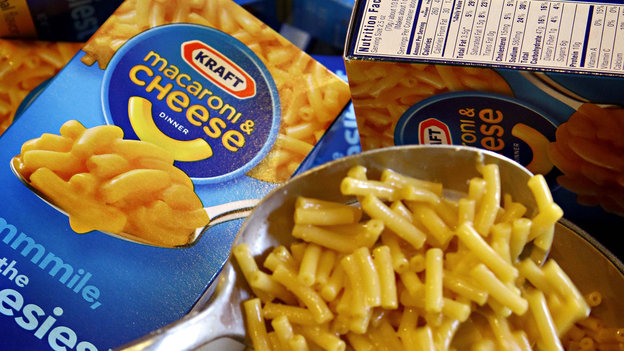
"caption": "Some Kraft mac and cheese will no longer sport that startlingly orange glow. Photo: Matt York/AP",
"description": null,
"title": "kraftmac",
"credit": null,
"status": "inherit",
"isLoading": false,
"fetchFailed": false
},
"bayareabites_73220": {
"type": "attachments",
"id": "bayareabites_73220",
"meta": {
"index": "attachments_1716263798",
"site": "bayareabites",
"id": "73220",
"found": true
},
"parent": 73215,
"imgSizes": {
"kqedFullSize": {
"file": "https://ww2.kqed.org/app/uploads/sites/24/2013/11/peppercorns.jpg",
"width": 624,
"height": 467
}
},
"publishDate": 1383342962,
"modified": 1383342962,
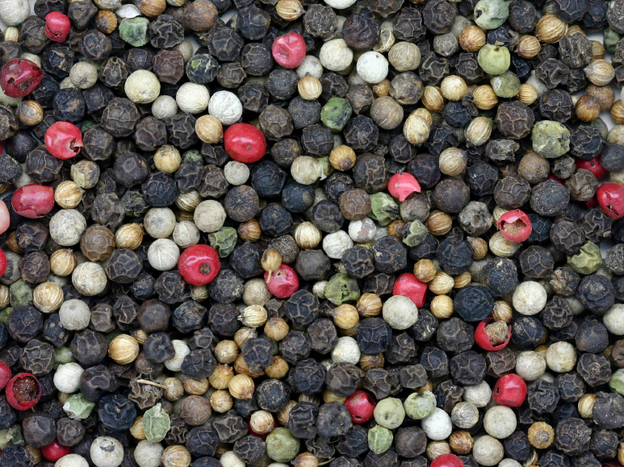
"caption": "Pepper is the spice most commonly contaminated with salmonella and other pathogens. iStockphoto.com",
"description": "Pepper is the spice most commonly contaminated with salmonella and other pathogens.",
"title": "istock_000000425435small",
"credit": null,
"status": "inherit",
"isLoading": false,
"fetchFailed": false
},
"bayareabites_73032": {
"type": "attachments",
"id": "bayareabites_73032",
"meta": {
"index": "attachments_1716263798",
"site": "bayareabites",
"id": "73032",
"found": true
},
"parent": 73027,
"imgSizes": {
"kqedFullSize": {
"file": "https://ww2.kqed.org/app/uploads/sites/24/2013/10/scentee.jpg",
"width": 624,
"height": 467
}
},
"publishDate": 1383084605,
"modified": 1383084605,
"caption": "Simply plug the Scentee device into your iPhone jack and let the scent of grilled meat waft your way.",
"description": null,
"title": "scentee",
"credit": null,
"status": "inherit",
"isLoading": false,
"fetchFailed": false
},
"bayareabites_72950": {
"type": "attachments",
"id": "bayareabites_72950",
"meta": {
"index": "attachments_1716263798",
"site": "bayareabites",
"id": "72950",
"found": true
},
"parent": 72944,
"imgSizes": {
"kqedFullSize": {
"file": "https://ww2.kqed.org/app/uploads/sites/24/2013/10/menu-pad.jpg",
"width": 624,
"height": 416
}
},
"publishDate": 1382999111,
"modified": 1382999111,
"caption": "A restaurant customer tries out the Aptito app on a digital menu. Photo: Courtesy of Aptito",
"description": null,
"title": "menu-pad",
"credit": null,
"status": "inherit",
"isLoading": false,
"fetchFailed": false
},
"bayareabites_72900": {
"type": "attachments",
"id": "bayareabites_72900",
"meta": {
"index": "attachments_1716263798",
"site": "bayareabites",
"id": "72900",
"found": true
},
"parent": 72892,
"imgSizes": {
"kqedFullSize": {
"file": "https://ww2.kqed.org/app/uploads/sites/24/2013/10/lacocina-sm.jpg",
"width": 624,
"height": 468
}
},
"publishDate": 1382749298,
"modified": 1382749298,
"caption": null,
"description": null,
"title": "lacocina-sm",
"credit": null,
"status": "inherit",
"isLoading": false,
"fetchFailed": false
},
"bayareabites_72822": {
"type": "attachments",
"id": "bayareabites_72822",
"meta": {
"index": "attachments_1716263798",
"site": "bayareabites",
"id": "72822",
"found": true
},
"parent": 72817,
"imgSizes": {
"kqedFullSize": {
"file": "https://ww2.kqed.org/app/uploads/sites/24/2013/10/chickens.jpg",
"width": 624,
"height": 468
}
},
"publishDate": 1382635176,
"modified": 1382635176,
"caption": "Chickens in a mechanized hatchery in Monroe County, Ala. Photo: Buyenlarge/Getty Images",
"description": null,
"title": "chickens",
"credit": null,
"status": "inherit",
"isLoading": false,
"fetchFailed": false
},
"bayareabites_72714": {
"type": "attachments",
"id": "bayareabites_72714",
"meta": {
"index": "attachments_1716263798",
"site": "bayareabites",
"id": "72714",
"found": true
},
"parent": 72703,
"imgSizes": {
"kqedFullSize": {
"file": "https://ww2.kqed.org/app/uploads/sites/24/2013/10/edibleplants-sm.jpg",
"width": 624,
"height": 351
}
},
"publishDate": 1382545808,
"modified": 1382545808,
"caption": null,
"description": null,
"title": "edibleplants-sm",
"credit": null,
"status": "inherit",
"isLoading": false,
"fetchFailed": false
},
"bayareabites_72437": {
"type": "attachments",
"id": "bayareabites_72437",
"meta": {
"index": "attachments_1716263798",
"site": "bayareabites",
"id": "72437",
"found": true
},
"parent": 72431,
"imgSizes": {
"kqedFullSize": {
"file": "https://ww2.kqed.org/app/uploads/sites/24/2013/10/redwoods-wineries-sm.jpg",
"width": 624,
"height": 351
}
},
"publishDate": 1382130758,
"modified": 1382130758,
"caption": null,
"description": null,
"title": "redwoods-wineries-sm",
"credit": null,
"status": "inherit",
"isLoading": false,
"fetchFailed": false
},
"bayareabites_72397": {
"type": "attachments",
"id": "bayareabites_72397",
"meta": {
"index": "attachments_1716263798",
"site": "bayareabites",
"id": "72397",
"found": true
},
"parent": 72383,
"imgSizes": {
"kqedFullSize": {
"file": "https://ww2.kqed.org/app/uploads/sites/24/2013/10/scrath-sniff-wine-sm.jpg",
"width": 624,
"height": 471
}
},
"publishDate": 1382118117,
"modified": 1382118117,
"caption": null,
"description": null,
"title": "scrath-sniff-wine-sm",
"credit": null,
"status": "inherit",
"isLoading": false,
"fetchFailed": false
},
"bayareabites_72323": {
"type": "attachments",
"id": "bayareabites_72323",
"meta": {
"index": "attachments_1716263798",
"site": "bayareabites",
"id": "72323",
"found": true
},
"parent": 72319,
"imgSizes": {
"kqedFullSize": {
"file": "https://ww2.kqed.org/app/uploads/sites/24/2013/10/feeding-the-5000.jpg",
"width": 624,
"height": 467
}
},
"publishDate": 1381957695,
"modified": 1381957695,
"caption": "Tristram Stuart, founder of Feeding the 5000, is helping to organize several disco soup events across Europe for World Food Day. Photo: Courtesy of Feeding the 5000",
"description": null,
"title": "feeding-the-5000",
"credit": null,
"status": "inherit",
"isLoading": false,
"fetchFailed": false
},
"bayareabites_72316": {
"type": "attachments",
"id": "bayareabites_72316",
"meta": {
"index": "attachments_1716263798",
"site": "bayareabites",
"id": "72316",
"found": true
},
"parent": 72311,
"imgSizes": {
"kqedFullSize": {
"file": "https://ww2.kqed.org/app/uploads/sites/24/2013/10/mcdonalds-workers-protest.jpg",
"width": 624,
"height": 350
}
},
"publishDate": 1381956568,
"modified": 1381956568,
"caption": "New York City Council speaker and then-mayoral candidate Christine Quinn speaks at a fast-food workers' protest outside a McDonald's in New York in August. A nationwide movement is calling for raising the minimum hourly wage for fast-food workers to $15. Photo: Richard Drew/AP",
"description": null,
"title": "mcdonalds-workers-protest",
"credit": null,
"status": "inherit",
"isLoading": false,
"fetchFailed": false
}
},
"audioPlayerReducer": {
"postId": "stream_live",
"isPaused": true,
"isPlaying": false,
"pfsActive": false,
"pledgeModalIsOpen": true,
"playerDrawerIsOpen": false,
"liveAudioPlayStartedAt": 0,
"liveAudioPlayContext": ""
},
"authorsReducer": {
"byline_bayareabites_73437": {
"type": "authors",
"id": "byline_bayareabites_73437",
"meta": {
"override": true
},
"slug": "byline_bayareabites_73437",
"name": "Allison Aubrey",
"isLoading": false
},
"byline_bayareabites_73225": {
"type": "authors",
"id": "byline_bayareabites_73225",
"meta": {
"override": true
},
"slug": "byline_bayareabites_73225",
"name": "Alan Yu",
"isLoading": false
},
"byline_bayareabites_73215": {
"type": "authors",
"id": "byline_bayareabites_73215",
"meta": {
"override": true
},
"slug": "byline_bayareabites_73215",
"name": "Nancy Shute",
"isLoading": false
},
"byline_bayareabites_73027": {
"type": "authors",
"id": "byline_bayareabites_73027",
"meta": {
"override": true
},
"slug": "byline_bayareabites_73027",
"name": "Maanvi Singh",
"isLoading": false
},
"byline_bayareabites_72944": {
"type": "authors",
"id": "byline_bayareabites_72944",
"meta": {
"override": true
},
"slug": "byline_bayareabites_72944",
"name": "Nevin Martell",
"isLoading": false
},
"byline_bayareabites_72892": {
"type": "authors",
"id": "byline_bayareabites_72892",
"meta": {
"override": true
},
"slug": "byline_bayareabites_72892",
"name": "Amy Guttman",
"isLoading": false
},
"byline_bayareabites_72817": {
"type": "authors",
"id": "byline_bayareabites_72817",
"meta": {
"override": true
},
"slug": "byline_bayareabites_72817",
"name": "Eliza Barclay",
"isLoading": false
},
"byline_bayareabites_72703": {
"type": "authors",
"id": "byline_bayareabites_72703",
"meta": {
"override": true
},
"slug": "byline_bayareabites_72703",
"name": "Rae Ellen Bichell",
"isLoading": false
},
"byline_bayareabites_72431": {
"type": "authors",
"id": "byline_bayareabites_72431",
"meta": {
"override": true
},
"slug": "byline_bayareabites_72431",
"name": "Alastair Bland",
"isLoading": false
},
"byline_bayareabites_72383": {
"type": "authors",
"id": "byline_bayareabites_72383",
"meta": {
"override": true
},
"slug": "byline_bayareabites_72383",
"name": "Michaeleen Doucleff",
"isLoading": false
},
"byline_bayareabites_72319": {
"type": "authors",
"id": "byline_bayareabites_72319",
"meta": {
"override": true
},
"slug": "byline_bayareabites_72319",
"name": "Eliza Barclay",
"isLoading": false
},
"byline_bayareabites_72311": {
"type": "authors",
"id": "byline_bayareabites_72311",
"meta": {
"override": true
},
"slug": "byline_bayareabites_72311",
"name": "Allison Aubrey",
"isLoading": false
}
},
"pagesReducer": {
"bayareabites_category_npr-food": {
"type": "terms",
"id": "bayareabites_10916",
"meta": {
"index": "terms_1716263798",
"site": "bayareabites",
"id": "10916",
"score": 13.894709
},
"featImg": null,
"name": "NPR food",
"description": null,
"taxonomy": "category",
"headData": {
"twImgId": null,
"twTitle": null,
"ogTitle": null,
"ogImgId": null,
"twDescription": null,
"description": null,
"title": "NPR food Archives | KQED Bay Area Bites",
"ogDescription": null
},
"ttid": 5375,
"slug": "npr-food",
"isLoading": false,
"title": "NPR food",
"pageMeta": {
"site": "bayareabites",
"WpPageTemplate": "page-topic-editorial",
"currentPage": 62
},
"blocks": [
{
"blockName": "kqed/post-list",
"attrs": {
"layout": "cardArticle2",
"query": "posts/bayareabites?category=npr-food",
"seeMore": false,
"paginated": true,
"page": 62
}
},
{
"blockName": "kqed/ad"
}
]
}
},
"pfsSessionReducer": {},
"postsReducer": {
"stream_live": {
"type": "live",
"id": "stream_live",
"audioUrl": "https://hls.kqed.org/hls/kqed_app/playlist.m3u8",
"title": "Live Stream",
"excerpt": "Live Stream information currently unavailable.",
"link": "/radio",
"featImg": "",
"label": {
"name": "KQED Live",
"link": "/"
}
},
"stream_kqedNewscast": {
"type": "posts",
"id": "stream_kqedNewscast",
"audioUrl": "https://www.kqed.org/.stream/anon/radio/RDnews/newscast.mp3?_=1",
"title": "KQED Newscast",
"featImg": "",
"label": {
"name": "88.5 FM",
"link": "/"
}
},
"bayareabites_73437": {
"type": "posts",
"id": "bayareabites_73437",
"meta": {
"index": "posts_1716263798",
"site": "bayareabites",
"id": "73437",
"score": null,
"sort": [
1383673236000
]
},
"parent": 0,
"labelTerm": {
"site": "bayareabites"
},
"blocks": [],
"publishDate": 1383673236,
"format": "aside",
"disqusTitle": "For Mind And Body: Study Finds Mediterranean Diet Boosts Both ",
"title": "For Mind And Body: Study Finds Mediterranean Diet Boosts Both ",
"headTitle": "Bay Area Bites | KQED Food",
"content": "\u003cfigure id=\"attachment_73444\" class=\"wp-caption aligncenter\" style=\"max-width: 1024px\">\u003ca href=\"http://ww2.kqed.org/bayareabites/wp-content/uploads/sites/24/2013/11/crostini.jpg\">\u003cimg src=\"http://ww2.kqed.org/bayareabites/wp-content/uploads/sites/24/2013/11/crostini-1024x681.jpg\" alt=\"A crostini of smoked trout, hard-boiled egg, aioli and roe at The Red Hen in Washington, D.C. Owner/Chef Michael Friedman says Mediterranean cooking is simply a tweaking of basic cooking ideas. Photo: Courtesy of Brian Oh\" width=\"1024\" height=\"681\" class=\"size-large wp-image-73444\">\u003c/a>\u003cfigcaption class=\"wp-caption-text\">A crostini of smoked trout, hard-boiled egg, aioli and roe at The Red Hen in Washington, D.C. Owner/Chef Michael Friedman says Mediterranean cooking is simply a tweaking of basic cooking ideas. Photo: Courtesy of Brian Oh\u003c/figcaption>\u003c/figure>\n\u003cp>\u003cstrong>Listen to the Story\u003c/strong> on \u003ca href=\"http://www.npr.org/blogs/thesalt/2013/11/05/242994376/for-mind-body-study-finds-mediterranean-diet-boosts-both\">Morning Edition\u003c/a> [audio src=\"http://pd.npr.org/anon.npr-mp3/npr/me/2013/11/20131105_me_11.mp3\"] \u003c/p>\n\u003cp>Post by Allison Aubrey, \u003ca href=\"http://www.npr.org/blogs/thesalt/2013/11/05/242994376/for-mind-body-study-finds-mediterranean-diet-boosts-both\">The Salt at NPR Food\u003c/a> (11/5/13)\u003c/p>\n\u003cp>For all of us nearing middle age, or slogging through it, yes, there is a benefit in eating a Mediterranean-style diet rich in fish, nuts, vegetables and fruit.\u003c/p>\n\u003cp>A new study published in the \u003cem>Annals of Internal Medicine\u003c/em> finds that women who followed this pattern of eating in their 50s were about 40 percent more likely to reach the later decades without developing chronic diseases and memory or physical problems, compared to women who didn't eat as well.\u003c/p>\n\u003cp>Researchers tracked the dietary habits and lifestyles of more than 10,000 women, beginning in late middle age. Every two years, the women filled out detailed surveys describing their diets.\u003c/p>\n\u003cp>[ad fullwidth]\u003c/p>\n\u003cp>Over the next 15 years, researchers kept tabs on who among the women developed a whole host of chronic diseases including Parkinson's, cancer, and lung and pulmonary disease. The women were also given a battery of memory tests, and researchers also evaluated physical function, meaning the women's abilities to move around and stay active.\u003c/p>\n\u003cp>\"This really suggests that a healthy diet can help improve multiple aspects of your health and your ability to function when you're older,\" says researcher \u003ca href=\"http://www.hsph.harvard.edu/francine-grodstein/\">Fran Grodstein\u003c/a> of the Harvard School of Public Health.\u003c/p>\n\u003cp>\u003ca href=\"http://www.hsph.harvard.edu/meir-stampfer/\">Meir Stampfer\u003c/a>, co-author of the new paper, says he was \"surprised by the magnitude of the effects\" in the study, given what we already know about the \u003ca href=\"http://www.npr.org/blogs/thesalt/2013/09/30/226844915/to-get-the-benefits-of-olive-oil-fresh-may-be-best\">heart benefits\u003c/a> of a Mediterranean style diet.\u003c/p>\n\u003cp>Stampfer says this study adds to a growing body of evidence that all points to measurable benefits of eating a diet that is rich in plant-based food and low in saturated fats, meat and refined starch. He says he's changed his own eating habits based on the weight of the evidence.\u003c/p>\n\u003cp>\"I'm eating more nuts, berries and fruit,\" he says. As well as fewer potatoes, and less meat. \"And I'm happier.\"\u003c/p>\n\u003cp>Yes, the evidence suggests that our diets really can help shape mood and overall well-being.\u003c/p>\n\u003cp>\u003cstrong>Making The Shift\u003c/strong>\u003c/p>\n\u003cp>Adopting a Mediterranean-style diet is not as difficult as you you might think. It's not a complete diet overhaul.\u003c/p>\n\u003cp>\"Mediterranean cooking is simply a tweaking of basic cooking,\" says Chef \u003ca href=\"http://www.theredhendc.com/joomla/using-joomla/extensions/components/content-component/article-category-list/74-chef-mike\">Michael Friedman\u003c/a>, part-owner of the Red Hen, a hip, newish restaurant in Washington, D.C.\u003c/p>\n\u003cp>Switching from butter to olive oil is the first step that any cook can make, Friedman says. After that, he says, think about scaling up vegetables, even ones you normally overlook.\u003c/p>\n\u003cp>The day I visited, Friedman whipped up a super creamy mushroom risotto topped with a parsnip puree. It sounds fancy, but Friedman says it's really pretty simple: You just roast the parsnips with thyme, garlic and a little salt, then put them in a blender.\u003c/p>\n\u003cp>\"If you look at it, it has the texture of creaminess, of butter,\" he says. \"But it's just a puree.\"\u003c/p>\n\u003cp>The taste is surprising.\u003c/p>\n\u003cp>Friedman agreed. There was no butter, no cream, no cheese, but the taste was divine. \"I kind of tricked myself a little bit,\" he says.\u003c/p>\n\u003cp>Oh, and a bit of good news for those who like a nice glass of vino to accompany the meal. The healthy eaters in the study consumed moderate amounts of alcohol. \u003c/p>\n\u003cp>\u003c/p>\n\u003cp>\u003cem>Copyright 2013 \u003ca href=\"http://www.npr.org/\">NPR\u003c/a>.\u003c/em> \u003c/p>\n\n",
"disqusIdentifier": "73437 http://blogs.kqed.org/bayareabites/?p=73437",
"disqusUrl": "https://ww2.kqed.org/bayareabites/2013/11/05/for-mind-and-body-study-finds-mediterranean-diet-boosts-both/",
"stats": {
"hasVideo": false,
"hasChartOrMap": false,
"hasAudio": true,
"hasPolis": false,
"wordCount": 614,
"hasGoogleForm": false,
"hasGallery": false,
"hasHearkenModule": false,
"iframeSrcs": [],
"paragraphCount": 23
},
"modified": 1383673236,
"excerpt": "A new study finds that women who followed a Mediterranean style of eating in their 50s were about 40 percent more likely to reach the later decades without developing chronic diseases and memory or physical problems, compared to women who didn't eat as well.",
"headData": {
"twImgId": "",
"twTitle": "",
"ogTitle": "",
"ogImgId": "",
"twDescription": "",
"description": "A new study finds that women who followed a Mediterranean style of eating in their 50s were about 40 percent more likely to reach the later decades without developing chronic diseases and memory or physical problems, compared to women who didn't eat as well.",
"title": "For Mind And Body: Study Finds Mediterranean Diet Boosts Both | KQED",
"ogDescription": "",
"schema": {
"@context": "https://schema.org",
"@type": "Article",
"headline": "For Mind And Body: Study Finds Mediterranean Diet Boosts Both ",
"datePublished": "2013-11-05T09:40:36-08:00",
"dateModified": "2013-11-05T09:40:36-08:00",
"image": "https://cdn.kqed.org/wp-content/uploads/2020/02/KQED-OG-Image@1x.png"
}
},
"guestAuthors": [],
"slug": "for-mind-and-body-study-finds-mediterranean-diet-boosts-both",
"status": "publish",
"nprApiLink": "http://api.npr.org/query?id=242994376&apiKey=MDAxOTAwOTE4MDEyMTkxMDAzNjczZDljZA004",
"nprByline": "Allison Aubrey",
"nprStoryDate": "Tue, 05 Nov 2013 04:00:00 -0500",
"nprLastModifiedDate": "Tue, 05 Nov 2013 11:28:45 -0500",
"nprHtmlLink": "http://www.npr.org/blogs/thesalt/2013/11/05/242994376/for-mind-body-study-finds-mediterranean-diet-boosts-both?ft=3&f=242994376",
"nprAudio": "http://pd.npr.org/anon.npr-mp3/npr/me/2013/11/20131105_me_11.mp3?orgId=1&topicId=1128&ft=3&f=242994376",
"nprAudioM3u": "http://api.npr.org/m3u/1243168233-d962cf.m3u?orgId=1&topicId=1128&ft=3&f=242994376",
"nprStoryId": "242994376",
"nprRetrievedStory": "1",
"nprPubDate": "Tue, 05 Nov 2013 11:28:00 -0500",
"path": "/bayareabites/73437/for-mind-and-body-study-finds-mediterranean-diet-boosts-both",
"audioUrl": "http://pd.npr.org/anon.npr-mp3/npr/me/2013/11/20131105_me_11.mp3?orgId=1&topicId=1128&ft=3&f=242994376",
"audioDuration": null,
"audioTrackLength": null,
"parsedContent": [
{
"type": "contentString",
"content": "\u003cdiv class=\"post-body\">\u003cp>\u003cfigure id=\"attachment_73444\" class=\"wp-caption aligncenter\" style=\"max-width: 1024px\">\u003ca href=\"http://ww2.kqed.org/bayareabites/wp-content/uploads/sites/24/2013/11/crostini.jpg\">\u003cimg src=\"http://ww2.kqed.org/bayareabites/wp-content/uploads/sites/24/2013/11/crostini-1024x681.jpg\" alt=\"A crostini of smoked trout, hard-boiled egg, aioli and roe at The Red Hen in Washington, D.C. Owner/Chef Michael Friedman says Mediterranean cooking is simply a tweaking of basic cooking ideas. Photo: Courtesy of Brian Oh\" width=\"1024\" height=\"681\" class=\"size-large wp-image-73444\">\u003c/a>\u003cfigcaption class=\"wp-caption-text\">A crostini of smoked trout, hard-boiled egg, aioli and roe at The Red Hen in Washington, D.C. Owner/Chef Michael Friedman says Mediterranean cooking is simply a tweaking of basic cooking ideas. Photo: Courtesy of Brian Oh\u003c/figcaption>\u003c/figure>\n\u003cp>\u003cstrong>Listen to the Story\u003c/strong> on \u003ca href=\"http://www.npr.org/blogs/thesalt/2013/11/05/242994376/for-mind-body-study-finds-mediterranean-diet-boosts-both\">Morning Edition\u003c/a> \u003c/p>\u003c/div>",
"attributes": {
"named": {},
"numeric": []
}
},
{
"type": "component",
"content": "",
"name": "audio",
"attributes": {
"named": {
"src": "http://pd.npr.org/anon.npr-mp3/npr/me/2013/11/20131105_me_11.mp3",
"label": ""
},
"numeric": []
}
},
{
"type": "contentString",
"content": "\u003cdiv class=\"post-body\">\u003cp> \u003c/p>\n\u003cp>Post by Allison Aubrey, \u003ca href=\"http://www.npr.org/blogs/thesalt/2013/11/05/242994376/for-mind-body-study-finds-mediterranean-diet-boosts-both\">The Salt at NPR Food\u003c/a> (11/5/13)\u003c/p>\n\u003cp>For all of us nearing middle age, or slogging through it, yes, there is a benefit in eating a Mediterranean-style diet rich in fish, nuts, vegetables and fruit.\u003c/p>\n\u003cp>A new study published in the \u003cem>Annals of Internal Medicine\u003c/em> finds that women who followed this pattern of eating in their 50s were about 40 percent more likely to reach the later decades without developing chronic diseases and memory or physical problems, compared to women who didn't eat as well.\u003c/p>\n\u003cp>Researchers tracked the dietary habits and lifestyles of more than 10,000 women, beginning in late middle age. Every two years, the women filled out detailed surveys describing their diets.\u003c/p>\n\u003cp>\u003c/p>\u003c/div>",
"attributes": {
"named": {},
"numeric": []
}
},
{
"type": "component",
"content": "",
"name": "ad",
"attributes": {
"named": {
"label": "fullwidth"
},
"numeric": [
"fullwidth"
]
}
},
{
"type": "contentString",
"content": "\u003cdiv class=\"post-body\">\u003cp>\u003c/p>\n\u003cp>Over the next 15 years, researchers kept tabs on who among the women developed a whole host of chronic diseases including Parkinson's, cancer, and lung and pulmonary disease. The women were also given a battery of memory tests, and researchers also evaluated physical function, meaning the women's abilities to move around and stay active.\u003c/p>\n\u003cp>\"This really suggests that a healthy diet can help improve multiple aspects of your health and your ability to function when you're older,\" says researcher \u003ca href=\"http://www.hsph.harvard.edu/francine-grodstein/\">Fran Grodstein\u003c/a> of the Harvard School of Public Health.\u003c/p>\n\u003cp>\u003ca href=\"http://www.hsph.harvard.edu/meir-stampfer/\">Meir Stampfer\u003c/a>, co-author of the new paper, says he was \"surprised by the magnitude of the effects\" in the study, given what we already know about the \u003ca href=\"http://www.npr.org/blogs/thesalt/2013/09/30/226844915/to-get-the-benefits-of-olive-oil-fresh-may-be-best\">heart benefits\u003c/a> of a Mediterranean style diet.\u003c/p>\n\u003cp>Stampfer says this study adds to a growing body of evidence that all points to measurable benefits of eating a diet that is rich in plant-based food and low in saturated fats, meat and refined starch. He says he's changed his own eating habits based on the weight of the evidence.\u003c/p>\n\u003cp>\"I'm eating more nuts, berries and fruit,\" he says. As well as fewer potatoes, and less meat. \"And I'm happier.\"\u003c/p>\n\u003cp>Yes, the evidence suggests that our diets really can help shape mood and overall well-being.\u003c/p>\n\u003cp>\u003cstrong>Making The Shift\u003c/strong>\u003c/p>\n\u003cp>Adopting a Mediterranean-style diet is not as difficult as you you might think. It's not a complete diet overhaul.\u003c/p>\n\u003cp>\"Mediterranean cooking is simply a tweaking of basic cooking,\" says Chef \u003ca href=\"http://www.theredhendc.com/joomla/using-joomla/extensions/components/content-component/article-category-list/74-chef-mike\">Michael Friedman\u003c/a>, part-owner of the Red Hen, a hip, newish restaurant in Washington, D.C.\u003c/p>\n\u003cp>Switching from butter to olive oil is the first step that any cook can make, Friedman says. After that, he says, think about scaling up vegetables, even ones you normally overlook.\u003c/p>\n\u003cp>The day I visited, Friedman whipped up a super creamy mushroom risotto topped with a parsnip puree. It sounds fancy, but Friedman says it's really pretty simple: You just roast the parsnips with thyme, garlic and a little salt, then put them in a blender.\u003c/p>\n\u003cp>\"If you look at it, it has the texture of creaminess, of butter,\" he says. \"But it's just a puree.\"\u003c/p>\n\u003cp>The taste is surprising.\u003c/p>\n\u003cp>Friedman agreed. There was no butter, no cream, no cheese, but the taste was divine. \"I kind of tricked myself a little bit,\" he says.\u003c/p>\n\u003cp>Oh, and a bit of good news for those who like a nice glass of vino to accompany the meal. The healthy eaters in the study consumed moderate amounts of alcohol. \u003c/p>\n\u003cp>\u003c/p>\n\u003cp>\u003cem>Copyright 2013 \u003ca href=\"http://www.npr.org/\">NPR\u003c/a>.\u003c/em> \u003c/p>\n\n\u003c/div>\u003c/p>",
"attributes": {
"named": {},
"numeric": []
}
}
],
"link": "/bayareabites/73437/for-mind-and-body-study-finds-mediterranean-diet-boosts-both",
"authors": [
"byline_bayareabites_73437"
],
"categories": [
"bayareabites_1245",
"bayareabites_10916",
"bayareabites_34"
],
"tags": [
"bayareabites_12655",
"bayareabites_11260",
"bayareabites_8347",
"bayareabites_11318",
"bayareabites_10921"
],
"featImg": "bayareabites_73443",
"label": "bayareabites"
},
"bayareabites_73225": {
"type": "posts",
"id": "bayareabites_73225",
"meta": {
"index": "posts_1716263798",
"site": "bayareabites",
"id": "73225",
"score": null,
"sort": [
1383344678000
]
},
"parent": 0,
"labelTerm": {
"site": "bayareabites"
},
"blocks": [],
"publishDate": 1383344678,
"format": "aside",
"disqusTitle": "Kraft Dims That Mac And Cheese Artificially Orange Glow",
"title": "Kraft Dims That Mac And Cheese Artificially Orange Glow",
"headTitle": "Bay Area Bites | KQED Food",
"content": "\u003cfigure id=\"attachment_73229\" class=\"wp-caption aligncenter\" style=\"max-width: 624px\">\u003ca href=\"http://ww2.kqed.org/bayareabites/wp-content/uploads/sites/24/2013/11/kraftmac.jpg\">\u003cimg src=\"http://ww2.kqed.org/bayareabites/wp-content/uploads/sites/24/2013/11/kraftmac.jpg\" alt=\"Some Kraft mac and cheese will no longer sport that startlingly orange glow. Photo: Matt York/AP\" width=\"624\" height=\"351\" class=\"size-full wp-image-73229\">\u003c/a>\u003cfigcaption class=\"wp-caption-text\">Some Kraft mac and cheese will no longer sport that startlingly orange glow. Photo: Matt York/AP\u003c/figcaption>\u003c/figure>\n\u003cp>Post by Alan Yu, \u003ca href=\"http://www.npr.org/blogs/thesalt/2013/11/01/242412024/kraft-dims-that-mac-and-cheese-artificially-orange-glow\">The Salt at NPR Food\u003c/a> (11/1/13)\u003c/p>\n\u003cp>One of the iconic foods of American childhood is becoming a bit less startlingly orange.\u003c/p>\n\u003cp>Kraft Foods plans to \u003ca href=\"http://bigstory.ap.org/article/kraft-remove-artificial-dyes-3-products\">remove\u003c/a> artificial food coloring from mac and cheese products that are marketed for children, starting early next year.\u003c/p>\n\u003cp>Company spokesperson Lynne Galia told The Salt that the artificial dyes will be replaced with colors from spices such as paprika, annatto and turmeric. But she denies this is a response to an online \u003ca href=\"http://www.change.org/petitions/kraft-stop-using-dangerous-food-dyes-in-our-mac-cheese\">petition\u003c/a> asking the company to stop using the dyes in mac and cheese.\u003c/p>\n\u003cp>\"We've been working on this relaunch for quite some time,\" Galia says. \"It is completely in line with our company's ongoing effort to deliver better nutrition in our products.\"\u003c/p>\n\u003cp>[ad fullwidth]\u003c/p>\n\u003cp>She points out Kraft will also add more whole grain to the \"Shapes\" products, which are marketed for children, and also reduce sodium and saturated fat.\u003c/p>\n\u003cp>This is part of a continued rollout of products with natural or no food coloring over several years, naming \u003ca href=\"http://www.kraftfoodsgroup.com/SiteCollectionDocuments/pdf/KMC_Letter_to_Fans.pdf\">14 examples\u003c/a>, including the \"Organic,\" \"Deluxe\" and \"Homestyle\" varieties, Galia says.\u003c/p>\n\u003cp>Vani Hari, a \u003ca href=\"http://foodbabe.com/\">blogger\u003c/a> in Charlotte, N.C., who started the petition, says she expected this move.\u003c/p>\n\u003cp>\"Like a corporation, they're not going to say that it was because of us,\" Hari told The Salt. \"They're going to try and act like they were planning to do it all along.\"\u003c/p>\n\u003cp>The Change.org \u003ca href=\"http://www.change.org/petitions/kraft-stop-using-dangerous-food-dyes-in-our-mac-cheese\">petition \u003c/a>called on Kraft to take artificial food dyes out of all mac and cheese products.\u003c/p>\n\u003cp>But fierce fans of that Day-Glo orange processed powdered cheese need not despair. Kraft will continue to use artificial dyes in the plain mac and cheese with \"original flavor\", \u003ca href=\"http://bigstory.ap.org/article/kraft-remove-artificial-dyes-3-products\">according \u003c/a>to the Associated Press.\u003c/p>\n\u003cp>Another \u003ca href=\"http://www.npr.org/blogs/thesalt/2013/10/18/236221076/moms-petition-mars-to-remove-artificial-dyes-from-m-ms\">petition\u003c/a> on Change.org is asking the candy company Mars to produce its iconic M&Ms without artificial dyes, saying they can make children hyperactive.\u003c/p>\n\u003cp>There is growing evidence that artificial food coloring can affect a child's behavior, according to Andrew Adesman, chief of developmental and behavioral pediatrics at the Steven & Alexandra Cohen Children's Medical Center of New York. \"On the other hand, these effects are relatively modest,\" he \u003ca href=\"http://www.npr.org/blogs/thesalt/2013/10/18/236221076/moms-petition-mars-to-remove-artificial-dyes-from-m-ms\">told\u003c/a> NPR's Allison Aubrey. \u003c/p>\n\u003cp>\u003c/p>\n\u003cp> \u003cem>Copyright 2013 \u003ca href=\"http://www.npr.org/\">NPR\u003c/a>.\u003c/em> \u003c/p>\n\n",
"disqusIdentifier": "73225 http://blogs.kqed.org/bayareabites/?p=73225",
"disqusUrl": "https://ww2.kqed.org/bayareabites/2013/11/01/kraft-dims-that-mac-and-cheese-artificially-orange-glow/",
"stats": {
"hasVideo": false,
"hasChartOrMap": false,
"hasAudio": false,
"hasPolis": false,
"wordCount": 390,
"hasGoogleForm": false,
"hasGallery": false,
"hasHearkenModule": false,
"iframeSrcs": [],
"paragraphCount": 16
},
"modified": 1383344678,
"excerpt": "Kraft will produce mac and cheese without artificial dyes, the food processing giant says. But the change affects only a line marketed specifically for children. Aficionados will still be able to purchase the luridly orange \"original\" version. A Change.org petition had asked Kraft to remove dyes from all mac and cheese products.",
"headData": {
"twImgId": "",
"twTitle": "",
"ogTitle": "",
"ogImgId": "",
"twDescription": "",
"description": "Kraft will produce mac and cheese without artificial dyes, the food processing giant says. But the change affects only a line marketed specifically for children. Aficionados will still be able to purchase the luridly orange "original" version. A Change.org petition had asked Kraft to remove dyes from all mac and cheese products.",
"title": "Kraft Dims That Mac And Cheese Artificially Orange Glow | KQED",
"ogDescription": "",
"schema": {
"@context": "https://schema.org",
"@type": "Article",
"headline": "Kraft Dims That Mac And Cheese Artificially Orange Glow",
"datePublished": "2013-11-01T15:24:38-07:00",
"dateModified": "2013-11-01T15:24:38-07:00",
"image": "https://cdn.kqed.org/wp-content/uploads/2020/02/KQED-OG-Image@1x.png"
}
},
"guestAuthors": [],
"slug": "kraft-dims-that-mac-and-cheese-artificially-orange-glow",
"status": "publish",
"nprApiLink": "http://api.npr.org/query?id=242412024&apiKey=MDAxOTAwOTE4MDEyMTkxMDAzNjczZDljZA004",
"nprByline": "Alan Yu",
"nprStoryDate": "Fri, 01 Nov 2013 17:27:00 -0400",
"nprLastModifiedDate": "Fri, 01 Nov 2013 17:29:59 -0400",
"nprHtmlLink": "http://www.npr.org/blogs/thesalt/2013/11/01/242412024/kraft-dims-that-mac-and-cheese-artificially-orange-glow?ft=3&f=242412024",
"nprStoryId": "242412024",
"nprRetrievedStory": "1",
"nprPubDate": "Fri, 01 Nov 2013 17:30:00 -0400",
"path": "/bayareabites/73225/kraft-dims-that-mac-and-cheese-artificially-orange-glow",
"audioTrackLength": null,
"parsedContent": [
{
"type": "contentString",
"content": "\u003cdiv class=\"post-body\">\u003cp>\u003cfigure id=\"attachment_73229\" class=\"wp-caption aligncenter\" style=\"max-width: 624px\">\u003ca href=\"http://ww2.kqed.org/bayareabites/wp-content/uploads/sites/24/2013/11/kraftmac.jpg\">\u003cimg src=\"http://ww2.kqed.org/bayareabites/wp-content/uploads/sites/24/2013/11/kraftmac.jpg\" alt=\"Some Kraft mac and cheese will no longer sport that startlingly orange glow. Photo: Matt York/AP\" width=\"624\" height=\"351\" class=\"size-full wp-image-73229\">\u003c/a>\u003cfigcaption class=\"wp-caption-text\">Some Kraft mac and cheese will no longer sport that startlingly orange glow. Photo: Matt York/AP\u003c/figcaption>\u003c/figure>\n\u003cp>Post by Alan Yu, \u003ca href=\"http://www.npr.org/blogs/thesalt/2013/11/01/242412024/kraft-dims-that-mac-and-cheese-artificially-orange-glow\">The Salt at NPR Food\u003c/a> (11/1/13)\u003c/p>\n\u003cp>One of the iconic foods of American childhood is becoming a bit less startlingly orange.\u003c/p>\n\u003cp>Kraft Foods plans to \u003ca href=\"http://bigstory.ap.org/article/kraft-remove-artificial-dyes-3-products\">remove\u003c/a> artificial food coloring from mac and cheese products that are marketed for children, starting early next year.\u003c/p>\n\u003cp>Company spokesperson Lynne Galia told The Salt that the artificial dyes will be replaced with colors from spices such as paprika, annatto and turmeric. But she denies this is a response to an online \u003ca href=\"http://www.change.org/petitions/kraft-stop-using-dangerous-food-dyes-in-our-mac-cheese\">petition\u003c/a> asking the company to stop using the dyes in mac and cheese.\u003c/p>\n\u003cp>\"We've been working on this relaunch for quite some time,\" Galia says. \"It is completely in line with our company's ongoing effort to deliver better nutrition in our products.\"\u003c/p>\n\u003cp>\u003c/p>\u003c/div>",
"attributes": {
"named": {},
"numeric": []
}
},
{
"type": "component",
"content": "",
"name": "ad",
"attributes": {
"named": {
"label": "fullwidth"
},
"numeric": [
"fullwidth"
]
}
},
{
"type": "contentString",
"content": "\u003cdiv class=\"post-body\">\u003cp>\u003c/p>\n\u003cp>She points out Kraft will also add more whole grain to the \"Shapes\" products, which are marketed for children, and also reduce sodium and saturated fat.\u003c/p>\n\u003cp>This is part of a continued rollout of products with natural or no food coloring over several years, naming \u003ca href=\"http://www.kraftfoodsgroup.com/SiteCollectionDocuments/pdf/KMC_Letter_to_Fans.pdf\">14 examples\u003c/a>, including the \"Organic,\" \"Deluxe\" and \"Homestyle\" varieties, Galia says.\u003c/p>\n\u003cp>Vani Hari, a \u003ca href=\"http://foodbabe.com/\">blogger\u003c/a> in Charlotte, N.C., who started the petition, says she expected this move.\u003c/p>\n\u003cp>\"Like a corporation, they're not going to say that it was because of us,\" Hari told The Salt. \"They're going to try and act like they were planning to do it all along.\"\u003c/p>\n\u003cp>The Change.org \u003ca href=\"http://www.change.org/petitions/kraft-stop-using-dangerous-food-dyes-in-our-mac-cheese\">petition \u003c/a>called on Kraft to take artificial food dyes out of all mac and cheese products.\u003c/p>\n\u003cp>But fierce fans of that Day-Glo orange processed powdered cheese need not despair. Kraft will continue to use artificial dyes in the plain mac and cheese with \"original flavor\", \u003ca href=\"http://bigstory.ap.org/article/kraft-remove-artificial-dyes-3-products\">according \u003c/a>to the Associated Press.\u003c/p>\n\u003cp>Another \u003ca href=\"http://www.npr.org/blogs/thesalt/2013/10/18/236221076/moms-petition-mars-to-remove-artificial-dyes-from-m-ms\">petition\u003c/a> on Change.org is asking the candy company Mars to produce its iconic M&Ms without artificial dyes, saying they can make children hyperactive.\u003c/p>\n\u003cp>There is growing evidence that artificial food coloring can affect a child's behavior, according to Andrew Adesman, chief of developmental and behavioral pediatrics at the Steven & Alexandra Cohen Children's Medical Center of New York. \"On the other hand, these effects are relatively modest,\" he \u003ca href=\"http://www.npr.org/blogs/thesalt/2013/10/18/236221076/moms-petition-mars-to-remove-artificial-dyes-from-m-ms\">told\u003c/a> NPR's Allison Aubrey. \u003c/p>\n\u003cp>\u003c/p>\n\u003cp> \u003cem>Copyright 2013 \u003ca href=\"http://www.npr.org/\">NPR\u003c/a>.\u003c/em> \u003c/p>\n\n\u003c/div>\u003c/p>",
"attributes": {
"named": {},
"numeric": []
}
}
],
"link": "/bayareabites/73225/kraft-dims-that-mac-and-cheese-artificially-orange-glow",
"authors": [
"byline_bayareabites_73225"
],
"categories": [
"bayareabites_1245",
"bayareabites_1246",
"bayareabites_10916",
"bayareabites_2035"
],
"tags": [
"bayareabites_12643",
"bayareabites_12645",
"bayareabites_12646",
"bayareabites_12644",
"bayareabites_11282",
"bayareabites_679",
"bayareabites_12647",
"bayareabites_10921"
],
"featImg": "bayareabites_73229",
"label": "bayareabites"
},
"bayareabites_73215": {
"type": "posts",
"id": "bayareabites_73215",
"meta": {
"index": "posts_1716263798",
"site": "bayareabites",
"id": "73215",
"score": null,
"sort": [
1383343252000
]
},
"parent": 0,
"labelTerm": {
"site": "bayareabites"
},
"blocks": [],
"publishDate": 1383343252,
"format": "aside",
"disqusTitle": "A Spice Buyer On Why Pepper Is Dirty, And How It Gets Clean",
"title": "A Spice Buyer On Why Pepper Is Dirty, And How It Gets Clean",
"headTitle": "Bay Area Bites | KQED Food",
"content": "\u003cfigure id=\"attachment_73220\" class=\"wp-caption aligncenter\" style=\"max-width: 624px\">\u003ca href=\"http://ww2.kqed.org/bayareabites/wp-content/uploads/sites/24/2013/11/peppercorns.jpg\">\u003cimg src=\"http://ww2.kqed.org/bayareabites/wp-content/uploads/sites/24/2013/11/peppercorns.jpg\" alt=\"Pepper is the spice most commonly contaminated with salmonella and other pathogens. iStockphoto.com\" width=\"624\" height=\"467\" class=\"size-full wp-image-73220\">\u003c/a>\u003cfigcaption class=\"wp-caption-text\">Pepper is the spice most commonly contaminated with salmonella and other pathogens. iStockphoto.com\u003c/figcaption>\u003c/figure>\n\u003cp>Post by Nancy Shute at \u003ca href=\"http://www.npr.org/blogs/thesalt/2013/10/31/242155387/a-spice-buyer-on-why-pepper-is-dirty-and-how-it-gets-clean\">The Salt at NPR Food\u003c/a> (11/1/13)\u003c/p>\n\u003cp>This week's news that the Food and Drug Administration \u003ca href=\"http://www.fda.gov/Food/FoodScienceResearch/RiskSafetyAssessment/ucm367339.htm\">found\u003c/a> that 12 percent of spices imported to the U.S. are contaminated was a little disheartening.\u003c/p>\n\u003cp>As the FDA reported, all kinds of nasty stuff hitch a ride with spices into the country — from insects to animal excrement to pathogens. The agency looked closely at pepper and sesame seeds, but says this is an issue with lots of other spices, too.\u003c/p>\n\u003cp>After spices are harvested from plants, they're often laid on the ground to dry, as \u003ca href=\"http://ww2.kqed.org/bayareabites/2013/08/29/your-kitchen-spices-can-often-harbor-salmonella/\">we reported\u003c/a> in August. Salmonella comes from birds and other animals, so the animals are getting into the spices somewhere in picking, drying, processing or storage.\u003c/p>\n\u003cp>We called up Al Goetze, who has been a spice buyer for McCormick & Company for 30 years, to find out how spices get so filthy. And of course we wanted to know what the world's largest spice buyer is doing about the problem.\u003c/p>\n\u003cp>[ad fullwidth]\u003c/p>\n\u003cp>Goetze had returned from a buying trip to India's Western Ghats. Here's an edited version of our conversation.\u003c/p>\n\u003cp>\u003cstrong>The FDA found things like rodent hair and insect parts in the spices they tested. Are there ways to keep that stuff out of spices?\u003c/strong>\u003c/p>\n\u003cp>Like all agricultural commodities, there is a level of filth that is introduced to the product at harvest time, drying activity and in storage. This is particularly true of spices and herbs grown in the developing countries. Many of the contaminants are introduced to the products from field insects and rodents. Also dirt, stones and other plant matter are picked up with the spices and herbs at time of harvest. During sun drying on tarps or concrete yards, more foreign matter and pathogens can contaminate the products. Improper storage conditions can lead to storage insect and/or rodent infestations.\u003c/p>\n\u003cp>All of our shippers we work with do some level of rudimentary cleaning to ensure our raw materials meet FDA import [laws]. We then further clean the spices and herbs in our main milling center in the U.S.\u003c/p>\n\u003cp>\u003cstrong>The FDA says it also found salmonella in 7 percent of the spices it tested. Did that surprise you?\u003c/strong>\u003c/p>\n\u003cp>It's clear to me that [these contaminated spices] weren't correctly sterilized at the source. And in processing in the U.S. they probably got recontaminated. Some people think just because someone has steamed or treated it overseas, you bring it in and that's the end of it. Well, no, it's not.\u003c/p>\n\u003cp>\u003cstrong>Does McCormick test for pathogens? \u003c/strong>\u003c/p>\n\u003cp>We test for pathogens, but not at the source. We know that there are pathogens in almost all spices. How can there not be, considering the environment in which they're grown and how they're handled? The farms haven't changed a lot since I first started — it's a multitude of small farmers. In India, I've heard estimates of 150,000 pepper farmers.\u003c/p>\n\u003cp>\u003cstrong>Tell us about that growing and handling process.\u003c/strong>\u003c/p>\n\u003cp>People think we buyers negotiate with farmers; the reality is you can't, because there are so many small farmers.\u003c/p>\n\u003cp>There is usually someone [in the village] they are dedicated to go to, or who has the best price. They look at the peppers to see if they're clean. Then, it's stored there at the collector, and once there's enough it goes to a processor or exporter. They do rudimentary cleaning to get to FDA detection action levels. At this level they're not dealing with anything you can't see — stones, other plant leaves. It's mostly moved around in small poly woven bags.\u003c/p>\n\u003cp>\u003cstrong>What happens once that pepper gets to McCormick?\u003c/strong>\u003c/p>\n\u003cp>We may clean it first, and then it goes into a steam sterilization process. It's pasteurization. We do that with all of our spices. You can test a lot; you can take 10 different samples, 50 different samples, but there can still be hot spots in the lot where salmonella can be.\u003c/p>\n\u003cp>\u003cstrong>It sounds like steam sterilizing would affect flavor. Is there quality loss?\u003c/strong>\u003c/p>\n\u003cp>Yes, there is, particularly on the real fragile herbs. The leafy things like basil, that's a very delicate leaf; you have to do that in a way that gets the job done in the least amount of time.\u003c/p>\n\u003cp>\u003cstrong>Do you irradiate spices?\u003c/strong>\u003c/p>\n\u003cp>That is probably the one and only technology that we have that is sterile when it's done. It will kill bacteria down to single-digit levels. We do not use any irradiation in our facilities. The only time we do use it is if we have an industrial customer, for instance something they might use in a cheese product, dill seed or cumin seed, [and] they don't want yeast or mold. We ship it to the irradiator en route to them.\u003c/p>\n\u003cp>\u003cstrong>Where are the spices sterilized?\u003c/strong>\u003c/p>\n\u003cp>Our biggest plant is in Hunt Valley, Md., and we have a similar setup in Avignon [France] for Europe.\u003cstrong> \u003c/strong>\u003c/p>\n\u003cp>We don't want to sterilize and process our products [in the countries where we source our spices] for the most part. Any spice that has a hard shell, the minute you mill it you're releasing a lot of flavor and aroma. Black pepper, the minute you mill it it's going downhill. We don't want to push that all back to the source. It's a six- or eight-week journey to get to us.\u003c/p>\n\u003cp>\u003cstrong>There's been a lot of talk on working more with farmers to improve food safety with spices. Will that solve the problem?\u003c/strong>\u003c/p>\n\u003cp>Things are changing at the source, don't get me wrong, but they're changing at a relatively slow pace. It's just because of the enormity of the way these things are grown, the number of farmers involved. You have to look at the supply chain all the way from the farm to the end product.\u003c/p>\n\u003cp>\u003cstrong>What's new in the spice world?\u003c/strong>\u003c/p>\n\u003cp>People ask me what's the latest spice; the reality is there's nothing new. What you're seeing today more than anything is a revolution in seasoning blends and flavors. In the 1950s, the average household had 10 different spices. Today it's 40-some. And most of those are blends. \u003c/p>\n\u003cp>[ad floatright]\u003c/p>\n\u003cp>\u003cem>Copyright 2013 \u003ca href=\"http://www.npr.org/\">NPR\u003c/a>.\u003c/em> \u003c/p>\n\n",
"disqusIdentifier": "73215 http://blogs.kqed.org/bayareabites/?p=73215",
"disqusUrl": "https://ww2.kqed.org/bayareabites/2013/11/01/a-spice-buyer-on-why-pepper-is-dirty-and-how-it-gets-clean/",
"stats": {
"hasVideo": false,
"hasChartOrMap": false,
"hasAudio": false,
"hasPolis": false,
"wordCount": 1080,
"hasGoogleForm": false,
"hasGallery": false,
"hasHearkenModule": false,
"iframeSrcs": [],
"paragraphCount": 32
},
"modified": 1383343252,
"excerpt": "Spices get dirty because of the way they're grown, stored and harvested, according to the head spice buyer for McCormick & Company. Because there are so many small farmers and shippers worldwide, that end of the supply chain is hard to control. So spices need to be sterilized before they hit supermarket shelves.",
"headData": {
"twImgId": "",
"twTitle": "",
"ogTitle": "",
"ogImgId": "",
"twDescription": "",
"description": "Spices get dirty because of the way they're grown, stored and harvested, according to the head spice buyer for McCormick & Company. Because there are so many small farmers and shippers worldwide, that end of the supply chain is hard to control. So spices need to be sterilized before they hit supermarket shelves.",
"title": "A Spice Buyer On Why Pepper Is Dirty, And How It Gets Clean | KQED",
"ogDescription": "",
"schema": {
"@context": "https://schema.org",
"@type": "Article",
"headline": "A Spice Buyer On Why Pepper Is Dirty, And How It Gets Clean",
"datePublished": "2013-11-01T15:00:52-07:00",
"dateModified": "2013-11-01T15:00:52-07:00",
"image": "https://cdn.kqed.org/wp-content/uploads/2020/02/KQED-OG-Image@1x.png"
}
},
"guestAuthors": [],
"slug": "a-spice-buyer-on-why-pepper-is-dirty-and-how-it-gets-clean",
"status": "publish",
"nprApiLink": "http://api.npr.org/query?id=242155387&apiKey=MDAxOTAwOTE4MDEyMTkxMDAzNjczZDljZA004",
"nprByline": "Nancy Shute",
"nprStoryDate": "Fri, 01 Nov 2013 12:57:00 -0400",
"nprLastModifiedDate": "Fri, 01 Nov 2013 15:21:58 -0400",
"nprHtmlLink": "http://www.npr.org/blogs/thesalt/2013/10/31/242155387/a-spice-buyer-on-why-pepper-is-dirty-and-how-it-gets-clean?ft=3&f=242155387",
"nprStoryId": "242155387",
"nprRetrievedStory": "1",
"nprPubDate": "Fri, 01 Nov 2013 15:21:00 -0400",
"path": "/bayareabites/73215/a-spice-buyer-on-why-pepper-is-dirty-and-how-it-gets-clean",
"audioTrackLength": null,
"parsedContent": [
{
"type": "contentString",
"content": "\u003cdiv class=\"post-body\">\u003cp>\u003cfigure id=\"attachment_73220\" class=\"wp-caption aligncenter\" style=\"max-width: 624px\">\u003ca href=\"http://ww2.kqed.org/bayareabites/wp-content/uploads/sites/24/2013/11/peppercorns.jpg\">\u003cimg src=\"http://ww2.kqed.org/bayareabites/wp-content/uploads/sites/24/2013/11/peppercorns.jpg\" alt=\"Pepper is the spice most commonly contaminated with salmonella and other pathogens. iStockphoto.com\" width=\"624\" height=\"467\" class=\"size-full wp-image-73220\">\u003c/a>\u003cfigcaption class=\"wp-caption-text\">Pepper is the spice most commonly contaminated with salmonella and other pathogens. iStockphoto.com\u003c/figcaption>\u003c/figure>\n\u003cp>Post by Nancy Shute at \u003ca href=\"http://www.npr.org/blogs/thesalt/2013/10/31/242155387/a-spice-buyer-on-why-pepper-is-dirty-and-how-it-gets-clean\">The Salt at NPR Food\u003c/a> (11/1/13)\u003c/p>\n\u003cp>This week's news that the Food and Drug Administration \u003ca href=\"http://www.fda.gov/Food/FoodScienceResearch/RiskSafetyAssessment/ucm367339.htm\">found\u003c/a> that 12 percent of spices imported to the U.S. are contaminated was a little disheartening.\u003c/p>\n\u003cp>As the FDA reported, all kinds of nasty stuff hitch a ride with spices into the country — from insects to animal excrement to pathogens. The agency looked closely at pepper and sesame seeds, but says this is an issue with lots of other spices, too.\u003c/p>\n\u003cp>After spices are harvested from plants, they're often laid on the ground to dry, as \u003ca href=\"http://ww2.kqed.org/bayareabites/2013/08/29/your-kitchen-spices-can-often-harbor-salmonella/\">we reported\u003c/a> in August. Salmonella comes from birds and other animals, so the animals are getting into the spices somewhere in picking, drying, processing or storage.\u003c/p>\n\u003cp>We called up Al Goetze, who has been a spice buyer for McCormick & Company for 30 years, to find out how spices get so filthy. And of course we wanted to know what the world's largest spice buyer is doing about the problem.\u003c/p>\n\u003cp>\u003c/p>\u003c/div>",
"attributes": {
"named": {},
"numeric": []
}
},
{
"type": "component",
"content": "",
"name": "ad",
"attributes": {
"named": {
"label": "fullwidth"
},
"numeric": [
"fullwidth"
]
}
},
{
"type": "contentString",
"content": "\u003cdiv class=\"post-body\">\u003cp>\u003c/p>\n\u003cp>Goetze had returned from a buying trip to India's Western Ghats. Here's an edited version of our conversation.\u003c/p>\n\u003cp>\u003cstrong>The FDA found things like rodent hair and insect parts in the spices they tested. Are there ways to keep that stuff out of spices?\u003c/strong>\u003c/p>\n\u003cp>Like all agricultural commodities, there is a level of filth that is introduced to the product at harvest time, drying activity and in storage. This is particularly true of spices and herbs grown in the developing countries. Many of the contaminants are introduced to the products from field insects and rodents. Also dirt, stones and other plant matter are picked up with the spices and herbs at time of harvest. During sun drying on tarps or concrete yards, more foreign matter and pathogens can contaminate the products. Improper storage conditions can lead to storage insect and/or rodent infestations.\u003c/p>\n\u003cp>All of our shippers we work with do some level of rudimentary cleaning to ensure our raw materials meet FDA import [laws]. We then further clean the spices and herbs in our main milling center in the U.S.\u003c/p>\n\u003cp>\u003cstrong>The FDA says it also found salmonella in 7 percent of the spices it tested. Did that surprise you?\u003c/strong>\u003c/p>\n\u003cp>It's clear to me that [these contaminated spices] weren't correctly sterilized at the source. And in processing in the U.S. they probably got recontaminated. Some people think just because someone has steamed or treated it overseas, you bring it in and that's the end of it. Well, no, it's not.\u003c/p>\n\u003cp>\u003cstrong>Does McCormick test for pathogens? \u003c/strong>\u003c/p>\n\u003cp>We test for pathogens, but not at the source. We know that there are pathogens in almost all spices. How can there not be, considering the environment in which they're grown and how they're handled? The farms haven't changed a lot since I first started — it's a multitude of small farmers. In India, I've heard estimates of 150,000 pepper farmers.\u003c/p>\n\u003cp>\u003cstrong>Tell us about that growing and handling process.\u003c/strong>\u003c/p>\n\u003cp>People think we buyers negotiate with farmers; the reality is you can't, because there are so many small farmers.\u003c/p>\n\u003cp>There is usually someone [in the village] they are dedicated to go to, or who has the best price. They look at the peppers to see if they're clean. Then, it's stored there at the collector, and once there's enough it goes to a processor or exporter. They do rudimentary cleaning to get to FDA detection action levels. At this level they're not dealing with anything you can't see — stones, other plant leaves. It's mostly moved around in small poly woven bags.\u003c/p>\n\u003cp>\u003cstrong>What happens once that pepper gets to McCormick?\u003c/strong>\u003c/p>\n\u003cp>We may clean it first, and then it goes into a steam sterilization process. It's pasteurization. We do that with all of our spices. You can test a lot; you can take 10 different samples, 50 different samples, but there can still be hot spots in the lot where salmonella can be.\u003c/p>\n\u003cp>\u003cstrong>It sounds like steam sterilizing would affect flavor. Is there quality loss?\u003c/strong>\u003c/p>\n\u003cp>Yes, there is, particularly on the real fragile herbs. The leafy things like basil, that's a very delicate leaf; you have to do that in a way that gets the job done in the least amount of time.\u003c/p>\n\u003cp>\u003cstrong>Do you irradiate spices?\u003c/strong>\u003c/p>\n\u003cp>That is probably the one and only technology that we have that is sterile when it's done. It will kill bacteria down to single-digit levels. We do not use any irradiation in our facilities. The only time we do use it is if we have an industrial customer, for instance something they might use in a cheese product, dill seed or cumin seed, [and] they don't want yeast or mold. We ship it to the irradiator en route to them.\u003c/p>\n\u003cp>\u003cstrong>Where are the spices sterilized?\u003c/strong>\u003c/p>\n\u003cp>Our biggest plant is in Hunt Valley, Md., and we have a similar setup in Avignon [France] for Europe.\u003cstrong> \u003c/strong>\u003c/p>\n\u003cp>We don't want to sterilize and process our products [in the countries where we source our spices] for the most part. Any spice that has a hard shell, the minute you mill it you're releasing a lot of flavor and aroma. Black pepper, the minute you mill it it's going downhill. We don't want to push that all back to the source. It's a six- or eight-week journey to get to us.\u003c/p>\n\u003cp>\u003cstrong>There's been a lot of talk on working more with farmers to improve food safety with spices. Will that solve the problem?\u003c/strong>\u003c/p>\n\u003cp>Things are changing at the source, don't get me wrong, but they're changing at a relatively slow pace. It's just because of the enormity of the way these things are grown, the number of farmers involved. You have to look at the supply chain all the way from the farm to the end product.\u003c/p>\n\u003cp>\u003cstrong>What's new in the spice world?\u003c/strong>\u003c/p>\n\u003cp>People ask me what's the latest spice; the reality is there's nothing new. What you're seeing today more than anything is a revolution in seasoning blends and flavors. In the 1950s, the average household had 10 different spices. Today it's 40-some. And most of those are blends. \u003c/p>\n\u003cp>\u003c/p>\u003c/div>",
"attributes": {
"named": {},
"numeric": []
}
},
{
"type": "component",
"content": "",
"name": "ad",
"attributes": {
"named": {
"label": "floatright"
},
"numeric": [
"floatright"
]
}
},
{
"type": "contentString",
"content": "\u003cdiv class=\"post-body\">\u003cp>\u003c/p>\n\u003cp>\u003cem>Copyright 2013 \u003ca href=\"http://www.npr.org/\">NPR\u003c/a>.\u003c/em> \u003c/p>\n\n\u003c/div>\u003c/p>",
"attributes": {
"named": {},
"numeric": []
}
}
],
"link": "/bayareabites/73215/a-spice-buyer-on-why-pepper-is-dirty-and-how-it-gets-clean",
"authors": [
"byline_bayareabites_73215"
],
"categories": [
"bayareabites_2998",
"bayareabites_1245",
"bayareabites_10916",
"bayareabites_2035"
],
"tags": [
"bayareabites_12641",
"bayareabites_2608",
"bayareabites_8539",
"bayareabites_12642",
"bayareabites_1769",
"bayareabites_2037",
"bayareabites_136",
"bayareabites_10921"
],
"featImg": "bayareabites_73220",
"label": "bayareabites"
},
"bayareabites_73027": {
"type": "posts",
"id": "bayareabites_73027",
"meta": {
"index": "posts_1716263798",
"site": "bayareabites",
"id": "73027",
"score": null,
"sort": [
1383084875000
]
},
"parent": 0,
"labelTerm": {
"site": "bayareabites"
},
"blocks": [],
"publishDate": 1383084875,
"format": "aside",
"disqusTitle": "A Japanese iPhone Gadget Teases The Tummy With Food Smells",
"title": "A Japanese iPhone Gadget Teases The Tummy With Food Smells",
"headTitle": "Bay Area Bites | KQED Food",
"content": "\u003cfigure id=\"attachment_73032\" class=\"wp-caption aligncenter\" style=\"max-width: 624px\">\u003ca href=\"http://ww2.kqed.org/bayareabites/wp-content/uploads/sites/24/2013/10/scentee.jpg\">\u003cimg src=\"http://ww2.kqed.org/bayareabites/wp-content/uploads/sites/24/2013/10/scentee.jpg\" alt=\"Simply plug the Scentee device into your iPhone jack and let the scent of grilled meat waft your way.\" width=\"624\" height=\"467\" class=\"size-full wp-image-73032\">\u003c/a>\u003cfigcaption class=\"wp-caption-text\">Simply plug the Scentee device into your iPhone jack and let the scent of grilled meat waft your way.\u003c/figcaption>\u003c/figure>\n\u003cp>Post by Maanvi Singh, \u003ca href=\"http://www.npr.org/blogs/thesalt/2013/10/29/241594511/a-japanese-iphone-gadget-teases-the-tummy-with-food-smells\">The Salt at NPR Food\u003c/a> (10/29/13)\u003c/p>\n\u003cp>Have you ever wished that your iPhone could bring you the smell of coffee, curry or steak?\u003c/p>\n\u003cp>No? Well, there's a gadget for that.\u003c/p>\n\u003cp>Japanese company \u003ca href=\"http://www.scentee.com/\">Scentee\u003c/a> has invented a spherical iPhone attachment that can squirt out aromas ranging from flowery to savory. Each scent comes in a separate cartridge, which you can change out by opening up the device. And to power it up, all you have to do is plug it into you phone's headphone jack.\u003c/p>\n\u003cp>In the words of Scentee's CEO Koki Tsubouchi: \"The iPod made music portable. We want to do that for scent.\"\u003c/p>\n\u003cp>[ad fullwidth]\u003c/p>\n\u003cp>If you're in the mood for food smells, Scentee has an app called \u003ca href=\"http://www.scentee.com/apps/hanayakiniku/\">\u003cem>Hana Yakiniku\u003c/em>\u003c/a>, which roughly translates to \"nose grilled meat,\" programmed with three scents: short ribs, grilled beef and buttered potatoes.\u003c/p>\n\u003cp>In a promotional video, the message seems to be that the smell of meat and potatoes may be an appealing substitute for actual meat and potatoes.\u003c/p>\n\u003cp>The video shows a slender woman sniffing grilled beef as she chows down on plain lettuce, and a cash-strapped student happily deluded (through smell) into believing his white rice is topped with short ribs.\u003c/p>\n\u003cp>This marketing of imaginary meat is a bit strange, frankly. Clearly anyone who can afford this app, and an iPhone for that matter, is sufficiently nourished. And perhaps someone seriously in need of protein would not find it so amusing.\u003c/p>\n\u003cp>[youtube //www.youtube.com/watch?v=oDQpF3NWoJQ]\u003c/p>\n\u003cp>Tsubouchi insists the app is supposed to be fun, even silly. Look no further than the giant dismembered nose and promo copy describing the product as \"revolutionary new deliciousness that mankind finally managed to develop after 7 million years of continuous evolution.\"\u003c/p>\n\u003cp>Still, we were curious — could the smell of meat actually satisfy cravings for it? Smell, of course, is very closely connected to taste. According to \u003ca href=\"http://www.monell.org/faculty/people/pelchat\">Marcia Pelchat\u003c/a>, sensory psychologist at the \u003ca href=\"http://www.monell.org/\">Monell Chemical Senses Center\u003c/a>, our tongues are able to distinguish between sweet, savory, bitter and tart. But \"smell provides a lot of the variety in flavor,\" she tells us.\u003c/p>\n\u003cp>It's no surprise, then, that food manufactures have long been \u003ca href=\"http://money.cnn.com/2009/05/29/news/companies/smell_test.fortune/\">interested\u003c/a> in using smell to manipulate our sense of taste. But to truly trick your mind into thinking you're eating beef, you would have to chomp on something that at least feels like meat. \"I think you need the texture and the whole context,\" says Pelchat. Lettuce won't work, but fake meat might — which means this could be a good app for vegetarians with withdrawal cravings.\u003c/p>\n\u003cp>You'll be able to test it out for yourself in late November, when Scentee makes its U.S. debut. The Japanese will be able to purchase it a bit earlier — by mid-November. The device will retail at about $35, with the scent cartridges for $5 each.\u003c/p>\n\u003cp>Tsubouchi says his company is in talks with American food manufacturers, who are interested in developing advertisements that entice your nose as well as your eyes.\u003c/p>\n\u003cp>The company is also releasing a series of apps that link the scents to your phone's alarm clock, text messages and social media alerts. So you'll be able to wake up every morning and literally smell the roses (or the short ribs). \u003c/p>\n\u003cp>\u003c/p>\n\u003cp>\u003cem>Copyright 2013 \u003ca href=\"http://www.npr.org/\">NPR\u003c/a>.\u003c/em> \u003c/p>\n\n",
"disqusIdentifier": "73027 http://blogs.kqed.org/bayareabites/?p=73027",
"disqusUrl": "https://ww2.kqed.org/bayareabites/2013/10/29/a-japanese-iphone-gadget-teases-the-tummy-with-food-smells/",
"stats": {
"hasVideo": true,
"hasChartOrMap": false,
"hasAudio": false,
"hasPolis": false,
"wordCount": 581,
"hasGoogleForm": false,
"hasGallery": false,
"hasHearkenModule": false,
"iframeSrcs": [],
"paragraphCount": 19
},
"modified": 1383084875,
"excerpt": "Scentee draws power from an iPhone to blast you with the smell of hearty meat or lavender. But could the synthetic smell of meat trick your brain into thinking you're eating meat instead of plain rice?",
"headData": {
"twImgId": "",
"twTitle": "",
"ogTitle": "",
"ogImgId": "",
"twDescription": "",
"description": "Scentee draws power from an iPhone to blast you with the smell of hearty meat or lavender. But could the synthetic smell of meat trick your brain into thinking you're eating meat instead of plain rice?",
"title": "A Japanese iPhone Gadget Teases The Tummy With Food Smells | KQED",
"ogDescription": "",
"schema": {
"@context": "https://schema.org",
"@type": "Article",
"headline": "A Japanese iPhone Gadget Teases The Tummy With Food Smells",
"datePublished": "2013-10-29T15:14:35-07:00",
"dateModified": "2013-10-29T15:14:35-07:00",
"image": "https://cdn.kqed.org/wp-content/uploads/2020/02/KQED-OG-Image@1x.png"
}
},
"guestAuthors": [],
"slug": "a-japanese-iphone-gadget-teases-the-tummy-with-food-smells",
"status": "publish",
"nprApiLink": "http://api.npr.org/query?id=241594511&apiKey=MDAxOTAwOTE4MDEyMTkxMDAzNjczZDljZA004",
"nprByline": "Maanvi Singh",
"nprStoryDate": "Tue, 29 Oct 2013 13:35:00 -0400",
"nprLastModifiedDate": "Tue, 29 Oct 2013 13:58:18 -0400",
"nprHtmlLink": "http://www.npr.org/blogs/thesalt/2013/10/29/241594511/a-japanese-iphone-gadget-teases-the-tummy-with-food-smells?ft=3&f=241594511",
"nprStoryId": "241594511",
"nprRetrievedStory": "1",
"nprPubDate": "Tue, 29 Oct 2013 15:35:00 -0400",
"path": "/bayareabites/73027/a-japanese-iphone-gadget-teases-the-tummy-with-food-smells",
"audioTrackLength": null,
"parsedContent": [
{
"type": "contentString",
"content": "\u003cdiv class=\"post-body\">\u003cp>\u003cfigure id=\"attachment_73032\" class=\"wp-caption aligncenter\" style=\"max-width: 624px\">\u003ca href=\"http://ww2.kqed.org/bayareabites/wp-content/uploads/sites/24/2013/10/scentee.jpg\">\u003cimg src=\"http://ww2.kqed.org/bayareabites/wp-content/uploads/sites/24/2013/10/scentee.jpg\" alt=\"Simply plug the Scentee device into your iPhone jack and let the scent of grilled meat waft your way.\" width=\"624\" height=\"467\" class=\"size-full wp-image-73032\">\u003c/a>\u003cfigcaption class=\"wp-caption-text\">Simply plug the Scentee device into your iPhone jack and let the scent of grilled meat waft your way.\u003c/figcaption>\u003c/figure>\n\u003cp>Post by Maanvi Singh, \u003ca href=\"http://www.npr.org/blogs/thesalt/2013/10/29/241594511/a-japanese-iphone-gadget-teases-the-tummy-with-food-smells\">The Salt at NPR Food\u003c/a> (10/29/13)\u003c/p>\n\u003cp>Have you ever wished that your iPhone could bring you the smell of coffee, curry or steak?\u003c/p>\n\u003cp>No? Well, there's a gadget for that.\u003c/p>\n\u003cp>Japanese company \u003ca href=\"http://www.scentee.com/\">Scentee\u003c/a> has invented a spherical iPhone attachment that can squirt out aromas ranging from flowery to savory. Each scent comes in a separate cartridge, which you can change out by opening up the device. And to power it up, all you have to do is plug it into you phone's headphone jack.\u003c/p>\n\u003cp>In the words of Scentee's CEO Koki Tsubouchi: \"The iPod made music portable. We want to do that for scent.\"\u003c/p>\n\u003cp>\u003c/p>\u003c/div>",
"attributes": {
"named": {},
"numeric": []
}
},
{
"type": "component",
"content": "",
"name": "ad",
"attributes": {
"named": {
"label": "fullwidth"
},
"numeric": [
"fullwidth"
]
}
},
{
"type": "contentString",
"content": "\u003cdiv class=\"post-body\">\u003cp>\u003c/p>\n\u003cp>If you're in the mood for food smells, Scentee has an app called \u003ca href=\"http://www.scentee.com/apps/hanayakiniku/\">\u003cem>Hana Yakiniku\u003c/em>\u003c/a>, which roughly translates to \"nose grilled meat,\" programmed with three scents: short ribs, grilled beef and buttered potatoes.\u003c/p>\n\u003cp>In a promotional video, the message seems to be that the smell of meat and potatoes may be an appealing substitute for actual meat and potatoes.\u003c/p>\n\u003cp>The video shows a slender woman sniffing grilled beef as she chows down on plain lettuce, and a cash-strapped student happily deluded (through smell) into believing his white rice is topped with short ribs.\u003c/p>\n\u003cp>This marketing of imaginary meat is a bit strange, frankly. Clearly anyone who can afford this app, and an iPhone for that matter, is sufficiently nourished. And perhaps someone seriously in need of protein would not find it so amusing.\u003c/p>\n\u003cp>\u003c/p>\u003cp>\u003cspan class='utils-parseShortcode-shortcodes-__youtubeShortcode__embedYoutube'>\n \u003cspan class='utils-parseShortcode-shortcodes-__youtubeShortcode__embedYoutubeInside'>\n \u003ciframe\n loading='lazy'\n class='utils-parseShortcode-shortcodes-__youtubeShortcode__youtubePlayer'\n type='text/html'\n src='//www.youtube.com/embed/oDQpF3NWoJQ'\n title='//www.youtube.com/embed/oDQpF3NWoJQ'\n allowfullscreen='true'\n style='border:0;'>\u003c/iframe>\n \u003c/span>\n \u003c/span>\u003c/p>\u003cp>\u003c/p>\n\u003cp>Tsubouchi insists the app is supposed to be fun, even silly. Look no further than the giant dismembered nose and promo copy describing the product as \"revolutionary new deliciousness that mankind finally managed to develop after 7 million years of continuous evolution.\"\u003c/p>\n\u003cp>Still, we were curious — could the smell of meat actually satisfy cravings for it? Smell, of course, is very closely connected to taste. According to \u003ca href=\"http://www.monell.org/faculty/people/pelchat\">Marcia Pelchat\u003c/a>, sensory psychologist at the \u003ca href=\"http://www.monell.org/\">Monell Chemical Senses Center\u003c/a>, our tongues are able to distinguish between sweet, savory, bitter and tart. But \"smell provides a lot of the variety in flavor,\" she tells us.\u003c/p>\n\u003cp>It's no surprise, then, that food manufactures have long been \u003ca href=\"http://money.cnn.com/2009/05/29/news/companies/smell_test.fortune/\">interested\u003c/a> in using smell to manipulate our sense of taste. But to truly trick your mind into thinking you're eating beef, you would have to chomp on something that at least feels like meat. \"I think you need the texture and the whole context,\" says Pelchat. Lettuce won't work, but fake meat might — which means this could be a good app for vegetarians with withdrawal cravings.\u003c/p>\n\u003cp>You'll be able to test it out for yourself in late November, when Scentee makes its U.S. debut. The Japanese will be able to purchase it a bit earlier — by mid-November. The device will retail at about $35, with the scent cartridges for $5 each.\u003c/p>\n\u003cp>Tsubouchi says his company is in talks with American food manufacturers, who are interested in developing advertisements that entice your nose as well as your eyes.\u003c/p>\n\u003cp>The company is also releasing a series of apps that link the scents to your phone's alarm clock, text messages and social media alerts. So you'll be able to wake up every morning and literally smell the roses (or the short ribs). \u003c/p>\n\u003cp>\u003c/p>\n\u003cp>\u003cem>Copyright 2013 \u003ca href=\"http://www.npr.org/\">NPR\u003c/a>.\u003c/em> \u003c/p>\n\n\u003c/div>\u003c/p>",
"attributes": {
"named": {},
"numeric": []
}
}
],
"link": "/bayareabites/73027/a-japanese-iphone-gadget-teases-the-tummy-with-food-smells",
"authors": [
"byline_bayareabites_73027"
],
"categories": [
"bayareabites_4084",
"bayareabites_10916",
"bayareabites_316"
],
"tags": [
"bayareabites_12627",
"bayareabites_12626",
"bayareabites_12628",
"bayareabites_12625",
"bayareabites_10921"
],
"featImg": "bayareabites_73032",
"label": "bayareabites"
},
"bayareabites_72944": {
"type": "posts",
"id": "bayareabites_72944",
"meta": {
"index": "posts_1716263798",
"site": "bayareabites",
"id": "72944",
"score": null,
"sort": [
1382999471000
]
},
"parent": 0,
"labelTerm": {
"site": "bayareabites"
},
"blocks": [],
"publishDate": 1382999471,
"format": "aside",
"disqusTitle": "Goodbye Paper Menus? Restaurants Test The Water For Tablets ",
"title": "Goodbye Paper Menus? Restaurants Test The Water For Tablets ",
"headTitle": "Bay Area Bites | KQED Food",
"content": "\u003cfigure id=\"attachment_72950\" class=\"wp-caption aligncenter\" style=\"max-width: 624px\">\u003ca href=\"http://ww2.kqed.org/bayareabites/wp-content/uploads/sites/24/2013/10/menu-pad.jpg\">\u003cimg src=\"http://ww2.kqed.org/bayareabites/wp-content/uploads/sites/24/2013/10/menu-pad.jpg\" alt=\"A restaurant customer tries out the Aptito app on a digital menu. Photo: Courtesy of Aptito\" width=\"624\" height=\"416\" class=\"size-full wp-image-72950\">\u003c/a>\u003cfigcaption class=\"wp-caption-text\">A restaurant customer tries out the Aptito app on a digital menu. Photo: Courtesy of Aptito\u003c/figcaption>\u003c/figure>\n\u003cp>Post by Nevin Martell, \u003ca href=\"http://www.npr.org/blogs/thesalt/2013/10/28/241391126/goodbye-paper-menus-restaurants-test-the-waters-for-tablets\">The Salt at NPR Food\u003c/a> (10/28/13)\u003c/p>\n\u003cp>When you sit down at Chef José Andrés' tapas restaurant, \u003ca href=\"http://www.jaleo.com/\">Jaleo\u003c/a>, in Washington, D.C., and ask to see the beverage options, as I did recently, you're in for a surprise. Instead of a traditional leather-bound menu, I was handed an iPad.\u003c/p>\n\u003cp>An app called \u003ca href=\"http://www.incentient.com/smartcellar.php\">SmartCellar\u003c/a> guided me to search for wine by grape variety and climate zone. Selecting a bottle, I got details about the vintage and its producers, tasting notes written by the restaurant's wine team, pictures of the bottle or label, and food pairing suggestions.\u003c/p>\n\u003cp>Having all this information on hand was initially intimidating. What was I in the mood for? Did I want to splurge on a rare bottle from the illustrious, shuttered Spanish restaurant \u003ca href=\"http://www.npr.org/blogs/thesalt/2013/07/06/199047678/museum-exhibit-celebrates-iconic-spanish-chef-s-food-as-art\">El Bulli\u003c/a>? What was the back story on that Rioja? But as I immersed myself in the app, I got so into it that the waiter had to stop by three times before I was ready to order.\u003c/p>\n\u003cp>While paper menus, which have been around for centuries, still dominate the restaurant world, a growing number of restaurants are singing the praises of tablets to better serve their customers.\u003c/p>\n\u003cp>[ad fullwidth]\u003c/p>\n\u003cp>\"There's a clear advantage to digital menus,\" says Lucas Paya, wine director for José Andrés' \u003ca href=\"http://www.thinkfoodgroup.com/\">ThinkFoodGroup\u003c/a>, which has been testing them at two of the company's 16 restaurants since 2012. \"First, there's the amount of content you can display, which is impossible on paper. And there's the real-time capability. I can update the list at a moment's notice online from anywhere in the world.\"\u003c/p>\n\u003cfigure id=\"attachment_72949\" class=\"wp-caption alignleft\" style=\"max-width: 290px\">\u003ca href=\"http://ww2.kqed.org/bayareabites/wp-content/uploads/sites/24/2013/10/menu-pad-app.jpg\">\u003cimg src=\"http://ww2.kqed.org/bayareabites/wp-content/uploads/sites/24/2013/10/menu-pad-app-290x192.jpg\" alt=\"The Aptito app has intel on a restaurant's dishes and drinks, but diners can also use it to request a waiter’s attention, ask to speak with the chef and leave reviews for the management. Photo: Courtesy of Apetito\" width=\"290\" height=\"192\" class=\"size-medium wp-image-72949\">\u003c/a>\u003cfigcaption class=\"wp-caption-text\">The Aptito app has intel on a restaurant's dishes and drinks, but diners can also use it to request a waiter’s attention, ask to speak with the chef and leave reviews for the management. Photo: Courtesy of Apetito\u003c/figcaption>\u003c/figure>\n\u003cp>Now that menus are going digital, plenty of apps and software are vying for restaurateurs' attention. There are \u003ca href=\"http://us.menupad.com/\">MenuPad\u003c/a> and \u003ca href=\"http://emenuny.com/\">eMenu\u003c/a> for menus, and \u003ca href=\"http://uncorkd.biz/\">Uncorkd\u003c/a> and \u003ca href=\"http://www.winelistpro.com/\">Wine List\u003c/a> for wine.\u003c/p>\n\u003cp>One of the most robust is \u003ca href=\"http://aptito.com/\">Aptito\u003c/a>, which rolled out in mid-2011. It has intel on dishes and drinks, but diners can also use it to request a waiter's attention, ask to speak with the chef and leave reviews for the management. \"This allows restaurants to provide customer service at moment's notice,\" says founder and CEO Gene Zell. \"You can save the customer's experience and make sure they come back.\"\u003c/p>\n\u003cp>\u003ca href=\"http://cafemartorano.com/\">Café Martorano\u003c/a> in Fort Lauderdale, Fla., opted to build its own digital menu software in-house; it debuted on Acer tablets in mid-September. In contrast with Jaleo where the server has to process orders from a virtual shopping cart, diners at Café Martorano order directly through the tablet.\u003c/p>\n\u003cp>Each dish at the café has a photo and description, and suggested beverage pairings. \"That way, if you're with a date and you don't know much about alcohol, you can still act like you know what you're doing,\" says owner Steve Martorano.\u003c/p>\n\u003cp>Empowering the diner turns out to be one of the greatest benefits, from the restaurant's perspective. \"People who have been coming in for 20 years have told me they have always ordered the same thing,\" says Martorano, \"simply because they didn't know what \u003cem>guanciale\u003c/em> was or what a certain kind of pasta was.\" And the menus also seem to encourage people to spend more: Since they debuted, Martorano says he has seen a 23 percent increase in sales.\u003c/p>\n\u003cp>Despite the bounty of content these new digital menus offer, there are some advantages to the paper version, which first appeared in Europe in the late 18\u003csup>th\u003c/sup> century. Each of Jaleo's iPads costs approximately $500, which makes them tempting targets for thieves. So far, the restaurant has had four stolen. \"Now we don't use them at outside tables where the thefts occurred,\" says Paya. \"They still get paper.\" \u003c/p>\n\u003cp>\u003c/p>\n\u003cp>\u003cem>Copyright 2013 \u003ca href=\"http://www.npr.org/\">NPR\u003c/a>.\u003c/em> \u003c/p>\n\n",
"disqusIdentifier": "72944 http://blogs.kqed.org/bayareabites/?p=72944",
"disqusUrl": "https://ww2.kqed.org/bayareabites/2013/10/28/goodbye-paper-menus-restaurants-test-the-water-for-tablets/",
"stats": {
"hasVideo": false,
"hasChartOrMap": false,
"hasAudio": false,
"hasPolis": false,
"wordCount": 691,
"hasGoogleForm": false,
"hasGallery": false,
"hasHearkenModule": false,
"iframeSrcs": [],
"paragraphCount": 15
},
"modified": 1382999471,
"excerpt": "Digital menus may help diners make more informed choices about restaurants' food and drink options. And they may boost restaurant profits, too: Sales have increased 23 percent since one Florida restaurant introduced tablet menus in September.",
"headData": {
"twImgId": "",
"twTitle": "",
"ogTitle": "",
"ogImgId": "",
"twDescription": "",
"description": "Digital menus may help diners make more informed choices about restaurants' food and drink options. And they may boost restaurant profits, too: Sales have increased 23 percent since one Florida restaurant introduced tablet menus in September.",
"title": "Goodbye Paper Menus? Restaurants Test The Water For Tablets | KQED",
"ogDescription": "",
"schema": {
"@context": "https://schema.org",
"@type": "Article",
"headline": "Goodbye Paper Menus? Restaurants Test The Water For Tablets ",
"datePublished": "2013-10-28T15:31:11-07:00",
"dateModified": "2013-10-28T15:31:11-07:00",
"image": "https://cdn.kqed.org/wp-content/uploads/2020/02/KQED-OG-Image@1x.png"
}
},
"guestAuthors": [],
"slug": "goodbye-paper-menus-restaurants-test-the-water-for-tablets",
"status": "publish",
"nprApiLink": "http://api.npr.org/query?id=241391126&apiKey=MDAxOTAwOTE4MDEyMTkxMDAzNjczZDljZA004",
"nprByline": "Nevin Martell",
"nprStoryDate": "Mon, 28 Oct 2013 15:26:00 -0400",
"nprLastModifiedDate": "Mon, 28 Oct 2013 17:29:54 -0400",
"nprHtmlLink": "http://www.npr.org/blogs/thesalt/2013/10/28/241391126/goodbye-paper-menus-restaurants-test-the-waters-for-tablets?ft=3&f=241391126",
"nprStoryId": "241391126",
"nprRetrievedStory": "1",
"nprPubDate": "Mon, 28 Oct 2013 17:29:00 -0400",
"path": "/bayareabites/72944/goodbye-paper-menus-restaurants-test-the-water-for-tablets",
"audioTrackLength": null,
"parsedContent": [
{
"type": "contentString",
"content": "\u003cdiv class=\"post-body\">\u003cp>\u003cfigure id=\"attachment_72950\" class=\"wp-caption aligncenter\" style=\"max-width: 624px\">\u003ca href=\"http://ww2.kqed.org/bayareabites/wp-content/uploads/sites/24/2013/10/menu-pad.jpg\">\u003cimg src=\"http://ww2.kqed.org/bayareabites/wp-content/uploads/sites/24/2013/10/menu-pad.jpg\" alt=\"A restaurant customer tries out the Aptito app on a digital menu. Photo: Courtesy of Aptito\" width=\"624\" height=\"416\" class=\"size-full wp-image-72950\">\u003c/a>\u003cfigcaption class=\"wp-caption-text\">A restaurant customer tries out the Aptito app on a digital menu. Photo: Courtesy of Aptito\u003c/figcaption>\u003c/figure>\n\u003cp>Post by Nevin Martell, \u003ca href=\"http://www.npr.org/blogs/thesalt/2013/10/28/241391126/goodbye-paper-menus-restaurants-test-the-waters-for-tablets\">The Salt at NPR Food\u003c/a> (10/28/13)\u003c/p>\n\u003cp>When you sit down at Chef José Andrés' tapas restaurant, \u003ca href=\"http://www.jaleo.com/\">Jaleo\u003c/a>, in Washington, D.C., and ask to see the beverage options, as I did recently, you're in for a surprise. Instead of a traditional leather-bound menu, I was handed an iPad.\u003c/p>\n\u003cp>An app called \u003ca href=\"http://www.incentient.com/smartcellar.php\">SmartCellar\u003c/a> guided me to search for wine by grape variety and climate zone. Selecting a bottle, I got details about the vintage and its producers, tasting notes written by the restaurant's wine team, pictures of the bottle or label, and food pairing suggestions.\u003c/p>\n\u003cp>Having all this information on hand was initially intimidating. What was I in the mood for? Did I want to splurge on a rare bottle from the illustrious, shuttered Spanish restaurant \u003ca href=\"http://www.npr.org/blogs/thesalt/2013/07/06/199047678/museum-exhibit-celebrates-iconic-spanish-chef-s-food-as-art\">El Bulli\u003c/a>? What was the back story on that Rioja? But as I immersed myself in the app, I got so into it that the waiter had to stop by three times before I was ready to order.\u003c/p>\n\u003cp>While paper menus, which have been around for centuries, still dominate the restaurant world, a growing number of restaurants are singing the praises of tablets to better serve their customers.\u003c/p>\n\u003cp>\u003c/p>\u003c/div>",
"attributes": {
"named": {},
"numeric": []
}
},
{
"type": "component",
"content": "",
"name": "ad",
"attributes": {
"named": {
"label": "fullwidth"
},
"numeric": [
"fullwidth"
]
}
},
{
"type": "contentString",
"content": "\u003cdiv class=\"post-body\">\u003cp>\u003c/p>\n\u003cp>\"There's a clear advantage to digital menus,\" says Lucas Paya, wine director for José Andrés' \u003ca href=\"http://www.thinkfoodgroup.com/\">ThinkFoodGroup\u003c/a>, which has been testing them at two of the company's 16 restaurants since 2012. \"First, there's the amount of content you can display, which is impossible on paper. And there's the real-time capability. I can update the list at a moment's notice online from anywhere in the world.\"\u003c/p>\n\u003cfigure id=\"attachment_72949\" class=\"wp-caption alignleft\" style=\"max-width: 290px\">\u003ca href=\"http://ww2.kqed.org/bayareabites/wp-content/uploads/sites/24/2013/10/menu-pad-app.jpg\">\u003cimg src=\"http://ww2.kqed.org/bayareabites/wp-content/uploads/sites/24/2013/10/menu-pad-app-290x192.jpg\" alt=\"The Aptito app has intel on a restaurant's dishes and drinks, but diners can also use it to request a waiter’s attention, ask to speak with the chef and leave reviews for the management. Photo: Courtesy of Apetito\" width=\"290\" height=\"192\" class=\"size-medium wp-image-72949\">\u003c/a>\u003cfigcaption class=\"wp-caption-text\">The Aptito app has intel on a restaurant's dishes and drinks, but diners can also use it to request a waiter’s attention, ask to speak with the chef and leave reviews for the management. Photo: Courtesy of Apetito\u003c/figcaption>\u003c/figure>\n\u003cp>Now that menus are going digital, plenty of apps and software are vying for restaurateurs' attention. There are \u003ca href=\"http://us.menupad.com/\">MenuPad\u003c/a> and \u003ca href=\"http://emenuny.com/\">eMenu\u003c/a> for menus, and \u003ca href=\"http://uncorkd.biz/\">Uncorkd\u003c/a> and \u003ca href=\"http://www.winelistpro.com/\">Wine List\u003c/a> for wine.\u003c/p>\n\u003cp>One of the most robust is \u003ca href=\"http://aptito.com/\">Aptito\u003c/a>, which rolled out in mid-2011. It has intel on dishes and drinks, but diners can also use it to request a waiter's attention, ask to speak with the chef and leave reviews for the management. \"This allows restaurants to provide customer service at moment's notice,\" says founder and CEO Gene Zell. \"You can save the customer's experience and make sure they come back.\"\u003c/p>\n\u003cp>\u003ca href=\"http://cafemartorano.com/\">Café Martorano\u003c/a> in Fort Lauderdale, Fla., opted to build its own digital menu software in-house; it debuted on Acer tablets in mid-September. In contrast with Jaleo where the server has to process orders from a virtual shopping cart, diners at Café Martorano order directly through the tablet.\u003c/p>\n\u003cp>Each dish at the café has a photo and description, and suggested beverage pairings. \"That way, if you're with a date and you don't know much about alcohol, you can still act like you know what you're doing,\" says owner Steve Martorano.\u003c/p>\n\u003cp>Empowering the diner turns out to be one of the greatest benefits, from the restaurant's perspective. \"People who have been coming in for 20 years have told me they have always ordered the same thing,\" says Martorano, \"simply because they didn't know what \u003cem>guanciale\u003c/em> was or what a certain kind of pasta was.\" And the menus also seem to encourage people to spend more: Since they debuted, Martorano says he has seen a 23 percent increase in sales.\u003c/p>\n\u003cp>Despite the bounty of content these new digital menus offer, there are some advantages to the paper version, which first appeared in Europe in the late 18\u003csup>th\u003c/sup> century. Each of Jaleo's iPads costs approximately $500, which makes them tempting targets for thieves. So far, the restaurant has had four stolen. \"Now we don't use them at outside tables where the thefts occurred,\" says Paya. \"They still get paper.\" \u003c/p>\n\u003cp>\u003c/p>\n\u003cp>\u003cem>Copyright 2013 \u003ca href=\"http://www.npr.org/\">NPR\u003c/a>.\u003c/em> \u003c/p>\n\n\u003c/div>\u003c/p>",
"attributes": {
"named": {},
"numeric": []
}
}
],
"link": "/bayareabites/72944/goodbye-paper-menus-restaurants-test-the-water-for-tablets",
"authors": [
"byline_bayareabites_72944"
],
"categories": [
"bayareabites_4084",
"bayareabites_10916",
"bayareabites_1807"
],
"tags": [
"bayareabites_12620",
"bayareabites_12619",
"bayareabites_12622",
"bayareabites_4075",
"bayareabites_12621",
"bayareabites_8581",
"bayareabites_12623",
"bayareabites_10921"
],
"featImg": "bayareabites_72950",
"label": "bayareabites"
},
"bayareabites_72892": {
"type": "posts",
"id": "bayareabites_72892",
"meta": {
"index": "posts_1716263798",
"site": "bayareabites",
"id": "72892",
"score": null,
"sort": [
1382750070000
]
},
"parent": 0,
"labelTerm": {
"site": "bayareabites"
},
"blocks": [],
"publishDate": 1382750070,
"format": "aside",
"disqusTitle": "San Francisco Kitchen Lends Low-Income Food Entrepreneurs A Hand",
"title": "San Francisco Kitchen Lends Low-Income Food Entrepreneurs A Hand",
"headTitle": "Bay Area Bites | KQED Food",
"content": "\u003cfigure id=\"attachment_72901\" class=\"wp-caption aligncenter\" style=\"max-width: 1120px\">\u003ca href=\"http://ww2.kqed.org/bayareabites/wp-content/uploads/sites/24/2013/10/lacocina.jpg\">\u003cimg src=\"http://ww2.kqed.org/bayareabites/wp-content/uploads/sites/24/2013/10/lacocina.jpg\" alt=\"Two employees of Alicia's Tamales los Mayas prepare tamales in the La Cocina industrial kitchen. Alicia Villanueva, the owner, and her team produce 3,000 to 5,000 tamales every week to sell in the Bay Area. Photo: Courtesy of La Cocina\" width=\"1120\" height=\"840\" class=\"size-full wp-image-72901\">\u003c/a>\u003cfigcaption class=\"wp-caption-text\">Two employees of Alicia's Tamales los Mayas prepare tamales in the La Cocina industrial kitchen. Alicia Villanueva, the owner, and her team produce 3,000 to 5,000 tamales every week to sell in the Bay Area. Photo: Courtesy of La Cocina\u003c/figcaption>\u003c/figure>\n\u003cp>Post by Amy Guttman, \u003ca href=\"http://www.npr.org/blogs/thesalt/2013/10/24/240487028/san-francisco-kitchen-lends-low-income-food-entrepreneurs-a-hand\">The Salt at NPR Food\u003c/a> (10/25/13)\u003c/p>\n\u003cp>San Francisco's Mission District is a cultural crossroads for food, where Mexican bodegas and burrito shops meet gourmet bakeries and cutting-edge California cuisine. It's also home to a kitchen where some of the most promising food startups in the region are getting a boost.\u003c/p>\n\u003cp>When 52-year-old \u003ca href=\"http://www.aliciatamaleslosmayas.com/\">Alicia Villanueva\u003c/a> migrated to San Francisco from Mexico in 2001, she began preparing tamales at home to make a living. She found clientele for her authentic, quality food easily, but says that she struggled to grow the business.\u003c/p>\n\u003cp>\"I'd buy a little and then cook, save a little, buy more ingredients, and on and on,\" she says. \"But that money went to support my family and pay the utility bills.\"\u003c/p>\n\u003cp>What she needed to expand was access to an industrial kitchen.\u003c/p>\n\u003cfigure id=\"attachment_72902\" class=\"wp-caption alignleft\" style=\"max-width: 290px\">\u003ca href=\"http://ww2.kqed.org/bayareabites/wp-content/uploads/sites/24/2013/10/lacocina1.jpg\">\u003cimg src=\"http://ww2.kqed.org/bayareabites/wp-content/uploads/sites/24/2013/10/lacocina1-290x193.jpg\" alt='Villanueva makes cheese, veggie, pork and chicken tamales, and prides herself on their authentic Mexican flavor. Her cart slogan reads, \"My tamales are stuffed with love, and the best people are stuffed with my tamales.\" Photo: Courtesy of La Cocina' width=\"290\" height=\"193\" class=\"size-medium wp-image-72902\">\u003c/a>\u003cfigcaption class=\"wp-caption-text\">Villanueva makes cheese, veggie, pork and chicken tamales, and prides herself on their authentic Mexican flavor. Her cart slogan reads, \"My tamales are stuffed with love, and the best people are stuffed with my tamales.\" Photo: Courtesy of La Cocina\u003c/figcaption>\u003c/figure>\n\u003cp>In 2010, Villanueva found \u003ca href=\"http://www.lacocinasf.org/\">La Cocina\u003c/a>, the Spanish word for \"kitchen.\" Founded in 2005 by an anonymous donor, the nonprofit organization provides equipment, mentoring, industrial kitchens and — most importantly — access to capital to low-income food entrepreneurs in the Bay Area.\u003c/p>\n\u003cp>[ad fullwidth]\u003c/p>\n\u003cp>Michelle Fernandez runs La Cocina's development and communications department. She says there's huge demand for the program, which takes on only 30 up-and-coming entrepreneurs at a time.\u003c/p>\n\u003cp>\"It's pretty competitive,\" she notes, adding that all applicants are required to submit a business plan.\u003c/p>\n\u003cp>La Cocina weighs a few factors in deciding who makes the cut: Cooks and bakers have to show they're ready to put in the time and sweat equity. They also need thick skin to handle constructive criticism and feedback.\u003c/p>\n\u003cp>Fernandez says most people underestimate the challenges. \"A lot of people don't understand how insanely hard this is,\" she says, especially what it takes to scale up recipes and production.\u003c/p>\n\u003cp>Scaling up is a critical skill regardless of whether the cooks want to create a product for retail distribution, or their own catering business, or the brass ring: a restaurant with their name above the door.\u003c/p>\n\u003cp>Those interested in catering can join La Cocina's own operation, which serves weddings, local microfinance institutions and tech giants like Google and Twitter.\u003c/p>\n\u003cp>Others develop their own products to sell at weekly street food fairs, like \u003ca href=\"http://www.offthegridsf.com\">Off the Grid\u003c/a>. Every Friday night near San Francisco's marina, four La Cocina vendors, including 39-year-old single mother Bini Pradhan, are among the stalls of ethnic food. Pradhan learned to cook in her mother's Kathmandu kitchen as a child, and hopes to see her Nepalese turkey dumplings sold throughout the Bay Area and the U.S.\u003c/p>\n\u003cp>\"I came to La Cocina to pursue my dream,\" Pradhan says. \"It would have been impossible without them. They've given me access to marketing, business planning and catering.\"\u003c/p>\n\u003cp>Entrepreneurs spend roughly three to five years in the program, learning about operations, finance, marketing and other business basics. They also can meet angel investors, microfinanciers and venture capitalists through La Cocina's connections.\u003c/p>\n\u003cfigure id=\"attachment_72903\" class=\"wp-caption alignleft\" style=\"max-width: 290px\">\u003ca href=\"http://ww2.kqed.org/bayareabites/wp-content/uploads/sites/24/2013/10/lacocina2.jpg\">\u003cimg src=\"http://ww2.kqed.org/bayareabites/wp-content/uploads/sites/24/2013/10/lacocina2-290x217.jpg\" alt=\"Villanueva sells tamales from her cart at a Justin Herman Plaza in San Francisco. Villanueva bought her cart for $1 thanks to the generosity of , a maker of high-end mobile carts and trailers. Photo: Courtesy of La Cocina\" width=\"290\" height=\"217\" class=\"size-medium wp-image-72903\">\u003c/a>\u003cfigcaption class=\"wp-caption-text\">Villanueva sells tamales from her cart at a Justin Herman Plaza in San Francisco. Villanueva bought her cart for $1 thanks to the generosity of \u003ca href=\"http://www.metalgourmet.com/index.php/metal-gourmet-news/74-metal-gourmet%E2%84%A2-assists-aspiring-entrepreneur\"> Metal Gourmet\u003c/a>, a maker of high-end mobile carts and trailers. Photo: Courtesy of La Cocina\u003c/figcaption>\u003c/figure>\n\u003cp>Many products developed at La Cocina are now sold at Whole Foods and Williams-Sonoma's online shop. There's hummus Donna Sky makes with her Palestinian mother's recipe, and chocolate-covered graham crackers by \u003ca href=\"http://kikastreats.com/\">Cristina Arantes\u003c/a>. They were chosen to be part of a special Ben and Jerry's \u003ca href=\"http://www.citychurned.benjerry.com/city/sf/\">ice cream flavor\u003c/a>.\u003c/p>\n\u003cp>As small-business owners mature in the program, they eventually work on a six-month exit strategy and graduate. The lead time provides a cushion while the entrepreneurs locate outside space and demonstrate they can market and manage operations for their business.\u003c/p>\n\u003cp>Alicia Villanueva has come a long way since she started the program in 2010. She's still selling tamales, but now she's got a website, \u003ca href=\"http://www.aliciatamaleslosmayas.com/\">Tamales Los Mayas\u003c/a>, and a cart vending them at Justin Herman Plaza and \u003ca href=\"http://offthegridsf.com/\">Off the Grid\u003c/a>. She also employs nine women, five of them full-time.\u003c/p>\n\u003cp>\"My last step is to open my restaurant and see my three kids go to college,\" says Vilanueva. \"I'm almost there.\" \u003c/p>\n\u003cp>\u003c/p>\n\u003cp>\u003cem>Copyright 2013 \u003ca href=\"http://www.npr.org/\">NPR\u003c/a>.\u003c/em> \u003c/p>\n\n",
"disqusIdentifier": "72892 http://blogs.kqed.org/bayareabites/?p=72892",
"disqusUrl": "https://ww2.kqed.org/bayareabites/2013/10/25/san-francisco-la-cocina-kitchen-lends-low-income-food-entrepreneurs-a-hand/",
"stats": {
"hasVideo": false,
"hasChartOrMap": false,
"hasAudio": false,
"hasPolis": false,
"wordCount": 802,
"hasGoogleForm": false,
"hasGallery": false,
"hasHearkenModule": false,
"iframeSrcs": [],
"paragraphCount": 22
},
"modified": 1382750070,
"excerpt": "Tech startups aren't the only businesses incubated in Northern California. Since 2005, the nonprofit group La Cocina, Spanish for \"kitchen,\" has been providing equipment, mentoring and access to capital to promising small food businesses in the Bay Area.",
"headData": {
"twImgId": "",
"twTitle": "",
"ogTitle": "",
"ogImgId": "",
"twDescription": "",
"description": "Tech startups aren't the only businesses incubated in Northern California. Since 2005, the nonprofit group La Cocina, Spanish for "kitchen," has been providing equipment, mentoring and access to capital to promising small food businesses in the Bay Area.",
"title": "San Francisco Kitchen Lends Low-Income Food Entrepreneurs A Hand | KQED",
"ogDescription": "",
"schema": {
"@context": "https://schema.org",
"@type": "Article",
"headline": "San Francisco Kitchen Lends Low-Income Food Entrepreneurs A Hand",
"datePublished": "2013-10-25T18:14:30-07:00",
"dateModified": "2013-10-25T18:14:30-07:00",
"image": "https://cdn.kqed.org/wp-content/uploads/2020/02/KQED-OG-Image@1x.png"
}
},
"guestAuthors": [],
"slug": "san-francisco-la-cocina-kitchen-lends-low-income-food-entrepreneurs-a-hand",
"status": "publish",
"nprApiLink": "http://api.npr.org/query?id=240487028&apiKey=MDAxOTAwOTE4MDEyMTkxMDAzNjczZDljZA004",
"nprByline": "Amy Guttman",
"nprStoryDate": "Fri, 25 Oct 2013 13:26:00 -0400",
"nprLastModifiedDate": "Fri, 25 Oct 2013 15:00:30 -0400",
"nprHtmlLink": "http://www.npr.org/blogs/thesalt/2013/10/24/240487028/san-francisco-kitchen-lends-low-income-food-entrepreneurs-a-hand?ft=3&f=240487028",
"nprStoryId": "240487028",
"nprRetrievedStory": "1",
"nprPubDate": "Fri, 25 Oct 2013 15:00:00 -0400",
"path": "/bayareabites/72892/san-francisco-la-cocina-kitchen-lends-low-income-food-entrepreneurs-a-hand",
"audioTrackLength": null,
"parsedContent": [
{
"type": "contentString",
"content": "\u003cdiv class=\"post-body\">\u003cp>\u003cfigure id=\"attachment_72901\" class=\"wp-caption aligncenter\" style=\"max-width: 1120px\">\u003ca href=\"http://ww2.kqed.org/bayareabites/wp-content/uploads/sites/24/2013/10/lacocina.jpg\">\u003cimg src=\"http://ww2.kqed.org/bayareabites/wp-content/uploads/sites/24/2013/10/lacocina.jpg\" alt=\"Two employees of Alicia's Tamales los Mayas prepare tamales in the La Cocina industrial kitchen. Alicia Villanueva, the owner, and her team produce 3,000 to 5,000 tamales every week to sell in the Bay Area. Photo: Courtesy of La Cocina\" width=\"1120\" height=\"840\" class=\"size-full wp-image-72901\">\u003c/a>\u003cfigcaption class=\"wp-caption-text\">Two employees of Alicia's Tamales los Mayas prepare tamales in the La Cocina industrial kitchen. Alicia Villanueva, the owner, and her team produce 3,000 to 5,000 tamales every week to sell in the Bay Area. Photo: Courtesy of La Cocina\u003c/figcaption>\u003c/figure>\n\u003cp>Post by Amy Guttman, \u003ca href=\"http://www.npr.org/blogs/thesalt/2013/10/24/240487028/san-francisco-kitchen-lends-low-income-food-entrepreneurs-a-hand\">The Salt at NPR Food\u003c/a> (10/25/13)\u003c/p>\n\u003cp>San Francisco's Mission District is a cultural crossroads for food, where Mexican bodegas and burrito shops meet gourmet bakeries and cutting-edge California cuisine. It's also home to a kitchen where some of the most promising food startups in the region are getting a boost.\u003c/p>\n\u003cp>When 52-year-old \u003ca href=\"http://www.aliciatamaleslosmayas.com/\">Alicia Villanueva\u003c/a> migrated to San Francisco from Mexico in 2001, she began preparing tamales at home to make a living. She found clientele for her authentic, quality food easily, but says that she struggled to grow the business.\u003c/p>\n\u003cp>\"I'd buy a little and then cook, save a little, buy more ingredients, and on and on,\" she says. \"But that money went to support my family and pay the utility bills.\"\u003c/p>\n\u003cp>What she needed to expand was access to an industrial kitchen.\u003c/p>\n\u003cfigure id=\"attachment_72902\" class=\"wp-caption alignleft\" style=\"max-width: 290px\">\u003ca href=\"http://ww2.kqed.org/bayareabites/wp-content/uploads/sites/24/2013/10/lacocina1.jpg\">\u003cimg src=\"http://ww2.kqed.org/bayareabites/wp-content/uploads/sites/24/2013/10/lacocina1-290x193.jpg\" alt='Villanueva makes cheese, veggie, pork and chicken tamales, and prides herself on their authentic Mexican flavor. Her cart slogan reads, \"My tamales are stuffed with love, and the best people are stuffed with my tamales.\" Photo: Courtesy of La Cocina' width=\"290\" height=\"193\" class=\"size-medium wp-image-72902\">\u003c/a>\u003cfigcaption class=\"wp-caption-text\">Villanueva makes cheese, veggie, pork and chicken tamales, and prides herself on their authentic Mexican flavor. Her cart slogan reads, \"My tamales are stuffed with love, and the best people are stuffed with my tamales.\" Photo: Courtesy of La Cocina\u003c/figcaption>\u003c/figure>\n\u003cp>In 2010, Villanueva found \u003ca href=\"http://www.lacocinasf.org/\">La Cocina\u003c/a>, the Spanish word for \"kitchen.\" Founded in 2005 by an anonymous donor, the nonprofit organization provides equipment, mentoring, industrial kitchens and — most importantly — access to capital to low-income food entrepreneurs in the Bay Area.\u003c/p>\n\u003cp>\u003c/p>\u003c/div>",
"attributes": {
"named": {},
"numeric": []
}
},
{
"type": "component",
"content": "",
"name": "ad",
"attributes": {
"named": {
"label": "fullwidth"
},
"numeric": [
"fullwidth"
]
}
},
{
"type": "contentString",
"content": "\u003cdiv class=\"post-body\">\u003cp>\u003c/p>\n\u003cp>Michelle Fernandez runs La Cocina's development and communications department. She says there's huge demand for the program, which takes on only 30 up-and-coming entrepreneurs at a time.\u003c/p>\n\u003cp>\"It's pretty competitive,\" she notes, adding that all applicants are required to submit a business plan.\u003c/p>\n\u003cp>La Cocina weighs a few factors in deciding who makes the cut: Cooks and bakers have to show they're ready to put in the time and sweat equity. They also need thick skin to handle constructive criticism and feedback.\u003c/p>\n\u003cp>Fernandez says most people underestimate the challenges. \"A lot of people don't understand how insanely hard this is,\" she says, especially what it takes to scale up recipes and production.\u003c/p>\n\u003cp>Scaling up is a critical skill regardless of whether the cooks want to create a product for retail distribution, or their own catering business, or the brass ring: a restaurant with their name above the door.\u003c/p>\n\u003cp>Those interested in catering can join La Cocina's own operation, which serves weddings, local microfinance institutions and tech giants like Google and Twitter.\u003c/p>\n\u003cp>Others develop their own products to sell at weekly street food fairs, like \u003ca href=\"http://www.offthegridsf.com\">Off the Grid\u003c/a>. Every Friday night near San Francisco's marina, four La Cocina vendors, including 39-year-old single mother Bini Pradhan, are among the stalls of ethnic food. Pradhan learned to cook in her mother's Kathmandu kitchen as a child, and hopes to see her Nepalese turkey dumplings sold throughout the Bay Area and the U.S.\u003c/p>\n\u003cp>\"I came to La Cocina to pursue my dream,\" Pradhan says. \"It would have been impossible without them. They've given me access to marketing, business planning and catering.\"\u003c/p>\n\u003cp>Entrepreneurs spend roughly three to five years in the program, learning about operations, finance, marketing and other business basics. They also can meet angel investors, microfinanciers and venture capitalists through La Cocina's connections.\u003c/p>\n\u003cfigure id=\"attachment_72903\" class=\"wp-caption alignleft\" style=\"max-width: 290px\">\u003ca href=\"http://ww2.kqed.org/bayareabites/wp-content/uploads/sites/24/2013/10/lacocina2.jpg\">\u003cimg src=\"http://ww2.kqed.org/bayareabites/wp-content/uploads/sites/24/2013/10/lacocina2-290x217.jpg\" alt=\"Villanueva sells tamales from her cart at a Justin Herman Plaza in San Francisco. Villanueva bought her cart for $1 thanks to the generosity of , a maker of high-end mobile carts and trailers. Photo: Courtesy of La Cocina\" width=\"290\" height=\"217\" class=\"size-medium wp-image-72903\">\u003c/a>\u003cfigcaption class=\"wp-caption-text\">Villanueva sells tamales from her cart at a Justin Herman Plaza in San Francisco. Villanueva bought her cart for $1 thanks to the generosity of \u003ca href=\"http://www.metalgourmet.com/index.php/metal-gourmet-news/74-metal-gourmet%E2%84%A2-assists-aspiring-entrepreneur\"> Metal Gourmet\u003c/a>, a maker of high-end mobile carts and trailers. Photo: Courtesy of La Cocina\u003c/figcaption>\u003c/figure>\n\u003cp>Many products developed at La Cocina are now sold at Whole Foods and Williams-Sonoma's online shop. There's hummus Donna Sky makes with her Palestinian mother's recipe, and chocolate-covered graham crackers by \u003ca href=\"http://kikastreats.com/\">Cristina Arantes\u003c/a>. They were chosen to be part of a special Ben and Jerry's \u003ca href=\"http://www.citychurned.benjerry.com/city/sf/\">ice cream flavor\u003c/a>.\u003c/p>\n\u003cp>As small-business owners mature in the program, they eventually work on a six-month exit strategy and graduate. The lead time provides a cushion while the entrepreneurs locate outside space and demonstrate they can market and manage operations for their business.\u003c/p>\n\u003cp>Alicia Villanueva has come a long way since she started the program in 2010. She's still selling tamales, but now she's got a website, \u003ca href=\"http://www.aliciatamaleslosmayas.com/\">Tamales Los Mayas\u003c/a>, and a cart vending them at Justin Herman Plaza and \u003ca href=\"http://offthegridsf.com/\">Off the Grid\u003c/a>. She also employs nine women, five of them full-time.\u003c/p>\n\u003cp>\"My last step is to open my restaurant and see my three kids go to college,\" says Vilanueva. \"I'm almost there.\" \u003c/p>\n\u003cp>\u003c/p>\n\u003cp>\u003cem>Copyright 2013 \u003ca href=\"http://www.npr.org/\">NPR\u003c/a>.\u003c/em> \u003c/p>\n\n\u003c/div>\u003c/p>",
"attributes": {
"named": {},
"numeric": []
}
}
],
"link": "/bayareabites/72892/san-francisco-la-cocina-kitchen-lends-low-income-food-entrepreneurs-a-hand",
"authors": [
"byline_bayareabites_72892"
],
"categories": [
"bayareabites_109",
"bayareabites_64",
"bayareabites_4084",
"bayareabites_1875",
"bayareabites_10916",
"bayareabites_181"
],
"tags": [
"bayareabites_10949",
"bayareabites_452",
"bayareabites_295",
"bayareabites_758",
"bayareabites_10921"
],
"featImg": "bayareabites_72900",
"label": "bayareabites"
},
"bayareabites_72817": {
"type": "posts",
"id": "bayareabites_72817",
"meta": {
"index": "posts_1716263798",
"site": "bayareabites",
"id": "72817",
"score": null,
"sort": [
1382635389000
]
},
"parent": 0,
"labelTerm": {
"site": "bayareabites"
},
"blocks": [],
"publishDate": 1382635389,
"format": "aside",
"disqusTitle": "Report: Meat Producers Ignore Pleas For Health, Environmental Reform",
"title": "Report: Meat Producers Ignore Pleas For Health, Environmental Reform",
"headTitle": "Bay Area Bites | KQED Food",
"content": "\u003cfigure id=\"attachment_72822\" class=\"wp-caption aligncenter\" style=\"max-width: 624px\">\u003ca href=\"http://ww2.kqed.org/bayareabites/wp-content/uploads/sites/24/2013/10/chickens.jpg\">\u003cimg src=\"http://ww2.kqed.org/bayareabites/wp-content/uploads/sites/24/2013/10/chickens.jpg\" alt=\"Chickens in a mechanized hatchery in Monroe County, Ala. Photo: Buyenlarge/Getty Images\" width=\"624\" height=\"468\" class=\"size-full wp-image-72822\">\u003c/a>\u003cfigcaption class=\"wp-caption-text\">Chickens in a mechanized hatchery in Monroe County, Ala. Photo: Buyenlarge/Getty Images\u003c/figcaption>\u003c/figure>\n\u003cp>Post by Eliza Barclay, \u003ca href=\"http://www.npr.org/blogs/thesalt/2013/10/23/240218737/report-meat-producers-ignore-pleas-for-health-environmental-reform\">The Salt at NPR Food\u003c/a> (10/23/13)\u003c/p>\n\u003cp>Five years ago, a \u003ca href=\"http://www.ncifap.org/_images/PCIFAPFin.pdf\">landmark report\u003c/a> excoriated the animal agriculture industry's practices and laid out a road map for how it could do better. But in the years since, the problems are just as bad — and maybe even worse.\u003c/p>\n\u003cp>That's the conclusion of the Johns Hopkins Center for a Livable Future. This week, the center scolded the industry again with a review of how it has fared in the years since the Pew Commission on Industrial Farm Animal Production released its original report.\u003c/p>\n\u003cp>\"From a regulatory, or legislative, standpoint, we have actually regressed on many of these issues in the last five years,\" says Bob Martin, who served as executive director of the original Pew commission, which included policymakers and scientists. Martin is now a program director at the \u003ca href=\"http://www.jhsph.edu/research/centers-and-institutes/johns-hopkins-center-for-a-livable-future/\">Center for a Livable Future.\u003c/a>\u003c/p>\n\u003cp>Though the Pew commission is not a foodie household name, its 2008 report has subtly shaped many consumers' view of how our food animals are produced. It's not the rosy view — it's the highly critical one.\u003c/p>\n\u003cp>[ad fullwidth]\u003c/p>\n\u003cp>Back then, the commission identified the most worrisome systemic problems of producing 9.8 billion food animals every year in the U.S. It called out the animal agriculture industry for the excessive use of medically important antibiotics, particularly the industry's habit of giving animals low doses for nontherapeutic uses like growth promotion.\u003c/p>\n\u003cp>It also hammered the conventional system of handling of liquid waste from huge animal operations, and standard industry practices of confining animals in gestation crates and battery cages. And it called for enforcement of antitrust laws to restrict the concentration of the industry into a handful of companies that would have inordinate sway over the marketplace.\u003c/p>\n\u003cp>This year, the Center for a Livable Future set about to examine the impact of the original Pew report. The \u003ca href=\"http://www.jhsph.edu/research/centers-and-institutes/johns-hopkins-center-for-a-livable-future/_pdf/news_events/events/CLF-PEW-for%20Web.pdf\">findings\u003c/a>, released Tuesday, largely denounce the industry and the government agencies responsible for regulating them for not heeding the 2008 recommendations.\u003c/p>\n\u003cp>Martin says that while some companies have made \u003ca href=\"http://www.npr.org/blogs/thesalt/2013/06/27/195639341/what-the-rise-of-cage-free-eggs-means-for-chickens\">strides\u003c/a> in improving animal welfare, the overall trend is that the health, environmental and economic problems are getting worse.\u003c/p>\n\u003cp>Specifically, he says, the industry has failed to eliminate the nontherapeutic use of antibiotics — though the Food and Drug Administration has restricted the use of some specific drugs and \u003ca href=\"http://www.npr.org/blogs/thesalt/2012/01/04/144687810/feds-to-rein-in-use-of-some-antibiotics-on-animals\">set voluntary guidelines\u003c/a>.\u003c/p>\n\u003cp>On the animal waste issue, Martin adds, the Environmental Protection Agency has not followed through with its promise to do a full inventory of waste practices and enact higher waste storage and disposal standards at concentrated animal feeding operations, or CAFOs, that the commission had recommended.\u003c/p>\n\u003cp>The meat industry, meanwhile, argues that it has made significant progress in improving its health and environmental impacts. The Animal Agriculture Alliance, a trade group representing various livestock interests, put out its own \u003ca href=\"http://us1.campaign-archive1.com/?u=69c4e87210c5554923516496c&id=66d0eadd40\">counter-report\u003c/a> on Monday, heralding advances in animal care, responsible antibiotics use, food safety, environmental sustainability and industry research initiatives.\u003c/p>\n\u003cp>The pork industry also seemed peeved at being called intransigent by the commission. In a \u003ca href=\"http://www.nppc.org/2013/10/report-overlooks-animal-agricultures-progress/\">statement\u003c/a>, the president of the National Pork Producers Council called the Pew report \"wrong in every aspect.\"\u003c/p>\n\u003cp>The Hopkins research center, meanwhile, says the industry has resisted reform by lobbying hard against stricter regulatory requirements.\u003c/p>\n\u003cp>\"I think that the power of the industrial animal agriculture sector is almost overwhelming,\" Martin says. \"These are very powerful private companies that give large campaign contributions and can influence legislators.\"\u003c/p>\n\u003cp>The government agencies responsible for policing the cattle, poultry and swine industries on health, the environment and conglomerations have thus been hampered in cracking down, he says.\u003c/p>\n\u003cp>\"The solution to the system being dysfunctional is not to keep putting a Band-Aid on it,\" says Martin. But the newest report notes that economic strains on the industry do not bode well for reform.\u003c/p>\n\u003cp>\u003c/p>\n\u003cp>\u003cem>Copyright 2013 \u003ca href=\"http://www.npr.org/\">NPR\u003c/a>.\u003c/em> \u003c/p>\n\n",
"disqusIdentifier": "72817 http://blogs.kqed.org/bayareabites/?p=72817",
"disqusUrl": "https://ww2.kqed.org/bayareabites/2013/10/24/report-meat-producers-ignore-pleas-for-health-environmental-reform/",
"stats": {
"hasVideo": false,
"hasChartOrMap": false,
"hasAudio": false,
"hasPolis": false,
"wordCount": 660,
"hasGoogleForm": false,
"hasGallery": false,
"hasHearkenModule": false,
"iframeSrcs": [],
"paragraphCount": 20
},
"modified": 1382635485,
"excerpt": "A commission evaluating the impacts of animal agriculture says the industry has resisted change. And it says government agencies have failed to regulate the industry's environmental and health practices because of \"overwhelming\" political influence.",
"headData": {
"twImgId": "",
"twTitle": "",
"ogTitle": "",
"ogImgId": "",
"twDescription": "",
"description": "A commission evaluating the impacts of animal agriculture says the industry has resisted change. And it says government agencies have failed to regulate the industry's environmental and health practices because of "overwhelming" political influence.",
"title": "Report: Meat Producers Ignore Pleas For Health, Environmental Reform | KQED",
"ogDescription": "",
"schema": {
"@context": "https://schema.org",
"@type": "Article",
"headline": "Report: Meat Producers Ignore Pleas For Health, Environmental Reform",
"datePublished": "2013-10-24T10:23:09-07:00",
"dateModified": "2013-10-24T10:24:45-07:00",
"image": "https://cdn.kqed.org/wp-content/uploads/2020/02/KQED-OG-Image@1x.png"
}
},
"guestAuthors": [],
"slug": "report-meat-producers-ignore-pleas-for-health-environmental-reform",
"status": "publish",
"nprApiLink": "http://api.npr.org/query?id=240218737&apiKey=MDAxOTAwOTE4MDEyMTkxMDAzNjczZDljZA004",
"nprByline": "Eliza Barclay",
"nprStoryDate": "Thu, 24 Oct 2013 09:57:00 -0400",
"nprLastModifiedDate": "Thu, 24 Oct 2013 10:41:12 -0400",
"nprHtmlLink": "http://www.npr.org/blogs/thesalt/2013/10/23/240218737/report-meat-producers-ignore-pleas-for-health-environmental-reform?ft=3&f=240218737",
"nprStoryId": "240218737",
"nprRetrievedStory": "1",
"nprPubDate": "Thu, 24 Oct 2013 10:41:00 -0400",
"path": "/bayareabites/72817/report-meat-producers-ignore-pleas-for-health-environmental-reform",
"audioTrackLength": null,
"parsedContent": [
{
"type": "contentString",
"content": "\u003cdiv class=\"post-body\">\u003cp>\u003cfigure id=\"attachment_72822\" class=\"wp-caption aligncenter\" style=\"max-width: 624px\">\u003ca href=\"http://ww2.kqed.org/bayareabites/wp-content/uploads/sites/24/2013/10/chickens.jpg\">\u003cimg src=\"http://ww2.kqed.org/bayareabites/wp-content/uploads/sites/24/2013/10/chickens.jpg\" alt=\"Chickens in a mechanized hatchery in Monroe County, Ala. Photo: Buyenlarge/Getty Images\" width=\"624\" height=\"468\" class=\"size-full wp-image-72822\">\u003c/a>\u003cfigcaption class=\"wp-caption-text\">Chickens in a mechanized hatchery in Monroe County, Ala. Photo: Buyenlarge/Getty Images\u003c/figcaption>\u003c/figure>\n\u003cp>Post by Eliza Barclay, \u003ca href=\"http://www.npr.org/blogs/thesalt/2013/10/23/240218737/report-meat-producers-ignore-pleas-for-health-environmental-reform\">The Salt at NPR Food\u003c/a> (10/23/13)\u003c/p>\n\u003cp>Five years ago, a \u003ca href=\"http://www.ncifap.org/_images/PCIFAPFin.pdf\">landmark report\u003c/a> excoriated the animal agriculture industry's practices and laid out a road map for how it could do better. But in the years since, the problems are just as bad — and maybe even worse.\u003c/p>\n\u003cp>That's the conclusion of the Johns Hopkins Center for a Livable Future. This week, the center scolded the industry again with a review of how it has fared in the years since the Pew Commission on Industrial Farm Animal Production released its original report.\u003c/p>\n\u003cp>\"From a regulatory, or legislative, standpoint, we have actually regressed on many of these issues in the last five years,\" says Bob Martin, who served as executive director of the original Pew commission, which included policymakers and scientists. Martin is now a program director at the \u003ca href=\"http://www.jhsph.edu/research/centers-and-institutes/johns-hopkins-center-for-a-livable-future/\">Center for a Livable Future.\u003c/a>\u003c/p>\n\u003cp>Though the Pew commission is not a foodie household name, its 2008 report has subtly shaped many consumers' view of how our food animals are produced. It's not the rosy view — it's the highly critical one.\u003c/p>\n\u003cp>\u003c/p>\u003c/div>",
"attributes": {
"named": {},
"numeric": []
}
},
{
"type": "component",
"content": "",
"name": "ad",
"attributes": {
"named": {
"label": "fullwidth"
},
"numeric": [
"fullwidth"
]
}
},
{
"type": "contentString",
"content": "\u003cdiv class=\"post-body\">\u003cp>\u003c/p>\n\u003cp>Back then, the commission identified the most worrisome systemic problems of producing 9.8 billion food animals every year in the U.S. It called out the animal agriculture industry for the excessive use of medically important antibiotics, particularly the industry's habit of giving animals low doses for nontherapeutic uses like growth promotion.\u003c/p>\n\u003cp>It also hammered the conventional system of handling of liquid waste from huge animal operations, and standard industry practices of confining animals in gestation crates and battery cages. And it called for enforcement of antitrust laws to restrict the concentration of the industry into a handful of companies that would have inordinate sway over the marketplace.\u003c/p>\n\u003cp>This year, the Center for a Livable Future set about to examine the impact of the original Pew report. The \u003ca href=\"http://www.jhsph.edu/research/centers-and-institutes/johns-hopkins-center-for-a-livable-future/_pdf/news_events/events/CLF-PEW-for%20Web.pdf\">findings\u003c/a>, released Tuesday, largely denounce the industry and the government agencies responsible for regulating them for not heeding the 2008 recommendations.\u003c/p>\n\u003cp>Martin says that while some companies have made \u003ca href=\"http://www.npr.org/blogs/thesalt/2013/06/27/195639341/what-the-rise-of-cage-free-eggs-means-for-chickens\">strides\u003c/a> in improving animal welfare, the overall trend is that the health, environmental and economic problems are getting worse.\u003c/p>\n\u003cp>Specifically, he says, the industry has failed to eliminate the nontherapeutic use of antibiotics — though the Food and Drug Administration has restricted the use of some specific drugs and \u003ca href=\"http://www.npr.org/blogs/thesalt/2012/01/04/144687810/feds-to-rein-in-use-of-some-antibiotics-on-animals\">set voluntary guidelines\u003c/a>.\u003c/p>\n\u003cp>On the animal waste issue, Martin adds, the Environmental Protection Agency has not followed through with its promise to do a full inventory of waste practices and enact higher waste storage and disposal standards at concentrated animal feeding operations, or CAFOs, that the commission had recommended.\u003c/p>\n\u003cp>The meat industry, meanwhile, argues that it has made significant progress in improving its health and environmental impacts. The Animal Agriculture Alliance, a trade group representing various livestock interests, put out its own \u003ca href=\"http://us1.campaign-archive1.com/?u=69c4e87210c5554923516496c&id=66d0eadd40\">counter-report\u003c/a> on Monday, heralding advances in animal care, responsible antibiotics use, food safety, environmental sustainability and industry research initiatives.\u003c/p>\n\u003cp>The pork industry also seemed peeved at being called intransigent by the commission. In a \u003ca href=\"http://www.nppc.org/2013/10/report-overlooks-animal-agricultures-progress/\">statement\u003c/a>, the president of the National Pork Producers Council called the Pew report \"wrong in every aspect.\"\u003c/p>\n\u003cp>The Hopkins research center, meanwhile, says the industry has resisted reform by lobbying hard against stricter regulatory requirements.\u003c/p>\n\u003cp>\"I think that the power of the industrial animal agriculture sector is almost overwhelming,\" Martin says. \"These are very powerful private companies that give large campaign contributions and can influence legislators.\"\u003c/p>\n\u003cp>The government agencies responsible for policing the cattle, poultry and swine industries on health, the environment and conglomerations have thus been hampered in cracking down, he says.\u003c/p>\n\u003cp>\"The solution to the system being dysfunctional is not to keep putting a Band-Aid on it,\" says Martin. But the newest report notes that economic strains on the industry do not bode well for reform.\u003c/p>\n\u003cp>\u003c/p>\n\u003cp>\u003cem>Copyright 2013 \u003ca href=\"http://www.npr.org/\">NPR\u003c/a>.\u003c/em> \u003c/p>\n\n\u003c/div>\u003c/p>",
"attributes": {
"named": {},
"numeric": []
}
}
],
"link": "/bayareabites/72817/report-meat-producers-ignore-pleas-for-health-environmental-reform",
"authors": [
"byline_bayareabites_72817"
],
"categories": [
"bayareabites_1874",
"bayareabites_4084",
"bayareabites_1245",
"bayareabites_10916",
"bayareabites_2035",
"bayareabites_60"
],
"tags": [
"bayareabites_12603",
"bayareabites_11521",
"bayareabites_12607",
"bayareabites_2608",
"bayareabites_12605",
"bayareabites_12606",
"bayareabites_12604",
"bayareabites_10921"
],
"featImg": "bayareabites_72822",
"label": "bayareabites"
},
"bayareabites_72703": {
"type": "posts",
"id": "bayareabites_72703",
"meta": {
"index": "posts_1716263798",
"site": "bayareabites",
"id": "72703",
"score": null,
"sort": [
1382548330000
]
},
"parent": 0,
"labelTerm": {
"site": "bayareabites"
},
"blocks": [],
"publishDate": 1382548330,
"format": "aside",
"disqusTitle": "When Edible Plants Turn Their Defenses On Us",
"title": "When Edible Plants Turn Their Defenses On Us",
"headTitle": "Bay Area Bites | KQED Food",
"content": "\u003cfigure id=\"attachment_72720\" class=\"wp-caption aligncenter\" style=\"max-width: 1120px\">\u003ca href=\"http://ww2.kqed.org/bayareabites/wp-content/uploads/sites/24/2013/10/edibleplants.jpg\">\u003cimg src=\"http://ww2.kqed.org/bayareabites/wp-content/uploads/sites/24/2013/10/edibleplants.jpg\" alt=\"Rhubarb: delicious with strawberry pie, but steer clear of the leaves. Illustration: Rae Ellen Bichell/NPR\" width=\"1120\" height=\"630\" class=\"size-full wp-image-72720\">\u003c/a>\u003cfigcaption class=\"wp-caption-text\">Rhubarb: delicious with strawberry pie, but steer clear of the leaves. Illustration: Rae Ellen Bichell/NPR\u003c/figcaption>\u003c/figure>\n\u003cp>Post by Rae Ellen Bichell, \u003ca href=\"http://www.npr.org/blogs/thesalt/2013/10/01/228221063/when-edible-plants-turn-their-defenses-on-us\">The Salt at NPR Food\u003c/a> (10/23/13)\u003c/p>\n\u003cp>Fruits and vegetables are unquestionably essential to a healthful diet.\u003c/p>\n\u003cp>But there's another side to some of these plants that, thankfully, most people never see: the tiny amounts of toxins within them. The minute amounts of poison found in many seeds, leaves, and roots, are the result of the protracted arms race between plants and the animals that try to eat them. It's the reason why you've never \u003ca href=\"http://indianapublicmedia.org/amomentofscience/why-cashews-arent-sold-in-the-shell/\">shelled\u003c/a> a cashew (the shells might make you break out in a poison ivy-style rash) or eaten green potato fries (read on for details).\u003c/p>\n\u003cp>Most of the time, the human body manages to dispose of the toxins with minimal effort. But every now and then, an edible plant can be a problem.\u003c/p>\n\u003cp>The recently revisited case of Christopher McCandless, the subject of Jon Krakauer's bestseller \u003ca href=\"http://www.amazon.com/Into-Wild-Jon-Krakauer/dp/0385486804\">\u003cem>Into the Wild\u003c/em>\u003c/a>, reminded us of this plant duality. In 1992, McCandless was found dead in the Alaskan wilderness. Because he had so little fat left on his body, the coroner concluded that he'd died of starvation.\u003c/p>\n\u003cp>[ad fullwidth]\u003c/p>\n\u003cp>But the 24-year-old may have died from eating the seeds of the wild potato (\u003cem>Hedysarum alpinum\u003c/em>), an edible plant. As Krakauer \u003ca href=\"http://www.npr.org/templates/story/story.php?storyId=222172599\">explained\u003c/a> on \u003cem>All Things Considered\u003c/em> last month, the plant's seeds contain a neurotoxin that is harmless to healthy people but can cause paralysis in a nutrient-starved body like that of McCandless, who was already lean and weak from months of trying to live off the land. \u003c/p>\n\u003cp>Turns out, people eat plants like that all the time. Over the centuries, humans have come to recognize the dangerous side of these dinner options, and have often found safe preparation methods to get around them. Odds are, you've eaten them before without a second thought. Here's a look at just a few commonly eaten plants that can sometimes turn their defenses on us:\u003c/p>\n\u003cfigure id=\"attachment_72715\" class=\"wp-caption aligncenter\" style=\"max-width: 1120px\">\u003ca href=\"http://ww2.kqed.org/bayareabites/wp-content/uploads/sites/24/2013/10/edibleplants1.jpg\">\u003cimg src=\"http://ww2.kqed.org/bayareabites/wp-content/uploads/sites/24/2013/10/edibleplants1.jpg\" alt=\"The grass pea contains β-ODAP, a toxin that can cause partial paralysis when eaten too often. Illustration: Rae Ellen Bichell/NPR\" width=\"1120\" height=\"628\" class=\"size-full wp-image-72715\">\u003c/a>\u003cfigcaption class=\"wp-caption-text\">The grass pea contains β-ODAP, a toxin that can cause partial paralysis when eaten too often. Illustration: Rae Ellen Bichell/NPR\u003c/figcaption>\u003c/figure>\n\u003cp>\u003cstrong>Paralysis Pea:\u003c/strong> Because it's almost drought resistant, the hardy grass pea (\u003cem>Lathyrus sativus\u003c/em>) is \u003ca href=\"http://search.proquest.com/docview/1030085960/1414177D91D2DE969E7/1?accountid=47893\">grown regularly\u003c/a> as a safety crop by subsistence farmers in places like India and Ethiopia. But the protein-rich seed contains the same toxin, β-ODAP, found in the wild potato that McCandless ate.\u003c/p>\n\u003cp>It's harmless in small quantities, especially if it's been soaked in water for a long time. But a steady diet of grass pea seeds over a three-month period can cause a neurological disorder called lathyrism. That's what Jewish inmates of one Ukrainian concentration camp \u003ca href=\"http://sponsored.uwa.edu.au/clima/__data/page/968/Lambein.pdf\">experienced in 1942\u003c/a>. The camp's Nazi officers provided inmates with flour made from grass pea seeds. It was death by bread. Within months, many became paralyzed in the lower body. Like Chris McCandless, the inmates were malnourished and physically exhausted.\u003c/p>\n\u003cp>\u003cstrong>How much is too much?\u003c/strong> Generally, in order to \u003ca href=\"http://www.ncbi.nlm.nih.gov/pubmed/7244573\">develop\u003c/a> lathyrism, someone would have to eat grass peas for two or three months, and the plant would have to compose at least a third of the total dietary intake. But there is \u003ca href=\"http://www.ncbi.nlm.nih.gov/pubmed/20510335\">wide variation\u003c/a> in how much of the toxin one grass pea seed contains, and also in how people are \u003ca href=\"http://www.ncbi.nlm.nih.gov/pubmed/8684587\">affected\u003c/a>.\u003c/p>\n\u003cfigure id=\"attachment_72716\" class=\"wp-caption aligncenter\" style=\"max-width: 1120px\">\u003ca href=\"http://ww2.kqed.org/bayareabites/wp-content/uploads/sites/24/2013/10/edibleplants2.jpg\">\u003cimg src=\"http://ww2.kqed.org/bayareabites/wp-content/uploads/sites/24/2013/10/edibleplants2.jpg\" alt=\"The sprouts on a potato contain solanine. The rest of the potato can, too — especially if it's green. The exposure to light and heat that produce the color also help produce the toxin. Illustration: Rae Ellen Bichell/NPR\" width=\"1120\" height=\"629\" class=\"size-full wp-image-72716\">\u003c/a>\u003cfigcaption class=\"wp-caption-text\">The sprouts on a potato contain solanine. The rest of the potato can, too — especially if it's green. The exposure to light and heat that produce the color also help produce the toxin. Illustration: Rae Ellen Bichell/NPR\u003c/figcaption>\u003c/figure>\n\u003cp>\u003cstrong>The Mean Green Solanine Machine:\u003c/strong> There are good reasons why the FDA tells consumers not to \u003ca href=\"http://www.accessdata.fda.gov/scripts/plantox/detail.cfm?id=6537\">eat green potatoes\u003c/a>.\u003c/p>\n\u003cp>Potatoes are related to \u003ca href=\"http://www.chem.ox.ac.uk/mom/solanine/deadlynightshade.html\">deadly nightshade\u003c/a>. While a white, brown, or even Peruvian purple potato is fine to eat, the green patches and sprouting stems on a tater are not. The green color comes from chlorophyll, and indicates that the plant has been exposed to enough light and heat to get enzymes kicking that lead to the \u003ca href=\"http://wis-wander.weizmann.ac.il/the-pathway-to-potato-poisons#.UkI3V2RAQYc\">production\u003c/a> of two toxic chemicals, solanine and chaconine. Cooking doesn't get rid of them: Excessive heat will kill the enzyme that produces solanine, but not the toxins themselves.\u003c/p>\n\u003cp>In 1924, James B. Matheney of Vandalia, Ill., had gathered about 80 to 90 pounds of potatoes to feed his family, not realizing that many of them had turned green from being left out in the sun. A week later, his wife and daughter died. A 1925 issue of \u003cem>Science\u003c/em> magazine \u003ca href=\"http://www.sciencemag.org/content/61/1578/340.full.pdf\">reported on\u003c/a> the \"two fatal cases of potato poisoning.\"\u003c/p>\n\u003cp>\u003cstrong>How much is too much?\u003c/strong> An average person would probably \u003ca href=\"http://books.google.com/books?id=2mmFkI-pLs4C&lpg=PA83&dq=green%20potato%20poisoning%20solanine&pg=PA83#v=onepage&q=green%20potato%20poisoning%20solanine&f=false\">have to eat\u003c/a> about two pounds of fully green potato to get sick.\u003c/p>\n\u003cfigure id=\"attachment_72717\" class=\"wp-caption aligncenter\" style=\"max-width: 1120px\">\u003ca href=\"http://ww2.kqed.org/bayareabites/wp-content/uploads/sites/24/2013/10/edibleplants3.jpg\">\u003cimg src=\"http://ww2.kqed.org/bayareabites/wp-content/uploads/sites/24/2013/10/edibleplants3.jpg\" alt=\"Cassava roots contain linamarin, a compound that can produce cyanide in the gut. Illustration: Rae Ellen Bichell/NPR\" width=\"1120\" height=\"629\" class=\"size-full wp-image-72717\">\u003c/a>\u003cfigcaption class=\"wp-caption-text\">Cassava roots contain linamarin, a compound that can produce cyanide in the gut. Illustration: Rae Ellen Bichell/NPR\u003c/figcaption>\u003c/figure>\n\u003cp>\u003cstrong>Cook-Well-For-Survival Cassava:\u003c/strong> Cassava (\u003cem>Manihot esculenta\u003c/em>) is a major root crop for millions of subsistence farmers in sub-Saharan Africa. According to the FAO, after rice and maize, it's the \u003ca href=\"http://www.fao.org/ag/agp/agpc/gcds/\">third\u003c/a> most important source of calories for people living in the tropics. But wild species can contain \u003ca href=\"http://www.fao.org/docrep/t0207e/T0207E08.htm#Cassava%20toxicity\">lethal\u003c/a> levels of toxins.\u003c/p>\n\u003cp>Cassava leaves make a chemical called linamarin, which meanders down to the roots, where it produces toxic hydrocyanic acid, or cyanide, when the root cells rupture. In the human body, linamarin can come in one end and go out the other intact, but if it gets broken down during digestion and runs into the enzyme linamarase, it will produce cyanide in the gut.\u003c/p>\n\u003cp>Counterintuitively, the key to \u003ca href=\"http://www.cfs.gov.hk/english/multimedia/multimedia_pub/multimedia_pub_fsf_19_01.html\">cooking\u003c/a> cassava safely is to encourage the cyanide to form, often by grating it into little bits, and then soaking, fermenting, and evaporating the bad stuff out before cooking thoroughly.\u003c/p>\n\u003cp>Sweet cassava roots usually contain less cyanogen than bitter ones, so they require less preparation — just peeling and thorough cooking tends to be enough. For the more toxic breeds of cassava, \u003ca href=\"http://www.infonet-biovision.org/default/ct/114/crops\">preparation\u003c/a> can take days. If it's done wrong, things can go badly, as it did with three people \u003ca href=\"http://www.ncbi.nlm.nih.gov/pubmed/1354460\">who died\u003c/a> in Nigeria in 1992 after eating a cassava tapioca. More commonly, repeatedly eating poorly processed cassava can cause a neuron disorder called \u003ca href=\"http://www.ncbi.nlm.nih.gov/pubmed/23530166\">Konzo\u003c/a>.\u003c/p>\n\u003cp>\u003cstrong>How much is too much?\u003c/strong> Most cassava tubers \u003ca href=\"http://www.fao.org/docrep/007/j1255e/j1255e04.htm#bm04.3\">can produce\u003c/a> between 15 and 400 mg of hydrogen cyanide per kilogram. In the short term, the human body is good at\u003ca href=\"http://onlinelibrary.wiley.com/doi/10.1002/nt.2620030210/abstract\"> filtering out\u003c/a> cyanide. But \u003ca href=\"http://www.ncbi.nlm.nih.gov/pubmed/12243860\">research has shown\u003c/a> that chronic ingestion of cooked cassava can, over many years, cause cyanide accumulation in blood plasma. And it's best not to munch on the raw root.\u003c/p>\n\u003cfigure id=\"attachment_72718\" class=\"wp-caption aligncenter\" style=\"max-width: 1120px\">\u003ca href=\"http://ww2.kqed.org/bayareabites/wp-content/uploads/sites/24/2013/10/edibleplants4.jpg\">\u003cimg src=\"http://ww2.kqed.org/bayareabites/wp-content/uploads/sites/24/2013/10/edibleplants4.jpg\" alt=\"False morels contain monomethylhydrazine, a carcinogenic ingredient in rocket fuel. Illustration: Rae Ellen Bichell/NPR\" width=\"1120\" height=\"629\" class=\"size-full wp-image-72718\">\u003c/a>\u003cfigcaption class=\"wp-caption-text\">False morels contain monomethylhydrazine, a carcinogenic ingredient in rocket fuel. Illustration: Rae Ellen Bichell/NPR\u003c/figcaption>\u003c/figure>\n\u003cp>\u003cstrong>A Morel Quandary:\u003c/strong> False morels, also known as beefsteak mushrooms (\u003cem>Gyromitra esculenta\u003c/em>), grow in idyllic forest settings, often underneath big pine trees and surrounded by mosses. They're ugly things, reminiscent of goopy brains.\u003c/p>\n\u003cp>The toadstools have a chemical in them that produces a toxic compound called monomethylhydrazine, or MMH. If you're trying to launch a rocket into space, MMH is really useful — NASA likes to put it in its \u003ca href=\"http://www.nasa.gov/mission_pages/shuttle/launch/hypergolic-storage.html\">rocket fuel\u003c/a> because it ignites spontaneously when it runs into other propellant ingredients. In the body, the known carcinogen can \u003ca href=\"http://www.cdc.gov/niosh/docs/81-123/pdfs/0419.pdf\">interfere\u003c/a> with neurotransmitters, and can render the eater \u003ca href=\"http://eol.org/pages/188598/details\">comatose\u003c/a>.\u003c/p>\n\u003cp>Spain \u003ca href=\"http://eol.org/pages/188598/details\">prohibits\u003c/a> the sale of\u003cstrong> \u003c/strong>these\u003cstrong> \u003c/strong>mushrooms for this reason, but Nordic folk go wild over false morel \u003ca href=\"http://books.google.com/books?id=p68ajcj7YWMC&lpg=PA17&ots=kvI0WXPbjP&dq=false%20morel%20soup&pg=PA17#v=onepage&q=false%20morel%20soup&f=false\">soup\u003c/a>, which is also a delicacy in Eastern Europe and the Great Lakes region of North America. Chefs parboil the mushrooms repeatedly, pouring off the water each time to get rid of the poison.\u003c/p>\n\u003cp>\u003cstrong>How much is too much?\u003c/strong> MMH is a cumulative toxin — its levels build up in the body after repeated consumption — so it's hard to determine a lethal amount. There's a saying among mycologists: \"There are old mushroom hunters, and there are bold mushroom hunters, but there are no old, bold mushroom hunters.\"\u003c/p>\n\u003cfigure id=\"attachment_72719\" class=\"wp-caption aligncenter\" style=\"max-width: 1120px\">\u003ca href=\"http://ww2.kqed.org/bayareabites/wp-content/uploads/sites/24/2013/10/edibleplants5.jpg\">\u003cimg src=\"http://ww2.kqed.org/bayareabites/wp-content/uploads/sites/24/2013/10/edibleplants5.jpg\" alt=\"Rhubarb stalks are edible, but the leaves contain high levels of oxalic acid. Illustration: Rae Ellen Bichell/NPR\" width=\"1120\" height=\"629\" class=\"size-full wp-image-72719\">\u003c/a>\u003cfigcaption class=\"wp-caption-text\">Rhubarb stalks are edible, but the leaves contain high levels of oxalic acid. Illustration: Rae Ellen Bichell/NPR\u003c/figcaption>\u003c/figure>\n\u003cp>\u003cstrong>A Lethal Leaf:\u003c/strong> Oxalic acid is great for \u003ca href=\"http://www.epa.gov/oppsrrd1/REDs/factsheets/4070fact.pdf\">removing paint\u003c/a>, bleaching fabrics and sanitizing toilet bowls. The acid also lurks in the leaves of rhubarb (\u003cem>Rheum rhaponticum\u003c/em>), the stalks of which often get paired with strawberry for a delicious pie.\u003c/p>\n\u003cp>The stalks are all good, but steer clear of the \u003ca href=\"http://books.google.com/books?id=7P8iAQAAIAAJ&lpg=PA456&ots=e4Xaow7j67&dq=death%20of%20a%20minister%20rhubarb%20leaves%201917%20london&pg=PA457#v=onepage&q=death%20of%20a%20minister%20rhubarb%20leaves%201917%20london&f=false\">leaves\u003c/a>: The oxalic acid in them leaches calcium from the blood. As rumor goes, the Brits \u003ca href=\"http://www.britannica.com/blogs/2010/01/rhubarb-toxic-tuesdays-a-weekly-guide-to-poison-gardens/\">realized\u003c/a> this during World War I, when food shortages got people to be creative with recipes.\u003cstrong> \u003c/strong>Across the pond at about the same time, the \u003cem>Journal of the American Medical Association\u003c/em> reported a \u003ca href=\"http://jama.jamanetwork.com/article.aspx?articleid=221917&resultClick=3\">sad case\u003c/a> in 1919 of a \"Mrs. A\" in Montana, who ate a lot of fried rhubarb leaves and died the next day, after a horrible miscarriage and unstoppable nosebleeds and vomiting.\u003c/p>\n\u003cp>\u003cstrong>How much is too much?\u003c/strong> Oxalic acid content ranges wildly, and can \u003ca href=\"http://web.extension.illinois.edu/state/newsdetail.cfm?NewsID=13695\">depend\u003c/a> on factors like the air temperature outside. Your best bet: Just don't eat those leaves! To treat animals that have eaten them, veterinarians can \u003ca href=\"http://research.vet.upenn.edu/PoisonousPlantsofPA/Rheumrhaponticum/tabid/5474/Default.aspx\">use chalk\u003c/a> to neutralize the acid, a trick that's also suggested in a few rare \u003ca href=\"http://www.ehow.com/how_2123312_make-rhubarb-wine.html\">recipes\u003c/a> for human consumption.\u003c/p>\n\u003cp>\u003cem>Thanks to Amy Stewart, author of \"\u003c/em>\u003ca href=\"http://www.amystewart.com/books/wicked-plants/\">Wicked Plants\u003c/a>\u003cem>,\" \"Wildman\" Steve Brill, creator of the \"\u003ca href=\"https://itunes.apple.com/us/app/id541507798?mt=8\">Wild Edibles\u003c/a>\" app, and Dr. Ruth Lawrence of the University of Rochester Medical Center for their input and guidance in putting this list together.\u003c/em> \u003c/p>\n\u003cp>[ad floatright]\u003c/p>\n\u003cp>\u003cem>Copyright 2013 \u003ca href=\"http://www.npr.org/\">NPR\u003c/a>.\u003c/em> \u003c/p>\n\n",
"disqusIdentifier": "72703 http://blogs.kqed.org/bayareabites/?p=72703",
"disqusUrl": "https://ww2.kqed.org/bayareabites/2013/10/23/when-edible-plants-turn-their-defenses-on-us/",
"stats": {
"hasVideo": false,
"hasChartOrMap": false,
"hasAudio": false,
"hasPolis": false,
"wordCount": 1577,
"hasGoogleForm": false,
"hasGallery": false,
"hasHearkenModule": false,
"iframeSrcs": [],
"paragraphCount": 30
},
"modified": 1382548452,
"excerpt": "Fruits and vegetables are undeniably important to a healthful diet. But there's another side to some of these plants that, thankfully, most people never see: the tiny amounts of toxin within them. Lucky for us, healthy human bodies are remarkably good at filtering out toxins from everyday foods.",
"headData": {
"twImgId": "",
"twTitle": "",
"ogTitle": "",
"ogImgId": "",
"twDescription": "",
"description": "Fruits and vegetables are undeniably important to a healthful diet. But there's another side to some of these plants that, thankfully, most people never see: the tiny amounts of toxin within them. Lucky for us, healthy human bodies are remarkably good at filtering out toxins from everyday foods.",
"title": "When Edible Plants Turn Their Defenses On Us | KQED",
"ogDescription": "",
"schema": {
"@context": "https://schema.org",
"@type": "Article",
"headline": "When Edible Plants Turn Their Defenses On Us",
"datePublished": "2013-10-23T10:12:10-07:00",
"dateModified": "2013-10-23T10:14:12-07:00",
"image": "https://cdn.kqed.org/wp-content/uploads/2020/02/KQED-OG-Image@1x.png"
}
},
"guestAuthors": [],
"slug": "when-edible-plants-turn-their-defenses-on-us",
"status": "publish",
"nprApiLink": "http://api.npr.org/query?id=228221063&apiKey=MDAxOTAwOTE4MDEyMTkxMDAzNjczZDljZA004",
"nprByline": "Rae Ellen Bichell",
"nprStoryDate": "Wed, 23 Oct 2013 10:31:00 -0400",
"nprLastModifiedDate": "Wed, 23 Oct 2013 10:33:40 -0400",
"nprHtmlLink": "http://www.npr.org/blogs/thesalt/2013/10/01/228221063/when-edible-plants-turn-their-defenses-on-us?ft=3&f=228221063",
"nprStoryId": "228221063",
"nprRetrievedStory": "1",
"nprPubDate": "Wed, 23 Oct 2013 11:02:00 -0400",
"path": "/bayareabites/72703/when-edible-plants-turn-their-defenses-on-us",
"audioTrackLength": null,
"parsedContent": [
{
"type": "contentString",
"content": "\u003cdiv class=\"post-body\">\u003cp>\u003cfigure id=\"attachment_72720\" class=\"wp-caption aligncenter\" style=\"max-width: 1120px\">\u003ca href=\"http://ww2.kqed.org/bayareabites/wp-content/uploads/sites/24/2013/10/edibleplants.jpg\">\u003cimg src=\"http://ww2.kqed.org/bayareabites/wp-content/uploads/sites/24/2013/10/edibleplants.jpg\" alt=\"Rhubarb: delicious with strawberry pie, but steer clear of the leaves. Illustration: Rae Ellen Bichell/NPR\" width=\"1120\" height=\"630\" class=\"size-full wp-image-72720\">\u003c/a>\u003cfigcaption class=\"wp-caption-text\">Rhubarb: delicious with strawberry pie, but steer clear of the leaves. Illustration: Rae Ellen Bichell/NPR\u003c/figcaption>\u003c/figure>\n\u003cp>Post by Rae Ellen Bichell, \u003ca href=\"http://www.npr.org/blogs/thesalt/2013/10/01/228221063/when-edible-plants-turn-their-defenses-on-us\">The Salt at NPR Food\u003c/a> (10/23/13)\u003c/p>\n\u003cp>Fruits and vegetables are unquestionably essential to a healthful diet.\u003c/p>\n\u003cp>But there's another side to some of these plants that, thankfully, most people never see: the tiny amounts of toxins within them. The minute amounts of poison found in many seeds, leaves, and roots, are the result of the protracted arms race between plants and the animals that try to eat them. It's the reason why you've never \u003ca href=\"http://indianapublicmedia.org/amomentofscience/why-cashews-arent-sold-in-the-shell/\">shelled\u003c/a> a cashew (the shells might make you break out in a poison ivy-style rash) or eaten green potato fries (read on for details).\u003c/p>\n\u003cp>Most of the time, the human body manages to dispose of the toxins with minimal effort. But every now and then, an edible plant can be a problem.\u003c/p>\n\u003cp>The recently revisited case of Christopher McCandless, the subject of Jon Krakauer's bestseller \u003ca href=\"http://www.amazon.com/Into-Wild-Jon-Krakauer/dp/0385486804\">\u003cem>Into the Wild\u003c/em>\u003c/a>, reminded us of this plant duality. In 1992, McCandless was found dead in the Alaskan wilderness. Because he had so little fat left on his body, the coroner concluded that he'd died of starvation.\u003c/p>\n\u003cp>\u003c/p>\u003c/div>",
"attributes": {
"named": {},
"numeric": []
}
},
{
"type": "component",
"content": "",
"name": "ad",
"attributes": {
"named": {
"label": "fullwidth"
},
"numeric": [
"fullwidth"
]
}
},
{
"type": "contentString",
"content": "\u003cdiv class=\"post-body\">\u003cp>\u003c/p>\n\u003cp>But the 24-year-old may have died from eating the seeds of the wild potato (\u003cem>Hedysarum alpinum\u003c/em>), an edible plant. As Krakauer \u003ca href=\"http://www.npr.org/templates/story/story.php?storyId=222172599\">explained\u003c/a> on \u003cem>All Things Considered\u003c/em> last month, the plant's seeds contain a neurotoxin that is harmless to healthy people but can cause paralysis in a nutrient-starved body like that of McCandless, who was already lean and weak from months of trying to live off the land. \u003c/p>\n\u003cp>Turns out, people eat plants like that all the time. Over the centuries, humans have come to recognize the dangerous side of these dinner options, and have often found safe preparation methods to get around them. Odds are, you've eaten them before without a second thought. Here's a look at just a few commonly eaten plants that can sometimes turn their defenses on us:\u003c/p>\n\u003cfigure id=\"attachment_72715\" class=\"wp-caption aligncenter\" style=\"max-width: 1120px\">\u003ca href=\"http://ww2.kqed.org/bayareabites/wp-content/uploads/sites/24/2013/10/edibleplants1.jpg\">\u003cimg src=\"http://ww2.kqed.org/bayareabites/wp-content/uploads/sites/24/2013/10/edibleplants1.jpg\" alt=\"The grass pea contains β-ODAP, a toxin that can cause partial paralysis when eaten too often. Illustration: Rae Ellen Bichell/NPR\" width=\"1120\" height=\"628\" class=\"size-full wp-image-72715\">\u003c/a>\u003cfigcaption class=\"wp-caption-text\">The grass pea contains β-ODAP, a toxin that can cause partial paralysis when eaten too often. Illustration: Rae Ellen Bichell/NPR\u003c/figcaption>\u003c/figure>\n\u003cp>\u003cstrong>Paralysis Pea:\u003c/strong> Because it's almost drought resistant, the hardy grass pea (\u003cem>Lathyrus sativus\u003c/em>) is \u003ca href=\"http://search.proquest.com/docview/1030085960/1414177D91D2DE969E7/1?accountid=47893\">grown regularly\u003c/a> as a safety crop by subsistence farmers in places like India and Ethiopia. But the protein-rich seed contains the same toxin, β-ODAP, found in the wild potato that McCandless ate.\u003c/p>\n\u003cp>It's harmless in small quantities, especially if it's been soaked in water for a long time. But a steady diet of grass pea seeds over a three-month period can cause a neurological disorder called lathyrism. That's what Jewish inmates of one Ukrainian concentration camp \u003ca href=\"http://sponsored.uwa.edu.au/clima/__data/page/968/Lambein.pdf\">experienced in 1942\u003c/a>. The camp's Nazi officers provided inmates with flour made from grass pea seeds. It was death by bread. Within months, many became paralyzed in the lower body. Like Chris McCandless, the inmates were malnourished and physically exhausted.\u003c/p>\n\u003cp>\u003cstrong>How much is too much?\u003c/strong> Generally, in order to \u003ca href=\"http://www.ncbi.nlm.nih.gov/pubmed/7244573\">develop\u003c/a> lathyrism, someone would have to eat grass peas for two or three months, and the plant would have to compose at least a third of the total dietary intake. But there is \u003ca href=\"http://www.ncbi.nlm.nih.gov/pubmed/20510335\">wide variation\u003c/a> in how much of the toxin one grass pea seed contains, and also in how people are \u003ca href=\"http://www.ncbi.nlm.nih.gov/pubmed/8684587\">affected\u003c/a>.\u003c/p>\n\u003cfigure id=\"attachment_72716\" class=\"wp-caption aligncenter\" style=\"max-width: 1120px\">\u003ca href=\"http://ww2.kqed.org/bayareabites/wp-content/uploads/sites/24/2013/10/edibleplants2.jpg\">\u003cimg src=\"http://ww2.kqed.org/bayareabites/wp-content/uploads/sites/24/2013/10/edibleplants2.jpg\" alt=\"The sprouts on a potato contain solanine. The rest of the potato can, too — especially if it's green. The exposure to light and heat that produce the color also help produce the toxin. Illustration: Rae Ellen Bichell/NPR\" width=\"1120\" height=\"629\" class=\"size-full wp-image-72716\">\u003c/a>\u003cfigcaption class=\"wp-caption-text\">The sprouts on a potato contain solanine. The rest of the potato can, too — especially if it's green. The exposure to light and heat that produce the color also help produce the toxin. Illustration: Rae Ellen Bichell/NPR\u003c/figcaption>\u003c/figure>\n\u003cp>\u003cstrong>The Mean Green Solanine Machine:\u003c/strong> There are good reasons why the FDA tells consumers not to \u003ca href=\"http://www.accessdata.fda.gov/scripts/plantox/detail.cfm?id=6537\">eat green potatoes\u003c/a>.\u003c/p>\n\u003cp>Potatoes are related to \u003ca href=\"http://www.chem.ox.ac.uk/mom/solanine/deadlynightshade.html\">deadly nightshade\u003c/a>. While a white, brown, or even Peruvian purple potato is fine to eat, the green patches and sprouting stems on a tater are not. The green color comes from chlorophyll, and indicates that the plant has been exposed to enough light and heat to get enzymes kicking that lead to the \u003ca href=\"http://wis-wander.weizmann.ac.il/the-pathway-to-potato-poisons#.UkI3V2RAQYc\">production\u003c/a> of two toxic chemicals, solanine and chaconine. Cooking doesn't get rid of them: Excessive heat will kill the enzyme that produces solanine, but not the toxins themselves.\u003c/p>\n\u003cp>In 1924, James B. Matheney of Vandalia, Ill., had gathered about 80 to 90 pounds of potatoes to feed his family, not realizing that many of them had turned green from being left out in the sun. A week later, his wife and daughter died. A 1925 issue of \u003cem>Science\u003c/em> magazine \u003ca href=\"http://www.sciencemag.org/content/61/1578/340.full.pdf\">reported on\u003c/a> the \"two fatal cases of potato poisoning.\"\u003c/p>\n\u003cp>\u003cstrong>How much is too much?\u003c/strong> An average person would probably \u003ca href=\"http://books.google.com/books?id=2mmFkI-pLs4C&lpg=PA83&dq=green%20potato%20poisoning%20solanine&pg=PA83#v=onepage&q=green%20potato%20poisoning%20solanine&f=false\">have to eat\u003c/a> about two pounds of fully green potato to get sick.\u003c/p>\n\u003cfigure id=\"attachment_72717\" class=\"wp-caption aligncenter\" style=\"max-width: 1120px\">\u003ca href=\"http://ww2.kqed.org/bayareabites/wp-content/uploads/sites/24/2013/10/edibleplants3.jpg\">\u003cimg src=\"http://ww2.kqed.org/bayareabites/wp-content/uploads/sites/24/2013/10/edibleplants3.jpg\" alt=\"Cassava roots contain linamarin, a compound that can produce cyanide in the gut. Illustration: Rae Ellen Bichell/NPR\" width=\"1120\" height=\"629\" class=\"size-full wp-image-72717\">\u003c/a>\u003cfigcaption class=\"wp-caption-text\">Cassava roots contain linamarin, a compound that can produce cyanide in the gut. Illustration: Rae Ellen Bichell/NPR\u003c/figcaption>\u003c/figure>\n\u003cp>\u003cstrong>Cook-Well-For-Survival Cassava:\u003c/strong> Cassava (\u003cem>Manihot esculenta\u003c/em>) is a major root crop for millions of subsistence farmers in sub-Saharan Africa. According to the FAO, after rice and maize, it's the \u003ca href=\"http://www.fao.org/ag/agp/agpc/gcds/\">third\u003c/a> most important source of calories for people living in the tropics. But wild species can contain \u003ca href=\"http://www.fao.org/docrep/t0207e/T0207E08.htm#Cassava%20toxicity\">lethal\u003c/a> levels of toxins.\u003c/p>\n\u003cp>Cassava leaves make a chemical called linamarin, which meanders down to the roots, where it produces toxic hydrocyanic acid, or cyanide, when the root cells rupture. In the human body, linamarin can come in one end and go out the other intact, but if it gets broken down during digestion and runs into the enzyme linamarase, it will produce cyanide in the gut.\u003c/p>\n\u003cp>Counterintuitively, the key to \u003ca href=\"http://www.cfs.gov.hk/english/multimedia/multimedia_pub/multimedia_pub_fsf_19_01.html\">cooking\u003c/a> cassava safely is to encourage the cyanide to form, often by grating it into little bits, and then soaking, fermenting, and evaporating the bad stuff out before cooking thoroughly.\u003c/p>\n\u003cp>Sweet cassava roots usually contain less cyanogen than bitter ones, so they require less preparation — just peeling and thorough cooking tends to be enough. For the more toxic breeds of cassava, \u003ca href=\"http://www.infonet-biovision.org/default/ct/114/crops\">preparation\u003c/a> can take days. If it's done wrong, things can go badly, as it did with three people \u003ca href=\"http://www.ncbi.nlm.nih.gov/pubmed/1354460\">who died\u003c/a> in Nigeria in 1992 after eating a cassava tapioca. More commonly, repeatedly eating poorly processed cassava can cause a neuron disorder called \u003ca href=\"http://www.ncbi.nlm.nih.gov/pubmed/23530166\">Konzo\u003c/a>.\u003c/p>\n\u003cp>\u003cstrong>How much is too much?\u003c/strong> Most cassava tubers \u003ca href=\"http://www.fao.org/docrep/007/j1255e/j1255e04.htm#bm04.3\">can produce\u003c/a> between 15 and 400 mg of hydrogen cyanide per kilogram. In the short term, the human body is good at\u003ca href=\"http://onlinelibrary.wiley.com/doi/10.1002/nt.2620030210/abstract\"> filtering out\u003c/a> cyanide. But \u003ca href=\"http://www.ncbi.nlm.nih.gov/pubmed/12243860\">research has shown\u003c/a> that chronic ingestion of cooked cassava can, over many years, cause cyanide accumulation in blood plasma. And it's best not to munch on the raw root.\u003c/p>\n\u003cfigure id=\"attachment_72718\" class=\"wp-caption aligncenter\" style=\"max-width: 1120px\">\u003ca href=\"http://ww2.kqed.org/bayareabites/wp-content/uploads/sites/24/2013/10/edibleplants4.jpg\">\u003cimg src=\"http://ww2.kqed.org/bayareabites/wp-content/uploads/sites/24/2013/10/edibleplants4.jpg\" alt=\"False morels contain monomethylhydrazine, a carcinogenic ingredient in rocket fuel. Illustration: Rae Ellen Bichell/NPR\" width=\"1120\" height=\"629\" class=\"size-full wp-image-72718\">\u003c/a>\u003cfigcaption class=\"wp-caption-text\">False morels contain monomethylhydrazine, a carcinogenic ingredient in rocket fuel. Illustration: Rae Ellen Bichell/NPR\u003c/figcaption>\u003c/figure>\n\u003cp>\u003cstrong>A Morel Quandary:\u003c/strong> False morels, also known as beefsteak mushrooms (\u003cem>Gyromitra esculenta\u003c/em>), grow in idyllic forest settings, often underneath big pine trees and surrounded by mosses. They're ugly things, reminiscent of goopy brains.\u003c/p>\n\u003cp>The toadstools have a chemical in them that produces a toxic compound called monomethylhydrazine, or MMH. If you're trying to launch a rocket into space, MMH is really useful — NASA likes to put it in its \u003ca href=\"http://www.nasa.gov/mission_pages/shuttle/launch/hypergolic-storage.html\">rocket fuel\u003c/a> because it ignites spontaneously when it runs into other propellant ingredients. In the body, the known carcinogen can \u003ca href=\"http://www.cdc.gov/niosh/docs/81-123/pdfs/0419.pdf\">interfere\u003c/a> with neurotransmitters, and can render the eater \u003ca href=\"http://eol.org/pages/188598/details\">comatose\u003c/a>.\u003c/p>\n\u003cp>Spain \u003ca href=\"http://eol.org/pages/188598/details\">prohibits\u003c/a> the sale of\u003cstrong> \u003c/strong>these\u003cstrong> \u003c/strong>mushrooms for this reason, but Nordic folk go wild over false morel \u003ca href=\"http://books.google.com/books?id=p68ajcj7YWMC&lpg=PA17&ots=kvI0WXPbjP&dq=false%20morel%20soup&pg=PA17#v=onepage&q=false%20morel%20soup&f=false\">soup\u003c/a>, which is also a delicacy in Eastern Europe and the Great Lakes region of North America. Chefs parboil the mushrooms repeatedly, pouring off the water each time to get rid of the poison.\u003c/p>\n\u003cp>\u003cstrong>How much is too much?\u003c/strong> MMH is a cumulative toxin — its levels build up in the body after repeated consumption — so it's hard to determine a lethal amount. There's a saying among mycologists: \"There are old mushroom hunters, and there are bold mushroom hunters, but there are no old, bold mushroom hunters.\"\u003c/p>\n\u003cfigure id=\"attachment_72719\" class=\"wp-caption aligncenter\" style=\"max-width: 1120px\">\u003ca href=\"http://ww2.kqed.org/bayareabites/wp-content/uploads/sites/24/2013/10/edibleplants5.jpg\">\u003cimg src=\"http://ww2.kqed.org/bayareabites/wp-content/uploads/sites/24/2013/10/edibleplants5.jpg\" alt=\"Rhubarb stalks are edible, but the leaves contain high levels of oxalic acid. Illustration: Rae Ellen Bichell/NPR\" width=\"1120\" height=\"629\" class=\"size-full wp-image-72719\">\u003c/a>\u003cfigcaption class=\"wp-caption-text\">Rhubarb stalks are edible, but the leaves contain high levels of oxalic acid. Illustration: Rae Ellen Bichell/NPR\u003c/figcaption>\u003c/figure>\n\u003cp>\u003cstrong>A Lethal Leaf:\u003c/strong> Oxalic acid is great for \u003ca href=\"http://www.epa.gov/oppsrrd1/REDs/factsheets/4070fact.pdf\">removing paint\u003c/a>, bleaching fabrics and sanitizing toilet bowls. The acid also lurks in the leaves of rhubarb (\u003cem>Rheum rhaponticum\u003c/em>), the stalks of which often get paired with strawberry for a delicious pie.\u003c/p>\n\u003cp>The stalks are all good, but steer clear of the \u003ca href=\"http://books.google.com/books?id=7P8iAQAAIAAJ&lpg=PA456&ots=e4Xaow7j67&dq=death%20of%20a%20minister%20rhubarb%20leaves%201917%20london&pg=PA457#v=onepage&q=death%20of%20a%20minister%20rhubarb%20leaves%201917%20london&f=false\">leaves\u003c/a>: The oxalic acid in them leaches calcium from the blood. As rumor goes, the Brits \u003ca href=\"http://www.britannica.com/blogs/2010/01/rhubarb-toxic-tuesdays-a-weekly-guide-to-poison-gardens/\">realized\u003c/a> this during World War I, when food shortages got people to be creative with recipes.\u003cstrong> \u003c/strong>Across the pond at about the same time, the \u003cem>Journal of the American Medical Association\u003c/em> reported a \u003ca href=\"http://jama.jamanetwork.com/article.aspx?articleid=221917&resultClick=3\">sad case\u003c/a> in 1919 of a \"Mrs. A\" in Montana, who ate a lot of fried rhubarb leaves and died the next day, after a horrible miscarriage and unstoppable nosebleeds and vomiting.\u003c/p>\n\u003cp>\u003cstrong>How much is too much?\u003c/strong> Oxalic acid content ranges wildly, and can \u003ca href=\"http://web.extension.illinois.edu/state/newsdetail.cfm?NewsID=13695\">depend\u003c/a> on factors like the air temperature outside. Your best bet: Just don't eat those leaves! To treat animals that have eaten them, veterinarians can \u003ca href=\"http://research.vet.upenn.edu/PoisonousPlantsofPA/Rheumrhaponticum/tabid/5474/Default.aspx\">use chalk\u003c/a> to neutralize the acid, a trick that's also suggested in a few rare \u003ca href=\"http://www.ehow.com/how_2123312_make-rhubarb-wine.html\">recipes\u003c/a> for human consumption.\u003c/p>\n\u003cp>\u003cem>Thanks to Amy Stewart, author of \"\u003c/em>\u003ca href=\"http://www.amystewart.com/books/wicked-plants/\">Wicked Plants\u003c/a>\u003cem>,\" \"Wildman\" Steve Brill, creator of the \"\u003ca href=\"https://itunes.apple.com/us/app/id541507798?mt=8\">Wild Edibles\u003c/a>\" app, and Dr. Ruth Lawrence of the University of Rochester Medical Center for their input and guidance in putting this list together.\u003c/em> \u003c/p>\n\u003cp>\u003c/p>\u003c/div>",
"attributes": {
"named": {},
"numeric": []
}
},
{
"type": "component",
"content": "",
"name": "ad",
"attributes": {
"named": {
"label": "floatright"
},
"numeric": [
"floatright"
]
}
},
{
"type": "contentString",
"content": "\u003cdiv class=\"post-body\">\u003cp>\u003c/p>\n\u003cp>\u003cem>Copyright 2013 \u003ca href=\"http://www.npr.org/\">NPR\u003c/a>.\u003c/em> \u003c/p>\n\n\u003c/div>\u003c/p>",
"attributes": {
"named": {},
"numeric": []
}
}
],
"link": "/bayareabites/72703/when-edible-plants-turn-their-defenses-on-us",
"authors": [
"byline_bayareabites_72703"
],
"categories": [
"bayareabites_2638",
"bayareabites_2554",
"bayareabites_1245",
"bayareabites_10916"
],
"tags": [
"bayareabites_12597",
"bayareabites_3022",
"bayareabites_2139",
"bayareabites_10921",
"bayareabites_12598"
],
"featImg": "bayareabites_72714",
"label": "bayareabites"
},
"bayareabites_72431": {
"type": "posts",
"id": "bayareabites_72431",
"meta": {
"index": "posts_1716263798",
"site": "bayareabites",
"id": "72431",
"score": null,
"sort": [
1382131151000
]
},
"parent": 0,
"labelTerm": {
"site": "bayareabites"
},
"blocks": [],
"publishDate": 1382131151,
"format": "aside",
"disqusTitle": "A Fight Over Vineyards Pits Redwoods Against Red Wine",
"title": "A Fight Over Vineyards Pits Redwoods Against Red Wine",
"headTitle": "Bay Area Bites | KQED Food",
"content": "\u003cfigure id=\"attachment_72438\" class=\"wp-caption aligncenter\" style=\"max-width: 1120px\">\u003ca href=\"http://ww2.kqed.org/bayareabites/wp-content/uploads/sites/24/2013/10/redwoods-wineries.jpg\">\u003cimg src=\"http://ww2.kqed.org/bayareabites/wp-content/uploads/sites/24/2013/10/redwoods-wineries.jpg\" alt=\"Environmental groups are fighting to stop the leveling of 154 acres of coastal redwoods and Douglas firs to make way for grapevines. Photo: Courtesy Friends of the Gualala River\" width=\"1120\" height=\"630\" class=\"size-full wp-image-72438\">\u003c/a>\u003cfigcaption class=\"wp-caption-text\">Environmental groups are fighting to stop the leveling of 154 acres of coastal redwoods and Douglas firs to make way for grapevines. Photo: Courtesy Friends of the Gualala River\u003c/figcaption>\u003c/figure>\n\u003cp>Post by Alastair Bland, \u003ca href=\"http://www.npr.org/blogs/thesalt/2013/10/18/237136077/a-fight-over-vineyards-pits-redwoods-against-red-wine\">The Salt at NPR Food\u003c/a> (10/18/13)\u003c/p>\n\u003cp>In the California wine mecca of Sonoma County, climate change is pitting redwood lovers against red wine lovers.\u003c/p>\n\u003cp>This Friday morning, a coalition of environmental groups are in a Santa Rosa, Calif., courtroom fighting to stop a Spanish-owned winery from leveling 154 acres of coast redwoods and Douglas firs to make way for grapevines.\u003c/p>\n\u003cp>Redwoods \u003ca href=\"http://www.uvm.edu/~jbrown7/envjournalism/redwoods.html\">only grow\u003c/a> in the relatively cool coastal region of Northern California and southern Oregon. Parts of this range, such as northwestern Sonoma County, have become increasingly coveted by winemakers.\u003c/p>\n\u003cp>Chris Poehlmann, president of a small organization called \u003ca href=\"http://gualalariver.org/\" target=\"_blank\">Friends of the Gualala River\u003c/a>, says the wine industry is creeping toward the coast as California's interior valleys heat up and as consumers show preferences for cooler-weather grapes like pinot noir.\u003c/p>\n\u003cp>[ad fullwidth]\u003c/p>\n\u003cp>\"Inexorably, the wine industry is looking for new places to plant vineyards,\" says Poehlmann, whose group is among the plaintiffs.\u003c/p>\n\u003cp>California's Department of Forestry and Fire Protection, or CalFire, approved the redwood-clearing project in May 2012.\u003c/p>\n\u003cp>\"So we sued them,\" says Dave Jordan, the legal liaison for the Sierra Club's Redwood Chapter, another of the plaintiffs. The Center for Biological Diversity is the third plaintiff.\u003c/p>\n\u003cp>The groups filed suit in June 2012 on the grounds that state officials violated California's environmental protection laws by approving the plan.\u003c/p>\n\u003cp>Redwoods are considered among the most spectacular of all trees. The biggest trees on Earth by height, redwoods can stand more than 350 feet tall. Some are more than 2,000 years old.\u003c/p>\n\u003cp>However, the redwoods at the center of this conflict are not old-growth trees. The area was clear-cut more than 50 years ago, and most of the redwoods on the site are less than 100 feet tall. Which is why Sam Singer argues: \"There are no forests [on this site].\"\u003c/p>\n\u003cp>Singer is a spokesman for Artesa Vineyards and Winery, which is owned by the Spanish Codorniu Group and which first proposed the development project in 2001. Singer says that the two old-growth redwood trees on the property will be spared.\u003c/p>\n\u003cp>But the thousands of trees slated for removal are between 50 and 80 feet tall, according to Poehlmann. He says the trees provide wildlife habitat and stabilize the soil against erosion, which has been a major problem for streams in the area that once harbored runs of salmon and steelhead trout.\u003c/p>\n\u003cfigure id=\"attachment_72439\" class=\"wp-caption aligncenter\" style=\"max-width: 1120px\">\u003ca href=\"http://ww2.kqed.org/bayareabites/wp-content/uploads/sites/24/2013/10/redwoods-wineries1.jpg\">\u003cimg src=\"http://ww2.kqed.org/bayareabites/wp-content/uploads/sites/24/2013/10/redwoods-wineries1.jpg\" alt=\"Coast redwood trees stand at Muir Woods National Monument in Mill Valley, Calif. Redwoods are the biggest trees on Earth by height — they can grow more than 350 feet tall. But their range is quite limited: They only grow along the coast of Northern California and southern Oregon. Photo: Justin Sullivan/Getty Images\" width=\"1120\" height=\"629\" class=\"size-full wp-image-72439\">\u003c/a>\u003cfigcaption class=\"wp-caption-text\">Coast redwood trees stand at Muir Woods National Monument in Mill Valley, Calif. Redwoods are the biggest trees on Earth by height — they can grow more than 350 feet tall. But their range is quite limited: They only grow along the coast of Northern California and southern Oregon. Photo: Justin Sullivan/Getty Images\u003c/figcaption>\u003c/figure>\n\u003cp>The project planners have even estimated this timber to represent 1.25 million board feet of \"merchantable\" lumber.\u003c/p>\n\u003cp>Dennis Hall, a higher official with CalFire, says his department's approval of Artesa's project in 2012 came only after a lengthy review process found that it would not significantly damage the environment.\u003c/p>\n\u003cp>\"We did an [environmental impact report] for the project,\" Hall says. \"It was an extreme and exhaustive analysis of potential impacts to the environment.\" The report deemed most of these potential impacts to be \"less-than-significant.\"\u003c/p>\n\u003cp>Still, Poehlmann feels CalFire has been too lenient on proposals by developers to level trees. \"They are acting as if they are actually the 'department of deforestation,\" he says.\u003c/p>\n\u003cp>The tensions go beyond this case: Friends of the Gualala River and the Sierra Club's Redwood Chapter have gone to court several times in the past decade to successfully stop timberland conversion projects proposed by winery groups and which had been approved by the state. Among these fights was the battle to save the so-called Preservation Ranch, a 19,000-acre parcel that developers planned to partially deforest and replant with vines. Earlier this year, the developer sold the property to \u003ca href=\"http://www.conservationfund.org/\">The Conservation Fund\u003c/a>.\u003c/p>\n\u003cp>But from 1979 to 2006, 25 conversions of \u003ca href=\"http://www.bohemian.com/northbay/fall-of-the-redwood-empire/Content?oid=2200342\" target=\"_blank\">forest to agriculture\u003c/a> occurred in Sonoma County at an average rate of 21 acres per year, according to county officials.\u003c/p>\n\u003cp>At least a few tree clearing projects have occurred without permission. High-profile winemaker Paul Hobbs didn't bother getting a permit before he \u003ca href=\"http://sebastopol.towns.pressdemocrat.com/2011/05/news/outcry-over-clear-cutting-along-gravenstein-highway/%20\">leveled eight acres of redwoods\u003c/a> in 2011 with plans to plant wine grapes. He remains a superstar winemaker and was tagged earlier this year by Forbes as \"\u003ca href=\"http://www.forbes.com/sites/katiebell/2013/06/17/the-steve-jobs-of-wine-winemaker-paul-hobbs/\">The Steve Jobs of Wine.\u003c/a>\"\u003c/p>\n\u003cp>And it's not just redwoods that are at stake as vineyards expand their terrain. California's oaks aren't subject to the same environmental protections as more commercially valuable species like redwoods and Douglas fir, according to CalFire's Hall. And Northern California's oak forest, near the coast as well as inland, is being lost at fast rates to vineyard expansions, says \u003ca href=\"http://ucanr.edu/?facultyid=1521\">Adina Merenlender\u003c/a>, an environmental biologist with U.C. Berkeley.\u003c/p>\n\u003cp>Merenlender says oak trees tend to be overlooked by the general public, which is more easily impressed by redwoods. Yet oak forests, she says, provide habitat for vastly more species than do redwood forests.\u003c/p>\n\u003cp>Sara Cummings with the Sonoma Vintners, a wine industry trade group, says new vineyards are usually planted within what she calls the region's \"agricultural footprint\"—land that is already designated by county planners as \"agricultural.\" Moreover, she says, more than half the county's winegrowers are members of the California Sustainable Winegrowing Program.\u003c/p>\n\u003cp>But Merenlender is concerned about future expansion into land not previously farmed.\u003c/p>\n\u003cp>\"We're already seeing a lot of acquisition of coastal lands,\" she says. \"Investments are moving north and west, toward the coast.\"\u003c/p>\n\u003cp>The issue, it seems, is a global one. A \u003ca href=\"http://www.pnas.org/content/early/2013/04/03/1210127110.abstract\" target=\"_blank\">2013 study\u003c/a> predicted that global warming will cause a dramatic shift in the world's wine regions. The report warns that wilderness areas in British Columbia and remote regions of China—one of the world's fastest-growing winemaking regions—may become increasingly coveted by the industry.\u003c/p>\n\u003cp>\"But at least we'll have plenty of wine to drink, \"Poehlmann quips, \"while we bemoan the fact that our forests are all used up.\" \u003c/p>\n\u003cp>\u003c/p>\n\u003cp>\u003cem>Copyright 2013 \u003ca href=\"http://www.npr.org/\">NPR\u003c/a>.\u003c/em> \u003c/p>\n\n",
"disqusIdentifier": "72431 http://blogs.kqed.org/bayareabites/?p=72431",
"disqusUrl": "https://ww2.kqed.org/bayareabites/2013/10/18/a-fight-over-vineyards-pits-redwoods-against-red-wine/",
"stats": {
"hasVideo": false,
"hasChartOrMap": false,
"hasAudio": false,
"hasPolis": false,
"wordCount": 1060,
"hasGoogleForm": false,
"hasGallery": false,
"hasHearkenModule": false,
"iframeSrcs": [],
"paragraphCount": 30
},
"modified": 1382131151,
"excerpt": "Environmental groups in Northern California are suing to stop a winery from leveling 154 acres of coast redwoods and Douglas firs to make way for grapevines. As climate change heats up California's interior valley, the wine industry is creeping toward the coast, where majestic redwoods grow.",
"headData": {
"twImgId": "",
"twTitle": "",
"ogTitle": "",
"ogImgId": "",
"twDescription": "",
"description": "Environmental groups in Northern California are suing to stop a winery from leveling 154 acres of coast redwoods and Douglas firs to make way for grapevines. As climate change heats up California's interior valley, the wine industry is creeping toward the coast, where majestic redwoods grow.",
"title": "A Fight Over Vineyards Pits Redwoods Against Red Wine | KQED",
"ogDescription": "",
"schema": {
"@context": "https://schema.org",
"@type": "Article",
"headline": "A Fight Over Vineyards Pits Redwoods Against Red Wine",
"datePublished": "2013-10-18T14:19:11-07:00",
"dateModified": "2013-10-18T14:19:11-07:00",
"image": "https://cdn.kqed.org/wp-content/uploads/2020/02/KQED-OG-Image@1x.png"
}
},
"guestAuthors": [],
"slug": "a-fight-over-vineyards-pits-redwoods-against-red-wine",
"status": "publish",
"nprApiLink": "http://api.npr.org/query?id=237136077&apiKey=MDAxOTAwOTE4MDEyMTkxMDAzNjczZDljZA004",
"nprByline": "Alastair Bland",
"nprStoryDate": "Fri, 18 Oct 2013 15:53:00 -0400",
"nprLastModifiedDate": "Fri, 18 Oct 2013 15:53:39 -0400",
"nprHtmlLink": "http://www.npr.org/blogs/thesalt/2013/10/18/237136077/a-fight-over-vineyards-pits-redwoods-against-red-wine?ft=3&f=237136077",
"nprStoryId": "237136077",
"nprRetrievedStory": "1",
"nprPubDate": "Fri, 18 Oct 2013 15:58:00 -0400",
"path": "/bayareabites/72431/a-fight-over-vineyards-pits-redwoods-against-red-wine",
"audioTrackLength": null,
"parsedContent": [
{
"type": "contentString",
"content": "\u003cdiv class=\"post-body\">\u003cp>\u003cfigure id=\"attachment_72438\" class=\"wp-caption aligncenter\" style=\"max-width: 1120px\">\u003ca href=\"http://ww2.kqed.org/bayareabites/wp-content/uploads/sites/24/2013/10/redwoods-wineries.jpg\">\u003cimg src=\"http://ww2.kqed.org/bayareabites/wp-content/uploads/sites/24/2013/10/redwoods-wineries.jpg\" alt=\"Environmental groups are fighting to stop the leveling of 154 acres of coastal redwoods and Douglas firs to make way for grapevines. Photo: Courtesy Friends of the Gualala River\" width=\"1120\" height=\"630\" class=\"size-full wp-image-72438\">\u003c/a>\u003cfigcaption class=\"wp-caption-text\">Environmental groups are fighting to stop the leveling of 154 acres of coastal redwoods and Douglas firs to make way for grapevines. Photo: Courtesy Friends of the Gualala River\u003c/figcaption>\u003c/figure>\n\u003cp>Post by Alastair Bland, \u003ca href=\"http://www.npr.org/blogs/thesalt/2013/10/18/237136077/a-fight-over-vineyards-pits-redwoods-against-red-wine\">The Salt at NPR Food\u003c/a> (10/18/13)\u003c/p>\n\u003cp>In the California wine mecca of Sonoma County, climate change is pitting redwood lovers against red wine lovers.\u003c/p>\n\u003cp>This Friday morning, a coalition of environmental groups are in a Santa Rosa, Calif., courtroom fighting to stop a Spanish-owned winery from leveling 154 acres of coast redwoods and Douglas firs to make way for grapevines.\u003c/p>\n\u003cp>Redwoods \u003ca href=\"http://www.uvm.edu/~jbrown7/envjournalism/redwoods.html\">only grow\u003c/a> in the relatively cool coastal region of Northern California and southern Oregon. Parts of this range, such as northwestern Sonoma County, have become increasingly coveted by winemakers.\u003c/p>\n\u003cp>Chris Poehlmann, president of a small organization called \u003ca href=\"http://gualalariver.org/\" target=\"_blank\">Friends of the Gualala River\u003c/a>, says the wine industry is creeping toward the coast as California's interior valleys heat up and as consumers show preferences for cooler-weather grapes like pinot noir.\u003c/p>\n\u003cp>\u003c/p>\u003c/div>",
"attributes": {
"named": {},
"numeric": []
}
},
{
"type": "component",
"content": "",
"name": "ad",
"attributes": {
"named": {
"label": "fullwidth"
},
"numeric": [
"fullwidth"
]
}
},
{
"type": "contentString",
"content": "\u003cdiv class=\"post-body\">\u003cp>\u003c/p>\n\u003cp>\"Inexorably, the wine industry is looking for new places to plant vineyards,\" says Poehlmann, whose group is among the plaintiffs.\u003c/p>\n\u003cp>California's Department of Forestry and Fire Protection, or CalFire, approved the redwood-clearing project in May 2012.\u003c/p>\n\u003cp>\"So we sued them,\" says Dave Jordan, the legal liaison for the Sierra Club's Redwood Chapter, another of the plaintiffs. The Center for Biological Diversity is the third plaintiff.\u003c/p>\n\u003cp>The groups filed suit in June 2012 on the grounds that state officials violated California's environmental protection laws by approving the plan.\u003c/p>\n\u003cp>Redwoods are considered among the most spectacular of all trees. The biggest trees on Earth by height, redwoods can stand more than 350 feet tall. Some are more than 2,000 years old.\u003c/p>\n\u003cp>However, the redwoods at the center of this conflict are not old-growth trees. The area was clear-cut more than 50 years ago, and most of the redwoods on the site are less than 100 feet tall. Which is why Sam Singer argues: \"There are no forests [on this site].\"\u003c/p>\n\u003cp>Singer is a spokesman for Artesa Vineyards and Winery, which is owned by the Spanish Codorniu Group and which first proposed the development project in 2001. Singer says that the two old-growth redwood trees on the property will be spared.\u003c/p>\n\u003cp>But the thousands of trees slated for removal are between 50 and 80 feet tall, according to Poehlmann. He says the trees provide wildlife habitat and stabilize the soil against erosion, which has been a major problem for streams in the area that once harbored runs of salmon and steelhead trout.\u003c/p>\n\u003cfigure id=\"attachment_72439\" class=\"wp-caption aligncenter\" style=\"max-width: 1120px\">\u003ca href=\"http://ww2.kqed.org/bayareabites/wp-content/uploads/sites/24/2013/10/redwoods-wineries1.jpg\">\u003cimg src=\"http://ww2.kqed.org/bayareabites/wp-content/uploads/sites/24/2013/10/redwoods-wineries1.jpg\" alt=\"Coast redwood trees stand at Muir Woods National Monument in Mill Valley, Calif. Redwoods are the biggest trees on Earth by height — they can grow more than 350 feet tall. But their range is quite limited: They only grow along the coast of Northern California and southern Oregon. Photo: Justin Sullivan/Getty Images\" width=\"1120\" height=\"629\" class=\"size-full wp-image-72439\">\u003c/a>\u003cfigcaption class=\"wp-caption-text\">Coast redwood trees stand at Muir Woods National Monument in Mill Valley, Calif. Redwoods are the biggest trees on Earth by height — they can grow more than 350 feet tall. But their range is quite limited: They only grow along the coast of Northern California and southern Oregon. Photo: Justin Sullivan/Getty Images\u003c/figcaption>\u003c/figure>\n\u003cp>The project planners have even estimated this timber to represent 1.25 million board feet of \"merchantable\" lumber.\u003c/p>\n\u003cp>Dennis Hall, a higher official with CalFire, says his department's approval of Artesa's project in 2012 came only after a lengthy review process found that it would not significantly damage the environment.\u003c/p>\n\u003cp>\"We did an [environmental impact report] for the project,\" Hall says. \"It was an extreme and exhaustive analysis of potential impacts to the environment.\" The report deemed most of these potential impacts to be \"less-than-significant.\"\u003c/p>\n\u003cp>Still, Poehlmann feels CalFire has been too lenient on proposals by developers to level trees. \"They are acting as if they are actually the 'department of deforestation,\" he says.\u003c/p>\n\u003cp>The tensions go beyond this case: Friends of the Gualala River and the Sierra Club's Redwood Chapter have gone to court several times in the past decade to successfully stop timberland conversion projects proposed by winery groups and which had been approved by the state. Among these fights was the battle to save the so-called Preservation Ranch, a 19,000-acre parcel that developers planned to partially deforest and replant with vines. Earlier this year, the developer sold the property to \u003ca href=\"http://www.conservationfund.org/\">The Conservation Fund\u003c/a>.\u003c/p>\n\u003cp>But from 1979 to 2006, 25 conversions of \u003ca href=\"http://www.bohemian.com/northbay/fall-of-the-redwood-empire/Content?oid=2200342\" target=\"_blank\">forest to agriculture\u003c/a> occurred in Sonoma County at an average rate of 21 acres per year, according to county officials.\u003c/p>\n\u003cp>At least a few tree clearing projects have occurred without permission. High-profile winemaker Paul Hobbs didn't bother getting a permit before he \u003ca href=\"http://sebastopol.towns.pressdemocrat.com/2011/05/news/outcry-over-clear-cutting-along-gravenstein-highway/%20\">leveled eight acres of redwoods\u003c/a> in 2011 with plans to plant wine grapes. He remains a superstar winemaker and was tagged earlier this year by Forbes as \"\u003ca href=\"http://www.forbes.com/sites/katiebell/2013/06/17/the-steve-jobs-of-wine-winemaker-paul-hobbs/\">The Steve Jobs of Wine.\u003c/a>\"\u003c/p>\n\u003cp>And it's not just redwoods that are at stake as vineyards expand their terrain. California's oaks aren't subject to the same environmental protections as more commercially valuable species like redwoods and Douglas fir, according to CalFire's Hall. And Northern California's oak forest, near the coast as well as inland, is being lost at fast rates to vineyard expansions, says \u003ca href=\"http://ucanr.edu/?facultyid=1521\">Adina Merenlender\u003c/a>, an environmental biologist with U.C. Berkeley.\u003c/p>\n\u003cp>Merenlender says oak trees tend to be overlooked by the general public, which is more easily impressed by redwoods. Yet oak forests, she says, provide habitat for vastly more species than do redwood forests.\u003c/p>\n\u003cp>Sara Cummings with the Sonoma Vintners, a wine industry trade group, says new vineyards are usually planted within what she calls the region's \"agricultural footprint\"—land that is already designated by county planners as \"agricultural.\" Moreover, she says, more than half the county's winegrowers are members of the California Sustainable Winegrowing Program.\u003c/p>\n\u003cp>But Merenlender is concerned about future expansion into land not previously farmed.\u003c/p>\n\u003cp>\"We're already seeing a lot of acquisition of coastal lands,\" she says. \"Investments are moving north and west, toward the coast.\"\u003c/p>\n\u003cp>The issue, it seems, is a global one. A \u003ca href=\"http://www.pnas.org/content/early/2013/04/03/1210127110.abstract\" target=\"_blank\">2013 study\u003c/a> predicted that global warming will cause a dramatic shift in the world's wine regions. The report warns that wilderness areas in British Columbia and remote regions of China—one of the world's fastest-growing winemaking regions—may become increasingly coveted by the industry.\u003c/p>\n\u003cp>\"But at least we'll have plenty of wine to drink, \"Poehlmann quips, \"while we bemoan the fact that our forests are all used up.\" \u003c/p>\n\u003cp>\u003c/p>\n\u003cp>\u003cem>Copyright 2013 \u003ca href=\"http://www.npr.org/\">NPR\u003c/a>.\u003c/em> \u003c/p>\n\n\u003c/div>\u003c/p>",
"attributes": {
"named": {},
"numeric": []
}
}
],
"link": "/bayareabites/72431/a-fight-over-vineyards-pits-redwoods-against-red-wine",
"authors": [
"byline_bayareabites_72431"
],
"categories": [
"bayareabites_10916",
"bayareabites_2035",
"bayareabites_60",
"bayareabites_119"
],
"tags": [
"bayareabites_836",
"bayareabites_12589",
"bayareabites_12587",
"bayareabites_10921",
"bayareabites_12588"
],
"featImg": "bayareabites_72437",
"label": "bayareabites"
},
"bayareabites_72383": {
"type": "posts",
"id": "bayareabites_72383",
"meta": {
"index": "posts_1716263798",
"site": "bayareabites",
"id": "72383",
"score": null,
"sort": [
1382118571000
]
},
"parent": 0,
"labelTerm": {
"site": "bayareabites"
},
"blocks": [],
"publishDate": 1382118571,
"format": "aside",
"disqusTitle": "Scratch 'N' Sniff Your Way To Wine Expertise ... Or At Least More Fun",
"title": "Scratch 'N' Sniff Your Way To Wine Expertise ... Or At Least More Fun",
"headTitle": "Bay Area Bites | KQED Food",
"content": "\u003cfigure id=\"attachment_72398\" class=\"wp-caption aligncenter\" style=\"max-width: 1120px\">\u003ca href=\"http://ww2.kqed.org/bayareabites/wp-content/uploads/sites/24/2013/10/scrath-sniff-wine1.jpg\">\u003cimg src=\"http://ww2.kqed.org/bayareabites/wp-content/uploads/sites/24/2013/10/scrath-sniff-wine1.jpg\" alt=\" Take a whiff of those pears and peaches: All white wines have a citrus aroma, but some also emit tropical or more subtle fruit flavors, Richard Betts explains in his book. Text copyright 2013 by Richard Betts. Illustrations copyright (c) 2013 by Wendy MacNaughton. Reproduced by permission of Houghton Mifflin Harcourt. All rights reserved.\" width=\"1120\" height=\"630\" class=\"size-full wp-image-72398\">\u003c/a>\u003cfigcaption class=\"wp-caption-text\">Take a whiff of those pears and peaches: All white wines have a citrus aroma, but some also emit tropical or more subtle fruit flavors, Richard Betts explains in his book.\u003cbr>Text copyright 2013 by Richard Betts. Illustrations copyright (c) 2013 by Wendy MacNaughton. Reproduced by permission of Houghton Mifflin Harcourt. All rights reserved.\u003c/figcaption>\u003c/figure>\n\u003cp>Post by Michaeleen Doucleff, \u003ca href=\"http://www.npr.org/blogs/thesalt/2013/10/18/236160686/scratch-n-sniff-your-way-to-wine-expertise-or-at-least-more-fun\">The Salt at NPR Food\u003c/a> (10/18/13)\u003c/p>\n\u003cp>Knock wine off its pedestal. That's the goal of wine expert Richard Betts. And he has come up with a brilliant way to do it: a scratch n' sniff guide to the aromas and flavors of the wine world.\u003c/p>\n\u003cp>With beautiful illustrations from \u003ca href=\"http://wendymacnaughton.com/\">Wendy MacNaughton\u003c/a>, the 10-page board book looks like it belongs with your kid's toys instead of next to \u003cem>The Joy of Cooking\u003c/em>.\u003c/p>\n\u003cp>But don't let the playfulness fool you. There's some serious wine science in Bett's new book, \u003ca href=\"http://www.amazon.com/Essential-Scratch-Sniff-Becoming-Expert/dp/0544005031\">\u003cem>The Essential Scratch and Sniff Guide to Becoming a Wine Expert\u003c/em>\u003c/a>.\u003c/p>\n\u003cfigure id=\"attachment_72393\" class=\"wp-caption aligncenter\" style=\"max-width: 1120px\">\u003ca href=\"http://ww2.kqed.org/bayareabites/wp-content/uploads/sites/24/2013/10/scrath-sniff-wine2.jpg\">\u003cimg src=\"http://ww2.kqed.org/bayareabites/wp-content/uploads/sites/24/2013/10/scrath-sniff-wine2.jpg\" alt=\"The 10-page board book is as sweet to the nose as it to the eyes. But don't let the playfulness fool you: There's some serious wine science hidden in there. Text copyright 2013 by Richard Betts. Illustrations copyright (c) 2013 by Wendy MacNaughton. Reproduced by permission of Houghton Mifflin Harcourt. All rights reserved.\" width=\"1120\" height=\"846\" class=\"size-full wp-image-72393\">\u003c/a>\u003cfigcaption class=\"wp-caption-text\">The 10-page board book is as sweet to the nose as it to the eyes. But don't let the playfulness fool you: There's some serious wine science hidden in there. Text copyright 2013 by Richard Betts. Illustrations copyright (c) 2013 by Wendy MacNaughton. Reproduced by permission of Houghton Mifflin Harcourt. All rights reserved.\u003c/figcaption>\u003c/figure>\n\u003cp>From the peach and pineapple notes in a chardonnay to the burnt rubber and mushroom odors that plague some cheaper wines, Betts covers the wine sensory gamut with humor and a refreshing simplicity.\u003c/p>\n\u003cp>[ad fullwidth]\u003c/p>\n\u003cp>\"Until recently, wine has been more hoity-toity, not accessible to people,\" \u003ca href=\"http://www.winespectator.com/webfeature/show/id/Sommelier-Talk-Richard-Betts_3661\">Betts\u003c/a>, one of just 200 Master Wine Sommeliers, tells The Salt. \"We're making it more inclusive. Wine is a grocery, not a luxury.\"\u003c/p>\n\u003cp>He came up with the idea of a scratch 'n' sniff guide late one night over a glass of wine, of course. \"We were talking and realized that the wine world didn't need another tomb with glossy photos, maps and descriptions of wines you will never drink.\"\u003c/p>\n\u003cp>So he opted instead for something fun and perhaps even more useful. He steers clear of wine jargon that's meaningless to most of us, and strips down tasting concepts to their essential, so they're easier to remember.\u003c/p>\n\u003cfigure id=\"attachment_72394\" class=\"wp-caption aligncenter\" style=\"max-width: 1120px\">\u003ca href=\"http://ww2.kqed.org/bayareabites/wp-content/uploads/sites/24/2013/10/scrath-sniff-wine3.jpg\">\u003cimg src=\"http://ww2.kqed.org/bayareabites/wp-content/uploads/sites/24/2013/10/scrath-sniff-wine3.jpg\" alt=\"Richard Betts explains wine tasting with simplicity and clarity. For instance, he boils down wine's bouquet to just four odors: fruit, wood, Earth and other. Text copyright 2013 by Richard Betts. Illustrations copyright (c) 2013 by Wendy MacNaughton. Reproduced by permission of Houghton Mifflin Harcourt. All rights reserved.\" width=\"1120\" height=\"839\" class=\"size-full wp-image-72394\">\u003c/a>\u003cfigcaption class=\"wp-caption-text\">Richard Betts explains wine tasting with simplicity and clarity. For instance, he boils down wine's bouquet to just four odors: fruit, wood, Earth and other. Text copyright 2013 by Richard Betts. Illustrations copyright (c) 2013 by Wendy MacNaughton. Reproduced by permission of Houghton Mifflin Harcourt. All rights reserved.\u003c/figcaption>\u003c/figure>\n\u003cp>Take, for instance, the infamous \"\u003ca href=\"http://winearomawheel.com/\">wine aroma wheel\u003c/a>.\" Developed by a researcher at the University of California, Davis, the original infographic lists about a hundred wine aromas, including not-so-common odors like tar, mousy and kerosene.\u003c/p>\n\u003cp>But Betts pares it down to just four categories: fruit, wood, Earth and other. He hits the nail on the head. Those few terms will get you far in the wine-tasting world.\u003c/p>\n\u003cp>So what about the scratch 'n' sniff elements? Unfortunately, the technology hasn't changed much in the past few decades and still isn't so great at recreating fruit smells.\u003c/p>\n\u003cp>When I sniffed the peach illustration, the artificial aroma immediately transported me back to my childhood bedroom in the early '80s, reading Richard Scarry's \u003ca href=\"http://www.amazon.com/Richard-Scarrys-Lowly-Storybook-Pictureback/dp/0394882709\">Lowly Worm\u003c/a>. Clearly, the bouquet of Mr. Rabbit's fruit isn't exactly what you'll find in a 2011 sauvignon blanc.\u003c/p>\n\u003cp>But Betts says his goal isn't to replicate wine nuances exactly. \"It's not about saying that this smell is the most faithful recreation of peach in a glass of wine,\" he says. \"But the book gets you thinking about what you like and don't like — and talking about them in terms of vocabulary [readers] already have, not in 'wine speak.' \"\u003c/p>\n\u003cfigure id=\"attachment_72395\" class=\"wp-caption aligncenter\" style=\"max-width: 1120px\">\u003ca href=\"http://ww2.kqed.org/bayareabites/wp-content/uploads/sites/24/2013/10/scrath-sniff-wine4.jpg\">\u003cimg src=\"http://ww2.kqed.org/bayareabites/wp-content/uploads/sites/24/2013/10/scrath-sniff-wine4.jpg\" alt=\"When it comes to wine smelling, size really doesn't matter. Text copyright 2013 by Richard Betts. Illustrations copyright (c) 2013 by Wendy MacNaughton. Reproduced by permission of Houghton Mifflin Harcourt. All rights reserved.\" width=\"1120\" height=\"839\" class=\"size-full wp-image-72395\">\u003c/a>\u003cfigcaption class=\"wp-caption-text\">When it comes to wine smelling, size really doesn't matter. Text copyright 2013 by Richard Betts. Illustrations copyright (c) 2013 by Wendy MacNaughton. Reproduced by permission of Houghton Mifflin Harcourt. All rights reserved.\u003c/figcaption>\u003c/figure>\n\u003cp>\"When we were hunter-gatherers, we depended on our smell so much for survival,\" Bett adds. \"We need to tap back into that.\"\u003c/p>\n\u003cp>Some of the science in the book is also a little outdated. For instance, the tongue really \u003ca href=\"http://www.nytimes.com/2008/11/11/health/11real.html?_r=2&\">isn't divided up\u003c/a> into five sections for various tastes. And most flavor chemists would say that American oak has more vanilla odor than French oak does.\u003c/p>\n\u003cp>Still though, Betts has succeeded where others in the wine business have failed. He's taken a complex, overworked topic, and presented it in a innovative, inviting way. Mastering the ideas in the book won't turn you into a sommelier, but it will make drinking wine at dinner more fun.\u003c/p>\n\u003cp>\u003c/p>\n\u003cp>\u003cem>Copyright 2013 \u003ca href=\"http://www.npr.org/\">NPR\u003c/a>.\u003c/em> \u003c/p>\n\n",
"disqusIdentifier": "72383 http://blogs.kqed.org/bayareabites/?p=72383",
"disqusUrl": "https://ww2.kqed.org/bayareabites/2013/10/18/scratch-n-sniff-your-way-to-wine-expertise-or-at-least-more-fun/",
"stats": {
"hasVideo": false,
"hasChartOrMap": false,
"hasAudio": false,
"hasPolis": false,
"wordCount": 793,
"hasGoogleForm": false,
"hasGallery": false,
"hasHearkenModule": false,
"iframeSrcs": [],
"paragraphCount": 19
},
"modified": 1382118772,
"excerpt": "Wine is a grocery, not a luxury. That's the premise behind a fun, new wine guide filled with charming illustrations and scratch 'n' sniffs. But don't let the playfulness fool you. There's some serious science in the book, which covers the full gamut of tasting with humor and a refreshing simplicity.",
"headData": {
"twImgId": "",
"twTitle": "",
"ogTitle": "",
"ogImgId": "",
"twDescription": "",
"description": "Wine is a grocery, not a luxury. That's the premise behind a fun, new wine guide filled with charming illustrations and scratch 'n' sniffs. But don't let the playfulness fool you. There's some serious science in the book, which covers the full gamut of tasting with humor and a refreshing simplicity.",
"title": "Scratch 'N' Sniff Your Way To Wine Expertise ... Or At Least More Fun | KQED",
"ogDescription": "",
"schema": {
"@context": "https://schema.org",
"@type": "Article",
"headline": "Scratch 'N' Sniff Your Way To Wine Expertise ... Or At Least More Fun",
"datePublished": "2013-10-18T10:49:31-07:00",
"dateModified": "2013-10-18T10:52:52-07:00",
"image": "https://cdn.kqed.org/wp-content/uploads/2020/02/KQED-OG-Image@1x.png"
}
},
"guestAuthors": [],
"slug": "scratch-n-sniff-your-way-to-wine-expertise-or-at-least-more-fun",
"status": "publish",
"nprApiLink": "http://api.npr.org/query?id=236160686&apiKey=MDAxOTAwOTE4MDEyMTkxMDAzNjczZDljZA004",
"nprByline": "Michaeleen Doucleff",
"nprStoryDate": "Fri, 18 Oct 2013 12:18:00 -0400",
"nprLastModifiedDate": "Fri, 18 Oct 2013 12:18:04 -0400",
"nprHtmlLink": "http://www.npr.org/blogs/thesalt/2013/10/18/236160686/scratch-n-sniff-your-way-to-wine-expertise-or-at-least-more-fun?ft=3&f=236160686",
"nprStoryId": "236160686",
"nprRetrievedStory": "1",
"nprPubDate": "Fri, 18 Oct 2013 12:18:00 -0400",
"path": "/bayareabites/72383/scratch-n-sniff-your-way-to-wine-expertise-or-at-least-more-fun",
"audioTrackLength": null,
"parsedContent": [
{
"type": "contentString",
"content": "\u003cdiv class=\"post-body\">\u003cp>\u003cfigure id=\"attachment_72398\" class=\"wp-caption aligncenter\" style=\"max-width: 1120px\">\u003ca href=\"http://ww2.kqed.org/bayareabites/wp-content/uploads/sites/24/2013/10/scrath-sniff-wine1.jpg\">\u003cimg src=\"http://ww2.kqed.org/bayareabites/wp-content/uploads/sites/24/2013/10/scrath-sniff-wine1.jpg\" alt=\" Take a whiff of those pears and peaches: All white wines have a citrus aroma, but some also emit tropical or more subtle fruit flavors, Richard Betts explains in his book. Text copyright 2013 by Richard Betts. Illustrations copyright (c) 2013 by Wendy MacNaughton. Reproduced by permission of Houghton Mifflin Harcourt. All rights reserved.\" width=\"1120\" height=\"630\" class=\"size-full wp-image-72398\">\u003c/a>\u003cfigcaption class=\"wp-caption-text\">Take a whiff of those pears and peaches: All white wines have a citrus aroma, but some also emit tropical or more subtle fruit flavors, Richard Betts explains in his book.\u003cbr>Text copyright 2013 by Richard Betts. Illustrations copyright (c) 2013 by Wendy MacNaughton. Reproduced by permission of Houghton Mifflin Harcourt. All rights reserved.\u003c/figcaption>\u003c/figure>\n\u003cp>Post by Michaeleen Doucleff, \u003ca href=\"http://www.npr.org/blogs/thesalt/2013/10/18/236160686/scratch-n-sniff-your-way-to-wine-expertise-or-at-least-more-fun\">The Salt at NPR Food\u003c/a> (10/18/13)\u003c/p>\n\u003cp>Knock wine off its pedestal. That's the goal of wine expert Richard Betts. And he has come up with a brilliant way to do it: a scratch n' sniff guide to the aromas and flavors of the wine world.\u003c/p>\n\u003cp>With beautiful illustrations from \u003ca href=\"http://wendymacnaughton.com/\">Wendy MacNaughton\u003c/a>, the 10-page board book looks like it belongs with your kid's toys instead of next to \u003cem>The Joy of Cooking\u003c/em>.\u003c/p>\n\u003cp>But don't let the playfulness fool you. There's some serious wine science in Bett's new book, \u003ca href=\"http://www.amazon.com/Essential-Scratch-Sniff-Becoming-Expert/dp/0544005031\">\u003cem>The Essential Scratch and Sniff Guide to Becoming a Wine Expert\u003c/em>\u003c/a>.\u003c/p>\n\u003cfigure id=\"attachment_72393\" class=\"wp-caption aligncenter\" style=\"max-width: 1120px\">\u003ca href=\"http://ww2.kqed.org/bayareabites/wp-content/uploads/sites/24/2013/10/scrath-sniff-wine2.jpg\">\u003cimg src=\"http://ww2.kqed.org/bayareabites/wp-content/uploads/sites/24/2013/10/scrath-sniff-wine2.jpg\" alt=\"The 10-page board book is as sweet to the nose as it to the eyes. But don't let the playfulness fool you: There's some serious wine science hidden in there. Text copyright 2013 by Richard Betts. Illustrations copyright (c) 2013 by Wendy MacNaughton. Reproduced by permission of Houghton Mifflin Harcourt. All rights reserved.\" width=\"1120\" height=\"846\" class=\"size-full wp-image-72393\">\u003c/a>\u003cfigcaption class=\"wp-caption-text\">The 10-page board book is as sweet to the nose as it to the eyes. But don't let the playfulness fool you: There's some serious wine science hidden in there. Text copyright 2013 by Richard Betts. Illustrations copyright (c) 2013 by Wendy MacNaughton. Reproduced by permission of Houghton Mifflin Harcourt. All rights reserved.\u003c/figcaption>\u003c/figure>\n\u003cp>From the peach and pineapple notes in a chardonnay to the burnt rubber and mushroom odors that plague some cheaper wines, Betts covers the wine sensory gamut with humor and a refreshing simplicity.\u003c/p>\n\u003cp>\u003c/p>\u003c/div>",
"attributes": {
"named": {},
"numeric": []
}
},
{
"type": "component",
"content": "",
"name": "ad",
"attributes": {
"named": {
"label": "fullwidth"
},
"numeric": [
"fullwidth"
]
}
},
{
"type": "contentString",
"content": "\u003cdiv class=\"post-body\">\u003cp>\u003c/p>\n\u003cp>\"Until recently, wine has been more hoity-toity, not accessible to people,\" \u003ca href=\"http://www.winespectator.com/webfeature/show/id/Sommelier-Talk-Richard-Betts_3661\">Betts\u003c/a>, one of just 200 Master Wine Sommeliers, tells The Salt. \"We're making it more inclusive. Wine is a grocery, not a luxury.\"\u003c/p>\n\u003cp>He came up with the idea of a scratch 'n' sniff guide late one night over a glass of wine, of course. \"We were talking and realized that the wine world didn't need another tomb with glossy photos, maps and descriptions of wines you will never drink.\"\u003c/p>\n\u003cp>So he opted instead for something fun and perhaps even more useful. He steers clear of wine jargon that's meaningless to most of us, and strips down tasting concepts to their essential, so they're easier to remember.\u003c/p>\n\u003cfigure id=\"attachment_72394\" class=\"wp-caption aligncenter\" style=\"max-width: 1120px\">\u003ca href=\"http://ww2.kqed.org/bayareabites/wp-content/uploads/sites/24/2013/10/scrath-sniff-wine3.jpg\">\u003cimg src=\"http://ww2.kqed.org/bayareabites/wp-content/uploads/sites/24/2013/10/scrath-sniff-wine3.jpg\" alt=\"Richard Betts explains wine tasting with simplicity and clarity. For instance, he boils down wine's bouquet to just four odors: fruit, wood, Earth and other. Text copyright 2013 by Richard Betts. Illustrations copyright (c) 2013 by Wendy MacNaughton. Reproduced by permission of Houghton Mifflin Harcourt. All rights reserved.\" width=\"1120\" height=\"839\" class=\"size-full wp-image-72394\">\u003c/a>\u003cfigcaption class=\"wp-caption-text\">Richard Betts explains wine tasting with simplicity and clarity. For instance, he boils down wine's bouquet to just four odors: fruit, wood, Earth and other. Text copyright 2013 by Richard Betts. Illustrations copyright (c) 2013 by Wendy MacNaughton. Reproduced by permission of Houghton Mifflin Harcourt. All rights reserved.\u003c/figcaption>\u003c/figure>\n\u003cp>Take, for instance, the infamous \"\u003ca href=\"http://winearomawheel.com/\">wine aroma wheel\u003c/a>.\" Developed by a researcher at the University of California, Davis, the original infographic lists about a hundred wine aromas, including not-so-common odors like tar, mousy and kerosene.\u003c/p>\n\u003cp>But Betts pares it down to just four categories: fruit, wood, Earth and other. He hits the nail on the head. Those few terms will get you far in the wine-tasting world.\u003c/p>\n\u003cp>So what about the scratch 'n' sniff elements? Unfortunately, the technology hasn't changed much in the past few decades and still isn't so great at recreating fruit smells.\u003c/p>\n\u003cp>When I sniffed the peach illustration, the artificial aroma immediately transported me back to my childhood bedroom in the early '80s, reading Richard Scarry's \u003ca href=\"http://www.amazon.com/Richard-Scarrys-Lowly-Storybook-Pictureback/dp/0394882709\">Lowly Worm\u003c/a>. Clearly, the bouquet of Mr. Rabbit's fruit isn't exactly what you'll find in a 2011 sauvignon blanc.\u003c/p>\n\u003cp>But Betts says his goal isn't to replicate wine nuances exactly. \"It's not about saying that this smell is the most faithful recreation of peach in a glass of wine,\" he says. \"But the book gets you thinking about what you like and don't like — and talking about them in terms of vocabulary [readers] already have, not in 'wine speak.' \"\u003c/p>\n\u003cfigure id=\"attachment_72395\" class=\"wp-caption aligncenter\" style=\"max-width: 1120px\">\u003ca href=\"http://ww2.kqed.org/bayareabites/wp-content/uploads/sites/24/2013/10/scrath-sniff-wine4.jpg\">\u003cimg src=\"http://ww2.kqed.org/bayareabites/wp-content/uploads/sites/24/2013/10/scrath-sniff-wine4.jpg\" alt=\"When it comes to wine smelling, size really doesn't matter. Text copyright 2013 by Richard Betts. Illustrations copyright (c) 2013 by Wendy MacNaughton. Reproduced by permission of Houghton Mifflin Harcourt. All rights reserved.\" width=\"1120\" height=\"839\" class=\"size-full wp-image-72395\">\u003c/a>\u003cfigcaption class=\"wp-caption-text\">When it comes to wine smelling, size really doesn't matter. Text copyright 2013 by Richard Betts. Illustrations copyright (c) 2013 by Wendy MacNaughton. Reproduced by permission of Houghton Mifflin Harcourt. All rights reserved.\u003c/figcaption>\u003c/figure>\n\u003cp>\"When we were hunter-gatherers, we depended on our smell so much for survival,\" Bett adds. \"We need to tap back into that.\"\u003c/p>\n\u003cp>Some of the science in the book is also a little outdated. For instance, the tongue really \u003ca href=\"http://www.nytimes.com/2008/11/11/health/11real.html?_r=2&\">isn't divided up\u003c/a> into five sections for various tastes. And most flavor chemists would say that American oak has more vanilla odor than French oak does.\u003c/p>\n\u003cp>Still though, Betts has succeeded where others in the wine business have failed. He's taken a complex, overworked topic, and presented it in a innovative, inviting way. Mastering the ideas in the book won't turn you into a sommelier, but it will make drinking wine at dinner more fun.\u003c/p>\n\u003cp>\u003c/p>\n\u003cp>\u003cem>Copyright 2013 \u003ca href=\"http://www.npr.org/\">NPR\u003c/a>.\u003c/em> \u003c/p>\n\n\u003c/div>\u003c/p>",
"attributes": {
"named": {},
"numeric": []
}
}
],
"link": "/bayareabites/72383/scratch-n-sniff-your-way-to-wine-expertise-or-at-least-more-fun",
"authors": [
"byline_bayareabites_72383"
],
"categories": [
"bayareabites_2254",
"bayareabites_10916",
"bayareabites_119"
],
"tags": [
"bayareabites_12585",
"bayareabites_10921",
"bayareabites_12586",
"bayareabites_14748"
],
"featImg": "bayareabites_72397",
"label": "bayareabites"
},
"bayareabites_72319": {
"type": "posts",
"id": "bayareabites_72319",
"meta": {
"index": "posts_1716263798",
"site": "bayareabites",
"id": "72319",
"score": null,
"sort": [
1381958190000
]
},
"parent": 0,
"labelTerm": {
"site": "bayareabites"
},
"blocks": [],
"publishDate": 1381958190,
"format": "aside",
"disqusTitle": "Here's A Reason To Love Disco Again: Stopping Food Waste",
"title": "Here's A Reason To Love Disco Again: Stopping Food Waste",
"headTitle": "Bay Area Bites | KQED Food",
"content": "\u003cfigure id=\"attachment_72323\" class=\"wp-caption aligncenter\" style=\"max-width: 624px\">\u003ca href=\"http://ww2.kqed.org/bayareabites/wp-content/uploads/sites/24/2013/10/feeding-the-5000.jpg\">\u003cimg src=\"http://ww2.kqed.org/bayareabites/wp-content/uploads/sites/24/2013/10/feeding-the-5000.jpg\" alt=\"Tristram Stuart, founder of Feeding the 5000, is helping to organize several disco soup events across Europe for World Food Day. Photo: Courtesy of Feeding the 5000\" width=\"624\" height=\"467\" class=\"size-full wp-image-72323\">\u003c/a>\u003cfigcaption class=\"wp-caption-text\">Tristram Stuart, founder of Feeding the 5000, is helping to organize several disco soup events across Europe for World Food Day. Photo: Courtesy of Feeding the 5000\u003c/figcaption>\u003c/figure>\n\u003cp>Post by Eliza Barclay, \u003ca href=\"http://www.npr.org/blogs/thesalt/2013/10/16/235355021/turning-food-waste-into-disco-soup\">The Salt at NPR Food\u003c/a> (10/16/13)\u003c/p>\n\u003cp>Wednesday is World Food Day, an occasion food activists like to use to call attention to world hunger. With 842 million chronically undernourished people on Earth, it's a problem that \u003ca href=\"http://www.fao.org/hunger/en/\">hasn't gone away\u003c/a>.\u003c/p>\n\u003cp>This year, activists are trying to make the day a little spicier with pots full of disco soup to highlight the absurd amount of food thrown away that could feed people: one-third of all the food produced every year.\u003c/p>\n\u003cp>What is disco soup, you ask? It's the tasty outcome of a party designed to bring strangers together to cook food that would otherwise end up in the trash. Oftentimes, the soup is donated to the hungry. Oh, and as the name suggests, there's music involved, too.\u003c/p>\n\u003cp>The first disco soup party was held in Germany in early 2012 by some folks affiliated with the \u003ca href=\"http://www.slowfood.de/slow_food_youth_deutschland/\" target=\"_blank\">Slow Food Youth Network Deutschland\u003c/a>. The organizers collected discarded fruits and vegetables from a market, blasted some disco music and made a huge pot of soup.\u003c/p>\n\u003cp>[ad fullwidth]\u003c/p>\n\u003cp>Two months later, a group in France threw a disco soup party, and attracted 100 people. More parties followed, in Australia, South Korea, \u003ca href=\"http://www.nuigalway.ie/about-us/press/publications/e-scealaaugust2013/discosoup/\">Ireland\u003c/a> and beyond. You can check out an earnest little video of another French disco food event here:\u003c/p>\n\u003cp>[vimeo 39596405]\u003c/p>\n\u003cp>The idea eventually caught the attention of \u003ca href=\"http://www.tristramstuart.co.uk/\" target=\"_blank\">Tristram Stuart\u003c/a>, a British food waste activist and writer who started Feeding the 5000, a campaign named for an event held in London in 2009 and 2011, where 5,000 members of the public were given a free lunch made with perfectly edible ingredients bound for the rubbish bin.\u003c/p>\n\u003cp>Stuart is adamant that consumers and businesses in the developed world have a moral obligation to reverse \"the global scandal\" of food waste. In addition to throwing events to cook up blemished but edible produce, his campaign is also working to change European Union legislation on feeding food waste to pigs through the \u003ca href=\"http://www.thepigidea.org\">Pig Idea\u003c/a> project.\u003c/p>\n\u003cp>For World Food Day, Feeding the 5000 is hosting a \"flagship\" disco soup party in Brussels. And the group says more pots full of disco soup will be bubbling away today in the Netherlands, France, Germany, Greece and Macedonia. The event hub is the \u003ca href=\"https://www.facebook.com/events/384184501685229/?source=1\">Disco Anti Food Waste Day\u003c/a> Facebook page.\u003c/p>\n\u003cp>And what if you don't like disco? Can you still have a disco soup event?\u003c/p>\n\u003cp>\"We play anything that gets people dancing as they peel and chop the vegetables and fruit,\" Dominika Jarosz, event coordinator for Feeding the 5000, tells The Salt in an email.\u003c/p>\n\u003cp>While there are no disco soup events scheduled for Oct. 16 in the U.S., Feeding the 5000 says disco soup is starting to get traction here. The \u003ca href=\"http://www.slowfoodnyc.org/event/disco_soup_nyc_yes_we_cut\">first U.S. disco soup\u003c/a> event was held on Sept. 20 in New York, with the support of Slow Food NYC, the Natural Gourmet Institute, chef Paul Gerard of the East Village restaurant Exchange Alley and the United Nations Environment Program.\u003c/p>\n\u003cp>In advance of the soup blitz, Stuart visited local farms in New York and New Jersey and gleaned blemished tomatoes, over-sized watermelons, squash, eggplants and other fresh produce that the farmers were unable to sell. A rotating crew of DJs provided a soundtrack at the soup-making party at the Chelsea Super Pier, and most of the food was donated to the Bowery Mission. Such events, he says, help raise awareness among food donors like grocery stores and farmers and help them forge long-term relationships with organizations that feed the hungry.\u003c/p>\n\u003cp>Americans may be getting more motivated to address food waste, but we have to hand it to the Europeans, who do seem to be out in front on the issue. It was a group of Austrians, after all, \u003ca href=\"http://ww2.kqed.org/bayareabites/2013/01/05/dumpster-diver-tv-austrians-cook-up-food-waste-reality-show/\">who started a reality cooking show\u003c/a> centered around Dumpster diving.\u003c/p>\n\u003cp>Food waste was also a talking point for world leaders who spoke up on World Food Day. \"Reducing food waste is not, in fact, only a strategy for times of crisis, but a way of life we should adopt if we want a sustainable future for our planet,\" Nunzia De Girolamo, Italy's minister for agriculture, food and forestry policy, said at a ceremony Wednesday at the Food and Agriculture Organization's headquarters in Rome.\u003c/p>\n\u003cp>\u003c/p>\n\u003cp>\u003cem>Copyright 2013 \u003ca href=\"http://www.npr.org/\">NPR\u003c/a>.\u003c/em> \u003c/p>\n\n",
"disqusIdentifier": "72319 http://blogs.kqed.org/bayareabites/?p=72319",
"disqusUrl": "https://ww2.kqed.org/bayareabites/2013/10/16/heres-a-reason-to-love-disco-again-stopping-food-waste/",
"stats": {
"hasVideo": true,
"hasChartOrMap": false,
"hasAudio": false,
"hasPolis": false,
"wordCount": 749,
"hasGoogleForm": false,
"hasGallery": false,
"hasHearkenModule": false,
"iframeSrcs": [],
"paragraphCount": 19
},
"modified": 1382652268,
"excerpt": "Wednesday is World Food Day, an occasion meant to strengthen the commitment to end global hunger. Across Europe, activists are throwing disco soup parties to turn leftover food into delicious food to give to the hungry. And as the name suggests, there's music, too.",
"headData": {
"twImgId": "",
"twTitle": "",
"ogTitle": "",
"ogImgId": "",
"twDescription": "",
"description": "Wednesday is World Food Day, an occasion meant to strengthen the commitment to end global hunger. Across Europe, activists are throwing disco soup parties to turn leftover food into delicious food to give to the hungry. And as the name suggests, there's music, too.",
"title": "Here's A Reason To Love Disco Again: Stopping Food Waste | KQED",
"ogDescription": "",
"schema": {
"@context": "https://schema.org",
"@type": "Article",
"headline": "Here's A Reason To Love Disco Again: Stopping Food Waste",
"datePublished": "2013-10-16T14:16:30-07:00",
"dateModified": "2013-10-24T15:04:28-07:00",
"image": "https://cdn.kqed.org/wp-content/uploads/2020/02/KQED-OG-Image@1x.png"
}
},
"guestAuthors": [],
"slug": "heres-a-reason-to-love-disco-again-stopping-food-waste",
"status": "publish",
"nprApiLink": "http://api.npr.org/query?id=235355021&apiKey=MDAxOTAwOTE4MDEyMTkxMDAzNjczZDljZA004",
"nprByline": "Eliza Barclay",
"nprStoryDate": "Wed, 16 Oct 2013 15:16:00 -0400",
"nprLastModifiedDate": "Wed, 16 Oct 2013 15:20:07 -0400",
"nprHtmlLink": "http://www.npr.org/blogs/thesalt/2013/10/16/235355021/turning-food-waste-into-disco-soup?ft=3&f=235355021",
"nprStoryId": "235355021",
"nprRetrievedStory": "1",
"nprPubDate": "Wed, 16 Oct 2013 16:42:00 -0400",
"path": "/bayareabites/72319/heres-a-reason-to-love-disco-again-stopping-food-waste",
"audioTrackLength": null,
"parsedContent": [
{
"type": "contentString",
"content": "\u003cdiv class=\"post-body\">\u003cp>\u003cfigure id=\"attachment_72323\" class=\"wp-caption aligncenter\" style=\"max-width: 624px\">\u003ca href=\"http://ww2.kqed.org/bayareabites/wp-content/uploads/sites/24/2013/10/feeding-the-5000.jpg\">\u003cimg src=\"http://ww2.kqed.org/bayareabites/wp-content/uploads/sites/24/2013/10/feeding-the-5000.jpg\" alt=\"Tristram Stuart, founder of Feeding the 5000, is helping to organize several disco soup events across Europe for World Food Day. Photo: Courtesy of Feeding the 5000\" width=\"624\" height=\"467\" class=\"size-full wp-image-72323\">\u003c/a>\u003cfigcaption class=\"wp-caption-text\">Tristram Stuart, founder of Feeding the 5000, is helping to organize several disco soup events across Europe for World Food Day. Photo: Courtesy of Feeding the 5000\u003c/figcaption>\u003c/figure>\n\u003cp>Post by Eliza Barclay, \u003ca href=\"http://www.npr.org/blogs/thesalt/2013/10/16/235355021/turning-food-waste-into-disco-soup\">The Salt at NPR Food\u003c/a> (10/16/13)\u003c/p>\n\u003cp>Wednesday is World Food Day, an occasion food activists like to use to call attention to world hunger. With 842 million chronically undernourished people on Earth, it's a problem that \u003ca href=\"http://www.fao.org/hunger/en/\">hasn't gone away\u003c/a>.\u003c/p>\n\u003cp>This year, activists are trying to make the day a little spicier with pots full of disco soup to highlight the absurd amount of food thrown away that could feed people: one-third of all the food produced every year.\u003c/p>\n\u003cp>What is disco soup, you ask? It's the tasty outcome of a party designed to bring strangers together to cook food that would otherwise end up in the trash. Oftentimes, the soup is donated to the hungry. Oh, and as the name suggests, there's music involved, too.\u003c/p>\n\u003cp>The first disco soup party was held in Germany in early 2012 by some folks affiliated with the \u003ca href=\"http://www.slowfood.de/slow_food_youth_deutschland/\" target=\"_blank\">Slow Food Youth Network Deutschland\u003c/a>. The organizers collected discarded fruits and vegetables from a market, blasted some disco music and made a huge pot of soup.\u003c/p>\n\u003cp>\u003c/p>\u003c/div>",
"attributes": {
"named": {},
"numeric": []
}
},
{
"type": "component",
"content": "",
"name": "ad",
"attributes": {
"named": {
"label": "fullwidth"
},
"numeric": [
"fullwidth"
]
}
},
{
"type": "contentString",
"content": "\u003cdiv class=\"post-body\">\u003cp>\u003c/p>\n\u003cp>Two months later, a group in France threw a disco soup party, and attracted 100 people. More parties followed, in Australia, South Korea, \u003ca href=\"http://www.nuigalway.ie/about-us/press/publications/e-scealaaugust2013/discosoup/\">Ireland\u003c/a> and beyond. You can check out an earnest little video of another French disco food event here:\u003c/p>\n\u003cp>\u003c/p>\u003c/div>",
"attributes": {
"named": {},
"numeric": []
}
},
{
"type": "component",
"content": "",
"name": "vimeo",
"attributes": {
"named": {
"label": "39596405"
},
"numeric": [
"39596405"
]
}
},
{
"type": "contentString",
"content": "\u003cdiv class=\"post-body\">\u003cp>\u003c/p>\n\u003cp>The idea eventually caught the attention of \u003ca href=\"http://www.tristramstuart.co.uk/\" target=\"_blank\">Tristram Stuart\u003c/a>, a British food waste activist and writer who started Feeding the 5000, a campaign named for an event held in London in 2009 and 2011, where 5,000 members of the public were given a free lunch made with perfectly edible ingredients bound for the rubbish bin.\u003c/p>\n\u003cp>Stuart is adamant that consumers and businesses in the developed world have a moral obligation to reverse \"the global scandal\" of food waste. In addition to throwing events to cook up blemished but edible produce, his campaign is also working to change European Union legislation on feeding food waste to pigs through the \u003ca href=\"http://www.thepigidea.org\">Pig Idea\u003c/a> project.\u003c/p>\n\u003cp>For World Food Day, Feeding the 5000 is hosting a \"flagship\" disco soup party in Brussels. And the group says more pots full of disco soup will be bubbling away today in the Netherlands, France, Germany, Greece and Macedonia. The event hub is the \u003ca href=\"https://www.facebook.com/events/384184501685229/?source=1\">Disco Anti Food Waste Day\u003c/a> Facebook page.\u003c/p>\n\u003cp>And what if you don't like disco? Can you still have a disco soup event?\u003c/p>\n\u003cp>\"We play anything that gets people dancing as they peel and chop the vegetables and fruit,\" Dominika Jarosz, event coordinator for Feeding the 5000, tells The Salt in an email.\u003c/p>\n\u003cp>While there are no disco soup events scheduled for Oct. 16 in the U.S., Feeding the 5000 says disco soup is starting to get traction here. The \u003ca href=\"http://www.slowfoodnyc.org/event/disco_soup_nyc_yes_we_cut\">first U.S. disco soup\u003c/a> event was held on Sept. 20 in New York, with the support of Slow Food NYC, the Natural Gourmet Institute, chef Paul Gerard of the East Village restaurant Exchange Alley and the United Nations Environment Program.\u003c/p>\n\u003cp>In advance of the soup blitz, Stuart visited local farms in New York and New Jersey and gleaned blemished tomatoes, over-sized watermelons, squash, eggplants and other fresh produce that the farmers were unable to sell. A rotating crew of DJs provided a soundtrack at the soup-making party at the Chelsea Super Pier, and most of the food was donated to the Bowery Mission. Such events, he says, help raise awareness among food donors like grocery stores and farmers and help them forge long-term relationships with organizations that feed the hungry.\u003c/p>\n\u003cp>Americans may be getting more motivated to address food waste, but we have to hand it to the Europeans, who do seem to be out in front on the issue. It was a group of Austrians, after all, \u003ca href=\"http://ww2.kqed.org/bayareabites/2013/01/05/dumpster-diver-tv-austrians-cook-up-food-waste-reality-show/\">who started a reality cooking show\u003c/a> centered around Dumpster diving.\u003c/p>\n\u003cp>Food waste was also a talking point for world leaders who spoke up on World Food Day. \"Reducing food waste is not, in fact, only a strategy for times of crisis, but a way of life we should adopt if we want a sustainable future for our planet,\" Nunzia De Girolamo, Italy's minister for agriculture, food and forestry policy, said at a ceremony Wednesday at the Food and Agriculture Organization's headquarters in Rome.\u003c/p>\n\u003cp>\u003c/p>\n\u003cp>\u003cem>Copyright 2013 \u003ca href=\"http://www.npr.org/\">NPR\u003c/a>.\u003c/em> \u003c/p>\n\n\u003c/div>\u003c/p>",
"attributes": {
"named": {},
"numeric": []
}
}
],
"link": "/bayareabites/72319/heres-a-reason-to-love-disco-again-stopping-food-waste",
"authors": [
"byline_bayareabites_72319"
],
"categories": [
"bayareabites_1962",
"bayareabites_50",
"bayareabites_2090",
"bayareabites_10916",
"bayareabites_2035",
"bayareabites_316"
],
"tags": [
"bayareabites_12579",
"bayareabites_12581",
"bayareabites_3707",
"bayareabites_10921",
"bayareabites_12580",
"bayareabites_12578"
],
"featImg": "bayareabites_72323",
"label": "bayareabites"
},
"bayareabites_72311": {
"type": "posts",
"id": "bayareabites_72311",
"meta": {
"index": "posts_1716263798",
"site": "bayareabites",
"id": "72311",
"score": null,
"sort": [
1381956782000
]
},
"parent": 0,
"labelTerm": {
"site": "bayareabites"
},
"blocks": [],
"publishDate": 1381956782,
"format": "aside",
"disqusTitle": "Why U.S. Taxpayers Pay $7 Billion A Year To Help Fast-Food Workers",
"title": "Why U.S. Taxpayers Pay $7 Billion A Year To Help Fast-Food Workers",
"headTitle": "Bay Area Bites | KQED Food",
"content": "\u003cfigure id=\"attachment_72316\" class=\"wp-caption aligncenter\" style=\"max-width: 624px\">\u003ca href=\"http://ww2.kqed.org/bayareabites/wp-content/uploads/sites/24/2013/10/mcdonalds-workers-protest.jpg\">\u003cimg src=\"http://ww2.kqed.org/bayareabites/wp-content/uploads/sites/24/2013/10/mcdonalds-workers-protest.jpg\" alt=\"New York City Council speaker and then-mayoral candidate Christine Quinn speaks at a fast-food workers' protest outside a McDonald's in New York in August. A nationwide movement is calling for raising the minimum hourly wage for fast-food workers to $15. Photo: Richard Drew/AP\" width=\"624\" height=\"350\" class=\"size-full wp-image-72316\">\u003c/a>\u003cfigcaption class=\"wp-caption-text\">New York City Council speaker and then-mayoral candidate Christine Quinn speaks at a fast-food workers' protest outside a McDonald's in New York in August. A nationwide movement is calling for raising the minimum hourly wage for fast-food workers to $15. Photo: Richard Drew/AP\u003c/figcaption>\u003c/figure>\n\u003cp>Post by Allison Aubrey, \u003ca href=\"http://www.npr.org/blogs/thesalt/2013/10/16/235398536/why-u-s-taxpayers-pay-7-billion-a-year-to-help-fast-food-workers\">The Salt at NPR Food\u003c/a> (10/16/13)\u003c/p>\n\u003cp>If you hit the drive-through, chances are that the cashier who rings you up or the cook who prepared your food relies on public assistance to make ends meet.\u003c/p>\n\u003cp>A new analysis finds that 52 percent of fast-food workers are enrolled in, or have their families enrolled in, one or more public assistance programs such as SNAP (food stamps) Medicaid or the Children's Health Insurance Program (CHIP).\u003c/p>\n\u003cp>That's right: With a median wage of $8.69 per hour for front-line fast-food jobs — cooks, cashiers and crew — workers are taking home a paycheck, but it's not enough to cover the basics, according to the authors of \"\u003ca href=\"http://laborcenter.berkeley.edu/publiccosts/fastfoodpovertywages.shtml\">Fast Food, Poverty Wages\u003c/a>.\"\u003c/p>\n\u003cp>\"The taxpayer costs we discovered were staggering,\" says co-author Ken Jacobs of the \u003ca href=\"http://laborcenter.berkeley.edu/publiccosts/fastfoodpovertywages.shtml\">Center for Labor Research and Education\u003c/a> at the University of California, Berkeley.\u003c/p>\n\u003cp>[ad fullwidth]\u003c/p>\n\u003cp>\"The combination of low wages, meager benefits, and often part-time hours means that many of the families of fast-food workers have to rely on taxpayer-funded safety net programs to make ends meet,\" Jacobs told me by phone.\u003c/p>\n\u003cp>The report finds that the fast-food industry's low wages, combined with part-time hours and lack of health care benefits, creates demand for public assistance including $3.9 billion per year in Medicaid and Children's Health Insurance Program (CHIP) benefits. Add on another billion for the Supplemental Nutrition Assistance Program (SNAP), formerly known as food stamp assistance. Earned Income Tax Credit payments (a subsidy to low-wage workers) amount to about $1.95 billion per year.\u003c/p>\n\u003cp>Contrary to the assumption that the typical fast-food worker is a teenager living with his or her parents, the report finds that the vast majority of front-line fast-food workers are adults who are supporting themselves — \"and 68 percent are the main wage earners in their families,\" \u003ca href=\"http://www.urban.uiuc.edu/faculty/doussard/\">Marc Doussard\u003c/a> of the University of Illinois at Urbana-Champaign, a co-author on the paper, says in a \u003ca href=\"http://newscenter.berkeley.edu/2013/10/15/low-wage-fast-food-jobs-leave-hefty-tax-bill-report-says/\">press release\u003c/a> about the study.\u003c/p>\n\u003cp>He says about a quarter of those working these jobs in fast-food restaurants are parents supporting children at home.\u003c/p>\n\u003cp>The report was funded by \u003ca href=\"http://fastfoodforward.org/\">Fast Food Forward\u003c/a>, a group campaigning for higher wages.\u003c/p>\n\u003cp>The analysis comes as a campaign for $15 per hour wages has garnered significant attention around the country. Over the past year, workers in cities nationwide have temporarily walked off their jobs to protest low wages.\u003c/p>\n\u003cp>But, some more conservative-leaning economists say raising wages would do nothing to curtail the taxpayer spending on public assistance programs.\u003c/p>\n\u003cp>\"I don't think raising the minimum wage to $15 an hour would solve that problem,\" \u003ca href=\"http://www.aei.org/scholar/michael-r-strain/\">Michael Strain\u003c/a>, a resident scholar at the American Enterprise Institute, told me during a phone interview. He describes himself as a center-right economist.\u003c/p>\n\u003cp>Strain says raising wages to that level would have unintended consequences: Namely, fast-food companies would slow down their hiring. And this would lead to more workers looking for jobs — and potentially needing to rely on more public assistance.\u003c/p>\n\u003cp>Strain says the $7 billion taxpayer bill is not necessarily problematic.\u003c/p>\n\u003cp>\"I think the system seems to be working the way it is — not that it's working perfectly,\" he says, adding, \"In general, the government is making sure these people's basic needs are met, which is an appropriate role of government.\"\u003c/p>\n\u003cp>At the same time, Strain argues, fast-food businesses are paying their workers wages that they judge to be equal to the value these workers are adding to the production process.\u003c/p>\n\u003cp>\"If we were to raise the minimum wage to $15 an hour, I think most economists, including me, would argue that that would result in a lot fewer workers,\" since fast-food companies would slow-down on hiring.\u003c/p>\n\u003cp>Ken Jacobs disagrees.\u003c/p>\n\u003cp>\"I think there's very good evidence on what's happened when wages have been improved for low-wage and fast-food workers,\" Jacobs says.\u003c/p>\n\u003cp>He points to a fast-food company, \u003ca href=\"http://www.in-n-out.com/\">In-N-Out Burger\u003c/a>, as an example of an employer that pays higher-than-average wages, yet is still profitable.\u003c/p>\n\u003cp>And, Jacobs says, some municipalities are raising minimum wages, such as San Jose, Calif., where the minimum wage is set to increase \u003ca href=\"http://www.sanjoseca.gov/?nid=3491\">to $10.15 per hour\u003c/a> in January of 2014. And there are proposals in states including \u003ca href=\"http://articles.washingtonpost.com/2013-09-03/local/41712055_1_minimum-dereck-e-gansler\">Maryland\u003c/a> to phase in hourly minimum wage hikes as well.\u003c/p>\n\u003cp>Jacobs argues that it's possible that employers may see a small decline in profits, but when wages are raised, \"you do find a significant decline in turnover [of workers], which is cost-saving for employers.\" \u003c/p>\n\u003cp>\u003c/p>\n\u003cp>\u003cem>Copyright 2013 \u003ca href=\"http://www.npr.org/\">NPR\u003c/a>.\u003c/em> \u003c/p>\n\n",
"disqusIdentifier": "72311 http://blogs.kqed.org/bayareabites/?p=72311",
"disqusUrl": "https://ww2.kqed.org/bayareabites/2013/10/16/why-u-s-taxpayers-pay-7-billion-a-year-to-help-fast-food-workers/",
"stats": {
"hasVideo": false,
"hasChartOrMap": false,
"hasAudio": false,
"hasPolis": false,
"wordCount": 835,
"hasGoogleForm": false,
"hasGallery": false,
"hasHearkenModule": false,
"iframeSrcs": [],
"paragraphCount": 26
},
"modified": 1381956782,
"excerpt": "Fifty-two percent of low-wage fast-food workers rely on public assistance programs like food stamps and Medicaid just to make ends meet, a fresh analysis finds. Many are adults supporting families. But some conservative economists say raising the minimum wage to $15 – as protesters are demanding – wouldn't help matters.",
"headData": {
"twImgId": "",
"twTitle": "",
"ogTitle": "",
"ogImgId": "",
"twDescription": "",
"description": "Fifty-two percent of low-wage fast-food workers rely on public assistance programs like food stamps and Medicaid just to make ends meet, a fresh analysis finds. Many are adults supporting families. But some conservative economists say raising the minimum wage to $15 – as protesters are demanding – wouldn't help matters.",
"title": "Why U.S. Taxpayers Pay $7 Billion A Year To Help Fast-Food Workers | KQED",
"ogDescription": "",
"schema": {
"@context": "https://schema.org",
"@type": "Article",
"headline": "Why U.S. Taxpayers Pay $7 Billion A Year To Help Fast-Food Workers",
"datePublished": "2013-10-16T13:53:02-07:00",
"dateModified": "2013-10-16T13:53:02-07:00",
"image": "https://cdn.kqed.org/wp-content/uploads/2020/02/KQED-OG-Image@1x.png"
}
},
"guestAuthors": [],
"slug": "why-u-s-taxpayers-pay-7-billion-a-year-to-help-fast-food-workers",
"status": "publish",
"nprApiLink": "http://api.npr.org/query?id=235398536&apiKey=MDAxOTAwOTE4MDEyMTkxMDAzNjczZDljZA004",
"nprByline": "Allison Aubrey",
"nprStoryDate": "Wed, 16 Oct 2013 14:31:00 -0400",
"nprLastModifiedDate": "Wed, 16 Oct 2013 16:34:52 -0400",
"nprHtmlLink": "http://www.npr.org/blogs/thesalt/2013/10/16/235398536/why-u-s-taxpayers-pay-7-billion-a-year-to-help-fast-food-workers?ft=3&f=235398536",
"nprStoryId": "235398536",
"nprRetrievedStory": "1",
"nprPubDate": "Wed, 16 Oct 2013 16:34:00 -0400",
"path": "/bayareabites/72311/why-u-s-taxpayers-pay-7-billion-a-year-to-help-fast-food-workers",
"audioTrackLength": null,
"parsedContent": [
{
"type": "contentString",
"content": "\u003cdiv class=\"post-body\">\u003cp>\u003cfigure id=\"attachment_72316\" class=\"wp-caption aligncenter\" style=\"max-width: 624px\">\u003ca href=\"http://ww2.kqed.org/bayareabites/wp-content/uploads/sites/24/2013/10/mcdonalds-workers-protest.jpg\">\u003cimg src=\"http://ww2.kqed.org/bayareabites/wp-content/uploads/sites/24/2013/10/mcdonalds-workers-protest.jpg\" alt=\"New York City Council speaker and then-mayoral candidate Christine Quinn speaks at a fast-food workers' protest outside a McDonald's in New York in August. A nationwide movement is calling for raising the minimum hourly wage for fast-food workers to $15. Photo: Richard Drew/AP\" width=\"624\" height=\"350\" class=\"size-full wp-image-72316\">\u003c/a>\u003cfigcaption class=\"wp-caption-text\">New York City Council speaker and then-mayoral candidate Christine Quinn speaks at a fast-food workers' protest outside a McDonald's in New York in August. A nationwide movement is calling for raising the minimum hourly wage for fast-food workers to $15. Photo: Richard Drew/AP\u003c/figcaption>\u003c/figure>\n\u003cp>Post by Allison Aubrey, \u003ca href=\"http://www.npr.org/blogs/thesalt/2013/10/16/235398536/why-u-s-taxpayers-pay-7-billion-a-year-to-help-fast-food-workers\">The Salt at NPR Food\u003c/a> (10/16/13)\u003c/p>\n\u003cp>If you hit the drive-through, chances are that the cashier who rings you up or the cook who prepared your food relies on public assistance to make ends meet.\u003c/p>\n\u003cp>A new analysis finds that 52 percent of fast-food workers are enrolled in, or have their families enrolled in, one or more public assistance programs such as SNAP (food stamps) Medicaid or the Children's Health Insurance Program (CHIP).\u003c/p>\n\u003cp>That's right: With a median wage of $8.69 per hour for front-line fast-food jobs — cooks, cashiers and crew — workers are taking home a paycheck, but it's not enough to cover the basics, according to the authors of \"\u003ca href=\"http://laborcenter.berkeley.edu/publiccosts/fastfoodpovertywages.shtml\">Fast Food, Poverty Wages\u003c/a>.\"\u003c/p>\n\u003cp>\"The taxpayer costs we discovered were staggering,\" says co-author Ken Jacobs of the \u003ca href=\"http://laborcenter.berkeley.edu/publiccosts/fastfoodpovertywages.shtml\">Center for Labor Research and Education\u003c/a> at the University of California, Berkeley.\u003c/p>\n\u003cp>\u003c/p>\u003c/div>",
"attributes": {
"named": {},
"numeric": []
}
},
{
"type": "component",
"content": "",
"name": "ad",
"attributes": {
"named": {
"label": "fullwidth"
},
"numeric": [
"fullwidth"
]
}
},
{
"type": "contentString",
"content": "\u003cdiv class=\"post-body\">\u003cp>\u003c/p>\n\u003cp>\"The combination of low wages, meager benefits, and often part-time hours means that many of the families of fast-food workers have to rely on taxpayer-funded safety net programs to make ends meet,\" Jacobs told me by phone.\u003c/p>\n\u003cp>The report finds that the fast-food industry's low wages, combined with part-time hours and lack of health care benefits, creates demand for public assistance including $3.9 billion per year in Medicaid and Children's Health Insurance Program (CHIP) benefits. Add on another billion for the Supplemental Nutrition Assistance Program (SNAP), formerly known as food stamp assistance. Earned Income Tax Credit payments (a subsidy to low-wage workers) amount to about $1.95 billion per year.\u003c/p>\n\u003cp>Contrary to the assumption that the typical fast-food worker is a teenager living with his or her parents, the report finds that the vast majority of front-line fast-food workers are adults who are supporting themselves — \"and 68 percent are the main wage earners in their families,\" \u003ca href=\"http://www.urban.uiuc.edu/faculty/doussard/\">Marc Doussard\u003c/a> of the University of Illinois at Urbana-Champaign, a co-author on the paper, says in a \u003ca href=\"http://newscenter.berkeley.edu/2013/10/15/low-wage-fast-food-jobs-leave-hefty-tax-bill-report-says/\">press release\u003c/a> about the study.\u003c/p>\n\u003cp>He says about a quarter of those working these jobs in fast-food restaurants are parents supporting children at home.\u003c/p>\n\u003cp>The report was funded by \u003ca href=\"http://fastfoodforward.org/\">Fast Food Forward\u003c/a>, a group campaigning for higher wages.\u003c/p>\n\u003cp>The analysis comes as a campaign for $15 per hour wages has garnered significant attention around the country. Over the past year, workers in cities nationwide have temporarily walked off their jobs to protest low wages.\u003c/p>\n\u003cp>But, some more conservative-leaning economists say raising wages would do nothing to curtail the taxpayer spending on public assistance programs.\u003c/p>\n\u003cp>\"I don't think raising the minimum wage to $15 an hour would solve that problem,\" \u003ca href=\"http://www.aei.org/scholar/michael-r-strain/\">Michael Strain\u003c/a>, a resident scholar at the American Enterprise Institute, told me during a phone interview. He describes himself as a center-right economist.\u003c/p>\n\u003cp>Strain says raising wages to that level would have unintended consequences: Namely, fast-food companies would slow down their hiring. And this would lead to more workers looking for jobs — and potentially needing to rely on more public assistance.\u003c/p>\n\u003cp>Strain says the $7 billion taxpayer bill is not necessarily problematic.\u003c/p>\n\u003cp>\"I think the system seems to be working the way it is — not that it's working perfectly,\" he says, adding, \"In general, the government is making sure these people's basic needs are met, which is an appropriate role of government.\"\u003c/p>\n\u003cp>At the same time, Strain argues, fast-food businesses are paying their workers wages that they judge to be equal to the value these workers are adding to the production process.\u003c/p>\n\u003cp>\"If we were to raise the minimum wage to $15 an hour, I think most economists, including me, would argue that that would result in a lot fewer workers,\" since fast-food companies would slow-down on hiring.\u003c/p>\n\u003cp>Ken Jacobs disagrees.\u003c/p>\n\u003cp>\"I think there's very good evidence on what's happened when wages have been improved for low-wage and fast-food workers,\" Jacobs says.\u003c/p>\n\u003cp>He points to a fast-food company, \u003ca href=\"http://www.in-n-out.com/\">In-N-Out Burger\u003c/a>, as an example of an employer that pays higher-than-average wages, yet is still profitable.\u003c/p>\n\u003cp>And, Jacobs says, some municipalities are raising minimum wages, such as San Jose, Calif., where the minimum wage is set to increase \u003ca href=\"http://www.sanjoseca.gov/?nid=3491\">to $10.15 per hour\u003c/a> in January of 2014. And there are proposals in states including \u003ca href=\"http://articles.washingtonpost.com/2013-09-03/local/41712055_1_minimum-dereck-e-gansler\">Maryland\u003c/a> to phase in hourly minimum wage hikes as well.\u003c/p>\n\u003cp>Jacobs argues that it's possible that employers may see a small decline in profits, but when wages are raised, \"you do find a significant decline in turnover [of workers], which is cost-saving for employers.\" \u003c/p>\n\u003cp>\u003c/p>\n\u003cp>\u003cem>Copyright 2013 \u003ca href=\"http://www.npr.org/\">NPR\u003c/a>.\u003c/em> \u003c/p>\n\n\u003c/div>\u003c/p>",
"attributes": {
"named": {},
"numeric": []
}
}
],
"link": "/bayareabites/72311/why-u-s-taxpayers-pay-7-billion-a-year-to-help-fast-food-workers",
"authors": [
"byline_bayareabites_72311"
],
"categories": [
"bayareabites_1962",
"bayareabites_10916",
"bayareabites_2035",
"bayareabites_181"
],
"tags": [
"bayareabites_11504",
"bayareabites_12104",
"bayareabites_10011",
"bayareabites_11502",
"bayareabites_11505",
"bayareabites_11838",
"bayareabites_10921"
],
"featImg": "bayareabites_72316",
"label": "bayareabites"
}
},
"podcastsReducer": {
"isFetching": false,
"fetchFailed": false,
"hasFetched": false,
"podcasts": {}
},
"radioProgramsReducer": {
"isFetching": false,
"fetchFailed": false,
"hasFetched": false,
"radioPrograms": {}
},
"radioSearchSegmentsReducer": {},
"programsReducer": {
"all-things-considered": {
"id": "all-things-considered",
"title": "All Things Considered",
"info": "Every weekday, \u003cem>All Things Considered\u003c/em> hosts Robert Siegel, Audie Cornish, Ari Shapiro, and Kelly McEvers present the program's trademark mix of news, interviews, commentaries, reviews, and offbeat features. Michel Martin hosts on the weekends.",
"airtime": "MON-FRI 1pm-2pm, 4:30pm-6:30pm\u003cbr />SAT-SUN 5pm-6pm",
"imageSrc": "https://cdn.kqed.org/wp-content/uploads/2024/04/All-Things-Considered-Podcast-Tile-360x360-1.jpg",
"officialWebsiteLink": "https://www.npr.org/programs/all-things-considered/",
"meta": {
"site": "news",
"source": "npr"
},
"link": "/radio/program/all-things-considered"
},
"american-suburb-podcast": {
"id": "american-suburb-podcast",
"title": "American Suburb: The Podcast",
"tagline": "The flip side of gentrification, told through one town",
"info": "Gentrification is changing cities across America, forcing people from neighborhoods they have long called home. Call them the displaced. Now those priced out of the Bay Area are looking for a better life in an unlikely place. American Suburb follows this migration to one California town along the Delta, 45 miles from San Francisco. But is this once sleepy suburb ready for them?",
"imageSrc": "https://cdn.kqed.org/wp-content/uploads/2024/04/American-Suburb-Podcast-Tile-703x703-1.jpg",
"officialWebsiteLink": "/news/series/american-suburb-podcast",
"meta": {
"site": "news",
"source": "kqed",
"order": 19
},
"link": "/news/series/american-suburb-podcast/",
"subscribe": {
"npr": "https://rpb3r.app.goo.gl/RBrW",
"apple": "https://itunes.apple.com/WebObjects/MZStore.woa/wa/viewPodcast?mt=2&id=1287748328",
"tuneIn": "https://tunein.com/radio/American-Suburb-p1086805/",
"rss": "https://ww2.kqed.org/news/series/american-suburb-podcast/feed/podcast",
"google": "https://podcasts.google.com/feed/aHR0cHM6Ly9mZWVkcy5tZWdhcGhvbmUuZm0vS1FJTkMzMDExODgxNjA5"
}
},
"baycurious": {
"id": "baycurious",
"title": "Bay Curious",
"tagline": "Exploring the Bay Area, one question at a time",
"info": "KQED’s new podcast, Bay Curious, gets to the bottom of the mysteries — both profound and peculiar — that give the Bay Area its unique identity. And we’ll do it with your help! You ask the questions. You decide what Bay Curious investigates. And you join us on the journey to find the answers.",
"imageSrc": "https://cdn.kqed.org/wp-content/uploads/2024/04/Bay-Curious-Podcast-Tile-703x703-1.jpg",
"imageAlt": "KQED Bay Curious",
"officialWebsiteLink": "/news/series/baycurious",
"meta": {
"site": "news",
"source": "kqed",
"order": 3
},
"link": "/podcasts/baycurious",
"subscribe": {
"apple": "https://podcasts.apple.com/us/podcast/bay-curious/id1172473406",
"npr": "https://www.npr.org/podcasts/500557090/bay-curious",
"rss": "https://ww2.kqed.org/news/category/bay-curious-podcast/feed/podcast",
"amazon": "https://music.amazon.com/podcasts/9a90d476-aa04-455d-9a4c-0871ed6216d4/bay-curious",
"stitcher": "https://www.stitcher.com/podcast/kqed/bay-curious",
"spotify": "https://open.spotify.com/show/6O76IdmhixfijmhTZLIJ8k"
}
},
"bbc-world-service": {
"id": "bbc-world-service",
"title": "BBC World Service",
"info": "The day's top stories from BBC News compiled twice daily in the week, once at weekends.",
"airtime": "MON-FRI 9pm-10pm, TUE-FRI 1am-2am",
"imageSrc": "https://cdn.kqed.org/wp-content/uploads/2024/04/BBC-World-Service-Podcast-Tile-360x360-1.jpg",
"officialWebsiteLink": "https://www.bbc.co.uk/sounds/play/live:bbc_world_service",
"meta": {
"site": "news",
"source": "BBC World Service"
},
"link": "/radio/program/bbc-world-service",
"subscribe": {
"apple": "https://itunes.apple.com/us/podcast/global-news-podcast/id135067274?mt=2",
"tuneIn": "https://tunein.com/radio/BBC-World-Service-p455581/",
"rss": "https://podcasts.files.bbci.co.uk/p02nq0gn.rss"
}
},
"californiareport": {
"id": "californiareport",
"title": "The California Report",
"tagline": "California, day by day",
"info": "KQED’s statewide radio news program providing daily coverage of issues, trends and public policy decisions.",
"imageSrc": "https://cdn.kqed.org/wp-content/uploads/2024/04/The-California-Report-Podcast-Tile-703x703-1.jpg",
"imageAlt": "KQED The California Report",
"officialWebsiteLink": "/californiareport",
"meta": {
"site": "news",
"source": "kqed",
"order": 8
},
"link": "/californiareport",
"subscribe": {
"apple": "https://podcasts.apple.com/us/podcast/kqeds-the-california-report/id79681292",
"amazon": "https://music.amazon.com/podcasts/26099305-72af-4542-9dde-ac1807fe36d5/kqed-s-the-california-report",
"npr": "https://www.npr.org/podcasts/432285393/the-california-report",
"stitcher": "https://www.stitcher.com/podcast/kqedfm-kqeds-the-california-report-podcast-8838",
"rss": "https://ww2.kqed.org/news/tag/tcram/feed/podcast"
}
},
"californiareportmagazine": {
"id": "californiareportmagazine",
"title": "The California Report Magazine",
"tagline": "Your state, your stories",
"info": "Every week, The California Report Magazine takes you on a road trip for the ears: to visit the places and meet the people who make California unique. The in-depth storytelling podcast from the California Report.",
"airtime": "FRI 4:30pm-5pm, 6:30pm-7pm, 11pm-11:30pm",
"imageSrc": "https://cdn.kqed.org/wp-content/uploads/2024/04/The-California-Report-Magazine-Podcast-Tile-703x703-1.jpg",
"imageAlt": "KQED The California Report Magazine",
"officialWebsiteLink": "/californiareportmagazine",
"meta": {
"site": "news",
"source": "kqed",
"order": 10
},
"link": "/californiareportmagazine",
"subscribe": {
"apple": "https://podcasts.apple.com/us/podcast/the-california-report-magazine/id1314750545",
"google": "https://podcasts.google.com/feed/aHR0cHM6Ly9mZWVkcy5tZWdhcGhvbmUuZm0vS1FJTkM3NjkwNjk1OTAz",
"npr": "https://www.npr.org/podcasts/564733126/the-california-report-magazine",
"stitcher": "https://www.stitcher.com/podcast/kqed/the-california-report-magazine",
"rss": "https://ww2.kqed.org/news/tag/tcrmag/feed/podcast"
}
},
"city-arts": {
"id": "city-arts",
"title": "City Arts & Lectures",
"info": "A one-hour radio program to hear celebrated writers, artists and thinkers address contemporary ideas and values, often discussing the creative process. Please note: tapes or transcripts are not available",
"imageSrc": "https://ww2.kqed.org/radio/wp-content/uploads/sites/50/2018/05/cityartsandlecture-300x300.jpg",
"officialWebsiteLink": "https://www.cityarts.net/",
"airtime": "SUN 1pm-2pm, TUE 10pm, WED 1am",
"meta": {
"site": "news",
"source": "City Arts & Lectures"
},
"link": "https://www.cityarts.net",
"subscribe": {
"tuneIn": "https://tunein.com/radio/City-Arts-and-Lectures-p692/",
"rss": "https://www.cityarts.net/feed/"
}
},
"closealltabs": {
"id": "closealltabs",
"title": "Close All Tabs",
"tagline": "Your irreverent guide to the trends redefining our world",
"info": "Close All Tabs breaks down how digital culture shapes our world through thoughtful insights and irreverent humor.",
"imageSrc": "https://cdn.kqed.org/wp-content/uploads/2025/02/CAT_2_Tile-scaled.jpg",
"imageAlt": "KQED Close All Tabs",
"officialWebsiteLink": "/podcasts/closealltabs",
"meta": {
"site": "news",
"source": "kqed",
"order": 1
},
"link": "/podcasts/closealltabs",
"subscribe": {
"apple": "https://podcasts.apple.com/us/podcast/close-all-tabs/id214663465",
"rss": "https://feeds.megaphone.fm/KQINC6993880386",
"amazon": "https://music.amazon.com/podcasts/92d9d4ac-67a3-4eed-b10a-fb45d45b1ef2/close-all-tabs",
"spotify": "https://open.spotify.com/show/6LAJFHnGK1pYXYzv6SIol6?si=deb0cae19813417c"
}
},
"code-switch-life-kit": {
"id": "code-switch-life-kit",
"title": "Code Switch / Life Kit",
"info": "\u003cem>Code Switch\u003c/em>, which listeners will hear in the first part of the hour, has fearless and much-needed conversations about race. Hosted by journalists of color, the show tackles the subject of race head-on, exploring how it impacts every part of society — from politics and pop culture to history, sports and more.\u003cbr />\u003cbr />\u003cem>Life Kit\u003c/em>, which will be in the second part of the hour, guides you through spaces and feelings no one prepares you for — from finances to mental health, from workplace microaggressions to imposter syndrome, from relationships to parenting. The show features experts with real world experience and shares their knowledge. Because everyone needs a little help being human.\u003cbr />\u003cbr />\u003ca href=\"https://www.npr.org/podcasts/510312/codeswitch\">\u003cem>Code Switch\u003c/em> offical site and podcast\u003c/a>\u003cbr />\u003ca href=\"https://www.npr.org/lifekit\">\u003cem>Life Kit\u003c/em> offical site and podcast\u003c/a>\u003cbr />",
"airtime": "SUN 9pm-10pm",
"imageSrc": "https://cdn.kqed.org/wp-content/uploads/2024/04/Code-Switch-Life-Kit-Podcast-Tile-360x360-1.jpg",
"meta": {
"site": "radio",
"source": "npr"
},
"link": "/radio/program/code-switch-life-kit",
"subscribe": {
"apple": "https://podcasts.apple.com/podcast/1112190608?mt=2&at=11l79Y&ct=nprdirectory",
"google": "https://podcasts.google.com/feed/aHR0cHM6Ly93d3cubnByLm9yZy9yc3MvcG9kY2FzdC5waHA_aWQ9NTEwMzEy",
"spotify": "https://open.spotify.com/show/3bExJ9JQpkwNhoHvaIIuyV",
"rss": "https://feeds.npr.org/510312/podcast.xml"
}
},
"commonwealth-club": {
"id": "commonwealth-club",
"title": "Commonwealth Club of California Podcast",
"info": "The Commonwealth Club of California is the nation's oldest and largest public affairs forum. As a non-partisan forum, The Club brings to the public airwaves diverse viewpoints on important topics. The Club's weekly radio broadcast - the oldest in the U.S., dating back to 1924 - is carried across the nation on public radio stations and is now podcasting. Our website archive features audio of our recent programs, as well as selected speeches from our long and distinguished history. This podcast feed is usually updated twice a week and is always un-edited.",
"airtime": "THU 10pm, FRI 1am",
"imageSrc": "https://cdn.kqed.org/wp-content/uploads/2024/04/Commonwealth-Club-Podcast-Tile-360x360-1.jpg",
"officialWebsiteLink": "https://www.commonwealthclub.org/podcasts",
"meta": {
"site": "news",
"source": "Commonwealth Club of California"
},
"link": "/radio/program/commonwealth-club",
"subscribe": {
"apple": "https://itunes.apple.com/us/podcast/commonwealth-club-of-california-podcast/id976334034?mt=2",
"google": "https://podcasts.google.com/feed/aHR0cDovL3d3dy5jb21tb253ZWFsdGhjbHViLm9yZy9hdWRpby9wb2RjYXN0L3dlZWtseS54bWw",
"tuneIn": "https://tunein.com/radio/Commonwealth-Club-of-California-p1060/"
}
},
"forum": {
"id": "forum",
"title": "Forum",
"tagline": "The conversation starts here",
"info": "KQED’s live call-in program discussing local, state, national and international issues, as well as in-depth interviews.",
"airtime": "MON-FRI 9am-11am, 10pm-11pm",
"imageSrc": "https://cdn.kqed.org/wp-content/uploads/2024/04/Forum-Podcast-Tile-703x703-1.jpg",
"imageAlt": "KQED Forum with Mina Kim and Alexis Madrigal",
"officialWebsiteLink": "/forum",
"meta": {
"site": "news",
"source": "kqed",
"order": 9
},
"link": "/forum",
"subscribe": {
"apple": "https://podcasts.apple.com/us/podcast/kqeds-forum/id73329719",
"google": "https://podcasts.google.com/feed/aHR0cHM6Ly9mZWVkcy5tZWdhcGhvbmUuZm0vS1FJTkM5NTU3MzgxNjMz",
"npr": "https://www.npr.org/podcasts/432307980/forum",
"stitcher": "https://www.stitcher.com/podcast/kqedfm-kqeds-forum-podcast",
"rss": "https://feeds.megaphone.fm/KQINC9557381633"
}
},
"freakonomics-radio": {
"id": "freakonomics-radio",
"title": "Freakonomics Radio",
"info": "Freakonomics Radio is a one-hour award-winning podcast and public-radio project hosted by Stephen Dubner, with co-author Steve Levitt as a regular guest. It is produced in partnership with WNYC.",
"imageSrc": "https://ww2.kqed.org/news/wp-content/uploads/sites/10/2018/05/freakonomicsRadio.png",
"officialWebsiteLink": "http://freakonomics.com/",
"airtime": "SUN 1am-2am, SAT 3pm-4pm",
"meta": {
"site": "radio",
"source": "WNYC"
},
"link": "/radio/program/freakonomics-radio",
"subscribe": {
"npr": "https://rpb3r.app.goo.gl/4s8b",
"apple": "https://itunes.apple.com/us/podcast/freakonomics-radio/id354668519",
"tuneIn": "https://tunein.com/podcasts/WNYC-Podcasts/Freakonomics-Radio-p272293/",
"rss": "https://feeds.feedburner.com/freakonomicsradio"
}
},
"fresh-air": {
"id": "fresh-air",
"title": "Fresh Air",
"info": "Hosted by Terry Gross, \u003cem>Fresh Air from WHYY\u003c/em> is the Peabody Award-winning weekday magazine of contemporary arts and issues. One of public radio's most popular programs, Fresh Air features intimate conversations with today's biggest luminaries.",
"airtime": "MON-FRI 7pm-8pm",
"imageSrc": "https://cdn.kqed.org/wp-content/uploads/2024/04/Fresh-Air-Podcast-Tile-360x360-1.jpg",
"officialWebsiteLink": "https://www.npr.org/programs/fresh-air/",
"meta": {
"site": "radio",
"source": "npr"
},
"link": "/radio/program/fresh-air",
"subscribe": {
"npr": "https://rpb3r.app.goo.gl/4s8b",
"apple": "https://itunes.apple.com/WebObjects/MZStore.woa/wa/viewPodcast?s=143441&mt=2&id=214089682&at=11l79Y&ct=nprdirectory",
"tuneIn": "https://tunein.com/radio/Fresh-Air-p17/",
"rss": "https://feeds.npr.org/381444908/podcast.xml"
}
},
"here-and-now": {
"id": "here-and-now",
"title": "Here & Now",
"info": "A live production of NPR and WBUR Boston, in collaboration with stations across the country, Here & Now reflects the fluid world of news as it's happening in the middle of the day, with timely, in-depth news, interviews and conversation. Hosted by Robin Young, Jeremy Hobson and Tonya Mosley.",
"airtime": "MON-THU 11am-12pm",
"imageSrc": "https://cdn.kqed.org/wp-content/uploads/2024/04/Here-And-Now-Podcast-Tile-360x360-1.jpg",
"officialWebsiteLink": "http://www.wbur.org/hereandnow",
"meta": {
"site": "news",
"source": "npr"
},
"link": "/radio/program/here-and-now",
"subsdcribe": {
"apple": "https://itunes.apple.com/WebObjects/MZStore.woa/wa/viewPodcast?mt=2&id=426698661",
"tuneIn": "https://tunein.com/radio/Here--Now-p211/",
"rss": "https://feeds.npr.org/510051/podcast.xml"
}
},
"hidden-brain": {
"id": "hidden-brain",
"title": "Hidden Brain",
"info": "Shankar Vedantam uses science and storytelling to reveal the unconscious patterns that drive human behavior, shape our choices and direct our relationships.",
"imageSrc": "https://ww2.kqed.org/radio/wp-content/uploads/sites/50/2018/05/hiddenbrain.jpg",
"officialWebsiteLink": "https://www.npr.org/series/423302056/hidden-brain",
"airtime": "SUN 7pm-8pm",
"meta": {
"site": "news",
"source": "NPR"
},
"link": "/radio/program/hidden-brain",
"subscribe": {
"apple": "https://itunes.apple.com/us/podcast/hidden-brain/id1028908750?mt=2",
"tuneIn": "https://tunein.com/podcasts/Science-Podcasts/Hidden-Brain-p787503/",
"rss": "https://feeds.npr.org/510308/podcast.xml"
}
},
"how-i-built-this": {
"id": "how-i-built-this",
"title": "How I Built This with Guy Raz",
"info": "Guy Raz dives into the stories behind some of the world's best known companies. How I Built This weaves a narrative journey about innovators, entrepreneurs and idealists—and the movements they built.",
"imageSrc": "https://ww2.kqed.org/news/wp-content/uploads/sites/10/2018/05/howIBuiltThis.png",
"officialWebsiteLink": "https://www.npr.org/podcasts/510313/how-i-built-this",
"airtime": "SUN 7:30pm-8pm",
"meta": {
"site": "news",
"source": "npr"
},
"link": "/radio/program/how-i-built-this",
"subscribe": {
"npr": "https://rpb3r.app.goo.gl/3zxy",
"apple": "https://itunes.apple.com/us/podcast/how-i-built-this-with-guy-raz/id1150510297?mt=2",
"tuneIn": "https://tunein.com/podcasts/Arts--Culture-Podcasts/How-I-Built-This-p910896/",
"rss": "https://feeds.npr.org/510313/podcast.xml"
}
},
"hyphenacion": {
"id": "hyphenacion",
"title": "Hyphenación",
"tagline": "Where conversation and cultura meet",
"info": "What kind of no sabo word is Hyphenación? For us, it’s about living within a hyphenation. Like being a third-gen Mexican-American from the Texas border now living that Bay Area Chicano life. Like Xorje! Each week we bring together a couple of hyphenated Latinos to talk all about personal life choices: family, careers, relationships, belonging … everything is on the table. ",
"imageSrc": "https://cdn.kqed.org/wp-content/uploads/2025/03/Hyphenacion_FinalAssets_PodcastTile.png",
"imageAlt": "KQED Hyphenación",
"officialWebsiteLink": "/podcasts/hyphenacion",
"meta": {
"site": "news",
"source": "kqed",
"order": 15
},
"link": "/podcasts/hyphenacion",
"subscribe": {
"apple": "https://podcasts.apple.com/us/podcast/hyphenaci%C3%B3n/id1191591838",
"spotify": "https://open.spotify.com/show/2p3Fifq96nw9BPcmFdIq0o?si=39209f7b25774f38",
"youtube": "https://www.youtube.com/c/kqedarts",
"amazon": "https://music.amazon.com/podcasts/6c3dd23c-93fb-4aab-97ba-1725fa6315f1/hyphenaci%C3%B3n",
"rss": "https://feeds.megaphone.fm/KQINC2275451163"
}
},
"jerrybrown": {
"id": "jerrybrown",
"title": "The Political Mind of Jerry Brown",
"tagline": "Lessons from a lifetime in politics",
"info": "The Political Mind of Jerry Brown brings listeners the wisdom of the former Governor, Mayor, and presidential candidate. Scott Shafer interviewed Brown for more than 40 hours, covering the former governor's life and half-century in the political game – and Brown has some lessons he'd like to share. ",
"imageSrc": "https://cdn.kqed.org/wp-content/uploads/2024/04/The-Political-Mind-of-Jerry-Brown-Podcast-Tile-703x703-1.jpg",
"imageAlt": "KQED The Political Mind of Jerry Brown",
"officialWebsiteLink": "/podcasts/jerrybrown",
"meta": {
"site": "news",
"source": "kqed",
"order": 18
},
"link": "/podcasts/jerrybrown",
"subscribe": {
"npr": "https://www.npr.org/podcasts/790253322/the-political-mind-of-jerry-brown",
"apple": "https://itunes.apple.com/us/podcast/id1492194549",
"rss": "https://ww2.kqed.org/news/series/jerrybrown/feed/podcast/",
"tuneIn": "http://tun.in/pjGcK",
"stitcher": "https://www.stitcher.com/podcast/kqed/the-political-mind-of-jerry-brown",
"spotify": "https://open.spotify.com/show/54C1dmuyFyKMFttY6X2j6r?si=K8SgRCoISNK6ZbjpXrX5-w",
"amazon": "https://music.amazon.com/podcasts/44420f75-3b0e-4301-ab3b-16da6b09e543/the-political-mind-of-jerry-brown"
}
},
"latino-usa": {
"id": "latino-usa",
"title": "Latino USA",
"airtime": "MON 1am-2am, SUN 6pm-7pm",
"info": "Latino USA, the radio journal of news and culture, is the only national, English-language radio program produced from a Latino perspective.",
"imageSrc": "https://ww2.kqed.org/radio/wp-content/uploads/sites/50/2018/04/latinoUsa.jpg",
"officialWebsiteLink": "http://latinousa.org/",
"meta": {
"site": "news",
"source": "npr"
},
"link": "/radio/program/latino-usa",
"subscribe": {
"npr": "https://rpb3r.app.goo.gl/xtTd",
"apple": "https://itunes.apple.com/WebObjects/MZStore.woa/wa/viewPodcast?s=143441&mt=2&id=79681317&at=11l79Y&ct=nprdirectory",
"tuneIn": "https://tunein.com/radio/Latino-USA-p621/",
"rss": "https://feeds.npr.org/510016/podcast.xml"
}
},
"marketplace": {
"id": "marketplace",
"title": "Marketplace",
"info": "Our flagship program, helmed by Kai Ryssdal, examines what the day in money delivered, through stories, conversations, newsworthy numbers and more. Updated Monday through Friday at about 3:30 p.m. PT.",
"airtime": "MON-FRI 4pm-4:30pm, MON-WED 6:30pm-7pm",
"imageSrc": "https://cdn.kqed.org/wp-content/uploads/2024/04/Marketplace-Podcast-Tile-360x360-1.jpg",
"officialWebsiteLink": "https://www.marketplace.org/",
"meta": {
"site": "news",
"source": "American Public Media"
},
"link": "/radio/program/marketplace",
"subscribe": {
"apple": "https://itunes.apple.com/WebObjects/MZStore.woa/wa/viewPodcast?s=143441&mt=2&id=201853034&at=11l79Y&ct=nprdirectory",
"tuneIn": "https://tunein.com/radio/APM-Marketplace-p88/",
"rss": "https://feeds.publicradio.org/public_feeds/marketplace-pm/rss/rss"
}
},
"masters-of-scale": {
"id": "masters-of-scale",
"title": "Masters of Scale",
"info": "Masters of Scale is an original podcast in which LinkedIn co-founder and Greylock Partner Reid Hoffman sets out to describe and prove theories that explain how great entrepreneurs take their companies from zero to a gazillion in ingenious fashion.",
"airtime": "Every other Wednesday June 12 through October 16 at 8pm (repeats Thursdays at 2am)",
"imageSrc": "https://cdn.kqed.org/wp-content/uploads/2024/04/Masters-of-Scale-Podcast-Tile-360x360-1.jpg",
"officialWebsiteLink": "https://mastersofscale.com/",
"meta": {
"site": "radio",
"source": "WaitWhat"
},
"link": "/radio/program/masters-of-scale",
"subscribe": {
"apple": "http://mastersofscale.app.link/",
"rss": "https://rss.art19.com/masters-of-scale"
}
},
"mindshift": {
"id": "mindshift",
"title": "MindShift",
"tagline": "A podcast about the future of learning and how we raise our kids",
"info": "The MindShift podcast explores the innovations in education that are shaping how kids learn. Hosts Ki Sung and Katrina Schwartz introduce listeners to educators, researchers, parents and students who are developing effective ways to improve how kids learn. We cover topics like how fed-up administrators are developing surprising tactics to deal with classroom disruptions; how listening to podcasts are helping kids develop reading skills; the consequences of overparenting; and why interdisciplinary learning can engage students on all ends of the traditional achievement spectrum. This podcast is part of the MindShift education site, a division of KQED News. KQED is an NPR/PBS member station based in San Francisco. You can also visit the MindShift website for episodes and supplemental blog posts or tweet us \u003ca href=\"https://twitter.com/MindShiftKQED\">@MindShiftKQED\u003c/a> or visit us at \u003ca href=\"/mindshift\">MindShift.KQED.org\u003c/a>",
"imageSrc": "https://cdn.kqed.org/wp-content/uploads/2024/04/Mindshift-Podcast-Tile-703x703-1.jpg",
"imageAlt": "KQED MindShift: How We Will Learn",
"officialWebsiteLink": "/mindshift/",
"meta": {
"site": "news",
"source": "kqed",
"order": 12
},
"link": "/podcasts/mindshift",
"subscribe": {
"apple": "https://podcasts.apple.com/us/podcast/mindshift-podcast/id1078765985",
"google": "https://podcasts.google.com/feed/aHR0cHM6Ly9mZWVkcy5tZWdhcGhvbmUuZm0vS1FJTkM1NzY0NjAwNDI5",
"npr": "https://www.npr.org/podcasts/464615685/mind-shift-podcast",
"stitcher": "https://www.stitcher.com/podcast/kqed/stories-teachers-share",
"spotify": "https://open.spotify.com/show/0MxSpNYZKNprFLCl7eEtyx"
}
},
"morning-edition": {
"id": "morning-edition",
"title": "Morning Edition",
"info": "\u003cem>Morning Edition\u003c/em> takes listeners around the country and the world with multi-faceted stories and commentaries every weekday. Hosts Steve Inskeep, David Greene and Rachel Martin bring you the latest breaking news and features to prepare you for the day.",
"airtime": "MON-FRI 3am-9am",
"imageSrc": "https://cdn.kqed.org/wp-content/uploads/2024/04/Morning-Edition-Podcast-Tile-360x360-1.jpg",
"officialWebsiteLink": "https://www.npr.org/programs/morning-edition/",
"meta": {
"site": "news",
"source": "npr"
},
"link": "/radio/program/morning-edition"
},
"onourwatch": {
"id": "onourwatch",
"title": "On Our Watch",
"tagline": "Deeply-reported investigative journalism",
"info": "For decades, the process for how police police themselves has been inconsistent – if not opaque. In some states, like California, these proceedings were completely hidden. After a new police transparency law unsealed scores of internal affairs files, our reporters set out to examine these cases and the shadow world of police discipline. On Our Watch brings listeners into the rooms where officers are questioned and witnesses are interrogated to find out who this system is really protecting. Is it the officers, or the public they've sworn to serve?",
"imageSrc": "https://cdn.kqed.org/wp-content/uploads/2024/04/On-Our-Watch-Podcast-Tile-703x703-1.jpg",
"imageAlt": "On Our Watch from NPR and KQED",
"officialWebsiteLink": "/podcasts/onourwatch",
"meta": {
"site": "news",
"source": "kqed",
"order": 11
},
"link": "/podcasts/onourwatch",
"subscribe": {
"apple": "https://podcasts.apple.com/podcast/id1567098962",
"google": "https://podcasts.google.com/feed/aHR0cHM6Ly9mZWVkcy5ucHIub3JnLzUxMDM2MC9wb2RjYXN0LnhtbD9zYz1nb29nbGVwb2RjYXN0cw",
"npr": "https://rpb3r.app.goo.gl/onourwatch",
"spotify": "https://open.spotify.com/show/0OLWoyizopu6tY1XiuX70x",
"tuneIn": "https://tunein.com/radio/On-Our-Watch-p1436229/",
"stitcher": "https://www.stitcher.com/show/on-our-watch",
"rss": "https://feeds.npr.org/510360/podcast.xml"
}
},
"on-the-media": {
"id": "on-the-media",
"title": "On The Media",
"info": "Our weekly podcast explores how the media 'sausage' is made, casts an incisive eye on fluctuations in the marketplace of ideas, and examines threats to the freedom of information and expression in America and abroad. For one hour a week, the show tries to lift the veil from the process of \"making media,\" especially news media, because it's through that lens that we see the world and the world sees us",
"airtime": "SUN 2pm-3pm, MON 12am-1am",
"imageSrc": "https://ww2.kqed.org/radio/wp-content/uploads/sites/50/2018/04/onTheMedia.png",
"officialWebsiteLink": "https://www.wnycstudios.org/shows/otm",
"meta": {
"site": "news",
"source": "wnyc"
},
"link": "/radio/program/on-the-media",
"subscribe": {
"apple": "https://itunes.apple.com/us/podcast/on-the-media/id73330715?mt=2",
"tuneIn": "https://tunein.com/radio/On-the-Media-p69/",
"rss": "http://feeds.wnyc.org/onthemedia"
}
},
"pbs-newshour": {
"id": "pbs-newshour",
"title": "PBS NewsHour",
"info": "Analysis, background reports and updates from the PBS NewsHour putting today's news in context.",
"airtime": "MON-FRI 3pm-4pm",
"imageSrc": "https://cdn.kqed.org/wp-content/uploads/2024/04/PBS-News-Hour-Podcast-Tile-360x360-1.jpg",
"officialWebsiteLink": "https://www.pbs.org/newshour/",
"meta": {
"site": "news",
"source": "pbs"
},
"link": "/radio/program/pbs-newshour",
"subscribe": {
"apple": "https://itunes.apple.com/us/podcast/pbs-newshour-full-show/id394432287?mt=2",
"tuneIn": "https://tunein.com/radio/PBS-NewsHour---Full-Show-p425698/",
"rss": "https://www.pbs.org/newshour/feeds/rss/podcasts/show"
}
},
"perspectives": {
"id": "perspectives",
"title": "Perspectives",
"tagline": "KQED's series of daily listener commentaries since 1991",
"info": "KQED's series of daily listener commentaries since 1991.",
"imageSrc": "https://cdn.kqed.org/wp-content/uploads/2025/01/Perspectives_Tile_Final.jpg",
"imageAlt": "KQED Perspectives",
"officialWebsiteLink": "/perspectives/",
"meta": {
"site": "radio",
"source": "kqed",
"order": 14
},
"link": "/perspectives",
"subscribe": {
"apple": "https://podcasts.apple.com/us/podcast/id73801135",
"npr": "https://www.npr.org/podcasts/432309616/perspectives",
"rss": "https://ww2.kqed.org/perspectives/category/perspectives/feed/",
"google": "https://podcasts.google.com/feed/aHR0cHM6Ly93dzIua3FlZC5vcmcvcGVyc3BlY3RpdmVzL2NhdGVnb3J5L3BlcnNwZWN0aXZlcy9mZWVkLw"
}
},
"planet-money": {
"id": "planet-money",
"title": "Planet Money",
"info": "The economy explained. Imagine you could call up a friend and say, Meet me at the bar and tell me what's going on with the economy. Now imagine that's actually a fun evening.",
"airtime": "SUN 3pm-4pm",
"imageSrc": "https://ww2.kqed.org/radio/wp-content/uploads/sites/50/2018/04/planetmoney.jpg",
"officialWebsiteLink": "https://www.npr.org/sections/money/",
"meta": {
"site": "news",
"source": "npr"
},
"link": "/radio/program/planet-money",
"subscribe": {
"npr": "https://rpb3r.app.goo.gl/M4f5",
"apple": "https://itunes.apple.com/us/podcast/planet-money/id290783428?mt=2",
"tuneIn": "https://tunein.com/podcasts/Business--Economics-Podcasts/Planet-Money-p164680/",
"rss": "https://feeds.npr.org/510289/podcast.xml"
}
},
"politicalbreakdown": {
"id": "politicalbreakdown",
"title": "Political Breakdown",
"tagline": "Politics from a personal perspective",
"info": "Political Breakdown is a new series that explores the political intersection of California and the nation. Each week hosts Scott Shafer and Marisa Lagos are joined with a new special guest to unpack politics -- with personality — and offer an insider’s glimpse at how politics happens.",
"airtime": "THU 6:30pm-7pm",
"imageSrc": "https://cdn.kqed.org/wp-content/uploads/2024/04/Political-Breakdown-2024-Podcast-Tile-703x703-1.jpg",
"imageAlt": "KQED Political Breakdown",
"officialWebsiteLink": "/podcasts/politicalbreakdown",
"meta": {
"site": "radio",
"source": "kqed",
"order": 5
},
"link": "/podcasts/politicalbreakdown",
"subscribe": {
"apple": "https://podcasts.apple.com/us/podcast/political-breakdown/id1327641087",
"amazon": "https://music.amazon.com/podcasts/e0c2d153-ad36-4c8d-901d-f1da6a724824/political-breakdown",
"npr": "https://www.npr.org/podcasts/572155894/political-breakdown",
"stitcher": "https://www.stitcher.com/podcast/kqed/political-breakdown",
"spotify": "https://open.spotify.com/show/07RVyIjIdk2WDuVehvBMoN",
"rss": "https://ww2.kqed.org/news/tag/political-breakdown/feed/podcast"
}
},
"possible": {
"id": "possible",
"title": "Possible",
"info": "Possible is hosted by entrepreneur Reid Hoffman and writer Aria Finger. Together in Possible, Hoffman and Finger lead enlightening discussions about building a brighter collective future. The show features interviews with visionary guests like Trevor Noah, Sam Altman and Janette Sadik-Khan. Possible paints an optimistic portrait of the world we can create through science, policy, business, art and our shared humanity. It asks: What if everything goes right for once? How can we get there? Each episode also includes a short fiction story generated by advanced AI GPT-4, serving as a thought-provoking springboard to speculate how humanity could leverage technology for good.",
"airtime": "SUN 2pm",
"imageSrc": "https://cdn.kqed.org/wp-content/uploads/2024/04/Possible-Podcast-Tile-360x360-1.jpg",
"officialWebsiteLink": "https://www.possible.fm/",
"meta": {
"site": "news",
"source": "Possible"
},
"link": "/radio/program/possible",
"subscribe": {
"apple": "https://podcasts.apple.com/us/podcast/possible/id1677184070",
"spotify": "https://open.spotify.com/show/730YpdUSNlMyPQwNnyjp4k"
}
},
"pri-the-world": {
"id": "pri-the-world",
"title": "PRI's The World: Latest Edition",
"info": "Each weekday, host Marco Werman and his team of producers bring you the world's most interesting stories in an hour of radio that reminds us just how small our planet really is.",
"airtime": "MON-FRI 2pm-3pm",
"imageSrc": "https://cdn.kqed.org/wp-content/uploads/2024/04/The-World-Podcast-Tile-360x360-1.jpg",
"officialWebsiteLink": "https://www.pri.org/programs/the-world",
"meta": {
"site": "news",
"source": "PRI"
},
"link": "/radio/program/pri-the-world",
"subscribe": {
"apple": "https://itunes.apple.com/us/podcast/pris-the-world-latest-edition/id278196007?mt=2",
"tuneIn": "https://tunein.com/podcasts/News--Politics-Podcasts/PRIs-The-World-p24/",
"rss": "http://feeds.feedburner.com/pri/theworld"
}
},
"radiolab": {
"id": "radiolab",
"title": "Radiolab",
"info": "A two-time Peabody Award-winner, Radiolab is an investigation told through sounds and stories, and centered around one big idea. In the Radiolab world, information sounds like music and science and culture collide. Hosted by Jad Abumrad and Robert Krulwich, the show is designed for listeners who demand skepticism, but appreciate wonder. WNYC Studios is the producer of other leading podcasts including Freakonomics Radio, Death, Sex & Money, On the Media and many more.",
"airtime": "SUN 12am-1am, SAT 2pm-3pm",
"imageSrc": "https://ww2.kqed.org/radio/wp-content/uploads/sites/50/2018/04/radiolab1400.png",
"officialWebsiteLink": "https://www.wnycstudios.org/shows/radiolab/",
"meta": {
"site": "science",
"source": "WNYC"
},
"link": "/radio/program/radiolab",
"subscribe": {
"apple": "https://itunes.apple.com/us/podcast/radiolab/id152249110?mt=2",
"tuneIn": "https://tunein.com/radio/RadioLab-p68032/",
"rss": "https://feeds.wnyc.org/radiolab"
}
},
"reveal": {
"id": "reveal",
"title": "Reveal",
"info": "Created by The Center for Investigative Reporting and PRX, Reveal is public radios first one-hour weekly radio show and podcast dedicated to investigative reporting. Credible, fact based and without a partisan agenda, Reveal combines the power and artistry of driveway moment storytelling with data-rich reporting on critically important issues. The result is stories that inform and inspire, arming our listeners with information to right injustices, hold the powerful accountable and improve lives.Reveal is hosted by Al Letson and showcases the award-winning work of CIR and newsrooms large and small across the nation. In a radio and podcast market crowded with choices, Reveal focuses on important and often surprising stories that illuminate the world for our listeners.",
"airtime": "SAT 4pm-5pm",
"imageSrc": "https://ww2.kqed.org/radio/wp-content/uploads/sites/50/2018/04/reveal300px.png",
"officialWebsiteLink": "https://www.revealnews.org/episodes/",
"meta": {
"site": "news",
"source": "npr"
},
"link": "/radio/program/reveal",
"subscribe": {
"apple": "https://itunes.apple.com/us/podcast/reveal/id886009669",
"tuneIn": "https://tunein.com/radio/Reveal-p679597/",
"rss": "http://feeds.revealradio.org/revealpodcast"
}
},
"rightnowish": {
"id": "rightnowish",
"title": "Rightnowish",
"tagline": "Art is where you find it",
"info": "Rightnowish digs into life in the Bay Area right now… ish. Journalist Pendarvis Harshaw takes us to galleries painted on the sides of liquor stores in West Oakland. We'll dance in warehouses in the Bayview, make smoothies with kids in South Berkeley, and listen to classical music in a 1984 Cutlass Supreme in Richmond. Every week, Pen talks to movers and shakers about how the Bay Area shapes what they create, and how they shape the place we call home.",
"imageSrc": "https://cdn.kqed.org/wp-content/uploads/2024/04/Rightnowish-Podcast-Tile-500x500-1.jpg",
"imageAlt": "KQED Rightnowish with Pendarvis Harshaw",
"officialWebsiteLink": "/podcasts/rightnowish",
"meta": {
"site": "arts",
"source": "kqed",
"order": 16
},
"link": "/podcasts/rightnowish",
"subscribe": {
"npr": "https://www.npr.org/podcasts/721590300/rightnowish",
"rss": "https://ww2.kqed.org/arts/programs/rightnowish/feed/podcast",
"apple": "https://podcasts.apple.com/us/podcast/rightnowish/id1482187648",
"stitcher": "https://www.stitcher.com/podcast/kqed/rightnowish",
"google": "https://podcasts.google.com/feed/aHR0cHM6Ly9mZWVkcy5tZWdhcGhvbmUuZm0vS1FJTkMxMjU5MTY3NDc4",
"spotify": "https://open.spotify.com/show/7kEJuafTzTVan7B78ttz1I"
}
},
"science-friday": {
"id": "science-friday",
"title": "Science Friday",
"info": "Science Friday is a weekly science talk show, broadcast live over public radio stations nationwide. Each week, the show focuses on science topics that are in the news and tries to bring an educated, balanced discussion to bear on the scientific issues at hand. Panels of expert guests join host Ira Flatow, a veteran science journalist, to discuss science and to take questions from listeners during the call-in portion of the program.",
"airtime": "FRI 11am-1pm",
"imageSrc": "https://cdn.kqed.org/wp-content/uploads/2024/04/Science-Friday-Podcast-Tile-360x360-1.jpg",
"officialWebsiteLink": "https://www.wnycstudios.org/shows/science-friday",
"meta": {
"site": "news",
"source": "npr"
},
"link": "/radio/program/science-friday",
"subscribe": {
"apple": "https://itunes.apple.com/WebObjects/MZStore.woa/wa/viewPodcast?s=143441&mt=2&id=73329284&at=11l79Y&ct=nprdirectory",
"tuneIn": "https://tunein.com/radio/Science-Friday-p394/",
"rss": "http://feeds.wnyc.org/science-friday"
}
},
"snap-judgment": {
"id": "snap-judgment",
"title": "Snap Judgment",
"tagline": "Real stories with killer beats",
"info": "The Snap Judgment radio show and podcast mixes real stories with killer beats to produce cinematic, dramatic radio. Snap's musical brand of storytelling dares listeners to see the world through the eyes of another. This is storytelling... with a BEAT!! Snap first aired on public radio stations nationwide in July 2010. Today, Snap Judgment airs on over 450 public radio stations and is brought to the airwaves by KQED & PRX.",
"airtime": "SAT 1pm-2pm, 9pm-10pm",
"imageSrc": "https://cdn.kqed.org/wp-content/uploads/2024/05/Snap-Judgment-Podcast-Tile-703x703-1.jpg",
"imageAlt": "KQED Snap Judgment",
"officialWebsiteLink": "https://snapjudgment.org",
"meta": {
"site": "arts",
"source": "kqed",
"order": 4
},
"link": "https://snapjudgment.org",
"subscribe": {
"apple": "https://podcasts.apple.com/us/podcast/snap-judgment/id283657561",
"npr": "https://www.npr.org/podcasts/449018144/snap-judgment",
"stitcher": "https://www.pandora.com/podcast/snap-judgment/PC:241?source=stitcher-sunset",
"spotify": "https://open.spotify.com/show/3Cct7ZWmxHNAtLgBTqjC5v",
"rss": "https://snap.feed.snapjudgment.org/"
}
},
"soldout": {
"id": "soldout",
"title": "SOLD OUT: Rethinking Housing in America",
"tagline": "A new future for housing",
"info": "Sold Out: Rethinking Housing in America",
"imageSrc": "https://cdn.kqed.org/wp-content/uploads/2024/04/Sold-Out-Podcast-Tile-703x703-1.jpg",
"imageAlt": "KQED Sold Out: Rethinking Housing in America",
"officialWebsiteLink": "/podcasts/soldout",
"meta": {
"site": "news",
"source": "kqed",
"order": 13
},
"link": "/podcasts/soldout",
"subscribe": {
"npr": "https://www.npr.org/podcasts/911586047/s-o-l-d-o-u-t-a-new-future-for-housing",
"apple": "https://podcasts.apple.com/us/podcast/introducing-sold-out-rethinking-housing-in-america/id1531354937",
"rss": "https://feeds.megaphone.fm/soldout",
"spotify": "https://open.spotify.com/show/38dTBSk2ISFoPiyYNoKn1X",
"stitcher": "https://www.stitcher.com/podcast/kqed/sold-out-rethinking-housing-in-america",
"tunein": "https://tunein.com/radio/SOLD-OUT-Rethinking-Housing-in-America-p1365871/"
}
},
"spooked": {
"id": "spooked",
"title": "Spooked",
"tagline": "True-life supernatural stories",
"info": "",
"imageSrc": "https://cdn.kqed.org/wp-content/uploads/2024/10/Spooked-Podcast-Tile-703x703-1.jpg",
"imageAlt": "KQED Spooked",
"officialWebsiteLink": "https://spookedpodcast.org/",
"meta": {
"site": "news",
"source": "kqed",
"order": 7
},
"link": "https://spookedpodcast.org/",
"subscribe": {
"apple": "https://podcasts.apple.com/us/podcast/spooked/id1279361017",
"npr": "https://www.npr.org/podcasts/549547848/snap-judgment-presents-spooked",
"spotify": "https://open.spotify.com/show/76571Rfl3m7PLJQZKQIGCT",
"rss": "https://feeds.simplecast.com/TBotaapn"
}
},
"tech-nation": {
"id": "tech-nation",
"title": "Tech Nation Radio Podcast",
"info": "Tech Nation is a weekly public radio program, hosted by Dr. Moira Gunn. Founded in 1993, it has grown from a simple interview show to a multi-faceted production, featuring conversations with noted technology and science leaders, and a weekly science and technology-related commentary.",
"airtime": "FRI 10pm",
"imageSrc": "https://cdn.kqed.org/wp-content/uploads/2024/04/Tech-Nation-Radio-Podcast-Tile-360x360-1.jpg",
"officialWebsiteLink": "http://technation.podomatic.com/",
"meta": {
"site": "science",
"source": "Tech Nation Media"
},
"link": "/radio/program/tech-nation",
"subscribe": {
"rss": "https://technation.podomatic.com/rss2.xml"
}
},
"ted-radio-hour": {
"id": "ted-radio-hour",
"title": "TED Radio Hour",
"info": "The TED Radio Hour is a journey through fascinating ideas, astonishing inventions, fresh approaches to old problems, and new ways to think and create.",
"airtime": "SUN 3pm-4pm, SAT 10pm-11pm",
"imageSrc": "https://ww2.kqed.org/radio/wp-content/uploads/sites/50/2018/04/tedRadioHour.jpg",
"officialWebsiteLink": "https://www.npr.org/programs/ted-radio-hour/?showDate=2018-06-22",
"meta": {
"site": "news",
"source": "npr"
},
"link": "/radio/program/ted-radio-hour",
"subscribe": {
"npr": "https://rpb3r.app.goo.gl/8vsS",
"apple": "https://itunes.apple.com/WebObjects/MZStore.woa/wa/viewPodcast?s=143441&mt=2&id=523121474&at=11l79Y&ct=nprdirectory",
"tuneIn": "https://tunein.com/radio/TED-Radio-Hour-p418021/",
"rss": "https://feeds.npr.org/510298/podcast.xml"
}
},
"thebay": {
"id": "thebay",
"title": "The Bay",
"tagline": "Local news to keep you rooted",
"info": "Host Devin Katayama walks you through the biggest story of the day with reporters and newsmakers.",
"imageSrc": "https://cdn.kqed.org/wp-content/uploads/2024/04/The-Bay-Podcast-Tile-703x703-1.jpg",
"imageAlt": "KQED The Bay",
"officialWebsiteLink": "/podcasts/thebay",
"meta": {
"site": "radio",
"source": "kqed",
"order": 2
},
"link": "/podcasts/thebay",
"subscribe": {
"apple": "https://podcasts.apple.com/us/podcast/the-bay/id1350043452",
"amazon": "https://music.amazon.com/podcasts/d800ea4c-7a2c-42f2-b861-edaf78a5db0b/the-bay",
"npr": "https://www.npr.org/podcasts/586725995/the-bay",
"stitcher": "https://www.stitcher.com/podcast/kqed/the-bay",
"spotify": "https://open.spotify.com/show/4BIKBKIujizLHlIlBNaAqQ",
"rss": "https://feeds.megaphone.fm/KQINC8259786327"
}
},
"thelatest": {
"id": "thelatest",
"title": "The Latest",
"tagline": "Trusted local news in real time",
"info": "",
"imageSrc": "https://cdn.kqed.org/wp-content/uploads/2025/05/The-Latest-2025-Podcast-Tile-703x703-1.jpg",
"imageAlt": "KQED The Latest",
"officialWebsiteLink": "/thelatest",
"meta": {
"site": "news",
"source": "kqed",
"order": 6
},
"link": "/thelatest",
"subscribe": {
"apple": "https://podcasts.apple.com/us/podcast/the-latest-from-kqed/id1197721799",
"npr": "https://www.npr.org/podcasts/1257949365/the-latest-from-k-q-e-d",
"spotify": "https://open.spotify.com/show/5KIIXMgM9GTi5AepwOYvIZ?si=bd3053fec7244dba",
"rss": "https://feeds.megaphone.fm/KQINC9137121918"
}
},
"theleap": {
"id": "theleap",
"title": "The Leap",
"tagline": "What if you closed your eyes, and jumped?",
"info": "Stories about people making dramatic, risky changes, told by award-winning public radio reporter Judy Campbell.",
"imageSrc": "https://cdn.kqed.org/wp-content/uploads/2024/04/The-Leap-Podcast-Tile-703x703-1.jpg",
"imageAlt": "KQED The Leap",
"officialWebsiteLink": "/podcasts/theleap",
"meta": {
"site": "news",
"source": "kqed",
"order": 17
},
"link": "/podcasts/theleap",
"subscribe": {
"apple": "https://podcasts.apple.com/us/podcast/the-leap/id1046668171",
"npr": "https://www.npr.org/podcasts/447248267/the-leap",
"stitcher": "https://www.stitcher.com/podcast/kqed/the-leap",
"spotify": "https://open.spotify.com/show/3sSlVHHzU0ytLwuGs1SD1U",
"rss": "https://ww2.kqed.org/news/programs/the-leap/feed/podcast"
}
},
"the-moth-radio-hour": {
"id": "the-moth-radio-hour",
"title": "The Moth Radio Hour",
"info": "Since its launch in 1997, The Moth has presented thousands of true stories, told live and without notes, to standing-room-only crowds worldwide. Moth storytellers stand alone, under a spotlight, with only a microphone and a roomful of strangers. The storyteller and the audience embark on a high-wire act of shared experience which is both terrifying and exhilarating. Since 2008, The Moth podcast has featured many of our favorite stories told live on Moth stages around the country. For information on all of our programs and live events, visit themoth.org.",
"airtime": "SAT 8pm-9pm and SUN 11am-12pm",
"imageSrc": "https://ww2.kqed.org/radio/wp-content/uploads/sites/50/2018/04/theMoth.jpg",
"officialWebsiteLink": "https://themoth.org/",
"meta": {
"site": "arts",
"source": "prx"
},
"link": "/radio/program/the-moth-radio-hour",
"subscribe": {
"apple": "https://itunes.apple.com/us/podcast/the-moth-podcast/id275699983?mt=2",
"tuneIn": "https://tunein.com/radio/The-Moth-p273888/",
"rss": "http://feeds.themoth.org/themothpodcast"
}
},
"the-new-yorker-radio-hour": {
"id": "the-new-yorker-radio-hour",
"title": "The New Yorker Radio Hour",
"info": "The New Yorker Radio Hour is a weekly program presented by the magazine's editor, David Remnick, and produced by WNYC Studios and The New Yorker. Each episode features a diverse mix of interviews, profiles, storytelling, and an occasional burst of humor inspired by the magazine, and shaped by its writers, artists, and editors. This isn't a radio version of a magazine, but something all its own, reflecting the rich possibilities of audio storytelling and conversation. Theme music for the show was composed and performed by Merrill Garbus of tUnE-YArDs.",
"airtime": "SAT 10am-11am",
"imageSrc": "https://cdn.kqed.org/wp-content/uploads/2024/04/The-New-Yorker-Podcast-Tile-360x360-1.jpg",
"officialWebsiteLink": "https://www.wnycstudios.org/shows/tnyradiohour",
"meta": {
"site": "arts",
"source": "WNYC"
},
"link": "/radio/program/the-new-yorker-radio-hour",
"subscribe": {
"apple": "https://itunes.apple.com/us/podcast/id1050430296",
"tuneIn": "https://tunein.com/podcasts/WNYC-Podcasts/New-Yorker-Radio-Hour-p803804/",
"rss": "https://feeds.feedburner.com/newyorkerradiohour"
}
},
"the-sam-sanders-show": {
"id": "the-sam-sanders-show",
"title": "The Sam Sanders Show",
"info": "One of public radio's most dynamic voices, Sam Sanders helped launch The NPR Politics Podcast and hosted NPR's hit show It's Been A Minute. Now, the award-winning host returns with something brand new, The Sam Sanders Show. Every week, Sam Sanders and friends dig into the culture that shapes our lives: what's driving the biggest trends, how artists really think, and even the memes you can't stop scrolling past. Sam is beloved for his way of unpacking the world and bringing you up close to fresh currents and engaging conversations. The Sam Sanders Show is smart, funny and always a good time.",
"airtime": "FRI 12-1pm AND SAT 11am-12pm",
"imageSrc": "https://cdn.kqed.org/wp-content/uploads/2025/11/The-Sam-Sanders-Show-Podcast-Tile-400x400-1.jpg",
"officialWebsiteLink": "https://www.kcrw.com/shows/the-sam-sanders-show/latest",
"meta": {
"site": "arts",
"source": "KCRW"
},
"link": "https://www.kcrw.com/shows/the-sam-sanders-show/latest",
"subscribe": {
"rss": "https://feed.cdnstream1.com/zjb/feed/download/ac/28/59/ac28594c-e1d0-4231-8728-61865cdc80e8.xml"
}
},
"the-splendid-table": {
"id": "the-splendid-table",
"title": "The Splendid Table",
"info": "\u003cem>The Splendid Table\u003c/em> hosts our nation's conversations about cooking, sustainability and food culture.",
"imageSrc": "https://cdn.kqed.org/wp-content/uploads/2024/04/The-Splendid-Table-Podcast-Tile-360x360-1.jpg",
"officialWebsiteLink": "https://www.splendidtable.org/",
"airtime": "SUN 10-11 pm",
"meta": {
"site": "radio",
"source": "npr"
},
"link": "/radio/program/the-splendid-table"
},
"this-american-life": {
"id": "this-american-life",
"title": "This American Life",
"info": "This American Life is a weekly public radio show, heard by 2.2 million people on more than 500 stations. Another 2.5 million people download the weekly podcast. It is hosted by Ira Glass, produced in collaboration with Chicago Public Media, delivered to stations by PRX The Public Radio Exchange, and has won all of the major broadcasting awards.",
"airtime": "SAT 12pm-1pm, 7pm-8pm",
"imageSrc": "https://ww2.kqed.org/radio/wp-content/uploads/sites/50/2018/04/thisAmericanLife.png",
"officialWebsiteLink": "https://www.thisamericanlife.org/",
"meta": {
"site": "news",
"source": "wbez"
},
"link": "/radio/program/this-american-life",
"subscribe": {
"apple": "https://itunes.apple.com/WebObjects/MZStore.woa/wa/viewPodcast?s=143441&mt=2&id=201671138&at=11l79Y&ct=nprdirectory",
"rss": "https://www.thisamericanlife.org/podcast/rss.xml"
}
},
"tinydeskradio": {
"id": "tinydeskradio",
"title": "Tiny Desk Radio",
"info": "We're bringing the best of Tiny Desk to the airwaves, only on public radio.",
"airtime": "SUN 8pm and SAT 9pm",
"imageSrc": "https://cdn.kqed.org/wp-content/uploads/2025/04/300x300-For-Member-Station-Logo-Tiny-Desk-Radio-@2x.png",
"officialWebsiteLink": "https://www.npr.org/series/g-s1-52030/tiny-desk-radio",
"meta": {
"site": "news",
"source": "npr"
},
"link": "/radio/program/tinydeskradio",
"subscribe": {
"rss": "https://feeds.npr.org/g-s1-52030/rss.xml"
}
},
"wait-wait-dont-tell-me": {
"id": "wait-wait-dont-tell-me",
"title": "Wait Wait... Don't Tell Me!",
"info": "Peter Sagal and Bill Kurtis host the weekly NPR News quiz show alongside some of the best and brightest news and entertainment personalities.",
"airtime": "SUN 10am-11am, SAT 11am-12pm, SAT 6pm-7pm",
"imageSrc": "https://cdn.kqed.org/wp-content/uploads/2024/04/Wait-Wait-Podcast-Tile-300x300-1.jpg",
"officialWebsiteLink": "https://www.npr.org/programs/wait-wait-dont-tell-me/",
"meta": {
"site": "news",
"source": "npr"
},
"link": "/radio/program/wait-wait-dont-tell-me",
"subscribe": {
"npr": "https://rpb3r.app.goo.gl/Xogv",
"apple": "https://itunes.apple.com/WebObjects/MZStore.woa/wa/viewPodcast?s=143441&mt=2&id=121493804&at=11l79Y&ct=nprdirectory",
"tuneIn": "https://tunein.com/radio/Wait-Wait-Dont-Tell-Me-p46/",
"rss": "https://feeds.npr.org/344098539/podcast.xml"
}
},
"weekend-edition-saturday": {
"id": "weekend-edition-saturday",
"title": "Weekend Edition Saturday",
"info": "Weekend Edition Saturday wraps up the week's news and offers a mix of analysis and features on a wide range of topics, including arts, sports, entertainment, and human interest stories. The two-hour program is hosted by NPR's Peabody Award-winning Scott Simon.",
"airtime": "SAT 5am-10am",
"imageSrc": "https://cdn.kqed.org/wp-content/uploads/2024/04/Weekend-Edition-Podcast-Tile-360x360-1.jpg",
"officialWebsiteLink": "https://www.npr.org/programs/weekend-edition-saturday/",
"meta": {
"site": "news",
"source": "npr"
},
"link": "/radio/program/weekend-edition-saturday"
},
"weekend-edition-sunday": {
"id": "weekend-edition-sunday",
"title": "Weekend Edition Sunday",
"info": "Weekend Edition Sunday features interviews with newsmakers, artists, scientists, politicians, musicians, writers, theologians and historians. The program has covered news events from Nelson Mandela's 1990 release from a South African prison to the capture of Saddam Hussein.",
"airtime": "SUN 5am-10am",
"imageSrc": "https://cdn.kqed.org/wp-content/uploads/2024/04/Weekend-Edition-Podcast-Tile-360x360-1.jpg",
"officialWebsiteLink": "https://www.npr.org/programs/weekend-edition-sunday/",
"meta": {
"site": "news",
"source": "npr"
},
"link": "/radio/program/weekend-edition-sunday"
}
},
"racesReducer": {},
"racesGenElectionReducer": {},
"racesGenElection2026Reducer": {},
"racesGenElection2026PresidentialReducer": {},
"radioSchedulesReducer": {},
"listsReducer": {
"posts/bayareabites?category=npr-food": {
"isFetching": false,
"latestQuery": {
"from": 732,
"size": 12
},
"vitalsOnly": false,
"totalRequested": 12,
"isLoading": false,
"isLoadingMore": true,
"total": {
"value": 1108,
"relation": "eq"
},
"items": [
"bayareabites_73437",
"bayareabites_73225",
"bayareabites_73215",
"bayareabites_73027",
"bayareabites_72944",
"bayareabites_72892",
"bayareabites_72817",
"bayareabites_72703",
"bayareabites_72431",
"bayareabites_72383",
"bayareabites_72319",
"bayareabites_72311"
],
"complete": true
}
},
"recallGuideReducer": {
"intros": {},
"policy": {},
"candidates": {}
},
"savedArticleReducer": {
"articles": [],
"status": {}
},
"newslettersReducer": {
"isFetching": false,
"fetchFailed": false,
"hasFetched": false,
"newsletters": {},
"isSubscribing": false,
"isUnsubscribing": false,
"subscribedNewsletters": {}
},
"termsReducer": {
"about": {
"name": "About",
"type": "terms",
"id": "about",
"slug": "about",
"link": "/about",
"taxonomy": "site"
},
"arts": {
"name": "Arts & Culture",
"grouping": [
"arts",
"pop",
"trulyca"
],
"description": "KQED Arts provides daily in-depth coverage of the Bay Area's music, art, film, performing arts, literature and arts news, as well as cultural commentary and criticism.",
"type": "terms",
"id": "arts",
"slug": "arts",
"link": "/arts",
"taxonomy": "site"
},
"artschool": {
"name": "Art School",
"parent": "arts",
"type": "terms",
"id": "artschool",
"slug": "artschool",
"link": "/artschool",
"taxonomy": "site"
},
"bayareabites": {
"name": "KQED food",
"grouping": [
"food",
"bayareabites",
"checkplease"
],
"parent": "food",
"type": "terms",
"id": "bayareabites",
"slug": "bayareabites",
"link": "/food",
"taxonomy": "site"
},
"bayareahiphop": {
"name": "Bay Area Hiphop",
"type": "terms",
"id": "bayareahiphop",
"slug": "bayareahiphop",
"link": "/bayareahiphop",
"taxonomy": "site"
},
"campaign21": {
"name": "Campaign 21",
"type": "terms",
"id": "campaign21",
"slug": "campaign21",
"link": "/campaign21",
"taxonomy": "site"
},
"careers": {
"name": "Careers",
"type": "terms",
"id": "careers",
"slug": "careers",
"link": "/careers",
"taxonomy": "site"
},
"checkplease": {
"name": "KQED food",
"grouping": [
"food",
"bayareabites",
"checkplease"
],
"parent": "food",
"type": "terms",
"id": "checkplease",
"slug": "checkplease",
"link": "/food",
"taxonomy": "site"
},
"education": {
"name": "Education",
"grouping": [
"education"
],
"type": "terms",
"id": "education",
"slug": "education",
"link": "/education",
"taxonomy": "site"
},
"elections": {
"name": "Elections",
"type": "terms",
"id": "elections",
"slug": "elections",
"link": "/elections",
"taxonomy": "site"
},
"events": {
"name": "Events",
"type": "terms",
"id": "events",
"slug": "events",
"link": "/events",
"taxonomy": "site"
},
"event": {
"name": "Event",
"alias": "events",
"type": "terms",
"id": "event",
"slug": "event",
"link": "/event",
"taxonomy": "site"
},
"filmschoolshorts": {
"name": "Film School Shorts",
"type": "terms",
"id": "filmschoolshorts",
"slug": "filmschoolshorts",
"link": "/filmschoolshorts",
"taxonomy": "site"
},
"food": {
"name": "KQED food",
"grouping": [
"food",
"bayareabites",
"checkplease"
],
"type": "terms",
"id": "food",
"slug": "food",
"link": "/food",
"taxonomy": "site"
},
"forum": {
"name": "Forum",
"relatedContentQuery": "posts/forum?",
"parent": "news",
"type": "terms",
"id": "forum",
"slug": "forum",
"link": "/forum",
"taxonomy": "site"
},
"futureofyou": {
"name": "Future of You",
"grouping": [
"science",
"futureofyou"
],
"parent": "science",
"type": "terms",
"id": "futureofyou",
"slug": "futureofyou",
"link": "/futureofyou",
"taxonomy": "site"
},
"jpepinheart": {
"name": "KQED food",
"relatedContentQuery": "posts/food,bayareabites,checkplease",
"parent": "food",
"type": "terms",
"id": "jpepinheart",
"slug": "jpepinheart",
"link": "/food",
"taxonomy": "site"
},
"liveblog": {
"name": "Live Blog",
"type": "terms",
"id": "liveblog",
"slug": "liveblog",
"link": "/liveblog",
"taxonomy": "site"
},
"livetv": {
"name": "Live TV",
"parent": "tv",
"type": "terms",
"id": "livetv",
"slug": "livetv",
"link": "/livetv",
"taxonomy": "site"
},
"lowdown": {
"name": "The Lowdown",
"relatedContentQuery": "posts/lowdown?",
"parent": "news",
"type": "terms",
"id": "lowdown",
"slug": "lowdown",
"link": "/lowdown",
"taxonomy": "site"
},
"mindshift": {
"name": "Mindshift",
"parent": "news",
"description": "MindShift explores the future of education by highlighting the innovative – and sometimes counterintuitive – ways educators and parents are helping all children succeed.",
"type": "terms",
"id": "mindshift",
"slug": "mindshift",
"link": "/mindshift",
"taxonomy": "site"
},
"news": {
"name": "News",
"grouping": [
"news",
"forum"
],
"type": "terms",
"id": "news",
"slug": "news",
"link": "/news",
"taxonomy": "site"
},
"newsletters": {
"name": "newsletters",
"type": "terms",
"id": "newsletters",
"slug": "newsletters",
"link": "/newsletters",
"taxonomy": "site"
},
"perspectives": {
"name": "Perspectives",
"parent": "radio",
"type": "terms",
"id": "perspectives",
"slug": "perspectives",
"link": "/perspectives",
"taxonomy": "site"
},
"podcasts": {
"name": "Podcasts",
"type": "terms",
"id": "podcasts",
"slug": "podcasts",
"link": "/podcasts",
"taxonomy": "site"
},
"pop": {
"name": "Pop",
"parent": "arts",
"type": "terms",
"id": "pop",
"slug": "pop",
"link": "/pop",
"taxonomy": "site"
},
"pressroom": {
"name": "Pressroom",
"type": "terms",
"id": "pressroom",
"slug": "pressroom",
"link": "/pressroom",
"taxonomy": "site"
},
"quest": {
"name": "Quest",
"parent": "science",
"type": "terms",
"id": "quest",
"slug": "quest",
"link": "/quest",
"taxonomy": "site"
},
"radio": {
"name": "Radio",
"grouping": [
"forum",
"perspectives"
],
"description": "Listen to KQED Public Radio – home of Forum and The California Report – on 88.5 FM in San Francisco, 89.3 FM in Sacramento, 88.3 FM in Santa Rosa and 88.1 FM in Martinez.",
"type": "terms",
"id": "radio",
"slug": "radio",
"link": "/radio",
"taxonomy": "site"
},
"root": {
"name": "KQED",
"image": "https://ww2.kqed.org/app/uploads/2020/02/KQED-OG-Image@1x.png",
"imageWidth": 1200,
"imageHeight": 630,
"headData": {
"title": "KQED | News, Radio, Podcasts, TV | Public Media for Northern California",
"description": "KQED provides public radio, television, and independent reporting on issues that matter to the Bay Area. We’re the NPR and PBS member station for Northern California."
},
"type": "terms",
"id": "root",
"slug": "root",
"link": "/root",
"taxonomy": "site"
},
"science": {
"name": "Science",
"grouping": [
"science",
"futureofyou"
],
"description": "KQED Science brings you award-winning science and environment coverage from the Bay Area and beyond.",
"type": "terms",
"id": "science",
"slug": "science",
"link": "/science",
"taxonomy": "site"
},
"stateofhealth": {
"name": "State of Health",
"parent": "science",
"type": "terms",
"id": "stateofhealth",
"slug": "stateofhealth",
"link": "/stateofhealth",
"taxonomy": "site"
},
"support": {
"name": "Support",
"type": "terms",
"id": "support",
"slug": "support",
"link": "/support",
"taxonomy": "site"
},
"thedolist": {
"name": "The Do List",
"parent": "arts",
"type": "terms",
"id": "thedolist",
"slug": "thedolist",
"link": "/thedolist",
"taxonomy": "site"
},
"trulyca": {
"name": "Truly CA",
"grouping": [
"arts",
"pop",
"trulyca"
],
"parent": "arts",
"type": "terms",
"id": "trulyca",
"slug": "trulyca",
"link": "/trulyca",
"taxonomy": "site"
},
"tv": {
"name": "TV",
"type": "terms",
"id": "tv",
"slug": "tv",
"link": "/tv",
"taxonomy": "site"
},
"voterguide": {
"name": "Voter Guide",
"parent": "elections",
"alias": "elections",
"type": "terms",
"id": "voterguide",
"slug": "voterguide",
"link": "/voterguide",
"taxonomy": "site"
},
"guiaelectoral": {
"name": "Guia Electoral",
"parent": "elections",
"alias": "elections",
"type": "terms",
"id": "guiaelectoral",
"slug": "guiaelectoral",
"link": "/guiaelectoral",
"taxonomy": "site"
},
"bayareabites_category_npr-food": {
"isLoading": true
},
"bayareabites_10916": {
"type": "terms",
"id": "bayareabites_10916",
"meta": {
"index": "terms_1716263798",
"site": "bayareabites",
"id": "10916",
"found": true
},
"relationships": {},
"featImg": null,
"name": "NPR food",
"description": null,
"taxonomy": "category",
"headData": {
"twImgId": null,
"twTitle": null,
"ogTitle": null,
"ogImgId": null,
"twDescription": null,
"description": null,
"title": "NPR food Archives | KQED Bay Area Bites",
"ogDescription": null
},
"ttid": 5375,
"slug": "npr-food",
"isLoading": false,
"link": "/bayareabites/category/npr-food"
},
"bayareabites_1245": {
"type": "terms",
"id": "bayareabites_1245",
"meta": {
"index": "terms_1716263798",
"site": "bayareabites",
"id": "1245",
"found": true
},
"relationships": {},
"featImg": null,
"name": "health and nutrition",
"description": null,
"taxonomy": "category",
"headData": {
"twImgId": null,
"twTitle": null,
"ogTitle": null,
"ogImgId": null,
"twDescription": null,
"description": null,
"title": "health and nutrition Archives | KQED Bay Area Bites",
"ogDescription": null
},
"ttid": 1078,
"slug": "health-and-nutrition",
"isLoading": false,
"link": "/bayareabites/category/health-and-nutrition"
},
"bayareabites_34": {
"type": "terms",
"id": "bayareabites_34",
"meta": {
"index": "terms_1716263798",
"site": "bayareabites",
"id": "34",
"found": true
},
"relationships": {},
"featImg": null,
"name": "radio",
"description": null,
"taxonomy": "category",
"headData": {
"twImgId": null,
"twTitle": null,
"ogTitle": null,
"ogImgId": null,
"twDescription": null,
"description": null,
"title": "radio Archives | KQED Bay Area Bites",
"ogDescription": null
},
"ttid": 1158,
"slug": "radio",
"isLoading": false,
"link": "/bayareabites/category/radio"
},
"bayareabites_12655": {
"type": "terms",
"id": "bayareabites_12655",
"meta": {
"index": "terms_1716263798",
"site": "bayareabites",
"id": "12655",
"found": true
},
"relationships": {},
"featImg": null,
"name": "Annals of Internal Medicine",
"description": null,
"taxonomy": "tag",
"headData": {
"twImgId": null,
"twTitle": null,
"ogTitle": null,
"ogImgId": null,
"twDescription": null,
"description": null,
"title": "Annals of Internal Medicine Archives | KQED Bay Area Bites",
"ogDescription": null
},
"ttid": 7118,
"slug": "annals-of-internal-medicine",
"isLoading": false,
"link": "/bayareabites/tag/annals-of-internal-medicine"
},
"bayareabites_11260": {
"type": "terms",
"id": "bayareabites_11260",
"meta": {
"index": "terms_1716263798",
"site": "bayareabites",
"id": "11260",
"found": true
},
"relationships": {},
"featImg": null,
"name": "Mediterranean Diet",
"description": null,
"taxonomy": "tag",
"headData": {
"twImgId": null,
"twTitle": null,
"ogTitle": null,
"ogImgId": null,
"twDescription": null,
"description": null,
"title": "Mediterranean Diet Archives | KQED Bay Area Bites",
"ogDescription": null
},
"ttid": 5719,
"slug": "mediterranean-diet",
"isLoading": false,
"link": "/bayareabites/tag/mediterranean-diet"
},
"bayareabites_8347": {
"type": "terms",
"id": "bayareabites_8347",
"meta": {
"index": "terms_1716263798",
"site": "bayareabites",
"id": "8347",
"found": true
},
"relationships": {},
"featImg": null,
"name": "olive oil",
"description": null,
"taxonomy": "tag",
"headData": {
"twImgId": null,
"twTitle": null,
"ogTitle": null,
"ogImgId": null,
"twDescription": null,
"description": null,
"title": "olive oil Archives | KQED Bay Area Bites",
"ogDescription": null
},
"ttid": 2800,
"slug": "olive-oil",
"isLoading": false,
"link": "/bayareabites/tag/olive-oil"
},
"bayareabites_11318": {
"type": "terms",
"id": "bayareabites_11318",
"meta": {
"index": "terms_1716263798",
"site": "bayareabites",
"id": "11318",
"found": true
},
"relationships": {},
"featImg": null,
"name": "study",
"description": null,
"taxonomy": "tag",
"headData": {
"twImgId": null,
"twTitle": null,
"ogTitle": null,
"ogImgId": null,
"twDescription": null,
"description": null,
"title": "study Archives | KQED Bay Area Bites",
"ogDescription": null
},
"ttid": 5777,
"slug": "study",
"isLoading": false,
"link": "/bayareabites/tag/study"
},
"bayareabites_10921": {
"type": "terms",
"id": "bayareabites_10921",
"meta": {
"index": "terms_1716263798",
"site": "bayareabites",
"id": "10921",
"found": true
},
"relationships": {},
"featImg": null,
"name": "the salt",
"description": null,
"taxonomy": "tag",
"headData": {
"twImgId": null,
"twTitle": null,
"ogTitle": null,
"ogImgId": null,
"twDescription": null,
"description": null,
"title": "the salt Archives | KQED Bay Area Bites",
"ogDescription": null
},
"ttid": 5380,
"slug": "the-salt",
"isLoading": false,
"link": "/bayareabites/tag/the-salt"
},
"bayareabites_1246": {
"type": "terms",
"id": "bayareabites_1246",
"meta": {
"index": "terms_1716263798",
"site": "bayareabites",
"id": "1246",
"found": true
},
"relationships": {},
"featImg": null,
"name": "kids and family",
"description": null,
"taxonomy": "category",
"headData": {
"twImgId": null,
"twTitle": null,
"ogTitle": null,
"ogImgId": null,
"twDescription": null,
"description": null,
"title": "kids and family Archives | KQED Bay Area Bites",
"ogDescription": null
},
"ttid": 1085,
"slug": "kids-and-family",
"isLoading": false,
"link": "/bayareabites/category/kids-and-family"
},
"bayareabites_2035": {
"type": "terms",
"id": "bayareabites_2035",
"meta": {
"index": "terms_1716263798",
"site": "bayareabites",
"id": "2035",
"found": true
},
"relationships": {},
"featImg": null,
"name": "politics, activism, food safety",
"description": null,
"taxonomy": "category",
"headData": {
"twImgId": null,
"twTitle": null,
"ogTitle": null,
"ogImgId": null,
"twDescription": null,
"description": null,
"title": "politics, activism, food safety Archives | KQED Bay Area Bites",
"ogDescription": null
},
"ttid": 943,
"slug": "politics-activism-food-safety",
"isLoading": false,
"link": "/bayareabites/category/politics-activism-food-safety"
},
"bayareabites_12643": {
"type": "terms",
"id": "bayareabites_12643",
"meta": {
"index": "terms_1716263798",
"site": "bayareabites",
"id": "12643",
"found": true
},
"relationships": {},
"featImg": null,
"name": "artificial color",
"description": null,
"taxonomy": "tag",
"headData": {
"twImgId": null,
"twTitle": null,
"ogTitle": null,
"ogImgId": null,
"twDescription": null,
"description": null,
"title": "artificial color Archives | KQED Bay Area Bites",
"ogDescription": null
},
"ttid": 7106,
"slug": "artificial-color",
"isLoading": false,
"link": "/bayareabites/tag/artificial-color"
},
"bayareabites_12645": {
"type": "terms",
"id": "bayareabites_12645",
"meta": {
"index": "terms_1716263798",
"site": "bayareabites",
"id": "12645",
"found": true
},
"relationships": {},
"featImg": null,
"name": "artificial dyes",
"description": null,
"taxonomy": "tag",
"headData": {
"twImgId": null,
"twTitle": null,
"ogTitle": null,
"ogImgId": null,
"twDescription": null,
"description": null,
"title": "artificial dyes Archives | KQED Bay Area Bites",
"ogDescription": null
},
"ttid": 7108,
"slug": "artificial-dyes",
"isLoading": false,
"link": "/bayareabites/tag/artificial-dyes"
},
"bayareabites_12646": {
"type": "terms",
"id": "bayareabites_12646",
"meta": {
"index": "terms_1716263798",
"site": "bayareabites",
"id": "12646",
"found": true
},
"relationships": {},
"featImg": null,
"name": "Change.org",
"description": null,
"taxonomy": "tag",
"headData": {
"twImgId": null,
"twTitle": null,
"ogTitle": null,
"ogImgId": null,
"twDescription": null,
"description": null,
"title": "Change.org Archives | KQED Bay Area Bites",
"ogDescription": null
},
"ttid": 7109,
"slug": "change-org",
"isLoading": false,
"link": "/bayareabites/tag/change-org"
},
"bayareabites_12644": {
"type": "terms",
"id": "bayareabites_12644",
"meta": {
"index": "terms_1716263798",
"site": "bayareabites",
"id": "12644",
"found": true
},
"relationships": {},
"featImg": null,
"name": "food coloring",
"description": null,
"taxonomy": "tag",
"headData": {
"twImgId": null,
"twTitle": null,
"ogTitle": null,
"ogImgId": null,
"twDescription": null,
"description": null,
"title": "food coloring Archives | KQED Bay Area Bites",
"ogDescription": null
},
"ttid": 7107,
"slug": "food-coloring",
"isLoading": false,
"link": "/bayareabites/tag/food-coloring"
},
"bayareabites_11282": {
"type": "terms",
"id": "bayareabites_11282",
"meta": {
"index": "terms_1716263798",
"site": "bayareabites",
"id": "11282",
"found": true
},
"relationships": {},
"featImg": null,
"name": "Kraft",
"description": null,
"taxonomy": "tag",
"headData": {
"twImgId": null,
"twTitle": null,
"ogTitle": null,
"ogImgId": null,
"twDescription": null,
"description": null,
"title": "Kraft Archives | KQED Bay Area Bites",
"ogDescription": null
},
"ttid": 5741,
"slug": "kraft",
"isLoading": false,
"link": "/bayareabites/tag/kraft"
},
"bayareabites_679": {
"type": "terms",
"id": "bayareabites_679",
"meta": {
"index": "terms_1716263798",
"site": "bayareabites",
"id": "679",
"found": true
},
"relationships": {},
"featImg": null,
"name": "mac and cheese",
"description": null,
"taxonomy": "tag",
"headData": {
"twImgId": null,
"twTitle": null,
"ogTitle": null,
"ogImgId": null,
"twDescription": null,
"description": null,
"title": "mac and cheese Archives | KQED Bay Area Bites",
"ogDescription": null
},
"ttid": 644,
"slug": "mac-and-cheese",
"isLoading": false,
"link": "/bayareabites/tag/mac-and-cheese"
},
"bayareabites_12647": {
"type": "terms",
"id": "bayareabites_12647",
"meta": {
"index": "terms_1716263798",
"site": "bayareabites",
"id": "12647",
"found": true
},
"relationships": {},
"featImg": null,
"name": "petition",
"description": null,
"taxonomy": "tag",
"headData": {
"twImgId": null,
"twTitle": null,
"ogTitle": null,
"ogImgId": null,
"twDescription": null,
"description": null,
"title": "petition Archives | KQED Bay Area Bites",
"ogDescription": null
},
"ttid": 7110,
"slug": "petition",
"isLoading": false,
"link": "/bayareabites/tag/petition"
},
"bayareabites_2998": {
"type": "terms",
"id": "bayareabites_2998",
"meta": {
"index": "terms_1716263798",
"site": "bayareabites",
"id": "2998",
"found": true
},
"relationships": {},
"featImg": null,
"name": "asian food and drink",
"description": null,
"taxonomy": "category",
"headData": {
"twImgId": null,
"twTitle": null,
"ogTitle": null,
"ogImgId": null,
"twDescription": null,
"description": null,
"title": "asian food and drink Archives | KQED Bay Area Bites",
"ogDescription": null
},
"ttid": 58,
"slug": "asian-food-and-drink",
"isLoading": false,
"link": "/bayareabites/category/asian-food-and-drink"
},
"bayareabites_12641": {
"type": "terms",
"id": "bayareabites_12641",
"meta": {
"index": "terms_1716263798",
"site": "bayareabites",
"id": "12641",
"found": true
},
"relationships": {},
"featImg": null,
"name": "contamination",
"description": null,
"taxonomy": "tag",
"headData": {
"twImgId": null,
"twTitle": null,
"ogTitle": null,
"ogImgId": null,
"twDescription": null,
"description": null,
"title": "contamination Archives | KQED Bay Area Bites",
"ogDescription": null
},
"ttid": 7104,
"slug": "contamination",
"isLoading": false,
"link": "/bayareabites/tag/contamination"
},
"bayareabites_2608": {
"type": "terms",
"id": "bayareabites_2608",
"meta": {
"index": "terms_1716263798",
"site": "bayareabites",
"id": "2608",
"found": true
},
"relationships": {},
"featImg": null,
"name": "FDA",
"description": null,
"taxonomy": "tag",
"headData": {
"twImgId": null,
"twTitle": null,
"ogTitle": null,
"ogImgId": null,
"twDescription": null,
"description": null,
"title": "FDA Archives | KQED Bay Area Bites",
"ogDescription": null
},
"ttid": 1862,
"slug": "fda",
"isLoading": false,
"link": "/bayareabites/tag/fda"
},
"bayareabites_8539": {
"type": "terms",
"id": "bayareabites_8539",
"meta": {
"index": "terms_1716263798",
"site": "bayareabites",
"id": "8539",
"found": true
},
"relationships": {},
"featImg": null,
"name": "food borne illness",
"description": null,
"taxonomy": "tag",
"headData": {
"twImgId": null,
"twTitle": null,
"ogTitle": null,
"ogImgId": null,
"twDescription": null,
"description": null,
"title": "food borne illness Archives | KQED Bay Area Bites",
"ogDescription": null
},
"ttid": 2992,
"slug": "food-borne-illness",
"isLoading": false,
"link": "/bayareabites/tag/food-borne-illness"
},
"bayareabites_12642": {
"type": "terms",
"id": "bayareabites_12642",
"meta": {
"index": "terms_1716263798",
"site": "bayareabites",
"id": "12642",
"found": true
},
"relationships": {},
"featImg": null,
"name": "McCormick & Company",
"description": null,
"taxonomy": "tag",
"headData": {
"twImgId": null,
"twTitle": null,
"ogTitle": null,
"ogImgId": null,
"twDescription": null,
"description": null,
"title": "McCormick & Company Archives | KQED Bay Area Bites",
"ogDescription": null
},
"ttid": 7105,
"slug": "mccormick-company",
"isLoading": false,
"link": "/bayareabites/tag/mccormick-company"
},
"bayareabites_1769": {
"type": "terms",
"id": "bayareabites_1769",
"meta": {
"index": "terms_1716263798",
"site": "bayareabites",
"id": "1769",
"found": true
},
"relationships": {},
"featImg": null,
"name": "pepper",
"description": null,
"taxonomy": "tag",
"headData": {
"twImgId": null,
"twTitle": null,
"ogTitle": null,
"ogImgId": null,
"twDescription": null,
"description": null,
"title": "pepper Archives | KQED Bay Area Bites",
"ogDescription": null
},
"ttid": 1389,
"slug": "pepper",
"isLoading": false,
"link": "/bayareabites/tag/pepper"
},
"bayareabites_2037": {
"type": "terms",
"id": "bayareabites_2037",
"meta": {
"index": "terms_1716263798",
"site": "bayareabites",
"id": "2037",
"found": true
},
"relationships": {},
"featImg": null,
"name": "salmonella",
"description": null,
"taxonomy": "tag",
"headData": {
"twImgId": null,
"twTitle": null,
"ogTitle": null,
"ogImgId": null,
"twDescription": null,
"description": null,
"title": "salmonella Archives | KQED Bay Area Bites",
"ogDescription": null
},
"ttid": 1536,
"slug": "salmonella",
"isLoading": false,
"link": "/bayareabites/tag/salmonella"
},
"bayareabites_136": {
"type": "terms",
"id": "bayareabites_136",
"meta": {
"index": "terms_1716263798",
"site": "bayareabites",
"id": "136",
"found": true
},
"relationships": {},
"featImg": null,
"name": "spices",
"description": null,
"taxonomy": "tag",
"headData": {
"twImgId": null,
"twTitle": null,
"ogTitle": null,
"ogImgId": null,
"twDescription": null,
"description": null,
"title": "spices Archives | KQED Bay Area Bites",
"ogDescription": null
},
"ttid": 101,
"slug": "spices",
"isLoading": false,
"link": "/bayareabites/tag/spices"
},
"bayareabites_4084": {
"type": "terms",
"id": "bayareabites_4084",
"meta": {
"index": "terms_1716263798",
"site": "bayareabites",
"id": "4084",
"found": true
},
"relationships": {},
"featImg": null,
"name": "food trends and technology",
"description": null,
"taxonomy": "category",
"headData": {
"twImgId": null,
"twTitle": null,
"ogTitle": null,
"ogImgId": null,
"twDescription": null,
"description": null,
"title": "food trends and technology Archives | KQED Bay Area Bites",
"ogDescription": null
},
"ttid": 2573,
"slug": "food-and-technology",
"isLoading": false,
"link": "/bayareabites/category/food-and-technology"
},
"bayareabites_316": {
"type": "terms",
"id": "bayareabites_316",
"meta": {
"index": "terms_1716263798",
"site": "bayareabites",
"id": "316",
"found": true
},
"relationships": {},
"featImg": null,
"name": "video",
"description": null,
"taxonomy": "category",
"headData": {
"twImgId": null,
"twTitle": null,
"ogTitle": null,
"ogImgId": null,
"twDescription": null,
"description": null,
"title": "video Archives | KQED Bay Area Bites",
"ogDescription": null
},
"ttid": 5360,
"slug": "video",
"isLoading": false,
"link": "/bayareabites/category/video"
},
"bayareabites_12627": {
"type": "terms",
"id": "bayareabites_12627",
"meta": {
"index": "terms_1716263798",
"site": "bayareabites",
"id": "12627",
"found": true
},
"relationships": {},
"featImg": null,
"name": "iPhone",
"description": null,
"taxonomy": "tag",
"headData": {
"twImgId": null,
"twTitle": null,
"ogTitle": null,
"ogImgId": null,
"twDescription": null,
"description": null,
"title": "iPhone Archives | KQED Bay Area Bites",
"ogDescription": null
},
"ttid": 7090,
"slug": "iphone",
"isLoading": false,
"link": "/bayareabites/tag/iphone"
},
"bayareabites_12626": {
"type": "terms",
"id": "bayareabites_12626",
"meta": {
"index": "terms_1716263798",
"site": "bayareabites",
"id": "12626",
"found": true
},
"relationships": {},
"featImg": null,
"name": "scent technology",
"description": null,
"taxonomy": "tag",
"headData": {
"twImgId": null,
"twTitle": null,
"ogTitle": null,
"ogImgId": null,
"twDescription": null,
"description": null,
"title": "scent technology Archives | KQED Bay Area Bites",
"ogDescription": null
},
"ttid": 7089,
"slug": "scent-technology",
"isLoading": false,
"link": "/bayareabites/tag/scent-technology"
},
"bayareabites_12628": {
"type": "terms",
"id": "bayareabites_12628",
"meta": {
"index": "terms_1716263798",
"site": "bayareabites",
"id": "12628",
"found": true
},
"relationships": {},
"featImg": null,
"name": "Scentee",
"description": null,
"taxonomy": "tag",
"headData": {
"twImgId": null,
"twTitle": null,
"ogTitle": null,
"ogImgId": null,
"twDescription": null,
"description": null,
"title": "Scentee Archives | KQED Bay Area Bites",
"ogDescription": null
},
"ttid": 7091,
"slug": "scentee",
"isLoading": false,
"link": "/bayareabites/tag/scentee"
},
"bayareabites_12625": {
"type": "terms",
"id": "bayareabites_12625",
"meta": {
"index": "terms_1716263798",
"site": "bayareabites",
"id": "12625",
"found": true
},
"relationships": {},
"featImg": null,
"name": "smell technology",
"description": null,
"taxonomy": "tag",
"headData": {
"twImgId": null,
"twTitle": null,
"ogTitle": null,
"ogImgId": null,
"twDescription": null,
"description": null,
"title": "smell technology Archives | KQED Bay Area Bites",
"ogDescription": null
},
"ttid": 7088,
"slug": "smell-technology",
"isLoading": false,
"link": "/bayareabites/tag/smell-technology"
},
"bayareabites_1807": {
"type": "terms",
"id": "bayareabites_1807",
"meta": {
"index": "terms_1716263798",
"site": "bayareabites",
"id": "1807",
"found": true
},
"relationships": {},
"featImg": null,
"name": "restaurants, bars, cafes, pop-ups",
"description": null,
"taxonomy": "category",
"headData": {
"twImgId": null,
"twTitle": null,
"ogTitle": null,
"ogImgId": null,
"twDescription": null,
"description": null,
"title": "restaurants, bars, cafes, pop-ups Archives | KQED Bay Area Bites",
"ogDescription": null
},
"ttid": 56,
"slug": "restaurants-and-bars",
"isLoading": false,
"link": "/bayareabites/category/restaurants-and-bars"
},
"bayareabites_12620": {
"type": "terms",
"id": "bayareabites_12620",
"meta": {
"index": "terms_1716263798",
"site": "bayareabites",
"id": "12620",
"found": true
},
"relationships": {},
"featImg": null,
"name": "Aptito",
"description": null,
"taxonomy": "tag",
"headData": {
"twImgId": null,
"twTitle": null,
"ogTitle": null,
"ogImgId": null,
"twDescription": null,
"description": null,
"title": "Aptito Archives | KQED Bay Area Bites",
"ogDescription": null
},
"ttid": 7083,
"slug": "aptito",
"isLoading": false,
"link": "/bayareabites/tag/aptito"
},
"bayareabites_12619": {
"type": "terms",
"id": "bayareabites_12619",
"meta": {
"index": "terms_1716263798",
"site": "bayareabites",
"id": "12619",
"found": true
},
"relationships": {},
"featImg": null,
"name": "digital menus",
"description": null,
"taxonomy": "tag",
"headData": {
"twImgId": null,
"twTitle": null,
"ogTitle": null,
"ogImgId": null,
"twDescription": null,
"description": null,
"title": "digital menus Archives | KQED Bay Area Bites",
"ogDescription": null
},
"ttid": 7082,
"slug": "digital-menus",
"isLoading": false,
"link": "/bayareabites/tag/digital-menus"
},
"bayareabites_12622": {
"type": "terms",
"id": "bayareabites_12622",
"meta": {
"index": "terms_1716263798",
"site": "bayareabites",
"id": "12622",
"found": true
},
"relationships": {},
"featImg": null,
"name": "eMenu",
"description": null,
"taxonomy": "tag",
"headData": {
"twImgId": null,
"twTitle": null,
"ogTitle": null,
"ogImgId": null,
"twDescription": null,
"description": null,
"title": "eMenu Archives | KQED Bay Area Bites",
"ogDescription": null
},
"ttid": 7085,
"slug": "emenu",
"isLoading": false,
"link": "/bayareabites/tag/emenu"
},
"bayareabites_4075": {
"type": "terms",
"id": "bayareabites_4075",
"meta": {
"index": "terms_1716263798",
"site": "bayareabites",
"id": "4075",
"found": true
},
"relationships": {},
"featImg": null,
"name": "ipad",
"description": null,
"taxonomy": "tag",
"headData": {
"twImgId": null,
"twTitle": null,
"ogTitle": null,
"ogImgId": null,
"twDescription": null,
"description": null,
"title": "ipad Archives | KQED Bay Area Bites",
"ogDescription": null
},
"ttid": 2564,
"slug": "ipad",
"isLoading": false,
"link": "/bayareabites/tag/ipad"
},
"bayareabites_12621": {
"type": "terms",
"id": "bayareabites_12621",
"meta": {
"index": "terms_1716263798",
"site": "bayareabites",
"id": "12621",
"found": true
},
"relationships": {},
"featImg": null,
"name": "menupad",
"description": null,
"taxonomy": "tag",
"headData": {
"twImgId": null,
"twTitle": null,
"ogTitle": null,
"ogImgId": null,
"twDescription": null,
"description": null,
"title": "menupad Archives | KQED Bay Area Bites",
"ogDescription": null
},
"ttid": 7084,
"slug": "menupad",
"isLoading": false,
"link": "/bayareabites/tag/menupad"
},
"bayareabites_8581": {
"type": "terms",
"id": "bayareabites_8581",
"meta": {
"index": "terms_1716263798",
"site": "bayareabites",
"id": "8581",
"found": true
},
"relationships": {},
"featImg": null,
"name": "menus",
"description": null,
"taxonomy": "tag",
"headData": {
"twImgId": null,
"twTitle": null,
"ogTitle": null,
"ogImgId": null,
"twDescription": null,
"description": null,
"title": "menus Archives | KQED Bay Area Bites",
"ogDescription": null
},
"ttid": 3034,
"slug": "menus",
"isLoading": false,
"link": "/bayareabites/tag/menus"
},
"bayareabites_12623": {
"type": "terms",
"id": "bayareabites_12623",
"meta": {
"index": "terms_1716263798",
"site": "bayareabites",
"id": "12623",
"found": true
},
"relationships": {},
"featImg": null,
"name": "SmartCellar",
"description": null,
"taxonomy": "tag",
"headData": {
"twImgId": null,
"twTitle": null,
"ogTitle": null,
"ogImgId": null,
"twDescription": null,
"description": null,
"title": "SmartCellar Archives | KQED Bay Area Bites",
"ogDescription": null
},
"ttid": 7086,
"slug": "smartcellar",
"isLoading": false,
"link": "/bayareabites/tag/smartcellar"
},
"bayareabites_109": {
"type": "terms",
"id": "bayareabites_109",
"meta": {
"index": "terms_1716263798",
"site": "bayareabites",
"id": "109",
"found": true
},
"relationships": {},
"featImg": null,
"name": "bay area",
"description": null,
"taxonomy": "category",
"headData": {
"twImgId": null,
"twTitle": null,
"ogTitle": null,
"ogImgId": null,
"twDescription": null,
"description": null,
"title": "bay area Archives | KQED Bay Area Bites",
"ogDescription": null
},
"ttid": 73,
"slug": "bay-area",
"isLoading": false,
"link": "/bayareabites/category/bay-area"
},
"bayareabites_64": {
"type": "terms",
"id": "bayareabites_64",
"meta": {
"index": "terms_1716263798",
"site": "bayareabites",
"id": "64",
"found": true
},
"relationships": {},
"featImg": null,
"name": "culinary education and classes",
"description": null,
"taxonomy": "category",
"headData": {
"twImgId": null,
"twTitle": null,
"ogTitle": null,
"ogImgId": null,
"twDescription": null,
"description": null,
"title": "culinary education and classes Archives | KQED Bay Area Bites",
"ogDescription": null
},
"ttid": 28,
"slug": "culinary-education",
"isLoading": false,
"link": "/bayareabites/category/culinary-education"
},
"bayareabites_1875": {
"type": "terms",
"id": "bayareabites_1875",
"meta": {
"index": "terms_1716263798",
"site": "bayareabites",
"id": "1875",
"found": true
},
"relationships": {},
"featImg": null,
"name": "local food businesses",
"description": null,
"taxonomy": "category",
"headData": {
"twImgId": null,
"twTitle": null,
"ogTitle": null,
"ogImgId": null,
"twDescription": null,
"description": null,
"title": "local food businesses Archives | KQED Bay Area Bites",
"ogDescription": null
},
"ttid": 1453,
"slug": "local-food-businesses",
"isLoading": false,
"link": "/bayareabites/category/local-food-businesses"
},
"bayareabites_181": {
"type": "terms",
"id": "bayareabites_181",
"meta": {
"index": "terms_1716263798",
"site": "bayareabites",
"id": "181",
"found": true
},
"relationships": {},
"featImg": null,
"name": "street food and fast food",
"description": null,
"taxonomy": "category",
"headData": {
"twImgId": null,
"twTitle": null,
"ogTitle": null,
"ogImgId": null,
"twDescription": null,
"description": null,
"title": "street food and fast food Archives | KQED Bay Area Bites",
"ogDescription": null
},
"ttid": 1872,
"slug": "street-food",
"isLoading": false,
"link": "/bayareabites/category/street-food"
},
"bayareabites_10949": {
"type": "terms",
"id": "bayareabites_10949",
"meta": {
"index": "terms_1716263798",
"site": "bayareabites",
"id": "10949",
"found": true
},
"relationships": {},
"featImg": null,
"name": "Alicia Villanueva",
"description": null,
"taxonomy": "tag",
"headData": {
"twImgId": null,
"twTitle": null,
"ogTitle": null,
"ogImgId": null,
"twDescription": null,
"description": null,
"title": "Alicia Villanueva Archives | KQED Bay Area Bites",
"ogDescription": null
},
"ttid": 5408,
"slug": "alicia-villanueva",
"isLoading": false,
"link": "/bayareabites/tag/alicia-villanueva"
},
"bayareabites_452": {
"type": "terms",
"id": "bayareabites_452",
"meta": {
"index": "terms_1716263798",
"site": "bayareabites",
"id": "452",
"found": true
},
"relationships": {},
"featImg": null,
"name": "immigrants",
"description": null,
"taxonomy": "tag",
"headData": {
"twImgId": null,
"twTitle": null,
"ogTitle": null,
"ogImgId": null,
"twDescription": null,
"description": null,
"title": "immigrants Archives | KQED Bay Area Bites",
"ogDescription": null
},
"ttid": 417,
"slug": "immigrants",
"isLoading": false,
"link": "/bayareabites/tag/immigrants"
},
"bayareabites_295": {
"type": "terms",
"id": "bayareabites_295",
"meta": {
"index": "terms_1716263798",
"site": "bayareabites",
"id": "295",
"found": true
},
"relationships": {},
"featImg": null,
"name": "La Cocina",
"description": null,
"taxonomy": "tag",
"headData": {
"twImgId": null,
"twTitle": null,
"ogTitle": null,
"ogImgId": null,
"twDescription": null,
"description": null,
"title": "La Cocina Archives | KQED Bay Area Bites",
"ogDescription": null
},
"ttid": 260,
"slug": "la-cocina",
"isLoading": false,
"link": "/bayareabites/tag/la-cocina"
},
"bayareabites_758": {
"type": "terms",
"id": "bayareabites_758",
"meta": {
"index": "terms_1716263798",
"site": "bayareabites",
"id": "758",
"found": true
},
"relationships": {},
"featImg": null,
"name": "mexican food",
"description": null,
"taxonomy": "tag",
"headData": {
"twImgId": null,
"twTitle": null,
"ogTitle": null,
"ogImgId": null,
"twDescription": null,
"description": null,
"title": "mexican food Archives | KQED Bay Area Bites",
"ogDescription": null
},
"ttid": 1868,
"slug": "mexican-food",
"isLoading": false,
"link": "/bayareabites/tag/mexican-food"
},
"bayareabites_1874": {
"type": "terms",
"id": "bayareabites_1874",
"meta": {
"index": "terms_1716263798",
"site": "bayareabites",
"id": "1874",
"found": true
},
"relationships": {},
"featImg": null,
"name": "farmers and farms",
"description": null,
"taxonomy": "category",
"headData": {
"twImgId": null,
"twTitle": null,
"ogTitle": null,
"ogImgId": null,
"twDescription": null,
"description": null,
"title": "farmers and farms Archives | KQED Bay Area Bites",
"ogDescription": null
},
"ttid": 1452,
"slug": "farmers-farmers-markets",
"isLoading": false,
"link": "/bayareabites/category/farmers-farmers-markets"
},
"bayareabites_60": {
"type": "terms",
"id": "bayareabites_60",
"meta": {
"index": "terms_1716263798",
"site": "bayareabites",
"id": "60",
"found": true
},
"relationships": {},
"featImg": null,
"name": "sustainability, environment, climate change",
"description": null,
"taxonomy": "category",
"headData": {
"twImgId": null,
"twTitle": null,
"ogTitle": null,
"ogImgId": null,
"twDescription": null,
"description": null,
"title": "sustainability, environment, climate change Archives | KQED Bay Area Bites",
"ogDescription": null
},
"ttid": 23,
"slug": "sustainability",
"isLoading": false,
"link": "/bayareabites/category/sustainability"
},
"bayareabites_12603": {
"type": "terms",
"id": "bayareabites_12603",
"meta": {
"index": "terms_1716263798",
"site": "bayareabites",
"id": "12603",
"found": true
},
"relationships": {},
"featImg": null,
"name": "animal agriculture",
"description": null,
"taxonomy": "tag",
"headData": {
"twImgId": null,
"twTitle": null,
"ogTitle": null,
"ogImgId": null,
"twDescription": null,
"description": null,
"title": "animal agriculture Archives | KQED Bay Area Bites",
"ogDescription": null
},
"ttid": 7066,
"slug": "animal-agriculture",
"isLoading": false,
"link": "/bayareabites/tag/animal-agriculture"
},
"bayareabites_11521": {
"type": "terms",
"id": "bayareabites_11521",
"meta": {
"index": "terms_1716263798",
"site": "bayareabites",
"id": "11521",
"found": true
},
"relationships": {},
"featImg": null,
"name": "antibiotics",
"description": null,
"taxonomy": "tag",
"headData": {
"twImgId": null,
"twTitle": null,
"ogTitle": null,
"ogImgId": null,
"twDescription": null,
"description": null,
"title": "antibiotics Archives | KQED Bay Area Bites",
"ogDescription": null
},
"ttid": 5982,
"slug": "antibiotics",
"isLoading": false,
"link": "/bayareabites/tag/antibiotics"
},
"bayareabites_12607": {
"type": "terms",
"id": "bayareabites_12607",
"meta": {
"index": "terms_1716263798",
"site": "bayareabites",
"id": "12607",
"found": true
},
"relationships": {},
"featImg": null,
"name": "CAFOs",
"description": null,
"taxonomy": "tag",
"headData": {
"twImgId": null,
"twTitle": null,
"ogTitle": null,
"ogImgId": null,
"twDescription": null,
"description": null,
"title": "CAFOs Archives | KQED Bay Area Bites",
"ogDescription": null
},
"ttid": 7070,
"slug": "cafos",
"isLoading": false,
"link": "/bayareabites/tag/cafos"
},
"bayareabites_12605": {
"type": "terms",
"id": "bayareabites_12605",
"meta": {
"index": "terms_1716263798",
"site": "bayareabites",
"id": "12605",
"found": true
},
"relationships": {},
"featImg": null,
"name": "growth hormones",
"description": null,
"taxonomy": "tag",
"headData": {
"twImgId": null,
"twTitle": null,
"ogTitle": null,
"ogImgId": null,
"twDescription": null,
"description": null,
"title": "growth hormones Archives | KQED Bay Area Bites",
"ogDescription": null
},
"ttid": 7068,
"slug": "growth-hormones",
"isLoading": false,
"link": "/bayareabites/tag/growth-hormones"
},
"bayareabites_12606": {
"type": "terms",
"id": "bayareabites_12606",
"meta": {
"index": "terms_1716263798",
"site": "bayareabites",
"id": "12606",
"found": true
},
"relationships": {},
"featImg": null,
"name": "Johns Hopkins Center for a Livable Future",
"description": null,
"taxonomy": "tag",
"headData": {
"twImgId": null,
"twTitle": null,
"ogTitle": null,
"ogImgId": null,
"twDescription": null,
"description": null,
"title": "Johns Hopkins Center for a Livable Future Archives | KQED Bay Area Bites",
"ogDescription": null
},
"ttid": 7069,
"slug": "johns-hopkins-center-for-a-livable-future",
"isLoading": false,
"link": "/bayareabites/tag/johns-hopkins-center-for-a-livable-future"
},
"bayareabites_12604": {
"type": "terms",
"id": "bayareabites_12604",
"meta": {
"index": "terms_1716263798",
"site": "bayareabites",
"id": "12604",
"found": true
},
"relationships": {},
"featImg": null,
"name": "Pew report",
"description": null,
"taxonomy": "tag",
"headData": {
"twImgId": null,
"twTitle": null,
"ogTitle": null,
"ogImgId": null,
"twDescription": null,
"description": null,
"title": "Pew report Archives | KQED Bay Area Bites",
"ogDescription": null
},
"ttid": 7067,
"slug": "pew-report",
"isLoading": false,
"link": "/bayareabites/tag/pew-report"
},
"bayareabites_2638": {
"type": "terms",
"id": "bayareabites_2638",
"meta": {
"index": "terms_1716263798",
"site": "bayareabites",
"id": "2638",
"found": true
},
"relationships": {},
"featImg": null,
"name": "DIY, foraging, urban homesteading",
"description": null,
"taxonomy": "category",
"headData": {
"twImgId": null,
"twTitle": null,
"ogTitle": null,
"ogImgId": null,
"twDescription": null,
"description": null,
"title": "DIY, foraging, urban homesteading Archives | KQED Bay Area Bites",
"ogDescription": null
},
"ttid": 1880,
"slug": "diy-and-urban-homesteading",
"isLoading": false,
"link": "/bayareabites/category/diy-and-urban-homesteading"
},
"bayareabites_2554": {
"type": "terms",
"id": "bayareabites_2554",
"meta": {
"index": "terms_1716263798",
"site": "bayareabites",
"id": "2554",
"found": true
},
"relationships": {},
"featImg": null,
"name": "gardening and urban farming",
"description": null,
"taxonomy": "category",
"headData": {
"twImgId": null,
"twTitle": null,
"ogTitle": null,
"ogImgId": null,
"twDescription": null,
"description": null,
"title": "gardening and urban farming Archives | KQED Bay Area Bites",
"ogDescription": null
},
"ttid": 1016,
"slug": "gardening-and-urban-farming",
"isLoading": false,
"link": "/bayareabites/category/gardening-and-urban-farming"
},
"bayareabites_12597": {
"type": "terms",
"id": "bayareabites_12597",
"meta": {
"index": "terms_1716263798",
"site": "bayareabites",
"id": "12597",
"found": true
},
"relationships": {},
"featImg": null,
"name": "edible plants",
"description": null,
"taxonomy": "tag",
"headData": {
"twImgId": null,
"twTitle": null,
"ogTitle": null,
"ogImgId": null,
"twDescription": null,
"description": null,
"title": "edible plants Archives | KQED Bay Area Bites",
"ogDescription": null
},
"ttid": 7060,
"slug": "edible-plants",
"isLoading": false,
"link": "/bayareabites/tag/edible-plants"
},
"bayareabites_3022": {
"type": "terms",
"id": "bayareabites_3022",
"meta": {
"index": "terms_1716263798",
"site": "bayareabites",
"id": "3022",
"found": true
},
"relationships": {},
"featImg": null,
"name": "morels",
"description": null,
"taxonomy": "tag",
"headData": {
"twImgId": null,
"twTitle": null,
"ogTitle": null,
"ogImgId": null,
"twDescription": null,
"description": null,
"title": "morels Archives | KQED Bay Area Bites",
"ogDescription": null
},
"ttid": 2107,
"slug": "morels",
"isLoading": false,
"link": "/bayareabites/tag/morels"
},
"bayareabites_2139": {
"type": "terms",
"id": "bayareabites_2139",
"meta": {
"index": "terms_1716263798",
"site": "bayareabites",
"id": "2139",
"found": true
},
"relationships": {},
"featImg": null,
"name": "rhubarb",
"description": null,
"taxonomy": "tag",
"headData": {
"twImgId": null,
"twTitle": null,
"ogTitle": null,
"ogImgId": null,
"twDescription": null,
"description": null,
"title": "rhubarb Archives | KQED Bay Area Bites",
"ogDescription": null
},
"ttid": 1593,
"slug": "rhubarb",
"isLoading": false,
"link": "/bayareabites/tag/rhubarb"
},
"bayareabites_12598": {
"type": "terms",
"id": "bayareabites_12598",
"meta": {
"index": "terms_1716263798",
"site": "bayareabites",
"id": "12598",
"found": true
},
"relationships": {},
"featImg": null,
"name": "toxic plants",
"description": null,
"taxonomy": "tag",
"headData": {
"twImgId": null,
"twTitle": null,
"ogTitle": null,
"ogImgId": null,
"twDescription": null,
"description": null,
"title": "toxic plants Archives | KQED Bay Area Bites",
"ogDescription": null
},
"ttid": 7061,
"slug": "toxic-plants",
"isLoading": false,
"link": "/bayareabites/tag/toxic-plants"
},
"bayareabites_119": {
"type": "terms",
"id": "bayareabites_119",
"meta": {
"index": "terms_1716263798",
"site": "bayareabites",
"id": "119",
"found": true
},
"relationships": {},
"featImg": null,
"name": "wine",
"description": null,
"taxonomy": "category",
"headData": {
"twImgId": null,
"twTitle": null,
"ogTitle": null,
"ogImgId": null,
"twDescription": null,
"description": null,
"title": "wine Archives | KQED Bay Area Bites",
"ogDescription": null
},
"ttid": 83,
"slug": "wine",
"isLoading": false,
"link": "/bayareabites/category/wine"
},
"bayareabites_836": {
"type": "terms",
"id": "bayareabites_836",
"meta": {
"index": "terms_1716263798",
"site": "bayareabites",
"id": "836",
"found": true
},
"relationships": {},
"featImg": null,
"name": "climate change",
"description": null,
"taxonomy": "tag",
"headData": {
"twImgId": null,
"twTitle": null,
"ogTitle": null,
"ogImgId": null,
"twDescription": null,
"description": null,
"title": "climate change Archives | KQED Bay Area Bites",
"ogDescription": null
},
"ttid": 834,
"slug": "climate-change",
"isLoading": false,
"link": "/bayareabites/tag/climate-change"
},
"bayareabites_12589": {
"type": "terms",
"id": "bayareabites_12589",
"meta": {
"index": "terms_1716263798",
"site": "bayareabites",
"id": "12589",
"found": true
},
"relationships": {},
"featImg": null,
"name": "Friends of the Gualala River",
"description": null,
"taxonomy": "tag",
"headData": {
"twImgId": null,
"twTitle": null,
"ogTitle": null,
"ogImgId": null,
"twDescription": null,
"description": null,
"title": "Friends of the Gualala River Archives | KQED Bay Area Bites",
"ogDescription": null
},
"ttid": 7052,
"slug": "friends-of-the-gualala-river",
"isLoading": false,
"link": "/bayareabites/tag/friends-of-the-gualala-river"
},
"bayareabites_12587": {
"type": "terms",
"id": "bayareabites_12587",
"meta": {
"index": "terms_1716263798",
"site": "bayareabites",
"id": "12587",
"found": true
},
"relationships": {},
"featImg": null,
"name": "redwoods",
"description": null,
"taxonomy": "tag",
"headData": {
"twImgId": null,
"twTitle": null,
"ogTitle": null,
"ogImgId": null,
"twDescription": null,
"description": null,
"title": "redwoods Archives | KQED Bay Area Bites",
"ogDescription": null
},
"ttid": 7050,
"slug": "redwoods",
"isLoading": false,
"link": "/bayareabites/tag/redwoods"
},
"bayareabites_12588": {
"type": "terms",
"id": "bayareabites_12588",
"meta": {
"index": "terms_1716263798",
"site": "bayareabites",
"id": "12588",
"found": true
},
"relationships": {},
"featImg": null,
"name": "vineyards",
"description": null,
"taxonomy": "tag",
"headData": {
"twImgId": null,
"twTitle": null,
"ogTitle": null,
"ogImgId": null,
"twDescription": null,
"description": null,
"title": "vineyards Archives | KQED Bay Area Bites",
"ogDescription": null
},
"ttid": 7051,
"slug": "vineyards",
"isLoading": false,
"link": "/bayareabites/tag/vineyards"
},
"bayareabites_2254": {
"type": "terms",
"id": "bayareabites_2254",
"meta": {
"index": "terms_1716263798",
"site": "bayareabites",
"id": "2254",
"found": true
},
"relationships": {},
"featImg": null,
"name": "books, magazines, newspapers",
"description": null,
"taxonomy": "category",
"headData": {
"twImgId": null,
"twTitle": null,
"ogTitle": null,
"ogImgId": null,
"twDescription": null,
"description": null,
"title": "books, magazines, newspapers Archives | KQED Bay Area Bites",
"ogDescription": null
},
"ttid": 11,
"slug": "books-and-magazines",
"isLoading": false,
"link": "/bayareabites/category/books-and-magazines"
},
"bayareabites_12585": {
"type": "terms",
"id": "bayareabites_12585",
"meta": {
"index": "terms_1716263798",
"site": "bayareabites",
"id": "12585",
"found": true
},
"relationships": {},
"featImg": null,
"name": "scratcg 'n sniff",
"description": null,
"taxonomy": "tag",
"headData": {
"twImgId": null,
"twTitle": null,
"ogTitle": null,
"ogImgId": null,
"twDescription": null,
"description": null,
"title": "scratcg 'n sniff Archives | KQED Bay Area Bites",
"ogDescription": null
},
"ttid": 7048,
"slug": "scratcg-n-sniff",
"isLoading": false,
"link": "/bayareabites/tag/scratcg-n-sniff"
},
"bayareabites_12586": {
"type": "terms",
"id": "bayareabites_12586",
"meta": {
"index": "terms_1716263798",
"site": "bayareabites",
"id": "12586",
"found": true
},
"relationships": {},
"featImg": null,
"name": "Wendy MacNaughton",
"description": null,
"taxonomy": "tag",
"headData": {
"twImgId": null,
"twTitle": null,
"ogTitle": null,
"ogImgId": null,
"twDescription": null,
"description": null,
"title": "Wendy MacNaughton Archives | KQED Bay Area Bites",
"ogDescription": null
},
"ttid": 7049,
"slug": "wendy-macnaughton",
"isLoading": false,
"link": "/bayareabites/tag/wendy-macnaughton"
},
"bayareabites_14748": {
"type": "terms",
"id": "bayareabites_14748",
"meta": {
"index": "terms_1716263798",
"site": "bayareabites",
"id": "14748",
"found": true
},
"relationships": {},
"featImg": null,
"name": "wine",
"description": null,
"taxonomy": "tag",
"headData": {
"twImgId": null,
"twTitle": null,
"ogTitle": null,
"ogImgId": null,
"twDescription": null,
"description": null,
"title": "wine Archives | KQED Bay Area Bites",
"ogDescription": null
},
"ttid": 930,
"slug": "wine",
"isLoading": false,
"link": "/bayareabites/tag/wine"
},
"bayareabites_1962": {
"type": "terms",
"id": "bayareabites_1962",
"meta": {
"index": "terms_1716263798",
"site": "bayareabites",
"id": "1962",
"found": true
},
"relationships": {},
"featImg": null,
"name": "economy and food costs",
"description": null,
"taxonomy": "category",
"headData": {
"twImgId": null,
"twTitle": null,
"ogTitle": null,
"ogImgId": null,
"twDescription": null,
"description": null,
"title": "economy and food costs Archives | KQED Bay Area Bites",
"ogDescription": null
},
"ttid": 1488,
"slug": "economy-and-food-costs",
"isLoading": false,
"link": "/bayareabites/category/economy-and-food-costs"
},
"bayareabites_50": {
"type": "terms",
"id": "bayareabites_50",
"meta": {
"index": "terms_1716263798",
"site": "bayareabites",
"id": "50",
"found": true
},
"relationships": {},
"featImg": null,
"name": "events",
"description": null,
"taxonomy": "category",
"headData": {
"twImgId": null,
"twTitle": null,
"ogTitle": null,
"ogImgId": null,
"twDescription": null,
"description": null,
"title": "events Archives | KQED Bay Area Bites",
"ogDescription": null
},
"ttid": 750,
"slug": "events",
"isLoading": false,
"link": "/bayareabites/category/events"
},
"bayareabites_2090": {
"type": "terms",
"id": "bayareabites_2090",
"meta": {
"index": "terms_1716263798",
"site": "bayareabites",
"id": "2090",
"found": true
},
"relationships": {},
"featImg": null,
"name": "food history and celebrities",
"description": null,
"taxonomy": "category",
"headData": {
"twImgId": null,
"twTitle": null,
"ogTitle": null,
"ogImgId": null,
"twDescription": null,
"description": null,
"title": "food history and celebrities Archives | KQED Bay Area Bites",
"ogDescription": null
},
"ttid": 1561,
"slug": "food-history-and-celebrities",
"isLoading": false,
"link": "/bayareabites/category/food-history-and-celebrities"
},
"bayareabites_12579": {
"type": "terms",
"id": "bayareabites_12579",
"meta": {
"index": "terms_1716263798",
"site": "bayareabites",
"id": "12579",
"found": true
},
"relationships": {},
"featImg": null,
"name": "disco soup",
"description": null,
"taxonomy": "tag",
"headData": {
"twImgId": null,
"twTitle": null,
"ogTitle": null,
"ogImgId": null,
"twDescription": null,
"description": null,
"title": "disco soup Archives | KQED Bay Area Bites",
"ogDescription": null
},
"ttid": 7042,
"slug": "disco-soup",
"isLoading": false,
"link": "/bayareabites/tag/disco-soup"
},
"bayareabites_12581": {
"type": "terms",
"id": "bayareabites_12581",
"meta": {
"index": "terms_1716263798",
"site": "bayareabites",
"id": "12581",
"found": true
},
"relationships": {},
"featImg": null,
"name": "Feeding the 5000",
"description": null,
"taxonomy": "tag",
"headData": {
"twImgId": null,
"twTitle": null,
"ogTitle": null,
"ogImgId": null,
"twDescription": null,
"description": null,
"title": "Feeding the 5000 Archives | KQED Bay Area Bites",
"ogDescription": null
},
"ttid": 7044,
"slug": "feeding-the-5000",
"isLoading": false,
"link": "/bayareabites/tag/feeding-the-5000"
},
"bayareabites_3707": {
"type": "terms",
"id": "bayareabites_3707",
"meta": {
"index": "terms_1716263798",
"site": "bayareabites",
"id": "3707",
"found": true
},
"relationships": {},
"featImg": null,
"name": "food waste",
"description": null,
"taxonomy": "tag",
"headData": {
"twImgId": null,
"twTitle": null,
"ogTitle": null,
"ogImgId": null,
"twDescription": null,
"description": null,
"title": "food waste Archives | KQED Bay Area Bites",
"ogDescription": null
},
"ttid": 2448,
"slug": "food-waste",
"isLoading": false,
"link": "/bayareabites/tag/food-waste"
},
"bayareabites_12580": {
"type": "terms",
"id": "bayareabites_12580",
"meta": {
"index": "terms_1716263798",
"site": "bayareabites",
"id": "12580",
"found": true
},
"relationships": {},
"featImg": null,
"name": "World Food Day",
"description": null,
"taxonomy": "tag",
"headData": {
"twImgId": null,
"twTitle": null,
"ogTitle": null,
"ogImgId": null,
"twDescription": null,
"description": null,
"title": "World Food Day Archives | KQED Bay Area Bites",
"ogDescription": null
},
"ttid": 7043,
"slug": "world-food-day",
"isLoading": false,
"link": "/bayareabites/tag/world-food-day"
},
"bayareabites_12578": {
"type": "terms",
"id": "bayareabites_12578",
"meta": {
"index": "terms_1716263798",
"site": "bayareabites",
"id": "12578",
"found": true
},
"relationships": {},
"featImg": null,
"name": "world hunger",
"description": null,
"taxonomy": "tag",
"headData": {
"twImgId": null,
"twTitle": null,
"ogTitle": null,
"ogImgId": null,
"twDescription": null,
"description": null,
"title": "world hunger Archives | KQED Bay Area Bites",
"ogDescription": null
},
"ttid": 7041,
"slug": "world-hunger",
"isLoading": false,
"link": "/bayareabites/tag/world-hunger"
},
"bayareabites_11504": {
"type": "terms",
"id": "bayareabites_11504",
"meta": {
"index": "terms_1716263798",
"site": "bayareabites",
"id": "11504",
"found": true
},
"relationships": {},
"featImg": null,
"name": "Fast Food Forward",
"description": null,
"taxonomy": "tag",
"headData": {
"twImgId": null,
"twTitle": null,
"ogTitle": null,
"ogImgId": null,
"twDescription": null,
"description": null,
"title": "Fast Food Forward Archives | KQED Bay Area Bites",
"ogDescription": null
},
"ttid": 5965,
"slug": "fast-food-forward",
"isLoading": false,
"link": "/bayareabites/tag/fast-food-forward"
},
"bayareabites_12104": {
"type": "terms",
"id": "bayareabites_12104",
"meta": {
"index": "terms_1716263798",
"site": "bayareabites",
"id": "12104",
"found": true
},
"relationships": {},
"featImg": null,
"name": "fast food workers",
"description": null,
"taxonomy": "tag",
"headData": {
"twImgId": null,
"twTitle": null,
"ogTitle": null,
"ogImgId": null,
"twDescription": null,
"description": null,
"title": "fast food workers Archives | KQED Bay Area Bites",
"ogDescription": null
},
"ttid": 6566,
"slug": "fast-food-workers",
"isLoading": false,
"link": "/bayareabites/tag/fast-food-workers"
},
"bayareabites_10011": {
"type": "terms",
"id": "bayareabites_10011",
"meta": {
"index": "terms_1716263798",
"site": "bayareabites",
"id": "10011",
"found": true
},
"relationships": {},
"featImg": null,
"name": "food stamps",
"description": null,
"taxonomy": "tag",
"headData": {
"twImgId": null,
"twTitle": null,
"ogTitle": null,
"ogImgId": null,
"twDescription": null,
"description": null,
"title": "food stamps Archives | KQED Bay Area Bites",
"ogDescription": null
},
"ttid": 4465,
"slug": "food-stamps",
"isLoading": false,
"link": "/bayareabites/tag/food-stamps"
},
"bayareabites_11502": {
"type": "terms",
"id": "bayareabites_11502",
"meta": {
"index": "terms_1716263798",
"site": "bayareabites",
"id": "11502",
"found": true
},
"relationships": {},
"featImg": null,
"name": "living wage",
"description": null,
"taxonomy": "tag",
"headData": {
"twImgId": null,
"twTitle": null,
"ogTitle": null,
"ogImgId": null,
"twDescription": null,
"description": null,
"title": "living wage Archives | KQED Bay Area Bites",
"ogDescription": null
},
"ttid": 5963,
"slug": "living-wage",
"isLoading": false,
"link": "/bayareabites/tag/living-wage"
},
"bayareabites_11505": {
"type": "terms",
"id": "bayareabites_11505",
"meta": {
"index": "terms_1716263798",
"site": "bayareabites",
"id": "11505",
"found": true
},
"relationships": {},
"featImg": null,
"name": "minimum wage",
"description": null,
"taxonomy": "tag",
"headData": {
"twImgId": null,
"twTitle": null,
"ogTitle": null,
"ogImgId": null,
"twDescription": null,
"description": null,
"title": "minimum wage Archives | KQED Bay Area Bites",
"ogDescription": null
},
"ttid": 5966,
"slug": "minimum-wage",
"isLoading": false,
"link": "/bayareabites/tag/minimum-wage"
},
"bayareabites_11838": {
"type": "terms",
"id": "bayareabites_11838",
"meta": {
"index": "terms_1716263798",
"site": "bayareabites",
"id": "11838",
"found": true
},
"relationships": {},
"featImg": null,
"name": "SNAP",
"description": null,
"taxonomy": "tag",
"headData": {
"twImgId": null,
"twTitle": null,
"ogTitle": null,
"ogImgId": null,
"twDescription": null,
"description": null,
"title": "SNAP Archives | KQED Bay Area Bites",
"ogDescription": null
},
"ttid": 6300,
"slug": "snap",
"isLoading": false,
"link": "/bayareabites/tag/snap"
}
},
"userPermissionsReducer": {
"wpLoggedIn": false
},
"eventsReducer": {},
"fssReducer": {},
"tvDailyScheduleReducer": {},
"tvWeeklyScheduleReducer": {},
"tvPrimetimeScheduleReducer": {},
"tvMonthlyScheduleReducer": {},
"userAccountReducer": {
"user": {
"email": null,
"emailStatus": "EMAIL_UNVALIDATED",
"loggedStatus": "LOGGED_OUT",
"loggingChecked": false,
"articles": [],
"firstName": null,
"lastName": null,
"phoneNumber": null,
"fetchingMembership": false,
"membershipError": false,
"memberships": [
{
"id": null,
"startDate": null,
"firstName": null,
"lastName": null,
"familyNumber": null,
"memberNumber": null,
"memberSince": null,
"expirationDate": null,
"pfsEligible": false,
"isSustaining": false,
"membershipLevel": "Prospect",
"membershipStatus": "Non Member",
"lastGiftDate": null,
"renewalDate": null,
"lastDonationAmount": null
}
]
},
"authModal": {
"isOpen": false,
"view": "LANDING_VIEW"
},
"error": null
},
"youthMediaReducer": {},
"checkPleaseReducer": {
"filterData": {
"region": {
"key": "Restaurant Region",
"filters": [
"Any Region"
]
},
"cuisine": {
"key": "Restaurant Cuisine",
"filters": [
"Any Cuisine"
]
}
},
"restaurantDataById": {},
"restaurantIdsSorted": [],
"error": null
},
"userAgentReducer": {
"userAgent": "Mozilla/5.0 AppleWebKit/537.36 (KHTML, like Gecko; compatible; ClaudeBot/1.0; +claudebot@anthropic.com)",
"isBot": true
},
"requestOutcomesReducer": {
"notFound": []
},
"navPromosReducer": {
"isFetching": false,
"fetchFailed": false,
"hasFetched": true,
"promos": {
"news": {
"name": "2026 Voter Guide",
"link": "/voterguide",
"imageURL": "https://cdn.kqed.org/wp-content/uploads/2026/10/Nav-News-Nov2026ElectionCoverage@2x-7bd4aad4.png",
"description": "Get informed in minutes with our Voter Guide for California’s November 3 election."
},
"podcasts-radio": {},
"video-tv": {},
"events": {},
"support": {}
}
}
}